window.__IS_SSR__=true
window.__INITIAL_STATE__={
"attachmentsReducer": {
"audio_0": {
"type": "attachments",
"id": "audio_0",
"imgSizes": {
"kqedFullSize": {
"file": "https://ww2.kqed.org/news/wp-content/themes/KQED-unified/img/audio_bgs/background0.jpg"
}
}
},
"audio_1": {
"type": "attachments",
"id": "audio_1",
"imgSizes": {
"kqedFullSize": {
"file": "https://ww2.kqed.org/news/wp-content/themes/KQED-unified/img/audio_bgs/background1.jpg"
}
}
},
"audio_2": {
"type": "attachments",
"id": "audio_2",
"imgSizes": {
"kqedFullSize": {
"file": "https://ww2.kqed.org/news/wp-content/themes/KQED-unified/img/audio_bgs/background2.jpg"
}
}
},
"audio_3": {
"type": "attachments",
"id": "audio_3",
"imgSizes": {
"kqedFullSize": {
"file": "https://ww2.kqed.org/news/wp-content/themes/KQED-unified/img/audio_bgs/background3.jpg"
}
}
},
"audio_4": {
"type": "attachments",
"id": "audio_4",
"imgSizes": {
"kqedFullSize": {
"file": "https://ww2.kqed.org/news/wp-content/themes/KQED-unified/img/audio_bgs/background4.jpg"
}
}
},
"placeholder": {
"type": "attachments",
"id": "placeholder",
"imgSizes": {
"thumbnail": {
"file": "https://cdn.kqed.org/wp-content/uploads/2024/12/KQED-Default-Image-816638274-2000x1333-1-160x107.jpg",
"width": 160,
"height": 107,
"mimeType": "image/jpeg"
},
"medium": {
"file": "https://cdn.kqed.org/wp-content/uploads/2024/12/KQED-Default-Image-816638274-2000x1333-1-800x533.jpg",
"width": 800,
"height": 533,
"mimeType": "image/jpeg"
},
"medium_large": {
"file": "https://cdn.kqed.org/wp-content/uploads/2024/12/KQED-Default-Image-816638274-2000x1333-1-768x512.jpg",
"width": 768,
"height": 512,
"mimeType": "image/jpeg"
},
"large": {
"file": "https://cdn.kqed.org/wp-content/uploads/2024/12/KQED-Default-Image-816638274-2000x1333-1-1020x680.jpg",
"width": 1020,
"height": 680,
"mimeType": "image/jpeg"
},
"1536x1536": {
"file": "https://cdn.kqed.org/wp-content/uploads/2024/12/KQED-Default-Image-816638274-2000x1333-1-1536x1024.jpg",
"width": 1536,
"height": 1024,
"mimeType": "image/jpeg"
},
"fd-lrg": {
"file": "https://cdn.kqed.org/wp-content/uploads/2024/12/KQED-Default-Image-816638274-2000x1333-1-1536x1024.jpg",
"width": 1536,
"height": 1024,
"mimeType": "image/jpeg"
},
"fd-med": {
"file": "https://cdn.kqed.org/wp-content/uploads/2024/12/KQED-Default-Image-816638274-2000x1333-1-1020x680.jpg",
"width": 1020,
"height": 680,
"mimeType": "image/jpeg"
},
"fd-sm": {
"file": "https://cdn.kqed.org/wp-content/uploads/2024/12/KQED-Default-Image-816638274-2000x1333-1-800x533.jpg",
"width": 800,
"height": 533,
"mimeType": "image/jpeg"
},
"post-thumbnail": {
"file": "https://cdn.kqed.org/wp-content/uploads/2024/12/KQED-Default-Image-816638274-2000x1333-1-672x372.jpg",
"width": 672,
"height": 372,
"mimeType": "image/jpeg"
},
"twentyfourteen-full-width": {
"file": "https://cdn.kqed.org/wp-content/uploads/2024/12/KQED-Default-Image-816638274-2000x1333-1-1038x576.jpg",
"width": 1038,
"height": 576,
"mimeType": "image/jpeg"
},
"xxsmall": {
"file": "https://cdn.kqed.org/wp-content/uploads/2024/12/KQED-Default-Image-816638274-2000x1333-1-160x107.jpg",
"width": 160,
"height": 107,
"mimeType": "image/jpeg"
},
"xsmall": {
"file": "https://cdn.kqed.org/wp-content/uploads/2024/12/KQED-Default-Image-816638274-2000x1333-1-672x372.jpg",
"width": 672,
"height": 372,
"mimeType": "image/jpeg"
},
"small": {
"file": "https://cdn.kqed.org/wp-content/uploads/2024/12/KQED-Default-Image-816638274-2000x1333-1-672x372.jpg",
"width": 672,
"height": 372,
"mimeType": "image/jpeg"
},
"xlarge": {
"file": "https://cdn.kqed.org/wp-content/uploads/2024/12/KQED-Default-Image-816638274-2000x1333-1-1020x680.jpg",
"width": 1020,
"height": 680,
"mimeType": "image/jpeg"
},
"full-width": {
"file": "https://cdn.kqed.org/wp-content/uploads/2024/12/KQED-Default-Image-816638274-2000x1333-1-1920x1280.jpg",
"width": 1920,
"height": 1280,
"mimeType": "image/jpeg"
},
"guest-author-32": {
"file": "https://cdn.kqed.org/wp-content/uploads/2025/01/KQED-Default-Image-816638274-1333x1333-1-160x160.jpg",
"width": 32,
"height": 32,
"mimeType": "image/jpeg"
},
"guest-author-50": {
"file": "https://cdn.kqed.org/wp-content/uploads/2025/01/KQED-Default-Image-816638274-1333x1333-1-160x160.jpg",
"width": 50,
"height": 50,
"mimeType": "image/jpeg"
},
"guest-author-64": {
"file": "https://cdn.kqed.org/wp-content/uploads/2025/01/KQED-Default-Image-816638274-1333x1333-1-160x160.jpg",
"width": 64,
"height": 64,
"mimeType": "image/jpeg"
},
"guest-author-96": {
"file": "https://cdn.kqed.org/wp-content/uploads/2025/01/KQED-Default-Image-816638274-1333x1333-1-160x160.jpg",
"width": 96,
"height": 96,
"mimeType": "image/jpeg"
},
"guest-author-128": {
"file": "https://cdn.kqed.org/wp-content/uploads/2025/01/KQED-Default-Image-816638274-1333x1333-1-160x160.jpg",
"width": 128,
"height": 128,
"mimeType": "image/jpeg"
},
"detail": {
"file": "https://cdn.kqed.org/wp-content/uploads/2025/01/KQED-Default-Image-816638274-1333x1333-1-160x160.jpg",
"width": 160,
"height": 160,
"mimeType": "image/jpeg"
},
"kqedFullSize": {
"file": "https://cdn.kqed.org/wp-content/uploads/2024/12/KQED-Default-Image-816638274-2000x1333-1.jpg",
"width": 2000,
"height": 1333
}
}
},
"news_11947159": {
"type": "attachments",
"id": "news_11947159",
"meta": {
"index": "attachments_1716263798",
"site": "news",
"id": "11947159",
"found": true
},
"title": "second-bivalent-booster-six-months",
"publishDate": 1681939509,
"status": "inherit",
"parent": 11945763,
"modified": 1787854267,
"caption": "Ria Garcia, a licensed vocational nurse with the Los Angeles County Department of Public Health, draws up mpox vaccines at the Balboa Sports Complex vaccine site in Encino on Sept. 8, 2022.",
"credit": "Sarah Reingewirtz/MediaNews Group/Los Angeles Daily News via Getty Images",
"altTag": "A healthcare worker wears a face shield, a blue surgical mask and goggles, and holds a needle full of vaccine up.",
"description": null,
"imgSizes": {
"medium": {
"file": "https://cdn.kqed.org/wp-content/uploads/sites/10/2023/04/RS64580_GettyImages-1243073124-qut-800x533.jpg",
"width": 800,
"height": 533,
"mimeType": "image/jpeg"
},
"large": {
"file": "https://cdn.kqed.org/wp-content/uploads/sites/10/2023/04/RS64580_GettyImages-1243073124-qut-1020x680.jpg",
"width": 1020,
"height": 680,
"mimeType": "image/jpeg"
},
"thumbnail": {
"file": "https://cdn.kqed.org/wp-content/uploads/sites/10/2023/04/RS64580_GettyImages-1243073124-qut-160x107.jpg",
"width": 160,
"height": 107,
"mimeType": "image/jpeg"
},
"1536x1536": {
"file": "https://cdn.kqed.org/wp-content/uploads/sites/10/2023/04/RS64580_GettyImages-1243073124-qut-1536x1024.jpg",
"width": 1536,
"height": 1024,
"mimeType": "image/jpeg"
},
"post-thumbnail": {
"file": "https://cdn.kqed.org/wp-content/uploads/sites/10/2023/04/RS64580_GettyImages-1243073124-qut-672x372.jpg",
"width": 672,
"height": 372,
"mimeType": "image/jpeg"
},
"twentyfourteen-full-width": {
"file": "https://cdn.kqed.org/wp-content/uploads/sites/10/2023/04/RS64580_GettyImages-1243073124-qut-1038x576.jpg",
"width": 1038,
"height": 576,
"mimeType": "image/jpeg"
},
"kqedFullSize": {
"file": "https://cdn.kqed.org/wp-content/uploads/sites/10/2023/04/RS64580_GettyImages-1243073124-qut.jpg",
"width": 1920,
"height": 1280
}
},
"isLoading": false,
"fetchFailed": false
},
"news_11946973": {
"type": "attachments",
"id": "news_11946973",
"meta": {
"index": "attachments_1716263798",
"site": "news",
"id": "11946973",
"found": true
},
"parent": 0,
"imgSizes": {
"twentyfourteen-full-width": {
"file": "https://ww2.kqed.org/app/uploads/sites/10/2023/04/GettyImages-1243370190-1038x576.jpg",
"width": 1038,
"mimeType": "image/jpeg",
"height": 576
},
"thumbnail": {
"file": "https://ww2.kqed.org/app/uploads/sites/10/2023/04/GettyImages-1243370190-160x107.jpg",
"width": 160,
"mimeType": "image/jpeg",
"height": 107
},
"post-thumbnail": {
"file": "https://ww2.kqed.org/app/uploads/sites/10/2023/04/GettyImages-1243370190-672x372.jpg",
"width": 672,
"mimeType": "image/jpeg",
"height": 372
},
"kqedFullSize": {
"file": "https://ww2.kqed.org/app/uploads/sites/10/2023/04/GettyImages-1243370190-scaled.jpg",
"width": 2560,
"height": 1706
},
"2048x2048": {
"file": "https://ww2.kqed.org/app/uploads/sites/10/2023/04/GettyImages-1243370190-2048x1365.jpg",
"width": 2048,
"mimeType": "image/jpeg",
"height": 1365
},
"large": {
"file": "https://ww2.kqed.org/app/uploads/sites/10/2023/04/GettyImages-1243370190-1020x680.jpg",
"width": 1020,
"mimeType": "image/jpeg",
"height": 680
},
"1536x1536": {
"file": "https://ww2.kqed.org/app/uploads/sites/10/2023/04/GettyImages-1243370190-1536x1024.jpg",
"width": 1536,
"mimeType": "image/jpeg",
"height": 1024
},
"full-width": {
"file": "https://ww2.kqed.org/app/uploads/sites/10/2023/04/GettyImages-1243370190-1920x1280.jpg",
"width": 1920,
"mimeType": "image/jpeg",
"height": 1280
},
"medium": {
"file": "https://ww2.kqed.org/app/uploads/sites/10/2023/04/GettyImages-1243370190-800x533.jpg",
"width": 800,
"mimeType": "image/jpeg",
"height": 533
}
},
"publishDate": 1681764613,
"modified": 1681772359,
"caption": "Protestors march outside the White House calling attention to those suffering from long COVID as well as myalgic encephalomyelitis, on Sept. 19, 2022, in Washington, DC. The Centers for Disease Control and Prevention estimated in March that about 16 million people were experiencing long COVID, or ongoing health problems that continue or emerge after a bout of COVID-19. As pandemic emergencies end, many of those who live with long COVID say they feel betrayed and ignored.",
"description": null,
"title": "ME and Covid-19 WH Protest",
"credit": "Nathan Posner/Anadolu Agency via Getty Images",
"status": "inherit",
"altTag": "A woman with long, brown hair and eyeglasses wears a white mask and a red T-shirt. She holds a white sign with red letters that reads, \"Millions are still sick. #meaction\" Other protestors are seen blurred in the background. It's a protest in front of the White House.",
"isLoading": false,
"fetchFailed": false
},
"news_11946334": {
"type": "attachments",
"id": "news_11946334",
"meta": {
"index": "attachments_1716263798",
"site": "news",
"id": "11946334",
"found": true
},
"parent": 11946322,
"imgSizes": {
"twentyfourteen-full-width": {
"file": "https://ww2.kqed.org/app/uploads/sites/10/2023/04/RS64474_GettyImages-200530187-001-qut-1038x576.jpg",
"width": 1038,
"mimeType": "image/jpeg",
"height": 576
},
"thumbnail": {
"file": "https://ww2.kqed.org/app/uploads/sites/10/2023/04/RS64474_GettyImages-200530187-001-qut-160x131.jpg",
"width": 160,
"mimeType": "image/jpeg",
"height": 131
},
"post-thumbnail": {
"file": "https://ww2.kqed.org/app/uploads/sites/10/2023/04/RS64474_GettyImages-200530187-001-qut-672x372.jpg",
"width": 672,
"mimeType": "image/jpeg",
"height": 372
},
"kqedFullSize": {
"file": "https://ww2.kqed.org/app/uploads/sites/10/2023/04/RS64474_GettyImages-200530187-001-qut.jpg",
"width": 1920,
"height": 1566
},
"large": {
"file": "https://ww2.kqed.org/app/uploads/sites/10/2023/04/RS64474_GettyImages-200530187-001-qut-1020x832.jpg",
"width": 1020,
"mimeType": "image/jpeg",
"height": 832
},
"1536x1536": {
"file": "https://ww2.kqed.org/app/uploads/sites/10/2023/04/RS64474_GettyImages-200530187-001-qut-1536x1253.jpg",
"width": 1536,
"mimeType": "image/jpeg",
"height": 1253
},
"medium": {
"file": "https://ww2.kqed.org/app/uploads/sites/10/2023/04/RS64474_GettyImages-200530187-001-qut-800x653.jpg",
"width": 800,
"mimeType": "image/jpeg",
"height": 653
}
},
"publishDate": 1681230918,
"modified": 1681236145,
"caption": "Handwashing has been a public health principle for many years, and while it probably won't do much against COVID, it can help protect you against a multitude of viruses and bacteria.",
"description": null,
"title": "Man washing hands, close-up",
"credit": "Hans Neleman/Getty Images",
"status": "inherit",
"altTag": "A photo of a person's darker-toned hands covered in soap foam",
"isLoading": false,
"fetchFailed": false
},
"news_11942722": {
"type": "attachments",
"id": "news_11942722",
"meta": {
"index": "attachments_1716263798",
"site": "news",
"id": "11942722",
"found": true
},
"parent": 11942172,
"imgSizes": {
"twentyfourteen-full-width": {
"file": "https://ww2.kqed.org/app/uploads/sites/10/2023/03/RS63490_GettyImages-1407371840-qut-1038x576.jpg",
"width": 1038,
"mimeType": "image/jpeg",
"height": 576
},
"thumbnail": {
"file": "https://ww2.kqed.org/app/uploads/sites/10/2023/03/RS63490_GettyImages-1407371840-qut-160x107.jpg",
"width": 160,
"mimeType": "image/jpeg",
"height": 107
},
"post-thumbnail": {
"file": "https://ww2.kqed.org/app/uploads/sites/10/2023/03/RS63490_GettyImages-1407371840-qut-672x372.jpg",
"width": 672,
"mimeType": "image/jpeg",
"height": 372
},
"kqedFullSize": {
"file": "https://ww2.kqed.org/app/uploads/sites/10/2023/03/RS63490_GettyImages-1407371840-qut.jpg",
"width": 1920,
"height": 1280
},
"large": {
"file": "https://ww2.kqed.org/app/uploads/sites/10/2023/03/RS63490_GettyImages-1407371840-qut-1020x680.jpg",
"width": 1020,
"mimeType": "image/jpeg",
"height": 680
},
"1536x1536": {
"file": "https://ww2.kqed.org/app/uploads/sites/10/2023/03/RS63490_GettyImages-1407371840-qut-1536x1024.jpg",
"width": 1536,
"mimeType": "image/jpeg",
"height": 1024
},
"medium": {
"file": "https://ww2.kqed.org/app/uploads/sites/10/2023/03/RS63490_GettyImages-1407371840-qut-800x533.jpg",
"width": 800,
"mimeType": "image/jpeg",
"height": 533
}
},
"publishDate": 1678147499,
"modified": 1678222918,
"caption": "Paxlovid is a highly effective antiviral treatment for COVID, available free by prescription in California. The treatment is fairly simple, and entails taking a pill orally twice a day, for five days.",
"description": null,
"title": "paxlovid-free",
"credit": "Joe Raedle/Getty Images",
"status": "inherit",
"altTag": "A box of the COVID antiviral treatment Paxlovid photographed from above, with several pink and white pills scattered on the box.",
"isLoading": false,
"fetchFailed": false
},
"news_11942182": {
"type": "attachments",
"id": "news_11942182",
"meta": {
"index": "attachments_1716263798",
"site": "news",
"id": "11942182",
"found": true
},
"parent": 11942106,
"imgSizes": {
"twentyfourteen-full-width": {
"file": "https://ww2.kqed.org/app/uploads/sites/10/2023/02/RS46906_010_SanJose_AntiEvictionProtest_01272021-qut-1038x576.jpg",
"width": 1038,
"mimeType": "image/jpeg",
"height": 576
},
"thumbnail": {
"file": "https://ww2.kqed.org/app/uploads/sites/10/2023/02/RS46906_010_SanJose_AntiEvictionProtest_01272021-qut-160x107.jpg",
"width": 160,
"mimeType": "image/jpeg",
"height": 107
},
"post-thumbnail": {
"file": "https://ww2.kqed.org/app/uploads/sites/10/2023/02/RS46906_010_SanJose_AntiEvictionProtest_01272021-qut-672x372.jpg",
"width": 672,
"mimeType": "image/jpeg",
"height": 372
},
"kqedFullSize": {
"file": "https://ww2.kqed.org/app/uploads/sites/10/2023/02/RS46906_010_SanJose_AntiEvictionProtest_01272021-qut.jpg",
"width": 1920,
"height": 1280
},
"large": {
"file": "https://ww2.kqed.org/app/uploads/sites/10/2023/02/RS46906_010_SanJose_AntiEvictionProtest_01272021-qut-1020x680.jpg",
"width": 1020,
"mimeType": "image/jpeg",
"height": 680
},
"1536x1536": {
"file": "https://ww2.kqed.org/app/uploads/sites/10/2023/02/RS46906_010_SanJose_AntiEvictionProtest_01272021-qut-1536x1024.jpg",
"width": 1536,
"mimeType": "image/jpeg",
"height": 1024
},
"medium": {
"file": "https://ww2.kqed.org/app/uploads/sites/10/2023/02/RS46906_010_SanJose_AntiEvictionProtest_01272021-qut-800x533.jpg",
"width": 800,
"mimeType": "image/jpeg",
"height": 533
}
},
"publishDate": 1677633410,
"modified": 1677633452,
"caption": "An anti-eviction protester stands in front of Santa Clara County Superior Court on Jan. 27, 2021, during a demonstration calling for stronger statewide eviction protections.",
"description": null,
"title": "RS46906_010_SanJose_AntiEvictionProtest_01272021-qut",
"credit": "Beth LaBerge/KQED",
"status": "inherit",
"altTag": "A protester holds up a sign that says \"Stop Evictions, Cancel Rent.\"",
"isLoading": false,
"fetchFailed": false
},
"news_11942155": {
"type": "attachments",
"id": "news_11942155",
"meta": {
"index": "attachments_1716263798",
"site": "news",
"id": "11942155",
"found": true
},
"parent": 11942105,
"imgSizes": {
"twentyfourteen-full-width": {
"file": "https://ww2.kqed.org/app/uploads/sites/10/2023/02/GettyImages-1297700108-1038x576.jpg",
"width": 1038,
"mimeType": "image/jpeg",
"height": 576
},
"thumbnail": {
"file": "https://ww2.kqed.org/app/uploads/sites/10/2023/02/GettyImages-1297700108-160x108.jpg",
"width": 160,
"mimeType": "image/jpeg",
"height": 108
},
"post-thumbnail": {
"file": "https://ww2.kqed.org/app/uploads/sites/10/2023/02/GettyImages-1297700108-672x372.jpg",
"width": 672,
"mimeType": "image/jpeg",
"height": 372
},
"kqedFullSize": {
"file": "https://ww2.kqed.org/app/uploads/sites/10/2023/02/GettyImages-1297700108-scaled.jpg",
"width": 2560,
"height": 1725
},
"2048x2048": {
"file": "https://ww2.kqed.org/app/uploads/sites/10/2023/02/GettyImages-1297700108-2048x1380.jpg",
"width": 2048,
"mimeType": "image/jpeg",
"height": 1380
},
"large": {
"file": "https://ww2.kqed.org/app/uploads/sites/10/2023/02/GettyImages-1297700108-1020x687.jpg",
"width": 1020,
"mimeType": "image/jpeg",
"height": 687
},
"1536x1536": {
"file": "https://ww2.kqed.org/app/uploads/sites/10/2023/02/GettyImages-1297700108-1536x1035.jpg",
"width": 1536,
"mimeType": "image/jpeg",
"height": 1035
},
"full-width": {
"file": "https://ww2.kqed.org/app/uploads/sites/10/2023/02/GettyImages-1297700108-1920x1294.jpg",
"width": 1920,
"mimeType": "image/jpeg",
"height": 1294
},
"medium": {
"file": "https://ww2.kqed.org/app/uploads/sites/10/2023/02/GettyImages-1297700108-800x539.jpg",
"width": 800,
"mimeType": "image/jpeg",
"height": 539
}
},
"publishDate": 1677627496,
"modified": 1677631026,
"caption": "A clinician cares for COVID-19 patients in a makeshift intensive care unit at Harbor-UCLA Medical Center on Jan. 21, 2021, in Torrance.",
"description": "Rest of the caption used to read: The hospital is over its ICU capacity due to the coronavirus and has been forced to treat multiple COVID-19 patients who require ICU level care together in rooms that were designed for lower levels of care. California has become the first state in the nation to record 3 million known COVID-19 infections. Los Angeles County reported more than 250 COVID-19 fatalities on January 21. According to Los Angeles County’s Department of Health Services, the chance a patient will die after being hospitalized from the coronavirus has increased to roughly 1 in 4. ",
"title": "UCLA Hospital Copes With Pandemic Surge As California Becomes First State With 3 Million COVID-19 Cases",
"credit": "Mario Tama/Getty Images",
"status": "inherit",
"altTag": "In the background is a clinician with patients in an ICU unit. In the foreground is a glass window that indicates the area is full of patients.",
"isLoading": false,
"fetchFailed": false
},
"news_11902230": {
"type": "attachments",
"id": "news_11902230",
"meta": {
"index": "attachments_1716263798",
"site": "news",
"id": "11902230",
"found": true
},
"parent": 11902149,
"imgSizes": {
"twentyfourteen-full-width": {
"file": "https://ww2.kqed.org/app/uploads/sites/10/2022/01/RS46108_016_KQED_SanFrancisco_COVIDTesting_11302020-qut-1038x576.jpg",
"width": 1038,
"mimeType": "image/jpeg",
"height": 576
},
"thumbnail": {
"file": "https://ww2.kqed.org/app/uploads/sites/10/2022/01/RS46108_016_KQED_SanFrancisco_COVIDTesting_11302020-qut-160x107.jpg",
"width": 160,
"mimeType": "image/jpeg",
"height": 107
},
"post-thumbnail": {
"file": "https://ww2.kqed.org/app/uploads/sites/10/2022/01/RS46108_016_KQED_SanFrancisco_COVIDTesting_11302020-qut-672x372.jpg",
"width": 672,
"mimeType": "image/jpeg",
"height": 372
},
"kqedFullSize": {
"file": "https://ww2.kqed.org/app/uploads/sites/10/2022/01/RS46108_016_KQED_SanFrancisco_COVIDTesting_11302020-qut.jpg",
"width": 1920,
"height": 1280
},
"large": {
"file": "https://ww2.kqed.org/app/uploads/sites/10/2022/01/RS46108_016_KQED_SanFrancisco_COVIDTesting_11302020-qut-1020x680.jpg",
"width": 1020,
"mimeType": "image/jpeg",
"height": 680
},
"1536x1536": {
"file": "https://ww2.kqed.org/app/uploads/sites/10/2022/01/RS46108_016_KQED_SanFrancisco_COVIDTesting_11302020-qut-1536x1024.jpg",
"width": 1536,
"mimeType": "image/jpeg",
"height": 1024
},
"medium": {
"file": "https://ww2.kqed.org/app/uploads/sites/10/2022/01/RS46108_016_KQED_SanFrancisco_COVIDTesting_11302020-qut-800x533.jpg",
"width": 800,
"mimeType": "image/jpeg",
"height": 533
}
},
"publishDate": 1642722284,
"modified": 1676430999,
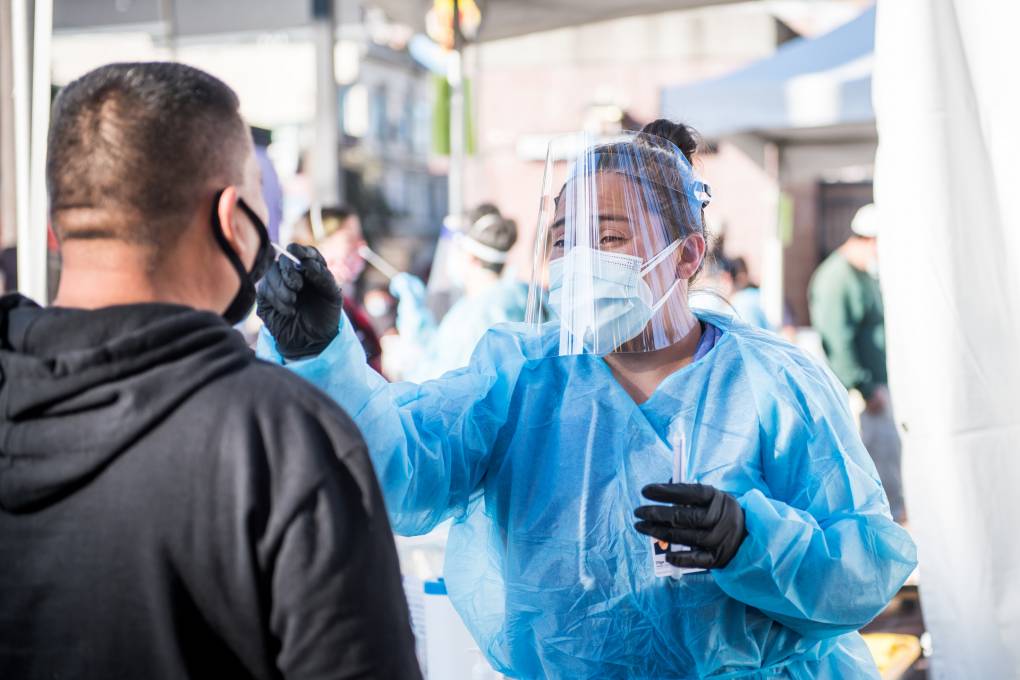
"caption": "Health care worker Olga Duran tests a patient for COVID at a Unidos en Salud testing site on 24th and Mission streets in San Francisco on Nov. 30, 2020.",
"description": null,
"title": "RS46108_016_KQED_SanFrancisco_COVIDTesting_11302020-qut",
"credit": "Beth LaBerge/KQED",
"status": "inherit",
"altTag": "A nurse in full PPE prepares to swab man wearing a mask facing away from camera, outside in sunlight",
"isLoading": false,
"fetchFailed": false
},
"news_11941542": {
"type": "attachments",
"id": "news_11941542",
"meta": {
"index": "attachments_1716263798",
"site": "news",
"id": "11941542",
"found": true
},
"parent": 11941531,
"imgSizes": {
"twentyfourteen-full-width": {
"file": "https://ww2.kqed.org/app/uploads/sites/10/2023/02/RS63121_GettyImages-1240474358-qut-1038x576.jpg",
"width": 1038,
"mimeType": "image/jpeg",
"height": 576
},
"thumbnail": {
"file": "https://ww2.kqed.org/app/uploads/sites/10/2023/02/RS63121_GettyImages-1240474358-qut-160x101.jpg",
"width": 160,
"mimeType": "image/jpeg",
"height": 101
},
"post-thumbnail": {
"file": "https://ww2.kqed.org/app/uploads/sites/10/2023/02/RS63121_GettyImages-1240474358-qut-672x372.jpg",
"width": 672,
"mimeType": "image/jpeg",
"height": 372
},
"kqedFullSize": {
"file": "https://ww2.kqed.org/app/uploads/sites/10/2023/02/RS63121_GettyImages-1240474358-qut.jpg",
"width": 1920,
"height": 1209
},
"large": {
"file": "https://ww2.kqed.org/app/uploads/sites/10/2023/02/RS63121_GettyImages-1240474358-qut-1020x642.jpg",
"width": 1020,
"mimeType": "image/jpeg",
"height": 642
},
"1536x1536": {
"file": "https://ww2.kqed.org/app/uploads/sites/10/2023/02/RS63121_GettyImages-1240474358-qut-1536x967.jpg",
"width": 1536,
"mimeType": "image/jpeg",
"height": 967
},
"medium": {
"file": "https://ww2.kqed.org/app/uploads/sites/10/2023/02/RS63121_GettyImages-1240474358-qut-800x504.jpg",
"width": 800,
"mimeType": "image/jpeg",
"height": 504
}
},
"publishDate": 1677088378,
"modified": 1677092491,
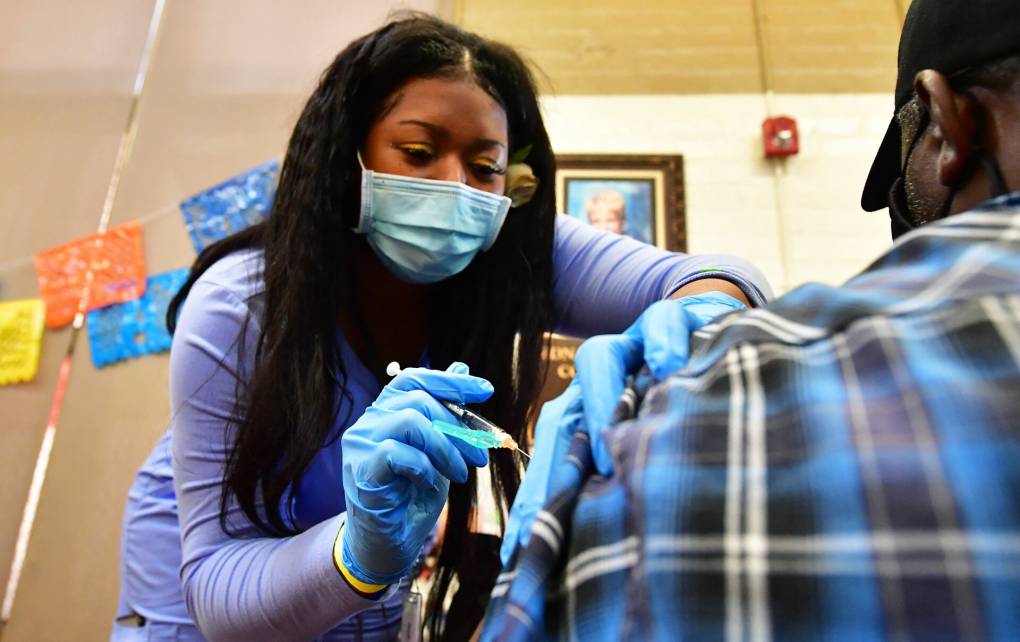
"caption": "Vocational Nurse Cleopatra Oniya administers the Pfizer booster shot at a COVID vaccination and testing site decorated for Cinco de Mayo at Ted Watkins Memorial Park in Los Angeles on May 5, 2022.",
"description": null,
"title": "can-i-get-second-bivalent-booster",
"credit": "Frederic J. Brown/AFP via Getty Images",
"status": "inherit",
"altTag": "A Black woman wearing a blue surgical mask and a blue shirt faces the camera, leaning over to administer a vaccine to a person wearing a blue checked shirt, whose back is to the camera.",
"isLoading": false,
"fetchFailed": false
},
"news_11923000": {
"type": "attachments",
"id": "news_11923000",
"meta": {
"index": "attachments_1716263798",
"site": "news",
"id": "11923000",
"found": true
},
"parent": 11922999,
"imgSizes": {
"twentyfourteen-full-width": {
"file": "https://ww2.kqed.org/app/uploads/sites/10/2022/08/gettyimages-1389964175-30795fcb474db3d997e030bf4d9d71bdfbf69d39-892x576.jpg",
"width": 892,
"mimeType": "image/jpeg",
"height": 576
},
"thumbnail": {
"file": "https://ww2.kqed.org/app/uploads/sites/10/2022/08/gettyimages-1389964175-30795fcb474db3d997e030bf4d9d71bdfbf69d39-160x120.jpg",
"width": 160,
"mimeType": "image/jpeg",
"height": 120
},
"post-thumbnail": {
"file": "https://ww2.kqed.org/app/uploads/sites/10/2022/08/gettyimages-1389964175-30795fcb474db3d997e030bf4d9d71bdfbf69d39-672x372.jpg",
"width": 672,
"mimeType": "image/jpeg",
"height": 372
},
"kqedFullSize": {
"file": "https://ww2.kqed.org/app/uploads/sites/10/2022/08/gettyimages-1389964175-30795fcb474db3d997e030bf4d9d71bdfbf69d39.jpg",
"width": 892,
"height": 669
},
"medium": {
"file": "https://ww2.kqed.org/app/uploads/sites/10/2022/08/gettyimages-1389964175-30795fcb474db3d997e030bf4d9d71bdfbf69d39-800x600.jpg",
"width": 800,
"mimeType": "image/jpeg",
"height": 600
}
},
"publishDate": 1660866298,
"modified": 1660867129,
"caption": "Jatniel Hernandez fills syringes with COID-19 vaccine booster shots at a COVID-19 vaccination clinic on April 06, 2022 in San Rafael, California.",
"description": "SAN RAFAEL, CALIFORNIA - APRIL 06: Jatniel Hernandez fills syringes with COID-19 vaccine booster shots at a COVID-19 vaccination clinic on April 06, 2022 in San Rafael, California. The U.S. Food and Drug Administration has authorized a second COVID-19 booster of Pfizer-BioNTech and Moderna vaccines for people over 50 years old four months after their first booster. ",
"title": "The federal government wants to roll out another round of COVID-19 boosters this fall but drugmakers are still testing the new boosters. The Food and Drug Administration has said it will base its evaluation of the boosters on data from mouse studies, in a controversial move.",
"credit": "Justin Sullivan/Getty Images",
"status": "inherit",
"altTag": null,
"isLoading": false,
"fetchFailed": false
},
"news_11938425": {
"type": "attachments",
"id": "news_11938425",
"meta": {
"index": "attachments_1716263798",
"site": "news",
"id": "11938425",
"found": true
},
"parent": 11904834,
"imgSizes": {
"twentyfourteen-full-width": {
"file": "https://ww2.kqed.org/app/uploads/sites/10/2022/12/RS50546_014_SanFrancisco_IndoorMasks_07302021-qut-1-1038x576.jpg",
"width": 1038,
"mimeType": "image/jpeg",
"height": 576
},
"thumbnail": {
"file": "https://ww2.kqed.org/app/uploads/sites/10/2022/12/RS50546_014_SanFrancisco_IndoorMasks_07302021-qut-1-160x107.jpg",
"width": 160,
"mimeType": "image/jpeg",
"height": 107
},
"post-thumbnail": {
"file": "https://ww2.kqed.org/app/uploads/sites/10/2022/12/RS50546_014_SanFrancisco_IndoorMasks_07302021-qut-1-672x372.jpg",
"width": 672,
"mimeType": "image/jpeg",
"height": 372
},
"kqedFullSize": {
"file": "https://ww2.kqed.org/app/uploads/sites/10/2022/12/RS50546_014_SanFrancisco_IndoorMasks_07302021-qut-1.jpg",
"width": 1920,
"height": 1280
},
"large": {
"file": "https://ww2.kqed.org/app/uploads/sites/10/2022/12/RS50546_014_SanFrancisco_IndoorMasks_07302021-qut-1-1020x680.jpg",
"width": 1020,
"mimeType": "image/jpeg",
"height": 680
},
"1536x1536": {
"file": "https://ww2.kqed.org/app/uploads/sites/10/2022/12/RS50546_014_SanFrancisco_IndoorMasks_07302021-qut-1-1536x1024.jpg",
"width": 1536,
"mimeType": "image/jpeg",
"height": 1024
},
"medium": {
"file": "https://ww2.kqed.org/app/uploads/sites/10/2022/12/RS50546_014_SanFrancisco_IndoorMasks_07302021-qut-1-800x533.jpg",
"width": 800,
"mimeType": "image/jpeg",
"height": 533
}
},
"publishDate": 1674069237,
"modified": 1674069297,
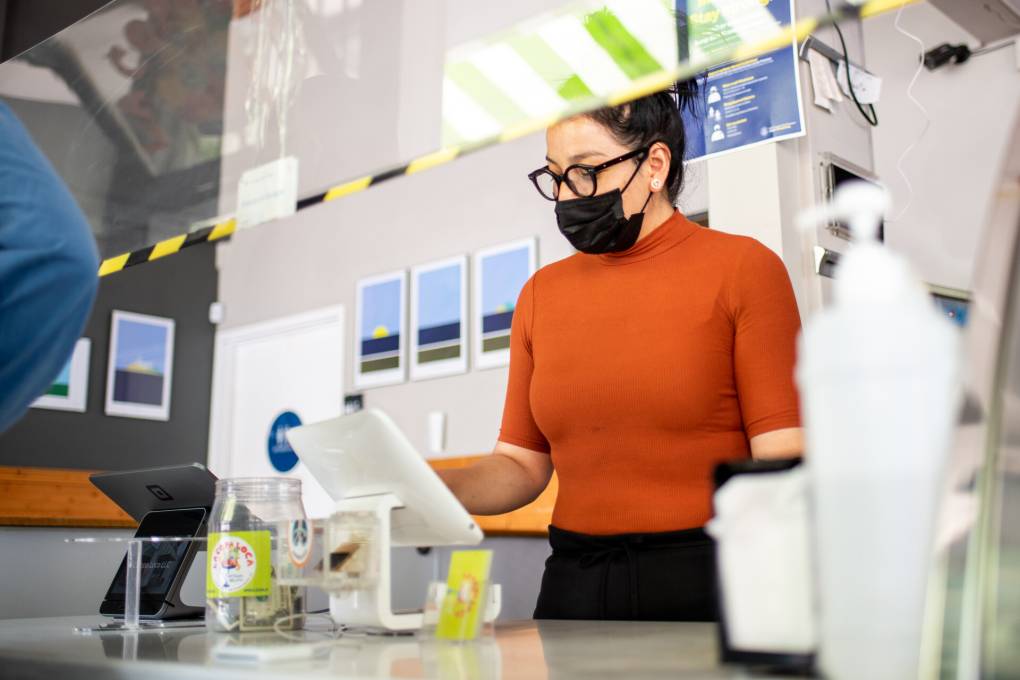
"caption": "An employee at La Copa Loca Gelato rings up a customer at the shop in San Francisco on July 30, 2021.",
"description": null,
"title": "california-covid-pay",
"credit": "Beth LaBerge/KQED",
"status": "inherit",
"altTag": "A person in an orange shirt and black mask and black-rimmed glasses operates a tablet-style cash register.",
"isLoading": false,
"fetchFailed": false
},
"news_11938627": {
"type": "attachments",
"id": "news_11938627",
"meta": {
"index": "attachments_1716263798",
"site": "news",
"id": "11938627",
"found": true
},
"parent": 11938623,
"imgSizes": {
"twentyfourteen-full-width": {
"file": "https://ww2.kqed.org/app/uploads/sites/10/2023/01/pexels-ono-kosuki-6000108-1038x576.jpg",
"width": 1038,
"mimeType": "image/jpeg",
"height": 576
},
"thumbnail": {
"file": "https://ww2.kqed.org/app/uploads/sites/10/2023/01/pexels-ono-kosuki-6000108-160x107.jpg",
"width": 160,
"mimeType": "image/jpeg",
"height": 107
},
"post-thumbnail": {
"file": "https://ww2.kqed.org/app/uploads/sites/10/2023/01/pexels-ono-kosuki-6000108-672x372.jpg",
"width": 672,
"mimeType": "image/jpeg",
"height": 372
},
"kqedFullSize": {
"file": "https://ww2.kqed.org/app/uploads/sites/10/2023/01/pexels-ono-kosuki-6000108.jpg",
"width": 1920,
"height": 1280
},
"large": {
"file": "https://ww2.kqed.org/app/uploads/sites/10/2023/01/pexels-ono-kosuki-6000108-1020x680.jpg",
"width": 1020,
"mimeType": "image/jpeg",
"height": 680
},
"1536x1536": {
"file": "https://ww2.kqed.org/app/uploads/sites/10/2023/01/pexels-ono-kosuki-6000108-1536x1024.jpg",
"width": 1536,
"mimeType": "image/jpeg",
"height": 1024
},
"medium": {
"file": "https://ww2.kqed.org/app/uploads/sites/10/2023/01/pexels-ono-kosuki-6000108-800x533.jpg",
"width": 800,
"mimeType": "image/jpeg",
"height": 533
}
},
"publishDate": 1674170892,
"modified": 1674171007,
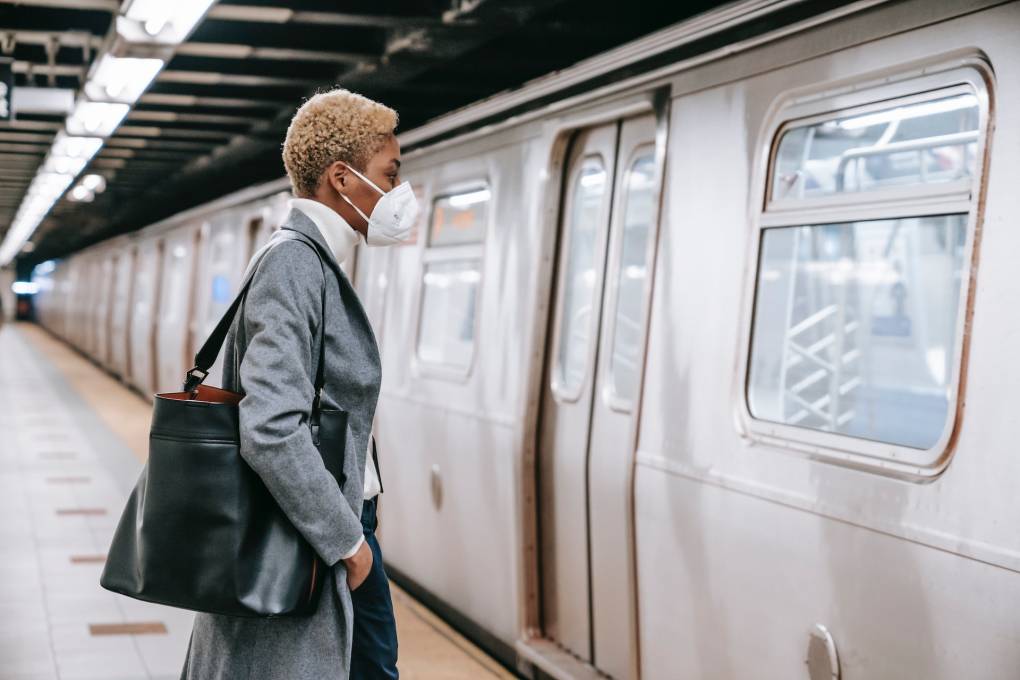
"caption": "What do you need to know about COVID in 2023?",
"description": null,
"title": "pexels-ono-kosuki-6000108",
"credit": "Ono Kosuki/Pexels",
"status": "inherit",
"altTag": "A person with dark skin and blonde hair wearing a white N95 mask and a sharp grey business-style overcoat waits on a subway platform as a train approaches",
"isLoading": false,
"fetchFailed": false
},
"news_11938586": {
"type": "attachments",
"id": "news_11938586",
"meta": {
"index": "attachments_1716263798",
"site": "news",
"id": "11938586",
"found": true
},
"parent": 11938585,
"imgSizes": {
"twentyfourteen-full-width": {
"file": "https://ww2.kqed.org/app/uploads/sites/10/2023/01/ap22024441331032-1-f0986da3291d51e624d36cef1b107c4e420bb075-1038x576.jpg",
"width": 1038,
"mimeType": "image/jpeg",
"height": 576
},
"thumbnail": {
"file": "https://ww2.kqed.org/app/uploads/sites/10/2023/01/ap22024441331032-1-f0986da3291d51e624d36cef1b107c4e420bb075-160x120.jpg",
"width": 160,
"mimeType": "image/jpeg",
"height": 120
},
"post-thumbnail": {
"file": "https://ww2.kqed.org/app/uploads/sites/10/2023/01/ap22024441331032-1-f0986da3291d51e624d36cef1b107c4e420bb075-672x372.jpg",
"width": 672,
"mimeType": "image/jpeg",
"height": 372
},
"kqedFullSize": {
"file": "https://ww2.kqed.org/app/uploads/sites/10/2023/01/ap22024441331032-1-f0986da3291d51e624d36cef1b107c4e420bb075-scaled.jpg",
"width": 2560,
"height": 1920
},
"2048x2048": {
"file": "https://ww2.kqed.org/app/uploads/sites/10/2023/01/ap22024441331032-1-f0986da3291d51e624d36cef1b107c4e420bb075-2048x1536.jpg",
"width": 2048,
"mimeType": "image/jpeg",
"height": 1536
},
"large": {
"file": "https://ww2.kqed.org/app/uploads/sites/10/2023/01/ap22024441331032-1-f0986da3291d51e624d36cef1b107c4e420bb075-1020x765.jpg",
"width": 1020,
"mimeType": "image/jpeg",
"height": 765
},
"1536x1536": {
"file": "https://ww2.kqed.org/app/uploads/sites/10/2023/01/ap22024441331032-1-f0986da3291d51e624d36cef1b107c4e420bb075-1536x1152.jpg",
"width": 1536,
"mimeType": "image/jpeg",
"height": 1152
},
"full-width": {
"file": "https://ww2.kqed.org/app/uploads/sites/10/2023/01/ap22024441331032-1-f0986da3291d51e624d36cef1b107c4e420bb075-1920x1440.jpg",
"width": 1920,
"mimeType": "image/jpeg",
"height": 1440
},
"medium": {
"file": "https://ww2.kqed.org/app/uploads/sites/10/2023/01/ap22024441331032-1-f0986da3291d51e624d36cef1b107c4e420bb075-800x600.jpg",
"width": 800,
"mimeType": "image/jpeg",
"height": 600
}
},
"publishDate": 1674158762,
"modified": 1674163416,
"caption": "A man holds a negative rapid antigen coronavirus test at a makeshift testing center in East Jerusalem on Jan. 24, 2022.",
"description": null,
"title": "Rapid antigen tests are ubiquitous, but some Americans have learned the hard way that a negative test result isn't necessarily the final word.",
"credit": "Mahmoud Illean/AP",
"status": "inherit",
"altTag": "A masked-person holding a COVID rapid test showing a negative result.",
"isLoading": false,
"fetchFailed": false
}
},
"audioPlayerReducer": {
"postId": "stream_live",
"isPaused": true,
"isPlaying": false,
"pfsActive": false,
"pledgeModalIsOpen": true,
"playerDrawerIsOpen": false,
"liveAudioPlayStartedAt": 0,
"liveAudioPlayContext": ""
},
"authorsReducer": {
"byline_news_11946927": {
"type": "authors",
"id": "byline_news_11946927",
"meta": {
"override": true
},
"slug": "byline_news_11946927",
"name": "\u003ca href=\"https://californiahealthline.org/news/author/jackie-fortier-kpcc/\">Jackie Fortiér\u003c/a>\u003cbr>KPCC/LAist",
"isLoading": false
},
"byline_news_11938585": {
"type": "authors",
"id": "byline_news_11938585",
"meta": {
"override": true
},
"slug": "byline_news_11938585",
"name": "Sydney Lupkin",
"isLoading": false
},
"carlysevern": {
"type": "authors",
"id": "3243",
"meta": {
"index": "authors_1716337520",
"id": "3243",
"found": true
},
"name": "Carly Severn",
"firstName": "Carly",
"lastName": "Severn",
"slug": "carlysevern",
"email": "csevern@kqed.org",
"display_author_email": false,
"staff_mastheads": [
"news"
],
"title": "Senior Editor, Audience News ",
"bio": "Carly is KQED's Senior Editor of Audience News on the Digital News team, and has reported for the California Report Magazine, Bay Curious and KQED Arts. She's formerly the host of \u003ca href=\"http://ww2.kqed.org/pop/category/the-cooler/\" rel=\"noopener noreferrer\">The Cooler\u003c/a> podcast.",
"avatar": "https://secure.gravatar.com/avatar/54037bf5c128fe678f0ef26cec97a93f2e7f220a22d7285703328f12c42c1b1d?s=600&d=blank&r=g",
"twitter": "teacupinthebay",
"bluesky": null,
"facebook": null,
"instagram": null,
"linkedin": null,
"sites": [
{
"site": "",
"roles": [
"editor"
]
},
{
"site": "arts",
"roles": [
"editor"
]
},
{
"site": "news",
"roles": [
"administrator"
]
},
{
"site": "pop",
"roles": [
"editor"
]
},
{
"site": "futureofyou",
"roles": [
"editor"
]
},
{
"site": "about",
"roles": [
"administrator"
]
},
{
"site": "mindshift",
"roles": [
"editor"
]
},
{
"site": "bayareabites",
"roles": [
"editor"
]
},
{
"site": "stateofhealth",
"roles": [
"editor"
]
},
{
"site": "science",
"roles": [
"editor"
]
},
{
"site": "food",
"roles": [
"contributor"
]
},
{
"site": "forum",
"roles": [
"editor"
]
},
{
"site": "perspectives",
"roles": [
"administrator"
]
},
{
"site": "liveblog",
"roles": [
"editor"
]
}
],
"headData": {
"title": "Carly Severn | KQED",
"description": "Senior Editor, Audience News ",
"ogImgSrc": "https://secure.gravatar.com/avatar/54037bf5c128fe678f0ef26cec97a93f2e7f220a22d7285703328f12c42c1b1d?s=600&d=blank&r=g",
"twImgSrc": "https://secure.gravatar.com/avatar/54037bf5c128fe678f0ef26cec97a93f2e7f220a22d7285703328f12c42c1b1d?s=600&d=blank&r=g"
},
"isLoading": false,
"link": "/author/carlysevern"
},
"vrancano": {
"type": "authors",
"id": "11276",
"meta": {
"index": "authors_1716337520",
"id": "11276",
"found": true
},
"name": "Vanessa Rancaño",
"firstName": "Vanessa",
"lastName": "Rancaño",
"slug": "vrancano",
"email": "vrancano@kqed.org",
"display_author_email": false,
"staff_mastheads": [
"news"
],
"title": "Reporter",
"bio": "Vanessa Rancaño is a features reporter for KQED. She’s also covered homelessness and education for the station and reported from the Central Valley. Her work has aired across public radio, from flagship national news shows to longform narrative podcasts. Before taking up a mic, she worked as a freelance print journalist. She’s been recognized with a number of national and regional awards. Vanessa grew up in California's Central Valley. She's a former NPR Kroc Fellow, and a graduate of the UC Berkeley Graduate School of Journalism.",
"avatar": "https://secure.gravatar.com/avatar/b3a383dfb0e7ee1c17568f2cf067904ab654d6e3de9743fc661f3c788ade1bed?s=600&d=blank&r=g",
"twitter": "vanessarancano",
"bluesky": null,
"facebook": null,
"instagram": null,
"linkedin": null,
"sites": [
{
"site": "arts",
"roles": [
"editor"
]
},
{
"site": "news",
"roles": [
"editor"
]
},
{
"site": "liveblog",
"roles": [
"contributor"
]
}
],
"headData": {
"title": "Vanessa Rancaño | KQED",
"description": "Reporter",
"ogImgSrc": "https://secure.gravatar.com/avatar/b3a383dfb0e7ee1c17568f2cf067904ab654d6e3de9743fc661f3c788ade1bed?s=600&d=blank&r=g",
"twImgSrc": "https://secure.gravatar.com/avatar/b3a383dfb0e7ee1c17568f2cf067904ab654d6e3de9743fc661f3c788ade1bed?s=600&d=blank&r=g"
},
"isLoading": false,
"link": "/author/vrancano"
},
"amontecillo": {
"type": "authors",
"id": "11649",
"meta": {
"index": "authors_1716337520",
"id": "11649",
"found": true
},
"name": "Alan Montecillo",
"firstName": "Alan",
"lastName": "Montecillo",
"slug": "amontecillo",
"email": "amontecillo@kqed.org",
"display_author_email": false,
"staff_mastheads": [
"news"
],
"title": "KQED Contributor",
"bio": "Alan Montecillo is the senior editor of \u003cem>\u003ca href=\"http://kqed.org/thebay\">The Bay\u003c/a>, \u003c/em> KQED's local news podcast. Before moving to the Bay Area, he worked as a senior talk show producer for WILL in Champaign-Urbana, Illinois and at Oregon Public Broadcasting in Portland, Oregon. He has won journalism awards from the Society of Professional Journalists Northern California, the Public Media Journalists Association, The Signal Awards, and has also received a regional Edward R. Murrow award. Alan is a Filipino American from Hong Kong and a graduate of Reed College.",
"avatar": "https://secure.gravatar.com/avatar/268f53a2066899ea9efdd8a5900218b17c822d9862cbc9326cccec53ef41d349?s=600&d=blank&r=g",
"twitter": "alanmontecillo",
"bluesky": null,
"facebook": null,
"instagram": null,
"linkedin": null,
"sites": [
{
"site": "",
"roles": [
"editor"
]
},
{
"site": "news",
"roles": [
"editor",
"manage_categories"
]
}
],
"headData": {
"title": "Alan Montecillo | KQED",
"description": "KQED Contributor",
"ogImgSrc": "https://secure.gravatar.com/avatar/268f53a2066899ea9efdd8a5900218b17c822d9862cbc9326cccec53ef41d349?s=600&d=blank&r=g",
"twImgSrc": "https://secure.gravatar.com/avatar/268f53a2066899ea9efdd8a5900218b17c822d9862cbc9326cccec53ef41d349?s=600&d=blank&r=g"
},
"isLoading": false,
"link": "/author/amontecillo"
},
"ccabreralomeli": {
"type": "authors",
"id": "11708",
"meta": {
"index": "authors_1716337520",
"id": "11708",
"found": true
},
"name": "Carlos Cabrera-Lomelí",
"firstName": "Carlos",
"lastName": "Cabrera-Lomelí",
"slug": "ccabreralomeli",
"email": "ccabreralomeli@KQED.org",
"display_author_email": true,
"staff_mastheads": [
"news"
],
"title": "Community Reporter",
"bio": "Carlos Cabrera-Lomelí is a community reporter with KQED's digital engagement team. He also reports and co-produces for KQED's bilingual news hub KQED en Español. He grew up in San Francisco's Mission District and has previously worked with Univision, 48 Hills and REFORMA in Mexico City.",
"avatar": "https://secure.gravatar.com/avatar/c309be9665e484f887b818c89e273ecc673004f426f36b24d00a4d813a2e0518?s=600&d=blank&r=g",
"twitter": "@LomeliCabrera",
"bluesky": null,
"facebook": null,
"instagram": null,
"linkedin": null,
"sites": [
{
"site": "arts",
"roles": [
"editor"
]
},
{
"site": "news",
"roles": [
"editor"
]
},
{
"site": "about",
"roles": [
"editor"
]
},
{
"site": "science",
"roles": [
"editor"
]
},
{
"site": "perspectives",
"roles": [
"editor"
]
},
{
"site": "elections",
"roles": [
"editor"
]
},
{
"site": "liveblog",
"roles": [
"contributor"
]
}
],
"headData": {
"title": "Carlos Cabrera-Lomelí | KQED",
"description": "Community Reporter",
"ogImgSrc": "https://secure.gravatar.com/avatar/c309be9665e484f887b818c89e273ecc673004f426f36b24d00a4d813a2e0518?s=600&d=blank&r=g",
"twImgSrc": "https://secure.gravatar.com/avatar/c309be9665e484f887b818c89e273ecc673004f426f36b24d00a4d813a2e0518?s=600&d=blank&r=g"
},
"isLoading": false,
"link": "/author/ccabreralomeli"
},
"nnavarro": {
"type": "authors",
"id": "11756",
"meta": {
"index": "authors_1716337520",
"id": "11756",
"found": true
},
"name": "Natalia Navarro",
"firstName": "Natalia",
"lastName": "Navarro",
"slug": "nnavarro",
"email": "nnavarro@kqed.org",
"display_author_email": true,
"staff_mastheads": [
"news"
],
"title": "Afternoon News Anchor",
"bio": "Natalia Navarro is KQED's afternoon radio news anchor. She came to KQED in 2021 from Colorado Public Radio, where she was a reporter and host. She has received several awards for her work covering daily and breaking news from professional organizations such as the San Francisco Press Club, Society of Professional Journalists and the Colorado Broadcasters Association. Natalia is originally from Tucson, Arizona, where she got her start in journalism writing for the Arizona Daily Star, Arizona Public Media and the Tucson Weekly. Natalia earned her bachelor's degree in journalism and economics, and her master's degree in journalism from the University of Arizona.",
"avatar": "https://secure.gravatar.com/avatar/a2bdb19fd9520bdea295a2d5f9b2ad65ec51cf0bf559fb1cc041d3a0a04d62ad?s=600&d=blank&r=g",
"twitter": "@NataliaVNavarro",
"bluesky": null,
"facebook": null,
"instagram": null,
"linkedin": null,
"sites": [
{
"site": "news",
"roles": [
"editor"
]
}
],
"headData": {
"title": "Natalia Navarro | KQED",
"description": "Afternoon News Anchor",
"ogImgSrc": "https://secure.gravatar.com/avatar/a2bdb19fd9520bdea295a2d5f9b2ad65ec51cf0bf559fb1cc041d3a0a04d62ad?s=600&d=blank&r=g",
"twImgSrc": "https://secure.gravatar.com/avatar/a2bdb19fd9520bdea295a2d5f9b2ad65ec51cf0bf559fb1cc041d3a0a04d62ad?s=600&d=blank&r=g"
},
"isLoading": false,
"link": "/author/nnavarro"
},
"mesquinca": {
"type": "authors",
"id": "11802",
"meta": {
"index": "authors_1716337520",
"id": "11802",
"found": true
},
"name": "Maria Esquinca",
"firstName": "Maria",
"lastName": "Esquinca",
"slug": "mesquinca",
"email": "mesquinca@kqed.org",
"display_author_email": false,
"staff_mastheads": [],
"title": "Producer, The Bay",
"bio": "María Esquinca is a producer of The Bay. Before that, she was a New York Women’s Foundation IGNITE Fellow at Latino USA. She worked at Radio Bilingue where she covered the San Joaquin Valley. Maria has interned at WLRN, News 21, The New York Times Student Journalism Institute and at Crain’s Detroit Business as a Dow Jones News Fund Business Reporting Intern. She is an MFA graduate from the University of Miami. In 2017, she graduated from the Walter Cronkite School of Journalism and Mass Communication with a Master of Mass Communication. A fronteriza, she was born in Ciudad Juárez, Chihuahua, Mexico and grew up in El Paso, Texas.",
"avatar": "https://secure.gravatar.com/avatar/77cedba18aae91da775038ba06dcd8d0?s=600&d=blank&r=g",
"twitter": "@m_esquinca",
"facebook": null,
"instagram": null,
"linkedin": null,
"sites": [
{
"site": "news",
"roles": []
}
],
"headData": {
"title": "Maria Esquinca | KQED",
"description": "Producer, The Bay",
"ogImgSrc": "https://secure.gravatar.com/avatar/77cedba18aae91da775038ba06dcd8d0?s=600&d=blank&r=g",
"twImgSrc": "https://secure.gravatar.com/avatar/77cedba18aae91da775038ba06dcd8d0?s=600&d=blank&r=g"
},
"isLoading": false,
"link": "/author/mesquinca"
},
"sjohnson": {
"type": "authors",
"id": "11840",
"meta": {
"index": "authors_1716337520",
"id": "11840",
"found": true
},
"name": "Sydney Johnson",
"firstName": "Sydney",
"lastName": "Johnson",
"slug": "sjohnson",
"email": "sjohnson@kqed.org",
"display_author_email": false,
"staff_mastheads": [
"news"
],
"title": "KQED Reporter",
"bio": "Sydney Johnson is a general assignment reporter at KQED. She previously reported on public health and city government at the San Francisco Examiner, and before that, she covered statewide education policy for EdSource. Her reporting has won multiple local, state and national awards. Sydney is a graduate of the University of California, Berkeley and lives in San Francisco.",
"avatar": "https://secure.gravatar.com/avatar/97855f2719b72ad6190b7c535fe642c8?s=600&d=blank&r=g",
"twitter": "sydneyfjohnson",
"facebook": null,
"instagram": null,
"linkedin": null,
"sites": [
{
"site": "news",
"roles": [
"editor"
]
}
],
"headData": {
"title": "Sydney Johnson | KQED",
"description": "KQED Reporter",
"ogImgSrc": "https://secure.gravatar.com/avatar/97855f2719b72ad6190b7c535fe642c8?s=600&d=blank&r=g",
"twImgSrc": "https://secure.gravatar.com/avatar/97855f2719b72ad6190b7c535fe642c8?s=600&d=blank&r=g"
},
"isLoading": false,
"link": "/author/sjohnson"
}
},
"pagesReducer": {
"news_tag_covid": {
"type": "terms",
"id": "news_27989",
"meta": {
"index": "terms_1716263798",
"site": "news",
"id": "27989",
"score": 9.103885
},
"featImg": null,
"name": "covid",
"description": null,
"taxonomy": "tag",
"headData": {
"twImgId": null,
"twTitle": null,
"ogTitle": null,
"ogImgId": null,
"twDescription": null,
"description": null,
"title": "covid Archives | KQED News",
"ogDescription": null
},
"ttid": 28006,
"slug": "covid",
"isLoading": false,
"title": "covid",
"pageMeta": {
"site": "news",
"WpPageTemplate": "page-topic-editorial",
"currentPage": 5
},
"blocks": [
{
"blockName": "kqed/post-list",
"attrs": {
"layout": "cardArticle2",
"query": "posts/news?tag=covid",
"seeMore": false,
"paginated": true,
"page": 5
}
},
{
"blockName": "kqed/ad"
}
]
}
},
"pfsSessionReducer": {},
"postsReducer": {
"stream_live": {
"type": "live",
"id": "stream_live",
"audioUrl": "https://streams.kqed.org/kqedradio",
"title": "Live Stream",
"excerpt": "Live Stream information currently unavailable.",
"link": "/radio",
"featImg": "",
"label": {
"name": "KQED Live",
"link": "/"
}
},
"stream_kqedNewscast": {
"type": "posts",
"id": "stream_kqedNewscast",
"audioUrl": "https://www.kqed.org/.stream/anon/radio/RDnews/newscast.mp3?_=1",
"title": "KQED Newscast",
"featImg": "",
"label": {
"name": "88.5 FM",
"link": "/"
}
},
"news_11945763": {
"type": "posts",
"id": "news_11945763",
"meta": {
"index": "posts_1716263798",
"site": "news",
"id": "11945763",
"score": null,
"sort": [
1681943618000
]
},
"parent": 0,
"labelTerm": {
"site": "news"
},
"blocks": [],
"publishDate": 1681943618,
"format": "standard",
"title": "CDC Approves Second Bivalent Booster for Some. Find Out if You're Eligible",
"headTitle": "CDC Approves Second Bivalent Booster for Some. Find Out if You’re Eligible | KQED",
"content": "\u003cp>For months, many people have been wondering, “\u003ca href=\"https://www.kqed.org/news/11941531/when-can-i-get-a-second-bivalent-covid-booster-heres-what-we-know-right-now\">When can I get a second bivalent COVID booster?\u003c/a>” — especially if they got their first bivalent booster seven months ago, in September 2022, back when these shots were first authorized.\u003c/p>\n\u003cp>Now, the Centers for Disease Control and Prevention (CDC) have announced that as of Wednesday, \u003ca href=\"https://www.cdc.gov/media/releases/2023/s0419-covid-vaccines.html\">certain people who are at higher risk of severe illness, hospitalization or death from COVID can get a second bivalent booster shot\u003c/a> from Moderna or Pfizer — specifically, people age 65 and older, and people who are immunocompromised.\u003c/p>\n\u003cul>\n\u003cli>\u003cstrong>Jump to: \u003ca href=\"#findbooster\">Who can now get a second bivalent booster? \u003c/a>\u003c/strong>\u003c/li>\n\u003c/ul>\n\u003cp>In a statement Wednesday, the CDC said that offering this second bivalent booster dose would offer “\u003ca href=\"https://www.cdc.gov/media/releases/2023/s0419-covid-vaccines.html\">more flexibility for people at higher risk\u003c/a> who want the option of added protection from additional COVID-19 vaccine doses.”\u003c/p>\n\u003cp>This decision came after the Food and Drug Administration (FDA) on Tuesday amended the emergency use authorizations of the Moderna and Pfizer bivalent vaccines “to simplify the vaccination schedule for most individuals” — including offering these second booster doses to certain people. The CDC also agreed with the FDA that anyone who does not have their primary series of vaccines should now just go straight to a bivalent dose. \u003ca href=\"https://www.cdc.gov/media/releases/2023/s0419-covid-vaccines.html\">The original monovalent COVID mRNA COVID vaccines will no longer be recommended\u003c/a> for use in the United States, the agency says.\u003c/p>\n\u003cp>\u003cstrong>Jump to:\u003c/strong>\u003c/p>\n\u003cul>\n\u003cli>\u003cstrong>\u003ca href=\"#findbooster\">Where can I find a second bivalent booster near me if I’m eligible?\u003c/a>\u003c/strong>\u003c/li>\n\u003cli>\u003cstrong>\u003ca href=\"#noteligiblebivalent\">I’m not eligible for a second bivalent booster yet. How long will I have to wait?\u003c/a>\u003c/strong>\u003c/li>\n\u003c/ul>\n\u003cp>“At this stage of the pandemic, data support simplifying the use of the authorized mRNA bivalent COVID-19 vaccines, and the agency believes that this approach will help encourage future vaccination,” said Dr. Peter Marks, director of the FDA’s Center for Biologics Evaluation and Research.\u003c/p>\n\u003ch2>Who can get a second bivalent booster shot?\u003c/h2>\n\u003cp>The FDA says the following groups of people can now get a second bivalent booster:\u003c/p>\n\u003cp>\u003cstrong>People age 65 and older \u003c/strong>\u003c/p>\n\u003cp>This age group can now get a second bivalent booster shot, as long as it’s been at least four months from their original bivalent shot.\u003c/p>\n\u003cp>\u003cstrong>People who are immunocompromised \u003c/strong>\u003c/p>\n\u003cp>This group can get a second bivalent booster shot as long as it’s been at least \u003cem>two\u003c/em> months from their original bivalent shot.[aside postID=news_11924327 hero='https://ww2.kqed.org/app/uploads/sites/10/2022/12/RS61679_GettyImages-1241629214-qut-1020x680.jpg']\u003c/p>\n\u003cp>Neither \u003ca href=\"https://www.fda.gov/news-events/press-announcements/coronavirus-covid-19-update-fda-authorizes-changes-simplify-use-bivalent-mrna-covid-19-vaccines\">the FDA’s announcement\u003c/a> nor \u003ca href=\"https://www.cdc.gov/media/releases/2023/s0419-covid-vaccines.html\">the CDC’s announcement\u003c/a> about second bivalent booster shots offers specifics about which conditions leading to a person being immunocompromised are included in this update. But on their site, the CDC says that \u003ca href=\"https://www.cdc.gov/coronavirus/2019-ncov/need-extra-precautions/people-with-medical-conditions.html#immunocompromised\">you can be immunocompromised or have a weakened immune system because of a medical condition you have\u003c/a>, or because of a treatment you’re undergoing \u003cem>for\u003c/em> a medical condition.\u003c/p>\n\u003cp>\u003ca href=\"https://www.cdc.gov/coronavirus/2019-ncov/need-extra-precautions/people-with-medical-conditions.html#immunocompromised\">According to the CDC, this includes people who\u003c/a>:\u003c/p>\n\u003cul>\n\u003cli>Have cancer and are on chemotherapy.\u003c/li>\n\u003cli>Have had a solid organ transplant, like a kidney or heart, and are taking medication to keep their transplant.\u003c/li>\n\u003cli>Must use certain types of medicines for a long time that weaken the immune system, like corticosteroids (because long-term uses can lead to secondary or acquired immunodeficiency).\u003c/li>\n\u003cli>Have a weakened immune system because of “a life-long condition,” meaning they’ve inherited issues with their immune system.\u003c/li>\n\u003c/ul>\n\u003cp>How do you prove you qualify for a second bivalent booster because you’re immunocompromised or otherwise have a weakened immune system? \u003ca href=\"https://www.cdc.gov/coronavirus/2019-ncov/vaccines/recommendations/immuno.html\">The CDC says you can “self-attest\u003c/a> to your moderately or severely immunocompromised status, which means you do not need any documentation of your status to receive COVID-19 vaccine doses you might be eligible to receive.” That is, you don’t need to bring any proof of any medical conditions you have to your vaccination to receive the second bivalent booster. Instead, you’ll just be asked to sign a form saying that you are indeed eligible.\u003c/p>\n\u003cp>If you’re unsure whether you qualify, it’s a good idea to talk with your primary care provider if you have one.\u003c/p>\n\u003cp>Be aware that the second bivalent booster shot recommendation for immunocompromised people \u003ca href=\"https://www.fda.gov/news-events/press-announcements/coronavirus-covid-19-update-fda-authorizes-changes-simplify-use-bivalent-mrna-covid-19-vaccines\">does not include children age 6 months through 4 years\u003c/a>. For that age group, said the FDA, “eligibility for additional doses will depend on the vaccine previously received.” Consider speaking to your child’s health care provider about what’s being recommended in this situation.\u003c/p>\n\u003cul>\n\u003cli>\u003cstrong>\u003ca href=\"#tellus\">Tell us: What else do you need information about right now?\u003c/a>\u003c/strong>\u003c/li>\n\u003c/ul>\n\u003cfigure id=\"attachment_11941542\" class=\"wp-caption alignnone\" style=\"max-width: 1920px\">\u003cimg decoding=\"async\" loading=\"lazy\" class=\"size-full wp-image-11941542\" src=\"https://ww2.kqed.org/app/uploads/sites/10/2023/02/RS63121_GettyImages-1240474358-qut.jpg\" alt=\"A Black woman wearing a blue surgical mask and a blue shirt faces the camera, leaning over to administer a vaccine to a person wearing a blue checked shirt, whose back is to the camera.\" width=\"1920\" height=\"1209\" srcset=\"https://ww2.kqed.org/app/uploads/sites/10/2023/02/RS63121_GettyImages-1240474358-qut.jpg 1920w, https://ww2.kqed.org/app/uploads/sites/10/2023/02/RS63121_GettyImages-1240474358-qut-800x504.jpg 800w, https://ww2.kqed.org/app/uploads/sites/10/2023/02/RS63121_GettyImages-1240474358-qut-1020x642.jpg 1020w, https://ww2.kqed.org/app/uploads/sites/10/2023/02/RS63121_GettyImages-1240474358-qut-160x101.jpg 160w, https://ww2.kqed.org/app/uploads/sites/10/2023/02/RS63121_GettyImages-1240474358-qut-1536x967.jpg 1536w\" sizes=\"(max-width: 1920px) 100vw, 1920px\">\u003cfigcaption class=\"wp-caption-text\">Vocational Nurse Cleopatra Oniya administers the Pfizer booster shot at a COVID vaccination and testing site decorated for Cinco de Mayo at Ted Watkins Memorial Park in Los Angeles on May 5, 2022. \u003ccite>(Frederic J. Brown/AFP via Getty Images)\u003c/cite>\u003c/figcaption>\u003c/figure>\n\u003ch2>Why should certain groups consider a second bivalent booster dose?\u003c/h2>\n\u003cp>The groups that have been newly approved by the FDA for a second bivalent booster are at higher risk of severe disease, hospitalization or death from COVID. Depending on a person’s risk factors, this may be because they have a medical condition that places them at higher risk, or because their immune system may not have mounted a sufficient response to their primary vaccine series or their first bivalent booster.\u003c/p>\n\u003cp>The updated booster shots, called bivalent vaccines and sometimes “the omicron booster,” target both the original strain of the coronavirus and the BA.4 and BA.5 omicron subvariants that have largely evaded previous boosters.\u003c/p>\n\u003cp>\u003ca href=\"https://www.nbcnews.com/health/health-news/cdc-omicron-booster-2nd-dose-older-adults-rcna79568\">As NBC News has reported\u003c/a>, BA.4 and BA.5 are no longer in circulation in the U.S., and almost 80% of current COVID cases in the United States are instead \u003ca href=\"https://covid.cdc.gov/covid-data-tracker/#variant-proportions\">caused by the omicron subvariant XBB.1.5\u003c/a>, according to \u003ca href=\"https://covid.cdc.gov/covid-data-tracker/#variant-proportions\">the CDC’s variant tracker\u003c/a>. But early data from the CDC still reported that getting a shot of the bivalent booster still \u003ca href=\"https://www.nbcnews.com/health/health-news/updated-covid-boosters-cut-infection-risk-xbb15-subvariant-half-cdc-fi-rcna67313\">reduced the risk of COVID infection from this new subvariant by nearly half\u003c/a>.\u003c/p>\n\u003ch2>\u003ca id=\"noteligiblebivalent\">\u003c/a>I’m not eligible for a second bivalent booster shot yet. How long will I have to wait?\u003c/h2>\n\u003cp>If you’re not among one of the groups approved by the FDA for a second bivalent shot now, you’ll most likely have to wait until the fall.\u003c/p>\n\u003cp>Dr. Peter Chin-Hong, infectious disease expert at UCSF, told KQED in February that most healthy people who are up to date on their primary COVID vaccine series should probably expect to get another booster shot after about a year.\u003c/p>\n\u003cp>“All roads lead to an annual COVID booster,” Chin-Hong said. “We know so far that immunity from the booster in general should last for about a year.”\u003c/p>\n\u003cp>Back in January, the FDA convened a committee to propose \u003ca href=\"https://www.kqed.org/news/11938916/fda-considers-major-shift-in-covid-vaccine-strategy\">reducing the schedule for the COVID vaccine for most people to a single annual dose\u003c/a> in the fall or winter — much like the flu shot. The agency now says it’ll hold a meeting of that same committee in June to discuss “the strain composition of the COVID-19 vaccines for fall of 2023.”\u003c/p>\n\u003cp>That means there’s one potential plus of waiting longer to get your bivalent booster: Unlike the second bivalent booster that the FDA has just approved for certain groups, this dose later in 2023 may likely be updated to match whatever COVID variant is dominating at that time.\u003c/p>\n\u003ch2>\u003ca id=\"findbooster\">\u003c/a>If I’m eligible, where can I find a second bivalent booster shot near me?\u003c/h2>\n\u003cp>The first appointments for second doses of the bivalent booster for those who qualify will almost certainly become available at Bay Area pharmacies. This is because pharmacies take their guidance from the federal level.\u003c/p>\n\u003cp>Other vaccination sites in the Bay Area, like county-run locations, may have to wait a little longer, for the Western States Scientific Safety Review Workgroup to approve second doses of the bivalent booster for these groups. Once this group of scientists approves the FDA and CDC’s decision, these boosters will be able to roll out far more widely across California (and Nevada, Oregon and Washington).\u003c/p>\n\u003cp>Remember that a certain location may only be offering a certain type of booster, whether that’s Moderna or Pfizer.\u003c/p>\n\u003cp>\u003cstrong>1. Find a second bivalent booster shot through a local pharmacy\u003c/strong>\u003c/p>\n\u003cp>Several pharmacy chains are offering online appointments for the coronavirus vaccine booster, and some also offer walk-in boosters with no appointment:\u003c/p>\n\u003cul>\n\u003cli>\u003ca href=\"https://www.cvs.com/immunizations/covid-19-vaccine?icid=cvs-home-hero1-banner-1-link2-coronavirus-vaccine\">CVS COVID-19 vaccine appointments \u003c/a>\u003c/li>\n\u003cli>\u003ca href=\"https://www.riteaid.com/pharmacy/covid-qualifier?utm_source=state&utm_medium=web&utm_campaign=Covid19&utm_content=Covid19scheduler_CA_2_12_21\">Rite Aid COVID-19 vaccine appointments\u003c/a>\u003c/li>\n\u003cli>\u003ca href=\"https://www.mhealthappointments.com/covidappt\">Safeway (Albertsons) COVID-19 vaccine appointments\u003c/a>\u003c/li>\n\u003cli>\u003ca href=\"https://www.walgreens.com/findcare/vaccination/covid-19?ban=covid_vaccine_landing_schedule\">Walgreens COVID-19 vaccine appointments\u003c/a>, or call (800) WALGREENS (800-925-4733)\u003c/li>\n\u003cli>\u003ca href=\"https://costcorx.appointment-plus.com/appointments/book?section=typeOfVaccine&workflow=default\">Costco’s COVID-19 vaccine appointments\u003cbr>\n\u003c/a>\u003c/li>\n\u003c/ul>\n\u003cp>\u003cstrong>2. Find a second bivalent booster shot through My Turn\u003c/strong>\u003c/p>\n\u003cp>\u003ca href=\"https://myturn.ca.gov/\">My Turn is the state’s tool\u003c/a> that allows Californians to schedule vaccination appointments, as supplies allow. You can also try to \u003ca href=\"https://myturn.ca.gov/clinic.html\">find a walk-in appointment through My Turn\u003c/a>.\u003c/p>\n\u003cp>Remember that it may take a little while for My Turn to start offering second doses of the bivalent booster shot for eligible people.\u003c/p>\n\u003cp>When appointments do become available, you can \u003ca href=\"https://myturn.ca.gov/\">visit the My Turn page\u003c/a> and select “Make an Appointment.” My Turn will ask for your information, including the ZIP code or location you’d like to use to search for vaccine appointments. You can give your home location or input other locations to see which sites are available farther from home.\u003c/p>\n\u003cp>If you can’t travel to a clinic for your booster shot because of health or transportation issues, you can note this when registering on My Turn, and representatives from the California Department of Public Health will call you to arrange an in-home visit or transportation.\u003c/p>\n\u003cp>If you don’t have an email address or a cellphone number, or you have questions, you can call the California COVID-19 hotline at (833) 422-4255 (Monday–Friday 8 a.m.–8 p.m. PT, Saturday and Sunday 8 a.m.–5 p.m PT) and sign up over the phone. English-speaking and Spanish-speaking operators are available. Callers needing information in other languages will be connected to a translation service that offers assistance in over 250 languages.\u003c/p>\n\u003cfigure id=\"attachment_11889661\" class=\"wp-caption alignnone\" style=\"max-width: 1920px\">\u003cimg decoding=\"async\" loading=\"lazy\" class=\"size-full wp-image-11889661\" src=\"https://ww2.kqed.org/app/uploads/sites/10/2021/09/michigan_shot_gettyimages-1234850852-8f2a1402d5a0ab808313f55bdac52f950c8ad974-scaled-e1632414475184.jpg\" alt=\"Blue-gloved hands administer a vaccine into a shoulder.\" width=\"1920\" height=\"1440\">\u003cfigcaption class=\"wp-caption-text\">Rufus Peoples receives his booster dose of the Pfizer-BioNTech coronavirus vaccine during an Oakland County Health Department vaccination clinic at the Southfield Pavilion on Aug. 24, 2021, in Southfield, Michigan. \u003ccite>(Emily Elconin/Getty Images)\u003c/cite>\u003c/figcaption>\u003c/figure>\n\u003cp>\u003cstrong>3. Find a second bivalent booster shot through your county\u003c/strong>\u003c/p>\n\u003cp>\u003ca href=\"https://www.kqed.org/news/11855623/where-can-i-get-a-covid-19-vaccine-in-the-bay-area-your-questions-answered#county\">Visit your county’s public health website\u003c/a> to learn how they are vaccinating their residents. Remember that it may take a little while for county-run vaccination sites to start offering second doses of the bivalent booster shot for eligible people — and that many counties may have closed several of their vaccination sites at this stage of the pandemic.\u003c/p>\n\u003cp>\u003ca href=\"https://www.kqed.org/news/11855623/where-can-i-get-a-covid-19-vaccine-in-the-bay-area-your-questions-answered#county\">Find your Bay Area county in our list.\u003c/a>\u003c/p>\n\u003cp>\u003cstrong>4. Find a second bivalent booster shot through your health care provider\u003c/strong>\u003c/p>\n\u003cp>If you have health insurance, check with your provider to see whether they can already offer a second bivalent booster shot. If you don’t have health insurance but get medical care through a city- or county-run provider, you can check with that location. Remember that it may take a little while for providers to start offering second bivalent booster shots.\u003c/p>\n\u003cp>\u003ca href=\"https://www.kqed.org/news/11924327/where-can-i-find-a-new-omicron-covid-booster-shot-near-me\">Read more about how to find a second bivalent booster shot for eligible people.\u003c/a>\u003c/p>\n\u003cp>[ad fullwidth]\u003c/p>\n\u003ch2>\u003ca id=\"tellus\">\u003c/a>Tell us: What else do you need information about?\u003c/h2>\n\u003cp>At KQED News, we know that it can sometimes be hard to track down the answers to navigate life in the Bay Area in 2023. We’ve published \u003ca href=\"https://www.kqed.org/news/tag/coronavirus-resources-and-explainers\">clear, practical explainers and guides about COVID\u003c/a>, \u003ca href=\"https://www.kqed.org/news/11936674/how-to-prepare-for-this-weeks-atmospheric-river-storm-sandbags-emergency-kits-and-more\">how to cope with intense winter weather\u003c/a> and \u003ca href=\"https://www.kqed.org/news/11821950/how-to-safely-attend-a-protest-in-the-bay-area\">how to exercise your right to protest safely\u003c/a>.\u003c/p>\n\u003cp>So tell us: What do you need to know more about? Tell us, and you could see your question answered online or on social media. What you submit will make our reporting stronger, and help us decide what to cover here on our site, and on KQED Public Radio, too.\u003c/p>\n\u003cp>[hearken id=\"10483\" src=\"https://modules.wearehearken.com/kqed/embed/10483.js\"]\u003c/p>\n\u003cp>[ad floatright]\u003c/p>\n",
"stats": {
"hasVideo": false,
"hasChartOrMap": false,
"hasAudio": false,
"hasPolis": false,
"wordCount": 2056,
"hasGoogleForm": false,
"hasGallery": false,
"hasHearkenModule": true,
"iframeSrcs": [],
"paragraphCount": 46
},
"modified": 1683907122,
"excerpt": "Can you get a second bivalent booster dose? According to the CDC and FDA, certain groups now qualify for an extra shot as of Wednesday. Here's how to find one.",
"headData": {
"twImgId": "",
"twTitle": "CDC Approves Second Bivalent Booster for Some. Find Out If You're Eligible",
"ogTitle": "CDC Approves Second Bivalent Booster for Some. Find Out If You're Eligible",
"ogImgId": "",
"twDescription": "",
"description": "Can you get a second bivalent booster dose? According to the CDC and FDA, certain groups now qualify for an extra shot as of Wednesday. Here's how to find one.",
"title": "CDC Approves Second Bivalent Booster for Some. Find Out if You're Eligible | KQED",
"ogDescription": "",
"schema": {
"@context": "https://schema.org",
"@type": "NewsArticle",
"headline": "CDC Approves Second Bivalent Booster for Some. Find Out if You're Eligible",
"datePublished": "2023-04-19T15:33:38-07:00",
"dateModified": "2023-05-12T08:58:42-07:00",
"image": "https://cdn.kqed.org/wp-content/uploads/2020/02/KQED-OG-Image@1x.png",
"isAccessibleForFree": "True",
"publisher": {
"@type": "NewsMediaOrganization",
"@id": "https://www.kqed.org/#organization",
"name": "KQED",
"logo": "https://cdn.kqed.org/wp-content/uploads/2020/02/KQED-OG-Image@1x.png",
"url": "https://www.kqed.org",
"sameAs": [
"https://www.facebook.com/KQED",
"https://twitter.com/KQED",
"https://www.instagram.com/kqed/",
"https://www.tiktok.com/@kqedofficial",
"https://www.linkedin.com/company/kqed",
"https://www.youtube.com/channel/UCeC0IOo7i1P_61zVUWbJ4nw"
]
}
}
},
"guestAuthors": [],
"slug": "can-i-get-second-bivalent-booster-cdc-who-eligible",
"status": "publish",
"excludeFromSiteSearch": "Include",
"articleAge": "0",
"path": "/news/11945763/can-i-get-second-bivalent-booster-cdc-who-eligible",
"audioTrackLength": null,
"parsedContent": [
{
"type": "contentString",
"content": "\u003cdiv class=\"post-body\">\u003cp>\u003cp>For months, many people have been wondering, “\u003ca href=\"https://www.kqed.org/news/11941531/when-can-i-get-a-second-bivalent-covid-booster-heres-what-we-know-right-now\">When can I get a second bivalent COVID booster?\u003c/a>” — especially if they got their first bivalent booster seven months ago, in September 2022, back when these shots were first authorized.\u003c/p>\n\u003cp>Now, the Centers for Disease Control and Prevention (CDC) have announced that as of Wednesday, \u003ca href=\"https://www.cdc.gov/media/releases/2023/s0419-covid-vaccines.html\">certain people who are at higher risk of severe illness, hospitalization or death from COVID can get a second bivalent booster shot\u003c/a> from Moderna or Pfizer — specifically, people age 65 and older, and people who are immunocompromised.\u003c/p>\n\u003cul>\n\u003cli>\u003cstrong>Jump to: \u003ca href=\"#findbooster\">Who can now get a second bivalent booster? \u003c/a>\u003c/strong>\u003c/li>\n\u003c/ul>\n\u003cp>In a statement Wednesday, the CDC said that offering this second bivalent booster dose would offer “\u003ca href=\"https://www.cdc.gov/media/releases/2023/s0419-covid-vaccines.html\">more flexibility for people at higher risk\u003c/a> who want the option of added protection from additional COVID-19 vaccine doses.”\u003c/p>\n\u003cp>This decision came after the Food and Drug Administration (FDA) on Tuesday amended the emergency use authorizations of the Moderna and Pfizer bivalent vaccines “to simplify the vaccination schedule for most individuals” — including offering these second booster doses to certain people. The CDC also agreed with the FDA that anyone who does not have their primary series of vaccines should now just go straight to a bivalent dose. \u003ca href=\"https://www.cdc.gov/media/releases/2023/s0419-covid-vaccines.html\">The original monovalent COVID mRNA COVID vaccines will no longer be recommended\u003c/a> for use in the United States, the agency says.\u003c/p>\n\u003cp>\u003cstrong>Jump to:\u003c/strong>\u003c/p>\n\u003cul>\n\u003cli>\u003cstrong>\u003ca href=\"#findbooster\">Where can I find a second bivalent booster near me if I’m eligible?\u003c/a>\u003c/strong>\u003c/li>\n\u003cli>\u003cstrong>\u003ca href=\"#noteligiblebivalent\">I’m not eligible for a second bivalent booster yet. How long will I have to wait?\u003c/a>\u003c/strong>\u003c/li>\n\u003c/ul>\n\u003cp>“At this stage of the pandemic, data support simplifying the use of the authorized mRNA bivalent COVID-19 vaccines, and the agency believes that this approach will help encourage future vaccination,” said Dr. Peter Marks, director of the FDA’s Center for Biologics Evaluation and Research.\u003c/p>\n\u003ch2>Who can get a second bivalent booster shot?\u003c/h2>\n\u003cp>The FDA says the following groups of people can now get a second bivalent booster:\u003c/p>\n\u003cp>\u003cstrong>People age 65 and older \u003c/strong>\u003c/p>\n\u003cp>This age group can now get a second bivalent booster shot, as long as it’s been at least four months from their original bivalent shot.\u003c/p>\n\u003cp>\u003cstrong>People who are immunocompromised \u003c/strong>\u003c/p>\n\u003cp>This group can get a second bivalent booster shot as long as it’s been at least \u003cem>two\u003c/em> months from their original bivalent shot.\u003c/p>\u003c/div>",
"attributes": {
"named": {},
"numeric": []
}
},
{
"type": "component",
"content": "",
"name": "aside",
"attributes": {
"named": {
"postid": "news_11924327",
"hero": "https://ww2.kqed.org/app/uploads/sites/10/2022/12/RS61679_GettyImages-1241629214-qut-1020x680.jpg",
"label": ""
},
"numeric": []
}
},
{
"type": "contentString",
"content": "\u003cdiv class=\"post-body\">\u003cp>\u003c/p>\n\u003cp>Neither \u003ca href=\"https://www.fda.gov/news-events/press-announcements/coronavirus-covid-19-update-fda-authorizes-changes-simplify-use-bivalent-mrna-covid-19-vaccines\">the FDA’s announcement\u003c/a> nor \u003ca href=\"https://www.cdc.gov/media/releases/2023/s0419-covid-vaccines.html\">the CDC’s announcement\u003c/a> about second bivalent booster shots offers specifics about which conditions leading to a person being immunocompromised are included in this update. But on their site, the CDC says that \u003ca href=\"https://www.cdc.gov/coronavirus/2019-ncov/need-extra-precautions/people-with-medical-conditions.html#immunocompromised\">you can be immunocompromised or have a weakened immune system because of a medical condition you have\u003c/a>, or because of a treatment you’re undergoing \u003cem>for\u003c/em> a medical condition.\u003c/p>\n\u003cp>\u003ca href=\"https://www.cdc.gov/coronavirus/2019-ncov/need-extra-precautions/people-with-medical-conditions.html#immunocompromised\">According to the CDC, this includes people who\u003c/a>:\u003c/p>\n\u003cul>\n\u003cli>Have cancer and are on chemotherapy.\u003c/li>\n\u003cli>Have had a solid organ transplant, like a kidney or heart, and are taking medication to keep their transplant.\u003c/li>\n\u003cli>Must use certain types of medicines for a long time that weaken the immune system, like corticosteroids (because long-term uses can lead to secondary or acquired immunodeficiency).\u003c/li>\n\u003cli>Have a weakened immune system because of “a life-long condition,” meaning they’ve inherited issues with their immune system.\u003c/li>\n\u003c/ul>\n\u003cp>How do you prove you qualify for a second bivalent booster because you’re immunocompromised or otherwise have a weakened immune system? \u003ca href=\"https://www.cdc.gov/coronavirus/2019-ncov/vaccines/recommendations/immuno.html\">The CDC says you can “self-attest\u003c/a> to your moderately or severely immunocompromised status, which means you do not need any documentation of your status to receive COVID-19 vaccine doses you might be eligible to receive.” That is, you don’t need to bring any proof of any medical conditions you have to your vaccination to receive the second bivalent booster. Instead, you’ll just be asked to sign a form saying that you are indeed eligible.\u003c/p>\n\u003cp>If you’re unsure whether you qualify, it’s a good idea to talk with your primary care provider if you have one.\u003c/p>\n\u003cp>Be aware that the second bivalent booster shot recommendation for immunocompromised people \u003ca href=\"https://www.fda.gov/news-events/press-announcements/coronavirus-covid-19-update-fda-authorizes-changes-simplify-use-bivalent-mrna-covid-19-vaccines\">does not include children age 6 months through 4 years\u003c/a>. For that age group, said the FDA, “eligibility for additional doses will depend on the vaccine previously received.” Consider speaking to your child’s health care provider about what’s being recommended in this situation.\u003c/p>\n\u003cul>\n\u003cli>\u003cstrong>\u003ca href=\"#tellus\">Tell us: What else do you need information about right now?\u003c/a>\u003c/strong>\u003c/li>\n\u003c/ul>\n\u003cfigure id=\"attachment_11941542\" class=\"wp-caption alignnone\" style=\"max-width: 1920px\">\u003cimg decoding=\"async\" loading=\"lazy\" class=\"size-full wp-image-11941542\" src=\"https://ww2.kqed.org/app/uploads/sites/10/2023/02/RS63121_GettyImages-1240474358-qut.jpg\" alt=\"A Black woman wearing a blue surgical mask and a blue shirt faces the camera, leaning over to administer a vaccine to a person wearing a blue checked shirt, whose back is to the camera.\" width=\"1920\" height=\"1209\" srcset=\"https://ww2.kqed.org/app/uploads/sites/10/2023/02/RS63121_GettyImages-1240474358-qut.jpg 1920w, https://ww2.kqed.org/app/uploads/sites/10/2023/02/RS63121_GettyImages-1240474358-qut-800x504.jpg 800w, https://ww2.kqed.org/app/uploads/sites/10/2023/02/RS63121_GettyImages-1240474358-qut-1020x642.jpg 1020w, https://ww2.kqed.org/app/uploads/sites/10/2023/02/RS63121_GettyImages-1240474358-qut-160x101.jpg 160w, https://ww2.kqed.org/app/uploads/sites/10/2023/02/RS63121_GettyImages-1240474358-qut-1536x967.jpg 1536w\" sizes=\"(max-width: 1920px) 100vw, 1920px\">\u003cfigcaption class=\"wp-caption-text\">Vocational Nurse Cleopatra Oniya administers the Pfizer booster shot at a COVID vaccination and testing site decorated for Cinco de Mayo at Ted Watkins Memorial Park in Los Angeles on May 5, 2022. \u003ccite>(Frederic J. Brown/AFP via Getty Images)\u003c/cite>\u003c/figcaption>\u003c/figure>\n\u003ch2>Why should certain groups consider a second bivalent booster dose?\u003c/h2>\n\u003cp>The groups that have been newly approved by the FDA for a second bivalent booster are at higher risk of severe disease, hospitalization or death from COVID. Depending on a person’s risk factors, this may be because they have a medical condition that places them at higher risk, or because their immune system may not have mounted a sufficient response to their primary vaccine series or their first bivalent booster.\u003c/p>\n\u003cp>The updated booster shots, called bivalent vaccines and sometimes “the omicron booster,” target both the original strain of the coronavirus and the BA.4 and BA.5 omicron subvariants that have largely evaded previous boosters.\u003c/p>\n\u003cp>\u003ca href=\"https://www.nbcnews.com/health/health-news/cdc-omicron-booster-2nd-dose-older-adults-rcna79568\">As NBC News has reported\u003c/a>, BA.4 and BA.5 are no longer in circulation in the U.S., and almost 80% of current COVID cases in the United States are instead \u003ca href=\"https://covid.cdc.gov/covid-data-tracker/#variant-proportions\">caused by the omicron subvariant XBB.1.5\u003c/a>, according to \u003ca href=\"https://covid.cdc.gov/covid-data-tracker/#variant-proportions\">the CDC’s variant tracker\u003c/a>. But early data from the CDC still reported that getting a shot of the bivalent booster still \u003ca href=\"https://www.nbcnews.com/health/health-news/updated-covid-boosters-cut-infection-risk-xbb15-subvariant-half-cdc-fi-rcna67313\">reduced the risk of COVID infection from this new subvariant by nearly half\u003c/a>.\u003c/p>\n\u003ch2>\u003ca id=\"noteligiblebivalent\">\u003c/a>I’m not eligible for a second bivalent booster shot yet. How long will I have to wait?\u003c/h2>\n\u003cp>If you’re not among one of the groups approved by the FDA for a second bivalent shot now, you’ll most likely have to wait until the fall.\u003c/p>\n\u003cp>Dr. Peter Chin-Hong, infectious disease expert at UCSF, told KQED in February that most healthy people who are up to date on their primary COVID vaccine series should probably expect to get another booster shot after about a year.\u003c/p>\n\u003cp>“All roads lead to an annual COVID booster,” Chin-Hong said. “We know so far that immunity from the booster in general should last for about a year.”\u003c/p>\n\u003cp>Back in January, the FDA convened a committee to propose \u003ca href=\"https://www.kqed.org/news/11938916/fda-considers-major-shift-in-covid-vaccine-strategy\">reducing the schedule for the COVID vaccine for most people to a single annual dose\u003c/a> in the fall or winter — much like the flu shot. The agency now says it’ll hold a meeting of that same committee in June to discuss “the strain composition of the COVID-19 vaccines for fall of 2023.”\u003c/p>\n\u003cp>That means there’s one potential plus of waiting longer to get your bivalent booster: Unlike the second bivalent booster that the FDA has just approved for certain groups, this dose later in 2023 may likely be updated to match whatever COVID variant is dominating at that time.\u003c/p>\n\u003ch2>\u003ca id=\"findbooster\">\u003c/a>If I’m eligible, where can I find a second bivalent booster shot near me?\u003c/h2>\n\u003cp>The first appointments for second doses of the bivalent booster for those who qualify will almost certainly become available at Bay Area pharmacies. This is because pharmacies take their guidance from the federal level.\u003c/p>\n\u003cp>Other vaccination sites in the Bay Area, like county-run locations, may have to wait a little longer, for the Western States Scientific Safety Review Workgroup to approve second doses of the bivalent booster for these groups. Once this group of scientists approves the FDA and CDC’s decision, these boosters will be able to roll out far more widely across California (and Nevada, Oregon and Washington).\u003c/p>\n\u003cp>Remember that a certain location may only be offering a certain type of booster, whether that’s Moderna or Pfizer.\u003c/p>\n\u003cp>\u003cstrong>1. Find a second bivalent booster shot through a local pharmacy\u003c/strong>\u003c/p>\n\u003cp>Several pharmacy chains are offering online appointments for the coronavirus vaccine booster, and some also offer walk-in boosters with no appointment:\u003c/p>\n\u003cul>\n\u003cli>\u003ca href=\"https://www.cvs.com/immunizations/covid-19-vaccine?icid=cvs-home-hero1-banner-1-link2-coronavirus-vaccine\">CVS COVID-19 vaccine appointments \u003c/a>\u003c/li>\n\u003cli>\u003ca href=\"https://www.riteaid.com/pharmacy/covid-qualifier?utm_source=state&utm_medium=web&utm_campaign=Covid19&utm_content=Covid19scheduler_CA_2_12_21\">Rite Aid COVID-19 vaccine appointments\u003c/a>\u003c/li>\n\u003cli>\u003ca href=\"https://www.mhealthappointments.com/covidappt\">Safeway (Albertsons) COVID-19 vaccine appointments\u003c/a>\u003c/li>\n\u003cli>\u003ca href=\"https://www.walgreens.com/findcare/vaccination/covid-19?ban=covid_vaccine_landing_schedule\">Walgreens COVID-19 vaccine appointments\u003c/a>, or call (800) WALGREENS (800-925-4733)\u003c/li>\n\u003cli>\u003ca href=\"https://costcorx.appointment-plus.com/appointments/book?section=typeOfVaccine&workflow=default\">Costco’s COVID-19 vaccine appointments\u003cbr>\n\u003c/a>\u003c/li>\n\u003c/ul>\n\u003cp>\u003cstrong>2. Find a second bivalent booster shot through My Turn\u003c/strong>\u003c/p>\n\u003cp>\u003ca href=\"https://myturn.ca.gov/\">My Turn is the state’s tool\u003c/a> that allows Californians to schedule vaccination appointments, as supplies allow. You can also try to \u003ca href=\"https://myturn.ca.gov/clinic.html\">find a walk-in appointment through My Turn\u003c/a>.\u003c/p>\n\u003cp>Remember that it may take a little while for My Turn to start offering second doses of the bivalent booster shot for eligible people.\u003c/p>\n\u003cp>When appointments do become available, you can \u003ca href=\"https://myturn.ca.gov/\">visit the My Turn page\u003c/a> and select “Make an Appointment.” My Turn will ask for your information, including the ZIP code or location you’d like to use to search for vaccine appointments. You can give your home location or input other locations to see which sites are available farther from home.\u003c/p>\n\u003cp>If you can’t travel to a clinic for your booster shot because of health or transportation issues, you can note this when registering on My Turn, and representatives from the California Department of Public Health will call you to arrange an in-home visit or transportation.\u003c/p>\n\u003cp>If you don’t have an email address or a cellphone number, or you have questions, you can call the California COVID-19 hotline at (833) 422-4255 (Monday–Friday 8 a.m.–8 p.m. PT, Saturday and Sunday 8 a.m.–5 p.m PT) and sign up over the phone. English-speaking and Spanish-speaking operators are available. Callers needing information in other languages will be connected to a translation service that offers assistance in over 250 languages.\u003c/p>\n\u003cfigure id=\"attachment_11889661\" class=\"wp-caption alignnone\" style=\"max-width: 1920px\">\u003cimg decoding=\"async\" loading=\"lazy\" class=\"size-full wp-image-11889661\" src=\"https://ww2.kqed.org/app/uploads/sites/10/2021/09/michigan_shot_gettyimages-1234850852-8f2a1402d5a0ab808313f55bdac52f950c8ad974-scaled-e1632414475184.jpg\" alt=\"Blue-gloved hands administer a vaccine into a shoulder.\" width=\"1920\" height=\"1440\">\u003cfigcaption class=\"wp-caption-text\">Rufus Peoples receives his booster dose of the Pfizer-BioNTech coronavirus vaccine during an Oakland County Health Department vaccination clinic at the Southfield Pavilion on Aug. 24, 2021, in Southfield, Michigan. \u003ccite>(Emily Elconin/Getty Images)\u003c/cite>\u003c/figcaption>\u003c/figure>\n\u003cp>\u003cstrong>3. Find a second bivalent booster shot through your county\u003c/strong>\u003c/p>\n\u003cp>\u003ca href=\"https://www.kqed.org/news/11855623/where-can-i-get-a-covid-19-vaccine-in-the-bay-area-your-questions-answered#county\">Visit your county’s public health website\u003c/a> to learn how they are vaccinating their residents. Remember that it may take a little while for county-run vaccination sites to start offering second doses of the bivalent booster shot for eligible people — and that many counties may have closed several of their vaccination sites at this stage of the pandemic.\u003c/p>\n\u003cp>\u003ca href=\"https://www.kqed.org/news/11855623/where-can-i-get-a-covid-19-vaccine-in-the-bay-area-your-questions-answered#county\">Find your Bay Area county in our list.\u003c/a>\u003c/p>\n\u003cp>\u003cstrong>4. Find a second bivalent booster shot through your health care provider\u003c/strong>\u003c/p>\n\u003cp>If you have health insurance, check with your provider to see whether they can already offer a second bivalent booster shot. If you don’t have health insurance but get medical care through a city- or county-run provider, you can check with that location. Remember that it may take a little while for providers to start offering second bivalent booster shots.\u003c/p>\n\u003cp>\u003ca href=\"https://www.kqed.org/news/11924327/where-can-i-find-a-new-omicron-covid-booster-shot-near-me\">Read more about how to find a second bivalent booster shot for eligible people.\u003c/a>\u003c/p>\n\u003cp>\u003c/p>\u003c/div>",
"attributes": {
"named": {},
"numeric": []
}
},
{
"type": "component",
"content": "",
"name": "ad",
"attributes": {
"named": {
"label": "fullwidth"
},
"numeric": [
"fullwidth"
]
}
},
{
"type": "contentString",
"content": "\u003cdiv class=\"post-body\">\u003cp>\u003c/p>\n\u003ch2>\u003ca id=\"tellus\">\u003c/a>Tell us: What else do you need information about?\u003c/h2>\n\u003cp>At KQED News, we know that it can sometimes be hard to track down the answers to navigate life in the Bay Area in 2023. We’ve published \u003ca href=\"https://www.kqed.org/news/tag/coronavirus-resources-and-explainers\">clear, practical explainers and guides about COVID\u003c/a>, \u003ca href=\"https://www.kqed.org/news/11936674/how-to-prepare-for-this-weeks-atmospheric-river-storm-sandbags-emergency-kits-and-more\">how to cope with intense winter weather\u003c/a> and \u003ca href=\"https://www.kqed.org/news/11821950/how-to-safely-attend-a-protest-in-the-bay-area\">how to exercise your right to protest safely\u003c/a>.\u003c/p>\n\u003cp>So tell us: What do you need to know more about? Tell us, and you could see your question answered online or on social media. What you submit will make our reporting stronger, and help us decide what to cover here on our site, and on KQED Public Radio, too.\u003c/p>\n\u003cp>\u003c/p>\u003c/div>",
"attributes": {
"named": {},
"numeric": []
}
},
{
"type": "component",
"content": "",
"name": "hearken",
"attributes": {
"named": {
"id": "10483",
"src": "https://modules.wearehearken.com/kqed/embed/10483.js",
"label": ""
},
"numeric": []
}
},
{
"type": "contentString",
"content": "\u003cdiv class=\"post-body\">\u003cp>\u003c/p>\n\u003cp>\u003c/p>\u003c/div>",
"attributes": {
"named": {},
"numeric": []
}
},
{
"type": "component",
"content": "",
"name": "ad",
"attributes": {
"named": {
"label": "floatright"
},
"numeric": [
"floatright"
]
}
},
{
"type": "contentString",
"content": "\u003cdiv class=\"post-body\">\u003cp>\u003c/p>\n\u003c/div>\u003c/p>",
"attributes": {
"named": {},
"numeric": []
}
}
],
"link": "/news/11945763/can-i-get-second-bivalent-booster-cdc-who-eligible",
"authors": [
"3243"
],
"categories": [
"news_457",
"news_8"
],
"tags": [
"news_32707",
"news_30445",
"news_29029",
"news_27989",
"news_28801",
"news_27626"
],
"featImg": "news_11947159",
"label": "news"
},
"news_11946927": {
"type": "posts",
"id": "news_11946927",
"meta": {
"index": "posts_1716263798",
"site": "news",
"id": "11946927",
"score": null,
"sort": [
1681773033000
]
},
"guestAuthors": [],
"slug": "long-covid-patients-feel-swept-under-the-rug-by-end-to-pandemic-emergencies",
"title": "Long COVID Patients Feel ‘Swept Under the Rug’ by End to Pandemic Emergencies",
"publishDate": 1681773033,
"format": "standard",
"headTitle": "Long COVID Patients Feel ‘Swept Under the Rug’ by End to Pandemic Emergencies | KQED",
"labelTerm": {},
"content": "\u003cp>Lost careers. Broken marriages. Family and friends who dismiss and don’t believe.\u003c/p>\n\u003cp>These are some of the emotional and financial struggles long COVID patients face years after their infections. Physically, they are debilitated and in pain: unable to walk up stairs, focus on a project or hold down a job. Facing the end of the federal public health emergency in May, many people experiencing lingering effects of the virus say they feel angry and abandoned by policymakers eager to move on.\u003c/p>\n\u003cp>“Patients are losing hope,” said Shelby Hedgecock, a self-described long COVID survivor from Knoxville, Tennessee, who now advocates for patients like herself. “We feel swept under the rug.”\u003c/p>\n\u003cp>[ad fullwidth]\u003c/p>\n\u003cp>The Centers for Disease Control and Prevention estimated in March that \u003ca href=\"https://www.cdc.gov/nchs/covid19/pulse/long-covid.htm\">6% of U.S. adults\u003c/a>, or about 16 million people, were experiencing long COVID, or ongoing health problems that continue or emerge after a bout of COVID-19. Researchers estimate that 1.6% of U.S. adults, or about 4 million people, have symptoms that have significantly reduced their ability to carry out day-to-day activities.\u003c/p>\n\u003cp>While patients are no longer contagious, their health issues can stretch on and affect almost every system in the body. More than 200 symptoms and conditions, including fatigue and depression, are linked to long COVID, said Linda Geng, a physician who treats patients at Stanford Medicine’s \u003ca href=\"https://stanfordhealthcare.org/medical-clinics/post-covid-clinic.html\">Post-Acute COVID-19 Syndrome Clinic\u003c/a>.\u003c/p>\n\u003cp>[pullquote size=\"medium\" align=\"right\" citation=\"Shelby Hedgecock, long COVID survivor\"]‘Patients are losing hope. We feel swept under the rug.’[/pullquote]\u003c/p>\n\u003cp>The severity and duration of long COVID vary. Some people recover in a few weeks, while a smaller number have debilitating and lingering health issues. There is currently no test, treatment or cure. There’s not even an accepted medical definition.\u003c/p>\n\u003cp>“When you don’t have any tests that show that anything’s abnormal, it can be quite invalidating and anxiety-provoking,” Geng said.\u003c/p>\n\u003cp>The physical and emotional toll have left some feeling hopeless. A 2022 study of adults in Japan and Sweden found that those with post-COVID conditions were \u003ca href=\"https://bmcpsychiatry.biomedcentral.com/articles/10.1186/s12888-022-03874-7\">more than twice as likely to develop mental health issues\u003c/a>, including depression, anxiety and post-traumatic stress, as people without them.\u003c/p>\n\u003cfigure id=\"attachment_11946940\" class=\"wp-caption aligncenter\" style=\"max-width: 744px\">\u003cimg loading=\"lazy\" decoding=\"async\" class=\"size-full wp-image-11946940\" src=\"https://ww2.kqed.org/app/uploads/sites/10/2023/04/Long_covid_Shelby_Hedgecock_4.jpg\" alt='A woman stands in front of a billboard pictured in the distance. It reads, \"I was a healthy person before this. Shelby, age 29, covid-19 survivor.\"' width=\"744\" height=\"726\" srcset=\"https://cdn.kqed.org/wp-content/uploads/sites/10/2023/04/Long_covid_Shelby_Hedgecock_4.jpg 744w, https://cdn.kqed.org/wp-content/uploads/sites/10/2023/04/Long_covid_Shelby_Hedgecock_4-160x156.jpg 160w\" sizes=\"auto, (max-width: 744px) 100vw, 744px\">\u003cfigcaption class=\"wp-caption-text\">Shelby Hedgecock stands in front of a billboard from a Los Angeles County public health campaign that features her as a long COVID patient. \u003ccite>(Courtesy Gustavo Sosa)\u003c/cite>\u003c/figcaption>\u003c/figure>\n\u003cp>“One of my friends committed suicide in May of 2021,” Hedgecock said. “She had a mild COVID infection, and she progressively had medical complications continuously pop up, and it just got so bad that she decided to end her life.”\u003c/p>\n\u003cp>In Los Angeles County, 46% of adults who contracted COVID had fully recovered a month later, but the rest — a majority — reported one or more continuing symptoms, according to a \u003ca href=\"https://californiahealthline.org/wp-content/uploads/sites/3/2023/03/Long-Covid-Study-Graphic.jpg\">675-patient study\u003c/a> by the University of Southern California’s COVID-19 Pandemic Research Center. The researchers found that chronic fatigue topped the list of health issues, followed by brain fog and a persistent cough, all of which affect people’s daily lives.\u003c/p>\n\u003cp>Among the respondents who identified as living with long COVID, 77% said their condition limited daily activities such as going to school or work or socializing. One-quarter reported experiencing severe limitations.\u003c/p>\n\u003cp>Taking antivirals cuts the risk of developing long COVID in people who are newly infected. But for people already suffering, medical science is trying to catch up.\u003c/p>\n\u003cp>Here’s a look at Hedgecock and two other patients who have had long COVID for years.\u003c/p>\n\u003ch2>A debilitating brain injury\u003c/h2>\n\u003cp>Before contracting COVID during spring 2020, Hedgecock’s life revolved around fitness. She worked as a personal trainer in Los Angeles and competed in endurance competitions on the weekends. At 29, she was about to launch an online wellness business. Then she started having trouble breathing.\u003c/p>\n\u003cp>“One of the scariest things that happened to me was I couldn’t breathe at night,” Hedgecock said. “I did go to the emergency room on three different occasions, and each time I was told, ‘You’re up and you’re moving. You’re young, you’re healthy. It’s going to be fine.’”\u003c/p>\n\u003cfigure id=\"attachment_11946939\" class=\"wp-caption aligncenter\" style=\"max-width: 744px\">\u003cimg loading=\"lazy\" decoding=\"async\" class=\"wp-image-11946939 size-full\" src=\"https://ww2.kqed.org/app/uploads/sites/10/2023/04/Long_covid_Shelby_Hedgecock_3.jpg\" alt=\"A white woman in a blue mask lies in a hospital bed with monitors stuck to her chest alongside a floral shoulder tattoo and a small gold chain with a white gemstone pendant.\" width=\"744\" height=\"906\" srcset=\"https://cdn.kqed.org/wp-content/uploads/sites/10/2023/04/Long_covid_Shelby_Hedgecock_3.jpg 744w, https://cdn.kqed.org/wp-content/uploads/sites/10/2023/04/Long_covid_Shelby_Hedgecock_3-160x195.jpg 160w\" sizes=\"auto, (max-width: 744px) 100vw, 744px\">\u003cfigcaption class=\"wp-caption-text\">Shelby Hedgecock, a personal trainer, was about to launch an online wellness business before contracting COVID in spring 2020. \u003ccite>(Courtesy Shelby Hedgecock)\u003c/cite>\u003c/figcaption>\u003c/figure>\n\u003cp>Her primary care physician at the time told her she didn’t need supplemental oxygen even though her oxygen saturation dipped below normal at night, leaving her gasping for breath and crying in frustration.\u003c/p>\n\u003cp>Her condition kept her from one of her favorite hobbies, reading, for 19 months.\u003c/p>\n\u003cp>“I couldn’t look at a page and tell you what it said. It was like there was a disconnect between the words and my brain,” she said. “It was the strangest, most discouraging thing ever.”[pullquote size=\"medium\" align=\"right\" citation=\"Shelby Hedgecock, long COVID survivor\"]‘I couldn’t look at a page and tell you what it said. It was like there was a disconnect between the words and my brain. It was the strangest, most discouraging thing ever.’[/pullquote]Months later, under the direction of a specialist, Hedgecock underwent a test measuring electrical activity in the brain. It revealed that her brain had been starved of oxygen for months, damaging the section controlling memory and language.\u003c/p>\n\u003cp>Since then, she has moved back to Tennessee to be close to family. She doesn’t leave her apartment without a medical alert button that can instantly call an ambulance. She works with a team of specialists, and she feels lucky — she knows people in online long COVID groups who are losing health coverage as \u003ca href=\"https://californiahealthline.org/news/article/medicaid-unwinding-coverage-loss-california-post-pandemic/\">Medicaid pandemic protections expire\u003c/a>, while others remain unable to work.\u003c/p>\n\u003cp>“A lot of them have lost their life savings. Some are experiencing homelessness,” she said.\u003c/p>\n\u003ch2>In bed for a year\u003c/h2>\n\u003cp>Julia Landis led a fulfilling life as a therapist before contracting COVID in spring 2020.\u003c/p>\n\u003cp>“I was really able to help people, and it was great work and I loved my life, and I’ve lost it,” said the 56-year-old, who lives with her husband and dog in Ukiah.\u003c/p>\n\u003cp>In 2020, Landis was living in an apartment in Phoenix and received treatment via telehealth for her COVID-related bronchitis. What started out as a mild case of COVID spiraled into severe depression.\u003c/p>\n\u003cp>“I just stayed in bed for about a year,” she said.\u003c/p>\n\u003cp>Her depression has continued, along with debilitating pain and anxiety. To make up for her lost income, Landis’ husband works longer hours, which in turn exacerbates her loneliness.\u003c/p>\n\u003cfigure id=\"attachment_11946941\" class=\"wp-caption aligncenter\" style=\"max-width: 1920px\">\u003cimg loading=\"lazy\" decoding=\"async\" class=\"wp-image-11946941 size-full\" src=\"https://ww2.kqed.org/app/uploads/sites/10/2023/04/LongCovid.jpg\" alt=\"A photo spread of three images of women's faces: one smiles with long, gray hair and a pink and purple floral top; one has short, brown hair and cat eye glasses and a blue blouse; the last woman has a shoulder of floral tattoos exposed as she wears a black workout tank top as she smiles at the camera with earbuds in and her hair pulled back.\" width=\"1920\" height=\"1280\" srcset=\"https://cdn.kqed.org/wp-content/uploads/sites/10/2023/04/LongCovid.jpg 1920w, https://cdn.kqed.org/wp-content/uploads/sites/10/2023/04/LongCovid-800x533.jpg 800w, https://cdn.kqed.org/wp-content/uploads/sites/10/2023/04/LongCovid-1020x680.jpg 1020w, https://cdn.kqed.org/wp-content/uploads/sites/10/2023/04/LongCovid-160x107.jpg 160w, https://cdn.kqed.org/wp-content/uploads/sites/10/2023/04/LongCovid-1536x1024.jpg 1536w\" sizes=\"auto, (max-width: 1920px) 100vw, 1920px\">\u003cfigcaption class=\"wp-caption-text\">Linda Rosenthal, Julia Landis and Shelby Hedgecock share their stories of long COVID. \u003ccite>(California Healthline)\u003c/cite>\u003c/figcaption>\u003c/figure>\n\u003cp>“It would be nice to be living somewhere where there were people around seven days a week so I wouldn’t have to go through days of being just terrified to be alone all day,” Landis said. “If this were cancer, I’d be living with family. I’m sure of it.”[pullquote size=\"medium\" align=\"right\" citation=\"Julia Landis, long COVID survivor\"]‘It’s terrifying because there’s just no way of knowing if this is going to be for the rest of my existence.’[/pullquote]Landis refers to herself as a professional patient, filling her days with physical therapy and medical appointments. She’s gradually improving and can socialize on occasion, though it leaves her exhausted, and it can take days to recover.\u003c/p>\n\u003cp>“It’s terrifying because there’s just no way of knowing if this is going to be for the rest of my existence,” she said.\u003c/p>\n\u003ch2>‘I felt betrayed’\u003c/h2>\n\u003cp>Linda Rosenthal, a 65-year-old retired high school paraprofessional, has long COVID symptoms, including inflammation in her chest that makes breathing difficult. She has found it hard to get medical care.[aside label='More on Health' tag='health']She called and set up a treatment plan with a local cardiologist near her home in Laguna Woods, Orange County, but received a letter five days later telling her he would no longer be able to provide her medical services. The letter gave no reason for the cancellation.\u003c/p>\n\u003cp>“I was so surprised,” she said. “And then I felt betrayed because it is terrible to get a letter where a doctor, although within their rights, says that they don’t want you for a patient anymore, because it causes self-doubt.”\u003c/p>\n\u003cp>Rosenthal found another cardiologist willing to do telehealth visits and who has staff wear masks in the office even though the state rule has expired. The practice, however, is more than an hour’s drive from where she lives.\u003c/p>\n\u003cp>\u003ci>\u003cspan style=\"font-weight: 400\">California Healthline is a service of the California Health Care Foundation produced by Kaiser Health News.\u003c/span>\u003c/i>\u003c/p>\n\u003cp>[ad floatright]\u003c/p>\n",
"blocks": [],
"excerpt": "Facing the end of the federal public health emergency in May, many people experiencing lingering effects of COVID-19 say they feel angry and abandoned by policymakers eager to move on.",
"status": "publish",
"parent": 0,
"modified": 1738186395,
"stats": {
"hasAudio": false,
"hasVideo": false,
"hasChartOrMap": false,
"iframeSrcs": [],
"hasGoogleForm": false,
"hasGallery": false,
"hasHearkenModule": false,
"hasPolis": false,
"paragraphCount": 34,
"wordCount": 1517
},
"headData": {
"title": "Long COVID Patients Feel ‘Swept Under the Rug’ by End to Pandemic Emergencies | KQED",
"description": "Facing the end of the federal public health emergency in May, many people experiencing lingering effects of COVID-19 say they feel angry and abandoned by policymakers eager to move on.",
"ogTitle": "",
"ogDescription": "",
"ogImgId": "",
"twTitle": "",
"twDescription": "",
"twImgId": "",
"schema": {
"@context": "https://schema.org",
"@type": "NewsArticle",
"headline": "Long COVID Patients Feel ‘Swept Under the Rug’ by End to Pandemic Emergencies",
"datePublished": "2023-04-17T16:10:33-07:00",
"dateModified": "2025-01-29T13:33:15-08:00",
"image": "https://cdn.kqed.org/wp-content/uploads/2020/02/KQED-OG-Image@1x.png",
"isAccessibleForFree": "True",
"publisher": {
"@type": "NewsMediaOrganization",
"@id": "https://www.kqed.org/#organization",
"name": "KQED",
"logo": "https://cdn.kqed.org/wp-content/uploads/2020/02/KQED-OG-Image@1x.png",
"url": "https://www.kqed.org",
"sameAs": [
"https://www.facebook.com/KQED",
"https://twitter.com/KQED",
"https://www.instagram.com/kqed/",
"https://www.tiktok.com/@kqedofficial",
"https://www.linkedin.com/company/kqed",
"https://www.youtube.com/channel/UCeC0IOo7i1P_61zVUWbJ4nw"
]
}
}
},
"source": "California Healthline",
"sourceUrl": "https://californiahealthline.org/",
"sticky": false,
"nprByline": "\u003ca href=\"https://californiahealthline.org/news/author/jackie-fortier-kpcc/\">Jackie Fortiér\u003c/a>\u003cbr>KPCC/LAist",
"excludeFromSiteSearch": "Include",
"showOnAuthorArchivePages": "No",
"articleAge": "0",
"path": "/news/11946927/long-covid-patients-feel-swept-under-the-rug-by-end-to-pandemic-emergencies",
"audioTrackLength": null,
"parsedContent": [
{
"type": "contentString",
"content": "\u003cdiv class=\"post-body\">\u003cp>\u003cp>Lost careers. Broken marriages. Family and friends who dismiss and don’t believe.\u003c/p>\n\u003cp>These are some of the emotional and financial struggles long COVID patients face years after their infections. Physically, they are debilitated and in pain: unable to walk up stairs, focus on a project or hold down a job. Facing the end of the federal public health emergency in May, many people experiencing lingering effects of the virus say they feel angry and abandoned by policymakers eager to move on.\u003c/p>\n\u003cp>“Patients are losing hope,” said Shelby Hedgecock, a self-described long COVID survivor from Knoxville, Tennessee, who now advocates for patients like herself. “We feel swept under the rug.”\u003c/p>\n\u003cp>\u003c/p>\u003c/div>",
"attributes": {
"named": {},
"numeric": []
}
},
{
"type": "component",
"content": "",
"name": "ad",
"attributes": {
"named": {
"label": "fullwidth"
},
"numeric": [
"fullwidth"
]
}
},
{
"type": "contentString",
"content": "\u003cdiv class=\"post-body\">\u003cp>\u003c/p>\n\u003cp>The Centers for Disease Control and Prevention estimated in March that \u003ca href=\"https://www.cdc.gov/nchs/covid19/pulse/long-covid.htm\">6% of U.S. adults\u003c/a>, or about 16 million people, were experiencing long COVID, or ongoing health problems that continue or emerge after a bout of COVID-19. Researchers estimate that 1.6% of U.S. adults, or about 4 million people, have symptoms that have significantly reduced their ability to carry out day-to-day activities.\u003c/p>\n\u003cp>While patients are no longer contagious, their health issues can stretch on and affect almost every system in the body. More than 200 symptoms and conditions, including fatigue and depression, are linked to long COVID, said Linda Geng, a physician who treats patients at Stanford Medicine’s \u003ca href=\"https://stanfordhealthcare.org/medical-clinics/post-covid-clinic.html\">Post-Acute COVID-19 Syndrome Clinic\u003c/a>.\u003c/p>\n\u003cp>\u003c/p>\u003c/div>",
"attributes": {
"named": {},
"numeric": []
}
},
{
"type": "component",
"content": "‘Patients are losing hope. We feel swept under the rug.’",
"name": "pullquote",
"attributes": {
"named": {
"size": "medium",
"align": "right",
"citation": "Shelby Hedgecock, long COVID survivor",
"label": ""
},
"numeric": []
}
},
{
"type": "contentString",
"content": "\u003cdiv class=\"post-body\">\u003cp>\u003c/p>\n\u003cp>The severity and duration of long COVID vary. Some people recover in a few weeks, while a smaller number have debilitating and lingering health issues. There is currently no test, treatment or cure. There’s not even an accepted medical definition.\u003c/p>\n\u003cp>“When you don’t have any tests that show that anything’s abnormal, it can be quite invalidating and anxiety-provoking,” Geng said.\u003c/p>\n\u003cp>The physical and emotional toll have left some feeling hopeless. A 2022 study of adults in Japan and Sweden found that those with post-COVID conditions were \u003ca href=\"https://bmcpsychiatry.biomedcentral.com/articles/10.1186/s12888-022-03874-7\">more than twice as likely to develop mental health issues\u003c/a>, including depression, anxiety and post-traumatic stress, as people without them.\u003c/p>\n\u003cfigure id=\"attachment_11946940\" class=\"wp-caption aligncenter\" style=\"max-width: 744px\">\u003cimg loading=\"lazy\" decoding=\"async\" class=\"size-full wp-image-11946940\" src=\"https://ww2.kqed.org/app/uploads/sites/10/2023/04/Long_covid_Shelby_Hedgecock_4.jpg\" alt='A woman stands in front of a billboard pictured in the distance. It reads, \"I was a healthy person before this. Shelby, age 29, covid-19 survivor.\"' width=\"744\" height=\"726\" srcset=\"https://cdn.kqed.org/wp-content/uploads/sites/10/2023/04/Long_covid_Shelby_Hedgecock_4.jpg 744w, https://cdn.kqed.org/wp-content/uploads/sites/10/2023/04/Long_covid_Shelby_Hedgecock_4-160x156.jpg 160w\" sizes=\"auto, (max-width: 744px) 100vw, 744px\">\u003cfigcaption class=\"wp-caption-text\">Shelby Hedgecock stands in front of a billboard from a Los Angeles County public health campaign that features her as a long COVID patient. \u003ccite>(Courtesy Gustavo Sosa)\u003c/cite>\u003c/figcaption>\u003c/figure>\n\u003cp>“One of my friends committed suicide in May of 2021,” Hedgecock said. “She had a mild COVID infection, and she progressively had medical complications continuously pop up, and it just got so bad that she decided to end her life.”\u003c/p>\n\u003cp>In Los Angeles County, 46% of adults who contracted COVID had fully recovered a month later, but the rest — a majority — reported one or more continuing symptoms, according to a \u003ca href=\"https://californiahealthline.org/wp-content/uploads/sites/3/2023/03/Long-Covid-Study-Graphic.jpg\">675-patient study\u003c/a> by the University of Southern California’s COVID-19 Pandemic Research Center. The researchers found that chronic fatigue topped the list of health issues, followed by brain fog and a persistent cough, all of which affect people’s daily lives.\u003c/p>\n\u003cp>Among the respondents who identified as living with long COVID, 77% said their condition limited daily activities such as going to school or work or socializing. One-quarter reported experiencing severe limitations.\u003c/p>\n\u003cp>Taking antivirals cuts the risk of developing long COVID in people who are newly infected. But for people already suffering, medical science is trying to catch up.\u003c/p>\n\u003cp>Here’s a look at Hedgecock and two other patients who have had long COVID for years.\u003c/p>\n\u003ch2>A debilitating brain injury\u003c/h2>\n\u003cp>Before contracting COVID during spring 2020, Hedgecock’s life revolved around fitness. She worked as a personal trainer in Los Angeles and competed in endurance competitions on the weekends. At 29, she was about to launch an online wellness business. Then she started having trouble breathing.\u003c/p>\n\u003cp>“One of the scariest things that happened to me was I couldn’t breathe at night,” Hedgecock said. “I did go to the emergency room on three different occasions, and each time I was told, ‘You’re up and you’re moving. You’re young, you’re healthy. It’s going to be fine.’”\u003c/p>\n\u003cfigure id=\"attachment_11946939\" class=\"wp-caption aligncenter\" style=\"max-width: 744px\">\u003cimg loading=\"lazy\" decoding=\"async\" class=\"wp-image-11946939 size-full\" src=\"https://ww2.kqed.org/app/uploads/sites/10/2023/04/Long_covid_Shelby_Hedgecock_3.jpg\" alt=\"A white woman in a blue mask lies in a hospital bed with monitors stuck to her chest alongside a floral shoulder tattoo and a small gold chain with a white gemstone pendant.\" width=\"744\" height=\"906\" srcset=\"https://cdn.kqed.org/wp-content/uploads/sites/10/2023/04/Long_covid_Shelby_Hedgecock_3.jpg 744w, https://cdn.kqed.org/wp-content/uploads/sites/10/2023/04/Long_covid_Shelby_Hedgecock_3-160x195.jpg 160w\" sizes=\"auto, (max-width: 744px) 100vw, 744px\">\u003cfigcaption class=\"wp-caption-text\">Shelby Hedgecock, a personal trainer, was about to launch an online wellness business before contracting COVID in spring 2020. \u003ccite>(Courtesy Shelby Hedgecock)\u003c/cite>\u003c/figcaption>\u003c/figure>\n\u003cp>Her primary care physician at the time told her she didn’t need supplemental oxygen even though her oxygen saturation dipped below normal at night, leaving her gasping for breath and crying in frustration.\u003c/p>\n\u003cp>Her condition kept her from one of her favorite hobbies, reading, for 19 months.\u003c/p>\n\u003cp>“I couldn’t look at a page and tell you what it said. It was like there was a disconnect between the words and my brain,” she said. “It was the strangest, most discouraging thing ever.”\u003c/p>\u003c/div>",
"attributes": {
"named": {},
"numeric": []
}
},
{
"type": "component",
"content": "‘I couldn’t look at a page and tell you what it said. It was like there was a disconnect between the words and my brain. It was the strangest, most discouraging thing ever.’",
"name": "pullquote",
"attributes": {
"named": {
"size": "medium",
"align": "right",
"citation": "Shelby Hedgecock, long COVID survivor",
"label": ""
},
"numeric": []
}
},
{
"type": "contentString",
"content": "\u003cdiv class=\"post-body\">\u003cp>Months later, under the direction of a specialist, Hedgecock underwent a test measuring electrical activity in the brain. It revealed that her brain had been starved of oxygen for months, damaging the section controlling memory and language.\u003c/p>\n\u003cp>Since then, she has moved back to Tennessee to be close to family. She doesn’t leave her apartment without a medical alert button that can instantly call an ambulance. She works with a team of specialists, and she feels lucky — she knows people in online long COVID groups who are losing health coverage as \u003ca href=\"https://californiahealthline.org/news/article/medicaid-unwinding-coverage-loss-california-post-pandemic/\">Medicaid pandemic protections expire\u003c/a>, while others remain unable to work.\u003c/p>\n\u003cp>“A lot of them have lost their life savings. Some are experiencing homelessness,” she said.\u003c/p>\n\u003ch2>In bed for a year\u003c/h2>\n\u003cp>Julia Landis led a fulfilling life as a therapist before contracting COVID in spring 2020.\u003c/p>\n\u003cp>“I was really able to help people, and it was great work and I loved my life, and I’ve lost it,” said the 56-year-old, who lives with her husband and dog in Ukiah.\u003c/p>\n\u003cp>In 2020, Landis was living in an apartment in Phoenix and received treatment via telehealth for her COVID-related bronchitis. What started out as a mild case of COVID spiraled into severe depression.\u003c/p>\n\u003cp>“I just stayed in bed for about a year,” she said.\u003c/p>\n\u003cp>Her depression has continued, along with debilitating pain and anxiety. To make up for her lost income, Landis’ husband works longer hours, which in turn exacerbates her loneliness.\u003c/p>\n\u003cfigure id=\"attachment_11946941\" class=\"wp-caption aligncenter\" style=\"max-width: 1920px\">\u003cimg loading=\"lazy\" decoding=\"async\" class=\"wp-image-11946941 size-full\" src=\"https://ww2.kqed.org/app/uploads/sites/10/2023/04/LongCovid.jpg\" alt=\"A photo spread of three images of women's faces: one smiles with long, gray hair and a pink and purple floral top; one has short, brown hair and cat eye glasses and a blue blouse; the last woman has a shoulder of floral tattoos exposed as she wears a black workout tank top as she smiles at the camera with earbuds in and her hair pulled back.\" width=\"1920\" height=\"1280\" srcset=\"https://cdn.kqed.org/wp-content/uploads/sites/10/2023/04/LongCovid.jpg 1920w, https://cdn.kqed.org/wp-content/uploads/sites/10/2023/04/LongCovid-800x533.jpg 800w, https://cdn.kqed.org/wp-content/uploads/sites/10/2023/04/LongCovid-1020x680.jpg 1020w, https://cdn.kqed.org/wp-content/uploads/sites/10/2023/04/LongCovid-160x107.jpg 160w, https://cdn.kqed.org/wp-content/uploads/sites/10/2023/04/LongCovid-1536x1024.jpg 1536w\" sizes=\"auto, (max-width: 1920px) 100vw, 1920px\">\u003cfigcaption class=\"wp-caption-text\">Linda Rosenthal, Julia Landis and Shelby Hedgecock share their stories of long COVID. \u003ccite>(California Healthline)\u003c/cite>\u003c/figcaption>\u003c/figure>\n\u003cp>“It would be nice to be living somewhere where there were people around seven days a week so I wouldn’t have to go through days of being just terrified to be alone all day,” Landis said. “If this were cancer, I’d be living with family. I’m sure of it.”\u003c/p>\u003c/div>",
"attributes": {
"named": {},
"numeric": []
}
},
{
"type": "component",
"content": "‘It’s terrifying because there’s just no way of knowing if this is going to be for the rest of my existence.’",
"name": "pullquote",
"attributes": {
"named": {
"size": "medium",
"align": "right",
"citation": "Julia Landis, long COVID survivor",
"label": ""
},
"numeric": []
}
},
{
"type": "contentString",
"content": "\u003cdiv class=\"post-body\">\u003cp>Landis refers to herself as a professional patient, filling her days with physical therapy and medical appointments. She’s gradually improving and can socialize on occasion, though it leaves her exhausted, and it can take days to recover.\u003c/p>\n\u003cp>“It’s terrifying because there’s just no way of knowing if this is going to be for the rest of my existence,” she said.\u003c/p>\n\u003ch2>‘I felt betrayed’\u003c/h2>\n\u003cp>Linda Rosenthal, a 65-year-old retired high school paraprofessional, has long COVID symptoms, including inflammation in her chest that makes breathing difficult. She has found it hard to get medical care.\u003c/p>\u003c/div>",
"attributes": {
"named": {},
"numeric": []
}
},
{
"type": "component",
"content": "",
"name": "aside",
"attributes": {
"named": {
"label": "More on Health ",
"tag": "health"
},
"numeric": []
}
},
{
"type": "contentString",
"content": "\u003cdiv class=\"post-body\">\u003cp>She called and set up a treatment plan with a local cardiologist near her home in Laguna Woods, Orange County, but received a letter five days later telling her he would no longer be able to provide her medical services. The letter gave no reason for the cancellation.\u003c/p>\n\u003cp>“I was so surprised,” she said. “And then I felt betrayed because it is terrible to get a letter where a doctor, although within their rights, says that they don’t want you for a patient anymore, because it causes self-doubt.”\u003c/p>\n\u003cp>Rosenthal found another cardiologist willing to do telehealth visits and who has staff wear masks in the office even though the state rule has expired. The practice, however, is more than an hour’s drive from where she lives.\u003c/p>\n\u003cp>\u003ci>\u003cspan style=\"font-weight: 400\">California Healthline is a service of the California Health Care Foundation produced by Kaiser Health News.\u003c/span>\u003c/i>\u003c/p>\n\u003cp>\u003c/p>\u003c/div>",
"attributes": {
"named": {},
"numeric": []
}
},
{
"type": "component",
"content": "",
"name": "ad",
"attributes": {
"named": {
"label": "floatright"
},
"numeric": [
"floatright"
]
}
},
{
"type": "contentString",
"content": "\u003cdiv class=\"post-body\">\u003cp>\u003c/p>\n\u003c/div>\u003c/p>",
"attributes": {
"named": {},
"numeric": []
}
}
],
"link": "/news/11946927/long-covid-patients-feel-swept-under-the-rug-by-end-to-pandemic-emergencies",
"authors": [
"byline_news_11946927"
],
"categories": [
"news_457",
"news_8"
],
"tags": [
"news_23099",
"news_27989",
"news_27504",
"news_27626",
"news_18543",
"news_30415"
],
"affiliates": [
"news_20286"
],
"featImg": "news_11946973",
"label": "source_news_11946927"
},
"news_11946322": {
"type": "posts",
"id": "news_11946322",
"meta": {
"index": "posts_1716263798",
"site": "news",
"id": "11946322",
"score": null,
"sort": [
1681241692000
]
},
"guestAuthors": [],
"slug": "go-wash-your-hands",
"title": "Why You Should Still Be Washing Your Hands in 2023 — Just Not for COVID",
"publishDate": 1681241692,
"format": "standard",
"headTitle": "Why You Should Still Be Washing Your Hands in 2023 — Just Not for COVID | KQED",
"labelTerm": {
"site": "news"
},
"content": "\u003cp>\u003ca href=\"https://www.vox.com/2020/2/28/21157769/how-to-prevent-the-coronavirus\">Online handwashing tutorials.\u003c/a> \u003ca href=\"https://www.nytimes.com/2020/03/14/technology/coronavirus-purell-wipes-amazon-sellers.html\">Hand sanitizer hoarding.\u003c/a> And in every public bathroom, signage urging you to wash your hands to slow the spread of the coronavirus.\u003c/p>\n\u003cp>It may be hard to believe now — after over three years of passionate conversations about masking — but when the COVID pandemic first hit in 2020, vigilant hand hygiene was positioned alongside social distancing as a key measure in the fight to slow the spread of SARS-CoV-2 around the country. And while it’s true that conversations about hand hygiene haven’t entirely vanished — just look at the laminated 2020-era handwashing posters you’ll still see in many public bathrooms around the Bay Area — “wash your hands” has undoubtedly receded as a core public health message at this point in the pandemic, in favor of masking, vaccination and booster shots.\u003c/p>\n\u003cp>But as we continue into Year Four of the COVID pandemic, should handwashing be something we keep in mind for our daily health?\u003c/p>\n\u003cp>The short answer is: absolutely — but it’s no longer really about COVID. Keep reading for the science behind those 2020 recommendations, the kinds of illnesses that handwashing can help protect you against and how useful hand sanitizer really is.\u003c/p>\n\u003ch2>Why was handwashing such a big thing when the pandemic first hit?\u003c/h2>\n\u003cp>To understand why hand hygiene was so emphasized in the first weeks of the pandemic, it’s crucial to understand just how little was initially known about the coronavirus, says Dr. John Swartzberg, clinical professor emeritus of the Infectious Diseases and Vaccinology division at UC Berkeley.\u003c/p>\n\u003cul>\n\u003cli>\u003cstrong>\u003ca href=\"#tellus\">Tell us: What else are you wondering about COVID?\u003c/a>\u003c/strong>\u003c/li>\n\u003c/ul>\n\u003cp>“In March of 2020, we didn’t really know much about how this brand-new virus was transmitted,” said Swartzberg. “And we assumed that it was transmitted like other respiratory viruses, probably just by droplets, maybe by air, but probably just droplets.”\u003c/p>\n\u003cp>In the absence of initial research, the medical community “said the basic things about transmission of respiratory viruses,” said Swartzberg. “Many of them were transmitted by inanimate objects, what we call fomites. And so, therefore, handwashing would be very important.”\u003c/p>\n\u003cfigure id=\"attachment_11946331\" class=\"wp-caption alignnone\" style=\"max-width: 800px\">\u003cimg loading=\"lazy\" decoding=\"async\" class=\"size-medium wp-image-11946331\" src=\"https://ww2.kqed.org/app/uploads/sites/10/2023/04/RS64473_IMG_4163-qut-800x600.jpg\" alt=\"A poster taped to a beige bathroom stall wall that reads WASH YOUR HANDS! STOP THE SPREAD! and gives pictorial instructions for handwashing below\" width=\"800\" height=\"600\" srcset=\"https://cdn.kqed.org/wp-content/uploads/sites/10/2023/04/RS64473_IMG_4163-qut-800x600.jpg 800w, https://cdn.kqed.org/wp-content/uploads/sites/10/2023/04/RS64473_IMG_4163-qut-1020x765.jpg 1020w, https://cdn.kqed.org/wp-content/uploads/sites/10/2023/04/RS64473_IMG_4163-qut-160x120.jpg 160w, https://cdn.kqed.org/wp-content/uploads/sites/10/2023/04/RS64473_IMG_4163-qut-1536x1152.jpg 1536w, https://cdn.kqed.org/wp-content/uploads/sites/10/2023/04/RS64473_IMG_4163-qut.jpg 1920w\" sizes=\"(max-width: 800px) 100vw, 800px\">\u003cfigcaption class=\"wp-caption-text\">In 2020, signs urging people to wash their hands to ‘stop the spread’ of COVID went up in public bathrooms around the country — and stayed up. \u003ccite>(Carly Severn/KQED)\u003c/cite>\u003c/figcaption>\u003c/figure>\n\u003cp>“We didn’t know that in terms of any science to support that. Just like we didn’t know that SARS-CoV-2 is primarily transmitted as an airborne virus, but also can be droplets,” said Swartzberg.\u003c/p>\n\u003cp>Another reason handwashing was so initially emphasized, says Swartzberg, was based on the earliest research on the coronavirus and fomites — that is, those surfaces and objects that could carry the virus.[pullquote size='medium' align='right']Tip: An object or surface that a virus can live on is called a ‘fomite.’[/pullquote]He notes that early research in spring 2020 indicated that SARS-CoV-2 could survive anywhere from a few hours to as much as 36 hours on a surface — “and so because of that, the assumption was, ‘Well, if it can survive on fomites for hours to days, then therefore we ought to make sure that we wash our hands frequently because we could get a viable virus on our hands.’”\u003c/p>\n\u003cp>But all of this begs the next question …\u003c/p>\n\u003cp>[ad fullwidth]\u003c/p>\n\u003ch2>Does handwashing actually help safeguard against COVID?\u003c/h2>\n\u003cp>In short: While handwashing is almost never a bad thing, it’s probably not going to reduce your chances of getting COVID.\u003c/p>\n\u003cp>As what scientists knew about the coronavirus evolved in 2020, and consensus emerged that this was an airborne virus that could also be spread by droplets in the air, mask-wearing emerged as the most effective way to protect oneself from COVID. By July 2020, \u003ca href=\"https://www.cdc.gov/media/releases/2020/p0714-americans-to-wear-masks.html\">the Centers for Disease Control and Prevention was urging people across the nation to wear masks\u003c/a> — albeit cloth ones, which have since been proven to be far less effective than N95s at reducing COVID risks.\u003c/p>\n\u003cp>After all the emphasis on fomites — and all those 2020 videos showing how to clean your groceries — this kind of transmission ultimately remained something that had “just made sense” to people initially, said Swartzberg, “but no one ever demonstrated that it was transmitted that way.”\u003c/p>\n\u003cp>The medical community was still concerned about the coronavirus getting onto your mucous membranes, like inside your nose and mouth, says Swartzberg — but masks soon became seen as the most effective way to protect those parts of your body, not handwashing. It’s not that washing didn’t remove COVID risks from your hands, per se; it’s more that pathogens were far more busy trying to invade your body through aerosol and droplet transmission from the air. And by January 2022, \u003ca href=\"https://www.cdc.gov/media/releases/2020/p0714-americans-to-wear-masks.html\">a well-fitted N95 mask was being recommended by the CDC\u003c/a> as offering the “highest level of protection” from the particles that cause COVID.[pullquote size='medium' align='right']Tip: Vaccines, bivalent boosters and a well-fitted N95 mask remain the most effective ways of protecting yourself against COVID.[/pullquote]Of course, as Swartzberg notes, “an absence of evidence doesn’t mean there’s evidence of absence” — meaning, there is no evidence that surface transmission \u003cem>hasn’t\u003c/em> been the way some people have gotten COVID over the last three years. This is echoed by UCSF infectious disease specialist Dr. Peter Chin-Hong, who notes that someone with a job that raises their chances of COVID exposure through surfaces — say, a teacher in close quarters with coughing kindergartners — might still have a higher chance of COVID infection from fomites than the average person represented in studies.\u003c/p>\n\u003cp>The fact remains: If you want to protect yourself against COVID, focus more on getting your primary vaccination series if you haven’t already, \u003ca href=\"https://www.kqed.org/news/11924327/where-can-i-find-a-new-omicron-covid-booster-shot-near-me\">getting a bivalent booster\u003c/a> and wearing a well-fitted N95 mask in poorly ventilated or crowded spaces, especially during a COVID surge in your region. But just because handwashing wasn’t the key to stopping the spread of COVID doesn’t mean it can’t help fight the causes of many other nasty illnesses.\u003c/p>\n\u003cp>Which leads us to …\u003c/p>\n\u003ch2>What viruses does handwashing help fight?\u003c/h2>\n\u003cp>Handwashing has been “revered” for many years in the health care field, said Chin-Hong, “because there’s so much ample evidence showing that it not just prevents infections, but it actually saves lives in hospitalized patients” when health care workers practice good hand hygiene to reduce the risks of infection.\u003c/p>\n\u003cp>“COVID is not the only game in town anymore,” said Chin-Hong. “I think washing your hands should have a big comeback, because we have a big diversity of things that affect people now” when it comes to infections. Ultimately, “washing hands will save you a lot of grief,” he said.\u003c/p>\n\u003cp>So what viruses, bacteria and illnesses can handwashing protect you from?[pullquote size='medium' align='right']Tip: The common cold, norovirus and salmonella are just some of the — unpleasant — sicknesses that handwashing can really help protect you against.[/pullquote]The rhinovirus — the most common cause of the common cold — is one of those viruses that’s “transmitted easily by inanimate objects,” said Swartzberg, referring to when you touch a fomite and then touch your face. (Something you might not expect: As for the flu, Swartzberg says the jury’s still out: Even though scientists have known about the influenza virus for almost a century, “there is still a debate as to whether handwashing makes a difference with that virus,” he said.)\u003c/p>\n\u003cp>The common cold aside, your risks of even more unpleasant illnesses can be raised by you neglecting to wash your hands — and very unpleasant gastrointestinal infections are ripe for transmission through unwashed hands. \u003ca href=\"https://www.nbcbayarea.com/news/health/norovirus-surge/3157809/\">Cases of norovirus — a highly contagious virus that causes nausea, vomiting and diarrhea — surged\u003c/a> in February within the Bay Area, and as recently as late March, \u003ca href=\"https://www.cdph.ca.gov/Programs/OPA/Pages/CAHAN/Elevated-Norovirus-Activity-in-California-.aspx\">California health officials have warned of “elevated norovirus activity”\u003c/a> around the state. \u003ca href=\"https://www.cdc.gov/shigella/symptoms.html\">The bacterial infections shigella\u003c/a> and \u003ca href=\"https://www.cdc.gov/salmonella/index.html\">salmonella\u003c/a>, which both are also characterized by diarrhea as well as stomach pain and fever, are often transmitted from surfaces via unwashed hands.\u003c/p>\n\u003ch2>So when should I be washing my hands?\u003c/h2>\n\u003cp>In a public bathroom, for starters.\u003c/p>\n\u003cp>That’s because if someone has an enteric infection — that is, a bacterial sickness that’s entered their gut — they’re likely to be in the bathroom more often, explained Swartzberg, saying “and so bathrooms are likely places where you’re more likely to find enteric pathogens.”\u003c/p>\n\u003cp>A good rule of thumb when you’re out in public, advises Swartzberg, is to ask, have a lot of other hands been where my hands are right now? If so, it’s probably a good idea to wash your hands. Think: straps on BART, poles on Muni, frequently handled items in the grocery store. But “if you’re touching something that’s rarely touched by somebody else, it makes it less, far less important” to run to wash your hands straightaway, said Swartzberg.[pullquote size='medium' align='right']Tip: Don’t ever skip washing your hands in the bathroom, especially a public one.[/pullquote]That said, Swartzberg doesn’t want his advice to prompt people to take their hand hygiene too far. “While cleanliness is always a good, reasonable thing to strive for, obsessiveness with cleanliness is probably not only unnecessary, but perhaps not a good idea,” he advised.\u003c/p>\n\u003ch2>What’s the best way to wash my hands?\u003c/h2>\n\u003cp>It’s especially important to \u003ca href=\"https://www.cdc.gov/handwashing/when-how-handwashing.html\">wash your hands before and after preparing or eating food, using the bathroom or touching garbage\u003c/a>.\u003c/p>\n\u003cp>To wash your hands effectively, lather them with soap and running water, and scrub for at least 20 seconds. The lathering action of handwashing is so you create friction on your hands, which helps lift dirt and microbes off your skin. Try your best to dry your hands afterward, because germs have an easier time being transferred to and from wet hands.\u003c/p>\n\u003cp>Do you need to use antibacterial soap? No: \u003ca href=\"https://www.cdc.gov/handwashing/show-me-the-science-handwashing.html\">The CDC says that studies indicate there’s “no added health benefit for consumers”\u003c/a> for using antibacterial soap over regular soap if you’re not a health care professional. So go ahead and just use plain soap, which the CDC says is enough to achieve \u003ca href=\"https://www.cdc.gov/handwashing/show-me-the-science-handwashing.html\">the end goal of handwashing\u003c/a>: lifting dirt and microbes from your skin and washing them off your hands. Read \u003ca href=\"https://www.cdc.gov/handwashing/when-how-handwashing.html\">the CDC’s guide to effectively washing your hands\u003c/a>, and \u003ca href=\"https://www.cdc.gov/handwashing/show-me-the-science-handwashing.html\">the science behind the agency’s handwashing recommendations\u003c/a>.[pullquote size='medium' align='right']Tip: You don’t need antibacterial soap to effectively wash your hands — regular soap is just as effective.[/pullquote]For his part, Swartzberg says he thinks antibacterial soaps shouldn’t even be on the market, saying there’s a “strong argument against them” not just because of the potential for contributing to microbial resistance, but because \u003ca href=\"https://www.fda.gov/consumers/consumer-updates/antibacterial-soap-you-can-skip-it-use-plain-soap-and-water\">“some of these products may have toxicities.”\u003c/a>\u003c/p>\n\u003ch2>Finally: What about hand sanitizer?\u003c/h2>\n\u003cp>Of all the many now-bizarre memories from the early stages of the COVID outbreak, the hoarding and price gouging around hand sanitizer — a type of antiseptic that can help kill pathogens on your hands — might be one of the most indelible.\u003c/p>\n\u003cp>The placement of sanitizer dispensers and pumps in places you wouldn’t previously have seen them is one of the lasting effects of the COVID pandemic. But in 2023, should using hand sanitizer still play a role in our daily lives?[pullquote size='medium' align='right']Tip: Hand sanitizer is a great option when you physically can’t wash your hands — but it’s not effective against all types of viruses.[/pullquote]Absolutely, says Swartzberg, who notes that these hand sanitizers “play an important role in limiting the transmission of some pathogenic microorganisms.” Washing your hands well for at least 20 seconds with soap is best, but that’s “not always practical,” said Swartzberg, adding, “As long as your hands are free of visible dirt, hand sanitizers will kill many of the microorganisms that can make us sick.”\u003c/p>\n\u003cp>That said, Swartzberg noted, hand sanitizers “don’t do a very good job killing norovirus.” This is one of the reasons the CDC suggests you should use “an alcohol-based hand sanitizer that contains at least 60% alcohol” when you can’t wash your hands, but not as an alternative to handwashing if both options are available.\u003c/p>\n\u003cp>So, as useful as hand sanitizer can be in certain scenarios — for example, after using a park bathroom with no running water — be aware that it can’t protect you against every bug out there, and that washing your hands is always your safest bet.\u003c/p>\n\u003ch2>\u003ca id=\"tellus\">\u003c/a>Tell us: What else do you need information about?\u003c/h2>\n\u003cp>At KQED News, we know that it can sometimes be hard to track down the answers to navigate life in the Bay Area in 2023. We’ve published \u003ca href=\"https://www.kqed.org/news/tag/coronavirus-resources-and-explainers\">clear, practical explainers and guides about COVID\u003c/a>, \u003ca href=\"https://www.kqed.org/news/11936674/how-to-prepare-for-this-weeks-atmospheric-river-storm-sandbags-emergency-kits-and-more\">how to cope with intense winter weather\u003c/a> and \u003ca href=\"https://www.kqed.org/news/11821950/how-to-safely-attend-a-protest-in-the-bay-area\">how to exercise your right to protest safely\u003c/a>.\u003c/p>\n\u003cp>So tell us: What do you need to know more about? Tell us, and you could see your question answered online or on social media. What you submit will make our reporting stronger, and help us decide what to cover here on our site, and on KQED Public Radio, too.\u003c/p>\n\u003cp>[hearken id=\"10483\" src=\"https://modules.wearehearken.com/kqed/embed/10483.js\"]\u003c/p>\n\u003cp>[ad floatright]\u003c/p>\n",
"blocks": [],
"excerpt": "Why handwashing quickly became such a key public health message when the COVID pandemic hit, how the science of the coronavirus evolved and why you should still be washing your hands for your health.",
"status": "publish",
"parent": 0,
"modified": 1726004991,
"stats": {
"hasAudio": false,
"hasVideo": false,
"hasChartOrMap": false,
"iframeSrcs": [],
"hasGoogleForm": false,
"hasGallery": false,
"hasHearkenModule": true,
"hasPolis": false,
"paragraphCount": 35,
"wordCount": 2358
},
"headData": {
"title": "Why You Should Still Be Washing Your Hands in 2023 — Just Not for COVID | KQED",
"description": "Why handwashing quickly became such a key public health message when the COVID pandemic hit, how the science of the coronavirus evolved and why you should still be washing your hands for your health.",
"ogTitle": "",
"ogDescription": "",
"ogImgId": "",
"twTitle": "",
"twDescription": "",
"twImgId": "",
"schema": {
"@context": "https://schema.org",
"@type": "NewsArticle",
"headline": "Why You Should Still Be Washing Your Hands in 2023 — Just Not for COVID",
"datePublished": "2023-04-11T12:34:52-07:00",
"dateModified": "2024-09-10T14:49:51-07:00",
"image": "https://cdn.kqed.org/wp-content/uploads/2020/02/KQED-OG-Image@1x.png",
"isAccessibleForFree": "True",
"publisher": {
"@type": "NewsMediaOrganization",
"@id": "https://www.kqed.org/#organization",
"name": "KQED",
"logo": "https://cdn.kqed.org/wp-content/uploads/2020/02/KQED-OG-Image@1x.png",
"url": "https://www.kqed.org",
"sameAs": [
"https://www.facebook.com/KQED",
"https://twitter.com/KQED",
"https://www.instagram.com/kqed/",
"https://www.tiktok.com/@kqedofficial",
"https://www.linkedin.com/company/kqed",
"https://www.youtube.com/channel/UCeC0IOo7i1P_61zVUWbJ4nw"
]
}
}
},
"sticky": false,
"excludeFromSiteSearch": "Include",
"articleAge": "0",
"path": "/news/11946322/go-wash-your-hands",
"audioTrackLength": null,
"parsedContent": [
{
"type": "contentString",
"content": "\u003cdiv class=\"post-body\">\u003cp>\u003cp>\u003ca href=\"https://www.vox.com/2020/2/28/21157769/how-to-prevent-the-coronavirus\">Online handwashing tutorials.\u003c/a> \u003ca href=\"https://www.nytimes.com/2020/03/14/technology/coronavirus-purell-wipes-amazon-sellers.html\">Hand sanitizer hoarding.\u003c/a> And in every public bathroom, signage urging you to wash your hands to slow the spread of the coronavirus.\u003c/p>\n\u003cp>It may be hard to believe now — after over three years of passionate conversations about masking — but when the COVID pandemic first hit in 2020, vigilant hand hygiene was positioned alongside social distancing as a key measure in the fight to slow the spread of SARS-CoV-2 around the country. And while it’s true that conversations about hand hygiene haven’t entirely vanished — just look at the laminated 2020-era handwashing posters you’ll still see in many public bathrooms around the Bay Area — “wash your hands” has undoubtedly receded as a core public health message at this point in the pandemic, in favor of masking, vaccination and booster shots.\u003c/p>\n\u003cp>But as we continue into Year Four of the COVID pandemic, should handwashing be something we keep in mind for our daily health?\u003c/p>\n\u003cp>The short answer is: absolutely — but it’s no longer really about COVID. Keep reading for the science behind those 2020 recommendations, the kinds of illnesses that handwashing can help protect you against and how useful hand sanitizer really is.\u003c/p>\n\u003ch2>Why was handwashing such a big thing when the pandemic first hit?\u003c/h2>\n\u003cp>To understand why hand hygiene was so emphasized in the first weeks of the pandemic, it’s crucial to understand just how little was initially known about the coronavirus, says Dr. John Swartzberg, clinical professor emeritus of the Infectious Diseases and Vaccinology division at UC Berkeley.\u003c/p>\n\u003cul>\n\u003cli>\u003cstrong>\u003ca href=\"#tellus\">Tell us: What else are you wondering about COVID?\u003c/a>\u003c/strong>\u003c/li>\n\u003c/ul>\n\u003cp>“In March of 2020, we didn’t really know much about how this brand-new virus was transmitted,” said Swartzberg. “And we assumed that it was transmitted like other respiratory viruses, probably just by droplets, maybe by air, but probably just droplets.”\u003c/p>\n\u003cp>In the absence of initial research, the medical community “said the basic things about transmission of respiratory viruses,” said Swartzberg. “Many of them were transmitted by inanimate objects, what we call fomites. And so, therefore, handwashing would be very important.”\u003c/p>\n\u003cfigure id=\"attachment_11946331\" class=\"wp-caption alignnone\" style=\"max-width: 800px\">\u003cimg loading=\"lazy\" decoding=\"async\" class=\"size-medium wp-image-11946331\" src=\"https://ww2.kqed.org/app/uploads/sites/10/2023/04/RS64473_IMG_4163-qut-800x600.jpg\" alt=\"A poster taped to a beige bathroom stall wall that reads WASH YOUR HANDS! STOP THE SPREAD! and gives pictorial instructions for handwashing below\" width=\"800\" height=\"600\" srcset=\"https://cdn.kqed.org/wp-content/uploads/sites/10/2023/04/RS64473_IMG_4163-qut-800x600.jpg 800w, https://cdn.kqed.org/wp-content/uploads/sites/10/2023/04/RS64473_IMG_4163-qut-1020x765.jpg 1020w, https://cdn.kqed.org/wp-content/uploads/sites/10/2023/04/RS64473_IMG_4163-qut-160x120.jpg 160w, https://cdn.kqed.org/wp-content/uploads/sites/10/2023/04/RS64473_IMG_4163-qut-1536x1152.jpg 1536w, https://cdn.kqed.org/wp-content/uploads/sites/10/2023/04/RS64473_IMG_4163-qut.jpg 1920w\" sizes=\"(max-width: 800px) 100vw, 800px\">\u003cfigcaption class=\"wp-caption-text\">In 2020, signs urging people to wash their hands to ‘stop the spread’ of COVID went up in public bathrooms around the country — and stayed up. \u003ccite>(Carly Severn/KQED)\u003c/cite>\u003c/figcaption>\u003c/figure>\n\u003cp>“We didn’t know that in terms of any science to support that. Just like we didn’t know that SARS-CoV-2 is primarily transmitted as an airborne virus, but also can be droplets,” said Swartzberg.\u003c/p>\n\u003cp>Another reason handwashing was so initially emphasized, says Swartzberg, was based on the earliest research on the coronavirus and fomites — that is, those surfaces and objects that could carry the virus.\u003c/p>\u003c/div>",
"attributes": {
"named": {},
"numeric": []
}
},
{
"type": "component",
"content": "Tip: An object or surface that a virus can live on is called a ‘fomite.’",
"name": "pullquote",
"attributes": {
"named": {
"size": "medium",
"align": "right",
"label": ""
},
"numeric": []
}
},
{
"type": "contentString",
"content": "\u003cdiv class=\"post-body\">\u003cp>He notes that early research in spring 2020 indicated that SARS-CoV-2 could survive anywhere from a few hours to as much as 36 hours on a surface — “and so because of that, the assumption was, ‘Well, if it can survive on fomites for hours to days, then therefore we ought to make sure that we wash our hands frequently because we could get a viable virus on our hands.’”\u003c/p>\n\u003cp>But all of this begs the next question …\u003c/p>\n\u003cp>\u003c/p>\u003c/div>",
"attributes": {
"named": {},
"numeric": []
}
},
{
"type": "component",
"content": "",
"name": "ad",
"attributes": {
"named": {
"label": "fullwidth"
},
"numeric": [
"fullwidth"
]
}
},
{
"type": "contentString",
"content": "\u003cdiv class=\"post-body\">\u003cp>\u003c/p>\n\u003ch2>Does handwashing actually help safeguard against COVID?\u003c/h2>\n\u003cp>In short: While handwashing is almost never a bad thing, it’s probably not going to reduce your chances of getting COVID.\u003c/p>\n\u003cp>As what scientists knew about the coronavirus evolved in 2020, and consensus emerged that this was an airborne virus that could also be spread by droplets in the air, mask-wearing emerged as the most effective way to protect oneself from COVID. By July 2020, \u003ca href=\"https://www.cdc.gov/media/releases/2020/p0714-americans-to-wear-masks.html\">the Centers for Disease Control and Prevention was urging people across the nation to wear masks\u003c/a> — albeit cloth ones, which have since been proven to be far less effective than N95s at reducing COVID risks.\u003c/p>\n\u003cp>After all the emphasis on fomites — and all those 2020 videos showing how to clean your groceries — this kind of transmission ultimately remained something that had “just made sense” to people initially, said Swartzberg, “but no one ever demonstrated that it was transmitted that way.”\u003c/p>\n\u003cp>The medical community was still concerned about the coronavirus getting onto your mucous membranes, like inside your nose and mouth, says Swartzberg — but masks soon became seen as the most effective way to protect those parts of your body, not handwashing. It’s not that washing didn’t remove COVID risks from your hands, per se; it’s more that pathogens were far more busy trying to invade your body through aerosol and droplet transmission from the air. And by January 2022, \u003ca href=\"https://www.cdc.gov/media/releases/2020/p0714-americans-to-wear-masks.html\">a well-fitted N95 mask was being recommended by the CDC\u003c/a> as offering the “highest level of protection” from the particles that cause COVID.\u003c/p>\u003c/div>",
"attributes": {
"named": {},
"numeric": []
}
},
{
"type": "component",
"content": "Tip: Vaccines, bivalent boosters and a well-fitted N95 mask remain the most effective ways of protecting yourself against COVID.",
"name": "pullquote",
"attributes": {
"named": {
"size": "medium",
"align": "right",
"label": ""
},
"numeric": []
}
},
{
"type": "contentString",
"content": "\u003cdiv class=\"post-body\">\u003cp>Of course, as Swartzberg notes, “an absence of evidence doesn’t mean there’s evidence of absence” — meaning, there is no evidence that surface transmission \u003cem>hasn’t\u003c/em> been the way some people have gotten COVID over the last three years. This is echoed by UCSF infectious disease specialist Dr. Peter Chin-Hong, who notes that someone with a job that raises their chances of COVID exposure through surfaces — say, a teacher in close quarters with coughing kindergartners — might still have a higher chance of COVID infection from fomites than the average person represented in studies.\u003c/p>\n\u003cp>The fact remains: If you want to protect yourself against COVID, focus more on getting your primary vaccination series if you haven’t already, \u003ca href=\"https://www.kqed.org/news/11924327/where-can-i-find-a-new-omicron-covid-booster-shot-near-me\">getting a bivalent booster\u003c/a> and wearing a well-fitted N95 mask in poorly ventilated or crowded spaces, especially during a COVID surge in your region. But just because handwashing wasn’t the key to stopping the spread of COVID doesn’t mean it can’t help fight the causes of many other nasty illnesses.\u003c/p>\n\u003cp>Which leads us to …\u003c/p>\n\u003ch2>What viruses does handwashing help fight?\u003c/h2>\n\u003cp>Handwashing has been “revered” for many years in the health care field, said Chin-Hong, “because there’s so much ample evidence showing that it not just prevents infections, but it actually saves lives in hospitalized patients” when health care workers practice good hand hygiene to reduce the risks of infection.\u003c/p>\n\u003cp>“COVID is not the only game in town anymore,” said Chin-Hong. “I think washing your hands should have a big comeback, because we have a big diversity of things that affect people now” when it comes to infections. Ultimately, “washing hands will save you a lot of grief,” he said.\u003c/p>\n\u003cp>So what viruses, bacteria and illnesses can handwashing protect you from?\u003c/p>\u003c/div>",
"attributes": {
"named": {},
"numeric": []
}
},
{
"type": "component",
"content": "Tip: The common cold, norovirus and salmonella are just some of the — unpleasant — sicknesses that handwashing can really help protect you against.",
"name": "pullquote",
"attributes": {
"named": {
"size": "medium",
"align": "right",
"label": ""
},
"numeric": []
}
},
{
"type": "contentString",
"content": "\u003cdiv class=\"post-body\">\u003cp>The rhinovirus — the most common cause of the common cold — is one of those viruses that’s “transmitted easily by inanimate objects,” said Swartzberg, referring to when you touch a fomite and then touch your face. (Something you might not expect: As for the flu, Swartzberg says the jury’s still out: Even though scientists have known about the influenza virus for almost a century, “there is still a debate as to whether handwashing makes a difference with that virus,” he said.)\u003c/p>\n\u003cp>The common cold aside, your risks of even more unpleasant illnesses can be raised by you neglecting to wash your hands — and very unpleasant gastrointestinal infections are ripe for transmission through unwashed hands. \u003ca href=\"https://www.nbcbayarea.com/news/health/norovirus-surge/3157809/\">Cases of norovirus — a highly contagious virus that causes nausea, vomiting and diarrhea — surged\u003c/a> in February within the Bay Area, and as recently as late March, \u003ca href=\"https://www.cdph.ca.gov/Programs/OPA/Pages/CAHAN/Elevated-Norovirus-Activity-in-California-.aspx\">California health officials have warned of “elevated norovirus activity”\u003c/a> around the state. \u003ca href=\"https://www.cdc.gov/shigella/symptoms.html\">The bacterial infections shigella\u003c/a> and \u003ca href=\"https://www.cdc.gov/salmonella/index.html\">salmonella\u003c/a>, which both are also characterized by diarrhea as well as stomach pain and fever, are often transmitted from surfaces via unwashed hands.\u003c/p>\n\u003ch2>So when should I be washing my hands?\u003c/h2>\n\u003cp>In a public bathroom, for starters.\u003c/p>\n\u003cp>That’s because if someone has an enteric infection — that is, a bacterial sickness that’s entered their gut — they’re likely to be in the bathroom more often, explained Swartzberg, saying “and so bathrooms are likely places where you’re more likely to find enteric pathogens.”\u003c/p>\n\u003cp>A good rule of thumb when you’re out in public, advises Swartzberg, is to ask, have a lot of other hands been where my hands are right now? If so, it’s probably a good idea to wash your hands. Think: straps on BART, poles on Muni, frequently handled items in the grocery store. But “if you’re touching something that’s rarely touched by somebody else, it makes it less, far less important” to run to wash your hands straightaway, said Swartzberg.\u003c/p>\u003c/div>",
"attributes": {
"named": {},
"numeric": []
}
},
{
"type": "component",
"content": "Tip: Don’t ever skip washing your hands in the bathroom, especially a public one.",
"name": "pullquote",
"attributes": {
"named": {
"size": "medium",
"align": "right",
"label": ""
},
"numeric": []
}
},
{
"type": "contentString",
"content": "\u003cdiv class=\"post-body\">\u003cp>That said, Swartzberg doesn’t want his advice to prompt people to take their hand hygiene too far. “While cleanliness is always a good, reasonable thing to strive for, obsessiveness with cleanliness is probably not only unnecessary, but perhaps not a good idea,” he advised.\u003c/p>\n\u003ch2>What’s the best way to wash my hands?\u003c/h2>\n\u003cp>It’s especially important to \u003ca href=\"https://www.cdc.gov/handwashing/when-how-handwashing.html\">wash your hands before and after preparing or eating food, using the bathroom or touching garbage\u003c/a>.\u003c/p>\n\u003cp>To wash your hands effectively, lather them with soap and running water, and scrub for at least 20 seconds. The lathering action of handwashing is so you create friction on your hands, which helps lift dirt and microbes off your skin. Try your best to dry your hands afterward, because germs have an easier time being transferred to and from wet hands.\u003c/p>\n\u003cp>Do you need to use antibacterial soap? No: \u003ca href=\"https://www.cdc.gov/handwashing/show-me-the-science-handwashing.html\">The CDC says that studies indicate there’s “no added health benefit for consumers”\u003c/a> for using antibacterial soap over regular soap if you’re not a health care professional. So go ahead and just use plain soap, which the CDC says is enough to achieve \u003ca href=\"https://www.cdc.gov/handwashing/show-me-the-science-handwashing.html\">the end goal of handwashing\u003c/a>: lifting dirt and microbes from your skin and washing them off your hands. Read \u003ca href=\"https://www.cdc.gov/handwashing/when-how-handwashing.html\">the CDC’s guide to effectively washing your hands\u003c/a>, and \u003ca href=\"https://www.cdc.gov/handwashing/show-me-the-science-handwashing.html\">the science behind the agency’s handwashing recommendations\u003c/a>.\u003c/p>\u003c/div>",
"attributes": {
"named": {},
"numeric": []
}
},
{
"type": "component",
"content": "Tip: You don’t need antibacterial soap to effectively wash your hands — regular soap is just as effective.",
"name": "pullquote",
"attributes": {
"named": {
"size": "medium",
"align": "right",
"label": ""
},
"numeric": []
}
},
{
"type": "contentString",
"content": "\u003cdiv class=\"post-body\">\u003cp>For his part, Swartzberg says he thinks antibacterial soaps shouldn’t even be on the market, saying there’s a “strong argument against them” not just because of the potential for contributing to microbial resistance, but because \u003ca href=\"https://www.fda.gov/consumers/consumer-updates/antibacterial-soap-you-can-skip-it-use-plain-soap-and-water\">“some of these products may have toxicities.”\u003c/a>\u003c/p>\n\u003ch2>Finally: What about hand sanitizer?\u003c/h2>\n\u003cp>Of all the many now-bizarre memories from the early stages of the COVID outbreak, the hoarding and price gouging around hand sanitizer — a type of antiseptic that can help kill pathogens on your hands — might be one of the most indelible.\u003c/p>\n\u003cp>The placement of sanitizer dispensers and pumps in places you wouldn’t previously have seen them is one of the lasting effects of the COVID pandemic. But in 2023, should using hand sanitizer still play a role in our daily lives?\u003c/p>\u003c/div>",
"attributes": {
"named": {},
"numeric": []
}
},
{
"type": "component",
"content": "Tip: Hand sanitizer is a great option when you physically can’t wash your hands — but it’s not effective against all types of viruses.",
"name": "pullquote",
"attributes": {
"named": {
"size": "medium",
"align": "right",
"label": ""
},
"numeric": []
}
},
{
"type": "contentString",
"content": "\u003cdiv class=\"post-body\">\u003cp>Absolutely, says Swartzberg, who notes that these hand sanitizers “play an important role in limiting the transmission of some pathogenic microorganisms.” Washing your hands well for at least 20 seconds with soap is best, but that’s “not always practical,” said Swartzberg, adding, “As long as your hands are free of visible dirt, hand sanitizers will kill many of the microorganisms that can make us sick.”\u003c/p>\n\u003cp>That said, Swartzberg noted, hand sanitizers “don’t do a very good job killing norovirus.” This is one of the reasons the CDC suggests you should use “an alcohol-based hand sanitizer that contains at least 60% alcohol” when you can’t wash your hands, but not as an alternative to handwashing if both options are available.\u003c/p>\n\u003cp>So, as useful as hand sanitizer can be in certain scenarios — for example, after using a park bathroom with no running water — be aware that it can’t protect you against every bug out there, and that washing your hands is always your safest bet.\u003c/p>\n\u003ch2>\u003ca id=\"tellus\">\u003c/a>Tell us: What else do you need information about?\u003c/h2>\n\u003cp>At KQED News, we know that it can sometimes be hard to track down the answers to navigate life in the Bay Area in 2023. We’ve published \u003ca href=\"https://www.kqed.org/news/tag/coronavirus-resources-and-explainers\">clear, practical explainers and guides about COVID\u003c/a>, \u003ca href=\"https://www.kqed.org/news/11936674/how-to-prepare-for-this-weeks-atmospheric-river-storm-sandbags-emergency-kits-and-more\">how to cope with intense winter weather\u003c/a> and \u003ca href=\"https://www.kqed.org/news/11821950/how-to-safely-attend-a-protest-in-the-bay-area\">how to exercise your right to protest safely\u003c/a>.\u003c/p>\n\u003cp>So tell us: What do you need to know more about? Tell us, and you could see your question answered online or on social media. What you submit will make our reporting stronger, and help us decide what to cover here on our site, and on KQED Public Radio, too.\u003c/p>\n\u003cp>\u003c/p>\u003c/div>",
"attributes": {
"named": {},
"numeric": []
}
},
{
"type": "component",
"content": "",
"name": "hearken",
"attributes": {
"named": {
"id": "10483",
"src": "https://modules.wearehearken.com/kqed/embed/10483.js",
"label": ""
},
"numeric": []
}
},
{
"type": "contentString",
"content": "\u003cdiv class=\"post-body\">\u003cp>\u003c/p>\n\u003cp>\u003c/p>\u003c/div>",
"attributes": {
"named": {},
"numeric": []
}
},
{
"type": "component",
"content": "",
"name": "ad",
"attributes": {
"named": {
"label": "floatright"
},
"numeric": [
"floatright"
]
}
},
{
"type": "contentString",
"content": "\u003cdiv class=\"post-body\">\u003cp>\u003c/p>\n\u003c/div>\u003c/p>",
"attributes": {
"named": {},
"numeric": []
}
}
],
"link": "/news/11946322/go-wash-your-hands",
"authors": [
"3243"
],
"categories": [
"news_457",
"news_8",
"news_356"
],
"tags": [
"news_32707",
"news_27350",
"news_29029",
"news_27989",
"news_18543",
"news_3187"
],
"featImg": "news_11946334",
"label": "news"
},
"news_11942172": {
"type": "posts",
"id": "news_11942172",
"meta": {
"index": "posts_1716263798",
"site": "news",
"id": "11942172",
"score": null,
"sort": [
1678232222000
]
},
"guestAuthors": [],
"slug": "should-everyone-be-trying-to-get-paxlovid-for-covid-now-yes-basically",
"title": "Have COVID? Request Paxlovid Even if You're 'Not High Risk.' Here's Why",
"publishDate": 1678232222,
"format": "image",
"headTitle": "Have COVID? Request Paxlovid Even if You’re ‘Not High Risk.’ Here’s Why | KQED",
"labelTerm": {
"site": "news"
},
"content": "\u003cp>If you’ve had COVID in the last year, did you try to find Paxlovid to treat your symptoms?\u003c/p>\n\u003cp>If the answer is no, you may want to reconsider if you get COVID again.\u003c/p>\n\u003cp>\u003ca href=\"https://www.kqed.org/news/11914514/if-you-get-covid-should-you-try-to-get-paxlovid-heres-how-with-or-without-health-insurance\">Paxlovid (pronounced “pax-LOH-vid” or sometimes “PAX-loh-vid”) is a highly effective antiviral treatment\u003c/a> for COVID, available free by prescription in California. The treatment is fairly simple, and entails taking a pill orally twice a day, for five days.\u003c/p>\n\u003cp>\u003cstrong>Jump straight to:\u003c/strong>\u003c/p>\n\u003cul>\n\u003cli>\u003cstrong>\u003ca href=\"#eligiblepaxlovid\">Yes, you’re probably eligible for Paxlovid now\u003c/a>\u003c/strong>\u003c/li>\n\u003cli>\u003cstrong>\u003ca href=\"#paxlovidlongcovid\">How Paxlovid could cut your risks of long COVID\u003c/a>\u003c/strong>\u003c/li>\n\u003cli>\u003cstrong>\u003ca href=\"#paxlovidfree\">Getting Paxlovid won’t always be this simple, or free\u003c/a>\u003c/strong>\u003c/li>\n\u003cli>\u003cstrong>\u003ca href=\"#paxlovidrebound\">Don’t be put off by “Paxlovid rebound”\u003c/a>\u003c/strong>\u003c/li>\n\u003c/ul>\n\u003cp>Back in December 2021, \u003ca href=\"https://www.fda.gov/news-events/press-announcements/coronavirus-covid-19-update-fda-authorizes-first-oral-antiviral-treatment-covid-19\">Paxlovid was the first oral antiviral treatment for COVID\u003c/a> authorized by the Food and Drug Administration (FDA). But due to limited supply, \u003ca href=\"https://health.ucdavis.edu/news/headlines/pfizers-new-covid-antiviral-pill-paxlovid-now-available-for-limited-use/2022/01\">Paxlovid was initially only used to treat the patients deemed most at risk\u003c/a> from severe illness from COVID. Later in 2022, it was expanded to more pharmacies across the United States as part of\u003ca href=\"https://www.npr.org/2022/04/26/1094735822/biden-will-make-paxlovid-a-highly-effective-covid-drug-available-to-more-pharmac\"> a nationwide push to get Paxlovid to more COVID patients\u003c/a> who could benefit from it due to existing health factors.\u003c/p>\n\u003cp>Because of how we all first learned about Paxlovid, many of us might still think of it as a treatment still reserved for only the most high-risk patients. But what you think you know about Paxlovid might well have changed in the last year. Keep reading for everything you need to know about taking Paxlovid in 2023.\u003c/p>\n\u003cp>Tested positive for COVID and want to try to get Paxlovid? \u003ca href=\"https://www.kqed.org/news/11914514/if-you-get-covid-should-you-try-to-get-paxlovid-heres-how-with-or-without-health-insurance\">Read our guide to finding a Paxlovid prescription.\u003c/a>\u003c/p>\n\u003ch2>\u003ca id=\"eligiblepaxlovid\">\u003c/a>Officials say: Go ahead and seek out Paxlovid\u003c/h2>\n\u003cp>According to the FDA, \u003ca href=\"https://www.fda.gov/consumers/consumer-updates/know-your-treatment-options-covid-19\">all patients with “mild to moderate COVID-19 who are at high risk of disease progression”\u003c/a> should be eligible for Paxlovid. And in the last few months, California has gone further to urge providers to consider prescribing the COVID treatment to even more people — not just the most at risk for severe illness.\u003c/p>\n\u003cp>In December, \u003ca href=\"https://www.cdph.ca.gov/Programs/OPA/Pages/CAHAN/Reminder-to-Prescribe-COVID-19-Therapeutics-to-Mitigate-Impact-of-Winter-Respiratory-Surge.aspx\">the state’s Public Health Officer Dr. Tomás J. Aragón sent a message to California health providers\u003c/a> reminding them of “ample supply” of Paxlovid, and urging that “all symptomatic patients with a positive COVID-19 test of any type should be evaluated for treatments.”[aside postID=news_11914514 hero='https://ww2.kqed.org/app/uploads/sites/10/2022/06/RS56314_GettyImages-1387450683-qut-1020x680.jpg']\u003c/p>\n\u003cp>A provider should only refuse to prescribe Paxlovid, said the state, in “situations in which the risk of prescribing clearly outweighs the benefits of treatment in preventing hospitalization, death, and the potential for reduced risk of long COVID.”\u003c/p>\n\u003cp>All of this means that as a patient, when it comes to Paxlovid, assume you could be eligible until you’re told otherwise, and seek out that prescription, urges Dr. Peter Chin-Hong, infectious disease expert at UCSF.\u003c/p>\n\u003cp>“People aren’t great about determining whether or not they’re the highest risk or not,” says Chin-Hong. “I think the assumption [should be]: You qualify.” You may also not be familiar with all the conditions that put a person at higher risk for COVID: For example, \u003ca href=\"https://www.cdc.gov/coronavirus/2019-ncov/need-extra-precautions/people-with-medical-conditions.html\">the Centers for Disease Control and Prevention’s list of possible risk factors includes mental health conditions and mood disorders\u003c/a> like depression, and also lists being a current or former smoker.\u003c/p>\n\u003cp>https://twitter.com/TeacupInTheBay/status/1633262542960361474\u003c/p>\n\u003ch2>\u003ca id=\"paxlovidlongcovid\">\u003c/a>Paxlovid could reduce your risks of long COVID and other long-term health impacts\u003c/h2>\n\u003cp>In late 2022, the United States Department of Veterans Affairs released the results of \u003ca href=\"https://www.va.gov/opa/pressrel/pressrelease.cfm?id=5837\">a study that showed that COVID patients within the VA population who took Paxlovid within five days of their positive test had “a 25% decreased risk of developing 10 of 12 different Long COVID conditions studied”\u003c/a> — which include fatigue, neurocognitive impairment, muscle pain, shortness of breath and liver, heart and kidney disease.\u003c/p>\n\u003cp>Chin-Hong says that he thinks the possible benefit of Paxlovid on long COVID could even exceed the findings of the VA study. The “biologic reason” for that, he says, is rooted in why people get long COVID in the first place.[aside postID=news_11941531 hero='https://ww2.kqed.org/app/uploads/sites/10/2023/02/RS63121_GettyImages-1240474358-qut-1020x642.jpg']In the simplest terms, “it’s when the virus gets in the bloodstream, and your immune system gets super angry and whacked out,” Chin-Hong explains. “So things that kick the virus \u003cem>out\u003c/em> of the bloodstream earlier would therefore potentially lead to a lower probability of long COVID,” he says — because your body has less time for the immune system to react badly.\u003c/p>\n\u003cp>Keeping COVID out of your bloodstream, says Chin-Hong, is also the reason why vaccination is so effective: “Because your T cells and B cells are super active [after the vaccine], even if your antibodies are waning, they would just kick the virus out.”\u003c/p>\n\u003cp>This is \u003cem>also\u003c/em> the reason why having a newer COVID variant, like omicron, can have an effect on how sick you get from COVID, and reduce your risks of long COVID. The original strain of COVID and the delta variant are “worse than omicron,” says Chin-Hong, “because omicron preferentially sticks around in the throat, and doesn’t seem to enter the body as efficiently as the other variants.”\u003c/p>\n\u003cp>“So that’s why Paxlovid, vaccination status and having a newer variant like omicron are generally protective against long COVID,” he sums up.\u003c/p>\n\u003cp>Dr. Bob Wachter, professor and chair of the department of medicine at UCSF, echoed Chin-Hong’s sentiments recently, telling \u003cem>The San Francisco Chronicle\u003c/em> that \u003ca href=\"https://www.sfchronicle.com/health/article/pfizer-paxlovid-long-covid-17816217.php\">while the VA study isn’t huge, it still shows Paxlovid can make “a meaningful difference” in the fight against long COVID\u003c/a>. That’s one of the reasons he himself would take Paxlovid if he had COVID, said Wachter.\u003c/p>\n\u003ch2>You no longer need a positive PCR test to get a Paxlovid prescription\u003c/h2>\n\u003cp>Previously, if you wanted to get a prescription for Paxlovid, you’d need to provide proof of a positive COVID test.\u003c/p>\n\u003cp>But as of Feb. 1, \u003ca href=\"https://www.fda.gov/media/155049/download\">you no longer need to provide this positive test to get a Paxlovid prescription\u003c/a>, removing another obstacle between you and a potential course of this antiviral treatment.\u003c/p>\n\u003cp>Just because you don’t \u003cem>need\u003c/em> to submit proof of a positive test to your provider doesn’t necessarily mean that you should forget about testing altogether, says Chin-Hong. While it’s great that “people don’t feel encumbered by hoops they have to jump through,” he says having a positive diagnosis is still a good thing “to know what you’re dealing with,” so that you’re not, for example, assuming you have COVID when you actually have the flu.\u003c/p>\n\u003cp>Knowing you’re COVID-positive is also important for being aware of the infection risk you’re posing to others, especially those who are more vulnerable for severe disease.\u003c/p>\n\u003ch2>\u003ca id=\"paxlovidfree\">\u003c/a>It won’t always be this (comparatively) easy to get Paxlovid\u003c/h2>\n\u003cp>California’s COVID state of emergency ended on Feb. 28, and the White House has announced that \u003ca href=\"https://www.npr.org/2023/01/30/1152702709/covid-emergency-declarations-end-white-house\">the federal state of emergency for COVID will end on May 11\u003c/a> — something that will have big effects upon nationwide funding for COVID vaccines, testing and treatment.[aside postID=news_11940562 hero='https://ww2.kqed.org/app/uploads/sites/10/2023/02/RS62644_GettyImages-1237599780-qut-1020x680.jpg']California has recently enacted several laws that force insurers to keep covering COVID care even after the state and federal states of emergency wind down, including \u003ca href=\"https://leginfo.legislature.ca.gov/faces/billTextClient.xhtml?bill_id=202120220SB1473\">State Bill 1473\u003c/a>, which specifically requires insurers to keep covering the costs of COVID therapeutic treatments like Paxlovid. But this law only keeps the current situation in place until six months after the \u003ca href=\"https://www.latimes.com/california/story/2023-02-07/with-covid-emergency-ending-will-i-have-to-pay-for-tests\">end of the federal emergency on Nov. 11\u003c/a>. Which means that after that date, if you want Paxlovid and you’re insured, you’ll have to make sure you are obtaining these services “in network” — and you could get stung by out-of-pocket costs if you don’t.\u003c/p>\n\u003cp>As for those without insurance, \u003ca href=\"https://sesamecare.com/covidca\">free Paxlovid consultations and prescriptions are still available in California via the state’s telehealth service, Sesame\u003c/a>. But nationally, the White House’s COVID-19 Response Coordinator Dr. Ashish K. Jha has promised that in the longer term, “likely over the summer or early fall,” the country will “transition from US government distributed vaccines and treatments to those purchased through the regular healthcare system,” and that the White House is “committed to ensuring that vaccines and treatments are accessible and not prohibitively expensive for uninsured Americans.” Which does not necessarily mean they will be free.\u003c/p>\n\u003cp>“Seriously, it’s going to be very complicated,” warns Chin-Hong. The last few years, he says, now feel like “we were living in a fantasy land, where — at least around COVID — it doesn’t matter who you are and what you are: Everything was free.”\u003c/p>\n\u003cp>But come Nov. 11, as a state “we’re kind of going back to stratified land where the rules are complicated and people have to have different decisions based on how much cost sharing they’re going to have,” he says.\u003c/p>\n\u003cfigure id=\"attachment_11915707\" class=\"wp-caption alignnone\" style=\"max-width: 1920px\">\u003cimg loading=\"lazy\" decoding=\"async\" class=\"size-full wp-image-11915707\" src=\"https://ww2.kqed.org/app/uploads/sites/10/2022/06/RS56314_GettyImages-1387450683-qut.jpg\" alt=\"A box of the COVID antiviral drug Paxlovid, held up by two hands presumably belonging to a health care worker, because they're wearing blue scrubs. The box says "PAXLOVID 150 mg + 100 mg film-coated tablets".\" width=\"1920\" height=\"1280\" srcset=\"https://cdn.kqed.org/wp-content/uploads/sites/10/2022/06/RS56314_GettyImages-1387450683-qut.jpg 1920w, https://cdn.kqed.org/wp-content/uploads/sites/10/2022/06/RS56314_GettyImages-1387450683-qut-800x533.jpg 800w, https://cdn.kqed.org/wp-content/uploads/sites/10/2022/06/RS56314_GettyImages-1387450683-qut-1020x680.jpg 1020w, https://cdn.kqed.org/wp-content/uploads/sites/10/2022/06/RS56314_GettyImages-1387450683-qut-160x107.jpg 160w, https://cdn.kqed.org/wp-content/uploads/sites/10/2022/06/RS56314_GettyImages-1387450683-qut-1536x1024.jpg 1536w\" sizes=\"(max-width: 1920px) 100vw, 1920px\">\u003cfigcaption class=\"wp-caption-text\">A box of the COVID antiviral drug Paxlovid. \u003ccite>(Europa Press/C.Lujan.POOL via Getty Images)\u003c/cite>\u003c/figcaption>\u003c/figure>\n\u003ch2>\u003ca id=\"paxlovidrebound\">\u003c/a>Don’t be put off by ‘Paxlovid rebound’\u003c/h2>\n\u003cp>In a nutshell, \u003ca href=\"https://emergency.cdc.gov/han/2022/han00467.asp\">the “Paxlovid rebound”\u003c/a> is when someone tests positive for COVID and takes Paxlovid, and tests negative on an antigen test for COVID after several days — but then redevelops their COVID symptoms and tests positive \u003cem>again\u003c/em> on an antigen test after that.\u003c/p>\n\u003cp>In 2022, Dr. Bob Wachter told KQED that, in these cases, \u003ca href=\"https://www.kqed.org/news/11914514/if-you-get-covid-should-you-try-to-get-paxlovid-heres-how-with-or-without-health-insurance\">the negative test comes on average on Day 7 or 8 of a COVID infection\u003c/a>, and that the positive “rebound” test and return of symptoms happens around Day 11 or 12. Rebound infections, he said, “tend to be mild,” even though they last roughly another five to seven days — and you should assume you’re infectious again if you test positive that second time.\u003c/p>\n\u003cp>A lot of folks hear about the “Paxlovid rebound” and get discouraged from seeking out Paxlovid, says Chin-Hong. But he also says that what a lot of people don’t know is that people can sometimes “rebound” with COVID anyway — even \u003cem>without\u003c/em> taking Paxlovid.\u003c/p>\n\u003cp>Chin-Hong says he’s “seen so many studies now” at this stage of the pandemic that show swabs of COVID patients both with and without Paxlovid with “very similar rates of the virus coming back, with and without symptoms.” In short, “we don’t have any evidence at this point that Paxlovid causes more rebound than natural infection, when you study people systematically,” says Chin-Hong.\u003c/p>\n\u003cp>“Nobody really knows why” COVID rebounds happen, says Chin-Hong. But he says that there’s a good chance that some folks are already \u003cem>getting\u003c/em> a COVID rebound, without Paxlovid, and just aren’t realizing it. After a COVID infection, “you’re probably not paying attention beyond the first negative that you got,” he suggests, and “you just dismiss that sniffling nose or whatever … you’re out of the five days and you’re celebrating.”\u003c/p>\n\u003cp>Ultimately, says Chin-Hong, there’s “this probably biphasic aspect of COVID” that just hasn’t been studied much yet. But all this is to say: Don’t let the idea of a “Paxlovid rebound” dissuade you from taking Paxlovid when you might greatly benefit from it — because a rebound infection could hit you anyway even \u003cem>without\u003c/em> the Paxlovid.\u003c/p>\n\u003cp>[ad fullwidth]\u003c/p>\n\u003ch2>And finally: Paxlovid remains highly effective for treating COVID\u003c/h2>\n\u003cp>\u003ca href=\"https://www.cdc.gov/coronavirus/2019-ncov/your-health/treatments-for-severe-illness.html\">Antiviral medications like Paxlovid work by stopping viruses from multiplying in the body.\u003c/a> Studies by Paxlovid’s manufacturer, Pfizer, show that in unvaccinated people at serious risk of COVID complications, \u003ca href=\"https://www.npr.org/sections/health-shots/2022/05/11/1097698090/3-ways-to-get-covid-pills-if-youve-just-tested-positive\">Paxlovid was nearly 90% effective at reducing the risk of hospitalization or death from COVID\u003c/a>.\u003c/p>\n\u003cp>Paxlovid “attacks the virus in a mechanism that’s different than your immune system,” Wachter explained to KQED in 2022, when the treatment first became more widely available. The way Paxlovid works is particularly beneficial for immunosuppressed people whose immune systems didn’t produce a good response after getting their COVID vaccine — because “the Paxlovid should still work fine,” said Wachter.\u003c/p>\n\u003cp>While Pfizer’s Paxlovid has become the more well-known COVID antiviral drug recently, a provider may still suggest the other major COVID antiviral: molnupiravir. While the FDA’s data has shown that \u003ca href=\"https://www.npr.org/sections/health-shots/2022/02/22/1081898013/doctors-find-limited-use-for-less-effective-covid-pill\">molnupiravir is a much less effective drug than Paxlovid\u003c/a>, doctors may still prescribe it instead for several reasons, including the risk of Paxlovid’s interactions with other medications you’re taking.\u003c/p>\n\u003cp>[ad floatright]\u003c/p>\n",
"blocks": [],
"excerpt": "Not only is the powerful COVID antiviral drug Paxlovid now available for more people in California, there's growing evidence it also reduces long COVID risks.",
"status": "publish",
"parent": 0,
"modified": 1721133497,
"stats": {
"hasAudio": false,
"hasVideo": false,
"hasChartOrMap": false,
"iframeSrcs": [],
"hasGoogleForm": false,
"hasGallery": false,
"hasHearkenModule": false,
"hasPolis": false,
"paragraphCount": 37,
"wordCount": 2246
},
"headData": {
"title": "Have COVID? Request Paxlovid Even if You're 'Not High Risk.' Here's Why | KQED",
"description": "Not only is the powerful COVID antiviral drug Paxlovid now available for more people in California, there's growing evidence it also reduces long COVID risks.",
"ogTitle": "",
"ogDescription": "",
"ogImgId": "",
"twTitle": "",
"twDescription": "",
"twImgId": "",
"schema": {
"@context": "https://schema.org",
"@type": "NewsArticle",
"headline": "Have COVID? Request Paxlovid Even if You're 'Not High Risk.' Here's Why",
"datePublished": "2023-03-07T15:37:02-08:00",
"dateModified": "2024-07-16T05:38:17-07:00",
"image": "https://cdn.kqed.org/wp-content/uploads/2020/02/KQED-OG-Image@1x.png",
"isAccessibleForFree": "True",
"publisher": {
"@type": "NewsMediaOrganization",
"@id": "https://www.kqed.org/#organization",
"name": "KQED",
"logo": "https://cdn.kqed.org/wp-content/uploads/2020/02/KQED-OG-Image@1x.png",
"url": "https://www.kqed.org",
"sameAs": [
"https://www.facebook.com/KQED",
"https://twitter.com/KQED",
"https://www.instagram.com/kqed/",
"https://www.tiktok.com/@kqedofficial",
"https://www.linkedin.com/company/kqed",
"https://www.youtube.com/channel/UCeC0IOo7i1P_61zVUWbJ4nw"
]
}
}
},
"sticky": false,
"excludeFromSiteSearch": "Include",
"articleAge": "0",
"path": "/news/11942172/should-everyone-be-trying-to-get-paxlovid-for-covid-now-yes-basically",
"audioTrackLength": null,
"parsedContent": [
{
"type": "contentString",
"content": "\u003cdiv class=\"post-body\">\u003cp>\u003cp>If you’ve had COVID in the last year, did you try to find Paxlovid to treat your symptoms?\u003c/p>\n\u003cp>If the answer is no, you may want to reconsider if you get COVID again.\u003c/p>\n\u003cp>\u003ca href=\"https://www.kqed.org/news/11914514/if-you-get-covid-should-you-try-to-get-paxlovid-heres-how-with-or-without-health-insurance\">Paxlovid (pronounced “pax-LOH-vid” or sometimes “PAX-loh-vid”) is a highly effective antiviral treatment\u003c/a> for COVID, available free by prescription in California. The treatment is fairly simple, and entails taking a pill orally twice a day, for five days.\u003c/p>\n\u003cp>\u003cstrong>Jump straight to:\u003c/strong>\u003c/p>\n\u003cul>\n\u003cli>\u003cstrong>\u003ca href=\"#eligiblepaxlovid\">Yes, you’re probably eligible for Paxlovid now\u003c/a>\u003c/strong>\u003c/li>\n\u003cli>\u003cstrong>\u003ca href=\"#paxlovidlongcovid\">How Paxlovid could cut your risks of long COVID\u003c/a>\u003c/strong>\u003c/li>\n\u003cli>\u003cstrong>\u003ca href=\"#paxlovidfree\">Getting Paxlovid won’t always be this simple, or free\u003c/a>\u003c/strong>\u003c/li>\n\u003cli>\u003cstrong>\u003ca href=\"#paxlovidrebound\">Don’t be put off by “Paxlovid rebound”\u003c/a>\u003c/strong>\u003c/li>\n\u003c/ul>\n\u003cp>Back in December 2021, \u003ca href=\"https://www.fda.gov/news-events/press-announcements/coronavirus-covid-19-update-fda-authorizes-first-oral-antiviral-treatment-covid-19\">Paxlovid was the first oral antiviral treatment for COVID\u003c/a> authorized by the Food and Drug Administration (FDA). But due to limited supply, \u003ca href=\"https://health.ucdavis.edu/news/headlines/pfizers-new-covid-antiviral-pill-paxlovid-now-available-for-limited-use/2022/01\">Paxlovid was initially only used to treat the patients deemed most at risk\u003c/a> from severe illness from COVID. Later in 2022, it was expanded to more pharmacies across the United States as part of\u003ca href=\"https://www.npr.org/2022/04/26/1094735822/biden-will-make-paxlovid-a-highly-effective-covid-drug-available-to-more-pharmac\"> a nationwide push to get Paxlovid to more COVID patients\u003c/a> who could benefit from it due to existing health factors.\u003c/p>\n\u003cp>Because of how we all first learned about Paxlovid, many of us might still think of it as a treatment still reserved for only the most high-risk patients. But what you think you know about Paxlovid might well have changed in the last year. Keep reading for everything you need to know about taking Paxlovid in 2023.\u003c/p>\n\u003cp>Tested positive for COVID and want to try to get Paxlovid? \u003ca href=\"https://www.kqed.org/news/11914514/if-you-get-covid-should-you-try-to-get-paxlovid-heres-how-with-or-without-health-insurance\">Read our guide to finding a Paxlovid prescription.\u003c/a>\u003c/p>\n\u003ch2>\u003ca id=\"eligiblepaxlovid\">\u003c/a>Officials say: Go ahead and seek out Paxlovid\u003c/h2>\n\u003cp>According to the FDA, \u003ca href=\"https://www.fda.gov/consumers/consumer-updates/know-your-treatment-options-covid-19\">all patients with “mild to moderate COVID-19 who are at high risk of disease progression”\u003c/a> should be eligible for Paxlovid. And in the last few months, California has gone further to urge providers to consider prescribing the COVID treatment to even more people — not just the most at risk for severe illness.\u003c/p>\n\u003cp>In December, \u003ca href=\"https://www.cdph.ca.gov/Programs/OPA/Pages/CAHAN/Reminder-to-Prescribe-COVID-19-Therapeutics-to-Mitigate-Impact-of-Winter-Respiratory-Surge.aspx\">the state’s Public Health Officer Dr. Tomás J. Aragón sent a message to California health providers\u003c/a> reminding them of “ample supply” of Paxlovid, and urging that “all symptomatic patients with a positive COVID-19 test of any type should be evaluated for treatments.”\u003c/p>\u003c/div>",
"attributes": {
"named": {},
"numeric": []
}
},
{
"type": "component",
"content": "",
"name": "aside",
"attributes": {
"named": {
"postid": "news_11914514",
"hero": "https://ww2.kqed.org/app/uploads/sites/10/2022/06/RS56314_GettyImages-1387450683-qut-1020x680.jpg",
"label": ""
},
"numeric": []
}
},
{
"type": "contentString",
"content": "\u003cdiv class=\"post-body\">\u003cp>\u003c/p>\n\u003cp>A provider should only refuse to prescribe Paxlovid, said the state, in “situations in which the risk of prescribing clearly outweighs the benefits of treatment in preventing hospitalization, death, and the potential for reduced risk of long COVID.”\u003c/p>\n\u003cp>All of this means that as a patient, when it comes to Paxlovid, assume you could be eligible until you’re told otherwise, and seek out that prescription, urges Dr. Peter Chin-Hong, infectious disease expert at UCSF.\u003c/p>\n\u003cp>“People aren’t great about determining whether or not they’re the highest risk or not,” says Chin-Hong. “I think the assumption [should be]: You qualify.” You may also not be familiar with all the conditions that put a person at higher risk for COVID: For example, \u003ca href=\"https://www.cdc.gov/coronavirus/2019-ncov/need-extra-precautions/people-with-medical-conditions.html\">the Centers for Disease Control and Prevention’s list of possible risk factors includes mental health conditions and mood disorders\u003c/a> like depression, and also lists being a current or former smoker.\u003c/p>\u003c/p>\u003c/div>",
"attributes": {
"named": {},
"numeric": []
}
},
{
"type": "component",
"content": "",
"name": "singleTwitterStatus",
"attributes": {
"named": {
"id": "1633262542960361474"
},
"numeric": []
}
},
{
"type": "contentString",
"content": "\u003cdiv class=\"post-body\">\u003cp>\n\u003ch2>\u003ca id=\"paxlovidlongcovid\">\u003c/a>Paxlovid could reduce your risks of long COVID and other long-term health impacts\u003c/h2>\n\u003cp>In late 2022, the United States Department of Veterans Affairs released the results of \u003ca href=\"https://www.va.gov/opa/pressrel/pressrelease.cfm?id=5837\">a study that showed that COVID patients within the VA population who took Paxlovid within five days of their positive test had “a 25% decreased risk of developing 10 of 12 different Long COVID conditions studied”\u003c/a> — which include fatigue, neurocognitive impairment, muscle pain, shortness of breath and liver, heart and kidney disease.\u003c/p>\n\u003cp>Chin-Hong says that he thinks the possible benefit of Paxlovid on long COVID could even exceed the findings of the VA study. The “biologic reason” for that, he says, is rooted in why people get long COVID in the first place.\u003c/p>\u003c/div>",
"attributes": {
"named": {},
"numeric": []
}
},
{
"type": "component",
"content": "",
"name": "aside",
"attributes": {
"named": {
"postid": "news_11941531",
"hero": "https://ww2.kqed.org/app/uploads/sites/10/2023/02/RS63121_GettyImages-1240474358-qut-1020x642.jpg",
"label": ""
},
"numeric": []
}
},
{
"type": "contentString",
"content": "\u003cdiv class=\"post-body\">\u003cp>In the simplest terms, “it’s when the virus gets in the bloodstream, and your immune system gets super angry and whacked out,” Chin-Hong explains. “So things that kick the virus \u003cem>out\u003c/em> of the bloodstream earlier would therefore potentially lead to a lower probability of long COVID,” he says — because your body has less time for the immune system to react badly.\u003c/p>\n\u003cp>Keeping COVID out of your bloodstream, says Chin-Hong, is also the reason why vaccination is so effective: “Because your T cells and B cells are super active [after the vaccine], even if your antibodies are waning, they would just kick the virus out.”\u003c/p>\n\u003cp>This is \u003cem>also\u003c/em> the reason why having a newer COVID variant, like omicron, can have an effect on how sick you get from COVID, and reduce your risks of long COVID. The original strain of COVID and the delta variant are “worse than omicron,” says Chin-Hong, “because omicron preferentially sticks around in the throat, and doesn’t seem to enter the body as efficiently as the other variants.”\u003c/p>\n\u003cp>“So that’s why Paxlovid, vaccination status and having a newer variant like omicron are generally protective against long COVID,” he sums up.\u003c/p>\n\u003cp>Dr. Bob Wachter, professor and chair of the department of medicine at UCSF, echoed Chin-Hong’s sentiments recently, telling \u003cem>The San Francisco Chronicle\u003c/em> that \u003ca href=\"https://www.sfchronicle.com/health/article/pfizer-paxlovid-long-covid-17816217.php\">while the VA study isn’t huge, it still shows Paxlovid can make “a meaningful difference” in the fight against long COVID\u003c/a>. That’s one of the reasons he himself would take Paxlovid if he had COVID, said Wachter.\u003c/p>\n\u003ch2>You no longer need a positive PCR test to get a Paxlovid prescription\u003c/h2>\n\u003cp>Previously, if you wanted to get a prescription for Paxlovid, you’d need to provide proof of a positive COVID test.\u003c/p>\n\u003cp>But as of Feb. 1, \u003ca href=\"https://www.fda.gov/media/155049/download\">you no longer need to provide this positive test to get a Paxlovid prescription\u003c/a>, removing another obstacle between you and a potential course of this antiviral treatment.\u003c/p>\n\u003cp>Just because you don’t \u003cem>need\u003c/em> to submit proof of a positive test to your provider doesn’t necessarily mean that you should forget about testing altogether, says Chin-Hong. While it’s great that “people don’t feel encumbered by hoops they have to jump through,” he says having a positive diagnosis is still a good thing “to know what you’re dealing with,” so that you’re not, for example, assuming you have COVID when you actually have the flu.\u003c/p>\n\u003cp>Knowing you’re COVID-positive is also important for being aware of the infection risk you’re posing to others, especially those who are more vulnerable for severe disease.\u003c/p>\n\u003ch2>\u003ca id=\"paxlovidfree\">\u003c/a>It won’t always be this (comparatively) easy to get Paxlovid\u003c/h2>\n\u003cp>California’s COVID state of emergency ended on Feb. 28, and the White House has announced that \u003ca href=\"https://www.npr.org/2023/01/30/1152702709/covid-emergency-declarations-end-white-house\">the federal state of emergency for COVID will end on May 11\u003c/a> — something that will have big effects upon nationwide funding for COVID vaccines, testing and treatment.\u003c/p>\u003c/div>",
"attributes": {
"named": {},
"numeric": []
}
},
{
"type": "component",
"content": "",
"name": "aside",
"attributes": {
"named": {
"postid": "news_11940562",
"hero": "https://ww2.kqed.org/app/uploads/sites/10/2023/02/RS62644_GettyImages-1237599780-qut-1020x680.jpg",
"label": ""
},
"numeric": []
}
},
{
"type": "contentString",
"content": "\u003cdiv class=\"post-body\">\u003cp>California has recently enacted several laws that force insurers to keep covering COVID care even after the state and federal states of emergency wind down, including \u003ca href=\"https://leginfo.legislature.ca.gov/faces/billTextClient.xhtml?bill_id=202120220SB1473\">State Bill 1473\u003c/a>, which specifically requires insurers to keep covering the costs of COVID therapeutic treatments like Paxlovid. But this law only keeps the current situation in place until six months after the \u003ca href=\"https://www.latimes.com/california/story/2023-02-07/with-covid-emergency-ending-will-i-have-to-pay-for-tests\">end of the federal emergency on Nov. 11\u003c/a>. Which means that after that date, if you want Paxlovid and you’re insured, you’ll have to make sure you are obtaining these services “in network” — and you could get stung by out-of-pocket costs if you don’t.\u003c/p>\n\u003cp>As for those without insurance, \u003ca href=\"https://sesamecare.com/covidca\">free Paxlovid consultations and prescriptions are still available in California via the state’s telehealth service, Sesame\u003c/a>. But nationally, the White House’s COVID-19 Response Coordinator Dr. Ashish K. Jha has promised that in the longer term, “likely over the summer or early fall,” the country will “transition from US government distributed vaccines and treatments to those purchased through the regular healthcare system,” and that the White House is “committed to ensuring that vaccines and treatments are accessible and not prohibitively expensive for uninsured Americans.” Which does not necessarily mean they will be free.\u003c/p>\n\u003cp>“Seriously, it’s going to be very complicated,” warns Chin-Hong. The last few years, he says, now feel like “we were living in a fantasy land, where — at least around COVID — it doesn’t matter who you are and what you are: Everything was free.”\u003c/p>\n\u003cp>But come Nov. 11, as a state “we’re kind of going back to stratified land where the rules are complicated and people have to have different decisions based on how much cost sharing they’re going to have,” he says.\u003c/p>\n\u003cfigure id=\"attachment_11915707\" class=\"wp-caption alignnone\" style=\"max-width: 1920px\">\u003cimg loading=\"lazy\" decoding=\"async\" class=\"size-full wp-image-11915707\" src=\"https://ww2.kqed.org/app/uploads/sites/10/2022/06/RS56314_GettyImages-1387450683-qut.jpg\" alt=\"A box of the COVID antiviral drug Paxlovid, held up by two hands presumably belonging to a health care worker, because they're wearing blue scrubs. The box says "PAXLOVID 150 mg + 100 mg film-coated tablets".\" width=\"1920\" height=\"1280\" srcset=\"https://cdn.kqed.org/wp-content/uploads/sites/10/2022/06/RS56314_GettyImages-1387450683-qut.jpg 1920w, https://cdn.kqed.org/wp-content/uploads/sites/10/2022/06/RS56314_GettyImages-1387450683-qut-800x533.jpg 800w, https://cdn.kqed.org/wp-content/uploads/sites/10/2022/06/RS56314_GettyImages-1387450683-qut-1020x680.jpg 1020w, https://cdn.kqed.org/wp-content/uploads/sites/10/2022/06/RS56314_GettyImages-1387450683-qut-160x107.jpg 160w, https://cdn.kqed.org/wp-content/uploads/sites/10/2022/06/RS56314_GettyImages-1387450683-qut-1536x1024.jpg 1536w\" sizes=\"(max-width: 1920px) 100vw, 1920px\">\u003cfigcaption class=\"wp-caption-text\">A box of the COVID antiviral drug Paxlovid. \u003ccite>(Europa Press/C.Lujan.POOL via Getty Images)\u003c/cite>\u003c/figcaption>\u003c/figure>\n\u003ch2>\u003ca id=\"paxlovidrebound\">\u003c/a>Don’t be put off by ‘Paxlovid rebound’\u003c/h2>\n\u003cp>In a nutshell, \u003ca href=\"https://emergency.cdc.gov/han/2022/han00467.asp\">the “Paxlovid rebound”\u003c/a> is when someone tests positive for COVID and takes Paxlovid, and tests negative on an antigen test for COVID after several days — but then redevelops their COVID symptoms and tests positive \u003cem>again\u003c/em> on an antigen test after that.\u003c/p>\n\u003cp>In 2022, Dr. Bob Wachter told KQED that, in these cases, \u003ca href=\"https://www.kqed.org/news/11914514/if-you-get-covid-should-you-try-to-get-paxlovid-heres-how-with-or-without-health-insurance\">the negative test comes on average on Day 7 or 8 of a COVID infection\u003c/a>, and that the positive “rebound” test and return of symptoms happens around Day 11 or 12. Rebound infections, he said, “tend to be mild,” even though they last roughly another five to seven days — and you should assume you’re infectious again if you test positive that second time.\u003c/p>\n\u003cp>A lot of folks hear about the “Paxlovid rebound” and get discouraged from seeking out Paxlovid, says Chin-Hong. But he also says that what a lot of people don’t know is that people can sometimes “rebound” with COVID anyway — even \u003cem>without\u003c/em> taking Paxlovid.\u003c/p>\n\u003cp>Chin-Hong says he’s “seen so many studies now” at this stage of the pandemic that show swabs of COVID patients both with and without Paxlovid with “very similar rates of the virus coming back, with and without symptoms.” In short, “we don’t have any evidence at this point that Paxlovid causes more rebound than natural infection, when you study people systematically,” says Chin-Hong.\u003c/p>\n\u003cp>“Nobody really knows why” COVID rebounds happen, says Chin-Hong. But he says that there’s a good chance that some folks are already \u003cem>getting\u003c/em> a COVID rebound, without Paxlovid, and just aren’t realizing it. After a COVID infection, “you’re probably not paying attention beyond the first negative that you got,” he suggests, and “you just dismiss that sniffling nose or whatever … you’re out of the five days and you’re celebrating.”\u003c/p>\n\u003cp>Ultimately, says Chin-Hong, there’s “this probably biphasic aspect of COVID” that just hasn’t been studied much yet. But all this is to say: Don’t let the idea of a “Paxlovid rebound” dissuade you from taking Paxlovid when you might greatly benefit from it — because a rebound infection could hit you anyway even \u003cem>without\u003c/em> the Paxlovid.\u003c/p>\n\u003cp>\u003c/p>\u003c/div>",
"attributes": {
"named": {},
"numeric": []
}
},
{
"type": "component",
"content": "",
"name": "ad",
"attributes": {
"named": {
"label": "fullwidth"
},
"numeric": [
"fullwidth"
]
}
},
{
"type": "contentString",
"content": "\u003cdiv class=\"post-body\">\u003cp>\u003c/p>\n\u003ch2>And finally: Paxlovid remains highly effective for treating COVID\u003c/h2>\n\u003cp>\u003ca href=\"https://www.cdc.gov/coronavirus/2019-ncov/your-health/treatments-for-severe-illness.html\">Antiviral medications like Paxlovid work by stopping viruses from multiplying in the body.\u003c/a> Studies by Paxlovid’s manufacturer, Pfizer, show that in unvaccinated people at serious risk of COVID complications, \u003ca href=\"https://www.npr.org/sections/health-shots/2022/05/11/1097698090/3-ways-to-get-covid-pills-if-youve-just-tested-positive\">Paxlovid was nearly 90% effective at reducing the risk of hospitalization or death from COVID\u003c/a>.\u003c/p>\n\u003cp>Paxlovid “attacks the virus in a mechanism that’s different than your immune system,” Wachter explained to KQED in 2022, when the treatment first became more widely available. The way Paxlovid works is particularly beneficial for immunosuppressed people whose immune systems didn’t produce a good response after getting their COVID vaccine — because “the Paxlovid should still work fine,” said Wachter.\u003c/p>\n\u003cp>While Pfizer’s Paxlovid has become the more well-known COVID antiviral drug recently, a provider may still suggest the other major COVID antiviral: molnupiravir. While the FDA’s data has shown that \u003ca href=\"https://www.npr.org/sections/health-shots/2022/02/22/1081898013/doctors-find-limited-use-for-less-effective-covid-pill\">molnupiravir is a much less effective drug than Paxlovid\u003c/a>, doctors may still prescribe it instead for several reasons, including the risk of Paxlovid’s interactions with other medications you’re taking.\u003c/p>\n\u003cp>\u003c/p>\u003c/div>",
"attributes": {
"named": {},
"numeric": []
}
},
{
"type": "component",
"content": "",
"name": "ad",
"attributes": {
"named": {
"label": "floatright"
},
"numeric": [
"floatright"
]
}
},
{
"type": "contentString",
"content": "\u003cdiv class=\"post-body\">\u003cp>\u003c/p>\n\u003c/div>\u003c/p>",
"attributes": {
"named": {},
"numeric": []
}
}
],
"link": "/news/11942172/should-everyone-be-trying-to-get-paxlovid-for-covid-now-yes-basically",
"authors": [
"3243"
],
"categories": [
"news_457",
"news_8"
],
"tags": [
"news_29029",
"news_27989",
"news_27504"
],
"featImg": "news_11942722",
"label": "news"
},
"news_11942106": {
"type": "posts",
"id": "news_11942106",
"meta": {
"index": "posts_1716263798",
"site": "news",
"id": "11942106",
"score": null,
"sort": [
1677690414000
]
},
"guestAuthors": [],
"slug": "as-bay-area-eviction-moratoriums-expire-local-lawmakers-scramble",
"title": "As Bay Area Eviction Moratoriums Expire, Local Lawmakers Scramble",
"publishDate": 1677690414,
"format": "standard",
"headTitle": "As Bay Area Eviction Moratoriums Expire, Local Lawmakers Scramble | KQED",
"labelTerm": {
"site": "news"
},
"content": "\u003cp>George Wu is willing to die to end Alameda County’s eviction ban.\u003c/p>\n\u003cp>The San Leandro property owner launched a hunger strike Sunday to protest the moratorium, which he blames for $120,000 and counting in unpaid rent. Wu plans to camp out in front of the county administration building day and night, through cold and rain, until lawmakers lift the ban.\u003c/p>\n\u003cp>“I need the rent to feed my family,” said Wu, whose triplex is his primary source of income. “I will continue there until the government listens to my story and until they have a new fair policy.”\u003c/p>\n\u003cp>While COVID eviction protections are long expired in most cities and counties around the state, Alameda County is one of three Bay Area counties holding out — but not for much longer. \u003ca href=\"https://covid-19.acgov.org/covid19-assets/docs/press/press-release-2023.02.28.pdf\">The county’s local COVID-19 public health emergency expired Tuesday (PDF)\u003c/a>, the same day as the state’s. With it gone, the county’s eviction moratorium will sunset in 60 days.\u003c/p>\n\u003cp>Tenants in Solano County, another Bay Area county with a moratorium in place, will lose their pandemic-era protections in 90 days. And in San Francisco, there’s no end date yet, but advocates speculate that will come in the summer.\u003c/p>\n\u003cp>[ad fullwidth]\u003c/p>\n\u003cp>That has lawmakers and advocates in the three counties scrambling to put in place new policies to stem a wave of evictions they fear will follow, while property owners who desperately want out from under the bans are pushing back.\u003c/p>\n\u003cp>Wu wants Alameda County to fully reimburse landlords for lost rent and end its moratorium immediately. But local officials there have cautioned against an abrupt end to these pandemic-era protections.[pullquote size='medium' align='right' citation=\"Nate Miley, president, Alameda County Board of Supervisors\"]‘We know there’s going to be an eviction tsunami. I feel the board, because we’ve put ourselves in this hole, we also have an obligation to help vulnerable populations. We need to figure out how we’re going to mitigate the damage that we’ve caused.’[/pullquote]\u003c/p>\n\u003cp>“We know there’s going to be an eviction tsunami,” said Alameda County Board of Supervisors President Nate Miley, who aims to develop a program to support tenants and landlords coming out of the moratorium. He sees it as causing harm to both landlords and tenants who’ve racked up debt. “I feel the board, because we’ve put ourselves in this hole, we also have an obligation to help vulnerable populations. We need to figure out how we’re going to mitigate the damage that we’ve caused.”\u003c/p>\n\u003cp>In Sonoma County, where the local eviction moratorium ended in September of last year, attorney Sunny Noh of Legal Aid of Sonoma County said that surge of evictions never came.\u003c/p>\n\u003cp>“We expected kind of a tidal wave of cases, and that’s not what we saw,” Noh said. Instead, she said they’ve seen a gradual increase, which they expect will ultimately top pre-pandemic eviction numbers.\u003c/p>\n\u003cp>The moratorium reduced evictions by two-thirds compared to pre-pandemic numbers, said Margaret DeMatteo, housing policy attorney for Legal Aid of Sonoma County.\u003c/p>\n\u003cp>According to DeMatteo’s analysis of court data, in 2019, there were 932 unlawful detainers in the county. In 2021, the only full year covered by the moratorium, the figure dropped to 332. In 2022, with the moratorium in effect through September, numbers rebounded to 786. The figures don’t account for illegal evictions or notices that lead people to move before an eviction goes to court.\u003c/p>\n\u003cp>“That’s our workforce. Those are vulnerable populations,” she said. “My takeaway is that the county has a lot of power to stabilize the community and improve the ability for our workforce to remain and our seniors and people with disabilities.”\u003c/p>\n\u003cp>Leaders in Alameda and San Francisco counties are weighing their options to lessen the blow of losing eviction protections for tenants, but it hasn’t come without pushback.\u003c/p>\n\u003cp>San Leandro City Councilmember Celina Reynes’ recent proposal to extend the city’s eviction moratorium was met with a threat, wishing for her to have a miscarriage and get hit by a car, according to a social media post she shared with KQED. But \u003ca href=\"https://sanleandro.legistar.com/MeetingDetail.aspx?ID=1060044&GUID=D7E045C3-8D7C-4AAD-A2D2-8681EE919B4B&Options=info%7C&Search=\">last week city leaders backed her plan\u003c/a>, shielding renters affected by COVID from evictions through February 2024. Tenants must be able to prove that their inability to pay is due to the pandemic to qualify.\u003c/p>\n\u003cp>“It’s a very narrow ordinance, but what it’s doing is protecting some of our residents who are most vulnerable to displacement and homelessness,” Reynes said, noting the city doesn’t have rent stabilization or just cause eviction protections in place. “It gives us time to work on more permanent solutions for both tenants and housing providers in our city.”\u003c/p>\n\u003cp>[aside postID=news_11920788,news_11919866 label='Related Coverage']San Leandro isn’t the first city to enact tougher renter protections in the wake of temporary COVID measures lapsing. These solutions have proliferated across the state over the past couple of years as cities adopted or strengthened rent control and just cause eviction laws, \u003ca href=\"https://www.oaklandca.gov/topics/understanding-evictions-in-oakland\">which limit evictions to those a city deems reasonable\u003c/a>, like failure to pay rent, significantly damaging a unit or violating the lease after receiving a written notice to stop. In the Bay Area, Antioch, Richmond and Oakland all increased protections last year.\u003c/p>\n\u003cp>“People are going back to the toolkit of policies that we’ve been advocating for years,” said Shanti Singh, communications and legislative director for Tenants Together.\u003c/p>\n\u003cp>In San Francisco, where Singh is based, there are already strong rules in place to protect tenants. What she hopes to see before the moratorium lifts is a new infusion of funding for city programs that offer \u003ca href=\"https://sf.gov/renthelp\">emergency rent relief\u003c/a> and \u003ca href=\"https://evictiondefense.org/services/right-to-counsel/#:~:text=The%20%E2%80%9CNo%20Eviction%20without%20Representation%20Act%E2%80%9D%20requires%20that%20all%20eligible,to%20Counsel%20program%20(TRC).\">provide attorneys for tenants facing eviction\u003c/a>. As for a policy solution, advocates in the city say they’re just beginning to think about what a phaseout of the eviction moratorium should look like.\u003c/p>\n\u003cp>In Berkeley, the city council adopted \u003ca href=\"https://berkeleyca.gov/city-council-special-eagenda-february-27-2023\">a proposal to stretch the city’s moratorium for an additional 60 days\u003c/a> after the end of the local emergency. The plan would create a transition period through the end of August during which only certain kinds of evictions would be allowed, including some due to an owner moving back into the property, those due to health and safety issues and those for nonpayment, unless a tenant has proof the delay is related to the pandemic.\u003c/p>\n\u003cp>“We just can’t end this right now. We have to have a plan,” Berkeley Mayor Jesse Arreguín said, adding that the proposal is meant to prevent people from becoming homeless. “We don’t need thousands more people on the streets just because we didn’t give them the time and the space and the resources to be able to pay back the rent that they owe.”\u003c/p>\n\u003cp>He’s also asking for another $300,000 for the city’s COVID rent relief program, which now has a waitlist of six tenants seeking a total of $44,142.86, according to the resolution. He expects demand to grow when the eviction ban lifts.[pullquote size='medium' align='right' citation=\"Berkeley Mayor Jesse Arreguín\"]‘We just can’t end this right now. We have to have a plan. We don’t need thousands more people on the streets just because we didn’t give them the time and the space and the resources to be able to pay back the rent that they owe.’[/pullquote]In Oakland, City Council President Nikki Fortunato Bas is working on a plan to phase the city’s moratorium out. She said she’s listening to input from both tenants and small property owners as she drafts the proposal.\u003c/p>\n\u003cp>“I am hopeful that we will craft a proposal that helps provide housing security to tenants and balances the concerns of small property owners,” she said in an email.\u003c/p>\n\u003cp>As lawmakers consider ways to ease out of the bans, landlords are pushing to take back greater control over their properties.\u003c/p>\n\u003cp>“These elected officials set these tenants up for failure by allowing them to continue to accumulate debt,” said Krista Gulbransen, executive director of the Berkeley Property Owners Association, “but they’re never, ever going to be able to pay [it] back.”\u003c/p>\n\u003cp>The association recently surveyed members and found the average respondent had at least two units with tenants who hadn’t been paying rent for an extended period of time. The amount of debt ranged from $1,000 to north of $80,000, with an average of about $30,000 that wasn’t covered by rent relief funds.\u003c/p>\n\u003cp>As Gulbransen sees it, the best solution is to require cities to cover any remaining debt through its rent relief program.\u003c/p>\n\u003cp>“That really is the only thing that’s going to keep tenants housed,” she said. [pullquote size='medium' align='right' citation=\"Krista Gulbransen, executive director, Berkeley Property Owners Association\"]‘These elected officials set these tenants up for failure by allowing them to continue to accumulate debt.’[/pullquote]Miley, the Alameda County Board of Supervisors president, has asked county staff to look into resources available to support the transition out of the moratorium.\u003c/p>\n\u003cp>“We need to come up with programs that are going to help work with landlords and tenants to ameliorate and hopefully bring about some type of compromise,” he said, “so that we don’t have the level of evictions that are anticipated.”\u003c/p>\n\u003cp>While the county may not have the money to make landlords whole, Miley said he’d like to see it cover a portion of the debt.\u003c/p>\n\u003cp>Leah Simon-Weisberg, legal director for the Alliance of Californians for Community Empowerment Institute, wants local leaders to think bigger. Housing affordability in California was a crisis before the pandemic. And, she said it’s still a crisis for millions of families in the state.\u003c/p>\n\u003cp>[ad floatright]\u003c/p>\n\u003cp>“The real question is, what do we do for the folks who can’t pay for their housing on minimum wage, who can’t have three jobs now because there aren’t three jobs to have?” she said. “We’ve now returned to our regularly scheduled housing crisis.”\u003c/p>\n\n",
"blocks": [],
"excerpt": "Lawmakers in the three Bay Area counties that still have eviction moratoriums want to stem what they fear will be a wave of evictions. Property owners who desperately want out from under the bans are pushing back.",
"status": "publish",
"parent": 0,
"modified": 1721134947,
"stats": {
"hasAudio": false,
"hasVideo": false,
"hasChartOrMap": false,
"iframeSrcs": [],
"hasGoogleForm": false,
"hasGallery": false,
"hasHearkenModule": false,
"hasPolis": false,
"paragraphCount": 34,
"wordCount": 1788
},
"headData": {
"title": "As Bay Area Eviction Moratoriums Expire, Local Lawmakers Scramble | KQED",
"description": "Lawmakers in the three Bay Area counties that still have eviction moratoriums want to stem what they fear will be a wave of evictions. Property owners who desperately want out from under the bans are pushing back.",
"ogTitle": "",
"ogDescription": "",
"ogImgId": "",
"twTitle": "",
"twDescription": "",
"twImgId": "",
"schema": {
"@context": "https://schema.org",
"@type": "NewsArticle",
"headline": "As Bay Area Eviction Moratoriums Expire, Local Lawmakers Scramble",
"datePublished": "2023-03-01T09:06:54-08:00",
"dateModified": "2024-07-16T06:02:27-07:00",
"image": "https://cdn.kqed.org/wp-content/uploads/2020/02/KQED-OG-Image@1x.png",
"isAccessibleForFree": "True",
"publisher": {
"@type": "NewsMediaOrganization",
"@id": "https://www.kqed.org/#organization",
"name": "KQED",
"logo": "https://cdn.kqed.org/wp-content/uploads/2020/02/KQED-OG-Image@1x.png",
"url": "https://www.kqed.org",
"sameAs": [
"https://www.facebook.com/KQED",
"https://twitter.com/KQED",
"https://www.instagram.com/kqed/",
"https://www.tiktok.com/@kqedofficial",
"https://www.linkedin.com/company/kqed",
"https://www.youtube.com/channel/UCeC0IOo7i1P_61zVUWbJ4nw"
]
}
}
},
"sticky": false,
"excludeFromSiteSearch": "Include",
"articleAge": "0",
"path": "/news/11942106/as-bay-area-eviction-moratoriums-expire-local-lawmakers-scramble",
"audioTrackLength": null,
"parsedContent": [
{
"type": "contentString",
"content": "\u003cdiv class=\"post-body\">\u003cp>\u003cp>George Wu is willing to die to end Alameda County’s eviction ban.\u003c/p>\n\u003cp>The San Leandro property owner launched a hunger strike Sunday to protest the moratorium, which he blames for $120,000 and counting in unpaid rent. Wu plans to camp out in front of the county administration building day and night, through cold and rain, until lawmakers lift the ban.\u003c/p>\n\u003cp>“I need the rent to feed my family,” said Wu, whose triplex is his primary source of income. “I will continue there until the government listens to my story and until they have a new fair policy.”\u003c/p>\n\u003cp>While COVID eviction protections are long expired in most cities and counties around the state, Alameda County is one of three Bay Area counties holding out — but not for much longer. \u003ca href=\"https://covid-19.acgov.org/covid19-assets/docs/press/press-release-2023.02.28.pdf\">The county’s local COVID-19 public health emergency expired Tuesday (PDF)\u003c/a>, the same day as the state’s. With it gone, the county’s eviction moratorium will sunset in 60 days.\u003c/p>\n\u003cp>Tenants in Solano County, another Bay Area county with a moratorium in place, will lose their pandemic-era protections in 90 days. And in San Francisco, there’s no end date yet, but advocates speculate that will come in the summer.\u003c/p>\n\u003cp>\u003c/p>\u003c/div>",
"attributes": {
"named": {},
"numeric": []
}
},
{
"type": "component",
"content": "",
"name": "ad",
"attributes": {
"named": {
"label": "fullwidth"
},
"numeric": [
"fullwidth"
]
}
},
{
"type": "contentString",
"content": "\u003cdiv class=\"post-body\">\u003cp>\u003c/p>\n\u003cp>That has lawmakers and advocates in the three counties scrambling to put in place new policies to stem a wave of evictions they fear will follow, while property owners who desperately want out from under the bans are pushing back.\u003c/p>\n\u003cp>Wu wants Alameda County to fully reimburse landlords for lost rent and end its moratorium immediately. But local officials there have cautioned against an abrupt end to these pandemic-era protections.\u003c/p>\u003c/div>",
"attributes": {
"named": {},
"numeric": []
}
},
{
"type": "component",
"content": "‘We know there’s going to be an eviction tsunami. I feel the board, because we’ve put ourselves in this hole, we also have an obligation to help vulnerable populations. We need to figure out how we’re going to mitigate the damage that we’ve caused.’",
"name": "pullquote",
"attributes": {
"named": {
"size": "medium",
"align": "right",
"citation": "Nate Miley, president, Alameda County Board of Supervisors",
"label": ""
},
"numeric": []
}
},
{
"type": "contentString",
"content": "\u003cdiv class=\"post-body\">\u003cp>\u003c/p>\n\u003cp>“We know there’s going to be an eviction tsunami,” said Alameda County Board of Supervisors President Nate Miley, who aims to develop a program to support tenants and landlords coming out of the moratorium. He sees it as causing harm to both landlords and tenants who’ve racked up debt. “I feel the board, because we’ve put ourselves in this hole, we also have an obligation to help vulnerable populations. We need to figure out how we’re going to mitigate the damage that we’ve caused.”\u003c/p>\n\u003cp>In Sonoma County, where the local eviction moratorium ended in September of last year, attorney Sunny Noh of Legal Aid of Sonoma County said that surge of evictions never came.\u003c/p>\n\u003cp>“We expected kind of a tidal wave of cases, and that’s not what we saw,” Noh said. Instead, she said they’ve seen a gradual increase, which they expect will ultimately top pre-pandemic eviction numbers.\u003c/p>\n\u003cp>The moratorium reduced evictions by two-thirds compared to pre-pandemic numbers, said Margaret DeMatteo, housing policy attorney for Legal Aid of Sonoma County.\u003c/p>\n\u003cp>According to DeMatteo’s analysis of court data, in 2019, there were 932 unlawful detainers in the county. In 2021, the only full year covered by the moratorium, the figure dropped to 332. In 2022, with the moratorium in effect through September, numbers rebounded to 786. The figures don’t account for illegal evictions or notices that lead people to move before an eviction goes to court.\u003c/p>\n\u003cp>“That’s our workforce. Those are vulnerable populations,” she said. “My takeaway is that the county has a lot of power to stabilize the community and improve the ability for our workforce to remain and our seniors and people with disabilities.”\u003c/p>\n\u003cp>Leaders in Alameda and San Francisco counties are weighing their options to lessen the blow of losing eviction protections for tenants, but it hasn’t come without pushback.\u003c/p>\n\u003cp>San Leandro City Councilmember Celina Reynes’ recent proposal to extend the city’s eviction moratorium was met with a threat, wishing for her to have a miscarriage and get hit by a car, according to a social media post she shared with KQED. But \u003ca href=\"https://sanleandro.legistar.com/MeetingDetail.aspx?ID=1060044&GUID=D7E045C3-8D7C-4AAD-A2D2-8681EE919B4B&Options=info%7C&Search=\">last week city leaders backed her plan\u003c/a>, shielding renters affected by COVID from evictions through February 2024. Tenants must be able to prove that their inability to pay is due to the pandemic to qualify.\u003c/p>\n\u003cp>“It’s a very narrow ordinance, but what it’s doing is protecting some of our residents who are most vulnerable to displacement and homelessness,” Reynes said, noting the city doesn’t have rent stabilization or just cause eviction protections in place. “It gives us time to work on more permanent solutions for both tenants and housing providers in our city.”\u003c/p>\n\u003cp>\u003c/p>\u003c/div>",
"attributes": {
"named": {},
"numeric": []
}
},
{
"type": "component",
"content": "",
"name": "aside",
"attributes": {
"named": {
"postid": "news_11920788,news_11919866",
"label": "Related Coverage "
},
"numeric": []
}
},
{
"type": "contentString",
"content": "\u003cdiv class=\"post-body\">\u003cp>San Leandro isn’t the first city to enact tougher renter protections in the wake of temporary COVID measures lapsing. These solutions have proliferated across the state over the past couple of years as cities adopted or strengthened rent control and just cause eviction laws, \u003ca href=\"https://www.oaklandca.gov/topics/understanding-evictions-in-oakland\">which limit evictions to those a city deems reasonable\u003c/a>, like failure to pay rent, significantly damaging a unit or violating the lease after receiving a written notice to stop. In the Bay Area, Antioch, Richmond and Oakland all increased protections last year.\u003c/p>\n\u003cp>“People are going back to the toolkit of policies that we’ve been advocating for years,” said Shanti Singh, communications and legislative director for Tenants Together.\u003c/p>\n\u003cp>In San Francisco, where Singh is based, there are already strong rules in place to protect tenants. What she hopes to see before the moratorium lifts is a new infusion of funding for city programs that offer \u003ca href=\"https://sf.gov/renthelp\">emergency rent relief\u003c/a> and \u003ca href=\"https://evictiondefense.org/services/right-to-counsel/#:~:text=The%20%E2%80%9CNo%20Eviction%20without%20Representation%20Act%E2%80%9D%20requires%20that%20all%20eligible,to%20Counsel%20program%20(TRC).\">provide attorneys for tenants facing eviction\u003c/a>. As for a policy solution, advocates in the city say they’re just beginning to think about what a phaseout of the eviction moratorium should look like.\u003c/p>\n\u003cp>In Berkeley, the city council adopted \u003ca href=\"https://berkeleyca.gov/city-council-special-eagenda-february-27-2023\">a proposal to stretch the city’s moratorium for an additional 60 days\u003c/a> after the end of the local emergency. The plan would create a transition period through the end of August during which only certain kinds of evictions would be allowed, including some due to an owner moving back into the property, those due to health and safety issues and those for nonpayment, unless a tenant has proof the delay is related to the pandemic.\u003c/p>\n\u003cp>“We just can’t end this right now. We have to have a plan,” Berkeley Mayor Jesse Arreguín said, adding that the proposal is meant to prevent people from becoming homeless. “We don’t need thousands more people on the streets just because we didn’t give them the time and the space and the resources to be able to pay back the rent that they owe.”\u003c/p>\n\u003cp>He’s also asking for another $300,000 for the city’s COVID rent relief program, which now has a waitlist of six tenants seeking a total of $44,142.86, according to the resolution. He expects demand to grow when the eviction ban lifts.\u003c/p>\u003c/div>",
"attributes": {
"named": {},
"numeric": []
}
},
{
"type": "component",
"content": "‘We just can’t end this right now. We have to have a plan. We don’t need thousands more people on the streets just because we didn’t give them the time and the space and the resources to be able to pay back the rent that they owe.’",
"name": "pullquote",
"attributes": {
"named": {
"size": "medium",
"align": "right",
"citation": "Berkeley Mayor Jesse Arreguín",
"label": ""
},
"numeric": []
}
},
{
"type": "contentString",
"content": "\u003cdiv class=\"post-body\">\u003cp>In Oakland, City Council President Nikki Fortunato Bas is working on a plan to phase the city’s moratorium out. She said she’s listening to input from both tenants and small property owners as she drafts the proposal.\u003c/p>\n\u003cp>“I am hopeful that we will craft a proposal that helps provide housing security to tenants and balances the concerns of small property owners,” she said in an email.\u003c/p>\n\u003cp>As lawmakers consider ways to ease out of the bans, landlords are pushing to take back greater control over their properties.\u003c/p>\n\u003cp>“These elected officials set these tenants up for failure by allowing them to continue to accumulate debt,” said Krista Gulbransen, executive director of the Berkeley Property Owners Association, “but they’re never, ever going to be able to pay [it] back.”\u003c/p>\n\u003cp>The association recently surveyed members and found the average respondent had at least two units with tenants who hadn’t been paying rent for an extended period of time. The amount of debt ranged from $1,000 to north of $80,000, with an average of about $30,000 that wasn’t covered by rent relief funds.\u003c/p>\n\u003cp>As Gulbransen sees it, the best solution is to require cities to cover any remaining debt through its rent relief program.\u003c/p>\n\u003cp>“That really is the only thing that’s going to keep tenants housed,” she said. \u003c/p>\u003c/div>",
"attributes": {
"named": {},
"numeric": []
}
},
{
"type": "component",
"content": "‘These elected officials set these tenants up for failure by allowing them to continue to accumulate debt.’",
"name": "pullquote",
"attributes": {
"named": {
"size": "medium",
"align": "right",
"citation": "Krista Gulbransen, executive director, Berkeley Property Owners Association",
"label": ""
},
"numeric": []
}
},
{
"type": "contentString",
"content": "\u003cdiv class=\"post-body\">\u003cp>Miley, the Alameda County Board of Supervisors president, has asked county staff to look into resources available to support the transition out of the moratorium.\u003c/p>\n\u003cp>“We need to come up with programs that are going to help work with landlords and tenants to ameliorate and hopefully bring about some type of compromise,” he said, “so that we don’t have the level of evictions that are anticipated.”\u003c/p>\n\u003cp>While the county may not have the money to make landlords whole, Miley said he’d like to see it cover a portion of the debt.\u003c/p>\n\u003cp>Leah Simon-Weisberg, legal director for the Alliance of Californians for Community Empowerment Institute, wants local leaders to think bigger. Housing affordability in California was a crisis before the pandemic. And, she said it’s still a crisis for millions of families in the state.\u003c/p>\n\u003cp>\u003c/p>\u003c/div>",
"attributes": {
"named": {},
"numeric": []
}
},
{
"type": "component",
"content": "",
"name": "ad",
"attributes": {
"named": {
"label": "floatright"
},
"numeric": [
"floatright"
]
}
},
{
"type": "contentString",
"content": "\u003cdiv class=\"post-body\">\u003cp>\u003c/p>\n\u003cp>“The real question is, what do we do for the folks who can’t pay for their housing on minimum wage, who can’t have three jobs now because there aren’t three jobs to have?” she said. “We’ve now returned to our regularly scheduled housing crisis.”\u003c/p>\n\n\u003c/div>\u003c/p>",
"attributes": {
"named": {},
"numeric": []
}
}
],
"link": "/news/11942106/as-bay-area-eviction-moratoriums-expire-local-lawmakers-scramble",
"authors": [
"11276"
],
"categories": [
"news_6266",
"news_8"
],
"tags": [
"news_260",
"news_27989",
"news_27701",
"news_1775",
"news_38",
"news_23938"
],
"featImg": "news_11942182",
"label": "news"
},
"news_11942105": {
"type": "posts",
"id": "news_11942105",
"meta": {
"index": "posts_1716263798",
"site": "news",
"id": "11942105",
"score": null,
"sort": [
1677631545000
]
},
"parent": 0,
"labelTerm": {
"site": "news"
},
"blocks": [],
"publishDate": 1677631545,
"format": "standard",
"title": "'Overflowing With Patients': Why the Head of California's Hospital Association Thinks It's a Bad Time to End the State of Emergency",
"headTitle": "KQED News",
"content": "\u003cp>\u003ca href=\"https://www.kqed.org/news/11941075/californias-covid-emergency-ends-feb-28-what-does-that-actually-mean-for-you\">California is formally ending its COVID-19 state of emergency\u003c/a> Tuesday after almost three years since the pandemic began.\u003c/p>\n\u003cp>This emergency declaration gave Gov. Gavin Newsom the power to suspend or change laws in California to combat COVID. These legal powers allowed Newsom to issue almost 600 pandemic-related health orders — the majority of which have now been lifted.\u003c/p>\n\u003cp>On May 11, \u003ca href=\"https://www.npr.org/2023/01/30/1152702709/covid-emergency-declarations-end-white-house\">the White House will lift its own federal states of emergency for COVID\u003c/a>, which will have much bigger ramifications for funding around pandemic measures like vaccines, testing and treatments compared to California's earlier move. \u003ca href=\"https://www.kqed.org/news/11941075/californias-covid-emergency-ends-feb-28-what-does-that-actually-mean-for-you\">Californians will be protected, at least initially, from changes around health insurance\u003c/a> brought on by the federal emergencies ending — thanks to laws that have been passed within the state in the last few years that force insurers to keep covering certain COVID costs.\u003c/p>\n\u003cp>The Newsom administration is framing the Feb. 28 date for lifting the California state of emergency as \u003ca href=\"https://www.kqed.org/news/11941075/californias-covid-emergency-ends-feb-28-what-does-that-actually-mean-for-you\">a logical step that was coming at the right time\u003c/a>, while acknowledging the crucial role played by these emergency powers in fighting the pandemic. But not everyone agrees it’s the right time to end these emergency powers in the state.\u003c/p>\n\u003cp>One of those people is Carmela Coyle, head of the California Hospital Association, who told \u003cem>The New York Times\u003c/em> earlier this month that \u003ca href=\"https://www.nytimes.com/2023/02/02/us/california-covid-state-of-emergency-ending.html\">February was \"a terrible time to end the public health emergency,\"\u003c/a> because of ongoing strain on California’s hospitals.\u003c/p>\n\u003cp>[ad fullwidth]\u003c/p>\n\u003cp>Coyle spoke to KQED's Natalia Navarro about the end of the state's emergency declaration and warned of the impacts she foresees on California's hospitals.\u003c/p>\n\u003cp>\u003cem>This interview has been edited for length and clarity.\u003c/em>\u003c/p>\n\u003cp>\u003cstrong>Natalia Navarro: Do you still feel that Feb. 28 is a bad time to end the official emergency declaration in California? \u003c/strong>\u003c/p>\n\u003cp>\u003cstrong>Carmela Coyle:\u003c/strong> While the state's COVID public health emergency is formally concluding, the real problem is that the state of the health care system remains in a very emergent state. And so while it's no longer COVID that's driving a real challenge to the health care system, the system remains challenged nevertheless.\u003c/p>\n\u003cp>The good news is that we gained quite a bit of experience and key learnings out of the pandemic. But it's not a matter of \u003cem>if\u003c/em> — it's a matter of \u003cem>when\u003c/em> the next challenge arises, whether that's an infectious disease or something else. We are now going to be facing that on top of a system that is very, very troubled.\u003c/p>\n\u003cp>\u003cstrong>The emergency declaration has allowed California hospital facilities to temporarily expand treatment spaces to deal with larger numbers of patients, and also to hire out-of-state workers to combat staffing shortages. What now?\u003c/strong>[pullquote size='medium' align='right' citation=\"Carmela Coyle, head of the California Hospital Association\"]'The emergency that's affecting the health care system today, in hospitals in particular, is \u003cem>not\u003c/em> driven by COVID. It is driven by all of the care that people did not seek while the COVID pandemic was underway.'[/pullquote]\u003c/p>\n\u003cp>In the state of California, most of those policies are being moved to a hospital-specific request process. So while previously things like the ability to use space in new and different ways — to create negative-pressure rooms, to treat patients with infectious diseases — was done more broadly, we will have the ability to apply to the state on a hospital-by-hospital basis. And that's a good thing because some of those spaces are still needed.\u003c/p>\n\u003cp>I think what perhaps is being missed is that the emergency that's affecting the health care system today, in hospitals in particular, is \u003cem>not\u003c/em> driven by COVID. It is driven by all of the care that people did not seek while the COVID pandemic was underway. Today, California's hospitals are overflowing with patients, and that leaves us in a very challenging circumstance to be able to deal with the next emergency.\u003c/p>\n\u003cp>\u003cstrong>Newsom's administration has said it intends to ask lawmakers' approval to preserve some more of these emergency provisions — specifically those that allow different health care workers to perform certain COVID-related functions, like giving COVID medications or doing on-site tests. What kind of difference do you think this would make?\u003c/strong>\u003c/p>\n\u003cp>I think the challenge right now is that those flexibilities, which were extremely important, I don't mean to suggest anything else, but those flexibilities that were provided during the pandemic, many of them were very COVID-specific, pandemic-specific.\u003c/p>\n\u003cp>What we're now dealing with is a system that is breaking apart at the seams. We don't have enough health care workers to meet all of the health care needs of the people in the state of California. We have hospitals in the state that have declared bankruptcy, others that have closed. And this buildup of pressure started with the pandemic, but now it's well beyond the pandemic. That leaves our California health care delivery system at a very challenged moment so that even those flexibilities that the state provided during the pandemic are not going to be enough.[aside label=\"More COVID Coverage\" tag=\"coronavirus-resources-and-explainers\"]We need to shore up California's health care system. And that's not just hospitals. We need to shore up public health. We need to shore up primary care physicians, behavioral health, hospitals, nursing homes. But right now, if we were to experience any other kind of an emergency or a pandemic, I think our system would not be well prepared.\u003c/p>\n\u003cp>\u003cstrong>So what \u003cem>does\u003c/em> need to be done, to lessen that pressure and shore up the health care system?\u003c/strong>\u003c/p>\n\u003cp>Fundamentally, the pandemic created a huge economic shock for health care providers, and hospitals in particular. I've described it as a flood. And while the COVID floodwaters have receded, all of the damage is still there. We have a long way to go to repair that damage, and that will require significant additional funding putting into the health care system, not just for public health, but in particular right now for hospitals to keep their doors open, to keep them from closing.\u003c/p>\n\u003cp>We need more investment in regrowing our health care workforce. That will take time. But if we don't start now, we will not have the number of caregivers needed to meet the demand for health care services. And we need the state's help in keeping inflationary costs down — pharmaceutical prices, and other kinds of prices also affecting our ability to provide health care now on a day-to-day basis.\u003c/p>\n\u003cp>\u003cstrong>What powers do hospitals and health care providers have on their own? Can they continue to require everyone to wear masks or require vaccination, for example?\u003c/strong>\u003c/p>\n\u003cp>It really varies, the degree to which hospitals can make individual decisions versus those that are regulated by the state.\u003c/p>\n\u003cp>I think what we have all come to understand is the importance of the basics — and the basics include vaccination. The basics include mask wearing, when called for, and all of the other kinds of processes and procedures we put in place that really help the state of California keep the pandemic as much in check as possible, given we are a state of 40 million people.\u003c/p>\n\u003cp>But I think the flexibilities that were granted during that pandemic, that playbook needs to stay right on the front corner of the table. They will be needed again.\u003c/p>\n\u003cp>[ad floatright]\u003c/p>\n\u003cp>We have got to make certain that in times of emergency or disaster, that we have the flexibility needed to meet Californians' needs.\u003c/p>\n\n",
"stats": {
"hasVideo": false,
"hasChartOrMap": false,
"hasAudio": false,
"hasPolis": false,
"wordCount": 1277,
"hasGoogleForm": false,
"hasGallery": false,
"hasHearkenModule": false,
"iframeSrcs": [],
"paragraphCount": 26
},
"modified": 1677642033,
"excerpt": "California is ending its COVID state of emergency after almost three years. Carmela Coyle, head of the California Hospital Association, talks about why she believes it's a 'terrible time' for this move.",
"headData": {
"twImgId": "",
"twTitle": "",
"ogTitle": "",
"ogImgId": "",
"twDescription": "",
"description": "California is ending its COVID state of emergency after almost three years. Carmela Coyle, head of the California Hospital Association, talks about why she believes it's a 'terrible time' for this move.",
"title": "'Overflowing With Patients': Why the Head of California's Hospital Association Thinks It's a Bad Time to End the State of Emergency | KQED",
"ogDescription": "",
"schema": {
"@context": "https://schema.org",
"@type": "NewsArticle",
"headline": "'Overflowing With Patients': Why the Head of California's Hospital Association Thinks It's a Bad Time to End the State of Emergency",
"datePublished": "2023-02-28T16:45:45-08:00",
"dateModified": "2023-02-28T19:40:33-08:00",
"image": "https://cdn.kqed.org/wp-content/uploads/2020/02/KQED-OG-Image@1x.png",
"isAccessibleForFree": "True",
"publisher": {
"@type": "NewsMediaOrganization",
"@id": "https://www.kqed.org/#organization",
"name": "KQED",
"logo": "https://cdn.kqed.org/wp-content/uploads/2020/02/KQED-OG-Image@1x.png",
"url": "https://www.kqed.org",
"sameAs": [
"https://www.facebook.com/KQED",
"https://twitter.com/KQED",
"https://www.instagram.com/kqed/",
"https://www.tiktok.com/@kqedofficial",
"https://www.linkedin.com/company/kqed",
"https://www.youtube.com/channel/UCeC0IOo7i1P_61zVUWbJ4nw"
]
}
}
},
"guestAuthors": [],
"slug": "overflowing-with-patients-why-the-head-of-californias-hospital-association-thinks-its-a-bad-time-to-end-the-state-of-emergency",
"status": "publish",
"excludeFromSiteSearch": "Include",
"articleAge": "0",
"path": "/news/11942105/overflowing-with-patients-why-the-head-of-californias-hospital-association-thinks-its-a-bad-time-to-end-the-state-of-emergency",
"audioTrackLength": null,
"parsedContent": [
{
"type": "contentString",
"content": "\u003cdiv class=\"post-body\">\u003cp>\u003cp>\u003ca href=\"https://www.kqed.org/news/11941075/californias-covid-emergency-ends-feb-28-what-does-that-actually-mean-for-you\">California is formally ending its COVID-19 state of emergency\u003c/a> Tuesday after almost three years since the pandemic began.\u003c/p>\n\u003cp>This emergency declaration gave Gov. Gavin Newsom the power to suspend or change laws in California to combat COVID. These legal powers allowed Newsom to issue almost 600 pandemic-related health orders — the majority of which have now been lifted.\u003c/p>\n\u003cp>On May 11, \u003ca href=\"https://www.npr.org/2023/01/30/1152702709/covid-emergency-declarations-end-white-house\">the White House will lift its own federal states of emergency for COVID\u003c/a>, which will have much bigger ramifications for funding around pandemic measures like vaccines, testing and treatments compared to California's earlier move. \u003ca href=\"https://www.kqed.org/news/11941075/californias-covid-emergency-ends-feb-28-what-does-that-actually-mean-for-you\">Californians will be protected, at least initially, from changes around health insurance\u003c/a> brought on by the federal emergencies ending — thanks to laws that have been passed within the state in the last few years that force insurers to keep covering certain COVID costs.\u003c/p>\n\u003cp>The Newsom administration is framing the Feb. 28 date for lifting the California state of emergency as \u003ca href=\"https://www.kqed.org/news/11941075/californias-covid-emergency-ends-feb-28-what-does-that-actually-mean-for-you\">a logical step that was coming at the right time\u003c/a>, while acknowledging the crucial role played by these emergency powers in fighting the pandemic. But not everyone agrees it’s the right time to end these emergency powers in the state.\u003c/p>\n\u003cp>One of those people is Carmela Coyle, head of the California Hospital Association, who told \u003cem>The New York Times\u003c/em> earlier this month that \u003ca href=\"https://www.nytimes.com/2023/02/02/us/california-covid-state-of-emergency-ending.html\">February was \"a terrible time to end the public health emergency,\"\u003c/a> because of ongoing strain on California’s hospitals.\u003c/p>\n\u003cp>\u003c/p>\u003c/div>",
"attributes": {
"named": {},
"numeric": []
}
},
{
"type": "component",
"content": "",
"name": "ad",
"attributes": {
"named": {
"label": "fullwidth"
},
"numeric": [
"fullwidth"
]
}
},
{
"type": "contentString",
"content": "\u003cdiv class=\"post-body\">\u003cp>\u003c/p>\n\u003cp>Coyle spoke to KQED's Natalia Navarro about the end of the state's emergency declaration and warned of the impacts she foresees on California's hospitals.\u003c/p>\n\u003cp>\u003cem>This interview has been edited for length and clarity.\u003c/em>\u003c/p>\n\u003cp>\u003cstrong>Natalia Navarro: Do you still feel that Feb. 28 is a bad time to end the official emergency declaration in California? \u003c/strong>\u003c/p>\n\u003cp>\u003cstrong>Carmela Coyle:\u003c/strong> While the state's COVID public health emergency is formally concluding, the real problem is that the state of the health care system remains in a very emergent state. And so while it's no longer COVID that's driving a real challenge to the health care system, the system remains challenged nevertheless.\u003c/p>\n\u003cp>The good news is that we gained quite a bit of experience and key learnings out of the pandemic. But it's not a matter of \u003cem>if\u003c/em> — it's a matter of \u003cem>when\u003c/em> the next challenge arises, whether that's an infectious disease or something else. We are now going to be facing that on top of a system that is very, very troubled.\u003c/p>\n\u003cp>\u003cstrong>The emergency declaration has allowed California hospital facilities to temporarily expand treatment spaces to deal with larger numbers of patients, and also to hire out-of-state workers to combat staffing shortages. What now?\u003c/strong>\u003c/p>\u003c/div>",
"attributes": {
"named": {},
"numeric": []
}
},
{
"type": "component",
"content": "'The emergency that's affecting the health care system today, in hospitals in particular, is \u003cem>not\u003c/em> driven by COVID. It is driven by all of the care that people did not seek while the COVID pandemic was underway.'",
"name": "pullquote",
"attributes": {
"named": {
"size": "medium",
"align": "right",
"citation": "Carmela Coyle, head of the California Hospital Association",
"label": ""
},
"numeric": []
}
},
{
"type": "contentString",
"content": "\u003cdiv class=\"post-body\">\u003cp>\u003c/p>\n\u003cp>In the state of California, most of those policies are being moved to a hospital-specific request process. So while previously things like the ability to use space in new and different ways — to create negative-pressure rooms, to treat patients with infectious diseases — was done more broadly, we will have the ability to apply to the state on a hospital-by-hospital basis. And that's a good thing because some of those spaces are still needed.\u003c/p>\n\u003cp>I think what perhaps is being missed is that the emergency that's affecting the health care system today, in hospitals in particular, is \u003cem>not\u003c/em> driven by COVID. It is driven by all of the care that people did not seek while the COVID pandemic was underway. Today, California's hospitals are overflowing with patients, and that leaves us in a very challenging circumstance to be able to deal with the next emergency.\u003c/p>\n\u003cp>\u003cstrong>Newsom's administration has said it intends to ask lawmakers' approval to preserve some more of these emergency provisions — specifically those that allow different health care workers to perform certain COVID-related functions, like giving COVID medications or doing on-site tests. What kind of difference do you think this would make?\u003c/strong>\u003c/p>\n\u003cp>I think the challenge right now is that those flexibilities, which were extremely important, I don't mean to suggest anything else, but those flexibilities that were provided during the pandemic, many of them were very COVID-specific, pandemic-specific.\u003c/p>\n\u003cp>What we're now dealing with is a system that is breaking apart at the seams. We don't have enough health care workers to meet all of the health care needs of the people in the state of California. We have hospitals in the state that have declared bankruptcy, others that have closed. And this buildup of pressure started with the pandemic, but now it's well beyond the pandemic. That leaves our California health care delivery system at a very challenged moment so that even those flexibilities that the state provided during the pandemic are not going to be enough.\u003c/p>\u003c/div>",
"attributes": {
"named": {},
"numeric": []
}
},
{
"type": "component",
"content": "",
"name": "aside",
"attributes": {
"named": {
"label": "More COVID Coverage ",
"tag": "coronavirus-resources-and-explainers"
},
"numeric": []
}
},
{
"type": "contentString",
"content": "\u003cdiv class=\"post-body\">\u003cp>We need to shore up California's health care system. And that's not just hospitals. We need to shore up public health. We need to shore up primary care physicians, behavioral health, hospitals, nursing homes. But right now, if we were to experience any other kind of an emergency or a pandemic, I think our system would not be well prepared.\u003c/p>\n\u003cp>\u003cstrong>So what \u003cem>does\u003c/em> need to be done, to lessen that pressure and shore up the health care system?\u003c/strong>\u003c/p>\n\u003cp>Fundamentally, the pandemic created a huge economic shock for health care providers, and hospitals in particular. I've described it as a flood. And while the COVID floodwaters have receded, all of the damage is still there. We have a long way to go to repair that damage, and that will require significant additional funding putting into the health care system, not just for public health, but in particular right now for hospitals to keep their doors open, to keep them from closing.\u003c/p>\n\u003cp>We need more investment in regrowing our health care workforce. That will take time. But if we don't start now, we will not have the number of caregivers needed to meet the demand for health care services. And we need the state's help in keeping inflationary costs down — pharmaceutical prices, and other kinds of prices also affecting our ability to provide health care now on a day-to-day basis.\u003c/p>\n\u003cp>\u003cstrong>What powers do hospitals and health care providers have on their own? Can they continue to require everyone to wear masks or require vaccination, for example?\u003c/strong>\u003c/p>\n\u003cp>It really varies, the degree to which hospitals can make individual decisions versus those that are regulated by the state.\u003c/p>\n\u003cp>I think what we have all come to understand is the importance of the basics — and the basics include vaccination. The basics include mask wearing, when called for, and all of the other kinds of processes and procedures we put in place that really help the state of California keep the pandemic as much in check as possible, given we are a state of 40 million people.\u003c/p>\n\u003cp>But I think the flexibilities that were granted during that pandemic, that playbook needs to stay right on the front corner of the table. They will be needed again.\u003c/p>\n\u003cp>\u003c/p>\u003c/div>",
"attributes": {
"named": {},
"numeric": []
}
},
{
"type": "component",
"content": "",
"name": "ad",
"attributes": {
"named": {
"label": "floatright"
},
"numeric": [
"floatright"
]
}
},
{
"type": "contentString",
"content": "\u003cdiv class=\"post-body\">\u003cp>\u003c/p>\n\u003cp>We have got to make certain that in times of emergency or disaster, that we have the flexibility needed to meet Californians' needs.\u003c/p>\n\n\u003c/div>\u003c/p>",
"attributes": {
"named": {},
"numeric": []
}
}
],
"link": "/news/11942105/overflowing-with-patients-why-the-head-of-californias-hospital-association-thinks-its-a-bad-time-to-end-the-state-of-emergency",
"authors": [
"3243",
"11756"
],
"categories": [
"news_8"
],
"tags": [
"news_29029",
"news_27989"
],
"featImg": "news_11942155",
"label": "news"
},
"news_11941075": {
"type": "posts",
"id": "news_11941075",
"meta": {
"index": "posts_1716263798",
"site": "news",
"id": "11941075",
"score": null,
"sort": [
1677604534000
]
},
"guestAuthors": [],
"slug": "californias-covid-emergency-ends-feb-28-what-does-that-actually-mean-for-you",
"title": "California's COVID State of Emergency Ends Today. What Does That Actually Mean for You?",
"publishDate": 1677604534,
"format": "standard",
"headTitle": "California’s COVID State of Emergency Ends Today. What Does That Actually Mean for You? | KQED",
"labelTerm": {
"site": "news"
},
"content": "\u003cp>Today, \u003ca href=\"https://www.kqed.org/news/11929285/newsom-to-end-californias-covid-state-of-emergency-in-february\">California’s COVID-19 state of emergency officially comes to an end\u003c/a>.\u003c/p>\n\u003cp>Since March 2020, this statewide emergency declaration has given Gov. Gavin Newsom the power to suspend or change laws in California to fight the spread of COVID. Now, after almost three years, the state is winding down its state of emergency.\u003c/p>\n\u003cul>\n\u003cli>\u003cstrong>Jump to: \u003ca href=\"#calfreshmedical\">What you need to know if use CalFresh or Medi-Cal\u003c/a>\u003c/strong>\u003c/li>\n\u003c/ul>\n\u003cp>The move has been characterized as \u003ca href=\"https://apnews.com/article/health-california-covid-gavin-newsom-government-and-politics-0a013cc71e580d33fe59f93bc6c2b16e\">“a symbolic end” to the pandemic in California\u003c/a>, and a “decision [that] will have little practical impact on most people’s lives.” And it’s certainly true that most of the pandemic-related orders Newsom has issued since March 2020 — almost 600 of them — have been lifted.\u003c/p>\n\u003cp>https://twitter.com/TeacupInTheBay/status/1623832514744942592\u003c/p>\n\u003cp>But it’s not entirely accurate to say that this move will have \u003ci>zero \u003c/i>implications for California and the way COVID is handled — and perceived. Added to the mix is the fact that even if people are aware that the state of emergency is ending, they might not really know exactly what that entails — or how it could affect them personally.\u003c/p>\n\u003cp>So what \u003ci>does\u003c/i> California ending its state of emergency mean for you?\u003c/p>\n\u003ch2>The federal state of emergency is ending, too — which also affects Californians\u003c/h2>\n\u003cp>In January, the White House announced that \u003ca href=\"https://www.npr.org/2023/01/30/1152702709/covid-emergency-declarations-end-white-house\">the federal state of emergency for COVID will end on May 11\u003c/a> — over two months after California ends its own. And to complicate matters a little more, there are actually \u003ci>two \u003c/i>federal emergencies ending May 11: the national emergency, and the public health emergency.[aside postID=news_11940562 hero='https://ww2.kqed.org/app/uploads/sites/10/2023/02/RS62644_GettyImages-1237599780-qut-1020x680.jpg']\u003c/p>\n\u003cp>The end of these national emergencies will have big effects upon nationwide funding for COVID vaccines and testing.\u003c/p>\n\u003cp>Thanks to laws that have been passed in California in the last few years (more on this below), Californians will at least be able to keep a lot \u003ci>more \u003c/i>COVID coverage than folks living in other states. But May 11 is a date people in California still need to know, because some of those laws are tied to the end of the national-level declarations.\u003c/p>\n\u003cp>Looking beyond the end of both the statewide emergency and the nationwide public health declaration, Gov. Newsom’s office says his administration intends to seek lawmakers’ approval to actually preserve two of the emergency provisions enabled by the 2020 state of emergency in California. These specifically deal with allowing different health care workers to perform certain COVID-related functions (for nurses, it’s dispensing COVID medications like Paxlovid; for lab workers, it’s processing COVID tests on their own).\u003c/p>\n\u003ch2>For insured people in California, most COVID coverage won’t change — yet\u003c/h2>\n\u003cp>California has recently enacted several laws that force insurers to keep covering COVID care even after the state and federal states of emergency wind down.\u003c/p>\n\u003cp>State Senate Bill 510 requires insurers in California to keep covering COVID costs like testing and vaccination after the national emergency ends. On the national level, the White House’s COVID-19 Response Coordinator Dr. Ashish K. Jha has promised that COVID vaccines will remain free in the U.S. for insured people as a preventive service covered under the Affordable Care Act of 2010.\u003c/p>\n\u003cp>Meanwhile, another California law — \u003ca href=\"https://leginfo.legislature.ca.gov/faces/billTextClient.xhtml?bill_id=202120220SB1473\">State Bill 1473\u003c/a> — requires insurers to not only keep covering the costs of COVID therapeutic treatments like Paxlovid, but also to keep reimbursing their members for the costs of up to eight over-the-counter COVID tests a month. But this law only keeps the current situation in place until six months after the \u003ca href=\"https://www.latimes.com/california/story/2023-02-07/with-covid-emergency-ending-will-i-have-to-pay-for-tests\">end of the federal emergency on Nov. 11\u003c/a>.[aside postID=news_11902122 hero='https://ww2.kqed.org/app/uploads/sites/10/2022/01/RS53229_GettyImages-1237664205-qut-1536x1065.jpg']After that date, if you want Paxlovid or to \u003ca href=\"https://www.kqed.org/news/11902122/at-home-covid-test-reimbursement-from-blue-shield-to-kaiser-how-to-get-your-health-insurance-to-pay-you-back\">get reimbursed for COVID tests by an insurer\u003c/a>, you’ll have to make sure you are obtaining these services “in-network.” And at this stage of the year, specific details about what that’ll look like in practice come November are lacking.\u003c/p>\n\u003ch2>For uninsured people, COVID care will probably get (even) more confusing\u003c/h2>\n\u003cp>As with so many aspects of the pandemic, it looks like things will become less clear — and often plain harder — for uninsured folks. Jha has given assurances that “\u003ca href=\"https://twitter.com/AshishKJha46/status/1620836123630239750\">[o]n May 12, you can still walk into a pharmacy and get your bivalent vaccine. For free\u003c/a>,” and that the same will hold for obtaining Paxlovid.\u003c/p>\n\u003cp>But he also wrote that, longer term, “likely over the summer or early fall,” the country would “transition from US government distributed vaccines and treatments to those purchased through the regular healthcare system,” and that the White House was “committed to ensuring that vaccines and treatments are accessible and not prohibitively expensive for uninsured Americans.”\u003c/p>\n\u003cp>Which does not necessarily mean they will be free.\u003c/p>\n\u003ch2>Some California cities also have their own public health emergencies — with their own effects\u003c/h2>\n\u003cp>California ending its state of emergency may well spur the remaining cities that have kept their own states of emergencies to end theirs, too — which may have effects of their own upon residents.\u003c/p>\n\u003cp>For example, San Francisco also still has its own \u003ca href=\"https://sf.gov/resource/2022/public-health-emergency-declarations\">Public Health Emergency Declaration for COVID\u003c/a> in effect, and several programs for San Francisco residents (and people who work in the city) are dependent on that declaration being in effect. But on Thursday, San Francisco officials announced that the city’s public health emergency would be coming to an end at the same time as the state’s, on Feb. 28.\u003c/p>\n\u003cp>Among the impacts of this decision: As of Oct. 1, 2022, \u003ca href=\"https://sfgov.org/olse/public-health-emergency-leave-ordinance\">San Francisco’s Public Health Emergency Leave (PHEL)\u003c/a> offers employees who work for certain San Francisco employers \u003ca href=\"https://www.kqed.org/news/11904834/covid-sick-pay-in-california-how-to-claim-this-new-paid-leave\">up to 80 hours of paid leave for COVID-related reasons\u003c/a>. Now that San Francisco’s public health emergency is ending at the end of February, city residents and workers will no longer be able to claim this paid sick leave for COVID starting March 1.\u003c/p>\n\u003cfigure id=\"attachment_11938425\" class=\"wp-caption alignnone\" style=\"max-width: 1920px\">\u003cimg loading=\"lazy\" decoding=\"async\" class=\"size-full wp-image-11938425\" src=\"https://ww2.kqed.org/app/uploads/sites/10/2022/12/RS50546_014_SanFrancisco_IndoorMasks_07302021-qut-1.jpg\" alt=\"A person in an orange shirt and black mask and black-rimmed glasses operates a tablet-style cash register.\" width=\"1920\" height=\"1280\" srcset=\"https://cdn.kqed.org/wp-content/uploads/sites/10/2022/12/RS50546_014_SanFrancisco_IndoorMasks_07302021-qut-1.jpg 1920w, https://cdn.kqed.org/wp-content/uploads/sites/10/2022/12/RS50546_014_SanFrancisco_IndoorMasks_07302021-qut-1-800x533.jpg 800w, https://cdn.kqed.org/wp-content/uploads/sites/10/2022/12/RS50546_014_SanFrancisco_IndoorMasks_07302021-qut-1-1020x680.jpg 1020w, https://cdn.kqed.org/wp-content/uploads/sites/10/2022/12/RS50546_014_SanFrancisco_IndoorMasks_07302021-qut-1-160x107.jpg 160w, https://cdn.kqed.org/wp-content/uploads/sites/10/2022/12/RS50546_014_SanFrancisco_IndoorMasks_07302021-qut-1-1536x1024.jpg 1536w\" sizes=\"auto, (max-width: 1920px) 100vw, 1920px\">\u003cfigcaption class=\"wp-caption-text\">An employee at La Copa Loca Gelato rings up a customer at the shop in San Francisco on July 30, 2021. \u003ccite>(Beth LaBerge/KQED)\u003c/cite>\u003c/figcaption>\u003c/figure>\n\u003ch2>Not everyone thinks this is a good idea\u003c/h2>\n\u003cp>In the announcement about California ending its state of emergency on Feb. 28, administration officials acknowledged the crucial role played by these emergency powers in fighting the pandemic — but framed the expiration as a logical step that was coming at the right time.\u003c/p>\n\u003cp>Gov. Newsom called the state of emergency “an effective and necessary tool that we utilized to protect our state,” saying that now, “with the operational preparedness that we’ve built up and the measures that we’ll continue to employ moving forward, California is ready to phase out this tool.” Dr. Mark Ghaly, secretary of the California Health and Human Services Agency, spoke of California moving “into this next phase” with the winding down of the state of emergency, and how “the infrastructure and processes we’ve invested in and built up will provide us the tools to manage any ups and downs in the future.”\u003c/p>\n\u003cp>But some disagree it’s the right time to end the state’s emergency powers. Carmela Coyle, head of the California Hospital Association, told \u003cem>The New York Times\u003c/em> earlier this month that \u003ca href=\"https://www.nytimes.com/2023/02/02/us/california-covid-state-of-emergency-ending.html\">February was “a terrible time to end the public health emergency,”\u003c/a> because of ongoing strain on California’s hospitals.\u003c/p>\n\u003cp>Coyle said that Newsom’s emergency declaration had helped state hospitals better cope with high numbers of patients — by permitting facilities to temporarily expand treatment spaces to deal with larger numbers of patients — and also staffing shortages, by allowing hospitals to hire workers from out of state.\u003c/p>\n\u003cp>[ad fullwidth]\u003c/p>\n\u003cp>“The discontinuation of those declarations of emergency has to be thoughtfully planned and transitioned,” Coyle told \u003cem>The New York Times\u003c/em>. “Otherwise, it leaves hospitals caught in the middle in this debate of whether the pandemic is over or not.”\u003c/p>\n\u003cp>Speaking to KQED Forum this month, UCSF infectious disease specialist Dr. Peter Chin-Hong struck a cautious note, saying that while he believed it is essentially “the right time” for California and the White House to end these emergency declarations, there were still “repercussions that we have to be prepared for.”\u003c/p>\n\u003cp>“In a fractured medical health care system, I’m worried that people are going to fall between the cracks,” said Chin-Hong, noting that Californians would still be “generally, decently protected as a people, compared to other areas” in the U.S. “The biggest worry that I have is that it will be confusing,” he said, pointing to the potential for contradictory signals around COVID testing, vaccination and treatment among people who don’t know whether they’ll face steep out-of-pocket costs for this care and might just give up trying to access it.\u003c/p>\n\u003cp>Chin-Hong also acknowledged the risks of how the states of emergency ending could falsely signal to the general public that COVID no longer posed them — or others — any threat. “The worst thing,” he said, would be “that people think that it means that it’s all over until next winter.”\u003c/p>\n\u003cp>And finally, just to make everything even \u003ci>more \u003c/i>complex …\u003c/p>\n\u003cfigure id=\"attachment_11940585\" class=\"wp-caption alignnone\" style=\"max-width: 1920px\">\u003cimg loading=\"lazy\" decoding=\"async\" class=\"size-full wp-image-11940585\" src=\"https://ww2.kqed.org/app/uploads/sites/10/2023/02/RS62643_GettyImages-1239425766-qut.jpg\" alt=\"A sign taped to a brick wall saying COVID 19\" width=\"1920\" height=\"1290\" srcset=\"https://cdn.kqed.org/wp-content/uploads/sites/10/2023/02/RS62643_GettyImages-1239425766-qut.jpg 1920w, https://cdn.kqed.org/wp-content/uploads/sites/10/2023/02/RS62643_GettyImages-1239425766-qut-800x538.jpg 800w, https://cdn.kqed.org/wp-content/uploads/sites/10/2023/02/RS62643_GettyImages-1239425766-qut-1020x685.jpg 1020w, https://cdn.kqed.org/wp-content/uploads/sites/10/2023/02/RS62643_GettyImages-1239425766-qut-160x108.jpg 160w, https://cdn.kqed.org/wp-content/uploads/sites/10/2023/02/RS62643_GettyImages-1239425766-qut-1536x1032.jpg 1536w\" sizes=\"auto, (max-width: 1920px) 100vw, 1920px\">\u003cfigcaption class=\"wp-caption-text\">Lines for COVID testing and vaccinations are now nonexistent at Jessie Turner Health and Fitness in Fontana on Tuesday, March 22, 2022. Federal funding is running out for COVID relief measures, calling into question what will happen to clinics, testing and other COVID-related funding measures. \u003ccite>(Will Lester/MediaNews Group/Inland Valley Daily Bulletin via Getty Images)\u003c/cite>\u003c/figcaption>\u003c/figure>\n\u003ch2>\u003ca id=\"calfreshmedical\">\u003c/a>Several other COVID programs are ending in California — but that’s not (entirely) due to the state of emergency\u003c/h2>\n\u003cp>There are a number of pandemic-related programs and support schemes that are winding down alongside the ending of California’s (and the nation’s) states of emergency, but they are not 100% related to those expirations — at least, not directly. Among them:\u003c/p>\n\u003ch2>COVID testing sites are shutting down\u003c/h2>\n\u003cp>Large-scale testing sites have been a crucial part of counties’ ability to slow the spread of COVID over the last few years — and these states of emergency have played a key role in funding these facilities. Now, a large portion of funding for free COVID testing (and vaccination) clinics will come to an end, meaning not only that costs for individuals for these services could rise, but also the sites themselves are starting to shutter. And the sites that remain open will have to look to the future of county-level funding after the state and federal supplies are gone.\u003c/p>\n\u003cp>But officials say the end of California’s state of emergency is not the sole reason many of these facilities are closing. San Francisco’s free drive-up testing site on Alemany Blvd., for example, is being closed due to a combination of reduced funding and “low demand,” according to San Francisco health officials. \u003ca href=\"https://www.kqed.org/news/11940562/how-to-find-a-free-covid-test-near-you-in-2023-because-its-getting-harder\">Find a COVID testing site near you.\u003c/a>\u003c/p>\n\u003cp>The California Department of Public Health’s post-state of emergency “\u003ca href=\"https://www.gov.ca.gov/wp-content/uploads/2022/10/SMARTER-Plan-Progress-Update-FINAL-10.12.2022_jb.pdf?emrc=eed198\">SMARTER Plan (PDF)\u003c/a>” says that as far as schools are concerned, the agency has “completed the distribution of 8.4 million over-the-counter antigen tests for end of school year and summer testing, and an additional 10.6 million for the return from summer break testing.”\u003c/p>\n\u003ch2>California is ending its vaccine mandate for schoolchildren\u003c/h2>\n\u003cp>In 2021, Gov. Newsom announced the policy mandating COVID vaccination for schoolchildren — adding it as one of the (multiple) vaccinations families would need to prove for a child to attend school. There was uncertainty over whether this policy would be extended, and on Feb. 3 the California Department of Health finally announced that the state’s schoolkids would not now have to get a COVID vaccine, and that the department was “not currently exploring emergency rulemaking to add COVID-19 to the list of required school vaccinations,” adding, “but we continue to strongly recommend COVID-19 immunization for students and staff to keep everyone safer in the classroom.”\u003c/p>\n\u003cp>Because the policy itself originated from the state Department of Public Health, it wasn’t itself affected directly by California’s emergency declaration being lifted. But early this month, just before the change was announced, state public health officials told EdSource in an email that the end of California’s state of emergency \u003ci>was\u003c/i> \u003ca href=\"https://edsource.org/2023/california-ends-plans-for-kids-covid-vaccine-mandate/685077?campaign_id=49&emc=edit_ca_20230203&instance_id=84396&nl=california-today®i_id=79933371&segment_id=124294&te=1&user_id=730d7bc2f6e57d075af70f58c76999e6\">effectively going to end any plan to add COVID vaccinations to the required-vaccines list for schoolchildren\u003c/a>.\u003c/p>\n\u003ch2>CalFresh is ending extra payments\u003c/h2>\n\u003cp>[aside postID=news_11940602 hero='https://ww2.kqed.org/app/uploads/sites/10/2023/02/GettyImages-1219595595.jpg']During the pandemic, folks using CalFresh — California’s version of the federal Supplemental Nutrition Assistance Program (SNAP) food benefits program for lower-income families — have been receiving extra funds, called “emergency allotments.”\u003c/p>\n\u003cp>This increase was at least $95 in CalFresh benefits per month. But \u003ca href=\"https://cdss.ca.gov/calfreshcovid19\">these extra CalFresh funds will now cease on Feb. 28\u003c/a> — not because they’re tied to California’s state of emergency, but because of the federal Consolidated Appropriations Act of 2023, which ends the pandemic-era release of these extra funds to households across the United States.\u003c/p>\n\u003ch2>Medi-Cal will no longer automatically renew enrollment\u003c/h2>\n\u003cp>When COVID hit, Congress signed \u003ca href=\"https://www.congress.gov/bill/116th-congress/house-bill/6201/text\">a bill that required Medicaid programs around the U.S. — known as Medi-Cal in California — to keep their members continuously enrolled\u003c/a>, in exchange for higher federal funding. This has meant that during the pandemic, Medi-Cal has not been permitted to drop people who would otherwise not qualify for the program if they tried to sign up fresh.\u003c/p>\n\u003cp>But now, the same act that means the end of CalFresh’s extra payments (see above) is bringing an end to the Medi-Cal requirement to automatically renew its members. This means that starting in April, \u003ca href=\"https://californiahealthline.org/news/article/medicaid-unwinding-coverage-loss-california-post-pandemic/\">the state will begin to remove folks who no longer qualify\u003c/a> — and require Medi-Cal members to manually renew their coverage, which they haven’t had to do for the last few years.\u003c/p>\n\u003cp>Over 15 million Californians are enrolled in Medi-Cal, and \u003ca href=\"https://www.dhcs.ca.gov/Documents/PHE-UOP/Medi-Cal-COVID-19-PHE-Unwinding-Plan.pdf\">the state forecasts that up to 3 million people could lose their coverage (PDF)\u003c/a> if they fail to reenroll or no longer qualify. If you’re on Medi-Cal, the state recommends that you \u003ca href=\"https://www.dhcs.ca.gov/Pages/Keep-Your-Medi-Cal.aspx\">make sure Medi-Cal has your up-to-date contact details\u003c/a>, sign up for email and text alerts and watch for the renewal form hitting your mailbox in the coming weeks.\u003c/p>\n\u003cp>\u003cem>This story has been updated. An earlier version of this story was published on Feb. 15.\u003c/em>\u003c/p>\n\u003cp>[ad floatright]\u003c/p>\n",
"blocks": [],
"excerpt": "On Feb. 28, California’s COVID-19 state of emergency officially comes to an end. Since March 2020, this statewide emergency declaration has given Gov. Newsom the power to suspend or change laws in California to fight the spread of COVID.",
"status": "publish",
"parent": 0,
"modified": 1740699476,
"stats": {
"hasAudio": false,
"hasVideo": false,
"hasChartOrMap": false,
"iframeSrcs": [],
"hasGoogleForm": false,
"hasGallery": false,
"hasHearkenModule": false,
"hasPolis": false,
"paragraphCount": 41,
"wordCount": 2538
},
"headData": {
"title": "California's COVID State of Emergency Ends Today. What Does That Actually Mean for You? | KQED",
"description": "On Feb. 28, California’s COVID-19 state of emergency officially comes to an end. Since March 2020, this statewide emergency declaration has given Gov. Newsom the power to suspend or change laws in California to fight the spread of COVID.",
"ogTitle": "",
"ogDescription": "",
"ogImgId": "",
"twTitle": "",
"twDescription": "",
"twImgId": "",
"schema": {
"@context": "https://schema.org",
"@type": "NewsArticle",
"headline": "California's COVID State of Emergency Ends Today. What Does That Actually Mean for You?",
"datePublished": "2023-02-28T09:15:34-08:00",
"dateModified": "2025-02-27T15:37:56-08:00",
"image": "https://cdn.kqed.org/wp-content/uploads/2020/02/KQED-OG-Image@1x.png",
"isAccessibleForFree": "True",
"publisher": {
"@type": "NewsMediaOrganization",
"@id": "https://www.kqed.org/#organization",
"name": "KQED",
"logo": "https://cdn.kqed.org/wp-content/uploads/2020/02/KQED-OG-Image@1x.png",
"url": "https://www.kqed.org",
"sameAs": [
"https://www.facebook.com/KQED",
"https://twitter.com/KQED",
"https://www.instagram.com/kqed/",
"https://www.tiktok.com/@kqedofficial",
"https://www.linkedin.com/company/kqed",
"https://www.youtube.com/channel/UCeC0IOo7i1P_61zVUWbJ4nw"
]
}
}
},
"sticky": false,
"excludeFromSiteSearch": "Include",
"articleAge": "0",
"path": "/news/11941075/californias-covid-emergency-ends-feb-28-what-does-that-actually-mean-for-you",
"audioTrackLength": null,
"parsedContent": [
{
"type": "contentString",
"content": "\u003cdiv class=\"post-body\">\u003cp>\u003cp>Today, \u003ca href=\"https://www.kqed.org/news/11929285/newsom-to-end-californias-covid-state-of-emergency-in-february\">California’s COVID-19 state of emergency officially comes to an end\u003c/a>.\u003c/p>\n\u003cp>Since March 2020, this statewide emergency declaration has given Gov. Gavin Newsom the power to suspend or change laws in California to fight the spread of COVID. Now, after almost three years, the state is winding down its state of emergency.\u003c/p>\n\u003cul>\n\u003cli>\u003cstrong>Jump to: \u003ca href=\"#calfreshmedical\">What you need to know if use CalFresh or Medi-Cal\u003c/a>\u003c/strong>\u003c/li>\n\u003c/ul>\n\u003cp>The move has been characterized as \u003ca href=\"https://apnews.com/article/health-california-covid-gavin-newsom-government-and-politics-0a013cc71e580d33fe59f93bc6c2b16e\">“a symbolic end” to the pandemic in California\u003c/a>, and a “decision [that] will have little practical impact on most people’s lives.” And it’s certainly true that most of the pandemic-related orders Newsom has issued since March 2020 — almost 600 of them — have been lifted.\u003c/p>\u003c/p>\u003c/div>",
"attributes": {
"named": {},
"numeric": []
}
},
{
"type": "component",
"content": "",
"name": "singleTwitterStatus",
"attributes": {
"named": {
"id": "1623832514744942592"
},
"numeric": []
}
},
{
"type": "contentString",
"content": "\u003cdiv class=\"post-body\">\u003cp>\n\u003cp>But it’s not entirely accurate to say that this move will have \u003ci>zero \u003c/i>implications for California and the way COVID is handled — and perceived. Added to the mix is the fact that even if people are aware that the state of emergency is ending, they might not really know exactly what that entails — or how it could affect them personally.\u003c/p>\n\u003cp>So what \u003ci>does\u003c/i> California ending its state of emergency mean for you?\u003c/p>\n\u003ch2>The federal state of emergency is ending, too — which also affects Californians\u003c/h2>\n\u003cp>In January, the White House announced that \u003ca href=\"https://www.npr.org/2023/01/30/1152702709/covid-emergency-declarations-end-white-house\">the federal state of emergency for COVID will end on May 11\u003c/a> — over two months after California ends its own. And to complicate matters a little more, there are actually \u003ci>two \u003c/i>federal emergencies ending May 11: the national emergency, and the public health emergency.\u003c/p>\u003c/div>",
"attributes": {
"named": {},
"numeric": []
}
},
{
"type": "component",
"content": "",
"name": "aside",
"attributes": {
"named": {
"postid": "news_11940562",
"hero": "https://ww2.kqed.org/app/uploads/sites/10/2023/02/RS62644_GettyImages-1237599780-qut-1020x680.jpg",
"label": ""
},
"numeric": []
}
},
{
"type": "contentString",
"content": "\u003cdiv class=\"post-body\">\u003cp>\u003c/p>\n\u003cp>The end of these national emergencies will have big effects upon nationwide funding for COVID vaccines and testing.\u003c/p>\n\u003cp>Thanks to laws that have been passed in California in the last few years (more on this below), Californians will at least be able to keep a lot \u003ci>more \u003c/i>COVID coverage than folks living in other states. But May 11 is a date people in California still need to know, because some of those laws are tied to the end of the national-level declarations.\u003c/p>\n\u003cp>Looking beyond the end of both the statewide emergency and the nationwide public health declaration, Gov. Newsom’s office says his administration intends to seek lawmakers’ approval to actually preserve two of the emergency provisions enabled by the 2020 state of emergency in California. These specifically deal with allowing different health care workers to perform certain COVID-related functions (for nurses, it’s dispensing COVID medications like Paxlovid; for lab workers, it’s processing COVID tests on their own).\u003c/p>\n\u003ch2>For insured people in California, most COVID coverage won’t change — yet\u003c/h2>\n\u003cp>California has recently enacted several laws that force insurers to keep covering COVID care even after the state and federal states of emergency wind down.\u003c/p>\n\u003cp>State Senate Bill 510 requires insurers in California to keep covering COVID costs like testing and vaccination after the national emergency ends. On the national level, the White House’s COVID-19 Response Coordinator Dr. Ashish K. Jha has promised that COVID vaccines will remain free in the U.S. for insured people as a preventive service covered under the Affordable Care Act of 2010.\u003c/p>\n\u003cp>Meanwhile, another California law — \u003ca href=\"https://leginfo.legislature.ca.gov/faces/billTextClient.xhtml?bill_id=202120220SB1473\">State Bill 1473\u003c/a> — requires insurers to not only keep covering the costs of COVID therapeutic treatments like Paxlovid, but also to keep reimbursing their members for the costs of up to eight over-the-counter COVID tests a month. But this law only keeps the current situation in place until six months after the \u003ca href=\"https://www.latimes.com/california/story/2023-02-07/with-covid-emergency-ending-will-i-have-to-pay-for-tests\">end of the federal emergency on Nov. 11\u003c/a>.\u003c/p>\u003c/div>",
"attributes": {
"named": {},
"numeric": []
}
},
{
"type": "component",
"content": "",
"name": "aside",
"attributes": {
"named": {
"postid": "news_11902122",
"hero": "https://ww2.kqed.org/app/uploads/sites/10/2022/01/RS53229_GettyImages-1237664205-qut-1536x1065.jpg",
"label": ""
},
"numeric": []
}
},
{
"type": "contentString",
"content": "\u003cdiv class=\"post-body\">\u003cp>After that date, if you want Paxlovid or to \u003ca href=\"https://www.kqed.org/news/11902122/at-home-covid-test-reimbursement-from-blue-shield-to-kaiser-how-to-get-your-health-insurance-to-pay-you-back\">get reimbursed for COVID tests by an insurer\u003c/a>, you’ll have to make sure you are obtaining these services “in-network.” And at this stage of the year, specific details about what that’ll look like in practice come November are lacking.\u003c/p>\n\u003ch2>For uninsured people, COVID care will probably get (even) more confusing\u003c/h2>\n\u003cp>As with so many aspects of the pandemic, it looks like things will become less clear — and often plain harder — for uninsured folks. Jha has given assurances that “\u003ca href=\"https://twitter.com/AshishKJha46/status/1620836123630239750\">[o]n May 12, you can still walk into a pharmacy and get your bivalent vaccine. For free\u003c/a>,” and that the same will hold for obtaining Paxlovid.\u003c/p>\n\u003cp>But he also wrote that, longer term, “likely over the summer or early fall,” the country would “transition from US government distributed vaccines and treatments to those purchased through the regular healthcare system,” and that the White House was “committed to ensuring that vaccines and treatments are accessible and not prohibitively expensive for uninsured Americans.”\u003c/p>\n\u003cp>Which does not necessarily mean they will be free.\u003c/p>\n\u003ch2>Some California cities also have their own public health emergencies — with their own effects\u003c/h2>\n\u003cp>California ending its state of emergency may well spur the remaining cities that have kept their own states of emergencies to end theirs, too — which may have effects of their own upon residents.\u003c/p>\n\u003cp>For example, San Francisco also still has its own \u003ca href=\"https://sf.gov/resource/2022/public-health-emergency-declarations\">Public Health Emergency Declaration for COVID\u003c/a> in effect, and several programs for San Francisco residents (and people who work in the city) are dependent on that declaration being in effect. But on Thursday, San Francisco officials announced that the city’s public health emergency would be coming to an end at the same time as the state’s, on Feb. 28.\u003c/p>\n\u003cp>Among the impacts of this decision: As of Oct. 1, 2022, \u003ca href=\"https://sfgov.org/olse/public-health-emergency-leave-ordinance\">San Francisco’s Public Health Emergency Leave (PHEL)\u003c/a> offers employees who work for certain San Francisco employers \u003ca href=\"https://www.kqed.org/news/11904834/covid-sick-pay-in-california-how-to-claim-this-new-paid-leave\">up to 80 hours of paid leave for COVID-related reasons\u003c/a>. Now that San Francisco’s public health emergency is ending at the end of February, city residents and workers will no longer be able to claim this paid sick leave for COVID starting March 1.\u003c/p>\n\u003cfigure id=\"attachment_11938425\" class=\"wp-caption alignnone\" style=\"max-width: 1920px\">\u003cimg loading=\"lazy\" decoding=\"async\" class=\"size-full wp-image-11938425\" src=\"https://ww2.kqed.org/app/uploads/sites/10/2022/12/RS50546_014_SanFrancisco_IndoorMasks_07302021-qut-1.jpg\" alt=\"A person in an orange shirt and black mask and black-rimmed glasses operates a tablet-style cash register.\" width=\"1920\" height=\"1280\" srcset=\"https://cdn.kqed.org/wp-content/uploads/sites/10/2022/12/RS50546_014_SanFrancisco_IndoorMasks_07302021-qut-1.jpg 1920w, https://cdn.kqed.org/wp-content/uploads/sites/10/2022/12/RS50546_014_SanFrancisco_IndoorMasks_07302021-qut-1-800x533.jpg 800w, https://cdn.kqed.org/wp-content/uploads/sites/10/2022/12/RS50546_014_SanFrancisco_IndoorMasks_07302021-qut-1-1020x680.jpg 1020w, https://cdn.kqed.org/wp-content/uploads/sites/10/2022/12/RS50546_014_SanFrancisco_IndoorMasks_07302021-qut-1-160x107.jpg 160w, https://cdn.kqed.org/wp-content/uploads/sites/10/2022/12/RS50546_014_SanFrancisco_IndoorMasks_07302021-qut-1-1536x1024.jpg 1536w\" sizes=\"auto, (max-width: 1920px) 100vw, 1920px\">\u003cfigcaption class=\"wp-caption-text\">An employee at La Copa Loca Gelato rings up a customer at the shop in San Francisco on July 30, 2021. \u003ccite>(Beth LaBerge/KQED)\u003c/cite>\u003c/figcaption>\u003c/figure>\n\u003ch2>Not everyone thinks this is a good idea\u003c/h2>\n\u003cp>In the announcement about California ending its state of emergency on Feb. 28, administration officials acknowledged the crucial role played by these emergency powers in fighting the pandemic — but framed the expiration as a logical step that was coming at the right time.\u003c/p>\n\u003cp>Gov. Newsom called the state of emergency “an effective and necessary tool that we utilized to protect our state,” saying that now, “with the operational preparedness that we’ve built up and the measures that we’ll continue to employ moving forward, California is ready to phase out this tool.” Dr. Mark Ghaly, secretary of the California Health and Human Services Agency, spoke of California moving “into this next phase” with the winding down of the state of emergency, and how “the infrastructure and processes we’ve invested in and built up will provide us the tools to manage any ups and downs in the future.”\u003c/p>\n\u003cp>But some disagree it’s the right time to end the state’s emergency powers. Carmela Coyle, head of the California Hospital Association, told \u003cem>The New York Times\u003c/em> earlier this month that \u003ca href=\"https://www.nytimes.com/2023/02/02/us/california-covid-state-of-emergency-ending.html\">February was “a terrible time to end the public health emergency,”\u003c/a> because of ongoing strain on California’s hospitals.\u003c/p>\n\u003cp>Coyle said that Newsom’s emergency declaration had helped state hospitals better cope with high numbers of patients — by permitting facilities to temporarily expand treatment spaces to deal with larger numbers of patients — and also staffing shortages, by allowing hospitals to hire workers from out of state.\u003c/p>\n\u003cp>\u003c/p>\u003c/div>",
"attributes": {
"named": {},
"numeric": []
}
},
{
"type": "component",
"content": "",
"name": "ad",
"attributes": {
"named": {
"label": "fullwidth"
},
"numeric": [
"fullwidth"
]
}
},
{
"type": "contentString",
"content": "\u003cdiv class=\"post-body\">\u003cp>\u003c/p>\n\u003cp>“The discontinuation of those declarations of emergency has to be thoughtfully planned and transitioned,” Coyle told \u003cem>The New York Times\u003c/em>. “Otherwise, it leaves hospitals caught in the middle in this debate of whether the pandemic is over or not.”\u003c/p>\n\u003cp>Speaking to KQED Forum this month, UCSF infectious disease specialist Dr. Peter Chin-Hong struck a cautious note, saying that while he believed it is essentially “the right time” for California and the White House to end these emergency declarations, there were still “repercussions that we have to be prepared for.”\u003c/p>\n\u003cp>“In a fractured medical health care system, I’m worried that people are going to fall between the cracks,” said Chin-Hong, noting that Californians would still be “generally, decently protected as a people, compared to other areas” in the U.S. “The biggest worry that I have is that it will be confusing,” he said, pointing to the potential for contradictory signals around COVID testing, vaccination and treatment among people who don’t know whether they’ll face steep out-of-pocket costs for this care and might just give up trying to access it.\u003c/p>\n\u003cp>Chin-Hong also acknowledged the risks of how the states of emergency ending could falsely signal to the general public that COVID no longer posed them — or others — any threat. “The worst thing,” he said, would be “that people think that it means that it’s all over until next winter.”\u003c/p>\n\u003cp>And finally, just to make everything even \u003ci>more \u003c/i>complex …\u003c/p>\n\u003cfigure id=\"attachment_11940585\" class=\"wp-caption alignnone\" style=\"max-width: 1920px\">\u003cimg loading=\"lazy\" decoding=\"async\" class=\"size-full wp-image-11940585\" src=\"https://ww2.kqed.org/app/uploads/sites/10/2023/02/RS62643_GettyImages-1239425766-qut.jpg\" alt=\"A sign taped to a brick wall saying COVID 19\" width=\"1920\" height=\"1290\" srcset=\"https://cdn.kqed.org/wp-content/uploads/sites/10/2023/02/RS62643_GettyImages-1239425766-qut.jpg 1920w, https://cdn.kqed.org/wp-content/uploads/sites/10/2023/02/RS62643_GettyImages-1239425766-qut-800x538.jpg 800w, https://cdn.kqed.org/wp-content/uploads/sites/10/2023/02/RS62643_GettyImages-1239425766-qut-1020x685.jpg 1020w, https://cdn.kqed.org/wp-content/uploads/sites/10/2023/02/RS62643_GettyImages-1239425766-qut-160x108.jpg 160w, https://cdn.kqed.org/wp-content/uploads/sites/10/2023/02/RS62643_GettyImages-1239425766-qut-1536x1032.jpg 1536w\" sizes=\"auto, (max-width: 1920px) 100vw, 1920px\">\u003cfigcaption class=\"wp-caption-text\">Lines for COVID testing and vaccinations are now nonexistent at Jessie Turner Health and Fitness in Fontana on Tuesday, March 22, 2022. Federal funding is running out for COVID relief measures, calling into question what will happen to clinics, testing and other COVID-related funding measures. \u003ccite>(Will Lester/MediaNews Group/Inland Valley Daily Bulletin via Getty Images)\u003c/cite>\u003c/figcaption>\u003c/figure>\n\u003ch2>\u003ca id=\"calfreshmedical\">\u003c/a>Several other COVID programs are ending in California — but that’s not (entirely) due to the state of emergency\u003c/h2>\n\u003cp>There are a number of pandemic-related programs and support schemes that are winding down alongside the ending of California’s (and the nation’s) states of emergency, but they are not 100% related to those expirations — at least, not directly. Among them:\u003c/p>\n\u003ch2>COVID testing sites are shutting down\u003c/h2>\n\u003cp>Large-scale testing sites have been a crucial part of counties’ ability to slow the spread of COVID over the last few years — and these states of emergency have played a key role in funding these facilities. Now, a large portion of funding for free COVID testing (and vaccination) clinics will come to an end, meaning not only that costs for individuals for these services could rise, but also the sites themselves are starting to shutter. And the sites that remain open will have to look to the future of county-level funding after the state and federal supplies are gone.\u003c/p>\n\u003cp>But officials say the end of California’s state of emergency is not the sole reason many of these facilities are closing. San Francisco’s free drive-up testing site on Alemany Blvd., for example, is being closed due to a combination of reduced funding and “low demand,” according to San Francisco health officials. \u003ca href=\"https://www.kqed.org/news/11940562/how-to-find-a-free-covid-test-near-you-in-2023-because-its-getting-harder\">Find a COVID testing site near you.\u003c/a>\u003c/p>\n\u003cp>The California Department of Public Health’s post-state of emergency “\u003ca href=\"https://www.gov.ca.gov/wp-content/uploads/2022/10/SMARTER-Plan-Progress-Update-FINAL-10.12.2022_jb.pdf?emrc=eed198\">SMARTER Plan (PDF)\u003c/a>” says that as far as schools are concerned, the agency has “completed the distribution of 8.4 million over-the-counter antigen tests for end of school year and summer testing, and an additional 10.6 million for the return from summer break testing.”\u003c/p>\n\u003ch2>California is ending its vaccine mandate for schoolchildren\u003c/h2>\n\u003cp>In 2021, Gov. Newsom announced the policy mandating COVID vaccination for schoolchildren — adding it as one of the (multiple) vaccinations families would need to prove for a child to attend school. There was uncertainty over whether this policy would be extended, and on Feb. 3 the California Department of Health finally announced that the state’s schoolkids would not now have to get a COVID vaccine, and that the department was “not currently exploring emergency rulemaking to add COVID-19 to the list of required school vaccinations,” adding, “but we continue to strongly recommend COVID-19 immunization for students and staff to keep everyone safer in the classroom.”\u003c/p>\n\u003cp>Because the policy itself originated from the state Department of Public Health, it wasn’t itself affected directly by California’s emergency declaration being lifted. But early this month, just before the change was announced, state public health officials told EdSource in an email that the end of California’s state of emergency \u003ci>was\u003c/i> \u003ca href=\"https://edsource.org/2023/california-ends-plans-for-kids-covid-vaccine-mandate/685077?campaign_id=49&emc=edit_ca_20230203&instance_id=84396&nl=california-today®i_id=79933371&segment_id=124294&te=1&user_id=730d7bc2f6e57d075af70f58c76999e6\">effectively going to end any plan to add COVID vaccinations to the required-vaccines list for schoolchildren\u003c/a>.\u003c/p>\n\u003ch2>CalFresh is ending extra payments\u003c/h2>\n\u003cp>\u003c/p>\u003c/div>",
"attributes": {
"named": {},
"numeric": []
}
},
{
"type": "component",
"content": "",
"name": "aside",
"attributes": {
"named": {
"postid": "news_11940602",
"hero": "https://ww2.kqed.org/app/uploads/sites/10/2023/02/GettyImages-1219595595.jpg",
"label": ""
},
"numeric": []
}
},
{
"type": "contentString",
"content": "\u003cdiv class=\"post-body\">\u003cp>During the pandemic, folks using CalFresh — California’s version of the federal Supplemental Nutrition Assistance Program (SNAP) food benefits program for lower-income families — have been receiving extra funds, called “emergency allotments.”\u003c/p>\n\u003cp>This increase was at least $95 in CalFresh benefits per month. But \u003ca href=\"https://cdss.ca.gov/calfreshcovid19\">these extra CalFresh funds will now cease on Feb. 28\u003c/a> — not because they’re tied to California’s state of emergency, but because of the federal Consolidated Appropriations Act of 2023, which ends the pandemic-era release of these extra funds to households across the United States.\u003c/p>\n\u003ch2>Medi-Cal will no longer automatically renew enrollment\u003c/h2>\n\u003cp>When COVID hit, Congress signed \u003ca href=\"https://www.congress.gov/bill/116th-congress/house-bill/6201/text\">a bill that required Medicaid programs around the U.S. — known as Medi-Cal in California — to keep their members continuously enrolled\u003c/a>, in exchange for higher federal funding. This has meant that during the pandemic, Medi-Cal has not been permitted to drop people who would otherwise not qualify for the program if they tried to sign up fresh.\u003c/p>\n\u003cp>But now, the same act that means the end of CalFresh’s extra payments (see above) is bringing an end to the Medi-Cal requirement to automatically renew its members. This means that starting in April, \u003ca href=\"https://californiahealthline.org/news/article/medicaid-unwinding-coverage-loss-california-post-pandemic/\">the state will begin to remove folks who no longer qualify\u003c/a> — and require Medi-Cal members to manually renew their coverage, which they haven’t had to do for the last few years.\u003c/p>\n\u003cp>Over 15 million Californians are enrolled in Medi-Cal, and \u003ca href=\"https://www.dhcs.ca.gov/Documents/PHE-UOP/Medi-Cal-COVID-19-PHE-Unwinding-Plan.pdf\">the state forecasts that up to 3 million people could lose their coverage (PDF)\u003c/a> if they fail to reenroll or no longer qualify. If you’re on Medi-Cal, the state recommends that you \u003ca href=\"https://www.dhcs.ca.gov/Pages/Keep-Your-Medi-Cal.aspx\">make sure Medi-Cal has your up-to-date contact details\u003c/a>, sign up for email and text alerts and watch for the renewal form hitting your mailbox in the coming weeks.\u003c/p>\n\u003cp>\u003cem>This story has been updated. An earlier version of this story was published on Feb. 15.\u003c/em>\u003c/p>\n\u003cp>\u003c/p>\u003c/div>",
"attributes": {
"named": {},
"numeric": []
}
},
{
"type": "component",
"content": "",
"name": "ad",
"attributes": {
"named": {
"label": "floatright"
},
"numeric": [
"floatright"
]
}
},
{
"type": "contentString",
"content": "\u003cdiv class=\"post-body\">\u003cp>\u003c/p>\n\u003c/div>\u003c/p>",
"attributes": {
"named": {},
"numeric": []
}
}
],
"link": "/news/11941075/californias-covid-emergency-ends-feb-28-what-does-that-actually-mean-for-you",
"authors": [
"3243"
],
"categories": [
"news_457",
"news_8"
],
"tags": [
"news_22578",
"news_1153",
"news_29029",
"news_27989",
"news_29122",
"news_27626",
"news_981"
],
"featImg": "news_11902230",
"label": "news"
},
"news_11941531": {
"type": "posts",
"id": "news_11941531",
"meta": {
"index": "posts_1716263798",
"site": "news",
"id": "11941531",
"score": null,
"sort": [
1677093664000
]
},
"guestAuthors": [],
"slug": "when-can-i-get-a-second-bivalent-covid-booster-heres-what-we-know-right-now",
"title": "When Can I Get a Second Bivalent COVID Booster? Here's What We Know Right Now",
"publishDate": 1677093664,
"format": "standard",
"headTitle": "When Can I Get a Second Bivalent COVID Booster? Here’s What We Know Right Now | KQED",
"labelTerm": {
"site": "news"
},
"content": "\u003cp>\u003ca href=\"https://www.kqed.org/news/11942625/cuando-puedo-recibir-una-segunda-vacuna-bivalente-de-refuerzo-contra-covid-19\">\u003cem>Leer en español.\u003c/em>\u003c/a>\u003c/p>\n\u003cp>\u003cstrong>Update, 4:05 p.m. Wednesday:\u003c/strong> The Centers for Disease Control and Prevention (CDC) have announced that as of Wednesday, \u003ca href=\"https://www.cdc.gov/media/releases/2023/s0419-covid-vaccines.html\">certain people who are at higher risk of severe illness, hospitalization or death from COVID can get a second bivalent booster shot\u003c/a> from Moderna or Pfizer — specifically, people age 65 and older, and people who are immunocompromised.\u003c/p>\n\u003cp>\u003ca href=\"https://www.kqed.org/news/11945763/can-i-get-second-bivalent-booster-cdc-who-eligible\">Read more about who can now get a second dose of the bivalent vaccine, and how to find a vaccine near you.\u003c/a>\u003c/p>\n\u003cp>\u003cstrong>Original story.\u003c/strong> It’s been almost six months since \u003ca href=\"https://www.kqed.org/news/11924327/where-can-i-find-a-new-omicron-covid-booster-shot-near-me\">the bivalent COVID vaccine booster became available\u003c/a>. And many people are now wondering, “When can I get my second bivalent booster dose?”\u003c/p>\n\u003cp>The short answer: As long as you’ve already got one dose of the bivalent COVID-19 booster shot, there’s no need to rush.\u003c/p>\n\u003cul>\n\u003cli>\u003cstrong>\u003ca href=\"#tellus\">Tell us: What else do you need information about right now?\u003c/a>\u003c/strong>\u003c/li>\n\u003c/ul>\n\u003cp>That’s according to Dr. Peter Chin-Hong, infectious disease expert at UCSF, who says that most healthy people who are up to date on their COVID vaccines can expect to get another booster shot after about a year.\u003c/p>\n\u003cp>“All roads lead to an annual COVID booster,” Chin-Hong told KQED. “We know so far that immunity from the booster in general should last for about a year.”\u003c/p>\n\u003cp>“If you’ve gotten the primary series, you have protection from serious disease, hospitalization and death for at least a year — probably even longer for most people,” he said.[aside postID=news_11924327 hero='https://cdn.kqed.org/wp-content/uploads/sites/10/2022/12/RS61679_GettyImages-1241629214-qut.jpg']\u003c/p>\n\u003cp>To \u003ca href=\"https://www.cdc.gov/coronavirus/2019-ncov/vaccines/stay-up-to-date.html\">be up-to-date on COVID vaccinations\u003c/a>, a person must have completed their primary vaccine series \u003cem>and\u003c/em> received the most recently recommended booster, according to the Centers for Disease Control and Prevention (CDC). \u003ca href=\"https://www.kqed.org/news/11924327/where-can-i-find-a-new-omicron-covid-booster-shot-near-me\">Find where to get a COVID bivalent booster near you.\u003c/a>\u003c/p>\n\u003cp>The updated bivalent booster, which comes as a single dose, protects against both the original virus strain and the omicron variants that have emerged and remain dominant. Federal health agencies \u003ca href=\"https://www.kqed.org/news/11924327/where-can-i-find-a-new-omicron-covid-booster-shot-near-me\">authorized the updated booster for people ages 12 and older in September and for anyone over 6 months in December\u003c/a>.\u003c/p>\n\u003ch2>\u003ca id=\"secondbivalentboosterearly\">\u003c/a>Who needs an earlier bivalent booster?\u003c/h2>\n\u003cp>People 65 and older can qualify for a second bivalent booster shot at least four months after their original bivalent shot, according to\u003ca href=\"https://www.kqed.org/news/11945610/fda-approves-second-bivalent-covid-booster-shots-for-some-people\"> forthcoming guidance from the Food and Drug Administration (FDA) and CDC obtained by NPR\u003c/a>.\u003c/p>\n\u003cp>Anyone who is immunocompromised and who received the booster shot within two months may also qualify.\u003c/p>\n\u003cp>People who are immunocompromised or who have recently had procedures that could disrupt their immune system should ask their doctor about additional bivalent booster shots and whether that’s something they could benefit from, Chin-Hong said.\u003c/p>\n\u003cp>According to NPR, \u003ca href=\"https://www.kqed.org/news/11945610/fda-approves-second-bivalent-covid-booster-shots-for-some-people\">the FDA’s latest authorization applies to only the most recent COVID vaccine\u003c/a>, a bivalent shot that’s formulated to address the dominant omicron subvariants BA.4 and BA.5.\u003c/p>\n\u003cfigure id=\"attachment_11896509\" class=\"wp-caption alignnone\" style=\"max-width: 1920px\">\u003cimg loading=\"lazy\" decoding=\"async\" class=\"size-full wp-image-11896509\" src=\"https://ww2.kqed.org/app/uploads/sites/10/2021/11/GettyImages-1344322689-scaled-e1638298015129.jpg\" alt=\"A woman in a mask receives a shot from a another woman in a white lab coat.\" width=\"1920\" height=\"1369\">\u003cfigcaption class=\"wp-caption-text\">Safeway pharmacist Shahrzad Khoobyari (right) administers a Pfizer COVID-19 booster shot into the arm of Chen Knifsend at a San Rafael vaccine clinic on Oct. 1, 2021. \u003ccite>(Justin Sullivan/Getty Images)\u003c/cite>\u003c/figcaption>\u003c/figure>\n\u003cp>Most people, however, still need to get that first bivalent shot, Chin-Hong said.\u003c/p>\n\u003cp>Just 39% of San Franciscans have received the bivalent booster, compared with 86% who completed the vaccine’s initial series, according to data from the San Francisco Department of Public Health. Across California, around a quarter of residents have received the bivalent booster, and 61% got the initial vaccine.\u003c/p>\n\u003cp>That’s concerning, Chin-Hong said, because the majority of people who are testing positive for COVID in hospitals today are either not vaccinated or not up to date on their vaccines.\u003c/p>\n\u003cp>“More than 70% of the people being hospitalized right now haven’t gotten a single booster, and the rest are unvaccinated,” Chin-Hong said. “The vast majority of vaccinated people haven’t even gotten a booster. So that’s really the focus.”\u003c/p>\n\u003cp>Local health departments are encouraging everyone to \u003ca href=\"https://www.kqed.org/news/11924327/where-can-i-find-a-new-omicron-covid-booster-shot-near-me\">get the bivalent COVID booster\u003c/a> if they have not yet already.\u003c/p>\n\u003ch2>Your immunity and booster timing\u003c/h2>\n\u003cp>Immunity provided by a booster typically starts to wear off about five or six months after the jab.\u003c/p>\n\u003cp>\u003cem>But\u003c/em> the immune system doesn’t start from scratch when a vaccine’s immunity begins to wane.\u003c/p>\n\u003cp>The vaccine provides a blueprint to the body’s cells for how to protect against COVID, Chin-Hong explained — and a booster shot acts as a “reminder” to the immune system. For the majority of people who have been infected with COVID already, that experience provides them with a layer of immunity also.\u003c/p>\n\u003cp>“The more times your system gets reminded, the longer immunity lasts,” said Chin-Hong. “That, to me, is a victory — because as an infectious disease doctor, I’m more concerned that people don’t come into the hospital, are not put in the ICU and do not die.”\u003c/p>\n\u003cp>In January, an FDA committee met to discuss \u003ca href=\"https://www.kqed.org/news/11938916/fda-considers-major-shift-in-covid-vaccine-strategy\">simplifying the COVID vaccine schedule to a single annual dose for most people\u003c/a>.\u003c/p>\n\u003cp>Under that approach, most people would be advised to get the latest version of the vaccine annually, likely in the fall or winter, similar to the flu vaccine. And also like with the flu vaccine, drug manufacturers would update the annual shot to match the dominant variant that year — like the latest bivalent COVID booster was updated to target both the original coronavirus strain \u003cem>and\u003c/em> the dominant omicron variants.\u003c/p>\n\u003cp>[ad fullwidth]\u003c/p>\n\u003ch2>The future of finding a COVID vaccine\u003c/h2>\n\u003cp>The recommendation comes as \u003ca href=\"https://www.kqed.org/news/11941075/californias-covid-emergency-ends-feb-28-what-does-that-actually-mean-for-you\">local, state and federal authorities are winding down many COVID programs and funding streams\u003c/a> that have provided many accessible testing, vaccination and treatment clinics.\u003c/p>\n\u003cp>\u003ca href=\"https://www.kqed.org/news/11941075/californias-covid-emergency-ends-feb-28-what-does-that-actually-mean-for-you\">COVID vaccinations will continue to be free or covered by insurance\u003c/a> after the federal COVID emergency order ends on May 11, U.S. health officials have announced. But these may be harder to come by.\u003c/p>\n\u003cp>People who don’t have insurance could face new costs after the federal emergency order ends. However, \u003ca href=\"https://www.ltfrespuestalatina.com/covid-vaccination-testing\">some clinics, including community-based sites in San Francisco, have said they will continue to provide free vaccines\u003c/a> to uninsured residents as long as supplies are available.\u003c/p>\n\u003cp>“Having just one bivalent booster is going to take you through the year,” Chin-Hong underscored. “If everyone got the bivalent booster that they’re supposed to do, that’s really the most important point.”\u003c/p>\n\u003ch2>\u003ca id=\"tellus\">\u003c/a>Tell us: What else do you need information about?\u003c/h2>\n\u003cp>At KQED News, we know that it can sometimes be hard to track down the answers to navigate life in the Bay Area in 2023. We’ve published \u003ca href=\"https://www.kqed.org/news/tag/coronavirus-resources-and-explainers\">clear, helpful explainers and guides about COVID\u003c/a>, \u003ca href=\"https://www.kqed.org/news/11936674/how-to-prepare-for-this-weeks-atmospheric-river-storm-sandbags-emergency-kits-and-more\">how to cope with intense winter weather\u003c/a> and \u003ca href=\"https://www.kqed.org/news/11821950/how-to-safely-attend-a-protest-in-the-bay-area\">how to exercise your right to protest safely\u003c/a>.\u003c/p>\n\u003cp>So tell us: What do you need to know more about? Tell us, and you could see your question answered online or on social media. What you submit will make our reporting stronger, and help us decide what to cover here on our site, and on KQED Public Radio, too.\u003c/p>\n\u003cp>[hearken id=\"10483\" src=\"https://modules.wearehearken.com/kqed/embed/10483.js\"]\u003c/p>\n\u003cp>[ad floatright]\u003c/p>\n",
"blocks": [],
"excerpt": "'Everyone can brace for that shot in the arm once a year,' said Dr. Peter Chin-Hong, an infectious disease expert at UCSF.\r\n",
"status": "publish",
"parent": 0,
"modified": 1726005047,
"stats": {
"hasAudio": false,
"hasVideo": false,
"hasChartOrMap": false,
"iframeSrcs": [],
"hasGoogleForm": false,
"hasGallery": false,
"hasHearkenModule": true,
"hasPolis": false,
"paragraphCount": 34,
"wordCount": 1232
},
"headData": {
"title": "When Can I Get a Second Bivalent COVID Booster? Here's What We Know Right Now | KQED",
"description": "'Everyone can brace for that shot in the arm once a year,' said Dr. Peter Chin-Hong, an infectious disease expert at UCSF.\r\n",
"ogTitle": "",
"ogDescription": "",
"ogImgId": "",
"twTitle": "",
"twDescription": "",
"twImgId": "",
"schema": {
"@context": "https://schema.org",
"@type": "NewsArticle",
"headline": "When Can I Get a Second Bivalent COVID Booster? Here's What We Know Right Now",
"datePublished": "2023-02-22T11:21:04-08:00",
"dateModified": "2024-09-10T14:50:47-07:00",
"image": "https://cdn.kqed.org/wp-content/uploads/2020/02/KQED-OG-Image@1x.png",
"isAccessibleForFree": "True",
"publisher": {
"@type": "NewsMediaOrganization",
"@id": "https://www.kqed.org/#organization",
"name": "KQED",
"logo": "https://cdn.kqed.org/wp-content/uploads/2020/02/KQED-OG-Image@1x.png",
"url": "https://www.kqed.org",
"sameAs": [
"https://www.facebook.com/KQED",
"https://twitter.com/KQED",
"https://www.instagram.com/kqed/",
"https://www.tiktok.com/@kqedofficial",
"https://www.linkedin.com/company/kqed",
"https://www.youtube.com/channel/UCeC0IOo7i1P_61zVUWbJ4nw"
]
}
}
},
"sticky": false,
"excludeFromSiteSearch": "Include",
"articleAge": "0",
"path": "/news/11941531/when-can-i-get-a-second-bivalent-covid-booster-heres-what-we-know-right-now",
"audioTrackLength": null,
"parsedContent": [
{
"type": "contentString",
"content": "\u003cdiv class=\"post-body\">\u003cp>\u003cp>\u003ca href=\"https://www.kqed.org/news/11942625/cuando-puedo-recibir-una-segunda-vacuna-bivalente-de-refuerzo-contra-covid-19\">\u003cem>Leer en español.\u003c/em>\u003c/a>\u003c/p>\n\u003cp>\u003cstrong>Update, 4:05 p.m. Wednesday:\u003c/strong> The Centers for Disease Control and Prevention (CDC) have announced that as of Wednesday, \u003ca href=\"https://www.cdc.gov/media/releases/2023/s0419-covid-vaccines.html\">certain people who are at higher risk of severe illness, hospitalization or death from COVID can get a second bivalent booster shot\u003c/a> from Moderna or Pfizer — specifically, people age 65 and older, and people who are immunocompromised.\u003c/p>\n\u003cp>\u003ca href=\"https://www.kqed.org/news/11945763/can-i-get-second-bivalent-booster-cdc-who-eligible\">Read more about who can now get a second dose of the bivalent vaccine, and how to find a vaccine near you.\u003c/a>\u003c/p>\n\u003cp>\u003cstrong>Original story.\u003c/strong> It’s been almost six months since \u003ca href=\"https://www.kqed.org/news/11924327/where-can-i-find-a-new-omicron-covid-booster-shot-near-me\">the bivalent COVID vaccine booster became available\u003c/a>. And many people are now wondering, “When can I get my second bivalent booster dose?”\u003c/p>\n\u003cp>The short answer: As long as you’ve already got one dose of the bivalent COVID-19 booster shot, there’s no need to rush.\u003c/p>\n\u003cul>\n\u003cli>\u003cstrong>\u003ca href=\"#tellus\">Tell us: What else do you need information about right now?\u003c/a>\u003c/strong>\u003c/li>\n\u003c/ul>\n\u003cp>That’s according to Dr. Peter Chin-Hong, infectious disease expert at UCSF, who says that most healthy people who are up to date on their COVID vaccines can expect to get another booster shot after about a year.\u003c/p>\n\u003cp>“All roads lead to an annual COVID booster,” Chin-Hong told KQED. “We know so far that immunity from the booster in general should last for about a year.”\u003c/p>\n\u003cp>“If you’ve gotten the primary series, you have protection from serious disease, hospitalization and death for at least a year — probably even longer for most people,” he said.\u003c/p>\u003c/div>",
"attributes": {
"named": {},
"numeric": []
}
},
{
"type": "component",
"content": "",
"name": "aside",
"attributes": {
"named": {
"postid": "news_11924327",
"hero": "https://cdn.kqed.org/wp-content/uploads/sites/10/2022/12/RS61679_GettyImages-1241629214-qut.jpg",
"label": ""
},
"numeric": []
}
},
{
"type": "contentString",
"content": "\u003cdiv class=\"post-body\">\u003cp>\u003c/p>\n\u003cp>To \u003ca href=\"https://www.cdc.gov/coronavirus/2019-ncov/vaccines/stay-up-to-date.html\">be up-to-date on COVID vaccinations\u003c/a>, a person must have completed their primary vaccine series \u003cem>and\u003c/em> received the most recently recommended booster, according to the Centers for Disease Control and Prevention (CDC). \u003ca href=\"https://www.kqed.org/news/11924327/where-can-i-find-a-new-omicron-covid-booster-shot-near-me\">Find where to get a COVID bivalent booster near you.\u003c/a>\u003c/p>\n\u003cp>The updated bivalent booster, which comes as a single dose, protects against both the original virus strain and the omicron variants that have emerged and remain dominant. Federal health agencies \u003ca href=\"https://www.kqed.org/news/11924327/where-can-i-find-a-new-omicron-covid-booster-shot-near-me\">authorized the updated booster for people ages 12 and older in September and for anyone over 6 months in December\u003c/a>.\u003c/p>\n\u003ch2>\u003ca id=\"secondbivalentboosterearly\">\u003c/a>Who needs an earlier bivalent booster?\u003c/h2>\n\u003cp>People 65 and older can qualify for a second bivalent booster shot at least four months after their original bivalent shot, according to\u003ca href=\"https://www.kqed.org/news/11945610/fda-approves-second-bivalent-covid-booster-shots-for-some-people\"> forthcoming guidance from the Food and Drug Administration (FDA) and CDC obtained by NPR\u003c/a>.\u003c/p>\n\u003cp>Anyone who is immunocompromised and who received the booster shot within two months may also qualify.\u003c/p>\n\u003cp>People who are immunocompromised or who have recently had procedures that could disrupt their immune system should ask their doctor about additional bivalent booster shots and whether that’s something they could benefit from, Chin-Hong said.\u003c/p>\n\u003cp>According to NPR, \u003ca href=\"https://www.kqed.org/news/11945610/fda-approves-second-bivalent-covid-booster-shots-for-some-people\">the FDA’s latest authorization applies to only the most recent COVID vaccine\u003c/a>, a bivalent shot that’s formulated to address the dominant omicron subvariants BA.4 and BA.5.\u003c/p>\n\u003cfigure id=\"attachment_11896509\" class=\"wp-caption alignnone\" style=\"max-width: 1920px\">\u003cimg loading=\"lazy\" decoding=\"async\" class=\"size-full wp-image-11896509\" src=\"https://ww2.kqed.org/app/uploads/sites/10/2021/11/GettyImages-1344322689-scaled-e1638298015129.jpg\" alt=\"A woman in a mask receives a shot from a another woman in a white lab coat.\" width=\"1920\" height=\"1369\">\u003cfigcaption class=\"wp-caption-text\">Safeway pharmacist Shahrzad Khoobyari (right) administers a Pfizer COVID-19 booster shot into the arm of Chen Knifsend at a San Rafael vaccine clinic on Oct. 1, 2021. \u003ccite>(Justin Sullivan/Getty Images)\u003c/cite>\u003c/figcaption>\u003c/figure>\n\u003cp>Most people, however, still need to get that first bivalent shot, Chin-Hong said.\u003c/p>\n\u003cp>Just 39% of San Franciscans have received the bivalent booster, compared with 86% who completed the vaccine’s initial series, according to data from the San Francisco Department of Public Health. Across California, around a quarter of residents have received the bivalent booster, and 61% got the initial vaccine.\u003c/p>\n\u003cp>That’s concerning, Chin-Hong said, because the majority of people who are testing positive for COVID in hospitals today are either not vaccinated or not up to date on their vaccines.\u003c/p>\n\u003cp>“More than 70% of the people being hospitalized right now haven’t gotten a single booster, and the rest are unvaccinated,” Chin-Hong said. “The vast majority of vaccinated people haven’t even gotten a booster. So that’s really the focus.”\u003c/p>\n\u003cp>Local health departments are encouraging everyone to \u003ca href=\"https://www.kqed.org/news/11924327/where-can-i-find-a-new-omicron-covid-booster-shot-near-me\">get the bivalent COVID booster\u003c/a> if they have not yet already.\u003c/p>\n\u003ch2>Your immunity and booster timing\u003c/h2>\n\u003cp>Immunity provided by a booster typically starts to wear off about five or six months after the jab.\u003c/p>\n\u003cp>\u003cem>But\u003c/em> the immune system doesn’t start from scratch when a vaccine’s immunity begins to wane.\u003c/p>\n\u003cp>The vaccine provides a blueprint to the body’s cells for how to protect against COVID, Chin-Hong explained — and a booster shot acts as a “reminder” to the immune system. For the majority of people who have been infected with COVID already, that experience provides them with a layer of immunity also.\u003c/p>\n\u003cp>“The more times your system gets reminded, the longer immunity lasts,” said Chin-Hong. “That, to me, is a victory — because as an infectious disease doctor, I’m more concerned that people don’t come into the hospital, are not put in the ICU and do not die.”\u003c/p>\n\u003cp>In January, an FDA committee met to discuss \u003ca href=\"https://www.kqed.org/news/11938916/fda-considers-major-shift-in-covid-vaccine-strategy\">simplifying the COVID vaccine schedule to a single annual dose for most people\u003c/a>.\u003c/p>\n\u003cp>Under that approach, most people would be advised to get the latest version of the vaccine annually, likely in the fall or winter, similar to the flu vaccine. And also like with the flu vaccine, drug manufacturers would update the annual shot to match the dominant variant that year — like the latest bivalent COVID booster was updated to target both the original coronavirus strain \u003cem>and\u003c/em> the dominant omicron variants.\u003c/p>\n\u003cp>\u003c/p>\u003c/div>",
"attributes": {
"named": {},
"numeric": []
}
},
{
"type": "component",
"content": "",
"name": "ad",
"attributes": {
"named": {
"label": "fullwidth"
},
"numeric": [
"fullwidth"
]
}
},
{
"type": "contentString",
"content": "\u003cdiv class=\"post-body\">\u003cp>\u003c/p>\n\u003ch2>The future of finding a COVID vaccine\u003c/h2>\n\u003cp>The recommendation comes as \u003ca href=\"https://www.kqed.org/news/11941075/californias-covid-emergency-ends-feb-28-what-does-that-actually-mean-for-you\">local, state and federal authorities are winding down many COVID programs and funding streams\u003c/a> that have provided many accessible testing, vaccination and treatment clinics.\u003c/p>\n\u003cp>\u003ca href=\"https://www.kqed.org/news/11941075/californias-covid-emergency-ends-feb-28-what-does-that-actually-mean-for-you\">COVID vaccinations will continue to be free or covered by insurance\u003c/a> after the federal COVID emergency order ends on May 11, U.S. health officials have announced. But these may be harder to come by.\u003c/p>\n\u003cp>People who don’t have insurance could face new costs after the federal emergency order ends. However, \u003ca href=\"https://www.ltfrespuestalatina.com/covid-vaccination-testing\">some clinics, including community-based sites in San Francisco, have said they will continue to provide free vaccines\u003c/a> to uninsured residents as long as supplies are available.\u003c/p>\n\u003cp>“Having just one bivalent booster is going to take you through the year,” Chin-Hong underscored. “If everyone got the bivalent booster that they’re supposed to do, that’s really the most important point.”\u003c/p>\n\u003ch2>\u003ca id=\"tellus\">\u003c/a>Tell us: What else do you need information about?\u003c/h2>\n\u003cp>At KQED News, we know that it can sometimes be hard to track down the answers to navigate life in the Bay Area in 2023. We’ve published \u003ca href=\"https://www.kqed.org/news/tag/coronavirus-resources-and-explainers\">clear, helpful explainers and guides about COVID\u003c/a>, \u003ca href=\"https://www.kqed.org/news/11936674/how-to-prepare-for-this-weeks-atmospheric-river-storm-sandbags-emergency-kits-and-more\">how to cope with intense winter weather\u003c/a> and \u003ca href=\"https://www.kqed.org/news/11821950/how-to-safely-attend-a-protest-in-the-bay-area\">how to exercise your right to protest safely\u003c/a>.\u003c/p>\n\u003cp>So tell us: What do you need to know more about? Tell us, and you could see your question answered online or on social media. What you submit will make our reporting stronger, and help us decide what to cover here on our site, and on KQED Public Radio, too.\u003c/p>\n\u003cp>\u003c/p>\u003c/div>",
"attributes": {
"named": {},
"numeric": []
}
},
{
"type": "component",
"content": "",
"name": "hearken",
"attributes": {
"named": {
"id": "10483",
"src": "https://modules.wearehearken.com/kqed/embed/10483.js",
"label": ""
},
"numeric": []
}
},
{
"type": "contentString",
"content": "\u003cdiv class=\"post-body\">\u003cp>\u003c/p>\n\u003cp>\u003c/p>\u003c/div>",
"attributes": {
"named": {},
"numeric": []
}
},
{
"type": "component",
"content": "",
"name": "ad",
"attributes": {
"named": {
"label": "floatright"
},
"numeric": [
"floatright"
]
}
},
{
"type": "contentString",
"content": "\u003cdiv class=\"post-body\">\u003cp>\u003c/p>\n\u003c/div>\u003c/p>",
"attributes": {
"named": {},
"numeric": []
}
}
],
"link": "/news/11941531/when-can-i-get-a-second-bivalent-covid-booster-heres-what-we-know-right-now",
"authors": [
"11840"
],
"categories": [
"news_457",
"news_8",
"news_356"
],
"tags": [
"news_29029",
"news_27989",
"news_28801",
"news_27626",
"news_18543"
],
"featImg": "news_11941542",
"label": "news"
},
"news_11941510": {
"type": "posts",
"id": "news_11941510",
"meta": {
"index": "posts_1716263798",
"site": "news",
"id": "11941510",
"score": null,
"sort": [
1677063600000
]
},
"guestAuthors": [],
"slug": "californias-covid-emergency-ends-feb-28",
"title": "California’s COVID Emergency Ends Feb. 28",
"publishDate": 1677063600,
"format": "audio",
"headTitle": "California’s COVID Emergency Ends Feb. 28 | KQED",
"labelTerm": {},
"content": "\u003cp>\u003cspan style=\"font-weight: 400\">For many members of the public, COVID-19 is in the rearview mirror. People are tired. Governments have dropped things like mask and vaccine mandates. And the virus isn’t as lethal as it once was.\u003c/span>\u003c/p>\n\u003cp>\u003cspan style=\"font-weight: 400\">On the other hand, this virus is still very much a part of our lives, especially for people who are vulnerable, immunocompromised, or have long COVID.\u003c/span>\u003c/p>\n\u003cp>\u003cspan style=\"font-weight: 400\">Now, California is going to end its COVID state of emergency at the end of month. We’ll dive into what that means.\u003c/span>\u003c/p>\n\u003cp>\u003cb>Guest: \u003c/b>\u003cspan style=\"font-weight: 400\">\u003ca href=\"https://twitter.com/TeacupInTheBay\" target=\"_blank\" rel=\"noopener\">Carly Severn\u003c/a>, KQED senior engagement editor\u003c/span>\u003c/p>\n\u003cp id=\"embed-code\" class=\"inconsolata\">\n\u003c!-- iframe plugin v.4.3 wordpress.org/plugins/iframe/ -->\u003cbr>\n\u003ciframe loading=\"lazy\" frameborder=\"0\" height=\"200\" scrolling=\"no\" src=\"https://playlist.megaphone.fm/?e=KQINC9548999364&light=true\" width=\"100%\" class=\"iframe-class\">\u003c/iframe>\n\u003c/p>\n\u003cp>[ad fullwidth]\u003c/p>\n\u003cp>\u003c/p>\n\u003cp>\u003cb>Links:\u003c/b>\u003c/p>\n\u003cul>\n\u003cli>\u003ca href=\"https://www.kqed.org/about/17653/help-make-the-bay-even-better\" target=\"_blank\" rel=\"noopener\">The Bay Survey\u003c/a>\u003c/li>\n\u003cli>\u003ca href=\"https://www.kqed.org/news/11941075/californias-covid-emergency-ends-feb-28-what-does-that-actually-mean-for-you\" target=\"_blank\" rel=\"noopener\">California’s COVID Emergency Ends Feb. 28. What Does That Actually Mean for You?\u003c/a>\u003c/li>\n\u003cli>\u003ca href=\"https://www.kqed.org/news/11904834/covid-sick-pay-in-california-how-to-claim-this-new-paid-leave\" target=\"_blank\" rel=\"noopener noreferrer\">California COVID Sick Pay Has Expired. But if You Work in San Francisco, You Still Have Options — Until Feb. 28\u003c/a>\u003c/li>\n\u003c/ul>\n\n",
"blocks": [],
"excerpt": "Today, we unpack what's changing — and what's already changed.",
"status": "publish",
"parent": 0,
"modified": 1740614089,
"stats": {
"hasAudio": true,
"hasVideo": false,
"hasChartOrMap": false,
"iframeSrcs": [],
"hasGoogleForm": false,
"hasGallery": false,
"hasHearkenModule": false,
"hasPolis": false,
"paragraphCount": 7,
"wordCount": 137
},
"headData": {
"title": "California’s COVID Emergency Ends Feb. 28 | KQED",
"description": "Today, we unpack what's changing — and what's already changed.",
"ogTitle": "",
"ogDescription": "",
"ogImgId": "",
"twTitle": "",
"twDescription": "",
"twImgId": "",
"schema": {
"@context": "https://schema.org",
"@type": "NewsArticle",
"headline": "California’s COVID Emergency Ends Feb. 28",
"datePublished": "2023-02-22T03:00:00-08:00",
"dateModified": "2025-02-26T15:54:49-08:00",
"image": "https://cdn.kqed.org/wp-content/uploads/2020/02/KQED-OG-Image@1x.png",
"isAccessibleForFree": "True",
"publisher": {
"@type": "NewsMediaOrganization",
"@id": "https://www.kqed.org/#organization",
"name": "KQED",
"logo": "https://cdn.kqed.org/wp-content/uploads/2020/02/KQED-OG-Image@1x.png",
"url": "https://www.kqed.org",
"sameAs": [
"https://www.facebook.com/KQED",
"https://twitter.com/KQED",
"https://www.instagram.com/kqed/",
"https://www.tiktok.com/@kqedofficial",
"https://www.linkedin.com/company/kqed",
"https://www.youtube.com/channel/UCeC0IOo7i1P_61zVUWbJ4nw"
]
}
}
},
"source": "The Bay",
"sourceUrl": "https://www.kqed.org/podcasts/thebay",
"audioUrl": "https://www.podtrac.com/pts/redirect.mp3/chrt.fm/track/A511B8/traffic.megaphone.fm/KQINC9548999364.mp3?updated=1677025647",
"sticky": false,
"excludeFromSiteSearch": "Include",
"articleAge": "0",
"path": "/news/11941510/californias-covid-emergency-ends-feb-28",
"audioTrackLength": null,
"parsedContent": [
{
"type": "contentString",
"content": "\u003cdiv class=\"post-body\">\u003cp>\u003cp>\u003cspan style=\"font-weight: 400\">For many members of the public, COVID-19 is in the rearview mirror. People are tired. Governments have dropped things like mask and vaccine mandates. And the virus isn’t as lethal as it once was.\u003c/span>\u003c/p>\n\u003cp>\u003cspan style=\"font-weight: 400\">On the other hand, this virus is still very much a part of our lives, especially for people who are vulnerable, immunocompromised, or have long COVID.\u003c/span>\u003c/p>\n\u003cp>\u003cspan style=\"font-weight: 400\">Now, California is going to end its COVID state of emergency at the end of month. We’ll dive into what that means.\u003c/span>\u003c/p>\n\u003cp>\u003cb>Guest: \u003c/b>\u003cspan style=\"font-weight: 400\">\u003ca href=\"https://twitter.com/TeacupInTheBay\" target=\"_blank\" rel=\"noopener\">Carly Severn\u003c/a>, KQED senior engagement editor\u003c/span>\u003c/p>\n\u003cp id=\"embed-code\" class=\"inconsolata\">\n\u003c!-- iframe plugin v.4.3 wordpress.org/plugins/iframe/ -->\u003cbr>\n\u003ciframe loading=\"lazy\" frameborder=\"0\" height=\"200\" scrolling=\"no\" src=\"https://playlist.megaphone.fm/?e=KQINC9548999364&light=true\" width=\"100%\" class=\"iframe-class\">\u003c/iframe>\n\u003c/p>\n\u003cp>\u003c/p>\u003c/div>",
"attributes": {
"named": {},
"numeric": []
}
},
{
"type": "component",
"content": "",
"name": "ad",
"attributes": {
"named": {
"label": "fullwidth"
},
"numeric": [
"fullwidth"
]
}
},
{
"type": "contentString",
"content": "\u003cdiv class=\"post-body\">\u003cp>\u003c/p>\n\u003cp>\u003c/p>\n\u003cp>\u003cb>Links:\u003c/b>\u003c/p>\n\u003cul>\n\u003cli>\u003ca href=\"https://www.kqed.org/about/17653/help-make-the-bay-even-better\" target=\"_blank\" rel=\"noopener\">The Bay Survey\u003c/a>\u003c/li>\n\u003cli>\u003ca href=\"https://www.kqed.org/news/11941075/californias-covid-emergency-ends-feb-28-what-does-that-actually-mean-for-you\" target=\"_blank\" rel=\"noopener\">California’s COVID Emergency Ends Feb. 28. What Does That Actually Mean for You?\u003c/a>\u003c/li>\n\u003cli>\u003ca href=\"https://www.kqed.org/news/11904834/covid-sick-pay-in-california-how-to-claim-this-new-paid-leave\" target=\"_blank\" rel=\"noopener noreferrer\">California COVID Sick Pay Has Expired. But if You Work in San Francisco, You Still Have Options — Until Feb. 28\u003c/a>\u003c/li>\n\u003c/ul>\n\n\u003c/div>\u003c/p>",
"attributes": {
"named": {},
"numeric": []
}
}
],
"link": "/news/11941510/californias-covid-emergency-ends-feb-28",
"authors": [
"11649",
"3243",
"11802",
"11844"
],
"programs": [
"news_28779"
],
"categories": [
"news_8",
"news_33520"
],
"tags": [
"news_27989",
"news_29123",
"news_28801",
"news_22598"
],
"featImg": "news_11923000",
"label": "source_news_11941510"
},
"news_11904834": {
"type": "posts",
"id": "news_11904834",
"meta": {
"index": "posts_1716263798",
"site": "news",
"id": "11904834",
"score": null,
"sort": [
1676649306000
]
},
"parent": 0,
"labelTerm": {
"site": "news"
},
"blocks": [],
"publishDate": 1676649306,
"format": "image",
"title": "California COVID Sick Pay Has Expired. But if You Work in San Francisco, You Still Have Options — Until Feb. 28",
"headTitle": "KQED News",
"content": "\u003cp>California's COVID sick pay policy has expired, as of Jan. 1, 2023, and California employers can no longer accept any new claims for COVID paid leave.\u003c/p>\n\u003cp>There's one exception to this:\u003cstrong> If you work in San Francisco, you might still be eligible for paid COVID sick leave — but only until Feb. 28.\u003c/strong>\u003c/p>\n\u003cp>That's thanks to \u003ca href=\"https://sfgov.org/olse/public-health-emergency-leave-ordinance\">San Francisco's Public Health Emergency Leave Ordinance\u003c/a>, passed recently by voters. As of Oct. 1, 2022, San Francisco's Public Health Emergency Leave (PHEL) offers employees who work for certain San Francisco employers up to 80 hours of paid leave for COVID-related reasons. But now that \u003ca href=\"https://www.sfchronicle.com/health/article/san-francisco-covid-emergency-17787152.php\">San Francisco has announced that its public health emergency will end on Feb. 28\u003c/a>, you'll only be able to claim this COVID sick pay through the end of this month.\u003c/p>\n\u003cp>Keep reading to find out who is eligible for San Francisco's COVID sick pay, what you can use it for and how to push back against an employer who's denying you COVID sick pay.\u003c/p>\n\u003cp>\u003cstrong>Jump straight to:\u003c/strong>\u003c/p>\n\u003cul>\n\u003cli>\u003cstrong>\u003ca href=\"#covidsickpayreasons\">Which COVID-related reasons does this sick pay cover?\u003c/a>\u003c/strong>\u003c/li>\n\u003cli>\u003cstrong>\u003ca href=\"#covidfamilymember\">If I can take PHEL for a family member, who counts as family?\u003c/a>\u003c/strong>\u003c/li>\n\u003cli>\u003cstrong>\u003ca href=\"#wfh\">Can I claim COVID sick pay if I work from home?\u003c/a>\u003c/strong>\u003c/li>\n\u003cli>\u003cstrong>\u003ca href=\"#trouble\">My employer is giving me a hard time about claiming COVID sick leave. What can I do? \u003c/a>\u003c/strong>\u003c/li>\n\u003c/ul>\n\u003ch2>Who can claim San Francisco's Public Health Emergency Leave (PHEL)?\u003c/h2>\n\u003cp>You can claim PHEL for reasons related to COVID if:\u003c/p>\n\u003cul>\n\u003cli>You work for a San Francisco employer that has 100 or more staff. This number can include employees that work outside of San Francisco, including abroad.\u003c/li>\n\u003cli>You were hired by that employer \u003cem>before\u003c/em> Oct. 1, 2022, when San Francisco's Public Health Emergency Leave Ordinance came into law.\u003c/li>\n\u003c/ul>\n\u003cp>If you were hired after Oct. 1, you are unable to claim PHEL for COVID.[aside postID=news_11919089 hero='https://ww2.kqed.org/app/uploads/sites/10/2022/07/BayAreaCOVIDMapScreenshot-1020x700.jpg']\u003c/p>\n\u003cp>You can claim PHEL if you work for a San Francisco employer even if you don't live in San Francisco yourself.\u003c/p>\n\u003cp>You can access this San Francisco COVID sick leave regardless of your immigration or documentation status. The San Francisco Office of Labor Standards Enforcement (OLSE) makes clear that \u003ca href=\"https://sfgov.org/olse/sites/default/files/PHEL%20FAQ%20-%20updated%2010.01.22_Final_0.pdf\">they will process your claim \"without regard to the Employee’s immigration status\" (PDF)\u003c/a>, and that you will not be questioned about your immigration status either.\u003c/p>\n\u003cp>Remember, once San Francisco's Public Health Emergency declaration for COVID expires on Feb. 28, \u003ca href=\"https://sfgov.org/olse/sites/default/files/Public%20Health%20Emergency%20Leave%20Poster%207.2022.pdf\">the city's Public Health Leave Ordinance — the \u003cem>law\u003c/em> that made COVID-related PHEL possible — still remains in place (PDF)\u003c/a>. It means that if the state or San Francisco declares another public health emergency for another contagious disease, like it did for COVID back in 2020, and for \u003ca href=\"https://www.kqed.org/news/11919070/monkeypox-in-the-bay-area-from-symptoms-to-how-to-find-a-vaccine-heres-what-we-know\">mpox in 2022\u003c/a>, eligible San Francisco employees can once again access PHEL when they are \"unable to work or telework due to public health guidelines, symptoms or diagnosis, among other related reasons,\" confirms Mawuli Tugbenyoh, deputy director of policy and external affairs for San Francisco's Department of Human Resources.\u003c/p>\n\u003cp>\u003ca href=\"https://sfgov.org/olse/sites/default/files/Public%20Health%20Emergency%20Leave%20Poster%207.2022.pdf\">The Public Health Leave Ordinance can also be applied to an air quality emergency in certain circumstances (PDF).\u003c/a>\u003c/p>\n\u003ch2>\u003ca id=\"covidsickpayreasons\">\u003c/a>What are the reasons I can claim this paid COVID sick leave in San Francisco?\u003c/h2>\n\u003cp>You can claim PHEL for COVID through Feb. 28 if you meet the criteria above, and if you can't work (or telework from home) for reasons including:\u003c/p>\n\u003cul>\n\u003cli>You've tested positive for COVID.\u003c/li>\n\u003cli>You have symptoms of COVID and are seeking a diagnosis.\u003c/li>\n\u003cli>You've been advised by a health care provider to isolate or quarantine after a COVID exposure.\u003c/li>\n\u003c/ul>\n\u003cp>You can also claim PHEL to take time off work to care for a family member who:\u003c/p>\n\u003cul>\n\u003cli>Has tested positive for COVID.\u003c/li>\n\u003cli>Has been exposed to COVID and advised to isolate.\u003c/li>\n\u003cli>Cannot attend school or their child care facility because of COVID-related closures.\u003c/li>\n\u003cli>Cannot be cared for by their usual care provider because of COVID.\u003c/li>\n\u003c/ul>\n\u003ch2>How much COVID sick pay does PHEL offer?\u003c/h2>\n\u003cp>Through Feb. 28, PHEL offers eligible full-time employees up to 80 hours of paid leave for COVID-related reasons — equivalent to up to two weeks off work.\u003c/p>\n\u003cp>What if you're part-time, or your weekly hours vary?\u003c/p>\n\u003cp>In that case, the amount of PHEL hours you can take for COVID-related reasons will be pro-rated by your employer, and calculated based on the average number of hours you've worked over a two-week period.\u003c/p>\n\u003cul>\n\u003cli>\u003ca href=\"https://sfgov.org/olse/sites/default/files/PHEL%20FAQ%20-%20updated%2010.01.22_Final_0.pdf\">FAQ on San Francisco's Public Health Emergency Leave Ordinance (PHELO) (PDF)\u003c/a>\u003c/li>\n\u003cli>\u003ca href=\"https://sfgov.org/olse/sites/default/files/Public%20Health%20Emergency%20Leave%20Poster%207.2022.pdf\">More information about PHELO for employees (PDF)\u003c/a>\u003c/li>\n\u003c/ul>\n\u003cp>What if you didn't know you were entitled to claim PHEL after California's COVID Supplemental Sick Pay Leave policy expired on Jan. 1, and instead took PTO for one of those valid reasons above (for example, you tested positive for COVID and were unable to work)?\u003c/p>\n\u003cp>Unlike with the state's own COVID sick pay law, which specifically stated that employees \u003cem>could\u003c/em> claim back any PTO that should have been taken as COVID sick pay instead, this issue seems to be more of a gray area when it comes to PHEL. Speak to your boss or your HR department, if you have one, to see what's possible.\u003c/p>\n\u003ch2>When is San Francisco's COVID sick leave policy expiring?\u003c/h2>\n\u003cp>San Francisco's paid COVID leave law is only in place while the city's\u003ca href=\"https://sf.gov/resource/2022/public-health-emergency-declarations\"> COVID Public Health Emergency Declaration\u003c/a> is in place. And on Thursday, the San Francisco Department of Public Health announced that the city would end its Public Health Emergency Declaration on Feb. 28.\u003c/p>\n\u003cp>This means that starting March 1, even if you're eligible, you won't be able to claim PHEL for COVID from your employer.\u003c/p>\n\u003cp>San Francisco will end its COVID emergency status on \u003ca href=\"https://www.kqed.org/news/11941075/californias-covid-emergency-ends-feb-28-what-does-that-actually-mean-for-you\">the same day that Gov. Gavin Newsom will end California's statewide state of emergency\u003c/a>. The White House has announced that \u003ca href=\"https://www.npr.org/2023/01/30/1152702709/covid-emergency-declarations-end-white-house\">the federal states of emergency will end a little later\u003c/a>, on May 11. \u003ca href=\"https://www.kqed.org/news/11941075/californias-covid-emergency-ends-feb-28-what-does-that-actually-mean-for-you\">Read more about what the end of California's state of emergency means for you.\u003c/a>\u003c/p>\n\u003ch2>\u003ca id=\"covidfamilymember\">\u003c/a>Who counts as my 'family member' for claiming PHEL?\u003c/h2>\n\u003cp>\u003ca href=\"#covidsickpayreasons\">You can claim PHEL for several reasons related to a family member's circumstances. \u003c/a>\u003c/p>\n\u003cp>The city's definitions of \"family member\" include not just biological relationships, but also relationships \"resulting from adoption, step relationships, and foster care relationships.\" As far as PHEL is concerned, San Francisco considers that a \"family member\" can be:\u003c/p>\n\u003cul>\n\u003cli>Your child (including a child of your domestic partner and/or a child for whom you stand in loco parentis)\u003c/li>\n\u003cli>Your parent (includes a person who stood in loco parentis for you when you were a minor)\u003c/li>\n\u003cli>The parent or guardian of your spouse or registered domestic partner\u003c/li>\n\u003cli>Your legal guardian\u003c/li>\n\u003cli>Your legal ward\u003c/li>\n\u003cli>Your sibling\u003c/li>\n\u003cli>Your grandparent\u003c/li>\n\u003cli>Your grandchild\u003c/li>\n\u003cli>Your spouse\u003c/li>\n\u003cli>Your registered domestic partner under any state or local law\u003c/li>\n\u003c/ul>\n\u003cp>Your \"designated person\" can also count as your family member for claiming PHEL. What this means: If you don't have a spouse or registered domestic partner, you can designate one person that you want to use your paid sick leave to care for. The big caveat: You have to select your designated person \u003cem>before\u003c/em> you claim PHEL to care for them, and only have the opportunity to choose a designated person on an annual basis. Speak with your boss or your HR department, if you have one, about selecting a designated person.\u003c/p>\n\u003cfigure id=\"attachment_11926460\" class=\"wp-caption alignnone\" style=\"max-width: 1920px\">\u003cimg decoding=\"async\" loading=\"lazy\" class=\"size-full wp-image-11926460\" src=\"https://ww2.kqed.org/app/uploads/sites/10/2022/09/RS58805_GettyImages-1242499563-qut.jpg\" alt=\"\" width=\"1920\" height=\"1280\" srcset=\"https://ww2.kqed.org/app/uploads/sites/10/2022/09/RS58805_GettyImages-1242499563-qut.jpg 1920w, https://ww2.kqed.org/app/uploads/sites/10/2022/09/RS58805_GettyImages-1242499563-qut-800x533.jpg 800w, https://ww2.kqed.org/app/uploads/sites/10/2022/09/RS58805_GettyImages-1242499563-qut-1020x680.jpg 1020w, https://ww2.kqed.org/app/uploads/sites/10/2022/09/RS58805_GettyImages-1242499563-qut-160x107.jpg 160w, https://ww2.kqed.org/app/uploads/sites/10/2022/09/RS58805_GettyImages-1242499563-qut-1536x1024.jpg 1536w\" sizes=\"(max-width: 1920px) 100vw, 1920px\">\u003cfigcaption class=\"wp-caption-text\">A stack of BinaxNow COVID-19 at-home test kits. \u003ccite>(Nathan Howard/Getty Images)\u003c/cite>\u003c/figcaption>\u003c/figure>\n\u003ch2>Is this related to California's 'exclusion pay'?\u003c/h2>\n\u003cp>No, San Francisco's Public Health Emergency Leave is different from \u003ca href=\"https://www.dir.ca.gov/dlse/COVID19Resources/FAQ-Exclusion-Pay-ETS.html\">California's previous exclusion pay policy that was mandated by Cal/OSHA\u003c/a>.\u003c/p>\n\u003cp>Those Cal/OSHA regulations related specifically to COVID-positive workers who present an in-person infection risk to their colleagues and required businesses to \"exclude\" employees who tested positive for COVID-19 or who'd been exposed to a positive case at work. But like California's own Supplemental Paid Sick Leave policy, that law also has expired as of Jan. 1, 2023.\u003c/p>\n\u003ch2>\u003ca id=\"wfh\">\u003c/a>Can I claim San Francisco's COVID sick leave if I work from home?\u003c/h2>\n\u003cp>Yes. San Francisco's Public Health Emergency Leave applies through Feb. 28 to everyone who tests positive for COVID, and works for a San Francisco business that employs 100 or more people — regardless of whether they work from home or in an in-person setting. \u003ca href=\"https://sfgov.org/olse/sites/default/files/PHEL%20FAQ%20-%20updated%2010.01.22_Final_0.pdf\">The San Francisco Office of Labor Standards Enforcement specifically mentions telework (PDF)\u003c/a> (i.e., work from home, or remote work) in the Public Health Emergency Leave Ordinance.\u003c/p>\n\u003cp>The paid leave is intended to grant you time off work to recover from your COVID infection, no matter where you do that work.\u003c/p>\n\u003cfigure id=\"attachment_11904885\" class=\"wp-caption aligncenter\" style=\"max-width: 1920px\">\u003cimg decoding=\"async\" loading=\"lazy\" class=\"wp-image-11904885 size-full\" src=\"https://ww2.kqed.org/app/uploads/sites/10/2022/02/RS53457_005_StockPhoto_AtHomeCOVIDTest_02022022-qut.jpg\" alt=\"A pink and white at-home COVID-19 test against a dark background.\" width=\"1920\" height=\"1280\" srcset=\"https://ww2.kqed.org/app/uploads/sites/10/2022/02/RS53457_005_StockPhoto_AtHomeCOVIDTest_02022022-qut.jpg 1920w, https://ww2.kqed.org/app/uploads/sites/10/2022/02/RS53457_005_StockPhoto_AtHomeCOVIDTest_02022022-qut-800x533.jpg 800w, https://ww2.kqed.org/app/uploads/sites/10/2022/02/RS53457_005_StockPhoto_AtHomeCOVIDTest_02022022-qut-1020x680.jpg 1020w, https://ww2.kqed.org/app/uploads/sites/10/2022/02/RS53457_005_StockPhoto_AtHomeCOVIDTest_02022022-qut-160x107.jpg 160w, https://ww2.kqed.org/app/uploads/sites/10/2022/02/RS53457_005_StockPhoto_AtHomeCOVIDTest_02022022-qut-1536x1024.jpg 1536w\" sizes=\"(max-width: 1920px) 100vw, 1920px\">\u003cfigcaption class=\"wp-caption-text\">An at-home COVID-19 test, which can be used as proof of eligibility for California's COVID sick leave. \u003ccite>(Beth LaBerge/KQED)\u003c/cite>\u003c/figcaption>\u003c/figure>\n\u003ch2>\u003ca id=\"trouble\">\u003c/a>I spoke to my employer and they're giving me a hard time. What should I do?\u003c/h2>\n\u003cp>\u003cstrong>Always communicate through writing ...\u003c/strong>\u003c/p>\n\u003cp>Make sure that when you reach out to your employer to ask for sick leave, you make the request in writing; that can include email or a text message.\u003c/p>\n\u003cp>You can also ask for these hours via a verbal conversation with your boss, but be aware: That could make it harder for you to get compensated if your employer later says they don’t remember approving those hours or that you don’t qualify.\u003c/p>\n\u003cp>\u003cstrong>If your boss is telling you to use up your regular sick leave first ...\u003c/strong>\u003c/p>\n\u003cp>Veronica Chavez, interim workers' rights directing attorney at \u003ca href=\"https://www.centrolegal.org/\">Centro Legal de la Raza\u003c/a>, a legal services nonprofit in Oakland, says she's seen businesses tell their workers who caught COVID outside of work to first use up their regular sick leave before touching their COVID sick pay — which \"should not be the case,\" she said.\u003c/p>\n\u003cp>San Francisco's Public Health Emergency Leave is specifically designed to apply to time off needed because of COVID, as this disease is the reason for the city's \u003ca href=\"https://sf.gov/resource/2022/public-health-emergency-declarations\">Public Health Emergency Declaration \u003c/a>that prompted the Public Health Emergency Leave Ordinance.\u003c/p>\n\u003cp>\u003cstrong>If your employer insists you don't need to use COVID sick pay because you work from home ...\u003c/strong>\u003c/p>\n\u003cp>Even if your human resources department isn't outright denying you COVID sick leave, unfortunately you may find that you're being discouraged one way or another from claiming it — especially if you work from home.\u003c/p>\n\u003cp>You could find your employer pressuring you to keep \"working through\" your COVID infection at home, or to otherwise limit the amount of days you claim as paid COVID sick leave.\u003c/p>\n\u003cp>If this happens, remind your employer of the city-mandated COVID sick leave laws that entitle you to up to 80 hours of sick pay, and that you’ll be accessing this paid leave for as long as you are unable to work because you're recovering from COVID. You may find it helpful to remind your employer of \u003ca href=\"https://sfgov.org/olse/sites/default/files/Public%20Health%20Emergency%20Leave%20Poster%207.2022.pdf\">this posting from the San Francisco Officer of Labor Standards Enforcement, which makes clear who is eligible for Public Health Emergency Leave (PDF)\u003c/a>.\u003c/p>\n\u003cp>Remember, unless you work in a health care setting, it's unlikely your employer or their HR department are themselves medical professionals, and they're not privy to your medical history or risk level. Therefore, the amount of time your employer thinks you \"should\" claim as COVID sick leave — or comparing it to the amount of time other employees have taken to recover from COVID — is irrelevant here. If you need advice, and have access to health care, consult your doctor on how long you should stay off work because you have COVID.\u003c/p>\n\u003cp>\u003cstrong>If your employer says their business is too small for you to claim COVID sick leave ...\u003c/strong>\u003c/p>\n\u003cp>Although Public Health Emergency Leave is available only to employees who work for a San Francisco employer with 100 or more staff, not all of those employees have to be in San Francisco — or even within the United States.\u003c/p>\n\u003cp>\u003cstrong>If your boss says you're otherwise not eligible to claim COVID sick leave ...\u003c/strong>\u003c/p>\n\u003cp>If your employer denies your request on the grounds that they don’t know what you’re talking about, or that you don’t qualify when you believe you do, make your request again but this time include \u003ca href=\"https://sfgov.org/olse/sites/default/files/Public%20Health%20Emergency%20Leave%20Poster%207.2022.pdf\">this posting from the San Francisco Officer of Labor Standards Enforcement (OLSE), which makes clear who is eligible for Public Health Emergency Leave (PDF)\u003c/a>.\u003c/p>\n\u003cp>If your boss or your human resources department is still pushing back even after you shared the posting, OLSE says that you can contact them directly:\u003c/p>\n\u003cul>\n\u003cli>By emailing \u003ca href=\"mailto:PSL@sfgov.org\">PSL@sfgov.org\u003c/a>\u003c/li>\n\u003cli>By calling (415) 554-6271\u003c/li>\n\u003c/ul>\n\u003cp>You can also find resources and fact sheets about your labor rights on OLSE's website, \u003ca href=\"https://sf.gov/departments/office-labor-standards-enforcement\">sfgov.org/olse\u003c/a>.\u003c/p>\n\u003cp>Remember, OLSE says that if you assert your right to receive public health emergency leave, you're protected from retaliation. The agency also reminds employers that the city can investigate possible violations and get access to employer records. OLSE also can enforce these public health emergency leave requirements \"by ordering reinstatement of employees, payment of paid leave unlawfully withheld, and payment of penalties.\"\u003c/p>\n\u003cp>\u003cstrong>If you're worried about pushing back against your employer ...\u003c/strong>\u003c/p>\n\u003cp>Chavez, attorney with Centro Legal de la Raza, understands that some workers may feel nervous about having these complicated conversations, especially if they fear that their employer will retaliate against them by cutting their wages or hours, or firing them.\u003c/p>\n\u003cp>“There are laws that protect (workers) against retaliation,” she said. “So if that were to occur — whether a person is undocumented, a U.S. citizen, or anything else — a person can file a retaliation complaint.” You can \u003ca href=\"https://www.dir.ca.gov/dlse/rci_osha_complaint.htm\">file a complaint with the Labor Commissioner’s Office online\u003c/a>, by calling (714) 558-4913 or \u003ca href=\"mailto:oshaRetaliation@dir.ca.gov\">emailing osharetaliation@dir.ca.gov\u003c/a>.\u003c/p>\n\u003cp>Remember, San Francisco's Office of Labor Standards Enforcement also says that if you assert your right to receive Public Health Emergency Leave, you're protected from retaliation. The agency also reminds employers that the city can investigate possible violations and get access to employer records. OLSE also can enforce these public health emergency leave requirements \"by ordering reinstatement of employees, payment of paid leave unlawfully withheld, and payment of penalties.\"\u003c/p>\n\u003cp>If you're still hesitant about filing a formal complaint when your employer refuses to accommodate your sick leave request or if you haven't heard back from the Labor Commissioner's Office, you have other options.\u003c/p>\n\u003cp>There have been a few instances where Chavez and her office have helped workers secure COVID sick leave by writing a letter to the employer. \"Turn to attorneys or someone who's willing to assist with a letter where they can put it in language from the law that states very clearly what the employer is required to do,\" she said.\u003c/p>\n\u003cp>Here are some organizations that offer free legal aid to workers in the Bay Area:\u003c/p>\n\u003cul>\n\u003cli>\u003ca href=\"https://legalaidatwork.org/clinics-and-helplines/\">Legal Aid at Work\u003c/a>: (415) 864-8208\u003c/li>\n\u003cli>\u003ca href=\"https://www.advancingjustice-alc.org/get-help\">Asian Americans Advancing Justice/Asian Law Caucus\u003c/a>: (415) 896-1701\u003c/li>\n\u003cli>\u003ca href=\"https://www.centrolegal.org/\">Centro Legal de la Raza\u003c/a>: (510) 437-1554\u003c/li>\n\u003c/ul>\n\u003cp>[ad fullwidth]\u003c/p>\n\u003cp>\u003cem>A version of this story was originally published on Jan. 18, 2022.\u003c/em>\u003c/p>\n\u003cp>[ad floatright]\u003c/p>\n",
"stats": {
"hasVideo": false,
"hasChartOrMap": false,
"hasAudio": false,
"hasPolis": false,
"wordCount": 2561,
"hasGoogleForm": false,
"hasGallery": false,
"hasHearkenModule": false,
"iframeSrcs": [],
"paragraphCount": 56
},
"modified": 1677021333,
"excerpt": "Even though California's COVID sick pay policy has expired as of Jan. 1, if you work in San Francisco you may be able to still claim paid sick leave if you or a family member get COVID.",
"headData": {
"twImgId": "",
"twTitle": "",
"ogTitle": "",
"ogImgId": "",
"twDescription": "",
"description": "Even though California's COVID sick pay policy has expired as of Jan. 1, if you work in San Francisco you may be able to still claim paid sick leave if you or a family member get COVID.",
"title": "California COVID Sick Pay Has Expired. But if You Work in San Francisco, You Still Have Options — Until Feb. 28 | KQED",
"ogDescription": "",
"schema": {
"@context": "https://schema.org",
"@type": "NewsArticle",
"headline": "California COVID Sick Pay Has Expired. But if You Work in San Francisco, You Still Have Options — Until Feb. 28",
"datePublished": "2023-02-17T07:55:06-08:00",
"dateModified": "2023-02-21T15:15:33-08:00",
"image": "https://cdn.kqed.org/wp-content/uploads/2020/02/KQED-OG-Image@1x.png",
"isAccessibleForFree": "True",
"publisher": {
"@type": "NewsMediaOrganization",
"@id": "https://www.kqed.org/#organization",
"name": "KQED",
"logo": "https://cdn.kqed.org/wp-content/uploads/2020/02/KQED-OG-Image@1x.png",
"url": "https://www.kqed.org",
"sameAs": [
"https://www.facebook.com/KQED",
"https://twitter.com/KQED",
"https://www.instagram.com/kqed/",
"https://www.tiktok.com/@kqedofficial",
"https://www.linkedin.com/company/kqed",
"https://www.youtube.com/channel/UCeC0IOo7i1P_61zVUWbJ4nw"
]
}
}
},
"guestAuthors": [],
"slug": "covid-sick-pay-in-california-how-to-claim-this-new-paid-leave",
"status": "publish",
"audioUrl": "https://traffic.omny.fm/d/clips/0af137ef-751e-4b19-a055-aaef00d2d578/ffca7e9f-6831-41c5-bcaf-aaef00f5a073/49ad9357-b4aa-4606-9724-ae440142af50/audio.mp3",
"excludeFromSiteSearch": "Include",
"articleAge": "0",
"path": "/news/11904834/covid-sick-pay-in-california-how-to-claim-this-new-paid-leave",
"audioTrackLength": null,
"parsedContent": [
{
"type": "contentString",
"content": "\u003cdiv class=\"post-body\">\u003cp>\u003cp>California's COVID sick pay policy has expired, as of Jan. 1, 2023, and California employers can no longer accept any new claims for COVID paid leave.\u003c/p>\n\u003cp>There's one exception to this:\u003cstrong> If you work in San Francisco, you might still be eligible for paid COVID sick leave — but only until Feb. 28.\u003c/strong>\u003c/p>\n\u003cp>That's thanks to \u003ca href=\"https://sfgov.org/olse/public-health-emergency-leave-ordinance\">San Francisco's Public Health Emergency Leave Ordinance\u003c/a>, passed recently by voters. As of Oct. 1, 2022, San Francisco's Public Health Emergency Leave (PHEL) offers employees who work for certain San Francisco employers up to 80 hours of paid leave for COVID-related reasons. But now that \u003ca href=\"https://www.sfchronicle.com/health/article/san-francisco-covid-emergency-17787152.php\">San Francisco has announced that its public health emergency will end on Feb. 28\u003c/a>, you'll only be able to claim this COVID sick pay through the end of this month.\u003c/p>\n\u003cp>Keep reading to find out who is eligible for San Francisco's COVID sick pay, what you can use it for and how to push back against an employer who's denying you COVID sick pay.\u003c/p>\n\u003cp>\u003cstrong>Jump straight to:\u003c/strong>\u003c/p>\n\u003cul>\n\u003cli>\u003cstrong>\u003ca href=\"#covidsickpayreasons\">Which COVID-related reasons does this sick pay cover?\u003c/a>\u003c/strong>\u003c/li>\n\u003cli>\u003cstrong>\u003ca href=\"#covidfamilymember\">If I can take PHEL for a family member, who counts as family?\u003c/a>\u003c/strong>\u003c/li>\n\u003cli>\u003cstrong>\u003ca href=\"#wfh\">Can I claim COVID sick pay if I work from home?\u003c/a>\u003c/strong>\u003c/li>\n\u003cli>\u003cstrong>\u003ca href=\"#trouble\">My employer is giving me a hard time about claiming COVID sick leave. What can I do? \u003c/a>\u003c/strong>\u003c/li>\n\u003c/ul>\n\u003ch2>Who can claim San Francisco's Public Health Emergency Leave (PHEL)?\u003c/h2>\n\u003cp>You can claim PHEL for reasons related to COVID if:\u003c/p>\n\u003cul>\n\u003cli>You work for a San Francisco employer that has 100 or more staff. This number can include employees that work outside of San Francisco, including abroad.\u003c/li>\n\u003cli>You were hired by that employer \u003cem>before\u003c/em> Oct. 1, 2022, when San Francisco's Public Health Emergency Leave Ordinance came into law.\u003c/li>\n\u003c/ul>\n\u003cp>If you were hired after Oct. 1, you are unable to claim PHEL for COVID.\u003c/p>\u003c/div>",
"attributes": {
"named": {},
"numeric": []
}
},
{
"type": "component",
"content": "",
"name": "aside",
"attributes": {
"named": {
"postid": "news_11919089",
"hero": "https://ww2.kqed.org/app/uploads/sites/10/2022/07/BayAreaCOVIDMapScreenshot-1020x700.jpg",
"label": ""
},
"numeric": []
}
},
{
"type": "contentString",
"content": "\u003cdiv class=\"post-body\">\u003cp>\u003c/p>\n\u003cp>You can claim PHEL if you work for a San Francisco employer even if you don't live in San Francisco yourself.\u003c/p>\n\u003cp>You can access this San Francisco COVID sick leave regardless of your immigration or documentation status. The San Francisco Office of Labor Standards Enforcement (OLSE) makes clear that \u003ca href=\"https://sfgov.org/olse/sites/default/files/PHEL%20FAQ%20-%20updated%2010.01.22_Final_0.pdf\">they will process your claim \"without regard to the Employee’s immigration status\" (PDF)\u003c/a>, and that you will not be questioned about your immigration status either.\u003c/p>\n\u003cp>Remember, once San Francisco's Public Health Emergency declaration for COVID expires on Feb. 28, \u003ca href=\"https://sfgov.org/olse/sites/default/files/Public%20Health%20Emergency%20Leave%20Poster%207.2022.pdf\">the city's Public Health Leave Ordinance — the \u003cem>law\u003c/em> that made COVID-related PHEL possible — still remains in place (PDF)\u003c/a>. It means that if the state or San Francisco declares another public health emergency for another contagious disease, like it did for COVID back in 2020, and for \u003ca href=\"https://www.kqed.org/news/11919070/monkeypox-in-the-bay-area-from-symptoms-to-how-to-find-a-vaccine-heres-what-we-know\">mpox in 2022\u003c/a>, eligible San Francisco employees can once again access PHEL when they are \"unable to work or telework due to public health guidelines, symptoms or diagnosis, among other related reasons,\" confirms Mawuli Tugbenyoh, deputy director of policy and external affairs for San Francisco's Department of Human Resources.\u003c/p>\n\u003cp>\u003ca href=\"https://sfgov.org/olse/sites/default/files/Public%20Health%20Emergency%20Leave%20Poster%207.2022.pdf\">The Public Health Leave Ordinance can also be applied to an air quality emergency in certain circumstances (PDF).\u003c/a>\u003c/p>\n\u003ch2>\u003ca id=\"covidsickpayreasons\">\u003c/a>What are the reasons I can claim this paid COVID sick leave in San Francisco?\u003c/h2>\n\u003cp>You can claim PHEL for COVID through Feb. 28 if you meet the criteria above, and if you can't work (or telework from home) for reasons including:\u003c/p>\n\u003cul>\n\u003cli>You've tested positive for COVID.\u003c/li>\n\u003cli>You have symptoms of COVID and are seeking a diagnosis.\u003c/li>\n\u003cli>You've been advised by a health care provider to isolate or quarantine after a COVID exposure.\u003c/li>\n\u003c/ul>\n\u003cp>You can also claim PHEL to take time off work to care for a family member who:\u003c/p>\n\u003cul>\n\u003cli>Has tested positive for COVID.\u003c/li>\n\u003cli>Has been exposed to COVID and advised to isolate.\u003c/li>\n\u003cli>Cannot attend school or their child care facility because of COVID-related closures.\u003c/li>\n\u003cli>Cannot be cared for by their usual care provider because of COVID.\u003c/li>\n\u003c/ul>\n\u003ch2>How much COVID sick pay does PHEL offer?\u003c/h2>\n\u003cp>Through Feb. 28, PHEL offers eligible full-time employees up to 80 hours of paid leave for COVID-related reasons — equivalent to up to two weeks off work.\u003c/p>\n\u003cp>What if you're part-time, or your weekly hours vary?\u003c/p>\n\u003cp>In that case, the amount of PHEL hours you can take for COVID-related reasons will be pro-rated by your employer, and calculated based on the average number of hours you've worked over a two-week period.\u003c/p>\n\u003cul>\n\u003cli>\u003ca href=\"https://sfgov.org/olse/sites/default/files/PHEL%20FAQ%20-%20updated%2010.01.22_Final_0.pdf\">FAQ on San Francisco's Public Health Emergency Leave Ordinance (PHELO) (PDF)\u003c/a>\u003c/li>\n\u003cli>\u003ca href=\"https://sfgov.org/olse/sites/default/files/Public%20Health%20Emergency%20Leave%20Poster%207.2022.pdf\">More information about PHELO for employees (PDF)\u003c/a>\u003c/li>\n\u003c/ul>\n\u003cp>What if you didn't know you were entitled to claim PHEL after California's COVID Supplemental Sick Pay Leave policy expired on Jan. 1, and instead took PTO for one of those valid reasons above (for example, you tested positive for COVID and were unable to work)?\u003c/p>\n\u003cp>Unlike with the state's own COVID sick pay law, which specifically stated that employees \u003cem>could\u003c/em> claim back any PTO that should have been taken as COVID sick pay instead, this issue seems to be more of a gray area when it comes to PHEL. Speak to your boss or your HR department, if you have one, to see what's possible.\u003c/p>\n\u003ch2>When is San Francisco's COVID sick leave policy expiring?\u003c/h2>\n\u003cp>San Francisco's paid COVID leave law is only in place while the city's\u003ca href=\"https://sf.gov/resource/2022/public-health-emergency-declarations\"> COVID Public Health Emergency Declaration\u003c/a> is in place. And on Thursday, the San Francisco Department of Public Health announced that the city would end its Public Health Emergency Declaration on Feb. 28.\u003c/p>\n\u003cp>This means that starting March 1, even if you're eligible, you won't be able to claim PHEL for COVID from your employer.\u003c/p>\n\u003cp>San Francisco will end its COVID emergency status on \u003ca href=\"https://www.kqed.org/news/11941075/californias-covid-emergency-ends-feb-28-what-does-that-actually-mean-for-you\">the same day that Gov. Gavin Newsom will end California's statewide state of emergency\u003c/a>. The White House has announced that \u003ca href=\"https://www.npr.org/2023/01/30/1152702709/covid-emergency-declarations-end-white-house\">the federal states of emergency will end a little later\u003c/a>, on May 11. \u003ca href=\"https://www.kqed.org/news/11941075/californias-covid-emergency-ends-feb-28-what-does-that-actually-mean-for-you\">Read more about what the end of California's state of emergency means for you.\u003c/a>\u003c/p>\n\u003ch2>\u003ca id=\"covidfamilymember\">\u003c/a>Who counts as my 'family member' for claiming PHEL?\u003c/h2>\n\u003cp>\u003ca href=\"#covidsickpayreasons\">You can claim PHEL for several reasons related to a family member's circumstances. \u003c/a>\u003c/p>\n\u003cp>The city's definitions of \"family member\" include not just biological relationships, but also relationships \"resulting from adoption, step relationships, and foster care relationships.\" As far as PHEL is concerned, San Francisco considers that a \"family member\" can be:\u003c/p>\n\u003cul>\n\u003cli>Your child (including a child of your domestic partner and/or a child for whom you stand in loco parentis)\u003c/li>\n\u003cli>Your parent (includes a person who stood in loco parentis for you when you were a minor)\u003c/li>\n\u003cli>The parent or guardian of your spouse or registered domestic partner\u003c/li>\n\u003cli>Your legal guardian\u003c/li>\n\u003cli>Your legal ward\u003c/li>\n\u003cli>Your sibling\u003c/li>\n\u003cli>Your grandparent\u003c/li>\n\u003cli>Your grandchild\u003c/li>\n\u003cli>Your spouse\u003c/li>\n\u003cli>Your registered domestic partner under any state or local law\u003c/li>\n\u003c/ul>\n\u003cp>Your \"designated person\" can also count as your family member for claiming PHEL. What this means: If you don't have a spouse or registered domestic partner, you can designate one person that you want to use your paid sick leave to care for. The big caveat: You have to select your designated person \u003cem>before\u003c/em> you claim PHEL to care for them, and only have the opportunity to choose a designated person on an annual basis. Speak with your boss or your HR department, if you have one, about selecting a designated person.\u003c/p>\n\u003cfigure id=\"attachment_11926460\" class=\"wp-caption alignnone\" style=\"max-width: 1920px\">\u003cimg decoding=\"async\" loading=\"lazy\" class=\"size-full wp-image-11926460\" src=\"https://ww2.kqed.org/app/uploads/sites/10/2022/09/RS58805_GettyImages-1242499563-qut.jpg\" alt=\"\" width=\"1920\" height=\"1280\" srcset=\"https://ww2.kqed.org/app/uploads/sites/10/2022/09/RS58805_GettyImages-1242499563-qut.jpg 1920w, https://ww2.kqed.org/app/uploads/sites/10/2022/09/RS58805_GettyImages-1242499563-qut-800x533.jpg 800w, https://ww2.kqed.org/app/uploads/sites/10/2022/09/RS58805_GettyImages-1242499563-qut-1020x680.jpg 1020w, https://ww2.kqed.org/app/uploads/sites/10/2022/09/RS58805_GettyImages-1242499563-qut-160x107.jpg 160w, https://ww2.kqed.org/app/uploads/sites/10/2022/09/RS58805_GettyImages-1242499563-qut-1536x1024.jpg 1536w\" sizes=\"(max-width: 1920px) 100vw, 1920px\">\u003cfigcaption class=\"wp-caption-text\">A stack of BinaxNow COVID-19 at-home test kits. \u003ccite>(Nathan Howard/Getty Images)\u003c/cite>\u003c/figcaption>\u003c/figure>\n\u003ch2>Is this related to California's 'exclusion pay'?\u003c/h2>\n\u003cp>No, San Francisco's Public Health Emergency Leave is different from \u003ca href=\"https://www.dir.ca.gov/dlse/COVID19Resources/FAQ-Exclusion-Pay-ETS.html\">California's previous exclusion pay policy that was mandated by Cal/OSHA\u003c/a>.\u003c/p>\n\u003cp>Those Cal/OSHA regulations related specifically to COVID-positive workers who present an in-person infection risk to their colleagues and required businesses to \"exclude\" employees who tested positive for COVID-19 or who'd been exposed to a positive case at work. But like California's own Supplemental Paid Sick Leave policy, that law also has expired as of Jan. 1, 2023.\u003c/p>\n\u003ch2>\u003ca id=\"wfh\">\u003c/a>Can I claim San Francisco's COVID sick leave if I work from home?\u003c/h2>\n\u003cp>Yes. San Francisco's Public Health Emergency Leave applies through Feb. 28 to everyone who tests positive for COVID, and works for a San Francisco business that employs 100 or more people — regardless of whether they work from home or in an in-person setting. \u003ca href=\"https://sfgov.org/olse/sites/default/files/PHEL%20FAQ%20-%20updated%2010.01.22_Final_0.pdf\">The San Francisco Office of Labor Standards Enforcement specifically mentions telework (PDF)\u003c/a> (i.e., work from home, or remote work) in the Public Health Emergency Leave Ordinance.\u003c/p>\n\u003cp>The paid leave is intended to grant you time off work to recover from your COVID infection, no matter where you do that work.\u003c/p>\n\u003cfigure id=\"attachment_11904885\" class=\"wp-caption aligncenter\" style=\"max-width: 1920px\">\u003cimg decoding=\"async\" loading=\"lazy\" class=\"wp-image-11904885 size-full\" src=\"https://ww2.kqed.org/app/uploads/sites/10/2022/02/RS53457_005_StockPhoto_AtHomeCOVIDTest_02022022-qut.jpg\" alt=\"A pink and white at-home COVID-19 test against a dark background.\" width=\"1920\" height=\"1280\" srcset=\"https://ww2.kqed.org/app/uploads/sites/10/2022/02/RS53457_005_StockPhoto_AtHomeCOVIDTest_02022022-qut.jpg 1920w, https://ww2.kqed.org/app/uploads/sites/10/2022/02/RS53457_005_StockPhoto_AtHomeCOVIDTest_02022022-qut-800x533.jpg 800w, https://ww2.kqed.org/app/uploads/sites/10/2022/02/RS53457_005_StockPhoto_AtHomeCOVIDTest_02022022-qut-1020x680.jpg 1020w, https://ww2.kqed.org/app/uploads/sites/10/2022/02/RS53457_005_StockPhoto_AtHomeCOVIDTest_02022022-qut-160x107.jpg 160w, https://ww2.kqed.org/app/uploads/sites/10/2022/02/RS53457_005_StockPhoto_AtHomeCOVIDTest_02022022-qut-1536x1024.jpg 1536w\" sizes=\"(max-width: 1920px) 100vw, 1920px\">\u003cfigcaption class=\"wp-caption-text\">An at-home COVID-19 test, which can be used as proof of eligibility for California's COVID sick leave. \u003ccite>(Beth LaBerge/KQED)\u003c/cite>\u003c/figcaption>\u003c/figure>\n\u003ch2>\u003ca id=\"trouble\">\u003c/a>I spoke to my employer and they're giving me a hard time. What should I do?\u003c/h2>\n\u003cp>\u003cstrong>Always communicate through writing ...\u003c/strong>\u003c/p>\n\u003cp>Make sure that when you reach out to your employer to ask for sick leave, you make the request in writing; that can include email or a text message.\u003c/p>\n\u003cp>You can also ask for these hours via a verbal conversation with your boss, but be aware: That could make it harder for you to get compensated if your employer later says they don’t remember approving those hours or that you don’t qualify.\u003c/p>\n\u003cp>\u003cstrong>If your boss is telling you to use up your regular sick leave first ...\u003c/strong>\u003c/p>\n\u003cp>Veronica Chavez, interim workers' rights directing attorney at \u003ca href=\"https://www.centrolegal.org/\">Centro Legal de la Raza\u003c/a>, a legal services nonprofit in Oakland, says she's seen businesses tell their workers who caught COVID outside of work to first use up their regular sick leave before touching their COVID sick pay — which \"should not be the case,\" she said.\u003c/p>\n\u003cp>San Francisco's Public Health Emergency Leave is specifically designed to apply to time off needed because of COVID, as this disease is the reason for the city's \u003ca href=\"https://sf.gov/resource/2022/public-health-emergency-declarations\">Public Health Emergency Declaration \u003c/a>that prompted the Public Health Emergency Leave Ordinance.\u003c/p>\n\u003cp>\u003cstrong>If your employer insists you don't need to use COVID sick pay because you work from home ...\u003c/strong>\u003c/p>\n\u003cp>Even if your human resources department isn't outright denying you COVID sick leave, unfortunately you may find that you're being discouraged one way or another from claiming it — especially if you work from home.\u003c/p>\n\u003cp>You could find your employer pressuring you to keep \"working through\" your COVID infection at home, or to otherwise limit the amount of days you claim as paid COVID sick leave.\u003c/p>\n\u003cp>If this happens, remind your employer of the city-mandated COVID sick leave laws that entitle you to up to 80 hours of sick pay, and that you’ll be accessing this paid leave for as long as you are unable to work because you're recovering from COVID. You may find it helpful to remind your employer of \u003ca href=\"https://sfgov.org/olse/sites/default/files/Public%20Health%20Emergency%20Leave%20Poster%207.2022.pdf\">this posting from the San Francisco Officer of Labor Standards Enforcement, which makes clear who is eligible for Public Health Emergency Leave (PDF)\u003c/a>.\u003c/p>\n\u003cp>Remember, unless you work in a health care setting, it's unlikely your employer or their HR department are themselves medical professionals, and they're not privy to your medical history or risk level. Therefore, the amount of time your employer thinks you \"should\" claim as COVID sick leave — or comparing it to the amount of time other employees have taken to recover from COVID — is irrelevant here. If you need advice, and have access to health care, consult your doctor on how long you should stay off work because you have COVID.\u003c/p>\n\u003cp>\u003cstrong>If your employer says their business is too small for you to claim COVID sick leave ...\u003c/strong>\u003c/p>\n\u003cp>Although Public Health Emergency Leave is available only to employees who work for a San Francisco employer with 100 or more staff, not all of those employees have to be in San Francisco — or even within the United States.\u003c/p>\n\u003cp>\u003cstrong>If your boss says you're otherwise not eligible to claim COVID sick leave ...\u003c/strong>\u003c/p>\n\u003cp>If your employer denies your request on the grounds that they don’t know what you’re talking about, or that you don’t qualify when you believe you do, make your request again but this time include \u003ca href=\"https://sfgov.org/olse/sites/default/files/Public%20Health%20Emergency%20Leave%20Poster%207.2022.pdf\">this posting from the San Francisco Officer of Labor Standards Enforcement (OLSE), which makes clear who is eligible for Public Health Emergency Leave (PDF)\u003c/a>.\u003c/p>\n\u003cp>If your boss or your human resources department is still pushing back even after you shared the posting, OLSE says that you can contact them directly:\u003c/p>\n\u003cul>\n\u003cli>By emailing \u003ca href=\"mailto:PSL@sfgov.org\">PSL@sfgov.org\u003c/a>\u003c/li>\n\u003cli>By calling (415) 554-6271\u003c/li>\n\u003c/ul>\n\u003cp>You can also find resources and fact sheets about your labor rights on OLSE's website, \u003ca href=\"https://sf.gov/departments/office-labor-standards-enforcement\">sfgov.org/olse\u003c/a>.\u003c/p>\n\u003cp>Remember, OLSE says that if you assert your right to receive public health emergency leave, you're protected from retaliation. The agency also reminds employers that the city can investigate possible violations and get access to employer records. OLSE also can enforce these public health emergency leave requirements \"by ordering reinstatement of employees, payment of paid leave unlawfully withheld, and payment of penalties.\"\u003c/p>\n\u003cp>\u003cstrong>If you're worried about pushing back against your employer ...\u003c/strong>\u003c/p>\n\u003cp>Chavez, attorney with Centro Legal de la Raza, understands that some workers may feel nervous about having these complicated conversations, especially if they fear that their employer will retaliate against them by cutting their wages or hours, or firing them.\u003c/p>\n\u003cp>“There are laws that protect (workers) against retaliation,” she said. “So if that were to occur — whether a person is undocumented, a U.S. citizen, or anything else — a person can file a retaliation complaint.” You can \u003ca href=\"https://www.dir.ca.gov/dlse/rci_osha_complaint.htm\">file a complaint with the Labor Commissioner’s Office online\u003c/a>, by calling (714) 558-4913 or \u003ca href=\"mailto:oshaRetaliation@dir.ca.gov\">emailing osharetaliation@dir.ca.gov\u003c/a>.\u003c/p>\n\u003cp>Remember, San Francisco's Office of Labor Standards Enforcement also says that if you assert your right to receive Public Health Emergency Leave, you're protected from retaliation. The agency also reminds employers that the city can investigate possible violations and get access to employer records. OLSE also can enforce these public health emergency leave requirements \"by ordering reinstatement of employees, payment of paid leave unlawfully withheld, and payment of penalties.\"\u003c/p>\n\u003cp>If you're still hesitant about filing a formal complaint when your employer refuses to accommodate your sick leave request or if you haven't heard back from the Labor Commissioner's Office, you have other options.\u003c/p>\n\u003cp>There have been a few instances where Chavez and her office have helped workers secure COVID sick leave by writing a letter to the employer. \"Turn to attorneys or someone who's willing to assist with a letter where they can put it in language from the law that states very clearly what the employer is required to do,\" she said.\u003c/p>\n\u003cp>Here are some organizations that offer free legal aid to workers in the Bay Area:\u003c/p>\n\u003cul>\n\u003cli>\u003ca href=\"https://legalaidatwork.org/clinics-and-helplines/\">Legal Aid at Work\u003c/a>: (415) 864-8208\u003c/li>\n\u003cli>\u003ca href=\"https://www.advancingjustice-alc.org/get-help\">Asian Americans Advancing Justice/Asian Law Caucus\u003c/a>: (415) 896-1701\u003c/li>\n\u003cli>\u003ca href=\"https://www.centrolegal.org/\">Centro Legal de la Raza\u003c/a>: (510) 437-1554\u003c/li>\n\u003c/ul>\n\u003cp>\u003c/p>\u003c/div>",
"attributes": {
"named": {},
"numeric": []
}
},
{
"type": "component",
"content": "",
"name": "ad",
"attributes": {
"named": {
"label": "fullwidth"
},
"numeric": [
"fullwidth"
]
}
},
{
"type": "contentString",
"content": "\u003cdiv class=\"post-body\">\u003cp>\u003c/p>\n\u003cp>\u003cem>A version of this story was originally published on Jan. 18, 2022.\u003c/em>\u003c/p>\n\u003cp>\u003c/p>\u003c/div>",
"attributes": {
"named": {},
"numeric": []
}
},
{
"type": "component",
"content": "",
"name": "ad",
"attributes": {
"named": {
"label": "floatright"
},
"numeric": [
"floatright"
]
}
},
{
"type": "contentString",
"content": "\u003cdiv class=\"post-body\">\u003cp>\u003c/p>\n\u003c/div>\u003c/p>",
"attributes": {
"named": {},
"numeric": []
}
}
],
"link": "/news/11904834/covid-sick-pay-in-california-how-to-claim-this-new-paid-leave",
"authors": [
"3243",
"11708"
],
"categories": [
"news_457",
"news_8",
"news_13"
],
"tags": [
"news_27350",
"news_29029",
"news_27989",
"news_30561",
"news_27626",
"news_6703"
],
"featImg": "news_11938425",
"label": "news"
},
"news_11938623": {
"type": "posts",
"id": "news_11938623",
"meta": {
"index": "posts_1716263798",
"site": "news",
"id": "11938623",
"score": null,
"sort": [
1674223254000
]
},
"parent": 0,
"labelTerm": {
"site": "news"
},
"blocks": [],
"publishDate": 1674223254,
"format": "standard",
"title": "What Do You Need to Know About COVID in 2023?",
"headTitle": "KQED News",
"content": "\u003cp>As unbelievable as it might seem, we're now approaching a fourth year of the COVID pandemic.\u003c/p>\n\u003cp>And while the coronavirus is still very much with us, navigating life with COVID might feel quite different for you in 2023 than it did in previous years.\u003c/p>\n\u003cp>Perhaps you're facing new, confusing challenges without clear answers. We'd like to assist with that. So:\u003cstrong> What do you need to know?\u003c/strong>\u003c/p>\n\u003cp>You might be wondering:\u003c/p>\n\u003cul>\n\u003cli>What's the latest on COVID variants, and how worried should I be?\u003c/li>\n\u003cli>When might the next round of COVID boosters be here?\u003c/li>\n\u003cli>What do we know about long COVID and how it's affecting the Bay Area?\u003c/li>\n\u003cli>How can people — especially workers — navigate returning to shared indoor spaces, and what kinds of protections still exist?\u003c/li>\n\u003c/ul>\n\u003cp>No matter the topic, share your question with us in the Google Form below. You may see your question featured — and answered — on KQED.org, KQED Public Radio or our social media. We've also left space for you to tell us anything you want to share about how COVID has affected your life. You can stay anonymous if you want to.\u003c/p>\n\u003cp>https://docs.google.com/forms/d/e/1FAIpQLScNhCXWDUmb3AeOpu6259r2ivjMlQi8FhfR9Cu_w4pzDAuqaw/viewform?embedded=true\u003c/p>\n\u003cp>We won't be able to respond to every question personally, but what you share with us will help us make our coverage more useful and relevant to you and the people you know. We always appreciate your time and energy in helping us serve our communities.\u003c/p>\n\u003cp>[ad fullwidth]\u003c/p>\n\u003cp>\u003c/p>\n",
"stats": {
"hasVideo": false,
"hasChartOrMap": false,
"hasAudio": false,
"hasPolis": false,
"wordCount": 256,
"hasGoogleForm": true,
"hasGallery": false,
"hasHearkenModule": false,
"iframeSrcs": [],
"paragraphCount": 8
},
"modified": 1674178902,
"excerpt": "Navigating life with COVID might feel quite different in 2023 than in previous years. Share your questions about COVID and we'll try to answer them.",
"headData": {
"twImgId": "",
"twTitle": "",
"ogTitle": "",
"ogImgId": "",
"twDescription": "",
"description": "Navigating life with COVID might feel quite different in 2023 than in previous years. Share your questions about COVID and we'll try to answer them.",
"title": "What Do You Need to Know About COVID in 2023? | KQED",
"ogDescription": "",
"schema": {
"@context": "https://schema.org",
"@type": "NewsArticle",
"headline": "What Do You Need to Know About COVID in 2023?",
"datePublished": "2023-01-20T06:00:54-08:00",
"dateModified": "2023-01-19T17:41:42-08:00",
"image": "https://cdn.kqed.org/wp-content/uploads/2020/02/KQED-OG-Image@1x.png",
"isAccessibleForFree": "True",
"publisher": {
"@type": "NewsMediaOrganization",
"@id": "https://www.kqed.org/#organization",
"name": "KQED",
"logo": "https://cdn.kqed.org/wp-content/uploads/2020/02/KQED-OG-Image@1x.png",
"url": "https://www.kqed.org",
"sameAs": [
"https://www.facebook.com/KQED",
"https://twitter.com/KQED",
"https://www.instagram.com/kqed/",
"https://www.tiktok.com/@kqedofficial",
"https://www.linkedin.com/company/kqed",
"https://www.youtube.com/channel/UCeC0IOo7i1P_61zVUWbJ4nw"
]
}
}
},
"guestAuthors": [],
"slug": "what-do-you-need-to-know-about-covid-in-2023",
"status": "publish",
"excludeFromSiteSearch": "Include",
"articleAge": "0",
"path": "/news/11938623/what-do-you-need-to-know-about-covid-in-2023",
"audioTrackLength": null,
"parsedContent": [
{
"type": "contentString",
"content": "\u003cdiv class=\"post-body\">\u003cp>\u003cp>As unbelievable as it might seem, we're now approaching a fourth year of the COVID pandemic.\u003c/p>\n\u003cp>And while the coronavirus is still very much with us, navigating life with COVID might feel quite different for you in 2023 than it did in previous years.\u003c/p>\n\u003cp>Perhaps you're facing new, confusing challenges without clear answers. We'd like to assist with that. So:\u003cstrong> What do you need to know?\u003c/strong>\u003c/p>\n\u003cp>You might be wondering:\u003c/p>\n\u003cul>\n\u003cli>What's the latest on COVID variants, and how worried should I be?\u003c/li>\n\u003cli>When might the next round of COVID boosters be here?\u003c/li>\n\u003cli>What do we know about long COVID and how it's affecting the Bay Area?\u003c/li>\n\u003cli>How can people — especially workers — navigate returning to shared indoor spaces, and what kinds of protections still exist?\u003c/li>\n\u003c/ul>\n\u003cp>No matter the topic, share your question with us in the Google Form below. You may see your question featured — and answered — on KQED.org, KQED Public Radio or our social media. We've also left space for you to tell us anything you want to share about how COVID has affected your life. You can stay anonymous if you want to.\u003c/p>\u003c/p>\u003cp>\u003cdiv class='utils-parseShortcode-shortcodes-__shortcodes__shortcodeWrapper'>\n \u003ciframe\n src='https://docs.google.com/forms/d/e/1FAIpQLScNhCXWDUmb3AeOpu6259r2ivjMlQi8FhfR9Cu_w4pzDAuqaw/viewform?embedded=true?embedded=true'\n title='https://docs.google.com/forms/d/e/1FAIpQLScNhCXWDUmb3AeOpu6259r2ivjMlQi8FhfR9Cu_w4pzDAuqaw/viewform?embedded=true'\n width='760' height='500'\n frameborder='0'\n marginheight='0' marginwidth='0'>\u003c/iframe>\u003c/div>\u003c/p>\u003cp>\u003cp>We won't be able to respond to every question personally, but what you share with us will help us make our coverage more useful and relevant to you and the people you know. We always appreciate your time and energy in helping us serve our communities.\u003c/p>\n\u003cp>\u003c/p>\u003c/div>",
"attributes": {
"named": {},
"numeric": []
}
},
{
"type": "component",
"content": "",
"name": "ad",
"attributes": {
"named": {
"label": "fullwidth"
},
"numeric": [
"fullwidth"
]
}
},
{
"type": "contentString",
"content": "\u003cdiv class=\"post-body\">\u003cp>\u003c/p>\n\u003cp>\u003c/p>\n\u003c/div>\u003c/p>",
"attributes": {
"named": {},
"numeric": []
}
}
],
"link": "/news/11938623/what-do-you-need-to-know-about-covid-in-2023",
"authors": [
"3243"
],
"categories": [
"news_8"
],
"tags": [
"news_29029",
"news_27989",
"news_981"
],
"featImg": "news_11938627",
"label": "news"
},
"news_11938585": {
"type": "posts",
"id": "news_11938585",
"meta": {
"index": "posts_1716263798",
"site": "news",
"id": "11938585",
"score": null,
"sort": [
1674163265000
]
},
"guestAuthors": [],
"slug": "are-at-home-rapid-covid-tests-still-reliable-heres-what-you-need-to-know",
"title": "Are At-Home Rapid COVID Tests Still Reliable? What You Need to Know",
"publishDate": 1674163265,
"format": "standard",
"headTitle": "Are At-Home Rapid COVID Tests Still Reliable? What You Need to Know | KQED",
"labelTerm": {
"term": 253,
"site": "news"
},
"content": "\u003cp>As the COVID-19 pandemic enters its fourth year, a negative result on a little plastic at-home test feels a bit less comforting than it once did.\u003c/p>\n\u003cp>Still, you dutifully swab your nostrils before dinner parties, wait 15 minutes for the all-clear and then text the host “negative!” before leaving your KN95 mask at home.\u003c/p>\n\u003cp>It feels like the right thing to do, right?\u003c/p>\n\u003cp>The virus has mutated and \u003ca href=\"https://www.npr.org/sections/health-shots/2023/01/06/1147372029/new-covid-omicron-subvariant-spreading-fast-data\">then mutated again\u003c/a>, with the tests offering at least some sense of control as the Greek letters pile up. But some experts caution against putting too much faith in a negative result.\u003c/p>\n\u003cp>So it’s only fitting to do a reality check on what those rapid COVID-19 tests, also called antigen tests, can do — and what they can’t.\u003c/p>\n\u003ch2>Is the latest omicron variant tripping up at-home tests?\u003c/h2>\n\u003cp>For the most part, the answer is no.\u003c/p>\n\u003cp>That’s because as the virus evolves, scientists are mainly seeing changes in its spike protein, which is what the virus uses to attack and enter healthy cells. But the rapid antigen tests aren’t actually looking for that spike protein.\u003c/p>\n\u003cp>“[The tests] rely on detection of the nucleocapsid protein, which is the protein that is directly encapsulating the viral RNA,” says \u003ca href=\"https://connects.catalyst.harvard.edu/Profiles/display/Person/32693\">Dr. Robin Colgrove\u003c/a>, a professor at Harvard Medical School and chair of the Diagnostics Committee of the Infectious Diseases Society of America.\u003c/p>\n\u003cp>He says this interior protein really hasn’t changed much as the virus has mutated over the years. So, at least for now, the rapid tests can detect it.\u003c/p>\n\u003cp>Federal health agencies are monitoring the situation in case that changes. The Food and Drug Administration is working with the National Institutes of Health to study just how well the at-home tests work as the virus continues to evolve.\u003c/p>\n\u003cp>So far, the agencies have identified only one test — the \u003ca href=\"https://www.fda.gov/medical-devices/coronavirus-covid-19-and-medical-devices/sars-cov-2-viral-mutations-impact-covid-19-tests#63c123b8800ae\">Luminostics Inc. Clip COVID Rapid Antigen Test\u003c/a> — that has been rendered less reliable in the face of new variants. And even then, the FDA says “the impact does not appear to be significant.”\u003c/p>\n\u003ch2>Are antigen tests taking longer to show a positive?\u003c/h2>\n\u003cp>Some people report having negative antigen test results for days, despite having a known COVID-19 exposure and the telltale symptoms. Eventually, they test positive, but it can sometimes take as long as a week.\u003c/p>\n\u003cp>The phenomenon is somewhat mysterious, says Colgrove. He acknowledges that doctors are seeing it, but so far, it’s only anecdotal.\u003c/p>\n\u003cp>“What kind of an experiment would you have to do to answer that question?” he says, explaining that it would be difficult to study.\u003c/p>\n\u003cp>[aside label=\"related coverage\" tag=\"covid\"]Many factors could make it seem as though home tests are taking longer to register a positive result, such as the virus multiplying faster somewhere other than the nostrils in some patients, says \u003ca href=\"https://dlmp.uw.edu/faculty/baird\">Dr. Geoffrey Baird\u003c/a>, chair of the Department of Laboratory Medicine and Pathology at the University of Washington School of Medicine.\u003c/p>\n\u003cp>But Baird says perhaps the biggest factor is human error. After all, people doing these tests at home make mistakes and aren’t trained like those who are doing COVID-19 tests in a lab.\u003c/p>\n\u003cp>“There’s going to be some people who stick it in their mouth,” he says, explaining that not everyone follows the testing instructions as written. Some people even get mucus on the swab, mistakenly thinking mucus will have plenty of virus in it. “Actually you don’t want snot on the thing.”\u003c/p>\n\u003cp>And while, on average, people will get a positive antigen test result around the time they become infectious, Baird says it’s important to remember that there will always be plenty of people on either side of that average: those who test positive much earlier than most and those who test positive much later.\u003c/p>\n\u003ch2>How well do these tests really work?\u003c/h2>\n\u003cp>Antigen tests can be useful in certain situations (more on that in a minute), but Baird stresses that they have their limits. That was true even before the pandemic.\u003c/p>\n\u003cp>“Similar technology has existed for influenza for years and the recommendation was not to use them,” he says.\u003c/p>\n\u003cp>Antigen tests look for specific proteins inside the virus. Users typically swab their nostrils, and the tests take about 15 minutes to render a positive or negative result. But these at-home tests need much more virus to generate a positive result than a PCR test, which is done in a lab and involves letting trace amounts of viral genetic material “amplify” over time — usually a day or so. So even if very little virus is present, there should be enough to trigger a positive result (PCR tests may also keep turning up positive long after someone has cleared the infection).\u003c/p>\n\u003cp>Both kinds of tests have their advantages and disadvantages. And there are two measures of test performance to know about: \u003ca href=\"https://www.npr.org/sections/health-shots/2020/04/15/834497497/antibody-tests-for-coronavirus-can-miss-the-mark\">specificity and sensitivity\u003c/a>.\u003c/p>\n\u003cp>Specificity is how good the test is at avoiding false positives. And sensitivity is how good the test is at finding the virus.\u003c/p>\n\u003cp>\u003ca href=\"https://www.cdc.gov/coronavirus/2019-ncov/lab/resources/antigen-tests-guidelines.html#table1\">According to the CDC\u003c/a>, antigen and PCR tests are both good at avoiding false positives, but PCR tests are generally more sensitive than home tests. That means antigen tests aren’t all that useful for ruling \u003cem>out \u003c/em>COVID-19, but they can be valuable for confirming that cold really \u003cem>is \u003c/em>COVID-19.\u003c/p>\n\u003cp>If you don’t have any symptoms though, don’t count on antigen tests to give you a definitive answer on whether or not you’re in the clear. This is also what researchers found when they took a look at more than 100 studies of antigen tests and \u003ca href=\"https://www.cochranelibrary.com/cdsr/doi/10.1002/14651858.CD013705.pub3/full\">published their findings\u003c/a> in the Cochrane Database of Systematic Reviews this past July.\u003c/p>\n\u003cp>“Rapid antigen tests are considerably less accurate when they are used in people with no signs or symptoms of infection, but do perform better in people who have been in contact with someone who has confirmed COVID‐19,” they wrote.\u003c/p>\n\u003cp>The same researchers also found that not all home tests were equally accurate. Their review included 49 different kinds of tests.\u003c/p>\n\u003cp>“We saw a lot of variation in the sensitivity of different brands of tests and our overall results combine findings from different studies that evaluated the same tests,” lead author Jacqueline Dinnes from the University of Birmingham \u003ca href=\"https://www.cochrane.org/podcasts/10.1002/14651858.CD013705.pub3\">said in a podcast\u003c/a> about the report.\u003c/p>\n\u003ch2>So what are these tests actually good for?\u003c/h2>\n\u003cp>Even though it seems like a good idea to have everyone take a rapid COVID-19 test the day of a gathering to make sure they’re negative, experts say that’s not how the tests were meant to be used.\u003c/p>\n\u003cp>“A positive test is almost always true,” Colgrove says. “So in a person with an exposure or a person with suggestive symptoms, if they do a test and it’s positive, you’re done. You have your diagnosis.”\u003c/p>\n\u003cp>It’s a \u003ca href=\"https://www.npr.org/sections/health-shots/2022/06/30/1108615724/positive-test-isolation\">slightly different story\u003c/a> if you are getting over COVID-19 and are testing to see whether you’re still positive.\u003c/p>\n\u003cp>But a negative “does not rule out” a COVID-19 infection, \u003ca href=\"https://www.cdc.gov/coronavirus/2019-ncov/symptoms-testing/testing.html\">according to the Centers for Disease Control and Prevention\u003c/a>. If someone tests negative, they’re supposed to take another antigen test 48 hours later to see if it turns positive. And if that person has a \u003ca href=\"https://www.fda.gov/medical-devices/safety-communications/home-covid-19-antigen-tests-take-steps-reduce-your-risk-false-negative-results-fda-safety\">known COVID exposure or symptoms\u003c/a>, the FDA \u003ca href=\"https://www.npr.org/2022/08/11/1117060962/covid-19-home-tests-fda\">recommends a third test \u003c/a>48 hours after that.\u003c/p>\n\u003cp>The best way to use the tests is to know their limits and follow instructions for retesting when you get a negative result.\u003c/p>\n\u003cp>“In a person who had suggestive symptoms now, in the middle of the epidemic where the prevalence of the infection is high, a single negative test is not enough to rule out infection,” Colgrove says.\u003c/p>\n\u003cp>If you have COVID-19 symptoms, even if your test is negative, it’s a good idea to be cautious and just stay home.\u003c/p>\n\u003cdiv class=\"fullattribution\">\u003cem>Copyright 2023 NPR. To see more, visit https://www.npr.org.\u003cimg decoding=\"async\" src=\"https://www.google-analytics.com/__utm.gif?utmac=UA-5828686-4&utmdt=Is+it+time+for+a+reality+check+on+rapid+COVID+tests%3F&utme=8(APIKey)9(MDAxOTAwOTE4MDEyMTkxMDAzNjczZDljZA004)\">\u003c/em>\u003c/div>\n\u003cp>[ad fullwidth]\u003c/p>\n\u003cp>[ad floatright]\u003c/p>\n",
"blocks": [],
"excerpt": "At-home rapid tests have become a staple of COVID-19 precautions, but some experts worry that people are relying too much on these tests and that's creating a false sense of security.",
"status": "publish",
"parent": 0,
"modified": 1726005069,
"stats": {
"hasAudio": false,
"hasVideo": false,
"hasChartOrMap": false,
"iframeSrcs": [],
"hasGoogleForm": false,
"hasGallery": false,
"hasHearkenModule": false,
"hasPolis": false,
"paragraphCount": 37,
"wordCount": 1378
},
"headData": {
"title": "Are At-Home Rapid COVID Tests Still Reliable? What You Need to Know | KQED",
"description": "At-home rapid tests have become a staple of COVID-19 precautions, but some experts worry that people are relying too much on these tests and that's creating a false sense of security.",
"ogTitle": "",
"ogDescription": "",
"ogImgId": "",
"twTitle": "",
"twDescription": "",
"twImgId": "",
"schema": {
"@context": "https://schema.org",
"@type": "NewsArticle",
"headline": "Are At-Home Rapid COVID Tests Still Reliable? What You Need to Know",
"datePublished": "2023-01-19T13:21:05-08:00",
"dateModified": "2024-09-10T14:51:09-07:00",
"image": "https://cdn.kqed.org/wp-content/uploads/2020/02/KQED-OG-Image@1x.png",
"isAccessibleForFree": "True",
"publisher": {
"@type": "NewsMediaOrganization",
"@id": "https://www.kqed.org/#organization",
"name": "KQED",
"logo": "https://cdn.kqed.org/wp-content/uploads/2020/02/KQED-OG-Image@1x.png",
"url": "https://www.kqed.org",
"sameAs": [
"https://www.facebook.com/KQED",
"https://twitter.com/KQED",
"https://www.instagram.com/kqed/",
"https://www.tiktok.com/@kqedofficial",
"https://www.linkedin.com/company/kqed",
"https://www.youtube.com/channel/UCeC0IOo7i1P_61zVUWbJ4nw"
]
}
}
},
"sticky": false,
"nprImageCredit": "Mahmoud Illean",
"nprByline": "Sydney Lupkin",
"nprImageAgency": "AP",
"nprStoryId": "1149672577",
"nprApiLink": "http://api.npr.org/query?id=1149672577&apiKey=MDAxOTAwOTE4MDEyMTkxMDAzNjczZDljZA004",
"nprHtmlLink": "https://www.npr.org/sections/health-shots/2023/01/19/1149672577/is-it-time-for-a-reality-check-on-rapid-covid-tests?ft=nprml&f=1149672577",
"nprRetrievedStory": "1",
"nprPubDate": "Thu, 19 Jan 2023 12:02:00 -0500",
"nprStoryDate": "Thu, 19 Jan 2023 12:02:31 -0500",
"nprLastModifiedDate": "Thu, 19 Jan 2023 12:02:32 -0500",
"excludeFromSiteSearch": "Include",
"showOnAuthorArchivePages": "No",
"articleAge": "0",
"path": "/news/11938585/are-at-home-rapid-covid-tests-still-reliable-heres-what-you-need-to-know",
"audioTrackLength": null,
"parsedContent": [
{
"type": "contentString",
"content": "\u003cdiv class=\"post-body\">\u003cp>\u003cp>As the COVID-19 pandemic enters its fourth year, a negative result on a little plastic at-home test feels a bit less comforting than it once did.\u003c/p>\n\u003cp>Still, you dutifully swab your nostrils before dinner parties, wait 15 minutes for the all-clear and then text the host “negative!” before leaving your KN95 mask at home.\u003c/p>\n\u003cp>It feels like the right thing to do, right?\u003c/p>\n\u003cp>The virus has mutated and \u003ca href=\"https://www.npr.org/sections/health-shots/2023/01/06/1147372029/new-covid-omicron-subvariant-spreading-fast-data\">then mutated again\u003c/a>, with the tests offering at least some sense of control as the Greek letters pile up. But some experts caution against putting too much faith in a negative result.\u003c/p>\n\u003cp>So it’s only fitting to do a reality check on what those rapid COVID-19 tests, also called antigen tests, can do — and what they can’t.\u003c/p>\n\u003ch2>Is the latest omicron variant tripping up at-home tests?\u003c/h2>\n\u003cp>For the most part, the answer is no.\u003c/p>\n\u003cp>That’s because as the virus evolves, scientists are mainly seeing changes in its spike protein, which is what the virus uses to attack and enter healthy cells. But the rapid antigen tests aren’t actually looking for that spike protein.\u003c/p>\n\u003cp>“[The tests] rely on detection of the nucleocapsid protein, which is the protein that is directly encapsulating the viral RNA,” says \u003ca href=\"https://connects.catalyst.harvard.edu/Profiles/display/Person/32693\">Dr. Robin Colgrove\u003c/a>, a professor at Harvard Medical School and chair of the Diagnostics Committee of the Infectious Diseases Society of America.\u003c/p>\n\u003cp>He says this interior protein really hasn’t changed much as the virus has mutated over the years. So, at least for now, the rapid tests can detect it.\u003c/p>\n\u003cp>Federal health agencies are monitoring the situation in case that changes. The Food and Drug Administration is working with the National Institutes of Health to study just how well the at-home tests work as the virus continues to evolve.\u003c/p>\n\u003cp>So far, the agencies have identified only one test — the \u003ca href=\"https://www.fda.gov/medical-devices/coronavirus-covid-19-and-medical-devices/sars-cov-2-viral-mutations-impact-covid-19-tests#63c123b8800ae\">Luminostics Inc. Clip COVID Rapid Antigen Test\u003c/a> — that has been rendered less reliable in the face of new variants. And even then, the FDA says “the impact does not appear to be significant.”\u003c/p>\n\u003ch2>Are antigen tests taking longer to show a positive?\u003c/h2>\n\u003cp>Some people report having negative antigen test results for days, despite having a known COVID-19 exposure and the telltale symptoms. Eventually, they test positive, but it can sometimes take as long as a week.\u003c/p>\n\u003cp>The phenomenon is somewhat mysterious, says Colgrove. He acknowledges that doctors are seeing it, but so far, it’s only anecdotal.\u003c/p>\n\u003cp>“What kind of an experiment would you have to do to answer that question?” he says, explaining that it would be difficult to study.\u003c/p>\n\u003cp>\u003c/p>\u003c/div>",
"attributes": {
"named": {},
"numeric": []
}
},
{
"type": "component",
"content": "",
"name": "aside",
"attributes": {
"named": {
"label": "related coverage ",
"tag": "covid"
},
"numeric": []
}
},
{
"type": "contentString",
"content": "\u003cdiv class=\"post-body\">\u003cp>Many factors could make it seem as though home tests are taking longer to register a positive result, such as the virus multiplying faster somewhere other than the nostrils in some patients, says \u003ca href=\"https://dlmp.uw.edu/faculty/baird\">Dr. Geoffrey Baird\u003c/a>, chair of the Department of Laboratory Medicine and Pathology at the University of Washington School of Medicine.\u003c/p>\n\u003cp>But Baird says perhaps the biggest factor is human error. After all, people doing these tests at home make mistakes and aren’t trained like those who are doing COVID-19 tests in a lab.\u003c/p>\n\u003cp>“There’s going to be some people who stick it in their mouth,” he says, explaining that not everyone follows the testing instructions as written. Some people even get mucus on the swab, mistakenly thinking mucus will have plenty of virus in it. “Actually you don’t want snot on the thing.”\u003c/p>\n\u003cp>And while, on average, people will get a positive antigen test result around the time they become infectious, Baird says it’s important to remember that there will always be plenty of people on either side of that average: those who test positive much earlier than most and those who test positive much later.\u003c/p>\n\u003ch2>How well do these tests really work?\u003c/h2>\n\u003cp>Antigen tests can be useful in certain situations (more on that in a minute), but Baird stresses that they have their limits. That was true even before the pandemic.\u003c/p>\n\u003cp>“Similar technology has existed for influenza for years and the recommendation was not to use them,” he says.\u003c/p>\n\u003cp>Antigen tests look for specific proteins inside the virus. Users typically swab their nostrils, and the tests take about 15 minutes to render a positive or negative result. But these at-home tests need much more virus to generate a positive result than a PCR test, which is done in a lab and involves letting trace amounts of viral genetic material “amplify” over time — usually a day or so. So even if very little virus is present, there should be enough to trigger a positive result (PCR tests may also keep turning up positive long after someone has cleared the infection).\u003c/p>\n\u003cp>Both kinds of tests have their advantages and disadvantages. And there are two measures of test performance to know about: \u003ca href=\"https://www.npr.org/sections/health-shots/2020/04/15/834497497/antibody-tests-for-coronavirus-can-miss-the-mark\">specificity and sensitivity\u003c/a>.\u003c/p>\n\u003cp>Specificity is how good the test is at avoiding false positives. And sensitivity is how good the test is at finding the virus.\u003c/p>\n\u003cp>\u003ca href=\"https://www.cdc.gov/coronavirus/2019-ncov/lab/resources/antigen-tests-guidelines.html#table1\">According to the CDC\u003c/a>, antigen and PCR tests are both good at avoiding false positives, but PCR tests are generally more sensitive than home tests. That means antigen tests aren’t all that useful for ruling \u003cem>out \u003c/em>COVID-19, but they can be valuable for confirming that cold really \u003cem>is \u003c/em>COVID-19.\u003c/p>\n\u003cp>If you don’t have any symptoms though, don’t count on antigen tests to give you a definitive answer on whether or not you’re in the clear. This is also what researchers found when they took a look at more than 100 studies of antigen tests and \u003ca href=\"https://www.cochranelibrary.com/cdsr/doi/10.1002/14651858.CD013705.pub3/full\">published their findings\u003c/a> in the Cochrane Database of Systematic Reviews this past July.\u003c/p>\n\u003cp>“Rapid antigen tests are considerably less accurate when they are used in people with no signs or symptoms of infection, but do perform better in people who have been in contact with someone who has confirmed COVID‐19,” they wrote.\u003c/p>\n\u003cp>The same researchers also found that not all home tests were equally accurate. Their review included 49 different kinds of tests.\u003c/p>\n\u003cp>“We saw a lot of variation in the sensitivity of different brands of tests and our overall results combine findings from different studies that evaluated the same tests,” lead author Jacqueline Dinnes from the University of Birmingham \u003ca href=\"https://www.cochrane.org/podcasts/10.1002/14651858.CD013705.pub3\">said in a podcast\u003c/a> about the report.\u003c/p>\n\u003ch2>So what are these tests actually good for?\u003c/h2>\n\u003cp>Even though it seems like a good idea to have everyone take a rapid COVID-19 test the day of a gathering to make sure they’re negative, experts say that’s not how the tests were meant to be used.\u003c/p>\n\u003cp>“A positive test is almost always true,” Colgrove says. “So in a person with an exposure or a person with suggestive symptoms, if they do a test and it’s positive, you’re done. You have your diagnosis.”\u003c/p>\n\u003cp>It’s a \u003ca href=\"https://www.npr.org/sections/health-shots/2022/06/30/1108615724/positive-test-isolation\">slightly different story\u003c/a> if you are getting over COVID-19 and are testing to see whether you’re still positive.\u003c/p>\n\u003cp>But a negative “does not rule out” a COVID-19 infection, \u003ca href=\"https://www.cdc.gov/coronavirus/2019-ncov/symptoms-testing/testing.html\">according to the Centers for Disease Control and Prevention\u003c/a>. If someone tests negative, they’re supposed to take another antigen test 48 hours later to see if it turns positive. And if that person has a \u003ca href=\"https://www.fda.gov/medical-devices/safety-communications/home-covid-19-antigen-tests-take-steps-reduce-your-risk-false-negative-results-fda-safety\">known COVID exposure or symptoms\u003c/a>, the FDA \u003ca href=\"https://www.npr.org/2022/08/11/1117060962/covid-19-home-tests-fda\">recommends a third test \u003c/a>48 hours after that.\u003c/p>\n\u003cp>The best way to use the tests is to know their limits and follow instructions for retesting when you get a negative result.\u003c/p>\n\u003cp>“In a person who had suggestive symptoms now, in the middle of the epidemic where the prevalence of the infection is high, a single negative test is not enough to rule out infection,” Colgrove says.\u003c/p>\n\u003cp>If you have COVID-19 symptoms, even if your test is negative, it’s a good idea to be cautious and just stay home.\u003c/p>\n\u003cdiv class=\"fullattribution\">\u003cem>Copyright 2023 NPR. To see more, visit https://www.npr.org.\u003cimg decoding=\"async\" src=\"https://www.google-analytics.com/__utm.gif?utmac=UA-5828686-4&utmdt=Is+it+time+for+a+reality+check+on+rapid+COVID+tests%3F&utme=8(APIKey)9(MDAxOTAwOTE4MDEyMTkxMDAzNjczZDljZA004)\">\u003c/em>\u003c/div>\n\u003cp>\u003c/p>\u003c/div>",
"attributes": {
"named": {},
"numeric": []
}
},
{
"type": "component",
"content": "",
"name": "ad",
"attributes": {
"named": {
"label": "fullwidth"
},
"numeric": [
"fullwidth"
]
}
},
{
"type": "contentString",
"content": "\u003cdiv class=\"post-body\">\u003cp>\u003c/p>\n\u003cp>\u003c/p>\u003c/div>",
"attributes": {
"named": {},
"numeric": []
}
},
{
"type": "component",
"content": "",
"name": "ad",
"attributes": {
"named": {
"label": "floatright"
},
"numeric": [
"floatright"
]
}
},
{
"type": "contentString",
"content": "\u003cdiv class=\"post-body\">\u003cp>\u003c/p>\n\u003c/div>\u003c/p>",
"attributes": {
"named": {},
"numeric": []
}
}
],
"link": "/news/11938585/are-at-home-rapid-covid-tests-still-reliable-heres-what-you-need-to-know",
"authors": [
"byline_news_11938585"
],
"categories": [
"news_457",
"news_8"
],
"tags": [
"news_27350",
"news_27989",
"news_27504",
"news_18543"
],
"affiliates": [
"news_253"
],
"featImg": "news_11938586",
"label": "news_253"
}
},
"podcastsReducer": {
"isFetching": false,
"fetchFailed": false,
"hasFetched": false,
"podcasts": {}
},
"radioProgramsReducer": {
"isFetching": false,
"fetchFailed": false,
"hasFetched": false,
"radioPrograms": {}
},
"radioSearchSegmentsReducer": {},
"programsReducer": {
"all-things-considered": {
"id": "all-things-considered",
"title": "All Things Considered",
"info": "Every weekday, \u003cem>All Things Considered\u003c/em> hosts Robert Siegel, Audie Cornish, Ari Shapiro, and Kelly McEvers present the program's trademark mix of news, interviews, commentaries, reviews, and offbeat features. Michel Martin hosts on the weekends.",
"airtime": "MON-FRI 1pm-2pm, 4:30pm-6:30pm\u003cbr />SAT-SUN 5pm-6pm",
"imageSrc": "https://cdn.kqed.org/wp-content/uploads/2024/04/All-Things-Considered-Podcast-Tile-360x360-1.jpg",
"officialWebsiteLink": "https://www.npr.org/programs/all-things-considered/",
"meta": {
"site": "news",
"source": "npr"
},
"link": "/radio/program/all-things-considered"
},
"american-suburb-podcast": {
"id": "american-suburb-podcast",
"title": "American Suburb: The Podcast",
"tagline": "The flip side of gentrification, told through one town",
"info": "Gentrification is changing cities across America, forcing people from neighborhoods they have long called home. Call them the displaced. Now those priced out of the Bay Area are looking for a better life in an unlikely place. American Suburb follows this migration to one California town along the Delta, 45 miles from San Francisco. But is this once sleepy suburb ready for them?",
"imageSrc": "https://cdn.kqed.org/wp-content/uploads/2024/04/American-Suburb-Podcast-Tile-703x703-1.jpg",
"officialWebsiteLink": "/news/series/american-suburb-podcast",
"meta": {
"site": "news",
"source": "kqed",
"order": 19
},
"link": "/news/series/american-suburb-podcast/",
"subscribe": {
"npr": "https://rpb3r.app.goo.gl/RBrW",
"apple": "https://itunes.apple.com/WebObjects/MZStore.woa/wa/viewPodcast?mt=2&id=1287748328",
"tuneIn": "https://tunein.com/radio/American-Suburb-p1086805/",
"rss": "https://ww2.kqed.org/news/series/american-suburb-podcast/feed/podcast",
"google": "https://podcasts.google.com/feed/aHR0cHM6Ly9mZWVkcy5tZWdhcGhvbmUuZm0vS1FJTkMzMDExODgxNjA5"
}
},
"baycurious": {
"id": "baycurious",
"title": "Bay Curious",
"tagline": "Exploring the Bay Area, one question at a time",
"info": "KQED’s new podcast, Bay Curious, gets to the bottom of the mysteries — both profound and peculiar — that give the Bay Area its unique identity. And we’ll do it with your help! You ask the questions. You decide what Bay Curious investigates. And you join us on the journey to find the answers.",
"imageSrc": "https://cdn.kqed.org/wp-content/uploads/2024/04/Bay-Curious-Podcast-Tile-703x703-1.jpg",
"imageAlt": "KQED Bay Curious",
"officialWebsiteLink": "/news/series/baycurious",
"meta": {
"site": "news",
"source": "kqed",
"order": 3
},
"link": "/podcasts/baycurious",
"subscribe": {
"apple": "https://podcasts.apple.com/us/podcast/bay-curious/id1172473406",
"npr": "https://www.npr.org/podcasts/500557090/bay-curious",
"rss": "https://ww2.kqed.org/news/category/bay-curious-podcast/feed/podcast",
"amazon": "https://music.amazon.com/podcasts/9a90d476-aa04-455d-9a4c-0871ed6216d4/bay-curious",
"stitcher": "https://www.stitcher.com/podcast/kqed/bay-curious",
"spotify": "https://open.spotify.com/show/6O76IdmhixfijmhTZLIJ8k"
}
},
"bbc-world-service": {
"id": "bbc-world-service",
"title": "BBC World Service",
"info": "The day's top stories from BBC News compiled twice daily in the week, once at weekends.",
"airtime": "MON-FRI 9pm-10pm, TUE-FRI 1am-2am",
"imageSrc": "https://cdn.kqed.org/wp-content/uploads/2024/04/BBC-World-Service-Podcast-Tile-360x360-1.jpg",
"officialWebsiteLink": "https://www.bbc.co.uk/sounds/play/live:bbc_world_service",
"meta": {
"site": "news",
"source": "BBC World Service"
},
"link": "/radio/program/bbc-world-service",
"subscribe": {
"apple": "https://itunes.apple.com/us/podcast/global-news-podcast/id135067274?mt=2",
"tuneIn": "https://tunein.com/radio/BBC-World-Service-p455581/",
"rss": "https://podcasts.files.bbci.co.uk/p02nq0gn.rss"
}
},
"californiareport": {
"id": "californiareport",
"title": "The California Report",
"tagline": "California, day by day",
"info": "KQED’s statewide radio news program providing daily coverage of issues, trends and public policy decisions.",
"imageSrc": "https://cdn.kqed.org/wp-content/uploads/2024/04/The-California-Report-Podcast-Tile-703x703-1.jpg",
"imageAlt": "KQED The California Report",
"officialWebsiteLink": "/californiareport",
"meta": {
"site": "news",
"source": "kqed",
"order": 8
},
"link": "/californiareport",
"subscribe": {
"apple": "https://podcasts.apple.com/us/podcast/kqeds-the-california-report/id79681292",
"amazon": "https://music.amazon.com/podcasts/26099305-72af-4542-9dde-ac1807fe36d5/kqed-s-the-california-report",
"npr": "https://www.npr.org/podcasts/432285393/the-california-report",
"stitcher": "https://www.stitcher.com/podcast/kqedfm-kqeds-the-california-report-podcast-8838",
"rss": "https://ww2.kqed.org/news/tag/tcram/feed/podcast"
}
},
"californiareportmagazine": {
"id": "californiareportmagazine",
"title": "The California Report Magazine",
"tagline": "Your state, your stories",
"info": "Every week, The California Report Magazine takes you on a road trip for the ears: to visit the places and meet the people who make California unique. The in-depth storytelling podcast from the California Report.",
"airtime": "FRI 4:30pm-5pm, 6:30pm-7pm, 11pm-11:30pm",
"imageSrc": "https://cdn.kqed.org/wp-content/uploads/2024/04/The-California-Report-Magazine-Podcast-Tile-703x703-1.jpg",
"imageAlt": "KQED The California Report Magazine",
"officialWebsiteLink": "/californiareportmagazine",
"meta": {
"site": "news",
"source": "kqed",
"order": 10
},
"link": "/californiareportmagazine",
"subscribe": {
"apple": "https://podcasts.apple.com/us/podcast/the-california-report-magazine/id1314750545",
"google": "https://podcasts.google.com/feed/aHR0cHM6Ly9mZWVkcy5tZWdhcGhvbmUuZm0vS1FJTkM3NjkwNjk1OTAz",
"npr": "https://www.npr.org/podcasts/564733126/the-california-report-magazine",
"stitcher": "https://www.stitcher.com/podcast/kqed/the-california-report-magazine",
"rss": "https://ww2.kqed.org/news/tag/tcrmag/feed/podcast"
}
},
"city-arts": {
"id": "city-arts",
"title": "City Arts & Lectures",
"info": "A one-hour radio program to hear celebrated writers, artists and thinkers address contemporary ideas and values, often discussing the creative process. Please note: tapes or transcripts are not available",
"imageSrc": "https://ww2.kqed.org/radio/wp-content/uploads/sites/50/2018/05/cityartsandlecture-300x300.jpg",
"officialWebsiteLink": "https://www.cityarts.net/",
"airtime": "SUN 1pm-2pm, TUE 10pm, WED 1am",
"meta": {
"site": "news",
"source": "City Arts & Lectures"
},
"link": "https://www.cityarts.net",
"subscribe": {
"tuneIn": "https://tunein.com/radio/City-Arts-and-Lectures-p692/",
"rss": "https://www.cityarts.net/feed/"
}
},
"closealltabs": {
"id": "closealltabs",
"title": "Close All Tabs",
"tagline": "Your irreverent guide to the trends redefining our world",
"info": "Close All Tabs breaks down how digital culture shapes our world through thoughtful insights and irreverent humor.",
"imageSrc": "https://cdn.kqed.org/wp-content/uploads/2025/02/CAT_2_Tile-scaled.jpg",
"imageAlt": "KQED Close All Tabs",
"officialWebsiteLink": "/podcasts/closealltabs",
"meta": {
"site": "news",
"source": "kqed",
"order": 1
},
"link": "/podcasts/closealltabs",
"subscribe": {
"apple": "https://podcasts.apple.com/us/podcast/close-all-tabs/id214663465",
"rss": "https://feeds.megaphone.fm/KQINC6993880386",
"amazon": "https://music.amazon.com/podcasts/92d9d4ac-67a3-4eed-b10a-fb45d45b1ef2/close-all-tabs",
"spotify": "https://open.spotify.com/show/6LAJFHnGK1pYXYzv6SIol6?si=deb0cae19813417c"
}
},
"code-switch-life-kit": {
"id": "code-switch-life-kit",
"title": "Code Switch / Life Kit",
"info": "\u003cem>Code Switch\u003c/em>, which listeners will hear in the first part of the hour, has fearless and much-needed conversations about race. Hosted by journalists of color, the show tackles the subject of race head-on, exploring how it impacts every part of society — from politics and pop culture to history, sports and more.\u003cbr />\u003cbr />\u003cem>Life Kit\u003c/em>, which will be in the second part of the hour, guides you through spaces and feelings no one prepares you for — from finances to mental health, from workplace microaggressions to imposter syndrome, from relationships to parenting. The show features experts with real world experience and shares their knowledge. Because everyone needs a little help being human.\u003cbr />\u003cbr />\u003ca href=\"https://www.npr.org/podcasts/510312/codeswitch\">\u003cem>Code Switch\u003c/em> offical site and podcast\u003c/a>\u003cbr />\u003ca href=\"https://www.npr.org/lifekit\">\u003cem>Life Kit\u003c/em> offical site and podcast\u003c/a>\u003cbr />",
"airtime": "SUN 9pm-10pm",
"imageSrc": "https://cdn.kqed.org/wp-content/uploads/2024/04/Code-Switch-Life-Kit-Podcast-Tile-360x360-1.jpg",
"meta": {
"site": "radio",
"source": "npr"
},
"link": "/radio/program/code-switch-life-kit",
"subscribe": {
"apple": "https://podcasts.apple.com/podcast/1112190608?mt=2&at=11l79Y&ct=nprdirectory",
"google": "https://podcasts.google.com/feed/aHR0cHM6Ly93d3cubnByLm9yZy9yc3MvcG9kY2FzdC5waHA_aWQ9NTEwMzEy",
"spotify": "https://open.spotify.com/show/3bExJ9JQpkwNhoHvaIIuyV",
"rss": "https://feeds.npr.org/510312/podcast.xml"
}
},
"commonwealth-club": {
"id": "commonwealth-club",
"title": "Commonwealth Club of California Podcast",
"info": "The Commonwealth Club of California is the nation's oldest and largest public affairs forum. As a non-partisan forum, The Club brings to the public airwaves diverse viewpoints on important topics. The Club's weekly radio broadcast - the oldest in the U.S., dating back to 1924 - is carried across the nation on public radio stations and is now podcasting. Our website archive features audio of our recent programs, as well as selected speeches from our long and distinguished history. This podcast feed is usually updated twice a week and is always un-edited.",
"airtime": "THU 10pm, FRI 1am",
"imageSrc": "https://cdn.kqed.org/wp-content/uploads/2024/04/Commonwealth-Club-Podcast-Tile-360x360-1.jpg",
"officialWebsiteLink": "https://www.commonwealthclub.org/podcasts",
"meta": {
"site": "news",
"source": "Commonwealth Club of California"
},
"link": "/radio/program/commonwealth-club",
"subscribe": {
"apple": "https://itunes.apple.com/us/podcast/commonwealth-club-of-california-podcast/id976334034?mt=2",
"google": "https://podcasts.google.com/feed/aHR0cDovL3d3dy5jb21tb253ZWFsdGhjbHViLm9yZy9hdWRpby9wb2RjYXN0L3dlZWtseS54bWw",
"tuneIn": "https://tunein.com/radio/Commonwealth-Club-of-California-p1060/"
}
},
"forum": {
"id": "forum",
"title": "Forum",
"tagline": "The conversation starts here",
"info": "KQED’s live call-in program discussing local, state, national and international issues, as well as in-depth interviews.",
"airtime": "MON-FRI 9am-11am, 10pm-11pm",
"imageSrc": "https://cdn.kqed.org/wp-content/uploads/2024/04/Forum-Podcast-Tile-703x703-1.jpg",
"imageAlt": "KQED Forum with Mina Kim and Alexis Madrigal",
"officialWebsiteLink": "/forum",
"meta": {
"site": "news",
"source": "kqed",
"order": 9
},
"link": "/forum",
"subscribe": {
"apple": "https://podcasts.apple.com/us/podcast/kqeds-forum/id73329719",
"google": "https://podcasts.google.com/feed/aHR0cHM6Ly9mZWVkcy5tZWdhcGhvbmUuZm0vS1FJTkM5NTU3MzgxNjMz",
"npr": "https://www.npr.org/podcasts/432307980/forum",
"stitcher": "https://www.stitcher.com/podcast/kqedfm-kqeds-forum-podcast",
"rss": "https://feeds.megaphone.fm/KQINC9557381633"
}
},
"freakonomics-radio": {
"id": "freakonomics-radio",
"title": "Freakonomics Radio",
"info": "Freakonomics Radio is a one-hour award-winning podcast and public-radio project hosted by Stephen Dubner, with co-author Steve Levitt as a regular guest. It is produced in partnership with WNYC.",
"imageSrc": "https://ww2.kqed.org/news/wp-content/uploads/sites/10/2018/05/freakonomicsRadio.png",
"officialWebsiteLink": "http://freakonomics.com/",
"airtime": "SUN 1am-2am, SAT 3pm-4pm",
"meta": {
"site": "radio",
"source": "WNYC"
},
"link": "/radio/program/freakonomics-radio",
"subscribe": {
"npr": "https://rpb3r.app.goo.gl/4s8b",
"apple": "https://itunes.apple.com/us/podcast/freakonomics-radio/id354668519",
"tuneIn": "https://tunein.com/podcasts/WNYC-Podcasts/Freakonomics-Radio-p272293/",
"rss": "https://feeds.feedburner.com/freakonomicsradio"
}
},
"fresh-air": {
"id": "fresh-air",
"title": "Fresh Air",
"info": "Hosted by Terry Gross, \u003cem>Fresh Air from WHYY\u003c/em> is the Peabody Award-winning weekday magazine of contemporary arts and issues. One of public radio's most popular programs, Fresh Air features intimate conversations with today's biggest luminaries.",
"airtime": "MON-FRI 7pm-8pm",
"imageSrc": "https://cdn.kqed.org/wp-content/uploads/2024/04/Fresh-Air-Podcast-Tile-360x360-1.jpg",
"officialWebsiteLink": "https://www.npr.org/programs/fresh-air/",
"meta": {
"site": "radio",
"source": "npr"
},
"link": "/radio/program/fresh-air",
"subscribe": {
"npr": "https://rpb3r.app.goo.gl/4s8b",
"apple": "https://itunes.apple.com/WebObjects/MZStore.woa/wa/viewPodcast?s=143441&mt=2&id=214089682&at=11l79Y&ct=nprdirectory",
"tuneIn": "https://tunein.com/radio/Fresh-Air-p17/",
"rss": "https://feeds.npr.org/381444908/podcast.xml"
}
},
"here-and-now": {
"id": "here-and-now",
"title": "Here & Now",
"info": "A live production of NPR and WBUR Boston, in collaboration with stations across the country, Here & Now reflects the fluid world of news as it's happening in the middle of the day, with timely, in-depth news, interviews and conversation. Hosted by Robin Young, Jeremy Hobson and Tonya Mosley.",
"airtime": "MON-THU 11am-12pm",
"imageSrc": "https://cdn.kqed.org/wp-content/uploads/2024/04/Here-And-Now-Podcast-Tile-360x360-1.jpg",
"officialWebsiteLink": "http://www.wbur.org/hereandnow",
"meta": {
"site": "news",
"source": "npr"
},
"link": "/radio/program/here-and-now",
"subsdcribe": {
"apple": "https://itunes.apple.com/WebObjects/MZStore.woa/wa/viewPodcast?mt=2&id=426698661",
"tuneIn": "https://tunein.com/radio/Here--Now-p211/",
"rss": "https://feeds.npr.org/510051/podcast.xml"
}
},
"hidden-brain": {
"id": "hidden-brain",
"title": "Hidden Brain",
"info": "Shankar Vedantam uses science and storytelling to reveal the unconscious patterns that drive human behavior, shape our choices and direct our relationships.",
"imageSrc": "https://ww2.kqed.org/radio/wp-content/uploads/sites/50/2018/05/hiddenbrain.jpg",
"officialWebsiteLink": "https://www.npr.org/series/423302056/hidden-brain",
"airtime": "SUN 7pm-8pm",
"meta": {
"site": "news",
"source": "NPR"
},
"link": "/radio/program/hidden-brain",
"subscribe": {
"apple": "https://itunes.apple.com/us/podcast/hidden-brain/id1028908750?mt=2",
"tuneIn": "https://tunein.com/podcasts/Science-Podcasts/Hidden-Brain-p787503/",
"rss": "https://feeds.npr.org/510308/podcast.xml"
}
},
"how-i-built-this": {
"id": "how-i-built-this",
"title": "How I Built This with Guy Raz",
"info": "Guy Raz dives into the stories behind some of the world's best known companies. How I Built This weaves a narrative journey about innovators, entrepreneurs and idealists—and the movements they built.",
"imageSrc": "https://ww2.kqed.org/news/wp-content/uploads/sites/10/2018/05/howIBuiltThis.png",
"officialWebsiteLink": "https://www.npr.org/podcasts/510313/how-i-built-this",
"airtime": "SUN 7:30pm-8pm",
"meta": {
"site": "news",
"source": "npr"
},
"link": "/radio/program/how-i-built-this",
"subscribe": {
"npr": "https://rpb3r.app.goo.gl/3zxy",
"apple": "https://itunes.apple.com/us/podcast/how-i-built-this-with-guy-raz/id1150510297?mt=2",
"tuneIn": "https://tunein.com/podcasts/Arts--Culture-Podcasts/How-I-Built-This-p910896/",
"rss": "https://feeds.npr.org/510313/podcast.xml"
}
},
"hyphenacion": {
"id": "hyphenacion",
"title": "Hyphenación",
"tagline": "Where conversation and cultura meet",
"info": "What kind of no sabo word is Hyphenación? For us, it’s about living within a hyphenation. Like being a third-gen Mexican-American from the Texas border now living that Bay Area Chicano life. Like Xorje! Each week we bring together a couple of hyphenated Latinos to talk all about personal life choices: family, careers, relationships, belonging … everything is on the table. ",
"imageSrc": "https://cdn.kqed.org/wp-content/uploads/2025/03/Hyphenacion_FinalAssets_PodcastTile.png",
"imageAlt": "KQED Hyphenación",
"officialWebsiteLink": "/podcasts/hyphenacion",
"meta": {
"site": "news",
"source": "kqed",
"order": 15
},
"link": "/podcasts/hyphenacion",
"subscribe": {
"apple": "https://podcasts.apple.com/us/podcast/hyphenaci%C3%B3n/id1191591838",
"spotify": "https://open.spotify.com/show/2p3Fifq96nw9BPcmFdIq0o?si=39209f7b25774f38",
"youtube": "https://www.youtube.com/c/kqedarts",
"amazon": "https://music.amazon.com/podcasts/6c3dd23c-93fb-4aab-97ba-1725fa6315f1/hyphenaci%C3%B3n",
"rss": "https://feeds.megaphone.fm/KQINC2275451163"
}
},
"jerrybrown": {
"id": "jerrybrown",
"title": "The Political Mind of Jerry Brown",
"tagline": "Lessons from a lifetime in politics",
"info": "The Political Mind of Jerry Brown brings listeners the wisdom of the former Governor, Mayor, and presidential candidate. Scott Shafer interviewed Brown for more than 40 hours, covering the former governor's life and half-century in the political game – and Brown has some lessons he'd like to share. ",
"imageSrc": "https://cdn.kqed.org/wp-content/uploads/2024/04/The-Political-Mind-of-Jerry-Brown-Podcast-Tile-703x703-1.jpg",
"imageAlt": "KQED The Political Mind of Jerry Brown",
"officialWebsiteLink": "/podcasts/jerrybrown",
"meta": {
"site": "news",
"source": "kqed",
"order": 18
},
"link": "/podcasts/jerrybrown",
"subscribe": {
"npr": "https://www.npr.org/podcasts/790253322/the-political-mind-of-jerry-brown",
"apple": "https://itunes.apple.com/us/podcast/id1492194549",
"rss": "https://ww2.kqed.org/news/series/jerrybrown/feed/podcast/",
"tuneIn": "http://tun.in/pjGcK",
"stitcher": "https://www.stitcher.com/podcast/kqed/the-political-mind-of-jerry-brown",
"spotify": "https://open.spotify.com/show/54C1dmuyFyKMFttY6X2j6r?si=K8SgRCoISNK6ZbjpXrX5-w",
"amazon": "https://music.amazon.com/podcasts/44420f75-3b0e-4301-ab3b-16da6b09e543/the-political-mind-of-jerry-brown"
}
},
"latino-usa": {
"id": "latino-usa",
"title": "Latino USA",
"airtime": "MON 1am-2am, SUN 6pm-7pm",
"info": "Latino USA, the radio journal of news and culture, is the only national, English-language radio program produced from a Latino perspective.",
"imageSrc": "https://ww2.kqed.org/radio/wp-content/uploads/sites/50/2018/04/latinoUsa.jpg",
"officialWebsiteLink": "http://latinousa.org/",
"meta": {
"site": "news",
"source": "npr"
},
"link": "/radio/program/latino-usa",
"subscribe": {
"npr": "https://rpb3r.app.goo.gl/xtTd",
"apple": "https://itunes.apple.com/WebObjects/MZStore.woa/wa/viewPodcast?s=143441&mt=2&id=79681317&at=11l79Y&ct=nprdirectory",
"tuneIn": "https://tunein.com/radio/Latino-USA-p621/",
"rss": "https://feeds.npr.org/510016/podcast.xml"
}
},
"marketplace": {
"id": "marketplace",
"title": "Marketplace",
"info": "Our flagship program, helmed by Kai Ryssdal, examines what the day in money delivered, through stories, conversations, newsworthy numbers and more. Updated Monday through Friday at about 3:30 p.m. PT.",
"airtime": "MON-FRI 4pm-4:30pm, MON-WED 6:30pm-7pm",
"imageSrc": "https://cdn.kqed.org/wp-content/uploads/2024/04/Marketplace-Podcast-Tile-360x360-1.jpg",
"officialWebsiteLink": "https://www.marketplace.org/",
"meta": {
"site": "news",
"source": "American Public Media"
},
"link": "/radio/program/marketplace",
"subscribe": {
"apple": "https://itunes.apple.com/WebObjects/MZStore.woa/wa/viewPodcast?s=143441&mt=2&id=201853034&at=11l79Y&ct=nprdirectory",
"tuneIn": "https://tunein.com/radio/APM-Marketplace-p88/",
"rss": "https://feeds.publicradio.org/public_feeds/marketplace-pm/rss/rss"
}
},
"masters-of-scale": {
"id": "masters-of-scale",
"title": "Masters of Scale",
"info": "Masters of Scale is an original podcast in which LinkedIn co-founder and Greylock Partner Reid Hoffman sets out to describe and prove theories that explain how great entrepreneurs take their companies from zero to a gazillion in ingenious fashion.",
"airtime": "Every other Wednesday June 12 through October 16 at 8pm (repeats Thursdays at 2am)",
"imageSrc": "https://cdn.kqed.org/wp-content/uploads/2024/04/Masters-of-Scale-Podcast-Tile-360x360-1.jpg",
"officialWebsiteLink": "https://mastersofscale.com/",
"meta": {
"site": "radio",
"source": "WaitWhat"
},
"link": "/radio/program/masters-of-scale",
"subscribe": {
"apple": "http://mastersofscale.app.link/",
"rss": "https://rss.art19.com/masters-of-scale"
}
},
"mindshift": {
"id": "mindshift",
"title": "MindShift",
"tagline": "A podcast about the future of learning and how we raise our kids",
"info": "The MindShift podcast explores the innovations in education that are shaping how kids learn. Hosts Ki Sung and Katrina Schwartz introduce listeners to educators, researchers, parents and students who are developing effective ways to improve how kids learn. We cover topics like how fed-up administrators are developing surprising tactics to deal with classroom disruptions; how listening to podcasts are helping kids develop reading skills; the consequences of overparenting; and why interdisciplinary learning can engage students on all ends of the traditional achievement spectrum. This podcast is part of the MindShift education site, a division of KQED News. KQED is an NPR/PBS member station based in San Francisco. You can also visit the MindShift website for episodes and supplemental blog posts or tweet us \u003ca href=\"https://twitter.com/MindShiftKQED\">@MindShiftKQED\u003c/a> or visit us at \u003ca href=\"/mindshift\">MindShift.KQED.org\u003c/a>",
"imageSrc": "https://cdn.kqed.org/wp-content/uploads/2024/04/Mindshift-Podcast-Tile-703x703-1.jpg",
"imageAlt": "KQED MindShift: How We Will Learn",
"officialWebsiteLink": "/mindshift/",
"meta": {
"site": "news",
"source": "kqed",
"order": 12
},
"link": "/podcasts/mindshift",
"subscribe": {
"apple": "https://podcasts.apple.com/us/podcast/mindshift-podcast/id1078765985",
"google": "https://podcasts.google.com/feed/aHR0cHM6Ly9mZWVkcy5tZWdhcGhvbmUuZm0vS1FJTkM1NzY0NjAwNDI5",
"npr": "https://www.npr.org/podcasts/464615685/mind-shift-podcast",
"stitcher": "https://www.stitcher.com/podcast/kqed/stories-teachers-share",
"spotify": "https://open.spotify.com/show/0MxSpNYZKNprFLCl7eEtyx"
}
},
"morning-edition": {
"id": "morning-edition",
"title": "Morning Edition",
"info": "\u003cem>Morning Edition\u003c/em> takes listeners around the country and the world with multi-faceted stories and commentaries every weekday. Hosts Steve Inskeep, David Greene and Rachel Martin bring you the latest breaking news and features to prepare you for the day.",
"airtime": "MON-FRI 3am-9am",
"imageSrc": "https://cdn.kqed.org/wp-content/uploads/2024/04/Morning-Edition-Podcast-Tile-360x360-1.jpg",
"officialWebsiteLink": "https://www.npr.org/programs/morning-edition/",
"meta": {
"site": "news",
"source": "npr"
},
"link": "/radio/program/morning-edition"
},
"onourwatch": {
"id": "onourwatch",
"title": "On Our Watch",
"tagline": "Deeply-reported investigative journalism",
"info": "For decades, the process for how police police themselves has been inconsistent – if not opaque. In some states, like California, these proceedings were completely hidden. After a new police transparency law unsealed scores of internal affairs files, our reporters set out to examine these cases and the shadow world of police discipline. On Our Watch brings listeners into the rooms where officers are questioned and witnesses are interrogated to find out who this system is really protecting. Is it the officers, or the public they've sworn to serve?",
"imageSrc": "https://cdn.kqed.org/wp-content/uploads/2024/04/On-Our-Watch-Podcast-Tile-703x703-1.jpg",
"imageAlt": "On Our Watch from NPR and KQED",
"officialWebsiteLink": "/podcasts/onourwatch",
"meta": {
"site": "news",
"source": "kqed",
"order": 11
},
"link": "/podcasts/onourwatch",
"subscribe": {
"apple": "https://podcasts.apple.com/podcast/id1567098962",
"google": "https://podcasts.google.com/feed/aHR0cHM6Ly9mZWVkcy5ucHIub3JnLzUxMDM2MC9wb2RjYXN0LnhtbD9zYz1nb29nbGVwb2RjYXN0cw",
"npr": "https://rpb3r.app.goo.gl/onourwatch",
"spotify": "https://open.spotify.com/show/0OLWoyizopu6tY1XiuX70x",
"tuneIn": "https://tunein.com/radio/On-Our-Watch-p1436229/",
"stitcher": "https://www.stitcher.com/show/on-our-watch",
"rss": "https://feeds.npr.org/510360/podcast.xml"
}
},
"on-the-media": {
"id": "on-the-media",
"title": "On The Media",
"info": "Our weekly podcast explores how the media 'sausage' is made, casts an incisive eye on fluctuations in the marketplace of ideas, and examines threats to the freedom of information and expression in America and abroad. For one hour a week, the show tries to lift the veil from the process of \"making media,\" especially news media, because it's through that lens that we see the world and the world sees us",
"airtime": "SUN 2pm-3pm, MON 12am-1am",
"imageSrc": "https://ww2.kqed.org/radio/wp-content/uploads/sites/50/2018/04/onTheMedia.png",
"officialWebsiteLink": "https://www.wnycstudios.org/shows/otm",
"meta": {
"site": "news",
"source": "wnyc"
},
"link": "/radio/program/on-the-media",
"subscribe": {
"apple": "https://itunes.apple.com/us/podcast/on-the-media/id73330715?mt=2",
"tuneIn": "https://tunein.com/radio/On-the-Media-p69/",
"rss": "http://feeds.wnyc.org/onthemedia"
}
},
"pbs-newshour": {
"id": "pbs-newshour",
"title": "PBS NewsHour",
"info": "Analysis, background reports and updates from the PBS NewsHour putting today's news in context.",
"airtime": "MON-FRI 3pm-4pm",
"imageSrc": "https://cdn.kqed.org/wp-content/uploads/2024/04/PBS-News-Hour-Podcast-Tile-360x360-1.jpg",
"officialWebsiteLink": "https://www.pbs.org/newshour/",
"meta": {
"site": "news",
"source": "pbs"
},
"link": "/radio/program/pbs-newshour",
"subscribe": {
"apple": "https://itunes.apple.com/us/podcast/pbs-newshour-full-show/id394432287?mt=2",
"tuneIn": "https://tunein.com/radio/PBS-NewsHour---Full-Show-p425698/",
"rss": "https://www.pbs.org/newshour/feeds/rss/podcasts/show"
}
},
"perspectives": {
"id": "perspectives",
"title": "Perspectives",
"tagline": "KQED's series of daily listener commentaries since 1991",
"info": "KQED's series of daily listener commentaries since 1991.",
"imageSrc": "https://cdn.kqed.org/wp-content/uploads/2025/01/Perspectives_Tile_Final.jpg",
"imageAlt": "KQED Perspectives",
"officialWebsiteLink": "/perspectives/",
"meta": {
"site": "radio",
"source": "kqed",
"order": 14
},
"link": "/perspectives",
"subscribe": {
"apple": "https://podcasts.apple.com/us/podcast/id73801135",
"npr": "https://www.npr.org/podcasts/432309616/perspectives",
"rss": "https://ww2.kqed.org/perspectives/category/perspectives/feed/",
"google": "https://podcasts.google.com/feed/aHR0cHM6Ly93dzIua3FlZC5vcmcvcGVyc3BlY3RpdmVzL2NhdGVnb3J5L3BlcnNwZWN0aXZlcy9mZWVkLw"
}
},
"planet-money": {
"id": "planet-money",
"title": "Planet Money",
"info": "The economy explained. Imagine you could call up a friend and say, Meet me at the bar and tell me what's going on with the economy. Now imagine that's actually a fun evening.",
"airtime": "SUN 3pm-4pm",
"imageSrc": "https://ww2.kqed.org/radio/wp-content/uploads/sites/50/2018/04/planetmoney.jpg",
"officialWebsiteLink": "https://www.npr.org/sections/money/",
"meta": {
"site": "news",
"source": "npr"
},
"link": "/radio/program/planet-money",
"subscribe": {
"npr": "https://rpb3r.app.goo.gl/M4f5",
"apple": "https://itunes.apple.com/us/podcast/planet-money/id290783428?mt=2",
"tuneIn": "https://tunein.com/podcasts/Business--Economics-Podcasts/Planet-Money-p164680/",
"rss": "https://feeds.npr.org/510289/podcast.xml"
}
},
"politicalbreakdown": {
"id": "politicalbreakdown",
"title": "Political Breakdown",
"tagline": "Politics from a personal perspective",
"info": "Political Breakdown is a new series that explores the political intersection of California and the nation. Each week hosts Scott Shafer and Marisa Lagos are joined with a new special guest to unpack politics -- with personality — and offer an insider’s glimpse at how politics happens.",
"airtime": "THU 6:30pm-7pm",
"imageSrc": "https://cdn.kqed.org/wp-content/uploads/2024/04/Political-Breakdown-2024-Podcast-Tile-703x703-1.jpg",
"imageAlt": "KQED Political Breakdown",
"officialWebsiteLink": "/podcasts/politicalbreakdown",
"meta": {
"site": "radio",
"source": "kqed",
"order": 5
},
"link": "/podcasts/politicalbreakdown",
"subscribe": {
"apple": "https://podcasts.apple.com/us/podcast/political-breakdown/id1327641087",
"amazon": "https://music.amazon.com/podcasts/e0c2d153-ad36-4c8d-901d-f1da6a724824/political-breakdown",
"npr": "https://www.npr.org/podcasts/572155894/political-breakdown",
"stitcher": "https://www.stitcher.com/podcast/kqed/political-breakdown",
"spotify": "https://open.spotify.com/show/07RVyIjIdk2WDuVehvBMoN",
"rss": "https://ww2.kqed.org/news/tag/political-breakdown/feed/podcast"
}
},
"possible": {
"id": "possible",
"title": "Possible",
"info": "Possible is hosted by entrepreneur Reid Hoffman and writer Aria Finger. Together in Possible, Hoffman and Finger lead enlightening discussions about building a brighter collective future. The show features interviews with visionary guests like Trevor Noah, Sam Altman and Janette Sadik-Khan. Possible paints an optimistic portrait of the world we can create through science, policy, business, art and our shared humanity. It asks: What if everything goes right for once? How can we get there? Each episode also includes a short fiction story generated by advanced AI GPT-4, serving as a thought-provoking springboard to speculate how humanity could leverage technology for good.",
"airtime": "SUN 2pm",
"imageSrc": "https://cdn.kqed.org/wp-content/uploads/2024/04/Possible-Podcast-Tile-360x360-1.jpg",
"officialWebsiteLink": "https://www.possible.fm/",
"meta": {
"site": "news",
"source": "Possible"
},
"link": "/radio/program/possible",
"subscribe": {
"apple": "https://podcasts.apple.com/us/podcast/possible/id1677184070",
"spotify": "https://open.spotify.com/show/730YpdUSNlMyPQwNnyjp4k"
}
},
"pri-the-world": {
"id": "pri-the-world",
"title": "PRI's The World: Latest Edition",
"info": "Each weekday, host Marco Werman and his team of producers bring you the world's most interesting stories in an hour of radio that reminds us just how small our planet really is.",
"airtime": "MON-FRI 2pm-3pm",
"imageSrc": "https://cdn.kqed.org/wp-content/uploads/2024/04/The-World-Podcast-Tile-360x360-1.jpg",
"officialWebsiteLink": "https://www.pri.org/programs/the-world",
"meta": {
"site": "news",
"source": "PRI"
},
"link": "/radio/program/pri-the-world",
"subscribe": {
"apple": "https://itunes.apple.com/us/podcast/pris-the-world-latest-edition/id278196007?mt=2",
"tuneIn": "https://tunein.com/podcasts/News--Politics-Podcasts/PRIs-The-World-p24/",
"rss": "http://feeds.feedburner.com/pri/theworld"
}
},
"radiolab": {
"id": "radiolab",
"title": "Radiolab",
"info": "A two-time Peabody Award-winner, Radiolab is an investigation told through sounds and stories, and centered around one big idea. In the Radiolab world, information sounds like music and science and culture collide. Hosted by Jad Abumrad and Robert Krulwich, the show is designed for listeners who demand skepticism, but appreciate wonder. WNYC Studios is the producer of other leading podcasts including Freakonomics Radio, Death, Sex & Money, On the Media and many more.",
"airtime": "SUN 12am-1am, SAT 2pm-3pm",
"imageSrc": "https://ww2.kqed.org/radio/wp-content/uploads/sites/50/2018/04/radiolab1400.png",
"officialWebsiteLink": "https://www.wnycstudios.org/shows/radiolab/",
"meta": {
"site": "science",
"source": "WNYC"
},
"link": "/radio/program/radiolab",
"subscribe": {
"apple": "https://itunes.apple.com/us/podcast/radiolab/id152249110?mt=2",
"tuneIn": "https://tunein.com/radio/RadioLab-p68032/",
"rss": "https://feeds.wnyc.org/radiolab"
}
},
"reveal": {
"id": "reveal",
"title": "Reveal",
"info": "Created by The Center for Investigative Reporting and PRX, Reveal is public radios first one-hour weekly radio show and podcast dedicated to investigative reporting. Credible, fact based and without a partisan agenda, Reveal combines the power and artistry of driveway moment storytelling with data-rich reporting on critically important issues. The result is stories that inform and inspire, arming our listeners with information to right injustices, hold the powerful accountable and improve lives.Reveal is hosted by Al Letson and showcases the award-winning work of CIR and newsrooms large and small across the nation. In a radio and podcast market crowded with choices, Reveal focuses on important and often surprising stories that illuminate the world for our listeners.",
"airtime": "SAT 4pm-5pm",
"imageSrc": "https://ww2.kqed.org/radio/wp-content/uploads/sites/50/2018/04/reveal300px.png",
"officialWebsiteLink": "https://www.revealnews.org/episodes/",
"meta": {
"site": "news",
"source": "npr"
},
"link": "/radio/program/reveal",
"subscribe": {
"apple": "https://itunes.apple.com/us/podcast/reveal/id886009669",
"tuneIn": "https://tunein.com/radio/Reveal-p679597/",
"rss": "http://feeds.revealradio.org/revealpodcast"
}
},
"rightnowish": {
"id": "rightnowish",
"title": "Rightnowish",
"tagline": "Art is where you find it",
"info": "Rightnowish digs into life in the Bay Area right now… ish. Journalist Pendarvis Harshaw takes us to galleries painted on the sides of liquor stores in West Oakland. We'll dance in warehouses in the Bayview, make smoothies with kids in South Berkeley, and listen to classical music in a 1984 Cutlass Supreme in Richmond. Every week, Pen talks to movers and shakers about how the Bay Area shapes what they create, and how they shape the place we call home.",
"imageSrc": "https://cdn.kqed.org/wp-content/uploads/2024/04/Rightnowish-Podcast-Tile-500x500-1.jpg",
"imageAlt": "KQED Rightnowish with Pendarvis Harshaw",
"officialWebsiteLink": "/podcasts/rightnowish",
"meta": {
"site": "arts",
"source": "kqed",
"order": 16
},
"link": "/podcasts/rightnowish",
"subscribe": {
"npr": "https://www.npr.org/podcasts/721590300/rightnowish",
"rss": "https://ww2.kqed.org/arts/programs/rightnowish/feed/podcast",
"apple": "https://podcasts.apple.com/us/podcast/rightnowish/id1482187648",
"stitcher": "https://www.stitcher.com/podcast/kqed/rightnowish",
"google": "https://podcasts.google.com/feed/aHR0cHM6Ly9mZWVkcy5tZWdhcGhvbmUuZm0vS1FJTkMxMjU5MTY3NDc4",
"spotify": "https://open.spotify.com/show/7kEJuafTzTVan7B78ttz1I"
}
},
"science-friday": {
"id": "science-friday",
"title": "Science Friday",
"info": "Science Friday is a weekly science talk show, broadcast live over public radio stations nationwide. Each week, the show focuses on science topics that are in the news and tries to bring an educated, balanced discussion to bear on the scientific issues at hand. Panels of expert guests join host Ira Flatow, a veteran science journalist, to discuss science and to take questions from listeners during the call-in portion of the program.",
"airtime": "FRI 11am-1pm",
"imageSrc": "https://cdn.kqed.org/wp-content/uploads/2024/04/Science-Friday-Podcast-Tile-360x360-1.jpg",
"officialWebsiteLink": "https://www.wnycstudios.org/shows/science-friday",
"meta": {
"site": "news",
"source": "npr"
},
"link": "/radio/program/science-friday",
"subscribe": {
"apple": "https://itunes.apple.com/WebObjects/MZStore.woa/wa/viewPodcast?s=143441&mt=2&id=73329284&at=11l79Y&ct=nprdirectory",
"tuneIn": "https://tunein.com/radio/Science-Friday-p394/",
"rss": "http://feeds.wnyc.org/science-friday"
}
},
"snap-judgment": {
"id": "snap-judgment",
"title": "Snap Judgment",
"tagline": "Real stories with killer beats",
"info": "The Snap Judgment radio show and podcast mixes real stories with killer beats to produce cinematic, dramatic radio. Snap's musical brand of storytelling dares listeners to see the world through the eyes of another. This is storytelling... with a BEAT!! Snap first aired on public radio stations nationwide in July 2010. Today, Snap Judgment airs on over 450 public radio stations and is brought to the airwaves by KQED & PRX.",
"airtime": "SAT 1pm-2pm, 9pm-10pm",
"imageSrc": "https://cdn.kqed.org/wp-content/uploads/2024/05/Snap-Judgment-Podcast-Tile-703x703-1.jpg",
"imageAlt": "KQED Snap Judgment",
"officialWebsiteLink": "https://snapjudgment.org",
"meta": {
"site": "arts",
"source": "kqed",
"order": 4
},
"link": "https://snapjudgment.org",
"subscribe": {
"apple": "https://podcasts.apple.com/us/podcast/snap-judgment/id283657561",
"npr": "https://www.npr.org/podcasts/449018144/snap-judgment",
"stitcher": "https://www.pandora.com/podcast/snap-judgment/PC:241?source=stitcher-sunset",
"spotify": "https://open.spotify.com/show/3Cct7ZWmxHNAtLgBTqjC5v",
"rss": "https://snap.feed.snapjudgment.org/"
}
},
"soldout": {
"id": "soldout",
"title": "SOLD OUT: Rethinking Housing in America",
"tagline": "A new future for housing",
"info": "Sold Out: Rethinking Housing in America",
"imageSrc": "https://cdn.kqed.org/wp-content/uploads/2024/04/Sold-Out-Podcast-Tile-703x703-1.jpg",
"imageAlt": "KQED Sold Out: Rethinking Housing in America",
"officialWebsiteLink": "/podcasts/soldout",
"meta": {
"site": "news",
"source": "kqed",
"order": 13
},
"link": "/podcasts/soldout",
"subscribe": {
"npr": "https://www.npr.org/podcasts/911586047/s-o-l-d-o-u-t-a-new-future-for-housing",
"apple": "https://podcasts.apple.com/us/podcast/introducing-sold-out-rethinking-housing-in-america/id1531354937",
"rss": "https://feeds.megaphone.fm/soldout",
"spotify": "https://open.spotify.com/show/38dTBSk2ISFoPiyYNoKn1X",
"stitcher": "https://www.stitcher.com/podcast/kqed/sold-out-rethinking-housing-in-america",
"tunein": "https://tunein.com/radio/SOLD-OUT-Rethinking-Housing-in-America-p1365871/"
}
},
"spooked": {
"id": "spooked",
"title": "Spooked",
"tagline": "True-life supernatural stories",
"info": "",
"imageSrc": "https://cdn.kqed.org/wp-content/uploads/2024/10/Spooked-Podcast-Tile-703x703-1.jpg",
"imageAlt": "KQED Spooked",
"officialWebsiteLink": "https://spookedpodcast.org/",
"meta": {
"site": "news",
"source": "kqed",
"order": 7
},
"link": "https://spookedpodcast.org/",
"subscribe": {
"apple": "https://podcasts.apple.com/us/podcast/spooked/id1279361017",
"npr": "https://www.npr.org/podcasts/549547848/snap-judgment-presents-spooked",
"spotify": "https://open.spotify.com/show/76571Rfl3m7PLJQZKQIGCT",
"rss": "https://feeds.simplecast.com/TBotaapn"
}
},
"tech-nation": {
"id": "tech-nation",
"title": "Tech Nation Radio Podcast",
"info": "Tech Nation is a weekly public radio program, hosted by Dr. Moira Gunn. Founded in 1993, it has grown from a simple interview show to a multi-faceted production, featuring conversations with noted technology and science leaders, and a weekly science and technology-related commentary.",
"airtime": "FRI 10pm",
"imageSrc": "https://cdn.kqed.org/wp-content/uploads/2024/04/Tech-Nation-Radio-Podcast-Tile-360x360-1.jpg",
"officialWebsiteLink": "http://technation.podomatic.com/",
"meta": {
"site": "science",
"source": "Tech Nation Media"
},
"link": "/radio/program/tech-nation",
"subscribe": {
"rss": "https://technation.podomatic.com/rss2.xml"
}
},
"ted-radio-hour": {
"id": "ted-radio-hour",
"title": "TED Radio Hour",
"info": "The TED Radio Hour is a journey through fascinating ideas, astonishing inventions, fresh approaches to old problems, and new ways to think and create.",
"airtime": "SUN 3pm-4pm, SAT 10pm-11pm",
"imageSrc": "https://ww2.kqed.org/radio/wp-content/uploads/sites/50/2018/04/tedRadioHour.jpg",
"officialWebsiteLink": "https://www.npr.org/programs/ted-radio-hour/?showDate=2018-06-22",
"meta": {
"site": "news",
"source": "npr"
},
"link": "/radio/program/ted-radio-hour",
"subscribe": {
"npr": "https://rpb3r.app.goo.gl/8vsS",
"apple": "https://itunes.apple.com/WebObjects/MZStore.woa/wa/viewPodcast?s=143441&mt=2&id=523121474&at=11l79Y&ct=nprdirectory",
"tuneIn": "https://tunein.com/radio/TED-Radio-Hour-p418021/",
"rss": "https://feeds.npr.org/510298/podcast.xml"
}
},
"thebay": {
"id": "thebay",
"title": "The Bay",
"tagline": "Local news to keep you rooted",
"info": "Host Devin Katayama walks you through the biggest story of the day with reporters and newsmakers.",
"imageSrc": "https://cdn.kqed.org/wp-content/uploads/2024/04/The-Bay-Podcast-Tile-703x703-1.jpg",
"imageAlt": "KQED The Bay",
"officialWebsiteLink": "/podcasts/thebay",
"meta": {
"site": "radio",
"source": "kqed",
"order": 2
},
"link": "/podcasts/thebay",
"subscribe": {
"apple": "https://podcasts.apple.com/us/podcast/the-bay/id1350043452",
"amazon": "https://music.amazon.com/podcasts/d800ea4c-7a2c-42f2-b861-edaf78a5db0b/the-bay",
"npr": "https://www.npr.org/podcasts/586725995/the-bay",
"stitcher": "https://www.stitcher.com/podcast/kqed/the-bay",
"spotify": "https://open.spotify.com/show/4BIKBKIujizLHlIlBNaAqQ",
"rss": "https://feeds.megaphone.fm/KQINC8259786327"
}
},
"thelatest": {
"id": "thelatest",
"title": "The Latest",
"tagline": "Trusted local news in real time",
"info": "",
"imageSrc": "https://cdn.kqed.org/wp-content/uploads/2025/05/The-Latest-2025-Podcast-Tile-703x703-1.jpg",
"imageAlt": "KQED The Latest",
"officialWebsiteLink": "/thelatest",
"meta": {
"site": "news",
"source": "kqed",
"order": 6
},
"link": "/thelatest",
"subscribe": {
"apple": "https://podcasts.apple.com/us/podcast/the-latest-from-kqed/id1197721799",
"npr": "https://www.npr.org/podcasts/1257949365/the-latest-from-k-q-e-d",
"spotify": "https://open.spotify.com/show/5KIIXMgM9GTi5AepwOYvIZ?si=bd3053fec7244dba",
"rss": "https://feeds.megaphone.fm/KQINC9137121918"
}
},
"theleap": {
"id": "theleap",
"title": "The Leap",
"tagline": "What if you closed your eyes, and jumped?",
"info": "Stories about people making dramatic, risky changes, told by award-winning public radio reporter Judy Campbell.",
"imageSrc": "https://cdn.kqed.org/wp-content/uploads/2024/04/The-Leap-Podcast-Tile-703x703-1.jpg",
"imageAlt": "KQED The Leap",
"officialWebsiteLink": "/podcasts/theleap",
"meta": {
"site": "news",
"source": "kqed",
"order": 17
},
"link": "/podcasts/theleap",
"subscribe": {
"apple": "https://podcasts.apple.com/us/podcast/the-leap/id1046668171",
"npr": "https://www.npr.org/podcasts/447248267/the-leap",
"stitcher": "https://www.stitcher.com/podcast/kqed/the-leap",
"spotify": "https://open.spotify.com/show/3sSlVHHzU0ytLwuGs1SD1U",
"rss": "https://ww2.kqed.org/news/programs/the-leap/feed/podcast"
}
},
"the-moth-radio-hour": {
"id": "the-moth-radio-hour",
"title": "The Moth Radio Hour",
"info": "Since its launch in 1997, The Moth has presented thousands of true stories, told live and without notes, to standing-room-only crowds worldwide. Moth storytellers stand alone, under a spotlight, with only a microphone and a roomful of strangers. The storyteller and the audience embark on a high-wire act of shared experience which is both terrifying and exhilarating. Since 2008, The Moth podcast has featured many of our favorite stories told live on Moth stages around the country. For information on all of our programs and live events, visit themoth.org.",
"airtime": "SAT 8pm-9pm and SUN 11am-12pm",
"imageSrc": "https://ww2.kqed.org/radio/wp-content/uploads/sites/50/2018/04/theMoth.jpg",
"officialWebsiteLink": "https://themoth.org/",
"meta": {
"site": "arts",
"source": "prx"
},
"link": "/radio/program/the-moth-radio-hour",
"subscribe": {
"apple": "https://itunes.apple.com/us/podcast/the-moth-podcast/id275699983?mt=2",
"tuneIn": "https://tunein.com/radio/The-Moth-p273888/",
"rss": "http://feeds.themoth.org/themothpodcast"
}
},
"the-new-yorker-radio-hour": {
"id": "the-new-yorker-radio-hour",
"title": "The New Yorker Radio Hour",
"info": "The New Yorker Radio Hour is a weekly program presented by the magazine's editor, David Remnick, and produced by WNYC Studios and The New Yorker. Each episode features a diverse mix of interviews, profiles, storytelling, and an occasional burst of humor inspired by the magazine, and shaped by its writers, artists, and editors. This isn't a radio version of a magazine, but something all its own, reflecting the rich possibilities of audio storytelling and conversation. Theme music for the show was composed and performed by Merrill Garbus of tUnE-YArDs.",
"airtime": "SAT 10am-11am",
"imageSrc": "https://cdn.kqed.org/wp-content/uploads/2024/04/The-New-Yorker-Podcast-Tile-360x360-1.jpg",
"officialWebsiteLink": "https://www.wnycstudios.org/shows/tnyradiohour",
"meta": {
"site": "arts",
"source": "WNYC"
},
"link": "/radio/program/the-new-yorker-radio-hour",
"subscribe": {
"apple": "https://itunes.apple.com/us/podcast/id1050430296",
"tuneIn": "https://tunein.com/podcasts/WNYC-Podcasts/New-Yorker-Radio-Hour-p803804/",
"rss": "https://feeds.feedburner.com/newyorkerradiohour"
}
},
"the-sam-sanders-show": {
"id": "the-sam-sanders-show",
"title": "The Sam Sanders Show",
"info": "One of public radio's most dynamic voices, Sam Sanders helped launch The NPR Politics Podcast and hosted NPR's hit show It's Been A Minute. Now, the award-winning host returns with something brand new, The Sam Sanders Show. Every week, Sam Sanders and friends dig into the culture that shapes our lives: what's driving the biggest trends, how artists really think, and even the memes you can't stop scrolling past. Sam is beloved for his way of unpacking the world and bringing you up close to fresh currents and engaging conversations. The Sam Sanders Show is smart, funny and always a good time.",
"airtime": "FRI 12-1pm AND SAT 11am-12pm",
"imageSrc": "https://cdn.kqed.org/wp-content/uploads/2025/11/The-Sam-Sanders-Show-Podcast-Tile-400x400-1.jpg",
"officialWebsiteLink": "https://www.kcrw.com/shows/the-sam-sanders-show/latest",
"meta": {
"site": "arts",
"source": "KCRW"
},
"link": "https://www.kcrw.com/shows/the-sam-sanders-show/latest",
"subscribe": {
"rss": "https://feed.cdnstream1.com/zjb/feed/download/ac/28/59/ac28594c-e1d0-4231-8728-61865cdc80e8.xml"
}
},
"the-splendid-table": {
"id": "the-splendid-table",
"title": "The Splendid Table",
"info": "\u003cem>The Splendid Table\u003c/em> hosts our nation's conversations about cooking, sustainability and food culture.",
"imageSrc": "https://cdn.kqed.org/wp-content/uploads/2024/04/The-Splendid-Table-Podcast-Tile-360x360-1.jpg",
"officialWebsiteLink": "https://www.splendidtable.org/",
"airtime": "SUN 10-11 pm",
"meta": {
"site": "radio",
"source": "npr"
},
"link": "/radio/program/the-splendid-table"
},
"this-american-life": {
"id": "this-american-life",
"title": "This American Life",
"info": "This American Life is a weekly public radio show, heard by 2.2 million people on more than 500 stations. Another 2.5 million people download the weekly podcast. It is hosted by Ira Glass, produced in collaboration with Chicago Public Media, delivered to stations by PRX The Public Radio Exchange, and has won all of the major broadcasting awards.",
"airtime": "SAT 12pm-1pm, 7pm-8pm",
"imageSrc": "https://ww2.kqed.org/radio/wp-content/uploads/sites/50/2018/04/thisAmericanLife.png",
"officialWebsiteLink": "https://www.thisamericanlife.org/",
"meta": {
"site": "news",
"source": "wbez"
},
"link": "/radio/program/this-american-life",
"subscribe": {
"apple": "https://itunes.apple.com/WebObjects/MZStore.woa/wa/viewPodcast?s=143441&mt=2&id=201671138&at=11l79Y&ct=nprdirectory",
"rss": "https://www.thisamericanlife.org/podcast/rss.xml"
}
},
"tinydeskradio": {
"id": "tinydeskradio",
"title": "Tiny Desk Radio",
"info": "We're bringing the best of Tiny Desk to the airwaves, only on public radio.",
"airtime": "SUN 8pm and SAT 9pm",
"imageSrc": "https://cdn.kqed.org/wp-content/uploads/2025/04/300x300-For-Member-Station-Logo-Tiny-Desk-Radio-@2x.png",
"officialWebsiteLink": "https://www.npr.org/series/g-s1-52030/tiny-desk-radio",
"meta": {
"site": "news",
"source": "npr"
},
"link": "/radio/program/tinydeskradio",
"subscribe": {
"rss": "https://feeds.npr.org/g-s1-52030/rss.xml"
}
},
"wait-wait-dont-tell-me": {
"id": "wait-wait-dont-tell-me",
"title": "Wait Wait... Don't Tell Me!",
"info": "Peter Sagal and Bill Kurtis host the weekly NPR News quiz show alongside some of the best and brightest news and entertainment personalities.",
"airtime": "SUN 10am-11am, SAT 11am-12pm, SAT 6pm-7pm",
"imageSrc": "https://cdn.kqed.org/wp-content/uploads/2024/04/Wait-Wait-Podcast-Tile-300x300-1.jpg",
"officialWebsiteLink": "https://www.npr.org/programs/wait-wait-dont-tell-me/",
"meta": {
"site": "news",
"source": "npr"
},
"link": "/radio/program/wait-wait-dont-tell-me",
"subscribe": {
"npr": "https://rpb3r.app.goo.gl/Xogv",
"apple": "https://itunes.apple.com/WebObjects/MZStore.woa/wa/viewPodcast?s=143441&mt=2&id=121493804&at=11l79Y&ct=nprdirectory",
"tuneIn": "https://tunein.com/radio/Wait-Wait-Dont-Tell-Me-p46/",
"rss": "https://feeds.npr.org/344098539/podcast.xml"
}
},
"weekend-edition-saturday": {
"id": "weekend-edition-saturday",
"title": "Weekend Edition Saturday",
"info": "Weekend Edition Saturday wraps up the week's news and offers a mix of analysis and features on a wide range of topics, including arts, sports, entertainment, and human interest stories. The two-hour program is hosted by NPR's Peabody Award-winning Scott Simon.",
"airtime": "SAT 5am-10am",
"imageSrc": "https://cdn.kqed.org/wp-content/uploads/2024/04/Weekend-Edition-Podcast-Tile-360x360-1.jpg",
"officialWebsiteLink": "https://www.npr.org/programs/weekend-edition-saturday/",
"meta": {
"site": "news",
"source": "npr"
},
"link": "/radio/program/weekend-edition-saturday"
},
"weekend-edition-sunday": {
"id": "weekend-edition-sunday",
"title": "Weekend Edition Sunday",
"info": "Weekend Edition Sunday features interviews with newsmakers, artists, scientists, politicians, musicians, writers, theologians and historians. The program has covered news events from Nelson Mandela's 1990 release from a South African prison to the capture of Saddam Hussein.",
"airtime": "SUN 5am-10am",
"imageSrc": "https://cdn.kqed.org/wp-content/uploads/2024/04/Weekend-Edition-Podcast-Tile-360x360-1.jpg",
"officialWebsiteLink": "https://www.npr.org/programs/weekend-edition-sunday/",
"meta": {
"site": "news",
"source": "npr"
},
"link": "/radio/program/weekend-edition-sunday"
}
},
"racesReducer": {},
"racesGenElectionReducer": {},
"racesGenElection2026Reducer": {},
"radioSchedulesReducer": {},
"listsReducer": {
"posts/news?tag=covid": {
"isFetching": false,
"latestQuery": {
"from": 48,
"size": 12
},
"vitalsOnly": false,
"totalRequested": 12,
"isLoading": false,
"isLoadingMore": true,
"total": {
"value": 184,
"relation": "eq"
},
"items": [
"news_11945763",
"news_11946927",
"news_11946322",
"news_11942172",
"news_11942106",
"news_11942105",
"news_11941075",
"news_11941531",
"news_11941510",
"news_11904834",
"news_11938623",
"news_11938585"
],
"complete": true
}
},
"recallGuideReducer": {
"intros": {},
"policy": {},
"candidates": {}
},
"savedArticleReducer": {
"articles": [],
"status": {}
},
"newslettersReducer": {
"isFetching": false,
"fetchFailed": false,
"hasFetched": false,
"newsletters": {},
"isSubscribing": false,
"isUnsubscribing": false,
"subscribedNewsletters": {}
},
"termsReducer": {
"about": {
"name": "About",
"type": "terms",
"id": "about",
"slug": "about",
"link": "/about",
"taxonomy": "site"
},
"arts": {
"name": "Arts & Culture",
"grouping": [
"arts",
"pop",
"trulyca"
],
"description": "KQED Arts provides daily in-depth coverage of the Bay Area's music, art, film, performing arts, literature and arts news, as well as cultural commentary and criticism.",
"type": "terms",
"id": "arts",
"slug": "arts",
"link": "/arts",
"taxonomy": "site"
},
"artschool": {
"name": "Art School",
"parent": "arts",
"type": "terms",
"id": "artschool",
"slug": "artschool",
"link": "/artschool",
"taxonomy": "site"
},
"bayareabites": {
"name": "KQED food",
"grouping": [
"food",
"bayareabites",
"checkplease"
],
"parent": "food",
"type": "terms",
"id": "bayareabites",
"slug": "bayareabites",
"link": "/food",
"taxonomy": "site"
},
"bayareahiphop": {
"name": "Bay Area Hiphop",
"type": "terms",
"id": "bayareahiphop",
"slug": "bayareahiphop",
"link": "/bayareahiphop",
"taxonomy": "site"
},
"campaign21": {
"name": "Campaign 21",
"type": "terms",
"id": "campaign21",
"slug": "campaign21",
"link": "/campaign21",
"taxonomy": "site"
},
"careers": {
"name": "Careers",
"type": "terms",
"id": "careers",
"slug": "careers",
"link": "/careers",
"taxonomy": "site"
},
"checkplease": {
"name": "KQED food",
"grouping": [
"food",
"bayareabites",
"checkplease"
],
"parent": "food",
"type": "terms",
"id": "checkplease",
"slug": "checkplease",
"link": "/food",
"taxonomy": "site"
},
"education": {
"name": "Education",
"grouping": [
"education"
],
"type": "terms",
"id": "education",
"slug": "education",
"link": "/education",
"taxonomy": "site"
},
"elections": {
"name": "Elections",
"type": "terms",
"id": "elections",
"slug": "elections",
"link": "/elections",
"taxonomy": "site"
},
"events": {
"name": "Events",
"type": "terms",
"id": "events",
"slug": "events",
"link": "/events",
"taxonomy": "site"
},
"event": {
"name": "Event",
"alias": "events",
"type": "terms",
"id": "event",
"slug": "event",
"link": "/event",
"taxonomy": "site"
},
"filmschoolshorts": {
"name": "Film School Shorts",
"type": "terms",
"id": "filmschoolshorts",
"slug": "filmschoolshorts",
"link": "/filmschoolshorts",
"taxonomy": "site"
},
"food": {
"name": "KQED food",
"grouping": [
"food",
"bayareabites",
"checkplease"
],
"type": "terms",
"id": "food",
"slug": "food",
"link": "/food",
"taxonomy": "site"
},
"forum": {
"name": "Forum",
"relatedContentQuery": "posts/forum?",
"parent": "news",
"type": "terms",
"id": "forum",
"slug": "forum",
"link": "/forum",
"taxonomy": "site"
},
"futureofyou": {
"name": "Future of You",
"grouping": [
"science",
"futureofyou"
],
"parent": "science",
"type": "terms",
"id": "futureofyou",
"slug": "futureofyou",
"link": "/futureofyou",
"taxonomy": "site"
},
"jpepinheart": {
"name": "KQED food",
"relatedContentQuery": "posts/food,bayareabites,checkplease",
"parent": "food",
"type": "terms",
"id": "jpepinheart",
"slug": "jpepinheart",
"link": "/food",
"taxonomy": "site"
},
"liveblog": {
"name": "Live Blog",
"type": "terms",
"id": "liveblog",
"slug": "liveblog",
"link": "/liveblog",
"taxonomy": "site"
},
"livetv": {
"name": "Live TV",
"parent": "tv",
"type": "terms",
"id": "livetv",
"slug": "livetv",
"link": "/livetv",
"taxonomy": "site"
},
"lowdown": {
"name": "The Lowdown",
"relatedContentQuery": "posts/lowdown?",
"parent": "news",
"type": "terms",
"id": "lowdown",
"slug": "lowdown",
"link": "/lowdown",
"taxonomy": "site"
},
"mindshift": {
"name": "Mindshift",
"parent": "news",
"description": "MindShift explores the future of education by highlighting the innovative – and sometimes counterintuitive – ways educators and parents are helping all children succeed.",
"type": "terms",
"id": "mindshift",
"slug": "mindshift",
"link": "/mindshift",
"taxonomy": "site"
},
"news": {
"name": "News",
"grouping": [
"news",
"forum"
],
"type": "terms",
"id": "news",
"slug": "news",
"link": "/news",
"taxonomy": "site"
},
"newsletters": {
"name": "newsletters",
"type": "terms",
"id": "newsletters",
"slug": "newsletters",
"link": "/newsletters",
"taxonomy": "site"
},
"perspectives": {
"name": "Perspectives",
"parent": "radio",
"type": "terms",
"id": "perspectives",
"slug": "perspectives",
"link": "/perspectives",
"taxonomy": "site"
},
"podcasts": {
"name": "Podcasts",
"type": "terms",
"id": "podcasts",
"slug": "podcasts",
"link": "/podcasts",
"taxonomy": "site"
},
"pop": {
"name": "Pop",
"parent": "arts",
"type": "terms",
"id": "pop",
"slug": "pop",
"link": "/pop",
"taxonomy": "site"
},
"pressroom": {
"name": "Pressroom",
"type": "terms",
"id": "pressroom",
"slug": "pressroom",
"link": "/pressroom",
"taxonomy": "site"
},
"quest": {
"name": "Quest",
"parent": "science",
"type": "terms",
"id": "quest",
"slug": "quest",
"link": "/quest",
"taxonomy": "site"
},
"radio": {
"name": "Radio",
"grouping": [
"forum",
"perspectives"
],
"description": "Listen to KQED Public Radio – home of Forum and The California Report – on 88.5 FM in San Francisco, 89.3 FM in Sacramento, 88.3 FM in Santa Rosa and 88.1 FM in Martinez.",
"type": "terms",
"id": "radio",
"slug": "radio",
"link": "/radio",
"taxonomy": "site"
},
"root": {
"name": "KQED",
"image": "https://ww2.kqed.org/app/uploads/2020/02/KQED-OG-Image@1x.png",
"imageWidth": 1200,
"imageHeight": 630,
"headData": {
"title": "KQED | News, Radio, Podcasts, TV | Public Media for Northern California",
"description": "KQED provides public radio, television, and independent reporting on issues that matter to the Bay Area. We’re the NPR and PBS member station for Northern California."
},
"type": "terms",
"id": "root",
"slug": "root",
"link": "/root",
"taxonomy": "site"
},
"science": {
"name": "Science",
"grouping": [
"science",
"futureofyou"
],
"description": "KQED Science brings you award-winning science and environment coverage from the Bay Area and beyond.",
"type": "terms",
"id": "science",
"slug": "science",
"link": "/science",
"taxonomy": "site"
},
"stateofhealth": {
"name": "State of Health",
"parent": "science",
"type": "terms",
"id": "stateofhealth",
"slug": "stateofhealth",
"link": "/stateofhealth",
"taxonomy": "site"
},
"support": {
"name": "Support",
"type": "terms",
"id": "support",
"slug": "support",
"link": "/support",
"taxonomy": "site"
},
"thedolist": {
"name": "The Do List",
"parent": "arts",
"type": "terms",
"id": "thedolist",
"slug": "thedolist",
"link": "/thedolist",
"taxonomy": "site"
},
"trulyca": {
"name": "Truly CA",
"grouping": [
"arts",
"pop",
"trulyca"
],
"parent": "arts",
"type": "terms",
"id": "trulyca",
"slug": "trulyca",
"link": "/trulyca",
"taxonomy": "site"
},
"tv": {
"name": "TV",
"type": "terms",
"id": "tv",
"slug": "tv",
"link": "/tv",
"taxonomy": "site"
},
"voterguide": {
"name": "Voter Guide",
"parent": "elections",
"alias": "elections",
"type": "terms",
"id": "voterguide",
"slug": "voterguide",
"link": "/voterguide",
"taxonomy": "site"
},
"guiaelectoral": {
"name": "Guia Electoral",
"parent": "elections",
"alias": "elections",
"type": "terms",
"id": "guiaelectoral",
"slug": "guiaelectoral",
"link": "/guiaelectoral",
"taxonomy": "site"
},
"news_tag_covid": {
"isLoading": true
},
"news_27989": {
"type": "terms",
"id": "news_27989",
"meta": {
"index": "terms_1716263798",
"site": "news",
"id": "27989",
"found": true
},
"relationships": {},
"featImg": null,
"name": "covid",
"description": null,
"taxonomy": "tag",
"headData": {
"twImgId": null,
"twTitle": null,
"ogTitle": null,
"ogImgId": null,
"twDescription": null,
"description": null,
"title": "covid Archives | KQED News",
"ogDescription": null
},
"ttid": 28006,
"slug": "covid",
"isLoading": false,
"link": "/news/tag/covid"
},
"source_news_11946927": {
"type": "terms",
"id": "source_news_11946927",
"meta": {
"override": true
},
"name": "California Healthline",
"link": "https://californiahealthline.org/",
"isLoading": false
},
"source_news_11941510": {
"type": "terms",
"id": "source_news_11941510",
"meta": {
"override": true
},
"name": "The Bay",
"link": "https://www.kqed.org/podcasts/thebay",
"isLoading": false
},
"news_457": {
"type": "terms",
"id": "news_457",
"meta": {
"index": "terms_1716263798",
"site": "news",
"id": "457",
"found": true
},
"relationships": {},
"featImg": null,
"name": "Health",
"description": null,
"taxonomy": "category",
"headData": {
"twImgId": null,
"twTitle": null,
"ogTitle": null,
"ogImgId": null,
"twDescription": null,
"description": null,
"title": "Health Archives | KQED News",
"ogDescription": null
},
"ttid": 16998,
"slug": "health",
"isLoading": false,
"link": "/news/category/health"
},
"news_8": {
"type": "terms",
"id": "news_8",
"meta": {
"index": "terms_1716263798",
"site": "news",
"id": "8",
"found": true
},
"relationships": {},
"featImg": null,
"name": "News",
"description": null,
"taxonomy": "category",
"headData": {
"twImgId": null,
"twTitle": null,
"ogTitle": null,
"ogImgId": null,
"twDescription": null,
"description": null,
"title": "News Archives | KQED News",
"ogDescription": null
},
"ttid": 8,
"slug": "news",
"isLoading": false,
"link": "/news/category/news"
},
"news_32707": {
"type": "terms",
"id": "news_32707",
"meta": {
"index": "terms_1716263798",
"site": "news",
"id": "32707",
"found": true
},
"relationships": {},
"featImg": null,
"name": "audience-news",
"description": null,
"taxonomy": "tag",
"headData": {
"twImgId": null,
"twTitle": null,
"ogTitle": null,
"ogImgId": null,
"twDescription": null,
"description": null,
"title": "audience-news Archives | KQED News",
"ogDescription": null
},
"ttid": 32724,
"slug": "audience-news",
"isLoading": false,
"link": "/news/tag/audience-news"
},
"news_30445": {
"type": "terms",
"id": "news_30445",
"meta": {
"index": "terms_1716263798",
"site": "news",
"id": "30445",
"found": true
},
"relationships": {},
"featImg": null,
"name": "boosters",
"description": null,
"taxonomy": "tag",
"headData": {
"twImgId": null,
"twTitle": null,
"ogTitle": null,
"ogImgId": null,
"twDescription": null,
"description": null,
"title": "boosters Archives | KQED News",
"ogDescription": null
},
"ttid": 30462,
"slug": "boosters",
"isLoading": false,
"link": "/news/tag/boosters"
},
"news_29029": {
"type": "terms",
"id": "news_29029",
"meta": {
"index": "terms_1716263798",
"site": "news",
"id": "29029",
"found": true
},
"relationships": {},
"featImg": null,
"name": "Coronavirus Resources and Explainers",
"description": null,
"taxonomy": "tag",
"headData": {
"twImgId": null,
"twTitle": null,
"ogTitle": null,
"ogImgId": null,
"twDescription": null,
"description": null,
"title": "Coronavirus Resources and Explainers Archives | KQED News",
"ogDescription": null
},
"ttid": 29046,
"slug": "coronavirus-resources-and-explainers",
"isLoading": false,
"link": "/news/tag/coronavirus-resources-and-explainers"
},
"news_28801": {
"type": "terms",
"id": "news_28801",
"meta": {
"index": "terms_1716263798",
"site": "news",
"id": "28801",
"found": true
},
"relationships": {},
"name": "COVID vaccines",
"slug": "covid-vaccines",
"taxonomy": "tag",
"description": null,
"featImg": null,
"headData": {
"title": "COVID vaccines | KQED News",
"description": null,
"ogTitle": null,
"ogDescription": null,
"ogImgId": null,
"twTitle": null,
"twDescription": null,
"twImgId": null
},
"ttid": 28818,
"isLoading": false,
"link": "/news/tag/covid-vaccines"
},
"news_27626": {
"type": "terms",
"id": "news_27626",
"meta": {
"index": "terms_1716263798",
"site": "news",
"id": "27626",
"found": true
},
"relationships": {},
"featImg": null,
"name": "featured-news",
"description": null,
"taxonomy": "tag",
"headData": {
"twImgId": null,
"twTitle": null,
"ogTitle": null,
"ogImgId": null,
"twDescription": null,
"description": null,
"title": "featured-news Archives | KQED News",
"ogDescription": null
},
"ttid": 27643,
"slug": "featured-news",
"isLoading": false,
"link": "/news/tag/featured-news"
},
"news_23099": {
"type": "terms",
"id": "news_23099",
"meta": {
"index": "terms_1716263798",
"site": "news",
"id": "23099",
"found": true
},
"relationships": {},
"featImg": null,
"name": "Centers for Disease Control and Prevention",
"description": null,
"taxonomy": "tag",
"headData": {
"twImgId": null,
"twTitle": null,
"ogTitle": null,
"ogImgId": null,
"twDescription": null,
"description": null,
"title": "Centers for Disease Control and Prevention Archives | KQED News",
"ogDescription": null
},
"ttid": 23116,
"slug": "centers-for-disease-control-and-prevention",
"isLoading": false,
"link": "/news/tag/centers-for-disease-control-and-prevention"
},
"news_27504": {
"type": "terms",
"id": "news_27504",
"meta": {
"index": "terms_1716263798",
"site": "news",
"id": "27504",
"found": true
},
"relationships": {},
"featImg": null,
"name": "covid-19",
"description": null,
"taxonomy": "tag",
"headData": {
"twImgId": null,
"twTitle": null,
"ogTitle": null,
"ogImgId": null,
"twDescription": null,
"description": null,
"title": "covid-19 Archives | KQED News",
"ogDescription": null
},
"ttid": 27521,
"slug": "covid-19",
"isLoading": false,
"link": "/news/tag/covid-19"
},
"news_18543": {
"type": "terms",
"id": "news_18543",
"meta": {
"index": "terms_1716263798",
"site": "news",
"id": "18543",
"found": true
},
"relationships": {},
"featImg": null,
"name": "Health",
"description": null,
"taxonomy": "tag",
"headData": {
"twImgId": null,
"twTitle": null,
"ogTitle": null,
"ogImgId": null,
"twDescription": null,
"description": null,
"title": "Health Archives | KQED News",
"ogDescription": null
},
"ttid": 466,
"slug": "health",
"isLoading": false,
"link": "/news/tag/health"
},
"news_30415": {
"type": "terms",
"id": "news_30415",
"meta": {
"index": "terms_1716263798",
"site": "news",
"id": "30415",
"found": true
},
"relationships": {},
"featImg": null,
"name": "long covid",
"description": null,
"taxonomy": "tag",
"headData": {
"twImgId": null,
"twTitle": null,
"ogTitle": null,
"ogImgId": null,
"twDescription": null,
"description": null,
"title": "long covid Archives | KQED News",
"ogDescription": null
},
"ttid": 30432,
"slug": "long-covid",
"isLoading": false,
"link": "/news/tag/long-covid"
},
"news_20286": {
"type": "terms",
"id": "news_20286",
"meta": {
"index": "terms_1716263798",
"site": "news",
"id": "20286",
"found": true
},
"relationships": {},
"featImg": null,
"name": "California Healthline",
"description": null,
"taxonomy": "affiliate",
"headData": {
"twImgId": null,
"twTitle": null,
"ogTitle": null,
"ogImgId": null,
"twDescription": null,
"description": null,
"title": "California Healthline Archives | KQED Arts",
"ogDescription": null
},
"ttid": 20303,
"slug": "california-healthline",
"isLoading": false,
"link": "/news/affiliate/california-healthline"
},
"news_356": {
"type": "terms",
"id": "news_356",
"meta": {
"index": "terms_1716263798",
"site": "news",
"id": "356",
"found": true
},
"relationships": {},
"featImg": null,
"name": "Science",
"description": null,
"taxonomy": "category",
"headData": {
"twImgId": null,
"twTitle": null,
"ogTitle": null,
"ogImgId": null,
"twDescription": null,
"description": null,
"title": "Science Archives | KQED News",
"ogDescription": null
},
"ttid": 364,
"slug": "science",
"isLoading": false,
"link": "/news/category/science"
},
"news_27350": {
"type": "terms",
"id": "news_27350",
"meta": {
"index": "terms_1716263798",
"site": "news",
"id": "27350",
"found": true
},
"relationships": {},
"featImg": null,
"name": "coronavirus",
"description": null,
"taxonomy": "tag",
"headData": {
"twImgId": null,
"twTitle": null,
"ogTitle": null,
"ogImgId": null,
"twDescription": null,
"description": null,
"title": "coronavirus Archives | KQED News",
"ogDescription": null
},
"ttid": 27367,
"slug": "coronavirus",
"isLoading": false,
"link": "/news/tag/coronavirus"
},
"news_3187": {
"type": "terms",
"id": "news_3187",
"meta": {
"index": "terms_1716263798",
"site": "news",
"id": "3187",
"found": true
},
"relationships": {},
"featImg": null,
"name": "science",
"description": null,
"taxonomy": "tag",
"headData": {
"twImgId": null,
"twTitle": null,
"ogTitle": null,
"ogImgId": null,
"twDescription": null,
"description": null,
"title": "science Archives | KQED News",
"ogDescription": null
},
"ttid": 3205,
"slug": "science-2",
"isLoading": false,
"link": "/news/tag/science-2"
},
"news_6266": {
"type": "terms",
"id": "news_6266",
"meta": {
"index": "terms_1716263798",
"site": "news",
"id": "6266",
"found": true
},
"relationships": {},
"featImg": null,
"name": "Housing",
"description": null,
"taxonomy": "category",
"headData": {
"twImgId": null,
"twTitle": null,
"ogTitle": null,
"ogImgId": null,
"twDescription": null,
"description": null,
"title": "Housing Archives | KQED News",
"ogDescription": null
},
"ttid": 6290,
"slug": "housing",
"isLoading": false,
"link": "/news/category/housing"
},
"news_260": {
"type": "terms",
"id": "news_260",
"meta": {
"index": "terms_1716263798",
"site": "news",
"id": "260",
"found": true
},
"relationships": {},
"featImg": null,
"name": "Alameda County",
"description": null,
"taxonomy": "tag",
"headData": {
"twImgId": null,
"twTitle": null,
"ogTitle": null,
"ogImgId": null,
"twDescription": null,
"description": null,
"title": "Alameda County Archives | KQED News",
"ogDescription": null
},
"ttid": 268,
"slug": "alameda-county",
"isLoading": false,
"link": "/news/tag/alameda-county"
},
"news_27701": {
"type": "terms",
"id": "news_27701",
"meta": {
"index": "terms_1716263798",
"site": "news",
"id": "27701",
"found": true
},
"relationships": {},
"featImg": null,
"name": "eviction moratorium",
"description": null,
"taxonomy": "tag",
"headData": {
"twImgId": null,
"twTitle": null,
"ogTitle": null,
"ogImgId": null,
"twDescription": null,
"description": null,
"title": "eviction moratorium Archives | KQED News",
"ogDescription": null
},
"ttid": 27718,
"slug": "eviction-moratorium",
"isLoading": false,
"link": "/news/tag/eviction-moratorium"
},
"news_1775": {
"type": "terms",
"id": "news_1775",
"meta": {
"index": "terms_1716263798",
"site": "news",
"id": "1775",
"found": true
},
"relationships": {},
"featImg": null,
"name": "housing",
"description": null,
"taxonomy": "tag",
"headData": {
"twImgId": null,
"twTitle": null,
"ogTitle": null,
"ogImgId": null,
"twDescription": null,
"description": null,
"title": "housing Archives | KQED News",
"ogDescription": null
},
"ttid": 1790,
"slug": "housing",
"isLoading": false,
"link": "/news/tag/housing"
},
"news_38": {
"type": "terms",
"id": "news_38",
"meta": {
"index": "terms_1716263798",
"site": "news",
"id": "38",
"found": true
},
"relationships": {},
"featImg": null,
"name": "San Francisco",
"description": null,
"taxonomy": "tag",
"headData": {
"twImgId": null,
"twTitle": null,
"ogTitle": null,
"ogImgId": null,
"twDescription": null,
"description": null,
"title": "San Francisco Archives | KQED News",
"ogDescription": null
},
"ttid": 58,
"slug": "san-francisco",
"isLoading": false,
"link": "/news/tag/san-francisco"
},
"news_23938": {
"type": "terms",
"id": "news_23938",
"meta": {
"index": "terms_1716263798",
"site": "news",
"id": "23938",
"found": true
},
"relationships": {},
"featImg": null,
"name": "Solano County",
"description": null,
"taxonomy": "tag",
"headData": {
"twImgId": null,
"twTitle": null,
"ogTitle": null,
"ogImgId": null,
"twDescription": null,
"description": null,
"title": "Solano County Archives | KQED News",
"ogDescription": null
},
"ttid": 23955,
"slug": "solano-county",
"isLoading": false,
"link": "/news/tag/solano-county"
},
"news_22578": {
"type": "terms",
"id": "news_22578",
"meta": {
"index": "terms_1716263798",
"site": "news",
"id": "22578",
"found": true
},
"relationships": {},
"featImg": null,
"name": "CalFresh",
"description": null,
"taxonomy": "tag",
"headData": {
"twImgId": null,
"twTitle": null,
"ogTitle": null,
"ogImgId": null,
"twDescription": null,
"description": null,
"title": "CalFresh Archives | KQED News",
"ogDescription": null
},
"ttid": 22595,
"slug": "calfresh",
"isLoading": false,
"link": "/news/tag/calfresh"
},
"news_1153": {
"type": "terms",
"id": "news_1153",
"meta": {
"index": "terms_1716263798",
"site": "news",
"id": "1153",
"found": true
},
"relationships": {},
"featImg": null,
"name": "California Department of Public Health",
"description": null,
"taxonomy": "tag",
"headData": {
"twImgId": null,
"twTitle": null,
"ogTitle": null,
"ogImgId": null,
"twDescription": null,
"description": null,
"title": "California Department of Public Health Archives | KQED News",
"ogDescription": null
},
"ttid": 1164,
"slug": "california-department-of-public-health",
"isLoading": false,
"link": "/news/tag/california-department-of-public-health"
},
"news_29122": {
"type": "terms",
"id": "news_29122",
"meta": {
"index": "terms_1716263798",
"site": "news",
"id": "29122",
"found": true
},
"relationships": {},
"featImg": null,
"name": "COVID-19 testing",
"description": null,
"taxonomy": "tag",
"headData": {
"twImgId": null,
"twTitle": null,
"ogTitle": null,
"ogImgId": null,
"twDescription": null,
"description": null,
"title": "COVID-19 testing Archives | KQED News",
"ogDescription": null
},
"ttid": 29139,
"slug": "covid-19-testing",
"isLoading": false,
"link": "/news/tag/covid-19-testing"
},
"news_981": {
"type": "terms",
"id": "news_981",
"meta": {
"index": "terms_1716263798",
"site": "news",
"id": "981",
"found": true
},
"relationships": {},
"name": "Vaccines",
"slug": "vaccines",
"taxonomy": "tag",
"description": null,
"featImg": null,
"headData": {
"title": "Vaccines | KQED News",
"description": null,
"ogTitle": null,
"ogDescription": null,
"ogImgId": null,
"twTitle": null,
"twDescription": null,
"twImgId": null
},
"ttid": 991,
"isLoading": false,
"link": "/news/tag/vaccines"
},
"news_28779": {
"type": "terms",
"id": "news_28779",
"meta": {
"index": "terms_1716263798",
"site": "news",
"id": "28779",
"found": true
},
"relationships": {},
"featImg": null,
"name": "The Bay",
"description": null,
"taxonomy": "program",
"headData": {
"twImgId": null,
"twTitle": null,
"ogTitle": null,
"ogImgId": null,
"twDescription": null,
"description": "The Bay is a daily news and culture program from KQED that covers the latest headlines, trends, and stories that matter to the Bay Area.",
"title": "The Bay Area Archives | KQED",
"ogDescription": null
},
"ttid": 28796,
"slug": "the-bay",
"isLoading": false,
"link": "/news/program/the-bay"
},
"news_33520": {
"type": "terms",
"id": "news_33520",
"meta": {
"index": "terms_1716263798",
"site": "news",
"id": "33520",
"found": true
},
"relationships": {},
"featImg": null,
"name": "Podcast",
"description": null,
"taxonomy": "category",
"headData": {
"twImgId": null,
"twTitle": null,
"ogTitle": null,
"ogImgId": null,
"twDescription": null,
"description": null,
"title": "Podcast Archives | KQED News",
"ogDescription": null
},
"ttid": 33537,
"slug": "podcast",
"isLoading": false,
"link": "/news/category/podcast"
},
"news_29123": {
"type": "terms",
"id": "news_29123",
"meta": {
"index": "terms_1716263798",
"site": "news",
"id": "29123",
"found": true
},
"relationships": {},
"featImg": null,
"name": "covid testing",
"description": null,
"taxonomy": "tag",
"headData": {
"twImgId": null,
"twTitle": null,
"ogTitle": null,
"ogImgId": null,
"twDescription": null,
"description": null,
"title": "covid testing Archives | KQED News",
"ogDescription": null
},
"ttid": 29140,
"slug": "covid-testing",
"isLoading": false,
"link": "/news/tag/covid-testing"
},
"news_22598": {
"type": "terms",
"id": "news_22598",
"meta": {
"index": "terms_1716263798",
"site": "news",
"id": "22598",
"found": true
},
"relationships": {},
"featImg": null,
"name": "The Bay",
"description": "\u003cimg class=\"alignnone size-medium wp-image-11638190\" src=\"https://ww2.kqed.org/news/wp-content/uploads/sites/10/2018/02/TheBay_1200x6301.png\" alt=\"\" />\r\n\u003cbr/>\r\n\r\nEvery good story starts local. So that’s where we start. \u003ci>The Bay\u003c/i> is storytelling for daily news. KQED host Devin Katayama talks with reporters to help us make sense of what’s happening in the Bay Area. One story. One conversation. One idea.\r\n\r\n\u003cstrong>Subscribe to The Bay:\u003c/strong>\r\n\r\n\u003ca href=\"https://itunes.apple.com/us/podcast/the-bay/id1350043452?mt=2\">\u003cimg src=\"https://ww2.kqed.org/news/wp-content/uploads/sites/10/2018/01/Listen_on_Apple_Podcasts_sRGB_US-e1515635079510.png\" />\u003c/a>",
"taxonomy": "tag",
"headData": {
"twImgId": null,
"twTitle": null,
"ogTitle": null,
"ogImgId": null,
"twDescription": null,
"description": "Every good story starts local. So that’s where we start. The Bay is storytelling for daily news. KQED host Devin Katayama talks with reporters to help us make sense of what’s happening in the Bay Area. One story. One conversation. One idea. Subscribe to The Bay:",
"title": "The Bay Archives | KQED News",
"ogDescription": null
},
"ttid": 22615,
"slug": "the-bay",
"isLoading": false,
"link": "/news/tag/the-bay"
},
"news_13": {
"type": "terms",
"id": "news_13",
"meta": {
"index": "terms_1716263798",
"site": "news",
"id": "13",
"found": true
},
"relationships": {},
"name": "Politics",
"slug": "politics",
"taxonomy": "category",
"description": null,
"featImg": null,
"headData": {
"title": "Politics | KQED News",
"description": null,
"ogTitle": null,
"ogDescription": null,
"ogImgId": null,
"twTitle": null,
"twDescription": null,
"twImgId": null
},
"ttid": 13,
"isLoading": false,
"link": "/news/category/politics"
},
"news_30561": {
"type": "terms",
"id": "news_30561",
"meta": {
"index": "terms_1716263798",
"site": "news",
"id": "30561",
"found": true
},
"relationships": {},
"name": "COVID sick leave",
"slug": "covid-sick-leave",
"taxonomy": "tag",
"description": null,
"featImg": null,
"headData": {
"title": "COVID sick leave | KQED News",
"description": null,
"ogTitle": null,
"ogDescription": null,
"ogImgId": null,
"twTitle": null,
"twDescription": null,
"twImgId": null,
"metaRobotsNoIndex": "noindex"
},
"ttid": 30578,
"isLoading": false,
"link": "/news/tag/covid-sick-leave"
},
"news_6703": {
"type": "terms",
"id": "news_6703",
"meta": {
"index": "terms_1716263798",
"site": "news",
"id": "6703",
"found": true
},
"relationships": {},
"featImg": null,
"name": "Paid Sick Leave",
"description": null,
"taxonomy": "tag",
"headData": {
"twImgId": null,
"twTitle": null,
"ogTitle": null,
"ogImgId": null,
"twDescription": null,
"description": null,
"title": "Paid Sick Leave Archives | KQED News",
"ogDescription": null
},
"ttid": 6727,
"slug": "paid-sick-leave",
"isLoading": false,
"link": "/news/tag/paid-sick-leave"
},
"news_253": {
"type": "terms",
"id": "news_253",
"meta": {
"index": "terms_1716263798",
"site": "news",
"id": "253",
"found": true
},
"relationships": {},
"featImg": null,
"name": "NPR",
"description": null,
"taxonomy": "affiliate",
"headData": {
"twImgId": null,
"twTitle": null,
"ogTitle": null,
"ogImgId": null,
"twDescription": null,
"description": "KQED is the NPR station for the Bay Area, providing award-winning news, programming, and community engagement.",
"title": "NPR Archives - Get the Latest News and Reports from California | KQED",
"ogDescription": null
},
"ttid": 7083,
"slug": "npr",
"isLoading": false,
"link": "/news/affiliate/npr"
}
},
"userPermissionsReducer": {
"wpLoggedIn": false
},
"eventsReducer": {},
"fssReducer": {},
"tvDailyScheduleReducer": {},
"tvWeeklyScheduleReducer": {},
"tvPrimetimeScheduleReducer": {},
"tvMonthlyScheduleReducer": {},
"userAccountReducer": {
"user": {
"email": null,
"emailStatus": "EMAIL_UNVALIDATED",
"loggedStatus": "LOGGED_OUT",
"loggingChecked": false,
"articles": [],
"firstName": null,
"lastName": null,
"phoneNumber": null,
"fetchingMembership": false,
"membershipError": false,
"memberships": [
{
"id": null,
"startDate": null,
"firstName": null,
"lastName": null,
"familyNumber": null,
"memberNumber": null,
"memberSince": null,
"expirationDate": null,
"pfsEligible": false,
"isSustaining": false,
"membershipLevel": "Prospect",
"membershipStatus": "Non Member",
"lastGiftDate": null,
"renewalDate": null,
"lastDonationAmount": null
}
]
},
"authModal": {
"isOpen": false,
"view": "LANDING_VIEW"
},
"error": null
},
"youthMediaReducer": {},
"checkPleaseReducer": {
"filterData": {
"region": {
"key": "Restaurant Region",
"filters": [
"Any Region"
]
},
"cuisine": {
"key": "Restaurant Cuisine",
"filters": [
"Any Cuisine"
]
}
},
"restaurantDataById": {},
"restaurantIdsSorted": [],
"error": null
},
"userAgentReducer": {
"userAgent": "Mozilla/5.0 AppleWebKit/537.36 (KHTML, like Gecko; compatible; ClaudeBot/1.0; +claudebot@anthropic.com)",
"isBot": true
},
"requestOutcomesReducer": {
"notFound": []
}
}