window.__IS_SSR__=true
window.__INITIAL_STATE__={
"attachmentsReducer": {
"audio_0": {
"type": "attachments",
"id": "audio_0",
"imgSizes": {
"kqedFullSize": {
"file": "https://ww2.kqed.org/news/wp-content/themes/KQED-unified/img/audio_bgs/background0.jpg"
}
}
},
"audio_1": {
"type": "attachments",
"id": "audio_1",
"imgSizes": {
"kqedFullSize": {
"file": "https://ww2.kqed.org/news/wp-content/themes/KQED-unified/img/audio_bgs/background1.jpg"
}
}
},
"audio_2": {
"type": "attachments",
"id": "audio_2",
"imgSizes": {
"kqedFullSize": {
"file": "https://ww2.kqed.org/news/wp-content/themes/KQED-unified/img/audio_bgs/background2.jpg"
}
}
},
"audio_3": {
"type": "attachments",
"id": "audio_3",
"imgSizes": {
"kqedFullSize": {
"file": "https://ww2.kqed.org/news/wp-content/themes/KQED-unified/img/audio_bgs/background3.jpg"
}
}
},
"audio_4": {
"type": "attachments",
"id": "audio_4",
"imgSizes": {
"kqedFullSize": {
"file": "https://ww2.kqed.org/news/wp-content/themes/KQED-unified/img/audio_bgs/background4.jpg"
}
}
},
"placeholder": {
"type": "attachments",
"id": "placeholder",
"imgSizes": {
"thumbnail": {
"file": "https://cdn.kqed.org/wp-content/uploads/2024/12/KQED-Default-Image-816638274-2000x1333-1-160x107.jpg",
"width": 160,
"height": 107,
"mimeType": "image/jpeg"
},
"medium": {
"file": "https://cdn.kqed.org/wp-content/uploads/2024/12/KQED-Default-Image-816638274-2000x1333-1-800x533.jpg",
"width": 800,
"height": 533,
"mimeType": "image/jpeg"
},
"medium_large": {
"file": "https://cdn.kqed.org/wp-content/uploads/2024/12/KQED-Default-Image-816638274-2000x1333-1-768x512.jpg",
"width": 768,
"height": 512,
"mimeType": "image/jpeg"
},
"large": {
"file": "https://cdn.kqed.org/wp-content/uploads/2024/12/KQED-Default-Image-816638274-2000x1333-1-1020x680.jpg",
"width": 1020,
"height": 680,
"mimeType": "image/jpeg"
},
"1536x1536": {
"file": "https://cdn.kqed.org/wp-content/uploads/2024/12/KQED-Default-Image-816638274-2000x1333-1-1536x1024.jpg",
"width": 1536,
"height": 1024,
"mimeType": "image/jpeg"
},
"fd-lrg": {
"file": "https://cdn.kqed.org/wp-content/uploads/2024/12/KQED-Default-Image-816638274-2000x1333-1-1536x1024.jpg",
"width": 1536,
"height": 1024,
"mimeType": "image/jpeg"
},
"fd-med": {
"file": "https://cdn.kqed.org/wp-content/uploads/2024/12/KQED-Default-Image-816638274-2000x1333-1-1020x680.jpg",
"width": 1020,
"height": 680,
"mimeType": "image/jpeg"
},
"fd-sm": {
"file": "https://cdn.kqed.org/wp-content/uploads/2024/12/KQED-Default-Image-816638274-2000x1333-1-800x533.jpg",
"width": 800,
"height": 533,
"mimeType": "image/jpeg"
},
"post-thumbnail": {
"file": "https://cdn.kqed.org/wp-content/uploads/2024/12/KQED-Default-Image-816638274-2000x1333-1-672x372.jpg",
"width": 672,
"height": 372,
"mimeType": "image/jpeg"
},
"twentyfourteen-full-width": {
"file": "https://cdn.kqed.org/wp-content/uploads/2024/12/KQED-Default-Image-816638274-2000x1333-1-1038x576.jpg",
"width": 1038,
"height": 576,
"mimeType": "image/jpeg"
},
"xxsmall": {
"file": "https://cdn.kqed.org/wp-content/uploads/2024/12/KQED-Default-Image-816638274-2000x1333-1-160x107.jpg",
"width": 160,
"height": 107,
"mimeType": "image/jpeg"
},
"xsmall": {
"file": "https://cdn.kqed.org/wp-content/uploads/2024/12/KQED-Default-Image-816638274-2000x1333-1-672x372.jpg",
"width": 672,
"height": 372,
"mimeType": "image/jpeg"
},
"small": {
"file": "https://cdn.kqed.org/wp-content/uploads/2024/12/KQED-Default-Image-816638274-2000x1333-1-672x372.jpg",
"width": 672,
"height": 372,
"mimeType": "image/jpeg"
},
"xlarge": {
"file": "https://cdn.kqed.org/wp-content/uploads/2024/12/KQED-Default-Image-816638274-2000x1333-1-1020x680.jpg",
"width": 1020,
"height": 680,
"mimeType": "image/jpeg"
},
"full-width": {
"file": "https://cdn.kqed.org/wp-content/uploads/2024/12/KQED-Default-Image-816638274-2000x1333-1-1920x1280.jpg",
"width": 1920,
"height": 1280,
"mimeType": "image/jpeg"
},
"guest-author-32": {
"file": "https://cdn.kqed.org/wp-content/uploads/2025/01/KQED-Default-Image-816638274-1333x1333-1-160x160.jpg",
"width": 32,
"height": 32,
"mimeType": "image/jpeg"
},
"guest-author-50": {
"file": "https://cdn.kqed.org/wp-content/uploads/2025/01/KQED-Default-Image-816638274-1333x1333-1-160x160.jpg",
"width": 50,
"height": 50,
"mimeType": "image/jpeg"
},
"guest-author-64": {
"file": "https://cdn.kqed.org/wp-content/uploads/2025/01/KQED-Default-Image-816638274-1333x1333-1-160x160.jpg",
"width": 64,
"height": 64,
"mimeType": "image/jpeg"
},
"guest-author-96": {
"file": "https://cdn.kqed.org/wp-content/uploads/2025/01/KQED-Default-Image-816638274-1333x1333-1-160x160.jpg",
"width": 96,
"height": 96,
"mimeType": "image/jpeg"
},
"guest-author-128": {
"file": "https://cdn.kqed.org/wp-content/uploads/2025/01/KQED-Default-Image-816638274-1333x1333-1-160x160.jpg",
"width": 128,
"height": 128,
"mimeType": "image/jpeg"
},
"detail": {
"file": "https://cdn.kqed.org/wp-content/uploads/2025/01/KQED-Default-Image-816638274-1333x1333-1-160x160.jpg",
"width": 160,
"height": 160,
"mimeType": "image/jpeg"
},
"kqedFullSize": {
"file": "https://cdn.kqed.org/wp-content/uploads/2024/12/KQED-Default-Image-816638274-2000x1333-1.jpg",
"width": 2000,
"height": 1333
}
}
},
"news_11808663": {
"type": "attachments",
"id": "news_11808663",
"meta": {
"index": "attachments_1716263798",
"site": "news",
"id": "11808663",
"found": true
},
"parent": 11808622,
"imgSizes": {
"apple_news_ca_landscape_5_5": {
"file": "https://ww2.kqed.org/app/uploads/sites/10/2020/03/RS2049_jail-1044x783.jpg",
"width": 1044,
"mimeType": "image/jpeg",
"height": 783
},
"apple_news_ca_square_4_0": {
"file": "https://ww2.kqed.org/app/uploads/sites/10/2020/03/RS2049_jail-470x470.jpg",
"width": 470,
"mimeType": "image/jpeg",
"height": 470
},
"twentyfourteen-full-width": {
"file": "https://ww2.kqed.org/app/uploads/sites/10/2020/03/RS2049_jail-1038x576.jpg",
"width": 1038,
"mimeType": "image/jpeg",
"height": 576
},
"thumbnail": {
"file": "https://ww2.kqed.org/app/uploads/sites/10/2020/03/RS2049_jail-160x90.jpg",
"width": 160,
"mimeType": "image/jpeg",
"height": 90
},
"post-thumbnail": {
"file": "https://ww2.kqed.org/app/uploads/sites/10/2020/03/RS2049_jail-672x372.jpg",
"width": 672,
"mimeType": "image/jpeg",
"height": 372
},
"kqedFullSize": {
"file": "https://ww2.kqed.org/app/uploads/sites/10/2020/03/RS2049_jail.jpg",
"width": 1920,
"height": 1080
},
"apple_news_ca_landscape_4_7": {
"file": "https://ww2.kqed.org/app/uploads/sites/10/2020/03/RS2049_jail-632x474.jpg",
"width": 632,
"mimeType": "image/jpeg",
"height": 474
},
"large": {
"file": "https://ww2.kqed.org/app/uploads/sites/10/2020/03/RS2049_jail-1020x574.jpg",
"width": 1020,
"mimeType": "image/jpeg",
"height": 574
},
"apple_news_ca_landscape_4_0": {
"file": "https://ww2.kqed.org/app/uploads/sites/10/2020/03/RS2049_jail-536x402.jpg",
"width": 536,
"mimeType": "image/jpeg",
"height": 402
},
"apple_news_ca_portrait_12_9": {
"file": "https://ww2.kqed.org/app/uploads/sites/10/2020/03/RS2049_jail-1122x1080.jpg",
"width": 1122,
"mimeType": "image/jpeg",
"height": 1080
},
"medium": {
"file": "https://ww2.kqed.org/app/uploads/sites/10/2020/03/RS2049_jail-800x450.jpg",
"width": 800,
"mimeType": "image/jpeg",
"height": 450
},
"apple_news_ca_portrait_4_0": {
"file": "https://ww2.kqed.org/app/uploads/sites/10/2020/03/RS2049_jail-354x472.jpg",
"width": 354,
"mimeType": "image/jpeg",
"height": 472
},
"apple_news_ca_portrait_9_7": {
"file": "https://ww2.kqed.org/app/uploads/sites/10/2020/03/RS2049_jail-840x1080.jpg",
"width": 840,
"mimeType": "image/jpeg",
"height": 1080
},
"apple_news_ca_landscape_12_9": {
"file": "https://ww2.kqed.org/app/uploads/sites/10/2020/03/RS2049_jail-1832x1080.jpg",
"width": 1832,
"mimeType": "image/jpeg",
"height": 1080
},
"apple_news_ca_square_9_7": {
"file": "https://ww2.kqed.org/app/uploads/sites/10/2020/03/RS2049_jail-1104x1080.jpg",
"width": 1104,
"mimeType": "image/jpeg",
"height": 1080
},
"apple_news_ca_portrait_4_7": {
"file": "https://ww2.kqed.org/app/uploads/sites/10/2020/03/RS2049_jail-414x552.jpg",
"width": 414,
"mimeType": "image/jpeg",
"height": 552
},
"apple_news_ca_square_12_9": {
"file": "https://ww2.kqed.org/app/uploads/sites/10/2020/03/RS2049_jail-1472x1080.jpg",
"width": 1472,
"mimeType": "image/jpeg",
"height": 1080
},
"apple_news_ca_portrait_5_5": {
"file": "https://ww2.kqed.org/app/uploads/sites/10/2020/03/RS2049_jail-687x916.jpg",
"width": 687,
"mimeType": "image/jpeg",
"height": 916
},
"full-width": {
"file": "https://ww2.kqed.org/app/uploads/sites/10/2020/03/RS2049_jail-1920x1080.jpg",
"width": 1920,
"mimeType": "image/jpeg",
"height": 1080
},
"apple_news_ca_square_4_7": {
"file": "https://ww2.kqed.org/app/uploads/sites/10/2020/03/RS2049_jail-550x550.jpg",
"width": 550,
"mimeType": "image/jpeg",
"height": 550
},
"apple_news_ca_landscape_9_7": {
"file": "https://ww2.kqed.org/app/uploads/sites/10/2020/03/RS2049_jail-1376x1032.jpg",
"width": 1376,
"mimeType": "image/jpeg",
"height": 1032
},
"apple_news_ca_square_5_5": {
"file": "https://ww2.kqed.org/app/uploads/sites/10/2020/03/RS2049_jail-912x912.jpg",
"width": 912,
"mimeType": "image/jpeg",
"height": 912
}
},
"publishDate": 1585162348,
"modified": 1585162437,
"caption": "Gov. Newsom has temporarily halted all intake of new prisoners into state and juvenile facilities, citing threat of coronavirus.",
"description": "Gov. Newsom has temporarily halted all intake of new prisoners into state and juvenile facilities, citing threat of coronavirus.",
"title": "RS2049_jail",
"credit": "Monica Lam/KQED",
"status": "inherit",
"isLoading": false,
"fetchFailed": false
},
"news_11808593": {
"type": "attachments",
"id": "news_11808593",
"meta": {
"index": "attachments_1716263798",
"site": "news",
"id": "11808593",
"found": true
},
"parent": 11808489,
"imgSizes": {
"apple_news_ca_landscape_5_5": {
"file": "https://ww2.kqed.org/app/uploads/sites/10/2020/03/RS42265_001_KQED_Berkeley_Peets_MaraSchneider_03242020-qut-1044x783.jpg",
"width": 1044,
"mimeType": "image/jpeg",
"height": 783
},
"apple_news_ca_square_4_0": {
"file": "https://ww2.kqed.org/app/uploads/sites/10/2020/03/RS42265_001_KQED_Berkeley_Peets_MaraSchneider_03242020-qut-470x470.jpg",
"width": 470,
"mimeType": "image/jpeg",
"height": 470
},
"twentyfourteen-full-width": {
"file": "https://ww2.kqed.org/app/uploads/sites/10/2020/03/RS42265_001_KQED_Berkeley_Peets_MaraSchneider_03242020-qut-1038x576.jpg",
"width": 1038,
"mimeType": "image/jpeg",
"height": 576
},
"thumbnail": {
"file": "https://ww2.kqed.org/app/uploads/sites/10/2020/03/RS42265_001_KQED_Berkeley_Peets_MaraSchneider_03242020-qut-160x107.jpg",
"width": 160,
"mimeType": "image/jpeg",
"height": 107
},
"post-thumbnail": {
"file": "https://ww2.kqed.org/app/uploads/sites/10/2020/03/RS42265_001_KQED_Berkeley_Peets_MaraSchneider_03242020-qut-672x372.jpg",
"width": 672,
"mimeType": "image/jpeg",
"height": 372
},
"kqedFullSize": {
"file": "https://ww2.kqed.org/app/uploads/sites/10/2020/03/RS42265_001_KQED_Berkeley_Peets_MaraSchneider_03242020-qut.jpg",
"width": 1920,
"height": 1280
},
"apple_news_ca_landscape_4_7": {
"file": "https://ww2.kqed.org/app/uploads/sites/10/2020/03/RS42265_001_KQED_Berkeley_Peets_MaraSchneider_03242020-qut-632x474.jpg",
"width": 632,
"mimeType": "image/jpeg",
"height": 474
},
"large": {
"file": "https://ww2.kqed.org/app/uploads/sites/10/2020/03/RS42265_001_KQED_Berkeley_Peets_MaraSchneider_03242020-qut-1020x680.jpg",
"width": 1020,
"mimeType": "image/jpeg",
"height": 680
},
"apple_news_ca_landscape_4_0": {
"file": "https://ww2.kqed.org/app/uploads/sites/10/2020/03/RS42265_001_KQED_Berkeley_Peets_MaraSchneider_03242020-qut-536x402.jpg",
"width": 536,
"mimeType": "image/jpeg",
"height": 402
},
"apple_news_ca_portrait_12_9": {
"file": "https://ww2.kqed.org/app/uploads/sites/10/2020/03/RS42265_001_KQED_Berkeley_Peets_MaraSchneider_03242020-qut-1122x1280.jpg",
"width": 1122,
"mimeType": "image/jpeg",
"height": 1280
},
"medium": {
"file": "https://ww2.kqed.org/app/uploads/sites/10/2020/03/RS42265_001_KQED_Berkeley_Peets_MaraSchneider_03242020-qut-800x533.jpg",
"width": 800,
"mimeType": "image/jpeg",
"height": 533
},
"apple_news_ca_portrait_4_0": {
"file": "https://ww2.kqed.org/app/uploads/sites/10/2020/03/RS42265_001_KQED_Berkeley_Peets_MaraSchneider_03242020-qut-354x472.jpg",
"width": 354,
"mimeType": "image/jpeg",
"height": 472
},
"apple_news_ca_portrait_9_7": {
"file": "https://ww2.kqed.org/app/uploads/sites/10/2020/03/RS42265_001_KQED_Berkeley_Peets_MaraSchneider_03242020-qut-840x1120.jpg",
"width": 840,
"mimeType": "image/jpeg",
"height": 1120
},
"apple_news_ca_landscape_12_9": {
"file": "https://ww2.kqed.org/app/uploads/sites/10/2020/03/RS42265_001_KQED_Berkeley_Peets_MaraSchneider_03242020-qut-1832x1280.jpg",
"width": 1832,
"mimeType": "image/jpeg",
"height": 1280
},
"apple_news_ca_square_9_7": {
"file": "https://ww2.kqed.org/app/uploads/sites/10/2020/03/RS42265_001_KQED_Berkeley_Peets_MaraSchneider_03242020-qut-1104x1104.jpg",
"width": 1104,
"mimeType": "image/jpeg",
"height": 1104
},
"apple_news_ca_portrait_4_7": {
"file": "https://ww2.kqed.org/app/uploads/sites/10/2020/03/RS42265_001_KQED_Berkeley_Peets_MaraSchneider_03242020-qut-414x552.jpg",
"width": 414,
"mimeType": "image/jpeg",
"height": 552
},
"apple_news_ca_square_12_9": {
"file": "https://ww2.kqed.org/app/uploads/sites/10/2020/03/RS42265_001_KQED_Berkeley_Peets_MaraSchneider_03242020-qut-1472x1280.jpg",
"width": 1472,
"mimeType": "image/jpeg",
"height": 1280
},
"apple_news_ca_portrait_5_5": {
"file": "https://ww2.kqed.org/app/uploads/sites/10/2020/03/RS42265_001_KQED_Berkeley_Peets_MaraSchneider_03242020-qut-687x916.jpg",
"width": 687,
"mimeType": "image/jpeg",
"height": 916
},
"full-width": {
"file": "https://ww2.kqed.org/app/uploads/sites/10/2020/03/RS42265_001_KQED_Berkeley_Peets_MaraSchneider_03242020-qut-1920x1280.jpg",
"width": 1920,
"mimeType": "image/jpeg",
"height": 1280
},
"apple_news_ca_square_4_7": {
"file": "https://ww2.kqed.org/app/uploads/sites/10/2020/03/RS42265_001_KQED_Berkeley_Peets_MaraSchneider_03242020-qut-550x550.jpg",
"width": 550,
"mimeType": "image/jpeg",
"height": 550
},
"apple_news_ca_landscape_9_7": {
"file": "https://ww2.kqed.org/app/uploads/sites/10/2020/03/RS42265_001_KQED_Berkeley_Peets_MaraSchneider_03242020-qut-1376x1032.jpg",
"width": 1376,
"mimeType": "image/jpeg",
"height": 1032
},
"apple_news_ca_square_5_5": {
"file": "https://ww2.kqed.org/app/uploads/sites/10/2020/03/RS42265_001_KQED_Berkeley_Peets_MaraSchneider_03242020-qut-912x912.jpg",
"width": 912,
"mimeType": "image/jpeg",
"height": 912
}
},
"publishDate": 1585105199,
"modified": 1585105307,
"caption": "Mara is a Peet's employee who is studying to be a nurse. ",
"description": null,
"title": "Peet's employee Mara Schneider in Berkeley on Mar. 24, 2020.",
"credit": "Beth LaBerge/KQED",
"status": "inherit",
"isLoading": false,
"fetchFailed": false
},
"news_11808269": {
"type": "attachments",
"id": "news_11808269",
"meta": {
"index": "attachments_1716263798",
"site": "news",
"id": "11808269",
"found": true
},
"parent": 11808267,
"imgSizes": {
"apple_news_ca_landscape_5_5": {
"file": "https://ww2.kqed.org/app/uploads/sites/10/2020/03/RS42226_Maricruz-qut-1044x783.jpg",
"width": 1044,
"mimeType": "image/jpeg",
"height": 783
},
"apple_news_ca_square_4_0": {
"file": "https://ww2.kqed.org/app/uploads/sites/10/2020/03/RS42226_Maricruz-qut-470x470.jpg",
"width": 470,
"mimeType": "image/jpeg",
"height": 470
},
"twentyfourteen-full-width": {
"file": "https://ww2.kqed.org/app/uploads/sites/10/2020/03/RS42226_Maricruz-qut-1038x576.jpg",
"width": 1038,
"mimeType": "image/jpeg",
"height": 576
},
"thumbnail": {
"file": "https://ww2.kqed.org/app/uploads/sites/10/2020/03/RS42226_Maricruz-qut-160x108.jpg",
"width": 160,
"mimeType": "image/jpeg",
"height": 108
},
"post-thumbnail": {
"file": "https://ww2.kqed.org/app/uploads/sites/10/2020/03/RS42226_Maricruz-qut-672x372.jpg",
"width": 672,
"mimeType": "image/jpeg",
"height": 372
},
"kqedFullSize": {
"file": "https://ww2.kqed.org/app/uploads/sites/10/2020/03/RS42226_Maricruz-qut.jpg",
"width": 1920,
"height": 1290
},
"apple_news_ca_landscape_4_7": {
"file": "https://ww2.kqed.org/app/uploads/sites/10/2020/03/RS42226_Maricruz-qut-632x474.jpg",
"width": 632,
"mimeType": "image/jpeg",
"height": 474
},
"large": {
"file": "https://ww2.kqed.org/app/uploads/sites/10/2020/03/RS42226_Maricruz-qut-1020x685.jpg",
"width": 1020,
"mimeType": "image/jpeg",
"height": 685
},
"apple_news_ca_landscape_4_0": {
"file": "https://ww2.kqed.org/app/uploads/sites/10/2020/03/RS42226_Maricruz-qut-536x402.jpg",
"width": 536,
"mimeType": "image/jpeg",
"height": 402
},
"apple_news_ca_portrait_12_9": {
"file": "https://ww2.kqed.org/app/uploads/sites/10/2020/03/RS42226_Maricruz-qut-1122x1290.jpg",
"width": 1122,
"mimeType": "image/jpeg",
"height": 1290
},
"medium": {
"file": "https://ww2.kqed.org/app/uploads/sites/10/2020/03/RS42226_Maricruz-qut-800x538.jpg",
"width": 800,
"mimeType": "image/jpeg",
"height": 538
},
"apple_news_ca_portrait_4_0": {
"file": "https://ww2.kqed.org/app/uploads/sites/10/2020/03/RS42226_Maricruz-qut-354x472.jpg",
"width": 354,
"mimeType": "image/jpeg",
"height": 472
},
"apple_news_ca_portrait_9_7": {
"file": "https://ww2.kqed.org/app/uploads/sites/10/2020/03/RS42226_Maricruz-qut-840x1120.jpg",
"width": 840,
"mimeType": "image/jpeg",
"height": 1120
},
"apple_news_ca_landscape_12_9": {
"file": "https://ww2.kqed.org/app/uploads/sites/10/2020/03/RS42226_Maricruz-qut-1832x1290.jpg",
"width": 1832,
"mimeType": "image/jpeg",
"height": 1290
},
"apple_news_ca_square_9_7": {
"file": "https://ww2.kqed.org/app/uploads/sites/10/2020/03/RS42226_Maricruz-qut-1104x1104.jpg",
"width": 1104,
"mimeType": "image/jpeg",
"height": 1104
},
"apple_news_ca_portrait_4_7": {
"file": "https://ww2.kqed.org/app/uploads/sites/10/2020/03/RS42226_Maricruz-qut-414x552.jpg",
"width": 414,
"mimeType": "image/jpeg",
"height": 552
},
"apple_news_ca_square_12_9": {
"file": "https://ww2.kqed.org/app/uploads/sites/10/2020/03/RS42226_Maricruz-qut-1472x1290.jpg",
"width": 1472,
"mimeType": "image/jpeg",
"height": 1290
},
"apple_news_ca_portrait_5_5": {
"file": "https://ww2.kqed.org/app/uploads/sites/10/2020/03/RS42226_Maricruz-qut-687x916.jpg",
"width": 687,
"mimeType": "image/jpeg",
"height": 916
},
"full-width": {
"file": "https://ww2.kqed.org/app/uploads/sites/10/2020/03/RS42226_Maricruz-qut-1920x1290.jpg",
"width": 1920,
"mimeType": "image/jpeg",
"height": 1290
},
"apple_news_ca_square_4_7": {
"file": "https://ww2.kqed.org/app/uploads/sites/10/2020/03/RS42226_Maricruz-qut-550x550.jpg",
"width": 550,
"mimeType": "image/jpeg",
"height": 550
},
"apple_news_ca_landscape_9_7": {
"file": "https://ww2.kqed.org/app/uploads/sites/10/2020/03/RS42226_Maricruz-qut-1376x1032.jpg",
"width": 1376,
"mimeType": "image/jpeg",
"height": 1032
},
"apple_news_ca_square_5_5": {
"file": "https://ww2.kqed.org/app/uploads/sites/10/2020/03/RS42226_Maricruz-qut-912x912.jpg",
"width": 912,
"mimeType": "image/jpeg",
"height": 912
}
},
"publishDate": 1584999693,
"modified": 1585026392,
"caption": "Maricruz Ladino in a Salinas lettuce field when she appeared in the Frontline film “Rape in the Fields.” ",
"description": "Maricruz Ladino in a Salinas lettuce field when she appeared in the Frontline film “Rape in the Fields.” ",
"title": "RS42226_Maricruz-qut",
"credit": "Andres Cediel/Frontline",
"status": "inherit",
"isLoading": false,
"fetchFailed": false
},
"news_11808692": {
"type": "attachments",
"id": "news_11808692",
"meta": {
"index": "attachments_1716263798",
"site": "news",
"id": "11808692",
"found": true
},
"parent": 11808531,
"imgSizes": {
"apple_news_ca_landscape_5_5": {
"file": "https://ww2.kqed.org/app/uploads/sites/10/2020/03/Ventilator2-1044x783.jpg",
"width": 1044,
"mimeType": "image/jpeg",
"height": 783
},
"apple_news_ca_square_4_0": {
"file": "https://ww2.kqed.org/app/uploads/sites/10/2020/03/Ventilator2-470x470.jpg",
"width": 470,
"mimeType": "image/jpeg",
"height": 470
},
"twentyfourteen-full-width": {
"file": "https://ww2.kqed.org/app/uploads/sites/10/2020/03/Ventilator2-1038x576.jpg",
"width": 1038,
"mimeType": "image/jpeg",
"height": 576
},
"thumbnail": {
"file": "https://ww2.kqed.org/app/uploads/sites/10/2020/03/Ventilator2-160x107.jpg",
"width": 160,
"mimeType": "image/jpeg",
"height": 107
},
"post-thumbnail": {
"file": "https://ww2.kqed.org/app/uploads/sites/10/2020/03/Ventilator2-672x372.jpg",
"width": 672,
"mimeType": "image/jpeg",
"height": 372
},
"kqedFullSize": {
"file": "https://ww2.kqed.org/app/uploads/sites/10/2020/03/Ventilator2.jpg",
"width": 1920,
"height": 1280
},
"apple_news_ca_landscape_4_7": {
"file": "https://ww2.kqed.org/app/uploads/sites/10/2020/03/Ventilator2-632x474.jpg",
"width": 632,
"mimeType": "image/jpeg",
"height": 474
},
"large": {
"file": "https://ww2.kqed.org/app/uploads/sites/10/2020/03/Ventilator2-1020x680.jpg",
"width": 1020,
"mimeType": "image/jpeg",
"height": 680
},
"apple_news_ca_landscape_4_0": {
"file": "https://ww2.kqed.org/app/uploads/sites/10/2020/03/Ventilator2-536x402.jpg",
"width": 536,
"mimeType": "image/jpeg",
"height": 402
},
"apple_news_ca_portrait_12_9": {
"file": "https://ww2.kqed.org/app/uploads/sites/10/2020/03/Ventilator2-1122x1280.jpg",
"width": 1122,
"mimeType": "image/jpeg",
"height": 1280
},
"medium": {
"file": "https://ww2.kqed.org/app/uploads/sites/10/2020/03/Ventilator2-800x533.jpg",
"width": 800,
"mimeType": "image/jpeg",
"height": 533
},
"apple_news_ca_portrait_4_0": {
"file": "https://ww2.kqed.org/app/uploads/sites/10/2020/03/Ventilator2-354x472.jpg",
"width": 354,
"mimeType": "image/jpeg",
"height": 472
},
"apple_news_ca_portrait_9_7": {
"file": "https://ww2.kqed.org/app/uploads/sites/10/2020/03/Ventilator2-840x1120.jpg",
"width": 840,
"mimeType": "image/jpeg",
"height": 1120
},
"apple_news_ca_landscape_12_9": {
"file": "https://ww2.kqed.org/app/uploads/sites/10/2020/03/Ventilator2-1832x1280.jpg",
"width": 1832,
"mimeType": "image/jpeg",
"height": 1280
},
"apple_news_ca_square_9_7": {
"file": "https://ww2.kqed.org/app/uploads/sites/10/2020/03/Ventilator2-1104x1104.jpg",
"width": 1104,
"mimeType": "image/jpeg",
"height": 1104
},
"apple_news_ca_portrait_4_7": {
"file": "https://ww2.kqed.org/app/uploads/sites/10/2020/03/Ventilator2-414x552.jpg",
"width": 414,
"mimeType": "image/jpeg",
"height": 552
},
"apple_news_ca_square_12_9": {
"file": "https://ww2.kqed.org/app/uploads/sites/10/2020/03/Ventilator2-1472x1280.jpg",
"width": 1472,
"mimeType": "image/jpeg",
"height": 1280
},
"apple_news_ca_portrait_5_5": {
"file": "https://ww2.kqed.org/app/uploads/sites/10/2020/03/Ventilator2-687x916.jpg",
"width": 687,
"mimeType": "image/jpeg",
"height": 916
},
"full-width": {
"file": "https://ww2.kqed.org/app/uploads/sites/10/2020/03/Ventilator2-1920x1280.jpg",
"width": 1920,
"mimeType": "image/jpeg",
"height": 1280
},
"apple_news_ca_square_4_7": {
"file": "https://ww2.kqed.org/app/uploads/sites/10/2020/03/Ventilator2-550x550.jpg",
"width": 550,
"mimeType": "image/jpeg",
"height": 550
},
"apple_news_ca_landscape_9_7": {
"file": "https://ww2.kqed.org/app/uploads/sites/10/2020/03/Ventilator2-1376x1032.jpg",
"width": 1376,
"mimeType": "image/jpeg",
"height": 1032
},
"apple_news_ca_square_5_5": {
"file": "https://ww2.kqed.org/app/uploads/sites/10/2020/03/Ventilator2-912x912.jpg",
"width": 912,
"mimeType": "image/jpeg",
"height": 912
}
},
"publishDate": 1585168398,
"modified": 1585168510,
"caption": "A ventilator sits ready next to a hospital bed. The U.S. ventilator supply was already limited before the coronavirus began to spread. ",
"description": "A ventilator sits ready next to a hospital bed. The U.S. ventilator supply was already limited before the coronavirus began to spread. ",
"title": "Ventilator2",
"credit": "AXEL HEIMKEN/POOL/AFP via Getty Images",
"status": "inherit",
"isLoading": false,
"fetchFailed": false
},
"news_11808597": {
"type": "attachments",
"id": "news_11808597",
"meta": {
"index": "attachments_1716263798",
"site": "news",
"id": "11808597",
"found": true
},
"parent": 11808560,
"imgSizes": {
"apple_news_ca_landscape_5_5": {
"file": "https://ww2.kqed.org/app/uploads/sites/10/2020/03/1920_IMG_1031-1044x783.jpg",
"width": 1044,
"mimeType": "image/jpeg",
"height": 783
},
"apple_news_ca_square_4_0": {
"file": "https://ww2.kqed.org/app/uploads/sites/10/2020/03/1920_IMG_1031-470x470.jpg",
"width": 470,
"mimeType": "image/jpeg",
"height": 470
},
"twentyfourteen-full-width": {
"file": "https://ww2.kqed.org/app/uploads/sites/10/2020/03/1920_IMG_1031-1038x576.jpg",
"width": 1038,
"mimeType": "image/jpeg",
"height": 576
},
"thumbnail": {
"file": "https://ww2.kqed.org/app/uploads/sites/10/2020/03/1920_IMG_1031-160x90.jpg",
"width": 160,
"mimeType": "image/jpeg",
"height": 90
},
"post-thumbnail": {
"file": "https://ww2.kqed.org/app/uploads/sites/10/2020/03/1920_IMG_1031-672x372.jpg",
"width": 672,
"mimeType": "image/jpeg",
"height": 372
},
"kqedFullSize": {
"file": "https://ww2.kqed.org/app/uploads/sites/10/2020/03/1920_IMG_1031.jpg",
"width": 1920,
"height": 1080
},
"apple_news_ca_landscape_4_7": {
"file": "https://ww2.kqed.org/app/uploads/sites/10/2020/03/1920_IMG_1031-632x474.jpg",
"width": 632,
"mimeType": "image/jpeg",
"height": 474
},
"large": {
"file": "https://ww2.kqed.org/app/uploads/sites/10/2020/03/1920_IMG_1031-1020x574.jpg",
"width": 1020,
"mimeType": "image/jpeg",
"height": 574
},
"apple_news_ca_landscape_4_0": {
"file": "https://ww2.kqed.org/app/uploads/sites/10/2020/03/1920_IMG_1031-536x402.jpg",
"width": 536,
"mimeType": "image/jpeg",
"height": 402
},
"apple_news_ca_portrait_12_9": {
"file": "https://ww2.kqed.org/app/uploads/sites/10/2020/03/1920_IMG_1031-1122x1080.jpg",
"width": 1122,
"mimeType": "image/jpeg",
"height": 1080
},
"medium": {
"file": "https://ww2.kqed.org/app/uploads/sites/10/2020/03/1920_IMG_1031-800x450.jpg",
"width": 800,
"mimeType": "image/jpeg",
"height": 450
},
"apple_news_ca_portrait_4_0": {
"file": "https://ww2.kqed.org/app/uploads/sites/10/2020/03/1920_IMG_1031-354x472.jpg",
"width": 354,
"mimeType": "image/jpeg",
"height": 472
},
"apple_news_ca_portrait_9_7": {
"file": "https://ww2.kqed.org/app/uploads/sites/10/2020/03/1920_IMG_1031-840x1080.jpg",
"width": 840,
"mimeType": "image/jpeg",
"height": 1080
},
"apple_news_ca_landscape_12_9": {
"file": "https://ww2.kqed.org/app/uploads/sites/10/2020/03/1920_IMG_1031-1832x1080.jpg",
"width": 1832,
"mimeType": "image/jpeg",
"height": 1080
},
"apple_news_ca_square_9_7": {
"file": "https://ww2.kqed.org/app/uploads/sites/10/2020/03/1920_IMG_1031-1104x1080.jpg",
"width": 1104,
"mimeType": "image/jpeg",
"height": 1080
},
"apple_news_ca_portrait_4_7": {
"file": "https://ww2.kqed.org/app/uploads/sites/10/2020/03/1920_IMG_1031-414x552.jpg",
"width": 414,
"mimeType": "image/jpeg",
"height": 552
},
"apple_news_ca_square_12_9": {
"file": "https://ww2.kqed.org/app/uploads/sites/10/2020/03/1920_IMG_1031-1472x1080.jpg",
"width": 1472,
"mimeType": "image/jpeg",
"height": 1080
},
"apple_news_ca_portrait_5_5": {
"file": "https://ww2.kqed.org/app/uploads/sites/10/2020/03/1920_IMG_1031-687x916.jpg",
"width": 687,
"mimeType": "image/jpeg",
"height": 916
},
"full-width": {
"file": "https://ww2.kqed.org/app/uploads/sites/10/2020/03/1920_IMG_1031-1920x1080.jpg",
"width": 1920,
"mimeType": "image/jpeg",
"height": 1080
},
"apple_news_ca_square_4_7": {
"file": "https://ww2.kqed.org/app/uploads/sites/10/2020/03/1920_IMG_1031-550x550.jpg",
"width": 550,
"mimeType": "image/jpeg",
"height": 550
},
"apple_news_ca_landscape_9_7": {
"file": "https://ww2.kqed.org/app/uploads/sites/10/2020/03/1920_IMG_1031-1376x1032.jpg",
"width": 1376,
"mimeType": "image/jpeg",
"height": 1032
},
"apple_news_ca_square_5_5": {
"file": "https://ww2.kqed.org/app/uploads/sites/10/2020/03/1920_IMG_1031-912x912.jpg",
"width": 912,
"mimeType": "image/jpeg",
"height": 912
}
},
"publishDate": 1585107400,
"modified": 1585162509,
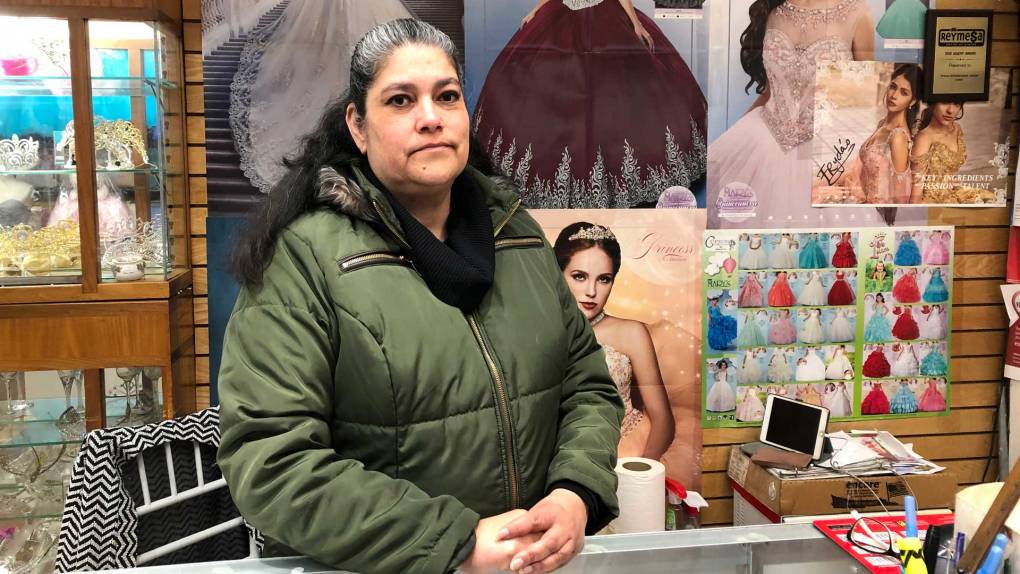
"caption": "Claudia Ruiz works the counter at her clothing store in Oakland on March 16, 2020, just a few hours before the shelter-in-place order. She has been allowed to continue operating money transfers, but most of her clients have disappeared, she said. ",
"description": null,
"title": "1920_IMG_1031",
"credit": "Farida Jhabvala Romero/KQED",
"status": "inherit",
"isLoading": false,
"fetchFailed": false
},
"news_11812968": {
"type": "attachments",
"id": "news_11812968",
"meta": {
"index": "attachments_1716263798",
"site": "news",
"id": "11812968",
"found": true
},
"parent": 11808351,
"imgSizes": {
"apple_news_ca_landscape_5_5": {
"file": "https://ww2.kqed.org/app/uploads/sites/10/2020/03/IMG_9367_1920x-1044x783.jpg",
"width": 1044,
"mimeType": "image/jpeg",
"height": 783
},
"apple_news_ca_square_4_0": {
"file": "https://ww2.kqed.org/app/uploads/sites/10/2020/03/IMG_9367_1920x-470x470.jpg",
"width": 470,
"mimeType": "image/jpeg",
"height": 470
},
"twentyfourteen-full-width": {
"file": "https://ww2.kqed.org/app/uploads/sites/10/2020/03/IMG_9367_1920x-1038x576.jpg",
"width": 1038,
"mimeType": "image/jpeg",
"height": 576
},
"thumbnail": {
"file": "https://ww2.kqed.org/app/uploads/sites/10/2020/03/IMG_9367_1920x-160x120.jpg",
"width": 160,
"mimeType": "image/jpeg",
"height": 120
},
"post-thumbnail": {
"file": "https://ww2.kqed.org/app/uploads/sites/10/2020/03/IMG_9367_1920x-672x372.jpg",
"width": 672,
"mimeType": "image/jpeg",
"height": 372
},
"kqedFullSize": {
"file": "https://ww2.kqed.org/app/uploads/sites/10/2020/03/IMG_9367_1920x.jpg",
"width": 1920,
"height": 1440
},
"apple_news_ca_landscape_4_7": {
"file": "https://ww2.kqed.org/app/uploads/sites/10/2020/03/IMG_9367_1920x-632x474.jpg",
"width": 632,
"mimeType": "image/jpeg",
"height": 474
},
"large": {
"file": "https://ww2.kqed.org/app/uploads/sites/10/2020/03/IMG_9367_1920x-1020x765.jpg",
"width": 1020,
"mimeType": "image/jpeg",
"height": 765
},
"apple_news_ca_landscape_4_0": {
"file": "https://ww2.kqed.org/app/uploads/sites/10/2020/03/IMG_9367_1920x-536x402.jpg",
"width": 536,
"mimeType": "image/jpeg",
"height": 402
},
"apple_news_ca_portrait_12_9": {
"file": "https://ww2.kqed.org/app/uploads/sites/10/2020/03/IMG_9367_1920x-1122x1440.jpg",
"width": 1122,
"mimeType": "image/jpeg",
"height": 1440
},
"medium": {
"file": "https://ww2.kqed.org/app/uploads/sites/10/2020/03/IMG_9367_1920x-800x600.jpg",
"width": 800,
"mimeType": "image/jpeg",
"height": 600
},
"apple_news_ca_portrait_4_0": {
"file": "https://ww2.kqed.org/app/uploads/sites/10/2020/03/IMG_9367_1920x-354x472.jpg",
"width": 354,
"mimeType": "image/jpeg",
"height": 472
},
"apple_news_ca_portrait_9_7": {
"file": "https://ww2.kqed.org/app/uploads/sites/10/2020/03/IMG_9367_1920x-840x1120.jpg",
"width": 840,
"mimeType": "image/jpeg",
"height": 1120
},
"apple_news_ca_landscape_12_9": {
"file": "https://ww2.kqed.org/app/uploads/sites/10/2020/03/IMG_9367_1920x-1832x1374.jpg",
"width": 1832,
"mimeType": "image/jpeg",
"height": 1374
},
"apple_news_ca_square_9_7": {
"file": "https://ww2.kqed.org/app/uploads/sites/10/2020/03/IMG_9367_1920x-1104x1104.jpg",
"width": 1104,
"mimeType": "image/jpeg",
"height": 1104
},
"apple_news_ca_portrait_4_7": {
"file": "https://ww2.kqed.org/app/uploads/sites/10/2020/03/IMG_9367_1920x-414x552.jpg",
"width": 414,
"mimeType": "image/jpeg",
"height": 552
},
"apple_news_ca_square_12_9": {
"file": "https://ww2.kqed.org/app/uploads/sites/10/2020/03/IMG_9367_1920x-1472x1440.jpg",
"width": 1472,
"mimeType": "image/jpeg",
"height": 1440
},
"apple_news_ca_portrait_5_5": {
"file": "https://ww2.kqed.org/app/uploads/sites/10/2020/03/IMG_9367_1920x-687x916.jpg",
"width": 687,
"mimeType": "image/jpeg",
"height": 916
},
"full-width": {
"file": "https://ww2.kqed.org/app/uploads/sites/10/2020/03/IMG_9367_1920x-1920x1440.jpg",
"width": 1920,
"mimeType": "image/jpeg",
"height": 1440
},
"apple_news_ca_square_4_7": {
"file": "https://ww2.kqed.org/app/uploads/sites/10/2020/03/IMG_9367_1920x-550x550.jpg",
"width": 550,
"mimeType": "image/jpeg",
"height": 550
},
"apple_news_ca_landscape_9_7": {
"file": "https://ww2.kqed.org/app/uploads/sites/10/2020/03/IMG_9367_1920x-1376x1032.jpg",
"width": 1376,
"mimeType": "image/jpeg",
"height": 1032
},
"apple_news_ca_square_5_5": {
"file": "https://ww2.kqed.org/app/uploads/sites/10/2020/03/IMG_9367_1920x-912x912.jpg",
"width": 912,
"mimeType": "image/jpeg",
"height": 912
}
},
"publishDate": 1587165615,
"modified": 1587165687,
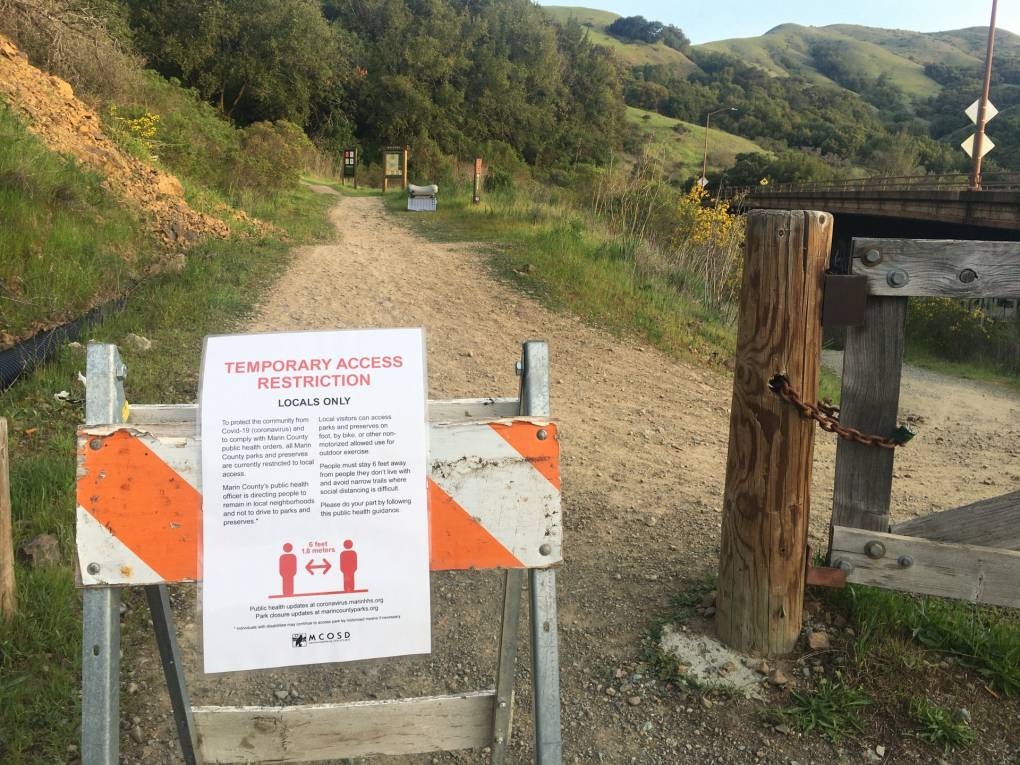
"caption": "On April 9, officials with the Marin County Sheriff's office said they were continuing to see a large number of visitors and have \"issued thousands of warning citations on vehicles parked in violation of the shelter-in-place order.\"",
"description": "On April 9, officials with the Marin County Sheriff's office said they were continuing to see a large number of visitors and have \"issued thousands of warning citations on vehicles parked in violation of the shelter-in-place order.\"",
"title": "IMG_9367_1920x",
"credit": "Mark Fiore/KQED",
"status": "inherit",
"isLoading": false,
"fetchFailed": false
},
"news_11808600": {
"type": "attachments",
"id": "news_11808600",
"meta": {
"index": "attachments_1716263798",
"site": "news",
"id": "11808600",
"found": true
},
"parent": 11808547,
"imgSizes": {
"apple_news_ca_landscape_5_5": {
"file": "https://ww2.kqed.org/app/uploads/sites/10/2020/03/IMG_2210-1044x783.jpeg",
"width": 1044,
"mimeType": "image/jpeg",
"height": 783
},
"apple_news_ca_square_4_0": {
"file": "https://ww2.kqed.org/app/uploads/sites/10/2020/03/IMG_2210-470x470.jpeg",
"width": 470,
"mimeType": "image/jpeg",
"height": 470
},
"twentyfourteen-full-width": {
"file": "https://ww2.kqed.org/app/uploads/sites/10/2020/03/IMG_2210-1038x576.jpeg",
"width": 1038,
"mimeType": "image/jpeg",
"height": 576
},
"thumbnail": {
"file": "https://ww2.kqed.org/app/uploads/sites/10/2020/03/IMG_2210-160x120.jpeg",
"width": 160,
"mimeType": "image/jpeg",
"height": 120
},
"post-thumbnail": {
"file": "https://ww2.kqed.org/app/uploads/sites/10/2020/03/IMG_2210-672x372.jpeg",
"width": 672,
"mimeType": "image/jpeg",
"height": 372
},
"kqedFullSize": {
"file": "https://ww2.kqed.org/app/uploads/sites/10/2020/03/IMG_2210-e1585109258301.jpeg",
"width": 1920,
"height": 1442
},
"apple_news_ca_landscape_4_7": {
"file": "https://ww2.kqed.org/app/uploads/sites/10/2020/03/IMG_2210-632x474.jpeg",
"width": 632,
"mimeType": "image/jpeg",
"height": 474
},
"large": {
"file": "https://ww2.kqed.org/app/uploads/sites/10/2020/03/IMG_2210-1020x766.jpeg",
"width": 1020,
"mimeType": "image/jpeg",
"height": 766
},
"apple_news_ca_landscape_4_0": {
"file": "https://ww2.kqed.org/app/uploads/sites/10/2020/03/IMG_2210-536x402.jpeg",
"width": 536,
"mimeType": "image/jpeg",
"height": 402
},
"apple_news_ca_portrait_12_9": {
"file": "https://ww2.kqed.org/app/uploads/sites/10/2020/03/IMG_2210-1122x1496.jpeg",
"width": 1122,
"mimeType": "image/jpeg",
"height": 1496
},
"medium": {
"file": "https://ww2.kqed.org/app/uploads/sites/10/2020/03/IMG_2210-800x601.jpeg",
"width": 800,
"mimeType": "image/jpeg",
"height": 601
},
"apple_news_ca_portrait_4_0": {
"file": "https://ww2.kqed.org/app/uploads/sites/10/2020/03/IMG_2210-354x472.jpeg",
"width": 354,
"mimeType": "image/jpeg",
"height": 472
},
"apple_news_ca_portrait_9_7": {
"file": "https://ww2.kqed.org/app/uploads/sites/10/2020/03/IMG_2210-840x1120.jpeg",
"width": 840,
"mimeType": "image/jpeg",
"height": 1120
},
"apple_news_ca_landscape_12_9": {
"file": "https://ww2.kqed.org/app/uploads/sites/10/2020/03/IMG_2210-1832x1374.jpeg",
"width": 1832,
"mimeType": "image/jpeg",
"height": 1374
},
"apple_news_ca_square_9_7": {
"file": "https://ww2.kqed.org/app/uploads/sites/10/2020/03/IMG_2210-1104x1104.jpeg",
"width": 1104,
"mimeType": "image/jpeg",
"height": 1104
},
"apple_news_ca_portrait_4_7": {
"file": "https://ww2.kqed.org/app/uploads/sites/10/2020/03/IMG_2210-414x552.jpeg",
"width": 414,
"mimeType": "image/jpeg",
"height": 552
},
"apple_news_ca_square_12_9": {
"file": "https://ww2.kqed.org/app/uploads/sites/10/2020/03/IMG_2210-1472x1472.jpeg",
"width": 1472,
"mimeType": "image/jpeg",
"height": 1472
},
"apple_news_ca_portrait_5_5": {
"file": "https://ww2.kqed.org/app/uploads/sites/10/2020/03/IMG_2210-687x916.jpeg",
"width": 687,
"mimeType": "image/jpeg",
"height": 916
},
"full-width": {
"file": "https://ww2.kqed.org/app/uploads/sites/10/2020/03/IMG_2210-1920x1442.jpeg",
"width": 1920,
"mimeType": "image/jpeg",
"height": 1442
},
"apple_news_ca_square_4_7": {
"file": "https://ww2.kqed.org/app/uploads/sites/10/2020/03/IMG_2210-550x550.jpeg",
"width": 550,
"mimeType": "image/jpeg",
"height": 550
},
"apple_news_ca_landscape_9_7": {
"file": "https://ww2.kqed.org/app/uploads/sites/10/2020/03/IMG_2210-1376x1032.jpeg",
"width": 1376,
"mimeType": "image/jpeg",
"height": 1032
},
"apple_news_ca_square_5_5": {
"file": "https://ww2.kqed.org/app/uploads/sites/10/2020/03/IMG_2210-912x912.jpeg",
"width": 912,
"mimeType": "image/jpeg",
"height": 912
}
},
"publishDate": 1585109152,
"modified": 1585109252,
"caption": "Nia Guevarra (L), and Harley Muya (R), currently freshmen at Vallejo High School.",
"description": null,
"title": null,
"credit": null,
"status": "inherit",
"isLoading": false,
"fetchFailed": false
},
"news_11808510": {
"type": "attachments",
"id": "news_11808510",
"meta": {
"index": "attachments_1716263798",
"site": "news",
"id": "11808510",
"found": true
},
"parent": 11808503,
"imgSizes": {
"apple_news_ca_landscape_5_5": {
"file": "https://ww2.kqed.org/app/uploads/sites/10/2020/03/rumorcontrol_032420_final-1044x783.png",
"width": 1044,
"mimeType": "image/png",
"height": 783
},
"apple_news_ca_square_4_0": {
"file": "https://ww2.kqed.org/app/uploads/sites/10/2020/03/rumorcontrol_032420_final-470x470.png",
"width": 470,
"mimeType": "image/png",
"height": 470
},
"twentyfourteen-full-width": {
"file": "https://ww2.kqed.org/app/uploads/sites/10/2020/03/rumorcontrol_032420_final-1038x576.png",
"width": 1038,
"mimeType": "image/png",
"height": 576
},
"thumbnail": {
"file": "https://ww2.kqed.org/app/uploads/sites/10/2020/03/rumorcontrol_032420_final-160x117.png",
"width": 160,
"mimeType": "image/png",
"height": 117
},
"post-thumbnail": {
"file": "https://ww2.kqed.org/app/uploads/sites/10/2020/03/rumorcontrol_032420_final-672x372.png",
"width": 672,
"mimeType": "image/png",
"height": 372
},
"kqedFullSize": {
"file": "https://ww2.kqed.org/app/uploads/sites/10/2020/03/rumorcontrol_032420_final.png",
"width": 1920,
"height": 1407
},
"apple_news_ca_landscape_4_7": {
"file": "https://ww2.kqed.org/app/uploads/sites/10/2020/03/rumorcontrol_032420_final-632x474.png",
"width": 632,
"mimeType": "image/png",
"height": 474
},
"large": {
"file": "https://ww2.kqed.org/app/uploads/sites/10/2020/03/rumorcontrol_032420_final-1020x747.png",
"width": 1020,
"mimeType": "image/png",
"height": 747
},
"apple_news_ca_landscape_4_0": {
"file": "https://ww2.kqed.org/app/uploads/sites/10/2020/03/rumorcontrol_032420_final-536x402.png",
"width": 536,
"mimeType": "image/png",
"height": 402
},
"apple_news_ca_portrait_12_9": {
"file": "https://ww2.kqed.org/app/uploads/sites/10/2020/03/rumorcontrol_032420_final-1122x1407.png",
"width": 1122,
"mimeType": "image/png",
"height": 1407
},
"medium": {
"file": "https://ww2.kqed.org/app/uploads/sites/10/2020/03/rumorcontrol_032420_final-800x586.png",
"width": 800,
"mimeType": "image/png",
"height": 586
},
"apple_news_ca_portrait_4_0": {
"file": "https://ww2.kqed.org/app/uploads/sites/10/2020/03/rumorcontrol_032420_final-354x472.png",
"width": 354,
"mimeType": "image/png",
"height": 472
},
"apple_news_ca_portrait_9_7": {
"file": "https://ww2.kqed.org/app/uploads/sites/10/2020/03/rumorcontrol_032420_final-840x1120.png",
"width": 840,
"mimeType": "image/png",
"height": 1120
},
"apple_news_ca_landscape_12_9": {
"file": "https://ww2.kqed.org/app/uploads/sites/10/2020/03/rumorcontrol_032420_final-1832x1374.png",
"width": 1832,
"mimeType": "image/png",
"height": 1374
},
"apple_news_ca_square_9_7": {
"file": "https://ww2.kqed.org/app/uploads/sites/10/2020/03/rumorcontrol_032420_final-1104x1104.png",
"width": 1104,
"mimeType": "image/png",
"height": 1104
},
"apple_news_ca_portrait_4_7": {
"file": "https://ww2.kqed.org/app/uploads/sites/10/2020/03/rumorcontrol_032420_final-414x552.png",
"width": 414,
"mimeType": "image/png",
"height": 552
},
"apple_news_ca_square_12_9": {
"file": "https://ww2.kqed.org/app/uploads/sites/10/2020/03/rumorcontrol_032420_final-1472x1407.png",
"width": 1472,
"mimeType": "image/png",
"height": 1407
},
"apple_news_ca_portrait_5_5": {
"file": "https://ww2.kqed.org/app/uploads/sites/10/2020/03/rumorcontrol_032420_final-687x916.png",
"width": 687,
"mimeType": "image/png",
"height": 916
},
"full-width": {
"file": "https://ww2.kqed.org/app/uploads/sites/10/2020/03/rumorcontrol_032420_final-1920x1407.png",
"width": 1920,
"mimeType": "image/png",
"height": 1407
},
"apple_news_ca_square_4_7": {
"file": "https://ww2.kqed.org/app/uploads/sites/10/2020/03/rumorcontrol_032420_final-550x550.png",
"width": 550,
"mimeType": "image/png",
"height": 550
},
"apple_news_ca_landscape_9_7": {
"file": "https://ww2.kqed.org/app/uploads/sites/10/2020/03/rumorcontrol_032420_final-1376x1032.png",
"width": 1376,
"mimeType": "image/png",
"height": 1032
},
"apple_news_ca_square_5_5": {
"file": "https://ww2.kqed.org/app/uploads/sites/10/2020/03/rumorcontrol_032420_final-912x912.png",
"width": 912,
"mimeType": "image/png",
"height": 912
}
},
"publishDate": 1585093778,
"modified": 1585093809,
"caption": null,
"description": null,
"title": "rumorcontrol_032420_final",
"credit": null,
"status": "inherit",
"isLoading": false,
"fetchFailed": false
},
"news_11808395": {
"type": "attachments",
"id": "news_11808395",
"meta": {
"index": "attachments_1716263798",
"site": "news",
"id": "11808395",
"found": true
},
"parent": 11808367,
"imgSizes": {
"apple_news_ca_landscape_5_5": {
"file": "https://ww2.kqed.org/app/uploads/sites/10/2020/03/1920_Silverman-1044x783.jpg",
"width": 1044,
"mimeType": "image/jpeg",
"height": 783
},
"apple_news_ca_square_4_0": {
"file": "https://ww2.kqed.org/app/uploads/sites/10/2020/03/1920_Silverman-470x470.jpg",
"width": 470,
"mimeType": "image/jpeg",
"height": 470
},
"twentyfourteen-full-width": {
"file": "https://ww2.kqed.org/app/uploads/sites/10/2020/03/1920_Silverman-1038x576.jpg",
"width": 1038,
"mimeType": "image/jpeg",
"height": 576
},
"thumbnail": {
"file": "https://ww2.kqed.org/app/uploads/sites/10/2020/03/1920_Silverman-160x90.jpg",
"width": 160,
"mimeType": "image/jpeg",
"height": 90
},
"post-thumbnail": {
"file": "https://ww2.kqed.org/app/uploads/sites/10/2020/03/1920_Silverman-672x372.jpg",
"width": 672,
"mimeType": "image/jpeg",
"height": 372
},
"kqedFullSize": {
"file": "https://ww2.kqed.org/app/uploads/sites/10/2020/03/1920_Silverman.jpg",
"width": 1920,
"height": 1080
},
"apple_news_ca_landscape_4_7": {
"file": "https://ww2.kqed.org/app/uploads/sites/10/2020/03/1920_Silverman-632x474.jpg",
"width": 632,
"mimeType": "image/jpeg",
"height": 474
},
"large": {
"file": "https://ww2.kqed.org/app/uploads/sites/10/2020/03/1920_Silverman-1020x574.jpg",
"width": 1020,
"mimeType": "image/jpeg",
"height": 574
},
"apple_news_ca_landscape_4_0": {
"file": "https://ww2.kqed.org/app/uploads/sites/10/2020/03/1920_Silverman-536x402.jpg",
"width": 536,
"mimeType": "image/jpeg",
"height": 402
},
"apple_news_ca_portrait_12_9": {
"file": "https://ww2.kqed.org/app/uploads/sites/10/2020/03/1920_Silverman-1122x1080.jpg",
"width": 1122,
"mimeType": "image/jpeg",
"height": 1080
},
"medium": {
"file": "https://ww2.kqed.org/app/uploads/sites/10/2020/03/1920_Silverman-800x450.jpg",
"width": 800,
"mimeType": "image/jpeg",
"height": 450
},
"apple_news_ca_portrait_4_0": {
"file": "https://ww2.kqed.org/app/uploads/sites/10/2020/03/1920_Silverman-354x472.jpg",
"width": 354,
"mimeType": "image/jpeg",
"height": 472
},
"apple_news_ca_portrait_9_7": {
"file": "https://ww2.kqed.org/app/uploads/sites/10/2020/03/1920_Silverman-840x1080.jpg",
"width": 840,
"mimeType": "image/jpeg",
"height": 1080
},
"apple_news_ca_landscape_12_9": {
"file": "https://ww2.kqed.org/app/uploads/sites/10/2020/03/1920_Silverman-1832x1080.jpg",
"width": 1832,
"mimeType": "image/jpeg",
"height": 1080
},
"apple_news_ca_square_9_7": {
"file": "https://ww2.kqed.org/app/uploads/sites/10/2020/03/1920_Silverman-1104x1080.jpg",
"width": 1104,
"mimeType": "image/jpeg",
"height": 1080
},
"apple_news_ca_portrait_4_7": {
"file": "https://ww2.kqed.org/app/uploads/sites/10/2020/03/1920_Silverman-414x552.jpg",
"width": 414,
"mimeType": "image/jpeg",
"height": 552
},
"apple_news_ca_square_12_9": {
"file": "https://ww2.kqed.org/app/uploads/sites/10/2020/03/1920_Silverman-1472x1080.jpg",
"width": 1472,
"mimeType": "image/jpeg",
"height": 1080
},
"apple_news_ca_portrait_5_5": {
"file": "https://ww2.kqed.org/app/uploads/sites/10/2020/03/1920_Silverman-687x916.jpg",
"width": 687,
"mimeType": "image/jpeg",
"height": 916
},
"full-width": {
"file": "https://ww2.kqed.org/app/uploads/sites/10/2020/03/1920_Silverman-1920x1080.jpg",
"width": 1920,
"mimeType": "image/jpeg",
"height": 1080
},
"apple_news_ca_square_4_7": {
"file": "https://ww2.kqed.org/app/uploads/sites/10/2020/03/1920_Silverman-550x550.jpg",
"width": 550,
"mimeType": "image/jpeg",
"height": 550
},
"apple_news_ca_landscape_9_7": {
"file": "https://ww2.kqed.org/app/uploads/sites/10/2020/03/1920_Silverman-1376x1032.jpg",
"width": 1376,
"mimeType": "image/jpeg",
"height": 1032
},
"apple_news_ca_square_5_5": {
"file": "https://ww2.kqed.org/app/uploads/sites/10/2020/03/1920_Silverman-912x912.jpg",
"width": 912,
"mimeType": "image/jpeg",
"height": 912
}
},
"publishDate": 1585022883,
"modified": 1585024878,
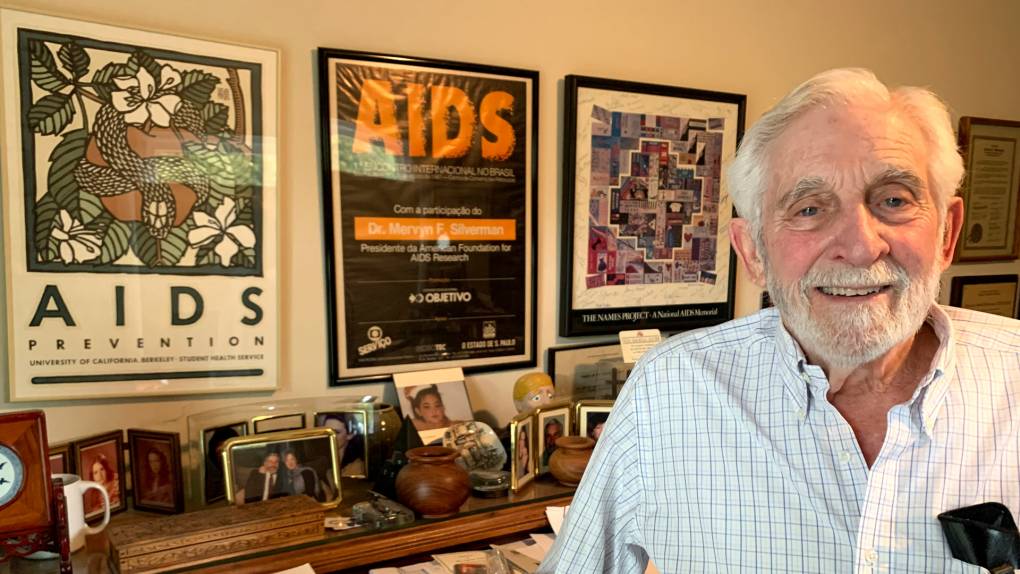
"caption": "Dr. Mervyn Silverman was director of San Francisco's Department of Public Health when the first AIDS cases were reported and later became director of American Foundation for AIDS Research (amfAR).",
"description": null,
"title": "1920_Silverman",
"credit": "Scott Shafer/KQED",
"status": "inherit",
"isLoading": false,
"fetchFailed": false
},
"news_11808346": {
"type": "attachments",
"id": "news_11808346",
"meta": {
"index": "attachments_1716263798",
"site": "news",
"id": "11808346",
"found": true
},
"parent": 11807639,
"imgSizes": {
"apple_news_ca_landscape_5_5": {
"file": "https://ww2.kqed.org/app/uploads/sites/10/2020/03/004_KQED_DomesticAbuse_StagedPhoto_03232020_9827-1044x783.jpg",
"width": 1044,
"mimeType": "image/jpeg",
"height": 783
},
"apple_news_ca_square_4_0": {
"file": "https://ww2.kqed.org/app/uploads/sites/10/2020/03/004_KQED_DomesticAbuse_StagedPhoto_03232020_9827-470x470.jpg",
"width": 470,
"mimeType": "image/jpeg",
"height": 470
},
"twentyfourteen-full-width": {
"file": "https://ww2.kqed.org/app/uploads/sites/10/2020/03/004_KQED_DomesticAbuse_StagedPhoto_03232020_9827-1038x576.jpg",
"width": 1038,
"mimeType": "image/jpeg",
"height": 576
},
"thumbnail": {
"file": "https://ww2.kqed.org/app/uploads/sites/10/2020/03/004_KQED_DomesticAbuse_StagedPhoto_03232020_9827-160x107.jpg",
"width": 160,
"mimeType": "image/jpeg",
"height": 107
},
"post-thumbnail": {
"file": "https://ww2.kqed.org/app/uploads/sites/10/2020/03/004_KQED_DomesticAbuse_StagedPhoto_03232020_9827-672x372.jpg",
"width": 672,
"mimeType": "image/jpeg",
"height": 372
},
"kqedFullSize": {
"file": "https://ww2.kqed.org/app/uploads/sites/10/2020/03/004_KQED_DomesticAbuse_StagedPhoto_03232020_9827.jpg",
"width": 1920,
"height": 1280
},
"apple_news_ca_landscape_4_7": {
"file": "https://ww2.kqed.org/app/uploads/sites/10/2020/03/004_KQED_DomesticAbuse_StagedPhoto_03232020_9827-632x474.jpg",
"width": 632,
"mimeType": "image/jpeg",
"height": 474
},
"large": {
"file": "https://ww2.kqed.org/app/uploads/sites/10/2020/03/004_KQED_DomesticAbuse_StagedPhoto_03232020_9827-1020x680.jpg",
"width": 1020,
"mimeType": "image/jpeg",
"height": 680
},
"apple_news_ca_landscape_4_0": {
"file": "https://ww2.kqed.org/app/uploads/sites/10/2020/03/004_KQED_DomesticAbuse_StagedPhoto_03232020_9827-536x402.jpg",
"width": 536,
"mimeType": "image/jpeg",
"height": 402
},
"apple_news_ca_portrait_12_9": {
"file": "https://ww2.kqed.org/app/uploads/sites/10/2020/03/004_KQED_DomesticAbuse_StagedPhoto_03232020_9827-1122x1280.jpg",
"width": 1122,
"mimeType": "image/jpeg",
"height": 1280
},
"medium": {
"file": "https://ww2.kqed.org/app/uploads/sites/10/2020/03/004_KQED_DomesticAbuse_StagedPhoto_03232020_9827-800x533.jpg",
"width": 800,
"mimeType": "image/jpeg",
"height": 533
},
"apple_news_ca_portrait_4_0": {
"file": "https://ww2.kqed.org/app/uploads/sites/10/2020/03/004_KQED_DomesticAbuse_StagedPhoto_03232020_9827-354x472.jpg",
"width": 354,
"mimeType": "image/jpeg",
"height": 472
},
"apple_news_ca_portrait_9_7": {
"file": "https://ww2.kqed.org/app/uploads/sites/10/2020/03/004_KQED_DomesticAbuse_StagedPhoto_03232020_9827-840x1120.jpg",
"width": 840,
"mimeType": "image/jpeg",
"height": 1120
},
"apple_news_ca_landscape_12_9": {
"file": "https://ww2.kqed.org/app/uploads/sites/10/2020/03/004_KQED_DomesticAbuse_StagedPhoto_03232020_9827-1832x1280.jpg",
"width": 1832,
"mimeType": "image/jpeg",
"height": 1280
},
"apple_news_ca_square_9_7": {
"file": "https://ww2.kqed.org/app/uploads/sites/10/2020/03/004_KQED_DomesticAbuse_StagedPhoto_03232020_9827-1104x1104.jpg",
"width": 1104,
"mimeType": "image/jpeg",
"height": 1104
},
"apple_news_ca_portrait_4_7": {
"file": "https://ww2.kqed.org/app/uploads/sites/10/2020/03/004_KQED_DomesticAbuse_StagedPhoto_03232020_9827-414x552.jpg",
"width": 414,
"mimeType": "image/jpeg",
"height": 552
},
"apple_news_ca_square_12_9": {
"file": "https://ww2.kqed.org/app/uploads/sites/10/2020/03/004_KQED_DomesticAbuse_StagedPhoto_03232020_9827-1472x1280.jpg",
"width": 1472,
"mimeType": "image/jpeg",
"height": 1280
},
"apple_news_ca_portrait_5_5": {
"file": "https://ww2.kqed.org/app/uploads/sites/10/2020/03/004_KQED_DomesticAbuse_StagedPhoto_03232020_9827-687x916.jpg",
"width": 687,
"mimeType": "image/jpeg",
"height": 916
},
"full-width": {
"file": "https://ww2.kqed.org/app/uploads/sites/10/2020/03/004_KQED_DomesticAbuse_StagedPhoto_03232020_9827-1920x1280.jpg",
"width": 1920,
"mimeType": "image/jpeg",
"height": 1280
},
"apple_news_ca_square_4_7": {
"file": "https://ww2.kqed.org/app/uploads/sites/10/2020/03/004_KQED_DomesticAbuse_StagedPhoto_03232020_9827-550x550.jpg",
"width": 550,
"mimeType": "image/jpeg",
"height": 550
},
"apple_news_ca_landscape_9_7": {
"file": "https://ww2.kqed.org/app/uploads/sites/10/2020/03/004_KQED_DomesticAbuse_StagedPhoto_03232020_9827-1376x1032.jpg",
"width": 1376,
"mimeType": "image/jpeg",
"height": 1032
},
"apple_news_ca_square_5_5": {
"file": "https://ww2.kqed.org/app/uploads/sites/10/2020/03/004_KQED_DomesticAbuse_StagedPhoto_03232020_9827-912x912.jpg",
"width": 912,
"mimeType": "image/jpeg",
"height": 912
}
},
"publishDate": 1585009118,
"modified": 1585009217,
"caption": "For many survivors of domestic violence in California, sheltering in place can feel strangely familiar. Many survivors are targets of their abusers’ undivided attention — often controlling their every movement and isolating them from the outside world.",
"description": "For many survivors of domestic violence in California, sheltering in place can feel strangely familiar. Many survivors are targets of their abusers’ undivided attention — often controlling their every movement and isolating them from the outside world.",
"title": "004_KQED_DomesticAbuse_StagedPhoto_03232020_9827",
"credit": "Beth LaBerge/KQED",
"status": "inherit",
"isLoading": false,
"fetchFailed": false
},
"news_11808365": {
"type": "attachments",
"id": "news_11808365",
"meta": {
"index": "attachments_1716263798",
"site": "news",
"id": "11808365",
"found": true
},
"parent": 11808204,
"imgSizes": {
"apple_news_ca_landscape_5_5": {
"file": "https://ww2.kqed.org/app/uploads/sites/10/2020/03/download-1044x684.png",
"width": 1044,
"mimeType": "image/png",
"height": 684
},
"apple_news_ca_square_4_0": {
"file": "https://ww2.kqed.org/app/uploads/sites/10/2020/03/download-470x470.png",
"width": 470,
"mimeType": "image/png",
"height": 470
},
"twentyfourteen-full-width": {
"file": "https://ww2.kqed.org/app/uploads/sites/10/2020/03/download-1038x576.png",
"width": 1038,
"mimeType": "image/png",
"height": 576
},
"thumbnail": {
"file": "https://ww2.kqed.org/app/uploads/sites/10/2020/03/download-160x100.png",
"width": 160,
"mimeType": "image/png",
"height": 100
},
"post-thumbnail": {
"file": "https://ww2.kqed.org/app/uploads/sites/10/2020/03/download-672x372.png",
"width": 672,
"mimeType": "image/png",
"height": 372
},
"kqedFullSize": {
"file": "https://ww2.kqed.org/app/uploads/sites/10/2020/03/download.png",
"width": 1089,
"height": 684
},
"apple_news_ca_landscape_4_7": {
"file": "https://ww2.kqed.org/app/uploads/sites/10/2020/03/download-632x474.png",
"width": 632,
"mimeType": "image/png",
"height": 474
},
"large": {
"file": "https://ww2.kqed.org/app/uploads/sites/10/2020/03/download-1020x641.png",
"width": 1020,
"mimeType": "image/png",
"height": 641
},
"apple_news_ca_landscape_4_0": {
"file": "https://ww2.kqed.org/app/uploads/sites/10/2020/03/download-536x402.png",
"width": 536,
"mimeType": "image/png",
"height": 402
},
"medium": {
"file": "https://ww2.kqed.org/app/uploads/sites/10/2020/03/download-800x502.png",
"width": 800,
"mimeType": "image/png",
"height": 502
},
"apple_news_ca_portrait_4_0": {
"file": "https://ww2.kqed.org/app/uploads/sites/10/2020/03/download-354x472.png",
"width": 354,
"mimeType": "image/png",
"height": 472
},
"apple_news_ca_portrait_9_7": {
"file": "https://ww2.kqed.org/app/uploads/sites/10/2020/03/download-840x684.png",
"width": 840,
"mimeType": "image/png",
"height": 684
},
"apple_news_ca_portrait_4_7": {
"file": "https://ww2.kqed.org/app/uploads/sites/10/2020/03/download-414x552.png",
"width": 414,
"mimeType": "image/png",
"height": 552
},
"apple_news_ca_portrait_5_5": {
"file": "https://ww2.kqed.org/app/uploads/sites/10/2020/03/download-687x684.png",
"width": 687,
"mimeType": "image/png",
"height": 684
},
"apple_news_ca_square_4_7": {
"file": "https://ww2.kqed.org/app/uploads/sites/10/2020/03/download-550x550.png",
"width": 550,
"mimeType": "image/png",
"height": 550
},
"apple_news_ca_square_5_5": {
"file": "https://ww2.kqed.org/app/uploads/sites/10/2020/03/download-912x684.png",
"width": 912,
"mimeType": "image/png",
"height": 684
}
},
"publishDate": 1585012848,
"modified": 1585013042,
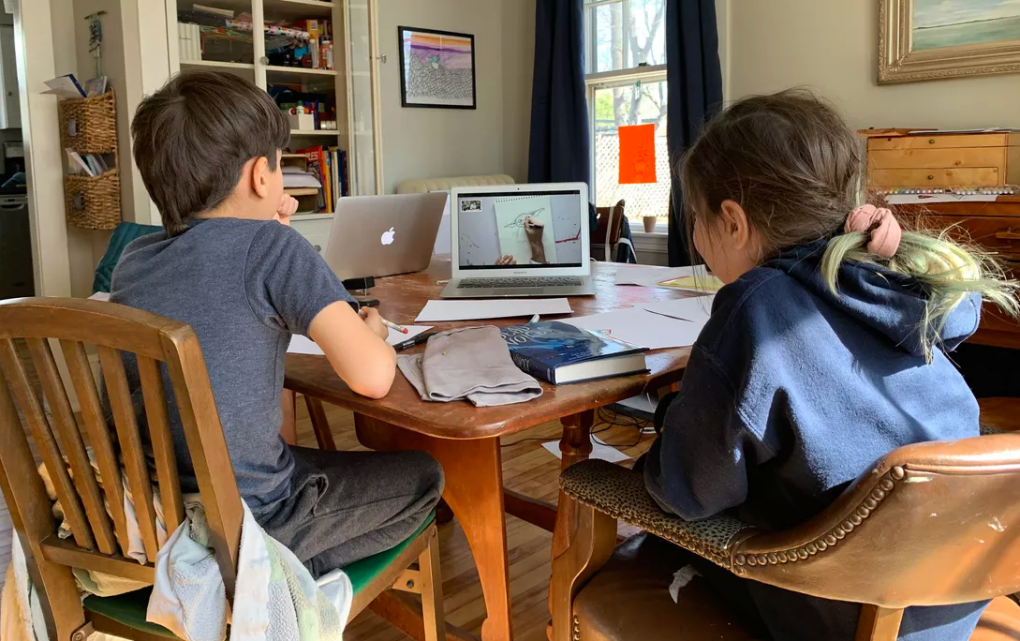
"caption": "With schools across California closed because of the coronavirus, teachers and their students are having to quickly shift to online learning. ",
"description": null,
"title": "download",
"credit": "Courtesy of San Juan Unified School Distrct",
"status": "inherit",
"isLoading": false,
"fetchFailed": false
},
"news_11808336": {
"type": "attachments",
"id": "news_11808336",
"meta": {
"index": "attachments_1716263798",
"site": "news",
"id": "11808336",
"found": true
},
"parent": 11808258,
"imgSizes": {
"apple_news_ca_landscape_5_5": {
"file": "https://ww2.kqed.org/app/uploads/sites/10/2020/03/GettyImages-1209097356_1920x-1044x783.jpg",
"width": 1044,
"mimeType": "image/jpeg",
"height": 783
},
"apple_news_ca_square_4_0": {
"file": "https://ww2.kqed.org/app/uploads/sites/10/2020/03/GettyImages-1209097356_1920x-470x470.jpg",
"width": 470,
"mimeType": "image/jpeg",
"height": 470
},
"twentyfourteen-full-width": {
"file": "https://ww2.kqed.org/app/uploads/sites/10/2020/03/GettyImages-1209097356_1920x-1038x576.jpg",
"width": 1038,
"mimeType": "image/jpeg",
"height": 576
},
"thumbnail": {
"file": "https://ww2.kqed.org/app/uploads/sites/10/2020/03/GettyImages-1209097356_1920x-160x107.jpg",
"width": 160,
"mimeType": "image/jpeg",
"height": 107
},
"post-thumbnail": {
"file": "https://ww2.kqed.org/app/uploads/sites/10/2020/03/GettyImages-1209097356_1920x-672x372.jpg",
"width": 672,
"mimeType": "image/jpeg",
"height": 372
},
"kqedFullSize": {
"file": "https://ww2.kqed.org/app/uploads/sites/10/2020/03/GettyImages-1209097356_1920x.jpg",
"width": 1920,
"height": 1280
},
"apple_news_ca_landscape_4_7": {
"file": "https://ww2.kqed.org/app/uploads/sites/10/2020/03/GettyImages-1209097356_1920x-632x474.jpg",
"width": 632,
"mimeType": "image/jpeg",
"height": 474
},
"large": {
"file": "https://ww2.kqed.org/app/uploads/sites/10/2020/03/GettyImages-1209097356_1920x-1020x680.jpg",
"width": 1020,
"mimeType": "image/jpeg",
"height": 680
},
"apple_news_ca_landscape_4_0": {
"file": "https://ww2.kqed.org/app/uploads/sites/10/2020/03/GettyImages-1209097356_1920x-536x402.jpg",
"width": 536,
"mimeType": "image/jpeg",
"height": 402
},
"apple_news_ca_portrait_12_9": {
"file": "https://ww2.kqed.org/app/uploads/sites/10/2020/03/GettyImages-1209097356_1920x-1122x1280.jpg",
"width": 1122,
"mimeType": "image/jpeg",
"height": 1280
},
"medium": {
"file": "https://ww2.kqed.org/app/uploads/sites/10/2020/03/GettyImages-1209097356_1920x-800x533.jpg",
"width": 800,
"mimeType": "image/jpeg",
"height": 533
},
"apple_news_ca_portrait_4_0": {
"file": "https://ww2.kqed.org/app/uploads/sites/10/2020/03/GettyImages-1209097356_1920x-354x472.jpg",
"width": 354,
"mimeType": "image/jpeg",
"height": 472
},
"apple_news_ca_portrait_9_7": {
"file": "https://ww2.kqed.org/app/uploads/sites/10/2020/03/GettyImages-1209097356_1920x-840x1120.jpg",
"width": 840,
"mimeType": "image/jpeg",
"height": 1120
},
"apple_news_ca_landscape_12_9": {
"file": "https://ww2.kqed.org/app/uploads/sites/10/2020/03/GettyImages-1209097356_1920x-1832x1280.jpg",
"width": 1832,
"mimeType": "image/jpeg",
"height": 1280
},
"apple_news_ca_square_9_7": {
"file": "https://ww2.kqed.org/app/uploads/sites/10/2020/03/GettyImages-1209097356_1920x-1104x1104.jpg",
"width": 1104,
"mimeType": "image/jpeg",
"height": 1104
},
"apple_news_ca_portrait_4_7": {
"file": "https://ww2.kqed.org/app/uploads/sites/10/2020/03/GettyImages-1209097356_1920x-414x552.jpg",
"width": 414,
"mimeType": "image/jpeg",
"height": 552
},
"apple_news_ca_square_12_9": {
"file": "https://ww2.kqed.org/app/uploads/sites/10/2020/03/GettyImages-1209097356_1920x-1472x1280.jpg",
"width": 1472,
"mimeType": "image/jpeg",
"height": 1280
},
"apple_news_ca_portrait_5_5": {
"file": "https://ww2.kqed.org/app/uploads/sites/10/2020/03/GettyImages-1209097356_1920x-687x916.jpg",
"width": 687,
"mimeType": "image/jpeg",
"height": 916
},
"full-width": {
"file": "https://ww2.kqed.org/app/uploads/sites/10/2020/03/GettyImages-1209097356_1920x-1920x1280.jpg",
"width": 1920,
"mimeType": "image/jpeg",
"height": 1280
},
"apple_news_ca_square_4_7": {
"file": "https://ww2.kqed.org/app/uploads/sites/10/2020/03/GettyImages-1209097356_1920x-550x550.jpg",
"width": 550,
"mimeType": "image/jpeg",
"height": 550
},
"apple_news_ca_landscape_9_7": {
"file": "https://ww2.kqed.org/app/uploads/sites/10/2020/03/GettyImages-1209097356_1920x-1376x1032.jpg",
"width": 1376,
"mimeType": "image/jpeg",
"height": 1032
},
"apple_news_ca_square_5_5": {
"file": "https://ww2.kqed.org/app/uploads/sites/10/2020/03/GettyImages-1209097356_1920x-912x912.jpg",
"width": 912,
"mimeType": "image/jpeg",
"height": 912
}
},
"publishDate": 1585008379,
"modified": 1585070115,
"caption": "Workers man the Medical Health and Coordination Center at the California Department of Public Health on Feb. 27, 2020, in Sacramento. ",
"description": "Workers man the Medical Health and Coordination Center at the California Department of Public Health on February 27, 2020 in Sacramento, California. ",
"title": "California Faces First Case Of \"Community Acquired\" Coronavirus",
"credit": "Justin Sullivan/Getty Images",
"status": "inherit",
"isLoading": false,
"fetchFailed": false
}
},
"audioPlayerReducer": {
"postId": "stream_live",
"isPaused": true,
"isPlaying": false,
"pfsActive": false,
"pledgeModalIsOpen": true,
"playerDrawerIsOpen": false,
"liveAudioPlayStartedAt": 0,
"liveAudioPlayContext": ""
},
"authorsReducer": {
"samharnett": {
"type": "authors",
"id": "253",
"meta": {
"index": "authors_1716337520",
"id": "253",
"found": true
},
"name": "Sam Harnett",
"firstName": "Sam",
"lastName": "Harnett",
"slug": "samharnett",
"email": "samharnett@gmail.com",
"display_author_email": false,
"staff_mastheads": [],
"title": "KQED Contributor",
"bio": "Sam Harnett covered tech and work at KQED. He is the co-creator of \u003cem>\u003ca href=\"http://www.theworldaccordingtosound.org\">The World According to Sound\u003c/a>,\u003c/em> a 90-second podcast that features different sounds and the stories behind them.\r\n\r\nBefore coming to KQED, Sam worked as an independent reporter who contributed regularly to \u003cem>The California Report, Marketplace,\u003c/em> \u003cem>The World \u003c/em>and NPR.",
"avatar": "https://secure.gravatar.com/avatar/2538b972ac02f2b9546c7a6c59a0f3d0?s=600&d=blank&r=g",
"twitter": "Samwharnett",
"facebook": null,
"instagram": null,
"linkedin": null,
"sites": [
{
"site": "news",
"roles": [
"edit_others_posts",
"subscriber"
]
},
{
"site": "stateofhealth",
"roles": [
"author"
]
},
{
"site": "science",
"roles": [
"editor"
]
},
{
"site": "quest",
"roles": [
"subscriber"
]
}
],
"headData": {
"title": "Sam Harnett | KQED",
"description": "KQED Contributor",
"ogImgSrc": "https://secure.gravatar.com/avatar/2538b972ac02f2b9546c7a6c59a0f3d0?s=600&d=blank&r=g",
"twImgSrc": "https://secure.gravatar.com/avatar/2538b972ac02f2b9546c7a6c59a0f3d0?s=600&d=blank&r=g"
},
"isLoading": false,
"link": "/author/samharnett"
},
"sasha-khokha": {
"type": "authors",
"id": "254",
"meta": {
"index": "authors_1716337520",
"id": "254",
"found": true
},
"name": "Sasha Khokha",
"firstName": "Sasha",
"lastName": "Khokha",
"slug": "sasha-khokha",
"email": "skhokha@kqed.org",
"display_author_email": true,
"staff_mastheads": [
"news"
],
"title": "Host, The California Report Magazine",
"bio": "Sasha Khokha is the host of \u003cem>The California Report's \u003c/em> weekly magazine program, which takes listeners on sound-rich excursions to meet the people that make the Golden State unique -- through audio documentaries and long-form stories. As \u003cem>The California Report's\u003c/em> Central Valley Bureau Chief based in Fresno for nearly a dozen years, Sasha brought the lives and concerns of rural Californians to listeners around the state. Her reporting helped expose the hidden price immigrant women janitors and farmworkers may pay to keep their jobs: sexual assault at work. It inspired two new California laws to protect them from sexual harassment. She was a key member of the reporting team for the Frontline film \u003cem>Rape on the Night Shift, \u003c/em>which was nominated for two national Emmys. Sasha has also won a national Edward R. Murrow and a national PRNDI award for investigative reporting, as well as multiple prizes from the Society for Professional Journalists. Sasha is a proud alum of the UC Berkeley Graduate School of Journalism and Brown University and a member of the South Asian Journalists Association.",
"avatar": "https://secure.gravatar.com/avatar/e4b5e1541aaeea2aa356aa1fb2a68950?s=600&d=blank&r=g",
"twitter": "KQEDSashaKhokha",
"facebook": null,
"instagram": null,
"linkedin": null,
"sites": [
{
"site": "news",
"roles": [
"editor"
]
},
{
"site": "stateofhealth",
"roles": [
"author"
]
},
{
"site": "science",
"roles": [
"author"
]
},
{
"site": "quest",
"roles": [
"subscriber"
]
}
],
"headData": {
"title": "Sasha Khokha | KQED",
"description": "Host, The California Report Magazine",
"ogImgSrc": "https://secure.gravatar.com/avatar/e4b5e1541aaeea2aa356aa1fb2a68950?s=600&d=blank&r=g",
"twImgSrc": "https://secure.gravatar.com/avatar/e4b5e1541aaeea2aa356aa1fb2a68950?s=600&d=blank&r=g"
},
"isLoading": false,
"link": "/author/sasha-khokha"
},
"scottshafer": {
"type": "authors",
"id": "255",
"meta": {
"index": "authors_1716337520",
"id": "255",
"found": true
},
"name": "Scott Shafer",
"firstName": "Scott",
"lastName": "Shafer",
"slug": "scottshafer",
"email": "sshafer@kqed.org",
"display_author_email": false,
"staff_mastheads": [
"news"
],
"title": "KQED Contributor",
"bio": "Scott Shafer is a senior editor with the KQED Politics and Government desk. He is co-host of Political Breakdown, the award-winning radio show and podcast with a personal take on the world of politics. Scott came to KQED in 1998 to host the statewide\u003cem> California Report\u003c/em>. Prior to that he had extended stints in politics and government\u003cem>.\u003c/em> He uses that inside experience at KQED in his, reporting, hosting and analysis for the politics desk. Scott collaborated \u003cem>Political Breakdown a\u003c/em>nd on \u003cem>The Political Mind of Jerry Brown, \u003c/em>an eight-part series about the life and extraordinary political career of the former governor. For fun, he plays water polo with the San Francisco Tsunami.",
"avatar": "https://secure.gravatar.com/avatar/a62ebae45b79d7aed1a39a0e3bf68104?s=600&d=blank&r=g",
"twitter": "scottshafer",
"bluesky": null,
"facebook": null,
"instagram": null,
"linkedin": null,
"sites": [
{
"site": "news",
"roles": [
"editor"
]
},
{
"site": "stateofhealth",
"roles": [
"author"
]
},
{
"site": "science",
"roles": [
"author"
]
},
{
"site": "forum",
"roles": [
"subscriber"
]
},
{
"site": "liveblog",
"roles": [
"author"
]
}
],
"headData": {
"title": "Scott Shafer | KQED",
"description": "KQED Contributor",
"ogImgSrc": "https://secure.gravatar.com/avatar/a62ebae45b79d7aed1a39a0e3bf68104?s=600&d=blank&r=g",
"twImgSrc": "https://secure.gravatar.com/avatar/a62ebae45b79d7aed1a39a0e3bf68104?s=600&d=blank&r=g"
},
"isLoading": false,
"link": "/author/scottshafer"
},
"adembosky": {
"type": "authors",
"id": "3205",
"meta": {
"index": "authors_1716337520",
"id": "3205",
"found": true
},
"name": "April Dembosky",
"firstName": "April",
"lastName": "Dembosky",
"slug": "adembosky",
"email": "adembosky@kqed.org",
"display_author_email": false,
"staff_mastheads": [
"news",
"science"
],
"title": "KQED Health Correspondent",
"bio": "April Dembosky is the health correspondent for KQED News and a regular contributor to NPR. She specializes in covering altered states of mind, from postpartum depression to methamphetamine-induced psychosis to the insanity defense. Her investigative series on insurance companies sidestepping mental health laws won multiple awards, including first place in beat reporting from the national Association of Health Care Journalists. She is the recipient of numerous other prizes and fellowships, including a national Edward R. Murrow award for investigative reporting, a Society of Professional Journalists award for long-form storytelling, and a Carter Center Fellowship for Mental Health Journalism.\r\n\r\nDembosky reported and produced \u003cem>Soundtrack of Silence\u003c/em>, an audio documentary about music and memory that is currently being made into a feature film by Paramount Pictures.\r\n\r\nBefore joining KQED in 2013, Dembosky covered technology and Silicon Valley for \u003cem>The Financial Times of London,\u003c/em> and contributed business and arts stories to \u003cem>Marketplace \u003c/em>and \u003cem>The New York Times.\u003c/em> She got her undergraduate degree in philosophy from Smith College and her master's in journalism from the University of California, Berkeley. She is a classically trained violinist and proud alum of the first symphony orchestra at Burning Man.",
"avatar": "https://secure.gravatar.com/avatar/ef92999be4ceb9ea60701e7dc276f813?s=600&d=blank&r=g",
"twitter": "adembosky",
"facebook": null,
"instagram": null,
"linkedin": null,
"sites": [
{
"site": "arts",
"roles": [
"author"
]
},
{
"site": "news",
"roles": [
"editor"
]
},
{
"site": "futureofyou",
"roles": [
"author"
]
},
{
"site": "stateofhealth",
"roles": [
"editor"
]
},
{
"site": "science",
"roles": [
"editor"
]
},
{
"site": "forum",
"roles": [
"editor"
]
}
],
"headData": {
"title": "April Dembosky | KQED",
"description": "KQED Health Correspondent",
"ogImgSrc": "https://secure.gravatar.com/avatar/ef92999be4ceb9ea60701e7dc276f813?s=600&d=blank&r=g",
"twImgSrc": "https://secure.gravatar.com/avatar/ef92999be4ceb9ea60701e7dc276f813?s=600&d=blank&r=g"
},
"isLoading": false,
"link": "/author/adembosky"
},
"markfiore": {
"type": "authors",
"id": "3236",
"meta": {
"index": "authors_1716337520",
"id": "3236",
"found": true
},
"name": "Mark Fiore",
"firstName": "Mark",
"lastName": "Fiore",
"slug": "markfiore",
"email": "mark@markfiore.com",
"display_author_email": false,
"staff_mastheads": [
"news"
],
"title": "KQED News Cartoonist",
"bio": "\u003ca href=\"http://www.MarkFiore.com\">MarkFiore.com\u003c/a> | \u003ca href=\"https://twitter.com/markfiore\">Follow on Twitter\u003c/a> | \u003ca href=\"https://www.facebook.com/pages/Mark-Fiore-Animated-Political-Cartoons/94451707396?ref=bookmarks\">Facebook\u003c/a> | \u003ca href=\"mailto:mark@markfiore.com\">email\u003c/a>\r\n\r\nPulitzer Prize-winner, Mark Fiore, who the Wall Street Journal has called “the undisputed guru of the form,” creates animated political cartoons in San Francisco, where his work has been featured regularly on the San Francisco Chronicle’s web site, SFGate.com. His work has appeared on Newsweek.com, Slate.com, CBSNews.com, MotherJones.com, DailyKos.com and NPR’s web site. Fiore’s political animation has appeared on CNN, Frontline, Bill Moyers Journal, Salon.com and cable and broadcast outlets across the globe.\r\n\r\nBeginning his professional life by drawing traditional political cartoons for newspapers, Fiore’s work appeared in publications ranging from the Washington Post to the Los Angeles Times. In the late 1990s, he began to experiment with animating political cartoons and, after a short stint at the San Jose Mercury News as their staff cartoonist, Fiore devoted all his energies to animation.\r\nGrowing up in California, Fiore also spent a good portion of his life in the backwoods of Idaho. It was this combination that shaped him politically. Mark majored in political science at Colorado College, where, in a perfect send-off for a cartoonist, he received his diploma in 1991 as commencement speaker Dick Cheney smiled approvingly.\r\nMark Fiore was awarded the Pulitzer Prize for political cartooning in 2010, a Robert F. Kennedy Journalism Award in 2004 and has twice received an Online Journalism Award for commentary from the Online News Association (2002, 2008). Fiore has received two awards for his work in new media from the National Cartoonists Society (2001, 2002), and in 2006 received The James Madison Freedom of Information Award from The Society of Professional Journalists.",
"avatar": "https://secure.gravatar.com/avatar/fc4e2a612b15b67bad0c6f0e1db4ca9b?s=600&d=blank&r=g",
"twitter": "MarkFiore",
"facebook": null,
"instagram": "https://www.instagram.com/markfiore/?hl=en",
"linkedin": null,
"sites": [
{
"site": "arts",
"roles": [
"contributor"
]
},
{
"site": "news",
"roles": [
"editor"
]
},
{
"site": "futureofyou",
"roles": [
"editor"
]
},
{
"site": "science",
"roles": [
"editor"
]
}
],
"headData": {
"title": "Mark Fiore | KQED",
"description": "KQED News Cartoonist",
"ogImgSrc": "https://secure.gravatar.com/avatar/fc4e2a612b15b67bad0c6f0e1db4ca9b?s=600&d=blank&r=g",
"twImgSrc": "https://secure.gravatar.com/avatar/fc4e2a612b15b67bad0c6f0e1db4ca9b?s=600&d=blank&r=g"
},
"isLoading": false,
"link": "/author/markfiore"
},
"mlagos": {
"type": "authors",
"id": "3239",
"meta": {
"index": "authors_1716337520",
"id": "3239",
"found": true
},
"name": "Marisa Lagos",
"firstName": "Marisa",
"lastName": "Lagos",
"slug": "mlagos",
"email": "mlagos@kqed.org",
"display_author_email": false,
"staff_mastheads": [
"news"
],
"title": "KQED Contributor",
"bio": "Marisa Lagos is a correspondent for KQED’s California Politics and Government Desk and co-hosts the award-winning show and podcast, Political Breakdown. At KQED, Lagos also conducts reporting, analysis and investigations into state, local and national politics for radio, TV, online and onstage. In 2022, she and co-host, Scott Shafer, moderated the only gubernatorial debate in California. In 2020, the \u003ci>Washington Post\u003c/i> named her one of the top political journalists in California; she was nominated for a Peabody and won several other awards for her work investigating the 2017 California wildfires. She has worked at the \u003ci>San Francisco Chronicle\u003c/i>, \u003ci>San Francisco Examiner\u003c/i> and \u003ci>Los Angeles Times\u003c/i>. A UC Santa Barbara graduate, she lives in San Francisco with her two sons and husband.",
"avatar": "https://secure.gravatar.com/avatar/a261a0d3696fc066871ef96b85b5e7d2?s=600&d=blank&r=g",
"twitter": "@mlagos",
"facebook": null,
"instagram": null,
"linkedin": null,
"sites": [
{
"site": "arts",
"roles": [
"author"
]
},
{
"site": "news",
"roles": [
"editor"
]
},
{
"site": "science",
"roles": [
"editor"
]
},
{
"site": "forum",
"roles": [
"author"
]
},
{
"site": "liveblog",
"roles": [
"author"
]
}
],
"headData": {
"title": "Marisa Lagos | KQED",
"description": "KQED Contributor",
"ogImgSrc": "https://secure.gravatar.com/avatar/a261a0d3696fc066871ef96b85b5e7d2?s=600&d=blank&r=g",
"twImgSrc": "https://secure.gravatar.com/avatar/a261a0d3696fc066871ef96b85b5e7d2?s=600&d=blank&r=g"
},
"isLoading": false,
"link": "/author/mlagos"
},
"ecruzguevarra": {
"type": "authors",
"id": "8654",
"meta": {
"index": "authors_1716337520",
"id": "8654",
"found": true
},
"name": "Ericka Cruz Guevarra",
"firstName": "Ericka",
"lastName": "Cruz Guevarra",
"slug": "ecruzguevarra",
"email": "ecruzguevarra@kqed.org",
"display_author_email": true,
"staff_mastheads": [
"news"
],
"title": "Producer, The Bay Podcast",
"bio": "Ericka Cruz Guevarra is host of \u003ca href=\"https://www.kqed.org/podcasts/thebay\">\u003cem>The Bay\u003c/em>\u003c/a> podcast at KQED. Before host, she was the show’s producer. Her work in that capacity includes a three-part reported series on policing in Vallejo, which won a 2020 excellence in journalism award from the Society of Professional Journalists. Ericka has worked as a breaking news reporter at Oregon Public Broadcasting, helped produce the Code Switch podcast, and was KQED’s inaugural Raul Ramirez Diversity Fund intern. She’s also an alumna of NPR’s Next Generation Radio program. Send her an email if you have strong feelings about whether Fairfield and Suisun City are the Bay. Ericka is represented by SAG-AFTRA.",
"avatar": "https://secure.gravatar.com/avatar/accefc1de4bafc7e234b69bcb9b6f6536c130fd84709bc3069ef11a78787e1bb?s=600&d=blank&r=g",
"twitter": "NotoriousECG",
"bluesky": null,
"facebook": null,
"instagram": null,
"linkedin": null,
"sites": [
{
"site": "arts",
"roles": [
"subscriber"
]
},
{
"site": "news",
"roles": [
"editor",
"manage_categories"
]
},
{
"site": "futureofyou",
"roles": [
"subscriber"
]
},
{
"site": "stateofhealth",
"roles": [
"subscriber"
]
},
{
"site": "science",
"roles": [
"editor"
]
},
{
"site": "forum",
"roles": [
"subscriber"
]
}
],
"headData": {
"title": "Ericka Cruz Guevarra | KQED",
"description": "Producer, The Bay Podcast",
"ogImgSrc": "https://secure.gravatar.com/avatar/accefc1de4bafc7e234b69bcb9b6f6536c130fd84709bc3069ef11a78787e1bb?s=600&d=blank&r=g",
"twImgSrc": "https://secure.gravatar.com/avatar/accefc1de4bafc7e234b69bcb9b6f6536c130fd84709bc3069ef11a78787e1bb?s=600&d=blank&r=g"
},
"isLoading": false,
"link": "/author/ecruzguevarra"
},
"fjhabvala": {
"type": "authors",
"id": "8659",
"meta": {
"index": "authors_1716337520",
"id": "8659",
"found": true
},
"name": "Farida Jhabvala Romero",
"firstName": "Farida",
"lastName": "Jhabvala Romero",
"slug": "fjhabvala",
"email": "fjhabvala@kqed.org",
"display_author_email": true,
"staff_mastheads": [
"news"
],
"title": "KQED Contributor",
"bio": "Farida Jhabvala Romero is a Labor Correspondent for KQED. She previously covered immigration. Farida was \u003ca href=\"https://www.ccnma.org/2022-most-influential-latina-journalists\">named\u003c/a> one of the 10 Most Influential Latina Journalists in California in 2022 by the California Chicano News Media Association. Her work has won awards from the Society of Professional Journalists (Northern California), as well as a national and regional Edward M. Murrow Award for the collaborative reporting projects “Dangerous Air” and “Graying California.” Before joining KQED, Farida worked as a producer at Radio Bilingüe, a national public radio network. Farida earned her master’s degree in journalism from Stanford University.",
"avatar": "https://secure.gravatar.com/avatar/f9f022d4e2609741874222a1e9d41f48fea74011aa7c615eef91d9a50c944ebe?s=600&d=blank&r=g",
"twitter": "FaridaJhabvala",
"bluesky": null,
"facebook": null,
"instagram": null,
"linkedin": "https://www.linkedin.com/in/faridajhabvala/",
"sites": [
{
"site": "news",
"roles": [
"editor"
]
},
{
"site": "stateofhealth",
"roles": [
"author"
]
},
{
"site": "liveblog",
"roles": [
"author"
]
}
],
"headData": {
"title": "Farida Jhabvala Romero | KQED",
"description": "KQED Contributor",
"ogImgSrc": "https://secure.gravatar.com/avatar/f9f022d4e2609741874222a1e9d41f48fea74011aa7c615eef91d9a50c944ebe?s=600&d=blank&r=g",
"twImgSrc": "https://secure.gravatar.com/avatar/f9f022d4e2609741874222a1e9d41f48fea74011aa7c615eef91d9a50c944ebe?s=600&d=blank&r=g"
},
"isLoading": false,
"link": "/author/fjhabvala"
},
"korr": {
"type": "authors",
"id": "11200",
"meta": {
"index": "authors_1716337520",
"id": "11200",
"found": true
},
"name": "Katie Orr",
"firstName": "Katie",
"lastName": "Orr",
"slug": "korr",
"email": "korr@kqed.org",
"display_author_email": false,
"staff_mastheads": [],
"title": "KQED Contributor",
"bio": "Katie Orr was a Sacramento-based reporter for KQED's Politics and Government Desk, covering the state Capitol and a variety of issues including women in politics, voting and elections and legislation. Prior to joining KQED in 2016, Katie was state government reporter for Capital Public Radio in Sacramento. She's also worked for KPBS in San Diego, where she covered City Hall.\r\n\r\nKatie received her masters degree in political science from San Diego State University and holds a Bachelors degree in broadcast journalism from Arizona State University.\r\n\r\nIn 2015 Katie won a national Clarion Award for a series of stories she did on women in California politics. She's been honored by the Society for Professional Journalists and, in 2013, was named by \u003cem>The Washington Post\u003c/em> as one of the country's top state Capitol reporters. She's also reported for the award-winning documentary series \u003cem>The View from Here \u003c/em>and was part of the team that won national PRNDI and Gabriel Awards in 2015. She lives in Sacramento with her husband. Twitter: @1KatieOrr",
"avatar": "https://secure.gravatar.com/avatar/41a40b25845adc78f50808670860449e?s=600&d=blank&r=g",
"twitter": "1katieorr",
"facebook": null,
"instagram": null,
"linkedin": null,
"sites": [
{
"site": "news",
"roles": [
"subscriber"
]
},
{
"site": "stateofhealth",
"roles": [
"author"
]
},
{
"site": "forum",
"roles": [
"author"
]
}
],
"headData": {
"title": "Katie Orr | KQED",
"description": "KQED Contributor",
"ogImgSrc": "https://secure.gravatar.com/avatar/41a40b25845adc78f50808670860449e?s=600&d=blank&r=g",
"twImgSrc": "https://secure.gravatar.com/avatar/41a40b25845adc78f50808670860449e?s=600&d=blank&r=g"
},
"isLoading": false,
"link": "/author/korr"
},
"mpeterson": {
"type": "authors",
"id": "11223",
"meta": {
"index": "authors_1716337520",
"id": "11223",
"found": true
},
"name": "Molly Peterson",
"firstName": "Molly",
"lastName": "Peterson",
"slug": "mpeterson",
"email": "mpeterson@kqed.org",
"display_author_email": false,
"staff_mastheads": [],
"title": null,
"bio": "Molly Peterson reports for KQED science and news on climate change, catastrophe and risk. Previously she was environment correspondent at Southern California Public Radio. Her work has also appeared at The New York Times, The Guardian, on NPR, at High Country News, on Code Switch, and other national outlets. She has been honored with awards from Public Radio News Directors Incorporated, Investigative Reporters and Editors, the Society for Professional Journalists, the Los Angeles Press Club, and RTNDA Edward R. Murrow awards, among others.",
"avatar": "https://secure.gravatar.com/avatar/7908e2807131f776cc8165c649530b05?s=600&d=blank&r=g",
"twitter": "Mollydacious",
"facebook": null,
"instagram": "https://www.instagram.com/radiomolly/",
"linkedin": null,
"sites": [
{
"site": "news",
"roles": [
"subscriber"
]
},
{
"site": "futureofyou",
"roles": [
"editor"
]
},
{
"site": "science",
"roles": [
"editor"
]
}
],
"headData": {
"title": "Molly Peterson | KQED",
"description": null,
"ogImgSrc": "https://secure.gravatar.com/avatar/7908e2807131f776cc8165c649530b05?s=600&d=blank&r=g",
"twImgSrc": "https://secure.gravatar.com/avatar/7908e2807131f776cc8165c649530b05?s=600&d=blank&r=g"
},
"isLoading": false,
"link": "/author/mpeterson"
},
"vrancano": {
"type": "authors",
"id": "11276",
"meta": {
"index": "authors_1716337520",
"id": "11276",
"found": true
},
"name": "Vanessa Rancaño",
"firstName": "Vanessa",
"lastName": "Rancaño",
"slug": "vrancano",
"email": "vrancano@kqed.org",
"display_author_email": false,
"staff_mastheads": [
"news"
],
"title": "Reporter",
"bio": "Vanessa Rancaño is a features reporter for KQED. She’s also covered homelessness and education for the station and reported from the Central Valley. Her work has aired across public radio, from flagship national news shows to longform narrative podcasts. Before taking up a mic, she worked as a freelance print journalist. She’s been recognized with a number of national and regional awards. Vanessa grew up in California's Central Valley. She's a former NPR Kroc Fellow, and a graduate of the UC Berkeley Graduate School of Journalism.",
"avatar": "https://secure.gravatar.com/avatar/b3a383dfb0e7ee1c17568f2cf067904ab654d6e3de9743fc661f3c788ade1bed?s=600&d=blank&r=g",
"twitter": "vanessarancano",
"bluesky": null,
"facebook": null,
"instagram": null,
"linkedin": null,
"sites": [
{
"site": "arts",
"roles": [
"editor"
]
},
{
"site": "news",
"roles": [
"editor"
]
},
{
"site": "liveblog",
"roles": [
"contributor"
]
}
],
"headData": {
"title": "Vanessa Rancaño | KQED",
"description": "Reporter",
"ogImgSrc": "https://secure.gravatar.com/avatar/b3a383dfb0e7ee1c17568f2cf067904ab654d6e3de9743fc661f3c788ade1bed?s=600&d=blank&r=g",
"twImgSrc": "https://secure.gravatar.com/avatar/b3a383dfb0e7ee1c17568f2cf067904ab654d6e3de9743fc661f3c788ade1bed?s=600&d=blank&r=g"
},
"isLoading": false,
"link": "/author/vrancano"
},
"ahall": {
"type": "authors",
"id": "11490",
"meta": {
"index": "authors_1716337520",
"id": "11490",
"found": true
},
"name": "Alex Hall",
"firstName": "Alex",
"lastName": "Hall",
"slug": "ahall",
"email": "ahall@kqed.org",
"display_author_email": false,
"staff_mastheads": [
"news"
],
"title": "KQED Enterprise & Accountability Reporter",
"bio": "Alex Hall is KQED's Enterprise and Accountability Reporter. She previously covered the Central Valley for five years from KQED's bureau in Fresno. Before joining KQED, Alex was an investigative reporting fellow at Wisconsin Public Radio and the Wisconsin Center for Investigative Journalism. She has also worked as a bilingual producer for NPR's investigative unit and freelance video producer for Reuters TV on the Latin America desk. She got her start in journalism in South America, where she worked as a radio producer and Spanish-English translator for CNN Chile. Her documentary and investigation into the series of deadly COVID-19 outbreaks at Foster Farms won a national Edward R. Murrow award and was named an Investigative Reporters & Editors award finalist. Alex's reporting for Reveal on the Wisconsin dairy industry's reliance on undocumented immigrant labor was made into a film, Los Lecheros, which won a regional Edward R. Murrow award for best news documentary.",
"avatar": "https://secure.gravatar.com/avatar/04c28ad4a7caa7ac2ef39c655c4030c993a3f331481d1da4799bb76ea85b9afa?s=600&d=blank&r=g",
"twitter": "@chalexhall",
"bluesky": null,
"facebook": null,
"instagram": null,
"linkedin": null,
"sites": [
{
"site": "news",
"roles": [
"editor"
]
},
{
"site": "liveblog",
"roles": [
"author"
]
}
],
"headData": {
"title": "Alex Hall | KQED",
"description": "KQED Enterprise & Accountability Reporter",
"ogImgSrc": "https://secure.gravatar.com/avatar/04c28ad4a7caa7ac2ef39c655c4030c993a3f331481d1da4799bb76ea85b9afa?s=600&d=blank&r=g",
"twImgSrc": "https://secure.gravatar.com/avatar/04c28ad4a7caa7ac2ef39c655c4030c993a3f331481d1da4799bb76ea85b9afa?s=600&d=blank&r=g"
},
"isLoading": false,
"link": "/author/ahall"
},
"mwiley": {
"type": "authors",
"id": "11526",
"meta": {
"index": "authors_1716337520",
"id": "11526",
"found": true
},
"name": "Michelle Wiley",
"firstName": "Michelle",
"lastName": "Wiley",
"slug": "mwiley",
"email": "mwiley@KQED.org",
"display_author_email": true,
"staff_mastheads": [],
"title": null,
"bio": "Michelle Wiley was the senior editor of weekends.",
"avatar": "https://secure.gravatar.com/avatar/3b897d82a09e8587e8e73fa69fbcc635?s=600&d=blank&r=g",
"twitter": "michelleewiley",
"facebook": null,
"instagram": null,
"linkedin": null,
"sites": [
{
"site": "",
"roles": [
"editor"
]
},
{
"site": "arts",
"roles": [
"editor"
]
},
{
"site": "news",
"roles": [
"subscriber"
]
},
{
"site": "lowdown",
"roles": [
"editor"
]
},
{
"site": "science",
"roles": [
"editor"
]
},
{
"site": "podcasts",
"roles": [
"editor"
]
}
],
"headData": {
"title": "Michelle Wiley | KQED",
"description": null,
"ogImgSrc": "https://secure.gravatar.com/avatar/3b897d82a09e8587e8e73fa69fbcc635?s=600&d=blank&r=g",
"twImgSrc": "https://secure.gravatar.com/avatar/3b897d82a09e8587e8e73fa69fbcc635?s=600&d=blank&r=g"
},
"isLoading": false,
"link": "/author/mwiley"
},
"mmedina": {
"type": "authors",
"id": "11528",
"meta": {
"index": "authors_1716337520",
"id": "11528",
"found": true
},
"name": "Marisol Medina-Cadena",
"firstName": "Marisol",
"lastName": "Medina-Cadena",
"slug": "mmedina",
"email": "mmedina@KQED.org",
"display_author_email": true,
"staff_mastheads": [],
"title": "Producer, Rightnowish Podcast",
"bio": "Marisol Medina-Cadena is a radio reporter and podcast producer. Before working at KQED, she produced for PBS member station, KCET, in Los Angeles. In 2017, Marisol won an Emmy Award for her work on the televised documentary, \u003cem>City Rising\u003c/em>, examining California's affordable housing crisis and the historical roots of gentrification.",
"avatar": "https://secure.gravatar.com/avatar/6c3db46a1cabb5e1fe9a365b5f4e681e?s=600&d=blank&r=g",
"twitter": "marisolreports",
"facebook": null,
"instagram": null,
"linkedin": null,
"sites": [
{
"site": "arts",
"roles": []
},
{
"site": "news",
"roles": [
"edit_others_posts"
]
}
],
"headData": {
"title": "Marisol Medina-Cadena | KQED",
"description": "Producer, Rightnowish Podcast",
"ogImgSrc": "https://secure.gravatar.com/avatar/6c3db46a1cabb5e1fe9a365b5f4e681e?s=600&d=blank&r=g",
"twImgSrc": "https://secure.gravatar.com/avatar/6c3db46a1cabb5e1fe9a365b5f4e681e?s=600&d=blank&r=g"
},
"isLoading": false,
"link": "/author/mmedina"
},
"amontecillo": {
"type": "authors",
"id": "11649",
"meta": {
"index": "authors_1716337520",
"id": "11649",
"found": true
},
"name": "Alan Montecillo",
"firstName": "Alan",
"lastName": "Montecillo",
"slug": "amontecillo",
"email": "amontecillo@kqed.org",
"display_author_email": false,
"staff_mastheads": [
"news"
],
"title": "KQED Contributor",
"bio": "Alan Montecillo is the senior editor of \u003cem>\u003ca href=\"http://kqed.org/thebay\">The Bay\u003c/a>, \u003c/em> KQED's local news podcast. Before moving to the Bay Area, he worked as a senior talk show producer for WILL in Champaign-Urbana, Illinois and at Oregon Public Broadcasting in Portland, Oregon. He has won journalism awards from the Society of Professional Journalists Northern California, the Public Media Journalists Association, The Signal Awards, and has also received a regional Edward R. Murrow award. Alan is a Filipino American from Hong Kong and a graduate of Reed College.",
"avatar": "https://secure.gravatar.com/avatar/268f53a2066899ea9efdd8a5900218b17c822d9862cbc9326cccec53ef41d349?s=600&d=blank&r=g",
"twitter": "alanmontecillo",
"bluesky": null,
"facebook": null,
"instagram": null,
"linkedin": null,
"sites": [
{
"site": "",
"roles": [
"editor"
]
},
{
"site": "news",
"roles": [
"editor",
"manage_categories"
]
}
],
"headData": {
"title": "Alan Montecillo | KQED",
"description": "KQED Contributor",
"ogImgSrc": "https://secure.gravatar.com/avatar/268f53a2066899ea9efdd8a5900218b17c822d9862cbc9326cccec53ef41d349?s=600&d=blank&r=g",
"twImgSrc": "https://secure.gravatar.com/avatar/268f53a2066899ea9efdd8a5900218b17c822d9862cbc9326cccec53ef41d349?s=600&d=blank&r=g"
},
"isLoading": false,
"link": "/author/amontecillo"
},
"slin": {
"type": "authors",
"id": "11680",
"meta": {
"index": "authors_1716337520",
"id": "11680",
"found": true
},
"name": "Shannon Lin",
"firstName": "Shannon",
"lastName": "Lin",
"slug": "slin",
"email": "slin@KQED.org",
"display_author_email": false,
"staff_mastheads": [
"news"
],
"title": "KQED Contributor",
"bio": null,
"avatar": "https://secure.gravatar.com/avatar/933be81059ee104afe4b7976547cf552?s=600&d=blank&r=g",
"twitter": null,
"facebook": null,
"instagram": null,
"linkedin": null,
"sites": [
{
"site": "news",
"roles": [
"subscriber"
]
},
{
"site": "forum",
"roles": [
"editor"
]
}
],
"headData": {
"title": "Shannon Lin | KQED",
"description": "KQED Contributor",
"ogImgSrc": "https://secure.gravatar.com/avatar/933be81059ee104afe4b7976547cf552?s=600&d=blank&r=g",
"twImgSrc": "https://secure.gravatar.com/avatar/933be81059ee104afe4b7976547cf552?s=600&d=blank&r=g"
},
"isLoading": false,
"link": "/author/slin"
}
},
"pagesReducer": {
"news_tag_covid-19": {
"type": "terms",
"id": "news_27504",
"meta": {
"index": "terms_1716263798",
"site": "news",
"id": "27504",
"score": 8.558294
},
"featImg": null,
"name": "covid-19",
"description": null,
"taxonomy": "tag",
"headData": {
"twImgId": null,
"twTitle": null,
"ogTitle": null,
"ogImgId": null,
"twDescription": null,
"description": null,
"title": "covid-19 Archives | KQED News",
"ogDescription": null
},
"ttid": 27521,
"slug": "covid-19",
"isLoading": false,
"title": "covid-19",
"pageMeta": {
"site": "news",
"WpPageTemplate": "page-topic-editorial",
"currentPage": 82
},
"blocks": [
{
"blockName": "kqed/post-list",
"attrs": {
"layout": "cardArticle2",
"query": "posts/news?tag=covid-19",
"seeMore": false,
"paginated": true,
"page": 82
}
},
{
"blockName": "kqed/ad"
}
]
}
},
"pfsSessionReducer": {},
"postsReducer": {
"stream_live": {
"type": "live",
"id": "stream_live",
"audioUrl": "https://streams.kqed.org/kqedradio",
"title": "Live Stream",
"excerpt": "Live Stream information currently unavailable.",
"link": "/radio",
"featImg": "",
"label": {
"name": "KQED Live",
"link": "/"
}
},
"stream_kqedNewscast": {
"type": "posts",
"id": "stream_kqedNewscast",
"audioUrl": "https://www.kqed.org/.stream/anon/radio/RDnews/newscast.mp3?_=1",
"title": "KQED Newscast",
"featImg": "",
"label": {
"name": "88.5 FM",
"link": "/"
}
},
"news_11808622": {
"type": "posts",
"id": "news_11808622",
"meta": {
"index": "posts_1716263798",
"site": "news",
"id": "11808622",
"score": null,
"sort": [
1585162567000
]
},
"guestAuthors": [],
"slug": "gov-newsom-halts-prison-transfers-of-new-inmates-citing-coronavirus-threat",
"title": "Gov. Newsom Halts Intake of Inmates Into State Prisons, Citing Coronavirus Threat",
"publishDate": 1585162567,
"format": "standard",
"headTitle": "Gov. Newsom Halts Intake of Inmates Into State Prisons, Citing Coronavirus Threat | KQED",
"labelTerm": {},
"content": "\u003cp>Gov. Gavin Newsom issued an \u003ca href=\"https://www.gov.ca.gov/wp-content/uploads/2020/03/3.24.20-EO-N-36-20.pdf\" target=\"_blank\" rel=\"noopener noreferrer\">executive order\u003c/a> Tuesday evening suspending the intake of new prisoners into both state and juvenile facilities, citing the health and safety of current staff and inmates in state lockups.\u003c/p>\n\u003cp>Newsom said counties should keep teenagers and adults in local facilities for at least the next 30 days. He also ordered all parole hearings to be conducted via video conference for the next 60 days, and instructed the state Board of Parole Hearings to create a system by April 13 to conduct those hearings.\u003c/p>\n\u003cp>The order came after the first reports of coronavirus in the state system: One inmate and five staff members, spread across four separate prisons, have tested positive for COVID-19.\u003c/p>\n\u003cp>“In order to address the legitimate anxieties and concerns related to prisoners and to make sure that we have procedures and protocols in place to protect staff and inmates from COVID-19 … we are going to restrict the intake process in the system,” Newsom said in a \u003ca href=\"https://www.facebook.com/CAgovernor/videos/1512420388922184/\" target=\"_blank\" rel=\"noopener noreferrer\">video\u003c/a> posted Tuesday evening.\u003c/p>\n\u003cp>“We are putting together new protocols and procedures throughout that system — 35 prisons — to make sure that we are isolating people, that we are not mixing our prison populations as we tend to do with transfers and the like,” he added.\u003c/p>\n\u003cp>[ad fullwidth]\u003c/p>\n\u003cp>Newsom said he wants to make sure that parole hearings are still carried out, but in a safe manner.\u003c/p>\n\u003cp>“In each and every circumstance, when people are made eligible, they go through a very formal process of interviews and reviews — that’s done in person,” he said. “Because of the nature of this virus, the nature of this moment, we are going to be changing the procedures and protocols.”\u003c/p>\n\u003cp>Newsom said that by starting a videoconference system, the state will still be able to “continue processing people that are eligible for parole … at the scale it’s been happening in the past.”\u003c/p>\n\u003cp>The order stops short of what many civil rights advocates and defense attorneys \u003ca href=\"https://www.kqed.org/news/11806916/calls-mount-for-release-of-vulnerable-prisoners-as-justice-system-struggles-to-respond-to-coronavirus\" target=\"_blank\" rel=\"noopener noreferrer\">have been calling for\u003c/a>: a more widespread emptying of jails and prisons of inmates who are elderly and medically vulnerable, as well as those already set for release in the coming months. Scott Kernan, former secretary of the California Department of Corrections and Rehabilitation (CDCR) \u003ca href=\"https://www.kqed.org/news/11808282/california-prisons-are-a-tinderbox-of-potential-infection-former-cdcr-secretary-warns\" target=\"_blank\" rel=\"noopener noreferrer\">told KQED this week\u003c/a> that the correctional system is a “tinderbox of potential infection” and expressed concern for both staff and inmates.\u003c/p>\n\u003cp>[aside tag=\"coronavirus\" label=\"more coronavirus coverage\"]\u003c/p>\n\u003cp>More broadly, the virus has \u003ca href=\"https://www.kqed.org/news/11807632/from-arrests-to-trials-and-jails-bay-areas-criminal-justice-system-reels-in-age-of-coronavirus\" target=\"_blank\" rel=\"noopener noreferrer\">upended the criminal justice system\u003c/a> with courts shuttering and jails being closed to visitors.\u003c/p>\n\u003cp>CDCR has halted all visiting and programs in prisons, and has also suspended the transfer of inmates to three community reentry programs, citing the potential for staff to be exposed to the coronavirus during inmate transfers and the potential for inmates to catch the virus at those reentry facilities.\u003c/p>\n\u003cp>El Dorado County Probation Chief Brian Richart, who leads the statewide association representing probation chiefs, said in a written statement that since the state Department of Juvenile Justice won’t be accepting youth offenders, counties will need to prioritize high-risk and high-need young people at county facilities.\u003c/p>\n\u003cp>Those youth, he said, may “require a secure, safe environment.”\u003c/p>\n\u003cp>\u003c/p>\n\u003cp>“During these unprecedented times, we know there are only difficult choices as Gov. Newsom, state and local leaders tirelessly work to address the COVID-19 pandemic,” Richart said. “We agree that we do not want to create another crisis with the response to this crisis.”\u003c/p>\n\n",
"blocks": [],
"excerpt": "Counties will have to keep adult and juvenile offenders in local facilities for the next 30 days. Parole hearings will be conducted via videoconferencing for the next 60 days.",
"status": "publish",
"parent": 0,
"modified": 1738782786,
"stats": {
"hasAudio": false,
"hasVideo": false,
"hasChartOrMap": false,
"iframeSrcs": [],
"hasGoogleForm": false,
"hasGallery": false,
"hasHearkenModule": false,
"hasPolis": false,
"paragraphCount": 17,
"wordCount": 599
},
"headData": {
"title": "Gov. Newsom Halts Intake of Inmates Into State Prisons, Citing Coronavirus Threat | KQED",
"description": "Counties will have to keep adult and juvenile offenders in local facilities for the next 30 days. Parole hearings will be conducted via videoconferencing for the next 60 days.",
"ogTitle": "",
"ogDescription": "",
"ogImgId": "",
"twTitle": "",
"twDescription": "",
"twImgId": "",
"schema": {
"@context": "https://schema.org",
"@type": "NewsArticle",
"headline": "Gov. Newsom Halts Intake of Inmates Into State Prisons, Citing Coronavirus Threat",
"datePublished": "2020-03-25T11:56:07-07:00",
"dateModified": "2025-02-05T11:13:06-08:00",
"image": "https://cdn.kqed.org/wp-content/uploads/2020/02/KQED-OG-Image@1x.png",
"isAccessibleForFree": "True",
"publisher": {
"@type": "NewsMediaOrganization",
"@id": "https://www.kqed.org/#organization",
"name": "KQED",
"logo": "https://cdn.kqed.org/wp-content/uploads/2020/02/KQED-OG-Image@1x.png",
"url": "https://www.kqed.org",
"sameAs": [
"https://www.facebook.com/KQED",
"https://twitter.com/KQED",
"https://www.instagram.com/kqed/",
"https://www.tiktok.com/@kqedofficial",
"https://www.linkedin.com/company/kqed",
"https://www.youtube.com/channel/UCeC0IOo7i1P_61zVUWbJ4nw"
]
}
}
},
"source": "Coronavirus",
"sourceUrl": "https://www.kqed.org/coronavirus",
"sticky": false,
"path": "/news/11808622/gov-newsom-halts-prison-transfers-of-new-inmates-citing-coronavirus-threat",
"audioTrackLength": null,
"parsedContent": [
{
"type": "contentString",
"content": "\u003cdiv class=\"post-body\">\u003cp>\u003cp>Gov. Gavin Newsom issued an \u003ca href=\"https://www.gov.ca.gov/wp-content/uploads/2020/03/3.24.20-EO-N-36-20.pdf\" target=\"_blank\" rel=\"noopener noreferrer\">executive order\u003c/a> Tuesday evening suspending the intake of new prisoners into both state and juvenile facilities, citing the health and safety of current staff and inmates in state lockups.\u003c/p>\n\u003cp>Newsom said counties should keep teenagers and adults in local facilities for at least the next 30 days. He also ordered all parole hearings to be conducted via video conference for the next 60 days, and instructed the state Board of Parole Hearings to create a system by April 13 to conduct those hearings.\u003c/p>\n\u003cp>The order came after the first reports of coronavirus in the state system: One inmate and five staff members, spread across four separate prisons, have tested positive for COVID-19.\u003c/p>\n\u003cp>“In order to address the legitimate anxieties and concerns related to prisoners and to make sure that we have procedures and protocols in place to protect staff and inmates from COVID-19 … we are going to restrict the intake process in the system,” Newsom said in a \u003ca href=\"https://www.facebook.com/CAgovernor/videos/1512420388922184/\" target=\"_blank\" rel=\"noopener noreferrer\">video\u003c/a> posted Tuesday evening.\u003c/p>\n\u003cp>“We are putting together new protocols and procedures throughout that system — 35 prisons — to make sure that we are isolating people, that we are not mixing our prison populations as we tend to do with transfers and the like,” he added.\u003c/p>\n\u003cp>\u003c/p>\u003c/div>",
"attributes": {
"named": {},
"numeric": []
}
},
{
"type": "component",
"content": "",
"name": "ad",
"attributes": {
"named": {
"label": "fullwidth"
},
"numeric": [
"fullwidth"
]
}
},
{
"type": "contentString",
"content": "\u003cdiv class=\"post-body\">\u003cp>\u003c/p>\n\u003cp>Newsom said he wants to make sure that parole hearings are still carried out, but in a safe manner.\u003c/p>\n\u003cp>“In each and every circumstance, when people are made eligible, they go through a very formal process of interviews and reviews — that’s done in person,” he said. “Because of the nature of this virus, the nature of this moment, we are going to be changing the procedures and protocols.”\u003c/p>\n\u003cp>Newsom said that by starting a videoconference system, the state will still be able to “continue processing people that are eligible for parole … at the scale it’s been happening in the past.”\u003c/p>\n\u003cp>The order stops short of what many civil rights advocates and defense attorneys \u003ca href=\"https://www.kqed.org/news/11806916/calls-mount-for-release-of-vulnerable-prisoners-as-justice-system-struggles-to-respond-to-coronavirus\" target=\"_blank\" rel=\"noopener noreferrer\">have been calling for\u003c/a>: a more widespread emptying of jails and prisons of inmates who are elderly and medically vulnerable, as well as those already set for release in the coming months. Scott Kernan, former secretary of the California Department of Corrections and Rehabilitation (CDCR) \u003ca href=\"https://www.kqed.org/news/11808282/california-prisons-are-a-tinderbox-of-potential-infection-former-cdcr-secretary-warns\" target=\"_blank\" rel=\"noopener noreferrer\">told KQED this week\u003c/a> that the correctional system is a “tinderbox of potential infection” and expressed concern for both staff and inmates.\u003c/p>\n\u003cp>\u003c/p>\u003c/div>",
"attributes": {
"named": {},
"numeric": []
}
},
{
"type": "component",
"content": "",
"name": "aside",
"attributes": {
"named": {
"tag": "coronavirus",
"label": "more coronavirus coverage "
},
"numeric": []
}
},
{
"type": "contentString",
"content": "\u003cdiv class=\"post-body\">\u003cp>\u003c/p>\n\u003cp>More broadly, the virus has \u003ca href=\"https://www.kqed.org/news/11807632/from-arrests-to-trials-and-jails-bay-areas-criminal-justice-system-reels-in-age-of-coronavirus\" target=\"_blank\" rel=\"noopener noreferrer\">upended the criminal justice system\u003c/a> with courts shuttering and jails being closed to visitors.\u003c/p>\n\u003cp>CDCR has halted all visiting and programs in prisons, and has also suspended the transfer of inmates to three community reentry programs, citing the potential for staff to be exposed to the coronavirus during inmate transfers and the potential for inmates to catch the virus at those reentry facilities.\u003c/p>\n\u003cp>El Dorado County Probation Chief Brian Richart, who leads the statewide association representing probation chiefs, said in a written statement that since the state Department of Juvenile Justice won’t be accepting youth offenders, counties will need to prioritize high-risk and high-need young people at county facilities.\u003c/p>\n\u003cp>Those youth, he said, may “require a secure, safe environment.”\u003c/p>\n\u003cp>\u003c/p>\n\u003cp>“During these unprecedented times, we know there are only difficult choices as Gov. Newsom, state and local leaders tirelessly work to address the COVID-19 pandemic,” Richart said. “We agree that we do not want to create another crisis with the response to this crisis.”\u003c/p>\n\n\u003c/div>\u003c/p>",
"attributes": {
"named": {},
"numeric": []
}
}
],
"link": "/news/11808622/gov-newsom-halts-prison-transfers-of-new-inmates-citing-coronavirus-threat",
"authors": [
"3239"
],
"categories": [
"news_34167",
"news_457",
"news_6188",
"news_8",
"news_13"
],
"tags": [
"news_27350",
"news_27504",
"news_17725",
"news_1471",
"news_4918"
],
"featImg": "news_11808663",
"label": "source_news_11808622"
},
"news_11808489": {
"type": "posts",
"id": "news_11808489",
"meta": {
"index": "posts_1716263798",
"site": "news",
"id": "11808489",
"score": null,
"sort": [
1585146661000
]
},
"guestAuthors": [],
"slug": "your-boss-says-youre-an-essential-worker-what-if-you-disagree",
"title": "Your Boss Says You’re an Essential Worker. What if You Disagree?",
"publishDate": 1585146661,
"format": "audio",
"headTitle": "Your Boss Says You’re an Essential Worker. What if You Disagree? | KQED",
"labelTerm": {},
"content": "\u003cp>Last week, Mara had a tough decision: go to work and potentially get sick, or stay home and make no money. Mara works at a Peet’s Coffee in the East Bay. She doesn’t want to use her last name for fear of reprisal.\u003c/p>\n\u003cp>Peet’s is just doing to-go orders, but it’s staying open, arguing that it is an essential business. Mara disagrees. “We don’t even serve food, Mara says. “We serve coffee and pastries. That seems like a luxury right now.”\u003c/p>\n\u003cp>Serving coffee isn’t worth getting sick for, says Mara, who’s 24 years old and plans to go to nursing school. “It doesn’t seem fair to put others and myself at risk,” Mara says. So, she’s staying home. That means no income. Mara can’t collect unemployment because her business is still open and didn’t lay her off.\u003c/p>\n\u003cp>[pullquote size=\"small\" align=\"right\" citation=\"Jeff Rosen, district attorney of Santa Clara County\"]“Conversations that we have to have with sons and daughters whose mothers or fathers have died because we as a community didn’t do everything we could to slow the spread of this pandemic? Those are impossible conversations.”[/pullquote]\u003c/p>\n\u003cp>What businesses are truly essential during this pandemic? California’s public health officer \u003ca href=\"https://covid19.ca.gov/img/EssentialCriticalInfrastructureWorkers.pdf?te=1&nl=california-today&emc=edit_ca_20200323&campaign_id=49&instance_id=16995&segment_id=22614&user_id=73f0d065b27caea3a0de6a48ee7fff27®i_id=9014547620200323\" target=\"_blank\" rel=\"noopener noreferrer\">released a 14-page-long list\u003c/a> including food manufacturing, transportation and garbage removal.\u003c/p>\n\u003cp>The exact qualifications are subject to debate and interpretation. Because of expenses and considerations of shareholders, there is intense financial pressure on businesses to argue that they are essential and to remain open.\u003c/p>\n\u003cp>Carry-out and quick-service food service are allowed to stay open. A coffee shop is in more of a gray area. As Mara points out, Peet’s sells mostly coffee beans and drinks.\u003c/p>\n\u003cp>In a statement, Peet’s says “by staying open, we can serve our communities and provide work,” adding that it has closed locations that could not shift to a to-go model.\u003c/p>\n\u003cp>Mara says the company is staying open for the wrong reason: making money. “I know the explanation of why they’re open, and it’s because of profit,” she says.\u003c/p>\n\u003cp>[ad fullwidth]\u003c/p>\n\u003cp>Many businesses have argued that they’re essential, like the video game retail chain GameStop, \u003ca href=\"https://www.rawstory.com/2020/03/gamestop-blasted-for-refusing-to-shut-down-during-coronavirus-even-if-there-are-government-ordered-lockdowns/\" target=\"_blank\" rel=\"noopener noreferrer\">which finally closed after employee concerns went public\u003c/a>. In Fremont, Elon Musk kept the Tesla plant open and\u003ca href=\"https://www.mercurynews.com/2020/03/19/coronavirus-tesla-takes-temperatures-of-employees-coming-to-work/\" target=\"_blank\" rel=\"noopener noreferrer\"> only closed after days of pressure from the county\u003c/a> and a whole lot of people on Twitter and Facebook.\u003c/p>\n\u003cp>Other companies with lower profiles are still telling employees to keep coming in to work. A worker named Ben says his bosses told him and others to come to the office, but to stay out of the public eye.\u003c/p>\n\u003cp>[aside tag=\"coronavirus\" label=\"More Coronavirus Coverage\"]He says his bosses told workers: ” ‘Don’t use the main entrance, park in the side lot that’s not visible to the public. Don’t be outside for the time being. The people that smoke can even smoke on company grounds instead of on the sidewalk.’ ”\u003c/p>\n\u003cp>To protect his job, Ben doesn’t want to use his full name. He doesn’t think of company he works for as essential — it’s a website where people can sell used cars. “I expressed my concern about coming in,” Ben says, “but my email was never responded to.”\u003c/p>\n\u003cp>Cities and counties are scrambling to figure out how to handle complaints about non-essential businesses without overwhelming law enforcement. \u003ca href=\"https://www.nbcbayarea.com/news/coronavirus/castro-valley-gun-shop-closes-after-warning-from-sheriff/2258789/\" target=\"_blank\" rel=\"noopener noreferrer\">Sheriff’s offices are using complaints to identify potential violators of the essential business directive.\u003c/a> In some cases they are negotiating with businesses, in other cases they’re issuing warnings or citations.\u003c/p>\n\u003cp>In San Jose, residents are being urged to call 311 if they see a business that should be closed. Santa Clara County has set up a hotline, (408) 792-2300, and an email address: \u003ca href=\"mailto:pubhealthreferral@dao.sccgov.org\" target=\"_blank\" rel=\"noopener noreferrer\">pubhealthreferral@dao.sccgov.org\u003c/a>.\u003c/p>\n\u003cp>The Santa Clara County office has been flooded with calls and emails, which have led to the county investigating, warning and closing down places like a gaming arcade, a church and restaurants that are still serving sit-down meals.\u003c/p>\n\u003cp>Jeff Rosen is the District Attorney of Santa Clara County. “Conversations that we’re having with businesses or individuals about how they have to change their behavior are difficult,” Rosen says, “but conversations that we have to have with sons and daughters whose mothers or fathers have died because we as a community didn’t do everything we could to slow the spread of this pandemic? Those are impossible conversations.”\u003c/p>\n\u003cp>Absent comprehensive financial assistance from the federal government, businesses are in the same bind as individuals. There is intense economic pressure to continue operating as usual, even when doing so increases the chance that the virus will infect and kill more people.\u003c/p>\n\u003cp>Both Mara and Ben say they are luckily to have the resources not to work for the time being. But they worry about workers at non-essential businesses who don’t have the same resources.\u003c/p>\n\u003cp>\u003c/p>\n",
"blocks": [],
"excerpt": "Under financial pressure, businesses around the state are arguing that they are essential and should stay open.",
"status": "publish",
"parent": 0,
"modified": 1729028589,
"stats": {
"hasAudio": false,
"hasVideo": false,
"hasChartOrMap": false,
"iframeSrcs": [],
"hasGoogleForm": false,
"hasGallery": false,
"hasHearkenModule": false,
"hasPolis": false,
"paragraphCount": 21,
"wordCount": 884
},
"headData": {
"title": "Your Boss Says You’re an Essential Worker. What if You Disagree? | KQED",
"description": "Under financial pressure, businesses around the state are arguing that they are essential and should stay open.",
"ogTitle": "",
"ogDescription": "",
"ogImgId": "",
"twTitle": "",
"twDescription": "",
"twImgId": "",
"schema": {
"@context": "https://schema.org",
"@type": "NewsArticle",
"headline": "Your Boss Says You’re an Essential Worker. What if You Disagree?",
"datePublished": "2020-03-25T07:31:01-07:00",
"dateModified": "2024-10-15T14:43:09-07:00",
"image": "https://cdn.kqed.org/wp-content/uploads/2020/02/KQED-OG-Image@1x.png",
"isAccessibleForFree": "True",
"publisher": {
"@type": "NewsMediaOrganization",
"@id": "https://www.kqed.org/#organization",
"name": "KQED",
"logo": "https://cdn.kqed.org/wp-content/uploads/2020/02/KQED-OG-Image@1x.png",
"url": "https://www.kqed.org",
"sameAs": [
"https://www.facebook.com/KQED",
"https://twitter.com/KQED",
"https://www.instagram.com/kqed/",
"https://www.tiktok.com/@kqedofficial",
"https://www.linkedin.com/company/kqed",
"https://www.youtube.com/channel/UCeC0IOo7i1P_61zVUWbJ4nw"
]
}
}
},
"source": "Food",
"sourceUrl": "https://www.kqed.org/food",
"audioUrl": "https://traffic.omny.fm/d/clips/0af137ef-751e-4b19-a055-aaef00d2d578/ffca7e9f-6831-41c5-bcaf-aaef00f5a073/496963f7-68ce-40e0-a7f6-ab890134b52d/audio.mp3",
"sticky": false,
"path": "/news/11808489/your-boss-says-youre-an-essential-worker-what-if-you-disagree",
"audioTrackLength": null,
"parsedContent": [
{
"type": "contentString",
"content": "\u003cdiv class=\"post-body\">\u003cp>\u003cp>Last week, Mara had a tough decision: go to work and potentially get sick, or stay home and make no money. Mara works at a Peet’s Coffee in the East Bay. She doesn’t want to use her last name for fear of reprisal.\u003c/p>\n\u003cp>Peet’s is just doing to-go orders, but it’s staying open, arguing that it is an essential business. Mara disagrees. “We don’t even serve food, Mara says. “We serve coffee and pastries. That seems like a luxury right now.”\u003c/p>\n\u003cp>Serving coffee isn’t worth getting sick for, says Mara, who’s 24 years old and plans to go to nursing school. “It doesn’t seem fair to put others and myself at risk,” Mara says. So, she’s staying home. That means no income. Mara can’t collect unemployment because her business is still open and didn’t lay her off.\u003c/p>\n\u003cp>\u003c/p>\u003c/div>",
"attributes": {
"named": {},
"numeric": []
}
},
{
"type": "component",
"content": "“Conversations that we have to have with sons and daughters whose mothers or fathers have died because we as a community didn’t do everything we could to slow the spread of this pandemic? Those are impossible conversations.”",
"name": "pullquote",
"attributes": {
"named": {
"size": "small",
"align": "right",
"citation": "Jeff Rosen, district attorney of Santa Clara County",
"label": ""
},
"numeric": []
}
},
{
"type": "contentString",
"content": "\u003cdiv class=\"post-body\">\u003cp>\u003c/p>\n\u003cp>What businesses are truly essential during this pandemic? California’s public health officer \u003ca href=\"https://covid19.ca.gov/img/EssentialCriticalInfrastructureWorkers.pdf?te=1&nl=california-today&emc=edit_ca_20200323&campaign_id=49&instance_id=16995&segment_id=22614&user_id=73f0d065b27caea3a0de6a48ee7fff27®i_id=9014547620200323\" target=\"_blank\" rel=\"noopener noreferrer\">released a 14-page-long list\u003c/a> including food manufacturing, transportation and garbage removal.\u003c/p>\n\u003cp>The exact qualifications are subject to debate and interpretation. Because of expenses and considerations of shareholders, there is intense financial pressure on businesses to argue that they are essential and to remain open.\u003c/p>\n\u003cp>Carry-out and quick-service food service are allowed to stay open. A coffee shop is in more of a gray area. As Mara points out, Peet’s sells mostly coffee beans and drinks.\u003c/p>\n\u003cp>In a statement, Peet’s says “by staying open, we can serve our communities and provide work,” adding that it has closed locations that could not shift to a to-go model.\u003c/p>\n\u003cp>Mara says the company is staying open for the wrong reason: making money. “I know the explanation of why they’re open, and it’s because of profit,” she says.\u003c/p>\n\u003cp>\u003c/p>\u003c/div>",
"attributes": {
"named": {},
"numeric": []
}
},
{
"type": "component",
"content": "",
"name": "ad",
"attributes": {
"named": {
"label": "fullwidth"
},
"numeric": [
"fullwidth"
]
}
},
{
"type": "contentString",
"content": "\u003cdiv class=\"post-body\">\u003cp>\u003c/p>\n\u003cp>Many businesses have argued that they’re essential, like the video game retail chain GameStop, \u003ca href=\"https://www.rawstory.com/2020/03/gamestop-blasted-for-refusing-to-shut-down-during-coronavirus-even-if-there-are-government-ordered-lockdowns/\" target=\"_blank\" rel=\"noopener noreferrer\">which finally closed after employee concerns went public\u003c/a>. In Fremont, Elon Musk kept the Tesla plant open and\u003ca href=\"https://www.mercurynews.com/2020/03/19/coronavirus-tesla-takes-temperatures-of-employees-coming-to-work/\" target=\"_blank\" rel=\"noopener noreferrer\"> only closed after days of pressure from the county\u003c/a> and a whole lot of people on Twitter and Facebook.\u003c/p>\n\u003cp>Other companies with lower profiles are still telling employees to keep coming in to work. A worker named Ben says his bosses told him and others to come to the office, but to stay out of the public eye.\u003c/p>\n\u003cp>\u003c/p>\u003c/div>",
"attributes": {
"named": {},
"numeric": []
}
},
{
"type": "component",
"content": "",
"name": "aside",
"attributes": {
"named": {
"tag": "coronavirus",
"label": "More Coronavirus Coverage "
},
"numeric": []
}
},
{
"type": "contentString",
"content": "\u003cdiv class=\"post-body\">\u003cp>He says his bosses told workers: ” ‘Don’t use the main entrance, park in the side lot that’s not visible to the public. Don’t be outside for the time being. The people that smoke can even smoke on company grounds instead of on the sidewalk.’ ”\u003c/p>\n\u003cp>To protect his job, Ben doesn’t want to use his full name. He doesn’t think of company he works for as essential — it’s a website where people can sell used cars. “I expressed my concern about coming in,” Ben says, “but my email was never responded to.”\u003c/p>\n\u003cp>Cities and counties are scrambling to figure out how to handle complaints about non-essential businesses without overwhelming law enforcement. \u003ca href=\"https://www.nbcbayarea.com/news/coronavirus/castro-valley-gun-shop-closes-after-warning-from-sheriff/2258789/\" target=\"_blank\" rel=\"noopener noreferrer\">Sheriff’s offices are using complaints to identify potential violators of the essential business directive.\u003c/a> In some cases they are negotiating with businesses, in other cases they’re issuing warnings or citations.\u003c/p>\n\u003cp>In San Jose, residents are being urged to call 311 if they see a business that should be closed. Santa Clara County has set up a hotline, (408) 792-2300, and an email address: \u003ca href=\"mailto:pubhealthreferral@dao.sccgov.org\" target=\"_blank\" rel=\"noopener noreferrer\">pubhealthreferral@dao.sccgov.org\u003c/a>.\u003c/p>\n\u003cp>The Santa Clara County office has been flooded with calls and emails, which have led to the county investigating, warning and closing down places like a gaming arcade, a church and restaurants that are still serving sit-down meals.\u003c/p>\n\u003cp>Jeff Rosen is the District Attorney of Santa Clara County. “Conversations that we’re having with businesses or individuals about how they have to change their behavior are difficult,” Rosen says, “but conversations that we have to have with sons and daughters whose mothers or fathers have died because we as a community didn’t do everything we could to slow the spread of this pandemic? Those are impossible conversations.”\u003c/p>\n\u003cp>Absent comprehensive financial assistance from the federal government, businesses are in the same bind as individuals. There is intense economic pressure to continue operating as usual, even when doing so increases the chance that the virus will infect and kill more people.\u003c/p>\n\u003cp>Both Mara and Ben say they are luckily to have the resources not to work for the time being. But they worry about workers at non-essential businesses who don’t have the same resources.\u003c/p>\n\u003cp>\u003c/p>\n\u003c/div>\u003c/p>",
"attributes": {
"named": {},
"numeric": []
}
}
],
"link": "/news/11808489/your-boss-says-youre-an-essential-worker-what-if-you-disagree",
"authors": [
"253"
],
"categories": [
"news_1758",
"news_457",
"news_8",
"news_248"
],
"tags": [
"news_17611",
"news_27350",
"news_27504",
"news_22800",
"news_1631"
],
"featImg": "news_11808593",
"label": "source_news_11808489"
},
"news_11808267": {
"type": "posts",
"id": "news_11808267",
"meta": {
"index": "posts_1716263798",
"site": "news",
"id": "11808267",
"score": null,
"sort": [
1585143310000
]
},
"guestAuthors": [],
"slug": "farmworkers-cant-pick-crops-remotely-how-can-they-stay-safe",
"title": "Farmworkers Can’t Pick Crops Remotely. How Can They Stay Safe?",
"publishDate": 1585143310,
"format": "audio",
"headTitle": "Farmworkers Can’t Pick Crops Remotely. How Can They Stay Safe? | KQED",
"labelTerm": {},
"content": "\u003cp>Maricruz Ladino spends long nights in a freezing lettuce cooler, inspecting and packaging pre-washed salad mixes. She usually starts her shift around 4 p.m., after the pickers are done in the fields, working until at least 2 or 3 in the morning.\u003c/p>\n\u003cp>“Imagine, what happens if one of us gets sick and we still have to work?” asked Ladino in Spanish. She worries about getting exposed to the coronavirus at the packing plant where she stands on a line only about a foot apart from other workers. They come into even closer contact when passing off packages.\u003c/p>\n\u003cp>Although farming and food production are considered “essential businesses” exempt from California’s statewide shelter-in-place order, agricultural employers are having a hard time navigating guidance from public health officials on how to keep workers safe.\u003c/p>\n\u003cp>Ladino said her boss held a meeting recently to remind workers to wash their hands more frequently. They need to wear gloves and a hair net as usual, but now they’re also wearing masks over their noses and mouths. Ladino said the truck drivers who transport the produce can’t come into the plant directly anymore but must wait outside in their trucks.\u003c/p>\n\u003cp>\u003cstrong>‘If They Get Sick … The Whole Country’s Going to Suffer’\u003c/strong>\u003c/p>\n\u003cp>California’s farm belt pumps out more than a third of the country’s vegetables and two-thirds of its fruits and nuts every year. But during the COVID-19 pandemic, employers who manage the state’s orchards, packing sheds and fields of row crops are faced with a dilemma: continue operating and hope that workers don’t get sick or shutter their doors, forcing workers to file for unemployment and putting the country’s food supply at risk.\u003c/p>\n\u003cp>The \u003ca href=\"https://www.fda.gov/food/food-safety-during-emergencies/food-safety-and-coronavirus-disease-2019-covid-19\">Food and Drug Administration is reassuring\u003c/a> consumers that there’s no evidence of COVID-19 transmission through food or food packaging. Another question, however, is how to keep farmworkers safe from exposure on the job when social distancing is often difficult.\u003c/p>\n\u003cp>[pullquote size=\"medium\" align=\"right\" citation=\"Miguel Arias, Fresno City Council president\"]“My biggest concern with the undocumented residents is that they’re going to be scared to come in and be checked and ask for a test, even though we know that they’re sick.”[/pullquote]\u003cbr>\nLupe Sandoval, managing director of the California Farm Labor Contractor Association, said guidelines released by agencies like the state’s Division of Occupational Safety and Health, the California Department of Public Health and the federal Centers for Disease Control and Prevention so far have been generic and lack the specific guidance agricultural employers need.\u003c/p>\n\u003cp>“How many industries do you see where the employer provides group transportation?” Sandoval said. “Ag is a little different. A lot of workers will get together in vans to drive to the job site. Or an employer will be registered with the federal government to bus workers to the job site. When you have 20-25 workers in a bus, or fewer in a van, it makes it difficult for social distancing and would entail more extensive disinfecting of common surfaces in vehicles before and after rides.”\u003c/p>\n\u003cp>Workers also often share drinking water dispensers in the fields and sometimes work in close proximity to one another, which can make social distancing a challenge.\u003c/p>\n\u003cp>Frank Polizzi, a spokesperson for the California Department of Industrial Relations (DIR), said the agency recently began working on industry-specific guidance for agricultural workers, after receiving questions from employers. DIR plans to publish the guidance in English this week and in Spanish soon after, Polizzi said.\u003c/p>\n\u003cp>Erica Rosasco, an agricultural employment attorney in Roseville, said she has received a flood of calls from employers with questions about how to comply with labor laws during the coronavirus outbreak.\u003c/p>\n\u003cp>“They want to know how to deal with the virus and how to deal with sick employees. I have had some clients whose employees are sick and they believe they do have the virus,” Rosasco said. “So, what are their responsibilities, what are their obligations, what’s best practice?”\u003c/p>\n\u003cfigure id=\"attachment_11808286\" class=\"wp-caption alignnone\" style=\"max-width: 800px\">\u003cimg loading=\"lazy\" decoding=\"async\" class=\"size-medium wp-image-11808286\" src=\"https://ww2.kqed.org/app/uploads/sites/10/2020/03/RS407_farmlabor20120427-800x437.jpg\" alt=\"Farmworkers harvest strawberries at a farm in Carlsbad, California, in April 2006.\" width=\"800\" height=\"437\" srcset=\"https://cdn.kqed.org/wp-content/uploads/sites/10/2020/03/RS407_farmlabor20120427-800x437.jpg 800w, https://cdn.kqed.org/wp-content/uploads/sites/10/2020/03/RS407_farmlabor20120427-160x87.jpg 160w, https://cdn.kqed.org/wp-content/uploads/sites/10/2020/03/RS407_farmlabor20120427-1020x558.jpg 1020w, https://cdn.kqed.org/wp-content/uploads/sites/10/2020/03/RS407_farmlabor20120427-1920x1050.jpg 1920w\" sizes=\"(max-width: 800px) 100vw, 800px\">\u003cfigcaption class=\"wp-caption-text\">Farmworkers harvest strawberries at a farm in Carlsbad, California, in April 2006. \u003ccite>(Sandy Huffaker/Getty Images)\u003c/cite>\u003c/figcaption>\u003c/figure>\n\u003cp>At least workers are unlikely to be laid off, Rosasco said. She said she is advising employers to move forward with agricultural work and give workers assurance they will continue to have a job during the pandemic.\u003c/p>\n\u003cp>“Because [workers are] nervous about the idea of the shelter-in-place orders, what’s going to happen to them? They live paycheck to paycheck. They’re worried about it,” Rosasco said.\u003c/p>\n\u003cp>“It’s part of the supply chain. If our ag workers don’t keep working, we’re not going to have fruits and veggies in the markets,” she added.\u003c/p>\n\u003cp>In fact, Fresno City Council President Miguel Arias said he’s worried about undocumented farmworkers who lack health care coverage and might wait as long as possible before seeking treatment.\u003c/p>\n\u003cp>“My biggest concern with the undocumented residents is that they’re going to be scared to come in and be checked and ask for a test, even though we know that they’re sick,” Arias said. “They’re so used to going to work, irrespective of their health conditions or whether they’re under the weather and running a fever, that once they begin to use our health care system for the coronavirus, our health care system will be overwhelmed.”\u003c/p>\n\u003cp>Last week, Fresno City Councilman Luis Chavez sent a letter to Democratic Fresno congressman Jim Costa requesting additional federal funding for protective gear for health workers and support for rural clinics to help treat a “potential overflow of patients.”\u003c/p>\n\u003cp>“That needs to be a part of this conversation as we’re preparing a response — to have [farmworkers] be prioritized,” Chavez said. “Because if they get sick and they’re not there, the whole country’s going to suffer.”\u003c/p>\n\u003cp>[aside tag=\"coronavirus\" label=\"more coronavirus coverage\"]\u003c/p>\n\u003cp>\u003cstrong>Workplace Benefits\u003c/strong>\u003c/p>\n\u003cp>State labor officials said they are committed to enforcing California law when it comes to protections for low-wage workers, including farmworkers who may be undocumented.\u003c/p>\n\u003cp>“The current public health crisis has really highlighted the differences between those workers who have ‘Cadillac’ operations and have protections and paid benefits, versus the majority of workers in California who do not have those protections or privileges,” said Lilia Garcia-Brower, California’s labor commissioner. Her staff of 700 investigates and adjudicates workplace violations ranging from unpaid wages to retaliation.\u003c/p>\n\u003cp>Garcia-Brower said her office is trying to “ensure that we reach the most vulnerable workers, those workers providing critical services, and that everyone understands that regardless of your immigration status, you do have basic protections for unpaid time, for paid sick leave and \u003ca href=\"https://www.dir.ca.gov/dlse/2019-Novel-Coronavirus.htm\">other protections in the labor code.\u003c/a>”\u003c/p>\n\u003cp>California law mandates three days of sick leave. Beyond that, workers can also apply for \u003ca href=\"https://www.kqed.org/news/11806938/how-to-file-for-unemployment-in-california-during-the-coronavirus-pandemic\">disability and paid family leave\u003c/a>.\u003c/p>\n\u003cp>But undocumented workers cannot collect unemployment. To qualify, workers must show legal work authorization and immigration status, said a spokesperson for California’s Economic Development Department (EDD) in an email. EDD also confirmed that it verifies immigration status with the Department of Homeland Security.\u003c/p>\n\u003cp>A Facebook poll conducted in early March by the United Farm Workers union found over 90% of roughly 270 respondents — the majority from California, Washington and Oregon — said they had not received any information about the coronavirus from their employer.\u003c/p>\n\u003cp>The UFW has \u003ca href=\"https://ufw.org/wp-content/uploads/2020/03/COVID-19-2020-Open-Letter-from-UFW-FINAL.pdf\">called on employers\u003c/a> to extend worker sick pay to 40 hours or more and to eliminate the 90-day waiting period for new employees to be eligible for sick pay, among other changes.\u003c/p>\n\u003cp>https://twitter.com/UFWupdates/status/1241726492717076482?ref_src=twsrc%5Etfw%7Ctwcamp%5Etweetembed&ref_url=https%3A%2F%2Fwww.kqed.org%2Fnews%2F11808267%2F11808267-autosave-v1\u003c/p>\n\u003cp>\u003cstrong>‘I’ll Pay for the Test’\u003c/strong>\u003c/p>\n\u003cp>Whether farmworkers get sick, have to stay home and care for children or can’t get a visa to work in the U.S., the coronavirus could threaten the country’s supply of farm labor.\u003c/p>\n\u003cp>U.S. farms have become \u003ca href=\"https://www.kqed.org/news/11778033/can-a-costly-guest-worker-program-meet-californias-need-for-farm-labor\">increasingly reliant\u003c/a> on the H-2A program over the years, which allows workers to come to the U.S. to plant, prune and harvest crops on a seasonal basis.\u003c/p>\n\u003cp>Last week, U.S. consulates in Mexico \u003ca href=\"https://mx.usembassy.gov/status-of-u-s-consular-operations-in-mexico-in-light-of-covid-19/?fbclid=IwAR2GCu9JbyZaV8Gj2jDnz_ZuXcu44so90R90tKNG1zUU_z5tfPKKpgkH6Rs\">announced\u003c/a> they would scale back their operations to maintain social distancing while prioritizing applications for returning H-2A guest workers who are eligible for an interview waiver.\u003c/p>\n\u003cp>[ad fullwidth]\u003c/p>\n\u003cp>In a statement, a spokesperson for the U.S. Department of Agriculture said the agency is “directly engaged with the State Department and working diligently to ensure minimal disruption in H-2A visa applications,” and that the Trump administration is “doing everything possible” to keep the program going.\u003c/p>\n\u003cp>“We’re all scared to death,” said Ileana Arvizu, a farm labor contractor and president of ISA Contracting Services based in Firebaugh, west of Fresno. “We need those workers.”\u003c/p>\n\u003cp>Arvizu said she would be willing to pay for H-2A workers to be tested for the coronavirus if it meant the workers would arrive in the U.S. in time for the season.\u003c/p>\n\u003cp>“If they decide that they want to make sure that they’re clear and safe, [that] they’re not coming in with the virus, I’ll pay for the test. Whether it’s in Mexico, before they actually depart, or at any point,” Arvizu said.\u003c/p>\n\u003cfigure id=\"attachment_11780792\" class=\"wp-caption alignnone\" style=\"max-width: 800px\">\u003cimg loading=\"lazy\" decoding=\"async\" class=\"size-medium wp-image-11780792\" src=\"https://ww2.kqed.org/app/uploads/sites/10/2019/10/RS18893_GettyImages-453973236-800x531.jpg\" alt=\"A worker harvests cantaloupes on a farm near Firebaugh, California, on August 22, 2014.\" width=\"800\" height=\"531\">\u003cfigcaption class=\"wp-caption-text\">A worker harvests cantaloupes on a farm near Firebaugh, California, on Aug. 22, 2014. \u003ccite>(Justin Sullivan/Getty Images)\u003c/cite>\u003c/figcaption>\u003c/figure>\n\u003cp>The degree of impact a loss of workers will have depends on how long the current restrictions stay in place, said Daniel Costa (no relation to Rep. Jim Costa), director of immigration law and policy research at the Economic Policy Institute, a think tank based in a Washington, D.C.\u003c/p>\n\u003cp>In a \u003ca href=\"https://www.epi.org/publication/coronavirus-and-farmworkers-h-2a/\">report\u003c/a> out Tuesday, Costa and UC Davis professor Philip Martin project that if only returning H-2A workers are processed for the next two months, the impact will likely be minor because farm employment in March and April is typically low.\u003c/p>\n\u003cp>“But if this practice stays in place for six months or more, during which no new applicants for H-2A visas can enter the United States,” Costa and Martin write, “the impact could be significant.”\u003c/p>\n\u003cp>If fewer guest workers are allowed into the U.S. and domestic farm workers get sick or have to stay home to care for children, farms will either have to pay overtime or recruit new workers. That means U.S.-born workers could be recruited to work in agriculture, Daniel Costa said.\u003c/p>\n\u003cp>[pullquote size=\"medium\" align=\"right\" citation=\"Maricruz Ladino, farmworker\"]“This crisis is going to touch all of us. It’s a time for reflecting, re-evaluating what’s important.”[/pullquote]\u003c/p>\n\u003cp>“That’s obviously the big question,” he said. “In California, there’s about to be 1.6 million unemployed workers. Will those workers take those jobs? It’s an experiment that’s about to happen.”\u003c/p>\n\u003cp>But farm labor contractor Jasmine Quintanilla said she thinks that’s unlikely, even if many people are out of a job due to the coronavirus.\u003c/p>\n\u003cp>Quintanilla said she tried hiring U.S.-born workers during past labor shortages, but they quit on their own after just a couple of hours. Workers who are new to agriculture lack experience, which presents a problem for labor contractors under pressure to work quickly and meet the expectations of growers, Quintanilla said.\u003c/p>\n\u003cp>“We can’t really afford new people … inexperienced people,” Quintanilla said. “People that have never worked in the field, they won’t even come out there. They’ll be like, ‘Heck no, this is too hard.’ ”\u003c/p>\n\u003cp>\u003cstrong>Uncertainty in the Fields\u003c/strong>\u003c/p>\n\u003cp>While many farms are scrambling to send more produce to supermarkets these days, farmworker Maricruz Ladino says her shifts at the packing house have become more irregular over the last week. Sometimes, there’s only a few hours of work, or workers are told to stand by to see if there will be shifts at all.\u003c/p>\n\u003cp>“We do see some hiccups … given the restaurant shutdowns across the country. Those orders have suddenly stopped,” said Dave Puglia, president and CEO of \u003ca href=\"https://www.wga.com/\">Western Growers\u003c/a>, representing fresh produce growers in California and Arizona.\u003c/p>\n\u003cp>“You would think that we could simply redirect those fresh produce crops into the retail sector, especially because we have shortages in stores. But it unfortunately isn’t that simple,” Puglia said.\u003c/p>\n\u003cp>That’s because farms have to work out new contracts, Puglia said, and figure out the capacity of shipping companies.\u003c/p>\n\u003cfigure id=\"attachment_11808285\" class=\"wp-caption alignnone\" style=\"max-width: 540px\">\u003cimg loading=\"lazy\" decoding=\"async\" class=\"size-full wp-image-11808285\" src=\"https://ww2.kqed.org/app/uploads/sites/10/2020/03/RS5166_5Maricruz-sfi.jpg\" alt=\"Maricruz Ladino inspecting lettuce at a Salinas packing plant. \" width=\"540\" height=\"360\" srcset=\"https://cdn.kqed.org/wp-content/uploads/sites/10/2020/03/RS5166_5Maricruz-sfi.jpg 540w, https://cdn.kqed.org/wp-content/uploads/sites/10/2020/03/RS5166_5Maricruz-sfi-160x107.jpg 160w\" sizes=\"(max-width: 540px) 100vw, 540px\">\u003cfigcaption class=\"wp-caption-text\">Maricruz Ladino inspecting lettuce at a Salinas packing plant. \u003ccite>(Andres Cediel/KQED)\u003c/cite>\u003c/figcaption>\u003c/figure>\n\u003cp>Ladino earns about $16 an hour as a supervisor in the packing cooler. Her rent on the one-bedroom she shares with her daughter in Salinas is $1,600. Every hour she’s not paid to work, she’s farther from making rent.\u003c/p>\n\u003cp>“It could get really tough. Work is how we feed our families. If things change, it’s so uncertain. How will we ever get ahead?” Ladino said.\u003c/p>\n\u003cp>A formerly undocumented immigrant, Ladino is also worried that the coronavirus will stall immigration reform.\u003c/p>\n\u003cp>“This crisis is going to touch all of us,” Ladino said. “It’s a time for reflecting, re-evaluating what’s important.”\u003c/p>\n\u003cp>\u003cem>KQED’s The California Report first profiled Ladino in 2013 for “Rape in the Fields,” a \u003ca href=\"https://www.pbs.org/wgbh/frontline/film/rape-in-the-fields/\">Frontline film\u003c/a> and \u003ca href=\"https://www.kqed.org/news/10341215/farmworkers-face-rape-and-a-system-that-doesnt-aid-them\">radio series\u003c/a> about farmworkers facing sexual harassment and assault, which was produced in collaboration with the Investigative Reporting Program at UC Berkeley and the Center for Investigative Reporting.\u003c/em>\u003c/p>\n\u003cp>[ad floatright]\u003c/p>\n",
"blocks": [],
"excerpt": "Agriculture is deemed an 'essential business, but farmworkers and employers are worried about the potential impact of the coronavirus on California’s food supply chain.",
"status": "publish",
"parent": 0,
"modified": 1721155244,
"stats": {
"hasAudio": false,
"hasVideo": false,
"hasChartOrMap": false,
"iframeSrcs": [],
"hasGoogleForm": false,
"hasGallery": false,
"hasHearkenModule": false,
"hasPolis": false,
"paragraphCount": 58,
"wordCount": 2381
},
"headData": {
"title": "Farmworkers Can’t Pick Crops Remotely. How Can They Stay Safe? | KQED",
"description": "Agriculture is deemed an 'essential business, but farmworkers and employers are worried about the potential impact of the coronavirus on California’s food supply chain.",
"ogTitle": "",
"ogDescription": "",
"ogImgId": "",
"twTitle": "",
"twDescription": "",
"twImgId": "",
"schema": {
"@context": "https://schema.org",
"@type": "NewsArticle",
"headline": "Farmworkers Can’t Pick Crops Remotely. How Can They Stay Safe?",
"datePublished": "2020-03-25T06:35:10-07:00",
"dateModified": "2024-07-16T11:40:44-07:00",
"image": "https://cdn.kqed.org/wp-content/uploads/2020/02/KQED-OG-Image@1x.png",
"isAccessibleForFree": "True",
"publisher": {
"@type": "NewsMediaOrganization",
"@id": "https://www.kqed.org/#organization",
"name": "KQED",
"logo": "https://cdn.kqed.org/wp-content/uploads/2020/02/KQED-OG-Image@1x.png",
"url": "https://www.kqed.org",
"sameAs": [
"https://www.facebook.com/KQED",
"https://twitter.com/KQED",
"https://www.instagram.com/kqed/",
"https://www.tiktok.com/@kqedofficial",
"https://www.linkedin.com/company/kqed",
"https://www.youtube.com/channel/UCeC0IOo7i1P_61zVUWbJ4nw"
]
}
}
},
"source": "Coronavirus",
"sourceUrl": "https://www.kqed.org/coronavirus",
"audioUrl": "https://www.kqed.org/.stream/anon/radio/tcrmag/2020/03/TCRFarmworkers.mp3",
"sticky": false,
"path": "/news/11808267/farmworkers-cant-pick-crops-remotely-how-can-they-stay-safe",
"audioTrackLength": null,
"parsedContent": [
{
"type": "contentString",
"content": "\u003cdiv class=\"post-body\">\u003cp>\u003cp>Maricruz Ladino spends long nights in a freezing lettuce cooler, inspecting and packaging pre-washed salad mixes. She usually starts her shift around 4 p.m., after the pickers are done in the fields, working until at least 2 or 3 in the morning.\u003c/p>\n\u003cp>“Imagine, what happens if one of us gets sick and we still have to work?” asked Ladino in Spanish. She worries about getting exposed to the coronavirus at the packing plant where she stands on a line only about a foot apart from other workers. They come into even closer contact when passing off packages.\u003c/p>\n\u003cp>Although farming and food production are considered “essential businesses” exempt from California’s statewide shelter-in-place order, agricultural employers are having a hard time navigating guidance from public health officials on how to keep workers safe.\u003c/p>\n\u003cp>Ladino said her boss held a meeting recently to remind workers to wash their hands more frequently. They need to wear gloves and a hair net as usual, but now they’re also wearing masks over their noses and mouths. Ladino said the truck drivers who transport the produce can’t come into the plant directly anymore but must wait outside in their trucks.\u003c/p>\n\u003cp>\u003cstrong>‘If They Get Sick … The Whole Country’s Going to Suffer’\u003c/strong>\u003c/p>\n\u003cp>California’s farm belt pumps out more than a third of the country’s vegetables and two-thirds of its fruits and nuts every year. But during the COVID-19 pandemic, employers who manage the state’s orchards, packing sheds and fields of row crops are faced with a dilemma: continue operating and hope that workers don’t get sick or shutter their doors, forcing workers to file for unemployment and putting the country’s food supply at risk.\u003c/p>\n\u003cp>The \u003ca href=\"https://www.fda.gov/food/food-safety-during-emergencies/food-safety-and-coronavirus-disease-2019-covid-19\">Food and Drug Administration is reassuring\u003c/a> consumers that there’s no evidence of COVID-19 transmission through food or food packaging. Another question, however, is how to keep farmworkers safe from exposure on the job when social distancing is often difficult.\u003c/p>\n\u003cp>\u003c/p>\u003c/div>",
"attributes": {
"named": {},
"numeric": []
}
},
{
"type": "component",
"content": "“My biggest concern with the undocumented residents is that they’re going to be scared to come in and be checked and ask for a test, even though we know that they’re sick.”",
"name": "pullquote",
"attributes": {
"named": {
"size": "medium",
"align": "right",
"citation": "Miguel Arias, Fresno City Council president",
"label": ""
},
"numeric": []
}
},
{
"type": "contentString",
"content": "\u003cdiv class=\"post-body\">\u003cp>\u003cbr>\nLupe Sandoval, managing director of the California Farm Labor Contractor Association, said guidelines released by agencies like the state’s Division of Occupational Safety and Health, the California Department of Public Health and the federal Centers for Disease Control and Prevention so far have been generic and lack the specific guidance agricultural employers need.\u003c/p>\n\u003cp>“How many industries do you see where the employer provides group transportation?” Sandoval said. “Ag is a little different. A lot of workers will get together in vans to drive to the job site. Or an employer will be registered with the federal government to bus workers to the job site. When you have 20-25 workers in a bus, or fewer in a van, it makes it difficult for social distancing and would entail more extensive disinfecting of common surfaces in vehicles before and after rides.”\u003c/p>\n\u003cp>Workers also often share drinking water dispensers in the fields and sometimes work in close proximity to one another, which can make social distancing a challenge.\u003c/p>\n\u003cp>Frank Polizzi, a spokesperson for the California Department of Industrial Relations (DIR), said the agency recently began working on industry-specific guidance for agricultural workers, after receiving questions from employers. DIR plans to publish the guidance in English this week and in Spanish soon after, Polizzi said.\u003c/p>\n\u003cp>Erica Rosasco, an agricultural employment attorney in Roseville, said she has received a flood of calls from employers with questions about how to comply with labor laws during the coronavirus outbreak.\u003c/p>\n\u003cp>“They want to know how to deal with the virus and how to deal with sick employees. I have had some clients whose employees are sick and they believe they do have the virus,” Rosasco said. “So, what are their responsibilities, what are their obligations, what’s best practice?”\u003c/p>\n\u003cfigure id=\"attachment_11808286\" class=\"wp-caption alignnone\" style=\"max-width: 800px\">\u003cimg loading=\"lazy\" decoding=\"async\" class=\"size-medium wp-image-11808286\" src=\"https://ww2.kqed.org/app/uploads/sites/10/2020/03/RS407_farmlabor20120427-800x437.jpg\" alt=\"Farmworkers harvest strawberries at a farm in Carlsbad, California, in April 2006.\" width=\"800\" height=\"437\" srcset=\"https://cdn.kqed.org/wp-content/uploads/sites/10/2020/03/RS407_farmlabor20120427-800x437.jpg 800w, https://cdn.kqed.org/wp-content/uploads/sites/10/2020/03/RS407_farmlabor20120427-160x87.jpg 160w, https://cdn.kqed.org/wp-content/uploads/sites/10/2020/03/RS407_farmlabor20120427-1020x558.jpg 1020w, https://cdn.kqed.org/wp-content/uploads/sites/10/2020/03/RS407_farmlabor20120427-1920x1050.jpg 1920w\" sizes=\"(max-width: 800px) 100vw, 800px\">\u003cfigcaption class=\"wp-caption-text\">Farmworkers harvest strawberries at a farm in Carlsbad, California, in April 2006. \u003ccite>(Sandy Huffaker/Getty Images)\u003c/cite>\u003c/figcaption>\u003c/figure>\n\u003cp>At least workers are unlikely to be laid off, Rosasco said. She said she is advising employers to move forward with agricultural work and give workers assurance they will continue to have a job during the pandemic.\u003c/p>\n\u003cp>“Because [workers are] nervous about the idea of the shelter-in-place orders, what’s going to happen to them? They live paycheck to paycheck. They’re worried about it,” Rosasco said.\u003c/p>\n\u003cp>“It’s part of the supply chain. If our ag workers don’t keep working, we’re not going to have fruits and veggies in the markets,” she added.\u003c/p>\n\u003cp>In fact, Fresno City Council President Miguel Arias said he’s worried about undocumented farmworkers who lack health care coverage and might wait as long as possible before seeking treatment.\u003c/p>\n\u003cp>“My biggest concern with the undocumented residents is that they’re going to be scared to come in and be checked and ask for a test, even though we know that they’re sick,” Arias said. “They’re so used to going to work, irrespective of their health conditions or whether they’re under the weather and running a fever, that once they begin to use our health care system for the coronavirus, our health care system will be overwhelmed.”\u003c/p>\n\u003cp>Last week, Fresno City Councilman Luis Chavez sent a letter to Democratic Fresno congressman Jim Costa requesting additional federal funding for protective gear for health workers and support for rural clinics to help treat a “potential overflow of patients.”\u003c/p>\n\u003cp>“That needs to be a part of this conversation as we’re preparing a response — to have [farmworkers] be prioritized,” Chavez said. “Because if they get sick and they’re not there, the whole country’s going to suffer.”\u003c/p>\n\u003cp>\u003c/p>\u003c/div>",
"attributes": {
"named": {},
"numeric": []
}
},
{
"type": "component",
"content": "",
"name": "aside",
"attributes": {
"named": {
"tag": "coronavirus",
"label": "more coronavirus coverage "
},
"numeric": []
}
},
{
"type": "contentString",
"content": "\u003cdiv class=\"post-body\">\u003cp>\u003c/p>\n\u003cp>\u003cstrong>Workplace Benefits\u003c/strong>\u003c/p>\n\u003cp>State labor officials said they are committed to enforcing California law when it comes to protections for low-wage workers, including farmworkers who may be undocumented.\u003c/p>\n\u003cp>“The current public health crisis has really highlighted the differences between those workers who have ‘Cadillac’ operations and have protections and paid benefits, versus the majority of workers in California who do not have those protections or privileges,” said Lilia Garcia-Brower, California’s labor commissioner. Her staff of 700 investigates and adjudicates workplace violations ranging from unpaid wages to retaliation.\u003c/p>\n\u003cp>Garcia-Brower said her office is trying to “ensure that we reach the most vulnerable workers, those workers providing critical services, and that everyone understands that regardless of your immigration status, you do have basic protections for unpaid time, for paid sick leave and \u003ca href=\"https://www.dir.ca.gov/dlse/2019-Novel-Coronavirus.htm\">other protections in the labor code.\u003c/a>”\u003c/p>\n\u003cp>California law mandates three days of sick leave. Beyond that, workers can also apply for \u003ca href=\"https://www.kqed.org/news/11806938/how-to-file-for-unemployment-in-california-during-the-coronavirus-pandemic\">disability and paid family leave\u003c/a>.\u003c/p>\n\u003cp>But undocumented workers cannot collect unemployment. To qualify, workers must show legal work authorization and immigration status, said a spokesperson for California’s Economic Development Department (EDD) in an email. EDD also confirmed that it verifies immigration status with the Department of Homeland Security.\u003c/p>\n\u003cp>A Facebook poll conducted in early March by the United Farm Workers union found over 90% of roughly 270 respondents — the majority from California, Washington and Oregon — said they had not received any information about the coronavirus from their employer.\u003c/p>\n\u003cp>The UFW has \u003ca href=\"https://ufw.org/wp-content/uploads/2020/03/COVID-19-2020-Open-Letter-from-UFW-FINAL.pdf\">called on employers\u003c/a> to extend worker sick pay to 40 hours or more and to eliminate the 90-day waiting period for new employees to be eligible for sick pay, among other changes.\u003c/p>\u003c/p>\u003c/div>",
"attributes": {
"named": {},
"numeric": []
}
},
{
"type": "component",
"content": "",
"name": "singleTwitterStatus",
"attributes": {
"named": {
"id": "1241726492717076482"
},
"numeric": []
}
},
{
"type": "contentString",
"content": "\u003cdiv class=\"post-body\">\u003cp>\n\u003cp>\u003cstrong>‘I’ll Pay for the Test’\u003c/strong>\u003c/p>\n\u003cp>Whether farmworkers get sick, have to stay home and care for children or can’t get a visa to work in the U.S., the coronavirus could threaten the country’s supply of farm labor.\u003c/p>\n\u003cp>U.S. farms have become \u003ca href=\"https://www.kqed.org/news/11778033/can-a-costly-guest-worker-program-meet-californias-need-for-farm-labor\">increasingly reliant\u003c/a> on the H-2A program over the years, which allows workers to come to the U.S. to plant, prune and harvest crops on a seasonal basis.\u003c/p>\n\u003cp>Last week, U.S. consulates in Mexico \u003ca href=\"https://mx.usembassy.gov/status-of-u-s-consular-operations-in-mexico-in-light-of-covid-19/?fbclid=IwAR2GCu9JbyZaV8Gj2jDnz_ZuXcu44so90R90tKNG1zUU_z5tfPKKpgkH6Rs\">announced\u003c/a> they would scale back their operations to maintain social distancing while prioritizing applications for returning H-2A guest workers who are eligible for an interview waiver.\u003c/p>\n\u003cp>\u003c/p>\u003c/div>",
"attributes": {
"named": {},
"numeric": []
}
},
{
"type": "component",
"content": "",
"name": "ad",
"attributes": {
"named": {
"label": "fullwidth"
},
"numeric": [
"fullwidth"
]
}
},
{
"type": "contentString",
"content": "\u003cdiv class=\"post-body\">\u003cp>\u003c/p>\n\u003cp>In a statement, a spokesperson for the U.S. Department of Agriculture said the agency is “directly engaged with the State Department and working diligently to ensure minimal disruption in H-2A visa applications,” and that the Trump administration is “doing everything possible” to keep the program going.\u003c/p>\n\u003cp>“We’re all scared to death,” said Ileana Arvizu, a farm labor contractor and president of ISA Contracting Services based in Firebaugh, west of Fresno. “We need those workers.”\u003c/p>\n\u003cp>Arvizu said she would be willing to pay for H-2A workers to be tested for the coronavirus if it meant the workers would arrive in the U.S. in time for the season.\u003c/p>\n\u003cp>“If they decide that they want to make sure that they’re clear and safe, [that] they’re not coming in with the virus, I’ll pay for the test. Whether it’s in Mexico, before they actually depart, or at any point,” Arvizu said.\u003c/p>\n\u003cfigure id=\"attachment_11780792\" class=\"wp-caption alignnone\" style=\"max-width: 800px\">\u003cimg loading=\"lazy\" decoding=\"async\" class=\"size-medium wp-image-11780792\" src=\"https://ww2.kqed.org/app/uploads/sites/10/2019/10/RS18893_GettyImages-453973236-800x531.jpg\" alt=\"A worker harvests cantaloupes on a farm near Firebaugh, California, on August 22, 2014.\" width=\"800\" height=\"531\">\u003cfigcaption class=\"wp-caption-text\">A worker harvests cantaloupes on a farm near Firebaugh, California, on Aug. 22, 2014. \u003ccite>(Justin Sullivan/Getty Images)\u003c/cite>\u003c/figcaption>\u003c/figure>\n\u003cp>The degree of impact a loss of workers will have depends on how long the current restrictions stay in place, said Daniel Costa (no relation to Rep. Jim Costa), director of immigration law and policy research at the Economic Policy Institute, a think tank based in a Washington, D.C.\u003c/p>\n\u003cp>In a \u003ca href=\"https://www.epi.org/publication/coronavirus-and-farmworkers-h-2a/\">report\u003c/a> out Tuesday, Costa and UC Davis professor Philip Martin project that if only returning H-2A workers are processed for the next two months, the impact will likely be minor because farm employment in March and April is typically low.\u003c/p>\n\u003cp>“But if this practice stays in place for six months or more, during which no new applicants for H-2A visas can enter the United States,” Costa and Martin write, “the impact could be significant.”\u003c/p>\n\u003cp>If fewer guest workers are allowed into the U.S. and domestic farm workers get sick or have to stay home to care for children, farms will either have to pay overtime or recruit new workers. That means U.S.-born workers could be recruited to work in agriculture, Daniel Costa said.\u003c/p>\n\u003cp>\u003c/p>\u003c/div>",
"attributes": {
"named": {},
"numeric": []
}
},
{
"type": "component",
"content": "“This crisis is going to touch all of us. It’s a time for reflecting, re-evaluating what’s important.”",
"name": "pullquote",
"attributes": {
"named": {
"size": "medium",
"align": "right",
"citation": "Maricruz Ladino, farmworker",
"label": ""
},
"numeric": []
}
},
{
"type": "contentString",
"content": "\u003cdiv class=\"post-body\">\u003cp>\u003c/p>\n\u003cp>“That’s obviously the big question,” he said. “In California, there’s about to be 1.6 million unemployed workers. Will those workers take those jobs? It’s an experiment that’s about to happen.”\u003c/p>\n\u003cp>But farm labor contractor Jasmine Quintanilla said she thinks that’s unlikely, even if many people are out of a job due to the coronavirus.\u003c/p>\n\u003cp>Quintanilla said she tried hiring U.S.-born workers during past labor shortages, but they quit on their own after just a couple of hours. Workers who are new to agriculture lack experience, which presents a problem for labor contractors under pressure to work quickly and meet the expectations of growers, Quintanilla said.\u003c/p>\n\u003cp>“We can’t really afford new people … inexperienced people,” Quintanilla said. “People that have never worked in the field, they won’t even come out there. They’ll be like, ‘Heck no, this is too hard.’ ”\u003c/p>\n\u003cp>\u003cstrong>Uncertainty in the Fields\u003c/strong>\u003c/p>\n\u003cp>While many farms are scrambling to send more produce to supermarkets these days, farmworker Maricruz Ladino says her shifts at the packing house have become more irregular over the last week. Sometimes, there’s only a few hours of work, or workers are told to stand by to see if there will be shifts at all.\u003c/p>\n\u003cp>“We do see some hiccups … given the restaurant shutdowns across the country. Those orders have suddenly stopped,” said Dave Puglia, president and CEO of \u003ca href=\"https://www.wga.com/\">Western Growers\u003c/a>, representing fresh produce growers in California and Arizona.\u003c/p>\n\u003cp>“You would think that we could simply redirect those fresh produce crops into the retail sector, especially because we have shortages in stores. But it unfortunately isn’t that simple,” Puglia said.\u003c/p>\n\u003cp>That’s because farms have to work out new contracts, Puglia said, and figure out the capacity of shipping companies.\u003c/p>\n\u003cfigure id=\"attachment_11808285\" class=\"wp-caption alignnone\" style=\"max-width: 540px\">\u003cimg loading=\"lazy\" decoding=\"async\" class=\"size-full wp-image-11808285\" src=\"https://ww2.kqed.org/app/uploads/sites/10/2020/03/RS5166_5Maricruz-sfi.jpg\" alt=\"Maricruz Ladino inspecting lettuce at a Salinas packing plant. \" width=\"540\" height=\"360\" srcset=\"https://cdn.kqed.org/wp-content/uploads/sites/10/2020/03/RS5166_5Maricruz-sfi.jpg 540w, https://cdn.kqed.org/wp-content/uploads/sites/10/2020/03/RS5166_5Maricruz-sfi-160x107.jpg 160w\" sizes=\"(max-width: 540px) 100vw, 540px\">\u003cfigcaption class=\"wp-caption-text\">Maricruz Ladino inspecting lettuce at a Salinas packing plant. \u003ccite>(Andres Cediel/KQED)\u003c/cite>\u003c/figcaption>\u003c/figure>\n\u003cp>Ladino earns about $16 an hour as a supervisor in the packing cooler. Her rent on the one-bedroom she shares with her daughter in Salinas is $1,600. Every hour she’s not paid to work, she’s farther from making rent.\u003c/p>\n\u003cp>“It could get really tough. Work is how we feed our families. If things change, it’s so uncertain. How will we ever get ahead?” Ladino said.\u003c/p>\n\u003cp>A formerly undocumented immigrant, Ladino is also worried that the coronavirus will stall immigration reform.\u003c/p>\n\u003cp>“This crisis is going to touch all of us,” Ladino said. “It’s a time for reflecting, re-evaluating what’s important.”\u003c/p>\n\u003cp>\u003cem>KQED’s The California Report first profiled Ladino in 2013 for “Rape in the Fields,” a \u003ca href=\"https://www.pbs.org/wgbh/frontline/film/rape-in-the-fields/\">Frontline film\u003c/a> and \u003ca href=\"https://www.kqed.org/news/10341215/farmworkers-face-rape-and-a-system-that-doesnt-aid-them\">radio series\u003c/a> about farmworkers facing sexual harassment and assault, which was produced in collaboration with the Investigative Reporting Program at UC Berkeley and the Center for Investigative Reporting.\u003c/em>\u003c/p>\n\u003cp>\u003c/p>\u003c/div>",
"attributes": {
"named": {},
"numeric": []
}
},
{
"type": "component",
"content": "",
"name": "ad",
"attributes": {
"named": {
"label": "floatright"
},
"numeric": [
"floatright"
]
}
},
{
"type": "contentString",
"content": "\u003cdiv class=\"post-body\">\u003cp>\u003c/p>\n\u003c/div>\u003c/p>",
"attributes": {
"named": {},
"numeric": []
}
}
],
"link": "/news/11808267/farmworkers-cant-pick-crops-remotely-how-can-they-stay-safe",
"authors": [
"254",
"11490"
],
"programs": [
"news_72",
"news_26731"
],
"categories": [
"news_24114",
"news_457",
"news_1169",
"news_8"
],
"tags": [
"news_311",
"news_27350",
"news_27504",
"news_18269",
"news_37",
"news_18543",
"news_27808",
"news_4889"
],
"featImg": "news_11808269",
"label": "source_news_11808267"
},
"news_11808531": {
"type": "posts",
"id": "news_11808531",
"meta": {
"index": "posts_1716263798",
"site": "news",
"id": "11808531",
"score": null,
"sort": [
1585141498000
]
},
"guestAuthors": [],
"slug": "what-happens-when-the-ventilators-run-out",
"title": "What Happens When the Ventilators Run Out?",
"publishDate": 1585141498,
"format": "audio",
"headTitle": "What Happens When the Ventilators Run Out? | KQED",
"labelTerm": {},
"content": "\u003cp>When Grace Taylor was in her first year of medical school, she took an ethics class with this hypothetical: You have two ventilators and three patients who need them. Who gets one?\u003c/p>\n\u003cp>“I remember thinking that was a classroom situation that would never come up in the real world,” says Taylor, who is now a third-year physician resident at San Francisco General Hospital. “And I really didn’t expect that that situation could be looming the way it is now.”\u003c/p>\n\u003cp>These are the kinds of decisions local and state officials are trying to avoid by ordering people to stay at home to \u003ca href=\"https://www.kqed.org/science/1958635/coronavirus-californias-best-response-may-be-to-flatten-the-curve-heres-what-that-means\" target=\"_blank\" rel=\"noopener noreferrer\">slow the spread of the coronavirus.\u003c/a> But just as hospitals across the Bay Area are preparing their supplies and facilities for a surge in sick patients, hospital ethics committees are still writing guidelines for the kinds of worst-case-scenarios that will arise when medical resources, especially ventilators, become scarce.\u003c/p>\n\u003cp>[pullquote size=\"medium\" align=\"right\" citation=\"Jessica Zitter, palliative care doctor\"]“I don’t know that this can be as much of a two-way conversation and a back and forth as it has been in this crisis period, because we just don’t have the resources. When you don’t have something, you don’t have it.”[/pullquote]\u003c/p>\n\u003cp>“So that no individual doctors or providers are making decisions about rationing, in the middle of the night, alone,” Taylor says, “both because it takes the moral distress off of the individual and also because it decreases the possibility of bias taking place.”\u003c/p>\n\u003cp>The U.S. ventilator supply was already limited before the coronavirus began to spread, with 70% to 80% of them already being used for flu, cancer and other patients, says David Magnus, a biomedical ethics professor at Stanford University and a member of the ethics committee at Stanford Hospital.\u003c/p>\n\u003cp>“Then you have this thing that comes along that might double or triple the number that are needed,” he says.\u003c/p>\n\u003cp>The coronavirus attacks the lungs, making it very difficult to breathe for some patients. Magnus says clinical data indicates these patients need to be put on ventilators sooner in the disease process than flu patients, further straining the supply. Intubating earlier happens for two reasons. First, COVID-19 patients tend to “crash” quickly, and it appears they may need ventilators sooner to be effective. Second, other types of intermediary respiratory support that health care providers usually turn to before ventilators, like oxygen delivered through a nasal cannula, put health care workers at risk of getting sick.\u003c/p>\n\u003cp>“That is very dangerous for everybody in the environment because you’re essentially aerosolizing their droplets and shooting them up into the atmosphere,” Magnus says.\u003c/p>\n\u003cp>Magnus says we will very likely reach the point where ventilators need to be rationed. This is a difficult concept for Americans in the U.S. health care system, who are used to getting whatever care they ask for, even at the end of life, when drastic treatments will not help at all.\u003c/p>\n\u003cp>“If families tell us, ‘We’re not ready to stop yet,’ even though the chances of a good outcome are really terrible, we will put patients on ventilators, send them to the ICU and essentially prolong the dying process in ICUs often for days, or weeks, sometimes even for months,” Magnus says. “But in circumstances of extreme scarcity, then we don’t do that.”\u003c/p>\n\u003cp>[ad fullwidth]\u003c/p>\n\u003cp>Magnus says, if care needs to be rationed, the guiding principle will be around who is most likely to benefit from the care. Patients with a less than 1% chance of benefiting from ventilator support, will not get it.\u003c/p>\n\u003cp>The more difficult decisions are for patients who have a 10%, 15% or 20% chance of benefitting. For these categories, doctors and researchers are turning to data from other countries hit by the virus, scouring the electronic medical records of patients to learn what characteristics of their health profile make them more or less likely to recover.\u003c/p>\n\u003cp>“The early data does seem to indicate that patients who have more than one organ system down are less likely to benefit, especially if they’re older,” Magnus says.\u003c/p>\n\u003cp>[aside tag=\"coronavirus, COVID-19\" label=\"More Coronavirus Coverage\"]\u003c/p>\n\u003cp>The biggest ethical responsibility for hospital staff will be communicating with patients and their families about exactly how and why certain decisions are being made. At Highland Hospital in Oakland, a lot of those conversations will fall to palliative care doctor \u003ca href=\"https://jessicazitter.com/\" target=\"_blank\" rel=\"noopener noreferrer\">Jessica Zitter\u003c/a>.\u003c/p>\n\u003cp>“We’ve never done this before,” she says. “This is completely uncharted territory.”\u003c/p>\n\u003cp>Conversations that are normally meant to empower patients to make their own decisions will be more focused on the public good.\u003c/p>\n\u003cp>“Ultimately, we want our conversations to be as filled with compassion and support and validation and reflection as we can for people and their families,” she says. “But I don’t know that this can be as much of a two-way conversation and a back and forth as it has been in this crisis period, because we just don’t have the resources. When you don’t have something, you don’t have it.”\u003c/p>\n\u003cp>Some ethicists in the U.S. are also considering talking to people who are in the category of 10% to 20% chance of benefit from treatment, early, right when they arrive at the hospital, to see if some of them might be willing to forego certain treatment.\u003c/p>\n\u003cp>“Really assessing if people are willing to voluntarily say, ‘Look, I don’t want to take up that resource.’ Or, ‘Look, I understand I may not get that resource and I’d rather really highly prioritize and focus on comfort,’ ” Zitter says.\u003c/p>\n\u003cp>But Zitter desperately wants to avoid having these conversations. She pleads with the public, everyone young and old, to stay home. Help slow the spread of this virus so doctors aren’t forced to make these difficult decisions.\u003c/p>\n\u003cp>\u003c/p>\n",
"blocks": [],
"excerpt": "Ethics committees at Bay Area hospitals are discussing how they will ration care if medical resources become scarce.",
"status": "publish",
"parent": 0,
"modified": 1738186620,
"stats": {
"hasAudio": false,
"hasVideo": false,
"hasChartOrMap": false,
"iframeSrcs": [],
"hasGoogleForm": false,
"hasGallery": false,
"hasHearkenModule": false,
"hasPolis": false,
"paragraphCount": 24,
"wordCount": 1033
},
"headData": {
"title": "What Happens When the Ventilators Run Out? | KQED",
"description": "Ethics committees at Bay Area hospitals are discussing how they will ration care if medical resources become scarce.",
"ogTitle": "",
"ogDescription": "",
"ogImgId": "",
"twTitle": "",
"twDescription": "",
"twImgId": "",
"schema": {
"@context": "https://schema.org",
"@type": "NewsArticle",
"headline": "What Happens When the Ventilators Run Out?",
"datePublished": "2020-03-25T06:04:58-07:00",
"dateModified": "2025-01-29T13:37:00-08:00",
"image": "https://cdn.kqed.org/wp-content/uploads/2020/02/KQED-OG-Image@1x.png",
"isAccessibleForFree": "True",
"publisher": {
"@type": "NewsMediaOrganization",
"@id": "https://www.kqed.org/#organization",
"name": "KQED",
"logo": "https://cdn.kqed.org/wp-content/uploads/2020/02/KQED-OG-Image@1x.png",
"url": "https://www.kqed.org",
"sameAs": [
"https://www.facebook.com/KQED",
"https://twitter.com/KQED",
"https://www.instagram.com/kqed/",
"https://www.tiktok.com/@kqedofficial",
"https://www.linkedin.com/company/kqed",
"https://www.youtube.com/channel/UCeC0IOo7i1P_61zVUWbJ4nw"
]
}
}
},
"source": "Coronavirus",
"sourceUrl": "https://www.kqed.org/coronavirus",
"audioUrl": "https://traffic.omny.fm/d/clips/0af137ef-751e-4b19-a055-aaef00d2d578/ffca7e9f-6831-41c5-bcaf-aaef00f5a073/7d09bead-1323-419c-98ff-ab8901370236/audio.mp3",
"sticky": false,
"path": "/news/11808531/what-happens-when-the-ventilators-run-out",
"audioTrackLength": null,
"parsedContent": [
{
"type": "contentString",
"content": "\u003cdiv class=\"post-body\">\u003cp>\u003cp>When Grace Taylor was in her first year of medical school, she took an ethics class with this hypothetical: You have two ventilators and three patients who need them. Who gets one?\u003c/p>\n\u003cp>“I remember thinking that was a classroom situation that would never come up in the real world,” says Taylor, who is now a third-year physician resident at San Francisco General Hospital. “And I really didn’t expect that that situation could be looming the way it is now.”\u003c/p>\n\u003cp>These are the kinds of decisions local and state officials are trying to avoid by ordering people to stay at home to \u003ca href=\"https://www.kqed.org/science/1958635/coronavirus-californias-best-response-may-be-to-flatten-the-curve-heres-what-that-means\" target=\"_blank\" rel=\"noopener noreferrer\">slow the spread of the coronavirus.\u003c/a> But just as hospitals across the Bay Area are preparing their supplies and facilities for a surge in sick patients, hospital ethics committees are still writing guidelines for the kinds of worst-case-scenarios that will arise when medical resources, especially ventilators, become scarce.\u003c/p>\n\u003cp>\u003c/p>\u003c/div>",
"attributes": {
"named": {},
"numeric": []
}
},
{
"type": "component",
"content": "“I don’t know that this can be as much of a two-way conversation and a back and forth as it has been in this crisis period, because we just don’t have the resources. When you don’t have something, you don’t have it.”",
"name": "pullquote",
"attributes": {
"named": {
"size": "medium",
"align": "right",
"citation": "Jessica Zitter, palliative care doctor",
"label": ""
},
"numeric": []
}
},
{
"type": "contentString",
"content": "\u003cdiv class=\"post-body\">\u003cp>\u003c/p>\n\u003cp>“So that no individual doctors or providers are making decisions about rationing, in the middle of the night, alone,” Taylor says, “both because it takes the moral distress off of the individual and also because it decreases the possibility of bias taking place.”\u003c/p>\n\u003cp>The U.S. ventilator supply was already limited before the coronavirus began to spread, with 70% to 80% of them already being used for flu, cancer and other patients, says David Magnus, a biomedical ethics professor at Stanford University and a member of the ethics committee at Stanford Hospital.\u003c/p>\n\u003cp>“Then you have this thing that comes along that might double or triple the number that are needed,” he says.\u003c/p>\n\u003cp>The coronavirus attacks the lungs, making it very difficult to breathe for some patients. Magnus says clinical data indicates these patients need to be put on ventilators sooner in the disease process than flu patients, further straining the supply. Intubating earlier happens for two reasons. First, COVID-19 patients tend to “crash” quickly, and it appears they may need ventilators sooner to be effective. Second, other types of intermediary respiratory support that health care providers usually turn to before ventilators, like oxygen delivered through a nasal cannula, put health care workers at risk of getting sick.\u003c/p>\n\u003cp>“That is very dangerous for everybody in the environment because you’re essentially aerosolizing their droplets and shooting them up into the atmosphere,” Magnus says.\u003c/p>\n\u003cp>Magnus says we will very likely reach the point where ventilators need to be rationed. This is a difficult concept for Americans in the U.S. health care system, who are used to getting whatever care they ask for, even at the end of life, when drastic treatments will not help at all.\u003c/p>\n\u003cp>“If families tell us, ‘We’re not ready to stop yet,’ even though the chances of a good outcome are really terrible, we will put patients on ventilators, send them to the ICU and essentially prolong the dying process in ICUs often for days, or weeks, sometimes even for months,” Magnus says. “But in circumstances of extreme scarcity, then we don’t do that.”\u003c/p>\n\u003cp>\u003c/p>\u003c/div>",
"attributes": {
"named": {},
"numeric": []
}
},
{
"type": "component",
"content": "",
"name": "ad",
"attributes": {
"named": {
"label": "fullwidth"
},
"numeric": [
"fullwidth"
]
}
},
{
"type": "contentString",
"content": "\u003cdiv class=\"post-body\">\u003cp>\u003c/p>\n\u003cp>Magnus says, if care needs to be rationed, the guiding principle will be around who is most likely to benefit from the care. Patients with a less than 1% chance of benefiting from ventilator support, will not get it.\u003c/p>\n\u003cp>The more difficult decisions are for patients who have a 10%, 15% or 20% chance of benefitting. For these categories, doctors and researchers are turning to data from other countries hit by the virus, scouring the electronic medical records of patients to learn what characteristics of their health profile make them more or less likely to recover.\u003c/p>\n\u003cp>“The early data does seem to indicate that patients who have more than one organ system down are less likely to benefit, especially if they’re older,” Magnus says.\u003c/p>\n\u003cp>\u003c/p>\u003c/div>",
"attributes": {
"named": {},
"numeric": []
}
},
{
"type": "component",
"content": "",
"name": "aside",
"attributes": {
"named": {
"tag": "coronavirus, COVID-19",
"label": "More Coronavirus Coverage "
},
"numeric": []
}
},
{
"type": "contentString",
"content": "\u003cdiv class=\"post-body\">\u003cp>\u003c/p>\n\u003cp>The biggest ethical responsibility for hospital staff will be communicating with patients and their families about exactly how and why certain decisions are being made. At Highland Hospital in Oakland, a lot of those conversations will fall to palliative care doctor \u003ca href=\"https://jessicazitter.com/\" target=\"_blank\" rel=\"noopener noreferrer\">Jessica Zitter\u003c/a>.\u003c/p>\n\u003cp>“We’ve never done this before,” she says. “This is completely uncharted territory.”\u003c/p>\n\u003cp>Conversations that are normally meant to empower patients to make their own decisions will be more focused on the public good.\u003c/p>\n\u003cp>“Ultimately, we want our conversations to be as filled with compassion and support and validation and reflection as we can for people and their families,” she says. “But I don’t know that this can be as much of a two-way conversation and a back and forth as it has been in this crisis period, because we just don’t have the resources. When you don’t have something, you don’t have it.”\u003c/p>\n\u003cp>Some ethicists in the U.S. are also considering talking to people who are in the category of 10% to 20% chance of benefit from treatment, early, right when they arrive at the hospital, to see if some of them might be willing to forego certain treatment.\u003c/p>\n\u003cp>“Really assessing if people are willing to voluntarily say, ‘Look, I don’t want to take up that resource.’ Or, ‘Look, I understand I may not get that resource and I’d rather really highly prioritize and focus on comfort,’ ” Zitter says.\u003c/p>\n\u003cp>But Zitter desperately wants to avoid having these conversations. She pleads with the public, everyone young and old, to stay home. Help slow the spread of this virus so doctors aren’t forced to make these difficult decisions.\u003c/p>\n\u003cp>\u003c/p>\n\u003c/div>\u003c/p>",
"attributes": {
"named": {},
"numeric": []
}
}
],
"link": "/news/11808531/what-happens-when-the-ventilators-run-out",
"authors": [
"3205"
],
"categories": [
"news_457",
"news_8"
],
"tags": [
"news_1386",
"news_27350",
"news_27504",
"news_27626",
"news_18543"
],
"featImg": "news_11808692",
"label": "source_news_11808531"
},
"news_11808560": {
"type": "posts",
"id": "news_11808560",
"meta": {
"index": "posts_1716263798",
"site": "news",
"id": "11808560",
"score": null,
"sort": [
1585138222000
]
},
"parent": 0,
"labelTerm": {},
"blocks": [],
"publishDate": 1585138222,
"format": "standard",
"disqusTitle": "Small Businesses Struggle to Survive During the Coronavirus Crisis",
"title": "Small Businesses Struggle to Survive During the Coronavirus Crisis",
"headTitle": "KQED News",
"content": "\u003cp>For more than two decades, Sabrina Brennan’s company has made and installed signage and graphics at museums, tech companies and restaurants all over the Bay Area. Her business has survived past economic downturns, but the current coronavirus state of emergency seems much worse, she said.\u003c/p>\n\u003cp>“Business started out great this year and it just kind of tanked pretty suddenly,” said Brennan, adding that all the projects with her company, Digital Fusion Media, have been canceled. “I've never had anything like this happen in the 21-plus years since I've been in business.”\u003c/p>\n\u003cp>As the second week of the shelter-in-place orders continue in the Bay Area, thousands of businesses have temporarily closed or cut hours, leaving many jobless. While nearly all companies in the region are impacted by efforts to contain the coronavirus pandemic, it’s small operations that have been hit the hardest, say business leaders.\u003c/p>\n\u003cp>On Monday morning, Brennan, also a San Mateo County Harbor Commissioner who pushes for pay equity in surfing and other sports, tried to apply for unemployment insurance benefits for the first time in her life.\u003c/p>\n\u003cp>“We are definitely worried,” said Brennan, whose wife Aimee works at a small medical device company that provides both with health coverage. “That’s a huge concern right now. If her job goes away, we have to figure out what to do about health insurance.”\u003c/p>\n\u003cp>[ad fullwidth]\u003c/p>\n\u003cp>The number of jobless claims have surged in California and the trend is likely to continue. The state received 135,000 claims in a single day last week, said Gov. Gavin Newsom. That more than doubles the 58,200 jobless claims California processed during the whole second week of March, according to the California Employment Development Department.\u003c/p>\n\u003cp>“I don't know of a single business that is not impacted by the COVID-19 pandemic or the shelter-in-place orders,” said Matthew Mahood, president and CEO of the Silicon Valley Organization, a chamber of commerce with 1,200 business members.\u003c/p>\n\u003cp>Small businesses that don’t have the ability to work remotely depend on foot traffic, and many lack savings, putting them at particular risk of closing for good, said Mahood.\u003c/p>\n\u003cp>“They've already laid people off. They've already cut hours. Now we're getting to the point where small businesses that don't have more than 20 or 30 days of working capital are going to go out of business,” he said.\u003c/p>\n\u003cp>[aside tag=\"coronavirus\" label=\"More Coronavirus Coverage\"]Officials in charge of helping workers and business owners in San Jose and San Francisco said they are unable to provide an estimate of the number of companies that have been forced to close or cut hours due to shelter-in-place orders. Oakland officials did not return requests for comment.\u003c/p>\n\u003cp>Ninety-seven percent of San Jose’s 45,430 businesses are considered small, while more than half of San Francisco’s 110,000 registered operations are small businesses, according to city economic development agencies.\u003c/p>\n\u003cp>“San Francisco is working around the clock to support our local businesses and workers as they face increasing economic pressures due to COVID-19,\" said Joaquín Torres, director of the San Francisco Office of Economic and Workforce Development.\u003c/p>\n\u003cp>San Francisco has funded paid sick leave and business grant programs to bring additional resources to neighborhood businesses and employees. Mayor London Breed also announced the “Give2SF COVID-19 Response and Recovery Fund,” which will support small businesses and employees that are struggling.\u003c/p>\n\u003cfigure id=\"attachment_11808619\" class=\"wp-caption aligncenter\" style=\"max-width: 800px\">\u003cimg class=\"size-medium wp-image-11808619\" src=\"https://ww2.kqed.org/app/uploads/sites/10/2020/03/1920_IMG_1018-800x450.jpg\" alt=\"\" width=\"800\" height=\"450\" srcset=\"https://ww2.kqed.org/app/uploads/sites/10/2020/03/1920_IMG_1018-800x450.jpg 800w, https://ww2.kqed.org/app/uploads/sites/10/2020/03/1920_IMG_1018-160x90.jpg 160w, https://ww2.kqed.org/app/uploads/sites/10/2020/03/1920_IMG_1018-1020x574.jpg 1020w, https://ww2.kqed.org/app/uploads/sites/10/2020/03/1920_IMG_1018.jpg 1920w\" sizes=\"(max-width: 800px) 100vw, 800px\">\u003cfigcaption class=\"wp-caption-text\">A commercial plaza in Oakland’s Fruitvale neighborhood stands mostly deserted on Monday, March 16, when Alameda and other Bay Area counties ordered millions of residents to stay home as much as possible. \u003ccite>(Farida Jhabvala Romero/KQED)\u003c/cite>\u003c/figcaption>\u003c/figure>\n\u003cp>In Oakland Fruitvale’s neighborhood, Claudia Ruiz is trying hard not to panic about the long-term survival of her clothing and events planning business, Frydas International Design. Her store is considered non-essential by the shelter-in-place orders and must remain shuttered until at least April 7.\u003c/p>\n\u003cp>Although Ruiz is allowed to continue operating her money transfer side business, she has had to cut hours as most of her clients disappeared, she said. Last Saturday, she didn’t earn a single dollar, she added.\u003c/p>\n\u003cp>“If this continues a lot longer, it would be a death sentence for small businesses like mine that live day to day, that don’t have a financial cushion to last months,” said Ruiz.\u003c/p>\n\u003cp>Ruiz said she has not applied for unemployment benefits yet and has relied instead on help from her two adult daughters, whose jobs have not yet been affected.\u003c/p>\n\u003cp>As of Monday afternoon, the number of confirmed COVID-19 cases in California had ballooned to more than 2,100, including at least 40 deaths, according to the California Department of Public Health.\u003c/p>\n\u003cp>Ruiz and Brennan, the graphics company owner, want elected officials to intervene so that people who have lost significant income don’t have to pay mortgages, rents, utilities and property taxes for now.\u003c/p>\n\u003cp>The county of Santa Clara and San Francisco have approved temporary moratoriums on evictions for tenants who can’t make rent because of the coronavirus crisis. Oakland’s City Council is set to consider a similar measure later this week.\u003c/p>\n\u003cp>On Tuesday afternoon, Brennan had not been able to submit her online application for unemployment insurance benefits, she said, because the EDD’s website kept crashing.\u003c/p>\n\u003cp>“The EDD can confirm that there has been a huge spike in the number of claims coming in from impacted Californians,” said agency spokesman Barry White in an email. “The EDD is applying a variety of strategies to direct as many staff resources as possible to keep up with the increased claim load.”\u003c/p>\n\u003ch3>Resources for Business Owners\u003c/h3>\n\u003cul>\n\u003cli>Resources from the \u003ca href=\"https://www.oaklandca.gov/news/2020/city-of-oakland-outlines-small-business-workforce-support-to-mitigate-impacts-of-covid-19\" target=\"_blank\" rel=\"noopener noreferrer\">City of Oakland \u003c/a>\u003c/li>\n\u003cli>Guidance and resources from the \u003ca href=\"https://www.sjeconomy.com/why-san-jose/covid-19-guidance\" target=\"_blank\" rel=\"noopener noreferrer\">City of San Jose\u003c/a>\u003c/li>\n\u003cli>The Berkeley \u003ca href=\"https://berkeleyrelieffund.org/about/\" target=\"_blank\" rel=\"noopener noreferrer\">Relief Fund \u003c/a>\u003c/li>\n\u003cli>San Francisco \u003ca href=\"https://oewd.org/covid-19-small-business-resiliency-fund\" target=\"_blank\" rel=\"noopener noreferrer\">Small Business Fund\u003c/a>\u003c/li>\n\u003cli>Pro bono business advisors and coaches at Pacific Community Ventures’ free \u003ca href=\"https://protect-us.mimecast.com/s/0c7nCBBnzjcV1NWpsz1-fq?domain=pacificcommunityventures.org\" target=\"_blank\" rel=\"noopener noreferrer\">BusinessAdvising.org\u003c/a>\u003c/li>\n\u003cli>Opportunity Fund \u003ca href=\"https://www.opportunityfund.org/\" target=\"_blank\" rel=\"noopener noreferrer\">microloans \u003c/a>\u003c/li>\n\u003cli>COVID-19 Updates \u003ca href=\"https://smallbusinessmajority.org/covid-19-daily-updates-for-small-businesses\" target=\"_blank\" rel=\"noopener noreferrer\">for Small Businesses \u003c/a>\u003c/li>\n\u003cli>A \u003ca href=\"https://www.forbes.com/sites/advisor/2020/03/12/list-of-banks-offering-relief-to-customers-affected-by-coronavirus/#1bae17063ee3\" target=\"_blank\" rel=\"noopener noreferrer\">list of banks offering relief\u003c/a> to customers affected by the coronavirus.\u003c/li>\n\u003cli>\u003ca href=\"https://www.sba.gov/page/coronavirus-covid-19-small-business-guidance-loan-resources\" target=\"_blank\" rel=\"noopener noreferrer\">Small business guidance\u003c/a> from the U.S. Small Business Administration — a federal agency dedicated to small business\u003c/li>\n\u003cli>Facebook has funding available for \u003ca href=\"https://www.facebook.com/business/boost/grant\" target=\"_blank\" rel=\"noopener noreferrer\">small businesses\u003c/a>\u003c/li>\n\u003cli>UberEats has \u003ca href=\"https://www.uber.com/newsroom/food-not-finances\" target=\"_blank\" rel=\"noopener noreferrer\">waived deliver fees\u003c/a> for independent restaurants\u003c/li>\n\u003c/ul>\n\u003ch4>Unemployment and Health Insurance\u003c/h4>\n\u003cp>KQED's guide to \u003ca href=\"https://www.kqed.org/news/11806938/how-to-file-for-unemployment-in-california-during-the-coronavirus-pandemic\" target=\"_blank\" rel=\"noopener noreferrer\">filing for unemployment\u003c/a> is available here. And if you've lost a job and no longer have health insurance, \u003ca href=\"https://www.coveredca.com/\" target=\"_blank\" rel=\"noopener noreferrer\">Covered California\u003c/a> has opened \u003ca href=\"https://www.kqed.org/news/11807676/covered-california-opens-special-enrollment-period-in-wake-of-coronavirus-crisis\" target=\"_blank\" rel=\"noopener noreferrer\">a special enrollment period\u003c/a>, which means you can still get health insurance.\u003c/p>\n\u003cp>[ad floatright]\u003c/p>\n",
"disqusIdentifier": "11808560 https://ww2.kqed.org/news/?p=11808560",
"disqusUrl": "https://ww2.kqed.org/news/2020/03/25/small-businesses-struggle-to-survive-during-the-coronavirus-crisis/",
"stats": {
"hasVideo": false,
"hasChartOrMap": false,
"hasAudio": false,
"hasPolis": false,
"wordCount": 1131,
"hasGoogleForm": false,
"hasGallery": false,
"hasHearkenModule": false,
"iframeSrcs": [],
"paragraphCount": 25
},
"modified": 1585166052,
"excerpt": "As the second week of shelter-in-place orders continue in the Bay Area, small businesses have been hit particularly hard with temporary closures and decreased hours, leaving many jobless and unsure about the future. ",
"headData": {
"twImgId": "",
"twTitle": "",
"ogTitle": "",
"ogImgId": "",
"twDescription": "",
"description": "As the second week of shelter-in-place orders continue in the Bay Area, small businesses have been hit particularly hard with temporary closures and decreased hours, leaving many jobless and unsure about the future. ",
"title": "Small Businesses Struggle to Survive During the Coronavirus Crisis | KQED",
"ogDescription": "",
"schema": {
"@context": "https://schema.org",
"@type": "NewsArticle",
"headline": "Small Businesses Struggle to Survive During the Coronavirus Crisis",
"datePublished": "2020-03-25T05:10:22-07:00",
"dateModified": "2020-03-25T12:54:12-07:00",
"image": "https://cdn.kqed.org/wp-content/uploads/2020/02/KQED-OG-Image@1x.png",
"isAccessibleForFree": "True",
"publisher": {
"@type": "NewsMediaOrganization",
"@id": "https://www.kqed.org/#organization",
"name": "KQED",
"logo": "https://cdn.kqed.org/wp-content/uploads/2020/02/KQED-OG-Image@1x.png",
"url": "https://www.kqed.org",
"sameAs": [
"https://www.facebook.com/KQED",
"https://twitter.com/KQED",
"https://www.instagram.com/kqed/",
"https://www.tiktok.com/@kqedofficial",
"https://www.linkedin.com/company/kqed",
"https://www.youtube.com/channel/UCeC0IOo7i1P_61zVUWbJ4nw"
]
}
}
},
"guestAuthors": [],
"slug": "small-businesses-struggle-to-survive-during-the-coronavirus-crisis",
"status": "publish",
"sourceUrl": "https://www.kqed.org/coronavirus",
"audioUrl": "https://www.kqed.org/.stream/anon/radio/RDnews/2020/03/RomeroSmallBusiness.mp3",
"source": "Coronavirus",
"path": "/news/11808560/small-businesses-struggle-to-survive-during-the-coronavirus-crisis",
"audioTrackLength": null,
"parsedContent": [
{
"type": "contentString",
"content": "\u003cdiv class=\"post-body\">\u003cp>\u003cp>For more than two decades, Sabrina Brennan’s company has made and installed signage and graphics at museums, tech companies and restaurants all over the Bay Area. Her business has survived past economic downturns, but the current coronavirus state of emergency seems much worse, she said.\u003c/p>\n\u003cp>“Business started out great this year and it just kind of tanked pretty suddenly,” said Brennan, adding that all the projects with her company, Digital Fusion Media, have been canceled. “I've never had anything like this happen in the 21-plus years since I've been in business.”\u003c/p>\n\u003cp>As the second week of the shelter-in-place orders continue in the Bay Area, thousands of businesses have temporarily closed or cut hours, leaving many jobless. While nearly all companies in the region are impacted by efforts to contain the coronavirus pandemic, it’s small operations that have been hit the hardest, say business leaders.\u003c/p>\n\u003cp>On Monday morning, Brennan, also a San Mateo County Harbor Commissioner who pushes for pay equity in surfing and other sports, tried to apply for unemployment insurance benefits for the first time in her life.\u003c/p>\n\u003cp>“We are definitely worried,” said Brennan, whose wife Aimee works at a small medical device company that provides both with health coverage. “That’s a huge concern right now. If her job goes away, we have to figure out what to do about health insurance.”\u003c/p>\n\u003cp>\u003c/p>\u003c/div>",
"attributes": {
"named": {},
"numeric": []
}
},
{
"type": "component",
"content": "",
"name": "ad",
"attributes": {
"named": {
"label": "fullwidth"
},
"numeric": [
"fullwidth"
]
}
},
{
"type": "contentString",
"content": "\u003cdiv class=\"post-body\">\u003cp>\u003c/p>\n\u003cp>The number of jobless claims have surged in California and the trend is likely to continue. The state received 135,000 claims in a single day last week, said Gov. Gavin Newsom. That more than doubles the 58,200 jobless claims California processed during the whole second week of March, according to the California Employment Development Department.\u003c/p>\n\u003cp>“I don't know of a single business that is not impacted by the COVID-19 pandemic or the shelter-in-place orders,” said Matthew Mahood, president and CEO of the Silicon Valley Organization, a chamber of commerce with 1,200 business members.\u003c/p>\n\u003cp>Small businesses that don’t have the ability to work remotely depend on foot traffic, and many lack savings, putting them at particular risk of closing for good, said Mahood.\u003c/p>\n\u003cp>“They've already laid people off. They've already cut hours. Now we're getting to the point where small businesses that don't have more than 20 or 30 days of working capital are going to go out of business,” he said.\u003c/p>\n\u003cp>\u003c/p>\u003c/div>",
"attributes": {
"named": {},
"numeric": []
}
},
{
"type": "component",
"content": "",
"name": "aside",
"attributes": {
"named": {
"tag": "coronavirus",
"label": "More Coronavirus Coverage "
},
"numeric": []
}
},
{
"type": "contentString",
"content": "\u003cdiv class=\"post-body\">\u003cp>Officials in charge of helping workers and business owners in San Jose and San Francisco said they are unable to provide an estimate of the number of companies that have been forced to close or cut hours due to shelter-in-place orders. Oakland officials did not return requests for comment.\u003c/p>\n\u003cp>Ninety-seven percent of San Jose’s 45,430 businesses are considered small, while more than half of San Francisco’s 110,000 registered operations are small businesses, according to city economic development agencies.\u003c/p>\n\u003cp>“San Francisco is working around the clock to support our local businesses and workers as they face increasing economic pressures due to COVID-19,\" said Joaquín Torres, director of the San Francisco Office of Economic and Workforce Development.\u003c/p>\n\u003cp>San Francisco has funded paid sick leave and business grant programs to bring additional resources to neighborhood businesses and employees. Mayor London Breed also announced the “Give2SF COVID-19 Response and Recovery Fund,” which will support small businesses and employees that are struggling.\u003c/p>\n\u003cfigure id=\"attachment_11808619\" class=\"wp-caption aligncenter\" style=\"max-width: 800px\">\u003cimg class=\"size-medium wp-image-11808619\" src=\"https://ww2.kqed.org/app/uploads/sites/10/2020/03/1920_IMG_1018-800x450.jpg\" alt=\"\" width=\"800\" height=\"450\" srcset=\"https://ww2.kqed.org/app/uploads/sites/10/2020/03/1920_IMG_1018-800x450.jpg 800w, https://ww2.kqed.org/app/uploads/sites/10/2020/03/1920_IMG_1018-160x90.jpg 160w, https://ww2.kqed.org/app/uploads/sites/10/2020/03/1920_IMG_1018-1020x574.jpg 1020w, https://ww2.kqed.org/app/uploads/sites/10/2020/03/1920_IMG_1018.jpg 1920w\" sizes=\"(max-width: 800px) 100vw, 800px\">\u003cfigcaption class=\"wp-caption-text\">A commercial plaza in Oakland’s Fruitvale neighborhood stands mostly deserted on Monday, March 16, when Alameda and other Bay Area counties ordered millions of residents to stay home as much as possible. \u003ccite>(Farida Jhabvala Romero/KQED)\u003c/cite>\u003c/figcaption>\u003c/figure>\n\u003cp>In Oakland Fruitvale’s neighborhood, Claudia Ruiz is trying hard not to panic about the long-term survival of her clothing and events planning business, Frydas International Design. Her store is considered non-essential by the shelter-in-place orders and must remain shuttered until at least April 7.\u003c/p>\n\u003cp>Although Ruiz is allowed to continue operating her money transfer side business, she has had to cut hours as most of her clients disappeared, she said. Last Saturday, she didn’t earn a single dollar, she added.\u003c/p>\n\u003cp>“If this continues a lot longer, it would be a death sentence for small businesses like mine that live day to day, that don’t have a financial cushion to last months,” said Ruiz.\u003c/p>\n\u003cp>Ruiz said she has not applied for unemployment benefits yet and has relied instead on help from her two adult daughters, whose jobs have not yet been affected.\u003c/p>\n\u003cp>As of Monday afternoon, the number of confirmed COVID-19 cases in California had ballooned to more than 2,100, including at least 40 deaths, according to the California Department of Public Health.\u003c/p>\n\u003cp>Ruiz and Brennan, the graphics company owner, want elected officials to intervene so that people who have lost significant income don’t have to pay mortgages, rents, utilities and property taxes for now.\u003c/p>\n\u003cp>The county of Santa Clara and San Francisco have approved temporary moratoriums on evictions for tenants who can’t make rent because of the coronavirus crisis. Oakland’s City Council is set to consider a similar measure later this week.\u003c/p>\n\u003cp>On Tuesday afternoon, Brennan had not been able to submit her online application for unemployment insurance benefits, she said, because the EDD’s website kept crashing.\u003c/p>\n\u003cp>“The EDD can confirm that there has been a huge spike in the number of claims coming in from impacted Californians,” said agency spokesman Barry White in an email. “The EDD is applying a variety of strategies to direct as many staff resources as possible to keep up with the increased claim load.”\u003c/p>\n\u003ch3>Resources for Business Owners\u003c/h3>\n\u003cul>\n\u003cli>Resources from the \u003ca href=\"https://www.oaklandca.gov/news/2020/city-of-oakland-outlines-small-business-workforce-support-to-mitigate-impacts-of-covid-19\" target=\"_blank\" rel=\"noopener noreferrer\">City of Oakland \u003c/a>\u003c/li>\n\u003cli>Guidance and resources from the \u003ca href=\"https://www.sjeconomy.com/why-san-jose/covid-19-guidance\" target=\"_blank\" rel=\"noopener noreferrer\">City of San Jose\u003c/a>\u003c/li>\n\u003cli>The Berkeley \u003ca href=\"https://berkeleyrelieffund.org/about/\" target=\"_blank\" rel=\"noopener noreferrer\">Relief Fund \u003c/a>\u003c/li>\n\u003cli>San Francisco \u003ca href=\"https://oewd.org/covid-19-small-business-resiliency-fund\" target=\"_blank\" rel=\"noopener noreferrer\">Small Business Fund\u003c/a>\u003c/li>\n\u003cli>Pro bono business advisors and coaches at Pacific Community Ventures’ free \u003ca href=\"https://protect-us.mimecast.com/s/0c7nCBBnzjcV1NWpsz1-fq?domain=pacificcommunityventures.org\" target=\"_blank\" rel=\"noopener noreferrer\">BusinessAdvising.org\u003c/a>\u003c/li>\n\u003cli>Opportunity Fund \u003ca href=\"https://www.opportunityfund.org/\" target=\"_blank\" rel=\"noopener noreferrer\">microloans \u003c/a>\u003c/li>\n\u003cli>COVID-19 Updates \u003ca href=\"https://smallbusinessmajority.org/covid-19-daily-updates-for-small-businesses\" target=\"_blank\" rel=\"noopener noreferrer\">for Small Businesses \u003c/a>\u003c/li>\n\u003cli>A \u003ca href=\"https://www.forbes.com/sites/advisor/2020/03/12/list-of-banks-offering-relief-to-customers-affected-by-coronavirus/#1bae17063ee3\" target=\"_blank\" rel=\"noopener noreferrer\">list of banks offering relief\u003c/a> to customers affected by the coronavirus.\u003c/li>\n\u003cli>\u003ca href=\"https://www.sba.gov/page/coronavirus-covid-19-small-business-guidance-loan-resources\" target=\"_blank\" rel=\"noopener noreferrer\">Small business guidance\u003c/a> from the U.S. Small Business Administration — a federal agency dedicated to small business\u003c/li>\n\u003cli>Facebook has funding available for \u003ca href=\"https://www.facebook.com/business/boost/grant\" target=\"_blank\" rel=\"noopener noreferrer\">small businesses\u003c/a>\u003c/li>\n\u003cli>UberEats has \u003ca href=\"https://www.uber.com/newsroom/food-not-finances\" target=\"_blank\" rel=\"noopener noreferrer\">waived deliver fees\u003c/a> for independent restaurants\u003c/li>\n\u003c/ul>\n\u003ch4>Unemployment and Health Insurance\u003c/h4>\n\u003cp>KQED's guide to \u003ca href=\"https://www.kqed.org/news/11806938/how-to-file-for-unemployment-in-california-during-the-coronavirus-pandemic\" target=\"_blank\" rel=\"noopener noreferrer\">filing for unemployment\u003c/a> is available here. And if you've lost a job and no longer have health insurance, \u003ca href=\"https://www.coveredca.com/\" target=\"_blank\" rel=\"noopener noreferrer\">Covered California\u003c/a> has opened \u003ca href=\"https://www.kqed.org/news/11807676/covered-california-opens-special-enrollment-period-in-wake-of-coronavirus-crisis\" target=\"_blank\" rel=\"noopener noreferrer\">a special enrollment period\u003c/a>, which means you can still get health insurance.\u003c/p>\n\u003cp>\u003c/p>\u003c/div>",
"attributes": {
"named": {},
"numeric": []
}
},
{
"type": "component",
"content": "",
"name": "ad",
"attributes": {
"named": {
"label": "floatright"
},
"numeric": [
"floatright"
]
}
},
{
"type": "contentString",
"content": "\u003cdiv class=\"post-body\">\u003cp>\u003c/p>\n\u003c/div>\u003c/p>",
"attributes": {
"named": {},
"numeric": []
}
}
],
"link": "/news/11808560/small-businesses-struggle-to-survive-during-the-coronavirus-crisis",
"authors": [
"8659"
],
"categories": [
"news_1758",
"news_457",
"news_8"
],
"tags": [
"news_1386",
"news_27350",
"news_27504",
"news_18545",
"news_85",
"news_18",
"news_20920",
"news_631"
],
"featImg": "news_11808597",
"label": "source_news_11808560"
},
"news_11808351": {
"type": "posts",
"id": "news_11808351",
"meta": {
"index": "posts_1716263798",
"site": "news",
"id": "11808351",
"score": null,
"sort": [
1585137778000
]
},
"guestAuthors": [],
"slug": "check-has-covid-19-closed-your-bay-area-park",
"title": "Check: Has COVID-19 Closed Your Bay Area Park?",
"publishDate": 1585137778,
"format": "standard",
"headTitle": "Check: Has COVID-19 Closed Your Bay Area Park? | KQED",
"labelTerm": {},
"content": "\u003cp>\u003cem>Updated Thursday, April 30\u003c/em>\u003c/p>\n\u003cp>We’re all going stir crazy, so we’re all headed outside. And that’s become a problem.\u003c/p>\n\u003cp>To maintain social distancing, state and local leaders have taken to changing the rules for outdoor spaces — and warning that they may further curtail recreational options if COVID-19 continues to spread relatively unchecked.\u003c/p>\n\u003cp>For example, due to large crowds in Newport Beach this past weekend, Gov. Gavin Newsom recently announced that the state would \u003ca href=\"https://www.cnn.com/travel/article/california-newsom-close-beaches-parks/index.html\">temporarily close beaches in Orange County\u003c/a> to prevent further spread of COVID-19.\u003c/p>\n\u003cp>While new Bay Area \u003ca href=\"https://www.kqed.org/news/11814970/bay-area-shelter-in-place-orders-extended-through-may-31\">shelter-in-place orders \u003c/a>do ease some restrictions on outdoor activities, those orders don’t go into effect until Sunday, May 3, 2020, at 11:59 p.m. And officials with Alameda County say it’s up to local law enforcement to enforce that timing.\u003c/p>\n\u003cp>[ad fullwidth]\u003c/p>\n\u003cp>On March 29, \u003ca href=\"https://www.parks.ca.gov/?page_id=30350\">vehicle access was closed\u003c/a> for all 280 California state parks. State campgrounds have also been closed for now. And new restrictions — as part of the \u003ca href=\"https://abc7news.com/health/bay-area-reacts-to-strengthened-covid-19-shelter-in-place-orders/6066087/\">extended shelter-in-place order\u003c/a> — have closed enclosed dog parks, sport courts and skateboard parks, among \u003ca href=\"https://www.smcgov.org/sites/smcgov.org/files/Final%203-31%20Order.pdf\">other things\u003c/a>.\u003c/p>\n\u003cp>Additionally, 49 public agencies, nonprofits and indigenous tribes have released guidelines for safe outdoor recreation during the shelter-in-place order. They recommend the following:\u003c/p>\n\u003cul>\n\u003cli>\u003cstrong>Go solo or with your family unit\u003c/strong>: Maintain 6 feet of distance between yourself and people you do not live with. Choose less frequented parks and trails. Do not park in a crowded parking lot or use a crowded trail. Do not hold social gatherings at parks or anywhere.\u003c/li>\n\u003cli>\u003cstrong>Stay close to home and avoid crowds\u003c/strong>: Look for nature nearby, now is not the time to explore or travel far from home. Some parking lots are close, so try not to drive if possible. Visit nature virtually — there are many options online.\u003c/li>\n\u003cli>\u003cstrong>Stay safe and healthy\u003c/strong>: Do not visit parks that have been closed by local authorities. Many restrooms and other facilities have been closed, so plan ahead before you go. Shorten your visit to ensure a safe experience for everyone. Stay home if you, or one of your family members, is sick. Leave no trace — garbage pickup is limited so pack out what you pack in.\u003c/li>\n\u003c/ul>\n\u003cp>We’ve compiled information on some favorite Bay Area parklands organized by county — check here before you head out.\u003c/p>\n\u003cp>\u003ca href=\"https://www.kqed.org/news/11809015/can-i-go-hiking-during-californias-shelter-in-place-yes-but-read-this-first\">\u003cstrong>Remember\u003c/strong>\u003c/a>: No matter where you go to, it’s best to stay at least six feet away from people outside your household and to make sure to follow proper hygiene guidelines.\u003c/p>\n\u003cul>\n\u003cli>\u003ca href=\"#alameda\">Alameda & Contra Costa Counties\u003c/a>\u003c/li>\n\u003cli>\u003ca href=\"#marin\">Marin County\u003c/a>\u003c/li>\n\u003cli>\u003ca href=\"#napa\">Napa County\u003c/a>\u003c/li>\n\u003cli>\u003ca href=\"#sanfrancisco\">San Francisco City and County\u003c/a>\u003c/li>\n\u003cli>\u003ca href=\"#ggnra\">Golden Gate National Recreation Area\u003c/a>\u003c/li>\n\u003cli>\u003ca href=\"#sanmateo\">San Mateo County\u003c/a>\u003c/li>\n\u003cli>\u003ca href=\"#santaclara\">Santa Clara County\u003c/a>\u003c/li>\n\u003cli>\u003ca href=\"#solano\">Solano County\u003c/a>\u003c/li>\n\u003cli>\u003ca href=\"#sonoma\">Sonoma County\u003c/a>\u003c/li>\n\u003c/ul>\n\u003ch3>\u003ca id=\"alameda\">\u003c/a>Alameda & Contra Costa Counties\u003c/h3>\n\u003cp>At East Bay parks in Alameda and Contra Costa counties, parking lots and staging areas, as well as some parks, have been closed until May 3. \u003ca href=\"https://www.ebparks.org/news/covid_19_park_and_trail_updates.htm\">Check here\u003c/a> for a full list.\u003c/p>\n\u003cp>\u003cstrong>Oakland\u003c/strong>\u003c/p>\n\u003cp>Several parks remain open, while buildings in them are closed.\u003c/p>\n\u003cp>“We encourage you to go outdoors and enjoy our parks, keeping a healthy distance from other people so that we help prevent the spread of COVID-19,” Mayor Libby Schaaf said on March 17.\u003c/p>\n\u003cp>\u003cstrong>Berkeley\u003c/strong>\u003c/p>\n\u003cp>All play structures, playgrounds and sport courts (basketball, tennis, volleyball) are closed. So are recreation facilities, including Live Oak Community Center and the Willard Clubhouse.\u003c/p>\n\u003cp>According to the \u003ca href=\"https://www.cityofberkeley.info/Parks_Rec_Waterfront/Trees_Parks/Parks_Information.aspx\">city of Berkeley’s website\u003c/a>, “large parks with enough open space to support social distancing standards remain open.” But authorities caution residents not to “arrange outings to parks with people you don’t live with.”\u003c/p>\n\u003cp>The city skate park, pickleball courts, the sports complex on Gilman Street, pools and multiple mini parks are closed.\u003c/p>\n\u003ch3>\u003ca id=\"marin\">\u003c/a>Marin County\u003c/h3>\n\u003cp>Marin County announced restrictions on access to all parks beginning March 22, under an order of the \u003ca href=\"https://www.marincounty.org/main/county-press-releases/press-releases/2020/hhs-covid-shelterinplace2-033120\">county public health department\u003c/a>. The order extends through May 3, 2020.\u003c/p>\n\u003cp>Officials ask that people not drive to beaches, open spaces or parks outside their neighborhoods. Residents may walk or bike to nearby preserves and parks that are open.\u003c/p>\n\u003cp>Current closures impact more than 18,000 acres managed by Marin County Parks. \u003ca href=\"https://www.marincountyparks.org/parkspreserves/shelter-in-place-closed\">Check here\u003c/a> to see a full list of what restrictions are in place.\u003c/p>\n\u003cp>Additionally, federal authorities say \u003ca href=\"https://www.nps.gov/muwo/index.htm\">Muir Woods\u003c/a>, \u003ca href=\"https://www.nps.gov/aboutus/news/public-health-update.htm\">Alcatraz\u003c/a> and \u003ca href=\"https://www.nps.gov/fopo/index.htm\">Fort Point\u003c/a> are shut down entirely. The campgrounds and visitor center at \u003ca href=\"https://www.nps.gov/pore/index.htm\">Point Reyes\u003c/a> are closed until further notice. Meanwhile, Drakes Beach is already restricted to protect the elephant seal colony there until the end of March. Other rotating closures will protect other seal populations throughout the park until June.\u003c/p>\n\u003ch3>\u003ca id=\"napa\">\u003c/a>Napa County\u003c/h3>\n\u003cp>\u003ca href=\"https://napaoutdoors.org/current-status-parks-trails/\">Parks are open\u003c/a>, but users must comply with social distancing guidance.\u003c/p>\n\u003cp>Officials are asking visitors to manage crowds, and to avoid Robert Louis Stevenson Park for the time being, due to parking issues.\u003c/p>\n\u003ch3>\u003ca id=\"sanfrancisco\">\u003c/a>San Francisco City and County\u003c/h3>\n\u003cp>San Francisco Mayor London Breed has threatened to close parks if people cannot successfully social distance. But, according to officials with \u003ca href=\"https://sfrecpark.org/AlertCenter.aspx?AID=COVID19-Update-Getting-Outside-in-our-Pa-13\">San Francisco Recreation and Parks\u003c/a>, all of their “parks, trails and open spaces remain open to allow people to go outside and get some fresh air.”\u003c/p>\n\u003cp>Park officials recommend individual activities, no group yoga and no swimming. But while parks remain open, most recreational programs and facilities — as well as playgrounds — are currently closed.\u003c/p>\n\u003cp>The city \u003ca href=\"https://sfrecpark.org/AlertCenter.aspx?AID=Park-Street-Closures-JFK-Drive-John-F-Sh-19\">recently closed\u003c/a> portions of John F. Kennedy Drive in Golden Gate Park and John F. Shelley Drive in John McLaren Park to vehicle access in order to support social distancing practices.\u003c/p>\n\u003cp>Officials have \u003ca href=\"https://sfrecpark.org/AlertCenter.aspx?AID=Twin-Peaks-Road-Closed-Updated-List-of-C-16\">also closed\u003c/a> Twin Peaks Road, parking lots at Ocean Beach, Beach Chalet and Marina Green — including Little Marina — and other areas to combat overcrowding. And at \u003ca href=\"https://yerbabuenagardens.com/impact-of-covid-19-on-yerba-buena-gardens/\">Yerba Buena Gardens\u003c/a>, indoor spaces like Metreon — as well as outdoor areas like the carousel and the play circle — are closed until May 1.\u003c/p>\n\u003cp>While city officials are encouraging people to get out, they say that you should choose a park within walking distance if possible.\u003c/p>\n\u003cp>“What we’re asking everyone to do during this health emergency is to limit your trip as much as possible,” said Tamara Barak Aparton, spokesperson for the San Francisco Recreation and Parks Department. “So it’s fine to go outside. Good, even, to get a little exercise. And San Franciscans are very lucky because in this city, everyone lives within a 10-minute walk to a park.”\u003c/p>\n\u003cp>Barak Aparton said park rangers are out at various sites, but are focused on education rather than enforcement.\u003c/p>\n\u003ch3>\u003ca id=\"ggnra\">\u003c/a>Golden Gate National Recreation Area\u003c/h3>\n\u003cp>Officials with the Golden Gate National Recreation Area (GGNRA) have been recommending that people \u003ca href=\"https://twitter.com/GoldenGateNPS/status/1241163886373605382\">practice distancing\u003c/a> and \u003ca href=\"https://twitter.com/GoldenGateNPS/status/1241816945198018566\">try exploring the parklands\u003c/a> from home.\u003c/p>\n\u003cp>Services and operations are \u003ca href=\"https://www.nps.gov/goga/planyourvisit/temporary-facilities-closure-advisory.htm\">closed at these sites\u003c/a> until further notice:\u003c/p>\n\u003cul>\n\u003cli>Muir Woods National Monument\u003c/li>\n\u003cli>Marin Headlands Visitor Center\u003c/li>\n\u003cli>Nike Missile site; Point Bonita Lighthouse\u003c/li>\n\u003cli>Stinson Beach parking\u003c/li>\n\u003cli>Kirby Cove and Bicentennial campgrounds\u003c/li>\n\u003cli>Alcatraz Island\u003c/li>\n\u003cli>Presidio Visitor Center\u003c/li>\n\u003cli>Fort Point National Historic Site\u003c/li>\n\u003cli>Golden Gate Bridge Welcome Center\u003c/li>\n\u003cli>Lands End Lookout\u003c/li>\n\u003c/ul>\n\u003cp>Other GGNRA outdoor spaces and trails remain open to the public, for now, while parking lots and picnic tables are currently closed.\u003c/p>\n\u003ch3>\u003ca id=\"sanmateo\">\u003c/a>San Mateo County\u003c/h3>\n\u003cp>San Mateo County Parks \u003ca href=\"https://parks.smcgov.org/press-release/san-mateo-county-parks-closes-all-parks-slow-spread-covid-19\">closed all parks\u003c/a> on Friday, March 27 to slow the spread of COVID-19. All reservations have been canceled through May 3 and all events are canceled.\u003c/p>\n\u003cp>County officials plan to reopen many parks, beginning May 4. \u003ca href=\"https://parks.smcgov.org/press-release/san-mateo-county-parks-will-reopen-some-parks-may-4\">Check here\u003c/a> for a full list.\u003c/p>\n\u003cp>As of April 9, the \u003ca href=\"https://www.openspace.org/content/novel-coronavirus-updates\">Midpeninsula Open Space Regional preserves\u003c/a> will be closed on Saturdays and Sundays — effective April 11 — by order of the health officer,\u003c/p>\n\u003cp>As for the rest of the week, restrooms at the preserve are closed, but many trails remain open. Preserve managers recommend checking \u003ca href=\"https://www.openspace.org/visit-a-preserve/trail-conditions\">trail conditions\u003c/a> and closures — specifically for Rancho San Antonio County Park and Preserve and the Mount Umunhum area of Sierra Azul. \u003ca href=\"https://www.openspace.org/preserves/windy-hill\">Windy Hill Reserve\u003c/a> and \u003ca href=\"https://www.openspace.org/preserves/long-ridge\">Long Ridge Preserve\u003c/a> are both closed throughout the week\u003c/p>\n\u003ch3>\u003ca id=\"santaclara\">\u003c/a>Santa Clara County\u003c/h3>\n\u003cp>Santa Clara County has \u003ca href=\"https://www.sccgov.org/sites/parks/Pages/covid-19-update.aspx\">suspended all park programming\u003c/a> through May 3, but the parks themselves and trails are open from dawn to dusk.\u003c/p>\n\u003cp>The restrooms at the \u003ca href=\"https://www.openspaceauthority.org/visitors/conditions-safety.html\">Santa Clara Valley Open Space regional preserves\u003c/a> are closed until further notice, and the preserves themselves close at 5 p.m. each day.\u003c/p>\n\u003cp>All youth programs are \u003ca href=\"https://www.sanjoseca.gov/Home/Components/News/News/892/5103\">currently closed\u003c/a> in the city of San Jose, as are community centers, with the exception of senior nutrition programs. Playgrounds in the city have also been closed.\u003c/p>\n\u003ch3>\u003ca id=\"solano\">\u003c/a>Solano County\u003c/h3>\n\u003cp>Solano County parks \u003ca href=\"http://www.solanocounty.com/depts/rm/countypark/homepage.asp\">are closed\u003c/a> through at least May 17.\u003c/p>\n\u003ch3>\u003ca id=\"sonoma\">\u003c/a>Sonoma County\u003c/h3>\n\u003cp>Residents of Sonoma County will be able to \u003ca href=\"https://parks.sonomacounty.ca.gov/Visit/Covid-19-Parks-Status-Updates/\">walk or bike at a park\u003c/a> in their neighborhood starting April 29, according to Dr. Sundari Mase, Sonoma County public health officer. Parks in the area have been closed since March 23.\u003c/p>\n\u003cp>Mase confirmed the “soft opening” during an April 28 meeting of the county Board of Supervisors. According to the Sonoma County parks site, “Residents may access only those parks they can reach by walking or biking from their homes. Driving to a park is not allowed. Park use is limited to walking, hiking, jogging, biking and fishing.”\u003c/p>\n\u003cp>While many parks have opened, all Sonoma County regional parks and trails remain closed. \u003ca href=\"https://parks.sonomacounty.ca.gov/Visit/Covid-19-Parks-Status-Updates/\">Check here for a full list\u003c/a>.\u003c/p>\n\u003cp>All park visitors will still be required to maintain social distancing guidelines, and the parking lots will remain closed except to disabled residents.\u003c/p>\n\u003cp>\u003cem>This post will be updated.\u003c/em>\u003c/p>\n\u003cp>[ad floatright]\u003c/p>\n",
"blocks": [],
"excerpt": "We’ve compiled information on some favorite local parklands organized by county — check here before you head out.",
"status": "publish",
"parent": 0,
"modified": 1721149281,
"stats": {
"hasAudio": false,
"hasVideo": false,
"hasChartOrMap": false,
"iframeSrcs": [],
"hasGoogleForm": false,
"hasGallery": false,
"hasHearkenModule": false,
"hasPolis": false,
"paragraphCount": 48,
"wordCount": 1594
},
"headData": {
"title": "Check: Has COVID-19 Closed Your Bay Area Park? | KQED",
"description": "With parks closing due to coronavirus, we’ve compiled info on Bay Area parklands organized by county. Check here before you head out.",
"ogTitle": "",
"ogDescription": "",
"ogImgId": "",
"twTitle": "",
"twDescription": "",
"twImgId": "",
"socialDescription": "With parks closing due to coronavirus, we’ve compiled info on Bay Area parklands organized by county. Check here before you head out.",
"schema": {
"@context": "https://schema.org",
"@type": "NewsArticle",
"headline": "Check: Has COVID-19 Closed Your Bay Area Park?",
"datePublished": "2020-03-25T05:02:58-07:00",
"dateModified": "2024-07-16T10:01:21-07:00",
"image": "https://cdn.kqed.org/wp-content/uploads/2020/02/KQED-OG-Image@1x.png",
"isAccessibleForFree": "True",
"publisher": {
"@type": "NewsMediaOrganization",
"@id": "https://www.kqed.org/#organization",
"name": "KQED",
"logo": "https://cdn.kqed.org/wp-content/uploads/2020/02/KQED-OG-Image@1x.png",
"url": "https://www.kqed.org",
"sameAs": [
"https://www.facebook.com/KQED",
"https://twitter.com/KQED",
"https://www.instagram.com/kqed/",
"https://www.tiktok.com/@kqedofficial",
"https://www.linkedin.com/company/kqed",
"https://www.youtube.com/channel/UCeC0IOo7i1P_61zVUWbJ4nw"
]
}
}
},
"source": "Coronavirus",
"sourceUrl": "https://www.kqed.org/coronavirus",
"sticky": false,
"path": "/news/11808351/check-has-covid-19-closed-your-bay-area-park",
"audioTrackLength": null,
"parsedContent": [
{
"type": "contentString",
"content": "\u003cdiv class=\"post-body\">\u003cp>\u003cp>\u003cem>Updated Thursday, April 30\u003c/em>\u003c/p>\n\u003cp>We’re all going stir crazy, so we’re all headed outside. And that’s become a problem.\u003c/p>\n\u003cp>To maintain social distancing, state and local leaders have taken to changing the rules for outdoor spaces — and warning that they may further curtail recreational options if COVID-19 continues to spread relatively unchecked.\u003c/p>\n\u003cp>For example, due to large crowds in Newport Beach this past weekend, Gov. Gavin Newsom recently announced that the state would \u003ca href=\"https://www.cnn.com/travel/article/california-newsom-close-beaches-parks/index.html\">temporarily close beaches in Orange County\u003c/a> to prevent further spread of COVID-19.\u003c/p>\n\u003cp>While new Bay Area \u003ca href=\"https://www.kqed.org/news/11814970/bay-area-shelter-in-place-orders-extended-through-may-31\">shelter-in-place orders \u003c/a>do ease some restrictions on outdoor activities, those orders don’t go into effect until Sunday, May 3, 2020, at 11:59 p.m. And officials with Alameda County say it’s up to local law enforcement to enforce that timing.\u003c/p>\n\u003cp>\u003c/p>\u003c/div>",
"attributes": {
"named": {},
"numeric": []
}
},
{
"type": "component",
"content": "",
"name": "ad",
"attributes": {
"named": {
"label": "fullwidth"
},
"numeric": [
"fullwidth"
]
}
},
{
"type": "contentString",
"content": "\u003cdiv class=\"post-body\">\u003cp>\u003c/p>\n\u003cp>On March 29, \u003ca href=\"https://www.parks.ca.gov/?page_id=30350\">vehicle access was closed\u003c/a> for all 280 California state parks. State campgrounds have also been closed for now. And new restrictions — as part of the \u003ca href=\"https://abc7news.com/health/bay-area-reacts-to-strengthened-covid-19-shelter-in-place-orders/6066087/\">extended shelter-in-place order\u003c/a> — have closed enclosed dog parks, sport courts and skateboard parks, among \u003ca href=\"https://www.smcgov.org/sites/smcgov.org/files/Final%203-31%20Order.pdf\">other things\u003c/a>.\u003c/p>\n\u003cp>Additionally, 49 public agencies, nonprofits and indigenous tribes have released guidelines for safe outdoor recreation during the shelter-in-place order. They recommend the following:\u003c/p>\n\u003cul>\n\u003cli>\u003cstrong>Go solo or with your family unit\u003c/strong>: Maintain 6 feet of distance between yourself and people you do not live with. Choose less frequented parks and trails. Do not park in a crowded parking lot or use a crowded trail. Do not hold social gatherings at parks or anywhere.\u003c/li>\n\u003cli>\u003cstrong>Stay close to home and avoid crowds\u003c/strong>: Look for nature nearby, now is not the time to explore or travel far from home. Some parking lots are close, so try not to drive if possible. Visit nature virtually — there are many options online.\u003c/li>\n\u003cli>\u003cstrong>Stay safe and healthy\u003c/strong>: Do not visit parks that have been closed by local authorities. Many restrooms and other facilities have been closed, so plan ahead before you go. Shorten your visit to ensure a safe experience for everyone. Stay home if you, or one of your family members, is sick. Leave no trace — garbage pickup is limited so pack out what you pack in.\u003c/li>\n\u003c/ul>\n\u003cp>We’ve compiled information on some favorite Bay Area parklands organized by county — check here before you head out.\u003c/p>\n\u003cp>\u003ca href=\"https://www.kqed.org/news/11809015/can-i-go-hiking-during-californias-shelter-in-place-yes-but-read-this-first\">\u003cstrong>Remember\u003c/strong>\u003c/a>: No matter where you go to, it’s best to stay at least six feet away from people outside your household and to make sure to follow proper hygiene guidelines.\u003c/p>\n\u003cul>\n\u003cli>\u003ca href=\"#alameda\">Alameda & Contra Costa Counties\u003c/a>\u003c/li>\n\u003cli>\u003ca href=\"#marin\">Marin County\u003c/a>\u003c/li>\n\u003cli>\u003ca href=\"#napa\">Napa County\u003c/a>\u003c/li>\n\u003cli>\u003ca href=\"#sanfrancisco\">San Francisco City and County\u003c/a>\u003c/li>\n\u003cli>\u003ca href=\"#ggnra\">Golden Gate National Recreation Area\u003c/a>\u003c/li>\n\u003cli>\u003ca href=\"#sanmateo\">San Mateo County\u003c/a>\u003c/li>\n\u003cli>\u003ca href=\"#santaclara\">Santa Clara County\u003c/a>\u003c/li>\n\u003cli>\u003ca href=\"#solano\">Solano County\u003c/a>\u003c/li>\n\u003cli>\u003ca href=\"#sonoma\">Sonoma County\u003c/a>\u003c/li>\n\u003c/ul>\n\u003ch3>\u003ca id=\"alameda\">\u003c/a>Alameda & Contra Costa Counties\u003c/h3>\n\u003cp>At East Bay parks in Alameda and Contra Costa counties, parking lots and staging areas, as well as some parks, have been closed until May 3. \u003ca href=\"https://www.ebparks.org/news/covid_19_park_and_trail_updates.htm\">Check here\u003c/a> for a full list.\u003c/p>\n\u003cp>\u003cstrong>Oakland\u003c/strong>\u003c/p>\n\u003cp>Several parks remain open, while buildings in them are closed.\u003c/p>\n\u003cp>“We encourage you to go outdoors and enjoy our parks, keeping a healthy distance from other people so that we help prevent the spread of COVID-19,” Mayor Libby Schaaf said on March 17.\u003c/p>\n\u003cp>\u003cstrong>Berkeley\u003c/strong>\u003c/p>\n\u003cp>All play structures, playgrounds and sport courts (basketball, tennis, volleyball) are closed. So are recreation facilities, including Live Oak Community Center and the Willard Clubhouse.\u003c/p>\n\u003cp>According to the \u003ca href=\"https://www.cityofberkeley.info/Parks_Rec_Waterfront/Trees_Parks/Parks_Information.aspx\">city of Berkeley’s website\u003c/a>, “large parks with enough open space to support social distancing standards remain open.” But authorities caution residents not to “arrange outings to parks with people you don’t live with.”\u003c/p>\n\u003cp>The city skate park, pickleball courts, the sports complex on Gilman Street, pools and multiple mini parks are closed.\u003c/p>\n\u003ch3>\u003ca id=\"marin\">\u003c/a>Marin County\u003c/h3>\n\u003cp>Marin County announced restrictions on access to all parks beginning March 22, under an order of the \u003ca href=\"https://www.marincounty.org/main/county-press-releases/press-releases/2020/hhs-covid-shelterinplace2-033120\">county public health department\u003c/a>. The order extends through May 3, 2020.\u003c/p>\n\u003cp>Officials ask that people not drive to beaches, open spaces or parks outside their neighborhoods. Residents may walk or bike to nearby preserves and parks that are open.\u003c/p>\n\u003cp>Current closures impact more than 18,000 acres managed by Marin County Parks. \u003ca href=\"https://www.marincountyparks.org/parkspreserves/shelter-in-place-closed\">Check here\u003c/a> to see a full list of what restrictions are in place.\u003c/p>\n\u003cp>Additionally, federal authorities say \u003ca href=\"https://www.nps.gov/muwo/index.htm\">Muir Woods\u003c/a>, \u003ca href=\"https://www.nps.gov/aboutus/news/public-health-update.htm\">Alcatraz\u003c/a> and \u003ca href=\"https://www.nps.gov/fopo/index.htm\">Fort Point\u003c/a> are shut down entirely. The campgrounds and visitor center at \u003ca href=\"https://www.nps.gov/pore/index.htm\">Point Reyes\u003c/a> are closed until further notice. Meanwhile, Drakes Beach is already restricted to protect the elephant seal colony there until the end of March. Other rotating closures will protect other seal populations throughout the park until June.\u003c/p>\n\u003ch3>\u003ca id=\"napa\">\u003c/a>Napa County\u003c/h3>\n\u003cp>\u003ca href=\"https://napaoutdoors.org/current-status-parks-trails/\">Parks are open\u003c/a>, but users must comply with social distancing guidance.\u003c/p>\n\u003cp>Officials are asking visitors to manage crowds, and to avoid Robert Louis Stevenson Park for the time being, due to parking issues.\u003c/p>\n\u003ch3>\u003ca id=\"sanfrancisco\">\u003c/a>San Francisco City and County\u003c/h3>\n\u003cp>San Francisco Mayor London Breed has threatened to close parks if people cannot successfully social distance. But, according to officials with \u003ca href=\"https://sfrecpark.org/AlertCenter.aspx?AID=COVID19-Update-Getting-Outside-in-our-Pa-13\">San Francisco Recreation and Parks\u003c/a>, all of their “parks, trails and open spaces remain open to allow people to go outside and get some fresh air.”\u003c/p>\n\u003cp>Park officials recommend individual activities, no group yoga and no swimming. But while parks remain open, most recreational programs and facilities — as well as playgrounds — are currently closed.\u003c/p>\n\u003cp>The city \u003ca href=\"https://sfrecpark.org/AlertCenter.aspx?AID=Park-Street-Closures-JFK-Drive-John-F-Sh-19\">recently closed\u003c/a> portions of John F. Kennedy Drive in Golden Gate Park and John F. Shelley Drive in John McLaren Park to vehicle access in order to support social distancing practices.\u003c/p>\n\u003cp>Officials have \u003ca href=\"https://sfrecpark.org/AlertCenter.aspx?AID=Twin-Peaks-Road-Closed-Updated-List-of-C-16\">also closed\u003c/a> Twin Peaks Road, parking lots at Ocean Beach, Beach Chalet and Marina Green — including Little Marina — and other areas to combat overcrowding. And at \u003ca href=\"https://yerbabuenagardens.com/impact-of-covid-19-on-yerba-buena-gardens/\">Yerba Buena Gardens\u003c/a>, indoor spaces like Metreon — as well as outdoor areas like the carousel and the play circle — are closed until May 1.\u003c/p>\n\u003cp>While city officials are encouraging people to get out, they say that you should choose a park within walking distance if possible.\u003c/p>\n\u003cp>“What we’re asking everyone to do during this health emergency is to limit your trip as much as possible,” said Tamara Barak Aparton, spokesperson for the San Francisco Recreation and Parks Department. “So it’s fine to go outside. Good, even, to get a little exercise. And San Franciscans are very lucky because in this city, everyone lives within a 10-minute walk to a park.”\u003c/p>\n\u003cp>Barak Aparton said park rangers are out at various sites, but are focused on education rather than enforcement.\u003c/p>\n\u003ch3>\u003ca id=\"ggnra\">\u003c/a>Golden Gate National Recreation Area\u003c/h3>\n\u003cp>Officials with the Golden Gate National Recreation Area (GGNRA) have been recommending that people \u003ca href=\"https://twitter.com/GoldenGateNPS/status/1241163886373605382\">practice distancing\u003c/a> and \u003ca href=\"https://twitter.com/GoldenGateNPS/status/1241816945198018566\">try exploring the parklands\u003c/a> from home.\u003c/p>\n\u003cp>Services and operations are \u003ca href=\"https://www.nps.gov/goga/planyourvisit/temporary-facilities-closure-advisory.htm\">closed at these sites\u003c/a> until further notice:\u003c/p>\n\u003cul>\n\u003cli>Muir Woods National Monument\u003c/li>\n\u003cli>Marin Headlands Visitor Center\u003c/li>\n\u003cli>Nike Missile site; Point Bonita Lighthouse\u003c/li>\n\u003cli>Stinson Beach parking\u003c/li>\n\u003cli>Kirby Cove and Bicentennial campgrounds\u003c/li>\n\u003cli>Alcatraz Island\u003c/li>\n\u003cli>Presidio Visitor Center\u003c/li>\n\u003cli>Fort Point National Historic Site\u003c/li>\n\u003cli>Golden Gate Bridge Welcome Center\u003c/li>\n\u003cli>Lands End Lookout\u003c/li>\n\u003c/ul>\n\u003cp>Other GGNRA outdoor spaces and trails remain open to the public, for now, while parking lots and picnic tables are currently closed.\u003c/p>\n\u003ch3>\u003ca id=\"sanmateo\">\u003c/a>San Mateo County\u003c/h3>\n\u003cp>San Mateo County Parks \u003ca href=\"https://parks.smcgov.org/press-release/san-mateo-county-parks-closes-all-parks-slow-spread-covid-19\">closed all parks\u003c/a> on Friday, March 27 to slow the spread of COVID-19. All reservations have been canceled through May 3 and all events are canceled.\u003c/p>\n\u003cp>County officials plan to reopen many parks, beginning May 4. \u003ca href=\"https://parks.smcgov.org/press-release/san-mateo-county-parks-will-reopen-some-parks-may-4\">Check here\u003c/a> for a full list.\u003c/p>\n\u003cp>As of April 9, the \u003ca href=\"https://www.openspace.org/content/novel-coronavirus-updates\">Midpeninsula Open Space Regional preserves\u003c/a> will be closed on Saturdays and Sundays — effective April 11 — by order of the health officer,\u003c/p>\n\u003cp>As for the rest of the week, restrooms at the preserve are closed, but many trails remain open. Preserve managers recommend checking \u003ca href=\"https://www.openspace.org/visit-a-preserve/trail-conditions\">trail conditions\u003c/a> and closures — specifically for Rancho San Antonio County Park and Preserve and the Mount Umunhum area of Sierra Azul. \u003ca href=\"https://www.openspace.org/preserves/windy-hill\">Windy Hill Reserve\u003c/a> and \u003ca href=\"https://www.openspace.org/preserves/long-ridge\">Long Ridge Preserve\u003c/a> are both closed throughout the week\u003c/p>\n\u003ch3>\u003ca id=\"santaclara\">\u003c/a>Santa Clara County\u003c/h3>\n\u003cp>Santa Clara County has \u003ca href=\"https://www.sccgov.org/sites/parks/Pages/covid-19-update.aspx\">suspended all park programming\u003c/a> through May 3, but the parks themselves and trails are open from dawn to dusk.\u003c/p>\n\u003cp>The restrooms at the \u003ca href=\"https://www.openspaceauthority.org/visitors/conditions-safety.html\">Santa Clara Valley Open Space regional preserves\u003c/a> are closed until further notice, and the preserves themselves close at 5 p.m. each day.\u003c/p>\n\u003cp>All youth programs are \u003ca href=\"https://www.sanjoseca.gov/Home/Components/News/News/892/5103\">currently closed\u003c/a> in the city of San Jose, as are community centers, with the exception of senior nutrition programs. Playgrounds in the city have also been closed.\u003c/p>\n\u003ch3>\u003ca id=\"solano\">\u003c/a>Solano County\u003c/h3>\n\u003cp>Solano County parks \u003ca href=\"http://www.solanocounty.com/depts/rm/countypark/homepage.asp\">are closed\u003c/a> through at least May 17.\u003c/p>\n\u003ch3>\u003ca id=\"sonoma\">\u003c/a>Sonoma County\u003c/h3>\n\u003cp>Residents of Sonoma County will be able to \u003ca href=\"https://parks.sonomacounty.ca.gov/Visit/Covid-19-Parks-Status-Updates/\">walk or bike at a park\u003c/a> in their neighborhood starting April 29, according to Dr. Sundari Mase, Sonoma County public health officer. Parks in the area have been closed since March 23.\u003c/p>\n\u003cp>Mase confirmed the “soft opening” during an April 28 meeting of the county Board of Supervisors. According to the Sonoma County parks site, “Residents may access only those parks they can reach by walking or biking from their homes. Driving to a park is not allowed. Park use is limited to walking, hiking, jogging, biking and fishing.”\u003c/p>\n\u003cp>While many parks have opened, all Sonoma County regional parks and trails remain closed. \u003ca href=\"https://parks.sonomacounty.ca.gov/Visit/Covid-19-Parks-Status-Updates/\">Check here for a full list\u003c/a>.\u003c/p>\n\u003cp>All park visitors will still be required to maintain social distancing guidelines, and the parking lots will remain closed except to disabled residents.\u003c/p>\n\u003cp>\u003cem>This post will be updated.\u003c/em>\u003c/p>\n\u003cp>\u003c/p>\u003c/div>",
"attributes": {
"named": {},
"numeric": []
}
},
{
"type": "component",
"content": "",
"name": "ad",
"attributes": {
"named": {
"label": "floatright"
},
"numeric": [
"floatright"
]
}
},
{
"type": "contentString",
"content": "\u003cdiv class=\"post-body\">\u003cp>\u003c/p>\n\u003c/div>\u003c/p>",
"attributes": {
"named": {},
"numeric": []
}
}
],
"link": "/news/11808351/check-has-covid-19-closed-your-bay-area-park",
"authors": [
"11223",
"11526"
],
"categories": [
"news_19906",
"news_8"
],
"tags": [
"news_24345",
"news_27350",
"news_29029",
"news_27504",
"news_2715",
"news_2905",
"news_27808"
],
"featImg": "news_11812968",
"label": "source_news_11808351"
},
"news_11808547": {
"type": "posts",
"id": "news_11808547",
"meta": {
"index": "posts_1716263798",
"site": "news",
"id": "11808547",
"score": null,
"sort": [
1585130443000
]
},
"parent": 0,
"labelTerm": {},
"blocks": [],
"publishDate": 1585130443,
"format": "audio",
"title": "'The Rest of Our Season Got Canceled'",
"headTitle": "‘The Rest of Our Season Got Canceled’ | KQED",
"content": "\u003cp>Gov. Gavin Newsom has said he expects California schools \u003ca href=\"https://www.sfchronicle.com/local-politics/article/Newsom-on-coronavirus-California-schools-likely-15138912.php#\">will likely remain closed for the rest of the school year\u003c/a>. That also means students’ extracurriculars, like sports and band, have been canceled.\u003c/p>\n\u003cp>For so many students, extracurriculars are for trying new things, meeting friends and making memories. So we asked two students at Vallejo High to tell us about what it means to them to have their first season of color guard cut short.\u003c/p>\n\u003cp>\u003cstrong>Guests\u003c/strong>: Nia Guevarra (Ericka’s niece) and Harley Muya, freshmen — and best friends — at Vallejo High School\u003c/p>\n\u003cp>\u003cem>We’re collecting stories from people who’ve experienced anti-Asian racism and harassment, especially during this time of Covid-19. If you’re willing to share a personal story about what happened, how you responded, and how you felt afterward, leave us a voicemail at (415) 710-9223.\u003c/em>\u003c/p>\n\u003cp>[ad fullwidth]\u003c/p>\u003cp>\u003c/p>\n",
"stats": {
"hasVideo": false,
"hasChartOrMap": false,
"hasAudio": false,
"hasPolis": false,
"wordCount": 149,
"hasGoogleForm": false,
"hasGallery": false,
"hasHearkenModule": false,
"iframeSrcs": [],
"paragraphCount": 6
},
"modified": 1700694354,
"excerpt": "Students may be taking online classes, but their extracurriculars have been canceled.",
"headData": {
"twImgId": "",
"twTitle": "",
"ogTitle": "",
"ogImgId": "",
"twDescription": "",
"description": "Students may be taking online classes, but their extracurriculars have been canceled.",
"title": "'The Rest of Our Season Got Canceled' | KQED",
"ogDescription": "",
"schema": {
"@context": "https://schema.org",
"@type": "NewsArticle",
"headline": "'The Rest of Our Season Got Canceled'",
"datePublished": "2020-03-25T03:00:43-07:00",
"dateModified": "2023-11-22T15:05:54-08:00",
"image": "https://cdn.kqed.org/wp-content/uploads/2020/02/KQED-OG-Image@1x.png",
"isAccessibleForFree": "True",
"publisher": {
"@type": "NewsMediaOrganization",
"@id": "https://www.kqed.org/#organization",
"name": "KQED",
"logo": "https://cdn.kqed.org/wp-content/uploads/2020/02/KQED-OG-Image@1x.png",
"url": "https://www.kqed.org",
"sameAs": [
"https://www.facebook.com/KQED",
"https://twitter.com/KQED",
"https://www.instagram.com/kqed/",
"https://www.tiktok.com/@kqedofficial",
"https://www.linkedin.com/company/kqed",
"https://www.youtube.com/channel/UCeC0IOo7i1P_61zVUWbJ4nw"
]
}
}
},
"guestAuthors": [],
"slug": "the-rest-of-our-season-got-canceled-coronavirus",
"status": "publish",
"sourceUrl": "https://www.kqed.org/podcasts/thebay",
"audioUrl": "https://www.kqed.org/.stream/anon/radio/thebay/2020/03/ColorGuardinCoronaFINALFINAL.mp3",
"source": "The Bay",
"path": "/news/11808547/the-rest-of-our-season-got-canceled-coronavirus",
"audioDuration": 756000,
"audioTrackLength": null,
"parsedContent": [
{
"type": "contentString",
"content": "\u003cdiv class=\"post-body\">\u003cp>\u003cp>Gov. Gavin Newsom has said he expects California schools \u003ca href=\"https://www.sfchronicle.com/local-politics/article/Newsom-on-coronavirus-California-schools-likely-15138912.php#\">will likely remain closed for the rest of the school year\u003c/a>. That also means students’ extracurriculars, like sports and band, have been canceled.\u003c/p>\n\u003cp>For so many students, extracurriculars are for trying new things, meeting friends and making memories. So we asked two students at Vallejo High to tell us about what it means to them to have their first season of color guard cut short.\u003c/p>\n\u003cp>\u003cstrong>Guests\u003c/strong>: Nia Guevarra (Ericka’s niece) and Harley Muya, freshmen — and best friends — at Vallejo High School\u003c/p>\n\u003cp>\u003cem>We’re collecting stories from people who’ve experienced anti-Asian racism and harassment, especially during this time of Covid-19. If you’re willing to share a personal story about what happened, how you responded, and how you felt afterward, leave us a voicemail at (415) 710-9223.\u003c/em>\u003c/p>\n\u003cp>\u003c/p>\u003c/div>",
"attributes": {
"named": {},
"numeric": []
}
},
{
"type": "component",
"content": "",
"name": "ad",
"attributes": {
"named": {
"label": "fullwidth"
},
"numeric": [
"fullwidth"
]
}
},
{
"type": "contentString",
"content": "\u003cdiv class=\"post-body\">\u003cp>\u003c/p>\u003cp>\u003c/p>\n\u003c/div>\u003c/p>",
"attributes": {
"named": {},
"numeric": []
}
}
],
"link": "/news/11808547/the-rest-of-our-season-got-canceled-coronavirus",
"authors": [
"8654",
"11528",
"11649"
],
"programs": [
"news_28779"
],
"categories": [
"news_8",
"news_33520"
],
"tags": [
"news_27350",
"news_27504",
"news_20013",
"news_2998",
"news_27638",
"news_22598"
],
"featImg": "news_11808600",
"label": "source_news_11808547"
},
"news_11808503": {
"type": "posts",
"id": "news_11808503",
"meta": {
"index": "posts_1716263798",
"site": "news",
"id": "11808503",
"score": null,
"sort": [
1585095025000
]
},
"guestAuthors": [],
"slug": "a-long-list-for-femas-coronavirus-rumor-control-website",
"title": "A Long List for FEMA's 'Coronavirus Rumor Control' Website",
"publishDate": 1585095025,
"format": "standard",
"headTitle": "A Long List for FEMA’s ‘Coronavirus Rumor Control’ Website | KQED",
"labelTerm": {
"term": 18515,
"site": "news"
},
"content": "\u003cp>The Federal Emergency Management Agency launched a “Coronavirus Rumor Control” website \u003ca href=\"https://www.kqed.org/science/1957877/live-updates-coronavirus-in-the-san-francisco-bay-area#0324rumorcontrol\">designed to refute rumors and misinformation\u003c/a> that have been spreading along with the pandemic.\u003c/p>\n\u003cp>Let’s hope the website spends a little time on rumors spread by President Donald Trump, who has repeatedly referred to COVID-19 as the “Chinese virus” and touted the supposed benefits of an \u003ca href=\"https://slate.com/news-and-politics/2020/03/arizona-man-dies-chloroquine-trump-coronavirus-advice.html\">unproven drug\u003c/a>.\u003c/p>\n\u003cp>Trump now seems determined to \u003ca href=\"https://www.kqed.org/forum/2010101876607/as-trump-hints-at-end-of-quarantines-by-easter-health-experts-sound-alarms\">cut short the nation’s social distancing measures\u003c/a>, never mind the science.\u003c/p>\n\u003cp>It appears that reviving the economy is about to take precedence over 1 million or so projected deaths in the United States.\u003c/p>\n\u003cp>[ad fullwidth]\u003c/p>\n\u003cp>\u003c/p>\n",
"blocks": [],
"excerpt": "FEMA launched a 'Coronavirus Rumor Control' website designed to refute rumors and misinformation that have been spreading along with the pandemic.",
"status": "publish",
"parent": 0,
"modified": 1721119098,
"stats": {
"hasAudio": false,
"hasVideo": false,
"hasChartOrMap": false,
"iframeSrcs": [],
"hasGoogleForm": false,
"hasGallery": false,
"hasHearkenModule": false,
"hasPolis": false,
"paragraphCount": 6,
"wordCount": 108
},
"headData": {
"title": "A Long List for FEMA's 'Coronavirus Rumor Control' Website | KQED",
"description": "FEMA launched a 'Coronavirus Rumor Control' website designed to refute rumors and misinformation that have been spreading along with the pandemic.",
"ogTitle": "",
"ogDescription": "",
"ogImgId": "",
"twTitle": "",
"twDescription": "",
"twImgId": "",
"schema": {
"@context": "https://schema.org",
"@type": "NewsArticle",
"headline": "A Long List for FEMA's 'Coronavirus Rumor Control' Website",
"datePublished": "2020-03-24T17:10:25-07:00",
"dateModified": "2024-07-16T01:38:18-07:00",
"image": "https://cdn.kqed.org/wp-content/uploads/2020/02/KQED-OG-Image@1x.png",
"isAccessibleForFree": "True",
"publisher": {
"@type": "NewsMediaOrganization",
"@id": "https://www.kqed.org/#organization",
"name": "KQED",
"logo": "https://cdn.kqed.org/wp-content/uploads/2020/02/KQED-OG-Image@1x.png",
"url": "https://www.kqed.org",
"sameAs": [
"https://www.facebook.com/KQED",
"https://twitter.com/KQED",
"https://www.instagram.com/kqed/",
"https://www.tiktok.com/@kqedofficial",
"https://www.linkedin.com/company/kqed",
"https://www.youtube.com/channel/UCeC0IOo7i1P_61zVUWbJ4nw"
]
}
}
},
"sticky": false,
"path": "/news/11808503/a-long-list-for-femas-coronavirus-rumor-control-website",
"audioTrackLength": null,
"parsedContent": [
{
"type": "contentString",
"content": "\u003cdiv class=\"post-body\">\u003cp>\u003cp>The Federal Emergency Management Agency launched a “Coronavirus Rumor Control” website \u003ca href=\"https://www.kqed.org/science/1957877/live-updates-coronavirus-in-the-san-francisco-bay-area#0324rumorcontrol\">designed to refute rumors and misinformation\u003c/a> that have been spreading along with the pandemic.\u003c/p>\n\u003cp>Let’s hope the website spends a little time on rumors spread by President Donald Trump, who has repeatedly referred to COVID-19 as the “Chinese virus” and touted the supposed benefits of an \u003ca href=\"https://slate.com/news-and-politics/2020/03/arizona-man-dies-chloroquine-trump-coronavirus-advice.html\">unproven drug\u003c/a>.\u003c/p>\n\u003cp>Trump now seems determined to \u003ca href=\"https://www.kqed.org/forum/2010101876607/as-trump-hints-at-end-of-quarantines-by-easter-health-experts-sound-alarms\">cut short the nation’s social distancing measures\u003c/a>, never mind the science.\u003c/p>\n\u003cp>It appears that reviving the economy is about to take precedence over 1 million or so projected deaths in the United States.\u003c/p>\n\u003cp>\u003c/p>\u003c/div>",
"attributes": {
"named": {},
"numeric": []
}
},
{
"type": "component",
"content": "",
"name": "ad",
"attributes": {
"named": {
"label": "fullwidth"
},
"numeric": [
"fullwidth"
]
}
},
{
"type": "contentString",
"content": "\u003cdiv class=\"post-body\">\u003cp>\u003c/p>\n\u003cp>\u003c/p>\n\u003c/div>\u003c/p>",
"attributes": {
"named": {},
"numeric": []
}
}
],
"link": "/news/11808503/a-long-list-for-femas-coronavirus-rumor-control-website",
"authors": [
"3236"
],
"series": [
"news_18515"
],
"categories": [
"news_457",
"news_13"
],
"tags": [
"news_27350",
"news_27504",
"news_1323",
"news_21917",
"news_20949"
],
"featImg": "news_11808510",
"label": "news_18515"
},
"news_11808367": {
"type": "posts",
"id": "news_11808367",
"meta": {
"index": "posts_1716263798",
"site": "news",
"id": "11808367",
"score": null,
"sort": [
1585062355000
]
},
"parent": 0,
"labelTerm": {},
"blocks": [],
"publishDate": 1585062355,
"format": "audio",
"disqusTitle": "Coronavirus Lessons From Veterans of the AIDS Epidemic",
"title": "Coronavirus Lessons From Veterans of the AIDS Epidemic",
"headTitle": "KQED News",
"content": "\u003cp>For some, the coronavirus pandemic brings back memories of the struggle against AIDS and serves as a reminder of San Francisco in the early 1980s. This is especially true for those who helped lead that fight 40 years ago.\u003c/p>\n\u003cp>\"1981 was an amazing year,\" Dr. Paul Volberding recounted recently. He had just finished his training as an oncologist — a cancer specialist, and on rounds the very first day he recalls seeing \"the first patient with Kaposi’s sarcoma that was admitted to the hospital.\"\u003c/p>\n\u003cp>It all started as part of a curiosity for Volberding. \"To me, it was a very interesting cancer. Wow!\" he recalls thinking about the 22 year old who was his first patient. \"I looked in the books and it wasn't supposed to be in 22 year olds at all,\" Volberding said.\u003c/p>\n\u003cp>Volberding was suddenly on the frontlines of a mysterious illness during a crisis where medicine, public health and politics collided head on.\u003c/p>\n\u003cfigure id=\"attachment_11808401\" class=\"wp-caption alignnone\" style=\"max-width: 800px\">\u003cimg class=\"size-medium wp-image-11808401\" src=\"https://ww2.kqed.org/app/uploads/sites/10/2020/03/Dr_V-800x450.jpg\" alt=\"\" width=\"800\" height=\"450\" srcset=\"https://ww2.kqed.org/app/uploads/sites/10/2020/03/Dr_V-800x450.jpg 800w, https://ww2.kqed.org/app/uploads/sites/10/2020/03/Dr_V-160x90.jpg 160w, https://ww2.kqed.org/app/uploads/sites/10/2020/03/Dr_V-1020x574.jpg 1020w, https://ww2.kqed.org/app/uploads/sites/10/2020/03/Dr_V.jpg 1920w\" sizes=\"(max-width: 800px) 100vw, 800px\">\u003cfigcaption class=\"wp-caption-text\">Dr. Paul Volberding was trained in oncology but became involved in the early AIDS epidemic in San Francisco at San Francisco General Hospital. \u003ccite>(Scott Shafer/KQED)\u003c/cite>\u003c/figcaption>\u003c/figure>\n\u003cp>The contrast of the confusion regarding AIDS then, to what we know today is stark. \"Today, we know exactly what COVID-19 is, right down to its gene sequencing. The virus is already being studied for possible clues to effective treatments,\" Volberding said.\u003c/p>\n\u003cp>With AIDS, it was years before scientists discovered exactly what caused it. Until that was known, there was fear — bordering on hysteria at first — that the disease could easily be passed along through sneezing or touching, eerily reminiscent of the novel coronavirus today.\u003c/p>\n\u003cp>Roma Guy remembers AIDS as \"this mystery disease,\" where people were \"falling like flies,\" and no one knew why. Guy was an organizer in the women’s community in San Francisco at the time. As the AIDS toll mounted, she described the prejudice against those diagnosed with the illness, especially gay men and people of color.\u003c/p>\n\u003cp>Guy, who went on to serve as a city health commissioner, says AIDS was like a medical earthquake that forced a new way of thinking. \"The public health system had to go through a whole transformation,\" she said, because it wasn't set up to deal with this kind of epidemic at the time.\u003c/p>\n\u003cp>In 1982, Diane Jones, now Guy's wife, had just graduated from City College of San Francisco School of Nursing and went to work at San Francisco General Hospital. She ended up working on 5B, the world's first inpatient HIV unit, for 15 years. Fear was one of her most vivid memories from that time.\u003c/p>\n\u003cp>\"I could come in at eleven o'clock at night and there would be patients with three meal trays stacked up outside the room because people were too afraid to go in and nobody was really giving any guidance,\" Jones recalled. \"This issue of really not knowing for certain how it's transmitted is really different than the situation that we have right now with the coronavirus.\"\u003c/p>\n\u003cp>Largely forgotten, said Jones, were women — many of them lesbians who were helping gay men have children by using the \"turkey baster\" method, as she called it. Those artificial inseminations left them worried about becoming infected with the virus.\u003c/p>\n\u003cp>[pullquote size=\"small\" align=\"right\" citation=\"Paul Boneberg\"]\"We need to all work on this together to make it happen and go faster. We always need to go faster, go faster, go faster. Get on it, move it forward. And those imperatives that come from the HIV/AIDS response are applicable right now.\"[/pullquote]\u003c/p>\n\u003cp>\"They would have to beg over and over and over again to get a test after the test was discovered or to be really examined and determined that they had AIDS. Why was that? Because they weren't perceived to be at-risk,\" Jones said.\u003c/p>\n\u003cp>During this time, San Francisco’s public health director was Dr. Mervyn Silverman. \"I hate to say, but we didn't know what we were doing back then in those early stages,\" acknowledged Silverman, now 81.\u003c/p>\n\u003cp>Silverman says that before AIDS, public health departments were focused on relatively mundane things like inspecting restaurants and running STD clinics.\u003c/p>\n\u003cp>AIDS changed that. As Silverman remembers it, the AIDS crisis forced the city to prioritize the public — giving funds to gay and lesbian community groups which took the lead on AIDS education and prevention.\u003c/p>\n\u003cp>\"I can't remember us funding other things in those days like that. But it made our life easier and it made what we did much more effective,\" Silverman said. Today it's routine to partner with community-based organizations to do culturally competent health education and outreach.\u003c/p>\n\u003cp>In addition to health workers, community organizing took place in cultural centers like Paul Boneberg's bookstore in San Francisco's Castro neighborhood. The store quickly became the epicenter of the AIDS epidemic and Boneberg co-founded a group called Mobilization Against AIDS to help answer questions and calm the nerves of the city's terrified gay community.\u003c/p>\n\u003cp>AIDS wasn't political at first, Boneberg recalls, it became more so with anti-gay ballot measures and a lack of action from the federal government.\u003c/p>\n\u003cp>Boneberg says the focus shifted to working to get things moving more quickly. \"Meaning let's try to get money for research. Let's try to get money to care for people,\" he says. Later it became more political, \"when the roadblocks to getting that funding and then civil rights attacks occurred.\" Initially, the first response was similar to now, he says, which is how can government move faster?\u003c/p>\n\u003cp>[aside tag=\"coronavirus\" label=\"More Related Stories\"]\u003c/p>\n\u003cp>There were divisions that tore apart the city's gay community, such as whether to close bathhouses, which many saw as symbols of gay liberation, but others viewed as places where the virus easily spread. Silverman initially saw the bathhouses as places where men could be educated about the risks of AIDS, but he eventually ordered them closed.\u003c/p>\n\u003cp>Boneberg would like to think AIDS has informed the current coronavirus experience. \"We need to unify,\" he says and \"focus on testing and treatment for COVID-19 rather than dividing along political lines.\"\u003c/p>\n\u003cp>For Dr. Volberding, who lived and worked through the darkest years of the AIDS epidemic, says much of what they learned then is relevant today. \"The response to COVID-19 today leaves plenty to criticize — not enough test kits, lack of protective equipment for health care workers and mixed messages from the federal government.\"\u003c/p>\n\u003cp>And the lessons from 40 years ago are still very important to heed. \"Some of the most important lessons were the connection between medicine ... the public health system, the political system, [and] the linkages that formed. I think those are obviously incredibly important lessons for today,\" Volberding said.\u003c/p>\n\u003cp>Activist Roma Guy hears echoes from the past in the national presence of Dr. Anthony Fauci, who became director of the National Institute of Allergy and Infectious Diseases to have more of an impact on the national response to the AIDS epidemic. Speaker Nancy Pelosi is also an echo of the past. Pelosi was first elected in 1987 on a promise to get more federal funding to fight AIDS.\u003c/p>\n\u003cp>\"You have Fauci standing up there. You have Pelosi standing up there who were at the epicenter of AIDS and have learned the essential lessons of what you do when you have a health challenge,\" Guy said, emphasizing how the response becomes part of public health and then part of the governing structure. \"That is an amazing lesson on the backs of people who died early of AIDS.\"\u003c/p>\n\u003cp>For Silverman, the former health director, it was both exciting and deeply distressing. \"It was fascinating, frustrating, depressing and exhilarating. All those kinds of emotions all at once depressing because you looked at your friends and they were dying off, going to a memorial service all the time. But also exhilarating, seeing the energy and the excitement in the way people were working together,\" Silverman said.\u003c/p>\n\u003cp>Boneberg believes the lesson of the AIDS epidemic is that there's no time to waste. \"We need to all work on this together to make it happen and go faster. We always need to go faster, go faster, go faster. Get on it, move it forward. And those imperatives that come from the HIV/AIDS response are applicable right now.\"\u003c/p>\n\u003cp>[ad fullwidth]\u003c/p>\n\u003cp>[ad floatright]\u003c/p>\n",
"disqusIdentifier": "11808367 https://ww2.kqed.org/news/?p=11808367",
"disqusUrl": "https://ww2.kqed.org/news/2020/03/24/coronavirus-lessons-from-veterans-of-the-aids-epidemic/",
"stats": {
"hasVideo": false,
"hasChartOrMap": false,
"hasAudio": false,
"hasPolis": false,
"wordCount": 1412,
"hasGoogleForm": false,
"hasGallery": false,
"hasHearkenModule": false,
"iframeSrcs": [],
"paragraphCount": 31
},
"modified": 1585089187,
"excerpt": "The details are different, but some of the issues, controversies and challenges are the same today as they were 40 years ago.",
"headData": {
"twImgId": "",
"twTitle": "",
"ogTitle": "",
"ogImgId": "",
"twDescription": "",
"description": "The details are different, but some of the issues, controversies and challenges are the same today as they were 40 years ago.",
"title": "Coronavirus Lessons From Veterans of the AIDS Epidemic | KQED",
"ogDescription": "",
"schema": {
"@context": "https://schema.org",
"@type": "NewsArticle",
"headline": "Coronavirus Lessons From Veterans of the AIDS Epidemic",
"datePublished": "2020-03-24T08:05:55-07:00",
"dateModified": "2020-03-24T15:33:07-07:00",
"image": "https://cdn.kqed.org/wp-content/uploads/2020/02/KQED-OG-Image@1x.png",
"isAccessibleForFree": "True",
"publisher": {
"@type": "NewsMediaOrganization",
"@id": "https://www.kqed.org/#organization",
"name": "KQED",
"logo": "https://cdn.kqed.org/wp-content/uploads/2020/02/KQED-OG-Image@1x.png",
"url": "https://www.kqed.org",
"sameAs": [
"https://www.facebook.com/KQED",
"https://twitter.com/KQED",
"https://www.instagram.com/kqed/",
"https://www.tiktok.com/@kqedofficial",
"https://www.linkedin.com/company/kqed",
"https://www.youtube.com/channel/UCeC0IOo7i1P_61zVUWbJ4nw"
]
}
}
},
"guestAuthors": [],
"slug": "coronavirus-lessons-from-veterans-of-the-aids-epidemic",
"status": "publish",
"sourceUrl": "https://www.kqed.org/coronavirus",
"audioUrl": "https://traffic.omny.fm/d/clips/0af137ef-751e-4b19-a055-aaef00d2d578/ffca7e9f-6831-41c5-bcaf-aaef00f5a073/60a98c58-fa51-4e2b-8233-ab880121b89c/audio.mp3",
"source": "Coronavirus",
"path": "/news/11808367/coronavirus-lessons-from-veterans-of-the-aids-epidemic",
"audioTrackLength": null,
"parsedContent": [
{
"type": "contentString",
"content": "\u003cdiv class=\"post-body\">\u003cp>\u003cp>For some, the coronavirus pandemic brings back memories of the struggle against AIDS and serves as a reminder of San Francisco in the early 1980s. This is especially true for those who helped lead that fight 40 years ago.\u003c/p>\n\u003cp>\"1981 was an amazing year,\" Dr. Paul Volberding recounted recently. He had just finished his training as an oncologist — a cancer specialist, and on rounds the very first day he recalls seeing \"the first patient with Kaposi’s sarcoma that was admitted to the hospital.\"\u003c/p>\n\u003cp>It all started as part of a curiosity for Volberding. \"To me, it was a very interesting cancer. Wow!\" he recalls thinking about the 22 year old who was his first patient. \"I looked in the books and it wasn't supposed to be in 22 year olds at all,\" Volberding said.\u003c/p>\n\u003cp>Volberding was suddenly on the frontlines of a mysterious illness during a crisis where medicine, public health and politics collided head on.\u003c/p>\n\u003cfigure id=\"attachment_11808401\" class=\"wp-caption alignnone\" style=\"max-width: 800px\">\u003cimg class=\"size-medium wp-image-11808401\" src=\"https://ww2.kqed.org/app/uploads/sites/10/2020/03/Dr_V-800x450.jpg\" alt=\"\" width=\"800\" height=\"450\" srcset=\"https://ww2.kqed.org/app/uploads/sites/10/2020/03/Dr_V-800x450.jpg 800w, https://ww2.kqed.org/app/uploads/sites/10/2020/03/Dr_V-160x90.jpg 160w, https://ww2.kqed.org/app/uploads/sites/10/2020/03/Dr_V-1020x574.jpg 1020w, https://ww2.kqed.org/app/uploads/sites/10/2020/03/Dr_V.jpg 1920w\" sizes=\"(max-width: 800px) 100vw, 800px\">\u003cfigcaption class=\"wp-caption-text\">Dr. Paul Volberding was trained in oncology but became involved in the early AIDS epidemic in San Francisco at San Francisco General Hospital. \u003ccite>(Scott Shafer/KQED)\u003c/cite>\u003c/figcaption>\u003c/figure>\n\u003cp>The contrast of the confusion regarding AIDS then, to what we know today is stark. \"Today, we know exactly what COVID-19 is, right down to its gene sequencing. The virus is already being studied for possible clues to effective treatments,\" Volberding said.\u003c/p>\n\u003cp>With AIDS, it was years before scientists discovered exactly what caused it. Until that was known, there was fear — bordering on hysteria at first — that the disease could easily be passed along through sneezing or touching, eerily reminiscent of the novel coronavirus today.\u003c/p>\n\u003cp>Roma Guy remembers AIDS as \"this mystery disease,\" where people were \"falling like flies,\" and no one knew why. Guy was an organizer in the women’s community in San Francisco at the time. As the AIDS toll mounted, she described the prejudice against those diagnosed with the illness, especially gay men and people of color.\u003c/p>\n\u003cp>Guy, who went on to serve as a city health commissioner, says AIDS was like a medical earthquake that forced a new way of thinking. \"The public health system had to go through a whole transformation,\" she said, because it wasn't set up to deal with this kind of epidemic at the time.\u003c/p>\n\u003cp>In 1982, Diane Jones, now Guy's wife, had just graduated from City College of San Francisco School of Nursing and went to work at San Francisco General Hospital. She ended up working on 5B, the world's first inpatient HIV unit, for 15 years. Fear was one of her most vivid memories from that time.\u003c/p>\n\u003cp>\"I could come in at eleven o'clock at night and there would be patients with three meal trays stacked up outside the room because people were too afraid to go in and nobody was really giving any guidance,\" Jones recalled. \"This issue of really not knowing for certain how it's transmitted is really different than the situation that we have right now with the coronavirus.\"\u003c/p>\n\u003cp>Largely forgotten, said Jones, were women — many of them lesbians who were helping gay men have children by using the \"turkey baster\" method, as she called it. Those artificial inseminations left them worried about becoming infected with the virus.\u003c/p>\n\u003cp>\u003c/p>\u003c/div>",
"attributes": {
"named": {},
"numeric": []
}
},
{
"type": "component",
"content": "\"We need to all work on this together to make it happen and go faster. We always need to go faster, go faster, go faster. Get on it, move it forward. And those imperatives that come from the HIV/AIDS response are applicable right now.\"",
"name": "pullquote",
"attributes": {
"named": {
"size": "small",
"align": "right",
"citation": "Paul Boneberg",
"label": ""
},
"numeric": []
}
},
{
"type": "contentString",
"content": "\u003cdiv class=\"post-body\">\u003cp>\u003c/p>\n\u003cp>\"They would have to beg over and over and over again to get a test after the test was discovered or to be really examined and determined that they had AIDS. Why was that? Because they weren't perceived to be at-risk,\" Jones said.\u003c/p>\n\u003cp>During this time, San Francisco’s public health director was Dr. Mervyn Silverman. \"I hate to say, but we didn't know what we were doing back then in those early stages,\" acknowledged Silverman, now 81.\u003c/p>\n\u003cp>Silverman says that before AIDS, public health departments were focused on relatively mundane things like inspecting restaurants and running STD clinics.\u003c/p>\n\u003cp>AIDS changed that. As Silverman remembers it, the AIDS crisis forced the city to prioritize the public — giving funds to gay and lesbian community groups which took the lead on AIDS education and prevention.\u003c/p>\n\u003cp>\"I can't remember us funding other things in those days like that. But it made our life easier and it made what we did much more effective,\" Silverman said. Today it's routine to partner with community-based organizations to do culturally competent health education and outreach.\u003c/p>\n\u003cp>In addition to health workers, community organizing took place in cultural centers like Paul Boneberg's bookstore in San Francisco's Castro neighborhood. The store quickly became the epicenter of the AIDS epidemic and Boneberg co-founded a group called Mobilization Against AIDS to help answer questions and calm the nerves of the city's terrified gay community.\u003c/p>\n\u003cp>AIDS wasn't political at first, Boneberg recalls, it became more so with anti-gay ballot measures and a lack of action from the federal government.\u003c/p>\n\u003cp>Boneberg says the focus shifted to working to get things moving more quickly. \"Meaning let's try to get money for research. Let's try to get money to care for people,\" he says. Later it became more political, \"when the roadblocks to getting that funding and then civil rights attacks occurred.\" Initially, the first response was similar to now, he says, which is how can government move faster?\u003c/p>\n\u003cp>\u003c/p>\u003c/div>",
"attributes": {
"named": {},
"numeric": []
}
},
{
"type": "component",
"content": "",
"name": "aside",
"attributes": {
"named": {
"tag": "coronavirus",
"label": "More Related Stories "
},
"numeric": []
}
},
{
"type": "contentString",
"content": "\u003cdiv class=\"post-body\">\u003cp>\u003c/p>\n\u003cp>There were divisions that tore apart the city's gay community, such as whether to close bathhouses, which many saw as symbols of gay liberation, but others viewed as places where the virus easily spread. Silverman initially saw the bathhouses as places where men could be educated about the risks of AIDS, but he eventually ordered them closed.\u003c/p>\n\u003cp>Boneberg would like to think AIDS has informed the current coronavirus experience. \"We need to unify,\" he says and \"focus on testing and treatment for COVID-19 rather than dividing along political lines.\"\u003c/p>\n\u003cp>For Dr. Volberding, who lived and worked through the darkest years of the AIDS epidemic, says much of what they learned then is relevant today. \"The response to COVID-19 today leaves plenty to criticize — not enough test kits, lack of protective equipment for health care workers and mixed messages from the federal government.\"\u003c/p>\n\u003cp>And the lessons from 40 years ago are still very important to heed. \"Some of the most important lessons were the connection between medicine ... the public health system, the political system, [and] the linkages that formed. I think those are obviously incredibly important lessons for today,\" Volberding said.\u003c/p>\n\u003cp>Activist Roma Guy hears echoes from the past in the national presence of Dr. Anthony Fauci, who became director of the National Institute of Allergy and Infectious Diseases to have more of an impact on the national response to the AIDS epidemic. Speaker Nancy Pelosi is also an echo of the past. Pelosi was first elected in 1987 on a promise to get more federal funding to fight AIDS.\u003c/p>\n\u003cp>\"You have Fauci standing up there. You have Pelosi standing up there who were at the epicenter of AIDS and have learned the essential lessons of what you do when you have a health challenge,\" Guy said, emphasizing how the response becomes part of public health and then part of the governing structure. \"That is an amazing lesson on the backs of people who died early of AIDS.\"\u003c/p>\n\u003cp>For Silverman, the former health director, it was both exciting and deeply distressing. \"It was fascinating, frustrating, depressing and exhilarating. All those kinds of emotions all at once depressing because you looked at your friends and they were dying off, going to a memorial service all the time. But also exhilarating, seeing the energy and the excitement in the way people were working together,\" Silverman said.\u003c/p>\n\u003cp>Boneberg believes the lesson of the AIDS epidemic is that there's no time to waste. \"We need to all work on this together to make it happen and go faster. We always need to go faster, go faster, go faster. Get on it, move it forward. And those imperatives that come from the HIV/AIDS response are applicable right now.\"\u003c/p>\n\u003cp>\u003c/p>\u003c/div>",
"attributes": {
"named": {},
"numeric": []
}
},
{
"type": "component",
"content": "",
"name": "ad",
"attributes": {
"named": {
"label": "fullwidth"
},
"numeric": [
"fullwidth"
]
}
},
{
"type": "contentString",
"content": "\u003cdiv class=\"post-body\">\u003cp>\u003c/p>\n\u003cp>\u003c/p>\u003c/div>",
"attributes": {
"named": {},
"numeric": []
}
},
{
"type": "component",
"content": "",
"name": "ad",
"attributes": {
"named": {
"label": "floatright"
},
"numeric": [
"floatright"
]
}
},
{
"type": "contentString",
"content": "\u003cdiv class=\"post-body\">\u003cp>\u003c/p>\n\u003c/div>\u003c/p>",
"attributes": {
"named": {},
"numeric": []
}
}
],
"link": "/news/11808367/coronavirus-lessons-from-veterans-of-the-aids-epidemic",
"authors": [
"255"
],
"categories": [
"news_8",
"news_13",
"news_356"
],
"tags": [
"news_1510",
"news_27350",
"news_27504",
"news_27626"
],
"featImg": "news_11808395",
"label": "source_news_11808367"
},
"news_11807639": {
"type": "posts",
"id": "news_11807639",
"meta": {
"index": "posts_1716263798",
"site": "news",
"id": "11807639",
"score": null,
"sort": [
1585058442000
]
},
"parent": 0,
"labelTerm": {},
"blocks": [],
"publishDate": 1585058442,
"format": "image",
"disqusTitle": "How to Shelter in Place if You Live With Domestic Abuse",
"title": "How to Shelter in Place if You Live With Domestic Abuse",
"headTitle": "KQED News",
"content": "\u003cp>\u003cem>Updated Friday, April 10\u003c/em>\u003c/p>\n\u003cp>San Francisco Mayor London Breed and District Attorney Chesa Boudin announced on Thursday that they have secured 20 apartments that will serve as temporary housing for people experiencing domestic violence. The apartments should be available by the end of the week.\u003c/p>\n\u003cp>San Francisco also launched a \u003ca href=\"https://sfmayor.org/article/san-francisco-launches-text-9-1-1-service\">text service\u003c/a> that allows people to send a text to 9-1-1. According to the press release, officials designed the service to provide \"a life-saving option for people in situations, including domestic violence, where it is too dangerous to dial 9-1-1.\"\u003c/p>\n\u003cp>This comes as \u003ca href=\"https://sfmayor.org/article/mayor-breed-and-district-attorney-boudin-announce-temporary-housing-survivors-domestic\">reports of domestic violence\u003c/a> in the Bay Area — and across the world — appear to be on the rise since sheltering in place began.\u003c/p>\n\u003cp>Over the weekend, United Nations Secretary-General António Guterres \u003ca href=\"https://www.npr.org/sections/coronavirus-live-updates/2020/04/06/827908402/global-lockdowns-resulting-in-horrifying-surge-in-domestic-violence-u-n-warns\">called on governments\u003c/a> across the world to make addressing domestic violence a central component of their coronavirus response.\u003c/p>\n\u003cp>https://twitter.com/antonioguterres/status/1246973397759819776?s=20\u003c/p>\n\u003cp>For many survivors of domestic violence, sheltering in place can feel strangely familiar. Many survivors are targets of their abusers’ undivided attention — often controlling their every movement and isolating them from the outside world.\u003c/p>\n\u003cp>But Jill Zawisza, executive director of San Francisco-based nonprofit \u003ca href=\"http://www.womaninc.org\">WOMAN, Inc.\u003c/a> (Women Organized to Make Abuse Nonexistent), said that under normal circumstances, those experiencing abuse may have windows of time where they can leave the house and get a respite from their abuser.\u003c/p>\n\u003cp>\"In your typical day, a survivor might be in a situation where they're in this cycle of violence,\" Zawisza said. \"But they still need to go get their kids, maybe, or they still need to take their kid to school or they still need to go to work and run errands.\"\u003c/p>\n\u003cp>During those trips out of the house, survivors can call family members or service providers for support or shelter from the abuse.\u003c/p>\n\u003cp>But during a shelter-in-place order, those windows of time become much harder to come by.\u003c/p>\n\u003cp>\"It kind of exacerbates the isolation and the options for a survivor to be able to get out of the house,\" Zawisza explained. \"Certainly it's not impossible for a survivor to do that while there's a shelter-in-place order. It is just yet another obstacle in their way.\"\u003c/p>\n\u003cp>And while shelters are permitted to stay open under the shelter-in-place order, other services like crisis counseling and group therapy could be disrupted by the new rules.\u003c/p>\n\u003cp>Now, advocates are working to provide additional resources for people living in dangerous situations.\u003c/p>\n\u003ch3>Remote Services\u003c/h3>\n\u003cp>Since many organizations have suspended in-person services, several are using hotlines and other online tools to provide counseling. But providing remote support has its own challenges.\u003c/p>\n\u003cp>\"It's really difficult if you're dealing with a survivor who does live with the person using abuse ... to have those confidential conversations safely. But we're trying to beef up our presence and gather up a lot of resources for survivors that exist in the community now and share them out,\" Zawisza said.\u003c/p>\n\u003cp>WOMAN, Inc. is currently providing:\u003c/p>\n\u003cul>\n\u003cli>24/7 \u003ca href=\"http://www.womaninc.org/support/\">support line services.\u003c/a>\u003c/li>\n\u003cli>Remote counseling via Zoom, Google Hangouts and over the phone in both English and Spanish.\u003c/li>\n\u003cli>An online domestic violence support group.\u003c/li>\n\u003c/ul>\n\u003cp>Advocates are also looking into alternative shelter options for some.\u003c/p>\n\u003cp>\"Programs are looking at how to utilize hotel or motel stays for survivors so that they have safe shelter if it's not possible for them to come into the traditional shelter,\" said Krista Niemczyk, public policy manager with the \u003ca href=\"https://www.cpedv.org\">California Partnership to End Domestic Violence\u003c/a>.\u003c/p>\n\u003cp>For example, the 20 furnished apartment units that San Francisco has allows survivors and their families, including pets, to stay for up to 90 days at no cost. The homes, which are located in several buildings throughout the city, were secured through a partnership with the real estate company Veritas.\u003c/p>\n\u003cp>Organizations that support survivors of domestic violence will refer clients based on availability. San Francisco officials say they're working on securing more housing.\u003c/p>\n\u003cp>Meanwhile, Erin Scott, executive director of the \u003ca href=\"http://fvlc.org\">Family Violence Law Center\u003c/a> (FVLC), said that they're working to continue providing legal services and crisis intervention services during the order.\u003c/p>\n\u003cp>\"We are still answering our 24-hour crisis line, and we are continuing to provide legal services,\" Scott said. \"As we learn more about the impact of the shelter-in-place order on the courts, we're having to figure out day-by-day how to modify those services.\"\u003c/p>\n\u003cp>For example, Alameda County courts have set up two \u003ca href=\"http://www.alameda.courts.ca.gov/Pages.aspx/COVID-19\">drop boxes\u003c/a> for people to file for \u003ca href=\"http://www.courts.ca.gov/forms.htm\">temporary Domestic Violence Prevention Act restraining orders\u003c/a>. One box is located at the public entrance of the Rene C. Davidson Courthouse in Oakland and the other at the public entrance to the Hayward Hall of Justice.\u003c/p>\n\u003cp>An order from the California Judicial Council on April 6 also \u003ca href=\"https://newsroom.courts.ca.gov/news/judicial-council-adopts-new-rules-to-lower-jail-population-suspend-evictions-and-foreclosures\">extended the timeframe\u003c/a> for restraining orders. [ad fullwidth]\u003c/p>\n\u003ch3>Creating a Safety Plan\u003c/h3>\n\u003cp>Another way to keep yourself and your loved ones safe during this time is to stay in touch and create a plan.\u003c/p>\n\u003cp>\"We're really stressing the importance of staying in touch with your person, with your people, letting them know that you're OK,\" Zawisza said. \"We've talked to people about even using a code instead of texting, like, 'Help. I need you. Everything's crazy.' Just one word, like 'banana' means 'come get me.' \"\u003c/p>\n\u003cp>Along with checking in and setting up code words, Zawisza recommends that survivors have a bag packed with the essentials in case they decide to leave.\u003c/p>\n\u003cp>Some other tips to consider in the house:\u003c/p>\n\u003cul>\n\u003cli>Survivors should make sure they stay near the exit, if possible.\u003c/li>\n\u003cli>Be as aware as possible of where the abuser is in the home.\u003c/li>\n\u003cli>Try to stay away from rooms with weapons in them.\u003c/li>\n\u003c/ul>\n\u003cp>And she said, at the end of the day, survivors should trust their instincts.\u003c/p>\n\u003cp>\"If you feel like something is off. It probably is,\" Zawisza said.\u003c/p>\n\u003cp>On March 24, Sen. Kamala Harris and others \u003ca href=\"https://www.klobuchar.senate.gov/public/_cache/files/4/c/4ca424a2-9bcf-42f3-a24c-8214b9c29c09/D01AEB013FC0D4D949D4ADD67E1018A9.letter-to-acf-ovw-signed.pdf\">signed on to a letter\u003c/a> expressing concern for families who face an increased risk of domestic violence during the outbreak and asking the federal government to provide additional resources to service providers.\u003c/p>\n\u003ch3>More Resources\u003c/h3>\n\u003cp>Here's a few national and local providers and the resources they're offering during the shelter-in-place order.\u003c/p>\n\u003cul>\n\u003cli>\u003ca href=\"https://www.thehotline.org\">The National Domestic Violence Hotline\u003c/a>: You can call 1-800-799-7233 or 1-800-799-7233 for TTY, or if you’re unable to speak safely, go online or text LOVEIS to 22522.\u003c/li>\n\u003cli>\u003ca href=\"http://www.womaninc.org\">WOMAN, Inc.\u003c/a>: You can call 24 hours a day, 7 days a week at: (877) 384-3578. Also offering remote counseling and support services.\u003c/li>\n\u003cli>\u003ca href=\"https://www.lacasa.org\">La Casa de las Madres\u003c/a>: For support, resources and safety planning, you can call La Casa de las Madres’ 24/7 hotline at 877-503-1850. You can also contact them via text at 415-200-3575. They've also put together a list of ways to prepare \u003ca href=\"https://www.lacasa.org/news/2020/3/13/kvcjk07ezldv21barmnqim7k3tu768\">here\u003c/a>.\u003c/li>\n\u003cli>\u003ca href=\"http://www.standffov.org\">STAND! For Families Free of Violence, Contra Costa County\u003c/a>: STAND's toll-free crisis line remains active, 24 hours a day, at 1-888-215-5555.\u003c/li>\n\u003cli>\u003ca href=\"http://fvlc.org\">Family Violence Law Center\u003c/a>: You can call 1-800-947-8301 for crisis intervention and support, 24 hours a day. Also offering legal services.\u003c/li>\n\u003cli>\u003ca href=\"https://centerfordomesticpeace.org\">Center for Domestic Peace\u003c/a>: If you need assistance, you can call their bilingual hotline at 415-924-6616, 24/7. Shelter requests are handled via that number, as are appointments for legal advocacy services.\u003c/li>\n\u003cli>\u003ca href=\"https://www.roclinic.org\">Cooperative Restraining Order Clinic (CROC)\u003c/a>: CROC provides free legal services to domestic violence, sexual assault and stalking survivors. You can contact them at 415-969-6711.\u003c/li>\n\u003c/ul>\n\u003cp>[ad floatright]\u003c/p>\n",
"disqusIdentifier": "11807639 https://ww2.kqed.org/news/?p=11807639",
"disqusUrl": "https://ww2.kqed.org/news/2020/03/24/how-to-shelter-in-place-if-you-live-with-domestic-abuse/",
"stats": {
"hasVideo": false,
"hasChartOrMap": false,
"hasAudio": false,
"hasPolis": false,
"wordCount": 1281,
"hasGoogleForm": false,
"hasGallery": false,
"hasHearkenModule": false,
"iframeSrcs": [],
"paragraphCount": 33
},
"modified": 1610570907,
"excerpt": "For many survivors of domestic violence in California, sheltering in place can feel strangely familiar. Many survivors are targets of their abusers’ undivided attention — often controlling their every movement and isolating them from the outside world.",
"headData": {
"twImgId": "",
"twTitle": "",
"ogTitle": "",
"ogImgId": "",
"twDescription": "",
"description": "For many survivors of domestic violence in California, sheltering in place can feel strangely familiar. Many survivors are targets of their abusers’ undivided attention — often controlling their every movement and isolating them from the outside world.",
"title": "How to Shelter in Place if You Live With Domestic Abuse | KQED",
"ogDescription": "",
"schema": {
"@context": "https://schema.org",
"@type": "NewsArticle",
"headline": "How to Shelter in Place if You Live With Domestic Abuse",
"datePublished": "2020-03-24T07:00:42-07:00",
"dateModified": "2021-01-13T12:48:27-08:00",
"image": "https://cdn.kqed.org/wp-content/uploads/2020/02/KQED-OG-Image@1x.png",
"isAccessibleForFree": "True",
"publisher": {
"@type": "NewsMediaOrganization",
"@id": "https://www.kqed.org/#organization",
"name": "KQED",
"logo": "https://cdn.kqed.org/wp-content/uploads/2020/02/KQED-OG-Image@1x.png",
"url": "https://www.kqed.org",
"sameAs": [
"https://www.facebook.com/KQED",
"https://twitter.com/KQED",
"https://www.instagram.com/kqed/",
"https://www.tiktok.com/@kqedofficial",
"https://www.linkedin.com/company/kqed",
"https://www.youtube.com/channel/UCeC0IOo7i1P_61zVUWbJ4nw"
]
}
}
},
"guestAuthors": [],
"slug": "how-to-shelter-in-place-if-you-live-with-domestic-abuse",
"status": "publish",
"sourceUrl": "https://www.kqed.org/coronavirus",
"source": "Coronavirus",
"path": "/news/11807639/how-to-shelter-in-place-if-you-live-with-domestic-abuse",
"audioTrackLength": null,
"parsedContent": [
{
"type": "contentString",
"content": "\u003cdiv class=\"post-body\">\u003cp>\u003cp>\u003cem>Updated Friday, April 10\u003c/em>\u003c/p>\n\u003cp>San Francisco Mayor London Breed and District Attorney Chesa Boudin announced on Thursday that they have secured 20 apartments that will serve as temporary housing for people experiencing domestic violence. The apartments should be available by the end of the week.\u003c/p>\n\u003cp>San Francisco also launched a \u003ca href=\"https://sfmayor.org/article/san-francisco-launches-text-9-1-1-service\">text service\u003c/a> that allows people to send a text to 9-1-1. According to the press release, officials designed the service to provide \"a life-saving option for people in situations, including domestic violence, where it is too dangerous to dial 9-1-1.\"\u003c/p>\n\u003cp>This comes as \u003ca href=\"https://sfmayor.org/article/mayor-breed-and-district-attorney-boudin-announce-temporary-housing-survivors-domestic\">reports of domestic violence\u003c/a> in the Bay Area — and across the world — appear to be on the rise since sheltering in place began.\u003c/p>\n\u003cp>Over the weekend, United Nations Secretary-General António Guterres \u003ca href=\"https://www.npr.org/sections/coronavirus-live-updates/2020/04/06/827908402/global-lockdowns-resulting-in-horrifying-surge-in-domestic-violence-u-n-warns\">called on governments\u003c/a> across the world to make addressing domestic violence a central component of their coronavirus response.\u003c/p>\u003c/p>\u003c/div>",
"attributes": {
"named": {},
"numeric": []
}
},
{
"type": "component",
"content": "",
"name": "singleTwitterStatus",
"attributes": {
"named": {
"id": "1246973397759819776"
},
"numeric": []
}
},
{
"type": "contentString",
"content": "\u003cdiv class=\"post-body\">\u003cp>\n\u003cp>For many survivors of domestic violence, sheltering in place can feel strangely familiar. Many survivors are targets of their abusers’ undivided attention — often controlling their every movement and isolating them from the outside world.\u003c/p>\n\u003cp>But Jill Zawisza, executive director of San Francisco-based nonprofit \u003ca href=\"http://www.womaninc.org\">WOMAN, Inc.\u003c/a> (Women Organized to Make Abuse Nonexistent), said that under normal circumstances, those experiencing abuse may have windows of time where they can leave the house and get a respite from their abuser.\u003c/p>\n\u003cp>\"In your typical day, a survivor might be in a situation where they're in this cycle of violence,\" Zawisza said. \"But they still need to go get their kids, maybe, or they still need to take their kid to school or they still need to go to work and run errands.\"\u003c/p>\n\u003cp>During those trips out of the house, survivors can call family members or service providers for support or shelter from the abuse.\u003c/p>\n\u003cp>But during a shelter-in-place order, those windows of time become much harder to come by.\u003c/p>\n\u003cp>\"It kind of exacerbates the isolation and the options for a survivor to be able to get out of the house,\" Zawisza explained. \"Certainly it's not impossible for a survivor to do that while there's a shelter-in-place order. It is just yet another obstacle in their way.\"\u003c/p>\n\u003cp>And while shelters are permitted to stay open under the shelter-in-place order, other services like crisis counseling and group therapy could be disrupted by the new rules.\u003c/p>\n\u003cp>Now, advocates are working to provide additional resources for people living in dangerous situations.\u003c/p>\n\u003ch3>Remote Services\u003c/h3>\n\u003cp>Since many organizations have suspended in-person services, several are using hotlines and other online tools to provide counseling. But providing remote support has its own challenges.\u003c/p>\n\u003cp>\"It's really difficult if you're dealing with a survivor who does live with the person using abuse ... to have those confidential conversations safely. But we're trying to beef up our presence and gather up a lot of resources for survivors that exist in the community now and share them out,\" Zawisza said.\u003c/p>\n\u003cp>WOMAN, Inc. is currently providing:\u003c/p>\n\u003cul>\n\u003cli>24/7 \u003ca href=\"http://www.womaninc.org/support/\">support line services.\u003c/a>\u003c/li>\n\u003cli>Remote counseling via Zoom, Google Hangouts and over the phone in both English and Spanish.\u003c/li>\n\u003cli>An online domestic violence support group.\u003c/li>\n\u003c/ul>\n\u003cp>Advocates are also looking into alternative shelter options for some.\u003c/p>\n\u003cp>\"Programs are looking at how to utilize hotel or motel stays for survivors so that they have safe shelter if it's not possible for them to come into the traditional shelter,\" said Krista Niemczyk, public policy manager with the \u003ca href=\"https://www.cpedv.org\">California Partnership to End Domestic Violence\u003c/a>.\u003c/p>\n\u003cp>For example, the 20 furnished apartment units that San Francisco has allows survivors and their families, including pets, to stay for up to 90 days at no cost. The homes, which are located in several buildings throughout the city, were secured through a partnership with the real estate company Veritas.\u003c/p>\n\u003cp>Organizations that support survivors of domestic violence will refer clients based on availability. San Francisco officials say they're working on securing more housing.\u003c/p>\n\u003cp>Meanwhile, Erin Scott, executive director of the \u003ca href=\"http://fvlc.org\">Family Violence Law Center\u003c/a> (FVLC), said that they're working to continue providing legal services and crisis intervention services during the order.\u003c/p>\n\u003cp>\"We are still answering our 24-hour crisis line, and we are continuing to provide legal services,\" Scott said. \"As we learn more about the impact of the shelter-in-place order on the courts, we're having to figure out day-by-day how to modify those services.\"\u003c/p>\n\u003cp>For example, Alameda County courts have set up two \u003ca href=\"http://www.alameda.courts.ca.gov/Pages.aspx/COVID-19\">drop boxes\u003c/a> for people to file for \u003ca href=\"http://www.courts.ca.gov/forms.htm\">temporary Domestic Violence Prevention Act restraining orders\u003c/a>. One box is located at the public entrance of the Rene C. Davidson Courthouse in Oakland and the other at the public entrance to the Hayward Hall of Justice.\u003c/p>\n\u003cp>An order from the California Judicial Council on April 6 also \u003ca href=\"https://newsroom.courts.ca.gov/news/judicial-council-adopts-new-rules-to-lower-jail-population-suspend-evictions-and-foreclosures\">extended the timeframe\u003c/a> for restraining orders. \u003c/p>\u003c/div>",
"attributes": {
"named": {},
"numeric": []
}
},
{
"type": "component",
"content": "",
"name": "ad",
"attributes": {
"named": {
"label": "fullwidth"
},
"numeric": [
"fullwidth"
]
}
},
{
"type": "contentString",
"content": "\u003cdiv class=\"post-body\">\u003cp>\u003c/p>\n\u003ch3>Creating a Safety Plan\u003c/h3>\n\u003cp>Another way to keep yourself and your loved ones safe during this time is to stay in touch and create a plan.\u003c/p>\n\u003cp>\"We're really stressing the importance of staying in touch with your person, with your people, letting them know that you're OK,\" Zawisza said. \"We've talked to people about even using a code instead of texting, like, 'Help. I need you. Everything's crazy.' Just one word, like 'banana' means 'come get me.' \"\u003c/p>\n\u003cp>Along with checking in and setting up code words, Zawisza recommends that survivors have a bag packed with the essentials in case they decide to leave.\u003c/p>\n\u003cp>Some other tips to consider in the house:\u003c/p>\n\u003cul>\n\u003cli>Survivors should make sure they stay near the exit, if possible.\u003c/li>\n\u003cli>Be as aware as possible of where the abuser is in the home.\u003c/li>\n\u003cli>Try to stay away from rooms with weapons in them.\u003c/li>\n\u003c/ul>\n\u003cp>And she said, at the end of the day, survivors should trust their instincts.\u003c/p>\n\u003cp>\"If you feel like something is off. It probably is,\" Zawisza said.\u003c/p>\n\u003cp>On March 24, Sen. Kamala Harris and others \u003ca href=\"https://www.klobuchar.senate.gov/public/_cache/files/4/c/4ca424a2-9bcf-42f3-a24c-8214b9c29c09/D01AEB013FC0D4D949D4ADD67E1018A9.letter-to-acf-ovw-signed.pdf\">signed on to a letter\u003c/a> expressing concern for families who face an increased risk of domestic violence during the outbreak and asking the federal government to provide additional resources to service providers.\u003c/p>\n\u003ch3>More Resources\u003c/h3>\n\u003cp>Here's a few national and local providers and the resources they're offering during the shelter-in-place order.\u003c/p>\n\u003cul>\n\u003cli>\u003ca href=\"https://www.thehotline.org\">The National Domestic Violence Hotline\u003c/a>: You can call 1-800-799-7233 or 1-800-799-7233 for TTY, or if you’re unable to speak safely, go online or text LOVEIS to 22522.\u003c/li>\n\u003cli>\u003ca href=\"http://www.womaninc.org\">WOMAN, Inc.\u003c/a>: You can call 24 hours a day, 7 days a week at: (877) 384-3578. Also offering remote counseling and support services.\u003c/li>\n\u003cli>\u003ca href=\"https://www.lacasa.org\">La Casa de las Madres\u003c/a>: For support, resources and safety planning, you can call La Casa de las Madres’ 24/7 hotline at 877-503-1850. You can also contact them via text at 415-200-3575. They've also put together a list of ways to prepare \u003ca href=\"https://www.lacasa.org/news/2020/3/13/kvcjk07ezldv21barmnqim7k3tu768\">here\u003c/a>.\u003c/li>\n\u003cli>\u003ca href=\"http://www.standffov.org\">STAND! For Families Free of Violence, Contra Costa County\u003c/a>: STAND's toll-free crisis line remains active, 24 hours a day, at 1-888-215-5555.\u003c/li>\n\u003cli>\u003ca href=\"http://fvlc.org\">Family Violence Law Center\u003c/a>: You can call 1-800-947-8301 for crisis intervention and support, 24 hours a day. Also offering legal services.\u003c/li>\n\u003cli>\u003ca href=\"https://centerfordomesticpeace.org\">Center for Domestic Peace\u003c/a>: If you need assistance, you can call their bilingual hotline at 415-924-6616, 24/7. Shelter requests are handled via that number, as are appointments for legal advocacy services.\u003c/li>\n\u003cli>\u003ca href=\"https://www.roclinic.org\">Cooperative Restraining Order Clinic (CROC)\u003c/a>: CROC provides free legal services to domestic violence, sexual assault and stalking survivors. You can contact them at 415-969-6711.\u003c/li>\n\u003c/ul>\n\u003cp>\u003c/p>\u003c/div>",
"attributes": {
"named": {},
"numeric": []
}
},
{
"type": "component",
"content": "",
"name": "ad",
"attributes": {
"named": {
"label": "floatright"
},
"numeric": [
"floatright"
]
}
},
{
"type": "contentString",
"content": "\u003cdiv class=\"post-body\">\u003cp>\u003c/p>\n\u003c/div>\u003c/p>",
"attributes": {
"named": {},
"numeric": []
}
}
],
"link": "/news/11807639/how-to-shelter-in-place-if-you-live-with-domestic-abuse",
"authors": [
"11526",
"11680"
],
"categories": [
"news_457",
"news_8"
],
"tags": [
"news_3144",
"news_27350",
"news_29029",
"news_27504",
"news_17759",
"news_27808"
],
"featImg": "news_11808346",
"label": "source_news_11807639"
},
"news_11808204": {
"type": "posts",
"id": "news_11808204",
"meta": {
"index": "posts_1716263798",
"site": "news",
"id": "11808204",
"score": null,
"sort": [
1585056921000
]
},
"guestAuthors": [],
"slug": "educating-in-an-outbreak-how-california-teachers-are-scrambling-to-adapt-to-all-online-instruction",
"title": "Educating in an Outbreak: California Teachers Adapt to the New Reality of 'Distance Learning'",
"publishDate": 1585056921,
"format": "audio",
"headTitle": "Educating in an Outbreak: California Teachers Adapt to the New Reality of ‘Distance Learning’ | KQED",
"labelTerm": {},
"content": "\u003cp>Mary Vanasit, a third grade teacher in the Fairfield-Suisun Unified School District, is holding class for the first time since her school closed four days ago. On the computer screen in front of her, 21 of her 27 students form a squirming grid, each of them in their own little video chat universe.\u003c/p>\n\u003cp>Mason is rolling around in bed, Chris and Colton keep walking around, it’s impossible to understand Christian because he sounds like a robot, Kinley appears to be mildly tormenting her cat, and absolutely nobody is adhering to the hands-off-the-face mandate.\u003c/p>\n\u003cp>From her own box in the upper left corner of the screen, Vanasit does her best to keep the class on task. “Can you hit your speaker button so we don’t hear your background noise?” she asks one student. “Can you minimize your Zoom tab and then open Google Chrome?” she asks another. “If you look in the chat, it has the instructions.”\u003c/p>\n\u003cp>The students take a quiz using one app, and use another to share computer drawings that depict something they did over the last few days.\u003c/p>\n\u003cp>“I see someone went on a jog, ooh!” Vanasit tells the class. “Someone watched their baby cousin sleep, someone played video games like Fortnite the whole week. Oh my goodness!”\u003c/p>\n\u003cp>Meanwhile, the kids occasionally pester each other via Zoom’s chat function or send out anxious missives. “I MISS ISAAC, JAYDEE, AND OLIVIA, AND SHEHBAZ,” Christian types. “LIFE IS NOT THE SAME.” Olivia chimes in, “we might not be in school until august.”\u003c/p>\n\u003cp>[pullquote size='medium' align='right' citation=\"Mary Vanasit, third-grade teacher in the Fairfield-Suisun Unified School District\"]‘We’re trying our best to come up with instruction digitally and come up with materials. And we’re also trying to be there for our kids, be a safe place for them.’[/pullquote]\u003c/p>\n\u003cp>With \u003ca href=\"https://edsource.org/2020/nearly-all-california-districts-are-closed-to-avoid-spread-of-coronavirus-while-few-rural-districts-remain-open/626397\" target=\"_blank\" rel=\"noopener noreferrer\">nearly all\u003c/a> the state’s students at home to prevent the spread of the coronavirus and Gov. Gavin Newsom’s \u003ca href=\"https://www.latimes.com/california/story/2020-03-17/schools-closures-mobilize-meals\" target=\"_blank\" rel=\"noopener noreferrer\">prediction\u003c/a> that they won’t be back in classrooms this school year, California’s top education leaders have vowed to keep up instruction.\u003c/p>\n\u003cp>But teachers and administrators tasked with delivering on that pledge are bumping up against logistical hurdles, murky guidance and uneven resources.\u003c/p>\n\u003cp>In a \u003ca href=\"https://drive.google.com/file/d/1rqJ5clShTkoZHE3ibZ7nxwltfrMYmdfs/view\" target=\"_blank\" rel=\"noopener noreferrer\">letter released Monday\u003c/a>, the leaders of the state’s two largest districts — Los Angeles Unified and San Diego Unified — appealed to state lawmakers for guidance and financial support.\u003c/p>\n\u003cp>“Our schools serve a high portion of students from families living in poverty and their families cannot provide them with digital tools and internet access like more affluent school districts,” the superintendents wrote, appealing to the state for an emergency appropriation of at least $500 per student to cover the costs of making online distance learning more accessible.\u003c/p>\n\u003cp>The superintendents warned they are currently dipping into district reserves to cover costs. “Said simply, our budgets will not balance for the current fiscal year because of the extraordinary costs associated with responding to the global pandemic.”\u003c/p>\n\u003cp>They also asked state officials to amend graduation requirements, consider the implications of closure on students’ college prospects and create a coordinated statewide team to unite state and local efforts.\u003c/p>\n\u003cp>So far, interviews with educators suggest the experiences of the state’s 6.2 million students post-closure vary widely, and the inequities that existed in the classroom may only be exacerbated under the current circumstances.\u003c/p>\n\u003cp>Vanasit’s experiment, however chaotic, is in some ways a best-case scenario. She and her students have experience working with tech tools in class, plus her kids each have district-issued Chromebooks, which they were allowed to take home. Nearly all of her students also have internet access, and caregivers who can help them navigate the logistics of distance learning.\u003c/p>\n\u003cp>But in many other districts, not all kids have school-issued laptops, and even some of those who do haven’t been able to take them home. Oakland Unified School District, for instance, was preparing to distribute Chromebooks to students when a shelter-in-place order from the Alameda County Public Health Department temporarily thwarted the effort.\u003c/p>\n\u003cp>Still, Stephanie Ullman, who teaches sixth grade in Oakland, has found ways to reach students who have access to smartphones. She recorded herself reading texts and had students submit video responses through one familiar app and a written response through another.\u003c/p>\n\u003cp>“I can’t imagine doing it if your kids aren’t accustomed to the tech,” she says. “If your kids are unaccustomed or you aren’t accustomed it’s super difficult.”\u003c/p>\n\u003cp>In some districts, though, neither devices nor internet itself are broadly available to students. “Our families don’t have access to things that others may,” says Ashley Jones, a fifth grade teacher in the Twin Rivers Unified School District, outside Sacramento. “That’s the part where we’re a little bit lost, because we don’t have like a few kids that need this stuff; it’s like hundreds of them.”\u003c/p>\n\u003cp>School leaders around the state are scrambling to equalize resources. West Contra Costa Unified briefly reopened schools to allow families to pick up Chromebooks, chargers, books and work packets, and also plans to make Wi-Fi hotspots available. In Marysville Joint Unified School District, outside Yuba City, schools have boosted their Wi-Fi signals so families can park outside and access internet-based learning tools.\u003c/p>\n\u003cp>Los Angeles Unified is promising to put $100 million toward devices and internet access, and train teachers and families in online tools. The district \u003ca href=\"https://achieve.lausd.net/site/default.aspx?PageType=3&DomainID=4&ModuleInstanceID=4466&ViewID=6446EE88-D30C-497E-9316-3F8874B3E108&RenderLoc=0&FlexDataID=87160&PageID=1\" target=\"_blank\" rel=\"noopener noreferrer\">announced Monday \u003c/a>it had reached a deal with Verizon to ensure all students get an internet connection.\u003c/p>\n\u003cp>[aside label=\"related coverage\" tag=\"coronavirus\"]But Jones worries that without support at home, all the tech tools in the world won’t even the playing field. “A lot of the kids may not be held accountable to do it,” she says. “So that divide that I see now, I’m worried when we get back that it’s going to be even more apparent.”\u003c/p>\n\u003cp>Some teachers were also able to prepare resources days before the school closures, while others lacked the resources to do so.\u003c/p>\n\u003cp>One kindergarten teacher described turning to social media days ahead of the shutdown for help pulling together two weeks worth of activities for students, which she made available digitally and in hard copy. Meanwhile, a teacher in another district, where many students lack internet access, said she sent kids home nearly empty-handed because her school didn’t have a working printer.\u003c/p>\n\u003cp>“We’re trying our best to come up with instruction digitally and come up with materials. And we’re also trying to be there for our kids, be a safe place for them,” said Vanasit, the Fairfield-Suisun Unified teacher. “But we don’t really have a clear direction.”\u003c/p>\n\u003cp>In many cases, teachers say expectations are hazy. Is instruction required? Are they supposed to teach new material? Should they be grading kids’ work? What about accommodations for students with special needs?\u003c/p>\n\u003cp>“We’ve heard, ‘Be supportive,’ says Oakland kindergarten teacher Serina TomSum. “You know, ‘distance learning,’ but no one’s said what it should look like. Everything that I’ve learned — my master’s — all that has just been thrown out the window.”\u003c/p>\n\u003cp>Guidance is evolving as districts scramble to wrap their arms around an unprecedented situation, and administrators have had to prioritize basics, like feeding students.\u003c/p>\n\u003cp>In the interim, teachers have taken instruction into their own hands. Oakland Unified’s Ullman spends five hours a day delivering individual reading lessons to students via FaceTime. “I told all of them, ‘Hey, guys, be prepared that you’re going to talk to me every day and do the regular lesson.’ ”\u003c/p>\n\u003cp>Meanwhile, Barbara Jacobson, who teaches fifth grade in Marysville Joint Unified, has turned to YouTube to communicate with students; and Oakland Unified high school teacher LuPaulette Taylor has spent hours on the phone with students laying out expectations and checking on their progress.\u003c/p>\n\u003cp>But so much of the work teachers do isn’t about curriculum at all. Teachers can be a critical source of support and stability for kids, especially the most vulnerable.\u003c/p>\n\u003cp>[ad fullwidth]\u003c/p>\n\u003cp>In between checking in with current students, Taylor has fielded calls from former students, now in college, who are desperate for assistance. She helped get emergency aid to one former student who needed to fly home from Tennessee after her college campus closed, and to another former student who supports her mother and needed help after getting laid off.\u003c/p>\n\u003cp>Oakland special education teacher Sayuri Sakamoto spent her first days post-closure making sure students’ basic needs were met, delivering food to families in some cases (while taking the proper safety precautions).\u003c/p>\n\u003cp>Jones, of Twin Rivers Unified, has been thinking a lot about one student she hasn’t been able to reach, a fifth grader who reads at a kindergarten level. “He holds the pencil like he’s a 6 year old still trying to figure it out,” she says.\u003c/p>\n\u003cp>She worries about him falling further behind, but she’s most concerned about something else: He’s often home alone. “He comes to school because he likes having people around. He feels a sense of community and he knows that he’s loved there,” Jones said. “I worry he’s not going to have that for the rest of the school year.”\u003c/p>\n\u003cp>[ad floatright]\u003c/p>\n",
"blocks": [],
"excerpt": "With schools shutdown across the state, teachers and administrators are scrambling to transition to online instruction. But many are bumping up against logistical hurdles, murky guidance and uneven resources. ",
"status": "publish",
"parent": 0,
"modified": 1721101361,
"stats": {
"hasAudio": false,
"hasVideo": false,
"hasChartOrMap": false,
"iframeSrcs": [],
"hasGoogleForm": false,
"hasGallery": false,
"hasHearkenModule": false,
"hasPolis": false,
"paragraphCount": 37,
"wordCount": 1664
},
"headData": {
"title": "Educating in an Outbreak: California Teachers Adapt to the New Reality of 'Distance Learning' | KQED",
"description": "With schools shutdown across the state, teachers and administrators are scrambling to transition to online instruction. But many are bumping up against logistical hurdles, murky guidance and uneven resources. ",
"ogTitle": "",
"ogDescription": "",
"ogImgId": "",
"twTitle": "",
"twDescription": "",
"twImgId": "",
"schema": {
"@context": "https://schema.org",
"@type": "NewsArticle",
"headline": "Educating in an Outbreak: California Teachers Adapt to the New Reality of 'Distance Learning'",
"datePublished": "2020-03-24T06:35:21-07:00",
"dateModified": "2024-07-15T20:42:41-07:00",
"image": "https://cdn.kqed.org/wp-content/uploads/2020/02/KQED-OG-Image@1x.png",
"isAccessibleForFree": "True",
"publisher": {
"@type": "NewsMediaOrganization",
"@id": "https://www.kqed.org/#organization",
"name": "KQED",
"logo": "https://cdn.kqed.org/wp-content/uploads/2020/02/KQED-OG-Image@1x.png",
"url": "https://www.kqed.org",
"sameAs": [
"https://www.facebook.com/KQED",
"https://twitter.com/KQED",
"https://www.instagram.com/kqed/",
"https://www.tiktok.com/@kqedofficial",
"https://www.linkedin.com/company/kqed",
"https://www.youtube.com/channel/UCeC0IOo7i1P_61zVUWbJ4nw"
]
}
}
},
"source": "Coronavirus",
"sourceUrl": "https://www.kqed.org/coronavirus",
"audioUrl": "https://traffic.omny.fm/d/clips/0af137ef-751e-4b19-a055-aaef00d2d578/ffca7e9f-6831-41c5-bcaf-aaef00f5a073/b34ffbed-ee81-435f-b232-ab8901335383/audio.mp3",
"sticky": false,
"path": "/news/11808204/educating-in-an-outbreak-how-california-teachers-are-scrambling-to-adapt-to-all-online-instruction",
"audioTrackLength": null,
"parsedContent": [
{
"type": "contentString",
"content": "\u003cdiv class=\"post-body\">\u003cp>\u003cp>Mary Vanasit, a third grade teacher in the Fairfield-Suisun Unified School District, is holding class for the first time since her school closed four days ago. On the computer screen in front of her, 21 of her 27 students form a squirming grid, each of them in their own little video chat universe.\u003c/p>\n\u003cp>Mason is rolling around in bed, Chris and Colton keep walking around, it’s impossible to understand Christian because he sounds like a robot, Kinley appears to be mildly tormenting her cat, and absolutely nobody is adhering to the hands-off-the-face mandate.\u003c/p>\n\u003cp>From her own box in the upper left corner of the screen, Vanasit does her best to keep the class on task. “Can you hit your speaker button so we don’t hear your background noise?” she asks one student. “Can you minimize your Zoom tab and then open Google Chrome?” she asks another. “If you look in the chat, it has the instructions.”\u003c/p>\n\u003cp>The students take a quiz using one app, and use another to share computer drawings that depict something they did over the last few days.\u003c/p>\n\u003cp>“I see someone went on a jog, ooh!” Vanasit tells the class. “Someone watched their baby cousin sleep, someone played video games like Fortnite the whole week. Oh my goodness!”\u003c/p>\n\u003cp>Meanwhile, the kids occasionally pester each other via Zoom’s chat function or send out anxious missives. “I MISS ISAAC, JAYDEE, AND OLIVIA, AND SHEHBAZ,” Christian types. “LIFE IS NOT THE SAME.” Olivia chimes in, “we might not be in school until august.”\u003c/p>\n\u003cp>\u003c/p>\u003c/div>",
"attributes": {
"named": {},
"numeric": []
}
},
{
"type": "component",
"content": "‘We’re trying our best to come up with instruction digitally and come up with materials. And we’re also trying to be there for our kids, be a safe place for them.’",
"name": "pullquote",
"attributes": {
"named": {
"size": "medium",
"align": "right",
"citation": "Mary Vanasit, third-grade teacher in the Fairfield-Suisun Unified School District",
"label": ""
},
"numeric": []
}
},
{
"type": "contentString",
"content": "\u003cdiv class=\"post-body\">\u003cp>\u003c/p>\n\u003cp>With \u003ca href=\"https://edsource.org/2020/nearly-all-california-districts-are-closed-to-avoid-spread-of-coronavirus-while-few-rural-districts-remain-open/626397\" target=\"_blank\" rel=\"noopener noreferrer\">nearly all\u003c/a> the state’s students at home to prevent the spread of the coronavirus and Gov. Gavin Newsom’s \u003ca href=\"https://www.latimes.com/california/story/2020-03-17/schools-closures-mobilize-meals\" target=\"_blank\" rel=\"noopener noreferrer\">prediction\u003c/a> that they won’t be back in classrooms this school year, California’s top education leaders have vowed to keep up instruction.\u003c/p>\n\u003cp>But teachers and administrators tasked with delivering on that pledge are bumping up against logistical hurdles, murky guidance and uneven resources.\u003c/p>\n\u003cp>In a \u003ca href=\"https://drive.google.com/file/d/1rqJ5clShTkoZHE3ibZ7nxwltfrMYmdfs/view\" target=\"_blank\" rel=\"noopener noreferrer\">letter released Monday\u003c/a>, the leaders of the state’s two largest districts — Los Angeles Unified and San Diego Unified — appealed to state lawmakers for guidance and financial support.\u003c/p>\n\u003cp>“Our schools serve a high portion of students from families living in poverty and their families cannot provide them with digital tools and internet access like more affluent school districts,” the superintendents wrote, appealing to the state for an emergency appropriation of at least $500 per student to cover the costs of making online distance learning more accessible.\u003c/p>\n\u003cp>The superintendents warned they are currently dipping into district reserves to cover costs. “Said simply, our budgets will not balance for the current fiscal year because of the extraordinary costs associated with responding to the global pandemic.”\u003c/p>\n\u003cp>They also asked state officials to amend graduation requirements, consider the implications of closure on students’ college prospects and create a coordinated statewide team to unite state and local efforts.\u003c/p>\n\u003cp>So far, interviews with educators suggest the experiences of the state’s 6.2 million students post-closure vary widely, and the inequities that existed in the classroom may only be exacerbated under the current circumstances.\u003c/p>\n\u003cp>Vanasit’s experiment, however chaotic, is in some ways a best-case scenario. She and her students have experience working with tech tools in class, plus her kids each have district-issued Chromebooks, which they were allowed to take home. Nearly all of her students also have internet access, and caregivers who can help them navigate the logistics of distance learning.\u003c/p>\n\u003cp>But in many other districts, not all kids have school-issued laptops, and even some of those who do haven’t been able to take them home. Oakland Unified School District, for instance, was preparing to distribute Chromebooks to students when a shelter-in-place order from the Alameda County Public Health Department temporarily thwarted the effort.\u003c/p>\n\u003cp>Still, Stephanie Ullman, who teaches sixth grade in Oakland, has found ways to reach students who have access to smartphones. She recorded herself reading texts and had students submit video responses through one familiar app and a written response through another.\u003c/p>\n\u003cp>“I can’t imagine doing it if your kids aren’t accustomed to the tech,” she says. “If your kids are unaccustomed or you aren’t accustomed it’s super difficult.”\u003c/p>\n\u003cp>In some districts, though, neither devices nor internet itself are broadly available to students. “Our families don’t have access to things that others may,” says Ashley Jones, a fifth grade teacher in the Twin Rivers Unified School District, outside Sacramento. “That’s the part where we’re a little bit lost, because we don’t have like a few kids that need this stuff; it’s like hundreds of them.”\u003c/p>\n\u003cp>School leaders around the state are scrambling to equalize resources. West Contra Costa Unified briefly reopened schools to allow families to pick up Chromebooks, chargers, books and work packets, and also plans to make Wi-Fi hotspots available. In Marysville Joint Unified School District, outside Yuba City, schools have boosted their Wi-Fi signals so families can park outside and access internet-based learning tools.\u003c/p>\n\u003cp>Los Angeles Unified is promising to put $100 million toward devices and internet access, and train teachers and families in online tools. The district \u003ca href=\"https://achieve.lausd.net/site/default.aspx?PageType=3&DomainID=4&ModuleInstanceID=4466&ViewID=6446EE88-D30C-497E-9316-3F8874B3E108&RenderLoc=0&FlexDataID=87160&PageID=1\" target=\"_blank\" rel=\"noopener noreferrer\">announced Monday \u003c/a>it had reached a deal with Verizon to ensure all students get an internet connection.\u003c/p>\n\u003cp>\u003c/p>\u003c/div>",
"attributes": {
"named": {},
"numeric": []
}
},
{
"type": "component",
"content": "",
"name": "aside",
"attributes": {
"named": {
"label": "related coverage ",
"tag": "coronavirus"
},
"numeric": []
}
},
{
"type": "contentString",
"content": "\u003cdiv class=\"post-body\">\u003cp>But Jones worries that without support at home, all the tech tools in the world won’t even the playing field. “A lot of the kids may not be held accountable to do it,” she says. “So that divide that I see now, I’m worried when we get back that it’s going to be even more apparent.”\u003c/p>\n\u003cp>Some teachers were also able to prepare resources days before the school closures, while others lacked the resources to do so.\u003c/p>\n\u003cp>One kindergarten teacher described turning to social media days ahead of the shutdown for help pulling together two weeks worth of activities for students, which she made available digitally and in hard copy. Meanwhile, a teacher in another district, where many students lack internet access, said she sent kids home nearly empty-handed because her school didn’t have a working printer.\u003c/p>\n\u003cp>“We’re trying our best to come up with instruction digitally and come up with materials. And we’re also trying to be there for our kids, be a safe place for them,” said Vanasit, the Fairfield-Suisun Unified teacher. “But we don’t really have a clear direction.”\u003c/p>\n\u003cp>In many cases, teachers say expectations are hazy. Is instruction required? Are they supposed to teach new material? Should they be grading kids’ work? What about accommodations for students with special needs?\u003c/p>\n\u003cp>“We’ve heard, ‘Be supportive,’ says Oakland kindergarten teacher Serina TomSum. “You know, ‘distance learning,’ but no one’s said what it should look like. Everything that I’ve learned — my master’s — all that has just been thrown out the window.”\u003c/p>\n\u003cp>Guidance is evolving as districts scramble to wrap their arms around an unprecedented situation, and administrators have had to prioritize basics, like feeding students.\u003c/p>\n\u003cp>In the interim, teachers have taken instruction into their own hands. Oakland Unified’s Ullman spends five hours a day delivering individual reading lessons to students via FaceTime. “I told all of them, ‘Hey, guys, be prepared that you’re going to talk to me every day and do the regular lesson.’ ”\u003c/p>\n\u003cp>Meanwhile, Barbara Jacobson, who teaches fifth grade in Marysville Joint Unified, has turned to YouTube to communicate with students; and Oakland Unified high school teacher LuPaulette Taylor has spent hours on the phone with students laying out expectations and checking on their progress.\u003c/p>\n\u003cp>But so much of the work teachers do isn’t about curriculum at all. Teachers can be a critical source of support and stability for kids, especially the most vulnerable.\u003c/p>\n\u003cp>\u003c/p>\u003c/div>",
"attributes": {
"named": {},
"numeric": []
}
},
{
"type": "component",
"content": "",
"name": "ad",
"attributes": {
"named": {
"label": "fullwidth"
},
"numeric": [
"fullwidth"
]
}
},
{
"type": "contentString",
"content": "\u003cdiv class=\"post-body\">\u003cp>\u003c/p>\n\u003cp>In between checking in with current students, Taylor has fielded calls from former students, now in college, who are desperate for assistance. She helped get emergency aid to one former student who needed to fly home from Tennessee after her college campus closed, and to another former student who supports her mother and needed help after getting laid off.\u003c/p>\n\u003cp>Oakland special education teacher Sayuri Sakamoto spent her first days post-closure making sure students’ basic needs were met, delivering food to families in some cases (while taking the proper safety precautions).\u003c/p>\n\u003cp>Jones, of Twin Rivers Unified, has been thinking a lot about one student she hasn’t been able to reach, a fifth grader who reads at a kindergarten level. “He holds the pencil like he’s a 6 year old still trying to figure it out,” she says.\u003c/p>\n\u003cp>She worries about him falling further behind, but she’s most concerned about something else: He’s often home alone. “He comes to school because he likes having people around. He feels a sense of community and he knows that he’s loved there,” Jones said. “I worry he’s not going to have that for the rest of the school year.”\u003c/p>\n\u003cp>\u003c/p>\u003c/div>",
"attributes": {
"named": {},
"numeric": []
}
},
{
"type": "component",
"content": "",
"name": "ad",
"attributes": {
"named": {
"label": "floatright"
},
"numeric": [
"floatright"
]
}
},
{
"type": "contentString",
"content": "\u003cdiv class=\"post-body\">\u003cp>\u003c/p>\n\u003c/div>\u003c/p>",
"attributes": {
"named": {},
"numeric": []
}
}
],
"link": "/news/11808204/educating-in-an-outbreak-how-california-teachers-are-scrambling-to-adapt-to-all-online-instruction",
"authors": [
"11276"
],
"categories": [
"news_18540",
"news_8"
],
"tags": [
"news_18538",
"news_27350",
"news_27504",
"news_20013",
"news_25717"
],
"featImg": "news_11808365",
"label": "source_news_11808204"
},
"news_11808258": {
"type": "posts",
"id": "news_11808258",
"meta": {
"index": "posts_1716263798",
"site": "news",
"id": "11808258",
"score": null,
"sort": [
1585054850000
]
},
"parent": 0,
"labelTerm": {},
"blocks": [],
"publishDate": 1585054850,
"format": "standard",
"disqusTitle": "Cuts to Public Health May Have Hampered California's Coronavirus Response",
"title": "Cuts to Public Health May Have Hampered California's Coronavirus Response",
"headTitle": "KQED News",
"content": "\u003cp>During a press briefing on COVID-19 in mid-March, Gov. Gavin Newsom was asked how well he thinks California responds to emergency situations. His answer was definitive.\u003c/p>\n\u003cp>“We’re second to none,\" Newsom said. He explained that the state responds to all big disasters in the same way, be it an earthquake, wildfire or pandemic.\u003c/p>\n\u003cp>\"We have an all-hazards approach to suppression, mitigation and recovery,\" Newsom said.\u003c/p>\n\u003cp>Dr. Tony Iton, senior vice president of Healthy Communities with the California Endowment, agrees California has one of the best public health infrastructures in the country. But there are some caveats. [aside tag=\"coronavirus\" label=\"more coverage\"]\u003c/p>\n\u003cp>\"Even for having the best in the United States, it's not saying very much,\" Iton said. \"Because that core infrastructure of local public health has been frayed over the past decade.”\u003c/p>\n\u003cp>Public health in California are largely run by the counties. That \u003ca href=\"https://www.caphld.org/network-laboratories\">includes 29\u003c/a> county laboratories that test for things like sexually transmitted diseases, tuberculosis and West Nile Virus.\u003c/p>\n\u003cp>State Sen. Richard Pan, D-Sacramento, chairs the Senate Health Committee. He said county health departments are key to protecting the public, but their job is to stop outbreaks before they start. That made them vulnerable to budget cuts during the Great Recession, which began in December 2007.\u003c/p>\n\u003cp>“Public health took cuts,\" Pan said. \"Because, after all, when something isn’t happening, you go, 'Well, do you need these people right now? We kind of need people for other things, so we should lay off these people.' ”\u003c/p>\n\u003cp>California created a standalone Department of Public Health in 2007. But the department’s seen \u003ca href=\"/Users/korr/AppData/Local/Temp/Temp1_Public%20Health%20Funding.zip/Public%20Health%20Funding.html\">drops in funding from both the state and federal governments\u003c/a>. The state Legislative Analyst’s Office said if spending had been maintained at 2007 levels, the department would have had a nearly $4 billion budget today. Instead it’s closer to $3 billion.\u003c/p>\n\u003cp>There has been some reinvestment by the state. In last year's budget, \u003ca href=\"http://www.ebudget.ca.gov/2019-20/pdf/Enacted/BudgetSummary/HealthandHumanServices.pdf\">lawmakers allocated $40 million\u003c/a> for the prevention and control of infectious diseases.\u003c/p>\n\u003cp>Iton said, despite the cuts, the state’s leaders have done a good job reacting to the coronavirus so far. But he’s worried about medical responders being stretched too thin.\u003c/p>\n\u003cp>“You’re going to start to see fatigue in the folks that are on the front lines of this,\" Iton said. \"And because there's so few of them, and they don't have the reinforcements, and they haven't had the essential infrastructure support that they've needed over time, you're going to start to see cracks in the system.”\u003c/p>\n\u003cp>And how big those cracks get will depend on how long the outbreak continues.\u003c/p>\n\u003cp>[ad fullwidth]\u003c/p>\n\u003cp>\u003c/p>\n",
"disqusIdentifier": "11808258 https://ww2.kqed.org/news/?p=11808258",
"disqusUrl": "https://ww2.kqed.org/news/2020/03/24/cuts-to-public-health-may-have-hampered-californias-coronavirus-response/",
"stats": {
"hasVideo": false,
"hasChartOrMap": false,
"hasAudio": false,
"hasPolis": false,
"wordCount": 463,
"hasGoogleForm": false,
"hasGallery": false,
"hasHearkenModule": false,
"iframeSrcs": [],
"paragraphCount": 15
},
"modified": 1585073027,
"excerpt": "Fighting the coronavirus pandemic will require an all hands on deck mentality for California’s public health system. But is the state ready to meet the moment?",
"headData": {
"twImgId": "",
"twTitle": "",
"ogTitle": "",
"ogImgId": "",
"twDescription": "",
"description": "Budget cuts have weakened California's public health system.",
"title": "Cuts to Public Health May Have Hampered California's Coronavirus Response | KQED",
"ogDescription": "",
"schema": {
"@context": "https://schema.org",
"@type": "NewsArticle",
"headline": "Cuts to Public Health May Have Hampered California's Coronavirus Response",
"datePublished": "2020-03-24T06:00:50-07:00",
"dateModified": "2020-03-24T11:03:47-07:00",
"image": "https://cdn.kqed.org/wp-content/uploads/2020/02/KQED-OG-Image@1x.png",
"isAccessibleForFree": "True",
"publisher": {
"@type": "NewsMediaOrganization",
"@id": "https://www.kqed.org/#organization",
"name": "KQED",
"logo": "https://cdn.kqed.org/wp-content/uploads/2020/02/KQED-OG-Image@1x.png",
"url": "https://www.kqed.org",
"sameAs": [
"https://www.facebook.com/KQED",
"https://twitter.com/KQED",
"https://www.instagram.com/kqed/",
"https://www.tiktok.com/@kqedofficial",
"https://www.linkedin.com/company/kqed",
"https://www.youtube.com/channel/UCeC0IOo7i1P_61zVUWbJ4nw"
]
}
}
},
"guestAuthors": [],
"slug": "cuts-to-public-health-may-have-hampered-californias-coronavirus-response",
"status": "publish",
"sourceUrl": "https://www.kqed.org/coronavirus",
"source": "Coronavirus ",
"path": "/news/11808258/cuts-to-public-health-may-have-hampered-californias-coronavirus-response",
"audioTrackLength": null,
"parsedContent": [
{
"type": "contentString",
"content": "\u003cdiv class=\"post-body\">\u003cp>\u003cp>During a press briefing on COVID-19 in mid-March, Gov. Gavin Newsom was asked how well he thinks California responds to emergency situations. His answer was definitive.\u003c/p>\n\u003cp>“We’re second to none,\" Newsom said. He explained that the state responds to all big disasters in the same way, be it an earthquake, wildfire or pandemic.\u003c/p>\n\u003cp>\"We have an all-hazards approach to suppression, mitigation and recovery,\" Newsom said.\u003c/p>\n\u003cp>Dr. Tony Iton, senior vice president of Healthy Communities with the California Endowment, agrees California has one of the best public health infrastructures in the country. But there are some caveats. \u003c/p>\u003c/div>",
"attributes": {
"named": {},
"numeric": []
}
},
{
"type": "component",
"content": "",
"name": "aside",
"attributes": {
"named": {
"tag": "coronavirus",
"label": "more coverage "
},
"numeric": []
}
},
{
"type": "contentString",
"content": "\u003cdiv class=\"post-body\">\u003cp>\u003c/p>\n\u003cp>\"Even for having the best in the United States, it's not saying very much,\" Iton said. \"Because that core infrastructure of local public health has been frayed over the past decade.”\u003c/p>\n\u003cp>Public health in California are largely run by the counties. That \u003ca href=\"https://www.caphld.org/network-laboratories\">includes 29\u003c/a> county laboratories that test for things like sexually transmitted diseases, tuberculosis and West Nile Virus.\u003c/p>\n\u003cp>State Sen. Richard Pan, D-Sacramento, chairs the Senate Health Committee. He said county health departments are key to protecting the public, but their job is to stop outbreaks before they start. That made them vulnerable to budget cuts during the Great Recession, which began in December 2007.\u003c/p>\n\u003cp>“Public health took cuts,\" Pan said. \"Because, after all, when something isn’t happening, you go, 'Well, do you need these people right now? We kind of need people for other things, so we should lay off these people.' ”\u003c/p>\n\u003cp>California created a standalone Department of Public Health in 2007. But the department’s seen \u003ca href=\"/Users/korr/AppData/Local/Temp/Temp1_Public%20Health%20Funding.zip/Public%20Health%20Funding.html\">drops in funding from both the state and federal governments\u003c/a>. The state Legislative Analyst’s Office said if spending had been maintained at 2007 levels, the department would have had a nearly $4 billion budget today. Instead it’s closer to $3 billion.\u003c/p>\n\u003cp>There has been some reinvestment by the state. In last year's budget, \u003ca href=\"http://www.ebudget.ca.gov/2019-20/pdf/Enacted/BudgetSummary/HealthandHumanServices.pdf\">lawmakers allocated $40 million\u003c/a> for the prevention and control of infectious diseases.\u003c/p>\n\u003cp>Iton said, despite the cuts, the state’s leaders have done a good job reacting to the coronavirus so far. But he’s worried about medical responders being stretched too thin.\u003c/p>\n\u003cp>“You’re going to start to see fatigue in the folks that are on the front lines of this,\" Iton said. \"And because there's so few of them, and they don't have the reinforcements, and they haven't had the essential infrastructure support that they've needed over time, you're going to start to see cracks in the system.”\u003c/p>\n\u003cp>And how big those cracks get will depend on how long the outbreak continues.\u003c/p>\n\u003cp>\u003c/p>\u003c/div>",
"attributes": {
"named": {},
"numeric": []
}
},
{
"type": "component",
"content": "",
"name": "ad",
"attributes": {
"named": {
"label": "fullwidth"
},
"numeric": [
"fullwidth"
]
}
},
{
"type": "contentString",
"content": "\u003cdiv class=\"post-body\">\u003cp>\u003c/p>\n\u003cp>\u003c/p>\n\u003c/div>\u003c/p>",
"attributes": {
"named": {},
"numeric": []
}
}
],
"link": "/news/11808258/cuts-to-public-health-may-have-hampered-californias-coronavirus-response",
"authors": [
"11200"
],
"categories": [
"news_8",
"news_13",
"news_356"
],
"tags": [
"news_1759",
"news_1153",
"news_27350",
"news_27504",
"news_19960"
],
"featImg": "news_11808336",
"label": "source_news_11808258"
}
},
"podcastsReducer": {
"isFetching": false,
"fetchFailed": false,
"hasFetched": false,
"podcasts": {}
},
"radioProgramsReducer": {
"isFetching": false,
"fetchFailed": false,
"hasFetched": false,
"radioPrograms": {}
},
"radioSearchSegmentsReducer": {},
"programsReducer": {
"all-things-considered": {
"id": "all-things-considered",
"title": "All Things Considered",
"info": "Every weekday, \u003cem>All Things Considered\u003c/em> hosts Robert Siegel, Audie Cornish, Ari Shapiro, and Kelly McEvers present the program's trademark mix of news, interviews, commentaries, reviews, and offbeat features. Michel Martin hosts on the weekends.",
"airtime": "MON-FRI 1pm-2pm, 4:30pm-6:30pm\u003cbr />SAT-SUN 5pm-6pm",
"imageSrc": "https://cdn.kqed.org/wp-content/uploads/2024/04/All-Things-Considered-Podcast-Tile-360x360-1.jpg",
"officialWebsiteLink": "https://www.npr.org/programs/all-things-considered/",
"meta": {
"site": "news",
"source": "npr"
},
"link": "/radio/program/all-things-considered"
},
"american-suburb-podcast": {
"id": "american-suburb-podcast",
"title": "American Suburb: The Podcast",
"tagline": "The flip side of gentrification, told through one town",
"info": "Gentrification is changing cities across America, forcing people from neighborhoods they have long called home. Call them the displaced. Now those priced out of the Bay Area are looking for a better life in an unlikely place. American Suburb follows this migration to one California town along the Delta, 45 miles from San Francisco. But is this once sleepy suburb ready for them?",
"imageSrc": "https://cdn.kqed.org/wp-content/uploads/2024/04/American-Suburb-Podcast-Tile-703x703-1.jpg",
"officialWebsiteLink": "/news/series/american-suburb-podcast",
"meta": {
"site": "news",
"source": "kqed",
"order": 19
},
"link": "/news/series/american-suburb-podcast/",
"subscribe": {
"npr": "https://rpb3r.app.goo.gl/RBrW",
"apple": "https://itunes.apple.com/WebObjects/MZStore.woa/wa/viewPodcast?mt=2&id=1287748328",
"tuneIn": "https://tunein.com/radio/American-Suburb-p1086805/",
"rss": "https://ww2.kqed.org/news/series/american-suburb-podcast/feed/podcast",
"google": "https://podcasts.google.com/feed/aHR0cHM6Ly9mZWVkcy5tZWdhcGhvbmUuZm0vS1FJTkMzMDExODgxNjA5"
}
},
"baycurious": {
"id": "baycurious",
"title": "Bay Curious",
"tagline": "Exploring the Bay Area, one question at a time",
"info": "KQED’s new podcast, Bay Curious, gets to the bottom of the mysteries — both profound and peculiar — that give the Bay Area its unique identity. And we’ll do it with your help! You ask the questions. You decide what Bay Curious investigates. And you join us on the journey to find the answers.",
"imageSrc": "https://cdn.kqed.org/wp-content/uploads/2024/04/Bay-Curious-Podcast-Tile-703x703-1.jpg",
"imageAlt": "KQED Bay Curious",
"officialWebsiteLink": "/news/series/baycurious",
"meta": {
"site": "news",
"source": "kqed",
"order": 3
},
"link": "/podcasts/baycurious",
"subscribe": {
"apple": "https://podcasts.apple.com/us/podcast/bay-curious/id1172473406",
"npr": "https://www.npr.org/podcasts/500557090/bay-curious",
"rss": "https://ww2.kqed.org/news/category/bay-curious-podcast/feed/podcast",
"amazon": "https://music.amazon.com/podcasts/9a90d476-aa04-455d-9a4c-0871ed6216d4/bay-curious",
"stitcher": "https://www.stitcher.com/podcast/kqed/bay-curious",
"spotify": "https://open.spotify.com/show/6O76IdmhixfijmhTZLIJ8k"
}
},
"bbc-world-service": {
"id": "bbc-world-service",
"title": "BBC World Service",
"info": "The day's top stories from BBC News compiled twice daily in the week, once at weekends.",
"airtime": "MON-FRI 9pm-10pm, TUE-FRI 1am-2am",
"imageSrc": "https://cdn.kqed.org/wp-content/uploads/2024/04/BBC-World-Service-Podcast-Tile-360x360-1.jpg",
"officialWebsiteLink": "https://www.bbc.co.uk/sounds/play/live:bbc_world_service",
"meta": {
"site": "news",
"source": "BBC World Service"
},
"link": "/radio/program/bbc-world-service",
"subscribe": {
"apple": "https://itunes.apple.com/us/podcast/global-news-podcast/id135067274?mt=2",
"tuneIn": "https://tunein.com/radio/BBC-World-Service-p455581/",
"rss": "https://podcasts.files.bbci.co.uk/p02nq0gn.rss"
}
},
"californiareport": {
"id": "californiareport",
"title": "The California Report",
"tagline": "California, day by day",
"info": "KQED’s statewide radio news program providing daily coverage of issues, trends and public policy decisions.",
"imageSrc": "https://cdn.kqed.org/wp-content/uploads/2024/04/The-California-Report-Podcast-Tile-703x703-1.jpg",
"imageAlt": "KQED The California Report",
"officialWebsiteLink": "/californiareport",
"meta": {
"site": "news",
"source": "kqed",
"order": 8
},
"link": "/californiareport",
"subscribe": {
"apple": "https://podcasts.apple.com/us/podcast/kqeds-the-california-report/id79681292",
"amazon": "https://music.amazon.com/podcasts/26099305-72af-4542-9dde-ac1807fe36d5/kqed-s-the-california-report",
"npr": "https://www.npr.org/podcasts/432285393/the-california-report",
"stitcher": "https://www.stitcher.com/podcast/kqedfm-kqeds-the-california-report-podcast-8838",
"rss": "https://ww2.kqed.org/news/tag/tcram/feed/podcast"
}
},
"californiareportmagazine": {
"id": "californiareportmagazine",
"title": "The California Report Magazine",
"tagline": "Your state, your stories",
"info": "Every week, The California Report Magazine takes you on a road trip for the ears: to visit the places and meet the people who make California unique. The in-depth storytelling podcast from the California Report.",
"airtime": "FRI 4:30pm-5pm, 6:30pm-7pm, 11pm-11:30pm",
"imageSrc": "https://cdn.kqed.org/wp-content/uploads/2024/04/The-California-Report-Magazine-Podcast-Tile-703x703-1.jpg",
"imageAlt": "KQED The California Report Magazine",
"officialWebsiteLink": "/californiareportmagazine",
"meta": {
"site": "news",
"source": "kqed",
"order": 10
},
"link": "/californiareportmagazine",
"subscribe": {
"apple": "https://podcasts.apple.com/us/podcast/the-california-report-magazine/id1314750545",
"google": "https://podcasts.google.com/feed/aHR0cHM6Ly9mZWVkcy5tZWdhcGhvbmUuZm0vS1FJTkM3NjkwNjk1OTAz",
"npr": "https://www.npr.org/podcasts/564733126/the-california-report-magazine",
"stitcher": "https://www.stitcher.com/podcast/kqed/the-california-report-magazine",
"rss": "https://ww2.kqed.org/news/tag/tcrmag/feed/podcast"
}
},
"city-arts": {
"id": "city-arts",
"title": "City Arts & Lectures",
"info": "A one-hour radio program to hear celebrated writers, artists and thinkers address contemporary ideas and values, often discussing the creative process. Please note: tapes or transcripts are not available",
"imageSrc": "https://ww2.kqed.org/radio/wp-content/uploads/sites/50/2018/05/cityartsandlecture-300x300.jpg",
"officialWebsiteLink": "https://www.cityarts.net/",
"airtime": "SUN 1pm-2pm, TUE 10pm, WED 1am",
"meta": {
"site": "news",
"source": "City Arts & Lectures"
},
"link": "https://www.cityarts.net",
"subscribe": {
"tuneIn": "https://tunein.com/radio/City-Arts-and-Lectures-p692/",
"rss": "https://www.cityarts.net/feed/"
}
},
"closealltabs": {
"id": "closealltabs",
"title": "Close All Tabs",
"tagline": "Your irreverent guide to the trends redefining our world",
"info": "Close All Tabs breaks down how digital culture shapes our world through thoughtful insights and irreverent humor.",
"imageSrc": "https://cdn.kqed.org/wp-content/uploads/2025/02/CAT_2_Tile-scaled.jpg",
"imageAlt": "KQED Close All Tabs",
"officialWebsiteLink": "/podcasts/closealltabs",
"meta": {
"site": "news",
"source": "kqed",
"order": 1
},
"link": "/podcasts/closealltabs",
"subscribe": {
"apple": "https://podcasts.apple.com/us/podcast/close-all-tabs/id214663465",
"rss": "https://feeds.megaphone.fm/KQINC6993880386",
"amazon": "https://music.amazon.com/podcasts/92d9d4ac-67a3-4eed-b10a-fb45d45b1ef2/close-all-tabs",
"spotify": "https://open.spotify.com/show/6LAJFHnGK1pYXYzv6SIol6?si=deb0cae19813417c"
}
},
"code-switch-life-kit": {
"id": "code-switch-life-kit",
"title": "Code Switch / Life Kit",
"info": "\u003cem>Code Switch\u003c/em>, which listeners will hear in the first part of the hour, has fearless and much-needed conversations about race. Hosted by journalists of color, the show tackles the subject of race head-on, exploring how it impacts every part of society — from politics and pop culture to history, sports and more.\u003cbr />\u003cbr />\u003cem>Life Kit\u003c/em>, which will be in the second part of the hour, guides you through spaces and feelings no one prepares you for — from finances to mental health, from workplace microaggressions to imposter syndrome, from relationships to parenting. The show features experts with real world experience and shares their knowledge. Because everyone needs a little help being human.\u003cbr />\u003cbr />\u003ca href=\"https://www.npr.org/podcasts/510312/codeswitch\">\u003cem>Code Switch\u003c/em> offical site and podcast\u003c/a>\u003cbr />\u003ca href=\"https://www.npr.org/lifekit\">\u003cem>Life Kit\u003c/em> offical site and podcast\u003c/a>\u003cbr />",
"airtime": "SUN 9pm-10pm",
"imageSrc": "https://cdn.kqed.org/wp-content/uploads/2024/04/Code-Switch-Life-Kit-Podcast-Tile-360x360-1.jpg",
"meta": {
"site": "radio",
"source": "npr"
},
"link": "/radio/program/code-switch-life-kit",
"subscribe": {
"apple": "https://podcasts.apple.com/podcast/1112190608?mt=2&at=11l79Y&ct=nprdirectory",
"google": "https://podcasts.google.com/feed/aHR0cHM6Ly93d3cubnByLm9yZy9yc3MvcG9kY2FzdC5waHA_aWQ9NTEwMzEy",
"spotify": "https://open.spotify.com/show/3bExJ9JQpkwNhoHvaIIuyV",
"rss": "https://feeds.npr.org/510312/podcast.xml"
}
},
"commonwealth-club": {
"id": "commonwealth-club",
"title": "Commonwealth Club of California Podcast",
"info": "The Commonwealth Club of California is the nation's oldest and largest public affairs forum. As a non-partisan forum, The Club brings to the public airwaves diverse viewpoints on important topics. The Club's weekly radio broadcast - the oldest in the U.S., dating back to 1924 - is carried across the nation on public radio stations and is now podcasting. Our website archive features audio of our recent programs, as well as selected speeches from our long and distinguished history. This podcast feed is usually updated twice a week and is always un-edited.",
"airtime": "THU 10pm, FRI 1am",
"imageSrc": "https://cdn.kqed.org/wp-content/uploads/2024/04/Commonwealth-Club-Podcast-Tile-360x360-1.jpg",
"officialWebsiteLink": "https://www.commonwealthclub.org/podcasts",
"meta": {
"site": "news",
"source": "Commonwealth Club of California"
},
"link": "/radio/program/commonwealth-club",
"subscribe": {
"apple": "https://itunes.apple.com/us/podcast/commonwealth-club-of-california-podcast/id976334034?mt=2",
"google": "https://podcasts.google.com/feed/aHR0cDovL3d3dy5jb21tb253ZWFsdGhjbHViLm9yZy9hdWRpby9wb2RjYXN0L3dlZWtseS54bWw",
"tuneIn": "https://tunein.com/radio/Commonwealth-Club-of-California-p1060/"
}
},
"forum": {
"id": "forum",
"title": "Forum",
"tagline": "The conversation starts here",
"info": "KQED’s live call-in program discussing local, state, national and international issues, as well as in-depth interviews.",
"airtime": "MON-FRI 9am-11am, 10pm-11pm",
"imageSrc": "https://cdn.kqed.org/wp-content/uploads/2024/04/Forum-Podcast-Tile-703x703-1.jpg",
"imageAlt": "KQED Forum with Mina Kim and Alexis Madrigal",
"officialWebsiteLink": "/forum",
"meta": {
"site": "news",
"source": "kqed",
"order": 9
},
"link": "/forum",
"subscribe": {
"apple": "https://podcasts.apple.com/us/podcast/kqeds-forum/id73329719",
"google": "https://podcasts.google.com/feed/aHR0cHM6Ly9mZWVkcy5tZWdhcGhvbmUuZm0vS1FJTkM5NTU3MzgxNjMz",
"npr": "https://www.npr.org/podcasts/432307980/forum",
"stitcher": "https://www.stitcher.com/podcast/kqedfm-kqeds-forum-podcast",
"rss": "https://feeds.megaphone.fm/KQINC9557381633"
}
},
"freakonomics-radio": {
"id": "freakonomics-radio",
"title": "Freakonomics Radio",
"info": "Freakonomics Radio is a one-hour award-winning podcast and public-radio project hosted by Stephen Dubner, with co-author Steve Levitt as a regular guest. It is produced in partnership with WNYC.",
"imageSrc": "https://ww2.kqed.org/news/wp-content/uploads/sites/10/2018/05/freakonomicsRadio.png",
"officialWebsiteLink": "http://freakonomics.com/",
"airtime": "SUN 1am-2am, SAT 3pm-4pm",
"meta": {
"site": "radio",
"source": "WNYC"
},
"link": "/radio/program/freakonomics-radio",
"subscribe": {
"npr": "https://rpb3r.app.goo.gl/4s8b",
"apple": "https://itunes.apple.com/us/podcast/freakonomics-radio/id354668519",
"tuneIn": "https://tunein.com/podcasts/WNYC-Podcasts/Freakonomics-Radio-p272293/",
"rss": "https://feeds.feedburner.com/freakonomicsradio"
}
},
"fresh-air": {
"id": "fresh-air",
"title": "Fresh Air",
"info": "Hosted by Terry Gross, \u003cem>Fresh Air from WHYY\u003c/em> is the Peabody Award-winning weekday magazine of contemporary arts and issues. One of public radio's most popular programs, Fresh Air features intimate conversations with today's biggest luminaries.",
"airtime": "MON-FRI 7pm-8pm",
"imageSrc": "https://cdn.kqed.org/wp-content/uploads/2024/04/Fresh-Air-Podcast-Tile-360x360-1.jpg",
"officialWebsiteLink": "https://www.npr.org/programs/fresh-air/",
"meta": {
"site": "radio",
"source": "npr"
},
"link": "/radio/program/fresh-air",
"subscribe": {
"npr": "https://rpb3r.app.goo.gl/4s8b",
"apple": "https://itunes.apple.com/WebObjects/MZStore.woa/wa/viewPodcast?s=143441&mt=2&id=214089682&at=11l79Y&ct=nprdirectory",
"tuneIn": "https://tunein.com/radio/Fresh-Air-p17/",
"rss": "https://feeds.npr.org/381444908/podcast.xml"
}
},
"here-and-now": {
"id": "here-and-now",
"title": "Here & Now",
"info": "A live production of NPR and WBUR Boston, in collaboration with stations across the country, Here & Now reflects the fluid world of news as it's happening in the middle of the day, with timely, in-depth news, interviews and conversation. Hosted by Robin Young, Jeremy Hobson and Tonya Mosley.",
"airtime": "MON-THU 11am-12pm",
"imageSrc": "https://cdn.kqed.org/wp-content/uploads/2024/04/Here-And-Now-Podcast-Tile-360x360-1.jpg",
"officialWebsiteLink": "http://www.wbur.org/hereandnow",
"meta": {
"site": "news",
"source": "npr"
},
"link": "/radio/program/here-and-now",
"subsdcribe": {
"apple": "https://itunes.apple.com/WebObjects/MZStore.woa/wa/viewPodcast?mt=2&id=426698661",
"tuneIn": "https://tunein.com/radio/Here--Now-p211/",
"rss": "https://feeds.npr.org/510051/podcast.xml"
}
},
"hidden-brain": {
"id": "hidden-brain",
"title": "Hidden Brain",
"info": "Shankar Vedantam uses science and storytelling to reveal the unconscious patterns that drive human behavior, shape our choices and direct our relationships.",
"imageSrc": "https://ww2.kqed.org/radio/wp-content/uploads/sites/50/2018/05/hiddenbrain.jpg",
"officialWebsiteLink": "https://www.npr.org/series/423302056/hidden-brain",
"airtime": "SUN 7pm-8pm",
"meta": {
"site": "news",
"source": "NPR"
},
"link": "/radio/program/hidden-brain",
"subscribe": {
"apple": "https://itunes.apple.com/us/podcast/hidden-brain/id1028908750?mt=2",
"tuneIn": "https://tunein.com/podcasts/Science-Podcasts/Hidden-Brain-p787503/",
"rss": "https://feeds.npr.org/510308/podcast.xml"
}
},
"how-i-built-this": {
"id": "how-i-built-this",
"title": "How I Built This with Guy Raz",
"info": "Guy Raz dives into the stories behind some of the world's best known companies. How I Built This weaves a narrative journey about innovators, entrepreneurs and idealists—and the movements they built.",
"imageSrc": "https://ww2.kqed.org/news/wp-content/uploads/sites/10/2018/05/howIBuiltThis.png",
"officialWebsiteLink": "https://www.npr.org/podcasts/510313/how-i-built-this",
"airtime": "SUN 7:30pm-8pm",
"meta": {
"site": "news",
"source": "npr"
},
"link": "/radio/program/how-i-built-this",
"subscribe": {
"npr": "https://rpb3r.app.goo.gl/3zxy",
"apple": "https://itunes.apple.com/us/podcast/how-i-built-this-with-guy-raz/id1150510297?mt=2",
"tuneIn": "https://tunein.com/podcasts/Arts--Culture-Podcasts/How-I-Built-This-p910896/",
"rss": "https://feeds.npr.org/510313/podcast.xml"
}
},
"hyphenacion": {
"id": "hyphenacion",
"title": "Hyphenación",
"tagline": "Where conversation and cultura meet",
"info": "What kind of no sabo word is Hyphenación? For us, it’s about living within a hyphenation. Like being a third-gen Mexican-American from the Texas border now living that Bay Area Chicano life. Like Xorje! Each week we bring together a couple of hyphenated Latinos to talk all about personal life choices: family, careers, relationships, belonging … everything is on the table. ",
"imageSrc": "https://cdn.kqed.org/wp-content/uploads/2025/03/Hyphenacion_FinalAssets_PodcastTile.png",
"imageAlt": "KQED Hyphenación",
"officialWebsiteLink": "/podcasts/hyphenacion",
"meta": {
"site": "news",
"source": "kqed",
"order": 15
},
"link": "/podcasts/hyphenacion",
"subscribe": {
"apple": "https://podcasts.apple.com/us/podcast/hyphenaci%C3%B3n/id1191591838",
"spotify": "https://open.spotify.com/show/2p3Fifq96nw9BPcmFdIq0o?si=39209f7b25774f38",
"youtube": "https://www.youtube.com/c/kqedarts",
"amazon": "https://music.amazon.com/podcasts/6c3dd23c-93fb-4aab-97ba-1725fa6315f1/hyphenaci%C3%B3n",
"rss": "https://feeds.megaphone.fm/KQINC2275451163"
}
},
"jerrybrown": {
"id": "jerrybrown",
"title": "The Political Mind of Jerry Brown",
"tagline": "Lessons from a lifetime in politics",
"info": "The Political Mind of Jerry Brown brings listeners the wisdom of the former Governor, Mayor, and presidential candidate. Scott Shafer interviewed Brown for more than 40 hours, covering the former governor's life and half-century in the political game – and Brown has some lessons he'd like to share. ",
"imageSrc": "https://cdn.kqed.org/wp-content/uploads/2024/04/The-Political-Mind-of-Jerry-Brown-Podcast-Tile-703x703-1.jpg",
"imageAlt": "KQED The Political Mind of Jerry Brown",
"officialWebsiteLink": "/podcasts/jerrybrown",
"meta": {
"site": "news",
"source": "kqed",
"order": 18
},
"link": "/podcasts/jerrybrown",
"subscribe": {
"npr": "https://www.npr.org/podcasts/790253322/the-political-mind-of-jerry-brown",
"apple": "https://itunes.apple.com/us/podcast/id1492194549",
"rss": "https://ww2.kqed.org/news/series/jerrybrown/feed/podcast/",
"tuneIn": "http://tun.in/pjGcK",
"stitcher": "https://www.stitcher.com/podcast/kqed/the-political-mind-of-jerry-brown",
"spotify": "https://open.spotify.com/show/54C1dmuyFyKMFttY6X2j6r?si=K8SgRCoISNK6ZbjpXrX5-w",
"amazon": "https://music.amazon.com/podcasts/44420f75-3b0e-4301-ab3b-16da6b09e543/the-political-mind-of-jerry-brown"
}
},
"latino-usa": {
"id": "latino-usa",
"title": "Latino USA",
"airtime": "MON 1am-2am, SUN 6pm-7pm",
"info": "Latino USA, the radio journal of news and culture, is the only national, English-language radio program produced from a Latino perspective.",
"imageSrc": "https://ww2.kqed.org/radio/wp-content/uploads/sites/50/2018/04/latinoUsa.jpg",
"officialWebsiteLink": "http://latinousa.org/",
"meta": {
"site": "news",
"source": "npr"
},
"link": "/radio/program/latino-usa",
"subscribe": {
"npr": "https://rpb3r.app.goo.gl/xtTd",
"apple": "https://itunes.apple.com/WebObjects/MZStore.woa/wa/viewPodcast?s=143441&mt=2&id=79681317&at=11l79Y&ct=nprdirectory",
"tuneIn": "https://tunein.com/radio/Latino-USA-p621/",
"rss": "https://feeds.npr.org/510016/podcast.xml"
}
},
"marketplace": {
"id": "marketplace",
"title": "Marketplace",
"info": "Our flagship program, helmed by Kai Ryssdal, examines what the day in money delivered, through stories, conversations, newsworthy numbers and more. Updated Monday through Friday at about 3:30 p.m. PT.",
"airtime": "MON-FRI 4pm-4:30pm, MON-WED 6:30pm-7pm",
"imageSrc": "https://cdn.kqed.org/wp-content/uploads/2024/04/Marketplace-Podcast-Tile-360x360-1.jpg",
"officialWebsiteLink": "https://www.marketplace.org/",
"meta": {
"site": "news",
"source": "American Public Media"
},
"link": "/radio/program/marketplace",
"subscribe": {
"apple": "https://itunes.apple.com/WebObjects/MZStore.woa/wa/viewPodcast?s=143441&mt=2&id=201853034&at=11l79Y&ct=nprdirectory",
"tuneIn": "https://tunein.com/radio/APM-Marketplace-p88/",
"rss": "https://feeds.publicradio.org/public_feeds/marketplace-pm/rss/rss"
}
},
"masters-of-scale": {
"id": "masters-of-scale",
"title": "Masters of Scale",
"info": "Masters of Scale is an original podcast in which LinkedIn co-founder and Greylock Partner Reid Hoffman sets out to describe and prove theories that explain how great entrepreneurs take their companies from zero to a gazillion in ingenious fashion.",
"airtime": "Every other Wednesday June 12 through October 16 at 8pm (repeats Thursdays at 2am)",
"imageSrc": "https://cdn.kqed.org/wp-content/uploads/2024/04/Masters-of-Scale-Podcast-Tile-360x360-1.jpg",
"officialWebsiteLink": "https://mastersofscale.com/",
"meta": {
"site": "radio",
"source": "WaitWhat"
},
"link": "/radio/program/masters-of-scale",
"subscribe": {
"apple": "http://mastersofscale.app.link/",
"rss": "https://rss.art19.com/masters-of-scale"
}
},
"mindshift": {
"id": "mindshift",
"title": "MindShift",
"tagline": "A podcast about the future of learning and how we raise our kids",
"info": "The MindShift podcast explores the innovations in education that are shaping how kids learn. Hosts Ki Sung and Katrina Schwartz introduce listeners to educators, researchers, parents and students who are developing effective ways to improve how kids learn. We cover topics like how fed-up administrators are developing surprising tactics to deal with classroom disruptions; how listening to podcasts are helping kids develop reading skills; the consequences of overparenting; and why interdisciplinary learning can engage students on all ends of the traditional achievement spectrum. This podcast is part of the MindShift education site, a division of KQED News. KQED is an NPR/PBS member station based in San Francisco. You can also visit the MindShift website for episodes and supplemental blog posts or tweet us \u003ca href=\"https://twitter.com/MindShiftKQED\">@MindShiftKQED\u003c/a> or visit us at \u003ca href=\"/mindshift\">MindShift.KQED.org\u003c/a>",
"imageSrc": "https://cdn.kqed.org/wp-content/uploads/2024/04/Mindshift-Podcast-Tile-703x703-1.jpg",
"imageAlt": "KQED MindShift: How We Will Learn",
"officialWebsiteLink": "/mindshift/",
"meta": {
"site": "news",
"source": "kqed",
"order": 12
},
"link": "/podcasts/mindshift",
"subscribe": {
"apple": "https://podcasts.apple.com/us/podcast/mindshift-podcast/id1078765985",
"google": "https://podcasts.google.com/feed/aHR0cHM6Ly9mZWVkcy5tZWdhcGhvbmUuZm0vS1FJTkM1NzY0NjAwNDI5",
"npr": "https://www.npr.org/podcasts/464615685/mind-shift-podcast",
"stitcher": "https://www.stitcher.com/podcast/kqed/stories-teachers-share",
"spotify": "https://open.spotify.com/show/0MxSpNYZKNprFLCl7eEtyx"
}
},
"morning-edition": {
"id": "morning-edition",
"title": "Morning Edition",
"info": "\u003cem>Morning Edition\u003c/em> takes listeners around the country and the world with multi-faceted stories and commentaries every weekday. Hosts Steve Inskeep, David Greene and Rachel Martin bring you the latest breaking news and features to prepare you for the day.",
"airtime": "MON-FRI 3am-9am",
"imageSrc": "https://cdn.kqed.org/wp-content/uploads/2024/04/Morning-Edition-Podcast-Tile-360x360-1.jpg",
"officialWebsiteLink": "https://www.npr.org/programs/morning-edition/",
"meta": {
"site": "news",
"source": "npr"
},
"link": "/radio/program/morning-edition"
},
"onourwatch": {
"id": "onourwatch",
"title": "On Our Watch",
"tagline": "Deeply-reported investigative journalism",
"info": "For decades, the process for how police police themselves has been inconsistent – if not opaque. In some states, like California, these proceedings were completely hidden. After a new police transparency law unsealed scores of internal affairs files, our reporters set out to examine these cases and the shadow world of police discipline. On Our Watch brings listeners into the rooms where officers are questioned and witnesses are interrogated to find out who this system is really protecting. Is it the officers, or the public they've sworn to serve?",
"imageSrc": "https://cdn.kqed.org/wp-content/uploads/2024/04/On-Our-Watch-Podcast-Tile-703x703-1.jpg",
"imageAlt": "On Our Watch from NPR and KQED",
"officialWebsiteLink": "/podcasts/onourwatch",
"meta": {
"site": "news",
"source": "kqed",
"order": 11
},
"link": "/podcasts/onourwatch",
"subscribe": {
"apple": "https://podcasts.apple.com/podcast/id1567098962",
"google": "https://podcasts.google.com/feed/aHR0cHM6Ly9mZWVkcy5ucHIub3JnLzUxMDM2MC9wb2RjYXN0LnhtbD9zYz1nb29nbGVwb2RjYXN0cw",
"npr": "https://rpb3r.app.goo.gl/onourwatch",
"spotify": "https://open.spotify.com/show/0OLWoyizopu6tY1XiuX70x",
"tuneIn": "https://tunein.com/radio/On-Our-Watch-p1436229/",
"stitcher": "https://www.stitcher.com/show/on-our-watch",
"rss": "https://feeds.npr.org/510360/podcast.xml"
}
},
"on-the-media": {
"id": "on-the-media",
"title": "On The Media",
"info": "Our weekly podcast explores how the media 'sausage' is made, casts an incisive eye on fluctuations in the marketplace of ideas, and examines threats to the freedom of information and expression in America and abroad. For one hour a week, the show tries to lift the veil from the process of \"making media,\" especially news media, because it's through that lens that we see the world and the world sees us",
"airtime": "SUN 2pm-3pm, MON 12am-1am",
"imageSrc": "https://ww2.kqed.org/radio/wp-content/uploads/sites/50/2018/04/onTheMedia.png",
"officialWebsiteLink": "https://www.wnycstudios.org/shows/otm",
"meta": {
"site": "news",
"source": "wnyc"
},
"link": "/radio/program/on-the-media",
"subscribe": {
"apple": "https://itunes.apple.com/us/podcast/on-the-media/id73330715?mt=2",
"tuneIn": "https://tunein.com/radio/On-the-Media-p69/",
"rss": "http://feeds.wnyc.org/onthemedia"
}
},
"pbs-newshour": {
"id": "pbs-newshour",
"title": "PBS NewsHour",
"info": "Analysis, background reports and updates from the PBS NewsHour putting today's news in context.",
"airtime": "MON-FRI 3pm-4pm",
"imageSrc": "https://cdn.kqed.org/wp-content/uploads/2024/04/PBS-News-Hour-Podcast-Tile-360x360-1.jpg",
"officialWebsiteLink": "https://www.pbs.org/newshour/",
"meta": {
"site": "news",
"source": "pbs"
},
"link": "/radio/program/pbs-newshour",
"subscribe": {
"apple": "https://itunes.apple.com/us/podcast/pbs-newshour-full-show/id394432287?mt=2",
"tuneIn": "https://tunein.com/radio/PBS-NewsHour---Full-Show-p425698/",
"rss": "https://www.pbs.org/newshour/feeds/rss/podcasts/show"
}
},
"perspectives": {
"id": "perspectives",
"title": "Perspectives",
"tagline": "KQED's series of daily listener commentaries since 1991",
"info": "KQED's series of daily listener commentaries since 1991.",
"imageSrc": "https://cdn.kqed.org/wp-content/uploads/2025/01/Perspectives_Tile_Final.jpg",
"imageAlt": "KQED Perspectives",
"officialWebsiteLink": "/perspectives/",
"meta": {
"site": "radio",
"source": "kqed",
"order": 14
},
"link": "/perspectives",
"subscribe": {
"apple": "https://podcasts.apple.com/us/podcast/id73801135",
"npr": "https://www.npr.org/podcasts/432309616/perspectives",
"rss": "https://ww2.kqed.org/perspectives/category/perspectives/feed/",
"google": "https://podcasts.google.com/feed/aHR0cHM6Ly93dzIua3FlZC5vcmcvcGVyc3BlY3RpdmVzL2NhdGVnb3J5L3BlcnNwZWN0aXZlcy9mZWVkLw"
}
},
"planet-money": {
"id": "planet-money",
"title": "Planet Money",
"info": "The economy explained. Imagine you could call up a friend and say, Meet me at the bar and tell me what's going on with the economy. Now imagine that's actually a fun evening.",
"airtime": "SUN 3pm-4pm",
"imageSrc": "https://ww2.kqed.org/radio/wp-content/uploads/sites/50/2018/04/planetmoney.jpg",
"officialWebsiteLink": "https://www.npr.org/sections/money/",
"meta": {
"site": "news",
"source": "npr"
},
"link": "/radio/program/planet-money",
"subscribe": {
"npr": "https://rpb3r.app.goo.gl/M4f5",
"apple": "https://itunes.apple.com/us/podcast/planet-money/id290783428?mt=2",
"tuneIn": "https://tunein.com/podcasts/Business--Economics-Podcasts/Planet-Money-p164680/",
"rss": "https://feeds.npr.org/510289/podcast.xml"
}
},
"politicalbreakdown": {
"id": "politicalbreakdown",
"title": "Political Breakdown",
"tagline": "Politics from a personal perspective",
"info": "Political Breakdown is a new series that explores the political intersection of California and the nation. Each week hosts Scott Shafer and Marisa Lagos are joined with a new special guest to unpack politics -- with personality — and offer an insider’s glimpse at how politics happens.",
"airtime": "THU 6:30pm-7pm",
"imageSrc": "https://cdn.kqed.org/wp-content/uploads/2024/04/Political-Breakdown-2024-Podcast-Tile-703x703-1.jpg",
"imageAlt": "KQED Political Breakdown",
"officialWebsiteLink": "/podcasts/politicalbreakdown",
"meta": {
"site": "radio",
"source": "kqed",
"order": 5
},
"link": "/podcasts/politicalbreakdown",
"subscribe": {
"apple": "https://podcasts.apple.com/us/podcast/political-breakdown/id1327641087",
"amazon": "https://music.amazon.com/podcasts/e0c2d153-ad36-4c8d-901d-f1da6a724824/political-breakdown",
"npr": "https://www.npr.org/podcasts/572155894/political-breakdown",
"stitcher": "https://www.stitcher.com/podcast/kqed/political-breakdown",
"spotify": "https://open.spotify.com/show/07RVyIjIdk2WDuVehvBMoN",
"rss": "https://ww2.kqed.org/news/tag/political-breakdown/feed/podcast"
}
},
"possible": {
"id": "possible",
"title": "Possible",
"info": "Possible is hosted by entrepreneur Reid Hoffman and writer Aria Finger. Together in Possible, Hoffman and Finger lead enlightening discussions about building a brighter collective future. The show features interviews with visionary guests like Trevor Noah, Sam Altman and Janette Sadik-Khan. Possible paints an optimistic portrait of the world we can create through science, policy, business, art and our shared humanity. It asks: What if everything goes right for once? How can we get there? Each episode also includes a short fiction story generated by advanced AI GPT-4, serving as a thought-provoking springboard to speculate how humanity could leverage technology for good.",
"airtime": "SUN 2pm",
"imageSrc": "https://cdn.kqed.org/wp-content/uploads/2024/04/Possible-Podcast-Tile-360x360-1.jpg",
"officialWebsiteLink": "https://www.possible.fm/",
"meta": {
"site": "news",
"source": "Possible"
},
"link": "/radio/program/possible",
"subscribe": {
"apple": "https://podcasts.apple.com/us/podcast/possible/id1677184070",
"spotify": "https://open.spotify.com/show/730YpdUSNlMyPQwNnyjp4k"
}
},
"pri-the-world": {
"id": "pri-the-world",
"title": "PRI's The World: Latest Edition",
"info": "Each weekday, host Marco Werman and his team of producers bring you the world's most interesting stories in an hour of radio that reminds us just how small our planet really is.",
"airtime": "MON-FRI 2pm-3pm",
"imageSrc": "https://cdn.kqed.org/wp-content/uploads/2024/04/The-World-Podcast-Tile-360x360-1.jpg",
"officialWebsiteLink": "https://www.pri.org/programs/the-world",
"meta": {
"site": "news",
"source": "PRI"
},
"link": "/radio/program/pri-the-world",
"subscribe": {
"apple": "https://itunes.apple.com/us/podcast/pris-the-world-latest-edition/id278196007?mt=2",
"tuneIn": "https://tunein.com/podcasts/News--Politics-Podcasts/PRIs-The-World-p24/",
"rss": "http://feeds.feedburner.com/pri/theworld"
}
},
"radiolab": {
"id": "radiolab",
"title": "Radiolab",
"info": "A two-time Peabody Award-winner, Radiolab is an investigation told through sounds and stories, and centered around one big idea. In the Radiolab world, information sounds like music and science and culture collide. Hosted by Jad Abumrad and Robert Krulwich, the show is designed for listeners who demand skepticism, but appreciate wonder. WNYC Studios is the producer of other leading podcasts including Freakonomics Radio, Death, Sex & Money, On the Media and many more.",
"airtime": "SUN 12am-1am, SAT 2pm-3pm",
"imageSrc": "https://ww2.kqed.org/radio/wp-content/uploads/sites/50/2018/04/radiolab1400.png",
"officialWebsiteLink": "https://www.wnycstudios.org/shows/radiolab/",
"meta": {
"site": "science",
"source": "WNYC"
},
"link": "/radio/program/radiolab",
"subscribe": {
"apple": "https://itunes.apple.com/us/podcast/radiolab/id152249110?mt=2",
"tuneIn": "https://tunein.com/radio/RadioLab-p68032/",
"rss": "https://feeds.wnyc.org/radiolab"
}
},
"reveal": {
"id": "reveal",
"title": "Reveal",
"info": "Created by The Center for Investigative Reporting and PRX, Reveal is public radios first one-hour weekly radio show and podcast dedicated to investigative reporting. Credible, fact based and without a partisan agenda, Reveal combines the power and artistry of driveway moment storytelling with data-rich reporting on critically important issues. The result is stories that inform and inspire, arming our listeners with information to right injustices, hold the powerful accountable and improve lives.Reveal is hosted by Al Letson and showcases the award-winning work of CIR and newsrooms large and small across the nation. In a radio and podcast market crowded with choices, Reveal focuses on important and often surprising stories that illuminate the world for our listeners.",
"airtime": "SAT 4pm-5pm",
"imageSrc": "https://ww2.kqed.org/radio/wp-content/uploads/sites/50/2018/04/reveal300px.png",
"officialWebsiteLink": "https://www.revealnews.org/episodes/",
"meta": {
"site": "news",
"source": "npr"
},
"link": "/radio/program/reveal",
"subscribe": {
"apple": "https://itunes.apple.com/us/podcast/reveal/id886009669",
"tuneIn": "https://tunein.com/radio/Reveal-p679597/",
"rss": "http://feeds.revealradio.org/revealpodcast"
}
},
"rightnowish": {
"id": "rightnowish",
"title": "Rightnowish",
"tagline": "Art is where you find it",
"info": "Rightnowish digs into life in the Bay Area right now… ish. Journalist Pendarvis Harshaw takes us to galleries painted on the sides of liquor stores in West Oakland. We'll dance in warehouses in the Bayview, make smoothies with kids in South Berkeley, and listen to classical music in a 1984 Cutlass Supreme in Richmond. Every week, Pen talks to movers and shakers about how the Bay Area shapes what they create, and how they shape the place we call home.",
"imageSrc": "https://cdn.kqed.org/wp-content/uploads/2024/04/Rightnowish-Podcast-Tile-500x500-1.jpg",
"imageAlt": "KQED Rightnowish with Pendarvis Harshaw",
"officialWebsiteLink": "/podcasts/rightnowish",
"meta": {
"site": "arts",
"source": "kqed",
"order": 16
},
"link": "/podcasts/rightnowish",
"subscribe": {
"npr": "https://www.npr.org/podcasts/721590300/rightnowish",
"rss": "https://ww2.kqed.org/arts/programs/rightnowish/feed/podcast",
"apple": "https://podcasts.apple.com/us/podcast/rightnowish/id1482187648",
"stitcher": "https://www.stitcher.com/podcast/kqed/rightnowish",
"google": "https://podcasts.google.com/feed/aHR0cHM6Ly9mZWVkcy5tZWdhcGhvbmUuZm0vS1FJTkMxMjU5MTY3NDc4",
"spotify": "https://open.spotify.com/show/7kEJuafTzTVan7B78ttz1I"
}
},
"science-friday": {
"id": "science-friday",
"title": "Science Friday",
"info": "Science Friday is a weekly science talk show, broadcast live over public radio stations nationwide. Each week, the show focuses on science topics that are in the news and tries to bring an educated, balanced discussion to bear on the scientific issues at hand. Panels of expert guests join host Ira Flatow, a veteran science journalist, to discuss science and to take questions from listeners during the call-in portion of the program.",
"airtime": "FRI 11am-1pm",
"imageSrc": "https://cdn.kqed.org/wp-content/uploads/2024/04/Science-Friday-Podcast-Tile-360x360-1.jpg",
"officialWebsiteLink": "https://www.wnycstudios.org/shows/science-friday",
"meta": {
"site": "news",
"source": "npr"
},
"link": "/radio/program/science-friday",
"subscribe": {
"apple": "https://itunes.apple.com/WebObjects/MZStore.woa/wa/viewPodcast?s=143441&mt=2&id=73329284&at=11l79Y&ct=nprdirectory",
"tuneIn": "https://tunein.com/radio/Science-Friday-p394/",
"rss": "http://feeds.wnyc.org/science-friday"
}
},
"snap-judgment": {
"id": "snap-judgment",
"title": "Snap Judgment",
"tagline": "Real stories with killer beats",
"info": "The Snap Judgment radio show and podcast mixes real stories with killer beats to produce cinematic, dramatic radio. Snap's musical brand of storytelling dares listeners to see the world through the eyes of another. This is storytelling... with a BEAT!! Snap first aired on public radio stations nationwide in July 2010. Today, Snap Judgment airs on over 450 public radio stations and is brought to the airwaves by KQED & PRX.",
"airtime": "SAT 1pm-2pm, 9pm-10pm",
"imageSrc": "https://cdn.kqed.org/wp-content/uploads/2024/05/Snap-Judgment-Podcast-Tile-703x703-1.jpg",
"imageAlt": "KQED Snap Judgment",
"officialWebsiteLink": "https://snapjudgment.org",
"meta": {
"site": "arts",
"source": "kqed",
"order": 4
},
"link": "https://snapjudgment.org",
"subscribe": {
"apple": "https://podcasts.apple.com/us/podcast/snap-judgment/id283657561",
"npr": "https://www.npr.org/podcasts/449018144/snap-judgment",
"stitcher": "https://www.pandora.com/podcast/snap-judgment/PC:241?source=stitcher-sunset",
"spotify": "https://open.spotify.com/show/3Cct7ZWmxHNAtLgBTqjC5v",
"rss": "https://snap.feed.snapjudgment.org/"
}
},
"soldout": {
"id": "soldout",
"title": "SOLD OUT: Rethinking Housing in America",
"tagline": "A new future for housing",
"info": "Sold Out: Rethinking Housing in America",
"imageSrc": "https://cdn.kqed.org/wp-content/uploads/2024/04/Sold-Out-Podcast-Tile-703x703-1.jpg",
"imageAlt": "KQED Sold Out: Rethinking Housing in America",
"officialWebsiteLink": "/podcasts/soldout",
"meta": {
"site": "news",
"source": "kqed",
"order": 13
},
"link": "/podcasts/soldout",
"subscribe": {
"npr": "https://www.npr.org/podcasts/911586047/s-o-l-d-o-u-t-a-new-future-for-housing",
"apple": "https://podcasts.apple.com/us/podcast/introducing-sold-out-rethinking-housing-in-america/id1531354937",
"rss": "https://feeds.megaphone.fm/soldout",
"spotify": "https://open.spotify.com/show/38dTBSk2ISFoPiyYNoKn1X",
"stitcher": "https://www.stitcher.com/podcast/kqed/sold-out-rethinking-housing-in-america",
"tunein": "https://tunein.com/radio/SOLD-OUT-Rethinking-Housing-in-America-p1365871/"
}
},
"spooked": {
"id": "spooked",
"title": "Spooked",
"tagline": "True-life supernatural stories",
"info": "",
"imageSrc": "https://cdn.kqed.org/wp-content/uploads/2024/10/Spooked-Podcast-Tile-703x703-1.jpg",
"imageAlt": "KQED Spooked",
"officialWebsiteLink": "https://spookedpodcast.org/",
"meta": {
"site": "news",
"source": "kqed",
"order": 7
},
"link": "https://spookedpodcast.org/",
"subscribe": {
"apple": "https://podcasts.apple.com/us/podcast/spooked/id1279361017",
"npr": "https://www.npr.org/podcasts/549547848/snap-judgment-presents-spooked",
"spotify": "https://open.spotify.com/show/76571Rfl3m7PLJQZKQIGCT",
"rss": "https://feeds.simplecast.com/TBotaapn"
}
},
"tech-nation": {
"id": "tech-nation",
"title": "Tech Nation Radio Podcast",
"info": "Tech Nation is a weekly public radio program, hosted by Dr. Moira Gunn. Founded in 1993, it has grown from a simple interview show to a multi-faceted production, featuring conversations with noted technology and science leaders, and a weekly science and technology-related commentary.",
"airtime": "FRI 10pm",
"imageSrc": "https://cdn.kqed.org/wp-content/uploads/2024/04/Tech-Nation-Radio-Podcast-Tile-360x360-1.jpg",
"officialWebsiteLink": "http://technation.podomatic.com/",
"meta": {
"site": "science",
"source": "Tech Nation Media"
},
"link": "/radio/program/tech-nation",
"subscribe": {
"rss": "https://technation.podomatic.com/rss2.xml"
}
},
"ted-radio-hour": {
"id": "ted-radio-hour",
"title": "TED Radio Hour",
"info": "The TED Radio Hour is a journey through fascinating ideas, astonishing inventions, fresh approaches to old problems, and new ways to think and create.",
"airtime": "SUN 3pm-4pm, SAT 10pm-11pm",
"imageSrc": "https://ww2.kqed.org/radio/wp-content/uploads/sites/50/2018/04/tedRadioHour.jpg",
"officialWebsiteLink": "https://www.npr.org/programs/ted-radio-hour/?showDate=2018-06-22",
"meta": {
"site": "news",
"source": "npr"
},
"link": "/radio/program/ted-radio-hour",
"subscribe": {
"npr": "https://rpb3r.app.goo.gl/8vsS",
"apple": "https://itunes.apple.com/WebObjects/MZStore.woa/wa/viewPodcast?s=143441&mt=2&id=523121474&at=11l79Y&ct=nprdirectory",
"tuneIn": "https://tunein.com/radio/TED-Radio-Hour-p418021/",
"rss": "https://feeds.npr.org/510298/podcast.xml"
}
},
"thebay": {
"id": "thebay",
"title": "The Bay",
"tagline": "Local news to keep you rooted",
"info": "Host Devin Katayama walks you through the biggest story of the day with reporters and newsmakers.",
"imageSrc": "https://cdn.kqed.org/wp-content/uploads/2024/04/The-Bay-Podcast-Tile-703x703-1.jpg",
"imageAlt": "KQED The Bay",
"officialWebsiteLink": "/podcasts/thebay",
"meta": {
"site": "radio",
"source": "kqed",
"order": 2
},
"link": "/podcasts/thebay",
"subscribe": {
"apple": "https://podcasts.apple.com/us/podcast/the-bay/id1350043452",
"amazon": "https://music.amazon.com/podcasts/d800ea4c-7a2c-42f2-b861-edaf78a5db0b/the-bay",
"npr": "https://www.npr.org/podcasts/586725995/the-bay",
"stitcher": "https://www.stitcher.com/podcast/kqed/the-bay",
"spotify": "https://open.spotify.com/show/4BIKBKIujizLHlIlBNaAqQ",
"rss": "https://feeds.megaphone.fm/KQINC8259786327"
}
},
"thelatest": {
"id": "thelatest",
"title": "The Latest",
"tagline": "Trusted local news in real time",
"info": "",
"imageSrc": "https://cdn.kqed.org/wp-content/uploads/2025/05/The-Latest-2025-Podcast-Tile-703x703-1.jpg",
"imageAlt": "KQED The Latest",
"officialWebsiteLink": "/thelatest",
"meta": {
"site": "news",
"source": "kqed",
"order": 6
},
"link": "/thelatest",
"subscribe": {
"apple": "https://podcasts.apple.com/us/podcast/the-latest-from-kqed/id1197721799",
"npr": "https://www.npr.org/podcasts/1257949365/the-latest-from-k-q-e-d",
"spotify": "https://open.spotify.com/show/5KIIXMgM9GTi5AepwOYvIZ?si=bd3053fec7244dba",
"rss": "https://feeds.megaphone.fm/KQINC9137121918"
}
},
"theleap": {
"id": "theleap",
"title": "The Leap",
"tagline": "What if you closed your eyes, and jumped?",
"info": "Stories about people making dramatic, risky changes, told by award-winning public radio reporter Judy Campbell.",
"imageSrc": "https://cdn.kqed.org/wp-content/uploads/2024/04/The-Leap-Podcast-Tile-703x703-1.jpg",
"imageAlt": "KQED The Leap",
"officialWebsiteLink": "/podcasts/theleap",
"meta": {
"site": "news",
"source": "kqed",
"order": 17
},
"link": "/podcasts/theleap",
"subscribe": {
"apple": "https://podcasts.apple.com/us/podcast/the-leap/id1046668171",
"npr": "https://www.npr.org/podcasts/447248267/the-leap",
"stitcher": "https://www.stitcher.com/podcast/kqed/the-leap",
"spotify": "https://open.spotify.com/show/3sSlVHHzU0ytLwuGs1SD1U",
"rss": "https://ww2.kqed.org/news/programs/the-leap/feed/podcast"
}
},
"the-moth-radio-hour": {
"id": "the-moth-radio-hour",
"title": "The Moth Radio Hour",
"info": "Since its launch in 1997, The Moth has presented thousands of true stories, told live and without notes, to standing-room-only crowds worldwide. Moth storytellers stand alone, under a spotlight, with only a microphone and a roomful of strangers. The storyteller and the audience embark on a high-wire act of shared experience which is both terrifying and exhilarating. Since 2008, The Moth podcast has featured many of our favorite stories told live on Moth stages around the country. For information on all of our programs and live events, visit themoth.org.",
"airtime": "SAT 8pm-9pm and SUN 11am-12pm",
"imageSrc": "https://ww2.kqed.org/radio/wp-content/uploads/sites/50/2018/04/theMoth.jpg",
"officialWebsiteLink": "https://themoth.org/",
"meta": {
"site": "arts",
"source": "prx"
},
"link": "/radio/program/the-moth-radio-hour",
"subscribe": {
"apple": "https://itunes.apple.com/us/podcast/the-moth-podcast/id275699983?mt=2",
"tuneIn": "https://tunein.com/radio/The-Moth-p273888/",
"rss": "http://feeds.themoth.org/themothpodcast"
}
},
"the-new-yorker-radio-hour": {
"id": "the-new-yorker-radio-hour",
"title": "The New Yorker Radio Hour",
"info": "The New Yorker Radio Hour is a weekly program presented by the magazine's editor, David Remnick, and produced by WNYC Studios and The New Yorker. Each episode features a diverse mix of interviews, profiles, storytelling, and an occasional burst of humor inspired by the magazine, and shaped by its writers, artists, and editors. This isn't a radio version of a magazine, but something all its own, reflecting the rich possibilities of audio storytelling and conversation. Theme music for the show was composed and performed by Merrill Garbus of tUnE-YArDs.",
"airtime": "SAT 10am-11am",
"imageSrc": "https://cdn.kqed.org/wp-content/uploads/2024/04/The-New-Yorker-Podcast-Tile-360x360-1.jpg",
"officialWebsiteLink": "https://www.wnycstudios.org/shows/tnyradiohour",
"meta": {
"site": "arts",
"source": "WNYC"
},
"link": "/radio/program/the-new-yorker-radio-hour",
"subscribe": {
"apple": "https://itunes.apple.com/us/podcast/id1050430296",
"tuneIn": "https://tunein.com/podcasts/WNYC-Podcasts/New-Yorker-Radio-Hour-p803804/",
"rss": "https://feeds.feedburner.com/newyorkerradiohour"
}
},
"the-sam-sanders-show": {
"id": "the-sam-sanders-show",
"title": "The Sam Sanders Show",
"info": "One of public radio's most dynamic voices, Sam Sanders helped launch The NPR Politics Podcast and hosted NPR's hit show It's Been A Minute. Now, the award-winning host returns with something brand new, The Sam Sanders Show. Every week, Sam Sanders and friends dig into the culture that shapes our lives: what's driving the biggest trends, how artists really think, and even the memes you can't stop scrolling past. Sam is beloved for his way of unpacking the world and bringing you up close to fresh currents and engaging conversations. The Sam Sanders Show is smart, funny and always a good time.",
"airtime": "FRI 12-1pm AND SAT 11am-12pm",
"imageSrc": "https://cdn.kqed.org/wp-content/uploads/2025/11/The-Sam-Sanders-Show-Podcast-Tile-400x400-1.jpg",
"officialWebsiteLink": "https://www.kcrw.com/shows/the-sam-sanders-show/latest",
"meta": {
"site": "arts",
"source": "KCRW"
},
"link": "https://www.kcrw.com/shows/the-sam-sanders-show/latest",
"subscribe": {
"rss": "https://feed.cdnstream1.com/zjb/feed/download/ac/28/59/ac28594c-e1d0-4231-8728-61865cdc80e8.xml"
}
},
"the-splendid-table": {
"id": "the-splendid-table",
"title": "The Splendid Table",
"info": "\u003cem>The Splendid Table\u003c/em> hosts our nation's conversations about cooking, sustainability and food culture.",
"imageSrc": "https://cdn.kqed.org/wp-content/uploads/2024/04/The-Splendid-Table-Podcast-Tile-360x360-1.jpg",
"officialWebsiteLink": "https://www.splendidtable.org/",
"airtime": "SUN 10-11 pm",
"meta": {
"site": "radio",
"source": "npr"
},
"link": "/radio/program/the-splendid-table"
},
"this-american-life": {
"id": "this-american-life",
"title": "This American Life",
"info": "This American Life is a weekly public radio show, heard by 2.2 million people on more than 500 stations. Another 2.5 million people download the weekly podcast. It is hosted by Ira Glass, produced in collaboration with Chicago Public Media, delivered to stations by PRX The Public Radio Exchange, and has won all of the major broadcasting awards.",
"airtime": "SAT 12pm-1pm, 7pm-8pm",
"imageSrc": "https://ww2.kqed.org/radio/wp-content/uploads/sites/50/2018/04/thisAmericanLife.png",
"officialWebsiteLink": "https://www.thisamericanlife.org/",
"meta": {
"site": "news",
"source": "wbez"
},
"link": "/radio/program/this-american-life",
"subscribe": {
"apple": "https://itunes.apple.com/WebObjects/MZStore.woa/wa/viewPodcast?s=143441&mt=2&id=201671138&at=11l79Y&ct=nprdirectory",
"rss": "https://www.thisamericanlife.org/podcast/rss.xml"
}
},
"tinydeskradio": {
"id": "tinydeskradio",
"title": "Tiny Desk Radio",
"info": "We're bringing the best of Tiny Desk to the airwaves, only on public radio.",
"airtime": "SUN 8pm and SAT 9pm",
"imageSrc": "https://cdn.kqed.org/wp-content/uploads/2025/04/300x300-For-Member-Station-Logo-Tiny-Desk-Radio-@2x.png",
"officialWebsiteLink": "https://www.npr.org/series/g-s1-52030/tiny-desk-radio",
"meta": {
"site": "news",
"source": "npr"
},
"link": "/radio/program/tinydeskradio",
"subscribe": {
"rss": "https://feeds.npr.org/g-s1-52030/rss.xml"
}
},
"wait-wait-dont-tell-me": {
"id": "wait-wait-dont-tell-me",
"title": "Wait Wait... Don't Tell Me!",
"info": "Peter Sagal and Bill Kurtis host the weekly NPR News quiz show alongside some of the best and brightest news and entertainment personalities.",
"airtime": "SUN 10am-11am, SAT 11am-12pm, SAT 6pm-7pm",
"imageSrc": "https://cdn.kqed.org/wp-content/uploads/2024/04/Wait-Wait-Podcast-Tile-300x300-1.jpg",
"officialWebsiteLink": "https://www.npr.org/programs/wait-wait-dont-tell-me/",
"meta": {
"site": "news",
"source": "npr"
},
"link": "/radio/program/wait-wait-dont-tell-me",
"subscribe": {
"npr": "https://rpb3r.app.goo.gl/Xogv",
"apple": "https://itunes.apple.com/WebObjects/MZStore.woa/wa/viewPodcast?s=143441&mt=2&id=121493804&at=11l79Y&ct=nprdirectory",
"tuneIn": "https://tunein.com/radio/Wait-Wait-Dont-Tell-Me-p46/",
"rss": "https://feeds.npr.org/344098539/podcast.xml"
}
},
"weekend-edition-saturday": {
"id": "weekend-edition-saturday",
"title": "Weekend Edition Saturday",
"info": "Weekend Edition Saturday wraps up the week's news and offers a mix of analysis and features on a wide range of topics, including arts, sports, entertainment, and human interest stories. The two-hour program is hosted by NPR's Peabody Award-winning Scott Simon.",
"airtime": "SAT 5am-10am",
"imageSrc": "https://cdn.kqed.org/wp-content/uploads/2024/04/Weekend-Edition-Podcast-Tile-360x360-1.jpg",
"officialWebsiteLink": "https://www.npr.org/programs/weekend-edition-saturday/",
"meta": {
"site": "news",
"source": "npr"
},
"link": "/radio/program/weekend-edition-saturday"
},
"weekend-edition-sunday": {
"id": "weekend-edition-sunday",
"title": "Weekend Edition Sunday",
"info": "Weekend Edition Sunday features interviews with newsmakers, artists, scientists, politicians, musicians, writers, theologians and historians. The program has covered news events from Nelson Mandela's 1990 release from a South African prison to the capture of Saddam Hussein.",
"airtime": "SUN 5am-10am",
"imageSrc": "https://cdn.kqed.org/wp-content/uploads/2024/04/Weekend-Edition-Podcast-Tile-360x360-1.jpg",
"officialWebsiteLink": "https://www.npr.org/programs/weekend-edition-sunday/",
"meta": {
"site": "news",
"source": "npr"
},
"link": "/radio/program/weekend-edition-sunday"
}
},
"racesReducer": {},
"racesGenElectionReducer": {},
"racesGenElection2026Reducer": {},
"racesGenElection2026PresidentialReducer": {},
"radioSchedulesReducer": {},
"listsReducer": {
"posts/news?tag=covid-19": {
"isFetching": false,
"latestQuery": {
"from": 972,
"size": 12
},
"vitalsOnly": false,
"totalRequested": 12,
"isLoading": false,
"isLoadingMore": true,
"total": {
"value": 1100,
"relation": "eq"
},
"items": [
"news_11808622",
"news_11808489",
"news_11808267",
"news_11808531",
"news_11808560",
"news_11808351",
"news_11808547",
"news_11808503",
"news_11808367",
"news_11807639",
"news_11808204",
"news_11808258"
],
"complete": true
}
},
"recallGuideReducer": {
"intros": {},
"policy": {},
"candidates": {}
},
"savedArticleReducer": {
"articles": [],
"status": {}
},
"newslettersReducer": {
"isFetching": false,
"fetchFailed": false,
"hasFetched": false,
"newsletters": {},
"isSubscribing": false,
"isUnsubscribing": false,
"subscribedNewsletters": {}
},
"termsReducer": {
"about": {
"name": "About",
"type": "terms",
"id": "about",
"slug": "about",
"link": "/about",
"taxonomy": "site"
},
"arts": {
"name": "Arts & Culture",
"grouping": [
"arts",
"pop",
"trulyca"
],
"description": "KQED Arts provides daily in-depth coverage of the Bay Area's music, art, film, performing arts, literature and arts news, as well as cultural commentary and criticism.",
"type": "terms",
"id": "arts",
"slug": "arts",
"link": "/arts",
"taxonomy": "site"
},
"artschool": {
"name": "Art School",
"parent": "arts",
"type": "terms",
"id": "artschool",
"slug": "artschool",
"link": "/artschool",
"taxonomy": "site"
},
"bayareabites": {
"name": "KQED food",
"grouping": [
"food",
"bayareabites",
"checkplease"
],
"parent": "food",
"type": "terms",
"id": "bayareabites",
"slug": "bayareabites",
"link": "/food",
"taxonomy": "site"
},
"bayareahiphop": {
"name": "Bay Area Hiphop",
"type": "terms",
"id": "bayareahiphop",
"slug": "bayareahiphop",
"link": "/bayareahiphop",
"taxonomy": "site"
},
"campaign21": {
"name": "Campaign 21",
"type": "terms",
"id": "campaign21",
"slug": "campaign21",
"link": "/campaign21",
"taxonomy": "site"
},
"careers": {
"name": "Careers",
"type": "terms",
"id": "careers",
"slug": "careers",
"link": "/careers",
"taxonomy": "site"
},
"checkplease": {
"name": "KQED food",
"grouping": [
"food",
"bayareabites",
"checkplease"
],
"parent": "food",
"type": "terms",
"id": "checkplease",
"slug": "checkplease",
"link": "/food",
"taxonomy": "site"
},
"education": {
"name": "Education",
"grouping": [
"education"
],
"type": "terms",
"id": "education",
"slug": "education",
"link": "/education",
"taxonomy": "site"
},
"elections": {
"name": "Elections",
"type": "terms",
"id": "elections",
"slug": "elections",
"link": "/elections",
"taxonomy": "site"
},
"events": {
"name": "Events",
"type": "terms",
"id": "events",
"slug": "events",
"link": "/events",
"taxonomy": "site"
},
"event": {
"name": "Event",
"alias": "events",
"type": "terms",
"id": "event",
"slug": "event",
"link": "/event",
"taxonomy": "site"
},
"filmschoolshorts": {
"name": "Film School Shorts",
"type": "terms",
"id": "filmschoolshorts",
"slug": "filmschoolshorts",
"link": "/filmschoolshorts",
"taxonomy": "site"
},
"food": {
"name": "KQED food",
"grouping": [
"food",
"bayareabites",
"checkplease"
],
"type": "terms",
"id": "food",
"slug": "food",
"link": "/food",
"taxonomy": "site"
},
"forum": {
"name": "Forum",
"relatedContentQuery": "posts/forum?",
"parent": "news",
"type": "terms",
"id": "forum",
"slug": "forum",
"link": "/forum",
"taxonomy": "site"
},
"futureofyou": {
"name": "Future of You",
"grouping": [
"science",
"futureofyou"
],
"parent": "science",
"type": "terms",
"id": "futureofyou",
"slug": "futureofyou",
"link": "/futureofyou",
"taxonomy": "site"
},
"jpepinheart": {
"name": "KQED food",
"relatedContentQuery": "posts/food,bayareabites,checkplease",
"parent": "food",
"type": "terms",
"id": "jpepinheart",
"slug": "jpepinheart",
"link": "/food",
"taxonomy": "site"
},
"liveblog": {
"name": "Live Blog",
"type": "terms",
"id": "liveblog",
"slug": "liveblog",
"link": "/liveblog",
"taxonomy": "site"
},
"livetv": {
"name": "Live TV",
"parent": "tv",
"type": "terms",
"id": "livetv",
"slug": "livetv",
"link": "/livetv",
"taxonomy": "site"
},
"lowdown": {
"name": "The Lowdown",
"relatedContentQuery": "posts/lowdown?",
"parent": "news",
"type": "terms",
"id": "lowdown",
"slug": "lowdown",
"link": "/lowdown",
"taxonomy": "site"
},
"mindshift": {
"name": "Mindshift",
"parent": "news",
"description": "MindShift explores the future of education by highlighting the innovative – and sometimes counterintuitive – ways educators and parents are helping all children succeed.",
"type": "terms",
"id": "mindshift",
"slug": "mindshift",
"link": "/mindshift",
"taxonomy": "site"
},
"news": {
"name": "News",
"grouping": [
"news",
"forum"
],
"type": "terms",
"id": "news",
"slug": "news",
"link": "/news",
"taxonomy": "site"
},
"newsletters": {
"name": "newsletters",
"type": "terms",
"id": "newsletters",
"slug": "newsletters",
"link": "/newsletters",
"taxonomy": "site"
},
"perspectives": {
"name": "Perspectives",
"parent": "radio",
"type": "terms",
"id": "perspectives",
"slug": "perspectives",
"link": "/perspectives",
"taxonomy": "site"
},
"podcasts": {
"name": "Podcasts",
"type": "terms",
"id": "podcasts",
"slug": "podcasts",
"link": "/podcasts",
"taxonomy": "site"
},
"pop": {
"name": "Pop",
"parent": "arts",
"type": "terms",
"id": "pop",
"slug": "pop",
"link": "/pop",
"taxonomy": "site"
},
"pressroom": {
"name": "Pressroom",
"type": "terms",
"id": "pressroom",
"slug": "pressroom",
"link": "/pressroom",
"taxonomy": "site"
},
"quest": {
"name": "Quest",
"parent": "science",
"type": "terms",
"id": "quest",
"slug": "quest",
"link": "/quest",
"taxonomy": "site"
},
"radio": {
"name": "Radio",
"grouping": [
"forum",
"perspectives"
],
"description": "Listen to KQED Public Radio – home of Forum and The California Report – on 88.5 FM in San Francisco, 89.3 FM in Sacramento, 88.3 FM in Santa Rosa and 88.1 FM in Martinez.",
"type": "terms",
"id": "radio",
"slug": "radio",
"link": "/radio",
"taxonomy": "site"
},
"root": {
"name": "KQED",
"image": "https://ww2.kqed.org/app/uploads/2020/02/KQED-OG-Image@1x.png",
"imageWidth": 1200,
"imageHeight": 630,
"headData": {
"title": "KQED | News, Radio, Podcasts, TV | Public Media for Northern California",
"description": "KQED provides public radio, television, and independent reporting on issues that matter to the Bay Area. We’re the NPR and PBS member station for Northern California."
},
"type": "terms",
"id": "root",
"slug": "root",
"link": "/root",
"taxonomy": "site"
},
"science": {
"name": "Science",
"grouping": [
"science",
"futureofyou"
],
"description": "KQED Science brings you award-winning science and environment coverage from the Bay Area and beyond.",
"type": "terms",
"id": "science",
"slug": "science",
"link": "/science",
"taxonomy": "site"
},
"stateofhealth": {
"name": "State of Health",
"parent": "science",
"type": "terms",
"id": "stateofhealth",
"slug": "stateofhealth",
"link": "/stateofhealth",
"taxonomy": "site"
},
"support": {
"name": "Support",
"type": "terms",
"id": "support",
"slug": "support",
"link": "/support",
"taxonomy": "site"
},
"thedolist": {
"name": "The Do List",
"parent": "arts",
"type": "terms",
"id": "thedolist",
"slug": "thedolist",
"link": "/thedolist",
"taxonomy": "site"
},
"trulyca": {
"name": "Truly CA",
"grouping": [
"arts",
"pop",
"trulyca"
],
"parent": "arts",
"type": "terms",
"id": "trulyca",
"slug": "trulyca",
"link": "/trulyca",
"taxonomy": "site"
},
"tv": {
"name": "TV",
"type": "terms",
"id": "tv",
"slug": "tv",
"link": "/tv",
"taxonomy": "site"
},
"voterguide": {
"name": "Voter Guide",
"parent": "elections",
"alias": "elections",
"type": "terms",
"id": "voterguide",
"slug": "voterguide",
"link": "/voterguide",
"taxonomy": "site"
},
"guiaelectoral": {
"name": "Guia Electoral",
"parent": "elections",
"alias": "elections",
"type": "terms",
"id": "guiaelectoral",
"slug": "guiaelectoral",
"link": "/guiaelectoral",
"taxonomy": "site"
},
"news_tag_covid-19": {
"isLoading": true
},
"news_27504": {
"type": "terms",
"id": "news_27504",
"meta": {
"index": "terms_1716263798",
"site": "news",
"id": "27504",
"found": true
},
"relationships": {},
"featImg": null,
"name": "covid-19",
"description": null,
"taxonomy": "tag",
"headData": {
"twImgId": null,
"twTitle": null,
"ogTitle": null,
"ogImgId": null,
"twDescription": null,
"description": null,
"title": "covid-19 Archives | KQED News",
"ogDescription": null
},
"ttid": 27521,
"slug": "covid-19",
"isLoading": false,
"link": "/news/tag/covid-19"
},
"source_news_11808622": {
"type": "terms",
"id": "source_news_11808622",
"meta": {
"override": true
},
"name": "Coronavirus",
"link": "https://www.kqed.org/coronavirus",
"isLoading": false
},
"source_news_11808489": {
"type": "terms",
"id": "source_news_11808489",
"meta": {
"override": true
},
"name": "Food",
"link": "https://www.kqed.org/food",
"isLoading": false
},
"source_news_11808267": {
"type": "terms",
"id": "source_news_11808267",
"meta": {
"override": true
},
"name": "Coronavirus",
"link": "https://www.kqed.org/coronavirus",
"isLoading": false
},
"source_news_11808531": {
"type": "terms",
"id": "source_news_11808531",
"meta": {
"override": true
},
"name": "Coronavirus",
"link": "https://www.kqed.org/coronavirus",
"isLoading": false
},
"source_news_11808560": {
"type": "terms",
"id": "source_news_11808560",
"meta": {
"override": true
},
"name": "Coronavirus",
"link": "https://www.kqed.org/coronavirus",
"isLoading": false
},
"source_news_11808351": {
"type": "terms",
"id": "source_news_11808351",
"meta": {
"override": true
},
"name": "Coronavirus",
"link": "https://www.kqed.org/coronavirus",
"isLoading": false
},
"source_news_11808547": {
"type": "terms",
"id": "source_news_11808547",
"meta": {
"override": true
},
"name": "The Bay",
"link": "https://www.kqed.org/podcasts/thebay",
"isLoading": false
},
"source_news_11808367": {
"type": "terms",
"id": "source_news_11808367",
"meta": {
"override": true
},
"name": "Coronavirus",
"link": "https://www.kqed.org/coronavirus",
"isLoading": false
},
"source_news_11807639": {
"type": "terms",
"id": "source_news_11807639",
"meta": {
"override": true
},
"name": "Coronavirus",
"link": "https://www.kqed.org/coronavirus",
"isLoading": false
},
"source_news_11808204": {
"type": "terms",
"id": "source_news_11808204",
"meta": {
"override": true
},
"name": "Coronavirus",
"link": "https://www.kqed.org/coronavirus",
"isLoading": false
},
"source_news_11808258": {
"type": "terms",
"id": "source_news_11808258",
"meta": {
"override": true
},
"name": "Coronavirus ",
"link": "https://www.kqed.org/coronavirus",
"isLoading": false
},
"news_34167": {
"type": "terms",
"id": "news_34167",
"meta": {
"index": "terms_1716263798",
"site": "news",
"id": "34167",
"found": true
},
"relationships": {},
"name": "Criminal Justice",
"slug": "criminal-justice",
"taxonomy": "category",
"description": null,
"featImg": null,
"headData": {
"title": "Criminal Justice Archives | KQED News",
"description": null,
"ogTitle": null,
"ogDescription": null,
"ogImgId": null,
"twTitle": null,
"twDescription": null,
"twImgId": null
},
"ttid": 34184,
"isLoading": false,
"link": "/news/category/criminal-justice"
},
"news_457": {
"type": "terms",
"id": "news_457",
"meta": {
"index": "terms_1716263798",
"site": "news",
"id": "457",
"found": true
},
"relationships": {},
"featImg": null,
"name": "Health",
"description": null,
"taxonomy": "category",
"headData": {
"twImgId": null,
"twTitle": null,
"ogTitle": null,
"ogImgId": null,
"twDescription": null,
"description": null,
"title": "Health Archives | KQED News",
"ogDescription": null
},
"ttid": 16998,
"slug": "health",
"isLoading": false,
"link": "/news/category/health"
},
"news_6188": {
"type": "terms",
"id": "news_6188",
"meta": {
"index": "terms_1716263798",
"site": "news",
"id": "6188",
"found": true
},
"relationships": {},
"featImg": null,
"name": "Law and Justice",
"description": null,
"taxonomy": "category",
"headData": {
"twImgId": null,
"twTitle": null,
"ogTitle": null,
"ogImgId": null,
"twDescription": null,
"description": null,
"title": "Law and Justice Archives | KQED News",
"ogDescription": null
},
"ttid": 6212,
"slug": "law-and-justice",
"isLoading": false,
"link": "/news/category/law-and-justice"
},
"news_8": {
"type": "terms",
"id": "news_8",
"meta": {
"index": "terms_1716263798",
"site": "news",
"id": "8",
"found": true
},
"relationships": {},
"featImg": null,
"name": "News",
"description": null,
"taxonomy": "category",
"headData": {
"twImgId": null,
"twTitle": null,
"ogTitle": null,
"ogImgId": null,
"twDescription": null,
"description": null,
"title": "News Archives | KQED News",
"ogDescription": null
},
"ttid": 8,
"slug": "news",
"isLoading": false,
"link": "/news/category/news"
},
"news_13": {
"type": "terms",
"id": "news_13",
"meta": {
"index": "terms_1716263798",
"site": "news",
"id": "13",
"found": true
},
"relationships": {},
"name": "Politics",
"slug": "politics",
"taxonomy": "category",
"description": null,
"featImg": null,
"headData": {
"title": "Politics | KQED News",
"description": null,
"ogTitle": null,
"ogDescription": null,
"ogImgId": null,
"twTitle": null,
"twDescription": null,
"twImgId": null
},
"ttid": 13,
"isLoading": false,
"link": "/news/category/politics"
},
"news_27350": {
"type": "terms",
"id": "news_27350",
"meta": {
"index": "terms_1716263798",
"site": "news",
"id": "27350",
"found": true
},
"relationships": {},
"featImg": null,
"name": "coronavirus",
"description": null,
"taxonomy": "tag",
"headData": {
"twImgId": null,
"twTitle": null,
"ogTitle": null,
"ogImgId": null,
"twDescription": null,
"description": null,
"title": "coronavirus Archives | KQED News",
"ogDescription": null
},
"ttid": 27367,
"slug": "coronavirus",
"isLoading": false,
"link": "/news/tag/coronavirus"
},
"news_17725": {
"type": "terms",
"id": "news_17725",
"meta": {
"index": "terms_1716263798",
"site": "news",
"id": "17725",
"found": true
},
"relationships": {},
"featImg": null,
"name": "criminal justice",
"description": null,
"taxonomy": "tag",
"headData": {
"twImgId": null,
"twTitle": null,
"ogTitle": null,
"ogImgId": null,
"twDescription": null,
"description": null,
"title": "criminal justice Archives | KQED News",
"ogDescription": null
},
"ttid": 17759,
"slug": "criminal-justice",
"isLoading": false,
"link": "/news/tag/criminal-justice"
},
"news_1471": {
"type": "terms",
"id": "news_1471",
"meta": {
"index": "terms_1716263798",
"site": "news",
"id": "1471",
"found": true
},
"relationships": {},
"featImg": null,
"name": "prisons",
"description": null,
"taxonomy": "tag",
"headData": {
"twImgId": null,
"twTitle": null,
"ogTitle": null,
"ogImgId": null,
"twDescription": null,
"description": null,
"title": "prisons Archives | KQED News",
"ogDescription": null
},
"ttid": 1483,
"slug": "prisons",
"isLoading": false,
"link": "/news/tag/prisons"
},
"news_4918": {
"type": "terms",
"id": "news_4918",
"meta": {
"index": "terms_1716263798",
"site": "news",
"id": "4918",
"found": true
},
"relationships": {},
"featImg": null,
"name": "state prisons",
"description": null,
"taxonomy": "tag",
"headData": {
"twImgId": null,
"twTitle": null,
"ogTitle": null,
"ogImgId": null,
"twDescription": null,
"description": null,
"title": "state prisons Archives | KQED News",
"ogDescription": null
},
"ttid": 4937,
"slug": "state-prisons",
"isLoading": false,
"link": "/news/tag/state-prisons"
},
"news_1758": {
"type": "terms",
"id": "news_1758",
"meta": {
"index": "terms_1716263798",
"site": "news",
"id": "1758",
"found": true
},
"relationships": {},
"featImg": null,
"name": "Economy",
"description": null,
"taxonomy": "category",
"headData": {
"twImgId": null,
"twTitle": null,
"ogTitle": null,
"ogImgId": null,
"twDescription": null,
"description": "Full coverage of the economy",
"title": "Economy Archives | KQED News",
"ogDescription": null
},
"ttid": 2648,
"slug": "economy",
"isLoading": false,
"link": "/news/category/economy"
},
"news_248": {
"type": "terms",
"id": "news_248",
"meta": {
"index": "terms_1716263798",
"site": "news",
"id": "248",
"found": true
},
"relationships": {},
"featImg": null,
"name": "Technology",
"description": null,
"taxonomy": "category",
"headData": {
"twImgId": null,
"twTitle": null,
"ogTitle": null,
"ogImgId": null,
"twDescription": null,
"description": null,
"title": "Technology Archives | KQED News",
"ogDescription": null
},
"ttid": 256,
"slug": "technology",
"isLoading": false,
"link": "/news/category/technology"
},
"news_17611": {
"type": "terms",
"id": "news_17611",
"meta": {
"index": "terms_1716263798",
"site": "news",
"id": "17611",
"found": true
},
"relationships": {},
"featImg": null,
"name": "business",
"description": null,
"taxonomy": "tag",
"headData": {
"twImgId": null,
"twTitle": null,
"ogTitle": null,
"ogImgId": null,
"twDescription": null,
"description": null,
"title": "business Archives | KQED News",
"ogDescription": null
},
"ttid": 17645,
"slug": "business",
"isLoading": false,
"link": "/news/tag/business"
},
"news_22800": {
"type": "terms",
"id": "news_22800",
"meta": {
"index": "terms_1716263798",
"site": "news",
"id": "22800",
"found": true
},
"relationships": {},
"featImg": null,
"name": "Sam Harnett",
"description": null,
"taxonomy": "tag",
"headData": {
"twImgId": null,
"twTitle": null,
"ogTitle": null,
"ogImgId": null,
"twDescription": null,
"description": null,
"title": "Sam Harnett Archives | KQED News",
"ogDescription": null
},
"ttid": 22817,
"slug": "sam-harnett",
"isLoading": false,
"link": "/news/tag/sam-harnett"
},
"news_1631": {
"type": "terms",
"id": "news_1631",
"meta": {
"index": "terms_1716263798",
"site": "news",
"id": "1631",
"found": true
},
"relationships": {},
"name": "Technology",
"slug": "technology",
"taxonomy": "tag",
"description": null,
"featImg": null,
"headData": {
"title": "Technology | KQED News",
"description": null,
"ogTitle": null,
"ogDescription": null,
"ogImgId": null,
"twTitle": null,
"twDescription": null,
"twImgId": null
},
"ttid": 1643,
"isLoading": false,
"link": "/news/tag/technology"
},
"news_72": {
"type": "terms",
"id": "news_72",
"meta": {
"index": "terms_1716263798",
"site": "news",
"id": "72",
"found": true
},
"relationships": {},
"featImg": "https://ww2.kqed.org/app/uploads/sites/10/2014/10/TCR-2-Logo-Web-Banners-03.png",
"name": "The California Report",
"description": null,
"taxonomy": "program",
"headData": {
"twImgId": null,
"twTitle": null,
"ogTitle": null,
"ogImgId": null,
"twDescription": null,
"description": null,
"title": "The California Report Archives | KQED News",
"ogDescription": null
},
"ttid": 6969,
"slug": "the-california-report",
"isLoading": false,
"link": "/news/program/the-california-report"
},
"news_26731": {
"type": "terms",
"id": "news_26731",
"meta": {
"index": "terms_1716263798",
"site": "news",
"id": "26731",
"found": true
},
"relationships": {},
"featImg": null,
"name": "The California Report Magazine",
"description": null,
"taxonomy": "program",
"headData": {
"twImgId": null,
"twTitle": null,
"ogTitle": null,
"ogImgId": null,
"twDescription": null,
"description": null,
"title": "The California Report Magazine Archives | KQED News",
"ogDescription": null
},
"ttid": 26748,
"slug": "the-california-report-magazine",
"isLoading": false,
"link": "/news/program/the-california-report-magazine"
},
"news_24114": {
"type": "terms",
"id": "news_24114",
"meta": {
"index": "terms_1716263798",
"site": "news",
"id": "24114",
"found": true
},
"relationships": {},
"featImg": null,
"name": "Food",
"description": null,
"taxonomy": "category",
"headData": {
"twImgId": null,
"twTitle": null,
"ogTitle": null,
"ogImgId": null,
"twDescription": null,
"description": null,
"title": "Food Archives | KQED News",
"ogDescription": null
},
"ttid": 24131,
"slug": "food",
"isLoading": false,
"link": "/news/category/food"
},
"news_1169": {
"type": "terms",
"id": "news_1169",
"meta": {
"index": "terms_1716263798",
"site": "news",
"id": "1169",
"found": true
},
"relationships": {},
"featImg": null,
"name": "Immigration",
"description": null,
"taxonomy": "category",
"headData": {
"twImgId": null,
"twTitle": null,
"ogTitle": null,
"ogImgId": null,
"twDescription": null,
"description": null,
"title": "Immigration Archives | KQED News",
"ogDescription": null
},
"ttid": 1180,
"slug": "immigration",
"isLoading": false,
"link": "/news/category/immigration"
},
"news_311": {
"type": "terms",
"id": "news_311",
"meta": {
"index": "terms_1716263798",
"site": "news",
"id": "311",
"found": true
},
"relationships": {},
"featImg": null,
"name": "Central Valley",
"description": null,
"taxonomy": "tag",
"headData": {
"twImgId": null,
"twTitle": null,
"ogTitle": null,
"ogImgId": null,
"twDescription": null,
"description": null,
"title": "Central Valley Archives | KQED News",
"ogDescription": null
},
"ttid": 319,
"slug": "central-valley",
"isLoading": false,
"link": "/news/tag/central-valley"
},
"news_18269": {
"type": "terms",
"id": "news_18269",
"meta": {
"index": "terms_1716263798",
"site": "news",
"id": "18269",
"found": true
},
"relationships": {},
"featImg": null,
"name": "farmworkers",
"description": null,
"taxonomy": "tag",
"headData": {
"twImgId": null,
"twTitle": null,
"ogTitle": null,
"ogImgId": null,
"twDescription": null,
"description": null,
"title": "farmworkers Archives | KQED News",
"ogDescription": null
},
"ttid": 18303,
"slug": "farmworkers",
"isLoading": false,
"link": "/news/tag/farmworkers"
},
"news_37": {
"type": "terms",
"id": "news_37",
"meta": {
"index": "terms_1716263798",
"site": "news",
"id": "37",
"found": true
},
"relationships": {},
"featImg": null,
"name": "Fresno",
"description": null,
"taxonomy": "tag",
"headData": {
"twImgId": null,
"twTitle": null,
"ogTitle": null,
"ogImgId": null,
"twDescription": null,
"description": null,
"title": "Fresno Archives | KQED News",
"ogDescription": null
},
"ttid": 37,
"slug": "fresno",
"isLoading": false,
"link": "/news/tag/fresno"
},
"news_18543": {
"type": "terms",
"id": "news_18543",
"meta": {
"index": "terms_1716263798",
"site": "news",
"id": "18543",
"found": true
},
"relationships": {},
"featImg": null,
"name": "Health",
"description": null,
"taxonomy": "tag",
"headData": {
"twImgId": null,
"twTitle": null,
"ogTitle": null,
"ogImgId": null,
"twDescription": null,
"description": null,
"title": "Health Archives | KQED News",
"ogDescription": null
},
"ttid": 466,
"slug": "health",
"isLoading": false,
"link": "/news/tag/health"
},
"news_27808": {
"type": "terms",
"id": "news_27808",
"meta": {
"index": "terms_1716263798",
"site": "news",
"id": "27808",
"found": true
},
"relationships": {},
"featImg": null,
"name": "resource",
"description": null,
"taxonomy": "tag",
"headData": {
"twImgId": null,
"twTitle": null,
"ogTitle": null,
"ogImgId": null,
"twDescription": null,
"description": null,
"title": "resource Archives | KQED News",
"ogDescription": null
},
"ttid": 27825,
"slug": "resource",
"isLoading": false,
"link": "/news/tag/resource"
},
"news_4889": {
"type": "terms",
"id": "news_4889",
"meta": {
"index": "terms_1716263798",
"site": "news",
"id": "4889",
"found": true
},
"relationships": {},
"featImg": null,
"name": "Salinas",
"description": null,
"taxonomy": "tag",
"headData": {
"twImgId": null,
"twTitle": null,
"ogTitle": null,
"ogImgId": null,
"twDescription": null,
"description": null,
"title": "Salinas Archives | KQED News",
"ogDescription": null
},
"ttid": 4908,
"slug": "salinas",
"isLoading": false,
"link": "/news/tag/salinas"
},
"news_1386": {
"type": "terms",
"id": "news_1386",
"meta": {
"index": "terms_1716263798",
"site": "news",
"id": "1386",
"found": true
},
"relationships": {},
"featImg": null,
"name": "Bay Area",
"description": null,
"taxonomy": "tag",
"headData": {
"twImgId": null,
"twTitle": null,
"ogTitle": null,
"ogImgId": null,
"twDescription": null,
"description": null,
"title": "Bay Area Archives | KQED News",
"ogDescription": null
},
"ttid": 1398,
"slug": "bay-area",
"isLoading": false,
"link": "/news/tag/bay-area"
},
"news_27626": {
"type": "terms",
"id": "news_27626",
"meta": {
"index": "terms_1716263798",
"site": "news",
"id": "27626",
"found": true
},
"relationships": {},
"featImg": null,
"name": "featured-news",
"description": null,
"taxonomy": "tag",
"headData": {
"twImgId": null,
"twTitle": null,
"ogTitle": null,
"ogImgId": null,
"twDescription": null,
"description": null,
"title": "featured-news Archives | KQED News",
"ogDescription": null
},
"ttid": 27643,
"slug": "featured-news",
"isLoading": false,
"link": "/news/tag/featured-news"
},
"news_18545": {
"type": "terms",
"id": "news_18545",
"meta": {
"index": "terms_1716263798",
"site": "news",
"id": "18545",
"found": true
},
"relationships": {},
"featImg": null,
"name": "Economy",
"description": null,
"taxonomy": "tag",
"headData": {
"twImgId": null,
"twTitle": null,
"ogTitle": null,
"ogImgId": null,
"twDescription": null,
"description": null,
"title": "Economy Archives | KQED News",
"ogDescription": null
},
"ttid": 1771,
"slug": "economy",
"isLoading": false,
"link": "/news/tag/economy"
},
"news_85": {
"type": "terms",
"id": "news_85",
"meta": {
"index": "terms_1716263798",
"site": "news",
"id": "85",
"found": true
},
"relationships": {},
"featImg": null,
"name": "Fruitvale",
"description": null,
"taxonomy": "tag",
"headData": {
"twImgId": null,
"twTitle": null,
"ogTitle": null,
"ogImgId": null,
"twDescription": null,
"description": null,
"title": "Fruitvale Archives | KQED News",
"ogDescription": null
},
"ttid": 87,
"slug": "fruitvale",
"isLoading": false,
"link": "/news/tag/fruitvale"
},
"news_20920": {
"type": "terms",
"id": "news_20920",
"meta": {
"index": "terms_1716263798",
"site": "news",
"id": "20920",
"found": true
},
"relationships": {},
"featImg": null,
"name": "small business",
"description": null,
"taxonomy": "tag",
"headData": {
"twImgId": null,
"twTitle": null,
"ogTitle": null,
"ogImgId": null,
"twDescription": null,
"description": null,
"title": "small business Archives | KQED News",
"ogDescription": null
},
"ttid": 20937,
"slug": "small-business",
"isLoading": false,
"link": "/news/tag/small-business"
},
"news_631": {
"type": "terms",
"id": "news_631",
"meta": {
"index": "terms_1716263798",
"site": "news",
"id": "631",
"found": true
},
"relationships": {},
"featImg": null,
"name": "unemployment",
"description": null,
"taxonomy": "tag",
"headData": {
"twImgId": null,
"twTitle": null,
"ogTitle": null,
"ogImgId": null,
"twDescription": null,
"description": null,
"title": "unemployment Archives | KQED News",
"ogDescription": null
},
"ttid": 640,
"slug": "unemployment",
"isLoading": false,
"link": "/news/tag/unemployment"
},
"news_19906": {
"type": "terms",
"id": "news_19906",
"meta": {
"index": "terms_1716263798",
"site": "news",
"id": "19906",
"found": true
},
"relationships": {},
"featImg": null,
"name": "Environment",
"description": null,
"taxonomy": "category",
"headData": {
"twImgId": null,
"twTitle": null,
"ogTitle": null,
"ogImgId": null,
"twDescription": null,
"description": null,
"title": "Environment Archives | KQED News",
"ogDescription": null
},
"ttid": 19923,
"slug": "environment",
"isLoading": false,
"link": "/news/category/environment"
},
"news_24345": {
"type": "terms",
"id": "news_24345",
"meta": {
"index": "terms_1716263798",
"site": "news",
"id": "24345",
"found": true
},
"relationships": {},
"featImg": null,
"name": "California State Parks",
"description": null,
"taxonomy": "tag",
"headData": {
"twImgId": null,
"twTitle": null,
"ogTitle": null,
"ogImgId": null,
"twDescription": null,
"description": null,
"title": "California State Parks Archives | KQED News",
"ogDescription": null
},
"ttid": 24362,
"slug": "california-state-parks",
"isLoading": false,
"link": "/news/tag/california-state-parks"
},
"news_29029": {
"type": "terms",
"id": "news_29029",
"meta": {
"index": "terms_1716263798",
"site": "news",
"id": "29029",
"found": true
},
"relationships": {},
"featImg": null,
"name": "Coronavirus Resources and Explainers",
"description": null,
"taxonomy": "tag",
"headData": {
"twImgId": null,
"twTitle": null,
"ogTitle": null,
"ogImgId": null,
"twDescription": null,
"description": null,
"title": "Coronavirus Resources and Explainers Archives | KQED News",
"ogDescription": null
},
"ttid": 29046,
"slug": "coronavirus-resources-and-explainers",
"isLoading": false,
"link": "/news/tag/coronavirus-resources-and-explainers"
},
"news_2715": {
"type": "terms",
"id": "news_2715",
"meta": {
"index": "terms_1716263798",
"site": "news",
"id": "2715",
"found": true
},
"relationships": {},
"featImg": null,
"name": "national parks",
"description": null,
"taxonomy": "tag",
"headData": {
"twImgId": null,
"twTitle": null,
"ogTitle": null,
"ogImgId": null,
"twDescription": null,
"description": null,
"title": "national parks Archives | KQED News",
"ogDescription": null
},
"ttid": 2733,
"slug": "national-parks",
"isLoading": false,
"link": "/news/tag/national-parks"
},
"news_2905": {
"type": "terms",
"id": "news_2905",
"meta": {
"index": "terms_1716263798",
"site": "news",
"id": "2905",
"found": true
},
"relationships": {},
"featImg": null,
"name": "parks",
"description": null,
"taxonomy": "tag",
"headData": {
"twImgId": null,
"twTitle": null,
"ogTitle": null,
"ogImgId": null,
"twDescription": null,
"description": null,
"title": "parks Archives | KQED News",
"ogDescription": null
},
"ttid": 2923,
"slug": "parks",
"isLoading": false,
"link": "/news/tag/parks"
},
"news_28779": {
"type": "terms",
"id": "news_28779",
"meta": {
"index": "terms_1716263798",
"site": "news",
"id": "28779",
"found": true
},
"relationships": {},
"featImg": null,
"name": "The Bay",
"description": null,
"taxonomy": "program",
"headData": {
"twImgId": null,
"twTitle": null,
"ogTitle": null,
"ogImgId": null,
"twDescription": null,
"description": "The Bay is a daily news and culture program from KQED that covers the latest headlines, trends, and stories that matter to the Bay Area.",
"title": "The Bay Area Archives | KQED",
"ogDescription": null
},
"ttid": 28796,
"slug": "the-bay",
"isLoading": false,
"link": "/news/program/the-bay"
},
"news_33520": {
"type": "terms",
"id": "news_33520",
"meta": {
"index": "terms_1716263798",
"site": "news",
"id": "33520",
"found": true
},
"relationships": {},
"featImg": null,
"name": "Podcast",
"description": null,
"taxonomy": "category",
"headData": {
"twImgId": null,
"twTitle": null,
"ogTitle": null,
"ogImgId": null,
"twDescription": null,
"description": null,
"title": "Podcast Archives | KQED News",
"ogDescription": null
},
"ttid": 33537,
"slug": "podcast",
"isLoading": false,
"link": "/news/category/podcast"
},
"news_20013": {
"type": "terms",
"id": "news_20013",
"meta": {
"index": "terms_1716263798",
"site": "news",
"id": "20013",
"found": true
},
"relationships": {},
"featImg": null,
"name": "education",
"description": null,
"taxonomy": "tag",
"headData": {
"twImgId": null,
"twTitle": null,
"ogTitle": null,
"ogImgId": null,
"twDescription": null,
"description": null,
"title": "education Archives | KQED News",
"ogDescription": null
},
"ttid": 20030,
"slug": "education",
"isLoading": false,
"link": "/news/tag/education"
},
"news_2998": {
"type": "terms",
"id": "news_2998",
"meta": {
"index": "terms_1716263798",
"site": "news",
"id": "2998",
"found": true
},
"relationships": {},
"featImg": null,
"name": "schools",
"description": null,
"taxonomy": "tag",
"headData": {
"twImgId": null,
"twTitle": null,
"ogTitle": null,
"ogImgId": null,
"twDescription": null,
"description": null,
"title": "schools Archives | KQED News",
"ogDescription": null
},
"ttid": 3016,
"slug": "schools",
"isLoading": false,
"link": "/news/tag/schools"
},
"news_27638": {
"type": "terms",
"id": "news_27638",
"meta": {
"index": "terms_1716263798",
"site": "news",
"id": "27638",
"found": true
},
"relationships": {},
"featImg": null,
"name": "shelter-in-place",
"description": null,
"taxonomy": "tag",
"headData": {
"twImgId": null,
"twTitle": null,
"ogTitle": null,
"ogImgId": null,
"twDescription": null,
"description": null,
"title": "shelter-in-place Archives | KQED News",
"ogDescription": null
},
"ttid": 27655,
"slug": "shelter-in-place",
"isLoading": false,
"link": "/news/tag/shelter-in-place"
},
"news_22598": {
"type": "terms",
"id": "news_22598",
"meta": {
"index": "terms_1716263798",
"site": "news",
"id": "22598",
"found": true
},
"relationships": {},
"featImg": null,
"name": "The Bay",
"description": "\u003cimg class=\"alignnone size-medium wp-image-11638190\" src=\"https://ww2.kqed.org/news/wp-content/uploads/sites/10/2018/02/TheBay_1200x6301.png\" alt=\"\" />\r\n\u003cbr/>\r\n\r\nEvery good story starts local. So that’s where we start. \u003ci>The Bay\u003c/i> is storytelling for daily news. KQED host Devin Katayama talks with reporters to help us make sense of what’s happening in the Bay Area. One story. One conversation. One idea.\r\n\r\n\u003cstrong>Subscribe to The Bay:\u003c/strong>\r\n\r\n\u003ca href=\"https://itunes.apple.com/us/podcast/the-bay/id1350043452?mt=2\">\u003cimg src=\"https://ww2.kqed.org/news/wp-content/uploads/sites/10/2018/01/Listen_on_Apple_Podcasts_sRGB_US-e1515635079510.png\" />\u003c/a>",
"taxonomy": "tag",
"headData": {
"twImgId": null,
"twTitle": null,
"ogTitle": null,
"ogImgId": null,
"twDescription": null,
"description": "Every good story starts local. So that’s where we start. The Bay is storytelling for daily news. KQED host Devin Katayama talks with reporters to help us make sense of what’s happening in the Bay Area. One story. One conversation. One idea. Subscribe to The Bay:",
"title": "The Bay Archives | KQED News",
"ogDescription": null
},
"ttid": 22615,
"slug": "the-bay",
"isLoading": false,
"link": "/news/tag/the-bay"
},
"news_18515": {
"type": "terms",
"id": "news_18515",
"meta": {
"index": "terms_1716263798",
"site": "news",
"id": "18515",
"found": true
},
"relationships": {},
"featImg": "https://ww2.kqed.org/app/uploads/sites/10/2015/09/DrawnBayHeader.jpg",
"name": "Mark Fiore: Drawn to the Bay",
"description": "\"Mark Fiore: Drawn to the Bay\" is a look at the Bay Area through the eyes of a longtime local cartoonist. Sometimes current, sometimes quirky, always interesting and engaging, you can find Drawn to the Bay here and on KQED’s Facebook, Twitter and Instagram feeds Monday through Friday. Mark Fiore is a Pulitzer Prize-winning political animator and cartoonist who hatched in California before the Intertubes were even invented.\r\n",
"taxonomy": "series",
"headData": {
"twImgId": null,
"twTitle": null,
"ogTitle": null,
"ogImgId": null,
"twDescription": null,
"description": "\"Mark Fiore: Drawn to the Bay\" is a look at the Bay Area through the eyes of a longtime local cartoonist. Sometimes current, sometimes quirky, always interesting and engaging, you can find Drawn to the Bay here and on KQED’s Facebook, Twitter and Instagram feeds Monday through Friday. Mark Fiore is a Pulitzer Prize-winning political animator and cartoonist who hatched in California before the Intertubes were even invented.",
"title": "Mark Fiore: Drawn to the Bay Archives | KQED News",
"ogDescription": null
},
"ttid": 18549,
"slug": "mark-fiore-drawn-to-the-bay",
"isLoading": false,
"link": "/news/series/mark-fiore-drawn-to-the-bay"
},
"news_1323": {
"type": "terms",
"id": "news_1323",
"meta": {
"index": "terms_1716263798",
"site": "news",
"id": "1323",
"found": true
},
"relationships": {},
"featImg": null,
"name": "Donald Trump",
"description": null,
"taxonomy": "tag",
"headData": {
"twImgId": null,
"twTitle": null,
"ogTitle": null,
"ogImgId": null,
"twDescription": null,
"description": null,
"title": "Donald Trump Archives | KQED News",
"ogDescription": null
},
"ttid": 1335,
"slug": "donald-trump",
"isLoading": false,
"link": "/news/tag/donald-trump"
},
"news_21917": {
"type": "terms",
"id": "news_21917",
"meta": {
"index": "terms_1716263798",
"site": "news",
"id": "21917",
"found": true
},
"relationships": {},
"featImg": null,
"name": "FEMA",
"description": null,
"taxonomy": "tag",
"headData": {
"twImgId": null,
"twTitle": null,
"ogTitle": null,
"ogImgId": null,
"twDescription": null,
"description": null,
"title": "FEMA Archives | KQED News",
"ogDescription": null
},
"ttid": 21934,
"slug": "fema",
"isLoading": false,
"link": "/news/tag/fema"
},
"news_20949": {
"type": "terms",
"id": "news_20949",
"meta": {
"index": "terms_1716263798",
"site": "news",
"id": "20949",
"found": true
},
"relationships": {},
"featImg": null,
"name": "mark-fiore-drawn-to-the-bay-featured",
"description": null,
"taxonomy": "tag",
"headData": {
"twImgId": null,
"twTitle": null,
"ogTitle": null,
"ogImgId": null,
"twDescription": null,
"description": null,
"title": "mark-fiore-drawn-to-the-bay-featured Archives | KQED News",
"ogDescription": null
},
"ttid": 20966,
"slug": "mark-fiore-drawn-to-the-bay-featured",
"isLoading": false,
"link": "/news/tag/mark-fiore-drawn-to-the-bay-featured"
},
"news_356": {
"type": "terms",
"id": "news_356",
"meta": {
"index": "terms_1716263798",
"site": "news",
"id": "356",
"found": true
},
"relationships": {},
"featImg": null,
"name": "Science",
"description": null,
"taxonomy": "category",
"headData": {
"twImgId": null,
"twTitle": null,
"ogTitle": null,
"ogImgId": null,
"twDescription": null,
"description": null,
"title": "Science Archives | KQED News",
"ogDescription": null
},
"ttid": 364,
"slug": "science",
"isLoading": false,
"link": "/news/category/science"
},
"news_1510": {
"type": "terms",
"id": "news_1510",
"meta": {
"index": "terms_1716263798",
"site": "news",
"id": "1510",
"found": true
},
"relationships": {},
"featImg": null,
"name": "AIDS",
"description": null,
"taxonomy": "tag",
"headData": {
"twImgId": null,
"twTitle": null,
"ogTitle": null,
"ogImgId": null,
"twDescription": null,
"description": null,
"title": "AIDS Archives | KQED News",
"ogDescription": null
},
"ttid": 1522,
"slug": "aids",
"isLoading": false,
"link": "/news/tag/aids"
},
"news_3144": {
"type": "terms",
"id": "news_3144",
"meta": {
"index": "terms_1716263798",
"site": "news",
"id": "3144",
"found": true
},
"relationships": {},
"name": "abuse",
"slug": "abuse",
"taxonomy": "tag",
"description": null,
"featImg": null,
"headData": {
"title": "abuse | KQED News",
"description": null,
"ogTitle": null,
"ogDescription": null,
"ogImgId": null,
"twTitle": null,
"twDescription": null,
"twImgId": null,
"metaRobotsNoIndex": "noindex"
},
"ttid": 3162,
"isLoading": false,
"link": "/news/tag/abuse"
},
"news_17759": {
"type": "terms",
"id": "news_17759",
"meta": {
"index": "terms_1716263798",
"site": "news",
"id": "17759",
"found": true
},
"relationships": {},
"featImg": null,
"name": "domestic violence",
"description": null,
"taxonomy": "tag",
"headData": {
"twImgId": null,
"twTitle": null,
"ogTitle": null,
"ogImgId": null,
"twDescription": null,
"description": null,
"title": "domestic violence Archives | KQED News",
"ogDescription": null
},
"ttid": 17793,
"slug": "domestic-violence",
"isLoading": false,
"link": "/news/tag/domestic-violence"
},
"news_18540": {
"type": "terms",
"id": "news_18540",
"meta": {
"index": "terms_1716263798",
"site": "news",
"id": "18540",
"found": true
},
"relationships": {},
"featImg": null,
"name": "Education",
"description": null,
"taxonomy": "category",
"headData": {
"twImgId": null,
"twTitle": null,
"ogTitle": null,
"ogImgId": null,
"twDescription": null,
"description": null,
"title": "Education Archives | KQED News",
"ogDescription": null
},
"ttid": 2595,
"slug": "education",
"isLoading": false,
"link": "/news/category/education"
},
"news_18538": {
"type": "terms",
"id": "news_18538",
"meta": {
"index": "terms_1716263798",
"site": "news",
"id": "18538",
"found": true
},
"relationships": {},
"featImg": null,
"name": "California",
"description": null,
"taxonomy": "tag",
"headData": {
"twImgId": null,
"twTitle": null,
"ogTitle": null,
"ogImgId": null,
"twDescription": null,
"description": null,
"title": "California Archives | KQED News",
"ogDescription": null
},
"ttid": 31,
"slug": "california",
"isLoading": false,
"link": "/news/tag/california"
},
"news_25717": {
"type": "terms",
"id": "news_25717",
"meta": {
"index": "terms_1716263798",
"site": "news",
"id": "25717",
"found": true
},
"relationships": {},
"featImg": null,
"name": "public education",
"description": null,
"taxonomy": "tag",
"headData": {
"twImgId": null,
"twTitle": null,
"ogTitle": null,
"ogImgId": null,
"twDescription": null,
"description": null,
"title": "public education Archives | KQED News",
"ogDescription": null
},
"ttid": 25734,
"slug": "public-education",
"isLoading": false,
"link": "/news/tag/public-education"
},
"news_1759": {
"type": "terms",
"id": "news_1759",
"meta": {
"index": "terms_1716263798",
"site": "news",
"id": "1759",
"found": true
},
"relationships": {},
"featImg": null,
"name": "budget",
"description": null,
"taxonomy": "tag",
"headData": {
"twImgId": null,
"twTitle": null,
"ogTitle": null,
"ogImgId": null,
"twDescription": null,
"description": null,
"title": "budget Archives | KQED News",
"ogDescription": null
},
"ttid": 1772,
"slug": "budget",
"isLoading": false,
"link": "/news/tag/budget"
},
"news_1153": {
"type": "terms",
"id": "news_1153",
"meta": {
"index": "terms_1716263798",
"site": "news",
"id": "1153",
"found": true
},
"relationships": {},
"featImg": null,
"name": "California Department of Public Health",
"description": null,
"taxonomy": "tag",
"headData": {
"twImgId": null,
"twTitle": null,
"ogTitle": null,
"ogImgId": null,
"twDescription": null,
"description": null,
"title": "California Department of Public Health Archives | KQED News",
"ogDescription": null
},
"ttid": 1164,
"slug": "california-department-of-public-health",
"isLoading": false,
"link": "/news/tag/california-department-of-public-health"
},
"news_19960": {
"type": "terms",
"id": "news_19960",
"meta": {
"index": "terms_1716263798",
"site": "news",
"id": "19960",
"found": true
},
"relationships": {},
"featImg": null,
"name": "public health",
"description": null,
"taxonomy": "tag",
"headData": {
"twImgId": null,
"twTitle": null,
"ogTitle": null,
"ogImgId": null,
"twDescription": null,
"description": null,
"title": "public health Archives | KQED News",
"ogDescription": null
},
"ttid": 19977,
"slug": "public-health",
"isLoading": false,
"link": "/news/tag/public-health"
}
},
"userPermissionsReducer": {
"wpLoggedIn": false
},
"eventsReducer": {},
"fssReducer": {},
"tvDailyScheduleReducer": {},
"tvWeeklyScheduleReducer": {},
"tvPrimetimeScheduleReducer": {},
"tvMonthlyScheduleReducer": {},
"userAccountReducer": {
"user": {
"email": null,
"emailStatus": "EMAIL_UNVALIDATED",
"loggedStatus": "LOGGED_OUT",
"loggingChecked": false,
"articles": [],
"firstName": null,
"lastName": null,
"phoneNumber": null,
"fetchingMembership": false,
"membershipError": false,
"memberships": [
{
"id": null,
"startDate": null,
"firstName": null,
"lastName": null,
"familyNumber": null,
"memberNumber": null,
"memberSince": null,
"expirationDate": null,
"pfsEligible": false,
"isSustaining": false,
"membershipLevel": "Prospect",
"membershipStatus": "Non Member",
"lastGiftDate": null,
"renewalDate": null,
"lastDonationAmount": null
}
]
},
"authModal": {
"isOpen": false,
"view": "LANDING_VIEW"
},
"error": null
},
"youthMediaReducer": {},
"checkPleaseReducer": {
"filterData": {
"region": {
"key": "Restaurant Region",
"filters": [
"Any Region"
]
},
"cuisine": {
"key": "Restaurant Cuisine",
"filters": [
"Any Cuisine"
]
}
},
"restaurantDataById": {},
"restaurantIdsSorted": [],
"error": null
},
"userAgentReducer": {
"userAgent": "Mozilla/5.0 AppleWebKit/537.36 (KHTML, like Gecko; compatible; ClaudeBot/1.0; +claudebot@anthropic.com)",
"isBot": true
},
"requestOutcomesReducer": {
"notFound": []
}
}