window.__IS_SSR__=true
window.__INITIAL_STATE__={
"attachmentsReducer": {
"audio_0": {
"type": "attachments",
"id": "audio_0",
"imgSizes": {
"kqedFullSize": {
"file": "https://ww2.kqed.org/news/wp-content/themes/KQED-unified/img/audio_bgs/background0.jpg"
}
}
},
"audio_1": {
"type": "attachments",
"id": "audio_1",
"imgSizes": {
"kqedFullSize": {
"file": "https://ww2.kqed.org/news/wp-content/themes/KQED-unified/img/audio_bgs/background1.jpg"
}
}
},
"audio_2": {
"type": "attachments",
"id": "audio_2",
"imgSizes": {
"kqedFullSize": {
"file": "https://ww2.kqed.org/news/wp-content/themes/KQED-unified/img/audio_bgs/background2.jpg"
}
}
},
"audio_3": {
"type": "attachments",
"id": "audio_3",
"imgSizes": {
"kqedFullSize": {
"file": "https://ww2.kqed.org/news/wp-content/themes/KQED-unified/img/audio_bgs/background3.jpg"
}
}
},
"audio_4": {
"type": "attachments",
"id": "audio_4",
"imgSizes": {
"kqedFullSize": {
"file": "https://ww2.kqed.org/news/wp-content/themes/KQED-unified/img/audio_bgs/background4.jpg"
}
}
},
"placeholder": {
"type": "attachments",
"id": "placeholder",
"imgSizes": {
"thumbnail": {
"file": "https://cdn.kqed.org/wp-content/uploads/2024/12/KQED-Default-Image-816638274-2000x1333-1-160x107.jpg",
"width": 160,
"height": 107,
"mimeType": "image/jpeg"
},
"medium": {
"file": "https://cdn.kqed.org/wp-content/uploads/2024/12/KQED-Default-Image-816638274-2000x1333-1-800x533.jpg",
"width": 800,
"height": 533,
"mimeType": "image/jpeg"
},
"medium_large": {
"file": "https://cdn.kqed.org/wp-content/uploads/2024/12/KQED-Default-Image-816638274-2000x1333-1-768x512.jpg",
"width": 768,
"height": 512,
"mimeType": "image/jpeg"
},
"large": {
"file": "https://cdn.kqed.org/wp-content/uploads/2024/12/KQED-Default-Image-816638274-2000x1333-1-1020x680.jpg",
"width": 1020,
"height": 680,
"mimeType": "image/jpeg"
},
"1536x1536": {
"file": "https://cdn.kqed.org/wp-content/uploads/2024/12/KQED-Default-Image-816638274-2000x1333-1-1536x1024.jpg",
"width": 1536,
"height": 1024,
"mimeType": "image/jpeg"
},
"fd-lrg": {
"file": "https://cdn.kqed.org/wp-content/uploads/2024/12/KQED-Default-Image-816638274-2000x1333-1-1536x1024.jpg",
"width": 1536,
"height": 1024,
"mimeType": "image/jpeg"
},
"fd-med": {
"file": "https://cdn.kqed.org/wp-content/uploads/2024/12/KQED-Default-Image-816638274-2000x1333-1-1020x680.jpg",
"width": 1020,
"height": 680,
"mimeType": "image/jpeg"
},
"fd-sm": {
"file": "https://cdn.kqed.org/wp-content/uploads/2024/12/KQED-Default-Image-816638274-2000x1333-1-800x533.jpg",
"width": 800,
"height": 533,
"mimeType": "image/jpeg"
},
"post-thumbnail": {
"file": "https://cdn.kqed.org/wp-content/uploads/2024/12/KQED-Default-Image-816638274-2000x1333-1-672x372.jpg",
"width": 672,
"height": 372,
"mimeType": "image/jpeg"
},
"twentyfourteen-full-width": {
"file": "https://cdn.kqed.org/wp-content/uploads/2024/12/KQED-Default-Image-816638274-2000x1333-1-1038x576.jpg",
"width": 1038,
"height": 576,
"mimeType": "image/jpeg"
},
"xxsmall": {
"file": "https://cdn.kqed.org/wp-content/uploads/2024/12/KQED-Default-Image-816638274-2000x1333-1-160x107.jpg",
"width": 160,
"height": 107,
"mimeType": "image/jpeg"
},
"xsmall": {
"file": "https://cdn.kqed.org/wp-content/uploads/2024/12/KQED-Default-Image-816638274-2000x1333-1-672x372.jpg",
"width": 672,
"height": 372,
"mimeType": "image/jpeg"
},
"small": {
"file": "https://cdn.kqed.org/wp-content/uploads/2024/12/KQED-Default-Image-816638274-2000x1333-1-672x372.jpg",
"width": 672,
"height": 372,
"mimeType": "image/jpeg"
},
"xlarge": {
"file": "https://cdn.kqed.org/wp-content/uploads/2024/12/KQED-Default-Image-816638274-2000x1333-1-1020x680.jpg",
"width": 1020,
"height": 680,
"mimeType": "image/jpeg"
},
"full-width": {
"file": "https://cdn.kqed.org/wp-content/uploads/2024/12/KQED-Default-Image-816638274-2000x1333-1-1920x1280.jpg",
"width": 1920,
"height": 1280,
"mimeType": "image/jpeg"
},
"guest-author-32": {
"file": "https://cdn.kqed.org/wp-content/uploads/2025/01/KQED-Default-Image-816638274-1333x1333-1-160x160.jpg",
"width": 32,
"height": 32,
"mimeType": "image/jpeg"
},
"guest-author-50": {
"file": "https://cdn.kqed.org/wp-content/uploads/2025/01/KQED-Default-Image-816638274-1333x1333-1-160x160.jpg",
"width": 50,
"height": 50,
"mimeType": "image/jpeg"
},
"guest-author-64": {
"file": "https://cdn.kqed.org/wp-content/uploads/2025/01/KQED-Default-Image-816638274-1333x1333-1-160x160.jpg",
"width": 64,
"height": 64,
"mimeType": "image/jpeg"
},
"guest-author-96": {
"file": "https://cdn.kqed.org/wp-content/uploads/2025/01/KQED-Default-Image-816638274-1333x1333-1-160x160.jpg",
"width": 96,
"height": 96,
"mimeType": "image/jpeg"
},
"guest-author-128": {
"file": "https://cdn.kqed.org/wp-content/uploads/2025/01/KQED-Default-Image-816638274-1333x1333-1-160x160.jpg",
"width": 128,
"height": 128,
"mimeType": "image/jpeg"
},
"detail": {
"file": "https://cdn.kqed.org/wp-content/uploads/2025/01/KQED-Default-Image-816638274-1333x1333-1-160x160.jpg",
"width": 160,
"height": 160,
"mimeType": "image/jpeg"
},
"kqedFullSize": {
"file": "https://cdn.kqed.org/wp-content/uploads/2024/12/KQED-Default-Image-816638274-2000x1333-1.jpg",
"width": 2000,
"height": 1333
}
}
},
"news_11808323": {
"type": "attachments",
"id": "news_11808323",
"meta": {
"index": "attachments_1716263798",
"site": "news",
"id": "11808323",
"found": true
},
"parent": 11808315,
"imgSizes": {
"apple_news_ca_landscape_5_5": {
"file": "https://ww2.kqed.org/app/uploads/sites/10/2020/03/gohome_032320_final-1044x783.png",
"width": 1044,
"mimeType": "image/png",
"height": 783
},
"apple_news_ca_square_4_0": {
"file": "https://ww2.kqed.org/app/uploads/sites/10/2020/03/gohome_032320_final-470x470.png",
"width": 470,
"mimeType": "image/png",
"height": 470
},
"twentyfourteen-full-width": {
"file": "https://ww2.kqed.org/app/uploads/sites/10/2020/03/gohome_032320_final-1038x576.png",
"width": 1038,
"mimeType": "image/png",
"height": 576
},
"thumbnail": {
"file": "https://ww2.kqed.org/app/uploads/sites/10/2020/03/gohome_032320_final-160x122.png",
"width": 160,
"mimeType": "image/png",
"height": 122
},
"post-thumbnail": {
"file": "https://ww2.kqed.org/app/uploads/sites/10/2020/03/gohome_032320_final-672x372.png",
"width": 672,
"mimeType": "image/png",
"height": 372
},
"kqedFullSize": {
"file": "https://ww2.kqed.org/app/uploads/sites/10/2020/03/gohome_032320_final.png",
"width": 1920,
"height": 1461
},
"apple_news_ca_landscape_4_7": {
"file": "https://ww2.kqed.org/app/uploads/sites/10/2020/03/gohome_032320_final-632x474.png",
"width": 632,
"mimeType": "image/png",
"height": 474
},
"large": {
"file": "https://ww2.kqed.org/app/uploads/sites/10/2020/03/gohome_032320_final-1020x776.png",
"width": 1020,
"mimeType": "image/png",
"height": 776
},
"apple_news_ca_landscape_4_0": {
"file": "https://ww2.kqed.org/app/uploads/sites/10/2020/03/gohome_032320_final-536x402.png",
"width": 536,
"mimeType": "image/png",
"height": 402
},
"apple_news_ca_portrait_12_9": {
"file": "https://ww2.kqed.org/app/uploads/sites/10/2020/03/gohome_032320_final-1122x1461.png",
"width": 1122,
"mimeType": "image/png",
"height": 1461
},
"medium": {
"file": "https://ww2.kqed.org/app/uploads/sites/10/2020/03/gohome_032320_final-800x609.png",
"width": 800,
"mimeType": "image/png",
"height": 609
},
"apple_news_ca_portrait_4_0": {
"file": "https://ww2.kqed.org/app/uploads/sites/10/2020/03/gohome_032320_final-354x472.png",
"width": 354,
"mimeType": "image/png",
"height": 472
},
"apple_news_ca_portrait_9_7": {
"file": "https://ww2.kqed.org/app/uploads/sites/10/2020/03/gohome_032320_final-840x1120.png",
"width": 840,
"mimeType": "image/png",
"height": 1120
},
"apple_news_ca_landscape_12_9": {
"file": "https://ww2.kqed.org/app/uploads/sites/10/2020/03/gohome_032320_final-1832x1374.png",
"width": 1832,
"mimeType": "image/png",
"height": 1374
},
"apple_news_ca_square_9_7": {
"file": "https://ww2.kqed.org/app/uploads/sites/10/2020/03/gohome_032320_final-1104x1104.png",
"width": 1104,
"mimeType": "image/png",
"height": 1104
},
"apple_news_ca_portrait_4_7": {
"file": "https://ww2.kqed.org/app/uploads/sites/10/2020/03/gohome_032320_final-414x552.png",
"width": 414,
"mimeType": "image/png",
"height": 552
},
"apple_news_ca_square_12_9": {
"file": "https://ww2.kqed.org/app/uploads/sites/10/2020/03/gohome_032320_final-1472x1461.png",
"width": 1472,
"mimeType": "image/png",
"height": 1461
},
"apple_news_ca_portrait_5_5": {
"file": "https://ww2.kqed.org/app/uploads/sites/10/2020/03/gohome_032320_final-687x916.png",
"width": 687,
"mimeType": "image/png",
"height": 916
},
"full-width": {
"file": "https://ww2.kqed.org/app/uploads/sites/10/2020/03/gohome_032320_final-1920x1461.png",
"width": 1920,
"mimeType": "image/png",
"height": 1461
},
"apple_news_ca_square_4_7": {
"file": "https://ww2.kqed.org/app/uploads/sites/10/2020/03/gohome_032320_final-550x550.png",
"width": 550,
"mimeType": "image/png",
"height": 550
},
"apple_news_ca_landscape_9_7": {
"file": "https://ww2.kqed.org/app/uploads/sites/10/2020/03/gohome_032320_final-1376x1032.png",
"width": 1376,
"mimeType": "image/png",
"height": 1032
},
"apple_news_ca_square_5_5": {
"file": "https://ww2.kqed.org/app/uploads/sites/10/2020/03/gohome_032320_final-912x912.png",
"width": 912,
"mimeType": "image/png",
"height": 912
}
},
"publishDate": 1585007220,
"modified": 1585007252,
"caption": null,
"description": null,
"title": "gohome_032320_final",
"credit": null,
"status": "inherit",
"isLoading": false,
"fetchFailed": false
},
"news_11808288": {
"type": "attachments",
"id": "news_11808288",
"meta": {
"index": "attachments_1716263798",
"site": "news",
"id": "11808288",
"found": true
},
"parent": 11808282,
"imgSizes": {
"apple_news_ca_landscape_5_5": {
"file": "https://ww2.kqed.org/app/uploads/sites/10/2020/03/Chino-Barbed-Wire-GettyImages-89881900-1044x783.jpg",
"width": 1044,
"mimeType": "image/jpeg",
"height": 783
},
"apple_news_ca_square_4_0": {
"file": "https://ww2.kqed.org/app/uploads/sites/10/2020/03/Chino-Barbed-Wire-GettyImages-89881900-470x470.jpg",
"width": 470,
"mimeType": "image/jpeg",
"height": 470
},
"twentyfourteen-full-width": {
"file": "https://ww2.kqed.org/app/uploads/sites/10/2020/03/Chino-Barbed-Wire-GettyImages-89881900-1038x576.jpg",
"width": 1038,
"mimeType": "image/jpeg",
"height": 576
},
"thumbnail": {
"file": "https://ww2.kqed.org/app/uploads/sites/10/2020/03/Chino-Barbed-Wire-GettyImages-89881900-160x106.jpg",
"width": 160,
"mimeType": "image/jpeg",
"height": 106
},
"post-thumbnail": {
"file": "https://ww2.kqed.org/app/uploads/sites/10/2020/03/Chino-Barbed-Wire-GettyImages-89881900-672x372.jpg",
"width": 672,
"mimeType": "image/jpeg",
"height": 372
},
"kqedFullSize": {
"file": "https://ww2.kqed.org/app/uploads/sites/10/2020/03/Chino-Barbed-Wire-GettyImages-89881900.jpg",
"width": 1920,
"height": 1277
},
"apple_news_ca_landscape_4_7": {
"file": "https://ww2.kqed.org/app/uploads/sites/10/2020/03/Chino-Barbed-Wire-GettyImages-89881900-632x474.jpg",
"width": 632,
"mimeType": "image/jpeg",
"height": 474
},
"large": {
"file": "https://ww2.kqed.org/app/uploads/sites/10/2020/03/Chino-Barbed-Wire-GettyImages-89881900-1020x678.jpg",
"width": 1020,
"mimeType": "image/jpeg",
"height": 678
},
"apple_news_ca_landscape_4_0": {
"file": "https://ww2.kqed.org/app/uploads/sites/10/2020/03/Chino-Barbed-Wire-GettyImages-89881900-536x402.jpg",
"width": 536,
"mimeType": "image/jpeg",
"height": 402
},
"apple_news_ca_portrait_12_9": {
"file": "https://ww2.kqed.org/app/uploads/sites/10/2020/03/Chino-Barbed-Wire-GettyImages-89881900-1122x1277.jpg",
"width": 1122,
"mimeType": "image/jpeg",
"height": 1277
},
"medium": {
"file": "https://ww2.kqed.org/app/uploads/sites/10/2020/03/Chino-Barbed-Wire-GettyImages-89881900-800x532.jpg",
"width": 800,
"mimeType": "image/jpeg",
"height": 532
},
"apple_news_ca_portrait_4_0": {
"file": "https://ww2.kqed.org/app/uploads/sites/10/2020/03/Chino-Barbed-Wire-GettyImages-89881900-354x472.jpg",
"width": 354,
"mimeType": "image/jpeg",
"height": 472
},
"apple_news_ca_portrait_9_7": {
"file": "https://ww2.kqed.org/app/uploads/sites/10/2020/03/Chino-Barbed-Wire-GettyImages-89881900-840x1120.jpg",
"width": 840,
"mimeType": "image/jpeg",
"height": 1120
},
"apple_news_ca_landscape_12_9": {
"file": "https://ww2.kqed.org/app/uploads/sites/10/2020/03/Chino-Barbed-Wire-GettyImages-89881900-1832x1277.jpg",
"width": 1832,
"mimeType": "image/jpeg",
"height": 1277
},
"apple_news_ca_square_9_7": {
"file": "https://ww2.kqed.org/app/uploads/sites/10/2020/03/Chino-Barbed-Wire-GettyImages-89881900-1104x1104.jpg",
"width": 1104,
"mimeType": "image/jpeg",
"height": 1104
},
"apple_news_ca_portrait_4_7": {
"file": "https://ww2.kqed.org/app/uploads/sites/10/2020/03/Chino-Barbed-Wire-GettyImages-89881900-414x552.jpg",
"width": 414,
"mimeType": "image/jpeg",
"height": 552
},
"apple_news_ca_square_12_9": {
"file": "https://ww2.kqed.org/app/uploads/sites/10/2020/03/Chino-Barbed-Wire-GettyImages-89881900-1472x1277.jpg",
"width": 1472,
"mimeType": "image/jpeg",
"height": 1277
},
"apple_news_ca_portrait_5_5": {
"file": "https://ww2.kqed.org/app/uploads/sites/10/2020/03/Chino-Barbed-Wire-GettyImages-89881900-687x916.jpg",
"width": 687,
"mimeType": "image/jpeg",
"height": 916
},
"full-width": {
"file": "https://ww2.kqed.org/app/uploads/sites/10/2020/03/Chino-Barbed-Wire-GettyImages-89881900-1920x1277.jpg",
"width": 1920,
"mimeType": "image/jpeg",
"height": 1277
},
"apple_news_ca_square_4_7": {
"file": "https://ww2.kqed.org/app/uploads/sites/10/2020/03/Chino-Barbed-Wire-GettyImages-89881900-550x550.jpg",
"width": 550,
"mimeType": "image/jpeg",
"height": 550
},
"apple_news_ca_landscape_9_7": {
"file": "https://ww2.kqed.org/app/uploads/sites/10/2020/03/Chino-Barbed-Wire-GettyImages-89881900-1376x1032.jpg",
"width": 1376,
"mimeType": "image/jpeg",
"height": 1032
},
"apple_news_ca_square_5_5": {
"file": "https://ww2.kqed.org/app/uploads/sites/10/2020/03/Chino-Barbed-Wire-GettyImages-89881900-912x912.jpg",
"width": 912,
"mimeType": "image/jpeg",
"height": 912
}
},
"publishDate": 1585003486,
"modified": 1585003662,
"caption": "An inmate of a state prison in Los Angeles County tested positive for COVID-19, prison officials announced Sunday, and staff at three other prisons have also been diagnosed with the disease.",
"description": "An inmate of a state prison in Los Angeles County tested positive for COVID-19, prison officials announced Sunday, and staff at three other prisons have also been diagnosed with the disease.",
"title": "Governor Schwarzenegger Tours Prison Where Riot Took Place",
"credit": "Michal Czerwonka/Getty Images",
"status": "inherit",
"isLoading": false,
"fetchFailed": false
},
"news_11808213": {
"type": "attachments",
"id": "news_11808213",
"meta": {
"index": "attachments_1716263798",
"site": "news",
"id": "11808213",
"found": true
},
"parent": 11808199,
"imgSizes": {
"apple_news_ca_landscape_5_5": {
"file": "https://ww2.kqed.org/app/uploads/sites/10/2020/03/GOVORDER-CONFUSION-photo-1-1044x783.jpg",
"width": 1044,
"mimeType": "image/jpeg",
"height": 783
},
"apple_news_ca_square_4_0": {
"file": "https://ww2.kqed.org/app/uploads/sites/10/2020/03/GOVORDER-CONFUSION-photo-1-470x470.jpg",
"width": 470,
"mimeType": "image/jpeg",
"height": 470
},
"twentyfourteen-full-width": {
"file": "https://ww2.kqed.org/app/uploads/sites/10/2020/03/GOVORDER-CONFUSION-photo-1-1038x576.jpg",
"width": 1038,
"mimeType": "image/jpeg",
"height": 576
},
"thumbnail": {
"file": "https://ww2.kqed.org/app/uploads/sites/10/2020/03/GOVORDER-CONFUSION-photo-1-160x110.jpg",
"width": 160,
"mimeType": "image/jpeg",
"height": 110
},
"post-thumbnail": {
"file": "https://ww2.kqed.org/app/uploads/sites/10/2020/03/GOVORDER-CONFUSION-photo-1-672x372.jpg",
"width": 672,
"mimeType": "image/jpeg",
"height": 372
},
"kqedFullSize": {
"file": "https://ww2.kqed.org/app/uploads/sites/10/2020/03/GOVORDER-CONFUSION-photo-1.jpg",
"width": 1920,
"height": 1322
},
"apple_news_ca_landscape_4_7": {
"file": "https://ww2.kqed.org/app/uploads/sites/10/2020/03/GOVORDER-CONFUSION-photo-1-632x474.jpg",
"width": 632,
"mimeType": "image/jpeg",
"height": 474
},
"large": {
"file": "https://ww2.kqed.org/app/uploads/sites/10/2020/03/GOVORDER-CONFUSION-photo-1-1020x702.jpg",
"width": 1020,
"mimeType": "image/jpeg",
"height": 702
},
"apple_news_ca_landscape_4_0": {
"file": "https://ww2.kqed.org/app/uploads/sites/10/2020/03/GOVORDER-CONFUSION-photo-1-536x402.jpg",
"width": 536,
"mimeType": "image/jpeg",
"height": 402
},
"apple_news_ca_portrait_12_9": {
"file": "https://ww2.kqed.org/app/uploads/sites/10/2020/03/GOVORDER-CONFUSION-photo-1-1122x1322.jpg",
"width": 1122,
"mimeType": "image/jpeg",
"height": 1322
},
"medium": {
"file": "https://ww2.kqed.org/app/uploads/sites/10/2020/03/GOVORDER-CONFUSION-photo-1-800x551.jpg",
"width": 800,
"mimeType": "image/jpeg",
"height": 551
},
"apple_news_ca_portrait_4_0": {
"file": "https://ww2.kqed.org/app/uploads/sites/10/2020/03/GOVORDER-CONFUSION-photo-1-354x472.jpg",
"width": 354,
"mimeType": "image/jpeg",
"height": 472
},
"apple_news_ca_portrait_9_7": {
"file": "https://ww2.kqed.org/app/uploads/sites/10/2020/03/GOVORDER-CONFUSION-photo-1-840x1120.jpg",
"width": 840,
"mimeType": "image/jpeg",
"height": 1120
},
"apple_news_ca_landscape_12_9": {
"file": "https://ww2.kqed.org/app/uploads/sites/10/2020/03/GOVORDER-CONFUSION-photo-1-1832x1322.jpg",
"width": 1832,
"mimeType": "image/jpeg",
"height": 1322
},
"apple_news_ca_square_9_7": {
"file": "https://ww2.kqed.org/app/uploads/sites/10/2020/03/GOVORDER-CONFUSION-photo-1-1104x1104.jpg",
"width": 1104,
"mimeType": "image/jpeg",
"height": 1104
},
"apple_news_ca_portrait_4_7": {
"file": "https://ww2.kqed.org/app/uploads/sites/10/2020/03/GOVORDER-CONFUSION-photo-1-414x552.jpg",
"width": 414,
"mimeType": "image/jpeg",
"height": 552
},
"apple_news_ca_square_12_9": {
"file": "https://ww2.kqed.org/app/uploads/sites/10/2020/03/GOVORDER-CONFUSION-photo-1-1472x1322.jpg",
"width": 1472,
"mimeType": "image/jpeg",
"height": 1322
},
"apple_news_ca_portrait_5_5": {
"file": "https://ww2.kqed.org/app/uploads/sites/10/2020/03/GOVORDER-CONFUSION-photo-1-687x916.jpg",
"width": 687,
"mimeType": "image/jpeg",
"height": 916
},
"full-width": {
"file": "https://ww2.kqed.org/app/uploads/sites/10/2020/03/GOVORDER-CONFUSION-photo-1-1920x1322.jpg",
"width": 1920,
"mimeType": "image/jpeg",
"height": 1322
},
"apple_news_ca_square_4_7": {
"file": "https://ww2.kqed.org/app/uploads/sites/10/2020/03/GOVORDER-CONFUSION-photo-1-550x550.jpg",
"width": 550,
"mimeType": "image/jpeg",
"height": 550
},
"apple_news_ca_landscape_9_7": {
"file": "https://ww2.kqed.org/app/uploads/sites/10/2020/03/GOVORDER-CONFUSION-photo-1-1376x1032.jpg",
"width": 1376,
"mimeType": "image/jpeg",
"height": 1032
},
"apple_news_ca_square_5_5": {
"file": "https://ww2.kqed.org/app/uploads/sites/10/2020/03/GOVORDER-CONFUSION-photo-1-912x912.jpg",
"width": 912,
"mimeType": "image/jpeg",
"height": 912
}
},
"publishDate": 1584991707,
"modified": 1584991877,
"caption": "An employee stands at the door of La Familia taqueria in Berkeley, which is only offering take-out service. ",
"description": null,
"title": "GOVORDER CONFUSION photo 1",
"credit": "Anne Wernikoff/CalMatters",
"status": "inherit",
"isLoading": false,
"fetchFailed": false
},
"news_11808137": {
"type": "attachments",
"id": "news_11808137",
"meta": {
"index": "attachments_1716263798",
"site": "news",
"id": "11808137",
"found": true
},
"parent": 0,
"imgSizes": {
"apple_news_ca_landscape_5_5": {
"file": "https://ww2.kqed.org/app/uploads/sites/10/2020/03/mehmood200322-1044x783.jpg",
"width": 1044,
"mimeType": "image/jpeg",
"height": 783
},
"apple_news_ca_square_4_0": {
"file": "https://ww2.kqed.org/app/uploads/sites/10/2020/03/mehmood200322-470x470.jpg",
"width": 470,
"mimeType": "image/jpeg",
"height": 470
},
"twentyfourteen-full-width": {
"file": "https://ww2.kqed.org/app/uploads/sites/10/2020/03/mehmood200322-1038x576.jpg",
"width": 1038,
"mimeType": "image/jpeg",
"height": 576
},
"thumbnail": {
"file": "https://ww2.kqed.org/app/uploads/sites/10/2020/03/mehmood200322-160x118.jpg",
"width": 160,
"mimeType": "image/jpeg",
"height": 118
},
"post-thumbnail": {
"file": "https://ww2.kqed.org/app/uploads/sites/10/2020/03/mehmood200322-672x372.jpg",
"width": 672,
"mimeType": "image/jpeg",
"height": 372
},
"kqedFullSize": {
"file": "https://ww2.kqed.org/app/uploads/sites/10/2020/03/mehmood200322.jpg",
"width": 1919,
"height": 1420
},
"apple_news_ca_landscape_4_7": {
"file": "https://ww2.kqed.org/app/uploads/sites/10/2020/03/mehmood200322-632x474.jpg",
"width": 632,
"mimeType": "image/jpeg",
"height": 474
},
"large": {
"file": "https://ww2.kqed.org/app/uploads/sites/10/2020/03/mehmood200322-1020x755.jpg",
"width": 1020,
"mimeType": "image/jpeg",
"height": 755
},
"apple_news_ca_landscape_4_0": {
"file": "https://ww2.kqed.org/app/uploads/sites/10/2020/03/mehmood200322-536x402.jpg",
"width": 536,
"mimeType": "image/jpeg",
"height": 402
},
"apple_news_ca_portrait_12_9": {
"file": "https://ww2.kqed.org/app/uploads/sites/10/2020/03/mehmood200322-1122x1420.jpg",
"width": 1122,
"mimeType": "image/jpeg",
"height": 1420
},
"medium": {
"file": "https://ww2.kqed.org/app/uploads/sites/10/2020/03/mehmood200322-800x592.jpg",
"width": 800,
"mimeType": "image/jpeg",
"height": 592
},
"apple_news_ca_portrait_4_0": {
"file": "https://ww2.kqed.org/app/uploads/sites/10/2020/03/mehmood200322-354x472.jpg",
"width": 354,
"mimeType": "image/jpeg",
"height": 472
},
"apple_news_ca_portrait_9_7": {
"file": "https://ww2.kqed.org/app/uploads/sites/10/2020/03/mehmood200322-840x1120.jpg",
"width": 840,
"mimeType": "image/jpeg",
"height": 1120
},
"apple_news_ca_landscape_12_9": {
"file": "https://ww2.kqed.org/app/uploads/sites/10/2020/03/mehmood200322-1832x1374.jpg",
"width": 1832,
"mimeType": "image/jpeg",
"height": 1374
},
"apple_news_ca_square_9_7": {
"file": "https://ww2.kqed.org/app/uploads/sites/10/2020/03/mehmood200322-1104x1104.jpg",
"width": 1104,
"mimeType": "image/jpeg",
"height": 1104
},
"apple_news_ca_portrait_4_7": {
"file": "https://ww2.kqed.org/app/uploads/sites/10/2020/03/mehmood200322-414x552.jpg",
"width": 414,
"mimeType": "image/jpeg",
"height": 552
},
"apple_news_ca_square_12_9": {
"file": "https://ww2.kqed.org/app/uploads/sites/10/2020/03/mehmood200322-1472x1420.jpg",
"width": 1472,
"mimeType": "image/jpeg",
"height": 1420
},
"apple_news_ca_portrait_5_5": {
"file": "https://ww2.kqed.org/app/uploads/sites/10/2020/03/mehmood200322-687x916.jpg",
"width": 687,
"mimeType": "image/jpeg",
"height": 916
},
"apple_news_ca_square_4_7": {
"file": "https://ww2.kqed.org/app/uploads/sites/10/2020/03/mehmood200322-550x550.jpg",
"width": 550,
"mimeType": "image/jpeg",
"height": 550
},
"apple_news_ca_landscape_9_7": {
"file": "https://ww2.kqed.org/app/uploads/sites/10/2020/03/mehmood200322-1376x1032.jpg",
"width": 1376,
"mimeType": "image/jpeg",
"height": 1032
},
"apple_news_ca_square_5_5": {
"file": "https://ww2.kqed.org/app/uploads/sites/10/2020/03/mehmood200322-912x912.jpg",
"width": 912,
"mimeType": "image/jpeg",
"height": 912
}
},
"publishDate": 1584928180,
"modified": 1584929899,
"caption": "Zeeshan Mehmood, a senior nursing student at Dominican University, was expecting to graduate this spring — before the coronavirus pandemic intervened. ",
"description": null,
"title": "Zeeshan Mehmood",
"credit": "Courtesy of Zeeshan Mehmood",
"status": "inherit",
"isLoading": false,
"fetchFailed": false
},
"news_11808120": {
"type": "attachments",
"id": "news_11808120",
"meta": {
"index": "attachments_1716263798",
"site": "news",
"id": "11808120",
"found": true
},
"parent": 11808116,
"imgSizes": {
"apple_news_ca_landscape_5_5": {
"file": "https://ww2.kqed.org/app/uploads/sites/10/2020/03/April_Image1-1044x783.jpg",
"width": 1044,
"mimeType": "image/jpeg",
"height": 783
},
"apple_news_ca_square_4_0": {
"file": "https://ww2.kqed.org/app/uploads/sites/10/2020/03/April_Image1-470x470.jpg",
"width": 470,
"mimeType": "image/jpeg",
"height": 470
},
"twentyfourteen-full-width": {
"file": "https://ww2.kqed.org/app/uploads/sites/10/2020/03/April_Image1-1038x576.jpg",
"width": 1038,
"mimeType": "image/jpeg",
"height": 576
},
"thumbnail": {
"file": "https://ww2.kqed.org/app/uploads/sites/10/2020/03/April_Image1-160x90.jpg",
"width": 160,
"mimeType": "image/jpeg",
"height": 90
},
"post-thumbnail": {
"file": "https://ww2.kqed.org/app/uploads/sites/10/2020/03/April_Image1-672x372.jpg",
"width": 672,
"mimeType": "image/jpeg",
"height": 372
},
"kqedFullSize": {
"file": "https://ww2.kqed.org/app/uploads/sites/10/2020/03/April_Image1.jpg",
"width": 1920,
"height": 1080
},
"apple_news_ca_landscape_4_7": {
"file": "https://ww2.kqed.org/app/uploads/sites/10/2020/03/April_Image1-632x474.jpg",
"width": 632,
"mimeType": "image/jpeg",
"height": 474
},
"large": {
"file": "https://ww2.kqed.org/app/uploads/sites/10/2020/03/April_Image1-1020x574.jpg",
"width": 1020,
"mimeType": "image/jpeg",
"height": 574
},
"apple_news_ca_landscape_4_0": {
"file": "https://ww2.kqed.org/app/uploads/sites/10/2020/03/April_Image1-536x402.jpg",
"width": 536,
"mimeType": "image/jpeg",
"height": 402
},
"apple_news_ca_portrait_12_9": {
"file": "https://ww2.kqed.org/app/uploads/sites/10/2020/03/April_Image1-1122x1080.jpg",
"width": 1122,
"mimeType": "image/jpeg",
"height": 1080
},
"medium": {
"file": "https://ww2.kqed.org/app/uploads/sites/10/2020/03/April_Image1-800x450.jpg",
"width": 800,
"mimeType": "image/jpeg",
"height": 450
},
"apple_news_ca_portrait_4_0": {
"file": "https://ww2.kqed.org/app/uploads/sites/10/2020/03/April_Image1-354x472.jpg",
"width": 354,
"mimeType": "image/jpeg",
"height": 472
},
"apple_news_ca_portrait_9_7": {
"file": "https://ww2.kqed.org/app/uploads/sites/10/2020/03/April_Image1-840x1080.jpg",
"width": 840,
"mimeType": "image/jpeg",
"height": 1080
},
"apple_news_ca_landscape_12_9": {
"file": "https://ww2.kqed.org/app/uploads/sites/10/2020/03/April_Image1-1832x1080.jpg",
"width": 1832,
"mimeType": "image/jpeg",
"height": 1080
},
"apple_news_ca_square_9_7": {
"file": "https://ww2.kqed.org/app/uploads/sites/10/2020/03/April_Image1-1104x1080.jpg",
"width": 1104,
"mimeType": "image/jpeg",
"height": 1080
},
"apple_news_ca_portrait_4_7": {
"file": "https://ww2.kqed.org/app/uploads/sites/10/2020/03/April_Image1-414x552.jpg",
"width": 414,
"mimeType": "image/jpeg",
"height": 552
},
"apple_news_ca_square_12_9": {
"file": "https://ww2.kqed.org/app/uploads/sites/10/2020/03/April_Image1-1472x1080.jpg",
"width": 1472,
"mimeType": "image/jpeg",
"height": 1080
},
"apple_news_ca_portrait_5_5": {
"file": "https://ww2.kqed.org/app/uploads/sites/10/2020/03/April_Image1-687x916.jpg",
"width": 687,
"mimeType": "image/jpeg",
"height": 916
},
"full-width": {
"file": "https://ww2.kqed.org/app/uploads/sites/10/2020/03/April_Image1-1920x1080.jpg",
"width": 1920,
"mimeType": "image/jpeg",
"height": 1080
},
"apple_news_ca_square_4_7": {
"file": "https://ww2.kqed.org/app/uploads/sites/10/2020/03/April_Image1-550x550.jpg",
"width": 550,
"mimeType": "image/jpeg",
"height": 550
},
"apple_news_ca_landscape_9_7": {
"file": "https://ww2.kqed.org/app/uploads/sites/10/2020/03/April_Image1-1376x1032.jpg",
"width": 1376,
"mimeType": "image/jpeg",
"height": 1032
},
"apple_news_ca_square_5_5": {
"file": "https://ww2.kqed.org/app/uploads/sites/10/2020/03/April_Image1-912x912.jpg",
"width": 912,
"mimeType": "image/jpeg",
"height": 912
}
},
"publishDate": 1584924523,
"modified": 1584924604,
"caption": "UCSF psychologist Ashley Mason works on coordinating the distribution of ring sizing kits for 2,000 health care workers who will test the wearable health ring to see if it predicts coronavirus illness before symptoms appear.",
"description": null,
"title": "April_Image1",
"credit": "Courtesy of Evan Drake",
"status": "inherit",
"isLoading": false,
"fetchFailed": false
},
"news_11807899": {
"type": "attachments",
"id": "news_11807899",
"meta": {
"index": "attachments_1716263798",
"site": "news",
"id": "11807899",
"found": true
},
"parent": 11807838,
"imgSizes": {
"apple_news_ca_landscape_5_5": {
"file": "https://ww2.kqed.org/app/uploads/sites/10/2020/03/RS42218_virus03xx_feature_025_JC-qut-1-1044x783.jpg",
"width": 1044,
"mimeType": "image/jpeg",
"height": 783
},
"apple_news_ca_square_4_0": {
"file": "https://ww2.kqed.org/app/uploads/sites/10/2020/03/RS42218_virus03xx_feature_025_JC-qut-1-470x470.jpg",
"width": 470,
"mimeType": "image/jpeg",
"height": 470
},
"twentyfourteen-full-width": {
"file": "https://ww2.kqed.org/app/uploads/sites/10/2020/03/RS42218_virus03xx_feature_025_JC-qut-1-1038x576.jpg",
"width": 1038,
"mimeType": "image/jpeg",
"height": 576
},
"thumbnail": {
"file": "https://ww2.kqed.org/app/uploads/sites/10/2020/03/RS42218_virus03xx_feature_025_JC-qut-1-160x107.jpg",
"width": 160,
"mimeType": "image/jpeg",
"height": 107
},
"post-thumbnail": {
"file": "https://ww2.kqed.org/app/uploads/sites/10/2020/03/RS42218_virus03xx_feature_025_JC-qut-1-672x372.jpg",
"width": 672,
"mimeType": "image/jpeg",
"height": 372
},
"kqedFullSize": {
"file": "https://ww2.kqed.org/app/uploads/sites/10/2020/03/RS42218_virus03xx_feature_025_JC-qut-1.jpg",
"width": 1920,
"height": 1280
},
"apple_news_ca_landscape_4_7": {
"file": "https://ww2.kqed.org/app/uploads/sites/10/2020/03/RS42218_virus03xx_feature_025_JC-qut-1-632x474.jpg",
"width": 632,
"mimeType": "image/jpeg",
"height": 474
},
"large": {
"file": "https://ww2.kqed.org/app/uploads/sites/10/2020/03/RS42218_virus03xx_feature_025_JC-qut-1-1020x680.jpg",
"width": 1020,
"mimeType": "image/jpeg",
"height": 680
},
"apple_news_ca_landscape_4_0": {
"file": "https://ww2.kqed.org/app/uploads/sites/10/2020/03/RS42218_virus03xx_feature_025_JC-qut-1-536x402.jpg",
"width": 536,
"mimeType": "image/jpeg",
"height": 402
},
"apple_news_ca_portrait_12_9": {
"file": "https://ww2.kqed.org/app/uploads/sites/10/2020/03/RS42218_virus03xx_feature_025_JC-qut-1-1122x1280.jpg",
"width": 1122,
"mimeType": "image/jpeg",
"height": 1280
},
"medium": {
"file": "https://ww2.kqed.org/app/uploads/sites/10/2020/03/RS42218_virus03xx_feature_025_JC-qut-1-800x533.jpg",
"width": 800,
"mimeType": "image/jpeg",
"height": 533
},
"apple_news_ca_portrait_4_0": {
"file": "https://ww2.kqed.org/app/uploads/sites/10/2020/03/RS42218_virus03xx_feature_025_JC-qut-1-354x472.jpg",
"width": 354,
"mimeType": "image/jpeg",
"height": 472
},
"apple_news_ca_portrait_9_7": {
"file": "https://ww2.kqed.org/app/uploads/sites/10/2020/03/RS42218_virus03xx_feature_025_JC-qut-1-840x1120.jpg",
"width": 840,
"mimeType": "image/jpeg",
"height": 1120
},
"apple_news_ca_landscape_12_9": {
"file": "https://ww2.kqed.org/app/uploads/sites/10/2020/03/RS42218_virus03xx_feature_025_JC-qut-1-1832x1280.jpg",
"width": 1832,
"mimeType": "image/jpeg",
"height": 1280
},
"apple_news_ca_square_9_7": {
"file": "https://ww2.kqed.org/app/uploads/sites/10/2020/03/RS42218_virus03xx_feature_025_JC-qut-1-1104x1104.jpg",
"width": 1104,
"mimeType": "image/jpeg",
"height": 1104
},
"apple_news_ca_portrait_4_7": {
"file": "https://ww2.kqed.org/app/uploads/sites/10/2020/03/RS42218_virus03xx_feature_025_JC-qut-1-414x552.jpg",
"width": 414,
"mimeType": "image/jpeg",
"height": 552
},
"apple_news_ca_square_12_9": {
"file": "https://ww2.kqed.org/app/uploads/sites/10/2020/03/RS42218_virus03xx_feature_025_JC-qut-1-1472x1280.jpg",
"width": 1472,
"mimeType": "image/jpeg",
"height": 1280
},
"apple_news_ca_portrait_5_5": {
"file": "https://ww2.kqed.org/app/uploads/sites/10/2020/03/RS42218_virus03xx_feature_025_JC-qut-1-687x916.jpg",
"width": 687,
"mimeType": "image/jpeg",
"height": 916
},
"full-width": {
"file": "https://ww2.kqed.org/app/uploads/sites/10/2020/03/RS42218_virus03xx_feature_025_JC-qut-1-1920x1280.jpg",
"width": 1920,
"mimeType": "image/jpeg",
"height": 1280
},
"apple_news_ca_square_4_7": {
"file": "https://ww2.kqed.org/app/uploads/sites/10/2020/03/RS42218_virus03xx_feature_025_JC-qut-1-550x550.jpg",
"width": 550,
"mimeType": "image/jpeg",
"height": 550
},
"apple_news_ca_landscape_9_7": {
"file": "https://ww2.kqed.org/app/uploads/sites/10/2020/03/RS42218_virus03xx_feature_025_JC-qut-1-1376x1032.jpg",
"width": 1376,
"mimeType": "image/jpeg",
"height": 1032
},
"apple_news_ca_square_5_5": {
"file": "https://ww2.kqed.org/app/uploads/sites/10/2020/03/RS42218_virus03xx_feature_025_JC-qut-1-912x912.jpg",
"width": 912,
"mimeType": "image/jpeg",
"height": 912
}
},
"publishDate": 1584746320,
"modified": 1584746384,
"caption": "Conrad Valo, 4, leans out the window while staying home with his family after his daycare closed in Oakland, Calif. Tuesday, March 17, 2020.",
"description": null,
"title": "virus03xx_features",
"credit": "Jessica Christian/SF Chronicle",
"status": "inherit",
"isLoading": false,
"fetchFailed": false
},
"news_11808145": {
"type": "attachments",
"id": "news_11808145",
"meta": {
"index": "attachments_1716263798",
"site": "news",
"id": "11808145",
"found": true
},
"parent": 11808136,
"imgSizes": {
"apple_news_ca_landscape_5_5": {
"file": "https://ww2.kqed.org/app/uploads/sites/10/2020/03/01RS42024_008_KQED_SanFrancisco_Coronavirus_03132020_7033-qut-1-1044x783.jpg",
"width": 1044,
"mimeType": "image/jpeg",
"height": 783
},
"apple_news_ca_square_4_0": {
"file": "https://ww2.kqed.org/app/uploads/sites/10/2020/03/01RS42024_008_KQED_SanFrancisco_Coronavirus_03132020_7033-qut-1-470x470.jpg",
"width": 470,
"mimeType": "image/jpeg",
"height": 470
},
"twentyfourteen-full-width": {
"file": "https://ww2.kqed.org/app/uploads/sites/10/2020/03/01RS42024_008_KQED_SanFrancisco_Coronavirus_03132020_7033-qut-1-1038x576.jpg",
"width": 1038,
"mimeType": "image/jpeg",
"height": 576
},
"thumbnail": {
"file": "https://ww2.kqed.org/app/uploads/sites/10/2020/03/01RS42024_008_KQED_SanFrancisco_Coronavirus_03132020_7033-qut-1-160x107.jpg",
"width": 160,
"mimeType": "image/jpeg",
"height": 107
},
"post-thumbnail": {
"file": "https://ww2.kqed.org/app/uploads/sites/10/2020/03/01RS42024_008_KQED_SanFrancisco_Coronavirus_03132020_7033-qut-1-672x372.jpg",
"width": 672,
"mimeType": "image/jpeg",
"height": 372
},
"kqedFullSize": {
"file": "https://ww2.kqed.org/app/uploads/sites/10/2020/03/01RS42024_008_KQED_SanFrancisco_Coronavirus_03132020_7033-qut-1.jpg",
"width": 1920,
"height": 1280
},
"apple_news_ca_landscape_4_7": {
"file": "https://ww2.kqed.org/app/uploads/sites/10/2020/03/01RS42024_008_KQED_SanFrancisco_Coronavirus_03132020_7033-qut-1-632x474.jpg",
"width": 632,
"mimeType": "image/jpeg",
"height": 474
},
"large": {
"file": "https://ww2.kqed.org/app/uploads/sites/10/2020/03/01RS42024_008_KQED_SanFrancisco_Coronavirus_03132020_7033-qut-1-1020x680.jpg",
"width": 1020,
"mimeType": "image/jpeg",
"height": 680
},
"apple_news_ca_landscape_4_0": {
"file": "https://ww2.kqed.org/app/uploads/sites/10/2020/03/01RS42024_008_KQED_SanFrancisco_Coronavirus_03132020_7033-qut-1-536x402.jpg",
"width": 536,
"mimeType": "image/jpeg",
"height": 402
},
"apple_news_ca_portrait_12_9": {
"file": "https://ww2.kqed.org/app/uploads/sites/10/2020/03/01RS42024_008_KQED_SanFrancisco_Coronavirus_03132020_7033-qut-1-1122x1280.jpg",
"width": 1122,
"mimeType": "image/jpeg",
"height": 1280
},
"medium": {
"file": "https://ww2.kqed.org/app/uploads/sites/10/2020/03/01RS42024_008_KQED_SanFrancisco_Coronavirus_03132020_7033-qut-1-800x533.jpg",
"width": 800,
"mimeType": "image/jpeg",
"height": 533
},
"apple_news_ca_portrait_4_0": {
"file": "https://ww2.kqed.org/app/uploads/sites/10/2020/03/01RS42024_008_KQED_SanFrancisco_Coronavirus_03132020_7033-qut-1-354x472.jpg",
"width": 354,
"mimeType": "image/jpeg",
"height": 472
},
"apple_news_ca_portrait_9_7": {
"file": "https://ww2.kqed.org/app/uploads/sites/10/2020/03/01RS42024_008_KQED_SanFrancisco_Coronavirus_03132020_7033-qut-1-840x1120.jpg",
"width": 840,
"mimeType": "image/jpeg",
"height": 1120
},
"apple_news_ca_landscape_12_9": {
"file": "https://ww2.kqed.org/app/uploads/sites/10/2020/03/01RS42024_008_KQED_SanFrancisco_Coronavirus_03132020_7033-qut-1-1832x1280.jpg",
"width": 1832,
"mimeType": "image/jpeg",
"height": 1280
},
"apple_news_ca_square_9_7": {
"file": "https://ww2.kqed.org/app/uploads/sites/10/2020/03/01RS42024_008_KQED_SanFrancisco_Coronavirus_03132020_7033-qut-1-1104x1104.jpg",
"width": 1104,
"mimeType": "image/jpeg",
"height": 1104
},
"apple_news_ca_portrait_4_7": {
"file": "https://ww2.kqed.org/app/uploads/sites/10/2020/03/01RS42024_008_KQED_SanFrancisco_Coronavirus_03132020_7033-qut-1-414x552.jpg",
"width": 414,
"mimeType": "image/jpeg",
"height": 552
},
"apple_news_ca_square_12_9": {
"file": "https://ww2.kqed.org/app/uploads/sites/10/2020/03/01RS42024_008_KQED_SanFrancisco_Coronavirus_03132020_7033-qut-1-1472x1280.jpg",
"width": 1472,
"mimeType": "image/jpeg",
"height": 1280
},
"apple_news_ca_portrait_5_5": {
"file": "https://ww2.kqed.org/app/uploads/sites/10/2020/03/01RS42024_008_KQED_SanFrancisco_Coronavirus_03132020_7033-qut-1-687x916.jpg",
"width": 687,
"mimeType": "image/jpeg",
"height": 916
},
"full-width": {
"file": "https://ww2.kqed.org/app/uploads/sites/10/2020/03/01RS42024_008_KQED_SanFrancisco_Coronavirus_03132020_7033-qut-1-1920x1280.jpg",
"width": 1920,
"mimeType": "image/jpeg",
"height": 1280
},
"apple_news_ca_square_4_7": {
"file": "https://ww2.kqed.org/app/uploads/sites/10/2020/03/01RS42024_008_KQED_SanFrancisco_Coronavirus_03132020_7033-qut-1-550x550.jpg",
"width": 550,
"mimeType": "image/jpeg",
"height": 550
},
"apple_news_ca_landscape_9_7": {
"file": "https://ww2.kqed.org/app/uploads/sites/10/2020/03/01RS42024_008_KQED_SanFrancisco_Coronavirus_03132020_7033-qut-1-1376x1032.jpg",
"width": 1376,
"mimeType": "image/jpeg",
"height": 1032
},
"apple_news_ca_square_5_5": {
"file": "https://ww2.kqed.org/app/uploads/sites/10/2020/03/01RS42024_008_KQED_SanFrancisco_Coronavirus_03132020_7033-qut-1-912x912.jpg",
"width": 912,
"mimeType": "image/jpeg",
"height": 912
}
},
"publishDate": 1584929411,
"modified": 1584929477,
"caption": "Medical workers at the Kaiser Permanente French Campus test patients for the novel coronavirus at a drive-thru testing facility in San Francisco on March. 13, 2020.",
"description": null,
"title": "01RS42024_008_KQED_SanFrancisco_Coronavirus_03132020_7033-qut (1)",
"credit": "Beth LaBerge/KQED",
"status": "inherit",
"isLoading": false,
"fetchFailed": false
},
"news_11808380": {
"type": "attachments",
"id": "news_11808380",
"meta": {
"index": "attachments_1716263798",
"site": "news",
"id": "11808380",
"found": true
},
"parent": 11808043,
"imgSizes": {
"apple_news_ca_landscape_5_5": {
"file": "https://ww2.kqed.org/app/uploads/sites/10/2020/03/RS42230_005_KQED_Hayward_CoronavirusTesting_03232020_9849-qut-1044x783.jpg",
"width": 1044,
"mimeType": "image/jpeg",
"height": 783
},
"apple_news_ca_square_4_0": {
"file": "https://ww2.kqed.org/app/uploads/sites/10/2020/03/RS42230_005_KQED_Hayward_CoronavirusTesting_03232020_9849-qut-470x470.jpg",
"width": 470,
"mimeType": "image/jpeg",
"height": 470
},
"twentyfourteen-full-width": {
"file": "https://ww2.kqed.org/app/uploads/sites/10/2020/03/RS42230_005_KQED_Hayward_CoronavirusTesting_03232020_9849-qut-1038x576.jpg",
"width": 1038,
"mimeType": "image/jpeg",
"height": 576
},
"thumbnail": {
"file": "https://ww2.kqed.org/app/uploads/sites/10/2020/03/RS42230_005_KQED_Hayward_CoronavirusTesting_03232020_9849-qut-160x107.jpg",
"width": 160,
"mimeType": "image/jpeg",
"height": 107
},
"post-thumbnail": {
"file": "https://ww2.kqed.org/app/uploads/sites/10/2020/03/RS42230_005_KQED_Hayward_CoronavirusTesting_03232020_9849-qut-672x372.jpg",
"width": 672,
"mimeType": "image/jpeg",
"height": 372
},
"kqedFullSize": {
"file": "https://ww2.kqed.org/app/uploads/sites/10/2020/03/RS42230_005_KQED_Hayward_CoronavirusTesting_03232020_9849-qut.jpg",
"width": 1920,
"height": 1280
},
"apple_news_ca_landscape_4_7": {
"file": "https://ww2.kqed.org/app/uploads/sites/10/2020/03/RS42230_005_KQED_Hayward_CoronavirusTesting_03232020_9849-qut-632x474.jpg",
"width": 632,
"mimeType": "image/jpeg",
"height": 474
},
"large": {
"file": "https://ww2.kqed.org/app/uploads/sites/10/2020/03/RS42230_005_KQED_Hayward_CoronavirusTesting_03232020_9849-qut-1020x680.jpg",
"width": 1020,
"mimeType": "image/jpeg",
"height": 680
},
"apple_news_ca_landscape_4_0": {
"file": "https://ww2.kqed.org/app/uploads/sites/10/2020/03/RS42230_005_KQED_Hayward_CoronavirusTesting_03232020_9849-qut-536x402.jpg",
"width": 536,
"mimeType": "image/jpeg",
"height": 402
},
"apple_news_ca_portrait_12_9": {
"file": "https://ww2.kqed.org/app/uploads/sites/10/2020/03/RS42230_005_KQED_Hayward_CoronavirusTesting_03232020_9849-qut-1122x1280.jpg",
"width": 1122,
"mimeType": "image/jpeg",
"height": 1280
},
"medium": {
"file": "https://ww2.kqed.org/app/uploads/sites/10/2020/03/RS42230_005_KQED_Hayward_CoronavirusTesting_03232020_9849-qut-800x533.jpg",
"width": 800,
"mimeType": "image/jpeg",
"height": 533
},
"apple_news_ca_portrait_4_0": {
"file": "https://ww2.kqed.org/app/uploads/sites/10/2020/03/RS42230_005_KQED_Hayward_CoronavirusTesting_03232020_9849-qut-354x472.jpg",
"width": 354,
"mimeType": "image/jpeg",
"height": 472
},
"apple_news_ca_portrait_9_7": {
"file": "https://ww2.kqed.org/app/uploads/sites/10/2020/03/RS42230_005_KQED_Hayward_CoronavirusTesting_03232020_9849-qut-840x1120.jpg",
"width": 840,
"mimeType": "image/jpeg",
"height": 1120
},
"apple_news_ca_landscape_12_9": {
"file": "https://ww2.kqed.org/app/uploads/sites/10/2020/03/RS42230_005_KQED_Hayward_CoronavirusTesting_03232020_9849-qut-1832x1280.jpg",
"width": 1832,
"mimeType": "image/jpeg",
"height": 1280
},
"apple_news_ca_square_9_7": {
"file": "https://ww2.kqed.org/app/uploads/sites/10/2020/03/RS42230_005_KQED_Hayward_CoronavirusTesting_03232020_9849-qut-1104x1104.jpg",
"width": 1104,
"mimeType": "image/jpeg",
"height": 1104
},
"apple_news_ca_portrait_4_7": {
"file": "https://ww2.kqed.org/app/uploads/sites/10/2020/03/RS42230_005_KQED_Hayward_CoronavirusTesting_03232020_9849-qut-414x552.jpg",
"width": 414,
"mimeType": "image/jpeg",
"height": 552
},
"apple_news_ca_square_12_9": {
"file": "https://ww2.kqed.org/app/uploads/sites/10/2020/03/RS42230_005_KQED_Hayward_CoronavirusTesting_03232020_9849-qut-1472x1280.jpg",
"width": 1472,
"mimeType": "image/jpeg",
"height": 1280
},
"apple_news_ca_portrait_5_5": {
"file": "https://ww2.kqed.org/app/uploads/sites/10/2020/03/RS42230_005_KQED_Hayward_CoronavirusTesting_03232020_9849-qut-687x916.jpg",
"width": 687,
"mimeType": "image/jpeg",
"height": 916
},
"full-width": {
"file": "https://ww2.kqed.org/app/uploads/sites/10/2020/03/RS42230_005_KQED_Hayward_CoronavirusTesting_03232020_9849-qut-1920x1280.jpg",
"width": 1920,
"mimeType": "image/jpeg",
"height": 1280
},
"apple_news_ca_square_4_7": {
"file": "https://ww2.kqed.org/app/uploads/sites/10/2020/03/RS42230_005_KQED_Hayward_CoronavirusTesting_03232020_9849-qut-550x550.jpg",
"width": 550,
"mimeType": "image/jpeg",
"height": 550
},
"apple_news_ca_landscape_9_7": {
"file": "https://ww2.kqed.org/app/uploads/sites/10/2020/03/RS42230_005_KQED_Hayward_CoronavirusTesting_03232020_9849-qut-1376x1032.jpg",
"width": 1376,
"mimeType": "image/jpeg",
"height": 1032
},
"apple_news_ca_square_5_5": {
"file": "https://ww2.kqed.org/app/uploads/sites/10/2020/03/RS42230_005_KQED_Hayward_CoronavirusTesting_03232020_9849-qut-912x912.jpg",
"width": 912,
"mimeType": "image/jpeg",
"height": 912
}
},
"publishDate": 1585017039,
"modified": 1585017101,
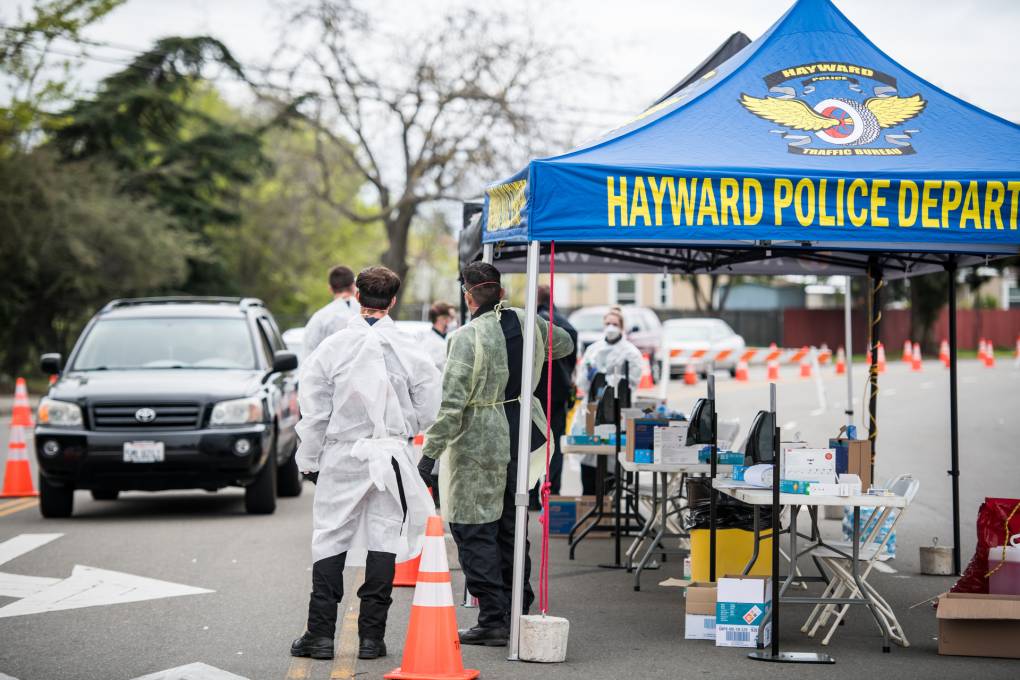
"caption": "Medical personnel screen patients at a new Coronavirus-testing facility at a Hayward fire station, which opened on Monday, March 23, 2020. The testing station has drive-through and walk-up screening and can test 370 people per day.",
"description": null,
"title": "RS42230_005_KQED_Hayward_CoronavirusTesting_03232020_9849-qut",
"credit": "Beth LaBerge/KQED",
"status": "inherit",
"isLoading": false,
"fetchFailed": false
},
"news_11807856": {
"type": "attachments",
"id": "news_11807856",
"meta": {
"index": "attachments_1716263798",
"site": "news",
"id": "11807856",
"found": true
},
"parent": 11807823,
"imgSizes": {
"apple_news_ca_landscape_5_5": {
"file": "https://ww2.kqed.org/app/uploads/sites/10/2020/03/GettyImages-86267618-1044x783.jpg",
"width": 1044,
"mimeType": "image/jpeg",
"height": 783
},
"apple_news_ca_square_4_0": {
"file": "https://ww2.kqed.org/app/uploads/sites/10/2020/03/GettyImages-86267618-470x470.jpg",
"width": 470,
"mimeType": "image/jpeg",
"height": 470
},
"twentyfourteen-full-width": {
"file": "https://ww2.kqed.org/app/uploads/sites/10/2020/03/GettyImages-86267618-1038x576.jpg",
"width": 1038,
"mimeType": "image/jpeg",
"height": 576
},
"thumbnail": {
"file": "https://ww2.kqed.org/app/uploads/sites/10/2020/03/GettyImages-86267618-160x113.jpg",
"width": 160,
"mimeType": "image/jpeg",
"height": 113
},
"post-thumbnail": {
"file": "https://ww2.kqed.org/app/uploads/sites/10/2020/03/GettyImages-86267618-672x372.jpg",
"width": 672,
"mimeType": "image/jpeg",
"height": 372
},
"kqedFullSize": {
"file": "https://ww2.kqed.org/app/uploads/sites/10/2020/03/GettyImages-86267618.jpg",
"width": 3000,
"height": 2124
},
"apple_news_ca_landscape_4_7": {
"file": "https://ww2.kqed.org/app/uploads/sites/10/2020/03/GettyImages-86267618-632x474.jpg",
"width": 632,
"mimeType": "image/jpeg",
"height": 474
},
"large": {
"file": "https://ww2.kqed.org/app/uploads/sites/10/2020/03/GettyImages-86267618-1020x722.jpg",
"width": 1020,
"mimeType": "image/jpeg",
"height": 722
},
"apple_news_ca_landscape_4_0": {
"file": "https://ww2.kqed.org/app/uploads/sites/10/2020/03/GettyImages-86267618-536x402.jpg",
"width": 536,
"mimeType": "image/jpeg",
"height": 402
},
"apple_news_ca_portrait_12_9": {
"file": "https://ww2.kqed.org/app/uploads/sites/10/2020/03/GettyImages-86267618-1122x1496.jpg",
"width": 1122,
"mimeType": "image/jpeg",
"height": 1496
},
"medium": {
"file": "https://ww2.kqed.org/app/uploads/sites/10/2020/03/GettyImages-86267618-800x566.jpg",
"width": 800,
"mimeType": "image/jpeg",
"height": 566
},
"apple_news_ca_portrait_4_0": {
"file": "https://ww2.kqed.org/app/uploads/sites/10/2020/03/GettyImages-86267618-354x472.jpg",
"width": 354,
"mimeType": "image/jpeg",
"height": 472
},
"apple_news_ca_portrait_9_7": {
"file": "https://ww2.kqed.org/app/uploads/sites/10/2020/03/GettyImages-86267618-840x1120.jpg",
"width": 840,
"mimeType": "image/jpeg",
"height": 1120
},
"apple_news_ca_landscape_12_9": {
"file": "https://ww2.kqed.org/app/uploads/sites/10/2020/03/GettyImages-86267618-1832x1374.jpg",
"width": 1832,
"mimeType": "image/jpeg",
"height": 1374
},
"apple_news_ca_square_9_7": {
"file": "https://ww2.kqed.org/app/uploads/sites/10/2020/03/GettyImages-86267618-1104x1104.jpg",
"width": 1104,
"mimeType": "image/jpeg",
"height": 1104
},
"apple_news_ca_portrait_4_7": {
"file": "https://ww2.kqed.org/app/uploads/sites/10/2020/03/GettyImages-86267618-414x552.jpg",
"width": 414,
"mimeType": "image/jpeg",
"height": 552
},
"apple_news_ca_square_12_9": {
"file": "https://ww2.kqed.org/app/uploads/sites/10/2020/03/GettyImages-86267618-1472x1472.jpg",
"width": 1472,
"mimeType": "image/jpeg",
"height": 1472
},
"apple_news_ca_portrait_5_5": {
"file": "https://ww2.kqed.org/app/uploads/sites/10/2020/03/GettyImages-86267618-687x916.jpg",
"width": 687,
"mimeType": "image/jpeg",
"height": 916
},
"full-width": {
"file": "https://ww2.kqed.org/app/uploads/sites/10/2020/03/GettyImages-86267618-1920x1359.jpg",
"width": 1920,
"mimeType": "image/jpeg",
"height": 1359
},
"apple_news_ca_square_4_7": {
"file": "https://ww2.kqed.org/app/uploads/sites/10/2020/03/GettyImages-86267618-550x550.jpg",
"width": 550,
"mimeType": "image/jpeg",
"height": 550
},
"apple_news_ca_landscape_9_7": {
"file": "https://ww2.kqed.org/app/uploads/sites/10/2020/03/GettyImages-86267618-1376x1032.jpg",
"width": 1376,
"mimeType": "image/jpeg",
"height": 1032
},
"apple_news_ca_square_5_5": {
"file": "https://ww2.kqed.org/app/uploads/sites/10/2020/03/GettyImages-86267618-912x912.jpg",
"width": 912,
"mimeType": "image/jpeg",
"height": 912
}
},
"publishDate": 1584742861,
"modified": 1584743951,
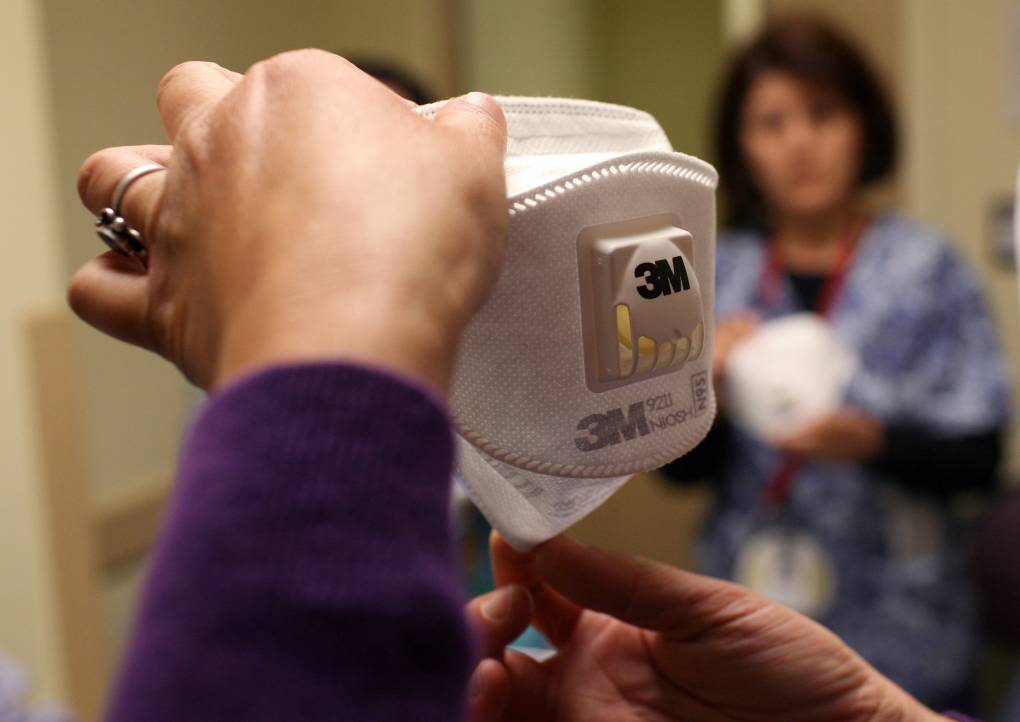
"caption": "Californians can donate unused N95 masks to several different Bay Area hospitals.",
"description": "Californians can donate unused N95 masks to several different Bay Area hospitals.",
"title": "Health Clinic Workers Train Staff For Dealing With Swine Flu Testing",
"credit": "Justin Sullivan/Getty Images",
"status": "inherit",
"isLoading": false,
"fetchFailed": false
},
"news_11807993": {
"type": "attachments",
"id": "news_11807993",
"meta": {
"index": "attachments_1716263798",
"site": "news",
"id": "11807993",
"found": true
},
"parent": 11807920,
"imgSizes": {
"apple_news_ca_landscape_5_5": {
"file": "https://ww2.kqed.org/app/uploads/sites/10/2020/03/Candace_Family_484cf8c-s800-c85-1044x783.jpg",
"width": 1044,
"mimeType": "image/jpeg",
"height": 783
},
"apple_news_ca_square_4_0": {
"file": "https://ww2.kqed.org/app/uploads/sites/10/2020/03/Candace_Family_484cf8c-s800-c85-470x470.jpg",
"width": 470,
"mimeType": "image/jpeg",
"height": 470
},
"twentyfourteen-full-width": {
"file": "https://ww2.kqed.org/app/uploads/sites/10/2020/03/Candace_Family_484cf8c-s800-c85-1038x576.jpg",
"width": 1038,
"mimeType": "image/jpeg",
"height": 576
},
"thumbnail": {
"file": "https://ww2.kqed.org/app/uploads/sites/10/2020/03/Candace_Family_484cf8c-s800-c85-160x90.jpg",
"width": 160,
"mimeType": "image/jpeg",
"height": 90
},
"post-thumbnail": {
"file": "https://ww2.kqed.org/app/uploads/sites/10/2020/03/Candace_Family_484cf8c-s800-c85-672x372.jpg",
"width": 672,
"mimeType": "image/jpeg",
"height": 372
},
"kqedFullSize": {
"file": "https://ww2.kqed.org/app/uploads/sites/10/2020/03/Candace_Family_484cf8c-s800-c85.jpg",
"width": 1922,
"height": 1080
},
"apple_news_ca_landscape_4_7": {
"file": "https://ww2.kqed.org/app/uploads/sites/10/2020/03/Candace_Family_484cf8c-s800-c85-632x474.jpg",
"width": 632,
"mimeType": "image/jpeg",
"height": 474
},
"large": {
"file": "https://ww2.kqed.org/app/uploads/sites/10/2020/03/Candace_Family_484cf8c-s800-c85-1020x573.jpg",
"width": 1020,
"mimeType": "image/jpeg",
"height": 573
},
"apple_news_ca_landscape_4_0": {
"file": "https://ww2.kqed.org/app/uploads/sites/10/2020/03/Candace_Family_484cf8c-s800-c85-536x402.jpg",
"width": 536,
"mimeType": "image/jpeg",
"height": 402
},
"apple_news_ca_portrait_12_9": {
"file": "https://ww2.kqed.org/app/uploads/sites/10/2020/03/Candace_Family_484cf8c-s800-c85-1122x1080.jpg",
"width": 1122,
"mimeType": "image/jpeg",
"height": 1080
},
"medium": {
"file": "https://ww2.kqed.org/app/uploads/sites/10/2020/03/Candace_Family_484cf8c-s800-c85-800x450.jpg",
"width": 800,
"mimeType": "image/jpeg",
"height": 450
},
"apple_news_ca_portrait_4_0": {
"file": "https://ww2.kqed.org/app/uploads/sites/10/2020/03/Candace_Family_484cf8c-s800-c85-354x472.jpg",
"width": 354,
"mimeType": "image/jpeg",
"height": 472
},
"apple_news_ca_portrait_9_7": {
"file": "https://ww2.kqed.org/app/uploads/sites/10/2020/03/Candace_Family_484cf8c-s800-c85-840x1080.jpg",
"width": 840,
"mimeType": "image/jpeg",
"height": 1080
},
"apple_news_ca_landscape_12_9": {
"file": "https://ww2.kqed.org/app/uploads/sites/10/2020/03/Candace_Family_484cf8c-s800-c85-1832x1080.jpg",
"width": 1832,
"mimeType": "image/jpeg",
"height": 1080
},
"apple_news_ca_square_9_7": {
"file": "https://ww2.kqed.org/app/uploads/sites/10/2020/03/Candace_Family_484cf8c-s800-c85-1104x1080.jpg",
"width": 1104,
"mimeType": "image/jpeg",
"height": 1080
},
"apple_news_ca_portrait_4_7": {
"file": "https://ww2.kqed.org/app/uploads/sites/10/2020/03/Candace_Family_484cf8c-s800-c85-414x552.jpg",
"width": 414,
"mimeType": "image/jpeg",
"height": 552
},
"apple_news_ca_square_12_9": {
"file": "https://ww2.kqed.org/app/uploads/sites/10/2020/03/Candace_Family_484cf8c-s800-c85-1472x1080.jpg",
"width": 1472,
"mimeType": "image/jpeg",
"height": 1080
},
"apple_news_ca_portrait_5_5": {
"file": "https://ww2.kqed.org/app/uploads/sites/10/2020/03/Candace_Family_484cf8c-s800-c85-687x916.jpg",
"width": 687,
"mimeType": "image/jpeg",
"height": 916
},
"full-width": {
"file": "https://ww2.kqed.org/app/uploads/sites/10/2020/03/Candace_Family_484cf8c-s800-c85-1920x1079.jpg",
"width": 1920,
"mimeType": "image/jpeg",
"height": 1079
},
"apple_news_ca_square_4_7": {
"file": "https://ww2.kqed.org/app/uploads/sites/10/2020/03/Candace_Family_484cf8c-s800-c85-550x550.jpg",
"width": 550,
"mimeType": "image/jpeg",
"height": 550
},
"apple_news_ca_landscape_9_7": {
"file": "https://ww2.kqed.org/app/uploads/sites/10/2020/03/Candace_Family_484cf8c-s800-c85-1376x1032.jpg",
"width": 1376,
"mimeType": "image/jpeg",
"height": 1032
},
"apple_news_ca_square_5_5": {
"file": "https://ww2.kqed.org/app/uploads/sites/10/2020/03/Candace_Family_484cf8c-s800-c85-912x912.jpg",
"width": 912,
"mimeType": "image/jpeg",
"height": 912
}
},
"publishDate": 1584752976,
"modified": 1584814952,
"caption": "Candace Palmerlee (right), with her wife Toddy Fineberg and their kids Ellery and Cyrus Brownlee.",
"description": null,
"title": "Candace_Family_484cf8c-s800-c85",
"credit": "Courtesy of Sarah Deragon",
"status": "inherit",
"isLoading": false,
"fetchFailed": false
},
"news_11807982": {
"type": "attachments",
"id": "news_11807982",
"meta": {
"index": "attachments_1716263798",
"site": "news",
"id": "11807982",
"found": true
},
"parent": 11807973,
"imgSizes": {
"apple_news_ca_square_4_0": {
"file": "https://ww2.kqed.org/app/uploads/sites/10/2020/03/IMG_2045-470x470.jpg",
"width": 470,
"mimeType": "image/jpeg",
"height": 470
},
"thumbnail": {
"file": "https://ww2.kqed.org/app/uploads/sites/10/2020/03/IMG_2045-160x120.jpg",
"width": 160,
"mimeType": "image/jpeg",
"height": 120
},
"post-thumbnail": {
"file": "https://ww2.kqed.org/app/uploads/sites/10/2020/03/IMG_2045-640x372.jpg",
"width": 640,
"mimeType": "image/jpeg",
"height": 372
},
"kqedFullSize": {
"file": "https://ww2.kqed.org/app/uploads/sites/10/2020/03/IMG_2045.jpg",
"width": 640,
"height": 480
},
"apple_news_ca_landscape_4_7": {
"file": "https://ww2.kqed.org/app/uploads/sites/10/2020/03/IMG_2045-632x474.jpg",
"width": 632,
"mimeType": "image/jpeg",
"height": 474
},
"apple_news_ca_portrait_4_7": {
"file": "https://ww2.kqed.org/app/uploads/sites/10/2020/03/IMG_2045-414x480.jpg",
"width": 414,
"mimeType": "image/jpeg",
"height": 480
},
"apple_news_ca_square_4_7": {
"file": "https://ww2.kqed.org/app/uploads/sites/10/2020/03/IMG_2045-550x480.jpg",
"width": 550,
"mimeType": "image/jpeg",
"height": 480
},
"apple_news_ca_landscape_4_0": {
"file": "https://ww2.kqed.org/app/uploads/sites/10/2020/03/IMG_2045-536x402.jpg",
"width": 536,
"mimeType": "image/jpeg",
"height": 402
},
"apple_news_ca_portrait_4_0": {
"file": "https://ww2.kqed.org/app/uploads/sites/10/2020/03/IMG_2045-354x472.jpg",
"width": 354,
"mimeType": "image/jpeg",
"height": 472
}
},
"publishDate": 1584752059,
"modified": 1584809043,
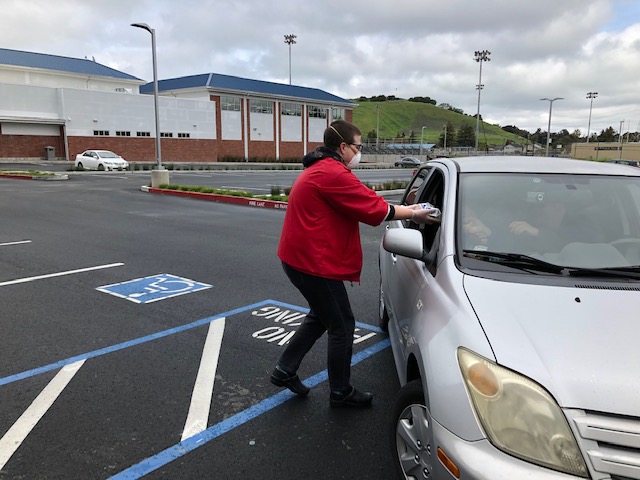
"caption": "Crespi Middle School teacher Sierra Barton passes out food at Pinole Valley High School on Monday, March 16. Schools throughout the West Contra Costa Unified School District closed this week due to the coronavirus.",
"description": null,
"title": "IMG_2045",
"credit": "EdSource",
"status": "inherit",
"isLoading": false,
"fetchFailed": false
},
"news_11807781": {
"type": "attachments",
"id": "news_11807781",
"meta": {
"index": "attachments_1716263798",
"site": "news",
"id": "11807781",
"found": true
},
"parent": 11807773,
"imgSizes": {
"apple_news_ca_landscape_5_5": {
"file": "https://ww2.kqed.org/app/uploads/sites/10/2020/03/IMG_5416-e1584768904564-1044x783.jpg",
"width": 1044,
"mimeType": "image/jpeg",
"height": 783
},
"apple_news_ca_square_4_0": {
"file": "https://ww2.kqed.org/app/uploads/sites/10/2020/03/IMG_5416-e1584768904564-470x470.jpg",
"width": 470,
"mimeType": "image/jpeg",
"height": 470
},
"twentyfourteen-full-width": {
"file": "https://ww2.kqed.org/app/uploads/sites/10/2020/03/IMG_5416-e1584768904564-1038x576.jpg",
"width": 1038,
"mimeType": "image/jpeg",
"height": 576
},
"thumbnail": {
"file": "https://ww2.kqed.org/app/uploads/sites/10/2020/03/IMG_5416-e1584768904564-160x138.jpg",
"width": 160,
"mimeType": "image/jpeg",
"height": 138
},
"post-thumbnail": {
"file": "https://ww2.kqed.org/app/uploads/sites/10/2020/03/IMG_5416-e1584768904564-672x372.jpg",
"width": 672,
"mimeType": "image/jpeg",
"height": 372
},
"kqedFullSize": {
"file": "https://ww2.kqed.org/app/uploads/sites/10/2020/03/IMG_5416-e1584768904564.jpg",
"width": 1512,
"height": 1305
},
"apple_news_ca_landscape_4_7": {
"file": "https://ww2.kqed.org/app/uploads/sites/10/2020/03/IMG_5416-e1584768904564-632x474.jpg",
"width": 632,
"mimeType": "image/jpeg",
"height": 474
},
"large": {
"file": "https://ww2.kqed.org/app/uploads/sites/10/2020/03/IMG_5416-e1584768904564-1020x880.jpg",
"width": 1020,
"mimeType": "image/jpeg",
"height": 880
},
"apple_news_ca_landscape_4_0": {
"file": "https://ww2.kqed.org/app/uploads/sites/10/2020/03/IMG_5416-e1584768904564-536x402.jpg",
"width": 536,
"mimeType": "image/jpeg",
"height": 402
},
"apple_news_ca_portrait_12_9": {
"file": "https://ww2.kqed.org/app/uploads/sites/10/2020/03/IMG_5416-e1584768904564-1122x1305.jpg",
"width": 1122,
"mimeType": "image/jpeg",
"height": 1305
},
"medium": {
"file": "https://ww2.kqed.org/app/uploads/sites/10/2020/03/IMG_5416-e1584768904564-800x690.jpg",
"width": 800,
"mimeType": "image/jpeg",
"height": 690
},
"apple_news_ca_portrait_4_0": {
"file": "https://ww2.kqed.org/app/uploads/sites/10/2020/03/IMG_5416-e1584768904564-354x472.jpg",
"width": 354,
"mimeType": "image/jpeg",
"height": 472
},
"apple_news_ca_portrait_9_7": {
"file": "https://ww2.kqed.org/app/uploads/sites/10/2020/03/IMG_5416-e1584768904564-840x1120.jpg",
"width": 840,
"mimeType": "image/jpeg",
"height": 1120
},
"apple_news_ca_landscape_12_9": {
"file": "https://ww2.kqed.org/app/uploads/sites/10/2020/03/IMG_5416-e1584738019989-1512x1374.jpg",
"width": 1512,
"mimeType": "image/jpeg",
"height": 1374
},
"apple_news_ca_square_9_7": {
"file": "https://ww2.kqed.org/app/uploads/sites/10/2020/03/IMG_5416-e1584768904564-1104x1104.jpg",
"width": 1104,
"mimeType": "image/jpeg",
"height": 1104
},
"apple_news_ca_portrait_4_7": {
"file": "https://ww2.kqed.org/app/uploads/sites/10/2020/03/IMG_5416-e1584768904564-414x552.jpg",
"width": 414,
"mimeType": "image/jpeg",
"height": 552
},
"apple_news_ca_square_12_9": {
"file": "https://ww2.kqed.org/app/uploads/sites/10/2020/03/IMG_5416-e1584768904564-1472x1305.jpg",
"width": 1472,
"mimeType": "image/jpeg",
"height": 1305
},
"apple_news_ca_portrait_5_5": {
"file": "https://ww2.kqed.org/app/uploads/sites/10/2020/03/IMG_5416-e1584768904564-687x916.jpg",
"width": 687,
"mimeType": "image/jpeg",
"height": 916
},
"full-width": {
"file": "https://ww2.kqed.org/app/uploads/sites/10/2020/03/IMG_5416-1920x1440.jpg",
"width": 1920,
"mimeType": "image/jpeg",
"height": 1440
},
"apple_news_ca_square_4_7": {
"file": "https://ww2.kqed.org/app/uploads/sites/10/2020/03/IMG_5416-e1584768904564-550x550.jpg",
"width": 550,
"mimeType": "image/jpeg",
"height": 550
},
"apple_news_ca_landscape_9_7": {
"file": "https://ww2.kqed.org/app/uploads/sites/10/2020/03/IMG_5416-e1584768904564-1376x1032.jpg",
"width": 1376,
"mimeType": "image/jpeg",
"height": 1032
},
"apple_news_ca_square_5_5": {
"file": "https://ww2.kqed.org/app/uploads/sites/10/2020/03/IMG_5416-e1584768904564-912x912.jpg",
"width": 912,
"mimeType": "image/jpeg",
"height": 912
}
},
"publishDate": 1584737877,
"modified": 1584800249,
"caption": "Ilse Villacorta, a bartender living in West Oakland, is among the millions of Californians who can’t go to work because of the coronavirus outbreak, and have no income.",
"description": null,
"title": "IMG_5416",
"credit": "Sam Harnett/KQED",
"status": "inherit",
"isLoading": false,
"fetchFailed": false
}
},
"audioPlayerReducer": {
"postId": "stream_live",
"isPaused": true,
"isPlaying": false,
"pfsActive": false,
"pledgeModalIsOpen": true,
"playerDrawerIsOpen": false,
"liveAudioPlayStartedAt": 0,
"liveAudioPlayContext": ""
},
"authorsReducer": {
"byline_news_11808199": {
"type": "authors",
"id": "byline_news_11808199",
"meta": {
"override": true
},
"slug": "byline_news_11808199",
"name": "\u003ca href=\"https://calmatters.org/author/ben-christopher/\">Ben Christopher\u003c/a>\u003cbr>CalMatters",
"isLoading": false
},
"byline_news_11808111": {
"type": "authors",
"id": "byline_news_11808111",
"meta": {
"override": true
},
"slug": "byline_news_11808111",
"name": "Holly McDede",
"isLoading": false
},
"byline_news_11807973": {
"type": "authors",
"id": "byline_news_11807973",
"meta": {
"override": true
},
"slug": "byline_news_11807973",
"name": "\u003ca href=\"https://edsource.org/author/atadayon\">Ali Tadayon\u003c/a>\u003cbr>EdSource",
"isLoading": false
},
"ohubertallen": {
"type": "authors",
"id": "102",
"meta": {
"index": "authors_1716337520",
"id": "102",
"found": true
},
"name": "Olivia Allen-Price",
"firstName": "Olivia",
"lastName": "Allen-Price",
"slug": "ohubertallen",
"email": "oallenprice@kqed.org",
"display_author_email": false,
"staff_mastheads": [
"news"
],
"title": "Senior Editor",
"bio": "Olivia Allen-Price is senior editor and host of the award-winning Bay Curious podcast. Prior to joining KQED in 2013, Olivia worked at The Baltimore Sun and The Virginian-Pilot in Norfolk, Va. She holds degrees in journalism and political science from Elon University. Her work has earned awards from the Society of Professional Journalists, the Hearst Foundation and Hearken. She loves to talk about running and curly hair.\r\n\r\nFollow: \u003ca href=\"https://twitter.com/oallenprice\">@oallenprice\u003c/a>\r\nEmail: \u003ca href=\"mailto:oallenprice@kqed.org\">oallenprice@kqed.org\u003c/a>",
"avatar": "https://secure.gravatar.com/avatar/07f7803c1f6be56f3be58ef276dfa64dce898502e0554408ef4858451a8294f7?s=600&d=blank&r=g",
"twitter": "oallenprice",
"bluesky": null,
"facebook": null,
"instagram": null,
"linkedin": null,
"sites": [
{
"site": "",
"roles": [
"editor"
]
},
{
"site": "arts",
"roles": [
"subscriber"
]
},
{
"site": "news",
"roles": [
"administrator"
]
},
{
"site": "pop",
"roles": [
"administrator"
]
},
{
"site": "bayareabites",
"roles": [
"contributor"
]
},
{
"site": "stateofhealth",
"roles": [
"administrator"
]
},
{
"site": "science",
"roles": [
"editor"
]
}
],
"headData": {
"title": "Olivia Allen-Price | KQED",
"description": "Senior Editor",
"ogImgSrc": "https://secure.gravatar.com/avatar/07f7803c1f6be56f3be58ef276dfa64dce898502e0554408ef4858451a8294f7?s=600&d=blank&r=g",
"twImgSrc": "https://secure.gravatar.com/avatar/07f7803c1f6be56f3be58ef276dfa64dce898502e0554408ef4858451a8294f7?s=600&d=blank&r=g"
},
"isLoading": false,
"link": "/author/ohubertallen"
},
"samharnett": {
"type": "authors",
"id": "253",
"meta": {
"index": "authors_1716337520",
"id": "253",
"found": true
},
"name": "Sam Harnett",
"firstName": "Sam",
"lastName": "Harnett",
"slug": "samharnett",
"email": "samharnett@gmail.com",
"display_author_email": false,
"staff_mastheads": [],
"title": "KQED Contributor",
"bio": "Sam Harnett covered tech and work at KQED. He is the co-creator of \u003cem>\u003ca href=\"http://www.theworldaccordingtosound.org\">The World According to Sound\u003c/a>,\u003c/em> a 90-second podcast that features different sounds and the stories behind them.\r\n\r\nBefore coming to KQED, Sam worked as an independent reporter who contributed regularly to \u003cem>The California Report, Marketplace,\u003c/em> \u003cem>The World \u003c/em>and NPR.",
"avatar": "https://secure.gravatar.com/avatar/2538b972ac02f2b9546c7a6c59a0f3d0?s=600&d=blank&r=g",
"twitter": "Samwharnett",
"facebook": null,
"instagram": null,
"linkedin": null,
"sites": [
{
"site": "news",
"roles": [
"edit_others_posts",
"subscriber"
]
},
{
"site": "stateofhealth",
"roles": [
"author"
]
},
{
"site": "science",
"roles": [
"editor"
]
},
{
"site": "quest",
"roles": [
"subscriber"
]
}
],
"headData": {
"title": "Sam Harnett | KQED",
"description": "KQED Contributor",
"ogImgSrc": "https://secure.gravatar.com/avatar/2538b972ac02f2b9546c7a6c59a0f3d0?s=600&d=blank&r=g",
"twImgSrc": "https://secure.gravatar.com/avatar/2538b972ac02f2b9546c7a6c59a0f3d0?s=600&d=blank&r=g"
},
"isLoading": false,
"link": "/author/samharnett"
},
"adembosky": {
"type": "authors",
"id": "3205",
"meta": {
"index": "authors_1716337520",
"id": "3205",
"found": true
},
"name": "April Dembosky",
"firstName": "April",
"lastName": "Dembosky",
"slug": "adembosky",
"email": "adembosky@kqed.org",
"display_author_email": false,
"staff_mastheads": [
"news",
"science"
],
"title": "KQED Health Correspondent",
"bio": "April Dembosky is the health correspondent for KQED News and a regular contributor to NPR. She specializes in covering altered states of mind, from postpartum depression to methamphetamine-induced psychosis to the insanity defense. Her investigative series on insurance companies sidestepping mental health laws won multiple awards, including first place in beat reporting from the national Association of Health Care Journalists. She is the recipient of numerous other prizes and fellowships, including a national Edward R. Murrow award for investigative reporting, a Society of Professional Journalists award for long-form storytelling, and a Carter Center Fellowship for Mental Health Journalism.\r\n\r\nDembosky reported and produced \u003cem>Soundtrack of Silence\u003c/em>, an audio documentary about music and memory that is currently being made into a feature film by Paramount Pictures.\r\n\r\nBefore joining KQED in 2013, Dembosky covered technology and Silicon Valley for \u003cem>The Financial Times of London,\u003c/em> and contributed business and arts stories to \u003cem>Marketplace \u003c/em>and \u003cem>The New York Times.\u003c/em> She got her undergraduate degree in philosophy from Smith College and her master's in journalism from the University of California, Berkeley. She is a classically trained violinist and proud alum of the first symphony orchestra at Burning Man.",
"avatar": "https://secure.gravatar.com/avatar/ef92999be4ceb9ea60701e7dc276f813?s=600&d=blank&r=g",
"twitter": "adembosky",
"facebook": null,
"instagram": null,
"linkedin": null,
"sites": [
{
"site": "arts",
"roles": [
"author"
]
},
{
"site": "news",
"roles": [
"editor"
]
},
{
"site": "futureofyou",
"roles": [
"author"
]
},
{
"site": "stateofhealth",
"roles": [
"editor"
]
},
{
"site": "science",
"roles": [
"editor"
]
},
{
"site": "forum",
"roles": [
"editor"
]
}
],
"headData": {
"title": "April Dembosky | KQED",
"description": "KQED Health Correspondent",
"ogImgSrc": "https://secure.gravatar.com/avatar/ef92999be4ceb9ea60701e7dc276f813?s=600&d=blank&r=g",
"twImgSrc": "https://secure.gravatar.com/avatar/ef92999be4ceb9ea60701e7dc276f813?s=600&d=blank&r=g"
},
"isLoading": false,
"link": "/author/adembosky"
},
"shossaini": {
"type": "authors",
"id": "3214",
"meta": {
"index": "authors_1716337520",
"id": "3214",
"found": true
},
"name": "Sara Hossaini",
"firstName": "Sara",
"lastName": "Hossaini",
"slug": "shossaini",
"email": "shossaini@kqed.org",
"display_author_email": true,
"staff_mastheads": [
"news"
],
"title": "KQED Reporter",
"bio": "Sara Hossaini came to general assignment reporting at KQED in 2013 after two winters reporting at Wyoming Public Radio. She holds a bachelor's degree in broadcast journalism from the University of Nebraska-Lincoln. Her radio romance began after a bitter breakup with documentary film (Ok, maybe it's still complicated). Her first simultaneous jobs in San Francisco were as Associate Producer on a PBS film series through the Center for Asian American Media and as a butler. She likes to trot, plot and make things with her hands.",
"avatar": "https://secure.gravatar.com/avatar/060e9f56b9554e17942e89f413242774?s=600&d=blank&r=g",
"twitter": "mshossaini",
"facebook": null,
"instagram": null,
"linkedin": null,
"sites": [
{
"site": "news",
"roles": [
"author"
]
},
{
"site": "stateofhealth",
"roles": [
"author"
]
}
],
"headData": {
"title": "Sara Hossaini | KQED",
"description": "KQED Reporter",
"ogImgSrc": "https://secure.gravatar.com/avatar/060e9f56b9554e17942e89f413242774?s=600&d=blank&r=g",
"twImgSrc": "https://secure.gravatar.com/avatar/060e9f56b9554e17942e89f413242774?s=600&d=blank&r=g"
},
"isLoading": false,
"link": "/author/shossaini"
},
"markfiore": {
"type": "authors",
"id": "3236",
"meta": {
"index": "authors_1716337520",
"id": "3236",
"found": true
},
"name": "Mark Fiore",
"firstName": "Mark",
"lastName": "Fiore",
"slug": "markfiore",
"email": "mark@markfiore.com",
"display_author_email": false,
"staff_mastheads": [
"news"
],
"title": "KQED News Cartoonist",
"bio": "\u003ca href=\"http://www.MarkFiore.com\">MarkFiore.com\u003c/a> | \u003ca href=\"https://twitter.com/markfiore\">Follow on Twitter\u003c/a> | \u003ca href=\"https://www.facebook.com/pages/Mark-Fiore-Animated-Political-Cartoons/94451707396?ref=bookmarks\">Facebook\u003c/a> | \u003ca href=\"mailto:mark@markfiore.com\">email\u003c/a>\r\n\r\nPulitzer Prize-winner, Mark Fiore, who the Wall Street Journal has called “the undisputed guru of the form,” creates animated political cartoons in San Francisco, where his work has been featured regularly on the San Francisco Chronicle’s web site, SFGate.com. His work has appeared on Newsweek.com, Slate.com, CBSNews.com, MotherJones.com, DailyKos.com and NPR’s web site. Fiore’s political animation has appeared on CNN, Frontline, Bill Moyers Journal, Salon.com and cable and broadcast outlets across the globe.\r\n\r\nBeginning his professional life by drawing traditional political cartoons for newspapers, Fiore’s work appeared in publications ranging from the Washington Post to the Los Angeles Times. In the late 1990s, he began to experiment with animating political cartoons and, after a short stint at the San Jose Mercury News as their staff cartoonist, Fiore devoted all his energies to animation.\r\nGrowing up in California, Fiore also spent a good portion of his life in the backwoods of Idaho. It was this combination that shaped him politically. Mark majored in political science at Colorado College, where, in a perfect send-off for a cartoonist, he received his diploma in 1991 as commencement speaker Dick Cheney smiled approvingly.\r\nMark Fiore was awarded the Pulitzer Prize for political cartooning in 2010, a Robert F. Kennedy Journalism Award in 2004 and has twice received an Online Journalism Award for commentary from the Online News Association (2002, 2008). Fiore has received two awards for his work in new media from the National Cartoonists Society (2001, 2002), and in 2006 received The James Madison Freedom of Information Award from The Society of Professional Journalists.",
"avatar": "https://secure.gravatar.com/avatar/fc4e2a612b15b67bad0c6f0e1db4ca9b?s=600&d=blank&r=g",
"twitter": "MarkFiore",
"facebook": null,
"instagram": "https://www.instagram.com/markfiore/?hl=en",
"linkedin": null,
"sites": [
{
"site": "arts",
"roles": [
"contributor"
]
},
{
"site": "news",
"roles": [
"editor"
]
},
{
"site": "futureofyou",
"roles": [
"editor"
]
},
{
"site": "science",
"roles": [
"editor"
]
}
],
"headData": {
"title": "Mark Fiore | KQED",
"description": "KQED News Cartoonist",
"ogImgSrc": "https://secure.gravatar.com/avatar/fc4e2a612b15b67bad0c6f0e1db4ca9b?s=600&d=blank&r=g",
"twImgSrc": "https://secure.gravatar.com/avatar/fc4e2a612b15b67bad0c6f0e1db4ca9b?s=600&d=blank&r=g"
},
"isLoading": false,
"link": "/author/markfiore"
},
"mlagos": {
"type": "authors",
"id": "3239",
"meta": {
"index": "authors_1716337520",
"id": "3239",
"found": true
},
"name": "Marisa Lagos",
"firstName": "Marisa",
"lastName": "Lagos",
"slug": "mlagos",
"email": "mlagos@kqed.org",
"display_author_email": false,
"staff_mastheads": [
"news"
],
"title": "KQED Contributor",
"bio": "Marisa Lagos is a correspondent for KQED’s California Politics and Government Desk and co-hosts the award-winning show and podcast, Political Breakdown. At KQED, Lagos also conducts reporting, analysis and investigations into state, local and national politics for radio, TV, online and onstage. In 2022, she and co-host, Scott Shafer, moderated the only gubernatorial debate in California. In 2020, the \u003ci>Washington Post\u003c/i> named her one of the top political journalists in California; she was nominated for a Peabody and won several other awards for her work investigating the 2017 California wildfires. She has worked at the \u003ci>San Francisco Chronicle\u003c/i>, \u003ci>San Francisco Examiner\u003c/i> and \u003ci>Los Angeles Times\u003c/i>. A UC Santa Barbara graduate, she lives in San Francisco with her two sons and husband.",
"avatar": "https://secure.gravatar.com/avatar/a261a0d3696fc066871ef96b85b5e7d2?s=600&d=blank&r=g",
"twitter": "@mlagos",
"facebook": null,
"instagram": null,
"linkedin": null,
"sites": [
{
"site": "arts",
"roles": [
"author"
]
},
{
"site": "news",
"roles": [
"editor"
]
},
{
"site": "science",
"roles": [
"editor"
]
},
{
"site": "forum",
"roles": [
"author"
]
},
{
"site": "liveblog",
"roles": [
"author"
]
}
],
"headData": {
"title": "Marisa Lagos | KQED",
"description": "KQED Contributor",
"ogImgSrc": "https://secure.gravatar.com/avatar/a261a0d3696fc066871ef96b85b5e7d2?s=600&d=blank&r=g",
"twImgSrc": "https://secure.gravatar.com/avatar/a261a0d3696fc066871ef96b85b5e7d2?s=600&d=blank&r=g"
},
"isLoading": false,
"link": "/author/mlagos"
},
"jsmall": {
"type": "authors",
"id": "6625",
"meta": {
"index": "authors_1716337520",
"id": "6625",
"found": true
},
"name": "Julie Small",
"firstName": "Julie",
"lastName": "Small",
"slug": "jsmall",
"email": "jsmall@kqed.org",
"display_author_email": true,
"staff_mastheads": [
"news"
],
"title": "KQED Contributor",
"bio": "Julie Small reports on criminal justice and immigration.\r\n\r\nShe was part of a team at KQED awarded a regional 2019 Edward R. Murrow award for continuing coverage of the Trump Administration's family separation policy.\r\n\r\nThe Society for Professional Journalists recognized Julie's 2018 \u003ca href=\"https://www.kqed.org/news/11636262/the-officer-tased-him-31-times-the-sheriff-called-his-death-an-accident\">reporting\u003c/a> on the San Joaquin County Sheriff's \u003ca href=\"https://www.kqed.org/news/11634689/autopsy-doctors-sheriff-overrode-death-findings-to-protect-law-enforcement\">interference\u003c/a> in death investigations with an Excellence in Journalism Award for Ongoing Coverage.\r\n\r\nJulie's\u003ca href=\"https://www.kqed.org/news/11039666/two-mentally-ill-inmates-died-one-month-in-santa-clara\"> reporting\u003c/a> with Lisa Pickoff-White on the treatment of mentally ill offenders in California jails earned a 2017 regional Edward R. Murrow Award for news reporting and an investigative reporting award from the SPJ of Northern California.\r\n\r\nBefore joining KQED, Julie covered government and politics in Sacramento for Southern California Public Radio (SCPR). Her 2010 \u003ca href=\"https://www.scpr.org/specials/prisonmedical/\">series\u003c/a> on lapses in California’s prison medical care also won a regional Edward R. Murrow Award for investigative reporting and a Golden Mic Award from the RTNDA of Southern California.\r\n\r\nJulie began her career in journalism in 2000 as the deputy foreign editor for public radio's \u003cem>Marketplace, \u003c/em>while earning her master's degree in journalism from USC’s Annenberg School of Communication.",
"avatar": "https://secure.gravatar.com/avatar/4baedf201468df97be97c2a9dd7585d0?s=600&d=blank&r=g",
"twitter": "@SmallRadio2",
"facebook": null,
"instagram": null,
"linkedin": null,
"sites": [
{
"site": "news",
"roles": [
"editor"
]
},
{
"site": "stateofhealth",
"roles": [
"author"
]
},
{
"site": "science",
"roles": [
"author"
]
}
],
"headData": {
"title": "Julie Small | KQED",
"description": "KQED Contributor",
"ogImgSrc": "https://secure.gravatar.com/avatar/4baedf201468df97be97c2a9dd7585d0?s=600&d=blank&r=g",
"twImgSrc": "https://secure.gravatar.com/avatar/4baedf201468df97be97c2a9dd7585d0?s=600&d=blank&r=g"
},
"isLoading": false,
"link": "/author/jsmall"
},
"lklivans": {
"type": "authors",
"id": "8648",
"meta": {
"index": "authors_1716337520",
"id": "8648",
"found": true
},
"name": "Laura Klivans",
"firstName": "Laura",
"lastName": "Klivans",
"slug": "lklivans",
"email": "lklivans@kqed.org",
"display_author_email": true,
"staff_mastheads": [
"news",
"science"
],
"title": "Reporter",
"bio": "Laura Klivans is an award-winning science reporter for KQED News, where she covers climate change with an eye on both groundbreaking progress and gaps in action. She is the former host of KQED's blockbuster video series about tiny, amazing animals, \u003cem>Deep Look\u003c/em>. Her work reaches national audiences through NPR, \u003cem>Here & Now, \u003c/em>PRI, and other major outlets. \r\n\r\nLaura’s won five Northern California Area Emmy Awards for Deep Look and First Place in the Greater Bay Area Journalism Awards for a podcast exploring how one Oakland neighborhood teamed up to reduce planet-heating pollution.\r\n\r\nBeyond her reporting, she hosts and moderates events. In the past, she taught audio storytelling at the UC Berkeley Graduate School of Journalism, led international education programs, worked with immigrants and refugees along the Thai-Burmese border, taught high schoolers sex ed, and was an actress. \r\n\r\nShe's a former UC Berkeley Human Rights Fellow, USC Center for Health Journalism's California Fellow and Coro Fellow in Public Affairs. Laura has a master’s in journalism from UC Berkeley, a master’s in education from Harvard, and an undergraduate degree from Northwestern University.\r\n\r\nShe loves trying to riddle the meaning out of vanity license plates.",
"avatar": "https://secure.gravatar.com/avatar/2d2ecd1550a494cc10ad4a503406965585902124739e775a9b3817eebf1d88be?s=600&d=blank&r=g",
"twitter": "lauraklivans",
"bluesky": null,
"facebook": null,
"instagram": null,
"linkedin": null,
"sites": [
{
"site": "news",
"roles": [
"editor"
]
},
{
"site": "stateofhealth",
"roles": [
"contributor",
"editor"
]
},
{
"site": "science",
"roles": [
"editor"
]
},
{
"site": "forum",
"roles": [
"editor"
]
}
],
"headData": {
"title": "Laura Klivans | KQED",
"description": "Reporter",
"ogImgSrc": "https://secure.gravatar.com/avatar/2d2ecd1550a494cc10ad4a503406965585902124739e775a9b3817eebf1d88be?s=600&d=blank&r=g",
"twImgSrc": "https://secure.gravatar.com/avatar/2d2ecd1550a494cc10ad4a503406965585902124739e775a9b3817eebf1d88be?s=600&d=blank&r=g"
},
"isLoading": false,
"link": "/author/lklivans"
},
"ecruzguevarra": {
"type": "authors",
"id": "8654",
"meta": {
"index": "authors_1716337520",
"id": "8654",
"found": true
},
"name": "Ericka Cruz Guevarra",
"firstName": "Ericka",
"lastName": "Cruz Guevarra",
"slug": "ecruzguevarra",
"email": "ecruzguevarra@kqed.org",
"display_author_email": true,
"staff_mastheads": [
"news"
],
"title": "Producer, The Bay Podcast",
"bio": "Ericka Cruz Guevarra is host of \u003ca href=\"https://www.kqed.org/podcasts/thebay\">\u003cem>The Bay\u003c/em>\u003c/a> podcast at KQED. Before host, she was the show’s producer. Her work in that capacity includes a three-part reported series on policing in Vallejo, which won a 2020 excellence in journalism award from the Society of Professional Journalists. Ericka has worked as a breaking news reporter at Oregon Public Broadcasting, helped produce the Code Switch podcast, and was KQED’s inaugural Raul Ramirez Diversity Fund intern. She’s also an alumna of NPR’s Next Generation Radio program. Send her an email if you have strong feelings about whether Fairfield and Suisun City are the Bay. Ericka is represented by SAG-AFTRA.",
"avatar": "https://secure.gravatar.com/avatar/accefc1de4bafc7e234b69bcb9b6f6536c130fd84709bc3069ef11a78787e1bb?s=600&d=blank&r=g",
"twitter": "NotoriousECG",
"bluesky": null,
"facebook": null,
"instagram": null,
"linkedin": null,
"sites": [
{
"site": "arts",
"roles": [
"subscriber"
]
},
{
"site": "news",
"roles": [
"editor",
"manage_categories"
]
},
{
"site": "futureofyou",
"roles": [
"subscriber"
]
},
{
"site": "stateofhealth",
"roles": [
"subscriber"
]
},
{
"site": "science",
"roles": [
"editor"
]
},
{
"site": "forum",
"roles": [
"subscriber"
]
}
],
"headData": {
"title": "Ericka Cruz Guevarra | KQED",
"description": "Producer, The Bay Podcast",
"ogImgSrc": "https://secure.gravatar.com/avatar/accefc1de4bafc7e234b69bcb9b6f6536c130fd84709bc3069ef11a78787e1bb?s=600&d=blank&r=g",
"twImgSrc": "https://secure.gravatar.com/avatar/accefc1de4bafc7e234b69bcb9b6f6536c130fd84709bc3069ef11a78787e1bb?s=600&d=blank&r=g"
},
"isLoading": false,
"link": "/author/ecruzguevarra"
},
"slewis": {
"type": "authors",
"id": "8676",
"meta": {
"index": "authors_1716337520",
"id": "8676",
"found": true
},
"name": "Sukey Lewis",
"firstName": "Sukey",
"lastName": "Lewis",
"slug": "slewis",
"email": "slewis@kqed.org",
"display_author_email": true,
"staff_mastheads": [
"news"
],
"title": "KQED Contributor",
"bio": "Sukey Lewis is a criminal justice reporter and host of \u003cem>On Our Watch\u003c/em>, a new podcast from NPR and KQED about the shadow world of police discipline. In 2018, she co-founded the California Reporting Project, a coalition of newsrooms across the state focused on obtaining previously sealed internal affairs records from law enforcement. In addition to her reporting on police accountability, Sukey has investigated the bail bonds industry, California's wildfires and the high cost of prison phone calls. Sukey earned a master's degree in journalism from the University of California at Berkeley. Send news tips to slewis@kqed.org.",
"avatar": "https://secure.gravatar.com/avatar/03fd6b21024f99d8b0a1966654586de7?s=600&d=blank&r=g",
"twitter": "SukeyLewis",
"facebook": null,
"instagram": null,
"linkedin": null,
"sites": [
{
"site": "news",
"roles": [
"author",
"edit_others_posts"
]
}
],
"headData": {
"title": "Sukey Lewis | KQED",
"description": "KQED Contributor",
"ogImgSrc": "https://secure.gravatar.com/avatar/03fd6b21024f99d8b0a1966654586de7?s=600&d=blank&r=g",
"twImgSrc": "https://secure.gravatar.com/avatar/03fd6b21024f99d8b0a1966654586de7?s=600&d=blank&r=g"
},
"isLoading": false,
"link": "/author/slewis"
},
"katewolffe": {
"type": "authors",
"id": "11523",
"meta": {
"index": "authors_1716337520",
"id": "11523",
"found": true
},
"name": "Kate Wolffe",
"firstName": "Kate",
"lastName": "Wolffe",
"slug": "katewolffe",
"email": "kwolffe@kqed.org",
"display_author_email": true,
"staff_mastheads": [
"news"
],
"title": "KQED Reporter + Weekend Host",
"bio": "Kate Wolffe reports on local Bay Area happenings for KQED, and hosts the news on weekend afternoons. She joined KQED in 2018 as an intern on the Forum team, before moving to cover topics ranging from politics to criminal justice to homelessness. A Bay Area native and UC Berkeley graduate, Kate loves to discover new corners of the region.",
"avatar": "https://secure.gravatar.com/avatar/22455f14db824a03ee252f73052fe939?s=600&d=blank&r=g",
"twitter": "katewolffe",
"facebook": null,
"instagram": null,
"linkedin": null,
"sites": [
{
"site": "arts",
"roles": [
"editor"
]
},
{
"site": "news",
"roles": [
"author",
"edit_others_posts"
]
},
{
"site": "forum",
"roles": [
"editor"
]
}
],
"headData": {
"title": "Kate Wolffe | KQED",
"description": "KQED Reporter + Weekend Host",
"ogImgSrc": "https://secure.gravatar.com/avatar/22455f14db824a03ee252f73052fe939?s=600&d=blank&r=g",
"twImgSrc": "https://secure.gravatar.com/avatar/22455f14db824a03ee252f73052fe939?s=600&d=blank&r=g"
},
"isLoading": false,
"link": "/author/katewolffe"
},
"mmedina": {
"type": "authors",
"id": "11528",
"meta": {
"index": "authors_1716337520",
"id": "11528",
"found": true
},
"name": "Marisol Medina-Cadena",
"firstName": "Marisol",
"lastName": "Medina-Cadena",
"slug": "mmedina",
"email": "mmedina@KQED.org",
"display_author_email": true,
"staff_mastheads": [],
"title": "Producer, Rightnowish Podcast",
"bio": "Marisol Medina-Cadena is a radio reporter and podcast producer. Before working at KQED, she produced for PBS member station, KCET, in Los Angeles. In 2017, Marisol won an Emmy Award for her work on the televised documentary, \u003cem>City Rising\u003c/em>, examining California's affordable housing crisis and the historical roots of gentrification.",
"avatar": "https://secure.gravatar.com/avatar/6c3db46a1cabb5e1fe9a365b5f4e681e?s=600&d=blank&r=g",
"twitter": "marisolreports",
"facebook": null,
"instagram": null,
"linkedin": null,
"sites": [
{
"site": "arts",
"roles": []
},
{
"site": "news",
"roles": [
"edit_others_posts"
]
}
],
"headData": {
"title": "Marisol Medina-Cadena | KQED",
"description": "Producer, Rightnowish Podcast",
"ogImgSrc": "https://secure.gravatar.com/avatar/6c3db46a1cabb5e1fe9a365b5f4e681e?s=600&d=blank&r=g",
"twImgSrc": "https://secure.gravatar.com/avatar/6c3db46a1cabb5e1fe9a365b5f4e681e?s=600&d=blank&r=g"
},
"isLoading": false,
"link": "/author/mmedina"
},
"lsarah": {
"type": "authors",
"id": "11626",
"meta": {
"index": "authors_1716337520",
"id": "11626",
"found": true
},
"name": "Lakshmi Sarah",
"firstName": "Lakshmi",
"lastName": "Sarah",
"slug": "lsarah",
"email": "lsarah@kqed.org",
"display_author_email": false,
"staff_mastheads": [],
"title": "Digital Producer",
"bio": "Lakshmi Sarah is an educator, author and journalist with a focus on innovative storytelling. She has worked with newspapers, radio and magazines from Ahmedabad, India to Los Angeles, California. She has written and produced for Die Zeit, Global Voices, AJ+, KQED, Fusion Media Group and the New York Times.",
"avatar": "https://secure.gravatar.com/avatar/652dcaecd8b28826fc17a8b2d6bb4e93?s=600&d=blank&r=g",
"twitter": "lakitalki",
"facebook": null,
"instagram": "https://www.instagram.com/laki.talki/",
"linkedin": "https://www.linkedin.com/in/lakisarah/",
"sites": [
{
"site": "arts",
"roles": []
},
{
"site": "news",
"roles": []
},
{
"site": "bayareabites",
"roles": []
},
{
"site": "science",
"roles": []
}
],
"headData": {
"title": "Lakshmi Sarah | KQED",
"description": "Digital Producer",
"ogImgSrc": "https://secure.gravatar.com/avatar/652dcaecd8b28826fc17a8b2d6bb4e93?s=600&d=blank&r=g",
"twImgSrc": "https://secure.gravatar.com/avatar/652dcaecd8b28826fc17a8b2d6bb4e93?s=600&d=blank&r=g"
},
"isLoading": false,
"link": "/author/lsarah"
},
"amontecillo": {
"type": "authors",
"id": "11649",
"meta": {
"index": "authors_1716337520",
"id": "11649",
"found": true
},
"name": "Alan Montecillo",
"firstName": "Alan",
"lastName": "Montecillo",
"slug": "amontecillo",
"email": "amontecillo@kqed.org",
"display_author_email": false,
"staff_mastheads": [
"news"
],
"title": "KQED Contributor",
"bio": "Alan Montecillo is the senior editor of \u003cem>\u003ca href=\"http://kqed.org/thebay\">The Bay\u003c/a>, \u003c/em> KQED's local news podcast. Before moving to the Bay Area, he worked as a senior talk show producer for WILL in Champaign-Urbana, Illinois and at Oregon Public Broadcasting in Portland, Oregon. He has won journalism awards from the Society of Professional Journalists Northern California, the Public Media Journalists Association, The Signal Awards, and has also received a regional Edward R. Murrow award. Alan is a Filipino American from Hong Kong and a graduate of Reed College.",
"avatar": "https://secure.gravatar.com/avatar/268f53a2066899ea9efdd8a5900218b17c822d9862cbc9326cccec53ef41d349?s=600&d=blank&r=g",
"twitter": "alanmontecillo",
"bluesky": null,
"facebook": null,
"instagram": null,
"linkedin": null,
"sites": [
{
"site": "",
"roles": [
"editor"
]
},
{
"site": "news",
"roles": [
"editor",
"manage_categories"
]
}
],
"headData": {
"title": "Alan Montecillo | KQED",
"description": "KQED Contributor",
"ogImgSrc": "https://secure.gravatar.com/avatar/268f53a2066899ea9efdd8a5900218b17c822d9862cbc9326cccec53ef41d349?s=600&d=blank&r=g",
"twImgSrc": "https://secure.gravatar.com/avatar/268f53a2066899ea9efdd8a5900218b17c822d9862cbc9326cccec53ef41d349?s=600&d=blank&r=g"
},
"isLoading": false,
"link": "/author/amontecillo"
}
},
"pagesReducer": {
"news_tag_covid-19": {
"type": "terms",
"id": "news_27504",
"meta": {
"index": "terms_1716263798",
"site": "news",
"id": "27504",
"score": 8.558313
},
"featImg": null,
"name": "covid-19",
"description": null,
"taxonomy": "tag",
"headData": {
"twImgId": null,
"twTitle": null,
"ogTitle": null,
"ogImgId": null,
"twDescription": null,
"description": null,
"title": "covid-19 Archives | KQED News",
"ogDescription": null
},
"ttid": 27521,
"slug": "covid-19",
"isLoading": false,
"title": "covid-19",
"pageMeta": {
"site": "news",
"WpPageTemplate": "page-topic-editorial",
"currentPage": 83
},
"blocks": [
{
"blockName": "kqed/post-list",
"attrs": {
"layout": "cardArticle2",
"query": "posts/news?tag=covid-19",
"seeMore": false,
"paginated": true,
"page": 83
}
},
{
"blockName": "kqed/ad"
}
]
}
},
"pfsSessionReducer": {},
"postsReducer": {
"stream_live": {
"type": "live",
"id": "stream_live",
"audioUrl": "https://streams.kqed.org/kqedradio",
"title": "Live Stream",
"excerpt": "Live Stream information currently unavailable.",
"link": "/radio",
"featImg": "",
"label": {
"name": "KQED Live",
"link": "/"
}
},
"stream_kqedNewscast": {
"type": "posts",
"id": "stream_kqedNewscast",
"audioUrl": "https://www.kqed.org/.stream/anon/radio/RDnews/newscast.mp3?_=1",
"title": "KQED Newscast",
"featImg": "",
"label": {
"name": "88.5 FM",
"link": "/"
}
},
"news_11808315": {
"type": "posts",
"id": "news_11808315",
"meta": {
"index": "posts_1716263798",
"site": "news",
"id": "11808315",
"score": null,
"sort": [
1585007920000
]
},
"parent": 0,
"labelTerm": {
"site": "news",
"term": 18515
},
"blocks": [],
"publishDate": 1585007920,
"format": "standard",
"disqusTitle": "About That 'Exercise' Exemption ...",
"title": "About That 'Exercise' Exemption ...",
"headTitle": "Mark Fiore: Drawn to the Bay | KQED News",
"content": "\u003cp>How much outdoor time is too much under a shelter-in-place order?\u003c/p>\n\u003cp>After crowds descended on Stinson Beach over the weekend, Marin County officials \u003ca href=\"https://www.kqed.org/science/1957877/live-updates-coronavirus-in-the-san-francisco-bay-area\">begged people to stay home\u003c/a>.\u003c/p>\n\u003cp>From Point Reyes National Seashore to Yosemite National Park, facilities and in some cases entire national parks have been shut down in response to the coronavirus pandemic.\u003c/p>\n\u003cp>Shelter-in-place rules currently allow for wiggle room to get exercise or to walk the dog outdoors, but these rules may be tightened if last weekend's crowd scenes are repeated.\u003c/p>\n\u003cp>When in doubt, stay home.\u003c/p>\n\u003cp>Even if you're not in doubt, stay home.\u003c/p>\n\u003cp>[ad fullwidth]\u003c/p>\n\u003cp>\u003c/p>\n",
"disqusIdentifier": "11808315 https://ww2.kqed.org/news/?p=11808315",
"disqusUrl": "https://ww2.kqed.org/news/2020/03/23/about-that-exercise-exemption/",
"stats": {
"hasVideo": false,
"hasChartOrMap": false,
"hasAudio": false,
"hasPolis": false,
"wordCount": 105,
"hasGoogleForm": false,
"hasGallery": false,
"hasHearkenModule": false,
"iframeSrcs": [],
"paragraphCount": 8
},
"modified": 1585008560,
"excerpt": "How much outdoor time is too much under a shelter-in-place order? After crowds descended on Stinson Beach over the weekend, Marin County officials begged people to stay home. ",
"headData": {
"twImgId": "",
"twTitle": "",
"ogTitle": "",
"ogImgId": "",
"twDescription": "",
"description": "How much outdoor time is too much under a shelter-in-place order? After crowds descended on Stinson Beach over the weekend, Marin County officials begged people to stay home. ",
"title": "About That 'Exercise' Exemption ... | KQED",
"ogDescription": "",
"schema": {
"@context": "https://schema.org",
"@type": "NewsArticle",
"headline": "About That 'Exercise' Exemption ...",
"datePublished": "2020-03-23T16:58:40-07:00",
"dateModified": "2020-03-23T17:09:20-07:00",
"image": "https://cdn.kqed.org/wp-content/uploads/2020/02/KQED-OG-Image@1x.png",
"isAccessibleForFree": "True",
"publisher": {
"@type": "NewsMediaOrganization",
"@id": "https://www.kqed.org/#organization",
"name": "KQED",
"logo": "https://cdn.kqed.org/wp-content/uploads/2020/02/KQED-OG-Image@1x.png",
"url": "https://www.kqed.org",
"sameAs": [
"https://www.facebook.com/KQED",
"https://twitter.com/KQED",
"https://www.instagram.com/kqed/",
"https://www.tiktok.com/@kqedofficial",
"https://www.linkedin.com/company/kqed",
"https://www.youtube.com/channel/UCeC0IOo7i1P_61zVUWbJ4nw"
]
}
}
},
"guestAuthors": [],
"slug": "about-that-exercise-exemption",
"status": "publish",
"path": "/news/11808315/about-that-exercise-exemption",
"audioTrackLength": null,
"parsedContent": [
{
"type": "contentString",
"content": "\u003cdiv class=\"post-body\">\u003cp>\u003cp>How much outdoor time is too much under a shelter-in-place order?\u003c/p>\n\u003cp>After crowds descended on Stinson Beach over the weekend, Marin County officials \u003ca href=\"https://www.kqed.org/science/1957877/live-updates-coronavirus-in-the-san-francisco-bay-area\">begged people to stay home\u003c/a>.\u003c/p>\n\u003cp>From Point Reyes National Seashore to Yosemite National Park, facilities and in some cases entire national parks have been shut down in response to the coronavirus pandemic.\u003c/p>\n\u003cp>Shelter-in-place rules currently allow for wiggle room to get exercise or to walk the dog outdoors, but these rules may be tightened if last weekend's crowd scenes are repeated.\u003c/p>\n\u003cp>When in doubt, stay home.\u003c/p>\n\u003cp>Even if you're not in doubt, stay home.\u003c/p>\n\u003cp>\u003c/p>\u003c/div>",
"attributes": {
"named": {},
"numeric": []
}
},
{
"type": "component",
"content": "",
"name": "ad",
"attributes": {
"named": {
"label": "fullwidth"
},
"numeric": [
"fullwidth"
]
}
},
{
"type": "contentString",
"content": "\u003cdiv class=\"post-body\">\u003cp>\u003c/p>\n\u003cp>\u003c/p>\n\u003c/div>\u003c/p>",
"attributes": {
"named": {},
"numeric": []
}
}
],
"link": "/news/11808315/about-that-exercise-exemption",
"authors": [
"3236"
],
"series": [
"news_18515"
],
"categories": [
"news_19906",
"news_457",
"news_8"
],
"tags": [
"news_27350",
"news_27504",
"news_20949",
"news_3287",
"news_27638",
"news_4709"
],
"featImg": "news_11808323",
"label": "news_18515"
},
"news_11808282": {
"type": "posts",
"id": "news_11808282",
"meta": {
"index": "posts_1716263798",
"site": "news",
"id": "11808282",
"score": null,
"sort": [
1585007683000
]
},
"guestAuthors": [],
"slug": "california-prisons-are-a-tinderbox-of-potential-infection-former-cdcr-secretary-warns",
"title": "California Prisons Are a 'Tinderbox of Potential Infection,' Former CDCR Secretary Warns",
"publishDate": 1585007683,
"format": "standard",
"headTitle": "California Prisons Are a ‘Tinderbox of Potential Infection,’ Former CDCR Secretary Warns | KQED",
"labelTerm": {},
"content": "\u003cp>A man held at the California State Prison in Los Angeles County is the first inmate in the state to test positive for COVID-19, according to the California Department of Corrections and Rehabilitation. He was put in isolation on March 19 after telling staff he felt sick.\u003c/p>\n\u003cp>As of Monday, five correctional officers in three different prisons — California Institution for Men in Chino, Folsom State Prison and California State Prison, Sacramento — have also been diagnosed with the disease caused by the novel coronavirus. An employee at San Quentin State Prison reported on Friday to have tested positive for COVID-19 does not in fact have the disease, prison officials said Saturday.\u003c/p>\n\u003cp>Scott Kernan, a former secretary of CDCR, is among officials and inmate rights groups expressing concern over a potentially widespread outbreak in the state’s prisons and jails.\u003c/p>\n\u003cp>“You think cruise ships are a petri dish?” Kernan said in an interview Monday. “Prisons are even more so the mass of humanity. So I’m very concerned about my colleagues and the inmates and their families in jails and prisons across the country.”\u003c/p>\n\u003cp>[ad fullwidth]\u003c/p>\n\u003cp>Kernan said state leaders need to look at all options to reduce the prison population to mitigate the worst impacts of an outbreak. The state’s prisons are overcrowded, operating at about 130% of capacity, with more than 123,000 people incarcerated across California. An additional 65,000 people work for the state prison system.\u003c/p>\n\u003cp>However, all Board of Parole Hearings, which generally assess prisoners who are eligible for release, have been suspended for at least a week. In-person visits and nearly all rehabilitative and educational programs have been canceled in an attempt to slow the spread of the virus.\u003c/p>\n\u003cp>Kernan said the lack of activities and connection is also likely to take a toll on people being held in prison.\u003c/p>\n\u003cp>“It’s a tinderbox of potential infection as you go forward, especially if you are just watching what’s going on around the world,” he said. “I know Italy and Brazil had serious violence and even escapes and murders in the jails as a result of COVID-19.”\u003c/p>\n\u003cp>CDCR posted a list of precautions the department is implementing, which includes social distancing, a two-week quarantine for all new inmates and immediate isolation for anyone who has a fever, to prevent the spread of the disease.\u003c/p>\n\u003cp>[aside label='More Coronavirus Coverage' tag='coronavirus']But the Prison Law Office and a number of other advocacy groups are also pushing for the state to do more to protect the elderly and those with compromised immune systems in prison.\u003c/p>\n\u003cp>“We’ve been imploring the state through various channels to do what county jails are doing all over the state, which is reduce the density of the population by releasing people who are low risk,” said Don Specter, executive director of the Prison Law Office.\u003c/p>\n\u003cp>Last week, the Santa Clara County and Alameda County sheriffs both moved to release hundreds of people early from jail. San Francisco courts have ordered dozens of inmates released early. Contra Costa County is also looking at steps to cut down the number of people held in jail.\u003c/p>\n\u003cp>On Monday, a group of 28 advocacy organizations wrote a letter to California Attorney General Xavier Becerra requesting the state’s top cop expand these localized efforts by directing all sheriffs to release people who have six months or less left on their sentences and asking local law enforcement to reduce arrests and bookings.\u003c/p>\n\u003cp>“Without action, thousands will likely die with the suffering falling disproportionately on low-income families, particularly Black and Latinx families,” the letter says.\u003c/p>\n\u003cp>Gov. Gavin Newsom addressed the calls from advocates in his Monday afternoon briefing.\u003c/p>\n\u003cp>“I have no interest — and I want to make this crystal clear — in releasing violent criminals from our system. I won’t use a crisis as an excuse to create another crisis,” he said.\u003c/p>\n\u003cp>Newsom said he has a task force looking at how to release people incarcerated for non-violent crimes in a “deliberative” way. He warned that the large-scale release of tens of thousands of prisoners called for by advocacy groups could cause a whole new set of problems for emergency medical providers.\u003c/p>\n\u003cp>“If we start to release prisoners that are not prepared with their parole plans, they may end up out on the streets and sidewalks, in a homeless shelter,” Newsom said.\u003c/p>\n\u003cp>So far, the prison system has not announced any concrete steps to release people. A spokesperson for CDCR declined to answer questions, but said the department has been posting all COVID-19 updates directly on its website.\u003c/p>\n\u003cp>“We are continuously evaluating and implementing proactive measures to help prevent the spread of COVID-19 and keep our CDCR population and the community-at-large safe,” the CDCR website says. “Additional measures will continue to be developed based on the rapidly-evolving situation.”\u003c/p>\n\u003cp>\u003c/p>\n",
"blocks": [],
"excerpt": "Advocates call for reducing prison population as one inmate and five staff members from four different institutions test positive for COVID-19.",
"status": "publish",
"parent": 0,
"modified": 1738778755,
"stats": {
"hasAudio": false,
"hasVideo": false,
"hasChartOrMap": false,
"iframeSrcs": [],
"hasGoogleForm": false,
"hasGallery": false,
"hasHearkenModule": false,
"hasPolis": false,
"paragraphCount": 22,
"wordCount": 848
},
"headData": {
"title": "California Prisons Are a 'Tinderbox of Potential Infection,' Former CDCR Secretary Warns | KQED",
"description": "Advocates call for reducing prison population as one inmate and five staff members from four different institutions test positive for COVID-19.",
"ogTitle": "",
"ogDescription": "",
"ogImgId": "",
"twTitle": "",
"twDescription": "",
"twImgId": "",
"socialDescription": "Advocates call for reducing prison population as one inmate and five staff members from four different institutions test positive for COVID-19.",
"schema": {
"@context": "https://schema.org",
"@type": "NewsArticle",
"headline": "California Prisons Are a 'Tinderbox of Potential Infection,' Former CDCR Secretary Warns",
"datePublished": "2020-03-23T16:54:43-07:00",
"dateModified": "2025-02-05T10:05:55-08:00",
"image": "https://cdn.kqed.org/wp-content/uploads/2020/02/KQED-OG-Image@1x.png",
"isAccessibleForFree": "True",
"publisher": {
"@type": "NewsMediaOrganization",
"@id": "https://www.kqed.org/#organization",
"name": "KQED",
"logo": "https://cdn.kqed.org/wp-content/uploads/2020/02/KQED-OG-Image@1x.png",
"url": "https://www.kqed.org",
"sameAs": [
"https://www.facebook.com/KQED",
"https://twitter.com/KQED",
"https://www.instagram.com/kqed/",
"https://www.tiktok.com/@kqedofficial",
"https://www.linkedin.com/company/kqed",
"https://www.youtube.com/channel/UCeC0IOo7i1P_61zVUWbJ4nw"
]
}
}
},
"source": "Coronavirus",
"sourceUrl": "https://www.kqed.org/coronavirus",
"audioUrl": "https://traffic.omny.fm/d/clips/0af137ef-751e-4b19-a055-aaef00d2d578/ffca7e9f-6831-41c5-bcaf-aaef00f5a073/562fb646-e6af-45b0-8098-ab88000c4299/audio.mp3",
"sticky": false,
"path": "/news/11808282/california-prisons-are-a-tinderbox-of-potential-infection-former-cdcr-secretary-warns",
"audioDuration": 230000,
"audioTrackLength": null,
"parsedContent": [
{
"type": "contentString",
"content": "\u003cdiv class=\"post-body\">\u003cp>\u003cp>A man held at the California State Prison in Los Angeles County is the first inmate in the state to test positive for COVID-19, according to the California Department of Corrections and Rehabilitation. He was put in isolation on March 19 after telling staff he felt sick.\u003c/p>\n\u003cp>As of Monday, five correctional officers in three different prisons — California Institution for Men in Chino, Folsom State Prison and California State Prison, Sacramento — have also been diagnosed with the disease caused by the novel coronavirus. An employee at San Quentin State Prison reported on Friday to have tested positive for COVID-19 does not in fact have the disease, prison officials said Saturday.\u003c/p>\n\u003cp>Scott Kernan, a former secretary of CDCR, is among officials and inmate rights groups expressing concern over a potentially widespread outbreak in the state’s prisons and jails.\u003c/p>\n\u003cp>“You think cruise ships are a petri dish?” Kernan said in an interview Monday. “Prisons are even more so the mass of humanity. So I’m very concerned about my colleagues and the inmates and their families in jails and prisons across the country.”\u003c/p>\n\u003cp>\u003c/p>\u003c/div>",
"attributes": {
"named": {},
"numeric": []
}
},
{
"type": "component",
"content": "",
"name": "ad",
"attributes": {
"named": {
"label": "fullwidth"
},
"numeric": [
"fullwidth"
]
}
},
{
"type": "contentString",
"content": "\u003cdiv class=\"post-body\">\u003cp>\u003c/p>\n\u003cp>Kernan said state leaders need to look at all options to reduce the prison population to mitigate the worst impacts of an outbreak. The state’s prisons are overcrowded, operating at about 130% of capacity, with more than 123,000 people incarcerated across California. An additional 65,000 people work for the state prison system.\u003c/p>\n\u003cp>However, all Board of Parole Hearings, which generally assess prisoners who are eligible for release, have been suspended for at least a week. In-person visits and nearly all rehabilitative and educational programs have been canceled in an attempt to slow the spread of the virus.\u003c/p>\n\u003cp>Kernan said the lack of activities and connection is also likely to take a toll on people being held in prison.\u003c/p>\n\u003cp>“It’s a tinderbox of potential infection as you go forward, especially if you are just watching what’s going on around the world,” he said. “I know Italy and Brazil had serious violence and even escapes and murders in the jails as a result of COVID-19.”\u003c/p>\n\u003cp>CDCR posted a list of precautions the department is implementing, which includes social distancing, a two-week quarantine for all new inmates and immediate isolation for anyone who has a fever, to prevent the spread of the disease.\u003c/p>\n\u003cp>\u003c/p>\u003c/div>",
"attributes": {
"named": {},
"numeric": []
}
},
{
"type": "component",
"content": "",
"name": "aside",
"attributes": {
"named": {
"label": "More Coronavirus Coverage ",
"tag": "coronavirus"
},
"numeric": []
}
},
{
"type": "contentString",
"content": "\u003cdiv class=\"post-body\">\u003cp>But the Prison Law Office and a number of other advocacy groups are also pushing for the state to do more to protect the elderly and those with compromised immune systems in prison.\u003c/p>\n\u003cp>“We’ve been imploring the state through various channels to do what county jails are doing all over the state, which is reduce the density of the population by releasing people who are low risk,” said Don Specter, executive director of the Prison Law Office.\u003c/p>\n\u003cp>Last week, the Santa Clara County and Alameda County sheriffs both moved to release hundreds of people early from jail. San Francisco courts have ordered dozens of inmates released early. Contra Costa County is also looking at steps to cut down the number of people held in jail.\u003c/p>\n\u003cp>On Monday, a group of 28 advocacy organizations wrote a letter to California Attorney General Xavier Becerra requesting the state’s top cop expand these localized efforts by directing all sheriffs to release people who have six months or less left on their sentences and asking local law enforcement to reduce arrests and bookings.\u003c/p>\n\u003cp>“Without action, thousands will likely die with the suffering falling disproportionately on low-income families, particularly Black and Latinx families,” the letter says.\u003c/p>\n\u003cp>Gov. Gavin Newsom addressed the calls from advocates in his Monday afternoon briefing.\u003c/p>\n\u003cp>“I have no interest — and I want to make this crystal clear — in releasing violent criminals from our system. I won’t use a crisis as an excuse to create another crisis,” he said.\u003c/p>\n\u003cp>Newsom said he has a task force looking at how to release people incarcerated for non-violent crimes in a “deliberative” way. He warned that the large-scale release of tens of thousands of prisoners called for by advocacy groups could cause a whole new set of problems for emergency medical providers.\u003c/p>\n\u003cp>“If we start to release prisoners that are not prepared with their parole plans, they may end up out on the streets and sidewalks, in a homeless shelter,” Newsom said.\u003c/p>\n\u003cp>So far, the prison system has not announced any concrete steps to release people. A spokesperson for CDCR declined to answer questions, but said the department has been posting all COVID-19 updates directly on its website.\u003c/p>\n\u003cp>“We are continuously evaluating and implementing proactive measures to help prevent the spread of COVID-19 and keep our CDCR population and the community-at-large safe,” the CDCR website says. “Additional measures will continue to be developed based on the rapidly-evolving situation.”\u003c/p>\n\u003cp>\u003c/p>\n\u003c/div>\u003c/p>",
"attributes": {
"named": {},
"numeric": []
}
}
],
"link": "/news/11808282/california-prisons-are-a-tinderbox-of-potential-infection-former-cdcr-secretary-warns",
"authors": [
"8676",
"3239",
"6625"
],
"categories": [
"news_34167",
"news_457",
"news_6188",
"news_8"
],
"tags": [
"news_616",
"news_27350",
"news_27504",
"news_17725",
"news_2727",
"news_1471"
],
"featImg": "news_11808288",
"label": "source_news_11808282"
},
"news_11808199": {
"type": "posts",
"id": "news_11808199",
"meta": {
"index": "posts_1716263798",
"site": "news",
"id": "11808199",
"score": null,
"sort": [
1584992847000
]
},
"parent": 0,
"labelTerm": {},
"blocks": [],
"publishDate": 1584992847,
"format": "standard",
"disqusTitle": "What's Considered 'Essential' Now That Californians Have to Stay Home?",
"title": "What's Considered 'Essential' Now That Californians Have to Stay Home?",
"headTitle": "KQED News",
"content": "\u003cp>In his order on Thursday for California's nearly 40 million residents to stay at home, Gov. Gavin Newsom brought myriad county and city public health directives under a single umbrella in one of the largest restrictions on civic life in American history.\u003c/p>\n\u003cp>But amid the chaos of an unprecedented pandemic, the specifics of that order — \u003ca href=\"https://calmatters.org/politics/2020/03/gavin-newsom-california-coronavirus-shutdown-order/\">like the run-up to it\u003c/a> — has been very much a work in progress. State agencies on Friday frantically tried to work out which workers and businesses should be considered “essential.” As Saturday arrived, so did some clarification:\u003ca href=\"https://covid19.ca.gov/img/EssentialCriticalInfrastructureWorkers.pdf\"> a 14-page list of “Essential Critical Infrastructure Workers.”\u003c/a>\u003c/p>\n\u003cp>The comprehensive list ranges from first responders to restaurant delivery people \u003ca href=\"https://qz.com/1822424/californias-coronavirus-order-wont-close-cannabis-dispensaries/\">and includes — yes — cannabis retail workers.\u003c/a> It was accompanied by a list of \u003ca href=\"https://covid19.ca.gov/stay-home-except-for-essential-needs/\">answers to frequently asked questions\u003c/a>. (Yes, you can leave home to care for your elderly parents at their house, as long as you practice social distancing, but no, you may not visit them in a nursing home.)\u003c/p>\n\u003cp>The FAQ also made clear that the state order takes precedence, though tighter restrictions can be imposed by cities and counties, many of which have already issued their own shelter-in-place orders and other directives in an effort to contain the spread of the coronavirus, and outlined which activities and jobs are considered essential.\u003c/p>\n\u003cp>The clarification brought a modicum of clarity to what has been a confusing patchwork of local responses, some specific, some less so. In Alameda, Santa Clara and \u003ca href=\"https://www.placer.ca.gov/DocumentCenter/View/43269/PlacerCounty-COVID-19-Directive\">Placer counties\u003c/a>, plumbers, auto mechanics and laundromats are exempt; bars and sit-down restaurants are not. In Sacramento County, officials said violation of its shelter-in-place directive would be \u003ca href=\"https://www.sacbee.com/news/coronavirus/article241332696.html\">a misdemeanor\u003c/a>.\u003c/p>\n\u003cp>[ad fullwidth]\u003c/p>\n\u003cp>In Orange County, details had been a little lighter. Gyms and health clubs were ordered shut. After an \u003ca href=\"https://www.ochealthinfo.com/civicax/filebank/blobdload.aspx?BlobID=114362\">initial declaration\u003c/a> with an exhaustive list of exempt businesses was rescinded, the county’s new decree didn't mention \u003ca href=\"https://www.ochealthinfo.com/civicax/filebank/blobdload.aspx?BlobID=114423\">plumbers\u003c/a> and other specific services.\u003c/p>\n\u003cp>[aside label=\"more Coronavirus coverage\" tag=\"coronavirus\"]In rural, sparsely populated Alpine County, \u003ca href=\"https://www.alpinecountyca.gov/DocumentCenter/View/2890\">public health officials kept their order colloquial\u003c/a>: “Contact with restaurants should all be takeout or delivery. There should be no gatherings of any kind. Walk your dog, go for a hike, sit and enjoy the sunshine!”\u003c/p>\n\u003cp>In issuing his shelter-in-place order, Newsom clearly intended to impose a single statewide policy.\u003c/p>\n\u003cp>“A state as large as ours, a nation-state, is many parts. But at the end of the day we’re one body,” the \u003ca href=\"https://calmatters.org/health/coronavirus/2020/03/california-coronavirus-half-of-californians-gavin-newsom-donald-trump/\">governor said in a livestreamed address\u003c/a>. “There’s a mutuality and there’s a recognition of our interdependence that requires of this moment that we direct a statewide order for people to stay at home.”\u003c/p>\n\u003cp>Initially, however, a website maintained by the governor’s office to provide the public with information about the COVID-19 pandemic offered only minimal specifics, tossing off the subject of essential services with just a handful of examples, “such as”:\u003c/p>\n\u003cul>\n\u003cli>Gas stations\u003c/li>\n\u003cli>Pharmacies\u003c/li>\n\u003cli>Food: Grocery stores, farmers markets, food banks, convenience stores, take-out and delivery restaurants\u003c/li>\n\u003cli>Banks\u003c/li>\n\u003cli>Laundromats/laundry services\u003c/li>\n\u003c/ul>\n\u003cp>The website went on to say some businesses, “such as” those listed below, are to close:\u003c/p>\n\u003cul>\n\u003cli>Dine-in restaurants\u003c/li>\n\u003cli>Bars and nightclubs\u003c/li>\n\u003cli>Entertainment venues\u003c/li>\n\u003cli>Gyms and fitness studios\u003c/li>\n\u003cli>Public events and gatherings\u003c/li>\n\u003cli>Convention centers\u003c/li>\n\u003c/ul>\n\u003cp>The initial order also exempted businesses that are needed to “maintain continuity of operations of the federal critical infrastructure sectors” as outlined by the Department of Homeland Security.\u003c/p>\n\u003cp>That \u003ca href=\"https://www.cisa.gov/identifying-critical-infrastructure-during-covid-19\">federal list\u003c/a> includes 16 economic sectors, including “commercial facilities,” energy production, water systems and food production.\u003c/p>\n\u003cp>Assemblywoman Melissa Melendez, a Republican from Lake Elsinore, was among the first to point out the need for clarification on Thursday, comparing the \u003ca href=\"http://ph.lacounty.gov/media/Coronavirus/COVID-19_SaferAtHome_HealthOfficerOrder_20200319_Signed.pdf\">more detailed list of exempted activity\u003c/a> issued by Los Angeles County with the order put out by the governor.\u003c/p>\n\u003cp>“That’s less clear. And I know it’s less clear because I have people who were contacting me asking, ‘What does this mean?’ Can I go to work?’ ” she said Friday, speaking from her home office.\u003c/p>\n\u003cp>In a real-time illustration of that uncertainty, Melendez said that there were workers at her home repairing a leak in her bathroom.\u003c/p>\n\u003cp>“I told my husband to text and ask if they’re still coming today, and they said construction is considered essential business,” she said. But she also said she received a message from a constituent telling her that his father, an electrician, had been ordered to stay home.\u003c/p>\n\u003cp>“Nobody knows what the hell to do and are afraid that law enforcement are going to come out and arrest them,” she said Friday. “I’m trying very hard to not be critical of the governor because it's a stressful and chaotic time, but tightening this up a little would really reduce the stress level.”\u003c/p>\n\u003cp>The governor’s office also was initially vague on whether cities and counties had the authority to fill in their own additional details, carving out more specific exemptions or adding more restrictions.\u003c/p>\n\u003cfigure id=\"attachment_11808214\" class=\"wp-caption alignnone\" style=\"max-width: 1024px\">\u003ca href=\"https://ww2.kqed.org/app/uploads/sites/10/2020/03/GOVORDER-CONFUSION-photo-2-copy.jpeg\">\u003cimg class=\"size-full wp-image-11808214\" src=\"https://ww2.kqed.org/app/uploads/sites/10/2020/03/GOVORDER-CONFUSION-photo-2-copy.jpeg\" alt=\"\" width=\"1024\" height=\"659\" srcset=\"https://ww2.kqed.org/app/uploads/sites/10/2020/03/GOVORDER-CONFUSION-photo-2-copy.jpeg 1024w, https://ww2.kqed.org/app/uploads/sites/10/2020/03/GOVORDER-CONFUSION-photo-2-copy-160x103.jpeg 160w, https://ww2.kqed.org/app/uploads/sites/10/2020/03/GOVORDER-CONFUSION-photo-2-copy-800x515.jpeg 800w, https://ww2.kqed.org/app/uploads/sites/10/2020/03/GOVORDER-CONFUSION-photo-2-copy-1020x656.jpeg 1020w\" sizes=\"(max-width: 1024px) 100vw, 1024px\">\u003c/a>\u003cfigcaption class=\"wp-caption-text\">A smattering of people enjoyed the sunshine in a San Francisco park o Friday, March 20, the day after Gov. Gavin Newsom announced a statewide shelter-in-place order. \u003ccite>(Anne Wernikoff/CalMatters)\u003c/cite>\u003c/figcaption>\u003c/figure>\n\u003cp>In the meantime, some counties were making the call on their own.\u003c/p>\n\u003cp>“Sacramento County is taking the position that its Public Health Order remains in effect and that Sacramento County residents should follow the Order issued by [the] Sacramento County Public Health Officer on March 19, 2020,” spokesperson Kimberly Nava said Friday in an email.\u003c/p>\n\u003cp>Karl Fischer, speaking for Contra Costa County Health Services, which issued a shelter-in-place order Monday that’s more specific than that issued by the state, said county authorities were awaiting the opinion of legal counsel.\u003c/p>\n\u003cp>“For now we’re encouraging residents to follow both orders,” he said.\u003c/p>\n\u003cp>Stephen Duvernay is a senior research fellow at UC Berkeley's California Constitution Center and an attorney with Benbrook Law Group in Sacramento. He said that based on both his interpretation of the governor’s decree and the way past orders have been interpreted, “the order leaves room for local governments to impose further restrictions consistent with the state standards.” (Newsom’s office made clear in its update that that interpretation was what he had in mind.)\u003c/p>\n\u003cp>California law grants the governor broad authority during emergencies to make or suspend policies and enforce them with limited oversight or due process. That Newsom decided to use such a light touch is notable, said Duvernay.\u003c/p>\n\u003cp>“Just as important as the reach of the governor’s authority is how he chooses to exercise it,” he said. “The governor is asking us all to use common sense and for local officials to use their best judgment in implementing the statewide standards.\u003c/p>\n\u003cp>“This cooperative exercise of authority is critical, since the demands and resources of urban centers like Los Angeles or San Francisco may differ from those in the state’s rural counties,” Duvernay continued. “No one in law enforcement wants to be arresting people for walking their dog right now.”\u003c/p>\n\u003cp>[ad floatright]\u003c/p>\n\u003cp>\u003cem>\u003ca href=\"http://calmatters.org/\">CalMatters.org\u003c/a> is a nonprofit, nonpartisan media venture explaining California policies and politics.\u003c/em>\u003c/p>\n\n",
"disqusIdentifier": "11808199 https://ww2.kqed.org/news/?p=11808199",
"disqusUrl": "https://ww2.kqed.org/news/2020/03/23/whats-considered-essential-now-that-californians-have-to-stay-home/",
"stats": {
"hasVideo": false,
"hasChartOrMap": false,
"hasAudio": false,
"hasPolis": false,
"wordCount": 1256,
"hasGoogleForm": false,
"hasGallery": false,
"hasHearkenModule": false,
"iframeSrcs": [],
"paragraphCount": 30
},
"modified": 1585007390,
"excerpt": "Before Gov. Gavin Newsom issued his stay-at-home order, a number of cities and counties in California had already issued local directives with more specific guidelines, leaving many local officials and residents confused about which one to follow. Now, clearer statewide details are starting to come in.\r\n",
"headData": {
"twImgId": "",
"twTitle": "",
"ogTitle": "",
"ogImgId": "",
"twDescription": "",
"description": "Before Gov. Gavin Newsom issued his stay-at-home order, a number of cities and counties in California had already issued local directives with more specific guidelines, leaving many local officials and residents confused about which one to follow. Now, clearer statewide details are starting to come in.\r\n",
"title": "What's Considered 'Essential' Now That Californians Have to Stay Home? | KQED",
"ogDescription": "",
"schema": {
"@context": "https://schema.org",
"@type": "NewsArticle",
"headline": "What's Considered 'Essential' Now That Californians Have to Stay Home?",
"datePublished": "2020-03-23T12:47:27-07:00",
"dateModified": "2020-03-23T16:49:50-07:00",
"image": "https://cdn.kqed.org/wp-content/uploads/2020/02/KQED-OG-Image@1x.png",
"isAccessibleForFree": "True",
"publisher": {
"@type": "NewsMediaOrganization",
"@id": "https://www.kqed.org/#organization",
"name": "KQED",
"logo": "https://cdn.kqed.org/wp-content/uploads/2020/02/KQED-OG-Image@1x.png",
"url": "https://www.kqed.org",
"sameAs": [
"https://www.facebook.com/KQED",
"https://twitter.com/KQED",
"https://www.instagram.com/kqed/",
"https://www.tiktok.com/@kqedofficial",
"https://www.linkedin.com/company/kqed",
"https://www.youtube.com/channel/UCeC0IOo7i1P_61zVUWbJ4nw"
]
}
}
},
"guestAuthors": [],
"slug": "whats-considered-essential-now-that-californians-have-to-stay-home",
"status": "publish",
"sourceUrl": "https://calmatters.org/",
"nprByline": "\u003ca href=\"https://calmatters.org/author/ben-christopher/\">Ben Christopher\u003c/a>\u003cbr>CalMatters",
"source": "CalMatters",
"path": "/news/11808199/whats-considered-essential-now-that-californians-have-to-stay-home",
"audioTrackLength": null,
"parsedContent": [
{
"type": "contentString",
"content": "\u003cdiv class=\"post-body\">\u003cp>\u003cp>In his order on Thursday for California's nearly 40 million residents to stay at home, Gov. Gavin Newsom brought myriad county and city public health directives under a single umbrella in one of the largest restrictions on civic life in American history.\u003c/p>\n\u003cp>But amid the chaos of an unprecedented pandemic, the specifics of that order — \u003ca href=\"https://calmatters.org/politics/2020/03/gavin-newsom-california-coronavirus-shutdown-order/\">like the run-up to it\u003c/a> — has been very much a work in progress. State agencies on Friday frantically tried to work out which workers and businesses should be considered “essential.” As Saturday arrived, so did some clarification:\u003ca href=\"https://covid19.ca.gov/img/EssentialCriticalInfrastructureWorkers.pdf\"> a 14-page list of “Essential Critical Infrastructure Workers.”\u003c/a>\u003c/p>\n\u003cp>The comprehensive list ranges from first responders to restaurant delivery people \u003ca href=\"https://qz.com/1822424/californias-coronavirus-order-wont-close-cannabis-dispensaries/\">and includes — yes — cannabis retail workers.\u003c/a> It was accompanied by a list of \u003ca href=\"https://covid19.ca.gov/stay-home-except-for-essential-needs/\">answers to frequently asked questions\u003c/a>. (Yes, you can leave home to care for your elderly parents at their house, as long as you practice social distancing, but no, you may not visit them in a nursing home.)\u003c/p>\n\u003cp>The FAQ also made clear that the state order takes precedence, though tighter restrictions can be imposed by cities and counties, many of which have already issued their own shelter-in-place orders and other directives in an effort to contain the spread of the coronavirus, and outlined which activities and jobs are considered essential.\u003c/p>\n\u003cp>The clarification brought a modicum of clarity to what has been a confusing patchwork of local responses, some specific, some less so. In Alameda, Santa Clara and \u003ca href=\"https://www.placer.ca.gov/DocumentCenter/View/43269/PlacerCounty-COVID-19-Directive\">Placer counties\u003c/a>, plumbers, auto mechanics and laundromats are exempt; bars and sit-down restaurants are not. In Sacramento County, officials said violation of its shelter-in-place directive would be \u003ca href=\"https://www.sacbee.com/news/coronavirus/article241332696.html\">a misdemeanor\u003c/a>.\u003c/p>\n\u003cp>\u003c/p>\u003c/div>",
"attributes": {
"named": {},
"numeric": []
}
},
{
"type": "component",
"content": "",
"name": "ad",
"attributes": {
"named": {
"label": "fullwidth"
},
"numeric": [
"fullwidth"
]
}
},
{
"type": "contentString",
"content": "\u003cdiv class=\"post-body\">\u003cp>\u003c/p>\n\u003cp>In Orange County, details had been a little lighter. Gyms and health clubs were ordered shut. After an \u003ca href=\"https://www.ochealthinfo.com/civicax/filebank/blobdload.aspx?BlobID=114362\">initial declaration\u003c/a> with an exhaustive list of exempt businesses was rescinded, the county’s new decree didn't mention \u003ca href=\"https://www.ochealthinfo.com/civicax/filebank/blobdload.aspx?BlobID=114423\">plumbers\u003c/a> and other specific services.\u003c/p>\n\u003cp>\u003c/p>\u003c/div>",
"attributes": {
"named": {},
"numeric": []
}
},
{
"type": "component",
"content": "",
"name": "aside",
"attributes": {
"named": {
"label": "more Coronavirus coverage ",
"tag": "coronavirus"
},
"numeric": []
}
},
{
"type": "contentString",
"content": "\u003cdiv class=\"post-body\">\u003cp>In rural, sparsely populated Alpine County, \u003ca href=\"https://www.alpinecountyca.gov/DocumentCenter/View/2890\">public health officials kept their order colloquial\u003c/a>: “Contact with restaurants should all be takeout or delivery. There should be no gatherings of any kind. Walk your dog, go for a hike, sit and enjoy the sunshine!”\u003c/p>\n\u003cp>In issuing his shelter-in-place order, Newsom clearly intended to impose a single statewide policy.\u003c/p>\n\u003cp>“A state as large as ours, a nation-state, is many parts. But at the end of the day we’re one body,” the \u003ca href=\"https://calmatters.org/health/coronavirus/2020/03/california-coronavirus-half-of-californians-gavin-newsom-donald-trump/\">governor said in a livestreamed address\u003c/a>. “There’s a mutuality and there’s a recognition of our interdependence that requires of this moment that we direct a statewide order for people to stay at home.”\u003c/p>\n\u003cp>Initially, however, a website maintained by the governor’s office to provide the public with information about the COVID-19 pandemic offered only minimal specifics, tossing off the subject of essential services with just a handful of examples, “such as”:\u003c/p>\n\u003cul>\n\u003cli>Gas stations\u003c/li>\n\u003cli>Pharmacies\u003c/li>\n\u003cli>Food: Grocery stores, farmers markets, food banks, convenience stores, take-out and delivery restaurants\u003c/li>\n\u003cli>Banks\u003c/li>\n\u003cli>Laundromats/laundry services\u003c/li>\n\u003c/ul>\n\u003cp>The website went on to say some businesses, “such as” those listed below, are to close:\u003c/p>\n\u003cul>\n\u003cli>Dine-in restaurants\u003c/li>\n\u003cli>Bars and nightclubs\u003c/li>\n\u003cli>Entertainment venues\u003c/li>\n\u003cli>Gyms and fitness studios\u003c/li>\n\u003cli>Public events and gatherings\u003c/li>\n\u003cli>Convention centers\u003c/li>\n\u003c/ul>\n\u003cp>The initial order also exempted businesses that are needed to “maintain continuity of operations of the federal critical infrastructure sectors” as outlined by the Department of Homeland Security.\u003c/p>\n\u003cp>That \u003ca href=\"https://www.cisa.gov/identifying-critical-infrastructure-during-covid-19\">federal list\u003c/a> includes 16 economic sectors, including “commercial facilities,” energy production, water systems and food production.\u003c/p>\n\u003cp>Assemblywoman Melissa Melendez, a Republican from Lake Elsinore, was among the first to point out the need for clarification on Thursday, comparing the \u003ca href=\"http://ph.lacounty.gov/media/Coronavirus/COVID-19_SaferAtHome_HealthOfficerOrder_20200319_Signed.pdf\">more detailed list of exempted activity\u003c/a> issued by Los Angeles County with the order put out by the governor.\u003c/p>\n\u003cp>“That’s less clear. And I know it’s less clear because I have people who were contacting me asking, ‘What does this mean?’ Can I go to work?’ ” she said Friday, speaking from her home office.\u003c/p>\n\u003cp>In a real-time illustration of that uncertainty, Melendez said that there were workers at her home repairing a leak in her bathroom.\u003c/p>\n\u003cp>“I told my husband to text and ask if they’re still coming today, and they said construction is considered essential business,” she said. But she also said she received a message from a constituent telling her that his father, an electrician, had been ordered to stay home.\u003c/p>\n\u003cp>“Nobody knows what the hell to do and are afraid that law enforcement are going to come out and arrest them,” she said Friday. “I’m trying very hard to not be critical of the governor because it's a stressful and chaotic time, but tightening this up a little would really reduce the stress level.”\u003c/p>\n\u003cp>The governor’s office also was initially vague on whether cities and counties had the authority to fill in their own additional details, carving out more specific exemptions or adding more restrictions.\u003c/p>\n\u003cfigure id=\"attachment_11808214\" class=\"wp-caption alignnone\" style=\"max-width: 1024px\">\u003ca href=\"https://ww2.kqed.org/app/uploads/sites/10/2020/03/GOVORDER-CONFUSION-photo-2-copy.jpeg\">\u003cimg class=\"size-full wp-image-11808214\" src=\"https://ww2.kqed.org/app/uploads/sites/10/2020/03/GOVORDER-CONFUSION-photo-2-copy.jpeg\" alt=\"\" width=\"1024\" height=\"659\" srcset=\"https://ww2.kqed.org/app/uploads/sites/10/2020/03/GOVORDER-CONFUSION-photo-2-copy.jpeg 1024w, https://ww2.kqed.org/app/uploads/sites/10/2020/03/GOVORDER-CONFUSION-photo-2-copy-160x103.jpeg 160w, https://ww2.kqed.org/app/uploads/sites/10/2020/03/GOVORDER-CONFUSION-photo-2-copy-800x515.jpeg 800w, https://ww2.kqed.org/app/uploads/sites/10/2020/03/GOVORDER-CONFUSION-photo-2-copy-1020x656.jpeg 1020w\" sizes=\"(max-width: 1024px) 100vw, 1024px\">\u003c/a>\u003cfigcaption class=\"wp-caption-text\">A smattering of people enjoyed the sunshine in a San Francisco park o Friday, March 20, the day after Gov. Gavin Newsom announced a statewide shelter-in-place order. \u003ccite>(Anne Wernikoff/CalMatters)\u003c/cite>\u003c/figcaption>\u003c/figure>\n\u003cp>In the meantime, some counties were making the call on their own.\u003c/p>\n\u003cp>“Sacramento County is taking the position that its Public Health Order remains in effect and that Sacramento County residents should follow the Order issued by [the] Sacramento County Public Health Officer on March 19, 2020,” spokesperson Kimberly Nava said Friday in an email.\u003c/p>\n\u003cp>Karl Fischer, speaking for Contra Costa County Health Services, which issued a shelter-in-place order Monday that’s more specific than that issued by the state, said county authorities were awaiting the opinion of legal counsel.\u003c/p>\n\u003cp>“For now we’re encouraging residents to follow both orders,” he said.\u003c/p>\n\u003cp>Stephen Duvernay is a senior research fellow at UC Berkeley's California Constitution Center and an attorney with Benbrook Law Group in Sacramento. He said that based on both his interpretation of the governor’s decree and the way past orders have been interpreted, “the order leaves room for local governments to impose further restrictions consistent with the state standards.” (Newsom’s office made clear in its update that that interpretation was what he had in mind.)\u003c/p>\n\u003cp>California law grants the governor broad authority during emergencies to make or suspend policies and enforce them with limited oversight or due process. That Newsom decided to use such a light touch is notable, said Duvernay.\u003c/p>\n\u003cp>“Just as important as the reach of the governor’s authority is how he chooses to exercise it,” he said. “The governor is asking us all to use common sense and for local officials to use their best judgment in implementing the statewide standards.\u003c/p>\n\u003cp>“This cooperative exercise of authority is critical, since the demands and resources of urban centers like Los Angeles or San Francisco may differ from those in the state’s rural counties,” Duvernay continued. “No one in law enforcement wants to be arresting people for walking their dog right now.”\u003c/p>\n\u003cp>\u003c/p>\u003c/div>",
"attributes": {
"named": {},
"numeric": []
}
},
{
"type": "component",
"content": "",
"name": "ad",
"attributes": {
"named": {
"label": "floatright"
},
"numeric": [
"floatright"
]
}
},
{
"type": "contentString",
"content": "\u003cdiv class=\"post-body\">\u003cp>\u003c/p>\n\u003cp>\u003cem>\u003ca href=\"http://calmatters.org/\">CalMatters.org\u003c/a> is a nonprofit, nonpartisan media venture explaining California policies and politics.\u003c/em>\u003c/p>\n\n\u003c/div>\u003c/p>",
"attributes": {
"named": {},
"numeric": []
}
}
],
"link": "/news/11808199/whats-considered-essential-now-that-californians-have-to-stay-home",
"authors": [
"byline_news_11808199"
],
"categories": [
"news_457",
"news_8"
],
"tags": [
"news_27350",
"news_27504",
"news_20466",
"news_16",
"news_27638"
],
"featImg": "news_11808213",
"label": "source_news_11808199"
},
"news_11808111": {
"type": "posts",
"id": "news_11808111",
"meta": {
"index": "posts_1716263798",
"site": "news",
"id": "11808111",
"score": null,
"sort": [
1584975617000
]
},
"parent": 0,
"labelTerm": {
"site": "news"
},
"blocks": [],
"publishDate": 1584975617,
"format": "standard",
"disqusTitle": "Looking to Aid the Coronavirus Front Lines, Nursing Students Call for Emergency Licenses",
"title": "Looking to Aid the Coronavirus Front Lines, Nursing Students Call for Emergency Licenses",
"headTitle": "KQED News",
"content": "\u003cp>Zeeshan Mehmood, a nursing student at San Rafael's Dominican University, expected to graduate this semester. But the coronavirus pandemic is disrupting those plans.\u003c/p>\n\u003cp>Hospitals around the state are hesitant to take on nursing students during the outbreak — even in the midst of fears that California's medical system is about to be overrun with COVID-19 cases. That means Mehmood can’t get the in-hospital training he needs to graduate and become a licensed nurse.\u003c/p>\n\u003cp>\"It just sucks,\" Mehmood said over the weekend. \"I’m sitting at home. If I was given the option to help, I would take it. And right now [hospitals] need it. They need all the help they can get.\"\u003c/p>\n\u003cp>Nursing educators and students are calling on regulators to change state requirements to make it easier for students like Mehmood to graduate.\u003c/p>\n\u003cp>The California Board of Registered Nursing currently requires 75% of nursing students' clinical education hours to be spent providing direct patient care — a level that students won't be able to reach if hospitals don't let them work.\u003c/p>\n\u003cp>Before the coronavirus hit, Julia Niven, a senior nursing student at the University of San Francisco, also anticipated graduating this semester. But that expectation has changed abruptly.\u003c/p>\n\u003cp>\"Hospitals have essentially just kicked out all nursing students,\" she said. \"They don’t want to risk exposing us. It makes sense. But at the same time, I need to finish those hours so I can graduate on time.\"\u003c/p>\n\u003cp>Some educators say nursing students near the end of their programs should be offered emergency licenses so they can begin staffing hospitals immediately.\u003c/p>\n\u003cp>\"We’ve got up to 14,000 nursing students due to graduate this spring, and that’s a lot of nurses that we really need right now,\" said Joanne Spetz, a professor at UCSF's Philip R. Lee Institute for Health Policy Studies.\u003c/p>\n\u003cp>She says California has enough licensed nurses available to meet health care demands during normal circumstances, but the pandemic means hospitals are bracing for a surge of patients. One indicator of the need: Gov. Gavin Newsom announced Saturday plans to add 10,000 more hospital beds across the state — an expansion that will require more nurses.\u003c/p>\n\u003cfigure id=\"attachment_11808138\" class=\"wp-caption alignnone\" style=\"max-width: 800px\">\u003ca href=\"https://ww2.kqed.org/app/uploads/sites/10/2020/03/julianiven200322.jpg\">\u003cimg class=\"size-medium wp-image-11808138\" src=\"https://ww2.kqed.org/app/uploads/sites/10/2020/03/julianiven200322-800x541.jpg\" alt=\"\" width=\"800\" height=\"541\" srcset=\"https://ww2.kqed.org/app/uploads/sites/10/2020/03/julianiven200322-800x541.jpg 800w, https://ww2.kqed.org/app/uploads/sites/10/2020/03/julianiven200322-160x108.jpg 160w, https://ww2.kqed.org/app/uploads/sites/10/2020/03/julianiven200322-1020x690.jpg 1020w, https://ww2.kqed.org/app/uploads/sites/10/2020/03/julianiven200322.jpg 1920w\" sizes=\"(max-width: 800px) 100vw, 800px\">\u003c/a>\u003cfigcaption class=\"wp-caption-text\">Julia Niven, nearing completion of her nursing studies at the University of San Francisco, says she's anxious to help hospitals during the coronavirus outbreak. She and other nursing students signed a petition calling on state regulators to ease requirements for those nearing graduation. \u003ccite>(Courtesy of Julia Niven)\u003c/cite>\u003c/figcaption>\u003c/figure>\n\u003cp>In a push for action, Sharon Goldfarb, the dean of health science at the College of Marin, joined several nursing school deans in signing a letter last week calling on state officials to temporarily allow nursing students to complete graduation requirements outside hospitals.\u003c/p>\n\u003cp>“We do have other ways of educating nursing students,” Goldfarb said in an interview, adding that nurses can train with videos and online platforms. “To say, ‘You’re not valuable’ when in a very short amount of time they will be extremely valuable is shortsighted.”\u003c/p>\n\u003cp>The state nursing board did not respond over the weekend to requests for comment.\u003c/p>\n\u003cp>An \u003ca href=\"https://www.change.org/p/california-board-of-registered-nurses-temporary-brn-mandate-to-redistribute-clinical-hours-during-covid-19-crisis-for-graduation?recruiter=794744017&utm_source=share_petition&utm_medium=copylink&utm_campaign=share_petition\">online petition\u003c/a> launched by California nursing students March 15 to change the requirements had been signed by more than 77,000 people by Sunday night.\u003c/p>\n\u003cp>One of California's biggest health care providers, Kaiser Permanente, said it might allow nursing students into service, but in a limited role.\u003c/p>\n\u003cp>\"At some point in the future, should the situation demand it, we may permit the participation of senior students in support roles within our medical centers on a volunteer basis,\" a Kaiser spokesperson said in a statement.\u003c/p>\n\u003cp>At least one state has taken steps to waive nursing students' clinical rotation requirements and bring more of them into the workforce. Texas Gov. Greg Abbott said this weekend he was waiving several regulations to meet his state's needs during the pandemic.\u003c/p>\n\u003cp>[ad fullwidth]\u003c/p>\n\u003cp>Goldfarb says it’s important for state regulators to act now, before the outbreak peaks.\u003c/p>\n\u003cp>“I’ve been at the scene of some of the big crises, like 9/11 and Hurricane Katrina,\" she said. \"This just seems like at a level that I have never seen. If I was the person planning emergency response to COVID with my nursing glasses on, I would say, ‘Let’s get as many nurses together as possible.’ \"\u003c/p>\n\u003cp>And Julia Niven, the USF nursing student, says she's ready to get to work.\u003c/p>\n\u003cp>“I want to be in a hospital right now,\" she said. “I understand there’s a risk. If I can help in any way, this is something I want to do.”\u003c/p>\n\u003cp>\u003c/p>\n",
"disqusIdentifier": "11808111 https://ww2.kqed.org/news/?p=11808111",
"disqusUrl": "https://ww2.kqed.org/news/2020/03/23/looking-to-join-the-coronavirus-front-lines-nursing-students-call-for-emergency-licenses/",
"stats": {
"hasVideo": false,
"hasChartOrMap": false,
"hasAudio": false,
"hasPolis": false,
"wordCount": 791,
"hasGoogleForm": false,
"hasGallery": false,
"hasHearkenModule": false,
"iframeSrcs": [],
"paragraphCount": 23
},
"modified": 1584985138,
"excerpt": "Students nearing graduation could provide badly needed help as the pandemic threatens to overwhelm the state's health care system. ",
"headData": {
"twImgId": "",
"twTitle": "",
"ogTitle": "",
"ogImgId": "",
"twDescription": "",
"description": "Students nearing graduation could provide badly needed help as the pandemic threatens to overwhelm the state's health care system. ",
"title": "Looking to Aid the Coronavirus Front Lines, Nursing Students Call for Emergency Licenses | KQED",
"ogDescription": "",
"schema": {
"@context": "https://schema.org",
"@type": "NewsArticle",
"headline": "Looking to Aid the Coronavirus Front Lines, Nursing Students Call for Emergency Licenses",
"datePublished": "2020-03-23T08:00:17-07:00",
"dateModified": "2020-03-23T10:38:58-07:00",
"image": "https://cdn.kqed.org/wp-content/uploads/2020/02/KQED-OG-Image@1x.png",
"isAccessibleForFree": "True",
"publisher": {
"@type": "NewsMediaOrganization",
"@id": "https://www.kqed.org/#organization",
"name": "KQED",
"logo": "https://cdn.kqed.org/wp-content/uploads/2020/02/KQED-OG-Image@1x.png",
"url": "https://www.kqed.org",
"sameAs": [
"https://www.facebook.com/KQED",
"https://twitter.com/KQED",
"https://www.instagram.com/kqed/",
"https://www.tiktok.com/@kqedofficial",
"https://www.linkedin.com/company/kqed",
"https://www.youtube.com/channel/UCeC0IOo7i1P_61zVUWbJ4nw"
]
}
}
},
"guestAuthors": [],
"slug": "looking-to-join-the-coronavirus-front-lines-nursing-students-call-for-emergency-licenses",
"status": "publish",
"nprByline": "Holly McDede",
"path": "/news/11808111/looking-to-join-the-coronavirus-front-lines-nursing-students-call-for-emergency-licenses",
"audioTrackLength": null,
"parsedContent": [
{
"type": "contentString",
"content": "\u003cdiv class=\"post-body\">\u003cp>\u003cp>Zeeshan Mehmood, a nursing student at San Rafael's Dominican University, expected to graduate this semester. But the coronavirus pandemic is disrupting those plans.\u003c/p>\n\u003cp>Hospitals around the state are hesitant to take on nursing students during the outbreak — even in the midst of fears that California's medical system is about to be overrun with COVID-19 cases. That means Mehmood can’t get the in-hospital training he needs to graduate and become a licensed nurse.\u003c/p>\n\u003cp>\"It just sucks,\" Mehmood said over the weekend. \"I’m sitting at home. If I was given the option to help, I would take it. And right now [hospitals] need it. They need all the help they can get.\"\u003c/p>\n\u003cp>Nursing educators and students are calling on regulators to change state requirements to make it easier for students like Mehmood to graduate.\u003c/p>\n\u003cp>The California Board of Registered Nursing currently requires 75% of nursing students' clinical education hours to be spent providing direct patient care — a level that students won't be able to reach if hospitals don't let them work.\u003c/p>\n\u003cp>Before the coronavirus hit, Julia Niven, a senior nursing student at the University of San Francisco, also anticipated graduating this semester. But that expectation has changed abruptly.\u003c/p>\n\u003cp>\"Hospitals have essentially just kicked out all nursing students,\" she said. \"They don’t want to risk exposing us. It makes sense. But at the same time, I need to finish those hours so I can graduate on time.\"\u003c/p>\n\u003cp>Some educators say nursing students near the end of their programs should be offered emergency licenses so they can begin staffing hospitals immediately.\u003c/p>\n\u003cp>\"We’ve got up to 14,000 nursing students due to graduate this spring, and that’s a lot of nurses that we really need right now,\" said Joanne Spetz, a professor at UCSF's Philip R. Lee Institute for Health Policy Studies.\u003c/p>\n\u003cp>She says California has enough licensed nurses available to meet health care demands during normal circumstances, but the pandemic means hospitals are bracing for a surge of patients. One indicator of the need: Gov. Gavin Newsom announced Saturday plans to add 10,000 more hospital beds across the state — an expansion that will require more nurses.\u003c/p>\n\u003cfigure id=\"attachment_11808138\" class=\"wp-caption alignnone\" style=\"max-width: 800px\">\u003ca href=\"https://ww2.kqed.org/app/uploads/sites/10/2020/03/julianiven200322.jpg\">\u003cimg class=\"size-medium wp-image-11808138\" src=\"https://ww2.kqed.org/app/uploads/sites/10/2020/03/julianiven200322-800x541.jpg\" alt=\"\" width=\"800\" height=\"541\" srcset=\"https://ww2.kqed.org/app/uploads/sites/10/2020/03/julianiven200322-800x541.jpg 800w, https://ww2.kqed.org/app/uploads/sites/10/2020/03/julianiven200322-160x108.jpg 160w, https://ww2.kqed.org/app/uploads/sites/10/2020/03/julianiven200322-1020x690.jpg 1020w, https://ww2.kqed.org/app/uploads/sites/10/2020/03/julianiven200322.jpg 1920w\" sizes=\"(max-width: 800px) 100vw, 800px\">\u003c/a>\u003cfigcaption class=\"wp-caption-text\">Julia Niven, nearing completion of her nursing studies at the University of San Francisco, says she's anxious to help hospitals during the coronavirus outbreak. She and other nursing students signed a petition calling on state regulators to ease requirements for those nearing graduation. \u003ccite>(Courtesy of Julia Niven)\u003c/cite>\u003c/figcaption>\u003c/figure>\n\u003cp>In a push for action, Sharon Goldfarb, the dean of health science at the College of Marin, joined several nursing school deans in signing a letter last week calling on state officials to temporarily allow nursing students to complete graduation requirements outside hospitals.\u003c/p>\n\u003cp>“We do have other ways of educating nursing students,” Goldfarb said in an interview, adding that nurses can train with videos and online platforms. “To say, ‘You’re not valuable’ when in a very short amount of time they will be extremely valuable is shortsighted.”\u003c/p>\n\u003cp>The state nursing board did not respond over the weekend to requests for comment.\u003c/p>\n\u003cp>An \u003ca href=\"https://www.change.org/p/california-board-of-registered-nurses-temporary-brn-mandate-to-redistribute-clinical-hours-during-covid-19-crisis-for-graduation?recruiter=794744017&utm_source=share_petition&utm_medium=copylink&utm_campaign=share_petition\">online petition\u003c/a> launched by California nursing students March 15 to change the requirements had been signed by more than 77,000 people by Sunday night.\u003c/p>\n\u003cp>One of California's biggest health care providers, Kaiser Permanente, said it might allow nursing students into service, but in a limited role.\u003c/p>\n\u003cp>\"At some point in the future, should the situation demand it, we may permit the participation of senior students in support roles within our medical centers on a volunteer basis,\" a Kaiser spokesperson said in a statement.\u003c/p>\n\u003cp>At least one state has taken steps to waive nursing students' clinical rotation requirements and bring more of them into the workforce. Texas Gov. Greg Abbott said this weekend he was waiving several regulations to meet his state's needs during the pandemic.\u003c/p>\n\u003cp>\u003c/p>\u003c/div>",
"attributes": {
"named": {},
"numeric": []
}
},
{
"type": "component",
"content": "",
"name": "ad",
"attributes": {
"named": {
"label": "fullwidth"
},
"numeric": [
"fullwidth"
]
}
},
{
"type": "contentString",
"content": "\u003cdiv class=\"post-body\">\u003cp>\u003c/p>\n\u003cp>Goldfarb says it’s important for state regulators to act now, before the outbreak peaks.\u003c/p>\n\u003cp>“I’ve been at the scene of some of the big crises, like 9/11 and Hurricane Katrina,\" she said. \"This just seems like at a level that I have never seen. If I was the person planning emergency response to COVID with my nursing glasses on, I would say, ‘Let’s get as many nurses together as possible.’ \"\u003c/p>\n\u003cp>And Julia Niven, the USF nursing student, says she's ready to get to work.\u003c/p>\n\u003cp>“I want to be in a hospital right now,\" she said. “I understand there’s a risk. If I can help in any way, this is something I want to do.”\u003c/p>\n\u003cp>\u003c/p>\n\u003c/div>\u003c/p>",
"attributes": {
"named": {},
"numeric": []
}
}
],
"link": "/news/11808111/looking-to-join-the-coronavirus-front-lines-nursing-students-call-for-emergency-licenses",
"authors": [
"byline_news_11808111"
],
"categories": [
"news_457",
"news_8",
"news_356"
],
"tags": [
"news_27350",
"news_27504",
"news_21789",
"news_27660"
],
"featImg": "news_11808137",
"label": "news"
},
"news_11808116": {
"type": "posts",
"id": "news_11808116",
"meta": {
"index": "posts_1716263798",
"site": "news",
"id": "11808116",
"score": null,
"sort": [
1584970207000
]
},
"parent": 0,
"labelTerm": {
"site": "news"
},
"blocks": [],
"publishDate": 1584970207,
"format": "standard",
"disqusTitle": "Could a Wearable Health Device Predict Coronavirus?",
"title": "Could a Wearable Health Device Predict Coronavirus?",
"headTitle": "KQED News",
"content": "\u003cp>Doctors and nurses at UCSF and San Francisco General Hospital will begin testing a wearable health device Monday that could indicate they are becoming ill from the coronavirus even before they feel sick.\u003c/p>\n\u003cp>Researchers are hopeful that the Oura ring, which takes continuous readings of body temperature, heart rate and respiratory rate when worn on a person’s finger at night, could yield data that predicts illness. That would allow doctors more time to take precautions — like self-isolating — so they don’t infect other health care workers.\u003c/p>\n\u003cp>“Because they're the ones that we desperately need to keep well,” said Ashley Mason, a psychologist at UCSF who is leading the research. “If this tells us things about symptoms that we're going to get — before we get them, then we've got time to get ready and help ourselves be safe and help the people around us be safe.”\u003c/p>\n\u003cp>Mason usually studies depression. Most recently, she was examining how people with depression can have trouble regulating their body temperature and she devised a study to see if sauna treatments helped.\u003c/p>\n\u003cp>“What we think might be happening when we use hyperthermia, or these sauna sessions, is we're re-turning the system on in the body, so that people are able to do more temperature regulation,” she said, and maybe feel less depressed.\u003c/p>\n\u003cp>[aside tag=\"coronavirus\" label=\"More Coronavirus Coverage\"]\u003c/p>\n\u003cp>She had study participants wear the ring for a week before and a week after the treatments to measure their temperature. But when the coronavirus hit, UCSF, and many other universities, halted all non-essential research. Mason realized maybe the ring could be used for a different purpose.\u003c/p>\n\u003cp>“I got to thinking, ‘Wait a minute – we know that people who get COVID-19 are very likely to get a fever. That's one of the top symptoms,” she said.\u003c/p>\n\u003cp>UCSF gave her permission to do a new study to see if the ring can predict illness in the people who are most likely to get it: frontline health care providers.\u003c/p>\n\u003cp>Mason began recruiting her co-workers at UCSF, and in the coming weeks, more than 2,000 doctors, nurses and emergency responders will be wearing the ring, including ER doctor Robert Rodriguez. He says the continuous temperature readings are ideal, because fevers actually wax and wane.\u003c/p>\n\u003cp>“That's far superior than just isolated checks because you can miss a fever if you're only checking it once or twice a day,” he said, as doctors are currently told to monitor their health.\u003c/p>\n\u003cp>Plus, the additional data the device gathers is even more valuable.\u003c/p>\n\u003cp>“Elevated heart rate and elevated respiratory rate are even better predictors of disease than temperature,” he said.\u003c/p>\n\u003cp>The Oura ring is a consumer product and more than 100,000 people already own one. Researchers are inviting them to join the study, too – they can opt in through the app that records and organizes the data from the device.\u003c/p>\n\u003cp>Mason is excited about the potential of all that data, but she emphasizes the research is early. It will take months to determine if the device accurately predicts illness.\u003c/p>\n\u003cp>[ad fullwidth]\u003c/p>\n\u003cp>\u003c/p>\n",
"disqusIdentifier": "11808116 https://ww2.kqed.org/news/?p=11808116",
"disqusUrl": "https://ww2.kqed.org/news/2020/03/23/could-a-wearable-health-device-predict-coronavirus/",
"stats": {
"hasVideo": false,
"hasChartOrMap": false,
"hasAudio": false,
"hasPolis": false,
"wordCount": 542,
"hasGoogleForm": false,
"hasGallery": false,
"hasHearkenModule": false,
"iframeSrcs": [],
"paragraphCount": 17
},
"modified": 1584988728,
"excerpt": "Doctors and nurses at UCSF and San Francisco General Hospital will begin testing a wearable health device today that could indicate they are becoming ill from coronavirus even before they feel sick.",
"headData": {
"twImgId": "",
"twTitle": "",
"ogTitle": "",
"ogImgId": "",
"twDescription": "",
"description": "Doctors and nurses at UCSF and San Francisco General Hospital will begin testing a wearable health device today that could indicate they are becoming ill from coronavirus even before they feel sick.",
"title": "Could a Wearable Health Device Predict Coronavirus? | KQED",
"ogDescription": "",
"schema": {
"@context": "https://schema.org",
"@type": "NewsArticle",
"headline": "Could a Wearable Health Device Predict Coronavirus?",
"datePublished": "2020-03-23T06:30:07-07:00",
"dateModified": "2020-03-23T11:38:48-07:00",
"image": "https://cdn.kqed.org/wp-content/uploads/2020/02/KQED-OG-Image@1x.png",
"isAccessibleForFree": "True",
"publisher": {
"@type": "NewsMediaOrganization",
"@id": "https://www.kqed.org/#organization",
"name": "KQED",
"logo": "https://cdn.kqed.org/wp-content/uploads/2020/02/KQED-OG-Image@1x.png",
"url": "https://www.kqed.org",
"sameAs": [
"https://www.facebook.com/KQED",
"https://twitter.com/KQED",
"https://www.instagram.com/kqed/",
"https://www.tiktok.com/@kqedofficial",
"https://www.linkedin.com/company/kqed",
"https://www.youtube.com/channel/UCeC0IOo7i1P_61zVUWbJ4nw"
]
}
}
},
"guestAuthors": [],
"slug": "could-a-wearable-health-device-predict-coronavirus",
"status": "publish",
"path": "/news/11808116/could-a-wearable-health-device-predict-coronavirus",
"audioTrackLength": null,
"parsedContent": [
{
"type": "contentString",
"content": "\u003cdiv class=\"post-body\">\u003cp>\u003cp>Doctors and nurses at UCSF and San Francisco General Hospital will begin testing a wearable health device Monday that could indicate they are becoming ill from the coronavirus even before they feel sick.\u003c/p>\n\u003cp>Researchers are hopeful that the Oura ring, which takes continuous readings of body temperature, heart rate and respiratory rate when worn on a person’s finger at night, could yield data that predicts illness. That would allow doctors more time to take precautions — like self-isolating — so they don’t infect other health care workers.\u003c/p>\n\u003cp>“Because they're the ones that we desperately need to keep well,” said Ashley Mason, a psychologist at UCSF who is leading the research. “If this tells us things about symptoms that we're going to get — before we get them, then we've got time to get ready and help ourselves be safe and help the people around us be safe.”\u003c/p>\n\u003cp>Mason usually studies depression. Most recently, she was examining how people with depression can have trouble regulating their body temperature and she devised a study to see if sauna treatments helped.\u003c/p>\n\u003cp>“What we think might be happening when we use hyperthermia, or these sauna sessions, is we're re-turning the system on in the body, so that people are able to do more temperature regulation,” she said, and maybe feel less depressed.\u003c/p>\n\u003cp>\u003c/p>\u003c/div>",
"attributes": {
"named": {},
"numeric": []
}
},
{
"type": "component",
"content": "",
"name": "aside",
"attributes": {
"named": {
"tag": "coronavirus",
"label": "More Coronavirus Coverage "
},
"numeric": []
}
},
{
"type": "contentString",
"content": "\u003cdiv class=\"post-body\">\u003cp>\u003c/p>\n\u003cp>She had study participants wear the ring for a week before and a week after the treatments to measure their temperature. But when the coronavirus hit, UCSF, and many other universities, halted all non-essential research. Mason realized maybe the ring could be used for a different purpose.\u003c/p>\n\u003cp>“I got to thinking, ‘Wait a minute – we know that people who get COVID-19 are very likely to get a fever. That's one of the top symptoms,” she said.\u003c/p>\n\u003cp>UCSF gave her permission to do a new study to see if the ring can predict illness in the people who are most likely to get it: frontline health care providers.\u003c/p>\n\u003cp>Mason began recruiting her co-workers at UCSF, and in the coming weeks, more than 2,000 doctors, nurses and emergency responders will be wearing the ring, including ER doctor Robert Rodriguez. He says the continuous temperature readings are ideal, because fevers actually wax and wane.\u003c/p>\n\u003cp>“That's far superior than just isolated checks because you can miss a fever if you're only checking it once or twice a day,” he said, as doctors are currently told to monitor their health.\u003c/p>\n\u003cp>Plus, the additional data the device gathers is even more valuable.\u003c/p>\n\u003cp>“Elevated heart rate and elevated respiratory rate are even better predictors of disease than temperature,” he said.\u003c/p>\n\u003cp>The Oura ring is a consumer product and more than 100,000 people already own one. Researchers are inviting them to join the study, too – they can opt in through the app that records and organizes the data from the device.\u003c/p>\n\u003cp>Mason is excited about the potential of all that data, but she emphasizes the research is early. It will take months to determine if the device accurately predicts illness.\u003c/p>\n\u003cp>\u003c/p>\u003c/div>",
"attributes": {
"named": {},
"numeric": []
}
},
{
"type": "component",
"content": "",
"name": "ad",
"attributes": {
"named": {
"label": "fullwidth"
},
"numeric": [
"fullwidth"
]
}
},
{
"type": "contentString",
"content": "\u003cdiv class=\"post-body\">\u003cp>\u003c/p>\n\u003cp>\u003c/p>\n\u003c/div>\u003c/p>",
"attributes": {
"named": {},
"numeric": []
}
}
],
"link": "/news/11808116/could-a-wearable-health-device-predict-coronavirus",
"authors": [
"3205"
],
"categories": [
"news_457",
"news_8"
],
"tags": [
"news_1386",
"news_27350",
"news_27504",
"news_27626",
"news_18543"
],
"featImg": "news_11808120",
"label": "news"
},
"news_11807838": {
"type": "posts",
"id": "news_11807838",
"meta": {
"index": "posts_1716263798",
"site": "news",
"id": "11807838",
"score": null,
"sort": [
1584957645000
]
},
"parent": 0,
"labelTerm": {},
"blocks": [],
"publishDate": 1584957645,
"format": "standard",
"title": "The Bay Area Photojournalist Taking Portraits From a Distance",
"headTitle": "The Bay Area Photojournalist Taking Portraits From a Distance | KQED",
"content": "\u003cp>You’ve probably seen photos of empty places that are normally filled with people. But so many people are still trying to live their lives from home.\u003c/p>\n\u003cp>So one photojournalist decided to go where the people are and take portraits of Bay Area residents where they live.\u003c/p>\n\u003cp>https://twitter.com/jachristian/status/1240050365577363456?s=20\u003c/p>\n\u003cp>https://twitter.com/jachristian/status/1241176453472858112?s=20\u003c/p>\n\u003cp>\u003cstrong>Guest: \u003c/strong>\u003ca href=\"https://twitter.com/jachristian\">Jessica Christian\u003c/a>, photographer with the San Francisco Chronicle\u003c/p>\n\u003cp>[ad fullwidth]\u003c/p>\n\u003cp>\u003c/p>\n\u003cp>\u003cem>If you want to be a part of Jessica’s series, email her at \u003ca href=\"mailto:jessica.christian@sfchronicle.com\">jessica.christian@sfchronicle.com\u003c/a>.\u003c/em>\u003c/p>\n\n",
"stats": {
"hasVideo": false,
"hasChartOrMap": false,
"hasAudio": false,
"hasPolis": false,
"wordCount": 94,
"hasGoogleForm": false,
"hasGallery": false,
"hasHearkenModule": false,
"iframeSrcs": [],
"paragraphCount": 6
},
"modified": 1715273464,
"excerpt": "Jessica Christian wants to take photos of where the people are.",
"headData": {
"twImgId": "",
"twTitle": "",
"ogTitle": "",
"ogImgId": "",
"twDescription": "",
"description": "Jessica Christian wants to take photos of where the people are.",
"title": "The Bay Area Photojournalist Taking Portraits From a Distance | KQED",
"ogDescription": "",
"schema": {
"@context": "https://schema.org",
"@type": "NewsArticle",
"headline": "The Bay Area Photojournalist Taking Portraits From a Distance",
"datePublished": "2020-03-23T03:00:45-07:00",
"dateModified": "2024-05-09T09:51:04-07:00",
"image": "https://cdn.kqed.org/wp-content/uploads/2020/02/KQED-OG-Image@1x.png",
"isAccessibleForFree": "True",
"publisher": {
"@type": "NewsMediaOrganization",
"@id": "https://www.kqed.org/#organization",
"name": "KQED",
"logo": "https://cdn.kqed.org/wp-content/uploads/2020/02/KQED-OG-Image@1x.png",
"url": "https://www.kqed.org",
"sameAs": [
"https://www.facebook.com/KQED",
"https://twitter.com/KQED",
"https://www.instagram.com/kqed/",
"https://www.tiktok.com/@kqedofficial",
"https://www.linkedin.com/company/kqed",
"https://www.youtube.com/channel/UCeC0IOo7i1P_61zVUWbJ4nw"
]
}
}
},
"guestAuthors": [],
"slug": "the-bay-area-photojournalist-taking-portraits-from-a-distance",
"status": "publish",
"audioUrl": "https://www.kqed.org/.stream/anon/radio/thebay/2020/03/PhotosFINAL.mp3",
"excludeFromSiteSearch": "Include",
"sticky": false,
"source": "The Bay",
"articleAge": "0",
"path": "/news/11807838/the-bay-area-photojournalist-taking-portraits-from-a-distance",
"audioDuration": 696000,
"audioTrackLength": null,
"parsedContent": [
{
"type": "contentString",
"content": "\u003cdiv class=\"post-body\">\u003cp>\u003cp>You’ve probably seen photos of empty places that are normally filled with people. But so many people are still trying to live their lives from home.\u003c/p>\n\u003cp>So one photojournalist decided to go where the people are and take portraits of Bay Area residents where they live.\u003c/p>\u003c/p>\u003c/div>",
"attributes": {
"named": {},
"numeric": []
}
},
{
"type": "component",
"content": "",
"name": "singleTwitterStatus",
"attributes": {
"named": {
"id": "1240050365577363456"
},
"numeric": []
}
},
{
"type": "contentString",
"content": "\u003cdiv class=\"post-body\">\u003cp>\u003c/p>\u003c/div>",
"attributes": {
"named": {},
"numeric": []
}
},
{
"type": "component",
"content": "",
"name": "singleTwitterStatus",
"attributes": {
"named": {
"id": "1241176453472858112"
},
"numeric": []
}
},
{
"type": "contentString",
"content": "\u003cdiv class=\"post-body\">\u003cp>\n\u003cp>\u003cstrong>Guest: \u003c/strong>\u003ca href=\"https://twitter.com/jachristian\">Jessica Christian\u003c/a>, photographer with the San Francisco Chronicle\u003c/p>\n\u003cp>\u003c/p>\u003c/div>",
"attributes": {
"named": {},
"numeric": []
}
},
{
"type": "component",
"content": "",
"name": "ad",
"attributes": {
"named": {
"label": "fullwidth"
},
"numeric": [
"fullwidth"
]
}
},
{
"type": "contentString",
"content": "\u003cdiv class=\"post-body\">\u003cp>\u003c/p>\n\u003cp>\u003c/p>\n\u003cp>\u003cem>If you want to be a part of Jessica’s series, email her at \u003ca href=\"mailto:jessica.christian@sfchronicle.com\">jessica.christian@sfchronicle.com\u003c/a>.\u003c/em>\u003c/p>\n\n\u003c/div>\u003c/p>",
"attributes": {
"named": {},
"numeric": []
}
}
],
"link": "/news/11807838/the-bay-area-photojournalist-taking-portraits-from-a-distance",
"authors": [
"8654",
"11528",
"11649"
],
"programs": [
"news_28779"
],
"categories": [
"news_8",
"news_33520"
],
"tags": [
"news_27504",
"news_27637",
"news_22598"
],
"featImg": "news_11807899",
"label": "source_news_11807838"
},
"news_11808136": {
"type": "posts",
"id": "news_11808136",
"meta": {
"index": "posts_1716263798",
"site": "news",
"id": "11808136",
"score": null,
"sort": [
1584929869000
]
},
"parent": 0,
"labelTerm": {
"site": "news"
},
"blocks": [],
"publishDate": 1584929869,
"format": "standard",
"disqusTitle": "Verily's Drive-Thru Coronavirus Testing Site: A First-Hand Account",
"title": "Verily's Drive-Thru Coronavirus Testing Site: A First-Hand Account",
"headTitle": "KQED News",
"content": "\u003cp>As federal and state leadership take heat for the lack of COVID-19 testing, a few initiatives have cropped up in the Bay Area with the goal of understanding just how many people have the novel coronavirus. Details of these programs vary: You may be screened for a visit online or over the phone. Other details, like whether the tests are covered by insurance, or if there's a charge at all, remain unclear.\u003c/p>\n\u003cp>Here’s what we know so far. We’ll update this post with additional information on testing as we learn more.\u003c/p>\n\u003ch3>The Verily Test: Online and Then at a Secret Location\u003c/h3>\n\u003cp>Christopher Korp, a teacher in Pacifica, went through one of the processes. On March 17, he decided to take an online screener by Verily, the life sciences subsidiary of Google’s parent company Alphabet, to see whether he might be at risk after spending time in the classroom.\u003c/p>\n\u003cp>The free testing program, which is directed by the state and supported by federal funds, \u003ca href=\"https://www.kqed.org/news/11807416/where-california-stands-with-coronavirus-testing-right-now\" target=\"_blank\" rel=\"noopener noreferrer\">made headlines\u003c/a> a few weeks ago when it debuted. Verily’s Project Baseline, which specializes in user-friendly clinical research, is the interface users interact with.\u003c/p>\n\u003cp>Korp’s results showed he wasn’t eligible to be tested. But his 78-year-old mother with a deep, persistent cough did qualify when she took the test. She received an email directing her to a testing site that she was told to keep secret.\u003c/p>\n\u003cp>Korp drove his mom to a gated facility in San Mateo County. Afterward, he wrote up his experience, “for posterity’s sake and to prepare you all for what this process is like—so you are not startled when and if you go for your own testing.” The excerpt below has been edited for length and clarity.\u003c/p>\n\u003cblockquote>\u003cp>We were previously warned by someone at Project Baseline that we would be remaining in our car for the duration of the testing protocol and that we are to keep our windows closed unless otherwise instructed.\u003c/p>\n\u003cp>When we finally found the entrance, there were several masked security guards monitoring the closed outer gate to the facility. There were large signs imploring that we keep our windows closed. Once my mom held up the Project Baseline paperwork she had printed from an email, the masked men smiled with their eyes, opened the gate, and waved us through to the next checkpoint. Those smiles were the last we would see for the remainder of this process.\u003c/p>\n\u003cp>The next checkpoint was about 100 yards away. Here, the people were dressed in more protective clothing than the previous bunch. This was also where we saw an additional rule posted beyond the warning to keep our windows up — it warned us to not take any photos. We slowly rolled up to their checkpoint and stopped at their command. I pointed to my mother in the passenger seat so they would know who to approach. One of this team’s members approached my mom’s window and asked her to press her paperwork and driver’s license to the window for inspection. After they matched my mother’s name to their list, they placed a wad of paperwork under my passenger side windshield wiper and we were permitted to proceed by waving us onward to checkpoint #3.\u003c/p>\n\u003cp>At this point, we have yet to see another car. We appeared to be the only people here besides the medical and security personnel at this giant facility. It was super eerie.\u003c/p>\n\u003cp>We rolled cautiously to the next checkpoint. People were wearing even more protective gear and holding large signs telling us to stop our vehicle once we inched into the designated space.\u003c/p>\n\u003cp>Here, the eyes of the healthcare workers looked serious above their masks. After checking our paperwork under the wiper, they pressed a series of printed papers to my mom’s window. These documents were hard for my mother to read even after she donned her reading glasses. They wanted her to confirm her identity, and she did the best she could. The healthcare worker inspecting my mom’s paperwork was shouting her identity information to a person in a guard shack who appeared with another paperwork bundle to be placed under my windshield wiper. This was our longest stop thus far, and I had not initially noticed the large and seemingly empty warehouse we were about to enter.\u003c/p>\n\u003cp>When the person inside gave the “OK” sign, we slowly drove inside the facility and were directed into stall “C.” There were no other people in the warehouse besides the healthcare workers at this time—which made the careful stall selection seem comedic.\u003c/p>\n\u003cp>We pulled into the stall and they told me to shut off my engine. Signs everywhere told us to leave our windows rolled up. When I reached for my phone to read my messages, one of the healthcare workers screamed, “No Photos!” I placed my phone back on its mount. Now the same checks of paperwork began again. Then the worker in a full containment suit approached with the swab in a vial. She asked mom to roll down her window. The healthcare worker then asked my mom to lean her head back as she shoved the entire 5” swap up her nose to the very back of the nasal passage. All the while a man standing behind corrected her technique by advising her to use a different angle when collecting the sample.\u003c/p>\n\u003cp>Once the sample was attained, the man standing behind moved forward as I tried to ask a question and asked me to immediately roll up my window in a very stern voice. I complied. Then he approached my mother’s closed window and asked her once again to confirm that the tiny print on the side of the vial was correct. Then we were directed to drive to the end of the empty warehouse where a lone masked security guard waved us in the direction of the world outside.\u003c/p>\u003c/blockquote>\n\u003cp>As of Sunday, March 22, Korp had yet to receive the results of his mother’s test. “That’s our story of healthcare in the time of plague,” wrote Korp in his reflection. Gov. Gavin Newsom said Verily’s two sites, the other being in Santa Clara County, saw 320 people come through to be tested.\u003c/p>\n\u003cp>[aside tag=\"coronavirus\" label=\"More Coronavirus Coverage\"]\u003c/p>\n\u003cp>Verily says it has partnered with the California Department of Public Health and qualified health care providers, including nurses and nurse practitioners, are doing the sample collection and screening. Testing is performed by labs like Quest Diagnostics.\u003c/p>\n\u003cp>According to an email Verily sent to KQED, individuals who are tested receive their results through partner health care organizations, not the Verily team. The company’s spokesperson also noted that the program launched just a week ago.\u003c/p>\n\u003ch3>The Cepheid Test: A 45-minute Turnaround\u003c/h3>\n\u003cp>A Sunnyvale company will begin shipping a newly approved test for COVID-19 to hospitals across the country. It’s being called a \"key milestone\" in the response to the pandemic because this is what’s called a “point-of-care” test — meaning you can wait for results at your testing site and get them back in under an hour. Countries like South Korea \u003ca href=\"https://www.npr.org/sections/goatsandsoda/2020/03/13/815441078/south-koreas-drive-through-testing-for-coronavirus-is-fast-and-free\" target=\"_blank\" rel=\"noopener noreferrer\">have been using similar tests for weeks\u003c/a>.\u003c/p>\n\u003cp>Arthur Reingold, professor of epidemiology at UC Berkeley's School of Public Health, says this new test could have a substantial impact on the path of the virus.\u003c/p>\n\u003cp>“Having a rapid point-of-care test, at large scale, will allow us to make better and faster decisions about who might need to be in isolation or quarantine – and who is basically able to go about their business,” he said.\u003c/p>\n\u003cp>However, the test will only have real impact if it’s widely available soon. So far, the U.S. has lagged behind other countries in testing. The Centers for Disease Control and Prevention only authorized companies to develop rapid tests at the end of February, after its own tests were shown to be faulty.\u003c/p>\n\u003cp>“Within our current system, there is a gap between what we need government labs to be doing and what we need private sector to be doing,” Reingold says.\u003c/p>\n\u003cp>Cepheid says it will start shipping test kits to health care providers this week, but has not specified how many tests or how soon.\u003c/p>\n\u003cp>\u003cem>With additional reporting by Susie Neilson.\u003c/em>\u003c/p>\n\u003cp>[ad fullwidth]\u003c/p>\n\u003cp>[ad floatright]\u003c/p>\n",
"disqusIdentifier": "11808136 https://ww2.kqed.org/news/?p=11808136",
"disqusUrl": "https://ww2.kqed.org/news/2020/03/22/verilys-drive-thru-coronavirus-testing-site-a-first-hand-account/",
"stats": {
"hasVideo": false,
"hasChartOrMap": false,
"hasAudio": false,
"hasPolis": false,
"wordCount": 1438,
"hasGoogleForm": false,
"hasGallery": false,
"hasHearkenModule": false,
"iframeSrcs": [],
"paragraphCount": 28
},
"modified": 1585000432,
"excerpt": "Christopher Korp, a teacher in Pacifica, went through the Verily testing process with his 78 year-old mother. Here's his account.",
"headData": {
"twImgId": "",
"twTitle": "",
"ogTitle": "",
"ogImgId": "",
"twDescription": "",
"description": "Christopher Korp, a teacher in Pacifica, went through the Verily testing process with his 78 year-old mother. Here's his account.",
"title": "Verily's Drive-Thru Coronavirus Testing Site: A First-Hand Account | KQED",
"ogDescription": "",
"schema": {
"@context": "https://schema.org",
"@type": "NewsArticle",
"headline": "Verily's Drive-Thru Coronavirus Testing Site: A First-Hand Account",
"datePublished": "2020-03-22T19:17:49-07:00",
"dateModified": "2020-03-23T14:53:52-07:00",
"image": "https://cdn.kqed.org/wp-content/uploads/2020/02/KQED-OG-Image@1x.png",
"isAccessibleForFree": "True",
"publisher": {
"@type": "NewsMediaOrganization",
"@id": "https://www.kqed.org/#organization",
"name": "KQED",
"logo": "https://cdn.kqed.org/wp-content/uploads/2020/02/KQED-OG-Image@1x.png",
"url": "https://www.kqed.org",
"sameAs": [
"https://www.facebook.com/KQED",
"https://twitter.com/KQED",
"https://www.instagram.com/kqed/",
"https://www.tiktok.com/@kqedofficial",
"https://www.linkedin.com/company/kqed",
"https://www.youtube.com/channel/UCeC0IOo7i1P_61zVUWbJ4nw"
]
}
}
},
"guestAuthors": [],
"slug": "verilys-drive-thru-coronavirus-testing-site-a-first-hand-account",
"status": "publish",
"path": "/news/11808136/verilys-drive-thru-coronavirus-testing-site-a-first-hand-account",
"audioTrackLength": null,
"parsedContent": [
{
"type": "contentString",
"content": "\u003cdiv class=\"post-body\">\u003cp>\u003cp>As federal and state leadership take heat for the lack of COVID-19 testing, a few initiatives have cropped up in the Bay Area with the goal of understanding just how many people have the novel coronavirus. Details of these programs vary: You may be screened for a visit online or over the phone. Other details, like whether the tests are covered by insurance, or if there's a charge at all, remain unclear.\u003c/p>\n\u003cp>Here’s what we know so far. We’ll update this post with additional information on testing as we learn more.\u003c/p>\n\u003ch3>The Verily Test: Online and Then at a Secret Location\u003c/h3>\n\u003cp>Christopher Korp, a teacher in Pacifica, went through one of the processes. On March 17, he decided to take an online screener by Verily, the life sciences subsidiary of Google’s parent company Alphabet, to see whether he might be at risk after spending time in the classroom.\u003c/p>\n\u003cp>The free testing program, which is directed by the state and supported by federal funds, \u003ca href=\"https://www.kqed.org/news/11807416/where-california-stands-with-coronavirus-testing-right-now\" target=\"_blank\" rel=\"noopener noreferrer\">made headlines\u003c/a> a few weeks ago when it debuted. Verily’s Project Baseline, which specializes in user-friendly clinical research, is the interface users interact with.\u003c/p>\n\u003cp>Korp’s results showed he wasn’t eligible to be tested. But his 78-year-old mother with a deep, persistent cough did qualify when she took the test. She received an email directing her to a testing site that she was told to keep secret.\u003c/p>\n\u003cp>Korp drove his mom to a gated facility in San Mateo County. Afterward, he wrote up his experience, “for posterity’s sake and to prepare you all for what this process is like—so you are not startled when and if you go for your own testing.” The excerpt below has been edited for length and clarity.\u003c/p>\n\u003cblockquote>\u003cp>We were previously warned by someone at Project Baseline that we would be remaining in our car for the duration of the testing protocol and that we are to keep our windows closed unless otherwise instructed.\u003c/p>\n\u003cp>When we finally found the entrance, there were several masked security guards monitoring the closed outer gate to the facility. There were large signs imploring that we keep our windows closed. Once my mom held up the Project Baseline paperwork she had printed from an email, the masked men smiled with their eyes, opened the gate, and waved us through to the next checkpoint. Those smiles were the last we would see for the remainder of this process.\u003c/p>\n\u003cp>The next checkpoint was about 100 yards away. Here, the people were dressed in more protective clothing than the previous bunch. This was also where we saw an additional rule posted beyond the warning to keep our windows up — it warned us to not take any photos. We slowly rolled up to their checkpoint and stopped at their command. I pointed to my mother in the passenger seat so they would know who to approach. One of this team’s members approached my mom’s window and asked her to press her paperwork and driver’s license to the window for inspection. After they matched my mother’s name to their list, they placed a wad of paperwork under my passenger side windshield wiper and we were permitted to proceed by waving us onward to checkpoint #3.\u003c/p>\n\u003cp>At this point, we have yet to see another car. We appeared to be the only people here besides the medical and security personnel at this giant facility. It was super eerie.\u003c/p>\n\u003cp>We rolled cautiously to the next checkpoint. People were wearing even more protective gear and holding large signs telling us to stop our vehicle once we inched into the designated space.\u003c/p>\n\u003cp>Here, the eyes of the healthcare workers looked serious above their masks. After checking our paperwork under the wiper, they pressed a series of printed papers to my mom’s window. These documents were hard for my mother to read even after she donned her reading glasses. They wanted her to confirm her identity, and she did the best she could. The healthcare worker inspecting my mom’s paperwork was shouting her identity information to a person in a guard shack who appeared with another paperwork bundle to be placed under my windshield wiper. This was our longest stop thus far, and I had not initially noticed the large and seemingly empty warehouse we were about to enter.\u003c/p>\n\u003cp>When the person inside gave the “OK” sign, we slowly drove inside the facility and were directed into stall “C.” There were no other people in the warehouse besides the healthcare workers at this time—which made the careful stall selection seem comedic.\u003c/p>\n\u003cp>We pulled into the stall and they told me to shut off my engine. Signs everywhere told us to leave our windows rolled up. When I reached for my phone to read my messages, one of the healthcare workers screamed, “No Photos!” I placed my phone back on its mount. Now the same checks of paperwork began again. Then the worker in a full containment suit approached with the swab in a vial. She asked mom to roll down her window. The healthcare worker then asked my mom to lean her head back as she shoved the entire 5” swap up her nose to the very back of the nasal passage. All the while a man standing behind corrected her technique by advising her to use a different angle when collecting the sample.\u003c/p>\n\u003cp>Once the sample was attained, the man standing behind moved forward as I tried to ask a question and asked me to immediately roll up my window in a very stern voice. I complied. Then he approached my mother’s closed window and asked her once again to confirm that the tiny print on the side of the vial was correct. Then we were directed to drive to the end of the empty warehouse where a lone masked security guard waved us in the direction of the world outside.\u003c/p>\u003c/blockquote>\n\u003cp>As of Sunday, March 22, Korp had yet to receive the results of his mother’s test. “That’s our story of healthcare in the time of plague,” wrote Korp in his reflection. Gov. Gavin Newsom said Verily’s two sites, the other being in Santa Clara County, saw 320 people come through to be tested.\u003c/p>\n\u003cp>\u003c/p>\u003c/div>",
"attributes": {
"named": {},
"numeric": []
}
},
{
"type": "component",
"content": "",
"name": "aside",
"attributes": {
"named": {
"tag": "coronavirus",
"label": "More Coronavirus Coverage "
},
"numeric": []
}
},
{
"type": "contentString",
"content": "\u003cdiv class=\"post-body\">\u003cp>\u003c/p>\n\u003cp>Verily says it has partnered with the California Department of Public Health and qualified health care providers, including nurses and nurse practitioners, are doing the sample collection and screening. Testing is performed by labs like Quest Diagnostics.\u003c/p>\n\u003cp>According to an email Verily sent to KQED, individuals who are tested receive their results through partner health care organizations, not the Verily team. The company’s spokesperson also noted that the program launched just a week ago.\u003c/p>\n\u003ch3>The Cepheid Test: A 45-minute Turnaround\u003c/h3>\n\u003cp>A Sunnyvale company will begin shipping a newly approved test for COVID-19 to hospitals across the country. It’s being called a \"key milestone\" in the response to the pandemic because this is what’s called a “point-of-care” test — meaning you can wait for results at your testing site and get them back in under an hour. Countries like South Korea \u003ca href=\"https://www.npr.org/sections/goatsandsoda/2020/03/13/815441078/south-koreas-drive-through-testing-for-coronavirus-is-fast-and-free\" target=\"_blank\" rel=\"noopener noreferrer\">have been using similar tests for weeks\u003c/a>.\u003c/p>\n\u003cp>Arthur Reingold, professor of epidemiology at UC Berkeley's School of Public Health, says this new test could have a substantial impact on the path of the virus.\u003c/p>\n\u003cp>“Having a rapid point-of-care test, at large scale, will allow us to make better and faster decisions about who might need to be in isolation or quarantine – and who is basically able to go about their business,” he said.\u003c/p>\n\u003cp>However, the test will only have real impact if it’s widely available soon. So far, the U.S. has lagged behind other countries in testing. The Centers for Disease Control and Prevention only authorized companies to develop rapid tests at the end of February, after its own tests were shown to be faulty.\u003c/p>\n\u003cp>“Within our current system, there is a gap between what we need government labs to be doing and what we need private sector to be doing,” Reingold says.\u003c/p>\n\u003cp>Cepheid says it will start shipping test kits to health care providers this week, but has not specified how many tests or how soon.\u003c/p>\n\u003cp>\u003cem>With additional reporting by Susie Neilson.\u003c/em>\u003c/p>\n\u003cp>\u003c/p>\u003c/div>",
"attributes": {
"named": {},
"numeric": []
}
},
{
"type": "component",
"content": "",
"name": "ad",
"attributes": {
"named": {
"label": "fullwidth"
},
"numeric": [
"fullwidth"
]
}
},
{
"type": "contentString",
"content": "\u003cdiv class=\"post-body\">\u003cp>\u003c/p>\n\u003cp>\u003c/p>\u003c/div>",
"attributes": {
"named": {},
"numeric": []
}
},
{
"type": "component",
"content": "",
"name": "ad",
"attributes": {
"named": {
"label": "floatright"
},
"numeric": [
"floatright"
]
}
},
{
"type": "contentString",
"content": "\u003cdiv class=\"post-body\">\u003cp>\u003c/p>\n\u003c/div>\u003c/p>",
"attributes": {
"named": {},
"numeric": []
}
}
],
"link": "/news/11808136/verilys-drive-thru-coronavirus-testing-site-a-first-hand-account",
"authors": [
"11523"
],
"categories": [
"news_457",
"news_8"
],
"tags": [
"news_27350",
"news_27646",
"news_27504",
"news_27626"
],
"featImg": "news_11808145",
"label": "news"
},
"news_11808043": {
"type": "posts",
"id": "news_11808043",
"meta": {
"index": "posts_1716263798",
"site": "news",
"id": "11808043",
"score": null,
"sort": [
1584889848000
]
},
"guestAuthors": [],
"slug": "city-of-hayward-to-launch-coronavirus-testing-center-at-fire-department",
"title": "New Coronavirus Rapid-Testing Facility Up and Running at Hayward Fire Station",
"publishDate": 1584889848,
"format": "standard",
"headTitle": "New Coronavirus Rapid-Testing Facility Up and Running at Hayward Fire Station | KQED",
"labelTerm": {
"site": "news"
},
"content": "\u003cp>\u003cem>Updated March 23, 7:30 p.m.\u003c/em>\u003c/p>\n\u003cp>The Coronavirus-testing facility a Hayward fire station is now up and running.\u003c/p>\n\u003cp>The site is focused on first responders, healthcare workers, and members of the public who have potential coronavirus symptoms.\u003c/p>\n\u003cp>By midday Monday, Hayward Fire Chief Garrett Contreras said that fire station No. 7 had already screened about 500 people from across the Bay Area, and tested another 40.\u003c/p>\n\u003cp>Contreras hand-delivered the first batch of tests to Avellino Lab USA in Menlo Park. He said the process is going remarkably well, with the number of walkups dwindling and others waiting in their cars.\u003c/p>\n\u003cp>“The way I’m looking at the line right now, maybe multiple sites aren’t necessary and just staffing is the most appropriate,” Contraras said. He said tomorrow they would see if people are traveling from farther away to get tested.\u003c/p>\n\u003cp>Contreras said Fremont fire personnel were assisting efforts and he was expecting observers representing the City of Berkeley.\u003c/p>\n\u003cfigure id=\"attachment_11808382\" class=\"wp-caption alignnone\" style=\"max-width: 1920px\">\u003cimg loading=\"lazy\" decoding=\"async\" class=\"size-full wp-image-11808382\" src=\"https://ww2.kqed.org/app/uploads/sites/10/2020/03/RS42238_026_KQED_Hayward_CoronavirusTesting_03232020_9894-qut.jpg\" alt=\"\" width=\"1920\" height=\"1280\" srcset=\"https://cdn.kqed.org/wp-content/uploads/sites/10/2020/03/RS42238_026_KQED_Hayward_CoronavirusTesting_03232020_9894-qut.jpg 1920w, https://cdn.kqed.org/wp-content/uploads/sites/10/2020/03/RS42238_026_KQED_Hayward_CoronavirusTesting_03232020_9894-qut-160x107.jpg 160w, https://cdn.kqed.org/wp-content/uploads/sites/10/2020/03/RS42238_026_KQED_Hayward_CoronavirusTesting_03232020_9894-qut-800x533.jpg 800w, https://cdn.kqed.org/wp-content/uploads/sites/10/2020/03/RS42238_026_KQED_Hayward_CoronavirusTesting_03232020_9894-qut-1020x680.jpg 1020w\" sizes=\"(max-width: 1920px) 100vw, 1920px\">\u003cfigcaption class=\"wp-caption-text\">Medical personnel screen patients at a new testing facility at a Hayward fire station on March 23, 2020. \u003ccite>(Beth LaBerge/KQED)\u003c/cite>\u003c/figcaption>\u003c/figure>\n\u003ch3>City of Hayward to Launch Coronavirus Testing Center at Fire Department\u003c/h3>\n\u003cp>\u003cem>March 22, 8 a.m.\u003c/em>\u003c/p>\n\u003cp>When Hayward Fire Chief Garrett Contreras saw that \u003ca href=\"https://www.latimes.com/california/story/2020-03-18/coronavirus-outbreak-san-jose-fire-department-first-responders\" target=\"_blank\" rel=\"noopener noreferrer\">San Jose had to quarantine many of its firefighters\u003c/a> after they were exposed to the coronavirus, he thought it could happen to his city, too.\u003c/p>\n\u003cp>“We started to get concerned about taking care of our people,” Contreras said. “Once I realized that there was a lack of testing for sick people in general, I realized there was a broader problem.”\u003c/p>\n\u003cp>In response, Contreras has rallied community members and a private company to make sure Hayward is keeping track of its coronavirus outbreak. KQED has learned the city will open a testing facility tomorrow geared towards first responders and health care workers. They will also test members of the public who are symptomatic.\u003c/p>\n\u003cp>“Suppression through isolation after testing, or SIT, as we call it, is an approach that has proven to be most effective in countries on the leading edge of this pandemic,” Contreras said.\u003c/p>\n\u003cp>The effort, which is the brainchild of the chief, was inspired by the ongoing difficulty of getting Hayward’s firefighters tested after possible exposure.\u003c/p>\n\u003cp>On March 15, Contreras began sending out hundreds of emails and LinkedIn messages to city leaders and labs. He also became a “student” of the virus, observing how other countries, such as South Korea and Italy, varied in their responses to the crisis.\u003c/p>\n\u003cp>In days, he secured $500,000 from the city of Hayward and a partnership with Avellino Lab USA, Inc., based in Menlo Park — a company specializing in gene therapy, molecular diagnostics and medicine for eye care.\u003c/p>\n\u003cp>The center has enough test kits for up to 370 people a day, for about a month.\u003c/p>\n\u003cp>[pullquote]Contreras says his station is treating the effort as they would a natural disaster, with special strike teams that would go out on suspected coronavirus calls.[/pullquote]\u003c/p>\n\u003cp>The testing is free to the public and open to anyone, regardless of city, county or immigration status. Those who wish to be tested will first need to go through a screening process before a test is administered. The test involves swabbing of the nasal cavities and the back of the throat.\u003c/p>\n\u003cp>No referral from a medical doctor is required to be screened, and results will be available in as soon as six hours or the next day.\u003c/p>\n\u003cp>Contreras says his station is treating the effort as they would a natural disaster, with special strike teams that would go out on suspected coronavirus calls. Firefighters at the testing station are on duty for seven days, just like they would during a wildfire, after which they’ll be tested before taking a break and resuming another assignment.\u003c/p>\n\u003cp>If successful, Contreras hopes other cities and regions will follow suit. He said he’s already in talks with other cities about expanding the program to nearby fire departments.\u003c/p>\n\u003cp>“I believe that expertise is being underutilized right now because people don’t make the connection of the fire service to an event like this,” he said. “It’s seen as a health care problem and this is a disaster on par with a 7.0 earthquake.”\u003c/p>\n\u003cp>[aside tag=\"coronavirus\" label=\"More Coronavirus Coverage\"]\u003c/p>\n\u003cp>Contreras also sees the testing site as an effort to decrease the pressure on hospital emergency rooms.\u003c/p>\n\u003cp>“There is enough equipment out there,” he said. “My belief is it’s just not in the places it needs to [be] because it’s not organized the way that we would organize resources in [the case of a] fire.”\u003c/p>\n\u003cp>The testing center will operate seven days a week from 9 a.m. to 6 p.m. and will be staffed by the Hayward Fire Department with both firefighters and paramedics. It will also be supported by emergency medical technicians.\u003c/p>\n\u003cp>Hayward has a dedicated \u003ca href=\"https://www.hayward-ca.gov/fire-department/disaster-preparedness/covid-19-updates\">COVID-19 information page\u003c/a> and also runs a COVID-19 hotline: (510) 583-4949, which is staffed 8 a.m. to 5 p.m., seven days a week.\u003c/p>\n\u003cp>The COVID-19 testing center is located at Hayward Fire Station 7, 28270 Huntwood Ave.\u003c/p>\n\u003cp>[ad fullwidth]\u003c/p>\n\u003cp>\u003c/p>\n",
"blocks": [],
"excerpt": "Hayward's new testing center will be open to first-responders and frontline workers, as well as the public. ",
"status": "publish",
"parent": 0,
"modified": 1721117720,
"stats": {
"hasAudio": false,
"hasVideo": false,
"hasChartOrMap": false,
"iframeSrcs": [],
"hasGoogleForm": false,
"hasGallery": false,
"hasHearkenModule": false,
"hasPolis": false,
"paragraphCount": 30,
"wordCount": 891
},
"headData": {
"title": "New Coronavirus Rapid-Testing Facility Up and Running at Hayward Fire Station | KQED",
"description": "Hayward's new testing center will be open to first-responders and frontline workers, as well as the public. ",
"ogTitle": "",
"ogDescription": "",
"ogImgId": "",
"twTitle": "",
"twDescription": "",
"twImgId": "",
"schema": {
"@context": "https://schema.org",
"@type": "NewsArticle",
"headline": "New Coronavirus Rapid-Testing Facility Up and Running at Hayward Fire Station",
"datePublished": "2020-03-22T08:10:48-07:00",
"dateModified": "2024-07-16T01:15:20-07:00",
"image": "https://cdn.kqed.org/wp-content/uploads/2020/02/KQED-OG-Image@1x.png",
"isAccessibleForFree": "True",
"publisher": {
"@type": "NewsMediaOrganization",
"@id": "https://www.kqed.org/#organization",
"name": "KQED",
"logo": "https://cdn.kqed.org/wp-content/uploads/2020/02/KQED-OG-Image@1x.png",
"url": "https://www.kqed.org",
"sameAs": [
"https://www.facebook.com/KQED",
"https://twitter.com/KQED",
"https://www.instagram.com/kqed/",
"https://www.tiktok.com/@kqedofficial",
"https://www.linkedin.com/company/kqed",
"https://www.youtube.com/channel/UCeC0IOo7i1P_61zVUWbJ4nw"
]
}
}
},
"sticky": false,
"path": "/news/11808043/city-of-hayward-to-launch-coronavirus-testing-center-at-fire-department",
"audioTrackLength": null,
"parsedContent": [
{
"type": "contentString",
"content": "\u003cdiv class=\"post-body\">\u003cp>\u003cp>\u003cem>Updated March 23, 7:30 p.m.\u003c/em>\u003c/p>\n\u003cp>The Coronavirus-testing facility a Hayward fire station is now up and running.\u003c/p>\n\u003cp>The site is focused on first responders, healthcare workers, and members of the public who have potential coronavirus symptoms.\u003c/p>\n\u003cp>By midday Monday, Hayward Fire Chief Garrett Contreras said that fire station No. 7 had already screened about 500 people from across the Bay Area, and tested another 40.\u003c/p>\n\u003cp>Contreras hand-delivered the first batch of tests to Avellino Lab USA in Menlo Park. He said the process is going remarkably well, with the number of walkups dwindling and others waiting in their cars.\u003c/p>\n\u003cp>“The way I’m looking at the line right now, maybe multiple sites aren’t necessary and just staffing is the most appropriate,” Contraras said. He said tomorrow they would see if people are traveling from farther away to get tested.\u003c/p>\n\u003cp>Contreras said Fremont fire personnel were assisting efforts and he was expecting observers representing the City of Berkeley.\u003c/p>\n\u003cfigure id=\"attachment_11808382\" class=\"wp-caption alignnone\" style=\"max-width: 1920px\">\u003cimg loading=\"lazy\" decoding=\"async\" class=\"size-full wp-image-11808382\" src=\"https://ww2.kqed.org/app/uploads/sites/10/2020/03/RS42238_026_KQED_Hayward_CoronavirusTesting_03232020_9894-qut.jpg\" alt=\"\" width=\"1920\" height=\"1280\" srcset=\"https://cdn.kqed.org/wp-content/uploads/sites/10/2020/03/RS42238_026_KQED_Hayward_CoronavirusTesting_03232020_9894-qut.jpg 1920w, https://cdn.kqed.org/wp-content/uploads/sites/10/2020/03/RS42238_026_KQED_Hayward_CoronavirusTesting_03232020_9894-qut-160x107.jpg 160w, https://cdn.kqed.org/wp-content/uploads/sites/10/2020/03/RS42238_026_KQED_Hayward_CoronavirusTesting_03232020_9894-qut-800x533.jpg 800w, https://cdn.kqed.org/wp-content/uploads/sites/10/2020/03/RS42238_026_KQED_Hayward_CoronavirusTesting_03232020_9894-qut-1020x680.jpg 1020w\" sizes=\"(max-width: 1920px) 100vw, 1920px\">\u003cfigcaption class=\"wp-caption-text\">Medical personnel screen patients at a new testing facility at a Hayward fire station on March 23, 2020. \u003ccite>(Beth LaBerge/KQED)\u003c/cite>\u003c/figcaption>\u003c/figure>\n\u003ch3>City of Hayward to Launch Coronavirus Testing Center at Fire Department\u003c/h3>\n\u003cp>\u003cem>March 22, 8 a.m.\u003c/em>\u003c/p>\n\u003cp>When Hayward Fire Chief Garrett Contreras saw that \u003ca href=\"https://www.latimes.com/california/story/2020-03-18/coronavirus-outbreak-san-jose-fire-department-first-responders\" target=\"_blank\" rel=\"noopener noreferrer\">San Jose had to quarantine many of its firefighters\u003c/a> after they were exposed to the coronavirus, he thought it could happen to his city, too.\u003c/p>\n\u003cp>“We started to get concerned about taking care of our people,” Contreras said. “Once I realized that there was a lack of testing for sick people in general, I realized there was a broader problem.”\u003c/p>\n\u003cp>In response, Contreras has rallied community members and a private company to make sure Hayward is keeping track of its coronavirus outbreak. KQED has learned the city will open a testing facility tomorrow geared towards first responders and health care workers. They will also test members of the public who are symptomatic.\u003c/p>\n\u003cp>“Suppression through isolation after testing, or SIT, as we call it, is an approach that has proven to be most effective in countries on the leading edge of this pandemic,” Contreras said.\u003c/p>\n\u003cp>The effort, which is the brainchild of the chief, was inspired by the ongoing difficulty of getting Hayward’s firefighters tested after possible exposure.\u003c/p>\n\u003cp>On March 15, Contreras began sending out hundreds of emails and LinkedIn messages to city leaders and labs. He also became a “student” of the virus, observing how other countries, such as South Korea and Italy, varied in their responses to the crisis.\u003c/p>\n\u003cp>In days, he secured $500,000 from the city of Hayward and a partnership with Avellino Lab USA, Inc., based in Menlo Park — a company specializing in gene therapy, molecular diagnostics and medicine for eye care.\u003c/p>\n\u003cp>The center has enough test kits for up to 370 people a day, for about a month.\u003c/p>\n\u003cp>\u003c/p>\u003c/div>",
"attributes": {
"named": {},
"numeric": []
}
},
{
"type": "component",
"content": "Contreras says his station is treating the effort as they would a natural disaster, with special strike teams that would go out on suspected coronavirus calls.",
"name": "pullquote",
"attributes": {
"named": {
"label": ""
},
"numeric": []
}
},
{
"type": "contentString",
"content": "\u003cdiv class=\"post-body\">\u003cp>\u003c/p>\n\u003cp>The testing is free to the public and open to anyone, regardless of city, county or immigration status. Those who wish to be tested will first need to go through a screening process before a test is administered. The test involves swabbing of the nasal cavities and the back of the throat.\u003c/p>\n\u003cp>No referral from a medical doctor is required to be screened, and results will be available in as soon as six hours or the next day.\u003c/p>\n\u003cp>Contreras says his station is treating the effort as they would a natural disaster, with special strike teams that would go out on suspected coronavirus calls. Firefighters at the testing station are on duty for seven days, just like they would during a wildfire, after which they’ll be tested before taking a break and resuming another assignment.\u003c/p>\n\u003cp>If successful, Contreras hopes other cities and regions will follow suit. He said he’s already in talks with other cities about expanding the program to nearby fire departments.\u003c/p>\n\u003cp>“I believe that expertise is being underutilized right now because people don’t make the connection of the fire service to an event like this,” he said. “It’s seen as a health care problem and this is a disaster on par with a 7.0 earthquake.”\u003c/p>\n\u003cp>\u003c/p>\u003c/div>",
"attributes": {
"named": {},
"numeric": []
}
},
{
"type": "component",
"content": "",
"name": "aside",
"attributes": {
"named": {
"tag": "coronavirus",
"label": "More Coronavirus Coverage "
},
"numeric": []
}
},
{
"type": "contentString",
"content": "\u003cdiv class=\"post-body\">\u003cp>\u003c/p>\n\u003cp>Contreras also sees the testing site as an effort to decrease the pressure on hospital emergency rooms.\u003c/p>\n\u003cp>“There is enough equipment out there,” he said. “My belief is it’s just not in the places it needs to [be] because it’s not organized the way that we would organize resources in [the case of a] fire.”\u003c/p>\n\u003cp>The testing center will operate seven days a week from 9 a.m. to 6 p.m. and will be staffed by the Hayward Fire Department with both firefighters and paramedics. It will also be supported by emergency medical technicians.\u003c/p>\n\u003cp>Hayward has a dedicated \u003ca href=\"https://www.hayward-ca.gov/fire-department/disaster-preparedness/covid-19-updates\">COVID-19 information page\u003c/a> and also runs a COVID-19 hotline: (510) 583-4949, which is staffed 8 a.m. to 5 p.m., seven days a week.\u003c/p>\n\u003cp>The COVID-19 testing center is located at Hayward Fire Station 7, 28270 Huntwood Ave.\u003c/p>\n\u003cp>\u003c/p>\u003c/div>",
"attributes": {
"named": {},
"numeric": []
}
},
{
"type": "component",
"content": "",
"name": "ad",
"attributes": {
"named": {
"label": "fullwidth"
},
"numeric": [
"fullwidth"
]
}
},
{
"type": "contentString",
"content": "\u003cdiv class=\"post-body\">\u003cp>\u003c/p>\n\u003cp>\u003c/p>\n\u003c/div>\u003c/p>",
"attributes": {
"named": {},
"numeric": []
}
}
],
"link": "/news/11808043/city-of-hayward-to-launch-coronavirus-testing-center-at-fire-department",
"authors": [
"3214",
"11626"
],
"categories": [
"news_457",
"news_8"
],
"tags": [
"news_27350",
"news_27646",
"news_27504",
"news_27626",
"news_212",
"news_18543"
],
"featImg": "news_11808380",
"label": "news"
},
"news_11807823": {
"type": "posts",
"id": "news_11807823",
"meta": {
"index": "posts_1716263798",
"site": "news",
"id": "11807823",
"score": null,
"sort": [
1584810394000
]
},
"guestAuthors": [],
"slug": "where-to-donate-n95-masks-and-other-medical-supplies-in-the-bay-area",
"title": "Where to Donate N95 Masks and Other Medical Supplies in the Bay Area",
"publishDate": 1584810394,
"format": "standard",
"headTitle": "Where to Donate N95 Masks and Other Medical Supplies in the Bay Area | KQED",
"labelTerm": {},
"content": "\u003cp>\u003cem>Updated Friday, April 17, 4 p.m. to update contact information\u003c/em>\u003c/p>\n\u003cp>A shortage of medical supplies is leaving Bay Area hospitals scrambling as they contend with increasing numbers of COVID-19 patients.[aside tag=\"coronavirus\" label=\"More Related Stories\"] Doctors and nurses are reporting surgical masks and other personal protective equipment are running low at some facilities, and they are being asked to reuse supplies that are normally discarded after one use.\u003c/p>\n\u003cp>Dr. Alison Cooke, assistant chief of hospital medicine for Kaiser Permanente-San Francisco, warned recently that her institution had less than a week’s supply of medical masks for doctors and nurses. “If you have any masks or safety goggles at home, please consider giving them to your nurse and doctor neighbors,” she wrote on the neighborhood social networking site Nextdoor.\u003c/p>\n\u003cp>\u003ca href=\"https://twitter.com/PHEgov/status/1240764017330790400\" target=\"_blank\" rel=\"noopener noreferrer\">Officials are releasing\u003c/a> personal protective equipment — or PPE — from the Strategic National Stockpile, and manufacturers like Honeywell and 3M have boosted production of critical medical supplies.\u003c/p>\n\u003cp>But for now, that’s not enough. So charities, corporations and ordinary Americans are stepping up, donating everything from N95 masks to hospital gowns, disinfectant wipes and hand sanitizer. Californians may be especially well-stocked at home because of dealing with wildfire smoke in recent years, and some items are common in earthquake kits.\u003c/p>\n\u003cp>\u003cstrong>\u003ca href=\"https://getusppe.org/\" target=\"_blank\" rel=\"noopener noreferrer\">GetUsPPE.org\u003c/a>\u003c/strong> is connecting PPE donors with facilities and groups in need nationwide.\u003c/p>\n\u003ch3>\u003cstrong>Donation Opportunities KQED Has Confirmed:\u003c/strong>\u003c/h3>\n\u003cp>\u003ca href=\"https://scoutexplore.com/t/P7tYEpY96IPhIXT8VDxb/public\" target=\"_blank\" rel=\"noopener noreferrer\">\u003cem>Map view\u003c/em>\u003c/a>\u003c/p>\n\u003cul>\n\u003cli>\u003cstrong>Alameda Health System\u003c/strong> – Seeking PPE supplies. Drop off at Fairmont Campus, Central Supply Service, 15400 Foothill Blvd., San Leandro, CA 94578. Monday to Friday, 8 a.m. – 4 p.m. Central Supply Service is located between Building E and the cafeteria. For additional details or to make a monetary donation please email \u003ca href=\"mailto:AHSF.admin@alamedahealthsystem.org\">AHSF.admin@alamedahealthsystem.org\u003c/a> or call 510-271-2500.\u003c/li>\n\u003cli>\u003cstrong>Alto Pharmacy\u003c/strong> – (\u003ca href=\"https://alto.com/blog/post/help-bay-area-healthcare-workers-fight-covid-19\">Donation website\u003c/a>) Seeking masks (N95, surgical), disposable gloves, hand sanitizer, disinfectants, disinfectant wipes, goggles. \u003ca href=\"https://alto.com/blog/post/help-bay-area-healthcare-workers-fight-covid-19\">Request a donation pickup\u003c/a> and someone will be in touch.\u003c/li>\n\u003cli>\u003cstrong>Asian Health Services\u003c/strong> — Seeking non-sterile gloves, goggles, face shields (3/4 length or full length), hand sanitizer, surgical masks, wipes and gowns. Donations may be mailed to Asian Health Services, 101 8th St., Suite 100, Oakland, CA 94607 Attn: Vicky Mak or drop off between Monday to Friday 8 a.m. to 4 p.m. If you are dropping off items, please contact Vicky Mak at 510-735-3145, and the staff will come out to get the donations.\u003c/li>\n\u003cli>\u003cstrong>City of Berkeley\u003c/strong> — Seeking N95 (expired accepted), masks, gowns, gloves, hand sanitizer, disinfectant wipes and sprays, face shields, shoe covers, goggles/eye protection, Tyvek coveralls, touchless tympanic thermometers, new digital ear thermometer probe covers, new homemade cloth face masks. Fill out Berkeley’s \u003ca href=\"https://www.surveymonkey.com/r/H5625ZC\" target=\"_blank\" rel=\"noopener noreferrer\">supplies donation form\u003c/a> and they will follow up with next steps.\u003c/li>\n\u003cli>\u003cstrong>Contra Costa County\u003c/strong> — Seeking eye protection, antibacterial wipes (no baby wipes), unopened boxes of N95 and surgical masks, medical gowns. Donation centers will be open Monday – Friday, 10 a.m. – 2 p.m. Questions? Call 844-729-8410.\n\u003cul>\n\u003cli>West Contra Costa County: 151 Linus Pauling Dr., Hercules\u003c/li>\n\u003cli>Central Contra Costa County: 1750 Oak Park Blvd., Pleasant Hill\u003c/li>\n\u003cli>East Contra Costa County: 4545 Delta Fair Blvd., Antioch\u003c/li>\n\u003c/ul>\n\u003c/li>\n\u003cli>\u003cstrong>Disability Justice Culture Club\u003c/strong> — Seeking masks for distribution to disabled, unhoused, poor and other highly vulnerable people. Hand-sewn masks accepted. Drop-off location is near 87th and Bancroft avenues in Oakland. Please call in advance to arrange drop-off day/time and get the address: 301-741-6186.\u003c/li>\n\u003cli>\u003cstrong>El Camino Health\u003c/strong> — Seeking new, unopened gloves, isolation gowns, hard goggles, eye shields, shoe covers, nurse caps, germicidal disinfecting surface wipes, Clorox disinfecting wipes, masks. Please call the foundation at 650-940-7154 or email \u003ca href=\"mailto:foundation@elcaminohealth.org\">foundation@elcaminohealth.org\u003c/a> to make a donation.\u003c/li>\n\u003cli>\u003cstrong>Good Samaritan Hospital\u003c/strong> — Seeking masks (N95, surgical), disposable gloves, goggles, eye shields, industrial soap, antibacterial/disinfectant wipes. If you or your organization would like to make a donation, contact Susan Lauer, \u003ca href=\"mailto:susan.lauer@hcahealthcare.com\">susan.lauer@hcahealthcare.com\u003c/a>, 408-559-2344.\u003c/li>\n\u003cli>\u003cstrong>Hospice by the Bay\u003c/strong> — (\u003ca href=\"https://hospicebythebay.org/donors/donate-now/medical-supplies/\" target=\"_blank\" rel=\"noopener noreferrer\">Donation website\u003c/a>) Seeking non-vented googles, face shields, hand sanitizer, masks (N95, surgical, isolation), gowns. Donations can be mailed or dropped off Monday – Friday, 8:30 a.m. to 5 p.m.\n\u003cul>\n\u003cli>Larkspur: Hospice by the Bay, 17 E. Sir Francis Drake Blvd., Larkspur, CA 94939, Attention: PPE Donation\u003c/li>\n\u003cli>Sonoma: Hospice by the Bay, 355 West Napa St., Suite B, Sonoma, CA 95476, Attention: PPE Donation\u003c/li>\n\u003cli>San Francisco: Hospice by the Bay, 180 Redwood St., Suite 350, San Francisco, CA 94102, Attention: PPE Donation\u003c/li>\n\u003c/ul>\n\u003cp>If you are dropping off donations, please knock or use the intercom. A staff member will come out to accept your donation. If you have an unusually large donation please call 415-927-2273.\u003c/p>\u003c/li>\n\u003cli>\u003cstrong>John Muir Health\u003c/strong> — Seeking goggles (non-vented), face shields, hand sanitizer, masks (N95, surgical and isolation), isolation or surgical gowns, disinfecting wipes, eye shields, CAPR/PAPR machines and disposables. Drop off available at John Muir Health, Walnut Creek Medical Center, 175 La Casa Via, Walnut Creek, CA 94598, 8 a.m.- 6 p.m. daily. Questions or large donations? \u003ca href=\"mailto:JMHdonations@johnmuirhealth.com\">JMHdonations@johnmuirhealth.com\u003c/a>.\u003c/li>\n\u003cli>\u003cstrong>Kaiser Permanente Oakland\u003c/strong> — Seeking goggles (non-vented), face shields, hand sanitizer, masks (N95, surgical and isolation), Isolation or surgical gowns, Clorox or Sani-cloth wipes. Donations can be mailed to Kaiser Permanente, 275 West MacArthur Blvd., Oakland, CA 94611, Attention: Hospital Command Center. Drop off available at the Oakland Medical Center, 275 West MacArthur Blvd., Oakland, Monday – Friday: 8 a.m. – 5 p.m. It is a curb-side drop off along side the Oakland Hospital between Howe Street and Piedmont Avenue. A staff member will be present to accept your donation. If you have a large amount of goods to donate or need to make arrangements after hours call 510-545-3446.\u003c/li>\n\u003cli>\u003cstrong>Kaiser Permanente Richmond\u003c/strong> — Seeking goggles (non-vented), face shields, hand sanitizer, masks (N95, surgical and isolation), Isolation or surgical gowns, Clorox or Sani-cloth wipes. Drop off available at the Richmond Medical Center, 325 Harbour Way, Parking Lot, Richmond, Monday – Friday: 9 a.m. – 3 p.m. (Across from the Medical Center @ 901 Nevin Ave.) If you have a large amount of goods to donate or need to make arrangements after hours call 510-307-3094.\u003c/li>\n\u003cli>\u003cstrong>Kaiser Permanente San Francisco \u003c/strong> — Seeking goggles, face shields, hand sanitizer, masks (N95, surgical, and isolation masks), isolation or surgical gowns and wipes. Donations may be mailed to Kaiser Permanente, 2130 O’Farrell St., San Francisco, CA 94115 Attn: Hospital Command Center, or dropped off at the loading dock Monday to Friday 6 a.m. to 2:30 p.m at the address above. If you are dropping off donations, please call 415-833-2593 and a staff member will come to accept the donation. If you need to make arrangements after the loading dock closes at 2:30 p.m., contact the hospital operator at 415-833-2000 and you will be contacted within 24 hours to schedule a delivery.\u003c/li>\n\u003cli>\u003cstrong>Kaiser Permanente Santa Clara \u003c/strong> — Seeking unopened packages of goggles, face shields, hand sanitizer, masks (N95, surgical, and isolation masks), isolation or surgical gowns, swabs, disinfectants and wipes. Donations may be dropped off to the greeter table at the Homestead Hospital Entrance near ASU and Valet, 700 Lawrence Expy, Santa Clara, CA 95051, Monday – Friday, 8:00 a.m. – 4:30 p.m. Call 408-851-0660 and a staff member will come out to accept your donation. Print and fill out \u003ca href=\"https://protect-us.mimecast.com/s/58_6CpYzGlizjgxRsPC9qR?domain=dms.kp.org\" target=\"_blank\" rel=\"noopener noreferrer\">this form\u003c/a>.\u003c/li>\n\u003cli>\u003cstrong>Mills-Peninsula Medical Center\u003c/strong> — Seeking N95 masks, surgical masks, face shields, goggles, gowns, and nitrile gloves. Please bring them to the hospital front entrance between 9 a.m. – 5 p.m. on weekdays and 9 a.m. – noon on weekends. 1501 Trousdale Dr., Burlingame, CA 94010\u003c/li>\n\u003cli>\u003cstrong>Mission Neighborhood Health Center\u003c/strong> — Seeking masks (surgical, procedural, or N-95 masks for both adults and children), face shields, goggles, gowns, hand sanitizer, and wipes. Donations can be mailed to Mission Neighborhood Health Center, 240 Shotwell Street, San Francisco, CA 94110, Attn: Stephanie Furtado. Donations can be dropped off Monday through Friday from 8 a.m. to 5 p.m. To coordinate dropping off items, or if you have any questions, please send an email to \u003ca href=\"mailto:donations@mnhc.org\">donations@mnhc.org\u003c/a>.\u003c/li>\n\u003cli>\u003cstrong>North East Medical Services (NEMS) — \u003c/strong>Seeking gloves, goggles, face shields, hand sanitizer, surgical masks, N95 masks, wipes and gowns. Donations may be mailed to NEMS, 2171 Junipero Serra Blvd. Suite 310, Daly City, CA 94014 Attn: Andrey Chow. Questions? 415-352-5004 or info@nems.org. If you would like to drop off items at one of their clinics, please contact Andrey Chow to arrange for drop off during the week.\u003c/li>\n\u003cli>\u003cstrong>City of Oakland\u003c/strong> — Seeking new masks in sealed packages. Drop in a book drop at Oakland Public Library’s Main Branch at 125 14th St., Oakland.\u003c/li>\n\u003cli>\u003cstrong>Palo Alto Medical Foundation\u003c/strong> — Seeking N95 masks, surgical masks, goggles, face shields, gloves and other supplies. Drop off donations Monday – Friday from 9 a.m. to 5 p.m. at the following locations.\n\u003cul>\n\u003cli>San Carlos: Palo Alto Medical Foundation, 301 Industrial Road\u003c/li>\n\u003cli>Palo Alto: Palo Alto Medical Foundation, 795 El Camino Real\u003c/li>\n\u003c/ul>\n\u003cp>For larger donations please drop off at: Palo Alto Medical Foundation Warehouse, 3544 Bassett St. in Santa Clara. Donations can be made between 7 a.m. and 4 p.m. Monday to Friday. Questions? Email Luis Alvarez at \u003ca href=\"mailto:alvarel3@sutterhealth.org\">alvarel3@sutterhealth.org\u003c/a> or call 844-987-6099.\u003c/p>\u003c/li>\n\u003cli>\u003cstrong>San Francisco Center for Jewish Living\u003c/strong> — Seeking unopened and unused masks, gloves, protective goggles, gowns, swabs and viral transport. Accepting donations at 302 Silver Ave. 24 hours a day, 7 days a week. Questions? Email \u003ca href=\"mailto:PPE@sfcjl.org\">PPE@sfcjl.org\u003c/a> or call 415-469-2130.\u003c/li>\n\u003cli>\u003cstrong>San Mateo County\u003c/strong> — Seeking nitrile gloves, surgical masks, N95 masks, surgical gowns, fluid resistant gowns and other PPE. Donations can be dropped off at Maple Street Correctional Center, 1300 Maple St., Redwood City. Look for the “Donations” signs in the front parking lot where there will be staffers available to collect your donation from 9 a.m. to 5 p.m.\u003c/li>\n\u003cli>\u003cstrong>Santa Clara Valley Medical Foundation\u003c/strong> — (\u003ca href=\"http://vmcfoundation.org/covid19/\" target=\"_blank\" rel=\"noopener noreferrer\">Donation website\u003c/a>) Seeking N95 masks, hand sanitizer, gloves, goggles and more. \u003ca href=\"https://vmcfoundation.org/covid19list/\" target=\"_blank\" rel=\"noopener noreferrer\">Full list here\u003c/a>. Donations can be delivered between the hours of 8 a.m. to 5 p.m. at 2400 Clove Dr., San Jose (on the campus of Santa Clara Valley Medical Center). Please call 408-885-5299 before delivery. Questions? Call 408-885-5299 or email \u003ca href=\"mailto:vmcfoundation@hhs.sccgov.org\" target=\"_blank\" rel=\"noopener noreferrer\">vmcfoundation@hhs.sccgov.org\u003c/a>.\u003c/li>\n\u003cli>\u003cstrong>Stanford Health Care in Redwood City and Livermore — \u003c/strong> (\u003ca href=\"https://stanfordhealthcare.org/stanford-health-care-now/2020/novel-coronavirus/covid-19-supply-donation-guidelines.html\" target=\"_blank\" rel=\"noopener noreferrer\">Donation website\u003c/a>) Seeking masks, wipes, gowns, hand sanitizer and more. Donations may be dropped off in person or mailed.\n\u003cul>\n\u003cli>Redwood City: 550 Broadway St., 7 days a week, 8 a.m. to 10 a.m. and 3 p.m. to 5 p.m.\u003c/li>\n\u003cli>Livermore: 1119 E Stanley Blvd., Monday – Friday, 8 a.m. to 5 p.m.\u003c/li>\n\u003cli>Mail: Stanford Health Care, Attention: Supply Donations Center, 820 Quarry Rd. Extension, Palo Alto, CA 94304.\u003c/li>\n\u003c/ul>\n\u003c/li>\n\u003cli>\u003cstrong>Sutter Health — \u003c/strong>Seeking N95 masks, powered air-purifying respirator (PAPR) hoods, surgical and procedural masks, isolation gowns, paper masks, paper protective gowns, protective glasses/goggles, face shields, painters smocks (impermeable). Looking for new items in original packaging. Contact local Sutter affiliates or call 1-844-987-6099.\u003c/li>\n\u003cli>\u003cstrong>University of California, San Francisco (UCSF)\u003c/strong> – (\u003ca href=\"https://coronavirus.ucsf.edu/help?fbclid=IwAR2_ClG4Iw3hxc-eTN8ET-I0Dsi5tqrzduAN2mdyw4aJfKaXNpKgfTEqRGc\" target=\"_blank\" rel=\"noopener noreferrer\">Donation website\u003c/a>) Seeking N95 masks, gloves, goggles, face shields and other supplies. UCSF accepting donations at the following locations from 8 a.m. – 5 p.m. beginning on March 23:\n\u003cul>\n\u003cli>UCSF Mount Zion Medical Center: 1600 Divisadero St., San Francisco, Semicircle driveway\u003c/li>\n\u003cli>UCSF Mission Center Building: 1855 Folsom St., San Francisco, Entrance in the parking lot on Harrison at 15th Street\u003c/li>\n\u003cli>UCSF Benioff Children’s Hospital Oakland: 747 52nd St., Oakland, Ambassador Desk\u003c/li>\n\u003c/ul>\n\u003c/li>\n\u003cli>\u003cstrong>#GetMePPE Bay Area\u003c/strong> — Seeking N95 masks, gloves, eye protection. This volunteer group is donating to several Bay Area health care facilities, including Highland Hospital, Kaiser and UCSF. Volunteers are available for pick up and drop off. \u003ca href=\"https://docs.google.com/forms/d/e/1FAIpQLSeuvr5kbLRhG3c3Ht9fY-3ZrvMCJjyqqBeWUuulOGv6bu4lRw/viewform?fbclid=IwAR35bzlMHsAfS69jkygzebg60oRE3FWYbhdne3MIaVIK72G0-Dx6jgpX1ZM\" target=\"_blank\" rel=\"noopener noreferrer\">Fill out this form\u003c/a> and they’ll be in touch.\u003c/li>\n\u003c/ul>\n\u003ch3>Other resources:\u003c/h3>\n\u003cul>\n\u003cli>\u003cstrong>\u003ca href=\"https://getusppe.org/\" target=\"_blank\" rel=\"noopener noreferrer\">GetUsPPE.org\u003c/a>\u003c/strong> – Website connecting those in need of PPE with donors nationwide. Includes many Bay Area options.\u003c/li>\n\u003cli>\u003cstrong>\u003ca href=\"https://www.mask-match.com/\">Mask-Match.com\u003c/a>\u003c/strong> — helping match front-line health care workers with free N95 masks that people have in their homes.\u003c/li>\n\u003cli>\u003ca href=\"https://www.donateppe.org/\" target=\"_blank\" rel=\"noopener noreferrer\">\u003cstrong>DonatePPE.org\u003c/strong>\u003c/a> — a repository of Bay Area hospitals and their protocol for accepting donations.\u003c/li>\n\u003c/ul>\n\u003cp>\u003cem>Have something to add to the list? Let us know \u003ca href=\"mailto:mwiley@kqed.org\" target=\"_blank\" rel=\"noopener noreferrer\">mwiley@kqed.org\u003c/a>.\u003c/em>\u003c/p>\n\u003ch3>Why is there such a shortage of face masks and other protective gear?\u003c/h3>\n\u003cp>Fear of COVID-19 is generating demand that far outstrips supply. Because no one has immunity to the novel coronavirus, doctors and nurses are exercising caution by wearing protective gear when they see almost any patient with respiratory symptoms or a fever ― most of whom don’t have COVID-19.\u003c/p>\n\u003cp>At the same time, panic-buying of N95 face masks and other gear has reduced available supplies. Some people have even stolen surgical masks and hand sanitizer from clinics.\u003c/p>\n\u003cp>The supply chain for medical equipment \u003ca href=\"https://www.nytimes.com/2020/02/06/business/coronavirus-face-masks.html\" target=\"_blank\" rel=\"noopener noreferrer\">relies heavily on factories\u003c/a> overseas — mostly in China and Taiwan ― increasingly commandeered by governments for domestic use. And shortages of the fabric and other raw materials used to make masks are beginning to be a problem. The U.S. Centers for Disease Control and Prevention issued bleak \u003ca href=\"https://www.cdc.gov/coronavirus/2019-ncov/hcp/ppe-strategy/face-masks.html\" target=\"_blank\" rel=\"noopener noreferrer\">guidance\u003c/a> for hospitals facing shortages, including using homemade masks. The Deaconess Health System in Indiana \u003ca href=\"https://www.courierpress.com/story/news/2020/03/18/coronavirus-deaconess-ask-public-provide-medical-face-masks/2865273001/\" target=\"_blank\" rel=\"noopener noreferrer\">recently asked\u003c/a> the public to sew and donate masks that meet CDC protocols, as did \u003ca href=\"https://www.providence.org/lp/100m-masks\" target=\"_blank\" rel=\"noopener noreferrer\">Providence hospitals\u003c/a> in Washington state.\u003c/p>\n\u003cp>\u003cem>California Healthline contributed to this report. Read their full story: \u003ca href=\"https://californiahealthline.org/news/coronavirus-ppe-mask-shortage-donation-guide/\" target=\"_blank\" rel=\"noopener noreferrer\">With Medical Safety Gear Scarce, People Are Stepping Up. Here’s Help On Ways To Help.\u003c/a>\u003c/em>\u003c/p>\n\u003cp>[ad fullwidth]\u003c/p>\n\u003cp>[ad floatright]\u003c/p>\n",
"blocks": [],
"excerpt": "A shortage of medical supplies is leaving Bay Area hospitals scrambling to secure additional supplies. Leftover N95 masks from fire season can be donated at several locations.",
"status": "publish",
"parent": 0,
"modified": 1721118940,
"stats": {
"hasAudio": false,
"hasVideo": false,
"hasChartOrMap": false,
"iframeSrcs": [],
"hasGoogleForm": false,
"hasGallery": false,
"hasHearkenModule": false,
"hasPolis": false,
"paragraphCount": 16,
"wordCount": 2309
},
"headData": {
"title": "Where to Donate N95 Masks and Other Medical Supplies in the Bay Area | KQED",
"description": "A shortage of medical supplies is leaving Bay Area hospitals scrambling to secure additional supplies. Leftover N95 masks from fire season can be donated at several locations.",
"ogTitle": "",
"ogDescription": "",
"ogImgId": "",
"twTitle": "",
"twDescription": "",
"twImgId": "",
"schema": {
"@context": "https://schema.org",
"@type": "NewsArticle",
"headline": "Where to Donate N95 Masks and Other Medical Supplies in the Bay Area",
"datePublished": "2020-03-21T10:06:34-07:00",
"dateModified": "2024-07-16T01:35:40-07:00",
"image": "https://cdn.kqed.org/wp-content/uploads/2020/02/KQED-OG-Image@1x.png",
"isAccessibleForFree": "True",
"publisher": {
"@type": "NewsMediaOrganization",
"@id": "https://www.kqed.org/#organization",
"name": "KQED",
"logo": "https://cdn.kqed.org/wp-content/uploads/2020/02/KQED-OG-Image@1x.png",
"url": "https://www.kqed.org",
"sameAs": [
"https://www.facebook.com/KQED",
"https://twitter.com/KQED",
"https://www.instagram.com/kqed/",
"https://www.tiktok.com/@kqedofficial",
"https://www.linkedin.com/company/kqed",
"https://www.youtube.com/channel/UCeC0IOo7i1P_61zVUWbJ4nw"
]
}
}
},
"source": "Coronavirus",
"sourceUrl": "https://www.kqed.org/coronavirus",
"sticky": false,
"path": "/news/11807823/where-to-donate-n95-masks-and-other-medical-supplies-in-the-bay-area",
"audioTrackLength": null,
"parsedContent": [
{
"type": "contentString",
"content": "\u003cdiv class=\"post-body\">\u003cp>\u003cp>\u003cem>Updated Friday, April 17, 4 p.m. to update contact information\u003c/em>\u003c/p>\n\u003cp>A shortage of medical supplies is leaving Bay Area hospitals scrambling as they contend with increasing numbers of COVID-19 patients.\u003c/p>\u003c/div>",
"attributes": {
"named": {},
"numeric": []
}
},
{
"type": "component",
"content": "",
"name": "aside",
"attributes": {
"named": {
"tag": "coronavirus",
"label": "More Related Stories "
},
"numeric": []
}
},
{
"type": "contentString",
"content": "\u003cdiv class=\"post-body\">\u003cp> Doctors and nurses are reporting surgical masks and other personal protective equipment are running low at some facilities, and they are being asked to reuse supplies that are normally discarded after one use.\u003c/p>\n\u003cp>Dr. Alison Cooke, assistant chief of hospital medicine for Kaiser Permanente-San Francisco, warned recently that her institution had less than a week’s supply of medical masks for doctors and nurses. “If you have any masks or safety goggles at home, please consider giving them to your nurse and doctor neighbors,” she wrote on the neighborhood social networking site Nextdoor.\u003c/p>\n\u003cp>\u003ca href=\"https://twitter.com/PHEgov/status/1240764017330790400\" target=\"_blank\" rel=\"noopener noreferrer\">Officials are releasing\u003c/a> personal protective equipment — or PPE — from the Strategic National Stockpile, and manufacturers like Honeywell and 3M have boosted production of critical medical supplies.\u003c/p>\n\u003cp>But for now, that’s not enough. So charities, corporations and ordinary Americans are stepping up, donating everything from N95 masks to hospital gowns, disinfectant wipes and hand sanitizer. Californians may be especially well-stocked at home because of dealing with wildfire smoke in recent years, and some items are common in earthquake kits.\u003c/p>\n\u003cp>\u003cstrong>\u003ca href=\"https://getusppe.org/\" target=\"_blank\" rel=\"noopener noreferrer\">GetUsPPE.org\u003c/a>\u003c/strong> is connecting PPE donors with facilities and groups in need nationwide.\u003c/p>\n\u003ch3>\u003cstrong>Donation Opportunities KQED Has Confirmed:\u003c/strong>\u003c/h3>\n\u003cp>\u003ca href=\"https://scoutexplore.com/t/P7tYEpY96IPhIXT8VDxb/public\" target=\"_blank\" rel=\"noopener noreferrer\">\u003cem>Map view\u003c/em>\u003c/a>\u003c/p>\n\u003cul>\n\u003cli>\u003cstrong>Alameda Health System\u003c/strong> – Seeking PPE supplies. Drop off at Fairmont Campus, Central Supply Service, 15400 Foothill Blvd., San Leandro, CA 94578. Monday to Friday, 8 a.m. – 4 p.m. Central Supply Service is located between Building E and the cafeteria. For additional details or to make a monetary donation please email \u003ca href=\"mailto:AHSF.admin@alamedahealthsystem.org\">AHSF.admin@alamedahealthsystem.org\u003c/a> or call 510-271-2500.\u003c/li>\n\u003cli>\u003cstrong>Alto Pharmacy\u003c/strong> – (\u003ca href=\"https://alto.com/blog/post/help-bay-area-healthcare-workers-fight-covid-19\">Donation website\u003c/a>) Seeking masks (N95, surgical), disposable gloves, hand sanitizer, disinfectants, disinfectant wipes, goggles. \u003ca href=\"https://alto.com/blog/post/help-bay-area-healthcare-workers-fight-covid-19\">Request a donation pickup\u003c/a> and someone will be in touch.\u003c/li>\n\u003cli>\u003cstrong>Asian Health Services\u003c/strong> — Seeking non-sterile gloves, goggles, face shields (3/4 length or full length), hand sanitizer, surgical masks, wipes and gowns. Donations may be mailed to Asian Health Services, 101 8th St., Suite 100, Oakland, CA 94607 Attn: Vicky Mak or drop off between Monday to Friday 8 a.m. to 4 p.m. If you are dropping off items, please contact Vicky Mak at 510-735-3145, and the staff will come out to get the donations.\u003c/li>\n\u003cli>\u003cstrong>City of Berkeley\u003c/strong> — Seeking N95 (expired accepted), masks, gowns, gloves, hand sanitizer, disinfectant wipes and sprays, face shields, shoe covers, goggles/eye protection, Tyvek coveralls, touchless tympanic thermometers, new digital ear thermometer probe covers, new homemade cloth face masks. Fill out Berkeley’s \u003ca href=\"https://www.surveymonkey.com/r/H5625ZC\" target=\"_blank\" rel=\"noopener noreferrer\">supplies donation form\u003c/a> and they will follow up with next steps.\u003c/li>\n\u003cli>\u003cstrong>Contra Costa County\u003c/strong> — Seeking eye protection, antibacterial wipes (no baby wipes), unopened boxes of N95 and surgical masks, medical gowns. Donation centers will be open Monday – Friday, 10 a.m. – 2 p.m. Questions? Call 844-729-8410.\n\u003cul>\n\u003cli>West Contra Costa County: 151 Linus Pauling Dr., Hercules\u003c/li>\n\u003cli>Central Contra Costa County: 1750 Oak Park Blvd., Pleasant Hill\u003c/li>\n\u003cli>East Contra Costa County: 4545 Delta Fair Blvd., Antioch\u003c/li>\n\u003c/ul>\n\u003c/li>\n\u003cli>\u003cstrong>Disability Justice Culture Club\u003c/strong> — Seeking masks for distribution to disabled, unhoused, poor and other highly vulnerable people. Hand-sewn masks accepted. Drop-off location is near 87th and Bancroft avenues in Oakland. Please call in advance to arrange drop-off day/time and get the address: 301-741-6186.\u003c/li>\n\u003cli>\u003cstrong>El Camino Health\u003c/strong> — Seeking new, unopened gloves, isolation gowns, hard goggles, eye shields, shoe covers, nurse caps, germicidal disinfecting surface wipes, Clorox disinfecting wipes, masks. Please call the foundation at 650-940-7154 or email \u003ca href=\"mailto:foundation@elcaminohealth.org\">foundation@elcaminohealth.org\u003c/a> to make a donation.\u003c/li>\n\u003cli>\u003cstrong>Good Samaritan Hospital\u003c/strong> — Seeking masks (N95, surgical), disposable gloves, goggles, eye shields, industrial soap, antibacterial/disinfectant wipes. If you or your organization would like to make a donation, contact Susan Lauer, \u003ca href=\"mailto:susan.lauer@hcahealthcare.com\">susan.lauer@hcahealthcare.com\u003c/a>, 408-559-2344.\u003c/li>\n\u003cli>\u003cstrong>Hospice by the Bay\u003c/strong> — (\u003ca href=\"https://hospicebythebay.org/donors/donate-now/medical-supplies/\" target=\"_blank\" rel=\"noopener noreferrer\">Donation website\u003c/a>) Seeking non-vented googles, face shields, hand sanitizer, masks (N95, surgical, isolation), gowns. Donations can be mailed or dropped off Monday – Friday, 8:30 a.m. to 5 p.m.\n\u003cul>\n\u003cli>Larkspur: Hospice by the Bay, 17 E. Sir Francis Drake Blvd., Larkspur, CA 94939, Attention: PPE Donation\u003c/li>\n\u003cli>Sonoma: Hospice by the Bay, 355 West Napa St., Suite B, Sonoma, CA 95476, Attention: PPE Donation\u003c/li>\n\u003cli>San Francisco: Hospice by the Bay, 180 Redwood St., Suite 350, San Francisco, CA 94102, Attention: PPE Donation\u003c/li>\n\u003c/ul>\n\u003cp>If you are dropping off donations, please knock or use the intercom. A staff member will come out to accept your donation. If you have an unusually large donation please call 415-927-2273.\u003c/p>\u003c/li>\n\u003cli>\u003cstrong>John Muir Health\u003c/strong> — Seeking goggles (non-vented), face shields, hand sanitizer, masks (N95, surgical and isolation), isolation or surgical gowns, disinfecting wipes, eye shields, CAPR/PAPR machines and disposables. Drop off available at John Muir Health, Walnut Creek Medical Center, 175 La Casa Via, Walnut Creek, CA 94598, 8 a.m.- 6 p.m. daily. Questions or large donations? \u003ca href=\"mailto:JMHdonations@johnmuirhealth.com\">JMHdonations@johnmuirhealth.com\u003c/a>.\u003c/li>\n\u003cli>\u003cstrong>Kaiser Permanente Oakland\u003c/strong> — Seeking goggles (non-vented), face shields, hand sanitizer, masks (N95, surgical and isolation), Isolation or surgical gowns, Clorox or Sani-cloth wipes. Donations can be mailed to Kaiser Permanente, 275 West MacArthur Blvd., Oakland, CA 94611, Attention: Hospital Command Center. Drop off available at the Oakland Medical Center, 275 West MacArthur Blvd., Oakland, Monday – Friday: 8 a.m. – 5 p.m. It is a curb-side drop off along side the Oakland Hospital between Howe Street and Piedmont Avenue. A staff member will be present to accept your donation. If you have a large amount of goods to donate or need to make arrangements after hours call 510-545-3446.\u003c/li>\n\u003cli>\u003cstrong>Kaiser Permanente Richmond\u003c/strong> — Seeking goggles (non-vented), face shields, hand sanitizer, masks (N95, surgical and isolation), Isolation or surgical gowns, Clorox or Sani-cloth wipes. Drop off available at the Richmond Medical Center, 325 Harbour Way, Parking Lot, Richmond, Monday – Friday: 9 a.m. – 3 p.m. (Across from the Medical Center @ 901 Nevin Ave.) If you have a large amount of goods to donate or need to make arrangements after hours call 510-307-3094.\u003c/li>\n\u003cli>\u003cstrong>Kaiser Permanente San Francisco \u003c/strong> — Seeking goggles, face shields, hand sanitizer, masks (N95, surgical, and isolation masks), isolation or surgical gowns and wipes. Donations may be mailed to Kaiser Permanente, 2130 O’Farrell St., San Francisco, CA 94115 Attn: Hospital Command Center, or dropped off at the loading dock Monday to Friday 6 a.m. to 2:30 p.m at the address above. If you are dropping off donations, please call 415-833-2593 and a staff member will come to accept the donation. If you need to make arrangements after the loading dock closes at 2:30 p.m., contact the hospital operator at 415-833-2000 and you will be contacted within 24 hours to schedule a delivery.\u003c/li>\n\u003cli>\u003cstrong>Kaiser Permanente Santa Clara \u003c/strong> — Seeking unopened packages of goggles, face shields, hand sanitizer, masks (N95, surgical, and isolation masks), isolation or surgical gowns, swabs, disinfectants and wipes. Donations may be dropped off to the greeter table at the Homestead Hospital Entrance near ASU and Valet, 700 Lawrence Expy, Santa Clara, CA 95051, Monday – Friday, 8:00 a.m. – 4:30 p.m. Call 408-851-0660 and a staff member will come out to accept your donation. Print and fill out \u003ca href=\"https://protect-us.mimecast.com/s/58_6CpYzGlizjgxRsPC9qR?domain=dms.kp.org\" target=\"_blank\" rel=\"noopener noreferrer\">this form\u003c/a>.\u003c/li>\n\u003cli>\u003cstrong>Mills-Peninsula Medical Center\u003c/strong> — Seeking N95 masks, surgical masks, face shields, goggles, gowns, and nitrile gloves. Please bring them to the hospital front entrance between 9 a.m. – 5 p.m. on weekdays and 9 a.m. – noon on weekends. 1501 Trousdale Dr., Burlingame, CA 94010\u003c/li>\n\u003cli>\u003cstrong>Mission Neighborhood Health Center\u003c/strong> — Seeking masks (surgical, procedural, or N-95 masks for both adults and children), face shields, goggles, gowns, hand sanitizer, and wipes. Donations can be mailed to Mission Neighborhood Health Center, 240 Shotwell Street, San Francisco, CA 94110, Attn: Stephanie Furtado. Donations can be dropped off Monday through Friday from 8 a.m. to 5 p.m. To coordinate dropping off items, or if you have any questions, please send an email to \u003ca href=\"mailto:donations@mnhc.org\">donations@mnhc.org\u003c/a>.\u003c/li>\n\u003cli>\u003cstrong>North East Medical Services (NEMS) — \u003c/strong>Seeking gloves, goggles, face shields, hand sanitizer, surgical masks, N95 masks, wipes and gowns. Donations may be mailed to NEMS, 2171 Junipero Serra Blvd. Suite 310, Daly City, CA 94014 Attn: Andrey Chow. Questions? 415-352-5004 or info@nems.org. If you would like to drop off items at one of their clinics, please contact Andrey Chow to arrange for drop off during the week.\u003c/li>\n\u003cli>\u003cstrong>City of Oakland\u003c/strong> — Seeking new masks in sealed packages. Drop in a book drop at Oakland Public Library’s Main Branch at 125 14th St., Oakland.\u003c/li>\n\u003cli>\u003cstrong>Palo Alto Medical Foundation\u003c/strong> — Seeking N95 masks, surgical masks, goggles, face shields, gloves and other supplies. Drop off donations Monday – Friday from 9 a.m. to 5 p.m. at the following locations.\n\u003cul>\n\u003cli>San Carlos: Palo Alto Medical Foundation, 301 Industrial Road\u003c/li>\n\u003cli>Palo Alto: Palo Alto Medical Foundation, 795 El Camino Real\u003c/li>\n\u003c/ul>\n\u003cp>For larger donations please drop off at: Palo Alto Medical Foundation Warehouse, 3544 Bassett St. in Santa Clara. Donations can be made between 7 a.m. and 4 p.m. Monday to Friday. Questions? Email Luis Alvarez at \u003ca href=\"mailto:alvarel3@sutterhealth.org\">alvarel3@sutterhealth.org\u003c/a> or call 844-987-6099.\u003c/p>\u003c/li>\n\u003cli>\u003cstrong>San Francisco Center for Jewish Living\u003c/strong> — Seeking unopened and unused masks, gloves, protective goggles, gowns, swabs and viral transport. Accepting donations at 302 Silver Ave. 24 hours a day, 7 days a week. Questions? Email \u003ca href=\"mailto:PPE@sfcjl.org\">PPE@sfcjl.org\u003c/a> or call 415-469-2130.\u003c/li>\n\u003cli>\u003cstrong>San Mateo County\u003c/strong> — Seeking nitrile gloves, surgical masks, N95 masks, surgical gowns, fluid resistant gowns and other PPE. Donations can be dropped off at Maple Street Correctional Center, 1300 Maple St., Redwood City. Look for the “Donations” signs in the front parking lot where there will be staffers available to collect your donation from 9 a.m. to 5 p.m.\u003c/li>\n\u003cli>\u003cstrong>Santa Clara Valley Medical Foundation\u003c/strong> — (\u003ca href=\"http://vmcfoundation.org/covid19/\" target=\"_blank\" rel=\"noopener noreferrer\">Donation website\u003c/a>) Seeking N95 masks, hand sanitizer, gloves, goggles and more. \u003ca href=\"https://vmcfoundation.org/covid19list/\" target=\"_blank\" rel=\"noopener noreferrer\">Full list here\u003c/a>. Donations can be delivered between the hours of 8 a.m. to 5 p.m. at 2400 Clove Dr., San Jose (on the campus of Santa Clara Valley Medical Center). Please call 408-885-5299 before delivery. Questions? Call 408-885-5299 or email \u003ca href=\"mailto:vmcfoundation@hhs.sccgov.org\" target=\"_blank\" rel=\"noopener noreferrer\">vmcfoundation@hhs.sccgov.org\u003c/a>.\u003c/li>\n\u003cli>\u003cstrong>Stanford Health Care in Redwood City and Livermore — \u003c/strong> (\u003ca href=\"https://stanfordhealthcare.org/stanford-health-care-now/2020/novel-coronavirus/covid-19-supply-donation-guidelines.html\" target=\"_blank\" rel=\"noopener noreferrer\">Donation website\u003c/a>) Seeking masks, wipes, gowns, hand sanitizer and more. Donations may be dropped off in person or mailed.\n\u003cul>\n\u003cli>Redwood City: 550 Broadway St., 7 days a week, 8 a.m. to 10 a.m. and 3 p.m. to 5 p.m.\u003c/li>\n\u003cli>Livermore: 1119 E Stanley Blvd., Monday – Friday, 8 a.m. to 5 p.m.\u003c/li>\n\u003cli>Mail: Stanford Health Care, Attention: Supply Donations Center, 820 Quarry Rd. Extension, Palo Alto, CA 94304.\u003c/li>\n\u003c/ul>\n\u003c/li>\n\u003cli>\u003cstrong>Sutter Health — \u003c/strong>Seeking N95 masks, powered air-purifying respirator (PAPR) hoods, surgical and procedural masks, isolation gowns, paper masks, paper protective gowns, protective glasses/goggles, face shields, painters smocks (impermeable). Looking for new items in original packaging. Contact local Sutter affiliates or call 1-844-987-6099.\u003c/li>\n\u003cli>\u003cstrong>University of California, San Francisco (UCSF)\u003c/strong> – (\u003ca href=\"https://coronavirus.ucsf.edu/help?fbclid=IwAR2_ClG4Iw3hxc-eTN8ET-I0Dsi5tqrzduAN2mdyw4aJfKaXNpKgfTEqRGc\" target=\"_blank\" rel=\"noopener noreferrer\">Donation website\u003c/a>) Seeking N95 masks, gloves, goggles, face shields and other supplies. UCSF accepting donations at the following locations from 8 a.m. – 5 p.m. beginning on March 23:\n\u003cul>\n\u003cli>UCSF Mount Zion Medical Center: 1600 Divisadero St., San Francisco, Semicircle driveway\u003c/li>\n\u003cli>UCSF Mission Center Building: 1855 Folsom St., San Francisco, Entrance in the parking lot on Harrison at 15th Street\u003c/li>\n\u003cli>UCSF Benioff Children’s Hospital Oakland: 747 52nd St., Oakland, Ambassador Desk\u003c/li>\n\u003c/ul>\n\u003c/li>\n\u003cli>\u003cstrong>#GetMePPE Bay Area\u003c/strong> — Seeking N95 masks, gloves, eye protection. This volunteer group is donating to several Bay Area health care facilities, including Highland Hospital, Kaiser and UCSF. Volunteers are available for pick up and drop off. \u003ca href=\"https://docs.google.com/forms/d/e/1FAIpQLSeuvr5kbLRhG3c3Ht9fY-3ZrvMCJjyqqBeWUuulOGv6bu4lRw/viewform?fbclid=IwAR35bzlMHsAfS69jkygzebg60oRE3FWYbhdne3MIaVIK72G0-Dx6jgpX1ZM\" target=\"_blank\" rel=\"noopener noreferrer\">Fill out this form\u003c/a> and they’ll be in touch.\u003c/li>\n\u003c/ul>\n\u003ch3>Other resources:\u003c/h3>\n\u003cul>\n\u003cli>\u003cstrong>\u003ca href=\"https://getusppe.org/\" target=\"_blank\" rel=\"noopener noreferrer\">GetUsPPE.org\u003c/a>\u003c/strong> – Website connecting those in need of PPE with donors nationwide. Includes many Bay Area options.\u003c/li>\n\u003cli>\u003cstrong>\u003ca href=\"https://www.mask-match.com/\">Mask-Match.com\u003c/a>\u003c/strong> — helping match front-line health care workers with free N95 masks that people have in their homes.\u003c/li>\n\u003cli>\u003ca href=\"https://www.donateppe.org/\" target=\"_blank\" rel=\"noopener noreferrer\">\u003cstrong>DonatePPE.org\u003c/strong>\u003c/a> — a repository of Bay Area hospitals and their protocol for accepting donations.\u003c/li>\n\u003c/ul>\n\u003cp>\u003cem>Have something to add to the list? Let us know \u003ca href=\"mailto:mwiley@kqed.org\" target=\"_blank\" rel=\"noopener noreferrer\">mwiley@kqed.org\u003c/a>.\u003c/em>\u003c/p>\n\u003ch3>Why is there such a shortage of face masks and other protective gear?\u003c/h3>\n\u003cp>Fear of COVID-19 is generating demand that far outstrips supply. Because no one has immunity to the novel coronavirus, doctors and nurses are exercising caution by wearing protective gear when they see almost any patient with respiratory symptoms or a fever ― most of whom don’t have COVID-19.\u003c/p>\n\u003cp>At the same time, panic-buying of N95 face masks and other gear has reduced available supplies. Some people have even stolen surgical masks and hand sanitizer from clinics.\u003c/p>\n\u003cp>The supply chain for medical equipment \u003ca href=\"https://www.nytimes.com/2020/02/06/business/coronavirus-face-masks.html\" target=\"_blank\" rel=\"noopener noreferrer\">relies heavily on factories\u003c/a> overseas — mostly in China and Taiwan ― increasingly commandeered by governments for domestic use. And shortages of the fabric and other raw materials used to make masks are beginning to be a problem. The U.S. Centers for Disease Control and Prevention issued bleak \u003ca href=\"https://www.cdc.gov/coronavirus/2019-ncov/hcp/ppe-strategy/face-masks.html\" target=\"_blank\" rel=\"noopener noreferrer\">guidance\u003c/a> for hospitals facing shortages, including using homemade masks. The Deaconess Health System in Indiana \u003ca href=\"https://www.courierpress.com/story/news/2020/03/18/coronavirus-deaconess-ask-public-provide-medical-face-masks/2865273001/\" target=\"_blank\" rel=\"noopener noreferrer\">recently asked\u003c/a> the public to sew and donate masks that meet CDC protocols, as did \u003ca href=\"https://www.providence.org/lp/100m-masks\" target=\"_blank\" rel=\"noopener noreferrer\">Providence hospitals\u003c/a> in Washington state.\u003c/p>\n\u003cp>\u003cem>California Healthline contributed to this report. Read their full story: \u003ca href=\"https://californiahealthline.org/news/coronavirus-ppe-mask-shortage-donation-guide/\" target=\"_blank\" rel=\"noopener noreferrer\">With Medical Safety Gear Scarce, People Are Stepping Up. Here’s Help On Ways To Help.\u003c/a>\u003c/em>\u003c/p>\n\u003cp>\u003c/p>\u003c/div>",
"attributes": {
"named": {},
"numeric": []
}
},
{
"type": "component",
"content": "",
"name": "ad",
"attributes": {
"named": {
"label": "fullwidth"
},
"numeric": [
"fullwidth"
]
}
},
{
"type": "contentString",
"content": "\u003cdiv class=\"post-body\">\u003cp>\u003c/p>\n\u003cp>\u003c/p>\u003c/div>",
"attributes": {
"named": {},
"numeric": []
}
},
{
"type": "component",
"content": "",
"name": "ad",
"attributes": {
"named": {
"label": "floatright"
},
"numeric": [
"floatright"
]
}
},
{
"type": "contentString",
"content": "\u003cdiv class=\"post-body\">\u003cp>\u003c/p>\n\u003c/div>\u003c/p>",
"attributes": {
"named": {},
"numeric": []
}
}
],
"link": "/news/11807823/where-to-donate-n95-masks-and-other-medical-supplies-in-the-bay-area",
"authors": [
"102"
],
"categories": [
"news_457",
"news_8"
],
"tags": [
"news_1386",
"news_27350",
"news_27504",
"news_18543",
"news_21770",
"news_27651",
"news_27808"
],
"featImg": "news_11807856",
"label": "source_news_11807823"
},
"news_11807920": {
"type": "posts",
"id": "news_11807920",
"meta": {
"index": "posts_1716263798",
"site": "news",
"id": "11807920",
"score": null,
"sort": [
1584799247000
]
},
"parent": 0,
"labelTerm": {
"site": "news"
},
"blocks": [],
"publishDate": 1584799247,
"format": "audio",
"disqusTitle": "How People with Weakened Immune Systems are Navigating the Coronavirus",
"title": "How People with Weakened Immune Systems are Navigating the Coronavirus",
"headTitle": "KQED News",
"content": "\u003cp>Candace Palmerlee's daily routine may seem familiar to most people in the age of a pandemic.\u003c/p>\n\u003cp>\"I'm careful about door handles. I always put my sleeve over my hand or I touch things with my elbow instead of my fingers,\" said the massage therapist who lives in Walnut Creek, \"I'm constantly washing my hands.\"\u003c/p>\n\u003cp>But Palmerlee, 46, hasn't been doing this for just a few weeks, she's been doing it for more than a year. She has a rare autoimmune disease called relapsing polychondritis. It attacks her cartilage, and among other things, weakens her lungs and trachea.\u003c/p>\n\u003cp>To control her illness, she takes two medications that suppress her immune system, and is incredibly vigilant about avoiding illness.\u003c/p>\n\u003cp>\"In my support group we joke that, 'wow, everybody else is finally living the way we live every day,'\" she said.\u003c/p>\n\u003cp>Palmerlee is one of millions of Americans who is immunocompromised, meaning she has a weakened immune system. The coronavirus is especially dangerous for people in this category, including people with some cancers, HIV/AIDS, and autoimmune diseases.\u003c/p>\n\u003cp>Dr. Paul Volberding directs the AIDS Research Institute at the University of California, San Francisco.\u003c/p>\n\u003cp>\"There are a number of ways that parts of the immune system can be damaged,\" he said. In addition to cancer and HIV/AIDS, he cited chemotherapy, aging, and medications that intentionally suppress the immune system.\u003c/p>\n\u003cp>\"There are a lot of people receiving medications that can damage the immune system,\" Volberding said, \"and probably some of them don't even frankly know that they're immunocompromised.\" This type of medication is common for people with psoriasis, Crohn's disease, asthma, and rheumatoid arthritis.\u003c/p>\n\u003cp>Volberding said it's important to watch out for this part of the population. \"Being immunocompromised might not so much increase your likelihood of getting infected with something like COVID-19,\" he said, \"but it might make the outcome of that infection much worse.\"\u003c/p>\n\u003cp>An autoimmune disease many Americans live with is Type 1 Diabetes. Aaron Kowalski, the president of JDRF, is among them. His organization, headquartered in New York City, funds research on the condition, advocates for access to new therapies, and provides support networks internationally.\u003c/p>\n\u003cp>\"I think the community right now is scared,\" Kowalski said.\u003c/p>\n\u003cp>When Type 1 Diabetics get sick in any way, managing the disease becomes much more difficult, and can be fatal, \"The fear in coronavirus is, 'if I get sick, what will happen?' In knowing that illness and diabetes are a very difficult combination,\" he said.\u003c/p>\n\u003cp>For some, multiple health issues compound their concerns. San Francisco-based community activist Chip Supanich is HIV positive, has pulmonary issues, and is on chemotherapy for Kaposi's sarcoma.\u003c/p>\n\u003cp>\"I have never really paid attention to what I touch and in what order,\" Supanich said, \"aside from after using the bathroom!\"\u003c/p>\n\u003cp>Now, Supanich said, he's washing his hands after he touches almost everything. And he's completely changed his social routine, something challenging for the 59-year-old who lives alone, except for his cat Highlander.\u003c/p>\n\u003cp>[aside tag=\"coronavirus\" label=\"More Related Stories\"]\u003c/p>\n\u003cp>\"I won't be seeing friends much because you don't know who has it, and I am extremely sensitive,\" Supanich said. \"Not seeing anyone is really hard for me.\"\u003c/p>\n\u003cp>Supanich knows that isolation can also be bad for health, so he asked his friends to regularly call him and others who are immunocompromised. He also advised them to check in with immunocompromised people to see if they may need help getting prescriptions or groceries, to help them avoid crowded places.\u003c/p>\n\u003cp>While massage therapist Candace Palmerlee worked diligently to avoid public places, she found out just days ago that she had tested positive for the coronavirus.\u003c/p>\n\u003cp>\"I'd say my stomach dropped out,\" she said upon hearing the news.\u003c/p>\n\u003cp>Luckily, she had already been isolating at home, and believes she's through the worst of the virus. She thinks she picked it up through her kids, who were still attending school until recently.\u003c/p>\n\u003cp>She and her family will remain under quarantine for the next few weeks.\u003c/p>\n\u003cp>[ad fullwidth]\u003c/p>\n\u003cp>\u003c/p>\n",
"disqusIdentifier": "11807920 https://ww2.kqed.org/news/?p=11807920",
"disqusUrl": "https://ww2.kqed.org/news/2020/03/21/how-people-with-weakened-immune-systems-are-navigating-the-coronavirus/",
"stats": {
"hasVideo": false,
"hasChartOrMap": false,
"hasAudio": false,
"hasPolis": false,
"wordCount": 682,
"hasGoogleForm": false,
"hasGallery": false,
"hasHearkenModule": false,
"iframeSrcs": [],
"paragraphCount": 25
},
"modified": 1584815128,
"excerpt": "\"In my support group we joke that, 'wow, everybody else is finally living the way we live every day,'\" said Candace Palmerlee, a massage therapist who has a rare autoimmune disease called relapsing polychondritis.",
"headData": {
"twImgId": "",
"twTitle": "",
"ogTitle": "",
"ogImgId": "",
"twDescription": "",
"description": ""In my support group we joke that, 'wow, everybody else is finally living the way we live every day,'" said Candace Palmerlee, a massage therapist who has a rare autoimmune disease called relapsing polychondritis.",
"title": "How People with Weakened Immune Systems are Navigating the Coronavirus | KQED",
"ogDescription": "",
"schema": {
"@context": "https://schema.org",
"@type": "NewsArticle",
"headline": "How People with Weakened Immune Systems are Navigating the Coronavirus",
"datePublished": "2020-03-21T07:00:47-07:00",
"dateModified": "2020-03-21T11:25:28-07:00",
"image": "https://cdn.kqed.org/wp-content/uploads/2020/02/KQED-OG-Image@1x.png",
"isAccessibleForFree": "True",
"publisher": {
"@type": "NewsMediaOrganization",
"@id": "https://www.kqed.org/#organization",
"name": "KQED",
"logo": "https://cdn.kqed.org/wp-content/uploads/2020/02/KQED-OG-Image@1x.png",
"url": "https://www.kqed.org",
"sameAs": [
"https://www.facebook.com/KQED",
"https://twitter.com/KQED",
"https://www.instagram.com/kqed/",
"https://www.tiktok.com/@kqedofficial",
"https://www.linkedin.com/company/kqed",
"https://www.youtube.com/channel/UCeC0IOo7i1P_61zVUWbJ4nw"
]
}
}
},
"guestAuthors": [],
"slug": "how-people-with-weakened-immune-systems-are-navigating-the-coronavirus",
"status": "publish",
"audioUrl": "https://traffic.omny.fm/d/clips/0af137ef-751e-4b19-a055-aaef00d2d578/ffca7e9f-6831-41c5-bcaf-aaef00f5a073/d29f4872-4bfa-481b-824e-ab8401075f7c/audio.mp3",
"path": "/news/11807920/how-people-with-weakened-immune-systems-are-navigating-the-coronavirus",
"audioTrackLength": null,
"parsedContent": [
{
"type": "contentString",
"content": "\u003cdiv class=\"post-body\">\u003cp>\u003cp>Candace Palmerlee's daily routine may seem familiar to most people in the age of a pandemic.\u003c/p>\n\u003cp>\"I'm careful about door handles. I always put my sleeve over my hand or I touch things with my elbow instead of my fingers,\" said the massage therapist who lives in Walnut Creek, \"I'm constantly washing my hands.\"\u003c/p>\n\u003cp>But Palmerlee, 46, hasn't been doing this for just a few weeks, she's been doing it for more than a year. She has a rare autoimmune disease called relapsing polychondritis. It attacks her cartilage, and among other things, weakens her lungs and trachea.\u003c/p>\n\u003cp>To control her illness, she takes two medications that suppress her immune system, and is incredibly vigilant about avoiding illness.\u003c/p>\n\u003cp>\"In my support group we joke that, 'wow, everybody else is finally living the way we live every day,'\" she said.\u003c/p>\n\u003cp>Palmerlee is one of millions of Americans who is immunocompromised, meaning she has a weakened immune system. The coronavirus is especially dangerous for people in this category, including people with some cancers, HIV/AIDS, and autoimmune diseases.\u003c/p>\n\u003cp>Dr. Paul Volberding directs the AIDS Research Institute at the University of California, San Francisco.\u003c/p>\n\u003cp>\"There are a number of ways that parts of the immune system can be damaged,\" he said. In addition to cancer and HIV/AIDS, he cited chemotherapy, aging, and medications that intentionally suppress the immune system.\u003c/p>\n\u003cp>\"There are a lot of people receiving medications that can damage the immune system,\" Volberding said, \"and probably some of them don't even frankly know that they're immunocompromised.\" This type of medication is common for people with psoriasis, Crohn's disease, asthma, and rheumatoid arthritis.\u003c/p>\n\u003cp>Volberding said it's important to watch out for this part of the population. \"Being immunocompromised might not so much increase your likelihood of getting infected with something like COVID-19,\" he said, \"but it might make the outcome of that infection much worse.\"\u003c/p>\n\u003cp>An autoimmune disease many Americans live with is Type 1 Diabetes. Aaron Kowalski, the president of JDRF, is among them. His organization, headquartered in New York City, funds research on the condition, advocates for access to new therapies, and provides support networks internationally.\u003c/p>\n\u003cp>\"I think the community right now is scared,\" Kowalski said.\u003c/p>\n\u003cp>When Type 1 Diabetics get sick in any way, managing the disease becomes much more difficult, and can be fatal, \"The fear in coronavirus is, 'if I get sick, what will happen?' In knowing that illness and diabetes are a very difficult combination,\" he said.\u003c/p>\n\u003cp>For some, multiple health issues compound their concerns. San Francisco-based community activist Chip Supanich is HIV positive, has pulmonary issues, and is on chemotherapy for Kaposi's sarcoma.\u003c/p>\n\u003cp>\"I have never really paid attention to what I touch and in what order,\" Supanich said, \"aside from after using the bathroom!\"\u003c/p>\n\u003cp>Now, Supanich said, he's washing his hands after he touches almost everything. And he's completely changed his social routine, something challenging for the 59-year-old who lives alone, except for his cat Highlander.\u003c/p>\n\u003cp>\u003c/p>\u003c/div>",
"attributes": {
"named": {},
"numeric": []
}
},
{
"type": "component",
"content": "",
"name": "aside",
"attributes": {
"named": {
"tag": "coronavirus",
"label": "More Related Stories "
},
"numeric": []
}
},
{
"type": "contentString",
"content": "\u003cdiv class=\"post-body\">\u003cp>\u003c/p>\n\u003cp>\"I won't be seeing friends much because you don't know who has it, and I am extremely sensitive,\" Supanich said. \"Not seeing anyone is really hard for me.\"\u003c/p>\n\u003cp>Supanich knows that isolation can also be bad for health, so he asked his friends to regularly call him and others who are immunocompromised. He also advised them to check in with immunocompromised people to see if they may need help getting prescriptions or groceries, to help them avoid crowded places.\u003c/p>\n\u003cp>While massage therapist Candace Palmerlee worked diligently to avoid public places, she found out just days ago that she had tested positive for the coronavirus.\u003c/p>\n\u003cp>\"I'd say my stomach dropped out,\" she said upon hearing the news.\u003c/p>\n\u003cp>Luckily, she had already been isolating at home, and believes she's through the worst of the virus. She thinks she picked it up through her kids, who were still attending school until recently.\u003c/p>\n\u003cp>She and her family will remain under quarantine for the next few weeks.\u003c/p>\n\u003cp>\u003c/p>\u003c/div>",
"attributes": {
"named": {},
"numeric": []
}
},
{
"type": "component",
"content": "",
"name": "ad",
"attributes": {
"named": {
"label": "fullwidth"
},
"numeric": [
"fullwidth"
]
}
},
{
"type": "contentString",
"content": "\u003cdiv class=\"post-body\">\u003cp>\u003c/p>\n\u003cp>\u003c/p>\n\u003c/div>\u003c/p>",
"attributes": {
"named": {},
"numeric": []
}
}
],
"link": "/news/11807920/how-people-with-weakened-immune-systems-are-navigating-the-coronavirus",
"authors": [
"8648"
],
"categories": [
"news_457",
"news_8"
],
"tags": [
"news_1386",
"news_27350",
"news_27504"
],
"featImg": "news_11807993",
"label": "news"
},
"news_11807973": {
"type": "posts",
"id": "news_11807973",
"meta": {
"index": "posts_1716263798",
"site": "news",
"id": "11807973",
"score": null,
"sort": [
1584795611000
]
},
"guestAuthors": [],
"slug": "grab-and-go-and-drive-up-services-allow-families-to-pick-up-food-at-shuttered-california-schools",
"title": "Grab-and-Go and Drive-Up Services Allow Families to Pick up Food at Closed California Schools",
"publishDate": 1584795611,
"format": "standard",
"headTitle": "Grab-and-Go and Drive-Up Services Allow Families to Pick up Food at Closed California Schools | KQED",
"labelTerm": {},
"content": "\u003cp>Many districts across California were getting used to a new normal this week of closed schools and deliveries of lunch and breakfast to students normally fed on campus.\u003c/p>\n\u003cp>With nearly all districts in California shutdown to stem the spread of the coronavirus, school officials statewide hastily put in place plans to deliver “grab-and-go” meals, with minimal contact between cafeteria staff, volunteers and families in need.\u003c/p>\n\u003cp>Among the slew of districts that closed down operations this week, many mobilized to distribute packaged food, sometimes offering enough to last for more than one day. Their goal was to help families cope as many parents and guardians lose jobs or see their hours significantly reduced.\u003c/p>\n\u003cp>Los Angeles Unified, the largest district in the state, delayed distribution to Wednesday to ensure that logistics were in place so family members could pick up food without being in contact with others.\u003c/p>\n\u003cp>In interviews, parents and school officials said they considered the service a lifeline for many families.\u003c/p>\n\u003cp>“It’s very comforting because sometimes there isn’t enough food in the house, and here we can take food, take breakfast and milk,” said Christina Resendez, as she collected food with her daughter Emily at the West Oakland Middle School, one of 12 schools in the Oakland Unified School District where “grab-and-go” meals were being served.\u003c/p>\n\u003cp>[pullquote size='medium' align='right' citation=\"Gabriel Chilcott, principal of Mira Vista Elementary School in Richmond\"]‘We’re talking about thousands of kids who have lost their most stable food during the day, so it’s a super big concern.’[/pullquote]\u003c/p>\n\u003cp>“It gives us peace of mind,” added Emily, an eighth grade student at Lazear Charter Academy in Oakland.\u003c/p>\n\u003cp>As of Tuesday, the school closures affected more than 6 million students in California, about half of whom are eligible for free or reduced lunches, based on their family income. In addition, nearly 200,000 are homeless and nearly 30,000 are foster students.\u003c/p>\n\u003cp>Oakland Unified Superintendent Kyla Johnson-Trammell said continuing to provide food to students during the closure is critical for the district.\u003c/p>\n\u003cp>“We already know that many students rely on [school-provided] lunches and breakfasts as part of their sustenance, so really ensuring that we had some structures in place to be able to distribute food felt like an essential part of our planning for school closures for however long we’re in this situation,” she said.\u003c/p>\n\u003cp>Oakland Unified handed out nearly 25,000 free meals to more than 4,000 families on Monday, district officials said. The meals were supplemented by around 1,400 bags of groceries from the Alameda County Food Bank. On Thursday, the district handed out around 50,000 meals to nearly 11,000 families, officials said.\u003c/p>\n\u003cp>Many districts, like West Contra Costa and Oakland Unified, replicated the food programs they offer during summers. For districts without summer lunch programs, the challenge has been to set something up that works, while heeding warnings to keep people at least six feet apart and to avoid gatherings of more than 10 people.\u003c/p>\n\u003cp>The California Department of Education received a \u003ca class=\"external\" href=\"https://www.cde.ca.gov/nr/ne/yr20/yr20rel10.asp\" target=\"_blank\" rel=\"noopener noreferrer\">special waiver\u003c/a> from the U.S. Department of Agriculture last week that allows schools that previously operated summer food service programs to use federal funds to continue serving food during coronavirus-related closures.\u003c/p>\n\u003cp>Most schools visited by EdSource reporters\u003cem> \u003c/em>had free meal pick-up spots at a handful of campuses where adults could either drive up or walk up to get meals for their children. There was no check-in or list checking. Volunteers distributed food for multiple meals for all children in a family.\u003c/p>\n\u003cp>\u003c!-- iframe plugin v.4.3 wordpress.org/plugins/iframe/ -->\u003cbr>\n\u003ciframe loading=\"lazy\" src=\"https://www.google.com/maps/d/embed?mid=1xfWfgbjULao-rlKJFfWT07hR-StV4Zx9\" width=\"800\" height=\"700\" scrolling=\"yes\" class=\"iframe-class\" frameborder=\"0\">\u003c/iframe>\u003c/p>\n\u003cp>[\u003cem>Map produced by Stanford University’s \u003ca href=\"https://biglocalnews.org/\" rel=\"noopener noreferrer\" target=\"_blank\">Big Local News\u003c/a> program\u003c/em>]\u003c/p>\n\u003cp>One of the top concerns among school authorities this week was preventing the spread of the coronavirus while parents and children picked up food. At Richmond High School and Pinole Valley High School, both part of West Contra Costa Unified, volunteers wore gloves and face masks while handing out food. Parents were encouraged to stay in their cars while staff handed them food through an open window.\u003c/p>\n\u003cp>Richmond High School is one of nine schools in the district serving food to families this week. Volunteers — including teachers and district officials — passed out breakfast and lunch to people who either walked or drove up to the school on Monday afternoon. Nadine Ahola, the district’s nutrition supervisor, said the volunteers passed out more than 300 bagged breakfasts and lunches in just an hour.\u003c/p>\n\u003cp>“We’re talking about thousands of kids who have lost their most stable food during the day, so it’s a super big concern,” said Gabriel Chilcott, principal of Mira Vista Elementary School in Richmond. “Food security is number one: you need your health and your safety before you get to the point of being able to learn.”\u003c/p>\n\u003cp>Maria Salinas, who picked up breakfast for her two sons Monday at Richmond High School, said it has been tough to get to the grocery store right now since her sons have special needs and are unable to wait in long lines. Being able to walk up to the school and get food for her children was a huge help, she said.\u003c/p>\n\u003cp>Tom Panas, a member of the West Contra Costa Unified school board, who was wearing gloves and a face mask while helping to distribute food on Monday, said social distancing was top of the mind for the volunteers.\u003c/p>\n\u003cfigure id=\"attachment_11807983\" class=\"wp-caption alignnone\" style=\"max-width: 980px\">\u003ca href=\"https://ww2.kqed.org/app/uploads/sites/10/2020/03/Meal-Producetion-Central-Kithcen-3.10.2020-1-980x800.jpg\">\u003cimg loading=\"lazy\" decoding=\"async\" class=\"size-full wp-image-11807983\" src=\"https://ww2.kqed.org/app/uploads/sites/10/2020/03/Meal-Producetion-Central-Kithcen-3.10.2020-1-980x800.jpg\" alt=\"\" width=\"980\" height=\"800\" srcset=\"https://cdn.kqed.org/wp-content/uploads/sites/10/2020/03/Meal-Producetion-Central-Kithcen-3.10.2020-1-980x800.jpg 980w, https://cdn.kqed.org/wp-content/uploads/sites/10/2020/03/Meal-Producetion-Central-Kithcen-3.10.2020-1-980x800-160x131.jpg 160w, https://cdn.kqed.org/wp-content/uploads/sites/10/2020/03/Meal-Producetion-Central-Kithcen-3.10.2020-1-980x800-800x653.jpg 800w\" sizes=\"(max-width: 980px) 100vw, 980px\">\u003c/a>\u003cfigcaption class=\"wp-caption-text\">Food service workers at Elk Grove Unified’s central kitchen prepare meals for students to be handed out during school closures due to the coronavirus. \u003ccite>(Courtesy of Elk Grove Unified School District)\u003c/cite>\u003c/figcaption>\u003c/figure>\n\u003cp>“We’re taking all the precautions we can, but this is our community, right? We need to serve them,” he said.\u003c/p>\n\u003cp>Both Oakland and West Contra Costa serve thousands of students who qualify for free or reduced breakfast and lunch during the school year. Of the more than 50,000 students enrolled last year in either district-run public schools or charter schools, 73% qualified for free and reduced priced meals. In West Contra Costa, which had close to 32,000 students in district-run public schools, about 70% percent qualified. That compares to about \u003ca class=\"external\" href=\"https://www.ed-data.org/state/CA\" target=\"_blank\" rel=\"noopener noreferrer\">60 percent\u003c/a> of students statewide.\u003cem>\u003cbr>\n\u003c/em>\u003c/p>\n\u003cp>Volunteers distributed the food differently at each site. At West Oakland Middle School, plastic-bagged meals were laid out on a table and administrators told parents to add them to their grocery bags or coolers. At Pinole Valley and Richmond High, people who arrived by car or on foot were offered bagged meals of sandwiches, parfaits, a side of chips and some fruit.\u003c/p>\n\u003cp>For breakfast, the students in Oakland were offered cereal, juice and fruit, and for lunch they were offered BBQ beef rib sandwiches or a ham and cheese plate with a side of beans, milk and fruit.\u003c/p>\n\u003cp>At Pinole Valley High School, the breakfast option was cereal with fruit and juice and the lunch options included turkey sandwiches, salads and a fruit parfait for vegetarians.\u003c/p>\n\u003cp>Since eating at the sites was not allowed, all of the food was served cold.\u003c/p>\n\u003cp>[aside label=\"related coverage\" tag=\"coronavirus\"]Almost every school district in the Sacramento region is also now serving meals to their students despite school closures. Most districts are passing out the meals at lunchtime as families drive through the bus lane or park in school lots.\u003c/p>\n\u003cp>Families collecting lunches from American Lakes Elementary School in the Natomas Unified School District in Sacramento got a little more than expected Monday, when district staff passed out books, toothbrush kits and food care packages along with lunch and breakfast. The extras were courtesy of corporate donors, including the Sacramento Kings basketball team. Most of the students attending American Lakes are from low-income families.\u003c/p>\n\u003cp>“Until the state figures out what happens to schools, we think it is important to feed kids breakfast and lunch and give them a book to read,” said district Superintendent Chris Evans.\u003c/p>\n\u003cp>Other large Sacramento County districts are also providing meals, including \u003ca class=\"external\" href=\"http://blogs.egusd.net/pressroom/2020/03/13/elk-grove-unified-steps-up-to-provide-important-student-nutritional-needs-using-a-drive-through-meal-service-during-school-closures/\" target=\"_blank\" rel=\"noopener noreferrer\">Elk Grove Unified\u003c/a>, which serves 64,000 students in southern Sacramento County; Twin Rivers Unified in Sacramento; \u003ca class=\"external\" href=\"https://www.scusd.edu/e-connections-post/sac-city-unified-will-continue-provide-meals-affected-students\" target=\"_blank\" rel=\"noopener noreferrer\">Sacramento City Unified School District\u003c/a> and \u003ca class=\"external\" href=\"https://www.sanjuan.edu/coronavirus\" target=\"_blank\" rel=\"noopener noreferrer\">San Juan Unified\u003c/a>, in Carmichael.\u003c/p>\n\u003cp>[ad fullwidth]\u003c/p>\n\u003cp>The tiny Robla School District, of just 2,500 students, is taking the drive-up concept to another level by bringing the meals to students at \u003ca class=\"external\" href=\"https://4.files.edl.io/0696/03/14/20/014946-d8a7d277-1bd3-464b-8d17-4d418a950d20.pdf\" target=\"_blank\" rel=\"noopener noreferrer\">designated stops\u003c/a> throughout the community, with its \u003ca class=\"external\" href=\"https://www.robla.k12.ca.us/apps/pages/index.jsp?uREC_ID=1692774&type=d&pREC_ID=1853536\" target=\"_blank\" rel=\"noopener noreferrer\">Breakfast on Wheels and Lunch on Wheels programs\u003c/a>.\u003c/p>\n\u003cp>\u003ca class=\"external\" href=\"https://www.fcusd.org/coronavirus\" target=\"_blank\" rel=\"noopener noreferrer\">Folsom-Cordova Unified\u003c/a> in Folsom planned to start offering individually wrapped, “grab-and-go” meals at several locations Tuesday, for any student 18 or younger.\u003c/p>\n\u003cp>At Los Paseos Elementary in South San Jose, the school’s nutrition team gave out Monday lunch and Tuesday breakfast to any student or family who asked for it.\u003c/p>\n\u003cp>“I got choked up in the beginning when I was doing this because people were saying, ‘Thank you for doing this.’ You can see there is a need,” said Mary Salas, a volunteer.\u003c/p>\n\u003cp>Los Angeles is opening 60 grab-and-go locations in family resource centers across the district, \u003ca class=\"external\" href=\"https://achieve.lausd.net/resources\" target=\"_blank\" rel=\"noopener noreferrer\">stretching from Wilmington in the Los Angeles Harbor to the San Fernando Valley\u003c/a>. Families will be able to pick up two meals a day for their children.\u003c/p>\n\u003cp>About 80% of students in the district qualify for free or reduced-price lunch.\u003c/p>\n\u003cp>“Los Angeles Unified serves a high-need population and our schools provide a social safety net for children,” Superintendent Austin Beutner said.\u003c/p>\n\u003cp>\u003cem>EdSource staffers Michael Burke, Diane Lambert, Daniel Willis and Smita Patel contributed to this story.\u003c/em>\u003c/p>\n\u003cp>[ad floatright]\u003c/p>\n",
"blocks": [],
"excerpt": "To continue to feed millions of public school children in California, districts throughout the state are setting up drive-through and grab-and-go sites for families to safely pick up food. This story includes a map of Bay Area pick-up sites. \r\n",
"status": "publish",
"parent": 0,
"modified": 1721124336,
"stats": {
"hasAudio": false,
"hasVideo": false,
"hasChartOrMap": true,
"iframeSrcs": [
"https://www.google.com/maps/d/embed"
],
"hasGoogleForm": false,
"hasGallery": false,
"hasHearkenModule": false,
"hasPolis": false,
"paragraphCount": 42,
"wordCount": 1630
},
"headData": {
"title": "Grab-and-Go and Drive-Up Services Allow Families to Pick up Food at Closed California Schools | KQED",
"description": "To continue to feed millions of public school children in California, districts throughout the state are setting up drive-through and grab-and-go sites for families to safely pick up food. This story includes a map of Bay Area pick-up sites. \r\n",
"ogTitle": "",
"ogDescription": "",
"ogImgId": "",
"twTitle": "",
"twDescription": "",
"twImgId": "",
"schema": {
"@context": "https://schema.org",
"@type": "NewsArticle",
"headline": "Grab-and-Go and Drive-Up Services Allow Families to Pick up Food at Closed California Schools",
"datePublished": "2020-03-21T06:00:11-07:00",
"dateModified": "2024-07-16T03:05:36-07:00",
"image": "https://cdn.kqed.org/wp-content/uploads/2020/02/KQED-OG-Image@1x.png",
"isAccessibleForFree": "True",
"publisher": {
"@type": "NewsMediaOrganization",
"@id": "https://www.kqed.org/#organization",
"name": "KQED",
"logo": "https://cdn.kqed.org/wp-content/uploads/2020/02/KQED-OG-Image@1x.png",
"url": "https://www.kqed.org",
"sameAs": [
"https://www.facebook.com/KQED",
"https://twitter.com/KQED",
"https://www.instagram.com/kqed/",
"https://www.tiktok.com/@kqedofficial",
"https://www.linkedin.com/company/kqed",
"https://www.youtube.com/channel/UCeC0IOo7i1P_61zVUWbJ4nw"
]
}
}
},
"source": "EdSource",
"sourceUrl": "https://edsource.org/",
"sticky": false,
"nprByline": "\u003ca href=\"https://edsource.org/author/atadayon\">Ali Tadayon\u003c/a>\u003cbr>EdSource",
"path": "/news/11807973/grab-and-go-and-drive-up-services-allow-families-to-pick-up-food-at-shuttered-california-schools",
"audioTrackLength": null,
"parsedContent": [
{
"type": "contentString",
"content": "\u003cdiv class=\"post-body\">\u003cp>\u003cp>Many districts across California were getting used to a new normal this week of closed schools and deliveries of lunch and breakfast to students normally fed on campus.\u003c/p>\n\u003cp>With nearly all districts in California shutdown to stem the spread of the coronavirus, school officials statewide hastily put in place plans to deliver “grab-and-go” meals, with minimal contact between cafeteria staff, volunteers and families in need.\u003c/p>\n\u003cp>Among the slew of districts that closed down operations this week, many mobilized to distribute packaged food, sometimes offering enough to last for more than one day. Their goal was to help families cope as many parents and guardians lose jobs or see their hours significantly reduced.\u003c/p>\n\u003cp>Los Angeles Unified, the largest district in the state, delayed distribution to Wednesday to ensure that logistics were in place so family members could pick up food without being in contact with others.\u003c/p>\n\u003cp>In interviews, parents and school officials said they considered the service a lifeline for many families.\u003c/p>\n\u003cp>“It’s very comforting because sometimes there isn’t enough food in the house, and here we can take food, take breakfast and milk,” said Christina Resendez, as she collected food with her daughter Emily at the West Oakland Middle School, one of 12 schools in the Oakland Unified School District where “grab-and-go” meals were being served.\u003c/p>\n\u003cp>\u003c/p>\u003c/div>",
"attributes": {
"named": {},
"numeric": []
}
},
{
"type": "component",
"content": "‘We’re talking about thousands of kids who have lost their most stable food during the day, so it’s a super big concern.’",
"name": "pullquote",
"attributes": {
"named": {
"size": "medium",
"align": "right",
"citation": "Gabriel Chilcott, principal of Mira Vista Elementary School in Richmond",
"label": ""
},
"numeric": []
}
},
{
"type": "contentString",
"content": "\u003cdiv class=\"post-body\">\u003cp>\u003c/p>\n\u003cp>“It gives us peace of mind,” added Emily, an eighth grade student at Lazear Charter Academy in Oakland.\u003c/p>\n\u003cp>As of Tuesday, the school closures affected more than 6 million students in California, about half of whom are eligible for free or reduced lunches, based on their family income. In addition, nearly 200,000 are homeless and nearly 30,000 are foster students.\u003c/p>\n\u003cp>Oakland Unified Superintendent Kyla Johnson-Trammell said continuing to provide food to students during the closure is critical for the district.\u003c/p>\n\u003cp>“We already know that many students rely on [school-provided] lunches and breakfasts as part of their sustenance, so really ensuring that we had some structures in place to be able to distribute food felt like an essential part of our planning for school closures for however long we’re in this situation,” she said.\u003c/p>\n\u003cp>Oakland Unified handed out nearly 25,000 free meals to more than 4,000 families on Monday, district officials said. The meals were supplemented by around 1,400 bags of groceries from the Alameda County Food Bank. On Thursday, the district handed out around 50,000 meals to nearly 11,000 families, officials said.\u003c/p>\n\u003cp>Many districts, like West Contra Costa and Oakland Unified, replicated the food programs they offer during summers. For districts without summer lunch programs, the challenge has been to set something up that works, while heeding warnings to keep people at least six feet apart and to avoid gatherings of more than 10 people.\u003c/p>\n\u003cp>The California Department of Education received a \u003ca class=\"external\" href=\"https://www.cde.ca.gov/nr/ne/yr20/yr20rel10.asp\" target=\"_blank\" rel=\"noopener noreferrer\">special waiver\u003c/a> from the U.S. Department of Agriculture last week that allows schools that previously operated summer food service programs to use federal funds to continue serving food during coronavirus-related closures.\u003c/p>\n\u003cp>Most schools visited by EdSource reporters\u003cem> \u003c/em>had free meal pick-up spots at a handful of campuses where adults could either drive up or walk up to get meals for their children. There was no check-in or list checking. Volunteers distributed food for multiple meals for all children in a family.\u003c/p>\n\u003cp>\u003c!-- iframe plugin v.4.3 wordpress.org/plugins/iframe/ -->\u003cbr>\n\u003ciframe loading=\"lazy\" src=\"https://www.google.com/maps/d/embed?mid=1xfWfgbjULao-rlKJFfWT07hR-StV4Zx9\" width=\"800\" height=\"700\" scrolling=\"yes\" class=\"iframe-class\" frameborder=\"0\">\u003c/iframe>\u003c/p>\n\u003cp>[\u003cem>Map produced by Stanford University’s \u003ca href=\"https://biglocalnews.org/\" rel=\"noopener noreferrer\" target=\"_blank\">Big Local News\u003c/a> program\u003c/em>]\u003c/p>\n\u003cp>One of the top concerns among school authorities this week was preventing the spread of the coronavirus while parents and children picked up food. At Richmond High School and Pinole Valley High School, both part of West Contra Costa Unified, volunteers wore gloves and face masks while handing out food. Parents were encouraged to stay in their cars while staff handed them food through an open window.\u003c/p>\n\u003cp>Richmond High School is one of nine schools in the district serving food to families this week. Volunteers — including teachers and district officials — passed out breakfast and lunch to people who either walked or drove up to the school on Monday afternoon. Nadine Ahola, the district’s nutrition supervisor, said the volunteers passed out more than 300 bagged breakfasts and lunches in just an hour.\u003c/p>\n\u003cp>“We’re talking about thousands of kids who have lost their most stable food during the day, so it’s a super big concern,” said Gabriel Chilcott, principal of Mira Vista Elementary School in Richmond. “Food security is number one: you need your health and your safety before you get to the point of being able to learn.”\u003c/p>\n\u003cp>Maria Salinas, who picked up breakfast for her two sons Monday at Richmond High School, said it has been tough to get to the grocery store right now since her sons have special needs and are unable to wait in long lines. Being able to walk up to the school and get food for her children was a huge help, she said.\u003c/p>\n\u003cp>Tom Panas, a member of the West Contra Costa Unified school board, who was wearing gloves and a face mask while helping to distribute food on Monday, said social distancing was top of the mind for the volunteers.\u003c/p>\n\u003cfigure id=\"attachment_11807983\" class=\"wp-caption alignnone\" style=\"max-width: 980px\">\u003ca href=\"https://ww2.kqed.org/app/uploads/sites/10/2020/03/Meal-Producetion-Central-Kithcen-3.10.2020-1-980x800.jpg\">\u003cimg loading=\"lazy\" decoding=\"async\" class=\"size-full wp-image-11807983\" src=\"https://ww2.kqed.org/app/uploads/sites/10/2020/03/Meal-Producetion-Central-Kithcen-3.10.2020-1-980x800.jpg\" alt=\"\" width=\"980\" height=\"800\" srcset=\"https://cdn.kqed.org/wp-content/uploads/sites/10/2020/03/Meal-Producetion-Central-Kithcen-3.10.2020-1-980x800.jpg 980w, https://cdn.kqed.org/wp-content/uploads/sites/10/2020/03/Meal-Producetion-Central-Kithcen-3.10.2020-1-980x800-160x131.jpg 160w, https://cdn.kqed.org/wp-content/uploads/sites/10/2020/03/Meal-Producetion-Central-Kithcen-3.10.2020-1-980x800-800x653.jpg 800w\" sizes=\"(max-width: 980px) 100vw, 980px\">\u003c/a>\u003cfigcaption class=\"wp-caption-text\">Food service workers at Elk Grove Unified’s central kitchen prepare meals for students to be handed out during school closures due to the coronavirus. \u003ccite>(Courtesy of Elk Grove Unified School District)\u003c/cite>\u003c/figcaption>\u003c/figure>\n\u003cp>“We’re taking all the precautions we can, but this is our community, right? We need to serve them,” he said.\u003c/p>\n\u003cp>Both Oakland and West Contra Costa serve thousands of students who qualify for free or reduced breakfast and lunch during the school year. Of the more than 50,000 students enrolled last year in either district-run public schools or charter schools, 73% qualified for free and reduced priced meals. In West Contra Costa, which had close to 32,000 students in district-run public schools, about 70% percent qualified. That compares to about \u003ca class=\"external\" href=\"https://www.ed-data.org/state/CA\" target=\"_blank\" rel=\"noopener noreferrer\">60 percent\u003c/a> of students statewide.\u003cem>\u003cbr>\n\u003c/em>\u003c/p>\n\u003cp>Volunteers distributed the food differently at each site. At West Oakland Middle School, plastic-bagged meals were laid out on a table and administrators told parents to add them to their grocery bags or coolers. At Pinole Valley and Richmond High, people who arrived by car or on foot were offered bagged meals of sandwiches, parfaits, a side of chips and some fruit.\u003c/p>\n\u003cp>For breakfast, the students in Oakland were offered cereal, juice and fruit, and for lunch they were offered BBQ beef rib sandwiches or a ham and cheese plate with a side of beans, milk and fruit.\u003c/p>\n\u003cp>At Pinole Valley High School, the breakfast option was cereal with fruit and juice and the lunch options included turkey sandwiches, salads and a fruit parfait for vegetarians.\u003c/p>\n\u003cp>Since eating at the sites was not allowed, all of the food was served cold.\u003c/p>\n\u003cp>\u003c/p>\u003c/div>",
"attributes": {
"named": {},
"numeric": []
}
},
{
"type": "component",
"content": "",
"name": "aside",
"attributes": {
"named": {
"label": "related coverage ",
"tag": "coronavirus"
},
"numeric": []
}
},
{
"type": "contentString",
"content": "\u003cdiv class=\"post-body\">\u003cp>Almost every school district in the Sacramento region is also now serving meals to their students despite school closures. Most districts are passing out the meals at lunchtime as families drive through the bus lane or park in school lots.\u003c/p>\n\u003cp>Families collecting lunches from American Lakes Elementary School in the Natomas Unified School District in Sacramento got a little more than expected Monday, when district staff passed out books, toothbrush kits and food care packages along with lunch and breakfast. The extras were courtesy of corporate donors, including the Sacramento Kings basketball team. Most of the students attending American Lakes are from low-income families.\u003c/p>\n\u003cp>“Until the state figures out what happens to schools, we think it is important to feed kids breakfast and lunch and give them a book to read,” said district Superintendent Chris Evans.\u003c/p>\n\u003cp>Other large Sacramento County districts are also providing meals, including \u003ca class=\"external\" href=\"http://blogs.egusd.net/pressroom/2020/03/13/elk-grove-unified-steps-up-to-provide-important-student-nutritional-needs-using-a-drive-through-meal-service-during-school-closures/\" target=\"_blank\" rel=\"noopener noreferrer\">Elk Grove Unified\u003c/a>, which serves 64,000 students in southern Sacramento County; Twin Rivers Unified in Sacramento; \u003ca class=\"external\" href=\"https://www.scusd.edu/e-connections-post/sac-city-unified-will-continue-provide-meals-affected-students\" target=\"_blank\" rel=\"noopener noreferrer\">Sacramento City Unified School District\u003c/a> and \u003ca class=\"external\" href=\"https://www.sanjuan.edu/coronavirus\" target=\"_blank\" rel=\"noopener noreferrer\">San Juan Unified\u003c/a>, in Carmichael.\u003c/p>\n\u003cp>\u003c/p>\u003c/div>",
"attributes": {
"named": {},
"numeric": []
}
},
{
"type": "component",
"content": "",
"name": "ad",
"attributes": {
"named": {
"label": "fullwidth"
},
"numeric": [
"fullwidth"
]
}
},
{
"type": "contentString",
"content": "\u003cdiv class=\"post-body\">\u003cp>\u003c/p>\n\u003cp>The tiny Robla School District, of just 2,500 students, is taking the drive-up concept to another level by bringing the meals to students at \u003ca class=\"external\" href=\"https://4.files.edl.io/0696/03/14/20/014946-d8a7d277-1bd3-464b-8d17-4d418a950d20.pdf\" target=\"_blank\" rel=\"noopener noreferrer\">designated stops\u003c/a> throughout the community, with its \u003ca class=\"external\" href=\"https://www.robla.k12.ca.us/apps/pages/index.jsp?uREC_ID=1692774&type=d&pREC_ID=1853536\" target=\"_blank\" rel=\"noopener noreferrer\">Breakfast on Wheels and Lunch on Wheels programs\u003c/a>.\u003c/p>\n\u003cp>\u003ca class=\"external\" href=\"https://www.fcusd.org/coronavirus\" target=\"_blank\" rel=\"noopener noreferrer\">Folsom-Cordova Unified\u003c/a> in Folsom planned to start offering individually wrapped, “grab-and-go” meals at several locations Tuesday, for any student 18 or younger.\u003c/p>\n\u003cp>At Los Paseos Elementary in South San Jose, the school’s nutrition team gave out Monday lunch and Tuesday breakfast to any student or family who asked for it.\u003c/p>\n\u003cp>“I got choked up in the beginning when I was doing this because people were saying, ‘Thank you for doing this.’ You can see there is a need,” said Mary Salas, a volunteer.\u003c/p>\n\u003cp>Los Angeles is opening 60 grab-and-go locations in family resource centers across the district, \u003ca class=\"external\" href=\"https://achieve.lausd.net/resources\" target=\"_blank\" rel=\"noopener noreferrer\">stretching from Wilmington in the Los Angeles Harbor to the San Fernando Valley\u003c/a>. Families will be able to pick up two meals a day for their children.\u003c/p>\n\u003cp>About 80% of students in the district qualify for free or reduced-price lunch.\u003c/p>\n\u003cp>“Los Angeles Unified serves a high-need population and our schools provide a social safety net for children,” Superintendent Austin Beutner said.\u003c/p>\n\u003cp>\u003cem>EdSource staffers Michael Burke, Diane Lambert, Daniel Willis and Smita Patel contributed to this story.\u003c/em>\u003c/p>\n\u003cp>\u003c/p>\u003c/div>",
"attributes": {
"named": {},
"numeric": []
}
},
{
"type": "component",
"content": "",
"name": "ad",
"attributes": {
"named": {
"label": "floatright"
},
"numeric": [
"floatright"
]
}
},
{
"type": "contentString",
"content": "\u003cdiv class=\"post-body\">\u003cp>\u003c/p>\n\u003c/div>\u003c/p>",
"attributes": {
"named": {},
"numeric": []
}
}
],
"link": "/news/11807973/grab-and-go-and-drive-up-services-allow-families-to-pick-up-food-at-shuttered-california-schools",
"authors": [
"byline_news_11807973"
],
"categories": [
"news_18540",
"news_457",
"news_8"
],
"tags": [
"news_27350",
"news_27504",
"news_20013"
],
"featImg": "news_11807982",
"label": "source_news_11807973"
},
"news_11807773": {
"type": "posts",
"id": "news_11807773",
"meta": {
"index": "posts_1716263798",
"site": "news",
"id": "11807773",
"score": null,
"sort": [
1584792049000
]
},
"parent": 0,
"labelTerm": {
"site": "news"
},
"blocks": [],
"publishDate": 1584792049,
"format": "standard",
"disqusTitle": "Big Debt, Little Savings, No Income: Why Millions of California Workers Now Stuck at Home Need Help Fast",
"title": "Big Debt, Little Savings, No Income: Why Millions of California Workers Now Stuck at Home Need Help Fast",
"headTitle": "KQED News",
"content": "\u003cp>Two weeks ago, Ilse Villacorta made a decision. Even though she and her boyfriend had very little money saved up, she would no longer go into work, fearing the rapid spread of the coronavirus. She also decided not to pay rent in April, risking eviction. The couple only had $2,000 in their bank account, and Villacorta wanted to hang on to as much of those savings as possible for the rough road ahead.\u003c/p>\n\u003cp>Villacorta, 27, lives in West Oakland and until recently worked as a bartender and for a catering company in San Francisco. With most bars and offices now closed because of the coronavirus, and her boyfriend only barely scraping by with temporary sales work, the couple has no real income.\u003c/p>\n\u003cp>When she decided to stop working, Villacorta's co-workers thought she was being extreme and gladly picked up her shifts. She asked them if they had plans in place for what they would do without any work income. None of them did. She says the gravity of the situation only hit most of them when actor Tom Hanks tested positive for COVID-19 and the NBA suspended its season.\u003c/p>\n\u003cp>[pullquote size='medium' align='right' citation=\"Ilse Villacorta\"]'When you don’t have that safety net this is what happens. People have to decide between eating or paying rent or paying their debts or buying medicine.'[/pullquote]\u003c/p>\n\u003cp>As it turns out, Villacorta was just a couple days ahead of the rest of the Bay Area, and two weeks ahead of the entire state, where millions of workers are now in the same boat. For now, she's safe from eviction, because Alameda County recently announced it would \u003ca href=\"https://www.kqed.org/news/11807102/newsom-authorizes-california-cities-to-stop-evictions-tenant-advocates-say-more-is-needed\">temporarily stop enforcing evictions\u003c/a> while residents are ordered to shelter in place.\u003c/p>\n\u003cp>“For the next couple of weeks we will be fine, but after that we will need to go back out for food and figure out how to eat,” Villacorta says. “That’s my biggest issue long term — just essentially eating.”\u003c/p>\n\u003cp>Like a significant proportion of workers in California, Villacorta can't work from home, doesn't have enough savings to last more than a few weeks and was only able to accrue three paid sick days, the state minimum.\u003c/p>\n\u003cp>A recent UC San Francisco survey of 100,000 retail and service workers found that over 60% did not have the resources to weather a single $400 surprise expense.\u003c/p>\n\u003cp>In fact, it’s somewhat miraculous that Villacorta has any savings at all. She has been struggling to break even ever since graduating from UC Berkeley in 2016 with a degree in environmental science.\u003c/p>\n\u003cp>“When I went to college to with that degree I was like jobs should be at a decent level,” Villacorta says. “I wasn’t hoping to make Google money, but I was hoping to make a livable $50K, $55K a year. But that isn’t the market I found for that degree.”\u003c/p>\n\u003cp>Villacorta tried to find decent-paying jobs in her field, but came up short, finding only internships that didn’t pay enough to live in the Bay Area. Along the way, she racked up $18,000 in credit card debt.\u003c/p>\n\u003cp>She immigrated to California from Mexico with her parents. Her mom has a job at a factory, her dad works in the hospitality industry.\u003c/p>\n\u003cp>Villacorta worked hard to put herself in a position to succeed. She got good grades and was accepted to UC Berkeley, the first person in her family to go to college. She thought that in light of climate change, environmental science would be a safe bet for a career and a way to do something fulfilling and positive in the world.\u003c/p>\n\u003cp>“I would love to be an environmental analyst,” Villacorta says. “I love policy, I love breaking it down. I like research. It is what I did in college. It's what I’d like to do again.”\u003c/p>\n\u003cp>For the last few years, though Villacorta's been trying to claw her way out of the financial hole she got into while preparing for her career. To stay afloat and try to chip away at her debt, she began working three jobs in catering and bartending after getting her degree.\u003c/p>\n\u003cp>Her parents, she says, are confused. They thought because she went to a great college, she wouldn’t have to work in a factory or the service industry like they do, and her mom repeatedly asks why she isn’t putting that expensive degree to better use.\u003c/p>\n\u003cp>[aside label=\"related coverage\" tag=\"paid-sick-leave\"]“She’s like, ‘I don’t understand how you can have a college degree and you don’t have a well-paying job,’ ” Villacorta says. “And I’ve kind of had to tell her that’s not how things work in America.”\u003c/p>\n\u003cp>That said, Villacorta has been able to put some dent in her debt, lowering her credit card burden to around $10,000, and even putting a small amount of cash aside.\u003c/p>\n\u003cp>“I actually started a savings account in January,” she says. “For the first time, I felt confident that I was having a little extra cash and I started putting $50 a week into my savings account.”\u003c/p>\n\u003cp>Villacorta recently considered trying again to find a job in environmental policy. But then the coronavirus hit and disrupted everything.\u003c/p>\n\u003cp>“I’m so incensed, not just by the lack of a safety net,” Villacorta says, “but the lack of our government taking this seriously and handling this. And just the lack of governance at the federal level has made my jaw drop.”\u003c/p>\n\u003cp>[ad fullwidth]\u003c/p>\n\u003cp>Even before this pandemic, she says people in her situation needed support, things like nationalized health care, guaranteed paid time off and school debt relief.\u003c/p>\n\u003cp>Now, on top of all that, she and millions like her now need money just to buy food to survive.\u003c/p>\n\u003cp>“When you don’t have that safety net, this is what happens,” Villacorta says. “People have to decide between eating or paying rent or paying their debts or buying medicine.”\u003c/p>\n\u003cp>Villacorta says she and her boyfriend will be fine for a few weeks, but after that, she doesn’t know what they will do.\u003c/p>\n\u003cp>\u003cem>In addition to filing for unemployment insurance, bartenders like Ilse Villacorda can try to get \u003ca href=\"https://www.usbgfoundation.org/beap\">some support by applying for the bartender assistance program\u003c/a>, which is currently experiencing an unprecedented number of applications.\u003c/em>\u003c/p>\n\u003cp>[ad floatright]\u003c/p>\n",
"disqusIdentifier": "11807773 https://ww2.kqed.org/news/?p=11807773",
"disqusUrl": "https://ww2.kqed.org/news/2020/03/21/big-debt-little-savings-no-income-many-california-workers-need-help/",
"stats": {
"hasVideo": false,
"hasChartOrMap": false,
"hasAudio": false,
"hasPolis": false,
"wordCount": 1109,
"hasGoogleForm": false,
"hasGallery": false,
"hasHearkenModule": false,
"iframeSrcs": [],
"paragraphCount": 28
},
"modified": 1584818210,
"excerpt": "The economic fallout from the coronavirus outbreak will be particularly devastating for lower-income workers, many of whom have debt, little to no savings and no more than the three paid sick days guaranteed by the state.",
"headData": {
"twImgId": "",
"twTitle": "",
"ogTitle": "",
"ogImgId": "",
"twDescription": "",
"description": "The economic fallout from the coronavirus outbreak will be particularly devastating for lower-income workers, many of whom have debt, little to no savings and no more than the three paid sick days guaranteed by the state.",
"title": "Big Debt, Little Savings, No Income: Why Millions of California Workers Now Stuck at Home Need Help Fast | KQED",
"ogDescription": "",
"schema": {
"@context": "https://schema.org",
"@type": "NewsArticle",
"headline": "Big Debt, Little Savings, No Income: Why Millions of California Workers Now Stuck at Home Need Help Fast",
"datePublished": "2020-03-21T05:00:49-07:00",
"dateModified": "2020-03-21T12:16:50-07:00",
"image": "https://cdn.kqed.org/wp-content/uploads/2020/02/KQED-OG-Image@1x.png",
"isAccessibleForFree": "True",
"publisher": {
"@type": "NewsMediaOrganization",
"@id": "https://www.kqed.org/#organization",
"name": "KQED",
"logo": "https://cdn.kqed.org/wp-content/uploads/2020/02/KQED-OG-Image@1x.png",
"url": "https://www.kqed.org",
"sameAs": [
"https://www.facebook.com/KQED",
"https://twitter.com/KQED",
"https://www.instagram.com/kqed/",
"https://www.tiktok.com/@kqedofficial",
"https://www.linkedin.com/company/kqed",
"https://www.youtube.com/channel/UCeC0IOo7i1P_61zVUWbJ4nw"
]
}
}
},
"guestAuthors": [],
"slug": "big-debt-little-savings-no-income-many-california-workers-need-help",
"status": "publish",
"audioUrl": "https://traffic.omny.fm/d/clips/0af137ef-751e-4b19-a055-aaef00d2d578/ffca7e9f-6831-41c5-bcaf-aaef00f5a073/aaa424aa-ac82-4b38-8819-ab8401884570/audio.mp3",
"path": "/news/11807773/big-debt-little-savings-no-income-many-california-workers-need-help",
"audioDuration": 234000,
"audioTrackLength": null,
"parsedContent": [
{
"type": "contentString",
"content": "\u003cdiv class=\"post-body\">\u003cp>\u003cp>Two weeks ago, Ilse Villacorta made a decision. Even though she and her boyfriend had very little money saved up, she would no longer go into work, fearing the rapid spread of the coronavirus. She also decided not to pay rent in April, risking eviction. The couple only had $2,000 in their bank account, and Villacorta wanted to hang on to as much of those savings as possible for the rough road ahead.\u003c/p>\n\u003cp>Villacorta, 27, lives in West Oakland and until recently worked as a bartender and for a catering company in San Francisco. With most bars and offices now closed because of the coronavirus, and her boyfriend only barely scraping by with temporary sales work, the couple has no real income.\u003c/p>\n\u003cp>When she decided to stop working, Villacorta's co-workers thought she was being extreme and gladly picked up her shifts. She asked them if they had plans in place for what they would do without any work income. None of them did. She says the gravity of the situation only hit most of them when actor Tom Hanks tested positive for COVID-19 and the NBA suspended its season.\u003c/p>\n\u003cp>\u003c/p>\u003c/div>",
"attributes": {
"named": {},
"numeric": []
}
},
{
"type": "component",
"content": "'When you don’t have that safety net this is what happens. People have to decide between eating or paying rent or paying their debts or buying medicine.'",
"name": "pullquote",
"attributes": {
"named": {
"size": "medium",
"align": "right",
"citation": "Ilse Villacorta",
"label": ""
},
"numeric": []
}
},
{
"type": "contentString",
"content": "\u003cdiv class=\"post-body\">\u003cp>\u003c/p>\n\u003cp>As it turns out, Villacorta was just a couple days ahead of the rest of the Bay Area, and two weeks ahead of the entire state, where millions of workers are now in the same boat. For now, she's safe from eviction, because Alameda County recently announced it would \u003ca href=\"https://www.kqed.org/news/11807102/newsom-authorizes-california-cities-to-stop-evictions-tenant-advocates-say-more-is-needed\">temporarily stop enforcing evictions\u003c/a> while residents are ordered to shelter in place.\u003c/p>\n\u003cp>“For the next couple of weeks we will be fine, but after that we will need to go back out for food and figure out how to eat,” Villacorta says. “That’s my biggest issue long term — just essentially eating.”\u003c/p>\n\u003cp>Like a significant proportion of workers in California, Villacorta can't work from home, doesn't have enough savings to last more than a few weeks and was only able to accrue three paid sick days, the state minimum.\u003c/p>\n\u003cp>A recent UC San Francisco survey of 100,000 retail and service workers found that over 60% did not have the resources to weather a single $400 surprise expense.\u003c/p>\n\u003cp>In fact, it’s somewhat miraculous that Villacorta has any savings at all. She has been struggling to break even ever since graduating from UC Berkeley in 2016 with a degree in environmental science.\u003c/p>\n\u003cp>“When I went to college to with that degree I was like jobs should be at a decent level,” Villacorta says. “I wasn’t hoping to make Google money, but I was hoping to make a livable $50K, $55K a year. But that isn’t the market I found for that degree.”\u003c/p>\n\u003cp>Villacorta tried to find decent-paying jobs in her field, but came up short, finding only internships that didn’t pay enough to live in the Bay Area. Along the way, she racked up $18,000 in credit card debt.\u003c/p>\n\u003cp>She immigrated to California from Mexico with her parents. Her mom has a job at a factory, her dad works in the hospitality industry.\u003c/p>\n\u003cp>Villacorta worked hard to put herself in a position to succeed. She got good grades and was accepted to UC Berkeley, the first person in her family to go to college. She thought that in light of climate change, environmental science would be a safe bet for a career and a way to do something fulfilling and positive in the world.\u003c/p>\n\u003cp>“I would love to be an environmental analyst,” Villacorta says. “I love policy, I love breaking it down. I like research. It is what I did in college. It's what I’d like to do again.”\u003c/p>\n\u003cp>For the last few years, though Villacorta's been trying to claw her way out of the financial hole she got into while preparing for her career. To stay afloat and try to chip away at her debt, she began working three jobs in catering and bartending after getting her degree.\u003c/p>\n\u003cp>Her parents, she says, are confused. They thought because she went to a great college, she wouldn’t have to work in a factory or the service industry like they do, and her mom repeatedly asks why she isn’t putting that expensive degree to better use.\u003c/p>\n\u003cp>\u003c/p>\u003c/div>",
"attributes": {
"named": {},
"numeric": []
}
},
{
"type": "component",
"content": "",
"name": "aside",
"attributes": {
"named": {
"label": "related coverage ",
"tag": "paid-sick-leave"
},
"numeric": []
}
},
{
"type": "contentString",
"content": "\u003cdiv class=\"post-body\">\u003cp>“She’s like, ‘I don’t understand how you can have a college degree and you don’t have a well-paying job,’ ” Villacorta says. “And I’ve kind of had to tell her that’s not how things work in America.”\u003c/p>\n\u003cp>That said, Villacorta has been able to put some dent in her debt, lowering her credit card burden to around $10,000, and even putting a small amount of cash aside.\u003c/p>\n\u003cp>“I actually started a savings account in January,” she says. “For the first time, I felt confident that I was having a little extra cash and I started putting $50 a week into my savings account.”\u003c/p>\n\u003cp>Villacorta recently considered trying again to find a job in environmental policy. But then the coronavirus hit and disrupted everything.\u003c/p>\n\u003cp>“I’m so incensed, not just by the lack of a safety net,” Villacorta says, “but the lack of our government taking this seriously and handling this. And just the lack of governance at the federal level has made my jaw drop.”\u003c/p>\n\u003cp>\u003c/p>\u003c/div>",
"attributes": {
"named": {},
"numeric": []
}
},
{
"type": "component",
"content": "",
"name": "ad",
"attributes": {
"named": {
"label": "fullwidth"
},
"numeric": [
"fullwidth"
]
}
},
{
"type": "contentString",
"content": "\u003cdiv class=\"post-body\">\u003cp>\u003c/p>\n\u003cp>Even before this pandemic, she says people in her situation needed support, things like nationalized health care, guaranteed paid time off and school debt relief.\u003c/p>\n\u003cp>Now, on top of all that, she and millions like her now need money just to buy food to survive.\u003c/p>\n\u003cp>“When you don’t have that safety net, this is what happens,” Villacorta says. “People have to decide between eating or paying rent or paying their debts or buying medicine.”\u003c/p>\n\u003cp>Villacorta says she and her boyfriend will be fine for a few weeks, but after that, she doesn’t know what they will do.\u003c/p>\n\u003cp>\u003cem>In addition to filing for unemployment insurance, bartenders like Ilse Villacorda can try to get \u003ca href=\"https://www.usbgfoundation.org/beap\">some support by applying for the bartender assistance program\u003c/a>, which is currently experiencing an unprecedented number of applications.\u003c/em>\u003c/p>\n\u003cp>\u003c/p>\u003c/div>",
"attributes": {
"named": {},
"numeric": []
}
},
{
"type": "component",
"content": "",
"name": "ad",
"attributes": {
"named": {
"label": "floatright"
},
"numeric": [
"floatright"
]
}
},
{
"type": "contentString",
"content": "\u003cdiv class=\"post-body\">\u003cp>\u003c/p>\n\u003c/div>\u003c/p>",
"attributes": {
"named": {},
"numeric": []
}
}
],
"link": "/news/11807773/big-debt-little-savings-no-income-many-california-workers-need-help",
"authors": [
"253"
],
"categories": [
"news_1758",
"news_8"
],
"tags": [
"news_27350",
"news_27504",
"news_27626",
"news_5096",
"news_19904",
"news_6703"
],
"featImg": "news_11807781",
"label": "news"
}
},
"podcastsReducer": {
"isFetching": false,
"fetchFailed": false,
"hasFetched": false,
"podcasts": {}
},
"radioProgramsReducer": {
"isFetching": false,
"fetchFailed": false,
"hasFetched": false,
"radioPrograms": {}
},
"radioSearchSegmentsReducer": {},
"programsReducer": {
"all-things-considered": {
"id": "all-things-considered",
"title": "All Things Considered",
"info": "Every weekday, \u003cem>All Things Considered\u003c/em> hosts Robert Siegel, Audie Cornish, Ari Shapiro, and Kelly McEvers present the program's trademark mix of news, interviews, commentaries, reviews, and offbeat features. Michel Martin hosts on the weekends.",
"airtime": "MON-FRI 1pm-2pm, 4:30pm-6:30pm\u003cbr />SAT-SUN 5pm-6pm",
"imageSrc": "https://cdn.kqed.org/wp-content/uploads/2024/04/All-Things-Considered-Podcast-Tile-360x360-1.jpg",
"officialWebsiteLink": "https://www.npr.org/programs/all-things-considered/",
"meta": {
"site": "news",
"source": "npr"
},
"link": "/radio/program/all-things-considered"
},
"american-suburb-podcast": {
"id": "american-suburb-podcast",
"title": "American Suburb: The Podcast",
"tagline": "The flip side of gentrification, told through one town",
"info": "Gentrification is changing cities across America, forcing people from neighborhoods they have long called home. Call them the displaced. Now those priced out of the Bay Area are looking for a better life in an unlikely place. American Suburb follows this migration to one California town along the Delta, 45 miles from San Francisco. But is this once sleepy suburb ready for them?",
"imageSrc": "https://cdn.kqed.org/wp-content/uploads/2024/04/American-Suburb-Podcast-Tile-703x703-1.jpg",
"officialWebsiteLink": "/news/series/american-suburb-podcast",
"meta": {
"site": "news",
"source": "kqed",
"order": 19
},
"link": "/news/series/american-suburb-podcast/",
"subscribe": {
"npr": "https://rpb3r.app.goo.gl/RBrW",
"apple": "https://itunes.apple.com/WebObjects/MZStore.woa/wa/viewPodcast?mt=2&id=1287748328",
"tuneIn": "https://tunein.com/radio/American-Suburb-p1086805/",
"rss": "https://ww2.kqed.org/news/series/american-suburb-podcast/feed/podcast",
"google": "https://podcasts.google.com/feed/aHR0cHM6Ly9mZWVkcy5tZWdhcGhvbmUuZm0vS1FJTkMzMDExODgxNjA5"
}
},
"baycurious": {
"id": "baycurious",
"title": "Bay Curious",
"tagline": "Exploring the Bay Area, one question at a time",
"info": "KQED’s new podcast, Bay Curious, gets to the bottom of the mysteries — both profound and peculiar — that give the Bay Area its unique identity. And we’ll do it with your help! You ask the questions. You decide what Bay Curious investigates. And you join us on the journey to find the answers.",
"imageSrc": "https://cdn.kqed.org/wp-content/uploads/2024/04/Bay-Curious-Podcast-Tile-703x703-1.jpg",
"imageAlt": "KQED Bay Curious",
"officialWebsiteLink": "/news/series/baycurious",
"meta": {
"site": "news",
"source": "kqed",
"order": 3
},
"link": "/podcasts/baycurious",
"subscribe": {
"apple": "https://podcasts.apple.com/us/podcast/bay-curious/id1172473406",
"npr": "https://www.npr.org/podcasts/500557090/bay-curious",
"rss": "https://ww2.kqed.org/news/category/bay-curious-podcast/feed/podcast",
"amazon": "https://music.amazon.com/podcasts/9a90d476-aa04-455d-9a4c-0871ed6216d4/bay-curious",
"stitcher": "https://www.stitcher.com/podcast/kqed/bay-curious",
"spotify": "https://open.spotify.com/show/6O76IdmhixfijmhTZLIJ8k"
}
},
"bbc-world-service": {
"id": "bbc-world-service",
"title": "BBC World Service",
"info": "The day's top stories from BBC News compiled twice daily in the week, once at weekends.",
"airtime": "MON-FRI 9pm-10pm, TUE-FRI 1am-2am",
"imageSrc": "https://cdn.kqed.org/wp-content/uploads/2024/04/BBC-World-Service-Podcast-Tile-360x360-1.jpg",
"officialWebsiteLink": "https://www.bbc.co.uk/sounds/play/live:bbc_world_service",
"meta": {
"site": "news",
"source": "BBC World Service"
},
"link": "/radio/program/bbc-world-service",
"subscribe": {
"apple": "https://itunes.apple.com/us/podcast/global-news-podcast/id135067274?mt=2",
"tuneIn": "https://tunein.com/radio/BBC-World-Service-p455581/",
"rss": "https://podcasts.files.bbci.co.uk/p02nq0gn.rss"
}
},
"californiareport": {
"id": "californiareport",
"title": "The California Report",
"tagline": "California, day by day",
"info": "KQED’s statewide radio news program providing daily coverage of issues, trends and public policy decisions.",
"imageSrc": "https://cdn.kqed.org/wp-content/uploads/2024/04/The-California-Report-Podcast-Tile-703x703-1.jpg",
"imageAlt": "KQED The California Report",
"officialWebsiteLink": "/californiareport",
"meta": {
"site": "news",
"source": "kqed",
"order": 8
},
"link": "/californiareport",
"subscribe": {
"apple": "https://podcasts.apple.com/us/podcast/kqeds-the-california-report/id79681292",
"amazon": "https://music.amazon.com/podcasts/26099305-72af-4542-9dde-ac1807fe36d5/kqed-s-the-california-report",
"npr": "https://www.npr.org/podcasts/432285393/the-california-report",
"stitcher": "https://www.stitcher.com/podcast/kqedfm-kqeds-the-california-report-podcast-8838",
"rss": "https://ww2.kqed.org/news/tag/tcram/feed/podcast"
}
},
"californiareportmagazine": {
"id": "californiareportmagazine",
"title": "The California Report Magazine",
"tagline": "Your state, your stories",
"info": "Every week, The California Report Magazine takes you on a road trip for the ears: to visit the places and meet the people who make California unique. The in-depth storytelling podcast from the California Report.",
"airtime": "FRI 4:30pm-5pm, 6:30pm-7pm, 11pm-11:30pm",
"imageSrc": "https://cdn.kqed.org/wp-content/uploads/2024/04/The-California-Report-Magazine-Podcast-Tile-703x703-1.jpg",
"imageAlt": "KQED The California Report Magazine",
"officialWebsiteLink": "/californiareportmagazine",
"meta": {
"site": "news",
"source": "kqed",
"order": 10
},
"link": "/californiareportmagazine",
"subscribe": {
"apple": "https://podcasts.apple.com/us/podcast/the-california-report-magazine/id1314750545",
"google": "https://podcasts.google.com/feed/aHR0cHM6Ly9mZWVkcy5tZWdhcGhvbmUuZm0vS1FJTkM3NjkwNjk1OTAz",
"npr": "https://www.npr.org/podcasts/564733126/the-california-report-magazine",
"stitcher": "https://www.stitcher.com/podcast/kqed/the-california-report-magazine",
"rss": "https://ww2.kqed.org/news/tag/tcrmag/feed/podcast"
}
},
"city-arts": {
"id": "city-arts",
"title": "City Arts & Lectures",
"info": "A one-hour radio program to hear celebrated writers, artists and thinkers address contemporary ideas and values, often discussing the creative process. Please note: tapes or transcripts are not available",
"imageSrc": "https://ww2.kqed.org/radio/wp-content/uploads/sites/50/2018/05/cityartsandlecture-300x300.jpg",
"officialWebsiteLink": "https://www.cityarts.net/",
"airtime": "SUN 1pm-2pm, TUE 10pm, WED 1am",
"meta": {
"site": "news",
"source": "City Arts & Lectures"
},
"link": "https://www.cityarts.net",
"subscribe": {
"tuneIn": "https://tunein.com/radio/City-Arts-and-Lectures-p692/",
"rss": "https://www.cityarts.net/feed/"
}
},
"closealltabs": {
"id": "closealltabs",
"title": "Close All Tabs",
"tagline": "Your irreverent guide to the trends redefining our world",
"info": "Close All Tabs breaks down how digital culture shapes our world through thoughtful insights and irreverent humor.",
"imageSrc": "https://cdn.kqed.org/wp-content/uploads/2025/02/CAT_2_Tile-scaled.jpg",
"imageAlt": "KQED Close All Tabs",
"officialWebsiteLink": "/podcasts/closealltabs",
"meta": {
"site": "news",
"source": "kqed",
"order": 1
},
"link": "/podcasts/closealltabs",
"subscribe": {
"apple": "https://podcasts.apple.com/us/podcast/close-all-tabs/id214663465",
"rss": "https://feeds.megaphone.fm/KQINC6993880386",
"amazon": "https://music.amazon.com/podcasts/92d9d4ac-67a3-4eed-b10a-fb45d45b1ef2/close-all-tabs",
"spotify": "https://open.spotify.com/show/6LAJFHnGK1pYXYzv6SIol6?si=deb0cae19813417c"
}
},
"code-switch-life-kit": {
"id": "code-switch-life-kit",
"title": "Code Switch / Life Kit",
"info": "\u003cem>Code Switch\u003c/em>, which listeners will hear in the first part of the hour, has fearless and much-needed conversations about race. Hosted by journalists of color, the show tackles the subject of race head-on, exploring how it impacts every part of society — from politics and pop culture to history, sports and more.\u003cbr />\u003cbr />\u003cem>Life Kit\u003c/em>, which will be in the second part of the hour, guides you through spaces and feelings no one prepares you for — from finances to mental health, from workplace microaggressions to imposter syndrome, from relationships to parenting. The show features experts with real world experience and shares their knowledge. Because everyone needs a little help being human.\u003cbr />\u003cbr />\u003ca href=\"https://www.npr.org/podcasts/510312/codeswitch\">\u003cem>Code Switch\u003c/em> offical site and podcast\u003c/a>\u003cbr />\u003ca href=\"https://www.npr.org/lifekit\">\u003cem>Life Kit\u003c/em> offical site and podcast\u003c/a>\u003cbr />",
"airtime": "SUN 9pm-10pm",
"imageSrc": "https://cdn.kqed.org/wp-content/uploads/2024/04/Code-Switch-Life-Kit-Podcast-Tile-360x360-1.jpg",
"meta": {
"site": "radio",
"source": "npr"
},
"link": "/radio/program/code-switch-life-kit",
"subscribe": {
"apple": "https://podcasts.apple.com/podcast/1112190608?mt=2&at=11l79Y&ct=nprdirectory",
"google": "https://podcasts.google.com/feed/aHR0cHM6Ly93d3cubnByLm9yZy9yc3MvcG9kY2FzdC5waHA_aWQ9NTEwMzEy",
"spotify": "https://open.spotify.com/show/3bExJ9JQpkwNhoHvaIIuyV",
"rss": "https://feeds.npr.org/510312/podcast.xml"
}
},
"commonwealth-club": {
"id": "commonwealth-club",
"title": "Commonwealth Club of California Podcast",
"info": "The Commonwealth Club of California is the nation's oldest and largest public affairs forum. As a non-partisan forum, The Club brings to the public airwaves diverse viewpoints on important topics. The Club's weekly radio broadcast - the oldest in the U.S., dating back to 1924 - is carried across the nation on public radio stations and is now podcasting. Our website archive features audio of our recent programs, as well as selected speeches from our long and distinguished history. This podcast feed is usually updated twice a week and is always un-edited.",
"airtime": "THU 10pm, FRI 1am",
"imageSrc": "https://cdn.kqed.org/wp-content/uploads/2024/04/Commonwealth-Club-Podcast-Tile-360x360-1.jpg",
"officialWebsiteLink": "https://www.commonwealthclub.org/podcasts",
"meta": {
"site": "news",
"source": "Commonwealth Club of California"
},
"link": "/radio/program/commonwealth-club",
"subscribe": {
"apple": "https://itunes.apple.com/us/podcast/commonwealth-club-of-california-podcast/id976334034?mt=2",
"google": "https://podcasts.google.com/feed/aHR0cDovL3d3dy5jb21tb253ZWFsdGhjbHViLm9yZy9hdWRpby9wb2RjYXN0L3dlZWtseS54bWw",
"tuneIn": "https://tunein.com/radio/Commonwealth-Club-of-California-p1060/"
}
},
"forum": {
"id": "forum",
"title": "Forum",
"tagline": "The conversation starts here",
"info": "KQED’s live call-in program discussing local, state, national and international issues, as well as in-depth interviews.",
"airtime": "MON-FRI 9am-11am, 10pm-11pm",
"imageSrc": "https://cdn.kqed.org/wp-content/uploads/2024/04/Forum-Podcast-Tile-703x703-1.jpg",
"imageAlt": "KQED Forum with Mina Kim and Alexis Madrigal",
"officialWebsiteLink": "/forum",
"meta": {
"site": "news",
"source": "kqed",
"order": 9
},
"link": "/forum",
"subscribe": {
"apple": "https://podcasts.apple.com/us/podcast/kqeds-forum/id73329719",
"google": "https://podcasts.google.com/feed/aHR0cHM6Ly9mZWVkcy5tZWdhcGhvbmUuZm0vS1FJTkM5NTU3MzgxNjMz",
"npr": "https://www.npr.org/podcasts/432307980/forum",
"stitcher": "https://www.stitcher.com/podcast/kqedfm-kqeds-forum-podcast",
"rss": "https://feeds.megaphone.fm/KQINC9557381633"
}
},
"freakonomics-radio": {
"id": "freakonomics-radio",
"title": "Freakonomics Radio",
"info": "Freakonomics Radio is a one-hour award-winning podcast and public-radio project hosted by Stephen Dubner, with co-author Steve Levitt as a regular guest. It is produced in partnership with WNYC.",
"imageSrc": "https://ww2.kqed.org/news/wp-content/uploads/sites/10/2018/05/freakonomicsRadio.png",
"officialWebsiteLink": "http://freakonomics.com/",
"airtime": "SUN 1am-2am, SAT 3pm-4pm",
"meta": {
"site": "radio",
"source": "WNYC"
},
"link": "/radio/program/freakonomics-radio",
"subscribe": {
"npr": "https://rpb3r.app.goo.gl/4s8b",
"apple": "https://itunes.apple.com/us/podcast/freakonomics-radio/id354668519",
"tuneIn": "https://tunein.com/podcasts/WNYC-Podcasts/Freakonomics-Radio-p272293/",
"rss": "https://feeds.feedburner.com/freakonomicsradio"
}
},
"fresh-air": {
"id": "fresh-air",
"title": "Fresh Air",
"info": "Hosted by Terry Gross, \u003cem>Fresh Air from WHYY\u003c/em> is the Peabody Award-winning weekday magazine of contemporary arts and issues. One of public radio's most popular programs, Fresh Air features intimate conversations with today's biggest luminaries.",
"airtime": "MON-FRI 7pm-8pm",
"imageSrc": "https://cdn.kqed.org/wp-content/uploads/2024/04/Fresh-Air-Podcast-Tile-360x360-1.jpg",
"officialWebsiteLink": "https://www.npr.org/programs/fresh-air/",
"meta": {
"site": "radio",
"source": "npr"
},
"link": "/radio/program/fresh-air",
"subscribe": {
"npr": "https://rpb3r.app.goo.gl/4s8b",
"apple": "https://itunes.apple.com/WebObjects/MZStore.woa/wa/viewPodcast?s=143441&mt=2&id=214089682&at=11l79Y&ct=nprdirectory",
"tuneIn": "https://tunein.com/radio/Fresh-Air-p17/",
"rss": "https://feeds.npr.org/381444908/podcast.xml"
}
},
"here-and-now": {
"id": "here-and-now",
"title": "Here & Now",
"info": "A live production of NPR and WBUR Boston, in collaboration with stations across the country, Here & Now reflects the fluid world of news as it's happening in the middle of the day, with timely, in-depth news, interviews and conversation. Hosted by Robin Young, Jeremy Hobson and Tonya Mosley.",
"airtime": "MON-THU 11am-12pm",
"imageSrc": "https://cdn.kqed.org/wp-content/uploads/2024/04/Here-And-Now-Podcast-Tile-360x360-1.jpg",
"officialWebsiteLink": "http://www.wbur.org/hereandnow",
"meta": {
"site": "news",
"source": "npr"
},
"link": "/radio/program/here-and-now",
"subsdcribe": {
"apple": "https://itunes.apple.com/WebObjects/MZStore.woa/wa/viewPodcast?mt=2&id=426698661",
"tuneIn": "https://tunein.com/radio/Here--Now-p211/",
"rss": "https://feeds.npr.org/510051/podcast.xml"
}
},
"hidden-brain": {
"id": "hidden-brain",
"title": "Hidden Brain",
"info": "Shankar Vedantam uses science and storytelling to reveal the unconscious patterns that drive human behavior, shape our choices and direct our relationships.",
"imageSrc": "https://ww2.kqed.org/radio/wp-content/uploads/sites/50/2018/05/hiddenbrain.jpg",
"officialWebsiteLink": "https://www.npr.org/series/423302056/hidden-brain",
"airtime": "SUN 7pm-8pm",
"meta": {
"site": "news",
"source": "NPR"
},
"link": "/radio/program/hidden-brain",
"subscribe": {
"apple": "https://itunes.apple.com/us/podcast/hidden-brain/id1028908750?mt=2",
"tuneIn": "https://tunein.com/podcasts/Science-Podcasts/Hidden-Brain-p787503/",
"rss": "https://feeds.npr.org/510308/podcast.xml"
}
},
"how-i-built-this": {
"id": "how-i-built-this",
"title": "How I Built This with Guy Raz",
"info": "Guy Raz dives into the stories behind some of the world's best known companies. How I Built This weaves a narrative journey about innovators, entrepreneurs and idealists—and the movements they built.",
"imageSrc": "https://ww2.kqed.org/news/wp-content/uploads/sites/10/2018/05/howIBuiltThis.png",
"officialWebsiteLink": "https://www.npr.org/podcasts/510313/how-i-built-this",
"airtime": "SUN 7:30pm-8pm",
"meta": {
"site": "news",
"source": "npr"
},
"link": "/radio/program/how-i-built-this",
"subscribe": {
"npr": "https://rpb3r.app.goo.gl/3zxy",
"apple": "https://itunes.apple.com/us/podcast/how-i-built-this-with-guy-raz/id1150510297?mt=2",
"tuneIn": "https://tunein.com/podcasts/Arts--Culture-Podcasts/How-I-Built-This-p910896/",
"rss": "https://feeds.npr.org/510313/podcast.xml"
}
},
"hyphenacion": {
"id": "hyphenacion",
"title": "Hyphenación",
"tagline": "Where conversation and cultura meet",
"info": "What kind of no sabo word is Hyphenación? For us, it’s about living within a hyphenation. Like being a third-gen Mexican-American from the Texas border now living that Bay Area Chicano life. Like Xorje! Each week we bring together a couple of hyphenated Latinos to talk all about personal life choices: family, careers, relationships, belonging … everything is on the table. ",
"imageSrc": "https://cdn.kqed.org/wp-content/uploads/2025/03/Hyphenacion_FinalAssets_PodcastTile.png",
"imageAlt": "KQED Hyphenación",
"officialWebsiteLink": "/podcasts/hyphenacion",
"meta": {
"site": "news",
"source": "kqed",
"order": 15
},
"link": "/podcasts/hyphenacion",
"subscribe": {
"apple": "https://podcasts.apple.com/us/podcast/hyphenaci%C3%B3n/id1191591838",
"spotify": "https://open.spotify.com/show/2p3Fifq96nw9BPcmFdIq0o?si=39209f7b25774f38",
"youtube": "https://www.youtube.com/c/kqedarts",
"amazon": "https://music.amazon.com/podcasts/6c3dd23c-93fb-4aab-97ba-1725fa6315f1/hyphenaci%C3%B3n",
"rss": "https://feeds.megaphone.fm/KQINC2275451163"
}
},
"jerrybrown": {
"id": "jerrybrown",
"title": "The Political Mind of Jerry Brown",
"tagline": "Lessons from a lifetime in politics",
"info": "The Political Mind of Jerry Brown brings listeners the wisdom of the former Governor, Mayor, and presidential candidate. Scott Shafer interviewed Brown for more than 40 hours, covering the former governor's life and half-century in the political game – and Brown has some lessons he'd like to share. ",
"imageSrc": "https://cdn.kqed.org/wp-content/uploads/2024/04/The-Political-Mind-of-Jerry-Brown-Podcast-Tile-703x703-1.jpg",
"imageAlt": "KQED The Political Mind of Jerry Brown",
"officialWebsiteLink": "/podcasts/jerrybrown",
"meta": {
"site": "news",
"source": "kqed",
"order": 18
},
"link": "/podcasts/jerrybrown",
"subscribe": {
"npr": "https://www.npr.org/podcasts/790253322/the-political-mind-of-jerry-brown",
"apple": "https://itunes.apple.com/us/podcast/id1492194549",
"rss": "https://ww2.kqed.org/news/series/jerrybrown/feed/podcast/",
"tuneIn": "http://tun.in/pjGcK",
"stitcher": "https://www.stitcher.com/podcast/kqed/the-political-mind-of-jerry-brown",
"spotify": "https://open.spotify.com/show/54C1dmuyFyKMFttY6X2j6r?si=K8SgRCoISNK6ZbjpXrX5-w",
"amazon": "https://music.amazon.com/podcasts/44420f75-3b0e-4301-ab3b-16da6b09e543/the-political-mind-of-jerry-brown"
}
},
"latino-usa": {
"id": "latino-usa",
"title": "Latino USA",
"airtime": "MON 1am-2am, SUN 6pm-7pm",
"info": "Latino USA, the radio journal of news and culture, is the only national, English-language radio program produced from a Latino perspective.",
"imageSrc": "https://ww2.kqed.org/radio/wp-content/uploads/sites/50/2018/04/latinoUsa.jpg",
"officialWebsiteLink": "http://latinousa.org/",
"meta": {
"site": "news",
"source": "npr"
},
"link": "/radio/program/latino-usa",
"subscribe": {
"npr": "https://rpb3r.app.goo.gl/xtTd",
"apple": "https://itunes.apple.com/WebObjects/MZStore.woa/wa/viewPodcast?s=143441&mt=2&id=79681317&at=11l79Y&ct=nprdirectory",
"tuneIn": "https://tunein.com/radio/Latino-USA-p621/",
"rss": "https://feeds.npr.org/510016/podcast.xml"
}
},
"marketplace": {
"id": "marketplace",
"title": "Marketplace",
"info": "Our flagship program, helmed by Kai Ryssdal, examines what the day in money delivered, through stories, conversations, newsworthy numbers and more. Updated Monday through Friday at about 3:30 p.m. PT.",
"airtime": "MON-FRI 4pm-4:30pm, MON-WED 6:30pm-7pm",
"imageSrc": "https://cdn.kqed.org/wp-content/uploads/2024/04/Marketplace-Podcast-Tile-360x360-1.jpg",
"officialWebsiteLink": "https://www.marketplace.org/",
"meta": {
"site": "news",
"source": "American Public Media"
},
"link": "/radio/program/marketplace",
"subscribe": {
"apple": "https://itunes.apple.com/WebObjects/MZStore.woa/wa/viewPodcast?s=143441&mt=2&id=201853034&at=11l79Y&ct=nprdirectory",
"tuneIn": "https://tunein.com/radio/APM-Marketplace-p88/",
"rss": "https://feeds.publicradio.org/public_feeds/marketplace-pm/rss/rss"
}
},
"masters-of-scale": {
"id": "masters-of-scale",
"title": "Masters of Scale",
"info": "Masters of Scale is an original podcast in which LinkedIn co-founder and Greylock Partner Reid Hoffman sets out to describe and prove theories that explain how great entrepreneurs take their companies from zero to a gazillion in ingenious fashion.",
"airtime": "Every other Wednesday June 12 through October 16 at 8pm (repeats Thursdays at 2am)",
"imageSrc": "https://cdn.kqed.org/wp-content/uploads/2024/04/Masters-of-Scale-Podcast-Tile-360x360-1.jpg",
"officialWebsiteLink": "https://mastersofscale.com/",
"meta": {
"site": "radio",
"source": "WaitWhat"
},
"link": "/radio/program/masters-of-scale",
"subscribe": {
"apple": "http://mastersofscale.app.link/",
"rss": "https://rss.art19.com/masters-of-scale"
}
},
"mindshift": {
"id": "mindshift",
"title": "MindShift",
"tagline": "A podcast about the future of learning and how we raise our kids",
"info": "The MindShift podcast explores the innovations in education that are shaping how kids learn. Hosts Ki Sung and Katrina Schwartz introduce listeners to educators, researchers, parents and students who are developing effective ways to improve how kids learn. We cover topics like how fed-up administrators are developing surprising tactics to deal with classroom disruptions; how listening to podcasts are helping kids develop reading skills; the consequences of overparenting; and why interdisciplinary learning can engage students on all ends of the traditional achievement spectrum. This podcast is part of the MindShift education site, a division of KQED News. KQED is an NPR/PBS member station based in San Francisco. You can also visit the MindShift website for episodes and supplemental blog posts or tweet us \u003ca href=\"https://twitter.com/MindShiftKQED\">@MindShiftKQED\u003c/a> or visit us at \u003ca href=\"/mindshift\">MindShift.KQED.org\u003c/a>",
"imageSrc": "https://cdn.kqed.org/wp-content/uploads/2024/04/Mindshift-Podcast-Tile-703x703-1.jpg",
"imageAlt": "KQED MindShift: How We Will Learn",
"officialWebsiteLink": "/mindshift/",
"meta": {
"site": "news",
"source": "kqed",
"order": 12
},
"link": "/podcasts/mindshift",
"subscribe": {
"apple": "https://podcasts.apple.com/us/podcast/mindshift-podcast/id1078765985",
"google": "https://podcasts.google.com/feed/aHR0cHM6Ly9mZWVkcy5tZWdhcGhvbmUuZm0vS1FJTkM1NzY0NjAwNDI5",
"npr": "https://www.npr.org/podcasts/464615685/mind-shift-podcast",
"stitcher": "https://www.stitcher.com/podcast/kqed/stories-teachers-share",
"spotify": "https://open.spotify.com/show/0MxSpNYZKNprFLCl7eEtyx"
}
},
"morning-edition": {
"id": "morning-edition",
"title": "Morning Edition",
"info": "\u003cem>Morning Edition\u003c/em> takes listeners around the country and the world with multi-faceted stories and commentaries every weekday. Hosts Steve Inskeep, David Greene and Rachel Martin bring you the latest breaking news and features to prepare you for the day.",
"airtime": "MON-FRI 3am-9am",
"imageSrc": "https://cdn.kqed.org/wp-content/uploads/2024/04/Morning-Edition-Podcast-Tile-360x360-1.jpg",
"officialWebsiteLink": "https://www.npr.org/programs/morning-edition/",
"meta": {
"site": "news",
"source": "npr"
},
"link": "/radio/program/morning-edition"
},
"onourwatch": {
"id": "onourwatch",
"title": "On Our Watch",
"tagline": "Deeply-reported investigative journalism",
"info": "For decades, the process for how police police themselves has been inconsistent – if not opaque. In some states, like California, these proceedings were completely hidden. After a new police transparency law unsealed scores of internal affairs files, our reporters set out to examine these cases and the shadow world of police discipline. On Our Watch brings listeners into the rooms where officers are questioned and witnesses are interrogated to find out who this system is really protecting. Is it the officers, or the public they've sworn to serve?",
"imageSrc": "https://cdn.kqed.org/wp-content/uploads/2024/04/On-Our-Watch-Podcast-Tile-703x703-1.jpg",
"imageAlt": "On Our Watch from NPR and KQED",
"officialWebsiteLink": "/podcasts/onourwatch",
"meta": {
"site": "news",
"source": "kqed",
"order": 11
},
"link": "/podcasts/onourwatch",
"subscribe": {
"apple": "https://podcasts.apple.com/podcast/id1567098962",
"google": "https://podcasts.google.com/feed/aHR0cHM6Ly9mZWVkcy5ucHIub3JnLzUxMDM2MC9wb2RjYXN0LnhtbD9zYz1nb29nbGVwb2RjYXN0cw",
"npr": "https://rpb3r.app.goo.gl/onourwatch",
"spotify": "https://open.spotify.com/show/0OLWoyizopu6tY1XiuX70x",
"tuneIn": "https://tunein.com/radio/On-Our-Watch-p1436229/",
"stitcher": "https://www.stitcher.com/show/on-our-watch",
"rss": "https://feeds.npr.org/510360/podcast.xml"
}
},
"on-the-media": {
"id": "on-the-media",
"title": "On The Media",
"info": "Our weekly podcast explores how the media 'sausage' is made, casts an incisive eye on fluctuations in the marketplace of ideas, and examines threats to the freedom of information and expression in America and abroad. For one hour a week, the show tries to lift the veil from the process of \"making media,\" especially news media, because it's through that lens that we see the world and the world sees us",
"airtime": "SUN 2pm-3pm, MON 12am-1am",
"imageSrc": "https://ww2.kqed.org/radio/wp-content/uploads/sites/50/2018/04/onTheMedia.png",
"officialWebsiteLink": "https://www.wnycstudios.org/shows/otm",
"meta": {
"site": "news",
"source": "wnyc"
},
"link": "/radio/program/on-the-media",
"subscribe": {
"apple": "https://itunes.apple.com/us/podcast/on-the-media/id73330715?mt=2",
"tuneIn": "https://tunein.com/radio/On-the-Media-p69/",
"rss": "http://feeds.wnyc.org/onthemedia"
}
},
"pbs-newshour": {
"id": "pbs-newshour",
"title": "PBS NewsHour",
"info": "Analysis, background reports and updates from the PBS NewsHour putting today's news in context.",
"airtime": "MON-FRI 3pm-4pm",
"imageSrc": "https://cdn.kqed.org/wp-content/uploads/2024/04/PBS-News-Hour-Podcast-Tile-360x360-1.jpg",
"officialWebsiteLink": "https://www.pbs.org/newshour/",
"meta": {
"site": "news",
"source": "pbs"
},
"link": "/radio/program/pbs-newshour",
"subscribe": {
"apple": "https://itunes.apple.com/us/podcast/pbs-newshour-full-show/id394432287?mt=2",
"tuneIn": "https://tunein.com/radio/PBS-NewsHour---Full-Show-p425698/",
"rss": "https://www.pbs.org/newshour/feeds/rss/podcasts/show"
}
},
"perspectives": {
"id": "perspectives",
"title": "Perspectives",
"tagline": "KQED's series of daily listener commentaries since 1991",
"info": "KQED's series of daily listener commentaries since 1991.",
"imageSrc": "https://cdn.kqed.org/wp-content/uploads/2025/01/Perspectives_Tile_Final.jpg",
"imageAlt": "KQED Perspectives",
"officialWebsiteLink": "/perspectives/",
"meta": {
"site": "radio",
"source": "kqed",
"order": 14
},
"link": "/perspectives",
"subscribe": {
"apple": "https://podcasts.apple.com/us/podcast/id73801135",
"npr": "https://www.npr.org/podcasts/432309616/perspectives",
"rss": "https://ww2.kqed.org/perspectives/category/perspectives/feed/",
"google": "https://podcasts.google.com/feed/aHR0cHM6Ly93dzIua3FlZC5vcmcvcGVyc3BlY3RpdmVzL2NhdGVnb3J5L3BlcnNwZWN0aXZlcy9mZWVkLw"
}
},
"planet-money": {
"id": "planet-money",
"title": "Planet Money",
"info": "The economy explained. Imagine you could call up a friend and say, Meet me at the bar and tell me what's going on with the economy. Now imagine that's actually a fun evening.",
"airtime": "SUN 3pm-4pm",
"imageSrc": "https://ww2.kqed.org/radio/wp-content/uploads/sites/50/2018/04/planetmoney.jpg",
"officialWebsiteLink": "https://www.npr.org/sections/money/",
"meta": {
"site": "news",
"source": "npr"
},
"link": "/radio/program/planet-money",
"subscribe": {
"npr": "https://rpb3r.app.goo.gl/M4f5",
"apple": "https://itunes.apple.com/us/podcast/planet-money/id290783428?mt=2",
"tuneIn": "https://tunein.com/podcasts/Business--Economics-Podcasts/Planet-Money-p164680/",
"rss": "https://feeds.npr.org/510289/podcast.xml"
}
},
"politicalbreakdown": {
"id": "politicalbreakdown",
"title": "Political Breakdown",
"tagline": "Politics from a personal perspective",
"info": "Political Breakdown is a new series that explores the political intersection of California and the nation. Each week hosts Scott Shafer and Marisa Lagos are joined with a new special guest to unpack politics -- with personality — and offer an insider’s glimpse at how politics happens.",
"airtime": "THU 6:30pm-7pm",
"imageSrc": "https://cdn.kqed.org/wp-content/uploads/2024/04/Political-Breakdown-2024-Podcast-Tile-703x703-1.jpg",
"imageAlt": "KQED Political Breakdown",
"officialWebsiteLink": "/podcasts/politicalbreakdown",
"meta": {
"site": "radio",
"source": "kqed",
"order": 5
},
"link": "/podcasts/politicalbreakdown",
"subscribe": {
"apple": "https://podcasts.apple.com/us/podcast/political-breakdown/id1327641087",
"amazon": "https://music.amazon.com/podcasts/e0c2d153-ad36-4c8d-901d-f1da6a724824/political-breakdown",
"npr": "https://www.npr.org/podcasts/572155894/political-breakdown",
"stitcher": "https://www.stitcher.com/podcast/kqed/political-breakdown",
"spotify": "https://open.spotify.com/show/07RVyIjIdk2WDuVehvBMoN",
"rss": "https://ww2.kqed.org/news/tag/political-breakdown/feed/podcast"
}
},
"possible": {
"id": "possible",
"title": "Possible",
"info": "Possible is hosted by entrepreneur Reid Hoffman and writer Aria Finger. Together in Possible, Hoffman and Finger lead enlightening discussions about building a brighter collective future. The show features interviews with visionary guests like Trevor Noah, Sam Altman and Janette Sadik-Khan. Possible paints an optimistic portrait of the world we can create through science, policy, business, art and our shared humanity. It asks: What if everything goes right for once? How can we get there? Each episode also includes a short fiction story generated by advanced AI GPT-4, serving as a thought-provoking springboard to speculate how humanity could leverage technology for good.",
"airtime": "SUN 2pm",
"imageSrc": "https://cdn.kqed.org/wp-content/uploads/2024/04/Possible-Podcast-Tile-360x360-1.jpg",
"officialWebsiteLink": "https://www.possible.fm/",
"meta": {
"site": "news",
"source": "Possible"
},
"link": "/radio/program/possible",
"subscribe": {
"apple": "https://podcasts.apple.com/us/podcast/possible/id1677184070",
"spotify": "https://open.spotify.com/show/730YpdUSNlMyPQwNnyjp4k"
}
},
"pri-the-world": {
"id": "pri-the-world",
"title": "PRI's The World: Latest Edition",
"info": "Each weekday, host Marco Werman and his team of producers bring you the world's most interesting stories in an hour of radio that reminds us just how small our planet really is.",
"airtime": "MON-FRI 2pm-3pm",
"imageSrc": "https://cdn.kqed.org/wp-content/uploads/2024/04/The-World-Podcast-Tile-360x360-1.jpg",
"officialWebsiteLink": "https://www.pri.org/programs/the-world",
"meta": {
"site": "news",
"source": "PRI"
},
"link": "/radio/program/pri-the-world",
"subscribe": {
"apple": "https://itunes.apple.com/us/podcast/pris-the-world-latest-edition/id278196007?mt=2",
"tuneIn": "https://tunein.com/podcasts/News--Politics-Podcasts/PRIs-The-World-p24/",
"rss": "http://feeds.feedburner.com/pri/theworld"
}
},
"radiolab": {
"id": "radiolab",
"title": "Radiolab",
"info": "A two-time Peabody Award-winner, Radiolab is an investigation told through sounds and stories, and centered around one big idea. In the Radiolab world, information sounds like music and science and culture collide. Hosted by Jad Abumrad and Robert Krulwich, the show is designed for listeners who demand skepticism, but appreciate wonder. WNYC Studios is the producer of other leading podcasts including Freakonomics Radio, Death, Sex & Money, On the Media and many more.",
"airtime": "SUN 12am-1am, SAT 2pm-3pm",
"imageSrc": "https://ww2.kqed.org/radio/wp-content/uploads/sites/50/2018/04/radiolab1400.png",
"officialWebsiteLink": "https://www.wnycstudios.org/shows/radiolab/",
"meta": {
"site": "science",
"source": "WNYC"
},
"link": "/radio/program/radiolab",
"subscribe": {
"apple": "https://itunes.apple.com/us/podcast/radiolab/id152249110?mt=2",
"tuneIn": "https://tunein.com/radio/RadioLab-p68032/",
"rss": "https://feeds.wnyc.org/radiolab"
}
},
"reveal": {
"id": "reveal",
"title": "Reveal",
"info": "Created by The Center for Investigative Reporting and PRX, Reveal is public radios first one-hour weekly radio show and podcast dedicated to investigative reporting. Credible, fact based and without a partisan agenda, Reveal combines the power and artistry of driveway moment storytelling with data-rich reporting on critically important issues. The result is stories that inform and inspire, arming our listeners with information to right injustices, hold the powerful accountable and improve lives.Reveal is hosted by Al Letson and showcases the award-winning work of CIR and newsrooms large and small across the nation. In a radio and podcast market crowded with choices, Reveal focuses on important and often surprising stories that illuminate the world for our listeners.",
"airtime": "SAT 4pm-5pm",
"imageSrc": "https://ww2.kqed.org/radio/wp-content/uploads/sites/50/2018/04/reveal300px.png",
"officialWebsiteLink": "https://www.revealnews.org/episodes/",
"meta": {
"site": "news",
"source": "npr"
},
"link": "/radio/program/reveal",
"subscribe": {
"apple": "https://itunes.apple.com/us/podcast/reveal/id886009669",
"tuneIn": "https://tunein.com/radio/Reveal-p679597/",
"rss": "http://feeds.revealradio.org/revealpodcast"
}
},
"rightnowish": {
"id": "rightnowish",
"title": "Rightnowish",
"tagline": "Art is where you find it",
"info": "Rightnowish digs into life in the Bay Area right now… ish. Journalist Pendarvis Harshaw takes us to galleries painted on the sides of liquor stores in West Oakland. We'll dance in warehouses in the Bayview, make smoothies with kids in South Berkeley, and listen to classical music in a 1984 Cutlass Supreme in Richmond. Every week, Pen talks to movers and shakers about how the Bay Area shapes what they create, and how they shape the place we call home.",
"imageSrc": "https://cdn.kqed.org/wp-content/uploads/2024/04/Rightnowish-Podcast-Tile-500x500-1.jpg",
"imageAlt": "KQED Rightnowish with Pendarvis Harshaw",
"officialWebsiteLink": "/podcasts/rightnowish",
"meta": {
"site": "arts",
"source": "kqed",
"order": 16
},
"link": "/podcasts/rightnowish",
"subscribe": {
"npr": "https://www.npr.org/podcasts/721590300/rightnowish",
"rss": "https://ww2.kqed.org/arts/programs/rightnowish/feed/podcast",
"apple": "https://podcasts.apple.com/us/podcast/rightnowish/id1482187648",
"stitcher": "https://www.stitcher.com/podcast/kqed/rightnowish",
"google": "https://podcasts.google.com/feed/aHR0cHM6Ly9mZWVkcy5tZWdhcGhvbmUuZm0vS1FJTkMxMjU5MTY3NDc4",
"spotify": "https://open.spotify.com/show/7kEJuafTzTVan7B78ttz1I"
}
},
"science-friday": {
"id": "science-friday",
"title": "Science Friday",
"info": "Science Friday is a weekly science talk show, broadcast live over public radio stations nationwide. Each week, the show focuses on science topics that are in the news and tries to bring an educated, balanced discussion to bear on the scientific issues at hand. Panels of expert guests join host Ira Flatow, a veteran science journalist, to discuss science and to take questions from listeners during the call-in portion of the program.",
"airtime": "FRI 11am-1pm",
"imageSrc": "https://cdn.kqed.org/wp-content/uploads/2024/04/Science-Friday-Podcast-Tile-360x360-1.jpg",
"officialWebsiteLink": "https://www.wnycstudios.org/shows/science-friday",
"meta": {
"site": "news",
"source": "npr"
},
"link": "/radio/program/science-friday",
"subscribe": {
"apple": "https://itunes.apple.com/WebObjects/MZStore.woa/wa/viewPodcast?s=143441&mt=2&id=73329284&at=11l79Y&ct=nprdirectory",
"tuneIn": "https://tunein.com/radio/Science-Friday-p394/",
"rss": "http://feeds.wnyc.org/science-friday"
}
},
"snap-judgment": {
"id": "snap-judgment",
"title": "Snap Judgment",
"tagline": "Real stories with killer beats",
"info": "The Snap Judgment radio show and podcast mixes real stories with killer beats to produce cinematic, dramatic radio. Snap's musical brand of storytelling dares listeners to see the world through the eyes of another. This is storytelling... with a BEAT!! Snap first aired on public radio stations nationwide in July 2010. Today, Snap Judgment airs on over 450 public radio stations and is brought to the airwaves by KQED & PRX.",
"airtime": "SAT 1pm-2pm, 9pm-10pm",
"imageSrc": "https://cdn.kqed.org/wp-content/uploads/2024/05/Snap-Judgment-Podcast-Tile-703x703-1.jpg",
"imageAlt": "KQED Snap Judgment",
"officialWebsiteLink": "https://snapjudgment.org",
"meta": {
"site": "arts",
"source": "kqed",
"order": 4
},
"link": "https://snapjudgment.org",
"subscribe": {
"apple": "https://podcasts.apple.com/us/podcast/snap-judgment/id283657561",
"npr": "https://www.npr.org/podcasts/449018144/snap-judgment",
"stitcher": "https://www.pandora.com/podcast/snap-judgment/PC:241?source=stitcher-sunset",
"spotify": "https://open.spotify.com/show/3Cct7ZWmxHNAtLgBTqjC5v",
"rss": "https://snap.feed.snapjudgment.org/"
}
},
"soldout": {
"id": "soldout",
"title": "SOLD OUT: Rethinking Housing in America",
"tagline": "A new future for housing",
"info": "Sold Out: Rethinking Housing in America",
"imageSrc": "https://cdn.kqed.org/wp-content/uploads/2024/04/Sold-Out-Podcast-Tile-703x703-1.jpg",
"imageAlt": "KQED Sold Out: Rethinking Housing in America",
"officialWebsiteLink": "/podcasts/soldout",
"meta": {
"site": "news",
"source": "kqed",
"order": 13
},
"link": "/podcasts/soldout",
"subscribe": {
"npr": "https://www.npr.org/podcasts/911586047/s-o-l-d-o-u-t-a-new-future-for-housing",
"apple": "https://podcasts.apple.com/us/podcast/introducing-sold-out-rethinking-housing-in-america/id1531354937",
"rss": "https://feeds.megaphone.fm/soldout",
"spotify": "https://open.spotify.com/show/38dTBSk2ISFoPiyYNoKn1X",
"stitcher": "https://www.stitcher.com/podcast/kqed/sold-out-rethinking-housing-in-america",
"tunein": "https://tunein.com/radio/SOLD-OUT-Rethinking-Housing-in-America-p1365871/"
}
},
"spooked": {
"id": "spooked",
"title": "Spooked",
"tagline": "True-life supernatural stories",
"info": "",
"imageSrc": "https://cdn.kqed.org/wp-content/uploads/2024/10/Spooked-Podcast-Tile-703x703-1.jpg",
"imageAlt": "KQED Spooked",
"officialWebsiteLink": "https://spookedpodcast.org/",
"meta": {
"site": "news",
"source": "kqed",
"order": 7
},
"link": "https://spookedpodcast.org/",
"subscribe": {
"apple": "https://podcasts.apple.com/us/podcast/spooked/id1279361017",
"npr": "https://www.npr.org/podcasts/549547848/snap-judgment-presents-spooked",
"spotify": "https://open.spotify.com/show/76571Rfl3m7PLJQZKQIGCT",
"rss": "https://feeds.simplecast.com/TBotaapn"
}
},
"tech-nation": {
"id": "tech-nation",
"title": "Tech Nation Radio Podcast",
"info": "Tech Nation is a weekly public radio program, hosted by Dr. Moira Gunn. Founded in 1993, it has grown from a simple interview show to a multi-faceted production, featuring conversations with noted technology and science leaders, and a weekly science and technology-related commentary.",
"airtime": "FRI 10pm",
"imageSrc": "https://cdn.kqed.org/wp-content/uploads/2024/04/Tech-Nation-Radio-Podcast-Tile-360x360-1.jpg",
"officialWebsiteLink": "http://technation.podomatic.com/",
"meta": {
"site": "science",
"source": "Tech Nation Media"
},
"link": "/radio/program/tech-nation",
"subscribe": {
"rss": "https://technation.podomatic.com/rss2.xml"
}
},
"ted-radio-hour": {
"id": "ted-radio-hour",
"title": "TED Radio Hour",
"info": "The TED Radio Hour is a journey through fascinating ideas, astonishing inventions, fresh approaches to old problems, and new ways to think and create.",
"airtime": "SUN 3pm-4pm, SAT 10pm-11pm",
"imageSrc": "https://ww2.kqed.org/radio/wp-content/uploads/sites/50/2018/04/tedRadioHour.jpg",
"officialWebsiteLink": "https://www.npr.org/programs/ted-radio-hour/?showDate=2018-06-22",
"meta": {
"site": "news",
"source": "npr"
},
"link": "/radio/program/ted-radio-hour",
"subscribe": {
"npr": "https://rpb3r.app.goo.gl/8vsS",
"apple": "https://itunes.apple.com/WebObjects/MZStore.woa/wa/viewPodcast?s=143441&mt=2&id=523121474&at=11l79Y&ct=nprdirectory",
"tuneIn": "https://tunein.com/radio/TED-Radio-Hour-p418021/",
"rss": "https://feeds.npr.org/510298/podcast.xml"
}
},
"thebay": {
"id": "thebay",
"title": "The Bay",
"tagline": "Local news to keep you rooted",
"info": "Host Devin Katayama walks you through the biggest story of the day with reporters and newsmakers.",
"imageSrc": "https://cdn.kqed.org/wp-content/uploads/2024/04/The-Bay-Podcast-Tile-703x703-1.jpg",
"imageAlt": "KQED The Bay",
"officialWebsiteLink": "/podcasts/thebay",
"meta": {
"site": "radio",
"source": "kqed",
"order": 2
},
"link": "/podcasts/thebay",
"subscribe": {
"apple": "https://podcasts.apple.com/us/podcast/the-bay/id1350043452",
"amazon": "https://music.amazon.com/podcasts/d800ea4c-7a2c-42f2-b861-edaf78a5db0b/the-bay",
"npr": "https://www.npr.org/podcasts/586725995/the-bay",
"stitcher": "https://www.stitcher.com/podcast/kqed/the-bay",
"spotify": "https://open.spotify.com/show/4BIKBKIujizLHlIlBNaAqQ",
"rss": "https://feeds.megaphone.fm/KQINC8259786327"
}
},
"thelatest": {
"id": "thelatest",
"title": "The Latest",
"tagline": "Trusted local news in real time",
"info": "",
"imageSrc": "https://cdn.kqed.org/wp-content/uploads/2025/05/The-Latest-2025-Podcast-Tile-703x703-1.jpg",
"imageAlt": "KQED The Latest",
"officialWebsiteLink": "/thelatest",
"meta": {
"site": "news",
"source": "kqed",
"order": 6
},
"link": "/thelatest",
"subscribe": {
"apple": "https://podcasts.apple.com/us/podcast/the-latest-from-kqed/id1197721799",
"npr": "https://www.npr.org/podcasts/1257949365/the-latest-from-k-q-e-d",
"spotify": "https://open.spotify.com/show/5KIIXMgM9GTi5AepwOYvIZ?si=bd3053fec7244dba",
"rss": "https://feeds.megaphone.fm/KQINC9137121918"
}
},
"theleap": {
"id": "theleap",
"title": "The Leap",
"tagline": "What if you closed your eyes, and jumped?",
"info": "Stories about people making dramatic, risky changes, told by award-winning public radio reporter Judy Campbell.",
"imageSrc": "https://cdn.kqed.org/wp-content/uploads/2024/04/The-Leap-Podcast-Tile-703x703-1.jpg",
"imageAlt": "KQED The Leap",
"officialWebsiteLink": "/podcasts/theleap",
"meta": {
"site": "news",
"source": "kqed",
"order": 17
},
"link": "/podcasts/theleap",
"subscribe": {
"apple": "https://podcasts.apple.com/us/podcast/the-leap/id1046668171",
"npr": "https://www.npr.org/podcasts/447248267/the-leap",
"stitcher": "https://www.stitcher.com/podcast/kqed/the-leap",
"spotify": "https://open.spotify.com/show/3sSlVHHzU0ytLwuGs1SD1U",
"rss": "https://ww2.kqed.org/news/programs/the-leap/feed/podcast"
}
},
"the-moth-radio-hour": {
"id": "the-moth-radio-hour",
"title": "The Moth Radio Hour",
"info": "Since its launch in 1997, The Moth has presented thousands of true stories, told live and without notes, to standing-room-only crowds worldwide. Moth storytellers stand alone, under a spotlight, with only a microphone and a roomful of strangers. The storyteller and the audience embark on a high-wire act of shared experience which is both terrifying and exhilarating. Since 2008, The Moth podcast has featured many of our favorite stories told live on Moth stages around the country. For information on all of our programs and live events, visit themoth.org.",
"airtime": "SAT 8pm-9pm and SUN 11am-12pm",
"imageSrc": "https://ww2.kqed.org/radio/wp-content/uploads/sites/50/2018/04/theMoth.jpg",
"officialWebsiteLink": "https://themoth.org/",
"meta": {
"site": "arts",
"source": "prx"
},
"link": "/radio/program/the-moth-radio-hour",
"subscribe": {
"apple": "https://itunes.apple.com/us/podcast/the-moth-podcast/id275699983?mt=2",
"tuneIn": "https://tunein.com/radio/The-Moth-p273888/",
"rss": "http://feeds.themoth.org/themothpodcast"
}
},
"the-new-yorker-radio-hour": {
"id": "the-new-yorker-radio-hour",
"title": "The New Yorker Radio Hour",
"info": "The New Yorker Radio Hour is a weekly program presented by the magazine's editor, David Remnick, and produced by WNYC Studios and The New Yorker. Each episode features a diverse mix of interviews, profiles, storytelling, and an occasional burst of humor inspired by the magazine, and shaped by its writers, artists, and editors. This isn't a radio version of a magazine, but something all its own, reflecting the rich possibilities of audio storytelling and conversation. Theme music for the show was composed and performed by Merrill Garbus of tUnE-YArDs.",
"airtime": "SAT 10am-11am",
"imageSrc": "https://cdn.kqed.org/wp-content/uploads/2024/04/The-New-Yorker-Podcast-Tile-360x360-1.jpg",
"officialWebsiteLink": "https://www.wnycstudios.org/shows/tnyradiohour",
"meta": {
"site": "arts",
"source": "WNYC"
},
"link": "/radio/program/the-new-yorker-radio-hour",
"subscribe": {
"apple": "https://itunes.apple.com/us/podcast/id1050430296",
"tuneIn": "https://tunein.com/podcasts/WNYC-Podcasts/New-Yorker-Radio-Hour-p803804/",
"rss": "https://feeds.feedburner.com/newyorkerradiohour"
}
},
"the-sam-sanders-show": {
"id": "the-sam-sanders-show",
"title": "The Sam Sanders Show",
"info": "One of public radio's most dynamic voices, Sam Sanders helped launch The NPR Politics Podcast and hosted NPR's hit show It's Been A Minute. Now, the award-winning host returns with something brand new, The Sam Sanders Show. Every week, Sam Sanders and friends dig into the culture that shapes our lives: what's driving the biggest trends, how artists really think, and even the memes you can't stop scrolling past. Sam is beloved for his way of unpacking the world and bringing you up close to fresh currents and engaging conversations. The Sam Sanders Show is smart, funny and always a good time.",
"airtime": "FRI 12-1pm AND SAT 11am-12pm",
"imageSrc": "https://cdn.kqed.org/wp-content/uploads/2025/11/The-Sam-Sanders-Show-Podcast-Tile-400x400-1.jpg",
"officialWebsiteLink": "https://www.kcrw.com/shows/the-sam-sanders-show/latest",
"meta": {
"site": "arts",
"source": "KCRW"
},
"link": "https://www.kcrw.com/shows/the-sam-sanders-show/latest",
"subscribe": {
"rss": "https://feed.cdnstream1.com/zjb/feed/download/ac/28/59/ac28594c-e1d0-4231-8728-61865cdc80e8.xml"
}
},
"the-splendid-table": {
"id": "the-splendid-table",
"title": "The Splendid Table",
"info": "\u003cem>The Splendid Table\u003c/em> hosts our nation's conversations about cooking, sustainability and food culture.",
"imageSrc": "https://cdn.kqed.org/wp-content/uploads/2024/04/The-Splendid-Table-Podcast-Tile-360x360-1.jpg",
"officialWebsiteLink": "https://www.splendidtable.org/",
"airtime": "SUN 10-11 pm",
"meta": {
"site": "radio",
"source": "npr"
},
"link": "/radio/program/the-splendid-table"
},
"this-american-life": {
"id": "this-american-life",
"title": "This American Life",
"info": "This American Life is a weekly public radio show, heard by 2.2 million people on more than 500 stations. Another 2.5 million people download the weekly podcast. It is hosted by Ira Glass, produced in collaboration with Chicago Public Media, delivered to stations by PRX The Public Radio Exchange, and has won all of the major broadcasting awards.",
"airtime": "SAT 12pm-1pm, 7pm-8pm",
"imageSrc": "https://ww2.kqed.org/radio/wp-content/uploads/sites/50/2018/04/thisAmericanLife.png",
"officialWebsiteLink": "https://www.thisamericanlife.org/",
"meta": {
"site": "news",
"source": "wbez"
},
"link": "/radio/program/this-american-life",
"subscribe": {
"apple": "https://itunes.apple.com/WebObjects/MZStore.woa/wa/viewPodcast?s=143441&mt=2&id=201671138&at=11l79Y&ct=nprdirectory",
"rss": "https://www.thisamericanlife.org/podcast/rss.xml"
}
},
"tinydeskradio": {
"id": "tinydeskradio",
"title": "Tiny Desk Radio",
"info": "We're bringing the best of Tiny Desk to the airwaves, only on public radio.",
"airtime": "SUN 8pm and SAT 9pm",
"imageSrc": "https://cdn.kqed.org/wp-content/uploads/2025/04/300x300-For-Member-Station-Logo-Tiny-Desk-Radio-@2x.png",
"officialWebsiteLink": "https://www.npr.org/series/g-s1-52030/tiny-desk-radio",
"meta": {
"site": "news",
"source": "npr"
},
"link": "/radio/program/tinydeskradio",
"subscribe": {
"rss": "https://feeds.npr.org/g-s1-52030/rss.xml"
}
},
"wait-wait-dont-tell-me": {
"id": "wait-wait-dont-tell-me",
"title": "Wait Wait... Don't Tell Me!",
"info": "Peter Sagal and Bill Kurtis host the weekly NPR News quiz show alongside some of the best and brightest news and entertainment personalities.",
"airtime": "SUN 10am-11am, SAT 11am-12pm, SAT 6pm-7pm",
"imageSrc": "https://cdn.kqed.org/wp-content/uploads/2024/04/Wait-Wait-Podcast-Tile-300x300-1.jpg",
"officialWebsiteLink": "https://www.npr.org/programs/wait-wait-dont-tell-me/",
"meta": {
"site": "news",
"source": "npr"
},
"link": "/radio/program/wait-wait-dont-tell-me",
"subscribe": {
"npr": "https://rpb3r.app.goo.gl/Xogv",
"apple": "https://itunes.apple.com/WebObjects/MZStore.woa/wa/viewPodcast?s=143441&mt=2&id=121493804&at=11l79Y&ct=nprdirectory",
"tuneIn": "https://tunein.com/radio/Wait-Wait-Dont-Tell-Me-p46/",
"rss": "https://feeds.npr.org/344098539/podcast.xml"
}
},
"weekend-edition-saturday": {
"id": "weekend-edition-saturday",
"title": "Weekend Edition Saturday",
"info": "Weekend Edition Saturday wraps up the week's news and offers a mix of analysis and features on a wide range of topics, including arts, sports, entertainment, and human interest stories. The two-hour program is hosted by NPR's Peabody Award-winning Scott Simon.",
"airtime": "SAT 5am-10am",
"imageSrc": "https://cdn.kqed.org/wp-content/uploads/2024/04/Weekend-Edition-Podcast-Tile-360x360-1.jpg",
"officialWebsiteLink": "https://www.npr.org/programs/weekend-edition-saturday/",
"meta": {
"site": "news",
"source": "npr"
},
"link": "/radio/program/weekend-edition-saturday"
},
"weekend-edition-sunday": {
"id": "weekend-edition-sunday",
"title": "Weekend Edition Sunday",
"info": "Weekend Edition Sunday features interviews with newsmakers, artists, scientists, politicians, musicians, writers, theologians and historians. The program has covered news events from Nelson Mandela's 1990 release from a South African prison to the capture of Saddam Hussein.",
"airtime": "SUN 5am-10am",
"imageSrc": "https://cdn.kqed.org/wp-content/uploads/2024/04/Weekend-Edition-Podcast-Tile-360x360-1.jpg",
"officialWebsiteLink": "https://www.npr.org/programs/weekend-edition-sunday/",
"meta": {
"site": "news",
"source": "npr"
},
"link": "/radio/program/weekend-edition-sunday"
}
},
"racesReducer": {},
"racesGenElectionReducer": {},
"racesGenElection2026Reducer": {},
"racesGenElection2026PresidentialReducer": {},
"radioSchedulesReducer": {},
"listsReducer": {
"posts/news?tag=covid-19": {
"isFetching": false,
"latestQuery": {
"from": 984,
"size": 12
},
"vitalsOnly": false,
"totalRequested": 12,
"isLoading": false,
"isLoadingMore": true,
"total": {
"value": 1100,
"relation": "eq"
},
"items": [
"news_11808315",
"news_11808282",
"news_11808199",
"news_11808111",
"news_11808116",
"news_11807838",
"news_11808136",
"news_11808043",
"news_11807823",
"news_11807920",
"news_11807973",
"news_11807773"
],
"complete": true
}
},
"recallGuideReducer": {
"intros": {},
"policy": {},
"candidates": {}
},
"savedArticleReducer": {
"articles": [],
"status": {}
},
"newslettersReducer": {
"isFetching": false,
"fetchFailed": false,
"hasFetched": false,
"newsletters": {},
"isSubscribing": false,
"isUnsubscribing": false,
"subscribedNewsletters": {}
},
"termsReducer": {
"about": {
"name": "About",
"type": "terms",
"id": "about",
"slug": "about",
"link": "/about",
"taxonomy": "site"
},
"arts": {
"name": "Arts & Culture",
"grouping": [
"arts",
"pop",
"trulyca"
],
"description": "KQED Arts provides daily in-depth coverage of the Bay Area's music, art, film, performing arts, literature and arts news, as well as cultural commentary and criticism.",
"type": "terms",
"id": "arts",
"slug": "arts",
"link": "/arts",
"taxonomy": "site"
},
"artschool": {
"name": "Art School",
"parent": "arts",
"type": "terms",
"id": "artschool",
"slug": "artschool",
"link": "/artschool",
"taxonomy": "site"
},
"bayareabites": {
"name": "KQED food",
"grouping": [
"food",
"bayareabites",
"checkplease"
],
"parent": "food",
"type": "terms",
"id": "bayareabites",
"slug": "bayareabites",
"link": "/food",
"taxonomy": "site"
},
"bayareahiphop": {
"name": "Bay Area Hiphop",
"type": "terms",
"id": "bayareahiphop",
"slug": "bayareahiphop",
"link": "/bayareahiphop",
"taxonomy": "site"
},
"campaign21": {
"name": "Campaign 21",
"type": "terms",
"id": "campaign21",
"slug": "campaign21",
"link": "/campaign21",
"taxonomy": "site"
},
"careers": {
"name": "Careers",
"type": "terms",
"id": "careers",
"slug": "careers",
"link": "/careers",
"taxonomy": "site"
},
"checkplease": {
"name": "KQED food",
"grouping": [
"food",
"bayareabites",
"checkplease"
],
"parent": "food",
"type": "terms",
"id": "checkplease",
"slug": "checkplease",
"link": "/food",
"taxonomy": "site"
},
"education": {
"name": "Education",
"grouping": [
"education"
],
"type": "terms",
"id": "education",
"slug": "education",
"link": "/education",
"taxonomy": "site"
},
"elections": {
"name": "Elections",
"type": "terms",
"id": "elections",
"slug": "elections",
"link": "/elections",
"taxonomy": "site"
},
"events": {
"name": "Events",
"type": "terms",
"id": "events",
"slug": "events",
"link": "/events",
"taxonomy": "site"
},
"event": {
"name": "Event",
"alias": "events",
"type": "terms",
"id": "event",
"slug": "event",
"link": "/event",
"taxonomy": "site"
},
"filmschoolshorts": {
"name": "Film School Shorts",
"type": "terms",
"id": "filmschoolshorts",
"slug": "filmschoolshorts",
"link": "/filmschoolshorts",
"taxonomy": "site"
},
"food": {
"name": "KQED food",
"grouping": [
"food",
"bayareabites",
"checkplease"
],
"type": "terms",
"id": "food",
"slug": "food",
"link": "/food",
"taxonomy": "site"
},
"forum": {
"name": "Forum",
"relatedContentQuery": "posts/forum?",
"parent": "news",
"type": "terms",
"id": "forum",
"slug": "forum",
"link": "/forum",
"taxonomy": "site"
},
"futureofyou": {
"name": "Future of You",
"grouping": [
"science",
"futureofyou"
],
"parent": "science",
"type": "terms",
"id": "futureofyou",
"slug": "futureofyou",
"link": "/futureofyou",
"taxonomy": "site"
},
"jpepinheart": {
"name": "KQED food",
"relatedContentQuery": "posts/food,bayareabites,checkplease",
"parent": "food",
"type": "terms",
"id": "jpepinheart",
"slug": "jpepinheart",
"link": "/food",
"taxonomy": "site"
},
"liveblog": {
"name": "Live Blog",
"type": "terms",
"id": "liveblog",
"slug": "liveblog",
"link": "/liveblog",
"taxonomy": "site"
},
"livetv": {
"name": "Live TV",
"parent": "tv",
"type": "terms",
"id": "livetv",
"slug": "livetv",
"link": "/livetv",
"taxonomy": "site"
},
"lowdown": {
"name": "The Lowdown",
"relatedContentQuery": "posts/lowdown?",
"parent": "news",
"type": "terms",
"id": "lowdown",
"slug": "lowdown",
"link": "/lowdown",
"taxonomy": "site"
},
"mindshift": {
"name": "Mindshift",
"parent": "news",
"description": "MindShift explores the future of education by highlighting the innovative – and sometimes counterintuitive – ways educators and parents are helping all children succeed.",
"type": "terms",
"id": "mindshift",
"slug": "mindshift",
"link": "/mindshift",
"taxonomy": "site"
},
"news": {
"name": "News",
"grouping": [
"news",
"forum"
],
"type": "terms",
"id": "news",
"slug": "news",
"link": "/news",
"taxonomy": "site"
},
"newsletters": {
"name": "newsletters",
"type": "terms",
"id": "newsletters",
"slug": "newsletters",
"link": "/newsletters",
"taxonomy": "site"
},
"perspectives": {
"name": "Perspectives",
"parent": "radio",
"type": "terms",
"id": "perspectives",
"slug": "perspectives",
"link": "/perspectives",
"taxonomy": "site"
},
"podcasts": {
"name": "Podcasts",
"type": "terms",
"id": "podcasts",
"slug": "podcasts",
"link": "/podcasts",
"taxonomy": "site"
},
"pop": {
"name": "Pop",
"parent": "arts",
"type": "terms",
"id": "pop",
"slug": "pop",
"link": "/pop",
"taxonomy": "site"
},
"pressroom": {
"name": "Pressroom",
"type": "terms",
"id": "pressroom",
"slug": "pressroom",
"link": "/pressroom",
"taxonomy": "site"
},
"quest": {
"name": "Quest",
"parent": "science",
"type": "terms",
"id": "quest",
"slug": "quest",
"link": "/quest",
"taxonomy": "site"
},
"radio": {
"name": "Radio",
"grouping": [
"forum",
"perspectives"
],
"description": "Listen to KQED Public Radio – home of Forum and The California Report – on 88.5 FM in San Francisco, 89.3 FM in Sacramento, 88.3 FM in Santa Rosa and 88.1 FM in Martinez.",
"type": "terms",
"id": "radio",
"slug": "radio",
"link": "/radio",
"taxonomy": "site"
},
"root": {
"name": "KQED",
"image": "https://ww2.kqed.org/app/uploads/2020/02/KQED-OG-Image@1x.png",
"imageWidth": 1200,
"imageHeight": 630,
"headData": {
"title": "KQED | News, Radio, Podcasts, TV | Public Media for Northern California",
"description": "KQED provides public radio, television, and independent reporting on issues that matter to the Bay Area. We’re the NPR and PBS member station for Northern California."
},
"type": "terms",
"id": "root",
"slug": "root",
"link": "/root",
"taxonomy": "site"
},
"science": {
"name": "Science",
"grouping": [
"science",
"futureofyou"
],
"description": "KQED Science brings you award-winning science and environment coverage from the Bay Area and beyond.",
"type": "terms",
"id": "science",
"slug": "science",
"link": "/science",
"taxonomy": "site"
},
"stateofhealth": {
"name": "State of Health",
"parent": "science",
"type": "terms",
"id": "stateofhealth",
"slug": "stateofhealth",
"link": "/stateofhealth",
"taxonomy": "site"
},
"support": {
"name": "Support",
"type": "terms",
"id": "support",
"slug": "support",
"link": "/support",
"taxonomy": "site"
},
"thedolist": {
"name": "The Do List",
"parent": "arts",
"type": "terms",
"id": "thedolist",
"slug": "thedolist",
"link": "/thedolist",
"taxonomy": "site"
},
"trulyca": {
"name": "Truly CA",
"grouping": [
"arts",
"pop",
"trulyca"
],
"parent": "arts",
"type": "terms",
"id": "trulyca",
"slug": "trulyca",
"link": "/trulyca",
"taxonomy": "site"
},
"tv": {
"name": "TV",
"type": "terms",
"id": "tv",
"slug": "tv",
"link": "/tv",
"taxonomy": "site"
},
"voterguide": {
"name": "Voter Guide",
"parent": "elections",
"alias": "elections",
"type": "terms",
"id": "voterguide",
"slug": "voterguide",
"link": "/voterguide",
"taxonomy": "site"
},
"guiaelectoral": {
"name": "Guia Electoral",
"parent": "elections",
"alias": "elections",
"type": "terms",
"id": "guiaelectoral",
"slug": "guiaelectoral",
"link": "/guiaelectoral",
"taxonomy": "site"
},
"news_tag_covid-19": {
"isLoading": true
},
"news_27504": {
"type": "terms",
"id": "news_27504",
"meta": {
"index": "terms_1716263798",
"site": "news",
"id": "27504",
"found": true
},
"relationships": {},
"featImg": null,
"name": "covid-19",
"description": null,
"taxonomy": "tag",
"headData": {
"twImgId": null,
"twTitle": null,
"ogTitle": null,
"ogImgId": null,
"twDescription": null,
"description": null,
"title": "covid-19 Archives | KQED News",
"ogDescription": null
},
"ttid": 27521,
"slug": "covid-19",
"isLoading": false,
"link": "/news/tag/covid-19"
},
"source_news_11808282": {
"type": "terms",
"id": "source_news_11808282",
"meta": {
"override": true
},
"name": "Coronavirus",
"link": "https://www.kqed.org/coronavirus",
"isLoading": false
},
"source_news_11808199": {
"type": "terms",
"id": "source_news_11808199",
"meta": {
"override": true
},
"name": "CalMatters",
"link": "https://calmatters.org/",
"isLoading": false
},
"source_news_11807838": {
"type": "terms",
"id": "source_news_11807838",
"meta": {
"override": true
},
"name": "The Bay",
"isLoading": false
},
"source_news_11807823": {
"type": "terms",
"id": "source_news_11807823",
"meta": {
"override": true
},
"name": "Coronavirus",
"link": "https://www.kqed.org/coronavirus",
"isLoading": false
},
"source_news_11807973": {
"type": "terms",
"id": "source_news_11807973",
"meta": {
"override": true
},
"name": "EdSource",
"link": "https://edsource.org/",
"isLoading": false
},
"news_18515": {
"type": "terms",
"id": "news_18515",
"meta": {
"index": "terms_1716263798",
"site": "news",
"id": "18515",
"found": true
},
"relationships": {},
"featImg": "https://ww2.kqed.org/app/uploads/sites/10/2015/09/DrawnBayHeader.jpg",
"name": "Mark Fiore: Drawn to the Bay",
"description": "\"Mark Fiore: Drawn to the Bay\" is a look at the Bay Area through the eyes of a longtime local cartoonist. Sometimes current, sometimes quirky, always interesting and engaging, you can find Drawn to the Bay here and on KQED’s Facebook, Twitter and Instagram feeds Monday through Friday. Mark Fiore is a Pulitzer Prize-winning political animator and cartoonist who hatched in California before the Intertubes were even invented.\r\n",
"taxonomy": "series",
"headData": {
"twImgId": null,
"twTitle": null,
"ogTitle": null,
"ogImgId": null,
"twDescription": null,
"description": "\"Mark Fiore: Drawn to the Bay\" is a look at the Bay Area through the eyes of a longtime local cartoonist. Sometimes current, sometimes quirky, always interesting and engaging, you can find Drawn to the Bay here and on KQED’s Facebook, Twitter and Instagram feeds Monday through Friday. Mark Fiore is a Pulitzer Prize-winning political animator and cartoonist who hatched in California before the Intertubes were even invented.",
"title": "Mark Fiore: Drawn to the Bay Archives | KQED News",
"ogDescription": null
},
"ttid": 18549,
"slug": "mark-fiore-drawn-to-the-bay",
"isLoading": false,
"link": "/news/series/mark-fiore-drawn-to-the-bay"
},
"news_19906": {
"type": "terms",
"id": "news_19906",
"meta": {
"index": "terms_1716263798",
"site": "news",
"id": "19906",
"found": true
},
"relationships": {},
"featImg": null,
"name": "Environment",
"description": null,
"taxonomy": "category",
"headData": {
"twImgId": null,
"twTitle": null,
"ogTitle": null,
"ogImgId": null,
"twDescription": null,
"description": null,
"title": "Environment Archives | KQED News",
"ogDescription": null
},
"ttid": 19923,
"slug": "environment",
"isLoading": false,
"link": "/news/category/environment"
},
"news_457": {
"type": "terms",
"id": "news_457",
"meta": {
"index": "terms_1716263798",
"site": "news",
"id": "457",
"found": true
},
"relationships": {},
"featImg": null,
"name": "Health",
"description": null,
"taxonomy": "category",
"headData": {
"twImgId": null,
"twTitle": null,
"ogTitle": null,
"ogImgId": null,
"twDescription": null,
"description": null,
"title": "Health Archives | KQED News",
"ogDescription": null
},
"ttid": 16998,
"slug": "health",
"isLoading": false,
"link": "/news/category/health"
},
"news_8": {
"type": "terms",
"id": "news_8",
"meta": {
"index": "terms_1716263798",
"site": "news",
"id": "8",
"found": true
},
"relationships": {},
"featImg": null,
"name": "News",
"description": null,
"taxonomy": "category",
"headData": {
"twImgId": null,
"twTitle": null,
"ogTitle": null,
"ogImgId": null,
"twDescription": null,
"description": null,
"title": "News Archives | KQED News",
"ogDescription": null
},
"ttid": 8,
"slug": "news",
"isLoading": false,
"link": "/news/category/news"
},
"news_27350": {
"type": "terms",
"id": "news_27350",
"meta": {
"index": "terms_1716263798",
"site": "news",
"id": "27350",
"found": true
},
"relationships": {},
"featImg": null,
"name": "coronavirus",
"description": null,
"taxonomy": "tag",
"headData": {
"twImgId": null,
"twTitle": null,
"ogTitle": null,
"ogImgId": null,
"twDescription": null,
"description": null,
"title": "coronavirus Archives | KQED News",
"ogDescription": null
},
"ttid": 27367,
"slug": "coronavirus",
"isLoading": false,
"link": "/news/tag/coronavirus"
},
"news_20949": {
"type": "terms",
"id": "news_20949",
"meta": {
"index": "terms_1716263798",
"site": "news",
"id": "20949",
"found": true
},
"relationships": {},
"featImg": null,
"name": "mark-fiore-drawn-to-the-bay-featured",
"description": null,
"taxonomy": "tag",
"headData": {
"twImgId": null,
"twTitle": null,
"ogTitle": null,
"ogImgId": null,
"twDescription": null,
"description": null,
"title": "mark-fiore-drawn-to-the-bay-featured Archives | KQED News",
"ogDescription": null
},
"ttid": 20966,
"slug": "mark-fiore-drawn-to-the-bay-featured",
"isLoading": false,
"link": "/news/tag/mark-fiore-drawn-to-the-bay-featured"
},
"news_3287": {
"type": "terms",
"id": "news_3287",
"meta": {
"index": "terms_1716263798",
"site": "news",
"id": "3287",
"found": true
},
"relationships": {},
"featImg": null,
"name": "Point Reyes National Seashore",
"description": null,
"taxonomy": "tag",
"headData": {
"twImgId": null,
"twTitle": null,
"ogTitle": null,
"ogImgId": null,
"twDescription": null,
"description": null,
"title": "Point Reyes National Seashore Archives | KQED News",
"ogDescription": null
},
"ttid": 3305,
"slug": "point-reyes-national-seashore",
"isLoading": false,
"link": "/news/tag/point-reyes-national-seashore"
},
"news_27638": {
"type": "terms",
"id": "news_27638",
"meta": {
"index": "terms_1716263798",
"site": "news",
"id": "27638",
"found": true
},
"relationships": {},
"featImg": null,
"name": "shelter-in-place",
"description": null,
"taxonomy": "tag",
"headData": {
"twImgId": null,
"twTitle": null,
"ogTitle": null,
"ogImgId": null,
"twDescription": null,
"description": null,
"title": "shelter-in-place Archives | KQED News",
"ogDescription": null
},
"ttid": 27655,
"slug": "shelter-in-place",
"isLoading": false,
"link": "/news/tag/shelter-in-place"
},
"news_4709": {
"type": "terms",
"id": "news_4709",
"meta": {
"index": "terms_1716263798",
"site": "news",
"id": "4709",
"found": true
},
"relationships": {},
"featImg": null,
"name": "Stinson Beach",
"description": null,
"taxonomy": "tag",
"headData": {
"twImgId": null,
"twTitle": null,
"ogTitle": null,
"ogImgId": null,
"twDescription": null,
"description": null,
"title": "Stinson Beach Archives | KQED News",
"ogDescription": null
},
"ttid": 4728,
"slug": "stinson-beach",
"isLoading": false,
"link": "/news/tag/stinson-beach"
},
"news_34167": {
"type": "terms",
"id": "news_34167",
"meta": {
"index": "terms_1716263798",
"site": "news",
"id": "34167",
"found": true
},
"relationships": {},
"name": "Criminal Justice",
"slug": "criminal-justice",
"taxonomy": "category",
"description": null,
"featImg": null,
"headData": {
"title": "Criminal Justice Archives | KQED News",
"description": null,
"ogTitle": null,
"ogDescription": null,
"ogImgId": null,
"twTitle": null,
"twDescription": null,
"twImgId": null
},
"ttid": 34184,
"isLoading": false,
"link": "/news/category/criminal-justice"
},
"news_6188": {
"type": "terms",
"id": "news_6188",
"meta": {
"index": "terms_1716263798",
"site": "news",
"id": "6188",
"found": true
},
"relationships": {},
"featImg": null,
"name": "Law and Justice",
"description": null,
"taxonomy": "category",
"headData": {
"twImgId": null,
"twTitle": null,
"ogTitle": null,
"ogImgId": null,
"twDescription": null,
"description": null,
"title": "Law and Justice Archives | KQED News",
"ogDescription": null
},
"ttid": 6212,
"slug": "law-and-justice",
"isLoading": false,
"link": "/news/category/law-and-justice"
},
"news_616": {
"type": "terms",
"id": "news_616",
"meta": {
"index": "terms_1716263798",
"site": "news",
"id": "616",
"found": true
},
"relationships": {},
"featImg": null,
"name": "California prisons",
"description": null,
"taxonomy": "tag",
"headData": {
"twImgId": null,
"twTitle": null,
"ogTitle": null,
"ogImgId": null,
"twDescription": null,
"description": null,
"title": "California prisons Archives | KQED News",
"ogDescription": null
},
"ttid": 625,
"slug": "california-prisons",
"isLoading": false,
"link": "/news/tag/california-prisons"
},
"news_17725": {
"type": "terms",
"id": "news_17725",
"meta": {
"index": "terms_1716263798",
"site": "news",
"id": "17725",
"found": true
},
"relationships": {},
"featImg": null,
"name": "criminal justice",
"description": null,
"taxonomy": "tag",
"headData": {
"twImgId": null,
"twTitle": null,
"ogTitle": null,
"ogImgId": null,
"twDescription": null,
"description": null,
"title": "criminal justice Archives | KQED News",
"ogDescription": null
},
"ttid": 17759,
"slug": "criminal-justice",
"isLoading": false,
"link": "/news/tag/criminal-justice"
},
"news_2727": {
"type": "terms",
"id": "news_2727",
"meta": {
"index": "terms_1716263798",
"site": "news",
"id": "2727",
"found": true
},
"relationships": {},
"featImg": null,
"name": "inmates",
"description": null,
"taxonomy": "tag",
"headData": {
"twImgId": null,
"twTitle": null,
"ogTitle": null,
"ogImgId": null,
"twDescription": null,
"description": null,
"title": "inmates Archives | KQED News",
"ogDescription": null
},
"ttid": 2745,
"slug": "inmates",
"isLoading": false,
"link": "/news/tag/inmates"
},
"news_1471": {
"type": "terms",
"id": "news_1471",
"meta": {
"index": "terms_1716263798",
"site": "news",
"id": "1471",
"found": true
},
"relationships": {},
"featImg": null,
"name": "prisons",
"description": null,
"taxonomy": "tag",
"headData": {
"twImgId": null,
"twTitle": null,
"ogTitle": null,
"ogImgId": null,
"twDescription": null,
"description": null,
"title": "prisons Archives | KQED News",
"ogDescription": null
},
"ttid": 1483,
"slug": "prisons",
"isLoading": false,
"link": "/news/tag/prisons"
},
"news_20466": {
"type": "terms",
"id": "news_20466",
"meta": {
"index": "terms_1716263798",
"site": "news",
"id": "20466",
"found": true
},
"relationships": {},
"featImg": null,
"name": "Executive Order",
"description": null,
"taxonomy": "tag",
"headData": {
"twImgId": null,
"twTitle": null,
"ogTitle": null,
"ogImgId": null,
"twDescription": null,
"description": null,
"title": "Executive Order Archives | KQED News",
"ogDescription": null
},
"ttid": 20483,
"slug": "executive-order",
"isLoading": false,
"link": "/news/tag/executive-order"
},
"news_16": {
"type": "terms",
"id": "news_16",
"meta": {
"index": "terms_1716263798",
"site": "news",
"id": "16",
"found": true
},
"relationships": {},
"featImg": null,
"name": "Gavin Newsom",
"description": null,
"taxonomy": "tag",
"headData": {
"twImgId": null,
"twTitle": null,
"ogTitle": null,
"ogImgId": null,
"twDescription": null,
"description": null,
"title": "Gavin Newsom Archives | KQED News",
"ogDescription": null
},
"ttid": 16,
"slug": "gavin-newsom",
"isLoading": false,
"link": "/news/tag/gavin-newsom"
},
"news_356": {
"type": "terms",
"id": "news_356",
"meta": {
"index": "terms_1716263798",
"site": "news",
"id": "356",
"found": true
},
"relationships": {},
"featImg": null,
"name": "Science",
"description": null,
"taxonomy": "category",
"headData": {
"twImgId": null,
"twTitle": null,
"ogTitle": null,
"ogImgId": null,
"twDescription": null,
"description": null,
"title": "Science Archives | KQED News",
"ogDescription": null
},
"ttid": 364,
"slug": "science",
"isLoading": false,
"link": "/news/category/science"
},
"news_21789": {
"type": "terms",
"id": "news_21789",
"meta": {
"index": "terms_1716263798",
"site": "news",
"id": "21789",
"found": true
},
"relationships": {},
"featImg": null,
"name": "nurses",
"description": null,
"taxonomy": "tag",
"headData": {
"twImgId": null,
"twTitle": null,
"ogTitle": null,
"ogImgId": null,
"twDescription": null,
"description": null,
"title": "nurses Archives | KQED News",
"ogDescription": null
},
"ttid": 21806,
"slug": "nurses",
"isLoading": false,
"link": "/news/tag/nurses"
},
"news_27660": {
"type": "terms",
"id": "news_27660",
"meta": {
"index": "terms_1716263798",
"site": "news",
"id": "27660",
"found": true
},
"relationships": {},
"featImg": null,
"name": "pandemic",
"description": null,
"taxonomy": "tag",
"headData": {
"twImgId": null,
"twTitle": null,
"ogTitle": null,
"ogImgId": null,
"twDescription": null,
"description": null,
"title": "pandemic Archives | KQED News",
"ogDescription": null
},
"ttid": 27677,
"slug": "pandemic",
"isLoading": false,
"link": "/news/tag/pandemic"
},
"news_1386": {
"type": "terms",
"id": "news_1386",
"meta": {
"index": "terms_1716263798",
"site": "news",
"id": "1386",
"found": true
},
"relationships": {},
"featImg": null,
"name": "Bay Area",
"description": null,
"taxonomy": "tag",
"headData": {
"twImgId": null,
"twTitle": null,
"ogTitle": null,
"ogImgId": null,
"twDescription": null,
"description": null,
"title": "Bay Area Archives | KQED News",
"ogDescription": null
},
"ttid": 1398,
"slug": "bay-area",
"isLoading": false,
"link": "/news/tag/bay-area"
},
"news_27626": {
"type": "terms",
"id": "news_27626",
"meta": {
"index": "terms_1716263798",
"site": "news",
"id": "27626",
"found": true
},
"relationships": {},
"featImg": null,
"name": "featured-news",
"description": null,
"taxonomy": "tag",
"headData": {
"twImgId": null,
"twTitle": null,
"ogTitle": null,
"ogImgId": null,
"twDescription": null,
"description": null,
"title": "featured-news Archives | KQED News",
"ogDescription": null
},
"ttid": 27643,
"slug": "featured-news",
"isLoading": false,
"link": "/news/tag/featured-news"
},
"news_18543": {
"type": "terms",
"id": "news_18543",
"meta": {
"index": "terms_1716263798",
"site": "news",
"id": "18543",
"found": true
},
"relationships": {},
"featImg": null,
"name": "Health",
"description": null,
"taxonomy": "tag",
"headData": {
"twImgId": null,
"twTitle": null,
"ogTitle": null,
"ogImgId": null,
"twDescription": null,
"description": null,
"title": "Health Archives | KQED News",
"ogDescription": null
},
"ttid": 466,
"slug": "health",
"isLoading": false,
"link": "/news/tag/health"
},
"news_28779": {
"type": "terms",
"id": "news_28779",
"meta": {
"index": "terms_1716263798",
"site": "news",
"id": "28779",
"found": true
},
"relationships": {},
"featImg": null,
"name": "The Bay",
"description": null,
"taxonomy": "program",
"headData": {
"twImgId": null,
"twTitle": null,
"ogTitle": null,
"ogImgId": null,
"twDescription": null,
"description": "The Bay is a daily news and culture program from KQED that covers the latest headlines, trends, and stories that matter to the Bay Area.",
"title": "The Bay Area Archives | KQED",
"ogDescription": null
},
"ttid": 28796,
"slug": "the-bay",
"isLoading": false,
"link": "/news/program/the-bay"
},
"news_33520": {
"type": "terms",
"id": "news_33520",
"meta": {
"index": "terms_1716263798",
"site": "news",
"id": "33520",
"found": true
},
"relationships": {},
"featImg": null,
"name": "Podcast",
"description": null,
"taxonomy": "category",
"headData": {
"twImgId": null,
"twTitle": null,
"ogTitle": null,
"ogImgId": null,
"twDescription": null,
"description": null,
"title": "Podcast Archives | KQED News",
"ogDescription": null
},
"ttid": 33537,
"slug": "podcast",
"isLoading": false,
"link": "/news/category/podcast"
},
"news_27637": {
"type": "terms",
"id": "news_27637",
"meta": {
"index": "terms_1716263798",
"site": "news",
"id": "27637",
"found": true
},
"relationships": {},
"featImg": null,
"name": "social distancing",
"description": null,
"taxonomy": "tag",
"headData": {
"twImgId": null,
"twTitle": null,
"ogTitle": null,
"ogImgId": null,
"twDescription": null,
"description": null,
"title": "social distancing Archives | KQED News",
"ogDescription": null
},
"ttid": 27654,
"slug": "social-distancing",
"isLoading": false,
"link": "/news/tag/social-distancing"
},
"news_22598": {
"type": "terms",
"id": "news_22598",
"meta": {
"index": "terms_1716263798",
"site": "news",
"id": "22598",
"found": true
},
"relationships": {},
"featImg": null,
"name": "The Bay",
"description": "\u003cimg class=\"alignnone size-medium wp-image-11638190\" src=\"https://ww2.kqed.org/news/wp-content/uploads/sites/10/2018/02/TheBay_1200x6301.png\" alt=\"\" />\r\n\u003cbr/>\r\n\r\nEvery good story starts local. So that’s where we start. \u003ci>The Bay\u003c/i> is storytelling for daily news. KQED host Devin Katayama talks with reporters to help us make sense of what’s happening in the Bay Area. One story. One conversation. One idea.\r\n\r\n\u003cstrong>Subscribe to The Bay:\u003c/strong>\r\n\r\n\u003ca href=\"https://itunes.apple.com/us/podcast/the-bay/id1350043452?mt=2\">\u003cimg src=\"https://ww2.kqed.org/news/wp-content/uploads/sites/10/2018/01/Listen_on_Apple_Podcasts_sRGB_US-e1515635079510.png\" />\u003c/a>",
"taxonomy": "tag",
"headData": {
"twImgId": null,
"twTitle": null,
"ogTitle": null,
"ogImgId": null,
"twDescription": null,
"description": "Every good story starts local. So that’s where we start. The Bay is storytelling for daily news. KQED host Devin Katayama talks with reporters to help us make sense of what’s happening in the Bay Area. One story. One conversation. One idea. Subscribe to The Bay:",
"title": "The Bay Archives | KQED News",
"ogDescription": null
},
"ttid": 22615,
"slug": "the-bay",
"isLoading": false,
"link": "/news/tag/the-bay"
},
"news_27646": {
"type": "terms",
"id": "news_27646",
"meta": {
"index": "terms_1716263798",
"site": "news",
"id": "27646",
"found": true
},
"relationships": {},
"featImg": null,
"name": "coronavirus testing",
"description": null,
"taxonomy": "tag",
"headData": {
"twImgId": null,
"twTitle": null,
"ogTitle": null,
"ogImgId": null,
"twDescription": null,
"description": null,
"title": "coronavirus testing Archives | KQED News",
"ogDescription": null
},
"ttid": 27663,
"slug": "coronavirus-testing",
"isLoading": false,
"link": "/news/tag/coronavirus-testing"
},
"news_212": {
"type": "terms",
"id": "news_212",
"meta": {
"index": "terms_1716263798",
"site": "news",
"id": "212",
"found": true
},
"relationships": {},
"featImg": null,
"name": "Fire",
"description": null,
"taxonomy": "tag",
"headData": {
"twImgId": null,
"twTitle": null,
"ogTitle": null,
"ogImgId": null,
"twDescription": null,
"description": null,
"title": "Fire Archives | KQED News",
"ogDescription": null
},
"ttid": 220,
"slug": "fire",
"isLoading": false,
"link": "/news/tag/fire"
},
"news_21770": {
"type": "terms",
"id": "news_21770",
"meta": {
"index": "terms_1716263798",
"site": "news",
"id": "21770",
"found": true
},
"relationships": {},
"featImg": null,
"name": "hospital",
"description": null,
"taxonomy": "tag",
"headData": {
"twImgId": null,
"twTitle": null,
"ogTitle": null,
"ogImgId": null,
"twDescription": null,
"description": null,
"title": "hospital Archives | KQED News",
"ogDescription": null
},
"ttid": 21787,
"slug": "hospital",
"isLoading": false,
"link": "/news/tag/hospital"
},
"news_27651": {
"type": "terms",
"id": "news_27651",
"meta": {
"index": "terms_1716263798",
"site": "news",
"id": "27651",
"found": true
},
"relationships": {},
"featImg": null,
"name": "masks",
"description": null,
"taxonomy": "tag",
"headData": {
"twImgId": null,
"twTitle": null,
"ogTitle": null,
"ogImgId": null,
"twDescription": null,
"description": null,
"title": "masks Archives | KQED News",
"ogDescription": null
},
"ttid": 27668,
"slug": "masks",
"isLoading": false,
"link": "/news/tag/masks"
},
"news_27808": {
"type": "terms",
"id": "news_27808",
"meta": {
"index": "terms_1716263798",
"site": "news",
"id": "27808",
"found": true
},
"relationships": {},
"featImg": null,
"name": "resource",
"description": null,
"taxonomy": "tag",
"headData": {
"twImgId": null,
"twTitle": null,
"ogTitle": null,
"ogImgId": null,
"twDescription": null,
"description": null,
"title": "resource Archives | KQED News",
"ogDescription": null
},
"ttid": 27825,
"slug": "resource",
"isLoading": false,
"link": "/news/tag/resource"
},
"news_18540": {
"type": "terms",
"id": "news_18540",
"meta": {
"index": "terms_1716263798",
"site": "news",
"id": "18540",
"found": true
},
"relationships": {},
"featImg": null,
"name": "Education",
"description": null,
"taxonomy": "category",
"headData": {
"twImgId": null,
"twTitle": null,
"ogTitle": null,
"ogImgId": null,
"twDescription": null,
"description": null,
"title": "Education Archives | KQED News",
"ogDescription": null
},
"ttid": 2595,
"slug": "education",
"isLoading": false,
"link": "/news/category/education"
},
"news_20013": {
"type": "terms",
"id": "news_20013",
"meta": {
"index": "terms_1716263798",
"site": "news",
"id": "20013",
"found": true
},
"relationships": {},
"featImg": null,
"name": "education",
"description": null,
"taxonomy": "tag",
"headData": {
"twImgId": null,
"twTitle": null,
"ogTitle": null,
"ogImgId": null,
"twDescription": null,
"description": null,
"title": "education Archives | KQED News",
"ogDescription": null
},
"ttid": 20030,
"slug": "education",
"isLoading": false,
"link": "/news/tag/education"
},
"news_1758": {
"type": "terms",
"id": "news_1758",
"meta": {
"index": "terms_1716263798",
"site": "news",
"id": "1758",
"found": true
},
"relationships": {},
"featImg": null,
"name": "Economy",
"description": null,
"taxonomy": "category",
"headData": {
"twImgId": null,
"twTitle": null,
"ogTitle": null,
"ogImgId": null,
"twDescription": null,
"description": "Full coverage of the economy",
"title": "Economy Archives | KQED News",
"ogDescription": null
},
"ttid": 2648,
"slug": "economy",
"isLoading": false,
"link": "/news/category/economy"
},
"news_5096": {
"type": "terms",
"id": "news_5096",
"meta": {
"index": "terms_1716263798",
"site": "news",
"id": "5096",
"found": true
},
"relationships": {},
"featImg": null,
"name": "income inequality",
"description": null,
"taxonomy": "tag",
"headData": {
"twImgId": null,
"twTitle": null,
"ogTitle": null,
"ogImgId": null,
"twDescription": null,
"description": null,
"title": "income inequality Archives | KQED News",
"ogDescription": null
},
"ttid": 5117,
"slug": "income-inequality",
"isLoading": false,
"link": "/news/tag/income-inequality"
},
"news_19904": {
"type": "terms",
"id": "news_19904",
"meta": {
"index": "terms_1716263798",
"site": "news",
"id": "19904",
"found": true
},
"relationships": {},
"name": "Labor",
"slug": "labor",
"taxonomy": "tag",
"description": null,
"featImg": null,
"headData": {
"title": "Labor | KQED News",
"description": null,
"ogTitle": null,
"ogDescription": null,
"ogImgId": null,
"twTitle": null,
"twDescription": null,
"twImgId": null
},
"ttid": 19921,
"isLoading": false,
"link": "/news/tag/labor"
},
"news_6703": {
"type": "terms",
"id": "news_6703",
"meta": {
"index": "terms_1716263798",
"site": "news",
"id": "6703",
"found": true
},
"relationships": {},
"featImg": null,
"name": "Paid Sick Leave",
"description": null,
"taxonomy": "tag",
"headData": {
"twImgId": null,
"twTitle": null,
"ogTitle": null,
"ogImgId": null,
"twDescription": null,
"description": null,
"title": "Paid Sick Leave Archives | KQED News",
"ogDescription": null
},
"ttid": 6727,
"slug": "paid-sick-leave",
"isLoading": false,
"link": "/news/tag/paid-sick-leave"
}
},
"userPermissionsReducer": {
"wpLoggedIn": false
},
"eventsReducer": {},
"fssReducer": {},
"tvDailyScheduleReducer": {},
"tvWeeklyScheduleReducer": {},
"tvPrimetimeScheduleReducer": {},
"tvMonthlyScheduleReducer": {},
"userAccountReducer": {
"user": {
"email": null,
"emailStatus": "EMAIL_UNVALIDATED",
"loggedStatus": "LOGGED_OUT",
"loggingChecked": false,
"articles": [],
"firstName": null,
"lastName": null,
"phoneNumber": null,
"fetchingMembership": false,
"membershipError": false,
"memberships": [
{
"id": null,
"startDate": null,
"firstName": null,
"lastName": null,
"familyNumber": null,
"memberNumber": null,
"memberSince": null,
"expirationDate": null,
"pfsEligible": false,
"isSustaining": false,
"membershipLevel": "Prospect",
"membershipStatus": "Non Member",
"lastGiftDate": null,
"renewalDate": null,
"lastDonationAmount": null
}
]
},
"authModal": {
"isOpen": false,
"view": "LANDING_VIEW"
},
"error": null
},
"youthMediaReducer": {},
"checkPleaseReducer": {
"filterData": {
"region": {
"key": "Restaurant Region",
"filters": [
"Any Region"
]
},
"cuisine": {
"key": "Restaurant Cuisine",
"filters": [
"Any Cuisine"
]
}
},
"restaurantDataById": {},
"restaurantIdsSorted": [],
"error": null
},
"userAgentReducer": {
"userAgent": "Mozilla/5.0 AppleWebKit/537.36 (KHTML, like Gecko; compatible; ClaudeBot/1.0; +claudebot@anthropic.com)",
"isBot": true
},
"requestOutcomesReducer": {
"notFound": []
}
}