window.__IS_SSR__=true
window.__INITIAL_STATE__={
"attachmentsReducer": {
"audio_0": {
"type": "attachments",
"id": "audio_0",
"imgSizes": {
"kqedFullSize": {
"file": "https://ww2.kqed.org/news/wp-content/themes/KQED-unified/img/audio_bgs/background0.jpg"
}
}
},
"audio_1": {
"type": "attachments",
"id": "audio_1",
"imgSizes": {
"kqedFullSize": {
"file": "https://ww2.kqed.org/news/wp-content/themes/KQED-unified/img/audio_bgs/background1.jpg"
}
}
},
"audio_2": {
"type": "attachments",
"id": "audio_2",
"imgSizes": {
"kqedFullSize": {
"file": "https://ww2.kqed.org/news/wp-content/themes/KQED-unified/img/audio_bgs/background2.jpg"
}
}
},
"audio_3": {
"type": "attachments",
"id": "audio_3",
"imgSizes": {
"kqedFullSize": {
"file": "https://ww2.kqed.org/news/wp-content/themes/KQED-unified/img/audio_bgs/background3.jpg"
}
}
},
"audio_4": {
"type": "attachments",
"id": "audio_4",
"imgSizes": {
"kqedFullSize": {
"file": "https://ww2.kqed.org/news/wp-content/themes/KQED-unified/img/audio_bgs/background4.jpg"
}
}
},
"placeholder": {
"type": "attachments",
"id": "placeholder",
"imgSizes": {
"thumbnail": {
"file": "https://cdn.kqed.org/wp-content/uploads/2024/12/KQED-Default-Image-816638274-2000x1333-1-160x107.jpg",
"width": 160,
"height": 107,
"mimeType": "image/jpeg"
},
"medium": {
"file": "https://cdn.kqed.org/wp-content/uploads/2024/12/KQED-Default-Image-816638274-2000x1333-1-800x533.jpg",
"width": 800,
"height": 533,
"mimeType": "image/jpeg"
},
"medium_large": {
"file": "https://cdn.kqed.org/wp-content/uploads/2024/12/KQED-Default-Image-816638274-2000x1333-1-768x512.jpg",
"width": 768,
"height": 512,
"mimeType": "image/jpeg"
},
"large": {
"file": "https://cdn.kqed.org/wp-content/uploads/2024/12/KQED-Default-Image-816638274-2000x1333-1-1020x680.jpg",
"width": 1020,
"height": 680,
"mimeType": "image/jpeg"
},
"1536x1536": {
"file": "https://cdn.kqed.org/wp-content/uploads/2024/12/KQED-Default-Image-816638274-2000x1333-1-1536x1024.jpg",
"width": 1536,
"height": 1024,
"mimeType": "image/jpeg"
},
"fd-lrg": {
"file": "https://cdn.kqed.org/wp-content/uploads/2024/12/KQED-Default-Image-816638274-2000x1333-1-1536x1024.jpg",
"width": 1536,
"height": 1024,
"mimeType": "image/jpeg"
},
"fd-med": {
"file": "https://cdn.kqed.org/wp-content/uploads/2024/12/KQED-Default-Image-816638274-2000x1333-1-1020x680.jpg",
"width": 1020,
"height": 680,
"mimeType": "image/jpeg"
},
"fd-sm": {
"file": "https://cdn.kqed.org/wp-content/uploads/2024/12/KQED-Default-Image-816638274-2000x1333-1-800x533.jpg",
"width": 800,
"height": 533,
"mimeType": "image/jpeg"
},
"post-thumbnail": {
"file": "https://cdn.kqed.org/wp-content/uploads/2024/12/KQED-Default-Image-816638274-2000x1333-1-672x372.jpg",
"width": 672,
"height": 372,
"mimeType": "image/jpeg"
},
"twentyfourteen-full-width": {
"file": "https://cdn.kqed.org/wp-content/uploads/2024/12/KQED-Default-Image-816638274-2000x1333-1-1038x576.jpg",
"width": 1038,
"height": 576,
"mimeType": "image/jpeg"
},
"xxsmall": {
"file": "https://cdn.kqed.org/wp-content/uploads/2024/12/KQED-Default-Image-816638274-2000x1333-1-160x107.jpg",
"width": 160,
"height": 107,
"mimeType": "image/jpeg"
},
"xsmall": {
"file": "https://cdn.kqed.org/wp-content/uploads/2024/12/KQED-Default-Image-816638274-2000x1333-1-672x372.jpg",
"width": 672,
"height": 372,
"mimeType": "image/jpeg"
},
"small": {
"file": "https://cdn.kqed.org/wp-content/uploads/2024/12/KQED-Default-Image-816638274-2000x1333-1-672x372.jpg",
"width": 672,
"height": 372,
"mimeType": "image/jpeg"
},
"xlarge": {
"file": "https://cdn.kqed.org/wp-content/uploads/2024/12/KQED-Default-Image-816638274-2000x1333-1-1020x680.jpg",
"width": 1020,
"height": 680,
"mimeType": "image/jpeg"
},
"full-width": {
"file": "https://cdn.kqed.org/wp-content/uploads/2024/12/KQED-Default-Image-816638274-2000x1333-1-1920x1280.jpg",
"width": 1920,
"height": 1280,
"mimeType": "image/jpeg"
},
"guest-author-32": {
"file": "https://cdn.kqed.org/wp-content/uploads/2025/01/KQED-Default-Image-816638274-1333x1333-1-160x160.jpg",
"width": 32,
"height": 32,
"mimeType": "image/jpeg"
},
"guest-author-50": {
"file": "https://cdn.kqed.org/wp-content/uploads/2025/01/KQED-Default-Image-816638274-1333x1333-1-160x160.jpg",
"width": 50,
"height": 50,
"mimeType": "image/jpeg"
},
"guest-author-64": {
"file": "https://cdn.kqed.org/wp-content/uploads/2025/01/KQED-Default-Image-816638274-1333x1333-1-160x160.jpg",
"width": 64,
"height": 64,
"mimeType": "image/jpeg"
},
"guest-author-96": {
"file": "https://cdn.kqed.org/wp-content/uploads/2025/01/KQED-Default-Image-816638274-1333x1333-1-160x160.jpg",
"width": 96,
"height": 96,
"mimeType": "image/jpeg"
},
"guest-author-128": {
"file": "https://cdn.kqed.org/wp-content/uploads/2025/01/KQED-Default-Image-816638274-1333x1333-1-160x160.jpg",
"width": 128,
"height": 128,
"mimeType": "image/jpeg"
},
"detail": {
"file": "https://cdn.kqed.org/wp-content/uploads/2025/01/KQED-Default-Image-816638274-1333x1333-1-160x160.jpg",
"width": 160,
"height": 160,
"mimeType": "image/jpeg"
},
"kqedFullSize": {
"file": "https://cdn.kqed.org/wp-content/uploads/2024/12/KQED-Default-Image-816638274-2000x1333-1.jpg",
"width": 2000,
"height": 1333
}
}
},
"news_11821536": {
"type": "attachments",
"id": "news_11821536",
"meta": {
"index": "attachments_1716263798",
"site": "news",
"id": "11821536",
"found": true
},
"parent": 11821528,
"imgSizes": {
"apple_news_ca_landscape_5_5": {
"file": "https://ww2.kqed.org/app/uploads/sites/10/2020/05/Fagundes-1_Edited-1044x783.jpg",
"width": 1044,
"mimeType": "image/jpeg",
"height": 783
},
"apple_news_ca_square_4_0": {
"file": "https://ww2.kqed.org/app/uploads/sites/10/2020/05/Fagundes-1_Edited-470x470.jpg",
"width": 470,
"mimeType": "image/jpeg",
"height": 470
},
"twentyfourteen-full-width": {
"file": "https://ww2.kqed.org/app/uploads/sites/10/2020/05/Fagundes-1_Edited-1038x576.jpg",
"width": 1038,
"mimeType": "image/jpeg",
"height": 576
},
"thumbnail": {
"file": "https://ww2.kqed.org/app/uploads/sites/10/2020/05/Fagundes-1_Edited-160x107.jpg",
"width": 160,
"mimeType": "image/jpeg",
"height": 107
},
"post-thumbnail": {
"file": "https://ww2.kqed.org/app/uploads/sites/10/2020/05/Fagundes-1_Edited-672x372.jpg",
"width": 672,
"mimeType": "image/jpeg",
"height": 372
},
"kqedFullSize": {
"file": "https://ww2.kqed.org/app/uploads/sites/10/2020/05/Fagundes-1_Edited-e1619732192845.jpg",
"width": 1920,
"height": 1280
},
"apple_news_ca_landscape_4_7": {
"file": "https://ww2.kqed.org/app/uploads/sites/10/2020/05/Fagundes-1_Edited-632x474.jpg",
"width": 632,
"mimeType": "image/jpeg",
"height": 474
},
"large": {
"file": "https://ww2.kqed.org/app/uploads/sites/10/2020/05/Fagundes-1_Edited-1020x680.jpg",
"width": 1020,
"mimeType": "image/jpeg",
"height": 680
},
"apple_news_ca_landscape_4_0": {
"file": "https://ww2.kqed.org/app/uploads/sites/10/2020/05/Fagundes-1_Edited-536x402.jpg",
"width": 536,
"mimeType": "image/jpeg",
"height": 402
},
"apple_news_ca_portrait_12_9": {
"file": "https://ww2.kqed.org/app/uploads/sites/10/2020/05/Fagundes-1_Edited-1122x1314.jpg",
"width": 1122,
"mimeType": "image/jpeg",
"height": 1314
},
"medium": {
"file": "https://ww2.kqed.org/app/uploads/sites/10/2020/05/Fagundes-1_Edited-800x533.jpg",
"width": 800,
"mimeType": "image/jpeg",
"height": 533
},
"apple_news_ca_portrait_4_0": {
"file": "https://ww2.kqed.org/app/uploads/sites/10/2020/05/Fagundes-1_Edited-354x472.jpg",
"width": 354,
"mimeType": "image/jpeg",
"height": 472
},
"apple_news_ca_portrait_9_7": {
"file": "https://ww2.kqed.org/app/uploads/sites/10/2020/05/Fagundes-1_Edited-840x1120.jpg",
"width": 840,
"mimeType": "image/jpeg",
"height": 1120
},
"apple_news_ca_landscape_12_9": {
"file": "https://ww2.kqed.org/app/uploads/sites/10/2020/05/Fagundes-1_Edited-1832x1314.jpg",
"width": 1832,
"mimeType": "image/jpeg",
"height": 1314
},
"apple_news_ca_square_9_7": {
"file": "https://ww2.kqed.org/app/uploads/sites/10/2020/05/Fagundes-1_Edited-1104x1104.jpg",
"width": 1104,
"mimeType": "image/jpeg",
"height": 1104
},
"apple_news_ca_portrait_4_7": {
"file": "https://ww2.kqed.org/app/uploads/sites/10/2020/05/Fagundes-1_Edited-414x552.jpg",
"width": 414,
"mimeType": "image/jpeg",
"height": 552
},
"apple_news_ca_square_12_9": {
"file": "https://ww2.kqed.org/app/uploads/sites/10/2020/05/Fagundes-1_Edited-1472x1314.jpg",
"width": 1472,
"mimeType": "image/jpeg",
"height": 1314
},
"apple_news_ca_portrait_5_5": {
"file": "https://ww2.kqed.org/app/uploads/sites/10/2020/05/Fagundes-1_Edited-687x916.jpg",
"width": 687,
"mimeType": "image/jpeg",
"height": 916
},
"full-width": {
"file": "https://ww2.kqed.org/app/uploads/sites/10/2020/05/Fagundes-1_Edited-1920x1280.jpg",
"width": 1920,
"mimeType": "image/jpeg",
"height": 1280
},
"apple_news_ca_square_4_7": {
"file": "https://ww2.kqed.org/app/uploads/sites/10/2020/05/Fagundes-1_Edited-550x550.jpg",
"width": 550,
"mimeType": "image/jpeg",
"height": 550
},
"apple_news_ca_landscape_9_7": {
"file": "https://ww2.kqed.org/app/uploads/sites/10/2020/05/Fagundes-1_Edited-1376x1032.jpg",
"width": 1376,
"mimeType": "image/jpeg",
"height": 1032
},
"apple_news_ca_square_5_5": {
"file": "https://ww2.kqed.org/app/uploads/sites/10/2020/05/Fagundes-1_Edited-912x912.jpg",
"width": 912,
"mimeType": "image/jpeg",
"height": 912
}
},
"publishDate": 1590706955,
"modified": 1619821217,
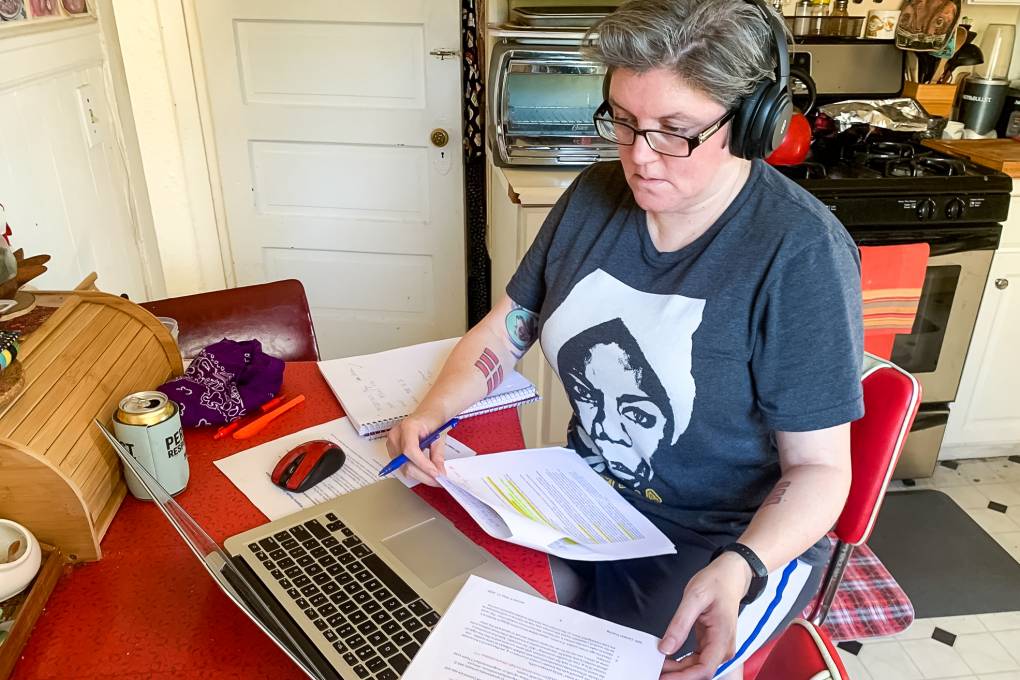
"caption": "San Francisco librarian Lisa Fagundes was redeployed in the early days of the pandemic to work as a contact tracer. ",
"description": null,
"title": "Fagundes 1_Edited",
"credit": "Courtesy Jasmin Serim",
"status": "inherit",
"altTag": null,
"isLoading": false,
"fetchFailed": false
},
"news_11821550": {
"type": "attachments",
"id": "news_11821550",
"meta": {
"index": "attachments_1716263798",
"site": "news",
"id": "11821550",
"found": true
},
"parent": 11821115,
"imgSizes": {
"apple_news_ca_landscape_5_5": {
"file": "https://ww2.kqed.org/app/uploads/sites/10/2020/05/IMG_20200504_152545-1044x783.jpg",
"width": 1044,
"mimeType": "image/jpeg",
"height": 783
},
"apple_news_ca_square_4_0": {
"file": "https://ww2.kqed.org/app/uploads/sites/10/2020/05/IMG_20200504_152545-470x470.jpg",
"width": 470,
"mimeType": "image/jpeg",
"height": 470
},
"twentyfourteen-full-width": {
"file": "https://ww2.kqed.org/app/uploads/sites/10/2020/05/IMG_20200504_152545-1038x576.jpg",
"width": 1038,
"mimeType": "image/jpeg",
"height": 576
},
"thumbnail": {
"file": "https://ww2.kqed.org/app/uploads/sites/10/2020/05/IMG_20200504_152545-160x90.jpg",
"width": 160,
"mimeType": "image/jpeg",
"height": 90
},
"post-thumbnail": {
"file": "https://ww2.kqed.org/app/uploads/sites/10/2020/05/IMG_20200504_152545-672x372.jpg",
"width": 672,
"mimeType": "image/jpeg",
"height": 372
},
"kqedFullSize": {
"file": "https://ww2.kqed.org/app/uploads/sites/10/2020/05/IMG_20200504_152545.jpg",
"width": 3328,
"height": 1872
},
"apple_news_ca_landscape_4_7": {
"file": "https://ww2.kqed.org/app/uploads/sites/10/2020/05/IMG_20200504_152545-632x474.jpg",
"width": 632,
"mimeType": "image/jpeg",
"height": 474
},
"large": {
"file": "https://ww2.kqed.org/app/uploads/sites/10/2020/05/IMG_20200504_152545-1020x574.jpg",
"width": 1020,
"mimeType": "image/jpeg",
"height": 574
},
"apple_news_ca_landscape_4_0": {
"file": "https://ww2.kqed.org/app/uploads/sites/10/2020/05/IMG_20200504_152545-536x402.jpg",
"width": 536,
"mimeType": "image/jpeg",
"height": 402
},
"apple_news_ca_portrait_12_9": {
"file": "https://ww2.kqed.org/app/uploads/sites/10/2020/05/IMG_20200504_152545-1122x1496.jpg",
"width": 1122,
"mimeType": "image/jpeg",
"height": 1496
},
"medium": {
"file": "https://ww2.kqed.org/app/uploads/sites/10/2020/05/IMG_20200504_152545-800x450.jpg",
"width": 800,
"mimeType": "image/jpeg",
"height": 450
},
"apple_news_ca_portrait_4_0": {
"file": "https://ww2.kqed.org/app/uploads/sites/10/2020/05/IMG_20200504_152545-354x472.jpg",
"width": 354,
"mimeType": "image/jpeg",
"height": 472
},
"apple_news_ca_portrait_9_7": {
"file": "https://ww2.kqed.org/app/uploads/sites/10/2020/05/IMG_20200504_152545-840x1120.jpg",
"width": 840,
"mimeType": "image/jpeg",
"height": 1120
},
"apple_news_ca_landscape_12_9": {
"file": "https://ww2.kqed.org/app/uploads/sites/10/2020/05/IMG_20200504_152545-1832x1374.jpg",
"width": 1832,
"mimeType": "image/jpeg",
"height": 1374
},
"apple_news_ca_square_9_7": {
"file": "https://ww2.kqed.org/app/uploads/sites/10/2020/05/IMG_20200504_152545-1104x1104.jpg",
"width": 1104,
"mimeType": "image/jpeg",
"height": 1104
},
"apple_news_ca_portrait_4_7": {
"file": "https://ww2.kqed.org/app/uploads/sites/10/2020/05/IMG_20200504_152545-414x552.jpg",
"width": 414,
"mimeType": "image/jpeg",
"height": 552
},
"apple_news_ca_square_12_9": {
"file": "https://ww2.kqed.org/app/uploads/sites/10/2020/05/IMG_20200504_152545-1472x1472.jpg",
"width": 1472,
"mimeType": "image/jpeg",
"height": 1472
},
"apple_news_ca_portrait_5_5": {
"file": "https://ww2.kqed.org/app/uploads/sites/10/2020/05/IMG_20200504_152545-687x916.jpg",
"width": 687,
"mimeType": "image/jpeg",
"height": 916
},
"full-width": {
"file": "https://ww2.kqed.org/app/uploads/sites/10/2020/05/IMG_20200504_152545-1920x1080.jpg",
"width": 1920,
"mimeType": "image/jpeg",
"height": 1080
},
"apple_news_ca_square_4_7": {
"file": "https://ww2.kqed.org/app/uploads/sites/10/2020/05/IMG_20200504_152545-550x550.jpg",
"width": 550,
"mimeType": "image/jpeg",
"height": 550
},
"apple_news_ca_landscape_9_7": {
"file": "https://ww2.kqed.org/app/uploads/sites/10/2020/05/IMG_20200504_152545-1376x1032.jpg",
"width": 1376,
"mimeType": "image/jpeg",
"height": 1032
},
"apple_news_ca_square_5_5": {
"file": "https://ww2.kqed.org/app/uploads/sites/10/2020/05/IMG_20200504_152545-912x912.jpg",
"width": 912,
"mimeType": "image/jpeg",
"height": 912
}
},
"publishDate": 1590708294,
"modified": 1590798822,
"caption": "A UCSF doctor and nurse outside a coronavirus patient's room at a motel outside of Gallup, New Mexico. ",
"description": "A UCSF doctor and nurse outside a coronavirus patient's room at a motel outside of Gallup, New Mexico. ",
"title": "IMG_20200504_152545",
"credit": "Aylin, Ulku",
"status": "inherit",
"isLoading": false,
"fetchFailed": false
},
"news_11821928": {
"type": "attachments",
"id": "news_11821928",
"meta": {
"index": "attachments_1716263798",
"site": "news",
"id": "11821928",
"found": true
},
"parent": 11821015,
"imgSizes": {
"apple_news_ca_landscape_5_5": {
"file": "https://ww2.kqed.org/app/uploads/sites/10/2020/05/1920_RS43348_IMG_0093-qut-1044x783.jpg",
"width": 1044,
"mimeType": "image/jpeg",
"height": 783
},
"apple_news_ca_square_4_0": {
"file": "https://ww2.kqed.org/app/uploads/sites/10/2020/05/1920_RS43348_IMG_0093-qut-470x470.jpg",
"width": 470,
"mimeType": "image/jpeg",
"height": 470
},
"twentyfourteen-full-width": {
"file": "https://ww2.kqed.org/app/uploads/sites/10/2020/05/1920_RS43348_IMG_0093-qut-1038x576.jpg",
"width": 1038,
"mimeType": "image/jpeg",
"height": 576
},
"thumbnail": {
"file": "https://ww2.kqed.org/app/uploads/sites/10/2020/05/1920_RS43348_IMG_0093-qut-160x90.jpg",
"width": 160,
"mimeType": "image/jpeg",
"height": 90
},
"post-thumbnail": {
"file": "https://ww2.kqed.org/app/uploads/sites/10/2020/05/1920_RS43348_IMG_0093-qut-672x372.jpg",
"width": 672,
"mimeType": "image/jpeg",
"height": 372
},
"kqedFullSize": {
"file": "https://ww2.kqed.org/app/uploads/sites/10/2020/05/1920_RS43348_IMG_0093-qut.jpg",
"width": 1920,
"height": 1080
},
"apple_news_ca_landscape_4_7": {
"file": "https://ww2.kqed.org/app/uploads/sites/10/2020/05/1920_RS43348_IMG_0093-qut-632x474.jpg",
"width": 632,
"mimeType": "image/jpeg",
"height": 474
},
"large": {
"file": "https://ww2.kqed.org/app/uploads/sites/10/2020/05/1920_RS43348_IMG_0093-qut-1020x574.jpg",
"width": 1020,
"mimeType": "image/jpeg",
"height": 574
},
"apple_news_ca_landscape_4_0": {
"file": "https://ww2.kqed.org/app/uploads/sites/10/2020/05/1920_RS43348_IMG_0093-qut-536x402.jpg",
"width": 536,
"mimeType": "image/jpeg",
"height": 402
},
"apple_news_ca_portrait_12_9": {
"file": "https://ww2.kqed.org/app/uploads/sites/10/2020/05/1920_RS43348_IMG_0093-qut-1122x1080.jpg",
"width": 1122,
"mimeType": "image/jpeg",
"height": 1080
},
"medium": {
"file": "https://ww2.kqed.org/app/uploads/sites/10/2020/05/1920_RS43348_IMG_0093-qut-800x450.jpg",
"width": 800,
"mimeType": "image/jpeg",
"height": 450
},
"apple_news_ca_portrait_4_0": {
"file": "https://ww2.kqed.org/app/uploads/sites/10/2020/05/1920_RS43348_IMG_0093-qut-354x472.jpg",
"width": 354,
"mimeType": "image/jpeg",
"height": 472
},
"apple_news_ca_portrait_9_7": {
"file": "https://ww2.kqed.org/app/uploads/sites/10/2020/05/1920_RS43348_IMG_0093-qut-840x1080.jpg",
"width": 840,
"mimeType": "image/jpeg",
"height": 1080
},
"apple_news_ca_landscape_12_9": {
"file": "https://ww2.kqed.org/app/uploads/sites/10/2020/05/1920_RS43348_IMG_0093-qut-1832x1080.jpg",
"width": 1832,
"mimeType": "image/jpeg",
"height": 1080
},
"apple_news_ca_square_9_7": {
"file": "https://ww2.kqed.org/app/uploads/sites/10/2020/05/1920_RS43348_IMG_0093-qut-1104x1080.jpg",
"width": 1104,
"mimeType": "image/jpeg",
"height": 1080
},
"apple_news_ca_portrait_4_7": {
"file": "https://ww2.kqed.org/app/uploads/sites/10/2020/05/1920_RS43348_IMG_0093-qut-414x552.jpg",
"width": 414,
"mimeType": "image/jpeg",
"height": 552
},
"apple_news_ca_square_12_9": {
"file": "https://ww2.kqed.org/app/uploads/sites/10/2020/05/1920_RS43348_IMG_0093-qut-1472x1080.jpg",
"width": 1472,
"mimeType": "image/jpeg",
"height": 1080
},
"apple_news_ca_portrait_5_5": {
"file": "https://ww2.kqed.org/app/uploads/sites/10/2020/05/1920_RS43348_IMG_0093-qut-687x916.jpg",
"width": 687,
"mimeType": "image/jpeg",
"height": 916
},
"full-width": {
"file": "https://ww2.kqed.org/app/uploads/sites/10/2020/05/1920_RS43348_IMG_0093-qut-1920x1080.jpg",
"width": 1920,
"mimeType": "image/jpeg",
"height": 1080
},
"apple_news_ca_square_4_7": {
"file": "https://ww2.kqed.org/app/uploads/sites/10/2020/05/1920_RS43348_IMG_0093-qut-550x550.jpg",
"width": 550,
"mimeType": "image/jpeg",
"height": 550
},
"apple_news_ca_landscape_9_7": {
"file": "https://ww2.kqed.org/app/uploads/sites/10/2020/05/1920_RS43348_IMG_0093-qut-1376x1032.jpg",
"width": 1376,
"mimeType": "image/jpeg",
"height": 1032
},
"apple_news_ca_square_5_5": {
"file": "https://ww2.kqed.org/app/uploads/sites/10/2020/05/1920_RS43348_IMG_0093-qut-912x912.jpg",
"width": 912,
"mimeType": "image/jpeg",
"height": 912
}
},
"publishDate": 1590858005,
"modified": 1590858062,
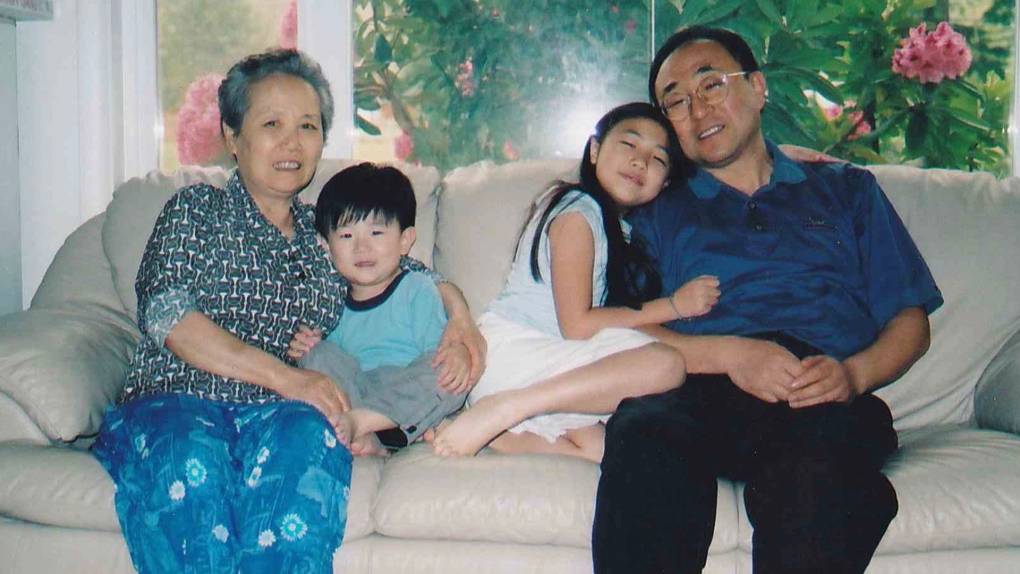
"caption": "Hannah Hein Kim with her brother Joseph Jaein Kim, grandmother Soon Sun Kim, and father Chul Jik Kim.",
"description": null,
"title": "1920_RS43348_IMG_0093-qut",
"credit": "Courtesy of Hannah Haein Kim",
"status": "inherit",
"isLoading": false,
"fetchFailed": false
},
"news_11821672": {
"type": "attachments",
"id": "news_11821672",
"meta": {
"index": "attachments_1716263798",
"site": "news",
"id": "11821672",
"found": true
},
"parent": 11821589,
"imgSizes": {
"apple_news_ca_landscape_5_5": {
"file": "https://ww2.kqed.org/app/uploads/sites/10/2020/05/sq3_v2-1044x783.jpg",
"width": 1044,
"mimeType": "image/jpeg",
"height": 783
},
"apple_news_ca_square_4_0": {
"file": "https://ww2.kqed.org/app/uploads/sites/10/2020/05/sq3_v2-470x470.jpg",
"width": 470,
"mimeType": "image/jpeg",
"height": 470
},
"twentyfourteen-full-width": {
"file": "https://ww2.kqed.org/app/uploads/sites/10/2020/05/sq3_v2-1038x576.jpg",
"width": 1038,
"mimeType": "image/jpeg",
"height": 576
},
"thumbnail": {
"file": "https://ww2.kqed.org/app/uploads/sites/10/2020/05/sq3_v2-160x90.jpg",
"width": 160,
"mimeType": "image/jpeg",
"height": 90
},
"post-thumbnail": {
"file": "https://ww2.kqed.org/app/uploads/sites/10/2020/05/sq3_v2-672x372.jpg",
"width": 672,
"mimeType": "image/jpeg",
"height": 372
},
"kqedFullSize": {
"file": "https://ww2.kqed.org/app/uploads/sites/10/2020/05/sq3_v2.jpg",
"width": 1920,
"height": 1080
},
"apple_news_ca_landscape_4_7": {
"file": "https://ww2.kqed.org/app/uploads/sites/10/2020/05/sq3_v2-632x474.jpg",
"width": 632,
"mimeType": "image/jpeg",
"height": 474
},
"large": {
"file": "https://ww2.kqed.org/app/uploads/sites/10/2020/05/sq3_v2-1020x574.jpg",
"width": 1020,
"mimeType": "image/jpeg",
"height": 574
},
"apple_news_ca_landscape_4_0": {
"file": "https://ww2.kqed.org/app/uploads/sites/10/2020/05/sq3_v2-536x402.jpg",
"width": 536,
"mimeType": "image/jpeg",
"height": 402
},
"apple_news_ca_portrait_12_9": {
"file": "https://ww2.kqed.org/app/uploads/sites/10/2020/05/sq3_v2-1122x1080.jpg",
"width": 1122,
"mimeType": "image/jpeg",
"height": 1080
},
"medium": {
"file": "https://ww2.kqed.org/app/uploads/sites/10/2020/05/sq3_v2-800x450.jpg",
"width": 800,
"mimeType": "image/jpeg",
"height": 450
},
"apple_news_ca_portrait_4_0": {
"file": "https://ww2.kqed.org/app/uploads/sites/10/2020/05/sq3_v2-354x472.jpg",
"width": 354,
"mimeType": "image/jpeg",
"height": 472
},
"apple_news_ca_portrait_9_7": {
"file": "https://ww2.kqed.org/app/uploads/sites/10/2020/05/sq3_v2-840x1080.jpg",
"width": 840,
"mimeType": "image/jpeg",
"height": 1080
},
"apple_news_ca_landscape_12_9": {
"file": "https://ww2.kqed.org/app/uploads/sites/10/2020/05/sq3_v2-1832x1080.jpg",
"width": 1832,
"mimeType": "image/jpeg",
"height": 1080
},
"apple_news_ca_square_9_7": {
"file": "https://ww2.kqed.org/app/uploads/sites/10/2020/05/sq3_v2-1104x1080.jpg",
"width": 1104,
"mimeType": "image/jpeg",
"height": 1080
},
"apple_news_ca_portrait_4_7": {
"file": "https://ww2.kqed.org/app/uploads/sites/10/2020/05/sq3_v2-414x552.jpg",
"width": 414,
"mimeType": "image/jpeg",
"height": 552
},
"apple_news_ca_square_12_9": {
"file": "https://ww2.kqed.org/app/uploads/sites/10/2020/05/sq3_v2-1472x1080.jpg",
"width": 1472,
"mimeType": "image/jpeg",
"height": 1080
},
"apple_news_ca_portrait_5_5": {
"file": "https://ww2.kqed.org/app/uploads/sites/10/2020/05/sq3_v2-687x916.jpg",
"width": 687,
"mimeType": "image/jpeg",
"height": 916
},
"full-width": {
"file": "https://ww2.kqed.org/app/uploads/sites/10/2020/05/sq3_v2-1920x1080.jpg",
"width": 1920,
"mimeType": "image/jpeg",
"height": 1080
},
"apple_news_ca_square_4_7": {
"file": "https://ww2.kqed.org/app/uploads/sites/10/2020/05/sq3_v2-550x550.jpg",
"width": 550,
"mimeType": "image/jpeg",
"height": 550
},
"apple_news_ca_landscape_9_7": {
"file": "https://ww2.kqed.org/app/uploads/sites/10/2020/05/sq3_v2-1376x1032.jpg",
"width": 1376,
"mimeType": "image/jpeg",
"height": 1032
},
"apple_news_ca_square_5_5": {
"file": "https://ww2.kqed.org/app/uploads/sites/10/2020/05/sq3_v2-912x912.jpg",
"width": 912,
"mimeType": "image/jpeg",
"height": 912
}
},
"publishDate": 1590777532,
"modified": 1597843658,
"caption": null,
"description": "Prisoners inside a cell block at San Quentin State Prison in 2012.",
"title": "San Quentin cell block",
"credit": "Monica Lam/CIR/KQED",
"status": "inherit",
"isLoading": false,
"fetchFailed": false
},
"news_11821638": {
"type": "attachments",
"id": "news_11821638",
"meta": {
"index": "attachments_1716263798",
"site": "news",
"id": "11821638",
"found": true
},
"parent": 11821421,
"imgSizes": {
"apple_news_ca_landscape_5_5": {
"file": "https://ww2.kqed.org/app/uploads/sites/10/2020/05/illo4-2-1044x783.jpg",
"width": 1044,
"mimeType": "image/jpeg",
"height": 783
},
"apple_news_ca_square_4_0": {
"file": "https://ww2.kqed.org/app/uploads/sites/10/2020/05/illo4-2-470x470.jpg",
"width": 470,
"mimeType": "image/jpeg",
"height": 470
},
"twentyfourteen-full-width": {
"file": "https://ww2.kqed.org/app/uploads/sites/10/2020/05/illo4-2-1038x576.jpg",
"width": 1038,
"mimeType": "image/jpeg",
"height": 576
},
"thumbnail": {
"file": "https://ww2.kqed.org/app/uploads/sites/10/2020/05/illo4-2-160x100.jpg",
"width": 160,
"mimeType": "image/jpeg",
"height": 100
},
"post-thumbnail": {
"file": "https://ww2.kqed.org/app/uploads/sites/10/2020/05/illo4-2-672x372.jpg",
"width": 672,
"mimeType": "image/jpeg",
"height": 372
},
"kqedFullSize": {
"file": "https://ww2.kqed.org/app/uploads/sites/10/2020/05/illo4-2-e1590768933509.jpg",
"width": 1919,
"height": 1199
},
"apple_news_ca_landscape_4_7": {
"file": "https://ww2.kqed.org/app/uploads/sites/10/2020/05/illo4-2-632x474.jpg",
"width": 632,
"mimeType": "image/jpeg",
"height": 474
},
"large": {
"file": "https://ww2.kqed.org/app/uploads/sites/10/2020/05/illo4-2-1020x638.jpg",
"width": 1020,
"mimeType": "image/jpeg",
"height": 638
},
"apple_news_ca_landscape_4_0": {
"file": "https://ww2.kqed.org/app/uploads/sites/10/2020/05/illo4-2-536x402.jpg",
"width": 536,
"mimeType": "image/jpeg",
"height": 402
},
"apple_news_ca_portrait_12_9": {
"file": "https://ww2.kqed.org/app/uploads/sites/10/2020/05/illo4-2-1122x1200.jpg",
"width": 1122,
"mimeType": "image/jpeg",
"height": 1200
},
"medium": {
"file": "https://ww2.kqed.org/app/uploads/sites/10/2020/05/illo4-2-800x500.jpg",
"width": 800,
"mimeType": "image/jpeg",
"height": 500
},
"apple_news_ca_portrait_4_0": {
"file": "https://ww2.kqed.org/app/uploads/sites/10/2020/05/illo4-2-354x472.jpg",
"width": 354,
"mimeType": "image/jpeg",
"height": 472
},
"apple_news_ca_portrait_9_7": {
"file": "https://ww2.kqed.org/app/uploads/sites/10/2020/05/illo4-2-840x1120.jpg",
"width": 840,
"mimeType": "image/jpeg",
"height": 1120
},
"apple_news_ca_landscape_12_9": {
"file": "https://ww2.kqed.org/app/uploads/sites/10/2020/05/illo4-2-1832x1200.jpg",
"width": 1832,
"mimeType": "image/jpeg",
"height": 1200
},
"apple_news_ca_square_9_7": {
"file": "https://ww2.kqed.org/app/uploads/sites/10/2020/05/illo4-2-1104x1104.jpg",
"width": 1104,
"mimeType": "image/jpeg",
"height": 1104
},
"apple_news_ca_portrait_4_7": {
"file": "https://ww2.kqed.org/app/uploads/sites/10/2020/05/illo4-2-414x552.jpg",
"width": 414,
"mimeType": "image/jpeg",
"height": 552
},
"apple_news_ca_square_12_9": {
"file": "https://ww2.kqed.org/app/uploads/sites/10/2020/05/illo4-2-1472x1200.jpg",
"width": 1472,
"mimeType": "image/jpeg",
"height": 1200
},
"apple_news_ca_portrait_5_5": {
"file": "https://ww2.kqed.org/app/uploads/sites/10/2020/05/illo4-2-687x916.jpg",
"width": 687,
"mimeType": "image/jpeg",
"height": 916
},
"full-width": {
"file": "https://ww2.kqed.org/app/uploads/sites/10/2020/05/illo4-2-1920x1200.jpg",
"width": 1920,
"mimeType": "image/jpeg",
"height": 1200
},
"apple_news_ca_square_4_7": {
"file": "https://ww2.kqed.org/app/uploads/sites/10/2020/05/illo4-2-550x550.jpg",
"width": 550,
"mimeType": "image/jpeg",
"height": 550
},
"apple_news_ca_landscape_9_7": {
"file": "https://ww2.kqed.org/app/uploads/sites/10/2020/05/illo4-2-1376x1032.jpg",
"width": 1376,
"mimeType": "image/jpeg",
"height": 1032
},
"apple_news_ca_square_5_5": {
"file": "https://ww2.kqed.org/app/uploads/sites/10/2020/05/illo4-2-912x912.jpg",
"width": 912,
"mimeType": "image/jpeg",
"height": 912
}
},
"publishDate": 1590768895,
"modified": 1590768925,
"caption": null,
"description": null,
"title": "illo4-2",
"credit": "Anna Vignet/KQED",
"status": "inherit",
"isLoading": false,
"fetchFailed": false
},
"news_11821621": {
"type": "attachments",
"id": "news_11821621",
"meta": {
"index": "attachments_1716263798",
"site": "news",
"id": "11821621",
"found": true
},
"parent": 11821587,
"imgSizes": {
"apple_news_ca_landscape_5_5": {
"file": "https://ww2.kqed.org/app/uploads/sites/10/2020/05/1920_Sonoma-1044x783.jpg",
"width": 1044,
"mimeType": "image/jpeg",
"height": 783
},
"apple_news_ca_square_4_0": {
"file": "https://ww2.kqed.org/app/uploads/sites/10/2020/05/1920_Sonoma-470x470.jpg",
"width": 470,
"mimeType": "image/jpeg",
"height": 470
},
"twentyfourteen-full-width": {
"file": "https://ww2.kqed.org/app/uploads/sites/10/2020/05/1920_Sonoma-1038x576.jpg",
"width": 1038,
"mimeType": "image/jpeg",
"height": 576
},
"thumbnail": {
"file": "https://ww2.kqed.org/app/uploads/sites/10/2020/05/1920_Sonoma-160x90.jpg",
"width": 160,
"mimeType": "image/jpeg",
"height": 90
},
"post-thumbnail": {
"file": "https://ww2.kqed.org/app/uploads/sites/10/2020/05/1920_Sonoma-672x372.jpg",
"width": 672,
"mimeType": "image/jpeg",
"height": 372
},
"kqedFullSize": {
"file": "https://ww2.kqed.org/app/uploads/sites/10/2020/05/1920_Sonoma.jpg",
"width": 1920,
"height": 1080
},
"apple_news_ca_landscape_4_7": {
"file": "https://ww2.kqed.org/app/uploads/sites/10/2020/05/1920_Sonoma-632x474.jpg",
"width": 632,
"mimeType": "image/jpeg",
"height": 474
},
"large": {
"file": "https://ww2.kqed.org/app/uploads/sites/10/2020/05/1920_Sonoma-1020x574.jpg",
"width": 1020,
"mimeType": "image/jpeg",
"height": 574
},
"apple_news_ca_landscape_4_0": {
"file": "https://ww2.kqed.org/app/uploads/sites/10/2020/05/1920_Sonoma-536x402.jpg",
"width": 536,
"mimeType": "image/jpeg",
"height": 402
},
"apple_news_ca_portrait_12_9": {
"file": "https://ww2.kqed.org/app/uploads/sites/10/2020/05/1920_Sonoma-1122x1080.jpg",
"width": 1122,
"mimeType": "image/jpeg",
"height": 1080
},
"medium": {
"file": "https://ww2.kqed.org/app/uploads/sites/10/2020/05/1920_Sonoma-800x450.jpg",
"width": 800,
"mimeType": "image/jpeg",
"height": 450
},
"apple_news_ca_portrait_4_0": {
"file": "https://ww2.kqed.org/app/uploads/sites/10/2020/05/1920_Sonoma-354x472.jpg",
"width": 354,
"mimeType": "image/jpeg",
"height": 472
},
"apple_news_ca_portrait_9_7": {
"file": "https://ww2.kqed.org/app/uploads/sites/10/2020/05/1920_Sonoma-840x1080.jpg",
"width": 840,
"mimeType": "image/jpeg",
"height": 1080
},
"apple_news_ca_landscape_12_9": {
"file": "https://ww2.kqed.org/app/uploads/sites/10/2020/05/1920_Sonoma-1832x1080.jpg",
"width": 1832,
"mimeType": "image/jpeg",
"height": 1080
},
"apple_news_ca_square_9_7": {
"file": "https://ww2.kqed.org/app/uploads/sites/10/2020/05/1920_Sonoma-1104x1080.jpg",
"width": 1104,
"mimeType": "image/jpeg",
"height": 1080
},
"apple_news_ca_portrait_4_7": {
"file": "https://ww2.kqed.org/app/uploads/sites/10/2020/05/1920_Sonoma-414x552.jpg",
"width": 414,
"mimeType": "image/jpeg",
"height": 552
},
"apple_news_ca_square_12_9": {
"file": "https://ww2.kqed.org/app/uploads/sites/10/2020/05/1920_Sonoma-1472x1080.jpg",
"width": 1472,
"mimeType": "image/jpeg",
"height": 1080
},
"apple_news_ca_portrait_5_5": {
"file": "https://ww2.kqed.org/app/uploads/sites/10/2020/05/1920_Sonoma-687x916.jpg",
"width": 687,
"mimeType": "image/jpeg",
"height": 916
},
"full-width": {
"file": "https://ww2.kqed.org/app/uploads/sites/10/2020/05/1920_Sonoma-1920x1080.jpg",
"width": 1920,
"mimeType": "image/jpeg",
"height": 1080
},
"apple_news_ca_square_4_7": {
"file": "https://ww2.kqed.org/app/uploads/sites/10/2020/05/1920_Sonoma-550x550.jpg",
"width": 550,
"mimeType": "image/jpeg",
"height": 550
},
"apple_news_ca_landscape_9_7": {
"file": "https://ww2.kqed.org/app/uploads/sites/10/2020/05/1920_Sonoma-1376x1032.jpg",
"width": 1376,
"mimeType": "image/jpeg",
"height": 1032
},
"apple_news_ca_square_5_5": {
"file": "https://ww2.kqed.org/app/uploads/sites/10/2020/05/1920_Sonoma-912x912.jpg",
"width": 912,
"mimeType": "image/jpeg",
"height": 912
}
},
"publishDate": 1590719845,
"modified": 1590719965,
"caption": "A supermarket in Sonoma County. ",
"description": null,
"title": "1920_Sonoma",
"credit": "Gabe Meline/KQED",
"status": "inherit",
"isLoading": false,
"fetchFailed": false
},
"news_11821498": {
"type": "attachments",
"id": "news_11821498",
"meta": {
"index": "attachments_1716263798",
"site": "news",
"id": "11821498",
"found": true
},
"parent": 11821389,
"imgSizes": {
"apple_news_ca_square_4_0": {
"file": "https://ww2.kqed.org/app/uploads/sites/10/2020/05/GettyImages-1207190140-470x470.jpg",
"width": 470,
"mimeType": "image/jpeg",
"height": 470
},
"twentyfourteen-full-width": {
"file": "https://ww2.kqed.org/app/uploads/sites/10/2020/05/GettyImages-1207190140-1024x576.jpg",
"width": 1024,
"mimeType": "image/jpeg",
"height": 576
},
"thumbnail": {
"file": "https://ww2.kqed.org/app/uploads/sites/10/2020/05/GettyImages-1207190140-160x105.jpg",
"width": 160,
"mimeType": "image/jpeg",
"height": 105
},
"post-thumbnail": {
"file": "https://ww2.kqed.org/app/uploads/sites/10/2020/05/GettyImages-1207190140-672x372.jpg",
"width": 672,
"mimeType": "image/jpeg",
"height": 372
},
"kqedFullSize": {
"file": "https://ww2.kqed.org/app/uploads/sites/10/2020/05/GettyImages-1207190140.jpg",
"width": 1024,
"height": 675
},
"apple_news_ca_landscape_4_7": {
"file": "https://ww2.kqed.org/app/uploads/sites/10/2020/05/GettyImages-1207190140-632x474.jpg",
"width": 632,
"mimeType": "image/jpeg",
"height": 474
},
"large": {
"file": "https://ww2.kqed.org/app/uploads/sites/10/2020/05/GettyImages-1207190140-1020x672.jpg",
"width": 1020,
"mimeType": "image/jpeg",
"height": 672
},
"apple_news_ca_landscape_4_0": {
"file": "https://ww2.kqed.org/app/uploads/sites/10/2020/05/GettyImages-1207190140-536x402.jpg",
"width": 536,
"mimeType": "image/jpeg",
"height": 402
},
"medium": {
"file": "https://ww2.kqed.org/app/uploads/sites/10/2020/05/GettyImages-1207190140-800x527.jpg",
"width": 800,
"mimeType": "image/jpeg",
"height": 527
},
"apple_news_ca_portrait_4_0": {
"file": "https://ww2.kqed.org/app/uploads/sites/10/2020/05/GettyImages-1207190140-354x472.jpg",
"width": 354,
"mimeType": "image/jpeg",
"height": 472
},
"apple_news_ca_portrait_9_7": {
"file": "https://ww2.kqed.org/app/uploads/sites/10/2020/05/GettyImages-1207190140-840x675.jpg",
"width": 840,
"mimeType": "image/jpeg",
"height": 675
},
"apple_news_ca_portrait_4_7": {
"file": "https://ww2.kqed.org/app/uploads/sites/10/2020/05/GettyImages-1207190140-414x552.jpg",
"width": 414,
"mimeType": "image/jpeg",
"height": 552
},
"apple_news_ca_portrait_5_5": {
"file": "https://ww2.kqed.org/app/uploads/sites/10/2020/05/GettyImages-1207190140-687x675.jpg",
"width": 687,
"mimeType": "image/jpeg",
"height": 675
},
"apple_news_ca_square_4_7": {
"file": "https://ww2.kqed.org/app/uploads/sites/10/2020/05/GettyImages-1207190140-550x550.jpg",
"width": 550,
"mimeType": "image/jpeg",
"height": 550
},
"apple_news_ca_square_5_5": {
"file": "https://ww2.kqed.org/app/uploads/sites/10/2020/05/GettyImages-1207190140-912x675.jpg",
"width": 912,
"mimeType": "image/jpeg",
"height": 675
}
},
"publishDate": 1590702503,
"modified": 1590702555,
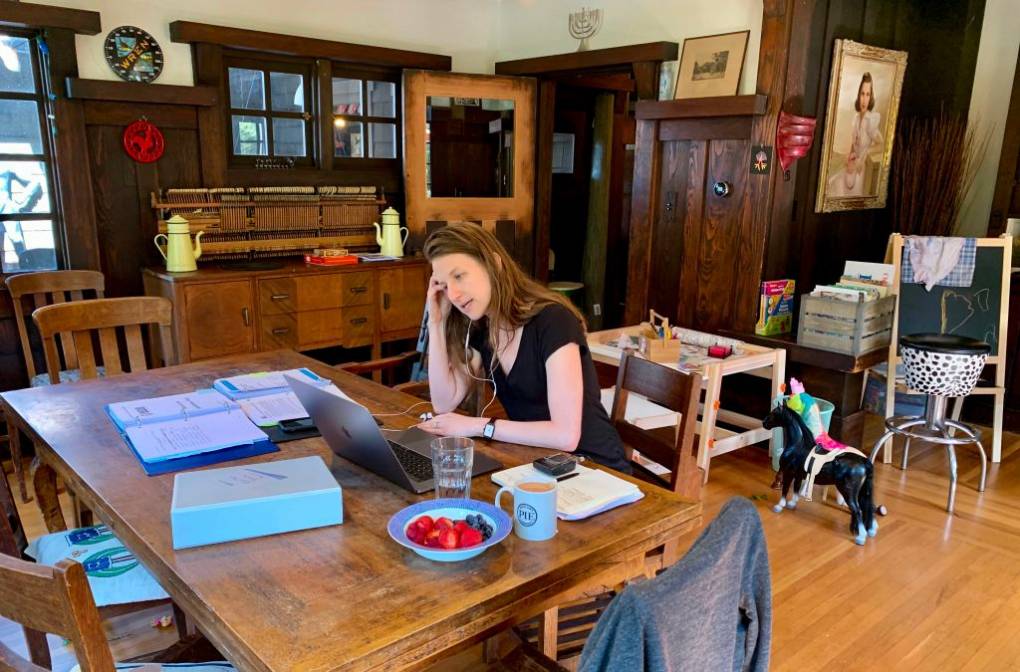
"caption": "Martha Lackritz-Peltier, an attorney at TechSoup, talks to one of her colleagues over the phone while working from her living room in Oakland on March 12, 2020.",
"description": null,
"title": "US-HEALTH-VIRUS-LIFESTYLE-IT",
"credit": "Julie Jammot/AFP via Getty Images",
"status": "inherit",
"isLoading": false,
"fetchFailed": false
},
"news_11821465": {
"type": "attachments",
"id": "news_11821465",
"meta": {
"index": "attachments_1716263798",
"site": "news",
"id": "11821465",
"found": true
},
"parent": 11821339,
"imgSizes": {
"apple_news_ca_landscape_5_5": {
"file": "https://ww2.kqed.org/app/uploads/sites/10/2020/05/GettyImages-1214738416_1920x-1044x783.jpg",
"width": 1044,
"mimeType": "image/jpeg",
"height": 783
},
"apple_news_ca_square_4_0": {
"file": "https://ww2.kqed.org/app/uploads/sites/10/2020/05/GettyImages-1214738416_1920x-470x470.jpg",
"width": 470,
"mimeType": "image/jpeg",
"height": 470
},
"twentyfourteen-full-width": {
"file": "https://ww2.kqed.org/app/uploads/sites/10/2020/05/GettyImages-1214738416_1920x-1038x576.jpg",
"width": 1038,
"mimeType": "image/jpeg",
"height": 576
},
"thumbnail": {
"file": "https://ww2.kqed.org/app/uploads/sites/10/2020/05/GettyImages-1214738416_1920x-160x107.jpg",
"width": 160,
"mimeType": "image/jpeg",
"height": 107
},
"post-thumbnail": {
"file": "https://ww2.kqed.org/app/uploads/sites/10/2020/05/GettyImages-1214738416_1920x-672x372.jpg",
"width": 672,
"mimeType": "image/jpeg",
"height": 372
},
"kqedFullSize": {
"file": "https://ww2.kqed.org/app/uploads/sites/10/2020/05/GettyImages-1214738416_1920x.jpg",
"width": 1920,
"height": 1285
},
"apple_news_ca_landscape_4_7": {
"file": "https://ww2.kqed.org/app/uploads/sites/10/2020/05/GettyImages-1214738416_1920x-632x474.jpg",
"width": 632,
"mimeType": "image/jpeg",
"height": 474
},
"large": {
"file": "https://ww2.kqed.org/app/uploads/sites/10/2020/05/GettyImages-1214738416_1920x-1020x683.jpg",
"width": 1020,
"mimeType": "image/jpeg",
"height": 683
},
"apple_news_ca_landscape_4_0": {
"file": "https://ww2.kqed.org/app/uploads/sites/10/2020/05/GettyImages-1214738416_1920x-536x402.jpg",
"width": 536,
"mimeType": "image/jpeg",
"height": 402
},
"apple_news_ca_portrait_12_9": {
"file": "https://ww2.kqed.org/app/uploads/sites/10/2020/05/GettyImages-1214738416_1920x-1122x1285.jpg",
"width": 1122,
"mimeType": "image/jpeg",
"height": 1285
},
"medium": {
"file": "https://ww2.kqed.org/app/uploads/sites/10/2020/05/GettyImages-1214738416_1920x-800x535.jpg",
"width": 800,
"mimeType": "image/jpeg",
"height": 535
},
"apple_news_ca_portrait_4_0": {
"file": "https://ww2.kqed.org/app/uploads/sites/10/2020/05/GettyImages-1214738416_1920x-354x472.jpg",
"width": 354,
"mimeType": "image/jpeg",
"height": 472
},
"apple_news_ca_portrait_9_7": {
"file": "https://ww2.kqed.org/app/uploads/sites/10/2020/05/GettyImages-1214738416_1920x-840x1120.jpg",
"width": 840,
"mimeType": "image/jpeg",
"height": 1120
},
"apple_news_ca_landscape_12_9": {
"file": "https://ww2.kqed.org/app/uploads/sites/10/2020/05/GettyImages-1214738416_1920x-1832x1285.jpg",
"width": 1832,
"mimeType": "image/jpeg",
"height": 1285
},
"apple_news_ca_square_9_7": {
"file": "https://ww2.kqed.org/app/uploads/sites/10/2020/05/GettyImages-1214738416_1920x-1104x1104.jpg",
"width": 1104,
"mimeType": "image/jpeg",
"height": 1104
},
"apple_news_ca_portrait_4_7": {
"file": "https://ww2.kqed.org/app/uploads/sites/10/2020/05/GettyImages-1214738416_1920x-414x552.jpg",
"width": 414,
"mimeType": "image/jpeg",
"height": 552
},
"apple_news_ca_square_12_9": {
"file": "https://ww2.kqed.org/app/uploads/sites/10/2020/05/GettyImages-1214738416_1920x-1472x1285.jpg",
"width": 1472,
"mimeType": "image/jpeg",
"height": 1285
},
"apple_news_ca_portrait_5_5": {
"file": "https://ww2.kqed.org/app/uploads/sites/10/2020/05/GettyImages-1214738416_1920x-687x916.jpg",
"width": 687,
"mimeType": "image/jpeg",
"height": 916
},
"full-width": {
"file": "https://ww2.kqed.org/app/uploads/sites/10/2020/05/GettyImages-1214738416_1920x-1920x1285.jpg",
"width": 1920,
"mimeType": "image/jpeg",
"height": 1285
},
"apple_news_ca_square_4_7": {
"file": "https://ww2.kqed.org/app/uploads/sites/10/2020/05/GettyImages-1214738416_1920x-550x550.jpg",
"width": 550,
"mimeType": "image/jpeg",
"height": 550
},
"apple_news_ca_landscape_9_7": {
"file": "https://ww2.kqed.org/app/uploads/sites/10/2020/05/GettyImages-1214738416_1920x-1376x1032.jpg",
"width": 1376,
"mimeType": "image/jpeg",
"height": 1032
},
"apple_news_ca_square_5_5": {
"file": "https://ww2.kqed.org/app/uploads/sites/10/2020/05/GettyImages-1214738416_1920x-912x912.jpg",
"width": 912,
"mimeType": "image/jpeg",
"height": 912
}
},
"publishDate": 1590699902,
"modified": 1590704634,
"caption": "People gather inside painted circles on the grass meant to encourage social distancing at Dolores Park in San Francisco on May 22, 2020.",
"description": "People gather inside painted circles on the grass meant to encourage social distancing at Dolores Park on May 22.",
"title": "US-HEALTH-VIRUS",
"credit": "Josh Edelson/AFP via Getty Images",
"status": "inherit",
"isLoading": false,
"fetchFailed": false
},
"news_11821293": {
"type": "attachments",
"id": "news_11821293",
"meta": {
"index": "attachments_1716263798",
"site": "news",
"id": "11821293",
"found": true
},
"parent": 11821292,
"imgSizes": {
"apple_news_ca_landscape_5_5": {
"file": "https://ww2.kqed.org/app/uploads/sites/10/2020/05/RS43406_GettyImages-1218434229-qut-1044x783.jpg",
"width": 1044,
"mimeType": "image/jpeg",
"height": 783
},
"apple_news_ca_square_4_0": {
"file": "https://ww2.kqed.org/app/uploads/sites/10/2020/05/RS43406_GettyImages-1218434229-qut-470x470.jpg",
"width": 470,
"mimeType": "image/jpeg",
"height": 470
},
"twentyfourteen-full-width": {
"file": "https://ww2.kqed.org/app/uploads/sites/10/2020/05/RS43406_GettyImages-1218434229-qut-1038x576.jpg",
"width": 1038,
"mimeType": "image/jpeg",
"height": 576
},
"thumbnail": {
"file": "https://ww2.kqed.org/app/uploads/sites/10/2020/05/RS43406_GettyImages-1218434229-qut-160x107.jpg",
"width": 160,
"mimeType": "image/jpeg",
"height": 107
},
"post-thumbnail": {
"file": "https://ww2.kqed.org/app/uploads/sites/10/2020/05/RS43406_GettyImages-1218434229-qut-672x372.jpg",
"width": 672,
"mimeType": "image/jpeg",
"height": 372
},
"kqedFullSize": {
"file": "https://ww2.kqed.org/app/uploads/sites/10/2020/05/RS43406_GettyImages-1218434229-qut.jpg",
"width": 1920,
"height": 1280
},
"apple_news_ca_landscape_4_7": {
"file": "https://ww2.kqed.org/app/uploads/sites/10/2020/05/RS43406_GettyImages-1218434229-qut-632x474.jpg",
"width": 632,
"mimeType": "image/jpeg",
"height": 474
},
"large": {
"file": "https://ww2.kqed.org/app/uploads/sites/10/2020/05/RS43406_GettyImages-1218434229-qut-1020x680.jpg",
"width": 1020,
"mimeType": "image/jpeg",
"height": 680
},
"apple_news_ca_landscape_4_0": {
"file": "https://ww2.kqed.org/app/uploads/sites/10/2020/05/RS43406_GettyImages-1218434229-qut-536x402.jpg",
"width": 536,
"mimeType": "image/jpeg",
"height": 402
},
"apple_news_ca_portrait_12_9": {
"file": "https://ww2.kqed.org/app/uploads/sites/10/2020/05/RS43406_GettyImages-1218434229-qut-1122x1280.jpg",
"width": 1122,
"mimeType": "image/jpeg",
"height": 1280
},
"medium": {
"file": "https://ww2.kqed.org/app/uploads/sites/10/2020/05/RS43406_GettyImages-1218434229-qut-800x533.jpg",
"width": 800,
"mimeType": "image/jpeg",
"height": 533
},
"apple_news_ca_portrait_4_0": {
"file": "https://ww2.kqed.org/app/uploads/sites/10/2020/05/RS43406_GettyImages-1218434229-qut-354x472.jpg",
"width": 354,
"mimeType": "image/jpeg",
"height": 472
},
"apple_news_ca_portrait_9_7": {
"file": "https://ww2.kqed.org/app/uploads/sites/10/2020/05/RS43406_GettyImages-1218434229-qut-840x1120.jpg",
"width": 840,
"mimeType": "image/jpeg",
"height": 1120
},
"apple_news_ca_landscape_12_9": {
"file": "https://ww2.kqed.org/app/uploads/sites/10/2020/05/RS43406_GettyImages-1218434229-qut-1832x1280.jpg",
"width": 1832,
"mimeType": "image/jpeg",
"height": 1280
},
"apple_news_ca_square_9_7": {
"file": "https://ww2.kqed.org/app/uploads/sites/10/2020/05/RS43406_GettyImages-1218434229-qut-1104x1104.jpg",
"width": 1104,
"mimeType": "image/jpeg",
"height": 1104
},
"apple_news_ca_portrait_4_7": {
"file": "https://ww2.kqed.org/app/uploads/sites/10/2020/05/RS43406_GettyImages-1218434229-qut-414x552.jpg",
"width": 414,
"mimeType": "image/jpeg",
"height": 552
},
"apple_news_ca_square_12_9": {
"file": "https://ww2.kqed.org/app/uploads/sites/10/2020/05/RS43406_GettyImages-1218434229-qut-1472x1280.jpg",
"width": 1472,
"mimeType": "image/jpeg",
"height": 1280
},
"apple_news_ca_portrait_5_5": {
"file": "https://ww2.kqed.org/app/uploads/sites/10/2020/05/RS43406_GettyImages-1218434229-qut-687x916.jpg",
"width": 687,
"mimeType": "image/jpeg",
"height": 916
},
"full-width": {
"file": "https://ww2.kqed.org/app/uploads/sites/10/2020/05/RS43406_GettyImages-1218434229-qut-1920x1280.jpg",
"width": 1920,
"mimeType": "image/jpeg",
"height": 1280
},
"apple_news_ca_square_4_7": {
"file": "https://ww2.kqed.org/app/uploads/sites/10/2020/05/RS43406_GettyImages-1218434229-qut-550x550.jpg",
"width": 550,
"mimeType": "image/jpeg",
"height": 550
},
"apple_news_ca_landscape_9_7": {
"file": "https://ww2.kqed.org/app/uploads/sites/10/2020/05/RS43406_GettyImages-1218434229-qut-1376x1032.jpg",
"width": 1376,
"mimeType": "image/jpeg",
"height": 1032
},
"apple_news_ca_square_5_5": {
"file": "https://ww2.kqed.org/app/uploads/sites/10/2020/05/RS43406_GettyImages-1218434229-qut-912x912.jpg",
"width": 912,
"mimeType": "image/jpeg",
"height": 912
}
},
"publishDate": 1590635948,
"modified": 1590636714,
"caption": "An empty church parking lot is seen on Easter Sunday during the coronavirus pandemic on April 12, 2020 in Los Angeles, California.",
"description": null,
"title": "Americans Celebrate Easter Sunday As Most Of The Nation Isolates During Coronavirus Pandemic",
"credit": "Matt Winkelmeyer/Getty Images",
"status": "inherit",
"isLoading": false,
"fetchFailed": false
},
"news_11821075": {
"type": "attachments",
"id": "news_11821075",
"meta": {
"index": "attachments_1716263798",
"site": "news",
"id": "11821075",
"found": true
},
"parent": 0,
"imgSizes": {
"apple_news_ca_landscape_5_5": {
"file": "https://ww2.kqed.org/app/uploads/sites/10/2020/05/Operation-HomeBase-Oakland-RV-quarantine-1044x783.jpg",
"width": 1044,
"mimeType": "image/jpeg",
"height": 783
},
"apple_news_ca_square_4_0": {
"file": "https://ww2.kqed.org/app/uploads/sites/10/2020/05/Operation-HomeBase-Oakland-RV-quarantine-470x470.jpg",
"width": 470,
"mimeType": "image/jpeg",
"height": 470
},
"twentyfourteen-full-width": {
"file": "https://ww2.kqed.org/app/uploads/sites/10/2020/05/Operation-HomeBase-Oakland-RV-quarantine-1038x576.jpg",
"width": 1038,
"mimeType": "image/jpeg",
"height": 576
},
"thumbnail": {
"file": "https://ww2.kqed.org/app/uploads/sites/10/2020/05/Operation-HomeBase-Oakland-RV-quarantine-160x106.jpg",
"width": 160,
"mimeType": "image/jpeg",
"height": 106
},
"post-thumbnail": {
"file": "https://ww2.kqed.org/app/uploads/sites/10/2020/05/Operation-HomeBase-Oakland-RV-quarantine-672x372.jpg",
"width": 672,
"mimeType": "image/jpeg",
"height": 372
},
"kqedFullSize": {
"file": "https://ww2.kqed.org/app/uploads/sites/10/2020/05/Operation-HomeBase-Oakland-RV-quarantine.jpg",
"width": 1920,
"height": 1276
},
"apple_news_ca_landscape_4_7": {
"file": "https://ww2.kqed.org/app/uploads/sites/10/2020/05/Operation-HomeBase-Oakland-RV-quarantine-632x474.jpg",
"width": 632,
"mimeType": "image/jpeg",
"height": 474
},
"large": {
"file": "https://ww2.kqed.org/app/uploads/sites/10/2020/05/Operation-HomeBase-Oakland-RV-quarantine-1020x678.jpg",
"width": 1020,
"mimeType": "image/jpeg",
"height": 678
},
"apple_news_ca_landscape_4_0": {
"file": "https://ww2.kqed.org/app/uploads/sites/10/2020/05/Operation-HomeBase-Oakland-RV-quarantine-536x402.jpg",
"width": 536,
"mimeType": "image/jpeg",
"height": 402
},
"apple_news_ca_portrait_12_9": {
"file": "https://ww2.kqed.org/app/uploads/sites/10/2020/05/Operation-HomeBase-Oakland-RV-quarantine-1122x1276.jpg",
"width": 1122,
"mimeType": "image/jpeg",
"height": 1276
},
"medium": {
"file": "https://ww2.kqed.org/app/uploads/sites/10/2020/05/Operation-HomeBase-Oakland-RV-quarantine-800x532.jpg",
"width": 800,
"mimeType": "image/jpeg",
"height": 532
},
"apple_news_ca_portrait_4_0": {
"file": "https://ww2.kqed.org/app/uploads/sites/10/2020/05/Operation-HomeBase-Oakland-RV-quarantine-354x472.jpg",
"width": 354,
"mimeType": "image/jpeg",
"height": 472
},
"apple_news_ca_portrait_9_7": {
"file": "https://ww2.kqed.org/app/uploads/sites/10/2020/05/Operation-HomeBase-Oakland-RV-quarantine-840x1120.jpg",
"width": 840,
"mimeType": "image/jpeg",
"height": 1120
},
"apple_news_ca_landscape_12_9": {
"file": "https://ww2.kqed.org/app/uploads/sites/10/2020/05/Operation-HomeBase-Oakland-RV-quarantine-1832x1276.jpg",
"width": 1832,
"mimeType": "image/jpeg",
"height": 1276
},
"apple_news_ca_square_9_7": {
"file": "https://ww2.kqed.org/app/uploads/sites/10/2020/05/Operation-HomeBase-Oakland-RV-quarantine-1104x1104.jpg",
"width": 1104,
"mimeType": "image/jpeg",
"height": 1104
},
"apple_news_ca_portrait_4_7": {
"file": "https://ww2.kqed.org/app/uploads/sites/10/2020/05/Operation-HomeBase-Oakland-RV-quarantine-414x552.jpg",
"width": 414,
"mimeType": "image/jpeg",
"height": 552
},
"apple_news_ca_square_12_9": {
"file": "https://ww2.kqed.org/app/uploads/sites/10/2020/05/Operation-HomeBase-Oakland-RV-quarantine-1472x1276.jpg",
"width": 1472,
"mimeType": "image/jpeg",
"height": 1276
},
"apple_news_ca_portrait_5_5": {
"file": "https://ww2.kqed.org/app/uploads/sites/10/2020/05/Operation-HomeBase-Oakland-RV-quarantine-687x916.jpg",
"width": 687,
"mimeType": "image/jpeg",
"height": 916
},
"full-width": {
"file": "https://ww2.kqed.org/app/uploads/sites/10/2020/05/Operation-HomeBase-Oakland-RV-quarantine-1920x1276.jpg",
"width": 1920,
"mimeType": "image/jpeg",
"height": 1276
},
"apple_news_ca_square_4_7": {
"file": "https://ww2.kqed.org/app/uploads/sites/10/2020/05/Operation-HomeBase-Oakland-RV-quarantine-550x550.jpg",
"width": 550,
"mimeType": "image/jpeg",
"height": 550
},
"apple_news_ca_landscape_9_7": {
"file": "https://ww2.kqed.org/app/uploads/sites/10/2020/05/Operation-HomeBase-Oakland-RV-quarantine-1376x1032.jpg",
"width": 1376,
"mimeType": "image/jpeg",
"height": 1032
},
"apple_news_ca_square_5_5": {
"file": "https://ww2.kqed.org/app/uploads/sites/10/2020/05/Operation-HomeBase-Oakland-RV-quarantine-912x912.jpg",
"width": 912,
"mimeType": "image/jpeg",
"height": 912
}
},
"publishDate": 1590606699,
"modified": 1590686906,
"caption": "On May 5, city officials officially opened Operation HomeBase, an RV site with 91 trailers in Oakland, to safely quarantine people over the age of 65 or who have medical conditions that make them vulnerable to the coronavirus. Residents have been complaining about the lack of power during the day, trouble with the water systems and lack of hand rails that make the tight quarters difficult for the elderly residents to navigate.",
"description": "On May 5, city officials officially opened Operation HomeBase, an RV site with 91 trailers in Oakland, to safely quarantine people over the age of 65 or who have medical conditions that make them vulnerable to the coronavirus. Residents have been complaining about the lack of power during the day, trouble with the water systems, and lack of hand rails that make the tight quarters difficult for the elderly residents to navigate.",
"title": "Operation-HomeBase-Oakland-RV-quarantine",
"credit": "Courtesy City of Oakland",
"status": "inherit",
"isLoading": false,
"fetchFailed": false
},
"news_11820902": {
"type": "attachments",
"id": "news_11820902",
"meta": {
"index": "attachments_1716263798",
"site": "news",
"id": "11820902",
"found": true
},
"parent": 11820811,
"imgSizes": {
"apple_news_ca_landscape_5_5": {
"file": "https://ww2.kqed.org/app/uploads/sites/10/2020/05/CRTN103_Thumbnail-1044x720.png",
"width": 1044,
"mimeType": "image/png",
"height": 720
},
"apple_news_ca_square_4_0": {
"file": "https://ww2.kqed.org/app/uploads/sites/10/2020/05/CRTN103_Thumbnail-470x470.png",
"width": 470,
"mimeType": "image/png",
"height": 470
},
"twentyfourteen-full-width": {
"file": "https://ww2.kqed.org/app/uploads/sites/10/2020/05/CRTN103_Thumbnail-1038x576.png",
"width": 1038,
"mimeType": "image/png",
"height": 576
},
"thumbnail": {
"file": "https://ww2.kqed.org/app/uploads/sites/10/2020/05/CRTN103_Thumbnail-160x90.png",
"width": 160,
"mimeType": "image/png",
"height": 90
},
"post-thumbnail": {
"file": "https://ww2.kqed.org/app/uploads/sites/10/2020/05/CRTN103_Thumbnail-672x372.png",
"width": 672,
"mimeType": "image/png",
"height": 372
},
"kqedFullSize": {
"file": "https://ww2.kqed.org/app/uploads/sites/10/2020/05/CRTN103_Thumbnail.png",
"width": 1280,
"height": 720
},
"apple_news_ca_landscape_4_7": {
"file": "https://ww2.kqed.org/app/uploads/sites/10/2020/05/CRTN103_Thumbnail-632x474.png",
"width": 632,
"mimeType": "image/png",
"height": 474
},
"large": {
"file": "https://ww2.kqed.org/app/uploads/sites/10/2020/05/CRTN103_Thumbnail-1020x574.png",
"width": 1020,
"mimeType": "image/png",
"height": 574
},
"apple_news_ca_landscape_4_0": {
"file": "https://ww2.kqed.org/app/uploads/sites/10/2020/05/CRTN103_Thumbnail-536x402.png",
"width": 536,
"mimeType": "image/png",
"height": 402
},
"apple_news_ca_portrait_12_9": {
"file": "https://ww2.kqed.org/app/uploads/sites/10/2020/05/CRTN103_Thumbnail-1122x720.png",
"width": 1122,
"mimeType": "image/png",
"height": 720
},
"medium": {
"file": "https://ww2.kqed.org/app/uploads/sites/10/2020/05/CRTN103_Thumbnail-800x450.png",
"width": 800,
"mimeType": "image/png",
"height": 450
},
"apple_news_ca_portrait_4_0": {
"file": "https://ww2.kqed.org/app/uploads/sites/10/2020/05/CRTN103_Thumbnail-354x472.png",
"width": 354,
"mimeType": "image/png",
"height": 472
},
"apple_news_ca_portrait_9_7": {
"file": "https://ww2.kqed.org/app/uploads/sites/10/2020/05/CRTN103_Thumbnail-840x720.png",
"width": 840,
"mimeType": "image/png",
"height": 720
},
"apple_news_ca_square_9_7": {
"file": "https://ww2.kqed.org/app/uploads/sites/10/2020/05/CRTN103_Thumbnail-1104x720.png",
"width": 1104,
"mimeType": "image/png",
"height": 720
},
"apple_news_ca_portrait_4_7": {
"file": "https://ww2.kqed.org/app/uploads/sites/10/2020/05/CRTN103_Thumbnail-414x552.png",
"width": 414,
"mimeType": "image/png",
"height": 552
},
"apple_news_ca_portrait_5_5": {
"file": "https://ww2.kqed.org/app/uploads/sites/10/2020/05/CRTN103_Thumbnail-687x720.png",
"width": 687,
"mimeType": "image/png",
"height": 720
},
"apple_news_ca_square_4_7": {
"file": "https://ww2.kqed.org/app/uploads/sites/10/2020/05/CRTN103_Thumbnail-550x550.png",
"width": 550,
"mimeType": "image/png",
"height": 550
},
"apple_news_ca_square_5_5": {
"file": "https://ww2.kqed.org/app/uploads/sites/10/2020/05/CRTN103_Thumbnail-912x720.png",
"width": 912,
"mimeType": "image/png",
"height": 720
}
},
"publishDate": 1590537029,
"modified": 1590537083,
"caption": "In this week's video tutorial, KQED’s Mark Fiore shows you how to draw cars, BART trains, oil tankers and airplanes.",
"description": "In this week's video tutorial, KQED’s Mark Fiore shows you how to draw cars, BART trains, oil tankers and airplanes.",
"title": "CRTN103_Thumbnail",
"credit": "Mark Fiore/KQED",
"status": "inherit",
"isLoading": false,
"fetchFailed": false
},
"news_11821053": {
"type": "attachments",
"id": "news_11821053",
"meta": {
"index": "attachments_1716263798",
"site": "news",
"id": "11821053",
"found": true
},
"parent": 11821045,
"imgSizes": {
"apple_news_ca_landscape_5_5": {
"file": "https://ww2.kqed.org/app/uploads/sites/10/2020/05/remote_052720_final-1044x783.png",
"width": 1044,
"mimeType": "image/png",
"height": 783
},
"apple_news_ca_square_4_0": {
"file": "https://ww2.kqed.org/app/uploads/sites/10/2020/05/remote_052720_final-470x470.png",
"width": 470,
"mimeType": "image/png",
"height": 470
},
"twentyfourteen-full-width": {
"file": "https://ww2.kqed.org/app/uploads/sites/10/2020/05/remote_052720_final-1038x576.png",
"width": 1038,
"mimeType": "image/png",
"height": 576
},
"thumbnail": {
"file": "https://ww2.kqed.org/app/uploads/sites/10/2020/05/remote_052720_final-160x104.png",
"width": 160,
"mimeType": "image/png",
"height": 104
},
"post-thumbnail": {
"file": "https://ww2.kqed.org/app/uploads/sites/10/2020/05/remote_052720_final-672x372.png",
"width": 672,
"mimeType": "image/png",
"height": 372
},
"kqedFullSize": {
"file": "https://ww2.kqed.org/app/uploads/sites/10/2020/05/remote_052720_final.png",
"width": 1920,
"height": 1248
},
"apple_news_ca_landscape_4_7": {
"file": "https://ww2.kqed.org/app/uploads/sites/10/2020/05/remote_052720_final-632x474.png",
"width": 632,
"mimeType": "image/png",
"height": 474
},
"large": {
"file": "https://ww2.kqed.org/app/uploads/sites/10/2020/05/remote_052720_final-1020x663.png",
"width": 1020,
"mimeType": "image/png",
"height": 663
},
"apple_news_ca_landscape_4_0": {
"file": "https://ww2.kqed.org/app/uploads/sites/10/2020/05/remote_052720_final-536x402.png",
"width": 536,
"mimeType": "image/png",
"height": 402
},
"apple_news_ca_portrait_12_9": {
"file": "https://ww2.kqed.org/app/uploads/sites/10/2020/05/remote_052720_final-1122x1248.png",
"width": 1122,
"mimeType": "image/png",
"height": 1248
},
"medium": {
"file": "https://ww2.kqed.org/app/uploads/sites/10/2020/05/remote_052720_final-800x520.png",
"width": 800,
"mimeType": "image/png",
"height": 520
},
"apple_news_ca_portrait_4_0": {
"file": "https://ww2.kqed.org/app/uploads/sites/10/2020/05/remote_052720_final-354x472.png",
"width": 354,
"mimeType": "image/png",
"height": 472
},
"apple_news_ca_portrait_9_7": {
"file": "https://ww2.kqed.org/app/uploads/sites/10/2020/05/remote_052720_final-840x1120.png",
"width": 840,
"mimeType": "image/png",
"height": 1120
},
"apple_news_ca_landscape_12_9": {
"file": "https://ww2.kqed.org/app/uploads/sites/10/2020/05/remote_052720_final-1832x1248.png",
"width": 1832,
"mimeType": "image/png",
"height": 1248
},
"apple_news_ca_square_9_7": {
"file": "https://ww2.kqed.org/app/uploads/sites/10/2020/05/remote_052720_final-1104x1104.png",
"width": 1104,
"mimeType": "image/png",
"height": 1104
},
"apple_news_ca_portrait_4_7": {
"file": "https://ww2.kqed.org/app/uploads/sites/10/2020/05/remote_052720_final-414x552.png",
"width": 414,
"mimeType": "image/png",
"height": 552
},
"apple_news_ca_square_12_9": {
"file": "https://ww2.kqed.org/app/uploads/sites/10/2020/05/remote_052720_final-1472x1248.png",
"width": 1472,
"mimeType": "image/png",
"height": 1248
},
"apple_news_ca_portrait_5_5": {
"file": "https://ww2.kqed.org/app/uploads/sites/10/2020/05/remote_052720_final-687x916.png",
"width": 687,
"mimeType": "image/png",
"height": 916
},
"full-width": {
"file": "https://ww2.kqed.org/app/uploads/sites/10/2020/05/remote_052720_final-1920x1248.png",
"width": 1920,
"mimeType": "image/png",
"height": 1248
},
"apple_news_ca_square_4_7": {
"file": "https://ww2.kqed.org/app/uploads/sites/10/2020/05/remote_052720_final-550x550.png",
"width": 550,
"mimeType": "image/png",
"height": 550
},
"apple_news_ca_landscape_9_7": {
"file": "https://ww2.kqed.org/app/uploads/sites/10/2020/05/remote_052720_final-1376x1032.png",
"width": 1376,
"mimeType": "image/png",
"height": 1032
},
"apple_news_ca_square_5_5": {
"file": "https://ww2.kqed.org/app/uploads/sites/10/2020/05/remote_052720_final-912x912.png",
"width": 912,
"mimeType": "image/png",
"height": 912
}
},
"publishDate": 1590604495,
"modified": 1590604532,
"caption": null,
"description": null,
"title": "remote_052720_final",
"credit": null,
"status": "inherit",
"isLoading": false,
"fetchFailed": false
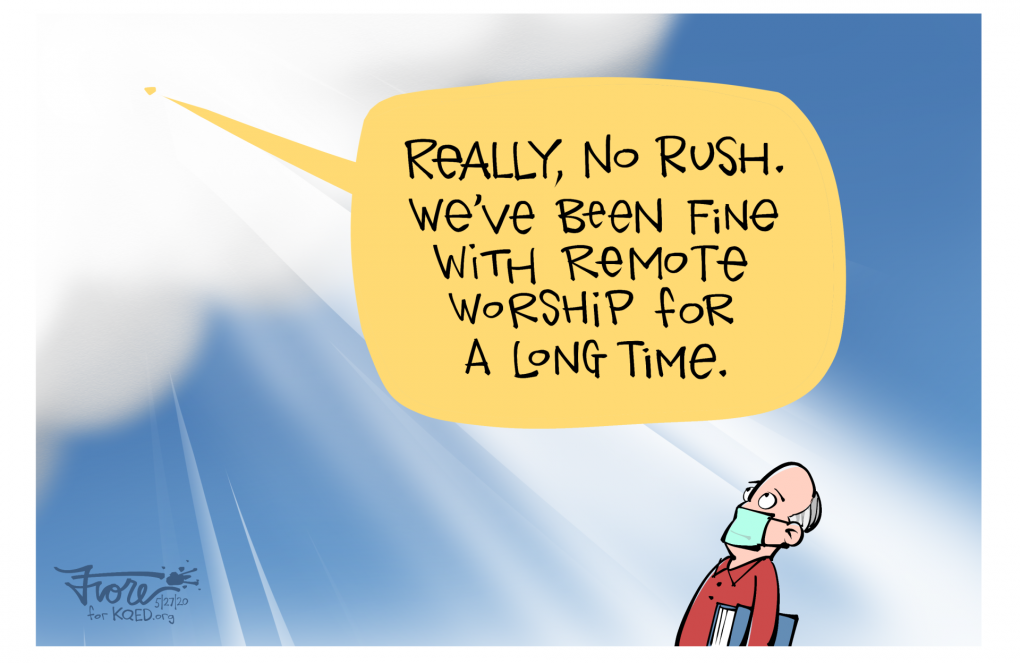
}
},
"audioPlayerReducer": {
"postId": "stream_live",
"isPaused": true,
"isPlaying": false,
"pfsActive": false,
"pledgeModalIsOpen": true,
"playerDrawerIsOpen": false,
"liveAudioPlayStartedAt": 0,
"liveAudioPlayContext": ""
},
"authorsReducer": {
"byline_news_11821015": {
"type": "authors",
"id": "byline_news_11821015",
"meta": {
"override": true
},
"slug": "byline_news_11821015",
"name": "Hannah Haein Kim",
"isLoading": false
},
"katrinaschwartz": {
"type": "authors",
"id": "234",
"meta": {
"index": "authors_1716337520",
"id": "234",
"found": true
},
"name": "Katrina Schwartz",
"firstName": "Katrina",
"lastName": "Schwartz",
"slug": "katrinaschwartz",
"email": "kschwartz@kqed.org",
"display_author_email": false,
"staff_mastheads": [
"news"
],
"title": "Producer",
"bio": "Katrina Schwartz is a journalist based in San Francisco. She's worked at KPCC public radio in LA and has reported on air and online for KQED since 2010. She covered how teaching and learning is changing for MindShift between 2012 and 2020. She is the co-host of the MindShift podcast and now produces KQED's Bay Curious podcast.",
"avatar": "https://secure.gravatar.com/avatar/edb4ee79070447a018538c9aae6eeecf28786515b8a0c30e43b6b7dce5aa44c8?s=600&d=blank&r=g",
"twitter": "kschwart",
"bluesky": null,
"facebook": null,
"instagram": null,
"linkedin": null,
"sites": [
{
"site": "",
"roles": [
"editor"
]
},
{
"site": "news",
"roles": [
"editor"
]
},
{
"site": "mindshift",
"roles": [
"administrator"
]
},
{
"site": "stateofhealth",
"roles": [
"author"
]
},
{
"site": "science",
"roles": [
"editor"
]
}
],
"headData": {
"title": "Katrina Schwartz | KQED",
"description": "Producer",
"ogImgSrc": "https://secure.gravatar.com/avatar/edb4ee79070447a018538c9aae6eeecf28786515b8a0c30e43b6b7dce5aa44c8?s=600&d=blank&r=g",
"twImgSrc": "https://secure.gravatar.com/avatar/edb4ee79070447a018538c9aae6eeecf28786515b8a0c30e43b6b7dce5aa44c8?s=600&d=blank&r=g"
},
"isLoading": false,
"link": "/author/katrinaschwartz"
},
"mlam": {
"type": "authors",
"id": "244",
"meta": {
"index": "authors_1716337520",
"id": "244",
"found": true
},
"name": "Monica Lam",
"firstName": "Monica Z.",
"lastName": "Lam",
"slug": "mlam",
"email": "mlam@kqed.org",
"display_author_email": true,
"staff_mastheads": [
"news"
],
"title": "KQED Senior Producer",
"bio": "Monica is senior producer of the weekly current affairs program, \"KQED Newsroom.\" She's also served as senior editor of digital content at KQED. She likes to report and edit as well as produce video and take photos.\r\n\r\nBefore joining KQED, Monica worked at the Center for Investigative Reporting, where she examined conditions inside \u003cspan style=\"font-weight: 400;\">maximum security \u003c/span>prisons and abuse in state-run institutions for the developmentally disabled. Prior to that, she produced and directed \u003cem>Journey of the Bonesetter's Daughter,\u003c/em> a documentary that follows novelist Amy Tan as she creates an opera based on her family history.\r\n\r\nMonica's work has been honored with a duPont Award, five Emmys, regional and national Murrow Awards, and has been recognized by Investigative Reporters and Editors, the Society of Professional Journalists, Religion Newswriters Association and the San Francisco Peninsula Press Club. Monica studied urban studies at Stanford University and earned a master's in journalism at University of California at Berkeley. Follow her on twitter: @monicazlam",
"avatar": "https://secure.gravatar.com/avatar/018c474b2b71f43e0e6ca9b15a0ad36f?s=600&d=blank&r=g",
"twitter": "@monicazlam",
"facebook": null,
"instagram": null,
"linkedin": null,
"sites": [
{
"site": "arts",
"roles": [
"administrator"
]
},
{
"site": "news",
"roles": [
"editor"
]
},
{
"site": "trulyca",
"roles": [
"editor"
]
},
{
"site": "science",
"roles": [
"editor"
]
},
{
"site": "breakingnews",
"roles": [
"editor"
]
}
],
"headData": {
"title": "Monica Lam | KQED",
"description": "KQED Senior Producer",
"ogImgSrc": "https://secure.gravatar.com/avatar/018c474b2b71f43e0e6ca9b15a0ad36f?s=600&d=blank&r=g",
"twImgSrc": "https://secure.gravatar.com/avatar/018c474b2b71f43e0e6ca9b15a0ad36f?s=600&d=blank&r=g"
},
"isLoading": false,
"link": "/author/mlam"
},
"adembosky": {
"type": "authors",
"id": "3205",
"meta": {
"index": "authors_1716337520",
"id": "3205",
"found": true
},
"name": "April Dembosky",
"firstName": "April",
"lastName": "Dembosky",
"slug": "adembosky",
"email": "adembosky@kqed.org",
"display_author_email": false,
"staff_mastheads": [
"news",
"science"
],
"title": "KQED Health Correspondent",
"bio": "April Dembosky is the health correspondent for KQED News and a regular contributor to NPR. She specializes in covering altered states of mind, from postpartum depression to methamphetamine-induced psychosis to the insanity defense. Her investigative series on insurance companies sidestepping mental health laws won multiple awards, including first place in beat reporting from the national Association of Health Care Journalists. She is the recipient of numerous other prizes and fellowships, including a national Edward R. Murrow award for investigative reporting, a Society of Professional Journalists award for long-form storytelling, and a Carter Center Fellowship for Mental Health Journalism.\r\n\r\nDembosky reported and produced \u003cem>Soundtrack of Silence\u003c/em>, an audio documentary about music and memory that is currently being made into a feature film by Paramount Pictures.\r\n\r\nBefore joining KQED in 2013, Dembosky covered technology and Silicon Valley for \u003cem>The Financial Times of London,\u003c/em> and contributed business and arts stories to \u003cem>Marketplace \u003c/em>and \u003cem>The New York Times.\u003c/em> She got her undergraduate degree in philosophy from Smith College and her master's in journalism from the University of California, Berkeley. She is a classically trained violinist and proud alum of the first symphony orchestra at Burning Man.",
"avatar": "https://secure.gravatar.com/avatar/ef92999be4ceb9ea60701e7dc276f813?s=600&d=blank&r=g",
"twitter": "adembosky",
"facebook": null,
"instagram": null,
"linkedin": null,
"sites": [
{
"site": "arts",
"roles": [
"author"
]
},
{
"site": "news",
"roles": [
"editor"
]
},
{
"site": "futureofyou",
"roles": [
"author"
]
},
{
"site": "stateofhealth",
"roles": [
"editor"
]
},
{
"site": "science",
"roles": [
"editor"
]
},
{
"site": "forum",
"roles": [
"editor"
]
}
],
"headData": {
"title": "April Dembosky | KQED",
"description": "KQED Health Correspondent",
"ogImgSrc": "https://secure.gravatar.com/avatar/ef92999be4ceb9ea60701e7dc276f813?s=600&d=blank&r=g",
"twImgSrc": "https://secure.gravatar.com/avatar/ef92999be4ceb9ea60701e7dc276f813?s=600&d=blank&r=g"
},
"isLoading": false,
"link": "/author/adembosky"
},
"markfiore": {
"type": "authors",
"id": "3236",
"meta": {
"index": "authors_1716337520",
"id": "3236",
"found": true
},
"name": "Mark Fiore",
"firstName": "Mark",
"lastName": "Fiore",
"slug": "markfiore",
"email": "mark@markfiore.com",
"display_author_email": false,
"staff_mastheads": [
"news"
],
"title": "KQED News Cartoonist",
"bio": "\u003ca href=\"http://www.MarkFiore.com\">MarkFiore.com\u003c/a> | \u003ca href=\"https://twitter.com/markfiore\">Follow on Twitter\u003c/a> | \u003ca href=\"https://www.facebook.com/pages/Mark-Fiore-Animated-Political-Cartoons/94451707396?ref=bookmarks\">Facebook\u003c/a> | \u003ca href=\"mailto:mark@markfiore.com\">email\u003c/a>\r\n\r\nPulitzer Prize-winner, Mark Fiore, who the Wall Street Journal has called “the undisputed guru of the form,” creates animated political cartoons in San Francisco, where his work has been featured regularly on the San Francisco Chronicle’s web site, SFGate.com. His work has appeared on Newsweek.com, Slate.com, CBSNews.com, MotherJones.com, DailyKos.com and NPR’s web site. Fiore’s political animation has appeared on CNN, Frontline, Bill Moyers Journal, Salon.com and cable and broadcast outlets across the globe.\r\n\r\nBeginning his professional life by drawing traditional political cartoons for newspapers, Fiore’s work appeared in publications ranging from the Washington Post to the Los Angeles Times. In the late 1990s, he began to experiment with animating political cartoons and, after a short stint at the San Jose Mercury News as their staff cartoonist, Fiore devoted all his energies to animation.\r\nGrowing up in California, Fiore also spent a good portion of his life in the backwoods of Idaho. It was this combination that shaped him politically. Mark majored in political science at Colorado College, where, in a perfect send-off for a cartoonist, he received his diploma in 1991 as commencement speaker Dick Cheney smiled approvingly.\r\nMark Fiore was awarded the Pulitzer Prize for political cartooning in 2010, a Robert F. Kennedy Journalism Award in 2004 and has twice received an Online Journalism Award for commentary from the Online News Association (2002, 2008). Fiore has received two awards for his work in new media from the National Cartoonists Society (2001, 2002), and in 2006 received The James Madison Freedom of Information Award from The Society of Professional Journalists.",
"avatar": "https://secure.gravatar.com/avatar/fc4e2a612b15b67bad0c6f0e1db4ca9b?s=600&d=blank&r=g",
"twitter": "MarkFiore",
"facebook": null,
"instagram": "https://www.instagram.com/markfiore/?hl=en",
"linkedin": null,
"sites": [
{
"site": "arts",
"roles": [
"contributor"
]
},
{
"site": "news",
"roles": [
"editor"
]
},
{
"site": "futureofyou",
"roles": [
"editor"
]
},
{
"site": "science",
"roles": [
"editor"
]
}
],
"headData": {
"title": "Mark Fiore | KQED",
"description": "KQED News Cartoonist",
"ogImgSrc": "https://secure.gravatar.com/avatar/fc4e2a612b15b67bad0c6f0e1db4ca9b?s=600&d=blank&r=g",
"twImgSrc": "https://secure.gravatar.com/avatar/fc4e2a612b15b67bad0c6f0e1db4ca9b?s=600&d=blank&r=g"
},
"isLoading": false,
"link": "/author/markfiore"
},
"fjhabvala": {
"type": "authors",
"id": "8659",
"meta": {
"index": "authors_1716337520",
"id": "8659",
"found": true
},
"name": "Farida Jhabvala Romero",
"firstName": "Farida",
"lastName": "Jhabvala Romero",
"slug": "fjhabvala",
"email": "fjhabvala@kqed.org",
"display_author_email": true,
"staff_mastheads": [
"news"
],
"title": "KQED Contributor",
"bio": "Farida Jhabvala Romero is a Labor Correspondent for KQED. She previously covered immigration. Farida was \u003ca href=\"https://www.ccnma.org/2022-most-influential-latina-journalists\">named\u003c/a> one of the 10 Most Influential Latina Journalists in California in 2022 by the California Chicano News Media Association. Her work has won awards from the Society of Professional Journalists (Northern California), as well as a national and regional Edward M. Murrow Award for the collaborative reporting projects “Dangerous Air” and “Graying California.” Before joining KQED, Farida worked as a producer at Radio Bilingüe, a national public radio network. Farida earned her master’s degree in journalism from Stanford University.",
"avatar": "https://secure.gravatar.com/avatar/f9f022d4e2609741874222a1e9d41f48fea74011aa7c615eef91d9a50c944ebe?s=600&d=blank&r=g",
"twitter": "FaridaJhabvala",
"bluesky": null,
"facebook": null,
"instagram": null,
"linkedin": "https://www.linkedin.com/in/faridajhabvala/",
"sites": [
{
"site": "news",
"roles": [
"editor"
]
},
{
"site": "stateofhealth",
"roles": [
"author"
]
},
{
"site": "liveblog",
"roles": [
"author"
]
}
],
"headData": {
"title": "Farida Jhabvala Romero | KQED",
"description": "KQED Contributor",
"ogImgSrc": "https://secure.gravatar.com/avatar/f9f022d4e2609741874222a1e9d41f48fea74011aa7c615eef91d9a50c944ebe?s=600&d=blank&r=g",
"twImgSrc": "https://secure.gravatar.com/avatar/f9f022d4e2609741874222a1e9d41f48fea74011aa7c615eef91d9a50c944ebe?s=600&d=blank&r=g"
},
"isLoading": false,
"link": "/author/fjhabvala"
},
"lesleymcclurg": {
"type": "authors",
"id": "11229",
"meta": {
"index": "authors_1716337520",
"id": "11229",
"found": true
},
"name": "Lesley McClurg",
"firstName": "Lesley",
"lastName": "McClurg",
"slug": "lesleymcclurg",
"email": "lmcclurg@KQED.org",
"display_author_email": false,
"staff_mastheads": [
"news",
"science"
],
"title": "KQED Health Correspondent",
"bio": "Lesley McClurg is a health correspondent and fill-in host whose work is regularly rebroadcast on NPR and PBS programs. She’s earned multiple regional Emmy awards, a national and a regional Edward R. Murrow award, and was named Best Beat Reporter by the Association of Health Care Journalists. The Society of Professional Journalists has recognized her work several times, and the Society of Environmental Journalists spotlighted her coverage of California’s historic drought.\r\n\r\nBefore joining KQED in 2016, Lesley covered food and sustainability for Capital Public Radio, environmental issues for Colorado Public Radio, and reported for KUOW and KCTS 9 in Seattle. Away from the newsroom, she loves skiing with her daughter, mountain biking with her partner, and playing with Ollie, the family’s goldendoodle. On deadline, she runs almost entirely on chocolate chips.\r\n\r\n ",
"avatar": "https://secure.gravatar.com/avatar/bab49e972ea10c774fe0f5e29dba1722b158f7c0d58a360923d1389d380b2978?s=600&d=blank&r=g",
"twitter": "lesleywmcclurg",
"bluesky": null,
"facebook": null,
"instagram": null,
"linkedin": null,
"sites": [
{
"site": "arts",
"roles": [
"author"
]
},
{
"site": "news",
"roles": [
"editor"
]
},
{
"site": "futureofyou",
"roles": [
"editor"
]
},
{
"site": "stateofhealth",
"roles": [
"author"
]
},
{
"site": "science",
"roles": [
"editor"
]
},
{
"site": "quest",
"roles": [
"subscriber"
]
},
{
"site": "forum",
"roles": [
"administrator"
]
},
{
"site": "liveblog",
"roles": [
"author"
]
}
],
"headData": {
"title": "Lesley McClurg | KQED",
"description": "KQED Health Correspondent",
"ogImgSrc": "https://secure.gravatar.com/avatar/bab49e972ea10c774fe0f5e29dba1722b158f7c0d58a360923d1389d380b2978?s=600&d=blank&r=g",
"twImgSrc": "https://secure.gravatar.com/avatar/bab49e972ea10c774fe0f5e29dba1722b158f7c0d58a360923d1389d380b2978?s=600&d=blank&r=g"
},
"isLoading": false,
"link": "/author/lesleymcclurg"
},
"ahall": {
"type": "authors",
"id": "11490",
"meta": {
"index": "authors_1716337520",
"id": "11490",
"found": true
},
"name": "Alex Hall",
"firstName": "Alex",
"lastName": "Hall",
"slug": "ahall",
"email": "ahall@kqed.org",
"display_author_email": false,
"staff_mastheads": [
"news"
],
"title": "KQED Enterprise & Accountability Reporter",
"bio": "Alex Hall is KQED's Enterprise and Accountability Reporter. She previously covered the Central Valley for five years from KQED's bureau in Fresno. Before joining KQED, Alex was an investigative reporting fellow at Wisconsin Public Radio and the Wisconsin Center for Investigative Journalism. She has also worked as a bilingual producer for NPR's investigative unit and freelance video producer for Reuters TV on the Latin America desk. She got her start in journalism in South America, where she worked as a radio producer and Spanish-English translator for CNN Chile. Her documentary and investigation into the series of deadly COVID-19 outbreaks at Foster Farms won a national Edward R. Murrow award and was named an Investigative Reporters & Editors award finalist. Alex's reporting for Reveal on the Wisconsin dairy industry's reliance on undocumented immigrant labor was made into a film, Los Lecheros, which won a regional Edward R. Murrow award for best news documentary.",
"avatar": "https://secure.gravatar.com/avatar/04c28ad4a7caa7ac2ef39c655c4030c993a3f331481d1da4799bb76ea85b9afa?s=600&d=blank&r=g",
"twitter": "@chalexhall",
"bluesky": null,
"facebook": null,
"instagram": null,
"linkedin": null,
"sites": [
{
"site": "news",
"roles": [
"editor"
]
},
{
"site": "liveblog",
"roles": [
"author"
]
}
],
"headData": {
"title": "Alex Hall | KQED",
"description": "KQED Enterprise & Accountability Reporter",
"ogImgSrc": "https://secure.gravatar.com/avatar/04c28ad4a7caa7ac2ef39c655c4030c993a3f331481d1da4799bb76ea85b9afa?s=600&d=blank&r=g",
"twImgSrc": "https://secure.gravatar.com/avatar/04c28ad4a7caa7ac2ef39c655c4030c993a3f331481d1da4799bb76ea85b9afa?s=600&d=blank&r=g"
},
"isLoading": false,
"link": "/author/ahall"
},
"mfederis": {
"type": "authors",
"id": "11509",
"meta": {
"index": "authors_1716337520",
"id": "11509",
"found": true
},
"name": "Marnette Federis",
"firstName": "Marnette",
"lastName": "Federis",
"slug": "mfederis",
"email": "mfederis@kqed.org",
"display_author_email": false,
"staff_mastheads": [],
"title": "KQED Contributor",
"bio": null,
"avatar": "https://secure.gravatar.com/avatar/4e22db56276fd54eaeb4ec94c12662c6c695a321a263331af03448665369ad7f?s=600&d=mm&r=g",
"twitter": null,
"bluesky": null,
"facebook": null,
"instagram": null,
"linkedin": null,
"sites": [
{
"site": "arts",
"roles": [
"editor"
]
},
{
"site": "news",
"roles": [
"editor"
]
},
{
"site": "mindshift",
"roles": [
"editor"
]
},
{
"site": "science",
"roles": [
"editor"
]
},
{
"site": "forum",
"roles": [
"editor"
]
},
{
"site": "podcasts",
"roles": [
"editor"
]
},
{
"site": "elections",
"roles": [
"editor"
]
}
],
"headData": {
"title": "Marnette Federis | KQED",
"description": "KQED Contributor",
"ogImgSrc": "https://secure.gravatar.com/avatar/4e22db56276fd54eaeb4ec94c12662c6c695a321a263331af03448665369ad7f?s=600&d=mm&r=g",
"twImgSrc": "https://secure.gravatar.com/avatar/4e22db56276fd54eaeb4ec94c12662c6c695a321a263331af03448665369ad7f?s=600&d=mm&r=g"
},
"isLoading": false,
"link": "/author/mfederis"
},
"mwiley": {
"type": "authors",
"id": "11526",
"meta": {
"index": "authors_1716337520",
"id": "11526",
"found": true
},
"name": "Michelle Wiley",
"firstName": "Michelle",
"lastName": "Wiley",
"slug": "mwiley",
"email": "mwiley@KQED.org",
"display_author_email": true,
"staff_mastheads": [],
"title": null,
"bio": "Michelle Wiley was the senior editor of weekends.",
"avatar": "https://secure.gravatar.com/avatar/3b897d82a09e8587e8e73fa69fbcc635?s=600&d=blank&r=g",
"twitter": "michelleewiley",
"facebook": null,
"instagram": null,
"linkedin": null,
"sites": [
{
"site": "",
"roles": [
"editor"
]
},
{
"site": "arts",
"roles": [
"editor"
]
},
{
"site": "news",
"roles": [
"subscriber"
]
},
{
"site": "lowdown",
"roles": [
"editor"
]
},
{
"site": "science",
"roles": [
"editor"
]
},
{
"site": "podcasts",
"roles": [
"editor"
]
}
],
"headData": {
"title": "Michelle Wiley | KQED",
"description": null,
"ogImgSrc": "https://secure.gravatar.com/avatar/3b897d82a09e8587e8e73fa69fbcc635?s=600&d=blank&r=g",
"twImgSrc": "https://secure.gravatar.com/avatar/3b897d82a09e8587e8e73fa69fbcc635?s=600&d=blank&r=g"
},
"isLoading": false,
"link": "/author/mwiley"
},
"ebaldassari": {
"type": "authors",
"id": "11652",
"meta": {
"index": "authors_1716337520",
"id": "11652",
"found": true
},
"name": "Erin Baldassari",
"firstName": "Erin",
"lastName": "Baldassari",
"slug": "ebaldassari",
"email": "ebaldassari@KQED.org",
"display_author_email": true,
"staff_mastheads": [
"news"
],
"title": "Staff Writer",
"bio": "Erin Baldassari covers housing for KQED. She's a former print journalist and most recently worked as the transportation reporter for the \u003cem>Mercury News\u003c/em> and \u003cem>East Bay Times. \u003c/em>There, she focused on how the Bay Area’s housing shortage has changed the way people move around the region. She also served on the \u003cem>East Bay Times\u003c/em>’ 2017 Pulitzer Prize-winning team for coverage of the Ghost Ship Fire in Oakland. Prior to that, Erin worked as a breaking news and general assignment reporter for a variety of outlets in the Bay Area and the greater Boston area. A Tufts University alumna, Erin grew up in the foothills of the Sierra Nevada mountains and in Sonoma County. She is a life-long KQED listener.",
"avatar": "https://secure.gravatar.com/avatar/5e95cad64a8ca08288082212e199d2b0cbeb4fd8e8ef5339395f361032bbe005?s=600&d=blank&r=g",
"twitter": "e_baldi",
"bluesky": null,
"facebook": null,
"instagram": null,
"linkedin": null,
"sites": [
{
"site": "news",
"roles": [
"edit_others_posts",
"editor"
]
},
{
"site": "science",
"roles": [
"editor"
]
},
{
"site": "liveblog",
"roles": [
"editor"
]
}
],
"headData": {
"title": "Erin Baldassari | KQED",
"description": "Staff Writer",
"ogImgSrc": "https://secure.gravatar.com/avatar/5e95cad64a8ca08288082212e199d2b0cbeb4fd8e8ef5339395f361032bbe005?s=600&d=blank&r=g",
"twImgSrc": "https://secure.gravatar.com/avatar/5e95cad64a8ca08288082212e199d2b0cbeb4fd8e8ef5339395f361032bbe005?s=600&d=blank&r=g"
},
"isLoading": false,
"link": "/author/ebaldassari"
},
"aberman": {
"type": "authors",
"id": "11656",
"meta": {
"index": "authors_1716337520",
"id": "11656",
"found": true
},
"name": "Annie Berman",
"firstName": "Annie",
"lastName": "Berman",
"slug": "aberman",
"email": "aberman@kqed.org",
"display_author_email": false,
"staff_mastheads": [],
"title": "KQED Contributor",
"bio": null,
"avatar": "https://secure.gravatar.com/avatar/83332899c2dbb7da3216c3a174279263?s=600&d=blank&r=g",
"twitter": null,
"bluesky": null,
"facebook": null,
"instagram": null,
"linkedin": null,
"sites": [
{
"site": "news",
"roles": []
}
],
"headData": {
"title": "Annie Berman | KQED",
"description": "KQED Contributor",
"ogImgSrc": "https://secure.gravatar.com/avatar/83332899c2dbb7da3216c3a174279263?s=600&d=blank&r=g",
"twImgSrc": "https://secure.gravatar.com/avatar/83332899c2dbb7da3216c3a174279263?s=600&d=blank&r=g"
},
"isLoading": false,
"link": "/author/aberman"
}
},
"pagesReducer": {
"news_tag_covid-19": {
"type": "terms",
"id": "news_27504",
"meta": {
"index": "terms_1716263798",
"site": "news",
"id": "27504",
"score": 8.558435
},
"featImg": null,
"name": "covid-19",
"description": null,
"taxonomy": "tag",
"headData": {
"twImgId": null,
"twTitle": null,
"ogTitle": null,
"ogImgId": null,
"twDescription": null,
"description": null,
"title": "covid-19 Archives | KQED News",
"ogDescription": null
},
"ttid": 27521,
"slug": "covid-19",
"isLoading": false,
"title": "covid-19",
"pageMeta": {
"site": "news",
"WpPageTemplate": "page-topic-editorial",
"currentPage": 60
},
"blocks": [
{
"blockName": "kqed/post-list",
"attrs": {
"layout": "cardArticle2",
"query": "posts/news?tag=covid-19",
"seeMore": false,
"paginated": true,
"page": 60
}
},
{
"blockName": "kqed/ad"
}
]
}
},
"pfsSessionReducer": {},
"postsReducer": {
"stream_live": {
"type": "live",
"id": "stream_live",
"audioUrl": "https://streams.kqed.org/kqedradio",
"title": "Live Stream",
"excerpt": "Live Stream information currently unavailable.",
"link": "/radio",
"featImg": "",
"label": {
"name": "KQED Live",
"link": "/"
}
},
"stream_kqedNewscast": {
"type": "posts",
"id": "stream_kqedNewscast",
"audioUrl": "https://www.kqed.org/.stream/anon/radio/RDnews/newscast.mp3?_=1",
"title": "KQED Newscast",
"featImg": "",
"label": {
"name": "88.5 FM",
"link": "/"
}
},
"news_11821528": {
"type": "posts",
"id": "news_11821528",
"meta": {
"index": "posts_1716263798",
"site": "news",
"id": "11821528",
"score": null,
"sort": [
1590861719000
]
},
"guestAuthors": [],
"slug": "in-search-of-20000-covid-19-contact-tracers-california-taps-local-librarians-tax-assessors-city-legal-staff",
"title": "In Search of 20,000 COVID-19 Contact Tracers, California Taps Local Librarians, Tax Assessors, City Legal Staff",
"publishDate": 1590861719,
"format": "standard",
"headTitle": "In Search of 20,000 COVID-19 Contact Tracers, California Taps Local Librarians, Tax Assessors, City Legal Staff | KQED",
"labelTerm": {
"site": "news"
},
"content": "\u003cp>After more than two months at home, librarian Lisa Fagundes misses managing her sci-fi book collection so much, she feels like she’s in withdrawal, longing to see new books, touch them, smell them.\u003c/p>\n\u003cp>“It’s like a disease,” she says, with a laugh.\u003c/p>\n\u003cp>Instead, while libraries are closed, Fagundes is one of dozens of librarians putting her skills to use as a contact tracer, calling people who have been exposed to the coronavirus and asking them to self-quarantine at home so they don’t spread it further.\u003c/p>\n\u003cp>Librarians are an obvious choice for the job, says Fagundes, who normally works at the information desk of the San Francisco Main Library. They’re curious, they’re tech savvy and they’re really good at getting people they barely know to open up.\u003c/p>\n\u003cp>“Because a lot of times, patrons come up to you and they’re like, ‘Uhh, I’m looking for a book —’ and they don’t really know what they’re looking for or they don’t know how to describe it,” she says.\u003c/p>\n\u003cp>[pullquote align=\"right\" size=\"medium\" citation=\"Lisa Fagundes, San Francisco librarian\"]‘Talking about sensitive subjects is a natural thing for librarians. It’s a lot of open-ended questions, trying to get people to feel that you’re listening to them and not trying to take advantage or put your own viewpoint on their story.’[/pullquote]\u003c/p>\n\u003cp>Or they’re teens afraid to admit out loud that they’re looking for books about sex or queer identity. Fagundes is used to coaxing it out of them in a calm, nonjudgmental way. It’s the same with contact tracing: asking people about their health status and history.\u003c/p>\n\u003cp>“Talking about sensitive subjects is a natural thing for librarians,” she says. “It’s a lot of open-ended questions, trying to get people to feel that you’re listening to them and not trying to take advantage or put your own viewpoint on their story.”\u003c/p>\n\u003cp>Fagundes is part of the first team of contact tracers trained through a new 20-hour virtual academy led by UCSF. California awarded the university an $8.7 million contract this month to expand the academy and train 20,000 new contact tracers throughout the state by July, one of the largest such efforts in the country. Gov.Gavin Newsom has said counties need 15 contact tracers for every 100,000 residents to adequately contain the virus after shelter-in-place orders are lifted. Nationally, experts have estimated the U.S. needs between 100,000 and 300,000 contact tracers.\u003c/p>\n\u003cp>With many people staying home in recent months, counties that haven’t yet built their contact-tracing teams to pandemic levels have generally been able to manage caseloads. Each new person who tests positive for COVID-19 has been in contact with an average of four or five people while infectious — usually family members and neighbors — according to local health officials. But as counties begin allowing businesses to reopen, a person’s average contacts will go up to 40, necessitating a larger team to identify and call them.\u003c/p>\n\u003cp>“You have a four- or five-day window to find people and get them isolated, which is what we do instead of treat them because we don’t have treatment for COVID,” says George Rutherford, a professor of epidemiology at UCSF who’s been leading the training effort.\u003c/p>\n\u003cp>\u003cstrong>Librarians, Tax Assessors, Paralegals\u003c/strong>\u003c/p>\n\u003cp>The new training program takes place over the course of five days and involves lessons on epidemiology and motivational interviewing, and demonstrations of contact tracing phone calls. In addition to librarians, San Francisco has been asking government employees from county tax assessor and city attorneys’ offices to help out, including financial analysts, paralegals and investigators. Some rural counties have also been recruiting sheriff’s deputies for the job.\u003c/p>\n\u003cp>“The major qualification is being able to talk to people,” Rutherford said. “In other states they love to pick up people who worked as airline reservation agents, because they’re used to talking to people all day long and trying to work things out for them.”\u003c/p>\n\u003cp>[aside label=\"related coverage\" tag=\"contact-tracing\"]Megan Elliott is used to having conversations where she has to tell people things they don’t want to hear. She is a manager in the San Francisco Assessor’s Office, where she oversees the valuation of real estate to figure out how much tax to charge.\u003c/p>\n\u003cp>“For residential properties, a lot of times it has to do with a property owner who believes that we unfairly valued their new construction project,” she says. “So my job is to communicate to the taxpayers in a way that they can better understand why we do what we do and to help them see the reason and rationale behind that.”\u003c/p>\n\u003cp>It’s the same idea with contact-tracing phone calls — telling people they can’t go to work for the next two weeks because they were in contact with someone who tested positive for COVID-19. Similar to parsing tax code over the phone, and empathizing over how the tax laws sometimes seem unfair, she explains the importance of protecting the community from the virus, or the difference between quarantine (staying home if you’ve been exposed but aren’t symptomatic) and isolation (avoiding family members within your home if you are symptomatic).\u003c/p>\n\u003cp>Investigators from city attorneys’ offices have been really helpful applying their people-finding skills, says Rutherford from UCSF. Some people who become ill may be reluctant to share information about their close contacts or just don’t know the full names or contact information of people they’ve been with in close quarters.\u003c/p>\n\u003cp>“Let’s say you’re on a job site, working construction and you had lunch with a guy, ‘Oh, it’s Bob, he’s a steam fitter,’ ” says Rutherford. “That’s the kind of thing that we’re facing, that we get partial locating information.”\u003c/p>\n\u003cp>City investigators are familiar with databases and electronic gumshoe strategies for finding Bob’s last name and phone number, he explains, so he can be notified and get tested.\u003c/p>\n\u003cp>\u003cstrong>County-by-County Effort\u003c/strong>\u003c/p>\n\u003cp>The program’s goal is to train contact tracers to serve all 58 counties in California, but the state is leaving it up to each county to decide how to roll out their own programs and what kinds of support services they will offer to people asked to self-quarantine.\u003c/p>\n\u003cp>In San Francisco, for example, when people who may be infectious are asked to stay home, contact tracers give them referrals to get tested and offer free cleaning supplies and help with having groceries and medications delivered. If they can’t isolate themselves safely from other family members in their home – a common occurrence in San Francisco where the high cost of housing often forces multiple family members to live together in cramped apartments – they have the option of staying in a city-funded hotel room.\u003c/p>\n\u003cp>[pullquote align=\"right\" size=\"medium\" citation=\"George Rutherford, UCSF professor of epidemiology\"]‘You have a four- or five-day window to find people and get them isolated, which is what we do instead of treat them because we don’t have treatment for COVID.’[/pullquote]\u003c/p>\n\u003cp>San Francisco is also\u003ca href=\"https://www.kqed.org/news/11821282/san-francisco-to-replace-wages-for-low-income-undocumented-workers-with-covid-19\"> launching a program\u003c/a> to help replace two weeks of lost income, up to $1,200, for people who test positive and don’t have paid sick leave or cannot access unemployment insurance benefits.\u003c/p>\n\u003cp>“At a societal level, it’s a bargain to not have X-more coronavirus cases for the cost of a week or two of wages,” says Rutherford. “It’s a pretty good deal.”\u003c/p>\n\u003cp>What other counties offer will depend on what they have the funding, and the will, to provide. Most counties have barely begun ramping up their corps of contact tracers.\u003c/p>\n\u003cp>South of San Francisco, in Santa Clara County, where the first COVID-19 cases in the U.S. were identified, health officials have struggled to recruit enough librarians and other county employees to become contact tracers and are now asking for 800 volunteers from the community to meet their goal of building a 1,000-person team.\u003c/p>\n\u003cp>[ad fullwidth]\u003c/p>\n\u003cp>Other counties may also need to turn to volunteers, especially since it’s unclear what will happen when government offices eventually resume full operations. In San Francisco, some city attorney office staff have been told they will go back to their regular jobs part time and continue contact tracing work, but they don’t know when that might be. Communication from the city has been “muddled,” says Fagundes, the San Francisco librarian, who’s been doing four four-hour contact tracing shifts per week.\u003c/p>\n\u003cp>“It’s something that I feel like I could do for the rest of the year, if needed, then when the library starts ramping up, I could do both,” she says. “I think that the library will not be ramping up to full service anytime soon, because it’s not an essential service – as much as we may disagree.”\u003c/p>\n\u003cp>[ad floatright]\u003c/p>\n",
"blocks": [],
"excerpt": "As California begins one of the most ambitious contact-tracing training programs in the country, it's turning first to city and county government employees for help.",
"status": "publish",
"parent": 0,
"modified": 1721155676,
"stats": {
"hasAudio": false,
"hasVideo": false,
"hasChartOrMap": false,
"iframeSrcs": [],
"hasGoogleForm": false,
"hasGallery": false,
"hasHearkenModule": false,
"hasPolis": false,
"paragraphCount": 32,
"wordCount": 1604
},
"headData": {
"title": "In Search of 20,000 COVID-19 Contact Tracers, California Taps Local Librarians, Tax Assessors, City Legal Staff | KQED",
"description": "As California begins one of the most ambitious contact-tracing training programs in the country, it's turning first to city and county government employees for help.",
"ogTitle": "",
"ogDescription": "",
"ogImgId": "",
"twTitle": "",
"twDescription": "",
"twImgId": "",
"schema": {
"@context": "https://schema.org",
"@type": "NewsArticle",
"headline": "In Search of 20,000 COVID-19 Contact Tracers, California Taps Local Librarians, Tax Assessors, City Legal Staff",
"datePublished": "2020-05-30T11:01:59-07:00",
"dateModified": "2024-07-16T11:47:56-07:00",
"image": "https://cdn.kqed.org/wp-content/uploads/2020/02/KQED-OG-Image@1x.png",
"isAccessibleForFree": "True",
"publisher": {
"@type": "NewsMediaOrganization",
"@id": "https://www.kqed.org/#organization",
"name": "KQED",
"logo": "https://cdn.kqed.org/wp-content/uploads/2020/02/KQED-OG-Image@1x.png",
"url": "https://www.kqed.org",
"sameAs": [
"https://www.facebook.com/KQED",
"https://twitter.com/KQED",
"https://www.instagram.com/kqed/",
"https://www.tiktok.com/@kqedofficial",
"https://www.linkedin.com/company/kqed",
"https://www.youtube.com/channel/UCeC0IOo7i1P_61zVUWbJ4nw"
]
}
}
},
"sticky": false,
"path": "/news/11821528/in-search-of-20000-covid-19-contact-tracers-california-taps-local-librarians-tax-assessors-city-legal-staff",
"audioTrackLength": null,
"parsedContent": [
{
"type": "contentString",
"content": "\u003cdiv class=\"post-body\">\u003cp>\u003cp>After more than two months at home, librarian Lisa Fagundes misses managing her sci-fi book collection so much, she feels like she’s in withdrawal, longing to see new books, touch them, smell them.\u003c/p>\n\u003cp>“It’s like a disease,” she says, with a laugh.\u003c/p>\n\u003cp>Instead, while libraries are closed, Fagundes is one of dozens of librarians putting her skills to use as a contact tracer, calling people who have been exposed to the coronavirus and asking them to self-quarantine at home so they don’t spread it further.\u003c/p>\n\u003cp>Librarians are an obvious choice for the job, says Fagundes, who normally works at the information desk of the San Francisco Main Library. They’re curious, they’re tech savvy and they’re really good at getting people they barely know to open up.\u003c/p>\n\u003cp>“Because a lot of times, patrons come up to you and they’re like, ‘Uhh, I’m looking for a book —’ and they don’t really know what they’re looking for or they don’t know how to describe it,” she says.\u003c/p>\n\u003cp>\u003c/p>\u003c/div>",
"attributes": {
"named": {},
"numeric": []
}
},
{
"type": "component",
"content": "‘Talking about sensitive subjects is a natural thing for librarians. It’s a lot of open-ended questions, trying to get people to feel that you’re listening to them and not trying to take advantage or put your own viewpoint on their story.’",
"name": "pullquote",
"attributes": {
"named": {
"align": "right",
"size": "medium",
"citation": "Lisa Fagundes, San Francisco librarian",
"label": ""
},
"numeric": []
}
},
{
"type": "contentString",
"content": "\u003cdiv class=\"post-body\">\u003cp>\u003c/p>\n\u003cp>Or they’re teens afraid to admit out loud that they’re looking for books about sex or queer identity. Fagundes is used to coaxing it out of them in a calm, nonjudgmental way. It’s the same with contact tracing: asking people about their health status and history.\u003c/p>\n\u003cp>“Talking about sensitive subjects is a natural thing for librarians,” she says. “It’s a lot of open-ended questions, trying to get people to feel that you’re listening to them and not trying to take advantage or put your own viewpoint on their story.”\u003c/p>\n\u003cp>Fagundes is part of the first team of contact tracers trained through a new 20-hour virtual academy led by UCSF. California awarded the university an $8.7 million contract this month to expand the academy and train 20,000 new contact tracers throughout the state by July, one of the largest such efforts in the country. Gov.Gavin Newsom has said counties need 15 contact tracers for every 100,000 residents to adequately contain the virus after shelter-in-place orders are lifted. Nationally, experts have estimated the U.S. needs between 100,000 and 300,000 contact tracers.\u003c/p>\n\u003cp>With many people staying home in recent months, counties that haven’t yet built their contact-tracing teams to pandemic levels have generally been able to manage caseloads. Each new person who tests positive for COVID-19 has been in contact with an average of four or five people while infectious — usually family members and neighbors — according to local health officials. But as counties begin allowing businesses to reopen, a person’s average contacts will go up to 40, necessitating a larger team to identify and call them.\u003c/p>\n\u003cp>“You have a four- or five-day window to find people and get them isolated, which is what we do instead of treat them because we don’t have treatment for COVID,” says George Rutherford, a professor of epidemiology at UCSF who’s been leading the training effort.\u003c/p>\n\u003cp>\u003cstrong>Librarians, Tax Assessors, Paralegals\u003c/strong>\u003c/p>\n\u003cp>The new training program takes place over the course of five days and involves lessons on epidemiology and motivational interviewing, and demonstrations of contact tracing phone calls. In addition to librarians, San Francisco has been asking government employees from county tax assessor and city attorneys’ offices to help out, including financial analysts, paralegals and investigators. Some rural counties have also been recruiting sheriff’s deputies for the job.\u003c/p>\n\u003cp>“The major qualification is being able to talk to people,” Rutherford said. “In other states they love to pick up people who worked as airline reservation agents, because they’re used to talking to people all day long and trying to work things out for them.”\u003c/p>\n\u003cp>\u003c/p>\u003c/div>",
"attributes": {
"named": {},
"numeric": []
}
},
{
"type": "component",
"content": "",
"name": "aside",
"attributes": {
"named": {
"label": "related coverage ",
"tag": "contact-tracing"
},
"numeric": []
}
},
{
"type": "contentString",
"content": "\u003cdiv class=\"post-body\">\u003cp>Megan Elliott is used to having conversations where she has to tell people things they don’t want to hear. She is a manager in the San Francisco Assessor’s Office, where she oversees the valuation of real estate to figure out how much tax to charge.\u003c/p>\n\u003cp>“For residential properties, a lot of times it has to do with a property owner who believes that we unfairly valued their new construction project,” she says. “So my job is to communicate to the taxpayers in a way that they can better understand why we do what we do and to help them see the reason and rationale behind that.”\u003c/p>\n\u003cp>It’s the same idea with contact-tracing phone calls — telling people they can’t go to work for the next two weeks because they were in contact with someone who tested positive for COVID-19. Similar to parsing tax code over the phone, and empathizing over how the tax laws sometimes seem unfair, she explains the importance of protecting the community from the virus, or the difference between quarantine (staying home if you’ve been exposed but aren’t symptomatic) and isolation (avoiding family members within your home if you are symptomatic).\u003c/p>\n\u003cp>Investigators from city attorneys’ offices have been really helpful applying their people-finding skills, says Rutherford from UCSF. Some people who become ill may be reluctant to share information about their close contacts or just don’t know the full names or contact information of people they’ve been with in close quarters.\u003c/p>\n\u003cp>“Let’s say you’re on a job site, working construction and you had lunch with a guy, ‘Oh, it’s Bob, he’s a steam fitter,’ ” says Rutherford. “That’s the kind of thing that we’re facing, that we get partial locating information.”\u003c/p>\n\u003cp>City investigators are familiar with databases and electronic gumshoe strategies for finding Bob’s last name and phone number, he explains, so he can be notified and get tested.\u003c/p>\n\u003cp>\u003cstrong>County-by-County Effort\u003c/strong>\u003c/p>\n\u003cp>The program’s goal is to train contact tracers to serve all 58 counties in California, but the state is leaving it up to each county to decide how to roll out their own programs and what kinds of support services they will offer to people asked to self-quarantine.\u003c/p>\n\u003cp>In San Francisco, for example, when people who may be infectious are asked to stay home, contact tracers give them referrals to get tested and offer free cleaning supplies and help with having groceries and medications delivered. If they can’t isolate themselves safely from other family members in their home – a common occurrence in San Francisco where the high cost of housing often forces multiple family members to live together in cramped apartments – they have the option of staying in a city-funded hotel room.\u003c/p>\n\u003cp>\u003c/p>\u003c/div>",
"attributes": {
"named": {},
"numeric": []
}
},
{
"type": "component",
"content": "‘You have a four- or five-day window to find people and get them isolated, which is what we do instead of treat them because we don’t have treatment for COVID.’",
"name": "pullquote",
"attributes": {
"named": {
"align": "right",
"size": "medium",
"citation": "George Rutherford, UCSF professor of epidemiology",
"label": ""
},
"numeric": []
}
},
{
"type": "contentString",
"content": "\u003cdiv class=\"post-body\">\u003cp>\u003c/p>\n\u003cp>San Francisco is also\u003ca href=\"https://www.kqed.org/news/11821282/san-francisco-to-replace-wages-for-low-income-undocumented-workers-with-covid-19\"> launching a program\u003c/a> to help replace two weeks of lost income, up to $1,200, for people who test positive and don’t have paid sick leave or cannot access unemployment insurance benefits.\u003c/p>\n\u003cp>“At a societal level, it’s a bargain to not have X-more coronavirus cases for the cost of a week or two of wages,” says Rutherford. “It’s a pretty good deal.”\u003c/p>\n\u003cp>What other counties offer will depend on what they have the funding, and the will, to provide. Most counties have barely begun ramping up their corps of contact tracers.\u003c/p>\n\u003cp>South of San Francisco, in Santa Clara County, where the first COVID-19 cases in the U.S. were identified, health officials have struggled to recruit enough librarians and other county employees to become contact tracers and are now asking for 800 volunteers from the community to meet their goal of building a 1,000-person team.\u003c/p>\n\u003cp>\u003c/p>\u003c/div>",
"attributes": {
"named": {},
"numeric": []
}
},
{
"type": "component",
"content": "",
"name": "ad",
"attributes": {
"named": {
"label": "fullwidth"
},
"numeric": [
"fullwidth"
]
}
},
{
"type": "contentString",
"content": "\u003cdiv class=\"post-body\">\u003cp>\u003c/p>\n\u003cp>Other counties may also need to turn to volunteers, especially since it’s unclear what will happen when government offices eventually resume full operations. In San Francisco, some city attorney office staff have been told they will go back to their regular jobs part time and continue contact tracing work, but they don’t know when that might be. Communication from the city has been “muddled,” says Fagundes, the San Francisco librarian, who’s been doing four four-hour contact tracing shifts per week.\u003c/p>\n\u003cp>“It’s something that I feel like I could do for the rest of the year, if needed, then when the library starts ramping up, I could do both,” she says. “I think that the library will not be ramping up to full service anytime soon, because it’s not an essential service – as much as we may disagree.”\u003c/p>\n\u003cp>\u003c/p>\u003c/div>",
"attributes": {
"named": {},
"numeric": []
}
},
{
"type": "component",
"content": "",
"name": "ad",
"attributes": {
"named": {
"label": "floatright"
},
"numeric": [
"floatright"
]
}
},
{
"type": "contentString",
"content": "\u003cdiv class=\"post-body\">\u003cp>\u003c/p>\n\u003c/div>\u003c/p>",
"attributes": {
"named": {},
"numeric": []
}
}
],
"link": "/news/11821528/in-search-of-20000-covid-19-contact-tracers-california-taps-local-librarians-tax-assessors-city-legal-staff",
"authors": [
"3205"
],
"categories": [
"news_457",
"news_8"
],
"tags": [
"news_27828",
"news_27350",
"news_27504",
"news_25551"
],
"featImg": "news_11821536",
"label": "news"
},
"news_11821115": {
"type": "posts",
"id": "news_11821115",
"meta": {
"index": "posts_1716263798",
"site": "news",
"id": "11821115",
"score": null,
"sort": [
1590858015000
]
},
"parent": 0,
"labelTerm": {},
"blocks": [],
"publishDate": 1590858015,
"format": "audio",
"disqusTitle": "California Sends Dozens of Healthcare Workers to Navajo Nation to Assist in Pandemic",
"title": "California Sends Dozens of Healthcare Workers to Navajo Nation to Assist in Pandemic",
"headTitle": "KQED News",
"content": "\u003cp>Healthcare workers from around California, including 35 doctors and nurses from UCSF, are caring for patients in border towns surrounding the Navajo Nation. More than \u003ca href=\"https://www.opvp.navajo-nsn.gov/News-Media/Press-Releases\" target=\"_blank\" rel=\"noopener noreferrer\">5,000 people have tested positive for the coronavirus, and the illness has killed 167 individuals\u003c/a> on the nation's largest Native American reservation.\u003c/p>\n\u003cp>UCSF doctor \u003ca href=\"https://profiles.ucsf.edu/aylin.ulku\" target=\"_blank\" rel=\"noopener noreferrer\">Aylin Ulku\u003c/a> has been caring for patients recovering or quarantining in motel rooms in Gallup, New Mexico on the edge of the reservation. She fears the virus will leave a lasting impact on the community's culture and memory as elders who carry the Navajo's oral history pass away.\u003c/p>\n\u003cp>\"I don't think there's a single family that I have met that hasn't been touched by death from the coronavirus,\" Ulku says. \"There is an enormous amount of fear and an enormous amount of anxiety from community members who are too afraid to go home or their family members are too afraid to let them return.\"\u003c/p>\n\u003cp>The Navajo Nation, which extends into Arizona, New Mexico and Utah, has the highest per capita rate of COVID-19 cases in the United States, surpassing even New York state. By comparison, even though San Francisco's population is five time larger, it has only seen one fifth as many deaths.\u003c/p>\n\u003cp>The illness is spreading rapidly across the reservation where multi-generational housing is common and a third of homes do not have running water or electricity.\u003c/p>\n\u003cp>[ad fullwidth]\u003c/p>\n\u003cp>“COVID 19 is tearing across the fault lines of inequity, ravaging communities already hard hit by historic and present day marginalization,” said UCSF associate professor \u003ca href=\"https://profiles.ucsf.edu/sriram.shamasunder\" target=\"_blank\" rel=\"noopener noreferrer\">Dr. Sriram Shamasunder\u003c/a>, who co-founded the \u003ca href=\"https://ucsfhealthhospitalmedicine.ucsf.edu/fellowships/heal-ucsf-global-health-hospital-medicine-fellowship\" target=\"_blank\" rel=\"noopener noreferrer\">UCSF HEAL Initiative\u003c/a>, which trains doctors to provide assistance to communities in need.\u003c/p>\n\u003cp>HEAL first sent a team of 21 nurses and doctors to assist in three Navajo Nation hospitals in late April and sent another team of 19 in late May, according to \u003ca href=\"https://www.ucsf.edu/news/2020/05/417506/ucsf-sends-second-wave-health-workers-navajo-nation\">UCSF's news service\u003c/a>.\u003c/p>\n\u003cp>\"I'm just struck with how deeply the infrastructure has been neglected and eroded or just never existed, where access to clean water is just really not an option,\" Ulku said. \"I have a patient who is in her 80s, and she and her husband are unable to return to their home. ... The daughter who used to haul water for them and make sure that they would have nutritious food ... died of coronavirus last week. And while mourning her daughter's loss, this older woman is having to face the fact that she may never be able to return to her home again because there's no one else who can help her to get her water and food.\"\u003c/p>\n\u003cp>Many of the doctors and nurses volunteering on the Navajo reservation have asked to extend their stints by several weeks, according to UCSF.\u003c/p>\n\u003cp>\u003c/p>\n\u003cp>\u003cem>KQED's Monica Lam contributed to this story.\u003c/em>\u003c/p>\n\n",
"disqusIdentifier": "11821115 https://ww2.kqed.org/news/?p=11821115",
"disqusUrl": "https://ww2.kqed.org/news/2020/05/30/california-sends-dozens-of-healthcare-workers-to-navajo-nation-to-assist-in-pandemic/",
"stats": {
"hasVideo": false,
"hasChartOrMap": false,
"hasAudio": false,
"hasPolis": false,
"wordCount": 471,
"hasGoogleForm": false,
"hasGallery": false,
"hasHearkenModule": false,
"iframeSrcs": [],
"paragraphCount": 12
},
"modified": 1590848163,
"excerpt": "The Navajo Nation has been hit hard by COVID-19, with the the highest per capita rate of infection in the United States.",
"headData": {
"twImgId": "",
"twTitle": "",
"ogTitle": "",
"ogImgId": "",
"twDescription": "",
"description": "The Navajo Nation has been hit hard by COVID-19, with the the highest per capita rate of infection in the United States.",
"title": "California Sends Dozens of Healthcare Workers to Navajo Nation to Assist in Pandemic | KQED",
"ogDescription": "",
"schema": {
"@context": "https://schema.org",
"@type": "NewsArticle",
"headline": "California Sends Dozens of Healthcare Workers to Navajo Nation to Assist in Pandemic",
"datePublished": "2020-05-30T10:00:15-07:00",
"dateModified": "2020-05-30T07:16:03-07:00",
"image": "https://cdn.kqed.org/wp-content/uploads/2020/02/KQED-OG-Image@1x.png",
"isAccessibleForFree": "True",
"publisher": {
"@type": "NewsMediaOrganization",
"@id": "https://www.kqed.org/#organization",
"name": "KQED",
"logo": "https://cdn.kqed.org/wp-content/uploads/2020/02/KQED-OG-Image@1x.png",
"url": "https://www.kqed.org",
"sameAs": [
"https://www.facebook.com/KQED",
"https://twitter.com/KQED",
"https://www.instagram.com/kqed/",
"https://www.tiktok.com/@kqedofficial",
"https://www.linkedin.com/company/kqed",
"https://www.youtube.com/channel/UCeC0IOo7i1P_61zVUWbJ4nw"
]
}
}
},
"guestAuthors": [],
"slug": "california-sends-dozens-of-healthcare-workers-to-navajo-nation-to-assist-in-pandemic",
"status": "publish",
"sourceUrl": "https://www.kqed.org/coronavirus",
"audioUrl": "https://traffic.omny.fm/d/clips/0af137ef-751e-4b19-a055-aaef00d2d578/ffca7e9f-6831-41c5-bcaf-aaef00f5a073/20aca8f4-cd40-4e6d-a512-abca0182e67f/audio.mp3",
"source": "Coronavirus",
"path": "/news/11821115/california-sends-dozens-of-healthcare-workers-to-navajo-nation-to-assist-in-pandemic",
"audioTrackLength": null,
"parsedContent": [
{
"type": "contentString",
"content": "\u003cdiv class=\"post-body\">\u003cp>\u003cp>Healthcare workers from around California, including 35 doctors and nurses from UCSF, are caring for patients in border towns surrounding the Navajo Nation. More than \u003ca href=\"https://www.opvp.navajo-nsn.gov/News-Media/Press-Releases\" target=\"_blank\" rel=\"noopener noreferrer\">5,000 people have tested positive for the coronavirus, and the illness has killed 167 individuals\u003c/a> on the nation's largest Native American reservation.\u003c/p>\n\u003cp>UCSF doctor \u003ca href=\"https://profiles.ucsf.edu/aylin.ulku\" target=\"_blank\" rel=\"noopener noreferrer\">Aylin Ulku\u003c/a> has been caring for patients recovering or quarantining in motel rooms in Gallup, New Mexico on the edge of the reservation. She fears the virus will leave a lasting impact on the community's culture and memory as elders who carry the Navajo's oral history pass away.\u003c/p>\n\u003cp>\"I don't think there's a single family that I have met that hasn't been touched by death from the coronavirus,\" Ulku says. \"There is an enormous amount of fear and an enormous amount of anxiety from community members who are too afraid to go home or their family members are too afraid to let them return.\"\u003c/p>\n\u003cp>The Navajo Nation, which extends into Arizona, New Mexico and Utah, has the highest per capita rate of COVID-19 cases in the United States, surpassing even New York state. By comparison, even though San Francisco's population is five time larger, it has only seen one fifth as many deaths.\u003c/p>\n\u003cp>The illness is spreading rapidly across the reservation where multi-generational housing is common and a third of homes do not have running water or electricity.\u003c/p>\n\u003cp>\u003c/p>\u003c/div>",
"attributes": {
"named": {},
"numeric": []
}
},
{
"type": "component",
"content": "",
"name": "ad",
"attributes": {
"named": {
"label": "fullwidth"
},
"numeric": [
"fullwidth"
]
}
},
{
"type": "contentString",
"content": "\u003cdiv class=\"post-body\">\u003cp>\u003c/p>\n\u003cp>“COVID 19 is tearing across the fault lines of inequity, ravaging communities already hard hit by historic and present day marginalization,” said UCSF associate professor \u003ca href=\"https://profiles.ucsf.edu/sriram.shamasunder\" target=\"_blank\" rel=\"noopener noreferrer\">Dr. Sriram Shamasunder\u003c/a>, who co-founded the \u003ca href=\"https://ucsfhealthhospitalmedicine.ucsf.edu/fellowships/heal-ucsf-global-health-hospital-medicine-fellowship\" target=\"_blank\" rel=\"noopener noreferrer\">UCSF HEAL Initiative\u003c/a>, which trains doctors to provide assistance to communities in need.\u003c/p>\n\u003cp>HEAL first sent a team of 21 nurses and doctors to assist in three Navajo Nation hospitals in late April and sent another team of 19 in late May, according to \u003ca href=\"https://www.ucsf.edu/news/2020/05/417506/ucsf-sends-second-wave-health-workers-navajo-nation\">UCSF's news service\u003c/a>.\u003c/p>\n\u003cp>\"I'm just struck with how deeply the infrastructure has been neglected and eroded or just never existed, where access to clean water is just really not an option,\" Ulku said. \"I have a patient who is in her 80s, and she and her husband are unable to return to their home. ... The daughter who used to haul water for them and make sure that they would have nutritious food ... died of coronavirus last week. And while mourning her daughter's loss, this older woman is having to face the fact that she may never be able to return to her home again because there's no one else who can help her to get her water and food.\"\u003c/p>\n\u003cp>Many of the doctors and nurses volunteering on the Navajo reservation have asked to extend their stints by several weeks, according to UCSF.\u003c/p>\n\u003cp>\u003c/p>\n\u003cp>\u003cem>KQED's Monica Lam contributed to this story.\u003c/em>\u003c/p>\n\n\u003c/div>\u003c/p>",
"attributes": {
"named": {},
"numeric": []
}
}
],
"link": "/news/11821115/california-sends-dozens-of-healthcare-workers-to-navajo-nation-to-assist-in-pandemic",
"authors": [
"11229"
],
"categories": [
"news_457",
"news_8",
"news_356"
],
"tags": [
"news_27350",
"news_27504",
"news_28030"
],
"featImg": "news_11821550",
"label": "source_news_11821115"
},
"news_11821015": {
"type": "posts",
"id": "news_11821015",
"meta": {
"index": "posts_1716263798",
"site": "news",
"id": "11821015",
"score": null,
"sort": [
1590856258000
]
},
"parent": 0,
"labelTerm": {
"site": "news",
"term": 26731
},
"blocks": [],
"publishDate": 1590856258,
"format": "audio",
"disqusTitle": "'Family Is Just Not Replaceable': How COVID-19 Ravaged One Family in LA's Koreatown",
"title": "'Family Is Just Not Replaceable': How COVID-19 Ravaged One Family in LA's Koreatown",
"headTitle": "The California Report Magazine | KQED News",
"content": "\u003cp>\u003cem>22-year old Hannah Haein Kim is a student at Cal State LA. She lives with her parents and 17-year old brother in LA's Koreatown. On April 14, her grandmother moved in with the family — to keep her safe from COVID-19's spread into nursing homes. Hannah chronicles the family's journey in a series of essays and audio diaries she produced as part of the \u003ca href=\"https://genbygen.org/?page_id=288\" target=\"_blank\" rel=\"noopener noreferrer\">Gen by Gen project\u003c/a> with the Koreatown Youth and Community Center in Los Angeles.\u003c/em>\u003c/p>\n\u003cp>\u003cstrong>\u003cem>April 17, 2020\u003c/em>\u003c/strong>\u003c/p>\n\u003cp>My grandma came to live with us yesterday. Before her arrival, her crooked, old medical bed came first and we crammed it into our living room. We live four to a two-bedroom apartment in a part of Koreatown that hasn’t been gentrified yet. News broke last week that most of the senior convalescent centers have been infected with the coronavirus. The Korean radio station warned the public to take our grandparents home as soon as possible. In no time, my mom sprang into action and yesterday, my grandma, who has stayed at the Olympic Convalescent Center for more than five years, has finally gotten a change of scenery.\u003c/p>\n\u003cfigure id=\"attachment_11821929\" class=\"wp-caption alignnone\" style=\"max-width: 800px\">\u003cimg class=\"size-medium wp-image-11821929\" src=\"https://ww2.kqed.org/app/uploads/sites/10/2020/05/1920_Hannah_Joe_IMG_0357-800x450.jpg\" alt=\"\" width=\"800\" height=\"450\" srcset=\"https://ww2.kqed.org/app/uploads/sites/10/2020/05/1920_Hannah_Joe_IMG_0357-800x450.jpg 800w, https://ww2.kqed.org/app/uploads/sites/10/2020/05/1920_Hannah_Joe_IMG_0357-160x90.jpg 160w, https://ww2.kqed.org/app/uploads/sites/10/2020/05/1920_Hannah_Joe_IMG_0357-1020x574.jpg 1020w, https://ww2.kqed.org/app/uploads/sites/10/2020/05/1920_Hannah_Joe_IMG_0357-1920x1080.jpg 1920w\" sizes=\"(max-width: 800px) 100vw, 800px\">\u003cfigcaption class=\"wp-caption-text\">Hannah and her brother in a recent photo. \u003ccite>(Courtesy of Hannah Haein Kim)\u003c/cite>\u003c/figcaption>\u003c/figure>\n\u003cp>I guess you could say it’s bittersweet. It’s nice to have my family all together in one space, but at the same time I feel sad. My grandma has dementia and has lost the ability to walk. She cannot speak or go to the restroom by herself. We used to visit her at the center every other day and we would see only a glimpse of what it takes to care for the elderly. Now, my mom and I have to do everything. Watching my mom struggle to care for her own mother is, for lack of a better word, depressing.\u003c/p>\n\u003cp>With the quarantine in effect, my dad cannot run his small, acupuncture clinic. He is qualified to remain open because it’s considered “medical help,” but we had to make the difficult decision to close. My dad is almost seventy years old and we thought it’d be too risky for him and our family. We thought we’d be fine for a little bit, but you know what they say — even though work stops, expenses run on.\u003c/p>\n\u003cp>[ad fullwidth]\u003c/p>\n\u003cp>Since the quarantine, we’ve been filling out more and more financial applications as the bills keep coming in. On top of this, our new landlord is planning on demolishing our four-unit apartment. My family and I have lived here for nearly ten years. We have a garden and a parking lot that we bike back and forth on. To be threatened by a huge corporate company is daunting, especially through this pandemic. Now, as a slightly bigger household, we have no choice but to accept the cards that are being dealt to us.\u003c/p>\n\u003cfigure id=\"attachment_11821332\" class=\"wp-caption alignleft\" style=\"max-width: 800px\">\u003cimg class=\"size-medium wp-image-11821332\" src=\"https://ww2.kqed.org/app/uploads/sites/10/2020/05/RS43351_IMG_0107-qut-800x522.jpg\" alt=\"\" width=\"800\" height=\"522\" srcset=\"https://ww2.kqed.org/app/uploads/sites/10/2020/05/RS43351_IMG_0107-qut-800x522.jpg 800w, https://ww2.kqed.org/app/uploads/sites/10/2020/05/RS43351_IMG_0107-qut-160x104.jpg 160w, https://ww2.kqed.org/app/uploads/sites/10/2020/05/RS43351_IMG_0107-qut-1020x665.jpg 1020w, https://ww2.kqed.org/app/uploads/sites/10/2020/05/RS43351_IMG_0107-qut.jpg 1753w\" sizes=\"(max-width: 800px) 100vw, 800px\">\u003cfigcaption class=\"wp-caption-text\">Hannah Haein Kim, her brother Joseph Jaein Kim, and father Chul Jik Kim in an undated family photo. \u003ccite>(Courtesy of Hannah Haein Kim)\u003c/cite>\u003c/figcaption>\u003c/figure>\n\u003cp>\u003cem>\u003cstrong>May 11, 2020\u003c/strong>\u003cbr>\n\u003c/em>\u003cbr>\nI haven’t written lately because when I write, it feels like I have to admit reality. Since the last time I wrote, a few things have drastically changed. Grandma passed away in the hospital. Both of my parents are there as well and my whole family tested positive for COVID-19.\u003c/p>\n\u003cp>Let me catch you up. Three weeks ago, my mom brought my grandma home from the nursing home, where she lived for six years. At first, she had no symptoms. At the same time, my dad had been feeling a little under the weather and would retire to his room earlier than usual. A few days later, it was my birthday and exactly around midnight, everything took a turn. [pullquote]On April 27, my mom and I had to make a very hard decision. If we sent our grandma to the hospital, there was a chance we wouldn’t be able to ever see her again. But we knew she was going to pass away if we kept her in our home.[/pullquote]\u003c/p>\n\u003cp>My grandma was spiking a fever. With her already weak body, she was fighting a 99-101 degree fever, which lasted for a week. The home care nurse told us there was nothing she could really do, because my grandma was in hospice. On April 27, my mom and I had to make a very hard decision. If we sent our grandma to the hospital, there was a chance we wouldn’t be able to ever see her again. But we knew she was going to pass away if we kept her in our home.\u003c/p>\n\u003cp>So we called 911. At the hospital, she was immediately put on a ventilator and a ton of other drugs. She tested positive for COVID-19 the next day. This raised a lot of questions like, “Why didn’t we call the ambulance sooner? Why didn’t anyone from the nursing home tell us there was a chance she had COVID-19? Do we all have the coronavirus now?”\u003c/p>\n\u003cp>After grandma went to the hospital, my dad had to call the ambulance for himself. I woke up at six o’clock that morning, my eyes sealed shut because of the tears that I had shed the night before. I sensed a sinister panic when I heard the ambulance sirens coming closer and closer to my apartment. Before the medics came, I ran to my dad’s room. He was sitting on his desk chair, limp as a noodle, staring at me with worry and panic. My nightmare was playing out right before my eyes.\u003c/p>\n\u003cp>The last time I saw my dad was when he entered the ambulance. I stood there with my mask on and nodded at him trying to signal that everything would be okay. I wasn’t sure if it would be, but I wanted him to feel safe. My eyes swelled up as the ambulance doors closed without any warning. And I stood there in my pajamas, watching the ambulance drive farther and farther away. [pullquote]The last time I saw my dad was when he entered the ambulance. I stood there with my mask on and nodded at him trying to signal that everything would be okay. I wasn’t sure if it would be, but I wanted him to feel safe.[/pullquote]\u003c/p>\n\u003cp>That same day, my mom started to feel sick to the point of not being able to breathe. I took her to the ER and she waited for five hours in a cold room, just to be sent home again. There were no beds available for her. When she got home, she couldn’t stop vomiting and coughing up blood. The next morning, I took her to the hospital again. She still had to wait about four hours, but this time, they admitted her.\u003c/p>\n\u003cp>My parents have been in the hospital for less than two weeks now, but it feels like a month.\u003c/p>\n\u003cfigure id=\"attachment_11821333\" class=\"wp-caption alignleft\" style=\"max-width: 800px\">\u003cimg class=\"size-medium wp-image-11821333\" src=\"https://ww2.kqed.org/app/uploads/sites/10/2020/05/RS43350_IMG_0094-qut-800x1030.jpg\" alt=\"\" width=\"800\" height=\"1030\" srcset=\"https://ww2.kqed.org/app/uploads/sites/10/2020/05/RS43350_IMG_0094-qut-800x1030.jpg 800w, https://ww2.kqed.org/app/uploads/sites/10/2020/05/RS43350_IMG_0094-qut-160x206.jpg 160w, https://ww2.kqed.org/app/uploads/sites/10/2020/05/RS43350_IMG_0094-qut-1020x1313.jpg 1020w, https://ww2.kqed.org/app/uploads/sites/10/2020/05/RS43350_IMG_0094-qut.jpg 1135w\" sizes=\"(max-width: 800px) 100vw, 800px\">\u003cfigcaption class=\"wp-caption-text\">The Kim family, Chul Jik Kim, Joseph, Hannah, and their mom, Eun Ju Kim. \u003ccite>(Courtesy of Hannah Haein Kim)\u003c/cite>\u003c/figcaption>\u003c/figure>\n\u003cp>My younger brother and I are home alone. We are very worried about our parents, but also about how we are going to pay our bills. The past few weeks have made a tangled-up ball of frustration and anxiety in my stomach. I’m getting bombarded with calls from the hospital, friends, and family—all out of love and concern, but I’m getting tired. Every hospital call feels like an iron to my heart. I have memorized all the phone numbers to the different floors my parents have been in.\u003c/p>\n\u003cp>I’m scared of what news the hospital will tell me the next day. I’m terrified, but I still have to listen.\u003c/p>\n\u003cp>For my grandma, her heart stopped while she was sedated, resting on the ventilator. Our family decided to cremate her and fly her ashes out to New York, where there’s a spot next to my grandpa.\u003c/p>\n\u003cp>I wonder how my mom is taking it. She’s alone and completely conscious. She has to grieve in isolation. Every phone call has been so short because she can’t breathe. Today, she has been moved to the ICU because her breathing was getting worse. No cell phones are allowed on that floor. So here I wait by the phone, heartbroken on Mother’s Day.\u003c/p>\n\u003cp>As for my dad, he’s in very critical condition. He is also on a ventilator. I just hope it doesn’t turn out the same as grandma.\u003c/p>\n\u003cp>Being home has been hell. I can’t do anything. I have no power. All I can do is pray.\u003c/p>\n\u003cp>\u003cem>Editor’s Note: Hannah and her brother also tested positive for COVID-19. They lost their sense of smell, but did not have many other symptoms. They’ve been alone at home now for four weeks. Their mother is steadily improving. On May 21, their father passed away.\u003c/em>\u003c/p>\n\u003cfigure id=\"attachment_11821334\" class=\"wp-caption alignnone\" style=\"max-width: 800px\">\u003cimg class=\"size-medium wp-image-11821334\" src=\"https://ww2.kqed.org/app/uploads/sites/10/2020/05/RS43349_IMG_0083-qut-800x539.jpg\" alt=\"\" width=\"800\" height=\"539\">\u003cfigcaption class=\"wp-caption-text\">Chul Jik Kim and his son Joseph Jaein Kim in an undated photo. \u003ccite>(Courtesy of Hannah Haein Kim)\u003c/cite>\u003c/figcaption>\u003c/figure>\n\u003cp>\u003cem>\u003cstrong>May 29, 2020\u003c/strong>\u003c/em>\u003c/p>\n\u003cp>My dad’s passing is hitting us really hard. We loved and love him so much, but we know for a fact that he is in a much better place. It’s hard to admit that he isn’t with us anymore. This changes our lives — the way we live, the way we work, and the way we love each other. My brother and I are doing our best to prepare for our mother’s homecoming. We are cooking and cleaning — keeping each other accountable. Through this, we have become more tight-knit. Although our situation was truly devastating, we are learning so much about each other and the loving community that we have around us. We are taking things day by day.\u003c/p>\n\u003cp>My mother was released today from the ICU and is on the road to recovery.\u003c/p>\n\u003cp> \u003c/p>\n\u003cp>\u003cem>A \u003ca href=\"https://www.gofundme.com/f/the-hannah-and-joseph-kim-family-fund?\" target=\"_blank\" rel=\"noopener noreferrer\">GoFundMe\u003c/a> page to help the Kim family has been set up by a friend of the family.\u003c/em>\u003c/p>\n\u003cp>\u003cem>This journal was completed as part of the \u003ca href=\"https://genbygen.org/?page_id=288\" target=\"_blank\" rel=\"noopener noreferrer\">“K-Town is Your Town” storytelling project\u003c/a> from the Koreatown Youth and Community Center and The Eisner Foundation. Katherine Kim at KYCC contributed to the production of this story.\u003c/em>\u003c/p>\n\u003cp>[ad floatright]\u003c/p>\n\u003cp> \u003c/p>\n\n",
"disqusIdentifier": "11821015 https://ww2.kqed.org/news/?p=11821015",
"disqusUrl": "https://ww2.kqed.org/news/2020/05/30/family-is-just-not-replaceable-how-covid-19-ravaged-one-family-in-las-koreatown/",
"stats": {
"hasVideo": false,
"hasChartOrMap": false,
"hasAudio": false,
"hasPolis": false,
"wordCount": 1770,
"hasGoogleForm": false,
"hasGallery": false,
"hasHearkenModule": false,
"iframeSrcs": [],
"paragraphCount": 28
},
"modified": 1611110637,
"excerpt": "22-year old Hannah Haein Kim is a student at Cal State LA. In April her grandmother moved in with the family. Within a few weeks, Hannah's entire family tested positive for COVID-19. ",
"headData": {
"twImgId": "",
"twTitle": "",
"ogTitle": "",
"ogImgId": "",
"twDescription": "",
"description": "22-year old Hannah Haein Kim is a student at Cal State LA. In April her grandmother moved in with the family. Within a few weeks, Hannah's entire family tested positive for COVID-19. ",
"title": "'Family Is Just Not Replaceable': How COVID-19 Ravaged One Family in LA's Koreatown | KQED",
"ogDescription": "",
"schema": {
"@context": "https://schema.org",
"@type": "NewsArticle",
"headline": "'Family Is Just Not Replaceable': How COVID-19 Ravaged One Family in LA's Koreatown",
"datePublished": "2020-05-30T09:30:58-07:00",
"dateModified": "2021-01-19T18:43:57-08:00",
"image": "https://cdn.kqed.org/wp-content/uploads/2020/02/KQED-OG-Image@1x.png",
"isAccessibleForFree": "True",
"publisher": {
"@type": "NewsMediaOrganization",
"@id": "https://www.kqed.org/#organization",
"name": "KQED",
"logo": "https://cdn.kqed.org/wp-content/uploads/2020/02/KQED-OG-Image@1x.png",
"url": "https://www.kqed.org",
"sameAs": [
"https://www.facebook.com/KQED",
"https://twitter.com/KQED",
"https://www.instagram.com/kqed/",
"https://www.tiktok.com/@kqedofficial",
"https://www.linkedin.com/company/kqed",
"https://www.youtube.com/channel/UCeC0IOo7i1P_61zVUWbJ4nw"
]
}
}
},
"guestAuthors": [],
"slug": "family-is-just-not-replaceable-how-covid-19-ravaged-one-family-in-las-koreatown",
"status": "publish",
"audioUrl": "https://www.kqed.org/.stream/anon/radio/tcrmag/2021/01/HannahKim.mp3",
"nprByline": "Hannah Haein Kim",
"path": "/news/11821015/family-is-just-not-replaceable-how-covid-19-ravaged-one-family-in-las-koreatown",
"audioTrackLength": null,
"parsedContent": [
{
"type": "contentString",
"content": "\u003cdiv class=\"post-body\">\u003cp>\u003cp>\u003cem>22-year old Hannah Haein Kim is a student at Cal State LA. She lives with her parents and 17-year old brother in LA's Koreatown. On April 14, her grandmother moved in with the family — to keep her safe from COVID-19's spread into nursing homes. Hannah chronicles the family's journey in a series of essays and audio diaries she produced as part of the \u003ca href=\"https://genbygen.org/?page_id=288\" target=\"_blank\" rel=\"noopener noreferrer\">Gen by Gen project\u003c/a> with the Koreatown Youth and Community Center in Los Angeles.\u003c/em>\u003c/p>\n\u003cp>\u003cstrong>\u003cem>April 17, 2020\u003c/em>\u003c/strong>\u003c/p>\n\u003cp>My grandma came to live with us yesterday. Before her arrival, her crooked, old medical bed came first and we crammed it into our living room. We live four to a two-bedroom apartment in a part of Koreatown that hasn’t been gentrified yet. News broke last week that most of the senior convalescent centers have been infected with the coronavirus. The Korean radio station warned the public to take our grandparents home as soon as possible. In no time, my mom sprang into action and yesterday, my grandma, who has stayed at the Olympic Convalescent Center for more than five years, has finally gotten a change of scenery.\u003c/p>\n\u003cfigure id=\"attachment_11821929\" class=\"wp-caption alignnone\" style=\"max-width: 800px\">\u003cimg class=\"size-medium wp-image-11821929\" src=\"https://ww2.kqed.org/app/uploads/sites/10/2020/05/1920_Hannah_Joe_IMG_0357-800x450.jpg\" alt=\"\" width=\"800\" height=\"450\" srcset=\"https://ww2.kqed.org/app/uploads/sites/10/2020/05/1920_Hannah_Joe_IMG_0357-800x450.jpg 800w, https://ww2.kqed.org/app/uploads/sites/10/2020/05/1920_Hannah_Joe_IMG_0357-160x90.jpg 160w, https://ww2.kqed.org/app/uploads/sites/10/2020/05/1920_Hannah_Joe_IMG_0357-1020x574.jpg 1020w, https://ww2.kqed.org/app/uploads/sites/10/2020/05/1920_Hannah_Joe_IMG_0357-1920x1080.jpg 1920w\" sizes=\"(max-width: 800px) 100vw, 800px\">\u003cfigcaption class=\"wp-caption-text\">Hannah and her brother in a recent photo. \u003ccite>(Courtesy of Hannah Haein Kim)\u003c/cite>\u003c/figcaption>\u003c/figure>\n\u003cp>I guess you could say it’s bittersweet. It’s nice to have my family all together in one space, but at the same time I feel sad. My grandma has dementia and has lost the ability to walk. She cannot speak or go to the restroom by herself. We used to visit her at the center every other day and we would see only a glimpse of what it takes to care for the elderly. Now, my mom and I have to do everything. Watching my mom struggle to care for her own mother is, for lack of a better word, depressing.\u003c/p>\n\u003cp>With the quarantine in effect, my dad cannot run his small, acupuncture clinic. He is qualified to remain open because it’s considered “medical help,” but we had to make the difficult decision to close. My dad is almost seventy years old and we thought it’d be too risky for him and our family. We thought we’d be fine for a little bit, but you know what they say — even though work stops, expenses run on.\u003c/p>\n\u003cp>\u003c/p>\u003c/div>",
"attributes": {
"named": {},
"numeric": []
}
},
{
"type": "component",
"content": "",
"name": "ad",
"attributes": {
"named": {
"label": "fullwidth"
},
"numeric": [
"fullwidth"
]
}
},
{
"type": "contentString",
"content": "\u003cdiv class=\"post-body\">\u003cp>\u003c/p>\n\u003cp>Since the quarantine, we’ve been filling out more and more financial applications as the bills keep coming in. On top of this, our new landlord is planning on demolishing our four-unit apartment. My family and I have lived here for nearly ten years. We have a garden and a parking lot that we bike back and forth on. To be threatened by a huge corporate company is daunting, especially through this pandemic. Now, as a slightly bigger household, we have no choice but to accept the cards that are being dealt to us.\u003c/p>\n\u003cfigure id=\"attachment_11821332\" class=\"wp-caption alignleft\" style=\"max-width: 800px\">\u003cimg class=\"size-medium wp-image-11821332\" src=\"https://ww2.kqed.org/app/uploads/sites/10/2020/05/RS43351_IMG_0107-qut-800x522.jpg\" alt=\"\" width=\"800\" height=\"522\" srcset=\"https://ww2.kqed.org/app/uploads/sites/10/2020/05/RS43351_IMG_0107-qut-800x522.jpg 800w, https://ww2.kqed.org/app/uploads/sites/10/2020/05/RS43351_IMG_0107-qut-160x104.jpg 160w, https://ww2.kqed.org/app/uploads/sites/10/2020/05/RS43351_IMG_0107-qut-1020x665.jpg 1020w, https://ww2.kqed.org/app/uploads/sites/10/2020/05/RS43351_IMG_0107-qut.jpg 1753w\" sizes=\"(max-width: 800px) 100vw, 800px\">\u003cfigcaption class=\"wp-caption-text\">Hannah Haein Kim, her brother Joseph Jaein Kim, and father Chul Jik Kim in an undated family photo. \u003ccite>(Courtesy of Hannah Haein Kim)\u003c/cite>\u003c/figcaption>\u003c/figure>\n\u003cp>\u003cem>\u003cstrong>May 11, 2020\u003c/strong>\u003cbr>\n\u003c/em>\u003cbr>\nI haven’t written lately because when I write, it feels like I have to admit reality. Since the last time I wrote, a few things have drastically changed. Grandma passed away in the hospital. Both of my parents are there as well and my whole family tested positive for COVID-19.\u003c/p>\n\u003cp>Let me catch you up. Three weeks ago, my mom brought my grandma home from the nursing home, where she lived for six years. At first, she had no symptoms. At the same time, my dad had been feeling a little under the weather and would retire to his room earlier than usual. A few days later, it was my birthday and exactly around midnight, everything took a turn. \u003c/p>\u003c/div>",
"attributes": {
"named": {},
"numeric": []
}
},
{
"type": "component",
"content": "On April 27, my mom and I had to make a very hard decision. If we sent our grandma to the hospital, there was a chance we wouldn’t be able to ever see her again. But we knew she was going to pass away if we kept her in our home.",
"name": "pullquote",
"attributes": {
"named": {
"label": ""
},
"numeric": []
}
},
{
"type": "contentString",
"content": "\u003cdiv class=\"post-body\">\u003cp>\u003c/p>\n\u003cp>My grandma was spiking a fever. With her already weak body, she was fighting a 99-101 degree fever, which lasted for a week. The home care nurse told us there was nothing she could really do, because my grandma was in hospice. On April 27, my mom and I had to make a very hard decision. If we sent our grandma to the hospital, there was a chance we wouldn’t be able to ever see her again. But we knew she was going to pass away if we kept her in our home.\u003c/p>\n\u003cp>So we called 911. At the hospital, she was immediately put on a ventilator and a ton of other drugs. She tested positive for COVID-19 the next day. This raised a lot of questions like, “Why didn’t we call the ambulance sooner? Why didn’t anyone from the nursing home tell us there was a chance she had COVID-19? Do we all have the coronavirus now?”\u003c/p>\n\u003cp>After grandma went to the hospital, my dad had to call the ambulance for himself. I woke up at six o’clock that morning, my eyes sealed shut because of the tears that I had shed the night before. I sensed a sinister panic when I heard the ambulance sirens coming closer and closer to my apartment. Before the medics came, I ran to my dad’s room. He was sitting on his desk chair, limp as a noodle, staring at me with worry and panic. My nightmare was playing out right before my eyes.\u003c/p>\n\u003cp>The last time I saw my dad was when he entered the ambulance. I stood there with my mask on and nodded at him trying to signal that everything would be okay. I wasn’t sure if it would be, but I wanted him to feel safe. My eyes swelled up as the ambulance doors closed without any warning. And I stood there in my pajamas, watching the ambulance drive farther and farther away. \u003c/p>\u003c/div>",
"attributes": {
"named": {},
"numeric": []
}
},
{
"type": "component",
"content": "The last time I saw my dad was when he entered the ambulance. I stood there with my mask on and nodded at him trying to signal that everything would be okay. I wasn’t sure if it would be, but I wanted him to feel safe.",
"name": "pullquote",
"attributes": {
"named": {
"label": ""
},
"numeric": []
}
},
{
"type": "contentString",
"content": "\u003cdiv class=\"post-body\">\u003cp>\u003c/p>\n\u003cp>That same day, my mom started to feel sick to the point of not being able to breathe. I took her to the ER and she waited for five hours in a cold room, just to be sent home again. There were no beds available for her. When she got home, she couldn’t stop vomiting and coughing up blood. The next morning, I took her to the hospital again. She still had to wait about four hours, but this time, they admitted her.\u003c/p>\n\u003cp>My parents have been in the hospital for less than two weeks now, but it feels like a month.\u003c/p>\n\u003cfigure id=\"attachment_11821333\" class=\"wp-caption alignleft\" style=\"max-width: 800px\">\u003cimg class=\"size-medium wp-image-11821333\" src=\"https://ww2.kqed.org/app/uploads/sites/10/2020/05/RS43350_IMG_0094-qut-800x1030.jpg\" alt=\"\" width=\"800\" height=\"1030\" srcset=\"https://ww2.kqed.org/app/uploads/sites/10/2020/05/RS43350_IMG_0094-qut-800x1030.jpg 800w, https://ww2.kqed.org/app/uploads/sites/10/2020/05/RS43350_IMG_0094-qut-160x206.jpg 160w, https://ww2.kqed.org/app/uploads/sites/10/2020/05/RS43350_IMG_0094-qut-1020x1313.jpg 1020w, https://ww2.kqed.org/app/uploads/sites/10/2020/05/RS43350_IMG_0094-qut.jpg 1135w\" sizes=\"(max-width: 800px) 100vw, 800px\">\u003cfigcaption class=\"wp-caption-text\">The Kim family, Chul Jik Kim, Joseph, Hannah, and their mom, Eun Ju Kim. \u003ccite>(Courtesy of Hannah Haein Kim)\u003c/cite>\u003c/figcaption>\u003c/figure>\n\u003cp>My younger brother and I are home alone. We are very worried about our parents, but also about how we are going to pay our bills. The past few weeks have made a tangled-up ball of frustration and anxiety in my stomach. I’m getting bombarded with calls from the hospital, friends, and family—all out of love and concern, but I’m getting tired. Every hospital call feels like an iron to my heart. I have memorized all the phone numbers to the different floors my parents have been in.\u003c/p>\n\u003cp>I’m scared of what news the hospital will tell me the next day. I’m terrified, but I still have to listen.\u003c/p>\n\u003cp>For my grandma, her heart stopped while she was sedated, resting on the ventilator. Our family decided to cremate her and fly her ashes out to New York, where there’s a spot next to my grandpa.\u003c/p>\n\u003cp>I wonder how my mom is taking it. She’s alone and completely conscious. She has to grieve in isolation. Every phone call has been so short because she can’t breathe. Today, she has been moved to the ICU because her breathing was getting worse. No cell phones are allowed on that floor. So here I wait by the phone, heartbroken on Mother’s Day.\u003c/p>\n\u003cp>As for my dad, he’s in very critical condition. He is also on a ventilator. I just hope it doesn’t turn out the same as grandma.\u003c/p>\n\u003cp>Being home has been hell. I can’t do anything. I have no power. All I can do is pray.\u003c/p>\n\u003cp>\u003cem>Editor’s Note: Hannah and her brother also tested positive for COVID-19. They lost their sense of smell, but did not have many other symptoms. They’ve been alone at home now for four weeks. Their mother is steadily improving. On May 21, their father passed away.\u003c/em>\u003c/p>\n\u003cfigure id=\"attachment_11821334\" class=\"wp-caption alignnone\" style=\"max-width: 800px\">\u003cimg class=\"size-medium wp-image-11821334\" src=\"https://ww2.kqed.org/app/uploads/sites/10/2020/05/RS43349_IMG_0083-qut-800x539.jpg\" alt=\"\" width=\"800\" height=\"539\">\u003cfigcaption class=\"wp-caption-text\">Chul Jik Kim and his son Joseph Jaein Kim in an undated photo. \u003ccite>(Courtesy of Hannah Haein Kim)\u003c/cite>\u003c/figcaption>\u003c/figure>\n\u003cp>\u003cem>\u003cstrong>May 29, 2020\u003c/strong>\u003c/em>\u003c/p>\n\u003cp>My dad’s passing is hitting us really hard. We loved and love him so much, but we know for a fact that he is in a much better place. It’s hard to admit that he isn’t with us anymore. This changes our lives — the way we live, the way we work, and the way we love each other. My brother and I are doing our best to prepare for our mother’s homecoming. We are cooking and cleaning — keeping each other accountable. Through this, we have become more tight-knit. Although our situation was truly devastating, we are learning so much about each other and the loving community that we have around us. We are taking things day by day.\u003c/p>\n\u003cp>My mother was released today from the ICU and is on the road to recovery.\u003c/p>\n\u003cp> \u003c/p>\n\u003cp>\u003cem>A \u003ca href=\"https://www.gofundme.com/f/the-hannah-and-joseph-kim-family-fund?\" target=\"_blank\" rel=\"noopener noreferrer\">GoFundMe\u003c/a> page to help the Kim family has been set up by a friend of the family.\u003c/em>\u003c/p>\n\u003cp>\u003cem>This journal was completed as part of the \u003ca href=\"https://genbygen.org/?page_id=288\" target=\"_blank\" rel=\"noopener noreferrer\">“K-Town is Your Town” storytelling project\u003c/a> from the Koreatown Youth and Community Center and The Eisner Foundation. Katherine Kim at KYCC contributed to the production of this story.\u003c/em>\u003c/p>\n\u003cp>\u003c/p>\u003c/div>",
"attributes": {
"named": {},
"numeric": []
}
},
{
"type": "component",
"content": "",
"name": "ad",
"attributes": {
"named": {
"label": "floatright"
},
"numeric": [
"floatright"
]
}
},
{
"type": "contentString",
"content": "\u003cdiv class=\"post-body\">\u003cp>\u003c/p>\n\u003cp> \u003c/p>\n\n\u003c/div>\u003c/p>",
"attributes": {
"named": {},
"numeric": []
}
}
],
"link": "/news/11821015/family-is-just-not-replaceable-how-covid-19-ravaged-one-family-in-las-koreatown",
"authors": [
"byline_news_11821015"
],
"programs": [
"news_72",
"news_26731"
],
"categories": [
"news_457",
"news_8"
],
"tags": [
"news_27350",
"news_27504",
"news_2168"
],
"featImg": "news_11821928",
"label": "news_26731"
},
"news_11821589": {
"type": "posts",
"id": "news_11821589",
"meta": {
"index": "posts_1716263798",
"site": "news",
"id": "11821589",
"score": null,
"sort": [
1590794346000
]
},
"parent": 0,
"labelTerm": {},
"blocks": [],
"publishDate": 1590794346,
"format": "standard",
"disqusTitle": "California Considers Downsizing State Prison System Amid Coronavirus Budget Woes",
"title": "California Considers Downsizing State Prison System Amid Coronavirus Budget Woes",
"headTitle": "KQED News",
"content": "\u003cp>Between 1984 and 2005, California built 21 new state prisons — and filled them. The state prison population ballooned from roughly 50,000 to about 173,000 over that time period.\u003c/p>\n\u003cp>California opened a new prison as recently as 2013.\u003c/p>\n\u003cp>But now, with a projected $54 billion deficit caused by the coronavirus pandemic, Gov. Gavin Newsom and other state leaders are looking to sharply reverse course and downsize the state’s hulking prison system.\u003c/p>\n\u003cp>In his \u003ca href=\"http://www.ebudget.ca.gov/FullBudgetSummary.pdf\">May budget revision\u003c/a>, Newsom proposed closing two prisons — quickly — over the next two years, a move that would save the state an estimated $400 million per year.\u003c/p>\n\u003cp>“I made a commitment when I ran for office,” Newsom said during a budget press conference on May 14. “That's my intention, to shut down a state prison to continue to invest more and more in education.”\u003c/p>\n\u003cp>Newsom hasn’t said yet which prisons would be closed.\u003c/p>\n\u003cp>There are other changes embedded in the governor’s plan that would shorten the amount of time some prisoners spend behind bars by allowing inmates to access rehabilitation programs more quickly and earn more time off their sentences for good behavior. The Legislative Analyst’s Office\u003ca href=\"https://lao.ca.gov/handouts/crimjust/2020/Public-Safety-May-Revision-Overview-052120.pdf\"> predicts\u003c/a> the state could reduce the inmate population by nearly 11,000 by 2024, and calculates that more than two prisons can be closed without causing overcrowding elsewhere.\u003c/p>\n\u003cp>Advocates for criminal justice reform were quick to applaud the proposal.\u003c/p>\n\u003cp>“It’s long overdue. This is a state that has needed to reduce corrections costs for many decades,” said Lenore Anderson, founder and president of Californians for Safety and Justice, which advocates for reducing incarceration. “The best way to do that is to reduce the number of people incarcerated and close prisons.”\u003c/p>\n\u003cp>[pullquote size=\"medium\" align=\"right\" citation=\"California Gov. Gavin Newsom\"]\"That's my intention, to shut down a state prison to continue to invest more and more in education.\"[/pullquote]\u003c/p>\n\u003cp>Discussions about closing prisons have bubbled up before, but the coronavirus pandemic has lent new urgency to the issue.\u003c/p>\n\u003cp>The California Department of Corrections and Rehabilitation \u003ca href=\"https://www.kqed.org/news/11808622/gov-newsom-halts-prison-transfers-of-new-inmates-citing-coronavirus-threat\">suspended intake of new prisoners\u003c/a> in late March and began releasing certain prisoners early in response to alarm about the spread of COVID-19 in prison, where social distancing is nearly impossible.\u003c/p>\n\u003cp>About \u003ca href=\"https://www.cdcr.ca.gov/covid19/population-status-tracking/\">1,000 state prison inmates \u003c/a>have tested positive for COVID-19 — most of them clustered in a handful of prisons, with nearly half at a single prison — the California Institution for Men in San Bernardino County.\u003c/p>\n\u003cp>“If there's anything this pandemic has brought to light, it's that the criminal justice system in its current form spreads poor health — beyond being ineffective financially,” Anderson said.\u003c/p>\n\u003cp>Since early April, \u003ca href=\"https://www.cdcr.ca.gov/news/2020/03/31/cdcr-announces-plan-to-further-protect-staff-and-inmates-from-the-spread-of-covid-19-in-state-prisons/\">CDCR has expedited the release of prisoners\u003c/a> who are within 60 days of their scheduled release date and who are not doing time for violent crimes or sex offenses. Those measures alone have reduced the prison population by about 6,000 people — bringing the tally to 116,337 as of May 27.\u003c/p>\n\u003cp>[ad fullwidth]\u003c/p>\n\u003cp>These reductions build on a roughly decade-long effort to reduce California’s prison population under pressure from lawsuits, court orders and a Supreme Court ruling.\u003c/p>\n\u003cp>In 2011, \u003ca href=\"https://leginfo.legislature.ca.gov/faces/billNavClient.xhtml?bill_id=201120120AB109\">Assembly Bill 109\u003c/a> transferred responsibility for many lower-level criminals from the state to counties, while \u003ca href=\"https://www.courts.ca.gov/prop47.htm\">Proposition 47\u003c/a>, the 2014 voter initiative, reduced sentences for many property and drug offenses. These reforms have allowed the state to steadily draw down the number of people behind bars, and the governor’s current proposal assumes a “projected continued decline.”\u003c/p>\n\u003cp>“Although it's a tragic thing to cite as the cause, if the virus causes the state to experiment with fewer people in prison and possibly eliminating some of the most obsolete prisons, then the court is going to look very kindly on that,” said Stanford law professor Robert Weisberg, who studies the criminal justice system.\u003c/p>\n\u003cp>As prison populations decrease, closing prisons makes fiscal sense, he added.\u003c/p>\n\u003cp>“It becomes almost like a kind of conventional business decision. It's almost like closing franchises,” Weisberg said. “You're reducing overhead.”\u003c/p>\n\u003cp>One of the heftiest parts of that overhead is staffing costs — pay and benefits for the correctional officers, administrators and program staff who run these institutions.\u003c/p>\n\u003cp>“On the whole, state prisons are in rural or small town areas where they are the heart of, or one of the key parts, of the economy of those places, Weisberg said. “Obviously, if you close prisons, you're weakening the economy in those places.”\u003c/p>\n\u003cp>Newsom acknowledged that challenge during his budget briefing. “It becomes very difficult, if you do make that determination and make it public, to recruit, retain personnel,” he said. “It could create all kinds of problems.”\u003c/p>\n\u003cp>[pullquote size=\"medium\" align=\"right\" citation=\"Robert Weisberg, Stanford University law professor\"]\"It becomes almost like a kind of conventional business decision. It's almost like closing franchises.\"[/pullquote]\u003c/p>\n\u003cp>The California Correctional Peace Officers Association, which represents correctional officers across the state, did not respond to requests for comment.\u003c/p>\n\u003cp>If the state prison system continues to shrink, more responsibility will fall to the counties where sentences for lower-level crimes are served out in county jails or under probation supervision.\u003c/p>\n\u003cp>“As long as a person is maintaining a crime-free lifestyle and not putting the community at risk, we know we can be successful with them in the community,” said Brian Richart, president of Chief Probation Officers of California. “So why not keep them in the community where it's less expensive to us as taxpayers to treat somebody?”\u003c/p>\n\u003cp>Richart, however, is concerned that the state’s budget woes would lead to reductions in rehabilitative programs and services and cuts in training for probation officers that he says are necessary to keeping criminals off the street.\u003c/p>\n\u003cp>“Probation has proven itself to be a successful alternative when we're resourced properly,” Richart said. “If we've got the right number of staff and the right type of staff providing the right type of interventions and clinical services and supports focusing on health and wellness for our clients, we show reductions in recidivism.”\u003c/p>\n\u003cp>Newsom’s revised budget continues previous plans to phase out private and public contract prisons and also proposes closing the state’s three youth prisons.\u003c/p>\n\u003cp>[aside tag=\"cdcr\" label=\"related coverage\"]\u003c/p>\n\u003cp>State lawmakers, concerned the governor's proposal is rushed and short on key details, are now calling for more information on what criteria will be used to determine which adult prisons will be closed.\u003c/p>\n\u003cp>The LAO recommends CDCR rank prisons for closure based on criteria such as cost per bed and suggests no prison infrastructure projects be approved until the state has decided which prisons will be closed.\u003c/p>\n\u003cp>Lawmakers have until June 15 to pass a balanced budget — and decide whether to set in motion major changes to California's prison system.\u003c/p>\n\u003cp>“We have yet to know what the standards would be if we were to actually talk about closing a prison,” Assemblywoman Shirley Weber, D-San Diego, said at a budget hearing in the state Legislature earlier this week. “We want to make sure that what we're doing is correct ... not just financially, but programmatically.”\u003c/p>\n\u003cp>[ad floatright]\u003c/p>\n",
"disqusIdentifier": "11821589 https://ww2.kqed.org/news/?p=11821589",
"disqusUrl": "https://ww2.kqed.org/news/2020/05/29/california-considers-downsizing-state-prison-system-amid-coronavirus-budget-woes/",
"stats": {
"hasVideo": false,
"hasChartOrMap": false,
"hasAudio": false,
"hasPolis": false,
"wordCount": 1247,
"hasGoogleForm": false,
"hasGallery": false,
"hasHearkenModule": false,
"iframeSrcs": [],
"paragraphCount": 37
},
"modified": 1590802555,
"excerpt": "As the state struggles to close a $54 billion budget gap, prisons have landed on the chopping block. While Gov. Gavin Newsom's current proposal targets two prisons, it's possible ongoing reforms could allow closing more than that.",
"headData": {
"twImgId": "",
"twTitle": "",
"ogTitle": "",
"ogImgId": "",
"twDescription": "",
"description": "As the state struggles to close a $54 billion budget gap, prisons have landed on the chopping block. While Gov. Gavin Newsom's current proposal targets two prisons, it's possible ongoing reforms could allow closing more than that.",
"title": "California Considers Downsizing State Prison System Amid Coronavirus Budget Woes | KQED",
"ogDescription": "",
"schema": {
"@context": "https://schema.org",
"@type": "NewsArticle",
"headline": "California Considers Downsizing State Prison System Amid Coronavirus Budget Woes",
"datePublished": "2020-05-29T16:19:06-07:00",
"dateModified": "2020-05-29T18:35:55-07:00",
"image": "https://cdn.kqed.org/wp-content/uploads/2020/02/KQED-OG-Image@1x.png",
"isAccessibleForFree": "True",
"publisher": {
"@type": "NewsMediaOrganization",
"@id": "https://www.kqed.org/#organization",
"name": "KQED",
"logo": "https://cdn.kqed.org/wp-content/uploads/2020/02/KQED-OG-Image@1x.png",
"url": "https://www.kqed.org",
"sameAs": [
"https://www.facebook.com/KQED",
"https://twitter.com/KQED",
"https://www.instagram.com/kqed/",
"https://www.tiktok.com/@kqedofficial",
"https://www.linkedin.com/company/kqed",
"https://www.youtube.com/channel/UCeC0IOo7i1P_61zVUWbJ4nw"
]
}
}
},
"guestAuthors": [],
"slug": "california-considers-downsizing-state-prison-system-amid-coronavirus-budget-woes",
"status": "publish",
"sourceUrl": "https://www.kqed.org/coronavirus",
"source": "coronavirus",
"path": "/news/11821589/california-considers-downsizing-state-prison-system-amid-coronavirus-budget-woes",
"audioTrackLength": null,
"parsedContent": [
{
"type": "contentString",
"content": "\u003cdiv class=\"post-body\">\u003cp>\u003cp>Between 1984 and 2005, California built 21 new state prisons — and filled them. The state prison population ballooned from roughly 50,000 to about 173,000 over that time period.\u003c/p>\n\u003cp>California opened a new prison as recently as 2013.\u003c/p>\n\u003cp>But now, with a projected $54 billion deficit caused by the coronavirus pandemic, Gov. Gavin Newsom and other state leaders are looking to sharply reverse course and downsize the state’s hulking prison system.\u003c/p>\n\u003cp>In his \u003ca href=\"http://www.ebudget.ca.gov/FullBudgetSummary.pdf\">May budget revision\u003c/a>, Newsom proposed closing two prisons — quickly — over the next two years, a move that would save the state an estimated $400 million per year.\u003c/p>\n\u003cp>“I made a commitment when I ran for office,” Newsom said during a budget press conference on May 14. “That's my intention, to shut down a state prison to continue to invest more and more in education.”\u003c/p>\n\u003cp>Newsom hasn’t said yet which prisons would be closed.\u003c/p>\n\u003cp>There are other changes embedded in the governor’s plan that would shorten the amount of time some prisoners spend behind bars by allowing inmates to access rehabilitation programs more quickly and earn more time off their sentences for good behavior. The Legislative Analyst’s Office\u003ca href=\"https://lao.ca.gov/handouts/crimjust/2020/Public-Safety-May-Revision-Overview-052120.pdf\"> predicts\u003c/a> the state could reduce the inmate population by nearly 11,000 by 2024, and calculates that more than two prisons can be closed without causing overcrowding elsewhere.\u003c/p>\n\u003cp>Advocates for criminal justice reform were quick to applaud the proposal.\u003c/p>\n\u003cp>“It’s long overdue. This is a state that has needed to reduce corrections costs for many decades,” said Lenore Anderson, founder and president of Californians for Safety and Justice, which advocates for reducing incarceration. “The best way to do that is to reduce the number of people incarcerated and close prisons.”\u003c/p>\n\u003cp>\u003c/p>\u003c/div>",
"attributes": {
"named": {},
"numeric": []
}
},
{
"type": "component",
"content": "\"That's my intention, to shut down a state prison to continue to invest more and more in education.\"",
"name": "pullquote",
"attributes": {
"named": {
"size": "medium",
"align": "right",
"citation": "California Gov. Gavin Newsom",
"label": ""
},
"numeric": []
}
},
{
"type": "contentString",
"content": "\u003cdiv class=\"post-body\">\u003cp>\u003c/p>\n\u003cp>Discussions about closing prisons have bubbled up before, but the coronavirus pandemic has lent new urgency to the issue.\u003c/p>\n\u003cp>The California Department of Corrections and Rehabilitation \u003ca href=\"https://www.kqed.org/news/11808622/gov-newsom-halts-prison-transfers-of-new-inmates-citing-coronavirus-threat\">suspended intake of new prisoners\u003c/a> in late March and began releasing certain prisoners early in response to alarm about the spread of COVID-19 in prison, where social distancing is nearly impossible.\u003c/p>\n\u003cp>About \u003ca href=\"https://www.cdcr.ca.gov/covid19/population-status-tracking/\">1,000 state prison inmates \u003c/a>have tested positive for COVID-19 — most of them clustered in a handful of prisons, with nearly half at a single prison — the California Institution for Men in San Bernardino County.\u003c/p>\n\u003cp>“If there's anything this pandemic has brought to light, it's that the criminal justice system in its current form spreads poor health — beyond being ineffective financially,” Anderson said.\u003c/p>\n\u003cp>Since early April, \u003ca href=\"https://www.cdcr.ca.gov/news/2020/03/31/cdcr-announces-plan-to-further-protect-staff-and-inmates-from-the-spread-of-covid-19-in-state-prisons/\">CDCR has expedited the release of prisoners\u003c/a> who are within 60 days of their scheduled release date and who are not doing time for violent crimes or sex offenses. Those measures alone have reduced the prison population by about 6,000 people — bringing the tally to 116,337 as of May 27.\u003c/p>\n\u003cp>\u003c/p>\u003c/div>",
"attributes": {
"named": {},
"numeric": []
}
},
{
"type": "component",
"content": "",
"name": "ad",
"attributes": {
"named": {
"label": "fullwidth"
},
"numeric": [
"fullwidth"
]
}
},
{
"type": "contentString",
"content": "\u003cdiv class=\"post-body\">\u003cp>\u003c/p>\n\u003cp>These reductions build on a roughly decade-long effort to reduce California’s prison population under pressure from lawsuits, court orders and a Supreme Court ruling.\u003c/p>\n\u003cp>In 2011, \u003ca href=\"https://leginfo.legislature.ca.gov/faces/billNavClient.xhtml?bill_id=201120120AB109\">Assembly Bill 109\u003c/a> transferred responsibility for many lower-level criminals from the state to counties, while \u003ca href=\"https://www.courts.ca.gov/prop47.htm\">Proposition 47\u003c/a>, the 2014 voter initiative, reduced sentences for many property and drug offenses. These reforms have allowed the state to steadily draw down the number of people behind bars, and the governor’s current proposal assumes a “projected continued decline.”\u003c/p>\n\u003cp>“Although it's a tragic thing to cite as the cause, if the virus causes the state to experiment with fewer people in prison and possibly eliminating some of the most obsolete prisons, then the court is going to look very kindly on that,” said Stanford law professor Robert Weisberg, who studies the criminal justice system.\u003c/p>\n\u003cp>As prison populations decrease, closing prisons makes fiscal sense, he added.\u003c/p>\n\u003cp>“It becomes almost like a kind of conventional business decision. It's almost like closing franchises,” Weisberg said. “You're reducing overhead.”\u003c/p>\n\u003cp>One of the heftiest parts of that overhead is staffing costs — pay and benefits for the correctional officers, administrators and program staff who run these institutions.\u003c/p>\n\u003cp>“On the whole, state prisons are in rural or small town areas where they are the heart of, or one of the key parts, of the economy of those places, Weisberg said. “Obviously, if you close prisons, you're weakening the economy in those places.”\u003c/p>\n\u003cp>Newsom acknowledged that challenge during his budget briefing. “It becomes very difficult, if you do make that determination and make it public, to recruit, retain personnel,” he said. “It could create all kinds of problems.”\u003c/p>\n\u003cp>\u003c/p>\u003c/div>",
"attributes": {
"named": {},
"numeric": []
}
},
{
"type": "component",
"content": "\"It becomes almost like a kind of conventional business decision. It's almost like closing franchises.\"",
"name": "pullquote",
"attributes": {
"named": {
"size": "medium",
"align": "right",
"citation": "Robert Weisberg, Stanford University law professor",
"label": ""
},
"numeric": []
}
},
{
"type": "contentString",
"content": "\u003cdiv class=\"post-body\">\u003cp>\u003c/p>\n\u003cp>The California Correctional Peace Officers Association, which represents correctional officers across the state, did not respond to requests for comment.\u003c/p>\n\u003cp>If the state prison system continues to shrink, more responsibility will fall to the counties where sentences for lower-level crimes are served out in county jails or under probation supervision.\u003c/p>\n\u003cp>“As long as a person is maintaining a crime-free lifestyle and not putting the community at risk, we know we can be successful with them in the community,” said Brian Richart, president of Chief Probation Officers of California. “So why not keep them in the community where it's less expensive to us as taxpayers to treat somebody?”\u003c/p>\n\u003cp>Richart, however, is concerned that the state’s budget woes would lead to reductions in rehabilitative programs and services and cuts in training for probation officers that he says are necessary to keeping criminals off the street.\u003c/p>\n\u003cp>“Probation has proven itself to be a successful alternative when we're resourced properly,” Richart said. “If we've got the right number of staff and the right type of staff providing the right type of interventions and clinical services and supports focusing on health and wellness for our clients, we show reductions in recidivism.”\u003c/p>\n\u003cp>Newsom’s revised budget continues previous plans to phase out private and public contract prisons and also proposes closing the state’s three youth prisons.\u003c/p>\n\u003cp>\u003c/p>\u003c/div>",
"attributes": {
"named": {},
"numeric": []
}
},
{
"type": "component",
"content": "",
"name": "aside",
"attributes": {
"named": {
"tag": "cdcr",
"label": "related coverage "
},
"numeric": []
}
},
{
"type": "contentString",
"content": "\u003cdiv class=\"post-body\">\u003cp>\u003c/p>\n\u003cp>State lawmakers, concerned the governor's proposal is rushed and short on key details, are now calling for more information on what criteria will be used to determine which adult prisons will be closed.\u003c/p>\n\u003cp>The LAO recommends CDCR rank prisons for closure based on criteria such as cost per bed and suggests no prison infrastructure projects be approved until the state has decided which prisons will be closed.\u003c/p>\n\u003cp>Lawmakers have until June 15 to pass a balanced budget — and decide whether to set in motion major changes to California's prison system.\u003c/p>\n\u003cp>“We have yet to know what the standards would be if we were to actually talk about closing a prison,” Assemblywoman Shirley Weber, D-San Diego, said at a budget hearing in the state Legislature earlier this week. “We want to make sure that what we're doing is correct ... not just financially, but programmatically.”\u003c/p>\n\u003cp>\u003c/p>\u003c/div>",
"attributes": {
"named": {},
"numeric": []
}
},
{
"type": "component",
"content": "",
"name": "ad",
"attributes": {
"named": {
"label": "floatright"
},
"numeric": [
"floatright"
]
}
},
{
"type": "contentString",
"content": "\u003cdiv class=\"post-body\">\u003cp>\u003c/p>\n\u003c/div>\u003c/p>",
"attributes": {
"named": {},
"numeric": []
}
}
],
"link": "/news/11821589/california-considers-downsizing-state-prison-system-amid-coronavirus-budget-woes",
"authors": [
"244"
],
"categories": [
"news_6188",
"news_8",
"news_13"
],
"tags": [
"news_1628",
"news_616",
"news_1629",
"news_27350",
"news_27504",
"news_1471",
"news_28029",
"news_765"
],
"featImg": "news_11821672",
"label": "source_news_11821589"
},
"news_11821421": {
"type": "posts",
"id": "news_11821421",
"meta": {
"index": "posts_1716263798",
"site": "news",
"id": "11821421",
"score": null,
"sort": [
1590788834000
]
},
"guestAuthors": [],
"slug": "13-people-1-bathroom-how-a-bay-area-mom-is-surviving-covid-19",
"title": "13 People, 1 Bathroom: How a Bay Area Immigrant Mom Is Surviving COVID-19",
"publishDate": 1590788834,
"format": "audio",
"headTitle": "13 People, 1 Bathroom: How a Bay Area Immigrant Mom Is Surviving COVID-19 | KQED",
"labelTerm": {},
"content": "\u003cp>Blanca Aleman, an asylum-seeker from El Salvador, first came to the U.S. in the summer of 2016 to reunite with relatives living in the San Francisco Bay Area.\u003c/p>\n\u003cp>Today, Aleman’s family — her two daughters, mom, aunts, brothers and nephews — live together: a total of 13 people in a three-bedroom, one-bathroom house in Richmond.\u003c/p>\n\u003cp>“It’s very difficult,” said Aleman, 35, in Spanish. “Sometimes we have to wait in line to use the bathroom, or to cook in the kitchen.”\u003c/p>\n\u003cp>During the pandemic, those inconveniences also mean Aleman’s entire household is at higher risk of getting sick and transmitting the coronavirus. In April, Aleman’s aunt tested positive for COVID-19. Shortly after, her 13-year-old daughter, Lindsay, also had it.\u003c/p>\n\u003cp>“How am I going to distance her?” asked Aleman, who shares a bed with Lindsay and her youngest, Megan, who is 3 years old. “You can’t do it. There’s not enough space at home.”\u003c/p>\n\u003cp>[pullquote size=\"medium\" align=\"right\" citation=\"Dr. Kirsten Bibbins-Domingo, UCSF\"]‘This is a twin epidemic … An epidemic of the virus and an epidemic of the economic crisis. And it’s the latter that I think will really make it much more difficult to keep the former under control.’[/pullquote]\u003c/p>\n\u003cp>Aleman, who is five months pregnant, also fears for her unborn baby. Her doctor at Lifelong Brookside Richmond Health Center said there are \u003ca href=\"https://www.cdc.gov/coronavirus/2019-ncov/need-extra-precautions/pregnancy-breastfeeding.html\" target=\"_blank\" rel=\"noopener noreferrer\">not enough data\u003c/a> to know if or how the coronavirus could hurt Aleman’s pregnancy or baby.\u003c/p>\n\u003cp>“It can affect me. But they don’t know to what degree,” Aleman said.\u003c/p>\n\u003cp>Medical professionals advise patients recovering at home from COVID-19 to stay in a room by themselves if they live with others, and avoid sharing a bathroom and kitchen utensils. But those guidelines are practically impossible to follow for many low-income immigrants doubling or tripling up to afford rent in the San Francisco Bay Area.\u003c/p>\n\u003cp>[ad fullwidth]\u003c/p>\n\u003cp>Because of high housing costs, California’s overcrowding rate is more than double the national average, according to the \u003ca href=\"https://www.ppic.org/blog/overcrowded-housing-and-covid-19-risk-among-essential-workers/\" target=\"_blank\" rel=\"noopener noreferrer\">Public Policy Institute of California\u003c/a>. Latinos are also much more likely to live in overcrowded, multigenerational homes than other racial or ethnic groups.\u003c/p>\n\u003cp>“They often don’t have the luxury to be in settings where they can really maintain the type of distance that’s required to keep themselves safe and the people around them safe,” said Dr. Kirsten Bibbins-Domingo, a professor of medicine and epidemiology at UCSF.\u003c/p>\n\u003cp>As state officials loosen stay-at-home orders and slowly reopen the economy, Bibbins-Domingo expects more outbreaks of the virus at a time when millions of Californians have lost their jobs and may struggle to afford the basics.\u003c/p>\n\u003cp>“This is a twin epidemic,” she said. “This is an epidemic of the virus and an epidemic of the economic crisis. And it’s the latter that I think will really make it much more difficult to keep the former under control, particularly in the communities that are hardest hit.”\u003c/p>\n\u003cp>Statewide, Latinos represent \u003ca href=\"https://www.cdph.ca.gov/Programs/CID/DCDC/Pages/COVID-19/Race-Ethnicity.aspx\" target=\"_blank\" rel=\"noopener noreferrer\">more than half\u003c/a> of 71,000 confirmed cases where race or ethnicity was identified. In Contra Costa County, where Aleman lives, Latinos comprise about a quarter of the population, but nearly 40% of confirmed COVID-19 cases, according to \u003ca href=\"https://www.coronavirus.cchealth.org/dashboard\" target=\"_blank\" rel=\"noopener noreferrer\">Contra Costa Health Services\u003c/a>.\u003c/p>\n\u003cp>Living in close quarters, such as in congregate settings or overcrowded homes, increases the risk of exposure to the virus after someone brings it in, said Dr. Ori Tzvieli, Contra Costa County deputy health officer and a family practitioner.\u003c/p>\n\u003cp>“The more densely people are living, the higher their risks that they would transmit coronavirus to one another,” said Tzvieli. “Most of the cases that we have seen in China and many in the United States have been through household contact.”\u003c/p>\n\u003cp>[aside label='Latest News on Coronavirus' tag='coronavirus']Contra Costa, like other counties in the Bay Area, offers free hotel stays for people who don’t have a safe place to quarantine and are confirmed positive for coronavirus or considered “under investigation” by public health officials while they await test results.\u003c/p>\n\u003cp>So far, the county has placed more than 300 high-risk people experiencing homelessness in hotels under the state’s “\u003ca href=\"https://www.coronavirus.cchealth.org/for-the-homeless\" target=\"_blank\" rel=\"noopener noreferrer\">Project Roomkey\u003c/a>” initiative, according to health officials. But Tzvieli said only a few patients with homes of their own have taken up that option.\u003c/p>\n\u003cp>“For most people, we have found a way to help them effectively isolate in their home,” he said. “But it’s good to have that option … the benefit is to the patient, their housemates and the entire community knowing that the people have a safe place to stay.”\u003c/p>\n\u003cp>Aleman said she tried to find another place to live before the pandemic. But she said smaller apartments, even in less desirable neighborhoods, were too expensive.\u003c/p>\n\u003cp>Under normal circumstances, she and her family pitch in to cover the $2,600 in monthly rent for their house. Aleman’s portion for the room she shares with her daughters is $850.\u003c/p>\n\u003cp>But after Aleman’s work as an office cleaner dried up in March and other adults in her household also lost income, the family worries about how they’ll pay June’s rent.\u003c/p>\n\u003cp>Aleman considered applying for unemployment benefits, for which she is eligible, but believed her request would be denied because the state requires a valid work authorization, and her work permit was set to expire soon.\u003c/p>\n\u003cp>It wasn’t until this month that she learned U.S. Citizenship and Immigration Services \u003ca href=\"https://www.uscis.gov/working-united-states/automatic-employment-authorization-document-ead-extension\" target=\"_blank\" rel=\"noopener noreferrer\">automatically extends\u003c/a> work permits for asylum-seekers and other immigrants who properly file renewal requests, as the agency takes several months to process those applications. Aleman submitted her renewal request in April, about a month before her permit expired.\u003c/p>\n\u003cp>For now, without having secured wage replacement benefits, Aleman relies on nearby food banks to contribute to the staples her family prepares: beans, fried rice, cheese, eggs and Aleman’s favorite — fresh, hand-made tortillas.\u003c/p>\n\u003cp>Living together helps Aleman’s family save on rent and other expenses, and they are able to support one another by taking turns to cook meals, clean the home and care for each other’s children.\u003c/p>\n\u003cp>“We live as family and that’s a great help,” Aleman said. “We have each other.”\u003c/p>\n\u003cp>Aleman is also relying on her relatives in a new way. Recently, she started feeling sick and experiencing shortness of breath and bad headaches, she said.\u003c/p>\n\u003cp>Like her daughter and aunt before her, Aleman tested positive for COVID-19 this month and became one of the nearly 37,000 Latinos so far confirmed with the coronavirus in California.\u003c/p>\n\u003cp>[ad floatright]\u003c/p>\n",
"blocks": [],
"excerpt": "Doctors advise patients recovering at home from COVID-19 to stay in a room by themselves and avoid sharing a bathroom — but for some, those guidelines are practically impossible to follow.",
"status": "publish",
"parent": 0,
"modified": 1721149200,
"stats": {
"hasAudio": false,
"hasVideo": false,
"hasChartOrMap": false,
"iframeSrcs": [],
"hasGoogleForm": false,
"hasGallery": false,
"hasHearkenModule": false,
"hasPolis": false,
"paragraphCount": 31,
"wordCount": 1163
},
"headData": {
"title": "13 People, 1 Bathroom: How a Bay Area Immigrant Mom Is Surviving COVID-19 | KQED",
"description": "Doctors advise patients recovering from COVID-19 to stay in a room by themselves and avoid sharing a bathroom — but for some, that's practically impossible.",
"ogTitle": "",
"ogDescription": "",
"ogImgId": "",
"twTitle": "",
"twDescription": "",
"twImgId": "",
"socialDescription": "Doctors advise patients recovering from COVID-19 to stay in a room by themselves and avoid sharing a bathroom — but for some, that's practically impossible.",
"schema": {
"@context": "https://schema.org",
"@type": "NewsArticle",
"headline": "13 People, 1 Bathroom: How a Bay Area Immigrant Mom Is Surviving COVID-19",
"datePublished": "2020-05-29T14:47:14-07:00",
"dateModified": "2024-07-16T10:00:00-07:00",
"image": "https://cdn.kqed.org/wp-content/uploads/2020/02/KQED-OG-Image@1x.png",
"isAccessibleForFree": "True",
"publisher": {
"@type": "NewsMediaOrganization",
"@id": "https://www.kqed.org/#organization",
"name": "KQED",
"logo": "https://cdn.kqed.org/wp-content/uploads/2020/02/KQED-OG-Image@1x.png",
"url": "https://www.kqed.org",
"sameAs": [
"https://www.facebook.com/KQED",
"https://twitter.com/KQED",
"https://www.instagram.com/kqed/",
"https://www.tiktok.com/@kqedofficial",
"https://www.linkedin.com/company/kqed",
"https://www.youtube.com/channel/UCeC0IOo7i1P_61zVUWbJ4nw"
]
}
}
},
"source": "Coronavirus",
"sourceUrl": "https://www.kqed.org/coronavirus",
"audioUrl": "https://traffic.omny.fm/d/clips/0af137ef-751e-4b19-a055-aaef00d2d578/ffca7e9f-6831-41c5-bcaf-aaef00f5a073/e6db5c18-3e7b-4c4c-bcb9-abc9010917fa/audio.mp3",
"sticky": false,
"path": "/news/11821421/13-people-1-bathroom-how-a-bay-area-mom-is-surviving-covid-19",
"audioDuration": 216000,
"audioTrackLength": null,
"parsedContent": [
{
"type": "contentString",
"content": "\u003cdiv class=\"post-body\">\u003cp>\u003cp>Blanca Aleman, an asylum-seeker from El Salvador, first came to the U.S. in the summer of 2016 to reunite with relatives living in the San Francisco Bay Area.\u003c/p>\n\u003cp>Today, Aleman’s family — her two daughters, mom, aunts, brothers and nephews — live together: a total of 13 people in a three-bedroom, one-bathroom house in Richmond.\u003c/p>\n\u003cp>“It’s very difficult,” said Aleman, 35, in Spanish. “Sometimes we have to wait in line to use the bathroom, or to cook in the kitchen.”\u003c/p>\n\u003cp>During the pandemic, those inconveniences also mean Aleman’s entire household is at higher risk of getting sick and transmitting the coronavirus. In April, Aleman’s aunt tested positive for COVID-19. Shortly after, her 13-year-old daughter, Lindsay, also had it.\u003c/p>\n\u003cp>“How am I going to distance her?” asked Aleman, who shares a bed with Lindsay and her youngest, Megan, who is 3 years old. “You can’t do it. There’s not enough space at home.”\u003c/p>\n\u003cp>\u003c/p>\u003c/div>",
"attributes": {
"named": {},
"numeric": []
}
},
{
"type": "component",
"content": "‘This is a twin epidemic … An epidemic of the virus and an epidemic of the economic crisis. And it’s the latter that I think will really make it much more difficult to keep the former under control.’",
"name": "pullquote",
"attributes": {
"named": {
"size": "medium",
"align": "right",
"citation": "Dr. Kirsten Bibbins-Domingo, UCSF",
"label": ""
},
"numeric": []
}
},
{
"type": "contentString",
"content": "\u003cdiv class=\"post-body\">\u003cp>\u003c/p>\n\u003cp>Aleman, who is five months pregnant, also fears for her unborn baby. Her doctor at Lifelong Brookside Richmond Health Center said there are \u003ca href=\"https://www.cdc.gov/coronavirus/2019-ncov/need-extra-precautions/pregnancy-breastfeeding.html\" target=\"_blank\" rel=\"noopener noreferrer\">not enough data\u003c/a> to know if or how the coronavirus could hurt Aleman’s pregnancy or baby.\u003c/p>\n\u003cp>“It can affect me. But they don’t know to what degree,” Aleman said.\u003c/p>\n\u003cp>Medical professionals advise patients recovering at home from COVID-19 to stay in a room by themselves if they live with others, and avoid sharing a bathroom and kitchen utensils. But those guidelines are practically impossible to follow for many low-income immigrants doubling or tripling up to afford rent in the San Francisco Bay Area.\u003c/p>\n\u003cp>\u003c/p>\u003c/div>",
"attributes": {
"named": {},
"numeric": []
}
},
{
"type": "component",
"content": "",
"name": "ad",
"attributes": {
"named": {
"label": "fullwidth"
},
"numeric": [
"fullwidth"
]
}
},
{
"type": "contentString",
"content": "\u003cdiv class=\"post-body\">\u003cp>\u003c/p>\n\u003cp>Because of high housing costs, California’s overcrowding rate is more than double the national average, according to the \u003ca href=\"https://www.ppic.org/blog/overcrowded-housing-and-covid-19-risk-among-essential-workers/\" target=\"_blank\" rel=\"noopener noreferrer\">Public Policy Institute of California\u003c/a>. Latinos are also much more likely to live in overcrowded, multigenerational homes than other racial or ethnic groups.\u003c/p>\n\u003cp>“They often don’t have the luxury to be in settings where they can really maintain the type of distance that’s required to keep themselves safe and the people around them safe,” said Dr. Kirsten Bibbins-Domingo, a professor of medicine and epidemiology at UCSF.\u003c/p>\n\u003cp>As state officials loosen stay-at-home orders and slowly reopen the economy, Bibbins-Domingo expects more outbreaks of the virus at a time when millions of Californians have lost their jobs and may struggle to afford the basics.\u003c/p>\n\u003cp>“This is a twin epidemic,” she said. “This is an epidemic of the virus and an epidemic of the economic crisis. And it’s the latter that I think will really make it much more difficult to keep the former under control, particularly in the communities that are hardest hit.”\u003c/p>\n\u003cp>Statewide, Latinos represent \u003ca href=\"https://www.cdph.ca.gov/Programs/CID/DCDC/Pages/COVID-19/Race-Ethnicity.aspx\" target=\"_blank\" rel=\"noopener noreferrer\">more than half\u003c/a> of 71,000 confirmed cases where race or ethnicity was identified. In Contra Costa County, where Aleman lives, Latinos comprise about a quarter of the population, but nearly 40% of confirmed COVID-19 cases, according to \u003ca href=\"https://www.coronavirus.cchealth.org/dashboard\" target=\"_blank\" rel=\"noopener noreferrer\">Contra Costa Health Services\u003c/a>.\u003c/p>\n\u003cp>Living in close quarters, such as in congregate settings or overcrowded homes, increases the risk of exposure to the virus after someone brings it in, said Dr. Ori Tzvieli, Contra Costa County deputy health officer and a family practitioner.\u003c/p>\n\u003cp>“The more densely people are living, the higher their risks that they would transmit coronavirus to one another,” said Tzvieli. “Most of the cases that we have seen in China and many in the United States have been through household contact.”\u003c/p>\n\u003cp>\u003c/p>\u003c/div>",
"attributes": {
"named": {},
"numeric": []
}
},
{
"type": "component",
"content": "",
"name": "aside",
"attributes": {
"named": {
"label": "Latest News on Coronavirus ",
"tag": "coronavirus"
},
"numeric": []
}
},
{
"type": "contentString",
"content": "\u003cdiv class=\"post-body\">\u003cp>Contra Costa, like other counties in the Bay Area, offers free hotel stays for people who don’t have a safe place to quarantine and are confirmed positive for coronavirus or considered “under investigation” by public health officials while they await test results.\u003c/p>\n\u003cp>So far, the county has placed more than 300 high-risk people experiencing homelessness in hotels under the state’s “\u003ca href=\"https://www.coronavirus.cchealth.org/for-the-homeless\" target=\"_blank\" rel=\"noopener noreferrer\">Project Roomkey\u003c/a>” initiative, according to health officials. But Tzvieli said only a few patients with homes of their own have taken up that option.\u003c/p>\n\u003cp>“For most people, we have found a way to help them effectively isolate in their home,” he said. “But it’s good to have that option … the benefit is to the patient, their housemates and the entire community knowing that the people have a safe place to stay.”\u003c/p>\n\u003cp>Aleman said she tried to find another place to live before the pandemic. But she said smaller apartments, even in less desirable neighborhoods, were too expensive.\u003c/p>\n\u003cp>Under normal circumstances, she and her family pitch in to cover the $2,600 in monthly rent for their house. Aleman’s portion for the room she shares with her daughters is $850.\u003c/p>\n\u003cp>But after Aleman’s work as an office cleaner dried up in March and other adults in her household also lost income, the family worries about how they’ll pay June’s rent.\u003c/p>\n\u003cp>Aleman considered applying for unemployment benefits, for which she is eligible, but believed her request would be denied because the state requires a valid work authorization, and her work permit was set to expire soon.\u003c/p>\n\u003cp>It wasn’t until this month that she learned U.S. Citizenship and Immigration Services \u003ca href=\"https://www.uscis.gov/working-united-states/automatic-employment-authorization-document-ead-extension\" target=\"_blank\" rel=\"noopener noreferrer\">automatically extends\u003c/a> work permits for asylum-seekers and other immigrants who properly file renewal requests, as the agency takes several months to process those applications. Aleman submitted her renewal request in April, about a month before her permit expired.\u003c/p>\n\u003cp>For now, without having secured wage replacement benefits, Aleman relies on nearby food banks to contribute to the staples her family prepares: beans, fried rice, cheese, eggs and Aleman’s favorite — fresh, hand-made tortillas.\u003c/p>\n\u003cp>Living together helps Aleman’s family save on rent and other expenses, and they are able to support one another by taking turns to cook meals, clean the home and care for each other’s children.\u003c/p>\n\u003cp>“We live as family and that’s a great help,” Aleman said. “We have each other.”\u003c/p>\n\u003cp>Aleman is also relying on her relatives in a new way. Recently, she started feeling sick and experiencing shortness of breath and bad headaches, she said.\u003c/p>\n\u003cp>Like her daughter and aunt before her, Aleman tested positive for COVID-19 this month and became one of the nearly 37,000 Latinos so far confirmed with the coronavirus in California.\u003c/p>\n\u003cp>\u003c/p>\u003c/div>",
"attributes": {
"named": {},
"numeric": []
}
},
{
"type": "component",
"content": "",
"name": "ad",
"attributes": {
"named": {
"label": "floatright"
},
"numeric": [
"floatright"
]
}
},
{
"type": "contentString",
"content": "\u003cdiv class=\"post-body\">\u003cp>\u003c/p>\n\u003c/div>\u003c/p>",
"attributes": {
"named": {},
"numeric": []
}
}
],
"link": "/news/11821421/13-people-1-bathroom-how-a-bay-area-mom-is-surviving-covid-19",
"authors": [
"8659"
],
"programs": [
"news_72"
],
"categories": [
"news_457",
"news_6266",
"news_1169",
"news_8"
],
"tags": [
"news_3921",
"news_26233",
"news_1386",
"news_18538",
"news_27350",
"news_27504",
"news_27626",
"news_1775",
"news_20605",
"news_27660"
],
"featImg": "news_11821638",
"label": "source_news_11821421"
},
"news_11821587": {
"type": "posts",
"id": "news_11821587",
"meta": {
"index": "posts_1716263798",
"site": "news",
"id": "11821587",
"score": null,
"sort": [
1590721972000
]
},
"parent": 0,
"labelTerm": {},
"blocks": [],
"publishDate": 1590721972,
"format": "standard",
"disqusTitle": "Report: Sonoma Sheriff Reverses Stance, Will Enforce County Health Orders After All",
"title": "Report: Sonoma Sheriff Reverses Stance, Will Enforce County Health Orders After All",
"headTitle": "KQED News",
"content": "\u003cp>\u003cem>Updated: Friday, May 29, at 4:18 p.m.\u003c/em>\u003c/p>\n\u003cp>In a call with KQED, Sonoma County Sheriff-Coroner Mark Essick said he had \"productive\" conversations with Sonoma County Health Officer Sundari Mase and the Board of Supervisors, and said they'd agreed to share information and increase their communication.\u003c/p>\n\u003cp>Essick said his office would be enforcing the stay-at-home order \"exactly as we have been,\" and evaluating enforcement on a case-by-case basis.\u003c/p>\n\u003cp>\u003cstrong>Original Post:\u003c/strong>\u003c/p>\n\u003cp>In a \u003ca href=\"https://www.facebook.com/sonoma.sheriff/posts/3336488979708985/\" target=\"_blank\" rel=\"noopener noreferrer\">Facebook post\u003c/a> on Thursday afternoon, Sonoma County Sheriff-Coroner Mark Essick told residents he could no longer continue to enforce the county's shelter-in-place order without further explanation from county health officials.\u003c/p>\n\u003cp>[ad fullwidth]\u003c/p>\n\u003cp>\"It's been 10 weeks,\" he said. \"Our hospitalizations are incredibly low in this county. The growth rate of the infection in this county is decreasing. And yet we have not seen a lot of movement and changes of the health order.\"\u003c/p>\n\u003cp>Back in March, when counties began to respond to the coronavirus pandemic, Essick said Sonoma County did everything they were \"supposed to do\" — from issuing the shelter-in-place order and gathering personal protective equipment for staff, to encouraging residents to wear masks, sanitize and practice social distancing.\u003c/p>\n\u003cp>\"Those things were really effective in Sonoma County, we have really crushed the curve here,\" Essick said. While he appreciates the guidance from county health officials, he believes it's \"time to re-evaluate.\"\u003c/p>\n\u003cp>So far, Essick said there have only been 13 citations for violating the county's order and 19 warnings issued since it went into effect in March.\u003c/p>\n\u003cp>Earlier this month, \u003ca href=\"https://www.kqed.org/science/1963889/coronavirus-some-bay-area-counties-are-about-to-open-up-more-heres-where-your-county-stands#Sonoma\" target=\"_blank\" rel=\"noopener noreferrer\">the state accepted\u003c/a> Sonoma County's variance attestation form — outlining the county's readiness to move beyond the state's schedule. Sonoma has since amended its public health order to allow for outdoor restaurants and summer camps to reopen.\u003c/p>\n\u003cp>Then, on Tuesday, the California Department of Public Health announced that counties who've moved further along in the process, like Sonoma, could begin reopening hair salons and places of worship — with modifications to health procedures. But Sonoma County Health Officer Dr. Sundari Mase said the county is \u003ca href=\"https://www.pressdemocrat.com/news/10988060-181/sonoma-county-health-officer-puts\" target=\"_blank\" rel=\"noopener noreferrer\">not currently expanding\u003c/a> openings beyond that.\u003c/p>\n\u003cp>Essick said he's repeatedly asked the public health department for more information and transparency on why the county has not moved to a less restrictive system, despite its relatively low COVID-19 case count. But he said the health department has not provided the information he's asking for.\u003c/p>\n\u003cp>For example: Sonoma is currently reporting \u003ca href=\"https://socoemergency.org/emergency/novel-coronavirus/coronavirus-cases/\" target=\"_blank\" rel=\"noopener noreferrer\">42 hospitalizations\u003c/a>. But Essick said health officials won't clarify if those people are \u003cem>currently\u003c/em> being hospitalized or if that's the total number since the county began reporting them. [aside tag=\"coronavirus\" label=\"More Related Coverage\"]\u003c/p>\n\u003cp>Essick said he's asked Mase to provide that information, but \"she won't answer that. And I think that itself speaks volumes.\"\u003c/p>\n\u003cp>\"This lack of transparency and lack of engagement is incredibly disappointing at a time when all levels of government should be working together,\" he said in the post. Sonoma County has reported \u003ca href=\"https://socoemergency.org\" target=\"_blank\" rel=\"noopener noreferrer\">530 total confirmed cases\u003c/a> of the coronavirus as of May 27.\u003c/p>\n\u003cp>Essick said he's also been hearing concerns from residents who feel there's a disparity between which businesses get to reopen and which don't.\u003c/p>\n\u003cp>\"When we see that kind of disparity where a health order is picking winners and losers, people get concerned about that,\" Essick said.\u003c/p>\n\u003cp>According to the Facebook post, the detention division of the sheriff's office will now \"refuse the booking arrest of individuals whose sole booking charge is for a violation of the Sonoma County Public Health Order.\"\u003c/p>\n\u003cp>Other California county sheriffs have also refused to enforce stay-at-home orders, including in \u003ca href=\"https://thehill.com/homenews/state-watch/496883-california-sheriff-says-he-wont-enforce-stay-at-home-order-because-its\" target=\"_blank\" rel=\"noopener noreferrer\">Riverside\u003c/a> and \u003ca href=\"https://abc30.com/health/some-valley-law-officials-no-longer-enforcing-stay-at-home-orders/6189684/\" target=\"_blank\" rel=\"noopener noreferrer\">Fresno\u003c/a> County.\u003c/p>\n\u003cp>Essick said that since he made his social media post on Thursday, Mase has reached out to him to discuss the issue.\u003c/p>\n\u003cp>\u003c/p>\n\u003cp>County officials did not immediately respond to a request for comment.\u003c/p>\n\n",
"disqusIdentifier": "11821587 https://ww2.kqed.org/news/?p=11821587",
"disqusUrl": "https://ww2.kqed.org/news/2020/05/28/sonoma-county-sheriff-says-he-will-no-longer-enforce-county-health-orders/",
"stats": {
"hasVideo": false,
"hasChartOrMap": false,
"hasAudio": false,
"hasPolis": false,
"wordCount": 665,
"hasGoogleForm": false,
"hasGallery": false,
"hasHearkenModule": false,
"iframeSrcs": [],
"paragraphCount": 23
},
"modified": 1590794860,
"excerpt": "Reports say Sheriff Mark Essick has reversed his position and will continue to enforce a shelter-in-place order. In a Facebook post on Thursday, he said could no longer continue to enforce them without further explanation from health officials.",
"headData": {
"twImgId": "",
"twTitle": "",
"ogTitle": "",
"ogImgId": "",
"twDescription": "",
"description": "Reports say Sheriff Mark Essick has reversed his position and will continue to enforce a shelter-in-place order. In a Facebook post on Thursday, he said could no longer continue to enforce them without further explanation from health officials.",
"title": "Report: Sonoma Sheriff Reverses Stance, Will Enforce County Health Orders After All | KQED",
"ogDescription": "",
"schema": {
"@context": "https://schema.org",
"@type": "NewsArticle",
"headline": "Report: Sonoma Sheriff Reverses Stance, Will Enforce County Health Orders After All",
"datePublished": "2020-05-28T20:12:52-07:00",
"dateModified": "2020-05-29T16:27:40-07:00",
"image": "https://cdn.kqed.org/wp-content/uploads/2020/02/KQED-OG-Image@1x.png",
"isAccessibleForFree": "True",
"publisher": {
"@type": "NewsMediaOrganization",
"@id": "https://www.kqed.org/#organization",
"name": "KQED",
"logo": "https://cdn.kqed.org/wp-content/uploads/2020/02/KQED-OG-Image@1x.png",
"url": "https://www.kqed.org",
"sameAs": [
"https://www.facebook.com/KQED",
"https://twitter.com/KQED",
"https://www.instagram.com/kqed/",
"https://www.tiktok.com/@kqedofficial",
"https://www.linkedin.com/company/kqed",
"https://www.youtube.com/channel/UCeC0IOo7i1P_61zVUWbJ4nw"
]
}
}
},
"guestAuthors": [],
"slug": "sonoma-county-sheriff-says-he-will-no-longer-enforce-county-health-orders",
"status": "publish",
"sourceUrl": "https://www.kqed.org/coronavirus",
"source": "Coronavirus",
"path": "/news/11821587/sonoma-county-sheriff-says-he-will-no-longer-enforce-county-health-orders",
"audioTrackLength": null,
"parsedContent": [
{
"type": "contentString",
"content": "\u003cdiv class=\"post-body\">\u003cp>\u003cp>\u003cem>Updated: Friday, May 29, at 4:18 p.m.\u003c/em>\u003c/p>\n\u003cp>In a call with KQED, Sonoma County Sheriff-Coroner Mark Essick said he had \"productive\" conversations with Sonoma County Health Officer Sundari Mase and the Board of Supervisors, and said they'd agreed to share information and increase their communication.\u003c/p>\n\u003cp>Essick said his office would be enforcing the stay-at-home order \"exactly as we have been,\" and evaluating enforcement on a case-by-case basis.\u003c/p>\n\u003cp>\u003cstrong>Original Post:\u003c/strong>\u003c/p>\n\u003cp>In a \u003ca href=\"https://www.facebook.com/sonoma.sheriff/posts/3336488979708985/\" target=\"_blank\" rel=\"noopener noreferrer\">Facebook post\u003c/a> on Thursday afternoon, Sonoma County Sheriff-Coroner Mark Essick told residents he could no longer continue to enforce the county's shelter-in-place order without further explanation from county health officials.\u003c/p>\n\u003cp>\u003c/p>\u003c/div>",
"attributes": {
"named": {},
"numeric": []
}
},
{
"type": "component",
"content": "",
"name": "ad",
"attributes": {
"named": {
"label": "fullwidth"
},
"numeric": [
"fullwidth"
]
}
},
{
"type": "contentString",
"content": "\u003cdiv class=\"post-body\">\u003cp>\u003c/p>\n\u003cp>\"It's been 10 weeks,\" he said. \"Our hospitalizations are incredibly low in this county. The growth rate of the infection in this county is decreasing. And yet we have not seen a lot of movement and changes of the health order.\"\u003c/p>\n\u003cp>Back in March, when counties began to respond to the coronavirus pandemic, Essick said Sonoma County did everything they were \"supposed to do\" — from issuing the shelter-in-place order and gathering personal protective equipment for staff, to encouraging residents to wear masks, sanitize and practice social distancing.\u003c/p>\n\u003cp>\"Those things were really effective in Sonoma County, we have really crushed the curve here,\" Essick said. While he appreciates the guidance from county health officials, he believes it's \"time to re-evaluate.\"\u003c/p>\n\u003cp>So far, Essick said there have only been 13 citations for violating the county's order and 19 warnings issued since it went into effect in March.\u003c/p>\n\u003cp>Earlier this month, \u003ca href=\"https://www.kqed.org/science/1963889/coronavirus-some-bay-area-counties-are-about-to-open-up-more-heres-where-your-county-stands#Sonoma\" target=\"_blank\" rel=\"noopener noreferrer\">the state accepted\u003c/a> Sonoma County's variance attestation form — outlining the county's readiness to move beyond the state's schedule. Sonoma has since amended its public health order to allow for outdoor restaurants and summer camps to reopen.\u003c/p>\n\u003cp>Then, on Tuesday, the California Department of Public Health announced that counties who've moved further along in the process, like Sonoma, could begin reopening hair salons and places of worship — with modifications to health procedures. But Sonoma County Health Officer Dr. Sundari Mase said the county is \u003ca href=\"https://www.pressdemocrat.com/news/10988060-181/sonoma-county-health-officer-puts\" target=\"_blank\" rel=\"noopener noreferrer\">not currently expanding\u003c/a> openings beyond that.\u003c/p>\n\u003cp>Essick said he's repeatedly asked the public health department for more information and transparency on why the county has not moved to a less restrictive system, despite its relatively low COVID-19 case count. But he said the health department has not provided the information he's asking for.\u003c/p>\n\u003cp>For example: Sonoma is currently reporting \u003ca href=\"https://socoemergency.org/emergency/novel-coronavirus/coronavirus-cases/\" target=\"_blank\" rel=\"noopener noreferrer\">42 hospitalizations\u003c/a>. But Essick said health officials won't clarify if those people are \u003cem>currently\u003c/em> being hospitalized or if that's the total number since the county began reporting them. \u003c/p>\u003c/div>",
"attributes": {
"named": {},
"numeric": []
}
},
{
"type": "component",
"content": "",
"name": "aside",
"attributes": {
"named": {
"tag": "coronavirus",
"label": "More Related Coverage "
},
"numeric": []
}
},
{
"type": "contentString",
"content": "\u003cdiv class=\"post-body\">\u003cp>\u003c/p>\n\u003cp>Essick said he's asked Mase to provide that information, but \"she won't answer that. And I think that itself speaks volumes.\"\u003c/p>\n\u003cp>\"This lack of transparency and lack of engagement is incredibly disappointing at a time when all levels of government should be working together,\" he said in the post. Sonoma County has reported \u003ca href=\"https://socoemergency.org\" target=\"_blank\" rel=\"noopener noreferrer\">530 total confirmed cases\u003c/a> of the coronavirus as of May 27.\u003c/p>\n\u003cp>Essick said he's also been hearing concerns from residents who feel there's a disparity between which businesses get to reopen and which don't.\u003c/p>\n\u003cp>\"When we see that kind of disparity where a health order is picking winners and losers, people get concerned about that,\" Essick said.\u003c/p>\n\u003cp>According to the Facebook post, the detention division of the sheriff's office will now \"refuse the booking arrest of individuals whose sole booking charge is for a violation of the Sonoma County Public Health Order.\"\u003c/p>\n\u003cp>Other California county sheriffs have also refused to enforce stay-at-home orders, including in \u003ca href=\"https://thehill.com/homenews/state-watch/496883-california-sheriff-says-he-wont-enforce-stay-at-home-order-because-its\" target=\"_blank\" rel=\"noopener noreferrer\">Riverside\u003c/a> and \u003ca href=\"https://abc30.com/health/some-valley-law-officials-no-longer-enforcing-stay-at-home-orders/6189684/\" target=\"_blank\" rel=\"noopener noreferrer\">Fresno\u003c/a> County.\u003c/p>\n\u003cp>Essick said that since he made his social media post on Thursday, Mase has reached out to him to discuss the issue.\u003c/p>\n\u003cp>\u003c/p>\n\u003cp>County officials did not immediately respond to a request for comment.\u003c/p>\n\n\u003c/div>\u003c/p>",
"attributes": {
"named": {},
"numeric": []
}
}
],
"link": "/news/11821587/sonoma-county-sheriff-says-he-will-no-longer-enforce-county-health-orders",
"authors": [
"11526"
],
"categories": [
"news_457",
"news_6188",
"news_8",
"news_13"
],
"tags": [
"news_27350",
"news_27504",
"news_27638",
"news_21766",
"news_4981"
],
"featImg": "news_11821621",
"label": "source_news_11821587"
},
"news_11821389": {
"type": "posts",
"id": "news_11821389",
"meta": {
"index": "posts_1716263798",
"site": "news",
"id": "11821389",
"score": null,
"sort": [
1590703008000
]
},
"guestAuthors": [],
"slug": "how-to-work-from-home-during-without-killing-your-back-and-neck",
"title": "How to Work From Home Without Killing Your Back and Neck",
"publishDate": 1590703008,
"format": "standard",
"headTitle": "How to Work From Home Without Killing Your Back and Neck | KQED",
"labelTerm": {},
"content": "\u003cp>When Bay Area officials first issued shelter-in-place orders in mid-March, throngs of workers set up shop from home without any sense of how long they’d have to improvise.\u003c/p>\n\u003cp>Several months later, and many of those workers can now safely expect to work from home for some time to come. And that has many people wondering how to reduce strain on the body when working from places that weren’t designed for, well, working.\u003c/p>\n\u003cp>At the beginning, “we really saw people struggling with finding a place to work,” \u003ca href=\"https://www.pbergo.com/team-pbe/\">Vivienne Fleischer\u003c/a>, co-founder and president of Performance Based Ergonomics, said on \u003ca href=\"https://www.kqed.org/forum/2010101877697/tips-for-working-from-home-without-ruining-your-neck-and-back\">KQED’s Forum\u003c/a>. “Now it’s, ‘How do I function? And is my setup right for me?’ ”\u003c/p>\n\u003cp>[pullquote size=\"medium\" align=\"right\" citation=\"Vivienne Fleisher, ergonomics expert\"]‘[At first] we really saw people struggling with finding a place to work. Now it’s, ‘How do I function? And is my set-up right for me?’ ” [/pullquote]\u003c/p>\n\u003cp>The good news, Fleischer says, is that small tweaks go a long way to make working from home more comfortable and ergonomically correct. The general principle is to maintain the body’s natural alignment while working, she explained. Here are some of her basic suggestions to keep in mind:\u003c/p>\n\u003cul>\n\u003cli>Your head should be balanced over your neck and spine, not jutted forward.\u003c/li>\n\u003cli>Your chair height should allow your knees to be level with your hips.\u003c/li>\n\u003cli>If your feet don’t touch the ground in the chair you’re using, don’t dangle your legs. Fill the gap with something.\u003c/li>\n\u003cli>If you stand, don’t lean on anything or put your weight onto one hip.\u003c/li>\n\u003cli>Elbows should be at a natural height, with forearms parallel to the ground.\u003c/li>\n\u003cli>As you type, imagine you are playing the piano, with palms off the table, to prevent cranking your wrists at an odd angle.\u003c/li>\n\u003c/ul>\n\u003cp>“First and foremost is how do we get our bodies in an upright and balanced position,” Fleischer said. “Most chairs and surfaces that people have already can be doctored up to support them well.”\u003c/p>\n\u003cp>[ad fullwidth]\u003c/p>\n\u003cp>She suggests using boxes to raise screens up to eye level, pillows or blankets to support the lower back, and taking breaks.\u003c/p>\n\u003cp>“We’re definitely hearing a tremendous amount of struggle with eye fatigue, Zoom fatigue, video fatigue, whatever you want to call it,” Fleischer said.\u003c/p>\n\u003cp>[aside label=\"related coverage\" tag=\"working-from-home\"]She recommends the \u003ca href=\"https://www.aoa.org/documents/infographics/SYVM2016Infographics.pdf\">20-20-20 rule\u003c/a>: Every 20 minutes, look at something 20 feet away for 20 seconds. Also, get up, move around, go for walks and stretch. Any movement that opens up the chest will help relieve the tendency to cave forward, Fleischer says. She also recommends small neck stretches, like turning the head so the ear moves towards the shoulder, to help release tension.\u003c/p>\n\u003cp>Fleischer isn’t completely against working on the sofa, but she recommends doing so for no more than 30 minutes at a time, not for long work stints. And, if you do find yourself working on the sofa, she suggests placing a pillow behind your back and under your knees to relieve the pressure that slumping into a soft bucket seat can put on your back. Lastly, use a lap desk, if you can.\u003c/p>\n\u003cp>“The idea is that you want to have some support within the inward curve of your spine so you don’t have to do all the work,” Fleischer said.\u003c/p>\n\u003cp>She also says laptops aren’t great for ergonomics. When the screen is at the right height for the eyes, the keyboard is far too high. But when the keyboard and mouse are at the right height, it’s easy to strain the neck. To minimize these issues, Fleischer recommends using a separate keyboard and mouse.\u003c/p>\n\u003cp>\u003c/p>\n\u003cp>In the long run, she says, it’s worth the time to scan the body and make sure it’s as aligned as it can be. If something is out of whack, try to creatively adjust the setup so your body is in as neutral a position as it can be.\u003c/p>\n\n",
"blocks": [],
"excerpt": "An ergonomics expert offers simple, inexpensive tricks to make yourself more comfortable — and ergonomically correct — while working from home.",
"status": "publish",
"parent": 0,
"modified": 1721125001,
"stats": {
"hasAudio": false,
"hasVideo": false,
"hasChartOrMap": false,
"iframeSrcs": [],
"hasGoogleForm": false,
"hasGallery": false,
"hasHearkenModule": false,
"hasPolis": false,
"paragraphCount": 15,
"wordCount": 711
},
"headData": {
"title": "How to Work From Home Without Killing Your Back and Neck | KQED",
"description": "An ergonomics expert offers simple, inexpensive tricks to make yourself more comfortable — and ergonomically correct — while working from home.",
"ogTitle": "",
"ogDescription": "",
"ogImgId": "",
"twTitle": "",
"twDescription": "",
"twImgId": "",
"schema": {
"@context": "https://schema.org",
"@type": "NewsArticle",
"headline": "How to Work From Home Without Killing Your Back and Neck",
"datePublished": "2020-05-28T14:56:48-07:00",
"dateModified": "2024-07-16T03:16:41-07:00",
"image": "https://cdn.kqed.org/wp-content/uploads/2020/02/KQED-OG-Image@1x.png",
"isAccessibleForFree": "True",
"publisher": {
"@type": "NewsMediaOrganization",
"@id": "https://www.kqed.org/#organization",
"name": "KQED",
"logo": "https://cdn.kqed.org/wp-content/uploads/2020/02/KQED-OG-Image@1x.png",
"url": "https://www.kqed.org",
"sameAs": [
"https://www.facebook.com/KQED",
"https://twitter.com/KQED",
"https://www.instagram.com/kqed/",
"https://www.tiktok.com/@kqedofficial",
"https://www.linkedin.com/company/kqed",
"https://www.youtube.com/channel/UCeC0IOo7i1P_61zVUWbJ4nw"
]
}
}
},
"source": "Coronavirus",
"sourceUrl": "https://www.kqed.org/coronavirus",
"sticky": false,
"path": "/news/11821389/how-to-work-from-home-during-without-killing-your-back-and-neck",
"audioTrackLength": null,
"parsedContent": [
{
"type": "contentString",
"content": "\u003cdiv class=\"post-body\">\u003cp>\u003cp>When Bay Area officials first issued shelter-in-place orders in mid-March, throngs of workers set up shop from home without any sense of how long they’d have to improvise.\u003c/p>\n\u003cp>Several months later, and many of those workers can now safely expect to work from home for some time to come. And that has many people wondering how to reduce strain on the body when working from places that weren’t designed for, well, working.\u003c/p>\n\u003cp>At the beginning, “we really saw people struggling with finding a place to work,” \u003ca href=\"https://www.pbergo.com/team-pbe/\">Vivienne Fleischer\u003c/a>, co-founder and president of Performance Based Ergonomics, said on \u003ca href=\"https://www.kqed.org/forum/2010101877697/tips-for-working-from-home-without-ruining-your-neck-and-back\">KQED’s Forum\u003c/a>. “Now it’s, ‘How do I function? And is my setup right for me?’ ”\u003c/p>\n\u003cp>\u003c/p>\u003c/div>",
"attributes": {
"named": {},
"numeric": []
}
},
{
"type": "component",
"content": "‘[At first] we really saw people struggling with finding a place to work. Now it’s, ‘How do I function? And is my set-up right for me?’ ” ",
"name": "pullquote",
"attributes": {
"named": {
"size": "medium",
"align": "right",
"citation": "Vivienne Fleisher, ergonomics expert",
"label": ""
},
"numeric": []
}
},
{
"type": "contentString",
"content": "\u003cdiv class=\"post-body\">\u003cp>\u003c/p>\n\u003cp>The good news, Fleischer says, is that small tweaks go a long way to make working from home more comfortable and ergonomically correct. The general principle is to maintain the body’s natural alignment while working, she explained. Here are some of her basic suggestions to keep in mind:\u003c/p>\n\u003cul>\n\u003cli>Your head should be balanced over your neck and spine, not jutted forward.\u003c/li>\n\u003cli>Your chair height should allow your knees to be level with your hips.\u003c/li>\n\u003cli>If your feet don’t touch the ground in the chair you’re using, don’t dangle your legs. Fill the gap with something.\u003c/li>\n\u003cli>If you stand, don’t lean on anything or put your weight onto one hip.\u003c/li>\n\u003cli>Elbows should be at a natural height, with forearms parallel to the ground.\u003c/li>\n\u003cli>As you type, imagine you are playing the piano, with palms off the table, to prevent cranking your wrists at an odd angle.\u003c/li>\n\u003c/ul>\n\u003cp>“First and foremost is how do we get our bodies in an upright and balanced position,” Fleischer said. “Most chairs and surfaces that people have already can be doctored up to support them well.”\u003c/p>\n\u003cp>\u003c/p>\u003c/div>",
"attributes": {
"named": {},
"numeric": []
}
},
{
"type": "component",
"content": "",
"name": "ad",
"attributes": {
"named": {
"label": "fullwidth"
},
"numeric": [
"fullwidth"
]
}
},
{
"type": "contentString",
"content": "\u003cdiv class=\"post-body\">\u003cp>\u003c/p>\n\u003cp>She suggests using boxes to raise screens up to eye level, pillows or blankets to support the lower back, and taking breaks.\u003c/p>\n\u003cp>“We’re definitely hearing a tremendous amount of struggle with eye fatigue, Zoom fatigue, video fatigue, whatever you want to call it,” Fleischer said.\u003c/p>\n\u003cp>\u003c/p>\u003c/div>",
"attributes": {
"named": {},
"numeric": []
}
},
{
"type": "component",
"content": "",
"name": "aside",
"attributes": {
"named": {
"label": "related coverage ",
"tag": "working-from-home"
},
"numeric": []
}
},
{
"type": "contentString",
"content": "\u003cdiv class=\"post-body\">\u003cp>She recommends the \u003ca href=\"https://www.aoa.org/documents/infographics/SYVM2016Infographics.pdf\">20-20-20 rule\u003c/a>: Every 20 minutes, look at something 20 feet away for 20 seconds. Also, get up, move around, go for walks and stretch. Any movement that opens up the chest will help relieve the tendency to cave forward, Fleischer says. She also recommends small neck stretches, like turning the head so the ear moves towards the shoulder, to help release tension.\u003c/p>\n\u003cp>Fleischer isn’t completely against working on the sofa, but she recommends doing so for no more than 30 minutes at a time, not for long work stints. And, if you do find yourself working on the sofa, she suggests placing a pillow behind your back and under your knees to relieve the pressure that slumping into a soft bucket seat can put on your back. Lastly, use a lap desk, if you can.\u003c/p>\n\u003cp>“The idea is that you want to have some support within the inward curve of your spine so you don’t have to do all the work,” Fleischer said.\u003c/p>\n\u003cp>She also says laptops aren’t great for ergonomics. When the screen is at the right height for the eyes, the keyboard is far too high. But when the keyboard and mouse are at the right height, it’s easy to strain the neck. To minimize these issues, Fleischer recommends using a separate keyboard and mouse.\u003c/p>\n\u003cp>\u003c/p>\n\u003cp>In the long run, she says, it’s worth the time to scan the body and make sure it’s as aligned as it can be. If something is out of whack, try to creatively adjust the setup so your body is in as neutral a position as it can be.\u003c/p>\n\n\u003c/div>\u003c/p>",
"attributes": {
"named": {},
"numeric": []
}
}
],
"link": "/news/11821389/how-to-work-from-home-during-without-killing-your-back-and-neck",
"authors": [
"234"
],
"categories": [
"news_457",
"news_8"
],
"tags": [
"news_27350",
"news_29029",
"news_27504",
"news_19904",
"news_27638",
"news_27879"
],
"featImg": "news_11821498",
"label": "source_news_11821389"
},
"news_11821339": {
"type": "posts",
"id": "news_11821339",
"meta": {
"index": "posts_1716263798",
"site": "news",
"id": "11821339",
"score": null,
"sort": [
1590701905000
]
},
"parent": 0,
"labelTerm": {},
"blocks": [],
"publishDate": 1590701905,
"format": "image",
"disqusTitle": "San Francisco Reopening: Officials Announce Gradual Plan",
"title": "San Francisco Reopening: Officials Announce Gradual Plan",
"headTitle": "KQED News",
"content": "\u003cp>San Francisco residents can expect to resume eating outdoors at restaurants, shopping indoors at most retail stores and attending religious services, among other activities, beginning on June 15.\u003c/p>\n\u003cp>San Francisco Mayor London Breed announced on Thursday the first steps in a timeline to slowly reopen the city in stages over the coming months, as long as the city continues to make progress in slowing the spread of COVID-19.\u003c/p>\n\u003cp>At an afternoon press conference Breed said the opening of businesses and services will hinge on if the area is still making progress in the \u003ca href=\"https://www.sccgov.org/sites/covid19/Pages/bay-area-health-officer-indicator.aspx\">five indicators\u003c/a> for reopening, including flattening hospitalizations and providing a significant level of daily testing.\u003c/p>\n\u003cp>City Assessor-Recorder Carmen Chu said the roadmap provides \"an idea of what's coming next so we can plan and prepare.\" Chu also said the city's plan will consider the limitations and directions provided by the state, and could change depending on state guidance and continued learning about COVID-19.\u003c/p>\n\u003cp>The reopening plan divides the state's Stage 2 guidelines into three subsections, allowing for a gradual reopening timeline.\u003c/p>\n\u003cul>\n\u003cli>\u003cstrong>Phase 2A, opening June 1\u003c/strong>: Child care, botanical gardens, outdoor museums and historical sites, and outdoor curbside retail for services with minimal contact\u003c/li>\n\u003cli>\u003cstrong>Phase 2B, opening June 15\u003c/strong>: Most indoor retail, outdoor dining, summer camps, private household indoor services, religious services and ceremonies, outdoor exercise classes, non-emergency medical appointments\u003c/li>\n\u003cli>\u003cstrong>Phase 2C, opening July 13\u003c/strong>: Indoor dining with modifications, hair salons and barbershops, real estate open houses — by appointment only\u003c/li>\n\u003c/ul>\n\u003cp>https://twitter.com/CAgovernor/status/1255221341894123522?s=20\u003c/p>\n\u003cp>The third phase — which includes the reopening of schools, indoor fitness centers, bars and tattoo shops — is scheduled for mid-August, though the exact rollout is still being determined. The opening of other events that involve high social contact, like concerts and festivals, will be assessed at a date to be determined.\u003c/p>\n\u003cp>[ad fullwidth]\u003c/p>\n\u003cp>The new timeline also comes with a strengthening of the city's mask ordinance. Starting May 29, the city will require that residents wear face coverings on \"most occasions when they leave their home and are near other people,\" according to a press release.\u003c/p>\n\u003cp>https://twitter.com/LondonBreed/status/1266101045261819904?s=20\u003c/p>\n\u003cp>\"It's not necessarily just about protecting yourself, it's about protecting other people,\" Breed said. \u003c/p>\n\u003cp>The mayor also confirmed that businesses in the city will be allowed to refuse service to customers who are not wearing a mask.\u003c/p>\n\u003cp>[aside postID=science_1963889 hero='https://ww2.kqed.org/app/uploads/sites/35/2022/05/Bay-Area-coronavirus-stores-1020x702.jpg']While Breed called the new regulations a \"great step forward,\" she also cautioned that the city could roll back these provisions if cases start to increase.\u003c/p>\n\u003cp>\"The last thing we want to do is begin the process of reopening, see a surge of cases, and then have to go back to closing the city completely,\" Breed said. \"We're in a good place ... because you continue to follow the guidelines.\"\u003c/p>\n\u003cp>Breed said the city and county will continue to work with other Bay Area counties, but need to do \"what's in the best interest of San Franciscans.\"\u003c/p>\n\u003cp>The city’s current stay-at-home health order has been extended indefinitely, Breed said, and will be amended over the coming weeks to allow for the gradual reopening of certain spaces.\u003c/p>\n\u003cp>\u003c/p>\n",
"disqusIdentifier": "11821339 https://ww2.kqed.org/news/?p=11821339",
"disqusUrl": "https://ww2.kqed.org/news/2020/05/28/san-francisco-reopening-officials-announce-gradual-plan/",
"stats": {
"hasVideo": false,
"hasChartOrMap": false,
"hasAudio": false,
"hasPolis": false,
"wordCount": 559,
"hasGoogleForm": false,
"hasGallery": false,
"hasHearkenModule": false,
"iframeSrcs": [],
"paragraphCount": 15
},
"modified": 1590705116,
"excerpt": "San Francisco residents can expect to eat outdoors at restaurants and shop indoors at most retail stores, among other activities, beginning June 15.",
"headData": {
"twImgId": "",
"twTitle": "",
"ogTitle": "",
"ogImgId": "",
"twDescription": "",
"description": "San Francisco residents can expect to eat outdoors at restaurants and shop indoors at retail stores (with restrictions) beginning June 15.",
"title": "San Francisco Reopening: Officials Announce Gradual Plan | KQED",
"ogDescription": "",
"schema": {
"@context": "https://schema.org",
"@type": "NewsArticle",
"headline": "San Francisco Reopening: Officials Announce Gradual Plan",
"datePublished": "2020-05-28T14:38:25-07:00",
"dateModified": "2020-05-28T15:31:56-07:00",
"image": "https://cdn.kqed.org/wp-content/uploads/2020/02/KQED-OG-Image@1x.png",
"isAccessibleForFree": "True",
"publisher": {
"@type": "NewsMediaOrganization",
"@id": "https://www.kqed.org/#organization",
"name": "KQED",
"logo": "https://cdn.kqed.org/wp-content/uploads/2020/02/KQED-OG-Image@1x.png",
"url": "https://www.kqed.org",
"sameAs": [
"https://www.facebook.com/KQED",
"https://twitter.com/KQED",
"https://www.instagram.com/kqed/",
"https://www.tiktok.com/@kqedofficial",
"https://www.linkedin.com/company/kqed",
"https://www.youtube.com/channel/UCeC0IOo7i1P_61zVUWbJ4nw"
]
}
}
},
"guestAuthors": [],
"slug": "san-francisco-reopening-officials-announce-gradual-plan",
"status": "publish",
"sourceUrl": "http://www.kqed.org/coronavirus",
"source": "coronavirus",
"path": "/news/11821339/san-francisco-reopening-officials-announce-gradual-plan",
"audioTrackLength": null,
"parsedContent": [
{
"type": "contentString",
"content": "\u003cdiv class=\"post-body\">\u003cp>\u003cp>San Francisco residents can expect to resume eating outdoors at restaurants, shopping indoors at most retail stores and attending religious services, among other activities, beginning on June 15.\u003c/p>\n\u003cp>San Francisco Mayor London Breed announced on Thursday the first steps in a timeline to slowly reopen the city in stages over the coming months, as long as the city continues to make progress in slowing the spread of COVID-19.\u003c/p>\n\u003cp>At an afternoon press conference Breed said the opening of businesses and services will hinge on if the area is still making progress in the \u003ca href=\"https://www.sccgov.org/sites/covid19/Pages/bay-area-health-officer-indicator.aspx\">five indicators\u003c/a> for reopening, including flattening hospitalizations and providing a significant level of daily testing.\u003c/p>\n\u003cp>City Assessor-Recorder Carmen Chu said the roadmap provides \"an idea of what's coming next so we can plan and prepare.\" Chu also said the city's plan will consider the limitations and directions provided by the state, and could change depending on state guidance and continued learning about COVID-19.\u003c/p>\n\u003cp>The reopening plan divides the state's Stage 2 guidelines into three subsections, allowing for a gradual reopening timeline.\u003c/p>\n\u003cul>\n\u003cli>\u003cstrong>Phase 2A, opening June 1\u003c/strong>: Child care, botanical gardens, outdoor museums and historical sites, and outdoor curbside retail for services with minimal contact\u003c/li>\n\u003cli>\u003cstrong>Phase 2B, opening June 15\u003c/strong>: Most indoor retail, outdoor dining, summer camps, private household indoor services, religious services and ceremonies, outdoor exercise classes, non-emergency medical appointments\u003c/li>\n\u003cli>\u003cstrong>Phase 2C, opening July 13\u003c/strong>: Indoor dining with modifications, hair salons and barbershops, real estate open houses — by appointment only\u003c/li>\n\u003c/ul>\u003c/p>\u003c/div>",
"attributes": {
"named": {},
"numeric": []
}
},
{
"type": "component",
"content": "",
"name": "singleTwitterStatus",
"attributes": {
"named": {
"id": "1255221341894123522"
},
"numeric": []
}
},
{
"type": "contentString",
"content": "\u003cdiv class=\"post-body\">\u003cp>\n\u003cp>The third phase — which includes the reopening of schools, indoor fitness centers, bars and tattoo shops — is scheduled for mid-August, though the exact rollout is still being determined. The opening of other events that involve high social contact, like concerts and festivals, will be assessed at a date to be determined.\u003c/p>\n\u003cp>\u003c/p>\u003c/div>",
"attributes": {
"named": {},
"numeric": []
}
},
{
"type": "component",
"content": "",
"name": "ad",
"attributes": {
"named": {
"label": "fullwidth"
},
"numeric": [
"fullwidth"
]
}
},
{
"type": "contentString",
"content": "\u003cdiv class=\"post-body\">\u003cp>\u003c/p>\n\u003cp>The new timeline also comes with a strengthening of the city's mask ordinance. Starting May 29, the city will require that residents wear face coverings on \"most occasions when they leave their home and are near other people,\" according to a press release.\u003c/p>\u003c/p>\u003c/div>",
"attributes": {
"named": {},
"numeric": []
}
},
{
"type": "component",
"content": "",
"name": "singleTwitterStatus",
"attributes": {
"named": {
"id": "1266101045261819904"
},
"numeric": []
}
},
{
"type": "contentString",
"content": "\u003cdiv class=\"post-body\">\u003cp>\n\u003cp>\"It's not necessarily just about protecting yourself, it's about protecting other people,\" Breed said. \u003c/p>\n\u003cp>The mayor also confirmed that businesses in the city will be allowed to refuse service to customers who are not wearing a mask.\u003c/p>\n\u003cp>\u003c/p>\u003c/div>",
"attributes": {
"named": {},
"numeric": []
}
},
{
"type": "component",
"content": "",
"name": "aside",
"attributes": {
"named": {
"postid": "science_1963889",
"hero": "https://ww2.kqed.org/app/uploads/sites/35/2022/05/Bay-Area-coronavirus-stores-1020x702.jpg",
"label": ""
},
"numeric": []
}
},
{
"type": "contentString",
"content": "\u003cdiv class=\"post-body\">\u003cp>While Breed called the new regulations a \"great step forward,\" she also cautioned that the city could roll back these provisions if cases start to increase.\u003c/p>\n\u003cp>\"The last thing we want to do is begin the process of reopening, see a surge of cases, and then have to go back to closing the city completely,\" Breed said. \"We're in a good place ... because you continue to follow the guidelines.\"\u003c/p>\n\u003cp>Breed said the city and county will continue to work with other Bay Area counties, but need to do \"what's in the best interest of San Franciscans.\"\u003c/p>\n\u003cp>The city’s current stay-at-home health order has been extended indefinitely, Breed said, and will be amended over the coming weeks to allow for the gradual reopening of certain spaces.\u003c/p>\n\u003cp>\u003c/p>\n\u003c/div>\u003c/p>",
"attributes": {
"named": {},
"numeric": []
}
}
],
"link": "/news/11821339/san-francisco-reopening-officials-announce-gradual-plan",
"authors": [
"11526",
"11490"
],
"categories": [
"news_1758",
"news_457",
"news_8",
"news_13"
],
"tags": [
"news_27350",
"news_27504",
"news_27626",
"news_6931",
"news_38"
],
"featImg": "news_11821465",
"label": "source_news_11821339"
},
"news_11821292": {
"type": "posts",
"id": "news_11821292",
"meta": {
"index": "posts_1716263798",
"site": "news",
"id": "11821292",
"score": null,
"sort": [
1590667218000
]
},
"guestAuthors": [],
"slug": "state-of-california-says-places-of-worship-can-open-but-bay-area-leaders-are-taking-cautious-approach",
"title": "State of California Says Places of Worship Can Open, but Bay Area Leaders are Taking Cautious Approach",
"publishDate": 1590667218,
"format": "standard",
"headTitle": "State of California Says Places of Worship Can Open, but Bay Area Leaders are Taking Cautious Approach | KQED",
"labelTerm": {},
"content": "\u003cp>Despite recently released statewide guidelines allowing places of worship to restart in-person services, some Bay Area church leaders say they won’t be rushing to reopen doors any time soon.\u003c/p>\n\u003cp>Faith leaders say they are still determining what the rules are at the local level and that it will take some time to implement items outlined in the state guidance. They remain aware of the risks posed by the novel coronavirus, especially to vulnerable congregants, they say.\u003c/p>\n\u003cp>Rev. Dr. Amos C. Brown, who leads the Third Baptist Church in San Francisco, said he would carry on with virtual worship services for the foreseeable future — and called on others in the black community to do the same. [pullquote size=\"medium\" align=\"right\" citation=\"—Rev. Dr. Amos C. Brown, Third Baptist Church, San Francisco\"]‘We are enlightened enough to follow science, and we care about each other… So we will not be involved in any political ploy that would cause more black people to be lost disproportionately to this unfortunate virus.’[/pullquote]\u003c/p>\n\u003cp>“We are enlightened enough to follow science, and we care about each other,” Brown said. “So we will not be involved in any political ploy that would cause more black people to be lost disproportionately to this unfortunate virus.”\u003c/p>\n\u003cp>Brown, who is the local chapter leader of the \u003ca href=\"https://www.naacp.org/\" target=\"_blank\" rel=\"noopener noreferrer\">NAACP\u003c/a>, joined other pastors and members of the San Francisco Interfaith Council Monday on the steps of City Hall in San Francisco to urge churches in the black community and across the region to avoid putting their congregations at risk, who, due to systemic racism and social inequities, are often more vulnerable to getting sicker and dying from complications linked to COVID-19.\u003c/p>\n\u003cp>[ad fullwidth]\u003c/p>\n\u003cp>Brown’s message stands in contrast to some California religious leaders, who voiced their opposition to state and local rules that prevent in-person worship services. Last week, \u003ca href=\"https://www.kqed.org/news/11819858/1200-california-pastors-say-they-will-reopen-may-31\" target=\"_blank\" rel=\"noopener noreferrer\">more than 1,200 California pastors\u003c/a> — primarily from evangelical congregations — signed a declaration saying they would restart worship on May 31 in defiance of existing orders. A \u003ca href=\"https://www.kpbs.org/news/2020/may/23/chula-vista-church-sues-newsom-not-allowing-church/\" target=\"_blank\" rel=\"noopener noreferrer\">church in San Diego is suing\u003c/a> Gov. Gavin Newsom for his ban on in-person religious gatherings. The group lost in the lower courts and have asked the Supreme Court to consider the case. Last Friday, President Trump bolstered those clamoring to reopen by calling churches “essential” and telling governors to let them resume services.\u003c/p>\n\u003cp>But in the Bay Area, leaders seem to be taking a more cautious approach. Pastor Gerald Agee from the Friendship Christian Church in West Oakland said he’s on the same page as those who want to wait. He said the push to reopen as soon as possible seems to be more about politics rather than safety. \u003c/p>\n\u003cp>“I am offended by that,” said Agee.” I have the responsibility to look out for [the] people that I’ve been entrusted with and we’ll … yield to caution and we’ll yield to the scientific and medical professionals. And we will yield to the law from the state and local government.”\u003c/p>\n\u003cp>Agee said the board of directors of his church estimate reopening will likely not happen until mid-July.\u003c/p>\n\u003cp>Available data shows that African-Americans have experienced the highest rates of severe complications and death from the novel coronavirus. On average, the rate of black fatalities from the virus is more than twice that of whites.\u003c/p>\n\u003cp>Even before the pandemic, \u003ca href=\"https://www.usnews.com/opinion/blogs/policy-dose/articles/2016-04-14/theres-a-huge-health-equity-gap-between-whites-and-minorities\" target=\"_blank\" rel=\"noopener noreferrer\">black Americans have had higher rates of multiple chronic illnesses\u003c/a>, and a \u003ca href=\"https://www.healthaffairs.org/doi/full/10.1377/hlthaff.24.2.459\">lower life expectancy\u003c/a> than white Americans, as pointed out by Dr. Sabrina Strings in \u003ca href=\"https://www.nytimes.com/2020/05/25/opinion/coronavirus-race-obesity.html\" target=\"_blank\" rel=\"noopener noreferrer\">an op-ed\u003c/a> published in the New York Times Monday.\u003c/p>\n\u003cp>“We have had preexisting conditions from not having access to treatment for diabetes, not having access to nutritious meals because of food deserts — these are the kind of disparities that lead to death before the deadline,” Brown said.\u003c/p>\n\u003cp>Rabbi Mychal Copeland with San Francisco’s Sha’ar Zahav synagogue is also concerned about the health of congregants. Copeland said her synagogue serves the LGBT community and experienced firsthand the devastating impacts of the AIDS crisis in the 1980s. Today, Copeland said many congregants are immunocompromised due to HIV or other illnesses — and many are elderly. [pullquote size=\"medium\" align=\"right\" citation=\"—Hatem Bazian, chair of the nonprofit Northern California Islamic Council\"]‘Many of the mosques don’t have the supplies that are needed — from masks to disinfectants, to also dealing with the need to sanitize the areas after each of the prayers. Also training of the staff, we don’t have the thermometers.’[/pullquote]\u003c/p>\n\u003cp>“Just because we are religious communities, we aren’t immune,” Copeland said. “What a catastrophe it would be if any of our communities experienced an outbreak. In ours, an outbreak would be devastating.”\u003c/p>\n\u003cp>Copeland said the only path forward is to move toward re-opening slowly.\u003c/p>\n\u003cp>Places of worship may not have a choice about a more gradual re-opening. The guidelines issued by the California Department of Public Health gave individual counties the authority to decide whether religious gatherings in their jurisdictions can resume. Places of worship that get the go-ahead must limit attendance to 25% capacity or a maximum of 100 attendees — whichever is lower — for at least the first 21 days after reopening.\u003c/p>\n\u003cp>Bishop Bob Jackson, with the ACTS Full Gospel Church, said he has mixed emotions around what he’s hearing from federal, state and county officials, as well as his denomination’s leaders. \u003c/p>\n\u003cp>“I had mixed emotions concerning the dictates that we were getting from the president, from the governor, from the county, and also from my presiding bishop that’s over our denomination,” Jackson said. “And so all four of them are saying different things, so it’s kind of hard to comply with one and not be in trouble with the other one.”\u003c/p>\n\u003cp>Jackson was among a group of church leaders \u003ca href=\"https://www.mercurynews.com/2020/05/14/some-california-churches-to-reopen-may-31-with-or-without-state-approval/\">who were demanding to be allowed to have in-person services on May 31\u003c/a>, which is Pentecost, an important holiday some consider to be the birth of the Christian church. But Jackson said the leader of his denomination, the Church of God in Christ, said all churches within the group should remain closed through the end of June. Jackson said he will abide by that.\u003c/p>\n\u003cp>According to \u003ca href=\"https://covid19.ca.gov/pdf/guidance-places-of-worship.pdf\" target=\"_blank\" rel=\"noopener noreferrer\">state rules\u003c/a>, places of worship must come up with COVID-19 prevention plans, including screening workers and volunteers, and cleaning and disinfecting pews and lobbies. Religious leaders and volunteers are urged to wear gloves and to continue enforcing social distancing.\u003c/p>\n\u003cp>Hatem Bazian, chair of the nonprofit Northern California Islamic Council, a group representing 92 mosques in 10 Bay Area counties, said members of the organization want to take a cautious approach toward re-opening their doors for prayers and worshipers. Bazian said his organization’s members are worried about lacking the resources to implement all of the guidelines.\u003c/p>\n\u003cp>“Many of the mosques don’t have the supplies that are needed — from masks to disinfectants, to also dealing with the need to sanitize the areas after each of the prayers. Also training of the staff, we don’t have the thermometers,” he said. [aside tag=\"pastor, coronavirus\" label=\"More Related Coverage\"]\u003c/p>\n\u003cp>His group is asking local and state officials to commit to providing resources such as equipment.\u003c/p>\n\u003cp>When places of worship do reopen, faith leaders say services will look very different. The current state guidance advises against singing, sharing booklets or bringing prayer rugs from home. Additionally, officials said places of worship shouldn’t serve food and that congregants should refrain from touching while greeting each other or during worship service.\u003c/p>\n\u003cp>[ad floatright]\u003c/p>\n\u003cp>“As far as coming together to worship again, that paradigm will never be the same,” said Jackson.\u003c/p>\n\n",
"blocks": [],
"excerpt": "Despite recently released statewide guidelines allowing places of worship to restart in-person services, some Bay Area church leaders say they won’t be rushing to reopen doors any time soon.",
"status": "publish",
"parent": 0,
"modified": 1721125039,
"stats": {
"hasAudio": false,
"hasVideo": false,
"hasChartOrMap": false,
"iframeSrcs": [],
"hasGoogleForm": false,
"hasGallery": false,
"hasHearkenModule": false,
"hasPolis": false,
"paragraphCount": 27,
"wordCount": 1338
},
"headData": {
"title": "State of California Says Places of Worship Can Open, but Bay Area Leaders are Taking Cautious Approach | KQED",
"description": "Despite recently released statewide guidelines allowing places of worship to restart in-person services, some Bay Area church leaders say they won’t be rushing to reopen doors any time soon.",
"ogTitle": "",
"ogDescription": "",
"ogImgId": "",
"twTitle": "",
"twDescription": "",
"twImgId": "",
"schema": {
"@context": "https://schema.org",
"@type": "NewsArticle",
"headline": "State of California Says Places of Worship Can Open, but Bay Area Leaders are Taking Cautious Approach",
"datePublished": "2020-05-28T05:00:18-07:00",
"dateModified": "2024-07-16T03:17:19-07:00",
"image": "https://cdn.kqed.org/wp-content/uploads/2020/02/KQED-OG-Image@1x.png",
"isAccessibleForFree": "True",
"publisher": {
"@type": "NewsMediaOrganization",
"@id": "https://www.kqed.org/#organization",
"name": "KQED",
"logo": "https://cdn.kqed.org/wp-content/uploads/2020/02/KQED-OG-Image@1x.png",
"url": "https://www.kqed.org",
"sameAs": [
"https://www.facebook.com/KQED",
"https://twitter.com/KQED",
"https://www.instagram.com/kqed/",
"https://www.tiktok.com/@kqedofficial",
"https://www.linkedin.com/company/kqed",
"https://www.youtube.com/channel/UCeC0IOo7i1P_61zVUWbJ4nw"
]
}
}
},
"source": "Coronavirus",
"sourceUrl": "https://www.kqed.org/coronavirus",
"sticky": false,
"path": "/news/11821292/state-of-california-says-places-of-worship-can-open-but-bay-area-leaders-are-taking-cautious-approach",
"audioTrackLength": null,
"parsedContent": [
{
"type": "contentString",
"content": "\u003cdiv class=\"post-body\">\u003cp>\u003cp>Despite recently released statewide guidelines allowing places of worship to restart in-person services, some Bay Area church leaders say they won’t be rushing to reopen doors any time soon.\u003c/p>\n\u003cp>Faith leaders say they are still determining what the rules are at the local level and that it will take some time to implement items outlined in the state guidance. They remain aware of the risks posed by the novel coronavirus, especially to vulnerable congregants, they say.\u003c/p>\n\u003cp>Rev. Dr. Amos C. Brown, who leads the Third Baptist Church in San Francisco, said he would carry on with virtual worship services for the foreseeable future — and called on others in the black community to do the same. \u003c/p>\u003c/div>",
"attributes": {
"named": {},
"numeric": []
}
},
{
"type": "component",
"content": "‘We are enlightened enough to follow science, and we care about each other… So we will not be involved in any political ploy that would cause more black people to be lost disproportionately to this unfortunate virus.’",
"name": "pullquote",
"attributes": {
"named": {
"size": "medium",
"align": "right",
"citation": "—Rev. Dr. Amos C. Brown, Third Baptist Church, San Francisco",
"label": ""
},
"numeric": []
}
},
{
"type": "contentString",
"content": "\u003cdiv class=\"post-body\">\u003cp>\u003c/p>\n\u003cp>“We are enlightened enough to follow science, and we care about each other,” Brown said. “So we will not be involved in any political ploy that would cause more black people to be lost disproportionately to this unfortunate virus.”\u003c/p>\n\u003cp>Brown, who is the local chapter leader of the \u003ca href=\"https://www.naacp.org/\" target=\"_blank\" rel=\"noopener noreferrer\">NAACP\u003c/a>, joined other pastors and members of the San Francisco Interfaith Council Monday on the steps of City Hall in San Francisco to urge churches in the black community and across the region to avoid putting their congregations at risk, who, due to systemic racism and social inequities, are often more vulnerable to getting sicker and dying from complications linked to COVID-19.\u003c/p>\n\u003cp>\u003c/p>\u003c/div>",
"attributes": {
"named": {},
"numeric": []
}
},
{
"type": "component",
"content": "",
"name": "ad",
"attributes": {
"named": {
"label": "fullwidth"
},
"numeric": [
"fullwidth"
]
}
},
{
"type": "contentString",
"content": "\u003cdiv class=\"post-body\">\u003cp>\u003c/p>\n\u003cp>Brown’s message stands in contrast to some California religious leaders, who voiced their opposition to state and local rules that prevent in-person worship services. Last week, \u003ca href=\"https://www.kqed.org/news/11819858/1200-california-pastors-say-they-will-reopen-may-31\" target=\"_blank\" rel=\"noopener noreferrer\">more than 1,200 California pastors\u003c/a> — primarily from evangelical congregations — signed a declaration saying they would restart worship on May 31 in defiance of existing orders. A \u003ca href=\"https://www.kpbs.org/news/2020/may/23/chula-vista-church-sues-newsom-not-allowing-church/\" target=\"_blank\" rel=\"noopener noreferrer\">church in San Diego is suing\u003c/a> Gov. Gavin Newsom for his ban on in-person religious gatherings. The group lost in the lower courts and have asked the Supreme Court to consider the case. Last Friday, President Trump bolstered those clamoring to reopen by calling churches “essential” and telling governors to let them resume services.\u003c/p>\n\u003cp>But in the Bay Area, leaders seem to be taking a more cautious approach. Pastor Gerald Agee from the Friendship Christian Church in West Oakland said he’s on the same page as those who want to wait. He said the push to reopen as soon as possible seems to be more about politics rather than safety. \u003c/p>\n\u003cp>“I am offended by that,” said Agee.” I have the responsibility to look out for [the] people that I’ve been entrusted with and we’ll … yield to caution and we’ll yield to the scientific and medical professionals. And we will yield to the law from the state and local government.”\u003c/p>\n\u003cp>Agee said the board of directors of his church estimate reopening will likely not happen until mid-July.\u003c/p>\n\u003cp>Available data shows that African-Americans have experienced the highest rates of severe complications and death from the novel coronavirus. On average, the rate of black fatalities from the virus is more than twice that of whites.\u003c/p>\n\u003cp>Even before the pandemic, \u003ca href=\"https://www.usnews.com/opinion/blogs/policy-dose/articles/2016-04-14/theres-a-huge-health-equity-gap-between-whites-and-minorities\" target=\"_blank\" rel=\"noopener noreferrer\">black Americans have had higher rates of multiple chronic illnesses\u003c/a>, and a \u003ca href=\"https://www.healthaffairs.org/doi/full/10.1377/hlthaff.24.2.459\">lower life expectancy\u003c/a> than white Americans, as pointed out by Dr. Sabrina Strings in \u003ca href=\"https://www.nytimes.com/2020/05/25/opinion/coronavirus-race-obesity.html\" target=\"_blank\" rel=\"noopener noreferrer\">an op-ed\u003c/a> published in the New York Times Monday.\u003c/p>\n\u003cp>“We have had preexisting conditions from not having access to treatment for diabetes, not having access to nutritious meals because of food deserts — these are the kind of disparities that lead to death before the deadline,” Brown said.\u003c/p>\n\u003cp>Rabbi Mychal Copeland with San Francisco’s Sha’ar Zahav synagogue is also concerned about the health of congregants. Copeland said her synagogue serves the LGBT community and experienced firsthand the devastating impacts of the AIDS crisis in the 1980s. Today, Copeland said many congregants are immunocompromised due to HIV or other illnesses — and many are elderly. \u003c/p>\u003c/div>",
"attributes": {
"named": {},
"numeric": []
}
},
{
"type": "component",
"content": "‘Many of the mosques don’t have the supplies that are needed — from masks to disinfectants, to also dealing with the need to sanitize the areas after each of the prayers. Also training of the staff, we don’t have the thermometers.’",
"name": "pullquote",
"attributes": {
"named": {
"size": "medium",
"align": "right",
"citation": "—Hatem Bazian, chair of the nonprofit Northern California Islamic Council",
"label": ""
},
"numeric": []
}
},
{
"type": "contentString",
"content": "\u003cdiv class=\"post-body\">\u003cp>\u003c/p>\n\u003cp>“Just because we are religious communities, we aren’t immune,” Copeland said. “What a catastrophe it would be if any of our communities experienced an outbreak. In ours, an outbreak would be devastating.”\u003c/p>\n\u003cp>Copeland said the only path forward is to move toward re-opening slowly.\u003c/p>\n\u003cp>Places of worship may not have a choice about a more gradual re-opening. The guidelines issued by the California Department of Public Health gave individual counties the authority to decide whether religious gatherings in their jurisdictions can resume. Places of worship that get the go-ahead must limit attendance to 25% capacity or a maximum of 100 attendees — whichever is lower — for at least the first 21 days after reopening.\u003c/p>\n\u003cp>Bishop Bob Jackson, with the ACTS Full Gospel Church, said he has mixed emotions around what he’s hearing from federal, state and county officials, as well as his denomination’s leaders. \u003c/p>\n\u003cp>“I had mixed emotions concerning the dictates that we were getting from the president, from the governor, from the county, and also from my presiding bishop that’s over our denomination,” Jackson said. “And so all four of them are saying different things, so it’s kind of hard to comply with one and not be in trouble with the other one.”\u003c/p>\n\u003cp>Jackson was among a group of church leaders \u003ca href=\"https://www.mercurynews.com/2020/05/14/some-california-churches-to-reopen-may-31-with-or-without-state-approval/\">who were demanding to be allowed to have in-person services on May 31\u003c/a>, which is Pentecost, an important holiday some consider to be the birth of the Christian church. But Jackson said the leader of his denomination, the Church of God in Christ, said all churches within the group should remain closed through the end of June. Jackson said he will abide by that.\u003c/p>\n\u003cp>According to \u003ca href=\"https://covid19.ca.gov/pdf/guidance-places-of-worship.pdf\" target=\"_blank\" rel=\"noopener noreferrer\">state rules\u003c/a>, places of worship must come up with COVID-19 prevention plans, including screening workers and volunteers, and cleaning and disinfecting pews and lobbies. Religious leaders and volunteers are urged to wear gloves and to continue enforcing social distancing.\u003c/p>\n\u003cp>Hatem Bazian, chair of the nonprofit Northern California Islamic Council, a group representing 92 mosques in 10 Bay Area counties, said members of the organization want to take a cautious approach toward re-opening their doors for prayers and worshipers. Bazian said his organization’s members are worried about lacking the resources to implement all of the guidelines.\u003c/p>\n\u003cp>“Many of the mosques don’t have the supplies that are needed — from masks to disinfectants, to also dealing with the need to sanitize the areas after each of the prayers. Also training of the staff, we don’t have the thermometers,” he said. \u003c/p>\u003c/div>",
"attributes": {
"named": {},
"numeric": []
}
},
{
"type": "component",
"content": "",
"name": "aside",
"attributes": {
"named": {
"tag": "pastor, coronavirus",
"label": "More Related Coverage "
},
"numeric": []
}
},
{
"type": "contentString",
"content": "\u003cdiv class=\"post-body\">\u003cp>\u003c/p>\n\u003cp>His group is asking local and state officials to commit to providing resources such as equipment.\u003c/p>\n\u003cp>When places of worship do reopen, faith leaders say services will look very different. The current state guidance advises against singing, sharing booklets or bringing prayer rugs from home. Additionally, officials said places of worship shouldn’t serve food and that congregants should refrain from touching while greeting each other or during worship service.\u003c/p>\n\u003cp>\u003c/p>\u003c/div>",
"attributes": {
"named": {},
"numeric": []
}
},
{
"type": "component",
"content": "",
"name": "ad",
"attributes": {
"named": {
"label": "floatright"
},
"numeric": [
"floatright"
]
}
},
{
"type": "contentString",
"content": "\u003cdiv class=\"post-body\">\u003cp>\u003c/p>\n\u003cp>“As far as coming together to worship again, that paradigm will never be the same,” said Jackson.\u003c/p>\n\n\u003c/div>\u003c/p>",
"attributes": {
"named": {},
"numeric": []
}
}
],
"link": "/news/11821292/state-of-california-says-places-of-worship-can-open-but-bay-area-leaders-are-taking-cautious-approach",
"authors": [
"11509",
"11656"
],
"categories": [
"news_8",
"news_13"
],
"tags": [
"news_1386",
"news_18538",
"news_27350",
"news_27504",
"news_856"
],
"featImg": "news_11821293",
"label": "source_news_11821292"
},
"news_11821007": {
"type": "posts",
"id": "news_11821007",
"meta": {
"index": "posts_1716263798",
"site": "news",
"id": "11821007",
"score": null,
"sort": [
1590626249000
]
},
"guestAuthors": [],
"slug": "residents-at-oakland-safe-quarantine-rv-site-complain-of-power-water-and-safety-issues",
"title": "Residents at Oakland 'Safe Quarantine' RV Site Complain of Power, Water and Safety Issues",
"publishDate": 1590626249,
"format": "standard",
"headTitle": "Residents at Oakland ‘Safe Quarantine’ RV Site Complain of Power, Water and Safety Issues | KQED",
"labelTerm": {
"site": "news"
},
"content": "\u003cp>\u003cem>This report contains a clarification. \u003c/em>\u003c/p>\n\u003cp>Less than a month after homeless residents began moving into 91 RVs in Oakland, residents are complaining about electricity that cuts out during the daytime, problems with water leaks and a lack of hand railings on steep steps.\u003c/p>\n\u003cp>The trailers are part of Operation HomeBase, a safe quarantine site on Hegenberger Road near Oakland International Airport, which city officials established for people over the age of 65 or who have health conditions that make them especially vulnerable to the coronavirus.\u003c/p>\n\u003cp>City officials said they expected some growing pains and are working to correct the problems.\u003c/p>\n\u003cp>“In setting up a brand new facility from scratch so quickly, we expected adjustments,” said Karen Boyd, a city spokesperson. “And [we] are working with residents and maintenance crews to address them.”\u003c/p>\n\u003cp>Oakland resident Delbra Taylor, 68, moved in with her ex-husband on May 11, about a week after the city officially opened the site. It’s been one struggle after the other, she said.\u003c/p>\n\u003cp>When she moved in, she had to buy her own sheets, pillows and towels because there were none there, she said, using her own precious Social Security income on the items.\u003c/p>\n\u003cp>The RV she was in lacked hot water, so they were moved to another one. The RV she is in now has a leak, so Taylor has been forced to use towels to soak up water that streams from the bathroom sink whenever it’s in use.\u003c/p>\n\u003cp>Two weeks ago, she fractured her arm coming out of her RV because it has no hand rails.\u003c/p>\n\u003cp>“I told them, I said, ‘This is dangerous,’ ” Taylor said in a phone interview. But, she said, nothing was done. Days later, she slipped.\u003c/p>\n\u003cp>“My whole body bounced on the ground, and I knew in that moment I was not getting up,” she said.\u003c/p>\n\u003cp>[ad fullwidth]\u003c/p>\n\u003cp>Then on Saturday, the power started going out during the daytime. Some of the residents are on oxygen tanks, Taylor said, and need a constant source of electricity to power their tanks.\u003c/p>\n\u003cp>Boyd said site managers were working onsite Wednesday with PG&E and electricians to alleviate the problem.\u003c/p>\n\u003cp>“Moving unsheltered residents onto a new site with air conditioned units drew more power than expected,” Boyd said.\u003c/p>\n\u003cp>She added that the city is also working collaboratively with the manufacturer of the RVs on how best to install handrails and ensure residents’ safety. No other trailer had issues with water leaking, Boyd said.\u003c/p>\n\u003cp>Derrick Soo, a case manager for people experiencing homelessness at Alameda Health System, \u003ca href=\"https://www.youtube.com/watch?v=kdTGIQYlJHs\">posted an interview\u003c/a> with one of his clients, Rachel Shook, complaining of similar conditions at Operation HomeBase.\u003c/p>\n\u003cp>“They aren’t really giving us answers on what they are going to do or how they are going to fix it,” Shook said in the video posted to YouTube. “So we’re just taking it day by day.”\u003c/p>\n\u003cp>Shook, who uses they/them pronouns, stays in the RV with their partner, Gina Shook, 47, who has chronic obstructive pulmonary disease (COPD) and congestive heart failure. Gina relies on an oxygen tank to breathe. On Wednesday afternoon, Soo said Rachel was driving Gina to the hospital because the power had been out in the trailer since the morning.\u003c/p>\n\u003cp>“The heat inside has dehydrated her, exacerbating her medical situation,” Soo said. “She hasn’t had the machine to assist her with breathing and she’s now almost passed out.”\u003c/p>\n\u003cp>[aside label='Related Coverage' tag='homelessness']\u003c/p>\n\u003cp>The new trailers were donated by the state as part of Gov. Gavin Newsom’s \u003ca href=\"https://www.kqed.org/news/11807409/coronavirus-what-bay-area-counties-are-doing-for-homeless-residents-and-how-you-can-help\" target=\"_blank\" rel=\"noopener noreferrer\">plan\u003c/a> to open more areas for people to self-isolate.\u003c/p>\n\u003cp>The $1.5 million trailer site can house up to 134 people and costs approximately $1.8 million annually to operate, according to city officials.\u003c/p>\n\u003cp>It’s being funded through California’s emergency COVID-19 response funds with a $500,000 grant from Taube Philanthropies. The donation was initially part of a $1.5 million grant pledged in January for \u003ca href=\"https://www.kqed.org/news/11796428/newsom-to-unveil-travel-trailers-for-homeless-in-oakland\" target=\"_blank\" rel=\"noopener noreferrer\">an RV site in the same location\u003c/a> that would have housed homeless families.\u003c/p>\n\u003cp>Housing Consortium of the East Bay, a nonprofit homeless services provider that has operated some of the city’s \u003ca href=\"https://www.kqed.org/news/11677912/inside-one-of-oaklands-tuff-shed-homeless-communities\" target=\"_blank\" rel=\"noopener noreferrer\">Tuff Shed\u003c/a> locations, is staffing the RV site. Calls on Wednesday to staff at the nonprofit were not immediately returned.\u003c/p>\n\u003cp>More than her fractured arm and the leaking trailer, Taylor says it’s the heat that bothers her most.\u003c/p>\n\u003cp>The recent high temperatures, coupled with the fact that the RVs sit on top of an asphalt parking lot with no shade, makes it especially hot inside the trailers.\u003c/p>\n\u003cp>Taylor said staff at the site told residents to turn off the air conditioning during the day because it was overloading the power supply, she said.\u003c/p>\n\u003cp>“How do you expect people who have air conditions units to not turn them on?” Taylor said. “(Monday), it was so hot, I felt sick.”\u003c/p>\n\u003cp>\u003cem>June 2nd:\u003c/em> \u003ci data-stringify-type=\"italic\">Derrick Soo incorrectly identified himself as a caseworker for Alameda Health System. He has since clarified that he is a volunteer caseworker with Alameda County Health Care for the Homeless. He sits on the Co-Applicant Board for the Homeless Health Center at Alameda Health System.\u003c/i>\u003c/p>\n\u003cp>\u003c/p>\n",
"blocks": [],
"excerpt": "Operation HomeBase was supposed to be a refuge for the medically vulnerable and elderly to self-isolate. Residents say the city didn't do enough to ensure the site was ready before moving people in. ",
"status": "publish",
"parent": 0,
"modified": 1740517237,
"stats": {
"hasAudio": false,
"hasVideo": false,
"hasChartOrMap": false,
"iframeSrcs": [],
"hasGoogleForm": false,
"hasGallery": false,
"hasHearkenModule": false,
"hasPolis": false,
"paragraphCount": 31,
"wordCount": 896
},
"headData": {
"title": "Residents at Oakland 'Safe Quarantine' RV Site Complain of Power, Water and Safety Issues | KQED",
"description": "It was supposed to be a refuge for the medically vulnerable and elderly to self-isolate. But residents say the city didn't ensure the site was ready.",
"ogTitle": "",
"ogDescription": "",
"ogImgId": "",
"twTitle": "",
"twDescription": "",
"twImgId": "",
"socialDescription": "It was supposed to be a refuge for the medically vulnerable and elderly to self-isolate. But residents say the city didn't ensure the site was ready.",
"schema": {
"@context": "https://schema.org",
"@type": "NewsArticle",
"headline": "Residents at Oakland 'Safe Quarantine' RV Site Complain of Power, Water and Safety Issues",
"datePublished": "2020-05-27T17:37:29-07:00",
"dateModified": "2025-02-25T13:00:37-08:00",
"image": "https://cdn.kqed.org/wp-content/uploads/2020/02/KQED-OG-Image@1x.png",
"isAccessibleForFree": "True",
"publisher": {
"@type": "NewsMediaOrganization",
"@id": "https://www.kqed.org/#organization",
"name": "KQED",
"logo": "https://cdn.kqed.org/wp-content/uploads/2020/02/KQED-OG-Image@1x.png",
"url": "https://www.kqed.org",
"sameAs": [
"https://www.facebook.com/KQED",
"https://twitter.com/KQED",
"https://www.instagram.com/kqed/",
"https://www.tiktok.com/@kqedofficial",
"https://www.linkedin.com/company/kqed",
"https://www.youtube.com/channel/UCeC0IOo7i1P_61zVUWbJ4nw"
]
}
}
},
"sticky": false,
"path": "/news/11821007/residents-at-oakland-safe-quarantine-rv-site-complain-of-power-water-and-safety-issues",
"audioTrackLength": null,
"parsedContent": [
{
"type": "contentString",
"content": "\u003cdiv class=\"post-body\">\u003cp>\u003cp>\u003cem>This report contains a clarification. \u003c/em>\u003c/p>\n\u003cp>Less than a month after homeless residents began moving into 91 RVs in Oakland, residents are complaining about electricity that cuts out during the daytime, problems with water leaks and a lack of hand railings on steep steps.\u003c/p>\n\u003cp>The trailers are part of Operation HomeBase, a safe quarantine site on Hegenberger Road near Oakland International Airport, which city officials established for people over the age of 65 or who have health conditions that make them especially vulnerable to the coronavirus.\u003c/p>\n\u003cp>City officials said they expected some growing pains and are working to correct the problems.\u003c/p>\n\u003cp>“In setting up a brand new facility from scratch so quickly, we expected adjustments,” said Karen Boyd, a city spokesperson. “And [we] are working with residents and maintenance crews to address them.”\u003c/p>\n\u003cp>Oakland resident Delbra Taylor, 68, moved in with her ex-husband on May 11, about a week after the city officially opened the site. It’s been one struggle after the other, she said.\u003c/p>\n\u003cp>When she moved in, she had to buy her own sheets, pillows and towels because there were none there, she said, using her own precious Social Security income on the items.\u003c/p>\n\u003cp>The RV she was in lacked hot water, so they were moved to another one. The RV she is in now has a leak, so Taylor has been forced to use towels to soak up water that streams from the bathroom sink whenever it’s in use.\u003c/p>\n\u003cp>Two weeks ago, she fractured her arm coming out of her RV because it has no hand rails.\u003c/p>\n\u003cp>“I told them, I said, ‘This is dangerous,’ ” Taylor said in a phone interview. But, she said, nothing was done. Days later, she slipped.\u003c/p>\n\u003cp>“My whole body bounced on the ground, and I knew in that moment I was not getting up,” she said.\u003c/p>\n\u003cp>\u003c/p>\u003c/div>",
"attributes": {
"named": {},
"numeric": []
}
},
{
"type": "component",
"content": "",
"name": "ad",
"attributes": {
"named": {
"label": "fullwidth"
},
"numeric": [
"fullwidth"
]
}
},
{
"type": "contentString",
"content": "\u003cdiv class=\"post-body\">\u003cp>\u003c/p>\n\u003cp>Then on Saturday, the power started going out during the daytime. Some of the residents are on oxygen tanks, Taylor said, and need a constant source of electricity to power their tanks.\u003c/p>\n\u003cp>Boyd said site managers were working onsite Wednesday with PG&E and electricians to alleviate the problem.\u003c/p>\n\u003cp>“Moving unsheltered residents onto a new site with air conditioned units drew more power than expected,” Boyd said.\u003c/p>\n\u003cp>She added that the city is also working collaboratively with the manufacturer of the RVs on how best to install handrails and ensure residents’ safety. No other trailer had issues with water leaking, Boyd said.\u003c/p>\n\u003cp>Derrick Soo, a case manager for people experiencing homelessness at Alameda Health System, \u003ca href=\"https://www.youtube.com/watch?v=kdTGIQYlJHs\">posted an interview\u003c/a> with one of his clients, Rachel Shook, complaining of similar conditions at Operation HomeBase.\u003c/p>\n\u003cp>“They aren’t really giving us answers on what they are going to do or how they are going to fix it,” Shook said in the video posted to YouTube. “So we’re just taking it day by day.”\u003c/p>\n\u003cp>Shook, who uses they/them pronouns, stays in the RV with their partner, Gina Shook, 47, who has chronic obstructive pulmonary disease (COPD) and congestive heart failure. Gina relies on an oxygen tank to breathe. On Wednesday afternoon, Soo said Rachel was driving Gina to the hospital because the power had been out in the trailer since the morning.\u003c/p>\n\u003cp>“The heat inside has dehydrated her, exacerbating her medical situation,” Soo said. “She hasn’t had the machine to assist her with breathing and she’s now almost passed out.”\u003c/p>\n\u003cp>\u003c/p>\u003c/div>",
"attributes": {
"named": {},
"numeric": []
}
},
{
"type": "component",
"content": "",
"name": "aside",
"attributes": {
"named": {
"label": "Related Coverage ",
"tag": "homelessness"
},
"numeric": []
}
},
{
"type": "contentString",
"content": "\u003cdiv class=\"post-body\">\u003cp>\u003c/p>\n\u003cp>The new trailers were donated by the state as part of Gov. Gavin Newsom’s \u003ca href=\"https://www.kqed.org/news/11807409/coronavirus-what-bay-area-counties-are-doing-for-homeless-residents-and-how-you-can-help\" target=\"_blank\" rel=\"noopener noreferrer\">plan\u003c/a> to open more areas for people to self-isolate.\u003c/p>\n\u003cp>The $1.5 million trailer site can house up to 134 people and costs approximately $1.8 million annually to operate, according to city officials.\u003c/p>\n\u003cp>It’s being funded through California’s emergency COVID-19 response funds with a $500,000 grant from Taube Philanthropies. The donation was initially part of a $1.5 million grant pledged in January for \u003ca href=\"https://www.kqed.org/news/11796428/newsom-to-unveil-travel-trailers-for-homeless-in-oakland\" target=\"_blank\" rel=\"noopener noreferrer\">an RV site in the same location\u003c/a> that would have housed homeless families.\u003c/p>\n\u003cp>Housing Consortium of the East Bay, a nonprofit homeless services provider that has operated some of the city’s \u003ca href=\"https://www.kqed.org/news/11677912/inside-one-of-oaklands-tuff-shed-homeless-communities\" target=\"_blank\" rel=\"noopener noreferrer\">Tuff Shed\u003c/a> locations, is staffing the RV site. Calls on Wednesday to staff at the nonprofit were not immediately returned.\u003c/p>\n\u003cp>More than her fractured arm and the leaking trailer, Taylor says it’s the heat that bothers her most.\u003c/p>\n\u003cp>The recent high temperatures, coupled with the fact that the RVs sit on top of an asphalt parking lot with no shade, makes it especially hot inside the trailers.\u003c/p>\n\u003cp>Taylor said staff at the site told residents to turn off the air conditioning during the day because it was overloading the power supply, she said.\u003c/p>\n\u003cp>“How do you expect people who have air conditions units to not turn them on?” Taylor said. “(Monday), it was so hot, I felt sick.”\u003c/p>\n\u003cp>\u003cem>June 2nd:\u003c/em> \u003ci data-stringify-type=\"italic\">Derrick Soo incorrectly identified himself as a caseworker for Alameda Health System. He has since clarified that he is a volunteer caseworker with Alameda County Health Care for the Homeless. He sits on the Co-Applicant Board for the Homeless Health Center at Alameda Health System.\u003c/i>\u003c/p>\n\u003cp>\u003c/p>\n\u003c/div>\u003c/p>",
"attributes": {
"named": {},
"numeric": []
}
}
],
"link": "/news/11821007/residents-at-oakland-safe-quarantine-rv-site-complain-of-power-water-and-safety-issues",
"authors": [
"11652"
],
"categories": [
"news_18540",
"news_457",
"news_6266",
"news_8"
],
"tags": [
"news_27350",
"news_27504",
"news_20013",
"news_4020",
"news_1775",
"news_6905",
"news_25551"
],
"featImg": "news_11821075",
"label": "news"
},
"news_11820811": {
"type": "posts",
"id": "news_11820811",
"meta": {
"index": "posts_1716263798",
"site": "news",
"id": "11820811",
"score": null,
"sort": [
1590609633000
]
},
"parent": 0,
"labelTerm": {
"site": "news",
"term": 18515
},
"blocks": [],
"publishDate": 1590609633,
"format": "aside",
"disqusTitle": "Cartooning-in-Place: Bay Area Planes, Trains, Automobiles ... and Boats!",
"title": "Cartooning-in-Place: Bay Area Planes, Trains, Automobiles ... and Boats!",
"headTitle": "Mark Fiore: Drawn to the Bay | KQED News",
"content": "\u003cp>When it comes to traffic in the Bay Area, there's \u003cem>usually\u003c/em> all sorts — cars and BART trains zipping around the bay, airplanes high in the sky and tanker ships coming in and out of port.\u003c/p>\n\u003cp>The coronavirus pandemic and shelter-in-place orders have dramatically altered that picture, but as restrictions are eased, streets, skies and bay may soon be not quite so empty.\u003c/p>\n\u003cp>In this week's episode of Cartooning-in-Place, KQED's Mark Fiore shows you how to draw the many vehicles that are part of life around the bay.\u003c/p>\n\u003cp>https://youtu.be/myQod6jYdKg\u003c/p>\n\u003cp>So grab some paper and a pencil (or a marker or a pen), and try your hand at drawing trains, planes, automobiles and even boats!\u003c/p>\n\u003cp>[ad fullwidth]\u003c/p>\n\u003cp>When he's not showing you how to cartoon, Mark creates daily cartoons for KQED called \u003ca href=\"https://www.kqed.org/mark-fiore-drawn-to-the-bay\">Drawn to the Bay\u003c/a> and a \u003ca href=\"http://www.markfiore.com/january-march-2020/2020/3/19/keep-your-distance\">weekly political animation\u003c/a>.\u003c/p>\n\u003cp>\u003c/p>\n\u003cp>\u003cem>Have a request for something you'd like to learn to draw? Send an email to \u003ca href=\"mailto:cartoons@kqed.org\">cartoons@kqed.org\u003c/a>. And if you want to share a cartoon you've drawn after watching Cartooning-in-Place, send it in! We may feature it in a future episode.\u003c/em>\u003c/p>\n\n",
"disqusIdentifier": "11820811 https://ww2.kqed.org/news/?p=11820811",
"disqusUrl": "https://ww2.kqed.org/news/2020/05/27/cartooning-in-place-bay-area-planes-trains-automobiles-and-boats/",
"stats": {
"hasVideo": false,
"hasChartOrMap": false,
"hasAudio": false,
"hasPolis": false,
"wordCount": 197,
"hasGoogleForm": false,
"hasGallery": false,
"hasHearkenModule": false,
"iframeSrcs": [],
"paragraphCount": 8
},
"modified": 1590607885,
"excerpt": "Learn to draw cars, BART trains, oil tankers, and airplanes with this video tutorial.",
"headData": {
"twImgId": "",
"twTitle": "",
"ogTitle": "",
"ogImgId": "",
"twDescription": "",
"description": "Learn to draw cars, BART trains, oil tankers, and airplanes with this video tutorial.",
"title": "Cartooning-in-Place: Bay Area Planes, Trains, Automobiles ... and Boats! | KQED",
"ogDescription": "",
"schema": {
"@context": "https://schema.org",
"@type": "NewsArticle",
"headline": "Cartooning-in-Place: Bay Area Planes, Trains, Automobiles ... and Boats!",
"datePublished": "2020-05-27T13:00:33-07:00",
"dateModified": "2020-05-27T12:31:25-07:00",
"image": "https://cdn.kqed.org/wp-content/uploads/2020/02/KQED-OG-Image@1x.png",
"isAccessibleForFree": "True",
"publisher": {
"@type": "NewsMediaOrganization",
"@id": "https://www.kqed.org/#organization",
"name": "KQED",
"logo": "https://cdn.kqed.org/wp-content/uploads/2020/02/KQED-OG-Image@1x.png",
"url": "https://www.kqed.org",
"sameAs": [
"https://www.facebook.com/KQED",
"https://twitter.com/KQED",
"https://www.instagram.com/kqed/",
"https://www.tiktok.com/@kqedofficial",
"https://www.linkedin.com/company/kqed",
"https://www.youtube.com/channel/UCeC0IOo7i1P_61zVUWbJ4nw"
]
}
}
},
"guestAuthors": [],
"slug": "cartooning-in-place-bay-area-planes-trains-automobiles-and-boats",
"status": "publish",
"path": "/news/11820811/cartooning-in-place-bay-area-planes-trains-automobiles-and-boats",
"audioTrackLength": null,
"parsedContent": [
{
"type": "contentString",
"content": "\u003cdiv class=\"post-body\">\u003cp>\u003cp>When it comes to traffic in the Bay Area, there's \u003cem>usually\u003c/em> all sorts — cars and BART trains zipping around the bay, airplanes high in the sky and tanker ships coming in and out of port.\u003c/p>\n\u003cp>The coronavirus pandemic and shelter-in-place orders have dramatically altered that picture, but as restrictions are eased, streets, skies and bay may soon be not quite so empty.\u003c/p>\n\u003cp>In this week's episode of Cartooning-in-Place, KQED's Mark Fiore shows you how to draw the many vehicles that are part of life around the bay.\u003c/p>\u003c/p>\u003cp>\u003cspan class='utils-parseShortcode-shortcodes-__youtubeShortcode__embedYoutube'>\n \u003cspan class='utils-parseShortcode-shortcodes-__youtubeShortcode__embedYoutubeInside'>\n \u003ciframe\n loading='lazy'\n class='utils-parseShortcode-shortcodes-__youtubeShortcode__youtubePlayer'\n type='text/html'\n src='//www.youtube.com/embed/myQod6jYdKg'\n title='//www.youtube.com/embed/myQod6jYdKg'\n allowfullscreen='true'\n style='border:0;'>\u003c/iframe>\n \u003c/span>\n \u003c/span>\u003c/p>\u003cp>\u003cp>So grab some paper and a pencil (or a marker or a pen), and try your hand at drawing trains, planes, automobiles and even boats!\u003c/p>\n\u003cp>\u003c/p>\u003c/div>",
"attributes": {
"named": {},
"numeric": []
}
},
{
"type": "component",
"content": "",
"name": "ad",
"attributes": {
"named": {
"label": "fullwidth"
},
"numeric": [
"fullwidth"
]
}
},
{
"type": "contentString",
"content": "\u003cdiv class=\"post-body\">\u003cp>\u003c/p>\n\u003cp>When he's not showing you how to cartoon, Mark creates daily cartoons for KQED called \u003ca href=\"https://www.kqed.org/mark-fiore-drawn-to-the-bay\">Drawn to the Bay\u003c/a> and a \u003ca href=\"http://www.markfiore.com/january-march-2020/2020/3/19/keep-your-distance\">weekly political animation\u003c/a>.\u003c/p>\n\u003cp>\u003c/p>\n\u003cp>\u003cem>Have a request for something you'd like to learn to draw? Send an email to \u003ca href=\"mailto:cartoons@kqed.org\">cartoons@kqed.org\u003c/a>. And if you want to share a cartoon you've drawn after watching Cartooning-in-Place, send it in! We may feature it in a future episode.\u003c/em>\u003c/p>\n\n\u003c/div>\u003c/p>",
"attributes": {
"named": {},
"numeric": []
}
}
],
"link": "/news/11820811/cartooning-in-place-bay-area-planes-trains-automobiles-and-boats",
"authors": [
"3236"
],
"series": [
"news_18515"
],
"categories": [
"news_223",
"news_18540",
"news_8"
],
"tags": [
"news_27932",
"news_27934",
"news_27350",
"news_27504",
"news_20949",
"news_4921",
"news_27660",
"news_27638",
"news_27933"
],
"featImg": "news_11820902",
"label": "news_18515"
},
"news_11821045": {
"type": "posts",
"id": "news_11821045",
"meta": {
"index": "posts_1716263798",
"site": "news",
"id": "11821045",
"score": null,
"sort": [
1590605741000
]
},
"parent": 0,
"labelTerm": {
"site": "news",
"term": 18515
},
"blocks": [],
"publishDate": 1590605741,
"format": "standard",
"disqusTitle": "Praying for Distance",
"title": "Praying for Distance",
"headTitle": "Mark Fiore: Drawn to the Bay | KQED News",
"content": "\u003cp>California health officials \u003ca href=\"https://bit.ly/fiorechurchesreopen\">released guidelines for places of worship to reopen\u003c/a> for in-person services as \u003ca href=\"https://www.kqed.org/news/11820576/officials-say-2-church-services-sources-of-virus-outbreaks-newsom-prepares-to-release-guidelines-for-religious-institutions\">multiple infections\u003c/a> were linked to two different unauthorized Mother's Day church services.\u003c/p>\n\u003cp>Of course not all communities of faith are rushing to gather together inside again but I sure hope that the official guidelines will prevent some churches from chucking social distancing altogether.\u003c/p>\n\u003cp>Personally, I think any decent higher power worth his/her/its salt would value human life over a rushed return to indoor worship.\u003c/p>\n\u003cp>[ad fullwidth]\u003c/p>\n\u003cp>\u003c/p>\n",
"disqusIdentifier": "11821045 https://ww2.kqed.org/news/?p=11821045",
"disqusUrl": "https://ww2.kqed.org/news/2020/05/27/praying-for-distance/",
"stats": {
"hasVideo": false,
"hasChartOrMap": false,
"hasAudio": false,
"hasPolis": false,
"wordCount": 85,
"hasGoogleForm": false,
"hasGallery": false,
"hasHearkenModule": false,
"iframeSrcs": [],
"paragraphCount": 5
},
"modified": 1590605741,
"excerpt": "California health officials released guidelines for places of worship to reopen for in-person services as multiple infections were linked to two different unauthorized Mother's Day church services. ",
"headData": {
"twImgId": "",
"twTitle": "",
"ogTitle": "",
"ogImgId": "",
"twDescription": "",
"description": "California health officials released guidelines for places of worship to reopen for in-person services as multiple infections were linked to two different unauthorized Mother's Day church services. ",
"title": "Praying for Distance | KQED",
"ogDescription": "",
"schema": {
"@context": "https://schema.org",
"@type": "NewsArticle",
"headline": "Praying for Distance",
"datePublished": "2020-05-27T11:55:41-07:00",
"dateModified": "2020-05-27T11:55:41-07:00",
"image": "https://cdn.kqed.org/wp-content/uploads/2020/02/KQED-OG-Image@1x.png",
"isAccessibleForFree": "True",
"publisher": {
"@type": "NewsMediaOrganization",
"@id": "https://www.kqed.org/#organization",
"name": "KQED",
"logo": "https://cdn.kqed.org/wp-content/uploads/2020/02/KQED-OG-Image@1x.png",
"url": "https://www.kqed.org",
"sameAs": [
"https://www.facebook.com/KQED",
"https://twitter.com/KQED",
"https://www.instagram.com/kqed/",
"https://www.tiktok.com/@kqedofficial",
"https://www.linkedin.com/company/kqed",
"https://www.youtube.com/channel/UCeC0IOo7i1P_61zVUWbJ4nw"
]
}
}
},
"guestAuthors": [],
"slug": "praying-for-distance",
"status": "publish",
"path": "/news/11821045/praying-for-distance",
"audioTrackLength": null,
"parsedContent": [
{
"type": "contentString",
"content": "\u003cdiv class=\"post-body\">\u003cp>\u003cp>California health officials \u003ca href=\"https://bit.ly/fiorechurchesreopen\">released guidelines for places of worship to reopen\u003c/a> for in-person services as \u003ca href=\"https://www.kqed.org/news/11820576/officials-say-2-church-services-sources-of-virus-outbreaks-newsom-prepares-to-release-guidelines-for-religious-institutions\">multiple infections\u003c/a> were linked to two different unauthorized Mother's Day church services.\u003c/p>\n\u003cp>Of course not all communities of faith are rushing to gather together inside again but I sure hope that the official guidelines will prevent some churches from chucking social distancing altogether.\u003c/p>\n\u003cp>Personally, I think any decent higher power worth his/her/its salt would value human life over a rushed return to indoor worship.\u003c/p>\n\u003cp>\u003c/p>\u003c/div>",
"attributes": {
"named": {},
"numeric": []
}
},
{
"type": "component",
"content": "",
"name": "ad",
"attributes": {
"named": {
"label": "fullwidth"
},
"numeric": [
"fullwidth"
]
}
},
{
"type": "contentString",
"content": "\u003cdiv class=\"post-body\">\u003cp>\u003c/p>\n\u003cp>\u003c/p>\n\u003c/div>\u003c/p>",
"attributes": {
"named": {},
"numeric": []
}
}
],
"link": "/news/11821045/praying-for-distance",
"authors": [
"3236"
],
"series": [
"news_18515"
],
"categories": [
"news_457",
"news_13"
],
"tags": [
"news_22060",
"news_27350",
"news_27504",
"news_20949",
"news_856",
"news_27637"
],
"featImg": "news_11821053",
"label": "news_18515"
}
},
"podcastsReducer": {
"isFetching": false,
"fetchFailed": false,
"hasFetched": false,
"podcasts": {}
},
"radioProgramsReducer": {
"isFetching": false,
"fetchFailed": false,
"hasFetched": false,
"radioPrograms": {}
},
"radioSearchSegmentsReducer": {},
"programsReducer": {
"all-things-considered": {
"id": "all-things-considered",
"title": "All Things Considered",
"info": "Every weekday, \u003cem>All Things Considered\u003c/em> hosts Robert Siegel, Audie Cornish, Ari Shapiro, and Kelly McEvers present the program's trademark mix of news, interviews, commentaries, reviews, and offbeat features. Michel Martin hosts on the weekends.",
"airtime": "MON-FRI 1pm-2pm, 4:30pm-6:30pm\u003cbr />SAT-SUN 5pm-6pm",
"imageSrc": "https://cdn.kqed.org/wp-content/uploads/2024/04/All-Things-Considered-Podcast-Tile-360x360-1.jpg",
"officialWebsiteLink": "https://www.npr.org/programs/all-things-considered/",
"meta": {
"site": "news",
"source": "npr"
},
"link": "/radio/program/all-things-considered"
},
"american-suburb-podcast": {
"id": "american-suburb-podcast",
"title": "American Suburb: The Podcast",
"tagline": "The flip side of gentrification, told through one town",
"info": "Gentrification is changing cities across America, forcing people from neighborhoods they have long called home. Call them the displaced. Now those priced out of the Bay Area are looking for a better life in an unlikely place. American Suburb follows this migration to one California town along the Delta, 45 miles from San Francisco. But is this once sleepy suburb ready for them?",
"imageSrc": "https://cdn.kqed.org/wp-content/uploads/2024/04/American-Suburb-Podcast-Tile-703x703-1.jpg",
"officialWebsiteLink": "/news/series/american-suburb-podcast",
"meta": {
"site": "news",
"source": "kqed",
"order": 19
},
"link": "/news/series/american-suburb-podcast/",
"subscribe": {
"npr": "https://rpb3r.app.goo.gl/RBrW",
"apple": "https://itunes.apple.com/WebObjects/MZStore.woa/wa/viewPodcast?mt=2&id=1287748328",
"tuneIn": "https://tunein.com/radio/American-Suburb-p1086805/",
"rss": "https://ww2.kqed.org/news/series/american-suburb-podcast/feed/podcast",
"google": "https://podcasts.google.com/feed/aHR0cHM6Ly9mZWVkcy5tZWdhcGhvbmUuZm0vS1FJTkMzMDExODgxNjA5"
}
},
"baycurious": {
"id": "baycurious",
"title": "Bay Curious",
"tagline": "Exploring the Bay Area, one question at a time",
"info": "KQED’s new podcast, Bay Curious, gets to the bottom of the mysteries — both profound and peculiar — that give the Bay Area its unique identity. And we’ll do it with your help! You ask the questions. You decide what Bay Curious investigates. And you join us on the journey to find the answers.",
"imageSrc": "https://cdn.kqed.org/wp-content/uploads/2024/04/Bay-Curious-Podcast-Tile-703x703-1.jpg",
"imageAlt": "KQED Bay Curious",
"officialWebsiteLink": "/news/series/baycurious",
"meta": {
"site": "news",
"source": "kqed",
"order": 3
},
"link": "/podcasts/baycurious",
"subscribe": {
"apple": "https://podcasts.apple.com/us/podcast/bay-curious/id1172473406",
"npr": "https://www.npr.org/podcasts/500557090/bay-curious",
"rss": "https://ww2.kqed.org/news/category/bay-curious-podcast/feed/podcast",
"amazon": "https://music.amazon.com/podcasts/9a90d476-aa04-455d-9a4c-0871ed6216d4/bay-curious",
"stitcher": "https://www.stitcher.com/podcast/kqed/bay-curious",
"spotify": "https://open.spotify.com/show/6O76IdmhixfijmhTZLIJ8k"
}
},
"bbc-world-service": {
"id": "bbc-world-service",
"title": "BBC World Service",
"info": "The day's top stories from BBC News compiled twice daily in the week, once at weekends.",
"airtime": "MON-FRI 9pm-10pm, TUE-FRI 1am-2am",
"imageSrc": "https://cdn.kqed.org/wp-content/uploads/2024/04/BBC-World-Service-Podcast-Tile-360x360-1.jpg",
"officialWebsiteLink": "https://www.bbc.co.uk/sounds/play/live:bbc_world_service",
"meta": {
"site": "news",
"source": "BBC World Service"
},
"link": "/radio/program/bbc-world-service",
"subscribe": {
"apple": "https://itunes.apple.com/us/podcast/global-news-podcast/id135067274?mt=2",
"tuneIn": "https://tunein.com/radio/BBC-World-Service-p455581/",
"rss": "https://podcasts.files.bbci.co.uk/p02nq0gn.rss"
}
},
"californiareport": {
"id": "californiareport",
"title": "The California Report",
"tagline": "California, day by day",
"info": "KQED’s statewide radio news program providing daily coverage of issues, trends and public policy decisions.",
"imageSrc": "https://cdn.kqed.org/wp-content/uploads/2024/04/The-California-Report-Podcast-Tile-703x703-1.jpg",
"imageAlt": "KQED The California Report",
"officialWebsiteLink": "/californiareport",
"meta": {
"site": "news",
"source": "kqed",
"order": 8
},
"link": "/californiareport",
"subscribe": {
"apple": "https://podcasts.apple.com/us/podcast/kqeds-the-california-report/id79681292",
"amazon": "https://music.amazon.com/podcasts/26099305-72af-4542-9dde-ac1807fe36d5/kqed-s-the-california-report",
"npr": "https://www.npr.org/podcasts/432285393/the-california-report",
"stitcher": "https://www.stitcher.com/podcast/kqedfm-kqeds-the-california-report-podcast-8838",
"rss": "https://ww2.kqed.org/news/tag/tcram/feed/podcast"
}
},
"californiareportmagazine": {
"id": "californiareportmagazine",
"title": "The California Report Magazine",
"tagline": "Your state, your stories",
"info": "Every week, The California Report Magazine takes you on a road trip for the ears: to visit the places and meet the people who make California unique. The in-depth storytelling podcast from the California Report.",
"airtime": "FRI 4:30pm-5pm, 6:30pm-7pm, 11pm-11:30pm",
"imageSrc": "https://cdn.kqed.org/wp-content/uploads/2024/04/The-California-Report-Magazine-Podcast-Tile-703x703-1.jpg",
"imageAlt": "KQED The California Report Magazine",
"officialWebsiteLink": "/californiareportmagazine",
"meta": {
"site": "news",
"source": "kqed",
"order": 10
},
"link": "/californiareportmagazine",
"subscribe": {
"apple": "https://podcasts.apple.com/us/podcast/the-california-report-magazine/id1314750545",
"google": "https://podcasts.google.com/feed/aHR0cHM6Ly9mZWVkcy5tZWdhcGhvbmUuZm0vS1FJTkM3NjkwNjk1OTAz",
"npr": "https://www.npr.org/podcasts/564733126/the-california-report-magazine",
"stitcher": "https://www.stitcher.com/podcast/kqed/the-california-report-magazine",
"rss": "https://ww2.kqed.org/news/tag/tcrmag/feed/podcast"
}
},
"city-arts": {
"id": "city-arts",
"title": "City Arts & Lectures",
"info": "A one-hour radio program to hear celebrated writers, artists and thinkers address contemporary ideas and values, often discussing the creative process. Please note: tapes or transcripts are not available",
"imageSrc": "https://ww2.kqed.org/radio/wp-content/uploads/sites/50/2018/05/cityartsandlecture-300x300.jpg",
"officialWebsiteLink": "https://www.cityarts.net/",
"airtime": "SUN 1pm-2pm, TUE 10pm, WED 1am",
"meta": {
"site": "news",
"source": "City Arts & Lectures"
},
"link": "https://www.cityarts.net",
"subscribe": {
"tuneIn": "https://tunein.com/radio/City-Arts-and-Lectures-p692/",
"rss": "https://www.cityarts.net/feed/"
}
},
"closealltabs": {
"id": "closealltabs",
"title": "Close All Tabs",
"tagline": "Your irreverent guide to the trends redefining our world",
"info": "Close All Tabs breaks down how digital culture shapes our world through thoughtful insights and irreverent humor.",
"imageSrc": "https://cdn.kqed.org/wp-content/uploads/2025/02/CAT_2_Tile-scaled.jpg",
"imageAlt": "KQED Close All Tabs",
"officialWebsiteLink": "/podcasts/closealltabs",
"meta": {
"site": "news",
"source": "kqed",
"order": 1
},
"link": "/podcasts/closealltabs",
"subscribe": {
"apple": "https://podcasts.apple.com/us/podcast/close-all-tabs/id214663465",
"rss": "https://feeds.megaphone.fm/KQINC6993880386",
"amazon": "https://music.amazon.com/podcasts/92d9d4ac-67a3-4eed-b10a-fb45d45b1ef2/close-all-tabs",
"spotify": "https://open.spotify.com/show/6LAJFHnGK1pYXYzv6SIol6?si=deb0cae19813417c"
}
},
"code-switch-life-kit": {
"id": "code-switch-life-kit",
"title": "Code Switch / Life Kit",
"info": "\u003cem>Code Switch\u003c/em>, which listeners will hear in the first part of the hour, has fearless and much-needed conversations about race. Hosted by journalists of color, the show tackles the subject of race head-on, exploring how it impacts every part of society — from politics and pop culture to history, sports and more.\u003cbr />\u003cbr />\u003cem>Life Kit\u003c/em>, which will be in the second part of the hour, guides you through spaces and feelings no one prepares you for — from finances to mental health, from workplace microaggressions to imposter syndrome, from relationships to parenting. The show features experts with real world experience and shares their knowledge. Because everyone needs a little help being human.\u003cbr />\u003cbr />\u003ca href=\"https://www.npr.org/podcasts/510312/codeswitch\">\u003cem>Code Switch\u003c/em> offical site and podcast\u003c/a>\u003cbr />\u003ca href=\"https://www.npr.org/lifekit\">\u003cem>Life Kit\u003c/em> offical site and podcast\u003c/a>\u003cbr />",
"airtime": "SUN 9pm-10pm",
"imageSrc": "https://cdn.kqed.org/wp-content/uploads/2024/04/Code-Switch-Life-Kit-Podcast-Tile-360x360-1.jpg",
"meta": {
"site": "radio",
"source": "npr"
},
"link": "/radio/program/code-switch-life-kit",
"subscribe": {
"apple": "https://podcasts.apple.com/podcast/1112190608?mt=2&at=11l79Y&ct=nprdirectory",
"google": "https://podcasts.google.com/feed/aHR0cHM6Ly93d3cubnByLm9yZy9yc3MvcG9kY2FzdC5waHA_aWQ9NTEwMzEy",
"spotify": "https://open.spotify.com/show/3bExJ9JQpkwNhoHvaIIuyV",
"rss": "https://feeds.npr.org/510312/podcast.xml"
}
},
"commonwealth-club": {
"id": "commonwealth-club",
"title": "Commonwealth Club of California Podcast",
"info": "The Commonwealth Club of California is the nation's oldest and largest public affairs forum. As a non-partisan forum, The Club brings to the public airwaves diverse viewpoints on important topics. The Club's weekly radio broadcast - the oldest in the U.S., dating back to 1924 - is carried across the nation on public radio stations and is now podcasting. Our website archive features audio of our recent programs, as well as selected speeches from our long and distinguished history. This podcast feed is usually updated twice a week and is always un-edited.",
"airtime": "THU 10pm, FRI 1am",
"imageSrc": "https://cdn.kqed.org/wp-content/uploads/2024/04/Commonwealth-Club-Podcast-Tile-360x360-1.jpg",
"officialWebsiteLink": "https://www.commonwealthclub.org/podcasts",
"meta": {
"site": "news",
"source": "Commonwealth Club of California"
},
"link": "/radio/program/commonwealth-club",
"subscribe": {
"apple": "https://itunes.apple.com/us/podcast/commonwealth-club-of-california-podcast/id976334034?mt=2",
"google": "https://podcasts.google.com/feed/aHR0cDovL3d3dy5jb21tb253ZWFsdGhjbHViLm9yZy9hdWRpby9wb2RjYXN0L3dlZWtseS54bWw",
"tuneIn": "https://tunein.com/radio/Commonwealth-Club-of-California-p1060/"
}
},
"forum": {
"id": "forum",
"title": "Forum",
"tagline": "The conversation starts here",
"info": "KQED’s live call-in program discussing local, state, national and international issues, as well as in-depth interviews.",
"airtime": "MON-FRI 9am-11am, 10pm-11pm",
"imageSrc": "https://cdn.kqed.org/wp-content/uploads/2024/04/Forum-Podcast-Tile-703x703-1.jpg",
"imageAlt": "KQED Forum with Mina Kim and Alexis Madrigal",
"officialWebsiteLink": "/forum",
"meta": {
"site": "news",
"source": "kqed",
"order": 9
},
"link": "/forum",
"subscribe": {
"apple": "https://podcasts.apple.com/us/podcast/kqeds-forum/id73329719",
"google": "https://podcasts.google.com/feed/aHR0cHM6Ly9mZWVkcy5tZWdhcGhvbmUuZm0vS1FJTkM5NTU3MzgxNjMz",
"npr": "https://www.npr.org/podcasts/432307980/forum",
"stitcher": "https://www.stitcher.com/podcast/kqedfm-kqeds-forum-podcast",
"rss": "https://feeds.megaphone.fm/KQINC9557381633"
}
},
"freakonomics-radio": {
"id": "freakonomics-radio",
"title": "Freakonomics Radio",
"info": "Freakonomics Radio is a one-hour award-winning podcast and public-radio project hosted by Stephen Dubner, with co-author Steve Levitt as a regular guest. It is produced in partnership with WNYC.",
"imageSrc": "https://ww2.kqed.org/news/wp-content/uploads/sites/10/2018/05/freakonomicsRadio.png",
"officialWebsiteLink": "http://freakonomics.com/",
"airtime": "SUN 1am-2am, SAT 3pm-4pm",
"meta": {
"site": "radio",
"source": "WNYC"
},
"link": "/radio/program/freakonomics-radio",
"subscribe": {
"npr": "https://rpb3r.app.goo.gl/4s8b",
"apple": "https://itunes.apple.com/us/podcast/freakonomics-radio/id354668519",
"tuneIn": "https://tunein.com/podcasts/WNYC-Podcasts/Freakonomics-Radio-p272293/",
"rss": "https://feeds.feedburner.com/freakonomicsradio"
}
},
"fresh-air": {
"id": "fresh-air",
"title": "Fresh Air",
"info": "Hosted by Terry Gross, \u003cem>Fresh Air from WHYY\u003c/em> is the Peabody Award-winning weekday magazine of contemporary arts and issues. One of public radio's most popular programs, Fresh Air features intimate conversations with today's biggest luminaries.",
"airtime": "MON-FRI 7pm-8pm",
"imageSrc": "https://cdn.kqed.org/wp-content/uploads/2024/04/Fresh-Air-Podcast-Tile-360x360-1.jpg",
"officialWebsiteLink": "https://www.npr.org/programs/fresh-air/",
"meta": {
"site": "radio",
"source": "npr"
},
"link": "/radio/program/fresh-air",
"subscribe": {
"npr": "https://rpb3r.app.goo.gl/4s8b",
"apple": "https://itunes.apple.com/WebObjects/MZStore.woa/wa/viewPodcast?s=143441&mt=2&id=214089682&at=11l79Y&ct=nprdirectory",
"tuneIn": "https://tunein.com/radio/Fresh-Air-p17/",
"rss": "https://feeds.npr.org/381444908/podcast.xml"
}
},
"here-and-now": {
"id": "here-and-now",
"title": "Here & Now",
"info": "A live production of NPR and WBUR Boston, in collaboration with stations across the country, Here & Now reflects the fluid world of news as it's happening in the middle of the day, with timely, in-depth news, interviews and conversation. Hosted by Robin Young, Jeremy Hobson and Tonya Mosley.",
"airtime": "MON-THU 11am-12pm",
"imageSrc": "https://cdn.kqed.org/wp-content/uploads/2024/04/Here-And-Now-Podcast-Tile-360x360-1.jpg",
"officialWebsiteLink": "http://www.wbur.org/hereandnow",
"meta": {
"site": "news",
"source": "npr"
},
"link": "/radio/program/here-and-now",
"subsdcribe": {
"apple": "https://itunes.apple.com/WebObjects/MZStore.woa/wa/viewPodcast?mt=2&id=426698661",
"tuneIn": "https://tunein.com/radio/Here--Now-p211/",
"rss": "https://feeds.npr.org/510051/podcast.xml"
}
},
"hidden-brain": {
"id": "hidden-brain",
"title": "Hidden Brain",
"info": "Shankar Vedantam uses science and storytelling to reveal the unconscious patterns that drive human behavior, shape our choices and direct our relationships.",
"imageSrc": "https://ww2.kqed.org/radio/wp-content/uploads/sites/50/2018/05/hiddenbrain.jpg",
"officialWebsiteLink": "https://www.npr.org/series/423302056/hidden-brain",
"airtime": "SUN 7pm-8pm",
"meta": {
"site": "news",
"source": "NPR"
},
"link": "/radio/program/hidden-brain",
"subscribe": {
"apple": "https://itunes.apple.com/us/podcast/hidden-brain/id1028908750?mt=2",
"tuneIn": "https://tunein.com/podcasts/Science-Podcasts/Hidden-Brain-p787503/",
"rss": "https://feeds.npr.org/510308/podcast.xml"
}
},
"how-i-built-this": {
"id": "how-i-built-this",
"title": "How I Built This with Guy Raz",
"info": "Guy Raz dives into the stories behind some of the world's best known companies. How I Built This weaves a narrative journey about innovators, entrepreneurs and idealists—and the movements they built.",
"imageSrc": "https://ww2.kqed.org/news/wp-content/uploads/sites/10/2018/05/howIBuiltThis.png",
"officialWebsiteLink": "https://www.npr.org/podcasts/510313/how-i-built-this",
"airtime": "SUN 7:30pm-8pm",
"meta": {
"site": "news",
"source": "npr"
},
"link": "/radio/program/how-i-built-this",
"subscribe": {
"npr": "https://rpb3r.app.goo.gl/3zxy",
"apple": "https://itunes.apple.com/us/podcast/how-i-built-this-with-guy-raz/id1150510297?mt=2",
"tuneIn": "https://tunein.com/podcasts/Arts--Culture-Podcasts/How-I-Built-This-p910896/",
"rss": "https://feeds.npr.org/510313/podcast.xml"
}
},
"hyphenacion": {
"id": "hyphenacion",
"title": "Hyphenación",
"tagline": "Where conversation and cultura meet",
"info": "What kind of no sabo word is Hyphenación? For us, it’s about living within a hyphenation. Like being a third-gen Mexican-American from the Texas border now living that Bay Area Chicano life. Like Xorje! Each week we bring together a couple of hyphenated Latinos to talk all about personal life choices: family, careers, relationships, belonging … everything is on the table. ",
"imageSrc": "https://cdn.kqed.org/wp-content/uploads/2025/03/Hyphenacion_FinalAssets_PodcastTile.png",
"imageAlt": "KQED Hyphenación",
"officialWebsiteLink": "/podcasts/hyphenacion",
"meta": {
"site": "news",
"source": "kqed",
"order": 15
},
"link": "/podcasts/hyphenacion",
"subscribe": {
"apple": "https://podcasts.apple.com/us/podcast/hyphenaci%C3%B3n/id1191591838",
"spotify": "https://open.spotify.com/show/2p3Fifq96nw9BPcmFdIq0o?si=39209f7b25774f38",
"youtube": "https://www.youtube.com/c/kqedarts",
"amazon": "https://music.amazon.com/podcasts/6c3dd23c-93fb-4aab-97ba-1725fa6315f1/hyphenaci%C3%B3n",
"rss": "https://feeds.megaphone.fm/KQINC2275451163"
}
},
"jerrybrown": {
"id": "jerrybrown",
"title": "The Political Mind of Jerry Brown",
"tagline": "Lessons from a lifetime in politics",
"info": "The Political Mind of Jerry Brown brings listeners the wisdom of the former Governor, Mayor, and presidential candidate. Scott Shafer interviewed Brown for more than 40 hours, covering the former governor's life and half-century in the political game – and Brown has some lessons he'd like to share. ",
"imageSrc": "https://cdn.kqed.org/wp-content/uploads/2024/04/The-Political-Mind-of-Jerry-Brown-Podcast-Tile-703x703-1.jpg",
"imageAlt": "KQED The Political Mind of Jerry Brown",
"officialWebsiteLink": "/podcasts/jerrybrown",
"meta": {
"site": "news",
"source": "kqed",
"order": 18
},
"link": "/podcasts/jerrybrown",
"subscribe": {
"npr": "https://www.npr.org/podcasts/790253322/the-political-mind-of-jerry-brown",
"apple": "https://itunes.apple.com/us/podcast/id1492194549",
"rss": "https://ww2.kqed.org/news/series/jerrybrown/feed/podcast/",
"tuneIn": "http://tun.in/pjGcK",
"stitcher": "https://www.stitcher.com/podcast/kqed/the-political-mind-of-jerry-brown",
"spotify": "https://open.spotify.com/show/54C1dmuyFyKMFttY6X2j6r?si=K8SgRCoISNK6ZbjpXrX5-w",
"amazon": "https://music.amazon.com/podcasts/44420f75-3b0e-4301-ab3b-16da6b09e543/the-political-mind-of-jerry-brown"
}
},
"latino-usa": {
"id": "latino-usa",
"title": "Latino USA",
"airtime": "MON 1am-2am, SUN 6pm-7pm",
"info": "Latino USA, the radio journal of news and culture, is the only national, English-language radio program produced from a Latino perspective.",
"imageSrc": "https://ww2.kqed.org/radio/wp-content/uploads/sites/50/2018/04/latinoUsa.jpg",
"officialWebsiteLink": "http://latinousa.org/",
"meta": {
"site": "news",
"source": "npr"
},
"link": "/radio/program/latino-usa",
"subscribe": {
"npr": "https://rpb3r.app.goo.gl/xtTd",
"apple": "https://itunes.apple.com/WebObjects/MZStore.woa/wa/viewPodcast?s=143441&mt=2&id=79681317&at=11l79Y&ct=nprdirectory",
"tuneIn": "https://tunein.com/radio/Latino-USA-p621/",
"rss": "https://feeds.npr.org/510016/podcast.xml"
}
},
"marketplace": {
"id": "marketplace",
"title": "Marketplace",
"info": "Our flagship program, helmed by Kai Ryssdal, examines what the day in money delivered, through stories, conversations, newsworthy numbers and more. Updated Monday through Friday at about 3:30 p.m. PT.",
"airtime": "MON-FRI 4pm-4:30pm, MON-WED 6:30pm-7pm",
"imageSrc": "https://cdn.kqed.org/wp-content/uploads/2024/04/Marketplace-Podcast-Tile-360x360-1.jpg",
"officialWebsiteLink": "https://www.marketplace.org/",
"meta": {
"site": "news",
"source": "American Public Media"
},
"link": "/radio/program/marketplace",
"subscribe": {
"apple": "https://itunes.apple.com/WebObjects/MZStore.woa/wa/viewPodcast?s=143441&mt=2&id=201853034&at=11l79Y&ct=nprdirectory",
"tuneIn": "https://tunein.com/radio/APM-Marketplace-p88/",
"rss": "https://feeds.publicradio.org/public_feeds/marketplace-pm/rss/rss"
}
},
"masters-of-scale": {
"id": "masters-of-scale",
"title": "Masters of Scale",
"info": "Masters of Scale is an original podcast in which LinkedIn co-founder and Greylock Partner Reid Hoffman sets out to describe and prove theories that explain how great entrepreneurs take their companies from zero to a gazillion in ingenious fashion.",
"airtime": "Every other Wednesday June 12 through October 16 at 8pm (repeats Thursdays at 2am)",
"imageSrc": "https://cdn.kqed.org/wp-content/uploads/2024/04/Masters-of-Scale-Podcast-Tile-360x360-1.jpg",
"officialWebsiteLink": "https://mastersofscale.com/",
"meta": {
"site": "radio",
"source": "WaitWhat"
},
"link": "/radio/program/masters-of-scale",
"subscribe": {
"apple": "http://mastersofscale.app.link/",
"rss": "https://rss.art19.com/masters-of-scale"
}
},
"mindshift": {
"id": "mindshift",
"title": "MindShift",
"tagline": "A podcast about the future of learning and how we raise our kids",
"info": "The MindShift podcast explores the innovations in education that are shaping how kids learn. Hosts Ki Sung and Katrina Schwartz introduce listeners to educators, researchers, parents and students who are developing effective ways to improve how kids learn. We cover topics like how fed-up administrators are developing surprising tactics to deal with classroom disruptions; how listening to podcasts are helping kids develop reading skills; the consequences of overparenting; and why interdisciplinary learning can engage students on all ends of the traditional achievement spectrum. This podcast is part of the MindShift education site, a division of KQED News. KQED is an NPR/PBS member station based in San Francisco. You can also visit the MindShift website for episodes and supplemental blog posts or tweet us \u003ca href=\"https://twitter.com/MindShiftKQED\">@MindShiftKQED\u003c/a> or visit us at \u003ca href=\"/mindshift\">MindShift.KQED.org\u003c/a>",
"imageSrc": "https://cdn.kqed.org/wp-content/uploads/2024/04/Mindshift-Podcast-Tile-703x703-1.jpg",
"imageAlt": "KQED MindShift: How We Will Learn",
"officialWebsiteLink": "/mindshift/",
"meta": {
"site": "news",
"source": "kqed",
"order": 12
},
"link": "/podcasts/mindshift",
"subscribe": {
"apple": "https://podcasts.apple.com/us/podcast/mindshift-podcast/id1078765985",
"google": "https://podcasts.google.com/feed/aHR0cHM6Ly9mZWVkcy5tZWdhcGhvbmUuZm0vS1FJTkM1NzY0NjAwNDI5",
"npr": "https://www.npr.org/podcasts/464615685/mind-shift-podcast",
"stitcher": "https://www.stitcher.com/podcast/kqed/stories-teachers-share",
"spotify": "https://open.spotify.com/show/0MxSpNYZKNprFLCl7eEtyx"
}
},
"morning-edition": {
"id": "morning-edition",
"title": "Morning Edition",
"info": "\u003cem>Morning Edition\u003c/em> takes listeners around the country and the world with multi-faceted stories and commentaries every weekday. Hosts Steve Inskeep, David Greene and Rachel Martin bring you the latest breaking news and features to prepare you for the day.",
"airtime": "MON-FRI 3am-9am",
"imageSrc": "https://cdn.kqed.org/wp-content/uploads/2024/04/Morning-Edition-Podcast-Tile-360x360-1.jpg",
"officialWebsiteLink": "https://www.npr.org/programs/morning-edition/",
"meta": {
"site": "news",
"source": "npr"
},
"link": "/radio/program/morning-edition"
},
"onourwatch": {
"id": "onourwatch",
"title": "On Our Watch",
"tagline": "Deeply-reported investigative journalism",
"info": "For decades, the process for how police police themselves has been inconsistent – if not opaque. In some states, like California, these proceedings were completely hidden. After a new police transparency law unsealed scores of internal affairs files, our reporters set out to examine these cases and the shadow world of police discipline. On Our Watch brings listeners into the rooms where officers are questioned and witnesses are interrogated to find out who this system is really protecting. Is it the officers, or the public they've sworn to serve?",
"imageSrc": "https://cdn.kqed.org/wp-content/uploads/2024/04/On-Our-Watch-Podcast-Tile-703x703-1.jpg",
"imageAlt": "On Our Watch from NPR and KQED",
"officialWebsiteLink": "/podcasts/onourwatch",
"meta": {
"site": "news",
"source": "kqed",
"order": 11
},
"link": "/podcasts/onourwatch",
"subscribe": {
"apple": "https://podcasts.apple.com/podcast/id1567098962",
"google": "https://podcasts.google.com/feed/aHR0cHM6Ly9mZWVkcy5ucHIub3JnLzUxMDM2MC9wb2RjYXN0LnhtbD9zYz1nb29nbGVwb2RjYXN0cw",
"npr": "https://rpb3r.app.goo.gl/onourwatch",
"spotify": "https://open.spotify.com/show/0OLWoyizopu6tY1XiuX70x",
"tuneIn": "https://tunein.com/radio/On-Our-Watch-p1436229/",
"stitcher": "https://www.stitcher.com/show/on-our-watch",
"rss": "https://feeds.npr.org/510360/podcast.xml"
}
},
"on-the-media": {
"id": "on-the-media",
"title": "On The Media",
"info": "Our weekly podcast explores how the media 'sausage' is made, casts an incisive eye on fluctuations in the marketplace of ideas, and examines threats to the freedom of information and expression in America and abroad. For one hour a week, the show tries to lift the veil from the process of \"making media,\" especially news media, because it's through that lens that we see the world and the world sees us",
"airtime": "SUN 2pm-3pm, MON 12am-1am",
"imageSrc": "https://ww2.kqed.org/radio/wp-content/uploads/sites/50/2018/04/onTheMedia.png",
"officialWebsiteLink": "https://www.wnycstudios.org/shows/otm",
"meta": {
"site": "news",
"source": "wnyc"
},
"link": "/radio/program/on-the-media",
"subscribe": {
"apple": "https://itunes.apple.com/us/podcast/on-the-media/id73330715?mt=2",
"tuneIn": "https://tunein.com/radio/On-the-Media-p69/",
"rss": "http://feeds.wnyc.org/onthemedia"
}
},
"pbs-newshour": {
"id": "pbs-newshour",
"title": "PBS NewsHour",
"info": "Analysis, background reports and updates from the PBS NewsHour putting today's news in context.",
"airtime": "MON-FRI 3pm-4pm",
"imageSrc": "https://cdn.kqed.org/wp-content/uploads/2024/04/PBS-News-Hour-Podcast-Tile-360x360-1.jpg",
"officialWebsiteLink": "https://www.pbs.org/newshour/",
"meta": {
"site": "news",
"source": "pbs"
},
"link": "/radio/program/pbs-newshour",
"subscribe": {
"apple": "https://itunes.apple.com/us/podcast/pbs-newshour-full-show/id394432287?mt=2",
"tuneIn": "https://tunein.com/radio/PBS-NewsHour---Full-Show-p425698/",
"rss": "https://www.pbs.org/newshour/feeds/rss/podcasts/show"
}
},
"perspectives": {
"id": "perspectives",
"title": "Perspectives",
"tagline": "KQED's series of daily listener commentaries since 1991",
"info": "KQED's series of daily listener commentaries since 1991.",
"imageSrc": "https://cdn.kqed.org/wp-content/uploads/2025/01/Perspectives_Tile_Final.jpg",
"imageAlt": "KQED Perspectives",
"officialWebsiteLink": "/perspectives/",
"meta": {
"site": "radio",
"source": "kqed",
"order": 14
},
"link": "/perspectives",
"subscribe": {
"apple": "https://podcasts.apple.com/us/podcast/id73801135",
"npr": "https://www.npr.org/podcasts/432309616/perspectives",
"rss": "https://ww2.kqed.org/perspectives/category/perspectives/feed/",
"google": "https://podcasts.google.com/feed/aHR0cHM6Ly93dzIua3FlZC5vcmcvcGVyc3BlY3RpdmVzL2NhdGVnb3J5L3BlcnNwZWN0aXZlcy9mZWVkLw"
}
},
"planet-money": {
"id": "planet-money",
"title": "Planet Money",
"info": "The economy explained. Imagine you could call up a friend and say, Meet me at the bar and tell me what's going on with the economy. Now imagine that's actually a fun evening.",
"airtime": "SUN 3pm-4pm",
"imageSrc": "https://ww2.kqed.org/radio/wp-content/uploads/sites/50/2018/04/planetmoney.jpg",
"officialWebsiteLink": "https://www.npr.org/sections/money/",
"meta": {
"site": "news",
"source": "npr"
},
"link": "/radio/program/planet-money",
"subscribe": {
"npr": "https://rpb3r.app.goo.gl/M4f5",
"apple": "https://itunes.apple.com/us/podcast/planet-money/id290783428?mt=2",
"tuneIn": "https://tunein.com/podcasts/Business--Economics-Podcasts/Planet-Money-p164680/",
"rss": "https://feeds.npr.org/510289/podcast.xml"
}
},
"politicalbreakdown": {
"id": "politicalbreakdown",
"title": "Political Breakdown",
"tagline": "Politics from a personal perspective",
"info": "Political Breakdown is a new series that explores the political intersection of California and the nation. Each week hosts Scott Shafer and Marisa Lagos are joined with a new special guest to unpack politics -- with personality — and offer an insider’s glimpse at how politics happens.",
"airtime": "THU 6:30pm-7pm",
"imageSrc": "https://cdn.kqed.org/wp-content/uploads/2024/04/Political-Breakdown-2024-Podcast-Tile-703x703-1.jpg",
"imageAlt": "KQED Political Breakdown",
"officialWebsiteLink": "/podcasts/politicalbreakdown",
"meta": {
"site": "radio",
"source": "kqed",
"order": 5
},
"link": "/podcasts/politicalbreakdown",
"subscribe": {
"apple": "https://podcasts.apple.com/us/podcast/political-breakdown/id1327641087",
"amazon": "https://music.amazon.com/podcasts/e0c2d153-ad36-4c8d-901d-f1da6a724824/political-breakdown",
"npr": "https://www.npr.org/podcasts/572155894/political-breakdown",
"stitcher": "https://www.stitcher.com/podcast/kqed/political-breakdown",
"spotify": "https://open.spotify.com/show/07RVyIjIdk2WDuVehvBMoN",
"rss": "https://ww2.kqed.org/news/tag/political-breakdown/feed/podcast"
}
},
"possible": {
"id": "possible",
"title": "Possible",
"info": "Possible is hosted by entrepreneur Reid Hoffman and writer Aria Finger. Together in Possible, Hoffman and Finger lead enlightening discussions about building a brighter collective future. The show features interviews with visionary guests like Trevor Noah, Sam Altman and Janette Sadik-Khan. Possible paints an optimistic portrait of the world we can create through science, policy, business, art and our shared humanity. It asks: What if everything goes right for once? How can we get there? Each episode also includes a short fiction story generated by advanced AI GPT-4, serving as a thought-provoking springboard to speculate how humanity could leverage technology for good.",
"airtime": "SUN 2pm",
"imageSrc": "https://cdn.kqed.org/wp-content/uploads/2024/04/Possible-Podcast-Tile-360x360-1.jpg",
"officialWebsiteLink": "https://www.possible.fm/",
"meta": {
"site": "news",
"source": "Possible"
},
"link": "/radio/program/possible",
"subscribe": {
"apple": "https://podcasts.apple.com/us/podcast/possible/id1677184070",
"spotify": "https://open.spotify.com/show/730YpdUSNlMyPQwNnyjp4k"
}
},
"pri-the-world": {
"id": "pri-the-world",
"title": "PRI's The World: Latest Edition",
"info": "Each weekday, host Marco Werman and his team of producers bring you the world's most interesting stories in an hour of radio that reminds us just how small our planet really is.",
"airtime": "MON-FRI 2pm-3pm",
"imageSrc": "https://cdn.kqed.org/wp-content/uploads/2024/04/The-World-Podcast-Tile-360x360-1.jpg",
"officialWebsiteLink": "https://www.pri.org/programs/the-world",
"meta": {
"site": "news",
"source": "PRI"
},
"link": "/radio/program/pri-the-world",
"subscribe": {
"apple": "https://itunes.apple.com/us/podcast/pris-the-world-latest-edition/id278196007?mt=2",
"tuneIn": "https://tunein.com/podcasts/News--Politics-Podcasts/PRIs-The-World-p24/",
"rss": "http://feeds.feedburner.com/pri/theworld"
}
},
"radiolab": {
"id": "radiolab",
"title": "Radiolab",
"info": "A two-time Peabody Award-winner, Radiolab is an investigation told through sounds and stories, and centered around one big idea. In the Radiolab world, information sounds like music and science and culture collide. Hosted by Jad Abumrad and Robert Krulwich, the show is designed for listeners who demand skepticism, but appreciate wonder. WNYC Studios is the producer of other leading podcasts including Freakonomics Radio, Death, Sex & Money, On the Media and many more.",
"airtime": "SUN 12am-1am, SAT 2pm-3pm",
"imageSrc": "https://ww2.kqed.org/radio/wp-content/uploads/sites/50/2018/04/radiolab1400.png",
"officialWebsiteLink": "https://www.wnycstudios.org/shows/radiolab/",
"meta": {
"site": "science",
"source": "WNYC"
},
"link": "/radio/program/radiolab",
"subscribe": {
"apple": "https://itunes.apple.com/us/podcast/radiolab/id152249110?mt=2",
"tuneIn": "https://tunein.com/radio/RadioLab-p68032/",
"rss": "https://feeds.wnyc.org/radiolab"
}
},
"reveal": {
"id": "reveal",
"title": "Reveal",
"info": "Created by The Center for Investigative Reporting and PRX, Reveal is public radios first one-hour weekly radio show and podcast dedicated to investigative reporting. Credible, fact based and without a partisan agenda, Reveal combines the power and artistry of driveway moment storytelling with data-rich reporting on critically important issues. The result is stories that inform and inspire, arming our listeners with information to right injustices, hold the powerful accountable and improve lives.Reveal is hosted by Al Letson and showcases the award-winning work of CIR and newsrooms large and small across the nation. In a radio and podcast market crowded with choices, Reveal focuses on important and often surprising stories that illuminate the world for our listeners.",
"airtime": "SAT 4pm-5pm",
"imageSrc": "https://ww2.kqed.org/radio/wp-content/uploads/sites/50/2018/04/reveal300px.png",
"officialWebsiteLink": "https://www.revealnews.org/episodes/",
"meta": {
"site": "news",
"source": "npr"
},
"link": "/radio/program/reveal",
"subscribe": {
"apple": "https://itunes.apple.com/us/podcast/reveal/id886009669",
"tuneIn": "https://tunein.com/radio/Reveal-p679597/",
"rss": "http://feeds.revealradio.org/revealpodcast"
}
},
"rightnowish": {
"id": "rightnowish",
"title": "Rightnowish",
"tagline": "Art is where you find it",
"info": "Rightnowish digs into life in the Bay Area right now… ish. Journalist Pendarvis Harshaw takes us to galleries painted on the sides of liquor stores in West Oakland. We'll dance in warehouses in the Bayview, make smoothies with kids in South Berkeley, and listen to classical music in a 1984 Cutlass Supreme in Richmond. Every week, Pen talks to movers and shakers about how the Bay Area shapes what they create, and how they shape the place we call home.",
"imageSrc": "https://cdn.kqed.org/wp-content/uploads/2024/04/Rightnowish-Podcast-Tile-500x500-1.jpg",
"imageAlt": "KQED Rightnowish with Pendarvis Harshaw",
"officialWebsiteLink": "/podcasts/rightnowish",
"meta": {
"site": "arts",
"source": "kqed",
"order": 16
},
"link": "/podcasts/rightnowish",
"subscribe": {
"npr": "https://www.npr.org/podcasts/721590300/rightnowish",
"rss": "https://ww2.kqed.org/arts/programs/rightnowish/feed/podcast",
"apple": "https://podcasts.apple.com/us/podcast/rightnowish/id1482187648",
"stitcher": "https://www.stitcher.com/podcast/kqed/rightnowish",
"google": "https://podcasts.google.com/feed/aHR0cHM6Ly9mZWVkcy5tZWdhcGhvbmUuZm0vS1FJTkMxMjU5MTY3NDc4",
"spotify": "https://open.spotify.com/show/7kEJuafTzTVan7B78ttz1I"
}
},
"science-friday": {
"id": "science-friday",
"title": "Science Friday",
"info": "Science Friday is a weekly science talk show, broadcast live over public radio stations nationwide. Each week, the show focuses on science topics that are in the news and tries to bring an educated, balanced discussion to bear on the scientific issues at hand. Panels of expert guests join host Ira Flatow, a veteran science journalist, to discuss science and to take questions from listeners during the call-in portion of the program.",
"airtime": "FRI 11am-1pm",
"imageSrc": "https://cdn.kqed.org/wp-content/uploads/2024/04/Science-Friday-Podcast-Tile-360x360-1.jpg",
"officialWebsiteLink": "https://www.wnycstudios.org/shows/science-friday",
"meta": {
"site": "news",
"source": "npr"
},
"link": "/radio/program/science-friday",
"subscribe": {
"apple": "https://itunes.apple.com/WebObjects/MZStore.woa/wa/viewPodcast?s=143441&mt=2&id=73329284&at=11l79Y&ct=nprdirectory",
"tuneIn": "https://tunein.com/radio/Science-Friday-p394/",
"rss": "http://feeds.wnyc.org/science-friday"
}
},
"snap-judgment": {
"id": "snap-judgment",
"title": "Snap Judgment",
"tagline": "Real stories with killer beats",
"info": "The Snap Judgment radio show and podcast mixes real stories with killer beats to produce cinematic, dramatic radio. Snap's musical brand of storytelling dares listeners to see the world through the eyes of another. This is storytelling... with a BEAT!! Snap first aired on public radio stations nationwide in July 2010. Today, Snap Judgment airs on over 450 public radio stations and is brought to the airwaves by KQED & PRX.",
"airtime": "SAT 1pm-2pm, 9pm-10pm",
"imageSrc": "https://cdn.kqed.org/wp-content/uploads/2024/05/Snap-Judgment-Podcast-Tile-703x703-1.jpg",
"imageAlt": "KQED Snap Judgment",
"officialWebsiteLink": "https://snapjudgment.org",
"meta": {
"site": "arts",
"source": "kqed",
"order": 4
},
"link": "https://snapjudgment.org",
"subscribe": {
"apple": "https://podcasts.apple.com/us/podcast/snap-judgment/id283657561",
"npr": "https://www.npr.org/podcasts/449018144/snap-judgment",
"stitcher": "https://www.pandora.com/podcast/snap-judgment/PC:241?source=stitcher-sunset",
"spotify": "https://open.spotify.com/show/3Cct7ZWmxHNAtLgBTqjC5v",
"rss": "https://snap.feed.snapjudgment.org/"
}
},
"soldout": {
"id": "soldout",
"title": "SOLD OUT: Rethinking Housing in America",
"tagline": "A new future for housing",
"info": "Sold Out: Rethinking Housing in America",
"imageSrc": "https://cdn.kqed.org/wp-content/uploads/2024/04/Sold-Out-Podcast-Tile-703x703-1.jpg",
"imageAlt": "KQED Sold Out: Rethinking Housing in America",
"officialWebsiteLink": "/podcasts/soldout",
"meta": {
"site": "news",
"source": "kqed",
"order": 13
},
"link": "/podcasts/soldout",
"subscribe": {
"npr": "https://www.npr.org/podcasts/911586047/s-o-l-d-o-u-t-a-new-future-for-housing",
"apple": "https://podcasts.apple.com/us/podcast/introducing-sold-out-rethinking-housing-in-america/id1531354937",
"rss": "https://feeds.megaphone.fm/soldout",
"spotify": "https://open.spotify.com/show/38dTBSk2ISFoPiyYNoKn1X",
"stitcher": "https://www.stitcher.com/podcast/kqed/sold-out-rethinking-housing-in-america",
"tunein": "https://tunein.com/radio/SOLD-OUT-Rethinking-Housing-in-America-p1365871/"
}
},
"spooked": {
"id": "spooked",
"title": "Spooked",
"tagline": "True-life supernatural stories",
"info": "",
"imageSrc": "https://cdn.kqed.org/wp-content/uploads/2024/10/Spooked-Podcast-Tile-703x703-1.jpg",
"imageAlt": "KQED Spooked",
"officialWebsiteLink": "https://spookedpodcast.org/",
"meta": {
"site": "news",
"source": "kqed",
"order": 7
},
"link": "https://spookedpodcast.org/",
"subscribe": {
"apple": "https://podcasts.apple.com/us/podcast/spooked/id1279361017",
"npr": "https://www.npr.org/podcasts/549547848/snap-judgment-presents-spooked",
"spotify": "https://open.spotify.com/show/76571Rfl3m7PLJQZKQIGCT",
"rss": "https://feeds.simplecast.com/TBotaapn"
}
},
"tech-nation": {
"id": "tech-nation",
"title": "Tech Nation Radio Podcast",
"info": "Tech Nation is a weekly public radio program, hosted by Dr. Moira Gunn. Founded in 1993, it has grown from a simple interview show to a multi-faceted production, featuring conversations with noted technology and science leaders, and a weekly science and technology-related commentary.",
"airtime": "FRI 10pm",
"imageSrc": "https://cdn.kqed.org/wp-content/uploads/2024/04/Tech-Nation-Radio-Podcast-Tile-360x360-1.jpg",
"officialWebsiteLink": "http://technation.podomatic.com/",
"meta": {
"site": "science",
"source": "Tech Nation Media"
},
"link": "/radio/program/tech-nation",
"subscribe": {
"rss": "https://technation.podomatic.com/rss2.xml"
}
},
"ted-radio-hour": {
"id": "ted-radio-hour",
"title": "TED Radio Hour",
"info": "The TED Radio Hour is a journey through fascinating ideas, astonishing inventions, fresh approaches to old problems, and new ways to think and create.",
"airtime": "SUN 3pm-4pm, SAT 10pm-11pm",
"imageSrc": "https://ww2.kqed.org/radio/wp-content/uploads/sites/50/2018/04/tedRadioHour.jpg",
"officialWebsiteLink": "https://www.npr.org/programs/ted-radio-hour/?showDate=2018-06-22",
"meta": {
"site": "news",
"source": "npr"
},
"link": "/radio/program/ted-radio-hour",
"subscribe": {
"npr": "https://rpb3r.app.goo.gl/8vsS",
"apple": "https://itunes.apple.com/WebObjects/MZStore.woa/wa/viewPodcast?s=143441&mt=2&id=523121474&at=11l79Y&ct=nprdirectory",
"tuneIn": "https://tunein.com/radio/TED-Radio-Hour-p418021/",
"rss": "https://feeds.npr.org/510298/podcast.xml"
}
},
"thebay": {
"id": "thebay",
"title": "The Bay",
"tagline": "Local news to keep you rooted",
"info": "Host Devin Katayama walks you through the biggest story of the day with reporters and newsmakers.",
"imageSrc": "https://cdn.kqed.org/wp-content/uploads/2024/04/The-Bay-Podcast-Tile-703x703-1.jpg",
"imageAlt": "KQED The Bay",
"officialWebsiteLink": "/podcasts/thebay",
"meta": {
"site": "radio",
"source": "kqed",
"order": 2
},
"link": "/podcasts/thebay",
"subscribe": {
"apple": "https://podcasts.apple.com/us/podcast/the-bay/id1350043452",
"amazon": "https://music.amazon.com/podcasts/d800ea4c-7a2c-42f2-b861-edaf78a5db0b/the-bay",
"npr": "https://www.npr.org/podcasts/586725995/the-bay",
"stitcher": "https://www.stitcher.com/podcast/kqed/the-bay",
"spotify": "https://open.spotify.com/show/4BIKBKIujizLHlIlBNaAqQ",
"rss": "https://feeds.megaphone.fm/KQINC8259786327"
}
},
"thelatest": {
"id": "thelatest",
"title": "The Latest",
"tagline": "Trusted local news in real time",
"info": "",
"imageSrc": "https://cdn.kqed.org/wp-content/uploads/2025/05/The-Latest-2025-Podcast-Tile-703x703-1.jpg",
"imageAlt": "KQED The Latest",
"officialWebsiteLink": "/thelatest",
"meta": {
"site": "news",
"source": "kqed",
"order": 6
},
"link": "/thelatest",
"subscribe": {
"apple": "https://podcasts.apple.com/us/podcast/the-latest-from-kqed/id1197721799",
"npr": "https://www.npr.org/podcasts/1257949365/the-latest-from-k-q-e-d",
"spotify": "https://open.spotify.com/show/5KIIXMgM9GTi5AepwOYvIZ?si=bd3053fec7244dba",
"rss": "https://feeds.megaphone.fm/KQINC9137121918"
}
},
"theleap": {
"id": "theleap",
"title": "The Leap",
"tagline": "What if you closed your eyes, and jumped?",
"info": "Stories about people making dramatic, risky changes, told by award-winning public radio reporter Judy Campbell.",
"imageSrc": "https://cdn.kqed.org/wp-content/uploads/2024/04/The-Leap-Podcast-Tile-703x703-1.jpg",
"imageAlt": "KQED The Leap",
"officialWebsiteLink": "/podcasts/theleap",
"meta": {
"site": "news",
"source": "kqed",
"order": 17
},
"link": "/podcasts/theleap",
"subscribe": {
"apple": "https://podcasts.apple.com/us/podcast/the-leap/id1046668171",
"npr": "https://www.npr.org/podcasts/447248267/the-leap",
"stitcher": "https://www.stitcher.com/podcast/kqed/the-leap",
"spotify": "https://open.spotify.com/show/3sSlVHHzU0ytLwuGs1SD1U",
"rss": "https://ww2.kqed.org/news/programs/the-leap/feed/podcast"
}
},
"the-moth-radio-hour": {
"id": "the-moth-radio-hour",
"title": "The Moth Radio Hour",
"info": "Since its launch in 1997, The Moth has presented thousands of true stories, told live and without notes, to standing-room-only crowds worldwide. Moth storytellers stand alone, under a spotlight, with only a microphone and a roomful of strangers. The storyteller and the audience embark on a high-wire act of shared experience which is both terrifying and exhilarating. Since 2008, The Moth podcast has featured many of our favorite stories told live on Moth stages around the country. For information on all of our programs and live events, visit themoth.org.",
"airtime": "SAT 8pm-9pm and SUN 11am-12pm",
"imageSrc": "https://ww2.kqed.org/radio/wp-content/uploads/sites/50/2018/04/theMoth.jpg",
"officialWebsiteLink": "https://themoth.org/",
"meta": {
"site": "arts",
"source": "prx"
},
"link": "/radio/program/the-moth-radio-hour",
"subscribe": {
"apple": "https://itunes.apple.com/us/podcast/the-moth-podcast/id275699983?mt=2",
"tuneIn": "https://tunein.com/radio/The-Moth-p273888/",
"rss": "http://feeds.themoth.org/themothpodcast"
}
},
"the-new-yorker-radio-hour": {
"id": "the-new-yorker-radio-hour",
"title": "The New Yorker Radio Hour",
"info": "The New Yorker Radio Hour is a weekly program presented by the magazine's editor, David Remnick, and produced by WNYC Studios and The New Yorker. Each episode features a diverse mix of interviews, profiles, storytelling, and an occasional burst of humor inspired by the magazine, and shaped by its writers, artists, and editors. This isn't a radio version of a magazine, but something all its own, reflecting the rich possibilities of audio storytelling and conversation. Theme music for the show was composed and performed by Merrill Garbus of tUnE-YArDs.",
"airtime": "SAT 10am-11am",
"imageSrc": "https://cdn.kqed.org/wp-content/uploads/2024/04/The-New-Yorker-Podcast-Tile-360x360-1.jpg",
"officialWebsiteLink": "https://www.wnycstudios.org/shows/tnyradiohour",
"meta": {
"site": "arts",
"source": "WNYC"
},
"link": "/radio/program/the-new-yorker-radio-hour",
"subscribe": {
"apple": "https://itunes.apple.com/us/podcast/id1050430296",
"tuneIn": "https://tunein.com/podcasts/WNYC-Podcasts/New-Yorker-Radio-Hour-p803804/",
"rss": "https://feeds.feedburner.com/newyorkerradiohour"
}
},
"the-sam-sanders-show": {
"id": "the-sam-sanders-show",
"title": "The Sam Sanders Show",
"info": "One of public radio's most dynamic voices, Sam Sanders helped launch The NPR Politics Podcast and hosted NPR's hit show It's Been A Minute. Now, the award-winning host returns with something brand new, The Sam Sanders Show. Every week, Sam Sanders and friends dig into the culture that shapes our lives: what's driving the biggest trends, how artists really think, and even the memes you can't stop scrolling past. Sam is beloved for his way of unpacking the world and bringing you up close to fresh currents and engaging conversations. The Sam Sanders Show is smart, funny and always a good time.",
"airtime": "FRI 12-1pm AND SAT 11am-12pm",
"imageSrc": "https://cdn.kqed.org/wp-content/uploads/2025/11/The-Sam-Sanders-Show-Podcast-Tile-400x400-1.jpg",
"officialWebsiteLink": "https://www.kcrw.com/shows/the-sam-sanders-show/latest",
"meta": {
"site": "arts",
"source": "KCRW"
},
"link": "https://www.kcrw.com/shows/the-sam-sanders-show/latest",
"subscribe": {
"rss": "https://feed.cdnstream1.com/zjb/feed/download/ac/28/59/ac28594c-e1d0-4231-8728-61865cdc80e8.xml"
}
},
"the-splendid-table": {
"id": "the-splendid-table",
"title": "The Splendid Table",
"info": "\u003cem>The Splendid Table\u003c/em> hosts our nation's conversations about cooking, sustainability and food culture.",
"imageSrc": "https://cdn.kqed.org/wp-content/uploads/2024/04/The-Splendid-Table-Podcast-Tile-360x360-1.jpg",
"officialWebsiteLink": "https://www.splendidtable.org/",
"airtime": "SUN 10-11 pm",
"meta": {
"site": "radio",
"source": "npr"
},
"link": "/radio/program/the-splendid-table"
},
"this-american-life": {
"id": "this-american-life",
"title": "This American Life",
"info": "This American Life is a weekly public radio show, heard by 2.2 million people on more than 500 stations. Another 2.5 million people download the weekly podcast. It is hosted by Ira Glass, produced in collaboration with Chicago Public Media, delivered to stations by PRX The Public Radio Exchange, and has won all of the major broadcasting awards.",
"airtime": "SAT 12pm-1pm, 7pm-8pm",
"imageSrc": "https://ww2.kqed.org/radio/wp-content/uploads/sites/50/2018/04/thisAmericanLife.png",
"officialWebsiteLink": "https://www.thisamericanlife.org/",
"meta": {
"site": "news",
"source": "wbez"
},
"link": "/radio/program/this-american-life",
"subscribe": {
"apple": "https://itunes.apple.com/WebObjects/MZStore.woa/wa/viewPodcast?s=143441&mt=2&id=201671138&at=11l79Y&ct=nprdirectory",
"rss": "https://www.thisamericanlife.org/podcast/rss.xml"
}
},
"tinydeskradio": {
"id": "tinydeskradio",
"title": "Tiny Desk Radio",
"info": "We're bringing the best of Tiny Desk to the airwaves, only on public radio.",
"airtime": "SUN 8pm and SAT 9pm",
"imageSrc": "https://cdn.kqed.org/wp-content/uploads/2025/04/300x300-For-Member-Station-Logo-Tiny-Desk-Radio-@2x.png",
"officialWebsiteLink": "https://www.npr.org/series/g-s1-52030/tiny-desk-radio",
"meta": {
"site": "news",
"source": "npr"
},
"link": "/radio/program/tinydeskradio",
"subscribe": {
"rss": "https://feeds.npr.org/g-s1-52030/rss.xml"
}
},
"wait-wait-dont-tell-me": {
"id": "wait-wait-dont-tell-me",
"title": "Wait Wait... Don't Tell Me!",
"info": "Peter Sagal and Bill Kurtis host the weekly NPR News quiz show alongside some of the best and brightest news and entertainment personalities.",
"airtime": "SUN 10am-11am, SAT 11am-12pm, SAT 6pm-7pm",
"imageSrc": "https://cdn.kqed.org/wp-content/uploads/2024/04/Wait-Wait-Podcast-Tile-300x300-1.jpg",
"officialWebsiteLink": "https://www.npr.org/programs/wait-wait-dont-tell-me/",
"meta": {
"site": "news",
"source": "npr"
},
"link": "/radio/program/wait-wait-dont-tell-me",
"subscribe": {
"npr": "https://rpb3r.app.goo.gl/Xogv",
"apple": "https://itunes.apple.com/WebObjects/MZStore.woa/wa/viewPodcast?s=143441&mt=2&id=121493804&at=11l79Y&ct=nprdirectory",
"tuneIn": "https://tunein.com/radio/Wait-Wait-Dont-Tell-Me-p46/",
"rss": "https://feeds.npr.org/344098539/podcast.xml"
}
},
"weekend-edition-saturday": {
"id": "weekend-edition-saturday",
"title": "Weekend Edition Saturday",
"info": "Weekend Edition Saturday wraps up the week's news and offers a mix of analysis and features on a wide range of topics, including arts, sports, entertainment, and human interest stories. The two-hour program is hosted by NPR's Peabody Award-winning Scott Simon.",
"airtime": "SAT 5am-10am",
"imageSrc": "https://cdn.kqed.org/wp-content/uploads/2024/04/Weekend-Edition-Podcast-Tile-360x360-1.jpg",
"officialWebsiteLink": "https://www.npr.org/programs/weekend-edition-saturday/",
"meta": {
"site": "news",
"source": "npr"
},
"link": "/radio/program/weekend-edition-saturday"
},
"weekend-edition-sunday": {
"id": "weekend-edition-sunday",
"title": "Weekend Edition Sunday",
"info": "Weekend Edition Sunday features interviews with newsmakers, artists, scientists, politicians, musicians, writers, theologians and historians. The program has covered news events from Nelson Mandela's 1990 release from a South African prison to the capture of Saddam Hussein.",
"airtime": "SUN 5am-10am",
"imageSrc": "https://cdn.kqed.org/wp-content/uploads/2024/04/Weekend-Edition-Podcast-Tile-360x360-1.jpg",
"officialWebsiteLink": "https://www.npr.org/programs/weekend-edition-sunday/",
"meta": {
"site": "news",
"source": "npr"
},
"link": "/radio/program/weekend-edition-sunday"
}
},
"racesReducer": {},
"racesGenElectionReducer": {},
"racesGenElection2026Reducer": {},
"racesGenElection2026PresidentialReducer": {},
"radioSchedulesReducer": {},
"listsReducer": {
"posts/news?tag=covid-19": {
"isFetching": false,
"latestQuery": {
"from": 708,
"size": 12
},
"vitalsOnly": false,
"totalRequested": 12,
"isLoading": false,
"isLoadingMore": true,
"total": {
"value": 1100,
"relation": "eq"
},
"items": [
"news_11821528",
"news_11821115",
"news_11821015",
"news_11821589",
"news_11821421",
"news_11821587",
"news_11821389",
"news_11821339",
"news_11821292",
"news_11821007",
"news_11820811",
"news_11821045"
],
"complete": true
}
},
"recallGuideReducer": {
"intros": {},
"policy": {},
"candidates": {}
},
"savedArticleReducer": {
"articles": [],
"status": {}
},
"newslettersReducer": {
"isFetching": false,
"fetchFailed": false,
"hasFetched": false,
"newsletters": {},
"isSubscribing": false,
"isUnsubscribing": false,
"subscribedNewsletters": {}
},
"termsReducer": {
"about": {
"name": "About",
"type": "terms",
"id": "about",
"slug": "about",
"link": "/about",
"taxonomy": "site"
},
"arts": {
"name": "Arts & Culture",
"grouping": [
"arts",
"pop",
"trulyca"
],
"description": "KQED Arts provides daily in-depth coverage of the Bay Area's music, art, film, performing arts, literature and arts news, as well as cultural commentary and criticism.",
"type": "terms",
"id": "arts",
"slug": "arts",
"link": "/arts",
"taxonomy": "site"
},
"artschool": {
"name": "Art School",
"parent": "arts",
"type": "terms",
"id": "artschool",
"slug": "artschool",
"link": "/artschool",
"taxonomy": "site"
},
"bayareabites": {
"name": "KQED food",
"grouping": [
"food",
"bayareabites",
"checkplease"
],
"parent": "food",
"type": "terms",
"id": "bayareabites",
"slug": "bayareabites",
"link": "/food",
"taxonomy": "site"
},
"bayareahiphop": {
"name": "Bay Area Hiphop",
"type": "terms",
"id": "bayareahiphop",
"slug": "bayareahiphop",
"link": "/bayareahiphop",
"taxonomy": "site"
},
"campaign21": {
"name": "Campaign 21",
"type": "terms",
"id": "campaign21",
"slug": "campaign21",
"link": "/campaign21",
"taxonomy": "site"
},
"careers": {
"name": "Careers",
"type": "terms",
"id": "careers",
"slug": "careers",
"link": "/careers",
"taxonomy": "site"
},
"checkplease": {
"name": "KQED food",
"grouping": [
"food",
"bayareabites",
"checkplease"
],
"parent": "food",
"type": "terms",
"id": "checkplease",
"slug": "checkplease",
"link": "/food",
"taxonomy": "site"
},
"education": {
"name": "Education",
"grouping": [
"education"
],
"type": "terms",
"id": "education",
"slug": "education",
"link": "/education",
"taxonomy": "site"
},
"elections": {
"name": "Elections",
"type": "terms",
"id": "elections",
"slug": "elections",
"link": "/elections",
"taxonomy": "site"
},
"events": {
"name": "Events",
"type": "terms",
"id": "events",
"slug": "events",
"link": "/events",
"taxonomy": "site"
},
"event": {
"name": "Event",
"alias": "events",
"type": "terms",
"id": "event",
"slug": "event",
"link": "/event",
"taxonomy": "site"
},
"filmschoolshorts": {
"name": "Film School Shorts",
"type": "terms",
"id": "filmschoolshorts",
"slug": "filmschoolshorts",
"link": "/filmschoolshorts",
"taxonomy": "site"
},
"food": {
"name": "KQED food",
"grouping": [
"food",
"bayareabites",
"checkplease"
],
"type": "terms",
"id": "food",
"slug": "food",
"link": "/food",
"taxonomy": "site"
},
"forum": {
"name": "Forum",
"relatedContentQuery": "posts/forum?",
"parent": "news",
"type": "terms",
"id": "forum",
"slug": "forum",
"link": "/forum",
"taxonomy": "site"
},
"futureofyou": {
"name": "Future of You",
"grouping": [
"science",
"futureofyou"
],
"parent": "science",
"type": "terms",
"id": "futureofyou",
"slug": "futureofyou",
"link": "/futureofyou",
"taxonomy": "site"
},
"jpepinheart": {
"name": "KQED food",
"relatedContentQuery": "posts/food,bayareabites,checkplease",
"parent": "food",
"type": "terms",
"id": "jpepinheart",
"slug": "jpepinheart",
"link": "/food",
"taxonomy": "site"
},
"liveblog": {
"name": "Live Blog",
"type": "terms",
"id": "liveblog",
"slug": "liveblog",
"link": "/liveblog",
"taxonomy": "site"
},
"livetv": {
"name": "Live TV",
"parent": "tv",
"type": "terms",
"id": "livetv",
"slug": "livetv",
"link": "/livetv",
"taxonomy": "site"
},
"lowdown": {
"name": "The Lowdown",
"relatedContentQuery": "posts/lowdown?",
"parent": "news",
"type": "terms",
"id": "lowdown",
"slug": "lowdown",
"link": "/lowdown",
"taxonomy": "site"
},
"mindshift": {
"name": "Mindshift",
"parent": "news",
"description": "MindShift explores the future of education by highlighting the innovative – and sometimes counterintuitive – ways educators and parents are helping all children succeed.",
"type": "terms",
"id": "mindshift",
"slug": "mindshift",
"link": "/mindshift",
"taxonomy": "site"
},
"news": {
"name": "News",
"grouping": [
"news",
"forum"
],
"type": "terms",
"id": "news",
"slug": "news",
"link": "/news",
"taxonomy": "site"
},
"newsletters": {
"name": "newsletters",
"type": "terms",
"id": "newsletters",
"slug": "newsletters",
"link": "/newsletters",
"taxonomy": "site"
},
"perspectives": {
"name": "Perspectives",
"parent": "radio",
"type": "terms",
"id": "perspectives",
"slug": "perspectives",
"link": "/perspectives",
"taxonomy": "site"
},
"podcasts": {
"name": "Podcasts",
"type": "terms",
"id": "podcasts",
"slug": "podcasts",
"link": "/podcasts",
"taxonomy": "site"
},
"pop": {
"name": "Pop",
"parent": "arts",
"type": "terms",
"id": "pop",
"slug": "pop",
"link": "/pop",
"taxonomy": "site"
},
"pressroom": {
"name": "Pressroom",
"type": "terms",
"id": "pressroom",
"slug": "pressroom",
"link": "/pressroom",
"taxonomy": "site"
},
"quest": {
"name": "Quest",
"parent": "science",
"type": "terms",
"id": "quest",
"slug": "quest",
"link": "/quest",
"taxonomy": "site"
},
"radio": {
"name": "Radio",
"grouping": [
"forum",
"perspectives"
],
"description": "Listen to KQED Public Radio – home of Forum and The California Report – on 88.5 FM in San Francisco, 89.3 FM in Sacramento, 88.3 FM in Santa Rosa and 88.1 FM in Martinez.",
"type": "terms",
"id": "radio",
"slug": "radio",
"link": "/radio",
"taxonomy": "site"
},
"root": {
"name": "KQED",
"image": "https://ww2.kqed.org/app/uploads/2020/02/KQED-OG-Image@1x.png",
"imageWidth": 1200,
"imageHeight": 630,
"headData": {
"title": "KQED | News, Radio, Podcasts, TV | Public Media for Northern California",
"description": "KQED provides public radio, television, and independent reporting on issues that matter to the Bay Area. We’re the NPR and PBS member station for Northern California."
},
"type": "terms",
"id": "root",
"slug": "root",
"link": "/root",
"taxonomy": "site"
},
"science": {
"name": "Science",
"grouping": [
"science",
"futureofyou"
],
"description": "KQED Science brings you award-winning science and environment coverage from the Bay Area and beyond.",
"type": "terms",
"id": "science",
"slug": "science",
"link": "/science",
"taxonomy": "site"
},
"stateofhealth": {
"name": "State of Health",
"parent": "science",
"type": "terms",
"id": "stateofhealth",
"slug": "stateofhealth",
"link": "/stateofhealth",
"taxonomy": "site"
},
"support": {
"name": "Support",
"type": "terms",
"id": "support",
"slug": "support",
"link": "/support",
"taxonomy": "site"
},
"thedolist": {
"name": "The Do List",
"parent": "arts",
"type": "terms",
"id": "thedolist",
"slug": "thedolist",
"link": "/thedolist",
"taxonomy": "site"
},
"trulyca": {
"name": "Truly CA",
"grouping": [
"arts",
"pop",
"trulyca"
],
"parent": "arts",
"type": "terms",
"id": "trulyca",
"slug": "trulyca",
"link": "/trulyca",
"taxonomy": "site"
},
"tv": {
"name": "TV",
"type": "terms",
"id": "tv",
"slug": "tv",
"link": "/tv",
"taxonomy": "site"
},
"voterguide": {
"name": "Voter Guide",
"parent": "elections",
"alias": "elections",
"type": "terms",
"id": "voterguide",
"slug": "voterguide",
"link": "/voterguide",
"taxonomy": "site"
},
"guiaelectoral": {
"name": "Guia Electoral",
"parent": "elections",
"alias": "elections",
"type": "terms",
"id": "guiaelectoral",
"slug": "guiaelectoral",
"link": "/guiaelectoral",
"taxonomy": "site"
},
"news_tag_covid-19": {
"isLoading": true
},
"news_27504": {
"type": "terms",
"id": "news_27504",
"meta": {
"index": "terms_1716263798",
"site": "news",
"id": "27504",
"found": true
},
"relationships": {},
"featImg": null,
"name": "covid-19",
"description": null,
"taxonomy": "tag",
"headData": {
"twImgId": null,
"twTitle": null,
"ogTitle": null,
"ogImgId": null,
"twDescription": null,
"description": null,
"title": "covid-19 Archives | KQED News",
"ogDescription": null
},
"ttid": 27521,
"slug": "covid-19",
"isLoading": false,
"link": "/news/tag/covid-19"
},
"source_news_11821115": {
"type": "terms",
"id": "source_news_11821115",
"meta": {
"override": true
},
"name": "Coronavirus",
"link": "https://www.kqed.org/coronavirus",
"isLoading": false
},
"source_news_11821589": {
"type": "terms",
"id": "source_news_11821589",
"meta": {
"override": true
},
"name": "coronavirus",
"link": "https://www.kqed.org/coronavirus",
"isLoading": false
},
"source_news_11821421": {
"type": "terms",
"id": "source_news_11821421",
"meta": {
"override": true
},
"name": "Coronavirus",
"link": "https://www.kqed.org/coronavirus",
"isLoading": false
},
"source_news_11821587": {
"type": "terms",
"id": "source_news_11821587",
"meta": {
"override": true
},
"name": "Coronavirus",
"link": "https://www.kqed.org/coronavirus",
"isLoading": false
},
"source_news_11821389": {
"type": "terms",
"id": "source_news_11821389",
"meta": {
"override": true
},
"name": "Coronavirus",
"link": "https://www.kqed.org/coronavirus",
"isLoading": false
},
"source_news_11821339": {
"type": "terms",
"id": "source_news_11821339",
"meta": {
"override": true
},
"name": "coronavirus",
"link": "http://www.kqed.org/coronavirus",
"isLoading": false
},
"source_news_11821292": {
"type": "terms",
"id": "source_news_11821292",
"meta": {
"override": true
},
"name": "Coronavirus",
"link": "https://www.kqed.org/coronavirus",
"isLoading": false
},
"news_457": {
"type": "terms",
"id": "news_457",
"meta": {
"index": "terms_1716263798",
"site": "news",
"id": "457",
"found": true
},
"relationships": {},
"featImg": null,
"name": "Health",
"description": null,
"taxonomy": "category",
"headData": {
"twImgId": null,
"twTitle": null,
"ogTitle": null,
"ogImgId": null,
"twDescription": null,
"description": null,
"title": "Health Archives | KQED News",
"ogDescription": null
},
"ttid": 16998,
"slug": "health",
"isLoading": false,
"link": "/news/category/health"
},
"news_8": {
"type": "terms",
"id": "news_8",
"meta": {
"index": "terms_1716263798",
"site": "news",
"id": "8",
"found": true
},
"relationships": {},
"featImg": null,
"name": "News",
"description": null,
"taxonomy": "category",
"headData": {
"twImgId": null,
"twTitle": null,
"ogTitle": null,
"ogImgId": null,
"twDescription": null,
"description": null,
"title": "News Archives | KQED News",
"ogDescription": null
},
"ttid": 8,
"slug": "news",
"isLoading": false,
"link": "/news/category/news"
},
"news_27828": {
"type": "terms",
"id": "news_27828",
"meta": {
"index": "terms_1716263798",
"site": "news",
"id": "27828",
"found": true
},
"relationships": {},
"featImg": null,
"name": "contact tracing",
"description": null,
"taxonomy": "tag",
"headData": {
"twImgId": null,
"twTitle": null,
"ogTitle": null,
"ogImgId": null,
"twDescription": null,
"description": null,
"title": "contact tracing Archives | KQED News",
"ogDescription": null
},
"ttid": 27845,
"slug": "contact-tracing",
"isLoading": false,
"link": "/news/tag/contact-tracing"
},
"news_27350": {
"type": "terms",
"id": "news_27350",
"meta": {
"index": "terms_1716263798",
"site": "news",
"id": "27350",
"found": true
},
"relationships": {},
"featImg": null,
"name": "coronavirus",
"description": null,
"taxonomy": "tag",
"headData": {
"twImgId": null,
"twTitle": null,
"ogTitle": null,
"ogImgId": null,
"twDescription": null,
"description": null,
"title": "coronavirus Archives | KQED News",
"ogDescription": null
},
"ttid": 27367,
"slug": "coronavirus",
"isLoading": false,
"link": "/news/tag/coronavirus"
},
"news_25551": {
"type": "terms",
"id": "news_25551",
"meta": {
"index": "terms_1716263798",
"site": "news",
"id": "25551",
"found": true
},
"relationships": {},
"featImg": null,
"name": "quarantine",
"description": null,
"taxonomy": "tag",
"headData": {
"twImgId": null,
"twTitle": null,
"ogTitle": null,
"ogImgId": null,
"twDescription": null,
"description": null,
"title": "quarantine Archives | KQED News",
"ogDescription": null
},
"ttid": 25568,
"slug": "quarantine",
"isLoading": false,
"link": "/news/tag/quarantine"
},
"news_356": {
"type": "terms",
"id": "news_356",
"meta": {
"index": "terms_1716263798",
"site": "news",
"id": "356",
"found": true
},
"relationships": {},
"featImg": null,
"name": "Science",
"description": null,
"taxonomy": "category",
"headData": {
"twImgId": null,
"twTitle": null,
"ogTitle": null,
"ogImgId": null,
"twDescription": null,
"description": null,
"title": "Science Archives | KQED News",
"ogDescription": null
},
"ttid": 364,
"slug": "science",
"isLoading": false,
"link": "/news/category/science"
},
"news_72": {
"type": "terms",
"id": "news_72",
"meta": {
"index": "terms_1716263798",
"site": "news",
"id": "72",
"found": true
},
"relationships": {},
"featImg": "https://ww2.kqed.org/app/uploads/sites/10/2014/10/TCR-2-Logo-Web-Banners-03.png",
"name": "The California Report",
"description": null,
"taxonomy": "program",
"headData": {
"twImgId": null,
"twTitle": null,
"ogTitle": null,
"ogImgId": null,
"twDescription": null,
"description": null,
"title": "The California Report Archives | KQED News",
"ogDescription": null
},
"ttid": 6969,
"slug": "the-california-report",
"isLoading": false,
"link": "/news/program/the-california-report"
},
"news_26731": {
"type": "terms",
"id": "news_26731",
"meta": {
"index": "terms_1716263798",
"site": "news",
"id": "26731",
"found": true
},
"relationships": {},
"featImg": null,
"name": "The California Report Magazine",
"description": null,
"taxonomy": "program",
"headData": {
"twImgId": null,
"twTitle": null,
"ogTitle": null,
"ogImgId": null,
"twDescription": null,
"description": null,
"title": "The California Report Magazine Archives | KQED News",
"ogDescription": null
},
"ttid": 26748,
"slug": "the-california-report-magazine",
"isLoading": false,
"link": "/news/program/the-california-report-magazine"
},
"news_2168": {
"type": "terms",
"id": "news_2168",
"meta": {
"index": "terms_1716263798",
"site": "news",
"id": "2168",
"found": true
},
"relationships": {},
"featImg": null,
"name": "Koreatown",
"description": null,
"taxonomy": "tag",
"headData": {
"twImgId": null,
"twTitle": null,
"ogTitle": null,
"ogImgId": null,
"twDescription": null,
"description": null,
"title": "Koreatown Archives | KQED News",
"ogDescription": null
},
"ttid": 2183,
"slug": "koreatown",
"isLoading": false,
"link": "/news/tag/koreatown"
},
"news_6188": {
"type": "terms",
"id": "news_6188",
"meta": {
"index": "terms_1716263798",
"site": "news",
"id": "6188",
"found": true
},
"relationships": {},
"featImg": null,
"name": "Law and Justice",
"description": null,
"taxonomy": "category",
"headData": {
"twImgId": null,
"twTitle": null,
"ogTitle": null,
"ogImgId": null,
"twDescription": null,
"description": null,
"title": "Law and Justice Archives | KQED News",
"ogDescription": null
},
"ttid": 6212,
"slug": "law-and-justice",
"isLoading": false,
"link": "/news/category/law-and-justice"
},
"news_13": {
"type": "terms",
"id": "news_13",
"meta": {
"index": "terms_1716263798",
"site": "news",
"id": "13",
"found": true
},
"relationships": {},
"name": "Politics",
"slug": "politics",
"taxonomy": "category",
"description": null,
"featImg": null,
"headData": {
"title": "Politics | KQED News",
"description": null,
"ogTitle": null,
"ogDescription": null,
"ogImgId": null,
"twTitle": null,
"twDescription": null,
"twImgId": null
},
"ttid": 13,
"isLoading": false,
"link": "/news/category/politics"
},
"news_1628": {
"type": "terms",
"id": "news_1628",
"meta": {
"index": "terms_1716263798",
"site": "news",
"id": "1628",
"found": true
},
"relationships": {},
"featImg": null,
"name": "California Department of Corrections and Rehabilitation",
"description": null,
"taxonomy": "tag",
"headData": {
"twImgId": null,
"twTitle": null,
"ogTitle": null,
"ogImgId": null,
"twDescription": null,
"description": null,
"title": "California Department of Corrections and Rehabilitation Archives | KQED News",
"ogDescription": null
},
"ttid": 1640,
"slug": "california-department-of-corrections-and-rehabilitation",
"isLoading": false,
"link": "/news/tag/california-department-of-corrections-and-rehabilitation"
},
"news_616": {
"type": "terms",
"id": "news_616",
"meta": {
"index": "terms_1716263798",
"site": "news",
"id": "616",
"found": true
},
"relationships": {},
"featImg": null,
"name": "California prisons",
"description": null,
"taxonomy": "tag",
"headData": {
"twImgId": null,
"twTitle": null,
"ogTitle": null,
"ogImgId": null,
"twDescription": null,
"description": null,
"title": "California prisons Archives | KQED News",
"ogDescription": null
},
"ttid": 625,
"slug": "california-prisons",
"isLoading": false,
"link": "/news/tag/california-prisons"
},
"news_1629": {
"type": "terms",
"id": "news_1629",
"meta": {
"index": "terms_1716263798",
"site": "news",
"id": "1629",
"found": true
},
"relationships": {},
"featImg": null,
"name": "CDCR",
"description": null,
"taxonomy": "tag",
"headData": {
"twImgId": null,
"twTitle": null,
"ogTitle": null,
"ogImgId": null,
"twDescription": null,
"description": null,
"title": "CDCR Archives | KQED News",
"ogDescription": null
},
"ttid": 1641,
"slug": "cdcr",
"isLoading": false,
"link": "/news/tag/cdcr"
},
"news_1471": {
"type": "terms",
"id": "news_1471",
"meta": {
"index": "terms_1716263798",
"site": "news",
"id": "1471",
"found": true
},
"relationships": {},
"featImg": null,
"name": "prisons",
"description": null,
"taxonomy": "tag",
"headData": {
"twImgId": null,
"twTitle": null,
"ogTitle": null,
"ogImgId": null,
"twDescription": null,
"description": null,
"title": "prisons Archives | KQED News",
"ogDescription": null
},
"ttid": 1483,
"slug": "prisons",
"isLoading": false,
"link": "/news/tag/prisons"
},
"news_765": {
"type": "terms",
"id": "news_765",
"meta": {
"index": "terms_1716263798",
"site": "news",
"id": "765",
"found": true
},
"relationships": {},
"featImg": null,
"name": "realignment",
"description": null,
"taxonomy": "tag",
"headData": {
"twImgId": null,
"twTitle": null,
"ogTitle": null,
"ogImgId": null,
"twDescription": null,
"description": null,
"title": "realignment Archives | KQED News",
"ogDescription": null
},
"ttid": 774,
"slug": "realignment",
"isLoading": false,
"link": "/news/tag/realignment"
},
"news_6266": {
"type": "terms",
"id": "news_6266",
"meta": {
"index": "terms_1716263798",
"site": "news",
"id": "6266",
"found": true
},
"relationships": {},
"featImg": null,
"name": "Housing",
"description": null,
"taxonomy": "category",
"headData": {
"twImgId": null,
"twTitle": null,
"ogTitle": null,
"ogImgId": null,
"twDescription": null,
"description": null,
"title": "Housing Archives | KQED News",
"ogDescription": null
},
"ttid": 6290,
"slug": "housing",
"isLoading": false,
"link": "/news/category/housing"
},
"news_1169": {
"type": "terms",
"id": "news_1169",
"meta": {
"index": "terms_1716263798",
"site": "news",
"id": "1169",
"found": true
},
"relationships": {},
"featImg": null,
"name": "Immigration",
"description": null,
"taxonomy": "category",
"headData": {
"twImgId": null,
"twTitle": null,
"ogTitle": null,
"ogImgId": null,
"twDescription": null,
"description": null,
"title": "Immigration Archives | KQED News",
"ogDescription": null
},
"ttid": 1180,
"slug": "immigration",
"isLoading": false,
"link": "/news/category/immigration"
},
"news_3921": {
"type": "terms",
"id": "news_3921",
"meta": {
"index": "terms_1716263798",
"site": "news",
"id": "3921",
"found": true
},
"relationships": {},
"featImg": null,
"name": "affordable housing",
"description": null,
"taxonomy": "tag",
"headData": {
"twImgId": null,
"twTitle": null,
"ogTitle": null,
"ogImgId": null,
"twDescription": null,
"description": null,
"title": "affordable housing Archives | KQED News",
"ogDescription": null
},
"ttid": 3940,
"slug": "affordable-housing",
"isLoading": false,
"link": "/news/tag/affordable-housing"
},
"news_26233": {
"type": "terms",
"id": "news_26233",
"meta": {
"index": "terms_1716263798",
"site": "news",
"id": "26233",
"found": true
},
"relationships": {},
"featImg": null,
"name": "asylum seeker",
"description": null,
"taxonomy": "tag",
"headData": {
"twImgId": null,
"twTitle": null,
"ogTitle": null,
"ogImgId": null,
"twDescription": null,
"description": null,
"title": "asylum seeker Archives | KQED News",
"ogDescription": null
},
"ttid": 26250,
"slug": "asylum-seeker",
"isLoading": false,
"link": "/news/tag/asylum-seeker"
},
"news_1386": {
"type": "terms",
"id": "news_1386",
"meta": {
"index": "terms_1716263798",
"site": "news",
"id": "1386",
"found": true
},
"relationships": {},
"featImg": null,
"name": "Bay Area",
"description": null,
"taxonomy": "tag",
"headData": {
"twImgId": null,
"twTitle": null,
"ogTitle": null,
"ogImgId": null,
"twDescription": null,
"description": null,
"title": "Bay Area Archives | KQED News",
"ogDescription": null
},
"ttid": 1398,
"slug": "bay-area",
"isLoading": false,
"link": "/news/tag/bay-area"
},
"news_18538": {
"type": "terms",
"id": "news_18538",
"meta": {
"index": "terms_1716263798",
"site": "news",
"id": "18538",
"found": true
},
"relationships": {},
"featImg": null,
"name": "California",
"description": null,
"taxonomy": "tag",
"headData": {
"twImgId": null,
"twTitle": null,
"ogTitle": null,
"ogImgId": null,
"twDescription": null,
"description": null,
"title": "California Archives | KQED News",
"ogDescription": null
},
"ttid": 31,
"slug": "california",
"isLoading": false,
"link": "/news/tag/california"
},
"news_27626": {
"type": "terms",
"id": "news_27626",
"meta": {
"index": "terms_1716263798",
"site": "news",
"id": "27626",
"found": true
},
"relationships": {},
"featImg": null,
"name": "featured-news",
"description": null,
"taxonomy": "tag",
"headData": {
"twImgId": null,
"twTitle": null,
"ogTitle": null,
"ogImgId": null,
"twDescription": null,
"description": null,
"title": "featured-news Archives | KQED News",
"ogDescription": null
},
"ttid": 27643,
"slug": "featured-news",
"isLoading": false,
"link": "/news/tag/featured-news"
},
"news_1775": {
"type": "terms",
"id": "news_1775",
"meta": {
"index": "terms_1716263798",
"site": "news",
"id": "1775",
"found": true
},
"relationships": {},
"featImg": null,
"name": "housing",
"description": null,
"taxonomy": "tag",
"headData": {
"twImgId": null,
"twTitle": null,
"ogTitle": null,
"ogImgId": null,
"twDescription": null,
"description": null,
"title": "housing Archives | KQED News",
"ogDescription": null
},
"ttid": 1790,
"slug": "housing",
"isLoading": false,
"link": "/news/tag/housing"
},
"news_20605": {
"type": "terms",
"id": "news_20605",
"meta": {
"index": "terms_1716263798",
"site": "news",
"id": "20605",
"found": true
},
"relationships": {},
"featImg": null,
"name": "Latino",
"description": null,
"taxonomy": "tag",
"headData": {
"twImgId": null,
"twTitle": null,
"ogTitle": null,
"ogImgId": null,
"twDescription": null,
"description": null,
"title": "Latino Archives | KQED News",
"ogDescription": null
},
"ttid": 20622,
"slug": "latino",
"isLoading": false,
"link": "/news/tag/latino"
},
"news_27660": {
"type": "terms",
"id": "news_27660",
"meta": {
"index": "terms_1716263798",
"site": "news",
"id": "27660",
"found": true
},
"relationships": {},
"featImg": null,
"name": "pandemic",
"description": null,
"taxonomy": "tag",
"headData": {
"twImgId": null,
"twTitle": null,
"ogTitle": null,
"ogImgId": null,
"twDescription": null,
"description": null,
"title": "pandemic Archives | KQED News",
"ogDescription": null
},
"ttid": 27677,
"slug": "pandemic",
"isLoading": false,
"link": "/news/tag/pandemic"
},
"news_27638": {
"type": "terms",
"id": "news_27638",
"meta": {
"index": "terms_1716263798",
"site": "news",
"id": "27638",
"found": true
},
"relationships": {},
"featImg": null,
"name": "shelter-in-place",
"description": null,
"taxonomy": "tag",
"headData": {
"twImgId": null,
"twTitle": null,
"ogTitle": null,
"ogImgId": null,
"twDescription": null,
"description": null,
"title": "shelter-in-place Archives | KQED News",
"ogDescription": null
},
"ttid": 27655,
"slug": "shelter-in-place",
"isLoading": false,
"link": "/news/tag/shelter-in-place"
},
"news_21766": {
"type": "terms",
"id": "news_21766",
"meta": {
"index": "terms_1716263798",
"site": "news",
"id": "21766",
"found": true
},
"relationships": {},
"featImg": null,
"name": "Sonoma",
"description": null,
"taxonomy": "tag",
"headData": {
"twImgId": null,
"twTitle": null,
"ogTitle": null,
"ogImgId": null,
"twDescription": null,
"description": null,
"title": "Sonoma Archives | KQED News",
"ogDescription": null
},
"ttid": 21783,
"slug": "sonoma",
"isLoading": false,
"link": "/news/tag/sonoma"
},
"news_4981": {
"type": "terms",
"id": "news_4981",
"meta": {
"index": "terms_1716263798",
"site": "news",
"id": "4981",
"found": true
},
"relationships": {},
"featImg": null,
"name": "Sonoma County",
"description": null,
"taxonomy": "tag",
"headData": {
"twImgId": null,
"twTitle": null,
"ogTitle": null,
"ogImgId": null,
"twDescription": null,
"description": null,
"title": "Sonoma County Archives | KQED News",
"ogDescription": null
},
"ttid": 5000,
"slug": "sonoma-county",
"isLoading": false,
"link": "/news/tag/sonoma-county"
},
"news_29029": {
"type": "terms",
"id": "news_29029",
"meta": {
"index": "terms_1716263798",
"site": "news",
"id": "29029",
"found": true
},
"relationships": {},
"featImg": null,
"name": "Coronavirus Resources and Explainers",
"description": null,
"taxonomy": "tag",
"headData": {
"twImgId": null,
"twTitle": null,
"ogTitle": null,
"ogImgId": null,
"twDescription": null,
"description": null,
"title": "Coronavirus Resources and Explainers Archives | KQED News",
"ogDescription": null
},
"ttid": 29046,
"slug": "coronavirus-resources-and-explainers",
"isLoading": false,
"link": "/news/tag/coronavirus-resources-and-explainers"
},
"news_19904": {
"type": "terms",
"id": "news_19904",
"meta": {
"index": "terms_1716263798",
"site": "news",
"id": "19904",
"found": true
},
"relationships": {},
"name": "Labor",
"slug": "labor",
"taxonomy": "tag",
"description": null,
"featImg": null,
"headData": {
"title": "Labor | KQED News",
"description": null,
"ogTitle": null,
"ogDescription": null,
"ogImgId": null,
"twTitle": null,
"twDescription": null,
"twImgId": null
},
"ttid": 19921,
"isLoading": false,
"link": "/news/tag/labor"
},
"news_27879": {
"type": "terms",
"id": "news_27879",
"meta": {
"index": "terms_1716263798",
"site": "news",
"id": "27879",
"found": true
},
"relationships": {},
"featImg": null,
"name": "stay-at-home",
"description": null,
"taxonomy": "tag",
"headData": {
"twImgId": null,
"twTitle": null,
"ogTitle": null,
"ogImgId": null,
"twDescription": null,
"description": null,
"title": "stay-at-home Archives | KQED News",
"ogDescription": null
},
"ttid": 27896,
"slug": "stay-at-home",
"isLoading": false,
"link": "/news/tag/stay-at-home"
},
"news_1758": {
"type": "terms",
"id": "news_1758",
"meta": {
"index": "terms_1716263798",
"site": "news",
"id": "1758",
"found": true
},
"relationships": {},
"featImg": null,
"name": "Economy",
"description": null,
"taxonomy": "category",
"headData": {
"twImgId": null,
"twTitle": null,
"ogTitle": null,
"ogImgId": null,
"twDescription": null,
"description": "Full coverage of the economy",
"title": "Economy Archives | KQED News",
"ogDescription": null
},
"ttid": 2648,
"slug": "economy",
"isLoading": false,
"link": "/news/category/economy"
},
"news_6931": {
"type": "terms",
"id": "news_6931",
"meta": {
"index": "terms_1716263798",
"site": "news",
"id": "6931",
"found": true
},
"relationships": {},
"featImg": null,
"name": "London Breed",
"description": null,
"taxonomy": "tag",
"headData": {
"twImgId": null,
"twTitle": null,
"ogTitle": null,
"ogImgId": null,
"twDescription": null,
"description": null,
"title": "London Breed Archives | KQED News",
"ogDescription": null
},
"ttid": 6955,
"slug": "london-breed",
"isLoading": false,
"link": "/news/tag/london-breed"
},
"news_38": {
"type": "terms",
"id": "news_38",
"meta": {
"index": "terms_1716263798",
"site": "news",
"id": "38",
"found": true
},
"relationships": {},
"featImg": null,
"name": "San Francisco",
"description": null,
"taxonomy": "tag",
"headData": {
"twImgId": null,
"twTitle": null,
"ogTitle": null,
"ogImgId": null,
"twDescription": null,
"description": null,
"title": "San Francisco Archives | KQED News",
"ogDescription": null
},
"ttid": 58,
"slug": "san-francisco",
"isLoading": false,
"link": "/news/tag/san-francisco"
},
"news_856": {
"type": "terms",
"id": "news_856",
"meta": {
"index": "terms_1716263798",
"site": "news",
"id": "856",
"found": true
},
"relationships": {},
"featImg": null,
"name": "Religion",
"description": null,
"taxonomy": "tag",
"headData": {
"twImgId": null,
"twTitle": null,
"ogTitle": null,
"ogImgId": null,
"twDescription": null,
"description": null,
"title": "Religion Archives | KQED News",
"ogDescription": null
},
"ttid": 866,
"slug": "religion",
"isLoading": false,
"link": "/news/tag/religion"
},
"news_18540": {
"type": "terms",
"id": "news_18540",
"meta": {
"index": "terms_1716263798",
"site": "news",
"id": "18540",
"found": true
},
"relationships": {},
"featImg": null,
"name": "Education",
"description": null,
"taxonomy": "category",
"headData": {
"twImgId": null,
"twTitle": null,
"ogTitle": null,
"ogImgId": null,
"twDescription": null,
"description": null,
"title": "Education Archives | KQED News",
"ogDescription": null
},
"ttid": 2595,
"slug": "education",
"isLoading": false,
"link": "/news/category/education"
},
"news_20013": {
"type": "terms",
"id": "news_20013",
"meta": {
"index": "terms_1716263798",
"site": "news",
"id": "20013",
"found": true
},
"relationships": {},
"featImg": null,
"name": "education",
"description": null,
"taxonomy": "tag",
"headData": {
"twImgId": null,
"twTitle": null,
"ogTitle": null,
"ogImgId": null,
"twDescription": null,
"description": null,
"title": "education Archives | KQED News",
"ogDescription": null
},
"ttid": 20030,
"slug": "education",
"isLoading": false,
"link": "/news/tag/education"
},
"news_4020": {
"type": "terms",
"id": "news_4020",
"meta": {
"index": "terms_1716263798",
"site": "news",
"id": "4020",
"found": true
},
"relationships": {},
"name": "Homelessness",
"slug": "homelessness",
"taxonomy": "tag",
"description": null,
"featImg": null,
"headData": {
"title": "Homelessness | KQED News",
"description": null,
"ogTitle": null,
"ogDescription": null,
"ogImgId": null,
"twTitle": null,
"twDescription": null,
"twImgId": null,
"metaRobotsNoIndex": "index"
},
"ttid": 4039,
"isLoading": false,
"link": "/news/tag/homelessness"
},
"news_6905": {
"type": "terms",
"id": "news_6905",
"meta": {
"index": "terms_1716263798",
"site": "news",
"id": "6905",
"found": true
},
"relationships": {},
"featImg": null,
"name": "Libby Schaaf",
"description": null,
"taxonomy": "tag",
"headData": {
"twImgId": null,
"twTitle": null,
"ogTitle": null,
"ogImgId": null,
"twDescription": null,
"description": null,
"title": "Libby Schaaf Archives | KQED News",
"ogDescription": null
},
"ttid": 6929,
"slug": "libby-schaaf",
"isLoading": false,
"link": "/news/tag/libby-schaaf"
},
"news_18515": {
"type": "terms",
"id": "news_18515",
"meta": {
"index": "terms_1716263798",
"site": "news",
"id": "18515",
"found": true
},
"relationships": {},
"featImg": "https://ww2.kqed.org/app/uploads/sites/10/2015/09/DrawnBayHeader.jpg",
"name": "Mark Fiore: Drawn to the Bay",
"description": "\"Mark Fiore: Drawn to the Bay\" is a look at the Bay Area through the eyes of a longtime local cartoonist. Sometimes current, sometimes quirky, always interesting and engaging, you can find Drawn to the Bay here and on KQED’s Facebook, Twitter and Instagram feeds Monday through Friday. Mark Fiore is a Pulitzer Prize-winning political animator and cartoonist who hatched in California before the Intertubes were even invented.\r\n",
"taxonomy": "series",
"headData": {
"twImgId": null,
"twTitle": null,
"ogTitle": null,
"ogImgId": null,
"twDescription": null,
"description": "\"Mark Fiore: Drawn to the Bay\" is a look at the Bay Area through the eyes of a longtime local cartoonist. Sometimes current, sometimes quirky, always interesting and engaging, you can find Drawn to the Bay here and on KQED’s Facebook, Twitter and Instagram feeds Monday through Friday. Mark Fiore is a Pulitzer Prize-winning political animator and cartoonist who hatched in California before the Intertubes were even invented.",
"title": "Mark Fiore: Drawn to the Bay Archives | KQED News",
"ogDescription": null
},
"ttid": 18549,
"slug": "mark-fiore-drawn-to-the-bay",
"isLoading": false,
"link": "/news/series/mark-fiore-drawn-to-the-bay"
},
"news_223": {
"type": "terms",
"id": "news_223",
"meta": {
"index": "terms_1716263798",
"site": "news",
"id": "223",
"found": true
},
"relationships": {},
"featImg": null,
"name": "Arts and Culture",
"description": null,
"taxonomy": "category",
"headData": {
"twImgId": null,
"twTitle": null,
"ogTitle": null,
"ogImgId": null,
"twDescription": null,
"description": null,
"title": "Arts and Culture Archives | KQED News",
"ogDescription": null
},
"ttid": 231,
"slug": "arts-and-culture",
"isLoading": false,
"link": "/news/category/arts-and-culture"
},
"news_27932": {
"type": "terms",
"id": "news_27932",
"meta": {
"index": "terms_1716263798",
"site": "news",
"id": "27932",
"found": true
},
"relationships": {},
"featImg": null,
"name": "cartooning-in-place",
"description": null,
"taxonomy": "tag",
"headData": {
"twImgId": null,
"twTitle": null,
"ogTitle": null,
"ogImgId": null,
"twDescription": null,
"description": null,
"title": "cartooning-in-place Archives | KQED News",
"ogDescription": null
},
"ttid": 27949,
"slug": "cartooning-in-place",
"isLoading": false,
"link": "/news/tag/cartooning-in-place"
},
"news_27934": {
"type": "terms",
"id": "news_27934",
"meta": {
"index": "terms_1716263798",
"site": "news",
"id": "27934",
"found": true
},
"relationships": {},
"featImg": null,
"name": "cartoons",
"description": null,
"taxonomy": "tag",
"headData": {
"twImgId": null,
"twTitle": null,
"ogTitle": null,
"ogImgId": null,
"twDescription": null,
"description": null,
"title": "cartoons Archives | KQED News",
"ogDescription": null
},
"ttid": 27951,
"slug": "cartoons",
"isLoading": false,
"link": "/news/tag/cartoons"
},
"news_20949": {
"type": "terms",
"id": "news_20949",
"meta": {
"index": "terms_1716263798",
"site": "news",
"id": "20949",
"found": true
},
"relationships": {},
"featImg": null,
"name": "mark-fiore-drawn-to-the-bay-featured",
"description": null,
"taxonomy": "tag",
"headData": {
"twImgId": null,
"twTitle": null,
"ogTitle": null,
"ogImgId": null,
"twDescription": null,
"description": null,
"title": "mark-fiore-drawn-to-the-bay-featured Archives | KQED News",
"ogDescription": null
},
"ttid": 20966,
"slug": "mark-fiore-drawn-to-the-bay-featured",
"isLoading": false,
"link": "/news/tag/mark-fiore-drawn-to-the-bay-featured"
},
"news_4921": {
"type": "terms",
"id": "news_4921",
"meta": {
"index": "terms_1716263798",
"site": "news",
"id": "4921",
"found": true
},
"relationships": {},
"featImg": null,
"name": "middle school",
"description": null,
"taxonomy": "tag",
"headData": {
"twImgId": null,
"twTitle": null,
"ogTitle": null,
"ogImgId": null,
"twDescription": null,
"description": null,
"title": "middle school Archives | KQED News",
"ogDescription": null
},
"ttid": 4940,
"slug": "middle-school",
"isLoading": false,
"link": "/news/tag/middle-school"
},
"news_27933": {
"type": "terms",
"id": "news_27933",
"meta": {
"index": "terms_1716263798",
"site": "news",
"id": "27933",
"found": true
},
"relationships": {},
"featImg": null,
"name": "tutorial",
"description": null,
"taxonomy": "tag",
"headData": {
"twImgId": null,
"twTitle": null,
"ogTitle": null,
"ogImgId": null,
"twDescription": null,
"description": null,
"title": "tutorial Archives | KQED News",
"ogDescription": null
},
"ttid": 27950,
"slug": "tutorial",
"isLoading": false,
"link": "/news/tag/tutorial"
},
"news_22060": {
"type": "terms",
"id": "news_22060",
"meta": {
"index": "terms_1716263798",
"site": "news",
"id": "22060",
"found": true
},
"relationships": {},
"featImg": null,
"name": "church",
"description": null,
"taxonomy": "tag",
"headData": {
"twImgId": null,
"twTitle": null,
"ogTitle": null,
"ogImgId": null,
"twDescription": null,
"description": null,
"title": "church Archives | KQED News",
"ogDescription": null
},
"ttid": 22077,
"slug": "church",
"isLoading": false,
"link": "/news/tag/church"
},
"news_27637": {
"type": "terms",
"id": "news_27637",
"meta": {
"index": "terms_1716263798",
"site": "news",
"id": "27637",
"found": true
},
"relationships": {},
"featImg": null,
"name": "social distancing",
"description": null,
"taxonomy": "tag",
"headData": {
"twImgId": null,
"twTitle": null,
"ogTitle": null,
"ogImgId": null,
"twDescription": null,
"description": null,
"title": "social distancing Archives | KQED News",
"ogDescription": null
},
"ttid": 27654,
"slug": "social-distancing",
"isLoading": false,
"link": "/news/tag/social-distancing"
}
},
"userPermissionsReducer": {
"wpLoggedIn": false
},
"eventsReducer": {},
"fssReducer": {},
"tvDailyScheduleReducer": {},
"tvWeeklyScheduleReducer": {},
"tvPrimetimeScheduleReducer": {},
"tvMonthlyScheduleReducer": {},
"userAccountReducer": {
"user": {
"email": null,
"emailStatus": "EMAIL_UNVALIDATED",
"loggedStatus": "LOGGED_OUT",
"loggingChecked": false,
"articles": [],
"firstName": null,
"lastName": null,
"phoneNumber": null,
"fetchingMembership": false,
"membershipError": false,
"memberships": [
{
"id": null,
"startDate": null,
"firstName": null,
"lastName": null,
"familyNumber": null,
"memberNumber": null,
"memberSince": null,
"expirationDate": null,
"pfsEligible": false,
"isSustaining": false,
"membershipLevel": "Prospect",
"membershipStatus": "Non Member",
"lastGiftDate": null,
"renewalDate": null,
"lastDonationAmount": null
}
]
},
"authModal": {
"isOpen": false,
"view": "LANDING_VIEW"
},
"error": null
},
"youthMediaReducer": {},
"checkPleaseReducer": {
"filterData": {
"region": {
"key": "Restaurant Region",
"filters": [
"Any Region"
]
},
"cuisine": {
"key": "Restaurant Cuisine",
"filters": [
"Any Cuisine"
]
}
},
"restaurantDataById": {},
"restaurantIdsSorted": [],
"error": null
},
"userAgentReducer": {
"userAgent": "Mozilla/5.0 AppleWebKit/537.36 (KHTML, like Gecko; compatible; ClaudeBot/1.0; +claudebot@anthropic.com)",
"isBot": true
},
"requestOutcomesReducer": {
"notFound": []
}
}