window.__IS_SSR__=true
window.__INITIAL_STATE__={
"attachmentsReducer": {
"audio_0": {
"type": "attachments",
"id": "audio_0",
"imgSizes": {
"kqedFullSize": {
"file": "https://ww2.kqed.org/news/wp-content/themes/KQED-unified/img/audio_bgs/background0.jpg"
}
}
},
"audio_1": {
"type": "attachments",
"id": "audio_1",
"imgSizes": {
"kqedFullSize": {
"file": "https://ww2.kqed.org/news/wp-content/themes/KQED-unified/img/audio_bgs/background1.jpg"
}
}
},
"audio_2": {
"type": "attachments",
"id": "audio_2",
"imgSizes": {
"kqedFullSize": {
"file": "https://ww2.kqed.org/news/wp-content/themes/KQED-unified/img/audio_bgs/background2.jpg"
}
}
},
"audio_3": {
"type": "attachments",
"id": "audio_3",
"imgSizes": {
"kqedFullSize": {
"file": "https://ww2.kqed.org/news/wp-content/themes/KQED-unified/img/audio_bgs/background3.jpg"
}
}
},
"audio_4": {
"type": "attachments",
"id": "audio_4",
"imgSizes": {
"kqedFullSize": {
"file": "https://ww2.kqed.org/news/wp-content/themes/KQED-unified/img/audio_bgs/background4.jpg"
}
}
},
"placeholder": {
"type": "attachments",
"id": "placeholder",
"imgSizes": {
"thumbnail": {
"file": "https://cdn.kqed.org/wp-content/uploads/2024/12/KQED-Default-Image-816638274-2000x1333-1-160x107.jpg",
"width": 160,
"height": 107,
"mimeType": "image/jpeg"
},
"medium": {
"file": "https://cdn.kqed.org/wp-content/uploads/2024/12/KQED-Default-Image-816638274-2000x1333-1-800x533.jpg",
"width": 800,
"height": 533,
"mimeType": "image/jpeg"
},
"medium_large": {
"file": "https://cdn.kqed.org/wp-content/uploads/2024/12/KQED-Default-Image-816638274-2000x1333-1-768x512.jpg",
"width": 768,
"height": 512,
"mimeType": "image/jpeg"
},
"large": {
"file": "https://cdn.kqed.org/wp-content/uploads/2024/12/KQED-Default-Image-816638274-2000x1333-1-1020x680.jpg",
"width": 1020,
"height": 680,
"mimeType": "image/jpeg"
},
"1536x1536": {
"file": "https://cdn.kqed.org/wp-content/uploads/2024/12/KQED-Default-Image-816638274-2000x1333-1-1536x1024.jpg",
"width": 1536,
"height": 1024,
"mimeType": "image/jpeg"
},
"fd-lrg": {
"file": "https://cdn.kqed.org/wp-content/uploads/2024/12/KQED-Default-Image-816638274-2000x1333-1-1536x1024.jpg",
"width": 1536,
"height": 1024,
"mimeType": "image/jpeg"
},
"fd-med": {
"file": "https://cdn.kqed.org/wp-content/uploads/2024/12/KQED-Default-Image-816638274-2000x1333-1-1020x680.jpg",
"width": 1020,
"height": 680,
"mimeType": "image/jpeg"
},
"fd-sm": {
"file": "https://cdn.kqed.org/wp-content/uploads/2024/12/KQED-Default-Image-816638274-2000x1333-1-800x533.jpg",
"width": 800,
"height": 533,
"mimeType": "image/jpeg"
},
"post-thumbnail": {
"file": "https://cdn.kqed.org/wp-content/uploads/2024/12/KQED-Default-Image-816638274-2000x1333-1-672x372.jpg",
"width": 672,
"height": 372,
"mimeType": "image/jpeg"
},
"twentyfourteen-full-width": {
"file": "https://cdn.kqed.org/wp-content/uploads/2024/12/KQED-Default-Image-816638274-2000x1333-1-1038x576.jpg",
"width": 1038,
"height": 576,
"mimeType": "image/jpeg"
},
"xxsmall": {
"file": "https://cdn.kqed.org/wp-content/uploads/2024/12/KQED-Default-Image-816638274-2000x1333-1-160x107.jpg",
"width": 160,
"height": 107,
"mimeType": "image/jpeg"
},
"xsmall": {
"file": "https://cdn.kqed.org/wp-content/uploads/2024/12/KQED-Default-Image-816638274-2000x1333-1-672x372.jpg",
"width": 672,
"height": 372,
"mimeType": "image/jpeg"
},
"small": {
"file": "https://cdn.kqed.org/wp-content/uploads/2024/12/KQED-Default-Image-816638274-2000x1333-1-672x372.jpg",
"width": 672,
"height": 372,
"mimeType": "image/jpeg"
},
"xlarge": {
"file": "https://cdn.kqed.org/wp-content/uploads/2024/12/KQED-Default-Image-816638274-2000x1333-1-1020x680.jpg",
"width": 1020,
"height": 680,
"mimeType": "image/jpeg"
},
"full-width": {
"file": "https://cdn.kqed.org/wp-content/uploads/2024/12/KQED-Default-Image-816638274-2000x1333-1-1920x1280.jpg",
"width": 1920,
"height": 1280,
"mimeType": "image/jpeg"
},
"guest-author-32": {
"file": "https://cdn.kqed.org/wp-content/uploads/2025/01/KQED-Default-Image-816638274-1333x1333-1-160x160.jpg",
"width": 32,
"height": 32,
"mimeType": "image/jpeg"
},
"guest-author-50": {
"file": "https://cdn.kqed.org/wp-content/uploads/2025/01/KQED-Default-Image-816638274-1333x1333-1-160x160.jpg",
"width": 50,
"height": 50,
"mimeType": "image/jpeg"
},
"guest-author-64": {
"file": "https://cdn.kqed.org/wp-content/uploads/2025/01/KQED-Default-Image-816638274-1333x1333-1-160x160.jpg",
"width": 64,
"height": 64,
"mimeType": "image/jpeg"
},
"guest-author-96": {
"file": "https://cdn.kqed.org/wp-content/uploads/2025/01/KQED-Default-Image-816638274-1333x1333-1-160x160.jpg",
"width": 96,
"height": 96,
"mimeType": "image/jpeg"
},
"guest-author-128": {
"file": "https://cdn.kqed.org/wp-content/uploads/2025/01/KQED-Default-Image-816638274-1333x1333-1-160x160.jpg",
"width": 128,
"height": 128,
"mimeType": "image/jpeg"
},
"detail": {
"file": "https://cdn.kqed.org/wp-content/uploads/2025/01/KQED-Default-Image-816638274-1333x1333-1-160x160.jpg",
"width": 160,
"height": 160,
"mimeType": "image/jpeg"
},
"kqedFullSize": {
"file": "https://cdn.kqed.org/wp-content/uploads/2024/12/KQED-Default-Image-816638274-2000x1333-1.jpg",
"width": 2000,
"height": 1333
}
}
},
"news_12097519": {
"type": "attachments",
"id": "news_12097519",
"meta": {
"index": "attachments_1716263798",
"site": "news",
"id": "12097519",
"found": true
},
"title": "260829-oakdatacentermeeting-TV00394_qed",
"publishDate": 1788130785,
"status": "inherit",
"parent": 12097506,
"modified": 1788298065,
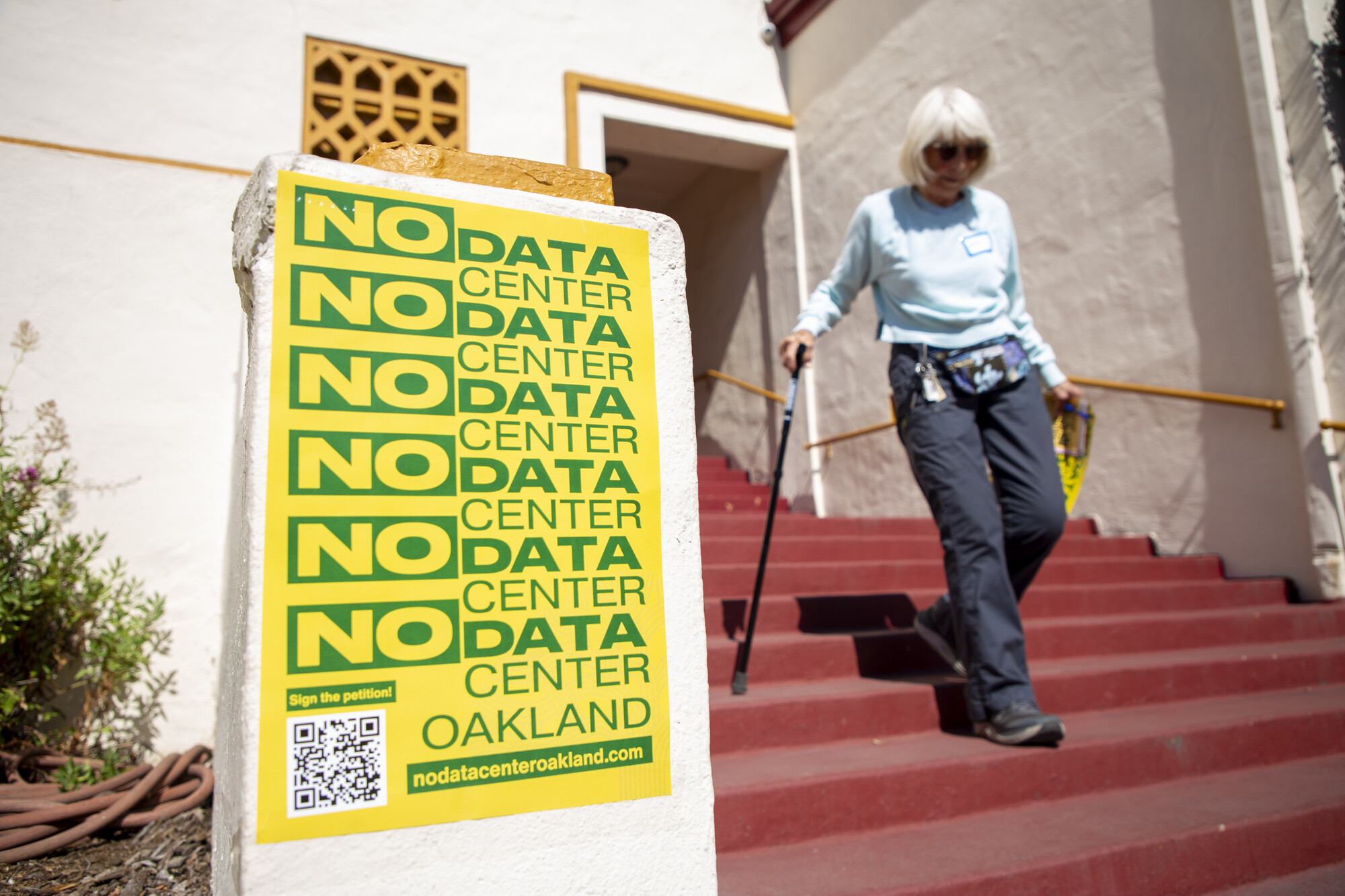
"caption": "A flyer that reads, “No Data Center” is posted at the Church of All Faiths in Oakland on Aug. 29, 2026. Oaklanders are continuing to call for a ban on data centers in the city. ",
"credit": "Tâm Vũ/KQED",
"altTag": null,
"description": null,
"imgSizes": {
"thumbnail": {
"file": "https://cdn.kqed.org/wp-content/uploads/sites/10/2026/08/260829-oakdatacentermeeting-TV00394_qed-160x107.jpg",
"width": 160,
"height": 107,
"mimeType": "image/jpeg"
},
"1536x1536": {
"file": "https://cdn.kqed.org/wp-content/uploads/sites/10/2026/08/260829-oakdatacentermeeting-TV00394_qed-1536x1024.jpg",
"width": 1536,
"height": 1024,
"mimeType": "image/jpeg"
},
"post-thumbnail": {
"file": "https://cdn.kqed.org/wp-content/uploads/sites/10/2026/08/260829-oakdatacentermeeting-TV00394_qed-672x372.jpg",
"width": 672,
"height": 372,
"mimeType": "image/jpeg"
},
"twentyfourteen-full-width": {
"file": "https://cdn.kqed.org/wp-content/uploads/sites/10/2026/08/260829-oakdatacentermeeting-TV00394_qed-1038x576.jpg",
"width": 1038,
"height": 576,
"mimeType": "image/jpeg"
},
"npr-cds-wide": {
"file": "https://cdn.kqed.org/wp-content/uploads/sites/10/2026/08/260829-oakdatacentermeeting-TV00394_qed-1200x675.jpg",
"width": 1200,
"height": 675,
"mimeType": "image/jpeg"
},
"npr-cds-square": {
"file": "https://cdn.kqed.org/wp-content/uploads/sites/10/2026/08/260829-oakdatacentermeeting-TV00394_qed-600x600.jpg",
"width": 600,
"height": 600,
"mimeType": "image/jpeg"
},
"kqedFullSize": {
"file": "https://cdn.kqed.org/wp-content/uploads/sites/10/2026/08/260829-oakdatacentermeeting-TV00394_qed.jpg",
"width": 2000,
"height": 1333
}
},
"isLoading": false,
"fetchFailed": false
},
"news_12078562": {
"type": "attachments",
"id": "news_12078562",
"meta": {
"index": "attachments_1716263798",
"site": "news",
"id": "12078562",
"found": true
},
"title": "260402-FLOCK SECURITY CAMERA FILE-MD-05-KQED_1",
"publishDate": 1775174184,
"status": "inherit",
"parent": 0,
"modified": 1787949646,
"caption": "A Flock camera monitors the intersection at McKee and North White roads in San José on April 2, 2026.",
"credit": "Martin do Nascimento/KQED",
"altTag": null,
"description": null,
"imgSizes": {
"thumbnail": {
"file": "https://cdn.kqed.org/wp-content/uploads/sites/10/2026/04/260402-FLOCK-SECURITY-CAMERA-FILE-MD-05-KQED_1-160x107.jpg",
"width": 160,
"height": 107,
"mimeType": "image/jpeg"
},
"1536x1536": {
"file": "https://cdn.kqed.org/wp-content/uploads/sites/10/2026/04/260402-FLOCK-SECURITY-CAMERA-FILE-MD-05-KQED_1-1536x1025.jpg",
"width": 1536,
"height": 1025,
"mimeType": "image/jpeg"
},
"post-thumbnail": {
"file": "https://cdn.kqed.org/wp-content/uploads/sites/10/2026/04/260402-FLOCK-SECURITY-CAMERA-FILE-MD-05-KQED_1-672x372.jpg",
"width": 672,
"height": 372,
"mimeType": "image/jpeg"
},
"twentyfourteen-full-width": {
"file": "https://cdn.kqed.org/wp-content/uploads/sites/10/2026/04/260402-FLOCK-SECURITY-CAMERA-FILE-MD-05-KQED_1-1038x576.jpg",
"width": 1038,
"height": 576,
"mimeType": "image/jpeg"
},
"npr-cds-wide": {
"file": "https://cdn.kqed.org/wp-content/uploads/sites/10/2026/04/260402-FLOCK-SECURITY-CAMERA-FILE-MD-05-KQED_1-1200x675.jpg",
"width": 1200,
"height": 675,
"mimeType": "image/jpeg"
},
"npr-cds-square": {
"file": "https://cdn.kqed.org/wp-content/uploads/sites/10/2026/04/260402-FLOCK-SECURITY-CAMERA-FILE-MD-05-KQED_1-600x600.jpg",
"width": 600,
"height": 600,
"mimeType": "image/jpeg"
},
"kqedFullSize": {
"file": "https://cdn.kqed.org/wp-content/uploads/sites/10/2026/04/260402-FLOCK-SECURITY-CAMERA-FILE-MD-05-KQED_1.jpg",
"width": 2000,
"height": 1334
}
},
"isLoading": false,
"fetchFailed": false
},
"news_12079282": {
"type": "attachments",
"id": "news_12079282",
"meta": {
"index": "attachments_1716263798",
"site": "news",
"id": "12079282",
"found": true
},
"title": "San Francisco has become the epicenter of AI startups and investment",
"publishDate": 1775761968,
"status": "inherit",
"parent": 12079267,
"modified": 1787941523,
"caption": "The Salesforce Tower is seen reflected in the windows of 500 Howard St., where AI firm Anthropic subleased Slack's office, in downtown San Francisco, California, on Oct. 19, 2023. ",
"credit": "Loren Elliott for The Washington Post via Getty Images",
"altTag": null,
"description": null,
"imgSizes": {
"thumbnail": {
"file": "https://cdn.kqed.org/wp-content/uploads/sites/10/2026/04/GettyImages-2233287472-160x107.jpg",
"width": 160,
"height": 107,
"mimeType": "image/jpeg"
},
"1536x1536": {
"file": "https://cdn.kqed.org/wp-content/uploads/sites/10/2026/04/GettyImages-2233287472-1536x1024.jpg",
"width": 1536,
"height": 1024,
"mimeType": "image/jpeg"
},
"post-thumbnail": {
"file": "https://cdn.kqed.org/wp-content/uploads/sites/10/2026/04/GettyImages-2233287472-672x372.jpg",
"width": 672,
"height": 372,
"mimeType": "image/jpeg"
},
"twentyfourteen-full-width": {
"file": "https://cdn.kqed.org/wp-content/uploads/sites/10/2026/04/GettyImages-2233287472-1038x576.jpg",
"width": 1038,
"height": 576,
"mimeType": "image/jpeg"
},
"npr-cds-wide": {
"file": "https://cdn.kqed.org/wp-content/uploads/sites/10/2026/04/GettyImages-2233287472-1200x675.jpg",
"width": 1200,
"height": 675,
"mimeType": "image/jpeg"
},
"npr-cds-square": {
"file": "https://cdn.kqed.org/wp-content/uploads/sites/10/2026/04/GettyImages-2233287472-600x600.jpg",
"width": 600,
"height": 600,
"mimeType": "image/jpeg"
},
"kqedFullSize": {
"file": "https://cdn.kqed.org/wp-content/uploads/sites/10/2026/04/GettyImages-2233287472.jpg",
"width": 1980,
"height": 1320
}
},
"isLoading": false,
"fetchFailed": false
},
"news_12097112": {
"type": "attachments",
"id": "news_12097112",
"meta": {
"index": "attachments_1716263798",
"site": "news",
"id": "12097112",
"found": true
},
"title": "UCLA Campus",
"publishDate": 1787858901,
"status": "inherit",
"parent": 12097106,
"modified": 1787858941,
"caption": "The UCLA campus in Los Angeles on Feb. 18, 2022. ",
"credit": "Raquel Natalicchio for CalMatters",
"altTag": null,
"description": null,
"imgSizes": {
"thumbnail": {
"file": "https://cdn.kqed.org/wp-content/uploads/sites/10/2026/08/UCLACM-160x106.jpg",
"width": 160,
"height": 106,
"mimeType": "image/jpeg"
},
"1536x1536": {
"file": "https://cdn.kqed.org/wp-content/uploads/sites/10/2026/08/UCLACM-1536x1022.jpg",
"width": 1536,
"height": 1022,
"mimeType": "image/jpeg"
},
"post-thumbnail": {
"file": "https://cdn.kqed.org/wp-content/uploads/sites/10/2026/08/UCLACM-672x372.jpg",
"width": 672,
"height": 372,
"mimeType": "image/jpeg"
},
"twentyfourteen-full-width": {
"file": "https://cdn.kqed.org/wp-content/uploads/sites/10/2026/08/UCLACM-1038x576.jpg",
"width": 1038,
"height": 576,
"mimeType": "image/jpeg"
},
"npr-cds-wide": {
"file": "https://cdn.kqed.org/wp-content/uploads/sites/10/2026/08/UCLACM-1200x675.jpg",
"width": 1200,
"height": 675,
"mimeType": "image/jpeg"
},
"npr-cds-square": {
"file": "https://cdn.kqed.org/wp-content/uploads/sites/10/2026/08/UCLACM-600x600.jpg",
"width": 600,
"height": 600,
"mimeType": "image/jpeg"
},
"kqedFullSize": {
"file": "https://cdn.kqed.org/wp-content/uploads/sites/10/2026/08/UCLACM.jpg",
"width": 2000,
"height": 1331
}
},
"isLoading": false,
"fetchFailed": false
},
"news_12095058": {
"type": "attachments",
"id": "news_12095058",
"meta": {
"index": "attachments_1716263798",
"site": "news",
"id": "12095058",
"found": true
},
"title": "081226-SCHOOLTECHBANS-05-MC_QED (1)-1",
"publishDate": 1786576667,
"status": "inherit",
"parent": 0,
"modified": 1786576698,
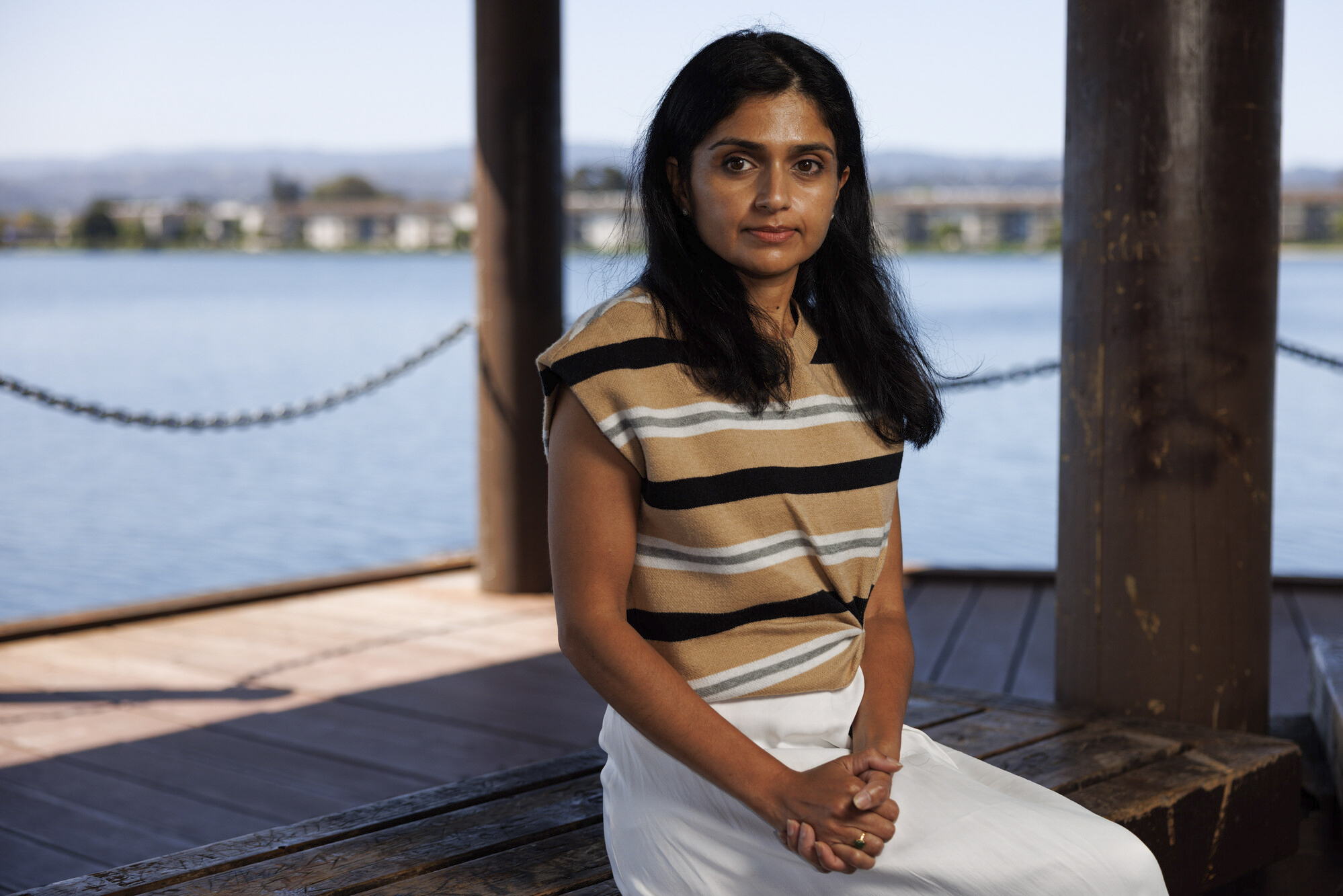
"caption": "Suki Reddy poses for a portrait in Leo J. Ryan Park on Wednesday, Aug.12, 2026, in San Mateo.",
"credit": "Miles Cull/KQED",
"altTag": null,
"description": null,
"imgSizes": {
"thumbnail": {
"file": "https://cdn.kqed.org/wp-content/uploads/sites/10/2026/08/081226-SCHOOLTECHBANS-05-MC_QED-1-1-160x107.jpg",
"width": 160,
"height": 107,
"mimeType": "image/jpeg"
},
"1536x1536": {
"file": "https://cdn.kqed.org/wp-content/uploads/sites/10/2026/08/081226-SCHOOLTECHBANS-05-MC_QED-1-1-1536x1025.jpg",
"width": 1536,
"height": 1025,
"mimeType": "image/jpeg"
},
"post-thumbnail": {
"file": "https://cdn.kqed.org/wp-content/uploads/sites/10/2026/08/081226-SCHOOLTECHBANS-05-MC_QED-1-1-672x372.jpg",
"width": 672,
"height": 372,
"mimeType": "image/jpeg"
},
"twentyfourteen-full-width": {
"file": "https://cdn.kqed.org/wp-content/uploads/sites/10/2026/08/081226-SCHOOLTECHBANS-05-MC_QED-1-1-1038x576.jpg",
"width": 1038,
"height": 576,
"mimeType": "image/jpeg"
},
"npr-cds-wide": {
"file": "https://cdn.kqed.org/wp-content/uploads/sites/10/2026/08/081226-SCHOOLTECHBANS-05-MC_QED-1-1-1200x675.jpg",
"width": 1200,
"height": 675,
"mimeType": "image/jpeg"
},
"npr-cds-square": {
"file": "https://cdn.kqed.org/wp-content/uploads/sites/10/2026/08/081226-SCHOOLTECHBANS-05-MC_QED-1-1-600x600.jpg",
"width": 600,
"height": 600,
"mimeType": "image/jpeg"
},
"kqedFullSize": {
"file": "https://cdn.kqed.org/wp-content/uploads/sites/10/2026/08/081226-SCHOOLTECHBANS-05-MC_QED-1-1.jpg",
"width": 1998,
"height": 1333
}
},
"isLoading": false,
"fetchFailed": false
},
"news_12096688": {
"type": "attachments",
"id": "news_12096688",
"meta": {
"index": "attachments_1716263798",
"site": "news",
"id": "12096688",
"found": true
},
"title": "260825-METATRIALSKETCH1-VB-KQED",
"publishDate": 1787681163,
"status": "inherit",
"parent": 0,
"modified": 1787681263,
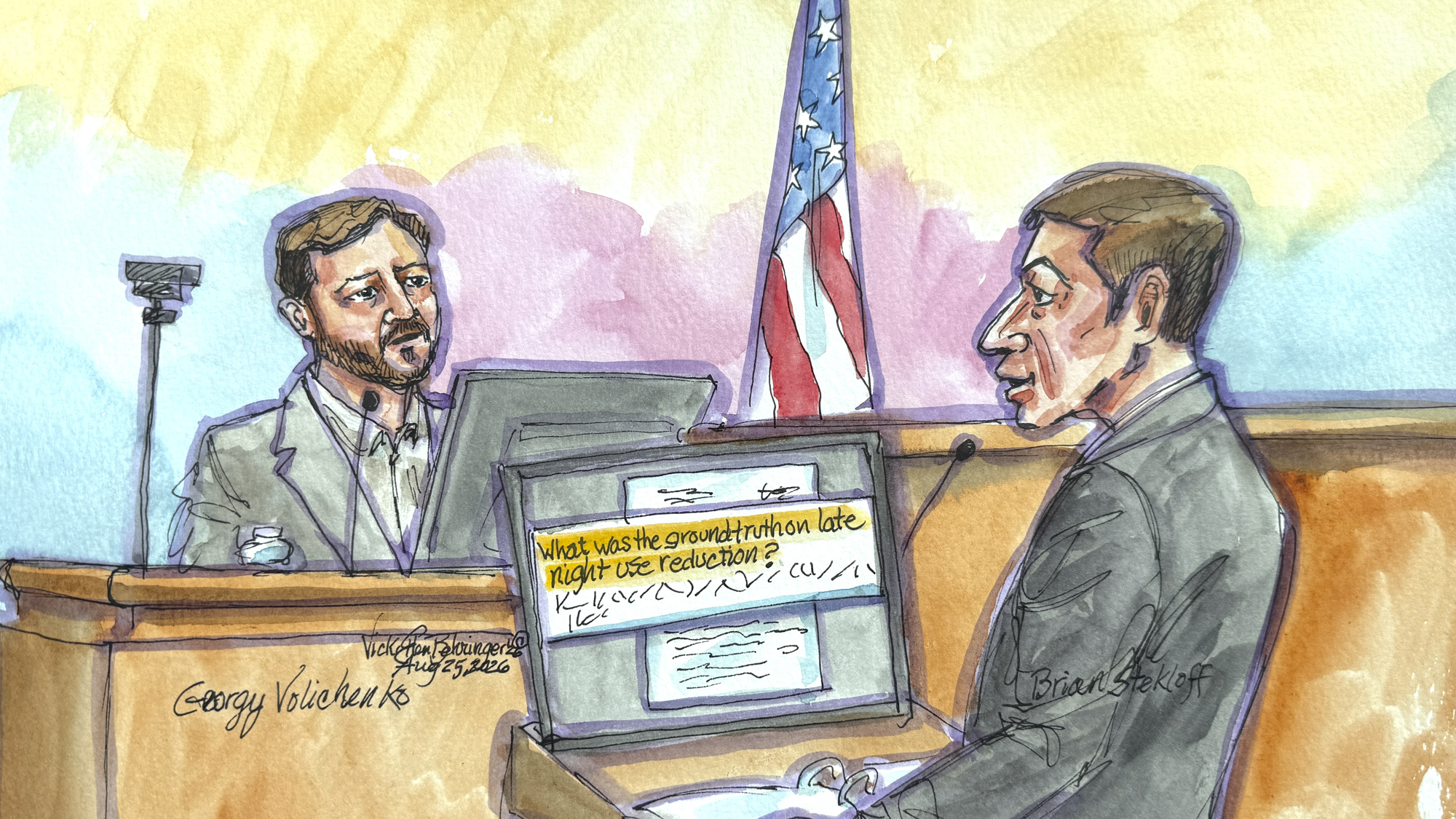
"caption": "Former Instagram employee Georgy Volichenko testifies on Aug. 25, 2026.",
"credit": "Vicki Behringer for KQED",
"altTag": null,
"description": null,
"imgSizes": {
"thumbnail": {
"file": "https://cdn.kqed.org/wp-content/uploads/sites/10/2026/08/260825-METATRIALSKETCH1-VB-KQED-160x90.jpg",
"width": 160,
"height": 90,
"mimeType": "image/jpeg"
},
"1536x1536": {
"file": "https://cdn.kqed.org/wp-content/uploads/sites/10/2026/08/260825-METATRIALSKETCH1-VB-KQED-1536x864.jpg",
"width": 1536,
"height": 864,
"mimeType": "image/jpeg"
},
"post-thumbnail": {
"file": "https://cdn.kqed.org/wp-content/uploads/sites/10/2026/08/260825-METATRIALSKETCH1-VB-KQED-672x372.jpg",
"width": 672,
"height": 372,
"mimeType": "image/jpeg"
},
"twentyfourteen-full-width": {
"file": "https://cdn.kqed.org/wp-content/uploads/sites/10/2026/08/260825-METATRIALSKETCH1-VB-KQED-1038x576.jpg",
"width": 1038,
"height": 576,
"mimeType": "image/jpeg"
},
"npr-cds-wide": {
"file": "https://cdn.kqed.org/wp-content/uploads/sites/10/2026/08/260825-METATRIALSKETCH1-VB-KQED-1200x675.jpg",
"width": 1200,
"height": 675,
"mimeType": "image/jpeg"
},
"npr-cds-square": {
"file": "https://cdn.kqed.org/wp-content/uploads/sites/10/2026/08/260825-METATRIALSKETCH1-VB-KQED-600x600.jpg",
"width": 600,
"height": 600,
"mimeType": "image/jpeg"
},
"kqedFullSize": {
"file": "https://cdn.kqed.org/wp-content/uploads/sites/10/2026/08/260825-METATRIALSKETCH1-VB-KQED.jpg",
"width": 2000,
"height": 1125
}
},
"isLoading": false,
"fetchFailed": false
},
"news_12096824": {
"type": "attachments",
"id": "news_12096824",
"meta": {
"index": "attachments_1716263798",
"site": "news",
"id": "12096824",
"found": true
},
"title": "GettyImages-2290506003",
"publishDate": 1787755513,
"status": "inherit",
"parent": 12096821,
"modified": 1788542018,
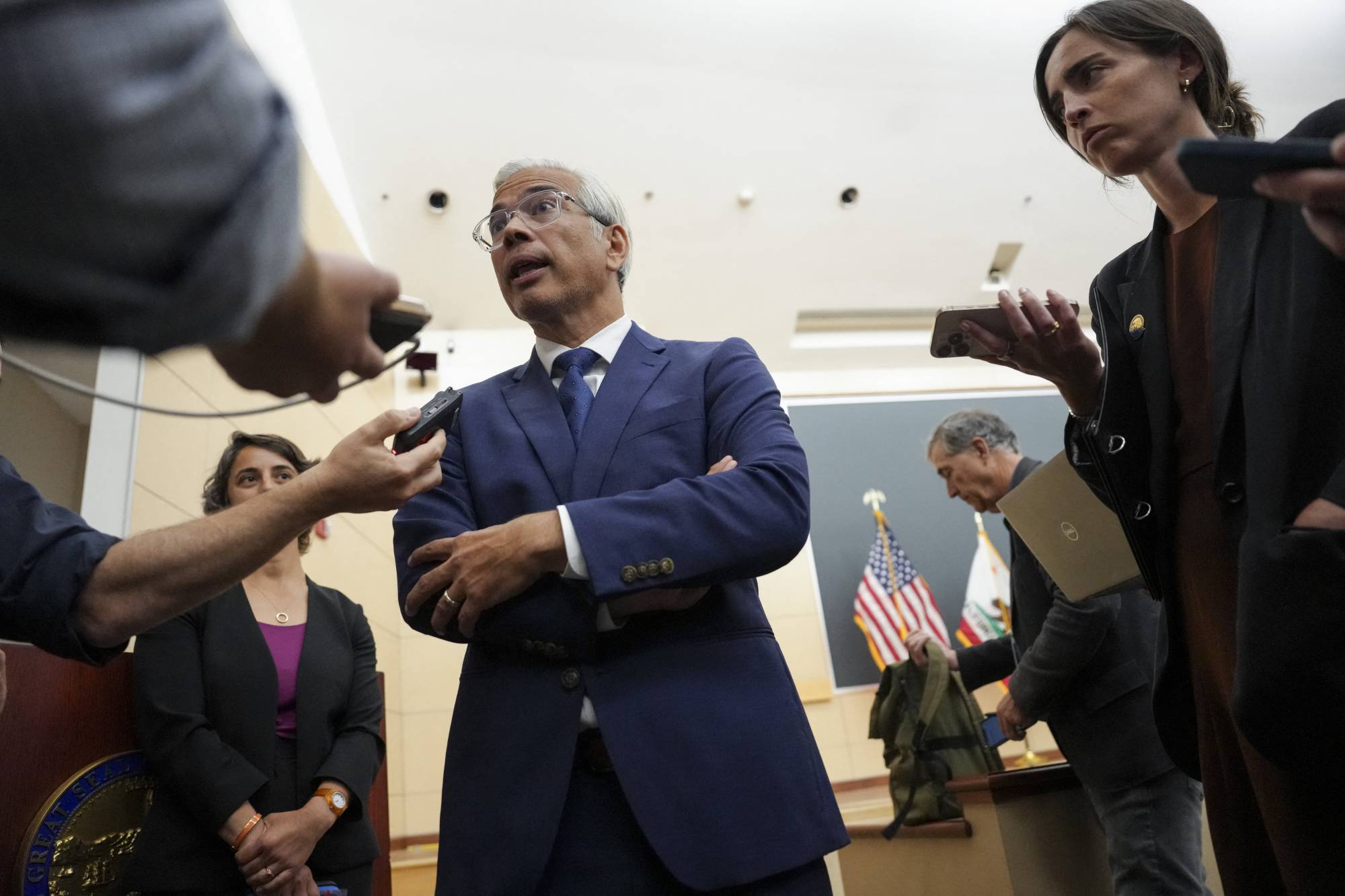
"caption": "California Attorney General Rob Bonta speaks to reporters at a press conference after opening arguments took place in the Meta trial over a lawsuit brought by U.S. states about social media addiction, at the Ronald V. Dellums Federal Building and U.S. Courthouse in Oakland, California, on Aug. 18, 2026. ",
"credit": "Godofredo A. Vasquez/AFP via Getty Images",
"altTag": null,
"description": null,
"imgSizes": {
"medium": {
"file": "https://cdn.kqed.org/wp-content/uploads/sites/10/2026/08/GettyImages-2290506003-1-2000x1333.jpg",
"width": 2000,
"height": 1333,
"mimeType": "image/jpeg"
},
"large": {
"file": "https://cdn.kqed.org/wp-content/uploads/sites/10/2026/08/GettyImages-2290506003-1-2000x1333.jpg",
"width": 2000,
"height": 1333,
"mimeType": "image/jpeg"
},
"thumbnail": {
"file": "https://cdn.kqed.org/wp-content/uploads/sites/10/2026/08/GettyImages-2290506003-1-160x107.jpg",
"width": 160,
"height": 107,
"mimeType": "image/jpeg"
},
"1536x1536": {
"file": "https://cdn.kqed.org/wp-content/uploads/sites/10/2026/08/GettyImages-2290506003-1-1536x1024.jpg",
"width": 1536,
"height": 1024,
"mimeType": "image/jpeg"
},
"2048x2048": {
"file": "https://cdn.kqed.org/wp-content/uploads/sites/10/2026/08/GettyImages-2290506003-1-2048x1365.jpg",
"width": 2048,
"height": 1365,
"mimeType": "image/jpeg"
},
"post-thumbnail": {
"file": "https://cdn.kqed.org/wp-content/uploads/sites/10/2026/08/GettyImages-2290506003-1-672x372.jpg",
"width": 672,
"height": 372,
"mimeType": "image/jpeg"
},
"twentyfourteen-full-width": {
"file": "https://cdn.kqed.org/wp-content/uploads/sites/10/2026/08/GettyImages-2290506003-1-1038x576.jpg",
"width": 1038,
"height": 576,
"mimeType": "image/jpeg"
},
"full-width": {
"file": "https://cdn.kqed.org/wp-content/uploads/sites/10/2026/08/GettyImages-2290506003-1-2000x1333.jpg",
"width": 2000,
"height": 1333,
"mimeType": "image/jpeg"
},
"npr-cds-wide": {
"file": "https://cdn.kqed.org/wp-content/uploads/sites/10/2026/08/GettyImages-2290506003-1-1200x675.jpg",
"width": 1200,
"height": 675,
"mimeType": "image/jpeg"
},
"npr-cds-square": {
"file": "https://cdn.kqed.org/wp-content/uploads/sites/10/2026/08/GettyImages-2290506003-1-600x600.jpg",
"width": 600,
"height": 600,
"mimeType": "image/jpeg"
},
"kqedFullSize": {
"file": "https://cdn.kqed.org/wp-content/uploads/sites/10/2026/08/GettyImages-2290506003-1-scaled-e1787755545663.jpg",
"width": 2000,
"height": 1334
}
},
"isLoading": false,
"fetchFailed": false
},
"news_12094290": {
"type": "attachments",
"id": "news_12094290",
"meta": {
"index": "attachments_1716263798",
"site": "news",
"id": "12094290",
"found": true
},
"title": "DreamMachine__Web Article",
"publishDate": 1786116700,
"status": "inherit",
"parent": 12094288,
"modified": 1786116700,
"caption": null,
"credit": null,
"altTag": null,
"description": null,
"imgSizes": {
"thumbnail": {
"file": "https://cdn.kqed.org/wp-content/uploads/sites/10/2026/08/DreamMachine__Web-Article-160x90.png",
"width": 160,
"height": 90,
"mimeType": "image/png"
},
"1536x1536": {
"file": "https://cdn.kqed.org/wp-content/uploads/sites/10/2026/08/DreamMachine__Web-Article-1536x864.png",
"width": 1536,
"height": 864,
"mimeType": "image/png"
},
"post-thumbnail": {
"file": "https://cdn.kqed.org/wp-content/uploads/sites/10/2026/08/DreamMachine__Web-Article-672x372.png",
"width": 672,
"height": 372,
"mimeType": "image/png"
},
"twentyfourteen-full-width": {
"file": "https://cdn.kqed.org/wp-content/uploads/sites/10/2026/08/DreamMachine__Web-Article-1038x576.png",
"width": 1038,
"height": 576,
"mimeType": "image/png"
},
"npr-cds-wide": {
"file": "https://cdn.kqed.org/wp-content/uploads/sites/10/2026/08/DreamMachine__Web-Article-1200x675.png",
"width": 1200,
"height": 675,
"mimeType": "image/png"
},
"npr-cds-square": {
"file": "https://cdn.kqed.org/wp-content/uploads/sites/10/2026/08/DreamMachine__Web-Article-600x600.png",
"width": 600,
"height": 600,
"mimeType": "image/png"
},
"kqedFullSize": {
"file": "https://cdn.kqed.org/wp-content/uploads/sites/10/2026/08/DreamMachine__Web-Article.png",
"width": 1920,
"height": 1080
}
},
"isLoading": false,
"fetchFailed": false
},
"news_12082871": {
"type": "attachments",
"id": "news_12082871",
"meta": {
"index": "attachments_1716263798",
"site": "news",
"id": "12082871",
"found": true
},
"title": "050726BERKELEY FLOCK RALLY_GH_010-KQED",
"publishDate": 1778258324,
"status": "inherit",
"parent": 12093784,
"modified": 1785800207,
"caption": "A protester holds a sign during a rally opposing Berkeley’s proposed contract expansion with surveillance company Flock Safety outside the Berkeley Unified School District boardroom in Berkeley on May 7, 2026.",
"credit": "Gustavo Hernandez/KQED",
"altTag": null,
"description": null,
"imgSizes": {
"thumbnail": {
"file": "https://cdn.kqed.org/wp-content/uploads/sites/10/2026/05/050726BERKELEY-FLOCK-RALLY_GH_010-KQED-160x107.jpg",
"width": 160,
"height": 107,
"mimeType": "image/jpeg"
},
"1536x1536": {
"file": "https://cdn.kqed.org/wp-content/uploads/sites/10/2026/05/050726BERKELEY-FLOCK-RALLY_GH_010-KQED-1536x1024.jpg",
"width": 1536,
"height": 1024,
"mimeType": "image/jpeg"
},
"post-thumbnail": {
"file": "https://cdn.kqed.org/wp-content/uploads/sites/10/2026/05/050726BERKELEY-FLOCK-RALLY_GH_010-KQED-672x372.jpg",
"width": 672,
"height": 372,
"mimeType": "image/jpeg"
},
"twentyfourteen-full-width": {
"file": "https://cdn.kqed.org/wp-content/uploads/sites/10/2026/05/050726BERKELEY-FLOCK-RALLY_GH_010-KQED-1038x576.jpg",
"width": 1038,
"height": 576,
"mimeType": "image/jpeg"
},
"npr-cds-wide": {
"file": "https://cdn.kqed.org/wp-content/uploads/sites/10/2026/05/050726BERKELEY-FLOCK-RALLY_GH_010-KQED-1200x675.jpg",
"width": 1200,
"height": 675,
"mimeType": "image/jpeg"
},
"npr-cds-square": {
"file": "https://cdn.kqed.org/wp-content/uploads/sites/10/2026/05/050726BERKELEY-FLOCK-RALLY_GH_010-KQED-600x600.jpg",
"width": 600,
"height": 600,
"mimeType": "image/jpeg"
},
"kqedFullSize": {
"file": "https://cdn.kqed.org/wp-content/uploads/sites/10/2026/05/050726BERKELEY-FLOCK-RALLY_GH_010-KQED.jpg",
"width": 2000,
"height": 1333
}
},
"isLoading": false,
"fetchFailed": false
},
"news_12096109": {
"type": "attachments",
"id": "news_12096109",
"meta": {
"index": "attachments_1716263798",
"site": "news",
"id": "12096109",
"found": true
},
"title": "260501-OAKLAND MAY DAY-MD-05_qed",
"publishDate": 1787254053,
"status": "inherit",
"parent": 12096106,
"modified": 1787336857,
"caption": "Protesters march carrying a papier-mâché camera to protest the use of Flock security cameras at the Oakland Sin Fronteras May Day march in Oakland on May 1, 2026.",
"credit": "Martin do Nascimento/KQED",
"altTag": null,
"description": null,
"imgSizes": {
"thumbnail": {
"file": "https://cdn.kqed.org/wp-content/uploads/sites/10/2026/08/260501-OAKLAND-MAY-DAY-MD-05_qed-160x107.jpg",
"width": 160,
"height": 107,
"mimeType": "image/jpeg"
},
"1536x1536": {
"file": "https://cdn.kqed.org/wp-content/uploads/sites/10/2026/08/260501-OAKLAND-MAY-DAY-MD-05_qed-1536x1025.jpg",
"width": 1536,
"height": 1025,
"mimeType": "image/jpeg"
},
"post-thumbnail": {
"file": "https://cdn.kqed.org/wp-content/uploads/sites/10/2026/08/260501-OAKLAND-MAY-DAY-MD-05_qed-672x372.jpg",
"width": 672,
"height": 372,
"mimeType": "image/jpeg"
},
"twentyfourteen-full-width": {
"file": "https://cdn.kqed.org/wp-content/uploads/sites/10/2026/08/260501-OAKLAND-MAY-DAY-MD-05_qed-1038x576.jpg",
"width": 1038,
"height": 576,
"mimeType": "image/jpeg"
},
"npr-cds-wide": {
"file": "https://cdn.kqed.org/wp-content/uploads/sites/10/2026/08/260501-OAKLAND-MAY-DAY-MD-05_qed-1200x675.jpg",
"width": 1200,
"height": 675,
"mimeType": "image/jpeg"
},
"npr-cds-square": {
"file": "https://cdn.kqed.org/wp-content/uploads/sites/10/2026/08/260501-OAKLAND-MAY-DAY-MD-05_qed-600x600.jpg",
"width": 600,
"height": 600,
"mimeType": "image/jpeg"
},
"kqedFullSize": {
"file": "https://cdn.kqed.org/wp-content/uploads/sites/10/2026/08/260501-OAKLAND-MAY-DAY-MD-05_qed.jpg",
"width": 1998,
"height": 1333
}
},
"isLoading": false,
"fetchFailed": false
},
"news_12095855": {
"type": "attachments",
"id": "news_12095855",
"meta": {
"index": "attachments_1716263798",
"site": "news",
"id": "12095855",
"found": true
},
"title": "MetaTrialSketch3_VB-KQED",
"publishDate": 1787088784,
"status": "inherit",
"parent": 0,
"modified": 1787093120,
"caption": "Arturo Béjar, a security consultant who formerly worked for Meta, testified on Aug. 18, 2026, in a federal courthouse in Oakland. Bejar testified before the Senate in 2023 that the company knew about harms its platforms caused to children and teens, but failed to act.",
"credit": "Vicki Behringer for KQED",
"altTag": null,
"description": null,
"imgSizes": {
"thumbnail": {
"file": "https://cdn.kqed.org/wp-content/uploads/sites/10/2026/08/MetaTrialSketch3_VB-KQED-160x90.jpg",
"width": 160,
"height": 90,
"mimeType": "image/jpeg"
},
"1536x1536": {
"file": "https://cdn.kqed.org/wp-content/uploads/sites/10/2026/08/MetaTrialSketch3_VB-KQED-1536x864.jpg",
"width": 1536,
"height": 864,
"mimeType": "image/jpeg"
},
"post-thumbnail": {
"file": "https://cdn.kqed.org/wp-content/uploads/sites/10/2026/08/MetaTrialSketch3_VB-KQED-672x372.jpg",
"width": 672,
"height": 372,
"mimeType": "image/jpeg"
},
"twentyfourteen-full-width": {
"file": "https://cdn.kqed.org/wp-content/uploads/sites/10/2026/08/MetaTrialSketch3_VB-KQED-1038x576.jpg",
"width": 1038,
"height": 576,
"mimeType": "image/jpeg"
},
"npr-cds-wide": {
"file": "https://cdn.kqed.org/wp-content/uploads/sites/10/2026/08/MetaTrialSketch3_VB-KQED-1200x675.jpg",
"width": 1200,
"height": 675,
"mimeType": "image/jpeg"
},
"npr-cds-square": {
"file": "https://cdn.kqed.org/wp-content/uploads/sites/10/2026/08/MetaTrialSketch3_VB-KQED-600x600.jpg",
"width": 600,
"height": 600,
"mimeType": "image/jpeg"
},
"kqedFullSize": {
"file": "https://cdn.kqed.org/wp-content/uploads/sites/10/2026/08/MetaTrialSketch3_VB-KQED.jpg",
"width": 2000,
"height": 1125
}
},
"isLoading": false,
"fetchFailed": false
},
"news_12095995": {
"type": "attachments",
"id": "news_12095995",
"meta": {
"index": "attachments_1716263798",
"site": "news",
"id": "12095995",
"found": true
},
"title": "260819-MetaTrialSketch1_VB",
"publishDate": 1787162895,
"status": "inherit",
"parent": 0,
"modified": 1787179672,
"caption": "Arturo Béjar, a former Meta staffer and whistleblower, testified in court in Oakland, California, on Wednesday, Aug. 19, 2026.",
"credit": "Vicki Behringer for KQED",
"altTag": null,
"description": null,
"imgSizes": {
"medium": {
"file": "https://cdn.kqed.org/wp-content/uploads/sites/10/2026/08/260819-MetaTrialSketch1_VB-2000x1125.jpg",
"width": 2000,
"height": 1125,
"mimeType": "image/jpeg"
},
"large": {
"file": "https://cdn.kqed.org/wp-content/uploads/sites/10/2026/08/260819-MetaTrialSketch1_VB-2000x1125.jpg",
"width": 2000,
"height": 1125,
"mimeType": "image/jpeg"
},
"thumbnail": {
"file": "https://cdn.kqed.org/wp-content/uploads/sites/10/2026/08/260819-MetaTrialSketch1_VB-160x90.jpg",
"width": 160,
"height": 90,
"mimeType": "image/jpeg"
},
"1536x1536": {
"file": "https://cdn.kqed.org/wp-content/uploads/sites/10/2026/08/260819-MetaTrialSketch1_VB-1536x864.jpg",
"width": 1536,
"height": 864,
"mimeType": "image/jpeg"
},
"2048x2048": {
"file": "https://cdn.kqed.org/wp-content/uploads/sites/10/2026/08/260819-MetaTrialSketch1_VB-2048x1152.jpg",
"width": 2048,
"height": 1152,
"mimeType": "image/jpeg"
},
"post-thumbnail": {
"file": "https://cdn.kqed.org/wp-content/uploads/sites/10/2026/08/260819-MetaTrialSketch1_VB-672x372.jpg",
"width": 672,
"height": 372,
"mimeType": "image/jpeg"
},
"twentyfourteen-full-width": {
"file": "https://cdn.kqed.org/wp-content/uploads/sites/10/2026/08/260819-MetaTrialSketch1_VB-1038x576.jpg",
"width": 1038,
"height": 576,
"mimeType": "image/jpeg"
},
"full-width": {
"file": "https://cdn.kqed.org/wp-content/uploads/sites/10/2026/08/260819-MetaTrialSketch1_VB-2000x1125.jpg",
"width": 2000,
"height": 1125,
"mimeType": "image/jpeg"
},
"npr-cds-wide": {
"file": "https://cdn.kqed.org/wp-content/uploads/sites/10/2026/08/260819-MetaTrialSketch1_VB-1200x675.jpg",
"width": 1200,
"height": 675,
"mimeType": "image/jpeg"
},
"npr-cds-square": {
"file": "https://cdn.kqed.org/wp-content/uploads/sites/10/2026/08/260819-MetaTrialSketch1_VB-600x600.jpg",
"width": 600,
"height": 600,
"mimeType": "image/jpeg"
},
"kqedFullSize": {
"file": "https://cdn.kqed.org/wp-content/uploads/sites/10/2026/08/260819-MetaTrialSketch1_VB-scaled.jpg",
"width": 2560,
"height": 1440
}
},
"isLoading": false,
"fetchFailed": false
}
},
"audioPlayerReducer": {
"postId": "stream_live",
"isPaused": true,
"isPlaying": false,
"pfsActive": false,
"pledgeModalIsOpen": true,
"playerDrawerIsOpen": false,
"liveAudioPlayStartedAt": 0,
"liveAudioPlayContext": ""
},
"authorsReducer": {
"byline_news_12097106": {
"type": "authors",
"id": "byline_news_12097106",
"meta": {
"override": true
},
"slug": "byline_news_12097106",
"name": "Mikhail Zinshteyn, CalMatters",
"isLoading": false
},
"byline_news_12096821": {
"type": "authors",
"id": "byline_news_12096821",
"meta": {
"override": true
},
"slug": "byline_news_12096821",
"name": "John Ruwitch",
"isLoading": false
},
"byline_news_12096467": {
"type": "authors",
"id": "byline_news_12096467",
"meta": {
"override": true
},
"slug": "byline_news_12096467",
"name": "Alexis Madrigal and Robin Sloan",
"isLoading": false
},
"rachael-myrow": {
"type": "authors",
"id": "251",
"meta": {
"index": "authors_1716337520",
"id": "251",
"found": true
},
"name": "Rachael Myrow",
"firstName": "Rachael",
"lastName": "Myrow",
"slug": "rachael-myrow",
"email": "rmyrow@kqed.org",
"display_author_email": true,
"staff_mastheads": [
"news"
],
"title": "Senior Editor of KQED's Silicon Valley News Desk",
"bio": "• I write and edit stories about how Silicon Valley power and policies shape everyday life in California. I’m also passionate about making Bay Area history and culture more accessible to a broad public. • I’ve been a journalist for most of my life, starting in high school with The Franklin Press in Los Angeles, where I grew up. While earning my first degree in English at UC Berkeley, I got my start in public radio at KALX-FM. After completing a second degree in journalism at Cal, I landed my first professional job at Marketplace, then moved on to KPCC (now LAist), and then KQED, where I hosted The California Report for more than seven years. • My reporting has appeared on NPR, The World, WBUR’s \u003ci>Here & Now\u003c/i>, and the BBC. I also guest host for KQED’s \u003ci>Forum\u003c/i>, as well as the Commonwealth Club in San Francisco. • I speak periodically on media, democracy and technology issues, and do voiceover work for documentaries and educational video projects. • Outside of the studio, you'll find me hiking Bay Area trails and whipping up Insta-ready meals in my kitchen. • I do not accept gifts, money, or favors from anyone connected to my reporting, I don't pay people for information, and I do not support or donate to political causes. • I strive to treat the people I report on with fairness, honesty, and respect. I also recognize there are often multiple sides to a story and work to verify information through multiple sources and documentation. If I get something wrong, I correct it.",
"avatar": "https://secure.gravatar.com/avatar/3ed8a3c5f26025e4a805ba634cda8cd764906b97438a6d9ce216b044e340da4e?s=600&d=blank&r=g",
"twitter": "rachaelmyrow",
"bluesky": null,
"facebook": null,
"instagram": null,
"linkedin": "https://www.linkedin.com/in/rachaelmyrow/",
"sites": [
{
"site": "arts",
"roles": [
"administrator"
]
},
{
"site": "news",
"roles": [
"edit_others_posts",
"editor"
]
},
{
"site": "futureofyou",
"roles": [
"editor"
]
},
{
"site": "bayareabites",
"roles": [
"editor"
]
},
{
"site": "stateofhealth",
"roles": [
"editor"
]
},
{
"site": "science",
"roles": [
"editor"
]
},
{
"site": "food",
"roles": [
"editor"
]
},
{
"site": "forum",
"roles": [
"editor"
]
},
{
"site": "liveblog",
"roles": [
"author"
]
}
],
"headData": {
"title": "Rachael Myrow | KQED",
"description": "Senior Editor of KQED's Silicon Valley News Desk",
"ogImgSrc": "https://secure.gravatar.com/avatar/3ed8a3c5f26025e4a805ba634cda8cd764906b97438a6d9ce216b044e340da4e?s=600&d=blank&r=g",
"twImgSrc": "https://secure.gravatar.com/avatar/3ed8a3c5f26025e4a805ba634cda8cd764906b97438a6d9ce216b044e340da4e?s=600&d=blank&r=g"
},
"isLoading": false,
"link": "/author/rachael-myrow"
},
"ecruzguevarra": {
"type": "authors",
"id": "8654",
"meta": {
"index": "authors_1716337520",
"id": "8654",
"found": true
},
"name": "Ericka Cruz Guevarra",
"firstName": "Ericka",
"lastName": "Cruz Guevarra",
"slug": "ecruzguevarra",
"email": "ecruzguevarra@kqed.org",
"display_author_email": true,
"staff_mastheads": [
"news"
],
"title": "Producer, The Bay Podcast",
"bio": "Ericka Cruz Guevarra is host of \u003ca href=\"https://www.kqed.org/podcasts/thebay\">\u003cem>The Bay\u003c/em>\u003c/a> podcast at KQED. Before host, she was the show’s producer. Her work in that capacity includes a three-part reported series on policing in Vallejo, which won a 2020 excellence in journalism award from the Society of Professional Journalists. Ericka has worked as a breaking news reporter at Oregon Public Broadcasting, helped produce the Code Switch podcast, and was KQED’s inaugural Raul Ramirez Diversity Fund intern. She’s also an alumna of NPR’s Next Generation Radio program. Send her an email if you have strong feelings about whether Fairfield and Suisun City are the Bay. Ericka is represented by SAG-AFTRA.",
"avatar": "https://secure.gravatar.com/avatar/accefc1de4bafc7e234b69bcb9b6f6536c130fd84709bc3069ef11a78787e1bb?s=600&d=blank&r=g",
"twitter": "NotoriousECG",
"bluesky": null,
"facebook": null,
"instagram": null,
"linkedin": null,
"sites": [
{
"site": "arts",
"roles": [
"subscriber"
]
},
{
"site": "news",
"roles": [
"editor",
"manage_categories"
]
},
{
"site": "futureofyou",
"roles": [
"subscriber"
]
},
{
"site": "stateofhealth",
"roles": [
"subscriber"
]
},
{
"site": "science",
"roles": [
"editor"
]
},
{
"site": "forum",
"roles": [
"subscriber"
]
}
],
"headData": {
"title": "Ericka Cruz Guevarra | KQED",
"description": "Producer, The Bay Podcast",
"ogImgSrc": "https://secure.gravatar.com/avatar/accefc1de4bafc7e234b69bcb9b6f6536c130fd84709bc3069ef11a78787e1bb?s=600&d=blank&r=g",
"twImgSrc": "https://secure.gravatar.com/avatar/accefc1de4bafc7e234b69bcb9b6f6536c130fd84709bc3069ef11a78787e1bb?s=600&d=blank&r=g"
},
"isLoading": false,
"link": "/author/ecruzguevarra"
},
"amontecillo": {
"type": "authors",
"id": "11649",
"meta": {
"index": "authors_1716337520",
"id": "11649",
"found": true
},
"name": "Alan Montecillo",
"firstName": "Alan",
"lastName": "Montecillo",
"slug": "amontecillo",
"email": "amontecillo@kqed.org",
"display_author_email": false,
"staff_mastheads": [
"news"
],
"title": "KQED Contributor",
"bio": "Alan Montecillo is the senior editor of \u003cem>\u003ca href=\"http://kqed.org/thebay\">The Bay\u003c/a>, \u003c/em> KQED's local news podcast. Before moving to the Bay Area, he worked as a senior talk show producer for WILL in Champaign-Urbana, Illinois and at Oregon Public Broadcasting in Portland, Oregon. He has won journalism awards from the Society of Professional Journalists Northern California, the Public Media Journalists Association, The Signal Awards, and has also received a regional Edward R. Murrow award. Alan is a Filipino American from Hong Kong and a graduate of Reed College.",
"avatar": "https://secure.gravatar.com/avatar/268f53a2066899ea9efdd8a5900218b17c822d9862cbc9326cccec53ef41d349?s=600&d=blank&r=g",
"twitter": "alanmontecillo",
"bluesky": null,
"facebook": null,
"instagram": null,
"linkedin": null,
"sites": [
{
"site": "",
"roles": [
"editor"
]
},
{
"site": "news",
"roles": [
"editor",
"manage_categories"
]
}
],
"headData": {
"title": "Alan Montecillo | KQED",
"description": "KQED Contributor",
"ogImgSrc": "https://secure.gravatar.com/avatar/268f53a2066899ea9efdd8a5900218b17c822d9862cbc9326cccec53ef41d349?s=600&d=blank&r=g",
"twImgSrc": "https://secure.gravatar.com/avatar/268f53a2066899ea9efdd8a5900218b17c822d9862cbc9326cccec53ef41d349?s=600&d=blank&r=g"
},
"isLoading": false,
"link": "/author/amontecillo"
},
"kdebenedetti": {
"type": "authors",
"id": "11913",
"meta": {
"index": "authors_1716337520",
"id": "11913",
"found": true
},
"name": "Katie DeBenedetti",
"firstName": "Katie",
"lastName": "DeBenedetti",
"slug": "kdebenedetti",
"email": "kdebenedetti@kqed.org",
"display_author_email": false,
"staff_mastheads": [
"news",
"science"
],
"title": "KQED Contributor",
"bio": "Katie DeBenedetti is a digital reporter covering daily news for the Express Desk. Prior to joining KQED as a culture reporting intern in January 2024, she covered education and city government for the Napa Valley Register.",
"avatar": "https://secure.gravatar.com/avatar/6e31073cb8f7e4214ab03f42771d0f45?s=600&d=blank&r=g",
"twitter": null,
"facebook": null,
"instagram": null,
"linkedin": null,
"sites": [
{
"site": "news",
"roles": [
"author"
]
},
{
"site": "science",
"roles": [
"author"
]
},
{
"site": "liveblog",
"roles": [
"author"
]
}
],
"headData": {
"title": "Katie DeBenedetti | KQED",
"description": "KQED Contributor",
"ogImgSrc": "https://secure.gravatar.com/avatar/6e31073cb8f7e4214ab03f42771d0f45?s=600&d=blank&r=g",
"twImgSrc": "https://secure.gravatar.com/avatar/6e31073cb8f7e4214ab03f42771d0f45?s=600&d=blank&r=g"
},
"isLoading": false,
"link": "/author/kdebenedetti"
},
"skennedy": {
"type": "authors",
"id": "11935",
"meta": {
"index": "authors_1716337520",
"id": "11935",
"found": true
},
"name": "Samantha Kennedy",
"firstName": "Samantha",
"lastName": "Kennedy",
"slug": "skennedy",
"email": "SKennedy@kqed.org",
"display_author_email": false,
"staff_mastheads": [],
"title": "KQED Contributor",
"bio": null,
"avatar": "https://secure.gravatar.com/avatar/adc7b14bf1e801793202a156ecc864d4ad505b0fd63162a2f3da0e5ba57222d0?s=600&d=blank&r=g",
"twitter": null,
"bluesky": null,
"facebook": null,
"instagram": null,
"linkedin": null,
"sites": [
{
"site": "arts",
"roles": [
"author"
]
},
{
"site": "news",
"roles": [
"editor"
]
},
{
"site": "science",
"roles": [
"editor"
]
}
],
"headData": {
"title": "Samantha Kennedy | KQED",
"description": "KQED Contributor",
"ogImgSrc": "https://secure.gravatar.com/avatar/adc7b14bf1e801793202a156ecc864d4ad505b0fd63162a2f3da0e5ba57222d0?s=600&d=blank&r=g",
"twImgSrc": "https://secure.gravatar.com/avatar/adc7b14bf1e801793202a156ecc864d4ad505b0fd63162a2f3da0e5ba57222d0?s=600&d=blank&r=g"
},
"isLoading": false,
"link": "/author/skennedy"
},
"gglueck": {
"type": "authors",
"id": "11946",
"meta": {
"index": "authors_1716337520",
"id": "11946",
"found": true
},
"name": "Gabriela Glueck",
"firstName": "Gabriela",
"lastName": "Glueck",
"slug": "gglueck",
"email": "gglueck@kqed.org",
"display_author_email": false,
"staff_mastheads": [
"news"
],
"title": "KQED Contributor",
"bio": null,
"avatar": "https://secure.gravatar.com/avatar/ec62b7e3f7727ce1070cc7046dde80271d1e63cf2178d6194f68bb8d1440f841?s=600&d=blank&r=g",
"twitter": null,
"bluesky": null,
"facebook": null,
"instagram": null,
"linkedin": null,
"sites": [
{
"site": "news",
"roles": [
"editor"
]
}
],
"headData": {
"title": "Gabriela Glueck | KQED",
"description": "KQED Contributor",
"ogImgSrc": "https://secure.gravatar.com/avatar/ec62b7e3f7727ce1070cc7046dde80271d1e63cf2178d6194f68bb8d1440f841?s=600&d=blank&r=g",
"twImgSrc": "https://secure.gravatar.com/avatar/ec62b7e3f7727ce1070cc7046dde80271d1e63cf2178d6194f68bb8d1440f841?s=600&d=blank&r=g"
},
"isLoading": false,
"link": "/author/gglueck"
},
"aaliahmad": {
"type": "authors",
"id": "11986",
"meta": {
"index": "authors_1716337520",
"id": "11986",
"found": true
},
"name": "Ayah Ali-Ahmad",
"firstName": "Ayah",
"lastName": "Ali-Ahmad",
"slug": "aaliahmad",
"email": "aaliahmad@KQED.org",
"display_author_email": false,
"staff_mastheads": [],
"title": "KQED Contributor",
"bio": null,
"avatar": "https://secure.gravatar.com/avatar/1cf54f187a5e1064b2cfef3f3d2f1e4f93e453395d56912aca6382a6071ec3ed?s=600&d=blank&r=g",
"twitter": "ayahaliahmad",
"bluesky": null,
"facebook": null,
"instagram": null,
"linkedin": null,
"sites": [
{
"site": "news",
"roles": [
"subscriber"
]
}
],
"headData": {
"title": "Ayah Ali-Ahmad | KQED",
"description": "KQED Contributor",
"ogImgSrc": "https://secure.gravatar.com/avatar/1cf54f187a5e1064b2cfef3f3d2f1e4f93e453395d56912aca6382a6071ec3ed?s=600&d=blank&r=g",
"twImgSrc": "https://secure.gravatar.com/avatar/1cf54f187a5e1064b2cfef3f3d2f1e4f93e453395d56912aca6382a6071ec3ed?s=600&d=blank&r=g"
},
"isLoading": false,
"link": "/author/aaliahmad"
},
"ejackson": {
"type": "authors",
"id": "12003",
"meta": {
"index": "authors_1716337520",
"id": "12003",
"found": true
},
"name": "Ella Jackson",
"firstName": "Ella",
"lastName": "Jackson",
"slug": "ejackson",
"email": "ejackson@kqed.org",
"display_author_email": false,
"staff_mastheads": [],
"title": "KQED Contributor",
"bio": null,
"avatar": "https://secure.gravatar.com/avatar/3c688edc62aec1dcae096e1475956d245f72bde99cff316455871c9b22a7205b?s=600&d=blank&r=g",
"twitter": null,
"bluesky": null,
"facebook": null,
"instagram": null,
"linkedin": null,
"sites": [
{
"site": "news",
"roles": [
"author"
]
},
{
"site": "science",
"roles": [
"author"
]
}
],
"headData": {
"title": "Ella Jackson | KQED",
"description": "KQED Contributor",
"ogImgSrc": "https://secure.gravatar.com/avatar/3c688edc62aec1dcae096e1475956d245f72bde99cff316455871c9b22a7205b?s=600&d=blank&r=g",
"twImgSrc": "https://secure.gravatar.com/avatar/3c688edc62aec1dcae096e1475956d245f72bde99cff316455871c9b22a7205b?s=600&d=blank&r=g"
},
"isLoading": false,
"link": "/author/ejackson"
}
},
"pagesReducer": {
"news_category_technology": {
"type": "terms",
"id": "news_248",
"meta": {
"index": "terms_1716263798",
"site": "news",
"id": "248",
"score": 10.93111
},
"featImg": null,
"name": "Technology",
"description": null,
"taxonomy": "category",
"headData": {
"twImgId": null,
"twTitle": null,
"ogTitle": null,
"ogImgId": null,
"twDescription": null,
"description": null,
"title": "Technology Archives | KQED News",
"ogDescription": null
},
"ttid": 256,
"slug": "technology",
"isLoading": false,
"title": "Technology",
"pageMeta": {
"site": "news",
"WpPageTemplate": "page-topic-editorial",
"currentPage": 3
},
"blocks": [
{
"blockName": "kqed/post-list",
"attrs": {
"layout": "cardArticle2",
"query": "posts/news?category=technology",
"seeMore": false,
"paginated": true,
"page": 3
}
},
{
"blockName": "kqed/ad"
}
]
}
},
"pfsSessionReducer": {},
"postsReducer": {
"stream_live": {
"type": "live",
"id": "stream_live",
"audioUrl": "https://streams.kqed.org/kqedradio",
"title": "Live Stream",
"excerpt": "Live Stream information currently unavailable.",
"link": "/radio",
"featImg": "",
"label": {
"name": "KQED Live",
"link": "/"
}
},
"stream_kqedNewscast": {
"type": "posts",
"id": "stream_kqedNewscast",
"audioUrl": "https://www.kqed.org/.stream/anon/radio/RDnews/newscast.mp3?_=1",
"title": "KQED Newscast",
"featImg": "",
"label": {
"name": "88.5 FM",
"link": "/"
}
},
"news_12097506": {
"type": "posts",
"id": "news_12097506",
"meta": {
"index": "posts_1716263798",
"site": "news",
"id": "12097506",
"score": null,
"sort": [
1788131601000
]
},
"guestAuthors": [],
"slug": "oakland-residents-continue-push-against-data-centers",
"title": "Oakland Residents Continue Push Against Data Centers",
"publishDate": 1788131601,
"format": "standard",
"headTitle": "Oakland Residents Continue Push Against Data Centers | KQED",
"labelTerm": {
"site": "news"
},
"content": "\n\u003cp>The Rev. Jeffrey Parker spoke almost sermon-like in front of more than a hundred people in his \u003ca href=\"http://kqed.org/news/tag/oakland\">Oakland \u003c/a>church this weekend, but it wasn’t the typical service the place was used to hearing. \u003c/p>\n\n\n\n\u003cp>He had something else in mind: data centers. \u003c/p>\n\n\n\n\u003cp>Parker joined organizers from the Party for Socialism and Liberation on Saturday to call for city leaders to stop the possibility of data centers in the city. \u003c/p>\n\n\n\n\u003cfigure class=\"wp-block-image size-full\">\u003cimg loading=\"lazy\" decoding=\"async\" width=\"2000\" height=\"1333\" src=\"https://cdn.kqed.org/wp-content/uploads/sites/10/2026/08/260829-oakdatacentermeeting-TV00383_qed.jpg\" alt=\"\" class=\"wp-image-12097522\" srcset=\"https://cdn.kqed.org/wp-content/uploads/sites/10/2026/08/260829-oakdatacentermeeting-TV00383_qed.jpg 2000w, https://cdn.kqed.org/wp-content/uploads/sites/10/2026/08/260829-oakdatacentermeeting-TV00383_qed-160x107.jpg 160w, https://cdn.kqed.org/wp-content/uploads/sites/10/2026/08/260829-oakdatacentermeeting-TV00383_qed-1536x1024.jpg 1536w\" sizes=\"auto, (max-width: 2000px) 100vw, 2000px\" />\u003cfigcaption class=\"wp-element-caption\">Rev. Jeffrey Parker speaks at an anti-data center meeting hosted by Party for Socialism and Liberation at the Church of All Faiths in Oakland on Aug. 29, 2026. (Tâm Vũ/KQED)\u003c/figcaption>\u003c/figure>\n\n\n\n\u003cp>PSL and around 7,000 petition signers have urged a citywide ban on the facilities after a proposal by Behring Companies to bring a 20,000-square-foot data center to downtown drew backlash. \u003c/p>\n\n\n\n\u003cp>Ire among opponents has recently grown. \u003c/p>\n\n\n\n\u003cp>Tesla and Prometheus, an AI startup cofounded by Jeff Bezos, signed leases at another site in the city, according to the \u003cem>San Francisco Business Times\u003c/em>. It’s not yet known what Tesla and Prometheus have planned for the projects or if they’ll end up being data centers. \u003c/p>\n\n\n\n\u003cp>“I am against Oakland becoming a place where powerful technology companies can come into our community, consume enormous amounts of resources, and potentially leave Oakland residents to deal with the consequences,” Parker said. \u003c/p>\n\n\n\n\u003cfigure class=\"wp-block-gallery has-nested-images columns-default is-cropped wp-block-gallery-3 is-layout-flex wp-block-gallery-is-layout-flex\">\n\u003cfigure class=\"wp-block-image size-large\">\u003cimg loading=\"lazy\" decoding=\"async\" width=\"2000\" height=\"1333\" data-id=\"12097523\" src=\"https://cdn.kqed.org/wp-content/uploads/sites/10/2026/08/260829-oakdatacentermeeting-TV00391_qed.jpg\" alt=\"\" class=\"wp-image-12097523\" srcset=\"https://cdn.kqed.org/wp-content/uploads/sites/10/2026/08/260829-oakdatacentermeeting-TV00391_qed.jpg 2000w, https://cdn.kqed.org/wp-content/uploads/sites/10/2026/08/260829-oakdatacentermeeting-TV00391_qed-160x107.jpg 160w, https://cdn.kqed.org/wp-content/uploads/sites/10/2026/08/260829-oakdatacentermeeting-TV00391_qed-1536x1024.jpg 1536w\" sizes=\"auto, (max-width: 2000px) 100vw, 2000px\" />\u003cfigcaption class=\"wp-element-caption\">Oakland residents attend an anti-data center meeting hosted by Party for Socialism and Liberation at the Church of All Faiths in Oakland on Aug. 29, 2026. (Tâm Vũ/KQED)\u003c/figcaption>\u003c/figure>\n\n\n\n\u003cfigure class=\"wp-block-image size-large\">\u003cimg loading=\"lazy\" decoding=\"async\" width=\"2000\" height=\"1333\" data-id=\"12097520\" src=\"https://cdn.kqed.org/wp-content/uploads/sites/10/2026/08/260829-oakdatacentermeeting-TV00386_qed.jpg\" alt=\"\" class=\"wp-image-12097520\" srcset=\"https://cdn.kqed.org/wp-content/uploads/sites/10/2026/08/260829-oakdatacentermeeting-TV00386_qed.jpg 2000w, https://cdn.kqed.org/wp-content/uploads/sites/10/2026/08/260829-oakdatacentermeeting-TV00386_qed-160x107.jpg 160w, https://cdn.kqed.org/wp-content/uploads/sites/10/2026/08/260829-oakdatacentermeeting-TV00386_qed-1536x1024.jpg 1536w\" sizes=\"auto, (max-width: 2000px) 100vw, 2000px\" />\u003cfigcaption class=\"wp-element-caption\">Oakland residents attend an anti-data center meeting hosted by Party for Socialism and Liberation at the Church of All Faiths in Oakland on Aug. 29, 2026. (Tâm Vũ/KQED)\u003c/figcaption>\u003c/figure>\n\u003c/figure>\n\n\n\n\u003cp>The AI industry as a whole has come under fire for concerns over environmental impacts — water and energy usage, along with noise pollution — that residents worry will disproportionately hurt lower-income or Black and Brown communities.\u003c/p>\n\n\n\n\u003cp>Xavier Buck, executive director of the Huey P. Newton Foundation and founding director of the Black Panther Party Museum in Oakland, said he thinks cities like Oakland are intentionally targeted to be “sacrifice zones for the AI boom.”\u003c/p>\n\n\n\n\u003cp>“The power structure is not choosing these cities by accident; it is choosing them because these are cities where we built the most powerful organizing models,” Buck said. “[It’s] the most efficient way to destroy both the communities and the blueprint simultaneously.” \u003c/p>\n\n\n\n\n\n\u003cp>Oakland City Councilmember Carroll Fife, whose district the Behring proposal falls in, said in a social media post that she had already reached out to the city attorney about what it would mean to regulate data centers. \u003c/p>\n\n\n\n\u003cp>“I’ve not shared my perspective on data centers or my political perspective because I’m forming it,” Fife \u003ca href=\"https://www.instagram.com/reel/DcC9M7GkgSa/\">said \u003c/a>in her social media video. “I know what I’ve seen in other places is unacceptable, completely.”\u003c/p>\n\n\n\n\u003cp>More recently, the Bay Area News Group reported that Fife had been working on a \u003ca href=\"https://www.mercurynews.com/2026/08/30/billionaire-backed-data-center-proposals-cause-rift-in-oakland/\">proposal for a moratorium\u003c/a> on data centers. As of publication, Fife had not responded to KQED’s request for comment.\u003c/p>\n\n\n\n\u003cp>Developers have also set their sites on the cities of Pittsburg, Gilroy and San Jose for current or future data centers. Residents in those cities have similarly called for a moratorium and then a permanent ban on the facilities. \u003c/p>\n\n\n\n\u003cp>Aditi Varshneya, an organizer with PSL, said that hundreds of people came to a previous organizing meeting about the Behring project and almost 200 more showed up this weekend.\u003c/p>\n\n\n\n\u003cfigure class=\"wp-block-image size-full\">\u003cimg loading=\"lazy\" decoding=\"async\" width=\"2000\" height=\"1333\" src=\"https://cdn.kqed.org/wp-content/uploads/sites/10/2026/08/OAK-Data-Center.jpg\" alt=\"\" class=\"wp-image-12095475\" srcset=\"https://cdn.kqed.org/wp-content/uploads/sites/10/2026/08/OAK-Data-Center.jpg 2000w, https://cdn.kqed.org/wp-content/uploads/sites/10/2026/08/OAK-Data-Center-160x107.jpg 160w, https://cdn.kqed.org/wp-content/uploads/sites/10/2026/08/OAK-Data-Center-1536x1024.jpg 1536w\" sizes=\"auto, (max-width: 2000px) 100vw, 2000px\" />\u003cfigcaption class=\"wp-element-caption\">The location of Behring’s proposed data center at 415 20th St. in Oakland on Aug. 14, 2026. (Juan Carlos Lara/KQED)\u003c/figcaption>\u003c/figure>\n\n\n\n\u003cp>“It just goes to show how united the community is and how ready they are to organize and fight back,” Varshneya said. \u003c/p>\n\n\n\n\u003cp>Opponents in Oakland have said they’re not opposed to technology. \u003c/p>\n\n\n\n\u003cp>“AI is not a technological advancement,” Buck said. “If it is damaging humans, the places we live and the ecosystem we survive on, what’s advanced about that?” \u003c/p>\n\n\n\n\u003cp>Organizers plan to show up at the next Oakland City Council meeting to continue calls for a data center ban.\u003c/p>\n",
"blocks": [
{
"blockName": "core/paragraph",
"attrs": {
"dropCap": false
},
"innerHTML": "\n\u003cp>The Rev. Jeffrey Parker spoke almost sermon-like in front of more than a hundred people in his \u003ca href=\"http://kqed.org/news/tag/oakland\">Oakland \u003c/a>church this weekend, but it wasn’t the typical service the place was used to hearing. \u003c/p>\n",
"innerContent": [
"\n\u003cp>The Rev. Jeffrey Parker spoke almost sermon-like in front of more than a hundred people in his \u003ca href=\"http://kqed.org/news/tag/oakland\">Oakland \u003c/a>church this weekend, but it wasn’t the typical service the place was used to hearing. \u003c/p>\n"
],
"innerBlocks": []
},
{
"blockName": "core/paragraph",
"attrs": {
"dropCap": false
},
"innerHTML": "\n\u003cp>He had something else in mind: data centers. \u003c/p>\n",
"innerContent": [
"\n\u003cp>He had something else in mind: data centers. \u003c/p>\n"
],
"innerBlocks": []
},
{
"blockName": "core/paragraph",
"attrs": {
"dropCap": false
},
"innerHTML": "\n\u003cp>Parker joined organizers from the Party for Socialism and Liberation on Saturday to call for city leaders to stop the possibility of data centers in the city. \u003c/p>\n",
"innerContent": [
"\n\u003cp>Parker joined organizers from the Party for Socialism and Liberation on Saturday to call for city leaders to stop the possibility of data centers in the city. \u003c/p>\n"
],
"innerBlocks": []
},
{
"blockName": "core/image",
"attrs": {
"id": 12097522,
"sizeSlug": "full",
"linkDestination": "none",
"alt": "",
"srcset": "https://cdn.kqed.org/wp-content/uploads/sites/10/2026/08/260829-oakdatacentermeeting-TV00383_qed.jpg 2000w, https://cdn.kqed.org/wp-content/uploads/sites/10/2026/08/260829-oakdatacentermeeting-TV00383_qed-160x107.jpg 160w, https://cdn.kqed.org/wp-content/uploads/sites/10/2026/08/260829-oakdatacentermeeting-TV00383_qed-1536x1024.jpg 1536w",
"sizes": "(min-width: 992px) min(100vw, 1536px), (min-width: 768px) min(100vw, 1280px), min(100vw, 1020px)"
},
"innerHTML": "\n\u003cfigure class=\"wp-block-image size-full\">\u003cimg src=\"https://cdn.kqed.org/wp-content/uploads/sites/10/2026/08/260829-oakdatacentermeeting-TV00383_qed.jpg\" alt=\"\" class=\"wp-image-12097522\" srcset=\"https://cdn.kqed.org/wp-content/uploads/sites/10/2026/08/260829-oakdatacentermeeting-TV00383_qed.jpg 2000w, https://cdn.kqed.org/wp-content/uploads/sites/10/2026/08/260829-oakdatacentermeeting-TV00383_qed-160x107.jpg 160w, https://cdn.kqed.org/wp-content/uploads/sites/10/2026/08/260829-oakdatacentermeeting-TV00383_qed-1536x1024.jpg 1536w\" sizes=\"(min-width: 992px) min(100vw, 1536px), (min-width: 768px) min(100vw, 1280px), min(100vw, 1020px)\" />\u003cfigcaption class=\"wp-element-caption\">Rev. Jeffrey Parker speaks at an anti-data center meeting hosted by Party for Socialism and Liberation at the Church of All Faiths in Oakland on Aug. 29, 2026.\u003ccite class=\"wp-inline-image-credit\"> (Tâm Vũ/KQED)\u003c/cite>\u003c/figcaption>\u003c/figure>\n",
"innerContent": [
"\n\u003cfigure class=\"wp-block-image size-full\">\u003cimg src=\"https://cdn.kqed.org/wp-content/uploads/sites/10/2026/08/260829-oakdatacentermeeting-TV00383_qed.jpg\" alt=\"\" class=\"wp-image-12097522\" />\u003cfigcaption class=\"wp-element-caption\">Rev. Jeffrey Parker speaks at an anti-data center meeting hosted by Party for Socialism and Liberation at the Church of All Faiths in Oakland on Aug. 29, 2026.\u003ccite class=\"wp-inline-image-credit\"> (Tâm Vũ/KQED)\u003c/cite>\u003c/figcaption>\u003c/figure>\n"
],
"innerBlocks": []
},
{
"blockName": "core/paragraph",
"attrs": {
"dropCap": false
},
"innerHTML": "\n\u003cp>PSL and around 7,000 petition signers have urged a citywide ban on the facilities after a proposal by Behring Companies to bring a 20,000-square-foot data center to downtown drew backlash. \u003c/p>\n",
"innerContent": [
"\n\u003cp>PSL and around 7,000 petition signers have urged a citywide ban on the facilities after a proposal by Behring Companies to bring a 20,000-square-foot data center to downtown drew backlash. \u003c/p>\n"
],
"innerBlocks": []
},
{
"blockName": "core/paragraph",
"attrs": {
"dropCap": false
},
"innerHTML": "\n\u003cp>Ire among opponents has recently grown. \u003c/p>\n",
"innerContent": [
"\n\u003cp>Ire among opponents has recently grown. \u003c/p>\n"
],
"innerBlocks": []
},
{
"blockName": "core/paragraph",
"attrs": {
"dropCap": false
},
"innerHTML": "\n\u003cp>Tesla and Prometheus, an AI startup cofounded by Jeff Bezos, signed leases at another site in the city, according to the \u003cem>San Francisco Business Times\u003c/em>. It’s not yet known what Tesla and Prometheus have planned for the projects or if they’ll end up being data centers. \u003c/p>\n",
"innerContent": [
"\n\u003cp>Tesla and Prometheus, an AI startup cofounded by Jeff Bezos, signed leases at another site in the city, according to the \u003cem>San Francisco Business Times\u003c/em>. It’s not yet known what Tesla and Prometheus have planned for the projects or if they’ll end up being data centers. \u003c/p>\n"
],
"innerBlocks": []
},
{
"blockName": "core/paragraph",
"attrs": {
"dropCap": false
},
"innerHTML": "\n\u003cp>“I am against Oakland becoming a place where powerful technology companies can come into our community, consume enormous amounts of resources, and potentially leave Oakland residents to deal with the consequences,” Parker said. \u003c/p>\n",
"innerContent": [
"\n\u003cp>“I am against Oakland becoming a place where powerful technology companies can come into our community, consume enormous amounts of resources, and potentially leave Oakland residents to deal with the consequences,” Parker said. \u003c/p>\n"
],
"innerBlocks": []
},
{
"blockName": "core/gallery",
"attrs": {
"linkTo": "none",
"images": [],
"ids": [],
"shortCodeTransforms": [],
"imageCrop": true,
"randomOrder": false,
"fixedHeight": true,
"sizeSlug": "large",
"allowResize": false,
"aspectRatio": "auto"
},
"innerHTML": "\n\u003cfigure class=\"wp-block-gallery has-nested-images columns-default is-cropped\">\n\n\u003c/figure>\n",
"innerContent": [
"\n\u003cfigure class=\"wp-block-gallery has-nested-images columns-default is-cropped\">",
null,
"\n\n",
null,
"\u003c/figure>\n"
],
"innerBlocks": [
{
"blockName": "core/image",
"attrs": {
"id": 12097523,
"sizeSlug": "large",
"linkDestination": "none",
"alt": ""
},
"innerBlocks": [],
"innerHTML": "\n\u003cfigure class=\"wp-block-image size-large\">\u003cimg src=\"https://cdn.kqed.org/wp-content/uploads/sites/10/2026/08/260829-oakdatacentermeeting-TV00391_qed.jpg\" alt=\"\" class=\"wp-image-12097523\" />\u003cfigcaption class=\"wp-element-caption\">Oakland residents attend an anti-data center meeting hosted by Party for Socialism and Liberation at the Church of All Faiths in Oakland on Aug. 29, 2026.\u003c/figcaption>\u003c/figure>\n",
"innerContent": [
"\n\u003cfigure class=\"wp-block-image size-large\">\u003cimg src=\"https://cdn.kqed.org/wp-content/uploads/sites/10/2026/08/260829-oakdatacentermeeting-TV00391_qed.jpg\" alt=\"\" class=\"wp-image-12097523\" />\u003cfigcaption class=\"wp-element-caption\">Oakland residents attend an anti-data center meeting hosted by Party for Socialism and Liberation at the Church of All Faiths in Oakland on Aug. 29, 2026.\u003c/figcaption>\u003c/figure>\n"
]
},
{
"blockName": "core/image",
"attrs": {
"id": 12097520,
"sizeSlug": "large",
"linkDestination": "none",
"alt": ""
},
"innerBlocks": [],
"innerHTML": "\n\u003cfigure class=\"wp-block-image size-large\">\u003cimg src=\"https://cdn.kqed.org/wp-content/uploads/sites/10/2026/08/260829-oakdatacentermeeting-TV00386_qed.jpg\" alt=\"\" class=\"wp-image-12097520\" />\u003cfigcaption class=\"wp-element-caption\">Oakland residents attend an anti-data center meeting hosted by Party for Socialism and Liberation at the Church of All Faiths in Oakland on Aug. 29, 2026.\u003c/figcaption>\u003c/figure>\n",
"innerContent": [
"\n\u003cfigure class=\"wp-block-image size-large\">\u003cimg src=\"https://cdn.kqed.org/wp-content/uploads/sites/10/2026/08/260829-oakdatacentermeeting-TV00386_qed.jpg\" alt=\"\" class=\"wp-image-12097520\" />\u003cfigcaption class=\"wp-element-caption\">Oakland residents attend an anti-data center meeting hosted by Party for Socialism and Liberation at the Church of All Faiths in Oakland on Aug. 29, 2026.\u003c/figcaption>\u003c/figure>\n"
]
}
]
},
{
"blockName": "core/paragraph",
"attrs": {
"dropCap": false
},
"innerHTML": "\n\u003cp>The AI industry as a whole has come under fire for concerns over environmental impacts — water and energy usage, along with noise pollution — that residents worry will disproportionately hurt lower-income or Black and Brown communities.\u003c/p>\n",
"innerContent": [
"\n\u003cp>The AI industry as a whole has come under fire for concerns over environmental impacts — water and energy usage, along with noise pollution — that residents worry will disproportionately hurt lower-income or Black and Brown communities.\u003c/p>\n"
],
"innerBlocks": []
},
{
"blockName": "core/paragraph",
"attrs": {
"dropCap": false
},
"innerHTML": "\n\u003cp>Xavier Buck, executive director of the Huey P. Newton Foundation and founding director of the Black Panther Party Museum in Oakland, said he thinks cities like Oakland are intentionally targeted to be “sacrifice zones for the AI boom.”\u003c/p>\n",
"innerContent": [
"\n\u003cp>Xavier Buck, executive director of the Huey P. Newton Foundation and founding director of the Black Panther Party Museum in Oakland, said he thinks cities like Oakland are intentionally targeted to be “sacrifice zones for the AI boom.”\u003c/p>\n"
],
"innerBlocks": []
},
{
"blockName": "core/paragraph",
"attrs": {
"dropCap": false
},
"innerHTML": "\n\u003cp>“The power structure is not choosing these cities by accident; it is choosing them because these are cities where we built the most powerful organizing models,” Buck said. “[It’s] the most efficient way to destroy both the communities and the blueprint simultaneously.” \u003c/p>\n",
"innerContent": [
"\n\u003cp>“The power structure is not choosing these cities by accident; it is choosing them because these are cities where we built the most powerful organizing models,” Buck said. “[It’s] the most efficient way to destroy both the communities and the blueprint simultaneously.” \u003c/p>\n"
],
"innerBlocks": []
},
{
"blockName": "kqed-v2/related-articles",
"attrs": {
"postIds": [
"news_12095492"
],
"label": "Related Articles",
"maxPosts": 1,
"showImages": false,
"heroImage": "https://cdn.kqed.org/wp-content/uploads/sites/10/2026/05/GettyImages-1190533331.jpg",
"query": "",
"labelWasCleared": false,
"heroImageAlt": "",
"heroImageLink": "",
"labelLink": "",
"alignment": "right",
"target": "_self",
"manualLinks": [],
"posts": []
},
"innerHTML": "",
"innerContent": [],
"innerBlocks": []
},
{
"blockName": "core/paragraph",
"attrs": {
"dropCap": false
},
"innerHTML": "\n\u003cp>Oakland City Councilmember Carroll Fife, whose district the Behring proposal falls in, said in a social media post that she had already reached out to the city attorney about what it would mean to regulate data centers. \u003c/p>\n",
"innerContent": [
"\n\u003cp>Oakland City Councilmember Carroll Fife, whose district the Behring proposal falls in, said in a social media post that she had already reached out to the city attorney about what it would mean to regulate data centers. \u003c/p>\n"
],
"innerBlocks": []
},
{
"blockName": "core/paragraph",
"attrs": {
"dropCap": false
},
"innerHTML": "\n\u003cp>“I’ve not shared my perspective on data centers or my political perspective because I’m forming it,” Fife \u003ca href=\"https://www.instagram.com/reel/DcC9M7GkgSa/\">said \u003c/a>in her social media video. “I know what I’ve seen in other places is unacceptable, completely.”\u003c/p>\n",
"innerContent": [
"\n\u003cp>“I’ve not shared my perspective on data centers or my political perspective because I’m forming it,” Fife \u003ca href=\"https://www.instagram.com/reel/DcC9M7GkgSa/\">said \u003c/a>in her social media video. “I know what I’ve seen in other places is unacceptable, completely.”\u003c/p>\n"
],
"innerBlocks": []
},
{
"blockName": "core/paragraph",
"attrs": {
"dropCap": false
},
"innerHTML": "\n\u003cp>More recently, the Bay Area News Group reported that Fife had been working on a \u003ca href=\"https://www.mercurynews.com/2026/08/30/billionaire-backed-data-center-proposals-cause-rift-in-oakland/\">proposal for a moratorium\u003c/a> on data centers. As of publication, Fife had not responded to KQED’s request for comment.\u003c/p>\n",
"innerContent": [
"\n\u003cp>More recently, the Bay Area News Group reported that Fife had been working on a \u003ca href=\"https://www.mercurynews.com/2026/08/30/billionaire-backed-data-center-proposals-cause-rift-in-oakland/\">proposal for a moratorium\u003c/a> on data centers. As of publication, Fife had not responded to KQED’s request for comment.\u003c/p>\n"
],
"innerBlocks": []
},
{
"blockName": "core/paragraph",
"attrs": {
"dropCap": false
},
"innerHTML": "\n\u003cp>Developers have also set their sites on the cities of Pittsburg, Gilroy and San Jose for current or future data centers. Residents in those cities have similarly called for a moratorium and then a permanent ban on the facilities. \u003c/p>\n",
"innerContent": [
"\n\u003cp>Developers have also set their sites on the cities of Pittsburg, Gilroy and San Jose for current or future data centers. Residents in those cities have similarly called for a moratorium and then a permanent ban on the facilities. \u003c/p>\n"
],
"innerBlocks": []
},
{
"blockName": "core/paragraph",
"attrs": {
"dropCap": false
},
"innerHTML": "\n\u003cp>Aditi Varshneya, an organizer with PSL, said that hundreds of people came to a previous organizing meeting about the Behring project and almost 200 more showed up this weekend.\u003c/p>\n",
"innerContent": [
"\n\u003cp>Aditi Varshneya, an organizer with PSL, said that hundreds of people came to a previous organizing meeting about the Behring project and almost 200 more showed up this weekend.\u003c/p>\n"
],
"innerBlocks": []
},
{
"blockName": "core/image",
"attrs": {
"id": 12095475,
"sizeSlug": "full",
"linkDestination": "none",
"alt": "",
"srcset": "https://cdn.kqed.org/wp-content/uploads/sites/10/2026/08/OAK-Data-Center.jpg 2000w, https://cdn.kqed.org/wp-content/uploads/sites/10/2026/08/OAK-Data-Center-160x107.jpg 160w, https://cdn.kqed.org/wp-content/uploads/sites/10/2026/08/OAK-Data-Center-1536x1024.jpg 1536w",
"sizes": "(min-width: 992px) min(100vw, 1536px), (min-width: 768px) min(100vw, 1280px), min(100vw, 1020px)"
},
"innerHTML": "\n\u003cfigure class=\"wp-block-image size-full\">\u003cimg src=\"https://cdn.kqed.org/wp-content/uploads/sites/10/2026/08/OAK-Data-Center.jpg\" alt=\"\" class=\"wp-image-12095475\" srcset=\"https://cdn.kqed.org/wp-content/uploads/sites/10/2026/08/OAK-Data-Center.jpg 2000w, https://cdn.kqed.org/wp-content/uploads/sites/10/2026/08/OAK-Data-Center-160x107.jpg 160w, https://cdn.kqed.org/wp-content/uploads/sites/10/2026/08/OAK-Data-Center-1536x1024.jpg 1536w\" sizes=\"(min-width: 992px) min(100vw, 1536px), (min-width: 768px) min(100vw, 1280px), min(100vw, 1020px)\" />\u003cfigcaption class=\"wp-element-caption\">The location of Behring’s proposed data center at 415 20th St. in Oakland on Aug. 14, 2026. \u003ccite class=\"wp-inline-image-credit\"> (Juan Carlos Lara/KQED)\u003c/cite>\u003c/figcaption>\u003c/figure>\n",
"innerContent": [
"\n\u003cfigure class=\"wp-block-image size-full\">\u003cimg src=\"https://cdn.kqed.org/wp-content/uploads/sites/10/2026/08/OAK-Data-Center.jpg\" alt=\"\" class=\"wp-image-12095475\" />\u003cfigcaption class=\"wp-element-caption\">The location of Behring’s proposed data center at 415 20th St. in Oakland on Aug. 14, 2026. \u003ccite class=\"wp-inline-image-credit\"> (Juan Carlos Lara/KQED)\u003c/cite>\u003c/figcaption>\u003c/figure>\n"
],
"innerBlocks": []
},
{
"blockName": "core/paragraph",
"attrs": {
"dropCap": false
},
"innerHTML": "\n\u003cp>“It just goes to show how united the community is and how ready they are to organize and fight back,” Varshneya said. \u003c/p>\n",
"innerContent": [
"\n\u003cp>“It just goes to show how united the community is and how ready they are to organize and fight back,” Varshneya said. \u003c/p>\n"
],
"innerBlocks": []
},
{
"blockName": "core/paragraph",
"attrs": {
"dropCap": false
},
"innerHTML": "\n\u003cp>Opponents in Oakland have said they’re not opposed to technology. \u003c/p>\n",
"innerContent": [
"\n\u003cp>Opponents in Oakland have said they’re not opposed to technology. \u003c/p>\n"
],
"innerBlocks": []
},
{
"blockName": "core/paragraph",
"attrs": {
"dropCap": false
},
"innerHTML": "\n\u003cp>“AI is not a technological advancement,” Buck said. “If it is damaging humans, the places we live and the ecosystem we survive on, what’s advanced about that?” \u003c/p>\n",
"innerContent": [
"\n\u003cp>“AI is not a technological advancement,” Buck said. “If it is damaging humans, the places we live and the ecosystem we survive on, what’s advanced about that?” \u003c/p>\n"
],
"innerBlocks": []
},
{
"blockName": "core/paragraph",
"attrs": {
"dropCap": false
},
"innerHTML": "\n\u003cp>Organizers plan to show up at the next Oakland City Council meeting to continue calls for a data center ban.\u003c/p>\n",
"innerContent": [
"\n\u003cp>Organizers plan to show up at the next Oakland City Council meeting to continue calls for a data center ban.\u003c/p>\n"
],
"innerBlocks": []
}
],
"excerpt": "Oaklanders keep their foot on the pedal in call for data center ban.",
"status": "publish",
"parent": 0,
"modified": 1788199034,
"stats": {
"hasAudio": false,
"hasVideo": false,
"hasChartOrMap": false,
"iframeSrcs": [],
"hasGoogleForm": false,
"hasGallery": false,
"hasHearkenModule": false,
"hasPolis": false,
"paragraphCount": 19,
"wordCount": 694
},
"headData": {
"title": "Oakland Residents Continue Push Against Data Centers | KQED",
"description": "Oaklanders keep their foot on the pedal in call for data center ban.",
"ogTitle": "",
"ogDescription": "",
"ogImgId": "",
"twTitle": "",
"twDescription": "",
"twImgId": "",
"schema": {
"@context": "https://schema.org",
"@type": "NewsArticle",
"headline": "Oakland Residents Continue Push Against Data Centers",
"datePublished": "2026-08-30T16:13:21-07:00",
"dateModified": "2026-08-31T10:57:14-07:00",
"image": "https://cdn.kqed.org/wp-content/uploads/2020/02/KQED-OG-Image@1x.png",
"isAccessibleForFree": "True",
"publisher": {
"@type": "NewsMediaOrganization",
"@id": "https://www.kqed.org/#organization",
"name": "KQED",
"logo": "https://cdn.kqed.org/wp-content/uploads/2020/02/KQED-OG-Image@1x.png",
"url": "https://www.kqed.org",
"sameAs": [
"https://www.facebook.com/KQED",
"https://twitter.com/KQED",
"https://www.instagram.com/kqed/",
"https://www.tiktok.com/@kqedofficial",
"https://www.linkedin.com/company/kqed",
"https://www.youtube.com/channel/UCeC0IOo7i1P_61zVUWbJ4nw"
]
}
}
},
"primaryCategory": {
"termId": 28250,
"slug": "local",
"name": "Local"
},
"sticky": false,
"nprStoryId": "kqed-12097506",
"templateType": "standard",
"featuredImageType": "standard",
"excludeFromSiteSearch": "Include",
"articleAge": "0",
"path": "/news/12097506/oakland-residents-continue-push-against-data-centers",
"audioTrackLength": null,
"parsedContent": [
{
"type": "contentString",
"content": "\u003cdiv class=\"post-body\">\u003cp>\n\u003cp>The Rev. Jeffrey Parker spoke almost sermon-like in front of more than a hundred people in his \u003ca href=\"http://kqed.org/news/tag/oakland\">Oakland \u003c/a>church this weekend, but it wasn’t the typical service the place was used to hearing. \u003c/p>\n\n\n\n\u003cp>He had something else in mind: data centers. \u003c/p>\n\n\n\n\u003cp>Parker joined organizers from the Party for Socialism and Liberation on Saturday to call for city leaders to stop the possibility of data centers in the city. \u003c/p>\n\n\n\n\u003cfigure class=\"wp-block-image size-full\">\u003cimg loading=\"lazy\" decoding=\"async\" width=\"2000\" height=\"1333\" src=\"https://cdn.kqed.org/wp-content/uploads/sites/10/2026/08/260829-oakdatacentermeeting-TV00383_qed.jpg\" alt=\"\" class=\"wp-image-12097522\" srcset=\"https://cdn.kqed.org/wp-content/uploads/sites/10/2026/08/260829-oakdatacentermeeting-TV00383_qed.jpg 2000w, https://cdn.kqed.org/wp-content/uploads/sites/10/2026/08/260829-oakdatacentermeeting-TV00383_qed-160x107.jpg 160w, https://cdn.kqed.org/wp-content/uploads/sites/10/2026/08/260829-oakdatacentermeeting-TV00383_qed-1536x1024.jpg 1536w\" sizes=\"auto, (max-width: 2000px) 100vw, 2000px\" />\u003cfigcaption class=\"wp-element-caption\">Rev. Jeffrey Parker speaks at an anti-data center meeting hosted by Party for Socialism and Liberation at the Church of All Faiths in Oakland on Aug. 29, 2026. (Tâm Vũ/KQED)\u003c/figcaption>\u003c/figure>\n\n\n\n\u003cp>PSL and around 7,000 petition signers have urged a citywide ban on the facilities after a proposal by Behring Companies to bring a 20,000-square-foot data center to downtown drew backlash. \u003c/p>\n\n\n\n\u003cp>Ire among opponents has recently grown. \u003c/p>\n\n\n\n\u003cp>Tesla and Prometheus, an AI startup cofounded by Jeff Bezos, signed leases at another site in the city, according to the \u003cem>San Francisco Business Times\u003c/em>. It’s not yet known what Tesla and Prometheus have planned for the projects or if they’ll end up being data centers. \u003c/p>\n\n\n\n\u003cp>“I am against Oakland becoming a place where powerful technology companies can come into our community, consume enormous amounts of resources, and potentially leave Oakland residents to deal with the consequences,” Parker said. \u003c/p>\n\n\n\n\u003cfigure class=\"wp-block-gallery has-nested-images columns-default is-cropped wp-block-gallery-3 is-layout-flex wp-block-gallery-is-layout-flex\">\n\u003cfigure class=\"wp-block-image size-large\">\u003cimg loading=\"lazy\" decoding=\"async\" width=\"2000\" height=\"1333\" data-id=\"12097523\" src=\"https://cdn.kqed.org/wp-content/uploads/sites/10/2026/08/260829-oakdatacentermeeting-TV00391_qed.jpg\" alt=\"\" class=\"wp-image-12097523\" srcset=\"https://cdn.kqed.org/wp-content/uploads/sites/10/2026/08/260829-oakdatacentermeeting-TV00391_qed.jpg 2000w, https://cdn.kqed.org/wp-content/uploads/sites/10/2026/08/260829-oakdatacentermeeting-TV00391_qed-160x107.jpg 160w, https://cdn.kqed.org/wp-content/uploads/sites/10/2026/08/260829-oakdatacentermeeting-TV00391_qed-1536x1024.jpg 1536w\" sizes=\"auto, (max-width: 2000px) 100vw, 2000px\" />\u003cfigcaption class=\"wp-element-caption\">Oakland residents attend an anti-data center meeting hosted by Party for Socialism and Liberation at the Church of All Faiths in Oakland on Aug. 29, 2026. (Tâm Vũ/KQED)\u003c/figcaption>\u003c/figure>\n\n\n\n\u003cfigure class=\"wp-block-image size-large\">\u003cimg loading=\"lazy\" decoding=\"async\" width=\"2000\" height=\"1333\" data-id=\"12097520\" src=\"https://cdn.kqed.org/wp-content/uploads/sites/10/2026/08/260829-oakdatacentermeeting-TV00386_qed.jpg\" alt=\"\" class=\"wp-image-12097520\" srcset=\"https://cdn.kqed.org/wp-content/uploads/sites/10/2026/08/260829-oakdatacentermeeting-TV00386_qed.jpg 2000w, https://cdn.kqed.org/wp-content/uploads/sites/10/2026/08/260829-oakdatacentermeeting-TV00386_qed-160x107.jpg 160w, https://cdn.kqed.org/wp-content/uploads/sites/10/2026/08/260829-oakdatacentermeeting-TV00386_qed-1536x1024.jpg 1536w\" sizes=\"auto, (max-width: 2000px) 100vw, 2000px\" />\u003cfigcaption class=\"wp-element-caption\">Oakland residents attend an anti-data center meeting hosted by Party for Socialism and Liberation at the Church of All Faiths in Oakland on Aug. 29, 2026. (Tâm Vũ/KQED)\u003c/figcaption>\u003c/figure>\n\u003c/figure>\n\n\n\n\u003cp>The AI industry as a whole has come under fire for concerns over environmental impacts — water and energy usage, along with noise pollution — that residents worry will disproportionately hurt lower-income or Black and Brown communities.\u003c/p>\n\n\n\n\u003cp>Xavier Buck, executive director of the Huey P. Newton Foundation and founding director of the Black Panther Party Museum in Oakland, said he thinks cities like Oakland are intentionally targeted to be “sacrifice zones for the AI boom.”\u003c/p>\n\n\n\n\u003cp>“The power structure is not choosing these cities by accident; it is choosing them because these are cities where we built the most powerful organizing models,” Buck said. “[It’s] the most efficient way to destroy both the communities and the blueprint simultaneously.” \u003c/p>\n\n\n\n\n\n\u003cp>Oakland City Councilmember Carroll Fife, whose district the Behring proposal falls in, said in a social media post that she had already reached out to the city attorney about what it would mean to regulate data centers. \u003c/p>\n\n\n\n\u003cp>“I’ve not shared my perspective on data centers or my political perspective because I’m forming it,” Fife \u003ca href=\"https://www.instagram.com/reel/DcC9M7GkgSa/\">said \u003c/a>in her social media video. “I know what I’ve seen in other places is unacceptable, completely.”\u003c/p>\n\n\n\n\u003cp>More recently, the Bay Area News Group reported that Fife had been working on a \u003ca href=\"https://www.mercurynews.com/2026/08/30/billionaire-backed-data-center-proposals-cause-rift-in-oakland/\">proposal for a moratorium\u003c/a> on data centers. As of publication, Fife had not responded to KQED’s request for comment.\u003c/p>\n\n\n\n\u003cp>Developers have also set their sites on the cities of Pittsburg, Gilroy and San Jose for current or future data centers. Residents in those cities have similarly called for a moratorium and then a permanent ban on the facilities. \u003c/p>\n\n\n\n\u003cp>Aditi Varshneya, an organizer with PSL, said that hundreds of people came to a previous organizing meeting about the Behring project and almost 200 more showed up this weekend.\u003c/p>\n\n\n\n\u003cfigure class=\"wp-block-image size-full\">\u003cimg loading=\"lazy\" decoding=\"async\" width=\"2000\" height=\"1333\" src=\"https://cdn.kqed.org/wp-content/uploads/sites/10/2026/08/OAK-Data-Center.jpg\" alt=\"\" class=\"wp-image-12095475\" srcset=\"https://cdn.kqed.org/wp-content/uploads/sites/10/2026/08/OAK-Data-Center.jpg 2000w, https://cdn.kqed.org/wp-content/uploads/sites/10/2026/08/OAK-Data-Center-160x107.jpg 160w, https://cdn.kqed.org/wp-content/uploads/sites/10/2026/08/OAK-Data-Center-1536x1024.jpg 1536w\" sizes=\"auto, (max-width: 2000px) 100vw, 2000px\" />\u003cfigcaption class=\"wp-element-caption\">The location of Behring’s proposed data center at 415 20th St. in Oakland on Aug. 14, 2026. (Juan Carlos Lara/KQED)\u003c/figcaption>\u003c/figure>\n\n\n\n\u003cp>“It just goes to show how united the community is and how ready they are to organize and fight back,” Varshneya said. \u003c/p>\n\n\n\n\u003cp>Opponents in Oakland have said they’re not opposed to technology. \u003c/p>\n\n\n\n\u003cp>“AI is not a technological advancement,” Buck said. “If it is damaging humans, the places we live and the ecosystem we survive on, what’s advanced about that?” \u003c/p>\n\n\n\n\u003cp>Organizers plan to show up at the next Oakland City Council meeting to continue calls for a data center ban.\u003c/p>\n\u003c/div>\u003c/p>",
"attributes": {
"named": {},
"numeric": []
}
}
],
"link": "/news/12097506/oakland-residents-continue-push-against-data-centers",
"authors": [
"11935"
],
"categories": [
"news_28250",
"news_8",
"news_248"
],
"tags": [
"news_36792",
"news_37381",
"news_34755",
"news_37040",
"news_18352",
"news_17996",
"news_34054",
"news_1631"
],
"featImg": "news_12097519",
"label": "news"
},
"news_12097298": {
"type": "posts",
"id": "news_12097298",
"meta": {
"index": "posts_1716263798",
"site": "news",
"id": "12097298",
"score": null,
"sort": [
1787948930000
]
},
"guestAuthors": [],
"slug": "menlo-park-joins-growing-list-of-bay-area-cities-reining-in-flock-cameras",
"title": "Menlo Park Joins Growing List of Bay Area Cities Reining in Flock Cameras",
"publishDate": 1787948930,
"format": "standard",
"headTitle": "Menlo Park Joins Growing List of Bay Area Cities Reining in Flock Cameras | KQED",
"labelTerm": {
"site": "news"
},
"content": "\n\u003cp>Menlo Park Police is tightening its \u003ca href=\"https://www.kqed.org/news/tag/flock-safety\">license plate reader\u003c/a> data-sharing policies after finding that an outside organization misused its data for the second time since 2025. \u003c/p>\n\n\n\n\u003cp>The department announced that it would nullify all existing data-sharing agreements after a June audit — which found that a regional anti-crime organization coordinating between law enforcement agencies conducted hundreds of improper searches. \u003c/p>\n\n\n\n\u003cp>Since 2024, Menlo Park Police has contracted with surveillance technology company Flock Safety to operate 35 of its Automatic License Plate Reader cameras, crediting the technology for helping identify missing people, stolen and wanted vehicles and gathering active warrant and investigation information. \u003c/p>\n\n\n\n\u003cp>Flock’s technology has been widely integrated by law enforcement agencies across the country in recent years, credited with “revolutionizing” their methods for solving crimes, but several law enforcement agencies in the Bay Area and beyond have \u003ca href=\"https://www.kqed.org/news/12072077/as-california-cities-grow-wary-of-flock-safety-cameras-mountain-views-shuts-its-off\">ended contracts\u003c/a> with Flock Safety following repeated reports that \u003ca href=\"https://www.kqed.org/news/12096106/anti-flock-organizers-ramp-up-bay-area-protests-urging-cities-to-cut-ties-with-company\">out-of-state agencies\u003c/a> have illegally accessed its customer agencies’ data. \u003c/p>\n\n\n\n\u003cfigure class=\"wp-block-image size-full\">\u003cimg loading=\"lazy\" decoding=\"async\" width=\"2000\" height=\"1333\" src=\"https://cdn.kqed.org/wp-content/uploads/sites/10/2026/05/050726BERKELEY-FLOCK-RALLY_GH_010-KQED.jpg\" alt=\"\" class=\"wp-image-12082871\" srcset=\"https://cdn.kqed.org/wp-content/uploads/sites/10/2026/05/050726BERKELEY-FLOCK-RALLY_GH_010-KQED.jpg 2000w, https://cdn.kqed.org/wp-content/uploads/sites/10/2026/05/050726BERKELEY-FLOCK-RALLY_GH_010-KQED-160x107.jpg 160w, https://cdn.kqed.org/wp-content/uploads/sites/10/2026/05/050726BERKELEY-FLOCK-RALLY_GH_010-KQED-1536x1024.jpg 1536w\" sizes=\"auto, (max-width: 2000px) 100vw, 2000px\" />\u003cfigcaption class=\"wp-element-caption\">A protester holds a sign during a rally opposing Berkeley’s proposed contract expansion with surveillance company Flock Safety outside the Berkeley Unified School District boardroom in Berkeley on May 7, 2026. (Gustavo Hernandez/KQED)\u003c/figcaption>\u003c/figure>\n\n\n\n\u003cp>Flock advertises that its data-sharing offerings allow customers to share camera data with other contracted agencies on either a national, state or one-to-one sharing level. In part, the tool is intended to increase coordination between neighboring departments, such as being able to track a suspect vehicle that travels from one jurisdiction to another.\u003c/p>\n\n\n\n\u003cp>But its data-sharing practices have come under scrutiny after several data-sharing scandals, with clients accusing Flock of altering their data-sharing settings without permission and allowing out-of-state agencies, including U.S. Immigration and Customs Enforcement, to access their cameras’ information.\u003c/p>\n\n\n\n\u003cp>Many Bay Area agencies say they do not participate in the “National Lookup,” in line with California state law, which prohibits agencies from sharing license plate reader data with federal and out-of-state agencies. \u003c/p>\n\n\n\n\n\n\u003cp>Menlo Park Police said it shares data with other agencies on a one-to-one basis. Since the June audit, it said it would nullify existing sharing agreements and require partner agencies to execute updated ones. \u003c/p>\n\n\n\n\u003cp>Menlo Park Police has also instituted regular internal and external audits of its Flock system, following an investigation by \u003ca href=\"https://www.almanacnews.com/investigative-story/2025/08/19/menlo-park-police-broke-state-law-shared-license-plate-data-out-of-state/\">\u003cem>The Almanac\u003c/em>\u003c/a> in 2025 that found its camera data was shared with police departments in Houston and Sauk Village in Illinois. \u003c/p>\n\n\n\n\u003cp>According to Menlo Park Police’s most recent quarterly update, recent routine audits found no instances of noncompliance with its data-sharing permissions. But after the San Francisco Police Department found in June that a regional anti-crime organization had \u003ca href=\"https://www.kqed.org/news/12088076/san-francisco-police-audit-shows-feds-accessed-license-plate-data-hundreds-of-times\">improperly accessed its cameras hundreds of times\u003c/a>, Menlo Park Police conducted a separate investigation. \u003c/p>\n\n\n\n\u003cp>Both San Francisco and Menlo Park police departments authorized the Northern California Regional Intelligence Center, also known as NCRIC, to access their data at the time of the searches, but SFPD’s audit found that the organization gave access to analysts from a third-party group, the West States Information Network, “during night hours.”\u003c/p>\n\n\n\n\u003cp>“Although Menlo Park’s data-sharing relationship with NCRIC was authorized and consistent with Department policy and applicable law when established, the Department immediately revoked NCRIC’s access and conducted its own audit,” the quarterly report said.\u003c/p>\n\n\n\n\u003cfigure class=\"wp-block-image size-full\">\u003cimg loading=\"lazy\" decoding=\"async\" width=\"2000\" height=\"1406\" src=\"https://cdn.kqed.org/wp-content/uploads/sites/10/2026/01/SFFlockSafetyGetty.jpg\" alt=\"\" class=\"wp-image-12069708\" srcset=\"https://cdn.kqed.org/wp-content/uploads/sites/10/2026/01/SFFlockSafetyGetty.jpg 2000w, https://cdn.kqed.org/wp-content/uploads/sites/10/2026/01/SFFlockSafetyGetty-160x112.jpg 160w, https://cdn.kqed.org/wp-content/uploads/sites/10/2026/01/SFFlockSafetyGetty-1536x1080.jpg 1536w\" sizes=\"auto, (max-width: 2000px) 100vw, 2000px\" />\u003cfigcaption class=\"wp-element-caption\">In an aerial view, an automated license plate reader is seen mounted on a pole on June 13, 2024, in San Francisco, California. The city of San Francisco has installed 100 automated license plate readers across the city and plans to install 300 more in the coming weeks as officials look to technology to help combat crime in the city. (Justin Sullivan/Getty Images)\u003c/figcaption>\u003c/figure>\n\n\n\n\u003cp>Menlo Park Police found that the agency conducted about 700 searches deemed “out of compliance” with its policy between February 2025 and June 2026. \u003c/p>\n\n\n\n\u003cp>None of the searches referenced Immigration and Customs Enforcement or immigration enforcement in their search justifications, the department said.\u003c/p>\n\n\n\n\u003cp>According to its \u003ca href=\"https://transparency.flocksafety.com/menlo-park-ca-pd\">transparency portal\u003c/a>, Menlo Park Police currently shares ALPR data with the East Palo Alto and South San Francisco police departments, the San Diego County District Attorney’s Office and San Mateo’s Police and County Sheriff’s Office.\u003c/p>\n\n\n\n\n\n\u003cp>Earlier this month at a Police Advisory Committee meeting, the Redwood City Police Department revealed that its Flock cameras have also been improperly accessed multiple times since 2023, even before the department had signed a contract with the company.\u003c/p>\n\n\n\n\u003cp>The department said the improper searches were “all errors and inconsistencies [that] resulted from Flock Safety’s mismanagement.” According to the committee report, Flock had enabled its “National Lookup” feature without permission, allowing outside agencies, including the FBI, to conduct dozens of searches in 2023. \u003c/p>\n\n\n\n\u003cp>According to Redwood City Police Chief Kristina Bell, those searches didn’t yield any results, since they occurred before the city’s cameras were installed. \u003c/p>\n\n\n\n\u003cp>In 2024 and 2025, Redwood City Police identified additional improper searches by Flock clients who were miscategorized by the company as California law enforcement agencies. Flock also conducted its own searches of Redwood City’s data without permission, Bell told the Police Advisory Committee. \u003c/p>\n\n\n\n\u003cp>\u003ca href=\"https://www.kqed.org/news/12094101/stanford-cuts-ties-with-flock-safety-shifts-to-new-surveillance-vendor\">Stanford University\u003c/a> also quietly terminated its contract with Flock Safety and will replace its ALPR cameras with ones operated by a different company. \u003c/p>\n\n\n\n\u003cp>In January, \u003ca href=\"https://www.kqed.org/news/12069705/santa-cruz-the-first-in-california-to-terminate-its-contract-with-flock-safety\">Santa Cruz\u003c/a> became the first city in California to cancel its contract with Flock. Other jurisdictions, including \u003ca href=\"https://www.kqed.org/news/12072077/as-california-cities-grow-wary-of-flock-safety-cameras-mountain-views-shuts-its-off\">Mountain View \u003c/a>and \u003ca href=\"https://www.kqed.org/news/12074467/santa-clara-county-leaders-cut-out-flock-safety-in-new-surveillance-policy\">Santa Clara County\u003c/a>, have also distanced themselves from Flock in recent months.\u003c/p>\n",
"blocks": [
{
"blockName": "core/paragraph",
"attrs": {
"dropCap": false
},
"innerHTML": "\n\u003cp>Menlo Park Police is tightening its \u003ca href=\"https://www.kqed.org/news/tag/flock-safety\">license plate reader\u003c/a> data-sharing policies after finding that an outside organization misused its data for the second time since 2025. \u003c/p>\n",
"innerContent": [
"\n\u003cp>Menlo Park Police is tightening its \u003ca href=\"https://www.kqed.org/news/tag/flock-safety\">license plate reader\u003c/a> data-sharing policies after finding that an outside organization misused its data for the second time since 2025. \u003c/p>\n"
],
"innerBlocks": []
},
{
"blockName": "core/paragraph",
"attrs": {
"dropCap": false
},
"innerHTML": "\n\u003cp>The department announced that it would nullify all existing data-sharing agreements after a June audit — which found that a regional anti-crime organization coordinating between law enforcement agencies conducted hundreds of improper searches. \u003c/p>\n",
"innerContent": [
"\n\u003cp>The department announced that it would nullify all existing data-sharing agreements after a June audit — which found that a regional anti-crime organization coordinating between law enforcement agencies conducted hundreds of improper searches. \u003c/p>\n"
],
"innerBlocks": []
},
{
"blockName": "core/paragraph",
"attrs": {
"dropCap": false
},
"innerHTML": "\n\u003cp>Since 2024, Menlo Park Police has contracted with surveillance technology company Flock Safety to operate 35 of its Automatic License Plate Reader cameras, crediting the technology for helping identify missing people, stolen and wanted vehicles and gathering active warrant and investigation information. \u003c/p>\n",
"innerContent": [
"\n\u003cp>Since 2024, Menlo Park Police has contracted with surveillance technology company Flock Safety to operate 35 of its Automatic License Plate Reader cameras, crediting the technology for helping identify missing people, stolen and wanted vehicles and gathering active warrant and investigation information. \u003c/p>\n"
],
"innerBlocks": []
},
{
"blockName": "core/paragraph",
"attrs": {
"dropCap": false
},
"innerHTML": "\n\u003cp>Flock’s technology has been widely integrated by law enforcement agencies across the country in recent years, credited with “revolutionizing” their methods for solving crimes, but several law enforcement agencies in the Bay Area and beyond have \u003ca href=\"https://www.kqed.org/news/12072077/as-california-cities-grow-wary-of-flock-safety-cameras-mountain-views-shuts-its-off\">ended contracts\u003c/a> with Flock Safety following repeated reports that \u003ca href=\"https://www.kqed.org/news/12096106/anti-flock-organizers-ramp-up-bay-area-protests-urging-cities-to-cut-ties-with-company\">out-of-state agencies\u003c/a> have illegally accessed its customer agencies’ data. \u003c/p>\n",
"innerContent": [
"\n\u003cp>Flock’s technology has been widely integrated by law enforcement agencies across the country in recent years, credited with “revolutionizing” their methods for solving crimes, but several law enforcement agencies in the Bay Area and beyond have \u003ca href=\"https://www.kqed.org/news/12072077/as-california-cities-grow-wary-of-flock-safety-cameras-mountain-views-shuts-its-off\">ended contracts\u003c/a> with Flock Safety following repeated reports that \u003ca href=\"https://www.kqed.org/news/12096106/anti-flock-organizers-ramp-up-bay-area-protests-urging-cities-to-cut-ties-with-company\">out-of-state agencies\u003c/a> have illegally accessed its customer agencies’ data. \u003c/p>\n"
],
"innerBlocks": []
},
{
"blockName": "core/image",
"attrs": {
"id": 12082871,
"sizeSlug": "full",
"linkDestination": "none",
"alt": "",
"srcset": "https://cdn.kqed.org/wp-content/uploads/sites/10/2026/05/050726BERKELEY-FLOCK-RALLY_GH_010-KQED.jpg 2000w, https://cdn.kqed.org/wp-content/uploads/sites/10/2026/05/050726BERKELEY-FLOCK-RALLY_GH_010-KQED-160x107.jpg 160w, https://cdn.kqed.org/wp-content/uploads/sites/10/2026/05/050726BERKELEY-FLOCK-RALLY_GH_010-KQED-1536x1024.jpg 1536w",
"sizes": "(min-width: 992px) min(100vw, 1536px), (min-width: 768px) min(100vw, 1280px), min(100vw, 1020px)"
},
"innerHTML": "\n\u003cfigure class=\"wp-block-image size-full\">\u003cimg src=\"https://cdn.kqed.org/wp-content/uploads/sites/10/2026/05/050726BERKELEY-FLOCK-RALLY_GH_010-KQED.jpg\" alt=\"\" class=\"wp-image-12082871\" srcset=\"https://cdn.kqed.org/wp-content/uploads/sites/10/2026/05/050726BERKELEY-FLOCK-RALLY_GH_010-KQED.jpg 2000w, https://cdn.kqed.org/wp-content/uploads/sites/10/2026/05/050726BERKELEY-FLOCK-RALLY_GH_010-KQED-160x107.jpg 160w, https://cdn.kqed.org/wp-content/uploads/sites/10/2026/05/050726BERKELEY-FLOCK-RALLY_GH_010-KQED-1536x1024.jpg 1536w\" sizes=\"(min-width: 992px) min(100vw, 1536px), (min-width: 768px) min(100vw, 1280px), min(100vw, 1020px)\" />\u003cfigcaption class=\"wp-element-caption\">A protester holds a sign during a rally opposing Berkeley’s proposed contract expansion with surveillance company Flock Safety outside the Berkeley Unified School District boardroom in Berkeley on May 7, 2026.\u003ccite class=\"wp-inline-image-credit\"> (Gustavo Hernandez/KQED)\u003c/cite>\u003c/figcaption>\u003c/figure>\n",
"innerContent": [
"\n\u003cfigure class=\"wp-block-image size-full\">\u003cimg src=\"https://cdn.kqed.org/wp-content/uploads/sites/10/2026/05/050726BERKELEY-FLOCK-RALLY_GH_010-KQED.jpg\" alt=\"\" class=\"wp-image-12082871\" />\u003cfigcaption class=\"wp-element-caption\">A protester holds a sign during a rally opposing Berkeley’s proposed contract expansion with surveillance company Flock Safety outside the Berkeley Unified School District boardroom in Berkeley on May 7, 2026.\u003ccite class=\"wp-inline-image-credit\"> (Gustavo Hernandez/KQED)\u003c/cite>\u003c/figcaption>\u003c/figure>\n"
],
"innerBlocks": []
},
{
"blockName": "core/paragraph",
"attrs": {
"dropCap": false
},
"innerHTML": "\n\u003cp>Flock advertises that its data-sharing offerings allow customers to share camera data with other contracted agencies on either a national, state or one-to-one sharing level. In part, the tool is intended to increase coordination between neighboring departments, such as being able to track a suspect vehicle that travels from one jurisdiction to another.\u003c/p>\n",
"innerContent": [
"\n\u003cp>Flock advertises that its data-sharing offerings allow customers to share camera data with other contracted agencies on either a national, state or one-to-one sharing level. In part, the tool is intended to increase coordination between neighboring departments, such as being able to track a suspect vehicle that travels from one jurisdiction to another.\u003c/p>\n"
],
"innerBlocks": []
},
{
"blockName": "core/paragraph",
"attrs": {
"dropCap": false
},
"innerHTML": "\n\u003cp>But its data-sharing practices have come under scrutiny after several data-sharing scandals, with clients accusing Flock of altering their data-sharing settings without permission and allowing out-of-state agencies, including U.S. Immigration and Customs Enforcement, to access their cameras’ information.\u003c/p>\n",
"innerContent": [
"\n\u003cp>But its data-sharing practices have come under scrutiny after several data-sharing scandals, with clients accusing Flock of altering their data-sharing settings without permission and allowing out-of-state agencies, including U.S. Immigration and Customs Enforcement, to access their cameras’ information.\u003c/p>\n"
],
"innerBlocks": []
},
{
"blockName": "core/paragraph",
"attrs": {
"dropCap": false
},
"innerHTML": "\n\u003cp>Many Bay Area agencies say they do not participate in the “National Lookup,” in line with California state law, which prohibits agencies from sharing license plate reader data with federal and out-of-state agencies. \u003c/p>\n",
"innerContent": [
"\n\u003cp>Many Bay Area agencies say they do not participate in the “National Lookup,” in line with California state law, which prohibits agencies from sharing license plate reader data with federal and out-of-state agencies. \u003c/p>\n"
],
"innerBlocks": []
},
{
"blockName": "kqed-v2/related-articles",
"attrs": {
"postIds": [
"news_12096106"
],
"label": "Related Articles",
"maxPosts": 1,
"showImages": false,
"heroImage": "https://cdn.kqed.org/wp-content/uploads/sites/10/2026/08/260501-OAKLAND-MAY-DAY-MD-05_qed.jpg",
"query": "",
"labelWasCleared": false,
"heroImageAlt": "",
"heroImageLink": "",
"labelLink": "",
"alignment": "right",
"target": "_self",
"manualLinks": [],
"posts": []
},
"innerHTML": "",
"innerContent": [],
"innerBlocks": []
},
{
"blockName": "core/paragraph",
"attrs": {
"dropCap": false
},
"innerHTML": "\n\u003cp>Menlo Park Police said it shares data with other agencies on a one-to-one basis. Since the June audit, it said it would nullify existing sharing agreements and require partner agencies to execute updated ones. \u003c/p>\n",
"innerContent": [
"\n\u003cp>Menlo Park Police said it shares data with other agencies on a one-to-one basis. Since the June audit, it said it would nullify existing sharing agreements and require partner agencies to execute updated ones. \u003c/p>\n"
],
"innerBlocks": []
},
{
"blockName": "core/paragraph",
"attrs": {
"dropCap": false
},
"innerHTML": "\n\u003cp>Menlo Park Police has also instituted regular internal and external audits of its Flock system, following an investigation by \u003ca href=\"https://www.almanacnews.com/investigative-story/2025/08/19/menlo-park-police-broke-state-law-shared-license-plate-data-out-of-state/\">\u003cem>The Almanac\u003c/em>\u003c/a> in 2025 that found its camera data was shared with police departments in Houston and Sauk Village in Illinois. \u003c/p>\n",
"innerContent": [
"\n\u003cp>Menlo Park Police has also instituted regular internal and external audits of its Flock system, following an investigation by \u003ca href=\"https://www.almanacnews.com/investigative-story/2025/08/19/menlo-park-police-broke-state-law-shared-license-plate-data-out-of-state/\">\u003cem>The Almanac\u003c/em>\u003c/a> in 2025 that found its camera data was shared with police departments in Houston and Sauk Village in Illinois. \u003c/p>\n"
],
"innerBlocks": []
},
{
"blockName": "core/paragraph",
"attrs": {
"dropCap": false
},
"innerHTML": "\n\u003cp>According to Menlo Park Police’s most recent quarterly update, recent routine audits found no instances of noncompliance with its data-sharing permissions. But after the San Francisco Police Department found in June that a regional anti-crime organization had \u003ca href=\"https://www.kqed.org/news/12088076/san-francisco-police-audit-shows-feds-accessed-license-plate-data-hundreds-of-times\">improperly accessed its cameras hundreds of times\u003c/a>, Menlo Park Police conducted a separate investigation. \u003c/p>\n",
"innerContent": [
"\n\u003cp>According to Menlo Park Police’s most recent quarterly update, recent routine audits found no instances of noncompliance with its data-sharing permissions. But after the San Francisco Police Department found in June that a regional anti-crime organization had \u003ca href=\"https://www.kqed.org/news/12088076/san-francisco-police-audit-shows-feds-accessed-license-plate-data-hundreds-of-times\">improperly accessed its cameras hundreds of times\u003c/a>, Menlo Park Police conducted a separate investigation. \u003c/p>\n"
],
"innerBlocks": []
},
{
"blockName": "core/paragraph",
"attrs": {
"dropCap": false
},
"innerHTML": "\n\u003cp>Both San Francisco and Menlo Park police departments authorized the Northern California Regional Intelligence Center, also known as NCRIC, to access their data at the time of the searches, but SFPD’s audit found that the organization gave access to analysts from a third-party group, the West States Information Network, “during night hours.”\u003c/p>\n",
"innerContent": [
"\n\u003cp>Both San Francisco and Menlo Park police departments authorized the Northern California Regional Intelligence Center, also known as NCRIC, to access their data at the time of the searches, but SFPD’s audit found that the organization gave access to analysts from a third-party group, the West States Information Network, “during night hours.”\u003c/p>\n"
],
"innerBlocks": []
},
{
"blockName": "core/paragraph",
"attrs": {
"dropCap": false
},
"innerHTML": "\n\u003cp>“Although Menlo Park’s data-sharing relationship with NCRIC was authorized and consistent with Department policy and applicable law when established, the Department immediately revoked NCRIC’s access and conducted its own audit,” the quarterly report said.\u003c/p>\n",
"innerContent": [
"\n\u003cp>“Although Menlo Park’s data-sharing relationship with NCRIC was authorized and consistent with Department policy and applicable law when established, the Department immediately revoked NCRIC’s access and conducted its own audit,” the quarterly report said.\u003c/p>\n"
],
"innerBlocks": []
},
{
"blockName": "core/image",
"attrs": {
"id": 12069708,
"sizeSlug": "full",
"linkDestination": "none",
"alt": "",
"srcset": "https://cdn.kqed.org/wp-content/uploads/sites/10/2026/01/SFFlockSafetyGetty.jpg 2000w, https://cdn.kqed.org/wp-content/uploads/sites/10/2026/01/SFFlockSafetyGetty-160x112.jpg 160w, https://cdn.kqed.org/wp-content/uploads/sites/10/2026/01/SFFlockSafetyGetty-1536x1080.jpg 1536w",
"sizes": "(min-width: 992px) min(100vw, 1536px), (min-width: 768px) min(100vw, 1280px), min(100vw, 1020px)"
},
"innerHTML": "\n\u003cfigure class=\"wp-block-image size-full\">\u003cimg src=\"https://cdn.kqed.org/wp-content/uploads/sites/10/2026/01/SFFlockSafetyGetty.jpg\" alt=\"\" class=\"wp-image-12069708\" srcset=\"https://cdn.kqed.org/wp-content/uploads/sites/10/2026/01/SFFlockSafetyGetty.jpg 2000w, https://cdn.kqed.org/wp-content/uploads/sites/10/2026/01/SFFlockSafetyGetty-160x112.jpg 160w, https://cdn.kqed.org/wp-content/uploads/sites/10/2026/01/SFFlockSafetyGetty-1536x1080.jpg 1536w\" sizes=\"(min-width: 992px) min(100vw, 1536px), (min-width: 768px) min(100vw, 1280px), min(100vw, 1020px)\" />\u003cfigcaption class=\"wp-element-caption\">In an aerial view, an automated license plate reader is seen mounted on a pole on June 13, 2024, in San Francisco, California. The city of San Francisco has installed 100 automated license plate readers across the city and plans to install 300 more in the coming weeks as officials look to technology to help combat crime in the city. \u003ccite class=\"wp-inline-image-credit\"> (Justin Sullivan/Getty Images)\u003c/cite>\u003c/figcaption>\u003c/figure>\n",
"innerContent": [
"\n\u003cfigure class=\"wp-block-image size-full\">\u003cimg src=\"https://cdn.kqed.org/wp-content/uploads/sites/10/2026/01/SFFlockSafetyGetty.jpg\" alt=\"\" class=\"wp-image-12069708\" />\u003cfigcaption class=\"wp-element-caption\">In an aerial view, an automated license plate reader is seen mounted on a pole on June 13, 2024, in San Francisco, California. The city of San Francisco has installed 100 automated license plate readers across the city and plans to install 300 more in the coming weeks as officials look to technology to help combat crime in the city. \u003ccite class=\"wp-inline-image-credit\"> (Justin Sullivan/Getty Images)\u003c/cite>\u003c/figcaption>\u003c/figure>\n"
],
"innerBlocks": []
},
{
"blockName": "core/paragraph",
"attrs": {
"dropCap": false
},
"innerHTML": "\n\u003cp>Menlo Park Police found that the agency conducted about 700 searches deemed “out of compliance” with its policy between February 2025 and June 2026. \u003c/p>\n",
"innerContent": [
"\n\u003cp>Menlo Park Police found that the agency conducted about 700 searches deemed “out of compliance” with its policy between February 2025 and June 2026. \u003c/p>\n"
],
"innerBlocks": []
},
{
"blockName": "core/paragraph",
"attrs": {
"dropCap": false
},
"innerHTML": "\n\u003cp>None of the searches referenced Immigration and Customs Enforcement or immigration enforcement in their search justifications, the department said.\u003c/p>\n",
"innerContent": [
"\n\u003cp>None of the searches referenced Immigration and Customs Enforcement or immigration enforcement in their search justifications, the department said.\u003c/p>\n"
],
"innerBlocks": []
},
{
"blockName": "core/paragraph",
"attrs": {
"dropCap": false
},
"innerHTML": "\n\u003cp>According to its \u003ca href=\"https://transparency.flocksafety.com/menlo-park-ca-pd\">transparency portal\u003c/a>, Menlo Park Police currently shares ALPR data with the East Palo Alto and South San Francisco police departments, the San Diego County District Attorney’s Office and San Mateo’s Police and County Sheriff’s Office.\u003c/p>\n",
"innerContent": [
"\n\u003cp>According to its \u003ca href=\"https://transparency.flocksafety.com/menlo-park-ca-pd\">transparency portal\u003c/a>, Menlo Park Police currently shares ALPR data with the East Palo Alto and South San Francisco police departments, the San Diego County District Attorney’s Office and San Mateo’s Police and County Sheriff’s Office.\u003c/p>\n"
],
"innerBlocks": []
},
{
"blockName": "kqed-v2/related-articles",
"attrs": {
"postIds": [
"news_12094101"
],
"label": "Related Articles",
"maxPosts": 1,
"showImages": false,
"heroImage": "https://cdn.kqed.org/wp-content/uploads/sites/10/2025/10/20251029_STANFORDFILE-_GH-3-KQED.jpg",
"query": "",
"labelWasCleared": false,
"heroImageAlt": "",
"heroImageLink": "",
"labelLink": "",
"alignment": "right",
"target": "_self",
"manualLinks": [],
"posts": []
},
"innerHTML": "",
"innerContent": [],
"innerBlocks": []
},
{
"blockName": "core/paragraph",
"attrs": {
"dropCap": false
},
"innerHTML": "\n\u003cp>Earlier this month at a Police Advisory Committee meeting, the Redwood City Police Department revealed that its Flock cameras have also been improperly accessed multiple times since 2023, even before the department had signed a contract with the company.\u003c/p>\n",
"innerContent": [
"\n\u003cp>Earlier this month at a Police Advisory Committee meeting, the Redwood City Police Department revealed that its Flock cameras have also been improperly accessed multiple times since 2023, even before the department had signed a contract with the company.\u003c/p>\n"
],
"innerBlocks": []
},
{
"blockName": "core/paragraph",
"attrs": {
"dropCap": false
},
"innerHTML": "\n\u003cp>The department said the improper searches were “all errors and inconsistencies [that] resulted from Flock Safety’s mismanagement.” According to the committee report, Flock had enabled its “National Lookup” feature without permission, allowing outside agencies, including the FBI, to conduct dozens of searches in 2023. \u003c/p>\n",
"innerContent": [
"\n\u003cp>The department said the improper searches were “all errors and inconsistencies [that] resulted from Flock Safety’s mismanagement.” According to the committee report, Flock had enabled its “National Lookup” feature without permission, allowing outside agencies, including the FBI, to conduct dozens of searches in 2023. \u003c/p>\n"
],
"innerBlocks": []
},
{
"blockName": "core/paragraph",
"attrs": {
"dropCap": false
},
"innerHTML": "\n\u003cp>According to Redwood City Police Chief Kristina Bell, those searches didn’t yield any results, since they occurred before the city’s cameras were installed. \u003c/p>\n",
"innerContent": [
"\n\u003cp>According to Redwood City Police Chief Kristina Bell, those searches didn’t yield any results, since they occurred before the city’s cameras were installed. \u003c/p>\n"
],
"innerBlocks": []
},
{
"blockName": "core/paragraph",
"attrs": {
"dropCap": false
},
"innerHTML": "\n\u003cp>In 2024 and 2025, Redwood City Police identified additional improper searches by Flock clients who were miscategorized by the company as California law enforcement agencies. Flock also conducted its own searches of Redwood City’s data without permission, Bell told the Police Advisory Committee. \u003c/p>\n",
"innerContent": [
"\n\u003cp>In 2024 and 2025, Redwood City Police identified additional improper searches by Flock clients who were miscategorized by the company as California law enforcement agencies. Flock also conducted its own searches of Redwood City’s data without permission, Bell told the Police Advisory Committee. \u003c/p>\n"
],
"innerBlocks": []
},
{
"blockName": "core/paragraph",
"attrs": {
"dropCap": false
},
"innerHTML": "\n\u003cp>\u003ca href=\"https://www.kqed.org/news/12094101/stanford-cuts-ties-with-flock-safety-shifts-to-new-surveillance-vendor\">Stanford University\u003c/a> also quietly terminated its contract with Flock Safety and will replace its ALPR cameras with ones operated by a different company. \u003c/p>\n",
"innerContent": [
"\n\u003cp>\u003ca href=\"https://www.kqed.org/news/12094101/stanford-cuts-ties-with-flock-safety-shifts-to-new-surveillance-vendor\">Stanford University\u003c/a> also quietly terminated its contract with Flock Safety and will replace its ALPR cameras with ones operated by a different company. \u003c/p>\n"
],
"innerBlocks": []
},
{
"blockName": "core/paragraph",
"attrs": {
"dropCap": false
},
"innerHTML": "\n\u003cp>In January, \u003ca href=\"https://www.kqed.org/news/12069705/santa-cruz-the-first-in-california-to-terminate-its-contract-with-flock-safety\">Santa Cruz\u003c/a> became the first city in California to cancel its contract with Flock. Other jurisdictions, including \u003ca href=\"https://www.kqed.org/news/12072077/as-california-cities-grow-wary-of-flock-safety-cameras-mountain-views-shuts-its-off\">Mountain View \u003c/a>and \u003ca href=\"https://www.kqed.org/news/12074467/santa-clara-county-leaders-cut-out-flock-safety-in-new-surveillance-policy\">Santa Clara County\u003c/a>, have also distanced themselves from Flock in recent months.\u003c/p>\n",
"innerContent": [
"\n\u003cp>In January, \u003ca href=\"https://www.kqed.org/news/12069705/santa-cruz-the-first-in-california-to-terminate-its-contract-with-flock-safety\">Santa Cruz\u003c/a> became the first city in California to cancel its contract with Flock. Other jurisdictions, including \u003ca href=\"https://www.kqed.org/news/12072077/as-california-cities-grow-wary-of-flock-safety-cameras-mountain-views-shuts-its-off\">Mountain View \u003c/a>and \u003ca href=\"https://www.kqed.org/news/12074467/santa-clara-county-leaders-cut-out-flock-safety-in-new-surveillance-policy\">Santa Clara County\u003c/a>, have also distanced themselves from Flock in recent months.\u003c/p>\n"
],
"innerBlocks": []
}
],
"excerpt": "The department found that a third-party agency conducted around 700 searches deemed “out of compliance” with its data-sharing policies.",
"status": "publish",
"parent": 0,
"modified": 1787950464,
"stats": {
"hasAudio": false,
"hasVideo": false,
"hasChartOrMap": false,
"iframeSrcs": [],
"hasGoogleForm": false,
"hasGallery": false,
"hasHearkenModule": false,
"hasPolis": false,
"paragraphCount": 21,
"wordCount": 918
},
"headData": {
"title": "Menlo Park Joins Growing List of Bay Area Cities Reining in Flock Cameras | KQED",
"description": "The department found that a third-party agency conducted around 700 searches deemed “out of compliance” with its data-sharing policies.",
"ogTitle": "",
"ogDescription": "",
"ogImgId": "",
"twTitle": "",
"twDescription": "",
"twImgId": "",
"schema": {
"@context": "https://schema.org",
"@type": "NewsArticle",
"headline": "Menlo Park Joins Growing List of Bay Area Cities Reining in Flock Cameras",
"datePublished": "2026-08-28T13:28:50-07:00",
"dateModified": "2026-08-28T13:54:24-07:00",
"image": "https://cdn.kqed.org/wp-content/uploads/2020/02/KQED-OG-Image@1x.png",
"isAccessibleForFree": "True",
"publisher": {
"@type": "NewsMediaOrganization",
"@id": "https://www.kqed.org/#organization",
"name": "KQED",
"logo": "https://cdn.kqed.org/wp-content/uploads/2020/02/KQED-OG-Image@1x.png",
"url": "https://www.kqed.org",
"sameAs": [
"https://www.facebook.com/KQED",
"https://twitter.com/KQED",
"https://www.instagram.com/kqed/",
"https://www.tiktok.com/@kqedofficial",
"https://www.linkedin.com/company/kqed",
"https://www.youtube.com/channel/UCeC0IOo7i1P_61zVUWbJ4nw"
]
}
}
},
"primaryCategory": {
"termId": 28250,
"slug": "local",
"name": "Local"
},
"sticky": false,
"nprStoryId": "kqed-12097298",
"templateType": "standard",
"featuredImageType": "standard",
"excludeFromSiteSearch": "Include",
"articleAge": "0",
"path": "/news/12097298/menlo-park-joins-growing-list-of-bay-area-cities-reining-in-flock-cameras",
"audioTrackLength": null,
"parsedContent": [
{
"type": "contentString",
"content": "\u003cdiv class=\"post-body\">\u003cp>\n\u003cp>Menlo Park Police is tightening its \u003ca href=\"https://www.kqed.org/news/tag/flock-safety\">license plate reader\u003c/a> data-sharing policies after finding that an outside organization misused its data for the second time since 2025. \u003c/p>\n\n\n\n\u003cp>The department announced that it would nullify all existing data-sharing agreements after a June audit — which found that a regional anti-crime organization coordinating between law enforcement agencies conducted hundreds of improper searches. \u003c/p>\n\n\n\n\u003cp>Since 2024, Menlo Park Police has contracted with surveillance technology company Flock Safety to operate 35 of its Automatic License Plate Reader cameras, crediting the technology for helping identify missing people, stolen and wanted vehicles and gathering active warrant and investigation information. \u003c/p>\n\n\n\n\u003cp>Flock’s technology has been widely integrated by law enforcement agencies across the country in recent years, credited with “revolutionizing” their methods for solving crimes, but several law enforcement agencies in the Bay Area and beyond have \u003ca href=\"https://www.kqed.org/news/12072077/as-california-cities-grow-wary-of-flock-safety-cameras-mountain-views-shuts-its-off\">ended contracts\u003c/a> with Flock Safety following repeated reports that \u003ca href=\"https://www.kqed.org/news/12096106/anti-flock-organizers-ramp-up-bay-area-protests-urging-cities-to-cut-ties-with-company\">out-of-state agencies\u003c/a> have illegally accessed its customer agencies’ data. \u003c/p>\n\n\n\n\u003cfigure class=\"wp-block-image size-full\">\u003cimg loading=\"lazy\" decoding=\"async\" width=\"2000\" height=\"1333\" src=\"https://cdn.kqed.org/wp-content/uploads/sites/10/2026/05/050726BERKELEY-FLOCK-RALLY_GH_010-KQED.jpg\" alt=\"\" class=\"wp-image-12082871\" srcset=\"https://cdn.kqed.org/wp-content/uploads/sites/10/2026/05/050726BERKELEY-FLOCK-RALLY_GH_010-KQED.jpg 2000w, https://cdn.kqed.org/wp-content/uploads/sites/10/2026/05/050726BERKELEY-FLOCK-RALLY_GH_010-KQED-160x107.jpg 160w, https://cdn.kqed.org/wp-content/uploads/sites/10/2026/05/050726BERKELEY-FLOCK-RALLY_GH_010-KQED-1536x1024.jpg 1536w\" sizes=\"auto, (max-width: 2000px) 100vw, 2000px\" />\u003cfigcaption class=\"wp-element-caption\">A protester holds a sign during a rally opposing Berkeley’s proposed contract expansion with surveillance company Flock Safety outside the Berkeley Unified School District boardroom in Berkeley on May 7, 2026. (Gustavo Hernandez/KQED)\u003c/figcaption>\u003c/figure>\n\n\n\n\u003cp>Flock advertises that its data-sharing offerings allow customers to share camera data with other contracted agencies on either a national, state or one-to-one sharing level. In part, the tool is intended to increase coordination between neighboring departments, such as being able to track a suspect vehicle that travels from one jurisdiction to another.\u003c/p>\n\n\n\n\u003cp>But its data-sharing practices have come under scrutiny after several data-sharing scandals, with clients accusing Flock of altering their data-sharing settings without permission and allowing out-of-state agencies, including U.S. Immigration and Customs Enforcement, to access their cameras’ information.\u003c/p>\n\n\n\n\u003cp>Many Bay Area agencies say they do not participate in the “National Lookup,” in line with California state law, which prohibits agencies from sharing license plate reader data with federal and out-of-state agencies. \u003c/p>\n\n\n\n\n\n\u003cp>Menlo Park Police said it shares data with other agencies on a one-to-one basis. Since the June audit, it said it would nullify existing sharing agreements and require partner agencies to execute updated ones. \u003c/p>\n\n\n\n\u003cp>Menlo Park Police has also instituted regular internal and external audits of its Flock system, following an investigation by \u003ca href=\"https://www.almanacnews.com/investigative-story/2025/08/19/menlo-park-police-broke-state-law-shared-license-plate-data-out-of-state/\">\u003cem>The Almanac\u003c/em>\u003c/a> in 2025 that found its camera data was shared with police departments in Houston and Sauk Village in Illinois. \u003c/p>\n\n\n\n\u003cp>According to Menlo Park Police’s most recent quarterly update, recent routine audits found no instances of noncompliance with its data-sharing permissions. But after the San Francisco Police Department found in June that a regional anti-crime organization had \u003ca href=\"https://www.kqed.org/news/12088076/san-francisco-police-audit-shows-feds-accessed-license-plate-data-hundreds-of-times\">improperly accessed its cameras hundreds of times\u003c/a>, Menlo Park Police conducted a separate investigation. \u003c/p>\n\n\n\n\u003cp>Both San Francisco and Menlo Park police departments authorized the Northern California Regional Intelligence Center, also known as NCRIC, to access their data at the time of the searches, but SFPD’s audit found that the organization gave access to analysts from a third-party group, the West States Information Network, “during night hours.”\u003c/p>\n\n\n\n\u003cp>“Although Menlo Park’s data-sharing relationship with NCRIC was authorized and consistent with Department policy and applicable law when established, the Department immediately revoked NCRIC’s access and conducted its own audit,” the quarterly report said.\u003c/p>\n\n\n\n\u003cfigure class=\"wp-block-image size-full\">\u003cimg loading=\"lazy\" decoding=\"async\" width=\"2000\" height=\"1406\" src=\"https://cdn.kqed.org/wp-content/uploads/sites/10/2026/01/SFFlockSafetyGetty.jpg\" alt=\"\" class=\"wp-image-12069708\" srcset=\"https://cdn.kqed.org/wp-content/uploads/sites/10/2026/01/SFFlockSafetyGetty.jpg 2000w, https://cdn.kqed.org/wp-content/uploads/sites/10/2026/01/SFFlockSafetyGetty-160x112.jpg 160w, https://cdn.kqed.org/wp-content/uploads/sites/10/2026/01/SFFlockSafetyGetty-1536x1080.jpg 1536w\" sizes=\"auto, (max-width: 2000px) 100vw, 2000px\" />\u003cfigcaption class=\"wp-element-caption\">In an aerial view, an automated license plate reader is seen mounted on a pole on June 13, 2024, in San Francisco, California. The city of San Francisco has installed 100 automated license plate readers across the city and plans to install 300 more in the coming weeks as officials look to technology to help combat crime in the city. (Justin Sullivan/Getty Images)\u003c/figcaption>\u003c/figure>\n\n\n\n\u003cp>Menlo Park Police found that the agency conducted about 700 searches deemed “out of compliance” with its policy between February 2025 and June 2026. \u003c/p>\n\n\n\n\u003cp>None of the searches referenced Immigration and Customs Enforcement or immigration enforcement in their search justifications, the department said.\u003c/p>\n\n\n\n\u003cp>According to its \u003ca href=\"https://transparency.flocksafety.com/menlo-park-ca-pd\">transparency portal\u003c/a>, Menlo Park Police currently shares ALPR data with the East Palo Alto and South San Francisco police departments, the San Diego County District Attorney’s Office and San Mateo’s Police and County Sheriff’s Office.\u003c/p>\n\n\n\n\n\n\u003cp>Earlier this month at a Police Advisory Committee meeting, the Redwood City Police Department revealed that its Flock cameras have also been improperly accessed multiple times since 2023, even before the department had signed a contract with the company.\u003c/p>\n\n\n\n\u003cp>The department said the improper searches were “all errors and inconsistencies [that] resulted from Flock Safety’s mismanagement.” According to the committee report, Flock had enabled its “National Lookup” feature without permission, allowing outside agencies, including the FBI, to conduct dozens of searches in 2023. \u003c/p>\n\n\n\n\u003cp>According to Redwood City Police Chief Kristina Bell, those searches didn’t yield any results, since they occurred before the city’s cameras were installed. \u003c/p>\n\n\n\n\u003cp>In 2024 and 2025, Redwood City Police identified additional improper searches by Flock clients who were miscategorized by the company as California law enforcement agencies. Flock also conducted its own searches of Redwood City’s data without permission, Bell told the Police Advisory Committee. \u003c/p>\n\n\n\n\u003cp>\u003ca href=\"https://www.kqed.org/news/12094101/stanford-cuts-ties-with-flock-safety-shifts-to-new-surveillance-vendor\">Stanford University\u003c/a> also quietly terminated its contract with Flock Safety and will replace its ALPR cameras with ones operated by a different company. \u003c/p>\n\n\n\n\u003cp>In January, \u003ca href=\"https://www.kqed.org/news/12069705/santa-cruz-the-first-in-california-to-terminate-its-contract-with-flock-safety\">Santa Cruz\u003c/a> became the first city in California to cancel its contract with Flock. Other jurisdictions, including \u003ca href=\"https://www.kqed.org/news/12072077/as-california-cities-grow-wary-of-flock-safety-cameras-mountain-views-shuts-its-off\">Mountain View \u003c/a>and \u003ca href=\"https://www.kqed.org/news/12074467/santa-clara-county-leaders-cut-out-flock-safety-in-new-surveillance-policy\">Santa Clara County\u003c/a>, have also distanced themselves from Flock in recent months.\u003c/p>\n\u003c/div>\u003c/p>",
"attributes": {
"named": {},
"numeric": []
}
}
],
"link": "/news/12097298/menlo-park-joins-growing-list-of-bay-area-cities-reining-in-flock-cameras",
"authors": [
"11913"
],
"categories": [
"news_28250",
"news_8",
"news_248"
],
"tags": [
"news_1386",
"news_27626",
"news_37321",
"news_36201",
"news_480",
"news_1631"
],
"featImg": "news_12078562",
"label": "news"
},
"news_12097028": {
"type": "posts",
"id": "news_12097028",
"meta": {
"index": "posts_1716263798",
"site": "news",
"id": "12097028",
"score": null,
"sort": [
1787941198000
]
},
"guestAuthors": [],
"slug": "bay-area-security-workers-threaten-action-after-anthropic-office-closure",
"title": "Bay Area Security Workers Threaten Action After Anthropic Office Closure",
"publishDate": 1787941198,
"format": "standard",
"headTitle": "Bay Area Security Workers Threaten Action After Anthropic Office Closure | KQED",
"labelTerm": {
"site": "news"
},
"content": "\n\u003cp>Days after Anthropic’s offices closed due to a “possible strike” by security workers, union representatives said they are ready to “take any action necessary” to secure a fair contract. \u003c/p>\n\n\n\n\u003cp>Though the union representing some security officers has not authorized any action at this time, Anthropic, the \u003ca href=\"https://www.kqed.org/news/tag/san-francisco\">San Francisco\u003c/a>-based artificial intelligence giant, asked its employees to work from home earlier this week, after a heads-up about ongoing negotiations from Allied Universal, an international security firm that works with the tech company. \u003c/p>\n\n\n\n\u003cp>“Clearly Anthropic understands how indispensable security workers are, even if the companies bargaining with them don’t,” David Huerta, president of Service Employees International Union — United Service Workers West, told KQED on Thursday. \u003c/p>\n\n\n\n\n\n\u003cp>The union’s current \u003ca href=\"https://www.seiu-usww.org/contract/san-francisco-bay-area-master-2022-26/\">contract\u003c/a> with Allied Universal, and seven other private firms, expired on June 30. They’ve been negotiating a new contract for months, but after 19 bargaining sessions, Huerta said that the company’s current offer — a 25-cent-an-hour raise with no raises for the next three years — is “shameful, wrong and deeply, deeply disrespectful.” \u003c/p>\n\n\n\n\u003cp>At an \u003ca href=\"https://www.kqed.org/news/12080245/northern-california-security-officers-campaign-for-better-wages-training\">April\u003c/a> rally in San Francisco, union security workers described struggling with the cost of living in the Bay Area, needing better benefits and wanting more training. They also detailed the mental and physical toll it takes to be the first line of defense in crises. \u003c/p>\n\n\n\n\u003cp>There are currently over 330,000 private security guards in California compared to 90,000 badged police officers, Huerta said in April. Security guards currently make significantly less than police officers — earning a \u003ca href=\"https://www.bls.gov/oes/2023/may/oes339032.ht\">$21.61\u003c/a> annual mean wage compared to \u003ca href=\"https://www.bls.gov/oes/2023/may/oes333051.htm\">$53.74\u003c/a> for police officers in 2023. \u003c/p>\n\n\n\n\u003cp>Allied Universal, which employs 770,000 people globally, told KQED that they could not comment on ongoing labor negotiations. The company’s website said that it partners with more than 400 Fortune 500 companies. \u003c/p>\n\n\n\n\u003cp>“Security officers protect the people and property of some of the wealthiest and most powerful companies in the world,” Huerta said. “We invite workers at Anthropic and elsewhere to consider who will protect them if security officers can’t afford to live here.”\u003c/p>\n\n\n\n\u003cp>\u003cem>KQED’s \u003c/em>\u003ca href=\"https://www.kqed.org/author/shossaini\">\u003cem>Sara Hossaini\u003c/em>\u003c/a>\u003cem> contributed to this report.\u003c/em>\u003c/p>\n",
"blocks": [
{
"blockName": "core/paragraph",
"attrs": {
"dropCap": false
},
"innerHTML": "\n\u003cp>Days after Anthropic’s offices closed due to a “possible strike” by security workers, union representatives said they are ready to “take any action necessary” to secure a fair contract. \u003c/p>\n",
"innerContent": [
"\n\u003cp>Days after Anthropic’s offices closed due to a “possible strike” by security workers, union representatives said they are ready to “take any action necessary” to secure a fair contract. \u003c/p>\n"
],
"innerBlocks": []
},
{
"blockName": "core/paragraph",
"attrs": {
"dropCap": false
},
"innerHTML": "\n\u003cp>Though the union representing some security officers has not authorized any action at this time, Anthropic, the \u003ca href=\"https://www.kqed.org/news/tag/san-francisco\">San Francisco\u003c/a>-based artificial intelligence giant, asked its employees to work from home earlier this week, after a heads-up about ongoing negotiations from Allied Universal, an international security firm that works with the tech company. \u003c/p>\n",
"innerContent": [
"\n\u003cp>Though the union representing some security officers has not authorized any action at this time, Anthropic, the \u003ca href=\"https://www.kqed.org/news/tag/san-francisco\">San Francisco\u003c/a>-based artificial intelligence giant, asked its employees to work from home earlier this week, after a heads-up about ongoing negotiations from Allied Universal, an international security firm that works with the tech company. \u003c/p>\n"
],
"innerBlocks": []
},
{
"blockName": "core/paragraph",
"attrs": {
"dropCap": false
},
"innerHTML": "\n\u003cp>“Clearly Anthropic understands how indispensable security workers are, even if the companies bargaining with them don’t,” David Huerta, president of Service Employees International Union — United Service Workers West, told KQED on Thursday. \u003c/p>\n",
"innerContent": [
"\n\u003cp>“Clearly Anthropic understands how indispensable security workers are, even if the companies bargaining with them don’t,” David Huerta, president of Service Employees International Union — United Service Workers West, told KQED on Thursday. \u003c/p>\n"
],
"innerBlocks": []
},
{
"blockName": "kqed-v2/related-articles",
"attrs": {
"postIds": [
"news_12096647"
],
"label": "Related Articles",
"maxPosts": 1,
"showImages": false,
"heroImage": "https://cdn.kqed.org/wp-content/uploads/sites/10/2026/08/260825-METATRIALSKETCH1-VB-KQED.jpg",
"query": "",
"labelWasCleared": false,
"heroImageAlt": "",
"heroImageLink": "",
"labelLink": "",
"alignment": "right",
"target": "_self",
"manualLinks": [],
"posts": []
},
"innerHTML": "",
"innerContent": [],
"innerBlocks": []
},
{
"blockName": "core/paragraph",
"attrs": {
"dropCap": false
},
"innerHTML": "\n\u003cp>The union’s current \u003ca href=\"https://www.seiu-usww.org/contract/san-francisco-bay-area-master-2022-26/\">contract\u003c/a> with Allied Universal, and seven other private firms, expired on June 30. They’ve been negotiating a new contract for months, but after 19 bargaining sessions, Huerta said that the company’s current offer — a 25-cent-an-hour raise with no raises for the next three years — is “shameful, wrong and deeply, deeply disrespectful.” \u003c/p>\n",
"innerContent": [
"\n\u003cp>The union’s current \u003ca href=\"https://www.seiu-usww.org/contract/san-francisco-bay-area-master-2022-26/\">contract\u003c/a> with Allied Universal, and seven other private firms, expired on June 30. They’ve been negotiating a new contract for months, but after 19 bargaining sessions, Huerta said that the company’s current offer — a 25-cent-an-hour raise with no raises for the next three years — is “shameful, wrong and deeply, deeply disrespectful.” \u003c/p>\n"
],
"innerBlocks": []
},
{
"blockName": "core/paragraph",
"attrs": {
"dropCap": false
},
"innerHTML": "\n\u003cp>At an \u003ca href=\"https://www.kqed.org/news/12080245/northern-california-security-officers-campaign-for-better-wages-training\">April\u003c/a> rally in San Francisco, union security workers described struggling with the cost of living in the Bay Area, needing better benefits and wanting more training. They also detailed the mental and physical toll it takes to be the first line of defense in crises. \u003c/p>\n",
"innerContent": [
"\n\u003cp>At an \u003ca href=\"https://www.kqed.org/news/12080245/northern-california-security-officers-campaign-for-better-wages-training\">April\u003c/a> rally in San Francisco, union security workers described struggling with the cost of living in the Bay Area, needing better benefits and wanting more training. They also detailed the mental and physical toll it takes to be the first line of defense in crises. \u003c/p>\n"
],
"innerBlocks": []
},
{
"blockName": "core/paragraph",
"attrs": {
"dropCap": false
},
"innerHTML": "\n\u003cp>There are currently over 330,000 private security guards in California compared to 90,000 badged police officers, Huerta said in April. Security guards currently make significantly less than police officers — earning a \u003ca href=\"https://www.bls.gov/oes/2023/may/oes339032.ht\">$21.61\u003c/a> annual mean wage compared to \u003ca href=\"https://www.bls.gov/oes/2023/may/oes333051.htm\">$53.74\u003c/a> for police officers in 2023. \u003c/p>\n",
"innerContent": [
"\n\u003cp>There are currently over 330,000 private security guards in California compared to 90,000 badged police officers, Huerta said in April. Security guards currently make significantly less than police officers — earning a \u003ca href=\"https://www.bls.gov/oes/2023/may/oes339032.ht\">$21.61\u003c/a> annual mean wage compared to \u003ca href=\"https://www.bls.gov/oes/2023/may/oes333051.htm\">$53.74\u003c/a> for police officers in 2023. \u003c/p>\n"
],
"innerBlocks": []
},
{
"blockName": "core/paragraph",
"attrs": {
"dropCap": false
},
"innerHTML": "\n\u003cp>Allied Universal, which employs 770,000 people globally, told KQED that they could not comment on ongoing labor negotiations. The company’s website said that it partners with more than 400 Fortune 500 companies. \u003c/p>\n",
"innerContent": [
"\n\u003cp>Allied Universal, which employs 770,000 people globally, told KQED that they could not comment on ongoing labor negotiations. The company’s website said that it partners with more than 400 Fortune 500 companies. \u003c/p>\n"
],
"innerBlocks": []
},
{
"blockName": "core/paragraph",
"attrs": {
"dropCap": false
},
"innerHTML": "\n\u003cp>“Security officers protect the people and property of some of the wealthiest and most powerful companies in the world,” Huerta said. “We invite workers at Anthropic and elsewhere to consider who will protect them if security officers can’t afford to live here.”\u003c/p>\n",
"innerContent": [
"\n\u003cp>“Security officers protect the people and property of some of the wealthiest and most powerful companies in the world,” Huerta said. “We invite workers at Anthropic and elsewhere to consider who will protect them if security officers can’t afford to live here.”\u003c/p>\n"
],
"innerBlocks": []
},
{
"blockName": "core/paragraph",
"attrs": {
"dropCap": false
},
"innerHTML": "\n\u003cp>\u003cem>KQED’s \u003c/em>\u003ca href=\"https://www.kqed.org/author/shossaini\">\u003cem>Sara Hossaini\u003c/em>\u003c/a>\u003cem> contributed to this report.\u003c/em>\u003c/p>\n",
"innerContent": [
"\n\u003cp>\u003cem>KQED’s \u003c/em>\u003ca href=\"https://www.kqed.org/author/shossaini\">\u003cem>Sara Hossaini\u003c/em>\u003c/a>\u003cem> contributed to this report.\u003c/em>\u003c/p>\n"
],
"innerBlocks": []
}
],
"excerpt": "Union security workers in the Bay Area are seeking better pay and benefits after their contract expired in June. ",
"status": "publish",
"parent": 0,
"modified": 1787941686,
"stats": {
"hasAudio": false,
"hasVideo": false,
"hasChartOrMap": false,
"iframeSrcs": [],
"hasGoogleForm": false,
"hasGallery": false,
"hasHearkenModule": false,
"hasPolis": false,
"paragraphCount": 9,
"wordCount": 358
},
"headData": {
"title": "Bay Area Security Workers Threaten Action After Anthropic Office Closure | KQED",
"description": "Union security workers in the Bay Area are seeking better pay and benefits after their contract expired in June. ",
"ogTitle": "",
"ogDescription": "",
"ogImgId": "",
"twTitle": "",
"twDescription": "",
"twImgId": "",
"schema": {
"@context": "https://schema.org",
"@type": "NewsArticle",
"headline": "Bay Area Security Workers Threaten Action After Anthropic Office Closure",
"datePublished": "2026-08-28T11:19:58-07:00",
"dateModified": "2026-08-28T11:28:06-07:00",
"image": "https://cdn.kqed.org/wp-content/uploads/2020/02/KQED-OG-Image@1x.png",
"isAccessibleForFree": "True",
"publisher": {
"@type": "NewsMediaOrganization",
"@id": "https://www.kqed.org/#organization",
"name": "KQED",
"logo": "https://cdn.kqed.org/wp-content/uploads/2020/02/KQED-OG-Image@1x.png",
"url": "https://www.kqed.org",
"sameAs": [
"https://www.facebook.com/KQED",
"https://twitter.com/KQED",
"https://www.instagram.com/kqed/",
"https://www.tiktok.com/@kqedofficial",
"https://www.linkedin.com/company/kqed",
"https://www.youtube.com/channel/UCeC0IOo7i1P_61zVUWbJ4nw"
]
}
}
},
"primaryCategory": {
"termId": 34551,
"slug": "labor",
"name": "Labor"
},
"sticky": false,
"nprStoryId": "kqed-12097028",
"templateType": "standard",
"featuredImageType": "standard",
"excludeFromSiteSearch": "Include",
"articleAge": "0",
"path": "/news/12097028/bay-area-security-workers-threaten-action-after-anthropic-office-closure",
"audioTrackLength": null,
"parsedContent": [
{
"type": "contentString",
"content": "\u003cdiv class=\"post-body\">\u003cp>\n\u003cp>Days after Anthropic’s offices closed due to a “possible strike” by security workers, union representatives said they are ready to “take any action necessary” to secure a fair contract. \u003c/p>\n\n\n\n\u003cp>Though the union representing some security officers has not authorized any action at this time, Anthropic, the \u003ca href=\"https://www.kqed.org/news/tag/san-francisco\">San Francisco\u003c/a>-based artificial intelligence giant, asked its employees to work from home earlier this week, after a heads-up about ongoing negotiations from Allied Universal, an international security firm that works with the tech company. \u003c/p>\n\n\n\n\u003cp>“Clearly Anthropic understands how indispensable security workers are, even if the companies bargaining with them don’t,” David Huerta, president of Service Employees International Union — United Service Workers West, told KQED on Thursday. \u003c/p>\n\n\n\n\n\n\u003cp>The union’s current \u003ca href=\"https://www.seiu-usww.org/contract/san-francisco-bay-area-master-2022-26/\">contract\u003c/a> with Allied Universal, and seven other private firms, expired on June 30. They’ve been negotiating a new contract for months, but after 19 bargaining sessions, Huerta said that the company’s current offer — a 25-cent-an-hour raise with no raises for the next three years — is “shameful, wrong and deeply, deeply disrespectful.” \u003c/p>\n\n\n\n\u003cp>At an \u003ca href=\"https://www.kqed.org/news/12080245/northern-california-security-officers-campaign-for-better-wages-training\">April\u003c/a> rally in San Francisco, union security workers described struggling with the cost of living in the Bay Area, needing better benefits and wanting more training. They also detailed the mental and physical toll it takes to be the first line of defense in crises. \u003c/p>\n\n\n\n\u003cp>There are currently over 330,000 private security guards in California compared to 90,000 badged police officers, Huerta said in April. Security guards currently make significantly less than police officers — earning a \u003ca href=\"https://www.bls.gov/oes/2023/may/oes339032.ht\">$21.61\u003c/a> annual mean wage compared to \u003ca href=\"https://www.bls.gov/oes/2023/may/oes333051.htm\">$53.74\u003c/a> for police officers in 2023. \u003c/p>\n\n\n\n\u003cp>Allied Universal, which employs 770,000 people globally, told KQED that they could not comment on ongoing labor negotiations. The company’s website said that it partners with more than 400 Fortune 500 companies. \u003c/p>\n\n\n\n\u003cp>“Security officers protect the people and property of some of the wealthiest and most powerful companies in the world,” Huerta said. “We invite workers at Anthropic and elsewhere to consider who will protect them if security officers can’t afford to live here.”\u003c/p>\n\n\n\n\u003cp>\u003cem>KQED’s \u003c/em>\u003ca href=\"https://www.kqed.org/author/shossaini\">\u003cem>Sara Hossaini\u003c/em>\u003c/a>\u003cem> contributed to this report.\u003c/em>\u003c/p>\n\u003c/div>\u003c/p>",
"attributes": {
"named": {},
"numeric": []
}
}
],
"link": "/news/12097028/bay-area-security-workers-threaten-action-after-anthropic-office-closure",
"authors": [
"12003"
],
"categories": [
"news_34551",
"news_28250",
"news_8",
"news_248"
],
"tags": [
"news_19904",
"news_24590",
"news_38",
"news_34586",
"news_1631",
"news_35754",
"news_23063"
],
"featImg": "news_12079282",
"label": "news"
},
"news_12097106": {
"type": "posts",
"id": "news_12097106",
"meta": {
"index": "posts_1716263798",
"site": "news",
"id": "12097106",
"score": null,
"sort": [
1787925600000
]
},
"guestAuthors": [],
"slug": "culture-and-ethics-meets-tech-ucla-debuts-countrys-first-bachelors-in-digital-humanities",
"title": "Culture and Ethics Meets Tech: UCLA Debuts Country’s First Bachelor’s in Digital Humanities",
"publishDate": 1787925600,
"format": "standard",
"headTitle": "Culture and Ethics Meets Tech: UCLA Debuts Country’s First Bachelor’s in Digital Humanities | KQED",
"labelTerm": {},
"content": "\n\u003cp>\u003cem>This story was originally published by \u003ca href=\"https://calmatters.org/\">CalMatters\u003c/a>. \u003ca href=\"https://calmatters.org/subscribe-to-calmatters/\">Sign up\u003c/a> for their newsletters.\u003c/em>\u003c/p>\n\n\n\n\u003cp>\u003ca href=\"https://www.kqed.org/news/tag/ucla\">UCLA\u003c/a> is launching the nation’s first digital humanities department and bachelor’s degree this fall. The new discipline combines classical humanities with technical know-how to examine a digitized and increasingly AI-enhanced world.\u003c/p>\n\n\n\n\u003cp>The major fuses technological tools for statistical analysis, coding, 3D mapping and data visualization with traditional humanities subjects like history, literature and global cultures. It’s a multidisciplinary approach to education that capitalizes on employers’ growing desire for recent graduates to think critically while also being able to harness new technology. And the major requires a great deal of teamwork among students, another skill hiring managers seek. \u003c/p>\n\n\n\n\u003cp>Students will learn how new technologies shape culture and the human biases that enter into the use of these new tools. Top of mind is the rise of generative artificial intelligence and training students to use it ethically while also understanding how easily it can produce misleading content.\u003c/p>\n\n\n\n\u003cfigure class=\"wp-block-image size-full\">\u003cimg loading=\"lazy\" decoding=\"async\" width=\"2000\" height=\"1337\" src=\"https://cdn.kqed.org/wp-content/uploads/sites/10/2025/08/UCLAAP.jpg\" alt=\"\" class=\"wp-image-12051530\" srcset=\"https://cdn.kqed.org/wp-content/uploads/sites/10/2025/08/UCLAAP.jpg 2000w, https://cdn.kqed.org/wp-content/uploads/sites/10/2025/08/UCLAAP-160x107.jpg 160w, https://cdn.kqed.org/wp-content/uploads/sites/10/2025/08/UCLAAP-1536x1027.jpg 1536w\" sizes=\"auto, (max-width: 2000px) 100vw, 2000px\" />\u003cfigcaption class=\"wp-element-caption\">Students walk past Royce Hall at the University of California, Los Angeles, campus in Los Angeles, on Aug. 15, 2024. (Damian Dovarganes/AP Photo)\u003c/figcaption>\u003c/figure>\n\n\n\n\u003cp>Todd Presner is a UCLA professor of European languages and transcultural studies, and co-led the effort to create the digital humanities department. He said contemporary culture has witnessed a rift between computational subjects and the traditional humanities, and both are enhanced by merging the two. \u003c/p>\n\n\n\n\u003cp>“It’s actually at our own peril when scientists are not speaking to folks in the humanities with historical knowledge, ethical knowledge, cultural knowledge, right?” he said. “And at the same time, I’d say when the humanities are not understanding the technologies in the world today, they also could be seen as irrelevant.”\u003c/p>\n\n\n\n\u003cp>Presner has taught a course showing students how to get under the hood of large language models, which store the reading material generative AI tools like Claude and ChatGPT use to spit out answers. “Students can essentially upload their own training data to some of these smaller models and see how easily they can be manipulated,” he said.\u003c/p>\n\n\n\n\u003ch2 class=\"wp-block-heading\">New major, old discipline\u003c/h2>\n\n\n\n\u003cp>UCLA students will be able to declare digital humanities as a major this year, but campus professors have taught courses in the discipline for more than two decades. It’s the second most popular minor at UCLA, which was one reason the school decided to transform it into a major, said Alexandra Minna Stern, dean of the UCLA College Division of Humanities where digital humanities is based. Last academic year, 750 UCLA undergraduate students took a course in digital humanities. Stern expects 50 to 100 students to eventually declare the major, and would be thrilled if 40 signed up this year.\u003c/p>\n\n\n\n\u003cp>The department will launch with 23 faculty, including lecturers, plus four staff members. Stern eventually wants a few more faculty, but UCLA’s currently under a hiring freeze. No academic unit at the university was cut to make way for the new digital humanities. Faculty hail from multiple humanities fields as well as information studies and data science, so classes will occur across several campus buildings.\u003c/p>\n\n\n\n\u003cfigure class=\"wp-block-image size-full\">\u003cimg loading=\"lazy\" decoding=\"async\" width=\"2000\" height=\"1319\" src=\"https://cdn.kqed.org/wp-content/uploads/sites/10/2025/08/GettyImages-2227778784-scaled-e1787859357158.jpg\" alt=\"\" class=\"wp-image-12051319\"/>\u003cfigcaption class=\"wp-element-caption\">People walk on the plaza outside Royce Hall on the UCLA campus on July 30, 2025, in Los Angeles, California. (Mario Tama/Getty Images)\u003c/figcaption>\u003c/figure>\n\n\n\n\u003cp>She said at least one museum will provide internship opportunities. Based in the Los Angeles area, the Wende Museum specializes in collecting artifacts and oral histories of refugees as well as other dissident groups and digitizing them — a key aspect of digital humanities training. She aims to secure similar arrangements with other museums so students can further apply what they learn in professional settings. \u003c/p>\n\n\n\n\u003cp>The major’s introductory courses are \u003ca href=\"https://catalog.registrar.ucla.edu/major/2026/DigitalHumanitiesBA\">clustered around\u003c/a> data networks, such as statistical reasoning, and courses on culture, such as the symbolic history of Jerusalem or film depictions of antiquity. Upper division courses can center on how contemporary technology is shaped by political, cultural, and social forces or a class on social media data analysis.\u003c/p>\n\n\n\n\u003ch2 class=\"wp-block-heading\">One student’s experience\u003c/h2>\n\n\n\n\u003cp>Kedaar Sridhar, 26, graduated from UCLA in 2022 with a computer science major and a minor in digital humanities. \u003c/p>\n\n\n\n\u003cp>The social media data analysis course was his favorite in the minor. For a class project, he and a team of students analyzed the hashtag “facemask” on social media while much of the world was still in the throes of COVID-19. He relied on the coding language Python as well as sentiment analysis tools to classify how different countries felt about face masks in public based on the social media posts featuring that hashtag. \u003c/p>\n\n\n\n\u003cp>If he could do college all over, he’d major in the new digital humanities program because it combines the application of contemporary data software with the probing analytical questions that the humanities embody.\u003c/p>\n\n\n\n\u003cfigure class=\"wp-block-image size-full\">\u003cimg loading=\"lazy\" decoding=\"async\" width=\"2000\" height=\"1278\" src=\"https://cdn.kqed.org/wp-content/uploads/sites/10/2025/08/UCLAGetty.jpg\" alt=\"\" class=\"wp-image-12050663\" srcset=\"https://cdn.kqed.org/wp-content/uploads/sites/10/2025/08/UCLAGetty.jpg 2000w, https://cdn.kqed.org/wp-content/uploads/sites/10/2025/08/UCLAGetty-160x102.jpg 160w, https://cdn.kqed.org/wp-content/uploads/sites/10/2025/08/UCLAGetty-1536x982.jpg 1536w\" sizes=\"auto, (max-width: 2000px) 100vw, 2000px\" />\u003cfigcaption class=\"wp-element-caption\">People walk on the UCLA campus on July 30, 2025, in Los Angeles. (Mario Tama/Getty Images)\u003c/figcaption>\u003c/figure>\n\n\n\n\u003cp>“I think computer science is the what, digital humanities is the how and the why, and how do you actually apply it, and why is it important to be applied,” he said.\u003c/p>\n\n\n\n\u003cp>Sridhar credits the minor with landing him an internship at Microsoft. All the applicants knew computer science, but digital humanities distinguished him, he said. An interviewer asked what the minor entailed, and he said “it’s human-centered data storytelling, working with groups, working in projects, getting a tangible outcome.”\u003cbr>\u003cbr>The interviewer said that’s what they’re looking for.\u003c/p>\n\n\n\n\u003cp>In the past year he co-founded his own company, Grantlytics, an AI-based platform focused on helping nonprofits fundraise by writing proposals, finding funding opportunities and identifying promising donors. \u003c/p>\n\n\n\n\u003cp>As an employer, he’s looking for much of what the digital humanities major offers. Without it, Sridhar would prefer a candidate with a humanities and coding or math background. But digital humanities “automatically is that interdisciplinary nature because it combines those two worlds together.”\u003c/p>\n\n\n\n\u003ch2 class=\"wp-block-heading\">What employers want\u003c/h2>\n\n\n\n\u003cp>Sridhar’s preference for someone well-rounded appears to be backed by recent survey data.\u003c/p>\n\n\n\n\u003cp>Hiring managers who recruit recent college graduates indicated this year that these workers are mostly employable, but with caveats. The \u003ca href=\"https://naceweb.org/docs/default-source/default-document-library/2026/publication/research-report/2026-job-outlook-report-spring-update.pdf\">annual survey\u003c/a> by the National Association of Colleges and Employers shows that the skills recent graduates are most proficient in aren’t what employers prioritize most. \u003c/p>\n\n\n\n\u003cp>For example, 99% of hiring managers say oral and written communication and persuasion skills are important. But the same hiring managers indicated \u003ca href=\"https://naceweb.org/docs/default-source/default-document-library/2026/publication/research-report/2026-job-outlook-report-spring-update.pdf#page=26\">that just 55%\u003c/a> of recent college graduates score well in communication skills. \u003c/p>\n\n\n\n\n\n\u003cp>The same goes for critical thinking: Around 94% of hiring managers rate \u003ca href=\"https://www.naceweb.org/career-readiness/competencies/career-readiness-defined#competencies\">this competency\u003c/a> highly, but they report that just half of recent graduates are able to gather data from diverse sources and draw conclusions or work well in a fast-paced setting. \u003c/p>\n\n\n\n\u003cp>Where recent graduates do better is in technology, but hiring managers care slightly less about those. About 75% of employers place high importance on adapting to new technology or using tech to achieve company goals; they say that about 65% of recent grads are competent in that skill set. \u003c/p>\n\n\n\n\u003cp>Stern, the dean, is careful not to overstate the promise of digital humanities to halt the freefall of the broader humanities as a major students want. The share of U.S. college students majoring in fields such as literature, history, philosophy and foreign languages is at a \u003ca href=\"https://www.amacad.org/humanities-indicators/higher-education/bachelors-degrees-humanities\">historic nadir\u003c/a> — just 8% of degrees conferred were in the humanities, down from nearly 15% nearly two decades ago. The trend at UCLA is similar.\u003cbr>\u003cbr>She knows things are tough for humanities departments, but “an art history grad is more likely to get a job these days than a computer science grad,” she said, \u003ca href=\"https://www.newyorkfed.org/research/college-labor-market#--:explore:outcomes-by-major\">citing data tracked\u003c/a> by the Federal Reserve Bank of New York. “There are ebbs and flows across time” in which degrees lead to jobs and that students gravitate toward.\u003c/p>\n\n\n\n\u003cp>\u003cem>This article was \u003ca href=\"https://calmatters.org/education/higher-education/2026/08/ucla-digital-humanities/\">originally published on CalMatters\u003c/a> and was republished under the \u003ca href=\"https://creativecommons.org/licenses/by-nc-nd/4.0/\">Creative Commons Attribution-NonCommercial-NoDerivatives\u003c/a> license.\u003c/em>\u003c/p>\n\n\n\n\u003cp>\u003c/p>\n",
"blocks": [
{
"blockName": "core/paragraph",
"attrs": {
"dropCap": false
},
"innerHTML": "\n\u003cp>\u003cem>This story was originally published by \u003ca href=\"https://calmatters.org/\">CalMatters\u003c/a>. \u003ca href=\"https://calmatters.org/subscribe-to-calmatters/\">Sign up\u003c/a> for their newsletters.\u003c/em>\u003c/p>\n",
"innerContent": [
"\n\u003cp>\u003cem>This story was originally published by \u003ca href=\"https://calmatters.org/\">CalMatters\u003c/a>. \u003ca href=\"https://calmatters.org/subscribe-to-calmatters/\">Sign up\u003c/a> for their newsletters.\u003c/em>\u003c/p>\n"
],
"innerBlocks": []
},
{
"blockName": "core/paragraph",
"attrs": {
"dropCap": false
},
"innerHTML": "\n\u003cp>\u003ca href=\"https://www.kqed.org/news/tag/ucla\">UCLA\u003c/a> is launching the nation’s first digital humanities department and bachelor’s degree this fall. The new discipline combines classical humanities with technical know-how to examine a digitized and increasingly AI-enhanced world.\u003c/p>\n",
"innerContent": [
"\n\u003cp>\u003ca href=\"https://www.kqed.org/news/tag/ucla\">UCLA\u003c/a> is launching the nation’s first digital humanities department and bachelor’s degree this fall. The new discipline combines classical humanities with technical know-how to examine a digitized and increasingly AI-enhanced world.\u003c/p>\n"
],
"innerBlocks": []
},
{
"blockName": "core/paragraph",
"attrs": {
"dropCap": false
},
"innerHTML": "\n\u003cp>The major fuses technological tools for statistical analysis, coding, 3D mapping and data visualization with traditional humanities subjects like history, literature and global cultures. It’s a multidisciplinary approach to education that capitalizes on employers’ growing desire for recent graduates to think critically while also being able to harness new technology. And the major requires a great deal of teamwork among students, another skill hiring managers seek. \u003c/p>\n",
"innerContent": [
"\n\u003cp>The major fuses technological tools for statistical analysis, coding, 3D mapping and data visualization with traditional humanities subjects like history, literature and global cultures. It’s a multidisciplinary approach to education that capitalizes on employers’ growing desire for recent graduates to think critically while also being able to harness new technology. And the major requires a great deal of teamwork among students, another skill hiring managers seek. \u003c/p>\n"
],
"innerBlocks": []
},
{
"blockName": "core/paragraph",
"attrs": {
"dropCap": false
},
"innerHTML": "\n\u003cp>Students will learn how new technologies shape culture and the human biases that enter into the use of these new tools. Top of mind is the rise of generative artificial intelligence and training students to use it ethically while also understanding how easily it can produce misleading content.\u003c/p>\n",
"innerContent": [
"\n\u003cp>Students will learn how new technologies shape culture and the human biases that enter into the use of these new tools. Top of mind is the rise of generative artificial intelligence and training students to use it ethically while also understanding how easily it can produce misleading content.\u003c/p>\n"
],
"innerBlocks": []
},
{
"blockName": "core/image",
"attrs": {
"id": 12051530,
"sizeSlug": "full",
"linkDestination": "none",
"alt": "",
"srcset": "https://cdn.kqed.org/wp-content/uploads/sites/10/2025/08/UCLAAP.jpg 2000w, https://cdn.kqed.org/wp-content/uploads/sites/10/2025/08/UCLAAP-160x107.jpg 160w, https://cdn.kqed.org/wp-content/uploads/sites/10/2025/08/UCLAAP-1536x1027.jpg 1536w",
"sizes": "(min-width: 992px) min(100vw, 1536px), (min-width: 768px) min(100vw, 1280px), min(100vw, 1020px)"
},
"innerHTML": "\n\u003cfigure class=\"wp-block-image size-full\">\u003cimg src=\"https://cdn.kqed.org/wp-content/uploads/sites/10/2025/08/UCLAAP.jpg\" alt=\"\" class=\"wp-image-12051530\" srcset=\"https://cdn.kqed.org/wp-content/uploads/sites/10/2025/08/UCLAAP.jpg 2000w, https://cdn.kqed.org/wp-content/uploads/sites/10/2025/08/UCLAAP-160x107.jpg 160w, https://cdn.kqed.org/wp-content/uploads/sites/10/2025/08/UCLAAP-1536x1027.jpg 1536w\" sizes=\"(min-width: 992px) min(100vw, 1536px), (min-width: 768px) min(100vw, 1280px), min(100vw, 1020px)\"/>\u003cfigcaption class=\"wp-element-caption\">Students walk past Royce Hall at the University of California, Los Angeles, campus in Los Angeles, on Aug. 15, 2024. \u003ccite class=\"wp-inline-image-credit\"> (Damian Dovarganes/AP Photo)\u003c/cite>\u003c/figcaption>\u003c/figure>\n",
"innerContent": [
"\n\u003cfigure class=\"wp-block-image size-full\">\u003cimg src=\"https://cdn.kqed.org/wp-content/uploads/sites/10/2025/08/UCLAAP.jpg\" alt=\"\" class=\"wp-image-12051530\"/>\u003cfigcaption class=\"wp-element-caption\">Students walk past Royce Hall at the University of California, Los Angeles, campus in Los Angeles, on Aug. 15, 2024. \u003ccite class=\"wp-inline-image-credit\"> (Damian Dovarganes/AP Photo)\u003c/cite>\u003c/figcaption>\u003c/figure>\n"
],
"innerBlocks": []
},
{
"blockName": "core/paragraph",
"attrs": {
"dropCap": false
},
"innerHTML": "\n\u003cp>Todd Presner is a UCLA professor of European languages and transcultural studies, and co-led the effort to create the digital humanities department. He said contemporary culture has witnessed a rift between computational subjects and the traditional humanities, and both are enhanced by merging the two. \u003c/p>\n",
"innerContent": [
"\n\u003cp>Todd Presner is a UCLA professor of European languages and transcultural studies, and co-led the effort to create the digital humanities department. He said contemporary culture has witnessed a rift between computational subjects and the traditional humanities, and both are enhanced by merging the two. \u003c/p>\n"
],
"innerBlocks": []
},
{
"blockName": "core/paragraph",
"attrs": {
"dropCap": false
},
"innerHTML": "\n\u003cp>“It’s actually at our own peril when scientists are not speaking to folks in the humanities with historical knowledge, ethical knowledge, cultural knowledge, right?” he said. “And at the same time, I’d say when the humanities are not understanding the technologies in the world today, they also could be seen as irrelevant.”\u003c/p>\n",
"innerContent": [
"\n\u003cp>“It’s actually at our own peril when scientists are not speaking to folks in the humanities with historical knowledge, ethical knowledge, cultural knowledge, right?” he said. “And at the same time, I’d say when the humanities are not understanding the technologies in the world today, they also could be seen as irrelevant.”\u003c/p>\n"
],
"innerBlocks": []
},
{
"blockName": "core/paragraph",
"attrs": {
"dropCap": false
},
"innerHTML": "\n\u003cp>Presner has taught a course showing students how to get under the hood of large language models, which store the reading material generative AI tools like Claude and ChatGPT use to spit out answers. “Students can essentially upload their own training data to some of these smaller models and see how easily they can be manipulated,” he said.\u003c/p>\n",
"innerContent": [
"\n\u003cp>Presner has taught a course showing students how to get under the hood of large language models, which store the reading material generative AI tools like Claude and ChatGPT use to spit out answers. “Students can essentially upload their own training data to some of these smaller models and see how easily they can be manipulated,” he said.\u003c/p>\n"
],
"innerBlocks": []
},
{
"blockName": "core/heading",
"attrs": {
"text": "New major, old discipline",
"level": 2
},
"innerHTML": "\n\u003ch2 class=\"wp-block-heading\">New major, old discipline\u003c/h2>\n",
"innerContent": [
"\n\u003ch2 class=\"wp-block-heading\">New major, old discipline\u003c/h2>\n"
],
"innerBlocks": []
},
{
"blockName": "core/paragraph",
"attrs": {
"dropCap": false
},
"innerHTML": "\n\u003cp>UCLA students will be able to declare digital humanities as a major this year, but campus professors have taught courses in the discipline for more than two decades. It’s the second most popular minor at UCLA, which was one reason the school decided to transform it into a major, said Alexandra Minna Stern, dean of the UCLA College Division of Humanities where digital humanities is based. Last academic year, 750 UCLA undergraduate students took a course in digital humanities. Stern expects 50 to 100 students to eventually declare the major, and would be thrilled if 40 signed up this year.\u003c/p>\n",
"innerContent": [
"\n\u003cp>UCLA students will be able to declare digital humanities as a major this year, but campus professors have taught courses in the discipline for more than two decades. It’s the second most popular minor at UCLA, which was one reason the school decided to transform it into a major, said Alexandra Minna Stern, dean of the UCLA College Division of Humanities where digital humanities is based. Last academic year, 750 UCLA undergraduate students took a course in digital humanities. Stern expects 50 to 100 students to eventually declare the major, and would be thrilled if 40 signed up this year.\u003c/p>\n"
],
"innerBlocks": []
},
{
"blockName": "core/paragraph",
"attrs": {
"dropCap": false
},
"innerHTML": "\n\u003cp>The department will launch with 23 faculty, including lecturers, plus four staff members. Stern eventually wants a few more faculty, but UCLA’s currently under a hiring freeze. No academic unit at the university was cut to make way for the new digital humanities. Faculty hail from multiple humanities fields as well as information studies and data science, so classes will occur across several campus buildings.\u003c/p>\n",
"innerContent": [
"\n\u003cp>The department will launch with 23 faculty, including lecturers, plus four staff members. Stern eventually wants a few more faculty, but UCLA’s currently under a hiring freeze. No academic unit at the university was cut to make way for the new digital humanities. Faculty hail from multiple humanities fields as well as information studies and data science, so classes will occur across several campus buildings.\u003c/p>\n"
],
"innerBlocks": []
},
{
"blockName": "core/image",
"attrs": {
"id": 12051319,
"sizeSlug": "full",
"linkDestination": "none",
"alt": ""
},
"innerHTML": "\n\u003cfigure class=\"wp-block-image size-full\">\u003cimg src=\"https://cdn.kqed.org/wp-content/uploads/sites/10/2025/08/GettyImages-2227778784-scaled-e1787859357158.jpg\" alt=\"\" class=\"wp-image-12051319\"/>\u003cfigcaption class=\"wp-element-caption\">People walk on the plaza outside Royce Hall on the UCLA campus on July 30, 2025, in Los Angeles, California.\u003ccite class=\"wp-inline-image-credit\"> (Mario Tama/Getty Images)\u003c/cite>\u003c/figcaption>\u003c/figure>\n",
"innerContent": [
"\n\u003cfigure class=\"wp-block-image size-full\">\u003cimg src=\"https://cdn.kqed.org/wp-content/uploads/sites/10/2025/08/GettyImages-2227778784-scaled-e1787859357158.jpg\" alt=\"\" class=\"wp-image-12051319\"/>\u003cfigcaption class=\"wp-element-caption\">People walk on the plaza outside Royce Hall on the UCLA campus on July 30, 2025, in Los Angeles, California.\u003ccite class=\"wp-inline-image-credit\"> (Mario Tama/Getty Images)\u003c/cite>\u003c/figcaption>\u003c/figure>\n"
],
"innerBlocks": []
},
{
"blockName": "core/paragraph",
"attrs": {
"dropCap": false
},
"innerHTML": "\n\u003cp>She said at least one museum will provide internship opportunities. Based in the Los Angeles area, the Wende Museum specializes in collecting artifacts and oral histories of refugees as well as other dissident groups and digitizing them — a key aspect of digital humanities training. She aims to secure similar arrangements with other museums so students can further apply what they learn in professional settings. \u003c/p>\n",
"innerContent": [
"\n\u003cp>She said at least one museum will provide internship opportunities. Based in the Los Angeles area, the Wende Museum specializes in collecting artifacts and oral histories of refugees as well as other dissident groups and digitizing them — a key aspect of digital humanities training. She aims to secure similar arrangements with other museums so students can further apply what they learn in professional settings. \u003c/p>\n"
],
"innerBlocks": []
},
{
"blockName": "core/paragraph",
"attrs": {
"dropCap": false
},
"innerHTML": "\n\u003cp>The major’s introductory courses are \u003ca href=\"https://catalog.registrar.ucla.edu/major/2026/DigitalHumanitiesBA\">clustered around\u003c/a> data networks, such as statistical reasoning, and courses on culture, such as the symbolic history of Jerusalem or film depictions of antiquity. Upper division courses can center on how contemporary technology is shaped by political, cultural, and social forces or a class on social media data analysis.\u003c/p>\n",
"innerContent": [
"\n\u003cp>The major’s introductory courses are \u003ca href=\"https://catalog.registrar.ucla.edu/major/2026/DigitalHumanitiesBA\">clustered around\u003c/a> data networks, such as statistical reasoning, and courses on culture, such as the symbolic history of Jerusalem or film depictions of antiquity. Upper division courses can center on how contemporary technology is shaped by political, cultural, and social forces or a class on social media data analysis.\u003c/p>\n"
],
"innerBlocks": []
},
{
"blockName": "core/heading",
"attrs": {
"text": "One student’s experience",
"level": 2
},
"innerHTML": "\n\u003ch2 class=\"wp-block-heading\">One student’s experience\u003c/h2>\n",
"innerContent": [
"\n\u003ch2 class=\"wp-block-heading\">One student’s experience\u003c/h2>\n"
],
"innerBlocks": []
},
{
"blockName": "core/paragraph",
"attrs": {
"dropCap": false
},
"innerHTML": "\n\u003cp>Kedaar Sridhar, 26, graduated from UCLA in 2022 with a computer science major and a minor in digital humanities. \u003c/p>\n",
"innerContent": [
"\n\u003cp>Kedaar Sridhar, 26, graduated from UCLA in 2022 with a computer science major and a minor in digital humanities. \u003c/p>\n"
],
"innerBlocks": []
},
{
"blockName": "core/paragraph",
"attrs": {
"dropCap": false
},
"innerHTML": "\n\u003cp>The social media data analysis course was his favorite in the minor. For a class project, he and a team of students analyzed the hashtag “facemask” on social media while much of the world was still in the throes of COVID-19. He relied on the coding language Python as well as sentiment analysis tools to classify how different countries felt about face masks in public based on the social media posts featuring that hashtag. \u003c/p>\n",
"innerContent": [
"\n\u003cp>The social media data analysis course was his favorite in the minor. For a class project, he and a team of students analyzed the hashtag “facemask” on social media while much of the world was still in the throes of COVID-19. He relied on the coding language Python as well as sentiment analysis tools to classify how different countries felt about face masks in public based on the social media posts featuring that hashtag. \u003c/p>\n"
],
"innerBlocks": []
},
{
"blockName": "core/paragraph",
"attrs": {
"dropCap": false
},
"innerHTML": "\n\u003cp>If he could do college all over, he’d major in the new digital humanities program because it combines the application of contemporary data software with the probing analytical questions that the humanities embody.\u003c/p>\n",
"innerContent": [
"\n\u003cp>If he could do college all over, he’d major in the new digital humanities program because it combines the application of contemporary data software with the probing analytical questions that the humanities embody.\u003c/p>\n"
],
"innerBlocks": []
},
{
"blockName": "core/image",
"attrs": {
"id": 12050663,
"sizeSlug": "full",
"linkDestination": "none",
"alt": "",
"srcset": "https://cdn.kqed.org/wp-content/uploads/sites/10/2025/08/UCLAGetty.jpg 2000w, https://cdn.kqed.org/wp-content/uploads/sites/10/2025/08/UCLAGetty-160x102.jpg 160w, https://cdn.kqed.org/wp-content/uploads/sites/10/2025/08/UCLAGetty-1536x982.jpg 1536w",
"sizes": "(min-width: 992px) min(100vw, 1536px), (min-width: 768px) min(100vw, 1280px), min(100vw, 1020px)"
},
"innerHTML": "\n\u003cfigure class=\"wp-block-image size-full\">\u003cimg src=\"https://cdn.kqed.org/wp-content/uploads/sites/10/2025/08/UCLAGetty.jpg\" alt=\"\" class=\"wp-image-12050663\" srcset=\"https://cdn.kqed.org/wp-content/uploads/sites/10/2025/08/UCLAGetty.jpg 2000w, https://cdn.kqed.org/wp-content/uploads/sites/10/2025/08/UCLAGetty-160x102.jpg 160w, https://cdn.kqed.org/wp-content/uploads/sites/10/2025/08/UCLAGetty-1536x982.jpg 1536w\" sizes=\"(min-width: 992px) min(100vw, 1536px), (min-width: 768px) min(100vw, 1280px), min(100vw, 1020px)\"/>\u003cfigcaption class=\"wp-element-caption\">People walk on the UCLA campus on July 30, 2025, in Los Angeles. \u003ccite class=\"wp-inline-image-credit\"> (Mario Tama/Getty Images)\u003c/cite>\u003c/figcaption>\u003c/figure>\n",
"innerContent": [
"\n\u003cfigure class=\"wp-block-image size-full\">\u003cimg src=\"https://cdn.kqed.org/wp-content/uploads/sites/10/2025/08/UCLAGetty.jpg\" alt=\"\" class=\"wp-image-12050663\"/>\u003cfigcaption class=\"wp-element-caption\">People walk on the UCLA campus on July 30, 2025, in Los Angeles. \u003ccite class=\"wp-inline-image-credit\"> (Mario Tama/Getty Images)\u003c/cite>\u003c/figcaption>\u003c/figure>\n"
],
"innerBlocks": []
},
{
"blockName": "core/paragraph",
"attrs": {
"dropCap": false
},
"innerHTML": "\n\u003cp>“I think computer science is the what, digital humanities is the how and the why, and how do you actually apply it, and why is it important to be applied,” he said.\u003c/p>\n",
"innerContent": [
"\n\u003cp>“I think computer science is the what, digital humanities is the how and the why, and how do you actually apply it, and why is it important to be applied,” he said.\u003c/p>\n"
],
"innerBlocks": []
},
{
"blockName": "core/paragraph",
"attrs": {
"dropCap": false
},
"innerHTML": "\n\u003cp>Sridhar credits the minor with landing him an internship at Microsoft. All the applicants knew computer science, but digital humanities distinguished him, he said. An interviewer asked what the minor entailed, and he said “it’s human-centered data storytelling, working with groups, working in projects, getting a tangible outcome.”\u003cbr>\u003cbr>The interviewer said that’s what they’re looking for.\u003c/p>\n",
"innerContent": [
"\n\u003cp>Sridhar credits the minor with landing him an internship at Microsoft. All the applicants knew computer science, but digital humanities distinguished him, he said. An interviewer asked what the minor entailed, and he said “it’s human-centered data storytelling, working with groups, working in projects, getting a tangible outcome.”\u003cbr>\u003cbr>The interviewer said that’s what they’re looking for.\u003c/p>\n"
],
"innerBlocks": []
},
{
"blockName": "core/paragraph",
"attrs": {
"dropCap": false
},
"innerHTML": "\n\u003cp>In the past year he co-founded his own company, Grantlytics, an AI-based platform focused on helping nonprofits fundraise by writing proposals, finding funding opportunities and identifying promising donors. \u003c/p>\n",
"innerContent": [
"\n\u003cp>In the past year he co-founded his own company, Grantlytics, an AI-based platform focused on helping nonprofits fundraise by writing proposals, finding funding opportunities and identifying promising donors. \u003c/p>\n"
],
"innerBlocks": []
},
{
"blockName": "core/paragraph",
"attrs": {
"dropCap": false
},
"innerHTML": "\n\u003cp>As an employer, he’s looking for much of what the digital humanities major offers. Without it, Sridhar would prefer a candidate with a humanities and coding or math background. But digital humanities “automatically is that interdisciplinary nature because it combines those two worlds together.”\u003c/p>\n",
"innerContent": [
"\n\u003cp>As an employer, he’s looking for much of what the digital humanities major offers. Without it, Sridhar would prefer a candidate with a humanities and coding or math background. But digital humanities “automatically is that interdisciplinary nature because it combines those two worlds together.”\u003c/p>\n"
],
"innerBlocks": []
},
{
"blockName": "core/heading",
"attrs": {
"text": "What employers want",
"level": 2
},
"innerHTML": "\n\u003ch2 class=\"wp-block-heading\">What employers want\u003c/h2>\n",
"innerContent": [
"\n\u003ch2 class=\"wp-block-heading\">What employers want\u003c/h2>\n"
],
"innerBlocks": []
},
{
"blockName": "core/paragraph",
"attrs": {
"dropCap": false
},
"innerHTML": "\n\u003cp>Sridhar’s preference for someone well-rounded appears to be backed by recent survey data.\u003c/p>\n",
"innerContent": [
"\n\u003cp>Sridhar’s preference for someone well-rounded appears to be backed by recent survey data.\u003c/p>\n"
],
"innerBlocks": []
},
{
"blockName": "core/paragraph",
"attrs": {
"dropCap": false
},
"innerHTML": "\n\u003cp>Hiring managers who recruit recent college graduates indicated this year that these workers are mostly employable, but with caveats. The \u003ca href=\"https://naceweb.org/docs/default-source/default-document-library/2026/publication/research-report/2026-job-outlook-report-spring-update.pdf\">annual survey\u003c/a> by the National Association of Colleges and Employers shows that the skills recent graduates are most proficient in aren’t what employers prioritize most. \u003c/p>\n",
"innerContent": [
"\n\u003cp>Hiring managers who recruit recent college graduates indicated this year that these workers are mostly employable, but with caveats. The \u003ca href=\"https://naceweb.org/docs/default-source/default-document-library/2026/publication/research-report/2026-job-outlook-report-spring-update.pdf\">annual survey\u003c/a> by the National Association of Colleges and Employers shows that the skills recent graduates are most proficient in aren’t what employers prioritize most. \u003c/p>\n"
],
"innerBlocks": []
},
{
"blockName": "core/paragraph",
"attrs": {
"dropCap": false
},
"innerHTML": "\n\u003cp>For example, 99% of hiring managers say oral and written communication and persuasion skills are important. But the same hiring managers indicated \u003ca href=\"https://naceweb.org/docs/default-source/default-document-library/2026/publication/research-report/2026-job-outlook-report-spring-update.pdf#page=26\">that just 55%\u003c/a> of recent college graduates score well in communication skills. \u003c/p>\n",
"innerContent": [
"\n\u003cp>For example, 99% of hiring managers say oral and written communication and persuasion skills are important. But the same hiring managers indicated \u003ca href=\"https://naceweb.org/docs/default-source/default-document-library/2026/publication/research-report/2026-job-outlook-report-spring-update.pdf#page=26\">that just 55%\u003c/a> of recent college graduates score well in communication skills. \u003c/p>\n"
],
"innerBlocks": []
},
{
"blockName": "kqed-v2/related-articles",
"attrs": {
"postIds": [
"news_12084624"
],
"label": "Related Articles",
"maxPosts": 1,
"showImages": false,
"heroImage": "https://cdn.kqed.org/wp-content/uploads/sites/10/2026/05/Screenshot-2026-05-21-at-10.21.25%E2%80%AFAM.jpeg",
"query": "",
"labelWasCleared": false,
"heroImageAlt": "",
"heroImageLink": "",
"labelLink": "",
"alignment": "right",
"target": "_self",
"manualLinks": [],
"posts": []
},
"innerHTML": "",
"innerContent": [],
"innerBlocks": []
},
{
"blockName": "core/paragraph",
"attrs": {
"dropCap": false
},
"innerHTML": "\n\u003cp>The same goes for critical thinking: Around 94% of hiring managers rate \u003ca href=\"https://www.naceweb.org/career-readiness/competencies/career-readiness-defined#competencies\">this competency\u003c/a> highly, but they report that just half of recent graduates are able to gather data from diverse sources and draw conclusions or work well in a fast-paced setting. \u003c/p>\n",
"innerContent": [
"\n\u003cp>The same goes for critical thinking: Around 94% of hiring managers rate \u003ca href=\"https://www.naceweb.org/career-readiness/competencies/career-readiness-defined#competencies\">this competency\u003c/a> highly, but they report that just half of recent graduates are able to gather data from diverse sources and draw conclusions or work well in a fast-paced setting. \u003c/p>\n"
],
"innerBlocks": []
},
{
"blockName": "core/paragraph",
"attrs": {
"dropCap": false
},
"innerHTML": "\n\u003cp>Where recent graduates do better is in technology, but hiring managers care slightly less about those. About 75% of employers place high importance on adapting to new technology or using tech to achieve company goals; they say that about 65% of recent grads are competent in that skill set. \u003c/p>\n",
"innerContent": [
"\n\u003cp>Where recent graduates do better is in technology, but hiring managers care slightly less about those. About 75% of employers place high importance on adapting to new technology or using tech to achieve company goals; they say that about 65% of recent grads are competent in that skill set. \u003c/p>\n"
],
"innerBlocks": []
},
{
"blockName": "core/paragraph",
"attrs": {
"dropCap": false
},
"innerHTML": "\n\u003cp>Stern, the dean, is careful not to overstate the promise of digital humanities to halt the freefall of the broader humanities as a major students want. The share of U.S. college students majoring in fields such as literature, history, philosophy and foreign languages is at a \u003ca href=\"https://www.amacad.org/humanities-indicators/higher-education/bachelors-degrees-humanities\">historic nadir\u003c/a> — just 8% of degrees conferred were in the humanities, down from nearly 15% nearly two decades ago. The trend at UCLA is similar.\u003cbr>\u003cbr>She knows things are tough for humanities departments, but “an art history grad is more likely to get a job these days than a computer science grad,” she said, \u003ca href=\"https://www.newyorkfed.org/research/college-labor-market#--:explore:outcomes-by-major\">citing data tracked\u003c/a> by the Federal Reserve Bank of New York. “There are ebbs and flows across time” in which degrees lead to jobs and that students gravitate toward.\u003c/p>\n",
"innerContent": [
"\n\u003cp>Stern, the dean, is careful not to overstate the promise of digital humanities to halt the freefall of the broader humanities as a major students want. The share of U.S. college students majoring in fields such as literature, history, philosophy and foreign languages is at a \u003ca href=\"https://www.amacad.org/humanities-indicators/higher-education/bachelors-degrees-humanities\">historic nadir\u003c/a> — just 8% of degrees conferred were in the humanities, down from nearly 15% nearly two decades ago. The trend at UCLA is similar.\u003cbr>\u003cbr>She knows things are tough for humanities departments, but “an art history grad is more likely to get a job these days than a computer science grad,” she said, \u003ca href=\"https://www.newyorkfed.org/research/college-labor-market#--:explore:outcomes-by-major\">citing data tracked\u003c/a> by the Federal Reserve Bank of New York. “There are ebbs and flows across time” in which degrees lead to jobs and that students gravitate toward.\u003c/p>\n"
],
"innerBlocks": []
},
{
"blockName": "core/paragraph",
"attrs": {
"dropCap": false
},
"innerHTML": "\n\u003cp>\u003cem>This article was \u003ca href=\"https://calmatters.org/education/higher-education/2026/08/ucla-digital-humanities/\">originally published on CalMatters\u003c/a> and was republished under the \u003ca href=\"https://creativecommons.org/licenses/by-nc-nd/4.0/\">Creative Commons Attribution-NonCommercial-NoDerivatives\u003c/a> license.\u003c/em>\u003c/p>\n",
"innerContent": [
"\n\u003cp>\u003cem>This article was \u003ca href=\"https://calmatters.org/education/higher-education/2026/08/ucla-digital-humanities/\">originally published on CalMatters\u003c/a> and was republished under the \u003ca href=\"https://creativecommons.org/licenses/by-nc-nd/4.0/\">Creative Commons Attribution-NonCommercial-NoDerivatives\u003c/a> license.\u003c/em>\u003c/p>\n"
],
"innerBlocks": []
},
{
"blockName": "core/paragraph",
"attrs": {
"dropCap": false
},
"innerHTML": "\n\u003cp>\u003c/p>\n",
"innerContent": [
"\n\u003cp>\u003c/p>\n"
],
"innerBlocks": []
}
],
"excerpt": null,
"status": "publish",
"parent": 0,
"modified": 1787859982,
"stats": {
"hasAudio": false,
"hasVideo": false,
"hasChartOrMap": false,
"iframeSrcs": [],
"hasGoogleForm": false,
"hasGallery": false,
"hasHearkenModule": false,
"hasPolis": false,
"paragraphCount": 26,
"wordCount": 1326
},
"headData": {
"title": "Culture and Ethics Meets Tech: UCLA Debuts Country’s First Bachelor’s in Digital Humanities | KQED",
"description": "This story was originally published by CalMatters. Sign up for their newsletters. UCLA is launching the nation’s first digital humanities department and bachelor’s degree this fall. The new discipline combines classical humanities with technical know-how to examine a digitized and increasingly AI-enhanced world. The major fuses technological tools for statistical analysis, coding, 3D mapping and data visualization with",
"ogTitle": "",
"ogDescription": "",
"ogImgId": "",
"twTitle": "",
"twDescription": "",
"twImgId": "",
"schema": {
"@context": "https://schema.org",
"@type": "NewsArticle",
"headline": "Culture and Ethics Meets Tech: UCLA Debuts Country’s First Bachelor’s in Digital Humanities",
"datePublished": "2026-08-28T07:00:00-07:00",
"dateModified": "2026-08-27T12:46:22-07:00",
"image": "https://cdn.kqed.org/wp-content/uploads/2020/02/KQED-OG-Image@1x.png",
"isAccessibleForFree": "True",
"publisher": {
"@type": "NewsMediaOrganization",
"@id": "https://www.kqed.org/#organization",
"name": "KQED",
"logo": "https://cdn.kqed.org/wp-content/uploads/2020/02/KQED-OG-Image@1x.png",
"url": "https://www.kqed.org",
"sameAs": [
"https://www.facebook.com/KQED",
"https://twitter.com/KQED",
"https://www.instagram.com/kqed/",
"https://www.tiktok.com/@kqedofficial",
"https://www.linkedin.com/company/kqed",
"https://www.youtube.com/channel/UCeC0IOo7i1P_61zVUWbJ4nw"
]
}
}
},
"primaryCategory": {
"termId": 18540,
"slug": "education",
"name": "Education"
},
"source": "CalMatters",
"sourceUrl": "https://calmatters.org/",
"sticky": false,
"nprByline": "Mikhail Zinshteyn, CalMatters",
"templateType": "standard",
"featuredImageType": "standard",
"excludeFromSiteSearch": "Include",
"showOnAuthorArchivePages": "No",
"articleAge": "0",
"path": "/news/12097106/culture-and-ethics-meets-tech-ucla-debuts-countrys-first-bachelors-in-digital-humanities",
"audioTrackLength": null,
"parsedContent": [
{
"type": "contentString",
"content": "\u003cdiv class=\"post-body\">\u003cp>\n\u003cp>\u003cem>This story was originally published by \u003ca href=\"https://calmatters.org/\">CalMatters\u003c/a>. \u003ca href=\"https://calmatters.org/subscribe-to-calmatters/\">Sign up\u003c/a> for their newsletters.\u003c/em>\u003c/p>\n\n\n\n\u003cp>\u003ca href=\"https://www.kqed.org/news/tag/ucla\">UCLA\u003c/a> is launching the nation’s first digital humanities department and bachelor’s degree this fall. The new discipline combines classical humanities with technical know-how to examine a digitized and increasingly AI-enhanced world.\u003c/p>\n\n\n\n\u003cp>The major fuses technological tools for statistical analysis, coding, 3D mapping and data visualization with traditional humanities subjects like history, literature and global cultures. It’s a multidisciplinary approach to education that capitalizes on employers’ growing desire for recent graduates to think critically while also being able to harness new technology. And the major requires a great deal of teamwork among students, another skill hiring managers seek. \u003c/p>\n\n\n\n\u003cp>Students will learn how new technologies shape culture and the human biases that enter into the use of these new tools. Top of mind is the rise of generative artificial intelligence and training students to use it ethically while also understanding how easily it can produce misleading content.\u003c/p>\n\n\n\n\u003cfigure class=\"wp-block-image size-full\">\u003cimg loading=\"lazy\" decoding=\"async\" width=\"2000\" height=\"1337\" src=\"https://cdn.kqed.org/wp-content/uploads/sites/10/2025/08/UCLAAP.jpg\" alt=\"\" class=\"wp-image-12051530\" srcset=\"https://cdn.kqed.org/wp-content/uploads/sites/10/2025/08/UCLAAP.jpg 2000w, https://cdn.kqed.org/wp-content/uploads/sites/10/2025/08/UCLAAP-160x107.jpg 160w, https://cdn.kqed.org/wp-content/uploads/sites/10/2025/08/UCLAAP-1536x1027.jpg 1536w\" sizes=\"auto, (max-width: 2000px) 100vw, 2000px\" />\u003cfigcaption class=\"wp-element-caption\">Students walk past Royce Hall at the University of California, Los Angeles, campus in Los Angeles, on Aug. 15, 2024. (Damian Dovarganes/AP Photo)\u003c/figcaption>\u003c/figure>\n\n\n\n\u003cp>Todd Presner is a UCLA professor of European languages and transcultural studies, and co-led the effort to create the digital humanities department. He said contemporary culture has witnessed a rift between computational subjects and the traditional humanities, and both are enhanced by merging the two. \u003c/p>\n\n\n\n\u003cp>“It’s actually at our own peril when scientists are not speaking to folks in the humanities with historical knowledge, ethical knowledge, cultural knowledge, right?” he said. “And at the same time, I’d say when the humanities are not understanding the technologies in the world today, they also could be seen as irrelevant.”\u003c/p>\n\n\n\n\u003cp>Presner has taught a course showing students how to get under the hood of large language models, which store the reading material generative AI tools like Claude and ChatGPT use to spit out answers. “Students can essentially upload their own training data to some of these smaller models and see how easily they can be manipulated,” he said.\u003c/p>\n\n\n\n\u003ch2 class=\"wp-block-heading\">New major, old discipline\u003c/h2>\n\n\n\n\u003cp>UCLA students will be able to declare digital humanities as a major this year, but campus professors have taught courses in the discipline for more than two decades. It’s the second most popular minor at UCLA, which was one reason the school decided to transform it into a major, said Alexandra Minna Stern, dean of the UCLA College Division of Humanities where digital humanities is based. Last academic year, 750 UCLA undergraduate students took a course in digital humanities. Stern expects 50 to 100 students to eventually declare the major, and would be thrilled if 40 signed up this year.\u003c/p>\n\n\n\n\u003cp>The department will launch with 23 faculty, including lecturers, plus four staff members. Stern eventually wants a few more faculty, but UCLA’s currently under a hiring freeze. No academic unit at the university was cut to make way for the new digital humanities. Faculty hail from multiple humanities fields as well as information studies and data science, so classes will occur across several campus buildings.\u003c/p>\n\n\n\n\u003cfigure class=\"wp-block-image size-full\">\u003cimg loading=\"lazy\" decoding=\"async\" width=\"2000\" height=\"1319\" src=\"https://cdn.kqed.org/wp-content/uploads/sites/10/2025/08/GettyImages-2227778784-scaled-e1787859357158.jpg\" alt=\"\" class=\"wp-image-12051319\"/>\u003cfigcaption class=\"wp-element-caption\">People walk on the plaza outside Royce Hall on the UCLA campus on July 30, 2025, in Los Angeles, California. (Mario Tama/Getty Images)\u003c/figcaption>\u003c/figure>\n\n\n\n\u003cp>She said at least one museum will provide internship opportunities. Based in the Los Angeles area, the Wende Museum specializes in collecting artifacts and oral histories of refugees as well as other dissident groups and digitizing them — a key aspect of digital humanities training. She aims to secure similar arrangements with other museums so students can further apply what they learn in professional settings. \u003c/p>\n\n\n\n\u003cp>The major’s introductory courses are \u003ca href=\"https://catalog.registrar.ucla.edu/major/2026/DigitalHumanitiesBA\">clustered around\u003c/a> data networks, such as statistical reasoning, and courses on culture, such as the symbolic history of Jerusalem or film depictions of antiquity. Upper division courses can center on how contemporary technology is shaped by political, cultural, and social forces or a class on social media data analysis.\u003c/p>\n\n\n\n\u003ch2 class=\"wp-block-heading\">One student’s experience\u003c/h2>\n\n\n\n\u003cp>Kedaar Sridhar, 26, graduated from UCLA in 2022 with a computer science major and a minor in digital humanities. \u003c/p>\n\n\n\n\u003cp>The social media data analysis course was his favorite in the minor. For a class project, he and a team of students analyzed the hashtag “facemask” on social media while much of the world was still in the throes of COVID-19. He relied on the coding language Python as well as sentiment analysis tools to classify how different countries felt about face masks in public based on the social media posts featuring that hashtag. \u003c/p>\n\n\n\n\u003cp>If he could do college all over, he’d major in the new digital humanities program because it combines the application of contemporary data software with the probing analytical questions that the humanities embody.\u003c/p>\n\n\n\n\u003cfigure class=\"wp-block-image size-full\">\u003cimg loading=\"lazy\" decoding=\"async\" width=\"2000\" height=\"1278\" src=\"https://cdn.kqed.org/wp-content/uploads/sites/10/2025/08/UCLAGetty.jpg\" alt=\"\" class=\"wp-image-12050663\" srcset=\"https://cdn.kqed.org/wp-content/uploads/sites/10/2025/08/UCLAGetty.jpg 2000w, https://cdn.kqed.org/wp-content/uploads/sites/10/2025/08/UCLAGetty-160x102.jpg 160w, https://cdn.kqed.org/wp-content/uploads/sites/10/2025/08/UCLAGetty-1536x982.jpg 1536w\" sizes=\"auto, (max-width: 2000px) 100vw, 2000px\" />\u003cfigcaption class=\"wp-element-caption\">People walk on the UCLA campus on July 30, 2025, in Los Angeles. (Mario Tama/Getty Images)\u003c/figcaption>\u003c/figure>\n\n\n\n\u003cp>“I think computer science is the what, digital humanities is the how and the why, and how do you actually apply it, and why is it important to be applied,” he said.\u003c/p>\n\n\n\n\u003cp>Sridhar credits the minor with landing him an internship at Microsoft. All the applicants knew computer science, but digital humanities distinguished him, he said. An interviewer asked what the minor entailed, and he said “it’s human-centered data storytelling, working with groups, working in projects, getting a tangible outcome.”\u003cbr>\u003cbr>The interviewer said that’s what they’re looking for.\u003c/p>\n\n\n\n\u003cp>In the past year he co-founded his own company, Grantlytics, an AI-based platform focused on helping nonprofits fundraise by writing proposals, finding funding opportunities and identifying promising donors. \u003c/p>\n\n\n\n\u003cp>As an employer, he’s looking for much of what the digital humanities major offers. Without it, Sridhar would prefer a candidate with a humanities and coding or math background. But digital humanities “automatically is that interdisciplinary nature because it combines those two worlds together.”\u003c/p>\n\n\n\n\u003ch2 class=\"wp-block-heading\">What employers want\u003c/h2>\n\n\n\n\u003cp>Sridhar’s preference for someone well-rounded appears to be backed by recent survey data.\u003c/p>\n\n\n\n\u003cp>Hiring managers who recruit recent college graduates indicated this year that these workers are mostly employable, but with caveats. The \u003ca href=\"https://naceweb.org/docs/default-source/default-document-library/2026/publication/research-report/2026-job-outlook-report-spring-update.pdf\">annual survey\u003c/a> by the National Association of Colleges and Employers shows that the skills recent graduates are most proficient in aren’t what employers prioritize most. \u003c/p>\n\n\n\n\u003cp>For example, 99% of hiring managers say oral and written communication and persuasion skills are important. But the same hiring managers indicated \u003ca href=\"https://naceweb.org/docs/default-source/default-document-library/2026/publication/research-report/2026-job-outlook-report-spring-update.pdf#page=26\">that just 55%\u003c/a> of recent college graduates score well in communication skills. \u003c/p>\n\n\n\n\n\n\u003cp>The same goes for critical thinking: Around 94% of hiring managers rate \u003ca href=\"https://www.naceweb.org/career-readiness/competencies/career-readiness-defined#competencies\">this competency\u003c/a> highly, but they report that just half of recent graduates are able to gather data from diverse sources and draw conclusions or work well in a fast-paced setting. \u003c/p>\n\n\n\n\u003cp>Where recent graduates do better is in technology, but hiring managers care slightly less about those. About 75% of employers place high importance on adapting to new technology or using tech to achieve company goals; they say that about 65% of recent grads are competent in that skill set. \u003c/p>\n\n\n\n\u003cp>Stern, the dean, is careful not to overstate the promise of digital humanities to halt the freefall of the broader humanities as a major students want. The share of U.S. college students majoring in fields such as literature, history, philosophy and foreign languages is at a \u003ca href=\"https://www.amacad.org/humanities-indicators/higher-education/bachelors-degrees-humanities\">historic nadir\u003c/a> — just 8% of degrees conferred were in the humanities, down from nearly 15% nearly two decades ago. The trend at UCLA is similar.\u003cbr>\u003cbr>She knows things are tough for humanities departments, but “an art history grad is more likely to get a job these days than a computer science grad,” she said, \u003ca href=\"https://www.newyorkfed.org/research/college-labor-market#--:explore:outcomes-by-major\">citing data tracked\u003c/a> by the Federal Reserve Bank of New York. “There are ebbs and flows across time” in which degrees lead to jobs and that students gravitate toward.\u003c/p>\n\n\n\n\u003cp>\u003cem>This article was \u003ca href=\"https://calmatters.org/education/higher-education/2026/08/ucla-digital-humanities/\">originally published on CalMatters\u003c/a> and was republished under the \u003ca href=\"https://creativecommons.org/licenses/by-nc-nd/4.0/\">Creative Commons Attribution-NonCommercial-NoDerivatives\u003c/a> license.\u003c/em>\u003c/p>\n\n\n\n\u003cp>\u003c/p>\n\u003c/div>\u003c/p>",
"attributes": {
"named": {},
"numeric": []
}
}
],
"link": "/news/12097106/culture-and-ethics-meets-tech-ucla-debuts-countrys-first-bachelors-in-digital-humanities",
"authors": [
"byline_news_12097106"
],
"categories": [
"news_31795",
"news_18540",
"news_8",
"news_248"
],
"tags": [
"news_18538",
"news_20013",
"news_1631",
"news_2792"
],
"featImg": "news_12097112",
"label": "source_news_12097106"
},
"news_12096557": {
"type": "posts",
"id": "news_12096557",
"meta": {
"index": "posts_1716263798",
"site": "news",
"id": "12096557",
"score": null,
"sort": [
1787856352000
]
},
"guestAuthors": [],
"slug": "a-chromebook-in-the-hand-of-every-child-did-schools-go-too-far",
"title": "‘A Chromebook in the Hand of Every Child.’ Did Schools Go Too Far?",
"publishDate": 1787856352,
"format": "standard",
"headTitle": "‘A Chromebook in the Hand of Every Child.’ Did Schools Go Too Far? | KQED",
"labelTerm": {
"site": "news"
},
"content": "\n\u003cp>Last year, Suki Reddy started to enter her third-grader’s bedroom to find him, face \u003ca href=\"https://www.kqed.org/mindshift/66537/the-school-year-begins-in-la-with-one-big-change-limited-screen-time\">lit up behind the glow of a computer\u003c/a>, watching YouTube. \u003c/p>\n\n\n\n\u003cp>This didn’t seem possible, she thought; she had put controls on his iPad and closely monitored his screen time. \u003c/p>\n\n\n\n\u003cp>But Reddy’s son didn’t have to use his personal tablet to watch videos in bed. He could open YouTube on his school-issued Chromebook. \u003c/p>\n\n\n\n\u003cp>“They had less controls on their school computer than families have,” Reddy said. “There’s families who don’t have any phones or iPads for their kids. The only access that their kids are getting is through the school computer.”\u003c/p>\n\n\n\n\u003cp>Reddy’s two children are in the San Mateo–Foster City School District, which includes 21 elementary and middle schools across the two cities. For years, the district has issued each child a Chromebook and integrated them into students’ learning, using them for access to textbooks, class handouts and homework as early as transitional kindergarten.\u003c/p>\n\n\n\u003cdiv class=\"wp-block-image\">\n\u003cfigure class=\"aligncenter size-full\">\u003cimg loading=\"lazy\" decoding=\"async\" width=\"1999\" height=\"1333\" src=\"https://cdn.kqed.org/wp-content/uploads/sites/10/2026/08/081226-SchoolTechBans-09-MC_qed.jpg\" alt=\"\" class=\"wp-image-12095056\" srcset=\"https://cdn.kqed.org/wp-content/uploads/sites/10/2026/08/081226-SchoolTechBans-09-MC_qed.jpg 1999w, https://cdn.kqed.org/wp-content/uploads/sites/10/2026/08/081226-SchoolTechBans-09-MC_qed-160x107.jpg 160w, https://cdn.kqed.org/wp-content/uploads/sites/10/2026/08/081226-SchoolTechBans-09-MC_qed-1536x1024.jpg 1536w\" sizes=\"auto, (max-width: 1999px) 100vw, 1999px\" />\u003cfigcaption class=\"wp-element-caption\">Bowditch Middle School on Wednesday, Aug.12, 2026, in Foster City. (Miles Cull/KQED)\u003c/figcaption>\u003c/figure>\n\u003c/div>\n\n\n\u003cp>Last year, as Reddy became concerned about the amount of screen time her children had through school, she started to speak with other parents who were also \u003ca href=\"https://www.kqed.org/mindshift/66517/families-and-teachers-are-questioning-ed-tech-are-schools-and-districts-starting-to-listen\">growing worried\u003c/a>. They saw their kids getting distracted by entertainment apps, noticed their attention spans deteriorating and their mental health suffering from the effects of spending hours online. \u003c/p>\n\n\n\n\u003cp>While many parents already had their own rules for their kids’ use of social media and personal devices, educational technology had opened up a new front. Even when guardrails were put in place to limit the school devices’ usage, parents learned that children had found tricks to bypass protections.\u003c/p>\n\n\n\n\u003cp>SMFCSD spokesperson Diego Perez said via email that the district has “a ton of restrictions” on its Chromebooks but did not respond to direct questions about whether YouTube was blocked on the devices.\u003c/p>\n\n\n\n\u003cp>“It really made me realize it’s time to look at schools,” Reddy said. “That’s when I started asking questions directly to them.”\u003c/p>\n\n\n\u003cdiv class=\"wp-block-image\">\n\u003cfigure class=\"aligncenter size-full\">\u003cimg loading=\"lazy\" decoding=\"async\" width=\"2000\" height=\"1386\" src=\"https://cdn.kqed.org/wp-content/uploads/sites/10/2026/08/StudentsTabletsGetty.jpg\" alt=\"\" class=\"wp-image-12097071\" srcset=\"https://cdn.kqed.org/wp-content/uploads/sites/10/2026/08/StudentsTabletsGetty.jpg 2000w, https://cdn.kqed.org/wp-content/uploads/sites/10/2026/08/StudentsTabletsGetty-160x111.jpg 160w, https://cdn.kqed.org/wp-content/uploads/sites/10/2026/08/StudentsTabletsGetty-1536x1064.jpg 1536w\" sizes=\"auto, (max-width: 2000px) 100vw, 2000px\" />\u003cfigcaption class=\"wp-element-caption\">Students explore the possibilities with their new LAUSD-provided iPads on Aug. 27, 2013. (Bob Chamberlin/Los Angeles Times via Getty Images)\u003c/figcaption>\u003c/figure>\n\u003c/div>\n\n\n\u003cp>Over the last 15 years, classroom technology use has increased rapidly in districts across the country. Most now have 1:1 device programs, sending children as young as 5 and 6 home with personal tablets or computers. \u003c/p>\n\n\n\n\u003cp>But as more research emerges about the potential harms of screen use for children, while test scores in schools across the U.S. struggle to rebound after the COVID-19 pandemic, districts are at an inflection point. \u003c/p>\n\n\n\n\u003cp>California has mandated \u003ca href=\"https://www.kqed.org/news/12094226/ousd-cellphone-ban-for-students-takes-effect-on-the-first-day-of-the-school-year\">school cellphone restrictions\u003c/a> across the state, and parents in the Bay Area are pushing their school boards and administrators to pass new policies that limit screen time and institute content guardrails for students — following in the footsteps of the Los Angeles Unified School District, whose board passed a landmark resolution this year. \u003c/p>\n\n\n\n\u003cp>“We’re not anti-technology,” Reddy said. “We’re very much a group in the Bay Area. Many parents work in the tech industry and work for the very companies who produce these tech tools. But because of that, we have a very unique stance where we recognize that there’s not just an upside to this — there are actually a lot of potential problems.”\u003c/p>\n\n\n\n\u003ch2 class=\"wp-block-heading\">The rise of ed tech\u003c/h2>\n\n\n\n\u003cp>One-to-one device programs are now in 88% of public schools across the U.S., according to \u003ca href=\"https://ies.ed.gov/learn/press-release/more-half-public-school-leaders-say-cell-phones-hurt-academic-performance\">data from the National Center for Education Statistics\u003c/a>. \u003c/p>\n\n\n\n\u003cp>They gained traction throughout the 2010s, according to neuroscientist and former teacher Jared Cooney Horvath, who said education technology companies pitched their products as an unrivaled opportunity to individualize learning and, later, as the great equalizer for students across demographic groups.\u003c/p>\n\n\n\n\u003cp>“Put a Chromebook in the hand of every child, and that’s how you’re going to close the equity gap,” said Anya Meksin, the deputy director of parent organization Schools Beyond Screens, which advocated for the LAUSD policy. “This idea was sold to school districts without really any data to back it up. It was really a sales pitch.”\u003c/p>\n\n\n\u003cdiv class=\"wp-block-image\">\n\u003cfigure class=\"aligncenter size-full\">\u003cimg loading=\"lazy\" decoding=\"async\" width=\"2000\" height=\"1333\" src=\"https://cdn.kqed.org/wp-content/uploads/sites/10/2026/08/GettyImages-566010757.jpg\" alt=\"\" class=\"wp-image-12097074\" srcset=\"https://cdn.kqed.org/wp-content/uploads/sites/10/2026/08/GettyImages-566010757.jpg 2000w, https://cdn.kqed.org/wp-content/uploads/sites/10/2026/08/GettyImages-566010757-160x107.jpg 160w, https://cdn.kqed.org/wp-content/uploads/sites/10/2026/08/GettyImages-566010757-1536x1024.jpg 1536w\" sizes=\"auto, (max-width: 2000px) 100vw, 2000px\" />\u003cfigcaption class=\"wp-element-caption\">Students in Karen Finkel’s class at Broadacres Elementary School in Carson explore the possibilities with their new LAUSD-provided iPads on Aug. 27, 2013. (Bob Chamberlin/Los Angeles Times via Getty Images)\u003c/figcaption>\u003c/figure>\n\u003c/div>\n\n\n\u003cp>While 1:1 device programs first jumped significantly in 2010, Horvath said, they became pervasive during the COVID-19 pandemic. \u003c/p>\n\n\n\n\u003cp>Many school districts used federal grants to buy and distribute technology to their students at home, which allowed teachers to continue connecting with their classes and provide some instruction — if limited.\u003c/p>\n\n\n\n\u003cp>“It’s a Band-Aid,” Horvath said. “The problem is, [districts] invested so much in the tech infrastructure that when COVID ended, rather than pulling the Band-Aid off and going back to what we know works, we just stuck with it.”\u003c/p>\n\n\n\n\u003ch2 class=\"wp-block-heading\">Schools Beyond Screens\u003c/h2>\n\n\n\n\u003cp>In 2025, after California passed statewide legislation restricting students’ cellphone use in school, a group of Los Angeles parents founded Schools Beyond Screens, asking LAUSD to rethink its technology policies.\u003c/p>\n\n\n\n\u003cp>“When I toured 10 local public elementary schools to decide where my kid was going to go, I was completely appalled to see kindergartners on almost every single school tour sitting on computers with headphones on in a darkened room,” Meksin said. They were “not looking at the teacher, not looking at each other. A lot of times, the kids were just scrolling on YouTube.”\u003c/p>\n\n\n\n\u003cp>Meksin and other parents spent months rallying supporters on dozens of district campuses, flooded the public comment period of school board meetings, lobbied district representatives and board members, and redlined draft legislation before passing a slate of historic policies in June. \u003c/p>\n\n\n\u003cdiv class=\"wp-block-image\">\n\u003cfigure class=\"aligncenter size-full\">\u003cimg loading=\"lazy\" decoding=\"async\" width=\"1999\" height=\"1333\" src=\"https://cdn.kqed.org/wp-content/uploads/sites/10/2026/08/081226-SchoolTechBans-14-MC_qed.jpg\" alt=\"\" class=\"wp-image-12095057\" srcset=\"https://cdn.kqed.org/wp-content/uploads/sites/10/2026/08/081226-SchoolTechBans-14-MC_qed.jpg 1999w, https://cdn.kqed.org/wp-content/uploads/sites/10/2026/08/081226-SchoolTechBans-14-MC_qed-160x107.jpg 160w, https://cdn.kqed.org/wp-content/uploads/sites/10/2026/08/081226-SchoolTechBans-14-MC_qed-1536x1024.jpg 1536w\" sizes=\"auto, (max-width: 1999px) 100vw, 1999px\" />\u003cfigcaption class=\"wp-element-caption\">Audubon Elementary School on Wednesday, Aug. 12, 2026, in Foster City. (Miles Cull/KQED)\u003c/figcaption>\u003c/figure>\n\u003c/div>\n\n\n\u003cp>Beginning this fall, the country’s second-largest school district banned the use of student digital devices in early education through first-grade classrooms, and put strict minute caps on older students’ screen time. \u003c/p>\n\n\n\n\u003cp>LAUSD also rolled back its 1:1 device program, no longer making it the default for a student entering the district to be issued a personal tablet or laptop to use in the classroom and at home. \u003c/p>\n\n\n\n\u003cp>“We have to acknowledge that we now know more,” said LAUSD board member Nick Melvoin, who put forward the district’s “Using Technology With Intention” resolution that passed in April. “Yes, we’ve seen some academic benefits, but we’ve also seen a lot of the harms with kids on screens and the addictive nature of things like YouTube algorithms and all that.”\u003c/p>\n\n\n\n\u003cp>“When you know better, you need to do better,” he continued. \u003c/p>\n\n\n\n\u003ch2 class=\"wp-block-heading\">‘A hard Pandora’s box to close’\u003c/h2>\n\n\n\n\u003cp>Parents in the Bay Area said they also started to question school device use after seeing declines in their children’s learning outcomes. \u003c/p>\n\n\n\n\u003cp>Nationally, standardized reading and math test scores were lower in 2025 than they were in 2015 in \u003ca href=\"https://www.nytimes.com/2026/05/13/upshot/test-scores-school-districts-us.html?unlocked_article_code=1.iFA.G_Ub.cXbz5_-EC4R3&smid=url-share\">83% and 70% of school districts\u003c/a>, respectively. School districts have cited the pandemic as one of the main causes for a dip in the early 2020s, but scores haven’t rebounded since then as education professionals had hoped. \u003c/p>\n\n\n\n\u003cp>San Mateo–Foster City’s \u003ca href=\"https://www.nytimes.com/interactive/2026/upshot/look-up-district-test-scores.html?unlocked_article_code=1.iFA.zJm-.fi1gEuALEaT6&smid=url-share\">reading scores declined\u003c/a> by 1.2 grade levels over the 10-year period, with the sharpest drop coming between 2022 and 2025. Math scores followed a similar trend. \u003c/p>\n\n\n\u003cdiv class=\"wp-block-image\">\n\u003cfigure class=\"aligncenter size-full\">\u003cimg loading=\"lazy\" decoding=\"async\" width=\"1999\" height=\"1333\" src=\"https://cdn.kqed.org/wp-content/uploads/sites/10/2026/08/081226-SchoolTechBans-02-MC_qed.jpg\" alt=\"\" class=\"wp-image-12097080\" srcset=\"https://cdn.kqed.org/wp-content/uploads/sites/10/2026/08/081226-SchoolTechBans-02-MC_qed.jpg 1999w, https://cdn.kqed.org/wp-content/uploads/sites/10/2026/08/081226-SchoolTechBans-02-MC_qed-160x107.jpg 160w, https://cdn.kqed.org/wp-content/uploads/sites/10/2026/08/081226-SchoolTechBans-02-MC_qed-1536x1024.jpg 1536w\" sizes=\"auto, (max-width: 1999px) 100vw, 1999px\" />\u003cfigcaption class=\"wp-element-caption\">Suki Reddy poses for a portrait in Leo J. Ryan Park on Aug. 12, 2026, in San Mateo. (Miles Cull/KQED)\u003c/figcaption>\u003c/figure>\n\u003c/div>\n\n\n\u003cp>“It made me look at their curriculum more closely, look at the materials they had and the distractions they were up against,” Reddy said.\u003c/p>\n\n\n\n\u003cp>“There was no textbook where [students] could go back and forth between pages to see how to do something and where [they’re] getting things wrong,” she continued. \u003c/p>\n\n\n\n\u003cp>Despite growing anecdotal concern and research revealing the pitfalls of ed tech, Meksin said rolling it back “was a hard Pandora’s box to close.”\u003c/p>\n\n\n\n\u003cp>During the 2014-15 school year, California public school districts transitioned statewide standardized testing online with the California Assessment of Student Performance and Progress (CAASPP), eliminating the need for Scantron forms and #2 pencils. \u003c/p>\n\n\n\n\u003cp>In some districts, digital testing software is also used to track student benchmarks throughout the year and determine which students are placed into advanced courses or receive extra support. Reading quizzes and other small assessments are often embedded in online learning management systems.\u003c/p>\n\n\n\n\n\n\u003cp>Parents said apps such as i-Ready, a digital program that provides diagnostic math and language arts testing and associated curriculum, are now too ingrained to remove — even if their merit is in question. \u003c/p>\n\n\n\n\u003cp>“There’s no evidence that it actually helps kids, and a lot of anecdotal evidence that what it does do is create a distance between the student and the teacher, create a lot of confusion and anxiety for the parent because they’re getting these scores and they don’t know what they mean,” Candace Wei, a parent in the Palo Alto Unified School District, said of i-Ready’s format. \u003c/p>\n\n\n\n\u003cp>She said despite this, when Mountain View’s school district tried to get rid of the software, “parents revolted.”\u003c/p>\n\n\n\n\u003cp>“They said, ‘If our kids don’t do the i-Ready curriculum, how will they be prepared for the diagnostic [test]? How will they get into honors algebra?” \u003c/p>\n\n\n\n\u003cp>Mountain View Whisman School District spokesperson Shelly Hausman said the district is moving away from using i-Ready diagnostic assessments this year. \u003c/p>\n\n\n\n\u003cp>“MVWSD is moving toward teacher-created tests that are more closely aligned with California state standards and statewide tests,” she said via email. “This work, based on the district’s systems study, ensures our benchmark assessments align with the rigor of state SBAC assessments.”\u003c/p>\n\n\n\n\u003cp>This year, fifth- through eighth-grade students will still take i-Ready math diagnostic exams three times. \u003c/p>\n\n\n\n\u003cp>For now, i-Ready Math is one of two measures used to determine their placement in math classes, she said.\u003c/p>\n\n\n\n\u003ch2 class=\"wp-block-heading\">Using momentum\u003c/h2>\n\n\n\n\u003cp>After Los Angeles’ historic resolution this spring, though, their tech-limiting movement has gained traction.\u003c/p>\n\n\n\n\u003cp>“We saw a massive influx of interest from across the country, people signing up on our website and emailing and asking, ‘How do I start a chapter?’” Meksin said. \u003c/p>\n\n\n\n\u003cp>There are now more than 200 chapters in 38 states, and Schools Beyond Screens is \u003ca href=\"https://docs.google.com/spreadsheets/u/1/d/1k46VkFBIFgETIErq09JsqIASJzOCAnPe1JcODxOA-sg/edit?gid=1633699863#gid=1633699863\">tracking more than 70 districts\u003c/a> that have changed or are considering new tech policies.\u003c/p>\n\n\n\u003cdiv class=\"wp-block-image\">\n\u003cfigure class=\"aligncenter size-full\">\u003cimg loading=\"lazy\" decoding=\"async\" width=\"1998\" height=\"1333\" src=\"https://cdn.kqed.org/wp-content/uploads/sites/10/2026/08/081726-SFUSDFirstDay-20-MC_qed.jpg\" alt=\"\" class=\"wp-image-12095609\" srcset=\"https://cdn.kqed.org/wp-content/uploads/sites/10/2026/08/081726-SFUSDFirstDay-20-MC_qed.jpg 1998w, https://cdn.kqed.org/wp-content/uploads/sites/10/2026/08/081726-SFUSDFirstDay-20-MC_qed-160x107.jpg 160w, https://cdn.kqed.org/wp-content/uploads/sites/10/2026/08/081726-SFUSDFirstDay-20-MC_qed-1536x1025.jpg 1536w\" sizes=\"auto, (max-width: 1998px) 100vw, 1998px\" />\u003cfigcaption class=\"wp-element-caption\">Students arrive at Jose Ortega Elementary School for the first day of their school year on Aug. 17, 2026, in San Francisco. (Miles Cull/KQED)\u003c/figcaption>\u003c/figure>\n\u003c/div>\n\n\n\u003cp>The Bay Area has 11 chapters, including San Mateo’s “\u003ca href=\"https://www.facebook.com/people/Intentional-Tech-in-SchoolsSMFCSD/61589993704088/\">Intentional Tech in Schools\u003c/a>.” More than 580 SMFCSD parents have signed a petition that the group circulated, urging the district to consider a slew of policies modeled after those in Los Angeles. \u003c/p>\n\n\n\n\u003cp>In a message to parents just a week before the school year began this month, Superintendent Diego Ochoa announced that the district would transition away from assigning devices to every student in transitional kindergarten through second grade, and said it’s implementing a new “print-first” math curriculum in elementary schools. SMFCSD is also establishing a technology task force and plans to move toward replacing its 1:1 device strategy with Chromebook carts. \u003c/p>\n\n\n\n\u003cp>Reddy said that at her child’s back-to-school night earlier this month, multiple teachers told parents that students wouldn’t be allowed to use Chromebooks during class downtime, and that the school planned to restrict use during passing periods, P.E. and lunch. \u003c/p>\n\n\n\n\n\n\u003cp>Some of the educators also said that they planned to give out handwritten assignments and project lessons on a single screen at the front of the classroom, instead of having students follow along on their own devices.\u003c/p>\n\n\n\n\u003cp>“It’s something. However, it isn’t enough,” Reddy said. “Technology evolves way faster than policy, so we can’t keep sticking to these old-school ways of taking a long time with lengthy stakeholder processes for every decision.”\u003c/p>\n\n\n\n\u003cp>Reddy and other SMFCSD parents plan to attend the district’s school board meeting on Thursday to push for their more robust requests. \u003c/p>\n\n\n\n\u003cp>Meanwhile, groups in Palo Alto, Sunnyvale, San Francisco and Oakland are also organizing as school resumes, circulating petitions and connecting parents to drum up support at school board meetings. \u003c/p>\n\n\n\n\u003cp>Many said as they look toward the November election, they’ll also be considering school board candidates’ stance on technology reform at the ballot box. \u003c/p>\n\n\n\n\u003cp>“I will absolutely be thinking about sensible screen policy platforms when it comes to voting for any school board member, now and in the future,” said Miranda Arly, who started a Schools Beyond Screens chapter for the Sunnyvale, Mountain View and Los Altos school districts in May. “I’m paying more attention than I ever would have before.”\u003c/p>\n",
"blocks": [
{
"blockName": "core/paragraph",
"attrs": {
"dropCap": false
},
"innerHTML": "\n\u003cp>Last year, Suki Reddy started to enter her third-grader’s bedroom to find him, face \u003ca href=\"https://www.kqed.org/mindshift/66537/the-school-year-begins-in-la-with-one-big-change-limited-screen-time\">lit up behind the glow of a computer\u003c/a>, watching YouTube. \u003c/p>\n",
"innerContent": [
"\n\u003cp>Last year, Suki Reddy started to enter her third-grader’s bedroom to find him, face \u003ca href=\"https://www.kqed.org/mindshift/66537/the-school-year-begins-in-la-with-one-big-change-limited-screen-time\">lit up behind the glow of a computer\u003c/a>, watching YouTube. \u003c/p>\n"
],
"innerBlocks": []
},
{
"blockName": "core/paragraph",
"attrs": {
"dropCap": false
},
"innerHTML": "\n\u003cp>This didn’t seem possible, she thought; she had put controls on his iPad and closely monitored his screen time. \u003c/p>\n",
"innerContent": [
"\n\u003cp>This didn’t seem possible, she thought; she had put controls on his iPad and closely monitored his screen time. \u003c/p>\n"
],
"innerBlocks": []
},
{
"blockName": "core/paragraph",
"attrs": {
"dropCap": false
},
"innerHTML": "\n\u003cp>But Reddy’s son didn’t have to use his personal tablet to watch videos in bed. He could open YouTube on his school-issued Chromebook. \u003c/p>\n",
"innerContent": [
"\n\u003cp>But Reddy’s son didn’t have to use his personal tablet to watch videos in bed. He could open YouTube on his school-issued Chromebook. \u003c/p>\n"
],
"innerBlocks": []
},
{
"blockName": "core/paragraph",
"attrs": {
"dropCap": false
},
"innerHTML": "\n\u003cp>“They had less controls on their school computer than families have,” Reddy said. “There’s families who don’t have any phones or iPads for their kids. The only access that their kids are getting is through the school computer.”\u003c/p>\n",
"innerContent": [
"\n\u003cp>“They had less controls on their school computer than families have,” Reddy said. “There’s families who don’t have any phones or iPads for their kids. The only access that their kids are getting is through the school computer.”\u003c/p>\n"
],
"innerBlocks": []
},
{
"blockName": "core/paragraph",
"attrs": {
"dropCap": false
},
"innerHTML": "\n\u003cp>Reddy’s two children are in the San Mateo–Foster City School District, which includes 21 elementary and middle schools across the two cities. For years, the district has issued each child a Chromebook and integrated them into students’ learning, using them for access to textbooks, class handouts and homework as early as transitional kindergarten.\u003c/p>\n",
"innerContent": [
"\n\u003cp>Reddy’s two children are in the San Mateo–Foster City School District, which includes 21 elementary and middle schools across the two cities. For years, the district has issued each child a Chromebook and integrated them into students’ learning, using them for access to textbooks, class handouts and homework as early as transitional kindergarten.\u003c/p>\n"
],
"innerBlocks": []
},
{
"blockName": "core/image",
"attrs": {
"id": 12095056,
"sizeSlug": "full",
"linkDestination": "none",
"align": "center",
"alt": "",
"srcset": "https://cdn.kqed.org/wp-content/uploads/sites/10/2026/08/081226-SchoolTechBans-09-MC_qed.jpg 1999w, https://cdn.kqed.org/wp-content/uploads/sites/10/2026/08/081226-SchoolTechBans-09-MC_qed-160x107.jpg 160w, https://cdn.kqed.org/wp-content/uploads/sites/10/2026/08/081226-SchoolTechBans-09-MC_qed-1536x1024.jpg 1536w",
"sizes": "(min-width: 992px) min(100vw, 1536px), (min-width: 768px) min(100vw, 1280px), min(100vw, 1020px)"
},
"innerHTML": "\n\u003cfigure class=\"wp-block-image aligncenter size-full\">\u003cimg src=\"https://cdn.kqed.org/wp-content/uploads/sites/10/2026/08/081226-SchoolTechBans-09-MC_qed.jpg\" alt=\"\" class=\"wp-image-12095056\" srcset=\"https://cdn.kqed.org/wp-content/uploads/sites/10/2026/08/081226-SchoolTechBans-09-MC_qed.jpg 1999w, https://cdn.kqed.org/wp-content/uploads/sites/10/2026/08/081226-SchoolTechBans-09-MC_qed-160x107.jpg 160w, https://cdn.kqed.org/wp-content/uploads/sites/10/2026/08/081226-SchoolTechBans-09-MC_qed-1536x1024.jpg 1536w\" sizes=\"(min-width: 992px) min(100vw, 1536px), (min-width: 768px) min(100vw, 1280px), min(100vw, 1020px)\" />\u003cfigcaption class=\"wp-element-caption\">Bowditch Middle School on Wednesday, Aug.12, 2026, in Foster City.\u003ccite class=\"wp-inline-image-credit\"> (Miles Cull/KQED)\u003c/cite>\u003c/figcaption>\u003c/figure>\n",
"innerContent": [
"\n\u003cfigure class=\"wp-block-image aligncenter size-full\">\u003cimg src=\"https://cdn.kqed.org/wp-content/uploads/sites/10/2026/08/081226-SchoolTechBans-09-MC_qed.jpg\" alt=\"\" class=\"wp-image-12095056\" />\u003cfigcaption class=\"wp-element-caption\">Bowditch Middle School on Wednesday, Aug.12, 2026, in Foster City.\u003ccite class=\"wp-inline-image-credit\"> (Miles Cull/KQED)\u003c/cite>\u003c/figcaption>\u003c/figure>\n"
],
"innerBlocks": []
},
{
"blockName": "core/paragraph",
"attrs": {
"dropCap": false
},
"innerHTML": "\n\u003cp>Last year, as Reddy became concerned about the amount of screen time her children had through school, she started to speak with other parents who were also \u003ca href=\"https://www.kqed.org/mindshift/66517/families-and-teachers-are-questioning-ed-tech-are-schools-and-districts-starting-to-listen\">growing worried\u003c/a>. They saw their kids getting distracted by entertainment apps, noticed their attention spans deteriorating and their mental health suffering from the effects of spending hours online. \u003c/p>\n",
"innerContent": [
"\n\u003cp>Last year, as Reddy became concerned about the amount of screen time her children had through school, she started to speak with other parents who were also \u003ca href=\"https://www.kqed.org/mindshift/66517/families-and-teachers-are-questioning-ed-tech-are-schools-and-districts-starting-to-listen\">growing worried\u003c/a>. They saw their kids getting distracted by entertainment apps, noticed their attention spans deteriorating and their mental health suffering from the effects of spending hours online. \u003c/p>\n"
],
"innerBlocks": []
},
{
"blockName": "core/paragraph",
"attrs": {
"dropCap": false
},
"innerHTML": "\n\u003cp>While many parents already had their own rules for their kids’ use of social media and personal devices, educational technology had opened up a new front. Even when guardrails were put in place to limit the school devices’ usage, parents learned that children had found tricks to bypass protections.\u003c/p>\n",
"innerContent": [
"\n\u003cp>While many parents already had their own rules for their kids’ use of social media and personal devices, educational technology had opened up a new front. Even when guardrails were put in place to limit the school devices’ usage, parents learned that children had found tricks to bypass protections.\u003c/p>\n"
],
"innerBlocks": []
},
{
"blockName": "core/paragraph",
"attrs": {
"dropCap": false
},
"innerHTML": "\n\u003cp>SMFCSD spokesperson Diego Perez said via email that the district has “a ton of restrictions” on its Chromebooks but did not respond to direct questions about whether YouTube was blocked on the devices.\u003c/p>\n",
"innerContent": [
"\n\u003cp>SMFCSD spokesperson Diego Perez said via email that the district has “a ton of restrictions” on its Chromebooks but did not respond to direct questions about whether YouTube was blocked on the devices.\u003c/p>\n"
],
"innerBlocks": []
},
{
"blockName": "core/paragraph",
"attrs": {
"dropCap": false
},
"innerHTML": "\n\u003cp>“It really made me realize it’s time to look at schools,” Reddy said. “That’s when I started asking questions directly to them.”\u003c/p>\n",
"innerContent": [
"\n\u003cp>“It really made me realize it’s time to look at schools,” Reddy said. “That’s when I started asking questions directly to them.”\u003c/p>\n"
],
"innerBlocks": []
},
{
"blockName": "core/image",
"attrs": {
"id": 12097071,
"sizeSlug": "full",
"linkDestination": "none",
"align": "center",
"alt": "",
"srcset": "https://cdn.kqed.org/wp-content/uploads/sites/10/2026/08/StudentsTabletsGetty.jpg 2000w, https://cdn.kqed.org/wp-content/uploads/sites/10/2026/08/StudentsTabletsGetty-160x111.jpg 160w, https://cdn.kqed.org/wp-content/uploads/sites/10/2026/08/StudentsTabletsGetty-1536x1064.jpg 1536w",
"sizes": "(min-width: 992px) min(100vw, 1536px), (min-width: 768px) min(100vw, 1280px), min(100vw, 1020px)"
},
"innerHTML": "\n\u003cfigure class=\"wp-block-image aligncenter size-full\">\u003cimg src=\"https://cdn.kqed.org/wp-content/uploads/sites/10/2026/08/StudentsTabletsGetty.jpg\" alt=\"\" class=\"wp-image-12097071\" srcset=\"https://cdn.kqed.org/wp-content/uploads/sites/10/2026/08/StudentsTabletsGetty.jpg 2000w, https://cdn.kqed.org/wp-content/uploads/sites/10/2026/08/StudentsTabletsGetty-160x111.jpg 160w, https://cdn.kqed.org/wp-content/uploads/sites/10/2026/08/StudentsTabletsGetty-1536x1064.jpg 1536w\" sizes=\"(min-width: 992px) min(100vw, 1536px), (min-width: 768px) min(100vw, 1280px), min(100vw, 1020px)\" />\u003cfigcaption class=\"wp-element-caption\">Students explore the possibilities with their new LAUSD-provided iPads on Aug. 27, 2013. \u003ccite class=\"wp-inline-image-credit\"> (Bob Chamberlin/Los Angeles Times via Getty Images)\u003c/cite>\u003c/figcaption>\u003c/figure>\n",
"innerContent": [
"\n\u003cfigure class=\"wp-block-image aligncenter size-full\">\u003cimg src=\"https://cdn.kqed.org/wp-content/uploads/sites/10/2026/08/StudentsTabletsGetty.jpg\" alt=\"\" class=\"wp-image-12097071\" />\u003cfigcaption class=\"wp-element-caption\">Students explore the possibilities with their new LAUSD-provided iPads on Aug. 27, 2013. \u003ccite class=\"wp-inline-image-credit\"> (Bob Chamberlin/Los Angeles Times via Getty Images)\u003c/cite>\u003c/figcaption>\u003c/figure>\n"
],
"innerBlocks": []
},
{
"blockName": "core/paragraph",
"attrs": {
"dropCap": false
},
"innerHTML": "\n\u003cp>Over the last 15 years, classroom technology use has increased rapidly in districts across the country. Most now have 1:1 device programs, sending children as young as 5 and 6 home with personal tablets or computers. \u003c/p>\n",
"innerContent": [
"\n\u003cp>Over the last 15 years, classroom technology use has increased rapidly in districts across the country. Most now have 1:1 device programs, sending children as young as 5 and 6 home with personal tablets or computers. \u003c/p>\n"
],
"innerBlocks": []
},
{
"blockName": "core/paragraph",
"attrs": {
"dropCap": false
},
"innerHTML": "\n\u003cp>But as more research emerges about the potential harms of screen use for children, while test scores in schools across the U.S. struggle to rebound after the COVID-19 pandemic, districts are at an inflection point. \u003c/p>\n",
"innerContent": [
"\n\u003cp>But as more research emerges about the potential harms of screen use for children, while test scores in schools across the U.S. struggle to rebound after the COVID-19 pandemic, districts are at an inflection point. \u003c/p>\n"
],
"innerBlocks": []
},
{
"blockName": "core/paragraph",
"attrs": {
"dropCap": false
},
"innerHTML": "\n\u003cp>California has mandated \u003ca href=\"https://www.kqed.org/news/12094226/ousd-cellphone-ban-for-students-takes-effect-on-the-first-day-of-the-school-year\">school cellphone restrictions\u003c/a> across the state, and parents in the Bay Area are pushing their school boards and administrators to pass new policies that limit screen time and institute content guardrails for students — following in the footsteps of the Los Angeles Unified School District, whose board passed a landmark resolution this year. \u003c/p>\n",
"innerContent": [
"\n\u003cp>California has mandated \u003ca href=\"https://www.kqed.org/news/12094226/ousd-cellphone-ban-for-students-takes-effect-on-the-first-day-of-the-school-year\">school cellphone restrictions\u003c/a> across the state, and parents in the Bay Area are pushing their school boards and administrators to pass new policies that limit screen time and institute content guardrails for students — following in the footsteps of the Los Angeles Unified School District, whose board passed a landmark resolution this year. \u003c/p>\n"
],
"innerBlocks": []
},
{
"blockName": "core/paragraph",
"attrs": {
"dropCap": false
},
"innerHTML": "\n\u003cp>“We’re not anti-technology,” Reddy said. “We’re very much a group in the Bay Area. Many parents work in the tech industry and work for the very companies who produce these tech tools. But because of that, we have a very unique stance where we recognize that there’s not just an upside to this — there are actually a lot of potential problems.”\u003c/p>\n",
"innerContent": [
"\n\u003cp>“We’re not anti-technology,” Reddy said. “We’re very much a group in the Bay Area. Many parents work in the tech industry and work for the very companies who produce these tech tools. But because of that, we have a very unique stance where we recognize that there’s not just an upside to this — there are actually a lot of potential problems.”\u003c/p>\n"
],
"innerBlocks": []
},
{
"blockName": "core/heading",
"attrs": {
"text": "The rise of ed tech",
"level": 2
},
"innerHTML": "\n\u003ch2 class=\"wp-block-heading\">The rise of ed tech\u003c/h2>\n",
"innerContent": [
"\n\u003ch2 class=\"wp-block-heading\">The rise of ed tech\u003c/h2>\n"
],
"innerBlocks": []
},
{
"blockName": "core/paragraph",
"attrs": {
"dropCap": false
},
"innerHTML": "\n\u003cp>One-to-one device programs are now in 88% of public schools across the U.S., according to \u003ca href=\"https://ies.ed.gov/learn/press-release/more-half-public-school-leaders-say-cell-phones-hurt-academic-performance\">data from the National Center for Education Statistics\u003c/a>. \u003c/p>\n",
"innerContent": [
"\n\u003cp>One-to-one device programs are now in 88% of public schools across the U.S., according to \u003ca href=\"https://ies.ed.gov/learn/press-release/more-half-public-school-leaders-say-cell-phones-hurt-academic-performance\">data from the National Center for Education Statistics\u003c/a>. \u003c/p>\n"
],
"innerBlocks": []
},
{
"blockName": "core/paragraph",
"attrs": {
"dropCap": false
},
"innerHTML": "\n\u003cp>They gained traction throughout the 2010s, according to neuroscientist and former teacher Jared Cooney Horvath, who said education technology companies pitched their products as an unrivaled opportunity to individualize learning and, later, as the great equalizer for students across demographic groups.\u003c/p>\n",
"innerContent": [
"\n\u003cp>They gained traction throughout the 2010s, according to neuroscientist and former teacher Jared Cooney Horvath, who said education technology companies pitched their products as an unrivaled opportunity to individualize learning and, later, as the great equalizer for students across demographic groups.\u003c/p>\n"
],
"innerBlocks": []
},
{
"blockName": "core/paragraph",
"attrs": {
"dropCap": false
},
"innerHTML": "\n\u003cp>“Put a Chromebook in the hand of every child, and that’s how you’re going to close the equity gap,” said Anya Meksin, the deputy director of parent organization Schools Beyond Screens, which advocated for the LAUSD policy. “This idea was sold to school districts without really any data to back it up. It was really a sales pitch.”\u003c/p>\n",
"innerContent": [
"\n\u003cp>“Put a Chromebook in the hand of every child, and that’s how you’re going to close the equity gap,” said Anya Meksin, the deputy director of parent organization Schools Beyond Screens, which advocated for the LAUSD policy. “This idea was sold to school districts without really any data to back it up. It was really a sales pitch.”\u003c/p>\n"
],
"innerBlocks": []
},
{
"blockName": "core/image",
"attrs": {
"id": 12097074,
"sizeSlug": "full",
"linkDestination": "none",
"align": "center",
"alt": "",
"srcset": "https://cdn.kqed.org/wp-content/uploads/sites/10/2026/08/GettyImages-566010757.jpg 2000w, https://cdn.kqed.org/wp-content/uploads/sites/10/2026/08/GettyImages-566010757-160x107.jpg 160w, https://cdn.kqed.org/wp-content/uploads/sites/10/2026/08/GettyImages-566010757-1536x1024.jpg 1536w",
"sizes": "(min-width: 992px) min(100vw, 1536px), (min-width: 768px) min(100vw, 1280px), min(100vw, 1020px)"
},
"innerHTML": "\n\u003cfigure class=\"wp-block-image aligncenter size-full\">\u003cimg src=\"https://cdn.kqed.org/wp-content/uploads/sites/10/2026/08/GettyImages-566010757.jpg\" alt=\"\" class=\"wp-image-12097074\" srcset=\"https://cdn.kqed.org/wp-content/uploads/sites/10/2026/08/GettyImages-566010757.jpg 2000w, https://cdn.kqed.org/wp-content/uploads/sites/10/2026/08/GettyImages-566010757-160x107.jpg 160w, https://cdn.kqed.org/wp-content/uploads/sites/10/2026/08/GettyImages-566010757-1536x1024.jpg 1536w\" sizes=\"(min-width: 992px) min(100vw, 1536px), (min-width: 768px) min(100vw, 1280px), min(100vw, 1020px)\" />\u003cfigcaption class=\"wp-element-caption\">Students in Karen Finkel’s class at Broadacres Elementary School in Carson explore the possibilities with their new LAUSD-provided iPads on Aug. 27, 2013. \u003ccite class=\"wp-inline-image-credit\"> (Bob Chamberlin/Los Angeles Times via Getty Images)\u003c/cite>\u003c/figcaption>\u003c/figure>\n",
"innerContent": [
"\n\u003cfigure class=\"wp-block-image aligncenter size-full\">\u003cimg src=\"https://cdn.kqed.org/wp-content/uploads/sites/10/2026/08/GettyImages-566010757.jpg\" alt=\"\" class=\"wp-image-12097074\" />\u003cfigcaption class=\"wp-element-caption\">Students in Karen Finkel’s class at Broadacres Elementary School in Carson explore the possibilities with their new LAUSD-provided iPads on Aug. 27, 2013. \u003ccite class=\"wp-inline-image-credit\"> (Bob Chamberlin/Los Angeles Times via Getty Images)\u003c/cite>\u003c/figcaption>\u003c/figure>\n"
],
"innerBlocks": []
},
{
"blockName": "core/paragraph",
"attrs": {
"dropCap": false
},
"innerHTML": "\n\u003cp>While 1:1 device programs first jumped significantly in 2010, Horvath said, they became pervasive during the COVID-19 pandemic. \u003c/p>\n",
"innerContent": [
"\n\u003cp>While 1:1 device programs first jumped significantly in 2010, Horvath said, they became pervasive during the COVID-19 pandemic. \u003c/p>\n"
],
"innerBlocks": []
},
{
"blockName": "core/paragraph",
"attrs": {
"dropCap": false
},
"innerHTML": "\n\u003cp>Many school districts used federal grants to buy and distribute technology to their students at home, which allowed teachers to continue connecting with their classes and provide some instruction — if limited.\u003c/p>\n",
"innerContent": [
"\n\u003cp>Many school districts used federal grants to buy and distribute technology to their students at home, which allowed teachers to continue connecting with their classes and provide some instruction — if limited.\u003c/p>\n"
],
"innerBlocks": []
},
{
"blockName": "core/paragraph",
"attrs": {
"dropCap": false
},
"innerHTML": "\n\u003cp>“It’s a Band-Aid,” Horvath said. “The problem is, [districts] invested so much in the tech infrastructure that when COVID ended, rather than pulling the Band-Aid off and going back to what we know works, we just stuck with it.”\u003c/p>\n",
"innerContent": [
"\n\u003cp>“It’s a Band-Aid,” Horvath said. “The problem is, [districts] invested so much in the tech infrastructure that when COVID ended, rather than pulling the Band-Aid off and going back to what we know works, we just stuck with it.”\u003c/p>\n"
],
"innerBlocks": []
},
{
"blockName": "core/heading",
"attrs": {
"text": "Schools Beyond Screens",
"level": 2
},
"innerHTML": "\n\u003ch2 class=\"wp-block-heading\">Schools Beyond Screens\u003c/h2>\n",
"innerContent": [
"\n\u003ch2 class=\"wp-block-heading\">Schools Beyond Screens\u003c/h2>\n"
],
"innerBlocks": []
},
{
"blockName": "core/paragraph",
"attrs": {
"dropCap": false
},
"innerHTML": "\n\u003cp>In 2025, after California passed statewide legislation restricting students’ cellphone use in school, a group of Los Angeles parents founded Schools Beyond Screens, asking LAUSD to rethink its technology policies.\u003c/p>\n",
"innerContent": [
"\n\u003cp>In 2025, after California passed statewide legislation restricting students’ cellphone use in school, a group of Los Angeles parents founded Schools Beyond Screens, asking LAUSD to rethink its technology policies.\u003c/p>\n"
],
"innerBlocks": []
},
{
"blockName": "core/paragraph",
"attrs": {
"dropCap": false
},
"innerHTML": "\n\u003cp>“When I toured 10 local public elementary schools to decide where my kid was going to go, I was completely appalled to see kindergartners on almost every single school tour sitting on computers with headphones on in a darkened room,” Meksin said. They were “not looking at the teacher, not looking at each other. A lot of times, the kids were just scrolling on YouTube.”\u003c/p>\n",
"innerContent": [
"\n\u003cp>“When I toured 10 local public elementary schools to decide where my kid was going to go, I was completely appalled to see kindergartners on almost every single school tour sitting on computers with headphones on in a darkened room,” Meksin said. They were “not looking at the teacher, not looking at each other. A lot of times, the kids were just scrolling on YouTube.”\u003c/p>\n"
],
"innerBlocks": []
},
{
"blockName": "core/paragraph",
"attrs": {
"dropCap": false
},
"innerHTML": "\n\u003cp>Meksin and other parents spent months rallying supporters on dozens of district campuses, flooded the public comment period of school board meetings, lobbied district representatives and board members, and redlined draft legislation before passing a slate of historic policies in June. \u003c/p>\n",
"innerContent": [
"\n\u003cp>Meksin and other parents spent months rallying supporters on dozens of district campuses, flooded the public comment period of school board meetings, lobbied district representatives and board members, and redlined draft legislation before passing a slate of historic policies in June. \u003c/p>\n"
],
"innerBlocks": []
},
{
"blockName": "core/image",
"attrs": {
"id": 12095057,
"sizeSlug": "full",
"linkDestination": "none",
"align": "center",
"alt": "",
"srcset": "https://cdn.kqed.org/wp-content/uploads/sites/10/2026/08/081226-SchoolTechBans-14-MC_qed.jpg 1999w, https://cdn.kqed.org/wp-content/uploads/sites/10/2026/08/081226-SchoolTechBans-14-MC_qed-160x107.jpg 160w, https://cdn.kqed.org/wp-content/uploads/sites/10/2026/08/081226-SchoolTechBans-14-MC_qed-1536x1024.jpg 1536w",
"sizes": "(min-width: 992px) min(100vw, 1536px), (min-width: 768px) min(100vw, 1280px), min(100vw, 1020px)"
},
"innerHTML": "\n\u003cfigure class=\"wp-block-image aligncenter size-full\">\u003cimg src=\"https://cdn.kqed.org/wp-content/uploads/sites/10/2026/08/081226-SchoolTechBans-14-MC_qed.jpg\" alt=\"\" class=\"wp-image-12095057\" srcset=\"https://cdn.kqed.org/wp-content/uploads/sites/10/2026/08/081226-SchoolTechBans-14-MC_qed.jpg 1999w, https://cdn.kqed.org/wp-content/uploads/sites/10/2026/08/081226-SchoolTechBans-14-MC_qed-160x107.jpg 160w, https://cdn.kqed.org/wp-content/uploads/sites/10/2026/08/081226-SchoolTechBans-14-MC_qed-1536x1024.jpg 1536w\" sizes=\"(min-width: 992px) min(100vw, 1536px), (min-width: 768px) min(100vw, 1280px), min(100vw, 1020px)\" />\u003cfigcaption class=\"wp-element-caption\">Audubon Elementary School on Wednesday, Aug. 12, 2026, in Foster City.\u003ccite class=\"wp-inline-image-credit\"> (Miles Cull/KQED)\u003c/cite>\u003c/figcaption>\u003c/figure>\n",
"innerContent": [
"\n\u003cfigure class=\"wp-block-image aligncenter size-full\">\u003cimg src=\"https://cdn.kqed.org/wp-content/uploads/sites/10/2026/08/081226-SchoolTechBans-14-MC_qed.jpg\" alt=\"\" class=\"wp-image-12095057\" />\u003cfigcaption class=\"wp-element-caption\">Audubon Elementary School on Wednesday, Aug. 12, 2026, in Foster City.\u003ccite class=\"wp-inline-image-credit\"> (Miles Cull/KQED)\u003c/cite>\u003c/figcaption>\u003c/figure>\n"
],
"innerBlocks": []
},
{
"blockName": "core/paragraph",
"attrs": {
"dropCap": false
},
"innerHTML": "\n\u003cp>Beginning this fall, the country’s second-largest school district banned the use of student digital devices in early education through first-grade classrooms, and put strict minute caps on older students’ screen time. \u003c/p>\n",
"innerContent": [
"\n\u003cp>Beginning this fall, the country’s second-largest school district banned the use of student digital devices in early education through first-grade classrooms, and put strict minute caps on older students’ screen time. \u003c/p>\n"
],
"innerBlocks": []
},
{
"blockName": "core/paragraph",
"attrs": {
"dropCap": false
},
"innerHTML": "\n\u003cp>LAUSD also rolled back its 1:1 device program, no longer making it the default for a student entering the district to be issued a personal tablet or laptop to use in the classroom and at home. \u003c/p>\n",
"innerContent": [
"\n\u003cp>LAUSD also rolled back its 1:1 device program, no longer making it the default for a student entering the district to be issued a personal tablet or laptop to use in the classroom and at home. \u003c/p>\n"
],
"innerBlocks": []
},
{
"blockName": "core/paragraph",
"attrs": {
"dropCap": false
},
"innerHTML": "\n\u003cp>“We have to acknowledge that we now know more,” said LAUSD board member Nick Melvoin, who put forward the district’s “Using Technology With Intention” resolution that passed in April. “Yes, we’ve seen some academic benefits, but we’ve also seen a lot of the harms with kids on screens and the addictive nature of things like YouTube algorithms and all that.”\u003c/p>\n",
"innerContent": [
"\n\u003cp>“We have to acknowledge that we now know more,” said LAUSD board member Nick Melvoin, who put forward the district’s “Using Technology With Intention” resolution that passed in April. “Yes, we’ve seen some academic benefits, but we’ve also seen a lot of the harms with kids on screens and the addictive nature of things like YouTube algorithms and all that.”\u003c/p>\n"
],
"innerBlocks": []
},
{
"blockName": "core/paragraph",
"attrs": {
"dropCap": false
},
"innerHTML": "\n\u003cp>“When you know better, you need to do better,” he continued. \u003c/p>\n",
"innerContent": [
"\n\u003cp>“When you know better, you need to do better,” he continued. \u003c/p>\n"
],
"innerBlocks": []
},
{
"blockName": "core/heading",
"attrs": {
"text": "‘A hard Pandora’s box to close’",
"level": 2
},
"innerHTML": "\n\u003ch2 class=\"wp-block-heading\">‘A hard Pandora’s box to close’\u003c/h2>\n",
"innerContent": [
"\n\u003ch2 class=\"wp-block-heading\">‘A hard Pandora’s box to close’\u003c/h2>\n"
],
"innerBlocks": []
},
{
"blockName": "core/paragraph",
"attrs": {
"dropCap": false
},
"innerHTML": "\n\u003cp>Parents in the Bay Area said they also started to question school device use after seeing declines in their children’s learning outcomes. \u003c/p>\n",
"innerContent": [
"\n\u003cp>Parents in the Bay Area said they also started to question school device use after seeing declines in their children’s learning outcomes. \u003c/p>\n"
],
"innerBlocks": []
},
{
"blockName": "core/paragraph",
"attrs": {
"dropCap": false
},
"innerHTML": "\n\u003cp>Nationally, standardized reading and math test scores were lower in 2025 than they were in 2015 in \u003ca href=\"https://www.nytimes.com/2026/05/13/upshot/test-scores-school-districts-us.html?unlocked_article_code=1.iFA.G_Ub.cXbz5_-EC4R3&smid=url-share\">83% and 70% of school districts\u003c/a>, respectively. School districts have cited the pandemic as one of the main causes for a dip in the early 2020s, but scores haven’t rebounded since then as education professionals had hoped. \u003c/p>\n",
"innerContent": [
"\n\u003cp>Nationally, standardized reading and math test scores were lower in 2025 than they were in 2015 in \u003ca href=\"https://www.nytimes.com/2026/05/13/upshot/test-scores-school-districts-us.html?unlocked_article_code=1.iFA.G_Ub.cXbz5_-EC4R3&smid=url-share\">83% and 70% of school districts\u003c/a>, respectively. School districts have cited the pandemic as one of the main causes for a dip in the early 2020s, but scores haven’t rebounded since then as education professionals had hoped. \u003c/p>\n"
],
"innerBlocks": []
},
{
"blockName": "core/paragraph",
"attrs": {
"dropCap": false
},
"innerHTML": "\n\u003cp>San Mateo–Foster City’s \u003ca href=\"https://www.nytimes.com/interactive/2026/upshot/look-up-district-test-scores.html?unlocked_article_code=1.iFA.zJm-.fi1gEuALEaT6&smid=url-share\">reading scores declined\u003c/a> by 1.2 grade levels over the 10-year period, with the sharpest drop coming between 2022 and 2025. Math scores followed a similar trend. \u003c/p>\n",
"innerContent": [
"\n\u003cp>San Mateo–Foster City’s \u003ca href=\"https://www.nytimes.com/interactive/2026/upshot/look-up-district-test-scores.html?unlocked_article_code=1.iFA.zJm-.fi1gEuALEaT6&smid=url-share\">reading scores declined\u003c/a> by 1.2 grade levels over the 10-year period, with the sharpest drop coming between 2022 and 2025. Math scores followed a similar trend. \u003c/p>\n"
],
"innerBlocks": []
},
{
"blockName": "core/image",
"attrs": {
"id": 12097080,
"sizeSlug": "full",
"linkDestination": "none",
"align": "center",
"alt": "",
"srcset": "https://cdn.kqed.org/wp-content/uploads/sites/10/2026/08/081226-SchoolTechBans-02-MC_qed.jpg 1999w, https://cdn.kqed.org/wp-content/uploads/sites/10/2026/08/081226-SchoolTechBans-02-MC_qed-160x107.jpg 160w, https://cdn.kqed.org/wp-content/uploads/sites/10/2026/08/081226-SchoolTechBans-02-MC_qed-1536x1024.jpg 1536w",
"sizes": "(min-width: 992px) min(100vw, 1536px), (min-width: 768px) min(100vw, 1280px), min(100vw, 1020px)"
},
"innerHTML": "\n\u003cfigure class=\"wp-block-image aligncenter size-full\">\u003cimg src=\"https://cdn.kqed.org/wp-content/uploads/sites/10/2026/08/081226-SchoolTechBans-02-MC_qed.jpg\" alt=\"\" class=\"wp-image-12097080\" srcset=\"https://cdn.kqed.org/wp-content/uploads/sites/10/2026/08/081226-SchoolTechBans-02-MC_qed.jpg 1999w, https://cdn.kqed.org/wp-content/uploads/sites/10/2026/08/081226-SchoolTechBans-02-MC_qed-160x107.jpg 160w, https://cdn.kqed.org/wp-content/uploads/sites/10/2026/08/081226-SchoolTechBans-02-MC_qed-1536x1024.jpg 1536w\" sizes=\"(min-width: 992px) min(100vw, 1536px), (min-width: 768px) min(100vw, 1280px), min(100vw, 1020px)\" />\u003cfigcaption class=\"wp-element-caption\">Suki Reddy poses for a portrait in Leo J. Ryan Park on Aug. 12, 2026, in San Mateo.\u003ccite class=\"wp-inline-image-credit\"> (Miles Cull/KQED)\u003c/cite>\u003c/figcaption>\u003c/figure>\n",
"innerContent": [
"\n\u003cfigure class=\"wp-block-image aligncenter size-full\">\u003cimg src=\"https://cdn.kqed.org/wp-content/uploads/sites/10/2026/08/081226-SchoolTechBans-02-MC_qed.jpg\" alt=\"\" class=\"wp-image-12097080\" />\u003cfigcaption class=\"wp-element-caption\">Suki Reddy poses for a portrait in Leo J. Ryan Park on Aug. 12, 2026, in San Mateo.\u003ccite class=\"wp-inline-image-credit\"> (Miles Cull/KQED)\u003c/cite>\u003c/figcaption>\u003c/figure>\n"
],
"innerBlocks": []
},
{
"blockName": "core/paragraph",
"attrs": {
"dropCap": false
},
"innerHTML": "\n\u003cp>“It made me look at their curriculum more closely, look at the materials they had and the distractions they were up against,” Reddy said.\u003c/p>\n",
"innerContent": [
"\n\u003cp>“It made me look at their curriculum more closely, look at the materials they had and the distractions they were up against,” Reddy said.\u003c/p>\n"
],
"innerBlocks": []
},
{
"blockName": "core/paragraph",
"attrs": {
"dropCap": false
},
"innerHTML": "\n\u003cp>“There was no textbook where [students] could go back and forth between pages to see how to do something and where [they’re] getting things wrong,” she continued. \u003c/p>\n",
"innerContent": [
"\n\u003cp>“There was no textbook where [students] could go back and forth between pages to see how to do something and where [they’re] getting things wrong,” she continued. \u003c/p>\n"
],
"innerBlocks": []
},
{
"blockName": "core/paragraph",
"attrs": {
"dropCap": false
},
"innerHTML": "\n\u003cp>Despite growing anecdotal concern and research revealing the pitfalls of ed tech, Meksin said rolling it back “was a hard Pandora’s box to close.”\u003c/p>\n",
"innerContent": [
"\n\u003cp>Despite growing anecdotal concern and research revealing the pitfalls of ed tech, Meksin said rolling it back “was a hard Pandora’s box to close.”\u003c/p>\n"
],
"innerBlocks": []
},
{
"blockName": "core/paragraph",
"attrs": {
"dropCap": false
},
"innerHTML": "\n\u003cp>During the 2014-15 school year, California public school districts transitioned statewide standardized testing online with the California Assessment of Student Performance and Progress (CAASPP), eliminating the need for Scantron forms and #2 pencils. \u003c/p>\n",
"innerContent": [
"\n\u003cp>During the 2014-15 school year, California public school districts transitioned statewide standardized testing online with the California Assessment of Student Performance and Progress (CAASPP), eliminating the need for Scantron forms and #2 pencils. \u003c/p>\n"
],
"innerBlocks": []
},
{
"blockName": "core/paragraph",
"attrs": {
"dropCap": false
},
"innerHTML": "\n\u003cp>In some districts, digital testing software is also used to track student benchmarks throughout the year and determine which students are placed into advanced courses or receive extra support. Reading quizzes and other small assessments are often embedded in online learning management systems.\u003c/p>\n",
"innerContent": [
"\n\u003cp>In some districts, digital testing software is also used to track student benchmarks throughout the year and determine which students are placed into advanced courses or receive extra support. Reading quizzes and other small assessments are often embedded in online learning management systems.\u003c/p>\n"
],
"innerBlocks": []
},
{
"blockName": "kqed-v2/related-articles",
"attrs": {
"postIds": [
"news_12096647"
],
"label": "Related Articles",
"maxPosts": 1,
"showImages": false,
"heroImage": "https://cdn.kqed.org/wp-content/uploads/sites/10/2026/08/260825-METATRIALSKETCH1-VB-KQED.jpg",
"query": "",
"labelWasCleared": false,
"heroImageAlt": "",
"heroImageLink": "",
"labelLink": "",
"alignment": "right",
"target": "_self",
"manualLinks": [],
"posts": []
},
"innerHTML": "",
"innerContent": [],
"innerBlocks": []
},
{
"blockName": "core/paragraph",
"attrs": {
"dropCap": false
},
"innerHTML": "\n\u003cp>Parents said apps such as i-Ready, a digital program that provides diagnostic math and language arts testing and associated curriculum, are now too ingrained to remove — even if their merit is in question. \u003c/p>\n",
"innerContent": [
"\n\u003cp>Parents said apps such as i-Ready, a digital program that provides diagnostic math and language arts testing and associated curriculum, are now too ingrained to remove — even if their merit is in question. \u003c/p>\n"
],
"innerBlocks": []
},
{
"blockName": "core/paragraph",
"attrs": {
"dropCap": false
},
"innerHTML": "\n\u003cp>“There’s no evidence that it actually helps kids, and a lot of anecdotal evidence that what it does do is create a distance between the student and the teacher, create a lot of confusion and anxiety for the parent because they’re getting these scores and they don’t know what they mean,” Candace Wei, a parent in the Palo Alto Unified School District, said of i-Ready’s format. \u003c/p>\n",
"innerContent": [
"\n\u003cp>“There’s no evidence that it actually helps kids, and a lot of anecdotal evidence that what it does do is create a distance between the student and the teacher, create a lot of confusion and anxiety for the parent because they’re getting these scores and they don’t know what they mean,” Candace Wei, a parent in the Palo Alto Unified School District, said of i-Ready’s format. \u003c/p>\n"
],
"innerBlocks": []
},
{
"blockName": "core/paragraph",
"attrs": {
"dropCap": false
},
"innerHTML": "\n\u003cp>She said despite this, when Mountain View’s school district tried to get rid of the software, “parents revolted.”\u003c/p>\n",
"innerContent": [
"\n\u003cp>She said despite this, when Mountain View’s school district tried to get rid of the software, “parents revolted.”\u003c/p>\n"
],
"innerBlocks": []
},
{
"blockName": "core/paragraph",
"attrs": {
"dropCap": false
},
"innerHTML": "\n\u003cp>“They said, ‘If our kids don’t do the i-Ready curriculum, how will they be prepared for the diagnostic [test]? How will they get into honors algebra?” \u003c/p>\n",
"innerContent": [
"\n\u003cp>“They said, ‘If our kids don’t do the i-Ready curriculum, how will they be prepared for the diagnostic [test]? How will they get into honors algebra?” \u003c/p>\n"
],
"innerBlocks": []
},
{
"blockName": "core/paragraph",
"attrs": {
"dropCap": false
},
"innerHTML": "\n\u003cp>Mountain View Whisman School District spokesperson Shelly Hausman said the district is moving away from using i-Ready diagnostic assessments this year. \u003c/p>\n",
"innerContent": [
"\n\u003cp>Mountain View Whisman School District spokesperson Shelly Hausman said the district is moving away from using i-Ready diagnostic assessments this year. \u003c/p>\n"
],
"innerBlocks": []
},
{
"blockName": "core/paragraph",
"attrs": {
"dropCap": false
},
"innerHTML": "\n\u003cp>“MVWSD is moving toward teacher-created tests that are more closely aligned with California state standards and statewide tests,” she said via email. “This work, based on the district’s systems study, ensures our benchmark assessments align with the rigor of state SBAC assessments.”\u003c/p>\n",
"innerContent": [
"\n\u003cp>“MVWSD is moving toward teacher-created tests that are more closely aligned with California state standards and statewide tests,” she said via email. “This work, based on the district’s systems study, ensures our benchmark assessments align with the rigor of state SBAC assessments.”\u003c/p>\n"
],
"innerBlocks": []
},
{
"blockName": "core/paragraph",
"attrs": {
"dropCap": false
},
"innerHTML": "\n\u003cp>This year, fifth- through eighth-grade students will still take i-Ready math diagnostic exams three times. \u003c/p>\n",
"innerContent": [
"\n\u003cp>This year, fifth- through eighth-grade students will still take i-Ready math diagnostic exams three times. \u003c/p>\n"
],
"innerBlocks": []
},
{
"blockName": "core/paragraph",
"attrs": {
"dropCap": false
},
"innerHTML": "\n\u003cp>For now, i-Ready Math is one of two measures used to determine their placement in math classes, she said.\u003c/p>\n",
"innerContent": [
"\n\u003cp>For now, i-Ready Math is one of two measures used to determine their placement in math classes, she said.\u003c/p>\n"
],
"innerBlocks": []
},
{
"blockName": "core/heading",
"attrs": {
"text": "Using momentum",
"level": 2
},
"innerHTML": "\n\u003ch2 class=\"wp-block-heading\">Using momentum\u003c/h2>\n",
"innerContent": [
"\n\u003ch2 class=\"wp-block-heading\">Using momentum\u003c/h2>\n"
],
"innerBlocks": []
},
{
"blockName": "core/paragraph",
"attrs": {
"dropCap": false
},
"innerHTML": "\n\u003cp>After Los Angeles’ historic resolution this spring, though, their tech-limiting movement has gained traction.\u003c/p>\n",
"innerContent": [
"\n\u003cp>After Los Angeles’ historic resolution this spring, though, their tech-limiting movement has gained traction.\u003c/p>\n"
],
"innerBlocks": []
},
{
"blockName": "core/paragraph",
"attrs": {
"dropCap": false
},
"innerHTML": "\n\u003cp>“We saw a massive influx of interest from across the country, people signing up on our website and emailing and asking, ‘How do I start a chapter?’” Meksin said. \u003c/p>\n",
"innerContent": [
"\n\u003cp>“We saw a massive influx of interest from across the country, people signing up on our website and emailing and asking, ‘How do I start a chapter?’” Meksin said. \u003c/p>\n"
],
"innerBlocks": []
},
{
"blockName": "core/paragraph",
"attrs": {
"dropCap": false
},
"innerHTML": "\n\u003cp>There are now more than 200 chapters in 38 states, and Schools Beyond Screens is \u003ca href=\"https://docs.google.com/spreadsheets/u/1/d/1k46VkFBIFgETIErq09JsqIASJzOCAnPe1JcODxOA-sg/edit?gid=1633699863#gid=1633699863\">tracking more than 70 districts\u003c/a> that have changed or are considering new tech policies.\u003c/p>\n",
"innerContent": [
"\n\u003cp>There are now more than 200 chapters in 38 states, and Schools Beyond Screens is \u003ca href=\"https://docs.google.com/spreadsheets/u/1/d/1k46VkFBIFgETIErq09JsqIASJzOCAnPe1JcODxOA-sg/edit?gid=1633699863#gid=1633699863\">tracking more than 70 districts\u003c/a> that have changed or are considering new tech policies.\u003c/p>\n"
],
"innerBlocks": []
},
{
"blockName": "core/image",
"attrs": {
"id": 12095609,
"sizeSlug": "full",
"linkDestination": "none",
"align": "center",
"alt": "",
"srcset": "https://cdn.kqed.org/wp-content/uploads/sites/10/2026/08/081726-SFUSDFirstDay-20-MC_qed.jpg 1998w, https://cdn.kqed.org/wp-content/uploads/sites/10/2026/08/081726-SFUSDFirstDay-20-MC_qed-160x107.jpg 160w, https://cdn.kqed.org/wp-content/uploads/sites/10/2026/08/081726-SFUSDFirstDay-20-MC_qed-1536x1025.jpg 1536w",
"sizes": "(min-width: 992px) min(100vw, 1536px), (min-width: 768px) min(100vw, 1280px), min(100vw, 1020px)"
},
"innerHTML": "\n\u003cfigure class=\"wp-block-image aligncenter size-full\">\u003cimg src=\"https://cdn.kqed.org/wp-content/uploads/sites/10/2026/08/081726-SFUSDFirstDay-20-MC_qed.jpg\" alt=\"\" class=\"wp-image-12095609\" srcset=\"https://cdn.kqed.org/wp-content/uploads/sites/10/2026/08/081726-SFUSDFirstDay-20-MC_qed.jpg 1998w, https://cdn.kqed.org/wp-content/uploads/sites/10/2026/08/081726-SFUSDFirstDay-20-MC_qed-160x107.jpg 160w, https://cdn.kqed.org/wp-content/uploads/sites/10/2026/08/081726-SFUSDFirstDay-20-MC_qed-1536x1025.jpg 1536w\" sizes=\"(min-width: 992px) min(100vw, 1536px), (min-width: 768px) min(100vw, 1280px), min(100vw, 1020px)\" />\u003cfigcaption class=\"wp-element-caption\">Students arrive at Jose Ortega Elementary School for the first day of their school year on Aug. 17, 2026, in San Francisco.\u003ccite class=\"wp-inline-image-credit\"> (Miles Cull/KQED)\u003c/cite>\u003c/figcaption>\u003c/figure>\n",
"innerContent": [
"\n\u003cfigure class=\"wp-block-image aligncenter size-full\">\u003cimg src=\"https://cdn.kqed.org/wp-content/uploads/sites/10/2026/08/081726-SFUSDFirstDay-20-MC_qed.jpg\" alt=\"\" class=\"wp-image-12095609\" />\u003cfigcaption class=\"wp-element-caption\">Students arrive at Jose Ortega Elementary School for the first day of their school year on Aug. 17, 2026, in San Francisco.\u003ccite class=\"wp-inline-image-credit\"> (Miles Cull/KQED)\u003c/cite>\u003c/figcaption>\u003c/figure>\n"
],
"innerBlocks": []
},
{
"blockName": "core/paragraph",
"attrs": {
"dropCap": false
},
"innerHTML": "\n\u003cp>The Bay Area has 11 chapters, including San Mateo’s “\u003ca href=\"https://www.facebook.com/people/Intentional-Tech-in-SchoolsSMFCSD/61589993704088/\">Intentional Tech in Schools\u003c/a>.” More than 580 SMFCSD parents have signed a petition that the group circulated, urging the district to consider a slew of policies modeled after those in Los Angeles. \u003c/p>\n",
"innerContent": [
"\n\u003cp>The Bay Area has 11 chapters, including San Mateo’s “\u003ca href=\"https://www.facebook.com/people/Intentional-Tech-in-SchoolsSMFCSD/61589993704088/\">Intentional Tech in Schools\u003c/a>.” More than 580 SMFCSD parents have signed a petition that the group circulated, urging the district to consider a slew of policies modeled after those in Los Angeles. \u003c/p>\n"
],
"innerBlocks": []
},
{
"blockName": "core/paragraph",
"attrs": {
"dropCap": false
},
"innerHTML": "\n\u003cp>In a message to parents just a week before the school year began this month, Superintendent Diego Ochoa announced that the district would transition away from assigning devices to every student in transitional kindergarten through second grade, and said it’s implementing a new “print-first” math curriculum in elementary schools. SMFCSD is also establishing a technology task force and plans to move toward replacing its 1:1 device strategy with Chromebook carts. \u003c/p>\n",
"innerContent": [
"\n\u003cp>In a message to parents just a week before the school year began this month, Superintendent Diego Ochoa announced that the district would transition away from assigning devices to every student in transitional kindergarten through second grade, and said it’s implementing a new “print-first” math curriculum in elementary schools. SMFCSD is also establishing a technology task force and plans to move toward replacing its 1:1 device strategy with Chromebook carts. \u003c/p>\n"
],
"innerBlocks": []
},
{
"blockName": "core/paragraph",
"attrs": {
"dropCap": false
},
"innerHTML": "\n\u003cp>Reddy said that at her child’s back-to-school night earlier this month, multiple teachers told parents that students wouldn’t be allowed to use Chromebooks during class downtime, and that the school planned to restrict use during passing periods, P.E. and lunch. \u003c/p>\n",
"innerContent": [
"\n\u003cp>Reddy said that at her child’s back-to-school night earlier this month, multiple teachers told parents that students wouldn’t be allowed to use Chromebooks during class downtime, and that the school planned to restrict use during passing periods, P.E. and lunch. \u003c/p>\n"
],
"innerBlocks": []
},
{
"blockName": "kqed-v2/related-articles",
"attrs": {
"postIds": [
"news_12094226"
],
"label": "Related Articles",
"maxPosts": 1,
"showImages": false,
"heroImage": "https://cdn.kqed.org/wp-content/uploads/sites/10/2024/06/101023-AI-College-Toby-Reed-LA-CM-21-copy.jpg",
"query": "",
"labelWasCleared": false,
"heroImageAlt": "",
"heroImageLink": "",
"labelLink": "",
"alignment": "right",
"target": "_self",
"manualLinks": [],
"posts": []
},
"innerHTML": "",
"innerContent": [],
"innerBlocks": []
},
{
"blockName": "core/paragraph",
"attrs": {
"dropCap": false
},
"innerHTML": "\n\u003cp>Some of the educators also said that they planned to give out handwritten assignments and project lessons on a single screen at the front of the classroom, instead of having students follow along on their own devices.\u003c/p>\n",
"innerContent": [
"\n\u003cp>Some of the educators also said that they planned to give out handwritten assignments and project lessons on a single screen at the front of the classroom, instead of having students follow along on their own devices.\u003c/p>\n"
],
"innerBlocks": []
},
{
"blockName": "core/paragraph",
"attrs": {
"dropCap": false
},
"innerHTML": "\n\u003cp>“It’s something. However, it isn’t enough,” Reddy said. “Technology evolves way faster than policy, so we can’t keep sticking to these old-school ways of taking a long time with lengthy stakeholder processes for every decision.”\u003c/p>\n",
"innerContent": [
"\n\u003cp>“It’s something. However, it isn’t enough,” Reddy said. “Technology evolves way faster than policy, so we can’t keep sticking to these old-school ways of taking a long time with lengthy stakeholder processes for every decision.”\u003c/p>\n"
],
"innerBlocks": []
},
{
"blockName": "core/paragraph",
"attrs": {
"dropCap": false
},
"innerHTML": "\n\u003cp>Reddy and other SMFCSD parents plan to attend the district’s school board meeting on Thursday to push for their more robust requests. \u003c/p>\n",
"innerContent": [
"\n\u003cp>Reddy and other SMFCSD parents plan to attend the district’s school board meeting on Thursday to push for their more robust requests. \u003c/p>\n"
],
"innerBlocks": []
},
{
"blockName": "core/paragraph",
"attrs": {
"dropCap": false
},
"innerHTML": "\n\u003cp>Meanwhile, groups in Palo Alto, Sunnyvale, San Francisco and Oakland are also organizing as school resumes, circulating petitions and connecting parents to drum up support at school board meetings. \u003c/p>\n",
"innerContent": [
"\n\u003cp>Meanwhile, groups in Palo Alto, Sunnyvale, San Francisco and Oakland are also organizing as school resumes, circulating petitions and connecting parents to drum up support at school board meetings. \u003c/p>\n"
],
"innerBlocks": []
},
{
"blockName": "core/paragraph",
"attrs": {
"dropCap": false
},
"innerHTML": "\n\u003cp>Many said as they look toward the November election, they’ll also be considering school board candidates’ stance on technology reform at the ballot box. \u003c/p>\n",
"innerContent": [
"\n\u003cp>Many said as they look toward the November election, they’ll also be considering school board candidates’ stance on technology reform at the ballot box. \u003c/p>\n"
],
"innerBlocks": []
},
{
"blockName": "core/paragraph",
"attrs": {
"dropCap": false
},
"innerHTML": "\n\u003cp>“I will absolutely be thinking about sensible screen policy platforms when it comes to voting for any school board member, now and in the future,” said Miranda Arly, who started a Schools Beyond Screens chapter for the Sunnyvale, Mountain View and Los Altos school districts in May. “I’m paying more attention than I ever would have before.”\u003c/p>\n",
"innerContent": [
"\n\u003cp>“I will absolutely be thinking about sensible screen policy platforms when it comes to voting for any school board member, now and in the future,” said Miranda Arly, who started a Schools Beyond Screens chapter for the Sunnyvale, Mountain View and Los Altos school districts in May. “I’m paying more attention than I ever would have before.”\u003c/p>\n"
],
"innerBlocks": []
}
],
"excerpt": "Classroom technology use has exploded in districts across the U.S., especially since the pandemic. Now, a growing movement of parents is asking schools to rethink their policies.",
"status": "publish",
"parent": 0,
"modified": 1788372792,
"stats": {
"hasAudio": false,
"hasVideo": false,
"hasChartOrMap": false,
"iframeSrcs": [],
"hasGoogleForm": false,
"hasGallery": false,
"hasHearkenModule": false,
"hasPolis": false,
"paragraphCount": 54,
"wordCount": 2177
},
"headData": {
"title": "‘A Chromebook in the Hand of Every Child.’ Did Schools Go Too Far? | KQED",
"description": "Classroom technology use has exploded in districts across the U.S., especially since the pandemic. Now, a growing movement of parents is asking schools to rethink their policies.",
"ogTitle": "",
"ogDescription": "",
"ogImgId": "",
"twTitle": "",
"twDescription": "",
"twImgId": "",
"schema": {
"@context": "https://schema.org",
"@type": "NewsArticle",
"headline": "‘A Chromebook in the Hand of Every Child.’ Did Schools Go Too Far?",
"datePublished": "2026-08-27T11:45:52-07:00",
"dateModified": "2026-09-02T11:13:12-07:00",
"image": "https://cdn.kqed.org/wp-content/uploads/2020/02/KQED-OG-Image@1x.png",
"isAccessibleForFree": "True",
"publisher": {
"@type": "NewsMediaOrganization",
"@id": "https://www.kqed.org/#organization",
"name": "KQED",
"logo": "https://cdn.kqed.org/wp-content/uploads/2020/02/KQED-OG-Image@1x.png",
"url": "https://www.kqed.org",
"sameAs": [
"https://www.facebook.com/KQED",
"https://twitter.com/KQED",
"https://www.instagram.com/kqed/",
"https://www.tiktok.com/@kqedofficial",
"https://www.linkedin.com/company/kqed",
"https://www.youtube.com/channel/UCeC0IOo7i1P_61zVUWbJ4nw"
]
}
}
},
"primaryCategory": {
"termId": 18540,
"slug": "education",
"name": "Education"
},
"audioUrl": "https://traffic.omny.fm/d/clips/0af137ef-751e-4b19-a055-aaef00d2d578/ffca7e9f-6831-41c5-bcaf-aaef00f5a073/62c33e62-767e-4c8b-ac0a-b4b90114446b/audio.mp3",
"sticky": false,
"nprStoryId": "kqed-12096557",
"templateType": "standard",
"featuredImageType": "standard",
"excludeFromSiteSearch": "Include",
"articleAge": "0",
"path": "/news/12096557/a-chromebook-in-the-hand-of-every-child-did-schools-go-too-far",
"audioTrackLength": null,
"parsedContent": [
{
"type": "contentString",
"content": "\u003cdiv class=\"post-body\">\u003cp>\n\u003cp>Last year, Suki Reddy started to enter her third-grader’s bedroom to find him, face \u003ca href=\"https://www.kqed.org/mindshift/66537/the-school-year-begins-in-la-with-one-big-change-limited-screen-time\">lit up behind the glow of a computer\u003c/a>, watching YouTube. \u003c/p>\n\n\n\n\u003cp>This didn’t seem possible, she thought; she had put controls on his iPad and closely monitored his screen time. \u003c/p>\n\n\n\n\u003cp>But Reddy’s son didn’t have to use his personal tablet to watch videos in bed. He could open YouTube on his school-issued Chromebook. \u003c/p>\n\n\n\n\u003cp>“They had less controls on their school computer than families have,” Reddy said. “There’s families who don’t have any phones or iPads for their kids. The only access that their kids are getting is through the school computer.”\u003c/p>\n\n\n\n\u003cp>Reddy’s two children are in the San Mateo–Foster City School District, which includes 21 elementary and middle schools across the two cities. For years, the district has issued each child a Chromebook and integrated them into students’ learning, using them for access to textbooks, class handouts and homework as early as transitional kindergarten.\u003c/p>\n\n\n\u003cdiv class=\"wp-block-image\">\n\u003cfigure class=\"aligncenter size-full\">\u003cimg loading=\"lazy\" decoding=\"async\" width=\"1999\" height=\"1333\" src=\"https://cdn.kqed.org/wp-content/uploads/sites/10/2026/08/081226-SchoolTechBans-09-MC_qed.jpg\" alt=\"\" class=\"wp-image-12095056\" srcset=\"https://cdn.kqed.org/wp-content/uploads/sites/10/2026/08/081226-SchoolTechBans-09-MC_qed.jpg 1999w, https://cdn.kqed.org/wp-content/uploads/sites/10/2026/08/081226-SchoolTechBans-09-MC_qed-160x107.jpg 160w, https://cdn.kqed.org/wp-content/uploads/sites/10/2026/08/081226-SchoolTechBans-09-MC_qed-1536x1024.jpg 1536w\" sizes=\"auto, (max-width: 1999px) 100vw, 1999px\" />\u003cfigcaption class=\"wp-element-caption\">Bowditch Middle School on Wednesday, Aug.12, 2026, in Foster City. (Miles Cull/KQED)\u003c/figcaption>\u003c/figure>\n\u003c/div>\n\n\n\u003cp>Last year, as Reddy became concerned about the amount of screen time her children had through school, she started to speak with other parents who were also \u003ca href=\"https://www.kqed.org/mindshift/66517/families-and-teachers-are-questioning-ed-tech-are-schools-and-districts-starting-to-listen\">growing worried\u003c/a>. They saw their kids getting distracted by entertainment apps, noticed their attention spans deteriorating and their mental health suffering from the effects of spending hours online. \u003c/p>\n\n\n\n\u003cp>While many parents already had their own rules for their kids’ use of social media and personal devices, educational technology had opened up a new front. Even when guardrails were put in place to limit the school devices’ usage, parents learned that children had found tricks to bypass protections.\u003c/p>\n\n\n\n\u003cp>SMFCSD spokesperson Diego Perez said via email that the district has “a ton of restrictions” on its Chromebooks but did not respond to direct questions about whether YouTube was blocked on the devices.\u003c/p>\n\n\n\n\u003cp>“It really made me realize it’s time to look at schools,” Reddy said. “That’s when I started asking questions directly to them.”\u003c/p>\n\n\n\u003cdiv class=\"wp-block-image\">\n\u003cfigure class=\"aligncenter size-full\">\u003cimg loading=\"lazy\" decoding=\"async\" width=\"2000\" height=\"1386\" src=\"https://cdn.kqed.org/wp-content/uploads/sites/10/2026/08/StudentsTabletsGetty.jpg\" alt=\"\" class=\"wp-image-12097071\" srcset=\"https://cdn.kqed.org/wp-content/uploads/sites/10/2026/08/StudentsTabletsGetty.jpg 2000w, https://cdn.kqed.org/wp-content/uploads/sites/10/2026/08/StudentsTabletsGetty-160x111.jpg 160w, https://cdn.kqed.org/wp-content/uploads/sites/10/2026/08/StudentsTabletsGetty-1536x1064.jpg 1536w\" sizes=\"auto, (max-width: 2000px) 100vw, 2000px\" />\u003cfigcaption class=\"wp-element-caption\">Students explore the possibilities with their new LAUSD-provided iPads on Aug. 27, 2013. (Bob Chamberlin/Los Angeles Times via Getty Images)\u003c/figcaption>\u003c/figure>\n\u003c/div>\n\n\n\u003cp>Over the last 15 years, classroom technology use has increased rapidly in districts across the country. Most now have 1:1 device programs, sending children as young as 5 and 6 home with personal tablets or computers. \u003c/p>\n\n\n\n\u003cp>But as more research emerges about the potential harms of screen use for children, while test scores in schools across the U.S. struggle to rebound after the COVID-19 pandemic, districts are at an inflection point. \u003c/p>\n\n\n\n\u003cp>California has mandated \u003ca href=\"https://www.kqed.org/news/12094226/ousd-cellphone-ban-for-students-takes-effect-on-the-first-day-of-the-school-year\">school cellphone restrictions\u003c/a> across the state, and parents in the Bay Area are pushing their school boards and administrators to pass new policies that limit screen time and institute content guardrails for students — following in the footsteps of the Los Angeles Unified School District, whose board passed a landmark resolution this year. \u003c/p>\n\n\n\n\u003cp>“We’re not anti-technology,” Reddy said. “We’re very much a group in the Bay Area. Many parents work in the tech industry and work for the very companies who produce these tech tools. But because of that, we have a very unique stance where we recognize that there’s not just an upside to this — there are actually a lot of potential problems.”\u003c/p>\n\n\n\n\u003ch2 class=\"wp-block-heading\">The rise of ed tech\u003c/h2>\n\n\n\n\u003cp>One-to-one device programs are now in 88% of public schools across the U.S., according to \u003ca href=\"https://ies.ed.gov/learn/press-release/more-half-public-school-leaders-say-cell-phones-hurt-academic-performance\">data from the National Center for Education Statistics\u003c/a>. \u003c/p>\n\n\n\n\u003cp>They gained traction throughout the 2010s, according to neuroscientist and former teacher Jared Cooney Horvath, who said education technology companies pitched their products as an unrivaled opportunity to individualize learning and, later, as the great equalizer for students across demographic groups.\u003c/p>\n\n\n\n\u003cp>“Put a Chromebook in the hand of every child, and that’s how you’re going to close the equity gap,” said Anya Meksin, the deputy director of parent organization Schools Beyond Screens, which advocated for the LAUSD policy. “This idea was sold to school districts without really any data to back it up. It was really a sales pitch.”\u003c/p>\n\n\n\u003cdiv class=\"wp-block-image\">\n\u003cfigure class=\"aligncenter size-full\">\u003cimg loading=\"lazy\" decoding=\"async\" width=\"2000\" height=\"1333\" src=\"https://cdn.kqed.org/wp-content/uploads/sites/10/2026/08/GettyImages-566010757.jpg\" alt=\"\" class=\"wp-image-12097074\" srcset=\"https://cdn.kqed.org/wp-content/uploads/sites/10/2026/08/GettyImages-566010757.jpg 2000w, https://cdn.kqed.org/wp-content/uploads/sites/10/2026/08/GettyImages-566010757-160x107.jpg 160w, https://cdn.kqed.org/wp-content/uploads/sites/10/2026/08/GettyImages-566010757-1536x1024.jpg 1536w\" sizes=\"auto, (max-width: 2000px) 100vw, 2000px\" />\u003cfigcaption class=\"wp-element-caption\">Students in Karen Finkel’s class at Broadacres Elementary School in Carson explore the possibilities with their new LAUSD-provided iPads on Aug. 27, 2013. (Bob Chamberlin/Los Angeles Times via Getty Images)\u003c/figcaption>\u003c/figure>\n\u003c/div>\n\n\n\u003cp>While 1:1 device programs first jumped significantly in 2010, Horvath said, they became pervasive during the COVID-19 pandemic. \u003c/p>\n\n\n\n\u003cp>Many school districts used federal grants to buy and distribute technology to their students at home, which allowed teachers to continue connecting with their classes and provide some instruction — if limited.\u003c/p>\n\n\n\n\u003cp>“It’s a Band-Aid,” Horvath said. “The problem is, [districts] invested so much in the tech infrastructure that when COVID ended, rather than pulling the Band-Aid off and going back to what we know works, we just stuck with it.”\u003c/p>\n\n\n\n\u003ch2 class=\"wp-block-heading\">Schools Beyond Screens\u003c/h2>\n\n\n\n\u003cp>In 2025, after California passed statewide legislation restricting students’ cellphone use in school, a group of Los Angeles parents founded Schools Beyond Screens, asking LAUSD to rethink its technology policies.\u003c/p>\n\n\n\n\u003cp>“When I toured 10 local public elementary schools to decide where my kid was going to go, I was completely appalled to see kindergartners on almost every single school tour sitting on computers with headphones on in a darkened room,” Meksin said. They were “not looking at the teacher, not looking at each other. A lot of times, the kids were just scrolling on YouTube.”\u003c/p>\n\n\n\n\u003cp>Meksin and other parents spent months rallying supporters on dozens of district campuses, flooded the public comment period of school board meetings, lobbied district representatives and board members, and redlined draft legislation before passing a slate of historic policies in June. \u003c/p>\n\n\n\u003cdiv class=\"wp-block-image\">\n\u003cfigure class=\"aligncenter size-full\">\u003cimg loading=\"lazy\" decoding=\"async\" width=\"1999\" height=\"1333\" src=\"https://cdn.kqed.org/wp-content/uploads/sites/10/2026/08/081226-SchoolTechBans-14-MC_qed.jpg\" alt=\"\" class=\"wp-image-12095057\" srcset=\"https://cdn.kqed.org/wp-content/uploads/sites/10/2026/08/081226-SchoolTechBans-14-MC_qed.jpg 1999w, https://cdn.kqed.org/wp-content/uploads/sites/10/2026/08/081226-SchoolTechBans-14-MC_qed-160x107.jpg 160w, https://cdn.kqed.org/wp-content/uploads/sites/10/2026/08/081226-SchoolTechBans-14-MC_qed-1536x1024.jpg 1536w\" sizes=\"auto, (max-width: 1999px) 100vw, 1999px\" />\u003cfigcaption class=\"wp-element-caption\">Audubon Elementary School on Wednesday, Aug. 12, 2026, in Foster City. (Miles Cull/KQED)\u003c/figcaption>\u003c/figure>\n\u003c/div>\n\n\n\u003cp>Beginning this fall, the country’s second-largest school district banned the use of student digital devices in early education through first-grade classrooms, and put strict minute caps on older students’ screen time. \u003c/p>\n\n\n\n\u003cp>LAUSD also rolled back its 1:1 device program, no longer making it the default for a student entering the district to be issued a personal tablet or laptop to use in the classroom and at home. \u003c/p>\n\n\n\n\u003cp>“We have to acknowledge that we now know more,” said LAUSD board member Nick Melvoin, who put forward the district’s “Using Technology With Intention” resolution that passed in April. “Yes, we’ve seen some academic benefits, but we’ve also seen a lot of the harms with kids on screens and the addictive nature of things like YouTube algorithms and all that.”\u003c/p>\n\n\n\n\u003cp>“When you know better, you need to do better,” he continued. \u003c/p>\n\n\n\n\u003ch2 class=\"wp-block-heading\">‘A hard Pandora’s box to close’\u003c/h2>\n\n\n\n\u003cp>Parents in the Bay Area said they also started to question school device use after seeing declines in their children’s learning outcomes. \u003c/p>\n\n\n\n\u003cp>Nationally, standardized reading and math test scores were lower in 2025 than they were in 2015 in \u003ca href=\"https://www.nytimes.com/2026/05/13/upshot/test-scores-school-districts-us.html?unlocked_article_code=1.iFA.G_Ub.cXbz5_-EC4R3&smid=url-share\">83% and 70% of school districts\u003c/a>, respectively. School districts have cited the pandemic as one of the main causes for a dip in the early 2020s, but scores haven’t rebounded since then as education professionals had hoped. \u003c/p>\n\n\n\n\u003cp>San Mateo–Foster City’s \u003ca href=\"https://www.nytimes.com/interactive/2026/upshot/look-up-district-test-scores.html?unlocked_article_code=1.iFA.zJm-.fi1gEuALEaT6&smid=url-share\">reading scores declined\u003c/a> by 1.2 grade levels over the 10-year period, with the sharpest drop coming between 2022 and 2025. Math scores followed a similar trend. \u003c/p>\n\n\n\u003cdiv class=\"wp-block-image\">\n\u003cfigure class=\"aligncenter size-full\">\u003cimg loading=\"lazy\" decoding=\"async\" width=\"1999\" height=\"1333\" src=\"https://cdn.kqed.org/wp-content/uploads/sites/10/2026/08/081226-SchoolTechBans-02-MC_qed.jpg\" alt=\"\" class=\"wp-image-12097080\" srcset=\"https://cdn.kqed.org/wp-content/uploads/sites/10/2026/08/081226-SchoolTechBans-02-MC_qed.jpg 1999w, https://cdn.kqed.org/wp-content/uploads/sites/10/2026/08/081226-SchoolTechBans-02-MC_qed-160x107.jpg 160w, https://cdn.kqed.org/wp-content/uploads/sites/10/2026/08/081226-SchoolTechBans-02-MC_qed-1536x1024.jpg 1536w\" sizes=\"auto, (max-width: 1999px) 100vw, 1999px\" />\u003cfigcaption class=\"wp-element-caption\">Suki Reddy poses for a portrait in Leo J. Ryan Park on Aug. 12, 2026, in San Mateo. (Miles Cull/KQED)\u003c/figcaption>\u003c/figure>\n\u003c/div>\n\n\n\u003cp>“It made me look at their curriculum more closely, look at the materials they had and the distractions they were up against,” Reddy said.\u003c/p>\n\n\n\n\u003cp>“There was no textbook where [students] could go back and forth between pages to see how to do something and where [they’re] getting things wrong,” she continued. \u003c/p>\n\n\n\n\u003cp>Despite growing anecdotal concern and research revealing the pitfalls of ed tech, Meksin said rolling it back “was a hard Pandora’s box to close.”\u003c/p>\n\n\n\n\u003cp>During the 2014-15 school year, California public school districts transitioned statewide standardized testing online with the California Assessment of Student Performance and Progress (CAASPP), eliminating the need for Scantron forms and #2 pencils. \u003c/p>\n\n\n\n\u003cp>In some districts, digital testing software is also used to track student benchmarks throughout the year and determine which students are placed into advanced courses or receive extra support. Reading quizzes and other small assessments are often embedded in online learning management systems.\u003c/p>\n\n\n\n\n\n\u003cp>Parents said apps such as i-Ready, a digital program that provides diagnostic math and language arts testing and associated curriculum, are now too ingrained to remove — even if their merit is in question. \u003c/p>\n\n\n\n\u003cp>“There’s no evidence that it actually helps kids, and a lot of anecdotal evidence that what it does do is create a distance between the student and the teacher, create a lot of confusion and anxiety for the parent because they’re getting these scores and they don’t know what they mean,” Candace Wei, a parent in the Palo Alto Unified School District, said of i-Ready’s format. \u003c/p>\n\n\n\n\u003cp>She said despite this, when Mountain View’s school district tried to get rid of the software, “parents revolted.”\u003c/p>\n\n\n\n\u003cp>“They said, ‘If our kids don’t do the i-Ready curriculum, how will they be prepared for the diagnostic [test]? How will they get into honors algebra?” \u003c/p>\n\n\n\n\u003cp>Mountain View Whisman School District spokesperson Shelly Hausman said the district is moving away from using i-Ready diagnostic assessments this year. \u003c/p>\n\n\n\n\u003cp>“MVWSD is moving toward teacher-created tests that are more closely aligned with California state standards and statewide tests,” she said via email. “This work, based on the district’s systems study, ensures our benchmark assessments align with the rigor of state SBAC assessments.”\u003c/p>\n\n\n\n\u003cp>This year, fifth- through eighth-grade students will still take i-Ready math diagnostic exams three times. \u003c/p>\n\n\n\n\u003cp>For now, i-Ready Math is one of two measures used to determine their placement in math classes, she said.\u003c/p>\n\n\n\n\u003ch2 class=\"wp-block-heading\">Using momentum\u003c/h2>\n\n\n\n\u003cp>After Los Angeles’ historic resolution this spring, though, their tech-limiting movement has gained traction.\u003c/p>\n\n\n\n\u003cp>“We saw a massive influx of interest from across the country, people signing up on our website and emailing and asking, ‘How do I start a chapter?’” Meksin said. \u003c/p>\n\n\n\n\u003cp>There are now more than 200 chapters in 38 states, and Schools Beyond Screens is \u003ca href=\"https://docs.google.com/spreadsheets/u/1/d/1k46VkFBIFgETIErq09JsqIASJzOCAnPe1JcODxOA-sg/edit?gid=1633699863#gid=1633699863\">tracking more than 70 districts\u003c/a> that have changed or are considering new tech policies.\u003c/p>\n\n\n\u003cdiv class=\"wp-block-image\">\n\u003cfigure class=\"aligncenter size-full\">\u003cimg loading=\"lazy\" decoding=\"async\" width=\"1998\" height=\"1333\" src=\"https://cdn.kqed.org/wp-content/uploads/sites/10/2026/08/081726-SFUSDFirstDay-20-MC_qed.jpg\" alt=\"\" class=\"wp-image-12095609\" srcset=\"https://cdn.kqed.org/wp-content/uploads/sites/10/2026/08/081726-SFUSDFirstDay-20-MC_qed.jpg 1998w, https://cdn.kqed.org/wp-content/uploads/sites/10/2026/08/081726-SFUSDFirstDay-20-MC_qed-160x107.jpg 160w, https://cdn.kqed.org/wp-content/uploads/sites/10/2026/08/081726-SFUSDFirstDay-20-MC_qed-1536x1025.jpg 1536w\" sizes=\"auto, (max-width: 1998px) 100vw, 1998px\" />\u003cfigcaption class=\"wp-element-caption\">Students arrive at Jose Ortega Elementary School for the first day of their school year on Aug. 17, 2026, in San Francisco. (Miles Cull/KQED)\u003c/figcaption>\u003c/figure>\n\u003c/div>\n\n\n\u003cp>The Bay Area has 11 chapters, including San Mateo’s “\u003ca href=\"https://www.facebook.com/people/Intentional-Tech-in-SchoolsSMFCSD/61589993704088/\">Intentional Tech in Schools\u003c/a>.” More than 580 SMFCSD parents have signed a petition that the group circulated, urging the district to consider a slew of policies modeled after those in Los Angeles. \u003c/p>\n\n\n\n\u003cp>In a message to parents just a week before the school year began this month, Superintendent Diego Ochoa announced that the district would transition away from assigning devices to every student in transitional kindergarten through second grade, and said it’s implementing a new “print-first” math curriculum in elementary schools. SMFCSD is also establishing a technology task force and plans to move toward replacing its 1:1 device strategy with Chromebook carts. \u003c/p>\n\n\n\n\u003cp>Reddy said that at her child’s back-to-school night earlier this month, multiple teachers told parents that students wouldn’t be allowed to use Chromebooks during class downtime, and that the school planned to restrict use during passing periods, P.E. and lunch. \u003c/p>\n\n\n\n\n\n\u003cp>Some of the educators also said that they planned to give out handwritten assignments and project lessons on a single screen at the front of the classroom, instead of having students follow along on their own devices.\u003c/p>\n\n\n\n\u003cp>“It’s something. However, it isn’t enough,” Reddy said. “Technology evolves way faster than policy, so we can’t keep sticking to these old-school ways of taking a long time with lengthy stakeholder processes for every decision.”\u003c/p>\n\n\n\n\u003cp>Reddy and other SMFCSD parents plan to attend the district’s school board meeting on Thursday to push for their more robust requests. \u003c/p>\n\n\n\n\u003cp>Meanwhile, groups in Palo Alto, Sunnyvale, San Francisco and Oakland are also organizing as school resumes, circulating petitions and connecting parents to drum up support at school board meetings. \u003c/p>\n\n\n\n\u003cp>Many said as they look toward the November election, they’ll also be considering school board candidates’ stance on technology reform at the ballot box. \u003c/p>\n\n\n\n\u003cp>“I will absolutely be thinking about sensible screen policy platforms when it comes to voting for any school board member, now and in the future,” said Miranda Arly, who started a Schools Beyond Screens chapter for the Sunnyvale, Mountain View and Los Altos school districts in May. “I’m paying more attention than I ever would have before.”\u003c/p>\n\u003c/div>\u003c/p>",
"attributes": {
"named": {},
"numeric": []
}
}
],
"link": "/news/12096557/a-chromebook-in-the-hand-of-every-child-did-schools-go-too-far",
"authors": [
"11913"
],
"categories": [
"news_18540",
"news_28250",
"news_8",
"news_248"
],
"tags": [
"news_25184",
"news_34755",
"news_1386",
"news_2958",
"news_2043",
"news_20013",
"news_27626",
"news_2998",
"news_37101",
"news_1089",
"news_3457",
"news_1631",
"news_20385"
],
"featImg": "news_12095058",
"label": "news"
},
"news_12096647": {
"type": "posts",
"id": "news_12096647",
"meta": {
"index": "posts_1716263798",
"site": "news",
"id": "12096647",
"score": null,
"sort": [
1787772931000
]
},
"guestAuthors": [],
"slug": "why-metas-landmark-settlement-could-be-social-medias-big-tobacco-moment",
"title": "Why Meta’s Landmark Settlement Could Be Social Media’s ‘Big Tobacco Moment’",
"publishDate": 1787772931,
"format": "standard",
"headTitle": "Why Meta’s Landmark Settlement Could Be Social Media’s ‘Big Tobacco Moment’ | KQED",
"labelTerm": {
"site": "news"
},
"content": "\n\u003cp>Meta’s \u003ca href=\"https://www.kqed.org/news/12096821/meta-states-agree-to-17-billion-settlement-in-child-safety-trial\">landmark child safety settlement\u003c/a> with 47 states, the District of Columbia and U.S. territories on Wednesday could set a new industry standard for teen tech protections, potentially reshaping how young people interact with social media. \u003c/p>\n\n\n\n\u003cp>California Attorney General Rob Bonta warned other tech titans, including TikTok, Snap and YouTube, that the settlement creates what he called an “enforceable blueprint” for states.\u003c/p>\n\n\n\n\u003cp>“We expect that other members of the industry … will adhere to essentially a similar set of remedies and protections for kids,” Bonta said during a press conference on Wednesday morning. “Whether we do that through litigation, through conversation and resolution, is really up to the other members of the industry.”\u003c/p>\n\n\n\n\u003cp>The settlement agreement between Meta and the bipartisan coalition of states and territories was approved by federal district Judge Yvonne Gonzalez Rogers on Wednesday, halting the \u003ca href=\"https://www.kqed.org/news/12096121/she-died-by-design-meta-on-trial-over-child-safety\">ongoing child safety trial\u003c/a> led by California, Colorado, Kentucky and New Jersey. The states, on behalf of a larger coalition of 29, have accused the company of knowingly designing its products in ways that could harm children.\u003c/p>\n\n\n\n\u003cfigure class=\"wp-block-image size-full\">\u003cimg loading=\"lazy\" decoding=\"async\" width=\"2560\" height=\"1440\" src=\"https://cdn.kqed.org/wp-content/uploads/sites/10/2026/08/260819-MetaTrialSketch3_VB-scaled.jpg\" alt=\"\" class=\"wp-image-12096038\" srcset=\"https://cdn.kqed.org/wp-content/uploads/sites/10/2026/08/260819-MetaTrialSketch3_VB-scaled.jpg 2560w, https://cdn.kqed.org/wp-content/uploads/sites/10/2026/08/260819-MetaTrialSketch3_VB-2000x1125.jpg 2000w, https://cdn.kqed.org/wp-content/uploads/sites/10/2026/08/260819-MetaTrialSketch3_VB-160x90.jpg 160w, https://cdn.kqed.org/wp-content/uploads/sites/10/2026/08/260819-MetaTrialSketch3_VB-1536x864.jpg 1536w, https://cdn.kqed.org/wp-content/uploads/sites/10/2026/08/260819-MetaTrialSketch3_VB-2048x1152.jpg 2048w, https://cdn.kqed.org/wp-content/uploads/sites/10/2026/08/260819-MetaTrialSketch3_VB-1200x675.jpg 1200w\" sizes=\"auto, (max-width: 2560px) 100vw, 2560px\" />\u003cfigcaption class=\"wp-element-caption\">Chris Lewis, commissioner of consumer and senior protection of the Kentucky Attorney General’s Office, cross-examines psychology professor Jean Twenge on Aug. 19, 2026, in an Oakland courtroom. (Vicki Behringer for KQED)\u003c/figcaption>\u003c/figure>\n\n\n\n\u003cp>The settlement requires Meta to make significant changes to its Instagram and Facebook platforms and pay more than $17 billion in financial penalties to states over the next decade. It resolves a number of other pending state lawsuits against Meta, but \u003ca href=\"https://www.kqed.org/news/12095583/meta-hooked-kids-federal-trial-against-tech-giant-kicks-off-in-oakland\">thousands of other cases\u003c/a> filed by individuals and school districts will continue.\u003c/p>\n\n\n\n\u003cp>“We have secured the changes we were after,” Bonta said of the settlement. “I don’t think we compromised on anything here.”\u003c/p>\n\n\n\n\u003cp>Over the next six months, Meta will be required to institute a default daily time limit of two hours for users under 18, a nighttime block between midnight and 6 a.m. and a notification block overnight and during school hours. Those default settings can only be changed by a parent, and some would be expanded if other social media companies commit to similar terms.\u003c/p>\n\n\n\n\u003cp>Their apps will also ban displaying the number of likes or reactions that users under 18 get on their posts, and ban image filters that imitate cosmetic procedures for those users. \u003c/p>\n\n\n\n\n\n\u003cp>Meta also committed to creating enhanced parent supervision tools, instituting more robust measures to detect users’ ages and bringing on an independent auditor “with expansive access to information and resources, regular reporting and the right to communicate concerns to the attorneys general.”\u003c/p>\n\n\n\n\u003cp>“This is a really strong down payment on protecting our kids,” Bonta said. “It is transformative. It is a watershed moment.”\u003c/p>\n\n\n\n\u003cp>Marin resident Victoria Hinks, whose daughter Alexandra, nicknamed Owl, died by suicide at 16 after she said she was exposed to harmful content on social media, supported the settlement.\u003c/p>\n\n\n\n\u003cp>Outside the courthouse on Wednesday morning, she said that while the final dollar amount Meta will have to pay states doesn’t come close to the $1.4 trillion they initially sought, the $17.1 billion figure “is meaningful.”\u003c/p>\n\n\n\n\u003cp>“It’s not about the money — no amount of money is ever going to bring my daughter back,” she said. “But unfortunately, it’s the only language they understand, and it needs to hurt a little bit for them to make changes so that it doesn’t happen again.”\u003c/p>\n\n\n\n\u003cp>California expects to receive upward of $2 billion in total, which Bonta said would be used for efforts addressing social media-related mental health issues, addictive tendencies and learning loss.\u003c/p>\n\n\n\n\u003cfigure class=\"wp-block-image size-full\">\u003cimg loading=\"lazy\" decoding=\"async\" width=\"2000\" height=\"1125\" src=\"https://cdn.kqed.org/wp-content/uploads/sites/10/2026/08/MetaTrialSketch2_VB-KQED.jpg\" alt=\"\" class=\"wp-image-12095836\" srcset=\"https://cdn.kqed.org/wp-content/uploads/sites/10/2026/08/MetaTrialSketch2_VB-KQED.jpg 2000w, https://cdn.kqed.org/wp-content/uploads/sites/10/2026/08/MetaTrialSketch2_VB-KQED-160x90.jpg 160w, https://cdn.kqed.org/wp-content/uploads/sites/10/2026/08/MetaTrialSketch2_VB-KQED-1536x864.jpg 1536w, https://cdn.kqed.org/wp-content/uploads/sites/10/2026/08/MetaTrialSketch2_VB-KQED-1200x675.jpg 1200w\" sizes=\"auto, (max-width: 2000px) 100vw, 2000px\" />\u003cfigcaption class=\"wp-element-caption\">Meta’s lead attorney Paul Schmidt delivers his opening statements for Meta on Aug. 18, 2026, in Oakland. Schmidt told the court that the company doesn’t deny that “some teens struggle to manage their time on social media,” and some people “post negative things.” (Vicki Behringer for KQED)\u003c/figcaption>\u003c/figure>\n\n\n\n\u003cp>In a statement, Meta’s chief legal officer C.J. Mahoney said the settlement would create a “new set of rules governing teens’ use of social media” — if other social media companies follow suit. \u003c/p>\n\n\n\n\u003cp>“Because teens move fluidly across dozens of apps, we need an industry-wide solution,” Mahoney said. “We therefore call on our industry peers, TikTok and YouTube, to implement this new framework, right away.”\u003c/p>\n\n\n\n\u003cp>Google, which operates YouTube, Snap and TikTok, did not immediately respond to requests for comment about whether they plan to consider making similar changes.\u003c/p>\n\n\n\n\u003cp>California and 14 attorneys general have a \u003ca href=\"https://oag.ca.gov/news/press-releases/attorney-general-bonta-attorney-general-james-lead-coalition-suing-tiktok\">pending lawsuit\u003c/a> against TikTok over child safety dangers, and Bonta said his office is “very concerned” about YouTube. Pennsylvania’s attorney general on Tuesday \u003ca href=\"https://whyy.org/articles/snapchat-sued-pennsylvania-attorney-general/\">announced a similar lawsuit against Snap\u003c/a>, which operates Snapchat.\u003c/p>\n\n\n\n\u003cfigure class=\"wp-block-image size-full\">\u003cimg loading=\"lazy\" decoding=\"async\" width=\"2000\" height=\"1334\" src=\"https://cdn.kqed.org/wp-content/uploads/sites/10/2026/08/GettyImages-2290506003-1-scaled-e1787755545663.jpg\" alt=\"\" class=\"wp-image-12096824\" />\u003cfigcaption class=\"wp-element-caption\">California Attorney General Rob Bonta speaks to reporters at a press conference after opening arguments took place in the Meta trial over a lawsuit brought by U.S. states about social media addiction at the Ronald V. Dellums Federal Building and United States Courthouse in Oakland, California, on Aug. 18, 2026. (Godofredo A. Vasquez/AFP via Getty Images)\u003c/figcaption>\u003c/figure>\n\n\n\n\u003cp>“We have a lawsuit against TikTok. We’re gonna be putting more time and attention and focus on that,” Bonta said. “With the momentum that we’ve built, the success that we have secured here, we will be focusing on the rest of the industry.”\u003c/p>\n\n\n\n\u003cp>Wednesday’s deal followed days of what Bonta called “devastating” testimony for Meta from former employees, social media and mental health experts and, on Tuesday, Instagram chief Adam Mosseri.\u003c/p>\n\n\n\n\u003cp>On the stand, state lawyers showed Mosseri internal emails and documents that suggested Meta knowingly left information out of presentations and documents shared with him and other top executives at the request of company attorneys, who worried about exposing them to “litigation risk.”\u003c/p>\n\n\n\n\n\n\u003cp>Mosseri defended the company’s decision to reduce the number of employees with access to internal research after the \u003cem>Wall Street Journal\u003c/em>’s \u003ca href=\"https://www.wsj.com/articles/the-facebook-files-11631713039\">“Facebook Files”\u003c/a> exposed a bevy of Meta documents showing the platform had flaws that caused harm, but state attorneys questioned why lawyers, not product designers or researchers, would have had final say over what information was deemed important to bring to executives. \u003c/p>\n\n\n\n\u003cp>“It’s telling that Meta settled midway through Instagram president Adam Mosseri’s testimony, and before CEO Mark Zuckerberg could take the stand,” Bonta said.\u003c/p>\n\n\n\n\u003cp>Jim Steyer, the founder of San Francisco-based research and advocacy nonprofit Common Sense Media, called the settlement “social media’s ‘Big Tobacco moment.’”\u003c/p>\n\n\n\n\u003cp>Still, he said, the work of state justice departments and advocates moving forward will be to “stay vigilant” about enforcement.\u003c/p>\n\n\n\n\u003cp>“These are major step forwards,” he said. “My guess is you will see additional legislation and potentially legal action to add further restrictions to the behavior of platforms like Facebook and Instagram, which have been the biggest offenders.\u003c/p>\n\n\n\n\u003cp>“But this is an ongoing battle,” he said.\u003c/p>\n",
"blocks": [
{
"blockName": "core/paragraph",
"attrs": {
"dropCap": false
},
"innerHTML": "\n\u003cp>Meta’s \u003ca href=\"https://www.kqed.org/news/12096821/meta-states-agree-to-17-billion-settlement-in-child-safety-trial\">landmark child safety settlement\u003c/a> with 47 states, the District of Columbia and U.S. territories on Wednesday could set a new industry standard for teen tech protections, potentially reshaping how young people interact with social media. \u003c/p>\n",
"innerContent": [
"\n\u003cp>Meta’s \u003ca href=\"https://www.kqed.org/news/12096821/meta-states-agree-to-17-billion-settlement-in-child-safety-trial\">landmark child safety settlement\u003c/a> with 47 states, the District of Columbia and U.S. territories on Wednesday could set a new industry standard for teen tech protections, potentially reshaping how young people interact with social media. \u003c/p>\n"
],
"innerBlocks": []
},
{
"blockName": "core/paragraph",
"attrs": {
"dropCap": false
},
"innerHTML": "\n\u003cp>California Attorney General Rob Bonta warned other tech titans, including TikTok, Snap and YouTube, that the settlement creates what he called an “enforceable blueprint” for states.\u003c/p>\n",
"innerContent": [
"\n\u003cp>California Attorney General Rob Bonta warned other tech titans, including TikTok, Snap and YouTube, that the settlement creates what he called an “enforceable blueprint” for states.\u003c/p>\n"
],
"innerBlocks": []
},
{
"blockName": "core/paragraph",
"attrs": {
"dropCap": false
},
"innerHTML": "\n\u003cp>“We expect that other members of the industry … will adhere to essentially a similar set of remedies and protections for kids,” Bonta said during a press conference on Wednesday morning. “Whether we do that through litigation, through conversation and resolution, is really up to the other members of the industry.”\u003c/p>\n",
"innerContent": [
"\n\u003cp>“We expect that other members of the industry … will adhere to essentially a similar set of remedies and protections for kids,” Bonta said during a press conference on Wednesday morning. “Whether we do that through litigation, through conversation and resolution, is really up to the other members of the industry.”\u003c/p>\n"
],
"innerBlocks": []
},
{
"blockName": "core/paragraph",
"attrs": {
"dropCap": false
},
"innerHTML": "\n\u003cp>The settlement agreement between Meta and the bipartisan coalition of states and territories was approved by federal district Judge Yvonne Gonzalez Rogers on Wednesday, halting the \u003ca href=\"https://www.kqed.org/news/12096121/she-died-by-design-meta-on-trial-over-child-safety\">ongoing child safety trial\u003c/a> led by California, Colorado, Kentucky and New Jersey. The states, on behalf of a larger coalition of 29, have accused the company of knowingly designing its products in ways that could harm children.\u003c/p>\n",
"innerContent": [
"\n\u003cp>The settlement agreement between Meta and the bipartisan coalition of states and territories was approved by federal district Judge Yvonne Gonzalez Rogers on Wednesday, halting the \u003ca href=\"https://www.kqed.org/news/12096121/she-died-by-design-meta-on-trial-over-child-safety\">ongoing child safety trial\u003c/a> led by California, Colorado, Kentucky and New Jersey. The states, on behalf of a larger coalition of 29, have accused the company of knowingly designing its products in ways that could harm children.\u003c/p>\n"
],
"innerBlocks": []
},
{
"blockName": "core/image",
"attrs": {
"id": 12096038,
"sizeSlug": "full",
"linkDestination": "none",
"alt": "",
"srcset": "https://cdn.kqed.org/wp-content/uploads/sites/10/2026/08/260819-MetaTrialSketch3_VB-scaled.jpg 2560w, https://cdn.kqed.org/wp-content/uploads/sites/10/2026/08/260819-MetaTrialSketch3_VB-2000x1125.jpg 2000w, https://cdn.kqed.org/wp-content/uploads/sites/10/2026/08/260819-MetaTrialSketch3_VB-160x90.jpg 160w, https://cdn.kqed.org/wp-content/uploads/sites/10/2026/08/260819-MetaTrialSketch3_VB-1536x864.jpg 1536w, https://cdn.kqed.org/wp-content/uploads/sites/10/2026/08/260819-MetaTrialSketch3_VB-2048x1152.jpg 2048w, https://cdn.kqed.org/wp-content/uploads/sites/10/2026/08/260819-MetaTrialSketch3_VB-1200x675.jpg 1200w",
"sizes": "(min-width: 992px) min(100vw, 1536px), (min-width: 768px) min(100vw, 1280px), min(100vw, 1020px)"
},
"innerHTML": "\n\u003cfigure class=\"wp-block-image size-full\">\u003cimg src=\"https://cdn.kqed.org/wp-content/uploads/sites/10/2026/08/260819-MetaTrialSketch3_VB-scaled.jpg\" alt=\"\" class=\"wp-image-12096038\" srcset=\"https://cdn.kqed.org/wp-content/uploads/sites/10/2026/08/260819-MetaTrialSketch3_VB-scaled.jpg 2560w, https://cdn.kqed.org/wp-content/uploads/sites/10/2026/08/260819-MetaTrialSketch3_VB-2000x1125.jpg 2000w, https://cdn.kqed.org/wp-content/uploads/sites/10/2026/08/260819-MetaTrialSketch3_VB-160x90.jpg 160w, https://cdn.kqed.org/wp-content/uploads/sites/10/2026/08/260819-MetaTrialSketch3_VB-1536x864.jpg 1536w, https://cdn.kqed.org/wp-content/uploads/sites/10/2026/08/260819-MetaTrialSketch3_VB-2048x1152.jpg 2048w, https://cdn.kqed.org/wp-content/uploads/sites/10/2026/08/260819-MetaTrialSketch3_VB-1200x675.jpg 1200w\" sizes=\"(min-width: 992px) min(100vw, 1536px), (min-width: 768px) min(100vw, 1280px), min(100vw, 1020px)\" />\u003cfigcaption class=\"wp-element-caption\">Chris Lewis, commissioner of consumer and senior protection of the Kentucky Attorney General’s Office, cross-examines psychology professor Jean Twenge on Aug. 19, 2026, in an Oakland courtroom.\u003ccite class=\"wp-inline-image-credit\"> (Vicki Behringer for KQED)\u003c/cite>\u003c/figcaption>\u003c/figure>\n",
"innerContent": [
"\n\u003cfigure class=\"wp-block-image size-full\">\u003cimg src=\"https://cdn.kqed.org/wp-content/uploads/sites/10/2026/08/260819-MetaTrialSketch3_VB-scaled.jpg\" alt=\"\" class=\"wp-image-12096038\" />\u003cfigcaption class=\"wp-element-caption\">Chris Lewis, commissioner of consumer and senior protection of the Kentucky Attorney General’s Office, cross-examines psychology professor Jean Twenge on Aug. 19, 2026, in an Oakland courtroom.\u003ccite class=\"wp-inline-image-credit\"> (Vicki Behringer for KQED)\u003c/cite>\u003c/figcaption>\u003c/figure>\n"
],
"innerBlocks": []
},
{
"blockName": "core/paragraph",
"attrs": {
"dropCap": false
},
"innerHTML": "\n\u003cp>The settlement requires Meta to make significant changes to its Instagram and Facebook platforms and pay more than $17 billion in financial penalties to states over the next decade. It resolves a number of other pending state lawsuits against Meta, but \u003ca href=\"https://www.kqed.org/news/12095583/meta-hooked-kids-federal-trial-against-tech-giant-kicks-off-in-oakland\">thousands of other cases\u003c/a> filed by individuals and school districts will continue.\u003c/p>\n",
"innerContent": [
"\n\u003cp>The settlement requires Meta to make significant changes to its Instagram and Facebook platforms and pay more than $17 billion in financial penalties to states over the next decade. It resolves a number of other pending state lawsuits against Meta, but \u003ca href=\"https://www.kqed.org/news/12095583/meta-hooked-kids-federal-trial-against-tech-giant-kicks-off-in-oakland\">thousands of other cases\u003c/a> filed by individuals and school districts will continue.\u003c/p>\n"
],
"innerBlocks": []
},
{
"blockName": "core/paragraph",
"attrs": {
"dropCap": false
},
"innerHTML": "\n\u003cp>“We have secured the changes we were after,” Bonta said of the settlement. “I don’t think we compromised on anything here.”\u003c/p>\n",
"innerContent": [
"\n\u003cp>“We have secured the changes we were after,” Bonta said of the settlement. “I don’t think we compromised on anything here.”\u003c/p>\n"
],
"innerBlocks": []
},
{
"blockName": "core/paragraph",
"attrs": {
"dropCap": false
},
"innerHTML": "\n\u003cp>Over the next six months, Meta will be required to institute a default daily time limit of two hours for users under 18, a nighttime block between midnight and 6 a.m. and a notification block overnight and during school hours. Those default settings can only be changed by a parent, and some would be expanded if other social media companies commit to similar terms.\u003c/p>\n",
"innerContent": [
"\n\u003cp>Over the next six months, Meta will be required to institute a default daily time limit of two hours for users under 18, a nighttime block between midnight and 6 a.m. and a notification block overnight and during school hours. Those default settings can only be changed by a parent, and some would be expanded if other social media companies commit to similar terms.\u003c/p>\n"
],
"innerBlocks": []
},
{
"blockName": "core/paragraph",
"attrs": {
"dropCap": false
},
"innerHTML": "\n\u003cp>Their apps will also ban displaying the number of likes or reactions that users under 18 get on their posts, and ban image filters that imitate cosmetic procedures for those users. \u003c/p>\n",
"innerContent": [
"\n\u003cp>Their apps will also ban displaying the number of likes or reactions that users under 18 get on their posts, and ban image filters that imitate cosmetic procedures for those users. \u003c/p>\n"
],
"innerBlocks": []
},
{
"blockName": "kqed-v2/related-articles",
"attrs": {
"postIds": [
"news_12096491"
],
"label": "Related Articles",
"maxPosts": 1,
"showImages": false,
"heroImage": "https://cdn.kqed.org/wp-content/uploads/sites/10/2026/08/20260824_CASCBIANCOBALLOTS_GC-22-KQED.jpg",
"query": "",
"labelWasCleared": false,
"heroImageAlt": "",
"heroImageLink": "",
"labelLink": "",
"alignment": "right",
"target": "_self",
"manualLinks": [],
"posts": []
},
"innerHTML": "",
"innerContent": [],
"innerBlocks": []
},
{
"blockName": "core/paragraph",
"attrs": {
"dropCap": false
},
"innerHTML": "\n\u003cp>Meta also committed to creating enhanced parent supervision tools, instituting more robust measures to detect users’ ages and bringing on an independent auditor “with expansive access to information and resources, regular reporting and the right to communicate concerns to the attorneys general.”\u003c/p>\n",
"innerContent": [
"\n\u003cp>Meta also committed to creating enhanced parent supervision tools, instituting more robust measures to detect users’ ages and bringing on an independent auditor “with expansive access to information and resources, regular reporting and the right to communicate concerns to the attorneys general.”\u003c/p>\n"
],
"innerBlocks": []
},
{
"blockName": "core/paragraph",
"attrs": {
"dropCap": false
},
"innerHTML": "\n\u003cp>“This is a really strong down payment on protecting our kids,” Bonta said. “It is transformative. It is a watershed moment.”\u003c/p>\n",
"innerContent": [
"\n\u003cp>“This is a really strong down payment on protecting our kids,” Bonta said. “It is transformative. It is a watershed moment.”\u003c/p>\n"
],
"innerBlocks": []
},
{
"blockName": "core/paragraph",
"attrs": {
"dropCap": false
},
"innerHTML": "\n\u003cp>Marin resident Victoria Hinks, whose daughter Alexandra, nicknamed Owl, died by suicide at 16 after she said she was exposed to harmful content on social media, supported the settlement.\u003c/p>\n",
"innerContent": [
"\n\u003cp>Marin resident Victoria Hinks, whose daughter Alexandra, nicknamed Owl, died by suicide at 16 after she said she was exposed to harmful content on social media, supported the settlement.\u003c/p>\n"
],
"innerBlocks": []
},
{
"blockName": "core/paragraph",
"attrs": {
"dropCap": false
},
"innerHTML": "\n\u003cp>Outside the courthouse on Wednesday morning, she said that while the final dollar amount Meta will have to pay states doesn’t come close to the $1.4 trillion they initially sought, the $17.1 billion figure “is meaningful.”\u003c/p>\n",
"innerContent": [
"\n\u003cp>Outside the courthouse on Wednesday morning, she said that while the final dollar amount Meta will have to pay states doesn’t come close to the $1.4 trillion they initially sought, the $17.1 billion figure “is meaningful.”\u003c/p>\n"
],
"innerBlocks": []
},
{
"blockName": "core/paragraph",
"attrs": {
"dropCap": false
},
"innerHTML": "\n\u003cp>“It’s not about the money — no amount of money is ever going to bring my daughter back,” she said. “But unfortunately, it’s the only language they understand, and it needs to hurt a little bit for them to make changes so that it doesn’t happen again.”\u003c/p>\n",
"innerContent": [
"\n\u003cp>“It’s not about the money — no amount of money is ever going to bring my daughter back,” she said. “But unfortunately, it’s the only language they understand, and it needs to hurt a little bit for them to make changes so that it doesn’t happen again.”\u003c/p>\n"
],
"innerBlocks": []
},
{
"blockName": "core/paragraph",
"attrs": {
"dropCap": false
},
"innerHTML": "\n\u003cp>California expects to receive upward of $2 billion in total, which Bonta said would be used for efforts addressing social media-related mental health issues, addictive tendencies and learning loss.\u003c/p>\n",
"innerContent": [
"\n\u003cp>California expects to receive upward of $2 billion in total, which Bonta said would be used for efforts addressing social media-related mental health issues, addictive tendencies and learning loss.\u003c/p>\n"
],
"innerBlocks": []
},
{
"blockName": "core/image",
"attrs": {
"id": 12095836,
"sizeSlug": "full",
"linkDestination": "none",
"alt": "",
"srcset": "https://cdn.kqed.org/wp-content/uploads/sites/10/2026/08/MetaTrialSketch2_VB-KQED.jpg 2000w, https://cdn.kqed.org/wp-content/uploads/sites/10/2026/08/MetaTrialSketch2_VB-KQED-160x90.jpg 160w, https://cdn.kqed.org/wp-content/uploads/sites/10/2026/08/MetaTrialSketch2_VB-KQED-1536x864.jpg 1536w, https://cdn.kqed.org/wp-content/uploads/sites/10/2026/08/MetaTrialSketch2_VB-KQED-1200x675.jpg 1200w",
"sizes": "(min-width: 992px) min(100vw, 1536px), (min-width: 768px) min(100vw, 1280px), min(100vw, 1020px)"
},
"innerHTML": "\n\u003cfigure class=\"wp-block-image size-full\">\u003cimg src=\"https://cdn.kqed.org/wp-content/uploads/sites/10/2026/08/MetaTrialSketch2_VB-KQED.jpg\" alt=\"\" class=\"wp-image-12095836\" srcset=\"https://cdn.kqed.org/wp-content/uploads/sites/10/2026/08/MetaTrialSketch2_VB-KQED.jpg 2000w, https://cdn.kqed.org/wp-content/uploads/sites/10/2026/08/MetaTrialSketch2_VB-KQED-160x90.jpg 160w, https://cdn.kqed.org/wp-content/uploads/sites/10/2026/08/MetaTrialSketch2_VB-KQED-1536x864.jpg 1536w, https://cdn.kqed.org/wp-content/uploads/sites/10/2026/08/MetaTrialSketch2_VB-KQED-1200x675.jpg 1200w\" sizes=\"(min-width: 992px) min(100vw, 1536px), (min-width: 768px) min(100vw, 1280px), min(100vw, 1020px)\" />\u003cfigcaption class=\"wp-element-caption\">Meta’s lead attorney Paul Schmidt delivers his opening statements for Meta on Aug. 18, 2026, in Oakland. Schmidt told the court that the company doesn’t deny that “some teens struggle to manage their time on social media,” and some people “post negative things.”\u003ccite class=\"wp-inline-image-credit\"> (Vicki Behringer for KQED)\u003c/cite>\u003c/figcaption>\u003c/figure>\n",
"innerContent": [
"\n\u003cfigure class=\"wp-block-image size-full\">\u003cimg src=\"https://cdn.kqed.org/wp-content/uploads/sites/10/2026/08/MetaTrialSketch2_VB-KQED.jpg\" alt=\"\" class=\"wp-image-12095836\" />\u003cfigcaption class=\"wp-element-caption\">Meta’s lead attorney Paul Schmidt delivers his opening statements for Meta on Aug. 18, 2026, in Oakland. Schmidt told the court that the company doesn’t deny that “some teens struggle to manage their time on social media,” and some people “post negative things.”\u003ccite class=\"wp-inline-image-credit\"> (Vicki Behringer for KQED)\u003c/cite>\u003c/figcaption>\u003c/figure>\n"
],
"innerBlocks": []
},
{
"blockName": "core/paragraph",
"attrs": {
"dropCap": false
},
"innerHTML": "\n\u003cp>In a statement, Meta’s chief legal officer C.J. Mahoney said the settlement would create a “new set of rules governing teens’ use of social media” — if other social media companies follow suit. \u003c/p>\n",
"innerContent": [
"\n\u003cp>In a statement, Meta’s chief legal officer C.J. Mahoney said the settlement would create a “new set of rules governing teens’ use of social media” — if other social media companies follow suit. \u003c/p>\n"
],
"innerBlocks": []
},
{
"blockName": "core/paragraph",
"attrs": {
"dropCap": false
},
"innerHTML": "\n\u003cp>“Because teens move fluidly across dozens of apps, we need an industry-wide solution,” Mahoney said. “We therefore call on our industry peers, TikTok and YouTube, to implement this new framework, right away.”\u003c/p>\n",
"innerContent": [
"\n\u003cp>“Because teens move fluidly across dozens of apps, we need an industry-wide solution,” Mahoney said. “We therefore call on our industry peers, TikTok and YouTube, to implement this new framework, right away.”\u003c/p>\n"
],
"innerBlocks": []
},
{
"blockName": "core/paragraph",
"attrs": {
"dropCap": false
},
"innerHTML": "\n\u003cp>Google, which operates YouTube, Snap and TikTok, did not immediately respond to requests for comment about whether they plan to consider making similar changes.\u003c/p>\n",
"innerContent": [
"\n\u003cp>Google, which operates YouTube, Snap and TikTok, did not immediately respond to requests for comment about whether they plan to consider making similar changes.\u003c/p>\n"
],
"innerBlocks": []
},
{
"blockName": "core/paragraph",
"attrs": {
"dropCap": false
},
"innerHTML": "\n\u003cp>California and 14 attorneys general have a \u003ca href=\"https://oag.ca.gov/news/press-releases/attorney-general-bonta-attorney-general-james-lead-coalition-suing-tiktok\">pending lawsuit\u003c/a> against TikTok over child safety dangers, and Bonta said his office is “very concerned” about YouTube. Pennsylvania’s attorney general on Tuesday \u003ca href=\"https://whyy.org/articles/snapchat-sued-pennsylvania-attorney-general/\">announced a similar lawsuit against Snap\u003c/a>, which operates Snapchat.\u003c/p>\n",
"innerContent": [
"\n\u003cp>California and 14 attorneys general have a \u003ca href=\"https://oag.ca.gov/news/press-releases/attorney-general-bonta-attorney-general-james-lead-coalition-suing-tiktok\">pending lawsuit\u003c/a> against TikTok over child safety dangers, and Bonta said his office is “very concerned” about YouTube. Pennsylvania’s attorney general on Tuesday \u003ca href=\"https://whyy.org/articles/snapchat-sued-pennsylvania-attorney-general/\">announced a similar lawsuit against Snap\u003c/a>, which operates Snapchat.\u003c/p>\n"
],
"innerBlocks": []
},
{
"blockName": "core/image",
"attrs": {
"id": 12096824,
"sizeSlug": "full",
"linkDestination": "none",
"alt": ""
},
"innerHTML": "\n\u003cfigure class=\"wp-block-image size-full\">\u003cimg src=\"https://cdn.kqed.org/wp-content/uploads/sites/10/2026/08/GettyImages-2290506003-1-scaled-e1787755545663.jpg\" alt=\"\" class=\"wp-image-12096824\" />\u003cfigcaption class=\"wp-element-caption\">California Attorney General Rob Bonta speaks to reporters at a press conference after opening arguments took place in the Meta trial over a lawsuit brought by U.S. states about social media addiction at the Ronald V. Dellums Federal Building and United States Courthouse in Oakland, California, on Aug. 18, 2026. \u003ccite class=\"wp-inline-image-credit\"> (Godofredo A. Vasquez/AFP via Getty Images)\u003c/cite>\u003c/figcaption>\u003c/figure>\n",
"innerContent": [
"\n\u003cfigure class=\"wp-block-image size-full\">\u003cimg src=\"https://cdn.kqed.org/wp-content/uploads/sites/10/2026/08/GettyImages-2290506003-1-scaled-e1787755545663.jpg\" alt=\"\" class=\"wp-image-12096824\" />\u003cfigcaption class=\"wp-element-caption\">California Attorney General Rob Bonta speaks to reporters at a press conference after opening arguments took place in the Meta trial over a lawsuit brought by U.S. states about social media addiction at the Ronald V. Dellums Federal Building and United States Courthouse in Oakland, California, on Aug. 18, 2026. \u003ccite class=\"wp-inline-image-credit\"> (Godofredo A. Vasquez/AFP via Getty Images)\u003c/cite>\u003c/figcaption>\u003c/figure>\n"
],
"innerBlocks": []
},
{
"blockName": "core/paragraph",
"attrs": {
"dropCap": false
},
"innerHTML": "\n\u003cp>“We have a lawsuit against TikTok. We’re gonna be putting more time and attention and focus on that,” Bonta said. “With the momentum that we’ve built, the success that we have secured here, we will be focusing on the rest of the industry.”\u003c/p>\n",
"innerContent": [
"\n\u003cp>“We have a lawsuit against TikTok. We’re gonna be putting more time and attention and focus on that,” Bonta said. “With the momentum that we’ve built, the success that we have secured here, we will be focusing on the rest of the industry.”\u003c/p>\n"
],
"innerBlocks": []
},
{
"blockName": "core/paragraph",
"attrs": {
"dropCap": false
},
"innerHTML": "\n\u003cp>Wednesday’s deal followed days of what Bonta called “devastating” testimony for Meta from former employees, social media and mental health experts and, on Tuesday, Instagram chief Adam Mosseri.\u003c/p>\n",
"innerContent": [
"\n\u003cp>Wednesday’s deal followed days of what Bonta called “devastating” testimony for Meta from former employees, social media and mental health experts and, on Tuesday, Instagram chief Adam Mosseri.\u003c/p>\n"
],
"innerBlocks": []
},
{
"blockName": "core/paragraph",
"attrs": {
"dropCap": false
},
"innerHTML": "\n\u003cp>On the stand, state lawyers showed Mosseri internal emails and documents that suggested Meta knowingly left information out of presentations and documents shared with him and other top executives at the request of company attorneys, who worried about exposing them to “litigation risk.”\u003c/p>\n",
"innerContent": [
"\n\u003cp>On the stand, state lawyers showed Mosseri internal emails and documents that suggested Meta knowingly left information out of presentations and documents shared with him and other top executives at the request of company attorneys, who worried about exposing them to “litigation risk.”\u003c/p>\n"
],
"innerBlocks": []
},
{
"blockName": "kqed-v2/related-articles",
"attrs": {
"postIds": [
"news_12094873"
],
"label": "Related Articles",
"maxPosts": 1,
"showImages": false,
"heroImage": "https://cdn.kqed.org/wp-content/uploads/sites/10/2026/08/HumanoidRobotGetty.jpg",
"query": "",
"labelWasCleared": false,
"heroImageAlt": "",
"heroImageLink": "",
"labelLink": "",
"alignment": "right",
"target": "_self",
"manualLinks": [],
"posts": []
},
"innerHTML": "",
"innerContent": [],
"innerBlocks": []
},
{
"blockName": "core/paragraph",
"attrs": {
"dropCap": false
},
"innerHTML": "\n\u003cp>Mosseri defended the company’s decision to reduce the number of employees with access to internal research after the \u003cem>Wall Street Journal\u003c/em>’s \u003ca href=\"https://www.wsj.com/articles/the-facebook-files-11631713039\">“Facebook Files”\u003c/a> exposed a bevy of Meta documents showing the platform had flaws that caused harm, but state attorneys questioned why lawyers, not product designers or researchers, would have had final say over what information was deemed important to bring to executives. \u003c/p>\n",
"innerContent": [
"\n\u003cp>Mosseri defended the company’s decision to reduce the number of employees with access to internal research after the \u003cem>Wall Street Journal\u003c/em>’s \u003ca href=\"https://www.wsj.com/articles/the-facebook-files-11631713039\">“Facebook Files”\u003c/a> exposed a bevy of Meta documents showing the platform had flaws that caused harm, but state attorneys questioned why lawyers, not product designers or researchers, would have had final say over what information was deemed important to bring to executives. \u003c/p>\n"
],
"innerBlocks": []
},
{
"blockName": "core/paragraph",
"attrs": {
"dropCap": false
},
"innerHTML": "\n\u003cp>“It’s telling that Meta settled midway through Instagram president Adam Mosseri’s testimony, and before CEO Mark Zuckerberg could take the stand,” Bonta said.\u003c/p>\n",
"innerContent": [
"\n\u003cp>“It’s telling that Meta settled midway through Instagram president Adam Mosseri’s testimony, and before CEO Mark Zuckerberg could take the stand,” Bonta said.\u003c/p>\n"
],
"innerBlocks": []
},
{
"blockName": "core/paragraph",
"attrs": {
"dropCap": false
},
"innerHTML": "\n\u003cp>Jim Steyer, the founder of San Francisco-based research and advocacy nonprofit Common Sense Media, called the settlement “social media’s ‘Big Tobacco moment.’”\u003c/p>\n",
"innerContent": [
"\n\u003cp>Jim Steyer, the founder of San Francisco-based research and advocacy nonprofit Common Sense Media, called the settlement “social media’s ‘Big Tobacco moment.’”\u003c/p>\n"
],
"innerBlocks": []
},
{
"blockName": "core/paragraph",
"attrs": {
"dropCap": false
},
"innerHTML": "\n\u003cp>Still, he said, the work of state justice departments and advocates moving forward will be to “stay vigilant” about enforcement.\u003c/p>\n",
"innerContent": [
"\n\u003cp>Still, he said, the work of state justice departments and advocates moving forward will be to “stay vigilant” about enforcement.\u003c/p>\n"
],
"innerBlocks": []
},
{
"blockName": "core/paragraph",
"attrs": {
"dropCap": false
},
"innerHTML": "\n\u003cp>“These are major step forwards,” he said. “My guess is you will see additional legislation and potentially legal action to add further restrictions to the behavior of platforms like Facebook and Instagram, which have been the biggest offenders.\u003c/p>\n",
"innerContent": [
"\n\u003cp>“These are major step forwards,” he said. “My guess is you will see additional legislation and potentially legal action to add further restrictions to the behavior of platforms like Facebook and Instagram, which have been the biggest offenders.\u003c/p>\n"
],
"innerBlocks": []
},
{
"blockName": "core/paragraph",
"attrs": {
"dropCap": false
},
"innerHTML": "\n\u003cp>“But this is an ongoing battle,” he said.\u003c/p>\n",
"innerContent": [
"\n\u003cp>“But this is an ongoing battle,” he said.\u003c/p>\n"
],
"innerBlocks": []
}
],
"excerpt": "California Attorney General Rob Bonta warned other industry giants that states now have an “enforceable blueprint” for child social media protections.",
"status": "publish",
"parent": 0,
"modified": 1787953093,
"stats": {
"hasAudio": false,
"hasVideo": false,
"hasChartOrMap": false,
"iframeSrcs": [],
"hasGoogleForm": false,
"hasGallery": false,
"hasHearkenModule": false,
"hasPolis": false,
"paragraphCount": 27,
"wordCount": 1140
},
"headData": {
"title": "Why Meta’s Landmark Settlement Could Be Social Media’s ‘Big Tobacco Moment’ | KQED",
"description": "California Attorney General Rob Bonta warned other industry giants that states now have an “enforceable blueprint” for child social media protections.",
"ogTitle": "",
"ogDescription": "",
"ogImgId": "",
"twTitle": "",
"twDescription": "",
"twImgId": "",
"schema": {
"@context": "https://schema.org",
"@type": "NewsArticle",
"headline": "Why Meta’s Landmark Settlement Could Be Social Media’s ‘Big Tobacco Moment’",
"datePublished": "2026-08-26T12:35:31-07:00",
"dateModified": "2026-08-28T14:38:13-07:00",
"image": "https://cdn.kqed.org/wp-content/uploads/2020/02/KQED-OG-Image@1x.png",
"isAccessibleForFree": "True",
"publisher": {
"@type": "NewsMediaOrganization",
"@id": "https://www.kqed.org/#organization",
"name": "KQED",
"logo": "https://cdn.kqed.org/wp-content/uploads/2020/02/KQED-OG-Image@1x.png",
"url": "https://www.kqed.org",
"sameAs": [
"https://www.facebook.com/KQED",
"https://twitter.com/KQED",
"https://www.instagram.com/kqed/",
"https://www.tiktok.com/@kqedofficial",
"https://www.linkedin.com/company/kqed",
"https://www.youtube.com/channel/UCeC0IOo7i1P_61zVUWbJ4nw"
]
}
}
},
"primaryCategory": {
"termId": 248,
"slug": "technology",
"name": "Technology"
},
"audioUrl": "https://traffic.omny.fm/d/clips/0af137ef-751e-4b19-a055-aaef00d2d578/ffca7e9f-6831-41c5-bcaf-aaef00f5a073/d8d6590f-343c-494d-a52d-b4b401184621/audio.mp3",
"sticky": false,
"nprStoryId": "kqed-12096647",
"templateType": "standard",
"featuredImageType": "standard",
"excludeFromSiteSearch": "Include",
"articleAge": "0",
"path": "/news/12096647/why-metas-landmark-settlement-could-be-social-medias-big-tobacco-moment",
"audioTrackLength": null,
"parsedContent": [
{
"type": "contentString",
"content": "\u003cdiv class=\"post-body\">\u003cp>\n\u003cp>Meta’s \u003ca href=\"https://www.kqed.org/news/12096821/meta-states-agree-to-17-billion-settlement-in-child-safety-trial\">landmark child safety settlement\u003c/a> with 47 states, the District of Columbia and U.S. territories on Wednesday could set a new industry standard for teen tech protections, potentially reshaping how young people interact with social media. \u003c/p>\n\n\n\n\u003cp>California Attorney General Rob Bonta warned other tech titans, including TikTok, Snap and YouTube, that the settlement creates what he called an “enforceable blueprint” for states.\u003c/p>\n\n\n\n\u003cp>“We expect that other members of the industry … will adhere to essentially a similar set of remedies and protections for kids,” Bonta said during a press conference on Wednesday morning. “Whether we do that through litigation, through conversation and resolution, is really up to the other members of the industry.”\u003c/p>\n\n\n\n\u003cp>The settlement agreement between Meta and the bipartisan coalition of states and territories was approved by federal district Judge Yvonne Gonzalez Rogers on Wednesday, halting the \u003ca href=\"https://www.kqed.org/news/12096121/she-died-by-design-meta-on-trial-over-child-safety\">ongoing child safety trial\u003c/a> led by California, Colorado, Kentucky and New Jersey. The states, on behalf of a larger coalition of 29, have accused the company of knowingly designing its products in ways that could harm children.\u003c/p>\n\n\n\n\u003cfigure class=\"wp-block-image size-full\">\u003cimg loading=\"lazy\" decoding=\"async\" width=\"2560\" height=\"1440\" src=\"https://cdn.kqed.org/wp-content/uploads/sites/10/2026/08/260819-MetaTrialSketch3_VB-scaled.jpg\" alt=\"\" class=\"wp-image-12096038\" srcset=\"https://cdn.kqed.org/wp-content/uploads/sites/10/2026/08/260819-MetaTrialSketch3_VB-scaled.jpg 2560w, https://cdn.kqed.org/wp-content/uploads/sites/10/2026/08/260819-MetaTrialSketch3_VB-2000x1125.jpg 2000w, https://cdn.kqed.org/wp-content/uploads/sites/10/2026/08/260819-MetaTrialSketch3_VB-160x90.jpg 160w, https://cdn.kqed.org/wp-content/uploads/sites/10/2026/08/260819-MetaTrialSketch3_VB-1536x864.jpg 1536w, https://cdn.kqed.org/wp-content/uploads/sites/10/2026/08/260819-MetaTrialSketch3_VB-2048x1152.jpg 2048w, https://cdn.kqed.org/wp-content/uploads/sites/10/2026/08/260819-MetaTrialSketch3_VB-1200x675.jpg 1200w\" sizes=\"auto, (max-width: 2560px) 100vw, 2560px\" />\u003cfigcaption class=\"wp-element-caption\">Chris Lewis, commissioner of consumer and senior protection of the Kentucky Attorney General’s Office, cross-examines psychology professor Jean Twenge on Aug. 19, 2026, in an Oakland courtroom. (Vicki Behringer for KQED)\u003c/figcaption>\u003c/figure>\n\n\n\n\u003cp>The settlement requires Meta to make significant changes to its Instagram and Facebook platforms and pay more than $17 billion in financial penalties to states over the next decade. It resolves a number of other pending state lawsuits against Meta, but \u003ca href=\"https://www.kqed.org/news/12095583/meta-hooked-kids-federal-trial-against-tech-giant-kicks-off-in-oakland\">thousands of other cases\u003c/a> filed by individuals and school districts will continue.\u003c/p>\n\n\n\n\u003cp>“We have secured the changes we were after,” Bonta said of the settlement. “I don’t think we compromised on anything here.”\u003c/p>\n\n\n\n\u003cp>Over the next six months, Meta will be required to institute a default daily time limit of two hours for users under 18, a nighttime block between midnight and 6 a.m. and a notification block overnight and during school hours. Those default settings can only be changed by a parent, and some would be expanded if other social media companies commit to similar terms.\u003c/p>\n\n\n\n\u003cp>Their apps will also ban displaying the number of likes or reactions that users under 18 get on their posts, and ban image filters that imitate cosmetic procedures for those users. \u003c/p>\n\n\n\n\n\n\u003cp>Meta also committed to creating enhanced parent supervision tools, instituting more robust measures to detect users’ ages and bringing on an independent auditor “with expansive access to information and resources, regular reporting and the right to communicate concerns to the attorneys general.”\u003c/p>\n\n\n\n\u003cp>“This is a really strong down payment on protecting our kids,” Bonta said. “It is transformative. It is a watershed moment.”\u003c/p>\n\n\n\n\u003cp>Marin resident Victoria Hinks, whose daughter Alexandra, nicknamed Owl, died by suicide at 16 after she said she was exposed to harmful content on social media, supported the settlement.\u003c/p>\n\n\n\n\u003cp>Outside the courthouse on Wednesday morning, she said that while the final dollar amount Meta will have to pay states doesn’t come close to the $1.4 trillion they initially sought, the $17.1 billion figure “is meaningful.”\u003c/p>\n\n\n\n\u003cp>“It’s not about the money — no amount of money is ever going to bring my daughter back,” she said. “But unfortunately, it’s the only language they understand, and it needs to hurt a little bit for them to make changes so that it doesn’t happen again.”\u003c/p>\n\n\n\n\u003cp>California expects to receive upward of $2 billion in total, which Bonta said would be used for efforts addressing social media-related mental health issues, addictive tendencies and learning loss.\u003c/p>\n\n\n\n\u003cfigure class=\"wp-block-image size-full\">\u003cimg loading=\"lazy\" decoding=\"async\" width=\"2000\" height=\"1125\" src=\"https://cdn.kqed.org/wp-content/uploads/sites/10/2026/08/MetaTrialSketch2_VB-KQED.jpg\" alt=\"\" class=\"wp-image-12095836\" srcset=\"https://cdn.kqed.org/wp-content/uploads/sites/10/2026/08/MetaTrialSketch2_VB-KQED.jpg 2000w, https://cdn.kqed.org/wp-content/uploads/sites/10/2026/08/MetaTrialSketch2_VB-KQED-160x90.jpg 160w, https://cdn.kqed.org/wp-content/uploads/sites/10/2026/08/MetaTrialSketch2_VB-KQED-1536x864.jpg 1536w, https://cdn.kqed.org/wp-content/uploads/sites/10/2026/08/MetaTrialSketch2_VB-KQED-1200x675.jpg 1200w\" sizes=\"auto, (max-width: 2000px) 100vw, 2000px\" />\u003cfigcaption class=\"wp-element-caption\">Meta’s lead attorney Paul Schmidt delivers his opening statements for Meta on Aug. 18, 2026, in Oakland. Schmidt told the court that the company doesn’t deny that “some teens struggle to manage their time on social media,” and some people “post negative things.” (Vicki Behringer for KQED)\u003c/figcaption>\u003c/figure>\n\n\n\n\u003cp>In a statement, Meta’s chief legal officer C.J. Mahoney said the settlement would create a “new set of rules governing teens’ use of social media” — if other social media companies follow suit. \u003c/p>\n\n\n\n\u003cp>“Because teens move fluidly across dozens of apps, we need an industry-wide solution,” Mahoney said. “We therefore call on our industry peers, TikTok and YouTube, to implement this new framework, right away.”\u003c/p>\n\n\n\n\u003cp>Google, which operates YouTube, Snap and TikTok, did not immediately respond to requests for comment about whether they plan to consider making similar changes.\u003c/p>\n\n\n\n\u003cp>California and 14 attorneys general have a \u003ca href=\"https://oag.ca.gov/news/press-releases/attorney-general-bonta-attorney-general-james-lead-coalition-suing-tiktok\">pending lawsuit\u003c/a> against TikTok over child safety dangers, and Bonta said his office is “very concerned” about YouTube. Pennsylvania’s attorney general on Tuesday \u003ca href=\"https://whyy.org/articles/snapchat-sued-pennsylvania-attorney-general/\">announced a similar lawsuit against Snap\u003c/a>, which operates Snapchat.\u003c/p>\n\n\n\n\u003cfigure class=\"wp-block-image size-full\">\u003cimg loading=\"lazy\" decoding=\"async\" width=\"2000\" height=\"1334\" src=\"https://cdn.kqed.org/wp-content/uploads/sites/10/2026/08/GettyImages-2290506003-1-scaled-e1787755545663.jpg\" alt=\"\" class=\"wp-image-12096824\" />\u003cfigcaption class=\"wp-element-caption\">California Attorney General Rob Bonta speaks to reporters at a press conference after opening arguments took place in the Meta trial over a lawsuit brought by U.S. states about social media addiction at the Ronald V. Dellums Federal Building and United States Courthouse in Oakland, California, on Aug. 18, 2026. (Godofredo A. Vasquez/AFP via Getty Images)\u003c/figcaption>\u003c/figure>\n\n\n\n\u003cp>“We have a lawsuit against TikTok. We’re gonna be putting more time and attention and focus on that,” Bonta said. “With the momentum that we’ve built, the success that we have secured here, we will be focusing on the rest of the industry.”\u003c/p>\n\n\n\n\u003cp>Wednesday’s deal followed days of what Bonta called “devastating” testimony for Meta from former employees, social media and mental health experts and, on Tuesday, Instagram chief Adam Mosseri.\u003c/p>\n\n\n\n\u003cp>On the stand, state lawyers showed Mosseri internal emails and documents that suggested Meta knowingly left information out of presentations and documents shared with him and other top executives at the request of company attorneys, who worried about exposing them to “litigation risk.”\u003c/p>\n\n\n\n\n\n\u003cp>Mosseri defended the company’s decision to reduce the number of employees with access to internal research after the \u003cem>Wall Street Journal\u003c/em>’s \u003ca href=\"https://www.wsj.com/articles/the-facebook-files-11631713039\">“Facebook Files”\u003c/a> exposed a bevy of Meta documents showing the platform had flaws that caused harm, but state attorneys questioned why lawyers, not product designers or researchers, would have had final say over what information was deemed important to bring to executives. \u003c/p>\n\n\n\n\u003cp>“It’s telling that Meta settled midway through Instagram president Adam Mosseri’s testimony, and before CEO Mark Zuckerberg could take the stand,” Bonta said.\u003c/p>\n\n\n\n\u003cp>Jim Steyer, the founder of San Francisco-based research and advocacy nonprofit Common Sense Media, called the settlement “social media’s ‘Big Tobacco moment.’”\u003c/p>\n\n\n\n\u003cp>Still, he said, the work of state justice departments and advocates moving forward will be to “stay vigilant” about enforcement.\u003c/p>\n\n\n\n\u003cp>“These are major step forwards,” he said. “My guess is you will see additional legislation and potentially legal action to add further restrictions to the behavior of platforms like Facebook and Instagram, which have been the biggest offenders.\u003c/p>\n\n\n\n\u003cp>“But this is an ongoing battle,” he said.\u003c/p>\n\u003c/div>\u003c/p>",
"attributes": {
"named": {},
"numeric": []
}
}
],
"link": "/news/12096647/why-metas-landmark-settlement-could-be-social-medias-big-tobacco-moment",
"authors": [
"11913",
"251"
],
"categories": [
"news_31795",
"news_6188",
"news_8",
"news_248"
],
"tags": [
"news_1386",
"news_18538",
"news_2043",
"news_27626",
"news_746",
"news_2109",
"news_30214",
"news_34054",
"news_34586",
"news_1089",
"news_1631",
"news_20385"
],
"featImg": "news_12096688",
"label": "news"
},
"news_12096821": {
"type": "posts",
"id": "news_12096821",
"meta": {
"index": "posts_1716263798",
"site": "news",
"id": "12096821",
"score": null,
"sort": [
1787756428000
]
},
"guestAuthors": [],
"slug": "meta-states-agree-to-17-billion-settlement-in-child-safety-trial",
"title": "Meta, States Agree to $17 Billion Settlement in Child Safety Trial",
"publishDate": 1787756428,
"format": "standard",
"headTitle": "Meta, States Agree to $17 Billion Settlement in Child Safety Trial | KQED",
"labelTerm": {
"term": 253,
"site": "news"
},
"content": "\u003cp>The social media company Meta and states suing it have agreed to a proposed settlement that would resolve \u003ca href=\"https://www.kqed.org/news/12095583/meta-hooked-kids-federal-trial-against-tech-giant-kicks-off-in-oakland\" target=\"_blank\" rel=\"noreferrer noopener\">a landmark federal child safety lawsuit\u003c/a> and could be a turning point for a wave of lawsuits against social media companies.\u003c/p>\n\n\n\n\u003cp>California, Colorado, Kentucky and New Jersey represented a larger consortium of states that alleged that Meta designed its apps — Facebook and Instagram — to be addictive to kids, knew about the risks those platforms posed, but hid that information from the public.\u003c/p>\n\n\n\n\u003cp>In addition to claims that Meta broke state consumer protection laws, the states accused Meta of violating the Children’s Online Privacy Protection Act (COPPA) by collecting data about children under the age of 13. Meta has a policy of not allowing kids under 13 on its platforms, but some skirt the rule by registering with false birth dates.\u003c/p>\n\n\n\n\u003cp>The proposed settlement would require Meta to pay $17 billion in penalties to the states over 10 years, and to make significant changes to how its platforms operate so that they are safer for minors.\u003c/p>\n\n\n\n\u003cfigure class=\"wp-block-image size-full\">\u003cimg loading=\"lazy\" decoding=\"async\" width=\"2000\" height=\"1125\" src=\"https://cdn.kqed.org/wp-content/uploads/sites/10/2026/08/MetaTrialSketch1_VB-KQED-1.jpg\" alt=\"\" class=\"wp-image-12096040\" srcset=\"https://cdn.kqed.org/wp-content/uploads/sites/10/2026/08/MetaTrialSketch1_VB-KQED-1.jpg 2000w, https://cdn.kqed.org/wp-content/uploads/sites/10/2026/08/MetaTrialSketch1_VB-KQED-1-160x90.jpg 160w, https://cdn.kqed.org/wp-content/uploads/sites/10/2026/08/MetaTrialSketch1_VB-KQED-1-1536x864.jpg 1536w, https://cdn.kqed.org/wp-content/uploads/sites/10/2026/08/MetaTrialSketch1_VB-KQED-1-1200x675.jpg 1200w\" sizes=\"auto, (max-width: 2000px) 100vw, 2000px\">\u003cfigcaption class=\"wp-element-caption\">California Deputy Attorney General Megan O’Neill delivered her opening statement in the state’s case against Meta on Aug. 18, 2026, in Oakland. O’Neill accused Meta of hiding its own research that showed children were being harmed by its platforms. Opening arguments began Tuesday in the federal suit brought by four attorneys general against Meta. (Vicki Behringer for KQED)\u003c/figcaption>\u003c/figure>\n\n\n\n\u003cp>“Today, we have secured a settlement with Meta that will make social media less dangerous for our kids and make a world of a difference for children and their families,” California Attorney General Rob Bonta said in a statement.\u003c/p>\n\n\n\n\u003cp>[ad fullwidth]\u003c/p>\n\u003cp>“Meta has agreed to make massive transformations that will reduce the risk of harm from its platforms — and will do it within months,” he added.\u003c/p>\n\n\n\n\u003cp>Meta’s Chief Legal Officer C.J. Mahoney said in a statement the framework was groundbreaking and “will empower parents to easily manage how their children access our platforms.” \u003c/p>\n\n\n\n\u003cp>“But its success depends on all other social media platforms following Meta’s lead,” he said, making an explicit call for TikTok and YouTube to implement this same framework.\u003c/p>\n\n\n\n\u003cp>Tiktok and Google, which owns YouTube, did not immediately respond to requests for comment.\u003c/p>\n\n\n\n\n\n\u003cp>Meta has denied the allegations brought by the states.\u003c/p>\n\n\n\n\u003cp>Bonta’s office also said Meta had agreed to a default time limit of two hours for users under 18 and a nighttime block between midnight and 6am, both of which can only be lifted by a parent; default night and schooltime notification blocks; a ban on displaying the numbers of “likes” or reactions to posts made by minors; a ban on cosmetic surgery image filters for minors; and an option for young users to have a “non-personalized feed” that is not run by an algorithm targeting them with content.\u003c/p>\n\n\n\n\u003cp>Meta must also bring on an independent auditor with “expansive access to information and resources” and the right to communicate with the attorneys general, the announcement said, and would also be subject to an injunction “prohibiting it from making further false, misleading, or deceptive statements around its safety features.”\u003c/p>\n\n\n\n\u003cp>“I am proud to deliver this settlement that addresses the concerns at the core of our lawsuit and institutes real change, real transparency, and real enforceable protections for children on Facebook and Instagram — right now, no more waiting,” Bonta wrote.\u003c/p>\n\n\n\n\u003cp>The \u003ca href=\"https://oag.ca.gov/system/files/attachments/press-docs/23-05448-ecf-572-1-exhibit-1-mdl-consent-judgment-final-settlment-agreement-fully-executed.pdf\" target=\"_blank\" rel=\"noreferrer noopener\">\u003cu>proposed settlement\u003c/u>\u003c/a> says a portion of the funds would go toward things like youth mental health programs, after school programs and crisis intervention services.\u003c/p>\n\n\n\n\u003cp>The trial started last week in federal court in Oakland, Calif., and was expected to run through early October. But the settlement announcement comes only midway through the trial’s second week.\u003c/p>\n\n\n\n\u003cfigure class=\"wp-block-image size-full\">\u003cimg loading=\"lazy\" decoding=\"async\" width=\"2560\" height=\"1440\" src=\"https://cdn.kqed.org/wp-content/uploads/sites/10/2026/08/260819-MetaTrialSketch1_VB-scaled.jpg\" alt=\"\" class=\"wp-image-12095995\" srcset=\"https://cdn.kqed.org/wp-content/uploads/sites/10/2026/08/260819-MetaTrialSketch1_VB-scaled.jpg 2560w, https://cdn.kqed.org/wp-content/uploads/sites/10/2026/08/260819-MetaTrialSketch1_VB-2000x1125.jpg 2000w, https://cdn.kqed.org/wp-content/uploads/sites/10/2026/08/260819-MetaTrialSketch1_VB-160x90.jpg 160w, https://cdn.kqed.org/wp-content/uploads/sites/10/2026/08/260819-MetaTrialSketch1_VB-1536x864.jpg 1536w, https://cdn.kqed.org/wp-content/uploads/sites/10/2026/08/260819-MetaTrialSketch1_VB-2048x1152.jpg 2048w, https://cdn.kqed.org/wp-content/uploads/sites/10/2026/08/260819-MetaTrialSketch1_VB-1200x675.jpg 1200w\" sizes=\"auto, (max-width: 2560px) 100vw, 2560px\">\u003cfigcaption class=\"wp-element-caption\">Arturo Béjar, a former Meta staffer and whistleblower, testified in court in Oakland, California, on Wednesday, Aug. 19, 2026. (Vicki Behringer for KQED)\u003c/figcaption>\u003c/figure>\n\n\n\n\u003cp>Key testimony came from insiders who worked at Meta, including \u003ca href=\"https://www.kqed.org/news/12095886/former-meta-engineer-arturo-bejar-testifies-mark-zuckerberg-put-profits-over-child-safety\" target=\"_blank\" rel=\"noreferrer noopener\">\u003cu>whistleblower Arturo Béjar\u003c/u>\u003c/a>, who testified that the company culture was obsessed with increasing user numbers and that Meta’s internal studies showed that young users were exposed to harmful experiences at much higher rates than the company acknowledged publicly.\u003c/p>\n\n\n\n\u003cp>Yesterday, the states brought \u003ca href=\"https://www.npr.org/2026/08/25/nx-s1-5944266/adam-mosseri-instagram-meta-child-safety-trial\" target=\"_blank\" rel=\"noreferrer noopener\">\u003cu>Instagram head Adam Mosseri\u003c/u>\u003c/a> to the stand and questioned him about the effectiveness of some features added to Instagram to try to keep teens from using it too much. They accused Mosseri of publicly touting the use of one of those safety features — called “Take a Break,” a feature that nudged kids to close the app — when the reality was that it had very limited uptake by teens.\u003c/p>\n\n\n\n\u003cp>The proposed settlement must be approved by the judge in the case, Yvonne Gonzalez Rogers of the U.S. District Court for the Northern District of California.\u003c/p>\n\n\n\n\u003cp>The case is part of a wave of lawsuits that has been compared to litigation against tobacco companies in the 1990s. Those suits led to record settlements, changes to the way the companies operate, and a shift in the public discourse about cigarettes.\u003c/p>\n\n\n\n\u003cp>\u003c/p>\n\u003cp>The case was consolidated from a series of lawsuits by attorneys general around the country against Meta, and the settlement resolves the cases and claims of 51 of those, according to the California Attorney General’s Office.\u003c/p>\n\n",
"blocks": [
{
"blockName": "core/paragraph",
"attrs": {
"dropCap": false
},
"innerHTML": "\n\u003cp>The social media company Meta and states suing it have agreed to a proposed settlement that would resolve \u003ca href=\"https://www.kqed.org/news/12095583/meta-hooked-kids-federal-trial-against-tech-giant-kicks-off-in-oakland\" target=\"_blank\" rel=\"noreferrer noopener\">a landmark federal child safety lawsuit\u003c/a> and could be a turning point for a wave of lawsuits against social media companies.\u003c/p>\n",
"innerContent": [
"\n\u003cp>The social media company Meta and states suing it have agreed to a proposed settlement that would resolve \u003ca href=\"https://www.kqed.org/news/12095583/meta-hooked-kids-federal-trial-against-tech-giant-kicks-off-in-oakland\" target=\"_blank\" rel=\"noreferrer noopener\">a landmark federal child safety lawsuit\u003c/a> and could be a turning point for a wave of lawsuits against social media companies.\u003c/p>\n"
],
"innerBlocks": []
},
{
"blockName": "core/paragraph",
"attrs": {
"dropCap": false
},
"innerHTML": "\n\u003cp>California, Colorado, Kentucky and New Jersey represented a larger consortium of states that alleged that Meta designed its apps — Facebook and Instagram — to be addictive to kids, knew about the risks those platforms posed, but hid that information from the public.\u003c/p>\n",
"innerContent": [
"\n\u003cp>California, Colorado, Kentucky and New Jersey represented a larger consortium of states that alleged that Meta designed its apps — Facebook and Instagram — to be addictive to kids, knew about the risks those platforms posed, but hid that information from the public.\u003c/p>\n"
],
"innerBlocks": []
},
{
"blockName": "core/paragraph",
"attrs": {
"dropCap": false
},
"innerHTML": "\n\u003cp>In addition to claims that Meta broke state consumer protection laws, the states accused Meta of violating the Children’s Online Privacy Protection Act (COPPA) by collecting data about children under the age of 13. Meta has a policy of not allowing kids under 13 on its platforms, but some skirt the rule by registering with false birth dates.\u003c/p>\n",
"innerContent": [
"\n\u003cp>In addition to claims that Meta broke state consumer protection laws, the states accused Meta of violating the Children’s Online Privacy Protection Act (COPPA) by collecting data about children under the age of 13. Meta has a policy of not allowing kids under 13 on its platforms, but some skirt the rule by registering with false birth dates.\u003c/p>\n"
],
"innerBlocks": []
},
{
"blockName": "core/paragraph",
"attrs": {
"dropCap": false
},
"innerHTML": "\n\u003cp>The proposed settlement would require Meta to pay $17 billion in penalties to the states over 10 years, and to make significant changes to how its platforms operate so that they are safer for minors.\u003c/p>\n",
"innerContent": [
"\n\u003cp>The proposed settlement would require Meta to pay $17 billion in penalties to the states over 10 years, and to make significant changes to how its platforms operate so that they are safer for minors.\u003c/p>\n"
],
"innerBlocks": []
},
{
"blockName": "core/image",
"attrs": {
"id": 12096040,
"sizeSlug": "full",
"linkDestination": "none",
"imageCredit": "Vicki Behringer for KQED",
"srcset": "https://cdn.kqed.org/wp-content/uploads/sites/10/2026/08/MetaTrialSketch1_VB-KQED-1.jpg 2000w, https://cdn.kqed.org/wp-content/uploads/sites/10/2026/08/MetaTrialSketch1_VB-KQED-1-160x90.jpg 160w, https://cdn.kqed.org/wp-content/uploads/sites/10/2026/08/MetaTrialSketch1_VB-KQED-1-1536x864.jpg 1536w, https://cdn.kqed.org/wp-content/uploads/sites/10/2026/08/MetaTrialSketch1_VB-KQED-1-1200x675.jpg 1200w",
"sizes": "(min-width: 992px) min(100vw, 1536px), (min-width: 768px) min(100vw, 1280px), min(100vw, 1020px)",
"alt": ""
},
"innerHTML": "\n\u003cfigure class=\"wp-block-image size-full\">\u003cimg src=\"https://cdn.kqed.org/wp-content/uploads/sites/10/2026/08/MetaTrialSketch1_VB-KQED-1.jpg\" alt=\"\" class=\"wp-image-12096040\" srcset=\"https://cdn.kqed.org/wp-content/uploads/sites/10/2026/08/MetaTrialSketch1_VB-KQED-1.jpg 2000w, https://cdn.kqed.org/wp-content/uploads/sites/10/2026/08/MetaTrialSketch1_VB-KQED-1-160x90.jpg 160w, https://cdn.kqed.org/wp-content/uploads/sites/10/2026/08/MetaTrialSketch1_VB-KQED-1-1536x864.jpg 1536w, https://cdn.kqed.org/wp-content/uploads/sites/10/2026/08/MetaTrialSketch1_VB-KQED-1-1200x675.jpg 1200w\" sizes=\"(min-width: 992px) min(100vw, 1536px), (min-width: 768px) min(100vw, 1280px), min(100vw, 1020px)\" />\u003cfigcaption class=\"wp-element-caption\">California Deputy Attorney General Megan O’Neill delivered her opening statement in the state’s case against Meta on Aug. 18, 2026, in Oakland. O’Neill accused Meta of hiding its own research that showed children were being harmed by its platforms. Opening arguments began Tuesday in the federal suit brought by four attorneys general against Meta. \u003c/figcaption>\u003c/figure>\n",
"innerContent": [
"\n\u003cfigure class=\"wp-block-image size-full\">\u003cimg src=\"https://cdn.kqed.org/wp-content/uploads/sites/10/2026/08/MetaTrialSketch1_VB-KQED-1.jpg\" alt=\"\" class=\"wp-image-12096040\" />\u003cfigcaption class=\"wp-element-caption\">California Deputy Attorney General Megan O’Neill delivered her opening statement in the state’s case against Meta on Aug. 18, 2026, in Oakland. O’Neill accused Meta of hiding its own research that showed children were being harmed by its platforms. Opening arguments began Tuesday in the federal suit brought by four attorneys general against Meta. \u003c/figcaption>\u003c/figure>\n"
],
"innerBlocks": []
},
{
"blockName": "core/paragraph",
"attrs": {
"dropCap": false
},
"innerHTML": "\n\u003cp>“Today, we have secured a settlement with Meta that will make social media less dangerous for our kids and make a world of a difference for children and their families,” California Attorney General Rob Bonta said in a statement.\u003c/p>\n",
"innerContent": [
"\n\u003cp>“Today, we have secured a settlement with Meta that will make social media less dangerous for our kids and make a world of a difference for children and their families,” California Attorney General Rob Bonta said in a statement.\u003c/p>\n"
],
"innerBlocks": []
},
{
"blockName": "kqed/ad",
"attrs": {
"format": "fullwidth"
},
"innerBlocks": [],
"innerHTML": "",
"innerContent": []
},
{
"blockName": "core/paragraph",
"attrs": {
"dropCap": false
},
"innerHTML": "\n\u003cp>“Meta has agreed to make massive transformations that will reduce the risk of harm from its platforms — and will do it within months,” he added.\u003c/p>\n",
"innerContent": [
"\n\u003cp>“Meta has agreed to make massive transformations that will reduce the risk of harm from its platforms — and will do it within months,” he added.\u003c/p>\n"
],
"innerBlocks": []
},
{
"blockName": "core/paragraph",
"attrs": {
"dropCap": false
},
"innerHTML": "\n\u003cp>Meta’s Chief Legal Officer C.J. Mahoney said in a statement the framework was groundbreaking and “will empower parents to easily manage how their children access our platforms.” \u003c/p>\n",
"innerContent": [
"\n\u003cp>Meta’s Chief Legal Officer C.J. Mahoney said in a statement the framework was groundbreaking and “will empower parents to easily manage how their children access our platforms.” \u003c/p>\n"
],
"innerBlocks": []
},
{
"blockName": "core/paragraph",
"attrs": {
"dropCap": false
},
"innerHTML": "\n\u003cp>“But its success depends on all other social media platforms following Meta’s lead,” he said, making an explicit call for TikTok and YouTube to implement this same framework.\u003c/p>\n",
"innerContent": [
"\n\u003cp>“But its success depends on all other social media platforms following Meta’s lead,” he said, making an explicit call for TikTok and YouTube to implement this same framework.\u003c/p>\n"
],
"innerBlocks": []
},
{
"blockName": "core/paragraph",
"attrs": {
"dropCap": false
},
"innerHTML": "\n\u003cp>Tiktok and Google, which owns YouTube, did not immediately respond to requests for comment.\u003c/p>\n",
"innerContent": [
"\n\u003cp>Tiktok and Google, which owns YouTube, did not immediately respond to requests for comment.\u003c/p>\n"
],
"innerBlocks": []
},
{
"blockName": "kqed-v2/related-articles",
"attrs": {
"postIds": [
"news_12096121"
],
"label": "Related Articles",
"maxPosts": 1,
"showImages": false,
"heroImage": "https://cdn.kqed.org/wp-content/uploads/sites/10/2026/08/MetaTrialSketch3_VB-KQED.jpg",
"query": "",
"labelWasCleared": false,
"heroImageAlt": "",
"heroImageLink": "",
"labelLink": "",
"alignment": "right",
"target": "_self",
"manualLinks": [],
"posts": []
},
"innerHTML": "",
"innerContent": [],
"innerBlocks": []
},
{
"blockName": "core/paragraph",
"attrs": {
"dropCap": false
},
"innerHTML": "\n\u003cp>Meta has denied the allegations brought by the states.\u003c/p>\n",
"innerContent": [
"\n\u003cp>Meta has denied the allegations brought by the states.\u003c/p>\n"
],
"innerBlocks": []
},
{
"blockName": "core/paragraph",
"attrs": {
"dropCap": false
},
"innerHTML": "\n\u003cp>Bonta’s office also said Meta had agreed to a default time limit of two hours for users under 18 and a nighttime block between midnight and 6am, both of which can only be lifted by a parent; default night and schooltime notification blocks; a ban on displaying the numbers of “likes” or reactions to posts made by minors; a ban on cosmetic surgery image filters for minors; and an option for young users to have a “non-personalized feed” that is not run by an algorithm targeting them with content.\u003c/p>\n",
"innerContent": [
"\n\u003cp>Bonta’s office also said Meta had agreed to a default time limit of two hours for users under 18 and a nighttime block between midnight and 6am, both of which can only be lifted by a parent; default night and schooltime notification blocks; a ban on displaying the numbers of “likes” or reactions to posts made by minors; a ban on cosmetic surgery image filters for minors; and an option for young users to have a “non-personalized feed” that is not run by an algorithm targeting them with content.\u003c/p>\n"
],
"innerBlocks": []
},
{
"blockName": "core/paragraph",
"attrs": {
"dropCap": false
},
"innerHTML": "\n\u003cp>Meta must also bring on an independent auditor with “expansive access to information and resources” and the right to communicate with the attorneys general, the announcement said, and would also be subject to an injunction “prohibiting it from making further false, misleading, or deceptive statements around its safety features.”\u003c/p>\n",
"innerContent": [
"\n\u003cp>Meta must also bring on an independent auditor with “expansive access to information and resources” and the right to communicate with the attorneys general, the announcement said, and would also be subject to an injunction “prohibiting it from making further false, misleading, or deceptive statements around its safety features.”\u003c/p>\n"
],
"innerBlocks": []
},
{
"blockName": "core/paragraph",
"attrs": {
"dropCap": false
},
"innerHTML": "\n\u003cp>“I am proud to deliver this settlement that addresses the concerns at the core of our lawsuit and institutes real change, real transparency, and real enforceable protections for children on Facebook and Instagram — right now, no more waiting,” Bonta wrote.\u003c/p>\n",
"innerContent": [
"\n\u003cp>“I am proud to deliver this settlement that addresses the concerns at the core of our lawsuit and institutes real change, real transparency, and real enforceable protections for children on Facebook and Instagram — right now, no more waiting,” Bonta wrote.\u003c/p>\n"
],
"innerBlocks": []
},
{
"blockName": "core/paragraph",
"attrs": {
"dropCap": false
},
"innerHTML": "\n\u003cp>The \u003ca href=\"https://oag.ca.gov/system/files/attachments/press-docs/23-05448-ecf-572-1-exhibit-1-mdl-consent-judgment-final-settlment-agreement-fully-executed.pdf\" target=\"_blank\" rel=\"noreferrer noopener\">\u003cu>proposed settlement\u003c/u>\u003c/a> says a portion of the funds would go toward things like youth mental health programs, after school programs and crisis intervention services.\u003c/p>\n",
"innerContent": [
"\n\u003cp>The \u003ca href=\"https://oag.ca.gov/system/files/attachments/press-docs/23-05448-ecf-572-1-exhibit-1-mdl-consent-judgment-final-settlment-agreement-fully-executed.pdf\" target=\"_blank\" rel=\"noreferrer noopener\">\u003cu>proposed settlement\u003c/u>\u003c/a> says a portion of the funds would go toward things like youth mental health programs, after school programs and crisis intervention services.\u003c/p>\n"
],
"innerBlocks": []
},
{
"blockName": "core/paragraph",
"attrs": {
"dropCap": false
},
"innerHTML": "\n\u003cp>The trial started last week in federal court in Oakland, Calif., and was expected to run through early October. But the settlement announcement comes only midway through the trial’s second week.\u003c/p>\n",
"innerContent": [
"\n\u003cp>The trial started last week in federal court in Oakland, Calif., and was expected to run through early October. But the settlement announcement comes only midway through the trial’s second week.\u003c/p>\n"
],
"innerBlocks": []
},
{
"blockName": "core/image",
"attrs": {
"id": 12095995,
"sizeSlug": "full",
"linkDestination": "none",
"imageCredit": "Vicki Behringer for KQED",
"srcset": "https://cdn.kqed.org/wp-content/uploads/sites/10/2026/08/260819-MetaTrialSketch1_VB-scaled.jpg 2560w, https://cdn.kqed.org/wp-content/uploads/sites/10/2026/08/260819-MetaTrialSketch1_VB-2000x1125.jpg 2000w, https://cdn.kqed.org/wp-content/uploads/sites/10/2026/08/260819-MetaTrialSketch1_VB-160x90.jpg 160w, https://cdn.kqed.org/wp-content/uploads/sites/10/2026/08/260819-MetaTrialSketch1_VB-1536x864.jpg 1536w, https://cdn.kqed.org/wp-content/uploads/sites/10/2026/08/260819-MetaTrialSketch1_VB-2048x1152.jpg 2048w, https://cdn.kqed.org/wp-content/uploads/sites/10/2026/08/260819-MetaTrialSketch1_VB-1200x675.jpg 1200w",
"sizes": "(min-width: 992px) min(100vw, 1536px), (min-width: 768px) min(100vw, 1280px), min(100vw, 1020px)",
"alt": ""
},
"innerHTML": "\n\u003cfigure class=\"wp-block-image size-full\">\u003cimg src=\"https://cdn.kqed.org/wp-content/uploads/sites/10/2026/08/260819-MetaTrialSketch1_VB-scaled.jpg\" alt=\"\" class=\"wp-image-12095995\" srcset=\"https://cdn.kqed.org/wp-content/uploads/sites/10/2026/08/260819-MetaTrialSketch1_VB-scaled.jpg 2560w, https://cdn.kqed.org/wp-content/uploads/sites/10/2026/08/260819-MetaTrialSketch1_VB-2000x1125.jpg 2000w, https://cdn.kqed.org/wp-content/uploads/sites/10/2026/08/260819-MetaTrialSketch1_VB-160x90.jpg 160w, https://cdn.kqed.org/wp-content/uploads/sites/10/2026/08/260819-MetaTrialSketch1_VB-1536x864.jpg 1536w, https://cdn.kqed.org/wp-content/uploads/sites/10/2026/08/260819-MetaTrialSketch1_VB-2048x1152.jpg 2048w, https://cdn.kqed.org/wp-content/uploads/sites/10/2026/08/260819-MetaTrialSketch1_VB-1200x675.jpg 1200w\" sizes=\"(min-width: 992px) min(100vw, 1536px), (min-width: 768px) min(100vw, 1280px), min(100vw, 1020px)\" />\u003cfigcaption class=\"wp-element-caption\">Arturo Béjar, a former Meta staffer and whistleblower, testified in court in Oakland, California, on Wednesday, Aug. 19, 2026.\u003c/figcaption>\u003c/figure>\n",
"innerContent": [
"\n\u003cfigure class=\"wp-block-image size-full\">\u003cimg src=\"https://cdn.kqed.org/wp-content/uploads/sites/10/2026/08/260819-MetaTrialSketch1_VB-scaled.jpg\" alt=\"\" class=\"wp-image-12095995\" />\u003cfigcaption class=\"wp-element-caption\">Arturo Béjar, a former Meta staffer and whistleblower, testified in court in Oakland, California, on Wednesday, Aug. 19, 2026.\u003c/figcaption>\u003c/figure>\n"
],
"innerBlocks": []
},
{
"blockName": "core/paragraph",
"attrs": {
"dropCap": false
},
"innerHTML": "\n\u003cp>Key testimony came from insiders who worked at Meta, including \u003ca href=\"https://www.kqed.org/news/12095886/former-meta-engineer-arturo-bejar-testifies-mark-zuckerberg-put-profits-over-child-safety\" target=\"_blank\" rel=\"noreferrer noopener\">\u003cu>whistleblower Arturo Béjar\u003c/u>\u003c/a>, who testified that the company culture was obsessed with increasing user numbers and that Meta’s internal studies showed that young users were exposed to harmful experiences at much higher rates than the company acknowledged publicly.\u003c/p>\n",
"innerContent": [
"\n\u003cp>Key testimony came from insiders who worked at Meta, including \u003ca href=\"https://www.kqed.org/news/12095886/former-meta-engineer-arturo-bejar-testifies-mark-zuckerberg-put-profits-over-child-safety\" target=\"_blank\" rel=\"noreferrer noopener\">\u003cu>whistleblower Arturo Béjar\u003c/u>\u003c/a>, who testified that the company culture was obsessed with increasing user numbers and that Meta’s internal studies showed that young users were exposed to harmful experiences at much higher rates than the company acknowledged publicly.\u003c/p>\n"
],
"innerBlocks": []
},
{
"blockName": "core/paragraph",
"attrs": {
"dropCap": false
},
"innerHTML": "\n\u003cp>Yesterday, the states brought \u003ca href=\"https://www.npr.org/2026/08/25/nx-s1-5944266/adam-mosseri-instagram-meta-child-safety-trial\" target=\"_blank\" rel=\"noreferrer noopener\">\u003cu>Instagram head Adam Mosseri\u003c/u>\u003c/a> to the stand and questioned him about the effectiveness of some features added to Instagram to try to keep teens from using it too much. They accused Mosseri of publicly touting the use of one of those safety features — called “Take a Break,” a feature that nudged kids to close the app — when the reality was that it had very limited uptake by teens.\u003c/p>\n",
"innerContent": [
"\n\u003cp>Yesterday, the states brought \u003ca href=\"https://www.npr.org/2026/08/25/nx-s1-5944266/adam-mosseri-instagram-meta-child-safety-trial\" target=\"_blank\" rel=\"noreferrer noopener\">\u003cu>Instagram head Adam Mosseri\u003c/u>\u003c/a> to the stand and questioned him about the effectiveness of some features added to Instagram to try to keep teens from using it too much. They accused Mosseri of publicly touting the use of one of those safety features — called “Take a Break,” a feature that nudged kids to close the app — when the reality was that it had very limited uptake by teens.\u003c/p>\n"
],
"innerBlocks": []
},
{
"blockName": "core/paragraph",
"attrs": {
"dropCap": false
},
"innerHTML": "\n\u003cp>The proposed settlement must be approved by the judge in the case, Yvonne Gonzalez Rogers of the U.S. District Court for the Northern District of California.\u003c/p>\n",
"innerContent": [
"\n\u003cp>The proposed settlement must be approved by the judge in the case, Yvonne Gonzalez Rogers of the U.S. District Court for the Northern District of California.\u003c/p>\n"
],
"innerBlocks": []
},
{
"blockName": "core/paragraph",
"attrs": {
"dropCap": false
},
"innerHTML": "\n\u003cp>The case is part of a wave of lawsuits that has been compared to litigation against tobacco companies in the 1990s. Those suits led to record settlements, changes to the way the companies operate, and a shift in the public discourse about cigarettes.\u003c/p>\n",
"innerContent": [
"\n\u003cp>The case is part of a wave of lawsuits that has been compared to litigation against tobacco companies in the 1990s. Those suits led to record settlements, changes to the way the companies operate, and a shift in the public discourse about cigarettes.\u003c/p>\n"
],
"innerBlocks": []
},
{
"blockName": "kqed/ad",
"attrs": {
"format": "floatright"
},
"innerBlocks": [],
"innerHTML": "",
"innerContent": []
},
{
"blockName": "core/paragraph",
"attrs": {
"dropCap": false
},
"innerHTML": "\n\u003cp>The case was consolidated from a series of lawsuits by attorneys general around the country against Meta, and the settlement resolves the cases and claims of 51 of those, according to the California Attorney General’s Office.\u003c/p>\n",
"innerContent": [
"\n\u003cp>The case was consolidated from a series of lawsuits by attorneys general around the country against Meta, and the settlement resolves the cases and claims of 51 of those, according to the California Attorney General’s Office.\u003c/p>\n"
],
"innerBlocks": []
}
],
"excerpt": "The proposed settlement would require Meta to pay $17 billion in penalties over 10 years, and to make changes to make its platforms safer for minors.",
"status": "publish",
"parent": 0,
"modified": 1787756437,
"stats": {
"hasAudio": false,
"hasVideo": false,
"hasChartOrMap": false,
"iframeSrcs": [],
"hasGoogleForm": false,
"hasGallery": false,
"hasHearkenModule": false,
"hasPolis": false,
"paragraphCount": 22,
"wordCount": 918
},
"headData": {
"title": "Meta, States Agree to $17 Billion Settlement in Child Safety Trial | KQED",
"description": "The proposed settlement would require Meta to pay $17 billion in penalties over 10 years, and to make changes to make its platforms safer for minors.",
"ogTitle": "",
"ogDescription": "",
"ogImgId": "",
"twTitle": "",
"twDescription": "",
"twImgId": "",
"schema": {
"@context": "https://schema.org",
"@type": "NewsArticle",
"headline": "Meta, States Agree to $17 Billion Settlement in Child Safety Trial",
"datePublished": "2026-08-26T08:00:28-07:00",
"dateModified": "2026-08-26T08:00:37-07:00",
"image": "https://cdn.kqed.org/wp-content/uploads/2020/02/KQED-OG-Image@1x.png",
"isAccessibleForFree": "True",
"publisher": {
"@type": "NewsMediaOrganization",
"@id": "https://www.kqed.org/#organization",
"name": "KQED",
"logo": "https://cdn.kqed.org/wp-content/uploads/2020/02/KQED-OG-Image@1x.png",
"url": "https://www.kqed.org",
"sameAs": [
"https://www.facebook.com/KQED",
"https://twitter.com/KQED",
"https://www.instagram.com/kqed/",
"https://www.tiktok.com/@kqedofficial",
"https://www.linkedin.com/company/kqed",
"https://www.youtube.com/channel/UCeC0IOo7i1P_61zVUWbJ4nw"
]
}
}
},
"primaryCategory": {
"termId": 248,
"slug": "technology",
"name": "Technology"
},
"sticky": false,
"nprByline": "John Ruwitch",
"nprStoryId": "kqed-12096821",
"templateType": "standard",
"featuredImageType": "standard",
"excludeFromSiteSearch": "Include",
"showOnAuthorArchivePages": "No",
"articleAge": "0",
"path": "/news/12096821/meta-states-agree-to-17-billion-settlement-in-child-safety-trial",
"audioTrackLength": null,
"parsedContent": [
{
"type": "contentString",
"content": "\u003cdiv class=\"post-body\">\u003cp>\u003cp>The social media company Meta and states suing it have agreed to a proposed settlement that would resolve \u003ca href=\"https://www.kqed.org/news/12095583/meta-hooked-kids-federal-trial-against-tech-giant-kicks-off-in-oakland\" target=\"_blank\" rel=\"noreferrer noopener\">a landmark federal child safety lawsuit\u003c/a> and could be a turning point for a wave of lawsuits against social media companies.\u003c/p>\n\n\n\n\u003cp>California, Colorado, Kentucky and New Jersey represented a larger consortium of states that alleged that Meta designed its apps — Facebook and Instagram — to be addictive to kids, knew about the risks those platforms posed, but hid that information from the public.\u003c/p>\n\n\n\n\u003cp>In addition to claims that Meta broke state consumer protection laws, the states accused Meta of violating the Children’s Online Privacy Protection Act (COPPA) by collecting data about children under the age of 13. Meta has a policy of not allowing kids under 13 on its platforms, but some skirt the rule by registering with false birth dates.\u003c/p>\n\n\n\n\u003cp>The proposed settlement would require Meta to pay $17 billion in penalties to the states over 10 years, and to make significant changes to how its platforms operate so that they are safer for minors.\u003c/p>\n\n\n\n\u003cfigure class=\"wp-block-image size-full\">\u003cimg loading=\"lazy\" decoding=\"async\" width=\"2000\" height=\"1125\" src=\"https://cdn.kqed.org/wp-content/uploads/sites/10/2026/08/MetaTrialSketch1_VB-KQED-1.jpg\" alt=\"\" class=\"wp-image-12096040\" srcset=\"https://cdn.kqed.org/wp-content/uploads/sites/10/2026/08/MetaTrialSketch1_VB-KQED-1.jpg 2000w, https://cdn.kqed.org/wp-content/uploads/sites/10/2026/08/MetaTrialSketch1_VB-KQED-1-160x90.jpg 160w, https://cdn.kqed.org/wp-content/uploads/sites/10/2026/08/MetaTrialSketch1_VB-KQED-1-1536x864.jpg 1536w, https://cdn.kqed.org/wp-content/uploads/sites/10/2026/08/MetaTrialSketch1_VB-KQED-1-1200x675.jpg 1200w\" sizes=\"auto, (max-width: 2000px) 100vw, 2000px\">\u003cfigcaption class=\"wp-element-caption\">California Deputy Attorney General Megan O’Neill delivered her opening statement in the state’s case against Meta on Aug. 18, 2026, in Oakland. O’Neill accused Meta of hiding its own research that showed children were being harmed by its platforms. Opening arguments began Tuesday in the federal suit brought by four attorneys general against Meta. (Vicki Behringer for KQED)\u003c/figcaption>\u003c/figure>\n\n\n\n\u003cp>“Today, we have secured a settlement with Meta that will make social media less dangerous for our kids and make a world of a difference for children and their families,” California Attorney General Rob Bonta said in a statement.\u003c/p>\n\n\n\n\u003cp>\u003c/p>\u003c/div>",
"attributes": {
"named": {},
"numeric": []
}
},
{
"type": "component",
"content": "",
"name": "ad",
"attributes": {
"named": {
"label": "fullwidth"
},
"numeric": [
"fullwidth"
]
}
},
{
"type": "contentString",
"content": "\u003cdiv class=\"post-body\">\u003cp>\u003c/p>\n\u003cp>“Meta has agreed to make massive transformations that will reduce the risk of harm from its platforms — and will do it within months,” he added.\u003c/p>\n\n\n\n\u003cp>Meta’s Chief Legal Officer C.J. Mahoney said in a statement the framework was groundbreaking and “will empower parents to easily manage how their children access our platforms.” \u003c/p>\n\n\n\n\u003cp>“But its success depends on all other social media platforms following Meta’s lead,” he said, making an explicit call for TikTok and YouTube to implement this same framework.\u003c/p>\n\n\n\n\u003cp>Tiktok and Google, which owns YouTube, did not immediately respond to requests for comment.\u003c/p>\n\n\n\n\n\n\u003cp>Meta has denied the allegations brought by the states.\u003c/p>\n\n\n\n\u003cp>Bonta’s office also said Meta had agreed to a default time limit of two hours for users under 18 and a nighttime block between midnight and 6am, both of which can only be lifted by a parent; default night and schooltime notification blocks; a ban on displaying the numbers of “likes” or reactions to posts made by minors; a ban on cosmetic surgery image filters for minors; and an option for young users to have a “non-personalized feed” that is not run by an algorithm targeting them with content.\u003c/p>\n\n\n\n\u003cp>Meta must also bring on an independent auditor with “expansive access to information and resources” and the right to communicate with the attorneys general, the announcement said, and would also be subject to an injunction “prohibiting it from making further false, misleading, or deceptive statements around its safety features.”\u003c/p>\n\n\n\n\u003cp>“I am proud to deliver this settlement that addresses the concerns at the core of our lawsuit and institutes real change, real transparency, and real enforceable protections for children on Facebook and Instagram — right now, no more waiting,” Bonta wrote.\u003c/p>\n\n\n\n\u003cp>The \u003ca href=\"https://oag.ca.gov/system/files/attachments/press-docs/23-05448-ecf-572-1-exhibit-1-mdl-consent-judgment-final-settlment-agreement-fully-executed.pdf\" target=\"_blank\" rel=\"noreferrer noopener\">\u003cu>proposed settlement\u003c/u>\u003c/a> says a portion of the funds would go toward things like youth mental health programs, after school programs and crisis intervention services.\u003c/p>\n\n\n\n\u003cp>The trial started last week in federal court in Oakland, Calif., and was expected to run through early October. But the settlement announcement comes only midway through the trial’s second week.\u003c/p>\n\n\n\n\u003cfigure class=\"wp-block-image size-full\">\u003cimg loading=\"lazy\" decoding=\"async\" width=\"2560\" height=\"1440\" src=\"https://cdn.kqed.org/wp-content/uploads/sites/10/2026/08/260819-MetaTrialSketch1_VB-scaled.jpg\" alt=\"\" class=\"wp-image-12095995\" srcset=\"https://cdn.kqed.org/wp-content/uploads/sites/10/2026/08/260819-MetaTrialSketch1_VB-scaled.jpg 2560w, https://cdn.kqed.org/wp-content/uploads/sites/10/2026/08/260819-MetaTrialSketch1_VB-2000x1125.jpg 2000w, https://cdn.kqed.org/wp-content/uploads/sites/10/2026/08/260819-MetaTrialSketch1_VB-160x90.jpg 160w, https://cdn.kqed.org/wp-content/uploads/sites/10/2026/08/260819-MetaTrialSketch1_VB-1536x864.jpg 1536w, https://cdn.kqed.org/wp-content/uploads/sites/10/2026/08/260819-MetaTrialSketch1_VB-2048x1152.jpg 2048w, https://cdn.kqed.org/wp-content/uploads/sites/10/2026/08/260819-MetaTrialSketch1_VB-1200x675.jpg 1200w\" sizes=\"auto, (max-width: 2560px) 100vw, 2560px\">\u003cfigcaption class=\"wp-element-caption\">Arturo Béjar, a former Meta staffer and whistleblower, testified in court in Oakland, California, on Wednesday, Aug. 19, 2026. (Vicki Behringer for KQED)\u003c/figcaption>\u003c/figure>\n\n\n\n\u003cp>Key testimony came from insiders who worked at Meta, including \u003ca href=\"https://www.kqed.org/news/12095886/former-meta-engineer-arturo-bejar-testifies-mark-zuckerberg-put-profits-over-child-safety\" target=\"_blank\" rel=\"noreferrer noopener\">\u003cu>whistleblower Arturo Béjar\u003c/u>\u003c/a>, who testified that the company culture was obsessed with increasing user numbers and that Meta’s internal studies showed that young users were exposed to harmful experiences at much higher rates than the company acknowledged publicly.\u003c/p>\n\n\n\n\u003cp>Yesterday, the states brought \u003ca href=\"https://www.npr.org/2026/08/25/nx-s1-5944266/adam-mosseri-instagram-meta-child-safety-trial\" target=\"_blank\" rel=\"noreferrer noopener\">\u003cu>Instagram head Adam Mosseri\u003c/u>\u003c/a> to the stand and questioned him about the effectiveness of some features added to Instagram to try to keep teens from using it too much. They accused Mosseri of publicly touting the use of one of those safety features — called “Take a Break,” a feature that nudged kids to close the app — when the reality was that it had very limited uptake by teens.\u003c/p>\n\n\n\n\u003cp>The proposed settlement must be approved by the judge in the case, Yvonne Gonzalez Rogers of the U.S. District Court for the Northern District of California.\u003c/p>\n\n\n\n\u003cp>The case is part of a wave of lawsuits that has been compared to litigation against tobacco companies in the 1990s. Those suits led to record settlements, changes to the way the companies operate, and a shift in the public discourse about cigarettes.\u003c/p>\n\n\n\n\u003cp>\u003c/p>\n\u003cp>The case was consolidated from a series of lawsuits by attorneys general around the country against Meta, and the settlement resolves the cases and claims of 51 of those, according to the California Attorney General’s Office.\u003c/p>\n\n\u003c/div>\u003c/p>",
"attributes": {
"named": {},
"numeric": []
}
}
],
"link": "/news/12096821/meta-states-agree-to-17-billion-settlement-in-child-safety-trial",
"authors": [
"byline_news_12096821"
],
"categories": [
"news_31795",
"news_8",
"news_248"
],
"tags": [
"news_18538",
"news_30826",
"news_27626",
"news_2451",
"news_19954",
"news_250",
"news_30214",
"news_34054",
"news_1631"
],
"affiliates": [
"news_253"
],
"featImg": "news_12096824",
"label": "news_253"
},
"news_12096467": {
"type": "posts",
"id": "news_12096467",
"meta": {
"index": "posts_1716263798",
"site": "news",
"id": "12096467",
"score": null,
"sort": [
1787565600000
]
},
"guestAuthors": [],
"slug": "could-ai-transform-how-science-gets-done-with-jungwon-byun",
"title": "Could AI Transform How Science Gets Done? –with Jungwon Byun",
"publishDate": 1787565600,
"format": "audio",
"headTitle": "Could AI Transform How Science Gets Done? –with Jungwon Byun | KQED",
"labelTerm": {
"term": 37273,
"site": "news"
},
"content": "\u003cp>What happens when AI moves beyond answering questions and starts helping scientists decide what to investigate next? Dream Machines hosts Alexis Madrigal and Robin Sloan talk with \u003ca href=\"https://elicit.com/\">Elicit\u003c/a> co-founder Jungwon Byun about building AI tools for scientific research, why reliable citations and evidence matter as hallucinations become harder to spot, and whether connecting vast amounts of research could eventually allow AI to make discoveries that humans might miss, like curing disease or solving global energy issues. They also discuss what it feels like to build an AI company in the Bay Area right now, and we’ll hear about Jungwon’s “oh sh**” AI moment. \u003c/p>\n\n\n\n\u003cp>\u003cstrong>Guest\u003c/strong>: Jungwon Byun, co-founder of Elicit\u003c/p>\n\n\n\n\u003cfigure class=\"wp-block-embed is-provider-youtube wp-block-embed-youtube\">\u003cdiv class=\"wp-block-embed__wrapper\">\nhttps://youtu.be/g837ibhqo_c\n\u003c/div>\u003c/figure>\n\n\n\n\u003ch2 class=\"wp-block-heading\">\u003cstrong>Episode transcript\u003c/strong>\u003c/h2>\n\n\n\n\u003cp>\u003cem>This is a computer-generated transcript. While our team has reviewed it, there may be errors.\u003c/em>\u003c/p>\n\n\n\n\u003cp>\u003cstrong>Alexis:\u003c/strong> Hey, I’m Alexis Madrigal. \u003c/p>\n\n\n\n\u003cp>\u003cstrong>Robin:\u003c/strong> And I’m Robin Sloan. \u003c/p>\n\n\n\n\u003cp>[ad fullwidth]\u003c/p>\n\u003cp>\u003cstrong>Alexis:\u003c/strong> And this is Dream Machines. It is a podcast about how AI works, also how it makes us feel, and it is rooted here in San Francisco, of course. \u003c/p>\n\n\n\n\u003cp>\u003cstrong>Robin:\u003c/strong> Uh, today’s episode, we are gonna talk about the people who are doing this work, uh, in the streets of San Francisco, which can be a sort of surprisingly elusive subject because so many of them are essentially locked up inside these two or three big AI titans, you know, OpenAI, Anthropic, and, you know- And even if \u003c/p>\n\n\n\n\u003cp>\u003cstrong>Alexis:\u003c/strong> you know them- Yeah\u003c/p>\n\n\n\n\u003cp>they’re, like, not emailing you back or anything. \u003c/p>\n\n\n\n\u003cp>\u003cstrong>Robin:\u003c/strong> Yeah, yeah. You, you haven’t heard from them in three years, and they can’t possibly talk. They’re on \u003c/p>\n\n\n\n\u003cp>\u003cstrong>Alexis:\u003c/strong> the rocket ship to a trillion dollars. \u003c/p>\n\n\n\n\u003cp>\u003cstrong>Robin:\u003c/strong> That’s right. Yeah, yeah. So more power to them, but, um, for those of us who are interested in, you know, the industry and how it’s changing and sort of enlivening the [00:01:00] city and the whole area around us, uh, we gotta find somewhere else to look.\u003c/p>\n\n\n\n\u003cp>And the good news is, of course, it is more than just two or three giant companies. There’s actually hundreds, uh, maybe thousands of these little, uh, AI startups. So \u003c/p>\n\n\n\n\u003cp>\u003cstrong>Alexis:\u003c/strong> who are we gonna talk to as our sort of avatar of the new generation of AI folks? \u003c/p>\n\n\n\n\u003cp>\u003cstrong>Robin:\u003c/strong> The company is called Elicit, and I have to say, you know, the whole team there was, um, just a sort of delightful group to talk to because they are so energized by what they’re doing and excited to be part of kind of this AI movement, and- And \u003c/p>\n\n\n\n\u003cp>\u003cstrong>Alexis:\u003c/strong> what do they do?\u003c/p>\n\n\n\n\u003cp>\u003cstrong>Robin:\u003c/strong> Yeah. Their basic approach is, uh, AI for scientists. Um, and the re- you can tell because when you log into the application and start using it, it assumes you have, like, a research program. It’s quite serious in that way. Yeah. Um, and the offering is com- some sort of, um, you know- \u003c/p>\n\n\n\n\u003cp>\u003cstrong>Alexis:\u003c/strong> But you chat with it still, \u003c/p>\n\n\n\n\u003cp>\u003cstrong>Robin:\u003c/strong> right?\u003c/p>\n\n\n\n\u003cp>Yeah, it’s still… Yeah. Yeah. It’s a chatbot, and you kinda can keep notes and feed it documents and have it analyze things, but it’s all in this framework of, like, you have a research project. Maybe you’re trying to figure out a new hypothesis for your lab. Maybe you’re trying to [00:02:00] map out a field that you’re not totally familiar with.\u003c/p>\n\n\n\n\u003cp>Um, and they back it up, um, with some really, really rigorous, uh, essentially footnoting. You know, everything you hear back from this particular chatbot is linked to, like, a published research paper, a clinical trial- Mm … like real data somewhere. The, um, co-founder of Elicit is named Jungwon Byun, and Jungwon in particular, uh, I found quite incandescent.\u003c/p>\n\n\n\n\u003cp>Um, she articulates their mission and its value really well, and, uh, she’s got a cool story about her own kind of, you know, entree into the AI world and the San Francisco- Yeah … Bay Area startup scene. So I thought it’d be fun to invite her to cross the bay, um, from their office in uptown Oakland and join us here at the studio in KQED.\u003c/p>\n\n\n\n\u003cp>Let’s do it.\u003c/p>\n\n\n\n\u003cp>\u003cstrong>Alexis:\u003c/strong> Jungwon, welcome to Dream Machines. Thank you. \u003c/p>\n\n\n\n\u003cp>\u003cstrong>Robin:\u003c/strong> So to kind of, I don’t know, set the stage here and, you know, figure out how the players came to the stage, uh, we thought we’d start by asking you your San Francisco [00:03:00] Bay Area origin story. Yeah. You know, how did you, how did you, uh, end up in the dreary backwater of, uh-AI and tech in San Francisco?\u003c/p>\n\n\n\n\u003cp>\u003cstrong>Jungwon:\u003c/strong> Yeah, reluctantly. So I moved here in 2015. I was living in New York at the time, and I really didn’t want to move. Uh, but there was a job opportunity here. I, I worked at a company called Upstart. Um, and back then you had to move for your job. So I did that- Right … even though I didn’t wanna come.\u003c/p>\n\n\n\n\u003cp>Um, and um, it was actually ca- a pretty big adjustment for me ’cause I, I felt like in New York I had just g- found my community and I had just found my l- you know, my life and, um, to just move for a job, um, and, and San Francisco’s really different from New York. A lot of people really struggle with that transition.\u003c/p>\n\n\n\n\u003cp>So f- it was difficult for me too. Um, but I came here, and in many ways I think, um My experience of those two cities continues to kind of reflect that decision, and maybe what a lot of people experience, which is San Francisco is v- very work-focused. So here it’s, like, the most incredible [00:04:00] place I could be to do the work that I want to do, but any time I leave, I feel like I’m a different person.\u003c/p>\n\n\n\n\u003cp>And when I go to New York, I, like, immediately go back into that young 20-year-old person who went to- … like poetry slams and, you know, ran through Times Square in the middle of the night. And so that’s something that I, I think I still wrestle with here. Yeah. \u003c/p>\n\n\n\n\u003cp>\u003cstrong>Robin:\u003c/strong> Do you feel like it was a definite thing that you were gonna find your way into AI and/or science?\u003c/p>\n\n\n\n\u003cp>Was that kinda just by chance? What was that, what was that connection? \u003c/p>\n\n\n\n\u003cp>\u003cstrong>Jungwon:\u003c/strong> AI, definitely. So even when I was in New York, actually, I was… I s- I had some personal experiences that made me start thinking about, oh, how could AI really help people navigate some of the hardest questions they wrestle with? So I had, I had friends in my life that were struggling with mental health, and I was really surprised that there were basically, like, no resources available to them.\u003c/p>\n\n\n\n\u003cp>Um, I, yeah, one, one person, one friend was having a really hard time, and so I was trying to call up, like, different support lines and, uh, you know, re- mel- uh, mental health kind of call centers, and, like, literally one of them, it felt like a guy picked up, like, having just woken up from his nap. And I was like, wow, [00:05:00] this, I live in, like, the, one of the greatest cities in the new, in, in the world, and, um, there was just, like, no s- no support for them.\u003c/p>\n\n\n\n\u003cp>And so I started thinking, like, how… Is there a world where AI could help people navigate, like, incredibly overwhelming thoughts and stress? And so I just played with that idea for a while. And at the time, we had started this research lab called Ought, and our mission was to figure out how to help, use AI to help people figure out what they ought to do.\u003c/p>\n\n\n\n\u003cp>Um, it was a very… Everyone working in AI at the time was very weird. Um, it was like, it was like the East Bay, East Bay weird, right? Uh, but we were in North Beach, and we were working out of this kind of, I think, like, historic building that was definitely not zoned to be an office space run by s- a very, very, you know, elderly family.\u003c/p>\n\n\n\n\u003cp>Um, and it was, it was late, and, you know, the sun had set, and my co-founder and I had just gotten research access to this model called TNLG from Microsoft. Uh, GPT-2 had already come out, and my co-founder was, like, obsessively playing with it all the time, and I was like, “Why are you always playing with that thing?”\u003c/p>\n\n\n\n\u003cp>TNLG actually had a style that sounded more human. We could have more [00:06:00] conversations with it. And I think that was the first time I re- y- I realized, oh, this is something that’s going to happen in my lifetime And before all the crazy AI p- pilled people thought, you know, “2050, let’s prepare for our future generation.”\u003c/p>\n\n\n\n\u003cp>But that was the moment that I was like, “Something has qualitatively changed.” And so I remember walking outside of our office, walking past Washington Square Park, and I’m, and I’m on my way to the BART to commute home, um, and everyone is out in North Beach, like, eating dinner. It’s like- Mm … all the lights are on, it’s glowing.\u003c/p>\n\n\n\n\u003cp>People are so ha- have, you know, having a wonderful time, and I’m like, “You people have no idea.” You don’t know what’s coming. Yeah. Such a good- Yeah … \u003c/p>\n\n\n\n\u003cp>\u003cstrong>Robin:\u003c/strong> I- I… What’s amazing is I feel like that, that’s a fabulous scene, fabulous feeling, and I feel like it has now been repeated. You are, you are pretty early to that feeling.\u003c/p>\n\n\n\n\u003cp>Yeah. And now, like, what? Tens of thousands, maybe low hundreds of thousands of people have had that experience- Yes … walking out into the San Francisco twilight- Yeah … saying, “Oh, nobody, nobody knows.” Wait, what was \u003c/p>\n\n\n\n\u003cp>\u003cstrong>Alexis:\u003c/strong> it in that early model, you think, that, that gave you that feeling? \u003c/p>\n\n\n\n\u003cp>\u003cstrong>Jungwon:\u003c/strong> I think it was the fir- so GPT-2 was barely coherent.\u003c/p>\n\n\n\n\u003cp>Like, it could put [00:07:00] words together, but it just, like, didn’t make any sense. I think that model could kind of interact in a little bit more. Like, we could do a couple more turns together. \u003c/p>\n\n\n\n\u003cp>\u003cstrong>Alexis:\u003c/strong> Like, it’s passing the Turing test. \u003c/p>\n\n\n\n\u003cp>\u003cstrong>Jungwon:\u003c/strong> A little bit. Yeah, yeah. \u003c/p>\n\n\n\n\u003cp>\u003cstrong>Robin:\u003c/strong> I love, I love the, um, the way model culture… ‘Cause of course, again, now it’s, like, big business and it’s, like, you know, consulting companies are talking about them.\u003c/p>\n\n\n\n\u003cp>I love the ways in which it can also just be, like, straight up culture. You know, you’re basically talking about, like, a deep cut model. Yeah, yeah. You’re like, “Well, most people are into the Ramones, but actually- Yeah, yeah … um, there’s another band.” Uh, \u003c/p>\n\n\n\n\u003cp>\u003cstrong>Jungwon:\u003c/strong> yeah, exactly. \u003c/p>\n\n\n\n\u003cp>\u003cstrong>Robin:\u003c/strong> Yeah. \u003c/p>\n\n\n\n\u003cp>\u003cstrong>Jungwon:\u003c/strong> You would’ve never heard of them. You would…\u003c/p>\n\n\n\n\u003cp>\u003cstrong>Robin:\u003c/strong> Yeah, that’s what it is. Don’t worry about it. Yeah. Don’t worry about it. Yeah. Wow. So you had this magical, maybe slightly scary moment- Yeah … walking the streets of North Beach. Um, and then fast-forward to Elicit. So, uh, as I see it, um, what you and your team at Elicit have built is a platform, m- mostly a, a web application Um, it’s quite serious actually, its application.\u003c/p>\n\n\n\n\u003cp>You log in and, and it kinda assumes that you’re a scientist, a researcher, you know, with some serious goals. [00:08:00] It is for doing, uh, reviews of the literature, maybe for finding holes a- and, you know, interesting open questions in existing research. And one of the primary offerings there is that it will, you know, answer your questions or go off and do a big research job, but then everything it tells you is pinned back to a real piece of research somewhere. And this is not just material from the open web. This is not- Mm … you know, citation, uh, \u003c/p>\n\n\n\n\u003cp>\u003cstrong>Alexis:\u003c/strong> this- This guy on Reddit … \u003c/p>\n\n\n\n\u003cp>\u003cstrong>Robin:\u003c/strong> ZergNet forum, you know- … page 14. It’s, uh, you know, uh, clinical studies. Mm-hmm. It’s research papers. Mm-hmm. Et cetera. \u003c/p>\n\n\n\n\u003cp>\u003cstrong>Jungwon:\u003c/strong> Yeah, that’s right. \u003c/p>\n\n\n\n\u003cp>\u003cstrong>Robin:\u003c/strong> How does that sound to you? \u003c/p>\n\n\n\n\u003cp>\u003cstrong>Jungwon:\u003c/strong> Yeah, that’s a very accurate description of where the product is at today and, like, a big part of how we got started, it was, um, we always built for researchers.\u003c/p>\n\n\n\n\u003cp>And for us, it just seemed very obvious that everything would have to be cited because we were like, “Well, how will we know if what we’re p- putting out there is correct or not, and how will we check if any of this is li- is hallucinated or accurate?” And so we needed to check for ourselves, so we built those citations to make it easy for us to check, and obviously it’s the same thing researchers needed to check.\u003c/p>\n\n\n\n\u003cp>And it’s kind of crazy for [00:09:00] all, every, all of the progress that we’ve made that this is still a problem. Yeah. Like, hallucination is still a problem. And just, like, the number of times I work with Claude on something, and then I’m like, “Okay, where did you…” Y- it’s giving me really detailed information and numbers, and I’m like, “Where did you get that information?”\u003c/p>\n\n\n\n\u003cp>He’s like, “You’re right. I didn’t get it from anywhere.” And I was like, “Oh, yeah,” that, you know, it’s kind of trust breaking and it’s, it’s surprising that it still doesn’t do that. But I think the longer term vision is, like, you know, how do we… For us, um, the, the evidence base and the research was always a fundamental primitive to informing really important decisions.\u003c/p>\n\n\n\n\u003cp>We’ve always been motivated by very high stakes decisions, and kind of being on this journey through the pandemic I think really made that even clearer. Um, and so how do we help- Really important policy decisions, strategic deci- decisions to be more evidence-based. That’s kind of the first, yeah, step.\u003c/p>\n\n\n\n\u003cp>\u003cstrong>Alexis:\u003c/strong> Maybe you could just walk us through an example of, like, a specific kind of contested terrain or d- or something in science that people are trying to use these systems to make decisions about. Mm-hmm. Like, where to put research dollars and [00:10:00] X or Y. \u003c/p>\n\n\n\n\u003cp>\u003cstrong>Jungwon:\u003c/strong> Yeah, yeah. So one of our customers is at a, um, a large pharmaceutical company, one of the largest pharmaceutical companies, and they are an R&D director.\u003c/p>\n\n\n\n\u003cp>And so they manage a team of 40 different scientists. So they have to think about what science is worth doing. Like, how do we s- what- how should we spend our time? How should we spend our resources? And then they have individual scientists to actually figure out the execution of that. Um, so they worked with Elicit to map, uh, about 16,000 different drugs in oncology to understand where’s there a lot of concentration, where is there…\u003c/p>\n\n\n\n\u003cp>where have things been really well-validated, what are some opportunities for me, how do I make trade-offs between, uh, biology that’s well-understood, but it, you know, it’s a space where there are a lot of people, you know, are then, then have drugs or, or things like that- Mm … versus something that’s more novel but is a bit more risky.\u003c/p>\n\n\n\n\u003cp>So I think it’s, like, those kinds of questions of, like- Mm-hmm … what should we do? Mm. At higher level, how do we trade these things off? There’s not exactly a right answer, right, that Elicit is, is really aim- at. \u003c/p>\n\n\n\n\u003cp>\u003cstrong>Alexis:\u003c/strong> What if I just wanna know which peptide to inject into myself? \u003c/p>\n\n\n\n\u003cp>\u003cstrong>Jungwon:\u003c/strong> You can do that, too. Yeah. You can map all of the peptides, actually.\u003c/p>\n\n\n\n\u003cp>Yeah. Yeah. [00:11:00] Yeah. \u003c/p>\n\n\n\n\u003cp>\u003cstrong>Robin:\u003c/strong> And \u003c/p>\n\n\n\n\u003cp>\u003cstrong>Alexis:\u003c/strong> do, do you, do you feel like you have some responsibility as Elicit to be like, “You might not wanna try that one”? Like, do you know what I mean? Yeah. Like, how do you… when, when you know people might use it for this sort of doing your own research kind of, uh, kind of a mode of medical thinking now, which I myself sort of do have, I suppose, at this point, um- How, how do you, like, keep people safe, or at least not encourage them to do things that are stupid?\u003c/p>\n\n\n\n\u003cp>\u003cstrong>Jungwon:\u003c/strong> Yeah. One of the big problems I think we see with language models is this idea of sycophancy, which is they basically just tell you that whatever you think, it’s great. And so as much as possible, we try to avoid that, and we have specific evaluations for trying to see, like, how easy it’s a model to push around.\u003c/p>\n\n\n\n\u003cp>\u003cstrong>Alexis:\u003c/strong> It’s really interesting because, you know, when you talk to scientists or, you know, in my case, tons of science journalists over time, you know, they have all these different, like, heuristics for evaluating, like, the quality of data- Mm-hmm … that’s in these research papers. Yeah. ‘Cause even in the research literature, there’s this huge- Yes\u003c/p>\n\n\n\n\u003cp>variability within. So how do you, how do you make those things something that the AI will [00:12:00] pick up? Like, how do you figure out what is really good data, what’s less valuable data, what’s comparable, what’s not comparable? \u003c/p>\n\n\n\n\u003cp>\u003cstrong>Jungwon:\u003c/strong> Yeah. A lot of it, a lot of what we think has to happen here is the AI assists with the human evaluation of that because it is re- it really varies by domain.\u003c/p>\n\n\n\n\u003cp>You know, some domains you’re gonna have huge randomized control trials, and it would be very weird if there was a study that only looked at two people. In another domain with rare diseases, like, that’s all you can do. Right. Right? Mm-hmm. Yeah. So, um, so a lot of what we try to do is we have the AI systems do, like, a best guess, and we specifically try to look at the content of the studies and actually look at what was the methodology, what did they control for, what were the statistical techniques, and then we take a guess, and then the researcher c- can override that, right?\u003c/p>\n\n\n\n\u003cp>And they can still say, “Based on my experience, I, I weight these criteria more or less.” \u003c/p>\n\n\n\n\u003cp>\u003cstrong>Alexis:\u003c/strong> I, I know some scientists who are quite skeptical of AI for various reasons. Mm-hmm. Um, does this… You think this is sort of the kind of harness that feels comfortable for them? Like, “Oh, now I can, like, let myself- Dive into this?\u003c/p>\n\n\n\n\u003cp>\u003cstrong>Jungwon:\u003c/strong> Yeah, I think so because the, [00:13:00] like the, the citation verification is really important for them really seeing the citations and just having that be there by default. Um, because otherwise if they, if the scientists feel like they have to check everything, then it doesn’t save them much time. Um, and now what we see is the, um, the hallucinations get more subtle, right?\u003c/p>\n\n\n\n\u003cp>And that’s kind of the risk we’ve always seen with these models. Before it was like, “Oh, you were wrong. You were clearly wrong. This paper never existed. You could just Google it, and you would know that the paper would not exist.” Now I- now the base models kind of tell y- you know, they might link you to a particular paper, but you’d have to read the whole thing to realize the information was never there, and it gets more expensive to check.\u003c/p>\n\n\n\n\u003cp>Um, so we try to make that really easy. So I think that just having that confidence that it, there, it’s always gonna be, the claim is always gonna be grounded by the ground truth. \u003c/p>\n\n\n\n\u003cp>\u003cstrong>Alexis:\u003c/strong> Do you guys kinda miss some of the old hallucinations? You know, when these models used- … to just make stuff up- Yeah … that was like- \u003c/p>\n\n\n\n\u003cp>\u003cstrong>Robin:\u003c/strong> Well, it was, it was clearly psychedelic.\u003c/p>\n\n\n\n\u003cp>Yeah. \u003c/p>\n\n\n\n\u003cp>\u003cstrong>Alexis:\u003c/strong> Yeah, yeah, yeah. Or even like when they would sort of like imagine a book, like in between books, and you’re like, “Actually, that book should exist.” Yeah, yeah, yeah. Right, right, right. And so you went there, but now it’s not there anymore. That actually does, [00:14:00] it kinda breaks my heart- Yeah … that now they’re like so subtle that you wouldn’t, generally speaking, pick up on them, and they’re no fun anymore.\u003c/p>\n\n\n\n\u003cp>Yeah, \u003c/p>\n\n\n\n\u003cp>\u003cstrong>Robin:\u003c/strong> yeah. It’s, it is, and isn’t that so funny? It’s, it’s quite profound to, to sort of reckon with the fact that the most dangerous hallucination of all is one that like correctly identifies the paper, the author, the subject, but then changes like one digit- Mm-hmm \u003c/p>\n\n\n\n\u003cp>\u003cstrong>Alexis:\u003c/strong> Yeah \u003c/p>\n\n\n\n\u003cp>\u003cstrong>Robin:\u003c/strong> Mm … in a very, very- Yeah … important number.\u003c/p>\n\n\n\n\u003cp>Exactly. I mean, that’s, it’s, that’s wild. Yeah. It’s really wild to think about.\u003c/p>\n\n\n\n\u003cp>One of the things I appreciate about the platform is that it is so specific, um, beginning with the fact that it’s, you open it up and you kinda go, “I think I might not be the kind of person who’s supposed to be using this app.” Yeah. Which is really cool. Yeah. That’s so different from the sort of, as you say, sycophantic, always inviting- Yeah\u003c/p>\n\n\n\n\u003cp>alluring, “Morning Robin,” you know, “What’s up?” Yeah. Yeah, yeah. Of the other- “What \u003c/p>\n\n\n\n\u003cp>\u003cstrong>Alexis:\u003c/strong> can I help you with \u003c/p>\n\n\n\n\u003cp>\u003cstrong>Robin:\u003c/strong> today?” Yeah. Yeah. Of the other- “What do you \u003c/p>\n\n\n\n\u003cp>\u003cstrong>Alexis:\u003c/strong> wanna build?” \u003c/p>\n\n\n\n\u003cp>\u003cstrong>Robin:\u003c/strong> Of the other chatbots. Yeah. Yeah, exactly. I, um, am a little jealous honestly of the position of kind of interfacing with so many scientists and so many labs all at once.\u003c/p>\n\n\n\n\u003cp>Mm-hmm. [00:15:00] Um, just for the viewpoint, that kinda like vantage point of- Yeah … you know, science in, in the 21st century. Mm-hmm. Um, going beyond just the, the offering, the specific offering and kind of the research tool on the front end that, that Elicit provides, um, what are you seeing? What do you think, what do you think scientists need in 2026?\u003c/p>\n\n\n\n\u003cp>\u003cstrong>Jungwon:\u003c/strong> Mm. What do they need? I think in general with science, it’s just, like, so easy to rabbit hole, that having a really good overview of, like, the whole landscape and how my work fits into all of the other work is something that more scientists would benefit from, without having to then specialize in mapping out a domain.\u003c/p>\n\n\n\n\u003cp>So that’s how I use Elicit a lot. I’m like, “ALS, what, what is going on here? What are all the different treatments? Why do they exist? What are the things we’ve figured out, w- we haven’t figured out? Why haven’t we figured it out yet? Can we make a leap from, you know, over here all the way to over there?”\u003c/p>\n\n\n\n\u003cp>Multi- multiple hops of inference. And so I think, you know, a lot of people… One of the questions people have about AI is like, “Oh, can you really automate ingenuity or creativity or insight?” And I guess one of my controversial beliefs is that, uh, [00:16:00] that’s actually just really powerful search, and humans are able to kind of make multiple leaps of inference, maybe without even realizing how they do it, in a more intuitive way.\u003c/p>\n\n\n\n\u003cp>Um, and so one way we might be able to replicate that is if we actually just built out all of those relationships. \u003c/p>\n\n\n\n\u003cp>\u003cstrong>Robin:\u003c/strong> So the, basically it’ll be, um, the 21st century, uh, equivalent of Google’s iconic I’m Feeling Lucky button. \u003c/p>\n\n\n\n\u003cp>\u003cstrong>Jungwon:\u003c/strong> Yeah. \u003c/p>\n\n\n\n\u003cp>\u003cstrong>Robin:\u003c/strong> It’ll just be, it’ll be like the genre buster button. Yeah, yeah. Yeah. Allow you to listen, you’re like, “Let’s do it.”\u003c/p>\n\n\n\n\u003cp>\u003cstrong>Alexis:\u003c/strong> Yeah. \u003c/p>\n\n\n\n\u003cp>\u003cstrong>Jungwon:\u003c/strong> Yeah. Yes, exactly. \u003c/p>\n\n\n\n\u003cp>\u003cstrong>Robin:\u003c/strong> Actually, that would be great. I mean, I mean- Actually, I would say, yeah. \u003c/p>\n\n\n\n\u003cp>\u003cstrong>Alexis:\u003c/strong> Yeah. Yeah. I mean, I, I think when we think about AI in science, too, there is this promise that is being made by the AI industry- \u003c/p>\n\n\n\n\u003cp>\u003cstrong>Robin:\u003c/strong> Right, the, the promise that kind of, is kind of what underpins, you know, any number of, um, or, or justifies or allows any number of- \u003c/p>\n\n\n\n\u003cp>\u003cstrong>Alexis:\u003c/strong> It’s gonna cure cancer.\u003c/p>\n\n\n\n\u003cp>\u003cstrong>Robin:\u003c/strong> Mm. Yeah, data center. Yes, like, don’t worry about the data centers- Mm … or the electricity. Yeah. You know what’s weird? Or the, or the job stress and, you know, your, your email suddenly is all weird and full of little glittery AI sparks. Mm. Don’t worry about it, because, dot, dot, dot, dot, [00:17:00] dot, super AI science, um, will give us all these great things.\u003c/p>\n\n\n\n\u003cp>Mm-hmm. Um, I guess that maybe the start- Well, \u003c/p>\n\n\n\n\u003cp>\u003cstrong>Alexis:\u003c/strong> first one, do you think that’s gonna happen? \u003c/p>\n\n\n\n\u003cp>\u003cstrong>Robin:\u003c/strong> Yeah, yeah, what do you think? \u003c/p>\n\n\n\n\u003cp>\u003cstrong>Jungwon:\u003c/strong> Yeah, I think so. \u003c/p>\n\n\n\n\u003cp>\u003cstrong>Robin:\u003c/strong> You \u003c/p>\n\n\n\n\u003cp>\u003cstrong>Jungwon:\u003c/strong> do? There are still major bottlenecks in the process that are much harder to reduce. Like, if you’re going to measure overall survival in a cancer patient, you just have to wait 10 years, right?\u003c/p>\n\n\n\n\u003cp>Mm. So that’s not a thing that you can accelerate with AI. But I think there’s a lot, like it’s, there’s a lot around that process, even getting to the clinical trials, everything that happens after clinical trials, where there’s just so much work that, uh, can be automated and accelerated, that people want, don’t, don’t want to be doing manually, that I think we can shave a lot of time off.\u003c/p>\n\n\n\n\u003cp>\u003cstrong>Alexis:\u003c/strong> But what about, like, the thing that’s being sold, which is essentially self-improving science- Yeah … via more or less autonomous- Right, I guess- … AI agents. Right. Yeah. What I’m hearing, you’re, you saying is, like, we can deal with this balance of system cost piece. \u003c/p>\n\n\n\n\u003cp>\u003cstrong>Jungwon:\u003c/strong> Mm-hmm. \u003c/p>\n\n\n\n\u003cp>\u003cstrong>Alexis:\u003c/strong> But I think what’s being sold is like, “No, we’re gonna make a solar cell that has 60% efficiency, and we’re gonna, like, solve energy forever.”\u003c/p>\n\n\n\n\u003cp>\u003cstrong>Jungwon:\u003c/strong> [00:18:00] Yeah. Yeah. Yeah. I think that one, um, I guess- It’s, I think I’m, I’m AGI pilled enough to believe that, yeah \u003c/p>\n\n\n\n\u003cp>\u003cstrong>Robin:\u003c/strong> Yes, \u003c/p>\n\n\n\n\u003cp>\u003cstrong>Jungwon:\u003c/strong> yeah. \u003c/p>\n\n\n\n\u003cp>\u003cstrong>Robin:\u003c/strong> So it’s g- \u003c/p>\n\n\n\n\u003cp>Yeah, \u003c/p>\n\n\n\n\u003cp>\u003cstrong>Jungwon:\u003c/strong> yeah, yeah … it’s just a matter of \u003c/p>\n\n\n\n\u003cp>time. \u003c/p>\n\n\n\n\u003cp>\u003cstrong>Robin:\u003c/strong> Yeah, yeah, yeah. And so, and so- Yeah … sort of a vision where it’s, yeah, right, it’s not a mere human, uh, you know, oh, a sad, pathetic little Nobel Prize winner reading, uh, the report from Elicit.\u003c/p>\n\n\n\n\u003cp>It’s another agent saying, “Yeah, you know, I, uh, me and my, uh, million buddies in the data center, uh, looked across the discipline, identified some holes- Yeah … and then spun up, uh, experiments and some-” scary, dark, wet lab connected to the internet somewhere, and, uh, interesting, interesting work came out. Yeah.\u003c/p>\n\n\n\n\u003cp>Is, I mean, something like that, right? \u003c/p>\n\n\n\n\u003cp>\u003cstrong>Jungwon:\u003c/strong> Yeah, and I, I think, I think it’s still, it will still take a lot of time to build all the pieces together- Mm-hmm … just because success- making a successful drug and validating it is so complicated. Yeah. So it’s not, it’s not like, oh, I f- I write a program and then it runs 10,000 times and now I have a successful drug.\u003c/p>\n\n\n\n\u003cp>So I think it could still take us, you know, quite a while to put it all together, but I think that is something that we can do. It’s tractable. \u003c/p>\n\n\n\n\u003cp>\u003cstrong>Robin:\u003c/strong> [00:19:00] I’m, I’m still very conscious of the sort of friction of the physical world. Yeah. I mean, it’s telling that the, the huge gains, I mean, the really just incredible, um, sort of leaps forward have been in realms like math- \u003c/p>\n\n\n\n\u003cp>\u003cstrong>Jungwon:\u003c/strong> Mm-hmm\u003c/p>\n\n\n\n\u003cp>\u003cstrong>Robin:\u003c/strong> code, obviously. Now, having said that, there are some new, like, robot hands they’re making down- … on the peninsula that are, like, daintily cracking eggs. Mm-hmm. And, and so e- even that, even that I feel a twinge of maybe not. But, um, but, but truly, I mean, as someone who’s been thinking about this for a long time, and, um, and cognizant of the, I mean, just the, the surp- surprise after surprise, um, I still think that the, the grit and kinda friction and, and everything, slipperiness and unpredictability of the physical world is a, still a bit of a firewall- Yeah\u003c/p>\n\n\n\n\u003cp>for this kind of stuff. \u003c/p>\n\n\n\n\u003cp>\u003cstrong>Jungwon:\u003c/strong> Yeah. But I guess I just feel like we’re not gonna stop until we try and… Like, that’s, you know, we’re never gonna stop trying science. We’re never gonna try to make it better. We’re not gonna, we’re never gonna stop curing these diseases. Yeah. So at some point we will get there. \u003c/p>\n\n\n\n\u003cp>\u003cstrong>Robin:\u003c/strong> We, we skipped over that, and I guess- Yeah\u003c/p>\n\n\n\n\u003cp>in the truth, I forgot about it. Elicit is a term of art, actually- Mm-hmm … in the AI engineering and kind of product world. Can you explain, what does it mean to [00:20:00] elicit a model’s capabilities? \u003c/p>\n\n\n\n\u003cp>\u003cstrong>Jungwon:\u003c/strong> Um, basically, it’s like, you know, the mo- model has kind of this raw power, but you have to kind of know how to ask it to do certain things, or how to get it to actually do that, or get it to do that in a, in a reliable way or a helpful way.\u003c/p>\n\n\n\n\u003cp>Um, so that’s kind of one meaning of elicitation. But the other we think about a lot is the elicitation from the person. One of the hardest things, I think now, and increasingly as we have this capability that can do anything, is kind of getting it to do, making sure it knows what to do or what it’s supposed to do.\u003c/p>\n\n\n\n\u003cp>Like, whatever, whatever it, it, it understands its job to do, it will, it will get it done, but it’s hard to know how to tell you as a person to tell you- Uh-huh … tell it, like, what good looks like or what you’re trying to achieve, right? Um, so that’s another frame in which we think of \u003c/p>\n\n\n\n\u003cp>\u003cstrong>Alexis:\u003c/strong> elicitation. Okay. Yeah. El- uh, elicitation for you is on both sides.\u003c/p>\n\n\n\n\u003cp>\u003cstrong>Jungwon:\u003c/strong> Yeah, exactly. \u003c/p>\n\n\n\n\u003cp>\u003cstrong>Alexis:\u003c/strong> That’s it. \u003c/p>\n\n\n\n\u003cp>\u003cstrong>Jungwon:\u003c/strong> Yeah. Yeah. Eliciting knowledge and capability from the model as well as goals from the, from the person. \u003c/p>\n\n\n\n\u003cp>\u003cstrong>Alexis:\u003c/strong> I mean, part of what I understand elicit to be trying to do, too, is to, to make the thinking that these machines are doing consistent across different experiences- That’s \u003c/p>\n\n\n\n\u003cp>\u003cstrong>Jungwon:\u003c/strong> right.\u003c/p>\n\n\n\n\u003cp>\u003cstrong>Alexis:\u003c/strong> Mm-hmm … \u003c/p>\n\n\n\n\u003cp>\u003cstrong>Jungwon:\u003c/strong> [00:21:00] too, \u003c/p>\n\n\n\n\u003cp>\u003cstrong>Alexis:\u003c/strong> right? Which it strikes me as, like, a, a really, uh… Ev- every time I’m playing with these models, I feel like they’re unstable in their approach- \u003c/p>\n\n\n\n\u003cp>\u003cstrong>Jungwon:\u003c/strong> Mm-hmm … \u003c/p>\n\n\n\n\u003cp>\u003cstrong>Alexis:\u003c/strong> to problem solving. Mm-hmm. And sometimes that’s just ’cause I’ve given a slightly different prompt. Like, like, I prompt this way and it makes it like this.\u003c/p>\n\n\n\n\u003cp>Yeah. Prompt that way, it makes it like that. And there’s probably good reasons for that to happen in, in like my whatever, like I’d like to know all the Bay Area books that are coming out in the next quarter kind of task. But if you’re testing drugs- Yeah … if you’re doing these serious decisions, you kinda want it to Be structured in how you think That’s right.\u003c/p>\n\n\n\n\u003cp>\u003cstrong>Jungwon:\u003c/strong> Yeah, ’cause that, that’s the only way you can then go back and say, “Okay, well what about our approach was right or wrong? Do we now wanna c- like correct?” And if, if you wanna kinda do that meta-reasoning, you wanna have pretty well documented what you did and why. Um, you also, a- you know, certainly within f- the pharmaceutical industry you’ll have auditors or regulators come back and, like in a really detailed way, be like, “How did you arrive at this?”\u003c/p>\n\n\n\n\u003cp>Right. And that could be months or years from when it happened, and you need to be able to defend that. Um, so the [00:22:00] reproducibility matters a lot. Yeah. \u003c/p>\n\n\n\n\u003cp>\u003cstrong>Robin:\u003c/strong> Well, well sir, uh, it does appear that I added several playful emojis- Yeah. … to my, to my initial query- Yeah … which led to, um, unintentionally, uh- … playful results.\u003c/p>\n\n\n\n\u003cp>Yeah. Yeah. Um, Zheng Wen, I wanna move to just a little bit of speculation about… Or, or just ask you, what are some of your, what are, what are your fears right now? \u003c/p>\n\n\n\n\u003cp>\u003cstrong>Jungwon:\u003c/strong> Yeah. \u003c/p>\n\n\n\n\u003cp>\u003cstrong>Robin:\u003c/strong> What do you think about? \u003c/p>\n\n\n\n\u003cp>\u003cstrong>Jungwon:\u003c/strong> I generally feel like we are telling people to be anxious, and they need to be worried, but we are not telling people what they can do about it.\u003c/p>\n\n\n\n\u003cp>And I feel similarly. I wish I… I also feel like this is big. L- we need to take it seriously, but then I can’t give people a way of like, “And this is what you should do about it.” Be \u003c/p>\n\n\n\n\u003cp>\u003cstrong>Alexis:\u003c/strong> like slapping their pasta out of their hand- \u003c/p>\n\n\n\n\u003cp>\u003cstrong>Jungwon:\u003c/strong> Yeah … and \u003c/p>\n\n\n\n\u003cp>\u003cstrong>Alexis:\u003c/strong> be like, “This is what you need to do.” \u003c/p>\n\n\n\n\u003cp>\u003cstrong>Jungwon:\u003c/strong> Do something. Yeah. Anyone, anything.\u003c/p>\n\n\n\n\u003cp>Yeah. Yeah. Um, and I, I, I definitely worry a lot. I think I worry a lot about like large scale social change, and I worry a lot about job loss or displacement. I’m hopeful about ways I can look good, but I think, I just feel like it’s, [00:23:00] change is just going to be big and scary. Um, and I still feel like we don’t have a good answer to what happens if things get very consolidated and automated.\u003c/p>\n\n\n\n\u003cp>\u003cstrong>Robin:\u003c/strong> I feel like the, uh, best guides here are of course, uh, speaking on behalf of the science fiction writers. Um, unfortunately, the tendency, uh, which is driven by narrative and aesthetic, uh, purposes is, uh, to result in, uh, dystopia rather than, rather than e- utopia or even boring-topia. Mm-hmm. Yeah. You know, of like, “Oh yeah, and they muddled, they muddled through- Yeah\u003c/p>\n\n\n\n\u003cp>um, by figuring out- Yeah. That’s right … some, some practical new policies.” Yeah. Yes. Great, yeah. Uh, those, that, those apparently don’t get written very often. Yeah. But, but, uh, I mean sincerely, it is, it’s a time for, for imagination and, uh- I think so … there, there, there needs to be more of it. \u003c/p>\n\n\n\n\u003cp>\u003cstrong>Jungwon:\u003c/strong> Yeah, I agree. \u003c/p>\n\n\n\n\u003cp>\u003cstrong>Robin:\u003c/strong> I’m sure you know people in your life, your family, you know, friends who are anxious, um, over just thinking about the next 5, 10 years.\u003c/p>\n\n\n\n\u003cp>What do you tell them? What should they, what should they be looking forward to or thinking about? \u003c/p>\n\n\n\n\u003cp>\u003cstrong>Jungwon:\u003c/strong> Um, yeah, so I think one cause for optimism is there are truly so many problems in this world still, and it [00:24:00] would be really great to solve them. Like it really, um, you know, it just, people who are, who have rare diseases and, uh, limited prognoses, like it, you know, we obviously we wanna do everything we can to cure them and use whatever technology we have at our disposal.\u003c/p>\n\n\n\n\u003cp>Um, and so I think that is, that is cause for optimism. And I, I wonder how often dystopia versus utopia is just a matter of tone. And like to what extent could you not describe our current, I mean you could describe our current reality as a dystopia. \u003c/p>\n\n\n\n\u003cp>\u003cstrong>Robin:\u003c/strong> Absolutely. \u003c/p>\n\n\n\n\u003cp>\u003cstrong>Jungwon:\u003c/strong> There are plenty of people who are happy in our current reality.\u003c/p>\n\n\n\n\u003cp>So one optimistic case is from where we’re standing today looking at the future as outsiders it seems dystopian. But, but for whatever reason the people living in it are still happy and they’re able to get by. \u003c/p>\n\n\n\n\u003cp>\u003cstrong>Robin:\u003c/strong> Yeah, yeah, yeah. \u003c/p>\n\n\n\n\u003cp>\u003cstrong>Jungwon:\u003c/strong> Even if it looks so foreign to us. Um, and then, and then I think I do believe that like I, I think humans just have this incredible ability to To overcome and to be ingenious, and maybe the problems that we’re currently wrestling with get [00:25:00] solved, but we continue to exist on higher levels of abstraction.\u003c/p>\n\n\n\n\u003cp>I guess that’s the dream, right? Mm-hmm. So solving even more ambitious problems. Can we, can we with, you know, technology that helps us think rigorously about science and experimentation and, um, facts, spend more of our time thinking about what institutions ought to look like, right? What kind of society do we want to create?\u003c/p>\n\n\n\n\u003cp>How should we deploy these powerful technology? If we can do anything we want to, what should we be doing? I think a lot of those questions are still unanswered. \u003c/p>\n\n\n\n\u003cp>\u003cstrong>Robin:\u003c/strong> Mm-hmm. Mm-hmm. Yeah. You talk about, Zheng Wen, you talk about people, you know, finding ways to live in our present dystopia, utopia- … whatever it is.\u003c/p>\n\n\n\n\u003cp>As we always do. Hey, it’s \u003c/p>\n\n\n\n\u003cp>\u003cstrong>Alexis:\u003c/strong> Oakland. \u003c/p>\n\n\n\n\u003cp>\u003cstrong>Robin:\u003c/strong> Yeah. Yeah. And, and it is, I, well, again, you know, almost if you just ignored all the specifics of what Alyssa does and just, you know, described you and it as a… You’re a co-founder of an AI startup in the San Francisco Bay Area at this moment. That is a, that’s a wild thing.\u003c/p>\n\n\n\n\u003cp>Mm-hmm. Um, I mean, even more so than, than it, it was a few years ago. Uh, so first and foremost, how does it feel? Mm-hmm. Like, what is your, what is your nor- what is your baseline emotional [00:26:00] state, uh, as a company leader? Mm-hmm. Is it like, uh, excitement to wake up every morning? Is it dread at all times? Hmm. Um, is it a sense of competition?\u003c/p>\n\n\n\n\u003cp>Yeah. \u003c/p>\n\n\n\n\u003cp>\u003cstrong>Jungwon:\u003c/strong> Something else? I think in many ways that psychology probably was similar to just, you know, the founder’s psychology has always been the founder’s psychology, which is, like, incredible highs, incredible lows, like, every two seconds, you know? Like, macro optimists and micro pessimists, all that. It’s j- it is really about holding a lot of tension.\u003c/p>\n\n\n\n\u003cp>\u003cstrong>Speaker 5:\u003c/strong> Yeah. \u003c/p>\n\n\n\n\u003cp>\u003cstrong>Jungwon:\u003c/strong> Um, and, and maybe AI has accelerated that because the pace at which things are moving has, has accelerated, so it often feels like I both need to really understand, uh, what are my core convictions and where am I, where, what are the fou- what’s the foundation that’s stable, and also be willing to let go of everything at all times instantly, like anything I ever believed about the world, and just be really be willing to, like-\u003c/p>\n\n\n\n\u003cp>dynamically change that. Um, so that’s, that’s hard. But yeah, holding that tension is, it’s probably a big part of being a founder. \u003c/p>\n\n\n\n\u003cp>\u003cstrong>Robin:\u003c/strong> Oh, oh, being, uh, uh, willing to shed your skin- Yeah … your, [00:27:00] your psychological skin like a snake. Yeah. Uh, “Oh, is that all?” \u003c/p>\n\n\n\n\u003cp>\u003cstrong>Jungwon:\u003c/strong> Yes. \u003c/p>\n\n\n\n\u003cp>\u003cstrong>Robin:\u003c/strong> Multiple times a week- Exactly … and/or a day. \u003c/p>\n\n\n\n\u003cp>\u003cstrong>Jungwon:\u003c/strong> While still- Yeah\u003c/p>\n\n\n\n\u003cp>having your identity and some skin, you know? Yeah, yeah, yeah. Yeah. \u003c/p>\n\n\n\n\u003cp>\u003cstrong>Robin:\u003c/strong> Yeah, well, \u003c/p>\n\n\n\n\u003cp>\u003cstrong>Jungwon:\u003c/strong> it’s good. Yeah. \u003c/p>\n\n\n\n\u003cp>\u003cstrong>Alexis:\u003c/strong> I mean, I guess when I think about AI here, it just seems so, like, the culture of it is, like, totally pervasive- \u003c/p>\n\n\n\n\u003cp>\u003cstrong>Jungwon:\u003c/strong> Mm-hmm … \u003c/p>\n\n\n\n\u003cp>\u003cstrong>Alexis:\u003c/strong> in the Bay Area. Even if you don’t know what the billboards are about- Yeah … the billboards are there.\u003c/p>\n\n\n\n\u003cp>Yeah. Even if you don’t know what people are talking about, if you’re, like, sitting in line at Gus’s- Mm-hmm … at the store, you, like, hear people talking about all these things. Um- Is it, like, d- do you feel like, uh… Let me think about what’s the, what’s the actual question out of this? Just seems weird, dude.\u003c/p>\n\n\n\n\u003cp>That’s kind \u003c/p>\n\n\n\n\u003cp>\u003cstrong>Jungwon:\u003c/strong> of like- Yeah. \u003c/p>\n\n\n\n\u003cp>\u003cstrong>Alexis:\u003c/strong> That’s kind of my- That’s, that’s the question is- Yeah … like, it just, it just seems, like, in- incredibly strange in San Francisco. But you guys are actually in Oakland, where I actually sense… I mean, I live there also. Um, and it feels like it’s less pervasive- Yeah … [00:28:00] in Oakland specifically.\u003c/p>\n\n\n\n\u003cp>Do you think that’s, like, an advantage for you guys ’cause you can think more independently? \u003c/p>\n\n\n\n\u003cp>\u003cstrong>Jungwon:\u003c/strong> A little bit, yeah. We- I’ve talked about this with the team, and I think it is helpful to get, like, out of the chaos a bit- The Heave Valley chaos … and have a little bit of perspective. Mm-hmm. Yeah. And so, you know, obviously be close to it and you kind of want to be in it, but be able to kind of choose your relationship to it.\u003c/p>\n\n\n\n\u003cp>I live even further. I’ve escaped to the woods of Moraga where I’m like totally- Oh, that’s good. That’s good … yeah. \u003c/p>\n\n\n\n\u003cp>\u003cstrong>Robin:\u003c/strong> After, after shedding your skin- Yeah, I \u003c/p>\n\n\n\n\u003cp>\u003cstrong>Jungwon:\u003c/strong> live in a canyon … you can retreat, you \u003c/p>\n\n\n\n\u003cp>\u003cstrong>Robin:\u003c/strong> can retreat- Yeah … to the, to the trees- Yeah … and just breathe some air and look out over the- \u003c/p>\n\n\n\n\u003cp>\u003cstrong>Alexis:\u003c/strong> Yeah … \u003c/p>\n\n\n\n\u003cp>\u003cstrong>Robin:\u003c/strong> bay for a little while.\u003c/p>\n\n\n\n\u003cp>Yeah. What about the competitive part of it? You know? There’s such… The big fish- Yeah … in this AR world are so big. Yeah. I mean, love suddenly leviathans out of nowhere, and my impression, um, is that the, you know, competition for talent and just kind of peeling the best engineers and, and, and designers and everybody out of these, out of these companies is, is ferocious.\u003c/p>\n\n\n\n\u003cp>Uh, and what is that like navigating that- Mm-hmm … um, and trying to, trying to build a team and keep it together and, and kind of move forward with this product? Yeah. \u003c/p>\n\n\n\n\u003cp>\u003cstrong>Jungwon:\u003c/strong> I think this is where, like, re- uh, being very mission-driven helps a [00:29:00] lot, and being very mission-driven, working on a very specific thing, having a relatively principled approach to doing it, ’cause there are few people that…\u003c/p>\n\n\n\n\u003cp>You know, there are f- w- there are a few people that, like, for whom this is the best job in the world and we just kind of like instantly meet. Mm. You know, it’s kind of like dating, right? Yeah. You don’t need to, you don’t need everyone to like you. You just need the one person. Um, it’s kind of like that. And the San Francisco world is trying to sort of complicate that.\u003c/p>\n\n\n\n\u003cp>Yeah. Yeah. Yeah, \u003c/p>\n\n\n\n\u003cp>\u003cstrong>Jungwon:\u003c/strong> yeah, \u003c/p>\n\n\n\n\u003cp>\u003cstrong>Alexis:\u003c/strong> yeah. Issuing new, new, new, new stock tender- \u003c/p>\n\n\n\n\u003cp>\u003cstrong>Jungwon:\u003c/strong> Yeah … \u003c/p>\n\n\n\n\u003cp>\u003cstrong>Robin:\u003c/strong> To keep the relationship going. \u003c/p>\n\n\n\n\u003cp>\u003cstrong>Alexis:\u003c/strong> Yeah. \u003c/p>\n\n\n\n\u003cp>\u003cstrong>Robin:\u003c/strong> Um, Jungwon, I’m still thinking about your scene. It’s just so, so, it’s so San Francisco, so iconic of walking down the street in North Beach, um, having seen something- Mm-hmm … that nobody else has seen yet.\u003c/p>\n\n\n\n\u003cp>Uh- Mm … I am curious to know, fast-forwarding to today, that was the be- kind of the beginning of your- Mm-hmm … of your journey through this technology and, and this new world. Thinking about your work today, you know, let’s say you’re in the office in Oakland, and you and the whole Listr team have just seen a new model or put together something new and it’s working for the first time.\u003c/p>\n\n\n\n\u003cp>Do you, like, walk out the front door of that office- [00:30:00] Mm-hmm … and have that same holy shit feeling? \u003c/p>\n\n\n\n\u003cp>\u003cstrong>Jungwon:\u003c/strong> Yeah. Yeah, yeah. I remember at the end of, um, I, I think it was maybe December of ’25 it was, or- last year. What- Yeah … last year. What year are we in? We’re in ’26. Yeah. Okay. December of ’24 maybe. Yeah. Um, being in our office with one of our board members, we had just worked on something new.\u003c/p>\n\n\n\n\u003cp>We had, you know, we had the kind of motion sensor lights. It w- it was, it was in the winter, right? So it was dark outside at 5:00 PM. We had the motion sensor lights, the lights were going off in the conference room, and we had like an oh shit moment. Um, so yeah, we do still have quite a few of those. \u003c/p>\n\n\n\n\u003cp>\u003cstrong>Robin:\u003c/strong> That’s cool. Jungwon Byun, uh, so cool and illuminating to talk to somebody who’s working right in the middle of the pressure cooker. Um, but I must say with some, with some grace. Uh, thank you for joining us on Dream Machines. \u003c/p>\n\n\n\n\u003cp>\u003cstrong>Alexis:\u003c/strong> Principles, I think you called them. \u003c/p>\n\n\n\n\u003cp>\u003cstrong>Jungwon:\u003c/strong> Thank you. Yeah. Thank you. Yes. Thank you for asking the hard questions.\u003c/p>\n\n\n\n\u003cp>\u003cstrong>Robin:\u003c/strong> KQED’s Dream Machines is made by humans and hosted by me, Robin Sloan, and Alexis Madrigal. Our [00:31:00] series is produced by Anayansi Diaz-Cortes and Derek Lartaud. Sound design by Brendan Willard. Jen Chien is the executive producer and Ethan Toven-Lindsay, our editor-in-chief. Support for the production of Dream Machines comes from the Krishnan Shah Family, Dorothy Marsh, and other generous KQED members.\u003c/p>\n\n\n\n\u003cp>[ad floatright]\u003c/p>\n\u003cp>Special thanks to Chris Egusa, Annie Fruit, Paul Lancour, Vivian Morales, Zaldy Serrano, Xtine Tiñoso, Hazel Tesoro, and Alex Tran. And of course, thank you to the Close All Tabs team for letting us visit their feed this month\u003c/p>\n\n",
"blocks": [
{
"blockName": "core/paragraph",
"attrs": {
"dropCap": false
},
"innerHTML": "\n\u003cp>What happens when AI moves beyond answering questions and starts helping scientists decide what to investigate next? Dream Machines hosts Alexis Madrigal and Robin Sloan talk with \u003ca href=\"https://elicit.com/\">Elicit\u003c/a> co-founder Jungwon Byun about building AI tools for scientific research, why reliable citations and evidence matter as hallucinations become harder to spot, and whether connecting vast amounts of research could eventually allow AI to make discoveries that humans might miss, like curing disease or solving global energy issues. They also discuss what it feels like to build an AI company in the Bay Area right now, and we’ll hear about Jungwon’s “oh sh**” AI moment. \u003c/p>\n",
"innerContent": [
"\n\u003cp>What happens when AI moves beyond answering questions and starts helping scientists decide what to investigate next? Dream Machines hosts Alexis Madrigal and Robin Sloan talk with \u003ca href=\"https://elicit.com/\">Elicit\u003c/a> co-founder Jungwon Byun about building AI tools for scientific research, why reliable citations and evidence matter as hallucinations become harder to spot, and whether connecting vast amounts of research could eventually allow AI to make discoveries that humans might miss, like curing disease or solving global energy issues. They also discuss what it feels like to build an AI company in the Bay Area right now, and we’ll hear about Jungwon’s “oh sh**” AI moment. \u003c/p>\n"
],
"innerBlocks": []
},
{
"blockName": "core/paragraph",
"attrs": {
"dropCap": false
},
"innerHTML": "\n\u003cp>\u003cstrong>Guest\u003c/strong>: Jungwon Byun, co-founder of Elicit\u003c/p>\n",
"innerContent": [
"\n\u003cp>\u003cstrong>Guest\u003c/strong>: Jungwon Byun, co-founder of Elicit\u003c/p>\n"
],
"innerBlocks": []
},
{
"blockName": "core/embed",
"attrs": {
"url": "https://youtu.be/g837ibhqo_c",
"providerNameSlug": "youtube",
"responsive": true,
"allowResponsive": true,
"previewable": true
},
"innerHTML": "\n\u003cfigure class=\"wp-block-embed is-provider-youtube wp-block-embed-youtube\">\u003cdiv class=\"wp-block-embed__wrapper\">\nhttps://youtu.be/g837ibhqo_c\n\u003c/div>\u003c/figure>\n",
"innerContent": [
"\n\u003cfigure class=\"wp-block-embed is-provider-youtube wp-block-embed-youtube\">\u003cdiv class=\"wp-block-embed__wrapper\">\nhttps://youtu.be/g837ibhqo_c\n\u003c/div>\u003c/figure>\n"
],
"innerBlocks": []
},
{
"blockName": "core/heading",
"attrs": {
"text": "Episode transcript",
"level": 2
},
"innerHTML": "\n\u003ch2 class=\"wp-block-heading\">\u003cstrong>Episode transcript\u003c/strong>\u003c/h2>\n",
"innerContent": [
"\n\u003ch2 class=\"wp-block-heading\">\u003cstrong>Episode transcript\u003c/strong>\u003c/h2>\n"
],
"innerBlocks": []
},
{
"blockName": "core/paragraph",
"attrs": {
"dropCap": false
},
"innerHTML": "\n\u003cp>\u003cem>This is a computer-generated transcript. While our team has reviewed it, there may be errors.\u003c/em>\u003c/p>\n",
"innerContent": [
"\n\u003cp>\u003cem>This is a computer-generated transcript. While our team has reviewed it, there may be errors.\u003c/em>\u003c/p>\n"
],
"innerBlocks": []
},
{
"blockName": "core/paragraph",
"attrs": {
"dropCap": false
},
"innerHTML": "\n\u003cp>\u003cstrong>Alexis:\u003c/strong> Hey, I’m Alexis Madrigal. \u003c/p>\n",
"innerContent": [
"\n\u003cp>\u003cstrong>Alexis:\u003c/strong> Hey, I’m Alexis Madrigal. \u003c/p>\n"
],
"innerBlocks": []
},
{
"blockName": "core/paragraph",
"attrs": {
"dropCap": false
},
"innerHTML": "\n\u003cp>\u003cstrong>Robin:\u003c/strong> And I’m Robin Sloan. \u003c/p>\n",
"innerContent": [
"\n\u003cp>\u003cstrong>Robin:\u003c/strong> And I’m Robin Sloan. \u003c/p>\n"
],
"innerBlocks": []
},
{
"blockName": "kqed/ad",
"attrs": {
"format": "fullwidth"
},
"innerBlocks": [],
"innerHTML": "",
"innerContent": []
},
{
"blockName": "core/paragraph",
"attrs": {
"dropCap": false
},
"innerHTML": "\n\u003cp>\u003cstrong>Alexis:\u003c/strong> And this is Dream Machines. It is a podcast about how AI works, also how it makes us feel, and it is rooted here in San Francisco, of course. \u003c/p>\n",
"innerContent": [
"\n\u003cp>\u003cstrong>Alexis:\u003c/strong> And this is Dream Machines. It is a podcast about how AI works, also how it makes us feel, and it is rooted here in San Francisco, of course. \u003c/p>\n"
],
"innerBlocks": []
},
{
"blockName": "core/paragraph",
"attrs": {
"dropCap": false
},
"innerHTML": "\n\u003cp>\u003cstrong>Robin:\u003c/strong> Uh, today’s episode, we are gonna talk about the people who are doing this work, uh, in the streets of San Francisco, which can be a sort of surprisingly elusive subject because so many of them are essentially locked up inside these two or three big AI titans, you know, OpenAI, Anthropic, and, you know- And even if \u003c/p>\n",
"innerContent": [
"\n\u003cp>\u003cstrong>Robin:\u003c/strong> Uh, today’s episode, we are gonna talk about the people who are doing this work, uh, in the streets of San Francisco, which can be a sort of surprisingly elusive subject because so many of them are essentially locked up inside these two or three big AI titans, you know, OpenAI, Anthropic, and, you know- And even if \u003c/p>\n"
],
"innerBlocks": []
},
{
"blockName": "core/paragraph",
"attrs": {
"dropCap": false
},
"innerHTML": "\n\u003cp>\u003cstrong>Alexis:\u003c/strong> you know them- Yeah\u003c/p>\n",
"innerContent": [
"\n\u003cp>\u003cstrong>Alexis:\u003c/strong> you know them- Yeah\u003c/p>\n"
],
"innerBlocks": []
},
{
"blockName": "core/paragraph",
"attrs": {
"dropCap": false
},
"innerHTML": "\n\u003cp>they’re, like, not emailing you back or anything. \u003c/p>\n",
"innerContent": [
"\n\u003cp>they’re, like, not emailing you back or anything. \u003c/p>\n"
],
"innerBlocks": []
},
{
"blockName": "core/paragraph",
"attrs": {
"dropCap": false
},
"innerHTML": "\n\u003cp>\u003cstrong>Robin:\u003c/strong> Yeah, yeah. You, you haven’t heard from them in three years, and they can’t possibly talk. They’re on \u003c/p>\n",
"innerContent": [
"\n\u003cp>\u003cstrong>Robin:\u003c/strong> Yeah, yeah. You, you haven’t heard from them in three years, and they can’t possibly talk. They’re on \u003c/p>\n"
],
"innerBlocks": []
},
{
"blockName": "core/paragraph",
"attrs": {
"dropCap": false
},
"innerHTML": "\n\u003cp>\u003cstrong>Alexis:\u003c/strong> the rocket ship to a trillion dollars. \u003c/p>\n",
"innerContent": [
"\n\u003cp>\u003cstrong>Alexis:\u003c/strong> the rocket ship to a trillion dollars. \u003c/p>\n"
],
"innerBlocks": []
},
{
"blockName": "core/paragraph",
"attrs": {
"dropCap": false
},
"innerHTML": "\n\u003cp>\u003cstrong>Robin:\u003c/strong> That’s right. Yeah, yeah. So more power to them, but, um, for those of us who are interested in, you know, the industry and how it’s changing and sort of enlivening the [00:01:00] city and the whole area around us, uh, we gotta find somewhere else to look.\u003c/p>\n",
"innerContent": [
"\n\u003cp>\u003cstrong>Robin:\u003c/strong> That’s right. Yeah, yeah. So more power to them, but, um, for those of us who are interested in, you know, the industry and how it’s changing and sort of enlivening the [00:01:00] city and the whole area around us, uh, we gotta find somewhere else to look.\u003c/p>\n"
],
"innerBlocks": []
},
{
"blockName": "core/paragraph",
"attrs": {
"dropCap": false
},
"innerHTML": "\n\u003cp>And the good news is, of course, it is more than just two or three giant companies. There’s actually hundreds, uh, maybe thousands of these little, uh, AI startups. So \u003c/p>\n",
"innerContent": [
"\n\u003cp>And the good news is, of course, it is more than just two or three giant companies. There’s actually hundreds, uh, maybe thousands of these little, uh, AI startups. So \u003c/p>\n"
],
"innerBlocks": []
},
{
"blockName": "core/paragraph",
"attrs": {
"dropCap": false
},
"innerHTML": "\n\u003cp>\u003cstrong>Alexis:\u003c/strong> who are we gonna talk to as our sort of avatar of the new generation of AI folks? \u003c/p>\n",
"innerContent": [
"\n\u003cp>\u003cstrong>Alexis:\u003c/strong> who are we gonna talk to as our sort of avatar of the new generation of AI folks? \u003c/p>\n"
],
"innerBlocks": []
},
{
"blockName": "core/paragraph",
"attrs": {
"dropCap": false
},
"innerHTML": "\n\u003cp>\u003cstrong>Robin:\u003c/strong> The company is called Elicit, and I have to say, you know, the whole team there was, um, just a sort of delightful group to talk to because they are so energized by what they’re doing and excited to be part of kind of this AI movement, and- And \u003c/p>\n",
"innerContent": [
"\n\u003cp>\u003cstrong>Robin:\u003c/strong> The company is called Elicit, and I have to say, you know, the whole team there was, um, just a sort of delightful group to talk to because they are so energized by what they’re doing and excited to be part of kind of this AI movement, and- And \u003c/p>\n"
],
"innerBlocks": []
},
{
"blockName": "core/paragraph",
"attrs": {
"dropCap": false
},
"innerHTML": "\n\u003cp>\u003cstrong>Alexis:\u003c/strong> what do they do?\u003c/p>\n",
"innerContent": [
"\n\u003cp>\u003cstrong>Alexis:\u003c/strong> what do they do?\u003c/p>\n"
],
"innerBlocks": []
},
{
"blockName": "core/paragraph",
"attrs": {
"dropCap": false
},
"innerHTML": "\n\u003cp>\u003cstrong>Robin:\u003c/strong> Yeah. Their basic approach is, uh, AI for scientists. Um, and the re- you can tell because when you log into the application and start using it, it assumes you have, like, a research program. It’s quite serious in that way. Yeah. Um, and the offering is com- some sort of, um, you know- \u003c/p>\n",
"innerContent": [
"\n\u003cp>\u003cstrong>Robin:\u003c/strong> Yeah. Their basic approach is, uh, AI for scientists. Um, and the re- you can tell because when you log into the application and start using it, it assumes you have, like, a research program. It’s quite serious in that way. Yeah. Um, and the offering is com- some sort of, um, you know- \u003c/p>\n"
],
"innerBlocks": []
},
{
"blockName": "core/paragraph",
"attrs": {
"dropCap": false
},
"innerHTML": "\n\u003cp>\u003cstrong>Alexis:\u003c/strong> But you chat with it still, \u003c/p>\n",
"innerContent": [
"\n\u003cp>\u003cstrong>Alexis:\u003c/strong> But you chat with it still, \u003c/p>\n"
],
"innerBlocks": []
},
{
"blockName": "core/paragraph",
"attrs": {
"dropCap": false
},
"innerHTML": "\n\u003cp>\u003cstrong>Robin:\u003c/strong> right?\u003c/p>\n",
"innerContent": [
"\n\u003cp>\u003cstrong>Robin:\u003c/strong> right?\u003c/p>\n"
],
"innerBlocks": []
},
{
"blockName": "core/paragraph",
"attrs": {
"dropCap": false
},
"innerHTML": "\n\u003cp>Yeah, it’s still… Yeah. Yeah. It’s a chatbot, and you kinda can keep notes and feed it documents and have it analyze things, but it’s all in this framework of, like, you have a research project. Maybe you’re trying to figure out a new hypothesis for your lab. Maybe you’re trying to [00:02:00] map out a field that you’re not totally familiar with.\u003c/p>\n",
"innerContent": [
"\n\u003cp>Yeah, it’s still… Yeah. Yeah. It’s a chatbot, and you kinda can keep notes and feed it documents and have it analyze things, but it’s all in this framework of, like, you have a research project. Maybe you’re trying to figure out a new hypothesis for your lab. Maybe you’re trying to [00:02:00] map out a field that you’re not totally familiar with.\u003c/p>\n"
],
"innerBlocks": []
},
{
"blockName": "core/paragraph",
"attrs": {
"dropCap": false
},
"innerHTML": "\n\u003cp>Um, and they back it up, um, with some really, really rigorous, uh, essentially footnoting. You know, everything you hear back from this particular chatbot is linked to, like, a published research paper, a clinical trial- Mm … like real data somewhere. The, um, co-founder of Elicit is named Jungwon Byun, and Jungwon in particular, uh, I found quite incandescent.\u003c/p>\n",
"innerContent": [
"\n\u003cp>Um, and they back it up, um, with some really, really rigorous, uh, essentially footnoting. You know, everything you hear back from this particular chatbot is linked to, like, a published research paper, a clinical trial- Mm … like real data somewhere. The, um, co-founder of Elicit is named Jungwon Byun, and Jungwon in particular, uh, I found quite incandescent.\u003c/p>\n"
],
"innerBlocks": []
},
{
"blockName": "core/paragraph",
"attrs": {
"dropCap": false
},
"innerHTML": "\n\u003cp>Um, she articulates their mission and its value really well, and, uh, she’s got a cool story about her own kind of, you know, entree into the AI world and the San Francisco- Yeah … Bay Area startup scene. So I thought it’d be fun to invite her to cross the bay, um, from their office in uptown Oakland and join us here at the studio in KQED.\u003c/p>\n",
"innerContent": [
"\n\u003cp>Um, she articulates their mission and its value really well, and, uh, she’s got a cool story about her own kind of, you know, entree into the AI world and the San Francisco- Yeah … Bay Area startup scene. So I thought it’d be fun to invite her to cross the bay, um, from their office in uptown Oakland and join us here at the studio in KQED.\u003c/p>\n"
],
"innerBlocks": []
},
{
"blockName": "core/paragraph",
"attrs": {
"dropCap": false
},
"innerHTML": "\n\u003cp>Let’s do it.\u003c/p>\n",
"innerContent": [
"\n\u003cp>Let’s do it.\u003c/p>\n"
],
"innerBlocks": []
},
{
"blockName": "core/paragraph",
"attrs": {
"dropCap": false
},
"innerHTML": "\n\u003cp>\u003cstrong>Alexis:\u003c/strong> Jungwon, welcome to Dream Machines. Thank you. \u003c/p>\n",
"innerContent": [
"\n\u003cp>\u003cstrong>Alexis:\u003c/strong> Jungwon, welcome to Dream Machines. Thank you. \u003c/p>\n"
],
"innerBlocks": []
},
{
"blockName": "core/paragraph",
"attrs": {
"dropCap": false
},
"innerHTML": "\n\u003cp>\u003cstrong>Robin:\u003c/strong> So to kind of, I don’t know, set the stage here and, you know, figure out how the players came to the stage, uh, we thought we’d start by asking you your San Francisco [00:03:00] Bay Area origin story. Yeah. You know, how did you, how did you, uh, end up in the dreary backwater of, uh-AI and tech in San Francisco?\u003c/p>\n",
"innerContent": [
"\n\u003cp>\u003cstrong>Robin:\u003c/strong> So to kind of, I don’t know, set the stage here and, you know, figure out how the players came to the stage, uh, we thought we’d start by asking you your San Francisco [00:03:00] Bay Area origin story. Yeah. You know, how did you, how did you, uh, end up in the dreary backwater of, uh-AI and tech in San Francisco?\u003c/p>\n"
],
"innerBlocks": []
},
{
"blockName": "core/paragraph",
"attrs": {
"dropCap": false
},
"innerHTML": "\n\u003cp>\u003cstrong>Jungwon:\u003c/strong> Yeah, reluctantly. So I moved here in 2015. I was living in New York at the time, and I really didn’t want to move. Uh, but there was a job opportunity here. I, I worked at a company called Upstart. Um, and back then you had to move for your job. So I did that- Right … even though I didn’t wanna come.\u003c/p>\n",
"innerContent": [
"\n\u003cp>\u003cstrong>Jungwon:\u003c/strong> Yeah, reluctantly. So I moved here in 2015. I was living in New York at the time, and I really didn’t want to move. Uh, but there was a job opportunity here. I, I worked at a company called Upstart. Um, and back then you had to move for your job. So I did that- Right … even though I didn’t wanna come.\u003c/p>\n"
],
"innerBlocks": []
},
{
"blockName": "core/paragraph",
"attrs": {
"dropCap": false
},
"innerHTML": "\n\u003cp>Um, and um, it was actually ca- a pretty big adjustment for me ’cause I, I felt like in New York I had just g- found my community and I had just found my l- you know, my life and, um, to just move for a job, um, and, and San Francisco’s really different from New York. A lot of people really struggle with that transition.\u003c/p>\n",
"innerContent": [
"\n\u003cp>Um, and um, it was actually ca- a pretty big adjustment for me ’cause I, I felt like in New York I had just g- found my community and I had just found my l- you know, my life and, um, to just move for a job, um, and, and San Francisco’s really different from New York. A lot of people really struggle with that transition.\u003c/p>\n"
],
"innerBlocks": []
},
{
"blockName": "core/paragraph",
"attrs": {
"dropCap": false
},
"innerHTML": "\n\u003cp>So f- it was difficult for me too. Um, but I came here, and in many ways I think, um My experience of those two cities continues to kind of reflect that decision, and maybe what a lot of people experience, which is San Francisco is v- very work-focused. So here it’s, like, the most incredible [00:04:00] place I could be to do the work that I want to do, but any time I leave, I feel like I’m a different person.\u003c/p>\n",
"innerContent": [
"\n\u003cp>So f- it was difficult for me too. Um, but I came here, and in many ways I think, um My experience of those two cities continues to kind of reflect that decision, and maybe what a lot of people experience, which is San Francisco is v- very work-focused. So here it’s, like, the most incredible [00:04:00] place I could be to do the work that I want to do, but any time I leave, I feel like I’m a different person.\u003c/p>\n"
],
"innerBlocks": []
},
{
"blockName": "core/paragraph",
"attrs": {
"dropCap": false
},
"innerHTML": "\n\u003cp>And when I go to New York, I, like, immediately go back into that young 20-year-old person who went to- … like poetry slams and, you know, ran through Times Square in the middle of the night. And so that’s something that I, I think I still wrestle with here. Yeah. \u003c/p>\n",
"innerContent": [
"\n\u003cp>And when I go to New York, I, like, immediately go back into that young 20-year-old person who went to- … like poetry slams and, you know, ran through Times Square in the middle of the night. And so that’s something that I, I think I still wrestle with here. Yeah. \u003c/p>\n"
],
"innerBlocks": []
},
{
"blockName": "core/paragraph",
"attrs": {
"dropCap": false
},
"innerHTML": "\n\u003cp>\u003cstrong>Robin:\u003c/strong> Do you feel like it was a definite thing that you were gonna find your way into AI and/or science?\u003c/p>\n",
"innerContent": [
"\n\u003cp>\u003cstrong>Robin:\u003c/strong> Do you feel like it was a definite thing that you were gonna find your way into AI and/or science?\u003c/p>\n"
],
"innerBlocks": []
},
{
"blockName": "core/paragraph",
"attrs": {
"dropCap": false
},
"innerHTML": "\n\u003cp>Was that kinda just by chance? What was that, what was that connection? \u003c/p>\n",
"innerContent": [
"\n\u003cp>Was that kinda just by chance? What was that, what was that connection? \u003c/p>\n"
],
"innerBlocks": []
},
{
"blockName": "core/paragraph",
"attrs": {
"dropCap": false
},
"innerHTML": "\n\u003cp>\u003cstrong>Jungwon:\u003c/strong> AI, definitely. So even when I was in New York, actually, I was… I s- I had some personal experiences that made me start thinking about, oh, how could AI really help people navigate some of the hardest questions they wrestle with? So I had, I had friends in my life that were struggling with mental health, and I was really surprised that there were basically, like, no resources available to them.\u003c/p>\n",
"innerContent": [
"\n\u003cp>\u003cstrong>Jungwon:\u003c/strong> AI, definitely. So even when I was in New York, actually, I was… I s- I had some personal experiences that made me start thinking about, oh, how could AI really help people navigate some of the hardest questions they wrestle with? So I had, I had friends in my life that were struggling with mental health, and I was really surprised that there were basically, like, no resources available to them.\u003c/p>\n"
],
"innerBlocks": []
},
{
"blockName": "core/paragraph",
"attrs": {
"dropCap": false
},
"innerHTML": "\n\u003cp>Um, I, yeah, one, one person, one friend was having a really hard time, and so I was trying to call up, like, different support lines and, uh, you know, re- mel- uh, mental health kind of call centers, and, like, literally one of them, it felt like a guy picked up, like, having just woken up from his nap. And I was like, wow, [00:05:00] this, I live in, like, the, one of the greatest cities in the new, in, in the world, and, um, there was just, like, no s- no support for them.\u003c/p>\n",
"innerContent": [
"\n\u003cp>Um, I, yeah, one, one person, one friend was having a really hard time, and so I was trying to call up, like, different support lines and, uh, you know, re- mel- uh, mental health kind of call centers, and, like, literally one of them, it felt like a guy picked up, like, having just woken up from his nap. And I was like, wow, [00:05:00] this, I live in, like, the, one of the greatest cities in the new, in, in the world, and, um, there was just, like, no s- no support for them.\u003c/p>\n"
],
"innerBlocks": []
},
{
"blockName": "core/paragraph",
"attrs": {
"dropCap": false
},
"innerHTML": "\n\u003cp>And so I started thinking, like, how… Is there a world where AI could help people navigate, like, incredibly overwhelming thoughts and stress? And so I just played with that idea for a while. And at the time, we had started this research lab called Ought, and our mission was to figure out how to help, use AI to help people figure out what they ought to do.\u003c/p>\n",
"innerContent": [
"\n\u003cp>And so I started thinking, like, how… Is there a world where AI could help people navigate, like, incredibly overwhelming thoughts and stress? And so I just played with that idea for a while. And at the time, we had started this research lab called Ought, and our mission was to figure out how to help, use AI to help people figure out what they ought to do.\u003c/p>\n"
],
"innerBlocks": []
},
{
"blockName": "core/paragraph",
"attrs": {
"dropCap": false
},
"innerHTML": "\n\u003cp>Um, it was a very… Everyone working in AI at the time was very weird. Um, it was like, it was like the East Bay, East Bay weird, right? Uh, but we were in North Beach, and we were working out of this kind of, I think, like, historic building that was definitely not zoned to be an office space run by s- a very, very, you know, elderly family.\u003c/p>\n",
"innerContent": [
"\n\u003cp>Um, it was a very… Everyone working in AI at the time was very weird. Um, it was like, it was like the East Bay, East Bay weird, right? Uh, but we were in North Beach, and we were working out of this kind of, I think, like, historic building that was definitely not zoned to be an office space run by s- a very, very, you know, elderly family.\u003c/p>\n"
],
"innerBlocks": []
},
{
"blockName": "core/paragraph",
"attrs": {
"dropCap": false
},
"innerHTML": "\n\u003cp>Um, and it was, it was late, and, you know, the sun had set, and my co-founder and I had just gotten research access to this model called TNLG from Microsoft. Uh, GPT-2 had already come out, and my co-founder was, like, obsessively playing with it all the time, and I was like, “Why are you always playing with that thing?”\u003c/p>\n",
"innerContent": [
"\n\u003cp>Um, and it was, it was late, and, you know, the sun had set, and my co-founder and I had just gotten research access to this model called TNLG from Microsoft. Uh, GPT-2 had already come out, and my co-founder was, like, obsessively playing with it all the time, and I was like, “Why are you always playing with that thing?”\u003c/p>\n"
],
"innerBlocks": []
},
{
"blockName": "core/paragraph",
"attrs": {
"dropCap": false
},
"innerHTML": "\n\u003cp>TNLG actually had a style that sounded more human. We could have more [00:06:00] conversations with it. And I think that was the first time I re- y- I realized, oh, this is something that’s going to happen in my lifetime And before all the crazy AI p- pilled people thought, you know, “2050, let’s prepare for our future generation.”\u003c/p>\n",
"innerContent": [
"\n\u003cp>TNLG actually had a style that sounded more human. We could have more [00:06:00] conversations with it. And I think that was the first time I re- y- I realized, oh, this is something that’s going to happen in my lifetime And before all the crazy AI p- pilled people thought, you know, “2050, let’s prepare for our future generation.”\u003c/p>\n"
],
"innerBlocks": []
},
{
"blockName": "core/paragraph",
"attrs": {
"dropCap": false
},
"innerHTML": "\n\u003cp>But that was the moment that I was like, “Something has qualitatively changed.” And so I remember walking outside of our office, walking past Washington Square Park, and I’m, and I’m on my way to the BART to commute home, um, and everyone is out in North Beach, like, eating dinner. It’s like- Mm … all the lights are on, it’s glowing.\u003c/p>\n",
"innerContent": [
"\n\u003cp>But that was the moment that I was like, “Something has qualitatively changed.” And so I remember walking outside of our office, walking past Washington Square Park, and I’m, and I’m on my way to the BART to commute home, um, and everyone is out in North Beach, like, eating dinner. It’s like- Mm … all the lights are on, it’s glowing.\u003c/p>\n"
],
"innerBlocks": []
},
{
"blockName": "core/paragraph",
"attrs": {
"dropCap": false
},
"innerHTML": "\n\u003cp>People are so ha- have, you know, having a wonderful time, and I’m like, “You people have no idea.” You don’t know what’s coming. Yeah. Such a good- Yeah … \u003c/p>\n",
"innerContent": [
"\n\u003cp>People are so ha- have, you know, having a wonderful time, and I’m like, “You people have no idea.” You don’t know what’s coming. Yeah. Such a good- Yeah … \u003c/p>\n"
],
"innerBlocks": []
},
{
"blockName": "core/paragraph",
"attrs": {
"dropCap": false
},
"innerHTML": "\n\u003cp>\u003cstrong>Robin:\u003c/strong> I- I… What’s amazing is I feel like that, that’s a fabulous scene, fabulous feeling, and I feel like it has now been repeated. You are, you are pretty early to that feeling.\u003c/p>\n",
"innerContent": [
"\n\u003cp>\u003cstrong>Robin:\u003c/strong> I- I… What’s amazing is I feel like that, that’s a fabulous scene, fabulous feeling, and I feel like it has now been repeated. You are, you are pretty early to that feeling.\u003c/p>\n"
],
"innerBlocks": []
},
{
"blockName": "core/paragraph",
"attrs": {
"dropCap": false
},
"innerHTML": "\n\u003cp>Yeah. And now, like, what? Tens of thousands, maybe low hundreds of thousands of people have had that experience- Yes … walking out into the San Francisco twilight- Yeah … saying, “Oh, nobody, nobody knows.” Wait, what was \u003c/p>\n",
"innerContent": [
"\n\u003cp>Yeah. And now, like, what? Tens of thousands, maybe low hundreds of thousands of people have had that experience- Yes … walking out into the San Francisco twilight- Yeah … saying, “Oh, nobody, nobody knows.” Wait, what was \u003c/p>\n"
],
"innerBlocks": []
},
{
"blockName": "core/paragraph",
"attrs": {
"dropCap": false
},
"innerHTML": "\n\u003cp>\u003cstrong>Alexis:\u003c/strong> it in that early model, you think, that, that gave you that feeling? \u003c/p>\n",
"innerContent": [
"\n\u003cp>\u003cstrong>Alexis:\u003c/strong> it in that early model, you think, that, that gave you that feeling? \u003c/p>\n"
],
"innerBlocks": []
},
{
"blockName": "core/paragraph",
"attrs": {
"dropCap": false
},
"innerHTML": "\n\u003cp>\u003cstrong>Jungwon:\u003c/strong> I think it was the fir- so GPT-2 was barely coherent.\u003c/p>\n",
"innerContent": [
"\n\u003cp>\u003cstrong>Jungwon:\u003c/strong> I think it was the fir- so GPT-2 was barely coherent.\u003c/p>\n"
],
"innerBlocks": []
},
{
"blockName": "core/paragraph",
"attrs": {
"dropCap": false
},
"innerHTML": "\n\u003cp>Like, it could put [00:07:00] words together, but it just, like, didn’t make any sense. I think that model could kind of interact in a little bit more. Like, we could do a couple more turns together. \u003c/p>\n",
"innerContent": [
"\n\u003cp>Like, it could put [00:07:00] words together, but it just, like, didn’t make any sense. I think that model could kind of interact in a little bit more. Like, we could do a couple more turns together. \u003c/p>\n"
],
"innerBlocks": []
},
{
"blockName": "core/paragraph",
"attrs": {
"dropCap": false
},
"innerHTML": "\n\u003cp>\u003cstrong>Alexis:\u003c/strong> Like, it’s passing the Turing test. \u003c/p>\n",
"innerContent": [
"\n\u003cp>\u003cstrong>Alexis:\u003c/strong> Like, it’s passing the Turing test. \u003c/p>\n"
],
"innerBlocks": []
},
{
"blockName": "core/paragraph",
"attrs": {
"dropCap": false
},
"innerHTML": "\n\u003cp>\u003cstrong>Jungwon:\u003c/strong> A little bit. Yeah, yeah. \u003c/p>\n",
"innerContent": [
"\n\u003cp>\u003cstrong>Jungwon:\u003c/strong> A little bit. Yeah, yeah. \u003c/p>\n"
],
"innerBlocks": []
},
{
"blockName": "core/paragraph",
"attrs": {
"dropCap": false
},
"innerHTML": "\n\u003cp>\u003cstrong>Robin:\u003c/strong> I love, I love the, um, the way model culture… ‘Cause of course, again, now it’s, like, big business and it’s, like, you know, consulting companies are talking about them.\u003c/p>\n",
"innerContent": [
"\n\u003cp>\u003cstrong>Robin:\u003c/strong> I love, I love the, um, the way model culture… ‘Cause of course, again, now it’s, like, big business and it’s, like, you know, consulting companies are talking about them.\u003c/p>\n"
],
"innerBlocks": []
},
{
"blockName": "core/paragraph",
"attrs": {
"dropCap": false
},
"innerHTML": "\n\u003cp>I love the ways in which it can also just be, like, straight up culture. You know, you’re basically talking about, like, a deep cut model. Yeah, yeah. You’re like, “Well, most people are into the Ramones, but actually- Yeah, yeah … um, there’s another band.” Uh, \u003c/p>\n",
"innerContent": [
"\n\u003cp>I love the ways in which it can also just be, like, straight up culture. You know, you’re basically talking about, like, a deep cut model. Yeah, yeah. You’re like, “Well, most people are into the Ramones, but actually- Yeah, yeah … um, there’s another band.” Uh, \u003c/p>\n"
],
"innerBlocks": []
},
{
"blockName": "core/paragraph",
"attrs": {
"dropCap": false
},
"innerHTML": "\n\u003cp>\u003cstrong>Jungwon:\u003c/strong> yeah, exactly. \u003c/p>\n",
"innerContent": [
"\n\u003cp>\u003cstrong>Jungwon:\u003c/strong> yeah, exactly. \u003c/p>\n"
],
"innerBlocks": []
},
{
"blockName": "core/paragraph",
"attrs": {
"dropCap": false
},
"innerHTML": "\n\u003cp>\u003cstrong>Robin:\u003c/strong> Yeah. \u003c/p>\n",
"innerContent": [
"\n\u003cp>\u003cstrong>Robin:\u003c/strong> Yeah. \u003c/p>\n"
],
"innerBlocks": []
},
{
"blockName": "core/paragraph",
"attrs": {
"dropCap": false
},
"innerHTML": "\n\u003cp>\u003cstrong>Jungwon:\u003c/strong> You would’ve never heard of them. You would…\u003c/p>\n",
"innerContent": [
"\n\u003cp>\u003cstrong>Jungwon:\u003c/strong> You would’ve never heard of them. You would…\u003c/p>\n"
],
"innerBlocks": []
},
{
"blockName": "core/paragraph",
"attrs": {
"dropCap": false
},
"innerHTML": "\n\u003cp>\u003cstrong>Robin:\u003c/strong> Yeah, that’s what it is. Don’t worry about it. Yeah. Don’t worry about it. Yeah. Wow. So you had this magical, maybe slightly scary moment- Yeah … walking the streets of North Beach. Um, and then fast-forward to Elicit. So, uh, as I see it, um, what you and your team at Elicit have built is a platform, m- mostly a, a web application Um, it’s quite serious actually, its application.\u003c/p>\n",
"innerContent": [
"\n\u003cp>\u003cstrong>Robin:\u003c/strong> Yeah, that’s what it is. Don’t worry about it. Yeah. Don’t worry about it. Yeah. Wow. So you had this magical, maybe slightly scary moment- Yeah … walking the streets of North Beach. Um, and then fast-forward to Elicit. So, uh, as I see it, um, what you and your team at Elicit have built is a platform, m- mostly a, a web application Um, it’s quite serious actually, its application.\u003c/p>\n"
],
"innerBlocks": []
},
{
"blockName": "core/paragraph",
"attrs": {
"dropCap": false
},
"innerHTML": "\n\u003cp>You log in and, and it kinda assumes that you’re a scientist, a researcher, you know, with some serious goals. [00:08:00] It is for doing, uh, reviews of the literature, maybe for finding holes a- and, you know, interesting open questions in existing research. And one of the primary offerings there is that it will, you know, answer your questions or go off and do a big research job, but then everything it tells you is pinned back to a real piece of research somewhere. And this is not just material from the open web. This is not- Mm … you know, citation, uh, \u003c/p>\n",
"innerContent": [
"\n\u003cp>You log in and, and it kinda assumes that you’re a scientist, a researcher, you know, with some serious goals. [00:08:00] It is for doing, uh, reviews of the literature, maybe for finding holes a- and, you know, interesting open questions in existing research. And one of the primary offerings there is that it will, you know, answer your questions or go off and do a big research job, but then everything it tells you is pinned back to a real piece of research somewhere. And this is not just material from the open web. This is not- Mm … you know, citation, uh, \u003c/p>\n"
],
"innerBlocks": []
},
{
"blockName": "core/paragraph",
"attrs": {
"dropCap": false
},
"innerHTML": "\n\u003cp>\u003cstrong>Alexis:\u003c/strong> this- This guy on Reddit … \u003c/p>\n",
"innerContent": [
"\n\u003cp>\u003cstrong>Alexis:\u003c/strong> this- This guy on Reddit … \u003c/p>\n"
],
"innerBlocks": []
},
{
"blockName": "core/paragraph",
"attrs": {
"dropCap": false
},
"innerHTML": "\n\u003cp>\u003cstrong>Robin:\u003c/strong> ZergNet forum, you know- … page 14. It’s, uh, you know, uh, clinical studies. Mm-hmm. It’s research papers. Mm-hmm. Et cetera. \u003c/p>\n",
"innerContent": [
"\n\u003cp>\u003cstrong>Robin:\u003c/strong> ZergNet forum, you know- … page 14. It’s, uh, you know, uh, clinical studies. Mm-hmm. It’s research papers. Mm-hmm. Et cetera. \u003c/p>\n"
],
"innerBlocks": []
},
{
"blockName": "core/paragraph",
"attrs": {
"dropCap": false
},
"innerHTML": "\n\u003cp>\u003cstrong>Jungwon:\u003c/strong> Yeah, that’s right. \u003c/p>\n",
"innerContent": [
"\n\u003cp>\u003cstrong>Jungwon:\u003c/strong> Yeah, that’s right. \u003c/p>\n"
],
"innerBlocks": []
},
{
"blockName": "core/paragraph",
"attrs": {
"dropCap": false
},
"innerHTML": "\n\u003cp>\u003cstrong>Robin:\u003c/strong> How does that sound to you? \u003c/p>\n",
"innerContent": [
"\n\u003cp>\u003cstrong>Robin:\u003c/strong> How does that sound to you? \u003c/p>\n"
],
"innerBlocks": []
},
{
"blockName": "core/paragraph",
"attrs": {
"dropCap": false
},
"innerHTML": "\n\u003cp>\u003cstrong>Jungwon:\u003c/strong> Yeah, that’s a very accurate description of where the product is at today and, like, a big part of how we got started, it was, um, we always built for researchers.\u003c/p>\n",
"innerContent": [
"\n\u003cp>\u003cstrong>Jungwon:\u003c/strong> Yeah, that’s a very accurate description of where the product is at today and, like, a big part of how we got started, it was, um, we always built for researchers.\u003c/p>\n"
],
"innerBlocks": []
},
{
"blockName": "core/paragraph",
"attrs": {
"dropCap": false
},
"innerHTML": "\n\u003cp>And for us, it just seemed very obvious that everything would have to be cited because we were like, “Well, how will we know if what we’re p- putting out there is correct or not, and how will we check if any of this is li- is hallucinated or accurate?” And so we needed to check for ourselves, so we built those citations to make it easy for us to check, and obviously it’s the same thing researchers needed to check.\u003c/p>\n",
"innerContent": [
"\n\u003cp>And for us, it just seemed very obvious that everything would have to be cited because we were like, “Well, how will we know if what we’re p- putting out there is correct or not, and how will we check if any of this is li- is hallucinated or accurate?” And so we needed to check for ourselves, so we built those citations to make it easy for us to check, and obviously it’s the same thing researchers needed to check.\u003c/p>\n"
],
"innerBlocks": []
},
{
"blockName": "core/paragraph",
"attrs": {
"dropCap": false
},
"innerHTML": "\n\u003cp>And it’s kind of crazy for [00:09:00] all, every, all of the progress that we’ve made that this is still a problem. Yeah. Like, hallucination is still a problem. And just, like, the number of times I work with Claude on something, and then I’m like, “Okay, where did you…” Y- it’s giving me really detailed information and numbers, and I’m like, “Where did you get that information?”\u003c/p>\n",
"innerContent": [
"\n\u003cp>And it’s kind of crazy for [00:09:00] all, every, all of the progress that we’ve made that this is still a problem. Yeah. Like, hallucination is still a problem. And just, like, the number of times I work with Claude on something, and then I’m like, “Okay, where did you…” Y- it’s giving me really detailed information and numbers, and I’m like, “Where did you get that information?”\u003c/p>\n"
],
"innerBlocks": []
},
{
"blockName": "core/paragraph",
"attrs": {
"dropCap": false
},
"innerHTML": "\n\u003cp>He’s like, “You’re right. I didn’t get it from anywhere.” And I was like, “Oh, yeah,” that, you know, it’s kind of trust breaking and it’s, it’s surprising that it still doesn’t do that. But I think the longer term vision is, like, you know, how do we… For us, um, the, the evidence base and the research was always a fundamental primitive to informing really important decisions.\u003c/p>\n",
"innerContent": [
"\n\u003cp>He’s like, “You’re right. I didn’t get it from anywhere.” And I was like, “Oh, yeah,” that, you know, it’s kind of trust breaking and it’s, it’s surprising that it still doesn’t do that. But I think the longer term vision is, like, you know, how do we… For us, um, the, the evidence base and the research was always a fundamental primitive to informing really important decisions.\u003c/p>\n"
],
"innerBlocks": []
},
{
"blockName": "core/paragraph",
"attrs": {
"dropCap": false
},
"innerHTML": "\n\u003cp>We’ve always been motivated by very high stakes decisions, and kind of being on this journey through the pandemic I think really made that even clearer. Um, and so how do we help- Really important policy decisions, strategic deci- decisions to be more evidence-based. That’s kind of the first, yeah, step.\u003c/p>\n",
"innerContent": [
"\n\u003cp>We’ve always been motivated by very high stakes decisions, and kind of being on this journey through the pandemic I think really made that even clearer. Um, and so how do we help- Really important policy decisions, strategic deci- decisions to be more evidence-based. That’s kind of the first, yeah, step.\u003c/p>\n"
],
"innerBlocks": []
},
{
"blockName": "core/paragraph",
"attrs": {
"dropCap": false
},
"innerHTML": "\n\u003cp>\u003cstrong>Alexis:\u003c/strong> Maybe you could just walk us through an example of, like, a specific kind of contested terrain or d- or something in science that people are trying to use these systems to make decisions about. Mm-hmm. Like, where to put research dollars and [00:10:00] X or Y. \u003c/p>\n",
"innerContent": [
"\n\u003cp>\u003cstrong>Alexis:\u003c/strong> Maybe you could just walk us through an example of, like, a specific kind of contested terrain or d- or something in science that people are trying to use these systems to make decisions about. Mm-hmm. Like, where to put research dollars and [00:10:00] X or Y. \u003c/p>\n"
],
"innerBlocks": []
},
{
"blockName": "core/paragraph",
"attrs": {
"dropCap": false
},
"innerHTML": "\n\u003cp>\u003cstrong>Jungwon:\u003c/strong> Yeah, yeah. So one of our customers is at a, um, a large pharmaceutical company, one of the largest pharmaceutical companies, and they are an R&D director.\u003c/p>\n",
"innerContent": [
"\n\u003cp>\u003cstrong>Jungwon:\u003c/strong> Yeah, yeah. So one of our customers is at a, um, a large pharmaceutical company, one of the largest pharmaceutical companies, and they are an R&D director.\u003c/p>\n"
],
"innerBlocks": []
},
{
"blockName": "core/paragraph",
"attrs": {
"dropCap": false
},
"innerHTML": "\n\u003cp>And so they manage a team of 40 different scientists. So they have to think about what science is worth doing. Like, how do we s- what- how should we spend our time? How should we spend our resources? And then they have individual scientists to actually figure out the execution of that. Um, so they worked with Elicit to map, uh, about 16,000 different drugs in oncology to understand where’s there a lot of concentration, where is there…\u003c/p>\n",
"innerContent": [
"\n\u003cp>And so they manage a team of 40 different scientists. So they have to think about what science is worth doing. Like, how do we s- what- how should we spend our time? How should we spend our resources? And then they have individual scientists to actually figure out the execution of that. Um, so they worked with Elicit to map, uh, about 16,000 different drugs in oncology to understand where’s there a lot of concentration, where is there…\u003c/p>\n"
],
"innerBlocks": []
},
{
"blockName": "core/paragraph",
"attrs": {
"dropCap": false
},
"innerHTML": "\n\u003cp>where have things been really well-validated, what are some opportunities for me, how do I make trade-offs between, uh, biology that’s well-understood, but it, you know, it’s a space where there are a lot of people, you know, are then, then have drugs or, or things like that- Mm … versus something that’s more novel but is a bit more risky.\u003c/p>\n",
"innerContent": [
"\n\u003cp>where have things been really well-validated, what are some opportunities for me, how do I make trade-offs between, uh, biology that’s well-understood, but it, you know, it’s a space where there are a lot of people, you know, are then, then have drugs or, or things like that- Mm … versus something that’s more novel but is a bit more risky.\u003c/p>\n"
],
"innerBlocks": []
},
{
"blockName": "core/paragraph",
"attrs": {
"dropCap": false
},
"innerHTML": "\n\u003cp>So I think it’s, like, those kinds of questions of, like- Mm-hmm … what should we do? Mm. At higher level, how do we trade these things off? There’s not exactly a right answer, right, that Elicit is, is really aim- at. \u003c/p>\n",
"innerContent": [
"\n\u003cp>So I think it’s, like, those kinds of questions of, like- Mm-hmm … what should we do? Mm. At higher level, how do we trade these things off? There’s not exactly a right answer, right, that Elicit is, is really aim- at. \u003c/p>\n"
],
"innerBlocks": []
},
{
"blockName": "core/paragraph",
"attrs": {
"dropCap": false
},
"innerHTML": "\n\u003cp>\u003cstrong>Alexis:\u003c/strong> What if I just wanna know which peptide to inject into myself? \u003c/p>\n",
"innerContent": [
"\n\u003cp>\u003cstrong>Alexis:\u003c/strong> What if I just wanna know which peptide to inject into myself? \u003c/p>\n"
],
"innerBlocks": []
},
{
"blockName": "core/paragraph",
"attrs": {
"dropCap": false
},
"innerHTML": "\n\u003cp>\u003cstrong>Jungwon:\u003c/strong> You can do that, too. Yeah. You can map all of the peptides, actually.\u003c/p>\n",
"innerContent": [
"\n\u003cp>\u003cstrong>Jungwon:\u003c/strong> You can do that, too. Yeah. You can map all of the peptides, actually.\u003c/p>\n"
],
"innerBlocks": []
},
{
"blockName": "core/paragraph",
"attrs": {
"dropCap": false
},
"innerHTML": "\n\u003cp>Yeah. Yeah. [00:11:00] Yeah. \u003c/p>\n",
"innerContent": [
"\n\u003cp>Yeah. Yeah. [00:11:00] Yeah. \u003c/p>\n"
],
"innerBlocks": []
},
{
"blockName": "core/paragraph",
"attrs": {
"dropCap": false
},
"innerHTML": "\n\u003cp>\u003cstrong>Robin:\u003c/strong> And \u003c/p>\n",
"innerContent": [
"\n\u003cp>\u003cstrong>Robin:\u003c/strong> And \u003c/p>\n"
],
"innerBlocks": []
},
{
"blockName": "core/paragraph",
"attrs": {
"dropCap": false
},
"innerHTML": "\n\u003cp>\u003cstrong>Alexis:\u003c/strong> do, do you, do you feel like you have some responsibility as Elicit to be like, “You might not wanna try that one”? Like, do you know what I mean? Yeah. Like, how do you… when, when you know people might use it for this sort of doing your own research kind of, uh, kind of a mode of medical thinking now, which I myself sort of do have, I suppose, at this point, um- How, how do you, like, keep people safe, or at least not encourage them to do things that are stupid?\u003c/p>\n",
"innerContent": [
"\n\u003cp>\u003cstrong>Alexis:\u003c/strong> do, do you, do you feel like you have some responsibility as Elicit to be like, “You might not wanna try that one”? Like, do you know what I mean? Yeah. Like, how do you… when, when you know people might use it for this sort of doing your own research kind of, uh, kind of a mode of medical thinking now, which I myself sort of do have, I suppose, at this point, um- How, how do you, like, keep people safe, or at least not encourage them to do things that are stupid?\u003c/p>\n"
],
"innerBlocks": []
},
{
"blockName": "core/paragraph",
"attrs": {
"dropCap": false
},
"innerHTML": "\n\u003cp>\u003cstrong>Jungwon:\u003c/strong> Yeah. One of the big problems I think we see with language models is this idea of sycophancy, which is they basically just tell you that whatever you think, it’s great. And so as much as possible, we try to avoid that, and we have specific evaluations for trying to see, like, how easy it’s a model to push around.\u003c/p>\n",
"innerContent": [
"\n\u003cp>\u003cstrong>Jungwon:\u003c/strong> Yeah. One of the big problems I think we see with language models is this idea of sycophancy, which is they basically just tell you that whatever you think, it’s great. And so as much as possible, we try to avoid that, and we have specific evaluations for trying to see, like, how easy it’s a model to push around.\u003c/p>\n"
],
"innerBlocks": []
},
{
"blockName": "core/paragraph",
"attrs": {
"dropCap": false
},
"innerHTML": "\n\u003cp>\u003cstrong>Alexis:\u003c/strong> It’s really interesting because, you know, when you talk to scientists or, you know, in my case, tons of science journalists over time, you know, they have all these different, like, heuristics for evaluating, like, the quality of data- Mm-hmm … that’s in these research papers. Yeah. ‘Cause even in the research literature, there’s this huge- Yes\u003c/p>\n",
"innerContent": [
"\n\u003cp>\u003cstrong>Alexis:\u003c/strong> It’s really interesting because, you know, when you talk to scientists or, you know, in my case, tons of science journalists over time, you know, they have all these different, like, heuristics for evaluating, like, the quality of data- Mm-hmm … that’s in these research papers. Yeah. ‘Cause even in the research literature, there’s this huge- Yes\u003c/p>\n"
],
"innerBlocks": []
},
{
"blockName": "core/paragraph",
"attrs": {
"dropCap": false
},
"innerHTML": "\n\u003cp>variability within. So how do you, how do you make those things something that the AI will [00:12:00] pick up? Like, how do you figure out what is really good data, what’s less valuable data, what’s comparable, what’s not comparable? \u003c/p>\n",
"innerContent": [
"\n\u003cp>variability within. So how do you, how do you make those things something that the AI will [00:12:00] pick up? Like, how do you figure out what is really good data, what’s less valuable data, what’s comparable, what’s not comparable? \u003c/p>\n"
],
"innerBlocks": []
},
{
"blockName": "core/paragraph",
"attrs": {
"dropCap": false
},
"innerHTML": "\n\u003cp>\u003cstrong>Jungwon:\u003c/strong> Yeah. A lot of it, a lot of what we think has to happen here is the AI assists with the human evaluation of that because it is re- it really varies by domain.\u003c/p>\n",
"innerContent": [
"\n\u003cp>\u003cstrong>Jungwon:\u003c/strong> Yeah. A lot of it, a lot of what we think has to happen here is the AI assists with the human evaluation of that because it is re- it really varies by domain.\u003c/p>\n"
],
"innerBlocks": []
},
{
"blockName": "core/paragraph",
"attrs": {
"dropCap": false
},
"innerHTML": "\n\u003cp>You know, some domains you’re gonna have huge randomized control trials, and it would be very weird if there was a study that only looked at two people. In another domain with rare diseases, like, that’s all you can do. Right. Right? Mm-hmm. Yeah. So, um, so a lot of what we try to do is we have the AI systems do, like, a best guess, and we specifically try to look at the content of the studies and actually look at what was the methodology, what did they control for, what were the statistical techniques, and then we take a guess, and then the researcher c- can override that, right?\u003c/p>\n",
"innerContent": [
"\n\u003cp>You know, some domains you’re gonna have huge randomized control trials, and it would be very weird if there was a study that only looked at two people. In another domain with rare diseases, like, that’s all you can do. Right. Right? Mm-hmm. Yeah. So, um, so a lot of what we try to do is we have the AI systems do, like, a best guess, and we specifically try to look at the content of the studies and actually look at what was the methodology, what did they control for, what were the statistical techniques, and then we take a guess, and then the researcher c- can override that, right?\u003c/p>\n"
],
"innerBlocks": []
},
{
"blockName": "core/paragraph",
"attrs": {
"dropCap": false
},
"innerHTML": "\n\u003cp>And they can still say, “Based on my experience, I, I weight these criteria more or less.” \u003c/p>\n",
"innerContent": [
"\n\u003cp>And they can still say, “Based on my experience, I, I weight these criteria more or less.” \u003c/p>\n"
],
"innerBlocks": []
},
{
"blockName": "core/paragraph",
"attrs": {
"dropCap": false
},
"innerHTML": "\n\u003cp>\u003cstrong>Alexis:\u003c/strong> I, I know some scientists who are quite skeptical of AI for various reasons. Mm-hmm. Um, does this… You think this is sort of the kind of harness that feels comfortable for them? Like, “Oh, now I can, like, let myself- Dive into this?\u003c/p>\n",
"innerContent": [
"\n\u003cp>\u003cstrong>Alexis:\u003c/strong> I, I know some scientists who are quite skeptical of AI for various reasons. Mm-hmm. Um, does this… You think this is sort of the kind of harness that feels comfortable for them? Like, “Oh, now I can, like, let myself- Dive into this?\u003c/p>\n"
],
"innerBlocks": []
},
{
"blockName": "core/paragraph",
"attrs": {
"dropCap": false
},
"innerHTML": "\n\u003cp>\u003cstrong>Jungwon:\u003c/strong> Yeah, I think so because the, [00:13:00] like the, the citation verification is really important for them really seeing the citations and just having that be there by default. Um, because otherwise if they, if the scientists feel like they have to check everything, then it doesn’t save them much time. Um, and now what we see is the, um, the hallucinations get more subtle, right?\u003c/p>\n",
"innerContent": [
"\n\u003cp>\u003cstrong>Jungwon:\u003c/strong> Yeah, I think so because the, [00:13:00] like the, the citation verification is really important for them really seeing the citations and just having that be there by default. Um, because otherwise if they, if the scientists feel like they have to check everything, then it doesn’t save them much time. Um, and now what we see is the, um, the hallucinations get more subtle, right?\u003c/p>\n"
],
"innerBlocks": []
},
{
"blockName": "core/paragraph",
"attrs": {
"dropCap": false
},
"innerHTML": "\n\u003cp>And that’s kind of the risk we’ve always seen with these models. Before it was like, “Oh, you were wrong. You were clearly wrong. This paper never existed. You could just Google it, and you would know that the paper would not exist.” Now I- now the base models kind of tell y- you know, they might link you to a particular paper, but you’d have to read the whole thing to realize the information was never there, and it gets more expensive to check.\u003c/p>\n",
"innerContent": [
"\n\u003cp>And that’s kind of the risk we’ve always seen with these models. Before it was like, “Oh, you were wrong. You were clearly wrong. This paper never existed. You could just Google it, and you would know that the paper would not exist.” Now I- now the base models kind of tell y- you know, they might link you to a particular paper, but you’d have to read the whole thing to realize the information was never there, and it gets more expensive to check.\u003c/p>\n"
],
"innerBlocks": []
},
{
"blockName": "core/paragraph",
"attrs": {
"dropCap": false
},
"innerHTML": "\n\u003cp>Um, so we try to make that really easy. So I think that just having that confidence that it, there, it’s always gonna be, the claim is always gonna be grounded by the ground truth. \u003c/p>\n",
"innerContent": [
"\n\u003cp>Um, so we try to make that really easy. So I think that just having that confidence that it, there, it’s always gonna be, the claim is always gonna be grounded by the ground truth. \u003c/p>\n"
],
"innerBlocks": []
},
{
"blockName": "core/paragraph",
"attrs": {
"dropCap": false
},
"innerHTML": "\n\u003cp>\u003cstrong>Alexis:\u003c/strong> Do you guys kinda miss some of the old hallucinations? You know, when these models used- … to just make stuff up- Yeah … that was like- \u003c/p>\n",
"innerContent": [
"\n\u003cp>\u003cstrong>Alexis:\u003c/strong> Do you guys kinda miss some of the old hallucinations? You know, when these models used- … to just make stuff up- Yeah … that was like- \u003c/p>\n"
],
"innerBlocks": []
},
{
"blockName": "core/paragraph",
"attrs": {
"dropCap": false
},
"innerHTML": "\n\u003cp>\u003cstrong>Robin:\u003c/strong> Well, it was, it was clearly psychedelic.\u003c/p>\n",
"innerContent": [
"\n\u003cp>\u003cstrong>Robin:\u003c/strong> Well, it was, it was clearly psychedelic.\u003c/p>\n"
],
"innerBlocks": []
},
{
"blockName": "core/paragraph",
"attrs": {
"dropCap": false
},
"innerHTML": "\n\u003cp>Yeah. \u003c/p>\n",
"innerContent": [
"\n\u003cp>Yeah. \u003c/p>\n"
],
"innerBlocks": []
},
{
"blockName": "core/paragraph",
"attrs": {
"dropCap": false
},
"innerHTML": "\n\u003cp>\u003cstrong>Alexis:\u003c/strong> Yeah, yeah, yeah. Or even like when they would sort of like imagine a book, like in between books, and you’re like, “Actually, that book should exist.” Yeah, yeah, yeah. Right, right, right. And so you went there, but now it’s not there anymore. That actually does, [00:14:00] it kinda breaks my heart- Yeah … that now they’re like so subtle that you wouldn’t, generally speaking, pick up on them, and they’re no fun anymore.\u003c/p>\n",
"innerContent": [
"\n\u003cp>\u003cstrong>Alexis:\u003c/strong> Yeah, yeah, yeah. Or even like when they would sort of like imagine a book, like in between books, and you’re like, “Actually, that book should exist.” Yeah, yeah, yeah. Right, right, right. And so you went there, but now it’s not there anymore. That actually does, [00:14:00] it kinda breaks my heart- Yeah … that now they’re like so subtle that you wouldn’t, generally speaking, pick up on them, and they’re no fun anymore.\u003c/p>\n"
],
"innerBlocks": []
},
{
"blockName": "core/paragraph",
"attrs": {
"dropCap": false
},
"innerHTML": "\n\u003cp>Yeah, \u003c/p>\n",
"innerContent": [
"\n\u003cp>Yeah, \u003c/p>\n"
],
"innerBlocks": []
},
{
"blockName": "core/paragraph",
"attrs": {
"dropCap": false
},
"innerHTML": "\n\u003cp>\u003cstrong>Robin:\u003c/strong> yeah. It’s, it is, and isn’t that so funny? It’s, it’s quite profound to, to sort of reckon with the fact that the most dangerous hallucination of all is one that like correctly identifies the paper, the author, the subject, but then changes like one digit- Mm-hmm \u003c/p>\n",
"innerContent": [
"\n\u003cp>\u003cstrong>Robin:\u003c/strong> yeah. It’s, it is, and isn’t that so funny? It’s, it’s quite profound to, to sort of reckon with the fact that the most dangerous hallucination of all is one that like correctly identifies the paper, the author, the subject, but then changes like one digit- Mm-hmm \u003c/p>\n"
],
"innerBlocks": []
},
{
"blockName": "core/paragraph",
"attrs": {
"dropCap": false
},
"innerHTML": "\n\u003cp>\u003cstrong>Alexis:\u003c/strong> Yeah \u003c/p>\n",
"innerContent": [
"\n\u003cp>\u003cstrong>Alexis:\u003c/strong> Yeah \u003c/p>\n"
],
"innerBlocks": []
},
{
"blockName": "core/paragraph",
"attrs": {
"dropCap": false
},
"innerHTML": "\n\u003cp>\u003cstrong>Robin:\u003c/strong> Mm … in a very, very- Yeah … important number.\u003c/p>\n",
"innerContent": [
"\n\u003cp>\u003cstrong>Robin:\u003c/strong> Mm … in a very, very- Yeah … important number.\u003c/p>\n"
],
"innerBlocks": []
},
{
"blockName": "core/paragraph",
"attrs": {
"dropCap": false
},
"innerHTML": "\n\u003cp>Exactly. I mean, that’s, it’s, that’s wild. Yeah. It’s really wild to think about.\u003c/p>\n",
"innerContent": [
"\n\u003cp>Exactly. I mean, that’s, it’s, that’s wild. Yeah. It’s really wild to think about.\u003c/p>\n"
],
"innerBlocks": []
},
{
"blockName": "core/paragraph",
"attrs": {
"dropCap": false
},
"innerHTML": "\n\u003cp>One of the things I appreciate about the platform is that it is so specific, um, beginning with the fact that it’s, you open it up and you kinda go, “I think I might not be the kind of person who’s supposed to be using this app.” Yeah. Which is really cool. Yeah. That’s so different from the sort of, as you say, sycophantic, always inviting- Yeah\u003c/p>\n",
"innerContent": [
"\n\u003cp>One of the things I appreciate about the platform is that it is so specific, um, beginning with the fact that it’s, you open it up and you kinda go, “I think I might not be the kind of person who’s supposed to be using this app.” Yeah. Which is really cool. Yeah. That’s so different from the sort of, as you say, sycophantic, always inviting- Yeah\u003c/p>\n"
],
"innerBlocks": []
},
{
"blockName": "core/paragraph",
"attrs": {
"dropCap": false
},
"innerHTML": "\n\u003cp>alluring, “Morning Robin,” you know, “What’s up?” Yeah. Yeah, yeah. Of the other- “What \u003c/p>\n",
"innerContent": [
"\n\u003cp>alluring, “Morning Robin,” you know, “What’s up?” Yeah. Yeah, yeah. Of the other- “What \u003c/p>\n"
],
"innerBlocks": []
},
{
"blockName": "core/paragraph",
"attrs": {
"dropCap": false
},
"innerHTML": "\n\u003cp>\u003cstrong>Alexis:\u003c/strong> can I help you with \u003c/p>\n",
"innerContent": [
"\n\u003cp>\u003cstrong>Alexis:\u003c/strong> can I help you with \u003c/p>\n"
],
"innerBlocks": []
},
{
"blockName": "core/paragraph",
"attrs": {
"dropCap": false
},
"innerHTML": "\n\u003cp>\u003cstrong>Robin:\u003c/strong> today?” Yeah. Yeah. Of the other- “What do you \u003c/p>\n",
"innerContent": [
"\n\u003cp>\u003cstrong>Robin:\u003c/strong> today?” Yeah. Yeah. Of the other- “What do you \u003c/p>\n"
],
"innerBlocks": []
},
{
"blockName": "core/paragraph",
"attrs": {
"dropCap": false
},
"innerHTML": "\n\u003cp>\u003cstrong>Alexis:\u003c/strong> wanna build?” \u003c/p>\n",
"innerContent": [
"\n\u003cp>\u003cstrong>Alexis:\u003c/strong> wanna build?” \u003c/p>\n"
],
"innerBlocks": []
},
{
"blockName": "core/paragraph",
"attrs": {
"dropCap": false
},
"innerHTML": "\n\u003cp>\u003cstrong>Robin:\u003c/strong> Of the other chatbots. Yeah. Yeah, exactly. I, um, am a little jealous honestly of the position of kind of interfacing with so many scientists and so many labs all at once.\u003c/p>\n",
"innerContent": [
"\n\u003cp>\u003cstrong>Robin:\u003c/strong> Of the other chatbots. Yeah. Yeah, exactly. I, um, am a little jealous honestly of the position of kind of interfacing with so many scientists and so many labs all at once.\u003c/p>\n"
],
"innerBlocks": []
},
{
"blockName": "core/paragraph",
"attrs": {
"dropCap": false
},
"innerHTML": "\n\u003cp>Mm-hmm. [00:15:00] Um, just for the viewpoint, that kinda like vantage point of- Yeah … you know, science in, in the 21st century. Mm-hmm. Um, going beyond just the, the offering, the specific offering and kind of the research tool on the front end that, that Elicit provides, um, what are you seeing? What do you think, what do you think scientists need in 2026?\u003c/p>\n",
"innerContent": [
"\n\u003cp>Mm-hmm. [00:15:00] Um, just for the viewpoint, that kinda like vantage point of- Yeah … you know, science in, in the 21st century. Mm-hmm. Um, going beyond just the, the offering, the specific offering and kind of the research tool on the front end that, that Elicit provides, um, what are you seeing? What do you think, what do you think scientists need in 2026?\u003c/p>\n"
],
"innerBlocks": []
},
{
"blockName": "core/paragraph",
"attrs": {
"dropCap": false
},
"innerHTML": "\n\u003cp>\u003cstrong>Jungwon:\u003c/strong> Mm. What do they need? I think in general with science, it’s just, like, so easy to rabbit hole, that having a really good overview of, like, the whole landscape and how my work fits into all of the other work is something that more scientists would benefit from, without having to then specialize in mapping out a domain.\u003c/p>\n",
"innerContent": [
"\n\u003cp>\u003cstrong>Jungwon:\u003c/strong> Mm. What do they need? I think in general with science, it’s just, like, so easy to rabbit hole, that having a really good overview of, like, the whole landscape and how my work fits into all of the other work is something that more scientists would benefit from, without having to then specialize in mapping out a domain.\u003c/p>\n"
],
"innerBlocks": []
},
{
"blockName": "core/paragraph",
"attrs": {
"dropCap": false
},
"innerHTML": "\n\u003cp>So that’s how I use Elicit a lot. I’m like, “ALS, what, what is going on here? What are all the different treatments? Why do they exist? What are the things we’ve figured out, w- we haven’t figured out? Why haven’t we figured it out yet? Can we make a leap from, you know, over here all the way to over there?”\u003c/p>\n",
"innerContent": [
"\n\u003cp>So that’s how I use Elicit a lot. I’m like, “ALS, what, what is going on here? What are all the different treatments? Why do they exist? What are the things we’ve figured out, w- we haven’t figured out? Why haven’t we figured it out yet? Can we make a leap from, you know, over here all the way to over there?”\u003c/p>\n"
],
"innerBlocks": []
},
{
"blockName": "core/paragraph",
"attrs": {
"dropCap": false
},
"innerHTML": "\n\u003cp>Multi- multiple hops of inference. And so I think, you know, a lot of people… One of the questions people have about AI is like, “Oh, can you really automate ingenuity or creativity or insight?” And I guess one of my controversial beliefs is that, uh, [00:16:00] that’s actually just really powerful search, and humans are able to kind of make multiple leaps of inference, maybe without even realizing how they do it, in a more intuitive way.\u003c/p>\n",
"innerContent": [
"\n\u003cp>Multi- multiple hops of inference. And so I think, you know, a lot of people… One of the questions people have about AI is like, “Oh, can you really automate ingenuity or creativity or insight?” And I guess one of my controversial beliefs is that, uh, [00:16:00] that’s actually just really powerful search, and humans are able to kind of make multiple leaps of inference, maybe without even realizing how they do it, in a more intuitive way.\u003c/p>\n"
],
"innerBlocks": []
},
{
"blockName": "core/paragraph",
"attrs": {
"dropCap": false
},
"innerHTML": "\n\u003cp>Um, and so one way we might be able to replicate that is if we actually just built out all of those relationships. \u003c/p>\n",
"innerContent": [
"\n\u003cp>Um, and so one way we might be able to replicate that is if we actually just built out all of those relationships. \u003c/p>\n"
],
"innerBlocks": []
},
{
"blockName": "core/paragraph",
"attrs": {
"dropCap": false
},
"innerHTML": "\n\u003cp>\u003cstrong>Robin:\u003c/strong> So the, basically it’ll be, um, the 21st century, uh, equivalent of Google’s iconic I’m Feeling Lucky button. \u003c/p>\n",
"innerContent": [
"\n\u003cp>\u003cstrong>Robin:\u003c/strong> So the, basically it’ll be, um, the 21st century, uh, equivalent of Google’s iconic I’m Feeling Lucky button. \u003c/p>\n"
],
"innerBlocks": []
},
{
"blockName": "core/paragraph",
"attrs": {
"dropCap": false
},
"innerHTML": "\n\u003cp>\u003cstrong>Jungwon:\u003c/strong> Yeah. \u003c/p>\n",
"innerContent": [
"\n\u003cp>\u003cstrong>Jungwon:\u003c/strong> Yeah. \u003c/p>\n"
],
"innerBlocks": []
},
{
"blockName": "core/paragraph",
"attrs": {
"dropCap": false
},
"innerHTML": "\n\u003cp>\u003cstrong>Robin:\u003c/strong> It’ll just be, it’ll be like the genre buster button. Yeah, yeah. Yeah. Allow you to listen, you’re like, “Let’s do it.”\u003c/p>\n",
"innerContent": [
"\n\u003cp>\u003cstrong>Robin:\u003c/strong> It’ll just be, it’ll be like the genre buster button. Yeah, yeah. Yeah. Allow you to listen, you’re like, “Let’s do it.”\u003c/p>\n"
],
"innerBlocks": []
},
{
"blockName": "core/paragraph",
"attrs": {
"dropCap": false
},
"innerHTML": "\n\u003cp>\u003cstrong>Alexis:\u003c/strong> Yeah. \u003c/p>\n",
"innerContent": [
"\n\u003cp>\u003cstrong>Alexis:\u003c/strong> Yeah. \u003c/p>\n"
],
"innerBlocks": []
},
{
"blockName": "core/paragraph",
"attrs": {
"dropCap": false
},
"innerHTML": "\n\u003cp>\u003cstrong>Jungwon:\u003c/strong> Yeah. Yes, exactly. \u003c/p>\n",
"innerContent": [
"\n\u003cp>\u003cstrong>Jungwon:\u003c/strong> Yeah. Yes, exactly. \u003c/p>\n"
],
"innerBlocks": []
},
{
"blockName": "core/paragraph",
"attrs": {
"dropCap": false
},
"innerHTML": "\n\u003cp>\u003cstrong>Robin:\u003c/strong> Actually, that would be great. I mean, I mean- Actually, I would say, yeah. \u003c/p>\n",
"innerContent": [
"\n\u003cp>\u003cstrong>Robin:\u003c/strong> Actually, that would be great. I mean, I mean- Actually, I would say, yeah. \u003c/p>\n"
],
"innerBlocks": []
},
{
"blockName": "core/paragraph",
"attrs": {
"dropCap": false
},
"innerHTML": "\n\u003cp>\u003cstrong>Alexis:\u003c/strong> Yeah. Yeah. I mean, I, I think when we think about AI in science, too, there is this promise that is being made by the AI industry- \u003c/p>\n",
"innerContent": [
"\n\u003cp>\u003cstrong>Alexis:\u003c/strong> Yeah. Yeah. I mean, I, I think when we think about AI in science, too, there is this promise that is being made by the AI industry- \u003c/p>\n"
],
"innerBlocks": []
},
{
"blockName": "core/paragraph",
"attrs": {
"dropCap": false
},
"innerHTML": "\n\u003cp>\u003cstrong>Robin:\u003c/strong> Right, the, the promise that kind of, is kind of what underpins, you know, any number of, um, or, or justifies or allows any number of- \u003c/p>\n",
"innerContent": [
"\n\u003cp>\u003cstrong>Robin:\u003c/strong> Right, the, the promise that kind of, is kind of what underpins, you know, any number of, um, or, or justifies or allows any number of- \u003c/p>\n"
],
"innerBlocks": []
},
{
"blockName": "core/paragraph",
"attrs": {
"dropCap": false
},
"innerHTML": "\n\u003cp>\u003cstrong>Alexis:\u003c/strong> It’s gonna cure cancer.\u003c/p>\n",
"innerContent": [
"\n\u003cp>\u003cstrong>Alexis:\u003c/strong> It’s gonna cure cancer.\u003c/p>\n"
],
"innerBlocks": []
},
{
"blockName": "core/paragraph",
"attrs": {
"dropCap": false
},
"innerHTML": "\n\u003cp>\u003cstrong>Robin:\u003c/strong> Mm. Yeah, data center. Yes, like, don’t worry about the data centers- Mm … or the electricity. Yeah. You know what’s weird? Or the, or the job stress and, you know, your, your email suddenly is all weird and full of little glittery AI sparks. Mm. Don’t worry about it, because, dot, dot, dot, dot, [00:17:00] dot, super AI science, um, will give us all these great things.\u003c/p>\n",
"innerContent": [
"\n\u003cp>\u003cstrong>Robin:\u003c/strong> Mm. Yeah, data center. Yes, like, don’t worry about the data centers- Mm … or the electricity. Yeah. You know what’s weird? Or the, or the job stress and, you know, your, your email suddenly is all weird and full of little glittery AI sparks. Mm. Don’t worry about it, because, dot, dot, dot, dot, [00:17:00] dot, super AI science, um, will give us all these great things.\u003c/p>\n"
],
"innerBlocks": []
},
{
"blockName": "core/paragraph",
"attrs": {
"dropCap": false
},
"innerHTML": "\n\u003cp>Mm-hmm. Um, I guess that maybe the start- Well, \u003c/p>\n",
"innerContent": [
"\n\u003cp>Mm-hmm. Um, I guess that maybe the start- Well, \u003c/p>\n"
],
"innerBlocks": []
},
{
"blockName": "core/paragraph",
"attrs": {
"dropCap": false
},
"innerHTML": "\n\u003cp>\u003cstrong>Alexis:\u003c/strong> first one, do you think that’s gonna happen? \u003c/p>\n",
"innerContent": [
"\n\u003cp>\u003cstrong>Alexis:\u003c/strong> first one, do you think that’s gonna happen? \u003c/p>\n"
],
"innerBlocks": []
},
{
"blockName": "core/paragraph",
"attrs": {
"dropCap": false
},
"innerHTML": "\n\u003cp>\u003cstrong>Robin:\u003c/strong> Yeah, yeah, what do you think? \u003c/p>\n",
"innerContent": [
"\n\u003cp>\u003cstrong>Robin:\u003c/strong> Yeah, yeah, what do you think? \u003c/p>\n"
],
"innerBlocks": []
},
{
"blockName": "core/paragraph",
"attrs": {
"dropCap": false
},
"innerHTML": "\n\u003cp>\u003cstrong>Jungwon:\u003c/strong> Yeah, I think so. \u003c/p>\n",
"innerContent": [
"\n\u003cp>\u003cstrong>Jungwon:\u003c/strong> Yeah, I think so. \u003c/p>\n"
],
"innerBlocks": []
},
{
"blockName": "core/paragraph",
"attrs": {
"dropCap": false
},
"innerHTML": "\n\u003cp>\u003cstrong>Robin:\u003c/strong> You \u003c/p>\n",
"innerContent": [
"\n\u003cp>\u003cstrong>Robin:\u003c/strong> You \u003c/p>\n"
],
"innerBlocks": []
},
{
"blockName": "core/paragraph",
"attrs": {
"dropCap": false
},
"innerHTML": "\n\u003cp>\u003cstrong>Jungwon:\u003c/strong> do? There are still major bottlenecks in the process that are much harder to reduce. Like, if you’re going to measure overall survival in a cancer patient, you just have to wait 10 years, right?\u003c/p>\n",
"innerContent": [
"\n\u003cp>\u003cstrong>Jungwon:\u003c/strong> do? There are still major bottlenecks in the process that are much harder to reduce. Like, if you’re going to measure overall survival in a cancer patient, you just have to wait 10 years, right?\u003c/p>\n"
],
"innerBlocks": []
},
{
"blockName": "core/paragraph",
"attrs": {
"dropCap": false
},
"innerHTML": "\n\u003cp>Mm. So that’s not a thing that you can accelerate with AI. But I think there’s a lot, like it’s, there’s a lot around that process, even getting to the clinical trials, everything that happens after clinical trials, where there’s just so much work that, uh, can be automated and accelerated, that people want, don’t, don’t want to be doing manually, that I think we can shave a lot of time off.\u003c/p>\n",
"innerContent": [
"\n\u003cp>Mm. So that’s not a thing that you can accelerate with AI. But I think there’s a lot, like it’s, there’s a lot around that process, even getting to the clinical trials, everything that happens after clinical trials, where there’s just so much work that, uh, can be automated and accelerated, that people want, don’t, don’t want to be doing manually, that I think we can shave a lot of time off.\u003c/p>\n"
],
"innerBlocks": []
},
{
"blockName": "core/paragraph",
"attrs": {
"dropCap": false
},
"innerHTML": "\n\u003cp>\u003cstrong>Alexis:\u003c/strong> But what about, like, the thing that’s being sold, which is essentially self-improving science- Yeah … via more or less autonomous- Right, I guess- … AI agents. Right. Yeah. What I’m hearing, you’re, you saying is, like, we can deal with this balance of system cost piece. \u003c/p>\n",
"innerContent": [
"\n\u003cp>\u003cstrong>Alexis:\u003c/strong> But what about, like, the thing that’s being sold, which is essentially self-improving science- Yeah … via more or less autonomous- Right, I guess- … AI agents. Right. Yeah. What I’m hearing, you’re, you saying is, like, we can deal with this balance of system cost piece. \u003c/p>\n"
],
"innerBlocks": []
},
{
"blockName": "core/paragraph",
"attrs": {
"dropCap": false
},
"innerHTML": "\n\u003cp>\u003cstrong>Jungwon:\u003c/strong> Mm-hmm. \u003c/p>\n",
"innerContent": [
"\n\u003cp>\u003cstrong>Jungwon:\u003c/strong> Mm-hmm. \u003c/p>\n"
],
"innerBlocks": []
},
{
"blockName": "core/paragraph",
"attrs": {
"dropCap": false
},
"innerHTML": "\n\u003cp>\u003cstrong>Alexis:\u003c/strong> But I think what’s being sold is like, “No, we’re gonna make a solar cell that has 60% efficiency, and we’re gonna, like, solve energy forever.”\u003c/p>\n",
"innerContent": [
"\n\u003cp>\u003cstrong>Alexis:\u003c/strong> But I think what’s being sold is like, “No, we’re gonna make a solar cell that has 60% efficiency, and we’re gonna, like, solve energy forever.”\u003c/p>\n"
],
"innerBlocks": []
},
{
"blockName": "core/paragraph",
"attrs": {
"dropCap": false
},
"innerHTML": "\n\u003cp>\u003cstrong>Jungwon:\u003c/strong> [00:18:00] Yeah. Yeah. Yeah. I think that one, um, I guess- It’s, I think I’m, I’m AGI pilled enough to believe that, yeah \u003c/p>\n",
"innerContent": [
"\n\u003cp>\u003cstrong>Jungwon:\u003c/strong> [00:18:00] Yeah. Yeah. Yeah. I think that one, um, I guess- It’s, I think I’m, I’m AGI pilled enough to believe that, yeah \u003c/p>\n"
],
"innerBlocks": []
},
{
"blockName": "core/paragraph",
"attrs": {
"dropCap": false
},
"innerHTML": "\n\u003cp>\u003cstrong>Robin:\u003c/strong> Yes, \u003c/p>\n",
"innerContent": [
"\n\u003cp>\u003cstrong>Robin:\u003c/strong> Yes, \u003c/p>\n"
],
"innerBlocks": []
},
{
"blockName": "core/paragraph",
"attrs": {
"dropCap": false
},
"innerHTML": "\n\u003cp>\u003cstrong>Jungwon:\u003c/strong> yeah. \u003c/p>\n",
"innerContent": [
"\n\u003cp>\u003cstrong>Jungwon:\u003c/strong> yeah. \u003c/p>\n"
],
"innerBlocks": []
},
{
"blockName": "core/paragraph",
"attrs": {
"dropCap": false
},
"innerHTML": "\n\u003cp>\u003cstrong>Robin:\u003c/strong> So it’s g- \u003c/p>\n",
"innerContent": [
"\n\u003cp>\u003cstrong>Robin:\u003c/strong> So it’s g- \u003c/p>\n"
],
"innerBlocks": []
},
{
"blockName": "core/paragraph",
"attrs": {
"dropCap": false
},
"innerHTML": "\n\u003cp>Yeah, \u003c/p>\n",
"innerContent": [
"\n\u003cp>Yeah, \u003c/p>\n"
],
"innerBlocks": []
},
{
"blockName": "core/paragraph",
"attrs": {
"dropCap": false
},
"innerHTML": "\n\u003cp>\u003cstrong>Jungwon:\u003c/strong> yeah, yeah … it’s just a matter of \u003c/p>\n",
"innerContent": [
"\n\u003cp>\u003cstrong>Jungwon:\u003c/strong> yeah, yeah … it’s just a matter of \u003c/p>\n"
],
"innerBlocks": []
},
{
"blockName": "core/paragraph",
"attrs": {
"dropCap": false
},
"innerHTML": "\n\u003cp>time. \u003c/p>\n",
"innerContent": [
"\n\u003cp>time. \u003c/p>\n"
],
"innerBlocks": []
},
{
"blockName": "core/paragraph",
"attrs": {
"dropCap": false
},
"innerHTML": "\n\u003cp>\u003cstrong>Robin:\u003c/strong> Yeah, yeah, yeah. And so, and so- Yeah … sort of a vision where it’s, yeah, right, it’s not a mere human, uh, you know, oh, a sad, pathetic little Nobel Prize winner reading, uh, the report from Elicit.\u003c/p>\n",
"innerContent": [
"\n\u003cp>\u003cstrong>Robin:\u003c/strong> Yeah, yeah, yeah. And so, and so- Yeah … sort of a vision where it’s, yeah, right, it’s not a mere human, uh, you know, oh, a sad, pathetic little Nobel Prize winner reading, uh, the report from Elicit.\u003c/p>\n"
],
"innerBlocks": []
},
{
"blockName": "core/paragraph",
"attrs": {
"dropCap": false
},
"innerHTML": "\n\u003cp>It’s another agent saying, “Yeah, you know, I, uh, me and my, uh, million buddies in the data center, uh, looked across the discipline, identified some holes- Yeah … and then spun up, uh, experiments and some-” scary, dark, wet lab connected to the internet somewhere, and, uh, interesting, interesting work came out. Yeah.\u003c/p>\n",
"innerContent": [
"\n\u003cp>It’s another agent saying, “Yeah, you know, I, uh, me and my, uh, million buddies in the data center, uh, looked across the discipline, identified some holes- Yeah … and then spun up, uh, experiments and some-” scary, dark, wet lab connected to the internet somewhere, and, uh, interesting, interesting work came out. Yeah.\u003c/p>\n"
],
"innerBlocks": []
},
{
"blockName": "core/paragraph",
"attrs": {
"dropCap": false
},
"innerHTML": "\n\u003cp>Is, I mean, something like that, right? \u003c/p>\n",
"innerContent": [
"\n\u003cp>Is, I mean, something like that, right? \u003c/p>\n"
],
"innerBlocks": []
},
{
"blockName": "core/paragraph",
"attrs": {
"dropCap": false
},
"innerHTML": "\n\u003cp>\u003cstrong>Jungwon:\u003c/strong> Yeah, and I, I think, I think it’s still, it will still take a lot of time to build all the pieces together- Mm-hmm … just because success- making a successful drug and validating it is so complicated. Yeah. So it’s not, it’s not like, oh, I f- I write a program and then it runs 10,000 times and now I have a successful drug.\u003c/p>\n",
"innerContent": [
"\n\u003cp>\u003cstrong>Jungwon:\u003c/strong> Yeah, and I, I think, I think it’s still, it will still take a lot of time to build all the pieces together- Mm-hmm … just because success- making a successful drug and validating it is so complicated. Yeah. So it’s not, it’s not like, oh, I f- I write a program and then it runs 10,000 times and now I have a successful drug.\u003c/p>\n"
],
"innerBlocks": []
},
{
"blockName": "core/paragraph",
"attrs": {
"dropCap": false
},
"innerHTML": "\n\u003cp>So I think it could still take us, you know, quite a while to put it all together, but I think that is something that we can do. It’s tractable. \u003c/p>\n",
"innerContent": [
"\n\u003cp>So I think it could still take us, you know, quite a while to put it all together, but I think that is something that we can do. It’s tractable. \u003c/p>\n"
],
"innerBlocks": []
},
{
"blockName": "core/paragraph",
"attrs": {
"dropCap": false
},
"innerHTML": "\n\u003cp>\u003cstrong>Robin:\u003c/strong> [00:19:00] I’m, I’m still very conscious of the sort of friction of the physical world. Yeah. I mean, it’s telling that the, the huge gains, I mean, the really just incredible, um, sort of leaps forward have been in realms like math- \u003c/p>\n",
"innerContent": [
"\n\u003cp>\u003cstrong>Robin:\u003c/strong> [00:19:00] I’m, I’m still very conscious of the sort of friction of the physical world. Yeah. I mean, it’s telling that the, the huge gains, I mean, the really just incredible, um, sort of leaps forward have been in realms like math- \u003c/p>\n"
],
"innerBlocks": []
},
{
"blockName": "core/paragraph",
"attrs": {
"dropCap": false
},
"innerHTML": "\n\u003cp>\u003cstrong>Jungwon:\u003c/strong> Mm-hmm\u003c/p>\n",
"innerContent": [
"\n\u003cp>\u003cstrong>Jungwon:\u003c/strong> Mm-hmm\u003c/p>\n"
],
"innerBlocks": []
},
{
"blockName": "core/paragraph",
"attrs": {
"dropCap": false
},
"innerHTML": "\n\u003cp>\u003cstrong>Robin:\u003c/strong> code, obviously. Now, having said that, there are some new, like, robot hands they’re making down- … on the peninsula that are, like, daintily cracking eggs. Mm-hmm. And, and so e- even that, even that I feel a twinge of maybe not. But, um, but, but truly, I mean, as someone who’s been thinking about this for a long time, and, um, and cognizant of the, I mean, just the, the surp- surprise after surprise, um, I still think that the, the grit and kinda friction and, and everything, slipperiness and unpredictability of the physical world is a, still a bit of a firewall- Yeah\u003c/p>\n",
"innerContent": [
"\n\u003cp>\u003cstrong>Robin:\u003c/strong> code, obviously. Now, having said that, there are some new, like, robot hands they’re making down- … on the peninsula that are, like, daintily cracking eggs. Mm-hmm. And, and so e- even that, even that I feel a twinge of maybe not. But, um, but, but truly, I mean, as someone who’s been thinking about this for a long time, and, um, and cognizant of the, I mean, just the, the surp- surprise after surprise, um, I still think that the, the grit and kinda friction and, and everything, slipperiness and unpredictability of the physical world is a, still a bit of a firewall- Yeah\u003c/p>\n"
],
"innerBlocks": []
},
{
"blockName": "core/paragraph",
"attrs": {
"dropCap": false
},
"innerHTML": "\n\u003cp>for this kind of stuff. \u003c/p>\n",
"innerContent": [
"\n\u003cp>for this kind of stuff. \u003c/p>\n"
],
"innerBlocks": []
},
{
"blockName": "core/paragraph",
"attrs": {
"dropCap": false
},
"innerHTML": "\n\u003cp>\u003cstrong>Jungwon:\u003c/strong> Yeah. But I guess I just feel like we’re not gonna stop until we try and… Like, that’s, you know, we’re never gonna stop trying science. We’re never gonna try to make it better. We’re not gonna, we’re never gonna stop curing these diseases. Yeah. So at some point we will get there. \u003c/p>\n",
"innerContent": [
"\n\u003cp>\u003cstrong>Jungwon:\u003c/strong> Yeah. But I guess I just feel like we’re not gonna stop until we try and… Like, that’s, you know, we’re never gonna stop trying science. We’re never gonna try to make it better. We’re not gonna, we’re never gonna stop curing these diseases. Yeah. So at some point we will get there. \u003c/p>\n"
],
"innerBlocks": []
},
{
"blockName": "core/paragraph",
"attrs": {
"dropCap": false
},
"innerHTML": "\n\u003cp>\u003cstrong>Robin:\u003c/strong> We, we skipped over that, and I guess- Yeah\u003c/p>\n",
"innerContent": [
"\n\u003cp>\u003cstrong>Robin:\u003c/strong> We, we skipped over that, and I guess- Yeah\u003c/p>\n"
],
"innerBlocks": []
},
{
"blockName": "core/paragraph",
"attrs": {
"dropCap": false
},
"innerHTML": "\n\u003cp>in the truth, I forgot about it. Elicit is a term of art, actually- Mm-hmm … in the AI engineering and kind of product world. Can you explain, what does it mean to [00:20:00] elicit a model’s capabilities? \u003c/p>\n",
"innerContent": [
"\n\u003cp>in the truth, I forgot about it. Elicit is a term of art, actually- Mm-hmm … in the AI engineering and kind of product world. Can you explain, what does it mean to [00:20:00] elicit a model’s capabilities? \u003c/p>\n"
],
"innerBlocks": []
},
{
"blockName": "core/paragraph",
"attrs": {
"dropCap": false
},
"innerHTML": "\n\u003cp>\u003cstrong>Jungwon:\u003c/strong> Um, basically, it’s like, you know, the mo- model has kind of this raw power, but you have to kind of know how to ask it to do certain things, or how to get it to actually do that, or get it to do that in a, in a reliable way or a helpful way.\u003c/p>\n",
"innerContent": [
"\n\u003cp>\u003cstrong>Jungwon:\u003c/strong> Um, basically, it’s like, you know, the mo- model has kind of this raw power, but you have to kind of know how to ask it to do certain things, or how to get it to actually do that, or get it to do that in a, in a reliable way or a helpful way.\u003c/p>\n"
],
"innerBlocks": []
},
{
"blockName": "core/paragraph",
"attrs": {
"dropCap": false
},
"innerHTML": "\n\u003cp>Um, so that’s kind of one meaning of elicitation. But the other we think about a lot is the elicitation from the person. One of the hardest things, I think now, and increasingly as we have this capability that can do anything, is kind of getting it to do, making sure it knows what to do or what it’s supposed to do.\u003c/p>\n",
"innerContent": [
"\n\u003cp>Um, so that’s kind of one meaning of elicitation. But the other we think about a lot is the elicitation from the person. One of the hardest things, I think now, and increasingly as we have this capability that can do anything, is kind of getting it to do, making sure it knows what to do or what it’s supposed to do.\u003c/p>\n"
],
"innerBlocks": []
},
{
"blockName": "core/paragraph",
"attrs": {
"dropCap": false
},
"innerHTML": "\n\u003cp>Like, whatever, whatever it, it, it understands its job to do, it will, it will get it done, but it’s hard to know how to tell you as a person to tell you- Uh-huh … tell it, like, what good looks like or what you’re trying to achieve, right? Um, so that’s another frame in which we think of \u003c/p>\n",
"innerContent": [
"\n\u003cp>Like, whatever, whatever it, it, it understands its job to do, it will, it will get it done, but it’s hard to know how to tell you as a person to tell you- Uh-huh … tell it, like, what good looks like or what you’re trying to achieve, right? Um, so that’s another frame in which we think of \u003c/p>\n"
],
"innerBlocks": []
},
{
"blockName": "core/paragraph",
"attrs": {
"dropCap": false
},
"innerHTML": "\n\u003cp>\u003cstrong>Alexis:\u003c/strong> elicitation. Okay. Yeah. El- uh, elicitation for you is on both sides.\u003c/p>\n",
"innerContent": [
"\n\u003cp>\u003cstrong>Alexis:\u003c/strong> elicitation. Okay. Yeah. El- uh, elicitation for you is on both sides.\u003c/p>\n"
],
"innerBlocks": []
},
{
"blockName": "core/paragraph",
"attrs": {
"dropCap": false
},
"innerHTML": "\n\u003cp>\u003cstrong>Jungwon:\u003c/strong> Yeah, exactly. \u003c/p>\n",
"innerContent": [
"\n\u003cp>\u003cstrong>Jungwon:\u003c/strong> Yeah, exactly. \u003c/p>\n"
],
"innerBlocks": []
},
{
"blockName": "core/paragraph",
"attrs": {
"dropCap": false
},
"innerHTML": "\n\u003cp>\u003cstrong>Alexis:\u003c/strong> That’s it. \u003c/p>\n",
"innerContent": [
"\n\u003cp>\u003cstrong>Alexis:\u003c/strong> That’s it. \u003c/p>\n"
],
"innerBlocks": []
},
{
"blockName": "core/paragraph",
"attrs": {
"dropCap": false
},
"innerHTML": "\n\u003cp>\u003cstrong>Jungwon:\u003c/strong> Yeah. Yeah. Eliciting knowledge and capability from the model as well as goals from the, from the person. \u003c/p>\n",
"innerContent": [
"\n\u003cp>\u003cstrong>Jungwon:\u003c/strong> Yeah. Yeah. Eliciting knowledge and capability from the model as well as goals from the, from the person. \u003c/p>\n"
],
"innerBlocks": []
},
{
"blockName": "core/paragraph",
"attrs": {
"dropCap": false
},
"innerHTML": "\n\u003cp>\u003cstrong>Alexis:\u003c/strong> I mean, part of what I understand elicit to be trying to do, too, is to, to make the thinking that these machines are doing consistent across different experiences- That’s \u003c/p>\n",
"innerContent": [
"\n\u003cp>\u003cstrong>Alexis:\u003c/strong> I mean, part of what I understand elicit to be trying to do, too, is to, to make the thinking that these machines are doing consistent across different experiences- That’s \u003c/p>\n"
],
"innerBlocks": []
},
{
"blockName": "core/paragraph",
"attrs": {
"dropCap": false
},
"innerHTML": "\n\u003cp>\u003cstrong>Jungwon:\u003c/strong> right.\u003c/p>\n",
"innerContent": [
"\n\u003cp>\u003cstrong>Jungwon:\u003c/strong> right.\u003c/p>\n"
],
"innerBlocks": []
},
{
"blockName": "core/paragraph",
"attrs": {
"dropCap": false
},
"innerHTML": "\n\u003cp>\u003cstrong>Alexis:\u003c/strong> Mm-hmm … \u003c/p>\n",
"innerContent": [
"\n\u003cp>\u003cstrong>Alexis:\u003c/strong> Mm-hmm … \u003c/p>\n"
],
"innerBlocks": []
},
{
"blockName": "core/paragraph",
"attrs": {
"dropCap": false
},
"innerHTML": "\n\u003cp>\u003cstrong>Jungwon:\u003c/strong> [00:21:00] too, \u003c/p>\n",
"innerContent": [
"\n\u003cp>\u003cstrong>Jungwon:\u003c/strong> [00:21:00] too, \u003c/p>\n"
],
"innerBlocks": []
},
{
"blockName": "core/paragraph",
"attrs": {
"dropCap": false
},
"innerHTML": "\n\u003cp>\u003cstrong>Alexis:\u003c/strong> right? Which it strikes me as, like, a, a really, uh… Ev- every time I’m playing with these models, I feel like they’re unstable in their approach- \u003c/p>\n",
"innerContent": [
"\n\u003cp>\u003cstrong>Alexis:\u003c/strong> right? Which it strikes me as, like, a, a really, uh… Ev- every time I’m playing with these models, I feel like they’re unstable in their approach- \u003c/p>\n"
],
"innerBlocks": []
},
{
"blockName": "core/paragraph",
"attrs": {
"dropCap": false
},
"innerHTML": "\n\u003cp>\u003cstrong>Jungwon:\u003c/strong> Mm-hmm … \u003c/p>\n",
"innerContent": [
"\n\u003cp>\u003cstrong>Jungwon:\u003c/strong> Mm-hmm … \u003c/p>\n"
],
"innerBlocks": []
},
{
"blockName": "core/paragraph",
"attrs": {
"dropCap": false
},
"innerHTML": "\n\u003cp>\u003cstrong>Alexis:\u003c/strong> to problem solving. Mm-hmm. And sometimes that’s just ’cause I’ve given a slightly different prompt. Like, like, I prompt this way and it makes it like this.\u003c/p>\n",
"innerContent": [
"\n\u003cp>\u003cstrong>Alexis:\u003c/strong> to problem solving. Mm-hmm. And sometimes that’s just ’cause I’ve given a slightly different prompt. Like, like, I prompt this way and it makes it like this.\u003c/p>\n"
],
"innerBlocks": []
},
{
"blockName": "core/paragraph",
"attrs": {
"dropCap": false
},
"innerHTML": "\n\u003cp>Yeah. Prompt that way, it makes it like that. And there’s probably good reasons for that to happen in, in like my whatever, like I’d like to know all the Bay Area books that are coming out in the next quarter kind of task. But if you’re testing drugs- Yeah … if you’re doing these serious decisions, you kinda want it to Be structured in how you think That’s right.\u003c/p>\n",
"innerContent": [
"\n\u003cp>Yeah. Prompt that way, it makes it like that. And there’s probably good reasons for that to happen in, in like my whatever, like I’d like to know all the Bay Area books that are coming out in the next quarter kind of task. But if you’re testing drugs- Yeah … if you’re doing these serious decisions, you kinda want it to Be structured in how you think That’s right.\u003c/p>\n"
],
"innerBlocks": []
},
{
"blockName": "core/paragraph",
"attrs": {
"dropCap": false
},
"innerHTML": "\n\u003cp>\u003cstrong>Jungwon:\u003c/strong> Yeah, ’cause that, that’s the only way you can then go back and say, “Okay, well what about our approach was right or wrong? Do we now wanna c- like correct?” And if, if you wanna kinda do that meta-reasoning, you wanna have pretty well documented what you did and why. Um, you also, a- you know, certainly within f- the pharmaceutical industry you’ll have auditors or regulators come back and, like in a really detailed way, be like, “How did you arrive at this?”\u003c/p>\n",
"innerContent": [
"\n\u003cp>\u003cstrong>Jungwon:\u003c/strong> Yeah, ’cause that, that’s the only way you can then go back and say, “Okay, well what about our approach was right or wrong? Do we now wanna c- like correct?” And if, if you wanna kinda do that meta-reasoning, you wanna have pretty well documented what you did and why. Um, you also, a- you know, certainly within f- the pharmaceutical industry you’ll have auditors or regulators come back and, like in a really detailed way, be like, “How did you arrive at this?”\u003c/p>\n"
],
"innerBlocks": []
},
{
"blockName": "core/paragraph",
"attrs": {
"dropCap": false
},
"innerHTML": "\n\u003cp>Right. And that could be months or years from when it happened, and you need to be able to defend that. Um, so the [00:22:00] reproducibility matters a lot. Yeah. \u003c/p>\n",
"innerContent": [
"\n\u003cp>Right. And that could be months or years from when it happened, and you need to be able to defend that. Um, so the [00:22:00] reproducibility matters a lot. Yeah. \u003c/p>\n"
],
"innerBlocks": []
},
{
"blockName": "core/paragraph",
"attrs": {
"dropCap": false
},
"innerHTML": "\n\u003cp>\u003cstrong>Robin:\u003c/strong> Well, well sir, uh, it does appear that I added several playful emojis- Yeah. … to my, to my initial query- Yeah … which led to, um, unintentionally, uh- … playful results.\u003c/p>\n",
"innerContent": [
"\n\u003cp>\u003cstrong>Robin:\u003c/strong> Well, well sir, uh, it does appear that I added several playful emojis- Yeah. … to my, to my initial query- Yeah … which led to, um, unintentionally, uh- … playful results.\u003c/p>\n"
],
"innerBlocks": []
},
{
"blockName": "core/paragraph",
"attrs": {
"dropCap": false
},
"innerHTML": "\n\u003cp>Yeah. Yeah. Um, Zheng Wen, I wanna move to just a little bit of speculation about… Or, or just ask you, what are some of your, what are, what are your fears right now? \u003c/p>\n",
"innerContent": [
"\n\u003cp>Yeah. Yeah. Um, Zheng Wen, I wanna move to just a little bit of speculation about… Or, or just ask you, what are some of your, what are, what are your fears right now? \u003c/p>\n"
],
"innerBlocks": []
},
{
"blockName": "core/paragraph",
"attrs": {
"dropCap": false
},
"innerHTML": "\n\u003cp>\u003cstrong>Jungwon:\u003c/strong> Yeah. \u003c/p>\n",
"innerContent": [
"\n\u003cp>\u003cstrong>Jungwon:\u003c/strong> Yeah. \u003c/p>\n"
],
"innerBlocks": []
},
{
"blockName": "core/paragraph",
"attrs": {
"dropCap": false
},
"innerHTML": "\n\u003cp>\u003cstrong>Robin:\u003c/strong> What do you think about? \u003c/p>\n",
"innerContent": [
"\n\u003cp>\u003cstrong>Robin:\u003c/strong> What do you think about? \u003c/p>\n"
],
"innerBlocks": []
},
{
"blockName": "core/paragraph",
"attrs": {
"dropCap": false
},
"innerHTML": "\n\u003cp>\u003cstrong>Jungwon:\u003c/strong> I generally feel like we are telling people to be anxious, and they need to be worried, but we are not telling people what they can do about it.\u003c/p>\n",
"innerContent": [
"\n\u003cp>\u003cstrong>Jungwon:\u003c/strong> I generally feel like we are telling people to be anxious, and they need to be worried, but we are not telling people what they can do about it.\u003c/p>\n"
],
"innerBlocks": []
},
{
"blockName": "core/paragraph",
"attrs": {
"dropCap": false
},
"innerHTML": "\n\u003cp>And I feel similarly. I wish I… I also feel like this is big. L- we need to take it seriously, but then I can’t give people a way of like, “And this is what you should do about it.” Be \u003c/p>\n",
"innerContent": [
"\n\u003cp>And I feel similarly. I wish I… I also feel like this is big. L- we need to take it seriously, but then I can’t give people a way of like, “And this is what you should do about it.” Be \u003c/p>\n"
],
"innerBlocks": []
},
{
"blockName": "core/paragraph",
"attrs": {
"dropCap": false
},
"innerHTML": "\n\u003cp>\u003cstrong>Alexis:\u003c/strong> like slapping their pasta out of their hand- \u003c/p>\n",
"innerContent": [
"\n\u003cp>\u003cstrong>Alexis:\u003c/strong> like slapping their pasta out of their hand- \u003c/p>\n"
],
"innerBlocks": []
},
{
"blockName": "core/paragraph",
"attrs": {
"dropCap": false
},
"innerHTML": "\n\u003cp>\u003cstrong>Jungwon:\u003c/strong> Yeah … and \u003c/p>\n",
"innerContent": [
"\n\u003cp>\u003cstrong>Jungwon:\u003c/strong> Yeah … and \u003c/p>\n"
],
"innerBlocks": []
},
{
"blockName": "core/paragraph",
"attrs": {
"dropCap": false
},
"innerHTML": "\n\u003cp>\u003cstrong>Alexis:\u003c/strong> be like, “This is what you need to do.” \u003c/p>\n",
"innerContent": [
"\n\u003cp>\u003cstrong>Alexis:\u003c/strong> be like, “This is what you need to do.” \u003c/p>\n"
],
"innerBlocks": []
},
{
"blockName": "core/paragraph",
"attrs": {
"dropCap": false
},
"innerHTML": "\n\u003cp>\u003cstrong>Jungwon:\u003c/strong> Do something. Yeah. Anyone, anything.\u003c/p>\n",
"innerContent": [
"\n\u003cp>\u003cstrong>Jungwon:\u003c/strong> Do something. Yeah. Anyone, anything.\u003c/p>\n"
],
"innerBlocks": []
},
{
"blockName": "core/paragraph",
"attrs": {
"dropCap": false
},
"innerHTML": "\n\u003cp>Yeah. Yeah. Um, and I, I, I definitely worry a lot. I think I worry a lot about like large scale social change, and I worry a lot about job loss or displacement. I’m hopeful about ways I can look good, but I think, I just feel like it’s, [00:23:00] change is just going to be big and scary. Um, and I still feel like we don’t have a good answer to what happens if things get very consolidated and automated.\u003c/p>\n",
"innerContent": [
"\n\u003cp>Yeah. Yeah. Um, and I, I, I definitely worry a lot. I think I worry a lot about like large scale social change, and I worry a lot about job loss or displacement. I’m hopeful about ways I can look good, but I think, I just feel like it’s, [00:23:00] change is just going to be big and scary. Um, and I still feel like we don’t have a good answer to what happens if things get very consolidated and automated.\u003c/p>\n"
],
"innerBlocks": []
},
{
"blockName": "core/paragraph",
"attrs": {
"dropCap": false
},
"innerHTML": "\n\u003cp>\u003cstrong>Robin:\u003c/strong> I feel like the, uh, best guides here are of course, uh, speaking on behalf of the science fiction writers. Um, unfortunately, the tendency, uh, which is driven by narrative and aesthetic, uh, purposes is, uh, to result in, uh, dystopia rather than, rather than e- utopia or even boring-topia. Mm-hmm. Yeah. You know, of like, “Oh yeah, and they muddled, they muddled through- Yeah\u003c/p>\n",
"innerContent": [
"\n\u003cp>\u003cstrong>Robin:\u003c/strong> I feel like the, uh, best guides here are of course, uh, speaking on behalf of the science fiction writers. Um, unfortunately, the tendency, uh, which is driven by narrative and aesthetic, uh, purposes is, uh, to result in, uh, dystopia rather than, rather than e- utopia or even boring-topia. Mm-hmm. Yeah. You know, of like, “Oh yeah, and they muddled, they muddled through- Yeah\u003c/p>\n"
],
"innerBlocks": []
},
{
"blockName": "core/paragraph",
"attrs": {
"dropCap": false
},
"innerHTML": "\n\u003cp>um, by figuring out- Yeah. That’s right … some, some practical new policies.” Yeah. Yes. Great, yeah. Uh, those, that, those apparently don’t get written very often. Yeah. But, but, uh, I mean sincerely, it is, it’s a time for, for imagination and, uh- I think so … there, there, there needs to be more of it. \u003c/p>\n",
"innerContent": [
"\n\u003cp>um, by figuring out- Yeah. That’s right … some, some practical new policies.” Yeah. Yes. Great, yeah. Uh, those, that, those apparently don’t get written very often. Yeah. But, but, uh, I mean sincerely, it is, it’s a time for, for imagination and, uh- I think so … there, there, there needs to be more of it. \u003c/p>\n"
],
"innerBlocks": []
},
{
"blockName": "core/paragraph",
"attrs": {
"dropCap": false
},
"innerHTML": "\n\u003cp>\u003cstrong>Jungwon:\u003c/strong> Yeah, I agree. \u003c/p>\n",
"innerContent": [
"\n\u003cp>\u003cstrong>Jungwon:\u003c/strong> Yeah, I agree. \u003c/p>\n"
],
"innerBlocks": []
},
{
"blockName": "core/paragraph",
"attrs": {
"dropCap": false
},
"innerHTML": "\n\u003cp>\u003cstrong>Robin:\u003c/strong> I’m sure you know people in your life, your family, you know, friends who are anxious, um, over just thinking about the next 5, 10 years.\u003c/p>\n",
"innerContent": [
"\n\u003cp>\u003cstrong>Robin:\u003c/strong> I’m sure you know people in your life, your family, you know, friends who are anxious, um, over just thinking about the next 5, 10 years.\u003c/p>\n"
],
"innerBlocks": []
},
{
"blockName": "core/paragraph",
"attrs": {
"dropCap": false
},
"innerHTML": "\n\u003cp>What do you tell them? What should they, what should they be looking forward to or thinking about? \u003c/p>\n",
"innerContent": [
"\n\u003cp>What do you tell them? What should they, what should they be looking forward to or thinking about? \u003c/p>\n"
],
"innerBlocks": []
},
{
"blockName": "core/paragraph",
"attrs": {
"dropCap": false
},
"innerHTML": "\n\u003cp>\u003cstrong>Jungwon:\u003c/strong> Um, yeah, so I think one cause for optimism is there are truly so many problems in this world still, and it [00:24:00] would be really great to solve them. Like it really, um, you know, it just, people who are, who have rare diseases and, uh, limited prognoses, like it, you know, we obviously we wanna do everything we can to cure them and use whatever technology we have at our disposal.\u003c/p>\n",
"innerContent": [
"\n\u003cp>\u003cstrong>Jungwon:\u003c/strong> Um, yeah, so I think one cause for optimism is there are truly so many problems in this world still, and it [00:24:00] would be really great to solve them. Like it really, um, you know, it just, people who are, who have rare diseases and, uh, limited prognoses, like it, you know, we obviously we wanna do everything we can to cure them and use whatever technology we have at our disposal.\u003c/p>\n"
],
"innerBlocks": []
},
{
"blockName": "core/paragraph",
"attrs": {
"dropCap": false
},
"innerHTML": "\n\u003cp>Um, and so I think that is, that is cause for optimism. And I, I wonder how often dystopia versus utopia is just a matter of tone. And like to what extent could you not describe our current, I mean you could describe our current reality as a dystopia. \u003c/p>\n",
"innerContent": [
"\n\u003cp>Um, and so I think that is, that is cause for optimism. And I, I wonder how often dystopia versus utopia is just a matter of tone. And like to what extent could you not describe our current, I mean you could describe our current reality as a dystopia. \u003c/p>\n"
],
"innerBlocks": []
},
{
"blockName": "core/paragraph",
"attrs": {
"dropCap": false
},
"innerHTML": "\n\u003cp>\u003cstrong>Robin:\u003c/strong> Absolutely. \u003c/p>\n",
"innerContent": [
"\n\u003cp>\u003cstrong>Robin:\u003c/strong> Absolutely. \u003c/p>\n"
],
"innerBlocks": []
},
{
"blockName": "core/paragraph",
"attrs": {
"dropCap": false
},
"innerHTML": "\n\u003cp>\u003cstrong>Jungwon:\u003c/strong> There are plenty of people who are happy in our current reality.\u003c/p>\n",
"innerContent": [
"\n\u003cp>\u003cstrong>Jungwon:\u003c/strong> There are plenty of people who are happy in our current reality.\u003c/p>\n"
],
"innerBlocks": []
},
{
"blockName": "core/paragraph",
"attrs": {
"dropCap": false
},
"innerHTML": "\n\u003cp>So one optimistic case is from where we’re standing today looking at the future as outsiders it seems dystopian. But, but for whatever reason the people living in it are still happy and they’re able to get by. \u003c/p>\n",
"innerContent": [
"\n\u003cp>So one optimistic case is from where we’re standing today looking at the future as outsiders it seems dystopian. But, but for whatever reason the people living in it are still happy and they’re able to get by. \u003c/p>\n"
],
"innerBlocks": []
},
{
"blockName": "core/paragraph",
"attrs": {
"dropCap": false
},
"innerHTML": "\n\u003cp>\u003cstrong>Robin:\u003c/strong> Yeah, yeah, yeah. \u003c/p>\n",
"innerContent": [
"\n\u003cp>\u003cstrong>Robin:\u003c/strong> Yeah, yeah, yeah. \u003c/p>\n"
],
"innerBlocks": []
},
{
"blockName": "core/paragraph",
"attrs": {
"dropCap": false
},
"innerHTML": "\n\u003cp>\u003cstrong>Jungwon:\u003c/strong> Even if it looks so foreign to us. Um, and then, and then I think I do believe that like I, I think humans just have this incredible ability to To overcome and to be ingenious, and maybe the problems that we’re currently wrestling with get [00:25:00] solved, but we continue to exist on higher levels of abstraction.\u003c/p>\n",
"innerContent": [
"\n\u003cp>\u003cstrong>Jungwon:\u003c/strong> Even if it looks so foreign to us. Um, and then, and then I think I do believe that like I, I think humans just have this incredible ability to To overcome and to be ingenious, and maybe the problems that we’re currently wrestling with get [00:25:00] solved, but we continue to exist on higher levels of abstraction.\u003c/p>\n"
],
"innerBlocks": []
},
{
"blockName": "core/paragraph",
"attrs": {
"dropCap": false
},
"innerHTML": "\n\u003cp>I guess that’s the dream, right? Mm-hmm. So solving even more ambitious problems. Can we, can we with, you know, technology that helps us think rigorously about science and experimentation and, um, facts, spend more of our time thinking about what institutions ought to look like, right? What kind of society do we want to create?\u003c/p>\n",
"innerContent": [
"\n\u003cp>I guess that’s the dream, right? Mm-hmm. So solving even more ambitious problems. Can we, can we with, you know, technology that helps us think rigorously about science and experimentation and, um, facts, spend more of our time thinking about what institutions ought to look like, right? What kind of society do we want to create?\u003c/p>\n"
],
"innerBlocks": []
},
{
"blockName": "core/paragraph",
"attrs": {
"dropCap": false
},
"innerHTML": "\n\u003cp>How should we deploy these powerful technology? If we can do anything we want to, what should we be doing? I think a lot of those questions are still unanswered. \u003c/p>\n",
"innerContent": [
"\n\u003cp>How should we deploy these powerful technology? If we can do anything we want to, what should we be doing? I think a lot of those questions are still unanswered. \u003c/p>\n"
],
"innerBlocks": []
},
{
"blockName": "core/paragraph",
"attrs": {
"dropCap": false
},
"innerHTML": "\n\u003cp>\u003cstrong>Robin:\u003c/strong> Mm-hmm. Mm-hmm. Yeah. You talk about, Zheng Wen, you talk about people, you know, finding ways to live in our present dystopia, utopia- … whatever it is.\u003c/p>\n",
"innerContent": [
"\n\u003cp>\u003cstrong>Robin:\u003c/strong> Mm-hmm. Mm-hmm. Yeah. You talk about, Zheng Wen, you talk about people, you know, finding ways to live in our present dystopia, utopia- … whatever it is.\u003c/p>\n"
],
"innerBlocks": []
},
{
"blockName": "core/paragraph",
"attrs": {
"dropCap": false
},
"innerHTML": "\n\u003cp>As we always do. Hey, it’s \u003c/p>\n",
"innerContent": [
"\n\u003cp>As we always do. Hey, it’s \u003c/p>\n"
],
"innerBlocks": []
},
{
"blockName": "core/paragraph",
"attrs": {
"dropCap": false
},
"innerHTML": "\n\u003cp>\u003cstrong>Alexis:\u003c/strong> Oakland. \u003c/p>\n",
"innerContent": [
"\n\u003cp>\u003cstrong>Alexis:\u003c/strong> Oakland. \u003c/p>\n"
],
"innerBlocks": []
},
{
"blockName": "core/paragraph",
"attrs": {
"dropCap": false
},
"innerHTML": "\n\u003cp>\u003cstrong>Robin:\u003c/strong> Yeah. Yeah. And, and it is, I, well, again, you know, almost if you just ignored all the specifics of what Alyssa does and just, you know, described you and it as a… You’re a co-founder of an AI startup in the San Francisco Bay Area at this moment. That is a, that’s a wild thing.\u003c/p>\n",
"innerContent": [
"\n\u003cp>\u003cstrong>Robin:\u003c/strong> Yeah. Yeah. And, and it is, I, well, again, you know, almost if you just ignored all the specifics of what Alyssa does and just, you know, described you and it as a… You’re a co-founder of an AI startup in the San Francisco Bay Area at this moment. That is a, that’s a wild thing.\u003c/p>\n"
],
"innerBlocks": []
},
{
"blockName": "core/paragraph",
"attrs": {
"dropCap": false
},
"innerHTML": "\n\u003cp>Mm-hmm. Um, I mean, even more so than, than it, it was a few years ago. Uh, so first and foremost, how does it feel? Mm-hmm. Like, what is your, what is your nor- what is your baseline emotional [00:26:00] state, uh, as a company leader? Mm-hmm. Is it like, uh, excitement to wake up every morning? Is it dread at all times? Hmm. Um, is it a sense of competition?\u003c/p>\n",
"innerContent": [
"\n\u003cp>Mm-hmm. Um, I mean, even more so than, than it, it was a few years ago. Uh, so first and foremost, how does it feel? Mm-hmm. Like, what is your, what is your nor- what is your baseline emotional [00:26:00] state, uh, as a company leader? Mm-hmm. Is it like, uh, excitement to wake up every morning? Is it dread at all times? Hmm. Um, is it a sense of competition?\u003c/p>\n"
],
"innerBlocks": []
},
{
"blockName": "core/paragraph",
"attrs": {
"dropCap": false
},
"innerHTML": "\n\u003cp>Yeah. \u003c/p>\n",
"innerContent": [
"\n\u003cp>Yeah. \u003c/p>\n"
],
"innerBlocks": []
},
{
"blockName": "core/paragraph",
"attrs": {
"dropCap": false
},
"innerHTML": "\n\u003cp>\u003cstrong>Jungwon:\u003c/strong> Something else? I think in many ways that psychology probably was similar to just, you know, the founder’s psychology has always been the founder’s psychology, which is, like, incredible highs, incredible lows, like, every two seconds, you know? Like, macro optimists and micro pessimists, all that. It’s j- it is really about holding a lot of tension.\u003c/p>\n",
"innerContent": [
"\n\u003cp>\u003cstrong>Jungwon:\u003c/strong> Something else? I think in many ways that psychology probably was similar to just, you know, the founder’s psychology has always been the founder’s psychology, which is, like, incredible highs, incredible lows, like, every two seconds, you know? Like, macro optimists and micro pessimists, all that. It’s j- it is really about holding a lot of tension.\u003c/p>\n"
],
"innerBlocks": []
},
{
"blockName": "core/paragraph",
"attrs": {
"dropCap": false
},
"innerHTML": "\n\u003cp>\u003cstrong>Speaker 5:\u003c/strong> Yeah. \u003c/p>\n",
"innerContent": [
"\n\u003cp>\u003cstrong>Speaker 5:\u003c/strong> Yeah. \u003c/p>\n"
],
"innerBlocks": []
},
{
"blockName": "core/paragraph",
"attrs": {
"dropCap": false
},
"innerHTML": "\n\u003cp>\u003cstrong>Jungwon:\u003c/strong> Um, and, and maybe AI has accelerated that because the pace at which things are moving has, has accelerated, so it often feels like I both need to really understand, uh, what are my core convictions and where am I, where, what are the fou- what’s the foundation that’s stable, and also be willing to let go of everything at all times instantly, like anything I ever believed about the world, and just be really be willing to, like-\u003c/p>\n",
"innerContent": [
"\n\u003cp>\u003cstrong>Jungwon:\u003c/strong> Um, and, and maybe AI has accelerated that because the pace at which things are moving has, has accelerated, so it often feels like I both need to really understand, uh, what are my core convictions and where am I, where, what are the fou- what’s the foundation that’s stable, and also be willing to let go of everything at all times instantly, like anything I ever believed about the world, and just be really be willing to, like-\u003c/p>\n"
],
"innerBlocks": []
},
{
"blockName": "core/paragraph",
"attrs": {
"dropCap": false
},
"innerHTML": "\n\u003cp>dynamically change that. Um, so that’s, that’s hard. But yeah, holding that tension is, it’s probably a big part of being a founder. \u003c/p>\n",
"innerContent": [
"\n\u003cp>dynamically change that. Um, so that’s, that’s hard. But yeah, holding that tension is, it’s probably a big part of being a founder. \u003c/p>\n"
],
"innerBlocks": []
},
{
"blockName": "core/paragraph",
"attrs": {
"dropCap": false
},
"innerHTML": "\n\u003cp>\u003cstrong>Robin:\u003c/strong> Oh, oh, being, uh, uh, willing to shed your skin- Yeah … your, [00:27:00] your psychological skin like a snake. Yeah. Uh, “Oh, is that all?” \u003c/p>\n",
"innerContent": [
"\n\u003cp>\u003cstrong>Robin:\u003c/strong> Oh, oh, being, uh, uh, willing to shed your skin- Yeah … your, [00:27:00] your psychological skin like a snake. Yeah. Uh, “Oh, is that all?” \u003c/p>\n"
],
"innerBlocks": []
},
{
"blockName": "core/paragraph",
"attrs": {
"dropCap": false
},
"innerHTML": "\n\u003cp>\u003cstrong>Jungwon:\u003c/strong> Yes. \u003c/p>\n",
"innerContent": [
"\n\u003cp>\u003cstrong>Jungwon:\u003c/strong> Yes. \u003c/p>\n"
],
"innerBlocks": []
},
{
"blockName": "core/paragraph",
"attrs": {
"dropCap": false
},
"innerHTML": "\n\u003cp>\u003cstrong>Robin:\u003c/strong> Multiple times a week- Exactly … and/or a day. \u003c/p>\n",
"innerContent": [
"\n\u003cp>\u003cstrong>Robin:\u003c/strong> Multiple times a week- Exactly … and/or a day. \u003c/p>\n"
],
"innerBlocks": []
},
{
"blockName": "core/paragraph",
"attrs": {
"dropCap": false
},
"innerHTML": "\n\u003cp>\u003cstrong>Jungwon:\u003c/strong> While still- Yeah\u003c/p>\n",
"innerContent": [
"\n\u003cp>\u003cstrong>Jungwon:\u003c/strong> While still- Yeah\u003c/p>\n"
],
"innerBlocks": []
},
{
"blockName": "core/paragraph",
"attrs": {
"dropCap": false
},
"innerHTML": "\n\u003cp>having your identity and some skin, you know? Yeah, yeah, yeah. Yeah. \u003c/p>\n",
"innerContent": [
"\n\u003cp>having your identity and some skin, you know? Yeah, yeah, yeah. Yeah. \u003c/p>\n"
],
"innerBlocks": []
},
{
"blockName": "core/paragraph",
"attrs": {
"dropCap": false
},
"innerHTML": "\n\u003cp>\u003cstrong>Robin:\u003c/strong> Yeah, well, \u003c/p>\n",
"innerContent": [
"\n\u003cp>\u003cstrong>Robin:\u003c/strong> Yeah, well, \u003c/p>\n"
],
"innerBlocks": []
},
{
"blockName": "core/paragraph",
"attrs": {
"dropCap": false
},
"innerHTML": "\n\u003cp>\u003cstrong>Jungwon:\u003c/strong> it’s good. Yeah. \u003c/p>\n",
"innerContent": [
"\n\u003cp>\u003cstrong>Jungwon:\u003c/strong> it’s good. Yeah. \u003c/p>\n"
],
"innerBlocks": []
},
{
"blockName": "core/paragraph",
"attrs": {
"dropCap": false
},
"innerHTML": "\n\u003cp>\u003cstrong>Alexis:\u003c/strong> I mean, I guess when I think about AI here, it just seems so, like, the culture of it is, like, totally pervasive- \u003c/p>\n",
"innerContent": [
"\n\u003cp>\u003cstrong>Alexis:\u003c/strong> I mean, I guess when I think about AI here, it just seems so, like, the culture of it is, like, totally pervasive- \u003c/p>\n"
],
"innerBlocks": []
},
{
"blockName": "core/paragraph",
"attrs": {
"dropCap": false
},
"innerHTML": "\n\u003cp>\u003cstrong>Jungwon:\u003c/strong> Mm-hmm … \u003c/p>\n",
"innerContent": [
"\n\u003cp>\u003cstrong>Jungwon:\u003c/strong> Mm-hmm … \u003c/p>\n"
],
"innerBlocks": []
},
{
"blockName": "core/paragraph",
"attrs": {
"dropCap": false
},
"innerHTML": "\n\u003cp>\u003cstrong>Alexis:\u003c/strong> in the Bay Area. Even if you don’t know what the billboards are about- Yeah … the billboards are there.\u003c/p>\n",
"innerContent": [
"\n\u003cp>\u003cstrong>Alexis:\u003c/strong> in the Bay Area. Even if you don’t know what the billboards are about- Yeah … the billboards are there.\u003c/p>\n"
],
"innerBlocks": []
},
{
"blockName": "core/paragraph",
"attrs": {
"dropCap": false
},
"innerHTML": "\n\u003cp>Yeah. Even if you don’t know what people are talking about, if you’re, like, sitting in line at Gus’s- Mm-hmm … at the store, you, like, hear people talking about all these things. Um- Is it, like, d- do you feel like, uh… Let me think about what’s the, what’s the actual question out of this? Just seems weird, dude.\u003c/p>\n",
"innerContent": [
"\n\u003cp>Yeah. Even if you don’t know what people are talking about, if you’re, like, sitting in line at Gus’s- Mm-hmm … at the store, you, like, hear people talking about all these things. Um- Is it, like, d- do you feel like, uh… Let me think about what’s the, what’s the actual question out of this? Just seems weird, dude.\u003c/p>\n"
],
"innerBlocks": []
},
{
"blockName": "core/paragraph",
"attrs": {
"dropCap": false
},
"innerHTML": "\n\u003cp>That’s kind \u003c/p>\n",
"innerContent": [
"\n\u003cp>That’s kind \u003c/p>\n"
],
"innerBlocks": []
},
{
"blockName": "core/paragraph",
"attrs": {
"dropCap": false
},
"innerHTML": "\n\u003cp>\u003cstrong>Jungwon:\u003c/strong> of like- Yeah. \u003c/p>\n",
"innerContent": [
"\n\u003cp>\u003cstrong>Jungwon:\u003c/strong> of like- Yeah. \u003c/p>\n"
],
"innerBlocks": []
},
{
"blockName": "core/paragraph",
"attrs": {
"dropCap": false
},
"innerHTML": "\n\u003cp>\u003cstrong>Alexis:\u003c/strong> That’s kind of my- That’s, that’s the question is- Yeah … like, it just, it just seems, like, in- incredibly strange in San Francisco. But you guys are actually in Oakland, where I actually sense… I mean, I live there also. Um, and it feels like it’s less pervasive- Yeah … [00:28:00] in Oakland specifically.\u003c/p>\n",
"innerContent": [
"\n\u003cp>\u003cstrong>Alexis:\u003c/strong> That’s kind of my- That’s, that’s the question is- Yeah … like, it just, it just seems, like, in- incredibly strange in San Francisco. But you guys are actually in Oakland, where I actually sense… I mean, I live there also. Um, and it feels like it’s less pervasive- Yeah … [00:28:00] in Oakland specifically.\u003c/p>\n"
],
"innerBlocks": []
},
{
"blockName": "core/paragraph",
"attrs": {
"dropCap": false
},
"innerHTML": "\n\u003cp>Do you think that’s, like, an advantage for you guys ’cause you can think more independently? \u003c/p>\n",
"innerContent": [
"\n\u003cp>Do you think that’s, like, an advantage for you guys ’cause you can think more independently? \u003c/p>\n"
],
"innerBlocks": []
},
{
"blockName": "core/paragraph",
"attrs": {
"dropCap": false
},
"innerHTML": "\n\u003cp>\u003cstrong>Jungwon:\u003c/strong> A little bit, yeah. We- I’ve talked about this with the team, and I think it is helpful to get, like, out of the chaos a bit- The Heave Valley chaos … and have a little bit of perspective. Mm-hmm. Yeah. And so, you know, obviously be close to it and you kind of want to be in it, but be able to kind of choose your relationship to it.\u003c/p>\n",
"innerContent": [
"\n\u003cp>\u003cstrong>Jungwon:\u003c/strong> A little bit, yeah. We- I’ve talked about this with the team, and I think it is helpful to get, like, out of the chaos a bit- The Heave Valley chaos … and have a little bit of perspective. Mm-hmm. Yeah. And so, you know, obviously be close to it and you kind of want to be in it, but be able to kind of choose your relationship to it.\u003c/p>\n"
],
"innerBlocks": []
},
{
"blockName": "core/paragraph",
"attrs": {
"dropCap": false
},
"innerHTML": "\n\u003cp>I live even further. I’ve escaped to the woods of Moraga where I’m like totally- Oh, that’s good. That’s good … yeah. \u003c/p>\n",
"innerContent": [
"\n\u003cp>I live even further. I’ve escaped to the woods of Moraga where I’m like totally- Oh, that’s good. That’s good … yeah. \u003c/p>\n"
],
"innerBlocks": []
},
{
"blockName": "core/paragraph",
"attrs": {
"dropCap": false
},
"innerHTML": "\n\u003cp>\u003cstrong>Robin:\u003c/strong> After, after shedding your skin- Yeah, I \u003c/p>\n",
"innerContent": [
"\n\u003cp>\u003cstrong>Robin:\u003c/strong> After, after shedding your skin- Yeah, I \u003c/p>\n"
],
"innerBlocks": []
},
{
"blockName": "core/paragraph",
"attrs": {
"dropCap": false
},
"innerHTML": "\n\u003cp>\u003cstrong>Jungwon:\u003c/strong> live in a canyon … you can retreat, you \u003c/p>\n",
"innerContent": [
"\n\u003cp>\u003cstrong>Jungwon:\u003c/strong> live in a canyon … you can retreat, you \u003c/p>\n"
],
"innerBlocks": []
},
{
"blockName": "core/paragraph",
"attrs": {
"dropCap": false
},
"innerHTML": "\n\u003cp>\u003cstrong>Robin:\u003c/strong> can retreat- Yeah … to the, to the trees- Yeah … and just breathe some air and look out over the- \u003c/p>\n",
"innerContent": [
"\n\u003cp>\u003cstrong>Robin:\u003c/strong> can retreat- Yeah … to the, to the trees- Yeah … and just breathe some air and look out over the- \u003c/p>\n"
],
"innerBlocks": []
},
{
"blockName": "core/paragraph",
"attrs": {
"dropCap": false
},
"innerHTML": "\n\u003cp>\u003cstrong>Alexis:\u003c/strong> Yeah … \u003c/p>\n",
"innerContent": [
"\n\u003cp>\u003cstrong>Alexis:\u003c/strong> Yeah … \u003c/p>\n"
],
"innerBlocks": []
},
{
"blockName": "core/paragraph",
"attrs": {
"dropCap": false
},
"innerHTML": "\n\u003cp>\u003cstrong>Robin:\u003c/strong> bay for a little while.\u003c/p>\n",
"innerContent": [
"\n\u003cp>\u003cstrong>Robin:\u003c/strong> bay for a little while.\u003c/p>\n"
],
"innerBlocks": []
},
{
"blockName": "core/paragraph",
"attrs": {
"dropCap": false
},
"innerHTML": "\n\u003cp>Yeah. What about the competitive part of it? You know? There’s such… The big fish- Yeah … in this AR world are so big. Yeah. I mean, love suddenly leviathans out of nowhere, and my impression, um, is that the, you know, competition for talent and just kind of peeling the best engineers and, and, and designers and everybody out of these, out of these companies is, is ferocious.\u003c/p>\n",
"innerContent": [
"\n\u003cp>Yeah. What about the competitive part of it? You know? There’s such… The big fish- Yeah … in this AR world are so big. Yeah. I mean, love suddenly leviathans out of nowhere, and my impression, um, is that the, you know, competition for talent and just kind of peeling the best engineers and, and, and designers and everybody out of these, out of these companies is, is ferocious.\u003c/p>\n"
],
"innerBlocks": []
},
{
"blockName": "core/paragraph",
"attrs": {
"dropCap": false
},
"innerHTML": "\n\u003cp>Uh, and what is that like navigating that- Mm-hmm … um, and trying to, trying to build a team and keep it together and, and kind of move forward with this product? Yeah. \u003c/p>\n",
"innerContent": [
"\n\u003cp>Uh, and what is that like navigating that- Mm-hmm … um, and trying to, trying to build a team and keep it together and, and kind of move forward with this product? Yeah. \u003c/p>\n"
],
"innerBlocks": []
},
{
"blockName": "core/paragraph",
"attrs": {
"dropCap": false
},
"innerHTML": "\n\u003cp>\u003cstrong>Jungwon:\u003c/strong> I think this is where, like, re- uh, being very mission-driven helps a [00:29:00] lot, and being very mission-driven, working on a very specific thing, having a relatively principled approach to doing it, ’cause there are few people that…\u003c/p>\n",
"innerContent": [
"\n\u003cp>\u003cstrong>Jungwon:\u003c/strong> I think this is where, like, re- uh, being very mission-driven helps a [00:29:00] lot, and being very mission-driven, working on a very specific thing, having a relatively principled approach to doing it, ’cause there are few people that…\u003c/p>\n"
],
"innerBlocks": []
},
{
"blockName": "core/paragraph",
"attrs": {
"dropCap": false
},
"innerHTML": "\n\u003cp>You know, there are f- w- there are a few people that, like, for whom this is the best job in the world and we just kind of like instantly meet. Mm. You know, it’s kind of like dating, right? Yeah. You don’t need to, you don’t need everyone to like you. You just need the one person. Um, it’s kind of like that. And the San Francisco world is trying to sort of complicate that.\u003c/p>\n",
"innerContent": [
"\n\u003cp>You know, there are f- w- there are a few people that, like, for whom this is the best job in the world and we just kind of like instantly meet. Mm. You know, it’s kind of like dating, right? Yeah. You don’t need to, you don’t need everyone to like you. You just need the one person. Um, it’s kind of like that. And the San Francisco world is trying to sort of complicate that.\u003c/p>\n"
],
"innerBlocks": []
},
{
"blockName": "core/paragraph",
"attrs": {
"dropCap": false
},
"innerHTML": "\n\u003cp>Yeah. Yeah. Yeah, \u003c/p>\n",
"innerContent": [
"\n\u003cp>Yeah. Yeah. Yeah, \u003c/p>\n"
],
"innerBlocks": []
},
{
"blockName": "core/paragraph",
"attrs": {
"dropCap": false
},
"innerHTML": "\n\u003cp>\u003cstrong>Jungwon:\u003c/strong> yeah, \u003c/p>\n",
"innerContent": [
"\n\u003cp>\u003cstrong>Jungwon:\u003c/strong> yeah, \u003c/p>\n"
],
"innerBlocks": []
},
{
"blockName": "core/paragraph",
"attrs": {
"dropCap": false
},
"innerHTML": "\n\u003cp>\u003cstrong>Alexis:\u003c/strong> yeah. Issuing new, new, new, new stock tender- \u003c/p>\n",
"innerContent": [
"\n\u003cp>\u003cstrong>Alexis:\u003c/strong> yeah. Issuing new, new, new, new stock tender- \u003c/p>\n"
],
"innerBlocks": []
},
{
"blockName": "core/paragraph",
"attrs": {
"dropCap": false
},
"innerHTML": "\n\u003cp>\u003cstrong>Jungwon:\u003c/strong> Yeah … \u003c/p>\n",
"innerContent": [
"\n\u003cp>\u003cstrong>Jungwon:\u003c/strong> Yeah … \u003c/p>\n"
],
"innerBlocks": []
},
{
"blockName": "core/paragraph",
"attrs": {
"dropCap": false
},
"innerHTML": "\n\u003cp>\u003cstrong>Robin:\u003c/strong> To keep the relationship going. \u003c/p>\n",
"innerContent": [
"\n\u003cp>\u003cstrong>Robin:\u003c/strong> To keep the relationship going. \u003c/p>\n"
],
"innerBlocks": []
},
{
"blockName": "core/paragraph",
"attrs": {
"dropCap": false
},
"innerHTML": "\n\u003cp>\u003cstrong>Alexis:\u003c/strong> Yeah. \u003c/p>\n",
"innerContent": [
"\n\u003cp>\u003cstrong>Alexis:\u003c/strong> Yeah. \u003c/p>\n"
],
"innerBlocks": []
},
{
"blockName": "core/paragraph",
"attrs": {
"dropCap": false
},
"innerHTML": "\n\u003cp>\u003cstrong>Robin:\u003c/strong> Um, Jungwon, I’m still thinking about your scene. It’s just so, so, it’s so San Francisco, so iconic of walking down the street in North Beach, um, having seen something- Mm-hmm … that nobody else has seen yet.\u003c/p>\n",
"innerContent": [
"\n\u003cp>\u003cstrong>Robin:\u003c/strong> Um, Jungwon, I’m still thinking about your scene. It’s just so, so, it’s so San Francisco, so iconic of walking down the street in North Beach, um, having seen something- Mm-hmm … that nobody else has seen yet.\u003c/p>\n"
],
"innerBlocks": []
},
{
"blockName": "core/paragraph",
"attrs": {
"dropCap": false
},
"innerHTML": "\n\u003cp>Uh- Mm … I am curious to know, fast-forwarding to today, that was the be- kind of the beginning of your- Mm-hmm … of your journey through this technology and, and this new world. Thinking about your work today, you know, let’s say you’re in the office in Oakland, and you and the whole Listr team have just seen a new model or put together something new and it’s working for the first time.\u003c/p>\n",
"innerContent": [
"\n\u003cp>Uh- Mm … I am curious to know, fast-forwarding to today, that was the be- kind of the beginning of your- Mm-hmm … of your journey through this technology and, and this new world. Thinking about your work today, you know, let’s say you’re in the office in Oakland, and you and the whole Listr team have just seen a new model or put together something new and it’s working for the first time.\u003c/p>\n"
],
"innerBlocks": []
},
{
"blockName": "core/paragraph",
"attrs": {
"dropCap": false
},
"innerHTML": "\n\u003cp>Do you, like, walk out the front door of that office- [00:30:00] Mm-hmm … and have that same holy shit feeling? \u003c/p>\n",
"innerContent": [
"\n\u003cp>Do you, like, walk out the front door of that office- [00:30:00] Mm-hmm … and have that same holy shit feeling? \u003c/p>\n"
],
"innerBlocks": []
},
{
"blockName": "core/paragraph",
"attrs": {
"dropCap": false
},
"innerHTML": "\n\u003cp>\u003cstrong>Jungwon:\u003c/strong> Yeah. Yeah, yeah. I remember at the end of, um, I, I think it was maybe December of ’25 it was, or- last year. What- Yeah … last year. What year are we in? We’re in ’26. Yeah. Okay. December of ’24 maybe. Yeah. Um, being in our office with one of our board members, we had just worked on something new.\u003c/p>\n",
"innerContent": [
"\n\u003cp>\u003cstrong>Jungwon:\u003c/strong> Yeah. Yeah, yeah. I remember at the end of, um, I, I think it was maybe December of ’25 it was, or- last year. What- Yeah … last year. What year are we in? We’re in ’26. Yeah. Okay. December of ’24 maybe. Yeah. Um, being in our office with one of our board members, we had just worked on something new.\u003c/p>\n"
],
"innerBlocks": []
},
{
"blockName": "core/paragraph",
"attrs": {
"dropCap": false
},
"innerHTML": "\n\u003cp>We had, you know, we had the kind of motion sensor lights. It w- it was, it was in the winter, right? So it was dark outside at 5:00 PM. We had the motion sensor lights, the lights were going off in the conference room, and we had like an oh shit moment. Um, so yeah, we do still have quite a few of those. \u003c/p>\n",
"innerContent": [
"\n\u003cp>We had, you know, we had the kind of motion sensor lights. It w- it was, it was in the winter, right? So it was dark outside at 5:00 PM. We had the motion sensor lights, the lights were going off in the conference room, and we had like an oh shit moment. Um, so yeah, we do still have quite a few of those. \u003c/p>\n"
],
"innerBlocks": []
},
{
"blockName": "core/paragraph",
"attrs": {
"dropCap": false
},
"innerHTML": "\n\u003cp>\u003cstrong>Robin:\u003c/strong> That’s cool. Jungwon Byun, uh, so cool and illuminating to talk to somebody who’s working right in the middle of the pressure cooker. Um, but I must say with some, with some grace. Uh, thank you for joining us on Dream Machines. \u003c/p>\n",
"innerContent": [
"\n\u003cp>\u003cstrong>Robin:\u003c/strong> That’s cool. Jungwon Byun, uh, so cool and illuminating to talk to somebody who’s working right in the middle of the pressure cooker. Um, but I must say with some, with some grace. Uh, thank you for joining us on Dream Machines. \u003c/p>\n"
],
"innerBlocks": []
},
{
"blockName": "core/paragraph",
"attrs": {
"dropCap": false
},
"innerHTML": "\n\u003cp>\u003cstrong>Alexis:\u003c/strong> Principles, I think you called them. \u003c/p>\n",
"innerContent": [
"\n\u003cp>\u003cstrong>Alexis:\u003c/strong> Principles, I think you called them. \u003c/p>\n"
],
"innerBlocks": []
},
{
"blockName": "core/paragraph",
"attrs": {
"dropCap": false
},
"innerHTML": "\n\u003cp>\u003cstrong>Jungwon:\u003c/strong> Thank you. Yeah. Thank you. Yes. Thank you for asking the hard questions.\u003c/p>\n",
"innerContent": [
"\n\u003cp>\u003cstrong>Jungwon:\u003c/strong> Thank you. Yeah. Thank you. Yes. Thank you for asking the hard questions.\u003c/p>\n"
],
"innerBlocks": []
},
{
"blockName": "core/paragraph",
"attrs": {
"dropCap": false
},
"innerHTML": "\n\u003cp>\u003cstrong>Robin:\u003c/strong> KQED’s Dream Machines is made by humans and hosted by me, Robin Sloan, and Alexis Madrigal. Our [00:31:00] series is produced by Anayansi Diaz-Cortes and Derek Lartaud. Sound design by Brendan Willard. Jen Chien is the executive producer and Ethan Toven-Lindsay, our editor-in-chief. Support for the production of Dream Machines comes from the Krishnan Shah Family, Dorothy Marsh, and other generous KQED members.\u003c/p>\n",
"innerContent": [
"\n\u003cp>\u003cstrong>Robin:\u003c/strong> KQED’s Dream Machines is made by humans and hosted by me, Robin Sloan, and Alexis Madrigal. Our [00:31:00] series is produced by Anayansi Diaz-Cortes and Derek Lartaud. Sound design by Brendan Willard. Jen Chien is the executive producer and Ethan Toven-Lindsay, our editor-in-chief. Support for the production of Dream Machines comes from the Krishnan Shah Family, Dorothy Marsh, and other generous KQED members.\u003c/p>\n"
],
"innerBlocks": []
},
{
"blockName": "kqed/ad",
"attrs": {
"format": "floatright"
},
"innerBlocks": [],
"innerHTML": "",
"innerContent": []
},
{
"blockName": "core/paragraph",
"attrs": {
"dropCap": false
},
"innerHTML": "\n\u003cp>Special thanks to Chris Egusa, Annie Fruit, Paul Lancour, Vivian Morales, Zaldy Serrano, Xtine Tiñoso, Hazel Tesoro, and Alex Tran. And of course, thank you to the Close All Tabs team for letting us visit their feed this month\u003c/p>\n",
"innerContent": [
"\n\u003cp>Special thanks to Chris Egusa, Annie Fruit, Paul Lancour, Vivian Morales, Zaldy Serrano, Xtine Tiñoso, Hazel Tesoro, and Alex Tran. And of course, thank you to the Close All Tabs team for letting us visit their feed this month\u003c/p>\n"
],
"innerBlocks": []
}
],
"excerpt": "Exploring the potential of AI purpose-built for scientific research and how that differs from other LLMs",
"status": "publish",
"parent": 0,
"modified": 1787546962,
"stats": {
"hasAudio": false,
"hasVideo": false,
"hasChartOrMap": false,
"iframeSrcs": [],
"hasGoogleForm": false,
"hasGallery": false,
"hasHearkenModule": false,
"hasPolis": false,
"paragraphCount": 237,
"wordCount": 8292
},
"headData": {
"title": "Could AI Transform How Science Gets Done? –with Jungwon Byun | KQED",
"description": "Exploring the potential of AI purpose-built for scientific research and how that differs from other LLMs",
"ogTitle": "",
"ogDescription": "",
"ogImgId": "",
"twTitle": "",
"twDescription": "",
"twImgId": "",
"schema": {
"@context": "https://schema.org",
"@type": "NewsArticle",
"headline": "Could AI Transform How Science Gets Done? –with Jungwon Byun",
"datePublished": "2026-08-24T03:00:00-07:00",
"dateModified": "2026-08-23T21:49:22-07:00",
"image": "https://cdn.kqed.org/wp-content/uploads/2020/02/KQED-OG-Image@1x.png",
"isAccessibleForFree": "True",
"publisher": {
"@type": "NewsMediaOrganization",
"@id": "https://www.kqed.org/#organization",
"name": "KQED",
"logo": "https://cdn.kqed.org/wp-content/uploads/2020/02/KQED-OG-Image@1x.png",
"url": "https://www.kqed.org",
"sameAs": [
"https://www.facebook.com/KQED",
"https://twitter.com/KQED",
"https://www.instagram.com/kqed/",
"https://www.tiktok.com/@kqedofficial",
"https://www.linkedin.com/company/kqed",
"https://www.youtube.com/channel/UCeC0IOo7i1P_61zVUWbJ4nw"
]
}
}
},
"primaryCategory": {
"termId": 33520,
"slug": "podcast",
"name": "Podcast"
},
"audioUrl": "https://traffic.megaphone.fm/KQINC4628100240.mp3",
"sticky": false,
"nprByline": "Alexis Madrigal and Robin Sloan",
"templateType": "standard",
"featuredImageType": "standard",
"excludeFromSiteSearch": "Include",
"showOnAuthorArchivePages": "No",
"articleAge": "0",
"path": "/news/12096467/could-ai-transform-how-science-gets-done-with-jungwon-byun",
"audioTrackLength": null,
"parsedContent": [
{
"type": "contentString",
"content": "\u003cdiv class=\"post-body\">\u003cp>\u003cp>What happens when AI moves beyond answering questions and starts helping scientists decide what to investigate next? Dream Machines hosts Alexis Madrigal and Robin Sloan talk with \u003ca href=\"https://elicit.com/\">Elicit\u003c/a> co-founder Jungwon Byun about building AI tools for scientific research, why reliable citations and evidence matter as hallucinations become harder to spot, and whether connecting vast amounts of research could eventually allow AI to make discoveries that humans might miss, like curing disease or solving global energy issues. They also discuss what it feels like to build an AI company in the Bay Area right now, and we’ll hear about Jungwon’s “oh sh**” AI moment. \u003c/p>\n\n\n\n\u003cp>\u003cstrong>Guest\u003c/strong>: Jungwon Byun, co-founder of Elicit\u003c/p>\n\n\n\n\u003cfigure class=\"wp-block-embed is-provider-youtube wp-block-embed-youtube\">\u003cdiv class=\"wp-block-embed__wrapper\">\u003c/p>\u003cp>\u003cspan class='utils-parseShortcode-shortcodes-__youtubeShortcode__embedYoutube'>\n \u003cspan class='utils-parseShortcode-shortcodes-__youtubeShortcode__embedYoutubeInside'>\n \u003ciframe\n loading='lazy'\n class='utils-parseShortcode-shortcodes-__youtubeShortcode__youtubePlayer'\n type='text/html'\n src='//www.youtube.com/embed/g837ibhqo_c'\n title='//www.youtube.com/embed/g837ibhqo_c'\n allowfullscreen='true'\n style='border:0;'>\u003c/iframe>\n \u003c/span>\n \u003c/span>\u003c/p>\u003cp>\u003c/div>\u003c/figure>\n\n\n\n\u003ch2 class=\"wp-block-heading\">\u003cstrong>Episode transcript\u003c/strong>\u003c/h2>\n\n\n\n\u003cp>\u003cem>This is a computer-generated transcript. While our team has reviewed it, there may be errors.\u003c/em>\u003c/p>\n\n\n\n\u003cp>\u003cstrong>Alexis:\u003c/strong> Hey, I’m Alexis Madrigal. \u003c/p>\n\n\n\n\u003cp>\u003cstrong>Robin:\u003c/strong> And I’m Robin Sloan. \u003c/p>\n\n\n\n\u003cp>\u003c/p>\u003c/div>",
"attributes": {
"named": {},
"numeric": []
}
},
{
"type": "component",
"content": "",
"name": "ad",
"attributes": {
"named": {
"label": "fullwidth"
},
"numeric": [
"fullwidth"
]
}
},
{
"type": "contentString",
"content": "\u003cdiv class=\"post-body\">\u003cp>\u003c/p>\n\u003cp>\u003cstrong>Alexis:\u003c/strong> And this is Dream Machines. It is a podcast about how AI works, also how it makes us feel, and it is rooted here in San Francisco, of course. \u003c/p>\n\n\n\n\u003cp>\u003cstrong>Robin:\u003c/strong> Uh, today’s episode, we are gonna talk about the people who are doing this work, uh, in the streets of San Francisco, which can be a sort of surprisingly elusive subject because so many of them are essentially locked up inside these two or three big AI titans, you know, OpenAI, Anthropic, and, you know- And even if \u003c/p>\n\n\n\n\u003cp>\u003cstrong>Alexis:\u003c/strong> you know them- Yeah\u003c/p>\n\n\n\n\u003cp>they’re, like, not emailing you back or anything. \u003c/p>\n\n\n\n\u003cp>\u003cstrong>Robin:\u003c/strong> Yeah, yeah. You, you haven’t heard from them in three years, and they can’t possibly talk. They’re on \u003c/p>\n\n\n\n\u003cp>\u003cstrong>Alexis:\u003c/strong> the rocket ship to a trillion dollars. \u003c/p>\n\n\n\n\u003cp>\u003cstrong>Robin:\u003c/strong> That’s right. Yeah, yeah. So more power to them, but, um, for those of us who are interested in, you know, the industry and how it’s changing and sort of enlivening the [00:01:00] city and the whole area around us, uh, we gotta find somewhere else to look.\u003c/p>\n\n\n\n\u003cp>And the good news is, of course, it is more than just two or three giant companies. There’s actually hundreds, uh, maybe thousands of these little, uh, AI startups. So \u003c/p>\n\n\n\n\u003cp>\u003cstrong>Alexis:\u003c/strong> who are we gonna talk to as our sort of avatar of the new generation of AI folks? \u003c/p>\n\n\n\n\u003cp>\u003cstrong>Robin:\u003c/strong> The company is called Elicit, and I have to say, you know, the whole team there was, um, just a sort of delightful group to talk to because they are so energized by what they’re doing and excited to be part of kind of this AI movement, and- And \u003c/p>\n\n\n\n\u003cp>\u003cstrong>Alexis:\u003c/strong> what do they do?\u003c/p>\n\n\n\n\u003cp>\u003cstrong>Robin:\u003c/strong> Yeah. Their basic approach is, uh, AI for scientists. Um, and the re- you can tell because when you log into the application and start using it, it assumes you have, like, a research program. It’s quite serious in that way. Yeah. Um, and the offering is com- some sort of, um, you know- \u003c/p>\n\n\n\n\u003cp>\u003cstrong>Alexis:\u003c/strong> But you chat with it still, \u003c/p>\n\n\n\n\u003cp>\u003cstrong>Robin:\u003c/strong> right?\u003c/p>\n\n\n\n\u003cp>Yeah, it’s still… Yeah. Yeah. It’s a chatbot, and you kinda can keep notes and feed it documents and have it analyze things, but it’s all in this framework of, like, you have a research project. Maybe you’re trying to figure out a new hypothesis for your lab. Maybe you’re trying to [00:02:00] map out a field that you’re not totally familiar with.\u003c/p>\n\n\n\n\u003cp>Um, and they back it up, um, with some really, really rigorous, uh, essentially footnoting. You know, everything you hear back from this particular chatbot is linked to, like, a published research paper, a clinical trial- Mm … like real data somewhere. The, um, co-founder of Elicit is named Jungwon Byun, and Jungwon in particular, uh, I found quite incandescent.\u003c/p>\n\n\n\n\u003cp>Um, she articulates their mission and its value really well, and, uh, she’s got a cool story about her own kind of, you know, entree into the AI world and the San Francisco- Yeah … Bay Area startup scene. So I thought it’d be fun to invite her to cross the bay, um, from their office in uptown Oakland and join us here at the studio in KQED.\u003c/p>\n\n\n\n\u003cp>Let’s do it.\u003c/p>\n\n\n\n\u003cp>\u003cstrong>Alexis:\u003c/strong> Jungwon, welcome to Dream Machines. Thank you. \u003c/p>\n\n\n\n\u003cp>\u003cstrong>Robin:\u003c/strong> So to kind of, I don’t know, set the stage here and, you know, figure out how the players came to the stage, uh, we thought we’d start by asking you your San Francisco [00:03:00] Bay Area origin story. Yeah. You know, how did you, how did you, uh, end up in the dreary backwater of, uh-AI and tech in San Francisco?\u003c/p>\n\n\n\n\u003cp>\u003cstrong>Jungwon:\u003c/strong> Yeah, reluctantly. So I moved here in 2015. I was living in New York at the time, and I really didn’t want to move. Uh, but there was a job opportunity here. I, I worked at a company called Upstart. Um, and back then you had to move for your job. So I did that- Right … even though I didn’t wanna come.\u003c/p>\n\n\n\n\u003cp>Um, and um, it was actually ca- a pretty big adjustment for me ’cause I, I felt like in New York I had just g- found my community and I had just found my l- you know, my life and, um, to just move for a job, um, and, and San Francisco’s really different from New York. A lot of people really struggle with that transition.\u003c/p>\n\n\n\n\u003cp>So f- it was difficult for me too. Um, but I came here, and in many ways I think, um My experience of those two cities continues to kind of reflect that decision, and maybe what a lot of people experience, which is San Francisco is v- very work-focused. So here it’s, like, the most incredible [00:04:00] place I could be to do the work that I want to do, but any time I leave, I feel like I’m a different person.\u003c/p>\n\n\n\n\u003cp>And when I go to New York, I, like, immediately go back into that young 20-year-old person who went to- … like poetry slams and, you know, ran through Times Square in the middle of the night. And so that’s something that I, I think I still wrestle with here. Yeah. \u003c/p>\n\n\n\n\u003cp>\u003cstrong>Robin:\u003c/strong> Do you feel like it was a definite thing that you were gonna find your way into AI and/or science?\u003c/p>\n\n\n\n\u003cp>Was that kinda just by chance? What was that, what was that connection? \u003c/p>\n\n\n\n\u003cp>\u003cstrong>Jungwon:\u003c/strong> AI, definitely. So even when I was in New York, actually, I was… I s- I had some personal experiences that made me start thinking about, oh, how could AI really help people navigate some of the hardest questions they wrestle with? So I had, I had friends in my life that were struggling with mental health, and I was really surprised that there were basically, like, no resources available to them.\u003c/p>\n\n\n\n\u003cp>Um, I, yeah, one, one person, one friend was having a really hard time, and so I was trying to call up, like, different support lines and, uh, you know, re- mel- uh, mental health kind of call centers, and, like, literally one of them, it felt like a guy picked up, like, having just woken up from his nap. And I was like, wow, [00:05:00] this, I live in, like, the, one of the greatest cities in the new, in, in the world, and, um, there was just, like, no s- no support for them.\u003c/p>\n\n\n\n\u003cp>And so I started thinking, like, how… Is there a world where AI could help people navigate, like, incredibly overwhelming thoughts and stress? And so I just played with that idea for a while. And at the time, we had started this research lab called Ought, and our mission was to figure out how to help, use AI to help people figure out what they ought to do.\u003c/p>\n\n\n\n\u003cp>Um, it was a very… Everyone working in AI at the time was very weird. Um, it was like, it was like the East Bay, East Bay weird, right? Uh, but we were in North Beach, and we were working out of this kind of, I think, like, historic building that was definitely not zoned to be an office space run by s- a very, very, you know, elderly family.\u003c/p>\n\n\n\n\u003cp>Um, and it was, it was late, and, you know, the sun had set, and my co-founder and I had just gotten research access to this model called TNLG from Microsoft. Uh, GPT-2 had already come out, and my co-founder was, like, obsessively playing with it all the time, and I was like, “Why are you always playing with that thing?”\u003c/p>\n\n\n\n\u003cp>TNLG actually had a style that sounded more human. We could have more [00:06:00] conversations with it. And I think that was the first time I re- y- I realized, oh, this is something that’s going to happen in my lifetime And before all the crazy AI p- pilled people thought, you know, “2050, let’s prepare for our future generation.”\u003c/p>\n\n\n\n\u003cp>But that was the moment that I was like, “Something has qualitatively changed.” And so I remember walking outside of our office, walking past Washington Square Park, and I’m, and I’m on my way to the BART to commute home, um, and everyone is out in North Beach, like, eating dinner. It’s like- Mm … all the lights are on, it’s glowing.\u003c/p>\n\n\n\n\u003cp>People are so ha- have, you know, having a wonderful time, and I’m like, “You people have no idea.” You don’t know what’s coming. Yeah. Such a good- Yeah … \u003c/p>\n\n\n\n\u003cp>\u003cstrong>Robin:\u003c/strong> I- I… What’s amazing is I feel like that, that’s a fabulous scene, fabulous feeling, and I feel like it has now been repeated. You are, you are pretty early to that feeling.\u003c/p>\n\n\n\n\u003cp>Yeah. And now, like, what? Tens of thousands, maybe low hundreds of thousands of people have had that experience- Yes … walking out into the San Francisco twilight- Yeah … saying, “Oh, nobody, nobody knows.” Wait, what was \u003c/p>\n\n\n\n\u003cp>\u003cstrong>Alexis:\u003c/strong> it in that early model, you think, that, that gave you that feeling? \u003c/p>\n\n\n\n\u003cp>\u003cstrong>Jungwon:\u003c/strong> I think it was the fir- so GPT-2 was barely coherent.\u003c/p>\n\n\n\n\u003cp>Like, it could put [00:07:00] words together, but it just, like, didn’t make any sense. I think that model could kind of interact in a little bit more. Like, we could do a couple more turns together. \u003c/p>\n\n\n\n\u003cp>\u003cstrong>Alexis:\u003c/strong> Like, it’s passing the Turing test. \u003c/p>\n\n\n\n\u003cp>\u003cstrong>Jungwon:\u003c/strong> A little bit. Yeah, yeah. \u003c/p>\n\n\n\n\u003cp>\u003cstrong>Robin:\u003c/strong> I love, I love the, um, the way model culture… ‘Cause of course, again, now it’s, like, big business and it’s, like, you know, consulting companies are talking about them.\u003c/p>\n\n\n\n\u003cp>I love the ways in which it can also just be, like, straight up culture. You know, you’re basically talking about, like, a deep cut model. Yeah, yeah. You’re like, “Well, most people are into the Ramones, but actually- Yeah, yeah … um, there’s another band.” Uh, \u003c/p>\n\n\n\n\u003cp>\u003cstrong>Jungwon:\u003c/strong> yeah, exactly. \u003c/p>\n\n\n\n\u003cp>\u003cstrong>Robin:\u003c/strong> Yeah. \u003c/p>\n\n\n\n\u003cp>\u003cstrong>Jungwon:\u003c/strong> You would’ve never heard of them. You would…\u003c/p>\n\n\n\n\u003cp>\u003cstrong>Robin:\u003c/strong> Yeah, that’s what it is. Don’t worry about it. Yeah. Don’t worry about it. Yeah. Wow. So you had this magical, maybe slightly scary moment- Yeah … walking the streets of North Beach. Um, and then fast-forward to Elicit. So, uh, as I see it, um, what you and your team at Elicit have built is a platform, m- mostly a, a web application Um, it’s quite serious actually, its application.\u003c/p>\n\n\n\n\u003cp>You log in and, and it kinda assumes that you’re a scientist, a researcher, you know, with some serious goals. [00:08:00] It is for doing, uh, reviews of the literature, maybe for finding holes a- and, you know, interesting open questions in existing research. And one of the primary offerings there is that it will, you know, answer your questions or go off and do a big research job, but then everything it tells you is pinned back to a real piece of research somewhere. And this is not just material from the open web. This is not- Mm … you know, citation, uh, \u003c/p>\n\n\n\n\u003cp>\u003cstrong>Alexis:\u003c/strong> this- This guy on Reddit … \u003c/p>\n\n\n\n\u003cp>\u003cstrong>Robin:\u003c/strong> ZergNet forum, you know- … page 14. It’s, uh, you know, uh, clinical studies. Mm-hmm. It’s research papers. Mm-hmm. Et cetera. \u003c/p>\n\n\n\n\u003cp>\u003cstrong>Jungwon:\u003c/strong> Yeah, that’s right. \u003c/p>\n\n\n\n\u003cp>\u003cstrong>Robin:\u003c/strong> How does that sound to you? \u003c/p>\n\n\n\n\u003cp>\u003cstrong>Jungwon:\u003c/strong> Yeah, that’s a very accurate description of where the product is at today and, like, a big part of how we got started, it was, um, we always built for researchers.\u003c/p>\n\n\n\n\u003cp>And for us, it just seemed very obvious that everything would have to be cited because we were like, “Well, how will we know if what we’re p- putting out there is correct or not, and how will we check if any of this is li- is hallucinated or accurate?” And so we needed to check for ourselves, so we built those citations to make it easy for us to check, and obviously it’s the same thing researchers needed to check.\u003c/p>\n\n\n\n\u003cp>And it’s kind of crazy for [00:09:00] all, every, all of the progress that we’ve made that this is still a problem. Yeah. Like, hallucination is still a problem. And just, like, the number of times I work with Claude on something, and then I’m like, “Okay, where did you…” Y- it’s giving me really detailed information and numbers, and I’m like, “Where did you get that information?”\u003c/p>\n\n\n\n\u003cp>He’s like, “You’re right. I didn’t get it from anywhere.” And I was like, “Oh, yeah,” that, you know, it’s kind of trust breaking and it’s, it’s surprising that it still doesn’t do that. But I think the longer term vision is, like, you know, how do we… For us, um, the, the evidence base and the research was always a fundamental primitive to informing really important decisions.\u003c/p>\n\n\n\n\u003cp>We’ve always been motivated by very high stakes decisions, and kind of being on this journey through the pandemic I think really made that even clearer. Um, and so how do we help- Really important policy decisions, strategic deci- decisions to be more evidence-based. That’s kind of the first, yeah, step.\u003c/p>\n\n\n\n\u003cp>\u003cstrong>Alexis:\u003c/strong> Maybe you could just walk us through an example of, like, a specific kind of contested terrain or d- or something in science that people are trying to use these systems to make decisions about. Mm-hmm. Like, where to put research dollars and [00:10:00] X or Y. \u003c/p>\n\n\n\n\u003cp>\u003cstrong>Jungwon:\u003c/strong> Yeah, yeah. So one of our customers is at a, um, a large pharmaceutical company, one of the largest pharmaceutical companies, and they are an R&D director.\u003c/p>\n\n\n\n\u003cp>And so they manage a team of 40 different scientists. So they have to think about what science is worth doing. Like, how do we s- what- how should we spend our time? How should we spend our resources? And then they have individual scientists to actually figure out the execution of that. Um, so they worked with Elicit to map, uh, about 16,000 different drugs in oncology to understand where’s there a lot of concentration, where is there…\u003c/p>\n\n\n\n\u003cp>where have things been really well-validated, what are some opportunities for me, how do I make trade-offs between, uh, biology that’s well-understood, but it, you know, it’s a space where there are a lot of people, you know, are then, then have drugs or, or things like that- Mm … versus something that’s more novel but is a bit more risky.\u003c/p>\n\n\n\n\u003cp>So I think it’s, like, those kinds of questions of, like- Mm-hmm … what should we do? Mm. At higher level, how do we trade these things off? There’s not exactly a right answer, right, that Elicit is, is really aim- at. \u003c/p>\n\n\n\n\u003cp>\u003cstrong>Alexis:\u003c/strong> What if I just wanna know which peptide to inject into myself? \u003c/p>\n\n\n\n\u003cp>\u003cstrong>Jungwon:\u003c/strong> You can do that, too. Yeah. You can map all of the peptides, actually.\u003c/p>\n\n\n\n\u003cp>Yeah. Yeah. [00:11:00] Yeah. \u003c/p>\n\n\n\n\u003cp>\u003cstrong>Robin:\u003c/strong> And \u003c/p>\n\n\n\n\u003cp>\u003cstrong>Alexis:\u003c/strong> do, do you, do you feel like you have some responsibility as Elicit to be like, “You might not wanna try that one”? Like, do you know what I mean? Yeah. Like, how do you… when, when you know people might use it for this sort of doing your own research kind of, uh, kind of a mode of medical thinking now, which I myself sort of do have, I suppose, at this point, um- How, how do you, like, keep people safe, or at least not encourage them to do things that are stupid?\u003c/p>\n\n\n\n\u003cp>\u003cstrong>Jungwon:\u003c/strong> Yeah. One of the big problems I think we see with language models is this idea of sycophancy, which is they basically just tell you that whatever you think, it’s great. And so as much as possible, we try to avoid that, and we have specific evaluations for trying to see, like, how easy it’s a model to push around.\u003c/p>\n\n\n\n\u003cp>\u003cstrong>Alexis:\u003c/strong> It’s really interesting because, you know, when you talk to scientists or, you know, in my case, tons of science journalists over time, you know, they have all these different, like, heuristics for evaluating, like, the quality of data- Mm-hmm … that’s in these research papers. Yeah. ‘Cause even in the research literature, there’s this huge- Yes\u003c/p>\n\n\n\n\u003cp>variability within. So how do you, how do you make those things something that the AI will [00:12:00] pick up? Like, how do you figure out what is really good data, what’s less valuable data, what’s comparable, what’s not comparable? \u003c/p>\n\n\n\n\u003cp>\u003cstrong>Jungwon:\u003c/strong> Yeah. A lot of it, a lot of what we think has to happen here is the AI assists with the human evaluation of that because it is re- it really varies by domain.\u003c/p>\n\n\n\n\u003cp>You know, some domains you’re gonna have huge randomized control trials, and it would be very weird if there was a study that only looked at two people. In another domain with rare diseases, like, that’s all you can do. Right. Right? Mm-hmm. Yeah. So, um, so a lot of what we try to do is we have the AI systems do, like, a best guess, and we specifically try to look at the content of the studies and actually look at what was the methodology, what did they control for, what were the statistical techniques, and then we take a guess, and then the researcher c- can override that, right?\u003c/p>\n\n\n\n\u003cp>And they can still say, “Based on my experience, I, I weight these criteria more or less.” \u003c/p>\n\n\n\n\u003cp>\u003cstrong>Alexis:\u003c/strong> I, I know some scientists who are quite skeptical of AI for various reasons. Mm-hmm. Um, does this… You think this is sort of the kind of harness that feels comfortable for them? Like, “Oh, now I can, like, let myself- Dive into this?\u003c/p>\n\n\n\n\u003cp>\u003cstrong>Jungwon:\u003c/strong> Yeah, I think so because the, [00:13:00] like the, the citation verification is really important for them really seeing the citations and just having that be there by default. Um, because otherwise if they, if the scientists feel like they have to check everything, then it doesn’t save them much time. Um, and now what we see is the, um, the hallucinations get more subtle, right?\u003c/p>\n\n\n\n\u003cp>And that’s kind of the risk we’ve always seen with these models. Before it was like, “Oh, you were wrong. You were clearly wrong. This paper never existed. You could just Google it, and you would know that the paper would not exist.” Now I- now the base models kind of tell y- you know, they might link you to a particular paper, but you’d have to read the whole thing to realize the information was never there, and it gets more expensive to check.\u003c/p>\n\n\n\n\u003cp>Um, so we try to make that really easy. So I think that just having that confidence that it, there, it’s always gonna be, the claim is always gonna be grounded by the ground truth. \u003c/p>\n\n\n\n\u003cp>\u003cstrong>Alexis:\u003c/strong> Do you guys kinda miss some of the old hallucinations? You know, when these models used- … to just make stuff up- Yeah … that was like- \u003c/p>\n\n\n\n\u003cp>\u003cstrong>Robin:\u003c/strong> Well, it was, it was clearly psychedelic.\u003c/p>\n\n\n\n\u003cp>Yeah. \u003c/p>\n\n\n\n\u003cp>\u003cstrong>Alexis:\u003c/strong> Yeah, yeah, yeah. Or even like when they would sort of like imagine a book, like in between books, and you’re like, “Actually, that book should exist.” Yeah, yeah, yeah. Right, right, right. And so you went there, but now it’s not there anymore. That actually does, [00:14:00] it kinda breaks my heart- Yeah … that now they’re like so subtle that you wouldn’t, generally speaking, pick up on them, and they’re no fun anymore.\u003c/p>\n\n\n\n\u003cp>Yeah, \u003c/p>\n\n\n\n\u003cp>\u003cstrong>Robin:\u003c/strong> yeah. It’s, it is, and isn’t that so funny? It’s, it’s quite profound to, to sort of reckon with the fact that the most dangerous hallucination of all is one that like correctly identifies the paper, the author, the subject, but then changes like one digit- Mm-hmm \u003c/p>\n\n\n\n\u003cp>\u003cstrong>Alexis:\u003c/strong> Yeah \u003c/p>\n\n\n\n\u003cp>\u003cstrong>Robin:\u003c/strong> Mm … in a very, very- Yeah … important number.\u003c/p>\n\n\n\n\u003cp>Exactly. I mean, that’s, it’s, that’s wild. Yeah. It’s really wild to think about.\u003c/p>\n\n\n\n\u003cp>One of the things I appreciate about the platform is that it is so specific, um, beginning with the fact that it’s, you open it up and you kinda go, “I think I might not be the kind of person who’s supposed to be using this app.” Yeah. Which is really cool. Yeah. That’s so different from the sort of, as you say, sycophantic, always inviting- Yeah\u003c/p>\n\n\n\n\u003cp>alluring, “Morning Robin,” you know, “What’s up?” Yeah. Yeah, yeah. Of the other- “What \u003c/p>\n\n\n\n\u003cp>\u003cstrong>Alexis:\u003c/strong> can I help you with \u003c/p>\n\n\n\n\u003cp>\u003cstrong>Robin:\u003c/strong> today?” Yeah. Yeah. Of the other- “What do you \u003c/p>\n\n\n\n\u003cp>\u003cstrong>Alexis:\u003c/strong> wanna build?” \u003c/p>\n\n\n\n\u003cp>\u003cstrong>Robin:\u003c/strong> Of the other chatbots. Yeah. Yeah, exactly. I, um, am a little jealous honestly of the position of kind of interfacing with so many scientists and so many labs all at once.\u003c/p>\n\n\n\n\u003cp>Mm-hmm. [00:15:00] Um, just for the viewpoint, that kinda like vantage point of- Yeah … you know, science in, in the 21st century. Mm-hmm. Um, going beyond just the, the offering, the specific offering and kind of the research tool on the front end that, that Elicit provides, um, what are you seeing? What do you think, what do you think scientists need in 2026?\u003c/p>\n\n\n\n\u003cp>\u003cstrong>Jungwon:\u003c/strong> Mm. What do they need? I think in general with science, it’s just, like, so easy to rabbit hole, that having a really good overview of, like, the whole landscape and how my work fits into all of the other work is something that more scientists would benefit from, without having to then specialize in mapping out a domain.\u003c/p>\n\n\n\n\u003cp>So that’s how I use Elicit a lot. I’m like, “ALS, what, what is going on here? What are all the different treatments? Why do they exist? What are the things we’ve figured out, w- we haven’t figured out? Why haven’t we figured it out yet? Can we make a leap from, you know, over here all the way to over there?”\u003c/p>\n\n\n\n\u003cp>Multi- multiple hops of inference. And so I think, you know, a lot of people… One of the questions people have about AI is like, “Oh, can you really automate ingenuity or creativity or insight?” And I guess one of my controversial beliefs is that, uh, [00:16:00] that’s actually just really powerful search, and humans are able to kind of make multiple leaps of inference, maybe without even realizing how they do it, in a more intuitive way.\u003c/p>\n\n\n\n\u003cp>Um, and so one way we might be able to replicate that is if we actually just built out all of those relationships. \u003c/p>\n\n\n\n\u003cp>\u003cstrong>Robin:\u003c/strong> So the, basically it’ll be, um, the 21st century, uh, equivalent of Google’s iconic I’m Feeling Lucky button. \u003c/p>\n\n\n\n\u003cp>\u003cstrong>Jungwon:\u003c/strong> Yeah. \u003c/p>\n\n\n\n\u003cp>\u003cstrong>Robin:\u003c/strong> It’ll just be, it’ll be like the genre buster button. Yeah, yeah. Yeah. Allow you to listen, you’re like, “Let’s do it.”\u003c/p>\n\n\n\n\u003cp>\u003cstrong>Alexis:\u003c/strong> Yeah. \u003c/p>\n\n\n\n\u003cp>\u003cstrong>Jungwon:\u003c/strong> Yeah. Yes, exactly. \u003c/p>\n\n\n\n\u003cp>\u003cstrong>Robin:\u003c/strong> Actually, that would be great. I mean, I mean- Actually, I would say, yeah. \u003c/p>\n\n\n\n\u003cp>\u003cstrong>Alexis:\u003c/strong> Yeah. Yeah. I mean, I, I think when we think about AI in science, too, there is this promise that is being made by the AI industry- \u003c/p>\n\n\n\n\u003cp>\u003cstrong>Robin:\u003c/strong> Right, the, the promise that kind of, is kind of what underpins, you know, any number of, um, or, or justifies or allows any number of- \u003c/p>\n\n\n\n\u003cp>\u003cstrong>Alexis:\u003c/strong> It’s gonna cure cancer.\u003c/p>\n\n\n\n\u003cp>\u003cstrong>Robin:\u003c/strong> Mm. Yeah, data center. Yes, like, don’t worry about the data centers- Mm … or the electricity. Yeah. You know what’s weird? Or the, or the job stress and, you know, your, your email suddenly is all weird and full of little glittery AI sparks. Mm. Don’t worry about it, because, dot, dot, dot, dot, [00:17:00] dot, super AI science, um, will give us all these great things.\u003c/p>\n\n\n\n\u003cp>Mm-hmm. Um, I guess that maybe the start- Well, \u003c/p>\n\n\n\n\u003cp>\u003cstrong>Alexis:\u003c/strong> first one, do you think that’s gonna happen? \u003c/p>\n\n\n\n\u003cp>\u003cstrong>Robin:\u003c/strong> Yeah, yeah, what do you think? \u003c/p>\n\n\n\n\u003cp>\u003cstrong>Jungwon:\u003c/strong> Yeah, I think so. \u003c/p>\n\n\n\n\u003cp>\u003cstrong>Robin:\u003c/strong> You \u003c/p>\n\n\n\n\u003cp>\u003cstrong>Jungwon:\u003c/strong> do? There are still major bottlenecks in the process that are much harder to reduce. Like, if you’re going to measure overall survival in a cancer patient, you just have to wait 10 years, right?\u003c/p>\n\n\n\n\u003cp>Mm. So that’s not a thing that you can accelerate with AI. But I think there’s a lot, like it’s, there’s a lot around that process, even getting to the clinical trials, everything that happens after clinical trials, where there’s just so much work that, uh, can be automated and accelerated, that people want, don’t, don’t want to be doing manually, that I think we can shave a lot of time off.\u003c/p>\n\n\n\n\u003cp>\u003cstrong>Alexis:\u003c/strong> But what about, like, the thing that’s being sold, which is essentially self-improving science- Yeah … via more or less autonomous- Right, I guess- … AI agents. Right. Yeah. What I’m hearing, you’re, you saying is, like, we can deal with this balance of system cost piece. \u003c/p>\n\n\n\n\u003cp>\u003cstrong>Jungwon:\u003c/strong> Mm-hmm. \u003c/p>\n\n\n\n\u003cp>\u003cstrong>Alexis:\u003c/strong> But I think what’s being sold is like, “No, we’re gonna make a solar cell that has 60% efficiency, and we’re gonna, like, solve energy forever.”\u003c/p>\n\n\n\n\u003cp>\u003cstrong>Jungwon:\u003c/strong> [00:18:00] Yeah. Yeah. Yeah. I think that one, um, I guess- It’s, I think I’m, I’m AGI pilled enough to believe that, yeah \u003c/p>\n\n\n\n\u003cp>\u003cstrong>Robin:\u003c/strong> Yes, \u003c/p>\n\n\n\n\u003cp>\u003cstrong>Jungwon:\u003c/strong> yeah. \u003c/p>\n\n\n\n\u003cp>\u003cstrong>Robin:\u003c/strong> So it’s g- \u003c/p>\n\n\n\n\u003cp>Yeah, \u003c/p>\n\n\n\n\u003cp>\u003cstrong>Jungwon:\u003c/strong> yeah, yeah … it’s just a matter of \u003c/p>\n\n\n\n\u003cp>time. \u003c/p>\n\n\n\n\u003cp>\u003cstrong>Robin:\u003c/strong> Yeah, yeah, yeah. And so, and so- Yeah … sort of a vision where it’s, yeah, right, it’s not a mere human, uh, you know, oh, a sad, pathetic little Nobel Prize winner reading, uh, the report from Elicit.\u003c/p>\n\n\n\n\u003cp>It’s another agent saying, “Yeah, you know, I, uh, me and my, uh, million buddies in the data center, uh, looked across the discipline, identified some holes- Yeah … and then spun up, uh, experiments and some-” scary, dark, wet lab connected to the internet somewhere, and, uh, interesting, interesting work came out. Yeah.\u003c/p>\n\n\n\n\u003cp>Is, I mean, something like that, right? \u003c/p>\n\n\n\n\u003cp>\u003cstrong>Jungwon:\u003c/strong> Yeah, and I, I think, I think it’s still, it will still take a lot of time to build all the pieces together- Mm-hmm … just because success- making a successful drug and validating it is so complicated. Yeah. So it’s not, it’s not like, oh, I f- I write a program and then it runs 10,000 times and now I have a successful drug.\u003c/p>\n\n\n\n\u003cp>So I think it could still take us, you know, quite a while to put it all together, but I think that is something that we can do. It’s tractable. \u003c/p>\n\n\n\n\u003cp>\u003cstrong>Robin:\u003c/strong> [00:19:00] I’m, I’m still very conscious of the sort of friction of the physical world. Yeah. I mean, it’s telling that the, the huge gains, I mean, the really just incredible, um, sort of leaps forward have been in realms like math- \u003c/p>\n\n\n\n\u003cp>\u003cstrong>Jungwon:\u003c/strong> Mm-hmm\u003c/p>\n\n\n\n\u003cp>\u003cstrong>Robin:\u003c/strong> code, obviously. Now, having said that, there are some new, like, robot hands they’re making down- … on the peninsula that are, like, daintily cracking eggs. Mm-hmm. And, and so e- even that, even that I feel a twinge of maybe not. But, um, but, but truly, I mean, as someone who’s been thinking about this for a long time, and, um, and cognizant of the, I mean, just the, the surp- surprise after surprise, um, I still think that the, the grit and kinda friction and, and everything, slipperiness and unpredictability of the physical world is a, still a bit of a firewall- Yeah\u003c/p>\n\n\n\n\u003cp>for this kind of stuff. \u003c/p>\n\n\n\n\u003cp>\u003cstrong>Jungwon:\u003c/strong> Yeah. But I guess I just feel like we’re not gonna stop until we try and… Like, that’s, you know, we’re never gonna stop trying science. We’re never gonna try to make it better. We’re not gonna, we’re never gonna stop curing these diseases. Yeah. So at some point we will get there. \u003c/p>\n\n\n\n\u003cp>\u003cstrong>Robin:\u003c/strong> We, we skipped over that, and I guess- Yeah\u003c/p>\n\n\n\n\u003cp>in the truth, I forgot about it. Elicit is a term of art, actually- Mm-hmm … in the AI engineering and kind of product world. Can you explain, what does it mean to [00:20:00] elicit a model’s capabilities? \u003c/p>\n\n\n\n\u003cp>\u003cstrong>Jungwon:\u003c/strong> Um, basically, it’s like, you know, the mo- model has kind of this raw power, but you have to kind of know how to ask it to do certain things, or how to get it to actually do that, or get it to do that in a, in a reliable way or a helpful way.\u003c/p>\n\n\n\n\u003cp>Um, so that’s kind of one meaning of elicitation. But the other we think about a lot is the elicitation from the person. One of the hardest things, I think now, and increasingly as we have this capability that can do anything, is kind of getting it to do, making sure it knows what to do or what it’s supposed to do.\u003c/p>\n\n\n\n\u003cp>Like, whatever, whatever it, it, it understands its job to do, it will, it will get it done, but it’s hard to know how to tell you as a person to tell you- Uh-huh … tell it, like, what good looks like or what you’re trying to achieve, right? Um, so that’s another frame in which we think of \u003c/p>\n\n\n\n\u003cp>\u003cstrong>Alexis:\u003c/strong> elicitation. Okay. Yeah. El- uh, elicitation for you is on both sides.\u003c/p>\n\n\n\n\u003cp>\u003cstrong>Jungwon:\u003c/strong> Yeah, exactly. \u003c/p>\n\n\n\n\u003cp>\u003cstrong>Alexis:\u003c/strong> That’s it. \u003c/p>\n\n\n\n\u003cp>\u003cstrong>Jungwon:\u003c/strong> Yeah. Yeah. Eliciting knowledge and capability from the model as well as goals from the, from the person. \u003c/p>\n\n\n\n\u003cp>\u003cstrong>Alexis:\u003c/strong> I mean, part of what I understand elicit to be trying to do, too, is to, to make the thinking that these machines are doing consistent across different experiences- That’s \u003c/p>\n\n\n\n\u003cp>\u003cstrong>Jungwon:\u003c/strong> right.\u003c/p>\n\n\n\n\u003cp>\u003cstrong>Alexis:\u003c/strong> Mm-hmm … \u003c/p>\n\n\n\n\u003cp>\u003cstrong>Jungwon:\u003c/strong> [00:21:00] too, \u003c/p>\n\n\n\n\u003cp>\u003cstrong>Alexis:\u003c/strong> right? Which it strikes me as, like, a, a really, uh… Ev- every time I’m playing with these models, I feel like they’re unstable in their approach- \u003c/p>\n\n\n\n\u003cp>\u003cstrong>Jungwon:\u003c/strong> Mm-hmm … \u003c/p>\n\n\n\n\u003cp>\u003cstrong>Alexis:\u003c/strong> to problem solving. Mm-hmm. And sometimes that’s just ’cause I’ve given a slightly different prompt. Like, like, I prompt this way and it makes it like this.\u003c/p>\n\n\n\n\u003cp>Yeah. Prompt that way, it makes it like that. And there’s probably good reasons for that to happen in, in like my whatever, like I’d like to know all the Bay Area books that are coming out in the next quarter kind of task. But if you’re testing drugs- Yeah … if you’re doing these serious decisions, you kinda want it to Be structured in how you think That’s right.\u003c/p>\n\n\n\n\u003cp>\u003cstrong>Jungwon:\u003c/strong> Yeah, ’cause that, that’s the only way you can then go back and say, “Okay, well what about our approach was right or wrong? Do we now wanna c- like correct?” And if, if you wanna kinda do that meta-reasoning, you wanna have pretty well documented what you did and why. Um, you also, a- you know, certainly within f- the pharmaceutical industry you’ll have auditors or regulators come back and, like in a really detailed way, be like, “How did you arrive at this?”\u003c/p>\n\n\n\n\u003cp>Right. And that could be months or years from when it happened, and you need to be able to defend that. Um, so the [00:22:00] reproducibility matters a lot. Yeah. \u003c/p>\n\n\n\n\u003cp>\u003cstrong>Robin:\u003c/strong> Well, well sir, uh, it does appear that I added several playful emojis- Yeah. … to my, to my initial query- Yeah … which led to, um, unintentionally, uh- … playful results.\u003c/p>\n\n\n\n\u003cp>Yeah. Yeah. Um, Zheng Wen, I wanna move to just a little bit of speculation about… Or, or just ask you, what are some of your, what are, what are your fears right now? \u003c/p>\n\n\n\n\u003cp>\u003cstrong>Jungwon:\u003c/strong> Yeah. \u003c/p>\n\n\n\n\u003cp>\u003cstrong>Robin:\u003c/strong> What do you think about? \u003c/p>\n\n\n\n\u003cp>\u003cstrong>Jungwon:\u003c/strong> I generally feel like we are telling people to be anxious, and they need to be worried, but we are not telling people what they can do about it.\u003c/p>\n\n\n\n\u003cp>And I feel similarly. I wish I… I also feel like this is big. L- we need to take it seriously, but then I can’t give people a way of like, “And this is what you should do about it.” Be \u003c/p>\n\n\n\n\u003cp>\u003cstrong>Alexis:\u003c/strong> like slapping their pasta out of their hand- \u003c/p>\n\n\n\n\u003cp>\u003cstrong>Jungwon:\u003c/strong> Yeah … and \u003c/p>\n\n\n\n\u003cp>\u003cstrong>Alexis:\u003c/strong> be like, “This is what you need to do.” \u003c/p>\n\n\n\n\u003cp>\u003cstrong>Jungwon:\u003c/strong> Do something. Yeah. Anyone, anything.\u003c/p>\n\n\n\n\u003cp>Yeah. Yeah. Um, and I, I, I definitely worry a lot. I think I worry a lot about like large scale social change, and I worry a lot about job loss or displacement. I’m hopeful about ways I can look good, but I think, I just feel like it’s, [00:23:00] change is just going to be big and scary. Um, and I still feel like we don’t have a good answer to what happens if things get very consolidated and automated.\u003c/p>\n\n\n\n\u003cp>\u003cstrong>Robin:\u003c/strong> I feel like the, uh, best guides here are of course, uh, speaking on behalf of the science fiction writers. Um, unfortunately, the tendency, uh, which is driven by narrative and aesthetic, uh, purposes is, uh, to result in, uh, dystopia rather than, rather than e- utopia or even boring-topia. Mm-hmm. Yeah. You know, of like, “Oh yeah, and they muddled, they muddled through- Yeah\u003c/p>\n\n\n\n\u003cp>um, by figuring out- Yeah. That’s right … some, some practical new policies.” Yeah. Yes. Great, yeah. Uh, those, that, those apparently don’t get written very often. Yeah. But, but, uh, I mean sincerely, it is, it’s a time for, for imagination and, uh- I think so … there, there, there needs to be more of it. \u003c/p>\n\n\n\n\u003cp>\u003cstrong>Jungwon:\u003c/strong> Yeah, I agree. \u003c/p>\n\n\n\n\u003cp>\u003cstrong>Robin:\u003c/strong> I’m sure you know people in your life, your family, you know, friends who are anxious, um, over just thinking about the next 5, 10 years.\u003c/p>\n\n\n\n\u003cp>What do you tell them? What should they, what should they be looking forward to or thinking about? \u003c/p>\n\n\n\n\u003cp>\u003cstrong>Jungwon:\u003c/strong> Um, yeah, so I think one cause for optimism is there are truly so many problems in this world still, and it [00:24:00] would be really great to solve them. Like it really, um, you know, it just, people who are, who have rare diseases and, uh, limited prognoses, like it, you know, we obviously we wanna do everything we can to cure them and use whatever technology we have at our disposal.\u003c/p>\n\n\n\n\u003cp>Um, and so I think that is, that is cause for optimism. And I, I wonder how often dystopia versus utopia is just a matter of tone. And like to what extent could you not describe our current, I mean you could describe our current reality as a dystopia. \u003c/p>\n\n\n\n\u003cp>\u003cstrong>Robin:\u003c/strong> Absolutely. \u003c/p>\n\n\n\n\u003cp>\u003cstrong>Jungwon:\u003c/strong> There are plenty of people who are happy in our current reality.\u003c/p>\n\n\n\n\u003cp>So one optimistic case is from where we’re standing today looking at the future as outsiders it seems dystopian. But, but for whatever reason the people living in it are still happy and they’re able to get by. \u003c/p>\n\n\n\n\u003cp>\u003cstrong>Robin:\u003c/strong> Yeah, yeah, yeah. \u003c/p>\n\n\n\n\u003cp>\u003cstrong>Jungwon:\u003c/strong> Even if it looks so foreign to us. Um, and then, and then I think I do believe that like I, I think humans just have this incredible ability to To overcome and to be ingenious, and maybe the problems that we’re currently wrestling with get [00:25:00] solved, but we continue to exist on higher levels of abstraction.\u003c/p>\n\n\n\n\u003cp>I guess that’s the dream, right? Mm-hmm. So solving even more ambitious problems. Can we, can we with, you know, technology that helps us think rigorously about science and experimentation and, um, facts, spend more of our time thinking about what institutions ought to look like, right? What kind of society do we want to create?\u003c/p>\n\n\n\n\u003cp>How should we deploy these powerful technology? If we can do anything we want to, what should we be doing? I think a lot of those questions are still unanswered. \u003c/p>\n\n\n\n\u003cp>\u003cstrong>Robin:\u003c/strong> Mm-hmm. Mm-hmm. Yeah. You talk about, Zheng Wen, you talk about people, you know, finding ways to live in our present dystopia, utopia- … whatever it is.\u003c/p>\n\n\n\n\u003cp>As we always do. Hey, it’s \u003c/p>\n\n\n\n\u003cp>\u003cstrong>Alexis:\u003c/strong> Oakland. \u003c/p>\n\n\n\n\u003cp>\u003cstrong>Robin:\u003c/strong> Yeah. Yeah. And, and it is, I, well, again, you know, almost if you just ignored all the specifics of what Alyssa does and just, you know, described you and it as a… You’re a co-founder of an AI startup in the San Francisco Bay Area at this moment. That is a, that’s a wild thing.\u003c/p>\n\n\n\n\u003cp>Mm-hmm. Um, I mean, even more so than, than it, it was a few years ago. Uh, so first and foremost, how does it feel? Mm-hmm. Like, what is your, what is your nor- what is your baseline emotional [00:26:00] state, uh, as a company leader? Mm-hmm. Is it like, uh, excitement to wake up every morning? Is it dread at all times? Hmm. Um, is it a sense of competition?\u003c/p>\n\n\n\n\u003cp>Yeah. \u003c/p>\n\n\n\n\u003cp>\u003cstrong>Jungwon:\u003c/strong> Something else? I think in many ways that psychology probably was similar to just, you know, the founder’s psychology has always been the founder’s psychology, which is, like, incredible highs, incredible lows, like, every two seconds, you know? Like, macro optimists and micro pessimists, all that. It’s j- it is really about holding a lot of tension.\u003c/p>\n\n\n\n\u003cp>\u003cstrong>Speaker 5:\u003c/strong> Yeah. \u003c/p>\n\n\n\n\u003cp>\u003cstrong>Jungwon:\u003c/strong> Um, and, and maybe AI has accelerated that because the pace at which things are moving has, has accelerated, so it often feels like I both need to really understand, uh, what are my core convictions and where am I, where, what are the fou- what’s the foundation that’s stable, and also be willing to let go of everything at all times instantly, like anything I ever believed about the world, and just be really be willing to, like-\u003c/p>\n\n\n\n\u003cp>dynamically change that. Um, so that’s, that’s hard. But yeah, holding that tension is, it’s probably a big part of being a founder. \u003c/p>\n\n\n\n\u003cp>\u003cstrong>Robin:\u003c/strong> Oh, oh, being, uh, uh, willing to shed your skin- Yeah … your, [00:27:00] your psychological skin like a snake. Yeah. Uh, “Oh, is that all?” \u003c/p>\n\n\n\n\u003cp>\u003cstrong>Jungwon:\u003c/strong> Yes. \u003c/p>\n\n\n\n\u003cp>\u003cstrong>Robin:\u003c/strong> Multiple times a week- Exactly … and/or a day. \u003c/p>\n\n\n\n\u003cp>\u003cstrong>Jungwon:\u003c/strong> While still- Yeah\u003c/p>\n\n\n\n\u003cp>having your identity and some skin, you know? Yeah, yeah, yeah. Yeah. \u003c/p>\n\n\n\n\u003cp>\u003cstrong>Robin:\u003c/strong> Yeah, well, \u003c/p>\n\n\n\n\u003cp>\u003cstrong>Jungwon:\u003c/strong> it’s good. Yeah. \u003c/p>\n\n\n\n\u003cp>\u003cstrong>Alexis:\u003c/strong> I mean, I guess when I think about AI here, it just seems so, like, the culture of it is, like, totally pervasive- \u003c/p>\n\n\n\n\u003cp>\u003cstrong>Jungwon:\u003c/strong> Mm-hmm … \u003c/p>\n\n\n\n\u003cp>\u003cstrong>Alexis:\u003c/strong> in the Bay Area. Even if you don’t know what the billboards are about- Yeah … the billboards are there.\u003c/p>\n\n\n\n\u003cp>Yeah. Even if you don’t know what people are talking about, if you’re, like, sitting in line at Gus’s- Mm-hmm … at the store, you, like, hear people talking about all these things. Um- Is it, like, d- do you feel like, uh… Let me think about what’s the, what’s the actual question out of this? Just seems weird, dude.\u003c/p>\n\n\n\n\u003cp>That’s kind \u003c/p>\n\n\n\n\u003cp>\u003cstrong>Jungwon:\u003c/strong> of like- Yeah. \u003c/p>\n\n\n\n\u003cp>\u003cstrong>Alexis:\u003c/strong> That’s kind of my- That’s, that’s the question is- Yeah … like, it just, it just seems, like, in- incredibly strange in San Francisco. But you guys are actually in Oakland, where I actually sense… I mean, I live there also. Um, and it feels like it’s less pervasive- Yeah … [00:28:00] in Oakland specifically.\u003c/p>\n\n\n\n\u003cp>Do you think that’s, like, an advantage for you guys ’cause you can think more independently? \u003c/p>\n\n\n\n\u003cp>\u003cstrong>Jungwon:\u003c/strong> A little bit, yeah. We- I’ve talked about this with the team, and I think it is helpful to get, like, out of the chaos a bit- The Heave Valley chaos … and have a little bit of perspective. Mm-hmm. Yeah. And so, you know, obviously be close to it and you kind of want to be in it, but be able to kind of choose your relationship to it.\u003c/p>\n\n\n\n\u003cp>I live even further. I’ve escaped to the woods of Moraga where I’m like totally- Oh, that’s good. That’s good … yeah. \u003c/p>\n\n\n\n\u003cp>\u003cstrong>Robin:\u003c/strong> After, after shedding your skin- Yeah, I \u003c/p>\n\n\n\n\u003cp>\u003cstrong>Jungwon:\u003c/strong> live in a canyon … you can retreat, you \u003c/p>\n\n\n\n\u003cp>\u003cstrong>Robin:\u003c/strong> can retreat- Yeah … to the, to the trees- Yeah … and just breathe some air and look out over the- \u003c/p>\n\n\n\n\u003cp>\u003cstrong>Alexis:\u003c/strong> Yeah … \u003c/p>\n\n\n\n\u003cp>\u003cstrong>Robin:\u003c/strong> bay for a little while.\u003c/p>\n\n\n\n\u003cp>Yeah. What about the competitive part of it? You know? There’s such… The big fish- Yeah … in this AR world are so big. Yeah. I mean, love suddenly leviathans out of nowhere, and my impression, um, is that the, you know, competition for talent and just kind of peeling the best engineers and, and, and designers and everybody out of these, out of these companies is, is ferocious.\u003c/p>\n\n\n\n\u003cp>Uh, and what is that like navigating that- Mm-hmm … um, and trying to, trying to build a team and keep it together and, and kind of move forward with this product? Yeah. \u003c/p>\n\n\n\n\u003cp>\u003cstrong>Jungwon:\u003c/strong> I think this is where, like, re- uh, being very mission-driven helps a [00:29:00] lot, and being very mission-driven, working on a very specific thing, having a relatively principled approach to doing it, ’cause there are few people that…\u003c/p>\n\n\n\n\u003cp>You know, there are f- w- there are a few people that, like, for whom this is the best job in the world and we just kind of like instantly meet. Mm. You know, it’s kind of like dating, right? Yeah. You don’t need to, you don’t need everyone to like you. You just need the one person. Um, it’s kind of like that. And the San Francisco world is trying to sort of complicate that.\u003c/p>\n\n\n\n\u003cp>Yeah. Yeah. Yeah, \u003c/p>\n\n\n\n\u003cp>\u003cstrong>Jungwon:\u003c/strong> yeah, \u003c/p>\n\n\n\n\u003cp>\u003cstrong>Alexis:\u003c/strong> yeah. Issuing new, new, new, new stock tender- \u003c/p>\n\n\n\n\u003cp>\u003cstrong>Jungwon:\u003c/strong> Yeah … \u003c/p>\n\n\n\n\u003cp>\u003cstrong>Robin:\u003c/strong> To keep the relationship going. \u003c/p>\n\n\n\n\u003cp>\u003cstrong>Alexis:\u003c/strong> Yeah. \u003c/p>\n\n\n\n\u003cp>\u003cstrong>Robin:\u003c/strong> Um, Jungwon, I’m still thinking about your scene. It’s just so, so, it’s so San Francisco, so iconic of walking down the street in North Beach, um, having seen something- Mm-hmm … that nobody else has seen yet.\u003c/p>\n\n\n\n\u003cp>Uh- Mm … I am curious to know, fast-forwarding to today, that was the be- kind of the beginning of your- Mm-hmm … of your journey through this technology and, and this new world. Thinking about your work today, you know, let’s say you’re in the office in Oakland, and you and the whole Listr team have just seen a new model or put together something new and it’s working for the first time.\u003c/p>\n\n\n\n\u003cp>Do you, like, walk out the front door of that office- [00:30:00] Mm-hmm … and have that same holy shit feeling? \u003c/p>\n\n\n\n\u003cp>\u003cstrong>Jungwon:\u003c/strong> Yeah. Yeah, yeah. I remember at the end of, um, I, I think it was maybe December of ’25 it was, or- last year. What- Yeah … last year. What year are we in? We’re in ’26. Yeah. Okay. December of ’24 maybe. Yeah. Um, being in our office with one of our board members, we had just worked on something new.\u003c/p>\n\n\n\n\u003cp>We had, you know, we had the kind of motion sensor lights. It w- it was, it was in the winter, right? So it was dark outside at 5:00 PM. We had the motion sensor lights, the lights were going off in the conference room, and we had like an oh shit moment. Um, so yeah, we do still have quite a few of those. \u003c/p>\n\n\n\n\u003cp>\u003cstrong>Robin:\u003c/strong> That’s cool. Jungwon Byun, uh, so cool and illuminating to talk to somebody who’s working right in the middle of the pressure cooker. Um, but I must say with some, with some grace. Uh, thank you for joining us on Dream Machines. \u003c/p>\n\n\n\n\u003cp>\u003cstrong>Alexis:\u003c/strong> Principles, I think you called them. \u003c/p>\n\n\n\n\u003cp>\u003cstrong>Jungwon:\u003c/strong> Thank you. Yeah. Thank you. Yes. Thank you for asking the hard questions.\u003c/p>\n\n\n\n\u003cp>\u003cstrong>Robin:\u003c/strong> KQED’s Dream Machines is made by humans and hosted by me, Robin Sloan, and Alexis Madrigal. Our [00:31:00] series is produced by Anayansi Diaz-Cortes and Derek Lartaud. Sound design by Brendan Willard. Jen Chien is the executive producer and Ethan Toven-Lindsay, our editor-in-chief. Support for the production of Dream Machines comes from the Krishnan Shah Family, Dorothy Marsh, and other generous KQED members.\u003c/p>\n\n\n\n\u003cp>\u003c/p>\u003c/div>",
"attributes": {
"named": {},
"numeric": []
}
},
{
"type": "component",
"content": "",
"name": "ad",
"attributes": {
"named": {
"label": "floatright"
},
"numeric": [
"floatright"
]
}
},
{
"type": "contentString",
"content": "\u003cdiv class=\"post-body\">\u003cp>\u003c/p>\n\u003cp>Special thanks to Chris Egusa, Annie Fruit, Paul Lancour, Vivian Morales, Zaldy Serrano, Xtine Tiñoso, Hazel Tesoro, and Alex Tran. And of course, thank you to the Close All Tabs team for letting us visit their feed this month\u003c/p>\n\n\u003c/div>\u003c/p>",
"attributes": {
"named": {},
"numeric": []
}
}
],
"link": "/news/12096467/could-ai-transform-how-science-gets-done-with-jungwon-byun",
"authors": [
"byline_news_12096467"
],
"programs": [
"news_37273"
],
"categories": [
"news_8",
"news_33520",
"news_248"
],
"tags": [
"news_25184",
"news_37131",
"news_3187",
"news_1631"
],
"featImg": "news_12094290",
"label": "news_37273"
},
"news_12096346": {
"type": "posts",
"id": "news_12096346",
"meta": {
"index": "posts_1716263798",
"site": "news",
"id": "12096346",
"score": null,
"sort": [
1787565600000
]
},
"guestAuthors": [],
"slug": "the-rise-of-flock-safety-tool-or-surveillance-creep",
"title": "The Rise of Flock: Safety Tool or Surveillance Creep?",
"publishDate": 1787565600,
"format": "standard",
"headTitle": "The Rise of Flock: Safety Tool or Surveillance Creep? | KQED",
"labelTerm": {},
"content": "\u003cp>Flock Safety—and the company’s automated license plate readers—have been in the news a lot lately. And just last week, Bay Area activists \u003ca href=\"https://www.kqed.org/news/12096106/anti-flock-organizers-ramp-up-bay-area-protests-urging-cities-to-cut-ties-with-company\">led a series of protests\u003c/a> against the company and what they see as a growing surveillance state.\u003c/p>\n\n\n\n\u003cp>Today, we’re sharing an episode from our friends at \u003ca href=\"https://www.kqed.org/podcasts/closealltabs\">\u003cem>Close All Tabs\u003c/em>\u003c/a> about the fight over Flock, and what we know about how its data is used. Plus, creative ways some residents are fighting back.\u003c/p>\n\n\n\n\u003cfigure class=\"wp-block-embed is-type-wp-embed is-provider-megaphone wp-block-embed-megaphone\">\u003cdiv class=\"wp-block-embed__wrapper\">\nhttps://playlist.megaphone.fm/?e=KQINC3091612501\n\u003c/div>\u003c/figure>\n\n\n\n\u003cp>\u003cem>Some members of the KQED podcast team are represented by The Screen Actors Guild, American Federation of Television and Radio Artists, San Francisco-Northern California Local.\u003c/em>\u003c/p>\n\u003cp>[ad fullwidth]\u003c/p>\u003cp>\u003c/p>\n",
"blocks": [
{
"blockName": "core/paragraph",
"attrs": {
"dropCap": false
},
"innerHTML": "\n\u003cp>Flock Safety—and the company’s automated license plate readers—have been in the news a lot lately. And just last week, Bay Area activists \u003ca href=\"https://www.kqed.org/news/12096106/anti-flock-organizers-ramp-up-bay-area-protests-urging-cities-to-cut-ties-with-company\">led a series of protests\u003c/a> against the company and what they see as a growing surveillance state.\u003c/p>\n",
"innerContent": [
"\n\u003cp>Flock Safety—and the company’s automated license plate readers—have been in the news a lot lately. And just last week, Bay Area activists \u003ca href=\"https://www.kqed.org/news/12096106/anti-flock-organizers-ramp-up-bay-area-protests-urging-cities-to-cut-ties-with-company\">led a series of protests\u003c/a> against the company and what they see as a growing surveillance state.\u003c/p>\n"
],
"innerBlocks": []
},
{
"blockName": "core/paragraph",
"attrs": {
"dropCap": false
},
"innerHTML": "\n\u003cp>Today, we’re sharing an episode from our friends at \u003ca href=\"https://www.kqed.org/podcasts/closealltabs\">\u003cem>Close All Tabs\u003c/em>\u003c/a> about the fight over Flock, and what we know about how its data is used. Plus, creative ways some residents are fighting back.\u003c/p>\n",
"innerContent": [
"\n\u003cp>Today, we’re sharing an episode from our friends at \u003ca href=\"https://www.kqed.org/podcasts/closealltabs\">\u003cem>Close All Tabs\u003c/em>\u003c/a> about the fight over Flock, and what we know about how its data is used. Plus, creative ways some residents are fighting back.\u003c/p>\n"
],
"innerBlocks": []
},
{
"blockName": "core/embed",
"attrs": {
"url": "https://playlist.megaphone.fm/?e=KQINC3091612501",
"type": "wp-embed",
"providerNameSlug": "megaphone",
"allowResponsive": true,
"responsive": false,
"previewable": true
},
"innerHTML": "\n\u003cfigure class=\"wp-block-embed is-type-wp-embed is-provider-megaphone wp-block-embed-megaphone\">\u003cdiv class=\"wp-block-embed__wrapper\">\nhttps://playlist.megaphone.fm/?e=KQINC3091612501\n\u003c/div>\u003c/figure>\n",
"innerContent": [
"\n\u003cfigure class=\"wp-block-embed is-type-wp-embed is-provider-megaphone wp-block-embed-megaphone\">\u003cdiv class=\"wp-block-embed__wrapper\">\nhttps://playlist.megaphone.fm/?e=KQINC3091612501\n\u003c/div>\u003c/figure>\n"
],
"innerBlocks": []
},
{
"blockName": "core/paragraph",
"attrs": {
"dropCap": false
},
"innerHTML": "\n\u003cp>\u003cem>Some members of the KQED podcast team are represented by The Screen Actors Guild, American Federation of Television and Radio Artists, San Francisco-Northern California Local.\u003c/em>\u003c/p>\n",
"innerContent": [
"\n\u003cp>\u003cem>Some members of the KQED podcast team are represented by The Screen Actors Guild, American Federation of Television and Radio Artists, San Francisco-Northern California Local.\u003c/em>\u003c/p>\n"
],
"innerBlocks": []
},
{
"blockName": "kqed/ad",
"attrs": {
"format": "fullwidth"
},
"innerBlocks": [],
"innerHTML": "",
"innerContent": []
}
],
"excerpt": "Today, we’re sharing an episode from our friends at Close All Tabs about the fight over Flock.",
"status": "publish",
"parent": 0,
"modified": 1787354466,
"stats": {
"hasAudio": false,
"hasVideo": false,
"hasChartOrMap": false,
"iframeSrcs": [],
"hasGoogleForm": false,
"hasGallery": false,
"hasHearkenModule": false,
"hasPolis": false,
"paragraphCount": 5,
"wordCount": 116
},
"headData": {
"title": "The Rise of Flock: Safety Tool or Surveillance Creep? | KQED",
"description": "Today, we’re sharing an episode from our friends at Close All Tabs about the fight over Flock, and what we know about how its data is used.",
"ogTitle": "",
"ogDescription": "",
"ogImgId": "",
"twTitle": "",
"twDescription": "",
"twImgId": "",
"socialDescription": "Today, we’re sharing an episode from our friends at Close All Tabs about the fight over Flock, and what we know about how its data is used.",
"schema": {
"@context": "https://schema.org",
"@type": "NewsArticle",
"headline": "The Rise of Flock: Safety Tool or Surveillance Creep?",
"datePublished": "2026-08-24T03:00:00-07:00",
"dateModified": "2026-08-21T16:21:06-07:00",
"image": "https://cdn.kqed.org/wp-content/uploads/2020/02/KQED-OG-Image@1x.png",
"isAccessibleForFree": "True",
"publisher": {
"@type": "NewsMediaOrganization",
"@id": "https://www.kqed.org/#organization",
"name": "KQED",
"logo": "https://cdn.kqed.org/wp-content/uploads/2020/02/KQED-OG-Image@1x.png",
"url": "https://www.kqed.org",
"sameAs": [
"https://www.facebook.com/KQED",
"https://twitter.com/KQED",
"https://www.instagram.com/kqed/",
"https://www.tiktok.com/@kqedofficial",
"https://www.linkedin.com/company/kqed",
"https://www.youtube.com/channel/UCeC0IOo7i1P_61zVUWbJ4nw"
]
}
}
},
"primaryCategory": {
"termId": 33520,
"slug": "podcast",
"name": "Podcast"
},
"source": "The Bay",
"sourceUrl": "https://www.kqed.org/podcasts/thebay",
"audioUrl": "https://www.podtrac.com/pts/redirect.mp3/traffic.megaphone.fm/KQINC3091612501.mp3",
"sticky": false,
"templateType": "standard",
"featuredImageType": "standard",
"excludeFromSiteSearch": "Include",
"articleAge": "0",
"path": "/news/12096346/the-rise-of-flock-safety-tool-or-surveillance-creep",
"audioTrackLength": null,
"parsedContent": [
{
"type": "contentString",
"content": "\u003cdiv class=\"post-body\">\u003cp>\u003cp>Flock Safety—and the company’s automated license plate readers—have been in the news a lot lately. And just last week, Bay Area activists \u003ca href=\"https://www.kqed.org/news/12096106/anti-flock-organizers-ramp-up-bay-area-protests-urging-cities-to-cut-ties-with-company\">led a series of protests\u003c/a> against the company and what they see as a growing surveillance state.\u003c/p>\n\n\n\n\u003cp>Today, we’re sharing an episode from our friends at \u003ca href=\"https://www.kqed.org/podcasts/closealltabs\">\u003cem>Close All Tabs\u003c/em>\u003c/a> about the fight over Flock, and what we know about how its data is used. Plus, creative ways some residents are fighting back.\u003c/p>\n\n\n\n\u003cfigure class=\"wp-block-embed is-type-wp-embed is-provider-megaphone wp-block-embed-megaphone\">\u003cdiv class=\"wp-block-embed__wrapper\">\nhttps://playlist.megaphone.fm/?e=KQINC3091612501\n\u003c/div>\u003c/figure>\n\n\n\n\u003cp>\u003cem>Some members of the KQED podcast team are represented by The Screen Actors Guild, American Federation of Television and Radio Artists, San Francisco-Northern California Local.\u003c/em>\u003c/p>\n\u003cp>\u003c/p>\u003c/div>",
"attributes": {
"named": {},
"numeric": []
}
},
{
"type": "component",
"content": "",
"name": "ad",
"attributes": {
"named": {
"label": "fullwidth"
},
"numeric": [
"fullwidth"
]
}
},
{
"type": "contentString",
"content": "\u003cdiv class=\"post-body\">\u003cp>\u003c/p>\u003cp>\u003c/p>\n\u003c/div>\u003c/p>",
"attributes": {
"named": {},
"numeric": []
}
}
],
"link": "/news/12096346/the-rise-of-flock-safety-tool-or-surveillance-creep",
"authors": [
"8654"
],
"categories": [
"news_33520",
"news_248"
],
"tags": [
"news_33812",
"news_116",
"news_1859",
"news_4289",
"news_1631",
"news_22598"
],
"featImg": "news_12082871",
"label": "source_news_12096346"
},
"news_12096106": {
"type": "posts",
"id": "news_12096106",
"meta": {
"index": "posts_1716263798",
"site": "news",
"id": "12096106",
"score": null,
"sort": [
1787333272000
]
},
"guestAuthors": [],
"slug": "anti-flock-organizers-ramp-up-bay-area-protests-urging-cities-to-cut-ties-with-company",
"title": "Anti-Flock Organizers Ramp Up Bay Area Protests, Urging Cities to Cut Ties With Company",
"publishDate": 1787333272,
"format": "standard",
"headTitle": "Anti-Flock Organizers Ramp Up Bay Area Protests, Urging Cities to Cut Ties With Company | KQED",
"labelTerm": {
"site": "news"
},
"content": "\u003cp>\u003ca href=\"https://www.kqed.org/news/tag/bay-area\">Bay Area\u003c/a> activists launched a multi-day wave of protests this week to demand that cities shut off automated license plate readers entirely instead of adopting new regulations.\u003c/p>\n\n\n\n\u003cp>The mobilization by 20 immigrant rights groups, climate organizers and other community groups is part of a national week of action and arrives as the technology and its primary provider, Flock Safety, face mounting pushback. Over the past eight months, several Bay Area cities, a \u003ca href=\"https://www.kqed.org/news/12074467/santa-clara-county-leaders-cut-out-flock-safety-in-new-surveillance-policy\">county\u003c/a> and a university have \u003ca href=\"https://www.kqed.org/news/12072077/as-california-cities-grow-wary-of-flock-safety-cameras-mountain-views-shuts-its-off\">canceled contracts\u003c/a>, switched cameras off or \u003ca href=\"https://www.kqed.org/news/12075999/san-jose-is-the-latest-bay-area-city-to-restrict-flock-license-plate-cameras\">tightened their rules\u003c/a>. \u003c/p>\n\n\n\n\u003cp>These moves followed \u003ca href=\"https://www.kqed.org/news/12088076/san-francisco-police-audit-shows-feds-accessed-licenseplate-data-hundreds-of-times\">audits\u003c/a> and public records that showed federal and out-of-state agencies accessed local camera data in apparent violation of a 2015 California law that bars it. Flock announced \u003ca href=\"https://apnews.com/article/flock-license-plate-cameras-surveillance-deflock-2a93bc075e2f7ffcca9e04a35d75a3fe\">privacy changes\u003c/a> on Aug. 13, shortening the default period it holds data from 30 days to seven and requiring police customers to turn on misuse-detection tools by Jan. 1.\u003c/p>\n\n\n\n\u003cp>Organizers say the changes don’t go far enough.\u003c/p>\n\n\n\n\u003cfigure class=\"wp-block-image size-full\">\u003cimg loading=\"lazy\" decoding=\"async\" width=\"2000\" height=\"1333\" src=\"https://cdn.kqed.org/wp-content/uploads/sites/10/2026/05/050726BERKELEY-FLOCK-RALLY_GH_023-KQED.jpg\" alt=\"\" class=\"wp-image-12082873\" srcset=\"https://cdn.kqed.org/wp-content/uploads/sites/10/2026/05/050726BERKELEY-FLOCK-RALLY_GH_023-KQED.jpg 2000w, https://cdn.kqed.org/wp-content/uploads/sites/10/2026/05/050726BERKELEY-FLOCK-RALLY_GH_023-KQED-160x107.jpg 160w, https://cdn.kqed.org/wp-content/uploads/sites/10/2026/05/050726BERKELEY-FLOCK-RALLY_GH_023-KQED-1536x1024.jpg 1536w\" sizes=\"auto, (max-width: 2000px) 100vw, 2000px\">\u003cfigcaption class=\"wp-element-caption\">Organizers speak during a rally opposing Berkeley’s proposed contract expansion with surveillance company Flock Safety outside the Berkeley Unified School District boardroom in Berkeley on May 7, 2026. (Gustavo Hernandez/KQED)\u003c/figcaption>\u003c/figure>\n\n\n\n\u003cp>“We cannot sacrifice every person’s rights for the false and dangerous illusion of safety,” said Kimberly Woo, a community organizer with the Services, Immigrant Rights and Education Network, or SIREN, in San José. “That’s why the best solution is to turn all these cameras off.”\u003c/p>\n\n\n\n\u003cp>[ad fullwidth]\u003c/p>\n\u003cp>Many of the events are taking place in Bay Area cities that are actively grappling with how to best balance public safety with privacy. In Palo Alto, where organizers gathered Thursday evening outside City Hall under a “Safety Over Surveillance” banner, 30 cameras are still in use under a contract that extends to 2029. The city council is scheduled to take up an independent audit of the program on Aug. 24. \u003ca href=\"https://www.kqed.org/news/12095764/why-is-flock-safety-so-controversial-in-the-bay-area\">Reporting by \u003cem>The Palo Alto Weekly\u003c/em>\u003c/a> earlier this year found that police agencies around the country had searched Palo Alto’s Flock data, something city police said they had not authorized.\u003c/p>\n\n\n\n\u003cp>Other Bay Area cities have embraced the technology. The Oakland City Council \u003ca href=\"https://www.kqed.org/news/12067461/oakland-council-expands-flock-license-plate-reader-network-despite-privacy-concerns\">voted in December\u003c/a> to renew and expand its Flock network in a $2.25 million, two-year deal, adding pan-tilt-zoom cameras that can follow pedestrians as well as vehicles. Berkeley extended its contract by up to a year in May but \u003ca href=\"https://www.kqed.org/news/12082887/berkeley-extends-surveillance-contract-with-flock-safety-but-rejects-major-expansion\">rejected a $1.4 million expansion\u003c/a> after a city attorney memo warned the company might not be able to honor promises about data sharing.\u003c/p>\n\n\n\n\u003cfigure class=\"wp-block-image size-full\">\u003cimg loading=\"lazy\" decoding=\"async\" width=\"2000\" height=\"1333\" src=\"https://cdn.kqed.org/wp-content/uploads/sites/10/2025/11/image-9.png\" alt=\"\" class=\"wp-image-12064595\" srcset=\"https://cdn.kqed.org/wp-content/uploads/sites/10/2025/11/image-9.png 2000w, https://cdn.kqed.org/wp-content/uploads/sites/10/2025/11/image-9-160x107.png 160w, https://cdn.kqed.org/wp-content/uploads/sites/10/2025/11/image-9-1536x1024.png 1536w\" sizes=\"auto, (max-width: 2000px) 100vw, 2000px\">\u003cfigcaption class=\"wp-element-caption\">San José Mayor Matt Mahan helps install a Flock Safety automated license plate reader on April 23, 2024. Civil liberties groups are now suing the city and Mahan over the technology’s uses. (Joseph Geha/KQED)\u003c/figcaption>\u003c/figure>\n\n\n\n\u003cp>Police departments have consistently defended the cameras as among their most effective investigative tools. San José Police Chief Paul Joseph told the \u003ca href=\"https://www.kqed.org/news/12075999/san-jose-is-the-latest-bay-area-city-to-restrict-flock-license-plate-cameras\">city council in March\u003c/a> that no technology in his career had been more useful for solving serious crimes. Oakland’s Lt. Gabriel Urquiza told the city council \u003ca href=\"https://www.kqed.org/news/12067461/oakland-council-expands-flock-license-plate-reader-network-despite-privacy-concerns\">in December\u003c/a> that the system had produced 232 arrests and the recovery of 68 firearms since mid-2024.\u003c/p>\n\n\n\n\u003cp>Anti-Flock advocates reject the link between the cameras and safety. Woo said crime has been trending down nationally for years for reasons that predate the cameras, and that clearance rates don’t move measurably when the systems are switched on or off. \u003c/p>\n\n\n\n\u003cp>In an email \u003ca href=\"https://www.kqed.org/news/12094101/stanford-cuts-ties-with-flock-safety-shifts-to-new-surveillance-vendor\">earlier this month\u003c/a>, Flock spokesperson Courtney Terlecki told KQED that pulling out a technology that is actively helping solve violent crimes moves public safety backward, leaving cases unsolved longer and victims waiting. \u003c/p>\n\n\n\n\n\n\u003cp>She added it supported more than a million criminal investigations in 2025 and helped locate more than 10,000 missing people, and that new city partnerships this year have outpaced nonrenewals by roughly seven to one. In California, she said, it has disabled its national search feature, blocked out-of-state discoverability and cut off federal access to state agencies’ data.\u003c/p>\n\n\n\n\u003cp>In Gilroy on Sunday, organizers plan to draw a connection between Flock cameras, a planned Amazon data center and an ICE processing facility under construction to highlight the dangers of data collection by automated plate readers. More than 50 agencies and jurisdictions nationwide have canceled, suspended or rejected Flock contracts \u003ca href=\"https://deflock.org/council#wins\">since January\u003c/a>, according to DeFlock, the volunteer group that maps the cameras. \u003c/p>\n\n\n\n\u003cp>A lot of the group’s concerns center around the use of license plate readers for immigration enforcement. Woo described immigrants who fear that a trip to work, school or the grocery store could be the last time they see their families. Some of the organization’s most outspoken people now come to public events in masks, or skip them, worried that being recorded could be turned against them, Woo said. \u003c/p>\n\n\n\n\u003cp>In an email to KQED, the youth climate group Sunrise Movement’s Bay Area chapter said that it sees the two fights as connected. Getting to a “green economy,” one that runs on clean energy and the jobs that come with it, requires a democracy that puts working people’s needs first, not mass surveillance, the group said. \u003c/p>\n\n\n\n\u003cp>\u003c/p>\n\u003cp>“We want cities and counties to completely reject ALPRs and mass surveillance and instead invest in initiatives that create healthy communities like education, affordable housing, green jobs, and social services,” it continued.\u003c/p>\n\n",
"blocks": [
{
"blockName": "core/paragraph",
"attrs": {
"dropCap": false
},
"innerHTML": "\n\u003cp>\u003ca href=\"https://www.kqed.org/news/tag/bay-area\">Bay Area\u003c/a> activists launched a multi-day wave of protests this week to demand that cities shut off automated license plate readers entirely instead of adopting new regulations.\u003c/p>\n",
"innerContent": [
"\n\u003cp>\u003ca href=\"https://www.kqed.org/news/tag/bay-area\">Bay Area\u003c/a> activists launched a multi-day wave of protests this week to demand that cities shut off automated license plate readers entirely instead of adopting new regulations.\u003c/p>\n"
],
"innerBlocks": []
},
{
"blockName": "core/paragraph",
"attrs": {
"dropCap": false
},
"innerHTML": "\n\u003cp>The mobilization by 20 immigrant rights groups, climate organizers and other community groups is part of a national week of action and arrives as the technology and its primary provider, Flock Safety, face mounting pushback. Over the past eight months, several Bay Area cities, a \u003ca href=\"https://www.kqed.org/news/12074467/santa-clara-county-leaders-cut-out-flock-safety-in-new-surveillance-policy\">county\u003c/a> and a university have \u003ca href=\"https://www.kqed.org/news/12072077/as-california-cities-grow-wary-of-flock-safety-cameras-mountain-views-shuts-its-off\">canceled contracts\u003c/a>, switched cameras off or \u003ca href=\"https://www.kqed.org/news/12075999/san-jose-is-the-latest-bay-area-city-to-restrict-flock-license-plate-cameras\">tightened their rules\u003c/a>. \u003c/p>\n",
"innerContent": [
"\n\u003cp>The mobilization by 20 immigrant rights groups, climate organizers and other community groups is part of a national week of action and arrives as the technology and its primary provider, Flock Safety, face mounting pushback. Over the past eight months, several Bay Area cities, a \u003ca href=\"https://www.kqed.org/news/12074467/santa-clara-county-leaders-cut-out-flock-safety-in-new-surveillance-policy\">county\u003c/a> and a university have \u003ca href=\"https://www.kqed.org/news/12072077/as-california-cities-grow-wary-of-flock-safety-cameras-mountain-views-shuts-its-off\">canceled contracts\u003c/a>, switched cameras off or \u003ca href=\"https://www.kqed.org/news/12075999/san-jose-is-the-latest-bay-area-city-to-restrict-flock-license-plate-cameras\">tightened their rules\u003c/a>. \u003c/p>\n"
],
"innerBlocks": []
},
{
"blockName": "core/paragraph",
"attrs": {
"dropCap": false
},
"innerHTML": "\n\u003cp>These moves followed \u003ca href=\"https://www.kqed.org/news/12088076/san-francisco-police-audit-shows-feds-accessed-licenseplate-data-hundreds-of-times\">audits\u003c/a> and public records that showed federal and out-of-state agencies accessed local camera data in apparent violation of a 2015 California law that bars it. Flock announced \u003ca href=\"https://apnews.com/article/flock-license-plate-cameras-surveillance-deflock-2a93bc075e2f7ffcca9e04a35d75a3fe\">privacy changes\u003c/a> on Aug. 13, shortening the default period it holds data from 30 days to seven and requiring police customers to turn on misuse-detection tools by Jan. 1.\u003c/p>\n",
"innerContent": [
"\n\u003cp>These moves followed \u003ca href=\"https://www.kqed.org/news/12088076/san-francisco-police-audit-shows-feds-accessed-licenseplate-data-hundreds-of-times\">audits\u003c/a> and public records that showed federal and out-of-state agencies accessed local camera data in apparent violation of a 2015 California law that bars it. Flock announced \u003ca href=\"https://apnews.com/article/flock-license-plate-cameras-surveillance-deflock-2a93bc075e2f7ffcca9e04a35d75a3fe\">privacy changes\u003c/a> on Aug. 13, shortening the default period it holds data from 30 days to seven and requiring police customers to turn on misuse-detection tools by Jan. 1.\u003c/p>\n"
],
"innerBlocks": []
},
{
"blockName": "core/paragraph",
"attrs": {
"dropCap": false
},
"innerHTML": "\n\u003cp>Organizers say the changes don’t go far enough.\u003c/p>\n",
"innerContent": [
"\n\u003cp>Organizers say the changes don’t go far enough.\u003c/p>\n"
],
"innerBlocks": []
},
{
"blockName": "core/image",
"attrs": {
"id": 12082873,
"sizeSlug": "full",
"linkDestination": "none",
"imageCredit": "Gustavo Hernandez/KQED",
"srcset": "https://cdn.kqed.org/wp-content/uploads/sites/10/2026/05/050726BERKELEY-FLOCK-RALLY_GH_023-KQED.jpg 2000w, https://cdn.kqed.org/wp-content/uploads/sites/10/2026/05/050726BERKELEY-FLOCK-RALLY_GH_023-KQED-160x107.jpg 160w, https://cdn.kqed.org/wp-content/uploads/sites/10/2026/05/050726BERKELEY-FLOCK-RALLY_GH_023-KQED-1536x1024.jpg 1536w",
"sizes": "(min-width: 992px) min(100vw, 1536px), (min-width: 768px) min(100vw, 1280px), min(100vw, 1020px)",
"alt": ""
},
"innerHTML": "\n\u003cfigure class=\"wp-block-image size-full\">\u003cimg src=\"https://cdn.kqed.org/wp-content/uploads/sites/10/2026/05/050726BERKELEY-FLOCK-RALLY_GH_023-KQED.jpg\" alt=\"\" class=\"wp-image-12082873\" srcset=\"https://cdn.kqed.org/wp-content/uploads/sites/10/2026/05/050726BERKELEY-FLOCK-RALLY_GH_023-KQED.jpg 2000w, https://cdn.kqed.org/wp-content/uploads/sites/10/2026/05/050726BERKELEY-FLOCK-RALLY_GH_023-KQED-160x107.jpg 160w, https://cdn.kqed.org/wp-content/uploads/sites/10/2026/05/050726BERKELEY-FLOCK-RALLY_GH_023-KQED-1536x1024.jpg 1536w\" sizes=\"(min-width: 992px) min(100vw, 1536px), (min-width: 768px) min(100vw, 1280px), min(100vw, 1020px)\" />\u003cfigcaption class=\"wp-element-caption\">Organizers speak during a rally opposing Berkeley’s proposed contract expansion with surveillance company Flock Safety outside the Berkeley Unified School District boardroom in Berkeley on May 7, 2026.\u003c/figcaption>\u003c/figure>\n",
"innerContent": [
"\n\u003cfigure class=\"wp-block-image size-full\">\u003cimg src=\"https://cdn.kqed.org/wp-content/uploads/sites/10/2026/05/050726BERKELEY-FLOCK-RALLY_GH_023-KQED.jpg\" alt=\"\" class=\"wp-image-12082873\" />\u003cfigcaption class=\"wp-element-caption\">Organizers speak during a rally opposing Berkeley’s proposed contract expansion with surveillance company Flock Safety outside the Berkeley Unified School District boardroom in Berkeley on May 7, 2026.\u003c/figcaption>\u003c/figure>\n"
],
"innerBlocks": []
},
{
"blockName": "core/paragraph",
"attrs": {
"dropCap": false
},
"innerHTML": "\n\u003cp>“We cannot sacrifice every person’s rights for the false and dangerous illusion of safety,” said Kimberly Woo, a community organizer with the Services, Immigrant Rights and Education Network, or SIREN, in San José. “That’s why the best solution is to turn all these cameras off.”\u003c/p>\n",
"innerContent": [
"\n\u003cp>“We cannot sacrifice every person’s rights for the false and dangerous illusion of safety,” said Kimberly Woo, a community organizer with the Services, Immigrant Rights and Education Network, or SIREN, in San José. “That’s why the best solution is to turn all these cameras off.”\u003c/p>\n"
],
"innerBlocks": []
},
{
"blockName": "kqed/ad",
"attrs": {
"format": "fullwidth"
},
"innerBlocks": [],
"innerHTML": "",
"innerContent": []
},
{
"blockName": "core/paragraph",
"attrs": {
"dropCap": false
},
"innerHTML": "\n\u003cp>Many of the events are taking place in Bay Area cities that are actively grappling with how to best balance public safety with privacy. In Palo Alto, where organizers gathered Thursday evening outside City Hall under a “Safety Over Surveillance” banner, 30 cameras are still in use under a contract that extends to 2029. The city council is scheduled to take up an independent audit of the program on Aug. 24. \u003ca href=\"https://www.kqed.org/news/12095764/why-is-flock-safety-so-controversial-in-the-bay-area\">Reporting by \u003cem>The Palo Alto Weekly\u003c/em>\u003c/a> earlier this year found that police agencies around the country had searched Palo Alto’s Flock data, something city police said they had not authorized.\u003c/p>\n",
"innerContent": [
"\n\u003cp>Many of the events are taking place in Bay Area cities that are actively grappling with how to best balance public safety with privacy. In Palo Alto, where organizers gathered Thursday evening outside City Hall under a “Safety Over Surveillance” banner, 30 cameras are still in use under a contract that extends to 2029. The city council is scheduled to take up an independent audit of the program on Aug. 24. \u003ca href=\"https://www.kqed.org/news/12095764/why-is-flock-safety-so-controversial-in-the-bay-area\">Reporting by \u003cem>The Palo Alto Weekly\u003c/em>\u003c/a> earlier this year found that police agencies around the country had searched Palo Alto’s Flock data, something city police said they had not authorized.\u003c/p>\n"
],
"innerBlocks": []
},
{
"blockName": "core/paragraph",
"attrs": {
"dropCap": false
},
"innerHTML": "\n\u003cp>Other Bay Area cities have embraced the technology. The Oakland City Council \u003ca href=\"https://www.kqed.org/news/12067461/oakland-council-expands-flock-license-plate-reader-network-despite-privacy-concerns\">voted in December\u003c/a> to renew and expand its Flock network in a $2.25 million, two-year deal, adding pan-tilt-zoom cameras that can follow pedestrians as well as vehicles. Berkeley extended its contract by up to a year in May but \u003ca href=\"https://www.kqed.org/news/12082887/berkeley-extends-surveillance-contract-with-flock-safety-but-rejects-major-expansion\">rejected a $1.4 million expansion\u003c/a> after a city attorney memo warned the company might not be able to honor promises about data sharing.\u003c/p>\n",
"innerContent": [
"\n\u003cp>Other Bay Area cities have embraced the technology. The Oakland City Council \u003ca href=\"https://www.kqed.org/news/12067461/oakland-council-expands-flock-license-plate-reader-network-despite-privacy-concerns\">voted in December\u003c/a> to renew and expand its Flock network in a $2.25 million, two-year deal, adding pan-tilt-zoom cameras that can follow pedestrians as well as vehicles. Berkeley extended its contract by up to a year in May but \u003ca href=\"https://www.kqed.org/news/12082887/berkeley-extends-surveillance-contract-with-flock-safety-but-rejects-major-expansion\">rejected a $1.4 million expansion\u003c/a> after a city attorney memo warned the company might not be able to honor promises about data sharing.\u003c/p>\n"
],
"innerBlocks": []
},
{
"blockName": "core/image",
"attrs": {
"id": 12064595,
"sizeSlug": "full",
"linkDestination": "none",
"imageCredit": "Joseph Geha/KQED",
"srcset": "https://cdn.kqed.org/wp-content/uploads/sites/10/2025/11/image-9.png 2000w, https://cdn.kqed.org/wp-content/uploads/sites/10/2025/11/image-9-160x107.png 160w, https://cdn.kqed.org/wp-content/uploads/sites/10/2025/11/image-9-1536x1024.png 1536w",
"sizes": "(min-width: 992px) min(100vw, 1536px), (min-width: 768px) min(100vw, 1280px), min(100vw, 1020px)",
"alt": ""
},
"innerHTML": "\n\u003cfigure class=\"wp-block-image size-full\">\u003cimg src=\"https://cdn.kqed.org/wp-content/uploads/sites/10/2025/11/image-9.png\" alt=\"\" class=\"wp-image-12064595\" srcset=\"https://cdn.kqed.org/wp-content/uploads/sites/10/2025/11/image-9.png 2000w, https://cdn.kqed.org/wp-content/uploads/sites/10/2025/11/image-9-160x107.png 160w, https://cdn.kqed.org/wp-content/uploads/sites/10/2025/11/image-9-1536x1024.png 1536w\" sizes=\"(min-width: 992px) min(100vw, 1536px), (min-width: 768px) min(100vw, 1280px), min(100vw, 1020px)\" />\u003cfigcaption class=\"wp-element-caption\">San José Mayor Matt Mahan helps install a Flock Safety automated license plate reader on April 23, 2024. Civil liberties groups are now suing the city and Mahan over the technology’s uses.\u003c/figcaption>\u003c/figure>\n",
"innerContent": [
"\n\u003cfigure class=\"wp-block-image size-full\">\u003cimg src=\"https://cdn.kqed.org/wp-content/uploads/sites/10/2025/11/image-9.png\" alt=\"\" class=\"wp-image-12064595\" />\u003cfigcaption class=\"wp-element-caption\">San José Mayor Matt Mahan helps install a Flock Safety automated license plate reader on April 23, 2024. Civil liberties groups are now suing the city and Mahan over the technology’s uses.\u003c/figcaption>\u003c/figure>\n"
],
"innerBlocks": []
},
{
"blockName": "core/paragraph",
"attrs": {
"dropCap": false
},
"innerHTML": "\n\u003cp>Police departments have consistently defended the cameras as among their most effective investigative tools. San José Police Chief Paul Joseph told the \u003ca href=\"https://www.kqed.org/news/12075999/san-jose-is-the-latest-bay-area-city-to-restrict-flock-license-plate-cameras\">city council in March\u003c/a> that no technology in his career had been more useful for solving serious crimes. Oakland’s Lt. Gabriel Urquiza told the city council \u003ca href=\"https://www.kqed.org/news/12067461/oakland-council-expands-flock-license-plate-reader-network-despite-privacy-concerns\">in December\u003c/a> that the system had produced 232 arrests and the recovery of 68 firearms since mid-2024.\u003c/p>\n",
"innerContent": [
"\n\u003cp>Police departments have consistently defended the cameras as among their most effective investigative tools. San José Police Chief Paul Joseph told the \u003ca href=\"https://www.kqed.org/news/12075999/san-jose-is-the-latest-bay-area-city-to-restrict-flock-license-plate-cameras\">city council in March\u003c/a> that no technology in his career had been more useful for solving serious crimes. Oakland’s Lt. Gabriel Urquiza told the city council \u003ca href=\"https://www.kqed.org/news/12067461/oakland-council-expands-flock-license-plate-reader-network-despite-privacy-concerns\">in December\u003c/a> that the system had produced 232 arrests and the recovery of 68 firearms since mid-2024.\u003c/p>\n"
],
"innerBlocks": []
},
{
"blockName": "core/paragraph",
"attrs": {
"dropCap": false
},
"innerHTML": "\n\u003cp>Anti-Flock advocates reject the link between the cameras and safety. Woo said crime has been trending down nationally for years for reasons that predate the cameras, and that clearance rates don’t move measurably when the systems are switched on or off. \u003c/p>\n",
"innerContent": [
"\n\u003cp>Anti-Flock advocates reject the link between the cameras and safety. Woo said crime has been trending down nationally for years for reasons that predate the cameras, and that clearance rates don’t move measurably when the systems are switched on or off. \u003c/p>\n"
],
"innerBlocks": []
},
{
"blockName": "core/paragraph",
"attrs": {
"dropCap": false
},
"innerHTML": "\n\u003cp>In an email \u003ca href=\"https://www.kqed.org/news/12094101/stanford-cuts-ties-with-flock-safety-shifts-to-new-surveillance-vendor\">earlier this month\u003c/a>, Flock spokesperson Courtney Terlecki told KQED that pulling out a technology that is actively helping solve violent crimes moves public safety backward, leaving cases unsolved longer and victims waiting. \u003c/p>\n",
"innerContent": [
"\n\u003cp>In an email \u003ca href=\"https://www.kqed.org/news/12094101/stanford-cuts-ties-with-flock-safety-shifts-to-new-surveillance-vendor\">earlier this month\u003c/a>, Flock spokesperson Courtney Terlecki told KQED that pulling out a technology that is actively helping solve violent crimes moves public safety backward, leaving cases unsolved longer and victims waiting. \u003c/p>\n"
],
"innerBlocks": []
},
{
"blockName": "kqed-v2/related-articles",
"attrs": {
"postIds": [
"news_12095997"
],
"label": "Related Articles",
"maxPosts": 1,
"showImages": false,
"heroImage": "https://cdn.kqed.org/wp-content/uploads/sites/10/2026/01/260122-OAKLAND-SPEED-CAMERAS-MD-02-KQED.jpg",
"query": "",
"labelWasCleared": false,
"heroImageAlt": "",
"heroImageLink": "",
"labelLink": "",
"alignment": "right",
"target": "_self",
"manualLinks": [],
"posts": []
},
"innerHTML": "",
"innerContent": [],
"innerBlocks": []
},
{
"blockName": "core/paragraph",
"attrs": {
"dropCap": false
},
"innerHTML": "\n\u003cp>She added it supported more than a million criminal investigations in 2025 and helped locate more than 10,000 missing people, and that new city partnerships this year have outpaced nonrenewals by roughly seven to one. In California, she said, it has disabled its national search feature, blocked out-of-state discoverability and cut off federal access to state agencies’ data.\u003c/p>\n",
"innerContent": [
"\n\u003cp>She added it supported more than a million criminal investigations in 2025 and helped locate more than 10,000 missing people, and that new city partnerships this year have outpaced nonrenewals by roughly seven to one. In California, she said, it has disabled its national search feature, blocked out-of-state discoverability and cut off federal access to state agencies’ data.\u003c/p>\n"
],
"innerBlocks": []
},
{
"blockName": "core/paragraph",
"attrs": {
"dropCap": false
},
"innerHTML": "\n\u003cp>In Gilroy on Sunday, organizers plan to draw a connection between Flock cameras, a planned Amazon data center and an ICE processing facility under construction to highlight the dangers of data collection by automated plate readers. More than 50 agencies and jurisdictions nationwide have canceled, suspended or rejected Flock contracts \u003ca href=\"https://deflock.org/council#wins\">since January\u003c/a>, according to DeFlock, the volunteer group that maps the cameras. \u003c/p>\n",
"innerContent": [
"\n\u003cp>In Gilroy on Sunday, organizers plan to draw a connection between Flock cameras, a planned Amazon data center and an ICE processing facility under construction to highlight the dangers of data collection by automated plate readers. More than 50 agencies and jurisdictions nationwide have canceled, suspended or rejected Flock contracts \u003ca href=\"https://deflock.org/council#wins\">since January\u003c/a>, according to DeFlock, the volunteer group that maps the cameras. \u003c/p>\n"
],
"innerBlocks": []
},
{
"blockName": "core/paragraph",
"attrs": {
"dropCap": false
},
"innerHTML": "\n\u003cp>A lot of the group’s concerns center around the use of license plate readers for immigration enforcement. Woo described immigrants who fear that a trip to work, school or the grocery store could be the last time they see their families. Some of the organization’s most outspoken people now come to public events in masks, or skip them, worried that being recorded could be turned against them, Woo said. \u003c/p>\n",
"innerContent": [
"\n\u003cp>A lot of the group’s concerns center around the use of license plate readers for immigration enforcement. Woo described immigrants who fear that a trip to work, school or the grocery store could be the last time they see their families. Some of the organization’s most outspoken people now come to public events in masks, or skip them, worried that being recorded could be turned against them, Woo said. \u003c/p>\n"
],
"innerBlocks": []
},
{
"blockName": "core/paragraph",
"attrs": {
"dropCap": false
},
"innerHTML": "\n\u003cp>In an email to KQED, the youth climate group Sunrise Movement’s Bay Area chapter said that it sees the two fights as connected. Getting to a “green economy,” one that runs on clean energy and the jobs that come with it, requires a democracy that puts working people’s needs first, not mass surveillance, the group said. \u003c/p>\n",
"innerContent": [
"\n\u003cp>In an email to KQED, the youth climate group Sunrise Movement’s Bay Area chapter said that it sees the two fights as connected. Getting to a “green economy,” one that runs on clean energy and the jobs that come with it, requires a democracy that puts working people’s needs first, not mass surveillance, the group said. \u003c/p>\n"
],
"innerBlocks": []
},
{
"blockName": "kqed/ad",
"attrs": {
"format": "floatright"
},
"innerBlocks": [],
"innerHTML": "",
"innerContent": []
},
{
"blockName": "core/paragraph",
"attrs": {
"dropCap": false
},
"innerHTML": "\n\u003cp>“We want cities and counties to completely reject ALPRs and mass surveillance and instead invest in initiatives that create healthy communities like education, affordable housing, green jobs, and social services,” it continued.\u003c/p>\n",
"innerContent": [
"\n\u003cp>“We want cities and counties to completely reject ALPRs and mass surveillance and instead invest in initiatives that create healthy communities like education, affordable housing, green jobs, and social services,” it continued.\u003c/p>\n"
],
"innerBlocks": []
}
],
"excerpt": "Activists are holding events across the region through next week, urging cities to shut off license plate readers.",
"status": "publish",
"parent": 0,
"modified": 1787338045,
"stats": {
"hasAudio": false,
"hasVideo": false,
"hasChartOrMap": false,
"iframeSrcs": [],
"hasGoogleForm": false,
"hasGallery": false,
"hasHearkenModule": false,
"hasPolis": false,
"paragraphCount": 17,
"wordCount": 916
},
"headData": {
"title": "Anti-Flock Organizers Ramp Up Bay Area Protests, Urging Cities to Cut Ties With Company | KQED",
"description": "Activists are holding events across the region through next week, urging cities to shut off license plate readers.",
"ogTitle": "",
"ogDescription": "",
"ogImgId": "",
"twTitle": "",
"twDescription": "",
"twImgId": "",
"schema": {
"@context": "https://schema.org",
"@type": "NewsArticle",
"headline": "Anti-Flock Organizers Ramp Up Bay Area Protests, Urging Cities to Cut Ties With Company",
"datePublished": "2026-08-21T10:27:52-07:00",
"dateModified": "2026-08-21T11:47:25-07:00",
"image": "https://cdn.kqed.org/wp-content/uploads/2020/02/KQED-OG-Image@1x.png",
"isAccessibleForFree": "True",
"publisher": {
"@type": "NewsMediaOrganization",
"@id": "https://www.kqed.org/#organization",
"name": "KQED",
"logo": "https://cdn.kqed.org/wp-content/uploads/2020/02/KQED-OG-Image@1x.png",
"url": "https://www.kqed.org",
"sameAs": [
"https://www.facebook.com/KQED",
"https://twitter.com/KQED",
"https://www.instagram.com/kqed/",
"https://www.tiktok.com/@kqedofficial",
"https://www.linkedin.com/company/kqed",
"https://www.youtube.com/channel/UCeC0IOo7i1P_61zVUWbJ4nw"
]
}
}
},
"primaryCategory": {
"termId": 28250,
"slug": "local",
"name": "Local"
},
"sticky": false,
"nprStoryId": "kqed-12096106",
"templateType": "standard",
"featuredImageType": "standard",
"excludeFromSiteSearch": "Include",
"articleAge": "0",
"path": "/news/12096106/anti-flock-organizers-ramp-up-bay-area-protests-urging-cities-to-cut-ties-with-company",
"audioTrackLength": null,
"parsedContent": [
{
"type": "contentString",
"content": "\u003cdiv class=\"post-body\">\u003cp>\u003cp>\u003ca href=\"https://www.kqed.org/news/tag/bay-area\">Bay Area\u003c/a> activists launched a multi-day wave of protests this week to demand that cities shut off automated license plate readers entirely instead of adopting new regulations.\u003c/p>\n\n\n\n\u003cp>The mobilization by 20 immigrant rights groups, climate organizers and other community groups is part of a national week of action and arrives as the technology and its primary provider, Flock Safety, face mounting pushback. Over the past eight months, several Bay Area cities, a \u003ca href=\"https://www.kqed.org/news/12074467/santa-clara-county-leaders-cut-out-flock-safety-in-new-surveillance-policy\">county\u003c/a> and a university have \u003ca href=\"https://www.kqed.org/news/12072077/as-california-cities-grow-wary-of-flock-safety-cameras-mountain-views-shuts-its-off\">canceled contracts\u003c/a>, switched cameras off or \u003ca href=\"https://www.kqed.org/news/12075999/san-jose-is-the-latest-bay-area-city-to-restrict-flock-license-plate-cameras\">tightened their rules\u003c/a>. \u003c/p>\n\n\n\n\u003cp>These moves followed \u003ca href=\"https://www.kqed.org/news/12088076/san-francisco-police-audit-shows-feds-accessed-licenseplate-data-hundreds-of-times\">audits\u003c/a> and public records that showed federal and out-of-state agencies accessed local camera data in apparent violation of a 2015 California law that bars it. Flock announced \u003ca href=\"https://apnews.com/article/flock-license-plate-cameras-surveillance-deflock-2a93bc075e2f7ffcca9e04a35d75a3fe\">privacy changes\u003c/a> on Aug. 13, shortening the default period it holds data from 30 days to seven and requiring police customers to turn on misuse-detection tools by Jan. 1.\u003c/p>\n\n\n\n\u003cp>Organizers say the changes don’t go far enough.\u003c/p>\n\n\n\n\u003cfigure class=\"wp-block-image size-full\">\u003cimg loading=\"lazy\" decoding=\"async\" width=\"2000\" height=\"1333\" src=\"https://cdn.kqed.org/wp-content/uploads/sites/10/2026/05/050726BERKELEY-FLOCK-RALLY_GH_023-KQED.jpg\" alt=\"\" class=\"wp-image-12082873\" srcset=\"https://cdn.kqed.org/wp-content/uploads/sites/10/2026/05/050726BERKELEY-FLOCK-RALLY_GH_023-KQED.jpg 2000w, https://cdn.kqed.org/wp-content/uploads/sites/10/2026/05/050726BERKELEY-FLOCK-RALLY_GH_023-KQED-160x107.jpg 160w, https://cdn.kqed.org/wp-content/uploads/sites/10/2026/05/050726BERKELEY-FLOCK-RALLY_GH_023-KQED-1536x1024.jpg 1536w\" sizes=\"auto, (max-width: 2000px) 100vw, 2000px\">\u003cfigcaption class=\"wp-element-caption\">Organizers speak during a rally opposing Berkeley’s proposed contract expansion with surveillance company Flock Safety outside the Berkeley Unified School District boardroom in Berkeley on May 7, 2026. (Gustavo Hernandez/KQED)\u003c/figcaption>\u003c/figure>\n\n\n\n\u003cp>“We cannot sacrifice every person’s rights for the false and dangerous illusion of safety,” said Kimberly Woo, a community organizer with the Services, Immigrant Rights and Education Network, or SIREN, in San José. “That’s why the best solution is to turn all these cameras off.”\u003c/p>\n\n\n\n\u003cp>\u003c/p>\u003c/div>",
"attributes": {
"named": {},
"numeric": []
}
},
{
"type": "component",
"content": "",
"name": "ad",
"attributes": {
"named": {
"label": "fullwidth"
},
"numeric": [
"fullwidth"
]
}
},
{
"type": "contentString",
"content": "\u003cdiv class=\"post-body\">\u003cp>\u003c/p>\n\u003cp>Many of the events are taking place in Bay Area cities that are actively grappling with how to best balance public safety with privacy. In Palo Alto, where organizers gathered Thursday evening outside City Hall under a “Safety Over Surveillance” banner, 30 cameras are still in use under a contract that extends to 2029. The city council is scheduled to take up an independent audit of the program on Aug. 24. \u003ca href=\"https://www.kqed.org/news/12095764/why-is-flock-safety-so-controversial-in-the-bay-area\">Reporting by \u003cem>The Palo Alto Weekly\u003c/em>\u003c/a> earlier this year found that police agencies around the country had searched Palo Alto’s Flock data, something city police said they had not authorized.\u003c/p>\n\n\n\n\u003cp>Other Bay Area cities have embraced the technology. The Oakland City Council \u003ca href=\"https://www.kqed.org/news/12067461/oakland-council-expands-flock-license-plate-reader-network-despite-privacy-concerns\">voted in December\u003c/a> to renew and expand its Flock network in a $2.25 million, two-year deal, adding pan-tilt-zoom cameras that can follow pedestrians as well as vehicles. Berkeley extended its contract by up to a year in May but \u003ca href=\"https://www.kqed.org/news/12082887/berkeley-extends-surveillance-contract-with-flock-safety-but-rejects-major-expansion\">rejected a $1.4 million expansion\u003c/a> after a city attorney memo warned the company might not be able to honor promises about data sharing.\u003c/p>\n\n\n\n\u003cfigure class=\"wp-block-image size-full\">\u003cimg loading=\"lazy\" decoding=\"async\" width=\"2000\" height=\"1333\" src=\"https://cdn.kqed.org/wp-content/uploads/sites/10/2025/11/image-9.png\" alt=\"\" class=\"wp-image-12064595\" srcset=\"https://cdn.kqed.org/wp-content/uploads/sites/10/2025/11/image-9.png 2000w, https://cdn.kqed.org/wp-content/uploads/sites/10/2025/11/image-9-160x107.png 160w, https://cdn.kqed.org/wp-content/uploads/sites/10/2025/11/image-9-1536x1024.png 1536w\" sizes=\"auto, (max-width: 2000px) 100vw, 2000px\">\u003cfigcaption class=\"wp-element-caption\">San José Mayor Matt Mahan helps install a Flock Safety automated license plate reader on April 23, 2024. Civil liberties groups are now suing the city and Mahan over the technology’s uses. (Joseph Geha/KQED)\u003c/figcaption>\u003c/figure>\n\n\n\n\u003cp>Police departments have consistently defended the cameras as among their most effective investigative tools. San José Police Chief Paul Joseph told the \u003ca href=\"https://www.kqed.org/news/12075999/san-jose-is-the-latest-bay-area-city-to-restrict-flock-license-plate-cameras\">city council in March\u003c/a> that no technology in his career had been more useful for solving serious crimes. Oakland’s Lt. Gabriel Urquiza told the city council \u003ca href=\"https://www.kqed.org/news/12067461/oakland-council-expands-flock-license-plate-reader-network-despite-privacy-concerns\">in December\u003c/a> that the system had produced 232 arrests and the recovery of 68 firearms since mid-2024.\u003c/p>\n\n\n\n\u003cp>Anti-Flock advocates reject the link between the cameras and safety. Woo said crime has been trending down nationally for years for reasons that predate the cameras, and that clearance rates don’t move measurably when the systems are switched on or off. \u003c/p>\n\n\n\n\u003cp>In an email \u003ca href=\"https://www.kqed.org/news/12094101/stanford-cuts-ties-with-flock-safety-shifts-to-new-surveillance-vendor\">earlier this month\u003c/a>, Flock spokesperson Courtney Terlecki told KQED that pulling out a technology that is actively helping solve violent crimes moves public safety backward, leaving cases unsolved longer and victims waiting. \u003c/p>\n\n\n\n\n\n\u003cp>She added it supported more than a million criminal investigations in 2025 and helped locate more than 10,000 missing people, and that new city partnerships this year have outpaced nonrenewals by roughly seven to one. In California, she said, it has disabled its national search feature, blocked out-of-state discoverability and cut off federal access to state agencies’ data.\u003c/p>\n\n\n\n\u003cp>In Gilroy on Sunday, organizers plan to draw a connection between Flock cameras, a planned Amazon data center and an ICE processing facility under construction to highlight the dangers of data collection by automated plate readers. More than 50 agencies and jurisdictions nationwide have canceled, suspended or rejected Flock contracts \u003ca href=\"https://deflock.org/council#wins\">since January\u003c/a>, according to DeFlock, the volunteer group that maps the cameras. \u003c/p>\n\n\n\n\u003cp>A lot of the group’s concerns center around the use of license plate readers for immigration enforcement. Woo described immigrants who fear that a trip to work, school or the grocery store could be the last time they see their families. Some of the organization’s most outspoken people now come to public events in masks, or skip them, worried that being recorded could be turned against them, Woo said. \u003c/p>\n\n\n\n\u003cp>In an email to KQED, the youth climate group Sunrise Movement’s Bay Area chapter said that it sees the two fights as connected. Getting to a “green economy,” one that runs on clean energy and the jobs that come with it, requires a democracy that puts working people’s needs first, not mass surveillance, the group said. \u003c/p>\n\n\n\n\u003cp>\u003c/p>\n\u003cp>“We want cities and counties to completely reject ALPRs and mass surveillance and instead invest in initiatives that create healthy communities like education, affordable housing, green jobs, and social services,” it continued.\u003c/p>\n\n\u003c/div>\u003c/p>",
"attributes": {
"named": {},
"numeric": []
}
}
],
"link": "/news/12096106/anti-flock-organizers-ramp-up-bay-area-protests-urging-cities-to-cut-ties-with-company",
"authors": [
"11986"
],
"categories": [
"news_28250",
"news_8",
"news_248"
],
"tags": [
"news_1386",
"news_4750",
"news_22844",
"news_27626",
"news_37321",
"news_36201",
"news_19954",
"news_1859",
"news_22456",
"news_6501",
"news_4289",
"news_1631"
],
"featImg": "news_12096109",
"label": "news"
},
"news_12096121": {
"type": "posts",
"id": "news_12096121",
"meta": {
"index": "posts_1716263798",
"site": "news",
"id": "12096121",
"score": null,
"sort": [
1787306400000
]
},
"guestAuthors": [],
"slug": "she-died-by-design-meta-on-trial-over-child-safety",
"title": "‘She Died by Design’: Meta on Trial Over Child Safety",
"publishDate": 1787306400,
"format": "standard",
"headTitle": "‘She Died by Design’: Meta on Trial Over Child Safety | KQED",
"labelTerm": {},
"content": "\u003cp>This month, a federal trial against the world’s biggest social media kicked off in Oakland. California, Colorado, Kentucky, and New Jersey are leading a lawsuit that accuses Meta, the parent company of Facebook and Instagram, of knowingly creating products that put children and teenagers at risk. And as KQED’s Rachael Myrow explains, the outcome of this trial could force Meta to pay up and make big changes to its platforms.\u003c/p>\n\n\n\n\u003cp>\u003cem>This episode discusses suicide. If you are experiencing thoughts of suicide, call or text 988 to reach the National Suicide Prevention Lifeline.\u003c/em>\u003c/p>\n\n\n\n\u003cp>\u003cstrong>Links:\u003c/strong>\u003c/p>\n\n\n\n\u003cul class=\"wp-block-list\">\n\u003cli>\u003ca href=\"https://www.kqed.org/news/12095583/meta-hooked-kids-federal-trial-against-tech-giant-kicks-off-in-oakland\">‘Meta Hooked Kids’: Federal Trial Against Tech Giant Kicks Off in Oakland\u003c/a>\u003c/li>\n\u003c/ul>\n\n\n\n\u003cp>\u003c/p>\n\n\n\n\u003cfigure class=\"wp-block-embed is-type-wp-embed is-provider-megaphone wp-block-embed-megaphone\">\u003cdiv class=\"wp-block-embed__wrapper\">\nhttps://playlist.megaphone.fm/?e=KQINC5270418614\n\u003c/div>\u003c/figure>\n\n\n\n\u003ch2 class=\"wp-block-heading\">\u003cstrong>Episode transcript\u003c/strong>\u003c/h2>\n\n\n\n\u003cp>\u003cem>This transcript is computer-generated. While our team has reviewed it, there may be errors.\u003c/em>\u003c/p>\n\n\n\n\u003cp>[ad fullwidth]\u003c/p>\n\u003cp>\u003cstrong>Ericka Cruz Guevarra: \u003c/strong>Just a quick note before we get started here, this episode discusses suicide. If you or someone you know is experiencing thoughts of suicide, call or text 988 to reach the National Suicide Prevention Line. I’m Ericka Cruz Guevarra and welcome to The Bay, local news to keep you rooted.\u003c/p>\n\n\n\n\u003cp>\u003cstrong>Lori Schott: \u003c/strong>My name is Lori Schott and I am Annalee’s mom. I’m here today because my daughter should still be alive.\u003c/p>\n\n\n\n\u003cp>\u003cstrong>Ericka Cruz Guevarra: \u003c/strong>Outside the federal courthouse in Oakland on Tuesday, advocates and parents held a large white banner. On it were hundreds of names of children and teenagers written in black ink who have died. And these parents say that social media is to blame.\u003c/p>\n\n\n\n\u003cp>\u003cstrong>Lori Schott: \u003c/strong>Behind my daughter, we knew and loved she was fighting a battle we could not see. A battle within the world of social media.\u003c/p>\n\n\n\n\u003cp>\u003cstrong>Ericka Cruz Guevarra: \u003c/strong>These parents were there to support a landmark federal lawsuit, one that accuses Meta, the company behind Facebook and Instagram, of knowingly creating a product that harms children and puts them at risk.\u003c/p>\n\n\n\n\u003cp>\u003cstrong>Lori Schott: \u003c/strong>Annalee wrote, I look at other girls’ profiles and it makes me feel worse. Nobody will love somebody as ugly and broken as me. Advertisers were allegedly giving access to our children so beauty ads could be delivered at the very moments these girls were at their most vulnerable. Let that sink in. When my daughter was struggling, it became Meta’s bottom line.\u003c/p>\n\n\n\n\u003cp>\u003cstrong>Ericka Cruz Guevarra: \u003c/strong>California is leading a group of states in a lawsuit against the largest social media company in the world. And the case could reshape social media as we know it. Today, Meta goes on trial in Oakland.\u003c/p>\n\n\n\n\u003cp>\u003cstrong>Rachael Myrow: \u003c/strong>It’s basically, you know, a product liability case, if you will.\u003c/p>\n\n\n\n\u003cp>\u003cstrong>Ericka Cruz Guevarra: \u003c/strong>Rachael Myrow is senior editor of KQED’s Silicon Valley Desk. What is this case about exactly, and why is Meta on trial right now?\u003c/p>\n\n\n\n\u003cp>\u003cstrong>Rachael Myrow: \u003c/strong>A lot of this case focuses on internal documents, internal conversations about what Meta knew about these products, and yet they continue to put profits over safety, over the mental health of children and teenagers. And if that makes you think of the big tobacco cases of the 1990s, that’s exactly what this is. It’s an attempt to hold these companies liable for putting unsafe products in front of the American public.\u003c/p>\n\n\n\n\u003cp>\u003cstrong>Ericka Cruz Guevarra: \u003c/strong>Who exactly is suing who in this case, Rachael, and how did this all even start?\u003c/p>\n\n\n\n\u003cp>\u003cstrong>Rachael Myrow: \u003c/strong>There’s a coalition of 29 state attorneys general, but the case is being pursued by four states in particular, California, Colorado, Kentucky, and New Jersey. It’s one of thousands, thousands of lawsuits that are pending all over the country, and they’re brought by state attorneys, general, they’re bought by school districts, and they brought by individuals. Platform developers have argued successfully in court that federal law protects them from all sorts of claims made on free speech grounds. But here’s the thing. This case is not about free speech. It’s not about allowing bad people to post bad things on social media. This is about consumer product safety, which is something Attorney General Rob Bonta has talked about.\u003c/p>\n\n\n\n\u003cp>\u003cstrong>Rob Bonta: \u003c/strong>Meta’s conduct is deceptive, it is dangerous, and as we make clear in our lawsuit and is most important in a court of law, it illegal.\u003c/p>\n\n\n\n\u003cp>\u003cstrong>Rachael Myrow: \u003c/strong>It’s kind of like all of these different plaintiffs have found the soft underbelly of this giant, and they’re going right in there.\u003c/p>\n\n\n\n\u003cp>\u003cstrong>Rob Bonta: \u003c/strong>We laid out our case today, which is essentially this, that Meta has designed and deployed a dangerous product with dangerous features that they knew would create excessive use and compulsive use by children, and it would create mental health harms.\u003c/p>\n\n\n\n\u003cp>\u003cstrong>Ericka Cruz Guevarra: \u003c/strong>I mean, you were just talking a little bit about the stakes. What are the stakes of this trial?\u003c/p>\n\n\n\n\u003cp>\u003cstrong>Rachael Myrow: \u003c/strong>You know, there’s some disagreement as to how much money the states are asking for. Now the number you’re getting is about 200 billion dollars, which would definitely be a big pound of flesh out of Meta’s hide. But even more importantly, the states are also asking, in addition to some form of financial penalties, they’re asking for Meta to be forced to change up its products in a way that could make them a lot less profitable for Meta. So there’s a lot at stake here.\u003c/p>\n\n\n\n\u003cp>\u003cstrong>Ericka Cruz Guevarra: \u003c/strong>And I know that some parents of children who have died by suicide, not just in California, but elsewhere, have actually spoken out ahead of this trial, right?\u003c/p>\n\n\n\n\u003cp>\u003cstrong>Rachael Myrow: \u003c/strong>Absolutely. Even though they’re not plaintiffs in this particular case, they were outside the courthouse on day one of the trial.\u003c/p>\n\n\n\n\u003cp>\u003cstrong>Victoria Hinks: \u003c/strong>Good morning. My name is Victoria Hinks and we live in Marin County.\u003c/p>\n\n\n\n\u003cp>\u003cstrong>Rachael Myrow: \u003c/strong>Victoria wanted to make sure that people understand that the design of this platform, whether it’s Facebook or Instagram, has real-world consequences.\u003c/p>\n\n\n\n\u003cp>\u003cstrong>Victoria Hinks: \u003c/strong>We’re here on behalf of our daughter, Alexandra, lovingly known as Owl, forever 16, and taken from us too soon by Big Tech. Owl didn’t die by accident. She died by design. Meta’s own engineers built an algorithm that knew exactly what to show a struggling 16-year-old girl to keep her scrolling and what that content could do to her. They knew and they did it anyway. That’s why this trial matters.\u003c/p>\n\n\n\n\u003cp>\u003cstrong>Ericka Cruz Guevarra: \u003c/strong>And Rachael, haven’t there also been efforts to regulate social media companies around some of these things? I mean, why has this sort of risen to the level of a federal lawsuit?\u003c/p>\n\n\n\n\u003cp>\u003cstrong>Rachael Myrow: \u003c/strong>These social media companies, not just Meta, they have brought themselves to this awful-for-them moment because they have been spending millions, millions of dollars at the federal and the state level to either block legislation and regulation or neuter it. I mean, even in California, where you have, let’s say, a handful of earnest state lawmakers who want to try and get in there, especially to protect children, but all they can manage to do at the state level is nibble around the edges. There’s also no redress for the parents and children who have suffered up until now over the last couple of decades.\u003c/p>\n\n\n\n\u003cp>\u003cstrong>Ericka Cruz Guevarra: \u003c/strong>So you’re saying there’s just been a lot of lobbying and a lot money put into lobbying against regulation around these social media companies?\u003c/p>\n\n\n\n\u003cp>\u003cstrong>Rachael Myrow: \u003c/strong>And a lot of resistance, you know. You can imagine somebody on the corporate side saying, you know, let us regulate ourselves. And I think, yeah, at least in the beginning, when nobody really understood what was going on, there were a lot people out there that said, you know government is always, you now, leagues behind the cutting edge of technology. You remember when we used to see those congressional sessions where there’d be somebody old as the hills saying, what is this? The Facebook.\u003c/p>\n\n\n\n\u003cp>\u003cstrong>Orrin Hatch: \u003c/strong>If so, how do you sustain a business model in which users don’t pay for your service?\u003c/p>\n\n\n\n\u003cp>\u003cstrong>Mark Zuckerberg: \u003c/strong>Senator, we run ads.\u003c/p>\n\n\n\n\u003cp>\u003cstrong>Orrin Hatch: \u003c/strong>I see. That’s great.\u003c/p>\n\n\n\n\u003cp>\u003cstrong>Rachael Myrow: \u003c/strong>And we’d all laugh and we’d say, wow, they are really, they don’t know what’s going on. So maybe the companies are right. It’s better not to regulate this thing. But there are a lot of people who are angry and they want redress and they haven’t been able to get redress in Washington DC or Sacramento or any of the other state capitals. And what typically happens in that kind of a situation again, like the fight against big tobacco right like the fight against car makers who didn’t want to put seat belts in the cars. It ends up in the courts.\u003c/p>\n\n\n\n\u003cp>\u003cstrong>Ericka Cruz Guevarra: \u003c/strong>We’ll have more with KQED’s Rachael Myrow right after this break. By the way, if you appreciate the deep dives into local Bay Area news that we bring you here on The Bay, the best way that you can support the journalism that we do here is by becoming a sustaining KQED member. We can’t do this work without you. Just go to donate.kqed.org/podcasts. We’ll be right back.\u003c/p>\n\n\n\n\u003cp>\u003cstrong>Ericka Cruz Guevarra: \u003c/strong>What has Meta said so far about this trial?\u003c/p>\n\n\n\n\u003cp>\u003cstrong>Rachael Myrow: \u003c/strong>Meta has basically argued that they have been earnestly working to make their products better. Not just recently, but going back years, they do their own internal research, and they’re arguing actually that the state attorneys general, you know, waving around internal research and internal email conversations, has managed to sort of cherry-pick the bits that build its argument. That Meta knew what was happening and leadership decided not to make the changes that were necessary to make their products safer. They’ve been trying to do better, they continue to try to do better, and the kind of money that the state attorneys general are asking for is wildly out of proportion from their perspective. From Meta’s perspective, right, they have been working hard at things and their internal conversations are honest. You know, sometimes it’s not clear what the right step is.\u003c/p>\n\n\n\n\u003cp>\u003cstrong>Ericka Cruz Guevarra: \u003c/strong>Is Mark Zuckerberg himself expected to testify at this trial or has he talked about his company’s record on this and maybe other places?\u003c/p>\n\n\n\n\u003cp>\u003cstrong>Mark Zuckerberg: \u003c/strong>Chairman Durbin, ranking member Graham, and members of the committee.\u003c/p>\n\n\n\n\u003cp>\u003cstrong>Rachael Myrow: \u003c/strong>He has testified on Capitol Hill.\u003c/p>\n\n\n\n\u003cp>\u003cstrong>Mark Zuckerberg: \u003c/strong>Being a parent is one of the hardest jobs in the world. Technology gives us new ways to communicate with our kids and feel connected to their lives, but it can also make parenting more complicated.\u003c/p>\n\n\n\n\u003cp>\u003cstrong>Rachael Myrow: \u003c/strong>But certainly, he would be the big name to hear from. The state attorneys general have listed him in pre-trial filings. You’re supposed to say who you wanna talk to, who you want to bring into the courtroom. We’re gonna have to watch how this plays out because we’ve already heard Arturo Béjar, a former safety executive for Facebook and later consultant in the same field for Instagram, that internal staff in numerous instances would recommend either doing something or not doing something, and the final decision would go to Mark Zuckerberg’s desk, and Zuckerberg would say, no, I’m countermanding what staff had recommended.\u003c/p>\n\n\n\n\u003cp>\u003cstrong>Ericka Cruz Guevarra: \u003c/strong>Who else can we expect maybe to testify in this trial?\u003c/p>\n\n\n\n\u003cp>\u003cstrong>Rachael Myrow: \u003c/strong>We’re expecting to hear from whistleblowers, some better known than others. We’re expected to hear from academic researchers who can talk to the broader impact of Meta’s behavior over the years. And we’re also hoping to hear from CEO Mark Zuckerberg himself.\u003c/p>\n\n\n\n\u003cp>\u003cstrong>Ericka Cruz Guevarra: \u003c/strong>So what is the timeline from here, Rachael? What happens next?\u003c/p>\n\n\n\n\u003cp>\u003cstrong>Rachael Myrow: \u003c/strong>Well, so opening arguments concluded on the first day, and off we went to the races with the testimony. And there will be testimonies expected to go for, I don’t know, about six weeks. And so it won’t be until early October, probably, that we will see the jury consider what penalties might be and then advise the judge who will go from there to make her ruling.\u003c/p>\n\n\n\n\u003cp>\u003cstrong>Ericka Cruz Guevarra: \u003c/strong>And I mean, what are the potential outcomes of this trial? I mean is, does this trial have the potential to change social media or at least meta as we know it?\u003c/p>\n\n\n\n\u003cp>\u003cstrong>Rachael Myrow: \u003c/strong>Absolutely. Meta’s CFO, Chief Financial Officer, has said as much in recent shareholder meetings. She has said to the shareholders, yep, we’re keeping our eye on these lawsuits because they could have a big impact.\u003c/p>\n\n\n\n\u003cp>\u003cstrong>Ericka Cruz Guevarra: \u003c/strong>And that could look like forcing Meta to maybe place stronger restrictions somehow, ending infinite scroll, I imagine.\u003c/p>\n\n\n\n\u003cp>\u003cstrong>Rachael Myrow: \u003c/strong>Infinite scroll, right? We all know this because as adults we’re addicted, you know?\u003c/p>\n\n\n\n\u003cp>\u003cstrong>Ericka Cruz Guevarra: \u003c/strong>Oh yeah.\u003c/p>\n\n\n\n\u003cp>\u003cstrong>Rachael Myrow: \u003c/strong>Everything from that little red dot that tells you, ooh, is there something new? Yeah. We’re all vulnerable to this sort of form of manipulation through design. And just imagine, if you’re forced, there are a number of ways to do it, technically. One thing is for sure, it would have an impact on Meta’s bottom line. With this much on the line, you know that there’s going to be appeals. Whatever the story is with the judge’s ruling, that is just the beginning of the conversation.\u003c/p>\n\n\n\n\u003cp>\u003cstrong>Ericka Cruz Guevarra: \u003c/strong>Rachael, thank you so much as always. Thank you. That was Rachael Myrow, Senior Editor of KQED’s Silicon Valley Desk. This conversation was cut down and edited by Senior Editor Alan Montecillo. Gabriela Glueck is our producer, she scored this episode and added all the tape, music courtesy of APM. The Bay is made every week by me and… Alan Montecillo,\u003cstrong> \u003c/strong>Gabriella Glueck. With support from Jen Chien. Katie Springer. Maha Sanad. Ethan Toven-Lindsey.\u003c/p>\n\n\n\n\u003cp>\u003cstrong>Ericka Cruz Guevarra: \u003c/strong>If you want to get in touch with us here at The Bay, feel free to send us an email. We’re at thebay.kqed.org. Support for The Bay is provided in part by the Osher Production Fund. Some members of the KQED podcast team are represented by the Screen Actors Guild, American Federation of Television and Radio Artists, San Francisco, Northern California Local. And I’m Ericka Cruz Guevarra. Thanks so much for listening. Talk to you next time.\u003c/p>\n\n\n\n\u003cp>[ad floatright]\u003c/p>\n\u003cp>\u003cem>Some members of the KQED podcast team are represented by The Screen Actors Guild, American Federation of Television and Radio Artists, San Francisco-Northern California Local.\u003c/em>\u003c/p>\n\n",
"blocks": [
{
"blockName": "core/paragraph",
"attrs": {
"dropCap": false
},
"innerHTML": "\n\u003cp>This month, a federal trial against the world’s biggest social media kicked off in Oakland. California, Colorado, Kentucky, and New Jersey are leading a lawsuit that accuses Meta, the parent company of Facebook and Instagram, of knowingly creating products that put children and teenagers at risk. And as KQED’s Rachael Myrow explains, the outcome of this trial could force Meta to pay up and make big changes to its platforms.\u003c/p>\n",
"innerContent": [
"\n\u003cp>This month, a federal trial against the world’s biggest social media kicked off in Oakland. California, Colorado, Kentucky, and New Jersey are leading a lawsuit that accuses Meta, the parent company of Facebook and Instagram, of knowingly creating products that put children and teenagers at risk. And as KQED’s Rachael Myrow explains, the outcome of this trial could force Meta to pay up and make big changes to its platforms.\u003c/p>\n"
],
"innerBlocks": []
},
{
"blockName": "core/paragraph",
"attrs": {
"dropCap": false
},
"innerHTML": "\n\u003cp>\u003cem>This episode discusses suicide. If you are experiencing thoughts of suicide, call or text 988 to reach the National Suicide Prevention Lifeline.\u003c/em>\u003c/p>\n",
"innerContent": [
"\n\u003cp>\u003cem>This episode discusses suicide. If you are experiencing thoughts of suicide, call or text 988 to reach the National Suicide Prevention Lifeline.\u003c/em>\u003c/p>\n"
],
"innerBlocks": []
},
{
"blockName": "core/paragraph",
"attrs": {
"dropCap": false
},
"innerHTML": "\n\u003cp>\u003cstrong>Links:\u003c/strong>\u003c/p>\n",
"innerContent": [
"\n\u003cp>\u003cstrong>Links:\u003c/strong>\u003c/p>\n"
],
"innerBlocks": []
},
{
"blockName": "core/list",
"attrs": {
"items": [
"‘Meta Hooked Kids’: Federal Trial Against Tech Giant Kicks Off in Oakland"
],
"ordered": false,
"values": ""
},
"innerHTML": "\n\u003cul class=\"wp-block-list\">\u003c/ul>\n",
"innerContent": [
"\n\u003cul class=\"wp-block-list\">",
null,
"\u003c/ul>\n"
],
"innerBlocks": [
{
"blockName": "core/list-item",
"attrs": [],
"innerBlocks": [],
"innerHTML": "\n\u003cli>\u003ca href=\"https://www.kqed.org/news/12095583/meta-hooked-kids-federal-trial-against-tech-giant-kicks-off-in-oakland\">‘Meta Hooked Kids’: Federal Trial Against Tech Giant Kicks Off in Oakland\u003c/a>\u003c/li>\n",
"innerContent": [
"\n\u003cli>\u003ca href=\"https://www.kqed.org/news/12095583/meta-hooked-kids-federal-trial-against-tech-giant-kicks-off-in-oakland\">‘Meta Hooked Kids’: Federal Trial Against Tech Giant Kicks Off in Oakland\u003c/a>\u003c/li>\n"
]
}
]
},
{
"blockName": "core/paragraph",
"attrs": {
"dropCap": false
},
"innerHTML": "\n\u003cp>\u003c/p>\n",
"innerContent": [
"\n\u003cp>\u003c/p>\n"
],
"innerBlocks": []
},
{
"blockName": "core/embed",
"attrs": {
"url": "https://playlist.megaphone.fm/?e=KQINC5270418614",
"type": "wp-embed",
"providerNameSlug": "megaphone",
"allowResponsive": true,
"responsive": false,
"previewable": true
},
"innerHTML": "\n\u003cfigure class=\"wp-block-embed is-type-wp-embed is-provider-megaphone wp-block-embed-megaphone\">\u003cdiv class=\"wp-block-embed__wrapper\">\nhttps://playlist.megaphone.fm/?e=KQINC5270418614\n\u003c/div>\u003c/figure>\n",
"innerContent": [
"\n\u003cfigure class=\"wp-block-embed is-type-wp-embed is-provider-megaphone wp-block-embed-megaphone\">\u003cdiv class=\"wp-block-embed__wrapper\">\nhttps://playlist.megaphone.fm/?e=KQINC5270418614\n\u003c/div>\u003c/figure>\n"
],
"innerBlocks": []
},
{
"blockName": "core/heading",
"attrs": {
"text": "Episode transcript",
"level": 2
},
"innerHTML": "\n\u003ch2 class=\"wp-block-heading\">\u003cstrong>Episode transcript\u003c/strong>\u003c/h2>\n",
"innerContent": [
"\n\u003ch2 class=\"wp-block-heading\">\u003cstrong>Episode transcript\u003c/strong>\u003c/h2>\n"
],
"innerBlocks": []
},
{
"blockName": "core/paragraph",
"attrs": {
"dropCap": false
},
"innerHTML": "\n\u003cp>\u003cem>This transcript is computer-generated. While our team has reviewed it, there may be errors.\u003c/em>\u003c/p>\n",
"innerContent": [
"\n\u003cp>\u003cem>This transcript is computer-generated. While our team has reviewed it, there may be errors.\u003c/em>\u003c/p>\n"
],
"innerBlocks": []
},
{
"blockName": "kqed/ad",
"attrs": {
"format": "fullwidth"
},
"innerBlocks": [],
"innerHTML": "",
"innerContent": []
},
{
"blockName": "core/paragraph",
"attrs": {
"dropCap": false
},
"innerHTML": "\n\u003cp>\u003cstrong>Ericka Cruz Guevarra: \u003c/strong>Just a quick note before we get started here, this episode discusses suicide. If you or someone you know is experiencing thoughts of suicide, call or text 988 to reach the National Suicide Prevention Line. I’m Ericka Cruz Guevarra and welcome to The Bay, local news to keep you rooted.\u003c/p>\n",
"innerContent": [
"\n\u003cp>\u003cstrong>Ericka Cruz Guevarra: \u003c/strong>Just a quick note before we get started here, this episode discusses suicide. If you or someone you know is experiencing thoughts of suicide, call or text 988 to reach the National Suicide Prevention Line. I’m Ericka Cruz Guevarra and welcome to The Bay, local news to keep you rooted.\u003c/p>\n"
],
"innerBlocks": []
},
{
"blockName": "core/paragraph",
"attrs": {
"dropCap": false
},
"innerHTML": "\n\u003cp>\u003cstrong>Lori Schott: \u003c/strong>My name is Lori Schott and I am Annalee’s mom. I’m here today because my daughter should still be alive.\u003c/p>\n",
"innerContent": [
"\n\u003cp>\u003cstrong>Lori Schott: \u003c/strong>My name is Lori Schott and I am Annalee’s mom. I’m here today because my daughter should still be alive.\u003c/p>\n"
],
"innerBlocks": []
},
{
"blockName": "core/paragraph",
"attrs": {
"dropCap": false
},
"innerHTML": "\n\u003cp>\u003cstrong>Ericka Cruz Guevarra: \u003c/strong>Outside the federal courthouse in Oakland on Tuesday, advocates and parents held a large white banner. On it were hundreds of names of children and teenagers written in black ink who have died. And these parents say that social media is to blame.\u003c/p>\n",
"innerContent": [
"\n\u003cp>\u003cstrong>Ericka Cruz Guevarra: \u003c/strong>Outside the federal courthouse in Oakland on Tuesday, advocates and parents held a large white banner. On it were hundreds of names of children and teenagers written in black ink who have died. And these parents say that social media is to blame.\u003c/p>\n"
],
"innerBlocks": []
},
{
"blockName": "core/paragraph",
"attrs": {
"dropCap": false
},
"innerHTML": "\n\u003cp>\u003cstrong>Lori Schott: \u003c/strong>Behind my daughter, we knew and loved she was fighting a battle we could not see. A battle within the world of social media.\u003c/p>\n",
"innerContent": [
"\n\u003cp>\u003cstrong>Lori Schott: \u003c/strong>Behind my daughter, we knew and loved she was fighting a battle we could not see. A battle within the world of social media.\u003c/p>\n"
],
"innerBlocks": []
},
{
"blockName": "core/paragraph",
"attrs": {
"dropCap": false
},
"innerHTML": "\n\u003cp>\u003cstrong>Ericka Cruz Guevarra: \u003c/strong>These parents were there to support a landmark federal lawsuit, one that accuses Meta, the company behind Facebook and Instagram, of knowingly creating a product that harms children and puts them at risk.\u003c/p>\n",
"innerContent": [
"\n\u003cp>\u003cstrong>Ericka Cruz Guevarra: \u003c/strong>These parents were there to support a landmark federal lawsuit, one that accuses Meta, the company behind Facebook and Instagram, of knowingly creating a product that harms children and puts them at risk.\u003c/p>\n"
],
"innerBlocks": []
},
{
"blockName": "core/paragraph",
"attrs": {
"dropCap": false
},
"innerHTML": "\n\u003cp>\u003cstrong>Lori Schott: \u003c/strong>Annalee wrote, I look at other girls’ profiles and it makes me feel worse. Nobody will love somebody as ugly and broken as me. Advertisers were allegedly giving access to our children so beauty ads could be delivered at the very moments these girls were at their most vulnerable. Let that sink in. When my daughter was struggling, it became Meta’s bottom line.\u003c/p>\n",
"innerContent": [
"\n\u003cp>\u003cstrong>Lori Schott: \u003c/strong>Annalee wrote, I look at other girls’ profiles and it makes me feel worse. Nobody will love somebody as ugly and broken as me. Advertisers were allegedly giving access to our children so beauty ads could be delivered at the very moments these girls were at their most vulnerable. Let that sink in. When my daughter was struggling, it became Meta’s bottom line.\u003c/p>\n"
],
"innerBlocks": []
},
{
"blockName": "core/paragraph",
"attrs": {
"dropCap": false
},
"innerHTML": "\n\u003cp>\u003cstrong>Ericka Cruz Guevarra: \u003c/strong>California is leading a group of states in a lawsuit against the largest social media company in the world. And the case could reshape social media as we know it. Today, Meta goes on trial in Oakland.\u003c/p>\n",
"innerContent": [
"\n\u003cp>\u003cstrong>Ericka Cruz Guevarra: \u003c/strong>California is leading a group of states in a lawsuit against the largest social media company in the world. And the case could reshape social media as we know it. Today, Meta goes on trial in Oakland.\u003c/p>\n"
],
"innerBlocks": []
},
{
"blockName": "core/paragraph",
"attrs": {
"dropCap": false
},
"innerHTML": "\n\u003cp>\u003cstrong>Rachael Myrow: \u003c/strong>It’s basically, you know, a product liability case, if you will.\u003c/p>\n",
"innerContent": [
"\n\u003cp>\u003cstrong>Rachael Myrow: \u003c/strong>It’s basically, you know, a product liability case, if you will.\u003c/p>\n"
],
"innerBlocks": []
},
{
"blockName": "core/paragraph",
"attrs": {
"dropCap": false
},
"innerHTML": "\n\u003cp>\u003cstrong>Ericka Cruz Guevarra: \u003c/strong>Rachael Myrow is senior editor of KQED’s Silicon Valley Desk. What is this case about exactly, and why is Meta on trial right now?\u003c/p>\n",
"innerContent": [
"\n\u003cp>\u003cstrong>Ericka Cruz Guevarra: \u003c/strong>Rachael Myrow is senior editor of KQED’s Silicon Valley Desk. What is this case about exactly, and why is Meta on trial right now?\u003c/p>\n"
],
"innerBlocks": []
},
{
"blockName": "core/paragraph",
"attrs": {
"dropCap": false
},
"innerHTML": "\n\u003cp>\u003cstrong>Rachael Myrow: \u003c/strong>A lot of this case focuses on internal documents, internal conversations about what Meta knew about these products, and yet they continue to put profits over safety, over the mental health of children and teenagers. And if that makes you think of the big tobacco cases of the 1990s, that’s exactly what this is. It’s an attempt to hold these companies liable for putting unsafe products in front of the American public.\u003c/p>\n",
"innerContent": [
"\n\u003cp>\u003cstrong>Rachael Myrow: \u003c/strong>A lot of this case focuses on internal documents, internal conversations about what Meta knew about these products, and yet they continue to put profits over safety, over the mental health of children and teenagers. And if that makes you think of the big tobacco cases of the 1990s, that’s exactly what this is. It’s an attempt to hold these companies liable for putting unsafe products in front of the American public.\u003c/p>\n"
],
"innerBlocks": []
},
{
"blockName": "core/paragraph",
"attrs": {
"dropCap": false
},
"innerHTML": "\n\u003cp>\u003cstrong>Ericka Cruz Guevarra: \u003c/strong>Who exactly is suing who in this case, Rachael, and how did this all even start?\u003c/p>\n",
"innerContent": [
"\n\u003cp>\u003cstrong>Ericka Cruz Guevarra: \u003c/strong>Who exactly is suing who in this case, Rachael, and how did this all even start?\u003c/p>\n"
],
"innerBlocks": []
},
{
"blockName": "core/paragraph",
"attrs": {
"dropCap": false
},
"innerHTML": "\n\u003cp>\u003cstrong>Rachael Myrow: \u003c/strong>There’s a coalition of 29 state attorneys general, but the case is being pursued by four states in particular, California, Colorado, Kentucky, and New Jersey. It’s one of thousands, thousands of lawsuits that are pending all over the country, and they’re brought by state attorneys, general, they’re bought by school districts, and they brought by individuals. Platform developers have argued successfully in court that federal law protects them from all sorts of claims made on free speech grounds. But here’s the thing. This case is not about free speech. It’s not about allowing bad people to post bad things on social media. This is about consumer product safety, which is something Attorney General Rob Bonta has talked about.\u003c/p>\n",
"innerContent": [
"\n\u003cp>\u003cstrong>Rachael Myrow: \u003c/strong>There’s a coalition of 29 state attorneys general, but the case is being pursued by four states in particular, California, Colorado, Kentucky, and New Jersey. It’s one of thousands, thousands of lawsuits that are pending all over the country, and they’re brought by state attorneys, general, they’re bought by school districts, and they brought by individuals. Platform developers have argued successfully in court that federal law protects them from all sorts of claims made on free speech grounds. But here’s the thing. This case is not about free speech. It’s not about allowing bad people to post bad things on social media. This is about consumer product safety, which is something Attorney General Rob Bonta has talked about.\u003c/p>\n"
],
"innerBlocks": []
},
{
"blockName": "core/paragraph",
"attrs": {
"dropCap": false
},
"innerHTML": "\n\u003cp>\u003cstrong>Rob Bonta: \u003c/strong>Meta’s conduct is deceptive, it is dangerous, and as we make clear in our lawsuit and is most important in a court of law, it illegal.\u003c/p>\n",
"innerContent": [
"\n\u003cp>\u003cstrong>Rob Bonta: \u003c/strong>Meta’s conduct is deceptive, it is dangerous, and as we make clear in our lawsuit and is most important in a court of law, it illegal.\u003c/p>\n"
],
"innerBlocks": []
},
{
"blockName": "core/paragraph",
"attrs": {
"dropCap": false
},
"innerHTML": "\n\u003cp>\u003cstrong>Rachael Myrow: \u003c/strong>It’s kind of like all of these different plaintiffs have found the soft underbelly of this giant, and they’re going right in there.\u003c/p>\n",
"innerContent": [
"\n\u003cp>\u003cstrong>Rachael Myrow: \u003c/strong>It’s kind of like all of these different plaintiffs have found the soft underbelly of this giant, and they’re going right in there.\u003c/p>\n"
],
"innerBlocks": []
},
{
"blockName": "core/paragraph",
"attrs": {
"dropCap": false
},
"innerHTML": "\n\u003cp>\u003cstrong>Rob Bonta: \u003c/strong>We laid out our case today, which is essentially this, that Meta has designed and deployed a dangerous product with dangerous features that they knew would create excessive use and compulsive use by children, and it would create mental health harms.\u003c/p>\n",
"innerContent": [
"\n\u003cp>\u003cstrong>Rob Bonta: \u003c/strong>We laid out our case today, which is essentially this, that Meta has designed and deployed a dangerous product with dangerous features that they knew would create excessive use and compulsive use by children, and it would create mental health harms.\u003c/p>\n"
],
"innerBlocks": []
},
{
"blockName": "core/paragraph",
"attrs": {
"dropCap": false
},
"innerHTML": "\n\u003cp>\u003cstrong>Ericka Cruz Guevarra: \u003c/strong>I mean, you were just talking a little bit about the stakes. What are the stakes of this trial?\u003c/p>\n",
"innerContent": [
"\n\u003cp>\u003cstrong>Ericka Cruz Guevarra: \u003c/strong>I mean, you were just talking a little bit about the stakes. What are the stakes of this trial?\u003c/p>\n"
],
"innerBlocks": []
},
{
"blockName": "core/paragraph",
"attrs": {
"dropCap": false
},
"innerHTML": "\n\u003cp>\u003cstrong>Rachael Myrow: \u003c/strong>You know, there’s some disagreement as to how much money the states are asking for. Now the number you’re getting is about 200 billion dollars, which would definitely be a big pound of flesh out of Meta’s hide. But even more importantly, the states are also asking, in addition to some form of financial penalties, they’re asking for Meta to be forced to change up its products in a way that could make them a lot less profitable for Meta. So there’s a lot at stake here.\u003c/p>\n",
"innerContent": [
"\n\u003cp>\u003cstrong>Rachael Myrow: \u003c/strong>You know, there’s some disagreement as to how much money the states are asking for. Now the number you’re getting is about 200 billion dollars, which would definitely be a big pound of flesh out of Meta’s hide. But even more importantly, the states are also asking, in addition to some form of financial penalties, they’re asking for Meta to be forced to change up its products in a way that could make them a lot less profitable for Meta. So there’s a lot at stake here.\u003c/p>\n"
],
"innerBlocks": []
},
{
"blockName": "core/paragraph",
"attrs": {
"dropCap": false
},
"innerHTML": "\n\u003cp>\u003cstrong>Ericka Cruz Guevarra: \u003c/strong>And I know that some parents of children who have died by suicide, not just in California, but elsewhere, have actually spoken out ahead of this trial, right?\u003c/p>\n",
"innerContent": [
"\n\u003cp>\u003cstrong>Ericka Cruz Guevarra: \u003c/strong>And I know that some parents of children who have died by suicide, not just in California, but elsewhere, have actually spoken out ahead of this trial, right?\u003c/p>\n"
],
"innerBlocks": []
},
{
"blockName": "core/paragraph",
"attrs": {
"dropCap": false
},
"innerHTML": "\n\u003cp>\u003cstrong>Rachael Myrow: \u003c/strong>Absolutely. Even though they’re not plaintiffs in this particular case, they were outside the courthouse on day one of the trial.\u003c/p>\n",
"innerContent": [
"\n\u003cp>\u003cstrong>Rachael Myrow: \u003c/strong>Absolutely. Even though they’re not plaintiffs in this particular case, they were outside the courthouse on day one of the trial.\u003c/p>\n"
],
"innerBlocks": []
},
{
"blockName": "core/paragraph",
"attrs": {
"dropCap": false
},
"innerHTML": "\n\u003cp>\u003cstrong>Victoria Hinks: \u003c/strong>Good morning. My name is Victoria Hinks and we live in Marin County.\u003c/p>\n",
"innerContent": [
"\n\u003cp>\u003cstrong>Victoria Hinks: \u003c/strong>Good morning. My name is Victoria Hinks and we live in Marin County.\u003c/p>\n"
],
"innerBlocks": []
},
{
"blockName": "core/paragraph",
"attrs": {
"dropCap": false
},
"innerHTML": "\n\u003cp>\u003cstrong>Rachael Myrow: \u003c/strong>Victoria wanted to make sure that people understand that the design of this platform, whether it’s Facebook or Instagram, has real-world consequences.\u003c/p>\n",
"innerContent": [
"\n\u003cp>\u003cstrong>Rachael Myrow: \u003c/strong>Victoria wanted to make sure that people understand that the design of this platform, whether it’s Facebook or Instagram, has real-world consequences.\u003c/p>\n"
],
"innerBlocks": []
},
{
"blockName": "core/paragraph",
"attrs": {
"dropCap": false
},
"innerHTML": "\n\u003cp>\u003cstrong>Victoria Hinks: \u003c/strong>We’re here on behalf of our daughter, Alexandra, lovingly known as Owl, forever 16, and taken from us too soon by Big Tech. Owl didn’t die by accident. She died by design. Meta’s own engineers built an algorithm that knew exactly what to show a struggling 16-year-old girl to keep her scrolling and what that content could do to her. They knew and they did it anyway. That’s why this trial matters.\u003c/p>\n",
"innerContent": [
"\n\u003cp>\u003cstrong>Victoria Hinks: \u003c/strong>We’re here on behalf of our daughter, Alexandra, lovingly known as Owl, forever 16, and taken from us too soon by Big Tech. Owl didn’t die by accident. She died by design. Meta’s own engineers built an algorithm that knew exactly what to show a struggling 16-year-old girl to keep her scrolling and what that content could do to her. They knew and they did it anyway. That’s why this trial matters.\u003c/p>\n"
],
"innerBlocks": []
},
{
"blockName": "core/paragraph",
"attrs": {
"dropCap": false
},
"innerHTML": "\n\u003cp>\u003cstrong>Ericka Cruz Guevarra: \u003c/strong>And Rachael, haven’t there also been efforts to regulate social media companies around some of these things? I mean, why has this sort of risen to the level of a federal lawsuit?\u003c/p>\n",
"innerContent": [
"\n\u003cp>\u003cstrong>Ericka Cruz Guevarra: \u003c/strong>And Rachael, haven’t there also been efforts to regulate social media companies around some of these things? I mean, why has this sort of risen to the level of a federal lawsuit?\u003c/p>\n"
],
"innerBlocks": []
},
{
"blockName": "core/paragraph",
"attrs": {
"dropCap": false
},
"innerHTML": "\n\u003cp>\u003cstrong>Rachael Myrow: \u003c/strong>These social media companies, not just Meta, they have brought themselves to this awful-for-them moment because they have been spending millions, millions of dollars at the federal and the state level to either block legislation and regulation or neuter it. I mean, even in California, where you have, let’s say, a handful of earnest state lawmakers who want to try and get in there, especially to protect children, but all they can manage to do at the state level is nibble around the edges. There’s also no redress for the parents and children who have suffered up until now over the last couple of decades.\u003c/p>\n",
"innerContent": [
"\n\u003cp>\u003cstrong>Rachael Myrow: \u003c/strong>These social media companies, not just Meta, they have brought themselves to this awful-for-them moment because they have been spending millions, millions of dollars at the federal and the state level to either block legislation and regulation or neuter it. I mean, even in California, where you have, let’s say, a handful of earnest state lawmakers who want to try and get in there, especially to protect children, but all they can manage to do at the state level is nibble around the edges. There’s also no redress for the parents and children who have suffered up until now over the last couple of decades.\u003c/p>\n"
],
"innerBlocks": []
},
{
"blockName": "core/paragraph",
"attrs": {
"dropCap": false
},
"innerHTML": "\n\u003cp>\u003cstrong>Ericka Cruz Guevarra: \u003c/strong>So you’re saying there’s just been a lot of lobbying and a lot money put into lobbying against regulation around these social media companies?\u003c/p>\n",
"innerContent": [
"\n\u003cp>\u003cstrong>Ericka Cruz Guevarra: \u003c/strong>So you’re saying there’s just been a lot of lobbying and a lot money put into lobbying against regulation around these social media companies?\u003c/p>\n"
],
"innerBlocks": []
},
{
"blockName": "core/paragraph",
"attrs": {
"dropCap": false
},
"innerHTML": "\n\u003cp>\u003cstrong>Rachael Myrow: \u003c/strong>And a lot of resistance, you know. You can imagine somebody on the corporate side saying, you know, let us regulate ourselves. And I think, yeah, at least in the beginning, when nobody really understood what was going on, there were a lot people out there that said, you know government is always, you now, leagues behind the cutting edge of technology. You remember when we used to see those congressional sessions where there’d be somebody old as the hills saying, what is this? The Facebook.\u003c/p>\n",
"innerContent": [
"\n\u003cp>\u003cstrong>Rachael Myrow: \u003c/strong>And a lot of resistance, you know. You can imagine somebody on the corporate side saying, you know, let us regulate ourselves. And I think, yeah, at least in the beginning, when nobody really understood what was going on, there were a lot people out there that said, you know government is always, you now, leagues behind the cutting edge of technology. You remember when we used to see those congressional sessions where there’d be somebody old as the hills saying, what is this? The Facebook.\u003c/p>\n"
],
"innerBlocks": []
},
{
"blockName": "core/paragraph",
"attrs": {
"dropCap": false
},
"innerHTML": "\n\u003cp>\u003cstrong>Orrin Hatch: \u003c/strong>If so, how do you sustain a business model in which users don’t pay for your service?\u003c/p>\n",
"innerContent": [
"\n\u003cp>\u003cstrong>Orrin Hatch: \u003c/strong>If so, how do you sustain a business model in which users don’t pay for your service?\u003c/p>\n"
],
"innerBlocks": []
},
{
"blockName": "core/paragraph",
"attrs": {
"dropCap": false
},
"innerHTML": "\n\u003cp>\u003cstrong>Mark Zuckerberg: \u003c/strong>Senator, we run ads.\u003c/p>\n",
"innerContent": [
"\n\u003cp>\u003cstrong>Mark Zuckerberg: \u003c/strong>Senator, we run ads.\u003c/p>\n"
],
"innerBlocks": []
},
{
"blockName": "core/paragraph",
"attrs": {
"dropCap": false
},
"innerHTML": "\n\u003cp>\u003cstrong>Orrin Hatch: \u003c/strong>I see. That’s great.\u003c/p>\n",
"innerContent": [
"\n\u003cp>\u003cstrong>Orrin Hatch: \u003c/strong>I see. That’s great.\u003c/p>\n"
],
"innerBlocks": []
},
{
"blockName": "core/paragraph",
"attrs": {
"dropCap": false
},
"innerHTML": "\n\u003cp>\u003cstrong>Rachael Myrow: \u003c/strong>And we’d all laugh and we’d say, wow, they are really, they don’t know what’s going on. So maybe the companies are right. It’s better not to regulate this thing. But there are a lot of people who are angry and they want redress and they haven’t been able to get redress in Washington DC or Sacramento or any of the other state capitals. And what typically happens in that kind of a situation again, like the fight against big tobacco right like the fight against car makers who didn’t want to put seat belts in the cars. It ends up in the courts.\u003c/p>\n",
"innerContent": [
"\n\u003cp>\u003cstrong>Rachael Myrow: \u003c/strong>And we’d all laugh and we’d say, wow, they are really, they don’t know what’s going on. So maybe the companies are right. It’s better not to regulate this thing. But there are a lot of people who are angry and they want redress and they haven’t been able to get redress in Washington DC or Sacramento or any of the other state capitals. And what typically happens in that kind of a situation again, like the fight against big tobacco right like the fight against car makers who didn’t want to put seat belts in the cars. It ends up in the courts.\u003c/p>\n"
],
"innerBlocks": []
},
{
"blockName": "core/paragraph",
"attrs": {
"dropCap": false
},
"innerHTML": "\n\u003cp>\u003cstrong>Ericka Cruz Guevarra: \u003c/strong>We’ll have more with KQED’s Rachael Myrow right after this break. By the way, if you appreciate the deep dives into local Bay Area news that we bring you here on The Bay, the best way that you can support the journalism that we do here is by becoming a sustaining KQED member. We can’t do this work without you. Just go to donate.kqed.org/podcasts. We’ll be right back.\u003c/p>\n",
"innerContent": [
"\n\u003cp>\u003cstrong>Ericka Cruz Guevarra: \u003c/strong>We’ll have more with KQED’s Rachael Myrow right after this break. By the way, if you appreciate the deep dives into local Bay Area news that we bring you here on The Bay, the best way that you can support the journalism that we do here is by becoming a sustaining KQED member. We can’t do this work without you. Just go to donate.kqed.org/podcasts. We’ll be right back.\u003c/p>\n"
],
"innerBlocks": []
},
{
"blockName": "core/paragraph",
"attrs": {
"dropCap": false
},
"innerHTML": "\n\u003cp>\u003cstrong>Ericka Cruz Guevarra: \u003c/strong>What has Meta said so far about this trial?\u003c/p>\n",
"innerContent": [
"\n\u003cp>\u003cstrong>Ericka Cruz Guevarra: \u003c/strong>What has Meta said so far about this trial?\u003c/p>\n"
],
"innerBlocks": []
},
{
"blockName": "core/paragraph",
"attrs": {
"dropCap": false
},
"innerHTML": "\n\u003cp>\u003cstrong>Rachael Myrow: \u003c/strong>Meta has basically argued that they have been earnestly working to make their products better. Not just recently, but going back years, they do their own internal research, and they’re arguing actually that the state attorneys general, you know, waving around internal research and internal email conversations, has managed to sort of cherry-pick the bits that build its argument. That Meta knew what was happening and leadership decided not to make the changes that were necessary to make their products safer. They’ve been trying to do better, they continue to try to do better, and the kind of money that the state attorneys general are asking for is wildly out of proportion from their perspective. From Meta’s perspective, right, they have been working hard at things and their internal conversations are honest. You know, sometimes it’s not clear what the right step is.\u003c/p>\n",
"innerContent": [
"\n\u003cp>\u003cstrong>Rachael Myrow: \u003c/strong>Meta has basically argued that they have been earnestly working to make their products better. Not just recently, but going back years, they do their own internal research, and they’re arguing actually that the state attorneys general, you know, waving around internal research and internal email conversations, has managed to sort of cherry-pick the bits that build its argument. That Meta knew what was happening and leadership decided not to make the changes that were necessary to make their products safer. They’ve been trying to do better, they continue to try to do better, and the kind of money that the state attorneys general are asking for is wildly out of proportion from their perspective. From Meta’s perspective, right, they have been working hard at things and their internal conversations are honest. You know, sometimes it’s not clear what the right step is.\u003c/p>\n"
],
"innerBlocks": []
},
{
"blockName": "core/paragraph",
"attrs": {
"dropCap": false
},
"innerHTML": "\n\u003cp>\u003cstrong>Ericka Cruz Guevarra: \u003c/strong>Is Mark Zuckerberg himself expected to testify at this trial or has he talked about his company’s record on this and maybe other places?\u003c/p>\n",
"innerContent": [
"\n\u003cp>\u003cstrong>Ericka Cruz Guevarra: \u003c/strong>Is Mark Zuckerberg himself expected to testify at this trial or has he talked about his company’s record on this and maybe other places?\u003c/p>\n"
],
"innerBlocks": []
},
{
"blockName": "core/paragraph",
"attrs": {
"dropCap": false
},
"innerHTML": "\n\u003cp>\u003cstrong>Mark Zuckerberg: \u003c/strong>Chairman Durbin, ranking member Graham, and members of the committee.\u003c/p>\n",
"innerContent": [
"\n\u003cp>\u003cstrong>Mark Zuckerberg: \u003c/strong>Chairman Durbin, ranking member Graham, and members of the committee.\u003c/p>\n"
],
"innerBlocks": []
},
{
"blockName": "core/paragraph",
"attrs": {
"dropCap": false
},
"innerHTML": "\n\u003cp>\u003cstrong>Rachael Myrow: \u003c/strong>He has testified on Capitol Hill.\u003c/p>\n",
"innerContent": [
"\n\u003cp>\u003cstrong>Rachael Myrow: \u003c/strong>He has testified on Capitol Hill.\u003c/p>\n"
],
"innerBlocks": []
},
{
"blockName": "core/paragraph",
"attrs": {
"dropCap": false
},
"innerHTML": "\n\u003cp>\u003cstrong>Mark Zuckerberg: \u003c/strong>Being a parent is one of the hardest jobs in the world. Technology gives us new ways to communicate with our kids and feel connected to their lives, but it can also make parenting more complicated.\u003c/p>\n",
"innerContent": [
"\n\u003cp>\u003cstrong>Mark Zuckerberg: \u003c/strong>Being a parent is one of the hardest jobs in the world. Technology gives us new ways to communicate with our kids and feel connected to their lives, but it can also make parenting more complicated.\u003c/p>\n"
],
"innerBlocks": []
},
{
"blockName": "core/paragraph",
"attrs": {
"dropCap": false
},
"innerHTML": "\n\u003cp>\u003cstrong>Rachael Myrow: \u003c/strong>But certainly, he would be the big name to hear from. The state attorneys general have listed him in pre-trial filings. You’re supposed to say who you wanna talk to, who you want to bring into the courtroom. We’re gonna have to watch how this plays out because we’ve already heard Arturo Béjar, a former safety executive for Facebook and later consultant in the same field for Instagram, that internal staff in numerous instances would recommend either doing something or not doing something, and the final decision would go to Mark Zuckerberg’s desk, and Zuckerberg would say, no, I’m countermanding what staff had recommended.\u003c/p>\n",
"innerContent": [
"\n\u003cp>\u003cstrong>Rachael Myrow: \u003c/strong>But certainly, he would be the big name to hear from. The state attorneys general have listed him in pre-trial filings. You’re supposed to say who you wanna talk to, who you want to bring into the courtroom. We’re gonna have to watch how this plays out because we’ve already heard Arturo Béjar, a former safety executive for Facebook and later consultant in the same field for Instagram, that internal staff in numerous instances would recommend either doing something or not doing something, and the final decision would go to Mark Zuckerberg’s desk, and Zuckerberg would say, no, I’m countermanding what staff had recommended.\u003c/p>\n"
],
"innerBlocks": []
},
{
"blockName": "core/paragraph",
"attrs": {
"dropCap": false
},
"innerHTML": "\n\u003cp>\u003cstrong>Ericka Cruz Guevarra: \u003c/strong>Who else can we expect maybe to testify in this trial?\u003c/p>\n",
"innerContent": [
"\n\u003cp>\u003cstrong>Ericka Cruz Guevarra: \u003c/strong>Who else can we expect maybe to testify in this trial?\u003c/p>\n"
],
"innerBlocks": []
},
{
"blockName": "core/paragraph",
"attrs": {
"dropCap": false
},
"innerHTML": "\n\u003cp>\u003cstrong>Rachael Myrow: \u003c/strong>We’re expecting to hear from whistleblowers, some better known than others. We’re expected to hear from academic researchers who can talk to the broader impact of Meta’s behavior over the years. And we’re also hoping to hear from CEO Mark Zuckerberg himself.\u003c/p>\n",
"innerContent": [
"\n\u003cp>\u003cstrong>Rachael Myrow: \u003c/strong>We’re expecting to hear from whistleblowers, some better known than others. We’re expected to hear from academic researchers who can talk to the broader impact of Meta’s behavior over the years. And we’re also hoping to hear from CEO Mark Zuckerberg himself.\u003c/p>\n"
],
"innerBlocks": []
},
{
"blockName": "core/paragraph",
"attrs": {
"dropCap": false
},
"innerHTML": "\n\u003cp>\u003cstrong>Ericka Cruz Guevarra: \u003c/strong>So what is the timeline from here, Rachael? What happens next?\u003c/p>\n",
"innerContent": [
"\n\u003cp>\u003cstrong>Ericka Cruz Guevarra: \u003c/strong>So what is the timeline from here, Rachael? What happens next?\u003c/p>\n"
],
"innerBlocks": []
},
{
"blockName": "core/paragraph",
"attrs": {
"dropCap": false
},
"innerHTML": "\n\u003cp>\u003cstrong>Rachael Myrow: \u003c/strong>Well, so opening arguments concluded on the first day, and off we went to the races with the testimony. And there will be testimonies expected to go for, I don’t know, about six weeks. And so it won’t be until early October, probably, that we will see the jury consider what penalties might be and then advise the judge who will go from there to make her ruling.\u003c/p>\n",
"innerContent": [
"\n\u003cp>\u003cstrong>Rachael Myrow: \u003c/strong>Well, so opening arguments concluded on the first day, and off we went to the races with the testimony. And there will be testimonies expected to go for, I don’t know, about six weeks. And so it won’t be until early October, probably, that we will see the jury consider what penalties might be and then advise the judge who will go from there to make her ruling.\u003c/p>\n"
],
"innerBlocks": []
},
{
"blockName": "core/paragraph",
"attrs": {
"dropCap": false
},
"innerHTML": "\n\u003cp>\u003cstrong>Ericka Cruz Guevarra: \u003c/strong>And I mean, what are the potential outcomes of this trial? I mean is, does this trial have the potential to change social media or at least meta as we know it?\u003c/p>\n",
"innerContent": [
"\n\u003cp>\u003cstrong>Ericka Cruz Guevarra: \u003c/strong>And I mean, what are the potential outcomes of this trial? I mean is, does this trial have the potential to change social media or at least meta as we know it?\u003c/p>\n"
],
"innerBlocks": []
},
{
"blockName": "core/paragraph",
"attrs": {
"dropCap": false
},
"innerHTML": "\n\u003cp>\u003cstrong>Rachael Myrow: \u003c/strong>Absolutely. Meta’s CFO, Chief Financial Officer, has said as much in recent shareholder meetings. She has said to the shareholders, yep, we’re keeping our eye on these lawsuits because they could have a big impact.\u003c/p>\n",
"innerContent": [
"\n\u003cp>\u003cstrong>Rachael Myrow: \u003c/strong>Absolutely. Meta’s CFO, Chief Financial Officer, has said as much in recent shareholder meetings. She has said to the shareholders, yep, we’re keeping our eye on these lawsuits because they could have a big impact.\u003c/p>\n"
],
"innerBlocks": []
},
{
"blockName": "core/paragraph",
"attrs": {
"dropCap": false
},
"innerHTML": "\n\u003cp>\u003cstrong>Ericka Cruz Guevarra: \u003c/strong>And that could look like forcing Meta to maybe place stronger restrictions somehow, ending infinite scroll, I imagine.\u003c/p>\n",
"innerContent": [
"\n\u003cp>\u003cstrong>Ericka Cruz Guevarra: \u003c/strong>And that could look like forcing Meta to maybe place stronger restrictions somehow, ending infinite scroll, I imagine.\u003c/p>\n"
],
"innerBlocks": []
},
{
"blockName": "core/paragraph",
"attrs": {
"dropCap": false
},
"innerHTML": "\n\u003cp>\u003cstrong>Rachael Myrow: \u003c/strong>Infinite scroll, right? We all know this because as adults we’re addicted, you know?\u003c/p>\n",
"innerContent": [
"\n\u003cp>\u003cstrong>Rachael Myrow: \u003c/strong>Infinite scroll, right? We all know this because as adults we’re addicted, you know?\u003c/p>\n"
],
"innerBlocks": []
},
{
"blockName": "core/paragraph",
"attrs": {
"dropCap": false
},
"innerHTML": "\n\u003cp>\u003cstrong>Ericka Cruz Guevarra: \u003c/strong>Oh yeah.\u003c/p>\n",
"innerContent": [
"\n\u003cp>\u003cstrong>Ericka Cruz Guevarra: \u003c/strong>Oh yeah.\u003c/p>\n"
],
"innerBlocks": []
},
{
"blockName": "core/paragraph",
"attrs": {
"dropCap": false
},
"innerHTML": "\n\u003cp>\u003cstrong>Rachael Myrow: \u003c/strong>Everything from that little red dot that tells you, ooh, is there something new? Yeah. We’re all vulnerable to this sort of form of manipulation through design. And just imagine, if you’re forced, there are a number of ways to do it, technically. One thing is for sure, it would have an impact on Meta’s bottom line. With this much on the line, you know that there’s going to be appeals. Whatever the story is with the judge’s ruling, that is just the beginning of the conversation.\u003c/p>\n",
"innerContent": [
"\n\u003cp>\u003cstrong>Rachael Myrow: \u003c/strong>Everything from that little red dot that tells you, ooh, is there something new? Yeah. We’re all vulnerable to this sort of form of manipulation through design. And just imagine, if you’re forced, there are a number of ways to do it, technically. One thing is for sure, it would have an impact on Meta’s bottom line. With this much on the line, you know that there’s going to be appeals. Whatever the story is with the judge’s ruling, that is just the beginning of the conversation.\u003c/p>\n"
],
"innerBlocks": []
},
{
"blockName": "core/paragraph",
"attrs": {
"dropCap": false
},
"innerHTML": "\n\u003cp>\u003cstrong>Ericka Cruz Guevarra: \u003c/strong>Rachael, thank you so much as always. Thank you. That was Rachael Myrow, Senior Editor of KQED’s Silicon Valley Desk. This conversation was cut down and edited by Senior Editor Alan Montecillo. Gabriela Glueck is our producer, she scored this episode and added all the tape, music courtesy of APM. The Bay is made every week by me and… Alan Montecillo,\u003cstrong> \u003c/strong>Gabriella Glueck. With support from Jen Chien. Katie Springer. Maha Sanad. Ethan Toven-Lindsey.\u003c/p>\n",
"innerContent": [
"\n\u003cp>\u003cstrong>Ericka Cruz Guevarra: \u003c/strong>Rachael, thank you so much as always. Thank you. That was Rachael Myrow, Senior Editor of KQED’s Silicon Valley Desk. This conversation was cut down and edited by Senior Editor Alan Montecillo. Gabriela Glueck is our producer, she scored this episode and added all the tape, music courtesy of APM. The Bay is made every week by me and… Alan Montecillo,\u003cstrong> \u003c/strong>Gabriella Glueck. With support from Jen Chien. Katie Springer. Maha Sanad. Ethan Toven-Lindsey.\u003c/p>\n"
],
"innerBlocks": []
},
{
"blockName": "core/paragraph",
"attrs": {
"dropCap": false
},
"innerHTML": "\n\u003cp>\u003cstrong>Ericka Cruz Guevarra: \u003c/strong>If you want to get in touch with us here at The Bay, feel free to send us an email. We’re at thebay.kqed.org. Support for The Bay is provided in part by the Osher Production Fund. Some members of the KQED podcast team are represented by the Screen Actors Guild, American Federation of Television and Radio Artists, San Francisco, Northern California Local. And I’m Ericka Cruz Guevarra. Thanks so much for listening. Talk to you next time.\u003c/p>\n",
"innerContent": [
"\n\u003cp>\u003cstrong>Ericka Cruz Guevarra: \u003c/strong>If you want to get in touch with us here at The Bay, feel free to send us an email. We’re at thebay.kqed.org. Support for The Bay is provided in part by the Osher Production Fund. Some members of the KQED podcast team are represented by the Screen Actors Guild, American Federation of Television and Radio Artists, San Francisco, Northern California Local. And I’m Ericka Cruz Guevarra. Thanks so much for listening. Talk to you next time.\u003c/p>\n"
],
"innerBlocks": []
},
{
"blockName": "kqed/ad",
"attrs": {
"format": "floatright"
},
"innerBlocks": [],
"innerHTML": "",
"innerContent": []
},
{
"blockName": "core/paragraph",
"attrs": {
"dropCap": false
},
"innerHTML": "\n\u003cp>\u003cem>Some members of the KQED podcast team are represented by The Screen Actors Guild, American Federation of Television and Radio Artists, San Francisco-Northern California Local.\u003c/em>\u003c/p>\n",
"innerContent": [
"\n\u003cp>\u003cem>Some members of the KQED podcast team are represented by The Screen Actors Guild, American Federation of Television and Radio Artists, San Francisco-Northern California Local.\u003c/em>\u003c/p>\n"
],
"innerBlocks": []
}
],
"excerpt": "A federal trial against the world’s biggest social media has kicked off in Oakland. ",
"status": "publish",
"parent": 0,
"modified": 1787340837,
"stats": {
"hasAudio": false,
"hasVideo": false,
"hasChartOrMap": false,
"iframeSrcs": [],
"hasGoogleForm": false,
"hasGallery": false,
"hasHearkenModule": false,
"hasPolis": false,
"paragraphCount": 58,
"wordCount": 2559
},
"headData": {
"title": "‘She Died by Design’: Meta on Trial Over Child Safety | KQED",
"description": "California, Colorado, Kentucky, and New Jersey are leading a lawsuit that accuses the tech giant of knowingly creating products that put children and teenagers at risk.",
"ogTitle": "",
"ogDescription": "",
"ogImgId": "",
"twTitle": "",
"twDescription": "",
"twImgId": "",
"socialDescription": "California, Colorado, Kentucky, and New Jersey are leading a lawsuit that accuses the tech giant of knowingly creating products that put children and teenagers at risk.",
"schema": {
"@context": "https://schema.org",
"@type": "NewsArticle",
"headline": "‘She Died by Design’: Meta on Trial Over Child Safety",
"datePublished": "2026-08-21T03:00:00-07:00",
"dateModified": "2026-08-21T12:33:57-07:00",
"image": "https://cdn.kqed.org/wp-content/uploads/2020/02/KQED-OG-Image@1x.png",
"isAccessibleForFree": "True",
"publisher": {
"@type": "NewsMediaOrganization",
"@id": "https://www.kqed.org/#organization",
"name": "KQED",
"logo": "https://cdn.kqed.org/wp-content/uploads/2020/02/KQED-OG-Image@1x.png",
"url": "https://www.kqed.org",
"sameAs": [
"https://www.facebook.com/KQED",
"https://twitter.com/KQED",
"https://www.instagram.com/kqed/",
"https://www.tiktok.com/@kqedofficial",
"https://www.linkedin.com/company/kqed",
"https://www.youtube.com/channel/UCeC0IOo7i1P_61zVUWbJ4nw"
]
}
}
},
"primaryCategory": {
"termId": 8,
"slug": "news",
"name": "News"
},
"source": "The Bay",
"sourceUrl": "https://www.kqed.org/podcasts/thebay",
"audioUrl": "https://www.podtrac.com/pts/redirect.mp3/traffic.megaphone.fm/KQINC5270418614.mp3",
"sticky": false,
"nprStoryId": "kqed-12096121",
"templateType": "standard",
"featuredImageType": "standard",
"excludeFromSiteSearch": "Include",
"articleAge": "0",
"path": "/news/12096121/she-died-by-design-meta-on-trial-over-child-safety",
"audioTrackLength": null,
"parsedContent": [
{
"type": "contentString",
"content": "\u003cdiv class=\"post-body\">\u003cp>\u003cp>This month, a federal trial against the world’s biggest social media kicked off in Oakland. California, Colorado, Kentucky, and New Jersey are leading a lawsuit that accuses Meta, the parent company of Facebook and Instagram, of knowingly creating products that put children and teenagers at risk. And as KQED’s Rachael Myrow explains, the outcome of this trial could force Meta to pay up and make big changes to its platforms.\u003c/p>\n\n\n\n\u003cp>\u003cem>This episode discusses suicide. If you are experiencing thoughts of suicide, call or text 988 to reach the National Suicide Prevention Lifeline.\u003c/em>\u003c/p>\n\n\n\n\u003cp>\u003cstrong>Links:\u003c/strong>\u003c/p>\n\n\n\n\u003cul class=\"wp-block-list\">\n\u003cli>\u003ca href=\"https://www.kqed.org/news/12095583/meta-hooked-kids-federal-trial-against-tech-giant-kicks-off-in-oakland\">‘Meta Hooked Kids’: Federal Trial Against Tech Giant Kicks Off in Oakland\u003c/a>\u003c/li>\n\u003c/ul>\n\n\n\n\u003cp>\u003c/p>\n\n\n\n\u003cfigure class=\"wp-block-embed is-type-wp-embed is-provider-megaphone wp-block-embed-megaphone\">\u003cdiv class=\"wp-block-embed__wrapper\">\nhttps://playlist.megaphone.fm/?e=KQINC5270418614\n\u003c/div>\u003c/figure>\n\n\n\n\u003ch2 class=\"wp-block-heading\">\u003cstrong>Episode transcript\u003c/strong>\u003c/h2>\n\n\n\n\u003cp>\u003cem>This transcript is computer-generated. While our team has reviewed it, there may be errors.\u003c/em>\u003c/p>\n\n\n\n\u003cp>\u003c/p>\u003c/div>",
"attributes": {
"named": {},
"numeric": []
}
},
{
"type": "component",
"content": "",
"name": "ad",
"attributes": {
"named": {
"label": "fullwidth"
},
"numeric": [
"fullwidth"
]
}
},
{
"type": "contentString",
"content": "\u003cdiv class=\"post-body\">\u003cp>\u003c/p>\n\u003cp>\u003cstrong>Ericka Cruz Guevarra: \u003c/strong>Just a quick note before we get started here, this episode discusses suicide. If you or someone you know is experiencing thoughts of suicide, call or text 988 to reach the National Suicide Prevention Line. I’m Ericka Cruz Guevarra and welcome to The Bay, local news to keep you rooted.\u003c/p>\n\n\n\n\u003cp>\u003cstrong>Lori Schott: \u003c/strong>My name is Lori Schott and I am Annalee’s mom. I’m here today because my daughter should still be alive.\u003c/p>\n\n\n\n\u003cp>\u003cstrong>Ericka Cruz Guevarra: \u003c/strong>Outside the federal courthouse in Oakland on Tuesday, advocates and parents held a large white banner. On it were hundreds of names of children and teenagers written in black ink who have died. And these parents say that social media is to blame.\u003c/p>\n\n\n\n\u003cp>\u003cstrong>Lori Schott: \u003c/strong>Behind my daughter, we knew and loved she was fighting a battle we could not see. A battle within the world of social media.\u003c/p>\n\n\n\n\u003cp>\u003cstrong>Ericka Cruz Guevarra: \u003c/strong>These parents were there to support a landmark federal lawsuit, one that accuses Meta, the company behind Facebook and Instagram, of knowingly creating a product that harms children and puts them at risk.\u003c/p>\n\n\n\n\u003cp>\u003cstrong>Lori Schott: \u003c/strong>Annalee wrote, I look at other girls’ profiles and it makes me feel worse. Nobody will love somebody as ugly and broken as me. Advertisers were allegedly giving access to our children so beauty ads could be delivered at the very moments these girls were at their most vulnerable. Let that sink in. When my daughter was struggling, it became Meta’s bottom line.\u003c/p>\n\n\n\n\u003cp>\u003cstrong>Ericka Cruz Guevarra: \u003c/strong>California is leading a group of states in a lawsuit against the largest social media company in the world. And the case could reshape social media as we know it. Today, Meta goes on trial in Oakland.\u003c/p>\n\n\n\n\u003cp>\u003cstrong>Rachael Myrow: \u003c/strong>It’s basically, you know, a product liability case, if you will.\u003c/p>\n\n\n\n\u003cp>\u003cstrong>Ericka Cruz Guevarra: \u003c/strong>Rachael Myrow is senior editor of KQED’s Silicon Valley Desk. What is this case about exactly, and why is Meta on trial right now?\u003c/p>\n\n\n\n\u003cp>\u003cstrong>Rachael Myrow: \u003c/strong>A lot of this case focuses on internal documents, internal conversations about what Meta knew about these products, and yet they continue to put profits over safety, over the mental health of children and teenagers. And if that makes you think of the big tobacco cases of the 1990s, that’s exactly what this is. It’s an attempt to hold these companies liable for putting unsafe products in front of the American public.\u003c/p>\n\n\n\n\u003cp>\u003cstrong>Ericka Cruz Guevarra: \u003c/strong>Who exactly is suing who in this case, Rachael, and how did this all even start?\u003c/p>\n\n\n\n\u003cp>\u003cstrong>Rachael Myrow: \u003c/strong>There’s a coalition of 29 state attorneys general, but the case is being pursued by four states in particular, California, Colorado, Kentucky, and New Jersey. It’s one of thousands, thousands of lawsuits that are pending all over the country, and they’re brought by state attorneys, general, they’re bought by school districts, and they brought by individuals. Platform developers have argued successfully in court that federal law protects them from all sorts of claims made on free speech grounds. But here’s the thing. This case is not about free speech. It’s not about allowing bad people to post bad things on social media. This is about consumer product safety, which is something Attorney General Rob Bonta has talked about.\u003c/p>\n\n\n\n\u003cp>\u003cstrong>Rob Bonta: \u003c/strong>Meta’s conduct is deceptive, it is dangerous, and as we make clear in our lawsuit and is most important in a court of law, it illegal.\u003c/p>\n\n\n\n\u003cp>\u003cstrong>Rachael Myrow: \u003c/strong>It’s kind of like all of these different plaintiffs have found the soft underbelly of this giant, and they’re going right in there.\u003c/p>\n\n\n\n\u003cp>\u003cstrong>Rob Bonta: \u003c/strong>We laid out our case today, which is essentially this, that Meta has designed and deployed a dangerous product with dangerous features that they knew would create excessive use and compulsive use by children, and it would create mental health harms.\u003c/p>\n\n\n\n\u003cp>\u003cstrong>Ericka Cruz Guevarra: \u003c/strong>I mean, you were just talking a little bit about the stakes. What are the stakes of this trial?\u003c/p>\n\n\n\n\u003cp>\u003cstrong>Rachael Myrow: \u003c/strong>You know, there’s some disagreement as to how much money the states are asking for. Now the number you’re getting is about 200 billion dollars, which would definitely be a big pound of flesh out of Meta’s hide. But even more importantly, the states are also asking, in addition to some form of financial penalties, they’re asking for Meta to be forced to change up its products in a way that could make them a lot less profitable for Meta. So there’s a lot at stake here.\u003c/p>\n\n\n\n\u003cp>\u003cstrong>Ericka Cruz Guevarra: \u003c/strong>And I know that some parents of children who have died by suicide, not just in California, but elsewhere, have actually spoken out ahead of this trial, right?\u003c/p>\n\n\n\n\u003cp>\u003cstrong>Rachael Myrow: \u003c/strong>Absolutely. Even though they’re not plaintiffs in this particular case, they were outside the courthouse on day one of the trial.\u003c/p>\n\n\n\n\u003cp>\u003cstrong>Victoria Hinks: \u003c/strong>Good morning. My name is Victoria Hinks and we live in Marin County.\u003c/p>\n\n\n\n\u003cp>\u003cstrong>Rachael Myrow: \u003c/strong>Victoria wanted to make sure that people understand that the design of this platform, whether it’s Facebook or Instagram, has real-world consequences.\u003c/p>\n\n\n\n\u003cp>\u003cstrong>Victoria Hinks: \u003c/strong>We’re here on behalf of our daughter, Alexandra, lovingly known as Owl, forever 16, and taken from us too soon by Big Tech. Owl didn’t die by accident. She died by design. Meta’s own engineers built an algorithm that knew exactly what to show a struggling 16-year-old girl to keep her scrolling and what that content could do to her. They knew and they did it anyway. That’s why this trial matters.\u003c/p>\n\n\n\n\u003cp>\u003cstrong>Ericka Cruz Guevarra: \u003c/strong>And Rachael, haven’t there also been efforts to regulate social media companies around some of these things? I mean, why has this sort of risen to the level of a federal lawsuit?\u003c/p>\n\n\n\n\u003cp>\u003cstrong>Rachael Myrow: \u003c/strong>These social media companies, not just Meta, they have brought themselves to this awful-for-them moment because they have been spending millions, millions of dollars at the federal and the state level to either block legislation and regulation or neuter it. I mean, even in California, where you have, let’s say, a handful of earnest state lawmakers who want to try and get in there, especially to protect children, but all they can manage to do at the state level is nibble around the edges. There’s also no redress for the parents and children who have suffered up until now over the last couple of decades.\u003c/p>\n\n\n\n\u003cp>\u003cstrong>Ericka Cruz Guevarra: \u003c/strong>So you’re saying there’s just been a lot of lobbying and a lot money put into lobbying against regulation around these social media companies?\u003c/p>\n\n\n\n\u003cp>\u003cstrong>Rachael Myrow: \u003c/strong>And a lot of resistance, you know. You can imagine somebody on the corporate side saying, you know, let us regulate ourselves. And I think, yeah, at least in the beginning, when nobody really understood what was going on, there were a lot people out there that said, you know government is always, you now, leagues behind the cutting edge of technology. You remember when we used to see those congressional sessions where there’d be somebody old as the hills saying, what is this? The Facebook.\u003c/p>\n\n\n\n\u003cp>\u003cstrong>Orrin Hatch: \u003c/strong>If so, how do you sustain a business model in which users don’t pay for your service?\u003c/p>\n\n\n\n\u003cp>\u003cstrong>Mark Zuckerberg: \u003c/strong>Senator, we run ads.\u003c/p>\n\n\n\n\u003cp>\u003cstrong>Orrin Hatch: \u003c/strong>I see. That’s great.\u003c/p>\n\n\n\n\u003cp>\u003cstrong>Rachael Myrow: \u003c/strong>And we’d all laugh and we’d say, wow, they are really, they don’t know what’s going on. So maybe the companies are right. It’s better not to regulate this thing. But there are a lot of people who are angry and they want redress and they haven’t been able to get redress in Washington DC or Sacramento or any of the other state capitals. And what typically happens in that kind of a situation again, like the fight against big tobacco right like the fight against car makers who didn’t want to put seat belts in the cars. It ends up in the courts.\u003c/p>\n\n\n\n\u003cp>\u003cstrong>Ericka Cruz Guevarra: \u003c/strong>We’ll have more with KQED’s Rachael Myrow right after this break. By the way, if you appreciate the deep dives into local Bay Area news that we bring you here on The Bay, the best way that you can support the journalism that we do here is by becoming a sustaining KQED member. We can’t do this work without you. Just go to donate.kqed.org/podcasts. We’ll be right back.\u003c/p>\n\n\n\n\u003cp>\u003cstrong>Ericka Cruz Guevarra: \u003c/strong>What has Meta said so far about this trial?\u003c/p>\n\n\n\n\u003cp>\u003cstrong>Rachael Myrow: \u003c/strong>Meta has basically argued that they have been earnestly working to make their products better. Not just recently, but going back years, they do their own internal research, and they’re arguing actually that the state attorneys general, you know, waving around internal research and internal email conversations, has managed to sort of cherry-pick the bits that build its argument. That Meta knew what was happening and leadership decided not to make the changes that were necessary to make their products safer. They’ve been trying to do better, they continue to try to do better, and the kind of money that the state attorneys general are asking for is wildly out of proportion from their perspective. From Meta’s perspective, right, they have been working hard at things and their internal conversations are honest. You know, sometimes it’s not clear what the right step is.\u003c/p>\n\n\n\n\u003cp>\u003cstrong>Ericka Cruz Guevarra: \u003c/strong>Is Mark Zuckerberg himself expected to testify at this trial or has he talked about his company’s record on this and maybe other places?\u003c/p>\n\n\n\n\u003cp>\u003cstrong>Mark Zuckerberg: \u003c/strong>Chairman Durbin, ranking member Graham, and members of the committee.\u003c/p>\n\n\n\n\u003cp>\u003cstrong>Rachael Myrow: \u003c/strong>He has testified on Capitol Hill.\u003c/p>\n\n\n\n\u003cp>\u003cstrong>Mark Zuckerberg: \u003c/strong>Being a parent is one of the hardest jobs in the world. Technology gives us new ways to communicate with our kids and feel connected to their lives, but it can also make parenting more complicated.\u003c/p>\n\n\n\n\u003cp>\u003cstrong>Rachael Myrow: \u003c/strong>But certainly, he would be the big name to hear from. The state attorneys general have listed him in pre-trial filings. You’re supposed to say who you wanna talk to, who you want to bring into the courtroom. We’re gonna have to watch how this plays out because we’ve already heard Arturo Béjar, a former safety executive for Facebook and later consultant in the same field for Instagram, that internal staff in numerous instances would recommend either doing something or not doing something, and the final decision would go to Mark Zuckerberg’s desk, and Zuckerberg would say, no, I’m countermanding what staff had recommended.\u003c/p>\n\n\n\n\u003cp>\u003cstrong>Ericka Cruz Guevarra: \u003c/strong>Who else can we expect maybe to testify in this trial?\u003c/p>\n\n\n\n\u003cp>\u003cstrong>Rachael Myrow: \u003c/strong>We’re expecting to hear from whistleblowers, some better known than others. We’re expected to hear from academic researchers who can talk to the broader impact of Meta’s behavior over the years. And we’re also hoping to hear from CEO Mark Zuckerberg himself.\u003c/p>\n\n\n\n\u003cp>\u003cstrong>Ericka Cruz Guevarra: \u003c/strong>So what is the timeline from here, Rachael? What happens next?\u003c/p>\n\n\n\n\u003cp>\u003cstrong>Rachael Myrow: \u003c/strong>Well, so opening arguments concluded on the first day, and off we went to the races with the testimony. And there will be testimonies expected to go for, I don’t know, about six weeks. And so it won’t be until early October, probably, that we will see the jury consider what penalties might be and then advise the judge who will go from there to make her ruling.\u003c/p>\n\n\n\n\u003cp>\u003cstrong>Ericka Cruz Guevarra: \u003c/strong>And I mean, what are the potential outcomes of this trial? I mean is, does this trial have the potential to change social media or at least meta as we know it?\u003c/p>\n\n\n\n\u003cp>\u003cstrong>Rachael Myrow: \u003c/strong>Absolutely. Meta’s CFO, Chief Financial Officer, has said as much in recent shareholder meetings. She has said to the shareholders, yep, we’re keeping our eye on these lawsuits because they could have a big impact.\u003c/p>\n\n\n\n\u003cp>\u003cstrong>Ericka Cruz Guevarra: \u003c/strong>And that could look like forcing Meta to maybe place stronger restrictions somehow, ending infinite scroll, I imagine.\u003c/p>\n\n\n\n\u003cp>\u003cstrong>Rachael Myrow: \u003c/strong>Infinite scroll, right? We all know this because as adults we’re addicted, you know?\u003c/p>\n\n\n\n\u003cp>\u003cstrong>Ericka Cruz Guevarra: \u003c/strong>Oh yeah.\u003c/p>\n\n\n\n\u003cp>\u003cstrong>Rachael Myrow: \u003c/strong>Everything from that little red dot that tells you, ooh, is there something new? Yeah. We’re all vulnerable to this sort of form of manipulation through design. And just imagine, if you’re forced, there are a number of ways to do it, technically. One thing is for sure, it would have an impact on Meta’s bottom line. With this much on the line, you know that there’s going to be appeals. Whatever the story is with the judge’s ruling, that is just the beginning of the conversation.\u003c/p>\n\n\n\n\u003cp>\u003cstrong>Ericka Cruz Guevarra: \u003c/strong>Rachael, thank you so much as always. Thank you. That was Rachael Myrow, Senior Editor of KQED’s Silicon Valley Desk. This conversation was cut down and edited by Senior Editor Alan Montecillo. Gabriela Glueck is our producer, she scored this episode and added all the tape, music courtesy of APM. The Bay is made every week by me and… Alan Montecillo,\u003cstrong> \u003c/strong>Gabriella Glueck. With support from Jen Chien. Katie Springer. Maha Sanad. Ethan Toven-Lindsey.\u003c/p>\n\n\n\n\u003cp>\u003cstrong>Ericka Cruz Guevarra: \u003c/strong>If you want to get in touch with us here at The Bay, feel free to send us an email. We’re at thebay.kqed.org. Support for The Bay is provided in part by the Osher Production Fund. Some members of the KQED podcast team are represented by the Screen Actors Guild, American Federation of Television and Radio Artists, San Francisco, Northern California Local. And I’m Ericka Cruz Guevarra. Thanks so much for listening. Talk to you next time.\u003c/p>\n\n\n\n\u003cp>\u003c/p>\u003c/div>",
"attributes": {
"named": {},
"numeric": []
}
},
{
"type": "component",
"content": "",
"name": "ad",
"attributes": {
"named": {
"label": "floatright"
},
"numeric": [
"floatright"
]
}
},
{
"type": "contentString",
"content": "\u003cdiv class=\"post-body\">\u003cp>\u003c/p>\n\u003cp>\u003cem>Some members of the KQED podcast team are represented by The Screen Actors Guild, American Federation of Television and Radio Artists, San Francisco-Northern California Local.\u003c/em>\u003c/p>\n\n\u003c/div>\u003c/p>",
"attributes": {
"named": {},
"numeric": []
}
}
],
"link": "/news/12096121/she-died-by-design-meta-on-trial-over-child-safety",
"authors": [
"8654",
"251",
"11649",
"11946"
],
"categories": [
"news_8",
"news_248"
],
"tags": [
"news_36741",
"news_2043",
"news_249",
"news_2451",
"news_33812",
"news_30214",
"news_1631",
"news_22598"
],
"featImg": "news_12095855",
"label": "source_news_12096121"
},
"news_12095886": {
"type": "posts",
"id": "news_12095886",
"meta": {
"index": "posts_1716263798",
"site": "news",
"id": "12095886",
"score": null,
"sort": [
1787179186000
]
},
"guestAuthors": [],
"slug": "former-meta-engineer-arturo-bejar-testifies-mark-zuckerberg-put-profits-over-child-safety",
"title": "Former Meta Engineer Arturo Béjar Testifies Mark Zuckerberg Put Profits Over Child Safety",
"publishDate": 1787179186,
"format": "standard",
"headTitle": "Former Meta Engineer Arturo Béjar Testifies Mark Zuckerberg Put Profits Over Child Safety | KQED",
"labelTerm": {
"site": "news"
},
"content": "\u003cp>Mark Zuckerberg created a company culture that made it “practically impossible” to address safety and well-being issues in its products, Meta whistleblower Arturo Béjar said in a federal courtroom in Oakland on Wednesday during the \u003ca href=\"https://www.kqed.org/news/12095583/meta-hooked-kids-federal-trial-against-tech-giant-kicks-off-in-oakland\">landmark child safety trial\u003c/a> against the tech company. \u003c/p>\n\n\n\n\u003cp>The former Meta safety engineer said that features the company built to support mental health and counter social media addiction were “designed to fail.”\u003c/p>\n\n\n\n\u003cp>“It’s like [if] you have a car and they give you some brakes, but the brakes are in the trunk,” he said. “You have to go look for it and install it before you turn it on.” \u003c/p>\n\n\n\n\u003cfigure class=\"wp-block-image size-full\">\u003cimg loading=\"lazy\" decoding=\"async\" width=\"2560\" height=\"1440\" src=\"https://cdn.kqed.org/wp-content/uploads/sites/10/2026/08/260819-MetaTrialSketch3_VB-scaled.jpg\" alt=\"\" class=\"wp-image-12096038\" srcset=\"https://cdn.kqed.org/wp-content/uploads/sites/10/2026/08/260819-MetaTrialSketch3_VB-scaled.jpg 2560w, https://cdn.kqed.org/wp-content/uploads/sites/10/2026/08/260819-MetaTrialSketch3_VB-2000x1125.jpg 2000w, https://cdn.kqed.org/wp-content/uploads/sites/10/2026/08/260819-MetaTrialSketch3_VB-160x90.jpg 160w, https://cdn.kqed.org/wp-content/uploads/sites/10/2026/08/260819-MetaTrialSketch3_VB-1536x864.jpg 1536w, https://cdn.kqed.org/wp-content/uploads/sites/10/2026/08/260819-MetaTrialSketch3_VB-2048x1152.jpg 2048w, https://cdn.kqed.org/wp-content/uploads/sites/10/2026/08/260819-MetaTrialSketch3_VB-1200x675.jpg 1200w\" sizes=\"auto, (max-width: 2560px) 100vw, 2560px\">\u003cfigcaption class=\"wp-element-caption\">Chris Lewis, commissioner of consumer and senior protection of the Kentucky Attorney General’s Office, cross-examines psychology professor Jean Twenge on Aug. 19, 2026, in an Oakland courtroom. (Vicki Behringer for KQED)\u003c/figcaption>\u003c/figure>\n\n\n\n\u003cp>Béjar was the first witness called by the attorneys general of California, Colorado, Kentucky and New Jersey, who allege that the largest social media company in the world knowingly designed its products in ways that could harm children. \u003c/p>\n\n\n\n\u003cp>Meta, which owns Instagram, Facebook and WhatsApp, has denied the allegations.\u003c/p>\n\n\n\n\u003cp>[ad fullwidth]\u003c/p>\n\u003cp>The company has acknowledged that it has a role to play in addressing teen well-being, and that some teens struggle to manage their time on social media, but said that it acts on those issues. \u003c/p>\n\n\n\n\n\n\u003cp>Meta also said in a statement via email that it emphasized ongoing feedback, research and learning to improve safety features.\u003c/p>\n\n\n\n\u003cp>In his second day on the stand, Béjar said the company’s goal was to get products into users’ hands quickly. \u003c/p>\n\n\n\n\u003cp>While Béjar worked at Meta, leading Facebook’s Protect and Care team for six years in the 2010s, and as a consultant on Instagram’s well-being team from 2019 to 2021, he said office walls featured posters of Zuckerberg saying “Move Fast and Break Things.”\u003c/p>\n\n\n\n\u003cp>“Most of the time, safety and security was an afterthought,” Béjar said. \u003c/p>\n\n\n\n\u003cp>Béjar said during his first stint with the company, he felt that it cared about safety. When he returned between 2019 and 2021, though, he said he was not proud of the well-being products Instagram was sending. \u003c/p>\n\n\n\n\u003cp>Béjar said features that Instagram introduced over the years, advertised as helping users manage the amount of time they spent on the apps, were intentionally ineffective. \u003c/p>\n\n\n\n\u003cfigure class=\"wp-block-image size-full\">\u003cimg loading=\"lazy\" decoding=\"async\" width=\"2000\" height=\"1125\" src=\"https://cdn.kqed.org/wp-content/uploads/sites/10/2026/08/260819-MetaTrialSketch2_VB-KQED.jpg\" alt=\"\" class=\"wp-image-12096013\" srcset=\"https://cdn.kqed.org/wp-content/uploads/sites/10/2026/08/260819-MetaTrialSketch2_VB-KQED.jpg 2000w, https://cdn.kqed.org/wp-content/uploads/sites/10/2026/08/260819-MetaTrialSketch2_VB-KQED-160x90.jpg 160w, https://cdn.kqed.org/wp-content/uploads/sites/10/2026/08/260819-MetaTrialSketch2_VB-KQED-1536x864.jpg 1536w, https://cdn.kqed.org/wp-content/uploads/sites/10/2026/08/260819-MetaTrialSketch2_VB-KQED-1200x675.jpg 1200w\" sizes=\"auto, (max-width: 2000px) 100vw, 2000px\">\u003cfigcaption class=\"wp-element-caption\">Meta Attorney Brian Stekloff cross-examined Meta whistleblower Arturo Béjar on Aug. 19, 2026, in an Oakland courtroom. (Vicki Behringer for KQED)\u003c/figcaption>\u003c/figure>\n\n\n\n\u003cp>He pointed specifically to “Quiet Mode,” which pauses notifications and sets an account’s status as “away,” and a “Take a Break” button, a full-screen pop-up that gives users a nudge to close the app after a certain amount of continuous scrolling time. \u003c/p>\n\n\n\n\u003cp>Both are optional and user-initiated. They can also be ignored. \u003c/p>\n\n\n\n\u003cp>“If ‘Take a Break’ was designed to be effective, it would have been designed and measured by how effective it was to getting people to stop using the product,” Béjar said. \u003c/p>\n\n\n\n\u003cp>Under cross-examination, Meta attorney Brian Stekloff got Béjar to affirm his belief that there are benefits to social media, including for teens. \u003c/p>\n\n\n\n\u003cp>Béjar said that Meta hired highly educated and well-qualified people to work on safety, many of whom remained at the company after he left, and that during his first, full-time role, Zuckerberg and other executives would work to correct issues when they found them. Both times he departed the company were on good terms, Béjar said.\u003c/p>\n\n\n\n\u003cp>But the company hid evidence of the psychological harm it caused children behind euphemistic language and misleading metrics, Béjar said. \u003c/p>\n\n\n\n\u003cfigure class=\"wp-block-image size-full\">\u003cimg loading=\"lazy\" decoding=\"async\" width=\"2000\" height=\"1125\" src=\"https://cdn.kqed.org/wp-content/uploads/sites/10/2026/08/MetaTrialSketch1_VB-KQED-1.jpg\" alt=\"\" class=\"wp-image-12096040\" srcset=\"https://cdn.kqed.org/wp-content/uploads/sites/10/2026/08/MetaTrialSketch1_VB-KQED-1.jpg 2000w, https://cdn.kqed.org/wp-content/uploads/sites/10/2026/08/MetaTrialSketch1_VB-KQED-1-160x90.jpg 160w, https://cdn.kqed.org/wp-content/uploads/sites/10/2026/08/MetaTrialSketch1_VB-KQED-1-1536x864.jpg 1536w, https://cdn.kqed.org/wp-content/uploads/sites/10/2026/08/MetaTrialSketch1_VB-KQED-1-1200x675.jpg 1200w\" sizes=\"auto, (max-width: 2000px) 100vw, 2000px\">\u003cfigcaption class=\"wp-element-caption\">California Deputy Attorney General Megan O’Neill delivered her opening statement in the state’s case against Meta on Aug. 18, 2026, in Oakland. O’Neill accused Meta of hiding its own research that showed children were being harmed by its platforms. Opening arguments began Tuesday in the federal suit brought by four attorneys general against Meta. (Vicki Behringer for KQED)\u003c/figcaption>\u003c/figure>\n\n\n\n\u003cp>“It was the company culture that made it near impossible to deliver things that would have been invaluable to learn about harm so that you could reduce it,” Béjar said, adding that he “tried to do it the first year” he returned as a consultant. \u003c/p>\n\n\n\n\u003cp>He said that when Meta was accused of harming children, it responded with data showing that more kids benefited.\u003c/p>\n\n\n\n\u003cp>“If we make, out of 100 kids, 31 kids less anxious and 30 kids more anxious … [that to Meta is] more good than harm,” he said. “It’s like math with harm.\u003c/p>\n\n\n\n\u003cp>\u003c/p>\n\u003cp>“The work should be to protect the good … while bringing the harm as close to zero as possible,” Béjar said.\u003c/p>\n\n",
"blocks": [
{
"blockName": "core/paragraph",
"attrs": {
"dropCap": false
},
"innerHTML": "\n\u003cp>Mark Zuckerberg created a company culture that made it “practically impossible” to address safety and well-being issues in its products, Meta whistleblower Arturo Béjar said in a federal courtroom in Oakland on Wednesday during the \u003ca href=\"https://www.kqed.org/news/12095583/meta-hooked-kids-federal-trial-against-tech-giant-kicks-off-in-oakland\">landmark child safety trial\u003c/a> against the tech company. \u003c/p>\n",
"innerContent": [
"\n\u003cp>Mark Zuckerberg created a company culture that made it “practically impossible” to address safety and well-being issues in its products, Meta whistleblower Arturo Béjar said in a federal courtroom in Oakland on Wednesday during the \u003ca href=\"https://www.kqed.org/news/12095583/meta-hooked-kids-federal-trial-against-tech-giant-kicks-off-in-oakland\">landmark child safety trial\u003c/a> against the tech company. \u003c/p>\n"
],
"innerBlocks": []
},
{
"blockName": "core/paragraph",
"attrs": {
"dropCap": false
},
"innerHTML": "\n\u003cp>The former Meta safety engineer said that features the company built to support mental health and counter social media addiction were “designed to fail.”\u003c/p>\n",
"innerContent": [
"\n\u003cp>The former Meta safety engineer said that features the company built to support mental health and counter social media addiction were “designed to fail.”\u003c/p>\n"
],
"innerBlocks": []
},
{
"blockName": "core/paragraph",
"attrs": {
"dropCap": false
},
"innerHTML": "\n\u003cp>“It’s like [if] you have a car and they give you some brakes, but the brakes are in the trunk,” he said. “You have to go look for it and install it before you turn it on.” \u003c/p>\n",
"innerContent": [
"\n\u003cp>“It’s like [if] you have a car and they give you some brakes, but the brakes are in the trunk,” he said. “You have to go look for it and install it before you turn it on.” \u003c/p>\n"
],
"innerBlocks": []
},
{
"blockName": "core/image",
"attrs": {
"id": 12096038,
"sizeSlug": "full",
"linkDestination": "none",
"imageCredit": "Vicki Behringer for KQED",
"srcset": "https://cdn.kqed.org/wp-content/uploads/sites/10/2026/08/260819-MetaTrialSketch3_VB-scaled.jpg 2560w, https://cdn.kqed.org/wp-content/uploads/sites/10/2026/08/260819-MetaTrialSketch3_VB-2000x1125.jpg 2000w, https://cdn.kqed.org/wp-content/uploads/sites/10/2026/08/260819-MetaTrialSketch3_VB-160x90.jpg 160w, https://cdn.kqed.org/wp-content/uploads/sites/10/2026/08/260819-MetaTrialSketch3_VB-1536x864.jpg 1536w, https://cdn.kqed.org/wp-content/uploads/sites/10/2026/08/260819-MetaTrialSketch3_VB-2048x1152.jpg 2048w, https://cdn.kqed.org/wp-content/uploads/sites/10/2026/08/260819-MetaTrialSketch3_VB-1200x675.jpg 1200w",
"sizes": "(min-width: 992px) min(100vw, 1536px), (min-width: 768px) min(100vw, 1280px), min(100vw, 1020px)",
"alt": ""
},
"innerHTML": "\n\u003cfigure class=\"wp-block-image size-full\">\u003cimg src=\"https://cdn.kqed.org/wp-content/uploads/sites/10/2026/08/260819-MetaTrialSketch3_VB-scaled.jpg\" alt=\"\" class=\"wp-image-12096038\" srcset=\"https://cdn.kqed.org/wp-content/uploads/sites/10/2026/08/260819-MetaTrialSketch3_VB-scaled.jpg 2560w, https://cdn.kqed.org/wp-content/uploads/sites/10/2026/08/260819-MetaTrialSketch3_VB-2000x1125.jpg 2000w, https://cdn.kqed.org/wp-content/uploads/sites/10/2026/08/260819-MetaTrialSketch3_VB-160x90.jpg 160w, https://cdn.kqed.org/wp-content/uploads/sites/10/2026/08/260819-MetaTrialSketch3_VB-1536x864.jpg 1536w, https://cdn.kqed.org/wp-content/uploads/sites/10/2026/08/260819-MetaTrialSketch3_VB-2048x1152.jpg 2048w, https://cdn.kqed.org/wp-content/uploads/sites/10/2026/08/260819-MetaTrialSketch3_VB-1200x675.jpg 1200w\" sizes=\"(min-width: 992px) min(100vw, 1536px), (min-width: 768px) min(100vw, 1280px), min(100vw, 1020px)\" />\u003cfigcaption class=\"wp-element-caption\">Chris Lewis, commissioner of consumer and senior protection of the Kentucky Attorney General’s Office, cross-examines psychology professor Jean Twenge on Aug. 19, 2026, in an Oakland courtroom.\u003c/figcaption>\u003c/figure>\n",
"innerContent": [
"\n\u003cfigure class=\"wp-block-image size-full\">\u003cimg src=\"https://cdn.kqed.org/wp-content/uploads/sites/10/2026/08/260819-MetaTrialSketch3_VB-scaled.jpg\" alt=\"\" class=\"wp-image-12096038\" />\u003cfigcaption class=\"wp-element-caption\">Chris Lewis, commissioner of consumer and senior protection of the Kentucky Attorney General’s Office, cross-examines psychology professor Jean Twenge on Aug. 19, 2026, in an Oakland courtroom.\u003c/figcaption>\u003c/figure>\n"
],
"innerBlocks": []
},
{
"blockName": "core/paragraph",
"attrs": {
"dropCap": false
},
"innerHTML": "\n\u003cp>Béjar was the first witness called by the attorneys general of California, Colorado, Kentucky and New Jersey, who allege that the largest social media company in the world knowingly designed its products in ways that could harm children. \u003c/p>\n",
"innerContent": [
"\n\u003cp>Béjar was the first witness called by the attorneys general of California, Colorado, Kentucky and New Jersey, who allege that the largest social media company in the world knowingly designed its products in ways that could harm children. \u003c/p>\n"
],
"innerBlocks": []
},
{
"blockName": "core/paragraph",
"attrs": {
"dropCap": false
},
"innerHTML": "\n\u003cp>Meta, which owns Instagram, Facebook and WhatsApp, has denied the allegations.\u003c/p>\n",
"innerContent": [
"\n\u003cp>Meta, which owns Instagram, Facebook and WhatsApp, has denied the allegations.\u003c/p>\n"
],
"innerBlocks": []
},
{
"blockName": "kqed/ad",
"attrs": {
"format": "fullwidth"
},
"innerBlocks": [],
"innerHTML": "",
"innerContent": []
},
{
"blockName": "core/paragraph",
"attrs": {
"dropCap": false
},
"innerHTML": "\n\u003cp>The company has acknowledged that it has a role to play in addressing teen well-being, and that some teens struggle to manage their time on social media, but said that it acts on those issues. \u003c/p>\n",
"innerContent": [
"\n\u003cp>The company has acknowledged that it has a role to play in addressing teen well-being, and that some teens struggle to manage their time on social media, but said that it acts on those issues. \u003c/p>\n"
],
"innerBlocks": []
},
{
"blockName": "kqed-v2/related-articles",
"attrs": {
"postIds": [
"news_12095583"
],
"label": "Related Articles",
"maxPosts": 1,
"showImages": false,
"heroImage": "https://cdn.kqed.org/wp-content/uploads/sites/10/2026/08/MetaTrialSketch2_VB-KQED.jpg",
"query": "",
"labelWasCleared": false,
"heroImageAlt": "",
"heroImageLink": "",
"labelLink": "",
"alignment": "right",
"target": "_self",
"manualLinks": [],
"posts": []
},
"innerHTML": "",
"innerContent": [],
"innerBlocks": []
},
{
"blockName": "core/paragraph",
"attrs": {
"dropCap": false
},
"innerHTML": "\n\u003cp>Meta also said in a statement via email that it emphasized ongoing feedback, research and learning to improve safety features.\u003c/p>\n",
"innerContent": [
"\n\u003cp>Meta also said in a statement via email that it emphasized ongoing feedback, research and learning to improve safety features.\u003c/p>\n"
],
"innerBlocks": []
},
{
"blockName": "core/paragraph",
"attrs": {
"dropCap": false
},
"innerHTML": "\n\u003cp>In his second day on the stand, Béjar said the company’s goal was to get products into users’ hands quickly. \u003c/p>\n",
"innerContent": [
"\n\u003cp>In his second day on the stand, Béjar said the company’s goal was to get products into users’ hands quickly. \u003c/p>\n"
],
"innerBlocks": []
},
{
"blockName": "core/paragraph",
"attrs": {
"dropCap": false
},
"innerHTML": "\n\u003cp>While Béjar worked at Meta, leading Facebook’s Protect and Care team for six years in the 2010s, and as a consultant on Instagram’s well-being team from 2019 to 2021, he said office walls featured posters of Zuckerberg saying “Move Fast and Break Things.”\u003c/p>\n",
"innerContent": [
"\n\u003cp>While Béjar worked at Meta, leading Facebook’s Protect and Care team for six years in the 2010s, and as a consultant on Instagram’s well-being team from 2019 to 2021, he said office walls featured posters of Zuckerberg saying “Move Fast and Break Things.”\u003c/p>\n"
],
"innerBlocks": []
},
{
"blockName": "core/paragraph",
"attrs": {
"dropCap": false
},
"innerHTML": "\n\u003cp>“Most of the time, safety and security was an afterthought,” Béjar said. \u003c/p>\n",
"innerContent": [
"\n\u003cp>“Most of the time, safety and security was an afterthought,” Béjar said. \u003c/p>\n"
],
"innerBlocks": []
},
{
"blockName": "core/paragraph",
"attrs": {
"dropCap": false
},
"innerHTML": "\n\u003cp>Béjar said during his first stint with the company, he felt that it cared about safety. When he returned between 2019 and 2021, though, he said he was not proud of the well-being products Instagram was sending. \u003c/p>\n",
"innerContent": [
"\n\u003cp>Béjar said during his first stint with the company, he felt that it cared about safety. When he returned between 2019 and 2021, though, he said he was not proud of the well-being products Instagram was sending. \u003c/p>\n"
],
"innerBlocks": []
},
{
"blockName": "core/paragraph",
"attrs": {
"dropCap": false
},
"innerHTML": "\n\u003cp>Béjar said features that Instagram introduced over the years, advertised as helping users manage the amount of time they spent on the apps, were intentionally ineffective. \u003c/p>\n",
"innerContent": [
"\n\u003cp>Béjar said features that Instagram introduced over the years, advertised as helping users manage the amount of time they spent on the apps, were intentionally ineffective. \u003c/p>\n"
],
"innerBlocks": []
},
{
"blockName": "core/image",
"attrs": {
"id": 12096013,
"sizeSlug": "full",
"linkDestination": "none",
"imageCredit": "Vicki Behringer for KQED",
"srcset": "https://cdn.kqed.org/wp-content/uploads/sites/10/2026/08/260819-MetaTrialSketch2_VB-KQED.jpg 2000w, https://cdn.kqed.org/wp-content/uploads/sites/10/2026/08/260819-MetaTrialSketch2_VB-KQED-160x90.jpg 160w, https://cdn.kqed.org/wp-content/uploads/sites/10/2026/08/260819-MetaTrialSketch2_VB-KQED-1536x864.jpg 1536w, https://cdn.kqed.org/wp-content/uploads/sites/10/2026/08/260819-MetaTrialSketch2_VB-KQED-1200x675.jpg 1200w",
"sizes": "(min-width: 992px) min(100vw, 1536px), (min-width: 768px) min(100vw, 1280px), min(100vw, 1020px)",
"alt": ""
},
"innerHTML": "\n\u003cfigure class=\"wp-block-image size-full\">\u003cimg src=\"https://cdn.kqed.org/wp-content/uploads/sites/10/2026/08/260819-MetaTrialSketch2_VB-KQED.jpg\" alt=\"\" class=\"wp-image-12096013\" srcset=\"https://cdn.kqed.org/wp-content/uploads/sites/10/2026/08/260819-MetaTrialSketch2_VB-KQED.jpg 2000w, https://cdn.kqed.org/wp-content/uploads/sites/10/2026/08/260819-MetaTrialSketch2_VB-KQED-160x90.jpg 160w, https://cdn.kqed.org/wp-content/uploads/sites/10/2026/08/260819-MetaTrialSketch2_VB-KQED-1536x864.jpg 1536w, https://cdn.kqed.org/wp-content/uploads/sites/10/2026/08/260819-MetaTrialSketch2_VB-KQED-1200x675.jpg 1200w\" sizes=\"(min-width: 992px) min(100vw, 1536px), (min-width: 768px) min(100vw, 1280px), min(100vw, 1020px)\" />\u003cfigcaption class=\"wp-element-caption\">Meta Attorney Brian Stekloff cross-examined Meta whistleblower Arturo Béjar on Aug. 19, 2026, in an Oakland courtroom.\u003c/figcaption>\u003c/figure>\n",
"innerContent": [
"\n\u003cfigure class=\"wp-block-image size-full\">\u003cimg src=\"https://cdn.kqed.org/wp-content/uploads/sites/10/2026/08/260819-MetaTrialSketch2_VB-KQED.jpg\" alt=\"\" class=\"wp-image-12096013\" />\u003cfigcaption class=\"wp-element-caption\">Meta Attorney Brian Stekloff cross-examined Meta whistleblower Arturo Béjar on Aug. 19, 2026, in an Oakland courtroom.\u003c/figcaption>\u003c/figure>\n"
],
"innerBlocks": []
},
{
"blockName": "core/paragraph",
"attrs": {
"dropCap": false
},
"innerHTML": "\n\u003cp>He pointed specifically to “Quiet Mode,” which pauses notifications and sets an account’s status as “away,” and a “Take a Break” button, a full-screen pop-up that gives users a nudge to close the app after a certain amount of continuous scrolling time. \u003c/p>\n",
"innerContent": [
"\n\u003cp>He pointed specifically to “Quiet Mode,” which pauses notifications and sets an account’s status as “away,” and a “Take a Break” button, a full-screen pop-up that gives users a nudge to close the app after a certain amount of continuous scrolling time. \u003c/p>\n"
],
"innerBlocks": []
},
{
"blockName": "core/paragraph",
"attrs": {
"dropCap": false
},
"innerHTML": "\n\u003cp>Both are optional and user-initiated. They can also be ignored. \u003c/p>\n",
"innerContent": [
"\n\u003cp>Both are optional and user-initiated. They can also be ignored. \u003c/p>\n"
],
"innerBlocks": []
},
{
"blockName": "core/paragraph",
"attrs": {
"dropCap": false
},
"innerHTML": "\n\u003cp>“If ‘Take a Break’ was designed to be effective, it would have been designed and measured by how effective it was to getting people to stop using the product,” Béjar said. \u003c/p>\n",
"innerContent": [
"\n\u003cp>“If ‘Take a Break’ was designed to be effective, it would have been designed and measured by how effective it was to getting people to stop using the product,” Béjar said. \u003c/p>\n"
],
"innerBlocks": []
},
{
"blockName": "core/paragraph",
"attrs": {
"dropCap": false
},
"innerHTML": "\n\u003cp>Under cross-examination, Meta attorney Brian Stekloff got Béjar to affirm his belief that there are benefits to social media, including for teens. \u003c/p>\n",
"innerContent": [
"\n\u003cp>Under cross-examination, Meta attorney Brian Stekloff got Béjar to affirm his belief that there are benefits to social media, including for teens. \u003c/p>\n"
],
"innerBlocks": []
},
{
"blockName": "core/paragraph",
"attrs": {
"dropCap": false
},
"innerHTML": "\n\u003cp>Béjar said that Meta hired highly educated and well-qualified people to work on safety, many of whom remained at the company after he left, and that during his first, full-time role, Zuckerberg and other executives would work to correct issues when they found them. Both times he departed the company were on good terms, Béjar said.\u003c/p>\n",
"innerContent": [
"\n\u003cp>Béjar said that Meta hired highly educated and well-qualified people to work on safety, many of whom remained at the company after he left, and that during his first, full-time role, Zuckerberg and other executives would work to correct issues when they found them. Both times he departed the company were on good terms, Béjar said.\u003c/p>\n"
],
"innerBlocks": []
},
{
"blockName": "core/paragraph",
"attrs": {
"dropCap": false
},
"innerHTML": "\n\u003cp>But the company hid evidence of the psychological harm it caused children behind euphemistic language and misleading metrics, Béjar said. \u003c/p>\n",
"innerContent": [
"\n\u003cp>But the company hid evidence of the psychological harm it caused children behind euphemistic language and misleading metrics, Béjar said. \u003c/p>\n"
],
"innerBlocks": []
},
{
"blockName": "core/image",
"attrs": {
"id": 12096040,
"sizeSlug": "full",
"linkDestination": "none",
"imageCredit": "Vicki Behringer for KQED",
"srcset": "https://cdn.kqed.org/wp-content/uploads/sites/10/2026/08/MetaTrialSketch1_VB-KQED-1.jpg 2000w, https://cdn.kqed.org/wp-content/uploads/sites/10/2026/08/MetaTrialSketch1_VB-KQED-1-160x90.jpg 160w, https://cdn.kqed.org/wp-content/uploads/sites/10/2026/08/MetaTrialSketch1_VB-KQED-1-1536x864.jpg 1536w, https://cdn.kqed.org/wp-content/uploads/sites/10/2026/08/MetaTrialSketch1_VB-KQED-1-1200x675.jpg 1200w",
"sizes": "(min-width: 992px) min(100vw, 1536px), (min-width: 768px) min(100vw, 1280px), min(100vw, 1020px)",
"alt": ""
},
"innerHTML": "\n\u003cfigure class=\"wp-block-image size-full\">\u003cimg src=\"https://cdn.kqed.org/wp-content/uploads/sites/10/2026/08/MetaTrialSketch1_VB-KQED-1.jpg\" alt=\"\" class=\"wp-image-12096040\" srcset=\"https://cdn.kqed.org/wp-content/uploads/sites/10/2026/08/MetaTrialSketch1_VB-KQED-1.jpg 2000w, https://cdn.kqed.org/wp-content/uploads/sites/10/2026/08/MetaTrialSketch1_VB-KQED-1-160x90.jpg 160w, https://cdn.kqed.org/wp-content/uploads/sites/10/2026/08/MetaTrialSketch1_VB-KQED-1-1536x864.jpg 1536w, https://cdn.kqed.org/wp-content/uploads/sites/10/2026/08/MetaTrialSketch1_VB-KQED-1-1200x675.jpg 1200w\" sizes=\"(min-width: 992px) min(100vw, 1536px), (min-width: 768px) min(100vw, 1280px), min(100vw, 1020px)\" />\u003cfigcaption class=\"wp-element-caption\">California Deputy Attorney General Megan O’Neill delivered her opening statement in the state’s case against Meta on Aug. 18, 2026, in Oakland. O’Neill accused Meta of hiding its own research that showed children were being harmed by its platforms. Opening arguments began Tuesday in the federal suit brought by four attorneys general against Meta. \u003c/figcaption>\u003c/figure>\n",
"innerContent": [
"\n\u003cfigure class=\"wp-block-image size-full\">\u003cimg src=\"https://cdn.kqed.org/wp-content/uploads/sites/10/2026/08/MetaTrialSketch1_VB-KQED-1.jpg\" alt=\"\" class=\"wp-image-12096040\" />\u003cfigcaption class=\"wp-element-caption\">California Deputy Attorney General Megan O’Neill delivered her opening statement in the state’s case against Meta on Aug. 18, 2026, in Oakland. O’Neill accused Meta of hiding its own research that showed children were being harmed by its platforms. Opening arguments began Tuesday in the federal suit brought by four attorneys general against Meta. \u003c/figcaption>\u003c/figure>\n"
],
"innerBlocks": []
},
{
"blockName": "core/paragraph",
"attrs": {
"dropCap": false
},
"innerHTML": "\n\u003cp>“It was the company culture that made it near impossible to deliver things that would have been invaluable to learn about harm so that you could reduce it,” Béjar said, adding that he “tried to do it the first year” he returned as a consultant. \u003c/p>\n",
"innerContent": [
"\n\u003cp>“It was the company culture that made it near impossible to deliver things that would have been invaluable to learn about harm so that you could reduce it,” Béjar said, adding that he “tried to do it the first year” he returned as a consultant. \u003c/p>\n"
],
"innerBlocks": []
},
{
"blockName": "core/paragraph",
"attrs": {
"dropCap": false
},
"innerHTML": "\n\u003cp>He said that when Meta was accused of harming children, it responded with data showing that more kids benefited.\u003c/p>\n",
"innerContent": [
"\n\u003cp>He said that when Meta was accused of harming children, it responded with data showing that more kids benefited.\u003c/p>\n"
],
"innerBlocks": []
},
{
"blockName": "core/paragraph",
"attrs": {
"dropCap": false
},
"innerHTML": "\n\u003cp>“If we make, out of 100 kids, 31 kids less anxious and 30 kids more anxious … [that to Meta is] more good than harm,” he said. “It’s like math with harm.\u003c/p>\n",
"innerContent": [
"\n\u003cp>“If we make, out of 100 kids, 31 kids less anxious and 30 kids more anxious … [that to Meta is] more good than harm,” he said. “It’s like math with harm.\u003c/p>\n"
],
"innerBlocks": []
},
{
"blockName": "kqed/ad",
"attrs": {
"format": "floatright"
},
"innerBlocks": [],
"innerHTML": "",
"innerContent": []
},
{
"blockName": "core/paragraph",
"attrs": {
"dropCap": false
},
"innerHTML": "\n\u003cp>“The work should be to protect the good … while bringing the harm as close to zero as possible,” Béjar said.\u003c/p>\n",
"innerContent": [
"\n\u003cp>“The work should be to protect the good … while bringing the harm as close to zero as possible,” Béjar said.\u003c/p>\n"
],
"innerBlocks": []
}
],
"excerpt": "Meta has been sued by California and a coalition of states that accuse it of intentionally designing products to hook kids and teens.",
"status": "publish",
"parent": 0,
"modified": 1787180737,
"stats": {
"hasAudio": false,
"hasVideo": false,
"hasChartOrMap": false,
"iframeSrcs": [],
"hasGoogleForm": false,
"hasGallery": false,
"hasHearkenModule": false,
"hasPolis": false,
"paragraphCount": 24,
"wordCount": 864
},
"headData": {
"title": "Former Meta Engineer Arturo Béjar Testifies Mark Zuckerberg Put Profits Over Child Safety | KQED",
"description": "Meta has been sued by California and a coalition of states that accuse it of intentionally designing products to hook kids and teens.",
"ogTitle": "",
"ogDescription": "",
"ogImgId": "",
"twTitle": "",
"twDescription": "",
"twImgId": "",
"schema": {
"@context": "https://schema.org",
"@type": "NewsArticle",
"headline": "Former Meta Engineer Arturo Béjar Testifies Mark Zuckerberg Put Profits Over Child Safety",
"datePublished": "2026-08-19T15:39:46-07:00",
"dateModified": "2026-08-19T16:05:37-07:00",
"image": "https://cdn.kqed.org/wp-content/uploads/2020/02/KQED-OG-Image@1x.png",
"isAccessibleForFree": "True",
"publisher": {
"@type": "NewsMediaOrganization",
"@id": "https://www.kqed.org/#organization",
"name": "KQED",
"logo": "https://cdn.kqed.org/wp-content/uploads/2020/02/KQED-OG-Image@1x.png",
"url": "https://www.kqed.org",
"sameAs": [
"https://www.facebook.com/KQED",
"https://twitter.com/KQED",
"https://www.instagram.com/kqed/",
"https://www.tiktok.com/@kqedofficial",
"https://www.linkedin.com/company/kqed",
"https://www.youtube.com/channel/UCeC0IOo7i1P_61zVUWbJ4nw"
]
}
}
},
"primaryCategory": {
"termId": 248,
"slug": "technology",
"name": "Technology"
},
"sticky": false,
"nprStoryId": "kqed-12095886",
"templateType": "standard",
"featuredImageType": "standard",
"excludeFromSiteSearch": "Include",
"articleAge": "0",
"path": "/news/12095886/former-meta-engineer-arturo-bejar-testifies-mark-zuckerberg-put-profits-over-child-safety",
"audioTrackLength": null,
"parsedContent": [
{
"type": "contentString",
"content": "\u003cdiv class=\"post-body\">\u003cp>\u003cp>Mark Zuckerberg created a company culture that made it “practically impossible” to address safety and well-being issues in its products, Meta whistleblower Arturo Béjar said in a federal courtroom in Oakland on Wednesday during the \u003ca href=\"https://www.kqed.org/news/12095583/meta-hooked-kids-federal-trial-against-tech-giant-kicks-off-in-oakland\">landmark child safety trial\u003c/a> against the tech company. \u003c/p>\n\n\n\n\u003cp>The former Meta safety engineer said that features the company built to support mental health and counter social media addiction were “designed to fail.”\u003c/p>\n\n\n\n\u003cp>“It’s like [if] you have a car and they give you some brakes, but the brakes are in the trunk,” he said. “You have to go look for it and install it before you turn it on.” \u003c/p>\n\n\n\n\u003cfigure class=\"wp-block-image size-full\">\u003cimg loading=\"lazy\" decoding=\"async\" width=\"2560\" height=\"1440\" src=\"https://cdn.kqed.org/wp-content/uploads/sites/10/2026/08/260819-MetaTrialSketch3_VB-scaled.jpg\" alt=\"\" class=\"wp-image-12096038\" srcset=\"https://cdn.kqed.org/wp-content/uploads/sites/10/2026/08/260819-MetaTrialSketch3_VB-scaled.jpg 2560w, https://cdn.kqed.org/wp-content/uploads/sites/10/2026/08/260819-MetaTrialSketch3_VB-2000x1125.jpg 2000w, https://cdn.kqed.org/wp-content/uploads/sites/10/2026/08/260819-MetaTrialSketch3_VB-160x90.jpg 160w, https://cdn.kqed.org/wp-content/uploads/sites/10/2026/08/260819-MetaTrialSketch3_VB-1536x864.jpg 1536w, https://cdn.kqed.org/wp-content/uploads/sites/10/2026/08/260819-MetaTrialSketch3_VB-2048x1152.jpg 2048w, https://cdn.kqed.org/wp-content/uploads/sites/10/2026/08/260819-MetaTrialSketch3_VB-1200x675.jpg 1200w\" sizes=\"auto, (max-width: 2560px) 100vw, 2560px\">\u003cfigcaption class=\"wp-element-caption\">Chris Lewis, commissioner of consumer and senior protection of the Kentucky Attorney General’s Office, cross-examines psychology professor Jean Twenge on Aug. 19, 2026, in an Oakland courtroom. (Vicki Behringer for KQED)\u003c/figcaption>\u003c/figure>\n\n\n\n\u003cp>Béjar was the first witness called by the attorneys general of California, Colorado, Kentucky and New Jersey, who allege that the largest social media company in the world knowingly designed its products in ways that could harm children. \u003c/p>\n\n\n\n\u003cp>Meta, which owns Instagram, Facebook and WhatsApp, has denied the allegations.\u003c/p>\n\n\n\n\u003cp>\u003c/p>\u003c/div>",
"attributes": {
"named": {},
"numeric": []
}
},
{
"type": "component",
"content": "",
"name": "ad",
"attributes": {
"named": {
"label": "fullwidth"
},
"numeric": [
"fullwidth"
]
}
},
{
"type": "contentString",
"content": "\u003cdiv class=\"post-body\">\u003cp>\u003c/p>\n\u003cp>The company has acknowledged that it has a role to play in addressing teen well-being, and that some teens struggle to manage their time on social media, but said that it acts on those issues. \u003c/p>\n\n\n\n\n\n\u003cp>Meta also said in a statement via email that it emphasized ongoing feedback, research and learning to improve safety features.\u003c/p>\n\n\n\n\u003cp>In his second day on the stand, Béjar said the company’s goal was to get products into users’ hands quickly. \u003c/p>\n\n\n\n\u003cp>While Béjar worked at Meta, leading Facebook’s Protect and Care team for six years in the 2010s, and as a consultant on Instagram’s well-being team from 2019 to 2021, he said office walls featured posters of Zuckerberg saying “Move Fast and Break Things.”\u003c/p>\n\n\n\n\u003cp>“Most of the time, safety and security was an afterthought,” Béjar said. \u003c/p>\n\n\n\n\u003cp>Béjar said during his first stint with the company, he felt that it cared about safety. When he returned between 2019 and 2021, though, he said he was not proud of the well-being products Instagram was sending. \u003c/p>\n\n\n\n\u003cp>Béjar said features that Instagram introduced over the years, advertised as helping users manage the amount of time they spent on the apps, were intentionally ineffective. \u003c/p>\n\n\n\n\u003cfigure class=\"wp-block-image size-full\">\u003cimg loading=\"lazy\" decoding=\"async\" width=\"2000\" height=\"1125\" src=\"https://cdn.kqed.org/wp-content/uploads/sites/10/2026/08/260819-MetaTrialSketch2_VB-KQED.jpg\" alt=\"\" class=\"wp-image-12096013\" srcset=\"https://cdn.kqed.org/wp-content/uploads/sites/10/2026/08/260819-MetaTrialSketch2_VB-KQED.jpg 2000w, https://cdn.kqed.org/wp-content/uploads/sites/10/2026/08/260819-MetaTrialSketch2_VB-KQED-160x90.jpg 160w, https://cdn.kqed.org/wp-content/uploads/sites/10/2026/08/260819-MetaTrialSketch2_VB-KQED-1536x864.jpg 1536w, https://cdn.kqed.org/wp-content/uploads/sites/10/2026/08/260819-MetaTrialSketch2_VB-KQED-1200x675.jpg 1200w\" sizes=\"auto, (max-width: 2000px) 100vw, 2000px\">\u003cfigcaption class=\"wp-element-caption\">Meta Attorney Brian Stekloff cross-examined Meta whistleblower Arturo Béjar on Aug. 19, 2026, in an Oakland courtroom. (Vicki Behringer for KQED)\u003c/figcaption>\u003c/figure>\n\n\n\n\u003cp>He pointed specifically to “Quiet Mode,” which pauses notifications and sets an account’s status as “away,” and a “Take a Break” button, a full-screen pop-up that gives users a nudge to close the app after a certain amount of continuous scrolling time. \u003c/p>\n\n\n\n\u003cp>Both are optional and user-initiated. They can also be ignored. \u003c/p>\n\n\n\n\u003cp>“If ‘Take a Break’ was designed to be effective, it would have been designed and measured by how effective it was to getting people to stop using the product,” Béjar said. \u003c/p>\n\n\n\n\u003cp>Under cross-examination, Meta attorney Brian Stekloff got Béjar to affirm his belief that there are benefits to social media, including for teens. \u003c/p>\n\n\n\n\u003cp>Béjar said that Meta hired highly educated and well-qualified people to work on safety, many of whom remained at the company after he left, and that during his first, full-time role, Zuckerberg and other executives would work to correct issues when they found them. Both times he departed the company were on good terms, Béjar said.\u003c/p>\n\n\n\n\u003cp>But the company hid evidence of the psychological harm it caused children behind euphemistic language and misleading metrics, Béjar said. \u003c/p>\n\n\n\n\u003cfigure class=\"wp-block-image size-full\">\u003cimg loading=\"lazy\" decoding=\"async\" width=\"2000\" height=\"1125\" src=\"https://cdn.kqed.org/wp-content/uploads/sites/10/2026/08/MetaTrialSketch1_VB-KQED-1.jpg\" alt=\"\" class=\"wp-image-12096040\" srcset=\"https://cdn.kqed.org/wp-content/uploads/sites/10/2026/08/MetaTrialSketch1_VB-KQED-1.jpg 2000w, https://cdn.kqed.org/wp-content/uploads/sites/10/2026/08/MetaTrialSketch1_VB-KQED-1-160x90.jpg 160w, https://cdn.kqed.org/wp-content/uploads/sites/10/2026/08/MetaTrialSketch1_VB-KQED-1-1536x864.jpg 1536w, https://cdn.kqed.org/wp-content/uploads/sites/10/2026/08/MetaTrialSketch1_VB-KQED-1-1200x675.jpg 1200w\" sizes=\"auto, (max-width: 2000px) 100vw, 2000px\">\u003cfigcaption class=\"wp-element-caption\">California Deputy Attorney General Megan O’Neill delivered her opening statement in the state’s case against Meta on Aug. 18, 2026, in Oakland. O’Neill accused Meta of hiding its own research that showed children were being harmed by its platforms. Opening arguments began Tuesday in the federal suit brought by four attorneys general against Meta. (Vicki Behringer for KQED)\u003c/figcaption>\u003c/figure>\n\n\n\n\u003cp>“It was the company culture that made it near impossible to deliver things that would have been invaluable to learn about harm so that you could reduce it,” Béjar said, adding that he “tried to do it the first year” he returned as a consultant. \u003c/p>\n\n\n\n\u003cp>He said that when Meta was accused of harming children, it responded with data showing that more kids benefited.\u003c/p>\n\n\n\n\u003cp>“If we make, out of 100 kids, 31 kids less anxious and 30 kids more anxious … [that to Meta is] more good than harm,” he said. “It’s like math with harm.\u003c/p>\n\n\n\n\u003cp>\u003c/p>\n\u003cp>“The work should be to protect the good … while bringing the harm as close to zero as possible,” Béjar said.\u003c/p>\n\n\u003c/div>\u003c/p>",
"attributes": {
"named": {},
"numeric": []
}
}
],
"link": "/news/12095886/former-meta-engineer-arturo-bejar-testifies-mark-zuckerberg-put-profits-over-child-safety",
"authors": [
"11913",
"251"
],
"categories": [
"news_6188",
"news_28250",
"news_8",
"news_248"
],
"tags": [
"news_21434",
"news_2043",
"news_249",
"news_27626",
"news_2451",
"news_19954",
"news_250",
"news_2109",
"news_30214",
"news_34054",
"news_34586",
"news_1089",
"news_1631",
"news_20385"
],
"featImg": "news_12095995",
"label": "news"
}
},
"podcastsReducer": {
"isFetching": false,
"fetchFailed": false,
"hasFetched": false,
"podcasts": {}
},
"radioProgramsReducer": {
"isFetching": false,
"fetchFailed": false,
"hasFetched": false,
"radioPrograms": {}
},
"radioSearchSegmentsReducer": {},
"programsReducer": {
"all-things-considered": {
"id": "all-things-considered",
"title": "All Things Considered",
"info": "Every weekday, \u003cem>All Things Considered\u003c/em> hosts Robert Siegel, Audie Cornish, Ari Shapiro, and Kelly McEvers present the program's trademark mix of news, interviews, commentaries, reviews, and offbeat features. Michel Martin hosts on the weekends.",
"airtime": "MON-FRI 1pm-2pm, 4:30pm-6:30pm\u003cbr />SAT-SUN 5pm-6pm",
"imageSrc": "https://cdn.kqed.org/wp-content/uploads/2024/04/All-Things-Considered-Podcast-Tile-360x360-1.jpg",
"officialWebsiteLink": "https://www.npr.org/programs/all-things-considered/",
"meta": {
"site": "news",
"source": "npr"
},
"link": "/radio/program/all-things-considered"
},
"american-suburb-podcast": {
"id": "american-suburb-podcast",
"title": "American Suburb: The Podcast",
"tagline": "The flip side of gentrification, told through one town",
"info": "Gentrification is changing cities across America, forcing people from neighborhoods they have long called home. Call them the displaced. Now those priced out of the Bay Area are looking for a better life in an unlikely place. American Suburb follows this migration to one California town along the Delta, 45 miles from San Francisco. But is this once sleepy suburb ready for them?",
"imageSrc": "https://cdn.kqed.org/wp-content/uploads/2024/04/American-Suburb-Podcast-Tile-703x703-1.jpg",
"officialWebsiteLink": "/news/series/american-suburb-podcast",
"meta": {
"site": "news",
"source": "kqed",
"order": 19
},
"link": "/news/series/american-suburb-podcast/",
"subscribe": {
"npr": "https://rpb3r.app.goo.gl/RBrW",
"apple": "https://itunes.apple.com/WebObjects/MZStore.woa/wa/viewPodcast?mt=2&id=1287748328",
"tuneIn": "https://tunein.com/radio/American-Suburb-p1086805/",
"rss": "https://ww2.kqed.org/news/series/american-suburb-podcast/feed/podcast",
"google": "https://podcasts.google.com/feed/aHR0cHM6Ly9mZWVkcy5tZWdhcGhvbmUuZm0vS1FJTkMzMDExODgxNjA5"
}
},
"baycurious": {
"id": "baycurious",
"title": "Bay Curious",
"tagline": "Exploring the Bay Area, one question at a time",
"info": "KQED’s new podcast, Bay Curious, gets to the bottom of the mysteries — both profound and peculiar — that give the Bay Area its unique identity. And we’ll do it with your help! You ask the questions. You decide what Bay Curious investigates. And you join us on the journey to find the answers.",
"imageSrc": "https://cdn.kqed.org/wp-content/uploads/2024/04/Bay-Curious-Podcast-Tile-703x703-1.jpg",
"imageAlt": "KQED Bay Curious",
"officialWebsiteLink": "/news/series/baycurious",
"meta": {
"site": "news",
"source": "kqed",
"order": 3
},
"link": "/podcasts/baycurious",
"subscribe": {
"apple": "https://podcasts.apple.com/us/podcast/bay-curious/id1172473406",
"npr": "https://www.npr.org/podcasts/500557090/bay-curious",
"rss": "https://ww2.kqed.org/news/category/bay-curious-podcast/feed/podcast",
"amazon": "https://music.amazon.com/podcasts/9a90d476-aa04-455d-9a4c-0871ed6216d4/bay-curious",
"stitcher": "https://www.stitcher.com/podcast/kqed/bay-curious",
"spotify": "https://open.spotify.com/show/6O76IdmhixfijmhTZLIJ8k"
}
},
"bbc-world-service": {
"id": "bbc-world-service",
"title": "BBC World Service",
"info": "The day's top stories from BBC News compiled twice daily in the week, once at weekends.",
"airtime": "MON-FRI 9pm-10pm, TUE-FRI 1am-2am",
"imageSrc": "https://cdn.kqed.org/wp-content/uploads/2024/04/BBC-World-Service-Podcast-Tile-360x360-1.jpg",
"officialWebsiteLink": "https://www.bbc.co.uk/sounds/play/live:bbc_world_service",
"meta": {
"site": "news",
"source": "BBC World Service"
},
"link": "/radio/program/bbc-world-service",
"subscribe": {
"apple": "https://itunes.apple.com/us/podcast/global-news-podcast/id135067274?mt=2",
"tuneIn": "https://tunein.com/radio/BBC-World-Service-p455581/",
"rss": "https://podcasts.files.bbci.co.uk/p02nq0gn.rss"
}
},
"californiareport": {
"id": "californiareport",
"title": "The California Report",
"tagline": "California, day by day",
"info": "KQED’s statewide radio news program providing daily coverage of issues, trends and public policy decisions.",
"imageSrc": "https://cdn.kqed.org/wp-content/uploads/2024/04/The-California-Report-Podcast-Tile-703x703-1.jpg",
"imageAlt": "KQED The California Report",
"officialWebsiteLink": "/californiareport",
"meta": {
"site": "news",
"source": "kqed",
"order": 8
},
"link": "/californiareport",
"subscribe": {
"apple": "https://podcasts.apple.com/us/podcast/kqeds-the-california-report/id79681292",
"amazon": "https://music.amazon.com/podcasts/26099305-72af-4542-9dde-ac1807fe36d5/kqed-s-the-california-report",
"npr": "https://www.npr.org/podcasts/432285393/the-california-report",
"stitcher": "https://www.stitcher.com/podcast/kqedfm-kqeds-the-california-report-podcast-8838",
"rss": "https://ww2.kqed.org/news/tag/tcram/feed/podcast"
}
},
"californiareportmagazine": {
"id": "californiareportmagazine",
"title": "The California Report Magazine",
"tagline": "Your state, your stories",
"info": "Every week, The California Report Magazine takes you on a road trip for the ears: to visit the places and meet the people who make California unique. The in-depth storytelling podcast from the California Report.",
"airtime": "FRI 4:30pm-5pm, 6:30pm-7pm, 11pm-11:30pm",
"imageSrc": "https://cdn.kqed.org/wp-content/uploads/2024/04/The-California-Report-Magazine-Podcast-Tile-703x703-1.jpg",
"imageAlt": "KQED The California Report Magazine",
"officialWebsiteLink": "/californiareportmagazine",
"meta": {
"site": "news",
"source": "kqed",
"order": 10
},
"link": "/californiareportmagazine",
"subscribe": {
"apple": "https://podcasts.apple.com/us/podcast/the-california-report-magazine/id1314750545",
"google": "https://podcasts.google.com/feed/aHR0cHM6Ly9mZWVkcy5tZWdhcGhvbmUuZm0vS1FJTkM3NjkwNjk1OTAz",
"npr": "https://www.npr.org/podcasts/564733126/the-california-report-magazine",
"stitcher": "https://www.stitcher.com/podcast/kqed/the-california-report-magazine",
"rss": "https://ww2.kqed.org/news/tag/tcrmag/feed/podcast"
}
},
"city-arts": {
"id": "city-arts",
"title": "City Arts & Lectures",
"info": "A one-hour radio program to hear celebrated writers, artists and thinkers address contemporary ideas and values, often discussing the creative process. Please note: tapes or transcripts are not available",
"imageSrc": "https://ww2.kqed.org/radio/wp-content/uploads/sites/50/2018/05/cityartsandlecture-300x300.jpg",
"officialWebsiteLink": "https://www.cityarts.net/",
"airtime": "SUN 1pm-2pm, TUE 10pm, WED 1am",
"meta": {
"site": "news",
"source": "City Arts & Lectures"
},
"link": "https://www.cityarts.net",
"subscribe": {
"tuneIn": "https://tunein.com/radio/City-Arts-and-Lectures-p692/",
"rss": "https://www.cityarts.net/feed/"
}
},
"closealltabs": {
"id": "closealltabs",
"title": "Close All Tabs",
"tagline": "Your irreverent guide to the trends redefining our world",
"info": "Close All Tabs breaks down how digital culture shapes our world through thoughtful insights and irreverent humor.",
"imageSrc": "https://cdn.kqed.org/wp-content/uploads/2025/02/CAT_2_Tile-scaled.jpg",
"imageAlt": "KQED Close All Tabs",
"officialWebsiteLink": "/podcasts/closealltabs",
"meta": {
"site": "news",
"source": "kqed",
"order": 1
},
"link": "/podcasts/closealltabs",
"subscribe": {
"apple": "https://podcasts.apple.com/us/podcast/close-all-tabs/id214663465",
"rss": "https://feeds.megaphone.fm/KQINC6993880386",
"amazon": "https://music.amazon.com/podcasts/92d9d4ac-67a3-4eed-b10a-fb45d45b1ef2/close-all-tabs",
"spotify": "https://open.spotify.com/show/6LAJFHnGK1pYXYzv6SIol6?si=deb0cae19813417c"
}
},
"code-switch-life-kit": {
"id": "code-switch-life-kit",
"title": "Code Switch / Life Kit",
"info": "\u003cem>Code Switch\u003c/em>, which listeners will hear in the first part of the hour, has fearless and much-needed conversations about race. Hosted by journalists of color, the show tackles the subject of race head-on, exploring how it impacts every part of society — from politics and pop culture to history, sports and more.\u003cbr />\u003cbr />\u003cem>Life Kit\u003c/em>, which will be in the second part of the hour, guides you through spaces and feelings no one prepares you for — from finances to mental health, from workplace microaggressions to imposter syndrome, from relationships to parenting. The show features experts with real world experience and shares their knowledge. Because everyone needs a little help being human.\u003cbr />\u003cbr />\u003ca href=\"https://www.npr.org/podcasts/510312/codeswitch\">\u003cem>Code Switch\u003c/em> offical site and podcast\u003c/a>\u003cbr />\u003ca href=\"https://www.npr.org/lifekit\">\u003cem>Life Kit\u003c/em> offical site and podcast\u003c/a>\u003cbr />",
"airtime": "SUN 9pm-10pm",
"imageSrc": "https://cdn.kqed.org/wp-content/uploads/2024/04/Code-Switch-Life-Kit-Podcast-Tile-360x360-1.jpg",
"meta": {
"site": "radio",
"source": "npr"
},
"link": "/radio/program/code-switch-life-kit",
"subscribe": {
"apple": "https://podcasts.apple.com/podcast/1112190608?mt=2&at=11l79Y&ct=nprdirectory",
"google": "https://podcasts.google.com/feed/aHR0cHM6Ly93d3cubnByLm9yZy9yc3MvcG9kY2FzdC5waHA_aWQ9NTEwMzEy",
"spotify": "https://open.spotify.com/show/3bExJ9JQpkwNhoHvaIIuyV",
"rss": "https://feeds.npr.org/510312/podcast.xml"
}
},
"commonwealth-club": {
"id": "commonwealth-club",
"title": "Commonwealth Club of California Podcast",
"info": "The Commonwealth Club of California is the nation's oldest and largest public affairs forum. As a non-partisan forum, The Club brings to the public airwaves diverse viewpoints on important topics. The Club's weekly radio broadcast - the oldest in the U.S., dating back to 1924 - is carried across the nation on public radio stations and is now podcasting. Our website archive features audio of our recent programs, as well as selected speeches from our long and distinguished history. This podcast feed is usually updated twice a week and is always un-edited.",
"airtime": "THU 10pm, FRI 1am",
"imageSrc": "https://cdn.kqed.org/wp-content/uploads/2024/04/Commonwealth-Club-Podcast-Tile-360x360-1.jpg",
"officialWebsiteLink": "https://www.commonwealthclub.org/podcasts",
"meta": {
"site": "news",
"source": "Commonwealth Club of California"
},
"link": "/radio/program/commonwealth-club",
"subscribe": {
"apple": "https://itunes.apple.com/us/podcast/commonwealth-club-of-california-podcast/id976334034?mt=2",
"google": "https://podcasts.google.com/feed/aHR0cDovL3d3dy5jb21tb253ZWFsdGhjbHViLm9yZy9hdWRpby9wb2RjYXN0L3dlZWtseS54bWw",
"tuneIn": "https://tunein.com/radio/Commonwealth-Club-of-California-p1060/"
}
},
"forum": {
"id": "forum",
"title": "Forum",
"tagline": "The conversation starts here",
"info": "KQED’s live call-in program discussing local, state, national and international issues, as well as in-depth interviews.",
"airtime": "MON-FRI 9am-11am, 10pm-11pm",
"imageSrc": "https://cdn.kqed.org/wp-content/uploads/2024/04/Forum-Podcast-Tile-703x703-1.jpg",
"imageAlt": "KQED Forum with Mina Kim and Alexis Madrigal",
"officialWebsiteLink": "/forum",
"meta": {
"site": "news",
"source": "kqed",
"order": 9
},
"link": "/forum",
"subscribe": {
"apple": "https://podcasts.apple.com/us/podcast/kqeds-forum/id73329719",
"google": "https://podcasts.google.com/feed/aHR0cHM6Ly9mZWVkcy5tZWdhcGhvbmUuZm0vS1FJTkM5NTU3MzgxNjMz",
"npr": "https://www.npr.org/podcasts/432307980/forum",
"stitcher": "https://www.stitcher.com/podcast/kqedfm-kqeds-forum-podcast",
"rss": "https://feeds.megaphone.fm/KQINC9557381633"
}
},
"freakonomics-radio": {
"id": "freakonomics-radio",
"title": "Freakonomics Radio",
"info": "Freakonomics Radio is a one-hour award-winning podcast and public-radio project hosted by Stephen Dubner, with co-author Steve Levitt as a regular guest. It is produced in partnership with WNYC.",
"imageSrc": "https://ww2.kqed.org/news/wp-content/uploads/sites/10/2018/05/freakonomicsRadio.png",
"officialWebsiteLink": "http://freakonomics.com/",
"airtime": "SUN 1am-2am, SAT 3pm-4pm",
"meta": {
"site": "radio",
"source": "WNYC"
},
"link": "/radio/program/freakonomics-radio",
"subscribe": {
"npr": "https://rpb3r.app.goo.gl/4s8b",
"apple": "https://itunes.apple.com/us/podcast/freakonomics-radio/id354668519",
"tuneIn": "https://tunein.com/podcasts/WNYC-Podcasts/Freakonomics-Radio-p272293/",
"rss": "https://feeds.feedburner.com/freakonomicsradio"
}
},
"fresh-air": {
"id": "fresh-air",
"title": "Fresh Air",
"info": "Hosted by Terry Gross, \u003cem>Fresh Air from WHYY\u003c/em> is the Peabody Award-winning weekday magazine of contemporary arts and issues. One of public radio's most popular programs, Fresh Air features intimate conversations with today's biggest luminaries.",
"airtime": "MON-FRI 7pm-8pm",
"imageSrc": "https://cdn.kqed.org/wp-content/uploads/2024/04/Fresh-Air-Podcast-Tile-360x360-1.jpg",
"officialWebsiteLink": "https://www.npr.org/programs/fresh-air/",
"meta": {
"site": "radio",
"source": "npr"
},
"link": "/radio/program/fresh-air",
"subscribe": {
"npr": "https://rpb3r.app.goo.gl/4s8b",
"apple": "https://itunes.apple.com/WebObjects/MZStore.woa/wa/viewPodcast?s=143441&mt=2&id=214089682&at=11l79Y&ct=nprdirectory",
"tuneIn": "https://tunein.com/radio/Fresh-Air-p17/",
"rss": "https://feeds.npr.org/381444908/podcast.xml"
}
},
"here-and-now": {
"id": "here-and-now",
"title": "Here & Now",
"info": "A live production of NPR and WBUR Boston, in collaboration with stations across the country, Here & Now reflects the fluid world of news as it's happening in the middle of the day, with timely, in-depth news, interviews and conversation. Hosted by Robin Young, Jeremy Hobson and Tonya Mosley.",
"airtime": "MON-THU 11am-12pm",
"imageSrc": "https://cdn.kqed.org/wp-content/uploads/2024/04/Here-And-Now-Podcast-Tile-360x360-1.jpg",
"officialWebsiteLink": "http://www.wbur.org/hereandnow",
"meta": {
"site": "news",
"source": "npr"
},
"link": "/radio/program/here-and-now",
"subsdcribe": {
"apple": "https://itunes.apple.com/WebObjects/MZStore.woa/wa/viewPodcast?mt=2&id=426698661",
"tuneIn": "https://tunein.com/radio/Here--Now-p211/",
"rss": "https://feeds.npr.org/510051/podcast.xml"
}
},
"hidden-brain": {
"id": "hidden-brain",
"title": "Hidden Brain",
"info": "Shankar Vedantam uses science and storytelling to reveal the unconscious patterns that drive human behavior, shape our choices and direct our relationships.",
"imageSrc": "https://ww2.kqed.org/radio/wp-content/uploads/sites/50/2018/05/hiddenbrain.jpg",
"officialWebsiteLink": "https://www.npr.org/series/423302056/hidden-brain",
"airtime": "SUN 7pm-8pm",
"meta": {
"site": "news",
"source": "NPR"
},
"link": "/radio/program/hidden-brain",
"subscribe": {
"apple": "https://itunes.apple.com/us/podcast/hidden-brain/id1028908750?mt=2",
"tuneIn": "https://tunein.com/podcasts/Science-Podcasts/Hidden-Brain-p787503/",
"rss": "https://feeds.npr.org/510308/podcast.xml"
}
},
"how-i-built-this": {
"id": "how-i-built-this",
"title": "How I Built This with Guy Raz",
"info": "Guy Raz dives into the stories behind some of the world's best known companies. How I Built This weaves a narrative journey about innovators, entrepreneurs and idealists—and the movements they built.",
"imageSrc": "https://ww2.kqed.org/news/wp-content/uploads/sites/10/2018/05/howIBuiltThis.png",
"officialWebsiteLink": "https://www.npr.org/podcasts/510313/how-i-built-this",
"airtime": "SUN 7:30pm-8pm",
"meta": {
"site": "news",
"source": "npr"
},
"link": "/radio/program/how-i-built-this",
"subscribe": {
"npr": "https://rpb3r.app.goo.gl/3zxy",
"apple": "https://itunes.apple.com/us/podcast/how-i-built-this-with-guy-raz/id1150510297?mt=2",
"tuneIn": "https://tunein.com/podcasts/Arts--Culture-Podcasts/How-I-Built-This-p910896/",
"rss": "https://feeds.npr.org/510313/podcast.xml"
}
},
"hyphenacion": {
"id": "hyphenacion",
"title": "Hyphenación",
"tagline": "Where conversation and cultura meet",
"info": "What kind of no sabo word is Hyphenación? For us, it’s about living within a hyphenation. Like being a third-gen Mexican-American from the Texas border now living that Bay Area Chicano life. Like Xorje! Each week we bring together a couple of hyphenated Latinos to talk all about personal life choices: family, careers, relationships, belonging … everything is on the table. ",
"imageSrc": "https://cdn.kqed.org/wp-content/uploads/2025/03/Hyphenacion_FinalAssets_PodcastTile.png",
"imageAlt": "KQED Hyphenación",
"officialWebsiteLink": "/podcasts/hyphenacion",
"meta": {
"site": "news",
"source": "kqed",
"order": 15
},
"link": "/podcasts/hyphenacion",
"subscribe": {
"apple": "https://podcasts.apple.com/us/podcast/hyphenaci%C3%B3n/id1191591838",
"spotify": "https://open.spotify.com/show/2p3Fifq96nw9BPcmFdIq0o?si=39209f7b25774f38",
"youtube": "https://www.youtube.com/c/kqedarts",
"amazon": "https://music.amazon.com/podcasts/6c3dd23c-93fb-4aab-97ba-1725fa6315f1/hyphenaci%C3%B3n",
"rss": "https://feeds.megaphone.fm/KQINC2275451163"
}
},
"jerrybrown": {
"id": "jerrybrown",
"title": "The Political Mind of Jerry Brown",
"tagline": "Lessons from a lifetime in politics",
"info": "The Political Mind of Jerry Brown brings listeners the wisdom of the former Governor, Mayor, and presidential candidate. Scott Shafer interviewed Brown for more than 40 hours, covering the former governor's life and half-century in the political game – and Brown has some lessons he'd like to share. ",
"imageSrc": "https://cdn.kqed.org/wp-content/uploads/2024/04/The-Political-Mind-of-Jerry-Brown-Podcast-Tile-703x703-1.jpg",
"imageAlt": "KQED The Political Mind of Jerry Brown",
"officialWebsiteLink": "/podcasts/jerrybrown",
"meta": {
"site": "news",
"source": "kqed",
"order": 18
},
"link": "/podcasts/jerrybrown",
"subscribe": {
"npr": "https://www.npr.org/podcasts/790253322/the-political-mind-of-jerry-brown",
"apple": "https://itunes.apple.com/us/podcast/id1492194549",
"rss": "https://ww2.kqed.org/news/series/jerrybrown/feed/podcast/",
"tuneIn": "http://tun.in/pjGcK",
"stitcher": "https://www.stitcher.com/podcast/kqed/the-political-mind-of-jerry-brown",
"spotify": "https://open.spotify.com/show/54C1dmuyFyKMFttY6X2j6r?si=K8SgRCoISNK6ZbjpXrX5-w",
"amazon": "https://music.amazon.com/podcasts/44420f75-3b0e-4301-ab3b-16da6b09e543/the-political-mind-of-jerry-brown"
}
},
"latino-usa": {
"id": "latino-usa",
"title": "Latino USA",
"airtime": "MON 1am-2am, SUN 6pm-7pm",
"info": "Latino USA, the radio journal of news and culture, is the only national, English-language radio program produced from a Latino perspective.",
"imageSrc": "https://ww2.kqed.org/radio/wp-content/uploads/sites/50/2018/04/latinoUsa.jpg",
"officialWebsiteLink": "http://latinousa.org/",
"meta": {
"site": "news",
"source": "npr"
},
"link": "/radio/program/latino-usa",
"subscribe": {
"npr": "https://rpb3r.app.goo.gl/xtTd",
"apple": "https://itunes.apple.com/WebObjects/MZStore.woa/wa/viewPodcast?s=143441&mt=2&id=79681317&at=11l79Y&ct=nprdirectory",
"tuneIn": "https://tunein.com/radio/Latino-USA-p621/",
"rss": "https://feeds.npr.org/510016/podcast.xml"
}
},
"marketplace": {
"id": "marketplace",
"title": "Marketplace",
"info": "Our flagship program, helmed by Kai Ryssdal, examines what the day in money delivered, through stories, conversations, newsworthy numbers and more. Updated Monday through Friday at about 3:30 p.m. PT.",
"airtime": "MON-FRI 4pm-4:30pm, MON-WED 6:30pm-7pm",
"imageSrc": "https://cdn.kqed.org/wp-content/uploads/2024/04/Marketplace-Podcast-Tile-360x360-1.jpg",
"officialWebsiteLink": "https://www.marketplace.org/",
"meta": {
"site": "news",
"source": "American Public Media"
},
"link": "/radio/program/marketplace",
"subscribe": {
"apple": "https://itunes.apple.com/WebObjects/MZStore.woa/wa/viewPodcast?s=143441&mt=2&id=201853034&at=11l79Y&ct=nprdirectory",
"tuneIn": "https://tunein.com/radio/APM-Marketplace-p88/",
"rss": "https://feeds.publicradio.org/public_feeds/marketplace-pm/rss/rss"
}
},
"masters-of-scale": {
"id": "masters-of-scale",
"title": "Masters of Scale",
"info": "Masters of Scale is an original podcast in which LinkedIn co-founder and Greylock Partner Reid Hoffman sets out to describe and prove theories that explain how great entrepreneurs take their companies from zero to a gazillion in ingenious fashion.",
"airtime": "Every other Wednesday June 12 through October 16 at 8pm (repeats Thursdays at 2am)",
"imageSrc": "https://cdn.kqed.org/wp-content/uploads/2024/04/Masters-of-Scale-Podcast-Tile-360x360-1.jpg",
"officialWebsiteLink": "https://mastersofscale.com/",
"meta": {
"site": "radio",
"source": "WaitWhat"
},
"link": "/radio/program/masters-of-scale",
"subscribe": {
"apple": "http://mastersofscale.app.link/",
"rss": "https://rss.art19.com/masters-of-scale"
}
},
"mindshift": {
"id": "mindshift",
"title": "MindShift",
"tagline": "A podcast about the future of learning and how we raise our kids",
"info": "The MindShift podcast explores the innovations in education that are shaping how kids learn. Hosts Ki Sung and Katrina Schwartz introduce listeners to educators, researchers, parents and students who are developing effective ways to improve how kids learn. We cover topics like how fed-up administrators are developing surprising tactics to deal with classroom disruptions; how listening to podcasts are helping kids develop reading skills; the consequences of overparenting; and why interdisciplinary learning can engage students on all ends of the traditional achievement spectrum. This podcast is part of the MindShift education site, a division of KQED News. KQED is an NPR/PBS member station based in San Francisco. You can also visit the MindShift website for episodes and supplemental blog posts or tweet us \u003ca href=\"https://twitter.com/MindShiftKQED\">@MindShiftKQED\u003c/a> or visit us at \u003ca href=\"/mindshift\">MindShift.KQED.org\u003c/a>",
"imageSrc": "https://cdn.kqed.org/wp-content/uploads/2024/04/Mindshift-Podcast-Tile-703x703-1.jpg",
"imageAlt": "KQED MindShift: How We Will Learn",
"officialWebsiteLink": "/mindshift/",
"meta": {
"site": "news",
"source": "kqed",
"order": 12
},
"link": "/podcasts/mindshift",
"subscribe": {
"apple": "https://podcasts.apple.com/us/podcast/mindshift-podcast/id1078765985",
"google": "https://podcasts.google.com/feed/aHR0cHM6Ly9mZWVkcy5tZWdhcGhvbmUuZm0vS1FJTkM1NzY0NjAwNDI5",
"npr": "https://www.npr.org/podcasts/464615685/mind-shift-podcast",
"stitcher": "https://www.stitcher.com/podcast/kqed/stories-teachers-share",
"spotify": "https://open.spotify.com/show/0MxSpNYZKNprFLCl7eEtyx"
}
},
"morning-edition": {
"id": "morning-edition",
"title": "Morning Edition",
"info": "\u003cem>Morning Edition\u003c/em> takes listeners around the country and the world with multi-faceted stories and commentaries every weekday. Hosts Steve Inskeep, David Greene and Rachel Martin bring you the latest breaking news and features to prepare you for the day.",
"airtime": "MON-FRI 3am-9am",
"imageSrc": "https://cdn.kqed.org/wp-content/uploads/2024/04/Morning-Edition-Podcast-Tile-360x360-1.jpg",
"officialWebsiteLink": "https://www.npr.org/programs/morning-edition/",
"meta": {
"site": "news",
"source": "npr"
},
"link": "/radio/program/morning-edition"
},
"onourwatch": {
"id": "onourwatch",
"title": "On Our Watch",
"tagline": "Deeply-reported investigative journalism",
"info": "For decades, the process for how police police themselves has been inconsistent – if not opaque. In some states, like California, these proceedings were completely hidden. After a new police transparency law unsealed scores of internal affairs files, our reporters set out to examine these cases and the shadow world of police discipline. On Our Watch brings listeners into the rooms where officers are questioned and witnesses are interrogated to find out who this system is really protecting. Is it the officers, or the public they've sworn to serve?",
"imageSrc": "https://cdn.kqed.org/wp-content/uploads/2024/04/On-Our-Watch-Podcast-Tile-703x703-1.jpg",
"imageAlt": "On Our Watch from NPR and KQED",
"officialWebsiteLink": "/podcasts/onourwatch",
"meta": {
"site": "news",
"source": "kqed",
"order": 11
},
"link": "/podcasts/onourwatch",
"subscribe": {
"apple": "https://podcasts.apple.com/podcast/id1567098962",
"google": "https://podcasts.google.com/feed/aHR0cHM6Ly9mZWVkcy5ucHIub3JnLzUxMDM2MC9wb2RjYXN0LnhtbD9zYz1nb29nbGVwb2RjYXN0cw",
"npr": "https://rpb3r.app.goo.gl/onourwatch",
"spotify": "https://open.spotify.com/show/0OLWoyizopu6tY1XiuX70x",
"tuneIn": "https://tunein.com/radio/On-Our-Watch-p1436229/",
"stitcher": "https://www.stitcher.com/show/on-our-watch",
"rss": "https://feeds.npr.org/510360/podcast.xml"
}
},
"on-the-media": {
"id": "on-the-media",
"title": "On The Media",
"info": "Our weekly podcast explores how the media 'sausage' is made, casts an incisive eye on fluctuations in the marketplace of ideas, and examines threats to the freedom of information and expression in America and abroad. For one hour a week, the show tries to lift the veil from the process of \"making media,\" especially news media, because it's through that lens that we see the world and the world sees us",
"airtime": "SUN 2pm-3pm, MON 12am-1am",
"imageSrc": "https://ww2.kqed.org/radio/wp-content/uploads/sites/50/2018/04/onTheMedia.png",
"officialWebsiteLink": "https://www.wnycstudios.org/shows/otm",
"meta": {
"site": "news",
"source": "wnyc"
},
"link": "/radio/program/on-the-media",
"subscribe": {
"apple": "https://itunes.apple.com/us/podcast/on-the-media/id73330715?mt=2",
"tuneIn": "https://tunein.com/radio/On-the-Media-p69/",
"rss": "http://feeds.wnyc.org/onthemedia"
}
},
"pbs-newshour": {
"id": "pbs-newshour",
"title": "PBS NewsHour",
"info": "Analysis, background reports and updates from the PBS NewsHour putting today's news in context.",
"airtime": "MON-FRI 3pm-4pm",
"imageSrc": "https://cdn.kqed.org/wp-content/uploads/2024/04/PBS-News-Hour-Podcast-Tile-360x360-1.jpg",
"officialWebsiteLink": "https://www.pbs.org/newshour/",
"meta": {
"site": "news",
"source": "pbs"
},
"link": "/radio/program/pbs-newshour",
"subscribe": {
"apple": "https://itunes.apple.com/us/podcast/pbs-newshour-full-show/id394432287?mt=2",
"tuneIn": "https://tunein.com/radio/PBS-NewsHour---Full-Show-p425698/",
"rss": "https://www.pbs.org/newshour/feeds/rss/podcasts/show"
}
},
"perspectives": {
"id": "perspectives",
"title": "Perspectives",
"tagline": "KQED's series of daily listener commentaries since 1991",
"info": "KQED's series of daily listener commentaries since 1991.",
"imageSrc": "https://cdn.kqed.org/wp-content/uploads/2025/01/Perspectives_Tile_Final.jpg",
"imageAlt": "KQED Perspectives",
"officialWebsiteLink": "/perspectives/",
"meta": {
"site": "radio",
"source": "kqed",
"order": 14
},
"link": "/perspectives",
"subscribe": {
"apple": "https://podcasts.apple.com/us/podcast/id73801135",
"npr": "https://www.npr.org/podcasts/432309616/perspectives",
"rss": "https://ww2.kqed.org/perspectives/category/perspectives/feed/",
"google": "https://podcasts.google.com/feed/aHR0cHM6Ly93dzIua3FlZC5vcmcvcGVyc3BlY3RpdmVzL2NhdGVnb3J5L3BlcnNwZWN0aXZlcy9mZWVkLw"
}
},
"planet-money": {
"id": "planet-money",
"title": "Planet Money",
"info": "The economy explained. Imagine you could call up a friend and say, Meet me at the bar and tell me what's going on with the economy. Now imagine that's actually a fun evening.",
"airtime": "SUN 3pm-4pm",
"imageSrc": "https://ww2.kqed.org/radio/wp-content/uploads/sites/50/2018/04/planetmoney.jpg",
"officialWebsiteLink": "https://www.npr.org/sections/money/",
"meta": {
"site": "news",
"source": "npr"
},
"link": "/radio/program/planet-money",
"subscribe": {
"npr": "https://rpb3r.app.goo.gl/M4f5",
"apple": "https://itunes.apple.com/us/podcast/planet-money/id290783428?mt=2",
"tuneIn": "https://tunein.com/podcasts/Business--Economics-Podcasts/Planet-Money-p164680/",
"rss": "https://feeds.npr.org/510289/podcast.xml"
}
},
"politicalbreakdown": {
"id": "politicalbreakdown",
"title": "Political Breakdown",
"tagline": "Politics from a personal perspective",
"info": "Political Breakdown is a new series that explores the political intersection of California and the nation. Each week hosts Scott Shafer and Marisa Lagos are joined with a new special guest to unpack politics -- with personality — and offer an insider’s glimpse at how politics happens.",
"airtime": "THU 6:30pm-7pm",
"imageSrc": "https://cdn.kqed.org/wp-content/uploads/2024/04/Political-Breakdown-2024-Podcast-Tile-703x703-1.jpg",
"imageAlt": "KQED Political Breakdown",
"officialWebsiteLink": "/podcasts/politicalbreakdown",
"meta": {
"site": "radio",
"source": "kqed",
"order": 5
},
"link": "/podcasts/politicalbreakdown",
"subscribe": {
"apple": "https://podcasts.apple.com/us/podcast/political-breakdown/id1327641087",
"amazon": "https://music.amazon.com/podcasts/e0c2d153-ad36-4c8d-901d-f1da6a724824/political-breakdown",
"npr": "https://www.npr.org/podcasts/572155894/political-breakdown",
"stitcher": "https://www.stitcher.com/podcast/kqed/political-breakdown",
"spotify": "https://open.spotify.com/show/07RVyIjIdk2WDuVehvBMoN",
"rss": "https://ww2.kqed.org/news/tag/political-breakdown/feed/podcast"
}
},
"possible": {
"id": "possible",
"title": "Possible",
"info": "Possible is hosted by entrepreneur Reid Hoffman and writer Aria Finger. Together in Possible, Hoffman and Finger lead enlightening discussions about building a brighter collective future. The show features interviews with visionary guests like Trevor Noah, Sam Altman and Janette Sadik-Khan. Possible paints an optimistic portrait of the world we can create through science, policy, business, art and our shared humanity. It asks: What if everything goes right for once? How can we get there? Each episode also includes a short fiction story generated by advanced AI GPT-4, serving as a thought-provoking springboard to speculate how humanity could leverage technology for good.",
"airtime": "SUN 2pm",
"imageSrc": "https://cdn.kqed.org/wp-content/uploads/2024/04/Possible-Podcast-Tile-360x360-1.jpg",
"officialWebsiteLink": "https://www.possible.fm/",
"meta": {
"site": "news",
"source": "Possible"
},
"link": "/radio/program/possible",
"subscribe": {
"apple": "https://podcasts.apple.com/us/podcast/possible/id1677184070",
"spotify": "https://open.spotify.com/show/730YpdUSNlMyPQwNnyjp4k"
}
},
"pri-the-world": {
"id": "pri-the-world",
"title": "PRI's The World: Latest Edition",
"info": "Each weekday, host Marco Werman and his team of producers bring you the world's most interesting stories in an hour of radio that reminds us just how small our planet really is.",
"airtime": "MON-FRI 2pm-3pm",
"imageSrc": "https://cdn.kqed.org/wp-content/uploads/2024/04/The-World-Podcast-Tile-360x360-1.jpg",
"officialWebsiteLink": "https://www.pri.org/programs/the-world",
"meta": {
"site": "news",
"source": "PRI"
},
"link": "/radio/program/pri-the-world",
"subscribe": {
"apple": "https://itunes.apple.com/us/podcast/pris-the-world-latest-edition/id278196007?mt=2",
"tuneIn": "https://tunein.com/podcasts/News--Politics-Podcasts/PRIs-The-World-p24/",
"rss": "http://feeds.feedburner.com/pri/theworld"
}
},
"radiolab": {
"id": "radiolab",
"title": "Radiolab",
"info": "A two-time Peabody Award-winner, Radiolab is an investigation told through sounds and stories, and centered around one big idea. In the Radiolab world, information sounds like music and science and culture collide. Hosted by Jad Abumrad and Robert Krulwich, the show is designed for listeners who demand skepticism, but appreciate wonder. WNYC Studios is the producer of other leading podcasts including Freakonomics Radio, Death, Sex & Money, On the Media and many more.",
"airtime": "SUN 12am-1am, SAT 2pm-3pm",
"imageSrc": "https://ww2.kqed.org/radio/wp-content/uploads/sites/50/2018/04/radiolab1400.png",
"officialWebsiteLink": "https://www.wnycstudios.org/shows/radiolab/",
"meta": {
"site": "science",
"source": "WNYC"
},
"link": "/radio/program/radiolab",
"subscribe": {
"apple": "https://itunes.apple.com/us/podcast/radiolab/id152249110?mt=2",
"tuneIn": "https://tunein.com/radio/RadioLab-p68032/",
"rss": "https://feeds.wnyc.org/radiolab"
}
},
"reveal": {
"id": "reveal",
"title": "Reveal",
"info": "Created by The Center for Investigative Reporting and PRX, Reveal is public radios first one-hour weekly radio show and podcast dedicated to investigative reporting. Credible, fact based and without a partisan agenda, Reveal combines the power and artistry of driveway moment storytelling with data-rich reporting on critically important issues. The result is stories that inform and inspire, arming our listeners with information to right injustices, hold the powerful accountable and improve lives.Reveal is hosted by Al Letson and showcases the award-winning work of CIR and newsrooms large and small across the nation. In a radio and podcast market crowded with choices, Reveal focuses on important and often surprising stories that illuminate the world for our listeners.",
"airtime": "SAT 4pm-5pm",
"imageSrc": "https://ww2.kqed.org/radio/wp-content/uploads/sites/50/2018/04/reveal300px.png",
"officialWebsiteLink": "https://www.revealnews.org/episodes/",
"meta": {
"site": "news",
"source": "npr"
},
"link": "/radio/program/reveal",
"subscribe": {
"apple": "https://itunes.apple.com/us/podcast/reveal/id886009669",
"tuneIn": "https://tunein.com/radio/Reveal-p679597/",
"rss": "http://feeds.revealradio.org/revealpodcast"
}
},
"rightnowish": {
"id": "rightnowish",
"title": "Rightnowish",
"tagline": "Art is where you find it",
"info": "Rightnowish digs into life in the Bay Area right now… ish. Journalist Pendarvis Harshaw takes us to galleries painted on the sides of liquor stores in West Oakland. We'll dance in warehouses in the Bayview, make smoothies with kids in South Berkeley, and listen to classical music in a 1984 Cutlass Supreme in Richmond. Every week, Pen talks to movers and shakers about how the Bay Area shapes what they create, and how they shape the place we call home.",
"imageSrc": "https://cdn.kqed.org/wp-content/uploads/2024/04/Rightnowish-Podcast-Tile-500x500-1.jpg",
"imageAlt": "KQED Rightnowish with Pendarvis Harshaw",
"officialWebsiteLink": "/podcasts/rightnowish",
"meta": {
"site": "arts",
"source": "kqed",
"order": 16
},
"link": "/podcasts/rightnowish",
"subscribe": {
"npr": "https://www.npr.org/podcasts/721590300/rightnowish",
"rss": "https://ww2.kqed.org/arts/programs/rightnowish/feed/podcast",
"apple": "https://podcasts.apple.com/us/podcast/rightnowish/id1482187648",
"stitcher": "https://www.stitcher.com/podcast/kqed/rightnowish",
"google": "https://podcasts.google.com/feed/aHR0cHM6Ly9mZWVkcy5tZWdhcGhvbmUuZm0vS1FJTkMxMjU5MTY3NDc4",
"spotify": "https://open.spotify.com/show/7kEJuafTzTVan7B78ttz1I"
}
},
"science-friday": {
"id": "science-friday",
"title": "Science Friday",
"info": "Science Friday is a weekly science talk show, broadcast live over public radio stations nationwide. Each week, the show focuses on science topics that are in the news and tries to bring an educated, balanced discussion to bear on the scientific issues at hand. Panels of expert guests join host Ira Flatow, a veteran science journalist, to discuss science and to take questions from listeners during the call-in portion of the program.",
"airtime": "FRI 11am-1pm",
"imageSrc": "https://cdn.kqed.org/wp-content/uploads/2024/04/Science-Friday-Podcast-Tile-360x360-1.jpg",
"officialWebsiteLink": "https://www.wnycstudios.org/shows/science-friday",
"meta": {
"site": "news",
"source": "npr"
},
"link": "/radio/program/science-friday",
"subscribe": {
"apple": "https://itunes.apple.com/WebObjects/MZStore.woa/wa/viewPodcast?s=143441&mt=2&id=73329284&at=11l79Y&ct=nprdirectory",
"tuneIn": "https://tunein.com/radio/Science-Friday-p394/",
"rss": "http://feeds.wnyc.org/science-friday"
}
},
"snap-judgment": {
"id": "snap-judgment",
"title": "Snap Judgment",
"tagline": "Real stories with killer beats",
"info": "The Snap Judgment radio show and podcast mixes real stories with killer beats to produce cinematic, dramatic radio. Snap's musical brand of storytelling dares listeners to see the world through the eyes of another. This is storytelling... with a BEAT!! Snap first aired on public radio stations nationwide in July 2010. Today, Snap Judgment airs on over 450 public radio stations and is brought to the airwaves by KQED & PRX.",
"airtime": "SAT 1pm-2pm, 9pm-10pm",
"imageSrc": "https://cdn.kqed.org/wp-content/uploads/2024/05/Snap-Judgment-Podcast-Tile-703x703-1.jpg",
"imageAlt": "KQED Snap Judgment",
"officialWebsiteLink": "https://snapjudgment.org",
"meta": {
"site": "arts",
"source": "kqed",
"order": 4
},
"link": "https://snapjudgment.org",
"subscribe": {
"apple": "https://podcasts.apple.com/us/podcast/snap-judgment/id283657561",
"npr": "https://www.npr.org/podcasts/449018144/snap-judgment",
"stitcher": "https://www.pandora.com/podcast/snap-judgment/PC:241?source=stitcher-sunset",
"spotify": "https://open.spotify.com/show/3Cct7ZWmxHNAtLgBTqjC5v",
"rss": "https://snap.feed.snapjudgment.org/"
}
},
"soldout": {
"id": "soldout",
"title": "SOLD OUT: Rethinking Housing in America",
"tagline": "A new future for housing",
"info": "Sold Out: Rethinking Housing in America",
"imageSrc": "https://cdn.kqed.org/wp-content/uploads/2024/04/Sold-Out-Podcast-Tile-703x703-1.jpg",
"imageAlt": "KQED Sold Out: Rethinking Housing in America",
"officialWebsiteLink": "/podcasts/soldout",
"meta": {
"site": "news",
"source": "kqed",
"order": 13
},
"link": "/podcasts/soldout",
"subscribe": {
"npr": "https://www.npr.org/podcasts/911586047/s-o-l-d-o-u-t-a-new-future-for-housing",
"apple": "https://podcasts.apple.com/us/podcast/introducing-sold-out-rethinking-housing-in-america/id1531354937",
"rss": "https://feeds.megaphone.fm/soldout",
"spotify": "https://open.spotify.com/show/38dTBSk2ISFoPiyYNoKn1X",
"stitcher": "https://www.stitcher.com/podcast/kqed/sold-out-rethinking-housing-in-america",
"tunein": "https://tunein.com/radio/SOLD-OUT-Rethinking-Housing-in-America-p1365871/"
}
},
"spooked": {
"id": "spooked",
"title": "Spooked",
"tagline": "True-life supernatural stories",
"info": "",
"imageSrc": "https://cdn.kqed.org/wp-content/uploads/2024/10/Spooked-Podcast-Tile-703x703-1.jpg",
"imageAlt": "KQED Spooked",
"officialWebsiteLink": "https://spookedpodcast.org/",
"meta": {
"site": "news",
"source": "kqed",
"order": 7
},
"link": "https://spookedpodcast.org/",
"subscribe": {
"apple": "https://podcasts.apple.com/us/podcast/spooked/id1279361017",
"npr": "https://www.npr.org/podcasts/549547848/snap-judgment-presents-spooked",
"spotify": "https://open.spotify.com/show/76571Rfl3m7PLJQZKQIGCT",
"rss": "https://feeds.simplecast.com/TBotaapn"
}
},
"tech-nation": {
"id": "tech-nation",
"title": "Tech Nation Radio Podcast",
"info": "Tech Nation is a weekly public radio program, hosted by Dr. Moira Gunn. Founded in 1993, it has grown from a simple interview show to a multi-faceted production, featuring conversations with noted technology and science leaders, and a weekly science and technology-related commentary.",
"airtime": "FRI 10pm",
"imageSrc": "https://cdn.kqed.org/wp-content/uploads/2024/04/Tech-Nation-Radio-Podcast-Tile-360x360-1.jpg",
"officialWebsiteLink": "http://technation.podomatic.com/",
"meta": {
"site": "science",
"source": "Tech Nation Media"
},
"link": "/radio/program/tech-nation",
"subscribe": {
"rss": "https://technation.podomatic.com/rss2.xml"
}
},
"ted-radio-hour": {
"id": "ted-radio-hour",
"title": "TED Radio Hour",
"info": "The TED Radio Hour is a journey through fascinating ideas, astonishing inventions, fresh approaches to old problems, and new ways to think and create.",
"airtime": "SUN 3pm-4pm, SAT 10pm-11pm",
"imageSrc": "https://ww2.kqed.org/radio/wp-content/uploads/sites/50/2018/04/tedRadioHour.jpg",
"officialWebsiteLink": "https://www.npr.org/programs/ted-radio-hour/?showDate=2018-06-22",
"meta": {
"site": "news",
"source": "npr"
},
"link": "/radio/program/ted-radio-hour",
"subscribe": {
"npr": "https://rpb3r.app.goo.gl/8vsS",
"apple": "https://itunes.apple.com/WebObjects/MZStore.woa/wa/viewPodcast?s=143441&mt=2&id=523121474&at=11l79Y&ct=nprdirectory",
"tuneIn": "https://tunein.com/radio/TED-Radio-Hour-p418021/",
"rss": "https://feeds.npr.org/510298/podcast.xml"
}
},
"thebay": {
"id": "thebay",
"title": "The Bay",
"tagline": "Local news to keep you rooted",
"info": "Host Devin Katayama walks you through the biggest story of the day with reporters and newsmakers.",
"imageSrc": "https://cdn.kqed.org/wp-content/uploads/2024/04/The-Bay-Podcast-Tile-703x703-1.jpg",
"imageAlt": "KQED The Bay",
"officialWebsiteLink": "/podcasts/thebay",
"meta": {
"site": "radio",
"source": "kqed",
"order": 2
},
"link": "/podcasts/thebay",
"subscribe": {
"apple": "https://podcasts.apple.com/us/podcast/the-bay/id1350043452",
"amazon": "https://music.amazon.com/podcasts/d800ea4c-7a2c-42f2-b861-edaf78a5db0b/the-bay",
"npr": "https://www.npr.org/podcasts/586725995/the-bay",
"stitcher": "https://www.stitcher.com/podcast/kqed/the-bay",
"spotify": "https://open.spotify.com/show/4BIKBKIujizLHlIlBNaAqQ",
"rss": "https://feeds.megaphone.fm/KQINC8259786327"
}
},
"thelatest": {
"id": "thelatest",
"title": "The Latest",
"tagline": "Trusted local news in real time",
"info": "",
"imageSrc": "https://cdn.kqed.org/wp-content/uploads/2025/05/The-Latest-2025-Podcast-Tile-703x703-1.jpg",
"imageAlt": "KQED The Latest",
"officialWebsiteLink": "/thelatest",
"meta": {
"site": "news",
"source": "kqed",
"order": 6
},
"link": "/thelatest",
"subscribe": {
"apple": "https://podcasts.apple.com/us/podcast/the-latest-from-kqed/id1197721799",
"npr": "https://www.npr.org/podcasts/1257949365/the-latest-from-k-q-e-d",
"spotify": "https://open.spotify.com/show/5KIIXMgM9GTi5AepwOYvIZ?si=bd3053fec7244dba",
"rss": "https://feeds.megaphone.fm/KQINC9137121918"
}
},
"theleap": {
"id": "theleap",
"title": "The Leap",
"tagline": "What if you closed your eyes, and jumped?",
"info": "Stories about people making dramatic, risky changes, told by award-winning public radio reporter Judy Campbell.",
"imageSrc": "https://cdn.kqed.org/wp-content/uploads/2024/04/The-Leap-Podcast-Tile-703x703-1.jpg",
"imageAlt": "KQED The Leap",
"officialWebsiteLink": "/podcasts/theleap",
"meta": {
"site": "news",
"source": "kqed",
"order": 17
},
"link": "/podcasts/theleap",
"subscribe": {
"apple": "https://podcasts.apple.com/us/podcast/the-leap/id1046668171",
"npr": "https://www.npr.org/podcasts/447248267/the-leap",
"stitcher": "https://www.stitcher.com/podcast/kqed/the-leap",
"spotify": "https://open.spotify.com/show/3sSlVHHzU0ytLwuGs1SD1U",
"rss": "https://ww2.kqed.org/news/programs/the-leap/feed/podcast"
}
},
"the-moth-radio-hour": {
"id": "the-moth-radio-hour",
"title": "The Moth Radio Hour",
"info": "Since its launch in 1997, The Moth has presented thousands of true stories, told live and without notes, to standing-room-only crowds worldwide. Moth storytellers stand alone, under a spotlight, with only a microphone and a roomful of strangers. The storyteller and the audience embark on a high-wire act of shared experience which is both terrifying and exhilarating. Since 2008, The Moth podcast has featured many of our favorite stories told live on Moth stages around the country. For information on all of our programs and live events, visit themoth.org.",
"airtime": "SAT 8pm-9pm and SUN 11am-12pm",
"imageSrc": "https://ww2.kqed.org/radio/wp-content/uploads/sites/50/2018/04/theMoth.jpg",
"officialWebsiteLink": "https://themoth.org/",
"meta": {
"site": "arts",
"source": "prx"
},
"link": "/radio/program/the-moth-radio-hour",
"subscribe": {
"apple": "https://itunes.apple.com/us/podcast/the-moth-podcast/id275699983?mt=2",
"tuneIn": "https://tunein.com/radio/The-Moth-p273888/",
"rss": "http://feeds.themoth.org/themothpodcast"
}
},
"the-new-yorker-radio-hour": {
"id": "the-new-yorker-radio-hour",
"title": "The New Yorker Radio Hour",
"info": "The New Yorker Radio Hour is a weekly program presented by the magazine's editor, David Remnick, and produced by WNYC Studios and The New Yorker. Each episode features a diverse mix of interviews, profiles, storytelling, and an occasional burst of humor inspired by the magazine, and shaped by its writers, artists, and editors. This isn't a radio version of a magazine, but something all its own, reflecting the rich possibilities of audio storytelling and conversation. Theme music for the show was composed and performed by Merrill Garbus of tUnE-YArDs.",
"airtime": "SAT 10am-11am",
"imageSrc": "https://cdn.kqed.org/wp-content/uploads/2024/04/The-New-Yorker-Podcast-Tile-360x360-1.jpg",
"officialWebsiteLink": "https://www.wnycstudios.org/shows/tnyradiohour",
"meta": {
"site": "arts",
"source": "WNYC"
},
"link": "/radio/program/the-new-yorker-radio-hour",
"subscribe": {
"apple": "https://itunes.apple.com/us/podcast/id1050430296",
"tuneIn": "https://tunein.com/podcasts/WNYC-Podcasts/New-Yorker-Radio-Hour-p803804/",
"rss": "https://feeds.feedburner.com/newyorkerradiohour"
}
},
"the-sam-sanders-show": {
"id": "the-sam-sanders-show",
"title": "The Sam Sanders Show",
"info": "One of public radio's most dynamic voices, Sam Sanders helped launch The NPR Politics Podcast and hosted NPR's hit show It's Been A Minute. Now, the award-winning host returns with something brand new, The Sam Sanders Show. Every week, Sam Sanders and friends dig into the culture that shapes our lives: what's driving the biggest trends, how artists really think, and even the memes you can't stop scrolling past. Sam is beloved for his way of unpacking the world and bringing you up close to fresh currents and engaging conversations. The Sam Sanders Show is smart, funny and always a good time.",
"airtime": "FRI 12-1pm AND SAT 11am-12pm",
"imageSrc": "https://cdn.kqed.org/wp-content/uploads/2025/11/The-Sam-Sanders-Show-Podcast-Tile-400x400-1.jpg",
"officialWebsiteLink": "https://www.kcrw.com/shows/the-sam-sanders-show/latest",
"meta": {
"site": "arts",
"source": "KCRW"
},
"link": "https://www.kcrw.com/shows/the-sam-sanders-show/latest",
"subscribe": {
"rss": "https://feed.cdnstream1.com/zjb/feed/download/ac/28/59/ac28594c-e1d0-4231-8728-61865cdc80e8.xml"
}
},
"the-splendid-table": {
"id": "the-splendid-table",
"title": "The Splendid Table",
"info": "\u003cem>The Splendid Table\u003c/em> hosts our nation's conversations about cooking, sustainability and food culture.",
"imageSrc": "https://cdn.kqed.org/wp-content/uploads/2024/04/The-Splendid-Table-Podcast-Tile-360x360-1.jpg",
"officialWebsiteLink": "https://www.splendidtable.org/",
"airtime": "SUN 10-11 pm",
"meta": {
"site": "radio",
"source": "npr"
},
"link": "/radio/program/the-splendid-table"
},
"this-american-life": {
"id": "this-american-life",
"title": "This American Life",
"info": "This American Life is a weekly public radio show, heard by 2.2 million people on more than 500 stations. Another 2.5 million people download the weekly podcast. It is hosted by Ira Glass, produced in collaboration with Chicago Public Media, delivered to stations by PRX The Public Radio Exchange, and has won all of the major broadcasting awards.",
"airtime": "SAT 12pm-1pm, 7pm-8pm",
"imageSrc": "https://ww2.kqed.org/radio/wp-content/uploads/sites/50/2018/04/thisAmericanLife.png",
"officialWebsiteLink": "https://www.thisamericanlife.org/",
"meta": {
"site": "news",
"source": "wbez"
},
"link": "/radio/program/this-american-life",
"subscribe": {
"apple": "https://itunes.apple.com/WebObjects/MZStore.woa/wa/viewPodcast?s=143441&mt=2&id=201671138&at=11l79Y&ct=nprdirectory",
"rss": "https://www.thisamericanlife.org/podcast/rss.xml"
}
},
"tinydeskradio": {
"id": "tinydeskradio",
"title": "Tiny Desk Radio",
"info": "We're bringing the best of Tiny Desk to the airwaves, only on public radio.",
"airtime": "SUN 8pm and SAT 9pm",
"imageSrc": "https://cdn.kqed.org/wp-content/uploads/2025/04/300x300-For-Member-Station-Logo-Tiny-Desk-Radio-@2x.png",
"officialWebsiteLink": "https://www.npr.org/series/g-s1-52030/tiny-desk-radio",
"meta": {
"site": "news",
"source": "npr"
},
"link": "/radio/program/tinydeskradio",
"subscribe": {
"rss": "https://feeds.npr.org/g-s1-52030/rss.xml"
}
},
"wait-wait-dont-tell-me": {
"id": "wait-wait-dont-tell-me",
"title": "Wait Wait... Don't Tell Me!",
"info": "Peter Sagal and Bill Kurtis host the weekly NPR News quiz show alongside some of the best and brightest news and entertainment personalities.",
"airtime": "SUN 10am-11am, SAT 11am-12pm, SAT 6pm-7pm",
"imageSrc": "https://cdn.kqed.org/wp-content/uploads/2024/04/Wait-Wait-Podcast-Tile-300x300-1.jpg",
"officialWebsiteLink": "https://www.npr.org/programs/wait-wait-dont-tell-me/",
"meta": {
"site": "news",
"source": "npr"
},
"link": "/radio/program/wait-wait-dont-tell-me",
"subscribe": {
"npr": "https://rpb3r.app.goo.gl/Xogv",
"apple": "https://itunes.apple.com/WebObjects/MZStore.woa/wa/viewPodcast?s=143441&mt=2&id=121493804&at=11l79Y&ct=nprdirectory",
"tuneIn": "https://tunein.com/radio/Wait-Wait-Dont-Tell-Me-p46/",
"rss": "https://feeds.npr.org/344098539/podcast.xml"
}
},
"weekend-edition-saturday": {
"id": "weekend-edition-saturday",
"title": "Weekend Edition Saturday",
"info": "Weekend Edition Saturday wraps up the week's news and offers a mix of analysis and features on a wide range of topics, including arts, sports, entertainment, and human interest stories. The two-hour program is hosted by NPR's Peabody Award-winning Scott Simon.",
"airtime": "SAT 5am-10am",
"imageSrc": "https://cdn.kqed.org/wp-content/uploads/2024/04/Weekend-Edition-Podcast-Tile-360x360-1.jpg",
"officialWebsiteLink": "https://www.npr.org/programs/weekend-edition-saturday/",
"meta": {
"site": "news",
"source": "npr"
},
"link": "/radio/program/weekend-edition-saturday"
},
"weekend-edition-sunday": {
"id": "weekend-edition-sunday",
"title": "Weekend Edition Sunday",
"info": "Weekend Edition Sunday features interviews with newsmakers, artists, scientists, politicians, musicians, writers, theologians and historians. The program has covered news events from Nelson Mandela's 1990 release from a South African prison to the capture of Saddam Hussein.",
"airtime": "SUN 5am-10am",
"imageSrc": "https://cdn.kqed.org/wp-content/uploads/2024/04/Weekend-Edition-Podcast-Tile-360x360-1.jpg",
"officialWebsiteLink": "https://www.npr.org/programs/weekend-edition-sunday/",
"meta": {
"site": "news",
"source": "npr"
},
"link": "/radio/program/weekend-edition-sunday"
}
},
"racesReducer": {},
"racesGenElectionReducer": {},
"racesGenElection2026Reducer": {},
"racesGenElection2026PresidentialReducer": {},
"radioSchedulesReducer": {},
"listsReducer": {
"posts/news?category=technology": {
"isFetching": false,
"latestQuery": {
"from": 24,
"size": 12
},
"vitalsOnly": false,
"totalRequested": 12,
"isLoading": false,
"isLoadingMore": true,
"total": {
"value": 2460,
"relation": "eq"
},
"items": [
"news_12097506",
"news_12097298",
"news_12097028",
"news_12097106",
"news_12096557",
"news_12096647",
"news_12096821",
"news_12096467",
"news_12096346",
"news_12096106",
"news_12096121",
"news_12095886"
],
"complete": true
}
},
"recallGuideReducer": {
"intros": {},
"policy": {},
"candidates": {}
},
"savedArticleReducer": {
"articles": [],
"status": {}
},
"newslettersReducer": {
"isFetching": false,
"fetchFailed": false,
"hasFetched": false,
"newsletters": {},
"isSubscribing": false,
"isUnsubscribing": false,
"subscribedNewsletters": {}
},
"termsReducer": {
"about": {
"name": "About",
"type": "terms",
"id": "about",
"slug": "about",
"link": "/about",
"taxonomy": "site"
},
"arts": {
"name": "Arts & Culture",
"grouping": [
"arts",
"pop",
"trulyca"
],
"description": "KQED Arts provides daily in-depth coverage of the Bay Area's music, art, film, performing arts, literature and arts news, as well as cultural commentary and criticism.",
"type": "terms",
"id": "arts",
"slug": "arts",
"link": "/arts",
"taxonomy": "site"
},
"artschool": {
"name": "Art School",
"parent": "arts",
"type": "terms",
"id": "artschool",
"slug": "artschool",
"link": "/artschool",
"taxonomy": "site"
},
"bayareabites": {
"name": "KQED food",
"grouping": [
"food",
"bayareabites",
"checkplease"
],
"parent": "food",
"type": "terms",
"id": "bayareabites",
"slug": "bayareabites",
"link": "/food",
"taxonomy": "site"
},
"bayareahiphop": {
"name": "Bay Area Hiphop",
"type": "terms",
"id": "bayareahiphop",
"slug": "bayareahiphop",
"link": "/bayareahiphop",
"taxonomy": "site"
},
"campaign21": {
"name": "Campaign 21",
"type": "terms",
"id": "campaign21",
"slug": "campaign21",
"link": "/campaign21",
"taxonomy": "site"
},
"careers": {
"name": "Careers",
"type": "terms",
"id": "careers",
"slug": "careers",
"link": "/careers",
"taxonomy": "site"
},
"checkplease": {
"name": "KQED food",
"grouping": [
"food",
"bayareabites",
"checkplease"
],
"parent": "food",
"type": "terms",
"id": "checkplease",
"slug": "checkplease",
"link": "/food",
"taxonomy": "site"
},
"education": {
"name": "Education",
"grouping": [
"education"
],
"type": "terms",
"id": "education",
"slug": "education",
"link": "/education",
"taxonomy": "site"
},
"elections": {
"name": "Elections",
"type": "terms",
"id": "elections",
"slug": "elections",
"link": "/elections",
"taxonomy": "site"
},
"events": {
"name": "Events",
"type": "terms",
"id": "events",
"slug": "events",
"link": "/events",
"taxonomy": "site"
},
"event": {
"name": "Event",
"alias": "events",
"type": "terms",
"id": "event",
"slug": "event",
"link": "/event",
"taxonomy": "site"
},
"filmschoolshorts": {
"name": "Film School Shorts",
"type": "terms",
"id": "filmschoolshorts",
"slug": "filmschoolshorts",
"link": "/filmschoolshorts",
"taxonomy": "site"
},
"food": {
"name": "KQED food",
"grouping": [
"food",
"bayareabites",
"checkplease"
],
"type": "terms",
"id": "food",
"slug": "food",
"link": "/food",
"taxonomy": "site"
},
"forum": {
"name": "Forum",
"relatedContentQuery": "posts/forum?",
"parent": "news",
"type": "terms",
"id": "forum",
"slug": "forum",
"link": "/forum",
"taxonomy": "site"
},
"futureofyou": {
"name": "Future of You",
"grouping": [
"science",
"futureofyou"
],
"parent": "science",
"type": "terms",
"id": "futureofyou",
"slug": "futureofyou",
"link": "/futureofyou",
"taxonomy": "site"
},
"jpepinheart": {
"name": "KQED food",
"relatedContentQuery": "posts/food,bayareabites,checkplease",
"parent": "food",
"type": "terms",
"id": "jpepinheart",
"slug": "jpepinheart",
"link": "/food",
"taxonomy": "site"
},
"liveblog": {
"name": "Live Blog",
"type": "terms",
"id": "liveblog",
"slug": "liveblog",
"link": "/liveblog",
"taxonomy": "site"
},
"livetv": {
"name": "Live TV",
"parent": "tv",
"type": "terms",
"id": "livetv",
"slug": "livetv",
"link": "/livetv",
"taxonomy": "site"
},
"lowdown": {
"name": "The Lowdown",
"relatedContentQuery": "posts/lowdown?",
"parent": "news",
"type": "terms",
"id": "lowdown",
"slug": "lowdown",
"link": "/lowdown",
"taxonomy": "site"
},
"mindshift": {
"name": "Mindshift",
"parent": "news",
"description": "MindShift explores the future of education by highlighting the innovative – and sometimes counterintuitive – ways educators and parents are helping all children succeed.",
"type": "terms",
"id": "mindshift",
"slug": "mindshift",
"link": "/mindshift",
"taxonomy": "site"
},
"news": {
"name": "News",
"grouping": [
"news",
"forum"
],
"type": "terms",
"id": "news",
"slug": "news",
"link": "/news",
"taxonomy": "site"
},
"newsletters": {
"name": "newsletters",
"type": "terms",
"id": "newsletters",
"slug": "newsletters",
"link": "/newsletters",
"taxonomy": "site"
},
"perspectives": {
"name": "Perspectives",
"parent": "radio",
"type": "terms",
"id": "perspectives",
"slug": "perspectives",
"link": "/perspectives",
"taxonomy": "site"
},
"podcasts": {
"name": "Podcasts",
"type": "terms",
"id": "podcasts",
"slug": "podcasts",
"link": "/podcasts",
"taxonomy": "site"
},
"pop": {
"name": "Pop",
"parent": "arts",
"type": "terms",
"id": "pop",
"slug": "pop",
"link": "/pop",
"taxonomy": "site"
},
"pressroom": {
"name": "Pressroom",
"type": "terms",
"id": "pressroom",
"slug": "pressroom",
"link": "/pressroom",
"taxonomy": "site"
},
"quest": {
"name": "Quest",
"parent": "science",
"type": "terms",
"id": "quest",
"slug": "quest",
"link": "/quest",
"taxonomy": "site"
},
"radio": {
"name": "Radio",
"grouping": [
"forum",
"perspectives"
],
"description": "Listen to KQED Public Radio – home of Forum and The California Report – on 88.5 FM in San Francisco, 89.3 FM in Sacramento, 88.3 FM in Santa Rosa and 88.1 FM in Martinez.",
"type": "terms",
"id": "radio",
"slug": "radio",
"link": "/radio",
"taxonomy": "site"
},
"root": {
"name": "KQED",
"image": "https://ww2.kqed.org/app/uploads/2020/02/KQED-OG-Image@1x.png",
"imageWidth": 1200,
"imageHeight": 630,
"headData": {
"title": "KQED | News, Radio, Podcasts, TV | Public Media for Northern California",
"description": "KQED provides public radio, television, and independent reporting on issues that matter to the Bay Area. We’re the NPR and PBS member station for Northern California."
},
"type": "terms",
"id": "root",
"slug": "root",
"link": "/root",
"taxonomy": "site"
},
"science": {
"name": "Science",
"grouping": [
"science",
"futureofyou"
],
"description": "KQED Science brings you award-winning science and environment coverage from the Bay Area and beyond.",
"type": "terms",
"id": "science",
"slug": "science",
"link": "/science",
"taxonomy": "site"
},
"stateofhealth": {
"name": "State of Health",
"parent": "science",
"type": "terms",
"id": "stateofhealth",
"slug": "stateofhealth",
"link": "/stateofhealth",
"taxonomy": "site"
},
"support": {
"name": "Support",
"type": "terms",
"id": "support",
"slug": "support",
"link": "/support",
"taxonomy": "site"
},
"thedolist": {
"name": "The Do List",
"parent": "arts",
"type": "terms",
"id": "thedolist",
"slug": "thedolist",
"link": "/thedolist",
"taxonomy": "site"
},
"trulyca": {
"name": "Truly CA",
"grouping": [
"arts",
"pop",
"trulyca"
],
"parent": "arts",
"type": "terms",
"id": "trulyca",
"slug": "trulyca",
"link": "/trulyca",
"taxonomy": "site"
},
"tv": {
"name": "TV",
"type": "terms",
"id": "tv",
"slug": "tv",
"link": "/tv",
"taxonomy": "site"
},
"voterguide": {
"name": "Voter Guide",
"parent": "elections",
"alias": "elections",
"type": "terms",
"id": "voterguide",
"slug": "voterguide",
"link": "/voterguide",
"taxonomy": "site"
},
"guiaelectoral": {
"name": "Guia Electoral",
"parent": "elections",
"alias": "elections",
"type": "terms",
"id": "guiaelectoral",
"slug": "guiaelectoral",
"link": "/guiaelectoral",
"taxonomy": "site"
},
"news_category_technology": {
"isLoading": true
},
"news_248": {
"type": "terms",
"id": "news_248",
"meta": {
"index": "terms_1716263798",
"site": "news",
"id": "248",
"found": true
},
"relationships": {},
"featImg": null,
"name": "Technology",
"description": null,
"taxonomy": "category",
"headData": {
"twImgId": null,
"twTitle": null,
"ogTitle": null,
"ogImgId": null,
"twDescription": null,
"description": null,
"title": "Technology Archives | KQED News",
"ogDescription": null
},
"ttid": 256,
"slug": "technology",
"isLoading": false,
"link": "/news/category/technology"
},
"source_news_12097106": {
"type": "terms",
"id": "source_news_12097106",
"meta": {
"override": true
},
"name": "CalMatters",
"link": "https://calmatters.org/",
"isLoading": false
},
"source_news_12096346": {
"type": "terms",
"id": "source_news_12096346",
"meta": {
"override": true
},
"name": "The Bay",
"link": "https://www.kqed.org/podcasts/thebay",
"isLoading": false
},
"source_news_12096121": {
"type": "terms",
"id": "source_news_12096121",
"meta": {
"override": true
},
"name": "The Bay",
"link": "https://www.kqed.org/podcasts/thebay",
"isLoading": false
},
"news_28250": {
"type": "terms",
"id": "news_28250",
"meta": {
"index": "terms_1716263798",
"site": "news",
"id": "28250",
"found": true
},
"relationships": {},
"featImg": null,
"name": "Local",
"description": null,
"taxonomy": "category",
"headData": {
"twImgId": null,
"twTitle": null,
"ogTitle": null,
"ogImgId": null,
"twDescription": null,
"description": null,
"title": "Local Archives | KQED News",
"ogDescription": null
},
"ttid": 28267,
"slug": "local",
"isLoading": false,
"link": "/news/category/local"
},
"news_8": {
"type": "terms",
"id": "news_8",
"meta": {
"index": "terms_1716263798",
"site": "news",
"id": "8",
"found": true
},
"relationships": {},
"featImg": null,
"name": "News",
"description": null,
"taxonomy": "category",
"headData": {
"twImgId": null,
"twTitle": null,
"ogTitle": null,
"ogImgId": null,
"twDescription": null,
"description": null,
"title": "News Archives | KQED News",
"ogDescription": null
},
"ttid": 8,
"slug": "news",
"isLoading": false,
"link": "/news/category/news"
},
"news_36792": {
"type": "terms",
"id": "news_36792",
"meta": {
"index": "terms_1716263798",
"site": "news",
"id": "36792",
"found": true
},
"relationships": {},
"name": "AI data centers",
"slug": "ai-data-centers",
"taxonomy": "tag",
"description": null,
"featImg": null,
"headData": {
"title": "AI data centers | KQED News",
"description": null,
"ogTitle": null,
"ogDescription": null,
"ogImgId": null,
"twTitle": null,
"twDescription": null,
"twImgId": null
},
"ttid": 36809,
"isLoading": false,
"link": "/news/tag/ai-data-centers"
},
"news_37381": {
"type": "terms",
"id": "news_37381",
"meta": {
"index": "terms_1716263798",
"site": "news",
"id": "37381",
"found": true
},
"relationships": {},
"name": "artificial",
"slug": "artificial",
"taxonomy": "tag",
"description": null,
"featImg": null,
"headData": {
"title": "artificial | KQED News",
"description": null,
"ogTitle": null,
"ogDescription": null,
"ogImgId": null,
"twTitle": null,
"twDescription": null,
"twImgId": null
},
"ttid": 37398,
"isLoading": false,
"link": "/news/tag/artificial"
},
"news_34755": {
"type": "terms",
"id": "news_34755",
"meta": {
"index": "terms_1716263798",
"site": "news",
"id": "34755",
"found": true
},
"relationships": {},
"name": "artificial intelligence",
"slug": "artificial-intelligence",
"taxonomy": "tag",
"description": null,
"featImg": null,
"headData": {
"title": "artificial intelligence | KQED News",
"description": null,
"ogTitle": null,
"ogDescription": null,
"ogImgId": null,
"twTitle": null,
"twDescription": null,
"twImgId": null
},
"ttid": 34772,
"isLoading": false,
"link": "/news/tag/artificial-intelligence"
},
"news_37040": {
"type": "terms",
"id": "news_37040",
"meta": {
"index": "terms_1716263798",
"site": "news",
"id": "37040",
"found": true
},
"relationships": {},
"name": "data center",
"slug": "data-center",
"taxonomy": "tag",
"description": null,
"featImg": null,
"headData": {
"title": "data center | KQED News",
"description": null,
"ogTitle": null,
"ogDescription": null,
"ogImgId": null,
"twTitle": null,
"twDescription": null,
"twImgId": null
},
"ttid": 37057,
"isLoading": false,
"link": "/news/tag/data-center"
},
"news_18352": {
"type": "terms",
"id": "news_18352",
"meta": {
"index": "terms_1716263798",
"site": "news",
"id": "18352",
"found": true
},
"relationships": {},
"featImg": null,
"name": "East Bay",
"description": null,
"taxonomy": "tag",
"headData": {
"twImgId": null,
"twTitle": null,
"ogTitle": null,
"ogImgId": null,
"twDescription": null,
"description": null,
"title": "East Bay Archives | KQED News",
"ogDescription": null
},
"ttid": 18386,
"slug": "east-bay",
"isLoading": false,
"link": "/news/tag/east-bay"
},
"news_17996": {
"type": "terms",
"id": "news_17996",
"meta": {
"index": "terms_1716263798",
"site": "news",
"id": "17996",
"found": true
},
"relationships": {},
"featImg": null,
"name": "News",
"description": null,
"taxonomy": "tag",
"headData": {
"twImgId": null,
"twTitle": null,
"ogTitle": null,
"ogImgId": null,
"twDescription": null,
"description": null,
"title": "News Archives | KQED News",
"ogDescription": null
},
"ttid": 18030,
"slug": "news",
"isLoading": false,
"link": "/news/tag/news"
},
"news_34054": {
"type": "terms",
"id": "news_34054",
"meta": {
"index": "terms_1716263798",
"site": "news",
"id": "34054",
"found": true
},
"relationships": {},
"featImg": null,
"name": "oakland",
"description": null,
"taxonomy": "tag",
"headData": {
"twImgId": null,
"twTitle": null,
"ogTitle": null,
"ogImgId": null,
"twDescription": null,
"description": null,
"title": "oakland Archives | KQED News",
"ogDescription": null
},
"ttid": 34071,
"slug": "oakland",
"isLoading": false,
"link": "/news/tag/oakland"
},
"news_1631": {
"type": "terms",
"id": "news_1631",
"meta": {
"index": "terms_1716263798",
"site": "news",
"id": "1631",
"found": true
},
"relationships": {},
"name": "Technology",
"slug": "technology",
"taxonomy": "tag",
"description": null,
"featImg": null,
"headData": {
"title": "Technology | KQED News",
"description": null,
"ogTitle": null,
"ogDescription": null,
"ogImgId": null,
"twTitle": null,
"twDescription": null,
"twImgId": null
},
"ttid": 1643,
"isLoading": false,
"link": "/news/tag/technology"
},
"news_33733": {
"type": "terms",
"id": "news_33733",
"meta": {
"index": "terms_1716263798",
"site": "news",
"id": "33733",
"found": true
},
"relationships": {},
"featImg": null,
"name": "News",
"description": null,
"taxonomy": "interest",
"headData": {
"twImgId": null,
"twTitle": null,
"ogTitle": null,
"ogImgId": null,
"twDescription": null,
"description": null,
"title": "News Archives | KQED News",
"ogDescription": null
},
"ttid": 33750,
"slug": "news",
"isLoading": false,
"link": "/news/interest/news"
},
"news_33730": {
"type": "terms",
"id": "news_33730",
"meta": {
"index": "terms_1716263798",
"site": "news",
"id": "33730",
"found": true
},
"relationships": {},
"featImg": null,
"name": "Oakland",
"description": null,
"taxonomy": "interest",
"headData": {
"twImgId": null,
"twTitle": null,
"ogTitle": null,
"ogImgId": null,
"twDescription": null,
"description": null,
"title": "Oakland Archives | KQED News",
"ogDescription": null
},
"ttid": 33747,
"slug": "oakland",
"isLoading": false,
"link": "/news/interest/oakland"
},
"news_33732": {
"type": "terms",
"id": "news_33732",
"meta": {
"index": "terms_1716263798",
"site": "news",
"id": "33732",
"found": true
},
"relationships": {},
"featImg": null,
"name": "Technology",
"description": null,
"taxonomy": "interest",
"headData": {
"twImgId": null,
"twTitle": null,
"ogTitle": null,
"ogImgId": null,
"twDescription": null,
"description": null,
"title": "Technology Archives | KQED News",
"ogDescription": null
},
"ttid": 33749,
"slug": "technology",
"isLoading": false,
"link": "/news/interest/technology"
},
"news_1386": {
"type": "terms",
"id": "news_1386",
"meta": {
"index": "terms_1716263798",
"site": "news",
"id": "1386",
"found": true
},
"relationships": {},
"featImg": null,
"name": "Bay Area",
"description": null,
"taxonomy": "tag",
"headData": {
"twImgId": null,
"twTitle": null,
"ogTitle": null,
"ogImgId": null,
"twDescription": null,
"description": null,
"title": "Bay Area Archives | KQED News",
"ogDescription": null
},
"ttid": 1398,
"slug": "bay-area",
"isLoading": false,
"link": "/news/tag/bay-area"
},
"news_27626": {
"type": "terms",
"id": "news_27626",
"meta": {
"index": "terms_1716263798",
"site": "news",
"id": "27626",
"found": true
},
"relationships": {},
"featImg": null,
"name": "featured-news",
"description": null,
"taxonomy": "tag",
"headData": {
"twImgId": null,
"twTitle": null,
"ogTitle": null,
"ogImgId": null,
"twDescription": null,
"description": null,
"title": "featured-news Archives | KQED News",
"ogDescription": null
},
"ttid": 27643,
"slug": "featured-news",
"isLoading": false,
"link": "/news/tag/featured-news"
},
"news_37321": {
"type": "terms",
"id": "news_37321",
"meta": {
"index": "terms_1716263798",
"site": "news",
"id": "37321",
"found": true
},
"relationships": {},
"name": "Flock",
"slug": "flock",
"taxonomy": "tag",
"description": null,
"featImg": null,
"headData": {
"title": "Flock | KQED News",
"description": null,
"ogTitle": null,
"ogDescription": null,
"ogImgId": null,
"twTitle": null,
"twDescription": null,
"twImgId": null
},
"ttid": 37338,
"isLoading": false,
"link": "/news/tag/flock"
},
"news_36201": {
"type": "terms",
"id": "news_36201",
"meta": {
"index": "terms_1716263798",
"site": "news",
"id": "36201",
"found": true
},
"relationships": {},
"name": "Flock Safety",
"slug": "flock-safety",
"taxonomy": "tag",
"description": null,
"featImg": null,
"headData": {
"title": "Flock Safety | KQED News",
"description": null,
"ogTitle": null,
"ogDescription": null,
"ogImgId": null,
"twTitle": null,
"twDescription": null,
"twImgId": null
},
"ttid": 36218,
"isLoading": false,
"link": "/news/tag/flock-safety"
},
"news_480": {
"type": "terms",
"id": "news_480",
"meta": {
"index": "terms_1716263798",
"site": "news",
"id": "480",
"found": true
},
"relationships": {},
"featImg": null,
"name": "Menlo Park",
"description": null,
"taxonomy": "tag",
"headData": {
"twImgId": null,
"twTitle": null,
"ogTitle": null,
"ogImgId": null,
"twDescription": null,
"description": null,
"title": "Menlo Park Archives | KQED News",
"ogDescription": null
},
"ttid": 489,
"slug": "menlo-park",
"isLoading": false,
"link": "/news/tag/menlo-park"
},
"news_33744": {
"type": "terms",
"id": "news_33744",
"meta": {
"index": "terms_1716263798",
"site": "news",
"id": "33744",
"found": true
},
"relationships": {},
"featImg": null,
"name": "Peninsula",
"description": null,
"taxonomy": "interest",
"headData": {
"twImgId": null,
"twTitle": null,
"ogTitle": null,
"ogImgId": null,
"twDescription": null,
"description": null,
"title": "Peninsula Archives | KQED News",
"ogDescription": null
},
"ttid": 33761,
"slug": "peninsula",
"isLoading": false,
"link": "/news/interest/peninsula"
},
"news_34551": {
"type": "terms",
"id": "news_34551",
"meta": {
"index": "terms_1716263798",
"site": "news",
"id": "34551",
"found": true
},
"relationships": {},
"name": "Labor",
"slug": "labor",
"taxonomy": "category",
"description": "We examine worker safety, workplace regulation, employment trends and union organizing.",
"featImg": null,
"headData": {
"title": "Labor | KQED News",
"description": "We examine worker safety, workplace regulation, employment trends and union organizing.",
"ogTitle": null,
"ogDescription": null,
"ogImgId": null,
"twTitle": null,
"twDescription": null,
"twImgId": null
},
"ttid": 34568,
"isLoading": false,
"link": "/news/category/labor"
},
"news_19904": {
"type": "terms",
"id": "news_19904",
"meta": {
"index": "terms_1716263798",
"site": "news",
"id": "19904",
"found": true
},
"relationships": {},
"name": "Labor",
"slug": "labor",
"taxonomy": "tag",
"description": null,
"featImg": null,
"headData": {
"title": "Labor | KQED News",
"description": null,
"ogTitle": null,
"ogDescription": null,
"ogImgId": null,
"twTitle": null,
"twDescription": null,
"twImgId": null
},
"ttid": 19921,
"isLoading": false,
"link": "/news/tag/labor"
},
"news_24590": {
"type": "terms",
"id": "news_24590",
"meta": {
"index": "terms_1716263798",
"site": "news",
"id": "24590",
"found": true
},
"relationships": {},
"featImg": null,
"name": "labor strikes",
"description": null,
"taxonomy": "tag",
"headData": {
"twImgId": null,
"twTitle": null,
"ogTitle": null,
"ogImgId": null,
"twDescription": null,
"description": null,
"title": "labor strikes Archives | KQED News",
"ogDescription": null
},
"ttid": 24607,
"slug": "labor-strikes",
"isLoading": false,
"link": "/news/tag/labor-strikes"
},
"news_38": {
"type": "terms",
"id": "news_38",
"meta": {
"index": "terms_1716263798",
"site": "news",
"id": "38",
"found": true
},
"relationships": {},
"featImg": null,
"name": "San Francisco",
"description": null,
"taxonomy": "tag",
"headData": {
"twImgId": null,
"twTitle": null,
"ogTitle": null,
"ogImgId": null,
"twDescription": null,
"description": null,
"title": "San Francisco Archives | KQED News",
"ogDescription": null
},
"ttid": 58,
"slug": "san-francisco",
"isLoading": false,
"link": "/news/tag/san-francisco"
},
"news_34586": {
"type": "terms",
"id": "news_34586",
"meta": {
"index": "terms_1716263798",
"site": "news",
"id": "34586",
"found": true
},
"relationships": {},
"name": "Silicon Valley",
"slug": "silicon-valley",
"taxonomy": "tag",
"description": null,
"featImg": null,
"headData": {
"title": "Silicon Valley | KQED News",
"description": null,
"ogTitle": null,
"ogDescription": null,
"ogImgId": null,
"twTitle": null,
"twDescription": null,
"twImgId": null
},
"ttid": 34603,
"isLoading": false,
"link": "/news/tag/silicon-valley"
},
"news_35754": {
"type": "terms",
"id": "news_35754",
"meta": {
"index": "terms_1716263798",
"site": "news",
"id": "35754",
"found": true
},
"relationships": {},
"name": "workplace protections",
"slug": "workplace-protections",
"taxonomy": "tag",
"description": null,
"featImg": null,
"headData": {
"title": "workplace protections | KQED News",
"description": null,
"ogTitle": null,
"ogDescription": null,
"ogImgId": null,
"twTitle": null,
"twDescription": null,
"twImgId": null
},
"ttid": 35771,
"isLoading": false,
"link": "/news/tag/workplace-protections"
},
"news_23063": {
"type": "terms",
"id": "news_23063",
"meta": {
"index": "terms_1716263798",
"site": "news",
"id": "23063",
"found": true
},
"relationships": {},
"featImg": null,
"name": "workplace safety",
"description": null,
"taxonomy": "tag",
"headData": {
"twImgId": null,
"twTitle": null,
"ogTitle": null,
"ogImgId": null,
"twDescription": null,
"description": null,
"title": "workplace safety Archives | KQED News",
"ogDescription": null
},
"ttid": 23080,
"slug": "workplace-safety",
"isLoading": false,
"link": "/news/tag/workplace-safety"
},
"news_33729": {
"type": "terms",
"id": "news_33729",
"meta": {
"index": "terms_1716263798",
"site": "news",
"id": "33729",
"found": true
},
"relationships": {},
"featImg": null,
"name": "San Francisco",
"description": null,
"taxonomy": "interest",
"headData": {
"twImgId": null,
"twTitle": null,
"ogTitle": null,
"ogImgId": null,
"twDescription": null,
"description": null,
"title": "San Francisco Archives | KQED News",
"ogDescription": null
},
"ttid": 33746,
"slug": "san-francisco",
"isLoading": false,
"link": "/news/interest/san-francisco"
},
"news_31795": {
"type": "terms",
"id": "news_31795",
"meta": {
"index": "terms_1716263798",
"site": "news",
"id": "31795",
"found": true
},
"relationships": {},
"featImg": null,
"name": "California",
"description": null,
"taxonomy": "category",
"headData": {
"twImgId": null,
"twTitle": null,
"ogTitle": null,
"ogImgId": null,
"twDescription": null,
"description": null,
"title": "California Archives | KQED News",
"ogDescription": null
},
"ttid": 31812,
"slug": "california",
"isLoading": false,
"link": "/news/category/california"
},
"news_18540": {
"type": "terms",
"id": "news_18540",
"meta": {
"index": "terms_1716263798",
"site": "news",
"id": "18540",
"found": true
},
"relationships": {},
"featImg": null,
"name": "Education",
"description": null,
"taxonomy": "category",
"headData": {
"twImgId": null,
"twTitle": null,
"ogTitle": null,
"ogImgId": null,
"twDescription": null,
"description": null,
"title": "Education Archives | KQED News",
"ogDescription": null
},
"ttid": 2595,
"slug": "education",
"isLoading": false,
"link": "/news/category/education"
},
"news_18538": {
"type": "terms",
"id": "news_18538",
"meta": {
"index": "terms_1716263798",
"site": "news",
"id": "18538",
"found": true
},
"relationships": {},
"featImg": null,
"name": "California",
"description": null,
"taxonomy": "tag",
"headData": {
"twImgId": null,
"twTitle": null,
"ogTitle": null,
"ogImgId": null,
"twDescription": null,
"description": null,
"title": "California Archives | KQED News",
"ogDescription": null
},
"ttid": 31,
"slug": "california",
"isLoading": false,
"link": "/news/tag/california"
},
"news_20013": {
"type": "terms",
"id": "news_20013",
"meta": {
"index": "terms_1716263798",
"site": "news",
"id": "20013",
"found": true
},
"relationships": {},
"featImg": null,
"name": "education",
"description": null,
"taxonomy": "tag",
"headData": {
"twImgId": null,
"twTitle": null,
"ogTitle": null,
"ogImgId": null,
"twDescription": null,
"description": null,
"title": "education Archives | KQED News",
"ogDescription": null
},
"ttid": 20030,
"slug": "education",
"isLoading": false,
"link": "/news/tag/education"
},
"news_2792": {
"type": "terms",
"id": "news_2792",
"meta": {
"index": "terms_1716263798",
"site": "news",
"id": "2792",
"found": true
},
"relationships": {},
"featImg": null,
"name": "UCLA",
"description": null,
"taxonomy": "tag",
"headData": {
"twImgId": null,
"twTitle": null,
"ogTitle": null,
"ogImgId": null,
"twDescription": null,
"description": null,
"title": "UCLA Archives | KQED News",
"ogDescription": null
},
"ttid": 2810,
"slug": "ucla",
"isLoading": false,
"link": "/news/tag/ucla"
},
"news_33738": {
"type": "terms",
"id": "news_33738",
"meta": {
"index": "terms_1716263798",
"site": "news",
"id": "33738",
"found": true
},
"relationships": {},
"featImg": null,
"name": "California",
"description": null,
"taxonomy": "interest",
"headData": {
"twImgId": null,
"twTitle": null,
"ogTitle": null,
"ogImgId": null,
"twDescription": null,
"description": null,
"title": "California Archives | KQED News",
"ogDescription": null
},
"ttid": 33755,
"slug": "california",
"isLoading": false,
"link": "/news/interest/california"
},
"news_33746": {
"type": "terms",
"id": "news_33746",
"meta": {
"index": "terms_1716263798",
"site": "news",
"id": "33746",
"found": true
},
"relationships": {},
"featImg": null,
"name": "Education",
"description": null,
"taxonomy": "interest",
"headData": {
"twImgId": null,
"twTitle": null,
"ogTitle": null,
"ogImgId": null,
"twDescription": null,
"description": null,
"title": "Education Archives | KQED News",
"ogDescription": null
},
"ttid": 33763,
"slug": "education",
"isLoading": false,
"link": "/news/interest/education"
},
"news_25184": {
"type": "terms",
"id": "news_25184",
"meta": {
"index": "terms_1716263798",
"site": "news",
"id": "25184",
"found": true
},
"relationships": {},
"featImg": null,
"name": "AI",
"description": null,
"taxonomy": "tag",
"headData": {
"twImgId": null,
"twTitle": null,
"ogTitle": null,
"ogImgId": null,
"twDescription": null,
"description": null,
"title": "AI Archives | KQED News",
"ogDescription": null
},
"ttid": 25201,
"slug": "ai",
"isLoading": false,
"link": "/news/tag/ai"
},
"news_2958": {
"type": "terms",
"id": "news_2958",
"meta": {
"index": "terms_1716263798",
"site": "news",
"id": "2958",
"found": true
},
"relationships": {},
"featImg": null,
"name": "cell phones",
"description": null,
"taxonomy": "tag",
"headData": {
"twImgId": null,
"twTitle": null,
"ogTitle": null,
"ogImgId": null,
"twDescription": null,
"description": null,
"title": "cell phones Archives | KQED News",
"ogDescription": null
},
"ttid": 2976,
"slug": "cell-phones",
"isLoading": false,
"link": "/news/tag/cell-phones"
},
"news_2043": {
"type": "terms",
"id": "news_2043",
"meta": {
"index": "terms_1716263798",
"site": "news",
"id": "2043",
"found": true
},
"relationships": {},
"featImg": null,
"name": "children",
"description": null,
"taxonomy": "tag",
"headData": {
"twImgId": null,
"twTitle": null,
"ogTitle": null,
"ogImgId": null,
"twDescription": null,
"description": null,
"title": "children Archives | KQED News",
"ogDescription": null
},
"ttid": 2058,
"slug": "children",
"isLoading": false,
"link": "/news/tag/children"
},
"news_2998": {
"type": "terms",
"id": "news_2998",
"meta": {
"index": "terms_1716263798",
"site": "news",
"id": "2998",
"found": true
},
"relationships": {},
"featImg": null,
"name": "schools",
"description": null,
"taxonomy": "tag",
"headData": {
"twImgId": null,
"twTitle": null,
"ogTitle": null,
"ogImgId": null,
"twDescription": null,
"description": null,
"title": "schools Archives | KQED News",
"ogDescription": null
},
"ttid": 3016,
"slug": "schools",
"isLoading": false,
"link": "/news/tag/schools"
},
"news_37101": {
"type": "terms",
"id": "news_37101",
"meta": {
"index": "terms_1716263798",
"site": "news",
"id": "37101",
"found": true
},
"relationships": {},
"name": "screen time",
"slug": "screen-time",
"taxonomy": "tag",
"description": null,
"featImg": null,
"headData": {
"title": "screen time | KQED News",
"description": null,
"ogTitle": null,
"ogDescription": null,
"ogImgId": null,
"twTitle": null,
"twDescription": null,
"twImgId": null
},
"ttid": 37118,
"isLoading": false,
"link": "/news/tag/screen-time"
},
"news_1089": {
"type": "terms",
"id": "news_1089",
"meta": {
"index": "terms_1716263798",
"site": "news",
"id": "1089",
"found": true
},
"relationships": {},
"featImg": null,
"name": "social media",
"description": null,
"taxonomy": "tag",
"headData": {
"twImgId": null,
"twTitle": null,
"ogTitle": null,
"ogImgId": null,
"twDescription": null,
"description": null,
"title": "social media Archives | KQED News",
"ogDescription": null
},
"ttid": 1100,
"slug": "social-media",
"isLoading": false,
"link": "/news/tag/social-media"
},
"news_3457": {
"type": "terms",
"id": "news_3457",
"meta": {
"index": "terms_1716263798",
"site": "news",
"id": "3457",
"found": true
},
"relationships": {},
"name": "Students",
"slug": "students",
"taxonomy": "tag",
"description": null,
"featImg": null,
"headData": {
"title": "Students | KQED News",
"description": null,
"ogTitle": null,
"ogDescription": null,
"ogImgId": null,
"twTitle": null,
"twDescription": null,
"twImgId": null
},
"ttid": 3475,
"isLoading": false,
"link": "/news/tag/students"
},
"news_20385": {
"type": "terms",
"id": "news_20385",
"meta": {
"index": "terms_1716263798",
"site": "news",
"id": "20385",
"found": true
},
"relationships": {},
"featImg": null,
"name": "teens",
"description": null,
"taxonomy": "tag",
"headData": {
"twImgId": null,
"twTitle": null,
"ogTitle": null,
"ogImgId": null,
"twDescription": null,
"description": null,
"title": "teens Archives | KQED News",
"ogDescription": null
},
"ttid": 20402,
"slug": "teens",
"isLoading": false,
"link": "/news/tag/teens"
},
"news_6188": {
"type": "terms",
"id": "news_6188",
"meta": {
"index": "terms_1716263798",
"site": "news",
"id": "6188",
"found": true
},
"relationships": {},
"featImg": null,
"name": "Law and Justice",
"description": null,
"taxonomy": "category",
"headData": {
"twImgId": null,
"twTitle": null,
"ogTitle": null,
"ogImgId": null,
"twDescription": null,
"description": null,
"title": "Law and Justice Archives | KQED News",
"ogDescription": null
},
"ttid": 6212,
"slug": "law-and-justice",
"isLoading": false,
"link": "/news/category/law-and-justice"
},
"news_746": {
"type": "terms",
"id": "news_746",
"meta": {
"index": "terms_1716263798",
"site": "news",
"id": "746",
"found": true
},
"relationships": {},
"featImg": null,
"name": "Mark Zuckberberg",
"description": null,
"taxonomy": "tag",
"headData": {
"twImgId": null,
"twTitle": null,
"ogTitle": null,
"ogImgId": null,
"twDescription": null,
"description": null,
"title": "Mark Zuckberberg Archives | KQED News",
"ogDescription": null
},
"ttid": 755,
"slug": "mark-zuckberberg",
"isLoading": false,
"link": "/news/tag/mark-zuckberberg"
},
"news_2109": {
"type": "terms",
"id": "news_2109",
"meta": {
"index": "terms_1716263798",
"site": "news",
"id": "2109",
"found": true
},
"relationships": {},
"featImg": null,
"name": "mental health",
"description": null,
"taxonomy": "tag",
"headData": {
"twImgId": null,
"twTitle": null,
"ogTitle": null,
"ogImgId": null,
"twDescription": null,
"description": null,
"title": "mental health Archives | KQED News",
"ogDescription": null
},
"ttid": 2124,
"slug": "mental-health",
"isLoading": false,
"link": "/news/tag/mental-health"
},
"news_30214": {
"type": "terms",
"id": "news_30214",
"meta": {
"index": "terms_1716263798",
"site": "news",
"id": "30214",
"found": true
},
"relationships": {},
"featImg": null,
"name": "Meta",
"description": null,
"taxonomy": "tag",
"headData": {
"twImgId": null,
"twTitle": null,
"ogTitle": null,
"ogImgId": null,
"twDescription": null,
"description": null,
"title": "Meta Archives | KQED News",
"ogDescription": null
},
"ttid": 30231,
"slug": "meta",
"isLoading": false,
"link": "/news/tag/meta"
},
"news_30826": {
"type": "terms",
"id": "news_30826",
"meta": {
"index": "terms_1716263798",
"site": "news",
"id": "30826",
"found": true
},
"relationships": {},
"featImg": null,
"name": "children's mental health",
"description": null,
"taxonomy": "tag",
"headData": {
"twImgId": null,
"twTitle": null,
"ogTitle": null,
"ogImgId": null,
"twDescription": null,
"description": null,
"title": "children's mental health Archives | KQED News",
"ogDescription": null
},
"ttid": 30843,
"slug": "childrens-mental-health",
"isLoading": false,
"link": "/news/tag/childrens-mental-health"
},
"news_2451": {
"type": "terms",
"id": "news_2451",
"meta": {
"index": "terms_1716263798",
"site": "news",
"id": "2451",
"found": true
},
"relationships": {},
"featImg": null,
"name": "Instagram",
"description": null,
"taxonomy": "tag",
"headData": {
"twImgId": null,
"twTitle": null,
"ogTitle": null,
"ogImgId": null,
"twDescription": null,
"description": null,
"title": "Instagram Archives | KQED News",
"ogDescription": null
},
"ttid": 2466,
"slug": "instagram",
"isLoading": false,
"link": "/news/tag/instagram"
},
"news_19954": {
"type": "terms",
"id": "news_19954",
"meta": {
"index": "terms_1716263798",
"site": "news",
"id": "19954",
"found": true
},
"relationships": {},
"featImg": null,
"name": "Law and Justice",
"description": null,
"taxonomy": "tag",
"headData": {
"twImgId": null,
"twTitle": null,
"ogTitle": null,
"ogImgId": null,
"twDescription": null,
"description": null,
"title": "Law and Justice Archives | KQED News",
"ogDescription": null
},
"ttid": 19971,
"slug": "law-and-justice",
"isLoading": false,
"link": "/news/tag/law-and-justice"
},
"news_250": {
"type": "terms",
"id": "news_250",
"meta": {
"index": "terms_1716263798",
"site": "news",
"id": "250",
"found": true
},
"relationships": {},
"featImg": null,
"name": "Mark Zuckerberg",
"description": null,
"taxonomy": "tag",
"headData": {
"twImgId": null,
"twTitle": null,
"ogTitle": null,
"ogImgId": null,
"twDescription": null,
"description": null,
"title": "Mark Zuckerberg Archives | KQED News",
"ogDescription": null
},
"ttid": 258,
"slug": "mark-zuckerberg",
"isLoading": false,
"link": "/news/tag/mark-zuckerberg"
},
"news_253": {
"type": "terms",
"id": "news_253",
"meta": {
"index": "terms_1716263798",
"site": "news",
"id": "253",
"found": true
},
"relationships": {},
"featImg": null,
"name": "NPR",
"description": null,
"taxonomy": "affiliate",
"headData": {
"twImgId": null,
"twTitle": null,
"ogTitle": null,
"ogImgId": null,
"twDescription": null,
"description": "KQED is the NPR station for the Bay Area, providing award-winning news, programming, and community engagement.",
"title": "NPR Archives - Get the Latest News and Reports from California | KQED",
"ogDescription": null
},
"ttid": 7083,
"slug": "npr",
"isLoading": false,
"link": "/news/affiliate/npr"
},
"news_37273": {
"type": "terms",
"id": "news_37273",
"meta": {
"index": "terms_1716263798",
"site": "news",
"id": "37273",
"found": true
},
"relationships": {},
"name": "Dream Machines",
"slug": "dream-machines",
"taxonomy": "program",
"description": null,
"featImg": null,
"headData": {
"title": "Dream Machines | KQED News",
"description": null,
"ogTitle": null,
"ogDescription": null,
"ogImgId": null,
"twTitle": null,
"twDescription": null,
"twImgId": null
},
"ttid": 37290,
"isLoading": false,
"link": "/news/program/dream-machines"
},
"news_33520": {
"type": "terms",
"id": "news_33520",
"meta": {
"index": "terms_1716263798",
"site": "news",
"id": "33520",
"found": true
},
"relationships": {},
"featImg": null,
"name": "Podcast",
"description": null,
"taxonomy": "category",
"headData": {
"twImgId": null,
"twTitle": null,
"ogTitle": null,
"ogImgId": null,
"twDescription": null,
"description": null,
"title": "Podcast Archives | KQED News",
"ogDescription": null
},
"ttid": 33537,
"slug": "podcast",
"isLoading": false,
"link": "/news/category/podcast"
},
"news_37131": {
"type": "terms",
"id": "news_37131",
"meta": {
"index": "terms_1716263798",
"site": "news",
"id": "37131",
"found": true
},
"relationships": {},
"name": "research",
"slug": "research",
"taxonomy": "tag",
"description": null,
"featImg": null,
"headData": {
"title": "research | KQED News",
"description": null,
"ogTitle": null,
"ogDescription": null,
"ogImgId": null,
"twTitle": null,
"twDescription": null,
"twImgId": null
},
"ttid": 37148,
"isLoading": false,
"link": "/news/tag/research"
},
"news_3187": {
"type": "terms",
"id": "news_3187",
"meta": {
"index": "terms_1716263798",
"site": "news",
"id": "3187",
"found": true
},
"relationships": {},
"featImg": null,
"name": "science",
"description": null,
"taxonomy": "tag",
"headData": {
"twImgId": null,
"twTitle": null,
"ogTitle": null,
"ogImgId": null,
"twDescription": null,
"description": null,
"title": "science Archives | KQED News",
"ogDescription": null
},
"ttid": 3205,
"slug": "science-2",
"isLoading": false,
"link": "/news/tag/science-2"
},
"news_33812": {
"type": "terms",
"id": "news_33812",
"meta": {
"index": "terms_1716263798",
"site": "news",
"id": "33812",
"found": true
},
"relationships": {},
"featImg": null,
"name": "Interests",
"description": null,
"taxonomy": "tag",
"headData": {
"twImgId": null,
"twTitle": null,
"ogTitle": null,
"ogImgId": null,
"twDescription": null,
"description": null,
"title": "Interests Archives | KQED News",
"ogDescription": null
},
"ttid": 33829,
"slug": "interests",
"isLoading": false,
"link": "/news/tag/interests"
},
"news_116": {
"type": "terms",
"id": "news_116",
"meta": {
"index": "terms_1716263798",
"site": "news",
"id": "116",
"found": true
},
"relationships": {},
"featImg": null,
"name": "police",
"description": null,
"taxonomy": "tag",
"headData": {
"twImgId": null,
"twTitle": null,
"ogTitle": null,
"ogImgId": null,
"twDescription": null,
"description": null,
"title": "police Archives | KQED News",
"ogDescription": null
},
"ttid": 120,
"slug": "police",
"isLoading": false,
"link": "/news/tag/police"
},
"news_1859": {
"type": "terms",
"id": "news_1859",
"meta": {
"index": "terms_1716263798",
"site": "news",
"id": "1859",
"found": true
},
"relationships": {},
"featImg": null,
"name": "privacy",
"description": null,
"taxonomy": "tag",
"headData": {
"twImgId": null,
"twTitle": null,
"ogTitle": null,
"ogImgId": null,
"twDescription": null,
"description": null,
"title": "privacy Archives | KQED News",
"ogDescription": null
},
"ttid": 1874,
"slug": "privacy",
"isLoading": false,
"link": "/news/tag/privacy"
},
"news_4289": {
"type": "terms",
"id": "news_4289",
"meta": {
"index": "terms_1716263798",
"site": "news",
"id": "4289",
"found": true
},
"relationships": {},
"featImg": null,
"name": "surveillance",
"description": null,
"taxonomy": "tag",
"headData": {
"twImgId": null,
"twTitle": null,
"ogTitle": null,
"ogImgId": null,
"twDescription": null,
"description": null,
"title": "surveillance Archives | KQED News",
"ogDescription": null
},
"ttid": 4308,
"slug": "surveillance",
"isLoading": false,
"link": "/news/tag/surveillance"
},
"news_22598": {
"type": "terms",
"id": "news_22598",
"meta": {
"index": "terms_1716263798",
"site": "news",
"id": "22598",
"found": true
},
"relationships": {},
"featImg": null,
"name": "The Bay",
"description": "\u003cimg class=\"alignnone size-medium wp-image-11638190\" src=\"https://ww2.kqed.org/news/wp-content/uploads/sites/10/2018/02/TheBay_1200x6301.png\" alt=\"\" />\r\n\u003cbr/>\r\n\r\nEvery good story starts local. So that’s where we start. \u003ci>The Bay\u003c/i> is storytelling for daily news. KQED host Devin Katayama talks with reporters to help us make sense of what’s happening in the Bay Area. One story. One conversation. One idea.\r\n\r\n\u003cstrong>Subscribe to The Bay:\u003c/strong>\r\n\r\n\u003ca href=\"https://itunes.apple.com/us/podcast/the-bay/id1350043452?mt=2\">\u003cimg src=\"https://ww2.kqed.org/news/wp-content/uploads/sites/10/2018/01/Listen_on_Apple_Podcasts_sRGB_US-e1515635079510.png\" />\u003c/a>",
"taxonomy": "tag",
"headData": {
"twImgId": null,
"twTitle": null,
"ogTitle": null,
"ogImgId": null,
"twDescription": null,
"description": "Every good story starts local. So that’s where we start. The Bay is storytelling for daily news. KQED host Devin Katayama talks with reporters to help us make sense of what’s happening in the Bay Area. One story. One conversation. One idea. Subscribe to The Bay:",
"title": "The Bay Archives | KQED News",
"ogDescription": null
},
"ttid": 22615,
"slug": "the-bay",
"isLoading": false,
"link": "/news/tag/the-bay"
},
"news_4750": {
"type": "terms",
"id": "news_4750",
"meta": {
"index": "terms_1716263798",
"site": "news",
"id": "4750",
"found": true
},
"relationships": {},
"featImg": null,
"name": "civil rights",
"description": null,
"taxonomy": "tag",
"headData": {
"twImgId": null,
"twTitle": null,
"ogTitle": null,
"ogImgId": null,
"twDescription": null,
"description": null,
"title": "civil rights Archives | KQED News",
"ogDescription": null
},
"ttid": 4769,
"slug": "civil-rights",
"isLoading": false,
"link": "/news/tag/civil-rights"
},
"news_22844": {
"type": "terms",
"id": "news_22844",
"meta": {
"index": "terms_1716263798",
"site": "news",
"id": "22844",
"found": true
},
"relationships": {},
"featImg": null,
"name": "Data Privacy",
"description": null,
"taxonomy": "tag",
"headData": {
"twImgId": null,
"twTitle": null,
"ogTitle": null,
"ogImgId": null,
"twDescription": null,
"description": null,
"title": "Data Privacy Archives | KQED News",
"ogDescription": null
},
"ttid": 22861,
"slug": "data-privacy",
"isLoading": false,
"link": "/news/tag/data-privacy"
},
"news_22456": {
"type": "terms",
"id": "news_22456",
"meta": {
"index": "terms_1716263798",
"site": "news",
"id": "22456",
"found": true
},
"relationships": {},
"featImg": null,
"name": "public safety",
"description": null,
"taxonomy": "tag",
"headData": {
"twImgId": null,
"twTitle": null,
"ogTitle": null,
"ogImgId": null,
"twDescription": null,
"description": null,
"title": "public safety Archives | KQED News",
"ogDescription": null
},
"ttid": 22473,
"slug": "public-safety",
"isLoading": false,
"link": "/news/tag/public-safety"
},
"news_6501": {
"type": "terms",
"id": "news_6501",
"meta": {
"index": "terms_1716263798",
"site": "news",
"id": "6501",
"found": true
},
"relationships": {},
"featImg": null,
"name": "racial profiling",
"description": null,
"taxonomy": "tag",
"headData": {
"twImgId": null,
"twTitle": null,
"ogTitle": null,
"ogImgId": null,
"twDescription": null,
"description": null,
"title": "racial profiling Archives | KQED News",
"ogDescription": null
},
"ttid": 6525,
"slug": "racial-profiling",
"isLoading": false,
"link": "/news/tag/racial-profiling"
},
"news_36741": {
"type": "terms",
"id": "news_36741",
"meta": {
"index": "terms_1716263798",
"site": "news",
"id": "36741",
"found": true
},
"relationships": {},
"name": "Big Tech",
"slug": "big-tech",
"taxonomy": "tag",
"description": null,
"featImg": null,
"headData": {
"title": "Big Tech | KQED News",
"description": null,
"ogTitle": null,
"ogDescription": null,
"ogImgId": null,
"twTitle": null,
"twDescription": null,
"twImgId": null
},
"ttid": 36758,
"isLoading": false,
"link": "/news/tag/big-tech"
},
"news_249": {
"type": "terms",
"id": "news_249",
"meta": {
"index": "terms_1716263798",
"site": "news",
"id": "249",
"found": true
},
"relationships": {},
"featImg": null,
"name": "Facebook",
"description": null,
"taxonomy": "tag",
"headData": {
"twImgId": null,
"twTitle": null,
"ogTitle": null,
"ogImgId": null,
"twDescription": null,
"description": null,
"title": "Facebook Archives | KQED News",
"ogDescription": null
},
"ttid": 257,
"slug": "facebook",
"isLoading": false,
"link": "/news/tag/facebook"
},
"news_21434": {
"type": "terms",
"id": "news_21434",
"meta": {
"index": "terms_1716263798",
"site": "news",
"id": "21434",
"found": true
},
"relationships": {},
"featImg": null,
"name": "addiction",
"description": null,
"taxonomy": "tag",
"headData": {
"twImgId": null,
"twTitle": null,
"ogTitle": null,
"ogImgId": null,
"twDescription": null,
"description": null,
"title": "addiction Archives | KQED News",
"ogDescription": null
},
"ttid": 21451,
"slug": "addiction",
"isLoading": false,
"link": "/news/tag/addiction"
}
},
"userPermissionsReducer": {
"wpLoggedIn": false
},
"eventsReducer": {},
"fssReducer": {},
"tvDailyScheduleReducer": {},
"tvWeeklyScheduleReducer": {},
"tvPrimetimeScheduleReducer": {},
"tvMonthlyScheduleReducer": {},
"userAccountReducer": {
"user": {
"email": null,
"emailStatus": "EMAIL_UNVALIDATED",
"loggedStatus": "LOGGED_OUT",
"loggingChecked": false,
"articles": [],
"firstName": null,
"lastName": null,
"phoneNumber": null,
"fetchingMembership": false,
"membershipError": false,
"memberships": [
{
"id": null,
"startDate": null,
"firstName": null,
"lastName": null,
"familyNumber": null,
"memberNumber": null,
"memberSince": null,
"expirationDate": null,
"pfsEligible": false,
"isSustaining": false,
"membershipLevel": "Prospect",
"membershipStatus": "Non Member",
"lastGiftDate": null,
"renewalDate": null,
"lastDonationAmount": null
}
]
},
"authModal": {
"isOpen": false,
"view": "LANDING_VIEW"
},
"error": null
},
"youthMediaReducer": {},
"checkPleaseReducer": {
"filterData": {
"region": {
"key": "Restaurant Region",
"filters": [
"Any Region"
]
},
"cuisine": {
"key": "Restaurant Cuisine",
"filters": [
"Any Cuisine"
]
}
},
"restaurantDataById": {},
"restaurantIdsSorted": [],
"error": null
},
"userAgentReducer": {
"userAgent": "Mozilla/5.0 AppleWebKit/537.36 (KHTML, like Gecko; compatible; ClaudeBot/1.0; +claudebot@anthropic.com)",
"isBot": true
},
"requestOutcomesReducer": {
"notFound": []
}
}