After Sleeping Tesla Driver Crashes Into Patrol Car, CHP Investigates
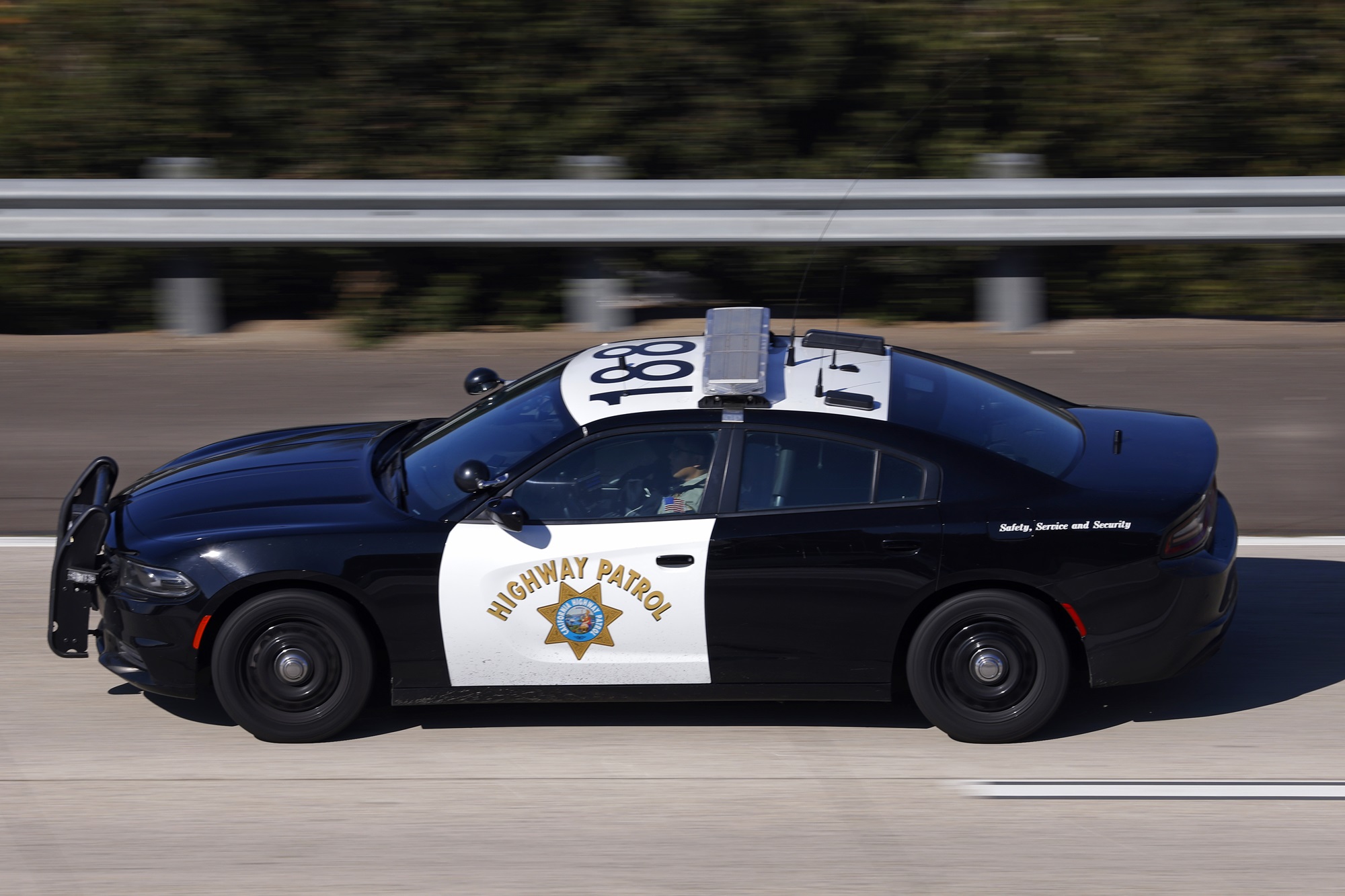
The California Highway Patrol is investigating an incident in which a man fell asleep at the wheel of a self-driving Tesla and crashed into a CHP cruiser.
Shortly before midnight Tuesday, CHP was on the scene of a fatal crash near Air Base Parkway in Fairfield, where one person had reportedly died. CHP closed several lanes of I-80, with first responders already on the scene.
Dashcam footage released by CHP on Thursday shows the Tesla speeding past road flares and cones before driving head-on into the rear of the parked patrol car.
According to CHP, two officers standing behind the vehicle were able to run out of the way, but two other officers were inside the patrol car that the Tesla struck. In the video, one officer remains inside the vehicle after the collision, while another stumbles out and appears to collapse.
Both were suffering from serious injuries, and CHP said they both spent the night in a Fairfield hospital and were released the next day.
The person at the wheel of the Tesla was identified as a 22-year-old from Sacramento. He sustained minor injuries, and investigators said he was not inebriated. He told CHP at the scene that he was asleep while using the vehicle’s Full Self-Driving feature when the crash occurred.
“It’s pretty alarming,” CHP spokesperson Sgt. Andrew Barclay told KQED. “From any first responder’s perspective, to hear somebody say they were letting their vehicle drive themselves while they were sleeping, it’s a pretty incredible thing.”
Barclay said that the investigation will include downloading the Tesla’s data and onboard footage to determine the specifics of the crash.
“Despite its name, Full Self-Driving is not fully autonomous. It is an SAE Level 2 driver assistance system that requires continuous driver supervision,” CHP wrote in a social media post about the incident. “Technology does not relieve drivers of their responsibility to safely operate their vehicles. Distracted and inattentive driving can have devastating consequences.”
Tesla did not respond to a request for comment, but CHP is holding the driver — not the company — accountable for the crash. According to Tesla’s website, “currently enabled features require active driver supervision and do not make the vehicle autonomous.”
As for possible legal recourse, Barclay said it has taken a while for the law to catch up to new technology such as autonomous driving and e-bikes. While there are clear vehicle code violations at play, he said, the law has not accounted for these exact scenarios.
“There’s no specific law that says if you sleep while operating a full self-driving vehicle, this is the crime,” Barclay said. “There’s nothing like that. So this is where we have to look at current laws on the books and see which applies, which doesn’t.”
“Ultimately, it’s going to be up to the area office and their determination of where they want to go,” Barclay said.
He said that the CHP could potentially request that the California Department of Motor Vehicles revoke the man’s driver’s license, which the DMV can independently do without the CHP’s recommendation.
“Everything is on the table at the moment, nothing has been ruled out, we are continuing to evaluate the circumstances and determine the best course of action,” Barclay said. “I think we can all agree that someone who admits to sleeping while their vehicle drives is probably not someone who’s safe to be on the roadway.”