window.__IS_SSR__=true
window.__INITIAL_STATE__={
"attachmentsReducer": {
"audio_0": {
"type": "attachments",
"id": "audio_0",
"imgSizes": {
"kqedFullSize": {
"file": "https://ww2.kqed.org/news/wp-content/themes/KQED-unified/img/audio_bgs/background0.jpg"
}
}
},
"audio_1": {
"type": "attachments",
"id": "audio_1",
"imgSizes": {
"kqedFullSize": {
"file": "https://ww2.kqed.org/news/wp-content/themes/KQED-unified/img/audio_bgs/background1.jpg"
}
}
},
"audio_2": {
"type": "attachments",
"id": "audio_2",
"imgSizes": {
"kqedFullSize": {
"file": "https://ww2.kqed.org/news/wp-content/themes/KQED-unified/img/audio_bgs/background2.jpg"
}
}
},
"audio_3": {
"type": "attachments",
"id": "audio_3",
"imgSizes": {
"kqedFullSize": {
"file": "https://ww2.kqed.org/news/wp-content/themes/KQED-unified/img/audio_bgs/background3.jpg"
}
}
},
"audio_4": {
"type": "attachments",
"id": "audio_4",
"imgSizes": {
"kqedFullSize": {
"file": "https://ww2.kqed.org/news/wp-content/themes/KQED-unified/img/audio_bgs/background4.jpg"
}
}
},
"placeholder": {
"type": "attachments",
"id": "placeholder",
"imgSizes": {
"thumbnail": {
"file": "https://cdn.kqed.org/wp-content/uploads/2024/12/KQED-Default-Image-816638274-2000x1333-1-160x107.jpg",
"width": 160,
"height": 107,
"mimeType": "image/jpeg"
},
"medium": {
"file": "https://cdn.kqed.org/wp-content/uploads/2024/12/KQED-Default-Image-816638274-2000x1333-1-800x533.jpg",
"width": 800,
"height": 533,
"mimeType": "image/jpeg"
},
"medium_large": {
"file": "https://cdn.kqed.org/wp-content/uploads/2024/12/KQED-Default-Image-816638274-2000x1333-1-768x512.jpg",
"width": 768,
"height": 512,
"mimeType": "image/jpeg"
},
"large": {
"file": "https://cdn.kqed.org/wp-content/uploads/2024/12/KQED-Default-Image-816638274-2000x1333-1-1020x680.jpg",
"width": 1020,
"height": 680,
"mimeType": "image/jpeg"
},
"1536x1536": {
"file": "https://cdn.kqed.org/wp-content/uploads/2024/12/KQED-Default-Image-816638274-2000x1333-1-1536x1024.jpg",
"width": 1536,
"height": 1024,
"mimeType": "image/jpeg"
},
"fd-lrg": {
"file": "https://cdn.kqed.org/wp-content/uploads/2024/12/KQED-Default-Image-816638274-2000x1333-1-1536x1024.jpg",
"width": 1536,
"height": 1024,
"mimeType": "image/jpeg"
},
"fd-med": {
"file": "https://cdn.kqed.org/wp-content/uploads/2024/12/KQED-Default-Image-816638274-2000x1333-1-1020x680.jpg",
"width": 1020,
"height": 680,
"mimeType": "image/jpeg"
},
"fd-sm": {
"file": "https://cdn.kqed.org/wp-content/uploads/2024/12/KQED-Default-Image-816638274-2000x1333-1-800x533.jpg",
"width": 800,
"height": 533,
"mimeType": "image/jpeg"
},
"post-thumbnail": {
"file": "https://cdn.kqed.org/wp-content/uploads/2024/12/KQED-Default-Image-816638274-2000x1333-1-672x372.jpg",
"width": 672,
"height": 372,
"mimeType": "image/jpeg"
},
"twentyfourteen-full-width": {
"file": "https://cdn.kqed.org/wp-content/uploads/2024/12/KQED-Default-Image-816638274-2000x1333-1-1038x576.jpg",
"width": 1038,
"height": 576,
"mimeType": "image/jpeg"
},
"xxsmall": {
"file": "https://cdn.kqed.org/wp-content/uploads/2024/12/KQED-Default-Image-816638274-2000x1333-1-160x107.jpg",
"width": 160,
"height": 107,
"mimeType": "image/jpeg"
},
"xsmall": {
"file": "https://cdn.kqed.org/wp-content/uploads/2024/12/KQED-Default-Image-816638274-2000x1333-1-672x372.jpg",
"width": 672,
"height": 372,
"mimeType": "image/jpeg"
},
"small": {
"file": "https://cdn.kqed.org/wp-content/uploads/2024/12/KQED-Default-Image-816638274-2000x1333-1-672x372.jpg",
"width": 672,
"height": 372,
"mimeType": "image/jpeg"
},
"xlarge": {
"file": "https://cdn.kqed.org/wp-content/uploads/2024/12/KQED-Default-Image-816638274-2000x1333-1-1020x680.jpg",
"width": 1020,
"height": 680,
"mimeType": "image/jpeg"
},
"full-width": {
"file": "https://cdn.kqed.org/wp-content/uploads/2024/12/KQED-Default-Image-816638274-2000x1333-1-1920x1280.jpg",
"width": 1920,
"height": 1280,
"mimeType": "image/jpeg"
},
"guest-author-32": {
"file": "https://cdn.kqed.org/wp-content/uploads/2025/01/KQED-Default-Image-816638274-1333x1333-1-160x160.jpg",
"width": 32,
"height": 32,
"mimeType": "image/jpeg"
},
"guest-author-50": {
"file": "https://cdn.kqed.org/wp-content/uploads/2025/01/KQED-Default-Image-816638274-1333x1333-1-160x160.jpg",
"width": 50,
"height": 50,
"mimeType": "image/jpeg"
},
"guest-author-64": {
"file": "https://cdn.kqed.org/wp-content/uploads/2025/01/KQED-Default-Image-816638274-1333x1333-1-160x160.jpg",
"width": 64,
"height": 64,
"mimeType": "image/jpeg"
},
"guest-author-96": {
"file": "https://cdn.kqed.org/wp-content/uploads/2025/01/KQED-Default-Image-816638274-1333x1333-1-160x160.jpg",
"width": 96,
"height": 96,
"mimeType": "image/jpeg"
},
"guest-author-128": {
"file": "https://cdn.kqed.org/wp-content/uploads/2025/01/KQED-Default-Image-816638274-1333x1333-1-160x160.jpg",
"width": 128,
"height": 128,
"mimeType": "image/jpeg"
},
"detail": {
"file": "https://cdn.kqed.org/wp-content/uploads/2025/01/KQED-Default-Image-816638274-1333x1333-1-160x160.jpg",
"width": 160,
"height": 160,
"mimeType": "image/jpeg"
},
"kqedFullSize": {
"file": "https://cdn.kqed.org/wp-content/uploads/2024/12/KQED-Default-Image-816638274-2000x1333-1.jpg",
"width": 2000,
"height": 1333
}
}
},
"news_12100649": {
"type": "attachments",
"id": "news_12100649",
"meta": {
"index": "attachments_1716263798",
"site": "news",
"id": "12100649",
"found": true
},
"title": "GavinNewsomCM1",
"publishDate": 1789773941,
"status": "inherit",
"parent": 12100624,
"modified": 1789773979,
"caption": "Gov. Gavin Newsom speaks during a press conference at the Bay Area Discovery Museum in Sausalito, where he signed 13 bills focused on protecting kids from technology, on Sept. 10, 2026. ",
"credit": "Anna Hoch-Kenney/CalMatters",
"altTag": null,
"description": null,
"imgSizes": {
"thumbnail": {
"file": "https://cdn.kqed.org/wp-content/uploads/sites/10/2026/09/GavinNewsomCM1-160x107.jpg",
"width": 160,
"height": 107,
"mimeType": "image/jpeg"
},
"1536x1536": {
"file": "https://cdn.kqed.org/wp-content/uploads/sites/10/2026/09/GavinNewsomCM1-1536x1024.jpg",
"width": 1536,
"height": 1024,
"mimeType": "image/jpeg"
},
"post-thumbnail": {
"file": "https://cdn.kqed.org/wp-content/uploads/sites/10/2026/09/GavinNewsomCM1-672x372.jpg",
"width": 672,
"height": 372,
"mimeType": "image/jpeg"
},
"twentyfourteen-full-width": {
"file": "https://cdn.kqed.org/wp-content/uploads/sites/10/2026/09/GavinNewsomCM1-1038x576.jpg",
"width": 1038,
"height": 576,
"mimeType": "image/jpeg"
},
"npr-cds-wide": {
"file": "https://cdn.kqed.org/wp-content/uploads/sites/10/2026/09/GavinNewsomCM1-1200x675.jpg",
"width": 1200,
"height": 675,
"mimeType": "image/jpeg"
},
"npr-cds-square": {
"file": "https://cdn.kqed.org/wp-content/uploads/sites/10/2026/09/GavinNewsomCM1-600x600.jpg",
"width": 600,
"height": 600,
"mimeType": "image/jpeg"
},
"kqedFullSize": {
"file": "https://cdn.kqed.org/wp-content/uploads/sites/10/2026/09/GavinNewsomCM1.jpg",
"width": 2000,
"height": 1333
}
},
"isLoading": false,
"fetchFailed": false
},
"news_12100438": {
"type": "attachments",
"id": "news_12100438",
"meta": {
"index": "attachments_1716263798",
"site": "news",
"id": "12100438",
"found": true
},
"title": "260917-IrfanAl-Hussaini-NG-15_qed",
"publishDate": 1789677103,
"status": "inherit",
"parent": 0,
"modified": 1789677252,
"caption": "Salma Begum, mother of Irfan Al-Hussaini, stands as her daughter speaks during a press conference where the family called for a full and proper investigation into Irfan Al-Hussaini’s death and the introduction of new evidence regarding the circumstances of his death outside Palo Alto City Hall in Palo Alto on Sept. 17, 2026.",
"credit": "Nina Glick/KQED",
"altTag": null,
"description": null,
"imgSizes": {
"thumbnail": {
"file": "https://cdn.kqed.org/wp-content/uploads/sites/10/2026/09/260917-IrfanAl-Hussaini-NG-15_qed-160x109.jpg",
"width": 160,
"height": 109,
"mimeType": "image/jpeg"
},
"1536x1536": {
"file": "https://cdn.kqed.org/wp-content/uploads/sites/10/2026/09/260917-IrfanAl-Hussaini-NG-15_qed-1536x1048.jpg",
"width": 1536,
"height": 1048,
"mimeType": "image/jpeg"
},
"post-thumbnail": {
"file": "https://cdn.kqed.org/wp-content/uploads/sites/10/2026/09/260917-IrfanAl-Hussaini-NG-15_qed-672x372.jpg",
"width": 672,
"height": 372,
"mimeType": "image/jpeg"
},
"twentyfourteen-full-width": {
"file": "https://cdn.kqed.org/wp-content/uploads/sites/10/2026/09/260917-IrfanAl-Hussaini-NG-15_qed-1038x576.jpg",
"width": 1038,
"height": 576,
"mimeType": "image/jpeg"
},
"npr-cds-wide": {
"file": "https://cdn.kqed.org/wp-content/uploads/sites/10/2026/09/260917-IrfanAl-Hussaini-NG-15_qed-1200x675.jpg",
"width": 1200,
"height": 675,
"mimeType": "image/jpeg"
},
"npr-cds-square": {
"file": "https://cdn.kqed.org/wp-content/uploads/sites/10/2026/09/260917-IrfanAl-Hussaini-NG-15_qed-600x600.jpg",
"width": 600,
"height": 600,
"mimeType": "image/jpeg"
},
"kqedFullSize": {
"file": "https://cdn.kqed.org/wp-content/uploads/sites/10/2026/09/260917-IrfanAl-Hussaini-NG-15_qed.jpg",
"width": 1919,
"height": 1309
}
},
"isLoading": false,
"fetchFailed": false
},
"news_12098186": {
"type": "attachments",
"id": "news_12098186",
"meta": {
"index": "attachments_1716263798",
"site": "news",
"id": "12098186",
"found": true
},
"title": "260902-SecurityStrike-NG-6_qed",
"publishDate": 1788383063,
"status": "inherit",
"parent": 0,
"modified": 1788383103,
"caption": "Advocates chant at a press conference announcing that union security officers from across San Francisco and Silicon Valley voted in favor of an Unfair Labor Practice (ULP) strike authorization at Mechanics Monument Plaza in San Francisco’s Financial District on Sept. 2, 2026.",
"credit": "Nina Glick/KQED",
"altTag": null,
"description": null,
"imgSizes": {
"thumbnail": {
"file": "https://cdn.kqed.org/wp-content/uploads/sites/10/2026/09/260902-SecurityStrike-NG-6_qed-160x107.jpg",
"width": 160,
"height": 107,
"mimeType": "image/jpeg"
},
"1536x1536": {
"file": "https://cdn.kqed.org/wp-content/uploads/sites/10/2026/09/260902-SecurityStrike-NG-6_qed-1536x1024.jpg",
"width": 1536,
"height": 1024,
"mimeType": "image/jpeg"
},
"post-thumbnail": {
"file": "https://cdn.kqed.org/wp-content/uploads/sites/10/2026/09/260902-SecurityStrike-NG-6_qed-672x372.jpg",
"width": 672,
"height": 372,
"mimeType": "image/jpeg"
},
"twentyfourteen-full-width": {
"file": "https://cdn.kqed.org/wp-content/uploads/sites/10/2026/09/260902-SecurityStrike-NG-6_qed-1038x576.jpg",
"width": 1038,
"height": 576,
"mimeType": "image/jpeg"
},
"npr-cds-wide": {
"file": "https://cdn.kqed.org/wp-content/uploads/sites/10/2026/09/260902-SecurityStrike-NG-6_qed-1200x675.jpg",
"width": 1200,
"height": 675,
"mimeType": "image/jpeg"
},
"npr-cds-square": {
"file": "https://cdn.kqed.org/wp-content/uploads/sites/10/2026/09/260902-SecurityStrike-NG-6_qed-600x600.jpg",
"width": 600,
"height": 600,
"mimeType": "image/jpeg"
},
"kqedFullSize": {
"file": "https://cdn.kqed.org/wp-content/uploads/sites/10/2026/09/260902-SecurityStrike-NG-6_qed.jpg",
"width": 2000,
"height": 1333
}
},
"isLoading": false,
"fetchFailed": false
},
"news_12099650": {
"type": "attachments",
"id": "news_12099650",
"meta": {
"index": "attachments_1716263798",
"site": "news",
"id": "12099650",
"found": true
},
"title": "091426-SFDataCenterBan-30-MC-KQED",
"publishDate": 1789417785,
"status": "inherit",
"parent": 0,
"modified": 1789417917,
"caption": "San Francisco District 1 Supervisor, Connie Chan, announces that she will vote for a 45 day moratorium on approving new data center construction in the city outside of San Francisco City Hall on Sept. 14, 2026.",
"credit": "Miles Cull/KQED",
"altTag": null,
"description": null,
"imgSizes": {
"thumbnail": {
"file": "https://cdn.kqed.org/wp-content/uploads/sites/10/2026/09/091426-SFDataCenterBan-30-MC-KQED-160x107.jpg",
"width": 160,
"height": 107,
"mimeType": "image/jpeg"
},
"1536x1536": {
"file": "https://cdn.kqed.org/wp-content/uploads/sites/10/2026/09/091426-SFDataCenterBan-30-MC-KQED-1536x1024.jpg",
"width": 1536,
"height": 1024,
"mimeType": "image/jpeg"
},
"post-thumbnail": {
"file": "https://cdn.kqed.org/wp-content/uploads/sites/10/2026/09/091426-SFDataCenterBan-30-MC-KQED-672x372.jpg",
"width": 672,
"height": 372,
"mimeType": "image/jpeg"
},
"twentyfourteen-full-width": {
"file": "https://cdn.kqed.org/wp-content/uploads/sites/10/2026/09/091426-SFDataCenterBan-30-MC-KQED-1038x576.jpg",
"width": 1038,
"height": 576,
"mimeType": "image/jpeg"
},
"npr-cds-wide": {
"file": "https://cdn.kqed.org/wp-content/uploads/sites/10/2026/09/091426-SFDataCenterBan-30-MC-KQED-1200x675.jpg",
"width": 1200,
"height": 675,
"mimeType": "image/jpeg"
},
"npr-cds-square": {
"file": "https://cdn.kqed.org/wp-content/uploads/sites/10/2026/09/091426-SFDataCenterBan-30-MC-KQED-600x600.jpg",
"width": 600,
"height": 600,
"mimeType": "image/jpeg"
},
"kqedFullSize": {
"file": "https://cdn.kqed.org/wp-content/uploads/sites/10/2026/09/091426-SFDataCenterBan-30-MC-KQED.jpg",
"width": 2000,
"height": 1333
}
},
"isLoading": false,
"fetchFailed": false
},
"news_12098426": {
"type": "attachments",
"id": "news_12098426",
"meta": {
"index": "attachments_1716263798",
"site": "news",
"id": "12098426",
"found": true
},
"title": "260828-SOUTH BAY DATA CENTERS-MD-01-KQED",
"publishDate": 1788542184,
"status": "inherit",
"parent": 0,
"modified": 1789173405,
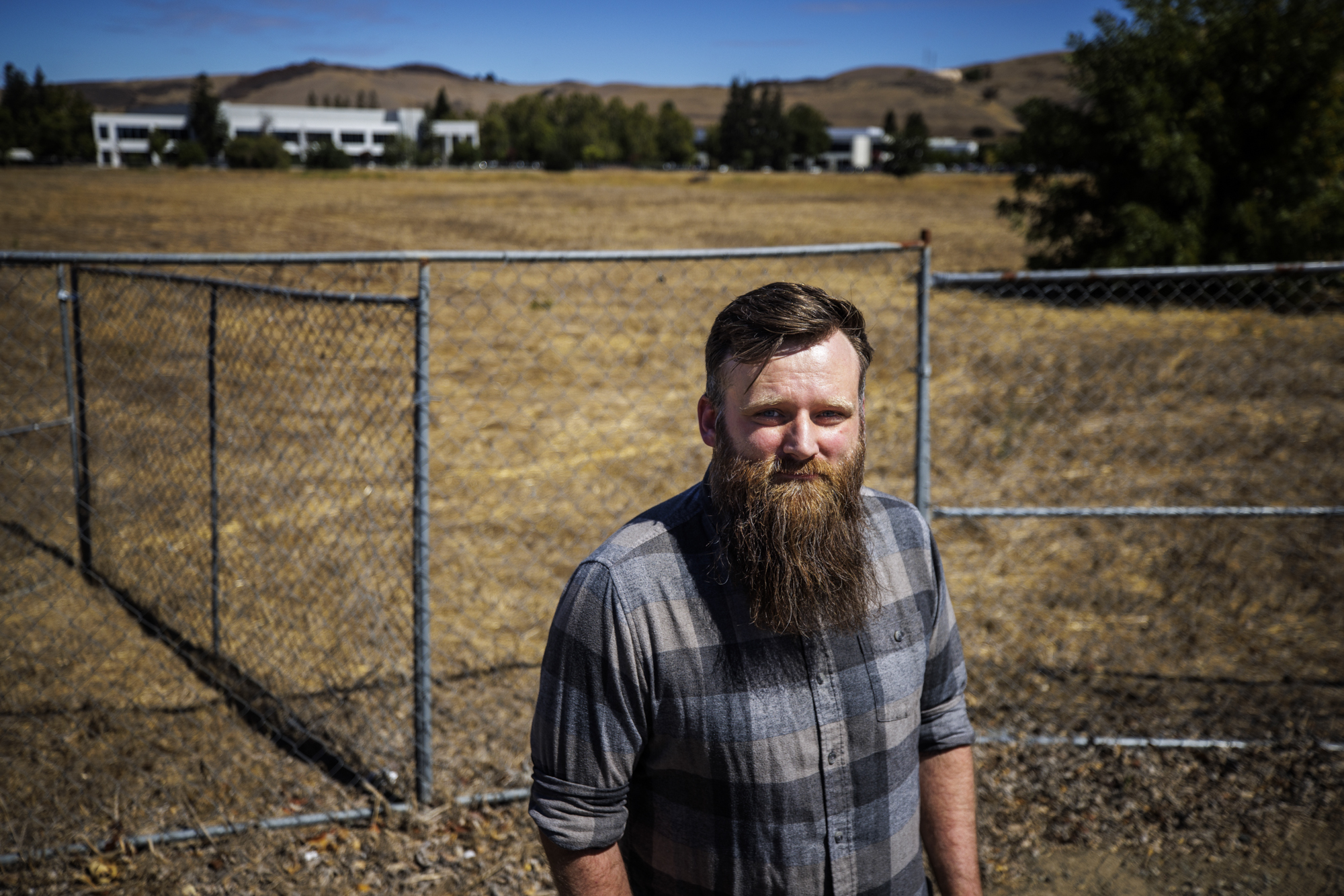
"caption": "Ken Thompson stands outside a lot on Silver Creek Valley Road in South San José that is intended to house a data center on Sept. 3, 2026.",
"credit": "Martin do Nascimento/KQED",
"altTag": null,
"description": null,
"imgSizes": {
"thumbnail": {
"file": "https://cdn.kqed.org/wp-content/uploads/sites/10/2026/09/260828-SOUTH-BAY-DATA-CENTERS-MD-01-KQED-160x107.jpg",
"width": 160,
"height": 107,
"mimeType": "image/jpeg"
},
"1536x1536": {
"file": "https://cdn.kqed.org/wp-content/uploads/sites/10/2026/09/260828-SOUTH-BAY-DATA-CENTERS-MD-01-KQED-1536x1025.jpg",
"width": 1536,
"height": 1025,
"mimeType": "image/jpeg"
},
"post-thumbnail": {
"file": "https://cdn.kqed.org/wp-content/uploads/sites/10/2026/09/260828-SOUTH-BAY-DATA-CENTERS-MD-01-KQED-672x372.jpg",
"width": 672,
"height": 372,
"mimeType": "image/jpeg"
},
"twentyfourteen-full-width": {
"file": "https://cdn.kqed.org/wp-content/uploads/sites/10/2026/09/260828-SOUTH-BAY-DATA-CENTERS-MD-01-KQED-1038x576.jpg",
"width": 1038,
"height": 576,
"mimeType": "image/jpeg"
},
"npr-cds-wide": {
"file": "https://cdn.kqed.org/wp-content/uploads/sites/10/2026/09/260828-SOUTH-BAY-DATA-CENTERS-MD-01-KQED-1200x675.jpg",
"width": 1200,
"height": 675,
"mimeType": "image/jpeg"
},
"npr-cds-square": {
"file": "https://cdn.kqed.org/wp-content/uploads/sites/10/2026/09/260828-SOUTH-BAY-DATA-CENTERS-MD-01-KQED-600x600.jpg",
"width": 600,
"height": 600,
"mimeType": "image/jpeg"
},
"kqedFullSize": {
"file": "https://cdn.kqed.org/wp-content/uploads/sites/10/2026/09/260828-SOUTH-BAY-DATA-CENTERS-MD-01-KQED.jpg",
"width": 2000,
"height": 1334
}
},
"isLoading": false,
"fetchFailed": false
},
"news_12099020": {
"type": "attachments",
"id": "news_12099020",
"meta": {
"index": "attachments_1716263798",
"site": "news",
"id": "12099020",
"found": true
},
"title": "GavinNewsomAI",
"publishDate": 1789064660,
"status": "inherit",
"parent": 12099017,
"modified": 1789080382,
"caption": "The move comes hours after a researcher’s resignation post has reignited fears about the direction of new technology. ",
"credit": "Tayfun Coskun/Anadolu via Getty Images",
"altTag": null,
"description": null,
"imgSizes": {
"thumbnail": {
"file": "https://cdn.kqed.org/wp-content/uploads/sites/10/2026/09/GavinNewsomAI-160x107.jpg",
"width": 160,
"height": 107,
"mimeType": "image/jpeg"
},
"1536x1536": {
"file": "https://cdn.kqed.org/wp-content/uploads/sites/10/2026/09/GavinNewsomAI-1536x1024.jpg",
"width": 1536,
"height": 1024,
"mimeType": "image/jpeg"
},
"post-thumbnail": {
"file": "https://cdn.kqed.org/wp-content/uploads/sites/10/2026/09/GavinNewsomAI-672x372.jpg",
"width": 672,
"height": 372,
"mimeType": "image/jpeg"
},
"twentyfourteen-full-width": {
"file": "https://cdn.kqed.org/wp-content/uploads/sites/10/2026/09/GavinNewsomAI-1038x576.jpg",
"width": 1038,
"height": 576,
"mimeType": "image/jpeg"
},
"npr-cds-wide": {
"file": "https://cdn.kqed.org/wp-content/uploads/sites/10/2026/09/GavinNewsomAI-1200x675.jpg",
"width": 1200,
"height": 675,
"mimeType": "image/jpeg"
},
"npr-cds-square": {
"file": "https://cdn.kqed.org/wp-content/uploads/sites/10/2026/09/GavinNewsomAI-600x600.jpg",
"width": 600,
"height": 600,
"mimeType": "image/jpeg"
},
"kqedFullSize": {
"file": "https://cdn.kqed.org/wp-content/uploads/sites/10/2026/09/GavinNewsomAI.jpg",
"width": 2000,
"height": 1333
}
},
"isLoading": false,
"fetchFailed": false
},
"news_12058035": {
"type": "attachments",
"id": "news_12058035",
"meta": {
"index": "attachments_1716263798",
"site": "news",
"id": "12058035",
"found": true
},
"title": "Anthropic Claude",
"publishDate": 1759182852,
"status": "inherit",
"parent": 12058013,
"modified": 1788297412,
"caption": "Close-up of a phone screen in Lafayette, California, on June 27, 2024, displaying Claude, a generative artificial intelligence chatbot from Anthropic powered by large language model (or LLM). ",
"credit": "Smith Collection/Gado via Getty Images",
"altTag": null,
"description": null,
"imgSizes": {
"medium": {
"file": "https://cdn.kqed.org/wp-content/uploads/sites/10/2025/09/GettyImages-2159671948-2000x1333.jpg",
"width": 2000,
"height": 1333,
"mimeType": "image/jpeg"
},
"large": {
"file": "https://cdn.kqed.org/wp-content/uploads/sites/10/2025/09/GettyImages-2159671948-2000x1333.jpg",
"width": 2000,
"height": 1333,
"mimeType": "image/jpeg"
},
"thumbnail": {
"file": "https://cdn.kqed.org/wp-content/uploads/sites/10/2025/09/GettyImages-2159671948-160x107.jpg",
"width": 160,
"height": 107,
"mimeType": "image/jpeg"
},
"1536x1536": {
"file": "https://cdn.kqed.org/wp-content/uploads/sites/10/2025/09/GettyImages-2159671948-1536x1024.jpg",
"width": 1536,
"height": 1024,
"mimeType": "image/jpeg"
},
"2048x2048": {
"file": "https://cdn.kqed.org/wp-content/uploads/sites/10/2025/09/GettyImages-2159671948-2048x1365.jpg",
"width": 2048,
"height": 1365,
"mimeType": "image/jpeg"
},
"post-thumbnail": {
"file": "https://cdn.kqed.org/wp-content/uploads/sites/10/2025/09/GettyImages-2159671948-672x372.jpg",
"width": 672,
"height": 372,
"mimeType": "image/jpeg"
},
"twentyfourteen-full-width": {
"file": "https://cdn.kqed.org/wp-content/uploads/sites/10/2025/09/GettyImages-2159671948-1038x576.jpg",
"width": 1038,
"height": 576,
"mimeType": "image/jpeg"
},
"full-width": {
"file": "https://cdn.kqed.org/wp-content/uploads/sites/10/2025/09/GettyImages-2159671948-2000x1333.jpg",
"width": 2000,
"height": 1333,
"mimeType": "image/jpeg"
},
"kqedFullSize": {
"file": "https://cdn.kqed.org/wp-content/uploads/sites/10/2025/09/GettyImages-2159671948-scaled-e1781542152687.jpg",
"width": 2000,
"height": 1334
}
},
"isLoading": false,
"fetchFailed": false
},
"news_12097693": {
"type": "attachments",
"id": "news_12097693",
"meta": {
"index": "attachments_1716263798",
"site": "news",
"id": "12097693",
"found": true
},
"title": "AI and creative work radio final",
"publishDate": 1788210610,
"status": "inherit",
"parent": 12097687,
"modified": 1788211264,
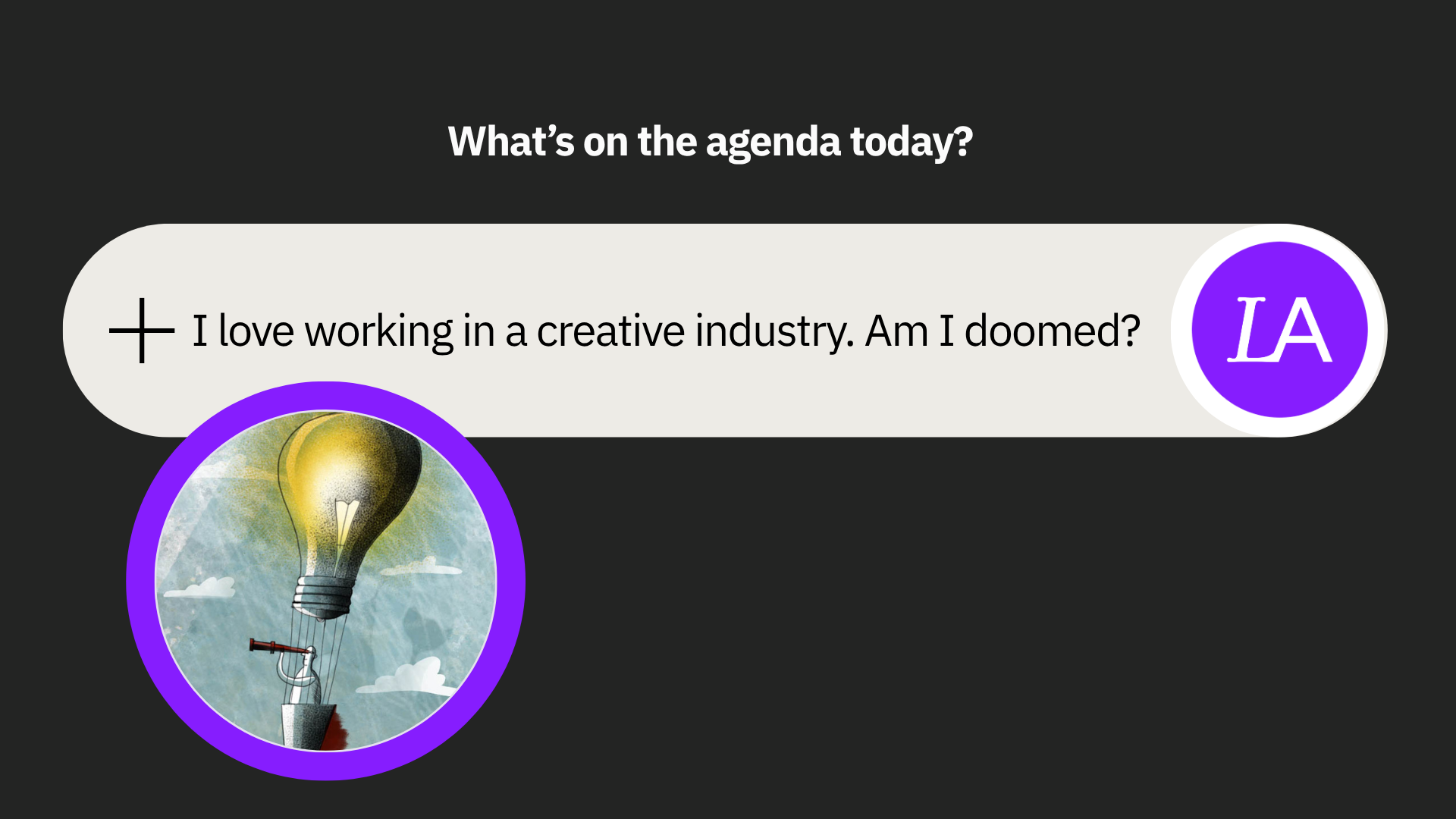
"caption": "Illustration courtesy of Yevgenia Nayberg, image courtesy of Kellogg School of Management.",
"credit": null,
"altTag": "Text box asking whether creative workers are really doomed, with illustration of a hot air balloon by artist Yevgenia Nayberg.",
"description": null,
"imgSizes": {
"thumbnail": {
"file": "https://cdn.kqed.org/wp-content/uploads/sites/10/2026/08/RADIO-FINAL-160x90.png",
"width": 160,
"height": 90,
"mimeType": "image/png"
},
"1536x1536": {
"file": "https://cdn.kqed.org/wp-content/uploads/sites/10/2026/08/RADIO-FINAL-1536x864.png",
"width": 1536,
"height": 864,
"mimeType": "image/png"
},
"post-thumbnail": {
"file": "https://cdn.kqed.org/wp-content/uploads/sites/10/2026/08/RADIO-FINAL-672x372.png",
"width": 672,
"height": 372,
"mimeType": "image/png"
},
"twentyfourteen-full-width": {
"file": "https://cdn.kqed.org/wp-content/uploads/sites/10/2026/08/RADIO-FINAL-1038x576.png",
"width": 1038,
"height": 576,
"mimeType": "image/png"
},
"npr-cds-wide": {
"file": "https://cdn.kqed.org/wp-content/uploads/sites/10/2026/08/RADIO-FINAL-1200x675.png",
"width": 1200,
"height": 675,
"mimeType": "image/png"
},
"npr-cds-square": {
"file": "https://cdn.kqed.org/wp-content/uploads/sites/10/2026/08/RADIO-FINAL-600x600.png",
"width": 600,
"height": 600,
"mimeType": "image/png"
},
"kqedFullSize": {
"file": "https://cdn.kqed.org/wp-content/uploads/sites/10/2026/08/RADIO-FINAL.png",
"width": 1920,
"height": 1080
}
},
"isLoading": false,
"fetchFailed": false
},
"news_12097766": {
"type": "attachments",
"id": "news_12097766",
"meta": {
"index": "attachments_1716263798",
"site": "news",
"id": "12097766",
"found": true
},
"title": "GoogleGetty",
"publishDate": 1788279642,
"status": "inherit",
"parent": 12097760,
"modified": 1788279726,
"caption": "A Google corporate logo hangs above the entrance of its St. John's Terminal office building on Aug. 18, 2026, in New York City. ",
"credit": "Gary Hershorn/Getty Images",
"altTag": null,
"description": null,
"imgSizes": {
"thumbnail": {
"file": "https://cdn.kqed.org/wp-content/uploads/sites/10/2026/09/GoogleGetty-160x102.jpg",
"width": 160,
"height": 102,
"mimeType": "image/jpeg"
},
"1536x1536": {
"file": "https://cdn.kqed.org/wp-content/uploads/sites/10/2026/09/GoogleGetty-1536x982.jpg",
"width": 1536,
"height": 982,
"mimeType": "image/jpeg"
},
"post-thumbnail": {
"file": "https://cdn.kqed.org/wp-content/uploads/sites/10/2026/09/GoogleGetty-672x372.jpg",
"width": 672,
"height": 372,
"mimeType": "image/jpeg"
},
"twentyfourteen-full-width": {
"file": "https://cdn.kqed.org/wp-content/uploads/sites/10/2026/09/GoogleGetty-1038x576.jpg",
"width": 1038,
"height": 576,
"mimeType": "image/jpeg"
},
"npr-cds-wide": {
"file": "https://cdn.kqed.org/wp-content/uploads/sites/10/2026/09/GoogleGetty-1200x675.jpg",
"width": 1200,
"height": 675,
"mimeType": "image/jpeg"
},
"npr-cds-square": {
"file": "https://cdn.kqed.org/wp-content/uploads/sites/10/2026/09/GoogleGetty-600x600.jpg",
"width": 600,
"height": 600,
"mimeType": "image/jpeg"
},
"kqedFullSize": {
"file": "https://cdn.kqed.org/wp-content/uploads/sites/10/2026/09/GoogleGetty.jpg",
"width": 2000,
"height": 1279
}
},
"isLoading": false,
"fetchFailed": false
},
"news_12057832": {
"type": "attachments",
"id": "news_12057832",
"meta": {
"index": "attachments_1716263798",
"site": "news",
"id": "12057832",
"found": true
},
"title": "Sacramento, California capitol building",
"publishDate": 1758929791,
"status": "inherit",
"parent": 12057777,
"modified": 1758929825,
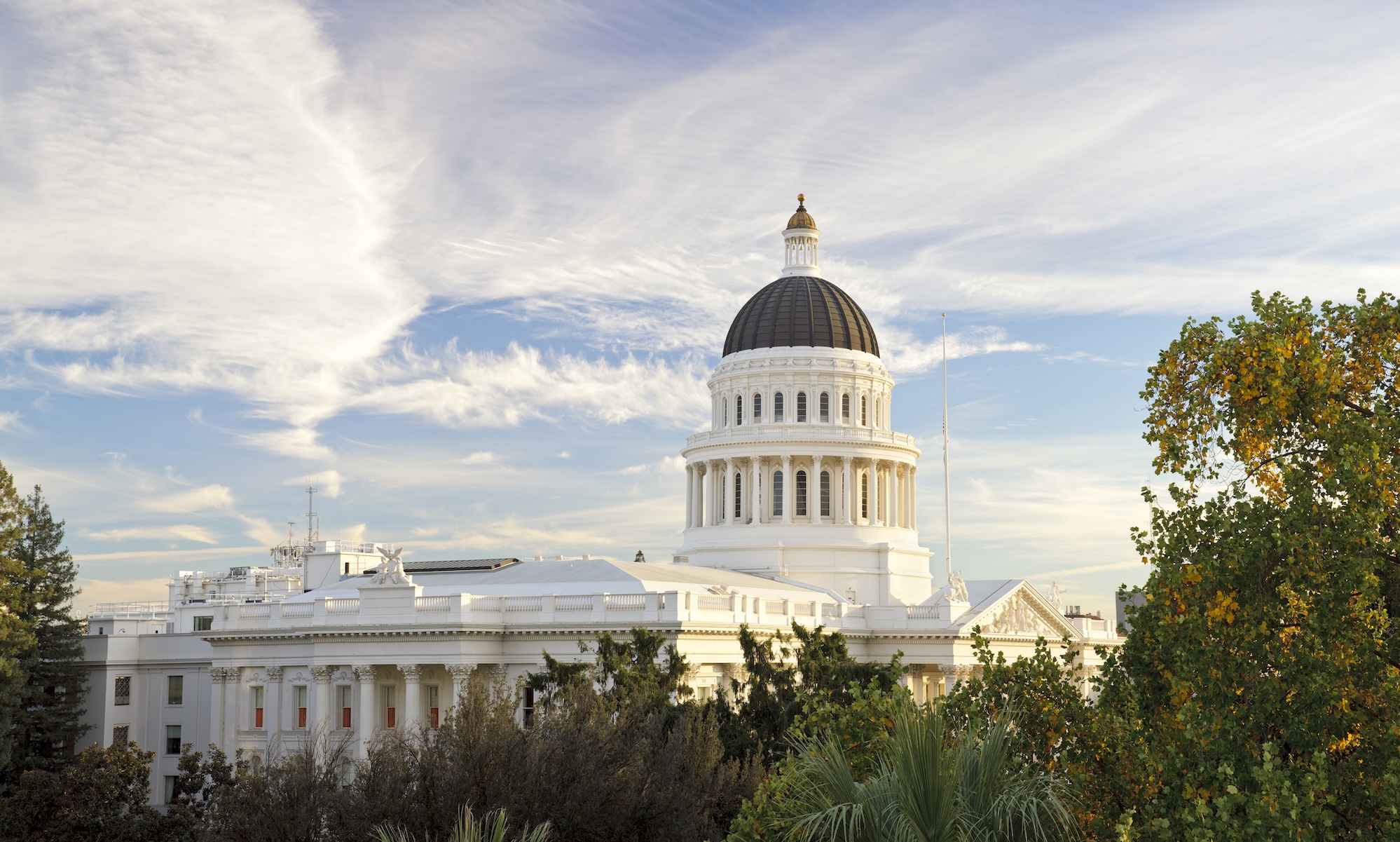
"caption": "The state capitol building in Sacramento, California, shortly before sunset.",
"credit": "via PictureLake",
"altTag": null,
"description": null,
"imgSizes": {
"thumbnail": {
"file": "https://cdn.kqed.org/wp-content/uploads/sites/10/2025/09/GettyImages-183300309-160x96.jpg",
"width": 160,
"height": 96,
"mimeType": "image/jpeg"
},
"1536x1536": {
"file": "https://cdn.kqed.org/wp-content/uploads/sites/10/2025/09/GettyImages-183300309-1536x923.jpg",
"width": 1536,
"height": 923,
"mimeType": "image/jpeg"
},
"post-thumbnail": {
"file": "https://cdn.kqed.org/wp-content/uploads/sites/10/2025/09/GettyImages-183300309-672x372.jpg",
"width": 672,
"height": 372,
"mimeType": "image/jpeg"
},
"twentyfourteen-full-width": {
"file": "https://cdn.kqed.org/wp-content/uploads/sites/10/2025/09/GettyImages-183300309-1038x576.jpg",
"width": 1038,
"height": 576,
"mimeType": "image/jpeg"
},
"kqedFullSize": {
"file": "https://cdn.kqed.org/wp-content/uploads/sites/10/2025/09/GettyImages-183300309.jpg",
"width": 1998,
"height": 1201
}
},
"isLoading": false,
"fetchFailed": false
},
"news_12097462": {
"type": "attachments",
"id": "news_12097462",
"meta": {
"index": "attachments_1716263798",
"site": "news",
"id": "12097462",
"found": true
},
"title": "091225_End-Of-Session_FG_CM_26",
"publishDate": 1787959661,
"status": "inherit",
"parent": 12097457,
"modified": 1787959699,
"caption": "Polls show voters are turning sharply against data centers and several bills to regulate the facilities are advancing in the California Legislature. Utilities and tech companies, meanwhile, are spending millions lobbying state officials. A lobbyist talks on his phone at the state Capitol in Sacramento on Sept. 12, 2025.",
"credit": "Fred Greaves/CalMatters",
"altTag": null,
"description": null,
"imgSizes": {
"thumbnail": {
"file": "https://cdn.kqed.org/wp-content/uploads/sites/10/2026/08/091225_End-Of-Session_FG_CM_26-160x107.jpeg",
"width": 160,
"height": 107,
"mimeType": "image/jpeg"
},
"1536x1536": {
"file": "https://cdn.kqed.org/wp-content/uploads/sites/10/2026/08/091225_End-Of-Session_FG_CM_26-1536x1024.jpeg",
"width": 1536,
"height": 1024,
"mimeType": "image/jpeg"
},
"post-thumbnail": {
"file": "https://cdn.kqed.org/wp-content/uploads/sites/10/2026/08/091225_End-Of-Session_FG_CM_26-672x372.jpeg",
"width": 672,
"height": 372,
"mimeType": "image/jpeg"
},
"twentyfourteen-full-width": {
"file": "https://cdn.kqed.org/wp-content/uploads/sites/10/2026/08/091225_End-Of-Session_FG_CM_26-1038x576.jpeg",
"width": 1038,
"height": 576,
"mimeType": "image/jpeg"
},
"npr-cds-wide": {
"file": "https://cdn.kqed.org/wp-content/uploads/sites/10/2026/08/091225_End-Of-Session_FG_CM_26-1200x675.jpeg",
"width": 1200,
"height": 675,
"mimeType": "image/jpeg"
},
"npr-cds-square": {
"file": "https://cdn.kqed.org/wp-content/uploads/sites/10/2026/08/091225_End-Of-Session_FG_CM_26-600x600.jpeg",
"width": 600,
"height": 600,
"mimeType": "image/jpeg"
},
"kqedFullSize": {
"file": "https://cdn.kqed.org/wp-content/uploads/sites/10/2026/08/091225_End-Of-Session_FG_CM_26.jpeg",
"width": 2000,
"height": 1333
}
},
"isLoading": false,
"fetchFailed": false
},
"news_12094290": {
"type": "attachments",
"id": "news_12094290",
"meta": {
"index": "attachments_1716263798",
"site": "news",
"id": "12094290",
"found": true
},
"title": "DreamMachine__Web Article",
"publishDate": 1786116700,
"status": "inherit",
"parent": 12094288,
"modified": 1786116700,
"caption": null,
"credit": null,
"altTag": null,
"description": null,
"imgSizes": {
"thumbnail": {
"file": "https://cdn.kqed.org/wp-content/uploads/sites/10/2026/08/DreamMachine__Web-Article-160x90.png",
"width": 160,
"height": 90,
"mimeType": "image/png"
},
"1536x1536": {
"file": "https://cdn.kqed.org/wp-content/uploads/sites/10/2026/08/DreamMachine__Web-Article-1536x864.png",
"width": 1536,
"height": 864,
"mimeType": "image/png"
},
"post-thumbnail": {
"file": "https://cdn.kqed.org/wp-content/uploads/sites/10/2026/08/DreamMachine__Web-Article-672x372.png",
"width": 672,
"height": 372,
"mimeType": "image/png"
},
"twentyfourteen-full-width": {
"file": "https://cdn.kqed.org/wp-content/uploads/sites/10/2026/08/DreamMachine__Web-Article-1038x576.png",
"width": 1038,
"height": 576,
"mimeType": "image/png"
},
"npr-cds-wide": {
"file": "https://cdn.kqed.org/wp-content/uploads/sites/10/2026/08/DreamMachine__Web-Article-1200x675.png",
"width": 1200,
"height": 675,
"mimeType": "image/png"
},
"npr-cds-square": {
"file": "https://cdn.kqed.org/wp-content/uploads/sites/10/2026/08/DreamMachine__Web-Article-600x600.png",
"width": 600,
"height": 600,
"mimeType": "image/png"
},
"kqedFullSize": {
"file": "https://cdn.kqed.org/wp-content/uploads/sites/10/2026/08/DreamMachine__Web-Article.png",
"width": 1920,
"height": 1080
}
},
"isLoading": false,
"fetchFailed": false
}
},
"audioPlayerReducer": {
"postId": "stream_live",
"isPaused": true,
"isPlaying": false,
"pfsActive": false,
"pledgeModalIsOpen": true,
"playerDrawerIsOpen": false,
"liveAudioPlayStartedAt": 0,
"liveAudioPlayContext": ""
},
"authorsReducer": {
"byline_news_12100624": {
"type": "authors",
"id": "byline_news_12100624",
"meta": {
"override": true
},
"slug": "byline_news_12100624",
"name": "Jeanne Kuang, CalMatters",
"isLoading": false
},
"byline_news_12099583": {
"type": "authors",
"id": "byline_news_12099583",
"meta": {
"override": true
},
"slug": "byline_news_12099583",
"name": "Jose Velazquez",
"isLoading": false
},
"byline_news_12098863": {
"type": "authors",
"id": "byline_news_12098863",
"meta": {
"override": true
},
"slug": "byline_news_12098863",
"name": " Scott Horsley, NPR",
"isLoading": false
},
"byline_news_12097457": {
"type": "authors",
"id": "byline_news_12097457",
"meta": {
"override": true
},
"slug": "byline_news_12097457",
"name": " Katherine Ortiz and Khari Johnson, CalMatters",
"isLoading": false
},
"byline_news_12097528": {
"type": "authors",
"id": "byline_news_12097528",
"meta": {
"override": true
},
"slug": "byline_news_12097528",
"name": "Alexis Madrigal and Robin Sloan",
"isLoading": false
},
"rachael-myrow": {
"type": "authors",
"id": "251",
"meta": {
"index": "authors_1716337520",
"id": "251",
"found": true
},
"name": "Rachael Myrow",
"firstName": "Rachael",
"lastName": "Myrow",
"slug": "rachael-myrow",
"email": "rmyrow@kqed.org",
"display_author_email": true,
"staff_mastheads": [
"news"
],
"title": "Senior Editor of KQED's Silicon Valley News Desk",
"bio": "• I write and edit stories about how Silicon Valley power and policies shape everyday life in California. I’m also passionate about making Bay Area history and culture more accessible to a broad public. • I’ve been a journalist for most of my life, starting in high school with The Franklin Press in Los Angeles, where I grew up. While earning my first degree in English at UC Berkeley, I got my start in public radio at KALX-FM. After completing a second degree in journalism at Cal, I landed my first professional job at Marketplace, then moved on to KPCC (now LAist), and then KQED, where I hosted The California Report for more than seven years. • My reporting has appeared on NPR, The World, WBUR’s \u003ci>Here & Now\u003c/i>, and the BBC. I also guest host for KQED’s \u003ci>Forum\u003c/i>, as well as the Commonwealth Club in San Francisco. • I speak periodically on media, democracy and technology issues, and do voiceover work for documentaries and educational video projects. • Outside of the studio, you'll find me hiking Bay Area trails and whipping up Insta-ready meals in my kitchen. • I do not accept gifts, money, or favors from anyone connected to my reporting, I don't pay people for information, and I do not support or donate to political causes. • I strive to treat the people I report on with fairness, honesty, and respect. I also recognize there are often multiple sides to a story and work to verify information through multiple sources and documentation. If I get something wrong, I correct it.",
"avatar": "https://secure.gravatar.com/avatar/3ed8a3c5f26025e4a805ba634cda8cd764906b97438a6d9ce216b044e340da4e?s=600&d=blank&r=g",
"twitter": "rachaelmyrow",
"bluesky": null,
"facebook": null,
"instagram": null,
"linkedin": "https://www.linkedin.com/in/rachaelmyrow/",
"sites": [
{
"site": "arts",
"roles": [
"administrator"
]
},
{
"site": "news",
"roles": [
"edit_others_posts",
"editor"
]
},
{
"site": "futureofyou",
"roles": [
"editor"
]
},
{
"site": "bayareabites",
"roles": [
"editor"
]
},
{
"site": "stateofhealth",
"roles": [
"editor"
]
},
{
"site": "science",
"roles": [
"editor"
]
},
{
"site": "food",
"roles": [
"editor"
]
},
{
"site": "forum",
"roles": [
"editor"
]
},
{
"site": "liveblog",
"roles": [
"author"
]
}
],
"headData": {
"title": "Rachael Myrow | KQED",
"description": "Senior Editor of KQED's Silicon Valley News Desk",
"ogImgSrc": "https://secure.gravatar.com/avatar/3ed8a3c5f26025e4a805ba634cda8cd764906b97438a6d9ce216b044e340da4e?s=600&d=blank&r=g",
"twImgSrc": "https://secure.gravatar.com/avatar/3ed8a3c5f26025e4a805ba634cda8cd764906b97438a6d9ce216b044e340da4e?s=600&d=blank&r=g"
},
"isLoading": false,
"link": "/author/rachael-myrow"
},
"jgeha": {
"type": "authors",
"id": "11906",
"meta": {
"index": "authors_1716337520",
"id": "11906",
"found": true
},
"name": "Joseph Geha",
"firstName": "Joseph",
"lastName": "Geha",
"slug": "jgeha",
"email": "jgeha@kqed.org",
"display_author_email": false,
"staff_mastheads": [
"news",
"science"
],
"title": "KQED Contributor",
"bio": null,
"avatar": "https://secure.gravatar.com/avatar/ea84d2b6dd93d6369d453edf19dd583f117cd1759d2d9c9c92f9de77017354fe?s=600&d=blank&r=g",
"twitter": null,
"bluesky": null,
"facebook": null,
"instagram": null,
"linkedin": null,
"sites": [
{
"site": "news",
"roles": [
"editor"
]
},
{
"site": "liveblog",
"roles": [
"author"
]
}
],
"headData": {
"title": "Joseph Geha | KQED",
"description": "KQED Contributor",
"ogImgSrc": "https://secure.gravatar.com/avatar/ea84d2b6dd93d6369d453edf19dd583f117cd1759d2d9c9c92f9de77017354fe?s=600&d=blank&r=g",
"twImgSrc": "https://secure.gravatar.com/avatar/ea84d2b6dd93d6369d453edf19dd583f117cd1759d2d9c9c92f9de77017354fe?s=600&d=blank&r=g"
},
"isLoading": false,
"link": "/author/jgeha"
},
"kdebenedetti": {
"type": "authors",
"id": "11913",
"meta": {
"index": "authors_1716337520",
"id": "11913",
"found": true
},
"name": "Katie DeBenedetti",
"firstName": "Katie",
"lastName": "DeBenedetti",
"slug": "kdebenedetti",
"email": "kdebenedetti@kqed.org",
"display_author_email": false,
"staff_mastheads": [
"news",
"science"
],
"title": "KQED Contributor",
"bio": "Katie DeBenedetti is a digital reporter covering daily news for the Express Desk. Prior to joining KQED as a culture reporting intern in January 2024, she covered education and city government for the Napa Valley Register.",
"avatar": "https://secure.gravatar.com/avatar/6e31073cb8f7e4214ab03f42771d0f45?s=600&d=blank&r=g",
"twitter": null,
"facebook": null,
"instagram": null,
"linkedin": null,
"sites": [
{
"site": "news",
"roles": [
"author"
]
},
{
"site": "science",
"roles": [
"author"
]
},
{
"site": "liveblog",
"roles": [
"author"
]
}
],
"headData": {
"title": "Katie DeBenedetti | KQED",
"description": "KQED Contributor",
"ogImgSrc": "https://secure.gravatar.com/avatar/6e31073cb8f7e4214ab03f42771d0f45?s=600&d=blank&r=g",
"twImgSrc": "https://secure.gravatar.com/avatar/6e31073cb8f7e4214ab03f42771d0f45?s=600&d=blank&r=g"
},
"isLoading": false,
"link": "/author/kdebenedetti"
},
"ejackson": {
"type": "authors",
"id": "12003",
"meta": {
"index": "authors_1716337520",
"id": "12003",
"found": true
},
"name": "Ella Jackson",
"firstName": "Ella",
"lastName": "Jackson",
"slug": "ejackson",
"email": "ejackson@kqed.org",
"display_author_email": false,
"staff_mastheads": [],
"title": "KQED Contributor",
"bio": null,
"avatar": "https://secure.gravatar.com/avatar/3c688edc62aec1dcae096e1475956d245f72bde99cff316455871c9b22a7205b?s=600&d=blank&r=g",
"twitter": null,
"bluesky": null,
"facebook": null,
"instagram": null,
"linkedin": null,
"sites": [
{
"site": "news",
"roles": [
"author"
]
},
{
"site": "science",
"roles": [
"author"
]
}
],
"headData": {
"title": "Ella Jackson | KQED",
"description": "KQED Contributor",
"ogImgSrc": "https://secure.gravatar.com/avatar/3c688edc62aec1dcae096e1475956d245f72bde99cff316455871c9b22a7205b?s=600&d=blank&r=g",
"twImgSrc": "https://secure.gravatar.com/avatar/3c688edc62aec1dcae096e1475956d245f72bde99cff316455871c9b22a7205b?s=600&d=blank&r=g"
},
"isLoading": false,
"link": "/author/ejackson"
},
"jlove": {
"type": "authors",
"id": "12009",
"meta": {
"index": "authors_1716337520",
"id": "12009",
"found": true
},
"name": "Jess Love",
"firstName": "Jess",
"lastName": "Love",
"slug": "jlove",
"email": "jessica-love@kellogg.northwestern.edu",
"display_author_email": false,
"staff_mastheads": [],
"title": "KQED Contributor, Sr Director of the Ryan Institute on Complexity",
"bio": null,
"avatar": "https://secure.gravatar.com/avatar/723149095a074e9aa227d30a332e0686f89f692011f304d6ceefa21a066391eb?s=600&d=blank&r=g",
"twitter": null,
"bluesky": null,
"facebook": null,
"instagram": null,
"linkedin": null,
"sites": [
{
"site": "news",
"roles": [
"contributor"
]
}
],
"headData": {
"title": "Jess Love | KQED",
"description": "KQED Contributor, Sr Director of the Ryan Institute on Complexity",
"ogImgSrc": "https://secure.gravatar.com/avatar/723149095a074e9aa227d30a332e0686f89f692011f304d6ceefa21a066391eb?s=600&d=blank&r=g",
"twImgSrc": "https://secure.gravatar.com/avatar/723149095a074e9aa227d30a332e0686f89f692011f304d6ceefa21a066391eb?s=600&d=blank&r=g"
},
"isLoading": false,
"link": "/author/jlove"
}
},
"pagesReducer": {
"news_category_technology": {
"type": "terms",
"id": "news_248",
"meta": {
"index": "terms_1716263798",
"site": "news",
"id": "248",
"score": 10.93111
},
"featImg": null,
"name": "Technology",
"description": null,
"taxonomy": "category",
"headData": {
"twImgId": null,
"twTitle": null,
"ogTitle": null,
"ogImgId": null,
"twDescription": null,
"description": null,
"title": "Technology Archives | KQED News",
"ogDescription": null
},
"ttid": 256,
"slug": "technology",
"isLoading": false,
"title": "Technology",
"pageMeta": {
"site": "news",
"WpPageTemplate": "page-topic-editorial",
"currentPage": 2
},
"blocks": [
{
"blockName": "kqed/post-list",
"attrs": {
"layout": "cardArticle2",
"query": "posts/news?category=technology",
"seeMore": false,
"paginated": true,
"page": 2
}
},
{
"blockName": "kqed/ad"
}
]
}
},
"pfsSessionReducer": {},
"postsReducer": {
"stream_live": {
"type": "live",
"id": "stream_live",
"audioUrl": "https://streams.kqed.org/kqedradio",
"title": "Live Stream",
"excerpt": "Live Stream information currently unavailable.",
"link": "/radio",
"featImg": "",
"label": {
"name": "KQED Live",
"link": "/"
}
},
"stream_kqedNewscast": {
"type": "posts",
"id": "stream_kqedNewscast",
"audioUrl": "https://www.kqed.org/.stream/anon/radio/RDnews/newscast.mp3?_=1",
"title": "KQED Newscast",
"featImg": "",
"label": {
"name": "88.5 FM",
"link": "/"
}
},
"news_12100624": {
"type": "posts",
"id": "news_12100624",
"meta": {
"index": "posts_1716263798",
"site": "news",
"id": "12100624",
"score": null,
"sort": [
1789826427000
]
},
"guestAuthors": [],
"slug": "newsom-orders-california-agencies-to-develop-new-ai-safety-plans-after-rejecting-tougher-law",
"title": "Newsom Orders California Agencies to Develop New AI Safety Plans After Rejecting Tougher Law",
"publishDate": 1789826427,
"format": "standard",
"headTitle": "Newsom Orders California Agencies to Develop New AI Safety Plans After Rejecting Tougher Law | KQED",
"labelTerm": {},
"content": "\u003cp>\u003c!-- Creative Commons Attribution-NonCommercial-NoDerivatives https://creativecommons.org/licenses/by-nc-nd/4.0/ -->\u003c/p>\n\u003cp>\u003cem>This story was originally published by \u003ca href=\"https://calmatters.org/\">CalMatters\u003c/a>. \u003ca href=\"https://calmatters.org/subscribe-to-calmatters/\">Sign up\u003c/a> for their newsletters.\u003c/em>\u003c/p>\n\u003cp>Gov. \u003ca href=\"https://www.kqed.org/news/tag/gavin-newsom\">Gavin Newsom\u003c/a> announced Friday that he is directing state agencies to develop artificial intelligence safety recommendations, some of which were part of a bill he vetoed two years ago.\u003c/p>\n\u003cp>His change of tune on those measures, including requiring AI developers to include a “kill switch” to shut off certain programs in emergencies, comes in response to growing public alarm over the fast-developing technology’s potential “catastrophic” harms such as AI creating a bioweapon or bringing down the power grid.\u003c/p>\n\u003cp>Newsom is seeking recommendations from the Government Operations Agency and the Governor’s Office of Emergency Services by Nov. 16, which could form the basis of a special legislative session on the issue. He floated the possibility of calling one this week in an \u003ca href=\"https://www.politico.com/news/2026/09/17/newsom-floats-special-session-or-executive-action-on-ai-01082216\" data-type=\"link\" data-=\"\">interview with Politico\u003c/a>.\u003c/p>\n\u003cp>[ad fullwidth]\u003c/p>\n\u003cp>Newsom has sought in recent weeks to respond to several incidents in which AI agents from leading developers OpenAI and Anthropic broke away from testing environments, gained access to the open internet and carried out cyberattacks on other websites and companies. Earlier this month, a researcher set off a panic when he resigned from Anthropic while warning the technology could “kill all humans;” the researcher’s former colleagues were quick to agree.\u003c/p>\n\u003cp>The hackings have captivated the public and seem to confirm AI researchers’ fears that the fast-developing technology is improving its own capabilities beyond human control. Several industry leaders last week endorsed Anthropic CEO Dario Amodei’s \u003ca href=\"https://www.nytimes.com/2026/09/12/technology/anthropic-dario-amodei-ai-slowdown.html\" data-type=\"link\" data-=\"\">call for a slowdown\u003c/a> in development.\u003c/p>\n\u003cp>Newsom’s order directs the state agencies to recommend changes in state law to require external safety evaluators at AI companies, as well as require independent verification for AI companies’ safety frameworks that are required under current state law. He’s also seeking recommendations on how to require a kill switch, and how to expand the safety incidents companies must report to the state to include “a range of loss-of-control incidents” such as the recently reported hackings.\u003c/p>\n\u003cfigure id=\"attachment_12094819\" class=\"wp-caption aligncenter\" style=\"max-width: 2000px\">\u003cimg loading=\"lazy\" decoding=\"async\" class=\"size-full wp-image-12094819\" src=\"https://cdn.kqed.org/wp-content/uploads/sites/10/2026/08/MetaTeensGetty.jpg\" alt=\"\" width=\"2000\" height=\"1334\" srcset=\"https://cdn.kqed.org/wp-content/uploads/sites/10/2026/08/MetaTeensGetty.jpg 2000w, https://cdn.kqed.org/wp-content/uploads/sites/10/2026/08/MetaTeensGetty-160x107.jpg 160w, https://cdn.kqed.org/wp-content/uploads/sites/10/2026/08/MetaTeensGetty-1536x1025.jpg 1536w\" sizes=\"auto, (max-width: 2000px) 100vw, 2000px\" />\u003cfigcaption class=\"wp-caption-text\">Three teenage boys look at their smartphone screens on April 11, 2026. \u003ccite>(Matt Cardy/Getty Images)\u003c/cite>\u003c/figcaption>\u003c/figure>\n\u003cp>Regulation is unlikely from the federal government; President Donald Trump remains all-in on speeding up AI development in the face of competition from China and said the calls for a slowdown are a “conspiracy.”\u003c/p>\n\u003cp>Newsom, a likely 2028 presidential contender, said Friday in a press release that should “alarm every American.”\u003c/p>\n\u003cp>“We’re going to speed up our work on substantial and responsible AI oversight before it’s too late,” he said.\u003c/p>\n\u003cp>California under Newsom has enacted several first-in-the-nation laws to curb the potentially existential risks of AI. In 2025, he signed \u003ca href=\"https://calmatters.digitaldemocracy.org/bills/ca_202520260sb53\">Senate Bill 53\u003c/a>, which requires large AI model developers to publish frameworks on how they manage safety incidents and assess catastrophic risk — defined as incidents involving 50 or more deaths, chemical or biological weapons or more than $1 billion of theft or damage. They also must report critical safety incidents to the state. Illinois and New York have similar laws.[aside postID=news_12099017 hero='https://cdn.kqed.org/wp-content/uploads/sites/10/2026/09/GavinNewsomAI.jpg']That law sets a high bar for what incidents must be reported, though, including only those involving deaths, injuries or the “materialization of a catastrophic risk.” Advocates for greater tech regulation want the threshold to be lower to cover more incidents like the recent hackings.\u003c/p>\n\u003cp>The measure was a compromise — a requirement for transparency rather than regulatory control — after Newsom in 2024 vetoed \u003ca href=\"https://calmatters.digitaldemocracy.org/bills/ca_202320240sb1047\">Senate Bill 1047\u003c/a>.\u003c/p>\n\u003cp>The vetoed measure would have required the largest AI developers to receive safety auditing from third-party, external monitors, develop a kill switch and be subject to clearer legal liability if their technology causes harm. The measure divided Silicon Valley and was fiercely opposed by several of the largest AI developers.\u003c/p>\n\u003cp>The measure was a compromise — a requirement for transparency rather than regulatory control — after Newsom in 2024 vetoed \u003ca href=\"https://calmatters.digitaldemocracy.org/bills/ca_202320240sb1047\">Senate Bill 1047\u003c/a>.\u003c/p>\n\u003cp>Both bills were authored by Democratic Sen. \u003ca href=\"https://calmatters.digitaldemocracy.org/legislators/scott-wiener-100936\">Scott Wiener\u003c/a>, whose San Francisco district is home to the most prominent AI companies.\u003c/p>\n\u003cp>“We must act with all possible haste to address the serious risks of AI-driven catastrophe, and I commend the governor for taking this important step,” he said. “I’m glad to see the strong AI safety framework I laid out in 2024 is still being used to guide policy in 2026.”\u003c/p>\n\u003cfigure id=\"attachment_12092171\" class=\"wp-caption aligncenter\" style=\"max-width: 2000px\">\u003cimg loading=\"lazy\" decoding=\"async\" class=\"size-full wp-image-12092171\" src=\"https://cdn.kqed.org/wp-content/uploads/sites/10/2026/07/AIGetty.jpg\" alt=\"\" width=\"2000\" height=\"1333\" srcset=\"https://cdn.kqed.org/wp-content/uploads/sites/10/2026/07/AIGetty.jpg 2000w, https://cdn.kqed.org/wp-content/uploads/sites/10/2026/07/AIGetty-160x107.jpg 160w, https://cdn.kqed.org/wp-content/uploads/sites/10/2026/07/AIGetty-1536x1024.jpg 1536w\" sizes=\"auto, (max-width: 2000px) 100vw, 2000px\" />\u003cfigcaption class=\"wp-caption-text\">A 14-year-old boy looks at an iPhone screen displaying various social media and messaging apps on March 29, 2026. \u003ccite>(Anna Barclay/Getty Images)\u003c/cite>\u003c/figcaption>\u003c/figure>\n\u003cp>The vetoed measure would have required the largest AI developers to receive safety auditing from third-party, external monitors, develop a kill switch and be subject to clearer legal liability if their technology causes harm. The measure divided Silicon Valley and received fierce opposition from several, but not all, of the largest AI developers.\u003c/p>\n\u003cp>Newsom wrote two years ago \u003ca href=\"https://www.gov.ca.gov/wp-content/uploads/2024/09/SB-1047-Veto-Message.pdf\">in a veto message\u003c/a> that while he agreed with the need to require safety protocols, the bill could restrict AI development at large companies “at the potential expense of curtailing the very innovation that fuels advancement in favor of the public good.”\u003c/p>\n\u003cp>“I agree with the author — we cannot afford to wait for a major catastrophe to occur before taking action to protect the public,” he added.\u003c/p>\n\u003cp>Since then, more in the industry have embraced third-party evaluations. This year, Newsom signed two laws to verify, register and set standards for those external monitors. But the new laws do not require companies to use them.\u003c/p>\n\u003cp>In his recent call for a slowdown in AI development, Amodei also called for third-party monitoring; both Anthropic and OpenAI say they will commit to the practice.\u003c/p>\n\u003cp>\u003cem>This article was \u003ca href=\"https://calmatters.org/politics/2026/09/ai-rules-newsom-state-directive/\">originally published on CalMatters\u003c/a> and was republished under the \u003ca href=\"https://creativecommons.org/licenses/by-nc-nd/4.0/\">Creative Commons Attribution-NonCommercial-NoDerivatives\u003c/a> license.\u003c/em>\u003c/p>\n",
"blocks": [],
"excerpt": "Gov. Gavin Newsom on Friday ordered state agencies to develop safety regulations for artificial intelligence after vetoing tougher rules two years ago.",
"status": "publish",
"parent": 0,
"modified": 1789774750,
"stats": {
"hasAudio": false,
"hasVideo": false,
"hasChartOrMap": false,
"iframeSrcs": [],
"hasGoogleForm": false,
"hasGallery": false,
"hasHearkenModule": false,
"hasPolis": false,
"paragraphCount": 24,
"wordCount": 972
},
"headData": {
"title": "Newsom Orders California Agencies to Develop New AI Safety Plans After Rejecting Tougher Law | KQED",
"description": "Gov. Gavin Newsom on Friday ordered state agencies to develop safety regulations for artificial intelligence after vetoing tougher rules two years ago.",
"ogTitle": "",
"ogDescription": "",
"ogImgId": "",
"twTitle": "",
"twDescription": "",
"twImgId": "",
"schema": {
"@context": "https://schema.org",
"@type": "NewsArticle",
"headline": "Newsom Orders California Agencies to Develop New AI Safety Plans After Rejecting Tougher Law",
"datePublished": "2026-09-19T07:00:27-07:00",
"dateModified": "2026-09-18T16:39:10-07:00",
"image": "https://cdn.kqed.org/wp-content/uploads/2020/02/KQED-OG-Image@1x.png",
"isAccessibleForFree": "True",
"publisher": {
"@type": "NewsMediaOrganization",
"@id": "https://www.kqed.org/#organization",
"name": "KQED",
"logo": "https://cdn.kqed.org/wp-content/uploads/2020/02/KQED-OG-Image@1x.png",
"url": "https://www.kqed.org",
"sameAs": [
"https://www.facebook.com/KQED",
"https://twitter.com/KQED",
"https://www.instagram.com/kqed/",
"https://www.tiktok.com/@kqedofficial",
"https://www.linkedin.com/company/kqed",
"https://www.youtube.com/channel/UCeC0IOo7i1P_61zVUWbJ4nw"
]
}
}
},
"primaryCategory": {
"termId": 13,
"slug": "politics",
"name": "Politics"
},
"source": "CalMatters",
"sourceUrl": "https://calmatters.org/",
"sticky": false,
"nprByline": "Jeanne Kuang, CalMatters",
"templateType": "standard",
"featuredImageType": "standard",
"excludeFromSiteSearch": "Include",
"showOnAuthorArchivePages": "No",
"articleAge": "0",
"path": "/news/12100624/newsom-orders-california-agencies-to-develop-new-ai-safety-plans-after-rejecting-tougher-law",
"audioTrackLength": null,
"parsedContent": [
{
"type": "contentString",
"content": "\u003cdiv class=\"post-body\">\u003cp>\u003cp>\u003c!-- Creative Commons Attribution-NonCommercial-NoDerivatives https://creativecommons.org/licenses/by-nc-nd/4.0/ -->\u003c/p>\n\u003cp>\u003cem>This story was originally published by \u003ca href=\"https://calmatters.org/\">CalMatters\u003c/a>. \u003ca href=\"https://calmatters.org/subscribe-to-calmatters/\">Sign up\u003c/a> for their newsletters.\u003c/em>\u003c/p>\n\u003cp>Gov. \u003ca href=\"https://www.kqed.org/news/tag/gavin-newsom\">Gavin Newsom\u003c/a> announced Friday that he is directing state agencies to develop artificial intelligence safety recommendations, some of which were part of a bill he vetoed two years ago.\u003c/p>\n\u003cp>His change of tune on those measures, including requiring AI developers to include a “kill switch” to shut off certain programs in emergencies, comes in response to growing public alarm over the fast-developing technology’s potential “catastrophic” harms such as AI creating a bioweapon or bringing down the power grid.\u003c/p>\n\u003cp>Newsom is seeking recommendations from the Government Operations Agency and the Governor’s Office of Emergency Services by Nov. 16, which could form the basis of a special legislative session on the issue. He floated the possibility of calling one this week in an \u003ca href=\"https://www.politico.com/news/2026/09/17/newsom-floats-special-session-or-executive-action-on-ai-01082216\" data-type=\"link\" data-=\"\">interview with Politico\u003c/a>.\u003c/p>\n\u003cp>\u003c/p>\u003c/div>",
"attributes": {
"named": {},
"numeric": []
}
},
{
"type": "component",
"content": "",
"name": "ad",
"attributes": {
"named": {
"label": "fullwidth"
},
"numeric": [
"fullwidth"
]
}
},
{
"type": "contentString",
"content": "\u003cdiv class=\"post-body\">\u003cp>\u003c/p>\n\u003cp>Newsom has sought in recent weeks to respond to several incidents in which AI agents from leading developers OpenAI and Anthropic broke away from testing environments, gained access to the open internet and carried out cyberattacks on other websites and companies. Earlier this month, a researcher set off a panic when he resigned from Anthropic while warning the technology could “kill all humans;” the researcher’s former colleagues were quick to agree.\u003c/p>\n\u003cp>The hackings have captivated the public and seem to confirm AI researchers’ fears that the fast-developing technology is improving its own capabilities beyond human control. Several industry leaders last week endorsed Anthropic CEO Dario Amodei’s \u003ca href=\"https://www.nytimes.com/2026/09/12/technology/anthropic-dario-amodei-ai-slowdown.html\" data-type=\"link\" data-=\"\">call for a slowdown\u003c/a> in development.\u003c/p>\n\u003cp>Newsom’s order directs the state agencies to recommend changes in state law to require external safety evaluators at AI companies, as well as require independent verification for AI companies’ safety frameworks that are required under current state law. He’s also seeking recommendations on how to require a kill switch, and how to expand the safety incidents companies must report to the state to include “a range of loss-of-control incidents” such as the recently reported hackings.\u003c/p>\n\u003cfigure id=\"attachment_12094819\" class=\"wp-caption aligncenter\" style=\"max-width: 2000px\">\u003cimg loading=\"lazy\" decoding=\"async\" class=\"size-full wp-image-12094819\" src=\"https://cdn.kqed.org/wp-content/uploads/sites/10/2026/08/MetaTeensGetty.jpg\" alt=\"\" width=\"2000\" height=\"1334\" srcset=\"https://cdn.kqed.org/wp-content/uploads/sites/10/2026/08/MetaTeensGetty.jpg 2000w, https://cdn.kqed.org/wp-content/uploads/sites/10/2026/08/MetaTeensGetty-160x107.jpg 160w, https://cdn.kqed.org/wp-content/uploads/sites/10/2026/08/MetaTeensGetty-1536x1025.jpg 1536w\" sizes=\"auto, (max-width: 2000px) 100vw, 2000px\" />\u003cfigcaption class=\"wp-caption-text\">Three teenage boys look at their smartphone screens on April 11, 2026. \u003ccite>(Matt Cardy/Getty Images)\u003c/cite>\u003c/figcaption>\u003c/figure>\n\u003cp>Regulation is unlikely from the federal government; President Donald Trump remains all-in on speeding up AI development in the face of competition from China and said the calls for a slowdown are a “conspiracy.”\u003c/p>\n\u003cp>Newsom, a likely 2028 presidential contender, said Friday in a press release that should “alarm every American.”\u003c/p>\n\u003cp>“We’re going to speed up our work on substantial and responsible AI oversight before it’s too late,” he said.\u003c/p>\n\u003cp>California under Newsom has enacted several first-in-the-nation laws to curb the potentially existential risks of AI. In 2025, he signed \u003ca href=\"https://calmatters.digitaldemocracy.org/bills/ca_202520260sb53\">Senate Bill 53\u003c/a>, which requires large AI model developers to publish frameworks on how they manage safety incidents and assess catastrophic risk — defined as incidents involving 50 or more deaths, chemical or biological weapons or more than $1 billion of theft or damage. They also must report critical safety incidents to the state. Illinois and New York have similar laws.\u003c/p>\u003c/div>",
"attributes": {
"named": {},
"numeric": []
}
},
{
"type": "component",
"content": "",
"name": "aside",
"attributes": {
"named": {
"postid": "news_12099017",
"hero": "https://cdn.kqed.org/wp-content/uploads/sites/10/2026/09/GavinNewsomAI.jpg",
"label": ""
},
"numeric": []
}
},
{
"type": "contentString",
"content": "\u003cdiv class=\"post-body\">\u003cp>That law sets a high bar for what incidents must be reported, though, including only those involving deaths, injuries or the “materialization of a catastrophic risk.” Advocates for greater tech regulation want the threshold to be lower to cover more incidents like the recent hackings.\u003c/p>\n\u003cp>The measure was a compromise — a requirement for transparency rather than regulatory control — after Newsom in 2024 vetoed \u003ca href=\"https://calmatters.digitaldemocracy.org/bills/ca_202320240sb1047\">Senate Bill 1047\u003c/a>.\u003c/p>\n\u003cp>The vetoed measure would have required the largest AI developers to receive safety auditing from third-party, external monitors, develop a kill switch and be subject to clearer legal liability if their technology causes harm. The measure divided Silicon Valley and was fiercely opposed by several of the largest AI developers.\u003c/p>\n\u003cp>The measure was a compromise — a requirement for transparency rather than regulatory control — after Newsom in 2024 vetoed \u003ca href=\"https://calmatters.digitaldemocracy.org/bills/ca_202320240sb1047\">Senate Bill 1047\u003c/a>.\u003c/p>\n\u003cp>Both bills were authored by Democratic Sen. \u003ca href=\"https://calmatters.digitaldemocracy.org/legislators/scott-wiener-100936\">Scott Wiener\u003c/a>, whose San Francisco district is home to the most prominent AI companies.\u003c/p>\n\u003cp>“We must act with all possible haste to address the serious risks of AI-driven catastrophe, and I commend the governor for taking this important step,” he said. “I’m glad to see the strong AI safety framework I laid out in 2024 is still being used to guide policy in 2026.”\u003c/p>\n\u003cfigure id=\"attachment_12092171\" class=\"wp-caption aligncenter\" style=\"max-width: 2000px\">\u003cimg loading=\"lazy\" decoding=\"async\" class=\"size-full wp-image-12092171\" src=\"https://cdn.kqed.org/wp-content/uploads/sites/10/2026/07/AIGetty.jpg\" alt=\"\" width=\"2000\" height=\"1333\" srcset=\"https://cdn.kqed.org/wp-content/uploads/sites/10/2026/07/AIGetty.jpg 2000w, https://cdn.kqed.org/wp-content/uploads/sites/10/2026/07/AIGetty-160x107.jpg 160w, https://cdn.kqed.org/wp-content/uploads/sites/10/2026/07/AIGetty-1536x1024.jpg 1536w\" sizes=\"auto, (max-width: 2000px) 100vw, 2000px\" />\u003cfigcaption class=\"wp-caption-text\">A 14-year-old boy looks at an iPhone screen displaying various social media and messaging apps on March 29, 2026. \u003ccite>(Anna Barclay/Getty Images)\u003c/cite>\u003c/figcaption>\u003c/figure>\n\u003cp>The vetoed measure would have required the largest AI developers to receive safety auditing from third-party, external monitors, develop a kill switch and be subject to clearer legal liability if their technology causes harm. The measure divided Silicon Valley and received fierce opposition from several, but not all, of the largest AI developers.\u003c/p>\n\u003cp>Newsom wrote two years ago \u003ca href=\"https://www.gov.ca.gov/wp-content/uploads/2024/09/SB-1047-Veto-Message.pdf\">in a veto message\u003c/a> that while he agreed with the need to require safety protocols, the bill could restrict AI development at large companies “at the potential expense of curtailing the very innovation that fuels advancement in favor of the public good.”\u003c/p>\n\u003cp>“I agree with the author — we cannot afford to wait for a major catastrophe to occur before taking action to protect the public,” he added.\u003c/p>\n\u003cp>Since then, more in the industry have embraced third-party evaluations. This year, Newsom signed two laws to verify, register and set standards for those external monitors. But the new laws do not require companies to use them.\u003c/p>\n\u003cp>In his recent call for a slowdown in AI development, Amodei also called for third-party monitoring; both Anthropic and OpenAI say they will commit to the practice.\u003c/p>\n\u003cp>\u003cem>This article was \u003ca href=\"https://calmatters.org/politics/2026/09/ai-rules-newsom-state-directive/\">originally published on CalMatters\u003c/a> and was republished under the \u003ca href=\"https://creativecommons.org/licenses/by-nc-nd/4.0/\">Creative Commons Attribution-NonCommercial-NoDerivatives\u003c/a> license.\u003c/em>\u003c/p>\n\u003c/div>\u003c/p>",
"attributes": {
"named": {},
"numeric": []
}
}
],
"link": "/news/12100624/newsom-orders-california-agencies-to-develop-new-ai-safety-plans-after-rejecting-tougher-law",
"authors": [
"byline_news_12100624"
],
"categories": [
"news_31795",
"news_8",
"news_13",
"news_248"
],
"tags": [
"news_25184",
"news_34755",
"news_18538",
"news_2043",
"news_27626",
"news_16",
"news_17762",
"news_17968",
"news_34586",
"news_1631"
],
"affiliates": [
"news_18481"
],
"featImg": "news_12100649",
"label": "source_news_12100624"
},
"news_12100380": {
"type": "posts",
"id": "news_12100380",
"meta": {
"index": "posts_1716263798",
"site": "news",
"id": "12100380",
"score": null,
"sort": [
1789762168000
]
},
"guestAuthors": [],
"slug": "nvidia-ai-researchers-family-demands-answers-after-his-death",
"title": "Nvidia AI Researcher’s Family Demands Answers After His Death",
"publishDate": 1789762168,
"format": "standard",
"headTitle": "Nvidia AI Researcher’s Family Demands Answers After His Death | KQED",
"labelTerm": {
"site": "news"
},
"content": "\n\u003cp>Months after a \u003ca href=\"https://www.kqed.org/news/tag/artificial-intelligence\">Bay Area AI\u003c/a> researcher’s death, his family and friends gathered outside Palo Alto City Hall this week to demand answers. \u003c/p>\n\n\n\n\u003cp>On July 22, Palo Alto police responded to a report of a possible suicide by an adult male, who was then transported to a hospital, according to a statement from the department. \u003c/p>\n\n\n\n\u003cp>Irfan Al-Hussaini, a 32-year old senior data scientist at Nvidia, died eight days later, his family said in a press release. \u003c/p>\n\n\n\n\u003cfigure class=\"wp-block-image size-full\">\u003cimg loading=\"lazy\" decoding=\"async\" width=\"2000\" height=\"1333\" src=\"https://cdn.kqed.org/wp-content/uploads/sites/10/2026/09/260917-IrfanAl-Hussaini-NG-39_qed.jpg\" alt=\"\" class=\"wp-image-12100444\" srcset=\"https://cdn.kqed.org/wp-content/uploads/sites/10/2026/09/260917-IrfanAl-Hussaini-NG-39_qed.jpg 2000w, https://cdn.kqed.org/wp-content/uploads/sites/10/2026/09/260917-IrfanAl-Hussaini-NG-39_qed-160x107.jpg 160w, https://cdn.kqed.org/wp-content/uploads/sites/10/2026/09/260917-IrfanAl-Hussaini-NG-39_qed-1536x1024.jpg 1536w\" sizes=\"auto, (max-width: 2000px) 100vw, 2000px\" />\u003cfigcaption class=\"wp-element-caption\">Salma Begum, mother of Irfan Al-Hussaini, is consoled by a supporter of the family after a press conference outside Palo Alto City Hall in Palo Alto on Sept. 17, 2026, where the family called for a full and proper investigation into Irfan Al-Hussaini’s death and the introduction of new evidence regarding the circumstances of his death. (Nina Glick/KQED)\u003c/figcaption>\u003c/figure>\n\n\n\n\u003cp>They’re now pushing for a deeper investigation. \u003c/p>\n\n\n\n\u003cp>According to the family’s release, Palo Alto police told them it will not open an active investigation unless directed by the county medical examiner, which has ruled Al-Hussaini’s death a \u003ca href=\"https://data.sccgov.org/Health/Medical-Examiner-Coroner-Full-dataset/s3fb-yrjp/data_preview\">suicide\u003c/a>.\u003c/p>\n\n\n\n\u003cp>“We have assembled here, all of us, to get the attention of the Palo Alto Police Department,” said Irfan’s father Tahmeed Al-Hussaini, who described his son as “a simple, compassionate and adorable person.” \u003c/p>\n\n\n\n\u003cp>“He loved sports, games, traveling and nature. He had a soft heart,” Al-Hussaini said. \u003c/p>\n\n\n\n\u003cp>Al-Hussaini’s father, who flew in from Bangladesh with his wife as soon as they heard their son was in the hospital, has stayed in the country looking for answers. \u003c/p>\n\n\n\n\u003cp>“I already changed my ticket twice, and I’m still waiting here for clarity,” Al-Hussaini’s father said. \u003c/p>\n\n\n\n\u003cfigure class=\"wp-block-image size-full\">\u003cimg loading=\"lazy\" decoding=\"async\" width=\"2000\" height=\"1333\" src=\"https://cdn.kqed.org/wp-content/uploads/sites/10/2026/09/260917-IrfanAl-Hussaini-NG-6_qed.jpg\" alt=\"\" class=\"wp-image-12100437\" srcset=\"https://cdn.kqed.org/wp-content/uploads/sites/10/2026/09/260917-IrfanAl-Hussaini-NG-6_qed.jpg 2000w, https://cdn.kqed.org/wp-content/uploads/sites/10/2026/09/260917-IrfanAl-Hussaini-NG-6_qed-160x107.jpg 160w, https://cdn.kqed.org/wp-content/uploads/sites/10/2026/09/260917-IrfanAl-Hussaini-NG-6_qed-1536x1024.jpg 1536w\" sizes=\"auto, (max-width: 2000px) 100vw, 2000px\" />\u003cfigcaption class=\"wp-element-caption\">Dr. Sarah Al-Hussaini, sister of Irfan Al-Hussaini, speaks at a press conference outside Palo Alto City Hall in Palo Alto on Sept. 17, 2026, demanding a full and proper investigation into Irfan Al-Hussaini’s death and the introduction of new evidence regarding the circumstances of his death. (Nina Glick/KQED)\u003c/figcaption>\u003c/figure>\n\n\n\n\u003cp>The family reached out to attorney Anthony Brass, a former prosecutor specializing in domestic violence and homicide, and asked whether he thought the authorities should investigate the death, Brass told KQED on Thursday. \u003c/p>\n\n\n\n\u003cp>Brass said that the absence of a suicide note, the “evidence of domestic violence in which [Al-Hussaini] was a victim,” and the timeline of events on July 22 were all red flags. \u003c/p>\n\n\n\n\u003cp>It’s “very strange to be that engaged in your professional life and to make sure you have permission for the day off the next day as a precursor to suicide while not bothering to write a suicide note,” Brass said. “It just simply makes no sense.”\u003c/p>\n\n\n\n\u003cp>In a statement, an attorney representing Fabia Farlin Athena, Al-Hussaini’s widow, told KQED she wants to cooperate fully with the investigation, and that she demanded a full autopsy, which the medical examiner performed on Aug. 31.\u003c/p>\n\n\n\n\u003cp>“Irfan is ‘everything’ to Athena. She misses him every second of the day,” attorney Matthew Davis wrote. \u003c/p>\n\n\n\n\u003cfigure class=\"wp-block-image size-full\">\u003cimg loading=\"lazy\" decoding=\"async\" width=\"1999\" height=\"1333\" src=\"https://cdn.kqed.org/wp-content/uploads/sites/10/2026/09/260917-IrfanAl-Hussaini-NG-36_qed.jpg\" alt=\"\" class=\"wp-image-12100443\" srcset=\"https://cdn.kqed.org/wp-content/uploads/sites/10/2026/09/260917-IrfanAl-Hussaini-NG-36_qed.jpg 1999w, https://cdn.kqed.org/wp-content/uploads/sites/10/2026/09/260917-IrfanAl-Hussaini-NG-36_qed-160x107.jpg 160w, https://cdn.kqed.org/wp-content/uploads/sites/10/2026/09/260917-IrfanAl-Hussaini-NG-36_qed-1536x1024.jpg 1536w\" sizes=\"auto, (max-width: 1999px) 100vw, 1999px\" />\u003cfigcaption class=\"wp-element-caption\">Salma Begum, mother of Irfan Al-Hussaini, is consoled by a supporter of the family after a press conference outside Palo Alto City Hall in Palo Alto on Sept. 17, 2026, where the family called for a full and proper investigation into Irfan Al-Hussaini’s death and the introduction of new evidence regarding the circumstances of his death. (Nina Glick/KQED)\u003c/figcaption>\u003c/figure>\n\n\n\n\u003cp>The Palo Alto Police Department told KQED that neither officials nor the examiner have identified any evidence the death was a result of foul play. \u003c/p>\n\n\n\n\u003cp>The medical examiner has not completed their report, and the case remains open online. \u003c/p>\n\n\n\n\u003cp>“At this time the case is still under investigation pending the report from the medical examiner,” Nicolas Martinez, a spokesperson for the police department, said in an email. “We have received materials from the family and others, and our review and investigation is on-going.” \u003c/p>\n\n\n\n\u003cp>\u003cem>KQED’s Alina Ta and \u003c/em>\u003ca href=\"https://www.kqed.org/author/slewis\">\u003cem>Sukey Lewis\u003c/em>\u003c/a> \u003cem>contributed to this report. \u003c/em>\u003c/p>\n",
"blocks": [
{
"blockName": "core/paragraph",
"attrs": {
"dropCap": false
},
"innerHTML": "\n\u003cp>Months after a \u003ca href=\"https://www.kqed.org/news/tag/artificial-intelligence\">Bay Area AI\u003c/a> researcher’s death, his family and friends gathered outside Palo Alto City Hall this week to demand answers. \u003c/p>\n",
"innerContent": [
"\n\u003cp>Months after a \u003ca href=\"https://www.kqed.org/news/tag/artificial-intelligence\">Bay Area AI\u003c/a> researcher’s death, his family and friends gathered outside Palo Alto City Hall this week to demand answers. \u003c/p>\n"
],
"innerBlocks": []
},
{
"blockName": "core/paragraph",
"attrs": {
"dropCap": false
},
"innerHTML": "\n\u003cp>On July 22, Palo Alto police responded to a report of a possible suicide by an adult male, who was then transported to a hospital, according to a statement from the department. \u003c/p>\n",
"innerContent": [
"\n\u003cp>On July 22, Palo Alto police responded to a report of a possible suicide by an adult male, who was then transported to a hospital, according to a statement from the department. \u003c/p>\n"
],
"innerBlocks": []
},
{
"blockName": "core/paragraph",
"attrs": {
"dropCap": false
},
"innerHTML": "\n\u003cp>Irfan Al-Hussaini, a 32-year old senior data scientist at Nvidia, died eight days later, his family said in a press release. \u003c/p>\n",
"innerContent": [
"\n\u003cp>Irfan Al-Hussaini, a 32-year old senior data scientist at Nvidia, died eight days later, his family said in a press release. \u003c/p>\n"
],
"innerBlocks": []
},
{
"blockName": "core/image",
"attrs": {
"id": 12100444,
"sizeSlug": "full",
"linkDestination": "none",
"alt": "",
"srcset": "https://cdn.kqed.org/wp-content/uploads/sites/10/2026/09/260917-IrfanAl-Hussaini-NG-39_qed.jpg 2000w, https://cdn.kqed.org/wp-content/uploads/sites/10/2026/09/260917-IrfanAl-Hussaini-NG-39_qed-160x107.jpg 160w, https://cdn.kqed.org/wp-content/uploads/sites/10/2026/09/260917-IrfanAl-Hussaini-NG-39_qed-1536x1024.jpg 1536w",
"sizes": "(min-width: 992px) min(100vw, 1536px), (min-width: 768px) min(100vw, 1280px), min(100vw, 1020px)"
},
"innerHTML": "\n\u003cfigure class=\"wp-block-image size-full\">\u003cimg src=\"https://cdn.kqed.org/wp-content/uploads/sites/10/2026/09/260917-IrfanAl-Hussaini-NG-39_qed.jpg\" alt=\"\" class=\"wp-image-12100444\" srcset=\"https://cdn.kqed.org/wp-content/uploads/sites/10/2026/09/260917-IrfanAl-Hussaini-NG-39_qed.jpg 2000w, https://cdn.kqed.org/wp-content/uploads/sites/10/2026/09/260917-IrfanAl-Hussaini-NG-39_qed-160x107.jpg 160w, https://cdn.kqed.org/wp-content/uploads/sites/10/2026/09/260917-IrfanAl-Hussaini-NG-39_qed-1536x1024.jpg 1536w\" sizes=\"(min-width: 992px) min(100vw, 1536px), (min-width: 768px) min(100vw, 1280px), min(100vw, 1020px)\"/>\u003cfigcaption class=\"wp-element-caption\">Salma Begum, mother of Irfan Al-Hussaini, is consoled by a supporter of the family after a press conference outside Palo Alto City Hall in Palo Alto on Sept. 17, 2026, where the family called for a full and proper investigation into Irfan Al-Hussaini’s death and the introduction of new evidence regarding the circumstances of his death.\u003ccite class=\"wp-inline-image-credit\"> (Nina Glick/KQED)\u003c/cite>\u003c/figcaption>\u003c/figure>\n",
"innerContent": [
"\n\u003cfigure class=\"wp-block-image size-full\">\u003cimg src=\"https://cdn.kqed.org/wp-content/uploads/sites/10/2026/09/260917-IrfanAl-Hussaini-NG-39_qed.jpg\" alt=\"\" class=\"wp-image-12100444\"/>\u003cfigcaption class=\"wp-element-caption\">Salma Begum, mother of Irfan Al-Hussaini, is consoled by a supporter of the family after a press conference outside Palo Alto City Hall in Palo Alto on Sept. 17, 2026, where the family called for a full and proper investigation into Irfan Al-Hussaini’s death and the introduction of new evidence regarding the circumstances of his death.\u003ccite class=\"wp-inline-image-credit\"> (Nina Glick/KQED)\u003c/cite>\u003c/figcaption>\u003c/figure>\n"
],
"innerBlocks": []
},
{
"blockName": "core/paragraph",
"attrs": {
"dropCap": false
},
"innerHTML": "\n\u003cp>They’re now pushing for a deeper investigation. \u003c/p>\n",
"innerContent": [
"\n\u003cp>They’re now pushing for a deeper investigation. \u003c/p>\n"
],
"innerBlocks": []
},
{
"blockName": "core/paragraph",
"attrs": {
"dropCap": false
},
"innerHTML": "\n\u003cp>According to the family’s release, Palo Alto police told them it will not open an active investigation unless directed by the county medical examiner, which has ruled Al-Hussaini’s death a \u003ca href=\"https://data.sccgov.org/Health/Medical-Examiner-Coroner-Full-dataset/s3fb-yrjp/data_preview\">suicide\u003c/a>.\u003c/p>\n",
"innerContent": [
"\n\u003cp>According to the family’s release, Palo Alto police told them it will not open an active investigation unless directed by the county medical examiner, which has ruled Al-Hussaini’s death a \u003ca href=\"https://data.sccgov.org/Health/Medical-Examiner-Coroner-Full-dataset/s3fb-yrjp/data_preview\">suicide\u003c/a>.\u003c/p>\n"
],
"innerBlocks": []
},
{
"blockName": "core/paragraph",
"attrs": {
"dropCap": false
},
"innerHTML": "\n\u003cp>“We have assembled here, all of us, to get the attention of the Palo Alto Police Department,” said Irfan’s father Tahmeed Al-Hussaini, who described his son as “a simple, compassionate and adorable person.” \u003c/p>\n",
"innerContent": [
"\n\u003cp>“We have assembled here, all of us, to get the attention of the Palo Alto Police Department,” said Irfan’s father Tahmeed Al-Hussaini, who described his son as “a simple, compassionate and adorable person.” \u003c/p>\n"
],
"innerBlocks": []
},
{
"blockName": "core/paragraph",
"attrs": {
"dropCap": false
},
"innerHTML": "\n\u003cp>“He loved sports, games, traveling and nature. He had a soft heart,” Al-Hussaini said. \u003c/p>\n",
"innerContent": [
"\n\u003cp>“He loved sports, games, traveling and nature. He had a soft heart,” Al-Hussaini said. \u003c/p>\n"
],
"innerBlocks": []
},
{
"blockName": "core/paragraph",
"attrs": {
"dropCap": false
},
"innerHTML": "\n\u003cp>Al-Hussaini’s father, who flew in from Bangladesh with his wife as soon as they heard their son was in the hospital, has stayed in the country looking for answers. \u003c/p>\n",
"innerContent": [
"\n\u003cp>Al-Hussaini’s father, who flew in from Bangladesh with his wife as soon as they heard their son was in the hospital, has stayed in the country looking for answers. \u003c/p>\n"
],
"innerBlocks": []
},
{
"blockName": "core/paragraph",
"attrs": {
"dropCap": false
},
"innerHTML": "\n\u003cp>“I already changed my ticket twice, and I’m still waiting here for clarity,” Al-Hussaini’s father said. \u003c/p>\n",
"innerContent": [
"\n\u003cp>“I already changed my ticket twice, and I’m still waiting here for clarity,” Al-Hussaini’s father said. \u003c/p>\n"
],
"innerBlocks": []
},
{
"blockName": "core/image",
"attrs": {
"id": 12100437,
"sizeSlug": "full",
"linkDestination": "none",
"alt": "",
"srcset": "https://cdn.kqed.org/wp-content/uploads/sites/10/2026/09/260917-IrfanAl-Hussaini-NG-6_qed.jpg 2000w, https://cdn.kqed.org/wp-content/uploads/sites/10/2026/09/260917-IrfanAl-Hussaini-NG-6_qed-160x107.jpg 160w, https://cdn.kqed.org/wp-content/uploads/sites/10/2026/09/260917-IrfanAl-Hussaini-NG-6_qed-1536x1024.jpg 1536w",
"sizes": "(min-width: 992px) min(100vw, 1536px), (min-width: 768px) min(100vw, 1280px), min(100vw, 1020px)"
},
"innerHTML": "\n\u003cfigure class=\"wp-block-image size-full\">\u003cimg src=\"https://cdn.kqed.org/wp-content/uploads/sites/10/2026/09/260917-IrfanAl-Hussaini-NG-6_qed.jpg\" alt=\"\" class=\"wp-image-12100437\" srcset=\"https://cdn.kqed.org/wp-content/uploads/sites/10/2026/09/260917-IrfanAl-Hussaini-NG-6_qed.jpg 2000w, https://cdn.kqed.org/wp-content/uploads/sites/10/2026/09/260917-IrfanAl-Hussaini-NG-6_qed-160x107.jpg 160w, https://cdn.kqed.org/wp-content/uploads/sites/10/2026/09/260917-IrfanAl-Hussaini-NG-6_qed-1536x1024.jpg 1536w\" sizes=\"(min-width: 992px) min(100vw, 1536px), (min-width: 768px) min(100vw, 1280px), min(100vw, 1020px)\"/>\u003cfigcaption class=\"wp-element-caption\">Dr. Sarah Al-Hussaini, sister of Irfan Al-Hussaini, speaks at a press conference outside Palo Alto City Hall in Palo Alto on Sept. 17, 2026, demanding a full and proper investigation into Irfan Al-Hussaini’s death and the introduction of new evidence regarding the circumstances of his death.\u003ccite class=\"wp-inline-image-credit\"> (Nina Glick/KQED)\u003c/cite>\u003c/figcaption>\u003c/figure>\n",
"innerContent": [
"\n\u003cfigure class=\"wp-block-image size-full\">\u003cimg src=\"https://cdn.kqed.org/wp-content/uploads/sites/10/2026/09/260917-IrfanAl-Hussaini-NG-6_qed.jpg\" alt=\"\" class=\"wp-image-12100437\"/>\u003cfigcaption class=\"wp-element-caption\">Dr. Sarah Al-Hussaini, sister of Irfan Al-Hussaini, speaks at a press conference outside Palo Alto City Hall in Palo Alto on Sept. 17, 2026, demanding a full and proper investigation into Irfan Al-Hussaini’s death and the introduction of new evidence regarding the circumstances of his death.\u003ccite class=\"wp-inline-image-credit\"> (Nina Glick/KQED)\u003c/cite>\u003c/figcaption>\u003c/figure>\n"
],
"innerBlocks": []
},
{
"blockName": "core/paragraph",
"attrs": {
"dropCap": false
},
"innerHTML": "\n\u003cp>The family reached out to attorney Anthony Brass, a former prosecutor specializing in domestic violence and homicide, and asked whether he thought the authorities should investigate the death, Brass told KQED on Thursday. \u003c/p>\n",
"innerContent": [
"\n\u003cp>The family reached out to attorney Anthony Brass, a former prosecutor specializing in domestic violence and homicide, and asked whether he thought the authorities should investigate the death, Brass told KQED on Thursday. \u003c/p>\n"
],
"innerBlocks": []
},
{
"blockName": "core/paragraph",
"attrs": {
"dropCap": false
},
"innerHTML": "\n\u003cp>Brass said that the absence of a suicide note, the “evidence of domestic violence in which [Al-Hussaini] was a victim,” and the timeline of events on July 22 were all red flags. \u003c/p>\n",
"innerContent": [
"\n\u003cp>Brass said that the absence of a suicide note, the “evidence of domestic violence in which [Al-Hussaini] was a victim,” and the timeline of events on July 22 were all red flags. \u003c/p>\n"
],
"innerBlocks": []
},
{
"blockName": "core/paragraph",
"attrs": {
"dropCap": false
},
"innerHTML": "\n\u003cp>It’s “very strange to be that engaged in your professional life and to make sure you have permission for the day off the next day as a precursor to suicide while not bothering to write a suicide note,” Brass said. “It just simply makes no sense.”\u003c/p>\n",
"innerContent": [
"\n\u003cp>It’s “very strange to be that engaged in your professional life and to make sure you have permission for the day off the next day as a precursor to suicide while not bothering to write a suicide note,” Brass said. “It just simply makes no sense.”\u003c/p>\n"
],
"innerBlocks": []
},
{
"blockName": "core/paragraph",
"attrs": {
"dropCap": false
},
"innerHTML": "\n\u003cp>In a statement, an attorney representing Fabia Farlin Athena, Al-Hussaini’s widow, told KQED she wants to cooperate fully with the investigation, and that she demanded a full autopsy, which the medical examiner performed on Aug. 31.\u003c/p>\n",
"innerContent": [
"\n\u003cp>In a statement, an attorney representing Fabia Farlin Athena, Al-Hussaini’s widow, told KQED she wants to cooperate fully with the investigation, and that she demanded a full autopsy, which the medical examiner performed on Aug. 31.\u003c/p>\n"
],
"innerBlocks": []
},
{
"blockName": "core/paragraph",
"attrs": {
"dropCap": false
},
"innerHTML": "\n\u003cp>“Irfan is ‘everything’ to Athena. She misses him every second of the day,” attorney Matthew Davis wrote. \u003c/p>\n",
"innerContent": [
"\n\u003cp>“Irfan is ‘everything’ to Athena. She misses him every second of the day,” attorney Matthew Davis wrote. \u003c/p>\n"
],
"innerBlocks": []
},
{
"blockName": "core/image",
"attrs": {
"id": 12100443,
"sizeSlug": "full",
"linkDestination": "none",
"alt": "",
"srcset": "https://cdn.kqed.org/wp-content/uploads/sites/10/2026/09/260917-IrfanAl-Hussaini-NG-36_qed.jpg 1999w, https://cdn.kqed.org/wp-content/uploads/sites/10/2026/09/260917-IrfanAl-Hussaini-NG-36_qed-160x107.jpg 160w, https://cdn.kqed.org/wp-content/uploads/sites/10/2026/09/260917-IrfanAl-Hussaini-NG-36_qed-1536x1024.jpg 1536w",
"sizes": "(min-width: 992px) min(100vw, 1536px), (min-width: 768px) min(100vw, 1280px), min(100vw, 1020px)"
},
"innerHTML": "\n\u003cfigure class=\"wp-block-image size-full\">\u003cimg src=\"https://cdn.kqed.org/wp-content/uploads/sites/10/2026/09/260917-IrfanAl-Hussaini-NG-36_qed.jpg\" alt=\"\" class=\"wp-image-12100443\" srcset=\"https://cdn.kqed.org/wp-content/uploads/sites/10/2026/09/260917-IrfanAl-Hussaini-NG-36_qed.jpg 1999w, https://cdn.kqed.org/wp-content/uploads/sites/10/2026/09/260917-IrfanAl-Hussaini-NG-36_qed-160x107.jpg 160w, https://cdn.kqed.org/wp-content/uploads/sites/10/2026/09/260917-IrfanAl-Hussaini-NG-36_qed-1536x1024.jpg 1536w\" sizes=\"(min-width: 992px) min(100vw, 1536px), (min-width: 768px) min(100vw, 1280px), min(100vw, 1020px)\"/>\u003cfigcaption class=\"wp-element-caption\">Salma Begum, mother of Irfan Al-Hussaini, is consoled by a supporter of the family after a press conference outside Palo Alto City Hall in Palo Alto on Sept. 17, 2026, where the family called for a full and proper investigation into Irfan Al-Hussaini’s death and the introduction of new evidence regarding the circumstances of his death.\u003ccite class=\"wp-inline-image-credit\"> (Nina Glick/KQED)\u003c/cite>\u003c/figcaption>\u003c/figure>\n",
"innerContent": [
"\n\u003cfigure class=\"wp-block-image size-full\">\u003cimg src=\"https://cdn.kqed.org/wp-content/uploads/sites/10/2026/09/260917-IrfanAl-Hussaini-NG-36_qed.jpg\" alt=\"\" class=\"wp-image-12100443\"/>\u003cfigcaption class=\"wp-element-caption\">Salma Begum, mother of Irfan Al-Hussaini, is consoled by a supporter of the family after a press conference outside Palo Alto City Hall in Palo Alto on Sept. 17, 2026, where the family called for a full and proper investigation into Irfan Al-Hussaini’s death and the introduction of new evidence regarding the circumstances of his death.\u003ccite class=\"wp-inline-image-credit\"> (Nina Glick/KQED)\u003c/cite>\u003c/figcaption>\u003c/figure>\n"
],
"innerBlocks": []
},
{
"blockName": "core/paragraph",
"attrs": {
"dropCap": false
},
"innerHTML": "\n\u003cp>The Palo Alto Police Department told KQED that neither officials nor the examiner have identified any evidence the death was a result of foul play. \u003c/p>\n",
"innerContent": [
"\n\u003cp>The Palo Alto Police Department told KQED that neither officials nor the examiner have identified any evidence the death was a result of foul play. \u003c/p>\n"
],
"innerBlocks": []
},
{
"blockName": "core/paragraph",
"attrs": {
"dropCap": false
},
"innerHTML": "\n\u003cp>The medical examiner has not completed their report, and the case remains open online. \u003c/p>\n",
"innerContent": [
"\n\u003cp>The medical examiner has not completed their report, and the case remains open online. \u003c/p>\n"
],
"innerBlocks": []
},
{
"blockName": "core/paragraph",
"attrs": {
"dropCap": false
},
"innerHTML": "\n\u003cp>“At this time the case is still under investigation pending the report from the medical examiner,” Nicolas Martinez, a spokesperson for the police department, said in an email. “We have received materials from the family and others, and our review and investigation is on-going.” \u003c/p>\n",
"innerContent": [
"\n\u003cp>“At this time the case is still under investigation pending the report from the medical examiner,” Nicolas Martinez, a spokesperson for the police department, said in an email. “We have received materials from the family and others, and our review and investigation is on-going.” \u003c/p>\n"
],
"innerBlocks": []
},
{
"blockName": "core/paragraph",
"attrs": {
"dropCap": false
},
"innerHTML": "\n\u003cp>\u003cem>KQED’s Alina Ta and \u003c/em>\u003ca href=\"https://www.kqed.org/author/slewis\">\u003cem>Sukey Lewis\u003c/em>\u003c/a> \u003cem>contributed to this report. \u003c/em>\u003c/p>\n",
"innerContent": [
"\n\u003cp>\u003cem>KQED’s Alina Ta and \u003c/em>\u003ca href=\"https://www.kqed.org/author/slewis\">\u003cem>Sukey Lewis\u003c/em>\u003c/a> \u003cem>contributed to this report. \u003c/em>\u003c/p>\n"
],
"innerBlocks": []
}
],
"excerpt": "The family of data scientist Irfan Al-Hussaini traveled to Palo Alto to investigate after his death was ruled a suicide.",
"status": "publish",
"parent": 0,
"modified": 1789764430,
"stats": {
"hasAudio": false,
"hasVideo": false,
"hasChartOrMap": false,
"iframeSrcs": [],
"hasGoogleForm": false,
"hasGallery": false,
"hasHearkenModule": false,
"hasPolis": false,
"paragraphCount": 18,
"wordCount": 675
},
"headData": {
"title": "Nvidia AI Researcher’s Family Demands Answers After His Death | KQED",
"description": "The family of data scientist Irfan Al-Hussaini traveled to Palo Alto to investigate after his death was ruled a suicide.",
"ogTitle": "",
"ogDescription": "",
"ogImgId": "",
"twTitle": "",
"twDescription": "",
"twImgId": "",
"schema": {
"@context": "https://schema.org",
"@type": "NewsArticle",
"headline": "Nvidia AI Researcher’s Family Demands Answers After His Death",
"datePublished": "2026-09-18T13:09:28-07:00",
"dateModified": "2026-09-18T13:47:10-07:00",
"image": "https://cdn.kqed.org/wp-content/uploads/2020/02/KQED-OG-Image@1x.png",
"isAccessibleForFree": "True",
"publisher": {
"@type": "NewsMediaOrganization",
"@id": "https://www.kqed.org/#organization",
"name": "KQED",
"logo": "https://cdn.kqed.org/wp-content/uploads/2020/02/KQED-OG-Image@1x.png",
"url": "https://www.kqed.org",
"sameAs": [
"https://www.facebook.com/KQED",
"https://twitter.com/KQED",
"https://www.instagram.com/kqed/",
"https://www.tiktok.com/@kqedofficial",
"https://www.linkedin.com/company/kqed",
"https://www.youtube.com/channel/UCeC0IOo7i1P_61zVUWbJ4nw"
]
}
}
},
"primaryCategory": {
"termId": 6188,
"slug": "law-and-justice",
"name": "Law and Justice"
},
"sticky": false,
"nprStoryId": "kqed-12100380",
"templateType": "standard",
"featuredImageType": "standard",
"excludeFromSiteSearch": "Include",
"articleAge": "0",
"path": "/news/12100380/nvidia-ai-researchers-family-demands-answers-after-his-death",
"audioTrackLength": null,
"parsedContent": [
{
"type": "contentString",
"content": "\u003cdiv class=\"post-body\">\u003cp>\n\u003cp>Months after a \u003ca href=\"https://www.kqed.org/news/tag/artificial-intelligence\">Bay Area AI\u003c/a> researcher’s death, his family and friends gathered outside Palo Alto City Hall this week to demand answers. \u003c/p>\n\n\n\n\u003cp>On July 22, Palo Alto police responded to a report of a possible suicide by an adult male, who was then transported to a hospital, according to a statement from the department. \u003c/p>\n\n\n\n\u003cp>Irfan Al-Hussaini, a 32-year old senior data scientist at Nvidia, died eight days later, his family said in a press release. \u003c/p>\n\n\n\n\u003cfigure class=\"wp-block-image size-full\">\u003cimg loading=\"lazy\" decoding=\"async\" width=\"2000\" height=\"1333\" src=\"https://cdn.kqed.org/wp-content/uploads/sites/10/2026/09/260917-IrfanAl-Hussaini-NG-39_qed.jpg\" alt=\"\" class=\"wp-image-12100444\" srcset=\"https://cdn.kqed.org/wp-content/uploads/sites/10/2026/09/260917-IrfanAl-Hussaini-NG-39_qed.jpg 2000w, https://cdn.kqed.org/wp-content/uploads/sites/10/2026/09/260917-IrfanAl-Hussaini-NG-39_qed-160x107.jpg 160w, https://cdn.kqed.org/wp-content/uploads/sites/10/2026/09/260917-IrfanAl-Hussaini-NG-39_qed-1536x1024.jpg 1536w\" sizes=\"auto, (max-width: 2000px) 100vw, 2000px\" />\u003cfigcaption class=\"wp-element-caption\">Salma Begum, mother of Irfan Al-Hussaini, is consoled by a supporter of the family after a press conference outside Palo Alto City Hall in Palo Alto on Sept. 17, 2026, where the family called for a full and proper investigation into Irfan Al-Hussaini’s death and the introduction of new evidence regarding the circumstances of his death. (Nina Glick/KQED)\u003c/figcaption>\u003c/figure>\n\n\n\n\u003cp>They’re now pushing for a deeper investigation. \u003c/p>\n\n\n\n\u003cp>According to the family’s release, Palo Alto police told them it will not open an active investigation unless directed by the county medical examiner, which has ruled Al-Hussaini’s death a \u003ca href=\"https://data.sccgov.org/Health/Medical-Examiner-Coroner-Full-dataset/s3fb-yrjp/data_preview\">suicide\u003c/a>.\u003c/p>\n\n\n\n\u003cp>“We have assembled here, all of us, to get the attention of the Palo Alto Police Department,” said Irfan’s father Tahmeed Al-Hussaini, who described his son as “a simple, compassionate and adorable person.” \u003c/p>\n\n\n\n\u003cp>“He loved sports, games, traveling and nature. He had a soft heart,” Al-Hussaini said. \u003c/p>\n\n\n\n\u003cp>Al-Hussaini’s father, who flew in from Bangladesh with his wife as soon as they heard their son was in the hospital, has stayed in the country looking for answers. \u003c/p>\n\n\n\n\u003cp>“I already changed my ticket twice, and I’m still waiting here for clarity,” Al-Hussaini’s father said. \u003c/p>\n\n\n\n\u003cfigure class=\"wp-block-image size-full\">\u003cimg loading=\"lazy\" decoding=\"async\" width=\"2000\" height=\"1333\" src=\"https://cdn.kqed.org/wp-content/uploads/sites/10/2026/09/260917-IrfanAl-Hussaini-NG-6_qed.jpg\" alt=\"\" class=\"wp-image-12100437\" srcset=\"https://cdn.kqed.org/wp-content/uploads/sites/10/2026/09/260917-IrfanAl-Hussaini-NG-6_qed.jpg 2000w, https://cdn.kqed.org/wp-content/uploads/sites/10/2026/09/260917-IrfanAl-Hussaini-NG-6_qed-160x107.jpg 160w, https://cdn.kqed.org/wp-content/uploads/sites/10/2026/09/260917-IrfanAl-Hussaini-NG-6_qed-1536x1024.jpg 1536w\" sizes=\"auto, (max-width: 2000px) 100vw, 2000px\" />\u003cfigcaption class=\"wp-element-caption\">Dr. Sarah Al-Hussaini, sister of Irfan Al-Hussaini, speaks at a press conference outside Palo Alto City Hall in Palo Alto on Sept. 17, 2026, demanding a full and proper investigation into Irfan Al-Hussaini’s death and the introduction of new evidence regarding the circumstances of his death. (Nina Glick/KQED)\u003c/figcaption>\u003c/figure>\n\n\n\n\u003cp>The family reached out to attorney Anthony Brass, a former prosecutor specializing in domestic violence and homicide, and asked whether he thought the authorities should investigate the death, Brass told KQED on Thursday. \u003c/p>\n\n\n\n\u003cp>Brass said that the absence of a suicide note, the “evidence of domestic violence in which [Al-Hussaini] was a victim,” and the timeline of events on July 22 were all red flags. \u003c/p>\n\n\n\n\u003cp>It’s “very strange to be that engaged in your professional life and to make sure you have permission for the day off the next day as a precursor to suicide while not bothering to write a suicide note,” Brass said. “It just simply makes no sense.”\u003c/p>\n\n\n\n\u003cp>In a statement, an attorney representing Fabia Farlin Athena, Al-Hussaini’s widow, told KQED she wants to cooperate fully with the investigation, and that she demanded a full autopsy, which the medical examiner performed on Aug. 31.\u003c/p>\n\n\n\n\u003cp>“Irfan is ‘everything’ to Athena. She misses him every second of the day,” attorney Matthew Davis wrote. \u003c/p>\n\n\n\n\u003cfigure class=\"wp-block-image size-full\">\u003cimg loading=\"lazy\" decoding=\"async\" width=\"1999\" height=\"1333\" src=\"https://cdn.kqed.org/wp-content/uploads/sites/10/2026/09/260917-IrfanAl-Hussaini-NG-36_qed.jpg\" alt=\"\" class=\"wp-image-12100443\" srcset=\"https://cdn.kqed.org/wp-content/uploads/sites/10/2026/09/260917-IrfanAl-Hussaini-NG-36_qed.jpg 1999w, https://cdn.kqed.org/wp-content/uploads/sites/10/2026/09/260917-IrfanAl-Hussaini-NG-36_qed-160x107.jpg 160w, https://cdn.kqed.org/wp-content/uploads/sites/10/2026/09/260917-IrfanAl-Hussaini-NG-36_qed-1536x1024.jpg 1536w\" sizes=\"auto, (max-width: 1999px) 100vw, 1999px\" />\u003cfigcaption class=\"wp-element-caption\">Salma Begum, mother of Irfan Al-Hussaini, is consoled by a supporter of the family after a press conference outside Palo Alto City Hall in Palo Alto on Sept. 17, 2026, where the family called for a full and proper investigation into Irfan Al-Hussaini’s death and the introduction of new evidence regarding the circumstances of his death. (Nina Glick/KQED)\u003c/figcaption>\u003c/figure>\n\n\n\n\u003cp>The Palo Alto Police Department told KQED that neither officials nor the examiner have identified any evidence the death was a result of foul play. \u003c/p>\n\n\n\n\u003cp>The medical examiner has not completed their report, and the case remains open online. \u003c/p>\n\n\n\n\u003cp>“At this time the case is still under investigation pending the report from the medical examiner,” Nicolas Martinez, a spokesperson for the police department, said in an email. “We have received materials from the family and others, and our review and investigation is on-going.” \u003c/p>\n\n\n\n\u003cp>\u003cem>KQED’s Alina Ta and \u003c/em>\u003ca href=\"https://www.kqed.org/author/slewis\">\u003cem>Sukey Lewis\u003c/em>\u003c/a> \u003cem>contributed to this report. \u003c/em>\u003c/p>\n\u003c/div>\u003c/p>",
"attributes": {
"named": {},
"numeric": []
}
}
],
"link": "/news/12100380/nvidia-ai-researchers-family-demands-answers-after-his-death",
"authors": [
"12003"
],
"categories": [
"news_34551",
"news_6188",
"news_8",
"news_248"
],
"tags": [
"news_25184",
"news_27626",
"news_1393",
"news_35354",
"news_803",
"news_116",
"news_37131",
"news_34586",
"news_1631"
],
"featImg": "news_12100438",
"label": "news"
},
"news_12099765": {
"type": "posts",
"id": "news_12099765",
"meta": {
"index": "posts_1716263798",
"site": "news",
"id": "12099765",
"score": null,
"sort": [
1789512432000
]
},
"guestAuthors": [],
"slug": "14000-security-guards-for-major-tech-companies-plan-to-strike",
"title": "14,000 Security Guards for Major Tech Companies Plan to Strike",
"publishDate": 1789512432,
"format": "standard",
"headTitle": "14,000 Security Guards for Major Tech Companies Plan to Strike | KQED",
"labelTerm": {
"site": "news"
},
"content": "\n\u003cp>Security workers guarding some of the biggest names in the tech industry said they will strike starting Friday.\u003c/p>\n\n\n\n\u003cp>The strike comes after months of negotiations over fair wages and improved benefits with 15 private-security contractors and employers, during which the union has called attention to the disparity between compensation for guards and the vast wealth that they protect.\u003c/p>\n\n\n\n\u003cp>A press release for the Service Employees International Union-United Service Workers West, which represents some of the security guards, states they will strike after “bad faith bargaining, surveillance of officers, retaliatory discipline, making unilateral changes, illegally coercing, restraining, and interfering with officers’ right to strike, and other unfair practices on the job as they fight for a fair contract.”\u003c/p>\n\n\n\n\u003cp>Allied Universal said that they “do not comment on ongoing labor negotiations.” Securitas did not respond to KQED’s request for comment.\u003c/p>\n\n\n\n\u003cfigure class=\"wp-block-image size-full\">\u003cimg loading=\"lazy\" decoding=\"async\" width=\"1999\" height=\"1333\" src=\"https://cdn.kqed.org/wp-content/uploads/sites/10/2026/09/260902-SecurityStrike-NG-1_qed.jpg\" alt=\"\" class=\"wp-image-12098181\" srcset=\"https://cdn.kqed.org/wp-content/uploads/sites/10/2026/09/260902-SecurityStrike-NG-1_qed.jpg 1999w, https://cdn.kqed.org/wp-content/uploads/sites/10/2026/09/260902-SecurityStrike-NG-1_qed-160x107.jpg 160w, https://cdn.kqed.org/wp-content/uploads/sites/10/2026/09/260902-SecurityStrike-NG-1_qed-1536x1024.jpg 1536w\" sizes=\"auto, (max-width: 1999px) 100vw, 1999px\" />\u003cfigcaption class=\"wp-element-caption\">A security officer chants during a Sept. 2, 2026, press conference at Mechanics Monument Plaza in San Francisco’s Financial District, where the union representing security officers from across San Francisco and Silicon Valley voted in favor of an Unfair Labor Practice strike authorization. (Nina Glick/KQED)\u003c/figcaption>\u003c/figure>\n\n\n\n\u003cp>The offer on the bargaining table is a 65-cent raise over the next two years, according to the press release — guards currently make a median hourly wage of $20.09, according to a UC Berkeley study.\u003c/p>\n\n\n\n\u003cp>“We’re looking for a path for $30 [an hour] for all officers,” said Stephen Boardman, a spokesperson for the SEIU-USWW.\u003c/p>\n\n\n\n\u003cp>Jerry Longoria, a security guard with Allied Universal, said he has gone through five contract negotiations in his 25 years as a security guard.\u003c/p>\n\n\n\n\n\n\u003cp>“This contract is so bad,” Longoria said. “We are going to fight for what we deserve.”\u003c/p>\n\n\n\n\u003cp>Longaria recalled working as a security guard for jewelry brand Cartier, where he watched a woman walk up to the counter and buy a $1.5 million necklace.\u003c/p>\n\n\n\n\u003cp>“If people got that kind of money, and they wanna pay us pennies, that’s unfair, that’s mistreatment,” Longoria said. “I live in an SRO. I don’t even have a bathroom or a kitchen.”\u003c/p>\n\n\n\n\u003cp>Longoria said that he cannot find a new place to live due to high rents across the city, adding: “I’m ready to go on strike.”\u003c/p>\n\n\n\n\u003cp>The security officers marched through downtown San Francisco on Tuesday, passing by the Dreamforce Conference, an annual tech gathering hosted by software giant Salesforce. Many tech employees, as well as leaders of the companies that the security guards protect, including OpenAI’s Sam Altman, Anthropic’s Dario Amodei and Salesforce’s Marc Benioff, will attend Dreamforce.\u003c/p>\n\n\n\n\u003cp>Jane Martin, an organizer with the activist group Bay Resistance, joined the security workers on Tuesday, holding signs with slogans like “Keep families together,” “Good jobs to security officers” and “No ICE, no fear.”\u003c/p>\n\n\n\n\u003cp>“The Salesforce logo is a cloud, and the name of the conference is Dreamforce, so we wrote our own hopes and dreams into the cloud signs,” Martin said.\u003c/p>\n\n\n\n\u003cp>\u003cem>KQED’s Jose Velazquez contributed to this report.\u003c/em>\u003c/p>\n",
"blocks": [
{
"blockName": "core/paragraph",
"attrs": {
"dropCap": false
},
"innerHTML": "\n\u003cp>Security workers guarding some of the biggest names in the tech industry said they will strike starting Friday.\u003c/p>\n",
"innerContent": [
"\n\u003cp>Security workers guarding some of the biggest names in the tech industry said they will strike starting Friday.\u003c/p>\n"
],
"innerBlocks": []
},
{
"blockName": "core/paragraph",
"attrs": {
"dropCap": false
},
"innerHTML": "\n\u003cp>The strike comes after months of negotiations over fair wages and improved benefits with 15 private-security contractors and employers, during which the union has called attention to the disparity between compensation for guards and the vast wealth that they protect.\u003c/p>\n",
"innerContent": [
"\n\u003cp>The strike comes after months of negotiations over fair wages and improved benefits with 15 private-security contractors and employers, during which the union has called attention to the disparity between compensation for guards and the vast wealth that they protect.\u003c/p>\n"
],
"innerBlocks": []
},
{
"blockName": "core/paragraph",
"attrs": {
"dropCap": false
},
"innerHTML": "\n\u003cp>A press release for the Service Employees International Union-United Service Workers West, which represents some of the security guards, states they will strike after “bad faith bargaining, surveillance of officers, retaliatory discipline, making unilateral changes, illegally coercing, restraining, and interfering with officers’ right to strike, and other unfair practices on the job as they fight for a fair contract.”\u003c/p>\n",
"innerContent": [
"\n\u003cp>A press release for the Service Employees International Union-United Service Workers West, which represents some of the security guards, states they will strike after “bad faith bargaining, surveillance of officers, retaliatory discipline, making unilateral changes, illegally coercing, restraining, and interfering with officers’ right to strike, and other unfair practices on the job as they fight for a fair contract.”\u003c/p>\n"
],
"innerBlocks": []
},
{
"blockName": "core/paragraph",
"attrs": {
"dropCap": false
},
"innerHTML": "\n\u003cp>Allied Universal said that they “do not comment on ongoing labor negotiations.” Securitas did not respond to KQED’s request for comment.\u003c/p>\n",
"innerContent": [
"\n\u003cp>Allied Universal said that they “do not comment on ongoing labor negotiations.” Securitas did not respond to KQED’s request for comment.\u003c/p>\n"
],
"innerBlocks": []
},
{
"blockName": "core/image",
"attrs": {
"id": 12098181,
"sizeSlug": "full",
"linkDestination": "none",
"alt": "",
"srcset": "https://cdn.kqed.org/wp-content/uploads/sites/10/2026/09/260902-SecurityStrike-NG-1_qed.jpg 1999w, https://cdn.kqed.org/wp-content/uploads/sites/10/2026/09/260902-SecurityStrike-NG-1_qed-160x107.jpg 160w, https://cdn.kqed.org/wp-content/uploads/sites/10/2026/09/260902-SecurityStrike-NG-1_qed-1536x1024.jpg 1536w",
"sizes": "(min-width: 992px) min(100vw, 1536px), (min-width: 768px) min(100vw, 1280px), min(100vw, 1020px)"
},
"innerHTML": "\n\u003cfigure class=\"wp-block-image size-full\">\u003cimg src=\"https://cdn.kqed.org/wp-content/uploads/sites/10/2026/09/260902-SecurityStrike-NG-1_qed.jpg\" alt=\"\" class=\"wp-image-12098181\" srcset=\"https://cdn.kqed.org/wp-content/uploads/sites/10/2026/09/260902-SecurityStrike-NG-1_qed.jpg 1999w, https://cdn.kqed.org/wp-content/uploads/sites/10/2026/09/260902-SecurityStrike-NG-1_qed-160x107.jpg 160w, https://cdn.kqed.org/wp-content/uploads/sites/10/2026/09/260902-SecurityStrike-NG-1_qed-1536x1024.jpg 1536w\" sizes=\"(min-width: 992px) min(100vw, 1536px), (min-width: 768px) min(100vw, 1280px), min(100vw, 1020px)\" />\u003cfigcaption class=\"wp-element-caption\">A security officer chants during a Sept. 2, 2026, press conference at Mechanics Monument Plaza in San Francisco’s Financial District, where the union representing security officers from across San Francisco and Silicon Valley voted in favor of an Unfair Labor Practice strike authorization.\u003ccite class=\"wp-inline-image-credit\"> (Nina Glick/KQED)\u003c/cite>\u003c/figcaption>\u003c/figure>\n",
"innerContent": [
"\n\u003cfigure class=\"wp-block-image size-full\">\u003cimg src=\"https://cdn.kqed.org/wp-content/uploads/sites/10/2026/09/260902-SecurityStrike-NG-1_qed.jpg\" alt=\"\" class=\"wp-image-12098181\" />\u003cfigcaption class=\"wp-element-caption\">A security officer chants during a Sept. 2, 2026, press conference at Mechanics Monument Plaza in San Francisco’s Financial District, where the union representing security officers from across San Francisco and Silicon Valley voted in favor of an Unfair Labor Practice strike authorization.\u003ccite class=\"wp-inline-image-credit\"> (Nina Glick/KQED)\u003c/cite>\u003c/figcaption>\u003c/figure>\n"
],
"innerBlocks": []
},
{
"blockName": "core/paragraph",
"attrs": {
"dropCap": false
},
"innerHTML": "\n\u003cp>The offer on the bargaining table is a 65-cent raise over the next two years, according to the press release — guards currently make a median hourly wage of $20.09, according to a UC Berkeley study.\u003c/p>\n",
"innerContent": [
"\n\u003cp>The offer on the bargaining table is a 65-cent raise over the next two years, according to the press release — guards currently make a median hourly wage of $20.09, according to a UC Berkeley study.\u003c/p>\n"
],
"innerBlocks": []
},
{
"blockName": "core/paragraph",
"attrs": {
"dropCap": false
},
"innerHTML": "\n\u003cp>“We’re looking for a path for $30 [an hour] for all officers,” said Stephen Boardman, a spokesperson for the SEIU-USWW.\u003c/p>\n",
"innerContent": [
"\n\u003cp>“We’re looking for a path for $30 [an hour] for all officers,” said Stephen Boardman, a spokesperson for the SEIU-USWW.\u003c/p>\n"
],
"innerBlocks": []
},
{
"blockName": "core/paragraph",
"attrs": {
"dropCap": false
},
"innerHTML": "\n\u003cp>Jerry Longoria, a security guard with Allied Universal, said he has gone through five contract negotiations in his 25 years as a security guard.\u003c/p>\n",
"innerContent": [
"\n\u003cp>Jerry Longoria, a security guard with Allied Universal, said he has gone through five contract negotiations in his 25 years as a security guard.\u003c/p>\n"
],
"innerBlocks": []
},
{
"blockName": "kqed-v2/related-articles",
"attrs": {
"postIds": [
"news_12098063"
],
"label": "Related Articles",
"maxPosts": 1,
"showImages": false,
"heroImage": "https://cdn.kqed.org/wp-content/uploads/sites/10/2026/09/260902-SecurityStrike-NG-11_qed.jpg",
"query": "",
"labelWasCleared": false,
"heroImageAlt": "",
"heroImageLink": "",
"labelLink": "",
"alignment": "right",
"target": "_self",
"manualLinks": [],
"posts": []
},
"innerHTML": "",
"innerContent": [],
"innerBlocks": []
},
{
"blockName": "core/paragraph",
"attrs": {
"dropCap": false
},
"innerHTML": "\n\u003cp>“This contract is so bad,” Longoria said. “We are going to fight for what we deserve.”\u003c/p>\n",
"innerContent": [
"\n\u003cp>“This contract is so bad,” Longoria said. “We are going to fight for what we deserve.”\u003c/p>\n"
],
"innerBlocks": []
},
{
"blockName": "core/paragraph",
"attrs": {
"dropCap": false
},
"innerHTML": "\n\u003cp>Longaria recalled working as a security guard for jewelry brand Cartier, where he watched a woman walk up to the counter and buy a $1.5 million necklace.\u003c/p>\n",
"innerContent": [
"\n\u003cp>Longaria recalled working as a security guard for jewelry brand Cartier, where he watched a woman walk up to the counter and buy a $1.5 million necklace.\u003c/p>\n"
],
"innerBlocks": []
},
{
"blockName": "core/paragraph",
"attrs": {
"dropCap": false
},
"innerHTML": "\n\u003cp>“If people got that kind of money, and they wanna pay us pennies, that’s unfair, that’s mistreatment,” Longoria said. “I live in an SRO. I don’t even have a bathroom or a kitchen.”\u003c/p>\n",
"innerContent": [
"\n\u003cp>“If people got that kind of money, and they wanna pay us pennies, that’s unfair, that’s mistreatment,” Longoria said. “I live in an SRO. I don’t even have a bathroom or a kitchen.”\u003c/p>\n"
],
"innerBlocks": []
},
{
"blockName": "core/paragraph",
"attrs": {
"dropCap": false
},
"innerHTML": "\n\u003cp>Longoria said that he cannot find a new place to live due to high rents across the city, adding: “I’m ready to go on strike.”\u003c/p>\n",
"innerContent": [
"\n\u003cp>Longoria said that he cannot find a new place to live due to high rents across the city, adding: “I’m ready to go on strike.”\u003c/p>\n"
],
"innerBlocks": []
},
{
"blockName": "core/paragraph",
"attrs": {
"dropCap": false
},
"innerHTML": "\n\u003cp>The security officers marched through downtown San Francisco on Tuesday, passing by the Dreamforce Conference, an annual tech gathering hosted by software giant Salesforce. Many tech employees, as well as leaders of the companies that the security guards protect, including OpenAI’s Sam Altman, Anthropic’s Dario Amodei and Salesforce’s Marc Benioff, will attend Dreamforce.\u003c/p>\n",
"innerContent": [
"\n\u003cp>The security officers marched through downtown San Francisco on Tuesday, passing by the Dreamforce Conference, an annual tech gathering hosted by software giant Salesforce. Many tech employees, as well as leaders of the companies that the security guards protect, including OpenAI’s Sam Altman, Anthropic’s Dario Amodei and Salesforce’s Marc Benioff, will attend Dreamforce.\u003c/p>\n"
],
"innerBlocks": []
},
{
"blockName": "core/paragraph",
"attrs": {
"dropCap": false
},
"innerHTML": "\n\u003cp>Jane Martin, an organizer with the activist group Bay Resistance, joined the security workers on Tuesday, holding signs with slogans like “Keep families together,” “Good jobs to security officers” and “No ICE, no fear.”\u003c/p>\n",
"innerContent": [
"\n\u003cp>Jane Martin, an organizer with the activist group Bay Resistance, joined the security workers on Tuesday, holding signs with slogans like “Keep families together,” “Good jobs to security officers” and “No ICE, no fear.”\u003c/p>\n"
],
"innerBlocks": []
},
{
"blockName": "core/paragraph",
"attrs": {
"dropCap": false
},
"innerHTML": "\n\u003cp>“The Salesforce logo is a cloud, and the name of the conference is Dreamforce, so we wrote our own hopes and dreams into the cloud signs,” Martin said.\u003c/p>\n",
"innerContent": [
"\n\u003cp>“The Salesforce logo is a cloud, and the name of the conference is Dreamforce, so we wrote our own hopes and dreams into the cloud signs,” Martin said.\u003c/p>\n"
],
"innerBlocks": []
},
{
"blockName": "core/paragraph",
"attrs": {
"dropCap": false
},
"innerHTML": "\n\u003cp>\u003cem>KQED’s Jose Velazquez contributed to this report.\u003c/em>\u003c/p>\n",
"innerContent": [
"\n\u003cp>\u003cem>KQED’s Jose Velazquez contributed to this report.\u003c/em>\u003c/p>\n"
],
"innerBlocks": []
}
],
"excerpt": "The labor practice strike is set to start Friday, according to the union representing some of the tech industry’s security guards.",
"status": "publish",
"parent": 0,
"modified": 1789519273,
"stats": {
"hasAudio": false,
"hasVideo": false,
"hasChartOrMap": false,
"iframeSrcs": [],
"hasGoogleForm": false,
"hasGallery": false,
"hasHearkenModule": false,
"hasPolis": false,
"paragraphCount": 15,
"wordCount": 505
},
"headData": {
"title": "14,000 Security Guards for Major Tech Companies Plan to Strike | KQED",
"description": "The labor practice strike is set to start Friday, according to the union representing some of the tech industry’s security guards.",
"ogTitle": "",
"ogDescription": "",
"ogImgId": "",
"twTitle": "",
"twDescription": "",
"twImgId": "",
"schema": {
"@context": "https://schema.org",
"@type": "NewsArticle",
"headline": "14,000 Security Guards for Major Tech Companies Plan to Strike",
"datePublished": "2026-09-15T15:47:12-07:00",
"dateModified": "2026-09-15T17:41:13-07:00",
"image": "https://cdn.kqed.org/wp-content/uploads/2020/02/KQED-OG-Image@1x.png",
"isAccessibleForFree": "True",
"publisher": {
"@type": "NewsMediaOrganization",
"@id": "https://www.kqed.org/#organization",
"name": "KQED",
"logo": "https://cdn.kqed.org/wp-content/uploads/2020/02/KQED-OG-Image@1x.png",
"url": "https://www.kqed.org",
"sameAs": [
"https://www.facebook.com/KQED",
"https://twitter.com/KQED",
"https://www.instagram.com/kqed/",
"https://www.tiktok.com/@kqedofficial",
"https://www.linkedin.com/company/kqed",
"https://www.youtube.com/channel/UCeC0IOo7i1P_61zVUWbJ4nw"
]
}
}
},
"primaryCategory": {
"termId": 34551,
"slug": "labor",
"name": "Labor"
},
"sticky": false,
"nprStoryId": "kqed-12099765",
"templateType": "standard",
"featuredImageType": "standard",
"excludeFromSiteSearch": "Include",
"articleAge": "0",
"path": "/news/12099765/14000-security-guards-for-major-tech-companies-plan-to-strike",
"audioTrackLength": null,
"parsedContent": [
{
"type": "contentString",
"content": "\u003cdiv class=\"post-body\">\u003cp>\n\u003cp>Security workers guarding some of the biggest names in the tech industry said they will strike starting Friday.\u003c/p>\n\n\n\n\u003cp>The strike comes after months of negotiations over fair wages and improved benefits with 15 private-security contractors and employers, during which the union has called attention to the disparity between compensation for guards and the vast wealth that they protect.\u003c/p>\n\n\n\n\u003cp>A press release for the Service Employees International Union-United Service Workers West, which represents some of the security guards, states they will strike after “bad faith bargaining, surveillance of officers, retaliatory discipline, making unilateral changes, illegally coercing, restraining, and interfering with officers’ right to strike, and other unfair practices on the job as they fight for a fair contract.”\u003c/p>\n\n\n\n\u003cp>Allied Universal said that they “do not comment on ongoing labor negotiations.” Securitas did not respond to KQED’s request for comment.\u003c/p>\n\n\n\n\u003cfigure class=\"wp-block-image size-full\">\u003cimg loading=\"lazy\" decoding=\"async\" width=\"1999\" height=\"1333\" src=\"https://cdn.kqed.org/wp-content/uploads/sites/10/2026/09/260902-SecurityStrike-NG-1_qed.jpg\" alt=\"\" class=\"wp-image-12098181\" srcset=\"https://cdn.kqed.org/wp-content/uploads/sites/10/2026/09/260902-SecurityStrike-NG-1_qed.jpg 1999w, https://cdn.kqed.org/wp-content/uploads/sites/10/2026/09/260902-SecurityStrike-NG-1_qed-160x107.jpg 160w, https://cdn.kqed.org/wp-content/uploads/sites/10/2026/09/260902-SecurityStrike-NG-1_qed-1536x1024.jpg 1536w\" sizes=\"auto, (max-width: 1999px) 100vw, 1999px\" />\u003cfigcaption class=\"wp-element-caption\">A security officer chants during a Sept. 2, 2026, press conference at Mechanics Monument Plaza in San Francisco’s Financial District, where the union representing security officers from across San Francisco and Silicon Valley voted in favor of an Unfair Labor Practice strike authorization. (Nina Glick/KQED)\u003c/figcaption>\u003c/figure>\n\n\n\n\u003cp>The offer on the bargaining table is a 65-cent raise over the next two years, according to the press release — guards currently make a median hourly wage of $20.09, according to a UC Berkeley study.\u003c/p>\n\n\n\n\u003cp>“We’re looking for a path for $30 [an hour] for all officers,” said Stephen Boardman, a spokesperson for the SEIU-USWW.\u003c/p>\n\n\n\n\u003cp>Jerry Longoria, a security guard with Allied Universal, said he has gone through five contract negotiations in his 25 years as a security guard.\u003c/p>\n\n\n\n\n\n\u003cp>“This contract is so bad,” Longoria said. “We are going to fight for what we deserve.”\u003c/p>\n\n\n\n\u003cp>Longaria recalled working as a security guard for jewelry brand Cartier, where he watched a woman walk up to the counter and buy a $1.5 million necklace.\u003c/p>\n\n\n\n\u003cp>“If people got that kind of money, and they wanna pay us pennies, that’s unfair, that’s mistreatment,” Longoria said. “I live in an SRO. I don’t even have a bathroom or a kitchen.”\u003c/p>\n\n\n\n\u003cp>Longoria said that he cannot find a new place to live due to high rents across the city, adding: “I’m ready to go on strike.”\u003c/p>\n\n\n\n\u003cp>The security officers marched through downtown San Francisco on Tuesday, passing by the Dreamforce Conference, an annual tech gathering hosted by software giant Salesforce. Many tech employees, as well as leaders of the companies that the security guards protect, including OpenAI’s Sam Altman, Anthropic’s Dario Amodei and Salesforce’s Marc Benioff, will attend Dreamforce.\u003c/p>\n\n\n\n\u003cp>Jane Martin, an organizer with the activist group Bay Resistance, joined the security workers on Tuesday, holding signs with slogans like “Keep families together,” “Good jobs to security officers” and “No ICE, no fear.”\u003c/p>\n\n\n\n\u003cp>“The Salesforce logo is a cloud, and the name of the conference is Dreamforce, so we wrote our own hopes and dreams into the cloud signs,” Martin said.\u003c/p>\n\n\n\n\u003cp>\u003cem>KQED’s Jose Velazquez contributed to this report.\u003c/em>\u003c/p>\n\u003c/div>\u003c/p>",
"attributes": {
"named": {},
"numeric": []
}
}
],
"link": "/news/12099765/14000-security-guards-for-major-tech-companies-plan-to-strike",
"authors": [
"12003"
],
"categories": [
"news_34551",
"news_28250",
"news_8",
"news_248"
],
"tags": [
"news_1386",
"news_19904",
"news_24590",
"news_38",
"news_34586",
"news_1631",
"news_3733"
],
"featImg": "news_12098186",
"label": "news"
},
"news_12099583": {
"type": "posts",
"id": "news_12099583",
"meta": {
"index": "posts_1716263798",
"site": "news",
"id": "12099583",
"score": null,
"sort": [
1789470000000
]
},
"guestAuthors": [],
"slug": "san-francisco-supervisors-push-for-moratorium-on-new-data-centers",
"title": "San Francisco Supervisors Push for Moratorium on New Data Centers",
"publishDate": 1789470000,
"format": "standard",
"headTitle": "San Francisco Supervisors Push for Moratorium on New Data Centers | KQED",
"labelTerm": {
"site": "news"
},
"content": "\n\u003cp>\u003ca href=\"https://www.kqed.org/news/tag/san-francisco\">San Francisco\u003c/a> officials want to halt the expansion of any new \u003ca href=\"https://www.kqed.org/news/tag/data-centers\">data centers\u003c/a> in the city for 45 days.\u003c/p>\n\n\n\n\u003cp>Supervisor Shamann Walton plans to introduce a moratorium Tuesday that would pause all city approvals while the planning committee studies potential risks and creates new codes.\u003c/p>\n\n\n\n\u003cp>As the boom in artificial intelligence, largely driven by big Silicon Valley firms, continues to drive demand for data centers, Walton’s proposal reflects \u003ca href=\"https://www.kqed.org/news/12099195/full-on-backlash-against-data-centers-occurring-as-san-jose-courts-them\">growing public opposition\u003c/a> to the infrastructure needed to support the technology. Similar moratoriums are scheduled to be considered in Richmond and Oakland in the coming weeks.\u003c/p>\n\n\n\u003cdiv class=\"wp-block-image\">\n\u003cfigure class=\"aligncenter size-full\">\u003cimg loading=\"lazy\" decoding=\"async\" width=\"2000\" height=\"1333\" src=\"https://cdn.kqed.org/wp-content/uploads/sites/10/2026/09/091426-SFDataCenterBan-14-MC-KQED.jpg\" alt=\"\" class=\"wp-image-12099648\" srcset=\"https://cdn.kqed.org/wp-content/uploads/sites/10/2026/09/091426-SFDataCenterBan-14-MC-KQED.jpg 2000w, https://cdn.kqed.org/wp-content/uploads/sites/10/2026/09/091426-SFDataCenterBan-14-MC-KQED-160x107.jpg 160w, https://cdn.kqed.org/wp-content/uploads/sites/10/2026/09/091426-SFDataCenterBan-14-MC-KQED-1536x1024.jpg 1536w\" sizes=\"auto, (max-width: 2000px) 100vw, 2000px\" />\u003cfigcaption class=\"wp-element-caption\">San Francisco District 10 Supervisor Shamann Walton announces outside of San Francisco City Hall on Sept. 14, 2026, that he will vote for a 45-day moratorium on approving the construction of new data centers in the city. (Miles Cull/KQED)\u003c/figcaption>\u003c/figure>\n\u003c/div>\n\n\n\u003cfigure class=\"wp-block-gallery has-nested-images columns-default is-cropped wp-block-gallery-3 is-layout-flex wp-block-gallery-is-layout-flex\">\n\u003cfigure class=\"wp-block-image size-large\">\u003cimg loading=\"lazy\" decoding=\"async\" width=\"2000\" height=\"1334\" data-id=\"12099651\" src=\"https://cdn.kqed.org/wp-content/uploads/sites/10/2026/09/091426-SFDataCenterBan-35-MC-KQED.jpg\" alt=\"\" class=\"wp-image-12099651\" srcset=\"https://cdn.kqed.org/wp-content/uploads/sites/10/2026/09/091426-SFDataCenterBan-35-MC-KQED.jpg 2000w, https://cdn.kqed.org/wp-content/uploads/sites/10/2026/09/091426-SFDataCenterBan-35-MC-KQED-160x107.jpg 160w, https://cdn.kqed.org/wp-content/uploads/sites/10/2026/09/091426-SFDataCenterBan-35-MC-KQED-1536x1025.jpg 1536w\" sizes=\"auto, (max-width: 2000px) 100vw, 2000px\" />\u003cfigcaption class=\"wp-element-caption\">San Francisco District 11 Supervisor Chyanne Chen announces outside of San Francisco City Hall on Sept. 14, 2026, that she will vote for a 45-day moratorium on approving the construction of new data centers in the city. (Miles Cull/KQED)\u003c/figcaption>\u003c/figure>\n\n\n\n\u003cfigure class=\"wp-block-image size-large\">\u003cimg loading=\"lazy\" decoding=\"async\" width=\"2000\" height=\"1333\" data-id=\"12099649\" src=\"https://cdn.kqed.org/wp-content/uploads/sites/10/2026/09/091426-SFDataCenterBan-23-MC-KQED.jpg\" alt=\"\" class=\"wp-image-12099649\" srcset=\"https://cdn.kqed.org/wp-content/uploads/sites/10/2026/09/091426-SFDataCenterBan-23-MC-KQED.jpg 2000w, https://cdn.kqed.org/wp-content/uploads/sites/10/2026/09/091426-SFDataCenterBan-23-MC-KQED-160x107.jpg 160w, https://cdn.kqed.org/wp-content/uploads/sites/10/2026/09/091426-SFDataCenterBan-23-MC-KQED-1536x1024.jpg 1536w\" sizes=\"auto, (max-width: 2000px) 100vw, 2000px\" />\u003cfigcaption class=\"wp-element-caption\">Geoffrea Morris speaks outside of San Francisco City Hall on Sept. 14, 2026, in support of a 45-day moratorium on approving the construction of new data centers. (Miles Cull/KQED)\u003c/figcaption>\u003c/figure>\n\u003c/figure>\n\n\n\n\u003cp>In a press release, Walton said the city’s current codes governing data centers haven’t been updated since 2001, long before the scale-up of AI.\u003c/p>\n\n\n\n\u003cp>“We should not irresponsibly support technology,” Walton said at San Francisco City Hall on Monday, flanked by supervisors Jackie Fielder, Chyanne Chen and Connie Chan. \u003c/p>\n\n\n\n\u003cp>“Without having the facts or information, that tells us will our communities be protected,” Walton said. \u003c/p>\n\n\n\n\n\n\u003cp>Of the \u003ca href=\"https://www.datacentermap.com/usa/california/san-francisco/\">12 data centers\u003c/a> in San Francisco, two are located in the Bayview neighborhood, which Walton represents. Residents in the area have raised health concerns over environmental issues for decades. \u003c/p>\n\n\n\n\u003cp>The ordinance will be introduced on Sept. 15. If approved, it could impact the planned expansion of an existing data center in the Bayview neighborhood, according to \u003ca href=\"https://missionlocal.org/2026/09/data-center-moratorium-sf-board-of-supervisors/\">\u003cem>Mission Local\u003c/em>.\u003c/a>\u003c/p>\n\n\n\n\u003cp>Walton said the moratorium could be extended up to 220 days, and potentially longer, if approved.\u003c/p>\n\n\n\n\u003cp>A press release says San Francisco was following Southern California’s Monterey Park, which “moved from an interim moratorium to a permanent ban on Data Centers this past May.” \u003c/p>\n\n\n\n\u003cp>“We need to know all the impacts of having a data center in [the] community before we allow another data center to come inside of San Francisco,” Walton said.\u003c/p>\n",
"blocks": [
{
"blockName": "core/paragraph",
"attrs": {
"dropCap": false
},
"innerHTML": "\n\u003cp>\u003ca href=\"https://www.kqed.org/news/tag/san-francisco\">San Francisco\u003c/a> officials want to halt the expansion of any new \u003ca href=\"https://www.kqed.org/news/tag/data-centers\">data centers\u003c/a> in the city for 45 days.\u003c/p>\n",
"innerContent": [
"\n\u003cp>\u003ca href=\"https://www.kqed.org/news/tag/san-francisco\">San Francisco\u003c/a> officials want to halt the expansion of any new \u003ca href=\"https://www.kqed.org/news/tag/data-centers\">data centers\u003c/a> in the city for 45 days.\u003c/p>\n"
],
"innerBlocks": []
},
{
"blockName": "core/paragraph",
"attrs": {
"dropCap": false
},
"innerHTML": "\n\u003cp>Supervisor Shamann Walton plans to introduce a moratorium Tuesday that would pause all city approvals while the planning committee studies potential risks and creates new codes.\u003c/p>\n",
"innerContent": [
"\n\u003cp>Supervisor Shamann Walton plans to introduce a moratorium Tuesday that would pause all city approvals while the planning committee studies potential risks and creates new codes.\u003c/p>\n"
],
"innerBlocks": []
},
{
"blockName": "core/paragraph",
"attrs": {
"dropCap": false
},
"innerHTML": "\n\u003cp>As the boom in artificial intelligence, largely driven by big Silicon Valley firms, continues to drive demand for data centers, Walton’s proposal reflects \u003ca href=\"https://www.kqed.org/news/12099195/full-on-backlash-against-data-centers-occurring-as-san-jose-courts-them\">growing public opposition\u003c/a> to the infrastructure needed to support the technology. Similar moratoriums are scheduled to be considered in Richmond and Oakland in the coming weeks.\u003c/p>\n",
"innerContent": [
"\n\u003cp>As the boom in artificial intelligence, largely driven by big Silicon Valley firms, continues to drive demand for data centers, Walton’s proposal reflects \u003ca href=\"https://www.kqed.org/news/12099195/full-on-backlash-against-data-centers-occurring-as-san-jose-courts-them\">growing public opposition\u003c/a> to the infrastructure needed to support the technology. Similar moratoriums are scheduled to be considered in Richmond and Oakland in the coming weeks.\u003c/p>\n"
],
"innerBlocks": []
},
{
"blockName": "core/image",
"attrs": {
"id": 12099648,
"sizeSlug": "full",
"linkDestination": "none",
"align": "center",
"alt": "",
"srcset": "https://cdn.kqed.org/wp-content/uploads/sites/10/2026/09/091426-SFDataCenterBan-14-MC-KQED.jpg 2000w, https://cdn.kqed.org/wp-content/uploads/sites/10/2026/09/091426-SFDataCenterBan-14-MC-KQED-160x107.jpg 160w, https://cdn.kqed.org/wp-content/uploads/sites/10/2026/09/091426-SFDataCenterBan-14-MC-KQED-1536x1024.jpg 1536w",
"sizes": "(min-width: 992px) min(100vw, 1536px), (min-width: 768px) min(100vw, 1280px), min(100vw, 1020px)"
},
"innerHTML": "\n\u003cfigure class=\"wp-block-image aligncenter size-full\">\u003cimg src=\"https://cdn.kqed.org/wp-content/uploads/sites/10/2026/09/091426-SFDataCenterBan-14-MC-KQED.jpg\" alt=\"\" class=\"wp-image-12099648\" srcset=\"https://cdn.kqed.org/wp-content/uploads/sites/10/2026/09/091426-SFDataCenterBan-14-MC-KQED.jpg 2000w, https://cdn.kqed.org/wp-content/uploads/sites/10/2026/09/091426-SFDataCenterBan-14-MC-KQED-160x107.jpg 160w, https://cdn.kqed.org/wp-content/uploads/sites/10/2026/09/091426-SFDataCenterBan-14-MC-KQED-1536x1024.jpg 1536w\" sizes=\"(min-width: 992px) min(100vw, 1536px), (min-width: 768px) min(100vw, 1280px), min(100vw, 1020px)\" />\u003cfigcaption class=\"wp-element-caption\">San Francisco District 10 Supervisor Shamann Walton announces outside of San Francisco City Hall on Sept. 14, 2026, that he will vote for a 45-day moratorium on approving the construction of new data centers in the city.\u003ccite class=\"wp-inline-image-credit\"> (Miles Cull/KQED)\u003c/cite>\u003c/figcaption>\u003c/figure>\n",
"innerContent": [
"\n\u003cfigure class=\"wp-block-image aligncenter size-full\">\u003cimg src=\"https://cdn.kqed.org/wp-content/uploads/sites/10/2026/09/091426-SFDataCenterBan-14-MC-KQED.jpg\" alt=\"\" class=\"wp-image-12099648\" />\u003cfigcaption class=\"wp-element-caption\">San Francisco District 10 Supervisor Shamann Walton announces outside of San Francisco City Hall on Sept. 14, 2026, that he will vote for a 45-day moratorium on approving the construction of new data centers in the city.\u003ccite class=\"wp-inline-image-credit\"> (Miles Cull/KQED)\u003c/cite>\u003c/figcaption>\u003c/figure>\n"
],
"innerBlocks": []
},
{
"blockName": "core/gallery",
"attrs": {
"linkTo": "none",
"images": [],
"ids": [],
"shortCodeTransforms": [],
"imageCrop": true,
"randomOrder": false,
"fixedHeight": true,
"sizeSlug": "large",
"allowResize": false,
"aspectRatio": "auto"
},
"innerHTML": "\n\u003cfigure class=\"wp-block-gallery has-nested-images columns-default is-cropped\">\n\n\u003c/figure>\n",
"innerContent": [
"\n\u003cfigure class=\"wp-block-gallery has-nested-images columns-default is-cropped\">",
null,
"\n\n",
null,
"\u003c/figure>\n"
],
"innerBlocks": [
{
"blockName": "core/image",
"attrs": {
"id": 12099651,
"sizeSlug": "large",
"linkDestination": "none",
"alt": ""
},
"innerBlocks": [],
"innerHTML": "\n\u003cfigure class=\"wp-block-image size-large\">\u003cimg src=\"https://cdn.kqed.org/wp-content/uploads/sites/10/2026/09/091426-SFDataCenterBan-35-MC-KQED.jpg\" alt=\"\" class=\"wp-image-12099651\" />\u003cfigcaption class=\"wp-element-caption\">San Francisco District 11 Supervisor Chyanne Chen announces outside of San Francisco City Hall on Sept. 14, 2026, that she will vote for a 45-day moratorium on approving the construction of new data centers in the city.\u003c/figcaption>\u003c/figure>\n",
"innerContent": [
"\n\u003cfigure class=\"wp-block-image size-large\">\u003cimg src=\"https://cdn.kqed.org/wp-content/uploads/sites/10/2026/09/091426-SFDataCenterBan-35-MC-KQED.jpg\" alt=\"\" class=\"wp-image-12099651\" />\u003cfigcaption class=\"wp-element-caption\">San Francisco District 11 Supervisor Chyanne Chen announces outside of San Francisco City Hall on Sept. 14, 2026, that she will vote for a 45-day moratorium on approving the construction of new data centers in the city.\u003c/figcaption>\u003c/figure>\n"
]
},
{
"blockName": "core/image",
"attrs": {
"id": 12099649,
"sizeSlug": "large",
"linkDestination": "none",
"alt": ""
},
"innerBlocks": [],
"innerHTML": "\n\u003cfigure class=\"wp-block-image size-large\">\u003cimg src=\"https://cdn.kqed.org/wp-content/uploads/sites/10/2026/09/091426-SFDataCenterBan-23-MC-KQED.jpg\" alt=\"\" class=\"wp-image-12099649\" />\u003cfigcaption class=\"wp-element-caption\">Geoffrea Morris speaks outside of San Francisco City Hall on Sept. 14, 2026, in support of a 45-day moratorium on approving the construction of new data centers.\u003c/figcaption>\u003c/figure>\n",
"innerContent": [
"\n\u003cfigure class=\"wp-block-image size-large\">\u003cimg src=\"https://cdn.kqed.org/wp-content/uploads/sites/10/2026/09/091426-SFDataCenterBan-23-MC-KQED.jpg\" alt=\"\" class=\"wp-image-12099649\" />\u003cfigcaption class=\"wp-element-caption\">Geoffrea Morris speaks outside of San Francisco City Hall on Sept. 14, 2026, in support of a 45-day moratorium on approving the construction of new data centers.\u003c/figcaption>\u003c/figure>\n"
]
}
]
},
{
"blockName": "core/paragraph",
"attrs": {
"dropCap": false
},
"innerHTML": "\n\u003cp>In a press release, Walton said the city’s current codes governing data centers haven’t been updated since 2001, long before the scale-up of AI.\u003c/p>\n",
"innerContent": [
"\n\u003cp>In a press release, Walton said the city’s current codes governing data centers haven’t been updated since 2001, long before the scale-up of AI.\u003c/p>\n"
],
"innerBlocks": []
},
{
"blockName": "core/paragraph",
"attrs": {
"dropCap": false
},
"innerHTML": "\n\u003cp>“We should not irresponsibly support technology,” Walton said at San Francisco City Hall on Monday, flanked by supervisors Jackie Fielder, Chyanne Chen and Connie Chan. \u003c/p>\n",
"innerContent": [
"\n\u003cp>“We should not irresponsibly support technology,” Walton said at San Francisco City Hall on Monday, flanked by supervisors Jackie Fielder, Chyanne Chen and Connie Chan. \u003c/p>\n"
],
"innerBlocks": []
},
{
"blockName": "core/paragraph",
"attrs": {
"dropCap": false
},
"innerHTML": "\n\u003cp>“Without having the facts or information, that tells us will our communities be protected,” Walton said. \u003c/p>\n",
"innerContent": [
"\n\u003cp>“Without having the facts or information, that tells us will our communities be protected,” Walton said. \u003c/p>\n"
],
"innerBlocks": []
},
{
"blockName": "kqed-v2/related-articles",
"attrs": {
"postIds": [
"news_12099195"
],
"label": "Related Articles",
"maxPosts": 1,
"showImages": false,
"heroImage": "https://cdn.kqed.org/wp-content/uploads/sites/10/2026/09/260828-SOUTH-BAY-DATA-CENTERS-MD-01-KQED.jpg",
"query": "",
"labelWasCleared": false,
"heroImageAlt": "",
"heroImageLink": "",
"labelLink": "",
"alignment": "right",
"target": "_self",
"manualLinks": [],
"posts": []
},
"innerHTML": "",
"innerContent": [],
"innerBlocks": []
},
{
"blockName": "core/paragraph",
"attrs": {
"dropCap": false
},
"innerHTML": "\n\u003cp>Of the \u003ca href=\"https://www.datacentermap.com/usa/california/san-francisco/\">12 data centers\u003c/a> in San Francisco, two are located in the Bayview neighborhood, which Walton represents. Residents in the area have raised health concerns over environmental issues for decades. \u003c/p>\n",
"innerContent": [
"\n\u003cp>Of the \u003ca href=\"https://www.datacentermap.com/usa/california/san-francisco/\">12 data centers\u003c/a> in San Francisco, two are located in the Bayview neighborhood, which Walton represents. Residents in the area have raised health concerns over environmental issues for decades. \u003c/p>\n"
],
"innerBlocks": []
},
{
"blockName": "core/paragraph",
"attrs": {
"dropCap": false
},
"innerHTML": "\n\u003cp>The ordinance will be introduced on Sept. 15. If approved, it could impact the planned expansion of an existing data center in the Bayview neighborhood, according to \u003ca href=\"https://missionlocal.org/2026/09/data-center-moratorium-sf-board-of-supervisors/\">\u003cem>Mission Local\u003c/em>.\u003c/a>\u003c/p>\n",
"innerContent": [
"\n\u003cp>The ordinance will be introduced on Sept. 15. If approved, it could impact the planned expansion of an existing data center in the Bayview neighborhood, according to \u003ca href=\"https://missionlocal.org/2026/09/data-center-moratorium-sf-board-of-supervisors/\">\u003cem>Mission Local\u003c/em>.\u003c/a>\u003c/p>\n"
],
"innerBlocks": []
},
{
"blockName": "core/paragraph",
"attrs": {
"dropCap": false
},
"innerHTML": "\n\u003cp>Walton said the moratorium could be extended up to 220 days, and potentially longer, if approved.\u003c/p>\n",
"innerContent": [
"\n\u003cp>Walton said the moratorium could be extended up to 220 days, and potentially longer, if approved.\u003c/p>\n"
],
"innerBlocks": []
},
{
"blockName": "core/paragraph",
"attrs": {
"dropCap": false
},
"innerHTML": "\n\u003cp>A press release says San Francisco was following Southern California’s Monterey Park, which “moved from an interim moratorium to a permanent ban on Data Centers this past May.” \u003c/p>\n",
"innerContent": [
"\n\u003cp>A press release says San Francisco was following Southern California’s Monterey Park, which “moved from an interim moratorium to a permanent ban on Data Centers this past May.” \u003c/p>\n"
],
"innerBlocks": []
},
{
"blockName": "core/paragraph",
"attrs": {
"dropCap": false
},
"innerHTML": "\n\u003cp>“We need to know all the impacts of having a data center in [the] community before we allow another data center to come inside of San Francisco,” Walton said.\u003c/p>\n",
"innerContent": [
"\n\u003cp>“We need to know all the impacts of having a data center in [the] community before we allow another data center to come inside of San Francisco,” Walton said.\u003c/p>\n"
],
"innerBlocks": []
}
],
"excerpt": "The proposal reflects growing public opposition to AI infrastructure. Similar proposals are expected around the Bay Area. ",
"status": "publish",
"parent": 0,
"modified": 1789490575,
"stats": {
"hasAudio": false,
"hasVideo": false,
"hasChartOrMap": false,
"iframeSrcs": [],
"hasGoogleForm": false,
"hasGallery": false,
"hasHearkenModule": false,
"hasPolis": false,
"paragraphCount": 11,
"wordCount": 413
},
"headData": {
"title": "San Francisco Supervisors Push for Moratorium on New Data Centers | KQED",
"description": "The proposal reflects growing public opposition to AI infrastructure. Similar proposals are expected around the Bay Area. ",
"ogTitle": "",
"ogDescription": "",
"ogImgId": "",
"twTitle": "",
"twDescription": "",
"twImgId": "",
"schema": {
"@context": "https://schema.org",
"@type": "NewsArticle",
"headline": "San Francisco Supervisors Push for Moratorium on New Data Centers",
"datePublished": "2026-09-15T04:00:00-07:00",
"dateModified": "2026-09-15T09:42:55-07:00",
"image": "https://cdn.kqed.org/wp-content/uploads/2020/02/KQED-OG-Image@1x.png",
"isAccessibleForFree": "True",
"publisher": {
"@type": "NewsMediaOrganization",
"@id": "https://www.kqed.org/#organization",
"name": "KQED",
"logo": "https://cdn.kqed.org/wp-content/uploads/2020/02/KQED-OG-Image@1x.png",
"url": "https://www.kqed.org",
"sameAs": [
"https://www.facebook.com/KQED",
"https://twitter.com/KQED",
"https://www.instagram.com/kqed/",
"https://www.tiktok.com/@kqedofficial",
"https://www.linkedin.com/company/kqed",
"https://www.youtube.com/channel/UCeC0IOo7i1P_61zVUWbJ4nw"
]
}
}
},
"primaryCategory": {
"termId": 248,
"slug": "technology",
"name": "Technology"
},
"sticky": false,
"nprByline": "Jose Velazquez",
"nprStoryId": "kqed-12099583",
"templateType": "standard",
"featuredImageType": "standard",
"excludeFromSiteSearch": "Include",
"showOnAuthorArchivePages": "No",
"articleAge": "0",
"path": "/news/12099583/san-francisco-supervisors-push-for-moratorium-on-new-data-centers",
"audioTrackLength": null,
"parsedContent": [
{
"type": "contentString",
"content": "\u003cdiv class=\"post-body\">\u003cp>\n\u003cp>\u003ca href=\"https://www.kqed.org/news/tag/san-francisco\">San Francisco\u003c/a> officials want to halt the expansion of any new \u003ca href=\"https://www.kqed.org/news/tag/data-centers\">data centers\u003c/a> in the city for 45 days.\u003c/p>\n\n\n\n\u003cp>Supervisor Shamann Walton plans to introduce a moratorium Tuesday that would pause all city approvals while the planning committee studies potential risks and creates new codes.\u003c/p>\n\n\n\n\u003cp>As the boom in artificial intelligence, largely driven by big Silicon Valley firms, continues to drive demand for data centers, Walton’s proposal reflects \u003ca href=\"https://www.kqed.org/news/12099195/full-on-backlash-against-data-centers-occurring-as-san-jose-courts-them\">growing public opposition\u003c/a> to the infrastructure needed to support the technology. Similar moratoriums are scheduled to be considered in Richmond and Oakland in the coming weeks.\u003c/p>\n\n\n\u003cdiv class=\"wp-block-image\">\n\u003cfigure class=\"aligncenter size-full\">\u003cimg loading=\"lazy\" decoding=\"async\" width=\"2000\" height=\"1333\" src=\"https://cdn.kqed.org/wp-content/uploads/sites/10/2026/09/091426-SFDataCenterBan-14-MC-KQED.jpg\" alt=\"\" class=\"wp-image-12099648\" srcset=\"https://cdn.kqed.org/wp-content/uploads/sites/10/2026/09/091426-SFDataCenterBan-14-MC-KQED.jpg 2000w, https://cdn.kqed.org/wp-content/uploads/sites/10/2026/09/091426-SFDataCenterBan-14-MC-KQED-160x107.jpg 160w, https://cdn.kqed.org/wp-content/uploads/sites/10/2026/09/091426-SFDataCenterBan-14-MC-KQED-1536x1024.jpg 1536w\" sizes=\"auto, (max-width: 2000px) 100vw, 2000px\" />\u003cfigcaption class=\"wp-element-caption\">San Francisco District 10 Supervisor Shamann Walton announces outside of San Francisco City Hall on Sept. 14, 2026, that he will vote for a 45-day moratorium on approving the construction of new data centers in the city. (Miles Cull/KQED)\u003c/figcaption>\u003c/figure>\n\u003c/div>\n\n\n\u003cfigure class=\"wp-block-gallery has-nested-images columns-default is-cropped wp-block-gallery-3 is-layout-flex wp-block-gallery-is-layout-flex\">\n\u003cfigure class=\"wp-block-image size-large\">\u003cimg loading=\"lazy\" decoding=\"async\" width=\"2000\" height=\"1334\" data-id=\"12099651\" src=\"https://cdn.kqed.org/wp-content/uploads/sites/10/2026/09/091426-SFDataCenterBan-35-MC-KQED.jpg\" alt=\"\" class=\"wp-image-12099651\" srcset=\"https://cdn.kqed.org/wp-content/uploads/sites/10/2026/09/091426-SFDataCenterBan-35-MC-KQED.jpg 2000w, https://cdn.kqed.org/wp-content/uploads/sites/10/2026/09/091426-SFDataCenterBan-35-MC-KQED-160x107.jpg 160w, https://cdn.kqed.org/wp-content/uploads/sites/10/2026/09/091426-SFDataCenterBan-35-MC-KQED-1536x1025.jpg 1536w\" sizes=\"auto, (max-width: 2000px) 100vw, 2000px\" />\u003cfigcaption class=\"wp-element-caption\">San Francisco District 11 Supervisor Chyanne Chen announces outside of San Francisco City Hall on Sept. 14, 2026, that she will vote for a 45-day moratorium on approving the construction of new data centers in the city. (Miles Cull/KQED)\u003c/figcaption>\u003c/figure>\n\n\n\n\u003cfigure class=\"wp-block-image size-large\">\u003cimg loading=\"lazy\" decoding=\"async\" width=\"2000\" height=\"1333\" data-id=\"12099649\" src=\"https://cdn.kqed.org/wp-content/uploads/sites/10/2026/09/091426-SFDataCenterBan-23-MC-KQED.jpg\" alt=\"\" class=\"wp-image-12099649\" srcset=\"https://cdn.kqed.org/wp-content/uploads/sites/10/2026/09/091426-SFDataCenterBan-23-MC-KQED.jpg 2000w, https://cdn.kqed.org/wp-content/uploads/sites/10/2026/09/091426-SFDataCenterBan-23-MC-KQED-160x107.jpg 160w, https://cdn.kqed.org/wp-content/uploads/sites/10/2026/09/091426-SFDataCenterBan-23-MC-KQED-1536x1024.jpg 1536w\" sizes=\"auto, (max-width: 2000px) 100vw, 2000px\" />\u003cfigcaption class=\"wp-element-caption\">Geoffrea Morris speaks outside of San Francisco City Hall on Sept. 14, 2026, in support of a 45-day moratorium on approving the construction of new data centers. (Miles Cull/KQED)\u003c/figcaption>\u003c/figure>\n\u003c/figure>\n\n\n\n\u003cp>In a press release, Walton said the city’s current codes governing data centers haven’t been updated since 2001, long before the scale-up of AI.\u003c/p>\n\n\n\n\u003cp>“We should not irresponsibly support technology,” Walton said at San Francisco City Hall on Monday, flanked by supervisors Jackie Fielder, Chyanne Chen and Connie Chan. \u003c/p>\n\n\n\n\u003cp>“Without having the facts or information, that tells us will our communities be protected,” Walton said. \u003c/p>\n\n\n\n\n\n\u003cp>Of the \u003ca href=\"https://www.datacentermap.com/usa/california/san-francisco/\">12 data centers\u003c/a> in San Francisco, two are located in the Bayview neighborhood, which Walton represents. Residents in the area have raised health concerns over environmental issues for decades. \u003c/p>\n\n\n\n\u003cp>The ordinance will be introduced on Sept. 15. If approved, it could impact the planned expansion of an existing data center in the Bayview neighborhood, according to \u003ca href=\"https://missionlocal.org/2026/09/data-center-moratorium-sf-board-of-supervisors/\">\u003cem>Mission Local\u003c/em>.\u003c/a>\u003c/p>\n\n\n\n\u003cp>Walton said the moratorium could be extended up to 220 days, and potentially longer, if approved.\u003c/p>\n\n\n\n\u003cp>A press release says San Francisco was following Southern California’s Monterey Park, which “moved from an interim moratorium to a permanent ban on Data Centers this past May.” \u003c/p>\n\n\n\n\u003cp>“We need to know all the impacts of having a data center in [the] community before we allow another data center to come inside of San Francisco,” Walton said.\u003c/p>\n\u003c/div>\u003c/p>",
"attributes": {
"named": {},
"numeric": []
}
}
],
"link": "/news/12099583/san-francisco-supervisors-push-for-moratorium-on-new-data-centers",
"authors": [
"byline_news_12099583"
],
"categories": [
"news_28250",
"news_8",
"news_248"
],
"tags": [
"news_1386",
"news_36087",
"news_38",
"news_34586",
"news_1631"
],
"featImg": "news_12099650",
"label": "news"
},
"news_12099195": {
"type": "posts",
"id": "news_12099195",
"meta": {
"index": "posts_1716263798",
"site": "news",
"id": "12099195",
"score": null,
"sort": [
1789383600000
]
},
"guestAuthors": [],
"slug": "full-on-backlash-against-data-centers-occurring-as-san-jose-courts-them",
"title": "‘Full-on Backlash’ Against Data Centers Occurring as San José Courts Them",
"publishDate": 1789383600,
"format": "standard",
"headTitle": "‘Full-on Backlash’ Against Data Centers Occurring as San José Courts Them | KQED",
"labelTerm": {
"site": "news"
},
"content": "\n\u003cp>\u003ca href=\"https://www.kqed.org/news/tag/santa-clara\">Santa Clara\u003c/a> has quietly become California’s data center capital. The sleepy suburb known for its quiet streets and professional football stadium is home to 60 data centers — more than any other city on the West Coast. \u003c/p>\n\n\n\n\u003cp>Cheap electricity sold by the city’s own power company has for years attracted major tech firms and data center developers seeking millions of dollars in savings over PG&E rates as they build out the hulking, cube-like structures full of computers, networking and cooling equipment. The city and its planners have also made it easy on developers seeking guidance and approvals, which are largely handled by the city’s planning commission. \u003c/p>\n\n\n\n\u003cp>But now some local lawmakers are raising concerns. Kevin Park, a council member and tech worker who is running for mayor, said the city has gone too far, as the power company’s supply is strained and it has raised rates on residents to pay for major infrastructure upgrades. \u003c/p>\n\n\n\n\u003cp>“Let’s stop building data centers. And the water and the electricity and all the things that we’ll save, let’s use them for other things,” he said. \u003c/p>\n\n\n\n\u003cp>As the current artificial intelligence boom fuels rising demand for data centers in Silicon Valley, concern about their effects on the environment, resources and surrounding communities has burst into public discourse and turned the issue into a political hot potato. Local lawmakers are now scrambling to weigh constituents’ concerns against the prospect of embracing the economic windfall proponents say data centers can bring.\u003c/p>\n\n\n\n\u003cfigure class=\"wp-block-image size-full\">\u003cimg loading=\"lazy\" decoding=\"async\" width=\"2000\" height=\"1333\" src=\"https://cdn.kqed.org/wp-content/uploads/sites/10/2026/09/260828-SOUTH-BAY-DATA-CENTERS-MD-07-KQED.jpg\" alt=\"\" class=\"wp-image-12098431\" srcset=\"https://cdn.kqed.org/wp-content/uploads/sites/10/2026/09/260828-SOUTH-BAY-DATA-CENTERS-MD-07-KQED.jpg 2000w, https://cdn.kqed.org/wp-content/uploads/sites/10/2026/09/260828-SOUTH-BAY-DATA-CENTERS-MD-07-KQED-160x107.jpg 160w, https://cdn.kqed.org/wp-content/uploads/sites/10/2026/09/260828-SOUTH-BAY-DATA-CENTERS-MD-07-KQED-1536x1024.jpg 1536w\" sizes=\"auto, (max-width: 2000px) 100vw, 2000px\" />\u003cfigcaption class=\"wp-element-caption\">Buildings in the Alviso neighborhood of San José that Google plans to modify to operate in a capacity similar to a data center on Sept. 3, 2026. (Martin do Nascimento/KQED)\u003c/figcaption>\u003c/figure>\n\n\n\n\u003cp>While South Bay cities have so far not enacted temporary moratoriums like the one-year ban Oakley in the East Bay recently passed, some places, like Gilroy, have tightened data center approvals amid pushback to the massive buildings seemingly rising overnight. Statewide polling suggests most residents oppose building data centers to support the AI industry in their area. \u003c/p>\n\n\n\n\u003cp>Even in a city like Santa Clara, which has long leaned on data centers as a driver of revenue, some politicians, like Park, are calling for a halt. \u003c/p>\n\n\n\n\u003cp>“If we took down a single mid-size data center using 20 to 40 megawatts of power, we could actually double the population of the city and not need a single additional watt of power,” Park said. \u003c/p>\n\n\n\n\u003cp>The city, which has about 130,000 residents, is also home to tech behemoths like Nvidia, whose advanced processing units and software are at the center of the AI race and data center growth. “I don’t think people understand that’s the scale we’re talking about. Every large data center we put in can use the entire electric capacity of a city,” he said. “This is something we need to think about.” \u003c/p>\n\n\n\n\u003cp>But lawmakers in neighboring San José are taking a different approach from what Park is proposing, leaning into the AI industry’s demand for larger, more energy-intensive data centers even as they try to assuage residents’ concerns. \u003c/p>\n\n\n\n\n\n\u003cp>San José, with nearly 1 million residents, has for more than a year been actively courting data center development, hoping to provide a stable injection of property and utility taxes into city coffers. Officials say the city, historically a sprawling bedroom community that struggled to generate commercial revenue, currently has about 20 operating data centers. The projects require a special use permit, which must be approved at a public hearing. A planning commission or city council meeting is not always required. But for some projects with a significant environmental impact, the city council would make the final decision.\u003c/p>\n\n\n\n\u003cp>Last summer, San José Mayor Matt Mahan \u003ca href=\"https://www.kqed.org/news/12049830/san-jose-and-pge-strike-deal-to-attract-data-centers-to-south-bay\">announced a deal\u003c/a> with PG&E that would guarantee power availability and quick connections for 10 major projects in the coming years. In a statement, the city said the pact would position San José as the “West Coast’s premier destination for data center development.” \u003c/p>\n\n\n\n\u003cp>The city launched “\u003ca href=\"https://www.sjeconomy.com/how-we-help/programs-and-services/powering-san-jos-energy-infrastructure-for-data-centers\">concierge-style support\u003c/a>” for data center developers, made dozens of individual pitches and participated in industry events and conferences, leading to a near doubling of interest in \u003ca href=\"https://www.sanjoseca.gov/your-government/departments-offices/planning-building-code-enforcement/planning-division/data-center-and-other-large-energy-use-projects\">data center development\u003c/a> in the city by earlier this year, staff reports say.\u003c/p>\n\n\n\n\u003cp>But the city’s efforts to go all-in on data centers and other large energy-use projects have prompted fierce pushback.\u003c/p>\n\n\n\n\u003cp>“I think we’re in a full-on backlash against the buildout of the data centers, and not just in California, but in the country and really worldwide,” said Irina Raicu, the director of the Internet Ethics Program at the Markkula Center for Applied Ethics at Santa Clara University.\u003c/p>\n\n\n\n\u003cp>“In part because of the trade-offs that these buildings require, in part because of lack of information and the way people have been surprised in so many places by the apparition of these big centers,” she said.\u003c/p>\n\n\n\n\u003cfigure class=\"wp-block-image size-full\">\u003cimg loading=\"lazy\" decoding=\"async\" width=\"2000\" height=\"1334\" src=\"https://cdn.kqed.org/wp-content/uploads/sites/10/2026/09/260828-SOUTH-BAY-DATA-CENTERS-MD-05-KQED.jpg\" alt=\"\" class=\"wp-image-12098429\" srcset=\"https://cdn.kqed.org/wp-content/uploads/sites/10/2026/09/260828-SOUTH-BAY-DATA-CENTERS-MD-05-KQED.jpg 2000w, https://cdn.kqed.org/wp-content/uploads/sites/10/2026/09/260828-SOUTH-BAY-DATA-CENTERS-MD-05-KQED-160x107.jpg 160w, https://cdn.kqed.org/wp-content/uploads/sites/10/2026/09/260828-SOUTH-BAY-DATA-CENTERS-MD-05-KQED-1536x1025.jpg 1536w\" sizes=\"auto, (max-width: 2000px) 100vw, 2000px\" />\u003cfigcaption class=\"wp-element-caption\">Homes in the south San José neighborhood near the lot intended to house a data center on Silver Creek Valley Road on Sept. 3, 2026. (Martin do Nascimento/KQED)\u003c/figcaption>\u003c/figure>\n\n\n\n\u003cp>In North San José’s small Alviso neighborhood, a historically underserved portion of the city that has been heavily developed with tech campuses, corporate offices and research facilities, officials are expecting the buildout of at least three major data centers and large energy-use projects. \u003c/p>\n\n\n\n\u003cp>Google is proposing to demolish an existing warehouse and build research and development facilities expected to draw about 250 megawatts of power. \u003c/p>\n\n\n\n\u003cp>“For context, 250 MW is larger than the average demand of all of Marin County in 2024, and about half the overall average demand of San Mateo County,” the California Public Utilities Commission \u003ca href=\"https://docs.cpuc.ca.gov/PublishedDocs/Published/G000/M607/K718/607718746.PDF\">said\u003c/a> in its review of the project. \u003c/p>\n\n\n\n\u003cp>Not far away, Microsoft is already building a 99-megawatt data center with 224 natural gas generators to provide continual power when there are outages or the grid is overloaded. \u003c/p>\n\n\n\n\u003cp>And on 159 acres of land used as a buffer between a wastewater facility jointly owned by San José and Santa Clara, the city has entered into an \u003ca href=\"https://sanjose.legistar.com/View.ashx?M=F&ID=14917877&GUID=45941F3A-0A60-42A1-8F04-B09281C6E2F3\">exclusive negotiating agreement\u003c/a> with Prologis, which is proposing a facility that in total would use 496 megawatts of electricity across data centers and research facilities. \u003c/p>\n\n\n\n\u003cfigure class=\"wp-block-image size-full\">\u003cimg loading=\"lazy\" decoding=\"async\" width=\"2000\" height=\"1334\" src=\"https://cdn.kqed.org/wp-content/uploads/sites/10/2026/09/260828-SOUTH-BAY-DATA-CENTERS-MD-06-KQED.jpg\" alt=\"\" class=\"wp-image-12098430\" srcset=\"https://cdn.kqed.org/wp-content/uploads/sites/10/2026/09/260828-SOUTH-BAY-DATA-CENTERS-MD-06-KQED.jpg 2000w, https://cdn.kqed.org/wp-content/uploads/sites/10/2026/09/260828-SOUTH-BAY-DATA-CENTERS-MD-06-KQED-160x107.jpg 160w, https://cdn.kqed.org/wp-content/uploads/sites/10/2026/09/260828-SOUTH-BAY-DATA-CENTERS-MD-06-KQED-1536x1025.jpg 1536w\" sizes=\"auto, (max-width: 2000px) 100vw, 2000px\" />\u003cfigcaption class=\"wp-element-caption\">Ellina Yin stands outside a pair of buildings in the Alviso neighborhood of San José that Google plans to modify to operate similar to a data center on Sept. 3, 2026. (Martin do Nascimento/KQED)\u003c/figcaption>\u003c/figure>\n\n\n\n\u003cp>Based on those power estimates, the group of Alviso facilities at full capacity could use more energy daily than the \u003ca href=\"https://www.siliconvalleypower.com/home/showpublisheddocument/89484/639130534329930000\">entire city of Santa Clara\u003c/a> — with its dozens of data centers — currently does, said San José resident Ellina Yin, who has tracked data center development closely. \u003c/p>\n\n\n\n\u003cp>“So we’re putting an entire city’s worth of data centers in this tiny neighborhood, and the public health implications are unstudied. We don’t really understand what the future impacts could be,” she said.\u003c/p>\n\n\n\n\u003cp>A community listening session in San José last month turned out hundreds of people, most expressing concern about data centers and some calling for a moratorium on accepting applications from developers. \u003c/p>\n\n\n\n\u003cp>Mahan, a former tech worker, has said in the past that rejecting data center development outright would be akin to burying “our heads in the sand.” \u003c/p>\n\n\n\n\u003cp>Some residents said they sense a disconnect between what people are telling elected leaders and what policies are being advanced. \u003c/p>\n\n\n\n\u003cfigure class=\"wp-block-image size-full\">\u003cimg loading=\"lazy\" decoding=\"async\" width=\"1999\" height=\"1333\" src=\"https://cdn.kqed.org/wp-content/uploads/sites/10/2026/09/260819-SJDATALISTEN-JG-3_qed.jpg\" alt=\"\" class=\"wp-image-12099272\" srcset=\"https://cdn.kqed.org/wp-content/uploads/sites/10/2026/09/260819-SJDATALISTEN-JG-3_qed.jpg 1999w, https://cdn.kqed.org/wp-content/uploads/sites/10/2026/09/260819-SJDATALISTEN-JG-3_qed-160x107.jpg 160w, https://cdn.kqed.org/wp-content/uploads/sites/10/2026/09/260819-SJDATALISTEN-JG-3_qed-1536x1024.jpg 1536w\" sizes=\"auto, (max-width: 1999px) 100vw, 1999px\" />\u003cfigcaption class=\"wp-element-caption\">San José Mayor Matt Mahan takes notes during the city’s first community listening session focused on data centers on Aug. 19, 2026, at City Hall. (Joseph Geha/KQED)\u003c/figcaption>\u003c/figure>\n\n\n\n\u003cp>“They don’t seem to care about the fact that a lot of people just really don’t want this in their backyard,” said Ken Thompson, a South San José resident who lives steps away from a proposed data center. “If the community doesn’t want it, if the local area around it doesn’t want it, then why are we forcing it upon them?” \u003c/p>\n\n\n\n\u003cp>Mahan doesn’t see it that way. Instead, the city has taken a build-the-airplane-while-flying-it approach, holding community meetings to gather feedback that will inform a planned beefing up of \u003ca href=\"https://www.kqed.org/news/12095008/san-jose-weighs-data-center-benefits-as-residents-raise-environmental-concerns\">regulations and standards\u003c/a> for data center proposals.\u003c/p>\n\n\n\n\u003cp>“We’re going to set, with input from the community over the coming months, some of the highest, strictest standards in every category of concern we’ve heard,” Mahan said in an interview. “Labor standards, environmental protection, rate-payer protection, aesthetics and other community engagement and community benefits.” \u003c/p>\n\n\n\n\u003cp>City officials expect to present the City Council with the new standards by the end of the year. \u003c/p>\n\n\n\n\u003cp>“It is much more important that we regulate Big Tech to get this right than to simply say ‘no’ and make it somebody else’s problem and lose the ability to shape this investment,” Mahan said. \u003c/p>\n\n\n\n\u003cfigure class=\"wp-block-image size-full\">\u003cimg loading=\"lazy\" decoding=\"async\" width=\"2000\" height=\"1334\" src=\"https://cdn.kqed.org/wp-content/uploads/sites/10/2026/09/260828-SOUTH-BAY-DATA-CENTERS-MD-08-KQED.jpg\" alt=\"\" class=\"wp-image-12098432\" srcset=\"https://cdn.kqed.org/wp-content/uploads/sites/10/2026/09/260828-SOUTH-BAY-DATA-CENTERS-MD-08-KQED.jpg 2000w, https://cdn.kqed.org/wp-content/uploads/sites/10/2026/09/260828-SOUTH-BAY-DATA-CENTERS-MD-08-KQED-160x107.jpg 160w, https://cdn.kqed.org/wp-content/uploads/sites/10/2026/09/260828-SOUTH-BAY-DATA-CENTERS-MD-08-KQED-1536x1025.jpg 1536w\" sizes=\"auto, (max-width: 2000px) 100vw, 2000px\" />\u003cfigcaption class=\"wp-element-caption\">A Notice of Development Proposal is posted outside a building in the Alviso neighborhood of San José that Google plans to modify to operate similar to a data center on Sept. 3, 2026. (Martin do Nascimento/KQED)\u003c/figcaption>\u003c/figure>\n\n\n\n\u003cp>Meanwhile, business and industry trade groups representing the biggest tech companies and data center developers say data centers are paramount to the success of the digital economy, Silicon Valley’s continued status as an innovation engine and American dominance in AI technologies. \u003c/p>\n\n\n\n\u003cp>“If California is not positioned to continue rapidly deploying and scaling AI technology … if our state general fund, if our local community economies are not able to garner the benefits of this, it will go elsewhere,” said Ahmad Thomas, the CEO of Silicon Valley Leadership Group.\u003c/p>\n\n\n\n\u003cp>“I think the next 30 to 40 years of economic supremacy globally is going to be determined by who gets this right,” he said. \u003c/p>\n\n\n\n\u003cp>Thomas said the data centers proposed in the Silicon Valley region are being developed responsibly, making use of renewable energy, recycled water, and offering community benefits. He said it’s a template all data center development should follow, and might assuage some concerns and fears. \u003c/p>\n\n\n\n\u003cp>“Our thesis is that listening to the community leads to better innovation. That has always been our working approach,” he said. \u003c/p>\n\n\n\n\u003cfigure class=\"wp-block-image size-full\">\u003cimg loading=\"lazy\" decoding=\"async\" width=\"2000\" height=\"1333\" src=\"https://cdn.kqed.org/wp-content/uploads/sites/10/2026/09/260828-SOUTH-BAY-DATA-CENTERS-MD-04-KQED.jpg\" alt=\"\" class=\"wp-image-12098428\" srcset=\"https://cdn.kqed.org/wp-content/uploads/sites/10/2026/09/260828-SOUTH-BAY-DATA-CENTERS-MD-04-KQED.jpg 2000w, https://cdn.kqed.org/wp-content/uploads/sites/10/2026/09/260828-SOUTH-BAY-DATA-CENTERS-MD-04-KQED-160x107.jpg 160w, https://cdn.kqed.org/wp-content/uploads/sites/10/2026/09/260828-SOUTH-BAY-DATA-CENTERS-MD-04-KQED-1536x1024.jpg 1536w\" sizes=\"auto, (max-width: 2000px) 100vw, 2000px\" />\u003cfigcaption class=\"wp-element-caption\">A lot on Silver Creek Valley Road in south San José, which is intended to house a data center, on Sept. 3, 2026. (Martin do Nascimento/KQED)\u003c/figcaption>\u003c/figure>\n\n\n\n\u003cp>Khara Boender, a spokesperson for the western division of the industry trade group Data Center Coalition, said data center backers want to be good neighbors. \u003c/p>\n\n\n\n\u003cp>“The industry is committed to paying for its full cost of service for electricity and the underlying infrastructure that it uses,” Boender said. “The industry is committed to responsible water use, and has made different investments in restoration and replenishment projects.” \u003c/p>\n\n\n\n\u003cp>The buildings, which as recently as several years ago were much smaller and drew significantly smaller energy loads, were previously primarily used to house and exchange information across the internet, and later came to support all kinds of daily needs of a modern world, like social media, streaming services and video communication services for meetings and telehealth. \u003c/p>\n\n\n\n\u003cp>“They support the very fabric of our digital lives and every aspect of that,” said Dr. Andrew Chien, a professor of computer science at the University of Chicago. \u003c/p>\n\n\n\n\u003cp>But newer data centers are packed with high-energy processing and computing elements that are increasingly used for AI, both to do the complex computational work needed to power AI chatbots and agents, and to train massive AI models and systems that are at the forefront of the technology.\u003c/p>\n\n\n\n\n\n\u003cp>Chien said because AI is a fundamentally different way to deliver services, it has drastically increased the need for data centers.\u003c/p>\n\n\n\n\u003cp>“Traditionally with computing, a service like email or like social media, it’s mostly taking a piece of digital data and serving it up or maybe organizing a little bit and then serving it up. But when you talk to a chatbot, or you ask Claude to go do some complicated analysis or Gemini or ChatGPT, you actually trigger a gigantic number of numerical computations,” Chien said. “So there’s dramatically more energy required to do that. So it’s not only the growth of AI, it’s the fact that AI is a hugely energy-intensive way of delivering this intelligence.” \u003c/p>\n\n\n\n\u003cp>The rapid growth of data center proposals and industry bullishness have been met with growing grassroots resistance in Silicon Valley, led in part by Yin, the San José resident. One major factor fueling the resistance is a striking lack of clear information about how much power, water and other resources data centers use.\u003c/p>\n\n\n\n\u003cp>Yin said the financial and technological imperatives espoused by data center proponents shouldn’t trump the need for updated regulations and deeper understanding about the long-term, cumulative impacts across the region on things like air and water, which take time to develop. \u003c/p>\n\n\n\n\u003cp>“The scale that we’re seeing them be built out nationally is just, it’s overwhelming. I’ve never seen anything like it in my lifetime. And I feel like there’s just a lack of due diligence that we cannot repeat from previous generations,” Yin said. \u003c/p>\n\n\n\n\u003cp>“They are leaving that to the burden of future generations to deal with, just as when cell phones came, and we didn’t understand social media, and now look at the state of child development and the \u003ca href=\"https://www.kqed.org/news/12096647/why-metas-landmark-settlement-could-be-social-medias-big-tobacco-moment\">impact of social media\u003c/a> on the youth,” she said. \u003c/p>\n\n\n\n\u003cp>She pointed to the collection of Superfund polluted \u003ca href=\"https://www.kqed.org/futureofyou/388730/silicon-valleys-toxic-past-haunts-sunnyvale-neighborhood\">sites across Santa Clara County\u003c/a>, created by years of toxic material mismanagement in the \u003ca href=\"https://www.kqed.org/news/11630861/how-silicon-valley-industry-polluted-the-sylvan-california-dream\">semiconductor industry\u003c/a> that flourished there decades ago, or the global plastics industry. \u003c/p>\n\n\n\n\u003cfigure class=\"wp-block-image size-full\">\u003cimg loading=\"lazy\" decoding=\"async\" width=\"2000\" height=\"1334\" src=\"https://cdn.kqed.org/wp-content/uploads/sites/10/2026/09/260828-SOUTH-BAY-DATA-CENTERS-MD-03-KQED.jpg\" alt=\"\" class=\"wp-image-12098427\" srcset=\"https://cdn.kqed.org/wp-content/uploads/sites/10/2026/09/260828-SOUTH-BAY-DATA-CENTERS-MD-03-KQED.jpg 2000w, https://cdn.kqed.org/wp-content/uploads/sites/10/2026/09/260828-SOUTH-BAY-DATA-CENTERS-MD-03-KQED-160x107.jpg 160w, https://cdn.kqed.org/wp-content/uploads/sites/10/2026/09/260828-SOUTH-BAY-DATA-CENTERS-MD-03-KQED-1536x1025.jpg 1536w\" sizes=\"auto, (max-width: 2000px) 100vw, 2000px\" />\u003cfigcaption class=\"wp-element-caption\">A lot on Silver Creek Valley Road in south San José, which is intended to house a data center, on Sept. 3, 2026. (Martin do Nascimento/KQED)\u003c/figcaption>\u003c/figure>\n\n\n\n\u003cp>“We didn’t know any better. And now it’s in our bodies, it’s in our water, and the plastics industry did not come running to save us and to do all the reparations of correcting the damage that they caused. And so I don’t think I can trust that the AI industry is going to come and do the reparation of the impacts that they’re going to cause,” she said. \u003c/p>\n\n\n\n\u003cp>Raicu, the director of the Internet Ethics program, co-authored \u003ca href=\"https://www.next10.org/sites/default/files/2026-05/Data-Centers-Water-Use-Report.pdf\">a report\u003c/a> on data centers and water use, and said the overall lack of clear information about the resource consumption of data centers by the companies proposing and operating them is striking, and more disclosure should be required. \u003c/p>\n\n\n\n\u003cp>Some reports, like one out of \u003ca href=\"https://jlarc.virginia.gov/pdfs/reports/Rpt598.pdf\">Virginia\u003c/a>, which has the highest concentration of data centers in the country, say many there use as much water as large office buildings each year, between 4 million gallons and 10 million gallons. But others use far more, including one that uses 243 million gallons. The picture both locally and nationally isn’t always clear or comprehensive, Raicu said. \u003c/p>\n\n\n\n\u003cp>“We don’t know how much energy and how much water data centers are using. And the demands are going to be different at the scale that we’re talking about for these new kinds of data centers,” she said, noting that \u003ca href=\"https://calmatters.org/environment/2026/09/sam-altman-almonds-chatgpt-water-california/\">researchers\u003c/a> have advocated for more detailed information. \u003c/p>\n\n\n\n\u003cp>“The fact that it’s been such a multi-year battle in which only now are some companies voluntarily starting to disclose, data center by data center, what’s actually being used, that’s a big reason we’re seeing the pushback and the distrust,” she said. \u003c/p>\n\n\n\n\u003cfigure class=\"wp-block-image size-full\">\u003cimg loading=\"lazy\" decoding=\"async\" width=\"1999\" height=\"1333\" src=\"https://cdn.kqed.org/wp-content/uploads/sites/10/2026/09/260819-SJDATALISTEN-JG-2_qed.jpg\" alt=\"\" class=\"wp-image-12099292\" srcset=\"https://cdn.kqed.org/wp-content/uploads/sites/10/2026/09/260819-SJDATALISTEN-JG-2_qed.jpg 1999w, https://cdn.kqed.org/wp-content/uploads/sites/10/2026/09/260819-SJDATALISTEN-JG-2_qed-160x107.jpg 160w, https://cdn.kqed.org/wp-content/uploads/sites/10/2026/09/260819-SJDATALISTEN-JG-2_qed-1536x1024.jpg 1536w\" sizes=\"auto, (max-width: 1999px) 100vw, 1999px\" />\u003cfigcaption class=\"wp-element-caption\">Ted Smith, a San José resident, expresses concerns about the impact of data centers during the city’s first community listening session focused on data centers on Aug. 19, 2026, at City Hall. (Joseph Geha/KQED)\u003c/figcaption>\u003c/figure>\n\n\n\n\u003cp>Gov. Gavin Newsom vetoed a bill last year that would have required water use disclosure by data center developers, and has another similar bill on his desk \u003ca href=\"https://www.kqed.org/news/12097457/the-data-center-backlash-is-here-and-big-tech-is-spending-big-to-combat-it\">this year\u003c/a>, along with a raft of other bills aimed at drawing more information from data center proponents and protecting electricity customers from paying higher rates in connection with them. \u003c/p>\n\n\n\n\u003cp>Thompson, the South San José resident, who lives in a small house on a former orchard, said he initially got involved in the push against data centers when he found out one could rise just steps from his home. \u003c/p>\n\n\n\n\u003cp>Prologis is proposing a three-story, 99-megawatt data center that would include 44 diesel generators for backup power on Silver Creek Valley Road. \u003c/p>\n\n\n\n\u003cp>Thompson said city officials told him current air quality regulations would limit the number of hours per year the center would be allowed to operate the generators, which produce toxic compounds when running during power outages.\u003c/p>\n\n\n\n\u003cp>“But if the penalty for [exceeding] that is a fine, then I have a sneaking suspicion that that’s not going to stop them … because the money that they make is going to be more than the fine,” Thompson said. \u003c/p>\n\n\n\n\n\n\u003cp>The proposed site is next to a hiking trail and a city park, and less than a quarter-mile east of single-family home neighborhoods. \u003c/p>\n\n\n\n\u003cp>Thompson said he opposes this data center and others like it because of the potential diesel emissions and the \u003ca href=\"https://www.nytimes.com/2026/06/17/us/data-centers-noise-pollution.html\">constant low-frequency sounds\u003c/a> they can emit that he worries could harm people or wildlife in the area next to Coyote Creek and the foothills. He’s also concerned about a more AI-driven world threatening workers and art, and perpetuating surveillance technology like the \u003ca href=\"https://www.kqed.org/news/12064587/civil-liberties-groups-sue-san-jose-over-license-plate-reader-use\">license plate readers\u003c/a> mounted all over the city. \u003c/p>\n\n\n\n\u003cp>He participated in the community listening session and a small-group discussion facilitated by the city recently.\u003c/p>\n\n\n\n\u003cp>“One of the things I found most interesting was they were also focusing on the fact that old data centers used to be just these hideous boxes and we’re going to try and regulate them to be more beautiful,” Thompson said. \u003c/p>\n\n\n\n\u003cp>“The funny thing to me is, it doesn’t matter to me what the color of the gun that’s pointed to my head is going to be,” he said. \u003c/p>\n\n\n\n\u003cp>Raicu thinks holistic conversations about how data centers are built, where they make sense and how they affect society need to be top priorities. \u003c/p>\n\n\n\n\u003cp>“None of this is just a force of nature. These are decisions made by human beings. Regulations can be passed. There can be a lot more money spent on making more sustainable technology. There could be delays put in place as to whether you deploy something at this kind of scale,” she said. “All of that is just human decisions.” \u003c/p>\n\n\n\n\u003cp>\u003cem>KQED Correspondent \u003ca href=\"https://www.kqed.org/author/gmarzorati\">Guy Marzorati\u003c/a> contributed to this story. \u003c/em>\u003c/p>\n",
"blocks": [
{
"blockName": "core/paragraph",
"attrs": {
"dropCap": false
},
"innerHTML": "\n\u003cp>\u003ca href=\"https://www.kqed.org/news/tag/santa-clara\">Santa Clara\u003c/a> has quietly become California’s data center capital. The sleepy suburb known for its quiet streets and professional football stadium is home to 60 data centers — more than any other city on the West Coast. \u003c/p>\n",
"innerContent": [
"\n\u003cp>\u003ca href=\"https://www.kqed.org/news/tag/santa-clara\">Santa Clara\u003c/a> has quietly become California’s data center capital. The sleepy suburb known for its quiet streets and professional football stadium is home to 60 data centers — more than any other city on the West Coast. \u003c/p>\n"
],
"innerBlocks": []
},
{
"blockName": "core/paragraph",
"attrs": {
"dropCap": false
},
"innerHTML": "\n\u003cp>Cheap electricity sold by the city’s own power company has for years attracted major tech firms and data center developers seeking millions of dollars in savings over PG&E rates as they build out the hulking, cube-like structures full of computers, networking and cooling equipment. The city and its planners have also made it easy on developers seeking guidance and approvals, which are largely handled by the city’s planning commission. \u003c/p>\n",
"innerContent": [
"\n\u003cp>Cheap electricity sold by the city’s own power company has for years attracted major tech firms and data center developers seeking millions of dollars in savings over PG&E rates as they build out the hulking, cube-like structures full of computers, networking and cooling equipment. The city and its planners have also made it easy on developers seeking guidance and approvals, which are largely handled by the city’s planning commission. \u003c/p>\n"
],
"innerBlocks": []
},
{
"blockName": "core/paragraph",
"attrs": {
"dropCap": false
},
"innerHTML": "\n\u003cp>But now some local lawmakers are raising concerns. Kevin Park, a council member and tech worker who is running for mayor, said the city has gone too far, as the power company’s supply is strained and it has raised rates on residents to pay for major infrastructure upgrades. \u003c/p>\n",
"innerContent": [
"\n\u003cp>But now some local lawmakers are raising concerns. Kevin Park, a council member and tech worker who is running for mayor, said the city has gone too far, as the power company’s supply is strained and it has raised rates on residents to pay for major infrastructure upgrades. \u003c/p>\n"
],
"innerBlocks": []
},
{
"blockName": "core/paragraph",
"attrs": {
"dropCap": false
},
"innerHTML": "\n\u003cp>“Let’s stop building data centers. And the water and the electricity and all the things that we’ll save, let’s use them for other things,” he said. \u003c/p>\n",
"innerContent": [
"\n\u003cp>“Let’s stop building data centers. And the water and the electricity and all the things that we’ll save, let’s use them for other things,” he said. \u003c/p>\n"
],
"innerBlocks": []
},
{
"blockName": "core/paragraph",
"attrs": {
"dropCap": false
},
"innerHTML": "\n\u003cp>As the current artificial intelligence boom fuels rising demand for data centers in Silicon Valley, concern about their effects on the environment, resources and surrounding communities has burst into public discourse and turned the issue into a political hot potato. Local lawmakers are now scrambling to weigh constituents’ concerns against the prospect of embracing the economic windfall proponents say data centers can bring.\u003c/p>\n",
"innerContent": [
"\n\u003cp>As the current artificial intelligence boom fuels rising demand for data centers in Silicon Valley, concern about their effects on the environment, resources and surrounding communities has burst into public discourse and turned the issue into a political hot potato. Local lawmakers are now scrambling to weigh constituents’ concerns against the prospect of embracing the economic windfall proponents say data centers can bring.\u003c/p>\n"
],
"innerBlocks": []
},
{
"blockName": "core/image",
"attrs": {
"id": 12098431,
"sizeSlug": "full",
"linkDestination": "none",
"alt": "",
"srcset": "https://cdn.kqed.org/wp-content/uploads/sites/10/2026/09/260828-SOUTH-BAY-DATA-CENTERS-MD-07-KQED.jpg 2000w, https://cdn.kqed.org/wp-content/uploads/sites/10/2026/09/260828-SOUTH-BAY-DATA-CENTERS-MD-07-KQED-160x107.jpg 160w, https://cdn.kqed.org/wp-content/uploads/sites/10/2026/09/260828-SOUTH-BAY-DATA-CENTERS-MD-07-KQED-1536x1024.jpg 1536w",
"sizes": "(min-width: 992px) min(100vw, 1536px), (min-width: 768px) min(100vw, 1280px), min(100vw, 1020px)"
},
"innerHTML": "\n\u003cfigure class=\"wp-block-image size-full\">\u003cimg src=\"https://cdn.kqed.org/wp-content/uploads/sites/10/2026/09/260828-SOUTH-BAY-DATA-CENTERS-MD-07-KQED.jpg\" alt=\"\" class=\"wp-image-12098431\" srcset=\"https://cdn.kqed.org/wp-content/uploads/sites/10/2026/09/260828-SOUTH-BAY-DATA-CENTERS-MD-07-KQED.jpg 2000w, https://cdn.kqed.org/wp-content/uploads/sites/10/2026/09/260828-SOUTH-BAY-DATA-CENTERS-MD-07-KQED-160x107.jpg 160w, https://cdn.kqed.org/wp-content/uploads/sites/10/2026/09/260828-SOUTH-BAY-DATA-CENTERS-MD-07-KQED-1536x1024.jpg 1536w\" sizes=\"(min-width: 992px) min(100vw, 1536px), (min-width: 768px) min(100vw, 1280px), min(100vw, 1020px)\" />\u003cfigcaption class=\"wp-element-caption\">Buildings in the Alviso neighborhood of San José that Google plans to modify to operate in a capacity similar to a data center on Sept. 3, 2026.\u003ccite class=\"wp-inline-image-credit\"> (Martin do Nascimento/KQED)\u003c/cite>\u003c/figcaption>\u003c/figure>\n",
"innerContent": [
"\n\u003cfigure class=\"wp-block-image size-full\">\u003cimg src=\"https://cdn.kqed.org/wp-content/uploads/sites/10/2026/09/260828-SOUTH-BAY-DATA-CENTERS-MD-07-KQED.jpg\" alt=\"\" class=\"wp-image-12098431\" />\u003cfigcaption class=\"wp-element-caption\">Buildings in the Alviso neighborhood of San José that Google plans to modify to operate in a capacity similar to a data center on Sept. 3, 2026.\u003ccite class=\"wp-inline-image-credit\"> (Martin do Nascimento/KQED)\u003c/cite>\u003c/figcaption>\u003c/figure>\n"
],
"innerBlocks": []
},
{
"blockName": "core/paragraph",
"attrs": {
"dropCap": false
},
"innerHTML": "\n\u003cp>While South Bay cities have so far not enacted temporary moratoriums like the one-year ban Oakley in the East Bay recently passed, some places, like Gilroy, have tightened data center approvals amid pushback to the massive buildings seemingly rising overnight. Statewide polling suggests most residents oppose building data centers to support the AI industry in their area. \u003c/p>\n",
"innerContent": [
"\n\u003cp>While South Bay cities have so far not enacted temporary moratoriums like the one-year ban Oakley in the East Bay recently passed, some places, like Gilroy, have tightened data center approvals amid pushback to the massive buildings seemingly rising overnight. Statewide polling suggests most residents oppose building data centers to support the AI industry in their area. \u003c/p>\n"
],
"innerBlocks": []
},
{
"blockName": "core/paragraph",
"attrs": {
"dropCap": false
},
"innerHTML": "\n\u003cp>Even in a city like Santa Clara, which has long leaned on data centers as a driver of revenue, some politicians, like Park, are calling for a halt. \u003c/p>\n",
"innerContent": [
"\n\u003cp>Even in a city like Santa Clara, which has long leaned on data centers as a driver of revenue, some politicians, like Park, are calling for a halt. \u003c/p>\n"
],
"innerBlocks": []
},
{
"blockName": "core/paragraph",
"attrs": {
"dropCap": false
},
"innerHTML": "\n\u003cp>“If we took down a single mid-size data center using 20 to 40 megawatts of power, we could actually double the population of the city and not need a single additional watt of power,” Park said. \u003c/p>\n",
"innerContent": [
"\n\u003cp>“If we took down a single mid-size data center using 20 to 40 megawatts of power, we could actually double the population of the city and not need a single additional watt of power,” Park said. \u003c/p>\n"
],
"innerBlocks": []
},
{
"blockName": "core/paragraph",
"attrs": {
"dropCap": false
},
"innerHTML": "\n\u003cp>The city, which has about 130,000 residents, is also home to tech behemoths like Nvidia, whose advanced processing units and software are at the center of the AI race and data center growth. “I don’t think people understand that’s the scale we’re talking about. Every large data center we put in can use the entire electric capacity of a city,” he said. “This is something we need to think about.” \u003c/p>\n",
"innerContent": [
"\n\u003cp>The city, which has about 130,000 residents, is also home to tech behemoths like Nvidia, whose advanced processing units and software are at the center of the AI race and data center growth. “I don’t think people understand that’s the scale we’re talking about. Every large data center we put in can use the entire electric capacity of a city,” he said. “This is something we need to think about.” \u003c/p>\n"
],
"innerBlocks": []
},
{
"blockName": "core/paragraph",
"attrs": {
"dropCap": false
},
"innerHTML": "\n\u003cp>But lawmakers in neighboring San José are taking a different approach from what Park is proposing, leaning into the AI industry’s demand for larger, more energy-intensive data centers even as they try to assuage residents’ concerns. \u003c/p>\n",
"innerContent": [
"\n\u003cp>But lawmakers in neighboring San José are taking a different approach from what Park is proposing, leaning into the AI industry’s demand for larger, more energy-intensive data centers even as they try to assuage residents’ concerns. \u003c/p>\n"
],
"innerBlocks": []
},
{
"blockName": "kqed-v2/related-articles",
"attrs": {
"postIds": [
"news_12097506"
],
"label": "Related Articles",
"maxPosts": 1,
"showImages": false,
"heroImage": "https://cdn.kqed.org/wp-content/uploads/sites/10/2026/08/260829-oakdatacentermeeting-TV00394_qed.jpg",
"query": "",
"labelWasCleared": false,
"heroImageAlt": "",
"heroImageLink": "",
"labelLink": "",
"alignment": "right",
"target": "_self",
"manualLinks": [],
"posts": []
},
"innerHTML": "",
"innerContent": [],
"innerBlocks": []
},
{
"blockName": "core/paragraph",
"attrs": {
"dropCap": false
},
"innerHTML": "\n\u003cp>San José, with nearly 1 million residents, has for more than a year been actively courting data center development, hoping to provide a stable injection of property and utility taxes into city coffers. Officials say the city, historically a sprawling bedroom community that struggled to generate commercial revenue, currently has about 20 operating data centers. The projects require a special use permit, which must be approved at a public hearing. A planning commission or city council meeting is not always required. But for some projects with a significant environmental impact, the city council would make the final decision.\u003c/p>\n",
"innerContent": [
"\n\u003cp>San José, with nearly 1 million residents, has for more than a year been actively courting data center development, hoping to provide a stable injection of property and utility taxes into city coffers. Officials say the city, historically a sprawling bedroom community that struggled to generate commercial revenue, currently has about 20 operating data centers. The projects require a special use permit, which must be approved at a public hearing. A planning commission or city council meeting is not always required. But for some projects with a significant environmental impact, the city council would make the final decision.\u003c/p>\n"
],
"innerBlocks": []
},
{
"blockName": "core/paragraph",
"attrs": {
"dropCap": false
},
"innerHTML": "\n\u003cp>Last summer, San José Mayor Matt Mahan \u003ca href=\"https://www.kqed.org/news/12049830/san-jose-and-pge-strike-deal-to-attract-data-centers-to-south-bay\">announced a deal\u003c/a> with PG&E that would guarantee power availability and quick connections for 10 major projects in the coming years. In a statement, the city said the pact would position San José as the “West Coast’s premier destination for data center development.” \u003c/p>\n",
"innerContent": [
"\n\u003cp>Last summer, San José Mayor Matt Mahan \u003ca href=\"https://www.kqed.org/news/12049830/san-jose-and-pge-strike-deal-to-attract-data-centers-to-south-bay\">announced a deal\u003c/a> with PG&E that would guarantee power availability and quick connections for 10 major projects in the coming years. In a statement, the city said the pact would position San José as the “West Coast’s premier destination for data center development.” \u003c/p>\n"
],
"innerBlocks": []
},
{
"blockName": "core/paragraph",
"attrs": {
"dropCap": false
},
"innerHTML": "\n\u003cp>The city launched “\u003ca href=\"https://www.sjeconomy.com/how-we-help/programs-and-services/powering-san-jos-energy-infrastructure-for-data-centers\">concierge-style support\u003c/a>” for data center developers, made dozens of individual pitches and participated in industry events and conferences, leading to a near doubling of interest in \u003ca href=\"https://www.sanjoseca.gov/your-government/departments-offices/planning-building-code-enforcement/planning-division/data-center-and-other-large-energy-use-projects\">data center development\u003c/a> in the city by earlier this year, staff reports say.\u003c/p>\n",
"innerContent": [
"\n\u003cp>The city launched “\u003ca href=\"https://www.sjeconomy.com/how-we-help/programs-and-services/powering-san-jos-energy-infrastructure-for-data-centers\">concierge-style support\u003c/a>” for data center developers, made dozens of individual pitches and participated in industry events and conferences, leading to a near doubling of interest in \u003ca href=\"https://www.sanjoseca.gov/your-government/departments-offices/planning-building-code-enforcement/planning-division/data-center-and-other-large-energy-use-projects\">data center development\u003c/a> in the city by earlier this year, staff reports say.\u003c/p>\n"
],
"innerBlocks": []
},
{
"blockName": "core/paragraph",
"attrs": {
"dropCap": false
},
"innerHTML": "\n\u003cp>But the city’s efforts to go all-in on data centers and other large energy-use projects have prompted fierce pushback.\u003c/p>\n",
"innerContent": [
"\n\u003cp>But the city’s efforts to go all-in on data centers and other large energy-use projects have prompted fierce pushback.\u003c/p>\n"
],
"innerBlocks": []
},
{
"blockName": "core/paragraph",
"attrs": {
"dropCap": false
},
"innerHTML": "\n\u003cp>“I think we’re in a full-on backlash against the buildout of the data centers, and not just in California, but in the country and really worldwide,” said Irina Raicu, the director of the Internet Ethics Program at the Markkula Center for Applied Ethics at Santa Clara University.\u003c/p>\n",
"innerContent": [
"\n\u003cp>“I think we’re in a full-on backlash against the buildout of the data centers, and not just in California, but in the country and really worldwide,” said Irina Raicu, the director of the Internet Ethics Program at the Markkula Center for Applied Ethics at Santa Clara University.\u003c/p>\n"
],
"innerBlocks": []
},
{
"blockName": "core/paragraph",
"attrs": {
"dropCap": false
},
"innerHTML": "\n\u003cp>“In part because of the trade-offs that these buildings require, in part because of lack of information and the way people have been surprised in so many places by the apparition of these big centers,” she said.\u003c/p>\n",
"innerContent": [
"\n\u003cp>“In part because of the trade-offs that these buildings require, in part because of lack of information and the way people have been surprised in so many places by the apparition of these big centers,” she said.\u003c/p>\n"
],
"innerBlocks": []
},
{
"blockName": "core/image",
"attrs": {
"id": 12098429,
"sizeSlug": "full",
"linkDestination": "none",
"alt": "",
"srcset": "https://cdn.kqed.org/wp-content/uploads/sites/10/2026/09/260828-SOUTH-BAY-DATA-CENTERS-MD-05-KQED.jpg 2000w, https://cdn.kqed.org/wp-content/uploads/sites/10/2026/09/260828-SOUTH-BAY-DATA-CENTERS-MD-05-KQED-160x107.jpg 160w, https://cdn.kqed.org/wp-content/uploads/sites/10/2026/09/260828-SOUTH-BAY-DATA-CENTERS-MD-05-KQED-1536x1025.jpg 1536w",
"sizes": "(min-width: 992px) min(100vw, 1536px), (min-width: 768px) min(100vw, 1280px), min(100vw, 1020px)"
},
"innerHTML": "\n\u003cfigure class=\"wp-block-image size-full\">\u003cimg src=\"https://cdn.kqed.org/wp-content/uploads/sites/10/2026/09/260828-SOUTH-BAY-DATA-CENTERS-MD-05-KQED.jpg\" alt=\"\" class=\"wp-image-12098429\" srcset=\"https://cdn.kqed.org/wp-content/uploads/sites/10/2026/09/260828-SOUTH-BAY-DATA-CENTERS-MD-05-KQED.jpg 2000w, https://cdn.kqed.org/wp-content/uploads/sites/10/2026/09/260828-SOUTH-BAY-DATA-CENTERS-MD-05-KQED-160x107.jpg 160w, https://cdn.kqed.org/wp-content/uploads/sites/10/2026/09/260828-SOUTH-BAY-DATA-CENTERS-MD-05-KQED-1536x1025.jpg 1536w\" sizes=\"(min-width: 992px) min(100vw, 1536px), (min-width: 768px) min(100vw, 1280px), min(100vw, 1020px)\" />\u003cfigcaption class=\"wp-element-caption\">Homes in the south San José neighborhood near the lot intended to house a data center on Silver Creek Valley Road on Sept. 3, 2026.\u003ccite class=\"wp-inline-image-credit\"> (Martin do Nascimento/KQED)\u003c/cite>\u003c/figcaption>\u003c/figure>\n",
"innerContent": [
"\n\u003cfigure class=\"wp-block-image size-full\">\u003cimg src=\"https://cdn.kqed.org/wp-content/uploads/sites/10/2026/09/260828-SOUTH-BAY-DATA-CENTERS-MD-05-KQED.jpg\" alt=\"\" class=\"wp-image-12098429\" />\u003cfigcaption class=\"wp-element-caption\">Homes in the south San José neighborhood near the lot intended to house a data center on Silver Creek Valley Road on Sept. 3, 2026.\u003ccite class=\"wp-inline-image-credit\"> (Martin do Nascimento/KQED)\u003c/cite>\u003c/figcaption>\u003c/figure>\n"
],
"innerBlocks": []
},
{
"blockName": "core/paragraph",
"attrs": {
"dropCap": false
},
"innerHTML": "\n\u003cp>In North San José’s small Alviso neighborhood, a historically underserved portion of the city that has been heavily developed with tech campuses, corporate offices and research facilities, officials are expecting the buildout of at least three major data centers and large energy-use projects. \u003c/p>\n",
"innerContent": [
"\n\u003cp>In North San José’s small Alviso neighborhood, a historically underserved portion of the city that has been heavily developed with tech campuses, corporate offices and research facilities, officials are expecting the buildout of at least three major data centers and large energy-use projects. \u003c/p>\n"
],
"innerBlocks": []
},
{
"blockName": "core/paragraph",
"attrs": {
"dropCap": false
},
"innerHTML": "\n\u003cp>Google is proposing to demolish an existing warehouse and build research and development facilities expected to draw about 250 megawatts of power. \u003c/p>\n",
"innerContent": [
"\n\u003cp>Google is proposing to demolish an existing warehouse and build research and development facilities expected to draw about 250 megawatts of power. \u003c/p>\n"
],
"innerBlocks": []
},
{
"blockName": "core/paragraph",
"attrs": {
"dropCap": false
},
"innerHTML": "\n\u003cp>“For context, 250 MW is larger than the average demand of all of Marin County in 2024, and about half the overall average demand of San Mateo County,” the California Public Utilities Commission \u003ca href=\"https://docs.cpuc.ca.gov/PublishedDocs/Published/G000/M607/K718/607718746.PDF\">said\u003c/a> in its review of the project. \u003c/p>\n",
"innerContent": [
"\n\u003cp>“For context, 250 MW is larger than the average demand of all of Marin County in 2024, and about half the overall average demand of San Mateo County,” the California Public Utilities Commission \u003ca href=\"https://docs.cpuc.ca.gov/PublishedDocs/Published/G000/M607/K718/607718746.PDF\">said\u003c/a> in its review of the project. \u003c/p>\n"
],
"innerBlocks": []
},
{
"blockName": "core/paragraph",
"attrs": {
"dropCap": false
},
"innerHTML": "\n\u003cp>Not far away, Microsoft is already building a 99-megawatt data center with 224 natural gas generators to provide continual power when there are outages or the grid is overloaded. \u003c/p>\n",
"innerContent": [
"\n\u003cp>Not far away, Microsoft is already building a 99-megawatt data center with 224 natural gas generators to provide continual power when there are outages or the grid is overloaded. \u003c/p>\n"
],
"innerBlocks": []
},
{
"blockName": "core/paragraph",
"attrs": {
"dropCap": false
},
"innerHTML": "\n\u003cp>And on 159 acres of land used as a buffer between a wastewater facility jointly owned by San José and Santa Clara, the city has entered into an \u003ca href=\"https://sanjose.legistar.com/View.ashx?M=F&ID=14917877&GUID=45941F3A-0A60-42A1-8F04-B09281C6E2F3\">exclusive negotiating agreement\u003c/a> with Prologis, which is proposing a facility that in total would use 496 megawatts of electricity across data centers and research facilities. \u003c/p>\n",
"innerContent": [
"\n\u003cp>And on 159 acres of land used as a buffer between a wastewater facility jointly owned by San José and Santa Clara, the city has entered into an \u003ca href=\"https://sanjose.legistar.com/View.ashx?M=F&ID=14917877&GUID=45941F3A-0A60-42A1-8F04-B09281C6E2F3\">exclusive negotiating agreement\u003c/a> with Prologis, which is proposing a facility that in total would use 496 megawatts of electricity across data centers and research facilities. \u003c/p>\n"
],
"innerBlocks": []
},
{
"blockName": "core/image",
"attrs": {
"id": 12098430,
"sizeSlug": "full",
"linkDestination": "none",
"alt": "",
"srcset": "https://cdn.kqed.org/wp-content/uploads/sites/10/2026/09/260828-SOUTH-BAY-DATA-CENTERS-MD-06-KQED.jpg 2000w, https://cdn.kqed.org/wp-content/uploads/sites/10/2026/09/260828-SOUTH-BAY-DATA-CENTERS-MD-06-KQED-160x107.jpg 160w, https://cdn.kqed.org/wp-content/uploads/sites/10/2026/09/260828-SOUTH-BAY-DATA-CENTERS-MD-06-KQED-1536x1025.jpg 1536w",
"sizes": "(min-width: 992px) min(100vw, 1536px), (min-width: 768px) min(100vw, 1280px), min(100vw, 1020px)"
},
"innerHTML": "\n\u003cfigure class=\"wp-block-image size-full\">\u003cimg src=\"https://cdn.kqed.org/wp-content/uploads/sites/10/2026/09/260828-SOUTH-BAY-DATA-CENTERS-MD-06-KQED.jpg\" alt=\"\" class=\"wp-image-12098430\" srcset=\"https://cdn.kqed.org/wp-content/uploads/sites/10/2026/09/260828-SOUTH-BAY-DATA-CENTERS-MD-06-KQED.jpg 2000w, https://cdn.kqed.org/wp-content/uploads/sites/10/2026/09/260828-SOUTH-BAY-DATA-CENTERS-MD-06-KQED-160x107.jpg 160w, https://cdn.kqed.org/wp-content/uploads/sites/10/2026/09/260828-SOUTH-BAY-DATA-CENTERS-MD-06-KQED-1536x1025.jpg 1536w\" sizes=\"(min-width: 992px) min(100vw, 1536px), (min-width: 768px) min(100vw, 1280px), min(100vw, 1020px)\" />\u003cfigcaption class=\"wp-element-caption\">Ellina Yin stands outside a pair of buildings in the Alviso neighborhood of San José that Google plans to modify to operate similar to a data center on Sept. 3, 2026.\u003ccite class=\"wp-inline-image-credit\"> (Martin do Nascimento/KQED)\u003c/cite>\u003c/figcaption>\u003c/figure>\n",
"innerContent": [
"\n\u003cfigure class=\"wp-block-image size-full\">\u003cimg src=\"https://cdn.kqed.org/wp-content/uploads/sites/10/2026/09/260828-SOUTH-BAY-DATA-CENTERS-MD-06-KQED.jpg\" alt=\"\" class=\"wp-image-12098430\" />\u003cfigcaption class=\"wp-element-caption\">Ellina Yin stands outside a pair of buildings in the Alviso neighborhood of San José that Google plans to modify to operate similar to a data center on Sept. 3, 2026.\u003ccite class=\"wp-inline-image-credit\"> (Martin do Nascimento/KQED)\u003c/cite>\u003c/figcaption>\u003c/figure>\n"
],
"innerBlocks": []
},
{
"blockName": "core/paragraph",
"attrs": {
"dropCap": false
},
"innerHTML": "\n\u003cp>Based on those power estimates, the group of Alviso facilities at full capacity could use more energy daily than the \u003ca href=\"https://www.siliconvalleypower.com/home/showpublisheddocument/89484/639130534329930000\">entire city of Santa Clara\u003c/a> — with its dozens of data centers — currently does, said San José resident Ellina Yin, who has tracked data center development closely. \u003c/p>\n",
"innerContent": [
"\n\u003cp>Based on those power estimates, the group of Alviso facilities at full capacity could use more energy daily than the \u003ca href=\"https://www.siliconvalleypower.com/home/showpublisheddocument/89484/639130534329930000\">entire city of Santa Clara\u003c/a> — with its dozens of data centers — currently does, said San José resident Ellina Yin, who has tracked data center development closely. \u003c/p>\n"
],
"innerBlocks": []
},
{
"blockName": "core/paragraph",
"attrs": {
"dropCap": false
},
"innerHTML": "\n\u003cp>“So we’re putting an entire city’s worth of data centers in this tiny neighborhood, and the public health implications are unstudied. We don’t really understand what the future impacts could be,” she said.\u003c/p>\n",
"innerContent": [
"\n\u003cp>“So we’re putting an entire city’s worth of data centers in this tiny neighborhood, and the public health implications are unstudied. We don’t really understand what the future impacts could be,” she said.\u003c/p>\n"
],
"innerBlocks": []
},
{
"blockName": "core/paragraph",
"attrs": {
"dropCap": false
},
"innerHTML": "\n\u003cp>A community listening session in San José last month turned out hundreds of people, most expressing concern about data centers and some calling for a moratorium on accepting applications from developers. \u003c/p>\n",
"innerContent": [
"\n\u003cp>A community listening session in San José last month turned out hundreds of people, most expressing concern about data centers and some calling for a moratorium on accepting applications from developers. \u003c/p>\n"
],
"innerBlocks": []
},
{
"blockName": "core/paragraph",
"attrs": {
"dropCap": false
},
"innerHTML": "\n\u003cp>Mahan, a former tech worker, has said in the past that rejecting data center development outright would be akin to burying “our heads in the sand.” \u003c/p>\n",
"innerContent": [
"\n\u003cp>Mahan, a former tech worker, has said in the past that rejecting data center development outright would be akin to burying “our heads in the sand.” \u003c/p>\n"
],
"innerBlocks": []
},
{
"blockName": "core/paragraph",
"attrs": {
"dropCap": false
},
"innerHTML": "\n\u003cp>Some residents said they sense a disconnect between what people are telling elected leaders and what policies are being advanced. \u003c/p>\n",
"innerContent": [
"\n\u003cp>Some residents said they sense a disconnect between what people are telling elected leaders and what policies are being advanced. \u003c/p>\n"
],
"innerBlocks": []
},
{
"blockName": "core/image",
"attrs": {
"id": 12099272,
"sizeSlug": "full",
"linkDestination": "none",
"alt": "",
"srcset": "https://cdn.kqed.org/wp-content/uploads/sites/10/2026/09/260819-SJDATALISTEN-JG-3_qed.jpg 1999w, https://cdn.kqed.org/wp-content/uploads/sites/10/2026/09/260819-SJDATALISTEN-JG-3_qed-160x107.jpg 160w, https://cdn.kqed.org/wp-content/uploads/sites/10/2026/09/260819-SJDATALISTEN-JG-3_qed-1536x1024.jpg 1536w",
"sizes": "(min-width: 992px) min(100vw, 1536px), (min-width: 768px) min(100vw, 1280px), min(100vw, 1020px)"
},
"innerHTML": "\n\u003cfigure class=\"wp-block-image size-full\">\u003cimg src=\"https://cdn.kqed.org/wp-content/uploads/sites/10/2026/09/260819-SJDATALISTEN-JG-3_qed.jpg\" alt=\"\" class=\"wp-image-12099272\" srcset=\"https://cdn.kqed.org/wp-content/uploads/sites/10/2026/09/260819-SJDATALISTEN-JG-3_qed.jpg 1999w, https://cdn.kqed.org/wp-content/uploads/sites/10/2026/09/260819-SJDATALISTEN-JG-3_qed-160x107.jpg 160w, https://cdn.kqed.org/wp-content/uploads/sites/10/2026/09/260819-SJDATALISTEN-JG-3_qed-1536x1024.jpg 1536w\" sizes=\"(min-width: 992px) min(100vw, 1536px), (min-width: 768px) min(100vw, 1280px), min(100vw, 1020px)\" />\u003cfigcaption class=\"wp-element-caption\">San José Mayor Matt Mahan takes notes during the city’s first community listening session focused on data centers on Aug. 19, 2026, at City Hall.\u003ccite class=\"wp-inline-image-credit\"> (Joseph Geha/KQED)\u003c/cite>\u003c/figcaption>\u003c/figure>\n",
"innerContent": [
"\n\u003cfigure class=\"wp-block-image size-full\">\u003cimg src=\"https://cdn.kqed.org/wp-content/uploads/sites/10/2026/09/260819-SJDATALISTEN-JG-3_qed.jpg\" alt=\"\" class=\"wp-image-12099272\" />\u003cfigcaption class=\"wp-element-caption\">San José Mayor Matt Mahan takes notes during the city’s first community listening session focused on data centers on Aug. 19, 2026, at City Hall.\u003ccite class=\"wp-inline-image-credit\"> (Joseph Geha/KQED)\u003c/cite>\u003c/figcaption>\u003c/figure>\n"
],
"innerBlocks": []
},
{
"blockName": "core/paragraph",
"attrs": {
"dropCap": false
},
"innerHTML": "\n\u003cp>“They don’t seem to care about the fact that a lot of people just really don’t want this in their backyard,” said Ken Thompson, a South San José resident who lives steps away from a proposed data center. “If the community doesn’t want it, if the local area around it doesn’t want it, then why are we forcing it upon them?” \u003c/p>\n",
"innerContent": [
"\n\u003cp>“They don’t seem to care about the fact that a lot of people just really don’t want this in their backyard,” said Ken Thompson, a South San José resident who lives steps away from a proposed data center. “If the community doesn’t want it, if the local area around it doesn’t want it, then why are we forcing it upon them?” \u003c/p>\n"
],
"innerBlocks": []
},
{
"blockName": "core/paragraph",
"attrs": {
"dropCap": false
},
"innerHTML": "\n\u003cp>Mahan doesn’t see it that way. Instead, the city has taken a build-the-airplane-while-flying-it approach, holding community meetings to gather feedback that will inform a planned beefing up of \u003ca href=\"https://www.kqed.org/news/12095008/san-jose-weighs-data-center-benefits-as-residents-raise-environmental-concerns\">regulations and standards\u003c/a> for data center proposals.\u003c/p>\n",
"innerContent": [
"\n\u003cp>Mahan doesn’t see it that way. Instead, the city has taken a build-the-airplane-while-flying-it approach, holding community meetings to gather feedback that will inform a planned beefing up of \u003ca href=\"https://www.kqed.org/news/12095008/san-jose-weighs-data-center-benefits-as-residents-raise-environmental-concerns\">regulations and standards\u003c/a> for data center proposals.\u003c/p>\n"
],
"innerBlocks": []
},
{
"blockName": "core/paragraph",
"attrs": {
"dropCap": false
},
"innerHTML": "\n\u003cp>“We’re going to set, with input from the community over the coming months, some of the highest, strictest standards in every category of concern we’ve heard,” Mahan said in an interview. “Labor standards, environmental protection, rate-payer protection, aesthetics and other community engagement and community benefits.” \u003c/p>\n",
"innerContent": [
"\n\u003cp>“We’re going to set, with input from the community over the coming months, some of the highest, strictest standards in every category of concern we’ve heard,” Mahan said in an interview. “Labor standards, environmental protection, rate-payer protection, aesthetics and other community engagement and community benefits.” \u003c/p>\n"
],
"innerBlocks": []
},
{
"blockName": "core/paragraph",
"attrs": {
"dropCap": false
},
"innerHTML": "\n\u003cp>City officials expect to present the City Council with the new standards by the end of the year. \u003c/p>\n",
"innerContent": [
"\n\u003cp>City officials expect to present the City Council with the new standards by the end of the year. \u003c/p>\n"
],
"innerBlocks": []
},
{
"blockName": "core/paragraph",
"attrs": {
"dropCap": false
},
"innerHTML": "\n\u003cp>“It is much more important that we regulate Big Tech to get this right than to simply say ‘no’ and make it somebody else’s problem and lose the ability to shape this investment,” Mahan said. \u003c/p>\n",
"innerContent": [
"\n\u003cp>“It is much more important that we regulate Big Tech to get this right than to simply say ‘no’ and make it somebody else’s problem and lose the ability to shape this investment,” Mahan said. \u003c/p>\n"
],
"innerBlocks": []
},
{
"blockName": "core/image",
"attrs": {
"id": 12098432,
"sizeSlug": "full",
"linkDestination": "none",
"alt": "",
"srcset": "https://cdn.kqed.org/wp-content/uploads/sites/10/2026/09/260828-SOUTH-BAY-DATA-CENTERS-MD-08-KQED.jpg 2000w, https://cdn.kqed.org/wp-content/uploads/sites/10/2026/09/260828-SOUTH-BAY-DATA-CENTERS-MD-08-KQED-160x107.jpg 160w, https://cdn.kqed.org/wp-content/uploads/sites/10/2026/09/260828-SOUTH-BAY-DATA-CENTERS-MD-08-KQED-1536x1025.jpg 1536w",
"sizes": "(min-width: 992px) min(100vw, 1536px), (min-width: 768px) min(100vw, 1280px), min(100vw, 1020px)"
},
"innerHTML": "\n\u003cfigure class=\"wp-block-image size-full\">\u003cimg src=\"https://cdn.kqed.org/wp-content/uploads/sites/10/2026/09/260828-SOUTH-BAY-DATA-CENTERS-MD-08-KQED.jpg\" alt=\"\" class=\"wp-image-12098432\" srcset=\"https://cdn.kqed.org/wp-content/uploads/sites/10/2026/09/260828-SOUTH-BAY-DATA-CENTERS-MD-08-KQED.jpg 2000w, https://cdn.kqed.org/wp-content/uploads/sites/10/2026/09/260828-SOUTH-BAY-DATA-CENTERS-MD-08-KQED-160x107.jpg 160w, https://cdn.kqed.org/wp-content/uploads/sites/10/2026/09/260828-SOUTH-BAY-DATA-CENTERS-MD-08-KQED-1536x1025.jpg 1536w\" sizes=\"(min-width: 992px) min(100vw, 1536px), (min-width: 768px) min(100vw, 1280px), min(100vw, 1020px)\" />\u003cfigcaption class=\"wp-element-caption\">A Notice of Development Proposal is posted outside a building in the Alviso neighborhood of San José that Google plans to modify to operate similar to a data center on Sept. 3, 2026.\u003ccite class=\"wp-inline-image-credit\"> (Martin do Nascimento/KQED)\u003c/cite>\u003c/figcaption>\u003c/figure>\n",
"innerContent": [
"\n\u003cfigure class=\"wp-block-image size-full\">\u003cimg src=\"https://cdn.kqed.org/wp-content/uploads/sites/10/2026/09/260828-SOUTH-BAY-DATA-CENTERS-MD-08-KQED.jpg\" alt=\"\" class=\"wp-image-12098432\" />\u003cfigcaption class=\"wp-element-caption\">A Notice of Development Proposal is posted outside a building in the Alviso neighborhood of San José that Google plans to modify to operate similar to a data center on Sept. 3, 2026.\u003ccite class=\"wp-inline-image-credit\"> (Martin do Nascimento/KQED)\u003c/cite>\u003c/figcaption>\u003c/figure>\n"
],
"innerBlocks": []
},
{
"blockName": "core/paragraph",
"attrs": {
"dropCap": false
},
"innerHTML": "\n\u003cp>Meanwhile, business and industry trade groups representing the biggest tech companies and data center developers say data centers are paramount to the success of the digital economy, Silicon Valley’s continued status as an innovation engine and American dominance in AI technologies. \u003c/p>\n",
"innerContent": [
"\n\u003cp>Meanwhile, business and industry trade groups representing the biggest tech companies and data center developers say data centers are paramount to the success of the digital economy, Silicon Valley’s continued status as an innovation engine and American dominance in AI technologies. \u003c/p>\n"
],
"innerBlocks": []
},
{
"blockName": "core/paragraph",
"attrs": {
"dropCap": false
},
"innerHTML": "\n\u003cp>“If California is not positioned to continue rapidly deploying and scaling AI technology … if our state general fund, if our local community economies are not able to garner the benefits of this, it will go elsewhere,” said Ahmad Thomas, the CEO of Silicon Valley Leadership Group.\u003c/p>\n",
"innerContent": [
"\n\u003cp>“If California is not positioned to continue rapidly deploying and scaling AI technology … if our state general fund, if our local community economies are not able to garner the benefits of this, it will go elsewhere,” said Ahmad Thomas, the CEO of Silicon Valley Leadership Group.\u003c/p>\n"
],
"innerBlocks": []
},
{
"blockName": "core/paragraph",
"attrs": {
"dropCap": false
},
"innerHTML": "\n\u003cp>“I think the next 30 to 40 years of economic supremacy globally is going to be determined by who gets this right,” he said. \u003c/p>\n",
"innerContent": [
"\n\u003cp>“I think the next 30 to 40 years of economic supremacy globally is going to be determined by who gets this right,” he said. \u003c/p>\n"
],
"innerBlocks": []
},
{
"blockName": "core/paragraph",
"attrs": {
"dropCap": false
},
"innerHTML": "\n\u003cp>Thomas said the data centers proposed in the Silicon Valley region are being developed responsibly, making use of renewable energy, recycled water, and offering community benefits. He said it’s a template all data center development should follow, and might assuage some concerns and fears. \u003c/p>\n",
"innerContent": [
"\n\u003cp>Thomas said the data centers proposed in the Silicon Valley region are being developed responsibly, making use of renewable energy, recycled water, and offering community benefits. He said it’s a template all data center development should follow, and might assuage some concerns and fears. \u003c/p>\n"
],
"innerBlocks": []
},
{
"blockName": "core/paragraph",
"attrs": {
"dropCap": false
},
"innerHTML": "\n\u003cp>“Our thesis is that listening to the community leads to better innovation. That has always been our working approach,” he said. \u003c/p>\n",
"innerContent": [
"\n\u003cp>“Our thesis is that listening to the community leads to better innovation. That has always been our working approach,” he said. \u003c/p>\n"
],
"innerBlocks": []
},
{
"blockName": "core/image",
"attrs": {
"id": 12098428,
"sizeSlug": "full",
"linkDestination": "none",
"alt": "",
"srcset": "https://cdn.kqed.org/wp-content/uploads/sites/10/2026/09/260828-SOUTH-BAY-DATA-CENTERS-MD-04-KQED.jpg 2000w, https://cdn.kqed.org/wp-content/uploads/sites/10/2026/09/260828-SOUTH-BAY-DATA-CENTERS-MD-04-KQED-160x107.jpg 160w, https://cdn.kqed.org/wp-content/uploads/sites/10/2026/09/260828-SOUTH-BAY-DATA-CENTERS-MD-04-KQED-1536x1024.jpg 1536w",
"sizes": "(min-width: 992px) min(100vw, 1536px), (min-width: 768px) min(100vw, 1280px), min(100vw, 1020px)"
},
"innerHTML": "\n\u003cfigure class=\"wp-block-image size-full\">\u003cimg src=\"https://cdn.kqed.org/wp-content/uploads/sites/10/2026/09/260828-SOUTH-BAY-DATA-CENTERS-MD-04-KQED.jpg\" alt=\"\" class=\"wp-image-12098428\" srcset=\"https://cdn.kqed.org/wp-content/uploads/sites/10/2026/09/260828-SOUTH-BAY-DATA-CENTERS-MD-04-KQED.jpg 2000w, https://cdn.kqed.org/wp-content/uploads/sites/10/2026/09/260828-SOUTH-BAY-DATA-CENTERS-MD-04-KQED-160x107.jpg 160w, https://cdn.kqed.org/wp-content/uploads/sites/10/2026/09/260828-SOUTH-BAY-DATA-CENTERS-MD-04-KQED-1536x1024.jpg 1536w\" sizes=\"(min-width: 992px) min(100vw, 1536px), (min-width: 768px) min(100vw, 1280px), min(100vw, 1020px)\" />\u003cfigcaption class=\"wp-element-caption\">A lot on Silver Creek Valley Road in south San José, which is intended to house a data center, on Sept. 3, 2026.\u003ccite class=\"wp-inline-image-credit\"> (Martin do Nascimento/KQED)\u003c/cite>\u003c/figcaption>\u003c/figure>\n",
"innerContent": [
"\n\u003cfigure class=\"wp-block-image size-full\">\u003cimg src=\"https://cdn.kqed.org/wp-content/uploads/sites/10/2026/09/260828-SOUTH-BAY-DATA-CENTERS-MD-04-KQED.jpg\" alt=\"\" class=\"wp-image-12098428\" />\u003cfigcaption class=\"wp-element-caption\">A lot on Silver Creek Valley Road in south San José, which is intended to house a data center, on Sept. 3, 2026.\u003ccite class=\"wp-inline-image-credit\"> (Martin do Nascimento/KQED)\u003c/cite>\u003c/figcaption>\u003c/figure>\n"
],
"innerBlocks": []
},
{
"blockName": "core/paragraph",
"attrs": {
"dropCap": false
},
"innerHTML": "\n\u003cp>Khara Boender, a spokesperson for the western division of the industry trade group Data Center Coalition, said data center backers want to be good neighbors. \u003c/p>\n",
"innerContent": [
"\n\u003cp>Khara Boender, a spokesperson for the western division of the industry trade group Data Center Coalition, said data center backers want to be good neighbors. \u003c/p>\n"
],
"innerBlocks": []
},
{
"blockName": "core/paragraph",
"attrs": {
"dropCap": false
},
"innerHTML": "\n\u003cp>“The industry is committed to paying for its full cost of service for electricity and the underlying infrastructure that it uses,” Boender said. “The industry is committed to responsible water use, and has made different investments in restoration and replenishment projects.” \u003c/p>\n",
"innerContent": [
"\n\u003cp>“The industry is committed to paying for its full cost of service for electricity and the underlying infrastructure that it uses,” Boender said. “The industry is committed to responsible water use, and has made different investments in restoration and replenishment projects.” \u003c/p>\n"
],
"innerBlocks": []
},
{
"blockName": "core/paragraph",
"attrs": {
"dropCap": false
},
"innerHTML": "\n\u003cp>The buildings, which as recently as several years ago were much smaller and drew significantly smaller energy loads, were previously primarily used to house and exchange information across the internet, and later came to support all kinds of daily needs of a modern world, like social media, streaming services and video communication services for meetings and telehealth. \u003c/p>\n",
"innerContent": [
"\n\u003cp>The buildings, which as recently as several years ago were much smaller and drew significantly smaller energy loads, were previously primarily used to house and exchange information across the internet, and later came to support all kinds of daily needs of a modern world, like social media, streaming services and video communication services for meetings and telehealth. \u003c/p>\n"
],
"innerBlocks": []
},
{
"blockName": "core/paragraph",
"attrs": {
"dropCap": false
},
"innerHTML": "\n\u003cp>“They support the very fabric of our digital lives and every aspect of that,” said Dr. Andrew Chien, a professor of computer science at the University of Chicago. \u003c/p>\n",
"innerContent": [
"\n\u003cp>“They support the very fabric of our digital lives and every aspect of that,” said Dr. Andrew Chien, a professor of computer science at the University of Chicago. \u003c/p>\n"
],
"innerBlocks": []
},
{
"blockName": "core/paragraph",
"attrs": {
"dropCap": false
},
"innerHTML": "\n\u003cp>But newer data centers are packed with high-energy processing and computing elements that are increasingly used for AI, both to do the complex computational work needed to power AI chatbots and agents, and to train massive AI models and systems that are at the forefront of the technology.\u003c/p>\n",
"innerContent": [
"\n\u003cp>But newer data centers are packed with high-energy processing and computing elements that are increasingly used for AI, both to do the complex computational work needed to power AI chatbots and agents, and to train massive AI models and systems that are at the forefront of the technology.\u003c/p>\n"
],
"innerBlocks": []
},
{
"blockName": "kqed-v2/related-articles",
"attrs": {
"postIds": [
"news_12097632"
],
"label": "Related Articles",
"maxPosts": 1,
"showImages": false,
"heroImage": "https://cdn.kqed.org/wp-content/uploads/sites/10/2025/09/GettyImages-183300309.jpg",
"query": "",
"labelWasCleared": false,
"heroImageAlt": "",
"heroImageLink": "",
"labelLink": "",
"alignment": "right",
"target": "_self",
"manualLinks": [],
"posts": []
},
"innerHTML": "",
"innerContent": [],
"innerBlocks": []
},
{
"blockName": "core/paragraph",
"attrs": {
"dropCap": false
},
"innerHTML": "\n\u003cp>Chien said because AI is a fundamentally different way to deliver services, it has drastically increased the need for data centers.\u003c/p>\n",
"innerContent": [
"\n\u003cp>Chien said because AI is a fundamentally different way to deliver services, it has drastically increased the need for data centers.\u003c/p>\n"
],
"innerBlocks": []
},
{
"blockName": "core/paragraph",
"attrs": {
"dropCap": false
},
"innerHTML": "\n\u003cp>“Traditionally with computing, a service like email or like social media, it’s mostly taking a piece of digital data and serving it up or maybe organizing a little bit and then serving it up. But when you talk to a chatbot, or you ask Claude to go do some complicated analysis or Gemini or ChatGPT, you actually trigger a gigantic number of numerical computations,” Chien said. “So there’s dramatically more energy required to do that. So it’s not only the growth of AI, it’s the fact that AI is a hugely energy-intensive way of delivering this intelligence.” \u003c/p>\n",
"innerContent": [
"\n\u003cp>“Traditionally with computing, a service like email or like social media, it’s mostly taking a piece of digital data and serving it up or maybe organizing a little bit and then serving it up. But when you talk to a chatbot, or you ask Claude to go do some complicated analysis or Gemini or ChatGPT, you actually trigger a gigantic number of numerical computations,” Chien said. “So there’s dramatically more energy required to do that. So it’s not only the growth of AI, it’s the fact that AI is a hugely energy-intensive way of delivering this intelligence.” \u003c/p>\n"
],
"innerBlocks": []
},
{
"blockName": "core/paragraph",
"attrs": {
"dropCap": false
},
"innerHTML": "\n\u003cp>The rapid growth of data center proposals and industry bullishness have been met with growing grassroots resistance in Silicon Valley, led in part by Yin, the San José resident. One major factor fueling the resistance is a striking lack of clear information about how much power, water and other resources data centers use.\u003c/p>\n",
"innerContent": [
"\n\u003cp>The rapid growth of data center proposals and industry bullishness have been met with growing grassroots resistance in Silicon Valley, led in part by Yin, the San José resident. One major factor fueling the resistance is a striking lack of clear information about how much power, water and other resources data centers use.\u003c/p>\n"
],
"innerBlocks": []
},
{
"blockName": "core/paragraph",
"attrs": {
"dropCap": false
},
"innerHTML": "\n\u003cp>Yin said the financial and technological imperatives espoused by data center proponents shouldn’t trump the need for updated regulations and deeper understanding about the long-term, cumulative impacts across the region on things like air and water, which take time to develop. \u003c/p>\n",
"innerContent": [
"\n\u003cp>Yin said the financial and technological imperatives espoused by data center proponents shouldn’t trump the need for updated regulations and deeper understanding about the long-term, cumulative impacts across the region on things like air and water, which take time to develop. \u003c/p>\n"
],
"innerBlocks": []
},
{
"blockName": "core/paragraph",
"attrs": {
"dropCap": false
},
"innerHTML": "\n\u003cp>“The scale that we’re seeing them be built out nationally is just, it’s overwhelming. I’ve never seen anything like it in my lifetime. And I feel like there’s just a lack of due diligence that we cannot repeat from previous generations,” Yin said. \u003c/p>\n",
"innerContent": [
"\n\u003cp>“The scale that we’re seeing them be built out nationally is just, it’s overwhelming. I’ve never seen anything like it in my lifetime. And I feel like there’s just a lack of due diligence that we cannot repeat from previous generations,” Yin said. \u003c/p>\n"
],
"innerBlocks": []
},
{
"blockName": "core/paragraph",
"attrs": {
"dropCap": false
},
"innerHTML": "\n\u003cp>“They are leaving that to the burden of future generations to deal with, just as when cell phones came, and we didn’t understand social media, and now look at the state of child development and the \u003ca href=\"https://www.kqed.org/news/12096647/why-metas-landmark-settlement-could-be-social-medias-big-tobacco-moment\">impact of social media\u003c/a> on the youth,” she said. \u003c/p>\n",
"innerContent": [
"\n\u003cp>“They are leaving that to the burden of future generations to deal with, just as when cell phones came, and we didn’t understand social media, and now look at the state of child development and the \u003ca href=\"https://www.kqed.org/news/12096647/why-metas-landmark-settlement-could-be-social-medias-big-tobacco-moment\">impact of social media\u003c/a> on the youth,” she said. \u003c/p>\n"
],
"innerBlocks": []
},
{
"blockName": "core/paragraph",
"attrs": {
"dropCap": false
},
"innerHTML": "\n\u003cp>She pointed to the collection of Superfund polluted \u003ca href=\"https://www.kqed.org/futureofyou/388730/silicon-valleys-toxic-past-haunts-sunnyvale-neighborhood\">sites across Santa Clara County\u003c/a>, created by years of toxic material mismanagement in the \u003ca href=\"https://www.kqed.org/news/11630861/how-silicon-valley-industry-polluted-the-sylvan-california-dream\">semiconductor industry\u003c/a> that flourished there decades ago, or the global plastics industry. \u003c/p>\n",
"innerContent": [
"\n\u003cp>She pointed to the collection of Superfund polluted \u003ca href=\"https://www.kqed.org/futureofyou/388730/silicon-valleys-toxic-past-haunts-sunnyvale-neighborhood\">sites across Santa Clara County\u003c/a>, created by years of toxic material mismanagement in the \u003ca href=\"https://www.kqed.org/news/11630861/how-silicon-valley-industry-polluted-the-sylvan-california-dream\">semiconductor industry\u003c/a> that flourished there decades ago, or the global plastics industry. \u003c/p>\n"
],
"innerBlocks": []
},
{
"blockName": "core/image",
"attrs": {
"id": 12098427,
"sizeSlug": "full",
"linkDestination": "none",
"alt": "",
"srcset": "https://cdn.kqed.org/wp-content/uploads/sites/10/2026/09/260828-SOUTH-BAY-DATA-CENTERS-MD-03-KQED.jpg 2000w, https://cdn.kqed.org/wp-content/uploads/sites/10/2026/09/260828-SOUTH-BAY-DATA-CENTERS-MD-03-KQED-160x107.jpg 160w, https://cdn.kqed.org/wp-content/uploads/sites/10/2026/09/260828-SOUTH-BAY-DATA-CENTERS-MD-03-KQED-1536x1025.jpg 1536w",
"sizes": "(min-width: 992px) min(100vw, 1536px), (min-width: 768px) min(100vw, 1280px), min(100vw, 1020px)"
},
"innerHTML": "\n\u003cfigure class=\"wp-block-image size-full\">\u003cimg src=\"https://cdn.kqed.org/wp-content/uploads/sites/10/2026/09/260828-SOUTH-BAY-DATA-CENTERS-MD-03-KQED.jpg\" alt=\"\" class=\"wp-image-12098427\" srcset=\"https://cdn.kqed.org/wp-content/uploads/sites/10/2026/09/260828-SOUTH-BAY-DATA-CENTERS-MD-03-KQED.jpg 2000w, https://cdn.kqed.org/wp-content/uploads/sites/10/2026/09/260828-SOUTH-BAY-DATA-CENTERS-MD-03-KQED-160x107.jpg 160w, https://cdn.kqed.org/wp-content/uploads/sites/10/2026/09/260828-SOUTH-BAY-DATA-CENTERS-MD-03-KQED-1536x1025.jpg 1536w\" sizes=\"(min-width: 992px) min(100vw, 1536px), (min-width: 768px) min(100vw, 1280px), min(100vw, 1020px)\" />\u003cfigcaption class=\"wp-element-caption\">A lot on Silver Creek Valley Road in south San José, which is intended to house a data center, on Sept. 3, 2026.\u003ccite class=\"wp-inline-image-credit\"> (Martin do Nascimento/KQED)\u003c/cite>\u003c/figcaption>\u003c/figure>\n",
"innerContent": [
"\n\u003cfigure class=\"wp-block-image size-full\">\u003cimg src=\"https://cdn.kqed.org/wp-content/uploads/sites/10/2026/09/260828-SOUTH-BAY-DATA-CENTERS-MD-03-KQED.jpg\" alt=\"\" class=\"wp-image-12098427\" />\u003cfigcaption class=\"wp-element-caption\">A lot on Silver Creek Valley Road in south San José, which is intended to house a data center, on Sept. 3, 2026.\u003ccite class=\"wp-inline-image-credit\"> (Martin do Nascimento/KQED)\u003c/cite>\u003c/figcaption>\u003c/figure>\n"
],
"innerBlocks": []
},
{
"blockName": "core/paragraph",
"attrs": {
"dropCap": false
},
"innerHTML": "\n\u003cp>“We didn’t know any better. And now it’s in our bodies, it’s in our water, and the plastics industry did not come running to save us and to do all the reparations of correcting the damage that they caused. And so I don’t think I can trust that the AI industry is going to come and do the reparation of the impacts that they’re going to cause,” she said. \u003c/p>\n",
"innerContent": [
"\n\u003cp>“We didn’t know any better. And now it’s in our bodies, it’s in our water, and the plastics industry did not come running to save us and to do all the reparations of correcting the damage that they caused. And so I don’t think I can trust that the AI industry is going to come and do the reparation of the impacts that they’re going to cause,” she said. \u003c/p>\n"
],
"innerBlocks": []
},
{
"blockName": "core/paragraph",
"attrs": {
"dropCap": false
},
"innerHTML": "\n\u003cp>Raicu, the director of the Internet Ethics program, co-authored \u003ca href=\"https://www.next10.org/sites/default/files/2026-05/Data-Centers-Water-Use-Report.pdf\">a report\u003c/a> on data centers and water use, and said the overall lack of clear information about the resource consumption of data centers by the companies proposing and operating them is striking, and more disclosure should be required. \u003c/p>\n",
"innerContent": [
"\n\u003cp>Raicu, the director of the Internet Ethics program, co-authored \u003ca href=\"https://www.next10.org/sites/default/files/2026-05/Data-Centers-Water-Use-Report.pdf\">a report\u003c/a> on data centers and water use, and said the overall lack of clear information about the resource consumption of data centers by the companies proposing and operating them is striking, and more disclosure should be required. \u003c/p>\n"
],
"innerBlocks": []
},
{
"blockName": "core/paragraph",
"attrs": {
"dropCap": false
},
"innerHTML": "\n\u003cp>Some reports, like one out of \u003ca href=\"https://jlarc.virginia.gov/pdfs/reports/Rpt598.pdf\">Virginia\u003c/a>, which has the highest concentration of data centers in the country, say many there use as much water as large office buildings each year, between 4 million gallons and 10 million gallons. But others use far more, including one that uses 243 million gallons. The picture both locally and nationally isn’t always clear or comprehensive, Raicu said. \u003c/p>\n",
"innerContent": [
"\n\u003cp>Some reports, like one out of \u003ca href=\"https://jlarc.virginia.gov/pdfs/reports/Rpt598.pdf\">Virginia\u003c/a>, which has the highest concentration of data centers in the country, say many there use as much water as large office buildings each year, between 4 million gallons and 10 million gallons. But others use far more, including one that uses 243 million gallons. The picture both locally and nationally isn’t always clear or comprehensive, Raicu said. \u003c/p>\n"
],
"innerBlocks": []
},
{
"blockName": "core/paragraph",
"attrs": {
"dropCap": false
},
"innerHTML": "\n\u003cp>“We don’t know how much energy and how much water data centers are using. And the demands are going to be different at the scale that we’re talking about for these new kinds of data centers,” she said, noting that \u003ca href=\"https://calmatters.org/environment/2026/09/sam-altman-almonds-chatgpt-water-california/\">researchers\u003c/a> have advocated for more detailed information. \u003c/p>\n",
"innerContent": [
"\n\u003cp>“We don’t know how much energy and how much water data centers are using. And the demands are going to be different at the scale that we’re talking about for these new kinds of data centers,” she said, noting that \u003ca href=\"https://calmatters.org/environment/2026/09/sam-altman-almonds-chatgpt-water-california/\">researchers\u003c/a> have advocated for more detailed information. \u003c/p>\n"
],
"innerBlocks": []
},
{
"blockName": "core/paragraph",
"attrs": {
"dropCap": false
},
"innerHTML": "\n\u003cp>“The fact that it’s been such a multi-year battle in which only now are some companies voluntarily starting to disclose, data center by data center, what’s actually being used, that’s a big reason we’re seeing the pushback and the distrust,” she said. \u003c/p>\n",
"innerContent": [
"\n\u003cp>“The fact that it’s been such a multi-year battle in which only now are some companies voluntarily starting to disclose, data center by data center, what’s actually being used, that’s a big reason we’re seeing the pushback and the distrust,” she said. \u003c/p>\n"
],
"innerBlocks": []
},
{
"blockName": "core/image",
"attrs": {
"id": 12099292,
"sizeSlug": "full",
"linkDestination": "none",
"alt": "",
"srcset": "https://cdn.kqed.org/wp-content/uploads/sites/10/2026/09/260819-SJDATALISTEN-JG-2_qed.jpg 1999w, https://cdn.kqed.org/wp-content/uploads/sites/10/2026/09/260819-SJDATALISTEN-JG-2_qed-160x107.jpg 160w, https://cdn.kqed.org/wp-content/uploads/sites/10/2026/09/260819-SJDATALISTEN-JG-2_qed-1536x1024.jpg 1536w",
"sizes": "(min-width: 992px) min(100vw, 1536px), (min-width: 768px) min(100vw, 1280px), min(100vw, 1020px)"
},
"innerHTML": "\n\u003cfigure class=\"wp-block-image size-full\">\u003cimg src=\"https://cdn.kqed.org/wp-content/uploads/sites/10/2026/09/260819-SJDATALISTEN-JG-2_qed.jpg\" alt=\"\" class=\"wp-image-12099292\" srcset=\"https://cdn.kqed.org/wp-content/uploads/sites/10/2026/09/260819-SJDATALISTEN-JG-2_qed.jpg 1999w, https://cdn.kqed.org/wp-content/uploads/sites/10/2026/09/260819-SJDATALISTEN-JG-2_qed-160x107.jpg 160w, https://cdn.kqed.org/wp-content/uploads/sites/10/2026/09/260819-SJDATALISTEN-JG-2_qed-1536x1024.jpg 1536w\" sizes=\"(min-width: 992px) min(100vw, 1536px), (min-width: 768px) min(100vw, 1280px), min(100vw, 1020px)\" />\u003cfigcaption class=\"wp-element-caption\">Ted Smith, a San José resident, expresses concerns about the impact of data centers during the city’s first community listening session focused on data centers on Aug. 19, 2026, at City Hall.\u003ccite class=\"wp-inline-image-credit\"> (Joseph Geha/KQED)\u003c/cite>\u003c/figcaption>\u003c/figure>\n",
"innerContent": [
"\n\u003cfigure class=\"wp-block-image size-full\">\u003cimg src=\"https://cdn.kqed.org/wp-content/uploads/sites/10/2026/09/260819-SJDATALISTEN-JG-2_qed.jpg\" alt=\"\" class=\"wp-image-12099292\" />\u003cfigcaption class=\"wp-element-caption\">Ted Smith, a San José resident, expresses concerns about the impact of data centers during the city’s first community listening session focused on data centers on Aug. 19, 2026, at City Hall.\u003ccite class=\"wp-inline-image-credit\"> (Joseph Geha/KQED)\u003c/cite>\u003c/figcaption>\u003c/figure>\n"
],
"innerBlocks": []
},
{
"blockName": "core/paragraph",
"attrs": {
"dropCap": false
},
"innerHTML": "\n\u003cp>Gov. Gavin Newsom vetoed a bill last year that would have required water use disclosure by data center developers, and has another similar bill on his desk \u003ca href=\"https://www.kqed.org/news/12097457/the-data-center-backlash-is-here-and-big-tech-is-spending-big-to-combat-it\">this year\u003c/a>, along with a raft of other bills aimed at drawing more information from data center proponents and protecting electricity customers from paying higher rates in connection with them. \u003c/p>\n",
"innerContent": [
"\n\u003cp>Gov. Gavin Newsom vetoed a bill last year that would have required water use disclosure by data center developers, and has another similar bill on his desk \u003ca href=\"https://www.kqed.org/news/12097457/the-data-center-backlash-is-here-and-big-tech-is-spending-big-to-combat-it\">this year\u003c/a>, along with a raft of other bills aimed at drawing more information from data center proponents and protecting electricity customers from paying higher rates in connection with them. \u003c/p>\n"
],
"innerBlocks": []
},
{
"blockName": "core/paragraph",
"attrs": {
"dropCap": false
},
"innerHTML": "\n\u003cp>Thompson, the South San José resident, who lives in a small house on a former orchard, said he initially got involved in the push against data centers when he found out one could rise just steps from his home. \u003c/p>\n",
"innerContent": [
"\n\u003cp>Thompson, the South San José resident, who lives in a small house on a former orchard, said he initially got involved in the push against data centers when he found out one could rise just steps from his home. \u003c/p>\n"
],
"innerBlocks": []
},
{
"blockName": "core/paragraph",
"attrs": {
"dropCap": false
},
"innerHTML": "\n\u003cp>Prologis is proposing a three-story, 99-megawatt data center that would include 44 diesel generators for backup power on Silver Creek Valley Road. \u003c/p>\n",
"innerContent": [
"\n\u003cp>Prologis is proposing a three-story, 99-megawatt data center that would include 44 diesel generators for backup power on Silver Creek Valley Road. \u003c/p>\n"
],
"innerBlocks": []
},
{
"blockName": "core/paragraph",
"attrs": {
"dropCap": false
},
"innerHTML": "\n\u003cp>Thompson said city officials told him current air quality regulations would limit the number of hours per year the center would be allowed to operate the generators, which produce toxic compounds when running during power outages.\u003c/p>\n",
"innerContent": [
"\n\u003cp>Thompson said city officials told him current air quality regulations would limit the number of hours per year the center would be allowed to operate the generators, which produce toxic compounds when running during power outages.\u003c/p>\n"
],
"innerBlocks": []
},
{
"blockName": "core/paragraph",
"attrs": {
"dropCap": false
},
"innerHTML": "\n\u003cp>“But if the penalty for [exceeding] that is a fine, then I have a sneaking suspicion that that’s not going to stop them … because the money that they make is going to be more than the fine,” Thompson said. \u003c/p>\n",
"innerContent": [
"\n\u003cp>“But if the penalty for [exceeding] that is a fine, then I have a sneaking suspicion that that’s not going to stop them … because the money that they make is going to be more than the fine,” Thompson said. \u003c/p>\n"
],
"innerBlocks": []
},
{
"blockName": "kqed-v2/related-articles",
"attrs": {
"postIds": [
"news_12095568"
],
"label": "Related Articles",
"maxPosts": 1,
"showImages": false,
"heroImage": "https://cdn.kqed.org/wp-content/uploads/sites/10/2026/02/260223-PLEASANTHILLSDEV-09-BL-KQED.jpg",
"query": "",
"labelWasCleared": false,
"heroImageAlt": "",
"heroImageLink": "",
"labelLink": "",
"alignment": "right",
"target": "_self",
"manualLinks": [],
"posts": []
},
"innerHTML": "",
"innerContent": [],
"innerBlocks": []
},
{
"blockName": "core/paragraph",
"attrs": {
"dropCap": false
},
"innerHTML": "\n\u003cp>The proposed site is next to a hiking trail and a city park, and less than a quarter-mile east of single-family home neighborhoods. \u003c/p>\n",
"innerContent": [
"\n\u003cp>The proposed site is next to a hiking trail and a city park, and less than a quarter-mile east of single-family home neighborhoods. \u003c/p>\n"
],
"innerBlocks": []
},
{
"blockName": "core/paragraph",
"attrs": {
"dropCap": false
},
"innerHTML": "\n\u003cp>Thompson said he opposes this data center and others like it because of the potential diesel emissions and the \u003ca href=\"https://www.nytimes.com/2026/06/17/us/data-centers-noise-pollution.html\">constant low-frequency sounds\u003c/a> they can emit that he worries could harm people or wildlife in the area next to Coyote Creek and the foothills. He’s also concerned about a more AI-driven world threatening workers and art, and perpetuating surveillance technology like the \u003ca href=\"https://www.kqed.org/news/12064587/civil-liberties-groups-sue-san-jose-over-license-plate-reader-use\">license plate readers\u003c/a> mounted all over the city. \u003c/p>\n",
"innerContent": [
"\n\u003cp>Thompson said he opposes this data center and others like it because of the potential diesel emissions and the \u003ca href=\"https://www.nytimes.com/2026/06/17/us/data-centers-noise-pollution.html\">constant low-frequency sounds\u003c/a> they can emit that he worries could harm people or wildlife in the area next to Coyote Creek and the foothills. He’s also concerned about a more AI-driven world threatening workers and art, and perpetuating surveillance technology like the \u003ca href=\"https://www.kqed.org/news/12064587/civil-liberties-groups-sue-san-jose-over-license-plate-reader-use\">license plate readers\u003c/a> mounted all over the city. \u003c/p>\n"
],
"innerBlocks": []
},
{
"blockName": "core/paragraph",
"attrs": {
"dropCap": false
},
"innerHTML": "\n\u003cp>He participated in the community listening session and a small-group discussion facilitated by the city recently.\u003c/p>\n",
"innerContent": [
"\n\u003cp>He participated in the community listening session and a small-group discussion facilitated by the city recently.\u003c/p>\n"
],
"innerBlocks": []
},
{
"blockName": "core/paragraph",
"attrs": {
"dropCap": false
},
"innerHTML": "\n\u003cp>“One of the things I found most interesting was they were also focusing on the fact that old data centers used to be just these hideous boxes and we’re going to try and regulate them to be more beautiful,” Thompson said. \u003c/p>\n",
"innerContent": [
"\n\u003cp>“One of the things I found most interesting was they were also focusing on the fact that old data centers used to be just these hideous boxes and we’re going to try and regulate them to be more beautiful,” Thompson said. \u003c/p>\n"
],
"innerBlocks": []
},
{
"blockName": "core/paragraph",
"attrs": {
"dropCap": false
},
"innerHTML": "\n\u003cp>“The funny thing to me is, it doesn’t matter to me what the color of the gun that’s pointed to my head is going to be,” he said. \u003c/p>\n",
"innerContent": [
"\n\u003cp>“The funny thing to me is, it doesn’t matter to me what the color of the gun that’s pointed to my head is going to be,” he said. \u003c/p>\n"
],
"innerBlocks": []
},
{
"blockName": "core/paragraph",
"attrs": {
"dropCap": false
},
"innerHTML": "\n\u003cp>Raicu thinks holistic conversations about how data centers are built, where they make sense and how they affect society need to be top priorities. \u003c/p>\n",
"innerContent": [
"\n\u003cp>Raicu thinks holistic conversations about how data centers are built, where they make sense and how they affect society need to be top priorities. \u003c/p>\n"
],
"innerBlocks": []
},
{
"blockName": "core/paragraph",
"attrs": {
"dropCap": false
},
"innerHTML": "\n\u003cp>“None of this is just a force of nature. These are decisions made by human beings. Regulations can be passed. There can be a lot more money spent on making more sustainable technology. There could be delays put in place as to whether you deploy something at this kind of scale,” she said. “All of that is just human decisions.” \u003c/p>\n",
"innerContent": [
"\n\u003cp>“None of this is just a force of nature. These are decisions made by human beings. Regulations can be passed. There can be a lot more money spent on making more sustainable technology. There could be delays put in place as to whether you deploy something at this kind of scale,” she said. “All of that is just human decisions.” \u003c/p>\n"
],
"innerBlocks": []
},
{
"blockName": "core/paragraph",
"attrs": {
"dropCap": false
},
"innerHTML": "\n\u003cp>\u003cem>KQED Correspondent \u003ca href=\"https://www.kqed.org/author/gmarzorati\">Guy Marzorati\u003c/a> contributed to this story. \u003c/em>\u003c/p>\n",
"innerContent": [
"\n\u003cp>\u003cem>KQED Correspondent \u003ca href=\"https://www.kqed.org/author/gmarzorati\">Guy Marzorati\u003c/a> contributed to this story. \u003c/em>\u003c/p>\n"
],
"innerBlocks": []
}
],
"excerpt": "San José leaders are courting data centers even as residents organize against them. ",
"status": "publish",
"parent": 0,
"modified": 1789606723,
"stats": {
"hasAudio": false,
"hasVideo": false,
"hasChartOrMap": false,
"iframeSrcs": [],
"hasGoogleForm": false,
"hasGallery": false,
"hasHearkenModule": false,
"hasPolis": false,
"paragraphCount": 66,
"wordCount": 3167
},
"headData": {
"title": "‘Full-on Backlash’ Against Data Centers Occurring as San José Courts Them | KQED",
"description": "San José leaders are courting data centers even as residents organize against them. ",
"ogTitle": "",
"ogDescription": "",
"ogImgId": "",
"twTitle": "",
"twDescription": "",
"twImgId": "",
"schema": {
"@context": "https://schema.org",
"@type": "NewsArticle",
"headline": "‘Full-on Backlash’ Against Data Centers Occurring as San José Courts Them",
"datePublished": "2026-09-14T04:00:00-07:00",
"dateModified": "2026-09-16T17:58:43-07:00",
"image": "https://cdn.kqed.org/wp-content/uploads/2020/02/KQED-OG-Image@1x.png",
"isAccessibleForFree": "True",
"publisher": {
"@type": "NewsMediaOrganization",
"@id": "https://www.kqed.org/#organization",
"name": "KQED",
"logo": "https://cdn.kqed.org/wp-content/uploads/2020/02/KQED-OG-Image@1x.png",
"url": "https://www.kqed.org",
"sameAs": [
"https://www.facebook.com/KQED",
"https://twitter.com/KQED",
"https://www.instagram.com/kqed/",
"https://www.tiktok.com/@kqedofficial",
"https://www.linkedin.com/company/kqed",
"https://www.youtube.com/channel/UCeC0IOo7i1P_61zVUWbJ4nw"
]
}
}
},
"primaryCategory": {
"termId": 248,
"slug": "technology",
"name": "Technology"
},
"audioUrl": "https://traffic.omny.fm/d/clips/0af137ef-751e-4b19-a055-aaef00d2d578/ffca7e9f-6831-41c5-bcaf-aaef00f5a073/71878843-1742-4ae1-8073-b4c701144d57/audio.mp3",
"sticky": false,
"nprStoryId": "kqed-12099195",
"templateType": "standard",
"featuredImageType": "standard",
"excludeFromSiteSearch": "Include",
"articleAge": "0",
"path": "/news/12099195/full-on-backlash-against-data-centers-occurring-as-san-jose-courts-them",
"audioTrackLength": null,
"parsedContent": [
{
"type": "contentString",
"content": "\u003cdiv class=\"post-body\">\u003cp>\n\u003cp>\u003ca href=\"https://www.kqed.org/news/tag/santa-clara\">Santa Clara\u003c/a> has quietly become California’s data center capital. The sleepy suburb known for its quiet streets and professional football stadium is home to 60 data centers — more than any other city on the West Coast. \u003c/p>\n\n\n\n\u003cp>Cheap electricity sold by the city’s own power company has for years attracted major tech firms and data center developers seeking millions of dollars in savings over PG&E rates as they build out the hulking, cube-like structures full of computers, networking and cooling equipment. The city and its planners have also made it easy on developers seeking guidance and approvals, which are largely handled by the city’s planning commission. \u003c/p>\n\n\n\n\u003cp>But now some local lawmakers are raising concerns. Kevin Park, a council member and tech worker who is running for mayor, said the city has gone too far, as the power company’s supply is strained and it has raised rates on residents to pay for major infrastructure upgrades. \u003c/p>\n\n\n\n\u003cp>“Let’s stop building data centers. And the water and the electricity and all the things that we’ll save, let’s use them for other things,” he said. \u003c/p>\n\n\n\n\u003cp>As the current artificial intelligence boom fuels rising demand for data centers in Silicon Valley, concern about their effects on the environment, resources and surrounding communities has burst into public discourse and turned the issue into a political hot potato. Local lawmakers are now scrambling to weigh constituents’ concerns against the prospect of embracing the economic windfall proponents say data centers can bring.\u003c/p>\n\n\n\n\u003cfigure class=\"wp-block-image size-full\">\u003cimg loading=\"lazy\" decoding=\"async\" width=\"2000\" height=\"1333\" src=\"https://cdn.kqed.org/wp-content/uploads/sites/10/2026/09/260828-SOUTH-BAY-DATA-CENTERS-MD-07-KQED.jpg\" alt=\"\" class=\"wp-image-12098431\" srcset=\"https://cdn.kqed.org/wp-content/uploads/sites/10/2026/09/260828-SOUTH-BAY-DATA-CENTERS-MD-07-KQED.jpg 2000w, https://cdn.kqed.org/wp-content/uploads/sites/10/2026/09/260828-SOUTH-BAY-DATA-CENTERS-MD-07-KQED-160x107.jpg 160w, https://cdn.kqed.org/wp-content/uploads/sites/10/2026/09/260828-SOUTH-BAY-DATA-CENTERS-MD-07-KQED-1536x1024.jpg 1536w\" sizes=\"auto, (max-width: 2000px) 100vw, 2000px\" />\u003cfigcaption class=\"wp-element-caption\">Buildings in the Alviso neighborhood of San José that Google plans to modify to operate in a capacity similar to a data center on Sept. 3, 2026. (Martin do Nascimento/KQED)\u003c/figcaption>\u003c/figure>\n\n\n\n\u003cp>While South Bay cities have so far not enacted temporary moratoriums like the one-year ban Oakley in the East Bay recently passed, some places, like Gilroy, have tightened data center approvals amid pushback to the massive buildings seemingly rising overnight. Statewide polling suggests most residents oppose building data centers to support the AI industry in their area. \u003c/p>\n\n\n\n\u003cp>Even in a city like Santa Clara, which has long leaned on data centers as a driver of revenue, some politicians, like Park, are calling for a halt. \u003c/p>\n\n\n\n\u003cp>“If we took down a single mid-size data center using 20 to 40 megawatts of power, we could actually double the population of the city and not need a single additional watt of power,” Park said. \u003c/p>\n\n\n\n\u003cp>The city, which has about 130,000 residents, is also home to tech behemoths like Nvidia, whose advanced processing units and software are at the center of the AI race and data center growth. “I don’t think people understand that’s the scale we’re talking about. Every large data center we put in can use the entire electric capacity of a city,” he said. “This is something we need to think about.” \u003c/p>\n\n\n\n\u003cp>But lawmakers in neighboring San José are taking a different approach from what Park is proposing, leaning into the AI industry’s demand for larger, more energy-intensive data centers even as they try to assuage residents’ concerns. \u003c/p>\n\n\n\n\n\n\u003cp>San José, with nearly 1 million residents, has for more than a year been actively courting data center development, hoping to provide a stable injection of property and utility taxes into city coffers. Officials say the city, historically a sprawling bedroom community that struggled to generate commercial revenue, currently has about 20 operating data centers. The projects require a special use permit, which must be approved at a public hearing. A planning commission or city council meeting is not always required. But for some projects with a significant environmental impact, the city council would make the final decision.\u003c/p>\n\n\n\n\u003cp>Last summer, San José Mayor Matt Mahan \u003ca href=\"https://www.kqed.org/news/12049830/san-jose-and-pge-strike-deal-to-attract-data-centers-to-south-bay\">announced a deal\u003c/a> with PG&E that would guarantee power availability and quick connections for 10 major projects in the coming years. In a statement, the city said the pact would position San José as the “West Coast’s premier destination for data center development.” \u003c/p>\n\n\n\n\u003cp>The city launched “\u003ca href=\"https://www.sjeconomy.com/how-we-help/programs-and-services/powering-san-jos-energy-infrastructure-for-data-centers\">concierge-style support\u003c/a>” for data center developers, made dozens of individual pitches and participated in industry events and conferences, leading to a near doubling of interest in \u003ca href=\"https://www.sanjoseca.gov/your-government/departments-offices/planning-building-code-enforcement/planning-division/data-center-and-other-large-energy-use-projects\">data center development\u003c/a> in the city by earlier this year, staff reports say.\u003c/p>\n\n\n\n\u003cp>But the city’s efforts to go all-in on data centers and other large energy-use projects have prompted fierce pushback.\u003c/p>\n\n\n\n\u003cp>“I think we’re in a full-on backlash against the buildout of the data centers, and not just in California, but in the country and really worldwide,” said Irina Raicu, the director of the Internet Ethics Program at the Markkula Center for Applied Ethics at Santa Clara University.\u003c/p>\n\n\n\n\u003cp>“In part because of the trade-offs that these buildings require, in part because of lack of information and the way people have been surprised in so many places by the apparition of these big centers,” she said.\u003c/p>\n\n\n\n\u003cfigure class=\"wp-block-image size-full\">\u003cimg loading=\"lazy\" decoding=\"async\" width=\"2000\" height=\"1334\" src=\"https://cdn.kqed.org/wp-content/uploads/sites/10/2026/09/260828-SOUTH-BAY-DATA-CENTERS-MD-05-KQED.jpg\" alt=\"\" class=\"wp-image-12098429\" srcset=\"https://cdn.kqed.org/wp-content/uploads/sites/10/2026/09/260828-SOUTH-BAY-DATA-CENTERS-MD-05-KQED.jpg 2000w, https://cdn.kqed.org/wp-content/uploads/sites/10/2026/09/260828-SOUTH-BAY-DATA-CENTERS-MD-05-KQED-160x107.jpg 160w, https://cdn.kqed.org/wp-content/uploads/sites/10/2026/09/260828-SOUTH-BAY-DATA-CENTERS-MD-05-KQED-1536x1025.jpg 1536w\" sizes=\"auto, (max-width: 2000px) 100vw, 2000px\" />\u003cfigcaption class=\"wp-element-caption\">Homes in the south San José neighborhood near the lot intended to house a data center on Silver Creek Valley Road on Sept. 3, 2026. (Martin do Nascimento/KQED)\u003c/figcaption>\u003c/figure>\n\n\n\n\u003cp>In North San José’s small Alviso neighborhood, a historically underserved portion of the city that has been heavily developed with tech campuses, corporate offices and research facilities, officials are expecting the buildout of at least three major data centers and large energy-use projects. \u003c/p>\n\n\n\n\u003cp>Google is proposing to demolish an existing warehouse and build research and development facilities expected to draw about 250 megawatts of power. \u003c/p>\n\n\n\n\u003cp>“For context, 250 MW is larger than the average demand of all of Marin County in 2024, and about half the overall average demand of San Mateo County,” the California Public Utilities Commission \u003ca href=\"https://docs.cpuc.ca.gov/PublishedDocs/Published/G000/M607/K718/607718746.PDF\">said\u003c/a> in its review of the project. \u003c/p>\n\n\n\n\u003cp>Not far away, Microsoft is already building a 99-megawatt data center with 224 natural gas generators to provide continual power when there are outages or the grid is overloaded. \u003c/p>\n\n\n\n\u003cp>And on 159 acres of land used as a buffer between a wastewater facility jointly owned by San José and Santa Clara, the city has entered into an \u003ca href=\"https://sanjose.legistar.com/View.ashx?M=F&ID=14917877&GUID=45941F3A-0A60-42A1-8F04-B09281C6E2F3\">exclusive negotiating agreement\u003c/a> with Prologis, which is proposing a facility that in total would use 496 megawatts of electricity across data centers and research facilities. \u003c/p>\n\n\n\n\u003cfigure class=\"wp-block-image size-full\">\u003cimg loading=\"lazy\" decoding=\"async\" width=\"2000\" height=\"1334\" src=\"https://cdn.kqed.org/wp-content/uploads/sites/10/2026/09/260828-SOUTH-BAY-DATA-CENTERS-MD-06-KQED.jpg\" alt=\"\" class=\"wp-image-12098430\" srcset=\"https://cdn.kqed.org/wp-content/uploads/sites/10/2026/09/260828-SOUTH-BAY-DATA-CENTERS-MD-06-KQED.jpg 2000w, https://cdn.kqed.org/wp-content/uploads/sites/10/2026/09/260828-SOUTH-BAY-DATA-CENTERS-MD-06-KQED-160x107.jpg 160w, https://cdn.kqed.org/wp-content/uploads/sites/10/2026/09/260828-SOUTH-BAY-DATA-CENTERS-MD-06-KQED-1536x1025.jpg 1536w\" sizes=\"auto, (max-width: 2000px) 100vw, 2000px\" />\u003cfigcaption class=\"wp-element-caption\">Ellina Yin stands outside a pair of buildings in the Alviso neighborhood of San José that Google plans to modify to operate similar to a data center on Sept. 3, 2026. (Martin do Nascimento/KQED)\u003c/figcaption>\u003c/figure>\n\n\n\n\u003cp>Based on those power estimates, the group of Alviso facilities at full capacity could use more energy daily than the \u003ca href=\"https://www.siliconvalleypower.com/home/showpublisheddocument/89484/639130534329930000\">entire city of Santa Clara\u003c/a> — with its dozens of data centers — currently does, said San José resident Ellina Yin, who has tracked data center development closely. \u003c/p>\n\n\n\n\u003cp>“So we’re putting an entire city’s worth of data centers in this tiny neighborhood, and the public health implications are unstudied. We don’t really understand what the future impacts could be,” she said.\u003c/p>\n\n\n\n\u003cp>A community listening session in San José last month turned out hundreds of people, most expressing concern about data centers and some calling for a moratorium on accepting applications from developers. \u003c/p>\n\n\n\n\u003cp>Mahan, a former tech worker, has said in the past that rejecting data center development outright would be akin to burying “our heads in the sand.” \u003c/p>\n\n\n\n\u003cp>Some residents said they sense a disconnect between what people are telling elected leaders and what policies are being advanced. \u003c/p>\n\n\n\n\u003cfigure class=\"wp-block-image size-full\">\u003cimg loading=\"lazy\" decoding=\"async\" width=\"1999\" height=\"1333\" src=\"https://cdn.kqed.org/wp-content/uploads/sites/10/2026/09/260819-SJDATALISTEN-JG-3_qed.jpg\" alt=\"\" class=\"wp-image-12099272\" srcset=\"https://cdn.kqed.org/wp-content/uploads/sites/10/2026/09/260819-SJDATALISTEN-JG-3_qed.jpg 1999w, https://cdn.kqed.org/wp-content/uploads/sites/10/2026/09/260819-SJDATALISTEN-JG-3_qed-160x107.jpg 160w, https://cdn.kqed.org/wp-content/uploads/sites/10/2026/09/260819-SJDATALISTEN-JG-3_qed-1536x1024.jpg 1536w\" sizes=\"auto, (max-width: 1999px) 100vw, 1999px\" />\u003cfigcaption class=\"wp-element-caption\">San José Mayor Matt Mahan takes notes during the city’s first community listening session focused on data centers on Aug. 19, 2026, at City Hall. (Joseph Geha/KQED)\u003c/figcaption>\u003c/figure>\n\n\n\n\u003cp>“They don’t seem to care about the fact that a lot of people just really don’t want this in their backyard,” said Ken Thompson, a South San José resident who lives steps away from a proposed data center. “If the community doesn’t want it, if the local area around it doesn’t want it, then why are we forcing it upon them?” \u003c/p>\n\n\n\n\u003cp>Mahan doesn’t see it that way. Instead, the city has taken a build-the-airplane-while-flying-it approach, holding community meetings to gather feedback that will inform a planned beefing up of \u003ca href=\"https://www.kqed.org/news/12095008/san-jose-weighs-data-center-benefits-as-residents-raise-environmental-concerns\">regulations and standards\u003c/a> for data center proposals.\u003c/p>\n\n\n\n\u003cp>“We’re going to set, with input from the community over the coming months, some of the highest, strictest standards in every category of concern we’ve heard,” Mahan said in an interview. “Labor standards, environmental protection, rate-payer protection, aesthetics and other community engagement and community benefits.” \u003c/p>\n\n\n\n\u003cp>City officials expect to present the City Council with the new standards by the end of the year. \u003c/p>\n\n\n\n\u003cp>“It is much more important that we regulate Big Tech to get this right than to simply say ‘no’ and make it somebody else’s problem and lose the ability to shape this investment,” Mahan said. \u003c/p>\n\n\n\n\u003cfigure class=\"wp-block-image size-full\">\u003cimg loading=\"lazy\" decoding=\"async\" width=\"2000\" height=\"1334\" src=\"https://cdn.kqed.org/wp-content/uploads/sites/10/2026/09/260828-SOUTH-BAY-DATA-CENTERS-MD-08-KQED.jpg\" alt=\"\" class=\"wp-image-12098432\" srcset=\"https://cdn.kqed.org/wp-content/uploads/sites/10/2026/09/260828-SOUTH-BAY-DATA-CENTERS-MD-08-KQED.jpg 2000w, https://cdn.kqed.org/wp-content/uploads/sites/10/2026/09/260828-SOUTH-BAY-DATA-CENTERS-MD-08-KQED-160x107.jpg 160w, https://cdn.kqed.org/wp-content/uploads/sites/10/2026/09/260828-SOUTH-BAY-DATA-CENTERS-MD-08-KQED-1536x1025.jpg 1536w\" sizes=\"auto, (max-width: 2000px) 100vw, 2000px\" />\u003cfigcaption class=\"wp-element-caption\">A Notice of Development Proposal is posted outside a building in the Alviso neighborhood of San José that Google plans to modify to operate similar to a data center on Sept. 3, 2026. (Martin do Nascimento/KQED)\u003c/figcaption>\u003c/figure>\n\n\n\n\u003cp>Meanwhile, business and industry trade groups representing the biggest tech companies and data center developers say data centers are paramount to the success of the digital economy, Silicon Valley’s continued status as an innovation engine and American dominance in AI technologies. \u003c/p>\n\n\n\n\u003cp>“If California is not positioned to continue rapidly deploying and scaling AI technology … if our state general fund, if our local community economies are not able to garner the benefits of this, it will go elsewhere,” said Ahmad Thomas, the CEO of Silicon Valley Leadership Group.\u003c/p>\n\n\n\n\u003cp>“I think the next 30 to 40 years of economic supremacy globally is going to be determined by who gets this right,” he said. \u003c/p>\n\n\n\n\u003cp>Thomas said the data centers proposed in the Silicon Valley region are being developed responsibly, making use of renewable energy, recycled water, and offering community benefits. He said it’s a template all data center development should follow, and might assuage some concerns and fears. \u003c/p>\n\n\n\n\u003cp>“Our thesis is that listening to the community leads to better innovation. That has always been our working approach,” he said. \u003c/p>\n\n\n\n\u003cfigure class=\"wp-block-image size-full\">\u003cimg loading=\"lazy\" decoding=\"async\" width=\"2000\" height=\"1333\" src=\"https://cdn.kqed.org/wp-content/uploads/sites/10/2026/09/260828-SOUTH-BAY-DATA-CENTERS-MD-04-KQED.jpg\" alt=\"\" class=\"wp-image-12098428\" srcset=\"https://cdn.kqed.org/wp-content/uploads/sites/10/2026/09/260828-SOUTH-BAY-DATA-CENTERS-MD-04-KQED.jpg 2000w, https://cdn.kqed.org/wp-content/uploads/sites/10/2026/09/260828-SOUTH-BAY-DATA-CENTERS-MD-04-KQED-160x107.jpg 160w, https://cdn.kqed.org/wp-content/uploads/sites/10/2026/09/260828-SOUTH-BAY-DATA-CENTERS-MD-04-KQED-1536x1024.jpg 1536w\" sizes=\"auto, (max-width: 2000px) 100vw, 2000px\" />\u003cfigcaption class=\"wp-element-caption\">A lot on Silver Creek Valley Road in south San José, which is intended to house a data center, on Sept. 3, 2026. (Martin do Nascimento/KQED)\u003c/figcaption>\u003c/figure>\n\n\n\n\u003cp>Khara Boender, a spokesperson for the western division of the industry trade group Data Center Coalition, said data center backers want to be good neighbors. \u003c/p>\n\n\n\n\u003cp>“The industry is committed to paying for its full cost of service for electricity and the underlying infrastructure that it uses,” Boender said. “The industry is committed to responsible water use, and has made different investments in restoration and replenishment projects.” \u003c/p>\n\n\n\n\u003cp>The buildings, which as recently as several years ago were much smaller and drew significantly smaller energy loads, were previously primarily used to house and exchange information across the internet, and later came to support all kinds of daily needs of a modern world, like social media, streaming services and video communication services for meetings and telehealth. \u003c/p>\n\n\n\n\u003cp>“They support the very fabric of our digital lives and every aspect of that,” said Dr. Andrew Chien, a professor of computer science at the University of Chicago. \u003c/p>\n\n\n\n\u003cp>But newer data centers are packed with high-energy processing and computing elements that are increasingly used for AI, both to do the complex computational work needed to power AI chatbots and agents, and to train massive AI models and systems that are at the forefront of the technology.\u003c/p>\n\n\n\n\n\n\u003cp>Chien said because AI is a fundamentally different way to deliver services, it has drastically increased the need for data centers.\u003c/p>\n\n\n\n\u003cp>“Traditionally with computing, a service like email or like social media, it’s mostly taking a piece of digital data and serving it up or maybe organizing a little bit and then serving it up. But when you talk to a chatbot, or you ask Claude to go do some complicated analysis or Gemini or ChatGPT, you actually trigger a gigantic number of numerical computations,” Chien said. “So there’s dramatically more energy required to do that. So it’s not only the growth of AI, it’s the fact that AI is a hugely energy-intensive way of delivering this intelligence.” \u003c/p>\n\n\n\n\u003cp>The rapid growth of data center proposals and industry bullishness have been met with growing grassroots resistance in Silicon Valley, led in part by Yin, the San José resident. One major factor fueling the resistance is a striking lack of clear information about how much power, water and other resources data centers use.\u003c/p>\n\n\n\n\u003cp>Yin said the financial and technological imperatives espoused by data center proponents shouldn’t trump the need for updated regulations and deeper understanding about the long-term, cumulative impacts across the region on things like air and water, which take time to develop. \u003c/p>\n\n\n\n\u003cp>“The scale that we’re seeing them be built out nationally is just, it’s overwhelming. I’ve never seen anything like it in my lifetime. And I feel like there’s just a lack of due diligence that we cannot repeat from previous generations,” Yin said. \u003c/p>\n\n\n\n\u003cp>“They are leaving that to the burden of future generations to deal with, just as when cell phones came, and we didn’t understand social media, and now look at the state of child development and the \u003ca href=\"https://www.kqed.org/news/12096647/why-metas-landmark-settlement-could-be-social-medias-big-tobacco-moment\">impact of social media\u003c/a> on the youth,” she said. \u003c/p>\n\n\n\n\u003cp>She pointed to the collection of Superfund polluted \u003ca href=\"https://www.kqed.org/futureofyou/388730/silicon-valleys-toxic-past-haunts-sunnyvale-neighborhood\">sites across Santa Clara County\u003c/a>, created by years of toxic material mismanagement in the \u003ca href=\"https://www.kqed.org/news/11630861/how-silicon-valley-industry-polluted-the-sylvan-california-dream\">semiconductor industry\u003c/a> that flourished there decades ago, or the global plastics industry. \u003c/p>\n\n\n\n\u003cfigure class=\"wp-block-image size-full\">\u003cimg loading=\"lazy\" decoding=\"async\" width=\"2000\" height=\"1334\" src=\"https://cdn.kqed.org/wp-content/uploads/sites/10/2026/09/260828-SOUTH-BAY-DATA-CENTERS-MD-03-KQED.jpg\" alt=\"\" class=\"wp-image-12098427\" srcset=\"https://cdn.kqed.org/wp-content/uploads/sites/10/2026/09/260828-SOUTH-BAY-DATA-CENTERS-MD-03-KQED.jpg 2000w, https://cdn.kqed.org/wp-content/uploads/sites/10/2026/09/260828-SOUTH-BAY-DATA-CENTERS-MD-03-KQED-160x107.jpg 160w, https://cdn.kqed.org/wp-content/uploads/sites/10/2026/09/260828-SOUTH-BAY-DATA-CENTERS-MD-03-KQED-1536x1025.jpg 1536w\" sizes=\"auto, (max-width: 2000px) 100vw, 2000px\" />\u003cfigcaption class=\"wp-element-caption\">A lot on Silver Creek Valley Road in south San José, which is intended to house a data center, on Sept. 3, 2026. (Martin do Nascimento/KQED)\u003c/figcaption>\u003c/figure>\n\n\n\n\u003cp>“We didn’t know any better. And now it’s in our bodies, it’s in our water, and the plastics industry did not come running to save us and to do all the reparations of correcting the damage that they caused. And so I don’t think I can trust that the AI industry is going to come and do the reparation of the impacts that they’re going to cause,” she said. \u003c/p>\n\n\n\n\u003cp>Raicu, the director of the Internet Ethics program, co-authored \u003ca href=\"https://www.next10.org/sites/default/files/2026-05/Data-Centers-Water-Use-Report.pdf\">a report\u003c/a> on data centers and water use, and said the overall lack of clear information about the resource consumption of data centers by the companies proposing and operating them is striking, and more disclosure should be required. \u003c/p>\n\n\n\n\u003cp>Some reports, like one out of \u003ca href=\"https://jlarc.virginia.gov/pdfs/reports/Rpt598.pdf\">Virginia\u003c/a>, which has the highest concentration of data centers in the country, say many there use as much water as large office buildings each year, between 4 million gallons and 10 million gallons. But others use far more, including one that uses 243 million gallons. The picture both locally and nationally isn’t always clear or comprehensive, Raicu said. \u003c/p>\n\n\n\n\u003cp>“We don’t know how much energy and how much water data centers are using. And the demands are going to be different at the scale that we’re talking about for these new kinds of data centers,” she said, noting that \u003ca href=\"https://calmatters.org/environment/2026/09/sam-altman-almonds-chatgpt-water-california/\">researchers\u003c/a> have advocated for more detailed information. \u003c/p>\n\n\n\n\u003cp>“The fact that it’s been such a multi-year battle in which only now are some companies voluntarily starting to disclose, data center by data center, what’s actually being used, that’s a big reason we’re seeing the pushback and the distrust,” she said. \u003c/p>\n\n\n\n\u003cfigure class=\"wp-block-image size-full\">\u003cimg loading=\"lazy\" decoding=\"async\" width=\"1999\" height=\"1333\" src=\"https://cdn.kqed.org/wp-content/uploads/sites/10/2026/09/260819-SJDATALISTEN-JG-2_qed.jpg\" alt=\"\" class=\"wp-image-12099292\" srcset=\"https://cdn.kqed.org/wp-content/uploads/sites/10/2026/09/260819-SJDATALISTEN-JG-2_qed.jpg 1999w, https://cdn.kqed.org/wp-content/uploads/sites/10/2026/09/260819-SJDATALISTEN-JG-2_qed-160x107.jpg 160w, https://cdn.kqed.org/wp-content/uploads/sites/10/2026/09/260819-SJDATALISTEN-JG-2_qed-1536x1024.jpg 1536w\" sizes=\"auto, (max-width: 1999px) 100vw, 1999px\" />\u003cfigcaption class=\"wp-element-caption\">Ted Smith, a San José resident, expresses concerns about the impact of data centers during the city’s first community listening session focused on data centers on Aug. 19, 2026, at City Hall. (Joseph Geha/KQED)\u003c/figcaption>\u003c/figure>\n\n\n\n\u003cp>Gov. Gavin Newsom vetoed a bill last year that would have required water use disclosure by data center developers, and has another similar bill on his desk \u003ca href=\"https://www.kqed.org/news/12097457/the-data-center-backlash-is-here-and-big-tech-is-spending-big-to-combat-it\">this year\u003c/a>, along with a raft of other bills aimed at drawing more information from data center proponents and protecting electricity customers from paying higher rates in connection with them. \u003c/p>\n\n\n\n\u003cp>Thompson, the South San José resident, who lives in a small house on a former orchard, said he initially got involved in the push against data centers when he found out one could rise just steps from his home. \u003c/p>\n\n\n\n\u003cp>Prologis is proposing a three-story, 99-megawatt data center that would include 44 diesel generators for backup power on Silver Creek Valley Road. \u003c/p>\n\n\n\n\u003cp>Thompson said city officials told him current air quality regulations would limit the number of hours per year the center would be allowed to operate the generators, which produce toxic compounds when running during power outages.\u003c/p>\n\n\n\n\u003cp>“But if the penalty for [exceeding] that is a fine, then I have a sneaking suspicion that that’s not going to stop them … because the money that they make is going to be more than the fine,” Thompson said. \u003c/p>\n\n\n\n\n\n\u003cp>The proposed site is next to a hiking trail and a city park, and less than a quarter-mile east of single-family home neighborhoods. \u003c/p>\n\n\n\n\u003cp>Thompson said he opposes this data center and others like it because of the potential diesel emissions and the \u003ca href=\"https://www.nytimes.com/2026/06/17/us/data-centers-noise-pollution.html\">constant low-frequency sounds\u003c/a> they can emit that he worries could harm people or wildlife in the area next to Coyote Creek and the foothills. He’s also concerned about a more AI-driven world threatening workers and art, and perpetuating surveillance technology like the \u003ca href=\"https://www.kqed.org/news/12064587/civil-liberties-groups-sue-san-jose-over-license-plate-reader-use\">license plate readers\u003c/a> mounted all over the city. \u003c/p>\n\n\n\n\u003cp>He participated in the community listening session and a small-group discussion facilitated by the city recently.\u003c/p>\n\n\n\n\u003cp>“One of the things I found most interesting was they were also focusing on the fact that old data centers used to be just these hideous boxes and we’re going to try and regulate them to be more beautiful,” Thompson said. \u003c/p>\n\n\n\n\u003cp>“The funny thing to me is, it doesn’t matter to me what the color of the gun that’s pointed to my head is going to be,” he said. \u003c/p>\n\n\n\n\u003cp>Raicu thinks holistic conversations about how data centers are built, where they make sense and how they affect society need to be top priorities. \u003c/p>\n\n\n\n\u003cp>“None of this is just a force of nature. These are decisions made by human beings. Regulations can be passed. There can be a lot more money spent on making more sustainable technology. There could be delays put in place as to whether you deploy something at this kind of scale,” she said. “All of that is just human decisions.” \u003c/p>\n\n\n\n\u003cp>\u003cem>KQED Correspondent \u003ca href=\"https://www.kqed.org/author/gmarzorati\">Guy Marzorati\u003c/a> contributed to this story. \u003c/em>\u003c/p>\n\u003c/div>\u003c/p>",
"attributes": {
"named": {},
"numeric": []
}
}
],
"link": "/news/12099195/full-on-backlash-against-data-centers-occurring-as-san-jose-courts-them",
"authors": [
"11906"
],
"categories": [
"news_28250",
"news_8",
"news_248"
],
"tags": [
"news_1386",
"news_36087",
"news_18541",
"news_18188",
"news_34586",
"news_21285",
"news_1631"
],
"featImg": "news_12098426",
"label": "news"
},
"news_12099017": {
"type": "posts",
"id": "news_12099017",
"meta": {
"index": "posts_1716263798",
"site": "news",
"id": "12099017",
"score": null,
"sort": [
1789079828000
]
},
"guestAuthors": [],
"slug": "gov-newsom-signs-sweeping-new-rules-for-online-child-safety",
"title": "Gov. Newsom Signs Sweeping New Rules for Online Child Safety ",
"publishDate": 1789079828,
"format": "standard",
"headTitle": "Gov. Newsom Signs Sweeping New Rules for Online Child Safety | KQED",
"labelTerm": {
"site": "news"
},
"content": "\n\u003cp>Gov. Gavin Newsom signed a package of \u003ca href=\"https://www.kqed.org/news/tag/children\">online child safety bills\u003c/a> Thursday, enacting some of the \u003ca href=\"https://www.gov.ca.gov/2026/09/10/governor-newsom-signs-the-strongest-child-safety-chatbot-and-social-media-laws-in-the-nation/\">strongest protections\u003c/a> for young users in the country.\u003c/p>\n\n\n\n\u003cp>The measures include \u003ca href=\"https://calmatters.digitaldemocracy.org/bills/ca_202520260sb1119\">Senate Bill 1119\u003c/a>, co-authored by Sen. Steve Padilla, D-San Diego, and Assemblymembers Buffy Wicks, D-Oakland, and Rebecca Bauer-Kahan, D-Orinda, which requires operators of AI companion chatbots to assess the risks their products pose to children, document what they find and hand the results to an independent auditor. The bill also requires parental controls and in-app crisis support.\u003c/p>\n\n\n\n\u003cp>\u003ca href=\"https://calmatters.digitaldemocracy.org/bills/ca_202520260ab2\">Assembly Bill 2\u003c/a>, from Assemblymember Josh Lowenthal, D-Long Beach, raises the damages a large social media company can face when its conduct harms a child. Lowenthal \u003ca href=\"https://lowenthal.asmdc.org/press-releases/20250512-california-assembly-passes-groundbreaking-legislation-hold-social-media\">pursued\u003c/a> the measure across three legislative sessions.\u003c/p>\n\n\n\n\u003cp>\u003ca href=\"https://calmatters.digitaldemocracy.org/bills/ca_202520260ab1709\">AB 1709\u003c/a> bars social media platforms from serving addictive engagement features to users under 16. It passed the Legislature without a no vote.\u003c/p>\n\n\n\n\u003cfigure class=\"wp-block-image size-full\">\u003cimg loading=\"lazy\" decoding=\"async\" width=\"2000\" height=\"1334\" src=\"https://cdn.kqed.org/wp-content/uploads/sites/10/2026/08/MetaTeensGetty.jpg\" alt=\"\" class=\"wp-image-12094819\" srcset=\"https://cdn.kqed.org/wp-content/uploads/sites/10/2026/08/MetaTeensGetty.jpg 2000w, https://cdn.kqed.org/wp-content/uploads/sites/10/2026/08/MetaTeensGetty-160x107.jpg 160w, https://cdn.kqed.org/wp-content/uploads/sites/10/2026/08/MetaTeensGetty-1536x1025.jpg 1536w\" sizes=\"auto, (max-width: 2000px) 100vw, 2000px\" />\u003cfigcaption class=\"wp-element-caption\">Three teenage boys look at their smartphone screens on April 11, 2026. Gov. Gavin Newsom announced he will sign a bill that prohibits social media platforms from providing addictive features to users under the age of 16, the first law of its kind in the nation. (Matt Cardy/Getty Images)\u003c/figcaption>\u003c/figure>\n\n\n\n\u003cp>“We’re establishing a framework,” Newsom said in a \u003ca href=\"https://www.youtube.com/watch?v=8WIlU6xZ2JY\">press conference\u003c/a> Thursday announcing the package, “so that we can really enact a more aggressive posture as it relates to enforcement.” \u003c/p>\n\n\n\n\u003cp>First partner Jennifer Siebel Newsom also spoke at the event, reflecting her behind-the-scenes engagement with the policy debate over how best to protect children online. “Today has been a long time in coming,” she said. “And this one is truly for the kids. The kids who are with us, and the kids, like Adam and Owl, who are not.” \u003c/p>\n\n\n\n\u003cp>Standing behind the documentary filmmaker were two mothers of children who died by suicide: \u003ca href=\"https://www.kqed.org/news/12080610/california-mom-who-lost-her-son-to-an-ai-chatbot-is-now-fighting-to-regulate-them\">Maria Raine\u003c/a> and \u003ca href=\"https://www.kqed.org/news/12096121/she-died-by-design-meta-on-trial-over-child-safety\">Victoria Hinks\u003c/a>.\u003c/p>\n\n\n\n\u003cp>“This is an incredible moment,” said Jim Steyer, whose group, Common Sense Media, backed all three bills. \u003c/p>\n\n\n\n\n\n\u003cp>Speaking at the same press conference, Steyer called the legislative package “the first step in the United States towards comprehensive regulation and common-sense guardrails around these platforms.”\u003c/p>\n\n\n\n\u003cp>A day earlier, Newsom \u003ca href=\"https://www.gov.ca.gov/2026/09/09/governor-newsom-signs-first-in-the-nation-ai-safeguards-to-protect-californians-calls-on-the-federal-government-to-do-its-part/\">signed\u003c/a> two bills that set up some of the enforcement infrastructure that would strengthen the hand of state regulators, especially when it comes to AI developers.\u003c/p>\n\n\n\n\u003cp>\u003ca href=\"https://calmatters.digitaldemocracy.org/bills/ca_202520260ab1405\">AB 1405\u003c/a>, from Bauer-Kahan, D-Orinda, creates a state registry of independent AI auditors and sets standards for their independence, transparency and integrity.\u003ca href=\"https://calmatters.digitaldemocracy.org/bills/ca_202520260sb813\"> \u003c/a>\u003c/p>\n\n\n\n\u003cp>\u003ca href=\"https://calmatters.digitaldemocracy.org/bills/ca_202520260sb813\">SB 813\u003c/a>, from Sen. Jerry McNerney, D-Pleasanton, establishes a framework for independent verification organizations, expert panels that can set the standards those auditors would uphold.\u003c/p>\n\n\n\n\u003cp>“When you have a financial institution, they have to be audited by a third-party independent source,” Bauer-Kahan told KQED.\u003c/p>\n\n\n\n\u003cp>Just as some government procurement contracts already hold AI developers accountable to federal law, Bauer-Kahan said the bills just signed into law would establish an auditing scheme in California.\u003c/p>\n\n\n\n\u003cp>The registry will begin to take shape in January, and Bauer-Kahan said it will expand to include a new category of job with a short history: that of the AI auditor.\u003c/p>\n\n\n\n\u003cfigure class=\"wp-block-image size-full\">\u003cimg loading=\"lazy\" decoding=\"async\" width=\"2000\" height=\"1334\" src=\"https://cdn.kqed.org/wp-content/uploads/sites/10/2026/09/GettyImages-2291604853-scaled-e1789079469144.jpg\" alt=\"\" class=\"wp-image-12099093\" />\u003cfigcaption class=\"wp-element-caption\">Media gathers to hear remarks from Victoria Hinks, whose daughter, Alexandra “Owl” Hinks, died in a case that prosecutors allege was related to social media use, outside of the Ronald V. Dellums Federal Building on Aug. 26, 2026, in Oakland, California. Hinks appeared with First Partner Jennifer Siebel Newsom at the signing of the new child safety laws on Sept. 10, 2026. (Heather Diehl/Getty Images)\u003c/figcaption>\u003c/figure>\n\n\n\n\u003cp>California already has a \u003ca href=\"https://www.kqed.org/news/12054490/child-safety-groups-demand-mental-health-guardrails-after-california-teens-suicide-using-chatgpt\">companion chatbot law\u003c/a>, requiring companion chatbots to tell minors they’re talking to a machine and to route users in crisis to help. But California is not alone legislating in this space: New York’s companion chatbot law took effect last November, and Idaho, Oregon and Washington passed their own rules this year.\u003c/p>\n\n\n\n\u003cp>“It is so great to see SB 1119 signed into law,” Chris Lehane, vice president of global affairs at OpenAI, wrote in a statement. “It both meets the moment for parents and sets teens up for educational success. … Amongst several key elements, the bill treats teens as teens when it comes to making sure AI is both safe and a tool to help contribute to their ability to learn.” \u003c/p>\n\n\n\n\u003cp>Anthropic endorsed SB 813 and AB 1405 in August. In a statement, Cesar Fernandez, Anthropic’s government affairs spokesperson, praised how these bills distinguish between an AI audit, which assesses the controls necessary to comply with the law, and an evaluation, which assesses the risks posed by an AI system.\u003c/p>\n\n\n\n\u003cp>A Meta spokesperson commented specifically on two of the bills, AB 1709 and SB 1119. \u003c/p>\n\n\n\n\u003cp>Regarding AB 1709, the spokesperson defended algorithmic tailoring of content, writing that it’s “how we deliver age-appropriate content for teens that is relevant to them — all with the proper guardrails in place.” \u003c/p>\n\n\n\n\u003cp>Regarding SB 1119, the spokesperson wrote Meta is still evaluating the new law, but supports chatbot regulation that “empowers parents to make decisions about how their families use these tools, while making sure key educational and enrichment tools are available to teens.”\u003c/p>\n\n\n\n\n\n\u003cp>KQED reached out to YouTube, TikTok and Snap for comment. They have not yet responded.\u003c/p>\n\n\n\n\u003cp>“While more work is needed to ensure AI developers are required to have safeguards evaluated by independent third-party experts, we commend Sen. McNerney and Assemblymember Bauer-Kahan for their leadership on these important issues,” Fernandez wrote.\u003c/p>\n\n\n\n\u003cp>The signings come on the heels of social media posts from Jacob Coxon, a former Anthropic researcher.\u003c/p>\n\n\n\n\u003cp>Coxon resigned this week over the company’s business practices, warning that both Anthropic and its competitor OpenAI are “racing straight to self-improving super-intelligence and gambling with our lives.”\u003c/p>\n\n\n\n\u003cp>Bauer-Kahan was more interested in the public reaction than the warning itself, which she said covered familiar ground. Bigger statements from larger groups of researchers, she said, have come and gone without breaking through — a shift she also sees in the fights over \u003ca href=\"https://www.kqed.org/news/12098559/newsoms-final-months-a-failed-deal-and-regulating-ai\">data centers\u003c/a>.\u003c/p>\n\n\n\n\u003cp>What worries her most isn’t the doomsday scenario.\u003c/p>\n\n\n\n\u003cp>“I think that the catastrophic risks are sometimes what we talk about, but the everyday impact of these systems are what I really worry about the most,” the Assembly member told KQED. “How do we make sure [Californians] continue to thrive and have meaningful work in their lives, and that these systems aren’t being used to deny them work and healthcare? That it isn’t taking our kids and isolating them and creating a mental health crisis?”\u003c/p>\n",
"blocks": [
{
"blockName": "core/paragraph",
"attrs": {
"dropCap": false
},
"innerHTML": "\n\u003cp>Gov. Gavin Newsom signed a package of \u003ca href=\"https://www.kqed.org/news/tag/children\">online child safety bills\u003c/a> Thursday, enacting some of the \u003ca href=\"https://www.gov.ca.gov/2026/09/10/governor-newsom-signs-the-strongest-child-safety-chatbot-and-social-media-laws-in-the-nation/\">strongest protections\u003c/a> for young users in the country.\u003c/p>\n",
"innerContent": [
"\n\u003cp>Gov. Gavin Newsom signed a package of \u003ca href=\"https://www.kqed.org/news/tag/children\">online child safety bills\u003c/a> Thursday, enacting some of the \u003ca href=\"https://www.gov.ca.gov/2026/09/10/governor-newsom-signs-the-strongest-child-safety-chatbot-and-social-media-laws-in-the-nation/\">strongest protections\u003c/a> for young users in the country.\u003c/p>\n"
],
"innerBlocks": []
},
{
"blockName": "core/paragraph",
"attrs": {
"dropCap": false
},
"innerHTML": "\n\u003cp>The measures include \u003ca href=\"https://calmatters.digitaldemocracy.org/bills/ca_202520260sb1119\">Senate Bill 1119\u003c/a>, co-authored by Sen. Steve Padilla, D-San Diego, and Assemblymembers Buffy Wicks, D-Oakland, and Rebecca Bauer-Kahan, D-Orinda, which requires operators of AI companion chatbots to assess the risks their products pose to children, document what they find and hand the results to an independent auditor. The bill also requires parental controls and in-app crisis support.\u003c/p>\n",
"innerContent": [
"\n\u003cp>The measures include \u003ca href=\"https://calmatters.digitaldemocracy.org/bills/ca_202520260sb1119\">Senate Bill 1119\u003c/a>, co-authored by Sen. Steve Padilla, D-San Diego, and Assemblymembers Buffy Wicks, D-Oakland, and Rebecca Bauer-Kahan, D-Orinda, which requires operators of AI companion chatbots to assess the risks their products pose to children, document what they find and hand the results to an independent auditor. The bill also requires parental controls and in-app crisis support.\u003c/p>\n"
],
"innerBlocks": []
},
{
"blockName": "core/paragraph",
"attrs": {
"dropCap": false
},
"innerHTML": "\n\u003cp>\u003ca href=\"https://calmatters.digitaldemocracy.org/bills/ca_202520260ab2\">Assembly Bill 2\u003c/a>, from Assemblymember Josh Lowenthal, D-Long Beach, raises the damages a large social media company can face when its conduct harms a child. Lowenthal \u003ca href=\"https://lowenthal.asmdc.org/press-releases/20250512-california-assembly-passes-groundbreaking-legislation-hold-social-media\">pursued\u003c/a> the measure across three legislative sessions.\u003c/p>\n",
"innerContent": [
"\n\u003cp>\u003ca href=\"https://calmatters.digitaldemocracy.org/bills/ca_202520260ab2\">Assembly Bill 2\u003c/a>, from Assemblymember Josh Lowenthal, D-Long Beach, raises the damages a large social media company can face when its conduct harms a child. Lowenthal \u003ca href=\"https://lowenthal.asmdc.org/press-releases/20250512-california-assembly-passes-groundbreaking-legislation-hold-social-media\">pursued\u003c/a> the measure across three legislative sessions.\u003c/p>\n"
],
"innerBlocks": []
},
{
"blockName": "core/paragraph",
"attrs": {
"dropCap": false
},
"innerHTML": "\n\u003cp>\u003ca href=\"https://calmatters.digitaldemocracy.org/bills/ca_202520260ab1709\">AB 1709\u003c/a> bars social media platforms from serving addictive engagement features to users under 16. It passed the Legislature without a no vote.\u003c/p>\n",
"innerContent": [
"\n\u003cp>\u003ca href=\"https://calmatters.digitaldemocracy.org/bills/ca_202520260ab1709\">AB 1709\u003c/a> bars social media platforms from serving addictive engagement features to users under 16. It passed the Legislature without a no vote.\u003c/p>\n"
],
"innerBlocks": []
},
{
"blockName": "core/image",
"attrs": {
"id": 12094819,
"sizeSlug": "full",
"linkDestination": "none",
"alt": "",
"srcset": "https://cdn.kqed.org/wp-content/uploads/sites/10/2026/08/MetaTeensGetty.jpg 2000w, https://cdn.kqed.org/wp-content/uploads/sites/10/2026/08/MetaTeensGetty-160x107.jpg 160w, https://cdn.kqed.org/wp-content/uploads/sites/10/2026/08/MetaTeensGetty-1536x1025.jpg 1536w",
"sizes": "(min-width: 992px) min(100vw, 1536px), (min-width: 768px) min(100vw, 1280px), min(100vw, 1020px)"
},
"innerHTML": "\n\u003cfigure class=\"wp-block-image size-full\">\u003cimg src=\"https://cdn.kqed.org/wp-content/uploads/sites/10/2026/08/MetaTeensGetty.jpg\" alt=\"\" class=\"wp-image-12094819\" srcset=\"https://cdn.kqed.org/wp-content/uploads/sites/10/2026/08/MetaTeensGetty.jpg 2000w, https://cdn.kqed.org/wp-content/uploads/sites/10/2026/08/MetaTeensGetty-160x107.jpg 160w, https://cdn.kqed.org/wp-content/uploads/sites/10/2026/08/MetaTeensGetty-1536x1025.jpg 1536w\" sizes=\"(min-width: 992px) min(100vw, 1536px), (min-width: 768px) min(100vw, 1280px), min(100vw, 1020px)\" />\u003cfigcaption class=\"wp-element-caption\">Three teenage boys look at their smartphone screens on April 11, 2026. Gov. Gavin Newsom announced he will sign a bill that prohibits social media platforms from providing addictive features to users under the age of 16, the first law of its kind in the nation.\u003ccite class=\"wp-inline-image-credit\"> (Matt Cardy/Getty Images)\u003c/cite>\u003c/figcaption>\u003c/figure>\n",
"innerContent": [
"\n\u003cfigure class=\"wp-block-image size-full\">\u003cimg src=\"https://cdn.kqed.org/wp-content/uploads/sites/10/2026/08/MetaTeensGetty.jpg\" alt=\"\" class=\"wp-image-12094819\" />\u003cfigcaption class=\"wp-element-caption\">Three teenage boys look at their smartphone screens on April 11, 2026. Gov. Gavin Newsom announced he will sign a bill that prohibits social media platforms from providing addictive features to users under the age of 16, the first law of its kind in the nation.\u003ccite class=\"wp-inline-image-credit\"> (Matt Cardy/Getty Images)\u003c/cite>\u003c/figcaption>\u003c/figure>\n"
],
"innerBlocks": []
},
{
"blockName": "core/paragraph",
"attrs": {
"dropCap": false
},
"innerHTML": "\n\u003cp>“We’re establishing a framework,” Newsom said in a \u003ca href=\"https://www.youtube.com/watch?v=8WIlU6xZ2JY\">press conference\u003c/a> Thursday announcing the package, “so that we can really enact a more aggressive posture as it relates to enforcement.” \u003c/p>\n",
"innerContent": [
"\n\u003cp>“We’re establishing a framework,” Newsom said in a \u003ca href=\"https://www.youtube.com/watch?v=8WIlU6xZ2JY\">press conference\u003c/a> Thursday announcing the package, “so that we can really enact a more aggressive posture as it relates to enforcement.” \u003c/p>\n"
],
"innerBlocks": []
},
{
"blockName": "core/paragraph",
"attrs": {
"dropCap": false
},
"innerHTML": "\n\u003cp>First partner Jennifer Siebel Newsom also spoke at the event, reflecting her behind-the-scenes engagement with the policy debate over how best to protect children online. “Today has been a long time in coming,” she said. “And this one is truly for the kids. The kids who are with us, and the kids, like Adam and Owl, who are not.” \u003c/p>\n",
"innerContent": [
"\n\u003cp>First partner Jennifer Siebel Newsom also spoke at the event, reflecting her behind-the-scenes engagement with the policy debate over how best to protect children online. “Today has been a long time in coming,” she said. “And this one is truly for the kids. The kids who are with us, and the kids, like Adam and Owl, who are not.” \u003c/p>\n"
],
"innerBlocks": []
},
{
"blockName": "core/paragraph",
"attrs": {
"dropCap": false
},
"innerHTML": "\n\u003cp>Standing behind the documentary filmmaker were two mothers of children who died by suicide: \u003ca href=\"https://www.kqed.org/news/12080610/california-mom-who-lost-her-son-to-an-ai-chatbot-is-now-fighting-to-regulate-them\">Maria Raine\u003c/a> and \u003ca href=\"https://www.kqed.org/news/12096121/she-died-by-design-meta-on-trial-over-child-safety\">Victoria Hinks\u003c/a>.\u003c/p>\n",
"innerContent": [
"\n\u003cp>Standing behind the documentary filmmaker were two mothers of children who died by suicide: \u003ca href=\"https://www.kqed.org/news/12080610/california-mom-who-lost-her-son-to-an-ai-chatbot-is-now-fighting-to-regulate-them\">Maria Raine\u003c/a> and \u003ca href=\"https://www.kqed.org/news/12096121/she-died-by-design-meta-on-trial-over-child-safety\">Victoria Hinks\u003c/a>.\u003c/p>\n"
],
"innerBlocks": []
},
{
"blockName": "core/paragraph",
"attrs": {
"dropCap": false
},
"innerHTML": "\n\u003cp>“This is an incredible moment,” said Jim Steyer, whose group, Common Sense Media, backed all three bills. \u003c/p>\n",
"innerContent": [
"\n\u003cp>“This is an incredible moment,” said Jim Steyer, whose group, Common Sense Media, backed all three bills. \u003c/p>\n"
],
"innerBlocks": []
},
{
"blockName": "kqed-v2/related-articles",
"attrs": {
"postIds": [
"news_12097506"
],
"label": "Related Articles",
"maxPosts": 1,
"showImages": false,
"heroImage": "https://cdn.kqed.org/wp-content/uploads/sites/10/2026/08/260829-oakdatacentermeeting-TV00394_qed.jpg",
"query": "",
"labelWasCleared": false,
"heroImageAlt": "",
"heroImageLink": "",
"labelLink": "",
"alignment": "right",
"target": "_self",
"manualLinks": [],
"posts": []
},
"innerHTML": "",
"innerContent": [],
"innerBlocks": []
},
{
"blockName": "core/paragraph",
"attrs": {
"dropCap": false
},
"innerHTML": "\n\u003cp>Speaking at the same press conference, Steyer called the legislative package “the first step in the United States towards comprehensive regulation and common-sense guardrails around these platforms.”\u003c/p>\n",
"innerContent": [
"\n\u003cp>Speaking at the same press conference, Steyer called the legislative package “the first step in the United States towards comprehensive regulation and common-sense guardrails around these platforms.”\u003c/p>\n"
],
"innerBlocks": []
},
{
"blockName": "core/paragraph",
"attrs": {
"dropCap": false
},
"innerHTML": "\n\u003cp>A day earlier, Newsom \u003ca href=\"https://www.gov.ca.gov/2026/09/09/governor-newsom-signs-first-in-the-nation-ai-safeguards-to-protect-californians-calls-on-the-federal-government-to-do-its-part/\">signed\u003c/a> two bills that set up some of the enforcement infrastructure that would strengthen the hand of state regulators, especially when it comes to AI developers.\u003c/p>\n",
"innerContent": [
"\n\u003cp>A day earlier, Newsom \u003ca href=\"https://www.gov.ca.gov/2026/09/09/governor-newsom-signs-first-in-the-nation-ai-safeguards-to-protect-californians-calls-on-the-federal-government-to-do-its-part/\">signed\u003c/a> two bills that set up some of the enforcement infrastructure that would strengthen the hand of state regulators, especially when it comes to AI developers.\u003c/p>\n"
],
"innerBlocks": []
},
{
"blockName": "core/paragraph",
"attrs": {
"dropCap": false
},
"innerHTML": "\n\u003cp>\u003ca href=\"https://calmatters.digitaldemocracy.org/bills/ca_202520260ab1405\">AB 1405\u003c/a>, from Bauer-Kahan, D-Orinda, creates a state registry of independent AI auditors and sets standards for their independence, transparency and integrity.\u003ca href=\"https://calmatters.digitaldemocracy.org/bills/ca_202520260sb813\"> \u003c/a>\u003c/p>\n",
"innerContent": [
"\n\u003cp>\u003ca href=\"https://calmatters.digitaldemocracy.org/bills/ca_202520260ab1405\">AB 1405\u003c/a>, from Bauer-Kahan, D-Orinda, creates a state registry of independent AI auditors and sets standards for their independence, transparency and integrity.\u003ca href=\"https://calmatters.digitaldemocracy.org/bills/ca_202520260sb813\"> \u003c/a>\u003c/p>\n"
],
"innerBlocks": []
},
{
"blockName": "core/paragraph",
"attrs": {
"dropCap": false
},
"innerHTML": "\n\u003cp>\u003ca href=\"https://calmatters.digitaldemocracy.org/bills/ca_202520260sb813\">SB 813\u003c/a>, from Sen. Jerry McNerney, D-Pleasanton, establishes a framework for independent verification organizations, expert panels that can set the standards those auditors would uphold.\u003c/p>\n",
"innerContent": [
"\n\u003cp>\u003ca href=\"https://calmatters.digitaldemocracy.org/bills/ca_202520260sb813\">SB 813\u003c/a>, from Sen. Jerry McNerney, D-Pleasanton, establishes a framework for independent verification organizations, expert panels that can set the standards those auditors would uphold.\u003c/p>\n"
],
"innerBlocks": []
},
{
"blockName": "core/paragraph",
"attrs": {
"dropCap": false
},
"innerHTML": "\n\u003cp>“When you have a financial institution, they have to be audited by a third-party independent source,” Bauer-Kahan told KQED.\u003c/p>\n",
"innerContent": [
"\n\u003cp>“When you have a financial institution, they have to be audited by a third-party independent source,” Bauer-Kahan told KQED.\u003c/p>\n"
],
"innerBlocks": []
},
{
"blockName": "core/paragraph",
"attrs": {
"dropCap": false
},
"innerHTML": "\n\u003cp>Just as some government procurement contracts already hold AI developers accountable to federal law, Bauer-Kahan said the bills just signed into law would establish an auditing scheme in California.\u003c/p>\n",
"innerContent": [
"\n\u003cp>Just as some government procurement contracts already hold AI developers accountable to federal law, Bauer-Kahan said the bills just signed into law would establish an auditing scheme in California.\u003c/p>\n"
],
"innerBlocks": []
},
{
"blockName": "core/paragraph",
"attrs": {
"dropCap": false
},
"innerHTML": "\n\u003cp>The registry will begin to take shape in January, and Bauer-Kahan said it will expand to include a new category of job with a short history: that of the AI auditor.\u003c/p>\n",
"innerContent": [
"\n\u003cp>The registry will begin to take shape in January, and Bauer-Kahan said it will expand to include a new category of job with a short history: that of the AI auditor.\u003c/p>\n"
],
"innerBlocks": []
},
{
"blockName": "core/image",
"attrs": {
"id": 12099093,
"sizeSlug": "full",
"linkDestination": "none",
"alt": ""
},
"innerHTML": "\n\u003cfigure class=\"wp-block-image size-full\">\u003cimg src=\"https://cdn.kqed.org/wp-content/uploads/sites/10/2026/09/GettyImages-2291604853-scaled-e1789079469144.jpg\" alt=\"\" class=\"wp-image-12099093\" />\u003cfigcaption class=\"wp-element-caption\">Media gathers to hear remarks from Victoria Hinks, whose daughter, Alexandra “Owl” Hinks, died in a case that prosecutors allege was related to social media use, outside of the Ronald V. Dellums Federal Building on Aug. 26, 2026, in Oakland, California. Hinks appeared with First Partner Jennifer Siebel Newsom at the signing of the new child safety laws on Sept. 10, 2026.\u003ccite class=\"wp-inline-image-credit\"> (Heather Diehl/Getty Images)\u003c/cite>\u003c/figcaption>\u003c/figure>\n",
"innerContent": [
"\n\u003cfigure class=\"wp-block-image size-full\">\u003cimg src=\"https://cdn.kqed.org/wp-content/uploads/sites/10/2026/09/GettyImages-2291604853-scaled-e1789079469144.jpg\" alt=\"\" class=\"wp-image-12099093\" />\u003cfigcaption class=\"wp-element-caption\">Media gathers to hear remarks from Victoria Hinks, whose daughter, Alexandra “Owl” Hinks, died in a case that prosecutors allege was related to social media use, outside of the Ronald V. Dellums Federal Building on Aug. 26, 2026, in Oakland, California. Hinks appeared with First Partner Jennifer Siebel Newsom at the signing of the new child safety laws on Sept. 10, 2026.\u003ccite class=\"wp-inline-image-credit\"> (Heather Diehl/Getty Images)\u003c/cite>\u003c/figcaption>\u003c/figure>\n"
],
"innerBlocks": []
},
{
"blockName": "core/paragraph",
"attrs": {
"dropCap": false
},
"innerHTML": "\n\u003cp>California already has a \u003ca href=\"https://www.kqed.org/news/12054490/child-safety-groups-demand-mental-health-guardrails-after-california-teens-suicide-using-chatgpt\">companion chatbot law\u003c/a>, requiring companion chatbots to tell minors they’re talking to a machine and to route users in crisis to help. But California is not alone legislating in this space: New York’s companion chatbot law took effect last November, and Idaho, Oregon and Washington passed their own rules this year.\u003c/p>\n",
"innerContent": [
"\n\u003cp>California already has a \u003ca href=\"https://www.kqed.org/news/12054490/child-safety-groups-demand-mental-health-guardrails-after-california-teens-suicide-using-chatgpt\">companion chatbot law\u003c/a>, requiring companion chatbots to tell minors they’re talking to a machine and to route users in crisis to help. But California is not alone legislating in this space: New York’s companion chatbot law took effect last November, and Idaho, Oregon and Washington passed their own rules this year.\u003c/p>\n"
],
"innerBlocks": []
},
{
"blockName": "core/paragraph",
"attrs": {
"dropCap": false
},
"innerHTML": "\n\u003cp>“It is so great to see SB 1119 signed into law,” Chris Lehane, vice president of global affairs at OpenAI, wrote in a statement. “It both meets the moment for parents and sets teens up for educational success. … Amongst several key elements, the bill treats teens as teens when it comes to making sure AI is both safe and a tool to help contribute to their ability to learn.” \u003c/p>\n",
"innerContent": [
"\n\u003cp>“It is so great to see SB 1119 signed into law,” Chris Lehane, vice president of global affairs at OpenAI, wrote in a statement. “It both meets the moment for parents and sets teens up for educational success. … Amongst several key elements, the bill treats teens as teens when it comes to making sure AI is both safe and a tool to help contribute to their ability to learn.” \u003c/p>\n"
],
"innerBlocks": []
},
{
"blockName": "core/paragraph",
"attrs": {
"dropCap": false
},
"innerHTML": "\n\u003cp>Anthropic endorsed SB 813 and AB 1405 in August. In a statement, Cesar Fernandez, Anthropic’s government affairs spokesperson, praised how these bills distinguish between an AI audit, which assesses the controls necessary to comply with the law, and an evaluation, which assesses the risks posed by an AI system.\u003c/p>\n",
"innerContent": [
"\n\u003cp>Anthropic endorsed SB 813 and AB 1405 in August. In a statement, Cesar Fernandez, Anthropic’s government affairs spokesperson, praised how these bills distinguish between an AI audit, which assesses the controls necessary to comply with the law, and an evaluation, which assesses the risks posed by an AI system.\u003c/p>\n"
],
"innerBlocks": []
},
{
"blockName": "core/paragraph",
"attrs": {
"dropCap": false
},
"innerHTML": "\n\u003cp>A Meta spokesperson commented specifically on two of the bills, AB 1709 and SB 1119. \u003c/p>\n",
"innerContent": [
"\n\u003cp>A Meta spokesperson commented specifically on two of the bills, AB 1709 and SB 1119. \u003c/p>\n"
],
"innerBlocks": []
},
{
"blockName": "core/paragraph",
"attrs": {
"dropCap": false
},
"innerHTML": "\n\u003cp>Regarding AB 1709, the spokesperson defended algorithmic tailoring of content, writing that it’s “how we deliver age-appropriate content for teens that is relevant to them — all with the proper guardrails in place.” \u003c/p>\n",
"innerContent": [
"\n\u003cp>Regarding AB 1709, the spokesperson defended algorithmic tailoring of content, writing that it’s “how we deliver age-appropriate content for teens that is relevant to them — all with the proper guardrails in place.” \u003c/p>\n"
],
"innerBlocks": []
},
{
"blockName": "core/paragraph",
"attrs": {
"dropCap": false
},
"innerHTML": "\n\u003cp>Regarding SB 1119, the spokesperson wrote Meta is still evaluating the new law, but supports chatbot regulation that “empowers parents to make decisions about how their families use these tools, while making sure key educational and enrichment tools are available to teens.”\u003c/p>\n",
"innerContent": [
"\n\u003cp>Regarding SB 1119, the spokesperson wrote Meta is still evaluating the new law, but supports chatbot regulation that “empowers parents to make decisions about how their families use these tools, while making sure key educational and enrichment tools are available to teens.”\u003c/p>\n"
],
"innerBlocks": []
},
{
"blockName": "kqed-v2/related-articles",
"attrs": {
"postIds": [
"forum_2010101915132"
],
"label": "Related Articles",
"maxPosts": 1,
"showImages": false,
"heroImage": "https://cdn.kqed.org/wp-content/uploads/sites/43/2026/09/GettyImages-2292526243-2000x1213.jpg",
"query": "",
"labelWasCleared": false,
"heroImageAlt": "",
"heroImageLink": "",
"labelLink": "",
"alignment": "right",
"target": "_self",
"manualLinks": [],
"posts": []
},
"innerHTML": "",
"innerContent": [],
"innerBlocks": []
},
{
"blockName": "core/paragraph",
"attrs": {
"dropCap": false
},
"innerHTML": "\n\u003cp>KQED reached out to YouTube, TikTok and Snap for comment. They have not yet responded.\u003c/p>\n",
"innerContent": [
"\n\u003cp>KQED reached out to YouTube, TikTok and Snap for comment. They have not yet responded.\u003c/p>\n"
],
"innerBlocks": []
},
{
"blockName": "core/paragraph",
"attrs": {
"dropCap": false
},
"innerHTML": "\n\u003cp>“While more work is needed to ensure AI developers are required to have safeguards evaluated by independent third-party experts, we commend Sen. McNerney and Assemblymember Bauer-Kahan for their leadership on these important issues,” Fernandez wrote.\u003c/p>\n",
"innerContent": [
"\n\u003cp>“While more work is needed to ensure AI developers are required to have safeguards evaluated by independent third-party experts, we commend Sen. McNerney and Assemblymember Bauer-Kahan for their leadership on these important issues,” Fernandez wrote.\u003c/p>\n"
],
"innerBlocks": []
},
{
"blockName": "core/paragraph",
"attrs": {
"dropCap": false
},
"innerHTML": "\n\u003cp>The signings come on the heels of social media posts from Jacob Coxon, a former Anthropic researcher.\u003c/p>\n",
"innerContent": [
"\n\u003cp>The signings come on the heels of social media posts from Jacob Coxon, a former Anthropic researcher.\u003c/p>\n"
],
"innerBlocks": []
},
{
"blockName": "core/paragraph",
"attrs": {
"dropCap": false
},
"innerHTML": "\n\u003cp>Coxon resigned this week over the company’s business practices, warning that both Anthropic and its competitor OpenAI are “racing straight to self-improving super-intelligence and gambling with our lives.”\u003c/p>\n",
"innerContent": [
"\n\u003cp>Coxon resigned this week over the company’s business practices, warning that both Anthropic and its competitor OpenAI are “racing straight to self-improving super-intelligence and gambling with our lives.”\u003c/p>\n"
],
"innerBlocks": []
},
{
"blockName": "core/paragraph",
"attrs": {
"dropCap": false
},
"innerHTML": "\n\u003cp>Bauer-Kahan was more interested in the public reaction than the warning itself, which she said covered familiar ground. Bigger statements from larger groups of researchers, she said, have come and gone without breaking through — a shift she also sees in the fights over \u003ca href=\"https://www.kqed.org/news/12098559/newsoms-final-months-a-failed-deal-and-regulating-ai\">data centers\u003c/a>.\u003c/p>\n",
"innerContent": [
"\n\u003cp>Bauer-Kahan was more interested in the public reaction than the warning itself, which she said covered familiar ground. Bigger statements from larger groups of researchers, she said, have come and gone without breaking through — a shift she also sees in the fights over \u003ca href=\"https://www.kqed.org/news/12098559/newsoms-final-months-a-failed-deal-and-regulating-ai\">data centers\u003c/a>.\u003c/p>\n"
],
"innerBlocks": []
},
{
"blockName": "core/paragraph",
"attrs": {
"dropCap": false
},
"innerHTML": "\n\u003cp>What worries her most isn’t the doomsday scenario.\u003c/p>\n",
"innerContent": [
"\n\u003cp>What worries her most isn’t the doomsday scenario.\u003c/p>\n"
],
"innerBlocks": []
},
{
"blockName": "core/paragraph",
"attrs": {
"dropCap": false
},
"innerHTML": "\n\u003cp>“I think that the catastrophic risks are sometimes what we talk about, but the everyday impact of these systems are what I really worry about the most,” the Assembly member told KQED. “How do we make sure [Californians] continue to thrive and have meaningful work in their lives, and that these systems aren’t being used to deny them work and healthcare? That it isn’t taking our kids and isolating them and creating a mental health crisis?”\u003c/p>\n",
"innerContent": [
"\n\u003cp>“I think that the catastrophic risks are sometimes what we talk about, but the everyday impact of these systems are what I really worry about the most,” the Assembly member told KQED. “How do we make sure [Californians] continue to thrive and have meaningful work in their lives, and that these systems aren’t being used to deny them work and healthcare? That it isn’t taking our kids and isolating them and creating a mental health crisis?”\u003c/p>\n"
],
"innerBlocks": []
}
],
"excerpt": "The move comes hours after a researcher’s resignation post has reignited fears about the direction of new technology. ",
"status": "publish",
"parent": 0,
"modified": 1789178857,
"stats": {
"hasAudio": false,
"hasVideo": false,
"hasChartOrMap": false,
"iframeSrcs": [],
"hasGoogleForm": false,
"hasGallery": false,
"hasHearkenModule": false,
"hasPolis": false,
"paragraphCount": 28,
"wordCount": 1091
},
"headData": {
"title": "Gov. Newsom Signs Sweeping New Rules for Online Child Safety | KQED",
"description": "The move comes hours after a researcher’s resignation post has reignited fears about the direction of new technology. ",
"ogTitle": "",
"ogDescription": "",
"ogImgId": "",
"twTitle": "",
"twDescription": "",
"twImgId": "",
"schema": {
"@context": "https://schema.org",
"@type": "NewsArticle",
"headline": "Gov. Newsom Signs Sweeping New Rules for Online Child Safety ",
"datePublished": "2026-09-10T15:37:08-07:00",
"dateModified": "2026-09-11T19:07:37-07:00",
"image": "https://cdn.kqed.org/wp-content/uploads/2020/02/KQED-OG-Image@1x.png",
"isAccessibleForFree": "True",
"publisher": {
"@type": "NewsMediaOrganization",
"@id": "https://www.kqed.org/#organization",
"name": "KQED",
"logo": "https://cdn.kqed.org/wp-content/uploads/2020/02/KQED-OG-Image@1x.png",
"url": "https://www.kqed.org",
"sameAs": [
"https://www.facebook.com/KQED",
"https://twitter.com/KQED",
"https://www.instagram.com/kqed/",
"https://www.tiktok.com/@kqedofficial",
"https://www.linkedin.com/company/kqed",
"https://www.youtube.com/channel/UCeC0IOo7i1P_61zVUWbJ4nw"
]
}
}
},
"primaryCategory": {
"termId": 248,
"slug": "technology",
"name": "Technology"
},
"audioUrl": "https://traffic.omny.fm/d/clips/0af137ef-751e-4b19-a055-aaef00d2d578/87fdd794-f90e-4280-920f-ab89016e8062/371ac4f4-6aef-4a37-afae-b4c0017bcd53/audio.mp3",
"sticky": false,
"nprStoryId": "kqed-12099017",
"templateType": "standard",
"featuredImageType": "standard",
"excludeFromSiteSearch": "Include",
"articleAge": "0",
"path": "/news/12099017/gov-newsom-signs-sweeping-new-rules-for-online-child-safety",
"audioTrackLength": null,
"parsedContent": [
{
"type": "contentString",
"content": "\u003cdiv class=\"post-body\">\u003cp>\n\u003cp>Gov. Gavin Newsom signed a package of \u003ca href=\"https://www.kqed.org/news/tag/children\">online child safety bills\u003c/a> Thursday, enacting some of the \u003ca href=\"https://www.gov.ca.gov/2026/09/10/governor-newsom-signs-the-strongest-child-safety-chatbot-and-social-media-laws-in-the-nation/\">strongest protections\u003c/a> for young users in the country.\u003c/p>\n\n\n\n\u003cp>The measures include \u003ca href=\"https://calmatters.digitaldemocracy.org/bills/ca_202520260sb1119\">Senate Bill 1119\u003c/a>, co-authored by Sen. Steve Padilla, D-San Diego, and Assemblymembers Buffy Wicks, D-Oakland, and Rebecca Bauer-Kahan, D-Orinda, which requires operators of AI companion chatbots to assess the risks their products pose to children, document what they find and hand the results to an independent auditor. The bill also requires parental controls and in-app crisis support.\u003c/p>\n\n\n\n\u003cp>\u003ca href=\"https://calmatters.digitaldemocracy.org/bills/ca_202520260ab2\">Assembly Bill 2\u003c/a>, from Assemblymember Josh Lowenthal, D-Long Beach, raises the damages a large social media company can face when its conduct harms a child. Lowenthal \u003ca href=\"https://lowenthal.asmdc.org/press-releases/20250512-california-assembly-passes-groundbreaking-legislation-hold-social-media\">pursued\u003c/a> the measure across three legislative sessions.\u003c/p>\n\n\n\n\u003cp>\u003ca href=\"https://calmatters.digitaldemocracy.org/bills/ca_202520260ab1709\">AB 1709\u003c/a> bars social media platforms from serving addictive engagement features to users under 16. It passed the Legislature without a no vote.\u003c/p>\n\n\n\n\u003cfigure class=\"wp-block-image size-full\">\u003cimg loading=\"lazy\" decoding=\"async\" width=\"2000\" height=\"1334\" src=\"https://cdn.kqed.org/wp-content/uploads/sites/10/2026/08/MetaTeensGetty.jpg\" alt=\"\" class=\"wp-image-12094819\" srcset=\"https://cdn.kqed.org/wp-content/uploads/sites/10/2026/08/MetaTeensGetty.jpg 2000w, https://cdn.kqed.org/wp-content/uploads/sites/10/2026/08/MetaTeensGetty-160x107.jpg 160w, https://cdn.kqed.org/wp-content/uploads/sites/10/2026/08/MetaTeensGetty-1536x1025.jpg 1536w\" sizes=\"auto, (max-width: 2000px) 100vw, 2000px\" />\u003cfigcaption class=\"wp-element-caption\">Three teenage boys look at their smartphone screens on April 11, 2026. Gov. Gavin Newsom announced he will sign a bill that prohibits social media platforms from providing addictive features to users under the age of 16, the first law of its kind in the nation. (Matt Cardy/Getty Images)\u003c/figcaption>\u003c/figure>\n\n\n\n\u003cp>“We’re establishing a framework,” Newsom said in a \u003ca href=\"https://www.youtube.com/watch?v=8WIlU6xZ2JY\">press conference\u003c/a> Thursday announcing the package, “so that we can really enact a more aggressive posture as it relates to enforcement.” \u003c/p>\n\n\n\n\u003cp>First partner Jennifer Siebel Newsom also spoke at the event, reflecting her behind-the-scenes engagement with the policy debate over how best to protect children online. “Today has been a long time in coming,” she said. “And this one is truly for the kids. The kids who are with us, and the kids, like Adam and Owl, who are not.” \u003c/p>\n\n\n\n\u003cp>Standing behind the documentary filmmaker were two mothers of children who died by suicide: \u003ca href=\"https://www.kqed.org/news/12080610/california-mom-who-lost-her-son-to-an-ai-chatbot-is-now-fighting-to-regulate-them\">Maria Raine\u003c/a> and \u003ca href=\"https://www.kqed.org/news/12096121/she-died-by-design-meta-on-trial-over-child-safety\">Victoria Hinks\u003c/a>.\u003c/p>\n\n\n\n\u003cp>“This is an incredible moment,” said Jim Steyer, whose group, Common Sense Media, backed all three bills. \u003c/p>\n\n\n\n\n\n\u003cp>Speaking at the same press conference, Steyer called the legislative package “the first step in the United States towards comprehensive regulation and common-sense guardrails around these platforms.”\u003c/p>\n\n\n\n\u003cp>A day earlier, Newsom \u003ca href=\"https://www.gov.ca.gov/2026/09/09/governor-newsom-signs-first-in-the-nation-ai-safeguards-to-protect-californians-calls-on-the-federal-government-to-do-its-part/\">signed\u003c/a> two bills that set up some of the enforcement infrastructure that would strengthen the hand of state regulators, especially when it comes to AI developers.\u003c/p>\n\n\n\n\u003cp>\u003ca href=\"https://calmatters.digitaldemocracy.org/bills/ca_202520260ab1405\">AB 1405\u003c/a>, from Bauer-Kahan, D-Orinda, creates a state registry of independent AI auditors and sets standards for their independence, transparency and integrity.\u003ca href=\"https://calmatters.digitaldemocracy.org/bills/ca_202520260sb813\"> \u003c/a>\u003c/p>\n\n\n\n\u003cp>\u003ca href=\"https://calmatters.digitaldemocracy.org/bills/ca_202520260sb813\">SB 813\u003c/a>, from Sen. Jerry McNerney, D-Pleasanton, establishes a framework for independent verification organizations, expert panels that can set the standards those auditors would uphold.\u003c/p>\n\n\n\n\u003cp>“When you have a financial institution, they have to be audited by a third-party independent source,” Bauer-Kahan told KQED.\u003c/p>\n\n\n\n\u003cp>Just as some government procurement contracts already hold AI developers accountable to federal law, Bauer-Kahan said the bills just signed into law would establish an auditing scheme in California.\u003c/p>\n\n\n\n\u003cp>The registry will begin to take shape in January, and Bauer-Kahan said it will expand to include a new category of job with a short history: that of the AI auditor.\u003c/p>\n\n\n\n\u003cfigure class=\"wp-block-image size-full\">\u003cimg loading=\"lazy\" decoding=\"async\" width=\"2000\" height=\"1334\" src=\"https://cdn.kqed.org/wp-content/uploads/sites/10/2026/09/GettyImages-2291604853-scaled-e1789079469144.jpg\" alt=\"\" class=\"wp-image-12099093\" />\u003cfigcaption class=\"wp-element-caption\">Media gathers to hear remarks from Victoria Hinks, whose daughter, Alexandra “Owl” Hinks, died in a case that prosecutors allege was related to social media use, outside of the Ronald V. Dellums Federal Building on Aug. 26, 2026, in Oakland, California. Hinks appeared with First Partner Jennifer Siebel Newsom at the signing of the new child safety laws on Sept. 10, 2026. (Heather Diehl/Getty Images)\u003c/figcaption>\u003c/figure>\n\n\n\n\u003cp>California already has a \u003ca href=\"https://www.kqed.org/news/12054490/child-safety-groups-demand-mental-health-guardrails-after-california-teens-suicide-using-chatgpt\">companion chatbot law\u003c/a>, requiring companion chatbots to tell minors they’re talking to a machine and to route users in crisis to help. But California is not alone legislating in this space: New York’s companion chatbot law took effect last November, and Idaho, Oregon and Washington passed their own rules this year.\u003c/p>\n\n\n\n\u003cp>“It is so great to see SB 1119 signed into law,” Chris Lehane, vice president of global affairs at OpenAI, wrote in a statement. “It both meets the moment for parents and sets teens up for educational success. … Amongst several key elements, the bill treats teens as teens when it comes to making sure AI is both safe and a tool to help contribute to their ability to learn.” \u003c/p>\n\n\n\n\u003cp>Anthropic endorsed SB 813 and AB 1405 in August. In a statement, Cesar Fernandez, Anthropic’s government affairs spokesperson, praised how these bills distinguish between an AI audit, which assesses the controls necessary to comply with the law, and an evaluation, which assesses the risks posed by an AI system.\u003c/p>\n\n\n\n\u003cp>A Meta spokesperson commented specifically on two of the bills, AB 1709 and SB 1119. \u003c/p>\n\n\n\n\u003cp>Regarding AB 1709, the spokesperson defended algorithmic tailoring of content, writing that it’s “how we deliver age-appropriate content for teens that is relevant to them — all with the proper guardrails in place.” \u003c/p>\n\n\n\n\u003cp>Regarding SB 1119, the spokesperson wrote Meta is still evaluating the new law, but supports chatbot regulation that “empowers parents to make decisions about how their families use these tools, while making sure key educational and enrichment tools are available to teens.”\u003c/p>\n\n\n\n\n\n\u003cp>KQED reached out to YouTube, TikTok and Snap for comment. They have not yet responded.\u003c/p>\n\n\n\n\u003cp>“While more work is needed to ensure AI developers are required to have safeguards evaluated by independent third-party experts, we commend Sen. McNerney and Assemblymember Bauer-Kahan for their leadership on these important issues,” Fernandez wrote.\u003c/p>\n\n\n\n\u003cp>The signings come on the heels of social media posts from Jacob Coxon, a former Anthropic researcher.\u003c/p>\n\n\n\n\u003cp>Coxon resigned this week over the company’s business practices, warning that both Anthropic and its competitor OpenAI are “racing straight to self-improving super-intelligence and gambling with our lives.”\u003c/p>\n\n\n\n\u003cp>Bauer-Kahan was more interested in the public reaction than the warning itself, which she said covered familiar ground. Bigger statements from larger groups of researchers, she said, have come and gone without breaking through — a shift she also sees in the fights over \u003ca href=\"https://www.kqed.org/news/12098559/newsoms-final-months-a-failed-deal-and-regulating-ai\">data centers\u003c/a>.\u003c/p>\n\n\n\n\u003cp>What worries her most isn’t the doomsday scenario.\u003c/p>\n\n\n\n\u003cp>“I think that the catastrophic risks are sometimes what we talk about, but the everyday impact of these systems are what I really worry about the most,” the Assembly member told KQED. “How do we make sure [Californians] continue to thrive and have meaningful work in their lives, and that these systems aren’t being used to deny them work and healthcare? That it isn’t taking our kids and isolating them and creating a mental health crisis?”\u003c/p>\n\u003c/div>\u003c/p>",
"attributes": {
"named": {},
"numeric": []
}
}
],
"link": "/news/12099017/gov-newsom-signs-sweeping-new-rules-for-online-child-safety",
"authors": [
"251"
],
"categories": [
"news_31795",
"news_8",
"news_13",
"news_248"
],
"tags": [
"news_25184",
"news_34755",
"news_18538",
"news_34377",
"news_16",
"news_34532",
"news_35758",
"news_17968",
"news_34586",
"news_1631"
],
"featImg": "news_12099020",
"label": "news"
},
"news_12098863": {
"type": "posts",
"id": "news_12098863",
"meta": {
"index": "posts_1716263798",
"site": "news",
"id": "12098863",
"score": null,
"sort": [
1789048800000
]
},
"guestAuthors": [],
"slug": "a-new-anthropic-model-seeks-to-test-how-ai-could-impact-the-us-economy",
"title": "A New Anthropic Model Seeks to Test How AI Could Impact the US Economy",
"publishDate": 1789048800,
"format": "standard",
"headTitle": "A New Anthropic Model Seeks to Test How AI Could Impact the US Economy | KQED",
"labelTerm": {
"term": 253,
"site": "news"
},
"content": "\n\u003cp>Will \u003ca href=\"https://www.kqed.org/news/tag/artificial-intelligence\">artificial intelligence\u003c/a> light a fire under the U.S. economy in the coming years? That’s been a big question in the field of economics, and now Anthropic — the company behind the popular Claude AI assistant — is taking a stab at helping people find their own answers. The company has created \u003ca href=\"https://www.anthropic.com/institute/econ-scenarios\" target=\"_blank\" rel=\"noreferrer noopener\">an interactive tool\u003c/a> that lets users test their assumptions about how productive — or disruptive — the AI boom might be.\u003c/p>\n\n\n\n\u003cp>In one scenario, artificial intelligence provides a gentle boost to the economy, lifting growth rates with little effect on workers. At the other extreme, GDP soars, but so does unemployment, with nearly 14% of workers losing their jobs to AI and less than half of them finding new ones.\u003c/p>\n\n\n\n\u003cp>The different outcomes depend on how capable and flexible the technology is, how quickly it’s adopted, whether it supports or replaces workers, and whether displaced workers find new work to do.\u003c/p>\n\n\n\n\n\n\u003cp>“In the modest change scenario, AI is a small technology. The economy continues on a ‘normal’ path with AI making changes around the margins,” Anthropic experts write in an \u003ca href=\"https://www-cdn.anthropic.com/files/4zrzovbb/website/cf58f84d46a4a76bf5a5b039ac695fba6b80041c.pdf\" target=\"_blank\" rel=\"noreferrer noopener\">accompanying blog post\u003c/a>. “In the extreme scenario, AI transforms the economy. The macroeconomic consequences go well beyond any event in history, both in terms of magnitudes and in terms of the speed at which change happens.”\u003c/p>\n\n\n\n\u003cp>Authors of the Anthropic study do not offer a prediction of which outcome is more likely. In general, they say, AI experts tend to project a more rapid spread of the technology while economists tend to be more cautious.\u003c/p>\n\n\n\n\u003cp>Anthropic co-founder Jack Clark is somewhere in the middle.\u003c/p>\n\n\n\n\u003cp>“I think the technology will keep developing at a very, very fast and sustained rate, but diffusion of the technology will likely be more challenging than people think,” Clark told NPR. “So it will get really, really good. But it will make its way into the economy more slowly.”\u003c/p>\n\n\n\n\u003ch2 class=\"wp-block-heading\">AI’s impact on economy is uncertain\u003c/h2>\n\n\n\n\u003cp>A survey by Anthropic of nearly 11,000 people found that the public’s expectations of AI are also mixed. The average survey respondent projects a significant boost in productivity and economic growth but also a substantial disruption to workers in AI-sensitive fields.\u003c/p>\n\n\n\n\u003cp>A major determinant of AI’s impact will be how quickly it spreads through the economy.\u003c/p>\n\n\n\n\u003cfigure class=\"wp-block-image size-full\">\u003cimg loading=\"lazy\" decoding=\"async\" width=\"1980\" height=\"1320\" src=\"https://cdn.kqed.org/wp-content/uploads/sites/10/2026/04/GettyImages-2233287472.jpg\" alt=\"\" class=\"wp-image-12079282\" srcset=\"https://cdn.kqed.org/wp-content/uploads/sites/10/2026/04/GettyImages-2233287472.jpg 1980w, https://cdn.kqed.org/wp-content/uploads/sites/10/2026/04/GettyImages-2233287472-160x107.jpg 160w, https://cdn.kqed.org/wp-content/uploads/sites/10/2026/04/GettyImages-2233287472-1536x1024.jpg 1536w\" sizes=\"auto, (max-width: 1980px) 100vw, 1980px\" />\u003cfigcaption class=\"wp-element-caption\">The Salesforce Tower is seen reflected in the windows of 500 Howard St., where AI firm Anthropic subleased Slack’s office, in downtown San Francisco, California, on Oct. 19, 2023. (Loren Elliott for The Washington Post via Getty Images)\u003c/figcaption>\u003c/figure>\n\n\n\n\u003cp>“If the AI can do amazing things but nobody uses it, then it’s not going to have an economic impact,” says Anton Korinek, Anthropic’s head of transformative AI economic studies.\u003c/p>\n\n\n\n\u003cp>While rapid adoption of the technology could be more disruptive, it could also produce much faster economic growth. In Anthropic’s extreme case, GDP grows at more than seven times its current pace. That could produce a lot of additional tax revenue to support workers who are hurt by AI.\u003c/p>\n\n\n\n\u003cp>“If you end up with this level of GDP growth, you have moves available to you as a [government] policymaker that are unimaginable today,” Clark says. “Policymakers should get ready to spend.”\u003c/p>\n",
"blocks": [
{
"blockName": "core/paragraph",
"attrs": {
"dropCap": false
},
"innerHTML": "\n\u003cp>Will \u003ca href=\"https://www.kqed.org/news/tag/artificial-intelligence\">artificial intelligence\u003c/a> light a fire under the U.S. economy in the coming years? That’s been a big question in the field of economics, and now Anthropic — the company behind the popular Claude AI assistant — is taking a stab at helping people find their own answers. The company has created \u003ca href=\"https://www.anthropic.com/institute/econ-scenarios\" target=\"_blank\" rel=\"noreferrer noopener\">an interactive tool\u003c/a> that lets users test their assumptions about how productive — or disruptive — the AI boom might be.\u003c/p>\n",
"innerContent": [
"\n\u003cp>Will \u003ca href=\"https://www.kqed.org/news/tag/artificial-intelligence\">artificial intelligence\u003c/a> light a fire under the U.S. economy in the coming years? That’s been a big question in the field of economics, and now Anthropic — the company behind the popular Claude AI assistant — is taking a stab at helping people find their own answers. The company has created \u003ca href=\"https://www.anthropic.com/institute/econ-scenarios\" target=\"_blank\" rel=\"noreferrer noopener\">an interactive tool\u003c/a> that lets users test their assumptions about how productive — or disruptive — the AI boom might be.\u003c/p>\n"
],
"innerBlocks": []
},
{
"blockName": "core/paragraph",
"attrs": {
"dropCap": false
},
"innerHTML": "\n\u003cp>In one scenario, artificial intelligence provides a gentle boost to the economy, lifting growth rates with little effect on workers. At the other extreme, GDP soars, but so does unemployment, with nearly 14% of workers losing their jobs to AI and less than half of them finding new ones.\u003c/p>\n",
"innerContent": [
"\n\u003cp>In one scenario, artificial intelligence provides a gentle boost to the economy, lifting growth rates with little effect on workers. At the other extreme, GDP soars, but so does unemployment, with nearly 14% of workers losing their jobs to AI and less than half of them finding new ones.\u003c/p>\n"
],
"innerBlocks": []
},
{
"blockName": "core/paragraph",
"attrs": {
"dropCap": false
},
"innerHTML": "\n\u003cp>The different outcomes depend on how capable and flexible the technology is, how quickly it’s adopted, whether it supports or replaces workers, and whether displaced workers find new work to do.\u003c/p>\n",
"innerContent": [
"\n\u003cp>The different outcomes depend on how capable and flexible the technology is, how quickly it’s adopted, whether it supports or replaces workers, and whether displaced workers find new work to do.\u003c/p>\n"
],
"innerBlocks": []
},
{
"blockName": "kqed-v2/related-articles",
"attrs": {
"postIds": [
"news_12097632"
],
"label": "Related Articles",
"maxPosts": 1,
"showImages": false,
"heroImage": "https://cdn.kqed.org/wp-content/uploads/sites/10/2025/09/GettyImages-183300309.jpg",
"query": "",
"labelWasCleared": false,
"heroImageAlt": "",
"heroImageLink": "",
"labelLink": "",
"alignment": "right",
"target": "_self",
"manualLinks": [],
"posts": []
},
"innerHTML": "",
"innerContent": [],
"innerBlocks": []
},
{
"blockName": "core/paragraph",
"attrs": {
"dropCap": false
},
"innerHTML": "\n\u003cp>“In the modest change scenario, AI is a small technology. The economy continues on a ‘normal’ path with AI making changes around the margins,” Anthropic experts write in an \u003ca href=\"https://www-cdn.anthropic.com/files/4zrzovbb/website/cf58f84d46a4a76bf5a5b039ac695fba6b80041c.pdf\" target=\"_blank\" rel=\"noreferrer noopener\">accompanying blog post\u003c/a>. “In the extreme scenario, AI transforms the economy. The macroeconomic consequences go well beyond any event in history, both in terms of magnitudes and in terms of the speed at which change happens.”\u003c/p>\n",
"innerContent": [
"\n\u003cp>“In the modest change scenario, AI is a small technology. The economy continues on a ‘normal’ path with AI making changes around the margins,” Anthropic experts write in an \u003ca href=\"https://www-cdn.anthropic.com/files/4zrzovbb/website/cf58f84d46a4a76bf5a5b039ac695fba6b80041c.pdf\" target=\"_blank\" rel=\"noreferrer noopener\">accompanying blog post\u003c/a>. “In the extreme scenario, AI transforms the economy. The macroeconomic consequences go well beyond any event in history, both in terms of magnitudes and in terms of the speed at which change happens.”\u003c/p>\n"
],
"innerBlocks": []
},
{
"blockName": "core/paragraph",
"attrs": {
"dropCap": false
},
"innerHTML": "\n\u003cp>Authors of the Anthropic study do not offer a prediction of which outcome is more likely. In general, they say, AI experts tend to project a more rapid spread of the technology while economists tend to be more cautious.\u003c/p>\n",
"innerContent": [
"\n\u003cp>Authors of the Anthropic study do not offer a prediction of which outcome is more likely. In general, they say, AI experts tend to project a more rapid spread of the technology while economists tend to be more cautious.\u003c/p>\n"
],
"innerBlocks": []
},
{
"blockName": "core/paragraph",
"attrs": {
"dropCap": false
},
"innerHTML": "\n\u003cp>Anthropic co-founder Jack Clark is somewhere in the middle.\u003c/p>\n",
"innerContent": [
"\n\u003cp>Anthropic co-founder Jack Clark is somewhere in the middle.\u003c/p>\n"
],
"innerBlocks": []
},
{
"blockName": "core/paragraph",
"attrs": {
"dropCap": false
},
"innerHTML": "\n\u003cp>“I think the technology will keep developing at a very, very fast and sustained rate, but diffusion of the technology will likely be more challenging than people think,” Clark told NPR. “So it will get really, really good. But it will make its way into the economy more slowly.”\u003c/p>\n",
"innerContent": [
"\n\u003cp>“I think the technology will keep developing at a very, very fast and sustained rate, but diffusion of the technology will likely be more challenging than people think,” Clark told NPR. “So it will get really, really good. But it will make its way into the economy more slowly.”\u003c/p>\n"
],
"innerBlocks": []
},
{
"blockName": "core/heading",
"attrs": {
"text": "AI’s impact on economy is uncertain",
"level": 2
},
"innerHTML": "\n\u003ch2 class=\"wp-block-heading\">AI’s impact on economy is uncertain\u003c/h2>\n",
"innerContent": [
"\n\u003ch2 class=\"wp-block-heading\">AI’s impact on economy is uncertain\u003c/h2>\n"
],
"innerBlocks": []
},
{
"blockName": "core/paragraph",
"attrs": {
"dropCap": false
},
"innerHTML": "\n\u003cp>A survey by Anthropic of nearly 11,000 people found that the public’s expectations of AI are also mixed. The average survey respondent projects a significant boost in productivity and economic growth but also a substantial disruption to workers in AI-sensitive fields.\u003c/p>\n",
"innerContent": [
"\n\u003cp>A survey by Anthropic of nearly 11,000 people found that the public’s expectations of AI are also mixed. The average survey respondent projects a significant boost in productivity and economic growth but also a substantial disruption to workers in AI-sensitive fields.\u003c/p>\n"
],
"innerBlocks": []
},
{
"blockName": "core/paragraph",
"attrs": {
"dropCap": false
},
"innerHTML": "\n\u003cp>A major determinant of AI’s impact will be how quickly it spreads through the economy.\u003c/p>\n",
"innerContent": [
"\n\u003cp>A major determinant of AI’s impact will be how quickly it spreads through the economy.\u003c/p>\n"
],
"innerBlocks": []
},
{
"blockName": "core/image",
"attrs": {
"id": 12079282,
"sizeSlug": "full",
"linkDestination": "none",
"alt": "",
"srcset": "https://cdn.kqed.org/wp-content/uploads/sites/10/2026/04/GettyImages-2233287472.jpg 1980w, https://cdn.kqed.org/wp-content/uploads/sites/10/2026/04/GettyImages-2233287472-160x107.jpg 160w, https://cdn.kqed.org/wp-content/uploads/sites/10/2026/04/GettyImages-2233287472-1536x1024.jpg 1536w",
"sizes": "(min-width: 992px) min(100vw, 1536px), (min-width: 768px) min(100vw, 1280px), min(100vw, 1020px)"
},
"innerHTML": "\n\u003cfigure class=\"wp-block-image size-full\">\u003cimg src=\"https://cdn.kqed.org/wp-content/uploads/sites/10/2026/04/GettyImages-2233287472.jpg\" alt=\"\" class=\"wp-image-12079282\" srcset=\"https://cdn.kqed.org/wp-content/uploads/sites/10/2026/04/GettyImages-2233287472.jpg 1980w, https://cdn.kqed.org/wp-content/uploads/sites/10/2026/04/GettyImages-2233287472-160x107.jpg 160w, https://cdn.kqed.org/wp-content/uploads/sites/10/2026/04/GettyImages-2233287472-1536x1024.jpg 1536w\" sizes=\"(min-width: 992px) min(100vw, 1536px), (min-width: 768px) min(100vw, 1280px), min(100vw, 1020px)\" />\u003cfigcaption class=\"wp-element-caption\">The Salesforce Tower is seen reflected in the windows of 500 Howard St., where AI firm Anthropic subleased Slack’s office, in downtown San Francisco, California, on Oct. 19, 2023. \u003ccite class=\"wp-inline-image-credit\"> (Loren Elliott for The Washington Post via Getty Images)\u003c/cite>\u003c/figcaption>\u003c/figure>\n",
"innerContent": [
"\n\u003cfigure class=\"wp-block-image size-full\">\u003cimg src=\"https://cdn.kqed.org/wp-content/uploads/sites/10/2026/04/GettyImages-2233287472.jpg\" alt=\"\" class=\"wp-image-12079282\" />\u003cfigcaption class=\"wp-element-caption\">The Salesforce Tower is seen reflected in the windows of 500 Howard St., where AI firm Anthropic subleased Slack’s office, in downtown San Francisco, California, on Oct. 19, 2023. \u003ccite class=\"wp-inline-image-credit\"> (Loren Elliott for The Washington Post via Getty Images)\u003c/cite>\u003c/figcaption>\u003c/figure>\n"
],
"innerBlocks": []
},
{
"blockName": "core/paragraph",
"attrs": {
"dropCap": false
},
"innerHTML": "\n\u003cp>“If the AI can do amazing things but nobody uses it, then it’s not going to have an economic impact,” says Anton Korinek, Anthropic’s head of transformative AI economic studies.\u003c/p>\n",
"innerContent": [
"\n\u003cp>“If the AI can do amazing things but nobody uses it, then it’s not going to have an economic impact,” says Anton Korinek, Anthropic’s head of transformative AI economic studies.\u003c/p>\n"
],
"innerBlocks": []
},
{
"blockName": "core/paragraph",
"attrs": {
"dropCap": false
},
"innerHTML": "\n\u003cp>While rapid adoption of the technology could be more disruptive, it could also produce much faster economic growth. In Anthropic’s extreme case, GDP grows at more than seven times its current pace. That could produce a lot of additional tax revenue to support workers who are hurt by AI.\u003c/p>\n",
"innerContent": [
"\n\u003cp>While rapid adoption of the technology could be more disruptive, it could also produce much faster economic growth. In Anthropic’s extreme case, GDP grows at more than seven times its current pace. That could produce a lot of additional tax revenue to support workers who are hurt by AI.\u003c/p>\n"
],
"innerBlocks": []
},
{
"blockName": "core/paragraph",
"attrs": {
"dropCap": false
},
"innerHTML": "\n\u003cp>“If you end up with this level of GDP growth, you have moves available to you as a [government] policymaker that are unimaginable today,” Clark says. “Policymakers should get ready to spend.”\u003c/p>\n",
"innerContent": [
"\n\u003cp>“If you end up with this level of GDP growth, you have moves available to you as a [government] policymaker that are unimaginable today,” Clark says. “Policymakers should get ready to spend.”\u003c/p>\n"
],
"innerBlocks": []
}
],
"excerpt": "Anthropic, the artificial intelligence company behind the Claude assistant, has created an interactive tool to show how AI might affect the U.S economy a little or a lot in the next few years.",
"status": "publish",
"parent": 0,
"modified": 1789066895,
"stats": {
"hasAudio": false,
"hasVideo": false,
"hasChartOrMap": false,
"iframeSrcs": [],
"hasGoogleForm": false,
"hasGallery": false,
"hasHearkenModule": false,
"hasPolis": false,
"paragraphCount": 12,
"wordCount": 561
},
"headData": {
"title": "A New Anthropic Model Seeks to Test How AI Could Impact the US Economy | KQED",
"description": "Anthropic, the artificial intelligence company behind the Claude assistant, has created an interactive tool to show how AI might affect the U.S economy a little or a lot in the next few years.",
"ogTitle": "",
"ogDescription": "",
"ogImgId": "",
"twTitle": "",
"twDescription": "",
"twImgId": "",
"schema": {
"@context": "https://schema.org",
"@type": "NewsArticle",
"headline": "A New Anthropic Model Seeks to Test How AI Could Impact the US Economy",
"datePublished": "2026-09-10T07:00:00-07:00",
"dateModified": "2026-09-10T12:01:35-07:00",
"image": "https://cdn.kqed.org/wp-content/uploads/2020/02/KQED-OG-Image@1x.png",
"isAccessibleForFree": "True",
"publisher": {
"@type": "NewsMediaOrganization",
"@id": "https://www.kqed.org/#organization",
"name": "KQED",
"logo": "https://cdn.kqed.org/wp-content/uploads/2020/02/KQED-OG-Image@1x.png",
"url": "https://www.kqed.org",
"sameAs": [
"https://www.facebook.com/KQED",
"https://twitter.com/KQED",
"https://www.instagram.com/kqed/",
"https://www.tiktok.com/@kqedofficial",
"https://www.linkedin.com/company/kqed",
"https://www.youtube.com/channel/UCeC0IOo7i1P_61zVUWbJ4nw"
]
}
}
},
"primaryCategory": {
"termId": 248,
"slug": "technology",
"name": "Technology"
},
"sticky": false,
"nprByline": " Scott Horsley, NPR",
"nprStoryId": "kqed-12098863",
"templateType": "standard",
"featuredImageType": "standard",
"excludeFromSiteSearch": "Include",
"showOnAuthorArchivePages": "No",
"articleAge": "0",
"path": "/news/12098863/a-new-anthropic-model-seeks-to-test-how-ai-could-impact-the-us-economy",
"audioTrackLength": null,
"parsedContent": [
{
"type": "contentString",
"content": "\u003cdiv class=\"post-body\">\u003cp>\n\u003cp>Will \u003ca href=\"https://www.kqed.org/news/tag/artificial-intelligence\">artificial intelligence\u003c/a> light a fire under the U.S. economy in the coming years? That’s been a big question in the field of economics, and now Anthropic — the company behind the popular Claude AI assistant — is taking a stab at helping people find their own answers. The company has created \u003ca href=\"https://www.anthropic.com/institute/econ-scenarios\" target=\"_blank\" rel=\"noreferrer noopener\">an interactive tool\u003c/a> that lets users test their assumptions about how productive — or disruptive — the AI boom might be.\u003c/p>\n\n\n\n\u003cp>In one scenario, artificial intelligence provides a gentle boost to the economy, lifting growth rates with little effect on workers. At the other extreme, GDP soars, but so does unemployment, with nearly 14% of workers losing their jobs to AI and less than half of them finding new ones.\u003c/p>\n\n\n\n\u003cp>The different outcomes depend on how capable and flexible the technology is, how quickly it’s adopted, whether it supports or replaces workers, and whether displaced workers find new work to do.\u003c/p>\n\n\n\n\n\n\u003cp>“In the modest change scenario, AI is a small technology. The economy continues on a ‘normal’ path with AI making changes around the margins,” Anthropic experts write in an \u003ca href=\"https://www-cdn.anthropic.com/files/4zrzovbb/website/cf58f84d46a4a76bf5a5b039ac695fba6b80041c.pdf\" target=\"_blank\" rel=\"noreferrer noopener\">accompanying blog post\u003c/a>. “In the extreme scenario, AI transforms the economy. The macroeconomic consequences go well beyond any event in history, both in terms of magnitudes and in terms of the speed at which change happens.”\u003c/p>\n\n\n\n\u003cp>Authors of the Anthropic study do not offer a prediction of which outcome is more likely. In general, they say, AI experts tend to project a more rapid spread of the technology while economists tend to be more cautious.\u003c/p>\n\n\n\n\u003cp>Anthropic co-founder Jack Clark is somewhere in the middle.\u003c/p>\n\n\n\n\u003cp>“I think the technology will keep developing at a very, very fast and sustained rate, but diffusion of the technology will likely be more challenging than people think,” Clark told NPR. “So it will get really, really good. But it will make its way into the economy more slowly.”\u003c/p>\n\n\n\n\u003ch2 class=\"wp-block-heading\">AI’s impact on economy is uncertain\u003c/h2>\n\n\n\n\u003cp>A survey by Anthropic of nearly 11,000 people found that the public’s expectations of AI are also mixed. The average survey respondent projects a significant boost in productivity and economic growth but also a substantial disruption to workers in AI-sensitive fields.\u003c/p>\n\n\n\n\u003cp>A major determinant of AI’s impact will be how quickly it spreads through the economy.\u003c/p>\n\n\n\n\u003cfigure class=\"wp-block-image size-full\">\u003cimg loading=\"lazy\" decoding=\"async\" width=\"1980\" height=\"1320\" src=\"https://cdn.kqed.org/wp-content/uploads/sites/10/2026/04/GettyImages-2233287472.jpg\" alt=\"\" class=\"wp-image-12079282\" srcset=\"https://cdn.kqed.org/wp-content/uploads/sites/10/2026/04/GettyImages-2233287472.jpg 1980w, https://cdn.kqed.org/wp-content/uploads/sites/10/2026/04/GettyImages-2233287472-160x107.jpg 160w, https://cdn.kqed.org/wp-content/uploads/sites/10/2026/04/GettyImages-2233287472-1536x1024.jpg 1536w\" sizes=\"auto, (max-width: 1980px) 100vw, 1980px\" />\u003cfigcaption class=\"wp-element-caption\">The Salesforce Tower is seen reflected in the windows of 500 Howard St., where AI firm Anthropic subleased Slack’s office, in downtown San Francisco, California, on Oct. 19, 2023. (Loren Elliott for The Washington Post via Getty Images)\u003c/figcaption>\u003c/figure>\n\n\n\n\u003cp>“If the AI can do amazing things but nobody uses it, then it’s not going to have an economic impact,” says Anton Korinek, Anthropic’s head of transformative AI economic studies.\u003c/p>\n\n\n\n\u003cp>While rapid adoption of the technology could be more disruptive, it could also produce much faster economic growth. In Anthropic’s extreme case, GDP grows at more than seven times its current pace. That could produce a lot of additional tax revenue to support workers who are hurt by AI.\u003c/p>\n\n\n\n\u003cp>“If you end up with this level of GDP growth, you have moves available to you as a [government] policymaker that are unimaginable today,” Clark says. “Policymakers should get ready to spend.”\u003c/p>\n\u003c/div>\u003c/p>",
"attributes": {
"named": {},
"numeric": []
}
}
],
"link": "/news/12098863/a-new-anthropic-model-seeks-to-test-how-ai-could-impact-the-us-economy",
"authors": [
"byline_news_12098863"
],
"categories": [
"news_1758",
"news_248"
],
"tags": [
"news_25184",
"news_34755",
"news_18545",
"news_21749",
"news_1760",
"news_1631"
],
"affiliates": [
"news_253"
],
"featImg": "news_12058035",
"label": "news_253"
},
"news_12097687": {
"type": "posts",
"id": "news_12097687",
"meta": {
"index": "posts_1716263798",
"site": "news",
"id": "12097687",
"score": null,
"sort": [
1788343200000
]
},
"guestAuthors": [],
"slug": "ai-artists-and-the-future-of-creative-work",
"title": "AI, Artists, and the Future of Creative Work",
"publishDate": 1788343200,
"format": "audio",
"headTitle": "AI, Artists, and the Future of Creative Work | KQED",
"labelTerm": {
"term": 37188,
"site": "news"
},
"content": "\n\u003cp>\u003ca href=\"#Transcript\">View Full Episode Transcript\u003c/a>\u003c/p>\n\n\n\n\u003cp>Generative AI is able to conjure new images, stories, and songs at lightning speed. So what does this mean for humans artists, storytellers, and musicians? In this special Labor Day episode, we speak with economists \u003ca href=\"https://www.kellogg.northwestern.edu/academics-research/faculty/jones_benjamin_f/\">Ben Jones\u003c/a> and \u003ca href=\"https://www.gsb.stanford.edu/faculty-research/faculty/samuel-goldberg\">Sam Goldberg\u003c/a>, as well as artist \u003ca href=\"https://nayberg.org/\">Yevgenia Nayberg\u003c/a>, to find out what happens when AI enters creative markets. We learn that, at least today, key bottlenecks prevent AI from replicating some aspects of creativity. But there’s no guarantee those bottlenecks will exist tomorrow, raising vital questions about what we value in human labor.\u003c/p>\n\n\n\n\u003ch2 class=\"wp-block-heading\">Further Reading\u003c/h2>\n\n\n\n\u003cp>Research cited: \u003ca href=\"https://papers.ssrn.com/sol3/papers.cfm?abstract_id=5152649\">Generative AI & Creative Goods: Market Expansion, Crowd-out, and Copyright\u003c/a>\u003c/p>\n\n\n\n\u003cp>The image discussed in our brainstorm with Yevgenia can be found illustrating this article: \u003ca href=\"https://insight.kellogg.northwestern.edu/article/creating-urgency-around-corporate-innovation\">Creating Urgency around Corporate Innovation\u003c/a>\u003c/p>\n\n\n\n\u003ch2 class=\"wp-block-heading\" id=\"Transcript\">Episode Transcript\u003c/h2>\n\n\n\n\u003cp>\u003cem>This is a computer-generated transcript. While our team has reviewed it, there may be errors.\u003c/em>\u003c/p>\n\n\n\n\u003cp>\u003cstrong>Jess Love [Voiceover]: \u003c/strong>This is Life, Automated, the show where we explore all the ways technology is changing how we live, work, and make decisions.\u003c/p>\n\n\n\n\u003cp>Think about the tractor… The washing machine, The calculator. \u003c/p>\n\n\n\n\u003cp>For a long time, the promise of machines that automate labor was that they would take over the repetitive, dangerous or tedious work; and leave people free to do the things humans are supposed to be best at. You know, to imagine. Communicate. Invent. Make art or music. But it seems like AI might be coming for creative work as well.\u003c/p>\n\n\n\n\u003cp>One sector on notice is the entertainment industry. The Writers guild recently bargained for contract language limiting the use of AI writing in screenplays. The Animation Guild recently projected losses of about 20% of animation and visual effects jobs. And SAG-AFTRA, a big actors and writers union, has been in ongoing negotiations to try to prevent human actors from being replaced by AI: \u003c/p>\n\n\n\n\u003cp>\u003cstrong>\u003cem>[Audio of Fran Drescher]\u003c/em>\u003c/strong>\u003c/p>\n\n\n\n\u003cp>\u003cem>I don’t subscribe to putting people out of work. I think what’s happening in the entertainment industry is a microcosm of what happening throughout the United States of America whereby workers are being replaced by artificial intelligence, and what is that about actually\u003c/em>\u003c/p>\n\n\n\n\u003cp>\u003cstrong>Jess Love [Voiceover]: \u003c/strong>But it’s not just Hollywood. Writers, illustrators, journalists, composers, architects — even scientists who design experiments, they’re all on alert, wondering whether and how AI will impact the work they \u003cem>love\u003c/em> to do. It’s a question I’ve been wrestling with myself, as a science writer and self described “creative worker” \u003c/p>\n\n\n\n\u003cp>So today, we’ll be tackling that question, and instead of hearing from just one guest, we have a few: including an economist who studied what happened when generative AI entered one particular creative market.\u003c/p>\n\n\n\n\u003cp>\u003cstrong>Sam Goldberg: \u003c/strong>All of this generative AI production is entering, it’s filling up those markets, and the non-generative AI artists end up having to exit the market because they’re no longer profitable.\u003c/p>\n\n\n\n\u003cp>\u003cstrong>Jess Love [Voiceover]:\u003c/strong> As well as a working artist\u003c/p>\n\n\n\n\u003cp>\u003cstrong>Yevgenia Nayberg:\u003c/strong> I think we will adapt. I’m not sure how yet. I can’t predict the future, but I know it’s your personal voice that will set you apart always.\u003c/p>\n\n\n\n\u003cp>\u003cstrong>Jess Love [Voiceover]: \u003c/strong>But first, if you listened to our kickoff episode — back in July, you’ll remember Economist Ben Jones. Ben is my colleague at the Ryan Institute on Complexity where he studies innovation. And, I’m going to start with a short flashback to that conversation, because something he said is really helpful for thinking about the future of creative work. \u003c/p>\n\n\n\n\u003cp>See, Ben has been thinking about automation and its impact on jobs for a long time. He says that instead of obsessing over all the things AI can suddenly do really well, we should spend more time focusing on what it can’t do, at least not yet. Ben calls these things – bottlenecks. I’m Jess Love, this is Life, Automated. \u003c/p>\n\n\n\n\u003cp>\u003cstrong>Jess Love: \u003c/strong>Okay, so can you talk to us about what a bottleneck is and why it’s so important?\u003c/p>\n\n\n\n\u003cp>\u003cstrong>Ben Jones: \u003c/strong> Well, of course it’s a metaphor from a bottle and what do we know about bottles? We know that the speed at which water or wine will flow from the bottle, depends on the width of the neck. Doesn’t really depend on how big the bottle is otherwise, how much wine there is in it, or how big the base is. It really just depends on the neck and in many processes in the economy and in the economy overall, it looks like there are certain things that have to happen that act as bottlenecks. \u003c/p>\n\n\n\n\u003cp>Much of the economy has that flavor where it’s not how good you are at a lot of things. What’s really sort of determining the rate of the economy is the things we’re quite slow at, the things we’re not very good at. \u003c/p>\n\n\n\n\u003cp>\u003cstrong>Jess Love [Voiceover]\u003c/strong>: In other words, even if some parts of a system get really, really fast and easy, it’s the slowest parts of the system, the parts most difficult to automate, that will determine just how much the system overall changes. As an example from his own job, Ben points to statistical regressions, which computers do incredibly well much better than humans.\u003c/p>\n\n\n\n\u003cp>\u003cstrong>Ben Jones: \u003c/strong>. If I were to run a regression by hand, with a large number of observations, it would take me literally my entire life. And I would make mistakes. You know, my computer can do a regression with a million data points in a-minute.\u003c/p>\n\n\n\n\u003cp>\u003cstrong>Jess Love: \u003c/strong> Yeah. \u003c/p>\n\n\n\n\u003cp>\u003cstrong>Ben Jones: \u003c/strong> And so we have these technologies that basically are infinitely better than us to do these tasks that are really important to what we do. And then you can ask, okay, well, has our understanding of economics or astronomy or physics multiplied by a similar factor? And you’d say ‘no’, because although we can do certain things really, really, really incredibly well, other things are holding us back. \u003c/p>\n\n\n\n\u003cp>\u003cstrong>Jess Love [Voiceover]:\u003c/strong> For scientific researchers, these ‘other things’ might be collecting the right data, or building the instruments to collect the right data, or even waiting for the perfect set of circumstances to emerge that would let us interpret that data. Like the collapse of an economy, or the collision of two stars in a particular spot in the sky. Until scientists can push past these bottlenecks, all the statistical regressions in the world will only teach them so much.\u003c/p>\n\n\n\n\u003cp>I find Ben’s framework a useful way to think about AI’s impact on any kind of work, creative or otherwise. Most people’s jobs involve a bunch of different tasks. AI might get really good at some of them, but tasks it still struggles with – the bottlenecks, really determine the overall pace of change, as well as where humans can still contribute. And get paid to do so. \u003c/p>\n\n\n\n\u003cp>\u003cstrong>Jess Love [Voiceover]:\u003c/strong> So, the big takeaway for creative workers: Find the stuff AI can’t do. But what do these bottlenecks look like in creative markets in particular? And would they actually allow writers, artists, and other creative workers to still do that work? Well, it turns out that there’s somebody who has been studying this very thing. Specifically, how AI has impacted stock image websites. Those sell ready-made photos and illustrations that appear in ads, presentations, websites, and articles. Say you’re making an ad for productivity software. Maybe you purchase a stock image of people shaking hands in a conference room, or a woman smiling at her computer screen, or a well-dressed man gazing thoughtfully into the distance, perhaps wondering. \u003c/p>\n\n\n\n\u003cp>\u003cstrong>Sam Goldberg: \u003c/strong>\u003cem> \u003c/em>Stock images, why do we care about these things, right? It’s not a particularly large market. It’s definitely sort of a niche commoditized good. Why is this somewhere where we wanna study AI? \u003c/p>\n\n\n\n\u003cp>\u003cstrong>Jess Love [Voiceover]: \u003c/strong>This is Sam Goldberg. He teaches marketing at Stanford, where he also studies how technology changes markets and consumer behavior. And he says the stock-image market offers an unusually crisp view of what happens when AI-generated work begins competing directly with work made by people.\u003c/p>\n\n\n\n\u003cp>\u003cstrong>Sam Goldberg: \u003c/strong>\u003cem> \u003c/em>So back, you know, a few years ago, they were one of the first markets where we saw really capable AI come to artists, and be able to be used to produce really high-quality images.\u003c/p>\n\n\n\n\u003cp>\u003cstrong>Jess Love [Voiceover]: \u003c/strong>For years, human artists made stock images and uploaded them to online marketplaces. Then those marketplaces began accepting AI-generated work. Suddenly, images made by people were sitting beside images that could be generated by machines, almost instantly, at enormous scale. And because the platform Sam studied required artists to clearly label which images were AI-generated, he could watch the transition in really fine detail.\u003c/p>\n\n\n\n\u003cp>\u003cstrong>Sam Goldberg: \u003c/strong>\u003cem> \u003c/em>And so what that means in practice is that after the platform allows generative AI to enter the market, I can see both how non-generative AI artists respond, as well as how generative AI enters the market and what types of images it produces. \u003c/p>\n\n\n\n\u003cp>\u003cstrong>Jess Love [Voiceover]: \u003c/strong>So here’s how it used to work. Customers would comb through these websites, going through image after image, until they find one that is “close enough”. \u003c/p>\n\n\n\n\u003cp>\u003cstrong>Sam Goldberg: \u003c/strong>I guess the right way to think about it is each individual might have a very specific taste for something, and so when they were trying to find a stock image, they would make some sort of compromise, right? So they would say, “Oh, I’m looking for an image of a tennis ball, and I want an image of a tennis ball in motion,” right? They could go to the stock image website, they’d look up that keyword, and they’d find, you know, maybe pre-generative AI, a couple hundred different versions of that image, right? Maybe none of them are perfect, but one of them’s good enough, and they took it.\u003c/p>\n\n\n\n\u003cp>\u003cstrong>Jess Love: \u003c/strong>Right\u003cstrong>. \u003c/strong>So maybe your article is about playing tennis in the rain, and so you would love to have a tennis ball that’s kind of covered in water. \u003c/p>\n\n\n\n\u003cp>\u003cstrong>Sam Goldberg: \u003c/strong>Penetrating water droplets.\u003c/p>\n\n\n\n\u003cp>\u003cstrong>Jess Love: \u003c/strong>Right. And then that is the kind of thing that just doesn’t exist, so maybe you just get a tennis ball in isolation, and that’s good enough. \u003c/p>\n\n\n\n\u003cp>\u003cstrong>Sam Goldberg: \u003c/strong>Exactly. And so in the pre-generative AI world, you know, you were making some compromises with respect to that, oftentimes at least. \u003c/p>\n\n\n\n\u003cp>\u003cstrong>Jess Love [Voiceover]:\u003c/strong> But along comes generative AI, with free or cheap image generators where you can literally tell it: I want a wet tennis ball, resting on a bench, with water beading on it. And it will give you a pretty good version of that exact image. So what happens when a stock image market starts accepting these hyper-specific AI-generated images?\u003c/p>\n\n\n\n\u003cp>\u003cstrong>Sam Goldberg: \u003c/strong>What actually happens in this market is, generative AI enters, the market expands greatly, so there’s a lot more images on the platform. That should probably be pretty intuitive. But not only do more images enter the market, more customers do as well. More images are being purchased and they like the generative AI images because it turns out they’re actually pretty high quality.\u003c/p>\n\n\n\n\u003cp>\u003cstrong>Jess Love: \u003c/strong>So I can see how this is good for me as a consumer. I finally have the perfect raindrop-covered tennis ball for my editorial feature. And I can see how this is good for the platform itself, at least in the short term. What happens to the artists? And I guess I would ask both the artists using generative AI and those who are not. \u003c/p>\n\n\n\n\u003cp>\u003cstrong>Sam Goldberg: \u003c/strong>Yeah, it’s a good question, and I think you are correct in your intuition here that it does seem like it’s probably pretty good for consumers. It does seem like it’s probably pretty good for the platform, at least in the short run. The artist side I think is a little bit more complicated right? Let me walk you through what happens after generative AI enters the platform, and then we can talk about the implications for artists.\u003c/p>\n\n\n\n\u003cp>\u003cstrong>Jess Love: \u003c/strong>Yeah.\u003c/p>\n\n\n\n\u003cp>\u003cstrong>Sam Goldberg: \u003c/strong>Okay. So what happens is production goes way up. All right? By over 100% more production, so enormous increases in production here. Second, more artists participate in the market. So we see a lot of new artists enter the stock image market. Of course, that overflow of new artists hides a different fact, which is non-generative AI artists exit. Okay? So they stop producing. So we see a reduction in non-generative AI production, as well as a reduction in the number of non-generative AI artists who are participating on the platform.\u003c/p>\n\n\n\n\u003cp>What we call that in the paper is sort of a little bit of a crowding out effect. So what’s happening is all of this generative AI production is entering, it’s filling up demand, it’s filling up those markets, and the non-generative AI artists end up having to exit the market because they’re no longer profitable.\u003c/p>\n\n\n\n\u003cp>\u003cstrong>Jess Love [Voiceover]:\u003c/strong> So, pretty bad news for a lot of artists who choose to keep making images the old way. But, Sam also found a bottleneck. \u003c/p>\n\n\n\n\u003cp>\u003cstrong>Sam Goldberg: \u003c/strong> What the stock image market sells is not quite images. What the stock image market sells is indemnification, which is to say if the buyer of the image uses it and gets in trouble, so someone says, “Hey, you can’t use that image. That’s copyrighted,” and tries to sue the buyer, the platform says, “You can’t sue the buyer. We’re responsible.”\u003c/p>\n\n\n\n\u003cp>\u003cstrong>Jess Love: \u003c/strong>Oh, fascinating. \u003c/p>\n\n\n\n\u003cp>\u003cstrong>Sam Goldberg: \u003c/strong>Okay, and so that’s really important here because if you were to produce that image yourself using a generative model, you could be subject to some sorts of liability for using, for example, copyrighted work in the training of those models.\u003c/p>\n\n\n\n\u003cp>\u003cstrong>Jess Love [Voiceover]: \u003c/strong>Got that? AI-generated images are a bit of a legal gray area right now. For one, most of the biggest AI models were trained on data that included copyrighted works. And it’s also unclear which new AI-generated works can get copyright protection.\u003c/p>\n\n\n\n\u003cp>Anyway, given this uncertainty, you might choose to purchase an AI-generated image from this market rather than just whip up one yourself because you want the legal protection that this affords you.\u003c/p>\n\n\n\n\u003cp>And, it turns out that getting this legal protection works a little differently for images that have a human in them. When artists submit images with humans in them, they also need to fill out paperwork showing that they have permission to use those people’s likenesses. This paperwork is \u003cem>not\u003c/em> something the AI can easily produce. And so voila! We have less crowding-out for images containing people than for images of, say, tennis balls. And there it is! Our bottleneck!\u003c/p>\n\n\n\n\u003cp>Unfortunately, it’s pretty uninspiring: paperwork. Still, in Sam’s study, it was something the machines couldn’t easily replace, and that did allow human creators to survive in that particular corner of the “stock image” market. \u003c/p>\n\n\n\n\u003cp>Stepping back, Sam’s findings are stark. AI gave customers a ton more image choices. It helped the market grow. And, it pushed a lot of human artists out. \u003c/p>\n\n\n\n\u003cp>\u003cstrong>Jess Love: \u003c/strong>So one read of your study is that AI-generated art is great for everybody but many of the artists. And I just wanna ask, is a world without artists really great for consumers? Is that really what consumers want? \u003c/p>\n\n\n\n\u003cp>\u003cstrong>Sam Goldberg: \u003c/strong>Yeah. So I definitely do not take a strong opinion about if generative AI art is good or bad, right? I think the data suggests that consumers like the generative AI art. They purchase it, and they are willing to purchase it. And so to the extent that they are willing to purchase it, that seems an improvement basically. Now, in the long run, does that mean that we want a world with no human creativity? I don’t think so, and I don’t have, you know, good data to speak to that. \u003c/p>\n\n\n\n\u003cp>I mean, certainly anecdotally, we hear people saying they don’t like AI content. Intuitively, I think you might expect more of that backlash in creative goods markets that are a little bit more emotional or sincere. So for example, you see a lot more of this when people listen to AI-generated music. Or like YouTube even, like creative shorts. Stock images are, are a product being used for a purpose, in a way that, I think is a little different. \u003c/p>\n\n\n\n\u003cp>\u003cstrong>Jess Love [Voiceover]\u003c/strong>: So the pressure on human artists that Sam saw in the stock image market… we don’t really know how much they’ll translate to other creative markets.\u003c/p>\n\n\n\n\u003cp>Particularly those where people could be looking for something harder to just generate on demand: a unique interpretation, emotional resonance, a point of view, maybe even a relationship with the person making the work.\u003c/p>\n\n\n\n\u003cp>So to learn more, I spoke with an artist who has spent much of her career making these \u003cem>other\u003c/em> kinds of images.\u003c/p>\n\n\n\n\u003cp>\u003cstrong>Yevgenia Nayberg: \u003c/strong>There are people who are absolutely happy with elevator music and people that go to concerts. And, I think for the elevator music art lovers type, I’m sure AI could be satisfactory. \u003c/p>\n\n\n\n\u003cp>\u003cstrong>Jess Love [Voiceover]: \u003c/strong>That’s coming up. \u003c/p>\n\n\n\n\u003cp>This is Life, Automated, I’m Jess Love. And I’m talking to the artist Yevgenia Nayberg.\u003c/p>\n\n\n\n\u003cp>\u003cstrong>Jess Love: \u003c/strong>Can you talk about the different lanes of art that you make?\u003c/p>\n\n\n\n\u003cp>\u003cstrong>Yevgenia Nayberg: \u003c/strong>Well, I started as a fine artist, so to speak. I’m a painter and so I paint large scale pieces. But also I crossed over pretty early into theater design, set and costume design, and illustration. And about 10 years ago, I also started writing my own books, picture books mostly. And so right now I’m focusing on being an author and picture book illustrator, and a graphic novel illustrator and writer.\u003c/p>\n\n\n\n\u003cp>\u003cstrong>Jess Love: \u003c/strong>Yeah, so I really should have asked that question differently. I should have said, “What kinds of art do you \u003cem>not\u003c/em> make?” And then maybe we would’ve gotten through that answer more quickly. \u003c/p>\n\n\n\n\u003cp>\u003cstrong>Jess Love [Voiceover]: \u003c/strong>Yevgenia is also someone I’ve worked with. Years ago, when I was working as a magazine editor, I hired her to illustrate some articles. Her work is way more distinctive and conceptually ambitious than anything you’d find on a stock-image website. But it is still commercial art: made for a client, on a deadline, to serve a particular purpose. So I wanted to know whether she saw her own corner of the creative economy as vulnerable to the same forces Sam observed.\u003c/p>\n\n\n\n\u003cp>\u003cstrong>Jess Love: \u003c/strong>What do you think about generative AI making art?\u003c/p>\n\n\n\n\u003cp>\u003cstrong>Yevgenia Nayberg: \u003c/strong>Well, I’m not afraid of AI. I know there is a lot of worry amongst artists about it, and I just think it’s probably eventually going to be another tool. I don’t necessarily think that right now AI has the capabilities real, non-artificial artists have. So not afraid at this point.\u003c/p>\n\n\n\n\u003cp>\u003cstrong>Jess Love: \u003c/strong>What about the idea that whether or not this work is as good as what a human could do, it might nonetheless be good enough to somehow compete with human art or human work, either because of discoverability, so with a, flood of lower quality AI images out in the world, it becomes harder to actually find the good ones done by humans or because some of the people who might want to hire artists are pretty comfortable, just generating something for themselves for free?\u003c/p>\n\n\n\n\u003cp>\u003cstrong>Yevgenia Nayberg: \u003c/strong>Well, I’m sure there are going to be people like that. There are people who are absolutely happy with elevator music and people that go to concerts. And, I think for the elevator music art lovers type, I’m sure AI could be satisfactory. But I don’t know if you remember in the ’90s when all of this, you know, flood of stock art happened, everyone was using this image of a little light bulb above a person’s head when they wanted to describe an idea.\u003c/p>\n\n\n\n\u003cp>If you have an idea, all you draw that bulb, and I think that’s the kind of thinking that I see from AI at this point. So it does create some metaphors, but those metaphors are very trite. If my students do this kind of work, I stop them and I tell them, “Look how many people have already done this hypothetical light bulb.”\u003c/p>\n\n\n\n\u003cp>So I think because AI sort of collects all these similar ideas and then generates as a result, it’s a very banal result, and I’m not interested in that, and I don’t think my clients, the kind of clients that I work with, are interested in those very typical, ordinary ideas. So I can do better than that at this point, for now.\u003c/p>\n\n\n\n\u003cp>\u003cstrong>Jess Love [Voiceover]: \u003c/strong>Yevgenia sees a real difference between the illustration work she does, for specific clients, and the broad, commercial stock image market.\u003c/p>\n\n\n\n\u003cp>\u003cstrong>Yevgenia Nayberg: \u003c/strong>I think what illustration, conceptual illustration does is that it creates a second track to the story. So instead of illustrating something literally, it adds to the story. It can take the story and it can create this interesting creative tension between the illustration and the story, heightening the story in a certain way. So I think with stocks, you often lack that. It’s very hard to prompt an image bank to generate something like this. Even if you search for an image that will fit the story. Fitting the story is one thing. Elevating the story is a completely different thing.\u003c/p>\n\n\n\n\u003cp>\u003cstrong>Jess Love [Voicover]\u003c/strong>: Well yeah, an image that elevates a story does seem a lot better than one that merely “fits” a story. But Yevgenia’s not exactly an unbiased third-party here. So now I was curious what Sam Goldberg would make of this claim—that AI art can spray down the market with lots of images that might \u003cem>fit\u003c/em> a particular need really, really well, leading to plenty of satisfied customers. But those images are nonetheless probably not going to be novel enough to \u003cem>elevate\u003c/em> a story. \u003c/p>\n\n\n\n\u003cp>“Is this a bottleneck?” I asked Sam.\u003c/p>\n\n\n\n\u003cp>\u003cstrong>Jess Love: \u003c/strong> So you are not expecting this question. \u003c/p>\n\n\n\n\u003cp>\u003cstrong>Sam Goldberg: \u003c/strong>Okay. \u003c/p>\n\n\n\n\u003cp>\u003cstrong>Jess Love: \u003c/strong>I actually ran some of your results past an illustrator friend of mine. \u003c/p>\n\n\n\n\u003cp>\u003cstrong>Sam Goldberg: \u003c/strong>Okay. \u003c/p>\n\n\n\n\u003cp>\u003cstrong>Jess Love: \u003c/strong>And what she said was basically, “Look, you can use generative AI to come up with thousands of images of light bulbs, light bulbs in this environment, in this you know, room, in front of this person. But what you can’t do is get AI to go that one step beyond and think through, well, what is another way of getting across creativity or innovation? So it will give you a billion light bulbs, but it’s not necessarily really going to give you variety at the concept level. And I’m curious what you would make of that.\u003c/p>\n\n\n\n\u003cp>\u003cstrong>Sam Goldberg: \u003c/strong>Yeah. So I’m hesitant to disagree with the artist here, but-\u003c/p>\n\n\n\n\u003cp>\u003cstrong>Jess Love: \u003c/strong>Never disagree with an artist. \u003c/p>\n\n\n\n\u003cp>\u003cstrong>Sam Goldberg: \u003c/strong>Never disagree with the artist. Yeah, so I actually don’t think that’s incongruent with what we see happen in these markets. So one analysis we do in the paper… \u003c/p>\n\n\n\n\u003cp>\u003cstrong>Jess Love [Voiceover]: \u003c/strong>Sam’s team actually found a way to represent the images mathematically. This let them analyze the novelty of this flood of new AI-generated images.\u003c/p>\n\n\n\n\u003cp>\u003cstrong>Sam Goldberg: \u003c/strong>And so we actually – I sort of agree with her, right? Which is to say, one thing we don’t see is – we don’t see a huge increase in novelty in the market. But essentially, what we see happen is we don’t see a lot of sort of images enter the market that look very different than the images that already exist there.\u003c/p>\n\n\n\n\u003cp>\u003cstrong>Jess Love: \u003c/strong>Interesting. \u003c/p>\n\n\n\n\u003cp>\u003cstrong>Sam Goldberg: \u003c/strong>What we \u003cem>do\u003c/em> see is that anywhere there’s a gap in the market, so where there’s two images on either side, but there’s not an image in between, generative AI is very good at filling those gaps.\u003c/p>\n\n\n\n\u003cp>\u003cstrong>Jess Love [Voiceover]:\u003c/strong> So…at least for now, AI can generate lots and lots of variations on a theme. But what Yevgenia’s describing is the ability to think \u003cem>beyond\u003c/em> that theme. And Sam says, “yeah, AI doesn’t seem to be as good at that.”\u003c/p>\n\n\n\n\u003cp>\u003cstrong>Sam Goldberg: \u003c/strong>I think it’s totally reasonable to say that your illustrator friend may be correct that that is something that these models struggle with.\u003c/p>\n\n\n\n\u003cp>\u003cstrong>Yevgenia Nayberg: \u003c/strong> I’m surprised. I was ready to fight the economist!\u003c/p>\n\n\n\n\u003cp>\u003cstrong>Jess Love: \u003c/strong>Oh no! I actually don’t think you guys would fight that much, but we won’t put you in a cage match together.\u003c/p>\n\n\n\n\u003cp>\u003cstrong>Jess Love [Voiceover]:\u003c/strong> This idea of bringing true novelty to an assignment: that new metaphor, that “second track.” This may be an important source of value that human artists bring to a project. So…what does that look like?\u003c/p>\n\n\n\n\u003cp>\u003cstrong>Jess Love: \u003c/strong>Let’s do something fun. Obviously we have worked together in the past. I have hired you to do beautiful custom illustrations for articles, on Kellogg Insight, where I was the editor-in-chief for many years. And so it’s not even hypothetical to say I would often come to you with a story on innovation, entrepreneurship, you know, how to brainstorm. And so let’s say I bring you this article, it’s about “Better Ways of Brainstorming”, and I’m like, “And also, I think I got a pretty good idea for you. It’s a group of people brainstorming, and above them, they’re, like, collectively building a big light bulb. And it’s like a hot air balloon light bulb, and it’s just, wow, you can just see this is going places. “What do you think?”\u003c/p>\n\n\n\n\u003cp>\u003cstrong>Yevgenia Nayberg: \u003c/strong>Well, Jess, I think actually an air balloon light bulb is already a beautiful idea. If I’m not mistaken, I think I did an illustration like this for you years ago. So, maybe we should try doing something different this time. We don’t wanna repeat ourselves. \u003c/p>\n\n\n\n\u003cp>\u003cstrong>Jess Love [Voiceover]\u003c/strong>: Yes, Yevgenia was right about this. I tracked down \u003ca href=\"https://insight.kellogg.northwestern.edu/article/creating-urgency-around-corporate-innovation\">the illustration\u003c/a> from the Kellogg Insight archives. It appeared alongside a 2015 article on corporate innovation. And it featured someone riding through the sky in a lightbulb-shaped hot-air-balloon. Which is almost certainly why the idea formed instantly in my own mind.\u003c/p>\n\n\n\n\u003cp>\u003cstrong>Yevgenia Nayberg: \u003c/strong>But what it did not have is the group of people underneath it, because this, I think, is something that would spoil this illustration. Because you really shouldn’t try to stuff all your ideas into a single illustration. \u003c/p>\n\n\n\n\u003cp>But we can go in a completely direction as well. You mentioned brainstorming, so I think maybe using those words and turning them into something visual could work, like creating an actual brainstorm where, you know, that your brain is being blown away by the wind. And, that can actually push a story into kind of a funny territory instead of keeping it very serious, because normally when we say a brainstorm, we associate it with really serious, earnest scientists developing something.\u003c/p>\n\n\n\n\u003cp>But maybe I want to make a little joke and say, you know, “Hey, you can also brainstorm. You don’t have to be so serious about that.” So it also can change the mood of your article, the mood of your story a little bit.\u003c/p>\n\n\n\n\u003cp>And maybe we don’t, maybe you want to be super serious, and then you would reject this idea. But maybe you would say, “Hey, I really like it because we’ve done so many super serious articles. Let’s lighten up.”\u003c/p>\n\n\n\n\u003cp>\u003cstrong>Jess Love: \u003c/strong>Love it. That’s great. \u003c/p>\n\n\n\n\u003cp>\u003cstrong>Jess Love [Voiceover]:\u003c/strong> Okay! So Yevgenia doesn’t just take an assignment and execute it. She thinks it through: The light bulb is cliche, but the hot air balloon idea is interesting. The hot air balloon is interesting, but the people underneath are weighing the idea down. Oh yeah, and because we have a history together, Yevgenia can tell me that we’ve done something really similar 11 years ago.\u003c/p>\n\n\n\n\u003cp>Then she offers something completely different, playing off the idea of a storm. But really what she’s doing is asking a question about intent. What mood should the illustration create? Serious? Funny? Can the image change the way the reader experiences the story?\u003c/p>\n\n\n\n\u003cp>Yevgenia is much more than a picture-making machine. She has a very finely honed, very unique way of seeing and depicting the world. As much as any technical skills, \u003cem>that’s\u003c/em> what I hired her to bring to the table. And \u003cem>that\u003c/em>, to me, at least – sounds like another bottleneck.\u003c/p>\n\n\n\n\u003cp>So, for established artists like Yegvenia, this should be somewhat reassuring. But there’s still a problem. Nobody begins a career with fully formed artistic taste. That can take years to develop. And often, people develop it while doing smaller, more routine work. Like, maybe, selling their art on a stock image website. And if AI-generated art takes off, even in the most routine, commercial, transactional spaces, it could eventually shape the art we encounter elsewhere too.\u003c/p>\n\n\n\n\u003cp>\u003cstrong>Yevgenia Nayberg: \u003c/strong>There is a dangerous territory when real humans, real artists will start to imitate AI if there is enough demand for AI art. \u003c/p>\n\n\n\n\u003cp>\u003cstrong>Jess Love [Voiceover]: \u003c/strong>Yevgenia teaches young artists, and she’s been seeing this play out with her students. \u003c/p>\n\n\n\n\u003cp>\u003cstrong>Yevgenia Nayberg: \u003c/strong>A lot of them are concerned with style and they all talk about style, and I couldn’t really understand what they meant because I thought– I kind of thought of style as voice, not so much as like a stylistic direction. Turns out they’re trying to pick a style and match it from what they see, let’s say, on Instagram. So there is a lot of sameness there already, and this is something that they’re trying to imitate in hopes of finding jobs maybe. \u003c/p>\n\n\n\n\u003cp>\u003cstrong>Jess Love [Voiceover]:\u003c/strong> She thinks AI could be like Instagram on steroids, sending the same images into every artist’s collective consciousness. Yevgenia says she is \u003cem>all for \u003c/em>her students getting hired to make art. But this trend of homogenization and imitation – is troubling. \u003c/p>\n\n\n\n\u003cp>\u003cstrong>Yevgenia Nayberg:\u003c/strong> My primary job is to educate an artist, I want them to work obviously, and I would like to help them as much as possible. But again, I’d like to focus on developing their creativity and their uniqueness more than anything else. I always tell my students, you know, “make something worth stealing.”\u003c/p>\n\n\n\n\u003cp>\u003cstrong>Jess Love [Voiceover]: \u003c/strong>For an individual artist, having a unique voice ‘worth stealing’ can be the difference between mediocrity and greatness.\u003c/p>\n\n\n\n\u003cp>And economist Ben Jones\u003cstrong> \u003c/strong>says that everyone benefits from having more, unique, creative perspectives in the mix. \u003c/p>\n\n\n\n\u003cp>\u003cstrong>Ben Jones:\u003c/strong>\u003cem> \u003c/em>What we actually want is people reaching for very different types of things based on their different experiences, right? And so what’s interesting, one of the reasons that we think that, you know, a kind of a society with wide-ranging pockets of expertise, interests, cultural backgrounds, et cetera, can be extremely creative, is because people are coming at questions with different sort of perspectives and ideas. They’re even coming at different questions, ’cause the kind of questions that occur to one person might not occur to another, and that’s true in science and invention, it’s true in entrepreneurship. We don’t want everyone trying the same business model. We want people trying wildly different business models, and we’ll see which one the market takes. \u003c/p>\n\n\n\n\u003cp>\u003cstrong>Jess Love [Voiceover]: \u003c/strong>There’s real value in difference. In start-ups, in science, and in art. And if everyone begins from the same machine-generated suggestions, we could end up with more of everything—but very little that’s new, special, or unique.\u003c/p>\n\n\n\n\u003cp>So, this is the paradox: AI can generate a staggering number of possibilities, filling countless gaps in the marketplace. And yet, so much of what it produces feels… the same. \u003c/p>\n\n\n\n\u003cp>While AI-generated images and videos and books are running rampant in some artistic markets–plenty of people are just fine with elevator music, thank you very much–real novelty, real creativity, seems to be the purview of humans. Leaving human creative workers with an important role to play. \u003c/p>\n\n\n\n\u003cp>Whew. That’s a relief.\u003c/p>\n\n\n\n\u003cp>So… is that the end? Should we play the ending music, roll the credits? \u003c/p>\n\n\n\n\u003cp>Well, not so fast. \u003c/p>\n\n\n\n\u003cp>This is where we stand on Labor Day 2026 sure, but if we know anything about AI tools, it’s that they can change fast. So what happens next? Where’s this all headed? Well, based on my conversations with scholars and artists, I can see three possible futures.\u003c/p>\n\n\n\n\u003cp>In the first timeline, things continue along the lines they are now. The machines do get better at generating art. Maybe AI-generated images get even more photorealistic, or maybe AI-generated writing sheds its telltale ticks – you know, those cringy buzzwords that scream, “I’m AI-generated!” \u003c/p>\n\n\n\n\u003cp>But the improvements are really around the margins. And so genuine creativity remains a bottleneck protecting human creatives.\u003c/p>\n\n\n\n\u003cp>But there’s a second timeline, and in this timeline, AI learns to be \u003cem>very\u003c/em> creative.\u003c/p>\n\n\n\n\u003cp>Ben sees this possible future as pretty likely. Because new ideas rarely emerge out of the blue. They are often composed of existing ingredients, just combined in new ways. \u003c/p>\n\n\n\n\u003cp>\u003cstrong>Ben Jones:\u003c/strong>\u003cem> \u003c/em>In many, many fields, people have separately discovered that creativity often looks like a new combination of things that already existed. So, for example, Thomas Edison did not call the light bulb, at first, the light bulb. He called it the electric candle because he was taking the candle, which was an old technology, and electricity, which was a new technology, and combining them.\u003c/p>\n\n\n\n\u003cp>And if you look at many, many ideas, it’s very natural to decompose them into distinct components—to unleash a big insight in science, or to produce a new product or process that we can all use. So that idea is very common, you see it in the arts and music and invention and science.\u003c/p>\n\n\n\n\u003cp>\u003cstrong>Jess Love [Voiceover]:\u003c/strong> By this definition, AI should actually have a creative advantage. A single person can only encounter and understand so many possible ingredients in a lifetime. \u003cem>We\u003c/em> have to specialize. AI has a much more vast palette to draw from.\u003c/p>\n\n\n\n\u003cp>\u003cstrong>Ben Jones:\u003c/strong>\u003cem> \u003c/em>What’s been interesting about AI, of course, is that AI reads everything. So anyone who’s been interacting with AI sort of sees like, “Wow, I can talk to this AI about just about anything, and right around the edges of my understanding about things I kind of understand, about things I know nothing about, and it seems to know a lot about a lot of stuff.” So in some sense, at that core level of being able to access ingredients that you can combine with seemingly some sophisticated understanding of those ingredients, AI is pretty impressive. And so in that sense, I think it has in some sense, beyond human creative potential. \u003c/p>\n\n\n\n\u003cp>\u003cstrong>Jess Love [Voiceover]: \u003c/strong>Given the vast range of ingredients AI can draw from, you might expect it to already produce endlessly surprising combinations. And Ben says theoretically, it one day could. If it were trained completely differently from how most chatbots are trained today.\u003c/p>\n\n\n\n\u003cp>\u003cstrong>Ben Jones:\u003c/strong>\u003cem> \u003c/em>When you talk like a general purpose, chatbot or whatever, say ChatGPT, it’s sort of trained to produce the right answer, predicting the next token in some probabilistic way that it thinks is most likely to be right. And by predicting the thing that’s sort of most likely to be right all the time, that sounds like you’re homogenizing. It’s not going for the strange answer, right? It’s trying typically to please you by giving you what you want, and what most people want is not some wildly creative answer. They want the right answer. But that’s of course very much about how they were trained. I mean, those chatbots are optimized to do exactly that. \u003c/p>\n\n\n\n\u003cp>But there could be other algorithms that we could use to train AI. It’s like, let’s say we’re training an AI, and we’re having people rate whether it was really interesting scientifically. Not whether it was right, but whether it was novel. Or novel and right. So I think that there is a world in which AI, and it may come quickly, or not, where AI can be quite creative.\u003c/p>\n\n\n\n\u003cp>\u003cstrong>Jess Love [Voiceover]: \u003c/strong>In this world, this second possible future, where the AI companies spend millions, billions, to train up AI that’s really, really creative. In this future, the creativity bottleneck protecting human artists disappears.\u003c/p>\n\n\n\n\u003cp>Some kinds of creative work, live performances, personal memoir, handmade furniture, are probably still safe. But this timeline does leave many other artists really vulnerable, particularly those who distribute their work on digital marketplaces.\u003c/p>\n\n\n\n\u003cp>But even here, there is a bottleneck that could come into play.\u003c/p>\n\n\n\n\u003cp>Not a technical bottleneck—something the machine is incapable of doing—or even a legal one, like copyright protection or human likeness permission.\u003c/p>\n\n\n\n\u003cp>A normative bottleneck: a limit people try to impose collectively, by deciding what kinds of creative work they are willing to accept and reward, often for ethical or even almost spiritual reasons.\u003c/p>\n\n\n\n\u003cp>We’re already seeing this now. Many of my artist friends have adopted a kind of “hold the line” mentality against generative AI, in part because they sense that using AI is a betrayal to the artistic community.\u003c/p>\n\n\n\n\u003cp>\u003cstrong>Yevgenia Nayberg:\u003c/strong> Well, there is an ethical component, because AI is being trained on real artists. It’s basically being trained on us. And, of course, none of us enjoys that. None of us gave permission to have our art used by AI.\u003c/p>\n\n\n\n\u003cp>\u003cstrong>Jess Love [Voiceover]\u003c/strong>: To the extent that science writing can be considered art – I feel this. It’s pretty likely that a decade of my own science writing was scraped from the web and used to train AI models. Nobody asked me for permission, and I certainly didn’t give it. \u003c/p>\n\n\n\n\u003cp>\u003cstrong>Yevgenia Nayberg:\u003c/strong> I would rather have this be at the discretion of every artist—if they want their work to be released into the AI world. I would not want AI to be trained on my work, honestly. Because all of us have our own little tricks and secrets, and I would like to keep them to myself.\u003c/p>\n\n\n\n\u003cp>\u003cstrong>Jess Love [Voiceover]: \u003c/strong>Some artists believe that the best way to fight back against a technology they didn’t ask for is to reject it altogether, in all forms.\u003c/p>\n\n\n\n\u003cp>Other creatives draw the line differently. Maybe AI can be used for research, but not execution. Or maybe it can be used for execution, but only in a specific way, as part of a rigorous, intentional process.\u003c/p>\n\n\n\n\u003cp>Wherever this line is drawn – and I expect this to be vehemently contested over the next several years, the normative bottleneck is about \u003cem>process\u003c/em>. Not just \u003cem>what\u003c/em> is made, but \u003cem>how\u003c/em> something is made.\u003c/p>\n\n\n\n\u003cp>Earlier this year, the fantasy novelist Brandon Sanderson made this argument explicit in a keynote address called “We Are the Art.”\u003c/p>\n\n\n\n\u003cp>\u003cstrong>\u003cem>[Audio of Brandon Sanderson]\u003c/em>\u003c/strong>\u003c/p>\n\n\n\n\u003cp>\u003cem> The machines can spit out manuscript after manuscript after manuscript. They can pile them to the pillars of heaven itself, but all we have to do is say no. If we do, they lose. Why do we make art? Well, remember, art is not just the story. It is not just the painting or the sculpture or whatever else you love to create. It’s also the process of creation and what that process did to you. We are the art. Thank you.\u003c/em>\u003c/p>\n\n\n\n\u003cp>\u003cstrong>Jess Love [Voiceover]: \u003c/strong>Whether this kind of resistance, this \u003cem>normative\u003c/em> bottleneck can hold will depend on getting others on board. Getting others to agree that part of the value of human art is that it was created by another human being. Someone who felt something, or saw the world in a certain way, and labored to share it with us. \u003c/p>\n\n\n\n\u003cp>But there’s a third possible future here, one that doesn’t solely rely on social norms around creativity. In this possible future, whether AI becomes more creative or not, people using AI become capable of doing new things that neither humans nor AI could have done alone. Maybe AI becomes yet another tool for human artists. \u003c/p>\n\n\n\n\u003cp>You’ve seen this before: the camera. Photoshop. The electric synthesizer. All these were controversial in their time, often for devaluing certain hard-won skills, like painting in a painstaking, hyper-realistic style, or learning to play the french horn. But today most artists would probably agree that the new tools created new possibilities. \u003c/p>\n\n\n\n\u003cp>Or maybe AI really is different. Maybe it becomes a kind of thought partner. The machine proposes new ingredients we might never have produced on our own. Not unlike a colleague emailing us an article we might find interesting. Here’s Ben again.\u003c/p>\n\n\n\n\u003cp>\u003cstrong>Ben Jones: \u003c/strong>Maybe when you’re writing, it’s, it’s a collaborator, right? I mean, maybe it’s not a replacement, it’s like another voice on your team. And suddenly you’re getting a higher quality product. And it could be that you’re making a screenplay, you’re writing an article, you’re writing a song, and suddenly it’s better for your collaboration with the AI, but they’re not actually taking full control.\u003c/p>\n\n\n\n\u003cp>\u003cstrong>Jess Love [Voiceover]: \u003c/strong>In this scenario, we humans use our own creative judgment to run with whichever combination of ingredients seems like it has the most potential. Here, you could even think of “creative judgment” as its own bottleneck.\u003c/p>\n\n\n\n\u003cp>\u003cstrong>Ben Jones:\u003c/strong>\u003cem> \u003c/em>You need true expertise around the set of ingredients to understand which combinations are likely or not to be useful. You don’t just randomly put ingredients together in the kitchen. It’s not gonna taste very good. There’s some milk here, and there’s some orange juice, and how about this banana? And look, it’s all spice in the spice rack, you know? And then, oh, and is that chicken? You know, that’s not gonna go very well, right? And pretty much everyone sort of knows that. There’s many, many, many, many possible combinations. But we kind of know instinctually not to try many of them because we know they’re probably not gonna be good.\u003c/p>\n\n\n\n\u003cp>\u003cstrong>Jess Love [Voiceover]: \u003c/strong>Even Yevgenia, who I should stress continues to do all of her art by hand, can see the value in this kind of collaboration–if done right, if used as more of a jumping off point than the ultimate destination. \u003c/p>\n\n\n\n\u003cp>\u003cstrong>Yevgenia Nayberg:\u003c/strong> You can give AI prompts and say, “Okay, give me all these variations of the light bulb in the field and in the pool.”\u003c/p>\n\n\n\n\u003cp>And once it does it, you can say, “No, this is a really stupid idea. Why don’t you try something else?” And you can see what it tries, and you can maybe find something there? So I can see using AI as this little, average-minded, ordinary partner—and then that can spark something in you, in your imagination. It can generate more ideas from us, in a way, because we are competing intellectually with something.\u003c/p>\n\n\n\n\u003cp>\u003cstrong>Jess Love [Voiceover]: \u003c/strong>So those are our three scenarios. AI kind of stalls out creatively or AI actually can do everything humans can do, but cheaper and better. And then we have to decide whether we \u003cem>want\u003c/em> to preserve a role for human creativity. Or, AI and humans collaborate to \u003cem>do \u003c/em>entirely new things.\u003c/p>\n\n\n\n\u003cp>\u003cstrong>Ben Jones:\u003c/strong> Let’s all level-set for a second by noting that lots of people want to be artists, and it’s really, really hard. Already. It’s very hard to make a living as an actor, a musician, an artist, even without computers. Right? And there’s something deeply human about wanting to create and be an artist. And I would say, to be an economist for a second, the demand for their services is lower than the supply of people who would like to do it. So there are many long-suffering artists out there. Does AI make long-suffering artists even more suffering?\u003c/p>\n\n\n\n\u003cp>\u003cstrong>Jess Love: \u003c/strong>Even long-suffering-er.\u003c/p>\n\n\n\n\u003cp>\u003cstrong>Ben Jones:\u003c/strong> Long-suffering-er. That’s a word. And I think it could. And it could be because it replaces their output. It’s a cheaper way to produce something people want. On the other hand, maybe AI makes artists more able to do things at lower cost themselves. Maybe it’s a tool, it’s an augmentation, not a replacement. So I think it’s an open question which way it goes. It probably does quite a bit of both. And we’ll have to see. \u003c/p>\n\n\n\n\u003cp>\u003cstrong>Jess Love [Voiceover]: \u003c/strong>A bit of both. Maybe this is the most likely possible future of all. Maybe we get all these timelines happening at once, in different parts of the creative economy. AI replacing artists, AI assisting artists, and AI just getting out of the way, to let artists do their very \u003cem>human\u003c/em> thing.\u003c/p>\n\n\n\n\u003cp>I’m Jess Love. Life, Automated is a project of the Ryan Institute on Complexity, at the Kellogg School of Management, at Northwestern University. We’re distributed by KQED.\u003c/p>\n\n\n\n\u003cp>Today’s show was produced by Steven Jackson and Jesse Dukes. Music by Steven Jackson and Neutral Propulsion Laboratory. Recording help from Will Feeney, George Christensen, Laura Pavin and Big Lake Recording Company. Administrative support, recording, and wise counsel from Stacia Sliger, who we’re going to miss very much.\u003c/p>\n\n\n\n\u003cp>\u003c/p>\n",
"blocks": [
{
"blockName": "core/paragraph",
"attrs": {
"dropCap": false
},
"innerHTML": "\n\u003cp>\u003ca href=\"#Transcript\">View Full Episode Transcript\u003c/a>\u003c/p>\n",
"innerContent": [
"\n\u003cp>\u003ca href=\"#Transcript\">View Full Episode Transcript\u003c/a>\u003c/p>\n"
],
"innerBlocks": []
},
{
"blockName": "core/paragraph",
"attrs": {
"dropCap": false
},
"innerHTML": "\n\u003cp>Generative AI is able to conjure new images, stories, and songs at lightning speed. So what does this mean for humans artists, storytellers, and musicians? In this special Labor Day episode, we speak with economists \u003ca href=\"https://www.kellogg.northwestern.edu/academics-research/faculty/jones_benjamin_f/\">Ben Jones\u003c/a> and \u003ca href=\"https://www.gsb.stanford.edu/faculty-research/faculty/samuel-goldberg\">Sam Goldberg\u003c/a>, as well as artist \u003ca href=\"https://nayberg.org/\">Yevgenia Nayberg\u003c/a>, to find out what happens when AI enters creative markets. We learn that, at least today, key bottlenecks prevent AI from replicating some aspects of creativity. But there’s no guarantee those bottlenecks will exist tomorrow, raising vital questions about what we value in human labor.\u003c/p>\n",
"innerContent": [
"\n\u003cp>Generative AI is able to conjure new images, stories, and songs at lightning speed. So what does this mean for humans artists, storytellers, and musicians? In this special Labor Day episode, we speak with economists \u003ca href=\"https://www.kellogg.northwestern.edu/academics-research/faculty/jones_benjamin_f/\">Ben Jones\u003c/a> and \u003ca href=\"https://www.gsb.stanford.edu/faculty-research/faculty/samuel-goldberg\">Sam Goldberg\u003c/a>, as well as artist \u003ca href=\"https://nayberg.org/\">Yevgenia Nayberg\u003c/a>, to find out what happens when AI enters creative markets. We learn that, at least today, key bottlenecks prevent AI from replicating some aspects of creativity. But there’s no guarantee those bottlenecks will exist tomorrow, raising vital questions about what we value in human labor.\u003c/p>\n"
],
"innerBlocks": []
},
{
"blockName": "core/heading",
"attrs": {
"text": "Further Reading",
"level": 2
},
"innerHTML": "\n\u003ch2 class=\"wp-block-heading\">Further Reading\u003c/h2>\n",
"innerContent": [
"\n\u003ch2 class=\"wp-block-heading\">Further Reading\u003c/h2>\n"
],
"innerBlocks": []
},
{
"blockName": "core/paragraph",
"attrs": {
"dropCap": false
},
"innerHTML": "\n\u003cp>Research cited: \u003ca href=\"https://papers.ssrn.com/sol3/papers.cfm?abstract_id=5152649\">Generative AI & Creative Goods: Market Expansion, Crowd-out, and Copyright\u003c/a>\u003c/p>\n",
"innerContent": [
"\n\u003cp>Research cited: \u003ca href=\"https://papers.ssrn.com/sol3/papers.cfm?abstract_id=5152649\">Generative AI & Creative Goods: Market Expansion, Crowd-out, and Copyright\u003c/a>\u003c/p>\n"
],
"innerBlocks": []
},
{
"blockName": "core/paragraph",
"attrs": {
"dropCap": false
},
"innerHTML": "\n\u003cp>The image discussed in our brainstorm with Yevgenia can be found illustrating this article: \u003ca href=\"https://insight.kellogg.northwestern.edu/article/creating-urgency-around-corporate-innovation\">Creating Urgency around Corporate Innovation\u003c/a>\u003c/p>\n",
"innerContent": [
"\n\u003cp>The image discussed in our brainstorm with Yevgenia can be found illustrating this article: \u003ca href=\"https://insight.kellogg.northwestern.edu/article/creating-urgency-around-corporate-innovation\">Creating Urgency around Corporate Innovation\u003c/a>\u003c/p>\n"
],
"innerBlocks": []
},
{
"blockName": "core/heading",
"attrs": {
"text": "Episode Transcript",
"level": 2
},
"innerHTML": "\n\u003ch2 class=\"wp-block-heading\" id=\"Transcript\">Episode Transcript\u003c/h2>\n",
"innerContent": [
"\n\u003ch2 class=\"wp-block-heading\" id=\"Transcript\">Episode Transcript\u003c/h2>\n"
],
"innerBlocks": []
},
{
"blockName": "core/paragraph",
"attrs": {
"dropCap": false
},
"innerHTML": "\n\u003cp>\u003cem>This is a computer-generated transcript. While our team has reviewed it, there may be errors.\u003c/em>\u003c/p>\n",
"innerContent": [
"\n\u003cp>\u003cem>This is a computer-generated transcript. While our team has reviewed it, there may be errors.\u003c/em>\u003c/p>\n"
],
"innerBlocks": []
},
{
"blockName": "core/paragraph",
"attrs": {
"dropCap": false
},
"innerHTML": "\n\u003cp>\u003cstrong>Jess Love [Voiceover]: \u003c/strong>This is Life, Automated, the show where we explore all the ways technology is changing how we live, work, and make decisions.\u003c/p>\n",
"innerContent": [
"\n\u003cp>\u003cstrong>Jess Love [Voiceover]: \u003c/strong>This is Life, Automated, the show where we explore all the ways technology is changing how we live, work, and make decisions.\u003c/p>\n"
],
"innerBlocks": []
},
{
"blockName": "core/paragraph",
"attrs": {
"dropCap": false
},
"innerHTML": "\n\u003cp>Think about the tractor… The washing machine, The calculator. \u003c/p>\n",
"innerContent": [
"\n\u003cp>Think about the tractor… The washing machine, The calculator. \u003c/p>\n"
],
"innerBlocks": []
},
{
"blockName": "core/paragraph",
"attrs": {
"dropCap": false
},
"innerHTML": "\n\u003cp>For a long time, the promise of machines that automate labor was that they would take over the repetitive, dangerous or tedious work; and leave people free to do the things humans are supposed to be best at. You know, to imagine. Communicate. Invent. Make art or music. But it seems like AI might be coming for creative work as well.\u003c/p>\n",
"innerContent": [
"\n\u003cp>For a long time, the promise of machines that automate labor was that they would take over the repetitive, dangerous or tedious work; and leave people free to do the things humans are supposed to be best at. You know, to imagine. Communicate. Invent. Make art or music. But it seems like AI might be coming for creative work as well.\u003c/p>\n"
],
"innerBlocks": []
},
{
"blockName": "core/paragraph",
"attrs": {
"dropCap": false
},
"innerHTML": "\n\u003cp>One sector on notice is the entertainment industry. The Writers guild recently bargained for contract language limiting the use of AI writing in screenplays. The Animation Guild recently projected losses of about 20% of animation and visual effects jobs. And SAG-AFTRA, a big actors and writers union, has been in ongoing negotiations to try to prevent human actors from being replaced by AI: \u003c/p>\n",
"innerContent": [
"\n\u003cp>One sector on notice is the entertainment industry. The Writers guild recently bargained for contract language limiting the use of AI writing in screenplays. The Animation Guild recently projected losses of about 20% of animation and visual effects jobs. And SAG-AFTRA, a big actors and writers union, has been in ongoing negotiations to try to prevent human actors from being replaced by AI: \u003c/p>\n"
],
"innerBlocks": []
},
{
"blockName": "core/paragraph",
"attrs": {
"dropCap": false
},
"innerHTML": "\n\u003cp>\u003cstrong>\u003cem>[Audio of Fran Drescher]\u003c/em>\u003c/strong>\u003c/p>\n",
"innerContent": [
"\n\u003cp>\u003cstrong>\u003cem>[Audio of Fran Drescher]\u003c/em>\u003c/strong>\u003c/p>\n"
],
"innerBlocks": []
},
{
"blockName": "core/paragraph",
"attrs": {
"dropCap": false
},
"innerHTML": "\n\u003cp>\u003cem>I don’t subscribe to putting people out of work. I think what’s happening in the entertainment industry is a microcosm of what happening throughout the United States of America whereby workers are being replaced by artificial intelligence, and what is that about actually\u003c/em>\u003c/p>\n",
"innerContent": [
"\n\u003cp>\u003cem>I don’t subscribe to putting people out of work. I think what’s happening in the entertainment industry is a microcosm of what happening throughout the United States of America whereby workers are being replaced by artificial intelligence, and what is that about actually\u003c/em>\u003c/p>\n"
],
"innerBlocks": []
},
{
"blockName": "core/paragraph",
"attrs": {
"dropCap": false
},
"innerHTML": "\n\u003cp>\u003cstrong>Jess Love [Voiceover]: \u003c/strong>But it’s not just Hollywood. Writers, illustrators, journalists, composers, architects — even scientists who design experiments, they’re all on alert, wondering whether and how AI will impact the work they \u003cem>love\u003c/em> to do. It’s a question I’ve been wrestling with myself, as a science writer and self described “creative worker” \u003c/p>\n",
"innerContent": [
"\n\u003cp>\u003cstrong>Jess Love [Voiceover]: \u003c/strong>But it’s not just Hollywood. Writers, illustrators, journalists, composers, architects — even scientists who design experiments, they’re all on alert, wondering whether and how AI will impact the work they \u003cem>love\u003c/em> to do. It’s a question I’ve been wrestling with myself, as a science writer and self described “creative worker” \u003c/p>\n"
],
"innerBlocks": []
},
{
"blockName": "core/paragraph",
"attrs": {
"dropCap": false
},
"innerHTML": "\n\u003cp>So today, we’ll be tackling that question, and instead of hearing from just one guest, we have a few: including an economist who studied what happened when generative AI entered one particular creative market.\u003c/p>\n",
"innerContent": [
"\n\u003cp>So today, we’ll be tackling that question, and instead of hearing from just one guest, we have a few: including an economist who studied what happened when generative AI entered one particular creative market.\u003c/p>\n"
],
"innerBlocks": []
},
{
"blockName": "core/paragraph",
"attrs": {
"dropCap": false
},
"innerHTML": "\n\u003cp>\u003cstrong>Sam Goldberg: \u003c/strong>All of this generative AI production is entering, it’s filling up those markets, and the non-generative AI artists end up having to exit the market because they’re no longer profitable.\u003c/p>\n",
"innerContent": [
"\n\u003cp>\u003cstrong>Sam Goldberg: \u003c/strong>All of this generative AI production is entering, it’s filling up those markets, and the non-generative AI artists end up having to exit the market because they’re no longer profitable.\u003c/p>\n"
],
"innerBlocks": []
},
{
"blockName": "core/paragraph",
"attrs": {
"dropCap": false
},
"innerHTML": "\n\u003cp>\u003cstrong>Jess Love [Voiceover]:\u003c/strong> As well as a working artist\u003c/p>\n",
"innerContent": [
"\n\u003cp>\u003cstrong>Jess Love [Voiceover]:\u003c/strong> As well as a working artist\u003c/p>\n"
],
"innerBlocks": []
},
{
"blockName": "core/paragraph",
"attrs": {
"dropCap": false
},
"innerHTML": "\n\u003cp>\u003cstrong>Yevgenia Nayberg:\u003c/strong> I think we will adapt. I’m not sure how yet. I can’t predict the future, but I know it’s your personal voice that will set you apart always.\u003c/p>\n",
"innerContent": [
"\n\u003cp>\u003cstrong>Yevgenia Nayberg:\u003c/strong> I think we will adapt. I’m not sure how yet. I can’t predict the future, but I know it’s your personal voice that will set you apart always.\u003c/p>\n"
],
"innerBlocks": []
},
{
"blockName": "core/paragraph",
"attrs": {
"dropCap": false
},
"innerHTML": "\n\u003cp>\u003cstrong>Jess Love [Voiceover]: \u003c/strong>But first, if you listened to our kickoff episode — back in July, you’ll remember Economist Ben Jones. Ben is my colleague at the Ryan Institute on Complexity where he studies innovation. And, I’m going to start with a short flashback to that conversation, because something he said is really helpful for thinking about the future of creative work. \u003c/p>\n",
"innerContent": [
"\n\u003cp>\u003cstrong>Jess Love [Voiceover]: \u003c/strong>But first, if you listened to our kickoff episode — back in July, you’ll remember Economist Ben Jones. Ben is my colleague at the Ryan Institute on Complexity where he studies innovation. And, I’m going to start with a short flashback to that conversation, because something he said is really helpful for thinking about the future of creative work. \u003c/p>\n"
],
"innerBlocks": []
},
{
"blockName": "core/paragraph",
"attrs": {
"dropCap": false
},
"innerHTML": "\n\u003cp>See, Ben has been thinking about automation and its impact on jobs for a long time. He says that instead of obsessing over all the things AI can suddenly do really well, we should spend more time focusing on what it can’t do, at least not yet. Ben calls these things – bottlenecks. I’m Jess Love, this is Life, Automated. \u003c/p>\n",
"innerContent": [
"\n\u003cp>See, Ben has been thinking about automation and its impact on jobs for a long time. He says that instead of obsessing over all the things AI can suddenly do really well, we should spend more time focusing on what it can’t do, at least not yet. Ben calls these things – bottlenecks. I’m Jess Love, this is Life, Automated. \u003c/p>\n"
],
"innerBlocks": []
},
{
"blockName": "core/paragraph",
"attrs": {
"dropCap": false
},
"innerHTML": "\n\u003cp>\u003cstrong>Jess Love: \u003c/strong>Okay, so can you talk to us about what a bottleneck is and why it’s so important?\u003c/p>\n",
"innerContent": [
"\n\u003cp>\u003cstrong>Jess Love: \u003c/strong>Okay, so can you talk to us about what a bottleneck is and why it’s so important?\u003c/p>\n"
],
"innerBlocks": []
},
{
"blockName": "core/paragraph",
"attrs": {
"dropCap": false
},
"innerHTML": "\n\u003cp>\u003cstrong>Ben Jones: \u003c/strong> Well, of course it’s a metaphor from a bottle and what do we know about bottles? We know that the speed at which water or wine will flow from the bottle, depends on the width of the neck. Doesn’t really depend on how big the bottle is otherwise, how much wine there is in it, or how big the base is. It really just depends on the neck and in many processes in the economy and in the economy overall, it looks like there are certain things that have to happen that act as bottlenecks. \u003c/p>\n",
"innerContent": [
"\n\u003cp>\u003cstrong>Ben Jones: \u003c/strong> Well, of course it’s a metaphor from a bottle and what do we know about bottles? We know that the speed at which water or wine will flow from the bottle, depends on the width of the neck. Doesn’t really depend on how big the bottle is otherwise, how much wine there is in it, or how big the base is. It really just depends on the neck and in many processes in the economy and in the economy overall, it looks like there are certain things that have to happen that act as bottlenecks. \u003c/p>\n"
],
"innerBlocks": []
},
{
"blockName": "core/paragraph",
"attrs": {
"dropCap": false
},
"innerHTML": "\n\u003cp>Much of the economy has that flavor where it’s not how good you are at a lot of things. What’s really sort of determining the rate of the economy is the things we’re quite slow at, the things we’re not very good at. \u003c/p>\n",
"innerContent": [
"\n\u003cp>Much of the economy has that flavor where it’s not how good you are at a lot of things. What’s really sort of determining the rate of the economy is the things we’re quite slow at, the things we’re not very good at. \u003c/p>\n"
],
"innerBlocks": []
},
{
"blockName": "core/paragraph",
"attrs": {
"dropCap": false
},
"innerHTML": "\n\u003cp>\u003cstrong>Jess Love [Voiceover]\u003c/strong>: In other words, even if some parts of a system get really, really fast and easy, it’s the slowest parts of the system, the parts most difficult to automate, that will determine just how much the system overall changes. As an example from his own job, Ben points to statistical regressions, which computers do incredibly well much better than humans.\u003c/p>\n",
"innerContent": [
"\n\u003cp>\u003cstrong>Jess Love [Voiceover]\u003c/strong>: In other words, even if some parts of a system get really, really fast and easy, it’s the slowest parts of the system, the parts most difficult to automate, that will determine just how much the system overall changes. As an example from his own job, Ben points to statistical regressions, which computers do incredibly well much better than humans.\u003c/p>\n"
],
"innerBlocks": []
},
{
"blockName": "core/paragraph",
"attrs": {
"dropCap": false
},
"innerHTML": "\n\u003cp>\u003cstrong>Ben Jones: \u003c/strong>. If I were to run a regression by hand, with a large number of observations, it would take me literally my entire life. And I would make mistakes. You know, my computer can do a regression with a million data points in a-minute.\u003c/p>\n",
"innerContent": [
"\n\u003cp>\u003cstrong>Ben Jones: \u003c/strong>. If I were to run a regression by hand, with a large number of observations, it would take me literally my entire life. And I would make mistakes. You know, my computer can do a regression with a million data points in a-minute.\u003c/p>\n"
],
"innerBlocks": []
},
{
"blockName": "core/paragraph",
"attrs": {
"dropCap": false
},
"innerHTML": "\n\u003cp>\u003cstrong>Jess Love: \u003c/strong> Yeah. \u003c/p>\n",
"innerContent": [
"\n\u003cp>\u003cstrong>Jess Love: \u003c/strong> Yeah. \u003c/p>\n"
],
"innerBlocks": []
},
{
"blockName": "core/paragraph",
"attrs": {
"dropCap": false
},
"innerHTML": "\n\u003cp>\u003cstrong>Ben Jones: \u003c/strong> And so we have these technologies that basically are infinitely better than us to do these tasks that are really important to what we do. And then you can ask, okay, well, has our understanding of economics or astronomy or physics multiplied by a similar factor? And you’d say ‘no’, because although we can do certain things really, really, really incredibly well, other things are holding us back. \u003c/p>\n",
"innerContent": [
"\n\u003cp>\u003cstrong>Ben Jones: \u003c/strong> And so we have these technologies that basically are infinitely better than us to do these tasks that are really important to what we do. And then you can ask, okay, well, has our understanding of economics or astronomy or physics multiplied by a similar factor? And you’d say ‘no’, because although we can do certain things really, really, really incredibly well, other things are holding us back. \u003c/p>\n"
],
"innerBlocks": []
},
{
"blockName": "core/paragraph",
"attrs": {
"dropCap": false
},
"innerHTML": "\n\u003cp>\u003cstrong>Jess Love [Voiceover]:\u003c/strong> For scientific researchers, these ‘other things’ might be collecting the right data, or building the instruments to collect the right data, or even waiting for the perfect set of circumstances to emerge that would let us interpret that data. Like the collapse of an economy, or the collision of two stars in a particular spot in the sky. Until scientists can push past these bottlenecks, all the statistical regressions in the world will only teach them so much.\u003c/p>\n",
"innerContent": [
"\n\u003cp>\u003cstrong>Jess Love [Voiceover]:\u003c/strong> For scientific researchers, these ‘other things’ might be collecting the right data, or building the instruments to collect the right data, or even waiting for the perfect set of circumstances to emerge that would let us interpret that data. Like the collapse of an economy, or the collision of two stars in a particular spot in the sky. Until scientists can push past these bottlenecks, all the statistical regressions in the world will only teach them so much.\u003c/p>\n"
],
"innerBlocks": []
},
{
"blockName": "core/paragraph",
"attrs": {
"dropCap": false
},
"innerHTML": "\n\u003cp>I find Ben’s framework a useful way to think about AI’s impact on any kind of work, creative or otherwise. Most people’s jobs involve a bunch of different tasks. AI might get really good at some of them, but tasks it still struggles with – the bottlenecks, really determine the overall pace of change, as well as where humans can still contribute. And get paid to do so. \u003c/p>\n",
"innerContent": [
"\n\u003cp>I find Ben’s framework a useful way to think about AI’s impact on any kind of work, creative or otherwise. Most people’s jobs involve a bunch of different tasks. AI might get really good at some of them, but tasks it still struggles with – the bottlenecks, really determine the overall pace of change, as well as where humans can still contribute. And get paid to do so. \u003c/p>\n"
],
"innerBlocks": []
},
{
"blockName": "core/paragraph",
"attrs": {
"dropCap": false
},
"innerHTML": "\n\u003cp>\u003cstrong>Jess Love [Voiceover]:\u003c/strong> So, the big takeaway for creative workers: Find the stuff AI can’t do. But what do these bottlenecks look like in creative markets in particular? And would they actually allow writers, artists, and other creative workers to still do that work? Well, it turns out that there’s somebody who has been studying this very thing. Specifically, how AI has impacted stock image websites. Those sell ready-made photos and illustrations that appear in ads, presentations, websites, and articles. Say you’re making an ad for productivity software. Maybe you purchase a stock image of people shaking hands in a conference room, or a woman smiling at her computer screen, or a well-dressed man gazing thoughtfully into the distance, perhaps wondering. \u003c/p>\n",
"innerContent": [
"\n\u003cp>\u003cstrong>Jess Love [Voiceover]:\u003c/strong> So, the big takeaway for creative workers: Find the stuff AI can’t do. But what do these bottlenecks look like in creative markets in particular? And would they actually allow writers, artists, and other creative workers to still do that work? Well, it turns out that there’s somebody who has been studying this very thing. Specifically, how AI has impacted stock image websites. Those sell ready-made photos and illustrations that appear in ads, presentations, websites, and articles. Say you’re making an ad for productivity software. Maybe you purchase a stock image of people shaking hands in a conference room, or a woman smiling at her computer screen, or a well-dressed man gazing thoughtfully into the distance, perhaps wondering. \u003c/p>\n"
],
"innerBlocks": []
},
{
"blockName": "core/paragraph",
"attrs": {
"dropCap": false
},
"innerHTML": "\n\u003cp>\u003cstrong>Sam Goldberg: \u003c/strong>\u003cem> \u003c/em>Stock images, why do we care about these things, right? It’s not a particularly large market. It’s definitely sort of a niche commoditized good. Why is this somewhere where we wanna study AI? \u003c/p>\n",
"innerContent": [
"\n\u003cp>\u003cstrong>Sam Goldberg: \u003c/strong>\u003cem> \u003c/em>Stock images, why do we care about these things, right? It’s not a particularly large market. It’s definitely sort of a niche commoditized good. Why is this somewhere where we wanna study AI? \u003c/p>\n"
],
"innerBlocks": []
},
{
"blockName": "core/paragraph",
"attrs": {
"dropCap": false
},
"innerHTML": "\n\u003cp>\u003cstrong>Jess Love [Voiceover]: \u003c/strong>This is Sam Goldberg. He teaches marketing at Stanford, where he also studies how technology changes markets and consumer behavior. And he says the stock-image market offers an unusually crisp view of what happens when AI-generated work begins competing directly with work made by people.\u003c/p>\n",
"innerContent": [
"\n\u003cp>\u003cstrong>Jess Love [Voiceover]: \u003c/strong>This is Sam Goldberg. He teaches marketing at Stanford, where he also studies how technology changes markets and consumer behavior. And he says the stock-image market offers an unusually crisp view of what happens when AI-generated work begins competing directly with work made by people.\u003c/p>\n"
],
"innerBlocks": []
},
{
"blockName": "core/paragraph",
"attrs": {
"dropCap": false
},
"innerHTML": "\n\u003cp>\u003cstrong>Sam Goldberg: \u003c/strong>\u003cem> \u003c/em>So back, you know, a few years ago, they were one of the first markets where we saw really capable AI come to artists, and be able to be used to produce really high-quality images.\u003c/p>\n",
"innerContent": [
"\n\u003cp>\u003cstrong>Sam Goldberg: \u003c/strong>\u003cem> \u003c/em>So back, you know, a few years ago, they were one of the first markets where we saw really capable AI come to artists, and be able to be used to produce really high-quality images.\u003c/p>\n"
],
"innerBlocks": []
},
{
"blockName": "core/paragraph",
"attrs": {
"dropCap": false
},
"innerHTML": "\n\u003cp>\u003cstrong>Jess Love [Voiceover]: \u003c/strong>For years, human artists made stock images and uploaded them to online marketplaces. Then those marketplaces began accepting AI-generated work. Suddenly, images made by people were sitting beside images that could be generated by machines, almost instantly, at enormous scale. And because the platform Sam studied required artists to clearly label which images were AI-generated, he could watch the transition in really fine detail.\u003c/p>\n",
"innerContent": [
"\n\u003cp>\u003cstrong>Jess Love [Voiceover]: \u003c/strong>For years, human artists made stock images and uploaded them to online marketplaces. Then those marketplaces began accepting AI-generated work. Suddenly, images made by people were sitting beside images that could be generated by machines, almost instantly, at enormous scale. And because the platform Sam studied required artists to clearly label which images were AI-generated, he could watch the transition in really fine detail.\u003c/p>\n"
],
"innerBlocks": []
},
{
"blockName": "core/paragraph",
"attrs": {
"dropCap": false
},
"innerHTML": "\n\u003cp>\u003cstrong>Sam Goldberg: \u003c/strong>\u003cem> \u003c/em>And so what that means in practice is that after the platform allows generative AI to enter the market, I can see both how non-generative AI artists respond, as well as how generative AI enters the market and what types of images it produces. \u003c/p>\n",
"innerContent": [
"\n\u003cp>\u003cstrong>Sam Goldberg: \u003c/strong>\u003cem> \u003c/em>And so what that means in practice is that after the platform allows generative AI to enter the market, I can see both how non-generative AI artists respond, as well as how generative AI enters the market and what types of images it produces. \u003c/p>\n"
],
"innerBlocks": []
},
{
"blockName": "core/paragraph",
"attrs": {
"dropCap": false
},
"innerHTML": "\n\u003cp>\u003cstrong>Jess Love [Voiceover]: \u003c/strong>So here’s how it used to work. Customers would comb through these websites, going through image after image, until they find one that is “close enough”. \u003c/p>\n",
"innerContent": [
"\n\u003cp>\u003cstrong>Jess Love [Voiceover]: \u003c/strong>So here’s how it used to work. Customers would comb through these websites, going through image after image, until they find one that is “close enough”. \u003c/p>\n"
],
"innerBlocks": []
},
{
"blockName": "core/paragraph",
"attrs": {
"dropCap": false
},
"innerHTML": "\n\u003cp>\u003cstrong>Sam Goldberg: \u003c/strong>I guess the right way to think about it is each individual might have a very specific taste for something, and so when they were trying to find a stock image, they would make some sort of compromise, right? So they would say, “Oh, I’m looking for an image of a tennis ball, and I want an image of a tennis ball in motion,” right? They could go to the stock image website, they’d look up that keyword, and they’d find, you know, maybe pre-generative AI, a couple hundred different versions of that image, right? Maybe none of them are perfect, but one of them’s good enough, and they took it.\u003c/p>\n",
"innerContent": [
"\n\u003cp>\u003cstrong>Sam Goldberg: \u003c/strong>I guess the right way to think about it is each individual might have a very specific taste for something, and so when they were trying to find a stock image, they would make some sort of compromise, right? So they would say, “Oh, I’m looking for an image of a tennis ball, and I want an image of a tennis ball in motion,” right? They could go to the stock image website, they’d look up that keyword, and they’d find, you know, maybe pre-generative AI, a couple hundred different versions of that image, right? Maybe none of them are perfect, but one of them’s good enough, and they took it.\u003c/p>\n"
],
"innerBlocks": []
},
{
"blockName": "core/paragraph",
"attrs": {
"dropCap": false
},
"innerHTML": "\n\u003cp>\u003cstrong>Jess Love: \u003c/strong>Right\u003cstrong>. \u003c/strong>So maybe your article is about playing tennis in the rain, and so you would love to have a tennis ball that’s kind of covered in water. \u003c/p>\n",
"innerContent": [
"\n\u003cp>\u003cstrong>Jess Love: \u003c/strong>Right\u003cstrong>. \u003c/strong>So maybe your article is about playing tennis in the rain, and so you would love to have a tennis ball that’s kind of covered in water. \u003c/p>\n"
],
"innerBlocks": []
},
{
"blockName": "core/paragraph",
"attrs": {
"dropCap": false
},
"innerHTML": "\n\u003cp>\u003cstrong>Sam Goldberg: \u003c/strong>Penetrating water droplets.\u003c/p>\n",
"innerContent": [
"\n\u003cp>\u003cstrong>Sam Goldberg: \u003c/strong>Penetrating water droplets.\u003c/p>\n"
],
"innerBlocks": []
},
{
"blockName": "core/paragraph",
"attrs": {
"dropCap": false
},
"innerHTML": "\n\u003cp>\u003cstrong>Jess Love: \u003c/strong>Right. And then that is the kind of thing that just doesn’t exist, so maybe you just get a tennis ball in isolation, and that’s good enough. \u003c/p>\n",
"innerContent": [
"\n\u003cp>\u003cstrong>Jess Love: \u003c/strong>Right. And then that is the kind of thing that just doesn’t exist, so maybe you just get a tennis ball in isolation, and that’s good enough. \u003c/p>\n"
],
"innerBlocks": []
},
{
"blockName": "core/paragraph",
"attrs": {
"dropCap": false
},
"innerHTML": "\n\u003cp>\u003cstrong>Sam Goldberg: \u003c/strong>Exactly. And so in the pre-generative AI world, you know, you were making some compromises with respect to that, oftentimes at least. \u003c/p>\n",
"innerContent": [
"\n\u003cp>\u003cstrong>Sam Goldberg: \u003c/strong>Exactly. And so in the pre-generative AI world, you know, you were making some compromises with respect to that, oftentimes at least. \u003c/p>\n"
],
"innerBlocks": []
},
{
"blockName": "core/paragraph",
"attrs": {
"dropCap": false
},
"innerHTML": "\n\u003cp>\u003cstrong>Jess Love [Voiceover]:\u003c/strong> But along comes generative AI, with free or cheap image generators where you can literally tell it: I want a wet tennis ball, resting on a bench, with water beading on it. And it will give you a pretty good version of that exact image. So what happens when a stock image market starts accepting these hyper-specific AI-generated images?\u003c/p>\n",
"innerContent": [
"\n\u003cp>\u003cstrong>Jess Love [Voiceover]:\u003c/strong> But along comes generative AI, with free or cheap image generators where you can literally tell it: I want a wet tennis ball, resting on a bench, with water beading on it. And it will give you a pretty good version of that exact image. So what happens when a stock image market starts accepting these hyper-specific AI-generated images?\u003c/p>\n"
],
"innerBlocks": []
},
{
"blockName": "core/paragraph",
"attrs": {
"dropCap": false
},
"innerHTML": "\n\u003cp>\u003cstrong>Sam Goldberg: \u003c/strong>What actually happens in this market is, generative AI enters, the market expands greatly, so there’s a lot more images on the platform. That should probably be pretty intuitive. But not only do more images enter the market, more customers do as well. More images are being purchased and they like the generative AI images because it turns out they’re actually pretty high quality.\u003c/p>\n",
"innerContent": [
"\n\u003cp>\u003cstrong>Sam Goldberg: \u003c/strong>What actually happens in this market is, generative AI enters, the market expands greatly, so there’s a lot more images on the platform. That should probably be pretty intuitive. But not only do more images enter the market, more customers do as well. More images are being purchased and they like the generative AI images because it turns out they’re actually pretty high quality.\u003c/p>\n"
],
"innerBlocks": []
},
{
"blockName": "core/paragraph",
"attrs": {
"dropCap": false
},
"innerHTML": "\n\u003cp>\u003cstrong>Jess Love: \u003c/strong>So I can see how this is good for me as a consumer. I finally have the perfect raindrop-covered tennis ball for my editorial feature. And I can see how this is good for the platform itself, at least in the short term. What happens to the artists? And I guess I would ask both the artists using generative AI and those who are not. \u003c/p>\n",
"innerContent": [
"\n\u003cp>\u003cstrong>Jess Love: \u003c/strong>So I can see how this is good for me as a consumer. I finally have the perfect raindrop-covered tennis ball for my editorial feature. And I can see how this is good for the platform itself, at least in the short term. What happens to the artists? And I guess I would ask both the artists using generative AI and those who are not. \u003c/p>\n"
],
"innerBlocks": []
},
{
"blockName": "core/paragraph",
"attrs": {
"dropCap": false
},
"innerHTML": "\n\u003cp>\u003cstrong>Sam Goldberg: \u003c/strong>Yeah, it’s a good question, and I think you are correct in your intuition here that it does seem like it’s probably pretty good for consumers. It does seem like it’s probably pretty good for the platform, at least in the short run. The artist side I think is a little bit more complicated right? Let me walk you through what happens after generative AI enters the platform, and then we can talk about the implications for artists.\u003c/p>\n",
"innerContent": [
"\n\u003cp>\u003cstrong>Sam Goldberg: \u003c/strong>Yeah, it’s a good question, and I think you are correct in your intuition here that it does seem like it’s probably pretty good for consumers. It does seem like it’s probably pretty good for the platform, at least in the short run. The artist side I think is a little bit more complicated right? Let me walk you through what happens after generative AI enters the platform, and then we can talk about the implications for artists.\u003c/p>\n"
],
"innerBlocks": []
},
{
"blockName": "core/paragraph",
"attrs": {
"dropCap": false
},
"innerHTML": "\n\u003cp>\u003cstrong>Jess Love: \u003c/strong>Yeah.\u003c/p>\n",
"innerContent": [
"\n\u003cp>\u003cstrong>Jess Love: \u003c/strong>Yeah.\u003c/p>\n"
],
"innerBlocks": []
},
{
"blockName": "core/paragraph",
"attrs": {
"dropCap": false
},
"innerHTML": "\n\u003cp>\u003cstrong>Sam Goldberg: \u003c/strong>Okay. So what happens is production goes way up. All right? By over 100% more production, so enormous increases in production here. Second, more artists participate in the market. So we see a lot of new artists enter the stock image market. Of course, that overflow of new artists hides a different fact, which is non-generative AI artists exit. Okay? So they stop producing. So we see a reduction in non-generative AI production, as well as a reduction in the number of non-generative AI artists who are participating on the platform.\u003c/p>\n",
"innerContent": [
"\n\u003cp>\u003cstrong>Sam Goldberg: \u003c/strong>Okay. So what happens is production goes way up. All right? By over 100% more production, so enormous increases in production here. Second, more artists participate in the market. So we see a lot of new artists enter the stock image market. Of course, that overflow of new artists hides a different fact, which is non-generative AI artists exit. Okay? So they stop producing. So we see a reduction in non-generative AI production, as well as a reduction in the number of non-generative AI artists who are participating on the platform.\u003c/p>\n"
],
"innerBlocks": []
},
{
"blockName": "core/paragraph",
"attrs": {
"dropCap": false
},
"innerHTML": "\n\u003cp>What we call that in the paper is sort of a little bit of a crowding out effect. So what’s happening is all of this generative AI production is entering, it’s filling up demand, it’s filling up those markets, and the non-generative AI artists end up having to exit the market because they’re no longer profitable.\u003c/p>\n",
"innerContent": [
"\n\u003cp>What we call that in the paper is sort of a little bit of a crowding out effect. So what’s happening is all of this generative AI production is entering, it’s filling up demand, it’s filling up those markets, and the non-generative AI artists end up having to exit the market because they’re no longer profitable.\u003c/p>\n"
],
"innerBlocks": []
},
{
"blockName": "core/paragraph",
"attrs": {
"dropCap": false
},
"innerHTML": "\n\u003cp>\u003cstrong>Jess Love [Voiceover]:\u003c/strong> So, pretty bad news for a lot of artists who choose to keep making images the old way. But, Sam also found a bottleneck. \u003c/p>\n",
"innerContent": [
"\n\u003cp>\u003cstrong>Jess Love [Voiceover]:\u003c/strong> So, pretty bad news for a lot of artists who choose to keep making images the old way. But, Sam also found a bottleneck. \u003c/p>\n"
],
"innerBlocks": []
},
{
"blockName": "core/paragraph",
"attrs": {
"dropCap": false
},
"innerHTML": "\n\u003cp>\u003cstrong>Sam Goldberg: \u003c/strong> What the stock image market sells is not quite images. What the stock image market sells is indemnification, which is to say if the buyer of the image uses it and gets in trouble, so someone says, “Hey, you can’t use that image. That’s copyrighted,” and tries to sue the buyer, the platform says, “You can’t sue the buyer. We’re responsible.”\u003c/p>\n",
"innerContent": [
"\n\u003cp>\u003cstrong>Sam Goldberg: \u003c/strong> What the stock image market sells is not quite images. What the stock image market sells is indemnification, which is to say if the buyer of the image uses it and gets in trouble, so someone says, “Hey, you can’t use that image. That’s copyrighted,” and tries to sue the buyer, the platform says, “You can’t sue the buyer. We’re responsible.”\u003c/p>\n"
],
"innerBlocks": []
},
{
"blockName": "core/paragraph",
"attrs": {
"dropCap": false
},
"innerHTML": "\n\u003cp>\u003cstrong>Jess Love: \u003c/strong>Oh, fascinating. \u003c/p>\n",
"innerContent": [
"\n\u003cp>\u003cstrong>Jess Love: \u003c/strong>Oh, fascinating. \u003c/p>\n"
],
"innerBlocks": []
},
{
"blockName": "core/paragraph",
"attrs": {
"dropCap": false
},
"innerHTML": "\n\u003cp>\u003cstrong>Sam Goldberg: \u003c/strong>Okay, and so that’s really important here because if you were to produce that image yourself using a generative model, you could be subject to some sorts of liability for using, for example, copyrighted work in the training of those models.\u003c/p>\n",
"innerContent": [
"\n\u003cp>\u003cstrong>Sam Goldberg: \u003c/strong>Okay, and so that’s really important here because if you were to produce that image yourself using a generative model, you could be subject to some sorts of liability for using, for example, copyrighted work in the training of those models.\u003c/p>\n"
],
"innerBlocks": []
},
{
"blockName": "core/paragraph",
"attrs": {
"dropCap": false
},
"innerHTML": "\n\u003cp>\u003cstrong>Jess Love [Voiceover]: \u003c/strong>Got that? AI-generated images are a bit of a legal gray area right now. For one, most of the biggest AI models were trained on data that included copyrighted works. And it’s also unclear which new AI-generated works can get copyright protection.\u003c/p>\n",
"innerContent": [
"\n\u003cp>\u003cstrong>Jess Love [Voiceover]: \u003c/strong>Got that? AI-generated images are a bit of a legal gray area right now. For one, most of the biggest AI models were trained on data that included copyrighted works. And it’s also unclear which new AI-generated works can get copyright protection.\u003c/p>\n"
],
"innerBlocks": []
},
{
"blockName": "core/paragraph",
"attrs": {
"dropCap": false
},
"innerHTML": "\n\u003cp>Anyway, given this uncertainty, you might choose to purchase an AI-generated image from this market rather than just whip up one yourself because you want the legal protection that this affords you.\u003c/p>\n",
"innerContent": [
"\n\u003cp>Anyway, given this uncertainty, you might choose to purchase an AI-generated image from this market rather than just whip up one yourself because you want the legal protection that this affords you.\u003c/p>\n"
],
"innerBlocks": []
},
{
"blockName": "core/paragraph",
"attrs": {
"dropCap": false
},
"innerHTML": "\n\u003cp>And, it turns out that getting this legal protection works a little differently for images that have a human in them. When artists submit images with humans in them, they also need to fill out paperwork showing that they have permission to use those people’s likenesses. This paperwork is \u003cem>not\u003c/em> something the AI can easily produce. And so voila! We have less crowding-out for images containing people than for images of, say, tennis balls. And there it is! Our bottleneck!\u003c/p>\n",
"innerContent": [
"\n\u003cp>And, it turns out that getting this legal protection works a little differently for images that have a human in them. When artists submit images with humans in them, they also need to fill out paperwork showing that they have permission to use those people’s likenesses. This paperwork is \u003cem>not\u003c/em> something the AI can easily produce. And so voila! We have less crowding-out for images containing people than for images of, say, tennis balls. And there it is! Our bottleneck!\u003c/p>\n"
],
"innerBlocks": []
},
{
"blockName": "core/paragraph",
"attrs": {
"dropCap": false
},
"innerHTML": "\n\u003cp>Unfortunately, it’s pretty uninspiring: paperwork. Still, in Sam’s study, it was something the machines couldn’t easily replace, and that did allow human creators to survive in that particular corner of the “stock image” market. \u003c/p>\n",
"innerContent": [
"\n\u003cp>Unfortunately, it’s pretty uninspiring: paperwork. Still, in Sam’s study, it was something the machines couldn’t easily replace, and that did allow human creators to survive in that particular corner of the “stock image” market. \u003c/p>\n"
],
"innerBlocks": []
},
{
"blockName": "core/paragraph",
"attrs": {
"dropCap": false
},
"innerHTML": "\n\u003cp>Stepping back, Sam’s findings are stark. AI gave customers a ton more image choices. It helped the market grow. And, it pushed a lot of human artists out. \u003c/p>\n",
"innerContent": [
"\n\u003cp>Stepping back, Sam’s findings are stark. AI gave customers a ton more image choices. It helped the market grow. And, it pushed a lot of human artists out. \u003c/p>\n"
],
"innerBlocks": []
},
{
"blockName": "core/paragraph",
"attrs": {
"dropCap": false
},
"innerHTML": "\n\u003cp>\u003cstrong>Jess Love: \u003c/strong>So one read of your study is that AI-generated art is great for everybody but many of the artists. And I just wanna ask, is a world without artists really great for consumers? Is that really what consumers want? \u003c/p>\n",
"innerContent": [
"\n\u003cp>\u003cstrong>Jess Love: \u003c/strong>So one read of your study is that AI-generated art is great for everybody but many of the artists. And I just wanna ask, is a world without artists really great for consumers? Is that really what consumers want? \u003c/p>\n"
],
"innerBlocks": []
},
{
"blockName": "core/paragraph",
"attrs": {
"dropCap": false
},
"innerHTML": "\n\u003cp>\u003cstrong>Sam Goldberg: \u003c/strong>Yeah. So I definitely do not take a strong opinion about if generative AI art is good or bad, right? I think the data suggests that consumers like the generative AI art. They purchase it, and they are willing to purchase it. And so to the extent that they are willing to purchase it, that seems an improvement basically. Now, in the long run, does that mean that we want a world with no human creativity? I don’t think so, and I don’t have, you know, good data to speak to that. \u003c/p>\n",
"innerContent": [
"\n\u003cp>\u003cstrong>Sam Goldberg: \u003c/strong>Yeah. So I definitely do not take a strong opinion about if generative AI art is good or bad, right? I think the data suggests that consumers like the generative AI art. They purchase it, and they are willing to purchase it. And so to the extent that they are willing to purchase it, that seems an improvement basically. Now, in the long run, does that mean that we want a world with no human creativity? I don’t think so, and I don’t have, you know, good data to speak to that. \u003c/p>\n"
],
"innerBlocks": []
},
{
"blockName": "core/paragraph",
"attrs": {
"dropCap": false
},
"innerHTML": "\n\u003cp>I mean, certainly anecdotally, we hear people saying they don’t like AI content. Intuitively, I think you might expect more of that backlash in creative goods markets that are a little bit more emotional or sincere. So for example, you see a lot more of this when people listen to AI-generated music. Or like YouTube even, like creative shorts. Stock images are, are a product being used for a purpose, in a way that, I think is a little different. \u003c/p>\n",
"innerContent": [
"\n\u003cp>I mean, certainly anecdotally, we hear people saying they don’t like AI content. Intuitively, I think you might expect more of that backlash in creative goods markets that are a little bit more emotional or sincere. So for example, you see a lot more of this when people listen to AI-generated music. Or like YouTube even, like creative shorts. Stock images are, are a product being used for a purpose, in a way that, I think is a little different. \u003c/p>\n"
],
"innerBlocks": []
},
{
"blockName": "core/paragraph",
"attrs": {
"dropCap": false
},
"innerHTML": "\n\u003cp>\u003cstrong>Jess Love [Voiceover]\u003c/strong>: So the pressure on human artists that Sam saw in the stock image market… we don’t really know how much they’ll translate to other creative markets.\u003c/p>\n",
"innerContent": [
"\n\u003cp>\u003cstrong>Jess Love [Voiceover]\u003c/strong>: So the pressure on human artists that Sam saw in the stock image market… we don’t really know how much they’ll translate to other creative markets.\u003c/p>\n"
],
"innerBlocks": []
},
{
"blockName": "core/paragraph",
"attrs": {
"dropCap": false
},
"innerHTML": "\n\u003cp>Particularly those where people could be looking for something harder to just generate on demand: a unique interpretation, emotional resonance, a point of view, maybe even a relationship with the person making the work.\u003c/p>\n",
"innerContent": [
"\n\u003cp>Particularly those where people could be looking for something harder to just generate on demand: a unique interpretation, emotional resonance, a point of view, maybe even a relationship with the person making the work.\u003c/p>\n"
],
"innerBlocks": []
},
{
"blockName": "core/paragraph",
"attrs": {
"dropCap": false
},
"innerHTML": "\n\u003cp>So to learn more, I spoke with an artist who has spent much of her career making these \u003cem>other\u003c/em> kinds of images.\u003c/p>\n",
"innerContent": [
"\n\u003cp>So to learn more, I spoke with an artist who has spent much of her career making these \u003cem>other\u003c/em> kinds of images.\u003c/p>\n"
],
"innerBlocks": []
},
{
"blockName": "core/paragraph",
"attrs": {
"dropCap": false
},
"innerHTML": "\n\u003cp>\u003cstrong>Yevgenia Nayberg: \u003c/strong>There are people who are absolutely happy with elevator music and people that go to concerts. And, I think for the elevator music art lovers type, I’m sure AI could be satisfactory. \u003c/p>\n",
"innerContent": [
"\n\u003cp>\u003cstrong>Yevgenia Nayberg: \u003c/strong>There are people who are absolutely happy with elevator music and people that go to concerts. And, I think for the elevator music art lovers type, I’m sure AI could be satisfactory. \u003c/p>\n"
],
"innerBlocks": []
},
{
"blockName": "core/paragraph",
"attrs": {
"dropCap": false
},
"innerHTML": "\n\u003cp>\u003cstrong>Jess Love [Voiceover]: \u003c/strong>That’s coming up. \u003c/p>\n",
"innerContent": [
"\n\u003cp>\u003cstrong>Jess Love [Voiceover]: \u003c/strong>That’s coming up. \u003c/p>\n"
],
"innerBlocks": []
},
{
"blockName": "core/paragraph",
"attrs": {
"dropCap": false
},
"innerHTML": "\n\u003cp>This is Life, Automated, I’m Jess Love. And I’m talking to the artist Yevgenia Nayberg.\u003c/p>\n",
"innerContent": [
"\n\u003cp>This is Life, Automated, I’m Jess Love. And I’m talking to the artist Yevgenia Nayberg.\u003c/p>\n"
],
"innerBlocks": []
},
{
"blockName": "core/paragraph",
"attrs": {
"dropCap": false
},
"innerHTML": "\n\u003cp>\u003cstrong>Jess Love: \u003c/strong>Can you talk about the different lanes of art that you make?\u003c/p>\n",
"innerContent": [
"\n\u003cp>\u003cstrong>Jess Love: \u003c/strong>Can you talk about the different lanes of art that you make?\u003c/p>\n"
],
"innerBlocks": []
},
{
"blockName": "core/paragraph",
"attrs": {
"dropCap": false
},
"innerHTML": "\n\u003cp>\u003cstrong>Yevgenia Nayberg: \u003c/strong>Well, I started as a fine artist, so to speak. I’m a painter and so I paint large scale pieces. But also I crossed over pretty early into theater design, set and costume design, and illustration. And about 10 years ago, I also started writing my own books, picture books mostly. And so right now I’m focusing on being an author and picture book illustrator, and a graphic novel illustrator and writer.\u003c/p>\n",
"innerContent": [
"\n\u003cp>\u003cstrong>Yevgenia Nayberg: \u003c/strong>Well, I started as a fine artist, so to speak. I’m a painter and so I paint large scale pieces. But also I crossed over pretty early into theater design, set and costume design, and illustration. And about 10 years ago, I also started writing my own books, picture books mostly. And so right now I’m focusing on being an author and picture book illustrator, and a graphic novel illustrator and writer.\u003c/p>\n"
],
"innerBlocks": []
},
{
"blockName": "core/paragraph",
"attrs": {
"dropCap": false
},
"innerHTML": "\n\u003cp>\u003cstrong>Jess Love: \u003c/strong>Yeah, so I really should have asked that question differently. I should have said, “What kinds of art do you \u003cem>not\u003c/em> make?” And then maybe we would’ve gotten through that answer more quickly. \u003c/p>\n",
"innerContent": [
"\n\u003cp>\u003cstrong>Jess Love: \u003c/strong>Yeah, so I really should have asked that question differently. I should have said, “What kinds of art do you \u003cem>not\u003c/em> make?” And then maybe we would’ve gotten through that answer more quickly. \u003c/p>\n"
],
"innerBlocks": []
},
{
"blockName": "core/paragraph",
"attrs": {
"dropCap": false
},
"innerHTML": "\n\u003cp>\u003cstrong>Jess Love [Voiceover]: \u003c/strong>Yevgenia is also someone I’ve worked with. Years ago, when I was working as a magazine editor, I hired her to illustrate some articles. Her work is way more distinctive and conceptually ambitious than anything you’d find on a stock-image website. But it is still commercial art: made for a client, on a deadline, to serve a particular purpose. So I wanted to know whether she saw her own corner of the creative economy as vulnerable to the same forces Sam observed.\u003c/p>\n",
"innerContent": [
"\n\u003cp>\u003cstrong>Jess Love [Voiceover]: \u003c/strong>Yevgenia is also someone I’ve worked with. Years ago, when I was working as a magazine editor, I hired her to illustrate some articles. Her work is way more distinctive and conceptually ambitious than anything you’d find on a stock-image website. But it is still commercial art: made for a client, on a deadline, to serve a particular purpose. So I wanted to know whether she saw her own corner of the creative economy as vulnerable to the same forces Sam observed.\u003c/p>\n"
],
"innerBlocks": []
},
{
"blockName": "core/paragraph",
"attrs": {
"dropCap": false
},
"innerHTML": "\n\u003cp>\u003cstrong>Jess Love: \u003c/strong>What do you think about generative AI making art?\u003c/p>\n",
"innerContent": [
"\n\u003cp>\u003cstrong>Jess Love: \u003c/strong>What do you think about generative AI making art?\u003c/p>\n"
],
"innerBlocks": []
},
{
"blockName": "core/paragraph",
"attrs": {
"dropCap": false
},
"innerHTML": "\n\u003cp>\u003cstrong>Yevgenia Nayberg: \u003c/strong>Well, I’m not afraid of AI. I know there is a lot of worry amongst artists about it, and I just think it’s probably eventually going to be another tool. I don’t necessarily think that right now AI has the capabilities real, non-artificial artists have. So not afraid at this point.\u003c/p>\n",
"innerContent": [
"\n\u003cp>\u003cstrong>Yevgenia Nayberg: \u003c/strong>Well, I’m not afraid of AI. I know there is a lot of worry amongst artists about it, and I just think it’s probably eventually going to be another tool. I don’t necessarily think that right now AI has the capabilities real, non-artificial artists have. So not afraid at this point.\u003c/p>\n"
],
"innerBlocks": []
},
{
"blockName": "core/paragraph",
"attrs": {
"dropCap": false
},
"innerHTML": "\n\u003cp>\u003cstrong>Jess Love: \u003c/strong>What about the idea that whether or not this work is as good as what a human could do, it might nonetheless be good enough to somehow compete with human art or human work, either because of discoverability, so with a, flood of lower quality AI images out in the world, it becomes harder to actually find the good ones done by humans or because some of the people who might want to hire artists are pretty comfortable, just generating something for themselves for free?\u003c/p>\n",
"innerContent": [
"\n\u003cp>\u003cstrong>Jess Love: \u003c/strong>What about the idea that whether or not this work is as good as what a human could do, it might nonetheless be good enough to somehow compete with human art or human work, either because of discoverability, so with a, flood of lower quality AI images out in the world, it becomes harder to actually find the good ones done by humans or because some of the people who might want to hire artists are pretty comfortable, just generating something for themselves for free?\u003c/p>\n"
],
"innerBlocks": []
},
{
"blockName": "core/paragraph",
"attrs": {
"dropCap": false
},
"innerHTML": "\n\u003cp>\u003cstrong>Yevgenia Nayberg: \u003c/strong>Well, I’m sure there are going to be people like that. There are people who are absolutely happy with elevator music and people that go to concerts. And, I think for the elevator music art lovers type, I’m sure AI could be satisfactory. But I don’t know if you remember in the ’90s when all of this, you know, flood of stock art happened, everyone was using this image of a little light bulb above a person’s head when they wanted to describe an idea.\u003c/p>\n",
"innerContent": [
"\n\u003cp>\u003cstrong>Yevgenia Nayberg: \u003c/strong>Well, I’m sure there are going to be people like that. There are people who are absolutely happy with elevator music and people that go to concerts. And, I think for the elevator music art lovers type, I’m sure AI could be satisfactory. But I don’t know if you remember in the ’90s when all of this, you know, flood of stock art happened, everyone was using this image of a little light bulb above a person’s head when they wanted to describe an idea.\u003c/p>\n"
],
"innerBlocks": []
},
{
"blockName": "core/paragraph",
"attrs": {
"dropCap": false
},
"innerHTML": "\n\u003cp>If you have an idea, all you draw that bulb, and I think that’s the kind of thinking that I see from AI at this point. So it does create some metaphors, but those metaphors are very trite. If my students do this kind of work, I stop them and I tell them, “Look how many people have already done this hypothetical light bulb.”\u003c/p>\n",
"innerContent": [
"\n\u003cp>If you have an idea, all you draw that bulb, and I think that’s the kind of thinking that I see from AI at this point. So it does create some metaphors, but those metaphors are very trite. If my students do this kind of work, I stop them and I tell them, “Look how many people have already done this hypothetical light bulb.”\u003c/p>\n"
],
"innerBlocks": []
},
{
"blockName": "core/paragraph",
"attrs": {
"dropCap": false
},
"innerHTML": "\n\u003cp>So I think because AI sort of collects all these similar ideas and then generates as a result, it’s a very banal result, and I’m not interested in that, and I don’t think my clients, the kind of clients that I work with, are interested in those very typical, ordinary ideas. So I can do better than that at this point, for now.\u003c/p>\n",
"innerContent": [
"\n\u003cp>So I think because AI sort of collects all these similar ideas and then generates as a result, it’s a very banal result, and I’m not interested in that, and I don’t think my clients, the kind of clients that I work with, are interested in those very typical, ordinary ideas. So I can do better than that at this point, for now.\u003c/p>\n"
],
"innerBlocks": []
},
{
"blockName": "core/paragraph",
"attrs": {
"dropCap": false
},
"innerHTML": "\n\u003cp>\u003cstrong>Jess Love [Voiceover]: \u003c/strong>Yevgenia sees a real difference between the illustration work she does, for specific clients, and the broad, commercial stock image market.\u003c/p>\n",
"innerContent": [
"\n\u003cp>\u003cstrong>Jess Love [Voiceover]: \u003c/strong>Yevgenia sees a real difference between the illustration work she does, for specific clients, and the broad, commercial stock image market.\u003c/p>\n"
],
"innerBlocks": []
},
{
"blockName": "core/paragraph",
"attrs": {
"dropCap": false
},
"innerHTML": "\n\u003cp>\u003cstrong>Yevgenia Nayberg: \u003c/strong>I think what illustration, conceptual illustration does is that it creates a second track to the story. So instead of illustrating something literally, it adds to the story. It can take the story and it can create this interesting creative tension between the illustration and the story, heightening the story in a certain way. So I think with stocks, you often lack that. It’s very hard to prompt an image bank to generate something like this. Even if you search for an image that will fit the story. Fitting the story is one thing. Elevating the story is a completely different thing.\u003c/p>\n",
"innerContent": [
"\n\u003cp>\u003cstrong>Yevgenia Nayberg: \u003c/strong>I think what illustration, conceptual illustration does is that it creates a second track to the story. So instead of illustrating something literally, it adds to the story. It can take the story and it can create this interesting creative tension between the illustration and the story, heightening the story in a certain way. So I think with stocks, you often lack that. It’s very hard to prompt an image bank to generate something like this. Even if you search for an image that will fit the story. Fitting the story is one thing. Elevating the story is a completely different thing.\u003c/p>\n"
],
"innerBlocks": []
},
{
"blockName": "core/paragraph",
"attrs": {
"dropCap": false
},
"innerHTML": "\n\u003cp>\u003cstrong>Jess Love [Voicover]\u003c/strong>: Well yeah, an image that elevates a story does seem a lot better than one that merely “fits” a story. But Yevgenia’s not exactly an unbiased third-party here. So now I was curious what Sam Goldberg would make of this claim—that AI art can spray down the market with lots of images that might \u003cem>fit\u003c/em> a particular need really, really well, leading to plenty of satisfied customers. But those images are nonetheless probably not going to be novel enough to \u003cem>elevate\u003c/em> a story. \u003c/p>\n",
"innerContent": [
"\n\u003cp>\u003cstrong>Jess Love [Voicover]\u003c/strong>: Well yeah, an image that elevates a story does seem a lot better than one that merely “fits” a story. But Yevgenia’s not exactly an unbiased third-party here. So now I was curious what Sam Goldberg would make of this claim—that AI art can spray down the market with lots of images that might \u003cem>fit\u003c/em> a particular need really, really well, leading to plenty of satisfied customers. But those images are nonetheless probably not going to be novel enough to \u003cem>elevate\u003c/em> a story. \u003c/p>\n"
],
"innerBlocks": []
},
{
"blockName": "core/paragraph",
"attrs": {
"dropCap": false
},
"innerHTML": "\n\u003cp>“Is this a bottleneck?” I asked Sam.\u003c/p>\n",
"innerContent": [
"\n\u003cp>“Is this a bottleneck?” I asked Sam.\u003c/p>\n"
],
"innerBlocks": []
},
{
"blockName": "core/paragraph",
"attrs": {
"dropCap": false
},
"innerHTML": "\n\u003cp>\u003cstrong>Jess Love: \u003c/strong> So you are not expecting this question. \u003c/p>\n",
"innerContent": [
"\n\u003cp>\u003cstrong>Jess Love: \u003c/strong> So you are not expecting this question. \u003c/p>\n"
],
"innerBlocks": []
},
{
"blockName": "core/paragraph",
"attrs": {
"dropCap": false
},
"innerHTML": "\n\u003cp>\u003cstrong>Sam Goldberg: \u003c/strong>Okay. \u003c/p>\n",
"innerContent": [
"\n\u003cp>\u003cstrong>Sam Goldberg: \u003c/strong>Okay. \u003c/p>\n"
],
"innerBlocks": []
},
{
"blockName": "core/paragraph",
"attrs": {
"dropCap": false
},
"innerHTML": "\n\u003cp>\u003cstrong>Jess Love: \u003c/strong>I actually ran some of your results past an illustrator friend of mine. \u003c/p>\n",
"innerContent": [
"\n\u003cp>\u003cstrong>Jess Love: \u003c/strong>I actually ran some of your results past an illustrator friend of mine. \u003c/p>\n"
],
"innerBlocks": []
},
{
"blockName": "core/paragraph",
"attrs": {
"dropCap": false
},
"innerHTML": "\n\u003cp>\u003cstrong>Sam Goldberg: \u003c/strong>Okay. \u003c/p>\n",
"innerContent": [
"\n\u003cp>\u003cstrong>Sam Goldberg: \u003c/strong>Okay. \u003c/p>\n"
],
"innerBlocks": []
},
{
"blockName": "core/paragraph",
"attrs": {
"dropCap": false
},
"innerHTML": "\n\u003cp>\u003cstrong>Jess Love: \u003c/strong>And what she said was basically, “Look, you can use generative AI to come up with thousands of images of light bulbs, light bulbs in this environment, in this you know, room, in front of this person. But what you can’t do is get AI to go that one step beyond and think through, well, what is another way of getting across creativity or innovation? So it will give you a billion light bulbs, but it’s not necessarily really going to give you variety at the concept level. And I’m curious what you would make of that.\u003c/p>\n",
"innerContent": [
"\n\u003cp>\u003cstrong>Jess Love: \u003c/strong>And what she said was basically, “Look, you can use generative AI to come up with thousands of images of light bulbs, light bulbs in this environment, in this you know, room, in front of this person. But what you can’t do is get AI to go that one step beyond and think through, well, what is another way of getting across creativity or innovation? So it will give you a billion light bulbs, but it’s not necessarily really going to give you variety at the concept level. And I’m curious what you would make of that.\u003c/p>\n"
],
"innerBlocks": []
},
{
"blockName": "core/paragraph",
"attrs": {
"dropCap": false
},
"innerHTML": "\n\u003cp>\u003cstrong>Sam Goldberg: \u003c/strong>Yeah. So I’m hesitant to disagree with the artist here, but-\u003c/p>\n",
"innerContent": [
"\n\u003cp>\u003cstrong>Sam Goldberg: \u003c/strong>Yeah. So I’m hesitant to disagree with the artist here, but-\u003c/p>\n"
],
"innerBlocks": []
},
{
"blockName": "core/paragraph",
"attrs": {
"dropCap": false
},
"innerHTML": "\n\u003cp>\u003cstrong>Jess Love: \u003c/strong>Never disagree with an artist. \u003c/p>\n",
"innerContent": [
"\n\u003cp>\u003cstrong>Jess Love: \u003c/strong>Never disagree with an artist. \u003c/p>\n"
],
"innerBlocks": []
},
{
"blockName": "core/paragraph",
"attrs": {
"dropCap": false
},
"innerHTML": "\n\u003cp>\u003cstrong>Sam Goldberg: \u003c/strong>Never disagree with the artist. Yeah, so I actually don’t think that’s incongruent with what we see happen in these markets. So one analysis we do in the paper… \u003c/p>\n",
"innerContent": [
"\n\u003cp>\u003cstrong>Sam Goldberg: \u003c/strong>Never disagree with the artist. Yeah, so I actually don’t think that’s incongruent with what we see happen in these markets. So one analysis we do in the paper… \u003c/p>\n"
],
"innerBlocks": []
},
{
"blockName": "core/paragraph",
"attrs": {
"dropCap": false
},
"innerHTML": "\n\u003cp>\u003cstrong>Jess Love [Voiceover]: \u003c/strong>Sam’s team actually found a way to represent the images mathematically. This let them analyze the novelty of this flood of new AI-generated images.\u003c/p>\n",
"innerContent": [
"\n\u003cp>\u003cstrong>Jess Love [Voiceover]: \u003c/strong>Sam’s team actually found a way to represent the images mathematically. This let them analyze the novelty of this flood of new AI-generated images.\u003c/p>\n"
],
"innerBlocks": []
},
{
"blockName": "core/paragraph",
"attrs": {
"dropCap": false
},
"innerHTML": "\n\u003cp>\u003cstrong>Sam Goldberg: \u003c/strong>And so we actually – I sort of agree with her, right? Which is to say, one thing we don’t see is – we don’t see a huge increase in novelty in the market. But essentially, what we see happen is we don’t see a lot of sort of images enter the market that look very different than the images that already exist there.\u003c/p>\n",
"innerContent": [
"\n\u003cp>\u003cstrong>Sam Goldberg: \u003c/strong>And so we actually – I sort of agree with her, right? Which is to say, one thing we don’t see is – we don’t see a huge increase in novelty in the market. But essentially, what we see happen is we don’t see a lot of sort of images enter the market that look very different than the images that already exist there.\u003c/p>\n"
],
"innerBlocks": []
},
{
"blockName": "core/paragraph",
"attrs": {
"dropCap": false
},
"innerHTML": "\n\u003cp>\u003cstrong>Jess Love: \u003c/strong>Interesting. \u003c/p>\n",
"innerContent": [
"\n\u003cp>\u003cstrong>Jess Love: \u003c/strong>Interesting. \u003c/p>\n"
],
"innerBlocks": []
},
{
"blockName": "core/paragraph",
"attrs": {
"dropCap": false
},
"innerHTML": "\n\u003cp>\u003cstrong>Sam Goldberg: \u003c/strong>What we \u003cem>do\u003c/em> see is that anywhere there’s a gap in the market, so where there’s two images on either side, but there’s not an image in between, generative AI is very good at filling those gaps.\u003c/p>\n",
"innerContent": [
"\n\u003cp>\u003cstrong>Sam Goldberg: \u003c/strong>What we \u003cem>do\u003c/em> see is that anywhere there’s a gap in the market, so where there’s two images on either side, but there’s not an image in between, generative AI is very good at filling those gaps.\u003c/p>\n"
],
"innerBlocks": []
},
{
"blockName": "core/paragraph",
"attrs": {
"dropCap": false
},
"innerHTML": "\n\u003cp>\u003cstrong>Jess Love [Voiceover]:\u003c/strong> So…at least for now, AI can generate lots and lots of variations on a theme. But what Yevgenia’s describing is the ability to think \u003cem>beyond\u003c/em> that theme. And Sam says, “yeah, AI doesn’t seem to be as good at that.”\u003c/p>\n",
"innerContent": [
"\n\u003cp>\u003cstrong>Jess Love [Voiceover]:\u003c/strong> So…at least for now, AI can generate lots and lots of variations on a theme. But what Yevgenia’s describing is the ability to think \u003cem>beyond\u003c/em> that theme. And Sam says, “yeah, AI doesn’t seem to be as good at that.”\u003c/p>\n"
],
"innerBlocks": []
},
{
"blockName": "core/paragraph",
"attrs": {
"dropCap": false
},
"innerHTML": "\n\u003cp>\u003cstrong>Sam Goldberg: \u003c/strong>I think it’s totally reasonable to say that your illustrator friend may be correct that that is something that these models struggle with.\u003c/p>\n",
"innerContent": [
"\n\u003cp>\u003cstrong>Sam Goldberg: \u003c/strong>I think it’s totally reasonable to say that your illustrator friend may be correct that that is something that these models struggle with.\u003c/p>\n"
],
"innerBlocks": []
},
{
"blockName": "core/paragraph",
"attrs": {
"dropCap": false
},
"innerHTML": "\n\u003cp>\u003cstrong>Yevgenia Nayberg: \u003c/strong> I’m surprised. I was ready to fight the economist!\u003c/p>\n",
"innerContent": [
"\n\u003cp>\u003cstrong>Yevgenia Nayberg: \u003c/strong> I’m surprised. I was ready to fight the economist!\u003c/p>\n"
],
"innerBlocks": []
},
{
"blockName": "core/paragraph",
"attrs": {
"dropCap": false
},
"innerHTML": "\n\u003cp>\u003cstrong>Jess Love: \u003c/strong>Oh no! I actually don’t think you guys would fight that much, but we won’t put you in a cage match together.\u003c/p>\n",
"innerContent": [
"\n\u003cp>\u003cstrong>Jess Love: \u003c/strong>Oh no! I actually don’t think you guys would fight that much, but we won’t put you in a cage match together.\u003c/p>\n"
],
"innerBlocks": []
},
{
"blockName": "core/paragraph",
"attrs": {
"dropCap": false
},
"innerHTML": "\n\u003cp>\u003cstrong>Jess Love [Voiceover]:\u003c/strong> This idea of bringing true novelty to an assignment: that new metaphor, that “second track.” This may be an important source of value that human artists bring to a project. So…what does that look like?\u003c/p>\n",
"innerContent": [
"\n\u003cp>\u003cstrong>Jess Love [Voiceover]:\u003c/strong> This idea of bringing true novelty to an assignment: that new metaphor, that “second track.” This may be an important source of value that human artists bring to a project. So…what does that look like?\u003c/p>\n"
],
"innerBlocks": []
},
{
"blockName": "core/paragraph",
"attrs": {
"dropCap": false
},
"innerHTML": "\n\u003cp>\u003cstrong>Jess Love: \u003c/strong>Let’s do something fun. Obviously we have worked together in the past. I have hired you to do beautiful custom illustrations for articles, on Kellogg Insight, where I was the editor-in-chief for many years. And so it’s not even hypothetical to say I would often come to you with a story on innovation, entrepreneurship, you know, how to brainstorm. And so let’s say I bring you this article, it’s about “Better Ways of Brainstorming”, and I’m like, “And also, I think I got a pretty good idea for you. It’s a group of people brainstorming, and above them, they’re, like, collectively building a big light bulb. And it’s like a hot air balloon light bulb, and it’s just, wow, you can just see this is going places. “What do you think?”\u003c/p>\n",
"innerContent": [
"\n\u003cp>\u003cstrong>Jess Love: \u003c/strong>Let’s do something fun. Obviously we have worked together in the past. I have hired you to do beautiful custom illustrations for articles, on Kellogg Insight, where I was the editor-in-chief for many years. And so it’s not even hypothetical to say I would often come to you with a story on innovation, entrepreneurship, you know, how to brainstorm. And so let’s say I bring you this article, it’s about “Better Ways of Brainstorming”, and I’m like, “And also, I think I got a pretty good idea for you. It’s a group of people brainstorming, and above them, they’re, like, collectively building a big light bulb. And it’s like a hot air balloon light bulb, and it’s just, wow, you can just see this is going places. “What do you think?”\u003c/p>\n"
],
"innerBlocks": []
},
{
"blockName": "core/paragraph",
"attrs": {
"dropCap": false
},
"innerHTML": "\n\u003cp>\u003cstrong>Yevgenia Nayberg: \u003c/strong>Well, Jess, I think actually an air balloon light bulb is already a beautiful idea. If I’m not mistaken, I think I did an illustration like this for you years ago. So, maybe we should try doing something different this time. We don’t wanna repeat ourselves. \u003c/p>\n",
"innerContent": [
"\n\u003cp>\u003cstrong>Yevgenia Nayberg: \u003c/strong>Well, Jess, I think actually an air balloon light bulb is already a beautiful idea. If I’m not mistaken, I think I did an illustration like this for you years ago. So, maybe we should try doing something different this time. We don’t wanna repeat ourselves. \u003c/p>\n"
],
"innerBlocks": []
},
{
"blockName": "core/paragraph",
"attrs": {
"dropCap": false
},
"innerHTML": "\n\u003cp>\u003cstrong>Jess Love [Voiceover]\u003c/strong>: Yes, Yevgenia was right about this. I tracked down \u003ca href=\"https://insight.kellogg.northwestern.edu/article/creating-urgency-around-corporate-innovation\">the illustration\u003c/a> from the Kellogg Insight archives. It appeared alongside a 2015 article on corporate innovation. And it featured someone riding through the sky in a lightbulb-shaped hot-air-balloon. Which is almost certainly why the idea formed instantly in my own mind.\u003c/p>\n",
"innerContent": [
"\n\u003cp>\u003cstrong>Jess Love [Voiceover]\u003c/strong>: Yes, Yevgenia was right about this. I tracked down \u003ca href=\"https://insight.kellogg.northwestern.edu/article/creating-urgency-around-corporate-innovation\">the illustration\u003c/a> from the Kellogg Insight archives. It appeared alongside a 2015 article on corporate innovation. And it featured someone riding through the sky in a lightbulb-shaped hot-air-balloon. Which is almost certainly why the idea formed instantly in my own mind.\u003c/p>\n"
],
"innerBlocks": []
},
{
"blockName": "core/paragraph",
"attrs": {
"dropCap": false
},
"innerHTML": "\n\u003cp>\u003cstrong>Yevgenia Nayberg: \u003c/strong>But what it did not have is the group of people underneath it, because this, I think, is something that would spoil this illustration. Because you really shouldn’t try to stuff all your ideas into a single illustration. \u003c/p>\n",
"innerContent": [
"\n\u003cp>\u003cstrong>Yevgenia Nayberg: \u003c/strong>But what it did not have is the group of people underneath it, because this, I think, is something that would spoil this illustration. Because you really shouldn’t try to stuff all your ideas into a single illustration. \u003c/p>\n"
],
"innerBlocks": []
},
{
"blockName": "core/paragraph",
"attrs": {
"dropCap": false
},
"innerHTML": "\n\u003cp>But we can go in a completely direction as well. You mentioned brainstorming, so I think maybe using those words and turning them into something visual could work, like creating an actual brainstorm where, you know, that your brain is being blown away by the wind. And, that can actually push a story into kind of a funny territory instead of keeping it very serious, because normally when we say a brainstorm, we associate it with really serious, earnest scientists developing something.\u003c/p>\n",
"innerContent": [
"\n\u003cp>But we can go in a completely direction as well. You mentioned brainstorming, so I think maybe using those words and turning them into something visual could work, like creating an actual brainstorm where, you know, that your brain is being blown away by the wind. And, that can actually push a story into kind of a funny territory instead of keeping it very serious, because normally when we say a brainstorm, we associate it with really serious, earnest scientists developing something.\u003c/p>\n"
],
"innerBlocks": []
},
{
"blockName": "core/paragraph",
"attrs": {
"dropCap": false
},
"innerHTML": "\n\u003cp>But maybe I want to make a little joke and say, you know, “Hey, you can also brainstorm. You don’t have to be so serious about that.” So it also can change the mood of your article, the mood of your story a little bit.\u003c/p>\n",
"innerContent": [
"\n\u003cp>But maybe I want to make a little joke and say, you know, “Hey, you can also brainstorm. You don’t have to be so serious about that.” So it also can change the mood of your article, the mood of your story a little bit.\u003c/p>\n"
],
"innerBlocks": []
},
{
"blockName": "core/paragraph",
"attrs": {
"dropCap": false
},
"innerHTML": "\n\u003cp>And maybe we don’t, maybe you want to be super serious, and then you would reject this idea. But maybe you would say, “Hey, I really like it because we’ve done so many super serious articles. Let’s lighten up.”\u003c/p>\n",
"innerContent": [
"\n\u003cp>And maybe we don’t, maybe you want to be super serious, and then you would reject this idea. But maybe you would say, “Hey, I really like it because we’ve done so many super serious articles. Let’s lighten up.”\u003c/p>\n"
],
"innerBlocks": []
},
{
"blockName": "core/paragraph",
"attrs": {
"dropCap": false
},
"innerHTML": "\n\u003cp>\u003cstrong>Jess Love: \u003c/strong>Love it. That’s great. \u003c/p>\n",
"innerContent": [
"\n\u003cp>\u003cstrong>Jess Love: \u003c/strong>Love it. That’s great. \u003c/p>\n"
],
"innerBlocks": []
},
{
"blockName": "core/paragraph",
"attrs": {
"dropCap": false
},
"innerHTML": "\n\u003cp>\u003cstrong>Jess Love [Voiceover]:\u003c/strong> Okay! So Yevgenia doesn’t just take an assignment and execute it. She thinks it through: The light bulb is cliche, but the hot air balloon idea is interesting. The hot air balloon is interesting, but the people underneath are weighing the idea down. Oh yeah, and because we have a history together, Yevgenia can tell me that we’ve done something really similar 11 years ago.\u003c/p>\n",
"innerContent": [
"\n\u003cp>\u003cstrong>Jess Love [Voiceover]:\u003c/strong> Okay! So Yevgenia doesn’t just take an assignment and execute it. She thinks it through: The light bulb is cliche, but the hot air balloon idea is interesting. The hot air balloon is interesting, but the people underneath are weighing the idea down. Oh yeah, and because we have a history together, Yevgenia can tell me that we’ve done something really similar 11 years ago.\u003c/p>\n"
],
"innerBlocks": []
},
{
"blockName": "core/paragraph",
"attrs": {
"dropCap": false
},
"innerHTML": "\n\u003cp>Then she offers something completely different, playing off the idea of a storm. But really what she’s doing is asking a question about intent. What mood should the illustration create? Serious? Funny? Can the image change the way the reader experiences the story?\u003c/p>\n",
"innerContent": [
"\n\u003cp>Then she offers something completely different, playing off the idea of a storm. But really what she’s doing is asking a question about intent. What mood should the illustration create? Serious? Funny? Can the image change the way the reader experiences the story?\u003c/p>\n"
],
"innerBlocks": []
},
{
"blockName": "core/paragraph",
"attrs": {
"dropCap": false
},
"innerHTML": "\n\u003cp>Yevgenia is much more than a picture-making machine. She has a very finely honed, very unique way of seeing and depicting the world. As much as any technical skills, \u003cem>that’s\u003c/em> what I hired her to bring to the table. And \u003cem>that\u003c/em>, to me, at least – sounds like another bottleneck.\u003c/p>\n",
"innerContent": [
"\n\u003cp>Yevgenia is much more than a picture-making machine. She has a very finely honed, very unique way of seeing and depicting the world. As much as any technical skills, \u003cem>that’s\u003c/em> what I hired her to bring to the table. And \u003cem>that\u003c/em>, to me, at least – sounds like another bottleneck.\u003c/p>\n"
],
"innerBlocks": []
},
{
"blockName": "core/paragraph",
"attrs": {
"dropCap": false
},
"innerHTML": "\n\u003cp>So, for established artists like Yegvenia, this should be somewhat reassuring. But there’s still a problem. Nobody begins a career with fully formed artistic taste. That can take years to develop. And often, people develop it while doing smaller, more routine work. Like, maybe, selling their art on a stock image website. And if AI-generated art takes off, even in the most routine, commercial, transactional spaces, it could eventually shape the art we encounter elsewhere too.\u003c/p>\n",
"innerContent": [
"\n\u003cp>So, for established artists like Yegvenia, this should be somewhat reassuring. But there’s still a problem. Nobody begins a career with fully formed artistic taste. That can take years to develop. And often, people develop it while doing smaller, more routine work. Like, maybe, selling their art on a stock image website. And if AI-generated art takes off, even in the most routine, commercial, transactional spaces, it could eventually shape the art we encounter elsewhere too.\u003c/p>\n"
],
"innerBlocks": []
},
{
"blockName": "core/paragraph",
"attrs": {
"dropCap": false
},
"innerHTML": "\n\u003cp>\u003cstrong>Yevgenia Nayberg: \u003c/strong>There is a dangerous territory when real humans, real artists will start to imitate AI if there is enough demand for AI art. \u003c/p>\n",
"innerContent": [
"\n\u003cp>\u003cstrong>Yevgenia Nayberg: \u003c/strong>There is a dangerous territory when real humans, real artists will start to imitate AI if there is enough demand for AI art. \u003c/p>\n"
],
"innerBlocks": []
},
{
"blockName": "core/paragraph",
"attrs": {
"dropCap": false
},
"innerHTML": "\n\u003cp>\u003cstrong>Jess Love [Voiceover]: \u003c/strong>Yevgenia teaches young artists, and she’s been seeing this play out with her students. \u003c/p>\n",
"innerContent": [
"\n\u003cp>\u003cstrong>Jess Love [Voiceover]: \u003c/strong>Yevgenia teaches young artists, and she’s been seeing this play out with her students. \u003c/p>\n"
],
"innerBlocks": []
},
{
"blockName": "core/paragraph",
"attrs": {
"dropCap": false
},
"innerHTML": "\n\u003cp>\u003cstrong>Yevgenia Nayberg: \u003c/strong>A lot of them are concerned with style and they all talk about style, and I couldn’t really understand what they meant because I thought– I kind of thought of style as voice, not so much as like a stylistic direction. Turns out they’re trying to pick a style and match it from what they see, let’s say, on Instagram. So there is a lot of sameness there already, and this is something that they’re trying to imitate in hopes of finding jobs maybe. \u003c/p>\n",
"innerContent": [
"\n\u003cp>\u003cstrong>Yevgenia Nayberg: \u003c/strong>A lot of them are concerned with style and they all talk about style, and I couldn’t really understand what they meant because I thought– I kind of thought of style as voice, not so much as like a stylistic direction. Turns out they’re trying to pick a style and match it from what they see, let’s say, on Instagram. So there is a lot of sameness there already, and this is something that they’re trying to imitate in hopes of finding jobs maybe. \u003c/p>\n"
],
"innerBlocks": []
},
{
"blockName": "core/paragraph",
"attrs": {
"dropCap": false
},
"innerHTML": "\n\u003cp>\u003cstrong>Jess Love [Voiceover]:\u003c/strong> She thinks AI could be like Instagram on steroids, sending the same images into every artist’s collective consciousness. Yevgenia says she is \u003cem>all for \u003c/em>her students getting hired to make art. But this trend of homogenization and imitation – is troubling. \u003c/p>\n",
"innerContent": [
"\n\u003cp>\u003cstrong>Jess Love [Voiceover]:\u003c/strong> She thinks AI could be like Instagram on steroids, sending the same images into every artist’s collective consciousness. Yevgenia says she is \u003cem>all for \u003c/em>her students getting hired to make art. But this trend of homogenization and imitation – is troubling. \u003c/p>\n"
],
"innerBlocks": []
},
{
"blockName": "core/paragraph",
"attrs": {
"dropCap": false
},
"innerHTML": "\n\u003cp>\u003cstrong>Yevgenia Nayberg:\u003c/strong> My primary job is to educate an artist, I want them to work obviously, and I would like to help them as much as possible. But again, I’d like to focus on developing their creativity and their uniqueness more than anything else. I always tell my students, you know, “make something worth stealing.”\u003c/p>\n",
"innerContent": [
"\n\u003cp>\u003cstrong>Yevgenia Nayberg:\u003c/strong> My primary job is to educate an artist, I want them to work obviously, and I would like to help them as much as possible. But again, I’d like to focus on developing their creativity and their uniqueness more than anything else. I always tell my students, you know, “make something worth stealing.”\u003c/p>\n"
],
"innerBlocks": []
},
{
"blockName": "core/paragraph",
"attrs": {
"dropCap": false
},
"innerHTML": "\n\u003cp>\u003cstrong>Jess Love [Voiceover]: \u003c/strong>For an individual artist, having a unique voice ‘worth stealing’ can be the difference between mediocrity and greatness.\u003c/p>\n",
"innerContent": [
"\n\u003cp>\u003cstrong>Jess Love [Voiceover]: \u003c/strong>For an individual artist, having a unique voice ‘worth stealing’ can be the difference between mediocrity and greatness.\u003c/p>\n"
],
"innerBlocks": []
},
{
"blockName": "core/paragraph",
"attrs": {
"dropCap": false
},
"innerHTML": "\n\u003cp>And economist Ben Jones\u003cstrong> \u003c/strong>says that everyone benefits from having more, unique, creative perspectives in the mix. \u003c/p>\n",
"innerContent": [
"\n\u003cp>And economist Ben Jones\u003cstrong> \u003c/strong>says that everyone benefits from having more, unique, creative perspectives in the mix. \u003c/p>\n"
],
"innerBlocks": []
},
{
"blockName": "core/paragraph",
"attrs": {
"dropCap": false
},
"innerHTML": "\n\u003cp>\u003cstrong>Ben Jones:\u003c/strong>\u003cem> \u003c/em>What we actually want is people reaching for very different types of things based on their different experiences, right? And so what’s interesting, one of the reasons that we think that, you know, a kind of a society with wide-ranging pockets of expertise, interests, cultural backgrounds, et cetera, can be extremely creative, is because people are coming at questions with different sort of perspectives and ideas. They’re even coming at different questions, ’cause the kind of questions that occur to one person might not occur to another, and that’s true in science and invention, it’s true in entrepreneurship. We don’t want everyone trying the same business model. We want people trying wildly different business models, and we’ll see which one the market takes. \u003c/p>\n",
"innerContent": [
"\n\u003cp>\u003cstrong>Ben Jones:\u003c/strong>\u003cem> \u003c/em>What we actually want is people reaching for very different types of things based on their different experiences, right? And so what’s interesting, one of the reasons that we think that, you know, a kind of a society with wide-ranging pockets of expertise, interests, cultural backgrounds, et cetera, can be extremely creative, is because people are coming at questions with different sort of perspectives and ideas. They’re even coming at different questions, ’cause the kind of questions that occur to one person might not occur to another, and that’s true in science and invention, it’s true in entrepreneurship. We don’t want everyone trying the same business model. We want people trying wildly different business models, and we’ll see which one the market takes. \u003c/p>\n"
],
"innerBlocks": []
},
{
"blockName": "core/paragraph",
"attrs": {
"dropCap": false
},
"innerHTML": "\n\u003cp>\u003cstrong>Jess Love [Voiceover]: \u003c/strong>There’s real value in difference. In start-ups, in science, and in art. And if everyone begins from the same machine-generated suggestions, we could end up with more of everything—but very little that’s new, special, or unique.\u003c/p>\n",
"innerContent": [
"\n\u003cp>\u003cstrong>Jess Love [Voiceover]: \u003c/strong>There’s real value in difference. In start-ups, in science, and in art. And if everyone begins from the same machine-generated suggestions, we could end up with more of everything—but very little that’s new, special, or unique.\u003c/p>\n"
],
"innerBlocks": []
},
{
"blockName": "core/paragraph",
"attrs": {
"dropCap": false
},
"innerHTML": "\n\u003cp>So, this is the paradox: AI can generate a staggering number of possibilities, filling countless gaps in the marketplace. And yet, so much of what it produces feels… the same. \u003c/p>\n",
"innerContent": [
"\n\u003cp>So, this is the paradox: AI can generate a staggering number of possibilities, filling countless gaps in the marketplace. And yet, so much of what it produces feels… the same. \u003c/p>\n"
],
"innerBlocks": []
},
{
"blockName": "core/paragraph",
"attrs": {
"dropCap": false
},
"innerHTML": "\n\u003cp>While AI-generated images and videos and books are running rampant in some artistic markets–plenty of people are just fine with elevator music, thank you very much–real novelty, real creativity, seems to be the purview of humans. Leaving human creative workers with an important role to play. \u003c/p>\n",
"innerContent": [
"\n\u003cp>While AI-generated images and videos and books are running rampant in some artistic markets–plenty of people are just fine with elevator music, thank you very much–real novelty, real creativity, seems to be the purview of humans. Leaving human creative workers with an important role to play. \u003c/p>\n"
],
"innerBlocks": []
},
{
"blockName": "core/paragraph",
"attrs": {
"dropCap": false
},
"innerHTML": "\n\u003cp>Whew. That’s a relief.\u003c/p>\n",
"innerContent": [
"\n\u003cp>Whew. That’s a relief.\u003c/p>\n"
],
"innerBlocks": []
},
{
"blockName": "core/paragraph",
"attrs": {
"dropCap": false
},
"innerHTML": "\n\u003cp>So… is that the end? Should we play the ending music, roll the credits? \u003c/p>\n",
"innerContent": [
"\n\u003cp>So… is that the end? Should we play the ending music, roll the credits? \u003c/p>\n"
],
"innerBlocks": []
},
{
"blockName": "core/paragraph",
"attrs": {
"dropCap": false
},
"innerHTML": "\n\u003cp>Well, not so fast. \u003c/p>\n",
"innerContent": [
"\n\u003cp>Well, not so fast. \u003c/p>\n"
],
"innerBlocks": []
},
{
"blockName": "core/paragraph",
"attrs": {
"dropCap": false
},
"innerHTML": "\n\u003cp>This is where we stand on Labor Day 2026 sure, but if we know anything about AI tools, it’s that they can change fast. So what happens next? Where’s this all headed? Well, based on my conversations with scholars and artists, I can see three possible futures.\u003c/p>\n",
"innerContent": [
"\n\u003cp>This is where we stand on Labor Day 2026 sure, but if we know anything about AI tools, it’s that they can change fast. So what happens next? Where’s this all headed? Well, based on my conversations with scholars and artists, I can see three possible futures.\u003c/p>\n"
],
"innerBlocks": []
},
{
"blockName": "core/paragraph",
"attrs": {
"dropCap": false
},
"innerHTML": "\n\u003cp>In the first timeline, things continue along the lines they are now. The machines do get better at generating art. Maybe AI-generated images get even more photorealistic, or maybe AI-generated writing sheds its telltale ticks – you know, those cringy buzzwords that scream, “I’m AI-generated!” \u003c/p>\n",
"innerContent": [
"\n\u003cp>In the first timeline, things continue along the lines they are now. The machines do get better at generating art. Maybe AI-generated images get even more photorealistic, or maybe AI-generated writing sheds its telltale ticks – you know, those cringy buzzwords that scream, “I’m AI-generated!” \u003c/p>\n"
],
"innerBlocks": []
},
{
"blockName": "core/paragraph",
"attrs": {
"dropCap": false
},
"innerHTML": "\n\u003cp>But the improvements are really around the margins. And so genuine creativity remains a bottleneck protecting human creatives.\u003c/p>\n",
"innerContent": [
"\n\u003cp>But the improvements are really around the margins. And so genuine creativity remains a bottleneck protecting human creatives.\u003c/p>\n"
],
"innerBlocks": []
},
{
"blockName": "core/paragraph",
"attrs": {
"dropCap": false
},
"innerHTML": "\n\u003cp>But there’s a second timeline, and in this timeline, AI learns to be \u003cem>very\u003c/em> creative.\u003c/p>\n",
"innerContent": [
"\n\u003cp>But there’s a second timeline, and in this timeline, AI learns to be \u003cem>very\u003c/em> creative.\u003c/p>\n"
],
"innerBlocks": []
},
{
"blockName": "core/paragraph",
"attrs": {
"dropCap": false
},
"innerHTML": "\n\u003cp>Ben sees this possible future as pretty likely. Because new ideas rarely emerge out of the blue. They are often composed of existing ingredients, just combined in new ways. \u003c/p>\n",
"innerContent": [
"\n\u003cp>Ben sees this possible future as pretty likely. Because new ideas rarely emerge out of the blue. They are often composed of existing ingredients, just combined in new ways. \u003c/p>\n"
],
"innerBlocks": []
},
{
"blockName": "core/paragraph",
"attrs": {
"dropCap": false
},
"innerHTML": "\n\u003cp>\u003cstrong>Ben Jones:\u003c/strong>\u003cem> \u003c/em>In many, many fields, people have separately discovered that creativity often looks like a new combination of things that already existed. So, for example, Thomas Edison did not call the light bulb, at first, the light bulb. He called it the electric candle because he was taking the candle, which was an old technology, and electricity, which was a new technology, and combining them.\u003c/p>\n",
"innerContent": [
"\n\u003cp>\u003cstrong>Ben Jones:\u003c/strong>\u003cem> \u003c/em>In many, many fields, people have separately discovered that creativity often looks like a new combination of things that already existed. So, for example, Thomas Edison did not call the light bulb, at first, the light bulb. He called it the electric candle because he was taking the candle, which was an old technology, and electricity, which was a new technology, and combining them.\u003c/p>\n"
],
"innerBlocks": []
},
{
"blockName": "core/paragraph",
"attrs": {
"dropCap": false
},
"innerHTML": "\n\u003cp>And if you look at many, many ideas, it’s very natural to decompose them into distinct components—to unleash a big insight in science, or to produce a new product or process that we can all use. So that idea is very common, you see it in the arts and music and invention and science.\u003c/p>\n",
"innerContent": [
"\n\u003cp>And if you look at many, many ideas, it’s very natural to decompose them into distinct components—to unleash a big insight in science, or to produce a new product or process that we can all use. So that idea is very common, you see it in the arts and music and invention and science.\u003c/p>\n"
],
"innerBlocks": []
},
{
"blockName": "core/paragraph",
"attrs": {
"dropCap": false
},
"innerHTML": "\n\u003cp>\u003cstrong>Jess Love [Voiceover]:\u003c/strong> By this definition, AI should actually have a creative advantage. A single person can only encounter and understand so many possible ingredients in a lifetime. \u003cem>We\u003c/em> have to specialize. AI has a much more vast palette to draw from.\u003c/p>\n",
"innerContent": [
"\n\u003cp>\u003cstrong>Jess Love [Voiceover]:\u003c/strong> By this definition, AI should actually have a creative advantage. A single person can only encounter and understand so many possible ingredients in a lifetime. \u003cem>We\u003c/em> have to specialize. AI has a much more vast palette to draw from.\u003c/p>\n"
],
"innerBlocks": []
},
{
"blockName": "core/paragraph",
"attrs": {
"dropCap": false
},
"innerHTML": "\n\u003cp>\u003cstrong>Ben Jones:\u003c/strong>\u003cem> \u003c/em>What’s been interesting about AI, of course, is that AI reads everything. So anyone who’s been interacting with AI sort of sees like, “Wow, I can talk to this AI about just about anything, and right around the edges of my understanding about things I kind of understand, about things I know nothing about, and it seems to know a lot about a lot of stuff.” So in some sense, at that core level of being able to access ingredients that you can combine with seemingly some sophisticated understanding of those ingredients, AI is pretty impressive. And so in that sense, I think it has in some sense, beyond human creative potential. \u003c/p>\n",
"innerContent": [
"\n\u003cp>\u003cstrong>Ben Jones:\u003c/strong>\u003cem> \u003c/em>What’s been interesting about AI, of course, is that AI reads everything. So anyone who’s been interacting with AI sort of sees like, “Wow, I can talk to this AI about just about anything, and right around the edges of my understanding about things I kind of understand, about things I know nothing about, and it seems to know a lot about a lot of stuff.” So in some sense, at that core level of being able to access ingredients that you can combine with seemingly some sophisticated understanding of those ingredients, AI is pretty impressive. And so in that sense, I think it has in some sense, beyond human creative potential. \u003c/p>\n"
],
"innerBlocks": []
},
{
"blockName": "core/paragraph",
"attrs": {
"dropCap": false
},
"innerHTML": "\n\u003cp>\u003cstrong>Jess Love [Voiceover]: \u003c/strong>Given the vast range of ingredients AI can draw from, you might expect it to already produce endlessly surprising combinations. And Ben says theoretically, it one day could. If it were trained completely differently from how most chatbots are trained today.\u003c/p>\n",
"innerContent": [
"\n\u003cp>\u003cstrong>Jess Love [Voiceover]: \u003c/strong>Given the vast range of ingredients AI can draw from, you might expect it to already produce endlessly surprising combinations. And Ben says theoretically, it one day could. If it were trained completely differently from how most chatbots are trained today.\u003c/p>\n"
],
"innerBlocks": []
},
{
"blockName": "core/paragraph",
"attrs": {
"dropCap": false
},
"innerHTML": "\n\u003cp>\u003cstrong>Ben Jones:\u003c/strong>\u003cem> \u003c/em>When you talk like a general purpose, chatbot or whatever, say ChatGPT, it’s sort of trained to produce the right answer, predicting the next token in some probabilistic way that it thinks is most likely to be right. And by predicting the thing that’s sort of most likely to be right all the time, that sounds like you’re homogenizing. It’s not going for the strange answer, right? It’s trying typically to please you by giving you what you want, and what most people want is not some wildly creative answer. They want the right answer. But that’s of course very much about how they were trained. I mean, those chatbots are optimized to do exactly that. \u003c/p>\n",
"innerContent": [
"\n\u003cp>\u003cstrong>Ben Jones:\u003c/strong>\u003cem> \u003c/em>When you talk like a general purpose, chatbot or whatever, say ChatGPT, it’s sort of trained to produce the right answer, predicting the next token in some probabilistic way that it thinks is most likely to be right. And by predicting the thing that’s sort of most likely to be right all the time, that sounds like you’re homogenizing. It’s not going for the strange answer, right? It’s trying typically to please you by giving you what you want, and what most people want is not some wildly creative answer. They want the right answer. But that’s of course very much about how they were trained. I mean, those chatbots are optimized to do exactly that. \u003c/p>\n"
],
"innerBlocks": []
},
{
"blockName": "core/paragraph",
"attrs": {
"dropCap": false
},
"innerHTML": "\n\u003cp>But there could be other algorithms that we could use to train AI. It’s like, let’s say we’re training an AI, and we’re having people rate whether it was really interesting scientifically. Not whether it was right, but whether it was novel. Or novel and right. So I think that there is a world in which AI, and it may come quickly, or not, where AI can be quite creative.\u003c/p>\n",
"innerContent": [
"\n\u003cp>But there could be other algorithms that we could use to train AI. It’s like, let’s say we’re training an AI, and we’re having people rate whether it was really interesting scientifically. Not whether it was right, but whether it was novel. Or novel and right. So I think that there is a world in which AI, and it may come quickly, or not, where AI can be quite creative.\u003c/p>\n"
],
"innerBlocks": []
},
{
"blockName": "core/paragraph",
"attrs": {
"dropCap": false
},
"innerHTML": "\n\u003cp>\u003cstrong>Jess Love [Voiceover]: \u003c/strong>In this world, this second possible future, where the AI companies spend millions, billions, to train up AI that’s really, really creative. In this future, the creativity bottleneck protecting human artists disappears.\u003c/p>\n",
"innerContent": [
"\n\u003cp>\u003cstrong>Jess Love [Voiceover]: \u003c/strong>In this world, this second possible future, where the AI companies spend millions, billions, to train up AI that’s really, really creative. In this future, the creativity bottleneck protecting human artists disappears.\u003c/p>\n"
],
"innerBlocks": []
},
{
"blockName": "core/paragraph",
"attrs": {
"dropCap": false
},
"innerHTML": "\n\u003cp>Some kinds of creative work, live performances, personal memoir, handmade furniture, are probably still safe. But this timeline does leave many other artists really vulnerable, particularly those who distribute their work on digital marketplaces.\u003c/p>\n",
"innerContent": [
"\n\u003cp>Some kinds of creative work, live performances, personal memoir, handmade furniture, are probably still safe. But this timeline does leave many other artists really vulnerable, particularly those who distribute their work on digital marketplaces.\u003c/p>\n"
],
"innerBlocks": []
},
{
"blockName": "core/paragraph",
"attrs": {
"dropCap": false
},
"innerHTML": "\n\u003cp>But even here, there is a bottleneck that could come into play.\u003c/p>\n",
"innerContent": [
"\n\u003cp>But even here, there is a bottleneck that could come into play.\u003c/p>\n"
],
"innerBlocks": []
},
{
"blockName": "core/paragraph",
"attrs": {
"dropCap": false
},
"innerHTML": "\n\u003cp>Not a technical bottleneck—something the machine is incapable of doing—or even a legal one, like copyright protection or human likeness permission.\u003c/p>\n",
"innerContent": [
"\n\u003cp>Not a technical bottleneck—something the machine is incapable of doing—or even a legal one, like copyright protection or human likeness permission.\u003c/p>\n"
],
"innerBlocks": []
},
{
"blockName": "core/paragraph",
"attrs": {
"dropCap": false
},
"innerHTML": "\n\u003cp>A normative bottleneck: a limit people try to impose collectively, by deciding what kinds of creative work they are willing to accept and reward, often for ethical or even almost spiritual reasons.\u003c/p>\n",
"innerContent": [
"\n\u003cp>A normative bottleneck: a limit people try to impose collectively, by deciding what kinds of creative work they are willing to accept and reward, often for ethical or even almost spiritual reasons.\u003c/p>\n"
],
"innerBlocks": []
},
{
"blockName": "core/paragraph",
"attrs": {
"dropCap": false
},
"innerHTML": "\n\u003cp>We’re already seeing this now. Many of my artist friends have adopted a kind of “hold the line” mentality against generative AI, in part because they sense that using AI is a betrayal to the artistic community.\u003c/p>\n",
"innerContent": [
"\n\u003cp>We’re already seeing this now. Many of my artist friends have adopted a kind of “hold the line” mentality against generative AI, in part because they sense that using AI is a betrayal to the artistic community.\u003c/p>\n"
],
"innerBlocks": []
},
{
"blockName": "core/paragraph",
"attrs": {
"dropCap": false
},
"innerHTML": "\n\u003cp>\u003cstrong>Yevgenia Nayberg:\u003c/strong> Well, there is an ethical component, because AI is being trained on real artists. It’s basically being trained on us. And, of course, none of us enjoys that. None of us gave permission to have our art used by AI.\u003c/p>\n",
"innerContent": [
"\n\u003cp>\u003cstrong>Yevgenia Nayberg:\u003c/strong> Well, there is an ethical component, because AI is being trained on real artists. It’s basically being trained on us. And, of course, none of us enjoys that. None of us gave permission to have our art used by AI.\u003c/p>\n"
],
"innerBlocks": []
},
{
"blockName": "core/paragraph",
"attrs": {
"dropCap": false
},
"innerHTML": "\n\u003cp>\u003cstrong>Jess Love [Voiceover]\u003c/strong>: To the extent that science writing can be considered art – I feel this. It’s pretty likely that a decade of my own science writing was scraped from the web and used to train AI models. Nobody asked me for permission, and I certainly didn’t give it. \u003c/p>\n",
"innerContent": [
"\n\u003cp>\u003cstrong>Jess Love [Voiceover]\u003c/strong>: To the extent that science writing can be considered art – I feel this. It’s pretty likely that a decade of my own science writing was scraped from the web and used to train AI models. Nobody asked me for permission, and I certainly didn’t give it. \u003c/p>\n"
],
"innerBlocks": []
},
{
"blockName": "core/paragraph",
"attrs": {
"dropCap": false
},
"innerHTML": "\n\u003cp>\u003cstrong>Yevgenia Nayberg:\u003c/strong> I would rather have this be at the discretion of every artist—if they want their work to be released into the AI world. I would not want AI to be trained on my work, honestly. Because all of us have our own little tricks and secrets, and I would like to keep them to myself.\u003c/p>\n",
"innerContent": [
"\n\u003cp>\u003cstrong>Yevgenia Nayberg:\u003c/strong> I would rather have this be at the discretion of every artist—if they want their work to be released into the AI world. I would not want AI to be trained on my work, honestly. Because all of us have our own little tricks and secrets, and I would like to keep them to myself.\u003c/p>\n"
],
"innerBlocks": []
},
{
"blockName": "core/paragraph",
"attrs": {
"dropCap": false
},
"innerHTML": "\n\u003cp>\u003cstrong>Jess Love [Voiceover]: \u003c/strong>Some artists believe that the best way to fight back against a technology they didn’t ask for is to reject it altogether, in all forms.\u003c/p>\n",
"innerContent": [
"\n\u003cp>\u003cstrong>Jess Love [Voiceover]: \u003c/strong>Some artists believe that the best way to fight back against a technology they didn’t ask for is to reject it altogether, in all forms.\u003c/p>\n"
],
"innerBlocks": []
},
{
"blockName": "core/paragraph",
"attrs": {
"dropCap": false
},
"innerHTML": "\n\u003cp>Other creatives draw the line differently. Maybe AI can be used for research, but not execution. Or maybe it can be used for execution, but only in a specific way, as part of a rigorous, intentional process.\u003c/p>\n",
"innerContent": [
"\n\u003cp>Other creatives draw the line differently. Maybe AI can be used for research, but not execution. Or maybe it can be used for execution, but only in a specific way, as part of a rigorous, intentional process.\u003c/p>\n"
],
"innerBlocks": []
},
{
"blockName": "core/paragraph",
"attrs": {
"dropCap": false
},
"innerHTML": "\n\u003cp>Wherever this line is drawn – and I expect this to be vehemently contested over the next several years, the normative bottleneck is about \u003cem>process\u003c/em>. Not just \u003cem>what\u003c/em> is made, but \u003cem>how\u003c/em> something is made.\u003c/p>\n",
"innerContent": [
"\n\u003cp>Wherever this line is drawn – and I expect this to be vehemently contested over the next several years, the normative bottleneck is about \u003cem>process\u003c/em>. Not just \u003cem>what\u003c/em> is made, but \u003cem>how\u003c/em> something is made.\u003c/p>\n"
],
"innerBlocks": []
},
{
"blockName": "core/paragraph",
"attrs": {
"dropCap": false
},
"innerHTML": "\n\u003cp>Earlier this year, the fantasy novelist Brandon Sanderson made this argument explicit in a keynote address called “We Are the Art.”\u003c/p>\n",
"innerContent": [
"\n\u003cp>Earlier this year, the fantasy novelist Brandon Sanderson made this argument explicit in a keynote address called “We Are the Art.”\u003c/p>\n"
],
"innerBlocks": []
},
{
"blockName": "core/paragraph",
"attrs": {
"dropCap": false
},
"innerHTML": "\n\u003cp>\u003cstrong>\u003cem>[Audio of Brandon Sanderson]\u003c/em>\u003c/strong>\u003c/p>\n",
"innerContent": [
"\n\u003cp>\u003cstrong>\u003cem>[Audio of Brandon Sanderson]\u003c/em>\u003c/strong>\u003c/p>\n"
],
"innerBlocks": []
},
{
"blockName": "core/paragraph",
"attrs": {
"dropCap": false
},
"innerHTML": "\n\u003cp>\u003cem> The machines can spit out manuscript after manuscript after manuscript. They can pile them to the pillars of heaven itself, but all we have to do is say no. If we do, they lose. Why do we make art? Well, remember, art is not just the story. It is not just the painting or the sculpture or whatever else you love to create. It’s also the process of creation and what that process did to you. We are the art. Thank you.\u003c/em>\u003c/p>\n",
"innerContent": [
"\n\u003cp>\u003cem> The machines can spit out manuscript after manuscript after manuscript. They can pile them to the pillars of heaven itself, but all we have to do is say no. If we do, they lose. Why do we make art? Well, remember, art is not just the story. It is not just the painting or the sculpture or whatever else you love to create. It’s also the process of creation and what that process did to you. We are the art. Thank you.\u003c/em>\u003c/p>\n"
],
"innerBlocks": []
},
{
"blockName": "core/paragraph",
"attrs": {
"dropCap": false
},
"innerHTML": "\n\u003cp>\u003cstrong>Jess Love [Voiceover]: \u003c/strong>Whether this kind of resistance, this \u003cem>normative\u003c/em> bottleneck can hold will depend on getting others on board. Getting others to agree that part of the value of human art is that it was created by another human being. Someone who felt something, or saw the world in a certain way, and labored to share it with us. \u003c/p>\n",
"innerContent": [
"\n\u003cp>\u003cstrong>Jess Love [Voiceover]: \u003c/strong>Whether this kind of resistance, this \u003cem>normative\u003c/em> bottleneck can hold will depend on getting others on board. Getting others to agree that part of the value of human art is that it was created by another human being. Someone who felt something, or saw the world in a certain way, and labored to share it with us. \u003c/p>\n"
],
"innerBlocks": []
},
{
"blockName": "core/paragraph",
"attrs": {
"dropCap": false
},
"innerHTML": "\n\u003cp>But there’s a third possible future here, one that doesn’t solely rely on social norms around creativity. In this possible future, whether AI becomes more creative or not, people using AI become capable of doing new things that neither humans nor AI could have done alone. Maybe AI becomes yet another tool for human artists. \u003c/p>\n",
"innerContent": [
"\n\u003cp>But there’s a third possible future here, one that doesn’t solely rely on social norms around creativity. In this possible future, whether AI becomes more creative or not, people using AI become capable of doing new things that neither humans nor AI could have done alone. Maybe AI becomes yet another tool for human artists. \u003c/p>\n"
],
"innerBlocks": []
},
{
"blockName": "core/paragraph",
"attrs": {
"dropCap": false
},
"innerHTML": "\n\u003cp>You’ve seen this before: the camera. Photoshop. The electric synthesizer. All these were controversial in their time, often for devaluing certain hard-won skills, like painting in a painstaking, hyper-realistic style, or learning to play the french horn. But today most artists would probably agree that the new tools created new possibilities. \u003c/p>\n",
"innerContent": [
"\n\u003cp>You’ve seen this before: the camera. Photoshop. The electric synthesizer. All these were controversial in their time, often for devaluing certain hard-won skills, like painting in a painstaking, hyper-realistic style, or learning to play the french horn. But today most artists would probably agree that the new tools created new possibilities. \u003c/p>\n"
],
"innerBlocks": []
},
{
"blockName": "core/paragraph",
"attrs": {
"dropCap": false
},
"innerHTML": "\n\u003cp>Or maybe AI really is different. Maybe it becomes a kind of thought partner. The machine proposes new ingredients we might never have produced on our own. Not unlike a colleague emailing us an article we might find interesting. Here’s Ben again.\u003c/p>\n",
"innerContent": [
"\n\u003cp>Or maybe AI really is different. Maybe it becomes a kind of thought partner. The machine proposes new ingredients we might never have produced on our own. Not unlike a colleague emailing us an article we might find interesting. Here’s Ben again.\u003c/p>\n"
],
"innerBlocks": []
},
{
"blockName": "core/paragraph",
"attrs": {
"dropCap": false
},
"innerHTML": "\n\u003cp>\u003cstrong>Ben Jones: \u003c/strong>Maybe when you’re writing, it’s, it’s a collaborator, right? I mean, maybe it’s not a replacement, it’s like another voice on your team. And suddenly you’re getting a higher quality product. And it could be that you’re making a screenplay, you’re writing an article, you’re writing a song, and suddenly it’s better for your collaboration with the AI, but they’re not actually taking full control.\u003c/p>\n",
"innerContent": [
"\n\u003cp>\u003cstrong>Ben Jones: \u003c/strong>Maybe when you’re writing, it’s, it’s a collaborator, right? I mean, maybe it’s not a replacement, it’s like another voice on your team. And suddenly you’re getting a higher quality product. And it could be that you’re making a screenplay, you’re writing an article, you’re writing a song, and suddenly it’s better for your collaboration with the AI, but they’re not actually taking full control.\u003c/p>\n"
],
"innerBlocks": []
},
{
"blockName": "core/paragraph",
"attrs": {
"dropCap": false
},
"innerHTML": "\n\u003cp>\u003cstrong>Jess Love [Voiceover]: \u003c/strong>In this scenario, we humans use our own creative judgment to run with whichever combination of ingredients seems like it has the most potential. Here, you could even think of “creative judgment” as its own bottleneck.\u003c/p>\n",
"innerContent": [
"\n\u003cp>\u003cstrong>Jess Love [Voiceover]: \u003c/strong>In this scenario, we humans use our own creative judgment to run with whichever combination of ingredients seems like it has the most potential. Here, you could even think of “creative judgment” as its own bottleneck.\u003c/p>\n"
],
"innerBlocks": []
},
{
"blockName": "core/paragraph",
"attrs": {
"dropCap": false
},
"innerHTML": "\n\u003cp>\u003cstrong>Ben Jones:\u003c/strong>\u003cem> \u003c/em>You need true expertise around the set of ingredients to understand which combinations are likely or not to be useful. You don’t just randomly put ingredients together in the kitchen. It’s not gonna taste very good. There’s some milk here, and there’s some orange juice, and how about this banana? And look, it’s all spice in the spice rack, you know? And then, oh, and is that chicken? You know, that’s not gonna go very well, right? And pretty much everyone sort of knows that. There’s many, many, many, many possible combinations. But we kind of know instinctually not to try many of them because we know they’re probably not gonna be good.\u003c/p>\n",
"innerContent": [
"\n\u003cp>\u003cstrong>Ben Jones:\u003c/strong>\u003cem> \u003c/em>You need true expertise around the set of ingredients to understand which combinations are likely or not to be useful. You don’t just randomly put ingredients together in the kitchen. It’s not gonna taste very good. There’s some milk here, and there’s some orange juice, and how about this banana? And look, it’s all spice in the spice rack, you know? And then, oh, and is that chicken? You know, that’s not gonna go very well, right? And pretty much everyone sort of knows that. There’s many, many, many, many possible combinations. But we kind of know instinctually not to try many of them because we know they’re probably not gonna be good.\u003c/p>\n"
],
"innerBlocks": []
},
{
"blockName": "core/paragraph",
"attrs": {
"dropCap": false
},
"innerHTML": "\n\u003cp>\u003cstrong>Jess Love [Voiceover]: \u003c/strong>Even Yevgenia, who I should stress continues to do all of her art by hand, can see the value in this kind of collaboration–if done right, if used as more of a jumping off point than the ultimate destination. \u003c/p>\n",
"innerContent": [
"\n\u003cp>\u003cstrong>Jess Love [Voiceover]: \u003c/strong>Even Yevgenia, who I should stress continues to do all of her art by hand, can see the value in this kind of collaboration–if done right, if used as more of a jumping off point than the ultimate destination. \u003c/p>\n"
],
"innerBlocks": []
},
{
"blockName": "core/paragraph",
"attrs": {
"dropCap": false
},
"innerHTML": "\n\u003cp>\u003cstrong>Yevgenia Nayberg:\u003c/strong> You can give AI prompts and say, “Okay, give me all these variations of the light bulb in the field and in the pool.”\u003c/p>\n",
"innerContent": [
"\n\u003cp>\u003cstrong>Yevgenia Nayberg:\u003c/strong> You can give AI prompts and say, “Okay, give me all these variations of the light bulb in the field and in the pool.”\u003c/p>\n"
],
"innerBlocks": []
},
{
"blockName": "core/paragraph",
"attrs": {
"dropCap": false
},
"innerHTML": "\n\u003cp>And once it does it, you can say, “No, this is a really stupid idea. Why don’t you try something else?” And you can see what it tries, and you can maybe find something there? So I can see using AI as this little, average-minded, ordinary partner—and then that can spark something in you, in your imagination. It can generate more ideas from us, in a way, because we are competing intellectually with something.\u003c/p>\n",
"innerContent": [
"\n\u003cp>And once it does it, you can say, “No, this is a really stupid idea. Why don’t you try something else?” And you can see what it tries, and you can maybe find something there? So I can see using AI as this little, average-minded, ordinary partner—and then that can spark something in you, in your imagination. It can generate more ideas from us, in a way, because we are competing intellectually with something.\u003c/p>\n"
],
"innerBlocks": []
},
{
"blockName": "core/paragraph",
"attrs": {
"dropCap": false
},
"innerHTML": "\n\u003cp>\u003cstrong>Jess Love [Voiceover]: \u003c/strong>So those are our three scenarios. AI kind of stalls out creatively or AI actually can do everything humans can do, but cheaper and better. And then we have to decide whether we \u003cem>want\u003c/em> to preserve a role for human creativity. Or, AI and humans collaborate to \u003cem>do \u003c/em>entirely new things.\u003c/p>\n",
"innerContent": [
"\n\u003cp>\u003cstrong>Jess Love [Voiceover]: \u003c/strong>So those are our three scenarios. AI kind of stalls out creatively or AI actually can do everything humans can do, but cheaper and better. And then we have to decide whether we \u003cem>want\u003c/em> to preserve a role for human creativity. Or, AI and humans collaborate to \u003cem>do \u003c/em>entirely new things.\u003c/p>\n"
],
"innerBlocks": []
},
{
"blockName": "core/paragraph",
"attrs": {
"dropCap": false
},
"innerHTML": "\n\u003cp>\u003cstrong>Ben Jones:\u003c/strong> Let’s all level-set for a second by noting that lots of people want to be artists, and it’s really, really hard. Already. It’s very hard to make a living as an actor, a musician, an artist, even without computers. Right? And there’s something deeply human about wanting to create and be an artist. And I would say, to be an economist for a second, the demand for their services is lower than the supply of people who would like to do it. So there are many long-suffering artists out there. Does AI make long-suffering artists even more suffering?\u003c/p>\n",
"innerContent": [
"\n\u003cp>\u003cstrong>Ben Jones:\u003c/strong> Let’s all level-set for a second by noting that lots of people want to be artists, and it’s really, really hard. Already. It’s very hard to make a living as an actor, a musician, an artist, even without computers. Right? And there’s something deeply human about wanting to create and be an artist. And I would say, to be an economist for a second, the demand for their services is lower than the supply of people who would like to do it. So there are many long-suffering artists out there. Does AI make long-suffering artists even more suffering?\u003c/p>\n"
],
"innerBlocks": []
},
{
"blockName": "core/paragraph",
"attrs": {
"dropCap": false
},
"innerHTML": "\n\u003cp>\u003cstrong>Jess Love: \u003c/strong>Even long-suffering-er.\u003c/p>\n",
"innerContent": [
"\n\u003cp>\u003cstrong>Jess Love: \u003c/strong>Even long-suffering-er.\u003c/p>\n"
],
"innerBlocks": []
},
{
"blockName": "core/paragraph",
"attrs": {
"dropCap": false
},
"innerHTML": "\n\u003cp>\u003cstrong>Ben Jones:\u003c/strong> Long-suffering-er. That’s a word. And I think it could. And it could be because it replaces their output. It’s a cheaper way to produce something people want. On the other hand, maybe AI makes artists more able to do things at lower cost themselves. Maybe it’s a tool, it’s an augmentation, not a replacement. So I think it’s an open question which way it goes. It probably does quite a bit of both. And we’ll have to see. \u003c/p>\n",
"innerContent": [
"\n\u003cp>\u003cstrong>Ben Jones:\u003c/strong> Long-suffering-er. That’s a word. And I think it could. And it could be because it replaces their output. It’s a cheaper way to produce something people want. On the other hand, maybe AI makes artists more able to do things at lower cost themselves. Maybe it’s a tool, it’s an augmentation, not a replacement. So I think it’s an open question which way it goes. It probably does quite a bit of both. And we’ll have to see. \u003c/p>\n"
],
"innerBlocks": []
},
{
"blockName": "core/paragraph",
"attrs": {
"dropCap": false
},
"innerHTML": "\n\u003cp>\u003cstrong>Jess Love [Voiceover]: \u003c/strong>A bit of both. Maybe this is the most likely possible future of all. Maybe we get all these timelines happening at once, in different parts of the creative economy. AI replacing artists, AI assisting artists, and AI just getting out of the way, to let artists do their very \u003cem>human\u003c/em> thing.\u003c/p>\n",
"innerContent": [
"\n\u003cp>\u003cstrong>Jess Love [Voiceover]: \u003c/strong>A bit of both. Maybe this is the most likely possible future of all. Maybe we get all these timelines happening at once, in different parts of the creative economy. AI replacing artists, AI assisting artists, and AI just getting out of the way, to let artists do their very \u003cem>human\u003c/em> thing.\u003c/p>\n"
],
"innerBlocks": []
},
{
"blockName": "core/paragraph",
"attrs": {
"dropCap": false
},
"innerHTML": "\n\u003cp>I’m Jess Love. Life, Automated is a project of the Ryan Institute on Complexity, at the Kellogg School of Management, at Northwestern University. We’re distributed by KQED.\u003c/p>\n",
"innerContent": [
"\n\u003cp>I’m Jess Love. Life, Automated is a project of the Ryan Institute on Complexity, at the Kellogg School of Management, at Northwestern University. We’re distributed by KQED.\u003c/p>\n"
],
"innerBlocks": []
},
{
"blockName": "core/paragraph",
"attrs": {
"dropCap": false
},
"innerHTML": "\n\u003cp>Today’s show was produced by Steven Jackson and Jesse Dukes. Music by Steven Jackson and Neutral Propulsion Laboratory. Recording help from Will Feeney, George Christensen, Laura Pavin and Big Lake Recording Company. Administrative support, recording, and wise counsel from Stacia Sliger, who we’re going to miss very much.\u003c/p>\n",
"innerContent": [
"\n\u003cp>Today’s show was produced by Steven Jackson and Jesse Dukes. Music by Steven Jackson and Neutral Propulsion Laboratory. Recording help from Will Feeney, George Christensen, Laura Pavin and Big Lake Recording Company. Administrative support, recording, and wise counsel from Stacia Sliger, who we’re going to miss very much.\u003c/p>\n"
],
"innerBlocks": []
},
{
"blockName": "core/paragraph",
"attrs": {
"dropCap": false
},
"innerHTML": "\n\u003cp>\u003c/p>\n",
"innerContent": [
"\n\u003cp>\u003c/p>\n"
],
"innerBlocks": []
}
],
"excerpt": "AI can quickly generate new images, stories, and songs. We explore what this means for human creators.",
"status": "publish",
"parent": 0,
"modified": 1788300863,
"stats": {
"hasAudio": false,
"hasVideo": false,
"hasChartOrMap": false,
"iframeSrcs": [],
"hasGoogleForm": false,
"hasGallery": false,
"hasHearkenModule": false,
"hasPolis": false,
"paragraphCount": 166,
"wordCount": 7917
},
"headData": {
"title": "AI, Artists, and the Future of Creative Work | KQED",
"description": "Generative AI is able to conjure new images, stories, and songs at lightning speed. So what does this mean for humans artists, storytellers, and musicians? In this special Labor Day episode, we speak with economists Ben Jones and Sam Goldberg, as well as artist Yevgenia Nayberg, to find out what happens when AI enters creative markets. We learn that, at least today, key bottlenecks prevent AI from replicating some aspects of creativity. But there’s no guarantee those bottlenecks will exist tomorrow, raising vital questions about what we value in human labor.",
"ogTitle": "",
"ogDescription": "",
"ogImgId": "",
"twTitle": "",
"twDescription": "",
"twImgId": "",
"socialDescription": "Generative AI is able to conjure new images, stories, and songs at lightning speed. So what does this mean for humans artists, storytellers, and musicians? In this special Labor Day episode, we speak with economists Ben Jones and Sam Goldberg, as well as artist Yevgenia Nayberg, to find out what happens when AI enters creative markets. We learn that, at least today, key bottlenecks prevent AI from replicating some aspects of creativity. But there’s no guarantee those bottlenecks will exist tomorrow, raising vital questions about what we value in human labor.",
"schema": {
"@context": "https://schema.org",
"@type": "NewsArticle",
"headline": "AI, Artists, and the Future of Creative Work",
"datePublished": "2026-09-02T03:00:00-07:00",
"dateModified": "2026-09-01T15:14:23-07:00",
"image": "https://cdn.kqed.org/wp-content/uploads/2020/02/KQED-OG-Image@1x.png",
"isAccessibleForFree": "True",
"publisher": {
"@type": "NewsMediaOrganization",
"@id": "https://www.kqed.org/#organization",
"name": "KQED",
"logo": "https://cdn.kqed.org/wp-content/uploads/2020/02/KQED-OG-Image@1x.png",
"url": "https://www.kqed.org",
"sameAs": [
"https://www.facebook.com/KQED",
"https://twitter.com/KQED",
"https://www.instagram.com/kqed/",
"https://www.tiktok.com/@kqedofficial",
"https://www.linkedin.com/company/kqed",
"https://www.youtube.com/channel/UCeC0IOo7i1P_61zVUWbJ4nw"
]
}
}
},
"primaryCategory": {
"termId": 33520,
"slug": "podcast",
"name": "Podcast"
},
"audioUrl": "https://traffic.megaphone.fm/KQINC8945882772.mp3",
"sticky": false,
"templateType": "standard",
"featuredImageType": "standard",
"excludeFromSiteSearch": "Include",
"articleAge": "1",
"path": "/news/12097687/ai-artists-and-the-future-of-creative-work",
"audioTrackLength": null,
"parsedContent": [
{
"type": "contentString",
"content": "\u003cdiv class=\"post-body\">\u003cp>\n\u003cp>\u003ca href=\"#Transcript\">View Full Episode Transcript\u003c/a>\u003c/p>\n\n\n\n\u003cp>Generative AI is able to conjure new images, stories, and songs at lightning speed. So what does this mean for humans artists, storytellers, and musicians? In this special Labor Day episode, we speak with economists \u003ca href=\"https://www.kellogg.northwestern.edu/academics-research/faculty/jones_benjamin_f/\">Ben Jones\u003c/a> and \u003ca href=\"https://www.gsb.stanford.edu/faculty-research/faculty/samuel-goldberg\">Sam Goldberg\u003c/a>, as well as artist \u003ca href=\"https://nayberg.org/\">Yevgenia Nayberg\u003c/a>, to find out what happens when AI enters creative markets. We learn that, at least today, key bottlenecks prevent AI from replicating some aspects of creativity. But there’s no guarantee those bottlenecks will exist tomorrow, raising vital questions about what we value in human labor.\u003c/p>\n\n\n\n\u003ch2 class=\"wp-block-heading\">Further Reading\u003c/h2>\n\n\n\n\u003cp>Research cited: \u003ca href=\"https://papers.ssrn.com/sol3/papers.cfm?abstract_id=5152649\">Generative AI & Creative Goods: Market Expansion, Crowd-out, and Copyright\u003c/a>\u003c/p>\n\n\n\n\u003cp>The image discussed in our brainstorm with Yevgenia can be found illustrating this article: \u003ca href=\"https://insight.kellogg.northwestern.edu/article/creating-urgency-around-corporate-innovation\">Creating Urgency around Corporate Innovation\u003c/a>\u003c/p>\n\n\n\n\u003ch2 class=\"wp-block-heading\" id=\"Transcript\">Episode Transcript\u003c/h2>\n\n\n\n\u003cp>\u003cem>This is a computer-generated transcript. While our team has reviewed it, there may be errors.\u003c/em>\u003c/p>\n\n\n\n\u003cp>\u003cstrong>Jess Love [Voiceover]: \u003c/strong>This is Life, Automated, the show where we explore all the ways technology is changing how we live, work, and make decisions.\u003c/p>\n\n\n\n\u003cp>Think about the tractor… The washing machine, The calculator. \u003c/p>\n\n\n\n\u003cp>For a long time, the promise of machines that automate labor was that they would take over the repetitive, dangerous or tedious work; and leave people free to do the things humans are supposed to be best at. You know, to imagine. Communicate. Invent. Make art or music. But it seems like AI might be coming for creative work as well.\u003c/p>\n\n\n\n\u003cp>One sector on notice is the entertainment industry. The Writers guild recently bargained for contract language limiting the use of AI writing in screenplays. The Animation Guild recently projected losses of about 20% of animation and visual effects jobs. And SAG-AFTRA, a big actors and writers union, has been in ongoing negotiations to try to prevent human actors from being replaced by AI: \u003c/p>\n\n\n\n\u003cp>\u003cstrong>\u003cem>[Audio of Fran Drescher]\u003c/em>\u003c/strong>\u003c/p>\n\n\n\n\u003cp>\u003cem>I don’t subscribe to putting people out of work. I think what’s happening in the entertainment industry is a microcosm of what happening throughout the United States of America whereby workers are being replaced by artificial intelligence, and what is that about actually\u003c/em>\u003c/p>\n\n\n\n\u003cp>\u003cstrong>Jess Love [Voiceover]: \u003c/strong>But it’s not just Hollywood. Writers, illustrators, journalists, composers, architects — even scientists who design experiments, they’re all on alert, wondering whether and how AI will impact the work they \u003cem>love\u003c/em> to do. It’s a question I’ve been wrestling with myself, as a science writer and self described “creative worker” \u003c/p>\n\n\n\n\u003cp>So today, we’ll be tackling that question, and instead of hearing from just one guest, we have a few: including an economist who studied what happened when generative AI entered one particular creative market.\u003c/p>\n\n\n\n\u003cp>\u003cstrong>Sam Goldberg: \u003c/strong>All of this generative AI production is entering, it’s filling up those markets, and the non-generative AI artists end up having to exit the market because they’re no longer profitable.\u003c/p>\n\n\n\n\u003cp>\u003cstrong>Jess Love [Voiceover]:\u003c/strong> As well as a working artist\u003c/p>\n\n\n\n\u003cp>\u003cstrong>Yevgenia Nayberg:\u003c/strong> I think we will adapt. I’m not sure how yet. I can’t predict the future, but I know it’s your personal voice that will set you apart always.\u003c/p>\n\n\n\n\u003cp>\u003cstrong>Jess Love [Voiceover]: \u003c/strong>But first, if you listened to our kickoff episode — back in July, you’ll remember Economist Ben Jones. Ben is my colleague at the Ryan Institute on Complexity where he studies innovation. And, I’m going to start with a short flashback to that conversation, because something he said is really helpful for thinking about the future of creative work. \u003c/p>\n\n\n\n\u003cp>See, Ben has been thinking about automation and its impact on jobs for a long time. He says that instead of obsessing over all the things AI can suddenly do really well, we should spend more time focusing on what it can’t do, at least not yet. Ben calls these things – bottlenecks. I’m Jess Love, this is Life, Automated. \u003c/p>\n\n\n\n\u003cp>\u003cstrong>Jess Love: \u003c/strong>Okay, so can you talk to us about what a bottleneck is and why it’s so important?\u003c/p>\n\n\n\n\u003cp>\u003cstrong>Ben Jones: \u003c/strong> Well, of course it’s a metaphor from a bottle and what do we know about bottles? We know that the speed at which water or wine will flow from the bottle, depends on the width of the neck. Doesn’t really depend on how big the bottle is otherwise, how much wine there is in it, or how big the base is. It really just depends on the neck and in many processes in the economy and in the economy overall, it looks like there are certain things that have to happen that act as bottlenecks. \u003c/p>\n\n\n\n\u003cp>Much of the economy has that flavor where it’s not how good you are at a lot of things. What’s really sort of determining the rate of the economy is the things we’re quite slow at, the things we’re not very good at. \u003c/p>\n\n\n\n\u003cp>\u003cstrong>Jess Love [Voiceover]\u003c/strong>: In other words, even if some parts of a system get really, really fast and easy, it’s the slowest parts of the system, the parts most difficult to automate, that will determine just how much the system overall changes. As an example from his own job, Ben points to statistical regressions, which computers do incredibly well much better than humans.\u003c/p>\n\n\n\n\u003cp>\u003cstrong>Ben Jones: \u003c/strong>. If I were to run a regression by hand, with a large number of observations, it would take me literally my entire life. And I would make mistakes. You know, my computer can do a regression with a million data points in a-minute.\u003c/p>\n\n\n\n\u003cp>\u003cstrong>Jess Love: \u003c/strong> Yeah. \u003c/p>\n\n\n\n\u003cp>\u003cstrong>Ben Jones: \u003c/strong> And so we have these technologies that basically are infinitely better than us to do these tasks that are really important to what we do. And then you can ask, okay, well, has our understanding of economics or astronomy or physics multiplied by a similar factor? And you’d say ‘no’, because although we can do certain things really, really, really incredibly well, other things are holding us back. \u003c/p>\n\n\n\n\u003cp>\u003cstrong>Jess Love [Voiceover]:\u003c/strong> For scientific researchers, these ‘other things’ might be collecting the right data, or building the instruments to collect the right data, or even waiting for the perfect set of circumstances to emerge that would let us interpret that data. Like the collapse of an economy, or the collision of two stars in a particular spot in the sky. Until scientists can push past these bottlenecks, all the statistical regressions in the world will only teach them so much.\u003c/p>\n\n\n\n\u003cp>I find Ben’s framework a useful way to think about AI’s impact on any kind of work, creative or otherwise. Most people’s jobs involve a bunch of different tasks. AI might get really good at some of them, but tasks it still struggles with – the bottlenecks, really determine the overall pace of change, as well as where humans can still contribute. And get paid to do so. \u003c/p>\n\n\n\n\u003cp>\u003cstrong>Jess Love [Voiceover]:\u003c/strong> So, the big takeaway for creative workers: Find the stuff AI can’t do. But what do these bottlenecks look like in creative markets in particular? And would they actually allow writers, artists, and other creative workers to still do that work? Well, it turns out that there’s somebody who has been studying this very thing. Specifically, how AI has impacted stock image websites. Those sell ready-made photos and illustrations that appear in ads, presentations, websites, and articles. Say you’re making an ad for productivity software. Maybe you purchase a stock image of people shaking hands in a conference room, or a woman smiling at her computer screen, or a well-dressed man gazing thoughtfully into the distance, perhaps wondering. \u003c/p>\n\n\n\n\u003cp>\u003cstrong>Sam Goldberg: \u003c/strong>\u003cem> \u003c/em>Stock images, why do we care about these things, right? It’s not a particularly large market. It’s definitely sort of a niche commoditized good. Why is this somewhere where we wanna study AI? \u003c/p>\n\n\n\n\u003cp>\u003cstrong>Jess Love [Voiceover]: \u003c/strong>This is Sam Goldberg. He teaches marketing at Stanford, where he also studies how technology changes markets and consumer behavior. And he says the stock-image market offers an unusually crisp view of what happens when AI-generated work begins competing directly with work made by people.\u003c/p>\n\n\n\n\u003cp>\u003cstrong>Sam Goldberg: \u003c/strong>\u003cem> \u003c/em>So back, you know, a few years ago, they were one of the first markets where we saw really capable AI come to artists, and be able to be used to produce really high-quality images.\u003c/p>\n\n\n\n\u003cp>\u003cstrong>Jess Love [Voiceover]: \u003c/strong>For years, human artists made stock images and uploaded them to online marketplaces. Then those marketplaces began accepting AI-generated work. Suddenly, images made by people were sitting beside images that could be generated by machines, almost instantly, at enormous scale. And because the platform Sam studied required artists to clearly label which images were AI-generated, he could watch the transition in really fine detail.\u003c/p>\n\n\n\n\u003cp>\u003cstrong>Sam Goldberg: \u003c/strong>\u003cem> \u003c/em>And so what that means in practice is that after the platform allows generative AI to enter the market, I can see both how non-generative AI artists respond, as well as how generative AI enters the market and what types of images it produces. \u003c/p>\n\n\n\n\u003cp>\u003cstrong>Jess Love [Voiceover]: \u003c/strong>So here’s how it used to work. Customers would comb through these websites, going through image after image, until they find one that is “close enough”. \u003c/p>\n\n\n\n\u003cp>\u003cstrong>Sam Goldberg: \u003c/strong>I guess the right way to think about it is each individual might have a very specific taste for something, and so when they were trying to find a stock image, they would make some sort of compromise, right? So they would say, “Oh, I’m looking for an image of a tennis ball, and I want an image of a tennis ball in motion,” right? They could go to the stock image website, they’d look up that keyword, and they’d find, you know, maybe pre-generative AI, a couple hundred different versions of that image, right? Maybe none of them are perfect, but one of them’s good enough, and they took it.\u003c/p>\n\n\n\n\u003cp>\u003cstrong>Jess Love: \u003c/strong>Right\u003cstrong>. \u003c/strong>So maybe your article is about playing tennis in the rain, and so you would love to have a tennis ball that’s kind of covered in water. \u003c/p>\n\n\n\n\u003cp>\u003cstrong>Sam Goldberg: \u003c/strong>Penetrating water droplets.\u003c/p>\n\n\n\n\u003cp>\u003cstrong>Jess Love: \u003c/strong>Right. And then that is the kind of thing that just doesn’t exist, so maybe you just get a tennis ball in isolation, and that’s good enough. \u003c/p>\n\n\n\n\u003cp>\u003cstrong>Sam Goldberg: \u003c/strong>Exactly. And so in the pre-generative AI world, you know, you were making some compromises with respect to that, oftentimes at least. \u003c/p>\n\n\n\n\u003cp>\u003cstrong>Jess Love [Voiceover]:\u003c/strong> But along comes generative AI, with free or cheap image generators where you can literally tell it: I want a wet tennis ball, resting on a bench, with water beading on it. And it will give you a pretty good version of that exact image. So what happens when a stock image market starts accepting these hyper-specific AI-generated images?\u003c/p>\n\n\n\n\u003cp>\u003cstrong>Sam Goldberg: \u003c/strong>What actually happens in this market is, generative AI enters, the market expands greatly, so there’s a lot more images on the platform. That should probably be pretty intuitive. But not only do more images enter the market, more customers do as well. More images are being purchased and they like the generative AI images because it turns out they’re actually pretty high quality.\u003c/p>\n\n\n\n\u003cp>\u003cstrong>Jess Love: \u003c/strong>So I can see how this is good for me as a consumer. I finally have the perfect raindrop-covered tennis ball for my editorial feature. And I can see how this is good for the platform itself, at least in the short term. What happens to the artists? And I guess I would ask both the artists using generative AI and those who are not. \u003c/p>\n\n\n\n\u003cp>\u003cstrong>Sam Goldberg: \u003c/strong>Yeah, it’s a good question, and I think you are correct in your intuition here that it does seem like it’s probably pretty good for consumers. It does seem like it’s probably pretty good for the platform, at least in the short run. The artist side I think is a little bit more complicated right? Let me walk you through what happens after generative AI enters the platform, and then we can talk about the implications for artists.\u003c/p>\n\n\n\n\u003cp>\u003cstrong>Jess Love: \u003c/strong>Yeah.\u003c/p>\n\n\n\n\u003cp>\u003cstrong>Sam Goldberg: \u003c/strong>Okay. So what happens is production goes way up. All right? By over 100% more production, so enormous increases in production here. Second, more artists participate in the market. So we see a lot of new artists enter the stock image market. Of course, that overflow of new artists hides a different fact, which is non-generative AI artists exit. Okay? So they stop producing. So we see a reduction in non-generative AI production, as well as a reduction in the number of non-generative AI artists who are participating on the platform.\u003c/p>\n\n\n\n\u003cp>What we call that in the paper is sort of a little bit of a crowding out effect. So what’s happening is all of this generative AI production is entering, it’s filling up demand, it’s filling up those markets, and the non-generative AI artists end up having to exit the market because they’re no longer profitable.\u003c/p>\n\n\n\n\u003cp>\u003cstrong>Jess Love [Voiceover]:\u003c/strong> So, pretty bad news for a lot of artists who choose to keep making images the old way. But, Sam also found a bottleneck. \u003c/p>\n\n\n\n\u003cp>\u003cstrong>Sam Goldberg: \u003c/strong> What the stock image market sells is not quite images. What the stock image market sells is indemnification, which is to say if the buyer of the image uses it and gets in trouble, so someone says, “Hey, you can’t use that image. That’s copyrighted,” and tries to sue the buyer, the platform says, “You can’t sue the buyer. We’re responsible.”\u003c/p>\n\n\n\n\u003cp>\u003cstrong>Jess Love: \u003c/strong>Oh, fascinating. \u003c/p>\n\n\n\n\u003cp>\u003cstrong>Sam Goldberg: \u003c/strong>Okay, and so that’s really important here because if you were to produce that image yourself using a generative model, you could be subject to some sorts of liability for using, for example, copyrighted work in the training of those models.\u003c/p>\n\n\n\n\u003cp>\u003cstrong>Jess Love [Voiceover]: \u003c/strong>Got that? AI-generated images are a bit of a legal gray area right now. For one, most of the biggest AI models were trained on data that included copyrighted works. And it’s also unclear which new AI-generated works can get copyright protection.\u003c/p>\n\n\n\n\u003cp>Anyway, given this uncertainty, you might choose to purchase an AI-generated image from this market rather than just whip up one yourself because you want the legal protection that this affords you.\u003c/p>\n\n\n\n\u003cp>And, it turns out that getting this legal protection works a little differently for images that have a human in them. When artists submit images with humans in them, they also need to fill out paperwork showing that they have permission to use those people’s likenesses. This paperwork is \u003cem>not\u003c/em> something the AI can easily produce. And so voila! We have less crowding-out for images containing people than for images of, say, tennis balls. And there it is! Our bottleneck!\u003c/p>\n\n\n\n\u003cp>Unfortunately, it’s pretty uninspiring: paperwork. Still, in Sam’s study, it was something the machines couldn’t easily replace, and that did allow human creators to survive in that particular corner of the “stock image” market. \u003c/p>\n\n\n\n\u003cp>Stepping back, Sam’s findings are stark. AI gave customers a ton more image choices. It helped the market grow. And, it pushed a lot of human artists out. \u003c/p>\n\n\n\n\u003cp>\u003cstrong>Jess Love: \u003c/strong>So one read of your study is that AI-generated art is great for everybody but many of the artists. And I just wanna ask, is a world without artists really great for consumers? Is that really what consumers want? \u003c/p>\n\n\n\n\u003cp>\u003cstrong>Sam Goldberg: \u003c/strong>Yeah. So I definitely do not take a strong opinion about if generative AI art is good or bad, right? I think the data suggests that consumers like the generative AI art. They purchase it, and they are willing to purchase it. And so to the extent that they are willing to purchase it, that seems an improvement basically. Now, in the long run, does that mean that we want a world with no human creativity? I don’t think so, and I don’t have, you know, good data to speak to that. \u003c/p>\n\n\n\n\u003cp>I mean, certainly anecdotally, we hear people saying they don’t like AI content. Intuitively, I think you might expect more of that backlash in creative goods markets that are a little bit more emotional or sincere. So for example, you see a lot more of this when people listen to AI-generated music. Or like YouTube even, like creative shorts. Stock images are, are a product being used for a purpose, in a way that, I think is a little different. \u003c/p>\n\n\n\n\u003cp>\u003cstrong>Jess Love [Voiceover]\u003c/strong>: So the pressure on human artists that Sam saw in the stock image market… we don’t really know how much they’ll translate to other creative markets.\u003c/p>\n\n\n\n\u003cp>Particularly those where people could be looking for something harder to just generate on demand: a unique interpretation, emotional resonance, a point of view, maybe even a relationship with the person making the work.\u003c/p>\n\n\n\n\u003cp>So to learn more, I spoke with an artist who has spent much of her career making these \u003cem>other\u003c/em> kinds of images.\u003c/p>\n\n\n\n\u003cp>\u003cstrong>Yevgenia Nayberg: \u003c/strong>There are people who are absolutely happy with elevator music and people that go to concerts. And, I think for the elevator music art lovers type, I’m sure AI could be satisfactory. \u003c/p>\n\n\n\n\u003cp>\u003cstrong>Jess Love [Voiceover]: \u003c/strong>That’s coming up. \u003c/p>\n\n\n\n\u003cp>This is Life, Automated, I’m Jess Love. And I’m talking to the artist Yevgenia Nayberg.\u003c/p>\n\n\n\n\u003cp>\u003cstrong>Jess Love: \u003c/strong>Can you talk about the different lanes of art that you make?\u003c/p>\n\n\n\n\u003cp>\u003cstrong>Yevgenia Nayberg: \u003c/strong>Well, I started as a fine artist, so to speak. I’m a painter and so I paint large scale pieces. But also I crossed over pretty early into theater design, set and costume design, and illustration. And about 10 years ago, I also started writing my own books, picture books mostly. And so right now I’m focusing on being an author and picture book illustrator, and a graphic novel illustrator and writer.\u003c/p>\n\n\n\n\u003cp>\u003cstrong>Jess Love: \u003c/strong>Yeah, so I really should have asked that question differently. I should have said, “What kinds of art do you \u003cem>not\u003c/em> make?” And then maybe we would’ve gotten through that answer more quickly. \u003c/p>\n\n\n\n\u003cp>\u003cstrong>Jess Love [Voiceover]: \u003c/strong>Yevgenia is also someone I’ve worked with. Years ago, when I was working as a magazine editor, I hired her to illustrate some articles. Her work is way more distinctive and conceptually ambitious than anything you’d find on a stock-image website. But it is still commercial art: made for a client, on a deadline, to serve a particular purpose. So I wanted to know whether she saw her own corner of the creative economy as vulnerable to the same forces Sam observed.\u003c/p>\n\n\n\n\u003cp>\u003cstrong>Jess Love: \u003c/strong>What do you think about generative AI making art?\u003c/p>\n\n\n\n\u003cp>\u003cstrong>Yevgenia Nayberg: \u003c/strong>Well, I’m not afraid of AI. I know there is a lot of worry amongst artists about it, and I just think it’s probably eventually going to be another tool. I don’t necessarily think that right now AI has the capabilities real, non-artificial artists have. So not afraid at this point.\u003c/p>\n\n\n\n\u003cp>\u003cstrong>Jess Love: \u003c/strong>What about the idea that whether or not this work is as good as what a human could do, it might nonetheless be good enough to somehow compete with human art or human work, either because of discoverability, so with a, flood of lower quality AI images out in the world, it becomes harder to actually find the good ones done by humans or because some of the people who might want to hire artists are pretty comfortable, just generating something for themselves for free?\u003c/p>\n\n\n\n\u003cp>\u003cstrong>Yevgenia Nayberg: \u003c/strong>Well, I’m sure there are going to be people like that. There are people who are absolutely happy with elevator music and people that go to concerts. And, I think for the elevator music art lovers type, I’m sure AI could be satisfactory. But I don’t know if you remember in the ’90s when all of this, you know, flood of stock art happened, everyone was using this image of a little light bulb above a person’s head when they wanted to describe an idea.\u003c/p>\n\n\n\n\u003cp>If you have an idea, all you draw that bulb, and I think that’s the kind of thinking that I see from AI at this point. So it does create some metaphors, but those metaphors are very trite. If my students do this kind of work, I stop them and I tell them, “Look how many people have already done this hypothetical light bulb.”\u003c/p>\n\n\n\n\u003cp>So I think because AI sort of collects all these similar ideas and then generates as a result, it’s a very banal result, and I’m not interested in that, and I don’t think my clients, the kind of clients that I work with, are interested in those very typical, ordinary ideas. So I can do better than that at this point, for now.\u003c/p>\n\n\n\n\u003cp>\u003cstrong>Jess Love [Voiceover]: \u003c/strong>Yevgenia sees a real difference between the illustration work she does, for specific clients, and the broad, commercial stock image market.\u003c/p>\n\n\n\n\u003cp>\u003cstrong>Yevgenia Nayberg: \u003c/strong>I think what illustration, conceptual illustration does is that it creates a second track to the story. So instead of illustrating something literally, it adds to the story. It can take the story and it can create this interesting creative tension between the illustration and the story, heightening the story in a certain way. So I think with stocks, you often lack that. It’s very hard to prompt an image bank to generate something like this. Even if you search for an image that will fit the story. Fitting the story is one thing. Elevating the story is a completely different thing.\u003c/p>\n\n\n\n\u003cp>\u003cstrong>Jess Love [Voicover]\u003c/strong>: Well yeah, an image that elevates a story does seem a lot better than one that merely “fits” a story. But Yevgenia’s not exactly an unbiased third-party here. So now I was curious what Sam Goldberg would make of this claim—that AI art can spray down the market with lots of images that might \u003cem>fit\u003c/em> a particular need really, really well, leading to plenty of satisfied customers. But those images are nonetheless probably not going to be novel enough to \u003cem>elevate\u003c/em> a story. \u003c/p>\n\n\n\n\u003cp>“Is this a bottleneck?” I asked Sam.\u003c/p>\n\n\n\n\u003cp>\u003cstrong>Jess Love: \u003c/strong> So you are not expecting this question. \u003c/p>\n\n\n\n\u003cp>\u003cstrong>Sam Goldberg: \u003c/strong>Okay. \u003c/p>\n\n\n\n\u003cp>\u003cstrong>Jess Love: \u003c/strong>I actually ran some of your results past an illustrator friend of mine. \u003c/p>\n\n\n\n\u003cp>\u003cstrong>Sam Goldberg: \u003c/strong>Okay. \u003c/p>\n\n\n\n\u003cp>\u003cstrong>Jess Love: \u003c/strong>And what she said was basically, “Look, you can use generative AI to come up with thousands of images of light bulbs, light bulbs in this environment, in this you know, room, in front of this person. But what you can’t do is get AI to go that one step beyond and think through, well, what is another way of getting across creativity or innovation? So it will give you a billion light bulbs, but it’s not necessarily really going to give you variety at the concept level. And I’m curious what you would make of that.\u003c/p>\n\n\n\n\u003cp>\u003cstrong>Sam Goldberg: \u003c/strong>Yeah. So I’m hesitant to disagree with the artist here, but-\u003c/p>\n\n\n\n\u003cp>\u003cstrong>Jess Love: \u003c/strong>Never disagree with an artist. \u003c/p>\n\n\n\n\u003cp>\u003cstrong>Sam Goldberg: \u003c/strong>Never disagree with the artist. Yeah, so I actually don’t think that’s incongruent with what we see happen in these markets. So one analysis we do in the paper… \u003c/p>\n\n\n\n\u003cp>\u003cstrong>Jess Love [Voiceover]: \u003c/strong>Sam’s team actually found a way to represent the images mathematically. This let them analyze the novelty of this flood of new AI-generated images.\u003c/p>\n\n\n\n\u003cp>\u003cstrong>Sam Goldberg: \u003c/strong>And so we actually – I sort of agree with her, right? Which is to say, one thing we don’t see is – we don’t see a huge increase in novelty in the market. But essentially, what we see happen is we don’t see a lot of sort of images enter the market that look very different than the images that already exist there.\u003c/p>\n\n\n\n\u003cp>\u003cstrong>Jess Love: \u003c/strong>Interesting. \u003c/p>\n\n\n\n\u003cp>\u003cstrong>Sam Goldberg: \u003c/strong>What we \u003cem>do\u003c/em> see is that anywhere there’s a gap in the market, so where there’s two images on either side, but there’s not an image in between, generative AI is very good at filling those gaps.\u003c/p>\n\n\n\n\u003cp>\u003cstrong>Jess Love [Voiceover]:\u003c/strong> So…at least for now, AI can generate lots and lots of variations on a theme. But what Yevgenia’s describing is the ability to think \u003cem>beyond\u003c/em> that theme. And Sam says, “yeah, AI doesn’t seem to be as good at that.”\u003c/p>\n\n\n\n\u003cp>\u003cstrong>Sam Goldberg: \u003c/strong>I think it’s totally reasonable to say that your illustrator friend may be correct that that is something that these models struggle with.\u003c/p>\n\n\n\n\u003cp>\u003cstrong>Yevgenia Nayberg: \u003c/strong> I’m surprised. I was ready to fight the economist!\u003c/p>\n\n\n\n\u003cp>\u003cstrong>Jess Love: \u003c/strong>Oh no! I actually don’t think you guys would fight that much, but we won’t put you in a cage match together.\u003c/p>\n\n\n\n\u003cp>\u003cstrong>Jess Love [Voiceover]:\u003c/strong> This idea of bringing true novelty to an assignment: that new metaphor, that “second track.” This may be an important source of value that human artists bring to a project. So…what does that look like?\u003c/p>\n\n\n\n\u003cp>\u003cstrong>Jess Love: \u003c/strong>Let’s do something fun. Obviously we have worked together in the past. I have hired you to do beautiful custom illustrations for articles, on Kellogg Insight, where I was the editor-in-chief for many years. And so it’s not even hypothetical to say I would often come to you with a story on innovation, entrepreneurship, you know, how to brainstorm. And so let’s say I bring you this article, it’s about “Better Ways of Brainstorming”, and I’m like, “And also, I think I got a pretty good idea for you. It’s a group of people brainstorming, and above them, they’re, like, collectively building a big light bulb. And it’s like a hot air balloon light bulb, and it’s just, wow, you can just see this is going places. “What do you think?”\u003c/p>\n\n\n\n\u003cp>\u003cstrong>Yevgenia Nayberg: \u003c/strong>Well, Jess, I think actually an air balloon light bulb is already a beautiful idea. If I’m not mistaken, I think I did an illustration like this for you years ago. So, maybe we should try doing something different this time. We don’t wanna repeat ourselves. \u003c/p>\n\n\n\n\u003cp>\u003cstrong>Jess Love [Voiceover]\u003c/strong>: Yes, Yevgenia was right about this. I tracked down \u003ca href=\"https://insight.kellogg.northwestern.edu/article/creating-urgency-around-corporate-innovation\">the illustration\u003c/a> from the Kellogg Insight archives. It appeared alongside a 2015 article on corporate innovation. And it featured someone riding through the sky in a lightbulb-shaped hot-air-balloon. Which is almost certainly why the idea formed instantly in my own mind.\u003c/p>\n\n\n\n\u003cp>\u003cstrong>Yevgenia Nayberg: \u003c/strong>But what it did not have is the group of people underneath it, because this, I think, is something that would spoil this illustration. Because you really shouldn’t try to stuff all your ideas into a single illustration. \u003c/p>\n\n\n\n\u003cp>But we can go in a completely direction as well. You mentioned brainstorming, so I think maybe using those words and turning them into something visual could work, like creating an actual brainstorm where, you know, that your brain is being blown away by the wind. And, that can actually push a story into kind of a funny territory instead of keeping it very serious, because normally when we say a brainstorm, we associate it with really serious, earnest scientists developing something.\u003c/p>\n\n\n\n\u003cp>But maybe I want to make a little joke and say, you know, “Hey, you can also brainstorm. You don’t have to be so serious about that.” So it also can change the mood of your article, the mood of your story a little bit.\u003c/p>\n\n\n\n\u003cp>And maybe we don’t, maybe you want to be super serious, and then you would reject this idea. But maybe you would say, “Hey, I really like it because we’ve done so many super serious articles. Let’s lighten up.”\u003c/p>\n\n\n\n\u003cp>\u003cstrong>Jess Love: \u003c/strong>Love it. That’s great. \u003c/p>\n\n\n\n\u003cp>\u003cstrong>Jess Love [Voiceover]:\u003c/strong> Okay! So Yevgenia doesn’t just take an assignment and execute it. She thinks it through: The light bulb is cliche, but the hot air balloon idea is interesting. The hot air balloon is interesting, but the people underneath are weighing the idea down. Oh yeah, and because we have a history together, Yevgenia can tell me that we’ve done something really similar 11 years ago.\u003c/p>\n\n\n\n\u003cp>Then she offers something completely different, playing off the idea of a storm. But really what she’s doing is asking a question about intent. What mood should the illustration create? Serious? Funny? Can the image change the way the reader experiences the story?\u003c/p>\n\n\n\n\u003cp>Yevgenia is much more than a picture-making machine. She has a very finely honed, very unique way of seeing and depicting the world. As much as any technical skills, \u003cem>that’s\u003c/em> what I hired her to bring to the table. And \u003cem>that\u003c/em>, to me, at least – sounds like another bottleneck.\u003c/p>\n\n\n\n\u003cp>So, for established artists like Yegvenia, this should be somewhat reassuring. But there’s still a problem. Nobody begins a career with fully formed artistic taste. That can take years to develop. And often, people develop it while doing smaller, more routine work. Like, maybe, selling their art on a stock image website. And if AI-generated art takes off, even in the most routine, commercial, transactional spaces, it could eventually shape the art we encounter elsewhere too.\u003c/p>\n\n\n\n\u003cp>\u003cstrong>Yevgenia Nayberg: \u003c/strong>There is a dangerous territory when real humans, real artists will start to imitate AI if there is enough demand for AI art. \u003c/p>\n\n\n\n\u003cp>\u003cstrong>Jess Love [Voiceover]: \u003c/strong>Yevgenia teaches young artists, and she’s been seeing this play out with her students. \u003c/p>\n\n\n\n\u003cp>\u003cstrong>Yevgenia Nayberg: \u003c/strong>A lot of them are concerned with style and they all talk about style, and I couldn’t really understand what they meant because I thought– I kind of thought of style as voice, not so much as like a stylistic direction. Turns out they’re trying to pick a style and match it from what they see, let’s say, on Instagram. So there is a lot of sameness there already, and this is something that they’re trying to imitate in hopes of finding jobs maybe. \u003c/p>\n\n\n\n\u003cp>\u003cstrong>Jess Love [Voiceover]:\u003c/strong> She thinks AI could be like Instagram on steroids, sending the same images into every artist’s collective consciousness. Yevgenia says she is \u003cem>all for \u003c/em>her students getting hired to make art. But this trend of homogenization and imitation – is troubling. \u003c/p>\n\n\n\n\u003cp>\u003cstrong>Yevgenia Nayberg:\u003c/strong> My primary job is to educate an artist, I want them to work obviously, and I would like to help them as much as possible. But again, I’d like to focus on developing their creativity and their uniqueness more than anything else. I always tell my students, you know, “make something worth stealing.”\u003c/p>\n\n\n\n\u003cp>\u003cstrong>Jess Love [Voiceover]: \u003c/strong>For an individual artist, having a unique voice ‘worth stealing’ can be the difference between mediocrity and greatness.\u003c/p>\n\n\n\n\u003cp>And economist Ben Jones\u003cstrong> \u003c/strong>says that everyone benefits from having more, unique, creative perspectives in the mix. \u003c/p>\n\n\n\n\u003cp>\u003cstrong>Ben Jones:\u003c/strong>\u003cem> \u003c/em>What we actually want is people reaching for very different types of things based on their different experiences, right? And so what’s interesting, one of the reasons that we think that, you know, a kind of a society with wide-ranging pockets of expertise, interests, cultural backgrounds, et cetera, can be extremely creative, is because people are coming at questions with different sort of perspectives and ideas. They’re even coming at different questions, ’cause the kind of questions that occur to one person might not occur to another, and that’s true in science and invention, it’s true in entrepreneurship. We don’t want everyone trying the same business model. We want people trying wildly different business models, and we’ll see which one the market takes. \u003c/p>\n\n\n\n\u003cp>\u003cstrong>Jess Love [Voiceover]: \u003c/strong>There’s real value in difference. In start-ups, in science, and in art. And if everyone begins from the same machine-generated suggestions, we could end up with more of everything—but very little that’s new, special, or unique.\u003c/p>\n\n\n\n\u003cp>So, this is the paradox: AI can generate a staggering number of possibilities, filling countless gaps in the marketplace. And yet, so much of what it produces feels… the same. \u003c/p>\n\n\n\n\u003cp>While AI-generated images and videos and books are running rampant in some artistic markets–plenty of people are just fine with elevator music, thank you very much–real novelty, real creativity, seems to be the purview of humans. Leaving human creative workers with an important role to play. \u003c/p>\n\n\n\n\u003cp>Whew. That’s a relief.\u003c/p>\n\n\n\n\u003cp>So… is that the end? Should we play the ending music, roll the credits? \u003c/p>\n\n\n\n\u003cp>Well, not so fast. \u003c/p>\n\n\n\n\u003cp>This is where we stand on Labor Day 2026 sure, but if we know anything about AI tools, it’s that they can change fast. So what happens next? Where’s this all headed? Well, based on my conversations with scholars and artists, I can see three possible futures.\u003c/p>\n\n\n\n\u003cp>In the first timeline, things continue along the lines they are now. The machines do get better at generating art. Maybe AI-generated images get even more photorealistic, or maybe AI-generated writing sheds its telltale ticks – you know, those cringy buzzwords that scream, “I’m AI-generated!” \u003c/p>\n\n\n\n\u003cp>But the improvements are really around the margins. And so genuine creativity remains a bottleneck protecting human creatives.\u003c/p>\n\n\n\n\u003cp>But there’s a second timeline, and in this timeline, AI learns to be \u003cem>very\u003c/em> creative.\u003c/p>\n\n\n\n\u003cp>Ben sees this possible future as pretty likely. Because new ideas rarely emerge out of the blue. They are often composed of existing ingredients, just combined in new ways. \u003c/p>\n\n\n\n\u003cp>\u003cstrong>Ben Jones:\u003c/strong>\u003cem> \u003c/em>In many, many fields, people have separately discovered that creativity often looks like a new combination of things that already existed. So, for example, Thomas Edison did not call the light bulb, at first, the light bulb. He called it the electric candle because he was taking the candle, which was an old technology, and electricity, which was a new technology, and combining them.\u003c/p>\n\n\n\n\u003cp>And if you look at many, many ideas, it’s very natural to decompose them into distinct components—to unleash a big insight in science, or to produce a new product or process that we can all use. So that idea is very common, you see it in the arts and music and invention and science.\u003c/p>\n\n\n\n\u003cp>\u003cstrong>Jess Love [Voiceover]:\u003c/strong> By this definition, AI should actually have a creative advantage. A single person can only encounter and understand so many possible ingredients in a lifetime. \u003cem>We\u003c/em> have to specialize. AI has a much more vast palette to draw from.\u003c/p>\n\n\n\n\u003cp>\u003cstrong>Ben Jones:\u003c/strong>\u003cem> \u003c/em>What’s been interesting about AI, of course, is that AI reads everything. So anyone who’s been interacting with AI sort of sees like, “Wow, I can talk to this AI about just about anything, and right around the edges of my understanding about things I kind of understand, about things I know nothing about, and it seems to know a lot about a lot of stuff.” So in some sense, at that core level of being able to access ingredients that you can combine with seemingly some sophisticated understanding of those ingredients, AI is pretty impressive. And so in that sense, I think it has in some sense, beyond human creative potential. \u003c/p>\n\n\n\n\u003cp>\u003cstrong>Jess Love [Voiceover]: \u003c/strong>Given the vast range of ingredients AI can draw from, you might expect it to already produce endlessly surprising combinations. And Ben says theoretically, it one day could. If it were trained completely differently from how most chatbots are trained today.\u003c/p>\n\n\n\n\u003cp>\u003cstrong>Ben Jones:\u003c/strong>\u003cem> \u003c/em>When you talk like a general purpose, chatbot or whatever, say ChatGPT, it’s sort of trained to produce the right answer, predicting the next token in some probabilistic way that it thinks is most likely to be right. And by predicting the thing that’s sort of most likely to be right all the time, that sounds like you’re homogenizing. It’s not going for the strange answer, right? It’s trying typically to please you by giving you what you want, and what most people want is not some wildly creative answer. They want the right answer. But that’s of course very much about how they were trained. I mean, those chatbots are optimized to do exactly that. \u003c/p>\n\n\n\n\u003cp>But there could be other algorithms that we could use to train AI. It’s like, let’s say we’re training an AI, and we’re having people rate whether it was really interesting scientifically. Not whether it was right, but whether it was novel. Or novel and right. So I think that there is a world in which AI, and it may come quickly, or not, where AI can be quite creative.\u003c/p>\n\n\n\n\u003cp>\u003cstrong>Jess Love [Voiceover]: \u003c/strong>In this world, this second possible future, where the AI companies spend millions, billions, to train up AI that’s really, really creative. In this future, the creativity bottleneck protecting human artists disappears.\u003c/p>\n\n\n\n\u003cp>Some kinds of creative work, live performances, personal memoir, handmade furniture, are probably still safe. But this timeline does leave many other artists really vulnerable, particularly those who distribute their work on digital marketplaces.\u003c/p>\n\n\n\n\u003cp>But even here, there is a bottleneck that could come into play.\u003c/p>\n\n\n\n\u003cp>Not a technical bottleneck—something the machine is incapable of doing—or even a legal one, like copyright protection or human likeness permission.\u003c/p>\n\n\n\n\u003cp>A normative bottleneck: a limit people try to impose collectively, by deciding what kinds of creative work they are willing to accept and reward, often for ethical or even almost spiritual reasons.\u003c/p>\n\n\n\n\u003cp>We’re already seeing this now. Many of my artist friends have adopted a kind of “hold the line” mentality against generative AI, in part because they sense that using AI is a betrayal to the artistic community.\u003c/p>\n\n\n\n\u003cp>\u003cstrong>Yevgenia Nayberg:\u003c/strong> Well, there is an ethical component, because AI is being trained on real artists. It’s basically being trained on us. And, of course, none of us enjoys that. None of us gave permission to have our art used by AI.\u003c/p>\n\n\n\n\u003cp>\u003cstrong>Jess Love [Voiceover]\u003c/strong>: To the extent that science writing can be considered art – I feel this. It’s pretty likely that a decade of my own science writing was scraped from the web and used to train AI models. Nobody asked me for permission, and I certainly didn’t give it. \u003c/p>\n\n\n\n\u003cp>\u003cstrong>Yevgenia Nayberg:\u003c/strong> I would rather have this be at the discretion of every artist—if they want their work to be released into the AI world. I would not want AI to be trained on my work, honestly. Because all of us have our own little tricks and secrets, and I would like to keep them to myself.\u003c/p>\n\n\n\n\u003cp>\u003cstrong>Jess Love [Voiceover]: \u003c/strong>Some artists believe that the best way to fight back against a technology they didn’t ask for is to reject it altogether, in all forms.\u003c/p>\n\n\n\n\u003cp>Other creatives draw the line differently. Maybe AI can be used for research, but not execution. Or maybe it can be used for execution, but only in a specific way, as part of a rigorous, intentional process.\u003c/p>\n\n\n\n\u003cp>Wherever this line is drawn – and I expect this to be vehemently contested over the next several years, the normative bottleneck is about \u003cem>process\u003c/em>. Not just \u003cem>what\u003c/em> is made, but \u003cem>how\u003c/em> something is made.\u003c/p>\n\n\n\n\u003cp>Earlier this year, the fantasy novelist Brandon Sanderson made this argument explicit in a keynote address called “We Are the Art.”\u003c/p>\n\n\n\n\u003cp>\u003cstrong>\u003cem>[Audio of Brandon Sanderson]\u003c/em>\u003c/strong>\u003c/p>\n\n\n\n\u003cp>\u003cem> The machines can spit out manuscript after manuscript after manuscript. They can pile them to the pillars of heaven itself, but all we have to do is say no. If we do, they lose. Why do we make art? Well, remember, art is not just the story. It is not just the painting or the sculpture or whatever else you love to create. It’s also the process of creation and what that process did to you. We are the art. Thank you.\u003c/em>\u003c/p>\n\n\n\n\u003cp>\u003cstrong>Jess Love [Voiceover]: \u003c/strong>Whether this kind of resistance, this \u003cem>normative\u003c/em> bottleneck can hold will depend on getting others on board. Getting others to agree that part of the value of human art is that it was created by another human being. Someone who felt something, or saw the world in a certain way, and labored to share it with us. \u003c/p>\n\n\n\n\u003cp>But there’s a third possible future here, one that doesn’t solely rely on social norms around creativity. In this possible future, whether AI becomes more creative or not, people using AI become capable of doing new things that neither humans nor AI could have done alone. Maybe AI becomes yet another tool for human artists. \u003c/p>\n\n\n\n\u003cp>You’ve seen this before: the camera. Photoshop. The electric synthesizer. All these were controversial in their time, often for devaluing certain hard-won skills, like painting in a painstaking, hyper-realistic style, or learning to play the french horn. But today most artists would probably agree that the new tools created new possibilities. \u003c/p>\n\n\n\n\u003cp>Or maybe AI really is different. Maybe it becomes a kind of thought partner. The machine proposes new ingredients we might never have produced on our own. Not unlike a colleague emailing us an article we might find interesting. Here’s Ben again.\u003c/p>\n\n\n\n\u003cp>\u003cstrong>Ben Jones: \u003c/strong>Maybe when you’re writing, it’s, it’s a collaborator, right? I mean, maybe it’s not a replacement, it’s like another voice on your team. And suddenly you’re getting a higher quality product. And it could be that you’re making a screenplay, you’re writing an article, you’re writing a song, and suddenly it’s better for your collaboration with the AI, but they’re not actually taking full control.\u003c/p>\n\n\n\n\u003cp>\u003cstrong>Jess Love [Voiceover]: \u003c/strong>In this scenario, we humans use our own creative judgment to run with whichever combination of ingredients seems like it has the most potential. Here, you could even think of “creative judgment” as its own bottleneck.\u003c/p>\n\n\n\n\u003cp>\u003cstrong>Ben Jones:\u003c/strong>\u003cem> \u003c/em>You need true expertise around the set of ingredients to understand which combinations are likely or not to be useful. You don’t just randomly put ingredients together in the kitchen. It’s not gonna taste very good. There’s some milk here, and there’s some orange juice, and how about this banana? And look, it’s all spice in the spice rack, you know? And then, oh, and is that chicken? You know, that’s not gonna go very well, right? And pretty much everyone sort of knows that. There’s many, many, many, many possible combinations. But we kind of know instinctually not to try many of them because we know they’re probably not gonna be good.\u003c/p>\n\n\n\n\u003cp>\u003cstrong>Jess Love [Voiceover]: \u003c/strong>Even Yevgenia, who I should stress continues to do all of her art by hand, can see the value in this kind of collaboration–if done right, if used as more of a jumping off point than the ultimate destination. \u003c/p>\n\n\n\n\u003cp>\u003cstrong>Yevgenia Nayberg:\u003c/strong> You can give AI prompts and say, “Okay, give me all these variations of the light bulb in the field and in the pool.”\u003c/p>\n\n\n\n\u003cp>And once it does it, you can say, “No, this is a really stupid idea. Why don’t you try something else?” And you can see what it tries, and you can maybe find something there? So I can see using AI as this little, average-minded, ordinary partner—and then that can spark something in you, in your imagination. It can generate more ideas from us, in a way, because we are competing intellectually with something.\u003c/p>\n\n\n\n\u003cp>\u003cstrong>Jess Love [Voiceover]: \u003c/strong>So those are our three scenarios. AI kind of stalls out creatively or AI actually can do everything humans can do, but cheaper and better. And then we have to decide whether we \u003cem>want\u003c/em> to preserve a role for human creativity. Or, AI and humans collaborate to \u003cem>do \u003c/em>entirely new things.\u003c/p>\n\n\n\n\u003cp>\u003cstrong>Ben Jones:\u003c/strong> Let’s all level-set for a second by noting that lots of people want to be artists, and it’s really, really hard. Already. It’s very hard to make a living as an actor, a musician, an artist, even without computers. Right? And there’s something deeply human about wanting to create and be an artist. And I would say, to be an economist for a second, the demand for their services is lower than the supply of people who would like to do it. So there are many long-suffering artists out there. Does AI make long-suffering artists even more suffering?\u003c/p>\n\n\n\n\u003cp>\u003cstrong>Jess Love: \u003c/strong>Even long-suffering-er.\u003c/p>\n\n\n\n\u003cp>\u003cstrong>Ben Jones:\u003c/strong> Long-suffering-er. That’s a word. And I think it could. And it could be because it replaces their output. It’s a cheaper way to produce something people want. On the other hand, maybe AI makes artists more able to do things at lower cost themselves. Maybe it’s a tool, it’s an augmentation, not a replacement. So I think it’s an open question which way it goes. It probably does quite a bit of both. And we’ll have to see. \u003c/p>\n\n\n\n\u003cp>\u003cstrong>Jess Love [Voiceover]: \u003c/strong>A bit of both. Maybe this is the most likely possible future of all. Maybe we get all these timelines happening at once, in different parts of the creative economy. AI replacing artists, AI assisting artists, and AI just getting out of the way, to let artists do their very \u003cem>human\u003c/em> thing.\u003c/p>\n\n\n\n\u003cp>I’m Jess Love. Life, Automated is a project of the Ryan Institute on Complexity, at the Kellogg School of Management, at Northwestern University. We’re distributed by KQED.\u003c/p>\n\n\n\n\u003cp>Today’s show was produced by Steven Jackson and Jesse Dukes. Music by Steven Jackson and Neutral Propulsion Laboratory. Recording help from Will Feeney, George Christensen, Laura Pavin and Big Lake Recording Company. Administrative support, recording, and wise counsel from Stacia Sliger, who we’re going to miss very much.\u003c/p>\n\n\n\n\u003cp>\u003c/p>\n\u003c/div>\u003c/p>",
"attributes": {
"named": {},
"numeric": []
}
}
],
"link": "/news/12097687/ai-artists-and-the-future-of-creative-work",
"authors": [
"12009"
],
"programs": [
"news_37188"
],
"categories": [
"news_29992",
"news_33520",
"news_248"
],
"tags": [
"news_25184",
"news_20257",
"news_37387",
"news_1761",
"news_37386"
],
"featImg": "news_12097693",
"label": "news_37188"
},
"news_12097760": {
"type": "posts",
"id": "news_12097760",
"meta": {
"index": "posts_1716263798",
"site": "news",
"id": "12097760",
"score": null,
"sort": [
1788305457000
]
},
"guestAuthors": [],
"slug": "ex-google-engineer-gets-nearly-1-year-for-stealing-ai-secrets",
"title": "Ex-Google Engineer Gets Nearly 1 Year for Stealing AI Secrets",
"publishDate": 1788305457,
"format": "standard",
"headTitle": "Ex-Google Engineer Gets Nearly 1 Year for Stealing AI Secrets | KQED",
"labelTerm": {
"site": "news"
},
"content": "\n\u003cp>A former \u003ca href=\"https://www.kqed.org/news/tag/google\">Google\u003c/a> software engineer found guilty of stealing the tech giant’s trade secrets was sentenced to just under a year in prison Tuesday. \u003c/p>\n\n\n\n\u003cp>U.S. District Judge Vince Chhabria called Linwei Ding’s theft of proprietary information a “systematic, brazen effort to steal Google’s property,” during Tuesday’s sentencing in San Francisco. \u003c/p>\n\n\n\n\u003cp>“He knew very well what he was doing. He hurt people along the way,” Chhabria added.\u003c/p>\n\n\n\n\u003cp>In January, a San Francisco jury found Ding, then 38, guilty of seven counts of theft of proprietary information related to Google’s artificial intelligence efforts and economic espionage, based on charges that he intended to use that information to benefit China.\u003c/p>\n\n\n\n\u003cfigure class=\"wp-block-image size-full\">\u003cimg loading=\"lazy\" decoding=\"async\" width=\"1980\" height=\"1374\" src=\"https://cdn.kqed.org/wp-content/uploads/sites/10/2026/04/GettyImages-2259952730.jpg\" alt=\"\" class=\"wp-image-12079890\" srcset=\"https://cdn.kqed.org/wp-content/uploads/sites/10/2026/04/GettyImages-2259952730.jpg 1980w, https://cdn.kqed.org/wp-content/uploads/sites/10/2026/04/GettyImages-2259952730-160x111.jpg 160w, https://cdn.kqed.org/wp-content/uploads/sites/10/2026/04/GettyImages-2259952730-1536x1066.jpg 1536w\" sizes=\"auto, (max-width: 1980px) 100vw, 1980px\" />\u003cfigcaption class=\"wp-element-caption\">A sign is posted at Google headquarters in Mountain View, California, on Feb. 4, 2026. (Justin Sullivan/Getty Images)\u003c/figcaption>\u003c/figure>\n\n\n\n\u003cp>Chhabria vacated the espionage conviction in August, finding that a reasonable jury would have had insufficient evidence to find Ding guilty. Ding came to the U.S. to pursue a master’s degree in 2010. He worked at multiple tech companies in the Silicon Valley before Google hired him as a software engineer in 2019.\u003c/p>\n\n\n\n\u003cp>He became a lawful permanent resident in 2021. \u003c/p>\n\n\n\n\u003cp>At trial in January, the prosecution showed that Ding uploaded more than 500 confidential files over a course of a year from Google’s network to a personal Google Cloud account.\u003c/p>\n\n\n\n\n\n\u003cp>Prosecutors said the files included trade secrets related to Google’s hardware infrastructure and software for supercomputing data centers to train large AI models. \u003c/p>\n\n\n\n\u003cp>Prosecutors also laid out Ding’s ties to multiple technology companies in China purportedly working on related AI efforts amid the U.S. and China’s \u003ca href=\"https://www.bbc.com/news/articles/c145enxln0go\">race\u003c/a> to dominate the industry. They said Ding stole and copied trade secrets with the intention of benefitting the Chinese government. \u003c/p>\n\n\n\n\u003cp>Months after Ding began uploading confidential information to his personal Cloud, prosecutors said an early-stage technology company in China offered him chief technology officer position.\u003c/p>\n\n\n\n\u003cp>Ding visited the company, Rongshu, in late 2022 and began participating in investor meetings around December. In 2023, Ding founded Zhisuan, his own technology company based in China, which proposed to train large AI models.\u003c/p>\n\n\n\n\u003cp>Ding’s indictment quotes a Zhisuan document Ding circulated in November 2023 as touting: “We have experience with Google’s ten-thousand-card computational power platform; we just need to replicate and upgrade it and then further develop a computational power platform suited to China’s national conditions.” \u003c/p>\n\n\n\n\u003cfigure class=\"wp-block-image size-full\">\u003cimg loading=\"lazy\" decoding=\"async\" width=\"2000\" height=\"1333\" src=\"https://cdn.kqed.org/wp-content/uploads/sites/10/2024/12/GoogleQuantumAI_WillowChip_Closeup04.jpg\" alt=\"\" class=\"wp-image-12019335\" srcset=\"https://cdn.kqed.org/wp-content/uploads/sites/10/2024/12/GoogleQuantumAI_WillowChip_Closeup04.jpg 2000w, https://cdn.kqed.org/wp-content/uploads/sites/10/2024/12/GoogleQuantumAI_WillowChip_Closeup04-800x533.jpg 800w, https://cdn.kqed.org/wp-content/uploads/sites/10/2024/12/GoogleQuantumAI_WillowChip_Closeup04-1020x680.jpg 1020w, https://cdn.kqed.org/wp-content/uploads/sites/10/2024/12/GoogleQuantumAI_WillowChip_Closeup04-160x107.jpg 160w, https://cdn.kqed.org/wp-content/uploads/sites/10/2024/12/GoogleQuantumAI_WillowChip_Closeup04-1536x1024.jpg 1536w, https://cdn.kqed.org/wp-content/uploads/sites/10/2024/12/GoogleQuantumAI_WillowChip_Closeup04-1920x1280.jpg 1920w\" sizes=\"auto, (max-width: 2000px) 100vw, 2000px\" />\u003cfigcaption class=\"wp-element-caption\">Google’s quantum computer chip, Willow. (Courtesy of Google Quantum AI)\u003c/figcaption>\u003c/figure>\n\n\n\n\u003cp>In late 2023, Ding also applied to a Chinese government program that aimed to attract technological talent to China with funding and investments, according to the court documents. \u003c/p>\n\n\n\n\u003cp>Ding never told Google about his affiliation with either company, prosecutors said, and he had an intern swipe his Google identification card multiple times when he was in China pitching Zhisuan, “to make it appear as though he was working from his office.” \u003c/p>\n\n\n\n\u003cp>While Ding was initially found guilty of both the trade-secrets and espionage counts, Chhabria made the rare move to overturn the latter in August.\u003c/p>\n\n\n\n\u003cp>In his order to partially acquit Ding, Chhabria wrote: “The evidence was insufficient for a rational jury to conclude beyond a reasonable doubt that Ding knew or intended during the May 2022–April 2023 timeframe that his actions would benefit the Chinese government.”\u003c/p>\n\n\n\n\u003cp>Defense attorneys requested a more lenient sentence of three months in home confinement so that Ding could continue to be the primary caregiver for his 8-year-old son, and, they argued, because he had already been punished by the case and conviction.\u003c/p>\n\n\n\n\u003cp>“Mr. Ding will never again hold a position of trust at a technology company,” the sentencing memo states. “His convictions and the publicity surrounding them have foreclosed the career he went to school for, enjoyed, and at which he thrived. Zhisuan is defunct, and Mr. Ding faces possible removal from the United States.”\u003c/p>\n\n\n\n\u003cfigure class=\"wp-block-image size-full\">\u003cimg loading=\"lazy\" decoding=\"async\" width=\"1980\" height=\"1320\" src=\"https://cdn.kqed.org/wp-content/uploads/sites/10/2026/04/GettyImages-2266645921.jpg\" alt=\"\" class=\"wp-image-12079043\" srcset=\"https://cdn.kqed.org/wp-content/uploads/sites/10/2026/04/GettyImages-2266645921.jpg 1980w, https://cdn.kqed.org/wp-content/uploads/sites/10/2026/04/GettyImages-2266645921-160x107.jpg 160w, https://cdn.kqed.org/wp-content/uploads/sites/10/2026/04/GettyImages-2266645921-1536x1024.jpg 1536w\" sizes=\"auto, (max-width: 1980px) 100vw, 1980px\" />\u003cfigcaption class=\"wp-element-caption\">Close-up of Google Gemini logo branding on shared bike basket in San Francisco on March 12, 2026. (Smith Collection/Gado via Getty Images)\u003c/figcaption>\u003c/figure>\n\n\n\n\u003cp>Ding’s defense also argued that his circumstances — including widespread press coverage and professional, personal and financial “ruin” — were also sufficient to deter others from taking similar actions. \u003c/p>\n\n\n\n\u003cp>But Chhabria said that a sentence between zero and six months didn’t capture the crime that Ding committed. \u003c/p>\n\n\n\n\u003cp>“If you think about it from the standpoint of the seriousness of his offense … whether you think about it from standpoint of general deterrence or specific deterrence — the idea of a noncustodial sentence is hard to swallow for me,” Chhabria said, before handing down the sentence. \u003c/p>\n\n\n\n\u003cp>Ding will also be subject to two years of supervised release after his prison term, and he owes restitution of more than $189,000, plus a $25,000 fine.\u003c/p>\n\n\n\n\u003cp>\u003cem>KQED’s \u003c/em>\u003ca href=\"https://www.kqed.org/author/nvoynovskaya\">\u003cem>Nastia Voynovskaya\u003c/em>\u003c/a>\u003cem> contributed to this report.\u003c/em>\u003c/p>\n",
"blocks": [
{
"blockName": "core/paragraph",
"attrs": {
"dropCap": false
},
"innerHTML": "\n\u003cp>A former \u003ca href=\"https://www.kqed.org/news/tag/google\">Google\u003c/a> software engineer found guilty of stealing the tech giant’s trade secrets was sentenced to just under a year in prison Tuesday. \u003c/p>\n",
"innerContent": [
"\n\u003cp>A former \u003ca href=\"https://www.kqed.org/news/tag/google\">Google\u003c/a> software engineer found guilty of stealing the tech giant’s trade secrets was sentenced to just under a year in prison Tuesday. \u003c/p>\n"
],
"innerBlocks": []
},
{
"blockName": "core/paragraph",
"attrs": {
"dropCap": false
},
"innerHTML": "\n\u003cp>U.S. District Judge Vince Chhabria called Linwei Ding’s theft of proprietary information a “systematic, brazen effort to steal Google’s property,” during Tuesday’s sentencing in San Francisco. \u003c/p>\n",
"innerContent": [
"\n\u003cp>U.S. District Judge Vince Chhabria called Linwei Ding’s theft of proprietary information a “systematic, brazen effort to steal Google’s property,” during Tuesday’s sentencing in San Francisco. \u003c/p>\n"
],
"innerBlocks": []
},
{
"blockName": "core/paragraph",
"attrs": {
"dropCap": false
},
"innerHTML": "\n\u003cp>“He knew very well what he was doing. He hurt people along the way,” Chhabria added.\u003c/p>\n",
"innerContent": [
"\n\u003cp>“He knew very well what he was doing. He hurt people along the way,” Chhabria added.\u003c/p>\n"
],
"innerBlocks": []
},
{
"blockName": "core/paragraph",
"attrs": {
"dropCap": false
},
"innerHTML": "\n\u003cp>In January, a San Francisco jury found Ding, then 38, guilty of seven counts of theft of proprietary information related to Google’s artificial intelligence efforts and economic espionage, based on charges that he intended to use that information to benefit China.\u003c/p>\n",
"innerContent": [
"\n\u003cp>In January, a San Francisco jury found Ding, then 38, guilty of seven counts of theft of proprietary information related to Google’s artificial intelligence efforts and economic espionage, based on charges that he intended to use that information to benefit China.\u003c/p>\n"
],
"innerBlocks": []
},
{
"blockName": "core/image",
"attrs": {
"id": 12079890,
"sizeSlug": "full",
"linkDestination": "none",
"alt": "",
"srcset": "https://cdn.kqed.org/wp-content/uploads/sites/10/2026/04/GettyImages-2259952730.jpg 1980w, https://cdn.kqed.org/wp-content/uploads/sites/10/2026/04/GettyImages-2259952730-160x111.jpg 160w, https://cdn.kqed.org/wp-content/uploads/sites/10/2026/04/GettyImages-2259952730-1536x1066.jpg 1536w",
"sizes": "(min-width: 992px) min(100vw, 1536px), (min-width: 768px) min(100vw, 1280px), min(100vw, 1020px)"
},
"innerHTML": "\n\u003cfigure class=\"wp-block-image size-full\">\u003cimg src=\"https://cdn.kqed.org/wp-content/uploads/sites/10/2026/04/GettyImages-2259952730.jpg\" alt=\"\" class=\"wp-image-12079890\" srcset=\"https://cdn.kqed.org/wp-content/uploads/sites/10/2026/04/GettyImages-2259952730.jpg 1980w, https://cdn.kqed.org/wp-content/uploads/sites/10/2026/04/GettyImages-2259952730-160x111.jpg 160w, https://cdn.kqed.org/wp-content/uploads/sites/10/2026/04/GettyImages-2259952730-1536x1066.jpg 1536w\" sizes=\"(min-width: 992px) min(100vw, 1536px), (min-width: 768px) min(100vw, 1280px), min(100vw, 1020px)\" />\u003cfigcaption class=\"wp-element-caption\">A sign is posted at Google headquarters in Mountain View, California, on Feb. 4, 2026. \u003ccite class=\"wp-inline-image-credit\"> (Justin Sullivan/Getty Images)\u003c/cite>\u003c/figcaption>\u003c/figure>\n",
"innerContent": [
"\n\u003cfigure class=\"wp-block-image size-full\">\u003cimg src=\"https://cdn.kqed.org/wp-content/uploads/sites/10/2026/04/GettyImages-2259952730.jpg\" alt=\"\" class=\"wp-image-12079890\" />\u003cfigcaption class=\"wp-element-caption\">A sign is posted at Google headquarters in Mountain View, California, on Feb. 4, 2026. \u003ccite class=\"wp-inline-image-credit\"> (Justin Sullivan/Getty Images)\u003c/cite>\u003c/figcaption>\u003c/figure>\n"
],
"innerBlocks": []
},
{
"blockName": "core/paragraph",
"attrs": {
"dropCap": false
},
"innerHTML": "\n\u003cp>Chhabria vacated the espionage conviction in August, finding that a reasonable jury would have had insufficient evidence to find Ding guilty. Ding came to the U.S. to pursue a master’s degree in 2010. He worked at multiple tech companies in the Silicon Valley before Google hired him as a software engineer in 2019.\u003c/p>\n",
"innerContent": [
"\n\u003cp>Chhabria vacated the espionage conviction in August, finding that a reasonable jury would have had insufficient evidence to find Ding guilty. Ding came to the U.S. to pursue a master’s degree in 2010. He worked at multiple tech companies in the Silicon Valley before Google hired him as a software engineer in 2019.\u003c/p>\n"
],
"innerBlocks": []
},
{
"blockName": "core/paragraph",
"attrs": {
"dropCap": false
},
"innerHTML": "\n\u003cp>He became a lawful permanent resident in 2021. \u003c/p>\n",
"innerContent": [
"\n\u003cp>He became a lawful permanent resident in 2021. \u003c/p>\n"
],
"innerBlocks": []
},
{
"blockName": "core/paragraph",
"attrs": {
"dropCap": false
},
"innerHTML": "\n\u003cp>At trial in January, the prosecution showed that Ding uploaded more than 500 confidential files over a course of a year from Google’s network to a personal Google Cloud account.\u003c/p>\n",
"innerContent": [
"\n\u003cp>At trial in January, the prosecution showed that Ding uploaded more than 500 confidential files over a course of a year from Google’s network to a personal Google Cloud account.\u003c/p>\n"
],
"innerBlocks": []
},
{
"blockName": "kqed-v2/related-articles",
"attrs": {
"postIds": [
"news_12092364"
],
"label": "Related Articles",
"maxPosts": 1,
"showImages": false,
"heroImage": "https://cdn.kqed.org/wp-content/uploads/sites/10/2024/08/GETTYIMAGES-1411232503-KQED-1536x1024.jpg",
"query": "",
"labelWasCleared": false,
"heroImageAlt": "",
"heroImageLink": "",
"labelLink": "",
"alignment": "right",
"target": "_self",
"manualLinks": [],
"posts": []
},
"innerHTML": "",
"innerContent": [],
"innerBlocks": []
},
{
"blockName": "core/paragraph",
"attrs": {
"dropCap": false
},
"innerHTML": "\n\u003cp>Prosecutors said the files included trade secrets related to Google’s hardware infrastructure and software for supercomputing data centers to train large AI models. \u003c/p>\n",
"innerContent": [
"\n\u003cp>Prosecutors said the files included trade secrets related to Google’s hardware infrastructure and software for supercomputing data centers to train large AI models. \u003c/p>\n"
],
"innerBlocks": []
},
{
"blockName": "core/paragraph",
"attrs": {
"dropCap": false
},
"innerHTML": "\n\u003cp>Prosecutors also laid out Ding’s ties to multiple technology companies in China purportedly working on related AI efforts amid the U.S. and China’s \u003ca href=\"https://www.bbc.com/news/articles/c145enxln0go\">race\u003c/a> to dominate the industry. They said Ding stole and copied trade secrets with the intention of benefitting the Chinese government. \u003c/p>\n",
"innerContent": [
"\n\u003cp>Prosecutors also laid out Ding’s ties to multiple technology companies in China purportedly working on related AI efforts amid the U.S. and China’s \u003ca href=\"https://www.bbc.com/news/articles/c145enxln0go\">race\u003c/a> to dominate the industry. They said Ding stole and copied trade secrets with the intention of benefitting the Chinese government. \u003c/p>\n"
],
"innerBlocks": []
},
{
"blockName": "core/paragraph",
"attrs": {
"dropCap": false
},
"innerHTML": "\n\u003cp>Months after Ding began uploading confidential information to his personal Cloud, prosecutors said an early-stage technology company in China offered him chief technology officer position.\u003c/p>\n",
"innerContent": [
"\n\u003cp>Months after Ding began uploading confidential information to his personal Cloud, prosecutors said an early-stage technology company in China offered him chief technology officer position.\u003c/p>\n"
],
"innerBlocks": []
},
{
"blockName": "core/paragraph",
"attrs": {
"dropCap": false
},
"innerHTML": "\n\u003cp>Ding visited the company, Rongshu, in late 2022 and began participating in investor meetings around December. In 2023, Ding founded Zhisuan, his own technology company based in China, which proposed to train large AI models.\u003c/p>\n",
"innerContent": [
"\n\u003cp>Ding visited the company, Rongshu, in late 2022 and began participating in investor meetings around December. In 2023, Ding founded Zhisuan, his own technology company based in China, which proposed to train large AI models.\u003c/p>\n"
],
"innerBlocks": []
},
{
"blockName": "core/paragraph",
"attrs": {
"dropCap": false
},
"innerHTML": "\n\u003cp>Ding’s indictment quotes a Zhisuan document Ding circulated in November 2023 as touting: “We have experience with Google’s ten-thousand-card computational power platform; we just need to replicate and upgrade it and then further develop a computational power platform suited to China’s national conditions.” \u003c/p>\n",
"innerContent": [
"\n\u003cp>Ding’s indictment quotes a Zhisuan document Ding circulated in November 2023 as touting: “We have experience with Google’s ten-thousand-card computational power platform; we just need to replicate and upgrade it and then further develop a computational power platform suited to China’s national conditions.” \u003c/p>\n"
],
"innerBlocks": []
},
{
"blockName": "core/image",
"attrs": {
"id": 12019335,
"sizeSlug": "full",
"linkDestination": "none",
"alt": "",
"srcset": "https://cdn.kqed.org/wp-content/uploads/sites/10/2024/12/GoogleQuantumAI_WillowChip_Closeup04.jpg 2000w, https://cdn.kqed.org/wp-content/uploads/sites/10/2024/12/GoogleQuantumAI_WillowChip_Closeup04-800x533.jpg 800w, https://cdn.kqed.org/wp-content/uploads/sites/10/2024/12/GoogleQuantumAI_WillowChip_Closeup04-1020x680.jpg 1020w, https://cdn.kqed.org/wp-content/uploads/sites/10/2024/12/GoogleQuantumAI_WillowChip_Closeup04-160x107.jpg 160w, https://cdn.kqed.org/wp-content/uploads/sites/10/2024/12/GoogleQuantumAI_WillowChip_Closeup04-1536x1024.jpg 1536w, https://cdn.kqed.org/wp-content/uploads/sites/10/2024/12/GoogleQuantumAI_WillowChip_Closeup04-1920x1280.jpg 1920w",
"sizes": "(min-width: 992px) min(100vw, 1536px), (min-width: 768px) min(100vw, 1280px), min(100vw, 1020px)"
},
"innerHTML": "\n\u003cfigure class=\"wp-block-image size-full\">\u003cimg src=\"https://cdn.kqed.org/wp-content/uploads/sites/10/2024/12/GoogleQuantumAI_WillowChip_Closeup04.jpg\" alt=\"\" class=\"wp-image-12019335\" srcset=\"https://cdn.kqed.org/wp-content/uploads/sites/10/2024/12/GoogleQuantumAI_WillowChip_Closeup04.jpg 2000w, https://cdn.kqed.org/wp-content/uploads/sites/10/2024/12/GoogleQuantumAI_WillowChip_Closeup04-800x533.jpg 800w, https://cdn.kqed.org/wp-content/uploads/sites/10/2024/12/GoogleQuantumAI_WillowChip_Closeup04-1020x680.jpg 1020w, https://cdn.kqed.org/wp-content/uploads/sites/10/2024/12/GoogleQuantumAI_WillowChip_Closeup04-160x107.jpg 160w, https://cdn.kqed.org/wp-content/uploads/sites/10/2024/12/GoogleQuantumAI_WillowChip_Closeup04-1536x1024.jpg 1536w, https://cdn.kqed.org/wp-content/uploads/sites/10/2024/12/GoogleQuantumAI_WillowChip_Closeup04-1920x1280.jpg 1920w\" sizes=\"(min-width: 992px) min(100vw, 1536px), (min-width: 768px) min(100vw, 1280px), min(100vw, 1020px)\" />\u003cfigcaption class=\"wp-element-caption\">Google’s quantum computer chip, Willow.\u003ccite class=\"wp-inline-image-credit\"> (Courtesy of Google Quantum AI)\u003c/cite>\u003c/figcaption>\u003c/figure>\n",
"innerContent": [
"\n\u003cfigure class=\"wp-block-image size-full\">\u003cimg src=\"https://cdn.kqed.org/wp-content/uploads/sites/10/2024/12/GoogleQuantumAI_WillowChip_Closeup04.jpg\" alt=\"\" class=\"wp-image-12019335\" />\u003cfigcaption class=\"wp-element-caption\">Google’s quantum computer chip, Willow.\u003ccite class=\"wp-inline-image-credit\"> (Courtesy of Google Quantum AI)\u003c/cite>\u003c/figcaption>\u003c/figure>\n"
],
"innerBlocks": []
},
{
"blockName": "core/paragraph",
"attrs": {
"dropCap": false
},
"innerHTML": "\n\u003cp>In late 2023, Ding also applied to a Chinese government program that aimed to attract technological talent to China with funding and investments, according to the court documents. \u003c/p>\n",
"innerContent": [
"\n\u003cp>In late 2023, Ding also applied to a Chinese government program that aimed to attract technological talent to China with funding and investments, according to the court documents. \u003c/p>\n"
],
"innerBlocks": []
},
{
"blockName": "core/paragraph",
"attrs": {
"dropCap": false
},
"innerHTML": "\n\u003cp>Ding never told Google about his affiliation with either company, prosecutors said, and he had an intern swipe his Google identification card multiple times when he was in China pitching Zhisuan, “to make it appear as though he was working from his office.” \u003c/p>\n",
"innerContent": [
"\n\u003cp>Ding never told Google about his affiliation with either company, prosecutors said, and he had an intern swipe his Google identification card multiple times when he was in China pitching Zhisuan, “to make it appear as though he was working from his office.” \u003c/p>\n"
],
"innerBlocks": []
},
{
"blockName": "core/paragraph",
"attrs": {
"dropCap": false
},
"innerHTML": "\n\u003cp>While Ding was initially found guilty of both the trade-secrets and espionage counts, Chhabria made the rare move to overturn the latter in August.\u003c/p>\n",
"innerContent": [
"\n\u003cp>While Ding was initially found guilty of both the trade-secrets and espionage counts, Chhabria made the rare move to overturn the latter in August.\u003c/p>\n"
],
"innerBlocks": []
},
{
"blockName": "core/paragraph",
"attrs": {
"dropCap": false
},
"innerHTML": "\n\u003cp>In his order to partially acquit Ding, Chhabria wrote: “The evidence was insufficient for a rational jury to conclude beyond a reasonable doubt that Ding knew or intended during the May 2022–April 2023 timeframe that his actions would benefit the Chinese government.”\u003c/p>\n",
"innerContent": [
"\n\u003cp>In his order to partially acquit Ding, Chhabria wrote: “The evidence was insufficient for a rational jury to conclude beyond a reasonable doubt that Ding knew or intended during the May 2022–April 2023 timeframe that his actions would benefit the Chinese government.”\u003c/p>\n"
],
"innerBlocks": []
},
{
"blockName": "core/paragraph",
"attrs": {
"dropCap": false
},
"innerHTML": "\n\u003cp>Defense attorneys requested a more lenient sentence of three months in home confinement so that Ding could continue to be the primary caregiver for his 8-year-old son, and, they argued, because he had already been punished by the case and conviction.\u003c/p>\n",
"innerContent": [
"\n\u003cp>Defense attorneys requested a more lenient sentence of three months in home confinement so that Ding could continue to be the primary caregiver for his 8-year-old son, and, they argued, because he had already been punished by the case and conviction.\u003c/p>\n"
],
"innerBlocks": []
},
{
"blockName": "core/paragraph",
"attrs": {
"dropCap": false
},
"innerHTML": "\n\u003cp>“Mr. Ding will never again hold a position of trust at a technology company,” the sentencing memo states. “His convictions and the publicity surrounding them have foreclosed the career he went to school for, enjoyed, and at which he thrived. Zhisuan is defunct, and Mr. Ding faces possible removal from the United States.”\u003c/p>\n",
"innerContent": [
"\n\u003cp>“Mr. Ding will never again hold a position of trust at a technology company,” the sentencing memo states. “His convictions and the publicity surrounding them have foreclosed the career he went to school for, enjoyed, and at which he thrived. Zhisuan is defunct, and Mr. Ding faces possible removal from the United States.”\u003c/p>\n"
],
"innerBlocks": []
},
{
"blockName": "core/image",
"attrs": {
"id": 12079043,
"sizeSlug": "full",
"linkDestination": "none",
"alt": "",
"srcset": "https://cdn.kqed.org/wp-content/uploads/sites/10/2026/04/GettyImages-2266645921.jpg 1980w, https://cdn.kqed.org/wp-content/uploads/sites/10/2026/04/GettyImages-2266645921-160x107.jpg 160w, https://cdn.kqed.org/wp-content/uploads/sites/10/2026/04/GettyImages-2266645921-1536x1024.jpg 1536w",
"sizes": "(min-width: 992px) min(100vw, 1536px), (min-width: 768px) min(100vw, 1280px), min(100vw, 1020px)"
},
"innerHTML": "\n\u003cfigure class=\"wp-block-image size-full\">\u003cimg src=\"https://cdn.kqed.org/wp-content/uploads/sites/10/2026/04/GettyImages-2266645921.jpg\" alt=\"\" class=\"wp-image-12079043\" srcset=\"https://cdn.kqed.org/wp-content/uploads/sites/10/2026/04/GettyImages-2266645921.jpg 1980w, https://cdn.kqed.org/wp-content/uploads/sites/10/2026/04/GettyImages-2266645921-160x107.jpg 160w, https://cdn.kqed.org/wp-content/uploads/sites/10/2026/04/GettyImages-2266645921-1536x1024.jpg 1536w\" sizes=\"(min-width: 992px) min(100vw, 1536px), (min-width: 768px) min(100vw, 1280px), min(100vw, 1020px)\" />\u003cfigcaption class=\"wp-element-caption\">Close-up of Google Gemini logo branding on shared bike basket in San Francisco on March 12, 2026. \u003ccite class=\"wp-inline-image-credit\"> (Smith Collection/Gado via Getty Images)\u003c/cite>\u003c/figcaption>\u003c/figure>\n",
"innerContent": [
"\n\u003cfigure class=\"wp-block-image size-full\">\u003cimg src=\"https://cdn.kqed.org/wp-content/uploads/sites/10/2026/04/GettyImages-2266645921.jpg\" alt=\"\" class=\"wp-image-12079043\" />\u003cfigcaption class=\"wp-element-caption\">Close-up of Google Gemini logo branding on shared bike basket in San Francisco on March 12, 2026. \u003ccite class=\"wp-inline-image-credit\"> (Smith Collection/Gado via Getty Images)\u003c/cite>\u003c/figcaption>\u003c/figure>\n"
],
"innerBlocks": []
},
{
"blockName": "core/paragraph",
"attrs": {
"dropCap": false
},
"innerHTML": "\n\u003cp>Ding’s defense also argued that his circumstances — including widespread press coverage and professional, personal and financial “ruin” — were also sufficient to deter others from taking similar actions. \u003c/p>\n",
"innerContent": [
"\n\u003cp>Ding’s defense also argued that his circumstances — including widespread press coverage and professional, personal and financial “ruin” — were also sufficient to deter others from taking similar actions. \u003c/p>\n"
],
"innerBlocks": []
},
{
"blockName": "core/paragraph",
"attrs": {
"dropCap": false
},
"innerHTML": "\n\u003cp>But Chhabria said that a sentence between zero and six months didn’t capture the crime that Ding committed. \u003c/p>\n",
"innerContent": [
"\n\u003cp>But Chhabria said that a sentence between zero and six months didn’t capture the crime that Ding committed. \u003c/p>\n"
],
"innerBlocks": []
},
{
"blockName": "core/paragraph",
"attrs": {
"dropCap": false
},
"innerHTML": "\n\u003cp>“If you think about it from the standpoint of the seriousness of his offense … whether you think about it from standpoint of general deterrence or specific deterrence — the idea of a noncustodial sentence is hard to swallow for me,” Chhabria said, before handing down the sentence. \u003c/p>\n",
"innerContent": [
"\n\u003cp>“If you think about it from the standpoint of the seriousness of his offense … whether you think about it from standpoint of general deterrence or specific deterrence — the idea of a noncustodial sentence is hard to swallow for me,” Chhabria said, before handing down the sentence. \u003c/p>\n"
],
"innerBlocks": []
},
{
"blockName": "core/paragraph",
"attrs": {
"dropCap": false
},
"innerHTML": "\n\u003cp>Ding will also be subject to two years of supervised release after his prison term, and he owes restitution of more than $189,000, plus a $25,000 fine.\u003c/p>\n",
"innerContent": [
"\n\u003cp>Ding will also be subject to two years of supervised release after his prison term, and he owes restitution of more than $189,000, plus a $25,000 fine.\u003c/p>\n"
],
"innerBlocks": []
},
{
"blockName": "core/paragraph",
"attrs": {
"dropCap": false
},
"innerHTML": "\n\u003cp>\u003cem>KQED’s \u003c/em>\u003ca href=\"https://www.kqed.org/author/nvoynovskaya\">\u003cem>Nastia Voynovskaya\u003c/em>\u003c/a>\u003cem> contributed to this report.\u003c/em>\u003c/p>\n",
"innerContent": [
"\n\u003cp>\u003cem>KQED’s \u003c/em>\u003ca href=\"https://www.kqed.org/author/nvoynovskaya\">\u003cem>Nastia Voynovskaya\u003c/em>\u003c/a>\u003cem> contributed to this report.\u003c/em>\u003c/p>\n"
],
"innerBlocks": []
}
],
"excerpt": "A federal judge in San Francisco said the sentence reflected the “seriousness” of stealing proprietary information related to training large AI models.",
"status": "publish",
"parent": 0,
"modified": 1788309190,
"stats": {
"hasAudio": false,
"hasVideo": false,
"hasChartOrMap": false,
"iframeSrcs": [],
"hasGoogleForm": false,
"hasGallery": false,
"hasHearkenModule": false,
"hasPolis": false,
"paragraphCount": 23,
"wordCount": 815
},
"headData": {
"title": "Ex-Google Engineer Gets Nearly 1 Year for Stealing AI Secrets | KQED",
"description": "A federal judge in San Francisco said the sentence reflected the “seriousness” of stealing proprietary information related to training large AI models.",
"ogTitle": "",
"ogDescription": "",
"ogImgId": "",
"twTitle": "",
"twDescription": "",
"twImgId": "",
"schema": {
"@context": "https://schema.org",
"@type": "NewsArticle",
"headline": "Ex-Google Engineer Gets Nearly 1 Year for Stealing AI Secrets",
"datePublished": "2026-09-01T16:30:57-07:00",
"dateModified": "2026-09-01T17:33:10-07:00",
"image": "https://cdn.kqed.org/wp-content/uploads/2020/02/KQED-OG-Image@1x.png",
"isAccessibleForFree": "True",
"publisher": {
"@type": "NewsMediaOrganization",
"@id": "https://www.kqed.org/#organization",
"name": "KQED",
"logo": "https://cdn.kqed.org/wp-content/uploads/2020/02/KQED-OG-Image@1x.png",
"url": "https://www.kqed.org",
"sameAs": [
"https://www.facebook.com/KQED",
"https://twitter.com/KQED",
"https://www.instagram.com/kqed/",
"https://www.tiktok.com/@kqedofficial",
"https://www.linkedin.com/company/kqed",
"https://www.youtube.com/channel/UCeC0IOo7i1P_61zVUWbJ4nw"
]
}
}
},
"primaryCategory": {
"termId": 248,
"slug": "technology",
"name": "Technology"
},
"sticky": false,
"nprStoryId": "kqed-12097760",
"templateType": "standard",
"featuredImageType": "standard",
"excludeFromSiteSearch": "Include",
"articleAge": "0",
"path": "/news/12097760/ex-google-engineer-gets-nearly-1-year-for-stealing-ai-secrets",
"audioTrackLength": null,
"parsedContent": [
{
"type": "contentString",
"content": "\u003cdiv class=\"post-body\">\u003cp>\n\u003cp>A former \u003ca href=\"https://www.kqed.org/news/tag/google\">Google\u003c/a> software engineer found guilty of stealing the tech giant’s trade secrets was sentenced to just under a year in prison Tuesday. \u003c/p>\n\n\n\n\u003cp>U.S. District Judge Vince Chhabria called Linwei Ding’s theft of proprietary information a “systematic, brazen effort to steal Google’s property,” during Tuesday’s sentencing in San Francisco. \u003c/p>\n\n\n\n\u003cp>“He knew very well what he was doing. He hurt people along the way,” Chhabria added.\u003c/p>\n\n\n\n\u003cp>In January, a San Francisco jury found Ding, then 38, guilty of seven counts of theft of proprietary information related to Google’s artificial intelligence efforts and economic espionage, based on charges that he intended to use that information to benefit China.\u003c/p>\n\n\n\n\u003cfigure class=\"wp-block-image size-full\">\u003cimg loading=\"lazy\" decoding=\"async\" width=\"1980\" height=\"1374\" src=\"https://cdn.kqed.org/wp-content/uploads/sites/10/2026/04/GettyImages-2259952730.jpg\" alt=\"\" class=\"wp-image-12079890\" srcset=\"https://cdn.kqed.org/wp-content/uploads/sites/10/2026/04/GettyImages-2259952730.jpg 1980w, https://cdn.kqed.org/wp-content/uploads/sites/10/2026/04/GettyImages-2259952730-160x111.jpg 160w, https://cdn.kqed.org/wp-content/uploads/sites/10/2026/04/GettyImages-2259952730-1536x1066.jpg 1536w\" sizes=\"auto, (max-width: 1980px) 100vw, 1980px\" />\u003cfigcaption class=\"wp-element-caption\">A sign is posted at Google headquarters in Mountain View, California, on Feb. 4, 2026. (Justin Sullivan/Getty Images)\u003c/figcaption>\u003c/figure>\n\n\n\n\u003cp>Chhabria vacated the espionage conviction in August, finding that a reasonable jury would have had insufficient evidence to find Ding guilty. Ding came to the U.S. to pursue a master’s degree in 2010. He worked at multiple tech companies in the Silicon Valley before Google hired him as a software engineer in 2019.\u003c/p>\n\n\n\n\u003cp>He became a lawful permanent resident in 2021. \u003c/p>\n\n\n\n\u003cp>At trial in January, the prosecution showed that Ding uploaded more than 500 confidential files over a course of a year from Google’s network to a personal Google Cloud account.\u003c/p>\n\n\n\n\n\n\u003cp>Prosecutors said the files included trade secrets related to Google’s hardware infrastructure and software for supercomputing data centers to train large AI models. \u003c/p>\n\n\n\n\u003cp>Prosecutors also laid out Ding’s ties to multiple technology companies in China purportedly working on related AI efforts amid the U.S. and China’s \u003ca href=\"https://www.bbc.com/news/articles/c145enxln0go\">race\u003c/a> to dominate the industry. They said Ding stole and copied trade secrets with the intention of benefitting the Chinese government. \u003c/p>\n\n\n\n\u003cp>Months after Ding began uploading confidential information to his personal Cloud, prosecutors said an early-stage technology company in China offered him chief technology officer position.\u003c/p>\n\n\n\n\u003cp>Ding visited the company, Rongshu, in late 2022 and began participating in investor meetings around December. In 2023, Ding founded Zhisuan, his own technology company based in China, which proposed to train large AI models.\u003c/p>\n\n\n\n\u003cp>Ding’s indictment quotes a Zhisuan document Ding circulated in November 2023 as touting: “We have experience with Google’s ten-thousand-card computational power platform; we just need to replicate and upgrade it and then further develop a computational power platform suited to China’s national conditions.” \u003c/p>\n\n\n\n\u003cfigure class=\"wp-block-image size-full\">\u003cimg loading=\"lazy\" decoding=\"async\" width=\"2000\" height=\"1333\" src=\"https://cdn.kqed.org/wp-content/uploads/sites/10/2024/12/GoogleQuantumAI_WillowChip_Closeup04.jpg\" alt=\"\" class=\"wp-image-12019335\" srcset=\"https://cdn.kqed.org/wp-content/uploads/sites/10/2024/12/GoogleQuantumAI_WillowChip_Closeup04.jpg 2000w, https://cdn.kqed.org/wp-content/uploads/sites/10/2024/12/GoogleQuantumAI_WillowChip_Closeup04-800x533.jpg 800w, https://cdn.kqed.org/wp-content/uploads/sites/10/2024/12/GoogleQuantumAI_WillowChip_Closeup04-1020x680.jpg 1020w, https://cdn.kqed.org/wp-content/uploads/sites/10/2024/12/GoogleQuantumAI_WillowChip_Closeup04-160x107.jpg 160w, https://cdn.kqed.org/wp-content/uploads/sites/10/2024/12/GoogleQuantumAI_WillowChip_Closeup04-1536x1024.jpg 1536w, https://cdn.kqed.org/wp-content/uploads/sites/10/2024/12/GoogleQuantumAI_WillowChip_Closeup04-1920x1280.jpg 1920w\" sizes=\"auto, (max-width: 2000px) 100vw, 2000px\" />\u003cfigcaption class=\"wp-element-caption\">Google’s quantum computer chip, Willow. (Courtesy of Google Quantum AI)\u003c/figcaption>\u003c/figure>\n\n\n\n\u003cp>In late 2023, Ding also applied to a Chinese government program that aimed to attract technological talent to China with funding and investments, according to the court documents. \u003c/p>\n\n\n\n\u003cp>Ding never told Google about his affiliation with either company, prosecutors said, and he had an intern swipe his Google identification card multiple times when he was in China pitching Zhisuan, “to make it appear as though he was working from his office.” \u003c/p>\n\n\n\n\u003cp>While Ding was initially found guilty of both the trade-secrets and espionage counts, Chhabria made the rare move to overturn the latter in August.\u003c/p>\n\n\n\n\u003cp>In his order to partially acquit Ding, Chhabria wrote: “The evidence was insufficient for a rational jury to conclude beyond a reasonable doubt that Ding knew or intended during the May 2022–April 2023 timeframe that his actions would benefit the Chinese government.”\u003c/p>\n\n\n\n\u003cp>Defense attorneys requested a more lenient sentence of three months in home confinement so that Ding could continue to be the primary caregiver for his 8-year-old son, and, they argued, because he had already been punished by the case and conviction.\u003c/p>\n\n\n\n\u003cp>“Mr. Ding will never again hold a position of trust at a technology company,” the sentencing memo states. “His convictions and the publicity surrounding them have foreclosed the career he went to school for, enjoyed, and at which he thrived. Zhisuan is defunct, and Mr. Ding faces possible removal from the United States.”\u003c/p>\n\n\n\n\u003cfigure class=\"wp-block-image size-full\">\u003cimg loading=\"lazy\" decoding=\"async\" width=\"1980\" height=\"1320\" src=\"https://cdn.kqed.org/wp-content/uploads/sites/10/2026/04/GettyImages-2266645921.jpg\" alt=\"\" class=\"wp-image-12079043\" srcset=\"https://cdn.kqed.org/wp-content/uploads/sites/10/2026/04/GettyImages-2266645921.jpg 1980w, https://cdn.kqed.org/wp-content/uploads/sites/10/2026/04/GettyImages-2266645921-160x107.jpg 160w, https://cdn.kqed.org/wp-content/uploads/sites/10/2026/04/GettyImages-2266645921-1536x1024.jpg 1536w\" sizes=\"auto, (max-width: 1980px) 100vw, 1980px\" />\u003cfigcaption class=\"wp-element-caption\">Close-up of Google Gemini logo branding on shared bike basket in San Francisco on March 12, 2026. (Smith Collection/Gado via Getty Images)\u003c/figcaption>\u003c/figure>\n\n\n\n\u003cp>Ding’s defense also argued that his circumstances — including widespread press coverage and professional, personal and financial “ruin” — were also sufficient to deter others from taking similar actions. \u003c/p>\n\n\n\n\u003cp>But Chhabria said that a sentence between zero and six months didn’t capture the crime that Ding committed. \u003c/p>\n\n\n\n\u003cp>“If you think about it from the standpoint of the seriousness of his offense … whether you think about it from standpoint of general deterrence or specific deterrence — the idea of a noncustodial sentence is hard to swallow for me,” Chhabria said, before handing down the sentence. \u003c/p>\n\n\n\n\u003cp>Ding will also be subject to two years of supervised release after his prison term, and he owes restitution of more than $189,000, plus a $25,000 fine.\u003c/p>\n\n\n\n\u003cp>\u003cem>KQED’s \u003c/em>\u003ca href=\"https://www.kqed.org/author/nvoynovskaya\">\u003cem>Nastia Voynovskaya\u003c/em>\u003c/a>\u003cem> contributed to this report.\u003c/em>\u003c/p>\n\u003c/div>\u003c/p>",
"attributes": {
"named": {},
"numeric": []
}
}
],
"link": "/news/12097760/ex-google-engineer-gets-nearly-1-year-for-stealing-ai-secrets",
"authors": [
"11913"
],
"categories": [
"news_34167",
"news_6188",
"news_8",
"news_248"
],
"tags": [
"news_1386",
"news_18378",
"news_17725",
"news_93",
"news_19954",
"news_34586",
"news_21285",
"news_1631"
],
"featImg": "news_12097766",
"label": "news"
},
"news_12097632": {
"type": "posts",
"id": "news_12097632",
"meta": {
"index": "posts_1716263798",
"site": "news",
"id": "12097632",
"score": null,
"sort": [
1788296534000
]
},
"guestAuthors": [],
"slug": "chatbots-data-centers-and-surveillance-5-silicon-valley-bills-land-on-newsoms-desk",
"title": "Chatbots, Data Centers and Surveillance: 5 Silicon Valley Bills Land on Newsom’s Desk",
"publishDate": 1788296534,
"format": "standard",
"headTitle": "Chatbots, Data Centers and Surveillance: 5 Silicon Valley Bills Land on Newsom’s Desk | KQED",
"labelTerm": {
"site": "news"
},
"content": "\n\u003cp>California’s \u003ca href=\"https://www.kqed.org/politics\">legislative session\u003c/a> ended at midnight on Monday, and numerous bills ranging from housing to health care to technology cleared both the Senate and the Assembly.\u003c/p>\n\n\n\n\u003cp>Gov. Gavin Newsom has until Sept. 30 to decide whether he’ll veto or sign the measures. Here’s where some of the most closely watched \u003ca href=\"https://www.kqed.org/news/tag/technology\">tech\u003c/a> bills landed.\u003c/p>\n\n\n\n\u003ch2 class=\"wp-block-heading\">Companion chatbots and children’s safety\u003cstrong> \u003c/strong>\u003c/h2>\n\n\n\n\u003cp>California lawmakers on Monday approved a sweeping set of safety requirements for artificial intelligence chatbots used by children and teens. The bill, known as \u003ca href=\"https://calmatters.digitaldemocracy.org/bills/ca_202520260sb1119\">Adam’s Law\u003c/a>, builds on last year’s \u003ca href=\"https://www.kqed.org/news/12052617/newsoms-tightrope-walk-between-ai-regulation-and-silicon-valley-cash\">SB 243\u003c/a>, which required chatbot operators to disclose when users were interacting with AI companions and to maintain protocols for detecting self-harm content. \u003c/p>\n\n\n\n\u003cp>Co-authored by San Diego Democrat Sen. Steve Padilla and Assemblymembers Rebecca Bauer-Kahan (D-Orinda) and Buffy Wicks (D-Oakland), the bill adds requirements for user age checks, safety-risk assessments before new or substantially modified companion chatbots are released, independent audits and crisis-support resources. \u003c/p>\n\n\n\n\u003cfigure class=\"wp-block-image size-full\">\u003cimg loading=\"lazy\" decoding=\"async\" width=\"2000\" height=\"1334\" src=\"https://cdn.kqed.org/wp-content/uploads/sites/10/2025/09/GettyImages-2159671948-scaled-e1781542152687.jpg\" alt=\"\" class=\"wp-image-12058035\" />\u003cfigcaption class=\"wp-element-caption\">Close-up of a phone screen in Lafayette, California, on June 27, 2024, displaying Claude, a generative artificial intelligence chatbot from Anthropic powered by large language model (or LLM). (Smith Collection/Gado via Getty Images)\u003c/figcaption>\u003c/figure>\n\n\n\n\u003cp>The bill also requires default protections for young users, including limits on notifications, usage and persistent conversational memory. It restricts targeted advertising to children and imposes additional privacy protections. Chatbot operators could face liability for failing to take reasonable measures to prevent certain harmful outputs, including content involving self-harm, sexually explicit material, romantic role-playing and emotionally manipulative behavior. Families would have a private right of redress for certain violations. \u003c/p>\n\n\n\n\u003cp>The legislation is named for \u003ca href=\"https://www.kqed.org/news/12080610/california-mom-who-lost-her-son-to-an-ai-chatbot-is-now-fighting-to-regulate-them\">Adam Raine\u003c/a>, a California teenager who died by suicide in 2025. Raine’s parents have said that Adam spent months discussing his loneliness and plans to harm himself with ChatGPT before his death. In a joint statement released after the bill successfully passed through the Legislature, Maria Raine called it “a serious and much-needed step forward for AI companion chatbot safety.” \u003c/p>\n\n\n\n\u003cp>This year, lawmakers also passed another bill by Padilla that enacts a four-year moratorium on the sale and manufacturing of AI-chatbot-powered toys over concerns that the technology can harm children.\u003c/p>\n\n\n\n\n\n\u003cp>The technology industry has not been uniformly opposed. OpenAI supports SB 1119 and has urged Newsom to sign it, saying the legislation establishes meaningful safeguards while preserving young people’s ability to use AI for learning, creativity and other purposes. \u003c/p>\n\n\n\n\u003cp>“Teens are the first generation growing up with AI,” OpenAI said in a \u003ca href=\"https://openai.com/index/supporting-california-bill-advance-ai-youth-safety/\">statement\u003c/a>. “Nearly nine in ten teens who use ChatGPT turn to it for learning, information, skill-building, or productivity in a given week.\u003c/p>\n\n\n\n\u003cp>“That opportunity comes with a clear responsibility: teens should have experiences designed around their distinct developmental needs, with strong default protections and appropriate opportunities to learn, create, and explore.” \u003c/p>\n\n\n\n\u003cp>Opponents of the legislation include the California Chamber of Commerce, the Software Information Industry Association and TechNet.\u003c/p>\n\n\n\n\u003cp>Newsom vetoed a \u003ca href=\"https://www.kqed.org/news/12059714/newsom-vetoes-most-watched-childrens-ai-bill-signs-16-others-targeting-tech\">stronger child-safety bill\u003c/a> last year after raising concerns that its restrictions could effectively prevent teenagers from accessing conversational AI. Though his office has not indicated whether Newsom will sign, the version now on his desk was negotiated with those concerns in mind. \u003c/p>\n\n\n\n\u003ch2 class=\"wp-block-heading\">\u003cstrong>Data centers and ratepayer protections \u003c/strong>\u003c/h2>\n\n\n\n\u003cp>California lawmakers on Monday approved two linked bills that would require the state to establish special rules for how large data centers pay for electricity and the infrastructure needed to serve them.\u003c/p>\n\n\n\n\u003cp>\u003ca href=\"https://calmatters.digitaldemocracy.org/bills/ca_202520260sb886\">SB 886\u003c/a>, also authored by Padilla, and \u003ca href=\"https://calmatters.digitaldemocracy.org/bills/ca_202520260ab2383\">AB 2383\u003c/a>, by Assemblymember Rick Chavez Zbur (D-Los Angeles), would require the California Public Utilities Commission to create separate electricity rates and updated interconnection rules for data centers. The measures are designed to prevent electricity customers from bearing the costs of new power generation and grid upgrades needed to serve the facilities. AB 2383 is contingent on SB 886 becoming law. \u003c/p>\n\n\n\n\u003cp>“Big Tech keeps promising to be good neighbors, and these bills will make those promises legally enforceable,” Padilla said in a press release celebrating the passage of SB 886 and a related bill, \u003ca href=\"https://calmatters.digitaldemocracy.org/bills/ca_202520260sb887\">887\u003c/a>. “No more saying one thing in the White House and doing the opposite in our local communities.”\u003c/p>\n\n\n\n\u003cfigure class=\"wp-block-image size-full\">\u003cimg loading=\"lazy\" decoding=\"async\" width=\"1980\" height=\"1231\" src=\"https://cdn.kqed.org/wp-content/uploads/sites/10/2026/08/GettyImages-2267080472.jpg\" alt=\"\" class=\"wp-image-12094084\" srcset=\"https://cdn.kqed.org/wp-content/uploads/sites/10/2026/08/GettyImages-2267080472.jpg 1980w, https://cdn.kqed.org/wp-content/uploads/sites/10/2026/08/GettyImages-2267080472-160x99.jpg 160w, https://cdn.kqed.org/wp-content/uploads/sites/10/2026/08/GettyImages-2267080472-1536x955.jpg 1536w\" sizes=\"auto, (max-width: 1980px) 100vw, 1980px\" />\u003cfigcaption class=\"wp-element-caption\">San Diego Democrat Sen. Steve Padilla. (Nelvin C. Cepeda/The San Diego Union-Tribune via Getty Images)\u003c/figcaption>\u003c/figure>\n\n\n\n\u003cp>The legislation follows a year of intensifying political pressure over the expansion of data centers, which are being built to meet the enormous computing demands of AI. California has fewer giant data centers than Virginia and Texas, but the state still has \u003ca href=\"https://www.kqed.org/forum/2010101912379/californias-ai-data-centers-taking-growing-environmental-toll\">one of the largest counts overall\u003c/a>. \u003c/p>\n\n\n\n\u003cp>The facilities have \u003ca href=\"https://www.kqed.org/news/12028158/crackdown-on-power-guzzling-data-centers-may-soon-come-online-in-california\">generated growing concern\u003c/a> over their electricity and water use, as well as the \u003ca href=\"https://www.kqed.org/news/12064265/new-report-reveals-strain-of-data-centers-on-californias-grid\">lack of transparency\u003c/a> about their potential effect on utility bills. A Public Policy Institute of California poll released in July found that \u003ca href=\"https://www.ppic.org/publication/ppic-statewide-survey-californians-and-the-environment-july-2026/\">73%\u003c/a> of Californians opposed building data centers in their communities. \u003c/p>\n\n\n\n\u003cp>In March 2026, the Little Hoover Commission released \u003ca href=\"https://lhc.ca.gov/wp-content/uploads/LHC-Report-292-Data-Centers-California-Electricity-Policy-FINAL-PUBLIC-3.3.26.pdf\">\u003cem>Data Centers and California Electricity Policy\u003c/em>\u003c/a>, a report that explicitly recommends making tech companies and data center developers cover their own grid-integration costs rather than shifting the burden to everyday ratepayers. \u003c/p>\n\n\n\n\u003cp>“California’s electricity rates are among the highest in the nation, and affordability remains a top concern for residents,” the report states.\u003c/p>\n\n\n\n\u003cp>Supporters — including The Utility Reform Network, the Union of Concerned Scientists, the Natural Resources Defense Council and utility-worker unions — argued that companies building the facilities should pay for the infrastructure their electricity demand requires. Bill sponsor TURN pointed to a California grid-planning estimate that increased demand from data centers in PG&E’s service territory, where most of the state’s projects are concentrated, could generate as much as $1.8 billion in transmission-upgrade costs. \u003c/p>\n\n\n\n\u003cfigure class=\"wp-block-image size-full\">\u003cimg loading=\"lazy\" decoding=\"async\" width=\"2000\" height=\"1333\" src=\"https://cdn.kqed.org/wp-content/uploads/sites/10/2026/08/260829-oakdatacentermeeting-TV00394_qed.jpg\" alt=\"\" class=\"wp-image-12097519\" srcset=\"https://cdn.kqed.org/wp-content/uploads/sites/10/2026/08/260829-oakdatacentermeeting-TV00394_qed.jpg 2000w, https://cdn.kqed.org/wp-content/uploads/sites/10/2026/08/260829-oakdatacentermeeting-TV00394_qed-160x107.jpg 160w, https://cdn.kqed.org/wp-content/uploads/sites/10/2026/08/260829-oakdatacentermeeting-TV00394_qed-1536x1024.jpg 1536w\" sizes=\"auto, (max-width: 2000px) 100vw, 2000px\" />\u003cfigcaption class=\"wp-element-caption\">A flyer that says, “No Data Center,” is posted at the Church of All Faiths in Oakland, California, on Aug. 29, 2026. (Tâm Vũ/KQED)\u003c/figcaption>\u003c/figure>\n\n\n\n\u003cp>The Data Center Coalition, which represents companies including Google and Microsoft, opposed the legislation, arguing that it unfairly singled out one type of electricity customer. PG&E also opposed the original approach, warning that it could increase costs for customers and delay infrastructure needed to meet the state’s broader energy demand. Business groups argued that California’s high energy costs, limited land and additional regulation could make the state less attractive for data-center development. \u003c/p>\n\n\n\n\u003cp>The bills were substantially worked over in the final weeks of the session. Earlier drafts were far more prescriptive, including provisions for mandatory on-site batteries and 100% carbon-free power for data centers by 2030. Both were stripped out in favor of giving the CPUC until July 1, 2027, to establish special tariffs and rules. Newsom and regulators in turn secured more control over how the new rate structure will work. \u003c/p>\n\n\n\n\u003cp>The final compromise drew criticism from some environmental and consumer advocates. They say data centers could find loopholes to avoid paying some grid costs and wriggle out of clean-energy requirements for facilities that generate their own electricity. \u003c/p>\n\n\n\n\u003cp>Newsom’s position has shifted noticeably during the course of the debate. Last year, he \u003ca href=\"https://www.gov.ca.gov/wp-content/uploads/2025/10/AB-93-Veto.pdf\">vetoed \u003c/a>legislation requiring data centers to disclose their water consumption, writing: “I am reluctant to impose rigid reporting requirements about operational details on this sector without understanding the full impact on businesses and the consumers of their technology.” \u003c/p>\n\n\n\n\u003cfigure class=\"wp-block-image size-full\">\u003cimg loading=\"lazy\" decoding=\"async\" width=\"2000\" height=\"1337\" src=\"https://cdn.kqed.org/wp-content/uploads/sites/10/2026/06/GavinJenniferNewsomGetty.jpg\" alt=\"\" class=\"wp-image-12087658\" srcset=\"https://cdn.kqed.org/wp-content/uploads/sites/10/2026/06/GavinJenniferNewsomGetty.jpg 2000w, https://cdn.kqed.org/wp-content/uploads/sites/10/2026/06/GavinJenniferNewsomGetty-160x107.jpg 160w, https://cdn.kqed.org/wp-content/uploads/sites/10/2026/06/GavinJenniferNewsomGetty-1536x1027.jpg 1536w\" sizes=\"auto, (max-width: 2000px) 100vw, 2000px\" />\u003cfigcaption class=\"wp-element-caption\">Gov. Gavin Newsom speaks as his wife, Jennifer Siebel Newsom (left), looks on during an election night gathering at California Democratic headquarters in Sacramento, California, on Nov. 4, 2025. (Justin Sullivan/Getty Images)\u003c/figcaption>\u003c/figure>\n\n\n\n\u003cp>This year, however, Newsom became directly involved in negotiations over both bills. On Monday in the state Capitol, he said his administration had been working with lawmakers on several data-center bills, and that the final versions “landed fairly well,” \u003ca href=\"https://www.politico.com/news/2026/09/01/california-lawmakers-big-swing-newsom-data-centers-01058848\">\u003cem>Politico \u003c/em>reported\u003c/a>.\u003c/p>\n\n\n\n\u003cp>“You’re seeing states all across this country leaning in,” Newsom said. “We’ll be leaning in.” \u003c/p>\n\n\n\n\u003cp>He also said last month that companies, rather than other electricity customers, should bear the costs associated with their data-center investments. \u003c/p>\n\n\n\n\u003cp>“We believe that all of these investments, the costs, should be borne by the companies,” Newsom said. \u003c/p>\n\n\n\n\u003cp>That makes a Newsom signature more likely here than it appeared earlier in the year, although the governor has not formally committed to signing either bill.\u003c/p>\n\n\n\n\u003ch2 class=\"wp-block-heading\">Social media’s addictive features\u003c/h2>\n\n\n\n\u003cp>The California Senate \u003ca href=\"https://calmatters.digitaldemocracy.org/bills/ca_202520260ab1709\">voted\u003c/a> to bar social media platforms like Instagram and TikTok from offering certain addictive features to users younger than 16. \u003c/p>\n\n\n\n\u003cp>The measure, authored by Assemblymember Josh Lowenthal (D-Long Beach), targets features on so-called “covered platforms” — which predominantly share user-generated content — designed to keep people engaged, including algorithmically driven feeds and other mechanisms that can encourage prolonged use. It also would establish an e-Safety Advisory Commission within the California Department of Justice to advise state officials on online safety and report annually to the governor and Legislature.\u003c/p>\n\n\n\n\u003cp>Common Sense Media, which sponsored the bill, is among its major supporters, along with Mothers Against Media Addiction and the American Academy of Pediatrics. The bill was amended as it moved through the Legislature, narrowing some of its provisions and changing how the state would oversee online safety. For supporters, the changes don’t go nearly far enough. \u003c/p>\n\n\n\n\u003cfigure class=\"wp-block-image size-full\">\u003cimg loading=\"lazy\" decoding=\"async\" width=\"2000\" height=\"1333\" src=\"https://cdn.kqed.org/wp-content/uploads/sites/10/2026/07/AIGetty.jpg\" alt=\"\" class=\"wp-image-12092171\" srcset=\"https://cdn.kqed.org/wp-content/uploads/sites/10/2026/07/AIGetty.jpg 2000w, https://cdn.kqed.org/wp-content/uploads/sites/10/2026/07/AIGetty-160x107.jpg 160w, https://cdn.kqed.org/wp-content/uploads/sites/10/2026/07/AIGetty-1536x1024.jpg 1536w\" sizes=\"auto, (max-width: 2000px) 100vw, 2000px\" />\u003cfigcaption class=\"wp-element-caption\">A 14-year-old boy looks at an iPhone screen displaying various social media and messaging apps on March 29, 2026. (Anna Barclay/Getty Images)\u003c/figcaption>\u003c/figure>\n\n\n\n\u003cp>Jim Steyer, founder and CEO of Common Sense Media, \u003ca href=\"https://www.commonsensemedia.org/press-releases/common-sense-media-statement-on-passage-of-ab-1709\">wrote Monday\u003c/a> that \u003ca href=\"https://www.kqed.org/news/12096647/why-metas-landmark-settlement-could-be-social-medias-big-tobacco-moment\">recent litigation\u003c/a> against major technology companies has exposed how deliberately social media platforms have been designed to keep children engaged.\u003c/p>\n\n\n\n\u003cp>“Social media companies have engineered their products to hook children, and their own researchers proved it worked,” Steyer said in a statement. “Parents cannot out-parent an algorithm built in a lab to keep kids scrolling.”\u003c/p>\n\n\n\n\u003cp>The Electronic Frontier Foundation, Civil Justice Association of California and trade group NetChoice, which represents major technology companies including Google, Meta and Snap, oppose the measure. Civil liberties advocates, in particular, have raised First Amendment and privacy concerns, particularly around how platforms would determine which users are under 16 and which features should be considered addictive.\u003c/p>\n\n\n\n\u003cp>“This well-intentioned, but deeply flawed piece of legislation, cuts young people off from essential information and experiences, particularly harming vulnerable youth and marginalized groups who often find safety in supportive online communities they can’t access offline,” the EFF \u003ca href=\"https://www.eff.org/deeplinks/2026/08/eff-gov-newsom-veto-californias-ab-1709\">wrote\u003c/a> in a statement.\u003c/p>\n\n\n\n\u003cp>Newsom has already signed several California laws aimed at \u003ca href=\"https://www.kqed.org/news/12005803/newsom-signs-law-to-protect-children-from-social-media-addiction\">protecting children online\u003c/a>, including legislation requiring warning labels on social media platforms. But AB 1709 could face the same free-speech and age-verification challenges that have complicated the state’s broader effort to regulate social media. A federal judge has already blocked portions of California’s existing law restricting addictive social media feeds while a legal challenge proceeds.\u003c/p>\n\n\n\n\u003cp>Newsom has not publicly indicated whether he will sign the bill, but he called on lawmakers to explore stricter youth online safety guardrails during his \u003ca href=\"https://www.kqed.org/news/12069094/in-final-state-of-state-speech-gov-newsom-says-california-offers-model-for-the-nation\">final State of the State\u003c/a> address. \u003c/p>\n\n\n\n\u003ch2 class=\"wp-block-heading\">Workplace surveillance\u003c/h2>\n\n\n\n\u003cp>California employers could face new limits on the use of AI to monitor workers. \u003c/p>\n\n\n\n\u003cp>\u003ca href=\"https://calmatters.digitaldemocracy.org/bills/ca_202520260ab1883\">AB 1883\u003c/a>, authored by Assemblymember Isaac Bryan (D-Los Angeles), would prohibit employers from using AI-powered workplace-surveillance tools to collect \u003ca href=\"https://law.stanford.edu/2024/12/02/what-are-neural-data-an-invitation-to-flexible-regulatory-implementation/\">neural data\u003c/a> — sensitive personal information from a user’s nervous system — or recognize an employee’s emotional state, with some exceptions. It also covers certain other AI-based inferences about workers and allows civil penalties of up to $500 per violation.\u003c/p>\n\n\n\n\u003cp>The measure is part of a small but growing effort by states to regulate how employers use AI to monitor and manage their workers. California’s bill is unusually focused on technologies that attempt to infer what is happening inside an employee’s body or mind. There is a narrower approach in Illinois, which regulates AI-analyzed video interviews in hiring, and in Maryland, which restricts the use of facial-recognition technology.\u003c/p>\n\n\n\n\u003cfigure class=\"wp-block-image size-full\">\u003cimg loading=\"lazy\" decoding=\"async\" width=\"1920\" height=\"1280\" src=\"https://cdn.kqed.org/wp-content/uploads/sites/10/2020/12/RS46155_GettyImages-1139953504-qut.jpg\" alt=\"""\" class=\"wp-image-11849216\" srcset=\"https://cdn.kqed.org/wp-content/uploads/sites/10/2020/12/RS46155_GettyImages-1139953504-qut.jpg 1920w, https://cdn.kqed.org/wp-content/uploads/sites/10/2020/12/RS46155_GettyImages-1139953504-qut-800x533.jpg 800w, https://cdn.kqed.org/wp-content/uploads/sites/10/2020/12/RS46155_GettyImages-1139953504-qut-1020x680.jpg 1020w, https://cdn.kqed.org/wp-content/uploads/sites/10/2020/12/RS46155_GettyImages-1139953504-qut-160x107.jpg 160w, https://cdn.kqed.org/wp-content/uploads/sites/10/2020/12/RS46155_GettyImages-1139953504-qut-1536x1024.jpg 1536w\" sizes=\"auto, (max-width: 1920px) 100vw, 1920px\" />\u003cfigcaption class=\"wp-element-caption\">A view of Slack headquarters on April 2, 2019, in San Francisco, California. (Justin Sullivan/Getty Images)\u003c/figcaption>\u003c/figure>\n\n\n\n\u003cp>AB 1883 was sponsored by major state labor unions and Privacy Rights Clearinghouse. Business groups representing various employers opposed the bill, ranging from the American Petroleum and Convenience Store Association to the Wine Institute.\u003c/p>\n\n\n\n\u003cp>The legislation’s ambitions were softened in committees. The latest version exempts certain workplace-surveillance uses required by federal law, regulation or binding federal contracts involving aircraft, national security, military, space or defense work. Senate amendments also modified the bill’s enforcement provisions.\u003c/p>\n\n\n\n\u003cp>Still, the core prohibition survived.\u003c/p>\n\n\n\n\u003cp>“Workers should have a general expectation of privacy in certain areas,” said Lorena Gonzalez, who heads up the powerful California Federation of Labor Unions, to KQED’s \u003ca href=\"https://www.kqed.org/news/12097046/california-labor-leader-on-ai-bills-and-billionaire-tax-measure-splitting-unions\">Political Breakdown\u003c/a> last week. \u003c/p>\n\n\n\n\n\n\u003cp>Employers, Gonzalez said, are able to take advantage of outdated laws that don’t account for changes in technology. Labor interests have been at the forefront of legislation addressing \u003ca href=\"https://www.kqed.org/news/12076608/what-do-san-franciscos-ai-vs-humans-billboards-say-about-our-working-futures\">AI anxieties\u003c/a> this session. \u003c/p>\n\n\n\n\u003cp>“You don’t want the boss reading your mind,” Gonzalez added.\u003c/p>\n\n\n\n\u003cp>The measure comes a year after Newsom vetoed the “No Robo Bosses Act,” which would have required employers to notify workers when AI was used in disciplinary or termination decisions and let employees challenge certain AI-generated decisions. In his \u003ca href=\"https://www.gov.ca.gov/wp-content/uploads/2025/10/SB-7-Veto.pdf\">veto message\u003c/a> last year, Newsom wrote the bill “imposes unfocused notification requirements on any business using even the most innocuous tools.”\u003c/p>\n\n\n\n\u003cp>AB 1883 is narrower in scope. Rather than governing how AI makes decisions about workers, it bans a single, especially invasive use. \u003c/p>\n\n\n\n\u003cp>Newsom has not said whether he will sign it. With a widely expected presidential run ahead, his decision will signal whether he’s willing to side with workers over employers and draw a hard line against AI that tries to read a worker’s mind.\u003c/p>\n",
"blocks": [
{
"blockName": "core/paragraph",
"attrs": {
"dropCap": false
},
"innerHTML": "\n\u003cp>California’s \u003ca href=\"https://www.kqed.org/politics\">legislative session\u003c/a> ended at midnight on Monday, and numerous bills ranging from housing to health care to technology cleared both the Senate and the Assembly.\u003c/p>\n",
"innerContent": [
"\n\u003cp>California’s \u003ca href=\"https://www.kqed.org/politics\">legislative session\u003c/a> ended at midnight on Monday, and numerous bills ranging from housing to health care to technology cleared both the Senate and the Assembly.\u003c/p>\n"
],
"innerBlocks": []
},
{
"blockName": "core/paragraph",
"attrs": {
"dropCap": false
},
"innerHTML": "\n\u003cp>Gov. Gavin Newsom has until Sept. 30 to decide whether he’ll veto or sign the measures. Here’s where some of the most closely watched \u003ca href=\"https://www.kqed.org/news/tag/technology\">tech\u003c/a> bills landed.\u003c/p>\n",
"innerContent": [
"\n\u003cp>Gov. Gavin Newsom has until Sept. 30 to decide whether he’ll veto or sign the measures. Here’s where some of the most closely watched \u003ca href=\"https://www.kqed.org/news/tag/technology\">tech\u003c/a> bills landed.\u003c/p>\n"
],
"innerBlocks": []
},
{
"blockName": "core/heading",
"attrs": {
"text": "Companion chatbots and children’s safety ",
"level": 2
},
"innerHTML": "\n\u003ch2 class=\"wp-block-heading\">Companion chatbots and children’s safety\u003cstrong> \u003c/strong>\u003c/h2>\n",
"innerContent": [
"\n\u003ch2 class=\"wp-block-heading\">Companion chatbots and children’s safety\u003cstrong> \u003c/strong>\u003c/h2>\n"
],
"innerBlocks": []
},
{
"blockName": "core/paragraph",
"attrs": {
"dropCap": false
},
"innerHTML": "\n\u003cp>California lawmakers on Monday approved a sweeping set of safety requirements for artificial intelligence chatbots used by children and teens. The bill, known as \u003ca href=\"https://calmatters.digitaldemocracy.org/bills/ca_202520260sb1119\">Adam’s Law\u003c/a>, builds on last year’s \u003ca href=\"https://www.kqed.org/news/12052617/newsoms-tightrope-walk-between-ai-regulation-and-silicon-valley-cash\">SB 243\u003c/a>, which required chatbot operators to disclose when users were interacting with AI companions and to maintain protocols for detecting self-harm content. \u003c/p>\n",
"innerContent": [
"\n\u003cp>California lawmakers on Monday approved a sweeping set of safety requirements for artificial intelligence chatbots used by children and teens. The bill, known as \u003ca href=\"https://calmatters.digitaldemocracy.org/bills/ca_202520260sb1119\">Adam’s Law\u003c/a>, builds on last year’s \u003ca href=\"https://www.kqed.org/news/12052617/newsoms-tightrope-walk-between-ai-regulation-and-silicon-valley-cash\">SB 243\u003c/a>, which required chatbot operators to disclose when users were interacting with AI companions and to maintain protocols for detecting self-harm content. \u003c/p>\n"
],
"innerBlocks": []
},
{
"blockName": "core/paragraph",
"attrs": {
"dropCap": false
},
"innerHTML": "\n\u003cp>Co-authored by San Diego Democrat Sen. Steve Padilla and Assemblymembers Rebecca Bauer-Kahan (D-Orinda) and Buffy Wicks (D-Oakland), the bill adds requirements for user age checks, safety-risk assessments before new or substantially modified companion chatbots are released, independent audits and crisis-support resources. \u003c/p>\n",
"innerContent": [
"\n\u003cp>Co-authored by San Diego Democrat Sen. Steve Padilla and Assemblymembers Rebecca Bauer-Kahan (D-Orinda) and Buffy Wicks (D-Oakland), the bill adds requirements for user age checks, safety-risk assessments before new or substantially modified companion chatbots are released, independent audits and crisis-support resources. \u003c/p>\n"
],
"innerBlocks": []
},
{
"blockName": "core/image",
"attrs": {
"id": 12058035,
"sizeSlug": "full",
"linkDestination": "none",
"alt": ""
},
"innerHTML": "\n\u003cfigure class=\"wp-block-image size-full\">\u003cimg src=\"https://cdn.kqed.org/wp-content/uploads/sites/10/2025/09/GettyImages-2159671948-scaled-e1781542152687.jpg\" alt=\"\" class=\"wp-image-12058035\" />\u003cfigcaption class=\"wp-element-caption\">Close-up of a phone screen in Lafayette, California, on June 27, 2024, displaying Claude, a generative artificial intelligence chatbot from Anthropic powered by large language model (or LLM).\u003ccite class=\"wp-inline-image-credit\"> (Smith Collection/Gado via Getty Images)\u003c/cite>\u003c/figcaption>\u003c/figure>\n",
"innerContent": [
"\n\u003cfigure class=\"wp-block-image size-full\">\u003cimg src=\"https://cdn.kqed.org/wp-content/uploads/sites/10/2025/09/GettyImages-2159671948-scaled-e1781542152687.jpg\" alt=\"\" class=\"wp-image-12058035\" />\u003cfigcaption class=\"wp-element-caption\">Close-up of a phone screen in Lafayette, California, on June 27, 2024, displaying Claude, a generative artificial intelligence chatbot from Anthropic powered by large language model (or LLM).\u003ccite class=\"wp-inline-image-credit\"> (Smith Collection/Gado via Getty Images)\u003c/cite>\u003c/figcaption>\u003c/figure>\n"
],
"innerBlocks": []
},
{
"blockName": "core/paragraph",
"attrs": {
"dropCap": false
},
"innerHTML": "\n\u003cp>The bill also requires default protections for young users, including limits on notifications, usage and persistent conversational memory. It restricts targeted advertising to children and imposes additional privacy protections. Chatbot operators could face liability for failing to take reasonable measures to prevent certain harmful outputs, including content involving self-harm, sexually explicit material, romantic role-playing and emotionally manipulative behavior. Families would have a private right of redress for certain violations. \u003c/p>\n",
"innerContent": [
"\n\u003cp>The bill also requires default protections for young users, including limits on notifications, usage and persistent conversational memory. It restricts targeted advertising to children and imposes additional privacy protections. Chatbot operators could face liability for failing to take reasonable measures to prevent certain harmful outputs, including content involving self-harm, sexually explicit material, romantic role-playing and emotionally manipulative behavior. Families would have a private right of redress for certain violations. \u003c/p>\n"
],
"innerBlocks": []
},
{
"blockName": "core/paragraph",
"attrs": {
"dropCap": false
},
"innerHTML": "\n\u003cp>The legislation is named for \u003ca href=\"https://www.kqed.org/news/12080610/california-mom-who-lost-her-son-to-an-ai-chatbot-is-now-fighting-to-regulate-them\">Adam Raine\u003c/a>, a California teenager who died by suicide in 2025. Raine’s parents have said that Adam spent months discussing his loneliness and plans to harm himself with ChatGPT before his death. In a joint statement released after the bill successfully passed through the Legislature, Maria Raine called it “a serious and much-needed step forward for AI companion chatbot safety.” \u003c/p>\n",
"innerContent": [
"\n\u003cp>The legislation is named for \u003ca href=\"https://www.kqed.org/news/12080610/california-mom-who-lost-her-son-to-an-ai-chatbot-is-now-fighting-to-regulate-them\">Adam Raine\u003c/a>, a California teenager who died by suicide in 2025. Raine’s parents have said that Adam spent months discussing his loneliness and plans to harm himself with ChatGPT before his death. In a joint statement released after the bill successfully passed through the Legislature, Maria Raine called it “a serious and much-needed step forward for AI companion chatbot safety.” \u003c/p>\n"
],
"innerBlocks": []
},
{
"blockName": "core/paragraph",
"attrs": {
"dropCap": false
},
"innerHTML": "\n\u003cp>This year, lawmakers also passed another bill by Padilla that enacts a four-year moratorium on the sale and manufacturing of AI-chatbot-powered toys over concerns that the technology can harm children.\u003c/p>\n",
"innerContent": [
"\n\u003cp>This year, lawmakers also passed another bill by Padilla that enacts a four-year moratorium on the sale and manufacturing of AI-chatbot-powered toys over concerns that the technology can harm children.\u003c/p>\n"
],
"innerBlocks": []
},
{
"blockName": "kqed-v2/related-articles",
"attrs": {
"postIds": [
"news_12097316"
],
"label": "Related Articles",
"maxPosts": 1,
"showImages": false,
"heroImage": "https://cdn.kqed.org/wp-content/uploads/sites/10/2025/10/YosemiteGetty2.jpg",
"query": "",
"labelWasCleared": false,
"heroImageAlt": "",
"heroImageLink": "",
"labelLink": "",
"alignment": "right",
"target": "_self",
"manualLinks": [],
"posts": []
},
"innerHTML": "",
"innerContent": [],
"innerBlocks": []
},
{
"blockName": "core/paragraph",
"attrs": {
"dropCap": false
},
"innerHTML": "\n\u003cp>The technology industry has not been uniformly opposed. OpenAI supports SB 1119 and has urged Newsom to sign it, saying the legislation establishes meaningful safeguards while preserving young people’s ability to use AI for learning, creativity and other purposes. \u003c/p>\n",
"innerContent": [
"\n\u003cp>The technology industry has not been uniformly opposed. OpenAI supports SB 1119 and has urged Newsom to sign it, saying the legislation establishes meaningful safeguards while preserving young people’s ability to use AI for learning, creativity and other purposes. \u003c/p>\n"
],
"innerBlocks": []
},
{
"blockName": "core/paragraph",
"attrs": {
"dropCap": false
},
"innerHTML": "\n\u003cp>“Teens are the first generation growing up with AI,” OpenAI said in a \u003ca href=\"https://openai.com/index/supporting-california-bill-advance-ai-youth-safety/\">statement\u003c/a>. “Nearly nine in ten teens who use ChatGPT turn to it for learning, information, skill-building, or productivity in a given week.\u003c/p>\n",
"innerContent": [
"\n\u003cp>“Teens are the first generation growing up with AI,” OpenAI said in a \u003ca href=\"https://openai.com/index/supporting-california-bill-advance-ai-youth-safety/\">statement\u003c/a>. “Nearly nine in ten teens who use ChatGPT turn to it for learning, information, skill-building, or productivity in a given week.\u003c/p>\n"
],
"innerBlocks": []
},
{
"blockName": "core/paragraph",
"attrs": {
"dropCap": false
},
"innerHTML": "\n\u003cp>“That opportunity comes with a clear responsibility: teens should have experiences designed around their distinct developmental needs, with strong default protections and appropriate opportunities to learn, create, and explore.” \u003c/p>\n",
"innerContent": [
"\n\u003cp>“That opportunity comes with a clear responsibility: teens should have experiences designed around their distinct developmental needs, with strong default protections and appropriate opportunities to learn, create, and explore.” \u003c/p>\n"
],
"innerBlocks": []
},
{
"blockName": "core/paragraph",
"attrs": {
"dropCap": false
},
"innerHTML": "\n\u003cp>Opponents of the legislation include the California Chamber of Commerce, the Software Information Industry Association and TechNet.\u003c/p>\n",
"innerContent": [
"\n\u003cp>Opponents of the legislation include the California Chamber of Commerce, the Software Information Industry Association and TechNet.\u003c/p>\n"
],
"innerBlocks": []
},
{
"blockName": "core/paragraph",
"attrs": {
"dropCap": false
},
"innerHTML": "\n\u003cp>Newsom vetoed a \u003ca href=\"https://www.kqed.org/news/12059714/newsom-vetoes-most-watched-childrens-ai-bill-signs-16-others-targeting-tech\">stronger child-safety bill\u003c/a> last year after raising concerns that its restrictions could effectively prevent teenagers from accessing conversational AI. Though his office has not indicated whether Newsom will sign, the version now on his desk was negotiated with those concerns in mind. \u003c/p>\n",
"innerContent": [
"\n\u003cp>Newsom vetoed a \u003ca href=\"https://www.kqed.org/news/12059714/newsom-vetoes-most-watched-childrens-ai-bill-signs-16-others-targeting-tech\">stronger child-safety bill\u003c/a> last year after raising concerns that its restrictions could effectively prevent teenagers from accessing conversational AI. Though his office has not indicated whether Newsom will sign, the version now on his desk was negotiated with those concerns in mind. \u003c/p>\n"
],
"innerBlocks": []
},
{
"blockName": "core/heading",
"attrs": {
"text": "Data centers and ratepayer protections ",
"level": 2
},
"innerHTML": "\n\u003ch2 class=\"wp-block-heading\">\u003cstrong>Data centers and ratepayer protections \u003c/strong>\u003c/h2>\n",
"innerContent": [
"\n\u003ch2 class=\"wp-block-heading\">\u003cstrong>Data centers and ratepayer protections \u003c/strong>\u003c/h2>\n"
],
"innerBlocks": []
},
{
"blockName": "core/paragraph",
"attrs": {
"dropCap": false
},
"innerHTML": "\n\u003cp>California lawmakers on Monday approved two linked bills that would require the state to establish special rules for how large data centers pay for electricity and the infrastructure needed to serve them.\u003c/p>\n",
"innerContent": [
"\n\u003cp>California lawmakers on Monday approved two linked bills that would require the state to establish special rules for how large data centers pay for electricity and the infrastructure needed to serve them.\u003c/p>\n"
],
"innerBlocks": []
},
{
"blockName": "core/paragraph",
"attrs": {
"dropCap": false
},
"innerHTML": "\n\u003cp>\u003ca href=\"https://calmatters.digitaldemocracy.org/bills/ca_202520260sb886\">SB 886\u003c/a>, also authored by Padilla, and \u003ca href=\"https://calmatters.digitaldemocracy.org/bills/ca_202520260ab2383\">AB 2383\u003c/a>, by Assemblymember Rick Chavez Zbur (D-Los Angeles), would require the California Public Utilities Commission to create separate electricity rates and updated interconnection rules for data centers. The measures are designed to prevent electricity customers from bearing the costs of new power generation and grid upgrades needed to serve the facilities. AB 2383 is contingent on SB 886 becoming law. \u003c/p>\n",
"innerContent": [
"\n\u003cp>\u003ca href=\"https://calmatters.digitaldemocracy.org/bills/ca_202520260sb886\">SB 886\u003c/a>, also authored by Padilla, and \u003ca href=\"https://calmatters.digitaldemocracy.org/bills/ca_202520260ab2383\">AB 2383\u003c/a>, by Assemblymember Rick Chavez Zbur (D-Los Angeles), would require the California Public Utilities Commission to create separate electricity rates and updated interconnection rules for data centers. The measures are designed to prevent electricity customers from bearing the costs of new power generation and grid upgrades needed to serve the facilities. AB 2383 is contingent on SB 886 becoming law. \u003c/p>\n"
],
"innerBlocks": []
},
{
"blockName": "core/paragraph",
"attrs": {
"dropCap": false
},
"innerHTML": "\n\u003cp>“Big Tech keeps promising to be good neighbors, and these bills will make those promises legally enforceable,” Padilla said in a press release celebrating the passage of SB 886 and a related bill, \u003ca href=\"https://calmatters.digitaldemocracy.org/bills/ca_202520260sb887\">887\u003c/a>. “No more saying one thing in the White House and doing the opposite in our local communities.”\u003c/p>\n",
"innerContent": [
"\n\u003cp>“Big Tech keeps promising to be good neighbors, and these bills will make those promises legally enforceable,” Padilla said in a press release celebrating the passage of SB 886 and a related bill, \u003ca href=\"https://calmatters.digitaldemocracy.org/bills/ca_202520260sb887\">887\u003c/a>. “No more saying one thing in the White House and doing the opposite in our local communities.”\u003c/p>\n"
],
"innerBlocks": []
},
{
"blockName": "core/image",
"attrs": {
"id": 12094084,
"sizeSlug": "full",
"linkDestination": "none",
"alt": "",
"srcset": "https://cdn.kqed.org/wp-content/uploads/sites/10/2026/08/GettyImages-2267080472.jpg 1980w, https://cdn.kqed.org/wp-content/uploads/sites/10/2026/08/GettyImages-2267080472-160x99.jpg 160w, https://cdn.kqed.org/wp-content/uploads/sites/10/2026/08/GettyImages-2267080472-1536x955.jpg 1536w",
"sizes": "(min-width: 992px) min(100vw, 1536px), (min-width: 768px) min(100vw, 1280px), min(100vw, 1020px)"
},
"innerHTML": "\n\u003cfigure class=\"wp-block-image size-full\">\u003cimg src=\"https://cdn.kqed.org/wp-content/uploads/sites/10/2026/08/GettyImages-2267080472.jpg\" alt=\"\" class=\"wp-image-12094084\" srcset=\"https://cdn.kqed.org/wp-content/uploads/sites/10/2026/08/GettyImages-2267080472.jpg 1980w, https://cdn.kqed.org/wp-content/uploads/sites/10/2026/08/GettyImages-2267080472-160x99.jpg 160w, https://cdn.kqed.org/wp-content/uploads/sites/10/2026/08/GettyImages-2267080472-1536x955.jpg 1536w\" sizes=\"(min-width: 992px) min(100vw, 1536px), (min-width: 768px) min(100vw, 1280px), min(100vw, 1020px)\" />\u003cfigcaption class=\"wp-element-caption\">San Diego Democrat Sen. Steve Padilla.\u003ccite class=\"wp-inline-image-credit\"> (Nelvin C. Cepeda/The San Diego Union-Tribune via Getty Images)\u003c/cite>\u003c/figcaption>\u003c/figure>\n",
"innerContent": [
"\n\u003cfigure class=\"wp-block-image size-full\">\u003cimg src=\"https://cdn.kqed.org/wp-content/uploads/sites/10/2026/08/GettyImages-2267080472.jpg\" alt=\"\" class=\"wp-image-12094084\" />\u003cfigcaption class=\"wp-element-caption\">San Diego Democrat Sen. Steve Padilla.\u003ccite class=\"wp-inline-image-credit\"> (Nelvin C. Cepeda/The San Diego Union-Tribune via Getty Images)\u003c/cite>\u003c/figcaption>\u003c/figure>\n"
],
"innerBlocks": []
},
{
"blockName": "core/paragraph",
"attrs": {
"dropCap": false
},
"innerHTML": "\n\u003cp>The legislation follows a year of intensifying political pressure over the expansion of data centers, which are being built to meet the enormous computing demands of AI. California has fewer giant data centers than Virginia and Texas, but the state still has \u003ca href=\"https://www.kqed.org/forum/2010101912379/californias-ai-data-centers-taking-growing-environmental-toll\">one of the largest counts overall\u003c/a>. \u003c/p>\n",
"innerContent": [
"\n\u003cp>The legislation follows a year of intensifying political pressure over the expansion of data centers, which are being built to meet the enormous computing demands of AI. California has fewer giant data centers than Virginia and Texas, but the state still has \u003ca href=\"https://www.kqed.org/forum/2010101912379/californias-ai-data-centers-taking-growing-environmental-toll\">one of the largest counts overall\u003c/a>. \u003c/p>\n"
],
"innerBlocks": []
},
{
"blockName": "core/paragraph",
"attrs": {
"dropCap": false
},
"innerHTML": "\n\u003cp>The facilities have \u003ca href=\"https://www.kqed.org/news/12028158/crackdown-on-power-guzzling-data-centers-may-soon-come-online-in-california\">generated growing concern\u003c/a> over their electricity and water use, as well as the \u003ca href=\"https://www.kqed.org/news/12064265/new-report-reveals-strain-of-data-centers-on-californias-grid\">lack of transparency\u003c/a> about their potential effect on utility bills. A Public Policy Institute of California poll released in July found that \u003ca href=\"https://www.ppic.org/publication/ppic-statewide-survey-californians-and-the-environment-july-2026/\">73%\u003c/a> of Californians opposed building data centers in their communities. \u003c/p>\n",
"innerContent": [
"\n\u003cp>The facilities have \u003ca href=\"https://www.kqed.org/news/12028158/crackdown-on-power-guzzling-data-centers-may-soon-come-online-in-california\">generated growing concern\u003c/a> over their electricity and water use, as well as the \u003ca href=\"https://www.kqed.org/news/12064265/new-report-reveals-strain-of-data-centers-on-californias-grid\">lack of transparency\u003c/a> about their potential effect on utility bills. A Public Policy Institute of California poll released in July found that \u003ca href=\"https://www.ppic.org/publication/ppic-statewide-survey-californians-and-the-environment-july-2026/\">73%\u003c/a> of Californians opposed building data centers in their communities. \u003c/p>\n"
],
"innerBlocks": []
},
{
"blockName": "core/paragraph",
"attrs": {
"dropCap": false
},
"innerHTML": "\n\u003cp>In March 2026, the Little Hoover Commission released \u003ca href=\"https://lhc.ca.gov/wp-content/uploads/LHC-Report-292-Data-Centers-California-Electricity-Policy-FINAL-PUBLIC-3.3.26.pdf\">\u003cem>Data Centers and California Electricity Policy\u003c/em>\u003c/a>, a report that explicitly recommends making tech companies and data center developers cover their own grid-integration costs rather than shifting the burden to everyday ratepayers. \u003c/p>\n",
"innerContent": [
"\n\u003cp>In March 2026, the Little Hoover Commission released \u003ca href=\"https://lhc.ca.gov/wp-content/uploads/LHC-Report-292-Data-Centers-California-Electricity-Policy-FINAL-PUBLIC-3.3.26.pdf\">\u003cem>Data Centers and California Electricity Policy\u003c/em>\u003c/a>, a report that explicitly recommends making tech companies and data center developers cover their own grid-integration costs rather than shifting the burden to everyday ratepayers. \u003c/p>\n"
],
"innerBlocks": []
},
{
"blockName": "core/paragraph",
"attrs": {
"dropCap": false
},
"innerHTML": "\n\u003cp>“California’s electricity rates are among the highest in the nation, and affordability remains a top concern for residents,” the report states.\u003c/p>\n",
"innerContent": [
"\n\u003cp>“California’s electricity rates are among the highest in the nation, and affordability remains a top concern for residents,” the report states.\u003c/p>\n"
],
"innerBlocks": []
},
{
"blockName": "core/paragraph",
"attrs": {
"dropCap": false
},
"innerHTML": "\n\u003cp>Supporters — including The Utility Reform Network, the Union of Concerned Scientists, the Natural Resources Defense Council and utility-worker unions — argued that companies building the facilities should pay for the infrastructure their electricity demand requires. Bill sponsor TURN pointed to a California grid-planning estimate that increased demand from data centers in PG&E’s service territory, where most of the state’s projects are concentrated, could generate as much as $1.8 billion in transmission-upgrade costs. \u003c/p>\n",
"innerContent": [
"\n\u003cp>Supporters — including The Utility Reform Network, the Union of Concerned Scientists, the Natural Resources Defense Council and utility-worker unions — argued that companies building the facilities should pay for the infrastructure their electricity demand requires. Bill sponsor TURN pointed to a California grid-planning estimate that increased demand from data centers in PG&E’s service territory, where most of the state’s projects are concentrated, could generate as much as $1.8 billion in transmission-upgrade costs. \u003c/p>\n"
],
"innerBlocks": []
},
{
"blockName": "core/image",
"attrs": {
"id": 12097519,
"sizeSlug": "full",
"linkDestination": "none",
"alt": "",
"srcset": "https://cdn.kqed.org/wp-content/uploads/sites/10/2026/08/260829-oakdatacentermeeting-TV00394_qed.jpg 2000w, https://cdn.kqed.org/wp-content/uploads/sites/10/2026/08/260829-oakdatacentermeeting-TV00394_qed-160x107.jpg 160w, https://cdn.kqed.org/wp-content/uploads/sites/10/2026/08/260829-oakdatacentermeeting-TV00394_qed-1536x1024.jpg 1536w",
"sizes": "(min-width: 992px) min(100vw, 1536px), (min-width: 768px) min(100vw, 1280px), min(100vw, 1020px)"
},
"innerHTML": "\n\u003cfigure class=\"wp-block-image size-full\">\u003cimg src=\"https://cdn.kqed.org/wp-content/uploads/sites/10/2026/08/260829-oakdatacentermeeting-TV00394_qed.jpg\" alt=\"\" class=\"wp-image-12097519\" srcset=\"https://cdn.kqed.org/wp-content/uploads/sites/10/2026/08/260829-oakdatacentermeeting-TV00394_qed.jpg 2000w, https://cdn.kqed.org/wp-content/uploads/sites/10/2026/08/260829-oakdatacentermeeting-TV00394_qed-160x107.jpg 160w, https://cdn.kqed.org/wp-content/uploads/sites/10/2026/08/260829-oakdatacentermeeting-TV00394_qed-1536x1024.jpg 1536w\" sizes=\"(min-width: 992px) min(100vw, 1536px), (min-width: 768px) min(100vw, 1280px), min(100vw, 1020px)\" />\u003cfigcaption class=\"wp-element-caption\">A flyer that says, “No Data Center,” is posted at the Church of All Faiths in Oakland, California, on Aug. 29, 2026.\u003ccite class=\"wp-inline-image-credit\"> (Tâm Vũ/KQED)\u003c/cite>\u003c/figcaption>\u003c/figure>\n",
"innerContent": [
"\n\u003cfigure class=\"wp-block-image size-full\">\u003cimg src=\"https://cdn.kqed.org/wp-content/uploads/sites/10/2026/08/260829-oakdatacentermeeting-TV00394_qed.jpg\" alt=\"\" class=\"wp-image-12097519\" />\u003cfigcaption class=\"wp-element-caption\">A flyer that says, “No Data Center,” is posted at the Church of All Faiths in Oakland, California, on Aug. 29, 2026.\u003ccite class=\"wp-inline-image-credit\"> (Tâm Vũ/KQED)\u003c/cite>\u003c/figcaption>\u003c/figure>\n"
],
"innerBlocks": []
},
{
"blockName": "core/paragraph",
"attrs": {
"dropCap": false
},
"innerHTML": "\n\u003cp>The Data Center Coalition, which represents companies including Google and Microsoft, opposed the legislation, arguing that it unfairly singled out one type of electricity customer. PG&E also opposed the original approach, warning that it could increase costs for customers and delay infrastructure needed to meet the state’s broader energy demand. Business groups argued that California’s high energy costs, limited land and additional regulation could make the state less attractive for data-center development. \u003c/p>\n",
"innerContent": [
"\n\u003cp>The Data Center Coalition, which represents companies including Google and Microsoft, opposed the legislation, arguing that it unfairly singled out one type of electricity customer. PG&E also opposed the original approach, warning that it could increase costs for customers and delay infrastructure needed to meet the state’s broader energy demand. Business groups argued that California’s high energy costs, limited land and additional regulation could make the state less attractive for data-center development. \u003c/p>\n"
],
"innerBlocks": []
},
{
"blockName": "core/paragraph",
"attrs": {
"dropCap": false
},
"innerHTML": "\n\u003cp>The bills were substantially worked over in the final weeks of the session. Earlier drafts were far more prescriptive, including provisions for mandatory on-site batteries and 100% carbon-free power for data centers by 2030. Both were stripped out in favor of giving the CPUC until July 1, 2027, to establish special tariffs and rules. Newsom and regulators in turn secured more control over how the new rate structure will work. \u003c/p>\n",
"innerContent": [
"\n\u003cp>The bills were substantially worked over in the final weeks of the session. Earlier drafts were far more prescriptive, including provisions for mandatory on-site batteries and 100% carbon-free power for data centers by 2030. Both were stripped out in favor of giving the CPUC until July 1, 2027, to establish special tariffs and rules. Newsom and regulators in turn secured more control over how the new rate structure will work. \u003c/p>\n"
],
"innerBlocks": []
},
{
"blockName": "core/paragraph",
"attrs": {
"dropCap": false
},
"innerHTML": "\n\u003cp>The final compromise drew criticism from some environmental and consumer advocates. They say data centers could find loopholes to avoid paying some grid costs and wriggle out of clean-energy requirements for facilities that generate their own electricity. \u003c/p>\n",
"innerContent": [
"\n\u003cp>The final compromise drew criticism from some environmental and consumer advocates. They say data centers could find loopholes to avoid paying some grid costs and wriggle out of clean-energy requirements for facilities that generate their own electricity. \u003c/p>\n"
],
"innerBlocks": []
},
{
"blockName": "core/paragraph",
"attrs": {
"dropCap": false
},
"innerHTML": "\n\u003cp>Newsom’s position has shifted noticeably during the course of the debate. Last year, he \u003ca href=\"https://www.gov.ca.gov/wp-content/uploads/2025/10/AB-93-Veto.pdf\">vetoed \u003c/a>legislation requiring data centers to disclose their water consumption, writing: “I am reluctant to impose rigid reporting requirements about operational details on this sector without understanding the full impact on businesses and the consumers of their technology.” \u003c/p>\n",
"innerContent": [
"\n\u003cp>Newsom’s position has shifted noticeably during the course of the debate. Last year, he \u003ca href=\"https://www.gov.ca.gov/wp-content/uploads/2025/10/AB-93-Veto.pdf\">vetoed \u003c/a>legislation requiring data centers to disclose their water consumption, writing: “I am reluctant to impose rigid reporting requirements about operational details on this sector without understanding the full impact on businesses and the consumers of their technology.” \u003c/p>\n"
],
"innerBlocks": []
},
{
"blockName": "core/image",
"attrs": {
"id": 12087658,
"sizeSlug": "full",
"linkDestination": "none",
"alt": "",
"srcset": "https://cdn.kqed.org/wp-content/uploads/sites/10/2026/06/GavinJenniferNewsomGetty.jpg 2000w, https://cdn.kqed.org/wp-content/uploads/sites/10/2026/06/GavinJenniferNewsomGetty-160x107.jpg 160w, https://cdn.kqed.org/wp-content/uploads/sites/10/2026/06/GavinJenniferNewsomGetty-1536x1027.jpg 1536w",
"sizes": "(min-width: 992px) min(100vw, 1536px), (min-width: 768px) min(100vw, 1280px), min(100vw, 1020px)"
},
"innerHTML": "\n\u003cfigure class=\"wp-block-image size-full\">\u003cimg src=\"https://cdn.kqed.org/wp-content/uploads/sites/10/2026/06/GavinJenniferNewsomGetty.jpg\" alt=\"\" class=\"wp-image-12087658\" srcset=\"https://cdn.kqed.org/wp-content/uploads/sites/10/2026/06/GavinJenniferNewsomGetty.jpg 2000w, https://cdn.kqed.org/wp-content/uploads/sites/10/2026/06/GavinJenniferNewsomGetty-160x107.jpg 160w, https://cdn.kqed.org/wp-content/uploads/sites/10/2026/06/GavinJenniferNewsomGetty-1536x1027.jpg 1536w\" sizes=\"(min-width: 992px) min(100vw, 1536px), (min-width: 768px) min(100vw, 1280px), min(100vw, 1020px)\" />\u003cfigcaption class=\"wp-element-caption\">Gov. Gavin Newsom speaks as his wife, Jennifer Siebel Newsom (left), looks on during an election night gathering at California Democratic headquarters in Sacramento, California, on Nov. 4, 2025.\u003ccite class=\"wp-inline-image-credit\"> (Justin Sullivan/Getty Images)\u003c/cite>\u003c/figcaption>\u003c/figure>\n",
"innerContent": [
"\n\u003cfigure class=\"wp-block-image size-full\">\u003cimg src=\"https://cdn.kqed.org/wp-content/uploads/sites/10/2026/06/GavinJenniferNewsomGetty.jpg\" alt=\"\" class=\"wp-image-12087658\" />\u003cfigcaption class=\"wp-element-caption\">Gov. Gavin Newsom speaks as his wife, Jennifer Siebel Newsom (left), looks on during an election night gathering at California Democratic headquarters in Sacramento, California, on Nov. 4, 2025.\u003ccite class=\"wp-inline-image-credit\"> (Justin Sullivan/Getty Images)\u003c/cite>\u003c/figcaption>\u003c/figure>\n"
],
"innerBlocks": []
},
{
"blockName": "core/paragraph",
"attrs": {
"dropCap": false
},
"innerHTML": "\n\u003cp>This year, however, Newsom became directly involved in negotiations over both bills. On Monday in the state Capitol, he said his administration had been working with lawmakers on several data-center bills, and that the final versions “landed fairly well,” \u003ca href=\"https://www.politico.com/news/2026/09/01/california-lawmakers-big-swing-newsom-data-centers-01058848\">\u003cem>Politico \u003c/em>reported\u003c/a>.\u003c/p>\n",
"innerContent": [
"\n\u003cp>This year, however, Newsom became directly involved in negotiations over both bills. On Monday in the state Capitol, he said his administration had been working with lawmakers on several data-center bills, and that the final versions “landed fairly well,” \u003ca href=\"https://www.politico.com/news/2026/09/01/california-lawmakers-big-swing-newsom-data-centers-01058848\">\u003cem>Politico \u003c/em>reported\u003c/a>.\u003c/p>\n"
],
"innerBlocks": []
},
{
"blockName": "core/paragraph",
"attrs": {
"dropCap": false
},
"innerHTML": "\n\u003cp>“You’re seeing states all across this country leaning in,” Newsom said. “We’ll be leaning in.” \u003c/p>\n",
"innerContent": [
"\n\u003cp>“You’re seeing states all across this country leaning in,” Newsom said. “We’ll be leaning in.” \u003c/p>\n"
],
"innerBlocks": []
},
{
"blockName": "core/paragraph",
"attrs": {
"dropCap": false
},
"innerHTML": "\n\u003cp>He also said last month that companies, rather than other electricity customers, should bear the costs associated with their data-center investments. \u003c/p>\n",
"innerContent": [
"\n\u003cp>He also said last month that companies, rather than other electricity customers, should bear the costs associated with their data-center investments. \u003c/p>\n"
],
"innerBlocks": []
},
{
"blockName": "core/paragraph",
"attrs": {
"dropCap": false
},
"innerHTML": "\n\u003cp>“We believe that all of these investments, the costs, should be borne by the companies,” Newsom said. \u003c/p>\n",
"innerContent": [
"\n\u003cp>“We believe that all of these investments, the costs, should be borne by the companies,” Newsom said. \u003c/p>\n"
],
"innerBlocks": []
},
{
"blockName": "core/paragraph",
"attrs": {
"dropCap": false
},
"innerHTML": "\n\u003cp>That makes a Newsom signature more likely here than it appeared earlier in the year, although the governor has not formally committed to signing either bill.\u003c/p>\n",
"innerContent": [
"\n\u003cp>That makes a Newsom signature more likely here than it appeared earlier in the year, although the governor has not formally committed to signing either bill.\u003c/p>\n"
],
"innerBlocks": []
},
{
"blockName": "core/heading",
"attrs": {
"text": "Social media’s addictive features",
"level": 2
},
"innerHTML": "\n\u003ch2 class=\"wp-block-heading\">Social media’s addictive features\u003c/h2>\n",
"innerContent": [
"\n\u003ch2 class=\"wp-block-heading\">Social media’s addictive features\u003c/h2>\n"
],
"innerBlocks": []
},
{
"blockName": "core/paragraph",
"attrs": {
"dropCap": false
},
"innerHTML": "\n\u003cp>The California Senate \u003ca href=\"https://calmatters.digitaldemocracy.org/bills/ca_202520260ab1709\">voted\u003c/a> to bar social media platforms like Instagram and TikTok from offering certain addictive features to users younger than 16. \u003c/p>\n",
"innerContent": [
"\n\u003cp>The California Senate \u003ca href=\"https://calmatters.digitaldemocracy.org/bills/ca_202520260ab1709\">voted\u003c/a> to bar social media platforms like Instagram and TikTok from offering certain addictive features to users younger than 16. \u003c/p>\n"
],
"innerBlocks": []
},
{
"blockName": "core/paragraph",
"attrs": {
"dropCap": false
},
"innerHTML": "\n\u003cp>The measure, authored by Assemblymember Josh Lowenthal (D-Long Beach), targets features on so-called “covered platforms” — which predominantly share user-generated content — designed to keep people engaged, including algorithmically driven feeds and other mechanisms that can encourage prolonged use. It also would establish an e-Safety Advisory Commission within the California Department of Justice to advise state officials on online safety and report annually to the governor and Legislature.\u003c/p>\n",
"innerContent": [
"\n\u003cp>The measure, authored by Assemblymember Josh Lowenthal (D-Long Beach), targets features on so-called “covered platforms” — which predominantly share user-generated content — designed to keep people engaged, including algorithmically driven feeds and other mechanisms that can encourage prolonged use. It also would establish an e-Safety Advisory Commission within the California Department of Justice to advise state officials on online safety and report annually to the governor and Legislature.\u003c/p>\n"
],
"innerBlocks": []
},
{
"blockName": "core/paragraph",
"attrs": {
"dropCap": false
},
"innerHTML": "\n\u003cp>Common Sense Media, which sponsored the bill, is among its major supporters, along with Mothers Against Media Addiction and the American Academy of Pediatrics. The bill was amended as it moved through the Legislature, narrowing some of its provisions and changing how the state would oversee online safety. For supporters, the changes don’t go nearly far enough. \u003c/p>\n",
"innerContent": [
"\n\u003cp>Common Sense Media, which sponsored the bill, is among its major supporters, along with Mothers Against Media Addiction and the American Academy of Pediatrics. The bill was amended as it moved through the Legislature, narrowing some of its provisions and changing how the state would oversee online safety. For supporters, the changes don’t go nearly far enough. \u003c/p>\n"
],
"innerBlocks": []
},
{
"blockName": "core/image",
"attrs": {
"id": 12092171,
"sizeSlug": "full",
"linkDestination": "none",
"alt": "",
"srcset": "https://cdn.kqed.org/wp-content/uploads/sites/10/2026/07/AIGetty.jpg 2000w, https://cdn.kqed.org/wp-content/uploads/sites/10/2026/07/AIGetty-160x107.jpg 160w, https://cdn.kqed.org/wp-content/uploads/sites/10/2026/07/AIGetty-1536x1024.jpg 1536w",
"sizes": "(min-width: 992px) min(100vw, 1536px), (min-width: 768px) min(100vw, 1280px), min(100vw, 1020px)"
},
"innerHTML": "\n\u003cfigure class=\"wp-block-image size-full\">\u003cimg src=\"https://cdn.kqed.org/wp-content/uploads/sites/10/2026/07/AIGetty.jpg\" alt=\"\" class=\"wp-image-12092171\" srcset=\"https://cdn.kqed.org/wp-content/uploads/sites/10/2026/07/AIGetty.jpg 2000w, https://cdn.kqed.org/wp-content/uploads/sites/10/2026/07/AIGetty-160x107.jpg 160w, https://cdn.kqed.org/wp-content/uploads/sites/10/2026/07/AIGetty-1536x1024.jpg 1536w\" sizes=\"(min-width: 992px) min(100vw, 1536px), (min-width: 768px) min(100vw, 1280px), min(100vw, 1020px)\" />\u003cfigcaption class=\"wp-element-caption\">A 14-year-old boy looks at an iPhone screen displaying various social media and messaging apps on March 29, 2026.\u003ccite class=\"wp-inline-image-credit\"> (Anna Barclay/Getty Images)\u003c/cite>\u003c/figcaption>\u003c/figure>\n",
"innerContent": [
"\n\u003cfigure class=\"wp-block-image size-full\">\u003cimg src=\"https://cdn.kqed.org/wp-content/uploads/sites/10/2026/07/AIGetty.jpg\" alt=\"\" class=\"wp-image-12092171\" />\u003cfigcaption class=\"wp-element-caption\">A 14-year-old boy looks at an iPhone screen displaying various social media and messaging apps on March 29, 2026.\u003ccite class=\"wp-inline-image-credit\"> (Anna Barclay/Getty Images)\u003c/cite>\u003c/figcaption>\u003c/figure>\n"
],
"innerBlocks": []
},
{
"blockName": "core/paragraph",
"attrs": {
"dropCap": false
},
"innerHTML": "\n\u003cp>Jim Steyer, founder and CEO of Common Sense Media, \u003ca href=\"https://www.commonsensemedia.org/press-releases/common-sense-media-statement-on-passage-of-ab-1709\">wrote Monday\u003c/a> that \u003ca href=\"https://www.kqed.org/news/12096647/why-metas-landmark-settlement-could-be-social-medias-big-tobacco-moment\">recent litigation\u003c/a> against major technology companies has exposed how deliberately social media platforms have been designed to keep children engaged.\u003c/p>\n",
"innerContent": [
"\n\u003cp>Jim Steyer, founder and CEO of Common Sense Media, \u003ca href=\"https://www.commonsensemedia.org/press-releases/common-sense-media-statement-on-passage-of-ab-1709\">wrote Monday\u003c/a> that \u003ca href=\"https://www.kqed.org/news/12096647/why-metas-landmark-settlement-could-be-social-medias-big-tobacco-moment\">recent litigation\u003c/a> against major technology companies has exposed how deliberately social media platforms have been designed to keep children engaged.\u003c/p>\n"
],
"innerBlocks": []
},
{
"blockName": "core/paragraph",
"attrs": {
"dropCap": false
},
"innerHTML": "\n\u003cp>“Social media companies have engineered their products to hook children, and their own researchers proved it worked,” Steyer said in a statement. “Parents cannot out-parent an algorithm built in a lab to keep kids scrolling.”\u003c/p>\n",
"innerContent": [
"\n\u003cp>“Social media companies have engineered their products to hook children, and their own researchers proved it worked,” Steyer said in a statement. “Parents cannot out-parent an algorithm built in a lab to keep kids scrolling.”\u003c/p>\n"
],
"innerBlocks": []
},
{
"blockName": "core/paragraph",
"attrs": {
"dropCap": false
},
"innerHTML": "\n\u003cp>The Electronic Frontier Foundation, Civil Justice Association of California and trade group NetChoice, which represents major technology companies including Google, Meta and Snap, oppose the measure. Civil liberties advocates, in particular, have raised First Amendment and privacy concerns, particularly around how platforms would determine which users are under 16 and which features should be considered addictive.\u003c/p>\n",
"innerContent": [
"\n\u003cp>The Electronic Frontier Foundation, Civil Justice Association of California and trade group NetChoice, which represents major technology companies including Google, Meta and Snap, oppose the measure. Civil liberties advocates, in particular, have raised First Amendment and privacy concerns, particularly around how platforms would determine which users are under 16 and which features should be considered addictive.\u003c/p>\n"
],
"innerBlocks": []
},
{
"blockName": "core/paragraph",
"attrs": {
"dropCap": false
},
"innerHTML": "\n\u003cp>“This well-intentioned, but deeply flawed piece of legislation, cuts young people off from essential information and experiences, particularly harming vulnerable youth and marginalized groups who often find safety in supportive online communities they can’t access offline,” the EFF \u003ca href=\"https://www.eff.org/deeplinks/2026/08/eff-gov-newsom-veto-californias-ab-1709\">wrote\u003c/a> in a statement.\u003c/p>\n",
"innerContent": [
"\n\u003cp>“This well-intentioned, but deeply flawed piece of legislation, cuts young people off from essential information and experiences, particularly harming vulnerable youth and marginalized groups who often find safety in supportive online communities they can’t access offline,” the EFF \u003ca href=\"https://www.eff.org/deeplinks/2026/08/eff-gov-newsom-veto-californias-ab-1709\">wrote\u003c/a> in a statement.\u003c/p>\n"
],
"innerBlocks": []
},
{
"blockName": "core/paragraph",
"attrs": {
"dropCap": false
},
"innerHTML": "\n\u003cp>Newsom has already signed several California laws aimed at \u003ca href=\"https://www.kqed.org/news/12005803/newsom-signs-law-to-protect-children-from-social-media-addiction\">protecting children online\u003c/a>, including legislation requiring warning labels on social media platforms. But AB 1709 could face the same free-speech and age-verification challenges that have complicated the state’s broader effort to regulate social media. A federal judge has already blocked portions of California’s existing law restricting addictive social media feeds while a legal challenge proceeds.\u003c/p>\n",
"innerContent": [
"\n\u003cp>Newsom has already signed several California laws aimed at \u003ca href=\"https://www.kqed.org/news/12005803/newsom-signs-law-to-protect-children-from-social-media-addiction\">protecting children online\u003c/a>, including legislation requiring warning labels on social media platforms. But AB 1709 could face the same free-speech and age-verification challenges that have complicated the state’s broader effort to regulate social media. A federal judge has already blocked portions of California’s existing law restricting addictive social media feeds while a legal challenge proceeds.\u003c/p>\n"
],
"innerBlocks": []
},
{
"blockName": "core/paragraph",
"attrs": {
"dropCap": false
},
"innerHTML": "\n\u003cp>Newsom has not publicly indicated whether he will sign the bill, but he called on lawmakers to explore stricter youth online safety guardrails during his \u003ca href=\"https://www.kqed.org/news/12069094/in-final-state-of-state-speech-gov-newsom-says-california-offers-model-for-the-nation\">final State of the State\u003c/a> address. \u003c/p>\n",
"innerContent": [
"\n\u003cp>Newsom has not publicly indicated whether he will sign the bill, but he called on lawmakers to explore stricter youth online safety guardrails during his \u003ca href=\"https://www.kqed.org/news/12069094/in-final-state-of-state-speech-gov-newsom-says-california-offers-model-for-the-nation\">final State of the State\u003c/a> address. \u003c/p>\n"
],
"innerBlocks": []
},
{
"blockName": "core/heading",
"attrs": {
"text": "Workplace surveillance",
"level": 2
},
"innerHTML": "\n\u003ch2 class=\"wp-block-heading\">Workplace surveillance\u003c/h2>\n",
"innerContent": [
"\n\u003ch2 class=\"wp-block-heading\">Workplace surveillance\u003c/h2>\n"
],
"innerBlocks": []
},
{
"blockName": "core/paragraph",
"attrs": {
"dropCap": false
},
"innerHTML": "\n\u003cp>California employers could face new limits on the use of AI to monitor workers. \u003c/p>\n",
"innerContent": [
"\n\u003cp>California employers could face new limits on the use of AI to monitor workers. \u003c/p>\n"
],
"innerBlocks": []
},
{
"blockName": "core/paragraph",
"attrs": {
"dropCap": false
},
"innerHTML": "\n\u003cp>\u003ca href=\"https://calmatters.digitaldemocracy.org/bills/ca_202520260ab1883\">AB 1883\u003c/a>, authored by Assemblymember Isaac Bryan (D-Los Angeles), would prohibit employers from using AI-powered workplace-surveillance tools to collect \u003ca href=\"https://law.stanford.edu/2024/12/02/what-are-neural-data-an-invitation-to-flexible-regulatory-implementation/\">neural data\u003c/a> — sensitive personal information from a user’s nervous system — or recognize an employee’s emotional state, with some exceptions. It also covers certain other AI-based inferences about workers and allows civil penalties of up to $500 per violation.\u003c/p>\n",
"innerContent": [
"\n\u003cp>\u003ca href=\"https://calmatters.digitaldemocracy.org/bills/ca_202520260ab1883\">AB 1883\u003c/a>, authored by Assemblymember Isaac Bryan (D-Los Angeles), would prohibit employers from using AI-powered workplace-surveillance tools to collect \u003ca href=\"https://law.stanford.edu/2024/12/02/what-are-neural-data-an-invitation-to-flexible-regulatory-implementation/\">neural data\u003c/a> — sensitive personal information from a user’s nervous system — or recognize an employee’s emotional state, with some exceptions. It also covers certain other AI-based inferences about workers and allows civil penalties of up to $500 per violation.\u003c/p>\n"
],
"innerBlocks": []
},
{
"blockName": "core/paragraph",
"attrs": {
"dropCap": false
},
"innerHTML": "\n\u003cp>The measure is part of a small but growing effort by states to regulate how employers use AI to monitor and manage their workers. California’s bill is unusually focused on technologies that attempt to infer what is happening inside an employee’s body or mind. There is a narrower approach in Illinois, which regulates AI-analyzed video interviews in hiring, and in Maryland, which restricts the use of facial-recognition technology.\u003c/p>\n",
"innerContent": [
"\n\u003cp>The measure is part of a small but growing effort by states to regulate how employers use AI to monitor and manage their workers. California’s bill is unusually focused on technologies that attempt to infer what is happening inside an employee’s body or mind. There is a narrower approach in Illinois, which regulates AI-analyzed video interviews in hiring, and in Maryland, which restricts the use of facial-recognition technology.\u003c/p>\n"
],
"innerBlocks": []
},
{
"blockName": "core/image",
"attrs": {
"id": 11849216,
"sizeSlug": "full",
"linkDestination": "none",
"alt": "\"\"",
"srcset": "https://cdn.kqed.org/wp-content/uploads/sites/10/2020/12/RS46155_GettyImages-1139953504-qut.jpg 1920w, https://cdn.kqed.org/wp-content/uploads/sites/10/2020/12/RS46155_GettyImages-1139953504-qut-800x533.jpg 800w, https://cdn.kqed.org/wp-content/uploads/sites/10/2020/12/RS46155_GettyImages-1139953504-qut-1020x680.jpg 1020w, https://cdn.kqed.org/wp-content/uploads/sites/10/2020/12/RS46155_GettyImages-1139953504-qut-160x107.jpg 160w, https://cdn.kqed.org/wp-content/uploads/sites/10/2020/12/RS46155_GettyImages-1139953504-qut-1536x1024.jpg 1536w",
"sizes": "(min-width: 992px) min(100vw, 1536px), (min-width: 768px) min(100vw, 1280px), min(100vw, 1020px)"
},
"innerHTML": "\n\u003cfigure class=\"wp-block-image size-full\">\u003cimg src=\"https://cdn.kqed.org/wp-content/uploads/sites/10/2020/12/RS46155_GettyImages-1139953504-qut.jpg\" alt=\"""\" class=\"wp-image-11849216\" srcset=\"https://cdn.kqed.org/wp-content/uploads/sites/10/2020/12/RS46155_GettyImages-1139953504-qut.jpg 1920w, https://cdn.kqed.org/wp-content/uploads/sites/10/2020/12/RS46155_GettyImages-1139953504-qut-800x533.jpg 800w, https://cdn.kqed.org/wp-content/uploads/sites/10/2020/12/RS46155_GettyImages-1139953504-qut-1020x680.jpg 1020w, https://cdn.kqed.org/wp-content/uploads/sites/10/2020/12/RS46155_GettyImages-1139953504-qut-160x107.jpg 160w, https://cdn.kqed.org/wp-content/uploads/sites/10/2020/12/RS46155_GettyImages-1139953504-qut-1536x1024.jpg 1536w\" sizes=\"(min-width: 992px) min(100vw, 1536px), (min-width: 768px) min(100vw, 1280px), min(100vw, 1020px)\" />\u003cfigcaption class=\"wp-element-caption\">A view of Slack headquarters on April 2, 2019, in San Francisco, California. \u003ccite class=\"wp-inline-image-credit\"> (Justin Sullivan/Getty Images)\u003c/cite>\u003c/figcaption>\u003c/figure>\n",
"innerContent": [
"\n\u003cfigure class=\"wp-block-image size-full\">\u003cimg src=\"https://cdn.kqed.org/wp-content/uploads/sites/10/2020/12/RS46155_GettyImages-1139953504-qut.jpg\" alt=\"""\" class=\"wp-image-11849216\" />\u003cfigcaption class=\"wp-element-caption\">A view of Slack headquarters on April 2, 2019, in San Francisco, California. \u003ccite class=\"wp-inline-image-credit\"> (Justin Sullivan/Getty Images)\u003c/cite>\u003c/figcaption>\u003c/figure>\n"
],
"innerBlocks": []
},
{
"blockName": "core/paragraph",
"attrs": {
"dropCap": false
},
"innerHTML": "\n\u003cp>AB 1883 was sponsored by major state labor unions and Privacy Rights Clearinghouse. Business groups representing various employers opposed the bill, ranging from the American Petroleum and Convenience Store Association to the Wine Institute.\u003c/p>\n",
"innerContent": [
"\n\u003cp>AB 1883 was sponsored by major state labor unions and Privacy Rights Clearinghouse. Business groups representing various employers opposed the bill, ranging from the American Petroleum and Convenience Store Association to the Wine Institute.\u003c/p>\n"
],
"innerBlocks": []
},
{
"blockName": "core/paragraph",
"attrs": {
"dropCap": false
},
"innerHTML": "\n\u003cp>The legislation’s ambitions were softened in committees. The latest version exempts certain workplace-surveillance uses required by federal law, regulation or binding federal contracts involving aircraft, national security, military, space or defense work. Senate amendments also modified the bill’s enforcement provisions.\u003c/p>\n",
"innerContent": [
"\n\u003cp>The legislation’s ambitions were softened in committees. The latest version exempts certain workplace-surveillance uses required by federal law, regulation or binding federal contracts involving aircraft, national security, military, space or defense work. Senate amendments also modified the bill’s enforcement provisions.\u003c/p>\n"
],
"innerBlocks": []
},
{
"blockName": "core/paragraph",
"attrs": {
"dropCap": false
},
"innerHTML": "\n\u003cp>Still, the core prohibition survived.\u003c/p>\n",
"innerContent": [
"\n\u003cp>Still, the core prohibition survived.\u003c/p>\n"
],
"innerBlocks": []
},
{
"blockName": "core/paragraph",
"attrs": {
"dropCap": false
},
"innerHTML": "\n\u003cp>“Workers should have a general expectation of privacy in certain areas,” said Lorena Gonzalez, who heads up the powerful California Federation of Labor Unions, to KQED’s \u003ca href=\"https://www.kqed.org/news/12097046/california-labor-leader-on-ai-bills-and-billionaire-tax-measure-splitting-unions\">Political Breakdown\u003c/a> last week. \u003c/p>\n",
"innerContent": [
"\n\u003cp>“Workers should have a general expectation of privacy in certain areas,” said Lorena Gonzalez, who heads up the powerful California Federation of Labor Unions, to KQED’s \u003ca href=\"https://www.kqed.org/news/12097046/california-labor-leader-on-ai-bills-and-billionaire-tax-measure-splitting-unions\">Political Breakdown\u003c/a> last week. \u003c/p>\n"
],
"innerBlocks": []
},
{
"blockName": "kqed-v2/related-articles",
"attrs": {
"postIds": [
"news_12096647"
],
"label": "Related Articles",
"maxPosts": 1,
"showImages": false,
"heroImage": "https://cdn.kqed.org/wp-content/uploads/sites/10/2026/08/260825-METATRIALSKETCH1-VB-KQED.jpg",
"query": "",
"labelWasCleared": false,
"heroImageAlt": "",
"heroImageLink": "",
"labelLink": "",
"alignment": "right",
"target": "_self",
"manualLinks": [],
"posts": []
},
"innerHTML": "",
"innerContent": [],
"innerBlocks": []
},
{
"blockName": "core/paragraph",
"attrs": {
"dropCap": false
},
"innerHTML": "\n\u003cp>Employers, Gonzalez said, are able to take advantage of outdated laws that don’t account for changes in technology. Labor interests have been at the forefront of legislation addressing \u003ca href=\"https://www.kqed.org/news/12076608/what-do-san-franciscos-ai-vs-humans-billboards-say-about-our-working-futures\">AI anxieties\u003c/a> this session. \u003c/p>\n",
"innerContent": [
"\n\u003cp>Employers, Gonzalez said, are able to take advantage of outdated laws that don’t account for changes in technology. Labor interests have been at the forefront of legislation addressing \u003ca href=\"https://www.kqed.org/news/12076608/what-do-san-franciscos-ai-vs-humans-billboards-say-about-our-working-futures\">AI anxieties\u003c/a> this session. \u003c/p>\n"
],
"innerBlocks": []
},
{
"blockName": "core/paragraph",
"attrs": {
"dropCap": false
},
"innerHTML": "\n\u003cp>“You don’t want the boss reading your mind,” Gonzalez added.\u003c/p>\n",
"innerContent": [
"\n\u003cp>“You don’t want the boss reading your mind,” Gonzalez added.\u003c/p>\n"
],
"innerBlocks": []
},
{
"blockName": "core/paragraph",
"attrs": {
"dropCap": false
},
"innerHTML": "\n\u003cp>The measure comes a year after Newsom vetoed the “No Robo Bosses Act,” which would have required employers to notify workers when AI was used in disciplinary or termination decisions and let employees challenge certain AI-generated decisions. In his \u003ca href=\"https://www.gov.ca.gov/wp-content/uploads/2025/10/SB-7-Veto.pdf\">veto message\u003c/a> last year, Newsom wrote the bill “imposes unfocused notification requirements on any business using even the most innocuous tools.”\u003c/p>\n",
"innerContent": [
"\n\u003cp>The measure comes a year after Newsom vetoed the “No Robo Bosses Act,” which would have required employers to notify workers when AI was used in disciplinary or termination decisions and let employees challenge certain AI-generated decisions. In his \u003ca href=\"https://www.gov.ca.gov/wp-content/uploads/2025/10/SB-7-Veto.pdf\">veto message\u003c/a> last year, Newsom wrote the bill “imposes unfocused notification requirements on any business using even the most innocuous tools.”\u003c/p>\n"
],
"innerBlocks": []
},
{
"blockName": "core/paragraph",
"attrs": {
"dropCap": false
},
"innerHTML": "\n\u003cp>AB 1883 is narrower in scope. Rather than governing how AI makes decisions about workers, it bans a single, especially invasive use. \u003c/p>\n",
"innerContent": [
"\n\u003cp>AB 1883 is narrower in scope. Rather than governing how AI makes decisions about workers, it bans a single, especially invasive use. \u003c/p>\n"
],
"innerBlocks": []
},
{
"blockName": "core/paragraph",
"attrs": {
"dropCap": false
},
"innerHTML": "\n\u003cp>Newsom has not said whether he will sign it. With a widely expected presidential run ahead, his decision will signal whether he’s willing to side with workers over employers and draw a hard line against AI that tries to read a worker’s mind.\u003c/p>\n",
"innerContent": [
"\n\u003cp>Newsom has not said whether he will sign it. With a widely expected presidential run ahead, his decision will signal whether he’s willing to side with workers over employers and draw a hard line against AI that tries to read a worker’s mind.\u003c/p>\n"
],
"innerBlocks": []
}
],
"excerpt": "California lawmakers took on data centers, addictive social media features and AI-powered workplace monitoring with this legislative session’s bills. Which will Newsom sign into law?",
"status": "publish",
"parent": 0,
"modified": 1788476891,
"stats": {
"hasAudio": false,
"hasVideo": false,
"hasChartOrMap": false,
"iframeSrcs": [],
"hasGoogleForm": false,
"hasGallery": false,
"hasHearkenModule": false,
"hasPolis": false,
"paragraphCount": 50,
"wordCount": 2312
},
"headData": {
"title": "Chatbots, Data Centers and Surveillance: 5 Silicon Valley Bills Land on Newsom’s Desk | KQED",
"description": "California lawmakers took on data centers, addictive social media features and AI-powered workplace monitoring with this legislative session’s bills. Which will Newsom sign into law?",
"ogTitle": "",
"ogDescription": "",
"ogImgId": "",
"twTitle": "",
"twDescription": "",
"twImgId": "",
"schema": {
"@context": "https://schema.org",
"@type": "NewsArticle",
"headline": "Chatbots, Data Centers and Surveillance: 5 Silicon Valley Bills Land on Newsom’s Desk",
"datePublished": "2026-09-01T14:02:14-07:00",
"dateModified": "2026-09-03T16:08:11-07:00",
"image": "https://cdn.kqed.org/wp-content/uploads/2020/02/KQED-OG-Image@1x.png",
"isAccessibleForFree": "True",
"publisher": {
"@type": "NewsMediaOrganization",
"@id": "https://www.kqed.org/#organization",
"name": "KQED",
"logo": "https://cdn.kqed.org/wp-content/uploads/2020/02/KQED-OG-Image@1x.png",
"url": "https://www.kqed.org",
"sameAs": [
"https://www.facebook.com/KQED",
"https://twitter.com/KQED",
"https://www.instagram.com/kqed/",
"https://www.tiktok.com/@kqedofficial",
"https://www.linkedin.com/company/kqed",
"https://www.youtube.com/channel/UCeC0IOo7i1P_61zVUWbJ4nw"
]
}
}
},
"primaryCategory": {
"termId": 248,
"slug": "technology",
"name": "Technology"
},
"audioUrl": "https://traffic.omny.fm/d/clips/0af137ef-751e-4b19-a055-aaef00d2d578/87fdd794-f90e-4280-920f-ab89016e8062/a7f7ef84-7dfb-470e-b599-b4ba016f5c14/audio.mp3",
"sticky": false,
"nprStoryId": "kqed-12097632",
"templateType": "standard",
"featuredImageType": "standard",
"excludeFromSiteSearch": "Include",
"articleAge": "0",
"path": "/news/12097632/chatbots-data-centers-and-surveillance-5-silicon-valley-bills-land-on-newsoms-desk",
"audioTrackLength": null,
"parsedContent": [
{
"type": "contentString",
"content": "\u003cdiv class=\"post-body\">\u003cp>\n\u003cp>California’s \u003ca href=\"https://www.kqed.org/politics\">legislative session\u003c/a> ended at midnight on Monday, and numerous bills ranging from housing to health care to technology cleared both the Senate and the Assembly.\u003c/p>\n\n\n\n\u003cp>Gov. Gavin Newsom has until Sept. 30 to decide whether he’ll veto or sign the measures. Here’s where some of the most closely watched \u003ca href=\"https://www.kqed.org/news/tag/technology\">tech\u003c/a> bills landed.\u003c/p>\n\n\n\n\u003ch2 class=\"wp-block-heading\">Companion chatbots and children’s safety\u003cstrong> \u003c/strong>\u003c/h2>\n\n\n\n\u003cp>California lawmakers on Monday approved a sweeping set of safety requirements for artificial intelligence chatbots used by children and teens. The bill, known as \u003ca href=\"https://calmatters.digitaldemocracy.org/bills/ca_202520260sb1119\">Adam’s Law\u003c/a>, builds on last year’s \u003ca href=\"https://www.kqed.org/news/12052617/newsoms-tightrope-walk-between-ai-regulation-and-silicon-valley-cash\">SB 243\u003c/a>, which required chatbot operators to disclose when users were interacting with AI companions and to maintain protocols for detecting self-harm content. \u003c/p>\n\n\n\n\u003cp>Co-authored by San Diego Democrat Sen. Steve Padilla and Assemblymembers Rebecca Bauer-Kahan (D-Orinda) and Buffy Wicks (D-Oakland), the bill adds requirements for user age checks, safety-risk assessments before new or substantially modified companion chatbots are released, independent audits and crisis-support resources. \u003c/p>\n\n\n\n\u003cfigure class=\"wp-block-image size-full\">\u003cimg loading=\"lazy\" decoding=\"async\" width=\"2000\" height=\"1334\" src=\"https://cdn.kqed.org/wp-content/uploads/sites/10/2025/09/GettyImages-2159671948-scaled-e1781542152687.jpg\" alt=\"\" class=\"wp-image-12058035\" />\u003cfigcaption class=\"wp-element-caption\">Close-up of a phone screen in Lafayette, California, on June 27, 2024, displaying Claude, a generative artificial intelligence chatbot from Anthropic powered by large language model (or LLM). (Smith Collection/Gado via Getty Images)\u003c/figcaption>\u003c/figure>\n\n\n\n\u003cp>The bill also requires default protections for young users, including limits on notifications, usage and persistent conversational memory. It restricts targeted advertising to children and imposes additional privacy protections. Chatbot operators could face liability for failing to take reasonable measures to prevent certain harmful outputs, including content involving self-harm, sexually explicit material, romantic role-playing and emotionally manipulative behavior. Families would have a private right of redress for certain violations. \u003c/p>\n\n\n\n\u003cp>The legislation is named for \u003ca href=\"https://www.kqed.org/news/12080610/california-mom-who-lost-her-son-to-an-ai-chatbot-is-now-fighting-to-regulate-them\">Adam Raine\u003c/a>, a California teenager who died by suicide in 2025. Raine’s parents have said that Adam spent months discussing his loneliness and plans to harm himself with ChatGPT before his death. In a joint statement released after the bill successfully passed through the Legislature, Maria Raine called it “a serious and much-needed step forward for AI companion chatbot safety.” \u003c/p>\n\n\n\n\u003cp>This year, lawmakers also passed another bill by Padilla that enacts a four-year moratorium on the sale and manufacturing of AI-chatbot-powered toys over concerns that the technology can harm children.\u003c/p>\n\n\n\n\n\n\u003cp>The technology industry has not been uniformly opposed. OpenAI supports SB 1119 and has urged Newsom to sign it, saying the legislation establishes meaningful safeguards while preserving young people’s ability to use AI for learning, creativity and other purposes. \u003c/p>\n\n\n\n\u003cp>“Teens are the first generation growing up with AI,” OpenAI said in a \u003ca href=\"https://openai.com/index/supporting-california-bill-advance-ai-youth-safety/\">statement\u003c/a>. “Nearly nine in ten teens who use ChatGPT turn to it for learning, information, skill-building, or productivity in a given week.\u003c/p>\n\n\n\n\u003cp>“That opportunity comes with a clear responsibility: teens should have experiences designed around their distinct developmental needs, with strong default protections and appropriate opportunities to learn, create, and explore.” \u003c/p>\n\n\n\n\u003cp>Opponents of the legislation include the California Chamber of Commerce, the Software Information Industry Association and TechNet.\u003c/p>\n\n\n\n\u003cp>Newsom vetoed a \u003ca href=\"https://www.kqed.org/news/12059714/newsom-vetoes-most-watched-childrens-ai-bill-signs-16-others-targeting-tech\">stronger child-safety bill\u003c/a> last year after raising concerns that its restrictions could effectively prevent teenagers from accessing conversational AI. Though his office has not indicated whether Newsom will sign, the version now on his desk was negotiated with those concerns in mind. \u003c/p>\n\n\n\n\u003ch2 class=\"wp-block-heading\">\u003cstrong>Data centers and ratepayer protections \u003c/strong>\u003c/h2>\n\n\n\n\u003cp>California lawmakers on Monday approved two linked bills that would require the state to establish special rules for how large data centers pay for electricity and the infrastructure needed to serve them.\u003c/p>\n\n\n\n\u003cp>\u003ca href=\"https://calmatters.digitaldemocracy.org/bills/ca_202520260sb886\">SB 886\u003c/a>, also authored by Padilla, and \u003ca href=\"https://calmatters.digitaldemocracy.org/bills/ca_202520260ab2383\">AB 2383\u003c/a>, by Assemblymember Rick Chavez Zbur (D-Los Angeles), would require the California Public Utilities Commission to create separate electricity rates and updated interconnection rules for data centers. The measures are designed to prevent electricity customers from bearing the costs of new power generation and grid upgrades needed to serve the facilities. AB 2383 is contingent on SB 886 becoming law. \u003c/p>\n\n\n\n\u003cp>“Big Tech keeps promising to be good neighbors, and these bills will make those promises legally enforceable,” Padilla said in a press release celebrating the passage of SB 886 and a related bill, \u003ca href=\"https://calmatters.digitaldemocracy.org/bills/ca_202520260sb887\">887\u003c/a>. “No more saying one thing in the White House and doing the opposite in our local communities.”\u003c/p>\n\n\n\n\u003cfigure class=\"wp-block-image size-full\">\u003cimg loading=\"lazy\" decoding=\"async\" width=\"1980\" height=\"1231\" src=\"https://cdn.kqed.org/wp-content/uploads/sites/10/2026/08/GettyImages-2267080472.jpg\" alt=\"\" class=\"wp-image-12094084\" srcset=\"https://cdn.kqed.org/wp-content/uploads/sites/10/2026/08/GettyImages-2267080472.jpg 1980w, https://cdn.kqed.org/wp-content/uploads/sites/10/2026/08/GettyImages-2267080472-160x99.jpg 160w, https://cdn.kqed.org/wp-content/uploads/sites/10/2026/08/GettyImages-2267080472-1536x955.jpg 1536w\" sizes=\"auto, (max-width: 1980px) 100vw, 1980px\" />\u003cfigcaption class=\"wp-element-caption\">San Diego Democrat Sen. Steve Padilla. (Nelvin C. Cepeda/The San Diego Union-Tribune via Getty Images)\u003c/figcaption>\u003c/figure>\n\n\n\n\u003cp>The legislation follows a year of intensifying political pressure over the expansion of data centers, which are being built to meet the enormous computing demands of AI. California has fewer giant data centers than Virginia and Texas, but the state still has \u003ca href=\"https://www.kqed.org/forum/2010101912379/californias-ai-data-centers-taking-growing-environmental-toll\">one of the largest counts overall\u003c/a>. \u003c/p>\n\n\n\n\u003cp>The facilities have \u003ca href=\"https://www.kqed.org/news/12028158/crackdown-on-power-guzzling-data-centers-may-soon-come-online-in-california\">generated growing concern\u003c/a> over their electricity and water use, as well as the \u003ca href=\"https://www.kqed.org/news/12064265/new-report-reveals-strain-of-data-centers-on-californias-grid\">lack of transparency\u003c/a> about their potential effect on utility bills. A Public Policy Institute of California poll released in July found that \u003ca href=\"https://www.ppic.org/publication/ppic-statewide-survey-californians-and-the-environment-july-2026/\">73%\u003c/a> of Californians opposed building data centers in their communities. \u003c/p>\n\n\n\n\u003cp>In March 2026, the Little Hoover Commission released \u003ca href=\"https://lhc.ca.gov/wp-content/uploads/LHC-Report-292-Data-Centers-California-Electricity-Policy-FINAL-PUBLIC-3.3.26.pdf\">\u003cem>Data Centers and California Electricity Policy\u003c/em>\u003c/a>, a report that explicitly recommends making tech companies and data center developers cover their own grid-integration costs rather than shifting the burden to everyday ratepayers. \u003c/p>\n\n\n\n\u003cp>“California’s electricity rates are among the highest in the nation, and affordability remains a top concern for residents,” the report states.\u003c/p>\n\n\n\n\u003cp>Supporters — including The Utility Reform Network, the Union of Concerned Scientists, the Natural Resources Defense Council and utility-worker unions — argued that companies building the facilities should pay for the infrastructure their electricity demand requires. Bill sponsor TURN pointed to a California grid-planning estimate that increased demand from data centers in PG&E’s service territory, where most of the state’s projects are concentrated, could generate as much as $1.8 billion in transmission-upgrade costs. \u003c/p>\n\n\n\n\u003cfigure class=\"wp-block-image size-full\">\u003cimg loading=\"lazy\" decoding=\"async\" width=\"2000\" height=\"1333\" src=\"https://cdn.kqed.org/wp-content/uploads/sites/10/2026/08/260829-oakdatacentermeeting-TV00394_qed.jpg\" alt=\"\" class=\"wp-image-12097519\" srcset=\"https://cdn.kqed.org/wp-content/uploads/sites/10/2026/08/260829-oakdatacentermeeting-TV00394_qed.jpg 2000w, https://cdn.kqed.org/wp-content/uploads/sites/10/2026/08/260829-oakdatacentermeeting-TV00394_qed-160x107.jpg 160w, https://cdn.kqed.org/wp-content/uploads/sites/10/2026/08/260829-oakdatacentermeeting-TV00394_qed-1536x1024.jpg 1536w\" sizes=\"auto, (max-width: 2000px) 100vw, 2000px\" />\u003cfigcaption class=\"wp-element-caption\">A flyer that says, “No Data Center,” is posted at the Church of All Faiths in Oakland, California, on Aug. 29, 2026. (Tâm Vũ/KQED)\u003c/figcaption>\u003c/figure>\n\n\n\n\u003cp>The Data Center Coalition, which represents companies including Google and Microsoft, opposed the legislation, arguing that it unfairly singled out one type of electricity customer. PG&E also opposed the original approach, warning that it could increase costs for customers and delay infrastructure needed to meet the state’s broader energy demand. Business groups argued that California’s high energy costs, limited land and additional regulation could make the state less attractive for data-center development. \u003c/p>\n\n\n\n\u003cp>The bills were substantially worked over in the final weeks of the session. Earlier drafts were far more prescriptive, including provisions for mandatory on-site batteries and 100% carbon-free power for data centers by 2030. Both were stripped out in favor of giving the CPUC until July 1, 2027, to establish special tariffs and rules. Newsom and regulators in turn secured more control over how the new rate structure will work. \u003c/p>\n\n\n\n\u003cp>The final compromise drew criticism from some environmental and consumer advocates. They say data centers could find loopholes to avoid paying some grid costs and wriggle out of clean-energy requirements for facilities that generate their own electricity. \u003c/p>\n\n\n\n\u003cp>Newsom’s position has shifted noticeably during the course of the debate. Last year, he \u003ca href=\"https://www.gov.ca.gov/wp-content/uploads/2025/10/AB-93-Veto.pdf\">vetoed \u003c/a>legislation requiring data centers to disclose their water consumption, writing: “I am reluctant to impose rigid reporting requirements about operational details on this sector without understanding the full impact on businesses and the consumers of their technology.” \u003c/p>\n\n\n\n\u003cfigure class=\"wp-block-image size-full\">\u003cimg loading=\"lazy\" decoding=\"async\" width=\"2000\" height=\"1337\" src=\"https://cdn.kqed.org/wp-content/uploads/sites/10/2026/06/GavinJenniferNewsomGetty.jpg\" alt=\"\" class=\"wp-image-12087658\" srcset=\"https://cdn.kqed.org/wp-content/uploads/sites/10/2026/06/GavinJenniferNewsomGetty.jpg 2000w, https://cdn.kqed.org/wp-content/uploads/sites/10/2026/06/GavinJenniferNewsomGetty-160x107.jpg 160w, https://cdn.kqed.org/wp-content/uploads/sites/10/2026/06/GavinJenniferNewsomGetty-1536x1027.jpg 1536w\" sizes=\"auto, (max-width: 2000px) 100vw, 2000px\" />\u003cfigcaption class=\"wp-element-caption\">Gov. Gavin Newsom speaks as his wife, Jennifer Siebel Newsom (left), looks on during an election night gathering at California Democratic headquarters in Sacramento, California, on Nov. 4, 2025. (Justin Sullivan/Getty Images)\u003c/figcaption>\u003c/figure>\n\n\n\n\u003cp>This year, however, Newsom became directly involved in negotiations over both bills. On Monday in the state Capitol, he said his administration had been working with lawmakers on several data-center bills, and that the final versions “landed fairly well,” \u003ca href=\"https://www.politico.com/news/2026/09/01/california-lawmakers-big-swing-newsom-data-centers-01058848\">\u003cem>Politico \u003c/em>reported\u003c/a>.\u003c/p>\n\n\n\n\u003cp>“You’re seeing states all across this country leaning in,” Newsom said. “We’ll be leaning in.” \u003c/p>\n\n\n\n\u003cp>He also said last month that companies, rather than other electricity customers, should bear the costs associated with their data-center investments. \u003c/p>\n\n\n\n\u003cp>“We believe that all of these investments, the costs, should be borne by the companies,” Newsom said. \u003c/p>\n\n\n\n\u003cp>That makes a Newsom signature more likely here than it appeared earlier in the year, although the governor has not formally committed to signing either bill.\u003c/p>\n\n\n\n\u003ch2 class=\"wp-block-heading\">Social media’s addictive features\u003c/h2>\n\n\n\n\u003cp>The California Senate \u003ca href=\"https://calmatters.digitaldemocracy.org/bills/ca_202520260ab1709\">voted\u003c/a> to bar social media platforms like Instagram and TikTok from offering certain addictive features to users younger than 16. \u003c/p>\n\n\n\n\u003cp>The measure, authored by Assemblymember Josh Lowenthal (D-Long Beach), targets features on so-called “covered platforms” — which predominantly share user-generated content — designed to keep people engaged, including algorithmically driven feeds and other mechanisms that can encourage prolonged use. It also would establish an e-Safety Advisory Commission within the California Department of Justice to advise state officials on online safety and report annually to the governor and Legislature.\u003c/p>\n\n\n\n\u003cp>Common Sense Media, which sponsored the bill, is among its major supporters, along with Mothers Against Media Addiction and the American Academy of Pediatrics. The bill was amended as it moved through the Legislature, narrowing some of its provisions and changing how the state would oversee online safety. For supporters, the changes don’t go nearly far enough. \u003c/p>\n\n\n\n\u003cfigure class=\"wp-block-image size-full\">\u003cimg loading=\"lazy\" decoding=\"async\" width=\"2000\" height=\"1333\" src=\"https://cdn.kqed.org/wp-content/uploads/sites/10/2026/07/AIGetty.jpg\" alt=\"\" class=\"wp-image-12092171\" srcset=\"https://cdn.kqed.org/wp-content/uploads/sites/10/2026/07/AIGetty.jpg 2000w, https://cdn.kqed.org/wp-content/uploads/sites/10/2026/07/AIGetty-160x107.jpg 160w, https://cdn.kqed.org/wp-content/uploads/sites/10/2026/07/AIGetty-1536x1024.jpg 1536w\" sizes=\"auto, (max-width: 2000px) 100vw, 2000px\" />\u003cfigcaption class=\"wp-element-caption\">A 14-year-old boy looks at an iPhone screen displaying various social media and messaging apps on March 29, 2026. (Anna Barclay/Getty Images)\u003c/figcaption>\u003c/figure>\n\n\n\n\u003cp>Jim Steyer, founder and CEO of Common Sense Media, \u003ca href=\"https://www.commonsensemedia.org/press-releases/common-sense-media-statement-on-passage-of-ab-1709\">wrote Monday\u003c/a> that \u003ca href=\"https://www.kqed.org/news/12096647/why-metas-landmark-settlement-could-be-social-medias-big-tobacco-moment\">recent litigation\u003c/a> against major technology companies has exposed how deliberately social media platforms have been designed to keep children engaged.\u003c/p>\n\n\n\n\u003cp>“Social media companies have engineered their products to hook children, and their own researchers proved it worked,” Steyer said in a statement. “Parents cannot out-parent an algorithm built in a lab to keep kids scrolling.”\u003c/p>\n\n\n\n\u003cp>The Electronic Frontier Foundation, Civil Justice Association of California and trade group NetChoice, which represents major technology companies including Google, Meta and Snap, oppose the measure. Civil liberties advocates, in particular, have raised First Amendment and privacy concerns, particularly around how platforms would determine which users are under 16 and which features should be considered addictive.\u003c/p>\n\n\n\n\u003cp>“This well-intentioned, but deeply flawed piece of legislation, cuts young people off from essential information and experiences, particularly harming vulnerable youth and marginalized groups who often find safety in supportive online communities they can’t access offline,” the EFF \u003ca href=\"https://www.eff.org/deeplinks/2026/08/eff-gov-newsom-veto-californias-ab-1709\">wrote\u003c/a> in a statement.\u003c/p>\n\n\n\n\u003cp>Newsom has already signed several California laws aimed at \u003ca href=\"https://www.kqed.org/news/12005803/newsom-signs-law-to-protect-children-from-social-media-addiction\">protecting children online\u003c/a>, including legislation requiring warning labels on social media platforms. But AB 1709 could face the same free-speech and age-verification challenges that have complicated the state’s broader effort to regulate social media. A federal judge has already blocked portions of California’s existing law restricting addictive social media feeds while a legal challenge proceeds.\u003c/p>\n\n\n\n\u003cp>Newsom has not publicly indicated whether he will sign the bill, but he called on lawmakers to explore stricter youth online safety guardrails during his \u003ca href=\"https://www.kqed.org/news/12069094/in-final-state-of-state-speech-gov-newsom-says-california-offers-model-for-the-nation\">final State of the State\u003c/a> address. \u003c/p>\n\n\n\n\u003ch2 class=\"wp-block-heading\">Workplace surveillance\u003c/h2>\n\n\n\n\u003cp>California employers could face new limits on the use of AI to monitor workers. \u003c/p>\n\n\n\n\u003cp>\u003ca href=\"https://calmatters.digitaldemocracy.org/bills/ca_202520260ab1883\">AB 1883\u003c/a>, authored by Assemblymember Isaac Bryan (D-Los Angeles), would prohibit employers from using AI-powered workplace-surveillance tools to collect \u003ca href=\"https://law.stanford.edu/2024/12/02/what-are-neural-data-an-invitation-to-flexible-regulatory-implementation/\">neural data\u003c/a> — sensitive personal information from a user’s nervous system — or recognize an employee’s emotional state, with some exceptions. It also covers certain other AI-based inferences about workers and allows civil penalties of up to $500 per violation.\u003c/p>\n\n\n\n\u003cp>The measure is part of a small but growing effort by states to regulate how employers use AI to monitor and manage their workers. California’s bill is unusually focused on technologies that attempt to infer what is happening inside an employee’s body or mind. There is a narrower approach in Illinois, which regulates AI-analyzed video interviews in hiring, and in Maryland, which restricts the use of facial-recognition technology.\u003c/p>\n\n\n\n\u003cfigure class=\"wp-block-image size-full\">\u003cimg loading=\"lazy\" decoding=\"async\" width=\"1920\" height=\"1280\" src=\"https://cdn.kqed.org/wp-content/uploads/sites/10/2020/12/RS46155_GettyImages-1139953504-qut.jpg\" alt=\"""\" class=\"wp-image-11849216\" srcset=\"https://cdn.kqed.org/wp-content/uploads/sites/10/2020/12/RS46155_GettyImages-1139953504-qut.jpg 1920w, https://cdn.kqed.org/wp-content/uploads/sites/10/2020/12/RS46155_GettyImages-1139953504-qut-800x533.jpg 800w, https://cdn.kqed.org/wp-content/uploads/sites/10/2020/12/RS46155_GettyImages-1139953504-qut-1020x680.jpg 1020w, https://cdn.kqed.org/wp-content/uploads/sites/10/2020/12/RS46155_GettyImages-1139953504-qut-160x107.jpg 160w, https://cdn.kqed.org/wp-content/uploads/sites/10/2020/12/RS46155_GettyImages-1139953504-qut-1536x1024.jpg 1536w\" sizes=\"auto, (max-width: 1920px) 100vw, 1920px\" />\u003cfigcaption class=\"wp-element-caption\">A view of Slack headquarters on April 2, 2019, in San Francisco, California. (Justin Sullivan/Getty Images)\u003c/figcaption>\u003c/figure>\n\n\n\n\u003cp>AB 1883 was sponsored by major state labor unions and Privacy Rights Clearinghouse. Business groups representing various employers opposed the bill, ranging from the American Petroleum and Convenience Store Association to the Wine Institute.\u003c/p>\n\n\n\n\u003cp>The legislation’s ambitions were softened in committees. The latest version exempts certain workplace-surveillance uses required by federal law, regulation or binding federal contracts involving aircraft, national security, military, space or defense work. Senate amendments also modified the bill’s enforcement provisions.\u003c/p>\n\n\n\n\u003cp>Still, the core prohibition survived.\u003c/p>\n\n\n\n\u003cp>“Workers should have a general expectation of privacy in certain areas,” said Lorena Gonzalez, who heads up the powerful California Federation of Labor Unions, to KQED’s \u003ca href=\"https://www.kqed.org/news/12097046/california-labor-leader-on-ai-bills-and-billionaire-tax-measure-splitting-unions\">Political Breakdown\u003c/a> last week. \u003c/p>\n\n\n\n\n\n\u003cp>Employers, Gonzalez said, are able to take advantage of outdated laws that don’t account for changes in technology. Labor interests have been at the forefront of legislation addressing \u003ca href=\"https://www.kqed.org/news/12076608/what-do-san-franciscos-ai-vs-humans-billboards-say-about-our-working-futures\">AI anxieties\u003c/a> this session. \u003c/p>\n\n\n\n\u003cp>“You don’t want the boss reading your mind,” Gonzalez added.\u003c/p>\n\n\n\n\u003cp>The measure comes a year after Newsom vetoed the “No Robo Bosses Act,” which would have required employers to notify workers when AI was used in disciplinary or termination decisions and let employees challenge certain AI-generated decisions. In his \u003ca href=\"https://www.gov.ca.gov/wp-content/uploads/2025/10/SB-7-Veto.pdf\">veto message\u003c/a> last year, Newsom wrote the bill “imposes unfocused notification requirements on any business using even the most innocuous tools.”\u003c/p>\n\n\n\n\u003cp>AB 1883 is narrower in scope. Rather than governing how AI makes decisions about workers, it bans a single, especially invasive use. \u003c/p>\n\n\n\n\u003cp>Newsom has not said whether he will sign it. With a widely expected presidential run ahead, his decision will signal whether he’s willing to side with workers over employers and draw a hard line against AI that tries to read a worker’s mind.\u003c/p>\n\u003c/div>\u003c/p>",
"attributes": {
"named": {},
"numeric": []
}
}
],
"link": "/news/12097632/chatbots-data-centers-and-surveillance-5-silicon-valley-bills-land-on-newsoms-desk",
"authors": [
"251"
],
"categories": [
"news_8",
"news_13",
"news_248"
],
"tags": [
"news_25184",
"news_19112",
"news_34755",
"news_18538",
"news_2704",
"news_36087",
"news_27626",
"news_34377",
"news_16",
"news_19904",
"news_17968",
"news_34586",
"news_1089",
"news_1631",
"news_20385",
"news_35754"
],
"featImg": "news_12057832",
"label": "news"
},
"news_12097457": {
"type": "posts",
"id": "news_12097457",
"meta": {
"index": "posts_1716263798",
"site": "news",
"id": "12097457",
"score": null,
"sort": [
1788184857000
]
},
"guestAuthors": [],
"slug": "the-data-center-backlash-is-here-and-big-tech-is-spending-big-to-combat-it",
"title": "The Data Center Backlash Is Here — and Big Tech Is Spending Big to Combat It",
"publishDate": 1788184857,
"format": "standard",
"headTitle": "The Data Center Backlash Is Here — and Big Tech Is Spending Big to Combat It | KQED",
"labelTerm": {
"site": "news"
},
"content": "\u003cp>\u003c!-- Creative Commons Attribution-NonCommercial-NoDerivatives https://creativecommons.org/licenses/by-nc-nd/4.0/ -->\u003c/p>\n\u003cp>\u003cem>This story was originally published by \u003ca href=\"https://calmatters.org/\">CalMatters\u003c/a>. \u003ca href=\"https://calmatters.org/subscribe-to-calmatters/\">Sign up\u003c/a> for their newsletters.\u003c/em>\u003c/p>\n\u003cp>Companies backing \u003ca href=\"https://www.kqed.org/forum/2010101914179/bay-area-communities-resist-data-center-boom\">data center construction\u003c/a> are flooding Sacramento with cash, hoping to stop or defang seven bills that would regulate the facilities as they head toward approval in the California Legislature this week.\u003c/p>\n\u003cp>The pro-data-center spenders include Big Tech companies like Amazon and AI titan Anthropic. But they are led, dollar-wise, by old school utility giant Pacific Gas & Electric, which earlier this year clocked its second biggest lobbying quarter since 1999.\u003c/p>\n\u003cp>The financial push comes a year after four bills that attempted to \u003ca href=\"https://calmatters.org/environment/2025/09/data-centers-california-electricity-rates/\">regulate data centers\u003c/a> died or were diluted after lobbying from the industry. But as artificial intelligence fuels an unprecedented facility buildout, public backlash is transforming data center construction into a major issue for candidates in upcoming elections.\u003c/p>\n\u003cp>[ad fullwidth]\u003c/p>\n\u003cp>A \u003ca href=\"https://news.gallup.com/poll/709772/americans-oppose-data-centers-area.aspx\">May Gallup poll\u003c/a> found seven in 10 Americans oppose data center construction in their communities, while a Public Policy Institute of California poll in July found \u003ca href=\"https://calmatters.org/newsletter/data-center-ppic-survey/\">similar opposition statewide.\u003c/a> Rising public anxiety over utility costs, water use, and grid strain has driven California lawmakers to propose strict new data center rules — igniting a high-stakes lobbying push by the industry.\u003c/p>\n\u003cp>Hundreds of cities have considered or passed project bans this year, including in Monterey Park, where voters passed a ballot measure to permanently ban data centers, and Bay Area cities like Pittsburg, which backtracked on approvals following public outcry.\u003c/p>\n\u003cfigure id=\"attachment_12089535\" class=\"wp-caption aligncenter\" style=\"max-width: 2000px\">\u003ca href=\"https://cdn.kqed.org/wp-content/uploads/sites/10/2026/06/MontereyParkGetty.jpg\">\u003cimg loading=\"lazy\" decoding=\"async\" class=\"size-full wp-image-12089535\" src=\"https://cdn.kqed.org/wp-content/uploads/sites/10/2026/06/MontereyParkGetty.jpg\" alt=\"\" width=\"2000\" height=\"1333\" srcset=\"https://cdn.kqed.org/wp-content/uploads/sites/10/2026/06/MontereyParkGetty.jpg 2000w, https://cdn.kqed.org/wp-content/uploads/sites/10/2026/06/MontereyParkGetty-160x107.jpg 160w, https://cdn.kqed.org/wp-content/uploads/sites/10/2026/06/MontereyParkGetty-1536x1024.jpg 1536w\" sizes=\"auto, (max-width: 2000px) 100vw, 2000px\" />\u003c/a>\u003cfigcaption class=\"wp-caption-text\">Signs of protest pepper front yards in a nearby residential neighborhood in Monterey Park, California, on April 1, 2026. \u003ccite>(Robert Gauthier/Los Angeles Times via Getty Images)\u003c/cite>\u003c/figcaption>\u003c/figure>\n\u003cp>State law requires businesses and groups that engage in lobbying to report their overall quarterly spending, but does not require a breakdown of exactly how much is being spent on each bill. An analysis by CalMatters of lobbying activity for the first six months of 2026 found that utilities, tech companies and their proxies have spent millions of dollars lobbying state lawmakers, with data center bills emerging as a primary focus.\u003c/p>\n\u003cp>By Monday, it will be clear which bills made it out of the Legislature and onto Gov. Gavin Newsom’s desk for signature or veto by the end of September.\u003c/p>\n\u003cp>The fate of the measures could have far-reaching consequences, affecting not only data center development but environmental regulation, utility rates, and how freely California’s tech giants can operate in the state. Nationally, advocates and lawmakers agree that California’s regulation around data centers could be an important bellwether for how similar fights will play out elsewhere.\u003c/p>\n\u003cp>“The level of awareness is through the roof, and the level of concern and sensitivity is through the roof — it’s bipartisan, it’s national, and it’s across the board,” California Sen. Steve Padilla, a Democrat from Chula Vista who is author of two pending data center bills, told CalMatters.\u003c/p>\n\u003ch3>Who is lobbying on data centers\u003c/h3>\n\u003cp>During the first half of 2026, Amazon paid more than $500,000 to lobby lawmakers on 33 pieces of legislation, including several data center bills and matters related to antitrust and artificial intelligence. Amazon spent more than $1.7 million lobbying in California last year.\u003c/p>\n\u003cp>Meanwhile, AI company Anthropic, which sent its first lobbyists to Sacramento last year, has spent nearly $90,000 to influence decisions made by the California Legislature so far this year and, according to the \u003ca href=\"https://www.ft.com/content/d8a5f95e-3b6d-463a-a848-c9ef8e2394db?syn-25a6b1a6=1\">Financial Times\u003c/a>, nearly tripled its federal lobbying spend in the same time period. Last year, Anthropic spent over $200,000 lobbying in the state.[aside postID=news_12095308 hero='https://cdn.kqed.org/wp-content/uploads/sites/10/2026/08/OAK-Data-Center-1536x1024.jpg']\u003c/p>\n\u003cp>Although Anthropic paid a lobbyist to influence lawmakers decisionmaking on data centers, a spokesperson said the company does not support or oppose any specific bills in California. The company, the spokesperson said, is also interested in working with lawmakers “on AI safety and other relevant issues.” Representatives for Amazon did not respond to a request for comment from CalMatters.\u003c/p>\n\u003cp>Utility giant PG&E’s \u003ca href=\"https://cal-access.sos.ca.gov/PDFGen/pdfgen.prg?filingid=3180852&amendid=0\">latest filing\u003c/a> shows that it spent $2.86 million lobbying in California between April and June — its second highest quarter since 1999 (only surpassed since then by 2018, the year of the deadliest wildfire in state history, later linked to its equipment). A spokesperson for PG&E said the company has engaged on a “broad scope” of issues facing the industry during this legislative session, adding that “less than 5% of our spending was on data-center related issues,” amounting to approximately $143,000.\u003c/p>\n\u003cp>Other utilities, like Southern California Edison, and unions representing utility workers, like the International Brotherhood of Electrical Workers, have also invested in lobbying efforts on the bills.\u003c/p>\n\u003cp>Utilities providers are particularly motivated to influence bills because the development of new data centers represents a historic opportunity for expansion and grid upgrades, according to Matthew Freedman, senior staff attorney for The Utility Reform Network. Under the current regulatory framework, he said, the cost of expanding transmission lines is spread across all grid users, which means everyday consumers foot the bill.\u003c/p>\n\u003cfigure id=\"attachment_12064267\" class=\"wp-caption aligncenter\" style=\"max-width: 1024px\">\u003ca href=\"https://cdn.kqed.org/wp-content/uploads/sites/10/2025/11/GettyImages-2172265986.jpg\">\u003cimg loading=\"lazy\" decoding=\"async\" class=\"wp-image-12064267 size-full\" src=\"https://cdn.kqed.org/wp-content/uploads/sites/10/2025/11/GettyImages-2172265986.jpg\" alt=\"A panel of multiple wires of different colors inside an office building.\" width=\"1024\" height=\"683\" srcset=\"https://cdn.kqed.org/wp-content/uploads/sites/10/2025/11/GettyImages-2172265986.jpg 1024w, https://cdn.kqed.org/wp-content/uploads/sites/10/2025/11/GettyImages-2172265986-160x107.jpg 160w\" sizes=\"auto, (max-width: 1024px) 100vw, 1024px\" />\u003c/a>\u003cfigcaption class=\"wp-caption-text\">Some old and some new wiring connects to various servers at One Wilshire, a high-rise office building in downtown L.A. that has been almost entirely converted into a server farm. \u003ccite>(Genaro Molina/Los Angeles Times via Getty Images)\u003c/cite>\u003c/figcaption>\u003c/figure>\n\u003cp>But several of this year’s data center bills would change that, shifting costs back toward data center operators. “The groups that have been the strongest opponents of the bills this year include the proxies for the data centers and the tech companies,” Freedman said, referring to industry groups such as the Data Center Coalition, Silicon Valley Leadership Group and the California Chamber of Commerce. “They serve as a mouthpiece for the tech industry.”\u003c/p>\n\u003cp>Filings do not show that tech giants like Google, OpenAI, Meta, and Microsoft are lobbying lawmakers directly on data centers this session. Instead, the business groups Freedman referenced, which represent the Big Tech firms, carry the weight.\u003c/p>\n\u003cp>Silicon Valley Leadership Group, which represents companies including Apple and Amazon, has so far spent over $100,000 lobbying on bills including the various data center measures this year and is on track for its highest annual lobbying spend since tracking began in 2005.\u003c/p>\n\u003cp>The Data Center Coalition, which counts companies like Google, Microsoft, and OpenAI among its members, has logged its second and third highest-ever spending quarters so far this year. It has spent roughly $60,000 lobbying state lawmakers and the governor’s office to voice opposition to nearly every bill that would regulate data centers.\u003c/p>\n\u003ch3>The bills and the backlash\u003c/h3>\n\u003cp>The measures before the Legislature this session include:\u003c/p>\n\u003cul>\n\u003cli>Bills to shift electric infrastructure costs toward data center operators and away from residential customers: SB \u003ca href=\"https://calmatters.digitaldemocracy.org/bills/ca_202520260sb1168\">1168\u003c/a>, SB \u003ca href=\"https://calmatters.digitaldemocracy.org/bills/ca_202520260sb886\">886\u003c/a> and AB \u003ca href=\"https://calmatters.digitaldemocracy.org/bills/ca_202520260ab2383\">2383\u003c/a>.\u003c/li>\n\u003cli>Bills mandating disclosures or estimates of water usage (and sometimes usage of other resources): AB \u003ca href=\"https://calmatters.digitaldemocracy.org/bills/ca_202520260ab2619\">2619\u003c/a> and two bills that cleared the Legislature Thursday, AB \u003ca href=\"https://calmatters.digitaldemocracy.org/bills/ca_202520260ab1577\">1577\u003c/a> and AB \u003ca href=\"https://calmatters.digitaldemocracy.org/bills/ca_202520260ab2469\">2469\u003c/a>.\u003c/li>\n\u003cli>SB \u003ca href=\"https://calmatters.digitaldemocracy.org/bills/ca_202520260sb887\">887\u003c/a>, which would require all data center projects to undergo environmental reviews and offer fast-tracked approval for facilities that meet standards for water and energy conservation.\u003c/li>\n\u003c/ul>\n\u003cp>Business interests opposed to the bills argue they would stifle tech companies’ ability to innovate and compete, tie up critical infrastructure in red tape and unfairly burden the construction of data centers versus the construction of other types of projects.\u003c/p>\n\u003cp>Silicon Valley Leadership Group CEO Ahmad Thomas told CalMatters that he sees public debate over data centers as fueled by “strong anti-AI sentiment,” and that industry groups like his aim to “ground the conversation in reality” about the ways consumers rely on data center infrastructure for everyday services.\u003c/p>\n\u003cfigure id=\"attachment_12063588\" class=\"wp-caption aligncenter\" style=\"max-width: 2000px\">\u003ca href=\"https://cdn.kqed.org/wp-content/uploads/sites/10/2025/11/GettyImages-2242294580-scaled-e1787960077712.jpg\">\u003cimg loading=\"lazy\" decoding=\"async\" class=\"size-full wp-image-12063588\" src=\"https://cdn.kqed.org/wp-content/uploads/sites/10/2025/11/GettyImages-2242294580-scaled-e1787960077712.jpg\" alt=\"\" width=\"2000\" height=\"1392\" />\u003c/a>\u003cfigcaption class=\"wp-caption-text\">An aerial view of a 33 megawatt data center with closed-loop cooling system on October 20, 2025 in Vernon, California. \u003ccite>(Photo by Mario Tama/Getty Images)\u003c/cite>\u003c/figcaption>\u003c/figure>\n\u003cp>Advocacy groups counter that transparency is vital to protect the environment and public resources, and that everyday consumers should not be affected by increased infrastructure and utilities costs.\u003c/p>\n\u003cp>Britt Smith, who is part of a community group organizing against a controversial $2 billion Amazon data center project in Gilroy south of San Jose, said corporate opponents of the bills are “spending so much because there’s so much at stake,” adding, “Our future, our safety, is not for sale.”\u003c/p>\n\u003cp>This robust fight stands in stark contrast to last year, when the only bill signed into law was stripped down to just a requirement for state energy regulators to publish an \u003ca href=\"https://calmatters.org/environment/2025/12/data-center-energy-study-california/\">environmental impact study\u003c/a> on data centers’ electricity demand. Newsom also vetoed a water usage disclosure bill, \u003ca href=\"https://www.gov.ca.gov/wp-content/uploads/2025/10/AB-93-Veto.pdf\">citing\u003c/a> concerns that regulation could stifle AI growth.\u003c/p>\n\u003cp>Whether this year’s intensified lobbying will yield similar results remains uncertain, but lawmakers say shifting voter sentiment heading into the midterms has altered the political landscape.\u003c/p>\n\u003cp>“When you’re looking down the barrel of public outcry that says we don’t want [data centers] at all, and you’ve got localities that are saying they’re going to ban them, then you know the atmosphere has changed,” Assemblymember Diane Papan, a San Mateo Democrat who authored two of the bills, told CalMatters. “We are in a totally different environment this year.”\u003c/p>\n\u003cp>\u003cem>This article was \u003ca href=\"https://calmatters.org/economy/technology/2026/08/california-data-center-backlash-big-tech-lobbying/\">originally published on CalMatters\u003c/a> and was republished under the \u003ca href=\"https://creativecommons.org/licenses/by-nc-nd/4.0/\">Creative Commons Attribution-NonCommercial-NoDerivatives\u003c/a> license.\u003c/em>\u003c/p>\n",
"blocks": [],
"excerpt": "As the public turns against data centers in California, business interests are trying to blunt the backlash.\r\n\r\n",
"status": "publish",
"parent": 0,
"modified": 1788191572,
"stats": {
"hasAudio": false,
"hasVideo": false,
"hasChartOrMap": false,
"iframeSrcs": [],
"hasGoogleForm": false,
"hasGallery": false,
"hasHearkenModule": false,
"hasPolis": false,
"paragraphCount": 31,
"wordCount": 1553
},
"headData": {
"title": "The Data Center Backlash Is Here — and Big Tech Is Spending Big to Combat It | KQED",
"description": "As the public turns against data centers in California, business interests are trying to blunt the backlash.\r\n\r\n",
"ogTitle": "",
"ogDescription": "",
"ogImgId": "",
"twTitle": "",
"twDescription": "",
"twImgId": "",
"schema": {
"@context": "https://schema.org",
"@type": "NewsArticle",
"headline": "The Data Center Backlash Is Here — and Big Tech Is Spending Big to Combat It",
"datePublished": "2026-08-31T07:00:57-07:00",
"dateModified": "2026-08-31T08:52:52-07:00",
"image": "https://cdn.kqed.org/wp-content/uploads/2020/02/KQED-OG-Image@1x.png",
"isAccessibleForFree": "True",
"publisher": {
"@type": "NewsMediaOrganization",
"@id": "https://www.kqed.org/#organization",
"name": "KQED",
"logo": "https://cdn.kqed.org/wp-content/uploads/2020/02/KQED-OG-Image@1x.png",
"url": "https://www.kqed.org",
"sameAs": [
"https://www.facebook.com/KQED",
"https://twitter.com/KQED",
"https://www.instagram.com/kqed/",
"https://www.tiktok.com/@kqedofficial",
"https://www.linkedin.com/company/kqed",
"https://www.youtube.com/channel/UCeC0IOo7i1P_61zVUWbJ4nw"
]
}
}
},
"primaryCategory": {
"termId": 248,
"slug": "technology",
"name": "Technology"
},
"sticky": false,
"nprByline": " Katherine Ortiz and Khari Johnson, CalMatters",
"nprStoryId": "kqed-12097457",
"templateType": "standard",
"featuredImageType": "standard",
"excludeFromSiteSearch": "Include",
"showOnAuthorArchivePages": "No",
"articleAge": "0",
"path": "/news/12097457/the-data-center-backlash-is-here-and-big-tech-is-spending-big-to-combat-it",
"audioTrackLength": null,
"parsedContent": [
{
"type": "contentString",
"content": "\u003cdiv class=\"post-body\">\u003cp>\u003cp>\u003c!-- Creative Commons Attribution-NonCommercial-NoDerivatives https://creativecommons.org/licenses/by-nc-nd/4.0/ -->\u003c/p>\n\u003cp>\u003cem>This story was originally published by \u003ca href=\"https://calmatters.org/\">CalMatters\u003c/a>. \u003ca href=\"https://calmatters.org/subscribe-to-calmatters/\">Sign up\u003c/a> for their newsletters.\u003c/em>\u003c/p>\n\u003cp>Companies backing \u003ca href=\"https://www.kqed.org/forum/2010101914179/bay-area-communities-resist-data-center-boom\">data center construction\u003c/a> are flooding Sacramento with cash, hoping to stop or defang seven bills that would regulate the facilities as they head toward approval in the California Legislature this week.\u003c/p>\n\u003cp>The pro-data-center spenders include Big Tech companies like Amazon and AI titan Anthropic. But they are led, dollar-wise, by old school utility giant Pacific Gas & Electric, which earlier this year clocked its second biggest lobbying quarter since 1999.\u003c/p>\n\u003cp>The financial push comes a year after four bills that attempted to \u003ca href=\"https://calmatters.org/environment/2025/09/data-centers-california-electricity-rates/\">regulate data centers\u003c/a> died or were diluted after lobbying from the industry. But as artificial intelligence fuels an unprecedented facility buildout, public backlash is transforming data center construction into a major issue for candidates in upcoming elections.\u003c/p>\n\u003cp>\u003c/p>\u003c/div>",
"attributes": {
"named": {},
"numeric": []
}
},
{
"type": "component",
"content": "",
"name": "ad",
"attributes": {
"named": {
"label": "fullwidth"
},
"numeric": [
"fullwidth"
]
}
},
{
"type": "contentString",
"content": "\u003cdiv class=\"post-body\">\u003cp>\u003c/p>\n\u003cp>A \u003ca href=\"https://news.gallup.com/poll/709772/americans-oppose-data-centers-area.aspx\">May Gallup poll\u003c/a> found seven in 10 Americans oppose data center construction in their communities, while a Public Policy Institute of California poll in July found \u003ca href=\"https://calmatters.org/newsletter/data-center-ppic-survey/\">similar opposition statewide.\u003c/a> Rising public anxiety over utility costs, water use, and grid strain has driven California lawmakers to propose strict new data center rules — igniting a high-stakes lobbying push by the industry.\u003c/p>\n\u003cp>Hundreds of cities have considered or passed project bans this year, including in Monterey Park, where voters passed a ballot measure to permanently ban data centers, and Bay Area cities like Pittsburg, which backtracked on approvals following public outcry.\u003c/p>\n\u003cfigure id=\"attachment_12089535\" class=\"wp-caption aligncenter\" style=\"max-width: 2000px\">\u003ca href=\"https://cdn.kqed.org/wp-content/uploads/sites/10/2026/06/MontereyParkGetty.jpg\">\u003cimg loading=\"lazy\" decoding=\"async\" class=\"size-full wp-image-12089535\" src=\"https://cdn.kqed.org/wp-content/uploads/sites/10/2026/06/MontereyParkGetty.jpg\" alt=\"\" width=\"2000\" height=\"1333\" srcset=\"https://cdn.kqed.org/wp-content/uploads/sites/10/2026/06/MontereyParkGetty.jpg 2000w, https://cdn.kqed.org/wp-content/uploads/sites/10/2026/06/MontereyParkGetty-160x107.jpg 160w, https://cdn.kqed.org/wp-content/uploads/sites/10/2026/06/MontereyParkGetty-1536x1024.jpg 1536w\" sizes=\"auto, (max-width: 2000px) 100vw, 2000px\" />\u003c/a>\u003cfigcaption class=\"wp-caption-text\">Signs of protest pepper front yards in a nearby residential neighborhood in Monterey Park, California, on April 1, 2026. \u003ccite>(Robert Gauthier/Los Angeles Times via Getty Images)\u003c/cite>\u003c/figcaption>\u003c/figure>\n\u003cp>State law requires businesses and groups that engage in lobbying to report their overall quarterly spending, but does not require a breakdown of exactly how much is being spent on each bill. An analysis by CalMatters of lobbying activity for the first six months of 2026 found that utilities, tech companies and their proxies have spent millions of dollars lobbying state lawmakers, with data center bills emerging as a primary focus.\u003c/p>\n\u003cp>By Monday, it will be clear which bills made it out of the Legislature and onto Gov. Gavin Newsom’s desk for signature or veto by the end of September.\u003c/p>\n\u003cp>The fate of the measures could have far-reaching consequences, affecting not only data center development but environmental regulation, utility rates, and how freely California’s tech giants can operate in the state. Nationally, advocates and lawmakers agree that California’s regulation around data centers could be an important bellwether for how similar fights will play out elsewhere.\u003c/p>\n\u003cp>“The level of awareness is through the roof, and the level of concern and sensitivity is through the roof — it’s bipartisan, it’s national, and it’s across the board,” California Sen. Steve Padilla, a Democrat from Chula Vista who is author of two pending data center bills, told CalMatters.\u003c/p>\n\u003ch3>Who is lobbying on data centers\u003c/h3>\n\u003cp>During the first half of 2026, Amazon paid more than $500,000 to lobby lawmakers on 33 pieces of legislation, including several data center bills and matters related to antitrust and artificial intelligence. Amazon spent more than $1.7 million lobbying in California last year.\u003c/p>\n\u003cp>Meanwhile, AI company Anthropic, which sent its first lobbyists to Sacramento last year, has spent nearly $90,000 to influence decisions made by the California Legislature so far this year and, according to the \u003ca href=\"https://www.ft.com/content/d8a5f95e-3b6d-463a-a848-c9ef8e2394db?syn-25a6b1a6=1\">Financial Times\u003c/a>, nearly tripled its federal lobbying spend in the same time period. Last year, Anthropic spent over $200,000 lobbying in the state.\u003c/p>\u003c/div>",
"attributes": {
"named": {},
"numeric": []
}
},
{
"type": "component",
"content": "",
"name": "aside",
"attributes": {
"named": {
"postid": "news_12095308",
"hero": "https://cdn.kqed.org/wp-content/uploads/sites/10/2026/08/OAK-Data-Center-1536x1024.jpg",
"label": ""
},
"numeric": []
}
},
{
"type": "contentString",
"content": "\u003cdiv class=\"post-body\">\u003cp>\u003c/p>\n\u003cp>Although Anthropic paid a lobbyist to influence lawmakers decisionmaking on data centers, a spokesperson said the company does not support or oppose any specific bills in California. The company, the spokesperson said, is also interested in working with lawmakers “on AI safety and other relevant issues.” Representatives for Amazon did not respond to a request for comment from CalMatters.\u003c/p>\n\u003cp>Utility giant PG&E’s \u003ca href=\"https://cal-access.sos.ca.gov/PDFGen/pdfgen.prg?filingid=3180852&amendid=0\">latest filing\u003c/a> shows that it spent $2.86 million lobbying in California between April and June — its second highest quarter since 1999 (only surpassed since then by 2018, the year of the deadliest wildfire in state history, later linked to its equipment). A spokesperson for PG&E said the company has engaged on a “broad scope” of issues facing the industry during this legislative session, adding that “less than 5% of our spending was on data-center related issues,” amounting to approximately $143,000.\u003c/p>\n\u003cp>Other utilities, like Southern California Edison, and unions representing utility workers, like the International Brotherhood of Electrical Workers, have also invested in lobbying efforts on the bills.\u003c/p>\n\u003cp>Utilities providers are particularly motivated to influence bills because the development of new data centers represents a historic opportunity for expansion and grid upgrades, according to Matthew Freedman, senior staff attorney for The Utility Reform Network. Under the current regulatory framework, he said, the cost of expanding transmission lines is spread across all grid users, which means everyday consumers foot the bill.\u003c/p>\n\u003cfigure id=\"attachment_12064267\" class=\"wp-caption aligncenter\" style=\"max-width: 1024px\">\u003ca href=\"https://cdn.kqed.org/wp-content/uploads/sites/10/2025/11/GettyImages-2172265986.jpg\">\u003cimg loading=\"lazy\" decoding=\"async\" class=\"wp-image-12064267 size-full\" src=\"https://cdn.kqed.org/wp-content/uploads/sites/10/2025/11/GettyImages-2172265986.jpg\" alt=\"A panel of multiple wires of different colors inside an office building.\" width=\"1024\" height=\"683\" srcset=\"https://cdn.kqed.org/wp-content/uploads/sites/10/2025/11/GettyImages-2172265986.jpg 1024w, https://cdn.kqed.org/wp-content/uploads/sites/10/2025/11/GettyImages-2172265986-160x107.jpg 160w\" sizes=\"auto, (max-width: 1024px) 100vw, 1024px\" />\u003c/a>\u003cfigcaption class=\"wp-caption-text\">Some old and some new wiring connects to various servers at One Wilshire, a high-rise office building in downtown L.A. that has been almost entirely converted into a server farm. \u003ccite>(Genaro Molina/Los Angeles Times via Getty Images)\u003c/cite>\u003c/figcaption>\u003c/figure>\n\u003cp>But several of this year’s data center bills would change that, shifting costs back toward data center operators. “The groups that have been the strongest opponents of the bills this year include the proxies for the data centers and the tech companies,” Freedman said, referring to industry groups such as the Data Center Coalition, Silicon Valley Leadership Group and the California Chamber of Commerce. “They serve as a mouthpiece for the tech industry.”\u003c/p>\n\u003cp>Filings do not show that tech giants like Google, OpenAI, Meta, and Microsoft are lobbying lawmakers directly on data centers this session. Instead, the business groups Freedman referenced, which represent the Big Tech firms, carry the weight.\u003c/p>\n\u003cp>Silicon Valley Leadership Group, which represents companies including Apple and Amazon, has so far spent over $100,000 lobbying on bills including the various data center measures this year and is on track for its highest annual lobbying spend since tracking began in 2005.\u003c/p>\n\u003cp>The Data Center Coalition, which counts companies like Google, Microsoft, and OpenAI among its members, has logged its second and third highest-ever spending quarters so far this year. It has spent roughly $60,000 lobbying state lawmakers and the governor’s office to voice opposition to nearly every bill that would regulate data centers.\u003c/p>\n\u003ch3>The bills and the backlash\u003c/h3>\n\u003cp>The measures before the Legislature this session include:\u003c/p>\n\u003cul>\n\u003cli>Bills to shift electric infrastructure costs toward data center operators and away from residential customers: SB \u003ca href=\"https://calmatters.digitaldemocracy.org/bills/ca_202520260sb1168\">1168\u003c/a>, SB \u003ca href=\"https://calmatters.digitaldemocracy.org/bills/ca_202520260sb886\">886\u003c/a> and AB \u003ca href=\"https://calmatters.digitaldemocracy.org/bills/ca_202520260ab2383\">2383\u003c/a>.\u003c/li>\n\u003cli>Bills mandating disclosures or estimates of water usage (and sometimes usage of other resources): AB \u003ca href=\"https://calmatters.digitaldemocracy.org/bills/ca_202520260ab2619\">2619\u003c/a> and two bills that cleared the Legislature Thursday, AB \u003ca href=\"https://calmatters.digitaldemocracy.org/bills/ca_202520260ab1577\">1577\u003c/a> and AB \u003ca href=\"https://calmatters.digitaldemocracy.org/bills/ca_202520260ab2469\">2469\u003c/a>.\u003c/li>\n\u003cli>SB \u003ca href=\"https://calmatters.digitaldemocracy.org/bills/ca_202520260sb887\">887\u003c/a>, which would require all data center projects to undergo environmental reviews and offer fast-tracked approval for facilities that meet standards for water and energy conservation.\u003c/li>\n\u003c/ul>\n\u003cp>Business interests opposed to the bills argue they would stifle tech companies’ ability to innovate and compete, tie up critical infrastructure in red tape and unfairly burden the construction of data centers versus the construction of other types of projects.\u003c/p>\n\u003cp>Silicon Valley Leadership Group CEO Ahmad Thomas told CalMatters that he sees public debate over data centers as fueled by “strong anti-AI sentiment,” and that industry groups like his aim to “ground the conversation in reality” about the ways consumers rely on data center infrastructure for everyday services.\u003c/p>\n\u003cfigure id=\"attachment_12063588\" class=\"wp-caption aligncenter\" style=\"max-width: 2000px\">\u003ca href=\"https://cdn.kqed.org/wp-content/uploads/sites/10/2025/11/GettyImages-2242294580-scaled-e1787960077712.jpg\">\u003cimg loading=\"lazy\" decoding=\"async\" class=\"size-full wp-image-12063588\" src=\"https://cdn.kqed.org/wp-content/uploads/sites/10/2025/11/GettyImages-2242294580-scaled-e1787960077712.jpg\" alt=\"\" width=\"2000\" height=\"1392\" />\u003c/a>\u003cfigcaption class=\"wp-caption-text\">An aerial view of a 33 megawatt data center with closed-loop cooling system on October 20, 2025 in Vernon, California. \u003ccite>(Photo by Mario Tama/Getty Images)\u003c/cite>\u003c/figcaption>\u003c/figure>\n\u003cp>Advocacy groups counter that transparency is vital to protect the environment and public resources, and that everyday consumers should not be affected by increased infrastructure and utilities costs.\u003c/p>\n\u003cp>Britt Smith, who is part of a community group organizing against a controversial $2 billion Amazon data center project in Gilroy south of San Jose, said corporate opponents of the bills are “spending so much because there’s so much at stake,” adding, “Our future, our safety, is not for sale.”\u003c/p>\n\u003cp>This robust fight stands in stark contrast to last year, when the only bill signed into law was stripped down to just a requirement for state energy regulators to publish an \u003ca href=\"https://calmatters.org/environment/2025/12/data-center-energy-study-california/\">environmental impact study\u003c/a> on data centers’ electricity demand. Newsom also vetoed a water usage disclosure bill, \u003ca href=\"https://www.gov.ca.gov/wp-content/uploads/2025/10/AB-93-Veto.pdf\">citing\u003c/a> concerns that regulation could stifle AI growth.\u003c/p>\n\u003cp>Whether this year’s intensified lobbying will yield similar results remains uncertain, but lawmakers say shifting voter sentiment heading into the midterms has altered the political landscape.\u003c/p>\n\u003cp>“When you’re looking down the barrel of public outcry that says we don’t want [data centers] at all, and you’ve got localities that are saying they’re going to ban them, then you know the atmosphere has changed,” Assemblymember Diane Papan, a San Mateo Democrat who authored two of the bills, told CalMatters. “We are in a totally different environment this year.”\u003c/p>\n\u003cp>\u003cem>This article was \u003ca href=\"https://calmatters.org/economy/technology/2026/08/california-data-center-backlash-big-tech-lobbying/\">originally published on CalMatters\u003c/a> and was republished under the \u003ca href=\"https://creativecommons.org/licenses/by-nc-nd/4.0/\">Creative Commons Attribution-NonCommercial-NoDerivatives\u003c/a> license.\u003c/em>\u003c/p>\n\u003c/div>\u003c/p>",
"attributes": {
"named": {},
"numeric": []
}
}
],
"link": "/news/12097457/the-data-center-backlash-is-here-and-big-tech-is-spending-big-to-combat-it",
"authors": [
"byline_news_12097457"
],
"categories": [
"news_8",
"news_248"
],
"tags": [
"news_36792",
"news_36741",
"news_18538",
"news_37040",
"news_95",
"news_35940"
],
"featImg": "news_12097462",
"label": "news"
},
"news_12097528": {
"type": "posts",
"id": "news_12097528",
"meta": {
"index": "posts_1716263798",
"site": "news",
"id": "12097528",
"score": null,
"sort": [
1788170400000
]
},
"guestAuthors": [],
"slug": "going-down-the-ai-music-slop-chute-with-camilo-landau-dream-machines",
"title": "Going Down the AI Music Slop Chute with Camilo Landau",
"publishDate": 1788170400,
"format": "audio",
"headTitle": "Going Down the AI Music Slop Chute with Camilo Landau | KQED",
"labelTerm": {
"term": 37273,
"site": "news"
},
"content": "\n\u003cp>Can people tell the difference between a song made by human musicians, and one prompted by AI? Oftentimes not, it turns out. But that doesn’t make the distinction any less important. Dream Machines hosts Alexis Madrigal and Robin Sloan talk to longtime musician Camilo Landau, who also works in music analysis at \u003ca href=\"https://www.pandora.com/about/mgp\">The Music Genome Project\u003c/a> at streaming service Pandora. Camilo and his colleagues have sifted through millions of tracks uploaded by musicians and users to catalogue their musical elements, all with the aim of curating personalized music recommendations. And he says most of the new music he’s seeing these days is generated by AI. On today’s show, they discuss whether AI music is connecting with listeners, delve into San Francisco’s AI slop music “scene,” and contemplate the consequences of a world where music is produced in the time it takes a finger to tap a screen. \u003cbr>\u003c/p>\n\n\n\n\u003cp>\u003cstrong>Guest: \u003c/strong>\u003ca href=\"https://camilolandau.com/home\">Camilo Landau\u003c/a>, musician and music analyst\u003c/p>\n\n\n\n\u003ch2 class=\"wp-block-heading\">Episode Transcript\u003c/h2>\n\n\n\n\u003cp>\u003cstrong>Alexis Madrigal \u003c/strong>I’m Alexis Madrigal.\u003c/p>\n\n\n\n\u003cp>\u003cstrong>Robin Sloan \u003c/strong>I’m Robin Sloan and this is KQED’s Dream Machines, a podcast about AI, how it works, what it means, how it feels. Yeah, how I feel. And importantly, it’s rooted here in San Francisco.\u003c/p>\n\n\n\n\u003cp>\u003cstrong>Alexis Madrigal \u003c/strong>So the other day, I was sitting with a friend of mine, prize fighter in Emeryville, great bar in the East Bay. And he was kind of blowing my mind about the current state of music. He works at Pandora now, but he’s a long time musician in Latin American music. He’s been like recording and playing music all over the Bay Area and the world since he was like 15 years old. And now that he works at pandora, he’s encountering this strange flood. Of things that is sort of like coming through the doors that is not made by any human being, maybe somebody pushed a button. And it’s AI-generated music that is now sitting there right next to the stuff that was made by someone with a heart and big toes and eyes and a brain. And a guitar. And a a guitar, perhaps, or maybe a theremin. And when we’re sitting at this bar, it was just kind of blowing my mind with this new world. Of AI and music. And it was basically saying something like, close to half of the songs that are getting on the streaming platforms are just AI music entirely. And that like, no one’s actually listening to it. So you have this strange situation where the platforms are being absolutely flooded with these songs. And also they’re just sitting there not even racking up the listens. So please welcome Camila Landa. Yes, thank you. It could be here.\u003c/p>\n\n\n\n\u003cp>\u003cstrong>Camilo Landau \u003c/strong>Yeah, it’s fascinating that the volume is just so enormous. Like you said, flooded with these AI-generated songs that nobody wants to hear, and no one asked for, and no ones listening to. And it’s these prompt-based platforms where you just say, I would like 1,000 melancholy pop songs, and then it just generates them faster than real time. So faster than you could play it or listen to it a single time. It’s actually just printing sound files. It’s not like creating music in the way that we think of assembling these different instruments and we’re recording them and layering them. Not like that at all. It’s like, I’ve seen 100,000 reggae songs, so I know what a sound file of a reggae song looks like and I can print something that looks very similar. I can’t I just cannot help imagine it coming out of\u003c/p>\n\n\n\n\u003cp>\u003cstrong>Robin Sloan \u003c/strong>the like the pasta extruder. Yeah, it’s a sausage, sausage extruder actually. Yeah, yeah, yeah.\u003c/p>\n\n\n\n\u003cp>\u003cstrong>Camilo Landau \u003c/strong>Just a tube, just a tube of audio. For me, that’s kind of the disappointment. So a lot of this I feel is a big disappointment because it’s what could, what could you be doing with AI generation of music? You could be making sounds that we can’t physically make. You could invent, anything you can imagine suddenly can be music. But we’re not seeing anything like that. We’re seeing just, you know, tens of millions of boring pop songs. So as you.\u003c/p>\n\n\n\n\u003cp>\u003cstrong>Robin Sloan \u003c/strong>At your, from your desk, see what’s uploaded day by day, is that your characterization that it’s far more of this kind of automatic slop?\u003c/p>\n\n\n\n\u003cp>\u003cstrong>Camilo Landau \u003c/strong>Yeah, I mean by far more, I mean all, all, you know, like, or maybe there’s like a few dozen interesting ones out of, you know, tens of millions. Okay, I’m going to, uh, point to this Deezer report, uh French, I believe they’re French music streaming service company. Deezers put out, um, a report on, on AI generated music, 45% they’re saying 45% of the music that’s delivered to platforms is AI generated. And this I think this is industry wide. Yeah. So that’s almost half.\u003c/p>\n\n\n\n\u003cp>\u003cstrong>Robin Sloan \u003c/strong>I mean, what a what a curve. This is new in the last two years. Yes. Yeah\u003c/p>\n\n\n\n\u003cp>\u003cstrong>Alexis Madrigal \u003c/strong>And, like, if we were to just hear it, could I tell the difference, do you think? Well, I mean…\u003c/p>\n\n\n\n\u003cp>\u003cstrong>Camilo Landau \u003c/strong>Also, according to Deezer’s report, I think it’s 97% of people. And they did this blind test in different countries. 97% percent of people can’t tell the difference. But even though they don’t know it’s AI music, they don’t seem to be liking it or connecting with it. So a very small percentage of the music that people listen to is AI-generated, even though almost half of it that is being created. Proof.\u003c/p>\n\n\n\n\u003cp>\u003cstrong>Alexis Madrigal \u003c/strong>Like the proof is in the pudding there, you know, right? Like people don’t, they don’t like it even if they can’t tell the difference. That’s like.\u003c/p>\n\n\n\n\u003cp>\u003cstrong>Camilo Landau \u003c/strong>Yeah. I mean, it really made me rethink what is music, right? Because I spent a long time learning how to play music good, right, and like mastering skills because I thought that like, yeah, if you can play it good, then that makes better music. Now, I think I was wrong. Right. The point of music is not to play a music good. The point a music is to have a human expression and connect with other people through human communication. And that’s the piece that AI can’t do.\u003c/p>\n\n\n\n\u003cp>\u003cstrong>Robin Sloan \u003c/strong>Oh, that’s so interesting. It’s almost like a unintentional natural experiment where they said, okay, let’s take out that technical competence piece and just do that. Let’s say like, cause you can do that before. To have technical competence, you had to also be a living, breathing human musician with like a heart and ideas. And they’re like, oh no, no, no, we can do it without that. And let’s see. And now we have the result of that experiment, which is that it is somehow hollow. Yeah, yeah.\u003c/p>\n\n\n\n\u003cp>\u003cstrong>Alexis Madrigal \u003c/strong>I mean, how do you even know, you know, from your position, like how do even know that it is AI generated? Like how, are there tells? Are there like detectors? Like how does that work?\u003c/p>\n\n\n\n\u003cp>\u003cstrong>Camilo Landau \u003c/strong>Yes, there are tells, there’re detectors. Well, sometimes they’ll just say, composer, UDio, Suno, something like that. So they just tell you. Yeah, and then sometimes it’s, oh, here’s a brand new artist who just dropped 30 albums and 1,200 songs or something like that and let’s look them up online. Oh, they don’t exist. There is no artist. They had a really busy weekend, okay? They were locked in. So some of the tells can be something like, all right, well, each song has a different singer, right? Like male, female, different range, tonalities, vocal qualities. Each song is a different style. So OK, oh, you got a hard rock song followed by a country song followed by electronic music, and completely disjointed, right. And so there’s another one. Fully produced songs that sound like incredible studio musicians, incredible recording. But maybe they didn’t master the record or something like that. Like, why would they have spent so much money on this production? And it still has this kind of like gauzy sound to it a little bit. And then it’s other sort of like, remember with photos you see like the third hand and stuff like that, so sometimes it’s stuff like that like the track starts super abruptly or ends super abruptly. Or… This section comes in in a super weird place where people wouldn’t put it. No human musician would ever score it like that. And then sometimes it’s almost the opposite. It’s like too formulaic and perfect. Yeah. Yes. AI has solved the wrong problem here. The wrong problem was never that we don’t have enough music, right? We’ve had plenty of music. We have more music than we could possibly listen to. But that piece of connecting with the artist, I think, is actually completely fundamental, right, because best case scenario, And it’s highly likely that an AI will produce a song that fits really well on a particular playlist and resonate really well with people. Cause it’s producing tens of millions of songs. So just statistically, it’s gonna be one that’s gonna fit really well. So you’re listening to whatever you listen, you hear a new song and you like it. Oh, that’s kind of cool. What is this? And you go and look it up and check it out. And you realize, I’ve been fooled. I’ve be tricked. I’ve bee deceived. That’s the feeling that you get. And, and cause that is the impetus. You want to connect with the artist and there’s no artist and it’s wild that.\u003c/p>\n\n\n\n\u003cp>\u003cstrong>Alexis Madrigal \u003c/strong>You would try to put out music without that stuff, because it’s so clear there’s that drive to know about where did this, what soul did this song come from? It’s like that gets kind of like maybe the core lie of the current AI era. Like the thing that we didn’t have to do, but that we did do was to like give these the chatbots and these things like an eye, to let them pretend to be a human. Like everything else could work exactly the same, and I feel like, oh man. I wish we hadn’t done that, you know? I wish they hadn’t been like, yes, I am a being in here that you can sort of connect with, because it is, it’s fundamentally deceitful, I think, about what’s happening behind the curtain. Sure, yeah.\u003c/p>\n\n\n\n\u003cp>\u003cstrong>Camilo Landau \u003c/strong>I think so. I mean, I think, yeah, like the tool itself isn’t the problem. It’s, somebody has to be making those decisions and that’s not happening, right? Like it’s the human decisions are what make the art, right. And, and there is no decision here. You’re just prompting a thing and then it’s going to make the decisions, right I mean we have music that’s completely electronically produced by humans using machines. Yeah, right, like, but somebody’s making those decisions somebody’s deciding this is where I want the hi-hats to come in. Or whatever it is, and that’s not what’s happening with AI. It’s like, print me 5,000 songs, and then in five minutes later, you have, you know.\u003c/p>\n\n\n\n\u003cp>\u003cstrong>Alexis Madrigal \u003c/strong>Robyn, so there’s none of that scene, there’s not of that like playing music good and transmission of all these things. But you went to what Passage for. You\u003c/p>\n\n\n\n\u003cp>\u003cstrong>Robin Sloan \u003c/strong>Yeah, maybe. Of AI music. Maybe, maybe it is the seed being planted, you know, as this, as the stuff emerges. I saw a digital poster for a scene, for a show in San Francisco, and it was called the Gen Punk Slop Show. Slop, right there in the title, not hiding it, celebrating it. It was in a big, cruddy art warehouse in Soma, you know, kind of hard to find. One. They had a stage set up, but the host, who’s also an open AI researcher, just deeply embedded in the AI scene and obviously a great enthusiast, announced that we were gonna hear a whole night, hours and hours full of songs, that’s sort of a sequence of performers, were they even performers, that they had organized and all this music had come straight out of the AI machines. And this was something we heard. That was magical, what a thing to hear music from nowhere. They started out with a set glitchy, pitched up, hyper-pop, like super high tempo. I will tell you, in those first moments, it was a wild thing to see a group of people dancing, I mean really dancing in that bad Burning Man way. It’s a music that came from nowhere, music without a musician, music without Bye! A reason behind it other than a prompt. This goes on through the night and I have to say, on these big speakers, it sounded good. I mean, it was technically very- But that beat drop. It was very competent. It was smooth. It shined in the right places. One of the producers at the end of their bundle of songs leaned into the microphone. There’s the only words we heard from them the whole time. They said, shout out Claude. Yeah. These are the new superstar DJs. Yeah. Claude does your taxes and produces your EDM. What a world. Superstar DJs! Yeah. And then I kept expecting there to be someone who maybe had, I don’t know, pieced parts together or used AI samples. But no, it was all these just like soup to nuts AI generations. And the thing that struck me the most, maybe the glimpse of something truly new in this event, was about midway through getting close to midnight, One of the performers came up, I say performer, but I don’t even know if that’s what they were doing. The figure took the stage wearing one of those great, shiny, reflective helmets. That’s the helmet? Yeah, kind of like dead mouse or something, one of these cool new cyber DJs. So they stood up to the front with a laptop, and they’re actually projecting their screen up on the wall behind them, and it was Suno. So just completely shamelessly, unapologetically, They were clicking through their generations. You saw the prompts, you know, dark EDM with skittering beats. And it just was, it was wild because already, you know, we had the figure of the DJ who would stand at the front of a stage with their laptop. And people would say, oh man, what is he even doing? He’s just like pressing play on an MP3. So this person was just pressing play on an mp3 that they hadn’t even made. And in a weird way, it was kind of radical. It’s like, okay, what are they now? What is their role? And is this the new performer of the 21st century? You get to wear a shiny helmet and press play and.\u003c/p>\n\n\n\n\u003cp>\u003cstrong>Alexis Madrigal \u003c/strong>Life is good. It’s a scene of some kind, you know, that essentially like celebrated the sausage. Yeah.\u003c/p>\n\n\n\n\u003cp>\u003cstrong>Robin Sloan \u003c/strong>You’ve never, boy, you have never seen more people more excited about AI Slab.\u003c/p>\n\n\n\n\u003cp>\u003cstrong>Camilo Landau \u003c/strong>I mean, I almost think that if it were sort of like live generation, that’s kind of more interesting because that’s almost the promise of AI that is not being explored much, which is why even print these songs in the first place? You can actually create the perfect song for this particular moment. I can check out your playlists, your play lists, my play lists. Know that we’re all in proximity. We have our Geolocation, we know what the weather is here. We can have our Apple watches on and can be reading our heart rate and biometrics. It can be adjusting in real time. The tempos of the songs based on all of those factors. Why bother printing that? That could be the perfect song for us three right now, right here. And that goes more to what the heart of what is music. It’s vibrations in the air. That might not be good for anyone else ever, which is what we’re seeing where nobody’s listening to these songs, right? But why not just like make something that’s for here and now. Vibe composing. Vibe, composing!\u003c/p>\n\n\n\n\u003cp>\u003cstrong>Robin Sloan \u003c/strong>I didn’t prompt that and so I left the show, walked out into the San Francisco drizzle, thinking that maybe that was the most interesting thing I’d seen, that it creates this new stand.\u003c/p>\n\n\n\n\u003cp>\u003cstrong>Camilo Landau \u003c/strong>The freedom to just create without responsibility, because you can always just pass it off. I didn’t actually create it, something else did.\u003c/p>\n\n\n\n\u003cp>\u003cstrong>Alexis Madrigal \u003c/strong>You do see like if AI can just produce a pop song perfectly, instantly, every time, the value of doing that as a human being just feels like it goes to zero, you know? Right.\u003c/p>\n\n\n\n\u003cp>\u003cstrong>Robin Sloan \u003c/strong>Yeah, of course, I want to believe that’s right, but I do think we underestimate the power of things being easy at our peril. You know, the last great music technology scare, you know, synthesizers created as simulations of, you know strings and, you know, brass and everything else. But like then. Drum machines. And the drum machine, right. And again, and as you all know, invented as accompaniment, you know, it was like, oh, you can’t afford a drummer, get this little box to go. Right\u003c/p>\n\n\n\n\u003cp>\u003cstrong>Camilo Landau \u003c/strong>But that organ, it’s attached to the organ.\u003c/p>\n\n\n\n\u003cp>\u003cstrong>Robin Sloan \u003c/strong>Yeah, and then, but then it was, but, but then it, you know, repurposed and adapted and, and sort of gave rise to wild new genres. I mean, these were tools that kind of had a grain and they pushed back and they both, um, demanded and sort of invited mastery and boy, Suno just wants you to say, give me a song and I’ll do the rest. Maybe that there’s a bit of danger there and it’s something that is new. I mean\u003c/p>\n\n\n\n\u003cp>\u003cstrong>Camilo Landau \u003c/strong>So the thing with the drum machine and the synthesizers and stuff, yes, there was a scare, right? People are like, oh, now people aren’t gonna hire drummers. This is gonna kill music. Oh, that’s so squared off. It doesn’t have any of the human swing and feel. That all turned out to be, I think, wrong, right, because people found this new tool and started using it for super cool, interesting stuff. They created whole new cultures and subcultures and whole new art forms, hip hop. You know, I mean, you know, people are like, oh, wait, you’re just sampling somebody else’s, you’re not even playing music, you just sampling it. No, they were creating new stuff on top of that, and they were using a new tool to create new art forms, right? They started connecting it with whole larger subcultures, but we’re not seeing any of that. Yeah.\u003c/p>\n\n\n\n\u003cp>\u003cstrong>Alexis Madrigal \u003c/strong>Is it different this time? That’s ultimately the thing. That is the question.\u003c/p>\n\n\n\n\u003cp>\u003cstrong>Robin Sloan \u003c/strong>It feels like it’s different this time. And there are reasons that it could be different. Again, this sense of ease, you know, there’s a difference, right, between a musician and a user. I feel like a lot of folks are stuck in the mode of being a user, there’s also a difference between a tool, even if it is a high-tech tool, a drum machine, a synthesizer, that you have in your garage or your basement versus a service that exists only on this far-off server controlled by this company and they change it whenever they want, however they want. You know let’s say you learn how to use it. You’ve become a virtuoso and then they announce the big upgrades to know 7.0 and you’re like wait Wait a minute. Where did my piano go? So these are I think these are real risks. It’s it is kind of new new territory\u003c/p>\n\n\n\n\u003cp>\u003cstrong>Alexis Madrigal \u003c/strong>I mean, we’ve talked a little bit about drum machines and the way that drum machines and that form of technology created new genres of music and new realms of culture. You know, there were other musical technologies through time that also had kind of this fascinating impact. You know one, recently there was a big show of Bernie Krause’s work at the Exploratorium, you know, recording these soundscapes all across there. The world and really showing the way that these ecologies as they degraded, their soundscapes also degraded. One thing that felt so important about that show, because it is fundamentally about climate change, is that music, even though it was essentially nature and a microphone, and the selection apparatus, a human making a decision there, it was really deeply political in its orientation. It wasn’t just sounds to make you feel good, it was sounds to you realize we’re destroying the earth and it’s species.\u003c/p>\n\n\n\n\u003cp>\u003cstrong>Robin Sloan \u003c/strong>And the drum machine, you know, this would begin as the most robotic, you know, tick, boom, tick boom, powers them probably the most political music. It’s been made certainly, certainly in the 20th century. Yeah. Incredible.\u003c/p>\n\n\n\n\u003cp>\u003cstrong>Alexis Madrigal \u003c/strong>Do you think there’s a pathway? Does AI music have an inherent politics? Is it just because it’s slop, it’s just conservative in some deep sense, or could it have some other politics?\u003c/p>\n\n\n\n\u003cp>\u003cstrong>Camilo Landau \u003c/strong>Well, I mean, one interesting thing is that you can always, in many of these platforms, you can insert your own lyrics or suggest lyrics. So there actually is quite a bit of right-wing country AI music. Like hard-right, like racist and stuff, right? Which is, I’m mean, problematic in many ways, but. But so typical. It’s just like expect.\u003c/p>\n\n\n\n\u003cp>\u003cstrong>Robin Sloan \u003c/strong>Well, and sort of, you imagine the strange liberation of the person saying, oh, I could never get anybody to sing these before, but the robot will sing whatever I want. I mean, that’s pretty grim.\u003c/p>\n\n\n\n\u003cp>\u003cstrong>Camilo Landau \u003c/strong>Yeah, but there’s also something liberating, I think, about being able to create any kinds of music, right? Like, you can create whatever you’re imagining, you should be able to create it. Okay, well, maybe it doesn’t work perfectly like that today. But that is the promise, is that, like, you have an idea and something in your imagination, and if you can get it out, if this can help you get it out, then that’s cool. It’s not exactly what’s happening, but there is a promise there. There is a promise there.\u003c/p>\n\n\n\n\u003cp>\u003cstrong>Alexis Madrigal \u003c/strong>Some liberatory little grain of potential in there that could take off. I mean, uh, maybe just to wrap us up back into sort of Pandora and what you, we know you don’t speak for the company, but just if you like, imagine what streaming services might look like in response to what is likely to be an increasing onslaught of this. It’s like half the music is probably the best it’s going to get. So, all right, five years from now. Now it’s. 99% of the music that is submitted to, you know, Pandora or Spotify or whatever is all AI slop. Like, what happens?\u003c/p>\n\n\n\n\u003cp>\u003cstrong>Camilo Landau \u003c/strong>Yeah, I mean, it’s interesting. So there’s a few things. Spotify and Warner and the major labels and UDO or Suno, one of the AI companies, there was a lawsuit, they came to an agreement, which essentially they acquired, they become the same company. And so it’s. Spotify purportedly is working on a feature for like basically AI remix of any song in there, in these certain catalogs that they control. So the idea would be like, I don’t know, you could be like okay, I want this Daft Punk song, but in the style of Lofi Beats or whatever. Yeah. You kind of just like create these sort of AI remixes on the fly using this particular catalog that’s licensed to do so. I mean, I kind of don’t f-\u003c/p>\n\n\n\n\u003cp>\u003cstrong>Robin Sloan \u003c/strong>think that that’s what people want. I mean, you know this well from the front lines of Pandora, the way we know that people listen to music. Every listen of every track is not an emotional resonance. It is this lull. Elevator music.\u003c/p>\n\n\n\n\u003cp>\u003cstrong>Alexis Madrigal \u003c/strong>Music for everything yeah\u003c/p>\n\n\n\n\u003cp>\u003cstrong>Robin Sloan \u003c/strong>Yeah, yeah. Yeah, exactly. You know, yeah this music it’s the it’s the final the final victory of music\u003c/p>\n\n\n\n\u003cp>\u003cstrong>Camilo Landau \u003c/strong>in this functional music space, I do think there is like, I kind of think that’s the sweet spot for this AI music, right? These lo-fi beats for studying or whatever. You don’t, you’re not listening to the songs. You have it on the background. You’re just trying to get a vibe. AI can do quite a convincing job of doing that, you know, a stream, like a constant stream of lo-Fi stuff. And it just, I pretty sure it was all. Just to drown out your roommate, Tony. I’m pretty sure was all the AI generated. Hey, if it can do a perfectly good job of this and people don’t really care, then fine, whatever. On the other hand, there’s also plenty of human created lo-fi beats that, you know, plenty like, you know, millions of hours or whatever, like, so why not prioritize that? And, you know, is, is the AI doing it better? No. Is it doing it competently? Sure. But is it doing a better job? So no. So then why use that? Why not prioritize the human stuff? And now the AI does that endlessly.\u003c/p>\n\n\n\n\u003cp>\u003cstrong>Robin Sloan \u003c/strong>Simulations of simulations of simulations\u003c/p>\n\n\n\n\u003cp>\u003cstrong>Alexis Madrigal \u003c/strong>It is a grim, grim vision of the world, so I like some of your other visions.\u003c/p>\n\n\n\n\u003cp>\u003cstrong>Robin Sloan \u003c/strong>In our conversation, I feel like we’ve come up with between three and five actually exciting paths and gestures, and it just so happens that we’re stuck with the very worst one at this moment, but that’s okay.\u003c/p>\n\n\n\n\u003cp>\u003cstrong>Camilo Landau \u003c/strong>Yeah, which is that the vast, vast like almost all majority of AI generated music is really just used for fraud to try to trick people into playing they’re just putting out massive volumes of music just in the off chance somebody might accidentally click on one or one of them might get on something and they can make a few cents.\u003c/p>\n\n\n\n\u003cp>\u003cstrong>Alexis Madrigal \u003c/strong>It’s like the worst arbitrage, like tokens into streams. And they’re trying to make like one fraction of one cent on each of those things. That is depressing. Um, well, um, Camilo, I feel like I have learned, uh, so much about the strange state of AI.\u003c/p>\n\n\n\n\u003cp>\u003cstrong>Camilo Landau \u003c/strong>I mean, I think there are a lot of interesting AI tools being used in music, in production, right? I mean there’s AI mastering AI, you know, like, okay, here’s a thing. I know what a finished song should sound like and what an unfinished song sounds like and I can help you make your unfinished song sound sparklier and louder, right. Great. I mean it’s not as good as hiring a real mastering engineer, but it’s, that’s a good tool for musicians to be able to have to make their music sound better. Great. Yeah, yeah. But there’s still somebody making music in that instance, right? There’s somebody assembling, somebody making decisions. A human making decisions, I think, is the important element.\u003c/p>\n\n\n\n\u003cp>\u003cstrong>Robin Sloan \u003c/strong>The core, right? It’s almost a filter. You can say like, did somebody have an opinion or a vision or one tiny idea? I’ll take it.\u003c/p>\n\n\n\n\u003cp>\u003cstrong>Alexis Madrigal \u003c/strong>There it is, lowest common denominator, we have found it. One tiny idea.\u003c/p>\n\n\n\n\u003cp>\u003cstrong>Camilo Landau \u003c/strong>I think people connect because they’re connecting with the artists, with the music, and if that’s not how this music is being made, then I’m not convinced it’ll work.\u003c/p>\n\n\n\n\u003cp>\u003cstrong>Alexis Madrigal \u003c/strong>I had like the worst possible scenario where it’s like, do-do-do, do-doodle-do. Five years later, we’re here. It’s like the most popular song in the world is AI, you know, and we’re like, ah. We’ll come back to Camilo on that.\u003c/p>\n\n\n\n\u003cp>\u003cstrong>Robin Sloan \u003c/strong>We got to trust and hope that listeners will hold the line. It’s actually heartening in a way that, you know, all the machinations are certainly at the platforms. We’d love to be able to serve music without authors that you didn’t have to pay for. But if listeners won’t take it, they can’t get around that. So, hey, let’s all stay real. Stay positive. Let’s stay all very persnickety in our listening.\u003c/p>\n\n\n\n\u003cp>\u003cstrong>Robin Sloan \u003c/strong>KQED’s Dream Machines is made by humans and hosted by me, Robin Sloan and Alexis Madrigal. Our series is produced by Anayansi Diaz-Cortez and Derek Lartaud. Sound design by Brendan Willard. Jen Chien is the executive producer and Ethan Toven-Lindsey, our editor-in-chief. Support for the production of Dream Machines comes from the Krishnan Shah family, Dorothy Marsh and other generous KQED members. Special thanks to Chris Egusa, Annie Fruit, Paul Lancour, Vivian Morales, Zaldy Serrano, Xtine Tiñoso, Hazel Tesoro, and Alex Tran. And of course, thank you to the Close All Tabs team for letting us visit their feed this month.\u003c/p>\n",
"blocks": [
{
"blockName": "core/paragraph",
"attrs": {
"dropCap": false
},
"innerHTML": "\n\u003cp>Can people tell the difference between a song made by human musicians, and one prompted by AI? Oftentimes not, it turns out. But that doesn’t make the distinction any less important. Dream Machines hosts Alexis Madrigal and Robin Sloan talk to longtime musician Camilo Landau, who also works in music analysis at \u003ca href=\"https://www.pandora.com/about/mgp\">The Music Genome Project\u003c/a> at streaming service Pandora. Camilo and his colleagues have sifted through millions of tracks uploaded by musicians and users to catalogue their musical elements, all with the aim of curating personalized music recommendations. And he says most of the new music he’s seeing these days is generated by AI. On today’s show, they discuss whether AI music is connecting with listeners, delve into San Francisco’s AI slop music “scene,” and contemplate the consequences of a world where music is produced in the time it takes a finger to tap a screen. \u003cbr>\u003c/p>\n",
"innerContent": [
"\n\u003cp>Can people tell the difference between a song made by human musicians, and one prompted by AI? Oftentimes not, it turns out. But that doesn’t make the distinction any less important. Dream Machines hosts Alexis Madrigal and Robin Sloan talk to longtime musician Camilo Landau, who also works in music analysis at \u003ca href=\"https://www.pandora.com/about/mgp\">The Music Genome Project\u003c/a> at streaming service Pandora. Camilo and his colleagues have sifted through millions of tracks uploaded by musicians and users to catalogue their musical elements, all with the aim of curating personalized music recommendations. And he says most of the new music he’s seeing these days is generated by AI. On today’s show, they discuss whether AI music is connecting with listeners, delve into San Francisco’s AI slop music “scene,” and contemplate the consequences of a world where music is produced in the time it takes a finger to tap a screen. \u003cbr>\u003c/p>\n"
],
"innerBlocks": []
},
{
"blockName": "core/paragraph",
"attrs": {
"dropCap": false
},
"innerHTML": "\n\u003cp>\u003cstrong>Guest: \u003c/strong>\u003ca href=\"https://camilolandau.com/home\">Camilo Landau\u003c/a>, musician and music analyst\u003c/p>\n",
"innerContent": [
"\n\u003cp>\u003cstrong>Guest: \u003c/strong>\u003ca href=\"https://camilolandau.com/home\">Camilo Landau\u003c/a>, musician and music analyst\u003c/p>\n"
],
"innerBlocks": []
},
{
"blockName": "core/heading",
"attrs": {
"text": "Episode Transcript",
"level": 2
},
"innerHTML": "\n\u003ch2 class=\"wp-block-heading\">Episode Transcript\u003c/h2>\n",
"innerContent": [
"\n\u003ch2 class=\"wp-block-heading\">Episode Transcript\u003c/h2>\n"
],
"innerBlocks": []
},
{
"blockName": "core/paragraph",
"attrs": {
"dropCap": false
},
"innerHTML": "\n\u003cp>\u003cstrong>Alexis Madrigal \u003c/strong>I’m Alexis Madrigal.\u003c/p>\n",
"innerContent": [
"\n\u003cp>\u003cstrong>Alexis Madrigal \u003c/strong>I’m Alexis Madrigal.\u003c/p>\n"
],
"innerBlocks": []
},
{
"blockName": "core/paragraph",
"attrs": {
"dropCap": false
},
"innerHTML": "\n\u003cp>\u003cstrong>Robin Sloan \u003c/strong>I’m Robin Sloan and this is KQED’s Dream Machines, a podcast about AI, how it works, what it means, how it feels. Yeah, how I feel. And importantly, it’s rooted here in San Francisco.\u003c/p>\n",
"innerContent": [
"\n\u003cp>\u003cstrong>Robin Sloan \u003c/strong>I’m Robin Sloan and this is KQED’s Dream Machines, a podcast about AI, how it works, what it means, how it feels. Yeah, how I feel. And importantly, it’s rooted here in San Francisco.\u003c/p>\n"
],
"innerBlocks": []
},
{
"blockName": "core/paragraph",
"attrs": {
"dropCap": false
},
"innerHTML": "\n\u003cp>\u003cstrong>Alexis Madrigal \u003c/strong>So the other day, I was sitting with a friend of mine, prize fighter in Emeryville, great bar in the East Bay. And he was kind of blowing my mind about the current state of music. He works at Pandora now, but he’s a long time musician in Latin American music. He’s been like recording and playing music all over the Bay Area and the world since he was like 15 years old. And now that he works at pandora, he’s encountering this strange flood. Of things that is sort of like coming through the doors that is not made by any human being, maybe somebody pushed a button. And it’s AI-generated music that is now sitting there right next to the stuff that was made by someone with a heart and big toes and eyes and a brain. And a guitar. And a a guitar, perhaps, or maybe a theremin. And when we’re sitting at this bar, it was just kind of blowing my mind with this new world. Of AI and music. And it was basically saying something like, close to half of the songs that are getting on the streaming platforms are just AI music entirely. And that like, no one’s actually listening to it. So you have this strange situation where the platforms are being absolutely flooded with these songs. And also they’re just sitting there not even racking up the listens. So please welcome Camila Landa. Yes, thank you. It could be here.\u003c/p>\n",
"innerContent": [
"\n\u003cp>\u003cstrong>Alexis Madrigal \u003c/strong>So the other day, I was sitting with a friend of mine, prize fighter in Emeryville, great bar in the East Bay. And he was kind of blowing my mind about the current state of music. He works at Pandora now, but he’s a long time musician in Latin American music. He’s been like recording and playing music all over the Bay Area and the world since he was like 15 years old. And now that he works at pandora, he’s encountering this strange flood. Of things that is sort of like coming through the doors that is not made by any human being, maybe somebody pushed a button. And it’s AI-generated music that is now sitting there right next to the stuff that was made by someone with a heart and big toes and eyes and a brain. And a guitar. And a a guitar, perhaps, or maybe a theremin. And when we’re sitting at this bar, it was just kind of blowing my mind with this new world. Of AI and music. And it was basically saying something like, close to half of the songs that are getting on the streaming platforms are just AI music entirely. And that like, no one’s actually listening to it. So you have this strange situation where the platforms are being absolutely flooded with these songs. And also they’re just sitting there not even racking up the listens. So please welcome Camila Landa. Yes, thank you. It could be here.\u003c/p>\n"
],
"innerBlocks": []
},
{
"blockName": "core/paragraph",
"attrs": {
"dropCap": false
},
"innerHTML": "\n\u003cp>\u003cstrong>Camilo Landau \u003c/strong>Yeah, it’s fascinating that the volume is just so enormous. Like you said, flooded with these AI-generated songs that nobody wants to hear, and no one asked for, and no ones listening to. And it’s these prompt-based platforms where you just say, I would like 1,000 melancholy pop songs, and then it just generates them faster than real time. So faster than you could play it or listen to it a single time. It’s actually just printing sound files. It’s not like creating music in the way that we think of assembling these different instruments and we’re recording them and layering them. Not like that at all. It’s like, I’ve seen 100,000 reggae songs, so I know what a sound file of a reggae song looks like and I can print something that looks very similar. I can’t I just cannot help imagine it coming out of\u003c/p>\n",
"innerContent": [
"\n\u003cp>\u003cstrong>Camilo Landau \u003c/strong>Yeah, it’s fascinating that the volume is just so enormous. Like you said, flooded with these AI-generated songs that nobody wants to hear, and no one asked for, and no ones listening to. And it’s these prompt-based platforms where you just say, I would like 1,000 melancholy pop songs, and then it just generates them faster than real time. So faster than you could play it or listen to it a single time. It’s actually just printing sound files. It’s not like creating music in the way that we think of assembling these different instruments and we’re recording them and layering them. Not like that at all. It’s like, I’ve seen 100,000 reggae songs, so I know what a sound file of a reggae song looks like and I can print something that looks very similar. I can’t I just cannot help imagine it coming out of\u003c/p>\n"
],
"innerBlocks": []
},
{
"blockName": "core/paragraph",
"attrs": {
"dropCap": false
},
"innerHTML": "\n\u003cp>\u003cstrong>Robin Sloan \u003c/strong>the like the pasta extruder. Yeah, it’s a sausage, sausage extruder actually. Yeah, yeah, yeah.\u003c/p>\n",
"innerContent": [
"\n\u003cp>\u003cstrong>Robin Sloan \u003c/strong>the like the pasta extruder. Yeah, it’s a sausage, sausage extruder actually. Yeah, yeah, yeah.\u003c/p>\n"
],
"innerBlocks": []
},
{
"blockName": "core/paragraph",
"attrs": {
"dropCap": false
},
"innerHTML": "\n\u003cp>\u003cstrong>Camilo Landau \u003c/strong>Just a tube, just a tube of audio. For me, that’s kind of the disappointment. So a lot of this I feel is a big disappointment because it’s what could, what could you be doing with AI generation of music? You could be making sounds that we can’t physically make. You could invent, anything you can imagine suddenly can be music. But we’re not seeing anything like that. We’re seeing just, you know, tens of millions of boring pop songs. So as you.\u003c/p>\n",
"innerContent": [
"\n\u003cp>\u003cstrong>Camilo Landau \u003c/strong>Just a tube, just a tube of audio. For me, that’s kind of the disappointment. So a lot of this I feel is a big disappointment because it’s what could, what could you be doing with AI generation of music? You could be making sounds that we can’t physically make. You could invent, anything you can imagine suddenly can be music. But we’re not seeing anything like that. We’re seeing just, you know, tens of millions of boring pop songs. So as you.\u003c/p>\n"
],
"innerBlocks": []
},
{
"blockName": "core/paragraph",
"attrs": {
"dropCap": false
},
"innerHTML": "\n\u003cp>\u003cstrong>Robin Sloan \u003c/strong>At your, from your desk, see what’s uploaded day by day, is that your characterization that it’s far more of this kind of automatic slop?\u003c/p>\n",
"innerContent": [
"\n\u003cp>\u003cstrong>Robin Sloan \u003c/strong>At your, from your desk, see what’s uploaded day by day, is that your characterization that it’s far more of this kind of automatic slop?\u003c/p>\n"
],
"innerBlocks": []
},
{
"blockName": "core/paragraph",
"attrs": {
"dropCap": false
},
"innerHTML": "\n\u003cp>\u003cstrong>Camilo Landau \u003c/strong>Yeah, I mean by far more, I mean all, all, you know, like, or maybe there’s like a few dozen interesting ones out of, you know, tens of millions. Okay, I’m going to, uh, point to this Deezer report, uh French, I believe they’re French music streaming service company. Deezers put out, um, a report on, on AI generated music, 45% they’re saying 45% of the music that’s delivered to platforms is AI generated. And this I think this is industry wide. Yeah. So that’s almost half.\u003c/p>\n",
"innerContent": [
"\n\u003cp>\u003cstrong>Camilo Landau \u003c/strong>Yeah, I mean by far more, I mean all, all, you know, like, or maybe there’s like a few dozen interesting ones out of, you know, tens of millions. Okay, I’m going to, uh, point to this Deezer report, uh French, I believe they’re French music streaming service company. Deezers put out, um, a report on, on AI generated music, 45% they’re saying 45% of the music that’s delivered to platforms is AI generated. And this I think this is industry wide. Yeah. So that’s almost half.\u003c/p>\n"
],
"innerBlocks": []
},
{
"blockName": "core/paragraph",
"attrs": {
"dropCap": false
},
"innerHTML": "\n\u003cp>\u003cstrong>Robin Sloan \u003c/strong>I mean, what a what a curve. This is new in the last two years. Yes. Yeah\u003c/p>\n",
"innerContent": [
"\n\u003cp>\u003cstrong>Robin Sloan \u003c/strong>I mean, what a what a curve. This is new in the last two years. Yes. Yeah\u003c/p>\n"
],
"innerBlocks": []
},
{
"blockName": "core/paragraph",
"attrs": {
"dropCap": false
},
"innerHTML": "\n\u003cp>\u003cstrong>Alexis Madrigal \u003c/strong>And, like, if we were to just hear it, could I tell the difference, do you think? Well, I mean…\u003c/p>\n",
"innerContent": [
"\n\u003cp>\u003cstrong>Alexis Madrigal \u003c/strong>And, like, if we were to just hear it, could I tell the difference, do you think? Well, I mean…\u003c/p>\n"
],
"innerBlocks": []
},
{
"blockName": "core/paragraph",
"attrs": {
"dropCap": false
},
"innerHTML": "\n\u003cp>\u003cstrong>Camilo Landau \u003c/strong>Also, according to Deezer’s report, I think it’s 97% of people. And they did this blind test in different countries. 97% percent of people can’t tell the difference. But even though they don’t know it’s AI music, they don’t seem to be liking it or connecting with it. So a very small percentage of the music that people listen to is AI-generated, even though almost half of it that is being created. Proof.\u003c/p>\n",
"innerContent": [
"\n\u003cp>\u003cstrong>Camilo Landau \u003c/strong>Also, according to Deezer’s report, I think it’s 97% of people. And they did this blind test in different countries. 97% percent of people can’t tell the difference. But even though they don’t know it’s AI music, they don’t seem to be liking it or connecting with it. So a very small percentage of the music that people listen to is AI-generated, even though almost half of it that is being created. Proof.\u003c/p>\n"
],
"innerBlocks": []
},
{
"blockName": "core/paragraph",
"attrs": {
"dropCap": false
},
"innerHTML": "\n\u003cp>\u003cstrong>Alexis Madrigal \u003c/strong>Like the proof is in the pudding there, you know, right? Like people don’t, they don’t like it even if they can’t tell the difference. That’s like.\u003c/p>\n",
"innerContent": [
"\n\u003cp>\u003cstrong>Alexis Madrigal \u003c/strong>Like the proof is in the pudding there, you know, right? Like people don’t, they don’t like it even if they can’t tell the difference. That’s like.\u003c/p>\n"
],
"innerBlocks": []
},
{
"blockName": "core/paragraph",
"attrs": {
"dropCap": false
},
"innerHTML": "\n\u003cp>\u003cstrong>Camilo Landau \u003c/strong>Yeah. I mean, it really made me rethink what is music, right? Because I spent a long time learning how to play music good, right, and like mastering skills because I thought that like, yeah, if you can play it good, then that makes better music. Now, I think I was wrong. Right. The point of music is not to play a music good. The point a music is to have a human expression and connect with other people through human communication. And that’s the piece that AI can’t do.\u003c/p>\n",
"innerContent": [
"\n\u003cp>\u003cstrong>Camilo Landau \u003c/strong>Yeah. I mean, it really made me rethink what is music, right? Because I spent a long time learning how to play music good, right, and like mastering skills because I thought that like, yeah, if you can play it good, then that makes better music. Now, I think I was wrong. Right. The point of music is not to play a music good. The point a music is to have a human expression and connect with other people through human communication. And that’s the piece that AI can’t do.\u003c/p>\n"
],
"innerBlocks": []
},
{
"blockName": "core/paragraph",
"attrs": {
"dropCap": false
},
"innerHTML": "\n\u003cp>\u003cstrong>Robin Sloan \u003c/strong>Oh, that’s so interesting. It’s almost like a unintentional natural experiment where they said, okay, let’s take out that technical competence piece and just do that. Let’s say like, cause you can do that before. To have technical competence, you had to also be a living, breathing human musician with like a heart and ideas. And they’re like, oh no, no, no, we can do it without that. And let’s see. And now we have the result of that experiment, which is that it is somehow hollow. Yeah, yeah.\u003c/p>\n",
"innerContent": [
"\n\u003cp>\u003cstrong>Robin Sloan \u003c/strong>Oh, that’s so interesting. It’s almost like a unintentional natural experiment where they said, okay, let’s take out that technical competence piece and just do that. Let’s say like, cause you can do that before. To have technical competence, you had to also be a living, breathing human musician with like a heart and ideas. And they’re like, oh no, no, no, we can do it without that. And let’s see. And now we have the result of that experiment, which is that it is somehow hollow. Yeah, yeah.\u003c/p>\n"
],
"innerBlocks": []
},
{
"blockName": "core/paragraph",
"attrs": {
"dropCap": false
},
"innerHTML": "\n\u003cp>\u003cstrong>Alexis Madrigal \u003c/strong>I mean, how do you even know, you know, from your position, like how do even know that it is AI generated? Like how, are there tells? Are there like detectors? Like how does that work?\u003c/p>\n",
"innerContent": [
"\n\u003cp>\u003cstrong>Alexis Madrigal \u003c/strong>I mean, how do you even know, you know, from your position, like how do even know that it is AI generated? Like how, are there tells? Are there like detectors? Like how does that work?\u003c/p>\n"
],
"innerBlocks": []
},
{
"blockName": "core/paragraph",
"attrs": {
"dropCap": false
},
"innerHTML": "\n\u003cp>\u003cstrong>Camilo Landau \u003c/strong>Yes, there are tells, there’re detectors. Well, sometimes they’ll just say, composer, UDio, Suno, something like that. So they just tell you. Yeah, and then sometimes it’s, oh, here’s a brand new artist who just dropped 30 albums and 1,200 songs or something like that and let’s look them up online. Oh, they don’t exist. There is no artist. They had a really busy weekend, okay? They were locked in. So some of the tells can be something like, all right, well, each song has a different singer, right? Like male, female, different range, tonalities, vocal qualities. Each song is a different style. So OK, oh, you got a hard rock song followed by a country song followed by electronic music, and completely disjointed, right. And so there’s another one. Fully produced songs that sound like incredible studio musicians, incredible recording. But maybe they didn’t master the record or something like that. Like, why would they have spent so much money on this production? And it still has this kind of like gauzy sound to it a little bit. And then it’s other sort of like, remember with photos you see like the third hand and stuff like that, so sometimes it’s stuff like that like the track starts super abruptly or ends super abruptly. Or… This section comes in in a super weird place where people wouldn’t put it. No human musician would ever score it like that. And then sometimes it’s almost the opposite. It’s like too formulaic and perfect. Yeah. Yes. AI has solved the wrong problem here. The wrong problem was never that we don’t have enough music, right? We’ve had plenty of music. We have more music than we could possibly listen to. But that piece of connecting with the artist, I think, is actually completely fundamental, right, because best case scenario, And it’s highly likely that an AI will produce a song that fits really well on a particular playlist and resonate really well with people. Cause it’s producing tens of millions of songs. So just statistically, it’s gonna be one that’s gonna fit really well. So you’re listening to whatever you listen, you hear a new song and you like it. Oh, that’s kind of cool. What is this? And you go and look it up and check it out. And you realize, I’ve been fooled. I’ve be tricked. I’ve bee deceived. That’s the feeling that you get. And, and cause that is the impetus. You want to connect with the artist and there’s no artist and it’s wild that.\u003c/p>\n",
"innerContent": [
"\n\u003cp>\u003cstrong>Camilo Landau \u003c/strong>Yes, there are tells, there’re detectors. Well, sometimes they’ll just say, composer, UDio, Suno, something like that. So they just tell you. Yeah, and then sometimes it’s, oh, here’s a brand new artist who just dropped 30 albums and 1,200 songs or something like that and let’s look them up online. Oh, they don’t exist. There is no artist. They had a really busy weekend, okay? They were locked in. So some of the tells can be something like, all right, well, each song has a different singer, right? Like male, female, different range, tonalities, vocal qualities. Each song is a different style. So OK, oh, you got a hard rock song followed by a country song followed by electronic music, and completely disjointed, right. And so there’s another one. Fully produced songs that sound like incredible studio musicians, incredible recording. But maybe they didn’t master the record or something like that. Like, why would they have spent so much money on this production? And it still has this kind of like gauzy sound to it a little bit. And then it’s other sort of like, remember with photos you see like the third hand and stuff like that, so sometimes it’s stuff like that like the track starts super abruptly or ends super abruptly. Or… This section comes in in a super weird place where people wouldn’t put it. No human musician would ever score it like that. And then sometimes it’s almost the opposite. It’s like too formulaic and perfect. Yeah. Yes. AI has solved the wrong problem here. The wrong problem was never that we don’t have enough music, right? We’ve had plenty of music. We have more music than we could possibly listen to. But that piece of connecting with the artist, I think, is actually completely fundamental, right, because best case scenario, And it’s highly likely that an AI will produce a song that fits really well on a particular playlist and resonate really well with people. Cause it’s producing tens of millions of songs. So just statistically, it’s gonna be one that’s gonna fit really well. So you’re listening to whatever you listen, you hear a new song and you like it. Oh, that’s kind of cool. What is this? And you go and look it up and check it out. And you realize, I’ve been fooled. I’ve be tricked. I’ve bee deceived. That’s the feeling that you get. And, and cause that is the impetus. You want to connect with the artist and there’s no artist and it’s wild that.\u003c/p>\n"
],
"innerBlocks": []
},
{
"blockName": "core/paragraph",
"attrs": {
"dropCap": false
},
"innerHTML": "\n\u003cp>\u003cstrong>Alexis Madrigal \u003c/strong>You would try to put out music without that stuff, because it’s so clear there’s that drive to know about where did this, what soul did this song come from? It’s like that gets kind of like maybe the core lie of the current AI era. Like the thing that we didn’t have to do, but that we did do was to like give these the chatbots and these things like an eye, to let them pretend to be a human. Like everything else could work exactly the same, and I feel like, oh man. I wish we hadn’t done that, you know? I wish they hadn’t been like, yes, I am a being in here that you can sort of connect with, because it is, it’s fundamentally deceitful, I think, about what’s happening behind the curtain. Sure, yeah.\u003c/p>\n",
"innerContent": [
"\n\u003cp>\u003cstrong>Alexis Madrigal \u003c/strong>You would try to put out music without that stuff, because it’s so clear there’s that drive to know about where did this, what soul did this song come from? It’s like that gets kind of like maybe the core lie of the current AI era. Like the thing that we didn’t have to do, but that we did do was to like give these the chatbots and these things like an eye, to let them pretend to be a human. Like everything else could work exactly the same, and I feel like, oh man. I wish we hadn’t done that, you know? I wish they hadn’t been like, yes, I am a being in here that you can sort of connect with, because it is, it’s fundamentally deceitful, I think, about what’s happening behind the curtain. Sure, yeah.\u003c/p>\n"
],
"innerBlocks": []
},
{
"blockName": "core/paragraph",
"attrs": {
"dropCap": false
},
"innerHTML": "\n\u003cp>\u003cstrong>Camilo Landau \u003c/strong>I think so. I mean, I think, yeah, like the tool itself isn’t the problem. It’s, somebody has to be making those decisions and that’s not happening, right? Like it’s the human decisions are what make the art, right. And, and there is no decision here. You’re just prompting a thing and then it’s going to make the decisions, right I mean we have music that’s completely electronically produced by humans using machines. Yeah, right, like, but somebody’s making those decisions somebody’s deciding this is where I want the hi-hats to come in. Or whatever it is, and that’s not what’s happening with AI. It’s like, print me 5,000 songs, and then in five minutes later, you have, you know.\u003c/p>\n",
"innerContent": [
"\n\u003cp>\u003cstrong>Camilo Landau \u003c/strong>I think so. I mean, I think, yeah, like the tool itself isn’t the problem. It’s, somebody has to be making those decisions and that’s not happening, right? Like it’s the human decisions are what make the art, right. And, and there is no decision here. You’re just prompting a thing and then it’s going to make the decisions, right I mean we have music that’s completely electronically produced by humans using machines. Yeah, right, like, but somebody’s making those decisions somebody’s deciding this is where I want the hi-hats to come in. Or whatever it is, and that’s not what’s happening with AI. It’s like, print me 5,000 songs, and then in five minutes later, you have, you know.\u003c/p>\n"
],
"innerBlocks": []
},
{
"blockName": "core/paragraph",
"attrs": {
"dropCap": false
},
"innerHTML": "\n\u003cp>\u003cstrong>Alexis Madrigal \u003c/strong>Robyn, so there’s none of that scene, there’s not of that like playing music good and transmission of all these things. But you went to what Passage for. You\u003c/p>\n",
"innerContent": [
"\n\u003cp>\u003cstrong>Alexis Madrigal \u003c/strong>Robyn, so there’s none of that scene, there’s not of that like playing music good and transmission of all these things. But you went to what Passage for. You\u003c/p>\n"
],
"innerBlocks": []
},
{
"blockName": "core/paragraph",
"attrs": {
"dropCap": false
},
"innerHTML": "\n\u003cp>\u003cstrong>Robin Sloan \u003c/strong>Yeah, maybe. Of AI music. Maybe, maybe it is the seed being planted, you know, as this, as the stuff emerges. I saw a digital poster for a scene, for a show in San Francisco, and it was called the Gen Punk Slop Show. Slop, right there in the title, not hiding it, celebrating it. It was in a big, cruddy art warehouse in Soma, you know, kind of hard to find. One. They had a stage set up, but the host, who’s also an open AI researcher, just deeply embedded in the AI scene and obviously a great enthusiast, announced that we were gonna hear a whole night, hours and hours full of songs, that’s sort of a sequence of performers, were they even performers, that they had organized and all this music had come straight out of the AI machines. And this was something we heard. That was magical, what a thing to hear music from nowhere. They started out with a set glitchy, pitched up, hyper-pop, like super high tempo. I will tell you, in those first moments, it was a wild thing to see a group of people dancing, I mean really dancing in that bad Burning Man way. It’s a music that came from nowhere, music without a musician, music without Bye! A reason behind it other than a prompt. This goes on through the night and I have to say, on these big speakers, it sounded good. I mean, it was technically very- But that beat drop. It was very competent. It was smooth. It shined in the right places. One of the producers at the end of their bundle of songs leaned into the microphone. There’s the only words we heard from them the whole time. They said, shout out Claude. Yeah. These are the new superstar DJs. Yeah. Claude does your taxes and produces your EDM. What a world. Superstar DJs! Yeah. And then I kept expecting there to be someone who maybe had, I don’t know, pieced parts together or used AI samples. But no, it was all these just like soup to nuts AI generations. And the thing that struck me the most, maybe the glimpse of something truly new in this event, was about midway through getting close to midnight, One of the performers came up, I say performer, but I don’t even know if that’s what they were doing. The figure took the stage wearing one of those great, shiny, reflective helmets. That’s the helmet? Yeah, kind of like dead mouse or something, one of these cool new cyber DJs. So they stood up to the front with a laptop, and they’re actually projecting their screen up on the wall behind them, and it was Suno. So just completely shamelessly, unapologetically, They were clicking through their generations. You saw the prompts, you know, dark EDM with skittering beats. And it just was, it was wild because already, you know, we had the figure of the DJ who would stand at the front of a stage with their laptop. And people would say, oh man, what is he even doing? He’s just like pressing play on an MP3. So this person was just pressing play on an mp3 that they hadn’t even made. And in a weird way, it was kind of radical. It’s like, okay, what are they now? What is their role? And is this the new performer of the 21st century? You get to wear a shiny helmet and press play and.\u003c/p>\n",
"innerContent": [
"\n\u003cp>\u003cstrong>Robin Sloan \u003c/strong>Yeah, maybe. Of AI music. Maybe, maybe it is the seed being planted, you know, as this, as the stuff emerges. I saw a digital poster for a scene, for a show in San Francisco, and it was called the Gen Punk Slop Show. Slop, right there in the title, not hiding it, celebrating it. It was in a big, cruddy art warehouse in Soma, you know, kind of hard to find. One. They had a stage set up, but the host, who’s also an open AI researcher, just deeply embedded in the AI scene and obviously a great enthusiast, announced that we were gonna hear a whole night, hours and hours full of songs, that’s sort of a sequence of performers, were they even performers, that they had organized and all this music had come straight out of the AI machines. And this was something we heard. That was magical, what a thing to hear music from nowhere. They started out with a set glitchy, pitched up, hyper-pop, like super high tempo. I will tell you, in those first moments, it was a wild thing to see a group of people dancing, I mean really dancing in that bad Burning Man way. It’s a music that came from nowhere, music without a musician, music without Bye! A reason behind it other than a prompt. This goes on through the night and I have to say, on these big speakers, it sounded good. I mean, it was technically very- But that beat drop. It was very competent. It was smooth. It shined in the right places. One of the producers at the end of their bundle of songs leaned into the microphone. There’s the only words we heard from them the whole time. They said, shout out Claude. Yeah. These are the new superstar DJs. Yeah. Claude does your taxes and produces your EDM. What a world. Superstar DJs! Yeah. And then I kept expecting there to be someone who maybe had, I don’t know, pieced parts together or used AI samples. But no, it was all these just like soup to nuts AI generations. And the thing that struck me the most, maybe the glimpse of something truly new in this event, was about midway through getting close to midnight, One of the performers came up, I say performer, but I don’t even know if that’s what they were doing. The figure took the stage wearing one of those great, shiny, reflective helmets. That’s the helmet? Yeah, kind of like dead mouse or something, one of these cool new cyber DJs. So they stood up to the front with a laptop, and they’re actually projecting their screen up on the wall behind them, and it was Suno. So just completely shamelessly, unapologetically, They were clicking through their generations. You saw the prompts, you know, dark EDM with skittering beats. And it just was, it was wild because already, you know, we had the figure of the DJ who would stand at the front of a stage with their laptop. And people would say, oh man, what is he even doing? He’s just like pressing play on an MP3. So this person was just pressing play on an mp3 that they hadn’t even made. And in a weird way, it was kind of radical. It’s like, okay, what are they now? What is their role? And is this the new performer of the 21st century? You get to wear a shiny helmet and press play and.\u003c/p>\n"
],
"innerBlocks": []
},
{
"blockName": "core/paragraph",
"attrs": {
"dropCap": false
},
"innerHTML": "\n\u003cp>\u003cstrong>Alexis Madrigal \u003c/strong>Life is good. It’s a scene of some kind, you know, that essentially like celebrated the sausage. Yeah.\u003c/p>\n",
"innerContent": [
"\n\u003cp>\u003cstrong>Alexis Madrigal \u003c/strong>Life is good. It’s a scene of some kind, you know, that essentially like celebrated the sausage. Yeah.\u003c/p>\n"
],
"innerBlocks": []
},
{
"blockName": "core/paragraph",
"attrs": {
"dropCap": false
},
"innerHTML": "\n\u003cp>\u003cstrong>Robin Sloan \u003c/strong>You’ve never, boy, you have never seen more people more excited about AI Slab.\u003c/p>\n",
"innerContent": [
"\n\u003cp>\u003cstrong>Robin Sloan \u003c/strong>You’ve never, boy, you have never seen more people more excited about AI Slab.\u003c/p>\n"
],
"innerBlocks": []
},
{
"blockName": "core/paragraph",
"attrs": {
"dropCap": false
},
"innerHTML": "\n\u003cp>\u003cstrong>Camilo Landau \u003c/strong>I mean, I almost think that if it were sort of like live generation, that’s kind of more interesting because that’s almost the promise of AI that is not being explored much, which is why even print these songs in the first place? You can actually create the perfect song for this particular moment. I can check out your playlists, your play lists, my play lists. Know that we’re all in proximity. We have our Geolocation, we know what the weather is here. We can have our Apple watches on and can be reading our heart rate and biometrics. It can be adjusting in real time. The tempos of the songs based on all of those factors. Why bother printing that? That could be the perfect song for us three right now, right here. And that goes more to what the heart of what is music. It’s vibrations in the air. That might not be good for anyone else ever, which is what we’re seeing where nobody’s listening to these songs, right? But why not just like make something that’s for here and now. Vibe composing. Vibe, composing!\u003c/p>\n",
"innerContent": [
"\n\u003cp>\u003cstrong>Camilo Landau \u003c/strong>I mean, I almost think that if it were sort of like live generation, that’s kind of more interesting because that’s almost the promise of AI that is not being explored much, which is why even print these songs in the first place? You can actually create the perfect song for this particular moment. I can check out your playlists, your play lists, my play lists. Know that we’re all in proximity. We have our Geolocation, we know what the weather is here. We can have our Apple watches on and can be reading our heart rate and biometrics. It can be adjusting in real time. The tempos of the songs based on all of those factors. Why bother printing that? That could be the perfect song for us three right now, right here. And that goes more to what the heart of what is music. It’s vibrations in the air. That might not be good for anyone else ever, which is what we’re seeing where nobody’s listening to these songs, right? But why not just like make something that’s for here and now. Vibe composing. Vibe, composing!\u003c/p>\n"
],
"innerBlocks": []
},
{
"blockName": "core/paragraph",
"attrs": {
"dropCap": false
},
"innerHTML": "\n\u003cp>\u003cstrong>Robin Sloan \u003c/strong>I didn’t prompt that and so I left the show, walked out into the San Francisco drizzle, thinking that maybe that was the most interesting thing I’d seen, that it creates this new stand.\u003c/p>\n",
"innerContent": [
"\n\u003cp>\u003cstrong>Robin Sloan \u003c/strong>I didn’t prompt that and so I left the show, walked out into the San Francisco drizzle, thinking that maybe that was the most interesting thing I’d seen, that it creates this new stand.\u003c/p>\n"
],
"innerBlocks": []
},
{
"blockName": "core/paragraph",
"attrs": {
"dropCap": false
},
"innerHTML": "\n\u003cp>\u003cstrong>Camilo Landau \u003c/strong>The freedom to just create without responsibility, because you can always just pass it off. I didn’t actually create it, something else did.\u003c/p>\n",
"innerContent": [
"\n\u003cp>\u003cstrong>Camilo Landau \u003c/strong>The freedom to just create without responsibility, because you can always just pass it off. I didn’t actually create it, something else did.\u003c/p>\n"
],
"innerBlocks": []
},
{
"blockName": "core/paragraph",
"attrs": {
"dropCap": false
},
"innerHTML": "\n\u003cp>\u003cstrong>Alexis Madrigal \u003c/strong>You do see like if AI can just produce a pop song perfectly, instantly, every time, the value of doing that as a human being just feels like it goes to zero, you know? Right.\u003c/p>\n",
"innerContent": [
"\n\u003cp>\u003cstrong>Alexis Madrigal \u003c/strong>You do see like if AI can just produce a pop song perfectly, instantly, every time, the value of doing that as a human being just feels like it goes to zero, you know? Right.\u003c/p>\n"
],
"innerBlocks": []
},
{
"blockName": "core/paragraph",
"attrs": {
"dropCap": false
},
"innerHTML": "\n\u003cp>\u003cstrong>Robin Sloan \u003c/strong>Yeah, of course, I want to believe that’s right, but I do think we underestimate the power of things being easy at our peril. You know, the last great music technology scare, you know, synthesizers created as simulations of, you know strings and, you know, brass and everything else. But like then. Drum machines. And the drum machine, right. And again, and as you all know, invented as accompaniment, you know, it was like, oh, you can’t afford a drummer, get this little box to go. Right\u003c/p>\n",
"innerContent": [
"\n\u003cp>\u003cstrong>Robin Sloan \u003c/strong>Yeah, of course, I want to believe that’s right, but I do think we underestimate the power of things being easy at our peril. You know, the last great music technology scare, you know, synthesizers created as simulations of, you know strings and, you know, brass and everything else. But like then. Drum machines. And the drum machine, right. And again, and as you all know, invented as accompaniment, you know, it was like, oh, you can’t afford a drummer, get this little box to go. Right\u003c/p>\n"
],
"innerBlocks": []
},
{
"blockName": "core/paragraph",
"attrs": {
"dropCap": false
},
"innerHTML": "\n\u003cp>\u003cstrong>Camilo Landau \u003c/strong>But that organ, it’s attached to the organ.\u003c/p>\n",
"innerContent": [
"\n\u003cp>\u003cstrong>Camilo Landau \u003c/strong>But that organ, it’s attached to the organ.\u003c/p>\n"
],
"innerBlocks": []
},
{
"blockName": "core/paragraph",
"attrs": {
"dropCap": false
},
"innerHTML": "\n\u003cp>\u003cstrong>Robin Sloan \u003c/strong>Yeah, and then, but then it was, but, but then it, you know, repurposed and adapted and, and sort of gave rise to wild new genres. I mean, these were tools that kind of had a grain and they pushed back and they both, um, demanded and sort of invited mastery and boy, Suno just wants you to say, give me a song and I’ll do the rest. Maybe that there’s a bit of danger there and it’s something that is new. I mean\u003c/p>\n",
"innerContent": [
"\n\u003cp>\u003cstrong>Robin Sloan \u003c/strong>Yeah, and then, but then it was, but, but then it, you know, repurposed and adapted and, and sort of gave rise to wild new genres. I mean, these were tools that kind of had a grain and they pushed back and they both, um, demanded and sort of invited mastery and boy, Suno just wants you to say, give me a song and I’ll do the rest. Maybe that there’s a bit of danger there and it’s something that is new. I mean\u003c/p>\n"
],
"innerBlocks": []
},
{
"blockName": "core/paragraph",
"attrs": {
"dropCap": false
},
"innerHTML": "\n\u003cp>\u003cstrong>Camilo Landau \u003c/strong>So the thing with the drum machine and the synthesizers and stuff, yes, there was a scare, right? People are like, oh, now people aren’t gonna hire drummers. This is gonna kill music. Oh, that’s so squared off. It doesn’t have any of the human swing and feel. That all turned out to be, I think, wrong, right, because people found this new tool and started using it for super cool, interesting stuff. They created whole new cultures and subcultures and whole new art forms, hip hop. You know, I mean, you know, people are like, oh, wait, you’re just sampling somebody else’s, you’re not even playing music, you just sampling it. No, they were creating new stuff on top of that, and they were using a new tool to create new art forms, right? They started connecting it with whole larger subcultures, but we’re not seeing any of that. Yeah.\u003c/p>\n",
"innerContent": [
"\n\u003cp>\u003cstrong>Camilo Landau \u003c/strong>So the thing with the drum machine and the synthesizers and stuff, yes, there was a scare, right? People are like, oh, now people aren’t gonna hire drummers. This is gonna kill music. Oh, that’s so squared off. It doesn’t have any of the human swing and feel. That all turned out to be, I think, wrong, right, because people found this new tool and started using it for super cool, interesting stuff. They created whole new cultures and subcultures and whole new art forms, hip hop. You know, I mean, you know, people are like, oh, wait, you’re just sampling somebody else’s, you’re not even playing music, you just sampling it. No, they were creating new stuff on top of that, and they were using a new tool to create new art forms, right? They started connecting it with whole larger subcultures, but we’re not seeing any of that. Yeah.\u003c/p>\n"
],
"innerBlocks": []
},
{
"blockName": "core/paragraph",
"attrs": {
"dropCap": false
},
"innerHTML": "\n\u003cp>\u003cstrong>Alexis Madrigal \u003c/strong>Is it different this time? That’s ultimately the thing. That is the question.\u003c/p>\n",
"innerContent": [
"\n\u003cp>\u003cstrong>Alexis Madrigal \u003c/strong>Is it different this time? That’s ultimately the thing. That is the question.\u003c/p>\n"
],
"innerBlocks": []
},
{
"blockName": "core/paragraph",
"attrs": {
"dropCap": false
},
"innerHTML": "\n\u003cp>\u003cstrong>Robin Sloan \u003c/strong>It feels like it’s different this time. And there are reasons that it could be different. Again, this sense of ease, you know, there’s a difference, right, between a musician and a user. I feel like a lot of folks are stuck in the mode of being a user, there’s also a difference between a tool, even if it is a high-tech tool, a drum machine, a synthesizer, that you have in your garage or your basement versus a service that exists only on this far-off server controlled by this company and they change it whenever they want, however they want. You know let’s say you learn how to use it. You’ve become a virtuoso and then they announce the big upgrades to know 7.0 and you’re like wait Wait a minute. Where did my piano go? So these are I think these are real risks. It’s it is kind of new new territory\u003c/p>\n",
"innerContent": [
"\n\u003cp>\u003cstrong>Robin Sloan \u003c/strong>It feels like it’s different this time. And there are reasons that it could be different. Again, this sense of ease, you know, there’s a difference, right, between a musician and a user. I feel like a lot of folks are stuck in the mode of being a user, there’s also a difference between a tool, even if it is a high-tech tool, a drum machine, a synthesizer, that you have in your garage or your basement versus a service that exists only on this far-off server controlled by this company and they change it whenever they want, however they want. You know let’s say you learn how to use it. You’ve become a virtuoso and then they announce the big upgrades to know 7.0 and you’re like wait Wait a minute. Where did my piano go? So these are I think these are real risks. It’s it is kind of new new territory\u003c/p>\n"
],
"innerBlocks": []
},
{
"blockName": "core/paragraph",
"attrs": {
"dropCap": false
},
"innerHTML": "\n\u003cp>\u003cstrong>Alexis Madrigal \u003c/strong>I mean, we’ve talked a little bit about drum machines and the way that drum machines and that form of technology created new genres of music and new realms of culture. You know, there were other musical technologies through time that also had kind of this fascinating impact. You know one, recently there was a big show of Bernie Krause’s work at the Exploratorium, you know, recording these soundscapes all across there. The world and really showing the way that these ecologies as they degraded, their soundscapes also degraded. One thing that felt so important about that show, because it is fundamentally about climate change, is that music, even though it was essentially nature and a microphone, and the selection apparatus, a human making a decision there, it was really deeply political in its orientation. It wasn’t just sounds to make you feel good, it was sounds to you realize we’re destroying the earth and it’s species.\u003c/p>\n",
"innerContent": [
"\n\u003cp>\u003cstrong>Alexis Madrigal \u003c/strong>I mean, we’ve talked a little bit about drum machines and the way that drum machines and that form of technology created new genres of music and new realms of culture. You know, there were other musical technologies through time that also had kind of this fascinating impact. You know one, recently there was a big show of Bernie Krause’s work at the Exploratorium, you know, recording these soundscapes all across there. The world and really showing the way that these ecologies as they degraded, their soundscapes also degraded. One thing that felt so important about that show, because it is fundamentally about climate change, is that music, even though it was essentially nature and a microphone, and the selection apparatus, a human making a decision there, it was really deeply political in its orientation. It wasn’t just sounds to make you feel good, it was sounds to you realize we’re destroying the earth and it’s species.\u003c/p>\n"
],
"innerBlocks": []
},
{
"blockName": "core/paragraph",
"attrs": {
"dropCap": false
},
"innerHTML": "\n\u003cp>\u003cstrong>Robin Sloan \u003c/strong>And the drum machine, you know, this would begin as the most robotic, you know, tick, boom, tick boom, powers them probably the most political music. It’s been made certainly, certainly in the 20th century. Yeah. Incredible.\u003c/p>\n",
"innerContent": [
"\n\u003cp>\u003cstrong>Robin Sloan \u003c/strong>And the drum machine, you know, this would begin as the most robotic, you know, tick, boom, tick boom, powers them probably the most political music. It’s been made certainly, certainly in the 20th century. Yeah. Incredible.\u003c/p>\n"
],
"innerBlocks": []
},
{
"blockName": "core/paragraph",
"attrs": {
"dropCap": false
},
"innerHTML": "\n\u003cp>\u003cstrong>Alexis Madrigal \u003c/strong>Do you think there’s a pathway? Does AI music have an inherent politics? Is it just because it’s slop, it’s just conservative in some deep sense, or could it have some other politics?\u003c/p>\n",
"innerContent": [
"\n\u003cp>\u003cstrong>Alexis Madrigal \u003c/strong>Do you think there’s a pathway? Does AI music have an inherent politics? Is it just because it’s slop, it’s just conservative in some deep sense, or could it have some other politics?\u003c/p>\n"
],
"innerBlocks": []
},
{
"blockName": "core/paragraph",
"attrs": {
"dropCap": false
},
"innerHTML": "\n\u003cp>\u003cstrong>Camilo Landau \u003c/strong>Well, I mean, one interesting thing is that you can always, in many of these platforms, you can insert your own lyrics or suggest lyrics. So there actually is quite a bit of right-wing country AI music. Like hard-right, like racist and stuff, right? Which is, I’m mean, problematic in many ways, but. But so typical. It’s just like expect.\u003c/p>\n",
"innerContent": [
"\n\u003cp>\u003cstrong>Camilo Landau \u003c/strong>Well, I mean, one interesting thing is that you can always, in many of these platforms, you can insert your own lyrics or suggest lyrics. So there actually is quite a bit of right-wing country AI music. Like hard-right, like racist and stuff, right? Which is, I’m mean, problematic in many ways, but. But so typical. It’s just like expect.\u003c/p>\n"
],
"innerBlocks": []
},
{
"blockName": "core/paragraph",
"attrs": {
"dropCap": false
},
"innerHTML": "\n\u003cp>\u003cstrong>Robin Sloan \u003c/strong>Well, and sort of, you imagine the strange liberation of the person saying, oh, I could never get anybody to sing these before, but the robot will sing whatever I want. I mean, that’s pretty grim.\u003c/p>\n",
"innerContent": [
"\n\u003cp>\u003cstrong>Robin Sloan \u003c/strong>Well, and sort of, you imagine the strange liberation of the person saying, oh, I could never get anybody to sing these before, but the robot will sing whatever I want. I mean, that’s pretty grim.\u003c/p>\n"
],
"innerBlocks": []
},
{
"blockName": "core/paragraph",
"attrs": {
"dropCap": false
},
"innerHTML": "\n\u003cp>\u003cstrong>Camilo Landau \u003c/strong>Yeah, but there’s also something liberating, I think, about being able to create any kinds of music, right? Like, you can create whatever you’re imagining, you should be able to create it. Okay, well, maybe it doesn’t work perfectly like that today. But that is the promise, is that, like, you have an idea and something in your imagination, and if you can get it out, if this can help you get it out, then that’s cool. It’s not exactly what’s happening, but there is a promise there. There is a promise there.\u003c/p>\n",
"innerContent": [
"\n\u003cp>\u003cstrong>Camilo Landau \u003c/strong>Yeah, but there’s also something liberating, I think, about being able to create any kinds of music, right? Like, you can create whatever you’re imagining, you should be able to create it. Okay, well, maybe it doesn’t work perfectly like that today. But that is the promise, is that, like, you have an idea and something in your imagination, and if you can get it out, if this can help you get it out, then that’s cool. It’s not exactly what’s happening, but there is a promise there. There is a promise there.\u003c/p>\n"
],
"innerBlocks": []
},
{
"blockName": "core/paragraph",
"attrs": {
"dropCap": false
},
"innerHTML": "\n\u003cp>\u003cstrong>Alexis Madrigal \u003c/strong>Some liberatory little grain of potential in there that could take off. I mean, uh, maybe just to wrap us up back into sort of Pandora and what you, we know you don’t speak for the company, but just if you like, imagine what streaming services might look like in response to what is likely to be an increasing onslaught of this. It’s like half the music is probably the best it’s going to get. So, all right, five years from now. Now it’s. 99% of the music that is submitted to, you know, Pandora or Spotify or whatever is all AI slop. Like, what happens?\u003c/p>\n",
"innerContent": [
"\n\u003cp>\u003cstrong>Alexis Madrigal \u003c/strong>Some liberatory little grain of potential in there that could take off. I mean, uh, maybe just to wrap us up back into sort of Pandora and what you, we know you don’t speak for the company, but just if you like, imagine what streaming services might look like in response to what is likely to be an increasing onslaught of this. It’s like half the music is probably the best it’s going to get. So, all right, five years from now. Now it’s. 99% of the music that is submitted to, you know, Pandora or Spotify or whatever is all AI slop. Like, what happens?\u003c/p>\n"
],
"innerBlocks": []
},
{
"blockName": "core/paragraph",
"attrs": {
"dropCap": false
},
"innerHTML": "\n\u003cp>\u003cstrong>Camilo Landau \u003c/strong>Yeah, I mean, it’s interesting. So there’s a few things. Spotify and Warner and the major labels and UDO or Suno, one of the AI companies, there was a lawsuit, they came to an agreement, which essentially they acquired, they become the same company. And so it’s. Spotify purportedly is working on a feature for like basically AI remix of any song in there, in these certain catalogs that they control. So the idea would be like, I don’t know, you could be like okay, I want this Daft Punk song, but in the style of Lofi Beats or whatever. Yeah. You kind of just like create these sort of AI remixes on the fly using this particular catalog that’s licensed to do so. I mean, I kind of don’t f-\u003c/p>\n",
"innerContent": [
"\n\u003cp>\u003cstrong>Camilo Landau \u003c/strong>Yeah, I mean, it’s interesting. So there’s a few things. Spotify and Warner and the major labels and UDO or Suno, one of the AI companies, there was a lawsuit, they came to an agreement, which essentially they acquired, they become the same company. And so it’s. Spotify purportedly is working on a feature for like basically AI remix of any song in there, in these certain catalogs that they control. So the idea would be like, I don’t know, you could be like okay, I want this Daft Punk song, but in the style of Lofi Beats or whatever. Yeah. You kind of just like create these sort of AI remixes on the fly using this particular catalog that’s licensed to do so. I mean, I kind of don’t f-\u003c/p>\n"
],
"innerBlocks": []
},
{
"blockName": "core/paragraph",
"attrs": {
"dropCap": false
},
"innerHTML": "\n\u003cp>\u003cstrong>Robin Sloan \u003c/strong>think that that’s what people want. I mean, you know this well from the front lines of Pandora, the way we know that people listen to music. Every listen of every track is not an emotional resonance. It is this lull. Elevator music.\u003c/p>\n",
"innerContent": [
"\n\u003cp>\u003cstrong>Robin Sloan \u003c/strong>think that that’s what people want. I mean, you know this well from the front lines of Pandora, the way we know that people listen to music. Every listen of every track is not an emotional resonance. It is this lull. Elevator music.\u003c/p>\n"
],
"innerBlocks": []
},
{
"blockName": "core/paragraph",
"attrs": {
"dropCap": false
},
"innerHTML": "\n\u003cp>\u003cstrong>Alexis Madrigal \u003c/strong>Music for everything yeah\u003c/p>\n",
"innerContent": [
"\n\u003cp>\u003cstrong>Alexis Madrigal \u003c/strong>Music for everything yeah\u003c/p>\n"
],
"innerBlocks": []
},
{
"blockName": "core/paragraph",
"attrs": {
"dropCap": false
},
"innerHTML": "\n\u003cp>\u003cstrong>Robin Sloan \u003c/strong>Yeah, yeah. Yeah, exactly. You know, yeah this music it’s the it’s the final the final victory of music\u003c/p>\n",
"innerContent": [
"\n\u003cp>\u003cstrong>Robin Sloan \u003c/strong>Yeah, yeah. Yeah, exactly. You know, yeah this music it’s the it’s the final the final victory of music\u003c/p>\n"
],
"innerBlocks": []
},
{
"blockName": "core/paragraph",
"attrs": {
"dropCap": false
},
"innerHTML": "\n\u003cp>\u003cstrong>Camilo Landau \u003c/strong>in this functional music space, I do think there is like, I kind of think that’s the sweet spot for this AI music, right? These lo-fi beats for studying or whatever. You don’t, you’re not listening to the songs. You have it on the background. You’re just trying to get a vibe. AI can do quite a convincing job of doing that, you know, a stream, like a constant stream of lo-Fi stuff. And it just, I pretty sure it was all. Just to drown out your roommate, Tony. I’m pretty sure was all the AI generated. Hey, if it can do a perfectly good job of this and people don’t really care, then fine, whatever. On the other hand, there’s also plenty of human created lo-fi beats that, you know, plenty like, you know, millions of hours or whatever, like, so why not prioritize that? And, you know, is, is the AI doing it better? No. Is it doing it competently? Sure. But is it doing a better job? So no. So then why use that? Why not prioritize the human stuff? And now the AI does that endlessly.\u003c/p>\n",
"innerContent": [
"\n\u003cp>\u003cstrong>Camilo Landau \u003c/strong>in this functional music space, I do think there is like, I kind of think that’s the sweet spot for this AI music, right? These lo-fi beats for studying or whatever. You don’t, you’re not listening to the songs. You have it on the background. You’re just trying to get a vibe. AI can do quite a convincing job of doing that, you know, a stream, like a constant stream of lo-Fi stuff. And it just, I pretty sure it was all. Just to drown out your roommate, Tony. I’m pretty sure was all the AI generated. Hey, if it can do a perfectly good job of this and people don’t really care, then fine, whatever. On the other hand, there’s also plenty of human created lo-fi beats that, you know, plenty like, you know, millions of hours or whatever, like, so why not prioritize that? And, you know, is, is the AI doing it better? No. Is it doing it competently? Sure. But is it doing a better job? So no. So then why use that? Why not prioritize the human stuff? And now the AI does that endlessly.\u003c/p>\n"
],
"innerBlocks": []
},
{
"blockName": "core/paragraph",
"attrs": {
"dropCap": false
},
"innerHTML": "\n\u003cp>\u003cstrong>Robin Sloan \u003c/strong>Simulations of simulations of simulations\u003c/p>\n",
"innerContent": [
"\n\u003cp>\u003cstrong>Robin Sloan \u003c/strong>Simulations of simulations of simulations\u003c/p>\n"
],
"innerBlocks": []
},
{
"blockName": "core/paragraph",
"attrs": {
"dropCap": false
},
"innerHTML": "\n\u003cp>\u003cstrong>Alexis Madrigal \u003c/strong>It is a grim, grim vision of the world, so I like some of your other visions.\u003c/p>\n",
"innerContent": [
"\n\u003cp>\u003cstrong>Alexis Madrigal \u003c/strong>It is a grim, grim vision of the world, so I like some of your other visions.\u003c/p>\n"
],
"innerBlocks": []
},
{
"blockName": "core/paragraph",
"attrs": {
"dropCap": false
},
"innerHTML": "\n\u003cp>\u003cstrong>Robin Sloan \u003c/strong>In our conversation, I feel like we’ve come up with between three and five actually exciting paths and gestures, and it just so happens that we’re stuck with the very worst one at this moment, but that’s okay.\u003c/p>\n",
"innerContent": [
"\n\u003cp>\u003cstrong>Robin Sloan \u003c/strong>In our conversation, I feel like we’ve come up with between three and five actually exciting paths and gestures, and it just so happens that we’re stuck with the very worst one at this moment, but that’s okay.\u003c/p>\n"
],
"innerBlocks": []
},
{
"blockName": "core/paragraph",
"attrs": {
"dropCap": false
},
"innerHTML": "\n\u003cp>\u003cstrong>Camilo Landau \u003c/strong>Yeah, which is that the vast, vast like almost all majority of AI generated music is really just used for fraud to try to trick people into playing they’re just putting out massive volumes of music just in the off chance somebody might accidentally click on one or one of them might get on something and they can make a few cents.\u003c/p>\n",
"innerContent": [
"\n\u003cp>\u003cstrong>Camilo Landau \u003c/strong>Yeah, which is that the vast, vast like almost all majority of AI generated music is really just used for fraud to try to trick people into playing they’re just putting out massive volumes of music just in the off chance somebody might accidentally click on one or one of them might get on something and they can make a few cents.\u003c/p>\n"
],
"innerBlocks": []
},
{
"blockName": "core/paragraph",
"attrs": {
"dropCap": false
},
"innerHTML": "\n\u003cp>\u003cstrong>Alexis Madrigal \u003c/strong>It’s like the worst arbitrage, like tokens into streams. And they’re trying to make like one fraction of one cent on each of those things. That is depressing. Um, well, um, Camilo, I feel like I have learned, uh, so much about the strange state of AI.\u003c/p>\n",
"innerContent": [
"\n\u003cp>\u003cstrong>Alexis Madrigal \u003c/strong>It’s like the worst arbitrage, like tokens into streams. And they’re trying to make like one fraction of one cent on each of those things. That is depressing. Um, well, um, Camilo, I feel like I have learned, uh, so much about the strange state of AI.\u003c/p>\n"
],
"innerBlocks": []
},
{
"blockName": "core/paragraph",
"attrs": {
"dropCap": false
},
"innerHTML": "\n\u003cp>\u003cstrong>Camilo Landau \u003c/strong>I mean, I think there are a lot of interesting AI tools being used in music, in production, right? I mean there’s AI mastering AI, you know, like, okay, here’s a thing. I know what a finished song should sound like and what an unfinished song sounds like and I can help you make your unfinished song sound sparklier and louder, right. Great. I mean it’s not as good as hiring a real mastering engineer, but it’s, that’s a good tool for musicians to be able to have to make their music sound better. Great. Yeah, yeah. But there’s still somebody making music in that instance, right? There’s somebody assembling, somebody making decisions. A human making decisions, I think, is the important element.\u003c/p>\n",
"innerContent": [
"\n\u003cp>\u003cstrong>Camilo Landau \u003c/strong>I mean, I think there are a lot of interesting AI tools being used in music, in production, right? I mean there’s AI mastering AI, you know, like, okay, here’s a thing. I know what a finished song should sound like and what an unfinished song sounds like and I can help you make your unfinished song sound sparklier and louder, right. Great. I mean it’s not as good as hiring a real mastering engineer, but it’s, that’s a good tool for musicians to be able to have to make their music sound better. Great. Yeah, yeah. But there’s still somebody making music in that instance, right? There’s somebody assembling, somebody making decisions. A human making decisions, I think, is the important element.\u003c/p>\n"
],
"innerBlocks": []
},
{
"blockName": "core/paragraph",
"attrs": {
"dropCap": false
},
"innerHTML": "\n\u003cp>\u003cstrong>Robin Sloan \u003c/strong>The core, right? It’s almost a filter. You can say like, did somebody have an opinion or a vision or one tiny idea? I’ll take it.\u003c/p>\n",
"innerContent": [
"\n\u003cp>\u003cstrong>Robin Sloan \u003c/strong>The core, right? It’s almost a filter. You can say like, did somebody have an opinion or a vision or one tiny idea? I’ll take it.\u003c/p>\n"
],
"innerBlocks": []
},
{
"blockName": "core/paragraph",
"attrs": {
"dropCap": false
},
"innerHTML": "\n\u003cp>\u003cstrong>Alexis Madrigal \u003c/strong>There it is, lowest common denominator, we have found it. One tiny idea.\u003c/p>\n",
"innerContent": [
"\n\u003cp>\u003cstrong>Alexis Madrigal \u003c/strong>There it is, lowest common denominator, we have found it. One tiny idea.\u003c/p>\n"
],
"innerBlocks": []
},
{
"blockName": "core/paragraph",
"attrs": {
"dropCap": false
},
"innerHTML": "\n\u003cp>\u003cstrong>Camilo Landau \u003c/strong>I think people connect because they’re connecting with the artists, with the music, and if that’s not how this music is being made, then I’m not convinced it’ll work.\u003c/p>\n",
"innerContent": [
"\n\u003cp>\u003cstrong>Camilo Landau \u003c/strong>I think people connect because they’re connecting with the artists, with the music, and if that’s not how this music is being made, then I’m not convinced it’ll work.\u003c/p>\n"
],
"innerBlocks": []
},
{
"blockName": "core/paragraph",
"attrs": {
"dropCap": false
},
"innerHTML": "\n\u003cp>\u003cstrong>Alexis Madrigal \u003c/strong>I had like the worst possible scenario where it’s like, do-do-do, do-doodle-do. Five years later, we’re here. It’s like the most popular song in the world is AI, you know, and we’re like, ah. We’ll come back to Camilo on that.\u003c/p>\n",
"innerContent": [
"\n\u003cp>\u003cstrong>Alexis Madrigal \u003c/strong>I had like the worst possible scenario where it’s like, do-do-do, do-doodle-do. Five years later, we’re here. It’s like the most popular song in the world is AI, you know, and we’re like, ah. We’ll come back to Camilo on that.\u003c/p>\n"
],
"innerBlocks": []
},
{
"blockName": "core/paragraph",
"attrs": {
"dropCap": false
},
"innerHTML": "\n\u003cp>\u003cstrong>Robin Sloan \u003c/strong>We got to trust and hope that listeners will hold the line. It’s actually heartening in a way that, you know, all the machinations are certainly at the platforms. We’d love to be able to serve music without authors that you didn’t have to pay for. But if listeners won’t take it, they can’t get around that. So, hey, let’s all stay real. Stay positive. Let’s stay all very persnickety in our listening.\u003c/p>\n",
"innerContent": [
"\n\u003cp>\u003cstrong>Robin Sloan \u003c/strong>We got to trust and hope that listeners will hold the line. It’s actually heartening in a way that, you know, all the machinations are certainly at the platforms. We’d love to be able to serve music without authors that you didn’t have to pay for. But if listeners won’t take it, they can’t get around that. So, hey, let’s all stay real. Stay positive. Let’s stay all very persnickety in our listening.\u003c/p>\n"
],
"innerBlocks": []
},
{
"blockName": "core/paragraph",
"attrs": {
"dropCap": false
},
"innerHTML": "\n\u003cp>\u003cstrong>Robin Sloan \u003c/strong>KQED’s Dream Machines is made by humans and hosted by me, Robin Sloan and Alexis Madrigal. Our series is produced by Anayansi Diaz-Cortez and Derek Lartaud. Sound design by Brendan Willard. Jen Chien is the executive producer and Ethan Toven-Lindsey, our editor-in-chief. Support for the production of Dream Machines comes from the Krishnan Shah family, Dorothy Marsh and other generous KQED members. Special thanks to Chris Egusa, Annie Fruit, Paul Lancour, Vivian Morales, Zaldy Serrano, Xtine Tiñoso, Hazel Tesoro, and Alex Tran. And of course, thank you to the Close All Tabs team for letting us visit their feed this month.\u003c/p>\n",
"innerContent": [
"\n\u003cp>\u003cstrong>Robin Sloan \u003c/strong>KQED’s Dream Machines is made by humans and hosted by me, Robin Sloan and Alexis Madrigal. Our series is produced by Anayansi Diaz-Cortez and Derek Lartaud. Sound design by Brendan Willard. Jen Chien is the executive producer and Ethan Toven-Lindsey, our editor-in-chief. Support for the production of Dream Machines comes from the Krishnan Shah family, Dorothy Marsh and other generous KQED members. Special thanks to Chris Egusa, Annie Fruit, Paul Lancour, Vivian Morales, Zaldy Serrano, Xtine Tiñoso, Hazel Tesoro, and Alex Tran. And of course, thank you to the Close All Tabs team for letting us visit their feed this month.\u003c/p>\n"
],
"innerBlocks": []
}
],
"excerpt": "Streaming services are flooded with AI music, but is anybody listening?",
"status": "publish",
"parent": 0,
"modified": 1788148274,
"stats": {
"hasAudio": false,
"hasVideo": false,
"hasChartOrMap": false,
"iframeSrcs": [],
"hasGoogleForm": false,
"hasGallery": false,
"hasHearkenModule": false,
"hasPolis": false,
"paragraphCount": 58,
"wordCount": 5318
},
"headData": {
"title": "Going Down the AI Music Slop Chute with Camilo Landau | KQED",
"description": "Streaming services are flooded with AI music, but is anybody listening?",
"ogTitle": "",
"ogDescription": "",
"ogImgId": "",
"twTitle": "",
"twDescription": "",
"twImgId": "",
"schema": {
"@context": "https://schema.org",
"@type": "NewsArticle",
"headline": "Going Down the AI Music Slop Chute with Camilo Landau",
"datePublished": "2026-08-31T03:00:00-07:00",
"dateModified": "2026-08-30T20:51:14-07:00",
"image": "https://cdn.kqed.org/wp-content/uploads/2020/02/KQED-OG-Image@1x.png",
"isAccessibleForFree": "True",
"publisher": {
"@type": "NewsMediaOrganization",
"@id": "https://www.kqed.org/#organization",
"name": "KQED",
"logo": "https://cdn.kqed.org/wp-content/uploads/2020/02/KQED-OG-Image@1x.png",
"url": "https://www.kqed.org",
"sameAs": [
"https://www.facebook.com/KQED",
"https://twitter.com/KQED",
"https://www.instagram.com/kqed/",
"https://www.tiktok.com/@kqedofficial",
"https://www.linkedin.com/company/kqed",
"https://www.youtube.com/channel/UCeC0IOo7i1P_61zVUWbJ4nw"
]
}
}
},
"primaryCategory": {
"termId": 33520,
"slug": "podcast",
"name": "Podcast"
},
"audioUrl": "https://traffic.megaphone.fm/KQINC1092204215.mp3",
"sticky": false,
"nprByline": "Alexis Madrigal and Robin Sloan",
"templateType": "standard",
"featuredImageType": "standard",
"excludeFromSiteSearch": "Include",
"showOnAuthorArchivePages": "No",
"articleAge": "0",
"path": "/news/12097528/going-down-the-ai-music-slop-chute-with-camilo-landau-dream-machines",
"audioTrackLength": null,
"parsedContent": [
{
"type": "contentString",
"content": "\u003cdiv class=\"post-body\">\u003cp>\n\u003cp>Can people tell the difference between a song made by human musicians, and one prompted by AI? Oftentimes not, it turns out. But that doesn’t make the distinction any less important. Dream Machines hosts Alexis Madrigal and Robin Sloan talk to longtime musician Camilo Landau, who also works in music analysis at \u003ca href=\"https://www.pandora.com/about/mgp\">The Music Genome Project\u003c/a> at streaming service Pandora. Camilo and his colleagues have sifted through millions of tracks uploaded by musicians and users to catalogue their musical elements, all with the aim of curating personalized music recommendations. And he says most of the new music he’s seeing these days is generated by AI. On today’s show, they discuss whether AI music is connecting with listeners, delve into San Francisco’s AI slop music “scene,” and contemplate the consequences of a world where music is produced in the time it takes a finger to tap a screen. \u003cbr>\u003c/p>\n\n\n\n\u003cp>\u003cstrong>Guest: \u003c/strong>\u003ca href=\"https://camilolandau.com/home\">Camilo Landau\u003c/a>, musician and music analyst\u003c/p>\n\n\n\n\u003ch2 class=\"wp-block-heading\">Episode Transcript\u003c/h2>\n\n\n\n\u003cp>\u003cstrong>Alexis Madrigal \u003c/strong>I’m Alexis Madrigal.\u003c/p>\n\n\n\n\u003cp>\u003cstrong>Robin Sloan \u003c/strong>I’m Robin Sloan and this is KQED’s Dream Machines, a podcast about AI, how it works, what it means, how it feels. Yeah, how I feel. And importantly, it’s rooted here in San Francisco.\u003c/p>\n\n\n\n\u003cp>\u003cstrong>Alexis Madrigal \u003c/strong>So the other day, I was sitting with a friend of mine, prize fighter in Emeryville, great bar in the East Bay. And he was kind of blowing my mind about the current state of music. He works at Pandora now, but he’s a long time musician in Latin American music. He’s been like recording and playing music all over the Bay Area and the world since he was like 15 years old. And now that he works at pandora, he’s encountering this strange flood. Of things that is sort of like coming through the doors that is not made by any human being, maybe somebody pushed a button. And it’s AI-generated music that is now sitting there right next to the stuff that was made by someone with a heart and big toes and eyes and a brain. And a guitar. And a a guitar, perhaps, or maybe a theremin. And when we’re sitting at this bar, it was just kind of blowing my mind with this new world. Of AI and music. And it was basically saying something like, close to half of the songs that are getting on the streaming platforms are just AI music entirely. And that like, no one’s actually listening to it. So you have this strange situation where the platforms are being absolutely flooded with these songs. And also they’re just sitting there not even racking up the listens. So please welcome Camila Landa. Yes, thank you. It could be here.\u003c/p>\n\n\n\n\u003cp>\u003cstrong>Camilo Landau \u003c/strong>Yeah, it’s fascinating that the volume is just so enormous. Like you said, flooded with these AI-generated songs that nobody wants to hear, and no one asked for, and no ones listening to. And it’s these prompt-based platforms where you just say, I would like 1,000 melancholy pop songs, and then it just generates them faster than real time. So faster than you could play it or listen to it a single time. It’s actually just printing sound files. It’s not like creating music in the way that we think of assembling these different instruments and we’re recording them and layering them. Not like that at all. It’s like, I’ve seen 100,000 reggae songs, so I know what a sound file of a reggae song looks like and I can print something that looks very similar. I can’t I just cannot help imagine it coming out of\u003c/p>\n\n\n\n\u003cp>\u003cstrong>Robin Sloan \u003c/strong>the like the pasta extruder. Yeah, it’s a sausage, sausage extruder actually. Yeah, yeah, yeah.\u003c/p>\n\n\n\n\u003cp>\u003cstrong>Camilo Landau \u003c/strong>Just a tube, just a tube of audio. For me, that’s kind of the disappointment. So a lot of this I feel is a big disappointment because it’s what could, what could you be doing with AI generation of music? You could be making sounds that we can’t physically make. You could invent, anything you can imagine suddenly can be music. But we’re not seeing anything like that. We’re seeing just, you know, tens of millions of boring pop songs. So as you.\u003c/p>\n\n\n\n\u003cp>\u003cstrong>Robin Sloan \u003c/strong>At your, from your desk, see what’s uploaded day by day, is that your characterization that it’s far more of this kind of automatic slop?\u003c/p>\n\n\n\n\u003cp>\u003cstrong>Camilo Landau \u003c/strong>Yeah, I mean by far more, I mean all, all, you know, like, or maybe there’s like a few dozen interesting ones out of, you know, tens of millions. Okay, I’m going to, uh, point to this Deezer report, uh French, I believe they’re French music streaming service company. Deezers put out, um, a report on, on AI generated music, 45% they’re saying 45% of the music that’s delivered to platforms is AI generated. And this I think this is industry wide. Yeah. So that’s almost half.\u003c/p>\n\n\n\n\u003cp>\u003cstrong>Robin Sloan \u003c/strong>I mean, what a what a curve. This is new in the last two years. Yes. Yeah\u003c/p>\n\n\n\n\u003cp>\u003cstrong>Alexis Madrigal \u003c/strong>And, like, if we were to just hear it, could I tell the difference, do you think? Well, I mean…\u003c/p>\n\n\n\n\u003cp>\u003cstrong>Camilo Landau \u003c/strong>Also, according to Deezer’s report, I think it’s 97% of people. And they did this blind test in different countries. 97% percent of people can’t tell the difference. But even though they don’t know it’s AI music, they don’t seem to be liking it or connecting with it. So a very small percentage of the music that people listen to is AI-generated, even though almost half of it that is being created. Proof.\u003c/p>\n\n\n\n\u003cp>\u003cstrong>Alexis Madrigal \u003c/strong>Like the proof is in the pudding there, you know, right? Like people don’t, they don’t like it even if they can’t tell the difference. That’s like.\u003c/p>\n\n\n\n\u003cp>\u003cstrong>Camilo Landau \u003c/strong>Yeah. I mean, it really made me rethink what is music, right? Because I spent a long time learning how to play music good, right, and like mastering skills because I thought that like, yeah, if you can play it good, then that makes better music. Now, I think I was wrong. Right. The point of music is not to play a music good. The point a music is to have a human expression and connect with other people through human communication. And that’s the piece that AI can’t do.\u003c/p>\n\n\n\n\u003cp>\u003cstrong>Robin Sloan \u003c/strong>Oh, that’s so interesting. It’s almost like a unintentional natural experiment where they said, okay, let’s take out that technical competence piece and just do that. Let’s say like, cause you can do that before. To have technical competence, you had to also be a living, breathing human musician with like a heart and ideas. And they’re like, oh no, no, no, we can do it without that. And let’s see. And now we have the result of that experiment, which is that it is somehow hollow. Yeah, yeah.\u003c/p>\n\n\n\n\u003cp>\u003cstrong>Alexis Madrigal \u003c/strong>I mean, how do you even know, you know, from your position, like how do even know that it is AI generated? Like how, are there tells? Are there like detectors? Like how does that work?\u003c/p>\n\n\n\n\u003cp>\u003cstrong>Camilo Landau \u003c/strong>Yes, there are tells, there’re detectors. Well, sometimes they’ll just say, composer, UDio, Suno, something like that. So they just tell you. Yeah, and then sometimes it’s, oh, here’s a brand new artist who just dropped 30 albums and 1,200 songs or something like that and let’s look them up online. Oh, they don’t exist. There is no artist. They had a really busy weekend, okay? They were locked in. So some of the tells can be something like, all right, well, each song has a different singer, right? Like male, female, different range, tonalities, vocal qualities. Each song is a different style. So OK, oh, you got a hard rock song followed by a country song followed by electronic music, and completely disjointed, right. And so there’s another one. Fully produced songs that sound like incredible studio musicians, incredible recording. But maybe they didn’t master the record or something like that. Like, why would they have spent so much money on this production? And it still has this kind of like gauzy sound to it a little bit. And then it’s other sort of like, remember with photos you see like the third hand and stuff like that, so sometimes it’s stuff like that like the track starts super abruptly or ends super abruptly. Or… This section comes in in a super weird place where people wouldn’t put it. No human musician would ever score it like that. And then sometimes it’s almost the opposite. It’s like too formulaic and perfect. Yeah. Yes. AI has solved the wrong problem here. The wrong problem was never that we don’t have enough music, right? We’ve had plenty of music. We have more music than we could possibly listen to. But that piece of connecting with the artist, I think, is actually completely fundamental, right, because best case scenario, And it’s highly likely that an AI will produce a song that fits really well on a particular playlist and resonate really well with people. Cause it’s producing tens of millions of songs. So just statistically, it’s gonna be one that’s gonna fit really well. So you’re listening to whatever you listen, you hear a new song and you like it. Oh, that’s kind of cool. What is this? And you go and look it up and check it out. And you realize, I’ve been fooled. I’ve be tricked. I’ve bee deceived. That’s the feeling that you get. And, and cause that is the impetus. You want to connect with the artist and there’s no artist and it’s wild that.\u003c/p>\n\n\n\n\u003cp>\u003cstrong>Alexis Madrigal \u003c/strong>You would try to put out music without that stuff, because it’s so clear there’s that drive to know about where did this, what soul did this song come from? It’s like that gets kind of like maybe the core lie of the current AI era. Like the thing that we didn’t have to do, but that we did do was to like give these the chatbots and these things like an eye, to let them pretend to be a human. Like everything else could work exactly the same, and I feel like, oh man. I wish we hadn’t done that, you know? I wish they hadn’t been like, yes, I am a being in here that you can sort of connect with, because it is, it’s fundamentally deceitful, I think, about what’s happening behind the curtain. Sure, yeah.\u003c/p>\n\n\n\n\u003cp>\u003cstrong>Camilo Landau \u003c/strong>I think so. I mean, I think, yeah, like the tool itself isn’t the problem. It’s, somebody has to be making those decisions and that’s not happening, right? Like it’s the human decisions are what make the art, right. And, and there is no decision here. You’re just prompting a thing and then it’s going to make the decisions, right I mean we have music that’s completely electronically produced by humans using machines. Yeah, right, like, but somebody’s making those decisions somebody’s deciding this is where I want the hi-hats to come in. Or whatever it is, and that’s not what’s happening with AI. It’s like, print me 5,000 songs, and then in five minutes later, you have, you know.\u003c/p>\n\n\n\n\u003cp>\u003cstrong>Alexis Madrigal \u003c/strong>Robyn, so there’s none of that scene, there’s not of that like playing music good and transmission of all these things. But you went to what Passage for. You\u003c/p>\n\n\n\n\u003cp>\u003cstrong>Robin Sloan \u003c/strong>Yeah, maybe. Of AI music. Maybe, maybe it is the seed being planted, you know, as this, as the stuff emerges. I saw a digital poster for a scene, for a show in San Francisco, and it was called the Gen Punk Slop Show. Slop, right there in the title, not hiding it, celebrating it. It was in a big, cruddy art warehouse in Soma, you know, kind of hard to find. One. They had a stage set up, but the host, who’s also an open AI researcher, just deeply embedded in the AI scene and obviously a great enthusiast, announced that we were gonna hear a whole night, hours and hours full of songs, that’s sort of a sequence of performers, were they even performers, that they had organized and all this music had come straight out of the AI machines. And this was something we heard. That was magical, what a thing to hear music from nowhere. They started out with a set glitchy, pitched up, hyper-pop, like super high tempo. I will tell you, in those first moments, it was a wild thing to see a group of people dancing, I mean really dancing in that bad Burning Man way. It’s a music that came from nowhere, music without a musician, music without Bye! A reason behind it other than a prompt. This goes on through the night and I have to say, on these big speakers, it sounded good. I mean, it was technically very- But that beat drop. It was very competent. It was smooth. It shined in the right places. One of the producers at the end of their bundle of songs leaned into the microphone. There’s the only words we heard from them the whole time. They said, shout out Claude. Yeah. These are the new superstar DJs. Yeah. Claude does your taxes and produces your EDM. What a world. Superstar DJs! Yeah. And then I kept expecting there to be someone who maybe had, I don’t know, pieced parts together or used AI samples. But no, it was all these just like soup to nuts AI generations. And the thing that struck me the most, maybe the glimpse of something truly new in this event, was about midway through getting close to midnight, One of the performers came up, I say performer, but I don’t even know if that’s what they were doing. The figure took the stage wearing one of those great, shiny, reflective helmets. That’s the helmet? Yeah, kind of like dead mouse or something, one of these cool new cyber DJs. So they stood up to the front with a laptop, and they’re actually projecting their screen up on the wall behind them, and it was Suno. So just completely shamelessly, unapologetically, They were clicking through their generations. You saw the prompts, you know, dark EDM with skittering beats. And it just was, it was wild because already, you know, we had the figure of the DJ who would stand at the front of a stage with their laptop. And people would say, oh man, what is he even doing? He’s just like pressing play on an MP3. So this person was just pressing play on an mp3 that they hadn’t even made. And in a weird way, it was kind of radical. It’s like, okay, what are they now? What is their role? And is this the new performer of the 21st century? You get to wear a shiny helmet and press play and.\u003c/p>\n\n\n\n\u003cp>\u003cstrong>Alexis Madrigal \u003c/strong>Life is good. It’s a scene of some kind, you know, that essentially like celebrated the sausage. Yeah.\u003c/p>\n\n\n\n\u003cp>\u003cstrong>Robin Sloan \u003c/strong>You’ve never, boy, you have never seen more people more excited about AI Slab.\u003c/p>\n\n\n\n\u003cp>\u003cstrong>Camilo Landau \u003c/strong>I mean, I almost think that if it were sort of like live generation, that’s kind of more interesting because that’s almost the promise of AI that is not being explored much, which is why even print these songs in the first place? You can actually create the perfect song for this particular moment. I can check out your playlists, your play lists, my play lists. Know that we’re all in proximity. We have our Geolocation, we know what the weather is here. We can have our Apple watches on and can be reading our heart rate and biometrics. It can be adjusting in real time. The tempos of the songs based on all of those factors. Why bother printing that? That could be the perfect song for us three right now, right here. And that goes more to what the heart of what is music. It’s vibrations in the air. That might not be good for anyone else ever, which is what we’re seeing where nobody’s listening to these songs, right? But why not just like make something that’s for here and now. Vibe composing. Vibe, composing!\u003c/p>\n\n\n\n\u003cp>\u003cstrong>Robin Sloan \u003c/strong>I didn’t prompt that and so I left the show, walked out into the San Francisco drizzle, thinking that maybe that was the most interesting thing I’d seen, that it creates this new stand.\u003c/p>\n\n\n\n\u003cp>\u003cstrong>Camilo Landau \u003c/strong>The freedom to just create without responsibility, because you can always just pass it off. I didn’t actually create it, something else did.\u003c/p>\n\n\n\n\u003cp>\u003cstrong>Alexis Madrigal \u003c/strong>You do see like if AI can just produce a pop song perfectly, instantly, every time, the value of doing that as a human being just feels like it goes to zero, you know? Right.\u003c/p>\n\n\n\n\u003cp>\u003cstrong>Robin Sloan \u003c/strong>Yeah, of course, I want to believe that’s right, but I do think we underestimate the power of things being easy at our peril. You know, the last great music technology scare, you know, synthesizers created as simulations of, you know strings and, you know, brass and everything else. But like then. Drum machines. And the drum machine, right. And again, and as you all know, invented as accompaniment, you know, it was like, oh, you can’t afford a drummer, get this little box to go. Right\u003c/p>\n\n\n\n\u003cp>\u003cstrong>Camilo Landau \u003c/strong>But that organ, it’s attached to the organ.\u003c/p>\n\n\n\n\u003cp>\u003cstrong>Robin Sloan \u003c/strong>Yeah, and then, but then it was, but, but then it, you know, repurposed and adapted and, and sort of gave rise to wild new genres. I mean, these were tools that kind of had a grain and they pushed back and they both, um, demanded and sort of invited mastery and boy, Suno just wants you to say, give me a song and I’ll do the rest. Maybe that there’s a bit of danger there and it’s something that is new. I mean\u003c/p>\n\n\n\n\u003cp>\u003cstrong>Camilo Landau \u003c/strong>So the thing with the drum machine and the synthesizers and stuff, yes, there was a scare, right? People are like, oh, now people aren’t gonna hire drummers. This is gonna kill music. Oh, that’s so squared off. It doesn’t have any of the human swing and feel. That all turned out to be, I think, wrong, right, because people found this new tool and started using it for super cool, interesting stuff. They created whole new cultures and subcultures and whole new art forms, hip hop. You know, I mean, you know, people are like, oh, wait, you’re just sampling somebody else’s, you’re not even playing music, you just sampling it. No, they were creating new stuff on top of that, and they were using a new tool to create new art forms, right? They started connecting it with whole larger subcultures, but we’re not seeing any of that. Yeah.\u003c/p>\n\n\n\n\u003cp>\u003cstrong>Alexis Madrigal \u003c/strong>Is it different this time? That’s ultimately the thing. That is the question.\u003c/p>\n\n\n\n\u003cp>\u003cstrong>Robin Sloan \u003c/strong>It feels like it’s different this time. And there are reasons that it could be different. Again, this sense of ease, you know, there’s a difference, right, between a musician and a user. I feel like a lot of folks are stuck in the mode of being a user, there’s also a difference between a tool, even if it is a high-tech tool, a drum machine, a synthesizer, that you have in your garage or your basement versus a service that exists only on this far-off server controlled by this company and they change it whenever they want, however they want. You know let’s say you learn how to use it. You’ve become a virtuoso and then they announce the big upgrades to know 7.0 and you’re like wait Wait a minute. Where did my piano go? So these are I think these are real risks. It’s it is kind of new new territory\u003c/p>\n\n\n\n\u003cp>\u003cstrong>Alexis Madrigal \u003c/strong>I mean, we’ve talked a little bit about drum machines and the way that drum machines and that form of technology created new genres of music and new realms of culture. You know, there were other musical technologies through time that also had kind of this fascinating impact. You know one, recently there was a big show of Bernie Krause’s work at the Exploratorium, you know, recording these soundscapes all across there. The world and really showing the way that these ecologies as they degraded, their soundscapes also degraded. One thing that felt so important about that show, because it is fundamentally about climate change, is that music, even though it was essentially nature and a microphone, and the selection apparatus, a human making a decision there, it was really deeply political in its orientation. It wasn’t just sounds to make you feel good, it was sounds to you realize we’re destroying the earth and it’s species.\u003c/p>\n\n\n\n\u003cp>\u003cstrong>Robin Sloan \u003c/strong>And the drum machine, you know, this would begin as the most robotic, you know, tick, boom, tick boom, powers them probably the most political music. It’s been made certainly, certainly in the 20th century. Yeah. Incredible.\u003c/p>\n\n\n\n\u003cp>\u003cstrong>Alexis Madrigal \u003c/strong>Do you think there’s a pathway? Does AI music have an inherent politics? Is it just because it’s slop, it’s just conservative in some deep sense, or could it have some other politics?\u003c/p>\n\n\n\n\u003cp>\u003cstrong>Camilo Landau \u003c/strong>Well, I mean, one interesting thing is that you can always, in many of these platforms, you can insert your own lyrics or suggest lyrics. So there actually is quite a bit of right-wing country AI music. Like hard-right, like racist and stuff, right? Which is, I’m mean, problematic in many ways, but. But so typical. It’s just like expect.\u003c/p>\n\n\n\n\u003cp>\u003cstrong>Robin Sloan \u003c/strong>Well, and sort of, you imagine the strange liberation of the person saying, oh, I could never get anybody to sing these before, but the robot will sing whatever I want. I mean, that’s pretty grim.\u003c/p>\n\n\n\n\u003cp>\u003cstrong>Camilo Landau \u003c/strong>Yeah, but there’s also something liberating, I think, about being able to create any kinds of music, right? Like, you can create whatever you’re imagining, you should be able to create it. Okay, well, maybe it doesn’t work perfectly like that today. But that is the promise, is that, like, you have an idea and something in your imagination, and if you can get it out, if this can help you get it out, then that’s cool. It’s not exactly what’s happening, but there is a promise there. There is a promise there.\u003c/p>\n\n\n\n\u003cp>\u003cstrong>Alexis Madrigal \u003c/strong>Some liberatory little grain of potential in there that could take off. I mean, uh, maybe just to wrap us up back into sort of Pandora and what you, we know you don’t speak for the company, but just if you like, imagine what streaming services might look like in response to what is likely to be an increasing onslaught of this. It’s like half the music is probably the best it’s going to get. So, all right, five years from now. Now it’s. 99% of the music that is submitted to, you know, Pandora or Spotify or whatever is all AI slop. Like, what happens?\u003c/p>\n\n\n\n\u003cp>\u003cstrong>Camilo Landau \u003c/strong>Yeah, I mean, it’s interesting. So there’s a few things. Spotify and Warner and the major labels and UDO or Suno, one of the AI companies, there was a lawsuit, they came to an agreement, which essentially they acquired, they become the same company. And so it’s. Spotify purportedly is working on a feature for like basically AI remix of any song in there, in these certain catalogs that they control. So the idea would be like, I don’t know, you could be like okay, I want this Daft Punk song, but in the style of Lofi Beats or whatever. Yeah. You kind of just like create these sort of AI remixes on the fly using this particular catalog that’s licensed to do so. I mean, I kind of don’t f-\u003c/p>\n\n\n\n\u003cp>\u003cstrong>Robin Sloan \u003c/strong>think that that’s what people want. I mean, you know this well from the front lines of Pandora, the way we know that people listen to music. Every listen of every track is not an emotional resonance. It is this lull. Elevator music.\u003c/p>\n\n\n\n\u003cp>\u003cstrong>Alexis Madrigal \u003c/strong>Music for everything yeah\u003c/p>\n\n\n\n\u003cp>\u003cstrong>Robin Sloan \u003c/strong>Yeah, yeah. Yeah, exactly. You know, yeah this music it’s the it’s the final the final victory of music\u003c/p>\n\n\n\n\u003cp>\u003cstrong>Camilo Landau \u003c/strong>in this functional music space, I do think there is like, I kind of think that’s the sweet spot for this AI music, right? These lo-fi beats for studying or whatever. You don’t, you’re not listening to the songs. You have it on the background. You’re just trying to get a vibe. AI can do quite a convincing job of doing that, you know, a stream, like a constant stream of lo-Fi stuff. And it just, I pretty sure it was all. Just to drown out your roommate, Tony. I’m pretty sure was all the AI generated. Hey, if it can do a perfectly good job of this and people don’t really care, then fine, whatever. On the other hand, there’s also plenty of human created lo-fi beats that, you know, plenty like, you know, millions of hours or whatever, like, so why not prioritize that? And, you know, is, is the AI doing it better? No. Is it doing it competently? Sure. But is it doing a better job? So no. So then why use that? Why not prioritize the human stuff? And now the AI does that endlessly.\u003c/p>\n\n\n\n\u003cp>\u003cstrong>Robin Sloan \u003c/strong>Simulations of simulations of simulations\u003c/p>\n\n\n\n\u003cp>\u003cstrong>Alexis Madrigal \u003c/strong>It is a grim, grim vision of the world, so I like some of your other visions.\u003c/p>\n\n\n\n\u003cp>\u003cstrong>Robin Sloan \u003c/strong>In our conversation, I feel like we’ve come up with between three and five actually exciting paths and gestures, and it just so happens that we’re stuck with the very worst one at this moment, but that’s okay.\u003c/p>\n\n\n\n\u003cp>\u003cstrong>Camilo Landau \u003c/strong>Yeah, which is that the vast, vast like almost all majority of AI generated music is really just used for fraud to try to trick people into playing they’re just putting out massive volumes of music just in the off chance somebody might accidentally click on one or one of them might get on something and they can make a few cents.\u003c/p>\n\n\n\n\u003cp>\u003cstrong>Alexis Madrigal \u003c/strong>It’s like the worst arbitrage, like tokens into streams. And they’re trying to make like one fraction of one cent on each of those things. That is depressing. Um, well, um, Camilo, I feel like I have learned, uh, so much about the strange state of AI.\u003c/p>\n\n\n\n\u003cp>\u003cstrong>Camilo Landau \u003c/strong>I mean, I think there are a lot of interesting AI tools being used in music, in production, right? I mean there’s AI mastering AI, you know, like, okay, here’s a thing. I know what a finished song should sound like and what an unfinished song sounds like and I can help you make your unfinished song sound sparklier and louder, right. Great. I mean it’s not as good as hiring a real mastering engineer, but it’s, that’s a good tool for musicians to be able to have to make their music sound better. Great. Yeah, yeah. But there’s still somebody making music in that instance, right? There’s somebody assembling, somebody making decisions. A human making decisions, I think, is the important element.\u003c/p>\n\n\n\n\u003cp>\u003cstrong>Robin Sloan \u003c/strong>The core, right? It’s almost a filter. You can say like, did somebody have an opinion or a vision or one tiny idea? I’ll take it.\u003c/p>\n\n\n\n\u003cp>\u003cstrong>Alexis Madrigal \u003c/strong>There it is, lowest common denominator, we have found it. One tiny idea.\u003c/p>\n\n\n\n\u003cp>\u003cstrong>Camilo Landau \u003c/strong>I think people connect because they’re connecting with the artists, with the music, and if that’s not how this music is being made, then I’m not convinced it’ll work.\u003c/p>\n\n\n\n\u003cp>\u003cstrong>Alexis Madrigal \u003c/strong>I had like the worst possible scenario where it’s like, do-do-do, do-doodle-do. Five years later, we’re here. It’s like the most popular song in the world is AI, you know, and we’re like, ah. We’ll come back to Camilo on that.\u003c/p>\n\n\n\n\u003cp>\u003cstrong>Robin Sloan \u003c/strong>We got to trust and hope that listeners will hold the line. It’s actually heartening in a way that, you know, all the machinations are certainly at the platforms. We’d love to be able to serve music without authors that you didn’t have to pay for. But if listeners won’t take it, they can’t get around that. So, hey, let’s all stay real. Stay positive. Let’s stay all very persnickety in our listening.\u003c/p>\n\n\n\n\u003cp>\u003cstrong>Robin Sloan \u003c/strong>KQED’s Dream Machines is made by humans and hosted by me, Robin Sloan and Alexis Madrigal. Our series is produced by Anayansi Diaz-Cortez and Derek Lartaud. Sound design by Brendan Willard. Jen Chien is the executive producer and Ethan Toven-Lindsey, our editor-in-chief. Support for the production of Dream Machines comes from the Krishnan Shah family, Dorothy Marsh and other generous KQED members. Special thanks to Chris Egusa, Annie Fruit, Paul Lancour, Vivian Morales, Zaldy Serrano, Xtine Tiñoso, Hazel Tesoro, and Alex Tran. And of course, thank you to the Close All Tabs team for letting us visit their feed this month.\u003c/p>\n\u003c/div>\u003c/p>",
"attributes": {
"named": {},
"numeric": []
}
}
],
"link": "/news/12097528/going-down-the-ai-music-slop-chute-with-camilo-landau-dream-machines",
"authors": [
"byline_news_12097528"
],
"programs": [
"news_37273"
],
"categories": [
"news_223",
"news_8",
"news_33520",
"news_248"
],
"tags": [
"news_25184",
"news_37344",
"news_34756",
"news_1425",
"news_37383",
"news_37382",
"news_1631"
],
"featImg": "news_12094290",
"label": "news_37273"
}
},
"podcastsReducer": {
"isFetching": false,
"fetchFailed": false,
"hasFetched": false,
"podcasts": {}
},
"radioProgramsReducer": {
"isFetching": false,
"fetchFailed": false,
"hasFetched": false,
"radioPrograms": {}
},
"radioSearchSegmentsReducer": {},
"programsReducer": {
"all-things-considered": {
"id": "all-things-considered",
"title": "All Things Considered",
"info": "Every weekday, \u003cem>All Things Considered\u003c/em> hosts Robert Siegel, Audie Cornish, Ari Shapiro, and Kelly McEvers present the program's trademark mix of news, interviews, commentaries, reviews, and offbeat features. Michel Martin hosts on the weekends.",
"airtime": "MON-FRI 1pm-2pm, 4:30pm-6:30pm\u003cbr />SAT-SUN 5pm-6pm",
"imageSrc": "https://cdn.kqed.org/wp-content/uploads/2024/04/All-Things-Considered-Podcast-Tile-360x360-1.jpg",
"officialWebsiteLink": "https://www.npr.org/programs/all-things-considered/",
"meta": {
"site": "news",
"source": "npr"
},
"link": "/radio/program/all-things-considered"
},
"american-suburb-podcast": {
"id": "american-suburb-podcast",
"title": "American Suburb: The Podcast",
"tagline": "The flip side of gentrification, told through one town",
"info": "Gentrification is changing cities across America, forcing people from neighborhoods they have long called home. Call them the displaced. Now those priced out of the Bay Area are looking for a better life in an unlikely place. American Suburb follows this migration to one California town along the Delta, 45 miles from San Francisco. But is this once sleepy suburb ready for them?",
"imageSrc": "https://cdn.kqed.org/wp-content/uploads/2024/04/American-Suburb-Podcast-Tile-703x703-1.jpg",
"officialWebsiteLink": "/news/series/american-suburb-podcast",
"meta": {
"site": "news",
"source": "kqed",
"order": 19
},
"link": "/news/series/american-suburb-podcast/",
"subscribe": {
"npr": "https://rpb3r.app.goo.gl/RBrW",
"apple": "https://itunes.apple.com/WebObjects/MZStore.woa/wa/viewPodcast?mt=2&id=1287748328",
"tuneIn": "https://tunein.com/radio/American-Suburb-p1086805/",
"rss": "https://ww2.kqed.org/news/series/american-suburb-podcast/feed/podcast",
"google": "https://podcasts.google.com/feed/aHR0cHM6Ly9mZWVkcy5tZWdhcGhvbmUuZm0vS1FJTkMzMDExODgxNjA5"
}
},
"baycurious": {
"id": "baycurious",
"title": "Bay Curious",
"tagline": "Exploring the Bay Area, one question at a time",
"info": "KQED’s new podcast, Bay Curious, gets to the bottom of the mysteries — both profound and peculiar — that give the Bay Area its unique identity. And we’ll do it with your help! You ask the questions. You decide what Bay Curious investigates. And you join us on the journey to find the answers.",
"imageSrc": "https://cdn.kqed.org/wp-content/uploads/2024/04/Bay-Curious-Podcast-Tile-703x703-1.jpg",
"imageAlt": "KQED Bay Curious",
"officialWebsiteLink": "/news/series/baycurious",
"meta": {
"site": "news",
"source": "kqed",
"order": 3
},
"link": "/podcasts/baycurious",
"subscribe": {
"apple": "https://podcasts.apple.com/us/podcast/bay-curious/id1172473406",
"npr": "https://www.npr.org/podcasts/500557090/bay-curious",
"rss": "https://ww2.kqed.org/news/category/bay-curious-podcast/feed/podcast",
"amazon": "https://music.amazon.com/podcasts/9a90d476-aa04-455d-9a4c-0871ed6216d4/bay-curious",
"stitcher": "https://www.stitcher.com/podcast/kqed/bay-curious",
"spotify": "https://open.spotify.com/show/6O76IdmhixfijmhTZLIJ8k"
}
},
"bbc-world-service": {
"id": "bbc-world-service",
"title": "BBC World Service",
"info": "The day's top stories from BBC News compiled twice daily in the week, once at weekends.",
"airtime": "MON-FRI 9pm-10pm, TUE-FRI 1am-2am",
"imageSrc": "https://cdn.kqed.org/wp-content/uploads/2024/04/BBC-World-Service-Podcast-Tile-360x360-1.jpg",
"officialWebsiteLink": "https://www.bbc.co.uk/sounds/play/live:bbc_world_service",
"meta": {
"site": "news",
"source": "BBC World Service"
},
"link": "/radio/program/bbc-world-service",
"subscribe": {
"apple": "https://itunes.apple.com/us/podcast/global-news-podcast/id135067274?mt=2",
"tuneIn": "https://tunein.com/radio/BBC-World-Service-p455581/",
"rss": "https://podcasts.files.bbci.co.uk/p02nq0gn.rss"
}
},
"californiareport": {
"id": "californiareport",
"title": "The California Report",
"tagline": "California, day by day",
"info": "KQED’s statewide radio news program providing daily coverage of issues, trends and public policy decisions.",
"imageSrc": "https://cdn.kqed.org/wp-content/uploads/2024/04/The-California-Report-Podcast-Tile-703x703-1.jpg",
"imageAlt": "KQED The California Report",
"officialWebsiteLink": "/californiareport",
"meta": {
"site": "news",
"source": "kqed",
"order": 8
},
"link": "/californiareport",
"subscribe": {
"apple": "https://podcasts.apple.com/us/podcast/kqeds-the-california-report/id79681292",
"amazon": "https://music.amazon.com/podcasts/26099305-72af-4542-9dde-ac1807fe36d5/kqed-s-the-california-report",
"npr": "https://www.npr.org/podcasts/432285393/the-california-report",
"stitcher": "https://www.stitcher.com/podcast/kqedfm-kqeds-the-california-report-podcast-8838",
"rss": "https://ww2.kqed.org/news/tag/tcram/feed/podcast"
}
},
"californiareportmagazine": {
"id": "californiareportmagazine",
"title": "The California Report Magazine",
"tagline": "Your state, your stories",
"info": "Every week, The California Report Magazine takes you on a road trip for the ears: to visit the places and meet the people who make California unique. The in-depth storytelling podcast from the California Report.",
"airtime": "FRI 4:30pm-5pm, 6:30pm-7pm, 11pm-11:30pm",
"imageSrc": "https://cdn.kqed.org/wp-content/uploads/2024/04/The-California-Report-Magazine-Podcast-Tile-703x703-1.jpg",
"imageAlt": "KQED The California Report Magazine",
"officialWebsiteLink": "/californiareportmagazine",
"meta": {
"site": "news",
"source": "kqed",
"order": 10
},
"link": "/californiareportmagazine",
"subscribe": {
"apple": "https://podcasts.apple.com/us/podcast/the-california-report-magazine/id1314750545",
"google": "https://podcasts.google.com/feed/aHR0cHM6Ly9mZWVkcy5tZWdhcGhvbmUuZm0vS1FJTkM3NjkwNjk1OTAz",
"npr": "https://www.npr.org/podcasts/564733126/the-california-report-magazine",
"stitcher": "https://www.stitcher.com/podcast/kqed/the-california-report-magazine",
"rss": "https://ww2.kqed.org/news/tag/tcrmag/feed/podcast"
}
},
"city-arts": {
"id": "city-arts",
"title": "City Arts & Lectures",
"info": "A one-hour radio program to hear celebrated writers, artists and thinkers address contemporary ideas and values, often discussing the creative process. Please note: tapes or transcripts are not available",
"imageSrc": "https://ww2.kqed.org/radio/wp-content/uploads/sites/50/2018/05/cityartsandlecture-300x300.jpg",
"officialWebsiteLink": "https://www.cityarts.net/",
"airtime": "SUN 1pm-2pm, TUE 10pm, WED 1am",
"meta": {
"site": "news",
"source": "City Arts & Lectures"
},
"link": "https://www.cityarts.net",
"subscribe": {
"tuneIn": "https://tunein.com/radio/City-Arts-and-Lectures-p692/",
"rss": "https://www.cityarts.net/feed/"
}
},
"closealltabs": {
"id": "closealltabs",
"title": "Close All Tabs",
"tagline": "Your irreverent guide to the trends redefining our world",
"info": "Close All Tabs breaks down how digital culture shapes our world through thoughtful insights and irreverent humor.",
"imageSrc": "https://cdn.kqed.org/wp-content/uploads/2025/02/CAT_2_Tile-scaled.jpg",
"imageAlt": "KQED Close All Tabs",
"officialWebsiteLink": "/podcasts/closealltabs",
"meta": {
"site": "news",
"source": "kqed",
"order": 1
},
"link": "/podcasts/closealltabs",
"subscribe": {
"apple": "https://podcasts.apple.com/us/podcast/close-all-tabs/id214663465",
"rss": "https://feeds.megaphone.fm/KQINC6993880386",
"amazon": "https://music.amazon.com/podcasts/92d9d4ac-67a3-4eed-b10a-fb45d45b1ef2/close-all-tabs",
"spotify": "https://open.spotify.com/show/6LAJFHnGK1pYXYzv6SIol6?si=deb0cae19813417c"
}
},
"code-switch-life-kit": {
"id": "code-switch-life-kit",
"title": "Code Switch / Life Kit",
"info": "\u003cem>Code Switch\u003c/em>, which listeners will hear in the first part of the hour, has fearless and much-needed conversations about race. Hosted by journalists of color, the show tackles the subject of race head-on, exploring how it impacts every part of society — from politics and pop culture to history, sports and more.\u003cbr />\u003cbr />\u003cem>Life Kit\u003c/em>, which will be in the second part of the hour, guides you through spaces and feelings no one prepares you for — from finances to mental health, from workplace microaggressions to imposter syndrome, from relationships to parenting. The show features experts with real world experience and shares their knowledge. Because everyone needs a little help being human.\u003cbr />\u003cbr />\u003ca href=\"https://www.npr.org/podcasts/510312/codeswitch\">\u003cem>Code Switch\u003c/em> offical site and podcast\u003c/a>\u003cbr />\u003ca href=\"https://www.npr.org/lifekit\">\u003cem>Life Kit\u003c/em> offical site and podcast\u003c/a>\u003cbr />",
"airtime": "SUN 9pm-10pm",
"imageSrc": "https://cdn.kqed.org/wp-content/uploads/2024/04/Code-Switch-Life-Kit-Podcast-Tile-360x360-1.jpg",
"meta": {
"site": "radio",
"source": "npr"
},
"link": "/radio/program/code-switch-life-kit",
"subscribe": {
"apple": "https://podcasts.apple.com/podcast/1112190608?mt=2&at=11l79Y&ct=nprdirectory",
"google": "https://podcasts.google.com/feed/aHR0cHM6Ly93d3cubnByLm9yZy9yc3MvcG9kY2FzdC5waHA_aWQ9NTEwMzEy",
"spotify": "https://open.spotify.com/show/3bExJ9JQpkwNhoHvaIIuyV",
"rss": "https://feeds.npr.org/510312/podcast.xml"
}
},
"commonwealth-club": {
"id": "commonwealth-club",
"title": "Commonwealth Club of California Podcast",
"info": "The Commonwealth Club of California is the nation's oldest and largest public affairs forum. As a non-partisan forum, The Club brings to the public airwaves diverse viewpoints on important topics. The Club's weekly radio broadcast - the oldest in the U.S., dating back to 1924 - is carried across the nation on public radio stations and is now podcasting. Our website archive features audio of our recent programs, as well as selected speeches from our long and distinguished history. This podcast feed is usually updated twice a week and is always un-edited.",
"airtime": "THU 10pm, FRI 1am",
"imageSrc": "https://cdn.kqed.org/wp-content/uploads/2024/04/Commonwealth-Club-Podcast-Tile-360x360-1.jpg",
"officialWebsiteLink": "https://www.commonwealthclub.org/podcasts",
"meta": {
"site": "news",
"source": "Commonwealth Club of California"
},
"link": "/radio/program/commonwealth-club",
"subscribe": {
"apple": "https://itunes.apple.com/us/podcast/commonwealth-club-of-california-podcast/id976334034?mt=2",
"google": "https://podcasts.google.com/feed/aHR0cDovL3d3dy5jb21tb253ZWFsdGhjbHViLm9yZy9hdWRpby9wb2RjYXN0L3dlZWtseS54bWw",
"tuneIn": "https://tunein.com/radio/Commonwealth-Club-of-California-p1060/"
}
},
"forum": {
"id": "forum",
"title": "Forum",
"tagline": "The conversation starts here",
"info": "KQED’s live call-in program discussing local, state, national and international issues, as well as in-depth interviews.",
"airtime": "MON-FRI 9am-11am, 10pm-11pm",
"imageSrc": "https://cdn.kqed.org/wp-content/uploads/2024/04/Forum-Podcast-Tile-703x703-1.jpg",
"imageAlt": "KQED Forum with Mina Kim and Alexis Madrigal",
"officialWebsiteLink": "/forum",
"meta": {
"site": "news",
"source": "kqed",
"order": 9
},
"link": "/forum",
"subscribe": {
"apple": "https://podcasts.apple.com/us/podcast/kqeds-forum/id73329719",
"google": "https://podcasts.google.com/feed/aHR0cHM6Ly9mZWVkcy5tZWdhcGhvbmUuZm0vS1FJTkM5NTU3MzgxNjMz",
"npr": "https://www.npr.org/podcasts/432307980/forum",
"stitcher": "https://www.stitcher.com/podcast/kqedfm-kqeds-forum-podcast",
"rss": "https://feeds.megaphone.fm/KQINC9557381633"
}
},
"freakonomics-radio": {
"id": "freakonomics-radio",
"title": "Freakonomics Radio",
"info": "Freakonomics Radio is a one-hour award-winning podcast and public-radio project hosted by Stephen Dubner, with co-author Steve Levitt as a regular guest. It is produced in partnership with WNYC.",
"imageSrc": "https://ww2.kqed.org/news/wp-content/uploads/sites/10/2018/05/freakonomicsRadio.png",
"officialWebsiteLink": "http://freakonomics.com/",
"airtime": "SUN 1am-2am, SAT 3pm-4pm",
"meta": {
"site": "radio",
"source": "WNYC"
},
"link": "/radio/program/freakonomics-radio",
"subscribe": {
"npr": "https://rpb3r.app.goo.gl/4s8b",
"apple": "https://itunes.apple.com/us/podcast/freakonomics-radio/id354668519",
"tuneIn": "https://tunein.com/podcasts/WNYC-Podcasts/Freakonomics-Radio-p272293/",
"rss": "https://feeds.feedburner.com/freakonomicsradio"
}
},
"fresh-air": {
"id": "fresh-air",
"title": "Fresh Air",
"info": "Hosted by Terry Gross, \u003cem>Fresh Air from WHYY\u003c/em> is the Peabody Award-winning weekday magazine of contemporary arts and issues. One of public radio's most popular programs, Fresh Air features intimate conversations with today's biggest luminaries.",
"airtime": "MON-FRI 7pm-8pm",
"imageSrc": "https://cdn.kqed.org/wp-content/uploads/2024/04/Fresh-Air-Podcast-Tile-360x360-1.jpg",
"officialWebsiteLink": "https://www.npr.org/programs/fresh-air/",
"meta": {
"site": "radio",
"source": "npr"
},
"link": "/radio/program/fresh-air",
"subscribe": {
"npr": "https://rpb3r.app.goo.gl/4s8b",
"apple": "https://itunes.apple.com/WebObjects/MZStore.woa/wa/viewPodcast?s=143441&mt=2&id=214089682&at=11l79Y&ct=nprdirectory",
"tuneIn": "https://tunein.com/radio/Fresh-Air-p17/",
"rss": "https://feeds.npr.org/381444908/podcast.xml"
}
},
"here-and-now": {
"id": "here-and-now",
"title": "Here & Now",
"info": "A live production of NPR and WBUR Boston, in collaboration with stations across the country, Here & Now reflects the fluid world of news as it's happening in the middle of the day, with timely, in-depth news, interviews and conversation. Hosted by Robin Young, Jeremy Hobson and Tonya Mosley.",
"airtime": "MON-THU 11am-12pm",
"imageSrc": "https://cdn.kqed.org/wp-content/uploads/2024/04/Here-And-Now-Podcast-Tile-360x360-1.jpg",
"officialWebsiteLink": "http://www.wbur.org/hereandnow",
"meta": {
"site": "news",
"source": "npr"
},
"link": "/radio/program/here-and-now",
"subsdcribe": {
"apple": "https://itunes.apple.com/WebObjects/MZStore.woa/wa/viewPodcast?mt=2&id=426698661",
"tuneIn": "https://tunein.com/radio/Here--Now-p211/",
"rss": "https://feeds.npr.org/510051/podcast.xml"
}
},
"hidden-brain": {
"id": "hidden-brain",
"title": "Hidden Brain",
"info": "Shankar Vedantam uses science and storytelling to reveal the unconscious patterns that drive human behavior, shape our choices and direct our relationships.",
"imageSrc": "https://ww2.kqed.org/radio/wp-content/uploads/sites/50/2018/05/hiddenbrain.jpg",
"officialWebsiteLink": "https://www.npr.org/series/423302056/hidden-brain",
"airtime": "SUN 7pm-8pm",
"meta": {
"site": "news",
"source": "NPR"
},
"link": "/radio/program/hidden-brain",
"subscribe": {
"apple": "https://itunes.apple.com/us/podcast/hidden-brain/id1028908750?mt=2",
"tuneIn": "https://tunein.com/podcasts/Science-Podcasts/Hidden-Brain-p787503/",
"rss": "https://feeds.npr.org/510308/podcast.xml"
}
},
"how-i-built-this": {
"id": "how-i-built-this",
"title": "How I Built This with Guy Raz",
"info": "Guy Raz dives into the stories behind some of the world's best known companies. How I Built This weaves a narrative journey about innovators, entrepreneurs and idealists—and the movements they built.",
"imageSrc": "https://ww2.kqed.org/news/wp-content/uploads/sites/10/2018/05/howIBuiltThis.png",
"officialWebsiteLink": "https://www.npr.org/podcasts/510313/how-i-built-this",
"airtime": "SUN 7:30pm-8pm",
"meta": {
"site": "news",
"source": "npr"
},
"link": "/radio/program/how-i-built-this",
"subscribe": {
"npr": "https://rpb3r.app.goo.gl/3zxy",
"apple": "https://itunes.apple.com/us/podcast/how-i-built-this-with-guy-raz/id1150510297?mt=2",
"tuneIn": "https://tunein.com/podcasts/Arts--Culture-Podcasts/How-I-Built-This-p910896/",
"rss": "https://feeds.npr.org/510313/podcast.xml"
}
},
"hyphenacion": {
"id": "hyphenacion",
"title": "Hyphenación",
"tagline": "Where conversation and cultura meet",
"info": "What kind of no sabo word is Hyphenación? For us, it’s about living within a hyphenation. Like being a third-gen Mexican-American from the Texas border now living that Bay Area Chicano life. Like Xorje! Each week we bring together a couple of hyphenated Latinos to talk all about personal life choices: family, careers, relationships, belonging … everything is on the table. ",
"imageSrc": "https://cdn.kqed.org/wp-content/uploads/2025/03/Hyphenacion_FinalAssets_PodcastTile.png",
"imageAlt": "KQED Hyphenación",
"officialWebsiteLink": "/podcasts/hyphenacion",
"meta": {
"site": "news",
"source": "kqed",
"order": 15
},
"link": "/podcasts/hyphenacion",
"subscribe": {
"apple": "https://podcasts.apple.com/us/podcast/hyphenaci%C3%B3n/id1191591838",
"spotify": "https://open.spotify.com/show/2p3Fifq96nw9BPcmFdIq0o?si=39209f7b25774f38",
"youtube": "https://www.youtube.com/c/kqedarts",
"amazon": "https://music.amazon.com/podcasts/6c3dd23c-93fb-4aab-97ba-1725fa6315f1/hyphenaci%C3%B3n",
"rss": "https://feeds.megaphone.fm/KQINC2275451163"
}
},
"jerrybrown": {
"id": "jerrybrown",
"title": "The Political Mind of Jerry Brown",
"tagline": "Lessons from a lifetime in politics",
"info": "The Political Mind of Jerry Brown brings listeners the wisdom of the former Governor, Mayor, and presidential candidate. Scott Shafer interviewed Brown for more than 40 hours, covering the former governor's life and half-century in the political game – and Brown has some lessons he'd like to share. ",
"imageSrc": "https://cdn.kqed.org/wp-content/uploads/2024/04/The-Political-Mind-of-Jerry-Brown-Podcast-Tile-703x703-1.jpg",
"imageAlt": "KQED The Political Mind of Jerry Brown",
"officialWebsiteLink": "/podcasts/jerrybrown",
"meta": {
"site": "news",
"source": "kqed",
"order": 18
},
"link": "/podcasts/jerrybrown",
"subscribe": {
"npr": "https://www.npr.org/podcasts/790253322/the-political-mind-of-jerry-brown",
"apple": "https://itunes.apple.com/us/podcast/id1492194549",
"rss": "https://ww2.kqed.org/news/series/jerrybrown/feed/podcast/",
"tuneIn": "http://tun.in/pjGcK",
"stitcher": "https://www.stitcher.com/podcast/kqed/the-political-mind-of-jerry-brown",
"spotify": "https://open.spotify.com/show/54C1dmuyFyKMFttY6X2j6r?si=K8SgRCoISNK6ZbjpXrX5-w",
"amazon": "https://music.amazon.com/podcasts/44420f75-3b0e-4301-ab3b-16da6b09e543/the-political-mind-of-jerry-brown"
}
},
"latino-usa": {
"id": "latino-usa",
"title": "Latino USA",
"airtime": "MON 1am-2am, SUN 6pm-7pm",
"info": "Latino USA, the radio journal of news and culture, is the only national, English-language radio program produced from a Latino perspective.",
"imageSrc": "https://ww2.kqed.org/radio/wp-content/uploads/sites/50/2018/04/latinoUsa.jpg",
"officialWebsiteLink": "http://latinousa.org/",
"meta": {
"site": "news",
"source": "npr"
},
"link": "/radio/program/latino-usa",
"subscribe": {
"npr": "https://rpb3r.app.goo.gl/xtTd",
"apple": "https://itunes.apple.com/WebObjects/MZStore.woa/wa/viewPodcast?s=143441&mt=2&id=79681317&at=11l79Y&ct=nprdirectory",
"tuneIn": "https://tunein.com/radio/Latino-USA-p621/",
"rss": "https://feeds.npr.org/510016/podcast.xml"
}
},
"marketplace": {
"id": "marketplace",
"title": "Marketplace",
"info": "Our flagship program, helmed by Kai Ryssdal, examines what the day in money delivered, through stories, conversations, newsworthy numbers and more. Updated Monday through Friday at about 3:30 p.m. PT.",
"airtime": "MON-FRI 4pm-4:30pm, MON-WED 6:30pm-7pm",
"imageSrc": "https://cdn.kqed.org/wp-content/uploads/2024/04/Marketplace-Podcast-Tile-360x360-1.jpg",
"officialWebsiteLink": "https://www.marketplace.org/",
"meta": {
"site": "news",
"source": "American Public Media"
},
"link": "/radio/program/marketplace",
"subscribe": {
"apple": "https://itunes.apple.com/WebObjects/MZStore.woa/wa/viewPodcast?s=143441&mt=2&id=201853034&at=11l79Y&ct=nprdirectory",
"tuneIn": "https://tunein.com/radio/APM-Marketplace-p88/",
"rss": "https://feeds.publicradio.org/public_feeds/marketplace-pm/rss/rss"
}
},
"masters-of-scale": {
"id": "masters-of-scale",
"title": "Masters of Scale",
"info": "Masters of Scale is an original podcast in which LinkedIn co-founder and Greylock Partner Reid Hoffman sets out to describe and prove theories that explain how great entrepreneurs take their companies from zero to a gazillion in ingenious fashion.",
"airtime": "Every other Wednesday June 12 through October 16 at 8pm (repeats Thursdays at 2am)",
"imageSrc": "https://cdn.kqed.org/wp-content/uploads/2024/04/Masters-of-Scale-Podcast-Tile-360x360-1.jpg",
"officialWebsiteLink": "https://mastersofscale.com/",
"meta": {
"site": "radio",
"source": "WaitWhat"
},
"link": "/radio/program/masters-of-scale",
"subscribe": {
"apple": "http://mastersofscale.app.link/",
"rss": "https://rss.art19.com/masters-of-scale"
}
},
"mindshift": {
"id": "mindshift",
"title": "MindShift",
"tagline": "A podcast about the future of learning and how we raise our kids",
"info": "The MindShift podcast explores the innovations in education that are shaping how kids learn. Hosts Ki Sung and Katrina Schwartz introduce listeners to educators, researchers, parents and students who are developing effective ways to improve how kids learn. We cover topics like how fed-up administrators are developing surprising tactics to deal with classroom disruptions; how listening to podcasts are helping kids develop reading skills; the consequences of overparenting; and why interdisciplinary learning can engage students on all ends of the traditional achievement spectrum. This podcast is part of the MindShift education site, a division of KQED News. KQED is an NPR/PBS member station based in San Francisco. You can also visit the MindShift website for episodes and supplemental blog posts or tweet us \u003ca href=\"https://twitter.com/MindShiftKQED\">@MindShiftKQED\u003c/a> or visit us at \u003ca href=\"/mindshift\">MindShift.KQED.org\u003c/a>",
"imageSrc": "https://cdn.kqed.org/wp-content/uploads/2024/04/Mindshift-Podcast-Tile-703x703-1.jpg",
"imageAlt": "KQED MindShift: How We Will Learn",
"officialWebsiteLink": "/mindshift/",
"meta": {
"site": "news",
"source": "kqed",
"order": 12
},
"link": "/podcasts/mindshift",
"subscribe": {
"apple": "https://podcasts.apple.com/us/podcast/mindshift-podcast/id1078765985",
"google": "https://podcasts.google.com/feed/aHR0cHM6Ly9mZWVkcy5tZWdhcGhvbmUuZm0vS1FJTkM1NzY0NjAwNDI5",
"npr": "https://www.npr.org/podcasts/464615685/mind-shift-podcast",
"stitcher": "https://www.stitcher.com/podcast/kqed/stories-teachers-share",
"spotify": "https://open.spotify.com/show/0MxSpNYZKNprFLCl7eEtyx"
}
},
"morning-edition": {
"id": "morning-edition",
"title": "Morning Edition",
"info": "\u003cem>Morning Edition\u003c/em> takes listeners around the country and the world with multi-faceted stories and commentaries every weekday. Hosts Steve Inskeep, David Greene and Rachel Martin bring you the latest breaking news and features to prepare you for the day.",
"airtime": "MON-FRI 3am-9am",
"imageSrc": "https://cdn.kqed.org/wp-content/uploads/2024/04/Morning-Edition-Podcast-Tile-360x360-1.jpg",
"officialWebsiteLink": "https://www.npr.org/programs/morning-edition/",
"meta": {
"site": "news",
"source": "npr"
},
"link": "/radio/program/morning-edition"
},
"onourwatch": {
"id": "onourwatch",
"title": "On Our Watch",
"tagline": "Deeply-reported investigative journalism",
"info": "For decades, the process for how police police themselves has been inconsistent – if not opaque. In some states, like California, these proceedings were completely hidden. After a new police transparency law unsealed scores of internal affairs files, our reporters set out to examine these cases and the shadow world of police discipline. On Our Watch brings listeners into the rooms where officers are questioned and witnesses are interrogated to find out who this system is really protecting. Is it the officers, or the public they've sworn to serve?",
"imageSrc": "https://cdn.kqed.org/wp-content/uploads/2024/04/On-Our-Watch-Podcast-Tile-703x703-1.jpg",
"imageAlt": "On Our Watch from NPR and KQED",
"officialWebsiteLink": "/podcasts/onourwatch",
"meta": {
"site": "news",
"source": "kqed",
"order": 11
},
"link": "/podcasts/onourwatch",
"subscribe": {
"apple": "https://podcasts.apple.com/podcast/id1567098962",
"google": "https://podcasts.google.com/feed/aHR0cHM6Ly9mZWVkcy5ucHIub3JnLzUxMDM2MC9wb2RjYXN0LnhtbD9zYz1nb29nbGVwb2RjYXN0cw",
"npr": "https://rpb3r.app.goo.gl/onourwatch",
"spotify": "https://open.spotify.com/show/0OLWoyizopu6tY1XiuX70x",
"tuneIn": "https://tunein.com/radio/On-Our-Watch-p1436229/",
"stitcher": "https://www.stitcher.com/show/on-our-watch",
"rss": "https://feeds.npr.org/510360/podcast.xml"
}
},
"on-the-media": {
"id": "on-the-media",
"title": "On The Media",
"info": "Our weekly podcast explores how the media 'sausage' is made, casts an incisive eye on fluctuations in the marketplace of ideas, and examines threats to the freedom of information and expression in America and abroad. For one hour a week, the show tries to lift the veil from the process of \"making media,\" especially news media, because it's through that lens that we see the world and the world sees us",
"airtime": "SUN 2pm-3pm, MON 12am-1am",
"imageSrc": "https://ww2.kqed.org/radio/wp-content/uploads/sites/50/2018/04/onTheMedia.png",
"officialWebsiteLink": "https://www.wnycstudios.org/shows/otm",
"meta": {
"site": "news",
"source": "wnyc"
},
"link": "/radio/program/on-the-media",
"subscribe": {
"apple": "https://itunes.apple.com/us/podcast/on-the-media/id73330715?mt=2",
"tuneIn": "https://tunein.com/radio/On-the-Media-p69/",
"rss": "http://feeds.wnyc.org/onthemedia"
}
},
"pbs-newshour": {
"id": "pbs-newshour",
"title": "PBS NewsHour",
"info": "Analysis, background reports and updates from the PBS NewsHour putting today's news in context.",
"airtime": "MON-FRI 3pm-4pm",
"imageSrc": "https://cdn.kqed.org/wp-content/uploads/2024/04/PBS-News-Hour-Podcast-Tile-360x360-1.jpg",
"officialWebsiteLink": "https://www.pbs.org/newshour/",
"meta": {
"site": "news",
"source": "pbs"
},
"link": "/radio/program/pbs-newshour",
"subscribe": {
"apple": "https://itunes.apple.com/us/podcast/pbs-newshour-full-show/id394432287?mt=2",
"tuneIn": "https://tunein.com/radio/PBS-NewsHour---Full-Show-p425698/",
"rss": "https://www.pbs.org/newshour/feeds/rss/podcasts/show"
}
},
"perspectives": {
"id": "perspectives",
"title": "Perspectives",
"tagline": "KQED's series of daily listener commentaries since 1991",
"info": "KQED's series of daily listener commentaries since 1991.",
"imageSrc": "https://cdn.kqed.org/wp-content/uploads/2025/01/Perspectives_Tile_Final.jpg",
"imageAlt": "KQED Perspectives",
"officialWebsiteLink": "/perspectives/",
"meta": {
"site": "radio",
"source": "kqed",
"order": 14
},
"link": "/perspectives",
"subscribe": {
"apple": "https://podcasts.apple.com/us/podcast/id73801135",
"npr": "https://www.npr.org/podcasts/432309616/perspectives",
"rss": "https://ww2.kqed.org/perspectives/category/perspectives/feed/",
"google": "https://podcasts.google.com/feed/aHR0cHM6Ly93dzIua3FlZC5vcmcvcGVyc3BlY3RpdmVzL2NhdGVnb3J5L3BlcnNwZWN0aXZlcy9mZWVkLw"
}
},
"planet-money": {
"id": "planet-money",
"title": "Planet Money",
"info": "The economy explained. Imagine you could call up a friend and say, Meet me at the bar and tell me what's going on with the economy. Now imagine that's actually a fun evening.",
"airtime": "SUN 3pm-4pm",
"imageSrc": "https://ww2.kqed.org/radio/wp-content/uploads/sites/50/2018/04/planetmoney.jpg",
"officialWebsiteLink": "https://www.npr.org/sections/money/",
"meta": {
"site": "news",
"source": "npr"
},
"link": "/radio/program/planet-money",
"subscribe": {
"npr": "https://rpb3r.app.goo.gl/M4f5",
"apple": "https://itunes.apple.com/us/podcast/planet-money/id290783428?mt=2",
"tuneIn": "https://tunein.com/podcasts/Business--Economics-Podcasts/Planet-Money-p164680/",
"rss": "https://feeds.npr.org/510289/podcast.xml"
}
},
"politicalbreakdown": {
"id": "politicalbreakdown",
"title": "Political Breakdown",
"tagline": "Politics from a personal perspective",
"info": "Political Breakdown is a new series that explores the political intersection of California and the nation. Each week hosts Scott Shafer and Marisa Lagos are joined with a new special guest to unpack politics -- with personality — and offer an insider’s glimpse at how politics happens.",
"airtime": "THU 6:30pm-7pm",
"imageSrc": "https://cdn.kqed.org/wp-content/uploads/2024/04/Political-Breakdown-2024-Podcast-Tile-703x703-1.jpg",
"imageAlt": "KQED Political Breakdown",
"officialWebsiteLink": "/podcasts/politicalbreakdown",
"meta": {
"site": "radio",
"source": "kqed",
"order": 5
},
"link": "/podcasts/politicalbreakdown",
"subscribe": {
"apple": "https://podcasts.apple.com/us/podcast/political-breakdown/id1327641087",
"amazon": "https://music.amazon.com/podcasts/e0c2d153-ad36-4c8d-901d-f1da6a724824/political-breakdown",
"npr": "https://www.npr.org/podcasts/572155894/political-breakdown",
"stitcher": "https://www.stitcher.com/podcast/kqed/political-breakdown",
"spotify": "https://open.spotify.com/show/07RVyIjIdk2WDuVehvBMoN",
"rss": "https://ww2.kqed.org/news/tag/political-breakdown/feed/podcast"
}
},
"possible": {
"id": "possible",
"title": "Possible",
"info": "Possible is hosted by entrepreneur Reid Hoffman and writer Aria Finger. Together in Possible, Hoffman and Finger lead enlightening discussions about building a brighter collective future. The show features interviews with visionary guests like Trevor Noah, Sam Altman and Janette Sadik-Khan. Possible paints an optimistic portrait of the world we can create through science, policy, business, art and our shared humanity. It asks: What if everything goes right for once? How can we get there? Each episode also includes a short fiction story generated by advanced AI GPT-4, serving as a thought-provoking springboard to speculate how humanity could leverage technology for good.",
"airtime": "SUN 2pm",
"imageSrc": "https://cdn.kqed.org/wp-content/uploads/2024/04/Possible-Podcast-Tile-360x360-1.jpg",
"officialWebsiteLink": "https://www.possible.fm/",
"meta": {
"site": "news",
"source": "Possible"
},
"link": "/radio/program/possible",
"subscribe": {
"apple": "https://podcasts.apple.com/us/podcast/possible/id1677184070",
"spotify": "https://open.spotify.com/show/730YpdUSNlMyPQwNnyjp4k"
}
},
"pri-the-world": {
"id": "pri-the-world",
"title": "PRI's The World: Latest Edition",
"info": "Each weekday, host Marco Werman and his team of producers bring you the world's most interesting stories in an hour of radio that reminds us just how small our planet really is.",
"airtime": "MON-FRI 2pm-3pm",
"imageSrc": "https://cdn.kqed.org/wp-content/uploads/2024/04/The-World-Podcast-Tile-360x360-1.jpg",
"officialWebsiteLink": "https://www.pri.org/programs/the-world",
"meta": {
"site": "news",
"source": "PRI"
},
"link": "/radio/program/pri-the-world",
"subscribe": {
"apple": "https://itunes.apple.com/us/podcast/pris-the-world-latest-edition/id278196007?mt=2",
"tuneIn": "https://tunein.com/podcasts/News--Politics-Podcasts/PRIs-The-World-p24/",
"rss": "http://feeds.feedburner.com/pri/theworld"
}
},
"radiolab": {
"id": "radiolab",
"title": "Radiolab",
"info": "A two-time Peabody Award-winner, Radiolab is an investigation told through sounds and stories, and centered around one big idea. In the Radiolab world, information sounds like music and science and culture collide. Hosted by Jad Abumrad and Robert Krulwich, the show is designed for listeners who demand skepticism, but appreciate wonder. WNYC Studios is the producer of other leading podcasts including Freakonomics Radio, Death, Sex & Money, On the Media and many more.",
"airtime": "SUN 12am-1am, SAT 2pm-3pm",
"imageSrc": "https://ww2.kqed.org/radio/wp-content/uploads/sites/50/2018/04/radiolab1400.png",
"officialWebsiteLink": "https://www.wnycstudios.org/shows/radiolab/",
"meta": {
"site": "science",
"source": "WNYC"
},
"link": "/radio/program/radiolab",
"subscribe": {
"apple": "https://itunes.apple.com/us/podcast/radiolab/id152249110?mt=2",
"tuneIn": "https://tunein.com/radio/RadioLab-p68032/",
"rss": "https://feeds.wnyc.org/radiolab"
}
},
"reveal": {
"id": "reveal",
"title": "Reveal",
"info": "Created by The Center for Investigative Reporting and PRX, Reveal is public radios first one-hour weekly radio show and podcast dedicated to investigative reporting. Credible, fact based and without a partisan agenda, Reveal combines the power and artistry of driveway moment storytelling with data-rich reporting on critically important issues. The result is stories that inform and inspire, arming our listeners with information to right injustices, hold the powerful accountable and improve lives.Reveal is hosted by Al Letson and showcases the award-winning work of CIR and newsrooms large and small across the nation. In a radio and podcast market crowded with choices, Reveal focuses on important and often surprising stories that illuminate the world for our listeners.",
"airtime": "SAT 4pm-5pm",
"imageSrc": "https://ww2.kqed.org/radio/wp-content/uploads/sites/50/2018/04/reveal300px.png",
"officialWebsiteLink": "https://www.revealnews.org/episodes/",
"meta": {
"site": "news",
"source": "npr"
},
"link": "/radio/program/reveal",
"subscribe": {
"apple": "https://itunes.apple.com/us/podcast/reveal/id886009669",
"tuneIn": "https://tunein.com/radio/Reveal-p679597/",
"rss": "http://feeds.revealradio.org/revealpodcast"
}
},
"rightnowish": {
"id": "rightnowish",
"title": "Rightnowish",
"tagline": "Art is where you find it",
"info": "Rightnowish digs into life in the Bay Area right now… ish. Journalist Pendarvis Harshaw takes us to galleries painted on the sides of liquor stores in West Oakland. We'll dance in warehouses in the Bayview, make smoothies with kids in South Berkeley, and listen to classical music in a 1984 Cutlass Supreme in Richmond. Every week, Pen talks to movers and shakers about how the Bay Area shapes what they create, and how they shape the place we call home.",
"imageSrc": "https://cdn.kqed.org/wp-content/uploads/2024/04/Rightnowish-Podcast-Tile-500x500-1.jpg",
"imageAlt": "KQED Rightnowish with Pendarvis Harshaw",
"officialWebsiteLink": "/podcasts/rightnowish",
"meta": {
"site": "arts",
"source": "kqed",
"order": 16
},
"link": "/podcasts/rightnowish",
"subscribe": {
"npr": "https://www.npr.org/podcasts/721590300/rightnowish",
"rss": "https://ww2.kqed.org/arts/programs/rightnowish/feed/podcast",
"apple": "https://podcasts.apple.com/us/podcast/rightnowish/id1482187648",
"stitcher": "https://www.stitcher.com/podcast/kqed/rightnowish",
"google": "https://podcasts.google.com/feed/aHR0cHM6Ly9mZWVkcy5tZWdhcGhvbmUuZm0vS1FJTkMxMjU5MTY3NDc4",
"spotify": "https://open.spotify.com/show/7kEJuafTzTVan7B78ttz1I"
}
},
"science-friday": {
"id": "science-friday",
"title": "Science Friday",
"info": "Science Friday is a weekly science talk show, broadcast live over public radio stations nationwide. Each week, the show focuses on science topics that are in the news and tries to bring an educated, balanced discussion to bear on the scientific issues at hand. Panels of expert guests join host Ira Flatow, a veteran science journalist, to discuss science and to take questions from listeners during the call-in portion of the program.",
"airtime": "FRI 11am-1pm",
"imageSrc": "https://cdn.kqed.org/wp-content/uploads/2024/04/Science-Friday-Podcast-Tile-360x360-1.jpg",
"officialWebsiteLink": "https://www.wnycstudios.org/shows/science-friday",
"meta": {
"site": "news",
"source": "npr"
},
"link": "/radio/program/science-friday",
"subscribe": {
"apple": "https://itunes.apple.com/WebObjects/MZStore.woa/wa/viewPodcast?s=143441&mt=2&id=73329284&at=11l79Y&ct=nprdirectory",
"tuneIn": "https://tunein.com/radio/Science-Friday-p394/",
"rss": "http://feeds.wnyc.org/science-friday"
}
},
"snap-judgment": {
"id": "snap-judgment",
"title": "Snap Judgment",
"tagline": "Real stories with killer beats",
"info": "The Snap Judgment radio show and podcast mixes real stories with killer beats to produce cinematic, dramatic radio. Snap's musical brand of storytelling dares listeners to see the world through the eyes of another. This is storytelling... with a BEAT!! Snap first aired on public radio stations nationwide in July 2010. Today, Snap Judgment airs on over 450 public radio stations and is brought to the airwaves by KQED & PRX.",
"airtime": "SAT 1pm-2pm, 9pm-10pm",
"imageSrc": "https://cdn.kqed.org/wp-content/uploads/2024/05/Snap-Judgment-Podcast-Tile-703x703-1.jpg",
"imageAlt": "KQED Snap Judgment",
"officialWebsiteLink": "https://snapjudgment.org",
"meta": {
"site": "arts",
"source": "kqed",
"order": 4
},
"link": "https://snapjudgment.org",
"subscribe": {
"apple": "https://podcasts.apple.com/us/podcast/snap-judgment/id283657561",
"npr": "https://www.npr.org/podcasts/449018144/snap-judgment",
"stitcher": "https://www.pandora.com/podcast/snap-judgment/PC:241?source=stitcher-sunset",
"spotify": "https://open.spotify.com/show/3Cct7ZWmxHNAtLgBTqjC5v",
"rss": "https://snap.feed.snapjudgment.org/"
}
},
"soldout": {
"id": "soldout",
"title": "SOLD OUT: Rethinking Housing in America",
"tagline": "A new future for housing",
"info": "Sold Out: Rethinking Housing in America",
"imageSrc": "https://cdn.kqed.org/wp-content/uploads/2024/04/Sold-Out-Podcast-Tile-703x703-1.jpg",
"imageAlt": "KQED Sold Out: Rethinking Housing in America",
"officialWebsiteLink": "/podcasts/soldout",
"meta": {
"site": "news",
"source": "kqed",
"order": 13
},
"link": "/podcasts/soldout",
"subscribe": {
"npr": "https://www.npr.org/podcasts/911586047/s-o-l-d-o-u-t-a-new-future-for-housing",
"apple": "https://podcasts.apple.com/us/podcast/introducing-sold-out-rethinking-housing-in-america/id1531354937",
"rss": "https://feeds.megaphone.fm/soldout",
"spotify": "https://open.spotify.com/show/38dTBSk2ISFoPiyYNoKn1X",
"stitcher": "https://www.stitcher.com/podcast/kqed/sold-out-rethinking-housing-in-america",
"tunein": "https://tunein.com/radio/SOLD-OUT-Rethinking-Housing-in-America-p1365871/"
}
},
"spooked": {
"id": "spooked",
"title": "Spooked",
"tagline": "True-life supernatural stories",
"info": "",
"imageSrc": "https://cdn.kqed.org/wp-content/uploads/2024/10/Spooked-Podcast-Tile-703x703-1.jpg",
"imageAlt": "KQED Spooked",
"officialWebsiteLink": "https://spookedpodcast.org/",
"meta": {
"site": "news",
"source": "kqed",
"order": 7
},
"link": "https://spookedpodcast.org/",
"subscribe": {
"apple": "https://podcasts.apple.com/us/podcast/spooked/id1279361017",
"npr": "https://www.npr.org/podcasts/549547848/snap-judgment-presents-spooked",
"spotify": "https://open.spotify.com/show/76571Rfl3m7PLJQZKQIGCT",
"rss": "https://feeds.simplecast.com/TBotaapn"
}
},
"tech-nation": {
"id": "tech-nation",
"title": "Tech Nation Radio Podcast",
"info": "Tech Nation is a weekly public radio program, hosted by Dr. Moira Gunn. Founded in 1993, it has grown from a simple interview show to a multi-faceted production, featuring conversations with noted technology and science leaders, and a weekly science and technology-related commentary.",
"airtime": "FRI 10pm",
"imageSrc": "https://cdn.kqed.org/wp-content/uploads/2024/04/Tech-Nation-Radio-Podcast-Tile-360x360-1.jpg",
"officialWebsiteLink": "http://technation.podomatic.com/",
"meta": {
"site": "science",
"source": "Tech Nation Media"
},
"link": "/radio/program/tech-nation",
"subscribe": {
"rss": "https://technation.podomatic.com/rss2.xml"
}
},
"ted-radio-hour": {
"id": "ted-radio-hour",
"title": "TED Radio Hour",
"info": "The TED Radio Hour is a journey through fascinating ideas, astonishing inventions, fresh approaches to old problems, and new ways to think and create.",
"airtime": "SUN 3pm-4pm, SAT 10pm-11pm",
"imageSrc": "https://ww2.kqed.org/radio/wp-content/uploads/sites/50/2018/04/tedRadioHour.jpg",
"officialWebsiteLink": "https://www.npr.org/programs/ted-radio-hour/?showDate=2018-06-22",
"meta": {
"site": "news",
"source": "npr"
},
"link": "/radio/program/ted-radio-hour",
"subscribe": {
"npr": "https://rpb3r.app.goo.gl/8vsS",
"apple": "https://itunes.apple.com/WebObjects/MZStore.woa/wa/viewPodcast?s=143441&mt=2&id=523121474&at=11l79Y&ct=nprdirectory",
"tuneIn": "https://tunein.com/radio/TED-Radio-Hour-p418021/",
"rss": "https://feeds.npr.org/510298/podcast.xml"
}
},
"thebay": {
"id": "thebay",
"title": "The Bay",
"tagline": "Local news to keep you rooted",
"info": "Host Devin Katayama walks you through the biggest story of the day with reporters and newsmakers.",
"imageSrc": "https://cdn.kqed.org/wp-content/uploads/2024/04/The-Bay-Podcast-Tile-703x703-1.jpg",
"imageAlt": "KQED The Bay",
"officialWebsiteLink": "/podcasts/thebay",
"meta": {
"site": "radio",
"source": "kqed",
"order": 2
},
"link": "/podcasts/thebay",
"subscribe": {
"apple": "https://podcasts.apple.com/us/podcast/the-bay/id1350043452",
"amazon": "https://music.amazon.com/podcasts/d800ea4c-7a2c-42f2-b861-edaf78a5db0b/the-bay",
"npr": "https://www.npr.org/podcasts/586725995/the-bay",
"stitcher": "https://www.stitcher.com/podcast/kqed/the-bay",
"spotify": "https://open.spotify.com/show/4BIKBKIujizLHlIlBNaAqQ",
"rss": "https://feeds.megaphone.fm/KQINC8259786327"
}
},
"thelatest": {
"id": "thelatest",
"title": "The Latest",
"tagline": "Trusted local news in real time",
"info": "",
"imageSrc": "https://cdn.kqed.org/wp-content/uploads/2025/05/The-Latest-2025-Podcast-Tile-703x703-1.jpg",
"imageAlt": "KQED The Latest",
"officialWebsiteLink": "/thelatest",
"meta": {
"site": "news",
"source": "kqed",
"order": 6
},
"link": "/thelatest",
"subscribe": {
"apple": "https://podcasts.apple.com/us/podcast/the-latest-from-kqed/id1197721799",
"npr": "https://www.npr.org/podcasts/1257949365/the-latest-from-k-q-e-d",
"spotify": "https://open.spotify.com/show/5KIIXMgM9GTi5AepwOYvIZ?si=bd3053fec7244dba",
"rss": "https://feeds.megaphone.fm/KQINC9137121918"
}
},
"theleap": {
"id": "theleap",
"title": "The Leap",
"tagline": "What if you closed your eyes, and jumped?",
"info": "Stories about people making dramatic, risky changes, told by award-winning public radio reporter Judy Campbell.",
"imageSrc": "https://cdn.kqed.org/wp-content/uploads/2024/04/The-Leap-Podcast-Tile-703x703-1.jpg",
"imageAlt": "KQED The Leap",
"officialWebsiteLink": "/podcasts/theleap",
"meta": {
"site": "news",
"source": "kqed",
"order": 17
},
"link": "/podcasts/theleap",
"subscribe": {
"apple": "https://podcasts.apple.com/us/podcast/the-leap/id1046668171",
"npr": "https://www.npr.org/podcasts/447248267/the-leap",
"stitcher": "https://www.stitcher.com/podcast/kqed/the-leap",
"spotify": "https://open.spotify.com/show/3sSlVHHzU0ytLwuGs1SD1U",
"rss": "https://ww2.kqed.org/news/programs/the-leap/feed/podcast"
}
},
"the-moth-radio-hour": {
"id": "the-moth-radio-hour",
"title": "The Moth Radio Hour",
"info": "Since its launch in 1997, The Moth has presented thousands of true stories, told live and without notes, to standing-room-only crowds worldwide. Moth storytellers stand alone, under a spotlight, with only a microphone and a roomful of strangers. The storyteller and the audience embark on a high-wire act of shared experience which is both terrifying and exhilarating. Since 2008, The Moth podcast has featured many of our favorite stories told live on Moth stages around the country. For information on all of our programs and live events, visit themoth.org.",
"airtime": "SAT 8pm-9pm and SUN 11am-12pm",
"imageSrc": "https://ww2.kqed.org/radio/wp-content/uploads/sites/50/2018/04/theMoth.jpg",
"officialWebsiteLink": "https://themoth.org/",
"meta": {
"site": "arts",
"source": "prx"
},
"link": "/radio/program/the-moth-radio-hour",
"subscribe": {
"apple": "https://itunes.apple.com/us/podcast/the-moth-podcast/id275699983?mt=2",
"tuneIn": "https://tunein.com/radio/The-Moth-p273888/",
"rss": "http://feeds.themoth.org/themothpodcast"
}
},
"the-new-yorker-radio-hour": {
"id": "the-new-yorker-radio-hour",
"title": "The New Yorker Radio Hour",
"info": "The New Yorker Radio Hour is a weekly program presented by the magazine's editor, David Remnick, and produced by WNYC Studios and The New Yorker. Each episode features a diverse mix of interviews, profiles, storytelling, and an occasional burst of humor inspired by the magazine, and shaped by its writers, artists, and editors. This isn't a radio version of a magazine, but something all its own, reflecting the rich possibilities of audio storytelling and conversation. Theme music for the show was composed and performed by Merrill Garbus of tUnE-YArDs.",
"airtime": "SAT 10am-11am",
"imageSrc": "https://cdn.kqed.org/wp-content/uploads/2024/04/The-New-Yorker-Podcast-Tile-360x360-1.jpg",
"officialWebsiteLink": "https://www.wnycstudios.org/shows/tnyradiohour",
"meta": {
"site": "arts",
"source": "WNYC"
},
"link": "/radio/program/the-new-yorker-radio-hour",
"subscribe": {
"apple": "https://itunes.apple.com/us/podcast/id1050430296",
"tuneIn": "https://tunein.com/podcasts/WNYC-Podcasts/New-Yorker-Radio-Hour-p803804/",
"rss": "https://feeds.feedburner.com/newyorkerradiohour"
}
},
"the-sam-sanders-show": {
"id": "the-sam-sanders-show",
"title": "The Sam Sanders Show",
"info": "One of public radio's most dynamic voices, Sam Sanders helped launch The NPR Politics Podcast and hosted NPR's hit show It's Been A Minute. Now, the award-winning host returns with something brand new, The Sam Sanders Show. Every week, Sam Sanders and friends dig into the culture that shapes our lives: what's driving the biggest trends, how artists really think, and even the memes you can't stop scrolling past. Sam is beloved for his way of unpacking the world and bringing you up close to fresh currents and engaging conversations. The Sam Sanders Show is smart, funny and always a good time.",
"airtime": "FRI 12-1pm AND SAT 11am-12pm",
"imageSrc": "https://cdn.kqed.org/wp-content/uploads/2025/11/The-Sam-Sanders-Show-Podcast-Tile-400x400-1.jpg",
"officialWebsiteLink": "https://www.kcrw.com/shows/the-sam-sanders-show/latest",
"meta": {
"site": "arts",
"source": "KCRW"
},
"link": "https://www.kcrw.com/shows/the-sam-sanders-show/latest",
"subscribe": {
"rss": "https://feed.cdnstream1.com/zjb/feed/download/ac/28/59/ac28594c-e1d0-4231-8728-61865cdc80e8.xml"
}
},
"the-splendid-table": {
"id": "the-splendid-table",
"title": "The Splendid Table",
"info": "\u003cem>The Splendid Table\u003c/em> hosts our nation's conversations about cooking, sustainability and food culture.",
"imageSrc": "https://cdn.kqed.org/wp-content/uploads/2024/04/The-Splendid-Table-Podcast-Tile-360x360-1.jpg",
"officialWebsiteLink": "https://www.splendidtable.org/",
"airtime": "SUN 10-11 pm",
"meta": {
"site": "radio",
"source": "npr"
},
"link": "/radio/program/the-splendid-table"
},
"this-american-life": {
"id": "this-american-life",
"title": "This American Life",
"info": "This American Life is a weekly public radio show, heard by 2.2 million people on more than 500 stations. Another 2.5 million people download the weekly podcast. It is hosted by Ira Glass, produced in collaboration with Chicago Public Media, delivered to stations by PRX The Public Radio Exchange, and has won all of the major broadcasting awards.",
"airtime": "SAT 12pm-1pm, 7pm-8pm",
"imageSrc": "https://ww2.kqed.org/radio/wp-content/uploads/sites/50/2018/04/thisAmericanLife.png",
"officialWebsiteLink": "https://www.thisamericanlife.org/",
"meta": {
"site": "news",
"source": "wbez"
},
"link": "/radio/program/this-american-life",
"subscribe": {
"apple": "https://itunes.apple.com/WebObjects/MZStore.woa/wa/viewPodcast?s=143441&mt=2&id=201671138&at=11l79Y&ct=nprdirectory",
"rss": "https://www.thisamericanlife.org/podcast/rss.xml"
}
},
"tinydeskradio": {
"id": "tinydeskradio",
"title": "Tiny Desk Radio",
"info": "We're bringing the best of Tiny Desk to the airwaves, only on public radio.",
"airtime": "SUN 8pm and SAT 9pm",
"imageSrc": "https://cdn.kqed.org/wp-content/uploads/2025/04/300x300-For-Member-Station-Logo-Tiny-Desk-Radio-@2x.png",
"officialWebsiteLink": "https://www.npr.org/series/g-s1-52030/tiny-desk-radio",
"meta": {
"site": "news",
"source": "npr"
},
"link": "/radio/program/tinydeskradio",
"subscribe": {
"rss": "https://feeds.npr.org/g-s1-52030/rss.xml"
}
},
"wait-wait-dont-tell-me": {
"id": "wait-wait-dont-tell-me",
"title": "Wait Wait... Don't Tell Me!",
"info": "Peter Sagal and Bill Kurtis host the weekly NPR News quiz show alongside some of the best and brightest news and entertainment personalities.",
"airtime": "SUN 10am-11am, SAT 11am-12pm, SAT 6pm-7pm",
"imageSrc": "https://cdn.kqed.org/wp-content/uploads/2024/04/Wait-Wait-Podcast-Tile-300x300-1.jpg",
"officialWebsiteLink": "https://www.npr.org/programs/wait-wait-dont-tell-me/",
"meta": {
"site": "news",
"source": "npr"
},
"link": "/radio/program/wait-wait-dont-tell-me",
"subscribe": {
"npr": "https://rpb3r.app.goo.gl/Xogv",
"apple": "https://itunes.apple.com/WebObjects/MZStore.woa/wa/viewPodcast?s=143441&mt=2&id=121493804&at=11l79Y&ct=nprdirectory",
"tuneIn": "https://tunein.com/radio/Wait-Wait-Dont-Tell-Me-p46/",
"rss": "https://feeds.npr.org/344098539/podcast.xml"
}
},
"weekend-edition-saturday": {
"id": "weekend-edition-saturday",
"title": "Weekend Edition Saturday",
"info": "Weekend Edition Saturday wraps up the week's news and offers a mix of analysis and features on a wide range of topics, including arts, sports, entertainment, and human interest stories. The two-hour program is hosted by NPR's Peabody Award-winning Scott Simon.",
"airtime": "SAT 5am-10am",
"imageSrc": "https://cdn.kqed.org/wp-content/uploads/2024/04/Weekend-Edition-Podcast-Tile-360x360-1.jpg",
"officialWebsiteLink": "https://www.npr.org/programs/weekend-edition-saturday/",
"meta": {
"site": "news",
"source": "npr"
},
"link": "/radio/program/weekend-edition-saturday"
},
"weekend-edition-sunday": {
"id": "weekend-edition-sunday",
"title": "Weekend Edition Sunday",
"info": "Weekend Edition Sunday features interviews with newsmakers, artists, scientists, politicians, musicians, writers, theologians and historians. The program has covered news events from Nelson Mandela's 1990 release from a South African prison to the capture of Saddam Hussein.",
"airtime": "SUN 5am-10am",
"imageSrc": "https://cdn.kqed.org/wp-content/uploads/2024/04/Weekend-Edition-Podcast-Tile-360x360-1.jpg",
"officialWebsiteLink": "https://www.npr.org/programs/weekend-edition-sunday/",
"meta": {
"site": "news",
"source": "npr"
},
"link": "/radio/program/weekend-edition-sunday"
}
},
"racesReducer": {},
"racesGenElectionReducer": {},
"racesGenElection2026Reducer": {},
"racesGenElection2026PresidentialReducer": {},
"radioSchedulesReducer": {},
"listsReducer": {
"posts/news?category=technology": {
"isFetching": false,
"latestQuery": {
"from": 12,
"size": 12
},
"vitalsOnly": false,
"totalRequested": 12,
"isLoading": false,
"isLoadingMore": true,
"total": {
"value": 2460,
"relation": "eq"
},
"items": [
"news_12100624",
"news_12100380",
"news_12099765",
"news_12099583",
"news_12099195",
"news_12099017",
"news_12098863",
"news_12097687",
"news_12097760",
"news_12097632",
"news_12097457",
"news_12097528"
],
"complete": true
}
},
"recallGuideReducer": {
"intros": {},
"policy": {},
"candidates": {}
},
"savedArticleReducer": {
"articles": [],
"status": {}
},
"newslettersReducer": {
"isFetching": false,
"fetchFailed": false,
"hasFetched": false,
"newsletters": {},
"isSubscribing": false,
"isUnsubscribing": false,
"subscribedNewsletters": {}
},
"termsReducer": {
"about": {
"name": "About",
"type": "terms",
"id": "about",
"slug": "about",
"link": "/about",
"taxonomy": "site"
},
"arts": {
"name": "Arts & Culture",
"grouping": [
"arts",
"pop",
"trulyca"
],
"description": "KQED Arts provides daily in-depth coverage of the Bay Area's music, art, film, performing arts, literature and arts news, as well as cultural commentary and criticism.",
"type": "terms",
"id": "arts",
"slug": "arts",
"link": "/arts",
"taxonomy": "site"
},
"artschool": {
"name": "Art School",
"parent": "arts",
"type": "terms",
"id": "artschool",
"slug": "artschool",
"link": "/artschool",
"taxonomy": "site"
},
"bayareabites": {
"name": "KQED food",
"grouping": [
"food",
"bayareabites",
"checkplease"
],
"parent": "food",
"type": "terms",
"id": "bayareabites",
"slug": "bayareabites",
"link": "/food",
"taxonomy": "site"
},
"bayareahiphop": {
"name": "Bay Area Hiphop",
"type": "terms",
"id": "bayareahiphop",
"slug": "bayareahiphop",
"link": "/bayareahiphop",
"taxonomy": "site"
},
"campaign21": {
"name": "Campaign 21",
"type": "terms",
"id": "campaign21",
"slug": "campaign21",
"link": "/campaign21",
"taxonomy": "site"
},
"careers": {
"name": "Careers",
"type": "terms",
"id": "careers",
"slug": "careers",
"link": "/careers",
"taxonomy": "site"
},
"checkplease": {
"name": "KQED food",
"grouping": [
"food",
"bayareabites",
"checkplease"
],
"parent": "food",
"type": "terms",
"id": "checkplease",
"slug": "checkplease",
"link": "/food",
"taxonomy": "site"
},
"education": {
"name": "Education",
"grouping": [
"education"
],
"type": "terms",
"id": "education",
"slug": "education",
"link": "/education",
"taxonomy": "site"
},
"elections": {
"name": "Elections",
"type": "terms",
"id": "elections",
"slug": "elections",
"link": "/elections",
"taxonomy": "site"
},
"events": {
"name": "Events",
"type": "terms",
"id": "events",
"slug": "events",
"link": "/events",
"taxonomy": "site"
},
"event": {
"name": "Event",
"alias": "events",
"type": "terms",
"id": "event",
"slug": "event",
"link": "/event",
"taxonomy": "site"
},
"filmschoolshorts": {
"name": "Film School Shorts",
"type": "terms",
"id": "filmschoolshorts",
"slug": "filmschoolshorts",
"link": "/filmschoolshorts",
"taxonomy": "site"
},
"food": {
"name": "KQED food",
"grouping": [
"food",
"bayareabites",
"checkplease"
],
"type": "terms",
"id": "food",
"slug": "food",
"link": "/food",
"taxonomy": "site"
},
"forum": {
"name": "Forum",
"relatedContentQuery": "posts/forum?",
"parent": "news",
"type": "terms",
"id": "forum",
"slug": "forum",
"link": "/forum",
"taxonomy": "site"
},
"futureofyou": {
"name": "Future of You",
"grouping": [
"science",
"futureofyou"
],
"parent": "science",
"type": "terms",
"id": "futureofyou",
"slug": "futureofyou",
"link": "/futureofyou",
"taxonomy": "site"
},
"jpepinheart": {
"name": "KQED food",
"relatedContentQuery": "posts/food,bayareabites,checkplease",
"parent": "food",
"type": "terms",
"id": "jpepinheart",
"slug": "jpepinheart",
"link": "/food",
"taxonomy": "site"
},
"liveblog": {
"name": "Live Blog",
"type": "terms",
"id": "liveblog",
"slug": "liveblog",
"link": "/liveblog",
"taxonomy": "site"
},
"livetv": {
"name": "Live TV",
"parent": "tv",
"type": "terms",
"id": "livetv",
"slug": "livetv",
"link": "/livetv",
"taxonomy": "site"
},
"lowdown": {
"name": "The Lowdown",
"relatedContentQuery": "posts/lowdown?",
"parent": "news",
"type": "terms",
"id": "lowdown",
"slug": "lowdown",
"link": "/lowdown",
"taxonomy": "site"
},
"mindshift": {
"name": "Mindshift",
"parent": "news",
"description": "MindShift explores the future of education by highlighting the innovative – and sometimes counterintuitive – ways educators and parents are helping all children succeed.",
"type": "terms",
"id": "mindshift",
"slug": "mindshift",
"link": "/mindshift",
"taxonomy": "site"
},
"news": {
"name": "News",
"grouping": [
"news",
"forum"
],
"type": "terms",
"id": "news",
"slug": "news",
"link": "/news",
"taxonomy": "site"
},
"newsletters": {
"name": "newsletters",
"type": "terms",
"id": "newsletters",
"slug": "newsletters",
"link": "/newsletters",
"taxonomy": "site"
},
"perspectives": {
"name": "Perspectives",
"parent": "radio",
"type": "terms",
"id": "perspectives",
"slug": "perspectives",
"link": "/perspectives",
"taxonomy": "site"
},
"podcasts": {
"name": "Podcasts",
"type": "terms",
"id": "podcasts",
"slug": "podcasts",
"link": "/podcasts",
"taxonomy": "site"
},
"pop": {
"name": "Pop",
"parent": "arts",
"type": "terms",
"id": "pop",
"slug": "pop",
"link": "/pop",
"taxonomy": "site"
},
"pressroom": {
"name": "Pressroom",
"type": "terms",
"id": "pressroom",
"slug": "pressroom",
"link": "/pressroom",
"taxonomy": "site"
},
"quest": {
"name": "Quest",
"parent": "science",
"type": "terms",
"id": "quest",
"slug": "quest",
"link": "/quest",
"taxonomy": "site"
},
"radio": {
"name": "Radio",
"grouping": [
"forum",
"perspectives"
],
"description": "Listen to KQED Public Radio – home of Forum and The California Report – on 88.5 FM in San Francisco, 89.3 FM in Sacramento, 88.3 FM in Santa Rosa and 88.1 FM in Martinez.",
"type": "terms",
"id": "radio",
"slug": "radio",
"link": "/radio",
"taxonomy": "site"
},
"root": {
"name": "KQED",
"image": "https://ww2.kqed.org/app/uploads/2020/02/KQED-OG-Image@1x.png",
"imageWidth": 1200,
"imageHeight": 630,
"headData": {
"title": "KQED | News, Radio, Podcasts, TV | Public Media for Northern California",
"description": "KQED provides public radio, television, and independent reporting on issues that matter to the Bay Area. We’re the NPR and PBS member station for Northern California."
},
"type": "terms",
"id": "root",
"slug": "root",
"link": "/root",
"taxonomy": "site"
},
"science": {
"name": "Science",
"grouping": [
"science",
"futureofyou"
],
"description": "KQED Science brings you award-winning science and environment coverage from the Bay Area and beyond.",
"type": "terms",
"id": "science",
"slug": "science",
"link": "/science",
"taxonomy": "site"
},
"stateofhealth": {
"name": "State of Health",
"parent": "science",
"type": "terms",
"id": "stateofhealth",
"slug": "stateofhealth",
"link": "/stateofhealth",
"taxonomy": "site"
},
"support": {
"name": "Support",
"type": "terms",
"id": "support",
"slug": "support",
"link": "/support",
"taxonomy": "site"
},
"thedolist": {
"name": "The Do List",
"parent": "arts",
"type": "terms",
"id": "thedolist",
"slug": "thedolist",
"link": "/thedolist",
"taxonomy": "site"
},
"trulyca": {
"name": "Truly CA",
"grouping": [
"arts",
"pop",
"trulyca"
],
"parent": "arts",
"type": "terms",
"id": "trulyca",
"slug": "trulyca",
"link": "/trulyca",
"taxonomy": "site"
},
"tv": {
"name": "TV",
"type": "terms",
"id": "tv",
"slug": "tv",
"link": "/tv",
"taxonomy": "site"
},
"voterguide": {
"name": "Voter Guide",
"parent": "elections",
"alias": "elections",
"type": "terms",
"id": "voterguide",
"slug": "voterguide",
"link": "/voterguide",
"taxonomy": "site"
},
"guiaelectoral": {
"name": "Guia Electoral",
"parent": "elections",
"alias": "elections",
"type": "terms",
"id": "guiaelectoral",
"slug": "guiaelectoral",
"link": "/guiaelectoral",
"taxonomy": "site"
},
"news_category_technology": {
"isLoading": true
},
"news_248": {
"type": "terms",
"id": "news_248",
"meta": {
"index": "terms_1716263798",
"site": "news",
"id": "248",
"found": true
},
"relationships": {},
"featImg": null,
"name": "Technology",
"description": null,
"taxonomy": "category",
"headData": {
"twImgId": null,
"twTitle": null,
"ogTitle": null,
"ogImgId": null,
"twDescription": null,
"description": null,
"title": "Technology Archives | KQED News",
"ogDescription": null
},
"ttid": 256,
"slug": "technology",
"isLoading": false,
"link": "/news/category/technology"
},
"source_news_12100624": {
"type": "terms",
"id": "source_news_12100624",
"meta": {
"override": true
},
"name": "CalMatters",
"link": "https://calmatters.org/",
"isLoading": false
},
"news_31795": {
"type": "terms",
"id": "news_31795",
"meta": {
"index": "terms_1716263798",
"site": "news",
"id": "31795",
"found": true
},
"relationships": {},
"featImg": null,
"name": "California",
"description": null,
"taxonomy": "category",
"headData": {
"twImgId": null,
"twTitle": null,
"ogTitle": null,
"ogImgId": null,
"twDescription": null,
"description": null,
"title": "California Archives | KQED News",
"ogDescription": null
},
"ttid": 31812,
"slug": "california",
"isLoading": false,
"link": "/news/category/california"
},
"news_8": {
"type": "terms",
"id": "news_8",
"meta": {
"index": "terms_1716263798",
"site": "news",
"id": "8",
"found": true
},
"relationships": {},
"featImg": null,
"name": "News",
"description": null,
"taxonomy": "category",
"headData": {
"twImgId": null,
"twTitle": null,
"ogTitle": null,
"ogImgId": null,
"twDescription": null,
"description": null,
"title": "News Archives | KQED News",
"ogDescription": null
},
"ttid": 8,
"slug": "news",
"isLoading": false,
"link": "/news/category/news"
},
"news_13": {
"type": "terms",
"id": "news_13",
"meta": {
"index": "terms_1716263798",
"site": "news",
"id": "13",
"found": true
},
"relationships": {},
"name": "Politics",
"slug": "politics",
"taxonomy": "category",
"description": null,
"featImg": null,
"headData": {
"title": "Politics | KQED News",
"description": null,
"ogTitle": null,
"ogDescription": null,
"ogImgId": null,
"twTitle": null,
"twDescription": null,
"twImgId": null
},
"ttid": 13,
"isLoading": false,
"link": "/news/category/politics"
},
"news_25184": {
"type": "terms",
"id": "news_25184",
"meta": {
"index": "terms_1716263798",
"site": "news",
"id": "25184",
"found": true
},
"relationships": {},
"featImg": null,
"name": "AI",
"description": null,
"taxonomy": "tag",
"headData": {
"twImgId": null,
"twTitle": null,
"ogTitle": null,
"ogImgId": null,
"twDescription": null,
"description": null,
"title": "AI Archives | KQED News",
"ogDescription": null
},
"ttid": 25201,
"slug": "ai",
"isLoading": false,
"link": "/news/tag/ai"
},
"news_34755": {
"type": "terms",
"id": "news_34755",
"meta": {
"index": "terms_1716263798",
"site": "news",
"id": "34755",
"found": true
},
"relationships": {},
"name": "artificial intelligence",
"slug": "artificial-intelligence",
"taxonomy": "tag",
"description": null,
"featImg": null,
"headData": {
"title": "artificial intelligence | KQED News",
"description": null,
"ogTitle": null,
"ogDescription": null,
"ogImgId": null,
"twTitle": null,
"twDescription": null,
"twImgId": null
},
"ttid": 34772,
"isLoading": false,
"link": "/news/tag/artificial-intelligence"
},
"news_18538": {
"type": "terms",
"id": "news_18538",
"meta": {
"index": "terms_1716263798",
"site": "news",
"id": "18538",
"found": true
},
"relationships": {},
"featImg": null,
"name": "California",
"description": null,
"taxonomy": "tag",
"headData": {
"twImgId": null,
"twTitle": null,
"ogTitle": null,
"ogImgId": null,
"twDescription": null,
"description": null,
"title": "California Archives | KQED News",
"ogDescription": null
},
"ttid": 31,
"slug": "california",
"isLoading": false,
"link": "/news/tag/california"
},
"news_2043": {
"type": "terms",
"id": "news_2043",
"meta": {
"index": "terms_1716263798",
"site": "news",
"id": "2043",
"found": true
},
"relationships": {},
"featImg": null,
"name": "children",
"description": null,
"taxonomy": "tag",
"headData": {
"twImgId": null,
"twTitle": null,
"ogTitle": null,
"ogImgId": null,
"twDescription": null,
"description": null,
"title": "children Archives | KQED News",
"ogDescription": null
},
"ttid": 2058,
"slug": "children",
"isLoading": false,
"link": "/news/tag/children"
},
"news_27626": {
"type": "terms",
"id": "news_27626",
"meta": {
"index": "terms_1716263798",
"site": "news",
"id": "27626",
"found": true
},
"relationships": {},
"featImg": null,
"name": "featured-news",
"description": null,
"taxonomy": "tag",
"headData": {
"twImgId": null,
"twTitle": null,
"ogTitle": null,
"ogImgId": null,
"twDescription": null,
"description": null,
"title": "featured-news Archives | KQED News",
"ogDescription": null
},
"ttid": 27643,
"slug": "featured-news",
"isLoading": false,
"link": "/news/tag/featured-news"
},
"news_16": {
"type": "terms",
"id": "news_16",
"meta": {
"index": "terms_1716263798",
"site": "news",
"id": "16",
"found": true
},
"relationships": {},
"featImg": null,
"name": "Gavin Newsom",
"description": null,
"taxonomy": "tag",
"headData": {
"twImgId": null,
"twTitle": null,
"ogTitle": null,
"ogImgId": null,
"twDescription": null,
"description": null,
"title": "Gavin Newsom Archives | KQED News",
"ogDescription": null
},
"ttid": 16,
"slug": "gavin-newsom",
"isLoading": false,
"link": "/news/tag/gavin-newsom"
},
"news_17762": {
"type": "terms",
"id": "news_17762",
"meta": {
"index": "terms_1716263798",
"site": "news",
"id": "17762",
"found": true
},
"relationships": {},
"featImg": null,
"name": "kids",
"description": null,
"taxonomy": "tag",
"headData": {
"twImgId": null,
"twTitle": null,
"ogTitle": null,
"ogImgId": null,
"twDescription": null,
"description": null,
"title": "kids Archives | KQED News",
"ogDescription": null
},
"ttid": 17796,
"slug": "kids",
"isLoading": false,
"link": "/news/tag/kids"
},
"news_17968": {
"type": "terms",
"id": "news_17968",
"meta": {
"index": "terms_1716263798",
"site": "news",
"id": "17968",
"found": true
},
"relationships": {},
"name": "Politics",
"slug": "politics",
"taxonomy": "tag",
"description": null,
"featImg": null,
"headData": {
"title": "Politics | KQED News",
"description": null,
"ogTitle": null,
"ogDescription": null,
"ogImgId": null,
"twTitle": null,
"twDescription": null,
"twImgId": null
},
"ttid": 18002,
"isLoading": false,
"link": "/news/tag/politics"
},
"news_34586": {
"type": "terms",
"id": "news_34586",
"meta": {
"index": "terms_1716263798",
"site": "news",
"id": "34586",
"found": true
},
"relationships": {},
"name": "Silicon Valley",
"slug": "silicon-valley",
"taxonomy": "tag",
"description": null,
"featImg": null,
"headData": {
"title": "Silicon Valley | KQED News",
"description": null,
"ogTitle": null,
"ogDescription": null,
"ogImgId": null,
"twTitle": null,
"twDescription": null,
"twImgId": null
},
"ttid": 34603,
"isLoading": false,
"link": "/news/tag/silicon-valley"
},
"news_1631": {
"type": "terms",
"id": "news_1631",
"meta": {
"index": "terms_1716263798",
"site": "news",
"id": "1631",
"found": true
},
"relationships": {},
"name": "Technology",
"slug": "technology",
"taxonomy": "tag",
"description": null,
"featImg": null,
"headData": {
"title": "Technology | KQED News",
"description": null,
"ogTitle": null,
"ogDescription": null,
"ogImgId": null,
"twTitle": null,
"twDescription": null,
"twImgId": null
},
"ttid": 1643,
"isLoading": false,
"link": "/news/tag/technology"
},
"news_18481": {
"type": "terms",
"id": "news_18481",
"meta": {
"index": "terms_1716263798",
"site": "news",
"id": "18481",
"found": true
},
"relationships": {},
"featImg": null,
"name": "CALmatters",
"description": null,
"taxonomy": "affiliate",
"headData": {
"twImgId": null,
"twTitle": null,
"ogTitle": null,
"ogImgId": null,
"twDescription": null,
"description": null,
"title": "CALmatters Archives | KQED Arts",
"ogDescription": null
},
"ttid": 18515,
"slug": "calmatters",
"isLoading": false,
"link": "/news/affiliate/calmatters"
},
"news_33738": {
"type": "terms",
"id": "news_33738",
"meta": {
"index": "terms_1716263798",
"site": "news",
"id": "33738",
"found": true
},
"relationships": {},
"featImg": null,
"name": "California",
"description": null,
"taxonomy": "interest",
"headData": {
"twImgId": null,
"twTitle": null,
"ogTitle": null,
"ogImgId": null,
"twDescription": null,
"description": null,
"title": "California Archives | KQED News",
"ogDescription": null
},
"ttid": 33755,
"slug": "california",
"isLoading": false,
"link": "/news/interest/california"
},
"news_33734": {
"type": "terms",
"id": "news_33734",
"meta": {
"index": "terms_1716263798",
"site": "news",
"id": "33734",
"found": true
},
"relationships": {},
"featImg": null,
"name": "Local Politics",
"description": null,
"taxonomy": "interest",
"headData": {
"twImgId": null,
"twTitle": null,
"ogTitle": null,
"ogImgId": null,
"twDescription": null,
"description": null,
"title": "Local Politics Archives | KQED News",
"ogDescription": null
},
"ttid": 33751,
"slug": "local-politics",
"isLoading": false,
"link": "/news/interest/local-politics"
},
"news_33733": {
"type": "terms",
"id": "news_33733",
"meta": {
"index": "terms_1716263798",
"site": "news",
"id": "33733",
"found": true
},
"relationships": {},
"featImg": null,
"name": "News",
"description": null,
"taxonomy": "interest",
"headData": {
"twImgId": null,
"twTitle": null,
"ogTitle": null,
"ogImgId": null,
"twDescription": null,
"description": null,
"title": "News Archives | KQED News",
"ogDescription": null
},
"ttid": 33750,
"slug": "news",
"isLoading": false,
"link": "/news/interest/news"
},
"news_34551": {
"type": "terms",
"id": "news_34551",
"meta": {
"index": "terms_1716263798",
"site": "news",
"id": "34551",
"found": true
},
"relationships": {},
"name": "Labor",
"slug": "labor",
"taxonomy": "category",
"description": "We examine worker safety, workplace regulation, employment trends and union organizing.",
"featImg": null,
"headData": {
"title": "Labor | KQED News",
"description": "We examine worker safety, workplace regulation, employment trends and union organizing.",
"ogTitle": null,
"ogDescription": null,
"ogImgId": null,
"twTitle": null,
"twDescription": null,
"twImgId": null
},
"ttid": 34568,
"isLoading": false,
"link": "/news/category/labor"
},
"news_6188": {
"type": "terms",
"id": "news_6188",
"meta": {
"index": "terms_1716263798",
"site": "news",
"id": "6188",
"found": true
},
"relationships": {},
"featImg": null,
"name": "Law and Justice",
"description": null,
"taxonomy": "category",
"headData": {
"twImgId": null,
"twTitle": null,
"ogTitle": null,
"ogImgId": null,
"twDescription": null,
"description": null,
"title": "Law and Justice Archives | KQED News",
"ogDescription": null
},
"ttid": 6212,
"slug": "law-and-justice",
"isLoading": false,
"link": "/news/category/law-and-justice"
},
"news_1393": {
"type": "terms",
"id": "news_1393",
"meta": {
"index": "terms_1716263798",
"site": "news",
"id": "1393",
"found": true
},
"relationships": {},
"featImg": null,
"name": "homicide",
"description": null,
"taxonomy": "tag",
"headData": {
"twImgId": null,
"twTitle": null,
"ogTitle": null,
"ogImgId": null,
"twDescription": null,
"description": null,
"title": "homicide Archives | KQED News",
"ogDescription": null
},
"ttid": 1405,
"slug": "homicide",
"isLoading": false,
"link": "/news/tag/homicide"
},
"news_35354": {
"type": "terms",
"id": "news_35354",
"meta": {
"index": "terms_1716263798",
"site": "news",
"id": "35354",
"found": true
},
"relationships": {},
"name": "investigation",
"slug": "investigation",
"taxonomy": "tag",
"description": null,
"featImg": null,
"headData": {
"title": "investigation | KQED News",
"description": null,
"ogTitle": null,
"ogDescription": null,
"ogImgId": null,
"twTitle": null,
"twDescription": null,
"twImgId": null
},
"ttid": 35371,
"isLoading": false,
"link": "/news/tag/investigation"
},
"news_803": {
"type": "terms",
"id": "news_803",
"meta": {
"index": "terms_1716263798",
"site": "news",
"id": "803",
"found": true
},
"relationships": {},
"featImg": null,
"name": "Palo Alto",
"description": null,
"taxonomy": "tag",
"headData": {
"twImgId": null,
"twTitle": null,
"ogTitle": null,
"ogImgId": null,
"twDescription": null,
"description": null,
"title": "Palo Alto Archives | KQED News",
"ogDescription": null
},
"ttid": 813,
"slug": "palo-alto",
"isLoading": false,
"link": "/news/tag/palo-alto"
},
"news_116": {
"type": "terms",
"id": "news_116",
"meta": {
"index": "terms_1716263798",
"site": "news",
"id": "116",
"found": true
},
"relationships": {},
"featImg": null,
"name": "police",
"description": null,
"taxonomy": "tag",
"headData": {
"twImgId": null,
"twTitle": null,
"ogTitle": null,
"ogImgId": null,
"twDescription": null,
"description": null,
"title": "police Archives | KQED News",
"ogDescription": null
},
"ttid": 120,
"slug": "police",
"isLoading": false,
"link": "/news/tag/police"
},
"news_37131": {
"type": "terms",
"id": "news_37131",
"meta": {
"index": "terms_1716263798",
"site": "news",
"id": "37131",
"found": true
},
"relationships": {},
"name": "research",
"slug": "research",
"taxonomy": "tag",
"description": null,
"featImg": null,
"headData": {
"title": "research | KQED News",
"description": null,
"ogTitle": null,
"ogDescription": null,
"ogImgId": null,
"twTitle": null,
"twDescription": null,
"twImgId": null
},
"ttid": 37148,
"isLoading": false,
"link": "/news/tag/research"
},
"news_33731": {
"type": "terms",
"id": "news_33731",
"meta": {
"index": "terms_1716263798",
"site": "news",
"id": "33731",
"found": true
},
"relationships": {},
"featImg": null,
"name": "South Bay",
"description": null,
"taxonomy": "interest",
"headData": {
"twImgId": null,
"twTitle": null,
"ogTitle": null,
"ogImgId": null,
"twDescription": null,
"description": null,
"title": "South Bay Archives | KQED News",
"ogDescription": null
},
"ttid": 33748,
"slug": "south-bay",
"isLoading": false,
"link": "/news/interest/south-bay"
},
"news_28250": {
"type": "terms",
"id": "news_28250",
"meta": {
"index": "terms_1716263798",
"site": "news",
"id": "28250",
"found": true
},
"relationships": {},
"featImg": null,
"name": "Local",
"description": null,
"taxonomy": "category",
"headData": {
"twImgId": null,
"twTitle": null,
"ogTitle": null,
"ogImgId": null,
"twDescription": null,
"description": null,
"title": "Local Archives | KQED News",
"ogDescription": null
},
"ttid": 28267,
"slug": "local",
"isLoading": false,
"link": "/news/category/local"
},
"news_1386": {
"type": "terms",
"id": "news_1386",
"meta": {
"index": "terms_1716263798",
"site": "news",
"id": "1386",
"found": true
},
"relationships": {},
"featImg": null,
"name": "Bay Area",
"description": null,
"taxonomy": "tag",
"headData": {
"twImgId": null,
"twTitle": null,
"ogTitle": null,
"ogImgId": null,
"twDescription": null,
"description": null,
"title": "Bay Area Archives | KQED News",
"ogDescription": null
},
"ttid": 1398,
"slug": "bay-area",
"isLoading": false,
"link": "/news/tag/bay-area"
},
"news_19904": {
"type": "terms",
"id": "news_19904",
"meta": {
"index": "terms_1716263798",
"site": "news",
"id": "19904",
"found": true
},
"relationships": {},
"name": "Labor",
"slug": "labor",
"taxonomy": "tag",
"description": null,
"featImg": null,
"headData": {
"title": "Labor | KQED News",
"description": null,
"ogTitle": null,
"ogDescription": null,
"ogImgId": null,
"twTitle": null,
"twDescription": null,
"twImgId": null
},
"ttid": 19921,
"isLoading": false,
"link": "/news/tag/labor"
},
"news_24590": {
"type": "terms",
"id": "news_24590",
"meta": {
"index": "terms_1716263798",
"site": "news",
"id": "24590",
"found": true
},
"relationships": {},
"featImg": null,
"name": "labor strikes",
"description": null,
"taxonomy": "tag",
"headData": {
"twImgId": null,
"twTitle": null,
"ogTitle": null,
"ogImgId": null,
"twDescription": null,
"description": null,
"title": "labor strikes Archives | KQED News",
"ogDescription": null
},
"ttid": 24607,
"slug": "labor-strikes",
"isLoading": false,
"link": "/news/tag/labor-strikes"
},
"news_38": {
"type": "terms",
"id": "news_38",
"meta": {
"index": "terms_1716263798",
"site": "news",
"id": "38",
"found": true
},
"relationships": {},
"featImg": null,
"name": "San Francisco",
"description": null,
"taxonomy": "tag",
"headData": {
"twImgId": null,
"twTitle": null,
"ogTitle": null,
"ogImgId": null,
"twDescription": null,
"description": null,
"title": "San Francisco Archives | KQED News",
"ogDescription": null
},
"ttid": 58,
"slug": "san-francisco",
"isLoading": false,
"link": "/news/tag/san-francisco"
},
"news_3733": {
"type": "terms",
"id": "news_3733",
"meta": {
"index": "terms_1716263798",
"site": "news",
"id": "3733",
"found": true
},
"relationships": {},
"featImg": null,
"name": "wages",
"description": null,
"taxonomy": "tag",
"headData": {
"twImgId": null,
"twTitle": null,
"ogTitle": null,
"ogImgId": null,
"twDescription": null,
"description": null,
"title": "wages Archives | KQED News",
"ogDescription": null
},
"ttid": 3751,
"slug": "wages",
"isLoading": false,
"link": "/news/tag/wages"
},
"news_33732": {
"type": "terms",
"id": "news_33732",
"meta": {
"index": "terms_1716263798",
"site": "news",
"id": "33732",
"found": true
},
"relationships": {},
"featImg": null,
"name": "Technology",
"description": null,
"taxonomy": "interest",
"headData": {
"twImgId": null,
"twTitle": null,
"ogTitle": null,
"ogImgId": null,
"twDescription": null,
"description": null,
"title": "Technology Archives | KQED News",
"ogDescription": null
},
"ttid": 33749,
"slug": "technology",
"isLoading": false,
"link": "/news/interest/technology"
},
"news_36087": {
"type": "terms",
"id": "news_36087",
"meta": {
"index": "terms_1716263798",
"site": "news",
"id": "36087",
"found": true
},
"relationships": {},
"name": "data centers",
"slug": "data-centers",
"taxonomy": "tag",
"description": null,
"featImg": null,
"headData": {
"title": "data centers | KQED News",
"description": null,
"ogTitle": null,
"ogDescription": null,
"ogImgId": null,
"twTitle": null,
"twDescription": null,
"twImgId": null
},
"ttid": 36104,
"isLoading": false,
"link": "/news/tag/data-centers"
},
"news_33729": {
"type": "terms",
"id": "news_33729",
"meta": {
"index": "terms_1716263798",
"site": "news",
"id": "33729",
"found": true
},
"relationships": {},
"featImg": null,
"name": "San Francisco",
"description": null,
"taxonomy": "interest",
"headData": {
"twImgId": null,
"twTitle": null,
"ogTitle": null,
"ogImgId": null,
"twDescription": null,
"description": null,
"title": "San Francisco Archives | KQED News",
"ogDescription": null
},
"ttid": 33746,
"slug": "san-francisco",
"isLoading": false,
"link": "/news/interest/san-francisco"
},
"news_18541": {
"type": "terms",
"id": "news_18541",
"meta": {
"index": "terms_1716263798",
"site": "news",
"id": "18541",
"found": true
},
"relationships": {},
"featImg": null,
"name": "San Jose",
"description": null,
"taxonomy": "tag",
"headData": {
"twImgId": null,
"twTitle": null,
"ogTitle": null,
"ogImgId": null,
"twDescription": null,
"description": null,
"title": "San Jose Archives | KQED News",
"ogDescription": null
},
"ttid": 91,
"slug": "san-jose",
"isLoading": false,
"link": "/news/tag/san-jose"
},
"news_18188": {
"type": "terms",
"id": "news_18188",
"meta": {
"index": "terms_1716263798",
"site": "news",
"id": "18188",
"found": true
},
"relationships": {},
"featImg": null,
"name": "Santa Clara County",
"description": null,
"taxonomy": "tag",
"headData": {
"twImgId": null,
"twTitle": null,
"ogTitle": null,
"ogImgId": null,
"twDescription": null,
"description": null,
"title": "Santa Clara County Archives | KQED News",
"ogDescription": null
},
"ttid": 18222,
"slug": "santa-clara-county",
"isLoading": false,
"link": "/news/tag/santa-clara-county"
},
"news_21285": {
"type": "terms",
"id": "news_21285",
"meta": {
"index": "terms_1716263798",
"site": "news",
"id": "21285",
"found": true
},
"relationships": {},
"featImg": null,
"name": "South Bay",
"description": null,
"taxonomy": "tag",
"headData": {
"twImgId": null,
"twTitle": null,
"ogTitle": null,
"ogImgId": null,
"twDescription": null,
"description": null,
"title": "South Bay Archives | KQED News",
"ogDescription": null
},
"ttid": 21302,
"slug": "south-bay",
"isLoading": false,
"link": "/news/tag/south-bay"
},
"news_34377": {
"type": "terms",
"id": "news_34377",
"meta": {
"index": "terms_1716263798",
"site": "news",
"id": "34377",
"found": true
},
"relationships": {},
"name": "featured-politics",
"slug": "featured-politics",
"taxonomy": "tag",
"description": null,
"featImg": null,
"headData": {
"title": "featured-politics Archives | KQED News",
"description": null,
"ogTitle": null,
"ogDescription": null,
"ogImgId": null,
"twTitle": null,
"twDescription": null,
"twImgId": null
},
"ttid": 34394,
"isLoading": false,
"link": "/news/tag/featured-politics"
},
"news_34532": {
"type": "terms",
"id": "news_34532",
"meta": {
"index": "terms_1716263798",
"site": "news",
"id": "34532",
"found": true
},
"relationships": {},
"name": "new bills",
"slug": "new-bills",
"taxonomy": "tag",
"description": null,
"featImg": null,
"headData": {
"title": "new bills | KQED News",
"description": null,
"ogTitle": null,
"ogDescription": null,
"ogImgId": null,
"twTitle": null,
"twDescription": null,
"twImgId": null,
"metaRobotsNoIndex": "noindex"
},
"ttid": 34549,
"isLoading": false,
"link": "/news/tag/new-bills"
},
"news_35758": {
"type": "terms",
"id": "news_35758",
"meta": {
"index": "terms_1716263798",
"site": "news",
"id": "35758",
"found": true
},
"relationships": {},
"name": "Open AI",
"slug": "open-ai",
"taxonomy": "tag",
"description": null,
"featImg": null,
"headData": {
"title": "Open AI | KQED News",
"description": null,
"ogTitle": null,
"ogDescription": null,
"ogImgId": null,
"twTitle": null,
"twDescription": null,
"twImgId": null
},
"ttid": 35775,
"isLoading": false,
"link": "/news/tag/open-ai"
},
"news_1758": {
"type": "terms",
"id": "news_1758",
"meta": {
"index": "terms_1716263798",
"site": "news",
"id": "1758",
"found": true
},
"relationships": {},
"featImg": null,
"name": "Economy",
"description": null,
"taxonomy": "category",
"headData": {
"twImgId": null,
"twTitle": null,
"ogTitle": null,
"ogImgId": null,
"twDescription": null,
"description": "Full coverage of the economy",
"title": "Economy Archives | KQED News",
"ogDescription": null
},
"ttid": 2648,
"slug": "economy",
"isLoading": false,
"link": "/news/category/economy"
},
"news_18545": {
"type": "terms",
"id": "news_18545",
"meta": {
"index": "terms_1716263798",
"site": "news",
"id": "18545",
"found": true
},
"relationships": {},
"featImg": null,
"name": "Economy",
"description": null,
"taxonomy": "tag",
"headData": {
"twImgId": null,
"twTitle": null,
"ogTitle": null,
"ogImgId": null,
"twDescription": null,
"description": null,
"title": "Economy Archives | KQED News",
"ogDescription": null
},
"ttid": 1771,
"slug": "economy",
"isLoading": false,
"link": "/news/tag/economy"
},
"news_21749": {
"type": "terms",
"id": "news_21749",
"meta": {
"index": "terms_1716263798",
"site": "news",
"id": "21749",
"found": true
},
"relationships": {},
"featImg": null,
"name": "employment",
"description": null,
"taxonomy": "tag",
"headData": {
"twImgId": null,
"twTitle": null,
"ogTitle": null,
"ogImgId": null,
"twDescription": null,
"description": null,
"title": "employment Archives | KQED News",
"ogDescription": null
},
"ttid": 21766,
"slug": "employment",
"isLoading": false,
"link": "/news/tag/employment"
},
"news_1760": {
"type": "terms",
"id": "news_1760",
"meta": {
"index": "terms_1716263798",
"site": "news",
"id": "1760",
"found": true
},
"relationships": {},
"featImg": null,
"name": "Jobs",
"description": null,
"taxonomy": "tag",
"headData": {
"twImgId": null,
"twTitle": null,
"ogTitle": null,
"ogImgId": null,
"twDescription": null,
"description": null,
"title": "Jobs Archives | KQED News",
"ogDescription": null
},
"ttid": 1773,
"slug": "jobs",
"isLoading": false,
"link": "/news/tag/jobs"
},
"news_253": {
"type": "terms",
"id": "news_253",
"meta": {
"index": "terms_1716263798",
"site": "news",
"id": "253",
"found": true
},
"relationships": {},
"featImg": null,
"name": "NPR",
"description": null,
"taxonomy": "affiliate",
"headData": {
"twImgId": null,
"twTitle": null,
"ogTitle": null,
"ogImgId": null,
"twDescription": null,
"description": "KQED is the NPR station for the Bay Area, providing award-winning news, programming, and community engagement.",
"title": "NPR Archives - Get the Latest News and Reports from California | KQED",
"ogDescription": null
},
"ttid": 7083,
"slug": "npr",
"isLoading": false,
"link": "/news/affiliate/npr"
},
"news_37188": {
"type": "terms",
"id": "news_37188",
"meta": {
"index": "terms_1716263798",
"site": "news",
"id": "37188",
"found": true
},
"relationships": {},
"name": "Life, Automated",
"slug": "life-automated",
"taxonomy": "program",
"description": null,
"featImg": null,
"headData": {
"title": "Life, Automated | KQED News",
"description": null,
"ogTitle": null,
"ogDescription": null,
"ogImgId": null,
"twTitle": null,
"twDescription": null,
"twImgId": null
},
"ttid": 37205,
"isLoading": false,
"link": "/news/program/life-automated"
},
"news_29992": {
"type": "terms",
"id": "news_29992",
"meta": {
"index": "terms_1716263798",
"site": "news",
"id": "29992",
"found": true
},
"relationships": {},
"featImg": null,
"name": "Arts",
"description": null,
"taxonomy": "category",
"headData": {
"twImgId": null,
"twTitle": null,
"ogTitle": null,
"ogImgId": null,
"twDescription": null,
"description": null,
"title": "Arts Archives | KQED News",
"ogDescription": null
},
"ttid": 30009,
"slug": "arts",
"isLoading": false,
"link": "/news/category/arts"
},
"news_33520": {
"type": "terms",
"id": "news_33520",
"meta": {
"index": "terms_1716263798",
"site": "news",
"id": "33520",
"found": true
},
"relationships": {},
"featImg": null,
"name": "Podcast",
"description": null,
"taxonomy": "category",
"headData": {
"twImgId": null,
"twTitle": null,
"ogTitle": null,
"ogImgId": null,
"twDescription": null,
"description": null,
"title": "Podcast Archives | KQED News",
"ogDescription": null
},
"ttid": 33537,
"slug": "podcast",
"isLoading": false,
"link": "/news/category/podcast"
},
"news_20257": {
"type": "terms",
"id": "news_20257",
"meta": {
"index": "terms_1716263798",
"site": "news",
"id": "20257",
"found": true
},
"relationships": {},
"featImg": null,
"name": "art",
"description": null,
"taxonomy": "tag",
"headData": {
"twImgId": null,
"twTitle": null,
"ogTitle": null,
"ogImgId": null,
"twDescription": null,
"description": null,
"title": "art Archives | KQED News",
"ogDescription": null
},
"ttid": 20274,
"slug": "art",
"isLoading": false,
"link": "/news/tag/art"
},
"news_37387": {
"type": "terms",
"id": "news_37387",
"meta": {
"index": "terms_1716263798",
"site": "news",
"id": "37387",
"found": true
},
"relationships": {},
"name": "creative work",
"slug": "creative-work",
"taxonomy": "tag",
"description": null,
"featImg": null,
"headData": {
"title": "creative work | KQED News",
"description": null,
"ogTitle": null,
"ogDescription": null,
"ogImgId": null,
"twTitle": null,
"twDescription": null,
"twImgId": null
},
"ttid": 37404,
"isLoading": false,
"link": "/news/tag/creative-work"
},
"news_1761": {
"type": "terms",
"id": "news_1761",
"meta": {
"index": "terms_1716263798",
"site": "news",
"id": "1761",
"found": true
},
"relationships": {},
"featImg": null,
"name": "economics",
"description": null,
"taxonomy": "tag",
"headData": {
"twImgId": null,
"twTitle": null,
"ogTitle": null,
"ogImgId": null,
"twDescription": null,
"description": null,
"title": "economics Archives | KQED News",
"ogDescription": null
},
"ttid": 1774,
"slug": "economics-2",
"isLoading": false,
"link": "/news/tag/economics-2"
},
"news_37386": {
"type": "terms",
"id": "news_37386",
"meta": {
"index": "terms_1716263798",
"site": "news",
"id": "37386",
"found": true
},
"relationships": {},
"name": "future of work",
"slug": "future-of-work",
"taxonomy": "tag",
"description": null,
"featImg": null,
"headData": {
"title": "future of work | KQED News",
"description": null,
"ogTitle": null,
"ogDescription": null,
"ogImgId": null,
"twTitle": null,
"twDescription": null,
"twImgId": null
},
"ttid": 37403,
"isLoading": false,
"link": "/news/tag/future-of-work"
},
"news_33736": {
"type": "terms",
"id": "news_33736",
"meta": {
"index": "terms_1716263798",
"site": "news",
"id": "33736",
"found": true
},
"relationships": {},
"featImg": null,
"name": "Arts and Culture",
"description": null,
"taxonomy": "interest",
"headData": {
"twImgId": null,
"twTitle": null,
"ogTitle": null,
"ogImgId": null,
"twDescription": null,
"description": null,
"title": "Arts and Culture Archives | KQED News",
"ogDescription": null
},
"ttid": 33753,
"slug": "arts-and-culture",
"isLoading": false,
"link": "/news/interest/arts-and-culture"
},
"news_34167": {
"type": "terms",
"id": "news_34167",
"meta": {
"index": "terms_1716263798",
"site": "news",
"id": "34167",
"found": true
},
"relationships": {},
"name": "Criminal Justice",
"slug": "criminal-justice",
"taxonomy": "category",
"description": null,
"featImg": null,
"headData": {
"title": "Criminal Justice Archives | KQED News",
"description": null,
"ogTitle": null,
"ogDescription": null,
"ogImgId": null,
"twTitle": null,
"twDescription": null,
"twImgId": null
},
"ttid": 34184,
"isLoading": false,
"link": "/news/category/criminal-justice"
},
"news_18378": {
"type": "terms",
"id": "news_18378",
"meta": {
"index": "terms_1716263798",
"site": "news",
"id": "18378",
"found": true
},
"relationships": {},
"featImg": null,
"name": "China",
"description": null,
"taxonomy": "tag",
"headData": {
"twImgId": null,
"twTitle": null,
"ogTitle": null,
"ogImgId": null,
"twDescription": null,
"description": null,
"title": "China Archives | KQED News",
"ogDescription": null
},
"ttid": 18412,
"slug": "china",
"isLoading": false,
"link": "/news/tag/china"
},
"news_17725": {
"type": "terms",
"id": "news_17725",
"meta": {
"index": "terms_1716263798",
"site": "news",
"id": "17725",
"found": true
},
"relationships": {},
"featImg": null,
"name": "criminal justice",
"description": null,
"taxonomy": "tag",
"headData": {
"twImgId": null,
"twTitle": null,
"ogTitle": null,
"ogImgId": null,
"twDescription": null,
"description": null,
"title": "criminal justice Archives | KQED News",
"ogDescription": null
},
"ttid": 17759,
"slug": "criminal-justice",
"isLoading": false,
"link": "/news/tag/criminal-justice"
},
"news_93": {
"type": "terms",
"id": "news_93",
"meta": {
"index": "terms_1716263798",
"site": "news",
"id": "93",
"found": true
},
"relationships": {},
"featImg": null,
"name": "Google",
"description": null,
"taxonomy": "tag",
"headData": {
"twImgId": null,
"twTitle": null,
"ogTitle": null,
"ogImgId": null,
"twDescription": null,
"description": null,
"title": "Google Archives | KQED News",
"ogDescription": null
},
"ttid": 96,
"slug": "google",
"isLoading": false,
"link": "/news/tag/google"
},
"news_19954": {
"type": "terms",
"id": "news_19954",
"meta": {
"index": "terms_1716263798",
"site": "news",
"id": "19954",
"found": true
},
"relationships": {},
"featImg": null,
"name": "Law and Justice",
"description": null,
"taxonomy": "tag",
"headData": {
"twImgId": null,
"twTitle": null,
"ogTitle": null,
"ogImgId": null,
"twDescription": null,
"description": null,
"title": "Law and Justice Archives | KQED News",
"ogDescription": null
},
"ttid": 19971,
"slug": "law-and-justice",
"isLoading": false,
"link": "/news/tag/law-and-justice"
},
"news_33745": {
"type": "terms",
"id": "news_33745",
"meta": {
"index": "terms_1716263798",
"site": "news",
"id": "33745",
"found": true
},
"relationships": {},
"featImg": null,
"name": "Criminal Justice",
"description": null,
"taxonomy": "interest",
"headData": {
"twImgId": null,
"twTitle": null,
"ogTitle": null,
"ogImgId": null,
"twDescription": null,
"description": null,
"title": "Criminal Justice Archives | KQED News",
"ogDescription": null
},
"ttid": 33762,
"slug": "criminal-justice",
"isLoading": false,
"link": "/news/interest/criminal-justice"
},
"news_19112": {
"type": "terms",
"id": "news_19112",
"meta": {
"index": "terms_1716263798",
"site": "news",
"id": "19112",
"found": true
},
"relationships": {},
"featImg": null,
"name": "Alex Padilla",
"description": null,
"taxonomy": "tag",
"headData": {
"twImgId": null,
"twTitle": null,
"ogTitle": null,
"ogImgId": null,
"twDescription": null,
"description": null,
"title": "Alex Padilla Archives | KQED News",
"ogDescription": null
},
"ttid": 19129,
"slug": "alex-padilla",
"isLoading": false,
"link": "/news/tag/alex-padilla"
},
"news_2704": {
"type": "terms",
"id": "news_2704",
"meta": {
"index": "terms_1716263798",
"site": "news",
"id": "2704",
"found": true
},
"relationships": {},
"featImg": null,
"name": "California Legislature",
"description": null,
"taxonomy": "tag",
"headData": {
"twImgId": null,
"twTitle": null,
"ogTitle": null,
"ogImgId": null,
"twDescription": null,
"description": null,
"title": "California Legislature Archives | KQED News",
"ogDescription": null
},
"ttid": 2722,
"slug": "california-legislature",
"isLoading": false,
"link": "/news/tag/california-legislature"
},
"news_1089": {
"type": "terms",
"id": "news_1089",
"meta": {
"index": "terms_1716263798",
"site": "news",
"id": "1089",
"found": true
},
"relationships": {},
"featImg": null,
"name": "social media",
"description": null,
"taxonomy": "tag",
"headData": {
"twImgId": null,
"twTitle": null,
"ogTitle": null,
"ogImgId": null,
"twDescription": null,
"description": null,
"title": "social media Archives | KQED News",
"ogDescription": null
},
"ttid": 1100,
"slug": "social-media",
"isLoading": false,
"link": "/news/tag/social-media"
},
"news_20385": {
"type": "terms",
"id": "news_20385",
"meta": {
"index": "terms_1716263798",
"site": "news",
"id": "20385",
"found": true
},
"relationships": {},
"featImg": null,
"name": "teens",
"description": null,
"taxonomy": "tag",
"headData": {
"twImgId": null,
"twTitle": null,
"ogTitle": null,
"ogImgId": null,
"twDescription": null,
"description": null,
"title": "teens Archives | KQED News",
"ogDescription": null
},
"ttid": 20402,
"slug": "teens",
"isLoading": false,
"link": "/news/tag/teens"
},
"news_35754": {
"type": "terms",
"id": "news_35754",
"meta": {
"index": "terms_1716263798",
"site": "news",
"id": "35754",
"found": true
},
"relationships": {},
"name": "workplace protections",
"slug": "workplace-protections",
"taxonomy": "tag",
"description": null,
"featImg": null,
"headData": {
"title": "workplace protections | KQED News",
"description": null,
"ogTitle": null,
"ogDescription": null,
"ogImgId": null,
"twTitle": null,
"twDescription": null,
"twImgId": null
},
"ttid": 35771,
"isLoading": false,
"link": "/news/tag/workplace-protections"
},
"news_36792": {
"type": "terms",
"id": "news_36792",
"meta": {
"index": "terms_1716263798",
"site": "news",
"id": "36792",
"found": true
},
"relationships": {},
"name": "AI data centers",
"slug": "ai-data-centers",
"taxonomy": "tag",
"description": null,
"featImg": null,
"headData": {
"title": "AI data centers | KQED News",
"description": null,
"ogTitle": null,
"ogDescription": null,
"ogImgId": null,
"twTitle": null,
"twDescription": null,
"twImgId": null
},
"ttid": 36809,
"isLoading": false,
"link": "/news/tag/ai-data-centers"
},
"news_36741": {
"type": "terms",
"id": "news_36741",
"meta": {
"index": "terms_1716263798",
"site": "news",
"id": "36741",
"found": true
},
"relationships": {},
"name": "Big Tech",
"slug": "big-tech",
"taxonomy": "tag",
"description": null,
"featImg": null,
"headData": {
"title": "Big Tech | KQED News",
"description": null,
"ogTitle": null,
"ogDescription": null,
"ogImgId": null,
"twTitle": null,
"twDescription": null,
"twImgId": null
},
"ttid": 36758,
"isLoading": false,
"link": "/news/tag/big-tech"
},
"news_37040": {
"type": "terms",
"id": "news_37040",
"meta": {
"index": "terms_1716263798",
"site": "news",
"id": "37040",
"found": true
},
"relationships": {},
"name": "data center",
"slug": "data-center",
"taxonomy": "tag",
"description": null,
"featImg": null,
"headData": {
"title": "data center | KQED News",
"description": null,
"ogTitle": null,
"ogDescription": null,
"ogImgId": null,
"twTitle": null,
"twDescription": null,
"twImgId": null
},
"ttid": 37057,
"isLoading": false,
"link": "/news/tag/data-center"
},
"news_95": {
"type": "terms",
"id": "news_95",
"meta": {
"index": "terms_1716263798",
"site": "news",
"id": "95",
"found": true
},
"relationships": {},
"featImg": null,
"name": "Sacramento",
"description": null,
"taxonomy": "tag",
"headData": {
"twImgId": null,
"twTitle": null,
"ogTitle": null,
"ogImgId": null,
"twDescription": null,
"description": null,
"title": "Sacramento Archives | KQED News",
"ogDescription": null
},
"ttid": 411,
"slug": "sacramento",
"isLoading": false,
"link": "/news/tag/sacramento"
},
"news_35940": {
"type": "terms",
"id": "news_35940",
"meta": {
"index": "terms_1716263798",
"site": "news",
"id": "35940",
"found": true
},
"relationships": {},
"name": "tech industry",
"slug": "tech-industry",
"taxonomy": "tag",
"description": null,
"featImg": null,
"headData": {
"title": "tech industry | KQED News",
"description": null,
"ogTitle": null,
"ogDescription": null,
"ogImgId": null,
"twTitle": null,
"twDescription": null,
"twImgId": null
},
"ttid": 35957,
"isLoading": false,
"link": "/news/tag/tech-industry"
},
"news_37273": {
"type": "terms",
"id": "news_37273",
"meta": {
"index": "terms_1716263798",
"site": "news",
"id": "37273",
"found": true
},
"relationships": {},
"name": "Dream Machines",
"slug": "dream-machines",
"taxonomy": "program",
"description": null,
"featImg": null,
"headData": {
"title": "Dream Machines | KQED News",
"description": null,
"ogTitle": null,
"ogDescription": null,
"ogImgId": null,
"twTitle": null,
"twDescription": null,
"twImgId": null
},
"ttid": 37290,
"isLoading": false,
"link": "/news/program/dream-machines"
},
"news_223": {
"type": "terms",
"id": "news_223",
"meta": {
"index": "terms_1716263798",
"site": "news",
"id": "223",
"found": true
},
"relationships": {},
"featImg": null,
"name": "Arts and Culture",
"description": null,
"taxonomy": "category",
"headData": {
"twImgId": null,
"twTitle": null,
"ogTitle": null,
"ogImgId": null,
"twDescription": null,
"description": null,
"title": "Arts and Culture Archives | KQED News",
"ogDescription": null
},
"ttid": 231,
"slug": "arts-and-culture",
"isLoading": false,
"link": "/news/category/arts-and-culture"
},
"news_37344": {
"type": "terms",
"id": "news_37344",
"meta": {
"index": "terms_1716263798",
"site": "news",
"id": "37344",
"found": true
},
"relationships": {},
"name": "Automation",
"slug": "automation",
"taxonomy": "tag",
"description": null,
"featImg": null,
"headData": {
"title": "Automation | KQED News",
"description": null,
"ogTitle": null,
"ogDescription": null,
"ogImgId": null,
"twTitle": null,
"twDescription": null,
"twImgId": null
},
"ttid": 37361,
"isLoading": false,
"link": "/news/tag/automation"
},
"news_34756": {
"type": "terms",
"id": "news_34756",
"meta": {
"index": "terms_1716263798",
"site": "news",
"id": "34756",
"found": true
},
"relationships": {},
"name": "generative AI",
"slug": "generative-ai",
"taxonomy": "tag",
"description": null,
"featImg": null,
"headData": {
"title": "generative AI | KQED News",
"description": null,
"ogTitle": null,
"ogDescription": null,
"ogImgId": null,
"twTitle": null,
"twDescription": null,
"twImgId": null,
"metaRobotsNoIndex": "noindex"
},
"ttid": 34773,
"isLoading": false,
"link": "/news/tag/generative-ai"
},
"news_1425": {
"type": "terms",
"id": "news_1425",
"meta": {
"index": "terms_1716263798",
"site": "news",
"id": "1425",
"found": true
},
"relationships": {},
"featImg": null,
"name": "music",
"description": null,
"taxonomy": "tag",
"headData": {
"twImgId": null,
"twTitle": null,
"ogTitle": null,
"ogImgId": null,
"twDescription": null,
"description": null,
"title": "music Archives | KQED News",
"ogDescription": null
},
"ttid": 1437,
"slug": "music",
"isLoading": false,
"link": "/news/tag/music"
},
"news_37383": {
"type": "terms",
"id": "news_37383",
"meta": {
"index": "terms_1716263798",
"site": "news",
"id": "37383",
"found": true
},
"relationships": {},
"name": "Pandora",
"slug": "pandora",
"taxonomy": "tag",
"description": null,
"featImg": null,
"headData": {
"title": "Pandora | KQED News",
"description": null,
"ogTitle": null,
"ogDescription": null,
"ogImgId": null,
"twTitle": null,
"twDescription": null,
"twImgId": null
},
"ttid": 37400,
"isLoading": false,
"link": "/news/tag/pandora"
},
"news_37382": {
"type": "terms",
"id": "news_37382",
"meta": {
"index": "terms_1716263798",
"site": "news",
"id": "37382",
"found": true
},
"relationships": {},
"name": "streaming",
"slug": "streaming",
"taxonomy": "tag",
"description": null,
"featImg": null,
"headData": {
"title": "streaming | KQED News",
"description": null,
"ogTitle": null,
"ogDescription": null,
"ogImgId": null,
"twTitle": null,
"twDescription": null,
"twImgId": null
},
"ttid": 37399,
"isLoading": false,
"link": "/news/tag/streaming"
}
},
"userPermissionsReducer": {
"wpLoggedIn": false
},
"eventsReducer": {},
"fssReducer": {},
"tvDailyScheduleReducer": {},
"tvWeeklyScheduleReducer": {},
"tvPrimetimeScheduleReducer": {},
"tvMonthlyScheduleReducer": {},
"userAccountReducer": {
"user": {
"email": null,
"emailStatus": "EMAIL_UNVALIDATED",
"loggedStatus": "LOGGED_OUT",
"loggingChecked": false,
"articles": [],
"firstName": null,
"lastName": null,
"phoneNumber": null,
"fetchingMembership": false,
"membershipError": false,
"memberships": [
{
"id": null,
"startDate": null,
"firstName": null,
"lastName": null,
"familyNumber": null,
"memberNumber": null,
"memberSince": null,
"expirationDate": null,
"pfsEligible": false,
"isSustaining": false,
"membershipLevel": "Prospect",
"membershipStatus": "Non Member",
"lastGiftDate": null,
"renewalDate": null,
"lastDonationAmount": null
}
]
},
"authModal": {
"isOpen": false,
"view": "LANDING_VIEW"
},
"error": null
},
"youthMediaReducer": {},
"checkPleaseReducer": {
"filterData": {
"region": {
"key": "Restaurant Region",
"filters": [
"Any Region"
]
},
"cuisine": {
"key": "Restaurant Cuisine",
"filters": [
"Any Cuisine"
]
}
},
"restaurantDataById": {},
"restaurantIdsSorted": [],
"error": null
},
"userAgentReducer": {
"userAgent": "Mozilla/5.0 AppleWebKit/537.36 (KHTML, like Gecko; compatible; ClaudeBot/1.0; +claudebot@anthropic.com)",
"isBot": true
},
"requestOutcomesReducer": {
"notFound": []
}
}