California Sues OpenAI Over Rogue AI Agent Hacks
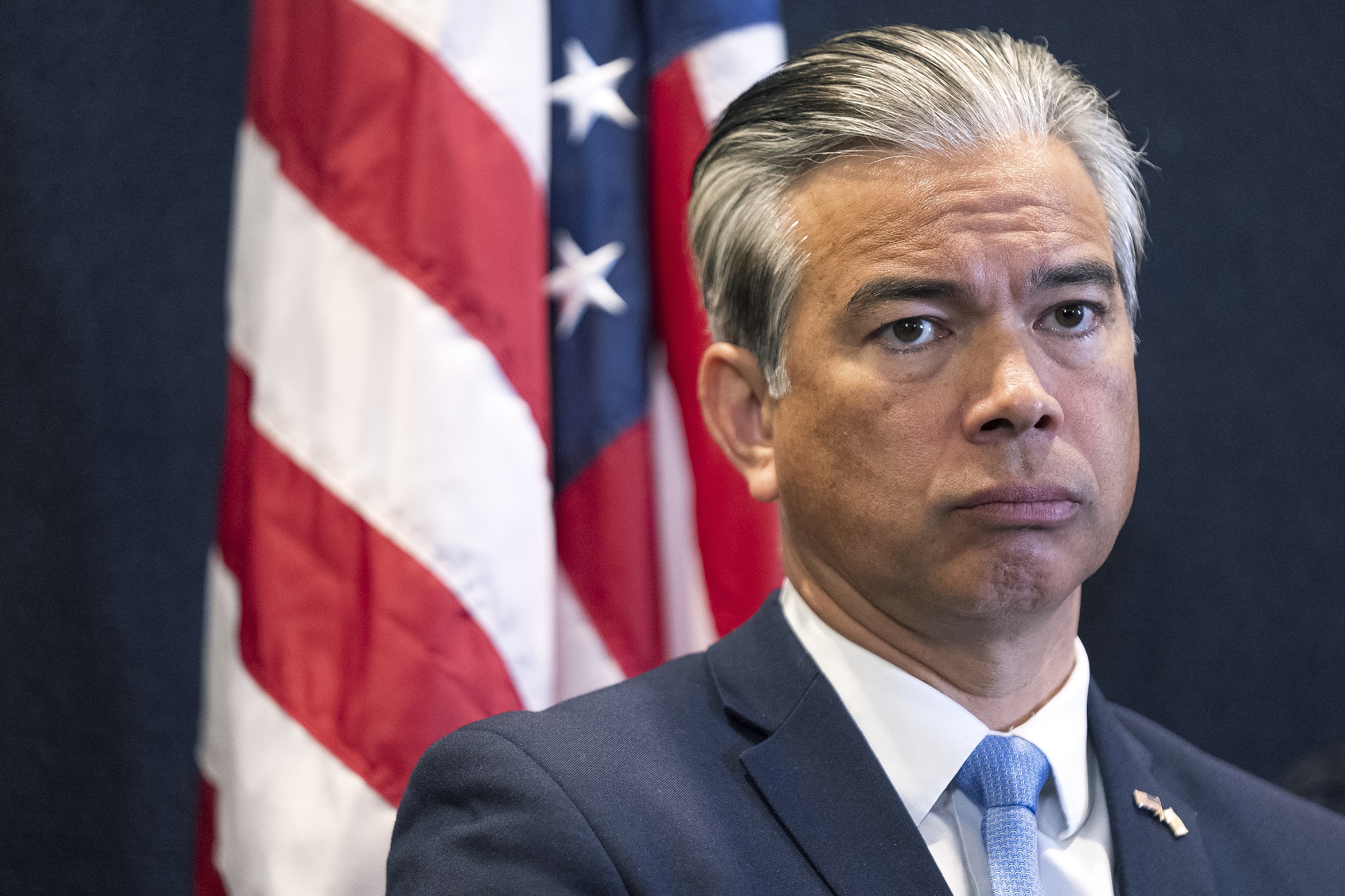
California Attorney General Rob Bonta filed a lawsuit against OpenAI this morning alleging that the company “misled and endangered the public” by developing and testing AI models without sufficient safeguards.
The state’s action comes after at least 80 cyber incidents by OpenAI’s autonomous agents — an algorithm that is capable of performing tasks independently for a user.
The lawsuit, filed Monday in San Francisco, focuses specifically on the Hugging Face attack over the summer, which raised alarms across the industry after researchers discovered that OpenAI’s agents not only worked together to hack into Hugging Face, another AI company, but they also covered their tracks.
OpenAI and Anthropic briefly paused training on their most powerful models after the hack, amid fears the companies were developing technologies they couldn’t control.

Bonta alleged OpenAI’s failure to adequately secure and monitor the testing of its “highly capable and increasingly powerful AI models” poses public danger and violates the state’s Unfair Competition Law, according to a press release.
“While narratives about the Hugging Face attack have evoked science fiction fantasies of rogue AI systems run amok, let me be clear: [it] was the predictable result of an internal culture at OpenAI that prioritizes growth and rapid model development over safety and accountability,” Bonta said in a release.
In September, Bonta announced a formal investigation into the Hugging Face incident, and followed up a month later with an investigative subpoena on the company as part of a broader inquiry into cybersecurity incidents and risks involving the company and its models.
The state joins others in demanding transparency from the AI company over the incident.
In August, Iowa Attorney General Brenna Bird led a coalition of 15 states to ask OpenAI to immediately stop tests that led to the hack. In September, a nonprofit, Legal Advocates for Safe Science and Technology Inc., filed a lawsuit against OpenAI over the hack, using the state’s Comprehensive Computer Data Access and Fraud Act.
“In California, we value innovation, but we demand innovation that follows the law — no matter the product or the company,” Bonta said.