San José Could Pause Data Center Approvals Until New Rules Take Effect
San José Mayor Matt Mahan and a group of councilmembers are proposing a pause on approving any data centers until the city’s new development standards and community benefit requirements for such projects are put in place.
In recent months, the city has held community meetings, listening sessions and group discussions with residents, nonprofits, labor organizations and business groups in an effort to set new baseline standards that developers of data centers and other large energy-use projects would have to follow.
But residents have raised concerns that some data center projects might creep through in the meantime, gaining city approval before new rules — requiring things such as carbon-neutral electricity, sewer monitoring and regular water and power usage reports — go into effect.
Mahan, along with Councilmembers Pamela Campos, David Cohen, Peter Ortiz and Domingo Candelas announced the proposal Thursday morning in a joint memo.
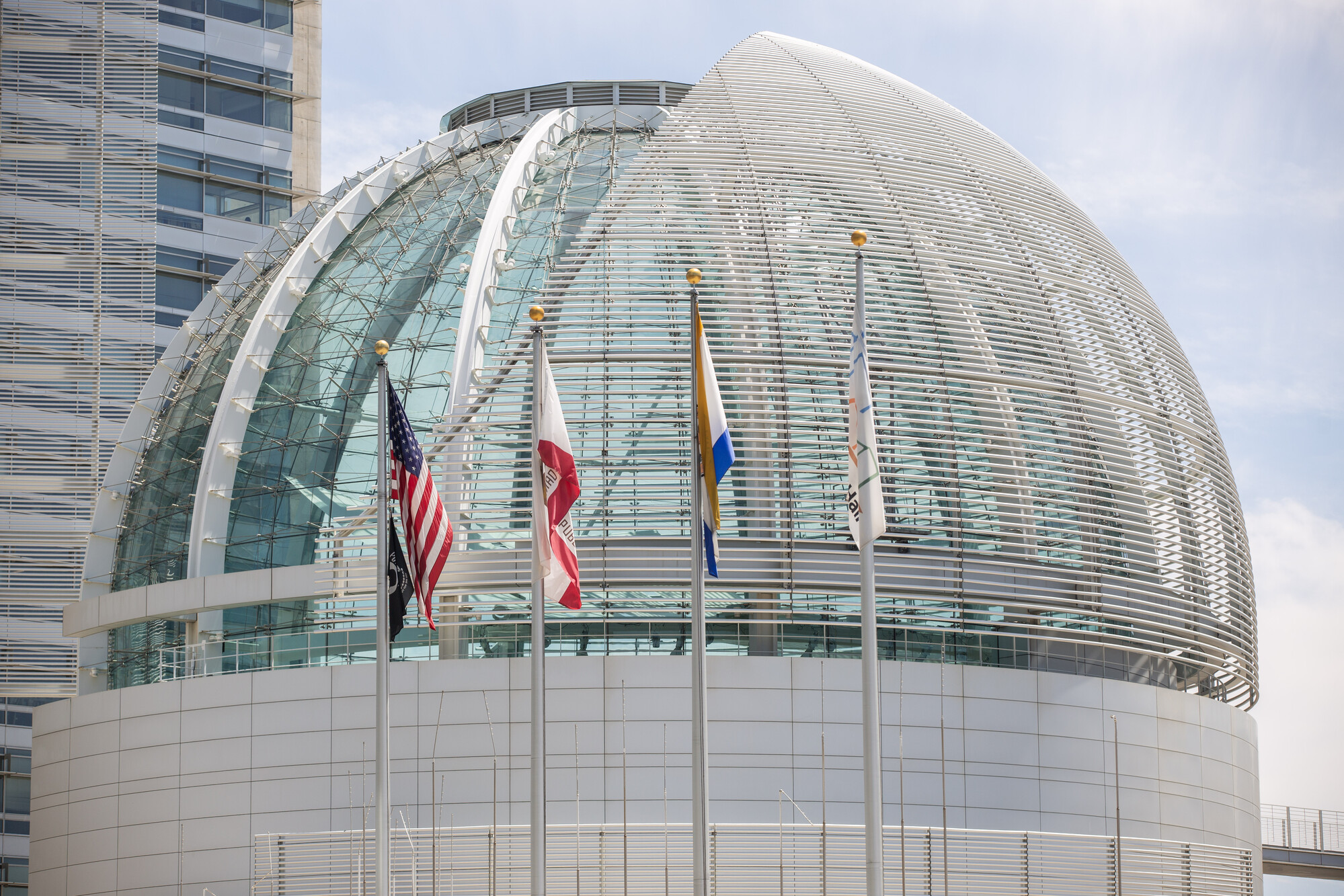
The proposal will be considered by the full city council on Tuesday, and if approved, would effectively serve as a pledge that no such projects will be considered until the standards are approved by the council.
“We want to make sure everyone is held to the same high standards,” Mahan said in an interview. “It’s really important that we make clear to the community that we won’t let someone rush forward a project to avoid those standards.”
Mahan has championed a multi-pronged effort to lure data centers to the city for more than a year by touting a deal with PG&E to guarantee power availability and hiring city staff to support developers with “conceirge-style support.”

The full-court press by the city has helped spur community pushback and calls for bans on the power-hungry facilities, often used to support large artificial intelligence models.
The development standards, which Mahan described as “some of the strictest in the nation,” will be reviewed by the city’s Planning Commission on Nov. 18, and are scheduled to be voted on by the council on Dec. 8.
“We’ve done a tremendous amount of work, and I think it would be a betrayal of public trust to allow a project to try to sneak through at this stage,” Mahan said.
Mahan and the councilmembers proposing the pause also called for an “urgency ordinance” that would allow the new data center standards to go into effect immediately once approved by the council, as opposed to a typical 30-day or 60-day implementation timeline.
City officials said Google’s planned research and development facility in the city’s Alviso neighborhood — which would draw 250 megawatts of power, more than all of Marin County’s power usage in 2024 — is one of two projects that could have been on track to earn city approval prior to the standards taking effect.
That project is one of several major data centers or large energy use projects planned in the historically underserved northern portion of the city, which collectively could suck up more than 800 megawatts.
Alice Kaufman, the policy and advocacy director of the environmental preservation group Green Foothills, said the group would support a proposed pause to ensure projects like Google’s and others all face the same rules.

“It would definitely be a positive step,” Kaufman said.
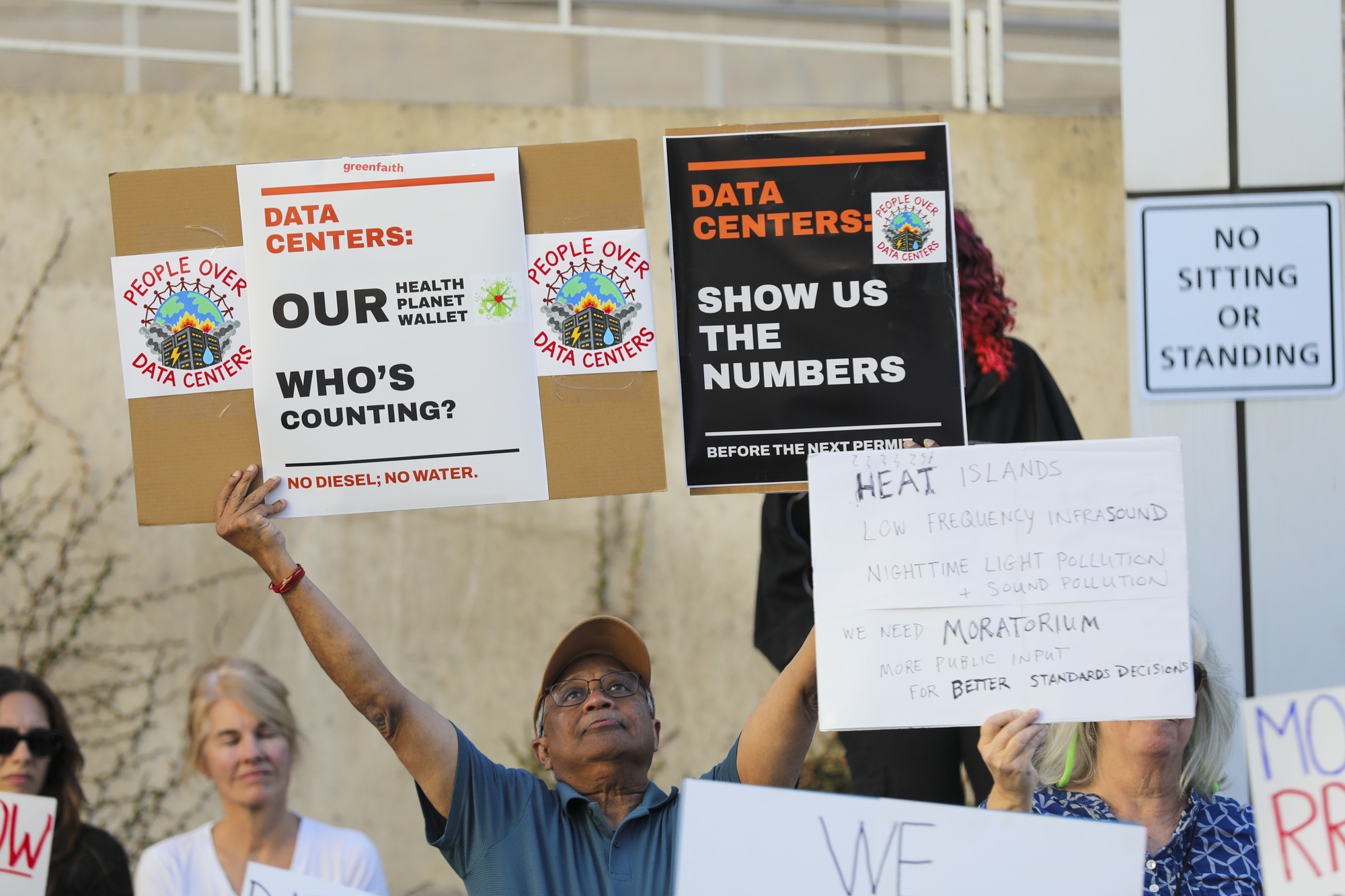
But Green Foothills is one of several nonprofits and community organizations that have criticized the city’s proposed new standards for data centers as too weak, especially around air and noise pollution caused by backup generators and cooling equipment.
“We feel that those standards are falling short in a lot of different areas,” Kaufman said. “But to the extent that the city is willing to impose regulations on the data centers to protect communities and to protect the environment, we definitely believe that they should do whatever’s necessary to make sure that there aren’t going to be any new projects that would slip in under the wire.”
Green Foothills and other organizations held a rally before an Oct. 15 community meeting demanding a moratorium on data centers until comprehensive studies into the long-term public health impacts of having clusters of data centers in the city is completed.
Mahan, who has opposed a ban or moratorium on data centers, said the standards the city ultimately adopts should be “done in a way that protects the community, protects the environment,” as well as supports affordable housing and makes sure new costs aren’t passed onto residents.
“I want to set such a high bar that if we lose some projects because they’re not willing to meet that bar, I’m okay with that,” Mahan said. “We’ve got to put the community first, that’s really the goal here.”