Santa Clara, California’s Capital of Data Centers, Weighs More Regulations
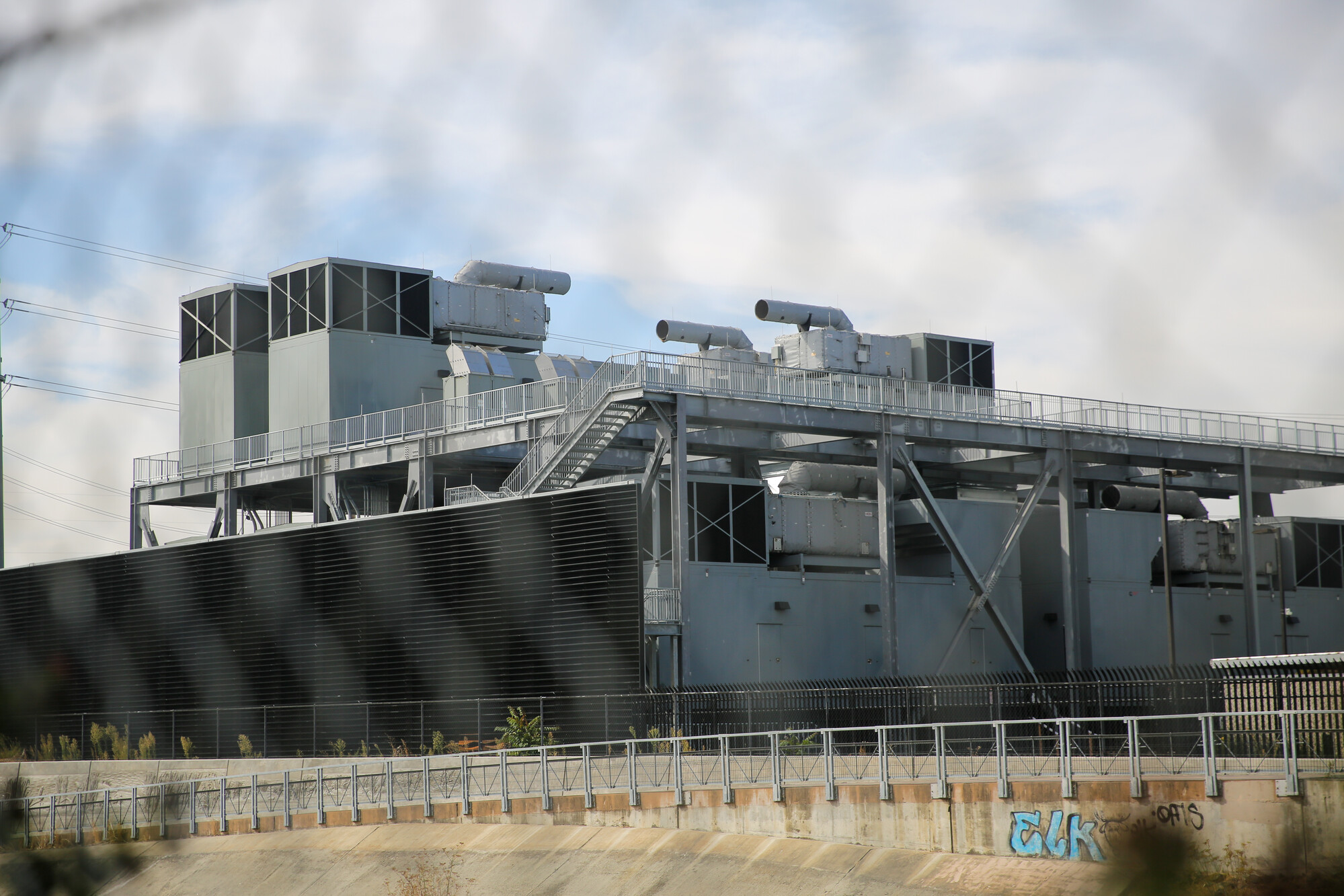
As controversy over data centers swells in communities around the Bay Area and the nation, Santa Clara leaders are pushing to beef up the city’s regulations and standards for future data center development.
In an hourslong and at times tense discussion that began Tuesday night and stretched to nearly 1 a.m. Wednesday, the Santa Clara City Council directed city staff to prioritize tightening air pollution and water use regulations for new data centers in the city as they take a more comprehensive look at all city policies related to data centers.
The midsize Silicon Valley city of 130,000 people has quietly become the data center capital of California, in large part thanks to its own electric utility, Silicon Valley Power, which sells watts at much lower prices than PG&E.

Santa Clara has nearly 60 data centers currently, generating about $35 million in revenue for the city last year. The money, which comes from electricity payments and property and sales taxes, accounts for almost 10% of the city’s general fund, or nearly enough to cover the entire annual budget for its Parks & Recreation and Library departments combined, according to city staff.
The city already requires data centers built after December 2022 to use the equivalent of carbon-neutral power, through purchasing offsets, encourages the use of recycled water and asks developers to expand recycled water infrastructure during buildouts, city staff said.
But some council members aren’t sure the city should continue permitting the structures, as they weighed out financial benefits against concerns over pollution from generators, water use, artificial intelligence and the need to expand the city’s maxed-out grid.
Councilmember Karen Hardy, who is running for mayor, said after reading a staff report about the city’s current data center regulations, she feels the city has taken a “loosey-goosey” approach to handling development of the hulking facilities, and is proposing a temporary moratorium.
“I’ve been happy about data centers in the past, but now I am uncomfortable with some of the realities that we’ve looked at and some of realities we have uncovered by the questions we have asked,” Hardy said at the meeting. “We need to put the brakes on all of this until we have done the work and have something that we can present to our residents to make certain they understand that we are protecting their water and their air quality.”
The council’s discussion took place on the same night leaders of San Francisco and Oakland each approved temporary moratoriums against data centers.
Councilmember Suds Jain, citing a previously approved application for a data center in the city that would use only about two homes’ worth of water a year for backup cooling, said the city should set much more stringent water use requirements and put similar limits on the books fast, even if it means adopting them one at a time.
“We need to have these guardrails in place to protect our residents,” he said. “Why are we waiting so long?”
City staff suggested the targets touted in that project’s environmental impact documents may not actually be achievable in the field, or by other data centers, which frustrated Jain.
“But that’s their [Environmental Impact Report]. So if they violate the EIR, what do we do?” he said.
But Santa Clara is already in a holding pattern of sorts for data centers, as the city stopped accepting power hookup applications from data center developers in 2023 because Silicon Valley Power could not provide any more electricity to large users. The utility is in the midst of a $450 million power infrastructure upgrade, including receiving station changes and battery storage projects, which isn’t expected to be fully complete until 2030.
However, the pause on powering up new data centers is not the same as a complete moratorium, city staff said. While the city’s power company will not accept new applications for data centers, a developer could still apply for and seek land use entitlements from the city to prepare for a future data center, staff told the council.
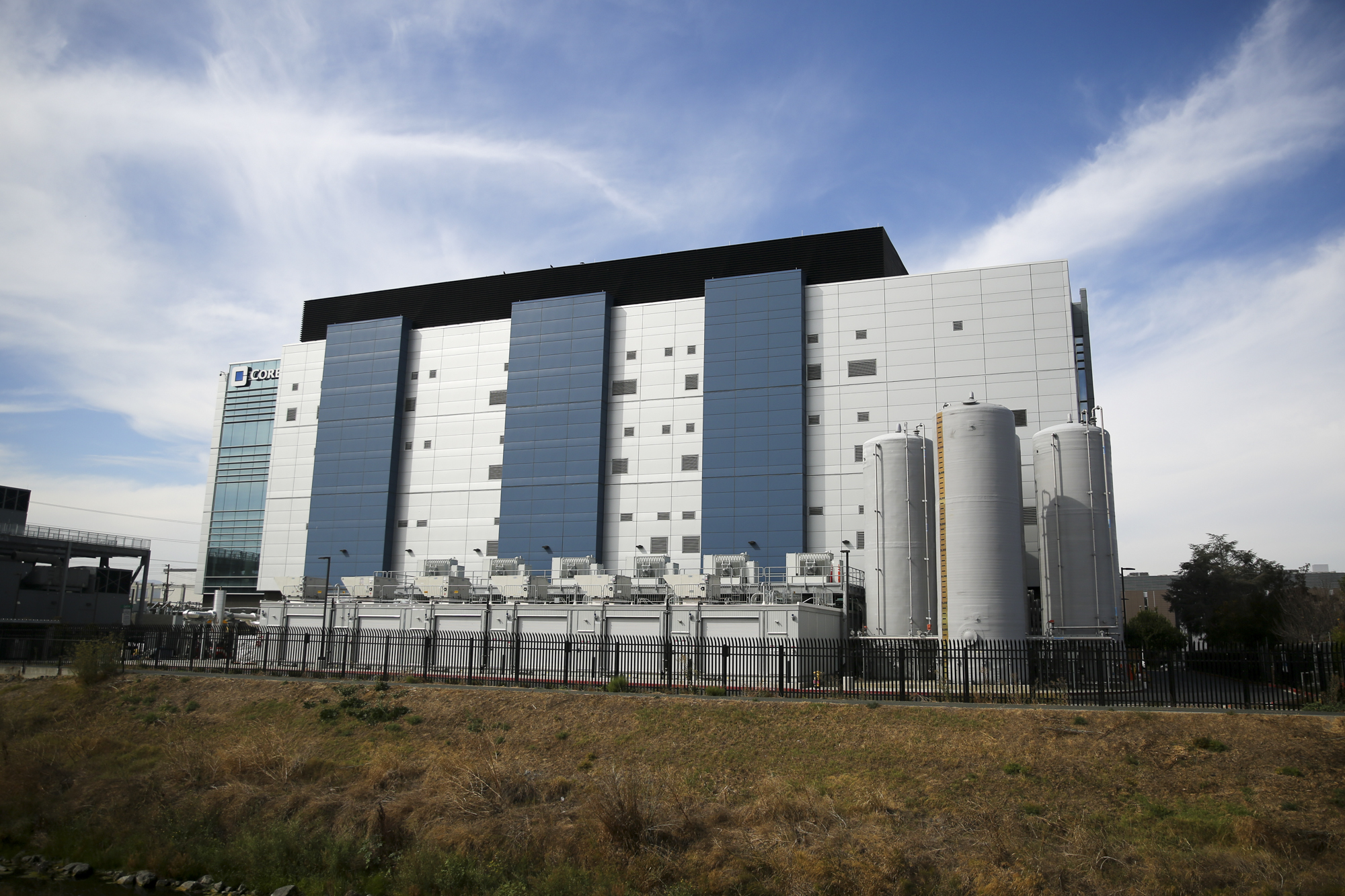
There are two previously approved data centers under construction currently, and eight more in the pipeline that were approved for power hookups before the 2023 cutoff, which are awaiting electricity from the city.
Ratepayers have seen several increases in power rates, and Councilmember Kevin Park, also running for mayor, estimated costs have ballooned nearly 60% over the past several years, though City Manager Jōvan Grogan said the city still charges 58% less than PG&E.
About 54% of Santa Clara’s power is used by data centers, and about 95% of the power in the city is consumed by commercial and industrial customers overall, according to the city.
“Let’s be honest, the residents aren’t the reason why we need to build the new infrastructure,” Park said. “I don’t think the residents should be on the hook for any of that cost. If we’re going to put in requirements, the requirements should be data center developers; they pay their way,” he said.
Park broadly questioned the benefit of having more data centers in the city, and called the estimated $4 million in affordable housing funds the city has received from data center developers since 2019 “rookie numbers” that were the equivalent of “throwing bricks into the Grand Canyon.”
He said the question of whether the city should continue to pursue more data center development should be put to a vote of residents, and also backed the idea of a moratorium until more regulation is in place around generative AI.
“Let’s give the people a voice in this matter. Do we want more data centers?” he said. “We’re doing this for AI … We’re doing it for a technology that has no guardrails.”
City staff is planning to bring back a wholesale look at data center regulations by summer or fall of next year, but the council asked that proposals for water and air regulations come back sooner.