Affected by the FAA Ground Stop? What to Know About Your Consumer Rights
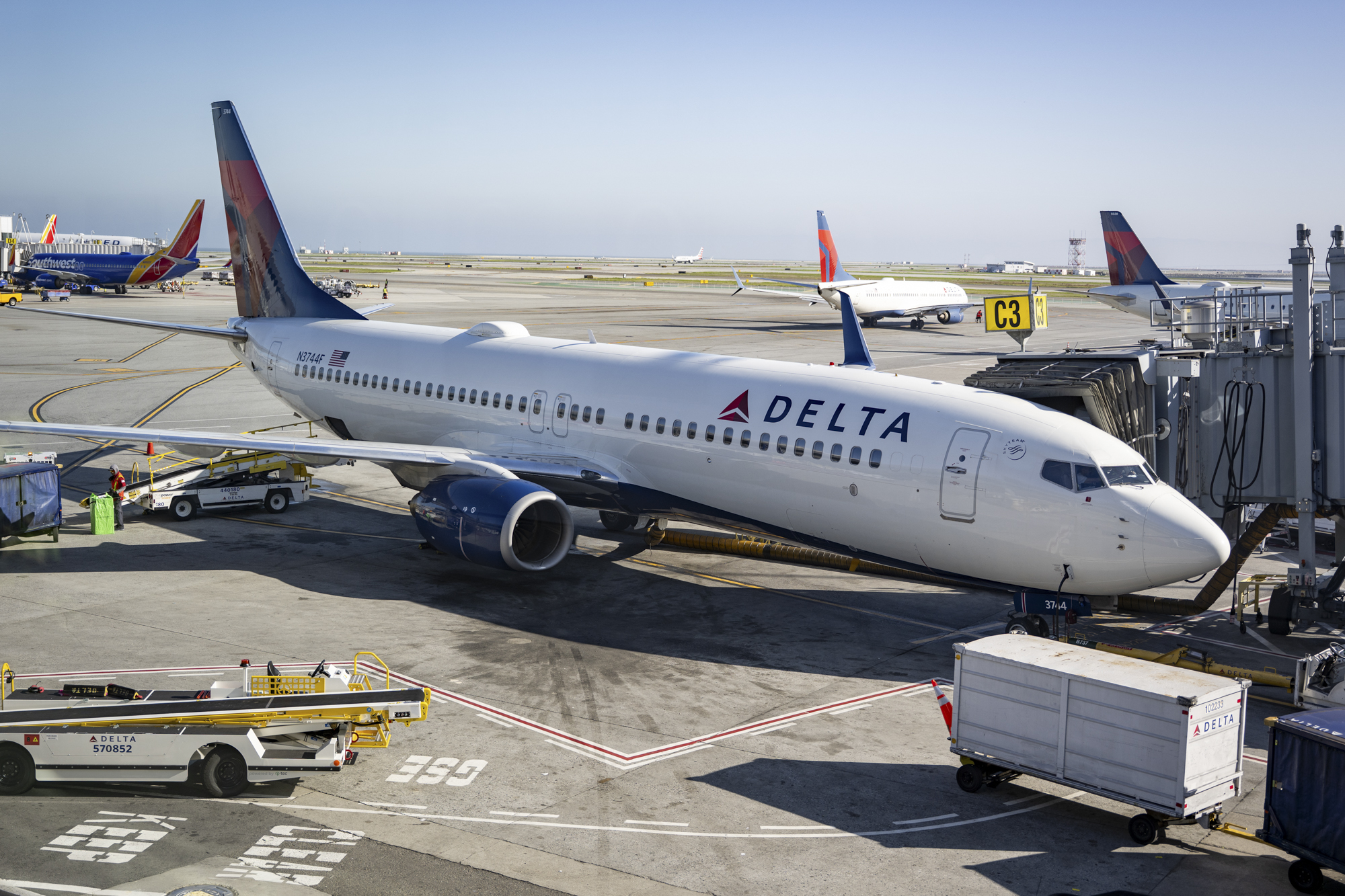
Thousands of Bay Area travelers are currently caught up in a nationwide ground stop announced by the Federal Aviation Authority, affecting all air departures Friday.
Around 1 p.m. Friday, no planes were able to leave San Francisco International, Oakland San Francisco Bay, Sacramento International and San José Mineta airports. SFO spokesperson Doug Yakel told KQED that planes already en route to the airport would still be able to land.
While the FAA initially cited “extraordinary circumstances and for reasons of safety” in their advisory about the ground stoppage, U.S. Secretary of Transportation Sean Duffy then blamed “a communication issue impacting all Air Route Traffic Control Centers”.

The FAA’s advisory, which stated that “all departing traffic should remain ground stopped until further notice,” will remain in effect through 8 p.m. PST Friday.
SFO and Charles M. Schulz airports confirmed to KQED around 3:30 p.m. on Friday that several flights were starting to slowly depart, although the status of every one is still unclear. Yakel told KQED the flights that departed from SFO were bound for Asia and Hawaii.
While much is still unknown about the cause of Friday’s FAA ground stop, here’s what Bay Area travelers should know about their rights when a flight is canceled or delayed.
What kind of refund — or compensation — could I get from Friday’s FAA ground stop?
According to federal law, passengers are entitled to a “full and prompt” refund for their airfare, along with “ancillary costs” — which include taxes, carry-on baggage fees and access to Wi-Fi — if their flight is cancelled or significantly delayed.
DOT considers a flight “significantly delayed” if one of the following happens:
- If a passenger is flying domestically with a departure or arrival time delayed by three hours or more;
- If a passenger is flying internationally, with a departure or arrival time delayed by six hours or more;
- A passenger is now scheduled to depart or arrive at a different airport than what the original flight itinerary stated;
- A passenger now has a flight itinerary with more connection points than what was on the original itinerary.
To be eligible for a cash refund, a passenger must also:
- Not fly on the delayed flight;
- Turn down any rebooking offer on an alternative flight from the airline;
- Turn down any “voucher, credit, or other form of compensation” that the carrier offers as an alternative to a refund.
If you were meant to fly on Friday or the coming days, first confirm with your airline the status of your flight, said Scott Maurer. associate professor at Santa Clara University School of Law. “If the airline says the flight is canceled then they’re definitely entitled to a refund,” he said.
But if the passenger voluntarily cancels their flight — and the delay did not meet the federal standards — “they lose their right to a refund if the ticket was listed as non-refundable when they bought it,” Maurer said.
While airlines are required to provide passengers with a refund if federal guidelines are met, they are not required to cover the costs of hotel reservations or car rentals you may have booked for your travel.
“When the cancellation or delay is outside the control of the airline, they’re generally not responsible for other costs to the consumer,” said Maurer. “This is a situation required by the FAA and outside their control.”
My airline has offered me a flight voucher during the FAA ground stop — do I need to accept that offer?
If your flight is cancelled or significantly delayed, federal law requires that you “affirmatively agree” to accepting a flight voucher or alternative itinerary — instead of a cash refund. An airline cannot make that choice for you.
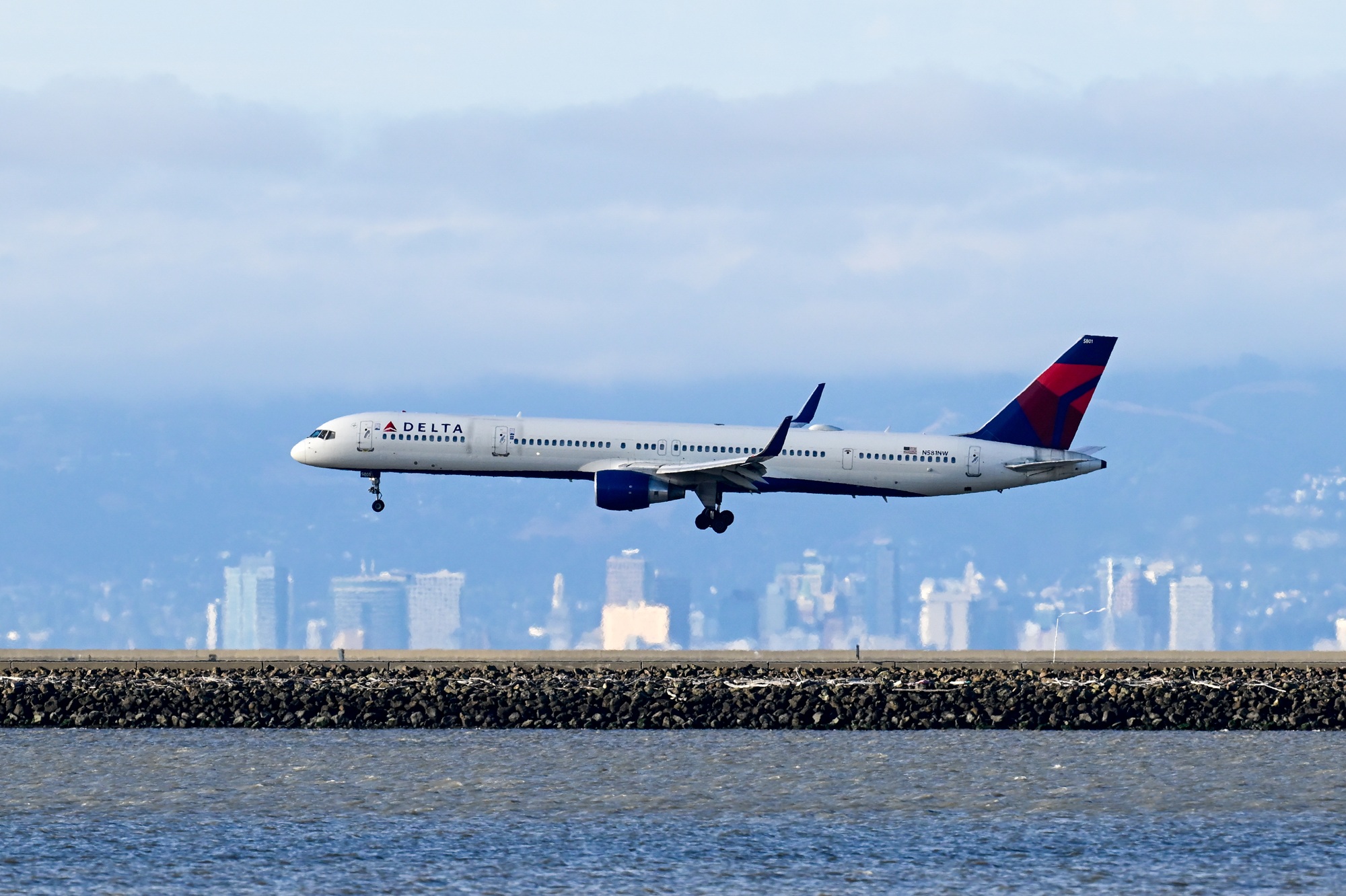
“You don’t have to accept a voucher or rebooking if that doesn’t work for you,” said Maurer. “You can say, ‘I’m sorry. I want a refund’.”
An airline would then have seven business days to refund a credit card purchase and three weeks if the purchase was made using another payment method.
If a passenger does accept a rebooking offer, they would no longer be eligible for a refund.
United Airlines, for example, has linked to a travel waiver on their homepage stating that any passengers who purchased a ticket before Thursday (Nov. 12) for travel on Friday or Saturday, and whose flight is now affected by the ground stoppage, “can reschedule your trip and we’ll waive change fees and fare differences,” with certain caveats. However, accepting that waiver would make a passenger ineligible for a refund.
One last recommendation from Maurer: Once you make a decision, keep a “paper trail” of your communication with the airline. And if you make a decision over the phone or in-person at an airport, make sure to also send an email to the airline’s customer service email.
KQED’s Gilare Zada, Azul Dahlstrom-Eckman and Samantha Kennedy contributed to this report.