window.__IS_SSR__=true
window.__INITIAL_STATE__={
"attachmentsReducer": {
"audio_0": {
"type": "attachments",
"id": "audio_0",
"imgSizes": {
"kqedFullSize": {
"file": "https://ww2.kqed.org/news/wp-content/themes/KQED-unified/img/audio_bgs/background0.jpg"
}
}
},
"audio_1": {
"type": "attachments",
"id": "audio_1",
"imgSizes": {
"kqedFullSize": {
"file": "https://ww2.kqed.org/news/wp-content/themes/KQED-unified/img/audio_bgs/background1.jpg"
}
}
},
"audio_2": {
"type": "attachments",
"id": "audio_2",
"imgSizes": {
"kqedFullSize": {
"file": "https://ww2.kqed.org/news/wp-content/themes/KQED-unified/img/audio_bgs/background2.jpg"
}
}
},
"audio_3": {
"type": "attachments",
"id": "audio_3",
"imgSizes": {
"kqedFullSize": {
"file": "https://ww2.kqed.org/news/wp-content/themes/KQED-unified/img/audio_bgs/background3.jpg"
}
}
},
"audio_4": {
"type": "attachments",
"id": "audio_4",
"imgSizes": {
"kqedFullSize": {
"file": "https://ww2.kqed.org/news/wp-content/themes/KQED-unified/img/audio_bgs/background4.jpg"
}
}
},
"placeholder": {
"type": "attachments",
"id": "placeholder",
"imgSizes": {
"thumbnail": {
"file": "https://cdn.kqed.org/wp-content/uploads/2024/12/KQED-Default-Image-816638274-2000x1333-1-160x107.jpg",
"width": 160,
"height": 107,
"mimeType": "image/jpeg"
},
"medium": {
"file": "https://cdn.kqed.org/wp-content/uploads/2024/12/KQED-Default-Image-816638274-2000x1333-1-800x533.jpg",
"width": 800,
"height": 533,
"mimeType": "image/jpeg"
},
"medium_large": {
"file": "https://cdn.kqed.org/wp-content/uploads/2024/12/KQED-Default-Image-816638274-2000x1333-1-768x512.jpg",
"width": 768,
"height": 512,
"mimeType": "image/jpeg"
},
"large": {
"file": "https://cdn.kqed.org/wp-content/uploads/2024/12/KQED-Default-Image-816638274-2000x1333-1-1020x680.jpg",
"width": 1020,
"height": 680,
"mimeType": "image/jpeg"
},
"1536x1536": {
"file": "https://cdn.kqed.org/wp-content/uploads/2024/12/KQED-Default-Image-816638274-2000x1333-1-1536x1024.jpg",
"width": 1536,
"height": 1024,
"mimeType": "image/jpeg"
},
"fd-lrg": {
"file": "https://cdn.kqed.org/wp-content/uploads/2024/12/KQED-Default-Image-816638274-2000x1333-1-1536x1024.jpg",
"width": 1536,
"height": 1024,
"mimeType": "image/jpeg"
},
"fd-med": {
"file": "https://cdn.kqed.org/wp-content/uploads/2024/12/KQED-Default-Image-816638274-2000x1333-1-1020x680.jpg",
"width": 1020,
"height": 680,
"mimeType": "image/jpeg"
},
"fd-sm": {
"file": "https://cdn.kqed.org/wp-content/uploads/2024/12/KQED-Default-Image-816638274-2000x1333-1-800x533.jpg",
"width": 800,
"height": 533,
"mimeType": "image/jpeg"
},
"post-thumbnail": {
"file": "https://cdn.kqed.org/wp-content/uploads/2024/12/KQED-Default-Image-816638274-2000x1333-1-672x372.jpg",
"width": 672,
"height": 372,
"mimeType": "image/jpeg"
},
"twentyfourteen-full-width": {
"file": "https://cdn.kqed.org/wp-content/uploads/2024/12/KQED-Default-Image-816638274-2000x1333-1-1038x576.jpg",
"width": 1038,
"height": 576,
"mimeType": "image/jpeg"
},
"xxsmall": {
"file": "https://cdn.kqed.org/wp-content/uploads/2024/12/KQED-Default-Image-816638274-2000x1333-1-160x107.jpg",
"width": 160,
"height": 107,
"mimeType": "image/jpeg"
},
"xsmall": {
"file": "https://cdn.kqed.org/wp-content/uploads/2024/12/KQED-Default-Image-816638274-2000x1333-1-672x372.jpg",
"width": 672,
"height": 372,
"mimeType": "image/jpeg"
},
"small": {
"file": "https://cdn.kqed.org/wp-content/uploads/2024/12/KQED-Default-Image-816638274-2000x1333-1-672x372.jpg",
"width": 672,
"height": 372,
"mimeType": "image/jpeg"
},
"xlarge": {
"file": "https://cdn.kqed.org/wp-content/uploads/2024/12/KQED-Default-Image-816638274-2000x1333-1-1020x680.jpg",
"width": 1020,
"height": 680,
"mimeType": "image/jpeg"
},
"full-width": {
"file": "https://cdn.kqed.org/wp-content/uploads/2024/12/KQED-Default-Image-816638274-2000x1333-1-1920x1280.jpg",
"width": 1920,
"height": 1280,
"mimeType": "image/jpeg"
},
"guest-author-32": {
"file": "https://cdn.kqed.org/wp-content/uploads/2025/01/KQED-Default-Image-816638274-1333x1333-1-160x160.jpg",
"width": 32,
"height": 32,
"mimeType": "image/jpeg"
},
"guest-author-50": {
"file": "https://cdn.kqed.org/wp-content/uploads/2025/01/KQED-Default-Image-816638274-1333x1333-1-160x160.jpg",
"width": 50,
"height": 50,
"mimeType": "image/jpeg"
},
"guest-author-64": {
"file": "https://cdn.kqed.org/wp-content/uploads/2025/01/KQED-Default-Image-816638274-1333x1333-1-160x160.jpg",
"width": 64,
"height": 64,
"mimeType": "image/jpeg"
},
"guest-author-96": {
"file": "https://cdn.kqed.org/wp-content/uploads/2025/01/KQED-Default-Image-816638274-1333x1333-1-160x160.jpg",
"width": 96,
"height": 96,
"mimeType": "image/jpeg"
},
"guest-author-128": {
"file": "https://cdn.kqed.org/wp-content/uploads/2025/01/KQED-Default-Image-816638274-1333x1333-1-160x160.jpg",
"width": 128,
"height": 128,
"mimeType": "image/jpeg"
},
"detail": {
"file": "https://cdn.kqed.org/wp-content/uploads/2025/01/KQED-Default-Image-816638274-1333x1333-1-160x160.jpg",
"width": 160,
"height": 160,
"mimeType": "image/jpeg"
},
"kqedFullSize": {
"file": "https://cdn.kqed.org/wp-content/uploads/2024/12/KQED-Default-Image-816638274-2000x1333-1.jpg",
"width": 2000,
"height": 1333
}
}
},
"news_12100448": {
"type": "attachments",
"id": "news_12100448",
"meta": {
"index": "attachments_1716263798",
"site": "news",
"id": "12100448",
"found": true
},
"title": "260917-SF STANDARD CEO-MD-01_V1",
"publishDate": 1789679279,
"status": "inherit",
"parent": 0,
"modified": 1789679320,
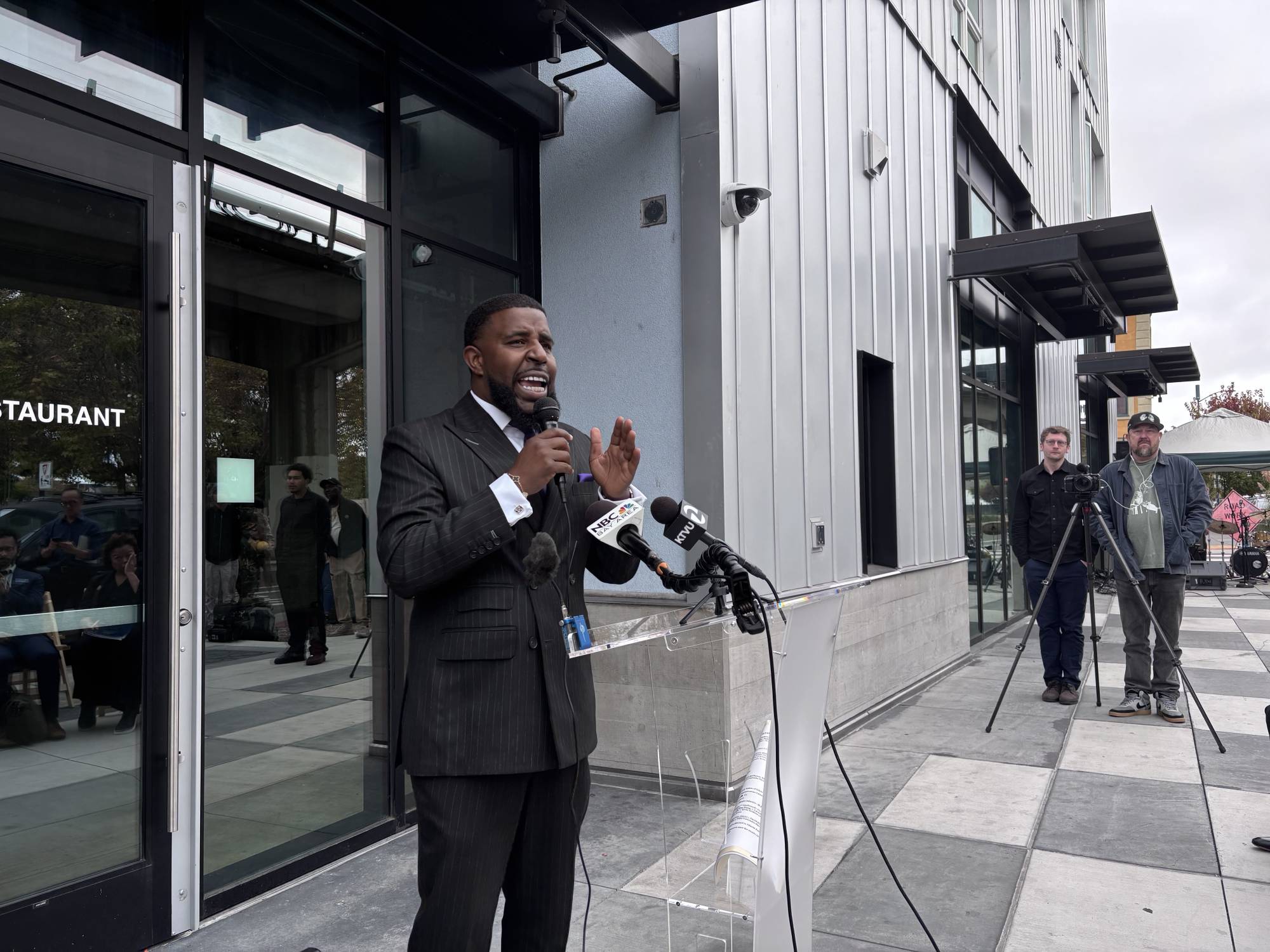
"caption": "The local news site employs about 75 people, including reporters, editors, photographers, software engineers, data analysts and social media producers, according to its website. ",
"credit": "Photo illustration by Martin do Nascimento/KQED",
"altTag": null,
"description": null,
"imgSizes": {
"medium": {
"file": "https://cdn.kqed.org/wp-content/uploads/sites/10/2026/09/260917-SF-STANDARD-CEO-MD-01_V1-2000x1200.jpg",
"width": 2000,
"height": 1200,
"mimeType": "image/jpeg"
},
"large": {
"file": "https://cdn.kqed.org/wp-content/uploads/sites/10/2026/09/260917-SF-STANDARD-CEO-MD-01_V1-2000x1200.jpg",
"width": 2000,
"height": 1200,
"mimeType": "image/jpeg"
},
"thumbnail": {
"file": "https://cdn.kqed.org/wp-content/uploads/sites/10/2026/09/260917-SF-STANDARD-CEO-MD-01_V1-160x96.jpg",
"width": 160,
"height": 96,
"mimeType": "image/jpeg"
},
"1536x1536": {
"file": "https://cdn.kqed.org/wp-content/uploads/sites/10/2026/09/260917-SF-STANDARD-CEO-MD-01_V1-1536x922.jpg",
"width": 1536,
"height": 922,
"mimeType": "image/jpeg"
},
"2048x2048": {
"file": "https://cdn.kqed.org/wp-content/uploads/sites/10/2026/09/260917-SF-STANDARD-CEO-MD-01_V1-2048x1229.jpg",
"width": 2048,
"height": 1229,
"mimeType": "image/jpeg"
},
"post-thumbnail": {
"file": "https://cdn.kqed.org/wp-content/uploads/sites/10/2026/09/260917-SF-STANDARD-CEO-MD-01_V1-672x372.jpg",
"width": 672,
"height": 372,
"mimeType": "image/jpeg"
},
"twentyfourteen-full-width": {
"file": "https://cdn.kqed.org/wp-content/uploads/sites/10/2026/09/260917-SF-STANDARD-CEO-MD-01_V1-1038x576.jpg",
"width": 1038,
"height": 576,
"mimeType": "image/jpeg"
},
"full-width": {
"file": "https://cdn.kqed.org/wp-content/uploads/sites/10/2026/09/260917-SF-STANDARD-CEO-MD-01_V1-2000x1200.jpg",
"width": 2000,
"height": 1200,
"mimeType": "image/jpeg"
},
"npr-cds-wide": {
"file": "https://cdn.kqed.org/wp-content/uploads/sites/10/2026/09/260917-SF-STANDARD-CEO-MD-01_V1-1200x675.jpg",
"width": 1200,
"height": 675,
"mimeType": "image/jpeg"
},
"npr-cds-square": {
"file": "https://cdn.kqed.org/wp-content/uploads/sites/10/2026/09/260917-SF-STANDARD-CEO-MD-01_V1-600x600.jpg",
"width": 600,
"height": 600,
"mimeType": "image/jpeg"
},
"kqedFullSize": {
"file": "https://cdn.kqed.org/wp-content/uploads/sites/10/2026/09/260917-SF-STANDARD-CEO-MD-01_V1.jpg",
"width": 2500,
"height": 1500
}
},
"isLoading": false,
"fetchFailed": false
},
"news_12100133": {
"type": "attachments",
"id": "news_12100133",
"meta": {
"index": "attachments_1716263798",
"site": "news",
"id": "12100133",
"found": true
},
"title": "260916-BlackPantherApt-FJR-03",
"publishDate": 1789603355,
"status": "inherit",
"parent": 0,
"modified": 1789603671,
"caption": "Adanté Pointer, an attorney representing the owners of The Black Panther apartment building, speaks with reporters outside the property on Sept. 16, 2026 in Oakland. The building owners are suing SFPD for allegedly breaking into the building during an investigation.",
"credit": "Farida Jhabvala Romero/KQED",
"altTag": null,
"description": null,
"imgSizes": {
"medium": {
"file": "https://cdn.kqed.org/wp-content/uploads/sites/10/2026/09/260916-BlackPantherApt-FJR-03-2000x1500.jpeg",
"width": 2000,
"height": 1500,
"mimeType": "image/jpeg"
},
"large": {
"file": "https://cdn.kqed.org/wp-content/uploads/sites/10/2026/09/260916-BlackPantherApt-FJR-03-2000x1500.jpeg",
"width": 2000,
"height": 1500,
"mimeType": "image/jpeg"
},
"thumbnail": {
"file": "https://cdn.kqed.org/wp-content/uploads/sites/10/2026/09/260916-BlackPantherApt-FJR-03-160x120.jpeg",
"width": 160,
"height": 120,
"mimeType": "image/jpeg"
},
"1536x1536": {
"file": "https://cdn.kqed.org/wp-content/uploads/sites/10/2026/09/260916-BlackPantherApt-FJR-03-1536x1152.jpeg",
"width": 1536,
"height": 1152,
"mimeType": "image/jpeg"
},
"2048x2048": {
"file": "https://cdn.kqed.org/wp-content/uploads/sites/10/2026/09/260916-BlackPantherApt-FJR-03-2048x1536.jpeg",
"width": 2048,
"height": 1536,
"mimeType": "image/jpeg"
},
"post-thumbnail": {
"file": "https://cdn.kqed.org/wp-content/uploads/sites/10/2026/09/260916-BlackPantherApt-FJR-03-672x372.jpeg",
"width": 672,
"height": 372,
"mimeType": "image/jpeg"
},
"twentyfourteen-full-width": {
"file": "https://cdn.kqed.org/wp-content/uploads/sites/10/2026/09/260916-BlackPantherApt-FJR-03-1038x576.jpeg",
"width": 1038,
"height": 576,
"mimeType": "image/jpeg"
},
"full-width": {
"file": "https://cdn.kqed.org/wp-content/uploads/sites/10/2026/09/260916-BlackPantherApt-FJR-03-2000x1500.jpeg",
"width": 2000,
"height": 1500,
"mimeType": "image/jpeg"
},
"npr-cds-wide": {
"file": "https://cdn.kqed.org/wp-content/uploads/sites/10/2026/09/260916-BlackPantherApt-FJR-03-1200x675.jpeg",
"width": 1200,
"height": 675,
"mimeType": "image/jpeg"
},
"npr-cds-square": {
"file": "https://cdn.kqed.org/wp-content/uploads/sites/10/2026/09/260916-BlackPantherApt-FJR-03-600x600.jpeg",
"width": 600,
"height": 600,
"mimeType": "image/jpeg"
},
"kqedFullSize": {
"file": "https://cdn.kqed.org/wp-content/uploads/sites/10/2026/09/260916-BlackPantherApt-FJR-03-scaled.jpeg",
"width": 2560,
"height": 1920
}
},
"isLoading": false,
"fetchFailed": false
},
"news_12100028": {
"type": "attachments",
"id": "news_12100028",
"meta": {
"index": "attachments_1716263798",
"site": "news",
"id": "12100028",
"found": true
},
"title": "Rental-Market (1)",
"publishDate": 1789587613,
"status": "inherit",
"parent": 12098620,
"modified": 1789587633,
"caption": "When it comes to finding a rental property, what shouldn't you compromise on?",
"credit": "Darren Tu/KQED",
"altTag": null,
"description": null,
"imgSizes": {
"thumbnail": {
"file": "https://cdn.kqed.org/wp-content/uploads/sites/10/2026/09/Rental-Market-1-160x103.jpg",
"width": 160,
"height": 103,
"mimeType": "image/jpeg"
},
"1536x1536": {
"file": "https://cdn.kqed.org/wp-content/uploads/sites/10/2026/09/Rental-Market-1-1536x992.jpg",
"width": 1536,
"height": 992,
"mimeType": "image/jpeg"
},
"post-thumbnail": {
"file": "https://cdn.kqed.org/wp-content/uploads/sites/10/2026/09/Rental-Market-1-672x372.jpg",
"width": 672,
"height": 372,
"mimeType": "image/jpeg"
},
"twentyfourteen-full-width": {
"file": "https://cdn.kqed.org/wp-content/uploads/sites/10/2026/09/Rental-Market-1-1038x576.jpg",
"width": 1038,
"height": 576,
"mimeType": "image/jpeg"
},
"npr-cds-wide": {
"file": "https://cdn.kqed.org/wp-content/uploads/sites/10/2026/09/Rental-Market-1-1200x675.jpg",
"width": 1200,
"height": 675,
"mimeType": "image/jpeg"
},
"npr-cds-square": {
"file": "https://cdn.kqed.org/wp-content/uploads/sites/10/2026/09/Rental-Market-1-600x600.jpg",
"width": 600,
"height": 600,
"mimeType": "image/jpeg"
},
"kqedFullSize": {
"file": "https://cdn.kqed.org/wp-content/uploads/sites/10/2026/09/Rental-Market-1.jpg",
"width": 1920,
"height": 1240
}
},
"isLoading": false,
"fetchFailed": false
},
"news_12096182": {
"type": "attachments",
"id": "news_12096182",
"meta": {
"index": "attachments_1716263798",
"site": "news",
"id": "12096182",
"found": true
},
"title": "FAJ",
"publishDate": 1787264672,
"status": "inherit",
"parent": 0,
"modified": 1787779940,
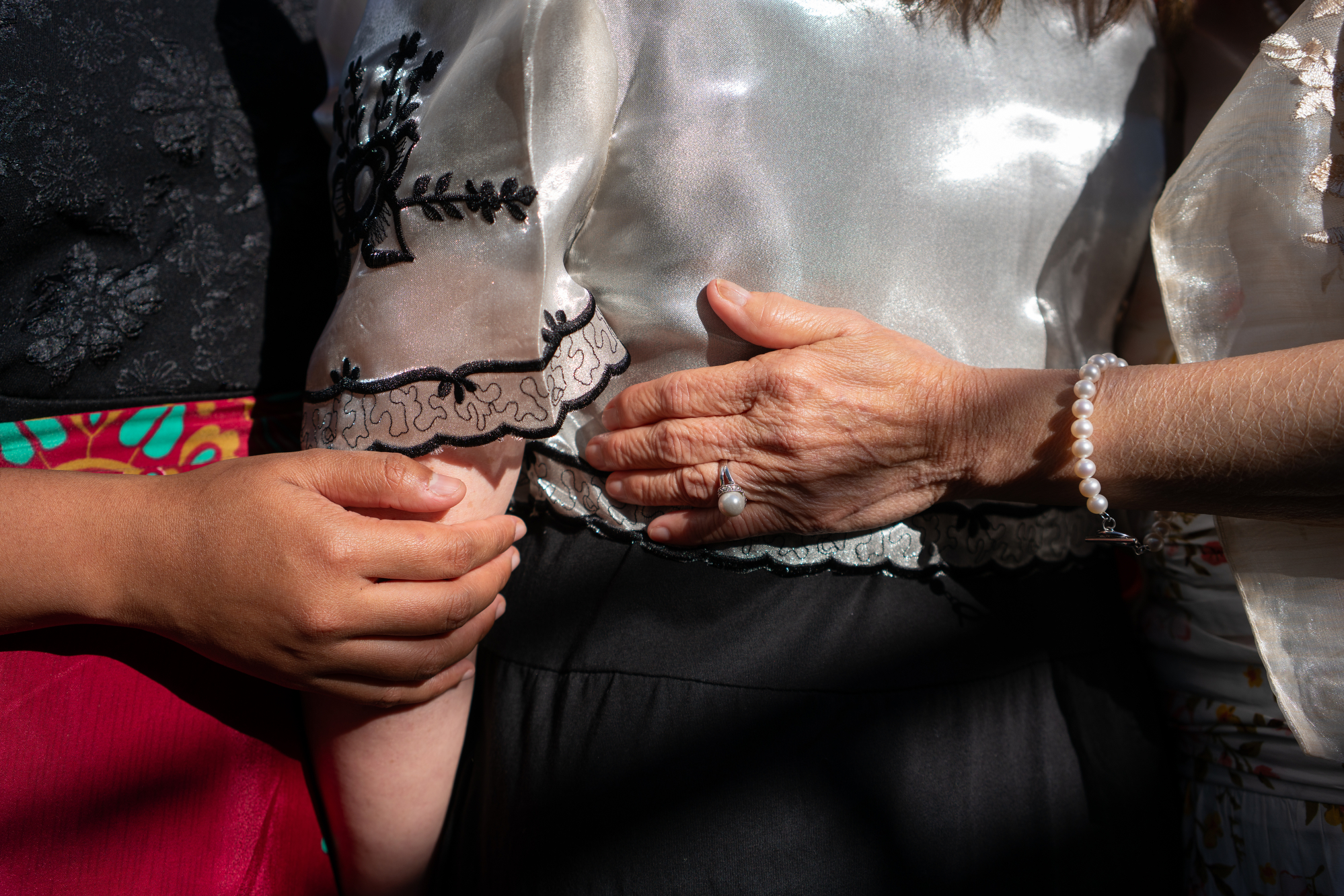
"caption": "Three women in Filipiniana dresses embrace during Filipino Advocates for Justice's monthly Kapwa Circle, a gathering that brings together Filipinos across generations in community. \"Culturally, we take care of our elders,\" said Geraldine Alcid, executive director of FAJ, an organization that supports caregivers, many of whom are older adults. \"It's a privilege to be able to care for them.\"",
"credit": "Florence Middleton for Catchlight/KQED",
"altTag": null,
"description": null,
"imgSizes": {
"thumbnail": {
"file": "https://cdn.kqed.org/wp-content/uploads/sites/10/2026/08/260820-FAJCatchlight-FM-14-160x107.jpg",
"width": 160,
"height": 107,
"mimeType": "image/jpeg"
},
"1536x1536": {
"file": "https://cdn.kqed.org/wp-content/uploads/sites/10/2026/08/260820-FAJCatchlight-FM-14-1536x1024.jpg",
"width": 1536,
"height": 1024,
"mimeType": "image/jpeg"
},
"post-thumbnail": {
"file": "https://cdn.kqed.org/wp-content/uploads/sites/10/2026/08/260820-FAJCatchlight-FM-14-672x372.jpg",
"width": 672,
"height": 372,
"mimeType": "image/jpeg"
},
"twentyfourteen-full-width": {
"file": "https://cdn.kqed.org/wp-content/uploads/sites/10/2026/08/260820-FAJCatchlight-FM-14-1038x576.jpg",
"width": 1038,
"height": 576,
"mimeType": "image/jpeg"
},
"npr-cds-wide": {
"file": "https://cdn.kqed.org/wp-content/uploads/sites/10/2026/08/260820-FAJCatchlight-FM-14-1200x675.jpg",
"width": 1200,
"height": 675,
"mimeType": "image/jpeg"
},
"npr-cds-square": {
"file": "https://cdn.kqed.org/wp-content/uploads/sites/10/2026/08/260820-FAJCatchlight-FM-14-600x600.jpg",
"width": 600,
"height": 600,
"mimeType": "image/jpeg"
},
"kqedFullSize": {
"file": "https://cdn.kqed.org/wp-content/uploads/sites/10/2026/08/260820-FAJCatchlight-FM-14.jpg",
"width": 1998,
"height": 1332
}
},
"isLoading": false,
"fetchFailed": false
},
"news_12089261": {
"type": "attachments",
"id": "news_12089261",
"meta": {
"index": "attachments_1716263798",
"site": "news",
"id": "12089261",
"found": true
},
"title": "260629_ForgottenFlowers_05-KQED",
"publishDate": 1782770341,
"status": "inherit",
"parent": 12090069,
"modified": 1789598365,
"caption": "A Stanford-themed corsage made during a corsage-making workshop.",
"credit": "Courtesy of Diego Bustamante",
"altTag": null,
"description": null,
"imgSizes": {
"thumbnail": {
"file": "https://cdn.kqed.org/wp-content/uploads/sites/10/2026/06/260629_ForgottenFlowers_05-KQED-160x107.jpg",
"width": 160,
"height": 107,
"mimeType": "image/jpeg"
},
"1536x1536": {
"file": "https://cdn.kqed.org/wp-content/uploads/sites/10/2026/06/260629_ForgottenFlowers_05-KQED-1536x1024.jpg",
"width": 1536,
"height": 1024,
"mimeType": "image/jpeg"
},
"post-thumbnail": {
"file": "https://cdn.kqed.org/wp-content/uploads/sites/10/2026/06/260629_ForgottenFlowers_05-KQED-672x372.jpg",
"width": 672,
"height": 372,
"mimeType": "image/jpeg"
},
"twentyfourteen-full-width": {
"file": "https://cdn.kqed.org/wp-content/uploads/sites/10/2026/06/260629_ForgottenFlowers_05-KQED-1038x576.jpg",
"width": 1038,
"height": 576,
"mimeType": "image/jpeg"
},
"npr-cds-wide": {
"file": "https://cdn.kqed.org/wp-content/uploads/sites/10/2026/06/260629_ForgottenFlowers_05-KQED-1200x675.jpg",
"width": 1200,
"height": 675,
"mimeType": "image/jpeg"
},
"npr-cds-square": {
"file": "https://cdn.kqed.org/wp-content/uploads/sites/10/2026/06/260629_ForgottenFlowers_05-KQED-600x600.jpg",
"width": 600,
"height": 600,
"mimeType": "image/jpeg"
},
"kqedFullSize": {
"file": "https://cdn.kqed.org/wp-content/uploads/sites/10/2026/06/260629_ForgottenFlowers_05-KQED.jpg",
"width": 2000,
"height": 1333
}
},
"isLoading": false,
"fetchFailed": false
},
"news_12092375": {
"type": "attachments",
"id": "news_12092375",
"meta": {
"index": "attachments_1716263798",
"site": "news",
"id": "12092375",
"found": true
},
"title": "The Safeway location in San Francisco’s Marina District on July 23, 2026.",
"publishDate": 1784836661,
"status": "inherit",
"parent": 0,
"modified": 1784836688,
"caption": "The Safeway location in San Francisco’s Marina District on July 23, 2026.",
"credit": "Nina Glick/KQED",
"altTag": null,
"description": null,
"imgSizes": {
"thumbnail": {
"file": "https://cdn.kqed.org/wp-content/uploads/sites/10/2026/07/260723-marinasafeway-ng-20-KQED-160x107.jpg",
"width": 160,
"height": 107,
"mimeType": "image/jpeg"
},
"1536x1536": {
"file": "https://cdn.kqed.org/wp-content/uploads/sites/10/2026/07/260723-marinasafeway-ng-20-KQED-1536x1024.jpg",
"width": 1536,
"height": 1024,
"mimeType": "image/jpeg"
},
"post-thumbnail": {
"file": "https://cdn.kqed.org/wp-content/uploads/sites/10/2026/07/260723-marinasafeway-ng-20-KQED-672x372.jpg",
"width": 672,
"height": 372,
"mimeType": "image/jpeg"
},
"twentyfourteen-full-width": {
"file": "https://cdn.kqed.org/wp-content/uploads/sites/10/2026/07/260723-marinasafeway-ng-20-KQED-1038x576.jpg",
"width": 1038,
"height": 576,
"mimeType": "image/jpeg"
},
"npr-cds-wide": {
"file": "https://cdn.kqed.org/wp-content/uploads/sites/10/2026/07/260723-marinasafeway-ng-20-KQED-1200x675.jpg",
"width": 1200,
"height": 675,
"mimeType": "image/jpeg"
},
"npr-cds-square": {
"file": "https://cdn.kqed.org/wp-content/uploads/sites/10/2026/07/260723-marinasafeway-ng-20-KQED-600x600.jpg",
"width": 600,
"height": 600,
"mimeType": "image/jpeg"
},
"kqedFullSize": {
"file": "https://cdn.kqed.org/wp-content/uploads/sites/10/2026/07/260723-marinasafeway-ng-20-KQED.jpg",
"width": 2000,
"height": 1333
}
},
"isLoading": false,
"fetchFailed": false
},
"news_12095619": {
"type": "attachments",
"id": "news_12095619",
"meta": {
"index": "attachments_1716263798",
"site": "news",
"id": "12095619",
"found": true
},
"title": "003_KQED_SanFrancisco_Muni_04062020_qed",
"publishDate": 1787001340,
"status": "inherit",
"parent": 12095616,
"modified": 1787001353,
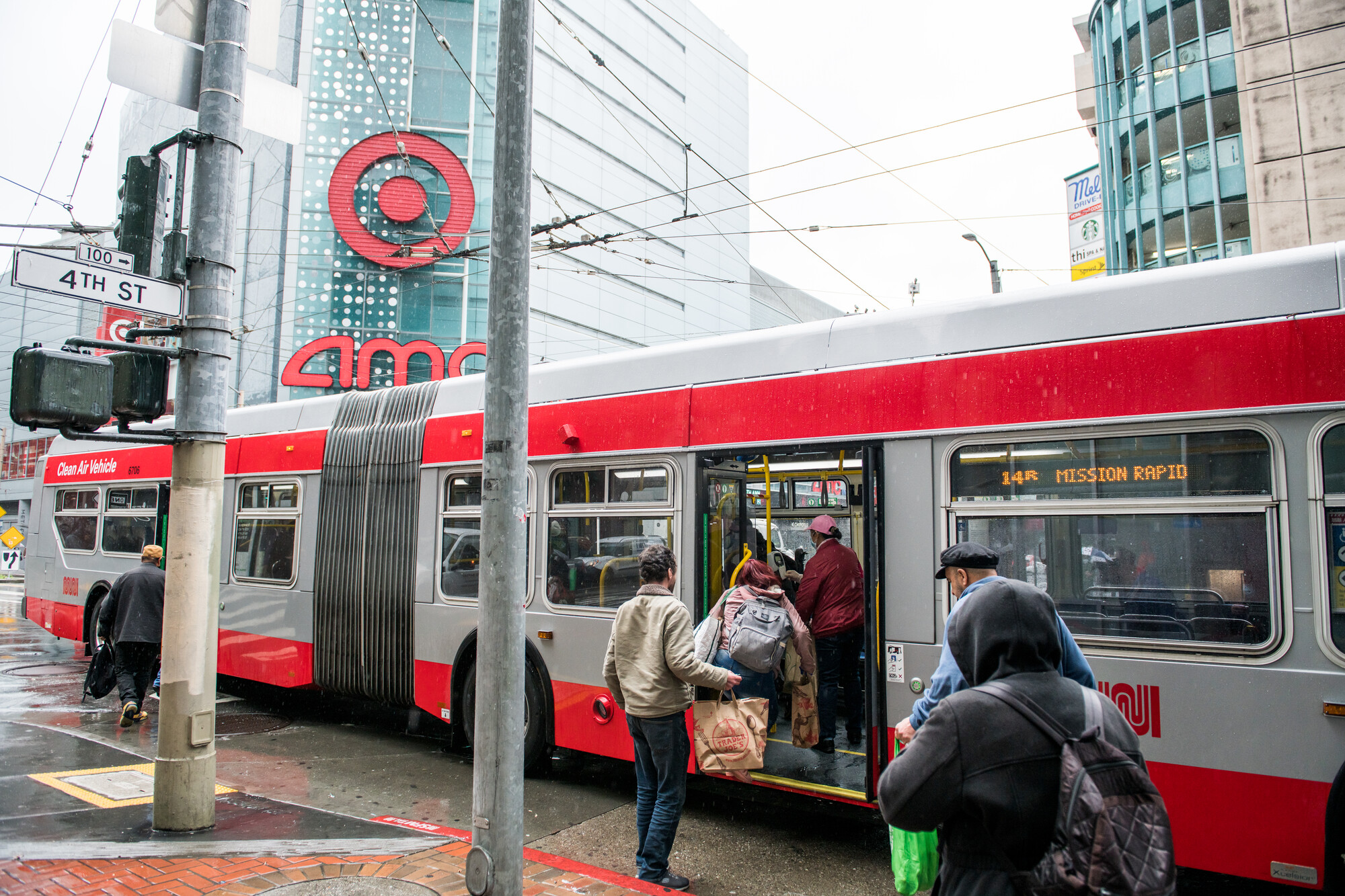
"caption": "Passengers board the 14R-Mission on 4th and Mission Streets in San Francisco on April 6, 2020.",
"credit": "Beth LaBerge/KQED",
"altTag": null,
"description": null,
"imgSizes": {
"thumbnail": {
"file": "https://cdn.kqed.org/wp-content/uploads/sites/10/2026/08/003_KQED_SanFrancisco_Muni_04062020_qed-160x107.jpg",
"width": 160,
"height": 107,
"mimeType": "image/jpeg"
},
"1536x1536": {
"file": "https://cdn.kqed.org/wp-content/uploads/sites/10/2026/08/003_KQED_SanFrancisco_Muni_04062020_qed-1536x1024.jpg",
"width": 1536,
"height": 1024,
"mimeType": "image/jpeg"
},
"post-thumbnail": {
"file": "https://cdn.kqed.org/wp-content/uploads/sites/10/2026/08/003_KQED_SanFrancisco_Muni_04062020_qed-672x372.jpg",
"width": 672,
"height": 372,
"mimeType": "image/jpeg"
},
"twentyfourteen-full-width": {
"file": "https://cdn.kqed.org/wp-content/uploads/sites/10/2026/08/003_KQED_SanFrancisco_Muni_04062020_qed-1038x576.jpg",
"width": 1038,
"height": 576,
"mimeType": "image/jpeg"
},
"npr-cds-wide": {
"file": "https://cdn.kqed.org/wp-content/uploads/sites/10/2026/08/003_KQED_SanFrancisco_Muni_04062020_qed-1200x675.jpg",
"width": 1200,
"height": 675,
"mimeType": "image/jpeg"
},
"npr-cds-square": {
"file": "https://cdn.kqed.org/wp-content/uploads/sites/10/2026/08/003_KQED_SanFrancisco_Muni_04062020_qed-600x600.jpg",
"width": 600,
"height": 600,
"mimeType": "image/jpeg"
},
"kqedFullSize": {
"file": "https://cdn.kqed.org/wp-content/uploads/sites/10/2026/08/003_KQED_SanFrancisco_Muni_04062020_qed.jpg",
"width": 2000,
"height": 1333
}
},
"isLoading": false,
"fetchFailed": false
},
"news_12079373": {
"type": "attachments",
"id": "news_12079373",
"meta": {
"index": "attachments_1716263798",
"site": "news",
"id": "12079373",
"found": true
},
"title": "260409-SunsetDunesAnniversary-11-BL_qed",
"publishDate": 1775778722,
"status": "inherit",
"parent": 0,
"modified": 1775778812,
"caption": "A mother walks with her child and their dog at Sunset Dunes, a park on the former Great Highway roadway, in San Francisco’s Sunset neighborhood on April 9, 2026.",
"credit": "Beth LaBerge/KQED",
"altTag": null,
"description": null,
"imgSizes": {
"thumbnail": {
"file": "https://cdn.kqed.org/wp-content/uploads/sites/10/2026/04/260409-SunsetDunesAnniversary-11-BL_qed-160x107.jpg",
"width": 160,
"height": 107,
"mimeType": "image/jpeg"
},
"1536x1536": {
"file": "https://cdn.kqed.org/wp-content/uploads/sites/10/2026/04/260409-SunsetDunesAnniversary-11-BL_qed-1536x1024.jpg",
"width": 1536,
"height": 1024,
"mimeType": "image/jpeg"
},
"post-thumbnail": {
"file": "https://cdn.kqed.org/wp-content/uploads/sites/10/2026/04/260409-SunsetDunesAnniversary-11-BL_qed-672x372.jpg",
"width": 672,
"height": 372,
"mimeType": "image/jpeg"
},
"twentyfourteen-full-width": {
"file": "https://cdn.kqed.org/wp-content/uploads/sites/10/2026/04/260409-SunsetDunesAnniversary-11-BL_qed-1038x576.jpg",
"width": 1038,
"height": 576,
"mimeType": "image/jpeg"
},
"npr-cds-wide": {
"file": "https://cdn.kqed.org/wp-content/uploads/sites/10/2026/04/260409-SunsetDunesAnniversary-11-BL_qed-1200x675.jpg",
"width": 1200,
"height": 675,
"mimeType": "image/jpeg"
},
"npr-cds-square": {
"file": "https://cdn.kqed.org/wp-content/uploads/sites/10/2026/04/260409-SunsetDunesAnniversary-11-BL_qed-600x600.jpg",
"width": 600,
"height": 600,
"mimeType": "image/jpeg"
},
"kqedFullSize": {
"file": "https://cdn.kqed.org/wp-content/uploads/sites/10/2026/04/260409-SunsetDunesAnniversary-11-BL_qed.jpg",
"width": 2000,
"height": 1333
}
},
"isLoading": false,
"fetchFailed": false
},
"news_12099240": {
"type": "attachments",
"id": "news_12099240",
"meta": {
"index": "attachments_1716263798",
"site": "news",
"id": "12099240",
"found": true
},
"title": "260911-FareRequired-NG-8",
"publishDate": 1789156962,
"status": "inherit",
"parent": 0,
"modified": 1789157003,
"caption": "A Muni bus marquee says “Fare Required” in San Francisco’s Outer Richmond neighborhood on Sept. 11, 2026.",
"credit": "Nina Glick/KQED",
"altTag": null,
"description": null,
"imgSizes": {
"thumbnail": {
"file": "https://cdn.kqed.org/wp-content/uploads/sites/10/2026/09/260911-FareRequired-NG-8-160x107.jpg",
"width": 160,
"height": 107,
"mimeType": "image/jpeg"
},
"1536x1536": {
"file": "https://cdn.kqed.org/wp-content/uploads/sites/10/2026/09/260911-FareRequired-NG-8-1536x1024.jpg",
"width": 1536,
"height": 1024,
"mimeType": "image/jpeg"
},
"post-thumbnail": {
"file": "https://cdn.kqed.org/wp-content/uploads/sites/10/2026/09/260911-FareRequired-NG-8-672x372.jpg",
"width": 672,
"height": 372,
"mimeType": "image/jpeg"
},
"twentyfourteen-full-width": {
"file": "https://cdn.kqed.org/wp-content/uploads/sites/10/2026/09/260911-FareRequired-NG-8-1038x576.jpg",
"width": 1038,
"height": 576,
"mimeType": "image/jpeg"
},
"npr-cds-wide": {
"file": "https://cdn.kqed.org/wp-content/uploads/sites/10/2026/09/260911-FareRequired-NG-8-1200x675.jpg",
"width": 1200,
"height": 675,
"mimeType": "image/jpeg"
},
"npr-cds-square": {
"file": "https://cdn.kqed.org/wp-content/uploads/sites/10/2026/09/260911-FareRequired-NG-8-600x600.jpg",
"width": 600,
"height": 600,
"mimeType": "image/jpeg"
},
"kqedFullSize": {
"file": "https://cdn.kqed.org/wp-content/uploads/sites/10/2026/09/260911-FareRequired-NG-8.jpg",
"width": 2000,
"height": 1333
}
},
"isLoading": false,
"fetchFailed": false
},
"news_12096915": {
"type": "attachments",
"id": "news_12096915",
"meta": {
"index": "attachments_1716263798",
"site": "news",
"id": "12096915",
"found": true
},
"title": "Highway101Getty",
"publishDate": 1787770715,
"status": "inherit",
"parent": 12096905,
"modified": 1787770742,
"caption": "Directional sign for Highway 101 and Interstate 280 in San Francisco, California, Feb. 25, 2026. ",
"credit": "Smith Collection/Gado via Getty Images",
"altTag": null,
"description": null,
"imgSizes": {
"thumbnail": {
"file": "https://cdn.kqed.org/wp-content/uploads/sites/10/2026/08/Highway101Getty-160x107.jpg",
"width": 160,
"height": 107,
"mimeType": "image/jpeg"
},
"1536x1536": {
"file": "https://cdn.kqed.org/wp-content/uploads/sites/10/2026/08/Highway101Getty-1536x1023.jpg",
"width": 1536,
"height": 1023,
"mimeType": "image/jpeg"
},
"post-thumbnail": {
"file": "https://cdn.kqed.org/wp-content/uploads/sites/10/2026/08/Highway101Getty-672x372.jpg",
"width": 672,
"height": 372,
"mimeType": "image/jpeg"
},
"twentyfourteen-full-width": {
"file": "https://cdn.kqed.org/wp-content/uploads/sites/10/2026/08/Highway101Getty-1038x576.jpg",
"width": 1038,
"height": 576,
"mimeType": "image/jpeg"
},
"npr-cds-wide": {
"file": "https://cdn.kqed.org/wp-content/uploads/sites/10/2026/08/Highway101Getty-1200x675.jpg",
"width": 1200,
"height": 675,
"mimeType": "image/jpeg"
},
"npr-cds-square": {
"file": "https://cdn.kqed.org/wp-content/uploads/sites/10/2026/08/Highway101Getty-600x600.jpg",
"width": 600,
"height": 600,
"mimeType": "image/jpeg"
},
"kqedFullSize": {
"file": "https://cdn.kqed.org/wp-content/uploads/sites/10/2026/08/Highway101Getty.jpg",
"width": 2000,
"height": 1332
}
},
"isLoading": false,
"fetchFailed": false
},
"news_12034725": {
"type": "attachments",
"id": "news_12034725",
"meta": {
"index": "attachments_1716263798",
"site": "news",
"id": "12034725",
"found": true
},
"title": "20250311_Oakland-Budget_DMB_00008_qed",
"publishDate": 1744046339,
"status": "inherit",
"parent": 12034722,
"modified": 1744046403,
"caption": "Interim Mayor Kevin Jenkins addresses Oakland residents at an educational workshop about Oakland’s biennial budget process at the Main Library on March 11, 2025. ",
"credit": "David M. Barreda/KQED",
"altTag": null,
"description": null,
"imgSizes": {
"medium": {
"file": "https://cdn.kqed.org/wp-content/uploads/sites/10/2025/04/20250311_Oakland-Budget_DMB_00008_qed-800x533.jpg",
"width": 800,
"height": 533,
"mimeType": "image/jpeg"
},
"large": {
"file": "https://cdn.kqed.org/wp-content/uploads/sites/10/2025/04/20250311_Oakland-Budget_DMB_00008_qed-1020x680.jpg",
"width": 1020,
"height": 680,
"mimeType": "image/jpeg"
},
"thumbnail": {
"file": "https://cdn.kqed.org/wp-content/uploads/sites/10/2025/04/20250311_Oakland-Budget_DMB_00008_qed-160x107.jpg",
"width": 160,
"height": 107,
"mimeType": "image/jpeg"
},
"1536x1536": {
"file": "https://cdn.kqed.org/wp-content/uploads/sites/10/2025/04/20250311_Oakland-Budget_DMB_00008_qed-1536x1024.jpg",
"width": 1536,
"height": 1024,
"mimeType": "image/jpeg"
},
"post-thumbnail": {
"file": "https://cdn.kqed.org/wp-content/uploads/sites/10/2025/04/20250311_Oakland-Budget_DMB_00008_qed-672x372.jpg",
"width": 672,
"height": 372,
"mimeType": "image/jpeg"
},
"twentyfourteen-full-width": {
"file": "https://cdn.kqed.org/wp-content/uploads/sites/10/2025/04/20250311_Oakland-Budget_DMB_00008_qed-1038x576.jpg",
"width": 1038,
"height": 576,
"mimeType": "image/jpeg"
},
"full-width": {
"file": "https://cdn.kqed.org/wp-content/uploads/sites/10/2025/04/20250311_Oakland-Budget_DMB_00008_qed-1920x1280.jpg",
"width": 1920,
"height": 1280,
"mimeType": "image/jpeg"
},
"kqedFullSize": {
"file": "https://cdn.kqed.org/wp-content/uploads/sites/10/2025/04/20250311_Oakland-Budget_DMB_00008_qed.jpg",
"width": 1999,
"height": 1333
}
},
"isLoading": false,
"fetchFailed": false
},
"news_12099892": {
"type": "attachments",
"id": "news_12099892",
"meta": {
"index": "attachments_1716263798",
"site": "news",
"id": "12099892",
"found": true
},
"title": "260915-CANCERSURVIVOR-06-BL-KQED",
"publishDate": 1789514876,
"status": "inherit",
"parent": 0,
"modified": 1789514929,
"caption": "Ben Stein-Lobovits sits outside his home in Berkeley on Sept. 15, 2026. He was diagnosed with brain cancer in 2018.",
"credit": "Beth LaBerge/KQED",
"altTag": null,
"description": null,
"imgSizes": {
"thumbnail": {
"file": "https://cdn.kqed.org/wp-content/uploads/sites/10/2026/09/260915-CANCERSURVIVOR-06-BL-KQED-160x107.jpg",
"width": 160,
"height": 107,
"mimeType": "image/jpeg"
},
"1536x1536": {
"file": "https://cdn.kqed.org/wp-content/uploads/sites/10/2026/09/260915-CANCERSURVIVOR-06-BL-KQED-1536x1024.jpg",
"width": 1536,
"height": 1024,
"mimeType": "image/jpeg"
},
"post-thumbnail": {
"file": "https://cdn.kqed.org/wp-content/uploads/sites/10/2026/09/260915-CANCERSURVIVOR-06-BL-KQED-672x372.jpg",
"width": 672,
"height": 372,
"mimeType": "image/jpeg"
},
"twentyfourteen-full-width": {
"file": "https://cdn.kqed.org/wp-content/uploads/sites/10/2026/09/260915-CANCERSURVIVOR-06-BL-KQED-1038x576.jpg",
"width": 1038,
"height": 576,
"mimeType": "image/jpeg"
},
"npr-cds-wide": {
"file": "https://cdn.kqed.org/wp-content/uploads/sites/10/2026/09/260915-CANCERSURVIVOR-06-BL-KQED-1200x675.jpg",
"width": 1200,
"height": 675,
"mimeType": "image/jpeg"
},
"npr-cds-square": {
"file": "https://cdn.kqed.org/wp-content/uploads/sites/10/2026/09/260915-CANCERSURVIVOR-06-BL-KQED-600x600.jpg",
"width": 600,
"height": 600,
"mimeType": "image/jpeg"
},
"kqedFullSize": {
"file": "https://cdn.kqed.org/wp-content/uploads/sites/10/2026/09/260915-CANCERSURVIVOR-06-BL-KQED.jpg",
"width": 2000,
"height": 1333
}
},
"isLoading": false,
"fetchFailed": false
}
},
"audioPlayerReducer": {
"postId": "stream_live",
"isPaused": true,
"isPlaying": false,
"pfsActive": false,
"pledgeModalIsOpen": true,
"playerDrawerIsOpen": false,
"liveAudioPlayStartedAt": 0,
"liveAudioPlayContext": ""
},
"authorsReducer": {
"byline_news_12099827": {
"type": "authors",
"id": "byline_news_12099827",
"meta": {
"override": true
},
"slug": "byline_news_12099827",
"name": "Celeste Hamilton Dennis (Story) and Florence Middleton (Photography and Video)",
"isLoading": false
},
"kqed": {
"type": "authors",
"id": "236",
"meta": {
"index": "authors_1716337520",
"id": "236",
"found": true
},
"name": "KQED News Staff",
"firstName": "KQED News Staff",
"lastName": null,
"slug": "kqed",
"email": "faq@kqed.org",
"display_author_email": false,
"staff_mastheads": [],
"title": null,
"bio": null,
"avatar": "https://secure.gravatar.com/avatar/ef0e801a68c4c54afa9180db14084167?s=600&d=blank&r=g",
"twitter": null,
"facebook": null,
"instagram": null,
"linkedin": null,
"sites": [
{
"site": "arts",
"roles": [
"contributor"
]
},
{
"site": "news",
"roles": [
"editor"
]
},
{
"site": "futureofyou",
"roles": [
"author"
]
}
],
"headData": {
"title": "KQED News Staff | KQED",
"description": null,
"ogImgSrc": "https://secure.gravatar.com/avatar/ef0e801a68c4c54afa9180db14084167?s=600&d=blank&r=g",
"twImgSrc": "https://secure.gravatar.com/avatar/ef0e801a68c4c54afa9180db14084167?s=600&d=blank&r=g"
},
"isLoading": false,
"link": "/author/kqed"
},
"carlysevern": {
"type": "authors",
"id": "3243",
"meta": {
"index": "authors_1716337520",
"id": "3243",
"found": true
},
"name": "Carly Severn",
"firstName": "Carly",
"lastName": "Severn",
"slug": "carlysevern",
"email": "csevern@kqed.org",
"display_author_email": false,
"staff_mastheads": [
"news"
],
"title": "Senior Editor, Audience News ",
"bio": "Carly is KQED's Senior Editor of Audience News on the Digital News team, and has reported for the California Report Magazine, Bay Curious and KQED Arts. She's formerly the host of \u003ca href=\"http://ww2.kqed.org/pop/category/the-cooler/\" rel=\"noopener noreferrer\">The Cooler\u003c/a> podcast.",
"avatar": "https://secure.gravatar.com/avatar/54037bf5c128fe678f0ef26cec97a93f2e7f220a22d7285703328f12c42c1b1d?s=600&d=blank&r=g",
"twitter": "teacupinthebay",
"bluesky": null,
"facebook": null,
"instagram": null,
"linkedin": null,
"sites": [
{
"site": "",
"roles": [
"editor"
]
},
{
"site": "arts",
"roles": [
"editor"
]
},
{
"site": "news",
"roles": [
"administrator"
]
},
{
"site": "pop",
"roles": [
"editor"
]
},
{
"site": "futureofyou",
"roles": [
"editor"
]
},
{
"site": "about",
"roles": [
"administrator"
]
},
{
"site": "mindshift",
"roles": [
"editor"
]
},
{
"site": "bayareabites",
"roles": [
"editor"
]
},
{
"site": "stateofhealth",
"roles": [
"editor"
]
},
{
"site": "science",
"roles": [
"editor"
]
},
{
"site": "food",
"roles": [
"contributor"
]
},
{
"site": "forum",
"roles": [
"editor"
]
},
{
"site": "perspectives",
"roles": [
"administrator"
]
},
{
"site": "liveblog",
"roles": [
"editor"
]
}
],
"headData": {
"title": "Carly Severn | KQED",
"description": "Senior Editor, Audience News ",
"ogImgSrc": "https://secure.gravatar.com/avatar/54037bf5c128fe678f0ef26cec97a93f2e7f220a22d7285703328f12c42c1b1d?s=600&d=blank&r=g",
"twImgSrc": "https://secure.gravatar.com/avatar/54037bf5c128fe678f0ef26cec97a93f2e7f220a22d7285703328f12c42c1b1d?s=600&d=blank&r=g"
},
"isLoading": false,
"link": "/author/carlysevern"
},
"fjhabvala": {
"type": "authors",
"id": "8659",
"meta": {
"index": "authors_1716337520",
"id": "8659",
"found": true
},
"name": "Farida Jhabvala Romero",
"firstName": "Farida",
"lastName": "Jhabvala Romero",
"slug": "fjhabvala",
"email": "fjhabvala@kqed.org",
"display_author_email": true,
"staff_mastheads": [
"news"
],
"title": "KQED Contributor",
"bio": "Farida Jhabvala Romero is a Labor Correspondent for KQED. She previously covered immigration. Farida was \u003ca href=\"https://www.ccnma.org/2022-most-influential-latina-journalists\">named\u003c/a> one of the 10 Most Influential Latina Journalists in California in 2022 by the California Chicano News Media Association. Her work has won awards from the Society of Professional Journalists (Northern California), as well as a national and regional Edward M. Murrow Award for the collaborative reporting projects “Dangerous Air” and “Graying California.” Before joining KQED, Farida worked as a producer at Radio Bilingüe, a national public radio network. Farida earned her master’s degree in journalism from Stanford University.",
"avatar": "https://secure.gravatar.com/avatar/f9f022d4e2609741874222a1e9d41f48fea74011aa7c615eef91d9a50c944ebe?s=600&d=blank&r=g",
"twitter": "FaridaJhabvala",
"bluesky": null,
"facebook": null,
"instagram": null,
"linkedin": "https://www.linkedin.com/in/faridajhabvala/",
"sites": [
{
"site": "news",
"roles": [
"editor"
]
},
{
"site": "stateofhealth",
"roles": [
"author"
]
},
{
"site": "liveblog",
"roles": [
"author"
]
}
],
"headData": {
"title": "Farida Jhabvala Romero | KQED",
"description": "KQED Contributor",
"ogImgSrc": "https://secure.gravatar.com/avatar/f9f022d4e2609741874222a1e9d41f48fea74011aa7c615eef91d9a50c944ebe?s=600&d=blank&r=g",
"twImgSrc": "https://secure.gravatar.com/avatar/f9f022d4e2609741874222a1e9d41f48fea74011aa7c615eef91d9a50c944ebe?s=600&d=blank&r=g"
},
"isLoading": false,
"link": "/author/fjhabvala"
},
"ccabreralomeli": {
"type": "authors",
"id": "11708",
"meta": {
"index": "authors_1716337520",
"id": "11708",
"found": true
},
"name": "Carlos Cabrera-Lomelí",
"firstName": "Carlos",
"lastName": "Cabrera-Lomelí",
"slug": "ccabreralomeli",
"email": "ccabreralomeli@KQED.org",
"display_author_email": true,
"staff_mastheads": [
"news"
],
"title": "Community Reporter",
"bio": "Carlos Cabrera-Lomelí is a community reporter with KQED's digital engagement team. He also reports and co-produces for KQED's bilingual news hub KQED en Español. He grew up in San Francisco's Mission District and has previously worked with Univision, 48 Hills and REFORMA in Mexico City.",
"avatar": "https://secure.gravatar.com/avatar/c309be9665e484f887b818c89e273ecc673004f426f36b24d00a4d813a2e0518?s=600&d=blank&r=g",
"twitter": "@LomeliCabrera",
"bluesky": null,
"facebook": null,
"instagram": null,
"linkedin": null,
"sites": [
{
"site": "arts",
"roles": [
"editor"
]
},
{
"site": "news",
"roles": [
"editor"
]
},
{
"site": "about",
"roles": [
"editor"
]
},
{
"site": "science",
"roles": [
"editor"
]
},
{
"site": "perspectives",
"roles": [
"editor"
]
},
{
"site": "elections",
"roles": [
"editor"
]
},
{
"site": "liveblog",
"roles": [
"contributor"
]
}
],
"headData": {
"title": "Carlos Cabrera-Lomelí | KQED",
"description": "Community Reporter",
"ogImgSrc": "https://secure.gravatar.com/avatar/c309be9665e484f887b818c89e273ecc673004f426f36b24d00a4d813a2e0518?s=600&d=blank&r=g",
"twImgSrc": "https://secure.gravatar.com/avatar/c309be9665e484f887b818c89e273ecc673004f426f36b24d00a4d813a2e0518?s=600&d=blank&r=g"
},
"isLoading": false,
"link": "/author/ccabreralomeli"
},
"adahlstromeckman": {
"type": "authors",
"id": "11785",
"meta": {
"index": "authors_1716337520",
"id": "11785",
"found": true
},
"name": "Azul Dahlstrom-Eckman",
"firstName": "Azul",
"lastName": "Dahlstrom-Eckman",
"slug": "adahlstromeckman",
"email": "adahlstrom-eckman@kqed.org",
"display_author_email": true,
"staff_mastheads": [],
"title": "Reporter",
"bio": "Azul is a reporter for KQED focusing on transportation and features. He joined KQED in 2021 as an alumna of KALW's Audio Academy radio journalism training program.",
"avatar": "https://secure.gravatar.com/avatar/9cb750298435add7815a777f55bf1f46845c1386bb8452555c60a7b820b5aba3?s=600&d=blank&r=g",
"twitter": "@zuliemann",
"bluesky": "@azul415.bsky.social",
"facebook": null,
"instagram": null,
"linkedin": null,
"sites": [
{
"site": "arts",
"roles": [
"editor"
]
},
{
"site": "news",
"roles": [
"editor"
]
},
{
"site": "science",
"roles": [
"editor"
]
},
{
"site": "liveblog",
"roles": [
"author"
]
}
],
"headData": {
"title": "Azul Dahlstrom-Eckman | KQED",
"description": "Reporter",
"ogImgSrc": "https://secure.gravatar.com/avatar/9cb750298435add7815a777f55bf1f46845c1386bb8452555c60a7b820b5aba3?s=600&d=blank&r=g",
"twImgSrc": "https://secure.gravatar.com/avatar/9cb750298435add7815a777f55bf1f46845c1386bb8452555c60a7b820b5aba3?s=600&d=blank&r=g"
},
"isLoading": false,
"link": "/author/adahlstromeckman"
},
"kdebenedetti": {
"type": "authors",
"id": "11913",
"meta": {
"index": "authors_1716337520",
"id": "11913",
"found": true
},
"name": "Katie DeBenedetti",
"firstName": "Katie",
"lastName": "DeBenedetti",
"slug": "kdebenedetti",
"email": "kdebenedetti@kqed.org",
"display_author_email": false,
"staff_mastheads": [
"news",
"science"
],
"title": "KQED Contributor",
"bio": "Katie DeBenedetti is a digital reporter covering daily news for the Express Desk. Prior to joining KQED as a culture reporting intern in January 2024, she covered education and city government for the Napa Valley Register.",
"avatar": "https://secure.gravatar.com/avatar/6e31073cb8f7e4214ab03f42771d0f45?s=600&d=blank&r=g",
"twitter": null,
"facebook": null,
"instagram": null,
"linkedin": null,
"sites": [
{
"site": "news",
"roles": [
"author"
]
},
{
"site": "science",
"roles": [
"author"
]
},
{
"site": "liveblog",
"roles": [
"author"
]
}
],
"headData": {
"title": "Katie DeBenedetti | KQED",
"description": "KQED Contributor",
"ogImgSrc": "https://secure.gravatar.com/avatar/6e31073cb8f7e4214ab03f42771d0f45?s=600&d=blank&r=g",
"twImgSrc": "https://secure.gravatar.com/avatar/6e31073cb8f7e4214ab03f42771d0f45?s=600&d=blank&r=g"
},
"isLoading": false,
"link": "/author/kdebenedetti"
},
"emanoukian": {
"type": "authors",
"id": "11925",
"meta": {
"index": "authors_1716337520",
"id": "11925",
"found": true
},
"name": "Elize Manoukian",
"firstName": "Elize",
"lastName": "Manoukian",
"slug": "emanoukian",
"email": "emanoukian@KQED.org",
"display_author_email": false,
"staff_mastheads": [
"news"
],
"title": "Digital News Editor",
"bio": "Elize Manoukian is an award-winning audio producer and Senior Editor on the Express Desk, KQED's digital news platform. Her work has appeared on KPFA, Interlochen Public Radio, Oregon Public Broadcast, the New York Daily News, LA Times and the San Diego Union-Tribune.",
"avatar": "https://secure.gravatar.com/avatar/4525f1a8e46ccb30933b32653d9772064cfefe3fa655eb45b3b3a80341f6bdad?s=600&d=blank&r=g",
"twitter": null,
"bluesky": null,
"facebook": null,
"instagram": null,
"linkedin": null,
"sites": [
{
"site": "arts",
"roles": [
"editor"
]
},
{
"site": "news",
"roles": [
"editor"
]
},
{
"site": "science",
"roles": [
"editor"
]
}
],
"headData": {
"title": "Elize Manoukian | KQED",
"description": "Digital News Editor",
"ogImgSrc": "https://secure.gravatar.com/avatar/4525f1a8e46ccb30933b32653d9772064cfefe3fa655eb45b3b3a80341f6bdad?s=600&d=blank&r=g",
"twImgSrc": "https://secure.gravatar.com/avatar/4525f1a8e46ccb30933b32653d9772064cfefe3fa655eb45b3b3a80341f6bdad?s=600&d=blank&r=g"
},
"isLoading": false,
"link": "/author/emanoukian"
},
"ejackson": {
"type": "authors",
"id": "12003",
"meta": {
"index": "authors_1716337520",
"id": "12003",
"found": true
},
"name": "Ella Jackson",
"firstName": "Ella",
"lastName": "Jackson",
"slug": "ejackson",
"email": "ejackson@kqed.org",
"display_author_email": false,
"staff_mastheads": [],
"title": "KQED Contributor",
"bio": null,
"avatar": "https://secure.gravatar.com/avatar/3c688edc62aec1dcae096e1475956d245f72bde99cff316455871c9b22a7205b?s=600&d=blank&r=g",
"twitter": null,
"bluesky": null,
"facebook": null,
"instagram": null,
"linkedin": null,
"sites": [
{
"site": "news",
"roles": [
"author"
]
},
{
"site": "science",
"roles": [
"author"
]
}
],
"headData": {
"title": "Ella Jackson | KQED",
"description": "KQED Contributor",
"ogImgSrc": "https://secure.gravatar.com/avatar/3c688edc62aec1dcae096e1475956d245f72bde99cff316455871c9b22a7205b?s=600&d=blank&r=g",
"twImgSrc": "https://secure.gravatar.com/avatar/3c688edc62aec1dcae096e1475956d245f72bde99cff316455871c9b22a7205b?s=600&d=blank&r=g"
},
"isLoading": false,
"link": "/author/ejackson"
}
},
"pagesReducer": {
"news_category_local": {
"type": "terms",
"id": "news_28250",
"meta": {
"index": "terms_1716263798",
"site": "news",
"id": "28250",
"score": 12.93969
},
"featImg": null,
"name": "Local",
"description": null,
"taxonomy": "category",
"headData": {
"twImgId": null,
"twTitle": null,
"ogTitle": null,
"ogImgId": null,
"twDescription": null,
"description": null,
"title": "Local Archives | KQED News",
"ogDescription": null
},
"ttid": 28267,
"slug": "local",
"isLoading": false,
"title": "Local",
"pageMeta": {
"site": "news",
"WpPageTemplate": "page-topic-editorial",
"currentPage": 3
},
"blocks": [
{
"blockName": "kqed/post-list",
"attrs": {
"layout": "cardArticle2",
"query": "posts/news?category=local",
"seeMore": false,
"paginated": true,
"page": 3
}
},
{
"blockName": "kqed/ad"
}
]
}
},
"pfsSessionReducer": {},
"postsReducer": {
"stream_live": {
"type": "live",
"id": "stream_live",
"audioUrl": "https://streams.kqed.org/kqedradio",
"title": "Live Stream",
"excerpt": "Live Stream information currently unavailable.",
"link": "/radio",
"featImg": "",
"label": {
"name": "KQED Live",
"link": "/"
}
},
"stream_kqedNewscast": {
"type": "posts",
"id": "stream_kqedNewscast",
"audioUrl": "https://www.kqed.org/.stream/anon/radio/RDnews/newscast.mp3?_=1",
"title": "KQED Newscast",
"featImg": "",
"label": {
"name": "88.5 FM",
"link": "/"
}
},
"news_12100397": {
"type": "posts",
"id": "news_12100397",
"meta": {
"index": "posts_1716263798",
"site": "news",
"id": "12100397",
"score": null,
"sort": [
1789692702000
]
},
"guestAuthors": [],
"slug": "former-employee-accuses-sf-standard-chief-of-harassment-and-wrongful-termination",
"title": "Former Employee Accuses SF Standard Chief of Harassment and Wrongful Termination",
"publishDate": 1789692702,
"format": "standard",
"headTitle": "Former Employee Accuses SF Standard Chief of Harassment and Wrongful Termination | KQED",
"labelTerm": {
"site": "news"
},
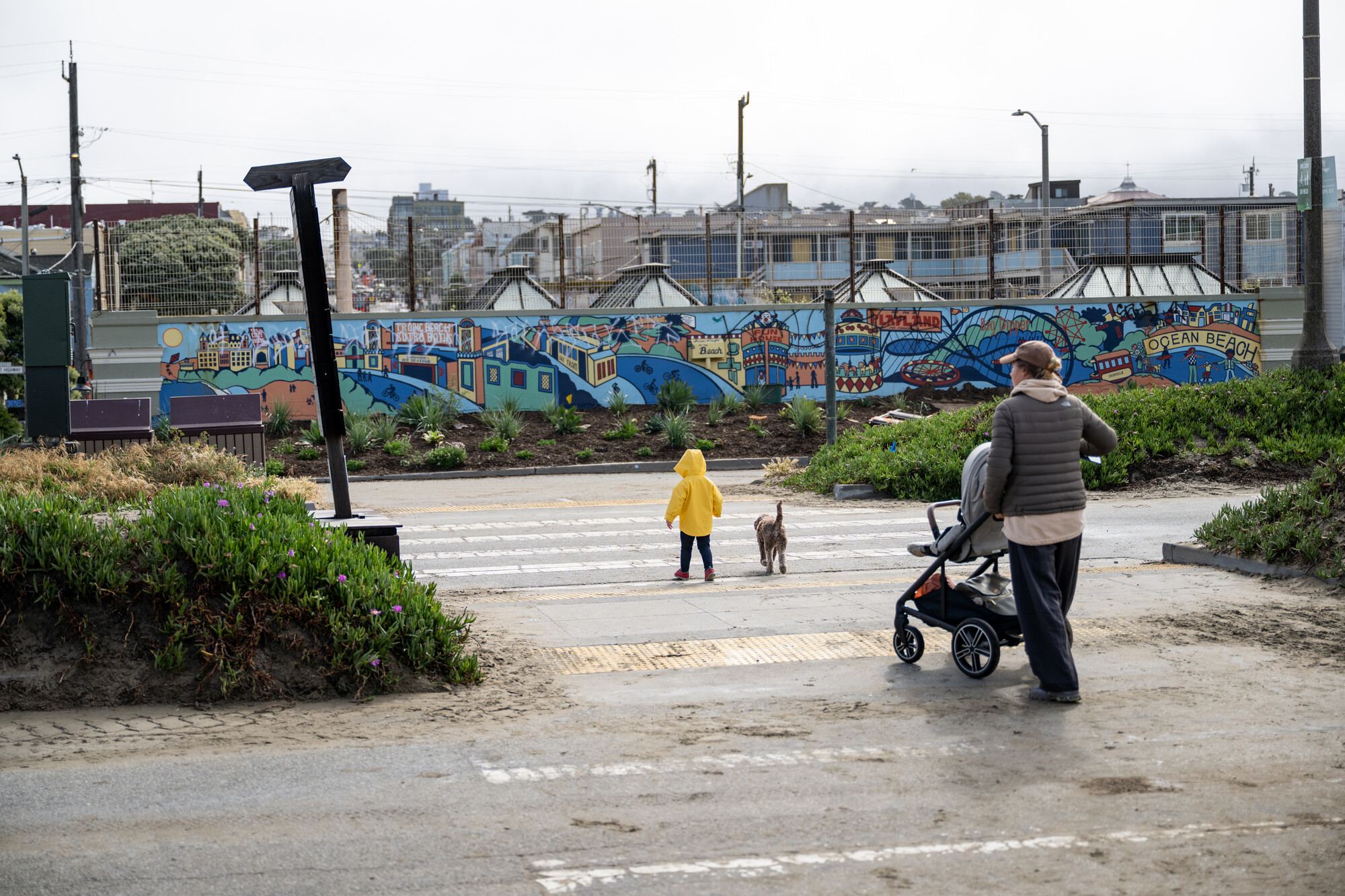
"content": "\n\u003cp>A former employee of the \u003ca href=\"https://www.kqed.org/news/tag/san-francisco\">\u003cem>San Francisco\u003c/em>\u003c/a>\u003cem> Standard\u003c/em> accused the news outlet’s CEO and its ownership of sexual harassment, discrimination and retaliation.\u003c/p>\n\n\n\n\u003cp>A lawsuit from Julia Ryan, the former director of growth at the \u003cem>Standard\u003c/em>, against CEO Griffin Gaffney and Here/Say Media, which does business as the \u003cem>Standard\u003c/em>, paints a portrait of a male-dominated culture where sexual remarks were tolerated and where female employees were treated differently. \u003c/p>\n\n\n\n\u003cp>The suit, filed in San Francisco Superior Court earlier this month, alleges that the \u003cem>Standard\u003c/em> wrongfully terminated Ryan as “a scapegoat for a broader issue caused by several teams of men” — while protecting and supporting the careers of male employees.\u003c/p>\n\n\n\n\u003cp>“I had never seen a culture that was so inappropriate and unprofessional and sexist, where remarks like this were made and not addressed, where there were such different standards, different performance standards for men and women,” Ryan told KQED. “I believe deeply in the value of local news, and I believed in the mission of what we were trying to accomplish. And this kind of culture holds organizations back from accomplishing their work and their mission.”\u003c/p>\n\n\n\n\u003cfigure class=\"wp-block-image size-full\">\u003cimg loading=\"lazy\" decoding=\"async\" width=\"2000\" height=\"1333\" src=\"https://cdn.kqed.org/wp-content/uploads/sites/10/2026/05/260529-GGBTRIALTESTIMONY00445_TV-KQED.jpg\" alt=\"\" class=\"wp-image-12085595\" srcset=\"https://cdn.kqed.org/wp-content/uploads/sites/10/2026/05/260529-GGBTRIALTESTIMONY00445_TV-KQED.jpg 2000w, https://cdn.kqed.org/wp-content/uploads/sites/10/2026/05/260529-GGBTRIALTESTIMONY00445_TV-KQED-160x107.jpg 160w, https://cdn.kqed.org/wp-content/uploads/sites/10/2026/05/260529-GGBTRIALTESTIMONY00445_TV-KQED-1536x1024.jpg 1536w\" sizes=\"auto, (max-width: 2000px) 100vw, 2000px\" />\u003cfigcaption class=\"wp-element-caption\">The San Francisco Superior Courthouse in San Francisco on May 29, 2026. (Tâm Vũ/KQED)\u003c/figcaption>\u003c/figure>\n\n\n\n\u003cp>Ryan is seeking emotional and financial damages, though she and her attorneys declined to state an amount. In a phone call with KQED on Thursday, Ryan alleged that Gaffney made “sexualized and sexist comments” to her, creating situations that she felt were difficult to navigate. She described attending an event in San Francisco where Gaffney allegedly made belittling and highly critical remarks about women, and mocked them as having “crazy eyes” or “going on Ozempic.”\u003c/p>\n\n\n\n\u003cp>“He was very dismissive about female colleagues at other companies in ways that I found really concerning and distressing,” Ryan said. “It didn’t stay in the professional realm. … It became personal attacks on that woman’s appearance, on her credentials, on how she got her job.”\u003c/p>\n\n\n\n\n\n\u003cp>Gaffney co-founded the \u003cem>Standard\u003c/em> with financing from billionaire venture capitalist Michael Moritz. \u003c/p>\n\n\n\n\u003cp>The local news site employs about 75 people, including reporters, editors, photographers, software engineers, data analysts and social media producers, according to its website. \u003c/p>\n\n\n\n\u003cp>In an emailed statement, a spokesperson for the \u003cem>Standard\u003c/em> disputed Ryan’s account of her performance leading subscription growth, and her allegations about why she was terminated. \u003c/p>\n\n\n\n\u003cp>“Gender played no role in the decision,” the statement says. “We will address these claims through the legal process, not in the press.”\u003c/p>\n\n\n\n\u003cp>What first raised “alarm bells” for Ryan was the different treatment given to women and men “who had documented and acknowledged performance and behavioral issues, who were receiving really extraordinary measures to try to improve their performance, executive coaching.”\u003c/p>\n\n\n\n\u003cp>“I saw firsthand how this impacted other women at the company,” Ryan continued, “and not everyone has been in a position to speak up or do something about what’s been going on.”\u003c/p>\n\n\n\n\u003cfigure class=\"wp-block-image size-full\">\u003cimg loading=\"lazy\" decoding=\"async\" width=\"1980\" height=\"1320\" src=\"https://cdn.kqed.org/wp-content/uploads/sites/10/2026/09/GettyImages-2207512963.jpg\" alt=\"\" class=\"wp-image-12100492\" srcset=\"https://cdn.kqed.org/wp-content/uploads/sites/10/2026/09/GettyImages-2207512963.jpg 1980w, https://cdn.kqed.org/wp-content/uploads/sites/10/2026/09/GettyImages-2207512963-160x107.jpg 160w, https://cdn.kqed.org/wp-content/uploads/sites/10/2026/09/GettyImages-2207512963-1536x1024.jpg 1536w\" sizes=\"auto, (max-width: 1980px) 100vw, 1980px\" />\u003cfigcaption class=\"wp-element-caption\">San Francisco billionaire Michael Moritz listens to speakers during a panel discussion during an event releasing Crankstart report “Streets to Stability” in the Dianne and Tad Taube Atrium Theater at the San Francisco War Memorial and Performing Arts Center in San Francisco on April 1, 2025. (Lea Suzuki/San Francisco Chronicle via Getty Images)\u003c/figcaption>\u003c/figure>\n\n\n\n\u003cp>Ryan, who lives in Rhode Island, was hired in 2024 as a remote employee, and traveled to San Francisco frequently for work, she said. \u003c/p>\n\n\n\n\u003cp>Instead of a dedicated human resources officer, the company’s chief of business operations served both roles, the suit states. The CBO, also a woman, was “very close with Mr. Gaffney and reported directly to him,” which left Ryan without a meaningful avenue to address her concerns about the behavior of the CEO, she said. \u003c/p>\n\n\n\n\u003cp>In 2025, she discussed with other managers her observations that Gaffney applied different performance standards to men compared with women. Ryan also “opposed the employment of at least two other men on the ground that they exhibited gender-biased behavior,” the lawsuit says.\u003c/p>\n\n\n\n\u003cp>Despite those issues, Gaffney expressed satisfaction with Ryan’s work, she said. Ryan, who is now 35, got her start working in editorial strategy and developing audiences for news with the \u003cem>New York Post\u003c/em> and \u003cem>Airmail\u003c/em>. \u003c/p>\n\n\n\n\u003cp>“I’m proud of the work that I was doing for more than a year,” she said. “All of the feedback I got was very positive in nature.”\u003c/p>\n\n\n\n\u003cp>In the days leading up to her termination, however, Gaffney confronted Ryan for poor performance, she said. She then confronted Gaffney about the double standard he had for men and women, and in response, the lawsuit says, Gaffney raised his voice and his tone became markedly more aggressive. \u003c/p>\n\n\n\n\u003cfigure class=\"wp-block-image size-full\">\u003cimg loading=\"lazy\" decoding=\"async\" width=\"2000\" height=\"1333\" src=\"https://cdn.kqed.org/wp-content/uploads/sites/10/2023/07/230719-SAN-FRANCISCO-SKYLINE-AP-JC-KQED.jpg\" alt=\"A person walks up a hill with the San Francisco skyline in the background.\" class=\"wp-image-11956043\" srcset=\"https://cdn.kqed.org/wp-content/uploads/sites/10/2023/07/230719-SAN-FRANCISCO-SKYLINE-AP-JC-KQED.jpg 2000w, https://cdn.kqed.org/wp-content/uploads/sites/10/2023/07/230719-SAN-FRANCISCO-SKYLINE-AP-JC-KQED-800x533.jpg 800w, https://cdn.kqed.org/wp-content/uploads/sites/10/2023/07/230719-SAN-FRANCISCO-SKYLINE-AP-JC-KQED-1020x680.jpg 1020w, https://cdn.kqed.org/wp-content/uploads/sites/10/2023/07/230719-SAN-FRANCISCO-SKYLINE-AP-JC-KQED-160x107.jpg 160w, https://cdn.kqed.org/wp-content/uploads/sites/10/2023/07/230719-SAN-FRANCISCO-SKYLINE-AP-JC-KQED-1536x1024.jpg 1536w, https://cdn.kqed.org/wp-content/uploads/sites/10/2023/07/230719-SAN-FRANCISCO-SKYLINE-AP-JC-KQED-1920x1280.jpg 1920w\" sizes=\"auto, (max-width: 2000px) 100vw, 2000px\" />\u003cfigcaption class=\"wp-element-caption\">The San Francisco skyline seen from Bernal Heights Hill in San Francisco on Dec. 7, 2020. (Jeff Chiu/AP Photo)\u003c/figcaption>\u003c/figure>\n\n\n\n\u003cp>“Griffin became irate and angry with me that I was pointing this out. And it was shortly thereafter that he terminated me,” she said.\u003c/p>\n\n\n\n\u003cp>Two days later, Gaffney fired Ryan, she said. He stated that The Standard was not meeting key performance indicators, and then blamed Ryan, as the director of growth. Gaffney gave her no time or support to improve her alleged performance issues, the lawsuit states. \u003c/p>\n\n\n\n\u003cp>Ryan said she’s been using the year since her termination to understand how to use “the legal system to stand up to this kind of harassment.”\u003c/p>\n\n\n\n\u003cp>“This is the lever that I have available to me right now to stand up and speak out about wrongdoing and problems,” Ryan said. “This is my opportunity to speak out about an injustice.”\u003c/p>\n",
"blocks": [
{
"blockName": "core/paragraph",
"attrs": {
"dropCap": false
},
"innerHTML": "\n\u003cp>A former employee of the \u003ca href=\"https://www.kqed.org/news/tag/san-francisco\">\u003cem>San Francisco\u003c/em>\u003c/a>\u003cem> Standard\u003c/em> accused the news outlet’s CEO and its ownership of sexual harassment, discrimination and retaliation.\u003c/p>\n",
"innerContent": [
"\n\u003cp>A former employee of the \u003ca href=\"https://www.kqed.org/news/tag/san-francisco\">\u003cem>San Francisco\u003c/em>\u003c/a>\u003cem> Standard\u003c/em> accused the news outlet’s CEO and its ownership of sexual harassment, discrimination and retaliation.\u003c/p>\n"
],
"innerBlocks": []
},
{
"blockName": "core/paragraph",
"attrs": {
"dropCap": false
},
"innerHTML": "\n\u003cp>A lawsuit from Julia Ryan, the former director of growth at the \u003cem>Standard\u003c/em>, against CEO Griffin Gaffney and Here/Say Media, which does business as the \u003cem>Standard\u003c/em>, paints a portrait of a male-dominated culture where sexual remarks were tolerated and where female employees were treated differently. \u003c/p>\n",
"innerContent": [
"\n\u003cp>A lawsuit from Julia Ryan, the former director of growth at the \u003cem>Standard\u003c/em>, against CEO Griffin Gaffney and Here/Say Media, which does business as the \u003cem>Standard\u003c/em>, paints a portrait of a male-dominated culture where sexual remarks were tolerated and where female employees were treated differently. \u003c/p>\n"
],
"innerBlocks": []
},
{
"blockName": "core/paragraph",
"attrs": {
"dropCap": false
},
"innerHTML": "\n\u003cp>The suit, filed in San Francisco Superior Court earlier this month, alleges that the \u003cem>Standard\u003c/em> wrongfully terminated Ryan as “a scapegoat for a broader issue caused by several teams of men” — while protecting and supporting the careers of male employees.\u003c/p>\n",
"innerContent": [
"\n\u003cp>The suit, filed in San Francisco Superior Court earlier this month, alleges that the \u003cem>Standard\u003c/em> wrongfully terminated Ryan as “a scapegoat for a broader issue caused by several teams of men” — while protecting and supporting the careers of male employees.\u003c/p>\n"
],
"innerBlocks": []
},
{
"blockName": "core/paragraph",
"attrs": {
"dropCap": false
},
"innerHTML": "\n\u003cp>“I had never seen a culture that was so inappropriate and unprofessional and sexist, where remarks like this were made and not addressed, where there were such different standards, different performance standards for men and women,” Ryan told KQED. “I believe deeply in the value of local news, and I believed in the mission of what we were trying to accomplish. And this kind of culture holds organizations back from accomplishing their work and their mission.”\u003c/p>\n",
"innerContent": [
"\n\u003cp>“I had never seen a culture that was so inappropriate and unprofessional and sexist, where remarks like this were made and not addressed, where there were such different standards, different performance standards for men and women,” Ryan told KQED. “I believe deeply in the value of local news, and I believed in the mission of what we were trying to accomplish. And this kind of culture holds organizations back from accomplishing their work and their mission.”\u003c/p>\n"
],
"innerBlocks": []
},
{
"blockName": "core/image",
"attrs": {
"id": 12085595,
"sizeSlug": "full",
"linkDestination": "none",
"alt": "",
"srcset": "https://cdn.kqed.org/wp-content/uploads/sites/10/2026/05/260529-GGBTRIALTESTIMONY00445_TV-KQED.jpg 2000w, https://cdn.kqed.org/wp-content/uploads/sites/10/2026/05/260529-GGBTRIALTESTIMONY00445_TV-KQED-160x107.jpg 160w, https://cdn.kqed.org/wp-content/uploads/sites/10/2026/05/260529-GGBTRIALTESTIMONY00445_TV-KQED-1536x1024.jpg 1536w",
"sizes": "(min-width: 992px) min(100vw, 1536px), (min-width: 768px) min(100vw, 1280px), min(100vw, 1020px)"
},
"innerHTML": "\n\u003cfigure class=\"wp-block-image size-full\">\u003cimg src=\"https://cdn.kqed.org/wp-content/uploads/sites/10/2026/05/260529-GGBTRIALTESTIMONY00445_TV-KQED.jpg\" alt=\"\" class=\"wp-image-12085595\" srcset=\"https://cdn.kqed.org/wp-content/uploads/sites/10/2026/05/260529-GGBTRIALTESTIMONY00445_TV-KQED.jpg 2000w, https://cdn.kqed.org/wp-content/uploads/sites/10/2026/05/260529-GGBTRIALTESTIMONY00445_TV-KQED-160x107.jpg 160w, https://cdn.kqed.org/wp-content/uploads/sites/10/2026/05/260529-GGBTRIALTESTIMONY00445_TV-KQED-1536x1024.jpg 1536w\" sizes=\"(min-width: 992px) min(100vw, 1536px), (min-width: 768px) min(100vw, 1280px), min(100vw, 1020px)\"/>\u003cfigcaption class=\"wp-element-caption\">The San Francisco Superior Courthouse in San Francisco on May 29, 2026.\u003ccite class=\"wp-inline-image-credit\"> (Tâm Vũ/KQED)\u003c/cite>\u003c/figcaption>\u003c/figure>\n",
"innerContent": [
"\n\u003cfigure class=\"wp-block-image size-full\">\u003cimg src=\"https://cdn.kqed.org/wp-content/uploads/sites/10/2026/05/260529-GGBTRIALTESTIMONY00445_TV-KQED.jpg\" alt=\"\" class=\"wp-image-12085595\"/>\u003cfigcaption class=\"wp-element-caption\">The San Francisco Superior Courthouse in San Francisco on May 29, 2026.\u003ccite class=\"wp-inline-image-credit\"> (Tâm Vũ/KQED)\u003c/cite>\u003c/figcaption>\u003c/figure>\n"
],
"innerBlocks": []
},
{
"blockName": "core/paragraph",
"attrs": {
"dropCap": false
},
"innerHTML": "\n\u003cp>Ryan is seeking emotional and financial damages, though she and her attorneys declined to state an amount. In a phone call with KQED on Thursday, Ryan alleged that Gaffney made “sexualized and sexist comments” to her, creating situations that she felt were difficult to navigate. She described attending an event in San Francisco where Gaffney allegedly made belittling and highly critical remarks about women, and mocked them as having “crazy eyes” or “going on Ozempic.”\u003c/p>\n",
"innerContent": [
"\n\u003cp>Ryan is seeking emotional and financial damages, though she and her attorneys declined to state an amount. In a phone call with KQED on Thursday, Ryan alleged that Gaffney made “sexualized and sexist comments” to her, creating situations that she felt were difficult to navigate. She described attending an event in San Francisco where Gaffney allegedly made belittling and highly critical remarks about women, and mocked them as having “crazy eyes” or “going on Ozempic.”\u003c/p>\n"
],
"innerBlocks": []
},
{
"blockName": "core/paragraph",
"attrs": {
"dropCap": false
},
"innerHTML": "\n\u003cp>“He was very dismissive about female colleagues at other companies in ways that I found really concerning and distressing,” Ryan said. “It didn’t stay in the professional realm. … It became personal attacks on that woman’s appearance, on her credentials, on how she got her job.”\u003c/p>\n",
"innerContent": [
"\n\u003cp>“He was very dismissive about female colleagues at other companies in ways that I found really concerning and distressing,” Ryan said. “It didn’t stay in the professional realm. … It became personal attacks on that woman’s appearance, on her credentials, on how she got her job.”\u003c/p>\n"
],
"innerBlocks": []
},
{
"blockName": "kqed-v2/related-articles",
"attrs": {
"postIds": [
"news_12093249"
],
"label": "Related Articles",
"maxPosts": 1,
"showImages": false,
"heroImage": "https://cdn.kqed.org/wp-content/uploads/sites/10/2026/07/IMG_1585-2000x1500.jpg",
"query": "",
"labelWasCleared": false,
"heroImageAlt": "",
"heroImageLink": "",
"labelLink": "",
"alignment": "right",
"target": "_self",
"manualLinks": [],
"posts": []
},
"innerHTML": "",
"innerContent": [],
"innerBlocks": []
},
{
"blockName": "core/paragraph",
"attrs": {
"dropCap": false
},
"innerHTML": "\n\u003cp>Gaffney co-founded the \u003cem>Standard\u003c/em> with financing from billionaire venture capitalist Michael Moritz. \u003c/p>\n",
"innerContent": [
"\n\u003cp>Gaffney co-founded the \u003cem>Standard\u003c/em> with financing from billionaire venture capitalist Michael Moritz. \u003c/p>\n"
],
"innerBlocks": []
},
{
"blockName": "core/paragraph",
"attrs": {
"dropCap": false
},
"innerHTML": "\n\u003cp>The local news site employs about 75 people, including reporters, editors, photographers, software engineers, data analysts and social media producers, according to its website. \u003c/p>\n",
"innerContent": [
"\n\u003cp>The local news site employs about 75 people, including reporters, editors, photographers, software engineers, data analysts and social media producers, according to its website. \u003c/p>\n"
],
"innerBlocks": []
},
{
"blockName": "core/paragraph",
"attrs": {
"dropCap": false
},
"innerHTML": "\n\u003cp>In an emailed statement, a spokesperson for the \u003cem>Standard\u003c/em> disputed Ryan’s account of her performance leading subscription growth, and her allegations about why she was terminated. \u003c/p>\n",
"innerContent": [
"\n\u003cp>In an emailed statement, a spokesperson for the \u003cem>Standard\u003c/em> disputed Ryan’s account of her performance leading subscription growth, and her allegations about why she was terminated. \u003c/p>\n"
],
"innerBlocks": []
},
{
"blockName": "core/paragraph",
"attrs": {
"dropCap": false
},
"innerHTML": "\n\u003cp>“Gender played no role in the decision,” the statement says. “We will address these claims through the legal process, not in the press.”\u003c/p>\n",
"innerContent": [
"\n\u003cp>“Gender played no role in the decision,” the statement says. “We will address these claims through the legal process, not in the press.”\u003c/p>\n"
],
"innerBlocks": []
},
{
"blockName": "core/paragraph",
"attrs": {
"dropCap": false
},
"innerHTML": "\n\u003cp>What first raised “alarm bells” for Ryan was the different treatment given to women and men “who had documented and acknowledged performance and behavioral issues, who were receiving really extraordinary measures to try to improve their performance, executive coaching.”\u003c/p>\n",
"innerContent": [
"\n\u003cp>What first raised “alarm bells” for Ryan was the different treatment given to women and men “who had documented and acknowledged performance and behavioral issues, who were receiving really extraordinary measures to try to improve their performance, executive coaching.”\u003c/p>\n"
],
"innerBlocks": []
},
{
"blockName": "core/paragraph",
"attrs": {
"dropCap": false
},
"innerHTML": "\n\u003cp>“I saw firsthand how this impacted other women at the company,” Ryan continued, “and not everyone has been in a position to speak up or do something about what’s been going on.”\u003c/p>\n",
"innerContent": [
"\n\u003cp>“I saw firsthand how this impacted other women at the company,” Ryan continued, “and not everyone has been in a position to speak up or do something about what’s been going on.”\u003c/p>\n"
],
"innerBlocks": []
},
{
"blockName": "core/image",
"attrs": {
"id": 12100492,
"sizeSlug": "full",
"linkDestination": "none",
"alt": "",
"srcset": "https://cdn.kqed.org/wp-content/uploads/sites/10/2026/09/GettyImages-2207512963.jpg 1980w, https://cdn.kqed.org/wp-content/uploads/sites/10/2026/09/GettyImages-2207512963-160x107.jpg 160w, https://cdn.kqed.org/wp-content/uploads/sites/10/2026/09/GettyImages-2207512963-1536x1024.jpg 1536w",
"sizes": "(min-width: 992px) min(100vw, 1536px), (min-width: 768px) min(100vw, 1280px), min(100vw, 1020px)"
},
"innerHTML": "\n\u003cfigure class=\"wp-block-image size-full\">\u003cimg src=\"https://cdn.kqed.org/wp-content/uploads/sites/10/2026/09/GettyImages-2207512963.jpg\" alt=\"\" class=\"wp-image-12100492\" srcset=\"https://cdn.kqed.org/wp-content/uploads/sites/10/2026/09/GettyImages-2207512963.jpg 1980w, https://cdn.kqed.org/wp-content/uploads/sites/10/2026/09/GettyImages-2207512963-160x107.jpg 160w, https://cdn.kqed.org/wp-content/uploads/sites/10/2026/09/GettyImages-2207512963-1536x1024.jpg 1536w\" sizes=\"(min-width: 992px) min(100vw, 1536px), (min-width: 768px) min(100vw, 1280px), min(100vw, 1020px)\"/>\u003cfigcaption class=\"wp-element-caption\">San Francisco billionaire Michael Moritz listens to speakers during a panel discussion during an event releasing Crankstart report “Streets to Stability” in the Dianne and Tad Taube Atrium Theater at the San Francisco War Memorial and Performing Arts Center in San Francisco on April 1, 2025.\u003ccite class=\"wp-inline-image-credit\"> (Lea Suzuki/San Francisco Chronicle via Getty Images)\u003c/cite>\u003c/figcaption>\u003c/figure>\n",
"innerContent": [
"\n\u003cfigure class=\"wp-block-image size-full\">\u003cimg src=\"https://cdn.kqed.org/wp-content/uploads/sites/10/2026/09/GettyImages-2207512963.jpg\" alt=\"\" class=\"wp-image-12100492\"/>\u003cfigcaption class=\"wp-element-caption\">San Francisco billionaire Michael Moritz listens to speakers during a panel discussion during an event releasing Crankstart report “Streets to Stability” in the Dianne and Tad Taube Atrium Theater at the San Francisco War Memorial and Performing Arts Center in San Francisco on April 1, 2025.\u003ccite class=\"wp-inline-image-credit\"> (Lea Suzuki/San Francisco Chronicle via Getty Images)\u003c/cite>\u003c/figcaption>\u003c/figure>\n"
],
"innerBlocks": []
},
{
"blockName": "core/paragraph",
"attrs": {
"dropCap": false
},
"innerHTML": "\n\u003cp>Ryan, who lives in Rhode Island, was hired in 2024 as a remote employee, and traveled to San Francisco frequently for work, she said. \u003c/p>\n",
"innerContent": [
"\n\u003cp>Ryan, who lives in Rhode Island, was hired in 2024 as a remote employee, and traveled to San Francisco frequently for work, she said. \u003c/p>\n"
],
"innerBlocks": []
},
{
"blockName": "core/paragraph",
"attrs": {
"dropCap": false
},
"innerHTML": "\n\u003cp>Instead of a dedicated human resources officer, the company’s chief of business operations served both roles, the suit states. The CBO, also a woman, was “very close with Mr. Gaffney and reported directly to him,” which left Ryan without a meaningful avenue to address her concerns about the behavior of the CEO, she said. \u003c/p>\n",
"innerContent": [
"\n\u003cp>Instead of a dedicated human resources officer, the company’s chief of business operations served both roles, the suit states. The CBO, also a woman, was “very close with Mr. Gaffney and reported directly to him,” which left Ryan without a meaningful avenue to address her concerns about the behavior of the CEO, she said. \u003c/p>\n"
],
"innerBlocks": []
},
{
"blockName": "core/paragraph",
"attrs": {
"dropCap": false
},
"innerHTML": "\n\u003cp>In 2025, she discussed with other managers her observations that Gaffney applied different performance standards to men compared with women. Ryan also “opposed the employment of at least two other men on the ground that they exhibited gender-biased behavior,” the lawsuit says.\u003c/p>\n",
"innerContent": [
"\n\u003cp>In 2025, she discussed with other managers her observations that Gaffney applied different performance standards to men compared with women. Ryan also “opposed the employment of at least two other men on the ground that they exhibited gender-biased behavior,” the lawsuit says.\u003c/p>\n"
],
"innerBlocks": []
},
{
"blockName": "core/paragraph",
"attrs": {
"dropCap": false
},
"innerHTML": "\n\u003cp>Despite those issues, Gaffney expressed satisfaction with Ryan’s work, she said. Ryan, who is now 35, got her start working in editorial strategy and developing audiences for news with the \u003cem>New York Post\u003c/em> and \u003cem>Airmail\u003c/em>. \u003c/p>\n",
"innerContent": [
"\n\u003cp>Despite those issues, Gaffney expressed satisfaction with Ryan’s work, she said. Ryan, who is now 35, got her start working in editorial strategy and developing audiences for news with the \u003cem>New York Post\u003c/em> and \u003cem>Airmail\u003c/em>. \u003c/p>\n"
],
"innerBlocks": []
},
{
"blockName": "core/paragraph",
"attrs": {
"dropCap": false
},
"innerHTML": "\n\u003cp>“I’m proud of the work that I was doing for more than a year,” she said. “All of the feedback I got was very positive in nature.”\u003c/p>\n",
"innerContent": [
"\n\u003cp>“I’m proud of the work that I was doing for more than a year,” she said. “All of the feedback I got was very positive in nature.”\u003c/p>\n"
],
"innerBlocks": []
},
{
"blockName": "core/paragraph",
"attrs": {
"dropCap": false
},
"innerHTML": "\n\u003cp>In the days leading up to her termination, however, Gaffney confronted Ryan for poor performance, she said. She then confronted Gaffney about the double standard he had for men and women, and in response, the lawsuit says, Gaffney raised his voice and his tone became markedly more aggressive. \u003c/p>\n",
"innerContent": [
"\n\u003cp>In the days leading up to her termination, however, Gaffney confronted Ryan for poor performance, she said. She then confronted Gaffney about the double standard he had for men and women, and in response, the lawsuit says, Gaffney raised his voice and his tone became markedly more aggressive. \u003c/p>\n"
],
"innerBlocks": []
},
{
"blockName": "core/image",
"attrs": {
"id": 11956043,
"sizeSlug": "full",
"linkDestination": "none",
"alt": "A person walks up a hill with the San Francisco skyline in the background.",
"srcset": "https://cdn.kqed.org/wp-content/uploads/sites/10/2023/07/230719-SAN-FRANCISCO-SKYLINE-AP-JC-KQED.jpg 2000w, https://cdn.kqed.org/wp-content/uploads/sites/10/2023/07/230719-SAN-FRANCISCO-SKYLINE-AP-JC-KQED-800x533.jpg 800w, https://cdn.kqed.org/wp-content/uploads/sites/10/2023/07/230719-SAN-FRANCISCO-SKYLINE-AP-JC-KQED-1020x680.jpg 1020w, https://cdn.kqed.org/wp-content/uploads/sites/10/2023/07/230719-SAN-FRANCISCO-SKYLINE-AP-JC-KQED-160x107.jpg 160w, https://cdn.kqed.org/wp-content/uploads/sites/10/2023/07/230719-SAN-FRANCISCO-SKYLINE-AP-JC-KQED-1536x1024.jpg 1536w, https://cdn.kqed.org/wp-content/uploads/sites/10/2023/07/230719-SAN-FRANCISCO-SKYLINE-AP-JC-KQED-1920x1280.jpg 1920w",
"sizes": "(min-width: 992px) min(100vw, 1536px), (min-width: 768px) min(100vw, 1280px), min(100vw, 1020px)"
},
"innerHTML": "\n\u003cfigure class=\"wp-block-image size-full\">\u003cimg src=\"https://cdn.kqed.org/wp-content/uploads/sites/10/2023/07/230719-SAN-FRANCISCO-SKYLINE-AP-JC-KQED.jpg\" alt=\"A person walks up a hill with the San Francisco skyline in the background.\" class=\"wp-image-11956043\" srcset=\"https://cdn.kqed.org/wp-content/uploads/sites/10/2023/07/230719-SAN-FRANCISCO-SKYLINE-AP-JC-KQED.jpg 2000w, https://cdn.kqed.org/wp-content/uploads/sites/10/2023/07/230719-SAN-FRANCISCO-SKYLINE-AP-JC-KQED-800x533.jpg 800w, https://cdn.kqed.org/wp-content/uploads/sites/10/2023/07/230719-SAN-FRANCISCO-SKYLINE-AP-JC-KQED-1020x680.jpg 1020w, https://cdn.kqed.org/wp-content/uploads/sites/10/2023/07/230719-SAN-FRANCISCO-SKYLINE-AP-JC-KQED-160x107.jpg 160w, https://cdn.kqed.org/wp-content/uploads/sites/10/2023/07/230719-SAN-FRANCISCO-SKYLINE-AP-JC-KQED-1536x1024.jpg 1536w, https://cdn.kqed.org/wp-content/uploads/sites/10/2023/07/230719-SAN-FRANCISCO-SKYLINE-AP-JC-KQED-1920x1280.jpg 1920w\" sizes=\"(min-width: 992px) min(100vw, 1536px), (min-width: 768px) min(100vw, 1280px), min(100vw, 1020px)\"/>\u003cfigcaption class=\"wp-element-caption\">The San Francisco skyline seen from Bernal Heights Hill in San Francisco on Dec. 7, 2020.\u003ccite class=\"wp-inline-image-credit\"> (Jeff Chiu/AP Photo)\u003c/cite>\u003c/figcaption>\u003c/figure>\n",
"innerContent": [
"\n\u003cfigure class=\"wp-block-image size-full\">\u003cimg src=\"https://cdn.kqed.org/wp-content/uploads/sites/10/2023/07/230719-SAN-FRANCISCO-SKYLINE-AP-JC-KQED.jpg\" alt=\"A person walks up a hill with the San Francisco skyline in the background.\" class=\"wp-image-11956043\"/>\u003cfigcaption class=\"wp-element-caption\">The San Francisco skyline seen from Bernal Heights Hill in San Francisco on Dec. 7, 2020.\u003ccite class=\"wp-inline-image-credit\"> (Jeff Chiu/AP Photo)\u003c/cite>\u003c/figcaption>\u003c/figure>\n"
],
"innerBlocks": []
},
{
"blockName": "core/paragraph",
"attrs": {
"dropCap": false
},
"innerHTML": "\n\u003cp>“Griffin became irate and angry with me that I was pointing this out. And it was shortly thereafter that he terminated me,” she said.\u003c/p>\n",
"innerContent": [
"\n\u003cp>“Griffin became irate and angry with me that I was pointing this out. And it was shortly thereafter that he terminated me,” she said.\u003c/p>\n"
],
"innerBlocks": []
},
{
"blockName": "core/paragraph",
"attrs": {
"dropCap": false
},
"innerHTML": "\n\u003cp>Two days later, Gaffney fired Ryan, she said. He stated that The Standard was not meeting key performance indicators, and then blamed Ryan, as the director of growth. Gaffney gave her no time or support to improve her alleged performance issues, the lawsuit states. \u003c/p>\n",
"innerContent": [
"\n\u003cp>Two days later, Gaffney fired Ryan, she said. He stated that The Standard was not meeting key performance indicators, and then blamed Ryan, as the director of growth. Gaffney gave her no time or support to improve her alleged performance issues, the lawsuit states. \u003c/p>\n"
],
"innerBlocks": []
},
{
"blockName": "core/paragraph",
"attrs": {
"dropCap": false
},
"innerHTML": "\n\u003cp>Ryan said she’s been using the year since her termination to understand how to use “the legal system to stand up to this kind of harassment.”\u003c/p>\n",
"innerContent": [
"\n\u003cp>Ryan said she’s been using the year since her termination to understand how to use “the legal system to stand up to this kind of harassment.”\u003c/p>\n"
],
"innerBlocks": []
},
{
"blockName": "core/paragraph",
"attrs": {
"dropCap": false
},
"innerHTML": "\n\u003cp>“This is the lever that I have available to me right now to stand up and speak out about wrongdoing and problems,” Ryan said. “This is my opportunity to speak out about an injustice.”\u003c/p>\n",
"innerContent": [
"\n\u003cp>“This is the lever that I have available to me right now to stand up and speak out about wrongdoing and problems,” Ryan said. “This is my opportunity to speak out about an injustice.”\u003c/p>\n"
],
"innerBlocks": []
}
],
"excerpt": "The lawsuit alleges a male-dominated culture where sexual comments were tolerated and male employees were protected.",
"status": "publish",
"parent": 0,
"modified": 1789756608,
"stats": {
"hasAudio": false,
"hasVideo": false,
"hasChartOrMap": false,
"iframeSrcs": [],
"hasGoogleForm": false,
"hasGallery": false,
"hasHearkenModule": false,
"hasPolis": false,
"paragraphCount": 22,
"wordCount": 931
},
"headData": {
"title": "Former Employee Accuses SF Standard Chief of Harassment and Wrongful Termination | KQED",
"description": "The lawsuit alleges a male-dominated culture where sexual comments were tolerated and male employees were protected.",
"ogTitle": "",
"ogDescription": "",
"ogImgId": "",
"twTitle": "",
"twDescription": "",
"twImgId": "",
"schema": {
"@context": "https://schema.org",
"@type": "NewsArticle",
"headline": "Former Employee Accuses SF Standard Chief of Harassment and Wrongful Termination",
"datePublished": "2026-09-17T17:51:42-07:00",
"dateModified": "2026-09-18T11:36:48-07:00",
"image": "https://cdn.kqed.org/wp-content/uploads/2020/02/KQED-OG-Image@1x.png",
"isAccessibleForFree": "True",
"publisher": {
"@type": "NewsMediaOrganization",
"@id": "https://www.kqed.org/#organization",
"name": "KQED",
"logo": "https://cdn.kqed.org/wp-content/uploads/2020/02/KQED-OG-Image@1x.png",
"url": "https://www.kqed.org",
"sameAs": [
"https://www.facebook.com/KQED",
"https://twitter.com/KQED",
"https://www.instagram.com/kqed/",
"https://www.tiktok.com/@kqedofficial",
"https://www.linkedin.com/company/kqed",
"https://www.youtube.com/channel/UCeC0IOo7i1P_61zVUWbJ4nw"
]
}
}
},
"primaryCategory": {
"termId": 28250,
"slug": "local",
"name": "Local"
},
"sticky": false,
"nprStoryId": "kqed-12100397",
"templateType": "standard",
"featuredImageType": "standard",
"excludeFromSiteSearch": "Include",
"articleAge": "0",
"path": "/news/12100397/former-employee-accuses-sf-standard-chief-of-harassment-and-wrongful-termination",
"audioTrackLength": null,
"parsedContent": [
{
"type": "contentString",
"content": "\u003cdiv class=\"post-body\">\u003cp>\n\u003cp>A former employee of the \u003ca href=\"https://www.kqed.org/news/tag/san-francisco\">\u003cem>San Francisco\u003c/em>\u003c/a>\u003cem> Standard\u003c/em> accused the news outlet’s CEO and its ownership of sexual harassment, discrimination and retaliation.\u003c/p>\n\n\n\n\u003cp>A lawsuit from Julia Ryan, the former director of growth at the \u003cem>Standard\u003c/em>, against CEO Griffin Gaffney and Here/Say Media, which does business as the \u003cem>Standard\u003c/em>, paints a portrait of a male-dominated culture where sexual remarks were tolerated and where female employees were treated differently. \u003c/p>\n\n\n\n\u003cp>The suit, filed in San Francisco Superior Court earlier this month, alleges that the \u003cem>Standard\u003c/em> wrongfully terminated Ryan as “a scapegoat for a broader issue caused by several teams of men” — while protecting and supporting the careers of male employees.\u003c/p>\n\n\n\n\u003cp>“I had never seen a culture that was so inappropriate and unprofessional and sexist, where remarks like this were made and not addressed, where there were such different standards, different performance standards for men and women,” Ryan told KQED. “I believe deeply in the value of local news, and I believed in the mission of what we were trying to accomplish. And this kind of culture holds organizations back from accomplishing their work and their mission.”\u003c/p>\n\n\n\n\u003cfigure class=\"wp-block-image size-full\">\u003cimg loading=\"lazy\" decoding=\"async\" width=\"2000\" height=\"1333\" src=\"https://cdn.kqed.org/wp-content/uploads/sites/10/2026/05/260529-GGBTRIALTESTIMONY00445_TV-KQED.jpg\" alt=\"\" class=\"wp-image-12085595\" srcset=\"https://cdn.kqed.org/wp-content/uploads/sites/10/2026/05/260529-GGBTRIALTESTIMONY00445_TV-KQED.jpg 2000w, https://cdn.kqed.org/wp-content/uploads/sites/10/2026/05/260529-GGBTRIALTESTIMONY00445_TV-KQED-160x107.jpg 160w, https://cdn.kqed.org/wp-content/uploads/sites/10/2026/05/260529-GGBTRIALTESTIMONY00445_TV-KQED-1536x1024.jpg 1536w\" sizes=\"auto, (max-width: 2000px) 100vw, 2000px\" />\u003cfigcaption class=\"wp-element-caption\">The San Francisco Superior Courthouse in San Francisco on May 29, 2026. (Tâm Vũ/KQED)\u003c/figcaption>\u003c/figure>\n\n\n\n\u003cp>Ryan is seeking emotional and financial damages, though she and her attorneys declined to state an amount. In a phone call with KQED on Thursday, Ryan alleged that Gaffney made “sexualized and sexist comments” to her, creating situations that she felt were difficult to navigate. She described attending an event in San Francisco where Gaffney allegedly made belittling and highly critical remarks about women, and mocked them as having “crazy eyes” or “going on Ozempic.”\u003c/p>\n\n\n\n\u003cp>“He was very dismissive about female colleagues at other companies in ways that I found really concerning and distressing,” Ryan said. “It didn’t stay in the professional realm. … It became personal attacks on that woman’s appearance, on her credentials, on how she got her job.”\u003c/p>\n\n\n\n\n\n\u003cp>Gaffney co-founded the \u003cem>Standard\u003c/em> with financing from billionaire venture capitalist Michael Moritz. \u003c/p>\n\n\n\n\u003cp>The local news site employs about 75 people, including reporters, editors, photographers, software engineers, data analysts and social media producers, according to its website. \u003c/p>\n\n\n\n\u003cp>In an emailed statement, a spokesperson for the \u003cem>Standard\u003c/em> disputed Ryan’s account of her performance leading subscription growth, and her allegations about why she was terminated. \u003c/p>\n\n\n\n\u003cp>“Gender played no role in the decision,” the statement says. “We will address these claims through the legal process, not in the press.”\u003c/p>\n\n\n\n\u003cp>What first raised “alarm bells” for Ryan was the different treatment given to women and men “who had documented and acknowledged performance and behavioral issues, who were receiving really extraordinary measures to try to improve their performance, executive coaching.”\u003c/p>\n\n\n\n\u003cp>“I saw firsthand how this impacted other women at the company,” Ryan continued, “and not everyone has been in a position to speak up or do something about what’s been going on.”\u003c/p>\n\n\n\n\u003cfigure class=\"wp-block-image size-full\">\u003cimg loading=\"lazy\" decoding=\"async\" width=\"1980\" height=\"1320\" src=\"https://cdn.kqed.org/wp-content/uploads/sites/10/2026/09/GettyImages-2207512963.jpg\" alt=\"\" class=\"wp-image-12100492\" srcset=\"https://cdn.kqed.org/wp-content/uploads/sites/10/2026/09/GettyImages-2207512963.jpg 1980w, https://cdn.kqed.org/wp-content/uploads/sites/10/2026/09/GettyImages-2207512963-160x107.jpg 160w, https://cdn.kqed.org/wp-content/uploads/sites/10/2026/09/GettyImages-2207512963-1536x1024.jpg 1536w\" sizes=\"auto, (max-width: 1980px) 100vw, 1980px\" />\u003cfigcaption class=\"wp-element-caption\">San Francisco billionaire Michael Moritz listens to speakers during a panel discussion during an event releasing Crankstart report “Streets to Stability” in the Dianne and Tad Taube Atrium Theater at the San Francisco War Memorial and Performing Arts Center in San Francisco on April 1, 2025. (Lea Suzuki/San Francisco Chronicle via Getty Images)\u003c/figcaption>\u003c/figure>\n\n\n\n\u003cp>Ryan, who lives in Rhode Island, was hired in 2024 as a remote employee, and traveled to San Francisco frequently for work, she said. \u003c/p>\n\n\n\n\u003cp>Instead of a dedicated human resources officer, the company’s chief of business operations served both roles, the suit states. The CBO, also a woman, was “very close with Mr. Gaffney and reported directly to him,” which left Ryan without a meaningful avenue to address her concerns about the behavior of the CEO, she said. \u003c/p>\n\n\n\n\u003cp>In 2025, she discussed with other managers her observations that Gaffney applied different performance standards to men compared with women. Ryan also “opposed the employment of at least two other men on the ground that they exhibited gender-biased behavior,” the lawsuit says.\u003c/p>\n\n\n\n\u003cp>Despite those issues, Gaffney expressed satisfaction with Ryan’s work, she said. Ryan, who is now 35, got her start working in editorial strategy and developing audiences for news with the \u003cem>New York Post\u003c/em> and \u003cem>Airmail\u003c/em>. \u003c/p>\n\n\n\n\u003cp>“I’m proud of the work that I was doing for more than a year,” she said. “All of the feedback I got was very positive in nature.”\u003c/p>\n\n\n\n\u003cp>In the days leading up to her termination, however, Gaffney confronted Ryan for poor performance, she said. She then confronted Gaffney about the double standard he had for men and women, and in response, the lawsuit says, Gaffney raised his voice and his tone became markedly more aggressive. \u003c/p>\n\n\n\n\u003cfigure class=\"wp-block-image size-full\">\u003cimg loading=\"lazy\" decoding=\"async\" width=\"2000\" height=\"1333\" src=\"https://cdn.kqed.org/wp-content/uploads/sites/10/2023/07/230719-SAN-FRANCISCO-SKYLINE-AP-JC-KQED.jpg\" alt=\"A person walks up a hill with the San Francisco skyline in the background.\" class=\"wp-image-11956043\" srcset=\"https://cdn.kqed.org/wp-content/uploads/sites/10/2023/07/230719-SAN-FRANCISCO-SKYLINE-AP-JC-KQED.jpg 2000w, https://cdn.kqed.org/wp-content/uploads/sites/10/2023/07/230719-SAN-FRANCISCO-SKYLINE-AP-JC-KQED-800x533.jpg 800w, https://cdn.kqed.org/wp-content/uploads/sites/10/2023/07/230719-SAN-FRANCISCO-SKYLINE-AP-JC-KQED-1020x680.jpg 1020w, https://cdn.kqed.org/wp-content/uploads/sites/10/2023/07/230719-SAN-FRANCISCO-SKYLINE-AP-JC-KQED-160x107.jpg 160w, https://cdn.kqed.org/wp-content/uploads/sites/10/2023/07/230719-SAN-FRANCISCO-SKYLINE-AP-JC-KQED-1536x1024.jpg 1536w, https://cdn.kqed.org/wp-content/uploads/sites/10/2023/07/230719-SAN-FRANCISCO-SKYLINE-AP-JC-KQED-1920x1280.jpg 1920w\" sizes=\"auto, (max-width: 2000px) 100vw, 2000px\" />\u003cfigcaption class=\"wp-element-caption\">The San Francisco skyline seen from Bernal Heights Hill in San Francisco on Dec. 7, 2020. (Jeff Chiu/AP Photo)\u003c/figcaption>\u003c/figure>\n\n\n\n\u003cp>“Griffin became irate and angry with me that I was pointing this out. And it was shortly thereafter that he terminated me,” she said.\u003c/p>\n\n\n\n\u003cp>Two days later, Gaffney fired Ryan, she said. He stated that The Standard was not meeting key performance indicators, and then blamed Ryan, as the director of growth. Gaffney gave her no time or support to improve her alleged performance issues, the lawsuit states. \u003c/p>\n\n\n\n\u003cp>Ryan said she’s been using the year since her termination to understand how to use “the legal system to stand up to this kind of harassment.”\u003c/p>\n\n\n\n\u003cp>“This is the lever that I have available to me right now to stand up and speak out about wrongdoing and problems,” Ryan said. “This is my opportunity to speak out about an injustice.”\u003c/p>\n\u003c/div>\u003c/p>",
"attributes": {
"named": {},
"numeric": []
}
}
],
"link": "/news/12100397/former-employee-accuses-sf-standard-chief-of-harassment-and-wrongful-termination",
"authors": [
"11925"
],
"categories": [
"news_31795",
"news_28250",
"news_8"
],
"tags": [
"news_20228",
"news_27626",
"news_20199",
"news_31275",
"news_2838",
"news_34072"
],
"featImg": "news_12100448",
"label": "news"
},
"news_12100109": {
"type": "posts",
"id": "news_12100109",
"meta": {
"index": "posts_1716263798",
"site": "news",
"id": "12100109",
"score": null,
"sort": [
1789660707000
]
},
"guestAuthors": [],
"slug": "lawsuit-accuses-sfpd-of-storming-apartments-co-owned-by-black-panther-leader",
"title": "Lawsuit Accuses SFPD of Storming Apartments Co-Owned by Black Panther Leader",
"publishDate": 1789660707,
"format": "standard",
"headTitle": "Lawsuit Accuses SFPD of Storming Apartments Co-Owned by Black Panther Leader | KQED",
"labelTerm": {
"site": "news"
},
"content": "\n\u003cp>\u003ca href=\"https://www.kqed.org/news/tag/sfpd\">San Francisco police\u003c/a> raided a West Oakland apartment building and failed to produce a required warrant before shattering a glass entrance door, handcuffing a security guard who tried to intervene and searching a resident’s unit on the fifth floor, according to a lawsuit filed Tuesday in federal court.\u003c/p>\n\n\n\n\u003cp>The civil rights complaint alleges that over 20 San Francisco Police Department officers, who first arrived in plain clothes and unmarked vehicles at The Black Panther, a 79-unit affordable housing complex, marched “like commandos into the building.” \u003c/p>\n\n\n\n\u003cp>The search, connected to a robbery investigation in San Francisco, recovered only a pair of tennis shoes and a jacket, said Adanté Pointer, an attorney for the building’s owners, including a former leader of the Black Panther Party, and two staffers. \u003c/p>\n\n\n\n\u003cfigure class=\"wp-block-image size-full\">\u003cimg loading=\"lazy\" decoding=\"async\" width=\"2560\" height=\"1920\" src=\"https://cdn.kqed.org/wp-content/uploads/sites/10/2026/09/260916-BlackPantherApt-FJR-01-scaled.jpeg\" alt=\"\" class=\"wp-image-12100131\" srcset=\"https://cdn.kqed.org/wp-content/uploads/sites/10/2026/09/260916-BlackPantherApt-FJR-01-scaled.jpeg 2560w, https://cdn.kqed.org/wp-content/uploads/sites/10/2026/09/260916-BlackPantherApt-FJR-01-2000x1500.jpeg 2000w, https://cdn.kqed.org/wp-content/uploads/sites/10/2026/09/260916-BlackPantherApt-FJR-01-160x120.jpeg 160w, https://cdn.kqed.org/wp-content/uploads/sites/10/2026/09/260916-BlackPantherApt-FJR-01-1536x1152.jpeg 1536w, https://cdn.kqed.org/wp-content/uploads/sites/10/2026/09/260916-BlackPantherApt-FJR-01-2048x1536.jpeg 2048w\" sizes=\"auto, (max-width: 2560px) 100vw, 2560px\" />\u003cfigcaption class=\"wp-element-caption\">Elaine Brown, former Black Panther Party chairwoman, speaks with reporters outside the affordable housing complex she co-owns, as attorney Adanté Pointer observes, on Sept. 16 in Oakland. The building owners are suing SFPD for allegedly breaking into the building during an investigation. (Farida Jhabvala Romero/KQED)\u003c/figcaption>\u003c/figure>\n\n\n\n\u003cp>“They assaulted the building, they assaulted the residents, they violated people’s rights. So we want to vindicate their rights,” Pointer told reporters at a press conference outside The Black Panther. “You must present a search warrant, and you must conduct that search in a reasonable way. Those SFPD police officers on that day refused to abide by their training in the law.”\u003c/p>\n\n\n\n\u003cp>The complaint, which charges SFPD with illegally surveilling the property for 30 days and accessing its internet servers without residents’ consent, names the department and the city of San Francisco as defendants. It seeks damages for the security guard, the property manager, and 7th & Campbell LP, which owns The Black Panther property, for violations of the Fourth Amendment, trespass, vandalism, battery, unlawful arrest and other charges.\u003c/p>\n\n\n\n\n\n\u003cp>SFPD and San Francisco Mayor Daniel Lurie’s office referred questions to the city attorney’s office. \u003c/p>\n\n\n\n\u003cp>“Once we are served, we will review the complaint and respond in court,” said Alex Barrett-Shorter, deputy press secretary at the Office of City Attorney David Chiu.\u003c/p>\n\n\n\n\u003cp>The Black Panther, which opened two years ago, sits on 7th Street, a corridor formerly known as the “Harlem of the West.” The area became a thriving arts and business mecca for the Bay Area’s growing Black population during the 1940s and 1950s. \u003c/p>\n\n\n\n\u003cp>The street now features elevated BART tracks with trains emitting ear-piercing, screeching sounds every few minutes during the day. Still, The Black Panther residents, including single mothers who spoke at the press event, said they are grateful for the affordable apartment units their children live in, and the building’s community events, free Wi-Fi and other amenities. \u003c/p>\n\n\n\n\u003cp>“In this so-called high-crime neighborhood, the only time we’ve ever had any windows broken or any damage to the building has been by the police themselves,” said Elaine Brown, 83, the primary co-owner of the five-story building. \u003c/p>\n\n\n\n\u003cp>Brown, who characterized SFPD’s operation as an “assault,” was the first and only woman to lead the Black Panther Party in the 1970s. Another party leader, Huey Newton, was shot and killed not far from the housing complex. \u003c/p>\n\n\n\n\u003cp>“I say to the San Francisco Police Department and all who supported them actively or on the down-low that we know your predecessors did not crush us, and you won’t crush us,” said Brown, the chief executive officer of Oakland & the World Enterprises, a housing nonprofit that is part of 7th & Campbell LP. “I’m still standing. The people are still standing.”\u003c/p>\n",
"blocks": [
{
"blockName": "core/paragraph",
"attrs": {
"dropCap": false
},
"innerHTML": "\n\u003cp>\u003ca href=\"https://www.kqed.org/news/tag/sfpd\">San Francisco police\u003c/a> raided a West Oakland apartment building and failed to produce a required warrant before shattering a glass entrance door, handcuffing a security guard who tried to intervene and searching a resident’s unit on the fifth floor, according to a lawsuit filed Tuesday in federal court.\u003c/p>\n",
"innerContent": [
"\n\u003cp>\u003ca href=\"https://www.kqed.org/news/tag/sfpd\">San Francisco police\u003c/a> raided a West Oakland apartment building and failed to produce a required warrant before shattering a glass entrance door, handcuffing a security guard who tried to intervene and searching a resident’s unit on the fifth floor, according to a lawsuit filed Tuesday in federal court.\u003c/p>\n"
],
"innerBlocks": []
},
{
"blockName": "core/paragraph",
"attrs": {
"dropCap": false
},
"innerHTML": "\n\u003cp>The civil rights complaint alleges that over 20 San Francisco Police Department officers, who first arrived in plain clothes and unmarked vehicles at The Black Panther, a 79-unit affordable housing complex, marched “like commandos into the building.” \u003c/p>\n",
"innerContent": [
"\n\u003cp>The civil rights complaint alleges that over 20 San Francisco Police Department officers, who first arrived in plain clothes and unmarked vehicles at The Black Panther, a 79-unit affordable housing complex, marched “like commandos into the building.” \u003c/p>\n"
],
"innerBlocks": []
},
{
"blockName": "core/paragraph",
"attrs": {
"dropCap": false
},
"innerHTML": "\n\u003cp>The search, connected to a robbery investigation in San Francisco, recovered only a pair of tennis shoes and a jacket, said Adanté Pointer, an attorney for the building’s owners, including a former leader of the Black Panther Party, and two staffers. \u003c/p>\n",
"innerContent": [
"\n\u003cp>The search, connected to a robbery investigation in San Francisco, recovered only a pair of tennis shoes and a jacket, said Adanté Pointer, an attorney for the building’s owners, including a former leader of the Black Panther Party, and two staffers. \u003c/p>\n"
],
"innerBlocks": []
},
{
"blockName": "core/image",
"attrs": {
"id": 12100131,
"sizeSlug": "full",
"linkDestination": "none",
"alt": "",
"srcset": "https://cdn.kqed.org/wp-content/uploads/sites/10/2026/09/260916-BlackPantherApt-FJR-01-scaled.jpeg 2560w, https://cdn.kqed.org/wp-content/uploads/sites/10/2026/09/260916-BlackPantherApt-FJR-01-2000x1500.jpeg 2000w, https://cdn.kqed.org/wp-content/uploads/sites/10/2026/09/260916-BlackPantherApt-FJR-01-160x120.jpeg 160w, https://cdn.kqed.org/wp-content/uploads/sites/10/2026/09/260916-BlackPantherApt-FJR-01-1536x1152.jpeg 1536w, https://cdn.kqed.org/wp-content/uploads/sites/10/2026/09/260916-BlackPantherApt-FJR-01-2048x1536.jpeg 2048w",
"sizes": "(min-width: 992px) min(100vw, 1536px), (min-width: 768px) min(100vw, 1280px), min(100vw, 1020px)"
},
"innerHTML": "\n\u003cfigure class=\"wp-block-image size-full\">\u003cimg src=\"https://cdn.kqed.org/wp-content/uploads/sites/10/2026/09/260916-BlackPantherApt-FJR-01-scaled.jpeg\" alt=\"\" class=\"wp-image-12100131\" srcset=\"https://cdn.kqed.org/wp-content/uploads/sites/10/2026/09/260916-BlackPantherApt-FJR-01-scaled.jpeg 2560w, https://cdn.kqed.org/wp-content/uploads/sites/10/2026/09/260916-BlackPantherApt-FJR-01-2000x1500.jpeg 2000w, https://cdn.kqed.org/wp-content/uploads/sites/10/2026/09/260916-BlackPantherApt-FJR-01-160x120.jpeg 160w, https://cdn.kqed.org/wp-content/uploads/sites/10/2026/09/260916-BlackPantherApt-FJR-01-1536x1152.jpeg 1536w, https://cdn.kqed.org/wp-content/uploads/sites/10/2026/09/260916-BlackPantherApt-FJR-01-2048x1536.jpeg 2048w\" sizes=\"(min-width: 992px) min(100vw, 1536px), (min-width: 768px) min(100vw, 1280px), min(100vw, 1020px)\" />\u003cfigcaption class=\"wp-element-caption\">Elaine Brown, former Black Panther Party chairwoman, speaks with reporters outside the affordable housing complex she co-owns, as attorney Adanté Pointer observes, on Sept. 16 in Oakland. The building owners are suing SFPD for allegedly breaking into the building during an investigation.\u003ccite class=\"wp-inline-image-credit\"> (Farida Jhabvala Romero/KQED)\u003c/cite>\u003c/figcaption>\u003c/figure>\n",
"innerContent": [
"\n\u003cfigure class=\"wp-block-image size-full\">\u003cimg src=\"https://cdn.kqed.org/wp-content/uploads/sites/10/2026/09/260916-BlackPantherApt-FJR-01-scaled.jpeg\" alt=\"\" class=\"wp-image-12100131\" />\u003cfigcaption class=\"wp-element-caption\">Elaine Brown, former Black Panther Party chairwoman, speaks with reporters outside the affordable housing complex she co-owns, as attorney Adanté Pointer observes, on Sept. 16 in Oakland. The building owners are suing SFPD for allegedly breaking into the building during an investigation.\u003ccite class=\"wp-inline-image-credit\"> (Farida Jhabvala Romero/KQED)\u003c/cite>\u003c/figcaption>\u003c/figure>\n"
],
"innerBlocks": []
},
{
"blockName": "core/paragraph",
"attrs": {
"dropCap": false
},
"innerHTML": "\n\u003cp>“They assaulted the building, they assaulted the residents, they violated people’s rights. So we want to vindicate their rights,” Pointer told reporters at a press conference outside The Black Panther. “You must present a search warrant, and you must conduct that search in a reasonable way. Those SFPD police officers on that day refused to abide by their training in the law.”\u003c/p>\n",
"innerContent": [
"\n\u003cp>“They assaulted the building, they assaulted the residents, they violated people’s rights. So we want to vindicate their rights,” Pointer told reporters at a press conference outside The Black Panther. “You must present a search warrant, and you must conduct that search in a reasonable way. Those SFPD police officers on that day refused to abide by their training in the law.”\u003c/p>\n"
],
"innerBlocks": []
},
{
"blockName": "core/paragraph",
"attrs": {
"dropCap": false
},
"innerHTML": "\n\u003cp>The complaint, which charges SFPD with illegally surveilling the property for 30 days and accessing its internet servers without residents’ consent, names the department and the city of San Francisco as defendants. It seeks damages for the security guard, the property manager, and 7th & Campbell LP, which owns The Black Panther property, for violations of the Fourth Amendment, trespass, vandalism, battery, unlawful arrest and other charges.\u003c/p>\n",
"innerContent": [
"\n\u003cp>The complaint, which charges SFPD with illegally surveilling the property for 30 days and accessing its internet servers without residents’ consent, names the department and the city of San Francisco as defendants. It seeks damages for the security guard, the property manager, and 7th & Campbell LP, which owns The Black Panther property, for violations of the Fourth Amendment, trespass, vandalism, battery, unlawful arrest and other charges.\u003c/p>\n"
],
"innerBlocks": []
},
{
"blockName": "kqed-v2/related-articles",
"attrs": {
"postIds": [
"news_12099730"
],
"label": "Related Articles",
"maxPosts": 1,
"showImages": false,
"heroImage": "https://cdn.kqed.org/wp-content/uploads/sites/10/2025/04/20250311_Oakland-Budget_DMB_00008_qed-1920x1280.jpg",
"query": "",
"labelWasCleared": false,
"heroImageAlt": "",
"heroImageLink": "",
"labelLink": "",
"alignment": "right",
"target": "_self",
"manualLinks": [],
"posts": []
},
"innerHTML": "",
"innerContent": [],
"innerBlocks": []
},
{
"blockName": "core/paragraph",
"attrs": {
"dropCap": false
},
"innerHTML": "\n\u003cp>SFPD and San Francisco Mayor Daniel Lurie’s office referred questions to the city attorney’s office. \u003c/p>\n",
"innerContent": [
"\n\u003cp>SFPD and San Francisco Mayor Daniel Lurie’s office referred questions to the city attorney’s office. \u003c/p>\n"
],
"innerBlocks": []
},
{
"blockName": "core/paragraph",
"attrs": {
"dropCap": false
},
"innerHTML": "\n\u003cp>“Once we are served, we will review the complaint and respond in court,” said Alex Barrett-Shorter, deputy press secretary at the Office of City Attorney David Chiu.\u003c/p>\n",
"innerContent": [
"\n\u003cp>“Once we are served, we will review the complaint and respond in court,” said Alex Barrett-Shorter, deputy press secretary at the Office of City Attorney David Chiu.\u003c/p>\n"
],
"innerBlocks": []
},
{
"blockName": "core/paragraph",
"attrs": {
"dropCap": false
},
"innerHTML": "\n\u003cp>The Black Panther, which opened two years ago, sits on 7th Street, a corridor formerly known as the “Harlem of the West.” The area became a thriving arts and business mecca for the Bay Area’s growing Black population during the 1940s and 1950s. \u003c/p>\n",
"innerContent": [
"\n\u003cp>The Black Panther, which opened two years ago, sits on 7th Street, a corridor formerly known as the “Harlem of the West.” The area became a thriving arts and business mecca for the Bay Area’s growing Black population during the 1940s and 1950s. \u003c/p>\n"
],
"innerBlocks": []
},
{
"blockName": "core/paragraph",
"attrs": {
"dropCap": false
},
"innerHTML": "\n\u003cp>The street now features elevated BART tracks with trains emitting ear-piercing, screeching sounds every few minutes during the day. Still, The Black Panther residents, including single mothers who spoke at the press event, said they are grateful for the affordable apartment units their children live in, and the building’s community events, free Wi-Fi and other amenities. \u003c/p>\n",
"innerContent": [
"\n\u003cp>The street now features elevated BART tracks with trains emitting ear-piercing, screeching sounds every few minutes during the day. Still, The Black Panther residents, including single mothers who spoke at the press event, said they are grateful for the affordable apartment units their children live in, and the building’s community events, free Wi-Fi and other amenities. \u003c/p>\n"
],
"innerBlocks": []
},
{
"blockName": "core/paragraph",
"attrs": {
"dropCap": false
},
"innerHTML": "\n\u003cp>“In this so-called high-crime neighborhood, the only time we’ve ever had any windows broken or any damage to the building has been by the police themselves,” said Elaine Brown, 83, the primary co-owner of the five-story building. \u003c/p>\n",
"innerContent": [
"\n\u003cp>“In this so-called high-crime neighborhood, the only time we’ve ever had any windows broken or any damage to the building has been by the police themselves,” said Elaine Brown, 83, the primary co-owner of the five-story building. \u003c/p>\n"
],
"innerBlocks": []
},
{
"blockName": "core/paragraph",
"attrs": {
"dropCap": false
},
"innerHTML": "\n\u003cp>Brown, who characterized SFPD’s operation as an “assault,” was the first and only woman to lead the Black Panther Party in the 1970s. Another party leader, Huey Newton, was shot and killed not far from the housing complex. \u003c/p>\n",
"innerContent": [
"\n\u003cp>Brown, who characterized SFPD’s operation as an “assault,” was the first and only woman to lead the Black Panther Party in the 1970s. Another party leader, Huey Newton, was shot and killed not far from the housing complex. \u003c/p>\n"
],
"innerBlocks": []
},
{
"blockName": "core/paragraph",
"attrs": {
"dropCap": false
},
"innerHTML": "\n\u003cp>“I say to the San Francisco Police Department and all who supported them actively or on the down-low that we know your predecessors did not crush us, and you won’t crush us,” said Brown, the chief executive officer of Oakland & the World Enterprises, a housing nonprofit that is part of 7th & Campbell LP. “I’m still standing. The people are still standing.”\u003c/p>\n",
"innerContent": [
"\n\u003cp>“I say to the San Francisco Police Department and all who supported them actively or on the down-low that we know your predecessors did not crush us, and you won’t crush us,” said Brown, the chief executive officer of Oakland & the World Enterprises, a housing nonprofit that is part of 7th & Campbell LP. “I’m still standing. The people are still standing.”\u003c/p>\n"
],
"innerBlocks": []
}
],
"excerpt": "The complaint alleges officers forcibly entered the West Oakland building and searched a resident’s unit without showing a required warrant. ",
"status": "publish",
"parent": 0,
"modified": 1789666956,
"stats": {
"hasAudio": false,
"hasVideo": false,
"hasChartOrMap": false,
"iframeSrcs": [],
"hasGoogleForm": false,
"hasGallery": false,
"hasHearkenModule": false,
"hasPolis": false,
"paragraphCount": 12,
"wordCount": 610
},
"headData": {
"title": "Lawsuit Accuses SFPD of Storming Apartments Co-Owned by Black Panther Leader | KQED",
"description": "The complaint alleges officers forcibly entered the West Oakland building and searched a resident’s unit without showing a required warrant. ",
"ogTitle": "",
"ogDescription": "",
"ogImgId": "",
"twTitle": "",
"twDescription": "",
"twImgId": "",
"schema": {
"@context": "https://schema.org",
"@type": "NewsArticle",
"headline": "Lawsuit Accuses SFPD of Storming Apartments Co-Owned by Black Panther Leader",
"datePublished": "2026-09-17T08:58:27-07:00",
"dateModified": "2026-09-17T10:42:36-07:00",
"image": "https://cdn.kqed.org/wp-content/uploads/2020/02/KQED-OG-Image@1x.png",
"isAccessibleForFree": "True",
"publisher": {
"@type": "NewsMediaOrganization",
"@id": "https://www.kqed.org/#organization",
"name": "KQED",
"logo": "https://cdn.kqed.org/wp-content/uploads/2020/02/KQED-OG-Image@1x.png",
"url": "https://www.kqed.org",
"sameAs": [
"https://www.facebook.com/KQED",
"https://twitter.com/KQED",
"https://www.instagram.com/kqed/",
"https://www.tiktok.com/@kqedofficial",
"https://www.linkedin.com/company/kqed",
"https://www.youtube.com/channel/UCeC0IOo7i1P_61zVUWbJ4nw"
]
}
}
},
"primaryCategory": {
"termId": 6188,
"slug": "law-and-justice",
"name": "Law and Justice"
},
"sticky": false,
"nprStoryId": "kqed-12100109",
"templateType": "standard",
"featuredImageType": "standard",
"excludeFromSiteSearch": "Include",
"articleAge": "0",
"path": "/news/12100109/lawsuit-accuses-sfpd-of-storming-apartments-co-owned-by-black-panther-leader",
"audioTrackLength": null,
"parsedContent": [
{
"type": "contentString",
"content": "\u003cdiv class=\"post-body\">\u003cp>\n\u003cp>\u003ca href=\"https://www.kqed.org/news/tag/sfpd\">San Francisco police\u003c/a> raided a West Oakland apartment building and failed to produce a required warrant before shattering a glass entrance door, handcuffing a security guard who tried to intervene and searching a resident’s unit on the fifth floor, according to a lawsuit filed Tuesday in federal court.\u003c/p>\n\n\n\n\u003cp>The civil rights complaint alleges that over 20 San Francisco Police Department officers, who first arrived in plain clothes and unmarked vehicles at The Black Panther, a 79-unit affordable housing complex, marched “like commandos into the building.” \u003c/p>\n\n\n\n\u003cp>The search, connected to a robbery investigation in San Francisco, recovered only a pair of tennis shoes and a jacket, said Adanté Pointer, an attorney for the building’s owners, including a former leader of the Black Panther Party, and two staffers. \u003c/p>\n\n\n\n\u003cfigure class=\"wp-block-image size-full\">\u003cimg loading=\"lazy\" decoding=\"async\" width=\"2560\" height=\"1920\" src=\"https://cdn.kqed.org/wp-content/uploads/sites/10/2026/09/260916-BlackPantherApt-FJR-01-scaled.jpeg\" alt=\"\" class=\"wp-image-12100131\" srcset=\"https://cdn.kqed.org/wp-content/uploads/sites/10/2026/09/260916-BlackPantherApt-FJR-01-scaled.jpeg 2560w, https://cdn.kqed.org/wp-content/uploads/sites/10/2026/09/260916-BlackPantherApt-FJR-01-2000x1500.jpeg 2000w, https://cdn.kqed.org/wp-content/uploads/sites/10/2026/09/260916-BlackPantherApt-FJR-01-160x120.jpeg 160w, https://cdn.kqed.org/wp-content/uploads/sites/10/2026/09/260916-BlackPantherApt-FJR-01-1536x1152.jpeg 1536w, https://cdn.kqed.org/wp-content/uploads/sites/10/2026/09/260916-BlackPantherApt-FJR-01-2048x1536.jpeg 2048w\" sizes=\"auto, (max-width: 2560px) 100vw, 2560px\" />\u003cfigcaption class=\"wp-element-caption\">Elaine Brown, former Black Panther Party chairwoman, speaks with reporters outside the affordable housing complex she co-owns, as attorney Adanté Pointer observes, on Sept. 16 in Oakland. The building owners are suing SFPD for allegedly breaking into the building during an investigation. (Farida Jhabvala Romero/KQED)\u003c/figcaption>\u003c/figure>\n\n\n\n\u003cp>“They assaulted the building, they assaulted the residents, they violated people’s rights. So we want to vindicate their rights,” Pointer told reporters at a press conference outside The Black Panther. “You must present a search warrant, and you must conduct that search in a reasonable way. Those SFPD police officers on that day refused to abide by their training in the law.”\u003c/p>\n\n\n\n\u003cp>The complaint, which charges SFPD with illegally surveilling the property for 30 days and accessing its internet servers without residents’ consent, names the department and the city of San Francisco as defendants. It seeks damages for the security guard, the property manager, and 7th & Campbell LP, which owns The Black Panther property, for violations of the Fourth Amendment, trespass, vandalism, battery, unlawful arrest and other charges.\u003c/p>\n\n\n\n\n\n\u003cp>SFPD and San Francisco Mayor Daniel Lurie’s office referred questions to the city attorney’s office. \u003c/p>\n\n\n\n\u003cp>“Once we are served, we will review the complaint and respond in court,” said Alex Barrett-Shorter, deputy press secretary at the Office of City Attorney David Chiu.\u003c/p>\n\n\n\n\u003cp>The Black Panther, which opened two years ago, sits on 7th Street, a corridor formerly known as the “Harlem of the West.” The area became a thriving arts and business mecca for the Bay Area’s growing Black population during the 1940s and 1950s. \u003c/p>\n\n\n\n\u003cp>The street now features elevated BART tracks with trains emitting ear-piercing, screeching sounds every few minutes during the day. Still, The Black Panther residents, including single mothers who spoke at the press event, said they are grateful for the affordable apartment units their children live in, and the building’s community events, free Wi-Fi and other amenities. \u003c/p>\n\n\n\n\u003cp>“In this so-called high-crime neighborhood, the only time we’ve ever had any windows broken or any damage to the building has been by the police themselves,” said Elaine Brown, 83, the primary co-owner of the five-story building. \u003c/p>\n\n\n\n\u003cp>Brown, who characterized SFPD’s operation as an “assault,” was the first and only woman to lead the Black Panther Party in the 1970s. Another party leader, Huey Newton, was shot and killed not far from the housing complex. \u003c/p>\n\n\n\n\u003cp>“I say to the San Francisco Police Department and all who supported them actively or on the down-low that we know your predecessors did not crush us, and you won’t crush us,” said Brown, the chief executive officer of Oakland & the World Enterprises, a housing nonprofit that is part of 7th & Campbell LP. “I’m still standing. The people are still standing.”\u003c/p>\n\u003c/div>\u003c/p>",
"attributes": {
"named": {},
"numeric": []
}
}
],
"link": "/news/12100109/lawsuit-accuses-sfpd-of-storming-apartments-co-owned-by-black-panther-leader",
"authors": [
"8659"
],
"categories": [
"news_34167",
"news_6188",
"news_28250",
"news_8"
],
"tags": [
"news_19129",
"news_17725",
"news_18352",
"news_19954",
"news_34054",
"news_38",
"news_545",
"news_20331",
"news_2318"
],
"featImg": "news_12100133",
"label": "news"
},
"news_12098620": {
"type": "posts",
"id": "news_12098620",
"meta": {
"index": "posts_1716263798",
"site": "news",
"id": "12098620",
"score": null,
"sort": [
1789653600000
]
},
"guestAuthors": [],
"slug": "even-in-a-hot-rental-market-what-renters-shouldnt-settle-on-when-looking-for-new-home",
"title": "Even in a Hot Rental Market, What Renters Shouldn’t Settle on When Looking for a New Home",
"publishDate": 1789653600,
"format": "standard",
"headTitle": "Even in a Hot Rental Market, What Renters Shouldn’t Settle on When Looking for a New Home | KQED",
"labelTerm": {
"site": "news"
},
"content": "\n\u003cp>\u003cem>This story is part of How We Get By, a KQED series exploring how people are coping with rising costs in the Bay Area and California. Find the \u003c/em>\u003ca href=\"https://www.kqed.org/affordability\">\u003cem>full series here\u003c/em>\u003c/a>\u003cem>.\u003c/em> \u003c/p>\n\n\n\n\u003cp>Looking for a rental property in \u003ca href=\"https://www.kqed.org/news/tag/san-francisco\">San Francisco\u003c/a> is not for the faint of heart — a fact Beyond Deng has come to understand very well.\u003c/p>\n\n\n\n\u003cp>The 26-year-old policy researcher has a few days left to find a new home, after his landlord sold the Mission District apartment Deng shares with two friends. To stay in the city, Deng is now searching for a new home in one of the country’s hottest rental markets. \u003c/p>\n\n\n\n\u003cp>But the sky-high prices and intense competition weren’t even the biggest surprises, he said: “It was how \u003cem>little \u003c/em>I would get for so much that I would have to pay.”\u003c/p>\n\n\n\n\u003cfigure class=\"wp-block-image size-full\">\u003cimg loading=\"lazy\" decoding=\"async\" width=\"2000\" height=\"1391\" src=\"https://cdn.kqed.org/wp-content/uploads/sites/10/2026/04/GettyImages-2250030108-scaled-e1789077751622.jpg\" alt=\"\" class=\"wp-image-12078788\" />\u003cfigcaption class=\"wp-element-caption\">An apartment-for-rent sign hangs outside of an apartment building on Dec. 4, 2025, in San Francisco. (Justin Sullivan/Getty Images)\u003c/figcaption>\u003c/figure>\n\n\n\n\u003cp>Fueled in part by the AI boom, rents in San Francisco \u003ca href=\"https://oaklandside.org/2026/06/04/oakland-artificial-intelligence-ai-housing-rents-san-francisco/\">have risen\u003c/a> this year faster than anywhere else in the country — bringing with them \u003ca href=\"https://www.kqed.org/news/12095536/after-the-18000-scam-how-can-bay-area-renters-protect-themselves\">a new breed of scams\u003c/a> — and the rest of the Bay Area is also \u003ca href=\"https://www.sfchronicle.com/realestate/article/rent-price-apartment-oakland-22329281.php\">feeling the heat\u003c/a>. The few remaining options on the market, however, are forcing many renters to scale down their expectations \u003cem>even more\u003c/em> to find a home in the region.\u003c/p>\n\n\n\n\u003cp>One spot Deng considered was a \u003ca href=\"https://www.zillow.com/b/1000-1010-bush-street-san-francisco-ca-CkNrCG/\">110-square-foot room\u003c/a> with only a sink and a closet. The kitchen and bathroom were shared by more than a dozen other residents. Monthly rent for the property was listed at $1,400. \u003c/p>\n\n\n\n\u003cp>“If I’m going to pay that much, let me just gather all my things, go back down South and try to find a whole house,” Houston-raised Deng joked.\u003c/p>\n\n\n\n\u003ch2 class=\"wp-block-heading\">A compromise too far?\u003c/h2>\n\n\n\n\u003cp>Other renters are looking into homes where tenants are already jostling for limited amenities. \u003c/p>\n\n\n\n\u003cp>Álvaro Galván, a data scientist who just found a new rental spot, recalled visiting a three-bedroom home in the Excelsior District shared by seven people during his own search. When he asked about the TV in the living room, Galván said the existing tenants told him, “That’s our TV.” Meaning: “They could use the TV — but me, as their subtenant — could not,” he recalled.\u003c/p>\n\n\n\n\u003cp>High prices and endless competition may encourage you to look for fewer amenities than you’d like, said San Francisco-based attorney and tenants’ rights advocate Joshua Ezrin. But there are actually “basic state rules governing habitability,” he warned.\u003c/p>\n\n\n\n\u003cfigure class=\"wp-block-image size-full\">\u003cimg loading=\"lazy\" decoding=\"async\" width=\"2000\" height=\"1333\" src=\"https://cdn.kqed.org/wp-content/uploads/sites/10/2025/08/018_SanFrancisco_Housing_07292021_qed.jpg\" alt=\"\" class=\"wp-image-12051134\" srcset=\"https://cdn.kqed.org/wp-content/uploads/sites/10/2025/08/018_SanFrancisco_Housing_07292021_qed.jpg 2000w, https://cdn.kqed.org/wp-content/uploads/sites/10/2025/08/018_SanFrancisco_Housing_07292021_qed-160x107.jpg 160w, https://cdn.kqed.org/wp-content/uploads/sites/10/2025/08/018_SanFrancisco_Housing_07292021_qed-1536x1024.jpg 1536w\" sizes=\"auto, (max-width: 2000px) 100vw, 2000px\" />\u003cfigcaption class=\"wp-element-caption\">A for-rent sign hangs in the window of an apartment building in San Francisco’s Nob Hill on July 29, 2021. (Beth LaBerge/KQED)\u003c/figcaption>\u003c/figure>\n\n\n\n\u003cp>And you should be very careful, he added, “about entering into any type of lease with a landlord that is knowingly renting a unit that is violating these basic state rules.”\u003c/p>\n\n\n\n\u003cp>Think you could hypothetically live in a rented room with no natural lighting — and where the bathroom is located \u003ca href=\"https://www.reddit.com/r/sanfrancisco/comments/1ss42dp/is_there_a_place_to_warn_fellow_renters_of_bad/\">in a different building\u003c/a>? The law says something different, said Ora Prochovnick, director of litigation for the San Francisco renters’ rights group, Eviction Defense Collaborative. “You \u003cem>do \u003c/em>have rights and protections as a tenant,” she stressed.\u003c/p>\n\n\n\n\u003cp>Keep reading for what legal experts recommend tenants should remember when looking for a new rental home in California — especially when a limited budget and a tight market might be forcing you to limit your expectations. \u003c/p>\n\n\n\n\u003ch2 class=\"wp-block-heading\">What does the law say homes in California need to have?\u003c/h2>\n\n\n\n\u003cp>There are several laws that detail what all living spaces — “dwelling” is the official term used —in California must have. These rules apply when you own the home you live in, or when you are renting a house, apartment or an individual room.\u003c/p>\n\n\n\n\u003cp>The home “has to be fit for a human being to live in,” said Prochovnick from Eviction Defense Collaborative. “It’s a pretty low bar to meet — but it is a requirement.”\u003c/p>\n\n\n\n\u003cp>One law \u003ca href=\"https://leginfo.legislature.ca.gov/faces/codes_displaySection.xhtml?lawCode=HSC§ionNum=17920.3.\">requires\u003c/a> all dwellings (including hotel rooms) to have the following:\u003c/p>\n\n\n\n\u003cul class=\"wp-block-list\">\n\u003cli>A \u003cstrong>sink\u003c/strong>\u003c/li>\n\n\n\n\u003cli>A working \u003cstrong>heating system\u003c/strong>\u003c/li>\n\n\n\n\u003cli>A \u003cstrong>toilet\u003c/strong>\u003c/li>\n\n\n\n\u003cli>\u003cstrong>Shower \u003c/strong>or \u003cstrong>bathtub\u003c/strong>\u003c/li>\n\n\n\n\u003cli>\u003cstrong>Electricity\u003c/strong>\u003c/li>\n\n\n\n\u003cli>A \u003cstrong>ventilation system\u003c/strong>\u003c/li>\n\n\n\n\u003cli>Some form of \u003cstrong>natural light\u003c/strong>\u003c/li>\n\u003c/ul>\n\n\n\n\u003cp>But \u003ca href=\"https://leginfo.legislature.ca.gov/faces/codes_displaySection.xhtml?lawCode=CIV§ionNum=1941.1.\">another law\u003c/a> specific to rental agreements goes even further: landlords have an \u003cem>immediate \u003c/em>obligation to comply with the standards above if they expect individuals to live in this home. \u003c/p>\n\n\n\n\u003cp>As of this year, California \u003ca href=\"https://www.kqed.org/news/12067581/in-2026-all-rental-homes-in-california-will-need-to-have-these-2-things\">also requires\u003c/a> rental homes to have a \u003cstrong>fridge \u003cem>and \u003c/em>a stove \u003c/strong>— and property owners must repair or replace them if they stop working.\u003c/p>\n\n\n\n\u003cp>If the home didn’t have a heater or fridge when you moved in, you can still ask your landlord to meet the state’s obligations after you’ve begun living there, as there’s no time limit on invoking these rights.\u003c/p>\n\n\n\n\u003cp>“Tenants don’t waive their rights if there are problems when they move in,” Prochovnick said.\u003c/p>\n\n\n\n\u003cp>And if you are renting an individual room in a house or large building but that room does not include its own private bathroom or kitchen, your landlord must grant you access to the bathroom and kitchen of that property. You have access to the shared amenities even if the space you are paying for does not explicitly include them.\u003c/p>\n\n\n\n\u003ch2 class=\"wp-block-heading\">How can you flag problems \u003cem>before \u003c/em>you move in?\u003c/h2>\n\n\n\n\u003cp>Renters absolutely have a right to ask property owners to follow state regulations even if they haven’t signed a lease yet, Prochovnick said. But she also acknowledged that some people may feel unsure — to put it mildly — about bringing issues up with a landlord during an interview or a crowded open house.\u003c/p>\n\n\n\n\u003cp>“Yes, there’s a lot of competition for every unit, and you don’t want the landlord to think you’re a troublemaker from day one,” she said. “But this is something we have to weigh: How bad are the problems that you want to point them out now — or later?”\u003c/p>\n\n\n\n\u003cp>And how a property owner responds to you asking a question about what the apartment has — or lacks — can also be an opportunity for you to learn how they may deal with future needs, added Ezrin, the San Francisco-based attorney.\u003c/p>\n\n\n\n\u003cfigure class=\"wp-block-image size-full\">\u003cimg loading=\"lazy\" decoding=\"async\" width=\"2000\" height=\"1333\" src=\"https://cdn.kqed.org/wp-content/uploads/sites/10/2025/05/002_KQED_SanFrancisco_RentStrike_03312020_qed.jpg\" alt=\"\" class=\"wp-image-12040031\" srcset=\"https://cdn.kqed.org/wp-content/uploads/sites/10/2025/05/002_KQED_SanFrancisco_RentStrike_03312020_qed.jpg 2000w, https://cdn.kqed.org/wp-content/uploads/sites/10/2025/05/002_KQED_SanFrancisco_RentStrike_03312020_qed-800x533.jpg 800w, https://cdn.kqed.org/wp-content/uploads/sites/10/2025/05/002_KQED_SanFrancisco_RentStrike_03312020_qed-1020x680.jpg 1020w, https://cdn.kqed.org/wp-content/uploads/sites/10/2025/05/002_KQED_SanFrancisco_RentStrike_03312020_qed-160x107.jpg 160w, https://cdn.kqed.org/wp-content/uploads/sites/10/2025/05/002_KQED_SanFrancisco_RentStrike_03312020_qed-1536x1024.jpg 1536w, https://cdn.kqed.org/wp-content/uploads/sites/10/2025/05/002_KQED_SanFrancisco_RentStrike_03312020_qed-1920x1280.jpg 1920w\" sizes=\"auto, (max-width: 2000px) 100vw, 2000px\" />\u003cfigcaption class=\"wp-element-caption\">A for-rent sign on a house in San Francisco’s Mission District on March 31, 2020. (Beth LaBerge/KQED)\u003c/figcaption>\u003c/figure>\n\n\n\n\u003cp>“Are these going to be folks that will be responsive to your repair and maintenance requests?” he questioned.\u003c/p>\n\n\n\n\u003cp>Ezrin recommended that you get a record — in writing — from a prospective landlord outlining what problems will be fixed: “either in the lease itself, in a lease addendum or in some separate side agreement before you execute the lease.”\u003c/p>\n\n\n\n\u003cp>Why is this important? So you have something in writing verifying the problem actually exists, Ezrin explained. This also means you’re putting the landlord “on notice of the issue,” he said, so that they can move forward with necessary repairs before you move into the home.\u003c/p>\n\n\n\n\u003cp>“There are folks who have no other options based on financial limitations and what the market has available,” he acknowledged. “So sometimes you’re going to concede points that you might not want to.” \u003c/p>\n\n\n\n\u003cp>Nonetheless, “you should be very careful about entering into any type of lease with a landlord that knowingly is renting a unit that is violating the basic state rules governing habitability,” Ezrin warned.\u003c/p>\n\n\n\n\u003ch2 class=\"wp-block-heading\">How small is \u003cem>too\u003c/em> small?\u003c/h2>\n\n\n\n\u003cp>Another thing many Bay Area tenants might grudgingly sacrifice to find a place that’s in their budget: space. \u003c/p>\n\n\n\n\u003cp>On Craigslist, there are hundreds of \u003ca href=\"http://craigslist.org/search/city/san-francisco-ca?cat=roo&max_price=1500&min_price=0&postal=94110&radius=10#search=2~gallery~27\">Bay Area listings\u003c/a> for homes with three or more people already sharing the space — and of course, some San Franciscans are even paying $700 per month for \u003ca href=\"https://www.kqed.org/news/12080289/700-a-month-sleeping-pods-make-sf-more-affordable-but-at-what-cost\">a bunk bed\u003c/a> in a room with 30 other adults.\u003c/p>\n\n\n\n\u003cp>But even in a very crowded home, state law requires minimum physical requirements for those inhabitants. The ceiling height must be at least 7 feet, 6 inches. “You have to be able to stand up straight without bumping your head,” said Prochovnick.\u003c/p>\n\n\n\n\u003cfigure class=\"wp-block-image size-full\">\u003cimg loading=\"lazy\" decoding=\"async\" width=\"2000\" height=\"1333\" src=\"https://cdn.kqed.org/wp-content/uploads/sites/10/2025/10/012_SanFrancisco_Housing_07292021_qed.jpg\" alt=\"\" class=\"wp-image-12058552\" srcset=\"https://cdn.kqed.org/wp-content/uploads/sites/10/2025/10/012_SanFrancisco_Housing_07292021_qed.jpg 2000w, https://cdn.kqed.org/wp-content/uploads/sites/10/2025/10/012_SanFrancisco_Housing_07292021_qed-160x107.jpg 160w, https://cdn.kqed.org/wp-content/uploads/sites/10/2025/10/012_SanFrancisco_Housing_07292021_qed-1536x1024.jpg 1536w\" sizes=\"auto, (max-width: 2000px) 100vw, 2000px\" />\u003cfigcaption class=\"wp-element-caption\">A for-rent sign hangs outside of an apartment building in San Francisco’s Nob Hill on July 29, 2021. (Beth LaBerge/KQED)\u003c/figcaption>\u003c/figure>\n\n\n\n\u003cp>State law also \u003ca href=\"https://codelibrary.amlegal.com/codes/paloalto/latest/paloalto_ca/0-0-0-87716\">dictates\u003c/a> that every dwelling must be a minimum of 70 square feet, she said — which includes bedrooms. And if you’re renting just a bed in a room that’s shared with other people, the room where you all sleep in must be bigger than 70 square feet.\u003c/p>\n\n\n\n\u003cp>You also have a right to privacy within the space that you are paying for. Even if you are renting a room in a friend or family member’s home, they cannot enter your bedroom without a proper reason and proper notice, Prochovnick said.\u003c/p>\n\n\n\n\u003cp>One of those reasons could be that you have invited your landlord to enter your room, or there’s an emergency. Otherwise, your landlord can \u003ca href=\"https://leginfo.legislature.ca.gov/faces/codes_displaySection.xhtml?sectionNum=1954.&lawCode=CIV\">come in only\u003c/a> to:\u003c/p>\n\n\n\n\u003cul class=\"wp-block-list\">\n\u003cli>Make necessary or agreed-upon repairs.\u003c/li>\n\n\n\n\u003cli>Inspect the room’s condition at the start or end of your lease.\u003c/li>\n\n\n\n\u003cli>Show the space to a potential tenant.\u003c/li>\n\u003c/ul>\n\n\n\n\n\n\u003cp>And if any of these conditions apply, your landlord still needs to let you know — in writing — that they’ll be entering at least 24 hours in advance.\u003c/p>\n\n\n\n\u003cp>Knowing what the state requires can help you understand what your privacy would look like in any rental home you’re looking at.\u003c/p>\n\n\n\n\u003cp>“Think ahead of time: What will be your private space?” said Prochovnick. If you’ve rented only a bedroom in the landlord’s home, your right to privacy applies \u003cem>only \u003c/em>to that bedroom, she added. “The landlord doesn’t have to give you notice if they’re coming in the garage or the stairway.”\u003c/p>\n\n\n\n\u003cp>If you feel that a home you’re looking to rent already has a lot of people living in it, have a clear understanding of who you have a lease with — is it the landlord or another tenant? If it’s another tenant, check what the main (or “original”) lease says about the maximum number of occupants in the home, Prochovnick advised.\u003c/p>\n\n\n\n\u003cp>“You might feel like bringing in a roommate is just bringing in a roommate,” she said. “But legally that’s subletting, and that could be a violation of your lease if you’re not doing it with prior written consent from the landlord.”\u003c/p>\n",
"blocks": [
{
"blockName": "core/paragraph",
"attrs": {
"dropCap": false
},
"innerHTML": "\n\u003cp>\u003cem>This story is part of How We Get By, a KQED series exploring how people are coping with rising costs in the Bay Area and California. Find the \u003c/em>\u003ca href=\"https://www.kqed.org/affordability\">\u003cem>full series here\u003c/em>\u003c/a>\u003cem>.\u003c/em> \u003c/p>\n",
"innerContent": [
"\n\u003cp>\u003cem>This story is part of How We Get By, a KQED series exploring how people are coping with rising costs in the Bay Area and California. Find the \u003c/em>\u003ca href=\"https://www.kqed.org/affordability\">\u003cem>full series here\u003c/em>\u003c/a>\u003cem>.\u003c/em> \u003c/p>\n"
],
"innerBlocks": []
},
{
"blockName": "core/paragraph",
"attrs": {
"dropCap": false
},
"innerHTML": "\n\u003cp>Looking for a rental property in \u003ca href=\"https://www.kqed.org/news/tag/san-francisco\">San Francisco\u003c/a> is not for the faint of heart — a fact Beyond Deng has come to understand very well.\u003c/p>\n",
"innerContent": [
"\n\u003cp>Looking for a rental property in \u003ca href=\"https://www.kqed.org/news/tag/san-francisco\">San Francisco\u003c/a> is not for the faint of heart — a fact Beyond Deng has come to understand very well.\u003c/p>\n"
],
"innerBlocks": []
},
{
"blockName": "core/paragraph",
"attrs": {
"dropCap": false
},
"innerHTML": "\n\u003cp>The 26-year-old policy researcher has a few days left to find a new home, after his landlord sold the Mission District apartment Deng shares with two friends. To stay in the city, Deng is now searching for a new home in one of the country’s hottest rental markets. \u003c/p>\n",
"innerContent": [
"\n\u003cp>The 26-year-old policy researcher has a few days left to find a new home, after his landlord sold the Mission District apartment Deng shares with two friends. To stay in the city, Deng is now searching for a new home in one of the country’s hottest rental markets. \u003c/p>\n"
],
"innerBlocks": []
},
{
"blockName": "core/paragraph",
"attrs": {
"dropCap": false
},
"innerHTML": "\n\u003cp>But the sky-high prices and intense competition weren’t even the biggest surprises, he said: “It was how \u003cem>little \u003c/em>I would get for so much that I would have to pay.”\u003c/p>\n",
"innerContent": [
"\n\u003cp>But the sky-high prices and intense competition weren’t even the biggest surprises, he said: “It was how \u003cem>little \u003c/em>I would get for so much that I would have to pay.”\u003c/p>\n"
],
"innerBlocks": []
},
{
"blockName": "core/image",
"attrs": {
"id": 12078788,
"sizeSlug": "full",
"linkDestination": "none",
"alt": ""
},
"innerHTML": "\n\u003cfigure class=\"wp-block-image size-full\">\u003cimg src=\"https://cdn.kqed.org/wp-content/uploads/sites/10/2026/04/GettyImages-2250030108-scaled-e1789077751622.jpg\" alt=\"\" class=\"wp-image-12078788\" />\u003cfigcaption class=\"wp-element-caption\">An apartment-for-rent sign hangs outside of an apartment building on Dec. 4, 2025, in San Francisco.\u003ccite class=\"wp-inline-image-credit\"> (Justin Sullivan/Getty Images)\u003c/cite>\u003c/figcaption>\u003c/figure>\n",
"innerContent": [
"\n\u003cfigure class=\"wp-block-image size-full\">\u003cimg src=\"https://cdn.kqed.org/wp-content/uploads/sites/10/2026/04/GettyImages-2250030108-scaled-e1789077751622.jpg\" alt=\"\" class=\"wp-image-12078788\" />\u003cfigcaption class=\"wp-element-caption\">An apartment-for-rent sign hangs outside of an apartment building on Dec. 4, 2025, in San Francisco.\u003ccite class=\"wp-inline-image-credit\"> (Justin Sullivan/Getty Images)\u003c/cite>\u003c/figcaption>\u003c/figure>\n"
],
"innerBlocks": []
},
{
"blockName": "core/paragraph",
"attrs": {
"dropCap": false
},
"innerHTML": "\n\u003cp>Fueled in part by the AI boom, rents in San Francisco \u003ca href=\"https://oaklandside.org/2026/06/04/oakland-artificial-intelligence-ai-housing-rents-san-francisco/\">have risen\u003c/a> this year faster than anywhere else in the country — bringing with them \u003ca href=\"https://www.kqed.org/news/12095536/after-the-18000-scam-how-can-bay-area-renters-protect-themselves\">a new breed of scams\u003c/a> — and the rest of the Bay Area is also \u003ca href=\"https://www.sfchronicle.com/realestate/article/rent-price-apartment-oakland-22329281.php\">feeling the heat\u003c/a>. The few remaining options on the market, however, are forcing many renters to scale down their expectations \u003cem>even more\u003c/em> to find a home in the region.\u003c/p>\n",
"innerContent": [
"\n\u003cp>Fueled in part by the AI boom, rents in San Francisco \u003ca href=\"https://oaklandside.org/2026/06/04/oakland-artificial-intelligence-ai-housing-rents-san-francisco/\">have risen\u003c/a> this year faster than anywhere else in the country — bringing with them \u003ca href=\"https://www.kqed.org/news/12095536/after-the-18000-scam-how-can-bay-area-renters-protect-themselves\">a new breed of scams\u003c/a> — and the rest of the Bay Area is also \u003ca href=\"https://www.sfchronicle.com/realestate/article/rent-price-apartment-oakland-22329281.php\">feeling the heat\u003c/a>. The few remaining options on the market, however, are forcing many renters to scale down their expectations \u003cem>even more\u003c/em> to find a home in the region.\u003c/p>\n"
],
"innerBlocks": []
},
{
"blockName": "core/paragraph",
"attrs": {
"dropCap": false
},
"innerHTML": "\n\u003cp>One spot Deng considered was a \u003ca href=\"https://www.zillow.com/b/1000-1010-bush-street-san-francisco-ca-CkNrCG/\">110-square-foot room\u003c/a> with only a sink and a closet. The kitchen and bathroom were shared by more than a dozen other residents. Monthly rent for the property was listed at $1,400. \u003c/p>\n",
"innerContent": [
"\n\u003cp>One spot Deng considered was a \u003ca href=\"https://www.zillow.com/b/1000-1010-bush-street-san-francisco-ca-CkNrCG/\">110-square-foot room\u003c/a> with only a sink and a closet. The kitchen and bathroom were shared by more than a dozen other residents. Monthly rent for the property was listed at $1,400. \u003c/p>\n"
],
"innerBlocks": []
},
{
"blockName": "core/paragraph",
"attrs": {
"dropCap": false
},
"innerHTML": "\n\u003cp>“If I’m going to pay that much, let me just gather all my things, go back down South and try to find a whole house,” Houston-raised Deng joked.\u003c/p>\n",
"innerContent": [
"\n\u003cp>“If I’m going to pay that much, let me just gather all my things, go back down South and try to find a whole house,” Houston-raised Deng joked.\u003c/p>\n"
],
"innerBlocks": []
},
{
"blockName": "core/heading",
"attrs": {
"text": "A compromise too far?",
"level": 2
},
"innerHTML": "\n\u003ch2 class=\"wp-block-heading\">A compromise too far?\u003c/h2>\n",
"innerContent": [
"\n\u003ch2 class=\"wp-block-heading\">A compromise too far?\u003c/h2>\n"
],
"innerBlocks": []
},
{
"blockName": "core/paragraph",
"attrs": {
"dropCap": false
},
"innerHTML": "\n\u003cp>Other renters are looking into homes where tenants are already jostling for limited amenities. \u003c/p>\n",
"innerContent": [
"\n\u003cp>Other renters are looking into homes where tenants are already jostling for limited amenities. \u003c/p>\n"
],
"innerBlocks": []
},
{
"blockName": "core/paragraph",
"attrs": {
"dropCap": false
},
"innerHTML": "\n\u003cp>Álvaro Galván, a data scientist who just found a new rental spot, recalled visiting a three-bedroom home in the Excelsior District shared by seven people during his own search. When he asked about the TV in the living room, Galván said the existing tenants told him, “That’s our TV.” Meaning: “They could use the TV — but me, as their subtenant — could not,” he recalled.\u003c/p>\n",
"innerContent": [
"\n\u003cp>Álvaro Galván, a data scientist who just found a new rental spot, recalled visiting a three-bedroom home in the Excelsior District shared by seven people during his own search. When he asked about the TV in the living room, Galván said the existing tenants told him, “That’s our TV.” Meaning: “They could use the TV — but me, as their subtenant — could not,” he recalled.\u003c/p>\n"
],
"innerBlocks": []
},
{
"blockName": "core/paragraph",
"attrs": {
"dropCap": false
},
"innerHTML": "\n\u003cp>High prices and endless competition may encourage you to look for fewer amenities than you’d like, said San Francisco-based attorney and tenants’ rights advocate Joshua Ezrin. But there are actually “basic state rules governing habitability,” he warned.\u003c/p>\n",
"innerContent": [
"\n\u003cp>High prices and endless competition may encourage you to look for fewer amenities than you’d like, said San Francisco-based attorney and tenants’ rights advocate Joshua Ezrin. But there are actually “basic state rules governing habitability,” he warned.\u003c/p>\n"
],
"innerBlocks": []
},
{
"blockName": "core/image",
"attrs": {
"id": 12051134,
"sizeSlug": "full",
"linkDestination": "none",
"alt": "",
"srcset": "https://cdn.kqed.org/wp-content/uploads/sites/10/2025/08/018_SanFrancisco_Housing_07292021_qed.jpg 2000w, https://cdn.kqed.org/wp-content/uploads/sites/10/2025/08/018_SanFrancisco_Housing_07292021_qed-160x107.jpg 160w, https://cdn.kqed.org/wp-content/uploads/sites/10/2025/08/018_SanFrancisco_Housing_07292021_qed-1536x1024.jpg 1536w",
"sizes": "(min-width: 992px) min(100vw, 1536px), (min-width: 768px) min(100vw, 1280px), min(100vw, 1020px)"
},
"innerHTML": "\n\u003cfigure class=\"wp-block-image size-full\">\u003cimg src=\"https://cdn.kqed.org/wp-content/uploads/sites/10/2025/08/018_SanFrancisco_Housing_07292021_qed.jpg\" alt=\"\" class=\"wp-image-12051134\" srcset=\"https://cdn.kqed.org/wp-content/uploads/sites/10/2025/08/018_SanFrancisco_Housing_07292021_qed.jpg 2000w, https://cdn.kqed.org/wp-content/uploads/sites/10/2025/08/018_SanFrancisco_Housing_07292021_qed-160x107.jpg 160w, https://cdn.kqed.org/wp-content/uploads/sites/10/2025/08/018_SanFrancisco_Housing_07292021_qed-1536x1024.jpg 1536w\" sizes=\"(min-width: 992px) min(100vw, 1536px), (min-width: 768px) min(100vw, 1280px), min(100vw, 1020px)\" />\u003cfigcaption class=\"wp-element-caption\">A for-rent sign hangs in the window of an apartment building in San Francisco’s Nob Hill on July 29, 2021.\u003ccite class=\"wp-inline-image-credit\"> (Beth LaBerge/KQED)\u003c/cite>\u003c/figcaption>\u003c/figure>\n",
"innerContent": [
"\n\u003cfigure class=\"wp-block-image size-full\">\u003cimg src=\"https://cdn.kqed.org/wp-content/uploads/sites/10/2025/08/018_SanFrancisco_Housing_07292021_qed.jpg\" alt=\"\" class=\"wp-image-12051134\" />\u003cfigcaption class=\"wp-element-caption\">A for-rent sign hangs in the window of an apartment building in San Francisco’s Nob Hill on July 29, 2021.\u003ccite class=\"wp-inline-image-credit\"> (Beth LaBerge/KQED)\u003c/cite>\u003c/figcaption>\u003c/figure>\n"
],
"innerBlocks": []
},
{
"blockName": "core/paragraph",
"attrs": {
"dropCap": false
},
"innerHTML": "\n\u003cp>And you should be very careful, he added, “about entering into any type of lease with a landlord that is knowingly renting a unit that is violating these basic state rules.”\u003c/p>\n",
"innerContent": [
"\n\u003cp>And you should be very careful, he added, “about entering into any type of lease with a landlord that is knowingly renting a unit that is violating these basic state rules.”\u003c/p>\n"
],
"innerBlocks": []
},
{
"blockName": "core/paragraph",
"attrs": {
"dropCap": false
},
"innerHTML": "\n\u003cp>Think you could hypothetically live in a rented room with no natural lighting — and where the bathroom is located \u003ca href=\"https://www.reddit.com/r/sanfrancisco/comments/1ss42dp/is_there_a_place_to_warn_fellow_renters_of_bad/\">in a different building\u003c/a>? The law says something different, said Ora Prochovnick, director of litigation for the San Francisco renters’ rights group, Eviction Defense Collaborative. “You \u003cem>do \u003c/em>have rights and protections as a tenant,” she stressed.\u003c/p>\n",
"innerContent": [
"\n\u003cp>Think you could hypothetically live in a rented room with no natural lighting — and where the bathroom is located \u003ca href=\"https://www.reddit.com/r/sanfrancisco/comments/1ss42dp/is_there_a_place_to_warn_fellow_renters_of_bad/\">in a different building\u003c/a>? The law says something different, said Ora Prochovnick, director of litigation for the San Francisco renters’ rights group, Eviction Defense Collaborative. “You \u003cem>do \u003c/em>have rights and protections as a tenant,” she stressed.\u003c/p>\n"
],
"innerBlocks": []
},
{
"blockName": "core/paragraph",
"attrs": {
"dropCap": false
},
"innerHTML": "\n\u003cp>Keep reading for what legal experts recommend tenants should remember when looking for a new rental home in California — especially when a limited budget and a tight market might be forcing you to limit your expectations. \u003c/p>\n",
"innerContent": [
"\n\u003cp>Keep reading for what legal experts recommend tenants should remember when looking for a new rental home in California — especially when a limited budget and a tight market might be forcing you to limit your expectations. \u003c/p>\n"
],
"innerBlocks": []
},
{
"blockName": "core/heading",
"attrs": {
"text": "What does the law say homes in California need to have?",
"level": 2
},
"innerHTML": "\n\u003ch2 class=\"wp-block-heading\">What does the law say homes in California need to have?\u003c/h2>\n",
"innerContent": [
"\n\u003ch2 class=\"wp-block-heading\">What does the law say homes in California need to have?\u003c/h2>\n"
],
"innerBlocks": []
},
{
"blockName": "core/paragraph",
"attrs": {
"dropCap": false
},
"innerHTML": "\n\u003cp>There are several laws that detail what all living spaces — “dwelling” is the official term used —in California must have. These rules apply when you own the home you live in, or when you are renting a house, apartment or an individual room.\u003c/p>\n",
"innerContent": [
"\n\u003cp>There are several laws that detail what all living spaces — “dwelling” is the official term used —in California must have. These rules apply when you own the home you live in, or when you are renting a house, apartment or an individual room.\u003c/p>\n"
],
"innerBlocks": []
},
{
"blockName": "core/paragraph",
"attrs": {
"dropCap": false
},
"innerHTML": "\n\u003cp>The home “has to be fit for a human being to live in,” said Prochovnick from Eviction Defense Collaborative. “It’s a pretty low bar to meet — but it is a requirement.”\u003c/p>\n",
"innerContent": [
"\n\u003cp>The home “has to be fit for a human being to live in,” said Prochovnick from Eviction Defense Collaborative. “It’s a pretty low bar to meet — but it is a requirement.”\u003c/p>\n"
],
"innerBlocks": []
},
{
"blockName": "core/paragraph",
"attrs": {
"dropCap": false
},
"innerHTML": "\n\u003cp>One law \u003ca href=\"https://leginfo.legislature.ca.gov/faces/codes_displaySection.xhtml?lawCode=HSC§ionNum=17920.3.\">requires\u003c/a> all dwellings (including hotel rooms) to have the following:\u003c/p>\n",
"innerContent": [
"\n\u003cp>One law \u003ca href=\"https://leginfo.legislature.ca.gov/faces/codes_displaySection.xhtml?lawCode=HSC§ionNum=17920.3.\">requires\u003c/a> all dwellings (including hotel rooms) to have the following:\u003c/p>\n"
],
"innerBlocks": []
},
{
"blockName": "core/list",
"attrs": {
"items": [
"A sink",
"A working heating system",
"A toilet",
"Shower or bathtub",
"Electricity",
"A ventilation system",
"Some form of natural light"
],
"ordered": false,
"values": ""
},
"innerHTML": "\n\u003cul class=\"wp-block-list\">\n\n\n\n\n\n\n\n\n\n\n\n\u003c/ul>\n",
"innerContent": [
"\n\u003cul class=\"wp-block-list\">",
null,
"\n\n",
null,
"\n\n",
null,
"\n\n",
null,
"\n\n",
null,
"\n\n",
null,
"\n\n",
null,
"\u003c/ul>\n"
],
"innerBlocks": [
{
"blockName": "core/list-item",
"attrs": [],
"innerBlocks": [],
"innerHTML": "\n\u003cli>A \u003cstrong>sink\u003c/strong>\u003c/li>\n",
"innerContent": [
"\n\u003cli>A \u003cstrong>sink\u003c/strong>\u003c/li>\n"
]
},
{
"blockName": "core/list-item",
"attrs": [],
"innerBlocks": [],
"innerHTML": "\n\u003cli>A working \u003cstrong>heating system\u003c/strong>\u003c/li>\n",
"innerContent": [
"\n\u003cli>A working \u003cstrong>heating system\u003c/strong>\u003c/li>\n"
]
},
{
"blockName": "core/list-item",
"attrs": [],
"innerBlocks": [],
"innerHTML": "\n\u003cli>A \u003cstrong>toilet\u003c/strong>\u003c/li>\n",
"innerContent": [
"\n\u003cli>A \u003cstrong>toilet\u003c/strong>\u003c/li>\n"
]
},
{
"blockName": "core/list-item",
"attrs": [],
"innerBlocks": [],
"innerHTML": "\n\u003cli>\u003cstrong>Shower \u003c/strong>or \u003cstrong>bathtub\u003c/strong>\u003c/li>\n",
"innerContent": [
"\n\u003cli>\u003cstrong>Shower \u003c/strong>or \u003cstrong>bathtub\u003c/strong>\u003c/li>\n"
]
},
{
"blockName": "core/list-item",
"attrs": [],
"innerBlocks": [],
"innerHTML": "\n\u003cli>\u003cstrong>Electricity\u003c/strong>\u003c/li>\n",
"innerContent": [
"\n\u003cli>\u003cstrong>Electricity\u003c/strong>\u003c/li>\n"
]
},
{
"blockName": "core/list-item",
"attrs": [],
"innerBlocks": [],
"innerHTML": "\n\u003cli>A \u003cstrong>ventilation system\u003c/strong>\u003c/li>\n",
"innerContent": [
"\n\u003cli>A \u003cstrong>ventilation system\u003c/strong>\u003c/li>\n"
]
},
{
"blockName": "core/list-item",
"attrs": [],
"innerBlocks": [],
"innerHTML": "\n\u003cli>Some form of \u003cstrong>natural light\u003c/strong>\u003c/li>\n",
"innerContent": [
"\n\u003cli>Some form of \u003cstrong>natural light\u003c/strong>\u003c/li>\n"
]
}
]
},
{
"blockName": "core/paragraph",
"attrs": {
"dropCap": false
},
"innerHTML": "\n\u003cp>But \u003ca href=\"https://leginfo.legislature.ca.gov/faces/codes_displaySection.xhtml?lawCode=CIV§ionNum=1941.1.\">another law\u003c/a> specific to rental agreements goes even further: landlords have an \u003cem>immediate \u003c/em>obligation to comply with the standards above if they expect individuals to live in this home. \u003c/p>\n",
"innerContent": [
"\n\u003cp>But \u003ca href=\"https://leginfo.legislature.ca.gov/faces/codes_displaySection.xhtml?lawCode=CIV§ionNum=1941.1.\">another law\u003c/a> specific to rental agreements goes even further: landlords have an \u003cem>immediate \u003c/em>obligation to comply with the standards above if they expect individuals to live in this home. \u003c/p>\n"
],
"innerBlocks": []
},
{
"blockName": "core/paragraph",
"attrs": {
"dropCap": false
},
"innerHTML": "\n\u003cp>As of this year, California \u003ca href=\"https://www.kqed.org/news/12067581/in-2026-all-rental-homes-in-california-will-need-to-have-these-2-things\">also requires\u003c/a> rental homes to have a \u003cstrong>fridge \u003cem>and \u003c/em>a stove \u003c/strong>— and property owners must repair or replace them if they stop working.\u003c/p>\n",
"innerContent": [
"\n\u003cp>As of this year, California \u003ca href=\"https://www.kqed.org/news/12067581/in-2026-all-rental-homes-in-california-will-need-to-have-these-2-things\">also requires\u003c/a> rental homes to have a \u003cstrong>fridge \u003cem>and \u003c/em>a stove \u003c/strong>— and property owners must repair or replace them if they stop working.\u003c/p>\n"
],
"innerBlocks": []
},
{
"blockName": "core/paragraph",
"attrs": {
"dropCap": false
},
"innerHTML": "\n\u003cp>If the home didn’t have a heater or fridge when you moved in, you can still ask your landlord to meet the state’s obligations after you’ve begun living there, as there’s no time limit on invoking these rights.\u003c/p>\n",
"innerContent": [
"\n\u003cp>If the home didn’t have a heater or fridge when you moved in, you can still ask your landlord to meet the state’s obligations after you’ve begun living there, as there’s no time limit on invoking these rights.\u003c/p>\n"
],
"innerBlocks": []
},
{
"blockName": "core/paragraph",
"attrs": {
"dropCap": false
},
"innerHTML": "\n\u003cp>“Tenants don’t waive their rights if there are problems when they move in,” Prochovnick said.\u003c/p>\n",
"innerContent": [
"\n\u003cp>“Tenants don’t waive their rights if there are problems when they move in,” Prochovnick said.\u003c/p>\n"
],
"innerBlocks": []
},
{
"blockName": "core/paragraph",
"attrs": {
"dropCap": false
},
"innerHTML": "\n\u003cp>And if you are renting an individual room in a house or large building but that room does not include its own private bathroom or kitchen, your landlord must grant you access to the bathroom and kitchen of that property. You have access to the shared amenities even if the space you are paying for does not explicitly include them.\u003c/p>\n",
"innerContent": [
"\n\u003cp>And if you are renting an individual room in a house or large building but that room does not include its own private bathroom or kitchen, your landlord must grant you access to the bathroom and kitchen of that property. You have access to the shared amenities even if the space you are paying for does not explicitly include them.\u003c/p>\n"
],
"innerBlocks": []
},
{
"blockName": "core/heading",
"attrs": {
"text": "How can you flag problems before you move in?",
"level": 2
},
"innerHTML": "\n\u003ch2 class=\"wp-block-heading\">How can you flag problems \u003cem>before \u003c/em>you move in?\u003c/h2>\n",
"innerContent": [
"\n\u003ch2 class=\"wp-block-heading\">How can you flag problems \u003cem>before \u003c/em>you move in?\u003c/h2>\n"
],
"innerBlocks": []
},
{
"blockName": "core/paragraph",
"attrs": {
"dropCap": false
},
"innerHTML": "\n\u003cp>Renters absolutely have a right to ask property owners to follow state regulations even if they haven’t signed a lease yet, Prochovnick said. But she also acknowledged that some people may feel unsure — to put it mildly — about bringing issues up with a landlord during an interview or a crowded open house.\u003c/p>\n",
"innerContent": [
"\n\u003cp>Renters absolutely have a right to ask property owners to follow state regulations even if they haven’t signed a lease yet, Prochovnick said. But she also acknowledged that some people may feel unsure — to put it mildly — about bringing issues up with a landlord during an interview or a crowded open house.\u003c/p>\n"
],
"innerBlocks": []
},
{
"blockName": "core/paragraph",
"attrs": {
"dropCap": false
},
"innerHTML": "\n\u003cp>“Yes, there’s a lot of competition for every unit, and you don’t want the landlord to think you’re a troublemaker from day one,” she said. “But this is something we have to weigh: How bad are the problems that you want to point them out now — or later?”\u003c/p>\n",
"innerContent": [
"\n\u003cp>“Yes, there’s a lot of competition for every unit, and you don’t want the landlord to think you’re a troublemaker from day one,” she said. “But this is something we have to weigh: How bad are the problems that you want to point them out now — or later?”\u003c/p>\n"
],
"innerBlocks": []
},
{
"blockName": "core/paragraph",
"attrs": {
"dropCap": false
},
"innerHTML": "\n\u003cp>And how a property owner responds to you asking a question about what the apartment has — or lacks — can also be an opportunity for you to learn how they may deal with future needs, added Ezrin, the San Francisco-based attorney.\u003c/p>\n",
"innerContent": [
"\n\u003cp>And how a property owner responds to you asking a question about what the apartment has — or lacks — can also be an opportunity for you to learn how they may deal with future needs, added Ezrin, the San Francisco-based attorney.\u003c/p>\n"
],
"innerBlocks": []
},
{
"blockName": "core/image",
"attrs": {
"id": 12040031,
"sizeSlug": "full",
"linkDestination": "none",
"alt": "",
"srcset": "https://cdn.kqed.org/wp-content/uploads/sites/10/2025/05/002_KQED_SanFrancisco_RentStrike_03312020_qed.jpg 2000w, https://cdn.kqed.org/wp-content/uploads/sites/10/2025/05/002_KQED_SanFrancisco_RentStrike_03312020_qed-800x533.jpg 800w, https://cdn.kqed.org/wp-content/uploads/sites/10/2025/05/002_KQED_SanFrancisco_RentStrike_03312020_qed-1020x680.jpg 1020w, https://cdn.kqed.org/wp-content/uploads/sites/10/2025/05/002_KQED_SanFrancisco_RentStrike_03312020_qed-160x107.jpg 160w, https://cdn.kqed.org/wp-content/uploads/sites/10/2025/05/002_KQED_SanFrancisco_RentStrike_03312020_qed-1536x1024.jpg 1536w, https://cdn.kqed.org/wp-content/uploads/sites/10/2025/05/002_KQED_SanFrancisco_RentStrike_03312020_qed-1920x1280.jpg 1920w",
"sizes": "(min-width: 992px) min(100vw, 1536px), (min-width: 768px) min(100vw, 1280px), min(100vw, 1020px)"
},
"innerHTML": "\n\u003cfigure class=\"wp-block-image size-full\">\u003cimg src=\"https://cdn.kqed.org/wp-content/uploads/sites/10/2025/05/002_KQED_SanFrancisco_RentStrike_03312020_qed.jpg\" alt=\"\" class=\"wp-image-12040031\" srcset=\"https://cdn.kqed.org/wp-content/uploads/sites/10/2025/05/002_KQED_SanFrancisco_RentStrike_03312020_qed.jpg 2000w, https://cdn.kqed.org/wp-content/uploads/sites/10/2025/05/002_KQED_SanFrancisco_RentStrike_03312020_qed-800x533.jpg 800w, https://cdn.kqed.org/wp-content/uploads/sites/10/2025/05/002_KQED_SanFrancisco_RentStrike_03312020_qed-1020x680.jpg 1020w, https://cdn.kqed.org/wp-content/uploads/sites/10/2025/05/002_KQED_SanFrancisco_RentStrike_03312020_qed-160x107.jpg 160w, https://cdn.kqed.org/wp-content/uploads/sites/10/2025/05/002_KQED_SanFrancisco_RentStrike_03312020_qed-1536x1024.jpg 1536w, https://cdn.kqed.org/wp-content/uploads/sites/10/2025/05/002_KQED_SanFrancisco_RentStrike_03312020_qed-1920x1280.jpg 1920w\" sizes=\"(min-width: 992px) min(100vw, 1536px), (min-width: 768px) min(100vw, 1280px), min(100vw, 1020px)\" />\u003cfigcaption class=\"wp-element-caption\">A for-rent sign on a house in San Francisco’s Mission District on March 31, 2020.\u003ccite class=\"wp-inline-image-credit\"> (Beth LaBerge/KQED)\u003c/cite>\u003c/figcaption>\u003c/figure>\n",
"innerContent": [
"\n\u003cfigure class=\"wp-block-image size-full\">\u003cimg src=\"https://cdn.kqed.org/wp-content/uploads/sites/10/2025/05/002_KQED_SanFrancisco_RentStrike_03312020_qed.jpg\" alt=\"\" class=\"wp-image-12040031\" />\u003cfigcaption class=\"wp-element-caption\">A for-rent sign on a house in San Francisco’s Mission District on March 31, 2020.\u003ccite class=\"wp-inline-image-credit\"> (Beth LaBerge/KQED)\u003c/cite>\u003c/figcaption>\u003c/figure>\n"
],
"innerBlocks": []
},
{
"blockName": "core/paragraph",
"attrs": {
"dropCap": false
},
"innerHTML": "\n\u003cp>“Are these going to be folks that will be responsive to your repair and maintenance requests?” he questioned.\u003c/p>\n",
"innerContent": [
"\n\u003cp>“Are these going to be folks that will be responsive to your repair and maintenance requests?” he questioned.\u003c/p>\n"
],
"innerBlocks": []
},
{
"blockName": "core/paragraph",
"attrs": {
"dropCap": false
},
"innerHTML": "\n\u003cp>Ezrin recommended that you get a record — in writing — from a prospective landlord outlining what problems will be fixed: “either in the lease itself, in a lease addendum or in some separate side agreement before you execute the lease.”\u003c/p>\n",
"innerContent": [
"\n\u003cp>Ezrin recommended that you get a record — in writing — from a prospective landlord outlining what problems will be fixed: “either in the lease itself, in a lease addendum or in some separate side agreement before you execute the lease.”\u003c/p>\n"
],
"innerBlocks": []
},
{
"blockName": "core/paragraph",
"attrs": {
"dropCap": false
},
"innerHTML": "\n\u003cp>Why is this important? So you have something in writing verifying the problem actually exists, Ezrin explained. This also means you’re putting the landlord “on notice of the issue,” he said, so that they can move forward with necessary repairs before you move into the home.\u003c/p>\n",
"innerContent": [
"\n\u003cp>Why is this important? So you have something in writing verifying the problem actually exists, Ezrin explained. This also means you’re putting the landlord “on notice of the issue,” he said, so that they can move forward with necessary repairs before you move into the home.\u003c/p>\n"
],
"innerBlocks": []
},
{
"blockName": "core/paragraph",
"attrs": {
"dropCap": false
},
"innerHTML": "\n\u003cp>“There are folks who have no other options based on financial limitations and what the market has available,” he acknowledged. “So sometimes you’re going to concede points that you might not want to.” \u003c/p>\n",
"innerContent": [
"\n\u003cp>“There are folks who have no other options based on financial limitations and what the market has available,” he acknowledged. “So sometimes you’re going to concede points that you might not want to.” \u003c/p>\n"
],
"innerBlocks": []
},
{
"blockName": "core/paragraph",
"attrs": {
"dropCap": false
},
"innerHTML": "\n\u003cp>Nonetheless, “you should be very careful about entering into any type of lease with a landlord that knowingly is renting a unit that is violating the basic state rules governing habitability,” Ezrin warned.\u003c/p>\n",
"innerContent": [
"\n\u003cp>Nonetheless, “you should be very careful about entering into any type of lease with a landlord that knowingly is renting a unit that is violating the basic state rules governing habitability,” Ezrin warned.\u003c/p>\n"
],
"innerBlocks": []
},
{
"blockName": "core/heading",
"attrs": {
"text": "How small is too small?",
"level": 2
},
"innerHTML": "\n\u003ch2 class=\"wp-block-heading\">How small is \u003cem>too\u003c/em> small?\u003c/h2>\n",
"innerContent": [
"\n\u003ch2 class=\"wp-block-heading\">How small is \u003cem>too\u003c/em> small?\u003c/h2>\n"
],
"innerBlocks": []
},
{
"blockName": "core/paragraph",
"attrs": {
"dropCap": false
},
"innerHTML": "\n\u003cp>Another thing many Bay Area tenants might grudgingly sacrifice to find a place that’s in their budget: space. \u003c/p>\n",
"innerContent": [
"\n\u003cp>Another thing many Bay Area tenants might grudgingly sacrifice to find a place that’s in their budget: space. \u003c/p>\n"
],
"innerBlocks": []
},
{
"blockName": "core/paragraph",
"attrs": {
"dropCap": false
},
"innerHTML": "\n\u003cp>On Craigslist, there are hundreds of \u003ca href=\"http://craigslist.org/search/city/san-francisco-ca?cat=roo&max_price=1500&min_price=0&postal=94110&radius=10#search=2~gallery~27\">Bay Area listings\u003c/a> for homes with three or more people already sharing the space — and of course, some San Franciscans are even paying $700 per month for \u003ca href=\"https://www.kqed.org/news/12080289/700-a-month-sleeping-pods-make-sf-more-affordable-but-at-what-cost\">a bunk bed\u003c/a> in a room with 30 other adults.\u003c/p>\n",
"innerContent": [
"\n\u003cp>On Craigslist, there are hundreds of \u003ca href=\"http://craigslist.org/search/city/san-francisco-ca?cat=roo&max_price=1500&min_price=0&postal=94110&radius=10#search=2~gallery~27\">Bay Area listings\u003c/a> for homes with three or more people already sharing the space — and of course, some San Franciscans are even paying $700 per month for \u003ca href=\"https://www.kqed.org/news/12080289/700-a-month-sleeping-pods-make-sf-more-affordable-but-at-what-cost\">a bunk bed\u003c/a> in a room with 30 other adults.\u003c/p>\n"
],
"innerBlocks": []
},
{
"blockName": "core/paragraph",
"attrs": {
"dropCap": false
},
"innerHTML": "\n\u003cp>But even in a very crowded home, state law requires minimum physical requirements for those inhabitants. The ceiling height must be at least 7 feet, 6 inches. “You have to be able to stand up straight without bumping your head,” said Prochovnick.\u003c/p>\n",
"innerContent": [
"\n\u003cp>But even in a very crowded home, state law requires minimum physical requirements for those inhabitants. The ceiling height must be at least 7 feet, 6 inches. “You have to be able to stand up straight without bumping your head,” said Prochovnick.\u003c/p>\n"
],
"innerBlocks": []
},
{
"blockName": "core/image",
"attrs": {
"id": 12058552,
"sizeSlug": "full",
"linkDestination": "none",
"alt": "",
"srcset": "https://cdn.kqed.org/wp-content/uploads/sites/10/2025/10/012_SanFrancisco_Housing_07292021_qed.jpg 2000w, https://cdn.kqed.org/wp-content/uploads/sites/10/2025/10/012_SanFrancisco_Housing_07292021_qed-160x107.jpg 160w, https://cdn.kqed.org/wp-content/uploads/sites/10/2025/10/012_SanFrancisco_Housing_07292021_qed-1536x1024.jpg 1536w",
"sizes": "(min-width: 992px) min(100vw, 1536px), (min-width: 768px) min(100vw, 1280px), min(100vw, 1020px)"
},
"innerHTML": "\n\u003cfigure class=\"wp-block-image size-full\">\u003cimg src=\"https://cdn.kqed.org/wp-content/uploads/sites/10/2025/10/012_SanFrancisco_Housing_07292021_qed.jpg\" alt=\"\" class=\"wp-image-12058552\" srcset=\"https://cdn.kqed.org/wp-content/uploads/sites/10/2025/10/012_SanFrancisco_Housing_07292021_qed.jpg 2000w, https://cdn.kqed.org/wp-content/uploads/sites/10/2025/10/012_SanFrancisco_Housing_07292021_qed-160x107.jpg 160w, https://cdn.kqed.org/wp-content/uploads/sites/10/2025/10/012_SanFrancisco_Housing_07292021_qed-1536x1024.jpg 1536w\" sizes=\"(min-width: 992px) min(100vw, 1536px), (min-width: 768px) min(100vw, 1280px), min(100vw, 1020px)\" />\u003cfigcaption class=\"wp-element-caption\">A for-rent sign hangs outside of an apartment building in San Francisco’s Nob Hill on July 29, 2021.\u003ccite class=\"wp-inline-image-credit\"> (Beth LaBerge/KQED)\u003c/cite>\u003c/figcaption>\u003c/figure>\n",
"innerContent": [
"\n\u003cfigure class=\"wp-block-image size-full\">\u003cimg src=\"https://cdn.kqed.org/wp-content/uploads/sites/10/2025/10/012_SanFrancisco_Housing_07292021_qed.jpg\" alt=\"\" class=\"wp-image-12058552\" />\u003cfigcaption class=\"wp-element-caption\">A for-rent sign hangs outside of an apartment building in San Francisco’s Nob Hill on July 29, 2021.\u003ccite class=\"wp-inline-image-credit\"> (Beth LaBerge/KQED)\u003c/cite>\u003c/figcaption>\u003c/figure>\n"
],
"innerBlocks": []
},
{
"blockName": "core/paragraph",
"attrs": {
"dropCap": false
},
"innerHTML": "\n\u003cp>State law also \u003ca href=\"https://codelibrary.amlegal.com/codes/paloalto/latest/paloalto_ca/0-0-0-87716\">dictates\u003c/a> that every dwelling must be a minimum of 70 square feet, she said — which includes bedrooms. And if you’re renting just a bed in a room that’s shared with other people, the room where you all sleep in must be bigger than 70 square feet.\u003c/p>\n",
"innerContent": [
"\n\u003cp>State law also \u003ca href=\"https://codelibrary.amlegal.com/codes/paloalto/latest/paloalto_ca/0-0-0-87716\">dictates\u003c/a> that every dwelling must be a minimum of 70 square feet, she said — which includes bedrooms. And if you’re renting just a bed in a room that’s shared with other people, the room where you all sleep in must be bigger than 70 square feet.\u003c/p>\n"
],
"innerBlocks": []
},
{
"blockName": "core/paragraph",
"attrs": {
"dropCap": false
},
"innerHTML": "\n\u003cp>You also have a right to privacy within the space that you are paying for. Even if you are renting a room in a friend or family member’s home, they cannot enter your bedroom without a proper reason and proper notice, Prochovnick said.\u003c/p>\n",
"innerContent": [
"\n\u003cp>You also have a right to privacy within the space that you are paying for. Even if you are renting a room in a friend or family member’s home, they cannot enter your bedroom without a proper reason and proper notice, Prochovnick said.\u003c/p>\n"
],
"innerBlocks": []
},
{
"blockName": "core/paragraph",
"attrs": {
"dropCap": false
},
"innerHTML": "\n\u003cp>One of those reasons could be that you have invited your landlord to enter your room, or there’s an emergency. Otherwise, your landlord can \u003ca href=\"https://leginfo.legislature.ca.gov/faces/codes_displaySection.xhtml?sectionNum=1954.&lawCode=CIV\">come in only\u003c/a> to:\u003c/p>\n",
"innerContent": [
"\n\u003cp>One of those reasons could be that you have invited your landlord to enter your room, or there’s an emergency. Otherwise, your landlord can \u003ca href=\"https://leginfo.legislature.ca.gov/faces/codes_displaySection.xhtml?sectionNum=1954.&lawCode=CIV\">come in only\u003c/a> to:\u003c/p>\n"
],
"innerBlocks": []
},
{
"blockName": "core/list",
"attrs": {
"items": [
"Make necessary or agreed-upon repairs.",
"Inspect the room’s condition at the start or end of your lease.",
"Show the space to a potential tenant."
],
"ordered": false,
"values": ""
},
"innerHTML": "\n\u003cul class=\"wp-block-list\">\n\n\n\n\u003c/ul>\n",
"innerContent": [
"\n\u003cul class=\"wp-block-list\">",
null,
"\n\n",
null,
"\n\n",
null,
"\u003c/ul>\n"
],
"innerBlocks": [
{
"blockName": "core/list-item",
"attrs": [],
"innerBlocks": [],
"innerHTML": "\n\u003cli>Make necessary or agreed-upon repairs.\u003c/li>\n",
"innerContent": [
"\n\u003cli>Make necessary or agreed-upon repairs.\u003c/li>\n"
]
},
{
"blockName": "core/list-item",
"attrs": [],
"innerBlocks": [],
"innerHTML": "\n\u003cli>Inspect the room’s condition at the start or end of your lease.\u003c/li>\n",
"innerContent": [
"\n\u003cli>Inspect the room’s condition at the start or end of your lease.\u003c/li>\n"
]
},
{
"blockName": "core/list-item",
"attrs": [],
"innerBlocks": [],
"innerHTML": "\n\u003cli>Show the space to a potential tenant.\u003c/li>\n",
"innerContent": [
"\n\u003cli>Show the space to a potential tenant.\u003c/li>\n"
]
}
]
},
{
"blockName": "kqed-v2/related-articles",
"attrs": {
"postIds": [
"news_12044014"
],
"label": "Related Articles",
"maxPosts": 1,
"showImages": false,
"heroImage": "https://cdn.kqed.org/wp-content/uploads/sites/10/2025/04/024_SanFrancisco_Housing_07292021_qed-1536x1024.jpg",
"query": "",
"labelWasCleared": false,
"heroImageAlt": "",
"heroImageLink": "",
"labelLink": "",
"alignment": "right",
"target": "_self",
"manualLinks": [],
"posts": []
},
"innerHTML": "",
"innerContent": [],
"innerBlocks": []
},
{
"blockName": "core/paragraph",
"attrs": {
"dropCap": false
},
"innerHTML": "\n\u003cp>And if any of these conditions apply, your landlord still needs to let you know — in writing — that they’ll be entering at least 24 hours in advance.\u003c/p>\n",
"innerContent": [
"\n\u003cp>And if any of these conditions apply, your landlord still needs to let you know — in writing — that they’ll be entering at least 24 hours in advance.\u003c/p>\n"
],
"innerBlocks": []
},
{
"blockName": "core/paragraph",
"attrs": {
"dropCap": false
},
"innerHTML": "\n\u003cp>Knowing what the state requires can help you understand what your privacy would look like in any rental home you’re looking at.\u003c/p>\n",
"innerContent": [
"\n\u003cp>Knowing what the state requires can help you understand what your privacy would look like in any rental home you’re looking at.\u003c/p>\n"
],
"innerBlocks": []
},
{
"blockName": "core/paragraph",
"attrs": {
"dropCap": false
},
"innerHTML": "\n\u003cp>“Think ahead of time: What will be your private space?” said Prochovnick. If you’ve rented only a bedroom in the landlord’s home, your right to privacy applies \u003cem>only \u003c/em>to that bedroom, she added. “The landlord doesn’t have to give you notice if they’re coming in the garage or the stairway.”\u003c/p>\n",
"innerContent": [
"\n\u003cp>“Think ahead of time: What will be your private space?” said Prochovnick. If you’ve rented only a bedroom in the landlord’s home, your right to privacy applies \u003cem>only \u003c/em>to that bedroom, she added. “The landlord doesn’t have to give you notice if they’re coming in the garage or the stairway.”\u003c/p>\n"
],
"innerBlocks": []
},
{
"blockName": "core/paragraph",
"attrs": {
"dropCap": false
},
"innerHTML": "\n\u003cp>If you feel that a home you’re looking to rent already has a lot of people living in it, have a clear understanding of who you have a lease with — is it the landlord or another tenant? If it’s another tenant, check what the main (or “original”) lease says about the maximum number of occupants in the home, Prochovnick advised.\u003c/p>\n",
"innerContent": [
"\n\u003cp>If you feel that a home you’re looking to rent already has a lot of people living in it, have a clear understanding of who you have a lease with — is it the landlord or another tenant? If it’s another tenant, check what the main (or “original”) lease says about the maximum number of occupants in the home, Prochovnick advised.\u003c/p>\n"
],
"innerBlocks": []
},
{
"blockName": "core/paragraph",
"attrs": {
"dropCap": false
},
"innerHTML": "\n\u003cp>“You might feel like bringing in a roommate is just bringing in a roommate,” she said. “But legally that’s subletting, and that could be a violation of your lease if you’re not doing it with prior written consent from the landlord.”\u003c/p>\n",
"innerContent": [
"\n\u003cp>“You might feel like bringing in a roommate is just bringing in a roommate,” she said. “But legally that’s subletting, and that could be a violation of your lease if you’re not doing it with prior written consent from the landlord.”\u003c/p>\n"
],
"innerBlocks": []
}
],
"excerpt": "Less space, natural light and, sometimes, no bathroom — many Bay Area renters are seeing fewer homes within their budget. But legal experts say there are some compromises you shouldn’t have to make, even if you're desperate to secure a spot.\n",
"status": "publish",
"parent": 0,
"modified": 1789590304,
"stats": {
"hasAudio": false,
"hasVideo": false,
"hasChartOrMap": false,
"iframeSrcs": [],
"hasGoogleForm": false,
"hasGallery": false,
"hasHearkenModule": false,
"hasPolis": false,
"paragraphCount": 40,
"wordCount": 1723
},
"headData": {
"title": "Even in a Hot Rental Market, What Renters Shouldn’t Settle on When Looking for a New Home | KQED",
"description": "Less space, natural light and, sometimes, no bathroom — many Bay Area renters are seeing fewer homes within their budget. But legal experts say there are some compromises you shouldn’t have to make, even if you're desperate to secure a spot.\n",
"ogTitle": "",
"ogDescription": "",
"ogImgId": "",
"twTitle": "",
"twDescription": "",
"twImgId": "",
"schema": {
"@context": "https://schema.org",
"@type": "NewsArticle",
"headline": "Even in a Hot Rental Market, What Renters Shouldn’t Settle on When Looking for a New Home",
"datePublished": "2026-09-17T07:00:00-07:00",
"dateModified": "2026-09-16T13:25:04-07:00",
"image": "https://cdn.kqed.org/wp-content/uploads/2020/02/KQED-OG-Image@1x.png",
"isAccessibleForFree": "True",
"publisher": {
"@type": "NewsMediaOrganization",
"@id": "https://www.kqed.org/#organization",
"name": "KQED",
"logo": "https://cdn.kqed.org/wp-content/uploads/2020/02/KQED-OG-Image@1x.png",
"url": "https://www.kqed.org",
"sameAs": [
"https://www.facebook.com/KQED",
"https://twitter.com/KQED",
"https://www.instagram.com/kqed/",
"https://www.tiktok.com/@kqedofficial",
"https://www.linkedin.com/company/kqed",
"https://www.youtube.com/channel/UCeC0IOo7i1P_61zVUWbJ4nw"
]
}
}
},
"primaryCategory": {
"termId": 34168,
"slug": "guides-and-explainers",
"name": "Guides and Explainers"
},
"sticky": false,
"templateType": "standard",
"featuredImageType": "standard",
"excludeFromSiteSearch": "Include",
"articleAge": "0",
"path": "/news/12098620/even-in-a-hot-rental-market-what-renters-shouldnt-settle-on-when-looking-for-new-home",
"audioTrackLength": null,
"parsedContent": [
{
"type": "contentString",
"content": "\u003cdiv class=\"post-body\">\u003cp>\n\u003cp>\u003cem>This story is part of How We Get By, a KQED series exploring how people are coping with rising costs in the Bay Area and California. Find the \u003c/em>\u003ca href=\"https://www.kqed.org/affordability\">\u003cem>full series here\u003c/em>\u003c/a>\u003cem>.\u003c/em> \u003c/p>\n\n\n\n\u003cp>Looking for a rental property in \u003ca href=\"https://www.kqed.org/news/tag/san-francisco\">San Francisco\u003c/a> is not for the faint of heart — a fact Beyond Deng has come to understand very well.\u003c/p>\n\n\n\n\u003cp>The 26-year-old policy researcher has a few days left to find a new home, after his landlord sold the Mission District apartment Deng shares with two friends. To stay in the city, Deng is now searching for a new home in one of the country’s hottest rental markets. \u003c/p>\n\n\n\n\u003cp>But the sky-high prices and intense competition weren’t even the biggest surprises, he said: “It was how \u003cem>little \u003c/em>I would get for so much that I would have to pay.”\u003c/p>\n\n\n\n\u003cfigure class=\"wp-block-image size-full\">\u003cimg loading=\"lazy\" decoding=\"async\" width=\"2000\" height=\"1391\" src=\"https://cdn.kqed.org/wp-content/uploads/sites/10/2026/04/GettyImages-2250030108-scaled-e1789077751622.jpg\" alt=\"\" class=\"wp-image-12078788\" />\u003cfigcaption class=\"wp-element-caption\">An apartment-for-rent sign hangs outside of an apartment building on Dec. 4, 2025, in San Francisco. (Justin Sullivan/Getty Images)\u003c/figcaption>\u003c/figure>\n\n\n\n\u003cp>Fueled in part by the AI boom, rents in San Francisco \u003ca href=\"https://oaklandside.org/2026/06/04/oakland-artificial-intelligence-ai-housing-rents-san-francisco/\">have risen\u003c/a> this year faster than anywhere else in the country — bringing with them \u003ca href=\"https://www.kqed.org/news/12095536/after-the-18000-scam-how-can-bay-area-renters-protect-themselves\">a new breed of scams\u003c/a> — and the rest of the Bay Area is also \u003ca href=\"https://www.sfchronicle.com/realestate/article/rent-price-apartment-oakland-22329281.php\">feeling the heat\u003c/a>. The few remaining options on the market, however, are forcing many renters to scale down their expectations \u003cem>even more\u003c/em> to find a home in the region.\u003c/p>\n\n\n\n\u003cp>One spot Deng considered was a \u003ca href=\"https://www.zillow.com/b/1000-1010-bush-street-san-francisco-ca-CkNrCG/\">110-square-foot room\u003c/a> with only a sink and a closet. The kitchen and bathroom were shared by more than a dozen other residents. Monthly rent for the property was listed at $1,400. \u003c/p>\n\n\n\n\u003cp>“If I’m going to pay that much, let me just gather all my things, go back down South and try to find a whole house,” Houston-raised Deng joked.\u003c/p>\n\n\n\n\u003ch2 class=\"wp-block-heading\">A compromise too far?\u003c/h2>\n\n\n\n\u003cp>Other renters are looking into homes where tenants are already jostling for limited amenities. \u003c/p>\n\n\n\n\u003cp>Álvaro Galván, a data scientist who just found a new rental spot, recalled visiting a three-bedroom home in the Excelsior District shared by seven people during his own search. When he asked about the TV in the living room, Galván said the existing tenants told him, “That’s our TV.” Meaning: “They could use the TV — but me, as their subtenant — could not,” he recalled.\u003c/p>\n\n\n\n\u003cp>High prices and endless competition may encourage you to look for fewer amenities than you’d like, said San Francisco-based attorney and tenants’ rights advocate Joshua Ezrin. But there are actually “basic state rules governing habitability,” he warned.\u003c/p>\n\n\n\n\u003cfigure class=\"wp-block-image size-full\">\u003cimg loading=\"lazy\" decoding=\"async\" width=\"2000\" height=\"1333\" src=\"https://cdn.kqed.org/wp-content/uploads/sites/10/2025/08/018_SanFrancisco_Housing_07292021_qed.jpg\" alt=\"\" class=\"wp-image-12051134\" srcset=\"https://cdn.kqed.org/wp-content/uploads/sites/10/2025/08/018_SanFrancisco_Housing_07292021_qed.jpg 2000w, https://cdn.kqed.org/wp-content/uploads/sites/10/2025/08/018_SanFrancisco_Housing_07292021_qed-160x107.jpg 160w, https://cdn.kqed.org/wp-content/uploads/sites/10/2025/08/018_SanFrancisco_Housing_07292021_qed-1536x1024.jpg 1536w\" sizes=\"auto, (max-width: 2000px) 100vw, 2000px\" />\u003cfigcaption class=\"wp-element-caption\">A for-rent sign hangs in the window of an apartment building in San Francisco’s Nob Hill on July 29, 2021. (Beth LaBerge/KQED)\u003c/figcaption>\u003c/figure>\n\n\n\n\u003cp>And you should be very careful, he added, “about entering into any type of lease with a landlord that is knowingly renting a unit that is violating these basic state rules.”\u003c/p>\n\n\n\n\u003cp>Think you could hypothetically live in a rented room with no natural lighting — and where the bathroom is located \u003ca href=\"https://www.reddit.com/r/sanfrancisco/comments/1ss42dp/is_there_a_place_to_warn_fellow_renters_of_bad/\">in a different building\u003c/a>? The law says something different, said Ora Prochovnick, director of litigation for the San Francisco renters’ rights group, Eviction Defense Collaborative. “You \u003cem>do \u003c/em>have rights and protections as a tenant,” she stressed.\u003c/p>\n\n\n\n\u003cp>Keep reading for what legal experts recommend tenants should remember when looking for a new rental home in California — especially when a limited budget and a tight market might be forcing you to limit your expectations. \u003c/p>\n\n\n\n\u003ch2 class=\"wp-block-heading\">What does the law say homes in California need to have?\u003c/h2>\n\n\n\n\u003cp>There are several laws that detail what all living spaces — “dwelling” is the official term used —in California must have. These rules apply when you own the home you live in, or when you are renting a house, apartment or an individual room.\u003c/p>\n\n\n\n\u003cp>The home “has to be fit for a human being to live in,” said Prochovnick from Eviction Defense Collaborative. “It’s a pretty low bar to meet — but it is a requirement.”\u003c/p>\n\n\n\n\u003cp>One law \u003ca href=\"https://leginfo.legislature.ca.gov/faces/codes_displaySection.xhtml?lawCode=HSC§ionNum=17920.3.\">requires\u003c/a> all dwellings (including hotel rooms) to have the following:\u003c/p>\n\n\n\n\u003cul class=\"wp-block-list\">\n\u003cli>A \u003cstrong>sink\u003c/strong>\u003c/li>\n\n\n\n\u003cli>A working \u003cstrong>heating system\u003c/strong>\u003c/li>\n\n\n\n\u003cli>A \u003cstrong>toilet\u003c/strong>\u003c/li>\n\n\n\n\u003cli>\u003cstrong>Shower \u003c/strong>or \u003cstrong>bathtub\u003c/strong>\u003c/li>\n\n\n\n\u003cli>\u003cstrong>Electricity\u003c/strong>\u003c/li>\n\n\n\n\u003cli>A \u003cstrong>ventilation system\u003c/strong>\u003c/li>\n\n\n\n\u003cli>Some form of \u003cstrong>natural light\u003c/strong>\u003c/li>\n\u003c/ul>\n\n\n\n\u003cp>But \u003ca href=\"https://leginfo.legislature.ca.gov/faces/codes_displaySection.xhtml?lawCode=CIV§ionNum=1941.1.\">another law\u003c/a> specific to rental agreements goes even further: landlords have an \u003cem>immediate \u003c/em>obligation to comply with the standards above if they expect individuals to live in this home. \u003c/p>\n\n\n\n\u003cp>As of this year, California \u003ca href=\"https://www.kqed.org/news/12067581/in-2026-all-rental-homes-in-california-will-need-to-have-these-2-things\">also requires\u003c/a> rental homes to have a \u003cstrong>fridge \u003cem>and \u003c/em>a stove \u003c/strong>— and property owners must repair or replace them if they stop working.\u003c/p>\n\n\n\n\u003cp>If the home didn’t have a heater or fridge when you moved in, you can still ask your landlord to meet the state’s obligations after you’ve begun living there, as there’s no time limit on invoking these rights.\u003c/p>\n\n\n\n\u003cp>“Tenants don’t waive their rights if there are problems when they move in,” Prochovnick said.\u003c/p>\n\n\n\n\u003cp>And if you are renting an individual room in a house or large building but that room does not include its own private bathroom or kitchen, your landlord must grant you access to the bathroom and kitchen of that property. You have access to the shared amenities even if the space you are paying for does not explicitly include them.\u003c/p>\n\n\n\n\u003ch2 class=\"wp-block-heading\">How can you flag problems \u003cem>before \u003c/em>you move in?\u003c/h2>\n\n\n\n\u003cp>Renters absolutely have a right to ask property owners to follow state regulations even if they haven’t signed a lease yet, Prochovnick said. But she also acknowledged that some people may feel unsure — to put it mildly — about bringing issues up with a landlord during an interview or a crowded open house.\u003c/p>\n\n\n\n\u003cp>“Yes, there’s a lot of competition for every unit, and you don’t want the landlord to think you’re a troublemaker from day one,” she said. “But this is something we have to weigh: How bad are the problems that you want to point them out now — or later?”\u003c/p>\n\n\n\n\u003cp>And how a property owner responds to you asking a question about what the apartment has — or lacks — can also be an opportunity for you to learn how they may deal with future needs, added Ezrin, the San Francisco-based attorney.\u003c/p>\n\n\n\n\u003cfigure class=\"wp-block-image size-full\">\u003cimg loading=\"lazy\" decoding=\"async\" width=\"2000\" height=\"1333\" src=\"https://cdn.kqed.org/wp-content/uploads/sites/10/2025/05/002_KQED_SanFrancisco_RentStrike_03312020_qed.jpg\" alt=\"\" class=\"wp-image-12040031\" srcset=\"https://cdn.kqed.org/wp-content/uploads/sites/10/2025/05/002_KQED_SanFrancisco_RentStrike_03312020_qed.jpg 2000w, https://cdn.kqed.org/wp-content/uploads/sites/10/2025/05/002_KQED_SanFrancisco_RentStrike_03312020_qed-800x533.jpg 800w, https://cdn.kqed.org/wp-content/uploads/sites/10/2025/05/002_KQED_SanFrancisco_RentStrike_03312020_qed-1020x680.jpg 1020w, https://cdn.kqed.org/wp-content/uploads/sites/10/2025/05/002_KQED_SanFrancisco_RentStrike_03312020_qed-160x107.jpg 160w, https://cdn.kqed.org/wp-content/uploads/sites/10/2025/05/002_KQED_SanFrancisco_RentStrike_03312020_qed-1536x1024.jpg 1536w, https://cdn.kqed.org/wp-content/uploads/sites/10/2025/05/002_KQED_SanFrancisco_RentStrike_03312020_qed-1920x1280.jpg 1920w\" sizes=\"auto, (max-width: 2000px) 100vw, 2000px\" />\u003cfigcaption class=\"wp-element-caption\">A for-rent sign on a house in San Francisco’s Mission District on March 31, 2020. (Beth LaBerge/KQED)\u003c/figcaption>\u003c/figure>\n\n\n\n\u003cp>“Are these going to be folks that will be responsive to your repair and maintenance requests?” he questioned.\u003c/p>\n\n\n\n\u003cp>Ezrin recommended that you get a record — in writing — from a prospective landlord outlining what problems will be fixed: “either in the lease itself, in a lease addendum or in some separate side agreement before you execute the lease.”\u003c/p>\n\n\n\n\u003cp>Why is this important? So you have something in writing verifying the problem actually exists, Ezrin explained. This also means you’re putting the landlord “on notice of the issue,” he said, so that they can move forward with necessary repairs before you move into the home.\u003c/p>\n\n\n\n\u003cp>“There are folks who have no other options based on financial limitations and what the market has available,” he acknowledged. “So sometimes you’re going to concede points that you might not want to.” \u003c/p>\n\n\n\n\u003cp>Nonetheless, “you should be very careful about entering into any type of lease with a landlord that knowingly is renting a unit that is violating the basic state rules governing habitability,” Ezrin warned.\u003c/p>\n\n\n\n\u003ch2 class=\"wp-block-heading\">How small is \u003cem>too\u003c/em> small?\u003c/h2>\n\n\n\n\u003cp>Another thing many Bay Area tenants might grudgingly sacrifice to find a place that’s in their budget: space. \u003c/p>\n\n\n\n\u003cp>On Craigslist, there are hundreds of \u003ca href=\"http://craigslist.org/search/city/san-francisco-ca?cat=roo&max_price=1500&min_price=0&postal=94110&radius=10#search=2~gallery~27\">Bay Area listings\u003c/a> for homes with three or more people already sharing the space — and of course, some San Franciscans are even paying $700 per month for \u003ca href=\"https://www.kqed.org/news/12080289/700-a-month-sleeping-pods-make-sf-more-affordable-but-at-what-cost\">a bunk bed\u003c/a> in a room with 30 other adults.\u003c/p>\n\n\n\n\u003cp>But even in a very crowded home, state law requires minimum physical requirements for those inhabitants. The ceiling height must be at least 7 feet, 6 inches. “You have to be able to stand up straight without bumping your head,” said Prochovnick.\u003c/p>\n\n\n\n\u003cfigure class=\"wp-block-image size-full\">\u003cimg loading=\"lazy\" decoding=\"async\" width=\"2000\" height=\"1333\" src=\"https://cdn.kqed.org/wp-content/uploads/sites/10/2025/10/012_SanFrancisco_Housing_07292021_qed.jpg\" alt=\"\" class=\"wp-image-12058552\" srcset=\"https://cdn.kqed.org/wp-content/uploads/sites/10/2025/10/012_SanFrancisco_Housing_07292021_qed.jpg 2000w, https://cdn.kqed.org/wp-content/uploads/sites/10/2025/10/012_SanFrancisco_Housing_07292021_qed-160x107.jpg 160w, https://cdn.kqed.org/wp-content/uploads/sites/10/2025/10/012_SanFrancisco_Housing_07292021_qed-1536x1024.jpg 1536w\" sizes=\"auto, (max-width: 2000px) 100vw, 2000px\" />\u003cfigcaption class=\"wp-element-caption\">A for-rent sign hangs outside of an apartment building in San Francisco’s Nob Hill on July 29, 2021. (Beth LaBerge/KQED)\u003c/figcaption>\u003c/figure>\n\n\n\n\u003cp>State law also \u003ca href=\"https://codelibrary.amlegal.com/codes/paloalto/latest/paloalto_ca/0-0-0-87716\">dictates\u003c/a> that every dwelling must be a minimum of 70 square feet, she said — which includes bedrooms. And if you’re renting just a bed in a room that’s shared with other people, the room where you all sleep in must be bigger than 70 square feet.\u003c/p>\n\n\n\n\u003cp>You also have a right to privacy within the space that you are paying for. Even if you are renting a room in a friend or family member’s home, they cannot enter your bedroom without a proper reason and proper notice, Prochovnick said.\u003c/p>\n\n\n\n\u003cp>One of those reasons could be that you have invited your landlord to enter your room, or there’s an emergency. Otherwise, your landlord can \u003ca href=\"https://leginfo.legislature.ca.gov/faces/codes_displaySection.xhtml?sectionNum=1954.&lawCode=CIV\">come in only\u003c/a> to:\u003c/p>\n\n\n\n\u003cul class=\"wp-block-list\">\n\u003cli>Make necessary or agreed-upon repairs.\u003c/li>\n\n\n\n\u003cli>Inspect the room’s condition at the start or end of your lease.\u003c/li>\n\n\n\n\u003cli>Show the space to a potential tenant.\u003c/li>\n\u003c/ul>\n\n\n\n\n\n\u003cp>And if any of these conditions apply, your landlord still needs to let you know — in writing — that they’ll be entering at least 24 hours in advance.\u003c/p>\n\n\n\n\u003cp>Knowing what the state requires can help you understand what your privacy would look like in any rental home you’re looking at.\u003c/p>\n\n\n\n\u003cp>“Think ahead of time: What will be your private space?” said Prochovnick. If you’ve rented only a bedroom in the landlord’s home, your right to privacy applies \u003cem>only \u003c/em>to that bedroom, she added. “The landlord doesn’t have to give you notice if they’re coming in the garage or the stairway.”\u003c/p>\n\n\n\n\u003cp>If you feel that a home you’re looking to rent already has a lot of people living in it, have a clear understanding of who you have a lease with — is it the landlord or another tenant? If it’s another tenant, check what the main (or “original”) lease says about the maximum number of occupants in the home, Prochovnick advised.\u003c/p>\n\n\n\n\u003cp>“You might feel like bringing in a roommate is just bringing in a roommate,” she said. “But legally that’s subletting, and that could be a violation of your lease if you’re not doing it with prior written consent from the landlord.”\u003c/p>\n\u003c/div>\u003c/p>",
"attributes": {
"named": {},
"numeric": []
}
}
],
"link": "/news/12098620/even-in-a-hot-rental-market-what-renters-shouldnt-settle-on-when-looking-for-new-home",
"authors": [
"11708"
],
"categories": [
"news_34168",
"news_6266",
"news_28250",
"news_8"
],
"tags": [
"news_26598",
"news_3921",
"news_32707",
"news_1386",
"news_4750",
"news_36350",
"news_35888",
"news_27626",
"news_1775",
"news_36872"
],
"featImg": "news_12100028",
"label": "news"
},
"news_12099827": {
"type": "posts",
"id": "news_12099827",
"meta": {
"index": "posts_1716263798",
"site": "news",
"id": "12099827",
"score": null,
"sort": [
1789642800000
]
},
"guestAuthors": [],
"slug": "this-bay-area-immigrant-rights-organization-is-helping-filipino-caregivers-care-for-themselves",
"title": "This Bay Area Immigrant Rights Organization Is Helping Filipino Caregivers Care for Themselves",
"publishDate": 1789642800,
"format": "standard",
"headTitle": "This Bay Area Immigrant Rights Organization Is Helping Filipino Caregivers Care for Themselves | KQED",
"labelTerm": {
"site": "news"
},
"content": "\n\u003cp>\u003cem>This project was produced jointly by KQED and CatchLight as part of the \u003c/em>\u003ca href=\"http://catchlight.io/mental-health\">\u003cem>mental health visual desk initiative.\u003c/em>\u003c/a>\u003c/p>\n\n\n\n\u003cp>Pakbet’s only obligation was to focus on himself. At least for one day. In the bright orange office of Filipino Advocates for Justice (FAJ), where he was attending a special wellness meeting for caregiver worker leaders like himself, he closed his eyes, relaxed his shoulders and breathed. \u003c/p>\n\n\n\n\u003cp>“You are seen. Inhale,” a staff member told the group. “You are valued. Exhale.”\u003c/p>\n\n\n\n\u003cp>Sometimes, Pakbet said he feels valued, like when he was a private aide for Teddy, a 98-year-old woman at the retirement home. They developed a relationship like a mother and son, and he would treat her so — cooking her homemade chicken feet adobo, or watching makeup tutorials with her online. He’d apply her lipstick, dress her in a gown and accompany her into the dining room, declaring, “The queen has arrived!” Besides bathing her and monitoring vitals, he saw it as his job to make her laugh.\u003c/p>\n\n\n\u003cdiv class=\"wp-block-image\">\n\u003cfigure class=\"aligncenter size-full\">\u003cimg loading=\"lazy\" decoding=\"async\" width=\"2500\" height=\"833\" src=\"https://cdn.kqed.org/wp-content/uploads/sites/10/2026/09/260820-FAJCatchlight-FM-DIP-1.jpg\" alt=\"\" class=\"wp-image-12099853\" srcset=\"https://cdn.kqed.org/wp-content/uploads/sites/10/2026/09/260820-FAJCatchlight-FM-DIP-1.jpg 2500w, https://cdn.kqed.org/wp-content/uploads/sites/10/2026/09/260820-FAJCatchlight-FM-DIP-1-2000x666.jpg 2000w, https://cdn.kqed.org/wp-content/uploads/sites/10/2026/09/260820-FAJCatchlight-FM-DIP-1-160x53.jpg 160w, https://cdn.kqed.org/wp-content/uploads/sites/10/2026/09/260820-FAJCatchlight-FM-DIP-1-1536x512.jpg 1536w, https://cdn.kqed.org/wp-content/uploads/sites/10/2026/09/260820-FAJCatchlight-FM-DIP-1-2048x682.jpg 2048w\" sizes=\"auto, (max-width: 2500px) 100vw, 2500px\" />\u003cfigcaption class=\"wp-element-caption\">Left: Karen Villanueva, executive director of Kilusan Wellness, leads a mental wellness breathing and massage exercise to open FAJ’s Kapwa Circle, a monthly community-building event, at the organization’s Union City location on March 6, 2026. Right: Pakbet (center) sings “Precious and Few” as the FAJ community honors FAJ worker organizer, Santi Tagle Buensuceso, during a surprise farewell party about one week before Buensuceso relocates back to the Philippines. Although Pakbet had a caregiving shift that evening, he joined the first half of the Kapwa Circle to attend the surprise going-away party for Buensuceso, who he considers an older sister. (Florence Middleton for Catchlight/KQED)\u003c/figcaption>\u003c/figure>\n\u003c/div>\n\n\u003cdiv class=\"wp-block-image\">\n\u003cfigure class=\"aligncenter size-full\">\u003cimg loading=\"lazy\" decoding=\"async\" width=\"2000\" height=\"1332\" src=\"https://cdn.kqed.org/wp-content/uploads/sites/10/2026/08/260820-FAJCatchlight-FM-07.jpg\" alt=\"\" class=\"wp-image-12096175\" srcset=\"https://cdn.kqed.org/wp-content/uploads/sites/10/2026/08/260820-FAJCatchlight-FM-07.jpg 2000w, https://cdn.kqed.org/wp-content/uploads/sites/10/2026/08/260820-FAJCatchlight-FM-07-160x107.jpg 160w, https://cdn.kqed.org/wp-content/uploads/sites/10/2026/08/260820-FAJCatchlight-FM-07-1536x1023.jpg 1536w\" sizes=\"auto, (max-width: 2000px) 100vw, 2000px\" />\u003cfigcaption class=\"wp-element-caption\">Members of the Filipino Advocates for Justice community practice a breathing and movement exercise during the organization’s March Kapwa Circle. (Florence Middleton for Catchlight/KQED)\u003c/figcaption>\u003c/figure>\n\u003c/div>\n\n\n\u003cp>Other times, his body remembers: panic attacks from the chronic stress of unstable paychecks and exploitative employers, grief for his mother with cancer back home in the Philippines, whom he hasn’t hugged in a decade. The depression has led to insomnia and isolation.\u003c/p>\n\n\n\n\u003cp>“My world is work, home. I don’t have any trusted friends,” he said. “This is my life.”\u003c/p>\n\n\n\n\u003cp>Pakbet, 54, said caregivers like him can feel overworked and undervalued. A Bay Area immigrant rights organization, FAJ creates an affirming space for them to rest and celebrate, so they can show up whole — not only for themselves but for others.\u003c/p>\n\n\n\u003cdiv class=\"wp-block-image\">\n\u003cfigure class=\"aligncenter size-full\">\u003cimg loading=\"lazy\" decoding=\"async\" width=\"2000\" height=\"994\" src=\"https://cdn.kqed.org/wp-content/uploads/sites/10/2026/08/260820-FAJCatchlight-FM-18.jpg\" alt=\"\" class=\"wp-image-12096186\" srcset=\"https://cdn.kqed.org/wp-content/uploads/sites/10/2026/08/260820-FAJCatchlight-FM-18.jpg 2000w, https://cdn.kqed.org/wp-content/uploads/sites/10/2026/08/260820-FAJCatchlight-FM-18-160x80.jpg 160w, https://cdn.kqed.org/wp-content/uploads/sites/10/2026/08/260820-FAJCatchlight-FM-18-1536x763.jpg 1536w\" sizes=\"auto, (max-width: 2000px) 100vw, 2000px\" />\u003cfigcaption class=\"wp-element-caption\">Center: Pakbet poses for a portrait in his Bay Area home on May 4, 2026, where he has lived with his family for six years. Previously, they lived in abusive situations, sharing cramped spaces and experiencing mistreatment. In 2020, with guidance from a friend at FAJ, they secured their own apartment. “We rent, and we’re very happy because my son has a room. I can cook now,” said Pakbet. “That’s our paradise.” Left and Right: A Bible and cross adorn the walls of Pakbet’s apartment. The demands of caregiving often weigh heavily on his mind, but he finds solace in his faith. “It’s hard, it’s very tiring,” he said. “Without my son, without my faith, I almost give up.” (Florence Middleton for Catchlight/KQED)\u003c/figcaption>\u003c/figure>\n\u003c/div>\n\n\n\u003cp>Leaning on Filipino cultural practices and intergenerational connection, mental health is woven into everything they do, from monthly gatherings and wellness clinics to everyday grounding techniques and artistic expression. Yet the Trump administration’s immigration crackdown and statewide funding cuts to mental health services have threatened their prevention work, even as a shortage in \u003ca href=\"https://mpa.aging.ca.gov/Goals/4\">care workers \u003c/a>looms. \u003c/p>\n\n\n\n\u003cp>Filipinos are heavily represented in the healthcare workforce, according to \u003ca href=\"https://pmc.ncbi.nlm.nih.gov/articles/PMC7969854/\">research\u003c/a>, and many are paid to care for older adults. Respect for elders is a deeply embedded cultural value. As California’s population continues to age — \u003ca href=\"https://mpa.aging.ca.gov/\">about 25% will be an older adult by 2030\u003c/a> — caregivers will become even more essential. But isolation, burnout, racial discrimination, wage theft, and more can all contribute to mental health challenges.\u003c/p>\n\n\n\n\u003cp>“They are the first to take care of everybody else. And that’s done at the expense of their own bodies, their own emotional health,” said Geraldine Alcid, executive director of FAJ. “They deserve to take care of themselves, and they deserve rest.”\u003c/p>\n\n\n\u003cdiv class=\"wp-block-image\">\n\u003cfigure class=\"aligncenter size-full\">\u003cimg loading=\"lazy\" decoding=\"async\" width=\"2000\" height=\"1272\" src=\"https://cdn.kqed.org/wp-content/uploads/sites/10/2026/08/260820-FAJCatchlight-FM-17.jpg\" alt=\"\" class=\"wp-image-12096185\" srcset=\"https://cdn.kqed.org/wp-content/uploads/sites/10/2026/08/260820-FAJCatchlight-FM-17.jpg 2000w, https://cdn.kqed.org/wp-content/uploads/sites/10/2026/08/260820-FAJCatchlight-FM-17-160x102.jpg 160w, https://cdn.kqed.org/wp-content/uploads/sites/10/2026/08/260820-FAJCatchlight-FM-17-1536x977.jpg 1536w\" sizes=\"auto, (max-width: 2000px) 100vw, 2000px\" />\u003cfigcaption class=\"wp-element-caption\">An old photograph of Pakbet and Teddy decorated with makeup and his written reflections. To help Teddy prepare for outings, Pakbet watched YouTube tutorials to learn makeup and helped her choose dresses and jewelry. At the care home, Pakbet recalls people asking him, “Where is your master?” but Teddy always defended him, responding that he was her family. (Florence Middleton for Catchlight/KQED; instant photo made with and handwriting and decorations by Pakbet)\u003c/figcaption>\u003c/figure>\n\u003c/div>\n\n\u003cdiv class=\"wp-block-image\">\n\u003cfigure class=\"aligncenter size-full\">\u003cimg loading=\"lazy\" decoding=\"async\" width=\"1620\" height=\"1080\" src=\"https://cdn.kqed.org/wp-content/uploads/sites/10/2026/08/FAJ_Video_05_Caregiver1_CookingAdobo_TEST.gif\" alt=\"\" class=\"wp-image-12096600\" />\u003cfigcaption class=\"wp-element-caption\">Pakbet cooks chicken adobo at home. He de-stresses through cooking and finds joy in sharing his food. When caring for Teddy, a former client who was bedridden, he learned she had grown tired of retirement home meals and missed eating dim sum and chicken feet. He made her chicken feet adobo and began cooking for her. Over time, Pakbet says, she regained energy and began walking again. (Florence Middleton for Catchlight/KQED; handwriting by Pakbet)\u003c/figcaption>\u003c/figure>\n\u003c/div>\n\n\n\u003cp>When Pakbet first arrived in the States alone over a decade ago, he lived and worked at a residential care home for older adults. He said his boss forced him to sleep on cardboard in the garage, and his paychecks didn’t reflect the long, exhausting hours. He also knew caregivers who died by suicide. Pakbet, at times, didn’t know if he’d make it. The reason he immigrated was to provide for his son’s education.\u003cbr>\u003cbr>Pakbet said his Bible and a photo of his son got him through.\u003c/p>\n\n\n\n\u003cp>Pakbet’s experience is common. Yet cultural \u003ca href=\"https://filipinos4justice.org/wp-content/uploads/2022/06/3-30-22-Filipino-Advocates-for-Justice-FAJ_-A-Mental-Health-Report-_-Kumusta-Tayo-2021.pdf?utm_source=chatgpt.com\">stigma\u003c/a> and shame can prevent Filipino immigrants from seeking support. “I’ve witnessed many times caregivers who need help. They get scared and hide in the dark,” Pakbet said.\u003c/p>\n\n\n\n\u003cp>Over a decade ago, Oakland-based community health center Asian Health Services referred an exploited caregiver who was anxious and stressed to FAJ. The organization realized others had similar stories, and it was the catalyst for it to focus efforts on prevention. In 2015, they launched a mental health support group for caregivers, many of them older, funded through a two-year Alameda County innovations grant. \u003c/p>\n\n\n\n\u003cp>FAJ expanded its program with the help of an eight-year county contract. They hired a licensed mental health professional on staff, as well as three part-time community outreach specialists to facilitate mental health offerings rooted in culture. FAJ also created a Healing Advisory Committee that organizes free annual wellness clinics, featuring Filipino traditions such as hilot, a massage focused on releasing trauma. \u003c/p>\n\n\n\u003cdiv class=\"wp-block-image\">\n\u003cfigure class=\"aligncenter size-full\">\u003cimg loading=\"lazy\" decoding=\"async\" width=\"2000\" height=\"1332\" src=\"https://cdn.kqed.org/wp-content/uploads/sites/10/2026/08/260820-FAJCatchlight-FM-11.jpg\" alt=\"\" class=\"wp-image-12096179\" srcset=\"https://cdn.kqed.org/wp-content/uploads/sites/10/2026/08/260820-FAJCatchlight-FM-11.jpg 2000w, https://cdn.kqed.org/wp-content/uploads/sites/10/2026/08/260820-FAJCatchlight-FM-11-160x107.jpg 160w, https://cdn.kqed.org/wp-content/uploads/sites/10/2026/08/260820-FAJCatchlight-FM-11-1536x1023.jpg 1536w\" sizes=\"auto, (max-width: 2000px) 100vw, 2000px\" />\u003cfigcaption class=\"wp-element-caption\">Pakbet hangs a wet sheet to dry near the window in his Bay Area home. After years of living in the United States without access to an in-home washing machine, he set up a small washer in his apartment kitchen — a change he says has saved him time and eased the routines of daily life. (Florence Middleton for Catchlight/KQED)\u003c/figcaption>\u003c/figure>\n\u003c/div>\n\n\u003cdiv class=\"wp-block-image\">\n\u003cfigure class=\"aligncenter size-full\">\u003cimg loading=\"lazy\" decoding=\"async\" width=\"2000\" height=\"920\" src=\"https://cdn.kqed.org/wp-content/uploads/sites/10/2026/08/260820-FAJCatchlight-FM-10.jpg\" alt=\"\" class=\"wp-image-12096178\" srcset=\"https://cdn.kqed.org/wp-content/uploads/sites/10/2026/08/260820-FAJCatchlight-FM-10.jpg 2000w, https://cdn.kqed.org/wp-content/uploads/sites/10/2026/08/260820-FAJCatchlight-FM-10-160x74.jpg 160w, https://cdn.kqed.org/wp-content/uploads/sites/10/2026/08/260820-FAJCatchlight-FM-10-1536x707.jpg 1536w\" sizes=\"auto, (max-width: 2000px) 100vw, 2000px\" />\u003cfigcaption class=\"wp-element-caption\">Left: Pakbet holds calamansi — a sweet and sour Filipino citrus with fragrant flowers — that he harvested from the office garden at Filipino Advocates for Justice for cooking. Right: Pakbet’s caregiving scrubs drape the living room couch where he sleeps so that his son can have the only bedroom in their apartment. (Florence Middleton for Catchlight/KQED)\u003c/figcaption>\u003c/figure>\n\u003c/div>\n\n\n\u003cp>In 2023, a one-time state grant from the Department of Aging enabled FAJ to shift attention again to caregivers. They provided training on topics such as nutrition and managing grief, weaving in hands-on clinics for everyday self-care. \u003c/p>\n\n\n\n\u003cp>At first, caregivers expressed apprehensive curiosity. Then eventually, they requested chia seed pudding recipes and acupuncture, even the caregivers who feared needles. The organization also provided acupressure rings people could roll on their fingers whenever they needed to calm themselves.\u003c/p>\n\n\n\n\u003cp>Nervous system regulation is essential for moving from merely surviving to thriving, said Dr. Karen Villanueva, training lead and executive director of Kilusan Wellness. And for the majority of caregivers with little time or money, accessibility is key. “So much the better if you can tuck it in your pocket and take it out when you need it.”\u003c/p>\n\n\n\n\u003cp>This July, the policy changes California made to its landmark Behavioral Services Act took effect. When voters passed Proposition 1 in 2024, they approved Gov. Gavin Newsom’s plans to shift funds away from prevention and early intervention toward treatment beds. FAJ’s prevention funding, which supports half of their direct services, was reduced from $360,000 to zero dollars — the organization lost its licensed mental health professional and folded its community outreach advisers into other roles.\u003c/p>\n\n\n\n\u003cp>At the special meeting for wellness worker leaders, where Pakbet could slow down and breathe, the thinning manifested in another way. Usually, nearly a dozen caregivers would be gearing up to knock on the doors of care homes in the East Bay, handing “know your rights” information to employees. The organization pays these workers a learning stipend to perform this outreach work. \u003c/p>\n\n\n\n\u003cp>But when Pakbet looked around the office, he was one of the few caregivers who had stayed. Half of the group had chosen to spend their remaining years in the Philippines as the Trump administration pushes to aggressively crack down on immigration. Many said they were tired of feeling criminalized and undervalued, or, as one staff member of the organization said, an “America-doesn’t-deserve-me” mentality. Others said they missed moments with loved ones.\u003c/p>\n\n\n\u003cdiv class=\"wp-block-image\">\n\u003cfigure class=\"aligncenter size-full\">\u003cimg loading=\"lazy\" decoding=\"async\" width=\"2000\" height=\"1332\" src=\"https://cdn.kqed.org/wp-content/uploads/sites/10/2026/08/260820-FAJCatchlight-FM-09.jpg\" alt=\"\" class=\"wp-image-12096177\" srcset=\"https://cdn.kqed.org/wp-content/uploads/sites/10/2026/08/260820-FAJCatchlight-FM-09.jpg 2000w, https://cdn.kqed.org/wp-content/uploads/sites/10/2026/08/260820-FAJCatchlight-FM-09-160x107.jpg 160w, https://cdn.kqed.org/wp-content/uploads/sites/10/2026/08/260820-FAJCatchlight-FM-09-1536x1023.jpg 1536w\" sizes=\"auto, (max-width: 2000px) 100vw, 2000px\" />\u003cfigcaption class=\"wp-element-caption\">Pakbet listens to a talk on safety in sanctuary cities during an FAJ informational session for caregivers and their community. (Florence Middleton for Catchlight/KQED)\u003c/figcaption>\u003c/figure>\n\u003c/div>\n\n\n\u003cp>Along with other caregivers in this story, KQED is referring to Pakbet only by a nickname to allow them to speak openly about their mental health struggles and working conditions without jeopardizing their employment.\u003c/p>\n\n\n\n\u003cp>Pakbet understands the impulse to return home. Still, he said he was feeling especially tender.\u003c/p>\n\n\n\n\u003cp>His “lifeline,” FAJ’s worker organizer and seasoned activist Santi Tagle Buensuceso, had announced that she was also returning to her homeland.\u003c/p>\n\n\n\n\u003cp>Whenever Pakbet struggled, instead of crying alone, he’d call Tagle Buensuceso. Sometimes, he’d voice his doubts about his ability to be a provider: “Am I a good father? Am I doing OK? Do I need to go back to the Philippines?” \u003c/p>\n\n\n\n\u003cp>She would assure him that trying his best was good enough, that he was a great father and husband. She also realized caregivers like Pakbet needed more outlets and two years ago suggested FAJ host monthly Kapwa Circles for the wider community. A third space to unwind, to reflect, to create joy. \u003ca href=\"https://sswr.confex.com/sswr/2026/webprogram/Paper61579.html\">Kapwa\u003c/a>, a Filipino value meaning interconnectedness, the recognition of yourself in each other.\u003c/p>\n\n\n\u003cdiv class=\"wp-block-image\">\n\u003cfigure class=\"aligncenter size-full\">\u003cimg loading=\"lazy\" decoding=\"async\" width=\"2000\" height=\"1332\" src=\"https://cdn.kqed.org/wp-content/uploads/sites/10/2026/08/260820-FAJCatchlight-FM-08.jpg\" alt=\"\" class=\"wp-image-12096176\" srcset=\"https://cdn.kqed.org/wp-content/uploads/sites/10/2026/08/260820-FAJCatchlight-FM-08.jpg 2000w, https://cdn.kqed.org/wp-content/uploads/sites/10/2026/08/260820-FAJCatchlight-FM-08-160x107.jpg 160w, https://cdn.kqed.org/wp-content/uploads/sites/10/2026/08/260820-FAJCatchlight-FM-08-1536x1023.jpg 1536w\" sizes=\"auto, (max-width: 2000px) 100vw, 2000px\" />\u003cfigcaption class=\"wp-element-caption\">Community members practice a breathing and movement exercise as Santi Tagle Buensuceso reads a farewell card signed by the Filipino Advocates for Justice community during a surprise party held a week before her return to the Philippines. (Florence Middleton for Catchlight/KQED)\u003c/figcaption>\u003c/figure>\n\u003c/div>\n\n\u003cdiv class=\"wp-block-image\">\n\u003cfigure class=\"aligncenter size-full\">\u003cimg loading=\"lazy\" decoding=\"async\" width=\"2000\" height=\"1332\" src=\"https://cdn.kqed.org/wp-content/uploads/sites/10/2026/08/260820-FAJCatchlight-FM-03.jpg\" alt=\"\" class=\"wp-image-12096171\" srcset=\"https://cdn.kqed.org/wp-content/uploads/sites/10/2026/08/260820-FAJCatchlight-FM-03.jpg 2000w, https://cdn.kqed.org/wp-content/uploads/sites/10/2026/08/260820-FAJCatchlight-FM-03-160x107.jpg 160w, https://cdn.kqed.org/wp-content/uploads/sites/10/2026/08/260820-FAJCatchlight-FM-03-1536x1023.jpg 1536w\" sizes=\"auto, (max-width: 2000px) 100vw, 2000px\" />\u003cfigcaption class=\"wp-element-caption\">Pakbet, right, says goodbye to Tagle Buensuceso during her surprise farewell party. To Pakbet, Buensuceso was like an older sister, someone who always looked out for and advocated for him. (Florence Middleton for Catchlight/KQED)\u003c/figcaption>\u003c/figure>\n\u003c/div>\n\n\n\u003cp>On a Friday evening in March, the young and old came together at FAJ’s Union City office to recreate a slice of the Philippines.\u003c/p>\n\n\n\n\u003cp>Fried chicken from Jollibee piled high on paper plates, the sounds of people speaking Tagalog could be heard. Outside, a community garden where calamansi, a citrus fruit native to the Philippines, had been harvested for a jar of juice. \u003c/p>\n\n\n\n\u003cp>The event is what FAJ leadership describes as a “Filipino family party” or a Kapwa Circle. It has a different flavor each month and begins with a discussion of a social justice topic — sanctuary cities, for one, or voter registration — to invite people into FAJ’s organizing work. After the community conversation, they host an activity like bingo or mahjong. Always karaoke, whether planned or not. There is a rule of no chisme, but many will say gossip is their favorite part. \u003c/p>\n\n\n\u003cdiv class=\"wp-block-image\">\n\u003cfigure class=\"aligncenter size-full\">\u003cimg loading=\"lazy\" decoding=\"async\" width=\"2000\" height=\"1332\" src=\"https://cdn.kqed.org/wp-content/uploads/sites/10/2026/08/260820-FAJCatchlight-FM-06.jpg\" alt=\"\" class=\"wp-image-12096174\" srcset=\"https://cdn.kqed.org/wp-content/uploads/sites/10/2026/08/260820-FAJCatchlight-FM-06.jpg 2000w, https://cdn.kqed.org/wp-content/uploads/sites/10/2026/08/260820-FAJCatchlight-FM-06-160x107.jpg 160w, https://cdn.kqed.org/wp-content/uploads/sites/10/2026/08/260820-FAJCatchlight-FM-06-1536x1023.jpg 1536w\" sizes=\"auto, (max-width: 2000px) 100vw, 2000px\" />\u003cfigcaption class=\"wp-element-caption\">People dance the Pinoy Cha-Cha during the March Kapwa Circle at the offices of Filipino Advocates for Justice in Union City, California. (Florence Middleton for Catchlight/KQED)\u003c/figcaption>\u003c/figure>\n\u003c/div>\n\n\u003cdiv class=\"wp-block-image\">\n\u003cfigure class=\"aligncenter size-full\">\u003cimg loading=\"lazy\" decoding=\"async\" width=\"2500\" height=\"833\" src=\"https://cdn.kqed.org/wp-content/uploads/sites/10/2026/09/260820-FAJCatchlight-FM-DIP-3-1.jpg\" alt=\"\" class=\"wp-image-12099855\" srcset=\"https://cdn.kqed.org/wp-content/uploads/sites/10/2026/09/260820-FAJCatchlight-FM-DIP-3-1.jpg 2500w, https://cdn.kqed.org/wp-content/uploads/sites/10/2026/09/260820-FAJCatchlight-FM-DIP-3-1-2000x666.jpg 2000w, https://cdn.kqed.org/wp-content/uploads/sites/10/2026/09/260820-FAJCatchlight-FM-DIP-3-1-160x53.jpg 160w, https://cdn.kqed.org/wp-content/uploads/sites/10/2026/09/260820-FAJCatchlight-FM-DIP-3-1-1536x512.jpg 1536w, https://cdn.kqed.org/wp-content/uploads/sites/10/2026/09/260820-FAJCatchlight-FM-DIP-3-1-2048x682.jpg 2048w\" sizes=\"auto, (max-width: 2500px) 100vw, 2500px\" />\u003cfigcaption class=\"wp-element-caption\">Left: Cristy Ferrer, a Filipino Advocates for Justice organizer, left, and Ine, a caregiver and FAJ worker leader, lead a Pinoy Cha-Cha dance lesson. Right: Ine dances with another community member during the Kapwa Circle. (Florence Middleton for Catchlight/KQED)\u003c/figcaption>\u003c/figure>\n\u003c/div>\n\n\n\u003cp>The evening was Tagle Buensuceso’s last circle. Pakbet was there, drawn to a space where he could laugh and smile naturally. “I don’t need to fake it,” he said. He must leave early, however, to care for a client. Pakbet is now a certified nurse assistant and works hourly one-on-one with clients, but stability has been elusive lately. Clients have entered hospital care or passed away. With fewer hours, he has no choice.\u003c/p>\n\n\n\n\u003cp>For now, he joined in celebrating Tagle Buensuceso. As a surprise, staff handed out printed lyrics of her favorite song, “Precious and Few” by the band Climax. Ine, a fellow caregiver worker leader, grabbed her guitar. She led the group for a sing-along to the ’70s soft-rock song about cherishing moments, and the metaphor was not lost.\u003c/p>\n\n\n\n\u003cp>A mother of three, Ine came solo to the U.S. 15 years ago to provide her children a good college education, and has lived and worked at a care home ever since. As the home’s cook, Ine, 63, plates green pesto pasta and other colorful food with the intention to appeal to her dementia patients. She also administers medicine, having gone back to school to become a pharmacy technician, graduating with honors. \u003c/p>\n\n\n\n\u003cfigure class=\"wp-block-embed aligncenter is-type-video is-provider-youtube wp-block-embed-youtube wp-embed-aspect-16-9 wp-has-aspect-ratio\">\u003cdiv class=\"wp-block-embed__wrapper\">\nhttps://www.youtube.com/watch?v=U9ectSMWvm4\n\u003c/div>\u003c/figure>\n\n\n\n\u003cp>She said she talks with her husband and children via video every night, but misses them the most on holidays and birthdays. \u003c/p>\n\n\n\n\u003cp>Back in her room at the care home, she filled a balikbayan box for her son’s 41st birthday. \u003c/p>\n\n\n\n\u003cp>She lovingly selected Lacoste polo shirts, Ferrero Rocher chocolate and other items for the care package by hand, a proxy for her presence. \u003c/p>\n\n\n\u003cdiv class=\"wp-block-image\">\n\u003cfigure class=\"aligncenter size-full\">\u003cimg loading=\"lazy\" decoding=\"async\" width=\"1513\" height=\"1500\" src=\"https://cdn.kqed.org/wp-content/uploads/sites/10/2026/08/FAJ_Video_06_VideoPortraits_TEST.gif\" alt=\"\" class=\"wp-image-12096610\" />\u003cfigcaption class=\"wp-element-caption\">Caregivers, community members and staff of Filipino Advocates for Justice pose for portraits in the garden near a calamansi tree cared for by staff and harvested by caregivers for their food. Some chose gestures of wellness to express in their portraits. “There’s such a deep, immense healing power that caregivers have,” said Daisy Maxion, FAJ organizing director. “They remind us of what it means to be human.” (Florence Middleton for Catchlight/KQED)\u003c/figcaption>\u003c/figure>\n\u003c/div>\n\n\n\u003cp>Every month, she makes sure she has time off for the Kapwa Circle. When she is tired, when the monotony of caregiving is grueling, she said being with other caregivers at FAJ and, better, using her musical talent to entertain, gives her the “strength to work for another day.”\u003c/p>\n\n\n\n\u003cp>This evening, Ine passed the mic to Tagle Buensuceso, who said that before FAJ, she believed cigarettes were the only form of wellness. She left the group with one last piece of wisdom. “If you don’t take care of yourself, you can’t take care of your community.” Pakbet clapped. The music began. \u003c/p>\n\n\n\n\u003cp>Hands linked and people moved to the Cupid Shuffle, the Macarena, the Pinoy Cha-Cha. Ine was in her element, her first love, dance. The food whittled down. When a delivery worker stopped by to drop off more Spam musubi, she was met with a chorus of: “Stay. Take a plate.”\u003c/p>\n\n\n\u003cdiv class=\"wp-block-image\">\n\u003cfigure class=\"aligncenter size-full\">\u003cimg loading=\"lazy\" decoding=\"async\" width=\"2000\" height=\"920\" src=\"https://cdn.kqed.org/wp-content/uploads/sites/10/2026/08/260820-FAJCatchlight-FM-13.jpg\" alt=\"\" class=\"wp-image-12096181\" srcset=\"https://cdn.kqed.org/wp-content/uploads/sites/10/2026/08/260820-FAJCatchlight-FM-13.jpg 2000w, https://cdn.kqed.org/wp-content/uploads/sites/10/2026/08/260820-FAJCatchlight-FM-13-160x74.jpg 160w, https://cdn.kqed.org/wp-content/uploads/sites/10/2026/08/260820-FAJCatchlight-FM-13-1536x707.jpg 1536w\" sizes=\"auto, (max-width: 2000px) 100vw, 2000px\" />\u003cfigcaption class=\"wp-element-caption\">Left: A community member of Filipino Advocates for Justice holds a flower in her hand as she poses in front of a backdrop. “If you’re able to breathe deeply and freely, if you’re able to sit with difficult emotions, if you’re able to get regular sleep and eat food that has some nutrition in it … you’re leaving room for creativity and imagination and the courage to reach out,” said Karen Villanueva, executive director of Kilusan Wellness. “Nervous system regulation allows us to really know who we are.” Right: Two attendees wear Filipiniana dresses as they fill ttheir plates during a Kapwa Circle potluck. (Florence Middleton for Catchlight/KQED)\u003c/figcaption>\u003c/figure>\n\u003c/div>\n\n\n\u003cp>There is power in knowing others share similar experiences, said Dr. Annalisa Enrile, a Filipina community organizer and professor at the USC School of Social Work.\u003cbr>\u003cbr>Enrile has researched how \u003ca href=\"https://psycnet.apa.org/fulltext/2026-27795-003.html\">communal care in Filipino immigrant communities\u003c/a> that draws on cultural practices can ease stress and improve mental well-being. “If you feel like you belong in a way that gives you agency, and reduces stigma,” she said, “then you’re more apt to ask for help.” \u003c/p>\n\n\n\n\u003cp>FAJ’s leaders, too, realized belonging was a way to build trust and encourage caregivers to open up, and it’s why they have prioritized connection as the heart of their programming. Recently, they were relieved to hear they received one year of bridge funding to bring back their mental health specialist as they figure out how to sustain their wellness and mental health services. A temporary bandage, executive director Geraldine Alcid said, but enough to keep going. \u003c/p>\n\n\n\u003cdiv class=\"wp-block-image\">\n\u003cfigure class=\"aligncenter size-full\">\u003cimg loading=\"lazy\" decoding=\"async\" width=\"2000\" height=\"1332\" src=\"https://cdn.kqed.org/wp-content/uploads/sites/10/2026/08/260820-FAJCatchlight-FM-16.jpg\" alt=\"\" class=\"wp-image-12096184\" srcset=\"https://cdn.kqed.org/wp-content/uploads/sites/10/2026/08/260820-FAJCatchlight-FM-16.jpg 2000w, https://cdn.kqed.org/wp-content/uploads/sites/10/2026/08/260820-FAJCatchlight-FM-16-160x107.jpg 160w, https://cdn.kqed.org/wp-content/uploads/sites/10/2026/08/260820-FAJCatchlight-FM-16-1536x1023.jpg 1536w\" sizes=\"auto, (max-width: 2000px) 100vw, 2000px\" />\u003cfigcaption class=\"wp-element-caption\">Ine near the San Francisco Bay, where she likes to go and recharge when she has time. (Florence Middleton for Catchlight/KQED)\u003c/figcaption>\u003c/figure>\n\u003c/div>\n\n\n\u003cp>Despite the funding uncertainty, the group is sustained by a deep hope: Show up, and something might shift. \u003c/p>\n\n\n\n\u003cp>Pakbet wasn’t sure if he’d come back to FAJ when Tagle Buensuceso left. He decided to keep showing up anyway, without a community elsewhere. Later that spring, he attended a picnic for caregivers at Contra Loma Regional Park in Contra Costa County. The stillness of the oak-tree-dotted hills contrasted with the chaos of the last few months. \u003c/p>\n\n\n\n\u003cp>One of his male clients was in the hospital, which meant Pakbet was not being paid to take care of him and was spending too much time alone at home in his apartment. He nearly missed a rent payment until he reached out to FAJ to help. \u003c/p>\n\n\n\u003cdiv class=\"wp-block-image\">\n\u003cfigure class=\"aligncenter size-full\">\u003cimg loading=\"lazy\" decoding=\"async\" width=\"1998\" height=\"1332\" src=\"https://cdn.kqed.org/wp-content/uploads/sites/10/2026/08/260820-FAJCatchlight-FM-12.jpg\" alt=\"\" class=\"wp-image-12096180\" srcset=\"https://cdn.kqed.org/wp-content/uploads/sites/10/2026/08/260820-FAJCatchlight-FM-12.jpg 1998w, https://cdn.kqed.org/wp-content/uploads/sites/10/2026/08/260820-FAJCatchlight-FM-12-160x107.jpg 160w, https://cdn.kqed.org/wp-content/uploads/sites/10/2026/08/260820-FAJCatchlight-FM-12-1536x1024.jpg 1536w\" sizes=\"auto, (max-width: 1998px) 100vw, 1998px\" />\u003cfigcaption class=\"wp-element-caption\">Pakbet, center, joins other caregivers and staff of Filipino Advocates for Justice under the shade of a tree at Contra Loma Regional Park in Antioch for an annual picnic–an opportunity to connect with caregivers from across the Bay Area and enjoy nature. Caregivers practiced wellness stretching, shared food and reenacted moments from caregiving through a “Theater of the Oppressed” activity. (Florence Middleton for Catchlight/KQED)\u003c/figcaption>\u003c/figure>\n\u003c/div>\n\n\n\u003cp>Grateful for people, for peaceful nature, he set up his phone on a tripod to document the picnic. The wind was gentle. The wetlands glassy. A duck swam by and Pakbet paused to look at it, reminding him of balut, a delicacy with roots in his mother’s province. \u003c/p>\n\n\n\n\u003cp>The caregivers took turns sharing their favorite stretch before acting out a scripted scene from \u003cem>Theater of the Oppressed\u003c/em>, an approach that uses roleplay to explore solutions to social problems. Pakbet assumed the role of a care home owner. Drawing from his own experience, he joked about doling out “expensive” perfume from the Dollar Tree instead of actual dollars for overtime. People burst out laughing.\u003c/p>\n\n\n\n\u003cp>Pakbet reflected afterward and said he has never felt more anchored in his purpose to empower caregivers like himself. Next outreach, when he knocks on doors, before asking about rights, before handing them a booklet, he will first ask, “How are you doing?”\u003c/p>\n\n\n\n\u003cp>\u003cem>This story was made possible in part by the Aging Beat workshop, convened by the Craig Newmark Graduate School of Journalism at CUNY.\u003c/em>\u003c/p>\n",
"blocks": [
{
"blockName": "core/paragraph",
"attrs": {
"dropCap": false
},
"innerHTML": "\n\u003cp>\u003cem>This project was produced jointly by KQED and CatchLight as part of the \u003c/em>\u003ca href=\"http://catchlight.io/mental-health\">\u003cem>mental health visual desk initiative.\u003c/em>\u003c/a>\u003c/p>\n",
"innerContent": [
"\n\u003cp>\u003cem>This project was produced jointly by KQED and CatchLight as part of the \u003c/em>\u003ca href=\"http://catchlight.io/mental-health\">\u003cem>mental health visual desk initiative.\u003c/em>\u003c/a>\u003c/p>\n"
],
"innerBlocks": []
},
{
"blockName": "core/paragraph",
"attrs": {
"dropCap": false
},
"innerHTML": "\n\u003cp>Pakbet’s only obligation was to focus on himself. At least for one day. In the bright orange office of Filipino Advocates for Justice (FAJ), where he was attending a special wellness meeting for caregiver worker leaders like himself, he closed his eyes, relaxed his shoulders and breathed. \u003c/p>\n",
"innerContent": [
"\n\u003cp>Pakbet’s only obligation was to focus on himself. At least for one day. In the bright orange office of Filipino Advocates for Justice (FAJ), where he was attending a special wellness meeting for caregiver worker leaders like himself, he closed his eyes, relaxed his shoulders and breathed. \u003c/p>\n"
],
"innerBlocks": []
},
{
"blockName": "core/paragraph",
"attrs": {
"dropCap": false
},
"innerHTML": "\n\u003cp>“You are seen. Inhale,” a staff member told the group. “You are valued. Exhale.”\u003c/p>\n",
"innerContent": [
"\n\u003cp>“You are seen. Inhale,” a staff member told the group. “You are valued. Exhale.”\u003c/p>\n"
],
"innerBlocks": []
},
{
"blockName": "core/paragraph",
"attrs": {
"dropCap": false
},
"innerHTML": "\n\u003cp>Sometimes, Pakbet said he feels valued, like when he was a private aide for Teddy, a 98-year-old woman at the retirement home. They developed a relationship like a mother and son, and he would treat her so — cooking her homemade chicken feet adobo, or watching makeup tutorials with her online. He’d apply her lipstick, dress her in a gown and accompany her into the dining room, declaring, “The queen has arrived!” Besides bathing her and monitoring vitals, he saw it as his job to make her laugh.\u003c/p>\n",
"innerContent": [
"\n\u003cp>Sometimes, Pakbet said he feels valued, like when he was a private aide for Teddy, a 98-year-old woman at the retirement home. They developed a relationship like a mother and son, and he would treat her so — cooking her homemade chicken feet adobo, or watching makeup tutorials with her online. He’d apply her lipstick, dress her in a gown and accompany her into the dining room, declaring, “The queen has arrived!” Besides bathing her and monitoring vitals, he saw it as his job to make her laugh.\u003c/p>\n"
],
"innerBlocks": []
},
{
"blockName": "core/image",
"attrs": {
"id": 12099853,
"sizeSlug": "full",
"linkDestination": "none",
"align": "center",
"alt": "",
"srcset": "https://cdn.kqed.org/wp-content/uploads/sites/10/2026/09/260820-FAJCatchlight-FM-DIP-1.jpg 2500w, https://cdn.kqed.org/wp-content/uploads/sites/10/2026/09/260820-FAJCatchlight-FM-DIP-1-2000x666.jpg 2000w, https://cdn.kqed.org/wp-content/uploads/sites/10/2026/09/260820-FAJCatchlight-FM-DIP-1-160x53.jpg 160w, https://cdn.kqed.org/wp-content/uploads/sites/10/2026/09/260820-FAJCatchlight-FM-DIP-1-1536x512.jpg 1536w, https://cdn.kqed.org/wp-content/uploads/sites/10/2026/09/260820-FAJCatchlight-FM-DIP-1-2048x682.jpg 2048w",
"sizes": "(min-width: 992px) min(100vw, 1536px), (min-width: 768px) min(100vw, 1280px), min(100vw, 1020px)"
},
"innerHTML": "\n\u003cfigure class=\"wp-block-image aligncenter size-full\">\u003cimg src=\"https://cdn.kqed.org/wp-content/uploads/sites/10/2026/09/260820-FAJCatchlight-FM-DIP-1.jpg\" alt=\"\" class=\"wp-image-12099853\" srcset=\"https://cdn.kqed.org/wp-content/uploads/sites/10/2026/09/260820-FAJCatchlight-FM-DIP-1.jpg 2500w, https://cdn.kqed.org/wp-content/uploads/sites/10/2026/09/260820-FAJCatchlight-FM-DIP-1-2000x666.jpg 2000w, https://cdn.kqed.org/wp-content/uploads/sites/10/2026/09/260820-FAJCatchlight-FM-DIP-1-160x53.jpg 160w, https://cdn.kqed.org/wp-content/uploads/sites/10/2026/09/260820-FAJCatchlight-FM-DIP-1-1536x512.jpg 1536w, https://cdn.kqed.org/wp-content/uploads/sites/10/2026/09/260820-FAJCatchlight-FM-DIP-1-2048x682.jpg 2048w\" sizes=\"(min-width: 992px) min(100vw, 1536px), (min-width: 768px) min(100vw, 1280px), min(100vw, 1020px)\" />\u003cfigcaption class=\"wp-element-caption\">Left: Karen Villanueva, executive director of Kilusan Wellness, leads a mental wellness breathing and massage exercise to open FAJ’s Kapwa Circle, a monthly community-building event, at the organization’s Union City location on March 6, 2026. Right: Pakbet (center) sings “Precious and Few” as the FAJ community honors FAJ worker organizer, Santi Tagle Buensuceso, during a surprise farewell party about one week before Buensuceso relocates back to the Philippines. Although Pakbet had a caregiving shift that evening, he joined the first half of the Kapwa Circle to attend the surprise going-away party for Buensuceso, who he considers an older sister.\u003ccite class=\"wp-inline-image-credit\"> (Florence Middleton for Catchlight/KQED)\u003c/cite>\u003c/figcaption>\u003c/figure>\n",
"innerContent": [
"\n\u003cfigure class=\"wp-block-image aligncenter size-full\">\u003cimg src=\"https://cdn.kqed.org/wp-content/uploads/sites/10/2026/09/260820-FAJCatchlight-FM-DIP-1.jpg\" alt=\"\" class=\"wp-image-12099853\" />\u003cfigcaption class=\"wp-element-caption\">Left: Karen Villanueva, executive director of Kilusan Wellness, leads a mental wellness breathing and massage exercise to open FAJ’s Kapwa Circle, a monthly community-building event, at the organization’s Union City location on March 6, 2026. Right: Pakbet (center) sings “Precious and Few” as the FAJ community honors FAJ worker organizer, Santi Tagle Buensuceso, during a surprise farewell party about one week before Buensuceso relocates back to the Philippines. Although Pakbet had a caregiving shift that evening, he joined the first half of the Kapwa Circle to attend the surprise going-away party for Buensuceso, who he considers an older sister.\u003ccite class=\"wp-inline-image-credit\"> (Florence Middleton for Catchlight/KQED)\u003c/cite>\u003c/figcaption>\u003c/figure>\n"
],
"innerBlocks": []
},
{
"blockName": "core/image",
"attrs": {
"id": 12096175,
"sizeSlug": "full",
"linkDestination": "none",
"align": "center",
"alt": "",
"srcset": "https://cdn.kqed.org/wp-content/uploads/sites/10/2026/08/260820-FAJCatchlight-FM-07.jpg 2000w, https://cdn.kqed.org/wp-content/uploads/sites/10/2026/08/260820-FAJCatchlight-FM-07-160x107.jpg 160w, https://cdn.kqed.org/wp-content/uploads/sites/10/2026/08/260820-FAJCatchlight-FM-07-1536x1023.jpg 1536w",
"sizes": "(min-width: 992px) min(100vw, 1536px), (min-width: 768px) min(100vw, 1280px), min(100vw, 1020px)"
},
"innerHTML": "\n\u003cfigure class=\"wp-block-image aligncenter size-full\">\u003cimg src=\"https://cdn.kqed.org/wp-content/uploads/sites/10/2026/08/260820-FAJCatchlight-FM-07.jpg\" alt=\"\" class=\"wp-image-12096175\" srcset=\"https://cdn.kqed.org/wp-content/uploads/sites/10/2026/08/260820-FAJCatchlight-FM-07.jpg 2000w, https://cdn.kqed.org/wp-content/uploads/sites/10/2026/08/260820-FAJCatchlight-FM-07-160x107.jpg 160w, https://cdn.kqed.org/wp-content/uploads/sites/10/2026/08/260820-FAJCatchlight-FM-07-1536x1023.jpg 1536w\" sizes=\"(min-width: 992px) min(100vw, 1536px), (min-width: 768px) min(100vw, 1280px), min(100vw, 1020px)\" />\u003cfigcaption class=\"wp-element-caption\">Members of the Filipino Advocates for Justice community practice a breathing and movement exercise during the organization’s March Kapwa Circle.\u003ccite class=\"wp-inline-image-credit\"> (Florence Middleton for Catchlight/KQED)\u003c/cite>\u003c/figcaption>\u003c/figure>\n",
"innerContent": [
"\n\u003cfigure class=\"wp-block-image aligncenter size-full\">\u003cimg src=\"https://cdn.kqed.org/wp-content/uploads/sites/10/2026/08/260820-FAJCatchlight-FM-07.jpg\" alt=\"\" class=\"wp-image-12096175\" />\u003cfigcaption class=\"wp-element-caption\">Members of the Filipino Advocates for Justice community practice a breathing and movement exercise during the organization’s March Kapwa Circle.\u003ccite class=\"wp-inline-image-credit\"> (Florence Middleton for Catchlight/KQED)\u003c/cite>\u003c/figcaption>\u003c/figure>\n"
],
"innerBlocks": []
},
{
"blockName": "core/paragraph",
"attrs": {
"dropCap": false
},
"innerHTML": "\n\u003cp>Other times, his body remembers: panic attacks from the chronic stress of unstable paychecks and exploitative employers, grief for his mother with cancer back home in the Philippines, whom he hasn’t hugged in a decade. The depression has led to insomnia and isolation.\u003c/p>\n",
"innerContent": [
"\n\u003cp>Other times, his body remembers: panic attacks from the chronic stress of unstable paychecks and exploitative employers, grief for his mother with cancer back home in the Philippines, whom he hasn’t hugged in a decade. The depression has led to insomnia and isolation.\u003c/p>\n"
],
"innerBlocks": []
},
{
"blockName": "core/paragraph",
"attrs": {
"dropCap": false
},
"innerHTML": "\n\u003cp>“My world is work, home. I don’t have any trusted friends,” he said. “This is my life.”\u003c/p>\n",
"innerContent": [
"\n\u003cp>“My world is work, home. I don’t have any trusted friends,” he said. “This is my life.”\u003c/p>\n"
],
"innerBlocks": []
},
{
"blockName": "core/paragraph",
"attrs": {
"dropCap": false
},
"innerHTML": "\n\u003cp>Pakbet, 54, said caregivers like him can feel overworked and undervalued. A Bay Area immigrant rights organization, FAJ creates an affirming space for them to rest and celebrate, so they can show up whole — not only for themselves but for others.\u003c/p>\n",
"innerContent": [
"\n\u003cp>Pakbet, 54, said caregivers like him can feel overworked and undervalued. A Bay Area immigrant rights organization, FAJ creates an affirming space for them to rest and celebrate, so they can show up whole — not only for themselves but for others.\u003c/p>\n"
],
"innerBlocks": []
},
{
"blockName": "core/image",
"attrs": {
"id": 12096186,
"sizeSlug": "full",
"linkDestination": "none",
"align": "center",
"alt": "",
"srcset": "https://cdn.kqed.org/wp-content/uploads/sites/10/2026/08/260820-FAJCatchlight-FM-18.jpg 2000w, https://cdn.kqed.org/wp-content/uploads/sites/10/2026/08/260820-FAJCatchlight-FM-18-160x80.jpg 160w, https://cdn.kqed.org/wp-content/uploads/sites/10/2026/08/260820-FAJCatchlight-FM-18-1536x763.jpg 1536w",
"sizes": "(min-width: 992px) min(100vw, 1536px), (min-width: 768px) min(100vw, 1280px), min(100vw, 1020px)"
},
"innerHTML": "\n\u003cfigure class=\"wp-block-image aligncenter size-full\">\u003cimg src=\"https://cdn.kqed.org/wp-content/uploads/sites/10/2026/08/260820-FAJCatchlight-FM-18.jpg\" alt=\"\" class=\"wp-image-12096186\" srcset=\"https://cdn.kqed.org/wp-content/uploads/sites/10/2026/08/260820-FAJCatchlight-FM-18.jpg 2000w, https://cdn.kqed.org/wp-content/uploads/sites/10/2026/08/260820-FAJCatchlight-FM-18-160x80.jpg 160w, https://cdn.kqed.org/wp-content/uploads/sites/10/2026/08/260820-FAJCatchlight-FM-18-1536x763.jpg 1536w\" sizes=\"(min-width: 992px) min(100vw, 1536px), (min-width: 768px) min(100vw, 1280px), min(100vw, 1020px)\" />\u003cfigcaption class=\"wp-element-caption\">Center: Pakbet poses for a portrait in his Bay Area home on May 4, 2026, where he has lived with his family for six years. Previously, they lived in abusive situations, sharing cramped spaces and experiencing mistreatment. In 2020, with guidance from a friend at FAJ, they secured their own apartment. “We rent, and we’re very happy because my son has a room. I can cook now,” said Pakbet. “That’s our paradise.” Left and Right: A Bible and cross adorn the walls of Pakbet’s apartment. The demands of caregiving often weigh heavily on his mind, but he finds solace in his faith. “It’s hard, it’s very tiring,” he said. “Without my son, without my faith, I almost give up.”\u003ccite class=\"wp-inline-image-credit\"> (Florence Middleton for Catchlight/KQED)\u003c/cite>\u003c/figcaption>\u003c/figure>\n",
"innerContent": [
"\n\u003cfigure class=\"wp-block-image aligncenter size-full\">\u003cimg src=\"https://cdn.kqed.org/wp-content/uploads/sites/10/2026/08/260820-FAJCatchlight-FM-18.jpg\" alt=\"\" class=\"wp-image-12096186\" />\u003cfigcaption class=\"wp-element-caption\">Center: Pakbet poses for a portrait in his Bay Area home on May 4, 2026, where he has lived with his family for six years. Previously, they lived in abusive situations, sharing cramped spaces and experiencing mistreatment. In 2020, with guidance from a friend at FAJ, they secured their own apartment. “We rent, and we’re very happy because my son has a room. I can cook now,” said Pakbet. “That’s our paradise.” Left and Right: A Bible and cross adorn the walls of Pakbet’s apartment. The demands of caregiving often weigh heavily on his mind, but he finds solace in his faith. “It’s hard, it’s very tiring,” he said. “Without my son, without my faith, I almost give up.”\u003ccite class=\"wp-inline-image-credit\"> (Florence Middleton for Catchlight/KQED)\u003c/cite>\u003c/figcaption>\u003c/figure>\n"
],
"innerBlocks": []
},
{
"blockName": "core/paragraph",
"attrs": {
"dropCap": false
},
"innerHTML": "\n\u003cp>Leaning on Filipino cultural practices and intergenerational connection, mental health is woven into everything they do, from monthly gatherings and wellness clinics to everyday grounding techniques and artistic expression. Yet the Trump administration’s immigration crackdown and statewide funding cuts to mental health services have threatened their prevention work, even as a shortage in \u003ca href=\"https://mpa.aging.ca.gov/Goals/4\">care workers \u003c/a>looms. \u003c/p>\n",
"innerContent": [
"\n\u003cp>Leaning on Filipino cultural practices and intergenerational connection, mental health is woven into everything they do, from monthly gatherings and wellness clinics to everyday grounding techniques and artistic expression. Yet the Trump administration’s immigration crackdown and statewide funding cuts to mental health services have threatened their prevention work, even as a shortage in \u003ca href=\"https://mpa.aging.ca.gov/Goals/4\">care workers \u003c/a>looms. \u003c/p>\n"
],
"innerBlocks": []
},
{
"blockName": "core/paragraph",
"attrs": {
"dropCap": false
},
"innerHTML": "\n\u003cp>Filipinos are heavily represented in the healthcare workforce, according to \u003ca href=\"https://pmc.ncbi.nlm.nih.gov/articles/PMC7969854/\">research\u003c/a>, and many are paid to care for older adults. Respect for elders is a deeply embedded cultural value. As California’s population continues to age — \u003ca href=\"https://mpa.aging.ca.gov/\">about 25% will be an older adult by 2030\u003c/a> — caregivers will become even more essential. But isolation, burnout, racial discrimination, wage theft, and more can all contribute to mental health challenges.\u003c/p>\n",
"innerContent": [
"\n\u003cp>Filipinos are heavily represented in the healthcare workforce, according to \u003ca href=\"https://pmc.ncbi.nlm.nih.gov/articles/PMC7969854/\">research\u003c/a>, and many are paid to care for older adults. Respect for elders is a deeply embedded cultural value. As California’s population continues to age — \u003ca href=\"https://mpa.aging.ca.gov/\">about 25% will be an older adult by 2030\u003c/a> — caregivers will become even more essential. But isolation, burnout, racial discrimination, wage theft, and more can all contribute to mental health challenges.\u003c/p>\n"
],
"innerBlocks": []
},
{
"blockName": "core/paragraph",
"attrs": {
"dropCap": false
},
"innerHTML": "\n\u003cp>“They are the first to take care of everybody else. And that’s done at the expense of their own bodies, their own emotional health,” said Geraldine Alcid, executive director of FAJ. “They deserve to take care of themselves, and they deserve rest.”\u003c/p>\n",
"innerContent": [
"\n\u003cp>“They are the first to take care of everybody else. And that’s done at the expense of their own bodies, their own emotional health,” said Geraldine Alcid, executive director of FAJ. “They deserve to take care of themselves, and they deserve rest.”\u003c/p>\n"
],
"innerBlocks": []
},
{
"blockName": "core/image",
"attrs": {
"id": 12096185,
"sizeSlug": "full",
"linkDestination": "none",
"align": "center",
"alt": "",
"srcset": "https://cdn.kqed.org/wp-content/uploads/sites/10/2026/08/260820-FAJCatchlight-FM-17.jpg 2000w, https://cdn.kqed.org/wp-content/uploads/sites/10/2026/08/260820-FAJCatchlight-FM-17-160x102.jpg 160w, https://cdn.kqed.org/wp-content/uploads/sites/10/2026/08/260820-FAJCatchlight-FM-17-1536x977.jpg 1536w",
"sizes": "(min-width: 992px) min(100vw, 1536px), (min-width: 768px) min(100vw, 1280px), min(100vw, 1020px)"
},
"innerHTML": "\n\u003cfigure class=\"wp-block-image aligncenter size-full\">\u003cimg src=\"https://cdn.kqed.org/wp-content/uploads/sites/10/2026/08/260820-FAJCatchlight-FM-17.jpg\" alt=\"\" class=\"wp-image-12096185\" srcset=\"https://cdn.kqed.org/wp-content/uploads/sites/10/2026/08/260820-FAJCatchlight-FM-17.jpg 2000w, https://cdn.kqed.org/wp-content/uploads/sites/10/2026/08/260820-FAJCatchlight-FM-17-160x102.jpg 160w, https://cdn.kqed.org/wp-content/uploads/sites/10/2026/08/260820-FAJCatchlight-FM-17-1536x977.jpg 1536w\" sizes=\"(min-width: 992px) min(100vw, 1536px), (min-width: 768px) min(100vw, 1280px), min(100vw, 1020px)\" />\u003cfigcaption class=\"wp-element-caption\">An old photograph of Pakbet and Teddy decorated with makeup and his written reflections. To help Teddy prepare for outings, Pakbet watched YouTube tutorials to learn makeup and helped her choose dresses and jewelry. At the care home, Pakbet recalls people asking him, “Where is your master?” but Teddy always defended him, responding that he was her family.\u003ccite class=\"wp-inline-image-credit\"> (Florence Middleton for Catchlight/KQED; instant photo made with and handwriting and decorations by Pakbet)\u003c/cite>\u003c/figcaption>\u003c/figure>\n",
"innerContent": [
"\n\u003cfigure class=\"wp-block-image aligncenter size-full\">\u003cimg src=\"https://cdn.kqed.org/wp-content/uploads/sites/10/2026/08/260820-FAJCatchlight-FM-17.jpg\" alt=\"\" class=\"wp-image-12096185\" />\u003cfigcaption class=\"wp-element-caption\">An old photograph of Pakbet and Teddy decorated with makeup and his written reflections. To help Teddy prepare for outings, Pakbet watched YouTube tutorials to learn makeup and helped her choose dresses and jewelry. At the care home, Pakbet recalls people asking him, “Where is your master?” but Teddy always defended him, responding that he was her family.\u003ccite class=\"wp-inline-image-credit\"> (Florence Middleton for Catchlight/KQED; instant photo made with and handwriting and decorations by Pakbet)\u003c/cite>\u003c/figcaption>\u003c/figure>\n"
],
"innerBlocks": []
},
{
"blockName": "core/image",
"attrs": {
"id": 12096600,
"sizeSlug": "full",
"linkDestination": "none",
"align": "center",
"alt": ""
},
"innerHTML": "\n\u003cfigure class=\"wp-block-image aligncenter size-full\">\u003cimg src=\"https://cdn.kqed.org/wp-content/uploads/sites/10/2026/08/FAJ_Video_05_Caregiver1_CookingAdobo_TEST.gif\" alt=\"\" class=\"wp-image-12096600\" />\u003cfigcaption class=\"wp-element-caption\">Pakbet cooks chicken adobo at home. He de-stresses through cooking and finds joy in sharing his food. When caring for Teddy, a former client who was bedridden, he learned she had grown tired of retirement home meals and missed eating dim sum and chicken feet. He made her chicken feet adobo and began cooking for her. Over time, Pakbet says, she regained energy and began walking again.\u003ccite class=\"wp-inline-image-credit\"> (Florence Middleton for Catchlight/KQED; handwriting by Pakbet)\u003c/cite>\u003c/figcaption>\u003c/figure>\n",
"innerContent": [
"\n\u003cfigure class=\"wp-block-image aligncenter size-full\">\u003cimg src=\"https://cdn.kqed.org/wp-content/uploads/sites/10/2026/08/FAJ_Video_05_Caregiver1_CookingAdobo_TEST.gif\" alt=\"\" class=\"wp-image-12096600\" />\u003cfigcaption class=\"wp-element-caption\">Pakbet cooks chicken adobo at home. He de-stresses through cooking and finds joy in sharing his food. When caring for Teddy, a former client who was bedridden, he learned she had grown tired of retirement home meals and missed eating dim sum and chicken feet. He made her chicken feet adobo and began cooking for her. Over time, Pakbet says, she regained energy and began walking again.\u003ccite class=\"wp-inline-image-credit\"> (Florence Middleton for Catchlight/KQED; handwriting by Pakbet)\u003c/cite>\u003c/figcaption>\u003c/figure>\n"
],
"innerBlocks": []
},
{
"blockName": "core/paragraph",
"attrs": {
"dropCap": false
},
"innerHTML": "\n\u003cp>When Pakbet first arrived in the States alone over a decade ago, he lived and worked at a residential care home for older adults. He said his boss forced him to sleep on cardboard in the garage, and his paychecks didn’t reflect the long, exhausting hours. He also knew caregivers who died by suicide. Pakbet, at times, didn’t know if he’d make it. The reason he immigrated was to provide for his son’s education.\u003cbr>\u003cbr>Pakbet said his Bible and a photo of his son got him through.\u003c/p>\n",
"innerContent": [
"\n\u003cp>When Pakbet first arrived in the States alone over a decade ago, he lived and worked at a residential care home for older adults. He said his boss forced him to sleep on cardboard in the garage, and his paychecks didn’t reflect the long, exhausting hours. He also knew caregivers who died by suicide. Pakbet, at times, didn’t know if he’d make it. The reason he immigrated was to provide for his son’s education.\u003cbr>\u003cbr>Pakbet said his Bible and a photo of his son got him through.\u003c/p>\n"
],
"innerBlocks": []
},
{
"blockName": "core/paragraph",
"attrs": {
"dropCap": false
},
"innerHTML": "\n\u003cp>Pakbet’s experience is common. Yet cultural \u003ca href=\"https://filipinos4justice.org/wp-content/uploads/2022/06/3-30-22-Filipino-Advocates-for-Justice-FAJ_-A-Mental-Health-Report-_-Kumusta-Tayo-2021.pdf?utm_source=chatgpt.com\">stigma\u003c/a> and shame can prevent Filipino immigrants from seeking support. “I’ve witnessed many times caregivers who need help. They get scared and hide in the dark,” Pakbet said.\u003c/p>\n",
"innerContent": [
"\n\u003cp>Pakbet’s experience is common. Yet cultural \u003ca href=\"https://filipinos4justice.org/wp-content/uploads/2022/06/3-30-22-Filipino-Advocates-for-Justice-FAJ_-A-Mental-Health-Report-_-Kumusta-Tayo-2021.pdf?utm_source=chatgpt.com\">stigma\u003c/a> and shame can prevent Filipino immigrants from seeking support. “I’ve witnessed many times caregivers who need help. They get scared and hide in the dark,” Pakbet said.\u003c/p>\n"
],
"innerBlocks": []
},
{
"blockName": "core/paragraph",
"attrs": {
"dropCap": false
},
"innerHTML": "\n\u003cp>Over a decade ago, Oakland-based community health center Asian Health Services referred an exploited caregiver who was anxious and stressed to FAJ. The organization realized others had similar stories, and it was the catalyst for it to focus efforts on prevention. In 2015, they launched a mental health support group for caregivers, many of them older, funded through a two-year Alameda County innovations grant. \u003c/p>\n",
"innerContent": [
"\n\u003cp>Over a decade ago, Oakland-based community health center Asian Health Services referred an exploited caregiver who was anxious and stressed to FAJ. The organization realized others had similar stories, and it was the catalyst for it to focus efforts on prevention. In 2015, they launched a mental health support group for caregivers, many of them older, funded through a two-year Alameda County innovations grant. \u003c/p>\n"
],
"innerBlocks": []
},
{
"blockName": "core/paragraph",
"attrs": {
"dropCap": false
},
"innerHTML": "\n\u003cp>FAJ expanded its program with the help of an eight-year county contract. They hired a licensed mental health professional on staff, as well as three part-time community outreach specialists to facilitate mental health offerings rooted in culture. FAJ also created a Healing Advisory Committee that organizes free annual wellness clinics, featuring Filipino traditions such as hilot, a massage focused on releasing trauma. \u003c/p>\n",
"innerContent": [
"\n\u003cp>FAJ expanded its program with the help of an eight-year county contract. They hired a licensed mental health professional on staff, as well as three part-time community outreach specialists to facilitate mental health offerings rooted in culture. FAJ also created a Healing Advisory Committee that organizes free annual wellness clinics, featuring Filipino traditions such as hilot, a massage focused on releasing trauma. \u003c/p>\n"
],
"innerBlocks": []
},
{
"blockName": "core/image",
"attrs": {
"id": 12096179,
"sizeSlug": "full",
"linkDestination": "none",
"align": "center",
"alt": "",
"srcset": "https://cdn.kqed.org/wp-content/uploads/sites/10/2026/08/260820-FAJCatchlight-FM-11.jpg 2000w, https://cdn.kqed.org/wp-content/uploads/sites/10/2026/08/260820-FAJCatchlight-FM-11-160x107.jpg 160w, https://cdn.kqed.org/wp-content/uploads/sites/10/2026/08/260820-FAJCatchlight-FM-11-1536x1023.jpg 1536w",
"sizes": "(min-width: 992px) min(100vw, 1536px), (min-width: 768px) min(100vw, 1280px), min(100vw, 1020px)"
},
"innerHTML": "\n\u003cfigure class=\"wp-block-image aligncenter size-full\">\u003cimg src=\"https://cdn.kqed.org/wp-content/uploads/sites/10/2026/08/260820-FAJCatchlight-FM-11.jpg\" alt=\"\" class=\"wp-image-12096179\" srcset=\"https://cdn.kqed.org/wp-content/uploads/sites/10/2026/08/260820-FAJCatchlight-FM-11.jpg 2000w, https://cdn.kqed.org/wp-content/uploads/sites/10/2026/08/260820-FAJCatchlight-FM-11-160x107.jpg 160w, https://cdn.kqed.org/wp-content/uploads/sites/10/2026/08/260820-FAJCatchlight-FM-11-1536x1023.jpg 1536w\" sizes=\"(min-width: 992px) min(100vw, 1536px), (min-width: 768px) min(100vw, 1280px), min(100vw, 1020px)\" />\u003cfigcaption class=\"wp-element-caption\">Pakbet hangs a wet sheet to dry near the window in his Bay Area home. After years of living in the United States without access to an in-home washing machine, he set up a small washer in his apartment kitchen — a change he says has saved him time and eased the routines of daily life.\u003ccite class=\"wp-inline-image-credit\"> (Florence Middleton for Catchlight/KQED)\u003c/cite>\u003c/figcaption>\u003c/figure>\n",
"innerContent": [
"\n\u003cfigure class=\"wp-block-image aligncenter size-full\">\u003cimg src=\"https://cdn.kqed.org/wp-content/uploads/sites/10/2026/08/260820-FAJCatchlight-FM-11.jpg\" alt=\"\" class=\"wp-image-12096179\" />\u003cfigcaption class=\"wp-element-caption\">Pakbet hangs a wet sheet to dry near the window in his Bay Area home. After years of living in the United States without access to an in-home washing machine, he set up a small washer in his apartment kitchen — a change he says has saved him time and eased the routines of daily life.\u003ccite class=\"wp-inline-image-credit\"> (Florence Middleton for Catchlight/KQED)\u003c/cite>\u003c/figcaption>\u003c/figure>\n"
],
"innerBlocks": []
},
{
"blockName": "core/image",
"attrs": {
"id": 12096178,
"sizeSlug": "full",
"linkDestination": "none",
"align": "center",
"alt": "",
"srcset": "https://cdn.kqed.org/wp-content/uploads/sites/10/2026/08/260820-FAJCatchlight-FM-10.jpg 2000w, https://cdn.kqed.org/wp-content/uploads/sites/10/2026/08/260820-FAJCatchlight-FM-10-160x74.jpg 160w, https://cdn.kqed.org/wp-content/uploads/sites/10/2026/08/260820-FAJCatchlight-FM-10-1536x707.jpg 1536w",
"sizes": "(min-width: 992px) min(100vw, 1536px), (min-width: 768px) min(100vw, 1280px), min(100vw, 1020px)"
},
"innerHTML": "\n\u003cfigure class=\"wp-block-image aligncenter size-full\">\u003cimg src=\"https://cdn.kqed.org/wp-content/uploads/sites/10/2026/08/260820-FAJCatchlight-FM-10.jpg\" alt=\"\" class=\"wp-image-12096178\" srcset=\"https://cdn.kqed.org/wp-content/uploads/sites/10/2026/08/260820-FAJCatchlight-FM-10.jpg 2000w, https://cdn.kqed.org/wp-content/uploads/sites/10/2026/08/260820-FAJCatchlight-FM-10-160x74.jpg 160w, https://cdn.kqed.org/wp-content/uploads/sites/10/2026/08/260820-FAJCatchlight-FM-10-1536x707.jpg 1536w\" sizes=\"(min-width: 992px) min(100vw, 1536px), (min-width: 768px) min(100vw, 1280px), min(100vw, 1020px)\" />\u003cfigcaption class=\"wp-element-caption\">Left: Pakbet holds calamansi — a sweet and sour Filipino citrus with fragrant flowers — that he harvested from the office garden at Filipino Advocates for Justice for cooking. Right: Pakbet’s caregiving scrubs drape the living room couch where he sleeps so that his son can have the only bedroom in their apartment.\u003ccite class=\"wp-inline-image-credit\"> (Florence Middleton for Catchlight/KQED)\u003c/cite>\u003c/figcaption>\u003c/figure>\n",
"innerContent": [
"\n\u003cfigure class=\"wp-block-image aligncenter size-full\">\u003cimg src=\"https://cdn.kqed.org/wp-content/uploads/sites/10/2026/08/260820-FAJCatchlight-FM-10.jpg\" alt=\"\" class=\"wp-image-12096178\" />\u003cfigcaption class=\"wp-element-caption\">Left: Pakbet holds calamansi — a sweet and sour Filipino citrus with fragrant flowers — that he harvested from the office garden at Filipino Advocates for Justice for cooking. Right: Pakbet’s caregiving scrubs drape the living room couch where he sleeps so that his son can have the only bedroom in their apartment.\u003ccite class=\"wp-inline-image-credit\"> (Florence Middleton for Catchlight/KQED)\u003c/cite>\u003c/figcaption>\u003c/figure>\n"
],
"innerBlocks": []
},
{
"blockName": "core/paragraph",
"attrs": {
"dropCap": false
},
"innerHTML": "\n\u003cp>In 2023, a one-time state grant from the Department of Aging enabled FAJ to shift attention again to caregivers. They provided training on topics such as nutrition and managing grief, weaving in hands-on clinics for everyday self-care. \u003c/p>\n",
"innerContent": [
"\n\u003cp>In 2023, a one-time state grant from the Department of Aging enabled FAJ to shift attention again to caregivers. They provided training on topics such as nutrition and managing grief, weaving in hands-on clinics for everyday self-care. \u003c/p>\n"
],
"innerBlocks": []
},
{
"blockName": "core/paragraph",
"attrs": {
"dropCap": false
},
"innerHTML": "\n\u003cp>At first, caregivers expressed apprehensive curiosity. Then eventually, they requested chia seed pudding recipes and acupuncture, even the caregivers who feared needles. The organization also provided acupressure rings people could roll on their fingers whenever they needed to calm themselves.\u003c/p>\n",
"innerContent": [
"\n\u003cp>At first, caregivers expressed apprehensive curiosity. Then eventually, they requested chia seed pudding recipes and acupuncture, even the caregivers who feared needles. The organization also provided acupressure rings people could roll on their fingers whenever they needed to calm themselves.\u003c/p>\n"
],
"innerBlocks": []
},
{
"blockName": "core/paragraph",
"attrs": {
"dropCap": false
},
"innerHTML": "\n\u003cp>Nervous system regulation is essential for moving from merely surviving to thriving, said Dr. Karen Villanueva, training lead and executive director of Kilusan Wellness. And for the majority of caregivers with little time or money, accessibility is key. “So much the better if you can tuck it in your pocket and take it out when you need it.”\u003c/p>\n",
"innerContent": [
"\n\u003cp>Nervous system regulation is essential for moving from merely surviving to thriving, said Dr. Karen Villanueva, training lead and executive director of Kilusan Wellness. And for the majority of caregivers with little time or money, accessibility is key. “So much the better if you can tuck it in your pocket and take it out when you need it.”\u003c/p>\n"
],
"innerBlocks": []
},
{
"blockName": "core/paragraph",
"attrs": {
"dropCap": false
},
"innerHTML": "\n\u003cp>This July, the policy changes California made to its landmark Behavioral Services Act took effect. When voters passed Proposition 1 in 2024, they approved Gov. Gavin Newsom’s plans to shift funds away from prevention and early intervention toward treatment beds. FAJ’s prevention funding, which supports half of their direct services, was reduced from $360,000 to zero dollars — the organization lost its licensed mental health professional and folded its community outreach advisers into other roles.\u003c/p>\n",
"innerContent": [
"\n\u003cp>This July, the policy changes California made to its landmark Behavioral Services Act took effect. When voters passed Proposition 1 in 2024, they approved Gov. Gavin Newsom’s plans to shift funds away from prevention and early intervention toward treatment beds. FAJ’s prevention funding, which supports half of their direct services, was reduced from $360,000 to zero dollars — the organization lost its licensed mental health professional and folded its community outreach advisers into other roles.\u003c/p>\n"
],
"innerBlocks": []
},
{
"blockName": "core/paragraph",
"attrs": {
"dropCap": false
},
"innerHTML": "\n\u003cp>At the special meeting for wellness worker leaders, where Pakbet could slow down and breathe, the thinning manifested in another way. Usually, nearly a dozen caregivers would be gearing up to knock on the doors of care homes in the East Bay, handing “know your rights” information to employees. The organization pays these workers a learning stipend to perform this outreach work. \u003c/p>\n",
"innerContent": [
"\n\u003cp>At the special meeting for wellness worker leaders, where Pakbet could slow down and breathe, the thinning manifested in another way. Usually, nearly a dozen caregivers would be gearing up to knock on the doors of care homes in the East Bay, handing “know your rights” information to employees. The organization pays these workers a learning stipend to perform this outreach work. \u003c/p>\n"
],
"innerBlocks": []
},
{
"blockName": "core/paragraph",
"attrs": {
"dropCap": false
},
"innerHTML": "\n\u003cp>But when Pakbet looked around the office, he was one of the few caregivers who had stayed. Half of the group had chosen to spend their remaining years in the Philippines as the Trump administration pushes to aggressively crack down on immigration. Many said they were tired of feeling criminalized and undervalued, or, as one staff member of the organization said, an “America-doesn’t-deserve-me” mentality. Others said they missed moments with loved ones.\u003c/p>\n",
"innerContent": [
"\n\u003cp>But when Pakbet looked around the office, he was one of the few caregivers who had stayed. Half of the group had chosen to spend their remaining years in the Philippines as the Trump administration pushes to aggressively crack down on immigration. Many said they were tired of feeling criminalized and undervalued, or, as one staff member of the organization said, an “America-doesn’t-deserve-me” mentality. Others said they missed moments with loved ones.\u003c/p>\n"
],
"innerBlocks": []
},
{
"blockName": "core/image",
"attrs": {
"id": 12096177,
"sizeSlug": "full",
"linkDestination": "none",
"align": "center",
"alt": "",
"srcset": "https://cdn.kqed.org/wp-content/uploads/sites/10/2026/08/260820-FAJCatchlight-FM-09.jpg 2000w, https://cdn.kqed.org/wp-content/uploads/sites/10/2026/08/260820-FAJCatchlight-FM-09-160x107.jpg 160w, https://cdn.kqed.org/wp-content/uploads/sites/10/2026/08/260820-FAJCatchlight-FM-09-1536x1023.jpg 1536w",
"sizes": "(min-width: 992px) min(100vw, 1536px), (min-width: 768px) min(100vw, 1280px), min(100vw, 1020px)"
},
"innerHTML": "\n\u003cfigure class=\"wp-block-image aligncenter size-full\">\u003cimg src=\"https://cdn.kqed.org/wp-content/uploads/sites/10/2026/08/260820-FAJCatchlight-FM-09.jpg\" alt=\"\" class=\"wp-image-12096177\" srcset=\"https://cdn.kqed.org/wp-content/uploads/sites/10/2026/08/260820-FAJCatchlight-FM-09.jpg 2000w, https://cdn.kqed.org/wp-content/uploads/sites/10/2026/08/260820-FAJCatchlight-FM-09-160x107.jpg 160w, https://cdn.kqed.org/wp-content/uploads/sites/10/2026/08/260820-FAJCatchlight-FM-09-1536x1023.jpg 1536w\" sizes=\"(min-width: 992px) min(100vw, 1536px), (min-width: 768px) min(100vw, 1280px), min(100vw, 1020px)\" />\u003cfigcaption class=\"wp-element-caption\">Pakbet listens to a talk on safety in sanctuary cities during an FAJ informational session for caregivers and their community. \u003ccite class=\"wp-inline-image-credit\"> (Florence Middleton for Catchlight/KQED)\u003c/cite>\u003c/figcaption>\u003c/figure>\n",
"innerContent": [
"\n\u003cfigure class=\"wp-block-image aligncenter size-full\">\u003cimg src=\"https://cdn.kqed.org/wp-content/uploads/sites/10/2026/08/260820-FAJCatchlight-FM-09.jpg\" alt=\"\" class=\"wp-image-12096177\" />\u003cfigcaption class=\"wp-element-caption\">Pakbet listens to a talk on safety in sanctuary cities during an FAJ informational session for caregivers and their community. \u003ccite class=\"wp-inline-image-credit\"> (Florence Middleton for Catchlight/KQED)\u003c/cite>\u003c/figcaption>\u003c/figure>\n"
],
"innerBlocks": []
},
{
"blockName": "core/paragraph",
"attrs": {
"dropCap": false
},
"innerHTML": "\n\u003cp>Along with other caregivers in this story, KQED is referring to Pakbet only by a nickname to allow them to speak openly about their mental health struggles and working conditions without jeopardizing their employment.\u003c/p>\n",
"innerContent": [
"\n\u003cp>Along with other caregivers in this story, KQED is referring to Pakbet only by a nickname to allow them to speak openly about their mental health struggles and working conditions without jeopardizing their employment.\u003c/p>\n"
],
"innerBlocks": []
},
{
"blockName": "core/paragraph",
"attrs": {
"dropCap": false
},
"innerHTML": "\n\u003cp>Pakbet understands the impulse to return home. Still, he said he was feeling especially tender.\u003c/p>\n",
"innerContent": [
"\n\u003cp>Pakbet understands the impulse to return home. Still, he said he was feeling especially tender.\u003c/p>\n"
],
"innerBlocks": []
},
{
"blockName": "core/paragraph",
"attrs": {
"dropCap": false
},
"innerHTML": "\n\u003cp>His “lifeline,” FAJ’s worker organizer and seasoned activist Santi Tagle Buensuceso, had announced that she was also returning to her homeland.\u003c/p>\n",
"innerContent": [
"\n\u003cp>His “lifeline,” FAJ’s worker organizer and seasoned activist Santi Tagle Buensuceso, had announced that she was also returning to her homeland.\u003c/p>\n"
],
"innerBlocks": []
},
{
"blockName": "core/paragraph",
"attrs": {
"dropCap": false
},
"innerHTML": "\n\u003cp>Whenever Pakbet struggled, instead of crying alone, he’d call Tagle Buensuceso. Sometimes, he’d voice his doubts about his ability to be a provider: “Am I a good father? Am I doing OK? Do I need to go back to the Philippines?” \u003c/p>\n",
"innerContent": [
"\n\u003cp>Whenever Pakbet struggled, instead of crying alone, he’d call Tagle Buensuceso. Sometimes, he’d voice his doubts about his ability to be a provider: “Am I a good father? Am I doing OK? Do I need to go back to the Philippines?” \u003c/p>\n"
],
"innerBlocks": []
},
{
"blockName": "core/paragraph",
"attrs": {
"dropCap": false
},
"innerHTML": "\n\u003cp>She would assure him that trying his best was good enough, that he was a great father and husband. She also realized caregivers like Pakbet needed more outlets and two years ago suggested FAJ host monthly Kapwa Circles for the wider community. A third space to unwind, to reflect, to create joy. \u003ca href=\"https://sswr.confex.com/sswr/2026/webprogram/Paper61579.html\">Kapwa\u003c/a>, a Filipino value meaning interconnectedness, the recognition of yourself in each other.\u003c/p>\n",
"innerContent": [
"\n\u003cp>She would assure him that trying his best was good enough, that he was a great father and husband. She also realized caregivers like Pakbet needed more outlets and two years ago suggested FAJ host monthly Kapwa Circles for the wider community. A third space to unwind, to reflect, to create joy. \u003ca href=\"https://sswr.confex.com/sswr/2026/webprogram/Paper61579.html\">Kapwa\u003c/a>, a Filipino value meaning interconnectedness, the recognition of yourself in each other.\u003c/p>\n"
],
"innerBlocks": []
},
{
"blockName": "core/image",
"attrs": {
"id": 12096176,
"sizeSlug": "full",
"linkDestination": "none",
"align": "center",
"alt": "",
"srcset": "https://cdn.kqed.org/wp-content/uploads/sites/10/2026/08/260820-FAJCatchlight-FM-08.jpg 2000w, https://cdn.kqed.org/wp-content/uploads/sites/10/2026/08/260820-FAJCatchlight-FM-08-160x107.jpg 160w, https://cdn.kqed.org/wp-content/uploads/sites/10/2026/08/260820-FAJCatchlight-FM-08-1536x1023.jpg 1536w",
"sizes": "(min-width: 992px) min(100vw, 1536px), (min-width: 768px) min(100vw, 1280px), min(100vw, 1020px)"
},
"innerHTML": "\n\u003cfigure class=\"wp-block-image aligncenter size-full\">\u003cimg src=\"https://cdn.kqed.org/wp-content/uploads/sites/10/2026/08/260820-FAJCatchlight-FM-08.jpg\" alt=\"\" class=\"wp-image-12096176\" srcset=\"https://cdn.kqed.org/wp-content/uploads/sites/10/2026/08/260820-FAJCatchlight-FM-08.jpg 2000w, https://cdn.kqed.org/wp-content/uploads/sites/10/2026/08/260820-FAJCatchlight-FM-08-160x107.jpg 160w, https://cdn.kqed.org/wp-content/uploads/sites/10/2026/08/260820-FAJCatchlight-FM-08-1536x1023.jpg 1536w\" sizes=\"(min-width: 992px) min(100vw, 1536px), (min-width: 768px) min(100vw, 1280px), min(100vw, 1020px)\" />\u003cfigcaption class=\"wp-element-caption\">Community members practice a breathing and movement exercise as Santi Tagle Buensuceso reads a farewell card signed by the Filipino Advocates for Justice community during a surprise party held a week before her return to the Philippines.\u003ccite class=\"wp-inline-image-credit\"> (Florence Middleton for Catchlight/KQED)\u003c/cite>\u003c/figcaption>\u003c/figure>\n",
"innerContent": [
"\n\u003cfigure class=\"wp-block-image aligncenter size-full\">\u003cimg src=\"https://cdn.kqed.org/wp-content/uploads/sites/10/2026/08/260820-FAJCatchlight-FM-08.jpg\" alt=\"\" class=\"wp-image-12096176\" />\u003cfigcaption class=\"wp-element-caption\">Community members practice a breathing and movement exercise as Santi Tagle Buensuceso reads a farewell card signed by the Filipino Advocates for Justice community during a surprise party held a week before her return to the Philippines.\u003ccite class=\"wp-inline-image-credit\"> (Florence Middleton for Catchlight/KQED)\u003c/cite>\u003c/figcaption>\u003c/figure>\n"
],
"innerBlocks": []
},
{
"blockName": "core/image",
"attrs": {
"id": 12096171,
"sizeSlug": "full",
"linkDestination": "none",
"align": "center",
"alt": "",
"srcset": "https://cdn.kqed.org/wp-content/uploads/sites/10/2026/08/260820-FAJCatchlight-FM-03.jpg 2000w, https://cdn.kqed.org/wp-content/uploads/sites/10/2026/08/260820-FAJCatchlight-FM-03-160x107.jpg 160w, https://cdn.kqed.org/wp-content/uploads/sites/10/2026/08/260820-FAJCatchlight-FM-03-1536x1023.jpg 1536w",
"sizes": "(min-width: 992px) min(100vw, 1536px), (min-width: 768px) min(100vw, 1280px), min(100vw, 1020px)"
},
"innerHTML": "\n\u003cfigure class=\"wp-block-image aligncenter size-full\">\u003cimg src=\"https://cdn.kqed.org/wp-content/uploads/sites/10/2026/08/260820-FAJCatchlight-FM-03.jpg\" alt=\"\" class=\"wp-image-12096171\" srcset=\"https://cdn.kqed.org/wp-content/uploads/sites/10/2026/08/260820-FAJCatchlight-FM-03.jpg 2000w, https://cdn.kqed.org/wp-content/uploads/sites/10/2026/08/260820-FAJCatchlight-FM-03-160x107.jpg 160w, https://cdn.kqed.org/wp-content/uploads/sites/10/2026/08/260820-FAJCatchlight-FM-03-1536x1023.jpg 1536w\" sizes=\"(min-width: 992px) min(100vw, 1536px), (min-width: 768px) min(100vw, 1280px), min(100vw, 1020px)\" />\u003cfigcaption class=\"wp-element-caption\">Pakbet, right, says goodbye to Tagle Buensuceso during her surprise farewell party. To Pakbet, Buensuceso was like an older sister, someone who always looked out for and advocated for him.\u003ccite class=\"wp-inline-image-credit\"> (Florence Middleton for Catchlight/KQED)\u003c/cite>\u003c/figcaption>\u003c/figure>\n",
"innerContent": [
"\n\u003cfigure class=\"wp-block-image aligncenter size-full\">\u003cimg src=\"https://cdn.kqed.org/wp-content/uploads/sites/10/2026/08/260820-FAJCatchlight-FM-03.jpg\" alt=\"\" class=\"wp-image-12096171\" />\u003cfigcaption class=\"wp-element-caption\">Pakbet, right, says goodbye to Tagle Buensuceso during her surprise farewell party. To Pakbet, Buensuceso was like an older sister, someone who always looked out for and advocated for him.\u003ccite class=\"wp-inline-image-credit\"> (Florence Middleton for Catchlight/KQED)\u003c/cite>\u003c/figcaption>\u003c/figure>\n"
],
"innerBlocks": []
},
{
"blockName": "core/paragraph",
"attrs": {
"dropCap": false
},
"innerHTML": "\n\u003cp>On a Friday evening in March, the young and old came together at FAJ’s Union City office to recreate a slice of the Philippines.\u003c/p>\n",
"innerContent": [
"\n\u003cp>On a Friday evening in March, the young and old came together at FAJ’s Union City office to recreate a slice of the Philippines.\u003c/p>\n"
],
"innerBlocks": []
},
{
"blockName": "core/paragraph",
"attrs": {
"dropCap": false
},
"innerHTML": "\n\u003cp>Fried chicken from Jollibee piled high on paper plates, the sounds of people speaking Tagalog could be heard. Outside, a community garden where calamansi, a citrus fruit native to the Philippines, had been harvested for a jar of juice. \u003c/p>\n",
"innerContent": [
"\n\u003cp>Fried chicken from Jollibee piled high on paper plates, the sounds of people speaking Tagalog could be heard. Outside, a community garden where calamansi, a citrus fruit native to the Philippines, had been harvested for a jar of juice. \u003c/p>\n"
],
"innerBlocks": []
},
{
"blockName": "core/paragraph",
"attrs": {
"dropCap": false
},
"innerHTML": "\n\u003cp>The event is what FAJ leadership describes as a “Filipino family party” or a Kapwa Circle. It has a different flavor each month and begins with a discussion of a social justice topic — sanctuary cities, for one, or voter registration — to invite people into FAJ’s organizing work. After the community conversation, they host an activity like bingo or mahjong. Always karaoke, whether planned or not. There is a rule of no chisme, but many will say gossip is their favorite part. \u003c/p>\n",
"innerContent": [
"\n\u003cp>The event is what FAJ leadership describes as a “Filipino family party” or a Kapwa Circle. It has a different flavor each month and begins with a discussion of a social justice topic — sanctuary cities, for one, or voter registration — to invite people into FAJ’s organizing work. After the community conversation, they host an activity like bingo or mahjong. Always karaoke, whether planned or not. There is a rule of no chisme, but many will say gossip is their favorite part. \u003c/p>\n"
],
"innerBlocks": []
},
{
"blockName": "core/image",
"attrs": {
"id": 12096174,
"sizeSlug": "full",
"linkDestination": "none",
"align": "center",
"alt": "",
"srcset": "https://cdn.kqed.org/wp-content/uploads/sites/10/2026/08/260820-FAJCatchlight-FM-06.jpg 2000w, https://cdn.kqed.org/wp-content/uploads/sites/10/2026/08/260820-FAJCatchlight-FM-06-160x107.jpg 160w, https://cdn.kqed.org/wp-content/uploads/sites/10/2026/08/260820-FAJCatchlight-FM-06-1536x1023.jpg 1536w",
"sizes": "(min-width: 992px) min(100vw, 1536px), (min-width: 768px) min(100vw, 1280px), min(100vw, 1020px)"
},
"innerHTML": "\n\u003cfigure class=\"wp-block-image aligncenter size-full\">\u003cimg src=\"https://cdn.kqed.org/wp-content/uploads/sites/10/2026/08/260820-FAJCatchlight-FM-06.jpg\" alt=\"\" class=\"wp-image-12096174\" srcset=\"https://cdn.kqed.org/wp-content/uploads/sites/10/2026/08/260820-FAJCatchlight-FM-06.jpg 2000w, https://cdn.kqed.org/wp-content/uploads/sites/10/2026/08/260820-FAJCatchlight-FM-06-160x107.jpg 160w, https://cdn.kqed.org/wp-content/uploads/sites/10/2026/08/260820-FAJCatchlight-FM-06-1536x1023.jpg 1536w\" sizes=\"(min-width: 992px) min(100vw, 1536px), (min-width: 768px) min(100vw, 1280px), min(100vw, 1020px)\" />\u003cfigcaption class=\"wp-element-caption\">People dance the Pinoy Cha-Cha during the March Kapwa Circle at the offices of Filipino Advocates for Justice in Union City, California.\u003ccite class=\"wp-inline-image-credit\"> (Florence Middleton for Catchlight/KQED)\u003c/cite>\u003c/figcaption>\u003c/figure>\n",
"innerContent": [
"\n\u003cfigure class=\"wp-block-image aligncenter size-full\">\u003cimg src=\"https://cdn.kqed.org/wp-content/uploads/sites/10/2026/08/260820-FAJCatchlight-FM-06.jpg\" alt=\"\" class=\"wp-image-12096174\" />\u003cfigcaption class=\"wp-element-caption\">People dance the Pinoy Cha-Cha during the March Kapwa Circle at the offices of Filipino Advocates for Justice in Union City, California.\u003ccite class=\"wp-inline-image-credit\"> (Florence Middleton for Catchlight/KQED)\u003c/cite>\u003c/figcaption>\u003c/figure>\n"
],
"innerBlocks": []
},
{
"blockName": "core/image",
"attrs": {
"id": 12099855,
"sizeSlug": "full",
"linkDestination": "none",
"align": "center",
"alt": "",
"srcset": "https://cdn.kqed.org/wp-content/uploads/sites/10/2026/09/260820-FAJCatchlight-FM-DIP-3-1.jpg 2500w, https://cdn.kqed.org/wp-content/uploads/sites/10/2026/09/260820-FAJCatchlight-FM-DIP-3-1-2000x666.jpg 2000w, https://cdn.kqed.org/wp-content/uploads/sites/10/2026/09/260820-FAJCatchlight-FM-DIP-3-1-160x53.jpg 160w, https://cdn.kqed.org/wp-content/uploads/sites/10/2026/09/260820-FAJCatchlight-FM-DIP-3-1-1536x512.jpg 1536w, https://cdn.kqed.org/wp-content/uploads/sites/10/2026/09/260820-FAJCatchlight-FM-DIP-3-1-2048x682.jpg 2048w",
"sizes": "(min-width: 992px) min(100vw, 1536px), (min-width: 768px) min(100vw, 1280px), min(100vw, 1020px)"
},
"innerHTML": "\n\u003cfigure class=\"wp-block-image aligncenter size-full\">\u003cimg src=\"https://cdn.kqed.org/wp-content/uploads/sites/10/2026/09/260820-FAJCatchlight-FM-DIP-3-1.jpg\" alt=\"\" class=\"wp-image-12099855\" srcset=\"https://cdn.kqed.org/wp-content/uploads/sites/10/2026/09/260820-FAJCatchlight-FM-DIP-3-1.jpg 2500w, https://cdn.kqed.org/wp-content/uploads/sites/10/2026/09/260820-FAJCatchlight-FM-DIP-3-1-2000x666.jpg 2000w, https://cdn.kqed.org/wp-content/uploads/sites/10/2026/09/260820-FAJCatchlight-FM-DIP-3-1-160x53.jpg 160w, https://cdn.kqed.org/wp-content/uploads/sites/10/2026/09/260820-FAJCatchlight-FM-DIP-3-1-1536x512.jpg 1536w, https://cdn.kqed.org/wp-content/uploads/sites/10/2026/09/260820-FAJCatchlight-FM-DIP-3-1-2048x682.jpg 2048w\" sizes=\"(min-width: 992px) min(100vw, 1536px), (min-width: 768px) min(100vw, 1280px), min(100vw, 1020px)\" />\u003cfigcaption class=\"wp-element-caption\">Left: Cristy Ferrer, a Filipino Advocates for Justice organizer, left, and Ine, a caregiver and FAJ worker leader, lead a Pinoy Cha-Cha dance lesson. Right: Ine dances with another community member during the Kapwa Circle.\u003ccite class=\"wp-inline-image-credit\"> (Florence Middleton for Catchlight/KQED)\u003c/cite>\u003c/figcaption>\u003c/figure>\n",
"innerContent": [
"\n\u003cfigure class=\"wp-block-image aligncenter size-full\">\u003cimg src=\"https://cdn.kqed.org/wp-content/uploads/sites/10/2026/09/260820-FAJCatchlight-FM-DIP-3-1.jpg\" alt=\"\" class=\"wp-image-12099855\" />\u003cfigcaption class=\"wp-element-caption\">Left: Cristy Ferrer, a Filipino Advocates for Justice organizer, left, and Ine, a caregiver and FAJ worker leader, lead a Pinoy Cha-Cha dance lesson. Right: Ine dances with another community member during the Kapwa Circle.\u003ccite class=\"wp-inline-image-credit\"> (Florence Middleton for Catchlight/KQED)\u003c/cite>\u003c/figcaption>\u003c/figure>\n"
],
"innerBlocks": []
},
{
"blockName": "core/paragraph",
"attrs": {
"dropCap": false
},
"innerHTML": "\n\u003cp>The evening was Tagle Buensuceso’s last circle. Pakbet was there, drawn to a space where he could laugh and smile naturally. “I don’t need to fake it,” he said. He must leave early, however, to care for a client. Pakbet is now a certified nurse assistant and works hourly one-on-one with clients, but stability has been elusive lately. Clients have entered hospital care or passed away. With fewer hours, he has no choice.\u003c/p>\n",
"innerContent": [
"\n\u003cp>The evening was Tagle Buensuceso’s last circle. Pakbet was there, drawn to a space where he could laugh and smile naturally. “I don’t need to fake it,” he said. He must leave early, however, to care for a client. Pakbet is now a certified nurse assistant and works hourly one-on-one with clients, but stability has been elusive lately. Clients have entered hospital care or passed away. With fewer hours, he has no choice.\u003c/p>\n"
],
"innerBlocks": []
},
{
"blockName": "core/paragraph",
"attrs": {
"dropCap": false
},
"innerHTML": "\n\u003cp>For now, he joined in celebrating Tagle Buensuceso. As a surprise, staff handed out printed lyrics of her favorite song, “Precious and Few” by the band Climax. Ine, a fellow caregiver worker leader, grabbed her guitar. She led the group for a sing-along to the ’70s soft-rock song about cherishing moments, and the metaphor was not lost.\u003c/p>\n",
"innerContent": [
"\n\u003cp>For now, he joined in celebrating Tagle Buensuceso. As a surprise, staff handed out printed lyrics of her favorite song, “Precious and Few” by the band Climax. Ine, a fellow caregiver worker leader, grabbed her guitar. She led the group for a sing-along to the ’70s soft-rock song about cherishing moments, and the metaphor was not lost.\u003c/p>\n"
],
"innerBlocks": []
},
{
"blockName": "core/paragraph",
"attrs": {
"dropCap": false
},
"innerHTML": "\n\u003cp>A mother of three, Ine came solo to the U.S. 15 years ago to provide her children a good college education, and has lived and worked at a care home ever since. As the home’s cook, Ine, 63, plates green pesto pasta and other colorful food with the intention to appeal to her dementia patients. She also administers medicine, having gone back to school to become a pharmacy technician, graduating with honors. \u003c/p>\n",
"innerContent": [
"\n\u003cp>A mother of three, Ine came solo to the U.S. 15 years ago to provide her children a good college education, and has lived and worked at a care home ever since. As the home’s cook, Ine, 63, plates green pesto pasta and other colorful food with the intention to appeal to her dementia patients. She also administers medicine, having gone back to school to become a pharmacy technician, graduating with honors. \u003c/p>\n"
],
"innerBlocks": []
},
{
"blockName": "core/embed",
"attrs": {
"url": "https://www.youtube.com/watch?v=U9ectSMWvm4",
"type": "video",
"providerNameSlug": "youtube",
"responsive": true,
"align": "center",
"className": "wp-embed-aspect-16-9 wp-has-aspect-ratio",
"allowResponsive": true,
"previewable": true
},
"innerHTML": "\n\u003cfigure class=\"wp-block-embed aligncenter is-type-video is-provider-youtube wp-block-embed-youtube wp-embed-aspect-16-9 wp-has-aspect-ratio\">\u003cdiv class=\"wp-block-embed__wrapper\">\nhttps://www.youtube.com/watch?v=U9ectSMWvm4\n\u003c/div>\u003c/figure>\n",
"innerContent": [
"\n\u003cfigure class=\"wp-block-embed aligncenter is-type-video is-provider-youtube wp-block-embed-youtube wp-embed-aspect-16-9 wp-has-aspect-ratio\">\u003cdiv class=\"wp-block-embed__wrapper\">\nhttps://www.youtube.com/watch?v=U9ectSMWvm4\n\u003c/div>\u003c/figure>\n"
],
"innerBlocks": []
},
{
"blockName": "core/paragraph",
"attrs": {
"dropCap": false
},
"innerHTML": "\n\u003cp>She said she talks with her husband and children via video every night, but misses them the most on holidays and birthdays. \u003c/p>\n",
"innerContent": [
"\n\u003cp>She said she talks with her husband and children via video every night, but misses them the most on holidays and birthdays. \u003c/p>\n"
],
"innerBlocks": []
},
{
"blockName": "core/paragraph",
"attrs": {
"dropCap": false
},
"innerHTML": "\n\u003cp>Back in her room at the care home, she filled a balikbayan box for her son’s 41st birthday. \u003c/p>\n",
"innerContent": [
"\n\u003cp>Back in her room at the care home, she filled a balikbayan box for her son’s 41st birthday. \u003c/p>\n"
],
"innerBlocks": []
},
{
"blockName": "core/paragraph",
"attrs": {
"dropCap": false
},
"innerHTML": "\n\u003cp>She lovingly selected Lacoste polo shirts, Ferrero Rocher chocolate and other items for the care package by hand, a proxy for her presence. \u003c/p>\n",
"innerContent": [
"\n\u003cp>She lovingly selected Lacoste polo shirts, Ferrero Rocher chocolate and other items for the care package by hand, a proxy for her presence. \u003c/p>\n"
],
"innerBlocks": []
},
{
"blockName": "core/image",
"attrs": {
"id": 12096610,
"sizeSlug": "full",
"linkDestination": "none",
"align": "center",
"alt": ""
},
"innerHTML": "\n\u003cfigure class=\"wp-block-image aligncenter size-full\">\u003cimg src=\"https://cdn.kqed.org/wp-content/uploads/sites/10/2026/08/FAJ_Video_06_VideoPortraits_TEST.gif\" alt=\"\" class=\"wp-image-12096610\" />\u003cfigcaption class=\"wp-element-caption\">Caregivers, community members and staff of Filipino Advocates for Justice pose for portraits in the garden near a calamansi tree cared for by staff and harvested by caregivers for their food. Some chose gestures of wellness to express in their portraits. “There’s such a deep, immense healing power that caregivers have,” said Daisy Maxion, FAJ organizing director. “They remind us of what it means to be human.”\u003ccite class=\"wp-inline-image-credit\"> (Florence Middleton for Catchlight/KQED)\u003c/cite>\u003c/figcaption>\u003c/figure>\n",
"innerContent": [
"\n\u003cfigure class=\"wp-block-image aligncenter size-full\">\u003cimg src=\"https://cdn.kqed.org/wp-content/uploads/sites/10/2026/08/FAJ_Video_06_VideoPortraits_TEST.gif\" alt=\"\" class=\"wp-image-12096610\" />\u003cfigcaption class=\"wp-element-caption\">Caregivers, community members and staff of Filipino Advocates for Justice pose for portraits in the garden near a calamansi tree cared for by staff and harvested by caregivers for their food. Some chose gestures of wellness to express in their portraits. “There’s such a deep, immense healing power that caregivers have,” said Daisy Maxion, FAJ organizing director. “They remind us of what it means to be human.”\u003ccite class=\"wp-inline-image-credit\"> (Florence Middleton for Catchlight/KQED)\u003c/cite>\u003c/figcaption>\u003c/figure>\n"
],
"innerBlocks": []
},
{
"blockName": "core/paragraph",
"attrs": {
"dropCap": false
},
"innerHTML": "\n\u003cp>Every month, she makes sure she has time off for the Kapwa Circle. When she is tired, when the monotony of caregiving is grueling, she said being with other caregivers at FAJ and, better, using her musical talent to entertain, gives her the “strength to work for another day.”\u003c/p>\n",
"innerContent": [
"\n\u003cp>Every month, she makes sure she has time off for the Kapwa Circle. When she is tired, when the monotony of caregiving is grueling, she said being with other caregivers at FAJ and, better, using her musical talent to entertain, gives her the “strength to work for another day.”\u003c/p>\n"
],
"innerBlocks": []
},
{
"blockName": "core/paragraph",
"attrs": {
"dropCap": false
},
"innerHTML": "\n\u003cp>This evening, Ine passed the mic to Tagle Buensuceso, who said that before FAJ, she believed cigarettes were the only form of wellness. She left the group with one last piece of wisdom. “If you don’t take care of yourself, you can’t take care of your community.” Pakbet clapped. The music began. \u003c/p>\n",
"innerContent": [
"\n\u003cp>This evening, Ine passed the mic to Tagle Buensuceso, who said that before FAJ, she believed cigarettes were the only form of wellness. She left the group with one last piece of wisdom. “If you don’t take care of yourself, you can’t take care of your community.” Pakbet clapped. The music began. \u003c/p>\n"
],
"innerBlocks": []
},
{
"blockName": "core/paragraph",
"attrs": {
"dropCap": false
},
"innerHTML": "\n\u003cp>Hands linked and people moved to the Cupid Shuffle, the Macarena, the Pinoy Cha-Cha. Ine was in her element, her first love, dance. The food whittled down. When a delivery worker stopped by to drop off more Spam musubi, she was met with a chorus of: “Stay. Take a plate.”\u003c/p>\n",
"innerContent": [
"\n\u003cp>Hands linked and people moved to the Cupid Shuffle, the Macarena, the Pinoy Cha-Cha. Ine was in her element, her first love, dance. The food whittled down. When a delivery worker stopped by to drop off more Spam musubi, she was met with a chorus of: “Stay. Take a plate.”\u003c/p>\n"
],
"innerBlocks": []
},
{
"blockName": "core/image",
"attrs": {
"id": 12096181,
"sizeSlug": "full",
"linkDestination": "none",
"align": "center",
"alt": "",
"srcset": "https://cdn.kqed.org/wp-content/uploads/sites/10/2026/08/260820-FAJCatchlight-FM-13.jpg 2000w, https://cdn.kqed.org/wp-content/uploads/sites/10/2026/08/260820-FAJCatchlight-FM-13-160x74.jpg 160w, https://cdn.kqed.org/wp-content/uploads/sites/10/2026/08/260820-FAJCatchlight-FM-13-1536x707.jpg 1536w",
"sizes": "(min-width: 992px) min(100vw, 1536px), (min-width: 768px) min(100vw, 1280px), min(100vw, 1020px)"
},
"innerHTML": "\n\u003cfigure class=\"wp-block-image aligncenter size-full\">\u003cimg src=\"https://cdn.kqed.org/wp-content/uploads/sites/10/2026/08/260820-FAJCatchlight-FM-13.jpg\" alt=\"\" class=\"wp-image-12096181\" srcset=\"https://cdn.kqed.org/wp-content/uploads/sites/10/2026/08/260820-FAJCatchlight-FM-13.jpg 2000w, https://cdn.kqed.org/wp-content/uploads/sites/10/2026/08/260820-FAJCatchlight-FM-13-160x74.jpg 160w, https://cdn.kqed.org/wp-content/uploads/sites/10/2026/08/260820-FAJCatchlight-FM-13-1536x707.jpg 1536w\" sizes=\"(min-width: 992px) min(100vw, 1536px), (min-width: 768px) min(100vw, 1280px), min(100vw, 1020px)\" />\u003cfigcaption class=\"wp-element-caption\">Left: A community member of Filipino Advocates for Justice holds a flower in her hand as she poses in front of a backdrop. “If you’re able to breathe deeply and freely, if you’re able to sit with difficult emotions, if you’re able to get regular sleep and eat food that has some nutrition in it … you’re leaving room for creativity and imagination and the courage to reach out,” said Karen Villanueva, executive director of Kilusan Wellness. “Nervous system regulation allows us to really know who we are.” Right: Two attendees wear Filipiniana dresses as they fill ttheir plates during a Kapwa Circle potluck.\u003ccite class=\"wp-inline-image-credit\"> (Florence Middleton for Catchlight/KQED)\u003c/cite>\u003c/figcaption>\u003c/figure>\n",
"innerContent": [
"\n\u003cfigure class=\"wp-block-image aligncenter size-full\">\u003cimg src=\"https://cdn.kqed.org/wp-content/uploads/sites/10/2026/08/260820-FAJCatchlight-FM-13.jpg\" alt=\"\" class=\"wp-image-12096181\" />\u003cfigcaption class=\"wp-element-caption\">Left: A community member of Filipino Advocates for Justice holds a flower in her hand as she poses in front of a backdrop. “If you’re able to breathe deeply and freely, if you’re able to sit with difficult emotions, if you’re able to get regular sleep and eat food that has some nutrition in it … you’re leaving room for creativity and imagination and the courage to reach out,” said Karen Villanueva, executive director of Kilusan Wellness. “Nervous system regulation allows us to really know who we are.” Right: Two attendees wear Filipiniana dresses as they fill ttheir plates during a Kapwa Circle potluck.\u003ccite class=\"wp-inline-image-credit\"> (Florence Middleton for Catchlight/KQED)\u003c/cite>\u003c/figcaption>\u003c/figure>\n"
],
"innerBlocks": []
},
{
"blockName": "core/paragraph",
"attrs": {
"dropCap": false
},
"innerHTML": "\n\u003cp>There is power in knowing others share similar experiences, said Dr. Annalisa Enrile, a Filipina community organizer and professor at the USC School of Social Work.\u003cbr>\u003cbr>Enrile has researched how \u003ca href=\"https://psycnet.apa.org/fulltext/2026-27795-003.html\">communal care in Filipino immigrant communities\u003c/a> that draws on cultural practices can ease stress and improve mental well-being. “If you feel like you belong in a way that gives you agency, and reduces stigma,” she said, “then you’re more apt to ask for help.” \u003c/p>\n",
"innerContent": [
"\n\u003cp>There is power in knowing others share similar experiences, said Dr. Annalisa Enrile, a Filipina community organizer and professor at the USC School of Social Work.\u003cbr>\u003cbr>Enrile has researched how \u003ca href=\"https://psycnet.apa.org/fulltext/2026-27795-003.html\">communal care in Filipino immigrant communities\u003c/a> that draws on cultural practices can ease stress and improve mental well-being. “If you feel like you belong in a way that gives you agency, and reduces stigma,” she said, “then you’re more apt to ask for help.” \u003c/p>\n"
],
"innerBlocks": []
},
{
"blockName": "core/paragraph",
"attrs": {
"dropCap": false
},
"innerHTML": "\n\u003cp>FAJ’s leaders, too, realized belonging was a way to build trust and encourage caregivers to open up, and it’s why they have prioritized connection as the heart of their programming. Recently, they were relieved to hear they received one year of bridge funding to bring back their mental health specialist as they figure out how to sustain their wellness and mental health services. A temporary bandage, executive director Geraldine Alcid said, but enough to keep going. \u003c/p>\n",
"innerContent": [
"\n\u003cp>FAJ’s leaders, too, realized belonging was a way to build trust and encourage caregivers to open up, and it’s why they have prioritized connection as the heart of their programming. Recently, they were relieved to hear they received one year of bridge funding to bring back their mental health specialist as they figure out how to sustain their wellness and mental health services. A temporary bandage, executive director Geraldine Alcid said, but enough to keep going. \u003c/p>\n"
],
"innerBlocks": []
},
{
"blockName": "core/image",
"attrs": {
"id": 12096184,
"sizeSlug": "full",
"linkDestination": "none",
"align": "center",
"alt": "",
"srcset": "https://cdn.kqed.org/wp-content/uploads/sites/10/2026/08/260820-FAJCatchlight-FM-16.jpg 2000w, https://cdn.kqed.org/wp-content/uploads/sites/10/2026/08/260820-FAJCatchlight-FM-16-160x107.jpg 160w, https://cdn.kqed.org/wp-content/uploads/sites/10/2026/08/260820-FAJCatchlight-FM-16-1536x1023.jpg 1536w",
"sizes": "(min-width: 992px) min(100vw, 1536px), (min-width: 768px) min(100vw, 1280px), min(100vw, 1020px)"
},
"innerHTML": "\n\u003cfigure class=\"wp-block-image aligncenter size-full\">\u003cimg src=\"https://cdn.kqed.org/wp-content/uploads/sites/10/2026/08/260820-FAJCatchlight-FM-16.jpg\" alt=\"\" class=\"wp-image-12096184\" srcset=\"https://cdn.kqed.org/wp-content/uploads/sites/10/2026/08/260820-FAJCatchlight-FM-16.jpg 2000w, https://cdn.kqed.org/wp-content/uploads/sites/10/2026/08/260820-FAJCatchlight-FM-16-160x107.jpg 160w, https://cdn.kqed.org/wp-content/uploads/sites/10/2026/08/260820-FAJCatchlight-FM-16-1536x1023.jpg 1536w\" sizes=\"(min-width: 992px) min(100vw, 1536px), (min-width: 768px) min(100vw, 1280px), min(100vw, 1020px)\" />\u003cfigcaption class=\"wp-element-caption\">Ine near the San Francisco Bay, where she likes to go and recharge when she has time.\u003ccite class=\"wp-inline-image-credit\"> (Florence Middleton for Catchlight/KQED)\u003c/cite>\u003c/figcaption>\u003c/figure>\n",
"innerContent": [
"\n\u003cfigure class=\"wp-block-image aligncenter size-full\">\u003cimg src=\"https://cdn.kqed.org/wp-content/uploads/sites/10/2026/08/260820-FAJCatchlight-FM-16.jpg\" alt=\"\" class=\"wp-image-12096184\" />\u003cfigcaption class=\"wp-element-caption\">Ine near the San Francisco Bay, where she likes to go and recharge when she has time.\u003ccite class=\"wp-inline-image-credit\"> (Florence Middleton for Catchlight/KQED)\u003c/cite>\u003c/figcaption>\u003c/figure>\n"
],
"innerBlocks": []
},
{
"blockName": "core/paragraph",
"attrs": {
"dropCap": false
},
"innerHTML": "\n\u003cp>Despite the funding uncertainty, the group is sustained by a deep hope: Show up, and something might shift. \u003c/p>\n",
"innerContent": [
"\n\u003cp>Despite the funding uncertainty, the group is sustained by a deep hope: Show up, and something might shift. \u003c/p>\n"
],
"innerBlocks": []
},
{
"blockName": "core/paragraph",
"attrs": {
"dropCap": false
},
"innerHTML": "\n\u003cp>Pakbet wasn’t sure if he’d come back to FAJ when Tagle Buensuceso left. He decided to keep showing up anyway, without a community elsewhere. Later that spring, he attended a picnic for caregivers at Contra Loma Regional Park in Contra Costa County. The stillness of the oak-tree-dotted hills contrasted with the chaos of the last few months. \u003c/p>\n",
"innerContent": [
"\n\u003cp>Pakbet wasn’t sure if he’d come back to FAJ when Tagle Buensuceso left. He decided to keep showing up anyway, without a community elsewhere. Later that spring, he attended a picnic for caregivers at Contra Loma Regional Park in Contra Costa County. The stillness of the oak-tree-dotted hills contrasted with the chaos of the last few months. \u003c/p>\n"
],
"innerBlocks": []
},
{
"blockName": "core/paragraph",
"attrs": {
"dropCap": false
},
"innerHTML": "\n\u003cp>One of his male clients was in the hospital, which meant Pakbet was not being paid to take care of him and was spending too much time alone at home in his apartment. He nearly missed a rent payment until he reached out to FAJ to help. \u003c/p>\n",
"innerContent": [
"\n\u003cp>One of his male clients was in the hospital, which meant Pakbet was not being paid to take care of him and was spending too much time alone at home in his apartment. He nearly missed a rent payment until he reached out to FAJ to help. \u003c/p>\n"
],
"innerBlocks": []
},
{
"blockName": "core/image",
"attrs": {
"id": 12096180,
"sizeSlug": "full",
"linkDestination": "none",
"align": "center",
"alt": "",
"srcset": "https://cdn.kqed.org/wp-content/uploads/sites/10/2026/08/260820-FAJCatchlight-FM-12.jpg 1998w, https://cdn.kqed.org/wp-content/uploads/sites/10/2026/08/260820-FAJCatchlight-FM-12-160x107.jpg 160w, https://cdn.kqed.org/wp-content/uploads/sites/10/2026/08/260820-FAJCatchlight-FM-12-1536x1024.jpg 1536w",
"sizes": "(min-width: 992px) min(100vw, 1536px), (min-width: 768px) min(100vw, 1280px), min(100vw, 1020px)"
},
"innerHTML": "\n\u003cfigure class=\"wp-block-image aligncenter size-full\">\u003cimg src=\"https://cdn.kqed.org/wp-content/uploads/sites/10/2026/08/260820-FAJCatchlight-FM-12.jpg\" alt=\"\" class=\"wp-image-12096180\" srcset=\"https://cdn.kqed.org/wp-content/uploads/sites/10/2026/08/260820-FAJCatchlight-FM-12.jpg 1998w, https://cdn.kqed.org/wp-content/uploads/sites/10/2026/08/260820-FAJCatchlight-FM-12-160x107.jpg 160w, https://cdn.kqed.org/wp-content/uploads/sites/10/2026/08/260820-FAJCatchlight-FM-12-1536x1024.jpg 1536w\" sizes=\"(min-width: 992px) min(100vw, 1536px), (min-width: 768px) min(100vw, 1280px), min(100vw, 1020px)\" />\u003cfigcaption class=\"wp-element-caption\">Pakbet, center, joins other caregivers and staff of Filipino Advocates for Justice under the shade of a tree at Contra Loma Regional Park in Antioch for an annual picnic–an opportunity to connect with caregivers from across the Bay Area and enjoy nature. Caregivers practiced wellness stretching, shared food and reenacted moments from caregiving through a “Theater of the Oppressed” activity.\u003ccite class=\"wp-inline-image-credit\"> (Florence Middleton for Catchlight/KQED)\u003c/cite>\u003c/figcaption>\u003c/figure>\n",
"innerContent": [
"\n\u003cfigure class=\"wp-block-image aligncenter size-full\">\u003cimg src=\"https://cdn.kqed.org/wp-content/uploads/sites/10/2026/08/260820-FAJCatchlight-FM-12.jpg\" alt=\"\" class=\"wp-image-12096180\" />\u003cfigcaption class=\"wp-element-caption\">Pakbet, center, joins other caregivers and staff of Filipino Advocates for Justice under the shade of a tree at Contra Loma Regional Park in Antioch for an annual picnic–an opportunity to connect with caregivers from across the Bay Area and enjoy nature. Caregivers practiced wellness stretching, shared food and reenacted moments from caregiving through a “Theater of the Oppressed” activity.\u003ccite class=\"wp-inline-image-credit\"> (Florence Middleton for Catchlight/KQED)\u003c/cite>\u003c/figcaption>\u003c/figure>\n"
],
"innerBlocks": []
},
{
"blockName": "core/paragraph",
"attrs": {
"dropCap": false
},
"innerHTML": "\n\u003cp>Grateful for people, for peaceful nature, he set up his phone on a tripod to document the picnic. The wind was gentle. The wetlands glassy. A duck swam by and Pakbet paused to look at it, reminding him of balut, a delicacy with roots in his mother’s province. \u003c/p>\n",
"innerContent": [
"\n\u003cp>Grateful for people, for peaceful nature, he set up his phone on a tripod to document the picnic. The wind was gentle. The wetlands glassy. A duck swam by and Pakbet paused to look at it, reminding him of balut, a delicacy with roots in his mother’s province. \u003c/p>\n"
],
"innerBlocks": []
},
{
"blockName": "core/paragraph",
"attrs": {
"dropCap": false
},
"innerHTML": "\n\u003cp>The caregivers took turns sharing their favorite stretch before acting out a scripted scene from \u003cem>Theater of the Oppressed\u003c/em>, an approach that uses roleplay to explore solutions to social problems. Pakbet assumed the role of a care home owner. Drawing from his own experience, he joked about doling out “expensive” perfume from the Dollar Tree instead of actual dollars for overtime. People burst out laughing.\u003c/p>\n",
"innerContent": [
"\n\u003cp>The caregivers took turns sharing their favorite stretch before acting out a scripted scene from \u003cem>Theater of the Oppressed\u003c/em>, an approach that uses roleplay to explore solutions to social problems. Pakbet assumed the role of a care home owner. Drawing from his own experience, he joked about doling out “expensive” perfume from the Dollar Tree instead of actual dollars for overtime. People burst out laughing.\u003c/p>\n"
],
"innerBlocks": []
},
{
"blockName": "core/paragraph",
"attrs": {
"dropCap": false
},
"innerHTML": "\n\u003cp>Pakbet reflected afterward and said he has never felt more anchored in his purpose to empower caregivers like himself. Next outreach, when he knocks on doors, before asking about rights, before handing them a booklet, he will first ask, “How are you doing?”\u003c/p>\n",
"innerContent": [
"\n\u003cp>Pakbet reflected afterward and said he has never felt more anchored in his purpose to empower caregivers like himself. Next outreach, when he knocks on doors, before asking about rights, before handing them a booklet, he will first ask, “How are you doing?”\u003c/p>\n"
],
"innerBlocks": []
},
{
"blockName": "core/paragraph",
"attrs": {
"dropCap": false
},
"innerHTML": "\n\u003cp>\u003cem>This story was made possible in part by the Aging Beat workshop, convened by the Craig Newmark Graduate School of Journalism at CUNY.\u003c/em>\u003c/p>\n",
"innerContent": [
"\n\u003cp>\u003cem>This story was made possible in part by the Aging Beat workshop, convened by the Craig Newmark Graduate School of Journalism at CUNY.\u003c/em>\u003c/p>\n"
],
"innerBlocks": []
}
],
"excerpt": "Filipino Advocates for Justice creates an affirming space for them to rest and celebrate, so they can show up whole — not only for themselves but for others.",
"status": "publish",
"parent": 0,
"modified": 1789727311,
"stats": {
"hasAudio": false,
"hasVideo": false,
"hasChartOrMap": false,
"iframeSrcs": [],
"hasGoogleForm": false,
"hasGallery": false,
"hasHearkenModule": false,
"hasPolis": false,
"paragraphCount": 46,
"wordCount": 3276
},
"headData": {
"title": "This Bay Area Immigrant Rights Organization Is Helping Filipino Caregivers Care for Themselves | KQED",
"description": "Filipino Advocates for Justice creates an affirming space for them to rest and celebrate, so they can show up whole — not only for themselves but for others.",
"ogTitle": "",
"ogDescription": "",
"ogImgId": "",
"twTitle": "",
"twDescription": "",
"twImgId": "",
"schema": {
"@context": "https://schema.org",
"@type": "NewsArticle",
"headline": "This Bay Area Immigrant Rights Organization Is Helping Filipino Caregivers Care for Themselves",
"datePublished": "2026-09-17T04:00:00-07:00",
"dateModified": "2026-09-18T03:28:31-07:00",
"image": "https://cdn.kqed.org/wp-content/uploads/2020/02/KQED-OG-Image@1x.png",
"isAccessibleForFree": "True",
"publisher": {
"@type": "NewsMediaOrganization",
"@id": "https://www.kqed.org/#organization",
"name": "KQED",
"logo": "https://cdn.kqed.org/wp-content/uploads/2020/02/KQED-OG-Image@1x.png",
"url": "https://www.kqed.org",
"sameAs": [
"https://www.facebook.com/KQED",
"https://twitter.com/KQED",
"https://www.instagram.com/kqed/",
"https://www.tiktok.com/@kqedofficial",
"https://www.linkedin.com/company/kqed",
"https://www.youtube.com/channel/UCeC0IOo7i1P_61zVUWbJ4nw"
]
}
}
},
"primaryCategory": {
"termId": 28250,
"slug": "local",
"name": "Local"
},
"sticky": false,
"nprByline": "Celeste Hamilton Dennis (Story) and Florence Middleton (Photography and Video)",
"nprStoryId": "kqed-12099827",
"templateType": "standard",
"featuredImageType": "standard",
"excludeFromSiteSearch": "Include",
"showOnAuthorArchivePages": "No",
"articleAge": "0",
"path": "/news/12099827/this-bay-area-immigrant-rights-organization-is-helping-filipino-caregivers-care-for-themselves",
"audioTrackLength": null,
"parsedContent": [
{
"type": "contentString",
"content": "\u003cdiv class=\"post-body\">\u003cp>\n\u003cp>\u003cem>This project was produced jointly by KQED and CatchLight as part of the \u003c/em>\u003ca href=\"http://catchlight.io/mental-health\">\u003cem>mental health visual desk initiative.\u003c/em>\u003c/a>\u003c/p>\n\n\n\n\u003cp>Pakbet’s only obligation was to focus on himself. At least for one day. In the bright orange office of Filipino Advocates for Justice (FAJ), where he was attending a special wellness meeting for caregiver worker leaders like himself, he closed his eyes, relaxed his shoulders and breathed. \u003c/p>\n\n\n\n\u003cp>“You are seen. Inhale,” a staff member told the group. “You are valued. Exhale.”\u003c/p>\n\n\n\n\u003cp>Sometimes, Pakbet said he feels valued, like when he was a private aide for Teddy, a 98-year-old woman at the retirement home. They developed a relationship like a mother and son, and he would treat her so — cooking her homemade chicken feet adobo, or watching makeup tutorials with her online. He’d apply her lipstick, dress her in a gown and accompany her into the dining room, declaring, “The queen has arrived!” Besides bathing her and monitoring vitals, he saw it as his job to make her laugh.\u003c/p>\n\n\n\u003cdiv class=\"wp-block-image\">\n\u003cfigure class=\"aligncenter size-full\">\u003cimg loading=\"lazy\" decoding=\"async\" width=\"2500\" height=\"833\" src=\"https://cdn.kqed.org/wp-content/uploads/sites/10/2026/09/260820-FAJCatchlight-FM-DIP-1.jpg\" alt=\"\" class=\"wp-image-12099853\" srcset=\"https://cdn.kqed.org/wp-content/uploads/sites/10/2026/09/260820-FAJCatchlight-FM-DIP-1.jpg 2500w, https://cdn.kqed.org/wp-content/uploads/sites/10/2026/09/260820-FAJCatchlight-FM-DIP-1-2000x666.jpg 2000w, https://cdn.kqed.org/wp-content/uploads/sites/10/2026/09/260820-FAJCatchlight-FM-DIP-1-160x53.jpg 160w, https://cdn.kqed.org/wp-content/uploads/sites/10/2026/09/260820-FAJCatchlight-FM-DIP-1-1536x512.jpg 1536w, https://cdn.kqed.org/wp-content/uploads/sites/10/2026/09/260820-FAJCatchlight-FM-DIP-1-2048x682.jpg 2048w\" sizes=\"auto, (max-width: 2500px) 100vw, 2500px\" />\u003cfigcaption class=\"wp-element-caption\">Left: Karen Villanueva, executive director of Kilusan Wellness, leads a mental wellness breathing and massage exercise to open FAJ’s Kapwa Circle, a monthly community-building event, at the organization’s Union City location on March 6, 2026. Right: Pakbet (center) sings “Precious and Few” as the FAJ community honors FAJ worker organizer, Santi Tagle Buensuceso, during a surprise farewell party about one week before Buensuceso relocates back to the Philippines. Although Pakbet had a caregiving shift that evening, he joined the first half of the Kapwa Circle to attend the surprise going-away party for Buensuceso, who he considers an older sister. (Florence Middleton for Catchlight/KQED)\u003c/figcaption>\u003c/figure>\n\u003c/div>\n\n\u003cdiv class=\"wp-block-image\">\n\u003cfigure class=\"aligncenter size-full\">\u003cimg loading=\"lazy\" decoding=\"async\" width=\"2000\" height=\"1332\" src=\"https://cdn.kqed.org/wp-content/uploads/sites/10/2026/08/260820-FAJCatchlight-FM-07.jpg\" alt=\"\" class=\"wp-image-12096175\" srcset=\"https://cdn.kqed.org/wp-content/uploads/sites/10/2026/08/260820-FAJCatchlight-FM-07.jpg 2000w, https://cdn.kqed.org/wp-content/uploads/sites/10/2026/08/260820-FAJCatchlight-FM-07-160x107.jpg 160w, https://cdn.kqed.org/wp-content/uploads/sites/10/2026/08/260820-FAJCatchlight-FM-07-1536x1023.jpg 1536w\" sizes=\"auto, (max-width: 2000px) 100vw, 2000px\" />\u003cfigcaption class=\"wp-element-caption\">Members of the Filipino Advocates for Justice community practice a breathing and movement exercise during the organization’s March Kapwa Circle. (Florence Middleton for Catchlight/KQED)\u003c/figcaption>\u003c/figure>\n\u003c/div>\n\n\n\u003cp>Other times, his body remembers: panic attacks from the chronic stress of unstable paychecks and exploitative employers, grief for his mother with cancer back home in the Philippines, whom he hasn’t hugged in a decade. The depression has led to insomnia and isolation.\u003c/p>\n\n\n\n\u003cp>“My world is work, home. I don’t have any trusted friends,” he said. “This is my life.”\u003c/p>\n\n\n\n\u003cp>Pakbet, 54, said caregivers like him can feel overworked and undervalued. A Bay Area immigrant rights organization, FAJ creates an affirming space for them to rest and celebrate, so they can show up whole — not only for themselves but for others.\u003c/p>\n\n\n\u003cdiv class=\"wp-block-image\">\n\u003cfigure class=\"aligncenter size-full\">\u003cimg loading=\"lazy\" decoding=\"async\" width=\"2000\" height=\"994\" src=\"https://cdn.kqed.org/wp-content/uploads/sites/10/2026/08/260820-FAJCatchlight-FM-18.jpg\" alt=\"\" class=\"wp-image-12096186\" srcset=\"https://cdn.kqed.org/wp-content/uploads/sites/10/2026/08/260820-FAJCatchlight-FM-18.jpg 2000w, https://cdn.kqed.org/wp-content/uploads/sites/10/2026/08/260820-FAJCatchlight-FM-18-160x80.jpg 160w, https://cdn.kqed.org/wp-content/uploads/sites/10/2026/08/260820-FAJCatchlight-FM-18-1536x763.jpg 1536w\" sizes=\"auto, (max-width: 2000px) 100vw, 2000px\" />\u003cfigcaption class=\"wp-element-caption\">Center: Pakbet poses for a portrait in his Bay Area home on May 4, 2026, where he has lived with his family for six years. Previously, they lived in abusive situations, sharing cramped spaces and experiencing mistreatment. In 2020, with guidance from a friend at FAJ, they secured their own apartment. “We rent, and we’re very happy because my son has a room. I can cook now,” said Pakbet. “That’s our paradise.” Left and Right: A Bible and cross adorn the walls of Pakbet’s apartment. The demands of caregiving often weigh heavily on his mind, but he finds solace in his faith. “It’s hard, it’s very tiring,” he said. “Without my son, without my faith, I almost give up.” (Florence Middleton for Catchlight/KQED)\u003c/figcaption>\u003c/figure>\n\u003c/div>\n\n\n\u003cp>Leaning on Filipino cultural practices and intergenerational connection, mental health is woven into everything they do, from monthly gatherings and wellness clinics to everyday grounding techniques and artistic expression. Yet the Trump administration’s immigration crackdown and statewide funding cuts to mental health services have threatened their prevention work, even as a shortage in \u003ca href=\"https://mpa.aging.ca.gov/Goals/4\">care workers \u003c/a>looms. \u003c/p>\n\n\n\n\u003cp>Filipinos are heavily represented in the healthcare workforce, according to \u003ca href=\"https://pmc.ncbi.nlm.nih.gov/articles/PMC7969854/\">research\u003c/a>, and many are paid to care for older adults. Respect for elders is a deeply embedded cultural value. As California’s population continues to age — \u003ca href=\"https://mpa.aging.ca.gov/\">about 25% will be an older adult by 2030\u003c/a> — caregivers will become even more essential. But isolation, burnout, racial discrimination, wage theft, and more can all contribute to mental health challenges.\u003c/p>\n\n\n\n\u003cp>“They are the first to take care of everybody else. And that’s done at the expense of their own bodies, their own emotional health,” said Geraldine Alcid, executive director of FAJ. “They deserve to take care of themselves, and they deserve rest.”\u003c/p>\n\n\n\u003cdiv class=\"wp-block-image\">\n\u003cfigure class=\"aligncenter size-full\">\u003cimg loading=\"lazy\" decoding=\"async\" width=\"2000\" height=\"1272\" src=\"https://cdn.kqed.org/wp-content/uploads/sites/10/2026/08/260820-FAJCatchlight-FM-17.jpg\" alt=\"\" class=\"wp-image-12096185\" srcset=\"https://cdn.kqed.org/wp-content/uploads/sites/10/2026/08/260820-FAJCatchlight-FM-17.jpg 2000w, https://cdn.kqed.org/wp-content/uploads/sites/10/2026/08/260820-FAJCatchlight-FM-17-160x102.jpg 160w, https://cdn.kqed.org/wp-content/uploads/sites/10/2026/08/260820-FAJCatchlight-FM-17-1536x977.jpg 1536w\" sizes=\"auto, (max-width: 2000px) 100vw, 2000px\" />\u003cfigcaption class=\"wp-element-caption\">An old photograph of Pakbet and Teddy decorated with makeup and his written reflections. To help Teddy prepare for outings, Pakbet watched YouTube tutorials to learn makeup and helped her choose dresses and jewelry. At the care home, Pakbet recalls people asking him, “Where is your master?” but Teddy always defended him, responding that he was her family. (Florence Middleton for Catchlight/KQED; instant photo made with and handwriting and decorations by Pakbet)\u003c/figcaption>\u003c/figure>\n\u003c/div>\n\n\u003cdiv class=\"wp-block-image\">\n\u003cfigure class=\"aligncenter size-full\">\u003cimg loading=\"lazy\" decoding=\"async\" width=\"1620\" height=\"1080\" src=\"https://cdn.kqed.org/wp-content/uploads/sites/10/2026/08/FAJ_Video_05_Caregiver1_CookingAdobo_TEST.gif\" alt=\"\" class=\"wp-image-12096600\" />\u003cfigcaption class=\"wp-element-caption\">Pakbet cooks chicken adobo at home. He de-stresses through cooking and finds joy in sharing his food. When caring for Teddy, a former client who was bedridden, he learned she had grown tired of retirement home meals and missed eating dim sum and chicken feet. He made her chicken feet adobo and began cooking for her. Over time, Pakbet says, she regained energy and began walking again. (Florence Middleton for Catchlight/KQED; handwriting by Pakbet)\u003c/figcaption>\u003c/figure>\n\u003c/div>\n\n\n\u003cp>When Pakbet first arrived in the States alone over a decade ago, he lived and worked at a residential care home for older adults. He said his boss forced him to sleep on cardboard in the garage, and his paychecks didn’t reflect the long, exhausting hours. He also knew caregivers who died by suicide. Pakbet, at times, didn’t know if he’d make it. The reason he immigrated was to provide for his son’s education.\u003cbr>\u003cbr>Pakbet said his Bible and a photo of his son got him through.\u003c/p>\n\n\n\n\u003cp>Pakbet’s experience is common. Yet cultural \u003ca href=\"https://filipinos4justice.org/wp-content/uploads/2022/06/3-30-22-Filipino-Advocates-for-Justice-FAJ_-A-Mental-Health-Report-_-Kumusta-Tayo-2021.pdf?utm_source=chatgpt.com\">stigma\u003c/a> and shame can prevent Filipino immigrants from seeking support. “I’ve witnessed many times caregivers who need help. They get scared and hide in the dark,” Pakbet said.\u003c/p>\n\n\n\n\u003cp>Over a decade ago, Oakland-based community health center Asian Health Services referred an exploited caregiver who was anxious and stressed to FAJ. The organization realized others had similar stories, and it was the catalyst for it to focus efforts on prevention. In 2015, they launched a mental health support group for caregivers, many of them older, funded through a two-year Alameda County innovations grant. \u003c/p>\n\n\n\n\u003cp>FAJ expanded its program with the help of an eight-year county contract. They hired a licensed mental health professional on staff, as well as three part-time community outreach specialists to facilitate mental health offerings rooted in culture. FAJ also created a Healing Advisory Committee that organizes free annual wellness clinics, featuring Filipino traditions such as hilot, a massage focused on releasing trauma. \u003c/p>\n\n\n\u003cdiv class=\"wp-block-image\">\n\u003cfigure class=\"aligncenter size-full\">\u003cimg loading=\"lazy\" decoding=\"async\" width=\"2000\" height=\"1332\" src=\"https://cdn.kqed.org/wp-content/uploads/sites/10/2026/08/260820-FAJCatchlight-FM-11.jpg\" alt=\"\" class=\"wp-image-12096179\" srcset=\"https://cdn.kqed.org/wp-content/uploads/sites/10/2026/08/260820-FAJCatchlight-FM-11.jpg 2000w, https://cdn.kqed.org/wp-content/uploads/sites/10/2026/08/260820-FAJCatchlight-FM-11-160x107.jpg 160w, https://cdn.kqed.org/wp-content/uploads/sites/10/2026/08/260820-FAJCatchlight-FM-11-1536x1023.jpg 1536w\" sizes=\"auto, (max-width: 2000px) 100vw, 2000px\" />\u003cfigcaption class=\"wp-element-caption\">Pakbet hangs a wet sheet to dry near the window in his Bay Area home. After years of living in the United States without access to an in-home washing machine, he set up a small washer in his apartment kitchen — a change he says has saved him time and eased the routines of daily life. (Florence Middleton for Catchlight/KQED)\u003c/figcaption>\u003c/figure>\n\u003c/div>\n\n\u003cdiv class=\"wp-block-image\">\n\u003cfigure class=\"aligncenter size-full\">\u003cimg loading=\"lazy\" decoding=\"async\" width=\"2000\" height=\"920\" src=\"https://cdn.kqed.org/wp-content/uploads/sites/10/2026/08/260820-FAJCatchlight-FM-10.jpg\" alt=\"\" class=\"wp-image-12096178\" srcset=\"https://cdn.kqed.org/wp-content/uploads/sites/10/2026/08/260820-FAJCatchlight-FM-10.jpg 2000w, https://cdn.kqed.org/wp-content/uploads/sites/10/2026/08/260820-FAJCatchlight-FM-10-160x74.jpg 160w, https://cdn.kqed.org/wp-content/uploads/sites/10/2026/08/260820-FAJCatchlight-FM-10-1536x707.jpg 1536w\" sizes=\"auto, (max-width: 2000px) 100vw, 2000px\" />\u003cfigcaption class=\"wp-element-caption\">Left: Pakbet holds calamansi — a sweet and sour Filipino citrus with fragrant flowers — that he harvested from the office garden at Filipino Advocates for Justice for cooking. Right: Pakbet’s caregiving scrubs drape the living room couch where he sleeps so that his son can have the only bedroom in their apartment. (Florence Middleton for Catchlight/KQED)\u003c/figcaption>\u003c/figure>\n\u003c/div>\n\n\n\u003cp>In 2023, a one-time state grant from the Department of Aging enabled FAJ to shift attention again to caregivers. They provided training on topics such as nutrition and managing grief, weaving in hands-on clinics for everyday self-care. \u003c/p>\n\n\n\n\u003cp>At first, caregivers expressed apprehensive curiosity. Then eventually, they requested chia seed pudding recipes and acupuncture, even the caregivers who feared needles. The organization also provided acupressure rings people could roll on their fingers whenever they needed to calm themselves.\u003c/p>\n\n\n\n\u003cp>Nervous system regulation is essential for moving from merely surviving to thriving, said Dr. Karen Villanueva, training lead and executive director of Kilusan Wellness. And for the majority of caregivers with little time or money, accessibility is key. “So much the better if you can tuck it in your pocket and take it out when you need it.”\u003c/p>\n\n\n\n\u003cp>This July, the policy changes California made to its landmark Behavioral Services Act took effect. When voters passed Proposition 1 in 2024, they approved Gov. Gavin Newsom’s plans to shift funds away from prevention and early intervention toward treatment beds. FAJ’s prevention funding, which supports half of their direct services, was reduced from $360,000 to zero dollars — the organization lost its licensed mental health professional and folded its community outreach advisers into other roles.\u003c/p>\n\n\n\n\u003cp>At the special meeting for wellness worker leaders, where Pakbet could slow down and breathe, the thinning manifested in another way. Usually, nearly a dozen caregivers would be gearing up to knock on the doors of care homes in the East Bay, handing “know your rights” information to employees. The organization pays these workers a learning stipend to perform this outreach work. \u003c/p>\n\n\n\n\u003cp>But when Pakbet looked around the office, he was one of the few caregivers who had stayed. Half of the group had chosen to spend their remaining years in the Philippines as the Trump administration pushes to aggressively crack down on immigration. Many said they were tired of feeling criminalized and undervalued, or, as one staff member of the organization said, an “America-doesn’t-deserve-me” mentality. Others said they missed moments with loved ones.\u003c/p>\n\n\n\u003cdiv class=\"wp-block-image\">\n\u003cfigure class=\"aligncenter size-full\">\u003cimg loading=\"lazy\" decoding=\"async\" width=\"2000\" height=\"1332\" src=\"https://cdn.kqed.org/wp-content/uploads/sites/10/2026/08/260820-FAJCatchlight-FM-09.jpg\" alt=\"\" class=\"wp-image-12096177\" srcset=\"https://cdn.kqed.org/wp-content/uploads/sites/10/2026/08/260820-FAJCatchlight-FM-09.jpg 2000w, https://cdn.kqed.org/wp-content/uploads/sites/10/2026/08/260820-FAJCatchlight-FM-09-160x107.jpg 160w, https://cdn.kqed.org/wp-content/uploads/sites/10/2026/08/260820-FAJCatchlight-FM-09-1536x1023.jpg 1536w\" sizes=\"auto, (max-width: 2000px) 100vw, 2000px\" />\u003cfigcaption class=\"wp-element-caption\">Pakbet listens to a talk on safety in sanctuary cities during an FAJ informational session for caregivers and their community. (Florence Middleton for Catchlight/KQED)\u003c/figcaption>\u003c/figure>\n\u003c/div>\n\n\n\u003cp>Along with other caregivers in this story, KQED is referring to Pakbet only by a nickname to allow them to speak openly about their mental health struggles and working conditions without jeopardizing their employment.\u003c/p>\n\n\n\n\u003cp>Pakbet understands the impulse to return home. Still, he said he was feeling especially tender.\u003c/p>\n\n\n\n\u003cp>His “lifeline,” FAJ’s worker organizer and seasoned activist Santi Tagle Buensuceso, had announced that she was also returning to her homeland.\u003c/p>\n\n\n\n\u003cp>Whenever Pakbet struggled, instead of crying alone, he’d call Tagle Buensuceso. Sometimes, he’d voice his doubts about his ability to be a provider: “Am I a good father? Am I doing OK? Do I need to go back to the Philippines?” \u003c/p>\n\n\n\n\u003cp>She would assure him that trying his best was good enough, that he was a great father and husband. She also realized caregivers like Pakbet needed more outlets and two years ago suggested FAJ host monthly Kapwa Circles for the wider community. A third space to unwind, to reflect, to create joy. \u003ca href=\"https://sswr.confex.com/sswr/2026/webprogram/Paper61579.html\">Kapwa\u003c/a>, a Filipino value meaning interconnectedness, the recognition of yourself in each other.\u003c/p>\n\n\n\u003cdiv class=\"wp-block-image\">\n\u003cfigure class=\"aligncenter size-full\">\u003cimg loading=\"lazy\" decoding=\"async\" width=\"2000\" height=\"1332\" src=\"https://cdn.kqed.org/wp-content/uploads/sites/10/2026/08/260820-FAJCatchlight-FM-08.jpg\" alt=\"\" class=\"wp-image-12096176\" srcset=\"https://cdn.kqed.org/wp-content/uploads/sites/10/2026/08/260820-FAJCatchlight-FM-08.jpg 2000w, https://cdn.kqed.org/wp-content/uploads/sites/10/2026/08/260820-FAJCatchlight-FM-08-160x107.jpg 160w, https://cdn.kqed.org/wp-content/uploads/sites/10/2026/08/260820-FAJCatchlight-FM-08-1536x1023.jpg 1536w\" sizes=\"auto, (max-width: 2000px) 100vw, 2000px\" />\u003cfigcaption class=\"wp-element-caption\">Community members practice a breathing and movement exercise as Santi Tagle Buensuceso reads a farewell card signed by the Filipino Advocates for Justice community during a surprise party held a week before her return to the Philippines. (Florence Middleton for Catchlight/KQED)\u003c/figcaption>\u003c/figure>\n\u003c/div>\n\n\u003cdiv class=\"wp-block-image\">\n\u003cfigure class=\"aligncenter size-full\">\u003cimg loading=\"lazy\" decoding=\"async\" width=\"2000\" height=\"1332\" src=\"https://cdn.kqed.org/wp-content/uploads/sites/10/2026/08/260820-FAJCatchlight-FM-03.jpg\" alt=\"\" class=\"wp-image-12096171\" srcset=\"https://cdn.kqed.org/wp-content/uploads/sites/10/2026/08/260820-FAJCatchlight-FM-03.jpg 2000w, https://cdn.kqed.org/wp-content/uploads/sites/10/2026/08/260820-FAJCatchlight-FM-03-160x107.jpg 160w, https://cdn.kqed.org/wp-content/uploads/sites/10/2026/08/260820-FAJCatchlight-FM-03-1536x1023.jpg 1536w\" sizes=\"auto, (max-width: 2000px) 100vw, 2000px\" />\u003cfigcaption class=\"wp-element-caption\">Pakbet, right, says goodbye to Tagle Buensuceso during her surprise farewell party. To Pakbet, Buensuceso was like an older sister, someone who always looked out for and advocated for him. (Florence Middleton for Catchlight/KQED)\u003c/figcaption>\u003c/figure>\n\u003c/div>\n\n\n\u003cp>On a Friday evening in March, the young and old came together at FAJ’s Union City office to recreate a slice of the Philippines.\u003c/p>\n\n\n\n\u003cp>Fried chicken from Jollibee piled high on paper plates, the sounds of people speaking Tagalog could be heard. Outside, a community garden where calamansi, a citrus fruit native to the Philippines, had been harvested for a jar of juice. \u003c/p>\n\n\n\n\u003cp>The event is what FAJ leadership describes as a “Filipino family party” or a Kapwa Circle. It has a different flavor each month and begins with a discussion of a social justice topic — sanctuary cities, for one, or voter registration — to invite people into FAJ’s organizing work. After the community conversation, they host an activity like bingo or mahjong. Always karaoke, whether planned or not. There is a rule of no chisme, but many will say gossip is their favorite part. \u003c/p>\n\n\n\u003cdiv class=\"wp-block-image\">\n\u003cfigure class=\"aligncenter size-full\">\u003cimg loading=\"lazy\" decoding=\"async\" width=\"2000\" height=\"1332\" src=\"https://cdn.kqed.org/wp-content/uploads/sites/10/2026/08/260820-FAJCatchlight-FM-06.jpg\" alt=\"\" class=\"wp-image-12096174\" srcset=\"https://cdn.kqed.org/wp-content/uploads/sites/10/2026/08/260820-FAJCatchlight-FM-06.jpg 2000w, https://cdn.kqed.org/wp-content/uploads/sites/10/2026/08/260820-FAJCatchlight-FM-06-160x107.jpg 160w, https://cdn.kqed.org/wp-content/uploads/sites/10/2026/08/260820-FAJCatchlight-FM-06-1536x1023.jpg 1536w\" sizes=\"auto, (max-width: 2000px) 100vw, 2000px\" />\u003cfigcaption class=\"wp-element-caption\">People dance the Pinoy Cha-Cha during the March Kapwa Circle at the offices of Filipino Advocates for Justice in Union City, California. (Florence Middleton for Catchlight/KQED)\u003c/figcaption>\u003c/figure>\n\u003c/div>\n\n\u003cdiv class=\"wp-block-image\">\n\u003cfigure class=\"aligncenter size-full\">\u003cimg loading=\"lazy\" decoding=\"async\" width=\"2500\" height=\"833\" src=\"https://cdn.kqed.org/wp-content/uploads/sites/10/2026/09/260820-FAJCatchlight-FM-DIP-3-1.jpg\" alt=\"\" class=\"wp-image-12099855\" srcset=\"https://cdn.kqed.org/wp-content/uploads/sites/10/2026/09/260820-FAJCatchlight-FM-DIP-3-1.jpg 2500w, https://cdn.kqed.org/wp-content/uploads/sites/10/2026/09/260820-FAJCatchlight-FM-DIP-3-1-2000x666.jpg 2000w, https://cdn.kqed.org/wp-content/uploads/sites/10/2026/09/260820-FAJCatchlight-FM-DIP-3-1-160x53.jpg 160w, https://cdn.kqed.org/wp-content/uploads/sites/10/2026/09/260820-FAJCatchlight-FM-DIP-3-1-1536x512.jpg 1536w, https://cdn.kqed.org/wp-content/uploads/sites/10/2026/09/260820-FAJCatchlight-FM-DIP-3-1-2048x682.jpg 2048w\" sizes=\"auto, (max-width: 2500px) 100vw, 2500px\" />\u003cfigcaption class=\"wp-element-caption\">Left: Cristy Ferrer, a Filipino Advocates for Justice organizer, left, and Ine, a caregiver and FAJ worker leader, lead a Pinoy Cha-Cha dance lesson. Right: Ine dances with another community member during the Kapwa Circle. (Florence Middleton for Catchlight/KQED)\u003c/figcaption>\u003c/figure>\n\u003c/div>\n\n\n\u003cp>The evening was Tagle Buensuceso’s last circle. Pakbet was there, drawn to a space where he could laugh and smile naturally. “I don’t need to fake it,” he said. He must leave early, however, to care for a client. Pakbet is now a certified nurse assistant and works hourly one-on-one with clients, but stability has been elusive lately. Clients have entered hospital care or passed away. With fewer hours, he has no choice.\u003c/p>\n\n\n\n\u003cp>For now, he joined in celebrating Tagle Buensuceso. As a surprise, staff handed out printed lyrics of her favorite song, “Precious and Few” by the band Climax. Ine, a fellow caregiver worker leader, grabbed her guitar. She led the group for a sing-along to the ’70s soft-rock song about cherishing moments, and the metaphor was not lost.\u003c/p>\n\n\n\n\u003cp>A mother of three, Ine came solo to the U.S. 15 years ago to provide her children a good college education, and has lived and worked at a care home ever since. As the home’s cook, Ine, 63, plates green pesto pasta and other colorful food with the intention to appeal to her dementia patients. She also administers medicine, having gone back to school to become a pharmacy technician, graduating with honors. \u003c/p>\n\n\n\n\u003cfigure class=\"wp-block-embed aligncenter is-type-video is-provider-youtube wp-block-embed-youtube wp-embed-aspect-16-9 wp-has-aspect-ratio\">\u003cdiv class=\"wp-block-embed__wrapper\">\u003c/p>\u003cp>\u003cspan class='utils-parseShortcode-shortcodes-__youtubeShortcode__embedYoutube'>\n \u003cspan class='utils-parseShortcode-shortcodes-__youtubeShortcode__embedYoutubeInside'>\n \u003ciframe\n loading='lazy'\n class='utils-parseShortcode-shortcodes-__youtubeShortcode__youtubePlayer'\n type='text/html'\n src='//www.youtube.com/embed/U9ectSMWvm4'\n title='//www.youtube.com/embed/U9ectSMWvm4'\n allowfullscreen='true'\n style='border:0;'>\u003c/iframe>\n \u003c/span>\n \u003c/span>\u003c/p>\u003cp>\u003c/div>\u003c/figure>\n\n\n\n\u003cp>She said she talks with her husband and children via video every night, but misses them the most on holidays and birthdays. \u003c/p>\n\n\n\n\u003cp>Back in her room at the care home, she filled a balikbayan box for her son’s 41st birthday. \u003c/p>\n\n\n\n\u003cp>She lovingly selected Lacoste polo shirts, Ferrero Rocher chocolate and other items for the care package by hand, a proxy for her presence. \u003c/p>\n\n\n\u003cdiv class=\"wp-block-image\">\n\u003cfigure class=\"aligncenter size-full\">\u003cimg loading=\"lazy\" decoding=\"async\" width=\"1513\" height=\"1500\" src=\"https://cdn.kqed.org/wp-content/uploads/sites/10/2026/08/FAJ_Video_06_VideoPortraits_TEST.gif\" alt=\"\" class=\"wp-image-12096610\" />\u003cfigcaption class=\"wp-element-caption\">Caregivers, community members and staff of Filipino Advocates for Justice pose for portraits in the garden near a calamansi tree cared for by staff and harvested by caregivers for their food. Some chose gestures of wellness to express in their portraits. “There’s such a deep, immense healing power that caregivers have,” said Daisy Maxion, FAJ organizing director. “They remind us of what it means to be human.” (Florence Middleton for Catchlight/KQED)\u003c/figcaption>\u003c/figure>\n\u003c/div>\n\n\n\u003cp>Every month, she makes sure she has time off for the Kapwa Circle. When she is tired, when the monotony of caregiving is grueling, she said being with other caregivers at FAJ and, better, using her musical talent to entertain, gives her the “strength to work for another day.”\u003c/p>\n\n\n\n\u003cp>This evening, Ine passed the mic to Tagle Buensuceso, who said that before FAJ, she believed cigarettes were the only form of wellness. She left the group with one last piece of wisdom. “If you don’t take care of yourself, you can’t take care of your community.” Pakbet clapped. The music began. \u003c/p>\n\n\n\n\u003cp>Hands linked and people moved to the Cupid Shuffle, the Macarena, the Pinoy Cha-Cha. Ine was in her element, her first love, dance. The food whittled down. When a delivery worker stopped by to drop off more Spam musubi, she was met with a chorus of: “Stay. Take a plate.”\u003c/p>\n\n\n\u003cdiv class=\"wp-block-image\">\n\u003cfigure class=\"aligncenter size-full\">\u003cimg loading=\"lazy\" decoding=\"async\" width=\"2000\" height=\"920\" src=\"https://cdn.kqed.org/wp-content/uploads/sites/10/2026/08/260820-FAJCatchlight-FM-13.jpg\" alt=\"\" class=\"wp-image-12096181\" srcset=\"https://cdn.kqed.org/wp-content/uploads/sites/10/2026/08/260820-FAJCatchlight-FM-13.jpg 2000w, https://cdn.kqed.org/wp-content/uploads/sites/10/2026/08/260820-FAJCatchlight-FM-13-160x74.jpg 160w, https://cdn.kqed.org/wp-content/uploads/sites/10/2026/08/260820-FAJCatchlight-FM-13-1536x707.jpg 1536w\" sizes=\"auto, (max-width: 2000px) 100vw, 2000px\" />\u003cfigcaption class=\"wp-element-caption\">Left: A community member of Filipino Advocates for Justice holds a flower in her hand as she poses in front of a backdrop. “If you’re able to breathe deeply and freely, if you’re able to sit with difficult emotions, if you’re able to get regular sleep and eat food that has some nutrition in it … you’re leaving room for creativity and imagination and the courage to reach out,” said Karen Villanueva, executive director of Kilusan Wellness. “Nervous system regulation allows us to really know who we are.” Right: Two attendees wear Filipiniana dresses as they fill ttheir plates during a Kapwa Circle potluck. (Florence Middleton for Catchlight/KQED)\u003c/figcaption>\u003c/figure>\n\u003c/div>\n\n\n\u003cp>There is power in knowing others share similar experiences, said Dr. Annalisa Enrile, a Filipina community organizer and professor at the USC School of Social Work.\u003cbr>\u003cbr>Enrile has researched how \u003ca href=\"https://psycnet.apa.org/fulltext/2026-27795-003.html\">communal care in Filipino immigrant communities\u003c/a> that draws on cultural practices can ease stress and improve mental well-being. “If you feel like you belong in a way that gives you agency, and reduces stigma,” she said, “then you’re more apt to ask for help.” \u003c/p>\n\n\n\n\u003cp>FAJ’s leaders, too, realized belonging was a way to build trust and encourage caregivers to open up, and it’s why they have prioritized connection as the heart of their programming. Recently, they were relieved to hear they received one year of bridge funding to bring back their mental health specialist as they figure out how to sustain their wellness and mental health services. A temporary bandage, executive director Geraldine Alcid said, but enough to keep going. \u003c/p>\n\n\n\u003cdiv class=\"wp-block-image\">\n\u003cfigure class=\"aligncenter size-full\">\u003cimg loading=\"lazy\" decoding=\"async\" width=\"2000\" height=\"1332\" src=\"https://cdn.kqed.org/wp-content/uploads/sites/10/2026/08/260820-FAJCatchlight-FM-16.jpg\" alt=\"\" class=\"wp-image-12096184\" srcset=\"https://cdn.kqed.org/wp-content/uploads/sites/10/2026/08/260820-FAJCatchlight-FM-16.jpg 2000w, https://cdn.kqed.org/wp-content/uploads/sites/10/2026/08/260820-FAJCatchlight-FM-16-160x107.jpg 160w, https://cdn.kqed.org/wp-content/uploads/sites/10/2026/08/260820-FAJCatchlight-FM-16-1536x1023.jpg 1536w\" sizes=\"auto, (max-width: 2000px) 100vw, 2000px\" />\u003cfigcaption class=\"wp-element-caption\">Ine near the San Francisco Bay, where she likes to go and recharge when she has time. (Florence Middleton for Catchlight/KQED)\u003c/figcaption>\u003c/figure>\n\u003c/div>\n\n\n\u003cp>Despite the funding uncertainty, the group is sustained by a deep hope: Show up, and something might shift. \u003c/p>\n\n\n\n\u003cp>Pakbet wasn’t sure if he’d come back to FAJ when Tagle Buensuceso left. He decided to keep showing up anyway, without a community elsewhere. Later that spring, he attended a picnic for caregivers at Contra Loma Regional Park in Contra Costa County. The stillness of the oak-tree-dotted hills contrasted with the chaos of the last few months. \u003c/p>\n\n\n\n\u003cp>One of his male clients was in the hospital, which meant Pakbet was not being paid to take care of him and was spending too much time alone at home in his apartment. He nearly missed a rent payment until he reached out to FAJ to help. \u003c/p>\n\n\n\u003cdiv class=\"wp-block-image\">\n\u003cfigure class=\"aligncenter size-full\">\u003cimg loading=\"lazy\" decoding=\"async\" width=\"1998\" height=\"1332\" src=\"https://cdn.kqed.org/wp-content/uploads/sites/10/2026/08/260820-FAJCatchlight-FM-12.jpg\" alt=\"\" class=\"wp-image-12096180\" srcset=\"https://cdn.kqed.org/wp-content/uploads/sites/10/2026/08/260820-FAJCatchlight-FM-12.jpg 1998w, https://cdn.kqed.org/wp-content/uploads/sites/10/2026/08/260820-FAJCatchlight-FM-12-160x107.jpg 160w, https://cdn.kqed.org/wp-content/uploads/sites/10/2026/08/260820-FAJCatchlight-FM-12-1536x1024.jpg 1536w\" sizes=\"auto, (max-width: 1998px) 100vw, 1998px\" />\u003cfigcaption class=\"wp-element-caption\">Pakbet, center, joins other caregivers and staff of Filipino Advocates for Justice under the shade of a tree at Contra Loma Regional Park in Antioch for an annual picnic–an opportunity to connect with caregivers from across the Bay Area and enjoy nature. Caregivers practiced wellness stretching, shared food and reenacted moments from caregiving through a “Theater of the Oppressed” activity. (Florence Middleton for Catchlight/KQED)\u003c/figcaption>\u003c/figure>\n\u003c/div>\n\n\n\u003cp>Grateful for people, for peaceful nature, he set up his phone on a tripod to document the picnic. The wind was gentle. The wetlands glassy. A duck swam by and Pakbet paused to look at it, reminding him of balut, a delicacy with roots in his mother’s province. \u003c/p>\n\n\n\n\u003cp>The caregivers took turns sharing their favorite stretch before acting out a scripted scene from \u003cem>Theater of the Oppressed\u003c/em>, an approach that uses roleplay to explore solutions to social problems. Pakbet assumed the role of a care home owner. Drawing from his own experience, he joked about doling out “expensive” perfume from the Dollar Tree instead of actual dollars for overtime. People burst out laughing.\u003c/p>\n\n\n\n\u003cp>Pakbet reflected afterward and said he has never felt more anchored in his purpose to empower caregivers like himself. Next outreach, when he knocks on doors, before asking about rights, before handing them a booklet, he will first ask, “How are you doing?”\u003c/p>\n\n\n\n\u003cp>\u003cem>This story was made possible in part by the Aging Beat workshop, convened by the Craig Newmark Graduate School of Journalism at CUNY.\u003c/em>\u003c/p>\n\u003c/div>\u003c/p>",
"attributes": {
"named": {},
"numeric": []
}
}
],
"link": "/news/12099827/this-bay-area-immigrant-rights-organization-is-helping-filipino-caregivers-care-for-themselves",
"authors": [
"byline_news_12099827"
],
"categories": [
"news_31795",
"news_457",
"news_28250",
"news_8",
"news_356"
],
"tags": [
"news_1386",
"news_22960",
"news_22973",
"news_27626",
"news_28199",
"news_20855",
"news_5056",
"news_18543",
"news_35118",
"news_24939",
"news_2672"
],
"featImg": "news_12096182",
"label": "news"
},
"news_12100105": {
"type": "posts",
"id": "news_12100105",
"meta": {
"index": "posts_1716263798",
"site": "news",
"id": "12100105",
"score": null,
"sort": [
1789639200000
]
},
"guestAuthors": [],
"slug": "silicon-valley-used-to-be-carpeted-with-flower-farms",
"title": "Silicon Valley Used to Be Carpeted With Flower Farms",
"publishDate": 1789639200,
"format": "standard",
"headTitle": "Silicon Valley Used to Be Carpeted With Flower Farms | KQED",
"labelTerm": {
"term": 33523,
"site": "news"
},
"content": "\n\u003cp>For almost a hundred years, huge swaths of San Mateo and Santa Clara counties were used to grow flowers. Hundreds of acres of chrysanthemums, asters and irises dotted the landscape, part of a two million dollar flower industry. And many of the people growing these flowers were immigrants from Italy, Japan and China.\u003c/p>\n\n\n\n\u003cp>Because of racist laws around land ownership at the time, most of the Chinese growers had to lease land from white people. Leland and Jane Stanford were willing landlords. The land where Stanford Shopping Center, the school’s research park and graduate student housing are today all used to be flower farms. \u003c/p>\n\n\n\n\u003cp>Read Gabriela Glueck’s full story \u003ca href=\"https://www.kqed.org/news/12090069/when-chinese-flower-growers-helped-the-bay-area-bloom\">“When Chinese Flower Growers Helped the Bay Area Bloom”\u003c/a> on The California Report Magazine.\u003c/p>\n\n\n\n\u003cfigure class=\"wp-block-embed is-type-wp-embed is-provider-megaphone wp-block-embed-megaphone\">\u003cdiv class=\"wp-block-embed__wrapper\">\nhttps://playlist.megaphone.fm?e=KQINC4358921968&light=true\n\u003c/div>\u003c/figure>\n\n\n\n\u003ch2 class=\"wp-block-heading\">Episode Transcript\u003c/h2>\n\n\n\n\u003cp>\u003cstrong>Olivia Allen-Price: \u003c/strong>I’m Olivia Allen-Price. This is Bay Curious. We start today’s story at Stanford University at the office of archeologist Laura Jones.\u003c/p>\n\n\n\n\u003cp>The first big surprise is the sculpture just outside. A half human, half animal figure that she’s storing for an indigenous tribe.Then there’s the colorfully embroidered tapestry of campus landmarks inside… and the 3 dimensional map on her wall…\u003c/p>\n\n\n\n\u003cp>Things that don’t quite make the cut for a museum end up here, in Laura Jones’ office. So when a retiring colleague offered her some old Stanford maps from the 1950s, Laura says it was an easy yes.\u003c/p>\n\n\n\n\u003cp>\u003cstrong>Laura Jones: \u003c/strong>She shows me this map that’s got all these colored pencil areas on it, where the Stanford shopping center is today, where the Stanford Research Park is today, where our graduate student housing is today, and they’re coded for what flower is being grown.\u003c/p>\n\n\n\n\u003cp>\u003cstrong>Olivia Allen-Price: \u003c/strong>Fields and field of flowers blooming, as far as the eye could see.\u003c/p>\n\n\n\n\u003cp>\u003cstrong>Laura Jones: \u003c/strong>In black pencil, dark black pencil, are the names of the farmers, and they’re all Chinese and Japanese… \u003c/p>\n\n\n\n\u003cp>\u003cstrong>Olivia Allen-Price: \u003c/strong>For a solid stretch of the 20th century, the Bay Area was home to a burgeoning flower industry, shaped in part by Japanese, Italian, and Chinese farmers.\u003cbr>\u003cbr>In 1948 about 200 acres of chrysanthemums were grown in San Mateo and Santa Clara counties. Imagine, that’s about 150 football fields!\u003c/p>\n\n\n\n\u003cp>Some of these flowers were grown on Stanford lands between the 1890s and 1960s, in plots leased to Asian American farmers. \u003c/p>\n\n\n\n\u003cp>\u003cstrong>Laura Jones:\u003c/strong> If you could imagine, as you go down towards El Camino Real at the shopping center, or where our graduate students live today, you would have seen just fields of flowers.\u003c/p>\n\n\n\n\u003cp>\u003cstrong>Olivia Allen-Price: \u003c/strong>KQED reporter Gabriela Glueck met up with Laura to learn more about this history and the contributions of Chinese American growers in particular. \u003c/p>\n\n\n\n\u003cp>This story first aired on The California Report Magazine.\u003c/p>\n\n\n\n\u003cp>\u003cem>Music begins\u003c/em>\u003c/p>\n\n\n\n\u003cp>\u003cstrong>Gabriela Glueck: \u003c/strong>Beginning in the late 1800s, farmers in Santa Clara Valley began planting fruit orchards, and the area’s rich, fertile soil helped the region develop into an agricultural powerhouse. \u003c/p>\n\n\n\n\u003cp>One that came to be known as the “Garden of the World.”\u003c/p>\n\n\n\n\u003cp>Much of this agricultural land was owned by white farmers. But they regularly hired Chinese immigrant laborers and also leased them land. \u003c/p>\n\n\n\n\u003cp>\u003cstrong>Laura Jones: \u003c/strong>Chinese immigrants arrive in California in the 1840s and 1850s during the Gold Rush, not everybody found gold. So Chinese immigrants fan out across California looking for other things to do…\u003c/p>\n\n\n\n\u003cp>\u003cstrong>Gabriela Glueck: \u003c/strong>Discriminatory laws made land ownership nearly impossible for many immigrants. So leasing was the next best option.\u003c/p>\n\n\n\n\u003cp>\u003cem>Music fades\u003c/em>\u003c/p>\n\n\n\n\u003cp>\u003cstrong>Gabriela Glueck: \u003c/strong>As Laura tells it, Leland and Jane Stanford – the founders of Stanford University – were eager landlords.\u003c/p>\n\n\n\n\u003cp>\u003cstrong>Laura Jones:\u003c/strong> Leland Stanford, for example, employed hundreds of Chinese on his ranches and farms and here in Palo Alto. Mrs. Stanford had a number of leases with Chinese farmers. \u003c/p>\n\n\n\n\u003cp>\u003cstrong>Gabriela Glueck: \u003c/strong>Jim Mok was one such Chinese worker employed by the Stanfords. He worked as a foreman on their farm and at the University.\u003c/p>\n\n\n\n\u003cp>He helped lead the team of Chinese gardeners who planted the palm trees on Stanford’s famous palm drive.\u003c/p>\n\n\n\n\u003cp>\u003cstrong>Laura Jones:\u003c/strong>\u003cstrong>\u003cem> \u003c/em>\u003c/strong>He was a really gifted supervisor… he was paid well for it, too. And he saved his money, and then he leased some land from Jane, and he did his vegetable farm.\u003c/p>\n\n\n\n\u003cp>\u003cstrong>Gabriela Glueck: \u003c/strong>Mok was also a leader in his own community, helping other Chinese immigrants find work and land.\u003c/p>\n\n\n\n\u003cp>\u003cstrong>George Chin: \u003c/strong>Because he’s a foreman, he employed some of the fellow clansmen, relatives and whatnot. \u003c/p>\n\n\n\n\u003cp>\u003cstrong>Gabriela Glueck: \u003c/strong>That’s George Chin. He heads San Francisco’s Chinatown History & Culture Association.\u003c/p>\n\n\n\n\u003cp>\u003cs>\u003cbr>\u003c/s>\u003cstrong>George Chin: \u003c/strong>A lot of the Stanford Chinese workers came from particular place. This place is called Huangliang Du in Cantonese, this is southern part of Guangdong in China.\u003c/p>\n\n\n\n\u003cp>\u003cstrong>Gabriela Glueck: \u003c/strong>George says that at the start, Chinese land leasees were focused on growing vegetables. First for their own consumption, then for selling locally. \u003c/p>\n\n\n\n\u003cp>\u003cstrong>George Chin:\u003c/strong> And then they discover that they can sell flowers in San Francisco and make much more profit compared to vegetables.\u003c/p>\n\n\n\n\u003cp>\u003cstrong>Gabriela Glueck: \u003c/strong>So Mok switched gears, opting for asters and chrysanthemums in lieu of vegetables… Other Chinese immigrants followed suit.\u003c/p>\n\n\n\n\u003cp>It was a gradual transition, taking shape in the early 1900s, as the demand for cut flowers started to accelerate.\u003c/p>\n\n\n\n\u003cp>At the same time, Japanese and Italian immigrant farmers were making similar shifts, building their own greenhouses, and networks.\u003c/p>\n\n\n\n\u003cp>\u003cem>Music begins\u003c/em>\u003c/p>\n\n\n\n\u003cp>\u003cstrong>Gabriela Glueck: \u003c/strong>That’s when George’s dad, Arthur Y. Chin, came into the picture. He arrived in the United States in 1923, hailing from Guangdong Province in China, just like Mok did. And pretty quickly he got into the flower business, getting a lease in Palo Alto.\u003c/p>\n\n\n\n\u003cp>George spent much of his childhood on the farm. And he’s still got pictures of the place…including one black and white still of him and his two siblings in front of their house…\u003c/p>\n\n\n\n\u003cp>\u003cstrong>George Chin:\u003c/strong> And the background you see part of the greenhouse, which is the nurse part of the nursery, and that’s where my father grew the flowers.\u003c/p>\n\n\n\n\u003cp>Inside would be various row of chrysanthemums various color.\u003c/p>\n\n\n\n\u003cp>\u003cstrong>Gabriela Glueck: \u003c/strong>George says the business was truly a family operation, and in many ways, his mom was the backbone of it. She worked the fields, helped prepare cut flowers, cooked meals for the crew, and raised three children.\u003c/p>\n\n\n\n\u003cp>As a kid, George pitched in too, helping his parents with the hard work of flower growing.\u003c/p>\n\n\n\n\u003cp>\u003cstrong>George Chin:\u003c/strong>\u003cstrong>\u003cem> \u003c/em>\u003c/strong>When I’m a teenager, there’s a little bit of resentment because I cannot go to after school sports… I cannot join in the sports club, after school activity, because I have to be home working.\u003c/p>\n\n\n\n\u003cp>\u003cstrong>Gabriela Glueck: \u003c/strong>He’d help build and repair green houses. And pick buds on growing flower bushes to make sure only the biggest mum would bloom.\u003c/p>\n\n\n\n\u003cp>George says he remembers his dad packing up their family truck with fresh cut flowers to sell at the wholesaler. He’d also collect some other farmer’s flowers to take with him. It was just one of many ways this group of Chinese American growers — looked out for each other.\u003c/p>\n\n\n\n\u003cp>\u003cstrong>George Chin:\u003c/strong>\u003cstrong>\u003cem> \u003c/em>\u003c/strong>In order to protect each other and fought against the competitions the Chinese growers form a Bay Area Chrysanthemums Growers Association.\u003c/p>\n\n\n\n\u003cp>\u003cstrong>Olivia Allen-Price: \u003c/strong>You’re listening to Bay Curious – a podcast produced by listener supported KQED. You can join the hundreds of thousands of members in the Bay Area today but donate at \u003ca href=\"http://donate.kqed.org/podcasts\">donate.kqed.org/podcasts\u003c/a>. We’ve got to take a quick break – when we return The Chinese Growers scale up to meet a tide of demand.\u003c/p>\n\n\n\n\u003cp>\u003cstrong>Olivia Allen-Price: \u003c/strong>And we’re back…\u003cbr>\u003cbr>Jim Mok had helped build a community of Chinese flower growers on and around the Stanford campus. What started out as a small solo operation, grew into a large coordinated effort. \u003c/p>\n\n\n\n\u003cp>\u003cem>Music begins\u003c/em>\u003c/p>\n\n\n\n\u003cp>\u003cstrong>Gabriela Glueck: \u003c/strong>By the late 1970s, one report shows that the association had grown to nearly 140 Chinese growers.\u003c/p>\n\n\n\n\u003cp>The blueprint Mok and other enterprising immigrants laid out had really taken shape.\u003c/p>\n\n\n\n\u003cp>\u003cstrong>Laura Jones: \u003c/strong>These growers had essentially self organized into cooperatives so that they could, in fact, afford mass shipping…\u003c/p>\n\n\n\n\u003cp>\u003cstrong>Gabriela Glueck: \u003c/strong>Stanford archaeologist Laura Jones again.\u003c/p>\n\n\n\n\u003cp>\u003cstrong>Laura Jones:\u003c/strong> This is you providing thousands of flowers that are packed into a semi trailer truck, refrigerated truck, with other growers flowers, right? And going off to wholesalers somewhere but they’re banding together to access mass markets. \u003c/p>\n\n\n\n\u003cp>\u003cstrong>Gabriela Glueck: \u003c/strong>And those markets – both local and around the country – wanted chrysanthemums.\u003c/p>\n\n\n\n\u003cp>\u003cstrong>Laura Jones:\u003c/strong> In large part, for corsages, which is a tradition we don’t really follow as much anymore; it’s really rare but it was huge, huge between 1920 and about 1960. Men wore corsages as well as women. And it was just a major market.\u003c/p>\n\n\n\n\u003cp>\u003cem>Music begins\u003c/em>\u003cstrong>\u003cem>\u003cbr>\u003c/em>\u003c/strong>\u003cstrong>\u003cem>\u003cbr>\u003c/em>\u003c/strong>\u003cstrong>Gabriela Glueck: \u003c/strong>If you dig up pictures of old Cal versus Stanford football games and zoom in on the spectators, you’ll see them. White chrysanthemum corsages with a pipe cleaner shaped into a red S. And a yellow version with a blue C for Cal.\u003c/p>\n\n\n\n\u003cp>\u003cstrong>Laura Jones:\u003c/strong> And we found these ads in the local newspapers for chrysanthemum corsages. And they had the, they were about the big game. And so there’ll be a drawing of a, you know, a pretty girl with a giant corsage with a big S on it for the big game.\u003c/p>\n\n\n\n\u003cp>\u003cem>Music fades\u003c/em>\u003c/p>\n\n\n\n\u003cp>\u003cstrong>Gabriela Glueck: \u003c/strong>Cut flowers for your dining room table and for all other occasions were also popular. At every step, as new business opportunities arose, the Chinese growers worked together to take advantage.\u003c/p>\n\n\n\n\u003cp>\u003cstrong>Laura Jones:\u003c/strong>\u003cstrong>\u003cem> \u003c/em>\u003c/strong>These small growers on these small farms are banding together. They buy warehouses near trail train lines, right? They buy warehouses at the airport together. Because, I mean, who’s what? Person with six acres is going to buy a hangar at the airport.\u003c/p>\n\n\n\n\u003cp>\u003cstrong>Gabriela Glueck: \u003c/strong>That cooperation helped the industry scale. And it also gave immigrants a chance at upward mobility.\u003c/p>\n\n\n\n\u003cp>\u003cstrong>Laura Jones:\u003c/strong>\u003cstrong>\u003cem> \u003c/em>\u003c/strong>One of the things that’s interesting about flower growing and also true about vegetable farms is you can make a living with a fairly small acreage. You could be running, you know, a multi family operation on six leased acres. That’s real opportunity, right for immigrants to come in and start something for their families.\u003c/p>\n\n\n\n\u003cp>\u003cstrong>Gabriela Glueck: \u003c/strong>For George and his family, flower farming was supposed to be a stepping stone, a path to the middle class. And it was.\u003c/p>\n\n\n\n\u003cp>\u003cstrong>George Chin:\u003c/strong> Farming is not easy. I’m sure my father doesn’t really want to see his son actually just taking over the business so to speak.\u003c/p>\n\n\n\n\u003cp>\u003cstrong>Gabriela Glueck: \u003c/strong>After serving in the U.S. Air Force, George became an engineer, and when his parents retired from flower growing they just stopped leasing the plot. Today, it’s a condo.\u003c/p>\n\n\n\n\u003cp>\u003cem>Music begins\u003c/em>\u003c/p>\n\n\n\n\u003cp>\u003cstrong>Gabriela Glueck: \u003c/strong>In the 1980s, it became economical to ship cut flowers from South America. And Bay Area real estate was also starting to get Silicon-Valley pricey.\u003c/p>\n\n\n\n\u003cp>\u003cstrong>Laura Jones:\u003c/strong> So it’s like the perfect storm of wiping out these small flower farms.\u003c/p>\n\n\n\n\u003cp>\u003cstrong>Gabriela Glueck: \u003c/strong>For George, watching the history fade away was sad… but he says the best we can do now is make sure the story’s not forgotten.\u003c/p>\n\n\n\n\u003cp>It’s part of the reason he’s been so excited about the work Laura is doing. Since she first came across that map, she’s been researching this history, and plans to turn her findings into a digital exhibit called the Forgotten Flowers project.\u003c/p>\n\n\n\n\u003cp>Last year, Laura and George also helped put on a corsage making event on Stanford’s campus… as part of the initiative.\u003c/p>\n\n\n\n\u003cp>\u003cstrong>Laura Jones: \u003c/strong>We had a lot of the flower growers who came. It was a joyful event, right to recover that tradition at Stanford.\u003c/p>\n\n\n\n\u003cp>\u003cstrong>Gabriela Glueck: \u003c/strong>The corsage making kits came from a florist in San Francisco’s Chinatown. White chrysanthemums, pipe cleaners to make the Stanford S, and instruction sheets. \u003c/p>\n\n\n\n\u003cp>About 200 people showed up to take part.\u003c/p>\n\n\n\n\u003cp>\u003cstrong>George Chin:\u003c/strong>\u003cstrong>\u003cem> \u003c/em>\u003c/strong>It’s kind of exciting because, you are seeing people really intense of learning from the past. I think we’re there’s certain joy to be able to pass down this tradition.\u003c/p>\n\n\n\n\u003cp>\u003cbr>\u003cstrong>Gabriela Glueck: \u003c/strong>Corsage making has always been an intricate art form – arranging fresh cut flowers and carefully trimmed leaves into a balanced and wearable composition.\u003c/p>\n\n\n\n\u003cp>And at the event, it also offered crafters a way to connect with a not so distant past. When Stanford’s campus and the area surrounding it were blooming with flower farms and chrysanthemum fields were king.\u003c/p>\n\n\n\n\u003cp>\u003cem>Music begins\u003c/em>\u003cbr>\u003cbr>\u003cstrong>Olivia Allen-Price\u003c/strong>: That was KQED reporter Gabriella Glueck. Thanks to the team at The California Report Magazine for their work producing that story. The team includes Sasha Khokha, Victoria Mauleon, Suzie Racho and Brendan Willard.\u003c/p>\n\n\n\n\u003cp>Bay Curious is made in San Francisco at member-supported KQED. Our show is produced by Katrina Schwartz, Christopher Beale, Anna Casalme, and me, Olivia Allen-Price. We get extra support from Maha Sanad, Katie Sprenger, Jen Chien, Ethan Toven-Lindsey and everyone on team KQED.\u003c/p>\n\n\n\n\u003cp>Some members of the KQED podcast team are represented by The Screen Actors Guild, American Federation of Television and Radio Artists, San Francisco Northern California Local.\u003c/p>\n\n\n\n\u003cp>I’m Olivia Allen-Price. Have a wonderful week!\u003c/p>\n",
"blocks": [
{
"blockName": "core/paragraph",
"attrs": {
"dropCap": false
},
"innerHTML": "\n\u003cp>For almost a hundred years, huge swaths of San Mateo and Santa Clara counties were used to grow flowers. Hundreds of acres of chrysanthemums, asters and irises dotted the landscape, part of a two million dollar flower industry. And many of the people growing these flowers were immigrants from Italy, Japan and China.\u003c/p>\n",
"innerContent": [
"\n\u003cp>For almost a hundred years, huge swaths of San Mateo and Santa Clara counties were used to grow flowers. Hundreds of acres of chrysanthemums, asters and irises dotted the landscape, part of a two million dollar flower industry. And many of the people growing these flowers were immigrants from Italy, Japan and China.\u003c/p>\n"
],
"innerBlocks": []
},
{
"blockName": "core/paragraph",
"attrs": {
"dropCap": false
},
"innerHTML": "\n\u003cp>Because of racist laws around land ownership at the time, most of the Chinese growers had to lease land from white people. Leland and Jane Stanford were willing landlords. The land where Stanford Shopping Center, the school’s research park and graduate student housing are today all used to be flower farms. \u003c/p>\n",
"innerContent": [
"\n\u003cp>Because of racist laws around land ownership at the time, most of the Chinese growers had to lease land from white people. Leland and Jane Stanford were willing landlords. The land where Stanford Shopping Center, the school’s research park and graduate student housing are today all used to be flower farms. \u003c/p>\n"
],
"innerBlocks": []
},
{
"blockName": "core/paragraph",
"attrs": {
"dropCap": false
},
"innerHTML": "\n\u003cp>Read Gabriela Glueck’s full story \u003ca href=\"https://www.kqed.org/news/12090069/when-chinese-flower-growers-helped-the-bay-area-bloom\">“When Chinese Flower Growers Helped the Bay Area Bloom”\u003c/a> on The California Report Magazine.\u003c/p>\n",
"innerContent": [
"\n\u003cp>Read Gabriela Glueck’s full story \u003ca href=\"https://www.kqed.org/news/12090069/when-chinese-flower-growers-helped-the-bay-area-bloom\">“When Chinese Flower Growers Helped the Bay Area Bloom”\u003c/a> on The California Report Magazine.\u003c/p>\n"
],
"innerBlocks": []
},
{
"blockName": "core/embed",
"attrs": {
"url": "https://playlist.megaphone.fm?e=KQINC4358921968&light=true",
"type": "wp-embed",
"providerNameSlug": "megaphone",
"allowResponsive": true,
"responsive": false,
"previewable": true
},
"innerHTML": "\n\u003cfigure class=\"wp-block-embed is-type-wp-embed is-provider-megaphone wp-block-embed-megaphone\">\u003cdiv class=\"wp-block-embed__wrapper\">\nhttps://playlist.megaphone.fm?e=KQINC4358921968&light=true\n\u003c/div>\u003c/figure>\n",
"innerContent": [
"\n\u003cfigure class=\"wp-block-embed is-type-wp-embed is-provider-megaphone wp-block-embed-megaphone\">\u003cdiv class=\"wp-block-embed__wrapper\">\nhttps://playlist.megaphone.fm?e=KQINC4358921968&light=true\n\u003c/div>\u003c/figure>\n"
],
"innerBlocks": []
},
{
"blockName": "core/heading",
"attrs": {
"text": "Episode Transcript",
"level": 2
},
"innerHTML": "\n\u003ch2 class=\"wp-block-heading\">Episode Transcript\u003c/h2>\n",
"innerContent": [
"\n\u003ch2 class=\"wp-block-heading\">Episode Transcript\u003c/h2>\n"
],
"innerBlocks": []
},
{
"blockName": "core/paragraph",
"attrs": {
"dropCap": false
},
"innerHTML": "\n\u003cp>\u003cstrong>Olivia Allen-Price: \u003c/strong>I’m Olivia Allen-Price. This is Bay Curious. We start today’s story at Stanford University at the office of archeologist Laura Jones.\u003c/p>\n",
"innerContent": [
"\n\u003cp>\u003cstrong>Olivia Allen-Price: \u003c/strong>I’m Olivia Allen-Price. This is Bay Curious. We start today’s story at Stanford University at the office of archeologist Laura Jones.\u003c/p>\n"
],
"innerBlocks": []
},
{
"blockName": "core/paragraph",
"attrs": {
"dropCap": false
},
"innerHTML": "\n\u003cp>The first big surprise is the sculpture just outside. A half human, half animal figure that she’s storing for an indigenous tribe.Then there’s the colorfully embroidered tapestry of campus landmarks inside… and the 3 dimensional map on her wall…\u003c/p>\n",
"innerContent": [
"\n\u003cp>The first big surprise is the sculpture just outside. A half human, half animal figure that she’s storing for an indigenous tribe.Then there’s the colorfully embroidered tapestry of campus landmarks inside… and the 3 dimensional map on her wall…\u003c/p>\n"
],
"innerBlocks": []
},
{
"blockName": "core/paragraph",
"attrs": {
"dropCap": false
},
"innerHTML": "\n\u003cp>Things that don’t quite make the cut for a museum end up here, in Laura Jones’ office. So when a retiring colleague offered her some old Stanford maps from the 1950s, Laura says it was an easy yes.\u003c/p>\n",
"innerContent": [
"\n\u003cp>Things that don’t quite make the cut for a museum end up here, in Laura Jones’ office. So when a retiring colleague offered her some old Stanford maps from the 1950s, Laura says it was an easy yes.\u003c/p>\n"
],
"innerBlocks": []
},
{
"blockName": "core/paragraph",
"attrs": {
"dropCap": false
},
"innerHTML": "\n\u003cp>\u003cstrong>Laura Jones: \u003c/strong>She shows me this map that’s got all these colored pencil areas on it, where the Stanford shopping center is today, where the Stanford Research Park is today, where our graduate student housing is today, and they’re coded for what flower is being grown.\u003c/p>\n",
"innerContent": [
"\n\u003cp>\u003cstrong>Laura Jones: \u003c/strong>She shows me this map that’s got all these colored pencil areas on it, where the Stanford shopping center is today, where the Stanford Research Park is today, where our graduate student housing is today, and they’re coded for what flower is being grown.\u003c/p>\n"
],
"innerBlocks": []
},
{
"blockName": "core/paragraph",
"attrs": {
"dropCap": false
},
"innerHTML": "\n\u003cp>\u003cstrong>Olivia Allen-Price: \u003c/strong>Fields and field of flowers blooming, as far as the eye could see.\u003c/p>\n",
"innerContent": [
"\n\u003cp>\u003cstrong>Olivia Allen-Price: \u003c/strong>Fields and field of flowers blooming, as far as the eye could see.\u003c/p>\n"
],
"innerBlocks": []
},
{
"blockName": "core/paragraph",
"attrs": {
"dropCap": false
},
"innerHTML": "\n\u003cp>\u003cstrong>Laura Jones: \u003c/strong>In black pencil, dark black pencil, are the names of the farmers, and they’re all Chinese and Japanese… \u003c/p>\n",
"innerContent": [
"\n\u003cp>\u003cstrong>Laura Jones: \u003c/strong>In black pencil, dark black pencil, are the names of the farmers, and they’re all Chinese and Japanese… \u003c/p>\n"
],
"innerBlocks": []
},
{
"blockName": "core/paragraph",
"attrs": {
"dropCap": false
},
"innerHTML": "\n\u003cp>\u003cstrong>Olivia Allen-Price: \u003c/strong>For a solid stretch of the 20th century, the Bay Area was home to a burgeoning flower industry, shaped in part by Japanese, Italian, and Chinese farmers.\u003cbr>\u003cbr>In 1948 about 200 acres of chrysanthemums were grown in San Mateo and Santa Clara counties. Imagine, that’s about 150 football fields!\u003c/p>\n",
"innerContent": [
"\n\u003cp>\u003cstrong>Olivia Allen-Price: \u003c/strong>For a solid stretch of the 20th century, the Bay Area was home to a burgeoning flower industry, shaped in part by Japanese, Italian, and Chinese farmers.\u003cbr>\u003cbr>In 1948 about 200 acres of chrysanthemums were grown in San Mateo and Santa Clara counties. Imagine, that’s about 150 football fields!\u003c/p>\n"
],
"innerBlocks": []
},
{
"blockName": "core/paragraph",
"attrs": {
"dropCap": false
},
"innerHTML": "\n\u003cp>Some of these flowers were grown on Stanford lands between the 1890s and 1960s, in plots leased to Asian American farmers. \u003c/p>\n",
"innerContent": [
"\n\u003cp>Some of these flowers were grown on Stanford lands between the 1890s and 1960s, in plots leased to Asian American farmers. \u003c/p>\n"
],
"innerBlocks": []
},
{
"blockName": "core/paragraph",
"attrs": {
"dropCap": false
},
"innerHTML": "\n\u003cp>\u003cstrong>Laura Jones:\u003c/strong> If you could imagine, as you go down towards El Camino Real at the shopping center, or where our graduate students live today, you would have seen just fields of flowers.\u003c/p>\n",
"innerContent": [
"\n\u003cp>\u003cstrong>Laura Jones:\u003c/strong> If you could imagine, as you go down towards El Camino Real at the shopping center, or where our graduate students live today, you would have seen just fields of flowers.\u003c/p>\n"
],
"innerBlocks": []
},
{
"blockName": "core/paragraph",
"attrs": {
"dropCap": false
},
"innerHTML": "\n\u003cp>\u003cstrong>Olivia Allen-Price: \u003c/strong>KQED reporter Gabriela Glueck met up with Laura to learn more about this history and the contributions of Chinese American growers in particular. \u003c/p>\n",
"innerContent": [
"\n\u003cp>\u003cstrong>Olivia Allen-Price: \u003c/strong>KQED reporter Gabriela Glueck met up with Laura to learn more about this history and the contributions of Chinese American growers in particular. \u003c/p>\n"
],
"innerBlocks": []
},
{
"blockName": "core/paragraph",
"attrs": {
"dropCap": false
},
"innerHTML": "\n\u003cp>This story first aired on The California Report Magazine.\u003c/p>\n",
"innerContent": [
"\n\u003cp>This story first aired on The California Report Magazine.\u003c/p>\n"
],
"innerBlocks": []
},
{
"blockName": "core/paragraph",
"attrs": {
"dropCap": false
},
"innerHTML": "\n\u003cp>\u003cem>Music begins\u003c/em>\u003c/p>\n",
"innerContent": [
"\n\u003cp>\u003cem>Music begins\u003c/em>\u003c/p>\n"
],
"innerBlocks": []
},
{
"blockName": "core/paragraph",
"attrs": {
"dropCap": false
},
"innerHTML": "\n\u003cp>\u003cstrong>Gabriela Glueck: \u003c/strong>Beginning in the late 1800s, farmers in Santa Clara Valley began planting fruit orchards, and the area’s rich, fertile soil helped the region develop into an agricultural powerhouse. \u003c/p>\n",
"innerContent": [
"\n\u003cp>\u003cstrong>Gabriela Glueck: \u003c/strong>Beginning in the late 1800s, farmers in Santa Clara Valley began planting fruit orchards, and the area’s rich, fertile soil helped the region develop into an agricultural powerhouse. \u003c/p>\n"
],
"innerBlocks": []
},
{
"blockName": "core/paragraph",
"attrs": {
"dropCap": false
},
"innerHTML": "\n\u003cp>One that came to be known as the “Garden of the World.”\u003c/p>\n",
"innerContent": [
"\n\u003cp>One that came to be known as the “Garden of the World.”\u003c/p>\n"
],
"innerBlocks": []
},
{
"blockName": "core/paragraph",
"attrs": {
"dropCap": false
},
"innerHTML": "\n\u003cp>Much of this agricultural land was owned by white farmers. But they regularly hired Chinese immigrant laborers and also leased them land. \u003c/p>\n",
"innerContent": [
"\n\u003cp>Much of this agricultural land was owned by white farmers. But they regularly hired Chinese immigrant laborers and also leased them land. \u003c/p>\n"
],
"innerBlocks": []
},
{
"blockName": "core/paragraph",
"attrs": {
"dropCap": false
},
"innerHTML": "\n\u003cp>\u003cstrong>Laura Jones: \u003c/strong>Chinese immigrants arrive in California in the 1840s and 1850s during the Gold Rush, not everybody found gold. So Chinese immigrants fan out across California looking for other things to do…\u003c/p>\n",
"innerContent": [
"\n\u003cp>\u003cstrong>Laura Jones: \u003c/strong>Chinese immigrants arrive in California in the 1840s and 1850s during the Gold Rush, not everybody found gold. So Chinese immigrants fan out across California looking for other things to do…\u003c/p>\n"
],
"innerBlocks": []
},
{
"blockName": "core/paragraph",
"attrs": {
"dropCap": false
},
"innerHTML": "\n\u003cp>\u003cstrong>Gabriela Glueck: \u003c/strong>Discriminatory laws made land ownership nearly impossible for many immigrants. So leasing was the next best option.\u003c/p>\n",
"innerContent": [
"\n\u003cp>\u003cstrong>Gabriela Glueck: \u003c/strong>Discriminatory laws made land ownership nearly impossible for many immigrants. So leasing was the next best option.\u003c/p>\n"
],
"innerBlocks": []
},
{
"blockName": "core/paragraph",
"attrs": {
"dropCap": false
},
"innerHTML": "\n\u003cp>\u003cem>Music fades\u003c/em>\u003c/p>\n",
"innerContent": [
"\n\u003cp>\u003cem>Music fades\u003c/em>\u003c/p>\n"
],
"innerBlocks": []
},
{
"blockName": "core/paragraph",
"attrs": {
"dropCap": false
},
"innerHTML": "\n\u003cp>\u003cstrong>Gabriela Glueck: \u003c/strong>As Laura tells it, Leland and Jane Stanford – the founders of Stanford University – were eager landlords.\u003c/p>\n",
"innerContent": [
"\n\u003cp>\u003cstrong>Gabriela Glueck: \u003c/strong>As Laura tells it, Leland and Jane Stanford – the founders of Stanford University – were eager landlords.\u003c/p>\n"
],
"innerBlocks": []
},
{
"blockName": "core/paragraph",
"attrs": {
"dropCap": false
},
"innerHTML": "\n\u003cp>\u003cstrong>Laura Jones:\u003c/strong> Leland Stanford, for example, employed hundreds of Chinese on his ranches and farms and here in Palo Alto. Mrs. Stanford had a number of leases with Chinese farmers. \u003c/p>\n",
"innerContent": [
"\n\u003cp>\u003cstrong>Laura Jones:\u003c/strong> Leland Stanford, for example, employed hundreds of Chinese on his ranches and farms and here in Palo Alto. Mrs. Stanford had a number of leases with Chinese farmers. \u003c/p>\n"
],
"innerBlocks": []
},
{
"blockName": "core/paragraph",
"attrs": {
"dropCap": false
},
"innerHTML": "\n\u003cp>\u003cstrong>Gabriela Glueck: \u003c/strong>Jim Mok was one such Chinese worker employed by the Stanfords. He worked as a foreman on their farm and at the University.\u003c/p>\n",
"innerContent": [
"\n\u003cp>\u003cstrong>Gabriela Glueck: \u003c/strong>Jim Mok was one such Chinese worker employed by the Stanfords. He worked as a foreman on their farm and at the University.\u003c/p>\n"
],
"innerBlocks": []
},
{
"blockName": "core/paragraph",
"attrs": {
"dropCap": false
},
"innerHTML": "\n\u003cp>He helped lead the team of Chinese gardeners who planted the palm trees on Stanford’s famous palm drive.\u003c/p>\n",
"innerContent": [
"\n\u003cp>He helped lead the team of Chinese gardeners who planted the palm trees on Stanford’s famous palm drive.\u003c/p>\n"
],
"innerBlocks": []
},
{
"blockName": "core/paragraph",
"attrs": {
"dropCap": false
},
"innerHTML": "\n\u003cp>\u003cstrong>Laura Jones:\u003c/strong>\u003cstrong>\u003cem> \u003c/em>\u003c/strong>He was a really gifted supervisor… he was paid well for it, too. And he saved his money, and then he leased some land from Jane, and he did his vegetable farm.\u003c/p>\n",
"innerContent": [
"\n\u003cp>\u003cstrong>Laura Jones:\u003c/strong>\u003cstrong>\u003cem> \u003c/em>\u003c/strong>He was a really gifted supervisor… he was paid well for it, too. And he saved his money, and then he leased some land from Jane, and he did his vegetable farm.\u003c/p>\n"
],
"innerBlocks": []
},
{
"blockName": "core/paragraph",
"attrs": {
"dropCap": false
},
"innerHTML": "\n\u003cp>\u003cstrong>Gabriela Glueck: \u003c/strong>Mok was also a leader in his own community, helping other Chinese immigrants find work and land.\u003c/p>\n",
"innerContent": [
"\n\u003cp>\u003cstrong>Gabriela Glueck: \u003c/strong>Mok was also a leader in his own community, helping other Chinese immigrants find work and land.\u003c/p>\n"
],
"innerBlocks": []
},
{
"blockName": "core/paragraph",
"attrs": {
"dropCap": false
},
"innerHTML": "\n\u003cp>\u003cstrong>George Chin: \u003c/strong>Because he’s a foreman, he employed some of the fellow clansmen, relatives and whatnot. \u003c/p>\n",
"innerContent": [
"\n\u003cp>\u003cstrong>George Chin: \u003c/strong>Because he’s a foreman, he employed some of the fellow clansmen, relatives and whatnot. \u003c/p>\n"
],
"innerBlocks": []
},
{
"blockName": "core/paragraph",
"attrs": {
"dropCap": false
},
"innerHTML": "\n\u003cp>\u003cstrong>Gabriela Glueck: \u003c/strong>That’s George Chin. He heads San Francisco’s Chinatown History & Culture Association.\u003c/p>\n",
"innerContent": [
"\n\u003cp>\u003cstrong>Gabriela Glueck: \u003c/strong>That’s George Chin. He heads San Francisco’s Chinatown History & Culture Association.\u003c/p>\n"
],
"innerBlocks": []
},
{
"blockName": "core/paragraph",
"attrs": {
"dropCap": false
},
"innerHTML": "\n\u003cp>\u003cs>\u003cbr>\u003c/s>\u003cstrong>George Chin: \u003c/strong>A lot of the Stanford Chinese workers came from particular place. This place is called Huangliang Du in Cantonese, this is southern part of Guangdong in China.\u003c/p>\n",
"innerContent": [
"\n\u003cp>\u003cs>\u003cbr>\u003c/s>\u003cstrong>George Chin: \u003c/strong>A lot of the Stanford Chinese workers came from particular place. This place is called Huangliang Du in Cantonese, this is southern part of Guangdong in China.\u003c/p>\n"
],
"innerBlocks": []
},
{
"blockName": "core/paragraph",
"attrs": {
"dropCap": false
},
"innerHTML": "\n\u003cp>\u003cstrong>Gabriela Glueck: \u003c/strong>George says that at the start, Chinese land leasees were focused on growing vegetables. First for their own consumption, then for selling locally. \u003c/p>\n",
"innerContent": [
"\n\u003cp>\u003cstrong>Gabriela Glueck: \u003c/strong>George says that at the start, Chinese land leasees were focused on growing vegetables. First for their own consumption, then for selling locally. \u003c/p>\n"
],
"innerBlocks": []
},
{
"blockName": "core/paragraph",
"attrs": {
"dropCap": false
},
"innerHTML": "\n\u003cp>\u003cstrong>George Chin:\u003c/strong> And then they discover that they can sell flowers in San Francisco and make much more profit compared to vegetables.\u003c/p>\n",
"innerContent": [
"\n\u003cp>\u003cstrong>George Chin:\u003c/strong> And then they discover that they can sell flowers in San Francisco and make much more profit compared to vegetables.\u003c/p>\n"
],
"innerBlocks": []
},
{
"blockName": "core/paragraph",
"attrs": {
"dropCap": false
},
"innerHTML": "\n\u003cp>\u003cstrong>Gabriela Glueck: \u003c/strong>So Mok switched gears, opting for asters and chrysanthemums in lieu of vegetables… Other Chinese immigrants followed suit.\u003c/p>\n",
"innerContent": [
"\n\u003cp>\u003cstrong>Gabriela Glueck: \u003c/strong>So Mok switched gears, opting for asters and chrysanthemums in lieu of vegetables… Other Chinese immigrants followed suit.\u003c/p>\n"
],
"innerBlocks": []
},
{
"blockName": "core/paragraph",
"attrs": {
"dropCap": false
},
"innerHTML": "\n\u003cp>It was a gradual transition, taking shape in the early 1900s, as the demand for cut flowers started to accelerate.\u003c/p>\n",
"innerContent": [
"\n\u003cp>It was a gradual transition, taking shape in the early 1900s, as the demand for cut flowers started to accelerate.\u003c/p>\n"
],
"innerBlocks": []
},
{
"blockName": "core/paragraph",
"attrs": {
"dropCap": false
},
"innerHTML": "\n\u003cp>At the same time, Japanese and Italian immigrant farmers were making similar shifts, building their own greenhouses, and networks.\u003c/p>\n",
"innerContent": [
"\n\u003cp>At the same time, Japanese and Italian immigrant farmers were making similar shifts, building their own greenhouses, and networks.\u003c/p>\n"
],
"innerBlocks": []
},
{
"blockName": "core/paragraph",
"attrs": {
"dropCap": false
},
"innerHTML": "\n\u003cp>\u003cem>Music begins\u003c/em>\u003c/p>\n",
"innerContent": [
"\n\u003cp>\u003cem>Music begins\u003c/em>\u003c/p>\n"
],
"innerBlocks": []
},
{
"blockName": "core/paragraph",
"attrs": {
"dropCap": false
},
"innerHTML": "\n\u003cp>\u003cstrong>Gabriela Glueck: \u003c/strong>That’s when George’s dad, Arthur Y. Chin, came into the picture. He arrived in the United States in 1923, hailing from Guangdong Province in China, just like Mok did. And pretty quickly he got into the flower business, getting a lease in Palo Alto.\u003c/p>\n",
"innerContent": [
"\n\u003cp>\u003cstrong>Gabriela Glueck: \u003c/strong>That’s when George’s dad, Arthur Y. Chin, came into the picture. He arrived in the United States in 1923, hailing from Guangdong Province in China, just like Mok did. And pretty quickly he got into the flower business, getting a lease in Palo Alto.\u003c/p>\n"
],
"innerBlocks": []
},
{
"blockName": "core/paragraph",
"attrs": {
"dropCap": false
},
"innerHTML": "\n\u003cp>George spent much of his childhood on the farm. And he’s still got pictures of the place…including one black and white still of him and his two siblings in front of their house…\u003c/p>\n",
"innerContent": [
"\n\u003cp>George spent much of his childhood on the farm. And he’s still got pictures of the place…including one black and white still of him and his two siblings in front of their house…\u003c/p>\n"
],
"innerBlocks": []
},
{
"blockName": "core/paragraph",
"attrs": {
"dropCap": false
},
"innerHTML": "\n\u003cp>\u003cstrong>George Chin:\u003c/strong> And the background you see part of the greenhouse, which is the nurse part of the nursery, and that’s where my father grew the flowers.\u003c/p>\n",
"innerContent": [
"\n\u003cp>\u003cstrong>George Chin:\u003c/strong> And the background you see part of the greenhouse, which is the nurse part of the nursery, and that’s where my father grew the flowers.\u003c/p>\n"
],
"innerBlocks": []
},
{
"blockName": "core/paragraph",
"attrs": {
"dropCap": false
},
"innerHTML": "\n\u003cp>Inside would be various row of chrysanthemums various color.\u003c/p>\n",
"innerContent": [
"\n\u003cp>Inside would be various row of chrysanthemums various color.\u003c/p>\n"
],
"innerBlocks": []
},
{
"blockName": "core/paragraph",
"attrs": {
"dropCap": false
},
"innerHTML": "\n\u003cp>\u003cstrong>Gabriela Glueck: \u003c/strong>George says the business was truly a family operation, and in many ways, his mom was the backbone of it. She worked the fields, helped prepare cut flowers, cooked meals for the crew, and raised three children.\u003c/p>\n",
"innerContent": [
"\n\u003cp>\u003cstrong>Gabriela Glueck: \u003c/strong>George says the business was truly a family operation, and in many ways, his mom was the backbone of it. She worked the fields, helped prepare cut flowers, cooked meals for the crew, and raised three children.\u003c/p>\n"
],
"innerBlocks": []
},
{
"blockName": "core/paragraph",
"attrs": {
"dropCap": false
},
"innerHTML": "\n\u003cp>As a kid, George pitched in too, helping his parents with the hard work of flower growing.\u003c/p>\n",
"innerContent": [
"\n\u003cp>As a kid, George pitched in too, helping his parents with the hard work of flower growing.\u003c/p>\n"
],
"innerBlocks": []
},
{
"blockName": "core/paragraph",
"attrs": {
"dropCap": false
},
"innerHTML": "\n\u003cp>\u003cstrong>George Chin:\u003c/strong>\u003cstrong>\u003cem> \u003c/em>\u003c/strong>When I’m a teenager, there’s a little bit of resentment because I cannot go to after school sports… I cannot join in the sports club, after school activity, because I have to be home working.\u003c/p>\n",
"innerContent": [
"\n\u003cp>\u003cstrong>George Chin:\u003c/strong>\u003cstrong>\u003cem> \u003c/em>\u003c/strong>When I’m a teenager, there’s a little bit of resentment because I cannot go to after school sports… I cannot join in the sports club, after school activity, because I have to be home working.\u003c/p>\n"
],
"innerBlocks": []
},
{
"blockName": "core/paragraph",
"attrs": {
"dropCap": false
},
"innerHTML": "\n\u003cp>\u003cstrong>Gabriela Glueck: \u003c/strong>He’d help build and repair green houses. And pick buds on growing flower bushes to make sure only the biggest mum would bloom.\u003c/p>\n",
"innerContent": [
"\n\u003cp>\u003cstrong>Gabriela Glueck: \u003c/strong>He’d help build and repair green houses. And pick buds on growing flower bushes to make sure only the biggest mum would bloom.\u003c/p>\n"
],
"innerBlocks": []
},
{
"blockName": "core/paragraph",
"attrs": {
"dropCap": false
},
"innerHTML": "\n\u003cp>George says he remembers his dad packing up their family truck with fresh cut flowers to sell at the wholesaler. He’d also collect some other farmer’s flowers to take with him. It was just one of many ways this group of Chinese American growers — looked out for each other.\u003c/p>\n",
"innerContent": [
"\n\u003cp>George says he remembers his dad packing up their family truck with fresh cut flowers to sell at the wholesaler. He’d also collect some other farmer’s flowers to take with him. It was just one of many ways this group of Chinese American growers — looked out for each other.\u003c/p>\n"
],
"innerBlocks": []
},
{
"blockName": "core/paragraph",
"attrs": {
"dropCap": false
},
"innerHTML": "\n\u003cp>\u003cstrong>George Chin:\u003c/strong>\u003cstrong>\u003cem> \u003c/em>\u003c/strong>In order to protect each other and fought against the competitions the Chinese growers form a Bay Area Chrysanthemums Growers Association.\u003c/p>\n",
"innerContent": [
"\n\u003cp>\u003cstrong>George Chin:\u003c/strong>\u003cstrong>\u003cem> \u003c/em>\u003c/strong>In order to protect each other and fought against the competitions the Chinese growers form a Bay Area Chrysanthemums Growers Association.\u003c/p>\n"
],
"innerBlocks": []
},
{
"blockName": "core/paragraph",
"attrs": {
"dropCap": false
},
"innerHTML": "\n\u003cp>\u003cstrong>Olivia Allen-Price: \u003c/strong>You’re listening to Bay Curious – a podcast produced by listener supported KQED. You can join the hundreds of thousands of members in the Bay Area today but donate at \u003ca href=\"http://donate.kqed.org/podcasts\">donate.kqed.org/podcasts\u003c/a>. We’ve got to take a quick break – when we return The Chinese Growers scale up to meet a tide of demand.\u003c/p>\n",
"innerContent": [
"\n\u003cp>\u003cstrong>Olivia Allen-Price: \u003c/strong>You’re listening to Bay Curious – a podcast produced by listener supported KQED. You can join the hundreds of thousands of members in the Bay Area today but donate at \u003ca href=\"http://donate.kqed.org/podcasts\">donate.kqed.org/podcasts\u003c/a>. We’ve got to take a quick break – when we return The Chinese Growers scale up to meet a tide of demand.\u003c/p>\n"
],
"innerBlocks": []
},
{
"blockName": "core/paragraph",
"attrs": {
"dropCap": false
},
"innerHTML": "\n\u003cp>\u003cstrong>Olivia Allen-Price: \u003c/strong>And we’re back…\u003cbr>\u003cbr>Jim Mok had helped build a community of Chinese flower growers on and around the Stanford campus. What started out as a small solo operation, grew into a large coordinated effort. \u003c/p>\n",
"innerContent": [
"\n\u003cp>\u003cstrong>Olivia Allen-Price: \u003c/strong>And we’re back…\u003cbr>\u003cbr>Jim Mok had helped build a community of Chinese flower growers on and around the Stanford campus. What started out as a small solo operation, grew into a large coordinated effort. \u003c/p>\n"
],
"innerBlocks": []
},
{
"blockName": "core/paragraph",
"attrs": {
"dropCap": false
},
"innerHTML": "\n\u003cp>\u003cem>Music begins\u003c/em>\u003c/p>\n",
"innerContent": [
"\n\u003cp>\u003cem>Music begins\u003c/em>\u003c/p>\n"
],
"innerBlocks": []
},
{
"blockName": "core/paragraph",
"attrs": {
"dropCap": false
},
"innerHTML": "\n\u003cp>\u003cstrong>Gabriela Glueck: \u003c/strong>By the late 1970s, one report shows that the association had grown to nearly 140 Chinese growers.\u003c/p>\n",
"innerContent": [
"\n\u003cp>\u003cstrong>Gabriela Glueck: \u003c/strong>By the late 1970s, one report shows that the association had grown to nearly 140 Chinese growers.\u003c/p>\n"
],
"innerBlocks": []
},
{
"blockName": "core/paragraph",
"attrs": {
"dropCap": false
},
"innerHTML": "\n\u003cp>The blueprint Mok and other enterprising immigrants laid out had really taken shape.\u003c/p>\n",
"innerContent": [
"\n\u003cp>The blueprint Mok and other enterprising immigrants laid out had really taken shape.\u003c/p>\n"
],
"innerBlocks": []
},
{
"blockName": "core/paragraph",
"attrs": {
"dropCap": false
},
"innerHTML": "\n\u003cp>\u003cstrong>Laura Jones: \u003c/strong>These growers had essentially self organized into cooperatives so that they could, in fact, afford mass shipping…\u003c/p>\n",
"innerContent": [
"\n\u003cp>\u003cstrong>Laura Jones: \u003c/strong>These growers had essentially self organized into cooperatives so that they could, in fact, afford mass shipping…\u003c/p>\n"
],
"innerBlocks": []
},
{
"blockName": "core/paragraph",
"attrs": {
"dropCap": false
},
"innerHTML": "\n\u003cp>\u003cstrong>Gabriela Glueck: \u003c/strong>Stanford archaeologist Laura Jones again.\u003c/p>\n",
"innerContent": [
"\n\u003cp>\u003cstrong>Gabriela Glueck: \u003c/strong>Stanford archaeologist Laura Jones again.\u003c/p>\n"
],
"innerBlocks": []
},
{
"blockName": "core/paragraph",
"attrs": {
"dropCap": false
},
"innerHTML": "\n\u003cp>\u003cstrong>Laura Jones:\u003c/strong> This is you providing thousands of flowers that are packed into a semi trailer truck, refrigerated truck, with other growers flowers, right? And going off to wholesalers somewhere but they’re banding together to access mass markets. \u003c/p>\n",
"innerContent": [
"\n\u003cp>\u003cstrong>Laura Jones:\u003c/strong> This is you providing thousands of flowers that are packed into a semi trailer truck, refrigerated truck, with other growers flowers, right? And going off to wholesalers somewhere but they’re banding together to access mass markets. \u003c/p>\n"
],
"innerBlocks": []
},
{
"blockName": "core/paragraph",
"attrs": {
"dropCap": false
},
"innerHTML": "\n\u003cp>\u003cstrong>Gabriela Glueck: \u003c/strong>And those markets – both local and around the country – wanted chrysanthemums.\u003c/p>\n",
"innerContent": [
"\n\u003cp>\u003cstrong>Gabriela Glueck: \u003c/strong>And those markets – both local and around the country – wanted chrysanthemums.\u003c/p>\n"
],
"innerBlocks": []
},
{
"blockName": "core/paragraph",
"attrs": {
"dropCap": false
},
"innerHTML": "\n\u003cp>\u003cstrong>Laura Jones:\u003c/strong> In large part, for corsages, which is a tradition we don’t really follow as much anymore; it’s really rare but it was huge, huge between 1920 and about 1960. Men wore corsages as well as women. And it was just a major market.\u003c/p>\n",
"innerContent": [
"\n\u003cp>\u003cstrong>Laura Jones:\u003c/strong> In large part, for corsages, which is a tradition we don’t really follow as much anymore; it’s really rare but it was huge, huge between 1920 and about 1960. Men wore corsages as well as women. And it was just a major market.\u003c/p>\n"
],
"innerBlocks": []
},
{
"blockName": "core/paragraph",
"attrs": {
"dropCap": false
},
"innerHTML": "\n\u003cp>\u003cem>Music begins\u003c/em>\u003cstrong>\u003cem>\u003cbr>\u003c/em>\u003c/strong>\u003cstrong>\u003cem>\u003cbr>\u003c/em>\u003c/strong>\u003cstrong>Gabriela Glueck: \u003c/strong>If you dig up pictures of old Cal versus Stanford football games and zoom in on the spectators, you’ll see them. White chrysanthemum corsages with a pipe cleaner shaped into a red S. And a yellow version with a blue C for Cal.\u003c/p>\n",
"innerContent": [
"\n\u003cp>\u003cem>Music begins\u003c/em>\u003cstrong>\u003cem>\u003cbr>\u003c/em>\u003c/strong>\u003cstrong>\u003cem>\u003cbr>\u003c/em>\u003c/strong>\u003cstrong>Gabriela Glueck: \u003c/strong>If you dig up pictures of old Cal versus Stanford football games and zoom in on the spectators, you’ll see them. White chrysanthemum corsages with a pipe cleaner shaped into a red S. And a yellow version with a blue C for Cal.\u003c/p>\n"
],
"innerBlocks": []
},
{
"blockName": "core/paragraph",
"attrs": {
"dropCap": false
},
"innerHTML": "\n\u003cp>\u003cstrong>Laura Jones:\u003c/strong> And we found these ads in the local newspapers for chrysanthemum corsages. And they had the, they were about the big game. And so there’ll be a drawing of a, you know, a pretty girl with a giant corsage with a big S on it for the big game.\u003c/p>\n",
"innerContent": [
"\n\u003cp>\u003cstrong>Laura Jones:\u003c/strong> And we found these ads in the local newspapers for chrysanthemum corsages. And they had the, they were about the big game. And so there’ll be a drawing of a, you know, a pretty girl with a giant corsage with a big S on it for the big game.\u003c/p>\n"
],
"innerBlocks": []
},
{
"blockName": "core/paragraph",
"attrs": {
"dropCap": false
},
"innerHTML": "\n\u003cp>\u003cem>Music fades\u003c/em>\u003c/p>\n",
"innerContent": [
"\n\u003cp>\u003cem>Music fades\u003c/em>\u003c/p>\n"
],
"innerBlocks": []
},
{
"blockName": "core/paragraph",
"attrs": {
"dropCap": false
},
"innerHTML": "\n\u003cp>\u003cstrong>Gabriela Glueck: \u003c/strong>Cut flowers for your dining room table and for all other occasions were also popular. At every step, as new business opportunities arose, the Chinese growers worked together to take advantage.\u003c/p>\n",
"innerContent": [
"\n\u003cp>\u003cstrong>Gabriela Glueck: \u003c/strong>Cut flowers for your dining room table and for all other occasions were also popular. At every step, as new business opportunities arose, the Chinese growers worked together to take advantage.\u003c/p>\n"
],
"innerBlocks": []
},
{
"blockName": "core/paragraph",
"attrs": {
"dropCap": false
},
"innerHTML": "\n\u003cp>\u003cstrong>Laura Jones:\u003c/strong>\u003cstrong>\u003cem> \u003c/em>\u003c/strong>These small growers on these small farms are banding together. They buy warehouses near trail train lines, right? They buy warehouses at the airport together. Because, I mean, who’s what? Person with six acres is going to buy a hangar at the airport.\u003c/p>\n",
"innerContent": [
"\n\u003cp>\u003cstrong>Laura Jones:\u003c/strong>\u003cstrong>\u003cem> \u003c/em>\u003c/strong>These small growers on these small farms are banding together. They buy warehouses near trail train lines, right? They buy warehouses at the airport together. Because, I mean, who’s what? Person with six acres is going to buy a hangar at the airport.\u003c/p>\n"
],
"innerBlocks": []
},
{
"blockName": "core/paragraph",
"attrs": {
"dropCap": false
},
"innerHTML": "\n\u003cp>\u003cstrong>Gabriela Glueck: \u003c/strong>That cooperation helped the industry scale. And it also gave immigrants a chance at upward mobility.\u003c/p>\n",
"innerContent": [
"\n\u003cp>\u003cstrong>Gabriela Glueck: \u003c/strong>That cooperation helped the industry scale. And it also gave immigrants a chance at upward mobility.\u003c/p>\n"
],
"innerBlocks": []
},
{
"blockName": "core/paragraph",
"attrs": {
"dropCap": false
},
"innerHTML": "\n\u003cp>\u003cstrong>Laura Jones:\u003c/strong>\u003cstrong>\u003cem> \u003c/em>\u003c/strong>One of the things that’s interesting about flower growing and also true about vegetable farms is you can make a living with a fairly small acreage. You could be running, you know, a multi family operation on six leased acres. That’s real opportunity, right for immigrants to come in and start something for their families.\u003c/p>\n",
"innerContent": [
"\n\u003cp>\u003cstrong>Laura Jones:\u003c/strong>\u003cstrong>\u003cem> \u003c/em>\u003c/strong>One of the things that’s interesting about flower growing and also true about vegetable farms is you can make a living with a fairly small acreage. You could be running, you know, a multi family operation on six leased acres. That’s real opportunity, right for immigrants to come in and start something for their families.\u003c/p>\n"
],
"innerBlocks": []
},
{
"blockName": "core/paragraph",
"attrs": {
"dropCap": false
},
"innerHTML": "\n\u003cp>\u003cstrong>Gabriela Glueck: \u003c/strong>For George and his family, flower farming was supposed to be a stepping stone, a path to the middle class. And it was.\u003c/p>\n",
"innerContent": [
"\n\u003cp>\u003cstrong>Gabriela Glueck: \u003c/strong>For George and his family, flower farming was supposed to be a stepping stone, a path to the middle class. And it was.\u003c/p>\n"
],
"innerBlocks": []
},
{
"blockName": "core/paragraph",
"attrs": {
"dropCap": false
},
"innerHTML": "\n\u003cp>\u003cstrong>George Chin:\u003c/strong> Farming is not easy. I’m sure my father doesn’t really want to see his son actually just taking over the business so to speak.\u003c/p>\n",
"innerContent": [
"\n\u003cp>\u003cstrong>George Chin:\u003c/strong> Farming is not easy. I’m sure my father doesn’t really want to see his son actually just taking over the business so to speak.\u003c/p>\n"
],
"innerBlocks": []
},
{
"blockName": "core/paragraph",
"attrs": {
"dropCap": false
},
"innerHTML": "\n\u003cp>\u003cstrong>Gabriela Glueck: \u003c/strong>After serving in the U.S. Air Force, George became an engineer, and when his parents retired from flower growing they just stopped leasing the plot. Today, it’s a condo.\u003c/p>\n",
"innerContent": [
"\n\u003cp>\u003cstrong>Gabriela Glueck: \u003c/strong>After serving in the U.S. Air Force, George became an engineer, and when his parents retired from flower growing they just stopped leasing the plot. Today, it’s a condo.\u003c/p>\n"
],
"innerBlocks": []
},
{
"blockName": "core/paragraph",
"attrs": {
"dropCap": false
},
"innerHTML": "\n\u003cp>\u003cem>Music begins\u003c/em>\u003c/p>\n",
"innerContent": [
"\n\u003cp>\u003cem>Music begins\u003c/em>\u003c/p>\n"
],
"innerBlocks": []
},
{
"blockName": "core/paragraph",
"attrs": {
"dropCap": false
},
"innerHTML": "\n\u003cp>\u003cstrong>Gabriela Glueck: \u003c/strong>In the 1980s, it became economical to ship cut flowers from South America. And Bay Area real estate was also starting to get Silicon-Valley pricey.\u003c/p>\n",
"innerContent": [
"\n\u003cp>\u003cstrong>Gabriela Glueck: \u003c/strong>In the 1980s, it became economical to ship cut flowers from South America. And Bay Area real estate was also starting to get Silicon-Valley pricey.\u003c/p>\n"
],
"innerBlocks": []
},
{
"blockName": "core/paragraph",
"attrs": {
"dropCap": false
},
"innerHTML": "\n\u003cp>\u003cstrong>Laura Jones:\u003c/strong> So it’s like the perfect storm of wiping out these small flower farms.\u003c/p>\n",
"innerContent": [
"\n\u003cp>\u003cstrong>Laura Jones:\u003c/strong> So it’s like the perfect storm of wiping out these small flower farms.\u003c/p>\n"
],
"innerBlocks": []
},
{
"blockName": "core/paragraph",
"attrs": {
"dropCap": false
},
"innerHTML": "\n\u003cp>\u003cstrong>Gabriela Glueck: \u003c/strong>For George, watching the history fade away was sad… but he says the best we can do now is make sure the story’s not forgotten.\u003c/p>\n",
"innerContent": [
"\n\u003cp>\u003cstrong>Gabriela Glueck: \u003c/strong>For George, watching the history fade away was sad… but he says the best we can do now is make sure the story’s not forgotten.\u003c/p>\n"
],
"innerBlocks": []
},
{
"blockName": "core/paragraph",
"attrs": {
"dropCap": false
},
"innerHTML": "\n\u003cp>It’s part of the reason he’s been so excited about the work Laura is doing. Since she first came across that map, she’s been researching this history, and plans to turn her findings into a digital exhibit called the Forgotten Flowers project.\u003c/p>\n",
"innerContent": [
"\n\u003cp>It’s part of the reason he’s been so excited about the work Laura is doing. Since she first came across that map, she’s been researching this history, and plans to turn her findings into a digital exhibit called the Forgotten Flowers project.\u003c/p>\n"
],
"innerBlocks": []
},
{
"blockName": "core/paragraph",
"attrs": {
"dropCap": false
},
"innerHTML": "\n\u003cp>Last year, Laura and George also helped put on a corsage making event on Stanford’s campus… as part of the initiative.\u003c/p>\n",
"innerContent": [
"\n\u003cp>Last year, Laura and George also helped put on a corsage making event on Stanford’s campus… as part of the initiative.\u003c/p>\n"
],
"innerBlocks": []
},
{
"blockName": "core/paragraph",
"attrs": {
"dropCap": false
},
"innerHTML": "\n\u003cp>\u003cstrong>Laura Jones: \u003c/strong>We had a lot of the flower growers who came. It was a joyful event, right to recover that tradition at Stanford.\u003c/p>\n",
"innerContent": [
"\n\u003cp>\u003cstrong>Laura Jones: \u003c/strong>We had a lot of the flower growers who came. It was a joyful event, right to recover that tradition at Stanford.\u003c/p>\n"
],
"innerBlocks": []
},
{
"blockName": "core/paragraph",
"attrs": {
"dropCap": false
},
"innerHTML": "\n\u003cp>\u003cstrong>Gabriela Glueck: \u003c/strong>The corsage making kits came from a florist in San Francisco’s Chinatown. White chrysanthemums, pipe cleaners to make the Stanford S, and instruction sheets. \u003c/p>\n",
"innerContent": [
"\n\u003cp>\u003cstrong>Gabriela Glueck: \u003c/strong>The corsage making kits came from a florist in San Francisco’s Chinatown. White chrysanthemums, pipe cleaners to make the Stanford S, and instruction sheets. \u003c/p>\n"
],
"innerBlocks": []
},
{
"blockName": "core/paragraph",
"attrs": {
"dropCap": false
},
"innerHTML": "\n\u003cp>About 200 people showed up to take part.\u003c/p>\n",
"innerContent": [
"\n\u003cp>About 200 people showed up to take part.\u003c/p>\n"
],
"innerBlocks": []
},
{
"blockName": "core/paragraph",
"attrs": {
"dropCap": false
},
"innerHTML": "\n\u003cp>\u003cstrong>George Chin:\u003c/strong>\u003cstrong>\u003cem> \u003c/em>\u003c/strong>It’s kind of exciting because, you are seeing people really intense of learning from the past. I think we’re there’s certain joy to be able to pass down this tradition.\u003c/p>\n",
"innerContent": [
"\n\u003cp>\u003cstrong>George Chin:\u003c/strong>\u003cstrong>\u003cem> \u003c/em>\u003c/strong>It’s kind of exciting because, you are seeing people really intense of learning from the past. I think we’re there’s certain joy to be able to pass down this tradition.\u003c/p>\n"
],
"innerBlocks": []
},
{
"blockName": "core/paragraph",
"attrs": {
"dropCap": false
},
"innerHTML": "\n\u003cp>\u003cbr>\u003cstrong>Gabriela Glueck: \u003c/strong>Corsage making has always been an intricate art form – arranging fresh cut flowers and carefully trimmed leaves into a balanced and wearable composition.\u003c/p>\n",
"innerContent": [
"\n\u003cp>\u003cbr>\u003cstrong>Gabriela Glueck: \u003c/strong>Corsage making has always been an intricate art form – arranging fresh cut flowers and carefully trimmed leaves into a balanced and wearable composition.\u003c/p>\n"
],
"innerBlocks": []
},
{
"blockName": "core/paragraph",
"attrs": {
"dropCap": false
},
"innerHTML": "\n\u003cp>And at the event, it also offered crafters a way to connect with a not so distant past. When Stanford’s campus and the area surrounding it were blooming with flower farms and chrysanthemum fields were king.\u003c/p>\n",
"innerContent": [
"\n\u003cp>And at the event, it also offered crafters a way to connect with a not so distant past. When Stanford’s campus and the area surrounding it were blooming with flower farms and chrysanthemum fields were king.\u003c/p>\n"
],
"innerBlocks": []
},
{
"blockName": "core/paragraph",
"attrs": {
"dropCap": false
},
"innerHTML": "\n\u003cp>\u003cem>Music begins\u003c/em>\u003cbr>\u003cbr>\u003cstrong>Olivia Allen-Price\u003c/strong>: That was KQED reporter Gabriella Glueck. Thanks to the team at The California Report Magazine for their work producing that story. The team includes Sasha Khokha, Victoria Mauleon, Suzie Racho and Brendan Willard.\u003c/p>\n",
"innerContent": [
"\n\u003cp>\u003cem>Music begins\u003c/em>\u003cbr>\u003cbr>\u003cstrong>Olivia Allen-Price\u003c/strong>: That was KQED reporter Gabriella Glueck. Thanks to the team at The California Report Magazine for their work producing that story. The team includes Sasha Khokha, Victoria Mauleon, Suzie Racho and Brendan Willard.\u003c/p>\n"
],
"innerBlocks": []
},
{
"blockName": "core/paragraph",
"attrs": {
"dropCap": false
},
"innerHTML": "\n\u003cp>Bay Curious is made in San Francisco at member-supported KQED. Our show is produced by Katrina Schwartz, Christopher Beale, Anna Casalme, and me, Olivia Allen-Price. We get extra support from Maha Sanad, Katie Sprenger, Jen Chien, Ethan Toven-Lindsey and everyone on team KQED.\u003c/p>\n",
"innerContent": [
"\n\u003cp>Bay Curious is made in San Francisco at member-supported KQED. Our show is produced by Katrina Schwartz, Christopher Beale, Anna Casalme, and me, Olivia Allen-Price. We get extra support from Maha Sanad, Katie Sprenger, Jen Chien, Ethan Toven-Lindsey and everyone on team KQED.\u003c/p>\n"
],
"innerBlocks": []
},
{
"blockName": "core/paragraph",
"attrs": {
"dropCap": false
},
"innerHTML": "\n\u003cp>Some members of the KQED podcast team are represented by The Screen Actors Guild, American Federation of Television and Radio Artists, San Francisco Northern California Local.\u003c/p>\n",
"innerContent": [
"\n\u003cp>Some members of the KQED podcast team are represented by The Screen Actors Guild, American Federation of Television and Radio Artists, San Francisco Northern California Local.\u003c/p>\n"
],
"innerBlocks": []
},
{
"blockName": "core/paragraph",
"attrs": {
"dropCap": false
},
"innerHTML": "\n\u003cp>I’m Olivia Allen-Price. Have a wonderful week!\u003c/p>\n",
"innerContent": [
"\n\u003cp>I’m Olivia Allen-Price. Have a wonderful week!\u003c/p>\n"
],
"innerBlocks": []
}
],
"excerpt": null,
"status": "publish",
"parent": 0,
"modified": 1789598824,
"stats": {
"hasAudio": false,
"hasVideo": false,
"hasChartOrMap": false,
"iframeSrcs": [],
"hasGoogleForm": false,
"hasGallery": false,
"hasHearkenModule": false,
"hasPolis": false,
"paragraphCount": 82,
"wordCount": 2270
},
"headData": {
"title": "Silicon Valley Used to Be Carpeted With Flower Farms | KQED",
"description": "For almost a hundred years, huge swaths of San Mateo and Santa Clara counties were used to grow flowers. Hundreds of acres of chrysanthemums, asters and irises dotted the landscape, part of a two million dollar flower industry. And many of the people growing these flowers were immigrants from Italy, Japan and China. Because of",
"ogTitle": "",
"ogDescription": "",
"ogImgId": "",
"twTitle": "",
"twDescription": "",
"twImgId": "",
"schema": {
"@context": "https://schema.org",
"@type": "NewsArticle",
"headline": "Silicon Valley Used to Be Carpeted With Flower Farms",
"datePublished": "2026-09-17T03:00:00-07:00",
"dateModified": "2026-09-16T15:47:04-07:00",
"image": "https://cdn.kqed.org/wp-content/uploads/2020/02/KQED-OG-Image@1x.png",
"isAccessibleForFree": "True",
"publisher": {
"@type": "NewsMediaOrganization",
"@id": "https://www.kqed.org/#organization",
"name": "KQED",
"logo": "https://cdn.kqed.org/wp-content/uploads/2020/02/KQED-OG-Image@1x.png",
"url": "https://www.kqed.org",
"sameAs": [
"https://www.facebook.com/KQED",
"https://twitter.com/KQED",
"https://www.instagram.com/kqed/",
"https://www.tiktok.com/@kqedofficial",
"https://www.linkedin.com/company/kqed",
"https://www.youtube.com/channel/UCeC0IOo7i1P_61zVUWbJ4nw"
]
}
}
},
"primaryCategory": {
"termId": 33520,
"slug": "podcast",
"name": "Podcast"
},
"sticky": false,
"templateType": "standard",
"featuredImageType": "standard",
"excludeFromSiteSearch": "Include",
"articleAge": "0",
"path": "/news/12100105/silicon-valley-used-to-be-carpeted-with-flower-farms",
"audioTrackLength": null,
"parsedContent": [
{
"type": "contentString",
"content": "\u003cdiv class=\"post-body\">\u003cp>\n\u003cp>For almost a hundred years, huge swaths of San Mateo and Santa Clara counties were used to grow flowers. Hundreds of acres of chrysanthemums, asters and irises dotted the landscape, part of a two million dollar flower industry. And many of the people growing these flowers were immigrants from Italy, Japan and China.\u003c/p>\n\n\n\n\u003cp>Because of racist laws around land ownership at the time, most of the Chinese growers had to lease land from white people. Leland and Jane Stanford were willing landlords. The land where Stanford Shopping Center, the school’s research park and graduate student housing are today all used to be flower farms. \u003c/p>\n\n\n\n\u003cp>Read Gabriela Glueck’s full story \u003ca href=\"https://www.kqed.org/news/12090069/when-chinese-flower-growers-helped-the-bay-area-bloom\">“When Chinese Flower Growers Helped the Bay Area Bloom”\u003c/a> on The California Report Magazine.\u003c/p>\n\n\n\n\u003cfigure class=\"wp-block-embed is-type-wp-embed is-provider-megaphone wp-block-embed-megaphone\">\u003cdiv class=\"wp-block-embed__wrapper\">\nhttps://playlist.megaphone.fm?e=KQINC4358921968&light=true\n\u003c/div>\u003c/figure>\n\n\n\n\u003ch2 class=\"wp-block-heading\">Episode Transcript\u003c/h2>\n\n\n\n\u003cp>\u003cstrong>Olivia Allen-Price: \u003c/strong>I’m Olivia Allen-Price. This is Bay Curious. We start today’s story at Stanford University at the office of archeologist Laura Jones.\u003c/p>\n\n\n\n\u003cp>The first big surprise is the sculpture just outside. A half human, half animal figure that she’s storing for an indigenous tribe.Then there’s the colorfully embroidered tapestry of campus landmarks inside… and the 3 dimensional map on her wall…\u003c/p>\n\n\n\n\u003cp>Things that don’t quite make the cut for a museum end up here, in Laura Jones’ office. So when a retiring colleague offered her some old Stanford maps from the 1950s, Laura says it was an easy yes.\u003c/p>\n\n\n\n\u003cp>\u003cstrong>Laura Jones: \u003c/strong>She shows me this map that’s got all these colored pencil areas on it, where the Stanford shopping center is today, where the Stanford Research Park is today, where our graduate student housing is today, and they’re coded for what flower is being grown.\u003c/p>\n\n\n\n\u003cp>\u003cstrong>Olivia Allen-Price: \u003c/strong>Fields and field of flowers blooming, as far as the eye could see.\u003c/p>\n\n\n\n\u003cp>\u003cstrong>Laura Jones: \u003c/strong>In black pencil, dark black pencil, are the names of the farmers, and they’re all Chinese and Japanese… \u003c/p>\n\n\n\n\u003cp>\u003cstrong>Olivia Allen-Price: \u003c/strong>For a solid stretch of the 20th century, the Bay Area was home to a burgeoning flower industry, shaped in part by Japanese, Italian, and Chinese farmers.\u003cbr>\u003cbr>In 1948 about 200 acres of chrysanthemums were grown in San Mateo and Santa Clara counties. Imagine, that’s about 150 football fields!\u003c/p>\n\n\n\n\u003cp>Some of these flowers were grown on Stanford lands between the 1890s and 1960s, in plots leased to Asian American farmers. \u003c/p>\n\n\n\n\u003cp>\u003cstrong>Laura Jones:\u003c/strong> If you could imagine, as you go down towards El Camino Real at the shopping center, or where our graduate students live today, you would have seen just fields of flowers.\u003c/p>\n\n\n\n\u003cp>\u003cstrong>Olivia Allen-Price: \u003c/strong>KQED reporter Gabriela Glueck met up with Laura to learn more about this history and the contributions of Chinese American growers in particular. \u003c/p>\n\n\n\n\u003cp>This story first aired on The California Report Magazine.\u003c/p>\n\n\n\n\u003cp>\u003cem>Music begins\u003c/em>\u003c/p>\n\n\n\n\u003cp>\u003cstrong>Gabriela Glueck: \u003c/strong>Beginning in the late 1800s, farmers in Santa Clara Valley began planting fruit orchards, and the area’s rich, fertile soil helped the region develop into an agricultural powerhouse. \u003c/p>\n\n\n\n\u003cp>One that came to be known as the “Garden of the World.”\u003c/p>\n\n\n\n\u003cp>Much of this agricultural land was owned by white farmers. But they regularly hired Chinese immigrant laborers and also leased them land. \u003c/p>\n\n\n\n\u003cp>\u003cstrong>Laura Jones: \u003c/strong>Chinese immigrants arrive in California in the 1840s and 1850s during the Gold Rush, not everybody found gold. So Chinese immigrants fan out across California looking for other things to do…\u003c/p>\n\n\n\n\u003cp>\u003cstrong>Gabriela Glueck: \u003c/strong>Discriminatory laws made land ownership nearly impossible for many immigrants. So leasing was the next best option.\u003c/p>\n\n\n\n\u003cp>\u003cem>Music fades\u003c/em>\u003c/p>\n\n\n\n\u003cp>\u003cstrong>Gabriela Glueck: \u003c/strong>As Laura tells it, Leland and Jane Stanford – the founders of Stanford University – were eager landlords.\u003c/p>\n\n\n\n\u003cp>\u003cstrong>Laura Jones:\u003c/strong> Leland Stanford, for example, employed hundreds of Chinese on his ranches and farms and here in Palo Alto. Mrs. Stanford had a number of leases with Chinese farmers. \u003c/p>\n\n\n\n\u003cp>\u003cstrong>Gabriela Glueck: \u003c/strong>Jim Mok was one such Chinese worker employed by the Stanfords. He worked as a foreman on their farm and at the University.\u003c/p>\n\n\n\n\u003cp>He helped lead the team of Chinese gardeners who planted the palm trees on Stanford’s famous palm drive.\u003c/p>\n\n\n\n\u003cp>\u003cstrong>Laura Jones:\u003c/strong>\u003cstrong>\u003cem> \u003c/em>\u003c/strong>He was a really gifted supervisor… he was paid well for it, too. And he saved his money, and then he leased some land from Jane, and he did his vegetable farm.\u003c/p>\n\n\n\n\u003cp>\u003cstrong>Gabriela Glueck: \u003c/strong>Mok was also a leader in his own community, helping other Chinese immigrants find work and land.\u003c/p>\n\n\n\n\u003cp>\u003cstrong>George Chin: \u003c/strong>Because he’s a foreman, he employed some of the fellow clansmen, relatives and whatnot. \u003c/p>\n\n\n\n\u003cp>\u003cstrong>Gabriela Glueck: \u003c/strong>That’s George Chin. He heads San Francisco’s Chinatown History & Culture Association.\u003c/p>\n\n\n\n\u003cp>\u003cs>\u003cbr>\u003c/s>\u003cstrong>George Chin: \u003c/strong>A lot of the Stanford Chinese workers came from particular place. This place is called Huangliang Du in Cantonese, this is southern part of Guangdong in China.\u003c/p>\n\n\n\n\u003cp>\u003cstrong>Gabriela Glueck: \u003c/strong>George says that at the start, Chinese land leasees were focused on growing vegetables. First for their own consumption, then for selling locally. \u003c/p>\n\n\n\n\u003cp>\u003cstrong>George Chin:\u003c/strong> And then they discover that they can sell flowers in San Francisco and make much more profit compared to vegetables.\u003c/p>\n\n\n\n\u003cp>\u003cstrong>Gabriela Glueck: \u003c/strong>So Mok switched gears, opting for asters and chrysanthemums in lieu of vegetables… Other Chinese immigrants followed suit.\u003c/p>\n\n\n\n\u003cp>It was a gradual transition, taking shape in the early 1900s, as the demand for cut flowers started to accelerate.\u003c/p>\n\n\n\n\u003cp>At the same time, Japanese and Italian immigrant farmers were making similar shifts, building their own greenhouses, and networks.\u003c/p>\n\n\n\n\u003cp>\u003cem>Music begins\u003c/em>\u003c/p>\n\n\n\n\u003cp>\u003cstrong>Gabriela Glueck: \u003c/strong>That’s when George’s dad, Arthur Y. Chin, came into the picture. He arrived in the United States in 1923, hailing from Guangdong Province in China, just like Mok did. And pretty quickly he got into the flower business, getting a lease in Palo Alto.\u003c/p>\n\n\n\n\u003cp>George spent much of his childhood on the farm. And he’s still got pictures of the place…including one black and white still of him and his two siblings in front of their house…\u003c/p>\n\n\n\n\u003cp>\u003cstrong>George Chin:\u003c/strong> And the background you see part of the greenhouse, which is the nurse part of the nursery, and that’s where my father grew the flowers.\u003c/p>\n\n\n\n\u003cp>Inside would be various row of chrysanthemums various color.\u003c/p>\n\n\n\n\u003cp>\u003cstrong>Gabriela Glueck: \u003c/strong>George says the business was truly a family operation, and in many ways, his mom was the backbone of it. She worked the fields, helped prepare cut flowers, cooked meals for the crew, and raised three children.\u003c/p>\n\n\n\n\u003cp>As a kid, George pitched in too, helping his parents with the hard work of flower growing.\u003c/p>\n\n\n\n\u003cp>\u003cstrong>George Chin:\u003c/strong>\u003cstrong>\u003cem> \u003c/em>\u003c/strong>When I’m a teenager, there’s a little bit of resentment because I cannot go to after school sports… I cannot join in the sports club, after school activity, because I have to be home working.\u003c/p>\n\n\n\n\u003cp>\u003cstrong>Gabriela Glueck: \u003c/strong>He’d help build and repair green houses. And pick buds on growing flower bushes to make sure only the biggest mum would bloom.\u003c/p>\n\n\n\n\u003cp>George says he remembers his dad packing up their family truck with fresh cut flowers to sell at the wholesaler. He’d also collect some other farmer’s flowers to take with him. It was just one of many ways this group of Chinese American growers — looked out for each other.\u003c/p>\n\n\n\n\u003cp>\u003cstrong>George Chin:\u003c/strong>\u003cstrong>\u003cem> \u003c/em>\u003c/strong>In order to protect each other and fought against the competitions the Chinese growers form a Bay Area Chrysanthemums Growers Association.\u003c/p>\n\n\n\n\u003cp>\u003cstrong>Olivia Allen-Price: \u003c/strong>You’re listening to Bay Curious – a podcast produced by listener supported KQED. You can join the hundreds of thousands of members in the Bay Area today but donate at \u003ca href=\"http://donate.kqed.org/podcasts\">donate.kqed.org/podcasts\u003c/a>. We’ve got to take a quick break – when we return The Chinese Growers scale up to meet a tide of demand.\u003c/p>\n\n\n\n\u003cp>\u003cstrong>Olivia Allen-Price: \u003c/strong>And we’re back…\u003cbr>\u003cbr>Jim Mok had helped build a community of Chinese flower growers on and around the Stanford campus. What started out as a small solo operation, grew into a large coordinated effort. \u003c/p>\n\n\n\n\u003cp>\u003cem>Music begins\u003c/em>\u003c/p>\n\n\n\n\u003cp>\u003cstrong>Gabriela Glueck: \u003c/strong>By the late 1970s, one report shows that the association had grown to nearly 140 Chinese growers.\u003c/p>\n\n\n\n\u003cp>The blueprint Mok and other enterprising immigrants laid out had really taken shape.\u003c/p>\n\n\n\n\u003cp>\u003cstrong>Laura Jones: \u003c/strong>These growers had essentially self organized into cooperatives so that they could, in fact, afford mass shipping…\u003c/p>\n\n\n\n\u003cp>\u003cstrong>Gabriela Glueck: \u003c/strong>Stanford archaeologist Laura Jones again.\u003c/p>\n\n\n\n\u003cp>\u003cstrong>Laura Jones:\u003c/strong> This is you providing thousands of flowers that are packed into a semi trailer truck, refrigerated truck, with other growers flowers, right? And going off to wholesalers somewhere but they’re banding together to access mass markets. \u003c/p>\n\n\n\n\u003cp>\u003cstrong>Gabriela Glueck: \u003c/strong>And those markets – both local and around the country – wanted chrysanthemums.\u003c/p>\n\n\n\n\u003cp>\u003cstrong>Laura Jones:\u003c/strong> In large part, for corsages, which is a tradition we don’t really follow as much anymore; it’s really rare but it was huge, huge between 1920 and about 1960. Men wore corsages as well as women. And it was just a major market.\u003c/p>\n\n\n\n\u003cp>\u003cem>Music begins\u003c/em>\u003cstrong>\u003cem>\u003cbr>\u003c/em>\u003c/strong>\u003cstrong>\u003cem>\u003cbr>\u003c/em>\u003c/strong>\u003cstrong>Gabriela Glueck: \u003c/strong>If you dig up pictures of old Cal versus Stanford football games and zoom in on the spectators, you’ll see them. White chrysanthemum corsages with a pipe cleaner shaped into a red S. And a yellow version with a blue C for Cal.\u003c/p>\n\n\n\n\u003cp>\u003cstrong>Laura Jones:\u003c/strong> And we found these ads in the local newspapers for chrysanthemum corsages. And they had the, they were about the big game. And so there’ll be a drawing of a, you know, a pretty girl with a giant corsage with a big S on it for the big game.\u003c/p>\n\n\n\n\u003cp>\u003cem>Music fades\u003c/em>\u003c/p>\n\n\n\n\u003cp>\u003cstrong>Gabriela Glueck: \u003c/strong>Cut flowers for your dining room table and for all other occasions were also popular. At every step, as new business opportunities arose, the Chinese growers worked together to take advantage.\u003c/p>\n\n\n\n\u003cp>\u003cstrong>Laura Jones:\u003c/strong>\u003cstrong>\u003cem> \u003c/em>\u003c/strong>These small growers on these small farms are banding together. They buy warehouses near trail train lines, right? They buy warehouses at the airport together. Because, I mean, who’s what? Person with six acres is going to buy a hangar at the airport.\u003c/p>\n\n\n\n\u003cp>\u003cstrong>Gabriela Glueck: \u003c/strong>That cooperation helped the industry scale. And it also gave immigrants a chance at upward mobility.\u003c/p>\n\n\n\n\u003cp>\u003cstrong>Laura Jones:\u003c/strong>\u003cstrong>\u003cem> \u003c/em>\u003c/strong>One of the things that’s interesting about flower growing and also true about vegetable farms is you can make a living with a fairly small acreage. You could be running, you know, a multi family operation on six leased acres. That’s real opportunity, right for immigrants to come in and start something for their families.\u003c/p>\n\n\n\n\u003cp>\u003cstrong>Gabriela Glueck: \u003c/strong>For George and his family, flower farming was supposed to be a stepping stone, a path to the middle class. And it was.\u003c/p>\n\n\n\n\u003cp>\u003cstrong>George Chin:\u003c/strong> Farming is not easy. I’m sure my father doesn’t really want to see his son actually just taking over the business so to speak.\u003c/p>\n\n\n\n\u003cp>\u003cstrong>Gabriela Glueck: \u003c/strong>After serving in the U.S. Air Force, George became an engineer, and when his parents retired from flower growing they just stopped leasing the plot. Today, it’s a condo.\u003c/p>\n\n\n\n\u003cp>\u003cem>Music begins\u003c/em>\u003c/p>\n\n\n\n\u003cp>\u003cstrong>Gabriela Glueck: \u003c/strong>In the 1980s, it became economical to ship cut flowers from South America. And Bay Area real estate was also starting to get Silicon-Valley pricey.\u003c/p>\n\n\n\n\u003cp>\u003cstrong>Laura Jones:\u003c/strong> So it’s like the perfect storm of wiping out these small flower farms.\u003c/p>\n\n\n\n\u003cp>\u003cstrong>Gabriela Glueck: \u003c/strong>For George, watching the history fade away was sad… but he says the best we can do now is make sure the story’s not forgotten.\u003c/p>\n\n\n\n\u003cp>It’s part of the reason he’s been so excited about the work Laura is doing. Since she first came across that map, she’s been researching this history, and plans to turn her findings into a digital exhibit called the Forgotten Flowers project.\u003c/p>\n\n\n\n\u003cp>Last year, Laura and George also helped put on a corsage making event on Stanford’s campus… as part of the initiative.\u003c/p>\n\n\n\n\u003cp>\u003cstrong>Laura Jones: \u003c/strong>We had a lot of the flower growers who came. It was a joyful event, right to recover that tradition at Stanford.\u003c/p>\n\n\n\n\u003cp>\u003cstrong>Gabriela Glueck: \u003c/strong>The corsage making kits came from a florist in San Francisco’s Chinatown. White chrysanthemums, pipe cleaners to make the Stanford S, and instruction sheets. \u003c/p>\n\n\n\n\u003cp>About 200 people showed up to take part.\u003c/p>\n\n\n\n\u003cp>\u003cstrong>George Chin:\u003c/strong>\u003cstrong>\u003cem> \u003c/em>\u003c/strong>It’s kind of exciting because, you are seeing people really intense of learning from the past. I think we’re there’s certain joy to be able to pass down this tradition.\u003c/p>\n\n\n\n\u003cp>\u003cbr>\u003cstrong>Gabriela Glueck: \u003c/strong>Corsage making has always been an intricate art form – arranging fresh cut flowers and carefully trimmed leaves into a balanced and wearable composition.\u003c/p>\n\n\n\n\u003cp>And at the event, it also offered crafters a way to connect with a not so distant past. When Stanford’s campus and the area surrounding it were blooming with flower farms and chrysanthemum fields were king.\u003c/p>\n\n\n\n\u003cp>\u003cem>Music begins\u003c/em>\u003cbr>\u003cbr>\u003cstrong>Olivia Allen-Price\u003c/strong>: That was KQED reporter Gabriella Glueck. Thanks to the team at The California Report Magazine for their work producing that story. The team includes Sasha Khokha, Victoria Mauleon, Suzie Racho and Brendan Willard.\u003c/p>\n\n\n\n\u003cp>Bay Curious is made in San Francisco at member-supported KQED. Our show is produced by Katrina Schwartz, Christopher Beale, Anna Casalme, and me, Olivia Allen-Price. We get extra support from Maha Sanad, Katie Sprenger, Jen Chien, Ethan Toven-Lindsey and everyone on team KQED.\u003c/p>\n\n\n\n\u003cp>Some members of the KQED podcast team are represented by The Screen Actors Guild, American Federation of Television and Radio Artists, San Francisco Northern California Local.\u003c/p>\n\n\n\n\u003cp>I’m Olivia Allen-Price. Have a wonderful week!\u003c/p>\n\u003c/div>\u003c/p>",
"attributes": {
"named": {},
"numeric": []
}
}
],
"link": "/news/12100105/silicon-valley-used-to-be-carpeted-with-flower-farms",
"authors": [
"236"
],
"programs": [
"news_33523"
],
"series": [
"news_17986"
],
"categories": [
"news_28250",
"news_33520"
],
"featImg": "news_12089261",
"label": "news_33523"
},
"news_12099779": {
"type": "posts",
"id": "news_12099779",
"meta": {
"index": "posts_1716263798",
"site": "news",
"id": "12099779",
"score": null,
"sort": [
1789594843000
]
},
"guestAuthors": [],
"slug": "san-francisco-housing-group-files-lawsuit-opposing-marina-safeway-project",
"title": "San Francisco Housing Group Files Lawsuit Opposing Marina Safeway Project",
"publishDate": 1789594843,
"format": "standard",
"headTitle": "San Francisco Housing Group Files Lawsuit Opposing Marina Safeway Project | KQED",
"labelTerm": {
"site": "news"
},
"content": "\n\u003cp>Opponents of a high-rise housing and commercial building proposal on the footprint of the \u003ca href=\"https://www.kqed.org/news/12092328/can-wealthy-san-francisco-residents-stop-a-massive-housing-redevelopment-project\">Marina District’s Safeway\u003c/a> have filed a lawsuit against \u003ca href=\"https://www.kqed.org/news/tag/san-francisco\">San Francisco\u003c/a>, their latest effort to stop the controversial development.\u003c/p>\n\n\n\n\u003cp>The YesAND Foundation, a new housing nonprofit in the city, along with four Marina District residents, allege that the city is unlawfully pushing the proposal through a streamlined approval process under a state housing law, \u003ca href=\"https://www.kqed.org/news/11923146/these-california-affordable-housing-bills-could-create-more-than-a-million-apartments-if-labor-unions-can-agree-on-terms\">Assembly Bill 2011\u003c/a>, that it is not eligible to use. \u003c/p>\n\n\n\n\u003cp>The lawsuit, filed in San Francisco Federal Court last week, also contends that the city exempted the project’s developer, Align Real Estate, from performing hazardous-waste assessments on the site.\u003c/p>\n\n\n\n\u003cp>“Neighborhood organizations followed the established process first,” said Lori Brooke, a member of YesAND and NeighborsUnited SF, a coalition of neighborhood businesses and organizations that also joined the suit. \u003c/p>\n\n\n\n\u003cfigure class=\"wp-block-image size-full\">\u003cimg loading=\"lazy\" decoding=\"async\" width=\"2000\" height=\"1186\" src=\"https://cdn.kqed.org/wp-content/uploads/sites/10/2026/07/260727-MARINA-SAFEWAY-05-KQED.jpg\" alt=\"\" class=\"wp-image-12092738\" srcset=\"https://cdn.kqed.org/wp-content/uploads/sites/10/2026/07/260727-MARINA-SAFEWAY-05-KQED.jpg 2000w, https://cdn.kqed.org/wp-content/uploads/sites/10/2026/07/260727-MARINA-SAFEWAY-05-KQED-160x95.jpg 160w, https://cdn.kqed.org/wp-content/uploads/sites/10/2026/07/260727-MARINA-SAFEWAY-05-KQED-1536x911.jpg 1536w\" sizes=\"auto, (max-width: 2000px) 100vw, 2000px\" />\u003cfigcaption class=\"wp-element-caption\">The Safeway at 15 Marina Blvd. in San Francisco, where developer Align Real Estate has proposed 848 apartments. \u003cbr> (Courtesy of Arquitectonica)\u003c/figcaption>\u003c/figure>\n\n\n\n\u003cp>Brooke said that residents have written to the planning and public health departments, and they spent months asking for an environmental assessment, all without success. \u003c/p>\n\n\n\n\u003cp>They turned to a legal suit after the city decided in August that the building plans from Align could move forward for approval through a ministerial process that skirts public hearings and environmental reviews, as long as certain criteria are met. \u003c/p>\n\n\n\n\u003cp>“We were not asking for a veto,” she said. “We were asking for proper review and a meaningful opportunity to be heard. When both are denied, the courts become the only option left.”\u003c/p>\n\n\n\n\u003cp>Last December, Align applied to demolish the Safeway at 11 and 15 Marina Blvd. and replace it with a two-tower mixed-use commercial and housing development. \u003c/p>\n\n\n\n\u003cp>The proposal was met with swift opposition from neighbors and has split local officials, some of whom say it would tower over the surrounding neighborhood and could obstruct Bay views. The 18-plus-story glass towers, right on the waterline of the affluent Marina District, would be especially stark. Erin Roach, the president of the Marina Community Association, previously told KQED that the building would be “roughly six times taller than anything around it.”\u003c/p>\n\n\n\n\n\n\u003cp>Mayor Daniel Lurie and Supervisor Stephen Sherrill, who represents the area, have both previously opposed the project. \u003c/p>\n\n\n\n\u003cp>Sherrill and a coalition of residents asked the city in June to find the site ineligible for development under AB 2011, arguing that the law requires at least 75% of the site’s perimeter to adjoin to parcels developed with “urban uses,” while they said Fort Mason and another city-owned parcel surrounding the Safeway are restricted for maritime and recreational use.\u003c/p>\n\n\n\n\u003cp>The planning department wrote in response that it considers the site surrounded by urban uses. Planning Director Sarah Dennis Phillips also wrote in a July 20 letter that the property is not on a list of hazardous waste sites in the state. \u003c/p>\n\n\n\n\u003cp>Other city supervisors, along with state Senator Scott Wiener and Assemblymember Buffy Wicks, both of whom worked on AB 2011, have expressed support for the project, which would provide more than 800 new residential units, including 86 affordable homes — as the city races to meet lofty state goals to build \u003ca href=\"https://www.spur.org/news/2025-03-19/why-and-where-san-francisco-needs-allow-more-homes-housing-element-primer\">82,000 housing units\u003c/a> by 2031.\u003c/p>\n\n\n\n\u003cp>The streamlined approval process created by the law exempts projects from Planning Commission and Board of Supervisors votes, as well as a California Environmental Quality Act review. The project also uses California’s “density bonus” law that lets developers override local zoning requirements and build taller, so long as they include affordable units.\u003c/p>\n\n\n\n\u003cp>The plaintiffs are asking a judge to reverse the city’s streamlining decision and require Align to comply with and complete all health and safety requirements before the project can move forward. \u003c/p>\n\n\n\n\u003cfigure class=\"wp-block-image size-full\">\u003cimg loading=\"lazy\" decoding=\"async\" width=\"1920\" height=\"1280\" src=\"https://cdn.kqed.org/wp-content/uploads/sites/10/2023/03/RS34908_P1100952-qut.jpg\" alt=\"Blue trucks with 'pg and e' logo on them sit parked in a lot with the white and black blurry pattern of a fence in the foreground\" class=\"wp-image-11943199\" srcset=\"https://cdn.kqed.org/wp-content/uploads/sites/10/2023/03/RS34908_P1100952-qut.jpg 1920w, https://cdn.kqed.org/wp-content/uploads/sites/10/2023/03/RS34908_P1100952-qut-800x533.jpg 800w, https://cdn.kqed.org/wp-content/uploads/sites/10/2023/03/RS34908_P1100952-qut-1020x680.jpg 1020w, https://cdn.kqed.org/wp-content/uploads/sites/10/2023/03/RS34908_P1100952-qut-160x107.jpg 160w, https://cdn.kqed.org/wp-content/uploads/sites/10/2023/03/RS34908_P1100952-qut-1536x1024.jpg 1536w\" sizes=\"auto, (max-width: 1920px) 100vw, 1920px\" />\u003cfigcaption class=\"wp-element-caption\">PG&E trucks sit inside a Mission District facility owned by the utility. (Sheraz Sadiq/KQED)\u003c/figcaption>\u003c/figure>\n\n\n\n\u003cp>The legal challenge also accuses the city and PG&E, which operated a manufactured gas plant and steam electric plant on the site, of creating a public nuisance. It furthermore alleges negligence for failing to fully investigate or remediate contamination as a result of its former facilities’ operations.\u003c/p>\n\n\n\n\u003cp>The suit names Align, the city’s Planning and Public Health departments, PG&E and Safeway parent company Albertson’s.\u003c/p>\n\n\n\n\u003cp>A spokesperson for the city attorney’s office said it would review the complaint and respond in court once the office was served. \u003c/p>\n\n\n\n\u003cp>PG&E said in a statement that it had not yet reviewed the lawsuit.\u003c/p>\n\n\n\n\u003cp>The city is expected to make its final administrative determination on Align’s proposal next month.\u003cbr>\u003c/p>\n",
"blocks": [
{
"blockName": "core/paragraph",
"attrs": {
"dropCap": false
},
"innerHTML": "\n\u003cp>Opponents of a high-rise housing and commercial building proposal on the footprint of the \u003ca href=\"https://www.kqed.org/news/12092328/can-wealthy-san-francisco-residents-stop-a-massive-housing-redevelopment-project\">Marina District’s Safeway\u003c/a> have filed a lawsuit against \u003ca href=\"https://www.kqed.org/news/tag/san-francisco\">San Francisco\u003c/a>, their latest effort to stop the controversial development.\u003c/p>\n",
"innerContent": [
"\n\u003cp>Opponents of a high-rise housing and commercial building proposal on the footprint of the \u003ca href=\"https://www.kqed.org/news/12092328/can-wealthy-san-francisco-residents-stop-a-massive-housing-redevelopment-project\">Marina District’s Safeway\u003c/a> have filed a lawsuit against \u003ca href=\"https://www.kqed.org/news/tag/san-francisco\">San Francisco\u003c/a>, their latest effort to stop the controversial development.\u003c/p>\n"
],
"innerBlocks": []
},
{
"blockName": "core/paragraph",
"attrs": {
"dropCap": false
},
"innerHTML": "\n\u003cp>The YesAND Foundation, a new housing nonprofit in the city, along with four Marina District residents, allege that the city is unlawfully pushing the proposal through a streamlined approval process under a state housing law, \u003ca href=\"https://www.kqed.org/news/11923146/these-california-affordable-housing-bills-could-create-more-than-a-million-apartments-if-labor-unions-can-agree-on-terms\">Assembly Bill 2011\u003c/a>, that it is not eligible to use. \u003c/p>\n",
"innerContent": [
"\n\u003cp>The YesAND Foundation, a new housing nonprofit in the city, along with four Marina District residents, allege that the city is unlawfully pushing the proposal through a streamlined approval process under a state housing law, \u003ca href=\"https://www.kqed.org/news/11923146/these-california-affordable-housing-bills-could-create-more-than-a-million-apartments-if-labor-unions-can-agree-on-terms\">Assembly Bill 2011\u003c/a>, that it is not eligible to use. \u003c/p>\n"
],
"innerBlocks": []
},
{
"blockName": "core/paragraph",
"attrs": {
"dropCap": false
},
"innerHTML": "\n\u003cp>The lawsuit, filed in San Francisco Federal Court last week, also contends that the city exempted the project’s developer, Align Real Estate, from performing hazardous-waste assessments on the site.\u003c/p>\n",
"innerContent": [
"\n\u003cp>The lawsuit, filed in San Francisco Federal Court last week, also contends that the city exempted the project’s developer, Align Real Estate, from performing hazardous-waste assessments on the site.\u003c/p>\n"
],
"innerBlocks": []
},
{
"blockName": "core/paragraph",
"attrs": {
"dropCap": false
},
"innerHTML": "\n\u003cp>“Neighborhood organizations followed the established process first,” said Lori Brooke, a member of YesAND and NeighborsUnited SF, a coalition of neighborhood businesses and organizations that also joined the suit. \u003c/p>\n",
"innerContent": [
"\n\u003cp>“Neighborhood organizations followed the established process first,” said Lori Brooke, a member of YesAND and NeighborsUnited SF, a coalition of neighborhood businesses and organizations that also joined the suit. \u003c/p>\n"
],
"innerBlocks": []
},
{
"blockName": "core/image",
"attrs": {
"id": 12092738,
"sizeSlug": "full",
"linkDestination": "none",
"alt": "",
"srcset": "https://cdn.kqed.org/wp-content/uploads/sites/10/2026/07/260727-MARINA-SAFEWAY-05-KQED.jpg 2000w, https://cdn.kqed.org/wp-content/uploads/sites/10/2026/07/260727-MARINA-SAFEWAY-05-KQED-160x95.jpg 160w, https://cdn.kqed.org/wp-content/uploads/sites/10/2026/07/260727-MARINA-SAFEWAY-05-KQED-1536x911.jpg 1536w",
"sizes": "(min-width: 992px) min(100vw, 1536px), (min-width: 768px) min(100vw, 1280px), min(100vw, 1020px)"
},
"innerHTML": "\n\u003cfigure class=\"wp-block-image size-full\">\u003cimg src=\"https://cdn.kqed.org/wp-content/uploads/sites/10/2026/07/260727-MARINA-SAFEWAY-05-KQED.jpg\" alt=\"\" class=\"wp-image-12092738\" srcset=\"https://cdn.kqed.org/wp-content/uploads/sites/10/2026/07/260727-MARINA-SAFEWAY-05-KQED.jpg 2000w, https://cdn.kqed.org/wp-content/uploads/sites/10/2026/07/260727-MARINA-SAFEWAY-05-KQED-160x95.jpg 160w, https://cdn.kqed.org/wp-content/uploads/sites/10/2026/07/260727-MARINA-SAFEWAY-05-KQED-1536x911.jpg 1536w\" sizes=\"(min-width: 992px) min(100vw, 1536px), (min-width: 768px) min(100vw, 1280px), min(100vw, 1020px)\"/>\u003cfigcaption class=\"wp-element-caption\">The Safeway at 15 Marina Blvd. in San Francisco, where developer Align Real Estate has proposed 848 apartments. \u003cbr>\u003ccite class=\"wp-inline-image-credit\"> (Courtesy of Arquitectonica)\u003c/cite>\u003c/figcaption>\u003c/figure>\n",
"innerContent": [
"\n\u003cfigure class=\"wp-block-image size-full\">\u003cimg src=\"https://cdn.kqed.org/wp-content/uploads/sites/10/2026/07/260727-MARINA-SAFEWAY-05-KQED.jpg\" alt=\"\" class=\"wp-image-12092738\"/>\u003cfigcaption class=\"wp-element-caption\">The Safeway at 15 Marina Blvd. in San Francisco, where developer Align Real Estate has proposed 848 apartments. \u003cbr>\u003ccite class=\"wp-inline-image-credit\"> (Courtesy of Arquitectonica)\u003c/cite>\u003c/figcaption>\u003c/figure>\n"
],
"innerBlocks": []
},
{
"blockName": "core/paragraph",
"attrs": {
"dropCap": false
},
"innerHTML": "\n\u003cp>Brooke said that residents have written to the planning and public health departments, and they spent months asking for an environmental assessment, all without success. \u003c/p>\n",
"innerContent": [
"\n\u003cp>Brooke said that residents have written to the planning and public health departments, and they spent months asking for an environmental assessment, all without success. \u003c/p>\n"
],
"innerBlocks": []
},
{
"blockName": "core/paragraph",
"attrs": {
"dropCap": false
},
"innerHTML": "\n\u003cp>They turned to a legal suit after the city decided in August that the building plans from Align could move forward for approval through a ministerial process that skirts public hearings and environmental reviews, as long as certain criteria are met. \u003c/p>\n",
"innerContent": [
"\n\u003cp>They turned to a legal suit after the city decided in August that the building plans from Align could move forward for approval through a ministerial process that skirts public hearings and environmental reviews, as long as certain criteria are met. \u003c/p>\n"
],
"innerBlocks": []
},
{
"blockName": "core/paragraph",
"attrs": {
"dropCap": false
},
"innerHTML": "\n\u003cp>“We were not asking for a veto,” she said. “We were asking for proper review and a meaningful opportunity to be heard. When both are denied, the courts become the only option left.”\u003c/p>\n",
"innerContent": [
"\n\u003cp>“We were not asking for a veto,” she said. “We were asking for proper review and a meaningful opportunity to be heard. When both are denied, the courts become the only option left.”\u003c/p>\n"
],
"innerBlocks": []
},
{
"blockName": "core/paragraph",
"attrs": {
"dropCap": false
},
"innerHTML": "\n\u003cp>Last December, Align applied to demolish the Safeway at 11 and 15 Marina Blvd. and replace it with a two-tower mixed-use commercial and housing development. \u003c/p>\n",
"innerContent": [
"\n\u003cp>Last December, Align applied to demolish the Safeway at 11 and 15 Marina Blvd. and replace it with a two-tower mixed-use commercial and housing development. \u003c/p>\n"
],
"innerBlocks": []
},
{
"blockName": "core/paragraph",
"attrs": {
"dropCap": false
},
"innerHTML": "\n\u003cp>The proposal was met with swift opposition from neighbors and has split local officials, some of whom say it would tower over the surrounding neighborhood and could obstruct Bay views. The 18-plus-story glass towers, right on the waterline of the affluent Marina District, would be especially stark. Erin Roach, the president of the Marina Community Association, previously told KQED that the building would be “roughly six times taller than anything around it.”\u003c/p>\n",
"innerContent": [
"\n\u003cp>The proposal was met with swift opposition from neighbors and has split local officials, some of whom say it would tower over the surrounding neighborhood and could obstruct Bay views. The 18-plus-story glass towers, right on the waterline of the affluent Marina District, would be especially stark. Erin Roach, the president of the Marina Community Association, previously told KQED that the building would be “roughly six times taller than anything around it.”\u003c/p>\n"
],
"innerBlocks": []
},
{
"blockName": "kqed-v2/related-articles",
"attrs": {
"postIds": [
"news_12100014"
],
"label": "Related Articles",
"maxPosts": 1,
"showImages": false,
"heroImage": "https://cdn.kqed.org/wp-content/uploads/sites/10/2026/08/003_KQED_SanFrancisco_Muni_04062020_qed.jpg",
"query": "",
"labelWasCleared": false,
"heroImageAlt": "",
"heroImageLink": "",
"labelLink": "",
"alignment": "right",
"target": "_self",
"manualLinks": [],
"posts": []
},
"innerHTML": "",
"innerContent": [],
"innerBlocks": []
},
{
"blockName": "core/paragraph",
"attrs": {
"dropCap": false
},
"innerHTML": "\n\u003cp>Mayor Daniel Lurie and Supervisor Stephen Sherrill, who represents the area, have both previously opposed the project. \u003c/p>\n",
"innerContent": [
"\n\u003cp>Mayor Daniel Lurie and Supervisor Stephen Sherrill, who represents the area, have both previously opposed the project. \u003c/p>\n"
],
"innerBlocks": []
},
{
"blockName": "core/paragraph",
"attrs": {
"dropCap": false
},
"innerHTML": "\n\u003cp>Sherrill and a coalition of residents asked the city in June to find the site ineligible for development under AB 2011, arguing that the law requires at least 75% of the site’s perimeter to adjoin to parcels developed with “urban uses,” while they said Fort Mason and another city-owned parcel surrounding the Safeway are restricted for maritime and recreational use.\u003c/p>\n",
"innerContent": [
"\n\u003cp>Sherrill and a coalition of residents asked the city in June to find the site ineligible for development under AB 2011, arguing that the law requires at least 75% of the site’s perimeter to adjoin to parcels developed with “urban uses,” while they said Fort Mason and another city-owned parcel surrounding the Safeway are restricted for maritime and recreational use.\u003c/p>\n"
],
"innerBlocks": []
},
{
"blockName": "core/paragraph",
"attrs": {
"dropCap": false
},
"innerHTML": "\n\u003cp>The planning department wrote in response that it considers the site surrounded by urban uses. Planning Director Sarah Dennis Phillips also wrote in a July 20 letter that the property is not on a list of hazardous waste sites in the state. \u003c/p>\n",
"innerContent": [
"\n\u003cp>The planning department wrote in response that it considers the site surrounded by urban uses. Planning Director Sarah Dennis Phillips also wrote in a July 20 letter that the property is not on a list of hazardous waste sites in the state. \u003c/p>\n"
],
"innerBlocks": []
},
{
"blockName": "core/paragraph",
"attrs": {
"dropCap": false
},
"innerHTML": "\n\u003cp>Other city supervisors, along with state Senator Scott Wiener and Assemblymember Buffy Wicks, both of whom worked on AB 2011, have expressed support for the project, which would provide more than 800 new residential units, including 86 affordable homes — as the city races to meet lofty state goals to build \u003ca href=\"https://www.spur.org/news/2025-03-19/why-and-where-san-francisco-needs-allow-more-homes-housing-element-primer\">82,000 housing units\u003c/a> by 2031.\u003c/p>\n",
"innerContent": [
"\n\u003cp>Other city supervisors, along with state Senator Scott Wiener and Assemblymember Buffy Wicks, both of whom worked on AB 2011, have expressed support for the project, which would provide more than 800 new residential units, including 86 affordable homes — as the city races to meet lofty state goals to build \u003ca href=\"https://www.spur.org/news/2025-03-19/why-and-where-san-francisco-needs-allow-more-homes-housing-element-primer\">82,000 housing units\u003c/a> by 2031.\u003c/p>\n"
],
"innerBlocks": []
},
{
"blockName": "core/paragraph",
"attrs": {
"dropCap": false
},
"innerHTML": "\n\u003cp>The streamlined approval process created by the law exempts projects from Planning Commission and Board of Supervisors votes, as well as a California Environmental Quality Act review. The project also uses California’s “density bonus” law that lets developers override local zoning requirements and build taller, so long as they include affordable units.\u003c/p>\n",
"innerContent": [
"\n\u003cp>The streamlined approval process created by the law exempts projects from Planning Commission and Board of Supervisors votes, as well as a California Environmental Quality Act review. The project also uses California’s “density bonus” law that lets developers override local zoning requirements and build taller, so long as they include affordable units.\u003c/p>\n"
],
"innerBlocks": []
},
{
"blockName": "core/paragraph",
"attrs": {
"dropCap": false
},
"innerHTML": "\n\u003cp>The plaintiffs are asking a judge to reverse the city’s streamlining decision and require Align to comply with and complete all health and safety requirements before the project can move forward. \u003c/p>\n",
"innerContent": [
"\n\u003cp>The plaintiffs are asking a judge to reverse the city’s streamlining decision and require Align to comply with and complete all health and safety requirements before the project can move forward. \u003c/p>\n"
],
"innerBlocks": []
},
{
"blockName": "core/image",
"attrs": {
"id": 11943199,
"sizeSlug": "full",
"linkDestination": "none",
"alt": "Blue trucks with 'pg and e' logo on them sit parked in a lot with the white and black blurry pattern of a fence in the foreground",
"srcset": "https://cdn.kqed.org/wp-content/uploads/sites/10/2023/03/RS34908_P1100952-qut.jpg 1920w, https://cdn.kqed.org/wp-content/uploads/sites/10/2023/03/RS34908_P1100952-qut-800x533.jpg 800w, https://cdn.kqed.org/wp-content/uploads/sites/10/2023/03/RS34908_P1100952-qut-1020x680.jpg 1020w, https://cdn.kqed.org/wp-content/uploads/sites/10/2023/03/RS34908_P1100952-qut-160x107.jpg 160w, https://cdn.kqed.org/wp-content/uploads/sites/10/2023/03/RS34908_P1100952-qut-1536x1024.jpg 1536w",
"sizes": "(min-width: 992px) min(100vw, 1536px), (min-width: 768px) min(100vw, 1280px), min(100vw, 1020px)"
},
"innerHTML": "\n\u003cfigure class=\"wp-block-image size-full\">\u003cimg src=\"https://cdn.kqed.org/wp-content/uploads/sites/10/2023/03/RS34908_P1100952-qut.jpg\" alt=\"Blue trucks with 'pg and e' logo on them sit parked in a lot with the white and black blurry pattern of a fence in the foreground\" class=\"wp-image-11943199\" srcset=\"https://cdn.kqed.org/wp-content/uploads/sites/10/2023/03/RS34908_P1100952-qut.jpg 1920w, https://cdn.kqed.org/wp-content/uploads/sites/10/2023/03/RS34908_P1100952-qut-800x533.jpg 800w, https://cdn.kqed.org/wp-content/uploads/sites/10/2023/03/RS34908_P1100952-qut-1020x680.jpg 1020w, https://cdn.kqed.org/wp-content/uploads/sites/10/2023/03/RS34908_P1100952-qut-160x107.jpg 160w, https://cdn.kqed.org/wp-content/uploads/sites/10/2023/03/RS34908_P1100952-qut-1536x1024.jpg 1536w\" sizes=\"(min-width: 992px) min(100vw, 1536px), (min-width: 768px) min(100vw, 1280px), min(100vw, 1020px)\"/>\u003cfigcaption class=\"wp-element-caption\">PG&E trucks sit inside a Mission District facility owned by the utility.\u003ccite class=\"wp-inline-image-credit\"> (Sheraz Sadiq/KQED)\u003c/cite>\u003c/figcaption>\u003c/figure>\n",
"innerContent": [
"\n\u003cfigure class=\"wp-block-image size-full\">\u003cimg src=\"https://cdn.kqed.org/wp-content/uploads/sites/10/2023/03/RS34908_P1100952-qut.jpg\" alt=\"Blue trucks with 'pg and e' logo on them sit parked in a lot with the white and black blurry pattern of a fence in the foreground\" class=\"wp-image-11943199\"/>\u003cfigcaption class=\"wp-element-caption\">PG&E trucks sit inside a Mission District facility owned by the utility.\u003ccite class=\"wp-inline-image-credit\"> (Sheraz Sadiq/KQED)\u003c/cite>\u003c/figcaption>\u003c/figure>\n"
],
"innerBlocks": []
},
{
"blockName": "core/paragraph",
"attrs": {
"dropCap": false
},
"innerHTML": "\n\u003cp>The legal challenge also accuses the city and PG&E, which operated a manufactured gas plant and steam electric plant on the site, of creating a public nuisance. It furthermore alleges negligence for failing to fully investigate or remediate contamination as a result of its former facilities’ operations.\u003c/p>\n",
"innerContent": [
"\n\u003cp>The legal challenge also accuses the city and PG&E, which operated a manufactured gas plant and steam electric plant on the site, of creating a public nuisance. It furthermore alleges negligence for failing to fully investigate or remediate contamination as a result of its former facilities’ operations.\u003c/p>\n"
],
"innerBlocks": []
},
{
"blockName": "core/paragraph",
"attrs": {
"dropCap": false
},
"innerHTML": "\n\u003cp>The suit names Align, the city’s Planning and Public Health departments, PG&E and Safeway parent company Albertson’s.\u003c/p>\n",
"innerContent": [
"\n\u003cp>The suit names Align, the city’s Planning and Public Health departments, PG&E and Safeway parent company Albertson’s.\u003c/p>\n"
],
"innerBlocks": []
},
{
"blockName": "core/paragraph",
"attrs": {
"dropCap": false
},
"innerHTML": "\n\u003cp>A spokesperson for the city attorney’s office said it would review the complaint and respond in court once the office was served. \u003c/p>\n",
"innerContent": [
"\n\u003cp>A spokesperson for the city attorney’s office said it would review the complaint and respond in court once the office was served. \u003c/p>\n"
],
"innerBlocks": []
},
{
"blockName": "core/paragraph",
"attrs": {
"dropCap": false
},
"innerHTML": "\n\u003cp>PG&E said in a statement that it had not yet reviewed the lawsuit.\u003c/p>\n",
"innerContent": [
"\n\u003cp>PG&E said in a statement that it had not yet reviewed the lawsuit.\u003c/p>\n"
],
"innerBlocks": []
},
{
"blockName": "core/paragraph",
"attrs": {
"dropCap": false
},
"innerHTML": "\n\u003cp>The city is expected to make its final administrative determination on Align’s proposal next month.\u003cbr>\u003c/p>\n",
"innerContent": [
"\n\u003cp>The city is expected to make its final administrative determination on Align’s proposal next month.\u003cbr>\u003c/p>\n"
],
"innerBlocks": []
}
],
"excerpt": "The new nonprofit is asking a judge to stall a controversial 800-unit planned development ahead of a city decision on the project next month.",
"status": "publish",
"parent": 0,
"modified": 1789751235,
"stats": {
"hasAudio": false,
"hasVideo": false,
"hasChartOrMap": false,
"iframeSrcs": [],
"hasGoogleForm": false,
"hasGallery": false,
"hasHearkenModule": false,
"hasPolis": false,
"paragraphCount": 20,
"wordCount": 773
},
"headData": {
"title": "San Francisco Housing Group Files Lawsuit Opposing Marina Safeway Project | KQED",
"description": "The new nonprofit is asking a judge to stall a controversial 800-unit planned development ahead of a city decision on the project next month.",
"ogTitle": "",
"ogDescription": "",
"ogImgId": "",
"twTitle": "",
"twDescription": "",
"twImgId": "",
"schema": {
"@context": "https://schema.org",
"@type": "NewsArticle",
"headline": "San Francisco Housing Group Files Lawsuit Opposing Marina Safeway Project",
"datePublished": "2026-09-16T14:40:43-07:00",
"dateModified": "2026-09-18T10:07:15-07:00",
"image": "https://cdn.kqed.org/wp-content/uploads/2020/02/KQED-OG-Image@1x.png",
"isAccessibleForFree": "True",
"publisher": {
"@type": "NewsMediaOrganization",
"@id": "https://www.kqed.org/#organization",
"name": "KQED",
"logo": "https://cdn.kqed.org/wp-content/uploads/2020/02/KQED-OG-Image@1x.png",
"url": "https://www.kqed.org",
"sameAs": [
"https://www.facebook.com/KQED",
"https://twitter.com/KQED",
"https://www.instagram.com/kqed/",
"https://www.tiktok.com/@kqedofficial",
"https://www.linkedin.com/company/kqed",
"https://www.youtube.com/channel/UCeC0IOo7i1P_61zVUWbJ4nw"
]
}
}
},
"primaryCategory": {
"termId": 6266,
"slug": "housing",
"name": "Housing"
},
"sticky": false,
"nprStoryId": "kqed-12099779",
"templateType": "standard",
"featuredImageType": "standard",
"excludeFromSiteSearch": "Include",
"articleAge": "0",
"path": "/news/12099779/san-francisco-housing-group-files-lawsuit-opposing-marina-safeway-project",
"audioTrackLength": null,
"parsedContent": [
{
"type": "contentString",
"content": "\u003cdiv class=\"post-body\">\u003cp>\n\u003cp>Opponents of a high-rise housing and commercial building proposal on the footprint of the \u003ca href=\"https://www.kqed.org/news/12092328/can-wealthy-san-francisco-residents-stop-a-massive-housing-redevelopment-project\">Marina District’s Safeway\u003c/a> have filed a lawsuit against \u003ca href=\"https://www.kqed.org/news/tag/san-francisco\">San Francisco\u003c/a>, their latest effort to stop the controversial development.\u003c/p>\n\n\n\n\u003cp>The YesAND Foundation, a new housing nonprofit in the city, along with four Marina District residents, allege that the city is unlawfully pushing the proposal through a streamlined approval process under a state housing law, \u003ca href=\"https://www.kqed.org/news/11923146/these-california-affordable-housing-bills-could-create-more-than-a-million-apartments-if-labor-unions-can-agree-on-terms\">Assembly Bill 2011\u003c/a>, that it is not eligible to use. \u003c/p>\n\n\n\n\u003cp>The lawsuit, filed in San Francisco Federal Court last week, also contends that the city exempted the project’s developer, Align Real Estate, from performing hazardous-waste assessments on the site.\u003c/p>\n\n\n\n\u003cp>“Neighborhood organizations followed the established process first,” said Lori Brooke, a member of YesAND and NeighborsUnited SF, a coalition of neighborhood businesses and organizations that also joined the suit. \u003c/p>\n\n\n\n\u003cfigure class=\"wp-block-image size-full\">\u003cimg loading=\"lazy\" decoding=\"async\" width=\"2000\" height=\"1186\" src=\"https://cdn.kqed.org/wp-content/uploads/sites/10/2026/07/260727-MARINA-SAFEWAY-05-KQED.jpg\" alt=\"\" class=\"wp-image-12092738\" srcset=\"https://cdn.kqed.org/wp-content/uploads/sites/10/2026/07/260727-MARINA-SAFEWAY-05-KQED.jpg 2000w, https://cdn.kqed.org/wp-content/uploads/sites/10/2026/07/260727-MARINA-SAFEWAY-05-KQED-160x95.jpg 160w, https://cdn.kqed.org/wp-content/uploads/sites/10/2026/07/260727-MARINA-SAFEWAY-05-KQED-1536x911.jpg 1536w\" sizes=\"auto, (max-width: 2000px) 100vw, 2000px\" />\u003cfigcaption class=\"wp-element-caption\">The Safeway at 15 Marina Blvd. in San Francisco, where developer Align Real Estate has proposed 848 apartments. \u003cbr> (Courtesy of Arquitectonica)\u003c/figcaption>\u003c/figure>\n\n\n\n\u003cp>Brooke said that residents have written to the planning and public health departments, and they spent months asking for an environmental assessment, all without success. \u003c/p>\n\n\n\n\u003cp>They turned to a legal suit after the city decided in August that the building plans from Align could move forward for approval through a ministerial process that skirts public hearings and environmental reviews, as long as certain criteria are met. \u003c/p>\n\n\n\n\u003cp>“We were not asking for a veto,” she said. “We were asking for proper review and a meaningful opportunity to be heard. When both are denied, the courts become the only option left.”\u003c/p>\n\n\n\n\u003cp>Last December, Align applied to demolish the Safeway at 11 and 15 Marina Blvd. and replace it with a two-tower mixed-use commercial and housing development. \u003c/p>\n\n\n\n\u003cp>The proposal was met with swift opposition from neighbors and has split local officials, some of whom say it would tower over the surrounding neighborhood and could obstruct Bay views. The 18-plus-story glass towers, right on the waterline of the affluent Marina District, would be especially stark. Erin Roach, the president of the Marina Community Association, previously told KQED that the building would be “roughly six times taller than anything around it.”\u003c/p>\n\n\n\n\n\n\u003cp>Mayor Daniel Lurie and Supervisor Stephen Sherrill, who represents the area, have both previously opposed the project. \u003c/p>\n\n\n\n\u003cp>Sherrill and a coalition of residents asked the city in June to find the site ineligible for development under AB 2011, arguing that the law requires at least 75% of the site’s perimeter to adjoin to parcels developed with “urban uses,” while they said Fort Mason and another city-owned parcel surrounding the Safeway are restricted for maritime and recreational use.\u003c/p>\n\n\n\n\u003cp>The planning department wrote in response that it considers the site surrounded by urban uses. Planning Director Sarah Dennis Phillips also wrote in a July 20 letter that the property is not on a list of hazardous waste sites in the state. \u003c/p>\n\n\n\n\u003cp>Other city supervisors, along with state Senator Scott Wiener and Assemblymember Buffy Wicks, both of whom worked on AB 2011, have expressed support for the project, which would provide more than 800 new residential units, including 86 affordable homes — as the city races to meet lofty state goals to build \u003ca href=\"https://www.spur.org/news/2025-03-19/why-and-where-san-francisco-needs-allow-more-homes-housing-element-primer\">82,000 housing units\u003c/a> by 2031.\u003c/p>\n\n\n\n\u003cp>The streamlined approval process created by the law exempts projects from Planning Commission and Board of Supervisors votes, as well as a California Environmental Quality Act review. The project also uses California’s “density bonus” law that lets developers override local zoning requirements and build taller, so long as they include affordable units.\u003c/p>\n\n\n\n\u003cp>The plaintiffs are asking a judge to reverse the city’s streamlining decision and require Align to comply with and complete all health and safety requirements before the project can move forward. \u003c/p>\n\n\n\n\u003cfigure class=\"wp-block-image size-full\">\u003cimg loading=\"lazy\" decoding=\"async\" width=\"1920\" height=\"1280\" src=\"https://cdn.kqed.org/wp-content/uploads/sites/10/2023/03/RS34908_P1100952-qut.jpg\" alt=\"Blue trucks with 'pg and e' logo on them sit parked in a lot with the white and black blurry pattern of a fence in the foreground\" class=\"wp-image-11943199\" srcset=\"https://cdn.kqed.org/wp-content/uploads/sites/10/2023/03/RS34908_P1100952-qut.jpg 1920w, https://cdn.kqed.org/wp-content/uploads/sites/10/2023/03/RS34908_P1100952-qut-800x533.jpg 800w, https://cdn.kqed.org/wp-content/uploads/sites/10/2023/03/RS34908_P1100952-qut-1020x680.jpg 1020w, https://cdn.kqed.org/wp-content/uploads/sites/10/2023/03/RS34908_P1100952-qut-160x107.jpg 160w, https://cdn.kqed.org/wp-content/uploads/sites/10/2023/03/RS34908_P1100952-qut-1536x1024.jpg 1536w\" sizes=\"auto, (max-width: 1920px) 100vw, 1920px\" />\u003cfigcaption class=\"wp-element-caption\">PG&E trucks sit inside a Mission District facility owned by the utility. (Sheraz Sadiq/KQED)\u003c/figcaption>\u003c/figure>\n\n\n\n\u003cp>The legal challenge also accuses the city and PG&E, which operated a manufactured gas plant and steam electric plant on the site, of creating a public nuisance. It furthermore alleges negligence for failing to fully investigate or remediate contamination as a result of its former facilities’ operations.\u003c/p>\n\n\n\n\u003cp>The suit names Align, the city’s Planning and Public Health departments, PG&E and Safeway parent company Albertson’s.\u003c/p>\n\n\n\n\u003cp>A spokesperson for the city attorney’s office said it would review the complaint and respond in court once the office was served. \u003c/p>\n\n\n\n\u003cp>PG&E said in a statement that it had not yet reviewed the lawsuit.\u003c/p>\n\n\n\n\u003cp>The city is expected to make its final administrative determination on Align’s proposal next month.\u003cbr>\u003c/p>\n\u003c/div>\u003c/p>",
"attributes": {
"named": {},
"numeric": []
}
}
],
"link": "/news/12099779/san-francisco-housing-group-files-lawsuit-opposing-marina-safeway-project",
"authors": [
"11913"
],
"categories": [
"news_6266",
"news_28250",
"news_8"
],
"tags": [
"news_3921",
"news_1386",
"news_27626",
"news_1775",
"news_140",
"news_4778",
"news_38"
],
"featImg": "news_12092375",
"label": "news"
},
"news_12100014": {
"type": "posts",
"id": "news_12100014",
"meta": {
"index": "posts_1716263798",
"site": "news",
"id": "12100014",
"score": null,
"sort": [
1789592400000
]
},
"guestAuthors": [],
"slug": "muni-cuts-to-cost-san-francisco-labor-market-up-to-48-million-annually-report-shows",
"title": "Muni Cuts to Cost San Francisco Labor Market Up to $48 Million Annually, Report Shows",
"publishDate": 1789592400,
"format": "standard",
"headTitle": "Muni Cuts to Cost San Francisco Labor Market Up to $48 Million Annually, Report Shows | KQED",
"labelTerm": {
"site": "news"
},
"content": "\n\u003cp>As San Francisco voters weigh in on a \u003ca href=\"https://www.kqed.org/news/12087755/san-francisco-voters-will-vote-on-munis-future-in-november\">parcel tax\u003c/a> measure to fund Muni this November, a new economic impact report released Wednesday by San Francisco’s Office of the Controller projects the sweeping toll that massive service cuts to the city’s public transit agency will have. \u003c/p>\n\n\n\n\u003cp>“This analysis suggests that the potential service cuts would be far worse for the local economy than the parcel tax,” the report states. “They would make it more expensive for employers to create jobs in the city, make workers less productive, and consume residents’ leisure time, hurting their quality of life.” \u003c/p>\n\n\n\n\u003cp>If passed, Proposition H would generate an estimated $184 million annually for Muni — which faces the largest budget deficit in its history — through an annual tax on residential, nonresidential and mixed-use property owners based on the square footage of their property over the next 15 years.\u003c/p>\n\n\n\n\u003cp>If voters reject Proposition H, the agency warns it will be forced to reduce service frequencies by up to 50% while suspending less popular routes and its historic trains and cable cars. \u003c/p>\n\n\n\n\u003cp>Given the dire financial outlook, the city’s analysis treated reduced Muni service as a baseline scenario, and Proposition H’s passage as an alternative scenario. Both the proposed tax and the service cuts that would occur if voters do not approve the tax would affect the city’s economy in a number of ways, according to the report.\u003c/p>\n\n\n\n\u003cfigure class=\"wp-block-image size-full\">\u003cimg loading=\"lazy\" decoding=\"async\" width=\"2000\" height=\"1334\" src=\"https://cdn.kqed.org/wp-content/uploads/sites/10/2026/03/260303-MUNIFILE00411_TV-KQED.jpg\" alt=\"\" class=\"wp-image-12075355\" srcset=\"https://cdn.kqed.org/wp-content/uploads/sites/10/2026/03/260303-MUNIFILE00411_TV-KQED.jpg 2000w, https://cdn.kqed.org/wp-content/uploads/sites/10/2026/03/260303-MUNIFILE00411_TV-KQED-160x107.jpg 160w, https://cdn.kqed.org/wp-content/uploads/sites/10/2026/03/260303-MUNIFILE00411_TV-KQED-1536x1025.jpg 1536w\" sizes=\"auto, (max-width: 2000px) 100vw, 2000px\" />\u003cfigcaption class=\"wp-element-caption\">Passengers exit a Muni train at West Portal Station in San Francisco on March 3, 2026. (Tâm Vũ/KQED)\u003c/figcaption>\u003c/figure>\n\n\n\n\u003cp>The findings state that reduced Muni service would result in a “poorer-performing” transportation system. The Office of the Controller estimated a labor market impact between $30 million and $48 million annually, due to workers dealing with delayed commutes. \u003c/p>\n\n\n\n\u003cp>“San Francisco’s extremely high labor productivity is partly a function of the number of people who can access jobs here,” the report states. “When slower commuting reduces that number, overall productivity is affected.” \u003c/p>\n\n\n\n\u003cp>Nonwork trip delays would result in a decline in the amenity value — a measure of the quality-of-life benefits a resource provides to those living in San Francisco — by $118 million to $197 million per year, according to the report.\u003c/p>\n\n\n\n\u003cp>Property values will take a hit in either scenario: The report estimates that Muni service cuts would reduce residential property values by as much as 0.9%, or around $14,100 on average, given current housing prices, as a reduction in transportation accessibility can reduce property values. \u003c/p>\n\n\n\n\n\n\u003cp>Nonresidential properties, such as offices, retail buildings and hotels, will be more impacted, suffering up to a 1.2% drop in property values on average across the city, according to the report.\u003c/p>\n\n\n\n\u003cp>The city makes the case that the tax is a better deal for residential property owners, driving down property values by less than service cuts would, at 0.2% on average over the 15-year life of the tax.\u003c/p>\n\n\n\n\u003cp>The report says the reverse is true for nonresidential property owners who will see a bigger drop in property values over the life of the tax — as much as 1.9% — than they would with service cuts because they bear a higher percentage of the parcel tax’s burden. \u003c/p>\n\n\n\n\u003cp>About 25% of the tax would be paid by residential property owners, while the remaining 75% would be paid by nonresidential property owners, the report says. \u003c/p>\n\n\n\n\u003cp>Under the tax, most single-family homeowners would pay $129, with added fees for homes that exceed 3,000 square feet. Base rates for multi-family parcels start at $249; nonresidential and mixed-use parcels start at $799, with additional tax levied if parcels exceed a base square footage.\u003c/p>\n\n\n\n\u003cp>Taking into account all the variables — including the cost of the tax to property owners, preventing travel-time delays for businesses and residents, and impacts to the local economy and labor market — the net economic impact from the passage of the parcel tax is positive, according to the report. In a high-end economic impact scenario, the tax would create over 1,400 jobs and grow the city’s gross domestic product by about $400 million on average over the next 15 years. \u003c/p>\n\n\n\n\u003cp>Proposition H is supported by San Francisco Mayor Daniel Lurie, Speaker Emerita Nancy Pelosi, as well as the San Francisco Chamber of Commerce and Labor Council.\u003c/p>\n\n\n\n\u003cfigure class=\"wp-block-image size-full\">\u003cimg loading=\"lazy\" decoding=\"async\" width=\"2000\" height=\"1334\" src=\"https://cdn.kqed.org/wp-content/uploads/sites/10/2026/06/260630-MUNI-30-FOOT-BUSES-MD-06-KQED.jpg\" alt=\"\" class=\"wp-image-12089405\" srcset=\"https://cdn.kqed.org/wp-content/uploads/sites/10/2026/06/260630-MUNI-30-FOOT-BUSES-MD-06-KQED.jpg 2000w, https://cdn.kqed.org/wp-content/uploads/sites/10/2026/06/260630-MUNI-30-FOOT-BUSES-MD-06-KQED-160x107.jpg 160w, https://cdn.kqed.org/wp-content/uploads/sites/10/2026/06/260630-MUNI-30-FOOT-BUSES-MD-06-KQED-1536x1025.jpg 1536w\" sizes=\"auto, (max-width: 2000px) 100vw, 2000px\" />\u003cfigcaption class=\"wp-element-caption\">The 39 bus drives through the North Beach neighborhood of San Francisco on June 30, 2026. (Martin do Nascimento/KQED)\u003c/figcaption>\u003c/figure>\n\n\n\n\u003cp>“Safe, affordable, reliable transit gets our kids to school, people to work, and our seniors to the grocery store,” Lurie said in a statement. “As we make critical investments in Muni, we will continue to make it more accountable and more reliable so we can serve every San Franciscan.”\u003c/p>\n\n\n\n\u003cp>The measure is opposed by the San Francisco Republican Party, which argues the measure writes a blank check to the city’s Municipal Transit Agency but does not require the SFMTA, which runs Muni, to cut costs, hit efficiency targets or act on recommendations from a mandated efficiency review. The party argued the tax is unfair because it is based on square footage, not property values, and owners of rent-controlled units can pass 50% of the tax onto their tenants.\u003c/p>\n\n\n\n\u003cp>The measure will need a simple majority to pass this November. \u003c/p>\n\n\n\n\u003cp>The passage of Proposition H would not completely resolve Muni’s budget deficit. The agency is also banking on a separate \u003ca href=\"https://www.kqed.org/news/12084841/campaign-to-fund-bay-area-transit-smashes-signature-gathering-goal\">regional sales tax measure\u003c/a> that is set to go before voters in five Bay Area counties this November to prevent service cuts. Regional Measure RTM would establish a half-cent sales tax in Alameda, Contra Costa, San Mateo and Santa Clara counties, and a 1-cent sales tax in San Francisco, to generate around $1 billion annually over 14 years to fund operations at major Bay Area transit agencies including Muni. \u003c/p>\n\n\n\n\u003cp>The report by San Francisco’s Office of the Controller did not address the economic impact of Regional Measure RTM.\u003c/p>\n",
"blocks": [
{
"blockName": "core/paragraph",
"attrs": {
"dropCap": false
},
"innerHTML": "\n\u003cp>As San Francisco voters weigh in on a \u003ca href=\"https://www.kqed.org/news/12087755/san-francisco-voters-will-vote-on-munis-future-in-november\">parcel tax\u003c/a> measure to fund Muni this November, a new economic impact report released Wednesday by San Francisco’s Office of the Controller projects the sweeping toll that massive service cuts to the city’s public transit agency will have. \u003c/p>\n",
"innerContent": [
"\n\u003cp>As San Francisco voters weigh in on a \u003ca href=\"https://www.kqed.org/news/12087755/san-francisco-voters-will-vote-on-munis-future-in-november\">parcel tax\u003c/a> measure to fund Muni this November, a new economic impact report released Wednesday by San Francisco’s Office of the Controller projects the sweeping toll that massive service cuts to the city’s public transit agency will have. \u003c/p>\n"
],
"innerBlocks": []
},
{
"blockName": "core/paragraph",
"attrs": {
"dropCap": false
},
"innerHTML": "\n\u003cp>“This analysis suggests that the potential service cuts would be far worse for the local economy than the parcel tax,” the report states. “They would make it more expensive for employers to create jobs in the city, make workers less productive, and consume residents’ leisure time, hurting their quality of life.” \u003c/p>\n",
"innerContent": [
"\n\u003cp>“This analysis suggests that the potential service cuts would be far worse for the local economy than the parcel tax,” the report states. “They would make it more expensive for employers to create jobs in the city, make workers less productive, and consume residents’ leisure time, hurting their quality of life.” \u003c/p>\n"
],
"innerBlocks": []
},
{
"blockName": "core/paragraph",
"attrs": {
"dropCap": false
},
"innerHTML": "\n\u003cp>If passed, Proposition H would generate an estimated $184 million annually for Muni — which faces the largest budget deficit in its history — through an annual tax on residential, nonresidential and mixed-use property owners based on the square footage of their property over the next 15 years.\u003c/p>\n",
"innerContent": [
"\n\u003cp>If passed, Proposition H would generate an estimated $184 million annually for Muni — which faces the largest budget deficit in its history — through an annual tax on residential, nonresidential and mixed-use property owners based on the square footage of their property over the next 15 years.\u003c/p>\n"
],
"innerBlocks": []
},
{
"blockName": "core/paragraph",
"attrs": {
"dropCap": false
},
"innerHTML": "\n\u003cp>If voters reject Proposition H, the agency warns it will be forced to reduce service frequencies by up to 50% while suspending less popular routes and its historic trains and cable cars. \u003c/p>\n",
"innerContent": [
"\n\u003cp>If voters reject Proposition H, the agency warns it will be forced to reduce service frequencies by up to 50% while suspending less popular routes and its historic trains and cable cars. \u003c/p>\n"
],
"innerBlocks": []
},
{
"blockName": "core/paragraph",
"attrs": {
"dropCap": false
},
"innerHTML": "\n\u003cp>Given the dire financial outlook, the city’s analysis treated reduced Muni service as a baseline scenario, and Proposition H’s passage as an alternative scenario. Both the proposed tax and the service cuts that would occur if voters do not approve the tax would affect the city’s economy in a number of ways, according to the report.\u003c/p>\n",
"innerContent": [
"\n\u003cp>Given the dire financial outlook, the city’s analysis treated reduced Muni service as a baseline scenario, and Proposition H’s passage as an alternative scenario. Both the proposed tax and the service cuts that would occur if voters do not approve the tax would affect the city’s economy in a number of ways, according to the report.\u003c/p>\n"
],
"innerBlocks": []
},
{
"blockName": "core/image",
"attrs": {
"id": 12075355,
"sizeSlug": "full",
"linkDestination": "none",
"alt": "",
"srcset": "https://cdn.kqed.org/wp-content/uploads/sites/10/2026/03/260303-MUNIFILE00411_TV-KQED.jpg 2000w, https://cdn.kqed.org/wp-content/uploads/sites/10/2026/03/260303-MUNIFILE00411_TV-KQED-160x107.jpg 160w, https://cdn.kqed.org/wp-content/uploads/sites/10/2026/03/260303-MUNIFILE00411_TV-KQED-1536x1025.jpg 1536w",
"sizes": "(min-width: 992px) min(100vw, 1536px), (min-width: 768px) min(100vw, 1280px), min(100vw, 1020px)"
},
"innerHTML": "\n\u003cfigure class=\"wp-block-image size-full\">\u003cimg src=\"https://cdn.kqed.org/wp-content/uploads/sites/10/2026/03/260303-MUNIFILE00411_TV-KQED.jpg\" alt=\"\" class=\"wp-image-12075355\" srcset=\"https://cdn.kqed.org/wp-content/uploads/sites/10/2026/03/260303-MUNIFILE00411_TV-KQED.jpg 2000w, https://cdn.kqed.org/wp-content/uploads/sites/10/2026/03/260303-MUNIFILE00411_TV-KQED-160x107.jpg 160w, https://cdn.kqed.org/wp-content/uploads/sites/10/2026/03/260303-MUNIFILE00411_TV-KQED-1536x1025.jpg 1536w\" sizes=\"(min-width: 992px) min(100vw, 1536px), (min-width: 768px) min(100vw, 1280px), min(100vw, 1020px)\" />\u003cfigcaption class=\"wp-element-caption\">Passengers exit a Muni train at West Portal Station in San Francisco on March 3, 2026.\u003ccite class=\"wp-inline-image-credit\"> (Tâm Vũ/KQED)\u003c/cite>\u003c/figcaption>\u003c/figure>\n",
"innerContent": [
"\n\u003cfigure class=\"wp-block-image size-full\">\u003cimg src=\"https://cdn.kqed.org/wp-content/uploads/sites/10/2026/03/260303-MUNIFILE00411_TV-KQED.jpg\" alt=\"\" class=\"wp-image-12075355\" />\u003cfigcaption class=\"wp-element-caption\">Passengers exit a Muni train at West Portal Station in San Francisco on March 3, 2026.\u003ccite class=\"wp-inline-image-credit\"> (Tâm Vũ/KQED)\u003c/cite>\u003c/figcaption>\u003c/figure>\n"
],
"innerBlocks": []
},
{
"blockName": "core/paragraph",
"attrs": {
"dropCap": false
},
"innerHTML": "\n\u003cp>The findings state that reduced Muni service would result in a “poorer-performing” transportation system. The Office of the Controller estimated a labor market impact between $30 million and $48 million annually, due to workers dealing with delayed commutes. \u003c/p>\n",
"innerContent": [
"\n\u003cp>The findings state that reduced Muni service would result in a “poorer-performing” transportation system. The Office of the Controller estimated a labor market impact between $30 million and $48 million annually, due to workers dealing with delayed commutes. \u003c/p>\n"
],
"innerBlocks": []
},
{
"blockName": "core/paragraph",
"attrs": {
"dropCap": false
},
"innerHTML": "\n\u003cp>“San Francisco’s extremely high labor productivity is partly a function of the number of people who can access jobs here,” the report states. “When slower commuting reduces that number, overall productivity is affected.” \u003c/p>\n",
"innerContent": [
"\n\u003cp>“San Francisco’s extremely high labor productivity is partly a function of the number of people who can access jobs here,” the report states. “When slower commuting reduces that number, overall productivity is affected.” \u003c/p>\n"
],
"innerBlocks": []
},
{
"blockName": "core/paragraph",
"attrs": {
"dropCap": false
},
"innerHTML": "\n\u003cp>Nonwork trip delays would result in a decline in the amenity value — a measure of the quality-of-life benefits a resource provides to those living in San Francisco — by $118 million to $197 million per year, according to the report.\u003c/p>\n",
"innerContent": [
"\n\u003cp>Nonwork trip delays would result in a decline in the amenity value — a measure of the quality-of-life benefits a resource provides to those living in San Francisco — by $118 million to $197 million per year, according to the report.\u003c/p>\n"
],
"innerBlocks": []
},
{
"blockName": "core/paragraph",
"attrs": {
"dropCap": false
},
"innerHTML": "\n\u003cp>Property values will take a hit in either scenario: The report estimates that Muni service cuts would reduce residential property values by as much as 0.9%, or around $14,100 on average, given current housing prices, as a reduction in transportation accessibility can reduce property values. \u003c/p>\n",
"innerContent": [
"\n\u003cp>Property values will take a hit in either scenario: The report estimates that Muni service cuts would reduce residential property values by as much as 0.9%, or around $14,100 on average, given current housing prices, as a reduction in transportation accessibility can reduce property values. \u003c/p>\n"
],
"innerBlocks": []
},
{
"blockName": "kqed-v2/related-articles",
"attrs": {
"postIds": [
"news_12099188"
],
"label": "Related Articles",
"maxPosts": 1,
"showImages": false,
"heroImage": "https://cdn.kqed.org/wp-content/uploads/sites/10/2026/09/260911-FareRequired-NG-8.jpg",
"query": "",
"labelWasCleared": false,
"heroImageAlt": "",
"heroImageLink": "",
"labelLink": "",
"alignment": "right",
"target": "_self",
"manualLinks": [],
"posts": []
},
"innerHTML": "",
"innerContent": [],
"innerBlocks": []
},
{
"blockName": "core/paragraph",
"attrs": {
"dropCap": false
},
"innerHTML": "\n\u003cp>Nonresidential properties, such as offices, retail buildings and hotels, will be more impacted, suffering up to a 1.2% drop in property values on average across the city, according to the report.\u003c/p>\n",
"innerContent": [
"\n\u003cp>Nonresidential properties, such as offices, retail buildings and hotels, will be more impacted, suffering up to a 1.2% drop in property values on average across the city, according to the report.\u003c/p>\n"
],
"innerBlocks": []
},
{
"blockName": "core/paragraph",
"attrs": {
"dropCap": false
},
"innerHTML": "\n\u003cp>The city makes the case that the tax is a better deal for residential property owners, driving down property values by less than service cuts would, at 0.2% on average over the 15-year life of the tax.\u003c/p>\n",
"innerContent": [
"\n\u003cp>The city makes the case that the tax is a better deal for residential property owners, driving down property values by less than service cuts would, at 0.2% on average over the 15-year life of the tax.\u003c/p>\n"
],
"innerBlocks": []
},
{
"blockName": "core/paragraph",
"attrs": {
"dropCap": false
},
"innerHTML": "\n\u003cp>The report says the reverse is true for nonresidential property owners who will see a bigger drop in property values over the life of the tax — as much as 1.9% — than they would with service cuts because they bear a higher percentage of the parcel tax’s burden. \u003c/p>\n",
"innerContent": [
"\n\u003cp>The report says the reverse is true for nonresidential property owners who will see a bigger drop in property values over the life of the tax — as much as 1.9% — than they would with service cuts because they bear a higher percentage of the parcel tax’s burden. \u003c/p>\n"
],
"innerBlocks": []
},
{
"blockName": "core/paragraph",
"attrs": {
"dropCap": false
},
"innerHTML": "\n\u003cp>About 25% of the tax would be paid by residential property owners, while the remaining 75% would be paid by nonresidential property owners, the report says. \u003c/p>\n",
"innerContent": [
"\n\u003cp>About 25% of the tax would be paid by residential property owners, while the remaining 75% would be paid by nonresidential property owners, the report says. \u003c/p>\n"
],
"innerBlocks": []
},
{
"blockName": "core/paragraph",
"attrs": {
"dropCap": false
},
"innerHTML": "\n\u003cp>Under the tax, most single-family homeowners would pay $129, with added fees for homes that exceed 3,000 square feet. Base rates for multi-family parcels start at $249; nonresidential and mixed-use parcels start at $799, with additional tax levied if parcels exceed a base square footage.\u003c/p>\n",
"innerContent": [
"\n\u003cp>Under the tax, most single-family homeowners would pay $129, with added fees for homes that exceed 3,000 square feet. Base rates for multi-family parcels start at $249; nonresidential and mixed-use parcels start at $799, with additional tax levied if parcels exceed a base square footage.\u003c/p>\n"
],
"innerBlocks": []
},
{
"blockName": "core/paragraph",
"attrs": {
"dropCap": false
},
"innerHTML": "\n\u003cp>Taking into account all the variables — including the cost of the tax to property owners, preventing travel-time delays for businesses and residents, and impacts to the local economy and labor market — the net economic impact from the passage of the parcel tax is positive, according to the report. In a high-end economic impact scenario, the tax would create over 1,400 jobs and grow the city’s gross domestic product by about $400 million on average over the next 15 years. \u003c/p>\n",
"innerContent": [
"\n\u003cp>Taking into account all the variables — including the cost of the tax to property owners, preventing travel-time delays for businesses and residents, and impacts to the local economy and labor market — the net economic impact from the passage of the parcel tax is positive, according to the report. In a high-end economic impact scenario, the tax would create over 1,400 jobs and grow the city’s gross domestic product by about $400 million on average over the next 15 years. \u003c/p>\n"
],
"innerBlocks": []
},
{
"blockName": "core/paragraph",
"attrs": {
"dropCap": false
},
"innerHTML": "\n\u003cp>Proposition H is supported by San Francisco Mayor Daniel Lurie, Speaker Emerita Nancy Pelosi, as well as the San Francisco Chamber of Commerce and Labor Council.\u003c/p>\n",
"innerContent": [
"\n\u003cp>Proposition H is supported by San Francisco Mayor Daniel Lurie, Speaker Emerita Nancy Pelosi, as well as the San Francisco Chamber of Commerce and Labor Council.\u003c/p>\n"
],
"innerBlocks": []
},
{
"blockName": "core/image",
"attrs": {
"id": 12089405,
"sizeSlug": "full",
"linkDestination": "none",
"alt": "",
"srcset": "https://cdn.kqed.org/wp-content/uploads/sites/10/2026/06/260630-MUNI-30-FOOT-BUSES-MD-06-KQED.jpg 2000w, https://cdn.kqed.org/wp-content/uploads/sites/10/2026/06/260630-MUNI-30-FOOT-BUSES-MD-06-KQED-160x107.jpg 160w, https://cdn.kqed.org/wp-content/uploads/sites/10/2026/06/260630-MUNI-30-FOOT-BUSES-MD-06-KQED-1536x1025.jpg 1536w",
"sizes": "(min-width: 992px) min(100vw, 1536px), (min-width: 768px) min(100vw, 1280px), min(100vw, 1020px)"
},
"innerHTML": "\n\u003cfigure class=\"wp-block-image size-full\">\u003cimg src=\"https://cdn.kqed.org/wp-content/uploads/sites/10/2026/06/260630-MUNI-30-FOOT-BUSES-MD-06-KQED.jpg\" alt=\"\" class=\"wp-image-12089405\" srcset=\"https://cdn.kqed.org/wp-content/uploads/sites/10/2026/06/260630-MUNI-30-FOOT-BUSES-MD-06-KQED.jpg 2000w, https://cdn.kqed.org/wp-content/uploads/sites/10/2026/06/260630-MUNI-30-FOOT-BUSES-MD-06-KQED-160x107.jpg 160w, https://cdn.kqed.org/wp-content/uploads/sites/10/2026/06/260630-MUNI-30-FOOT-BUSES-MD-06-KQED-1536x1025.jpg 1536w\" sizes=\"(min-width: 992px) min(100vw, 1536px), (min-width: 768px) min(100vw, 1280px), min(100vw, 1020px)\" />\u003cfigcaption class=\"wp-element-caption\">The 39 bus drives through the North Beach neighborhood of San Francisco on June 30, 2026.\u003ccite class=\"wp-inline-image-credit\"> (Martin do Nascimento/KQED)\u003c/cite>\u003c/figcaption>\u003c/figure>\n",
"innerContent": [
"\n\u003cfigure class=\"wp-block-image size-full\">\u003cimg src=\"https://cdn.kqed.org/wp-content/uploads/sites/10/2026/06/260630-MUNI-30-FOOT-BUSES-MD-06-KQED.jpg\" alt=\"\" class=\"wp-image-12089405\" />\u003cfigcaption class=\"wp-element-caption\">The 39 bus drives through the North Beach neighborhood of San Francisco on June 30, 2026.\u003ccite class=\"wp-inline-image-credit\"> (Martin do Nascimento/KQED)\u003c/cite>\u003c/figcaption>\u003c/figure>\n"
],
"innerBlocks": []
},
{
"blockName": "core/paragraph",
"attrs": {
"dropCap": false
},
"innerHTML": "\n\u003cp>“Safe, affordable, reliable transit gets our kids to school, people to work, and our seniors to the grocery store,” Lurie said in a statement. “As we make critical investments in Muni, we will continue to make it more accountable and more reliable so we can serve every San Franciscan.”\u003c/p>\n",
"innerContent": [
"\n\u003cp>“Safe, affordable, reliable transit gets our kids to school, people to work, and our seniors to the grocery store,” Lurie said in a statement. “As we make critical investments in Muni, we will continue to make it more accountable and more reliable so we can serve every San Franciscan.”\u003c/p>\n"
],
"innerBlocks": []
},
{
"blockName": "core/paragraph",
"attrs": {
"dropCap": false
},
"innerHTML": "\n\u003cp>The measure is opposed by the San Francisco Republican Party, which argues the measure writes a blank check to the city’s Municipal Transit Agency but does not require the SFMTA, which runs Muni, to cut costs, hit efficiency targets or act on recommendations from a mandated efficiency review. The party argued the tax is unfair because it is based on square footage, not property values, and owners of rent-controlled units can pass 50% of the tax onto their tenants.\u003c/p>\n",
"innerContent": [
"\n\u003cp>The measure is opposed by the San Francisco Republican Party, which argues the measure writes a blank check to the city’s Municipal Transit Agency but does not require the SFMTA, which runs Muni, to cut costs, hit efficiency targets or act on recommendations from a mandated efficiency review. The party argued the tax is unfair because it is based on square footage, not property values, and owners of rent-controlled units can pass 50% of the tax onto their tenants.\u003c/p>\n"
],
"innerBlocks": []
},
{
"blockName": "core/paragraph",
"attrs": {
"dropCap": false
},
"innerHTML": "\n\u003cp>The measure will need a simple majority to pass this November. \u003c/p>\n",
"innerContent": [
"\n\u003cp>The measure will need a simple majority to pass this November. \u003c/p>\n"
],
"innerBlocks": []
},
{
"blockName": "core/paragraph",
"attrs": {
"dropCap": false
},
"innerHTML": "\n\u003cp>The passage of Proposition H would not completely resolve Muni’s budget deficit. The agency is also banking on a separate \u003ca href=\"https://www.kqed.org/news/12084841/campaign-to-fund-bay-area-transit-smashes-signature-gathering-goal\">regional sales tax measure\u003c/a> that is set to go before voters in five Bay Area counties this November to prevent service cuts. Regional Measure RTM would establish a half-cent sales tax in Alameda, Contra Costa, San Mateo and Santa Clara counties, and a 1-cent sales tax in San Francisco, to generate around $1 billion annually over 14 years to fund operations at major Bay Area transit agencies including Muni. \u003c/p>\n",
"innerContent": [
"\n\u003cp>The passage of Proposition H would not completely resolve Muni’s budget deficit. The agency is also banking on a separate \u003ca href=\"https://www.kqed.org/news/12084841/campaign-to-fund-bay-area-transit-smashes-signature-gathering-goal\">regional sales tax measure\u003c/a> that is set to go before voters in five Bay Area counties this November to prevent service cuts. Regional Measure RTM would establish a half-cent sales tax in Alameda, Contra Costa, San Mateo and Santa Clara counties, and a 1-cent sales tax in San Francisco, to generate around $1 billion annually over 14 years to fund operations at major Bay Area transit agencies including Muni. \u003c/p>\n"
],
"innerBlocks": []
},
{
"blockName": "core/paragraph",
"attrs": {
"dropCap": false
},
"innerHTML": "\n\u003cp>The report by San Francisco’s Office of the Controller did not address the economic impact of Regional Measure RTM.\u003c/p>\n",
"innerContent": [
"\n\u003cp>The report by San Francisco’s Office of the Controller did not address the economic impact of Regional Measure RTM.\u003c/p>\n"
],
"innerBlocks": []
}
],
"excerpt": "The findings project fallout related to Proposition H, a proposed parcel tax meant to fund the transit agency.",
"status": "publish",
"parent": 0,
"modified": 1789591506,
"stats": {
"hasAudio": false,
"hasVideo": false,
"hasChartOrMap": false,
"iframeSrcs": [],
"hasGoogleForm": false,
"hasGallery": false,
"hasHearkenModule": false,
"hasPolis": false,
"paragraphCount": 21,
"wordCount": 996
},
"headData": {
"title": "Muni Cuts to Cost San Francisco Labor Market Up to $48 Million Annually, Report Shows | KQED",
"description": "The findings project fallout related to Proposition H, a proposed parcel tax meant to fund the transit agency.",
"ogTitle": "",
"ogDescription": "",
"ogImgId": "",
"twTitle": "",
"twDescription": "",
"twImgId": "",
"schema": {
"@context": "https://schema.org",
"@type": "NewsArticle",
"headline": "Muni Cuts to Cost San Francisco Labor Market Up to $48 Million Annually, Report Shows",
"datePublished": "2026-09-16T14:00:00-07:00",
"dateModified": "2026-09-16T13:45:06-07:00",
"image": "https://cdn.kqed.org/wp-content/uploads/2020/02/KQED-OG-Image@1x.png",
"isAccessibleForFree": "True",
"publisher": {
"@type": "NewsMediaOrganization",
"@id": "https://www.kqed.org/#organization",
"name": "KQED",
"logo": "https://cdn.kqed.org/wp-content/uploads/2020/02/KQED-OG-Image@1x.png",
"url": "https://www.kqed.org",
"sameAs": [
"https://www.facebook.com/KQED",
"https://twitter.com/KQED",
"https://www.instagram.com/kqed/",
"https://www.tiktok.com/@kqedofficial",
"https://www.linkedin.com/company/kqed",
"https://www.youtube.com/channel/UCeC0IOo7i1P_61zVUWbJ4nw"
]
}
}
},
"primaryCategory": {
"termId": 1397,
"slug": "transportation",
"name": "Transportation"
},
"sticky": false,
"templateType": "standard",
"featuredImageType": "standard",
"excludeFromSiteSearch": "Include",
"articleAge": "0",
"path": "/news/12100014/muni-cuts-to-cost-san-francisco-labor-market-up-to-48-million-annually-report-shows",
"audioTrackLength": null,
"parsedContent": [
{
"type": "contentString",
"content": "\u003cdiv class=\"post-body\">\u003cp>\n\u003cp>As San Francisco voters weigh in on a \u003ca href=\"https://www.kqed.org/news/12087755/san-francisco-voters-will-vote-on-munis-future-in-november\">parcel tax\u003c/a> measure to fund Muni this November, a new economic impact report released Wednesday by San Francisco’s Office of the Controller projects the sweeping toll that massive service cuts to the city’s public transit agency will have. \u003c/p>\n\n\n\n\u003cp>“This analysis suggests that the potential service cuts would be far worse for the local economy than the parcel tax,” the report states. “They would make it more expensive for employers to create jobs in the city, make workers less productive, and consume residents’ leisure time, hurting their quality of life.” \u003c/p>\n\n\n\n\u003cp>If passed, Proposition H would generate an estimated $184 million annually for Muni — which faces the largest budget deficit in its history — through an annual tax on residential, nonresidential and mixed-use property owners based on the square footage of their property over the next 15 years.\u003c/p>\n\n\n\n\u003cp>If voters reject Proposition H, the agency warns it will be forced to reduce service frequencies by up to 50% while suspending less popular routes and its historic trains and cable cars. \u003c/p>\n\n\n\n\u003cp>Given the dire financial outlook, the city’s analysis treated reduced Muni service as a baseline scenario, and Proposition H’s passage as an alternative scenario. Both the proposed tax and the service cuts that would occur if voters do not approve the tax would affect the city’s economy in a number of ways, according to the report.\u003c/p>\n\n\n\n\u003cfigure class=\"wp-block-image size-full\">\u003cimg loading=\"lazy\" decoding=\"async\" width=\"2000\" height=\"1334\" src=\"https://cdn.kqed.org/wp-content/uploads/sites/10/2026/03/260303-MUNIFILE00411_TV-KQED.jpg\" alt=\"\" class=\"wp-image-12075355\" srcset=\"https://cdn.kqed.org/wp-content/uploads/sites/10/2026/03/260303-MUNIFILE00411_TV-KQED.jpg 2000w, https://cdn.kqed.org/wp-content/uploads/sites/10/2026/03/260303-MUNIFILE00411_TV-KQED-160x107.jpg 160w, https://cdn.kqed.org/wp-content/uploads/sites/10/2026/03/260303-MUNIFILE00411_TV-KQED-1536x1025.jpg 1536w\" sizes=\"auto, (max-width: 2000px) 100vw, 2000px\" />\u003cfigcaption class=\"wp-element-caption\">Passengers exit a Muni train at West Portal Station in San Francisco on March 3, 2026. (Tâm Vũ/KQED)\u003c/figcaption>\u003c/figure>\n\n\n\n\u003cp>The findings state that reduced Muni service would result in a “poorer-performing” transportation system. The Office of the Controller estimated a labor market impact between $30 million and $48 million annually, due to workers dealing with delayed commutes. \u003c/p>\n\n\n\n\u003cp>“San Francisco’s extremely high labor productivity is partly a function of the number of people who can access jobs here,” the report states. “When slower commuting reduces that number, overall productivity is affected.” \u003c/p>\n\n\n\n\u003cp>Nonwork trip delays would result in a decline in the amenity value — a measure of the quality-of-life benefits a resource provides to those living in San Francisco — by $118 million to $197 million per year, according to the report.\u003c/p>\n\n\n\n\u003cp>Property values will take a hit in either scenario: The report estimates that Muni service cuts would reduce residential property values by as much as 0.9%, or around $14,100 on average, given current housing prices, as a reduction in transportation accessibility can reduce property values. \u003c/p>\n\n\n\n\n\n\u003cp>Nonresidential properties, such as offices, retail buildings and hotels, will be more impacted, suffering up to a 1.2% drop in property values on average across the city, according to the report.\u003c/p>\n\n\n\n\u003cp>The city makes the case that the tax is a better deal for residential property owners, driving down property values by less than service cuts would, at 0.2% on average over the 15-year life of the tax.\u003c/p>\n\n\n\n\u003cp>The report says the reverse is true for nonresidential property owners who will see a bigger drop in property values over the life of the tax — as much as 1.9% — than they would with service cuts because they bear a higher percentage of the parcel tax’s burden. \u003c/p>\n\n\n\n\u003cp>About 25% of the tax would be paid by residential property owners, while the remaining 75% would be paid by nonresidential property owners, the report says. \u003c/p>\n\n\n\n\u003cp>Under the tax, most single-family homeowners would pay $129, with added fees for homes that exceed 3,000 square feet. Base rates for multi-family parcels start at $249; nonresidential and mixed-use parcels start at $799, with additional tax levied if parcels exceed a base square footage.\u003c/p>\n\n\n\n\u003cp>Taking into account all the variables — including the cost of the tax to property owners, preventing travel-time delays for businesses and residents, and impacts to the local economy and labor market — the net economic impact from the passage of the parcel tax is positive, according to the report. In a high-end economic impact scenario, the tax would create over 1,400 jobs and grow the city’s gross domestic product by about $400 million on average over the next 15 years. \u003c/p>\n\n\n\n\u003cp>Proposition H is supported by San Francisco Mayor Daniel Lurie, Speaker Emerita Nancy Pelosi, as well as the San Francisco Chamber of Commerce and Labor Council.\u003c/p>\n\n\n\n\u003cfigure class=\"wp-block-image size-full\">\u003cimg loading=\"lazy\" decoding=\"async\" width=\"2000\" height=\"1334\" src=\"https://cdn.kqed.org/wp-content/uploads/sites/10/2026/06/260630-MUNI-30-FOOT-BUSES-MD-06-KQED.jpg\" alt=\"\" class=\"wp-image-12089405\" srcset=\"https://cdn.kqed.org/wp-content/uploads/sites/10/2026/06/260630-MUNI-30-FOOT-BUSES-MD-06-KQED.jpg 2000w, https://cdn.kqed.org/wp-content/uploads/sites/10/2026/06/260630-MUNI-30-FOOT-BUSES-MD-06-KQED-160x107.jpg 160w, https://cdn.kqed.org/wp-content/uploads/sites/10/2026/06/260630-MUNI-30-FOOT-BUSES-MD-06-KQED-1536x1025.jpg 1536w\" sizes=\"auto, (max-width: 2000px) 100vw, 2000px\" />\u003cfigcaption class=\"wp-element-caption\">The 39 bus drives through the North Beach neighborhood of San Francisco on June 30, 2026. (Martin do Nascimento/KQED)\u003c/figcaption>\u003c/figure>\n\n\n\n\u003cp>“Safe, affordable, reliable transit gets our kids to school, people to work, and our seniors to the grocery store,” Lurie said in a statement. “As we make critical investments in Muni, we will continue to make it more accountable and more reliable so we can serve every San Franciscan.”\u003c/p>\n\n\n\n\u003cp>The measure is opposed by the San Francisco Republican Party, which argues the measure writes a blank check to the city’s Municipal Transit Agency but does not require the SFMTA, which runs Muni, to cut costs, hit efficiency targets or act on recommendations from a mandated efficiency review. The party argued the tax is unfair because it is based on square footage, not property values, and owners of rent-controlled units can pass 50% of the tax onto their tenants.\u003c/p>\n\n\n\n\u003cp>The measure will need a simple majority to pass this November. \u003c/p>\n\n\n\n\u003cp>The passage of Proposition H would not completely resolve Muni’s budget deficit. The agency is also banking on a separate \u003ca href=\"https://www.kqed.org/news/12084841/campaign-to-fund-bay-area-transit-smashes-signature-gathering-goal\">regional sales tax measure\u003c/a> that is set to go before voters in five Bay Area counties this November to prevent service cuts. Regional Measure RTM would establish a half-cent sales tax in Alameda, Contra Costa, San Mateo and Santa Clara counties, and a 1-cent sales tax in San Francisco, to generate around $1 billion annually over 14 years to fund operations at major Bay Area transit agencies including Muni. \u003c/p>\n\n\n\n\u003cp>The report by San Francisco’s Office of the Controller did not address the economic impact of Regional Measure RTM.\u003c/p>\n\u003c/div>\u003c/p>",
"attributes": {
"named": {},
"numeric": []
}
}
],
"link": "/news/12100014/muni-cuts-to-cost-san-francisco-labor-market-up-to-48-million-annually-report-shows",
"authors": [
"11785"
],
"categories": [
"news_28250",
"news_8",
"news_1397"
],
"tags": [
"news_1386",
"news_320",
"news_1764",
"news_1533",
"news_38",
"news_28177",
"news_20517"
],
"featImg": "news_12095619",
"label": "news"
},
"news_12099969": {
"type": "posts",
"id": "news_12099969",
"meta": {
"index": "posts_1716263798",
"site": "news",
"id": "12099969",
"score": null,
"sort": [
1789590119000
]
},
"guestAuthors": [],
"slug": "street-safety-advocates-accuse-yes-on-g-campaign-of-pushing-bad-data",
"title": "Street-Safety Advocates Accuse Yes on G Campaign of Pushing Bad Data",
"publishDate": 1789590119,
"format": "standard",
"headTitle": "Street-Safety Advocates Accuse Yes on G Campaign of Pushing Bad Data | KQED",
"labelTerm": {
"site": "news"
},
"content": "\n\u003cp>\u003ca href=\"https://www.kqed.org/news/tag/san-francisco\">San Francisco\u003c/a>’s top street-safety advocates are accusing the campaign pushing to reopen the Great Highway of misappropriating pedestrian-safety imagery and falsely suggesting that restoring the road would make the Sunset neighborhood safer. \u003c/p>\n\n\n\n\u003cp>“This couldn’t be further from the truth,” the executive directors of the city’s bike- and pedestrian-safety organizations, along with the CEO of urban policy think tank SPUR, wrote in a letter they planned to release to voters Wednesday.\u003c/p>\n\n\n\n\u003cp>The pedestrian-safety advocates allege that supporters of Proposition G, which would reopen the shuttered stretch of the Great Highway to cars on weekdays, have used “misleading, cherry-picked” data to suggest that closing the road has significantly increased traffic injuries. \u003c/p>\n\n\n\n\u003cp>They call on the Yes on G campaign to cease using pedestrian-safety imagery and language in its campaign materials to suggest that reopening the road would bring about “safe streets.”\u003c/p>\n\n\n\n\u003cp>“Our organizations have spent decades working to make San Francisco streets safer for people walking, biking and rolling, and especially for kids,” the leaders said. “That’s why we feel compelled to write this letter.”\u003c/p>\n\n\n\n\u003cfigure class=\"wp-block-image size-full\">\u003cimg loading=\"lazy\" decoding=\"async\" width=\"2000\" height=\"1333\" src=\"https://cdn.kqed.org/wp-content/uploads/sites/10/2026/04/260409-SunsetDunesAnniversary-18-BL_qed.jpg\" alt=\"\" class=\"wp-image-12079379\" srcset=\"https://cdn.kqed.org/wp-content/uploads/sites/10/2026/04/260409-SunsetDunesAnniversary-18-BL_qed.jpg 2000w, https://cdn.kqed.org/wp-content/uploads/sites/10/2026/04/260409-SunsetDunesAnniversary-18-BL_qed-160x107.jpg 160w, https://cdn.kqed.org/wp-content/uploads/sites/10/2026/04/260409-SunsetDunesAnniversary-18-BL_qed-1536x1024.jpg 1536w\" sizes=\"auto, (max-width: 2000px) 100vw, 2000px\" />\u003cfigcaption class=\"wp-element-caption\">Visitors spend time at Sunset Dunes, a park on the former Great Highway roadway, in San Francisco’s Sunset neighborhood on April 9, 2026. (Beth LaBerge/KQED)\u003c/figcaption>\u003c/figure>\n\n\n\n\u003cp>In November, voters will again consider the fate of the 2-mile stretch of the Great Highway that connects the west side, from Lake Merced to the Richmond District. It’s been closed to cars since voters passed Proposition K in 2024, but a new ballot measure, Proposition G, would reopen the road on weekdays. The campaign says the road would remain part of the car-free park on weekends. \u003c/p>\n\n\n\n\u003cp>Proposition K came after the Great Highway had been temporarily shut down during the COVID-19 pandemic, transforming into a popular spot for walking, running, biking and socially distanced recreating.\u003c/p>\n\n\n\n\u003cp>The measure sailed to victory, passing by a margin of nearly 10%, and, since, Sunset Dunes has become the city’s third-most-visited park. The city has installed hammocks in the former median of the highway and commissioned murals and art pieces that now line the walking and riding path.\u003c/p>\n\n\n\n\n\n\u003cp>But the majority of voters who live closest to the Great Highway opposed its closure in 2024, and its status remains at the center of west side politics, leading to the recall of District 4 Supervisor Joel Engadrio in 2025 and a now-dismissed lawsuit challenging Proposition K. Earlier this year, Supervisor Alan Wong, who was appointed to replace Engardio, tried and failed to place a similar measure on the June ballot.\u003c/p>\n\n\n\n\u003cp>Proposition G qualified for the November ballot with 16,000 signatures in July. Since the campaign’s launch, it’s rebranded from the minimalist, yellow-and-black signage that became signature to the campaign’s No on Prop K and to recall Engardio, instead planting lawn signs that resemble pedestrian crossing signs, and promise “safe streets.”\u003c/p>\n\n\n\n\u003cp>The signatories of Wednesday’s letter, including SPUR CEO Sean Elsbernd and the executive directors of Walk San Francisco, Safe Streets for All San Francisco and San Francisco Bicycle Coalition — Jodie Medeiros, Robin Pam and Christopher White, respectively — said the new branding misappropriates street-safety imagery and falsely suggests that the proposition would increase neighborhood safety. \u003c/p>\n\n\n\n\u003cp>Proposition G’s campaign website says that traffic injuries “on streets closest to the Great Highway rose 34% after the closure,” and restoring the road as a weekday route would move traffic off of neighborhood streets and “back onto the road built to carry it.” \u003c/p>\n\n\n\n\u003cfigure class=\"wp-block-image size-full\">\u003cimg loading=\"lazy\" decoding=\"async\" width=\"2000\" height=\"1333\" src=\"https://cdn.kqed.org/wp-content/uploads/sites/10/2026/04/260409-SunsetDunesAnniversary-06-BL_qed.jpg\" alt=\"\" class=\"wp-image-12079370\" srcset=\"https://cdn.kqed.org/wp-content/uploads/sites/10/2026/04/260409-SunsetDunesAnniversary-06-BL_qed.jpg 2000w, https://cdn.kqed.org/wp-content/uploads/sites/10/2026/04/260409-SunsetDunesAnniversary-06-BL_qed-160x107.jpg 160w, https://cdn.kqed.org/wp-content/uploads/sites/10/2026/04/260409-SunsetDunesAnniversary-06-BL_qed-1536x1024.jpg 1536w\" sizes=\"auto, (max-width: 2000px) 100vw, 2000px\" />\u003cfigcaption class=\"wp-element-caption\">A bicyclist rides through Sunset Dunes, a park on the former Great Highway roadway, in San Francisco’s Sunset neighborhood on April 9, 2026. (Beth LaBerge/KQED)\u003c/figcaption>\u003c/figure>\n\n\n\n\u003cp>“The facts that the proponents of this ballot measure are throwing out in terms of statistics of traffic impact are not grounded in reality,” Elsbernd said. “And we want the electorate, who has to decide on this ballot measure, to see the facts. Then they can make up their own mind.”\u003c/p>\n\n\n\n\u003cp>According to the letter, multiple news outlets’ independent analysis of city crash data have found no increase in injuries in District 4, which includes Sunset Dunes. \u003c/p>\n\n\n\n\u003cp>Elsbernd said Wong, whose ballot-measure campaign first floated the 34% traffic-injury-increase figure, declined SPUR’s request to meet as it considered its stance on Prop G. When the organization asked proponents who did address it about the data, Elsbernd said they deflected and did not respond. \u003c/p>\n\n\n\n\u003cp>“It is pretty clear that residents affected by the closure have real traffic safety concerns,” said Jamie Hughes, leader of the Yes on G campaign. “The focus should be on alleviating these concerns and making our streets safer, not engaging in political battles to fit some ideology.” \u003c/p>\n\n\n\n\u003cp>Hughes did not respond directly to questions about specific traffic injury data.\u003c/p>\n\n\n\n\u003cp>The Yes on G campaign did not immediately respond to a request for comment. \u003c/p>\n\n\n\n\u003cp>Sunset Dunes supporters have acknowledged that the road closure does slow some travel in the west side avenues — Elsbernd said this has specifically impacted western Richmond District residents trying to drive south. \u003c/p>\n\n\n\n\u003cfigure class=\"wp-block-image size-full\">\u003cimg loading=\"lazy\" decoding=\"async\" width=\"2000\" height=\"1333\" src=\"https://cdn.kqed.org/wp-content/uploads/sites/10/2026/04/260409-SunsetDunesAnniversary-24-BL_qed.jpg\" alt=\"\" class=\"wp-image-12079381\" srcset=\"https://cdn.kqed.org/wp-content/uploads/sites/10/2026/04/260409-SunsetDunesAnniversary-24-BL_qed.jpg 2000w, https://cdn.kqed.org/wp-content/uploads/sites/10/2026/04/260409-SunsetDunesAnniversary-24-BL_qed-160x107.jpg 160w, https://cdn.kqed.org/wp-content/uploads/sites/10/2026/04/260409-SunsetDunesAnniversary-24-BL_qed-1536x1024.jpg 1536w\" sizes=\"auto, (max-width: 2000px) 100vw, 2000px\" />\u003cfigcaption class=\"wp-element-caption\">A sign for Sunset Dunes, a park on the former Great Highway roadway, in San Francisco’s Sunset neighborhood on April 9, 2026. (Beth LaBerge/KQED)\u003c/figcaption>\u003c/figure>\n\n\n\n\u003cp>“That is an undeniable fact, but I would argue that, for a city of 800,000 people, it is a fact that SPUR is willing to accept,” he said.\u003c/p>\n\n\n\n\u003cp>Reopening the road in November is likely to be an uphill battle — even on the west side. The majority of the Board of Supervisors, including Myrna Melgar, who represents the Inner Sunset and Park Merced, have opposed the idea. Reopening the road would cost more than $10 million for signal replacement and repaving work, \u003ca href=\"https://www.kqed.org/news/12090656/great-highway-reopening-price-tag-more-than-10-million-records-show\">according to city records\u003c/a>.\u003c/p>\n\n\n\n\u003cp>Outer Sunset resident Catie Stewart, who works on the No on G campaign, said the streets where she lives, close to Ocean Beach, are lined with an “absurdly high” prevalence of “No on G” signs.\u003c/p>\n\n\n\n\u003cp>“I run into neighbors at Sunset Dunes who definitely voted no on K who are now like, ‘This is fantastic,’” she said. “I never meet people who voted yes on K who now regret their vote. I only meet people who [voted] no and are now like, ‘Oh my God, it’s incredible.’”\u003c/p>\n",
"blocks": [
{
"blockName": "core/paragraph",
"attrs": {
"dropCap": false
},
"innerHTML": "\n\u003cp>\u003ca href=\"https://www.kqed.org/news/tag/san-francisco\">San Francisco\u003c/a>’s top street-safety advocates are accusing the campaign pushing to reopen the Great Highway of misappropriating pedestrian-safety imagery and falsely suggesting that restoring the road would make the Sunset neighborhood safer. \u003c/p>\n",
"innerContent": [
"\n\u003cp>\u003ca href=\"https://www.kqed.org/news/tag/san-francisco\">San Francisco\u003c/a>’s top street-safety advocates are accusing the campaign pushing to reopen the Great Highway of misappropriating pedestrian-safety imagery and falsely suggesting that restoring the road would make the Sunset neighborhood safer. \u003c/p>\n"
],
"innerBlocks": []
},
{
"blockName": "core/paragraph",
"attrs": {
"dropCap": false
},
"innerHTML": "\n\u003cp>“This couldn’t be further from the truth,” the executive directors of the city’s bike- and pedestrian-safety organizations, along with the CEO of urban policy think tank SPUR, wrote in a letter they planned to release to voters Wednesday.\u003c/p>\n",
"innerContent": [
"\n\u003cp>“This couldn’t be further from the truth,” the executive directors of the city’s bike- and pedestrian-safety organizations, along with the CEO of urban policy think tank SPUR, wrote in a letter they planned to release to voters Wednesday.\u003c/p>\n"
],
"innerBlocks": []
},
{
"blockName": "core/paragraph",
"attrs": {
"dropCap": false
},
"innerHTML": "\n\u003cp>The pedestrian-safety advocates allege that supporters of Proposition G, which would reopen the shuttered stretch of the Great Highway to cars on weekdays, have used “misleading, cherry-picked” data to suggest that closing the road has significantly increased traffic injuries. \u003c/p>\n",
"innerContent": [
"\n\u003cp>The pedestrian-safety advocates allege that supporters of Proposition G, which would reopen the shuttered stretch of the Great Highway to cars on weekdays, have used “misleading, cherry-picked” data to suggest that closing the road has significantly increased traffic injuries. \u003c/p>\n"
],
"innerBlocks": []
},
{
"blockName": "core/paragraph",
"attrs": {
"dropCap": false
},
"innerHTML": "\n\u003cp>They call on the Yes on G campaign to cease using pedestrian-safety imagery and language in its campaign materials to suggest that reopening the road would bring about “safe streets.”\u003c/p>\n",
"innerContent": [
"\n\u003cp>They call on the Yes on G campaign to cease using pedestrian-safety imagery and language in its campaign materials to suggest that reopening the road would bring about “safe streets.”\u003c/p>\n"
],
"innerBlocks": []
},
{
"blockName": "core/paragraph",
"attrs": {
"dropCap": false
},
"innerHTML": "\n\u003cp>“Our organizations have spent decades working to make San Francisco streets safer for people walking, biking and rolling, and especially for kids,” the leaders said. “That’s why we feel compelled to write this letter.”\u003c/p>\n",
"innerContent": [
"\n\u003cp>“Our organizations have spent decades working to make San Francisco streets safer for people walking, biking and rolling, and especially for kids,” the leaders said. “That’s why we feel compelled to write this letter.”\u003c/p>\n"
],
"innerBlocks": []
},
{
"blockName": "core/image",
"attrs": {
"id": 12079379,
"sizeSlug": "full",
"linkDestination": "none",
"alt": "",
"srcset": "https://cdn.kqed.org/wp-content/uploads/sites/10/2026/04/260409-SunsetDunesAnniversary-18-BL_qed.jpg 2000w, https://cdn.kqed.org/wp-content/uploads/sites/10/2026/04/260409-SunsetDunesAnniversary-18-BL_qed-160x107.jpg 160w, https://cdn.kqed.org/wp-content/uploads/sites/10/2026/04/260409-SunsetDunesAnniversary-18-BL_qed-1536x1024.jpg 1536w",
"sizes": "(min-width: 992px) min(100vw, 1536px), (min-width: 768px) min(100vw, 1280px), min(100vw, 1020px)"
},
"innerHTML": "\n\u003cfigure class=\"wp-block-image size-full\">\u003cimg src=\"https://cdn.kqed.org/wp-content/uploads/sites/10/2026/04/260409-SunsetDunesAnniversary-18-BL_qed.jpg\" alt=\"\" class=\"wp-image-12079379\" srcset=\"https://cdn.kqed.org/wp-content/uploads/sites/10/2026/04/260409-SunsetDunesAnniversary-18-BL_qed.jpg 2000w, https://cdn.kqed.org/wp-content/uploads/sites/10/2026/04/260409-SunsetDunesAnniversary-18-BL_qed-160x107.jpg 160w, https://cdn.kqed.org/wp-content/uploads/sites/10/2026/04/260409-SunsetDunesAnniversary-18-BL_qed-1536x1024.jpg 1536w\" sizes=\"(min-width: 992px) min(100vw, 1536px), (min-width: 768px) min(100vw, 1280px), min(100vw, 1020px)\"/>\u003cfigcaption class=\"wp-element-caption\">Visitors spend time at Sunset Dunes, a park on the former Great Highway roadway, in San Francisco’s Sunset neighborhood on April 9, 2026.\u003ccite class=\"wp-inline-image-credit\"> (Beth LaBerge/KQED)\u003c/cite>\u003c/figcaption>\u003c/figure>\n",
"innerContent": [
"\n\u003cfigure class=\"wp-block-image size-full\">\u003cimg src=\"https://cdn.kqed.org/wp-content/uploads/sites/10/2026/04/260409-SunsetDunesAnniversary-18-BL_qed.jpg\" alt=\"\" class=\"wp-image-12079379\"/>\u003cfigcaption class=\"wp-element-caption\">Visitors spend time at Sunset Dunes, a park on the former Great Highway roadway, in San Francisco’s Sunset neighborhood on April 9, 2026.\u003ccite class=\"wp-inline-image-credit\"> (Beth LaBerge/KQED)\u003c/cite>\u003c/figcaption>\u003c/figure>\n"
],
"innerBlocks": []
},
{
"blockName": "core/paragraph",
"attrs": {
"dropCap": false
},
"innerHTML": "\n\u003cp>In November, voters will again consider the fate of the 2-mile stretch of the Great Highway that connects the west side, from Lake Merced to the Richmond District. It’s been closed to cars since voters passed Proposition K in 2024, but a new ballot measure, Proposition G, would reopen the road on weekdays. The campaign says the road would remain part of the car-free park on weekends. \u003c/p>\n",
"innerContent": [
"\n\u003cp>In November, voters will again consider the fate of the 2-mile stretch of the Great Highway that connects the west side, from Lake Merced to the Richmond District. It’s been closed to cars since voters passed Proposition K in 2024, but a new ballot measure, Proposition G, would reopen the road on weekdays. The campaign says the road would remain part of the car-free park on weekends. \u003c/p>\n"
],
"innerBlocks": []
},
{
"blockName": "core/paragraph",
"attrs": {
"dropCap": false
},
"innerHTML": "\n\u003cp>Proposition K came after the Great Highway had been temporarily shut down during the COVID-19 pandemic, transforming into a popular spot for walking, running, biking and socially distanced recreating.\u003c/p>\n",
"innerContent": [
"\n\u003cp>Proposition K came after the Great Highway had been temporarily shut down during the COVID-19 pandemic, transforming into a popular spot for walking, running, biking and socially distanced recreating.\u003c/p>\n"
],
"innerBlocks": []
},
{
"blockName": "core/paragraph",
"attrs": {
"dropCap": false
},
"innerHTML": "\n\u003cp>The measure sailed to victory, passing by a margin of nearly 10%, and, since, Sunset Dunes has become the city’s third-most-visited park. The city has installed hammocks in the former median of the highway and commissioned murals and art pieces that now line the walking and riding path.\u003c/p>\n",
"innerContent": [
"\n\u003cp>The measure sailed to victory, passing by a margin of nearly 10%, and, since, Sunset Dunes has become the city’s third-most-visited park. The city has installed hammocks in the former median of the highway and commissioned murals and art pieces that now line the walking and riding path.\u003c/p>\n"
],
"innerBlocks": []
},
{
"blockName": "kqed-v2/related-articles",
"attrs": {
"postIds": [
"news_12099583"
],
"label": "Related Articles",
"maxPosts": 1,
"showImages": false,
"heroImage": "https://cdn.kqed.org/wp-content/uploads/sites/10/2026/09/091426-SFDataCenterBan-30-MC-KQED.jpg",
"query": "",
"labelWasCleared": false,
"heroImageAlt": "",
"heroImageLink": "",
"labelLink": "",
"alignment": "right",
"target": "_self",
"manualLinks": [],
"posts": []
},
"innerHTML": "",
"innerContent": [],
"innerBlocks": []
},
{
"blockName": "core/paragraph",
"attrs": {
"dropCap": false
},
"innerHTML": "\n\u003cp>But the majority of voters who live closest to the Great Highway opposed its closure in 2024, and its status remains at the center of west side politics, leading to the recall of District 4 Supervisor Joel Engadrio in 2025 and a now-dismissed lawsuit challenging Proposition K. Earlier this year, Supervisor Alan Wong, who was appointed to replace Engardio, tried and failed to place a similar measure on the June ballot.\u003c/p>\n",
"innerContent": [
"\n\u003cp>But the majority of voters who live closest to the Great Highway opposed its closure in 2024, and its status remains at the center of west side politics, leading to the recall of District 4 Supervisor Joel Engadrio in 2025 and a now-dismissed lawsuit challenging Proposition K. Earlier this year, Supervisor Alan Wong, who was appointed to replace Engardio, tried and failed to place a similar measure on the June ballot.\u003c/p>\n"
],
"innerBlocks": []
},
{
"blockName": "core/paragraph",
"attrs": {
"dropCap": false
},
"innerHTML": "\n\u003cp>Proposition G qualified for the November ballot with 16,000 signatures in July. Since the campaign’s launch, it’s rebranded from the minimalist, yellow-and-black signage that became signature to the campaign’s No on Prop K and to recall Engardio, instead planting lawn signs that resemble pedestrian crossing signs, and promise “safe streets.”\u003c/p>\n",
"innerContent": [
"\n\u003cp>Proposition G qualified for the November ballot with 16,000 signatures in July. Since the campaign’s launch, it’s rebranded from the minimalist, yellow-and-black signage that became signature to the campaign’s No on Prop K and to recall Engardio, instead planting lawn signs that resemble pedestrian crossing signs, and promise “safe streets.”\u003c/p>\n"
],
"innerBlocks": []
},
{
"blockName": "core/paragraph",
"attrs": {
"dropCap": false
},
"innerHTML": "\n\u003cp>The signatories of Wednesday’s letter, including SPUR CEO Sean Elsbernd and the executive directors of Walk San Francisco, Safe Streets for All San Francisco and San Francisco Bicycle Coalition — Jodie Medeiros, Robin Pam and Christopher White, respectively — said the new branding misappropriates street-safety imagery and falsely suggests that the proposition would increase neighborhood safety. \u003c/p>\n",
"innerContent": [
"\n\u003cp>The signatories of Wednesday’s letter, including SPUR CEO Sean Elsbernd and the executive directors of Walk San Francisco, Safe Streets for All San Francisco and San Francisco Bicycle Coalition — Jodie Medeiros, Robin Pam and Christopher White, respectively — said the new branding misappropriates street-safety imagery and falsely suggests that the proposition would increase neighborhood safety. \u003c/p>\n"
],
"innerBlocks": []
},
{
"blockName": "core/paragraph",
"attrs": {
"dropCap": false
},
"innerHTML": "\n\u003cp>Proposition G’s campaign website says that traffic injuries “on streets closest to the Great Highway rose 34% after the closure,” and restoring the road as a weekday route would move traffic off of neighborhood streets and “back onto the road built to carry it.” \u003c/p>\n",
"innerContent": [
"\n\u003cp>Proposition G’s campaign website says that traffic injuries “on streets closest to the Great Highway rose 34% after the closure,” and restoring the road as a weekday route would move traffic off of neighborhood streets and “back onto the road built to carry it.” \u003c/p>\n"
],
"innerBlocks": []
},
{
"blockName": "core/image",
"attrs": {
"id": 12079370,
"sizeSlug": "full",
"linkDestination": "none",
"alt": "",
"srcset": "https://cdn.kqed.org/wp-content/uploads/sites/10/2026/04/260409-SunsetDunesAnniversary-06-BL_qed.jpg 2000w, https://cdn.kqed.org/wp-content/uploads/sites/10/2026/04/260409-SunsetDunesAnniversary-06-BL_qed-160x107.jpg 160w, https://cdn.kqed.org/wp-content/uploads/sites/10/2026/04/260409-SunsetDunesAnniversary-06-BL_qed-1536x1024.jpg 1536w",
"sizes": "(min-width: 992px) min(100vw, 1536px), (min-width: 768px) min(100vw, 1280px), min(100vw, 1020px)"
},
"innerHTML": "\n\u003cfigure class=\"wp-block-image size-full\">\u003cimg src=\"https://cdn.kqed.org/wp-content/uploads/sites/10/2026/04/260409-SunsetDunesAnniversary-06-BL_qed.jpg\" alt=\"\" class=\"wp-image-12079370\" srcset=\"https://cdn.kqed.org/wp-content/uploads/sites/10/2026/04/260409-SunsetDunesAnniversary-06-BL_qed.jpg 2000w, https://cdn.kqed.org/wp-content/uploads/sites/10/2026/04/260409-SunsetDunesAnniversary-06-BL_qed-160x107.jpg 160w, https://cdn.kqed.org/wp-content/uploads/sites/10/2026/04/260409-SunsetDunesAnniversary-06-BL_qed-1536x1024.jpg 1536w\" sizes=\"(min-width: 992px) min(100vw, 1536px), (min-width: 768px) min(100vw, 1280px), min(100vw, 1020px)\"/>\u003cfigcaption class=\"wp-element-caption\">A bicyclist rides through Sunset Dunes, a park on the former Great Highway roadway, in San Francisco’s Sunset neighborhood on April 9, 2026.\u003ccite class=\"wp-inline-image-credit\"> (Beth LaBerge/KQED)\u003c/cite>\u003c/figcaption>\u003c/figure>\n",
"innerContent": [
"\n\u003cfigure class=\"wp-block-image size-full\">\u003cimg src=\"https://cdn.kqed.org/wp-content/uploads/sites/10/2026/04/260409-SunsetDunesAnniversary-06-BL_qed.jpg\" alt=\"\" class=\"wp-image-12079370\"/>\u003cfigcaption class=\"wp-element-caption\">A bicyclist rides through Sunset Dunes, a park on the former Great Highway roadway, in San Francisco’s Sunset neighborhood on April 9, 2026.\u003ccite class=\"wp-inline-image-credit\"> (Beth LaBerge/KQED)\u003c/cite>\u003c/figcaption>\u003c/figure>\n"
],
"innerBlocks": []
},
{
"blockName": "core/paragraph",
"attrs": {
"dropCap": false
},
"innerHTML": "\n\u003cp>“The facts that the proponents of this ballot measure are throwing out in terms of statistics of traffic impact are not grounded in reality,” Elsbernd said. “And we want the electorate, who has to decide on this ballot measure, to see the facts. Then they can make up their own mind.”\u003c/p>\n",
"innerContent": [
"\n\u003cp>“The facts that the proponents of this ballot measure are throwing out in terms of statistics of traffic impact are not grounded in reality,” Elsbernd said. “And we want the electorate, who has to decide on this ballot measure, to see the facts. Then they can make up their own mind.”\u003c/p>\n"
],
"innerBlocks": []
},
{
"blockName": "core/paragraph",
"attrs": {
"dropCap": false
},
"innerHTML": "\n\u003cp>According to the letter, multiple news outlets’ independent analysis of city crash data have found no increase in injuries in District 4, which includes Sunset Dunes. \u003c/p>\n",
"innerContent": [
"\n\u003cp>According to the letter, multiple news outlets’ independent analysis of city crash data have found no increase in injuries in District 4, which includes Sunset Dunes. \u003c/p>\n"
],
"innerBlocks": []
},
{
"blockName": "core/paragraph",
"attrs": {
"dropCap": false
},
"innerHTML": "\n\u003cp>Elsbernd said Wong, whose ballot-measure campaign first floated the 34% traffic-injury-increase figure, declined SPUR’s request to meet as it considered its stance on Prop G. When the organization asked proponents who did address it about the data, Elsbernd said they deflected and did not respond. \u003c/p>\n",
"innerContent": [
"\n\u003cp>Elsbernd said Wong, whose ballot-measure campaign first floated the 34% traffic-injury-increase figure, declined SPUR’s request to meet as it considered its stance on Prop G. When the organization asked proponents who did address it about the data, Elsbernd said they deflected and did not respond. \u003c/p>\n"
],
"innerBlocks": []
},
{
"blockName": "core/paragraph",
"attrs": {
"dropCap": false
},
"innerHTML": "\n\u003cp>“It is pretty clear that residents affected by the closure have real traffic safety concerns,” said Jamie Hughes, leader of the Yes on G campaign. “The focus should be on alleviating these concerns and making our streets safer, not engaging in political battles to fit some ideology.” \u003c/p>\n",
"innerContent": [
"\n\u003cp>“It is pretty clear that residents affected by the closure have real traffic safety concerns,” said Jamie Hughes, leader of the Yes on G campaign. “The focus should be on alleviating these concerns and making our streets safer, not engaging in political battles to fit some ideology.” \u003c/p>\n"
],
"innerBlocks": []
},
{
"blockName": "core/paragraph",
"attrs": {
"dropCap": false
},
"innerHTML": "\n\u003cp>Hughes did not respond directly to questions about specific traffic injury data.\u003c/p>\n",
"innerContent": [
"\n\u003cp>Hughes did not respond directly to questions about specific traffic injury data.\u003c/p>\n"
],
"innerBlocks": []
},
{
"blockName": "core/paragraph",
"attrs": {
"dropCap": false
},
"innerHTML": "\n\u003cp>The Yes on G campaign did not immediately respond to a request for comment. \u003c/p>\n",
"innerContent": [
"\n\u003cp>The Yes on G campaign did not immediately respond to a request for comment. \u003c/p>\n"
],
"innerBlocks": []
},
{
"blockName": "core/paragraph",
"attrs": {
"dropCap": false
},
"innerHTML": "\n\u003cp>Sunset Dunes supporters have acknowledged that the road closure does slow some travel in the west side avenues — Elsbernd said this has specifically impacted western Richmond District residents trying to drive south. \u003c/p>\n",
"innerContent": [
"\n\u003cp>Sunset Dunes supporters have acknowledged that the road closure does slow some travel in the west side avenues — Elsbernd said this has specifically impacted western Richmond District residents trying to drive south. \u003c/p>\n"
],
"innerBlocks": []
},
{
"blockName": "core/image",
"attrs": {
"id": 12079381,
"sizeSlug": "full",
"linkDestination": "none",
"alt": "",
"srcset": "https://cdn.kqed.org/wp-content/uploads/sites/10/2026/04/260409-SunsetDunesAnniversary-24-BL_qed.jpg 2000w, https://cdn.kqed.org/wp-content/uploads/sites/10/2026/04/260409-SunsetDunesAnniversary-24-BL_qed-160x107.jpg 160w, https://cdn.kqed.org/wp-content/uploads/sites/10/2026/04/260409-SunsetDunesAnniversary-24-BL_qed-1536x1024.jpg 1536w",
"sizes": "(min-width: 992px) min(100vw, 1536px), (min-width: 768px) min(100vw, 1280px), min(100vw, 1020px)"
},
"innerHTML": "\n\u003cfigure class=\"wp-block-image size-full\">\u003cimg src=\"https://cdn.kqed.org/wp-content/uploads/sites/10/2026/04/260409-SunsetDunesAnniversary-24-BL_qed.jpg\" alt=\"\" class=\"wp-image-12079381\" srcset=\"https://cdn.kqed.org/wp-content/uploads/sites/10/2026/04/260409-SunsetDunesAnniversary-24-BL_qed.jpg 2000w, https://cdn.kqed.org/wp-content/uploads/sites/10/2026/04/260409-SunsetDunesAnniversary-24-BL_qed-160x107.jpg 160w, https://cdn.kqed.org/wp-content/uploads/sites/10/2026/04/260409-SunsetDunesAnniversary-24-BL_qed-1536x1024.jpg 1536w\" sizes=\"(min-width: 992px) min(100vw, 1536px), (min-width: 768px) min(100vw, 1280px), min(100vw, 1020px)\"/>\u003cfigcaption class=\"wp-element-caption\">A sign for Sunset Dunes, a park on the former Great Highway roadway, in San Francisco’s Sunset neighborhood on April 9, 2026.\u003ccite class=\"wp-inline-image-credit\"> (Beth LaBerge/KQED)\u003c/cite>\u003c/figcaption>\u003c/figure>\n",
"innerContent": [
"\n\u003cfigure class=\"wp-block-image size-full\">\u003cimg src=\"https://cdn.kqed.org/wp-content/uploads/sites/10/2026/04/260409-SunsetDunesAnniversary-24-BL_qed.jpg\" alt=\"\" class=\"wp-image-12079381\"/>\u003cfigcaption class=\"wp-element-caption\">A sign for Sunset Dunes, a park on the former Great Highway roadway, in San Francisco’s Sunset neighborhood on April 9, 2026.\u003ccite class=\"wp-inline-image-credit\"> (Beth LaBerge/KQED)\u003c/cite>\u003c/figcaption>\u003c/figure>\n"
],
"innerBlocks": []
},
{
"blockName": "core/paragraph",
"attrs": {
"dropCap": false
},
"innerHTML": "\n\u003cp>“That is an undeniable fact, but I would argue that, for a city of 800,000 people, it is a fact that SPUR is willing to accept,” he said.\u003c/p>\n",
"innerContent": [
"\n\u003cp>“That is an undeniable fact, but I would argue that, for a city of 800,000 people, it is a fact that SPUR is willing to accept,” he said.\u003c/p>\n"
],
"innerBlocks": []
},
{
"blockName": "core/paragraph",
"attrs": {
"dropCap": false
},
"innerHTML": "\n\u003cp>Reopening the road in November is likely to be an uphill battle — even on the west side. The majority of the Board of Supervisors, including Myrna Melgar, who represents the Inner Sunset and Park Merced, have opposed the idea. Reopening the road would cost more than $10 million for signal replacement and repaving work, \u003ca href=\"https://www.kqed.org/news/12090656/great-highway-reopening-price-tag-more-than-10-million-records-show\">according to city records\u003c/a>.\u003c/p>\n",
"innerContent": [
"\n\u003cp>Reopening the road in November is likely to be an uphill battle — even on the west side. The majority of the Board of Supervisors, including Myrna Melgar, who represents the Inner Sunset and Park Merced, have opposed the idea. Reopening the road would cost more than $10 million for signal replacement and repaving work, \u003ca href=\"https://www.kqed.org/news/12090656/great-highway-reopening-price-tag-more-than-10-million-records-show\">according to city records\u003c/a>.\u003c/p>\n"
],
"innerBlocks": []
},
{
"blockName": "core/paragraph",
"attrs": {
"dropCap": false
},
"innerHTML": "\n\u003cp>Outer Sunset resident Catie Stewart, who works on the No on G campaign, said the streets where she lives, close to Ocean Beach, are lined with an “absurdly high” prevalence of “No on G” signs.\u003c/p>\n",
"innerContent": [
"\n\u003cp>Outer Sunset resident Catie Stewart, who works on the No on G campaign, said the streets where she lives, close to Ocean Beach, are lined with an “absurdly high” prevalence of “No on G” signs.\u003c/p>\n"
],
"innerBlocks": []
},
{
"blockName": "core/paragraph",
"attrs": {
"dropCap": false
},
"innerHTML": "\n\u003cp>“I run into neighbors at Sunset Dunes who definitely voted no on K who are now like, ‘This is fantastic,’” she said. “I never meet people who voted yes on K who now regret their vote. I only meet people who [voted] no and are now like, ‘Oh my God, it’s incredible.’”\u003c/p>\n",
"innerContent": [
"\n\u003cp>“I run into neighbors at Sunset Dunes who definitely voted no on K who are now like, ‘This is fantastic,’” she said. “I never meet people who voted yes on K who now regret their vote. I only meet people who [voted] no and are now like, ‘Oh my God, it’s incredible.’”\u003c/p>\n"
],
"innerBlocks": []
}
],
"excerpt": "Proponents of reopening the Great Highway to cars have said it would improve safety.",
"status": "publish",
"parent": 0,
"modified": 1789682553,
"stats": {
"hasAudio": false,
"hasVideo": false,
"hasChartOrMap": false,
"iframeSrcs": [],
"hasGoogleForm": false,
"hasGallery": false,
"hasHearkenModule": false,
"hasPolis": false,
"paragraphCount": 23,
"wordCount": 1062
},
"headData": {
"title": "Street-Safety Advocates Accuse Yes on G Campaign of Pushing Bad Data | KQED",
"description": "Proponents of reopening the Great Highway to cars have said it would improve safety.",
"ogTitle": "",
"ogDescription": "",
"ogImgId": "",
"twTitle": "",
"twDescription": "",
"twImgId": "",
"schema": {
"@context": "https://schema.org",
"@type": "NewsArticle",
"headline": "Street-Safety Advocates Accuse Yes on G Campaign of Pushing Bad Data",
"datePublished": "2026-09-16T13:21:59-07:00",
"dateModified": "2026-09-17T15:02:33-07:00",
"image": "https://cdn.kqed.org/wp-content/uploads/2020/02/KQED-OG-Image@1x.png",
"isAccessibleForFree": "True",
"publisher": {
"@type": "NewsMediaOrganization",
"@id": "https://www.kqed.org/#organization",
"name": "KQED",
"logo": "https://cdn.kqed.org/wp-content/uploads/2020/02/KQED-OG-Image@1x.png",
"url": "https://www.kqed.org",
"sameAs": [
"https://www.facebook.com/KQED",
"https://twitter.com/KQED",
"https://www.instagram.com/kqed/",
"https://www.tiktok.com/@kqedofficial",
"https://www.linkedin.com/company/kqed",
"https://www.youtube.com/channel/UCeC0IOo7i1P_61zVUWbJ4nw"
]
}
}
},
"primaryCategory": {
"termId": 28250,
"slug": "local",
"name": "Local"
},
"sticky": false,
"nprStoryId": "kqed-12099969",
"templateType": "standard",
"featuredImageType": "standard",
"excludeFromSiteSearch": "Include",
"articleAge": "0",
"path": "/news/12099969/street-safety-advocates-accuse-yes-on-g-campaign-of-pushing-bad-data",
"audioTrackLength": null,
"parsedContent": [
{
"type": "contentString",
"content": "\u003cdiv class=\"post-body\">\u003cp>\n\u003cp>\u003ca href=\"https://www.kqed.org/news/tag/san-francisco\">San Francisco\u003c/a>’s top street-safety advocates are accusing the campaign pushing to reopen the Great Highway of misappropriating pedestrian-safety imagery and falsely suggesting that restoring the road would make the Sunset neighborhood safer. \u003c/p>\n\n\n\n\u003cp>“This couldn’t be further from the truth,” the executive directors of the city’s bike- and pedestrian-safety organizations, along with the CEO of urban policy think tank SPUR, wrote in a letter they planned to release to voters Wednesday.\u003c/p>\n\n\n\n\u003cp>The pedestrian-safety advocates allege that supporters of Proposition G, which would reopen the shuttered stretch of the Great Highway to cars on weekdays, have used “misleading, cherry-picked” data to suggest that closing the road has significantly increased traffic injuries. \u003c/p>\n\n\n\n\u003cp>They call on the Yes on G campaign to cease using pedestrian-safety imagery and language in its campaign materials to suggest that reopening the road would bring about “safe streets.”\u003c/p>\n\n\n\n\u003cp>“Our organizations have spent decades working to make San Francisco streets safer for people walking, biking and rolling, and especially for kids,” the leaders said. “That’s why we feel compelled to write this letter.”\u003c/p>\n\n\n\n\u003cfigure class=\"wp-block-image size-full\">\u003cimg loading=\"lazy\" decoding=\"async\" width=\"2000\" height=\"1333\" src=\"https://cdn.kqed.org/wp-content/uploads/sites/10/2026/04/260409-SunsetDunesAnniversary-18-BL_qed.jpg\" alt=\"\" class=\"wp-image-12079379\" srcset=\"https://cdn.kqed.org/wp-content/uploads/sites/10/2026/04/260409-SunsetDunesAnniversary-18-BL_qed.jpg 2000w, https://cdn.kqed.org/wp-content/uploads/sites/10/2026/04/260409-SunsetDunesAnniversary-18-BL_qed-160x107.jpg 160w, https://cdn.kqed.org/wp-content/uploads/sites/10/2026/04/260409-SunsetDunesAnniversary-18-BL_qed-1536x1024.jpg 1536w\" sizes=\"auto, (max-width: 2000px) 100vw, 2000px\" />\u003cfigcaption class=\"wp-element-caption\">Visitors spend time at Sunset Dunes, a park on the former Great Highway roadway, in San Francisco’s Sunset neighborhood on April 9, 2026. (Beth LaBerge/KQED)\u003c/figcaption>\u003c/figure>\n\n\n\n\u003cp>In November, voters will again consider the fate of the 2-mile stretch of the Great Highway that connects the west side, from Lake Merced to the Richmond District. It’s been closed to cars since voters passed Proposition K in 2024, but a new ballot measure, Proposition G, would reopen the road on weekdays. The campaign says the road would remain part of the car-free park on weekends. \u003c/p>\n\n\n\n\u003cp>Proposition K came after the Great Highway had been temporarily shut down during the COVID-19 pandemic, transforming into a popular spot for walking, running, biking and socially distanced recreating.\u003c/p>\n\n\n\n\u003cp>The measure sailed to victory, passing by a margin of nearly 10%, and, since, Sunset Dunes has become the city’s third-most-visited park. The city has installed hammocks in the former median of the highway and commissioned murals and art pieces that now line the walking and riding path.\u003c/p>\n\n\n\n\n\n\u003cp>But the majority of voters who live closest to the Great Highway opposed its closure in 2024, and its status remains at the center of west side politics, leading to the recall of District 4 Supervisor Joel Engadrio in 2025 and a now-dismissed lawsuit challenging Proposition K. Earlier this year, Supervisor Alan Wong, who was appointed to replace Engardio, tried and failed to place a similar measure on the June ballot.\u003c/p>\n\n\n\n\u003cp>Proposition G qualified for the November ballot with 16,000 signatures in July. Since the campaign’s launch, it’s rebranded from the minimalist, yellow-and-black signage that became signature to the campaign’s No on Prop K and to recall Engardio, instead planting lawn signs that resemble pedestrian crossing signs, and promise “safe streets.”\u003c/p>\n\n\n\n\u003cp>The signatories of Wednesday’s letter, including SPUR CEO Sean Elsbernd and the executive directors of Walk San Francisco, Safe Streets for All San Francisco and San Francisco Bicycle Coalition — Jodie Medeiros, Robin Pam and Christopher White, respectively — said the new branding misappropriates street-safety imagery and falsely suggests that the proposition would increase neighborhood safety. \u003c/p>\n\n\n\n\u003cp>Proposition G’s campaign website says that traffic injuries “on streets closest to the Great Highway rose 34% after the closure,” and restoring the road as a weekday route would move traffic off of neighborhood streets and “back onto the road built to carry it.” \u003c/p>\n\n\n\n\u003cfigure class=\"wp-block-image size-full\">\u003cimg loading=\"lazy\" decoding=\"async\" width=\"2000\" height=\"1333\" src=\"https://cdn.kqed.org/wp-content/uploads/sites/10/2026/04/260409-SunsetDunesAnniversary-06-BL_qed.jpg\" alt=\"\" class=\"wp-image-12079370\" srcset=\"https://cdn.kqed.org/wp-content/uploads/sites/10/2026/04/260409-SunsetDunesAnniversary-06-BL_qed.jpg 2000w, https://cdn.kqed.org/wp-content/uploads/sites/10/2026/04/260409-SunsetDunesAnniversary-06-BL_qed-160x107.jpg 160w, https://cdn.kqed.org/wp-content/uploads/sites/10/2026/04/260409-SunsetDunesAnniversary-06-BL_qed-1536x1024.jpg 1536w\" sizes=\"auto, (max-width: 2000px) 100vw, 2000px\" />\u003cfigcaption class=\"wp-element-caption\">A bicyclist rides through Sunset Dunes, a park on the former Great Highway roadway, in San Francisco’s Sunset neighborhood on April 9, 2026. (Beth LaBerge/KQED)\u003c/figcaption>\u003c/figure>\n\n\n\n\u003cp>“The facts that the proponents of this ballot measure are throwing out in terms of statistics of traffic impact are not grounded in reality,” Elsbernd said. “And we want the electorate, who has to decide on this ballot measure, to see the facts. Then they can make up their own mind.”\u003c/p>\n\n\n\n\u003cp>According to the letter, multiple news outlets’ independent analysis of city crash data have found no increase in injuries in District 4, which includes Sunset Dunes. \u003c/p>\n\n\n\n\u003cp>Elsbernd said Wong, whose ballot-measure campaign first floated the 34% traffic-injury-increase figure, declined SPUR’s request to meet as it considered its stance on Prop G. When the organization asked proponents who did address it about the data, Elsbernd said they deflected and did not respond. \u003c/p>\n\n\n\n\u003cp>“It is pretty clear that residents affected by the closure have real traffic safety concerns,” said Jamie Hughes, leader of the Yes on G campaign. “The focus should be on alleviating these concerns and making our streets safer, not engaging in political battles to fit some ideology.” \u003c/p>\n\n\n\n\u003cp>Hughes did not respond directly to questions about specific traffic injury data.\u003c/p>\n\n\n\n\u003cp>The Yes on G campaign did not immediately respond to a request for comment. \u003c/p>\n\n\n\n\u003cp>Sunset Dunes supporters have acknowledged that the road closure does slow some travel in the west side avenues — Elsbernd said this has specifically impacted western Richmond District residents trying to drive south. \u003c/p>\n\n\n\n\u003cfigure class=\"wp-block-image size-full\">\u003cimg loading=\"lazy\" decoding=\"async\" width=\"2000\" height=\"1333\" src=\"https://cdn.kqed.org/wp-content/uploads/sites/10/2026/04/260409-SunsetDunesAnniversary-24-BL_qed.jpg\" alt=\"\" class=\"wp-image-12079381\" srcset=\"https://cdn.kqed.org/wp-content/uploads/sites/10/2026/04/260409-SunsetDunesAnniversary-24-BL_qed.jpg 2000w, https://cdn.kqed.org/wp-content/uploads/sites/10/2026/04/260409-SunsetDunesAnniversary-24-BL_qed-160x107.jpg 160w, https://cdn.kqed.org/wp-content/uploads/sites/10/2026/04/260409-SunsetDunesAnniversary-24-BL_qed-1536x1024.jpg 1536w\" sizes=\"auto, (max-width: 2000px) 100vw, 2000px\" />\u003cfigcaption class=\"wp-element-caption\">A sign for Sunset Dunes, a park on the former Great Highway roadway, in San Francisco’s Sunset neighborhood on April 9, 2026. (Beth LaBerge/KQED)\u003c/figcaption>\u003c/figure>\n\n\n\n\u003cp>“That is an undeniable fact, but I would argue that, for a city of 800,000 people, it is a fact that SPUR is willing to accept,” he said.\u003c/p>\n\n\n\n\u003cp>Reopening the road in November is likely to be an uphill battle — even on the west side. The majority of the Board of Supervisors, including Myrna Melgar, who represents the Inner Sunset and Park Merced, have opposed the idea. Reopening the road would cost more than $10 million for signal replacement and repaving work, \u003ca href=\"https://www.kqed.org/news/12090656/great-highway-reopening-price-tag-more-than-10-million-records-show\">according to city records\u003c/a>.\u003c/p>\n\n\n\n\u003cp>Outer Sunset resident Catie Stewart, who works on the No on G campaign, said the streets where she lives, close to Ocean Beach, are lined with an “absurdly high” prevalence of “No on G” signs.\u003c/p>\n\n\n\n\u003cp>“I run into neighbors at Sunset Dunes who definitely voted no on K who are now like, ‘This is fantastic,’” she said. “I never meet people who voted yes on K who now regret their vote. I only meet people who [voted] no and are now like, ‘Oh my God, it’s incredible.’”\u003c/p>\n\u003c/div>\u003c/p>",
"attributes": {
"named": {},
"numeric": []
}
}
],
"link": "/news/12099969/street-safety-advocates-accuse-yes-on-g-campaign-of-pushing-bad-data",
"authors": [
"11913"
],
"categories": [
"news_28250",
"news_8",
"news_1397"
],
"tags": [
"news_1386",
"news_3841",
"news_2905",
"news_38",
"news_31584",
"news_35297"
],
"featImg": "news_12079373",
"label": "news"
},
"news_12099188": {
"type": "posts",
"id": "news_12099188",
"meta": {
"index": "posts_1716263798",
"site": "news",
"id": "12099188",
"score": null,
"sort": [
1789585107000
]
},
"guestAuthors": [],
"slug": "whats-behind-the-new-muni-message-fare-required",
"title": "Muni’s New ‘Fare Required’ Signs Are Meant to Boost Payment. Some Riders Are Confused",
"publishDate": 1789585107,
"format": "standard",
"headTitle": "Muni’s New ‘Fare Required’ Signs Are Meant to Boost Payment. Some Riders Are Confused | KQED",
"labelTerm": {
"site": "news"
},
"content": "\n\u003cp>We’ve all been there — running down the sidewalk as the \u003ca href=\"https://www.kqed.org/news/tag/san-francisco-muni\">Muni\u003c/a> bus pulls to a stop just across the street. \u003c/p>\n\n\n\n\u003cp>But recently, some \u003ca href=\"https://www.kqed.org/news/tag/san-francisco\">San Francisco\u003c/a> riders have complained that as they weigh whether to break a sweat trying to catch a ride, they aren’t able to tell what line they’re rushing toward.\u003c/p>\n\n\n\n\u003cp>“When you’re picking up a bus on Market [Street], and 20 people are waiting for 5 different buses … ‘Which bus is this’ is the hot topic of conversation,” one Reddit user wrote.\u003c/p>\n\n\n\n\u003cp>In August, buses’ front signs started to alternate displays of “Fare Required” with the usual line information and destination, which San Francisco Municipal Transit Agency spokesperson Erica Kato said is part of the agency’s “Fares For Our Future” campaign, aimed at increasing payment compliance as Muni weathers major funding shortfalls.\u003c/p>\n\n\n\n\u003cfigure class=\"wp-block-image size-full\">\u003cimg loading=\"lazy\" decoding=\"async\" width=\"2000\" height=\"1333\" src=\"https://cdn.kqed.org/wp-content/uploads/sites/10/2026/09/260911-FareRequired-NG-11.jpg\" alt=\"\" class=\"wp-image-12099241\" srcset=\"https://cdn.kqed.org/wp-content/uploads/sites/10/2026/09/260911-FareRequired-NG-11.jpg 2000w, https://cdn.kqed.org/wp-content/uploads/sites/10/2026/09/260911-FareRequired-NG-11-160x107.jpg 160w, https://cdn.kqed.org/wp-content/uploads/sites/10/2026/09/260911-FareRequired-NG-11-1536x1024.jpg 1536w\" sizes=\"auto, (max-width: 2000px) 100vw, 2000px\" />\u003cfigcaption class=\"wp-element-caption\">A Muni bus marquee says “Fare Required” in San Francisco’s Outer Richmond neighborhood on Sept. 11, 2026. (Nina Glick/KQED)\u003c/figcaption>\u003c/figure>\n\n\n\n\u003cp>Some commuters, however, have said that the change has inadvertently led them to board the wrong bus in recent weeks — without the classic orange-LED line numbers plastered on their headsigns.\u003c/p>\n\n\n\n\u003cp>Others said that some of the signs have a different message, reading “Mask Required,” though that variation is likely an accidental holdover from COVID-era policies on some onboard computers.\u003c/p>\n\n\n\n\u003cp>To improve compliance, Muni said it’s hiring additional fare inspectors to issue fines to those who don’t pay and increasing awareness of discounts for seniors, youth and low-income riders. The agency will also continue to modernize its payment collection methods and require SFMTA employees to tap agency-issued Clipper cards instead of showing their staff badges as proof of payment. \u003c/p>\n\n\n\n\n\n\u003cp>“We consistently hear from the public that many people are frustrated when they see other people not paying for their rides,” SFMTA said in a statement last month. “Designed in part to address that feedback, Fares for Our Future includes a comprehensive package of 100-day and 6 month+ actions. We care about the future of Muni and know you do as well.”\u003c/p>\n\n\n\n\u003cp>Kato said the message is displayed on a changeable sign, and only flashes “Fare Required” for a few seconds before returning to the line and destination name.\u003c/p>\n\n\n\n\u003cp>The headsign message is expected to continue through late November, just after San Franciscans cast their votes on a proposed \u003ca href=\"https://www.kqed.org/news/12087755/san-francisco-voters-will-vote-on-munis-future-in-november\">parcel tax to fund Muni\u003c/a>, which the agency has said is necessary to keep buses running. \u003c/p>\n\n\n\n\u003cp>While some riders have been confused or frustrated by the change, others think the messages are a worthy reminder.\u003c/p>\n\n\n\n\u003cp>Regardless, most seem pretty aligned on one thing: “There’s no good reason not to have the route number static on the screen 100% of the time,” Redditor Erik_em wrote.\u003c/p>\n",
"blocks": [
{
"blockName": "core/paragraph",
"attrs": {
"dropCap": false
},
"innerHTML": "\n\u003cp>We’ve all been there — running down the sidewalk as the \u003ca href=\"https://www.kqed.org/news/tag/san-francisco-muni\">Muni\u003c/a> bus pulls to a stop just across the street. \u003c/p>\n",
"innerContent": [
"\n\u003cp>We’ve all been there — running down the sidewalk as the \u003ca href=\"https://www.kqed.org/news/tag/san-francisco-muni\">Muni\u003c/a> bus pulls to a stop just across the street. \u003c/p>\n"
],
"innerBlocks": []
},
{
"blockName": "core/paragraph",
"attrs": {
"dropCap": false
},
"innerHTML": "\n\u003cp>But recently, some \u003ca href=\"https://www.kqed.org/news/tag/san-francisco\">San Francisco\u003c/a> riders have complained that as they weigh whether to break a sweat trying to catch a ride, they aren’t able to tell what line they’re rushing toward.\u003c/p>\n",
"innerContent": [
"\n\u003cp>But recently, some \u003ca href=\"https://www.kqed.org/news/tag/san-francisco\">San Francisco\u003c/a> riders have complained that as they weigh whether to break a sweat trying to catch a ride, they aren’t able to tell what line they’re rushing toward.\u003c/p>\n"
],
"innerBlocks": []
},
{
"blockName": "core/paragraph",
"attrs": {
"dropCap": false
},
"innerHTML": "\n\u003cp>“When you’re picking up a bus on Market [Street], and 20 people are waiting for 5 different buses … ‘Which bus is this’ is the hot topic of conversation,” one Reddit user wrote.\u003c/p>\n",
"innerContent": [
"\n\u003cp>“When you’re picking up a bus on Market [Street], and 20 people are waiting for 5 different buses … ‘Which bus is this’ is the hot topic of conversation,” one Reddit user wrote.\u003c/p>\n"
],
"innerBlocks": []
},
{
"blockName": "core/paragraph",
"attrs": {
"dropCap": false
},
"innerHTML": "\n\u003cp>In August, buses’ front signs started to alternate displays of “Fare Required” with the usual line information and destination, which San Francisco Municipal Transit Agency spokesperson Erica Kato said is part of the agency’s “Fares For Our Future” campaign, aimed at increasing payment compliance as Muni weathers major funding shortfalls.\u003c/p>\n",
"innerContent": [
"\n\u003cp>In August, buses’ front signs started to alternate displays of “Fare Required” with the usual line information and destination, which San Francisco Municipal Transit Agency spokesperson Erica Kato said is part of the agency’s “Fares For Our Future” campaign, aimed at increasing payment compliance as Muni weathers major funding shortfalls.\u003c/p>\n"
],
"innerBlocks": []
},
{
"blockName": "core/image",
"attrs": {
"id": 12099241,
"sizeSlug": "full",
"linkDestination": "none",
"alt": "",
"srcset": "https://cdn.kqed.org/wp-content/uploads/sites/10/2026/09/260911-FareRequired-NG-11.jpg 2000w, https://cdn.kqed.org/wp-content/uploads/sites/10/2026/09/260911-FareRequired-NG-11-160x107.jpg 160w, https://cdn.kqed.org/wp-content/uploads/sites/10/2026/09/260911-FareRequired-NG-11-1536x1024.jpg 1536w",
"sizes": "(min-width: 992px) min(100vw, 1536px), (min-width: 768px) min(100vw, 1280px), min(100vw, 1020px)"
},
"innerHTML": "\n\u003cfigure class=\"wp-block-image size-full\">\u003cimg src=\"https://cdn.kqed.org/wp-content/uploads/sites/10/2026/09/260911-FareRequired-NG-11.jpg\" alt=\"\" class=\"wp-image-12099241\" srcset=\"https://cdn.kqed.org/wp-content/uploads/sites/10/2026/09/260911-FareRequired-NG-11.jpg 2000w, https://cdn.kqed.org/wp-content/uploads/sites/10/2026/09/260911-FareRequired-NG-11-160x107.jpg 160w, https://cdn.kqed.org/wp-content/uploads/sites/10/2026/09/260911-FareRequired-NG-11-1536x1024.jpg 1536w\" sizes=\"(min-width: 992px) min(100vw, 1536px), (min-width: 768px) min(100vw, 1280px), min(100vw, 1020px)\" />\u003cfigcaption class=\"wp-element-caption\">A Muni bus marquee says “Fare Required” in San Francisco’s Outer Richmond neighborhood on Sept. 11, 2026.\u003ccite class=\"wp-inline-image-credit\"> (Nina Glick/KQED)\u003c/cite>\u003c/figcaption>\u003c/figure>\n",
"innerContent": [
"\n\u003cfigure class=\"wp-block-image size-full\">\u003cimg src=\"https://cdn.kqed.org/wp-content/uploads/sites/10/2026/09/260911-FareRequired-NG-11.jpg\" alt=\"\" class=\"wp-image-12099241\" />\u003cfigcaption class=\"wp-element-caption\">A Muni bus marquee says “Fare Required” in San Francisco’s Outer Richmond neighborhood on Sept. 11, 2026.\u003ccite class=\"wp-inline-image-credit\"> (Nina Glick/KQED)\u003c/cite>\u003c/figcaption>\u003c/figure>\n"
],
"innerBlocks": []
},
{
"blockName": "core/paragraph",
"attrs": {
"dropCap": false
},
"innerHTML": "\n\u003cp>Some commuters, however, have said that the change has inadvertently led them to board the wrong bus in recent weeks — without the classic orange-LED line numbers plastered on their headsigns.\u003c/p>\n",
"innerContent": [
"\n\u003cp>Some commuters, however, have said that the change has inadvertently led them to board the wrong bus in recent weeks — without the classic orange-LED line numbers plastered on their headsigns.\u003c/p>\n"
],
"innerBlocks": []
},
{
"blockName": "core/paragraph",
"attrs": {
"dropCap": false
},
"innerHTML": "\n\u003cp>Others said that some of the signs have a different message, reading “Mask Required,” though that variation is likely an accidental holdover from COVID-era policies on some onboard computers.\u003c/p>\n",
"innerContent": [
"\n\u003cp>Others said that some of the signs have a different message, reading “Mask Required,” though that variation is likely an accidental holdover from COVID-era policies on some onboard computers.\u003c/p>\n"
],
"innerBlocks": []
},
{
"blockName": "core/paragraph",
"attrs": {
"dropCap": false
},
"innerHTML": "\n\u003cp>To improve compliance, Muni said it’s hiring additional fare inspectors to issue fines to those who don’t pay and increasing awareness of discounts for seniors, youth and low-income riders. The agency will also continue to modernize its payment collection methods and require SFMTA employees to tap agency-issued Clipper cards instead of showing their staff badges as proof of payment. \u003c/p>\n",
"innerContent": [
"\n\u003cp>To improve compliance, Muni said it’s hiring additional fare inspectors to issue fines to those who don’t pay and increasing awareness of discounts for seniors, youth and low-income riders. The agency will also continue to modernize its payment collection methods and require SFMTA employees to tap agency-issued Clipper cards instead of showing their staff badges as proof of payment. \u003c/p>\n"
],
"innerBlocks": []
},
{
"blockName": "kqed-v2/related-articles",
"attrs": {
"postIds": [
"news_12098917"
],
"label": "Related Articles",
"maxPosts": 1,
"showImages": false,
"heroImage": "https://cdn.kqed.org/wp-content/uploads/sites/10/2026/09/022626_BARTFile_GH_008_qed.jpg",
"query": "",
"labelWasCleared": false,
"heroImageAlt": "",
"heroImageLink": "",
"labelLink": "",
"alignment": "right",
"target": "_self",
"manualLinks": [],
"posts": []
},
"innerHTML": "",
"innerContent": [],
"innerBlocks": []
},
{
"blockName": "core/paragraph",
"attrs": {
"dropCap": false
},
"innerHTML": "\n\u003cp>“We consistently hear from the public that many people are frustrated when they see other people not paying for their rides,” SFMTA said in a statement last month. “Designed in part to address that feedback, Fares for Our Future includes a comprehensive package of 100-day and 6 month+ actions. We care about the future of Muni and know you do as well.”\u003c/p>\n",
"innerContent": [
"\n\u003cp>“We consistently hear from the public that many people are frustrated when they see other people not paying for their rides,” SFMTA said in a statement last month. “Designed in part to address that feedback, Fares for Our Future includes a comprehensive package of 100-day and 6 month+ actions. We care about the future of Muni and know you do as well.”\u003c/p>\n"
],
"innerBlocks": []
},
{
"blockName": "core/paragraph",
"attrs": {
"dropCap": false
},
"innerHTML": "\n\u003cp>Kato said the message is displayed on a changeable sign, and only flashes “Fare Required” for a few seconds before returning to the line and destination name.\u003c/p>\n",
"innerContent": [
"\n\u003cp>Kato said the message is displayed on a changeable sign, and only flashes “Fare Required” for a few seconds before returning to the line and destination name.\u003c/p>\n"
],
"innerBlocks": []
},
{
"blockName": "core/paragraph",
"attrs": {
"dropCap": false
},
"innerHTML": "\n\u003cp>The headsign message is expected to continue through late November, just after San Franciscans cast their votes on a proposed \u003ca href=\"https://www.kqed.org/news/12087755/san-francisco-voters-will-vote-on-munis-future-in-november\">parcel tax to fund Muni\u003c/a>, which the agency has said is necessary to keep buses running. \u003c/p>\n",
"innerContent": [
"\n\u003cp>The headsign message is expected to continue through late November, just after San Franciscans cast their votes on a proposed \u003ca href=\"https://www.kqed.org/news/12087755/san-francisco-voters-will-vote-on-munis-future-in-november\">parcel tax to fund Muni\u003c/a>, which the agency has said is necessary to keep buses running. \u003c/p>\n"
],
"innerBlocks": []
},
{
"blockName": "core/paragraph",
"attrs": {
"dropCap": false
},
"innerHTML": "\n\u003cp>While some riders have been confused or frustrated by the change, others think the messages are a worthy reminder.\u003c/p>\n",
"innerContent": [
"\n\u003cp>While some riders have been confused or frustrated by the change, others think the messages are a worthy reminder.\u003c/p>\n"
],
"innerBlocks": []
},
{
"blockName": "core/paragraph",
"attrs": {
"dropCap": false
},
"innerHTML": "\n\u003cp>Regardless, most seem pretty aligned on one thing: “There’s no good reason not to have the route number static on the screen 100% of the time,” Redditor Erik_em wrote.\u003c/p>\n",
"innerContent": [
"\n\u003cp>Regardless, most seem pretty aligned on one thing: “There’s no good reason not to have the route number static on the screen 100% of the time,” Redditor Erik_em wrote.\u003c/p>\n"
],
"innerBlocks": []
}
],
"excerpt": "Some San Francisco commuters have complained about the new flashing LED announcement on bus signs. Here’s the reason behind the campaign. ",
"status": "publish",
"parent": 0,
"modified": 1789585113,
"stats": {
"hasAudio": false,
"hasVideo": false,
"hasChartOrMap": false,
"iframeSrcs": [],
"hasGoogleForm": false,
"hasGallery": false,
"hasHearkenModule": false,
"hasPolis": false,
"paragraphCount": 12,
"wordCount": 463
},
"headData": {
"title": "Muni’s New ‘Fare Required’ Signs Are Meant to Boost Payment. Some Riders Are Confused | KQED",
"description": "Some San Francisco commuters have complained about the new flashing LED announcement on bus signs. Here’s the reason behind the campaign. ",
"ogTitle": "",
"ogDescription": "",
"ogImgId": "",
"twTitle": "",
"twDescription": "",
"twImgId": "",
"schema": {
"@context": "https://schema.org",
"@type": "NewsArticle",
"headline": "Muni’s New ‘Fare Required’ Signs Are Meant to Boost Payment. Some Riders Are Confused",
"datePublished": "2026-09-16T11:58:27-07:00",
"dateModified": "2026-09-16T11:58:33-07:00",
"image": "https://cdn.kqed.org/wp-content/uploads/2020/02/KQED-OG-Image@1x.png",
"isAccessibleForFree": "True",
"publisher": {
"@type": "NewsMediaOrganization",
"@id": "https://www.kqed.org/#organization",
"name": "KQED",
"logo": "https://cdn.kqed.org/wp-content/uploads/2020/02/KQED-OG-Image@1x.png",
"url": "https://www.kqed.org",
"sameAs": [
"https://www.facebook.com/KQED",
"https://twitter.com/KQED",
"https://www.instagram.com/kqed/",
"https://www.tiktok.com/@kqedofficial",
"https://www.linkedin.com/company/kqed",
"https://www.youtube.com/channel/UCeC0IOo7i1P_61zVUWbJ4nw"
]
}
}
},
"primaryCategory": {
"termId": 1397,
"slug": "transportation",
"name": "Transportation"
},
"sticky": false,
"nprStoryId": "kqed-12099188",
"templateType": "standard",
"featuredImageType": "standard",
"excludeFromSiteSearch": "Include",
"articleAge": "0",
"path": "/news/12099188/whats-behind-the-new-muni-message-fare-required",
"audioTrackLength": null,
"parsedContent": [
{
"type": "contentString",
"content": "\u003cdiv class=\"post-body\">\u003cp>\n\u003cp>We’ve all been there — running down the sidewalk as the \u003ca href=\"https://www.kqed.org/news/tag/san-francisco-muni\">Muni\u003c/a> bus pulls to a stop just across the street. \u003c/p>\n\n\n\n\u003cp>But recently, some \u003ca href=\"https://www.kqed.org/news/tag/san-francisco\">San Francisco\u003c/a> riders have complained that as they weigh whether to break a sweat trying to catch a ride, they aren’t able to tell what line they’re rushing toward.\u003c/p>\n\n\n\n\u003cp>“When you’re picking up a bus on Market [Street], and 20 people are waiting for 5 different buses … ‘Which bus is this’ is the hot topic of conversation,” one Reddit user wrote.\u003c/p>\n\n\n\n\u003cp>In August, buses’ front signs started to alternate displays of “Fare Required” with the usual line information and destination, which San Francisco Municipal Transit Agency spokesperson Erica Kato said is part of the agency’s “Fares For Our Future” campaign, aimed at increasing payment compliance as Muni weathers major funding shortfalls.\u003c/p>\n\n\n\n\u003cfigure class=\"wp-block-image size-full\">\u003cimg loading=\"lazy\" decoding=\"async\" width=\"2000\" height=\"1333\" src=\"https://cdn.kqed.org/wp-content/uploads/sites/10/2026/09/260911-FareRequired-NG-11.jpg\" alt=\"\" class=\"wp-image-12099241\" srcset=\"https://cdn.kqed.org/wp-content/uploads/sites/10/2026/09/260911-FareRequired-NG-11.jpg 2000w, https://cdn.kqed.org/wp-content/uploads/sites/10/2026/09/260911-FareRequired-NG-11-160x107.jpg 160w, https://cdn.kqed.org/wp-content/uploads/sites/10/2026/09/260911-FareRequired-NG-11-1536x1024.jpg 1536w\" sizes=\"auto, (max-width: 2000px) 100vw, 2000px\" />\u003cfigcaption class=\"wp-element-caption\">A Muni bus marquee says “Fare Required” in San Francisco’s Outer Richmond neighborhood on Sept. 11, 2026. (Nina Glick/KQED)\u003c/figcaption>\u003c/figure>\n\n\n\n\u003cp>Some commuters, however, have said that the change has inadvertently led them to board the wrong bus in recent weeks — without the classic orange-LED line numbers plastered on their headsigns.\u003c/p>\n\n\n\n\u003cp>Others said that some of the signs have a different message, reading “Mask Required,” though that variation is likely an accidental holdover from COVID-era policies on some onboard computers.\u003c/p>\n\n\n\n\u003cp>To improve compliance, Muni said it’s hiring additional fare inspectors to issue fines to those who don’t pay and increasing awareness of discounts for seniors, youth and low-income riders. The agency will also continue to modernize its payment collection methods and require SFMTA employees to tap agency-issued Clipper cards instead of showing their staff badges as proof of payment. \u003c/p>\n\n\n\n\n\n\u003cp>“We consistently hear from the public that many people are frustrated when they see other people not paying for their rides,” SFMTA said in a statement last month. “Designed in part to address that feedback, Fares for Our Future includes a comprehensive package of 100-day and 6 month+ actions. We care about the future of Muni and know you do as well.”\u003c/p>\n\n\n\n\u003cp>Kato said the message is displayed on a changeable sign, and only flashes “Fare Required” for a few seconds before returning to the line and destination name.\u003c/p>\n\n\n\n\u003cp>The headsign message is expected to continue through late November, just after San Franciscans cast their votes on a proposed \u003ca href=\"https://www.kqed.org/news/12087755/san-francisco-voters-will-vote-on-munis-future-in-november\">parcel tax to fund Muni\u003c/a>, which the agency has said is necessary to keep buses running. \u003c/p>\n\n\n\n\u003cp>While some riders have been confused or frustrated by the change, others think the messages are a worthy reminder.\u003c/p>\n\n\n\n\u003cp>Regardless, most seem pretty aligned on one thing: “There’s no good reason not to have the route number static on the screen 100% of the time,” Redditor Erik_em wrote.\u003c/p>\n\u003c/div>\u003c/p>",
"attributes": {
"named": {},
"numeric": []
}
}
],
"link": "/news/12099188/whats-behind-the-new-muni-message-fare-required",
"authors": [
"11913"
],
"categories": [
"news_28250",
"news_8",
"news_1397"
],
"tags": [
"news_1386",
"news_17768",
"news_27626",
"news_320",
"news_1764",
"news_1533",
"news_38",
"news_20517"
],
"featImg": "news_12099240",
"label": "news"
},
"news_12096905": {
"type": "posts",
"id": "news_12096905",
"meta": {
"index": "posts_1716263798",
"site": "news",
"id": "12096905",
"score": null,
"sort": [
1789584329000
]
},
"guestAuthors": [],
"slug": "101-closure-san-francisco-labor-day-weekend-sept-4-7-18-21-bay-bridge-detour-traffic-alternative-route-potrero-general-hospital-curve",
"title": "Reminder: Highway 101 Through SF Is Closed (Again) This Weekend",
"publishDate": 1789584329,
"format": "standard",
"headTitle": "Reminder: Highway 101 Through SF Is Closed (Again) This Weekend | KQED",
"labelTerm": {
"site": "news"
},
"content": "\n\u003cp>Remember that stretch of Highway 101 through \u003ca href=\"https://www.kqed.org/news/tag/san-francisco\">San Francisco\u003c/a> that was closed over the Labor Day weekend earlier this month? It’ll be closed again this weekend.\u003c/p>\n\n\n\n\u003cp>Over a mile of 101 near Zuckerberg San Francisco General Hospital will be \u003ca href=\"https://dot.ca.gov/caltrans-near-me/district-4/d4-news/2026-08-19-us101-nb-bayshore-freeway-hospital-curve-upcoming-full-closures\">fully closed to all northbound traffic \u003c/a>starting the night of Friday, Sept. 18 and won’t reopen until early morning on Monday, Sept. 21. \u003c/p>\n\n\n\n\u003cp>These closures on what’s known as the “Hospital Curve” part of 101 will affect not only drivers trying to drive from the South Bay and Peninsula to the East Bay or North Bay — including people arriving at San Francisco International Airport — but also anyone wanting to travel through the city on this weekend.\u003c/p>\n\n\n\u003cdiv class=\"wp-block-image\">\n\u003cfigure class=\"aligncenter size-full\">\u003cimg loading=\"lazy\" decoding=\"async\" width=\"2000\" height=\"1333\" src=\"https://cdn.kqed.org/wp-content/uploads/sites/10/2026/08/260822-zuckerbergsfhospitalfile-00101_TV_qed.jpg\" alt=\"\" class=\"wp-image-12096569\" srcset=\"https://cdn.kqed.org/wp-content/uploads/sites/10/2026/08/260822-zuckerbergsfhospitalfile-00101_TV_qed.jpg 2000w, https://cdn.kqed.org/wp-content/uploads/sites/10/2026/08/260822-zuckerbergsfhospitalfile-00101_TV_qed-160x107.jpg 160w, https://cdn.kqed.org/wp-content/uploads/sites/10/2026/08/260822-zuckerbergsfhospitalfile-00101_TV_qed-1536x1024.jpg 1536w\" sizes=\"auto, (max-width: 2000px) 100vw, 2000px\" />\u003cfigcaption class=\"wp-element-caption\">The Zuckerberg San Francisco General Hospital and Trauma Center is located at 1001 Potrero Avenue in San Francisco on Aug. 22, 2026. (Tâm Vũ for KQED)\u003c/figcaption>\u003c/figure>\n\u003c/div>\n\n\n\u003cp>This weekend closure is part of Caltrans’s ongoing work on what the agency calls “the Fab 4”: 101’s Hospital Curve, I-280, the \u003ca href=\"https://www.kqed.org/news/12080206/whats-the-deal-with-i-80-and-sfs-central-freeway-heres-a-brief-history\">Central Freeway\u003c/a> and 19th Avenue. The work is coming on the heels of\u003ca href=\"https://www.kqed.org/news/12078991/i80-101-closure-san-francisco-weekend-april-17-18-19-bay-bridge-detour-traffic-alternative-route\"> April’s major Interstate 80 closure \u003c/a>through San Francisco and last month’s \u003ca href=\"https://www.kqed.org/news/12093934/carquinez-bridge-closure-update-weekend-i-80-westbound-alfred-zampa-memorial-bridge-crockett-vallejo-detours-august-21-24\">highway shutdown over the Carquinez Bridge\u003c/a>.\u003c/p>\n\n\n\n\u003cp>With the upcoming 101 work, “all of those lanes are going to be completely closed to traffic so that major pavement work can happen,” said Lori Shepherd, Caltrans’ Bay Area public information officer. “Basically, they’re putting on a brand new repaving [on] the whole entire road.”\u003c/p>\n\n\n\n\u003cp>\u003cstrong>Jump straight to:\u003c/strong>\u003c/p>\n\n\n\n\u003cul class=\"wp-block-list\">\n\u003cli>\u003cstrong>\u003ca href=\"#northbound\">When exactly will 101 through San Francisco be closed?\u003c/a>\u003c/strong>\u003c/li>\n\n\n\n\u003cli>\u003cstrong>\u003ca href=\"#detour\">What kind of detour will I have to take?\u003c/a>\u003c/strong>\u003c/li>\n\u003c/ul>\n\n\n\n\u003ch2 class=\"wp-block-heading\">Warning: Delays and detours ahead\u003c/h2>\n\n\n\n\u003cp>Shepherd said that drivers should know that “this is going to be a major, major impact,” and that any travelers planning to drive in San Francisco during the weekend closure should expect sizable delays getting through the city — not just around 101, but on surrounding streets and detours.\u003c/p>\n\n\n\n\u003cp>Shepherd said that the greatest traffic impacts from the closure could be felt around Cesar Chavez and 17th streets, as well as around Potrero Avenue — and also on entrances to I-280.\u003c/p>\n\n\n\n\n\n\u003cp>Caltrans is urging travelers wherever possible to take \u003ca href=\"https://www.sfmta.com/trip-planner\">public \u003c/a>\u003ca href=\"https://www.bart.gov/planner\">transportation \u003c/a>to travel through San Francisco this weekend, instead of using the roads.\u003c/p>\n\n\n\n\u003cp>It “really remains the best option to bypass congestion and work zone delays — because there \u003cem>will \u003c/em>be some major delays getting through the city,” warned Shepherd. Delays from the closures could also have a knock-on effect on other routes through the city.\u003c/p>\n\n\n\n\u003cp>But if you \u003cem>really \u003c/em>have to drive through San Francisco this weekend, what should you know about timings, detours and delays?\u003c/p>\n\n\n\n\u003cp>Keep reading for what we know about navigating the upcoming 101 closure without having your weekend completely hijacked by traffic.\u003c/p>\n\n\n\n\u003cp>(And a heads up that in October, there’ll be \u003ca href=\"https://dot.ca.gov/caltrans-near-me/district-4/d4-news/2026-09-09-us101bayshore-freeway-full-closure\">two more weekend Hwy 101 closures\u003c/a> — this time on the southbound side — between Cesar Chavez Street and 10th Street. These closures will take place Oct. 2-5 and Oct. 16-19.)\u003c/p>\n\n\n\n\u003ch2 class=\"wp-block-heading\" id=\"northbound\">Where will northbound 101 through San Francisco be closed?\u003c/h2>\n\n\n\n\u003cp>All northbound lanes on 101 between Cesar Chavez Street and 10th Street will be closed to traffic — a 1.2-mile stretch of highway.\u003c/p>\n\n\n\n\u003cp>Any drivers on northbound 101 approaching this closure will be forced to take the Cesar Chavez Street/Potrero Avenue off-ramp before the closed area.\u003c/p>\n\n\n\n\u003cp>All southbound lanes on 101 will remain open during the closures of the northbound lanes.\u003c/p>\n\n\n\n\u003ch2 class=\"wp-block-heading\">When will the northbound 101 closures in San Francisco take place?\u003c/h2>\n\n\n\n\u003cp>Closure starts: 11 p.m. on Friday, Sept. 18\u003c/p>\n\n\n\n\u003cp>Closure ends: by 6 a.m. on Monday, Sept. 21\u003c/p>\n\n\n\n\u003ch2 class=\"wp-block-heading\" id=\"detour\">I need to drive north through San Francisco during the closures. What detour should I take?\u003c/h2>\n\n\n\n\u003ch3 class=\"wp-block-heading\">If you’re already on 101 north through San Francisco\u003c/h3>\n\n\n\n\u003cp>Caltrans recommends that \u003ca href=\"https://dot.ca.gov/caltrans-near-me/district-4/d4-news/2026-08-19-us101-nb-bayshore-freeway-hospital-curve-upcoming-full-closures\">motorists use I-280 northbound \u003c/a>to reach downtown areas of the city or the San Francisco-Oakland Bay Bridge.\u003c/p>\n\n\n\n\u003cp>You can merge onto I-280 by staying in the right two lanes of 101 around Silver Avenue. \u003c/p>\n\n\n\u003cdiv class=\"wp-block-image\">\n\u003cfigure class=\"aligncenter size-full\">\u003cimg loading=\"lazy\" decoding=\"async\" width=\"1757\" height=\"2560\" src=\"https://cdn.kqed.org/wp-content/uploads/sites/10/2026/08/1-Detour-101-closure-scaled.jpg\" alt=\"\" class=\"wp-image-12096917\" srcset=\"https://cdn.kqed.org/wp-content/uploads/sites/10/2026/08/1-Detour-101-closure-scaled.jpg 1757w, https://cdn.kqed.org/wp-content/uploads/sites/10/2026/08/1-Detour-101-closure-160x233.jpg 160w, https://cdn.kqed.org/wp-content/uploads/sites/10/2026/08/1-Detour-101-closure-1054x1536.jpg 1054w, https://cdn.kqed.org/wp-content/uploads/sites/10/2026/08/1-Detour-101-closure-1406x2048.jpg 1406w\" sizes=\"auto, (max-width: 1757px) 100vw, 1757px\" />\u003cfigcaption class=\"wp-element-caption\">Caltrans’ suggested detour for drivers on northbound Highway 101 through San Francisco during the two September weekend closures. (Courtesy of Caltrans)\u003c/figcaption>\u003c/figure>\n\u003c/div>\n\n\n\u003cp>If you don’t take the I-280 exit and continue on 101 northbound toward the closure, you’ll be forced to take the last exit before the closed area: the Cesar Chavez Street/Potrero Avenue off-ramp. \u003c/p>\n\n\n\n\u003cp>From here, you can take Potrero Avenue north and either connect back onto northbound 101 to the Golden Gate Bridge or to Bryant Street, where you can take the Ninth Street/Bryant on-ramp to I-80 over the Bay Bridge.\u003c/p>\n\n\n\n\u003ch3 class=\"wp-block-heading\">If you want to drive north through the city from SFO, the Peninsula or South Bay\u003c/h3>\n\n\n\n\u003cp>Caltrans’ detour map suggests drivers on 101 by SFO merge onto I-380 westbound, and then transfer to northbound 280 into San Francisco. \u003c/p>\n\n\n\u003cdiv class=\"wp-block-image\">\n\u003cfigure class=\"aligncenter size-full\">\u003cimg loading=\"lazy\" decoding=\"async\" width=\"1913\" height=\"2560\" src=\"https://cdn.kqed.org/wp-content/uploads/sites/10/2026/08/2-Detour-101-closure-scaled.jpg\" alt=\"\" class=\"wp-image-12096918\" srcset=\"https://cdn.kqed.org/wp-content/uploads/sites/10/2026/08/2-Detour-101-closure-scaled.jpg 1913w, https://cdn.kqed.org/wp-content/uploads/sites/10/2026/08/2-Detour-101-closure-160x214.jpg 160w, https://cdn.kqed.org/wp-content/uploads/sites/10/2026/08/2-Detour-101-closure-1148x1536.jpg 1148w, https://cdn.kqed.org/wp-content/uploads/sites/10/2026/08/2-Detour-101-closure-1531x2048.jpg 1531w\" sizes=\"auto, (max-width: 1913px) 100vw, 1913px\" />\u003cfigcaption class=\"wp-element-caption\">Caltrans’ suggested detour for drivers heading northbound from SFO during the two September weekend closures. (Courtesy of Caltrans)\u003c/figcaption>\u003c/figure>\n\u003c/div>\n\n\n\u003ch2 class=\"wp-block-heading\">Why can’t these 101 closures take place overnight instead?\u003c/h2>\n\n\n\n\u003cp>Shepherd attributed the length of the multiple closures — first Labor Day weekend, now this weekend — to the sheer scope of the “24-7” repaving work being undertaken on 101 at this time.\u003c/p>\n\n\n\n\u003cp>“It’s a major, massive project, if you can imagine, repaving the freeway,” she said, and despite the Labor Day weekend, Caltrans has timed these closures “to do it with the least amount of impact on the public,” Shepherd said.\u003c/p>\n\n\n\n\u003cp>According to the traffic data Caltrans consulted, “holiday weekends actually are [a] lower volume of traffic,” she said. “So we knew that this would be a good weekend to come in and get the work done as quickly as possible.”\u003c/p>\n\n\n\n\u003cp>The concrete used in this kind of repaving work also needs the kind of dry conditions that September brings. “There’s a lot of emphasis on getting work done — as much of it completed in the summer during the dry season as much as possible,” she said.\u003c/p>\n\n\n\n\u003cp>“It’s difficult, yes, for the traveling public to have to find ways around,” Shepherd said. “But in the end, it will produce long-term gains, because the road will be safer and smoother to drive [and] less prone to flooding.”\u003c/p>\n\n\n\n\u003cp>\u003cem>KQED’s \u003c/em>\u003ca href=\"https://www.kqed.org/author/jlara\">\u003cem>Juan Carlos Lara\u003c/em>\u003c/a>\u003cem> contributed to this report.\u003c/em>\u003c/p>\n",
"blocks": [
{
"blockName": "core/paragraph",
"attrs": {
"dropCap": false
},
"innerHTML": "\n\u003cp>Remember that stretch of Highway 101 through \u003ca href=\"https://www.kqed.org/news/tag/san-francisco\">San Francisco\u003c/a> that was closed over the Labor Day weekend earlier this month? It’ll be closed again this weekend.\u003c/p>\n",
"innerContent": [
"\n\u003cp>Remember that stretch of Highway 101 through \u003ca href=\"https://www.kqed.org/news/tag/san-francisco\">San Francisco\u003c/a> that was closed over the Labor Day weekend earlier this month? It’ll be closed again this weekend.\u003c/p>\n"
],
"innerBlocks": []
},
{
"blockName": "core/paragraph",
"attrs": {
"dropCap": false
},
"innerHTML": "\n\u003cp>Over a mile of 101 near Zuckerberg San Francisco General Hospital will be \u003ca href=\"https://dot.ca.gov/caltrans-near-me/district-4/d4-news/2026-08-19-us101-nb-bayshore-freeway-hospital-curve-upcoming-full-closures\">fully closed to all northbound traffic \u003c/a>starting the night of Friday, Sept. 18 and won’t reopen until early morning on Monday, Sept. 21. \u003c/p>\n",
"innerContent": [
"\n\u003cp>Over a mile of 101 near Zuckerberg San Francisco General Hospital will be \u003ca href=\"https://dot.ca.gov/caltrans-near-me/district-4/d4-news/2026-08-19-us101-nb-bayshore-freeway-hospital-curve-upcoming-full-closures\">fully closed to all northbound traffic \u003c/a>starting the night of Friday, Sept. 18 and won’t reopen until early morning on Monday, Sept. 21. \u003c/p>\n"
],
"innerBlocks": []
},
{
"blockName": "core/paragraph",
"attrs": {
"dropCap": false
},
"innerHTML": "\n\u003cp>These closures on what’s known as the “Hospital Curve” part of 101 will affect not only drivers trying to drive from the South Bay and Peninsula to the East Bay or North Bay — including people arriving at San Francisco International Airport — but also anyone wanting to travel through the city on this weekend.\u003c/p>\n",
"innerContent": [
"\n\u003cp>These closures on what’s known as the “Hospital Curve” part of 101 will affect not only drivers trying to drive from the South Bay and Peninsula to the East Bay or North Bay — including people arriving at San Francisco International Airport — but also anyone wanting to travel through the city on this weekend.\u003c/p>\n"
],
"innerBlocks": []
},
{
"blockName": "core/image",
"attrs": {
"id": 12096569,
"sizeSlug": "full",
"linkDestination": "none",
"align": "center",
"alt": "",
"srcset": "https://cdn.kqed.org/wp-content/uploads/sites/10/2026/08/260822-zuckerbergsfhospitalfile-00101_TV_qed.jpg 2000w, https://cdn.kqed.org/wp-content/uploads/sites/10/2026/08/260822-zuckerbergsfhospitalfile-00101_TV_qed-160x107.jpg 160w, https://cdn.kqed.org/wp-content/uploads/sites/10/2026/08/260822-zuckerbergsfhospitalfile-00101_TV_qed-1536x1024.jpg 1536w",
"sizes": "(min-width: 992px) min(100vw, 1536px), (min-width: 768px) min(100vw, 1280px), min(100vw, 1020px)"
},
"innerHTML": "\n\u003cfigure class=\"wp-block-image aligncenter size-full\">\u003cimg src=\"https://cdn.kqed.org/wp-content/uploads/sites/10/2026/08/260822-zuckerbergsfhospitalfile-00101_TV_qed.jpg\" alt=\"\" class=\"wp-image-12096569\" srcset=\"https://cdn.kqed.org/wp-content/uploads/sites/10/2026/08/260822-zuckerbergsfhospitalfile-00101_TV_qed.jpg 2000w, https://cdn.kqed.org/wp-content/uploads/sites/10/2026/08/260822-zuckerbergsfhospitalfile-00101_TV_qed-160x107.jpg 160w, https://cdn.kqed.org/wp-content/uploads/sites/10/2026/08/260822-zuckerbergsfhospitalfile-00101_TV_qed-1536x1024.jpg 1536w\" sizes=\"(min-width: 992px) min(100vw, 1536px), (min-width: 768px) min(100vw, 1280px), min(100vw, 1020px)\" />\u003cfigcaption class=\"wp-element-caption\">The Zuckerberg San Francisco General Hospital and Trauma Center is located at 1001 Potrero Avenue in San Francisco on Aug. 22, 2026.\u003ccite class=\"wp-inline-image-credit\"> (Tâm Vũ for KQED)\u003c/cite>\u003c/figcaption>\u003c/figure>\n",
"innerContent": [
"\n\u003cfigure class=\"wp-block-image aligncenter size-full\">\u003cimg src=\"https://cdn.kqed.org/wp-content/uploads/sites/10/2026/08/260822-zuckerbergsfhospitalfile-00101_TV_qed.jpg\" alt=\"\" class=\"wp-image-12096569\" />\u003cfigcaption class=\"wp-element-caption\">The Zuckerberg San Francisco General Hospital and Trauma Center is located at 1001 Potrero Avenue in San Francisco on Aug. 22, 2026.\u003ccite class=\"wp-inline-image-credit\"> (Tâm Vũ for KQED)\u003c/cite>\u003c/figcaption>\u003c/figure>\n"
],
"innerBlocks": []
},
{
"blockName": "core/paragraph",
"attrs": {
"dropCap": false
},
"innerHTML": "\n\u003cp>This weekend closure is part of Caltrans’s ongoing work on what the agency calls “the Fab 4”: 101’s Hospital Curve, I-280, the \u003ca href=\"https://www.kqed.org/news/12080206/whats-the-deal-with-i-80-and-sfs-central-freeway-heres-a-brief-history\">Central Freeway\u003c/a> and 19th Avenue. The work is coming on the heels of\u003ca href=\"https://www.kqed.org/news/12078991/i80-101-closure-san-francisco-weekend-april-17-18-19-bay-bridge-detour-traffic-alternative-route\"> April’s major Interstate 80 closure \u003c/a>through San Francisco and last month’s \u003ca href=\"https://www.kqed.org/news/12093934/carquinez-bridge-closure-update-weekend-i-80-westbound-alfred-zampa-memorial-bridge-crockett-vallejo-detours-august-21-24\">highway shutdown over the Carquinez Bridge\u003c/a>.\u003c/p>\n",
"innerContent": [
"\n\u003cp>This weekend closure is part of Caltrans’s ongoing work on what the agency calls “the Fab 4”: 101’s Hospital Curve, I-280, the \u003ca href=\"https://www.kqed.org/news/12080206/whats-the-deal-with-i-80-and-sfs-central-freeway-heres-a-brief-history\">Central Freeway\u003c/a> and 19th Avenue. The work is coming on the heels of\u003ca href=\"https://www.kqed.org/news/12078991/i80-101-closure-san-francisco-weekend-april-17-18-19-bay-bridge-detour-traffic-alternative-route\"> April’s major Interstate 80 closure \u003c/a>through San Francisco and last month’s \u003ca href=\"https://www.kqed.org/news/12093934/carquinez-bridge-closure-update-weekend-i-80-westbound-alfred-zampa-memorial-bridge-crockett-vallejo-detours-august-21-24\">highway shutdown over the Carquinez Bridge\u003c/a>.\u003c/p>\n"
],
"innerBlocks": []
},
{
"blockName": "core/paragraph",
"attrs": {
"dropCap": false
},
"innerHTML": "\n\u003cp>With the upcoming 101 work, “all of those lanes are going to be completely closed to traffic so that major pavement work can happen,” said Lori Shepherd, Caltrans’ Bay Area public information officer. “Basically, they’re putting on a brand new repaving [on] the whole entire road.”\u003c/p>\n",
"innerContent": [
"\n\u003cp>With the upcoming 101 work, “all of those lanes are going to be completely closed to traffic so that major pavement work can happen,” said Lori Shepherd, Caltrans’ Bay Area public information officer. “Basically, they’re putting on a brand new repaving [on] the whole entire road.”\u003c/p>\n"
],
"innerBlocks": []
},
{
"blockName": "core/paragraph",
"attrs": {
"dropCap": false
},
"innerHTML": "\n\u003cp>\u003cstrong>Jump straight to:\u003c/strong>\u003c/p>\n",
"innerContent": [
"\n\u003cp>\u003cstrong>Jump straight to:\u003c/strong>\u003c/p>\n"
],
"innerBlocks": []
},
{
"blockName": "core/list",
"attrs": {
"items": [
"When exactly will 101 through San Francisco be closed?",
"What kind of detour will I have to take?"
],
"ordered": false,
"values": ""
},
"innerHTML": "\n\u003cul class=\"wp-block-list\">\n\n\u003c/ul>\n",
"innerContent": [
"\n\u003cul class=\"wp-block-list\">",
null,
"\n\n",
null,
"\u003c/ul>\n"
],
"innerBlocks": [
{
"blockName": "core/list-item",
"attrs": [],
"innerBlocks": [],
"innerHTML": "\n\u003cli>\u003cstrong>\u003ca href=\"#northbound\">When exactly will 101 through San Francisco be closed?\u003c/a>\u003c/strong>\u003c/li>\n",
"innerContent": [
"\n\u003cli>\u003cstrong>\u003ca href=\"#northbound\">When exactly will 101 through San Francisco be closed?\u003c/a>\u003c/strong>\u003c/li>\n"
]
},
{
"blockName": "core/list-item",
"attrs": [],
"innerBlocks": [],
"innerHTML": "\n\u003cli>\u003cstrong>\u003ca href=\"#detour\">What kind of detour will I have to take?\u003c/a>\u003c/strong>\u003c/li>\n",
"innerContent": [
"\n\u003cli>\u003cstrong>\u003ca href=\"#detour\">What kind of detour will I have to take?\u003c/a>\u003c/strong>\u003c/li>\n"
]
}
]
},
{
"blockName": "core/heading",
"attrs": {
"text": "Warning: Delays and detours ahead",
"level": 2
},
"innerHTML": "\n\u003ch2 class=\"wp-block-heading\">Warning: Delays and detours ahead\u003c/h2>\n",
"innerContent": [
"\n\u003ch2 class=\"wp-block-heading\">Warning: Delays and detours ahead\u003c/h2>\n"
],
"innerBlocks": []
},
{
"blockName": "core/paragraph",
"attrs": {
"dropCap": false
},
"innerHTML": "\n\u003cp>Shepherd said that drivers should know that “this is going to be a major, major impact,” and that any travelers planning to drive in San Francisco during the weekend closure should expect sizable delays getting through the city — not just around 101, but on surrounding streets and detours.\u003c/p>\n",
"innerContent": [
"\n\u003cp>Shepherd said that drivers should know that “this is going to be a major, major impact,” and that any travelers planning to drive in San Francisco during the weekend closure should expect sizable delays getting through the city — not just around 101, but on surrounding streets and detours.\u003c/p>\n"
],
"innerBlocks": []
},
{
"blockName": "core/paragraph",
"attrs": {
"dropCap": false
},
"innerHTML": "\n\u003cp>Shepherd said that the greatest traffic impacts from the closure could be felt around Cesar Chavez and 17th streets, as well as around Potrero Avenue — and also on entrances to I-280.\u003c/p>\n",
"innerContent": [
"\n\u003cp>Shepherd said that the greatest traffic impacts from the closure could be felt around Cesar Chavez and 17th streets, as well as around Potrero Avenue — and also on entrances to I-280.\u003c/p>\n"
],
"innerBlocks": []
},
{
"blockName": "kqed-v2/related-articles",
"attrs": {
"postIds": [
"news_12096539"
],
"label": "Related Articles",
"maxPosts": 1,
"showImages": false,
"heroImage": "https://cdn.kqed.org/wp-content/uploads/sites/10/2025/08/GettyImages-2227181433-scaled-e1787762969792.jpg",
"query": "",
"labelWasCleared": false,
"heroImageAlt": "",
"heroImageLink": "",
"labelLink": "",
"alignment": "right",
"target": "_self",
"manualLinks": [],
"posts": []
},
"innerHTML": "",
"innerContent": [],
"innerBlocks": []
},
{
"blockName": "core/paragraph",
"attrs": {
"dropCap": false
},
"innerHTML": "\n\u003cp>Caltrans is urging travelers wherever possible to take \u003ca href=\"https://www.sfmta.com/trip-planner\">public \u003c/a>\u003ca href=\"https://www.bart.gov/planner\">transportation \u003c/a>to travel through San Francisco this weekend, instead of using the roads.\u003c/p>\n",
"innerContent": [
"\n\u003cp>Caltrans is urging travelers wherever possible to take \u003ca href=\"https://www.sfmta.com/trip-planner\">public \u003c/a>\u003ca href=\"https://www.bart.gov/planner\">transportation \u003c/a>to travel through San Francisco this weekend, instead of using the roads.\u003c/p>\n"
],
"innerBlocks": []
},
{
"blockName": "core/paragraph",
"attrs": {
"dropCap": false
},
"innerHTML": "\n\u003cp>It “really remains the best option to bypass congestion and work zone delays — because there \u003cem>will \u003c/em>be some major delays getting through the city,” warned Shepherd. Delays from the closures could also have a knock-on effect on other routes through the city.\u003c/p>\n",
"innerContent": [
"\n\u003cp>It “really remains the best option to bypass congestion and work zone delays — because there \u003cem>will \u003c/em>be some major delays getting through the city,” warned Shepherd. Delays from the closures could also have a knock-on effect on other routes through the city.\u003c/p>\n"
],
"innerBlocks": []
},
{
"blockName": "core/paragraph",
"attrs": {
"dropCap": false
},
"innerHTML": "\n\u003cp>But if you \u003cem>really \u003c/em>have to drive through San Francisco this weekend, what should you know about timings, detours and delays?\u003c/p>\n",
"innerContent": [
"\n\u003cp>But if you \u003cem>really \u003c/em>have to drive through San Francisco this weekend, what should you know about timings, detours and delays?\u003c/p>\n"
],
"innerBlocks": []
},
{
"blockName": "core/paragraph",
"attrs": {
"dropCap": false
},
"innerHTML": "\n\u003cp>Keep reading for what we know about navigating the upcoming 101 closure without having your weekend completely hijacked by traffic.\u003c/p>\n",
"innerContent": [
"\n\u003cp>Keep reading for what we know about navigating the upcoming 101 closure without having your weekend completely hijacked by traffic.\u003c/p>\n"
],
"innerBlocks": []
},
{
"blockName": "core/paragraph",
"attrs": {
"dropCap": false
},
"innerHTML": "\n\u003cp>(And a heads up that in October, there’ll be \u003ca href=\"https://dot.ca.gov/caltrans-near-me/district-4/d4-news/2026-09-09-us101bayshore-freeway-full-closure\">two more weekend Hwy 101 closures\u003c/a> — this time on the southbound side — between Cesar Chavez Street and 10th Street. These closures will take place Oct. 2-5 and Oct. 16-19.)\u003c/p>\n",
"innerContent": [
"\n\u003cp>(And a heads up that in October, there’ll be \u003ca href=\"https://dot.ca.gov/caltrans-near-me/district-4/d4-news/2026-09-09-us101bayshore-freeway-full-closure\">two more weekend Hwy 101 closures\u003c/a> — this time on the southbound side — between Cesar Chavez Street and 10th Street. These closures will take place Oct. 2-5 and Oct. 16-19.)\u003c/p>\n"
],
"innerBlocks": []
},
{
"blockName": "core/heading",
"attrs": {
"text": "Where will northbound 101 through San Francisco be closed?",
"level": 2
},
"innerHTML": "\n\u003ch2 class=\"wp-block-heading\" id=\"northbound\">Where will northbound 101 through San Francisco be closed?\u003c/h2>\n",
"innerContent": [
"\n\u003ch2 class=\"wp-block-heading\" id=\"northbound\">Where will northbound 101 through San Francisco be closed?\u003c/h2>\n"
],
"innerBlocks": []
},
{
"blockName": "core/paragraph",
"attrs": {
"dropCap": false
},
"innerHTML": "\n\u003cp>All northbound lanes on 101 between Cesar Chavez Street and 10th Street will be closed to traffic — a 1.2-mile stretch of highway.\u003c/p>\n",
"innerContent": [
"\n\u003cp>All northbound lanes on 101 between Cesar Chavez Street and 10th Street will be closed to traffic — a 1.2-mile stretch of highway.\u003c/p>\n"
],
"innerBlocks": []
},
{
"blockName": "core/paragraph",
"attrs": {
"dropCap": false
},
"innerHTML": "\n\u003cp>Any drivers on northbound 101 approaching this closure will be forced to take the Cesar Chavez Street/Potrero Avenue off-ramp before the closed area.\u003c/p>\n",
"innerContent": [
"\n\u003cp>Any drivers on northbound 101 approaching this closure will be forced to take the Cesar Chavez Street/Potrero Avenue off-ramp before the closed area.\u003c/p>\n"
],
"innerBlocks": []
},
{
"blockName": "core/paragraph",
"attrs": {
"dropCap": false
},
"innerHTML": "\n\u003cp>All southbound lanes on 101 will remain open during the closures of the northbound lanes.\u003c/p>\n",
"innerContent": [
"\n\u003cp>All southbound lanes on 101 will remain open during the closures of the northbound lanes.\u003c/p>\n"
],
"innerBlocks": []
},
{
"blockName": "core/heading",
"attrs": {
"text": "When will the northbound 101 closures in San Francisco take place?",
"level": 2
},
"innerHTML": "\n\u003ch2 class=\"wp-block-heading\">When will the northbound 101 closures in San Francisco take place?\u003c/h2>\n",
"innerContent": [
"\n\u003ch2 class=\"wp-block-heading\">When will the northbound 101 closures in San Francisco take place?\u003c/h2>\n"
],
"innerBlocks": []
},
{
"blockName": "core/paragraph",
"attrs": {
"dropCap": false
},
"innerHTML": "\n\u003cp>Closure starts: 11 p.m. on Friday, Sept. 18\u003c/p>\n",
"innerContent": [
"\n\u003cp>Closure starts: 11 p.m. on Friday, Sept. 18\u003c/p>\n"
],
"innerBlocks": []
},
{
"blockName": "core/paragraph",
"attrs": {
"dropCap": false
},
"innerHTML": "\n\u003cp>Closure ends: by 6 a.m. on Monday, Sept. 21\u003c/p>\n",
"innerContent": [
"\n\u003cp>Closure ends: by 6 a.m. on Monday, Sept. 21\u003c/p>\n"
],
"innerBlocks": []
},
{
"blockName": "core/heading",
"attrs": {
"text": "I need to drive north through San Francisco during the closures. What detour should I take?",
"level": 2
},
"innerHTML": "\n\u003ch2 class=\"wp-block-heading\" id=\"detour\">I need to drive north through San Francisco during the closures. What detour should I take?\u003c/h2>\n",
"innerContent": [
"\n\u003ch2 class=\"wp-block-heading\" id=\"detour\">I need to drive north through San Francisco during the closures. What detour should I take?\u003c/h2>\n"
],
"innerBlocks": []
},
{
"blockName": "core/heading",
"attrs": {
"level": 3,
"text": "If you’re already on 101 north through San Francisco"
},
"innerHTML": "\n\u003ch3 class=\"wp-block-heading\">If you’re already on 101 north through San Francisco\u003c/h3>\n",
"innerContent": [
"\n\u003ch3 class=\"wp-block-heading\">If you’re already on 101 north through San Francisco\u003c/h3>\n"
],
"innerBlocks": []
},
{
"blockName": "core/paragraph",
"attrs": {
"dropCap": false
},
"innerHTML": "\n\u003cp>Caltrans recommends that \u003ca href=\"https://dot.ca.gov/caltrans-near-me/district-4/d4-news/2026-08-19-us101-nb-bayshore-freeway-hospital-curve-upcoming-full-closures\">motorists use I-280 northbound \u003c/a>to reach downtown areas of the city or the San Francisco-Oakland Bay Bridge.\u003c/p>\n",
"innerContent": [
"\n\u003cp>Caltrans recommends that \u003ca href=\"https://dot.ca.gov/caltrans-near-me/district-4/d4-news/2026-08-19-us101-nb-bayshore-freeway-hospital-curve-upcoming-full-closures\">motorists use I-280 northbound \u003c/a>to reach downtown areas of the city or the San Francisco-Oakland Bay Bridge.\u003c/p>\n"
],
"innerBlocks": []
},
{
"blockName": "core/paragraph",
"attrs": {
"dropCap": false
},
"innerHTML": "\n\u003cp>You can merge onto I-280 by staying in the right two lanes of 101 around Silver Avenue. \u003c/p>\n",
"innerContent": [
"\n\u003cp>You can merge onto I-280 by staying in the right two lanes of 101 around Silver Avenue. \u003c/p>\n"
],
"innerBlocks": []
},
{
"blockName": "core/image",
"attrs": {
"id": 12096917,
"sizeSlug": "full",
"linkDestination": "none",
"align": "center",
"alt": "",
"srcset": "https://cdn.kqed.org/wp-content/uploads/sites/10/2026/08/1-Detour-101-closure-scaled.jpg 1757w, https://cdn.kqed.org/wp-content/uploads/sites/10/2026/08/1-Detour-101-closure-160x233.jpg 160w, https://cdn.kqed.org/wp-content/uploads/sites/10/2026/08/1-Detour-101-closure-1054x1536.jpg 1054w, https://cdn.kqed.org/wp-content/uploads/sites/10/2026/08/1-Detour-101-closure-1406x2048.jpg 1406w",
"sizes": "(min-width: 992px) min(100vw, 1536px), (min-width: 768px) min(100vw, 1280px), min(100vw, 1020px)"
},
"innerHTML": "\n\u003cfigure class=\"wp-block-image aligncenter size-full\">\u003cimg src=\"https://cdn.kqed.org/wp-content/uploads/sites/10/2026/08/1-Detour-101-closure-scaled.jpg\" alt=\"\" class=\"wp-image-12096917\" srcset=\"https://cdn.kqed.org/wp-content/uploads/sites/10/2026/08/1-Detour-101-closure-scaled.jpg 1757w, https://cdn.kqed.org/wp-content/uploads/sites/10/2026/08/1-Detour-101-closure-160x233.jpg 160w, https://cdn.kqed.org/wp-content/uploads/sites/10/2026/08/1-Detour-101-closure-1054x1536.jpg 1054w, https://cdn.kqed.org/wp-content/uploads/sites/10/2026/08/1-Detour-101-closure-1406x2048.jpg 1406w\" sizes=\"(min-width: 992px) min(100vw, 1536px), (min-width: 768px) min(100vw, 1280px), min(100vw, 1020px)\" />\u003cfigcaption class=\"wp-element-caption\">Caltrans’ suggested detour for drivers on northbound Highway 101 through San Francisco during the two September weekend closures.\u003ccite class=\"wp-inline-image-credit\"> (Courtesy of Caltrans)\u003c/cite>\u003c/figcaption>\u003c/figure>\n",
"innerContent": [
"\n\u003cfigure class=\"wp-block-image aligncenter size-full\">\u003cimg src=\"https://cdn.kqed.org/wp-content/uploads/sites/10/2026/08/1-Detour-101-closure-scaled.jpg\" alt=\"\" class=\"wp-image-12096917\" />\u003cfigcaption class=\"wp-element-caption\">Caltrans’ suggested detour for drivers on northbound Highway 101 through San Francisco during the two September weekend closures.\u003ccite class=\"wp-inline-image-credit\"> (Courtesy of Caltrans)\u003c/cite>\u003c/figcaption>\u003c/figure>\n"
],
"innerBlocks": []
},
{
"blockName": "core/paragraph",
"attrs": {
"dropCap": false
},
"innerHTML": "\n\u003cp>If you don’t take the I-280 exit and continue on 101 northbound toward the closure, you’ll be forced to take the last exit before the closed area: the Cesar Chavez Street/Potrero Avenue off-ramp. \u003c/p>\n",
"innerContent": [
"\n\u003cp>If you don’t take the I-280 exit and continue on 101 northbound toward the closure, you’ll be forced to take the last exit before the closed area: the Cesar Chavez Street/Potrero Avenue off-ramp. \u003c/p>\n"
],
"innerBlocks": []
},
{
"blockName": "core/paragraph",
"attrs": {
"dropCap": false
},
"innerHTML": "\n\u003cp>From here, you can take Potrero Avenue north and either connect back onto northbound 101 to the Golden Gate Bridge or to Bryant Street, where you can take the Ninth Street/Bryant on-ramp to I-80 over the Bay Bridge.\u003c/p>\n",
"innerContent": [
"\n\u003cp>From here, you can take Potrero Avenue north and either connect back onto northbound 101 to the Golden Gate Bridge or to Bryant Street, where you can take the Ninth Street/Bryant on-ramp to I-80 over the Bay Bridge.\u003c/p>\n"
],
"innerBlocks": []
},
{
"blockName": "core/heading",
"attrs": {
"level": 3,
"text": "If you want to drive north through the city from SFO, the Peninsula or South Bay"
},
"innerHTML": "\n\u003ch3 class=\"wp-block-heading\">If you want to drive north through the city from SFO, the Peninsula or South Bay\u003c/h3>\n",
"innerContent": [
"\n\u003ch3 class=\"wp-block-heading\">If you want to drive north through the city from SFO, the Peninsula or South Bay\u003c/h3>\n"
],
"innerBlocks": []
},
{
"blockName": "core/paragraph",
"attrs": {
"dropCap": false
},
"innerHTML": "\n\u003cp>Caltrans’ detour map suggests drivers on 101 by SFO merge onto I-380 westbound, and then transfer to northbound 280 into San Francisco. \u003c/p>\n",
"innerContent": [
"\n\u003cp>Caltrans’ detour map suggests drivers on 101 by SFO merge onto I-380 westbound, and then transfer to northbound 280 into San Francisco. \u003c/p>\n"
],
"innerBlocks": []
},
{
"blockName": "core/image",
"attrs": {
"id": 12096918,
"sizeSlug": "full",
"linkDestination": "none",
"align": "center",
"alt": "",
"srcset": "https://cdn.kqed.org/wp-content/uploads/sites/10/2026/08/2-Detour-101-closure-scaled.jpg 1913w, https://cdn.kqed.org/wp-content/uploads/sites/10/2026/08/2-Detour-101-closure-160x214.jpg 160w, https://cdn.kqed.org/wp-content/uploads/sites/10/2026/08/2-Detour-101-closure-1148x1536.jpg 1148w, https://cdn.kqed.org/wp-content/uploads/sites/10/2026/08/2-Detour-101-closure-1531x2048.jpg 1531w",
"sizes": "(min-width: 992px) min(100vw, 1536px), (min-width: 768px) min(100vw, 1280px), min(100vw, 1020px)"
},
"innerHTML": "\n\u003cfigure class=\"wp-block-image aligncenter size-full\">\u003cimg src=\"https://cdn.kqed.org/wp-content/uploads/sites/10/2026/08/2-Detour-101-closure-scaled.jpg\" alt=\"\" class=\"wp-image-12096918\" srcset=\"https://cdn.kqed.org/wp-content/uploads/sites/10/2026/08/2-Detour-101-closure-scaled.jpg 1913w, https://cdn.kqed.org/wp-content/uploads/sites/10/2026/08/2-Detour-101-closure-160x214.jpg 160w, https://cdn.kqed.org/wp-content/uploads/sites/10/2026/08/2-Detour-101-closure-1148x1536.jpg 1148w, https://cdn.kqed.org/wp-content/uploads/sites/10/2026/08/2-Detour-101-closure-1531x2048.jpg 1531w\" sizes=\"(min-width: 992px) min(100vw, 1536px), (min-width: 768px) min(100vw, 1280px), min(100vw, 1020px)\" />\u003cfigcaption class=\"wp-element-caption\">Caltrans’ suggested detour for drivers heading northbound from SFO during the two September weekend closures.\u003ccite class=\"wp-inline-image-credit\"> (Courtesy of Caltrans)\u003c/cite>\u003c/figcaption>\u003c/figure>\n",
"innerContent": [
"\n\u003cfigure class=\"wp-block-image aligncenter size-full\">\u003cimg src=\"https://cdn.kqed.org/wp-content/uploads/sites/10/2026/08/2-Detour-101-closure-scaled.jpg\" alt=\"\" class=\"wp-image-12096918\" />\u003cfigcaption class=\"wp-element-caption\">Caltrans’ suggested detour for drivers heading northbound from SFO during the two September weekend closures.\u003ccite class=\"wp-inline-image-credit\"> (Courtesy of Caltrans)\u003c/cite>\u003c/figcaption>\u003c/figure>\n"
],
"innerBlocks": []
},
{
"blockName": "core/heading",
"attrs": {
"text": "Why can’t these 101 closures take place overnight instead?",
"level": 2
},
"innerHTML": "\n\u003ch2 class=\"wp-block-heading\">Why can’t these 101 closures take place overnight instead?\u003c/h2>\n",
"innerContent": [
"\n\u003ch2 class=\"wp-block-heading\">Why can’t these 101 closures take place overnight instead?\u003c/h2>\n"
],
"innerBlocks": []
},
{
"blockName": "core/paragraph",
"attrs": {
"dropCap": false
},
"innerHTML": "\n\u003cp>Shepherd attributed the length of the multiple closures — first Labor Day weekend, now this weekend — to the sheer scope of the “24-7” repaving work being undertaken on 101 at this time.\u003c/p>\n",
"innerContent": [
"\n\u003cp>Shepherd attributed the length of the multiple closures — first Labor Day weekend, now this weekend — to the sheer scope of the “24-7” repaving work being undertaken on 101 at this time.\u003c/p>\n"
],
"innerBlocks": []
},
{
"blockName": "core/paragraph",
"attrs": {
"dropCap": false
},
"innerHTML": "\n\u003cp>“It’s a major, massive project, if you can imagine, repaving the freeway,” she said, and despite the Labor Day weekend, Caltrans has timed these closures “to do it with the least amount of impact on the public,” Shepherd said.\u003c/p>\n",
"innerContent": [
"\n\u003cp>“It’s a major, massive project, if you can imagine, repaving the freeway,” she said, and despite the Labor Day weekend, Caltrans has timed these closures “to do it with the least amount of impact on the public,” Shepherd said.\u003c/p>\n"
],
"innerBlocks": []
},
{
"blockName": "core/paragraph",
"attrs": {
"dropCap": false
},
"innerHTML": "\n\u003cp>According to the traffic data Caltrans consulted, “holiday weekends actually are [a] lower volume of traffic,” she said. “So we knew that this would be a good weekend to come in and get the work done as quickly as possible.”\u003c/p>\n",
"innerContent": [
"\n\u003cp>According to the traffic data Caltrans consulted, “holiday weekends actually are [a] lower volume of traffic,” she said. “So we knew that this would be a good weekend to come in and get the work done as quickly as possible.”\u003c/p>\n"
],
"innerBlocks": []
},
{
"blockName": "core/paragraph",
"attrs": {
"dropCap": false
},
"innerHTML": "\n\u003cp>The concrete used in this kind of repaving work also needs the kind of dry conditions that September brings. “There’s a lot of emphasis on getting work done — as much of it completed in the summer during the dry season as much as possible,” she said.\u003c/p>\n",
"innerContent": [
"\n\u003cp>The concrete used in this kind of repaving work also needs the kind of dry conditions that September brings. “There’s a lot of emphasis on getting work done — as much of it completed in the summer during the dry season as much as possible,” she said.\u003c/p>\n"
],
"innerBlocks": []
},
{
"blockName": "core/paragraph",
"attrs": {
"dropCap": false
},
"innerHTML": "\n\u003cp>“It’s difficult, yes, for the traveling public to have to find ways around,” Shepherd said. “But in the end, it will produce long-term gains, because the road will be safer and smoother to drive [and] less prone to flooding.”\u003c/p>\n",
"innerContent": [
"\n\u003cp>“It’s difficult, yes, for the traveling public to have to find ways around,” Shepherd said. “But in the end, it will produce long-term gains, because the road will be safer and smoother to drive [and] less prone to flooding.”\u003c/p>\n"
],
"innerBlocks": []
},
{
"blockName": "core/paragraph",
"attrs": {
"dropCap": false
},
"innerHTML": "\n\u003cp>\u003cem>KQED’s \u003c/em>\u003ca href=\"https://www.kqed.org/author/jlara\">\u003cem>Juan Carlos Lara\u003c/em>\u003c/a>\u003cem> contributed to this report.\u003c/em>\u003c/p>\n",
"innerContent": [
"\n\u003cp>\u003cem>KQED’s \u003c/em>\u003ca href=\"https://www.kqed.org/author/jlara\">\u003cem>Juan Carlos Lara\u003c/em>\u003c/a>\u003cem> contributed to this report.\u003c/em>\u003c/p>\n"
],
"innerBlocks": []
}
],
"excerpt": "Here’s what to know about the upcoming Friday-Monday 101 closure, the recommended detours and which travelers will be most affected.\n",
"status": "publish",
"parent": 0,
"modified": 1789584336,
"stats": {
"hasAudio": false,
"hasVideo": false,
"hasChartOrMap": false,
"iframeSrcs": [],
"hasGoogleForm": false,
"hasGallery": false,
"hasHearkenModule": false,
"hasPolis": false,
"paragraphCount": 29,
"wordCount": 1056
},
"headData": {
"title": "Reminder: Highway 101 Through SF Is Closed (Again) This Weekend | KQED",
"description": "Here’s what to know about the upcoming Friday-Monday 101 closure, the recommended detours and which travelers will be most affected.\n",
"ogTitle": "",
"ogDescription": "",
"ogImgId": "",
"twTitle": "",
"twDescription": "",
"twImgId": "",
"schema": {
"@context": "https://schema.org",
"@type": "NewsArticle",
"headline": "Reminder: Highway 101 Through SF Is Closed (Again) This Weekend",
"datePublished": "2026-09-16T11:45:29-07:00",
"dateModified": "2026-09-16T11:45:36-07:00",
"image": "https://cdn.kqed.org/wp-content/uploads/2020/02/KQED-OG-Image@1x.png",
"isAccessibleForFree": "True",
"publisher": {
"@type": "NewsMediaOrganization",
"@id": "https://www.kqed.org/#organization",
"name": "KQED",
"logo": "https://cdn.kqed.org/wp-content/uploads/2020/02/KQED-OG-Image@1x.png",
"url": "https://www.kqed.org",
"sameAs": [
"https://www.facebook.com/KQED",
"https://twitter.com/KQED",
"https://www.instagram.com/kqed/",
"https://www.tiktok.com/@kqedofficial",
"https://www.linkedin.com/company/kqed",
"https://www.youtube.com/channel/UCeC0IOo7i1P_61zVUWbJ4nw"
]
}
}
},
"primaryCategory": {
"termId": 34168,
"slug": "guides-and-explainers",
"name": "Guides and Explainers"
},
"sticky": false,
"nprStoryId": "kqed-12096905",
"templateType": "standard",
"featuredImageType": "standard",
"excludeFromSiteSearch": "Include",
"articleAge": "0",
"path": "/news/12096905/101-closure-san-francisco-labor-day-weekend-sept-4-7-18-21-bay-bridge-detour-traffic-alternative-route-potrero-general-hospital-curve",
"audioTrackLength": null,
"parsedContent": [
{
"type": "contentString",
"content": "\u003cdiv class=\"post-body\">\u003cp>\n\u003cp>Remember that stretch of Highway 101 through \u003ca href=\"https://www.kqed.org/news/tag/san-francisco\">San Francisco\u003c/a> that was closed over the Labor Day weekend earlier this month? It’ll be closed again this weekend.\u003c/p>\n\n\n\n\u003cp>Over a mile of 101 near Zuckerberg San Francisco General Hospital will be \u003ca href=\"https://dot.ca.gov/caltrans-near-me/district-4/d4-news/2026-08-19-us101-nb-bayshore-freeway-hospital-curve-upcoming-full-closures\">fully closed to all northbound traffic \u003c/a>starting the night of Friday, Sept. 18 and won’t reopen until early morning on Monday, Sept. 21. \u003c/p>\n\n\n\n\u003cp>These closures on what’s known as the “Hospital Curve” part of 101 will affect not only drivers trying to drive from the South Bay and Peninsula to the East Bay or North Bay — including people arriving at San Francisco International Airport — but also anyone wanting to travel through the city on this weekend.\u003c/p>\n\n\n\u003cdiv class=\"wp-block-image\">\n\u003cfigure class=\"aligncenter size-full\">\u003cimg loading=\"lazy\" decoding=\"async\" width=\"2000\" height=\"1333\" src=\"https://cdn.kqed.org/wp-content/uploads/sites/10/2026/08/260822-zuckerbergsfhospitalfile-00101_TV_qed.jpg\" alt=\"\" class=\"wp-image-12096569\" srcset=\"https://cdn.kqed.org/wp-content/uploads/sites/10/2026/08/260822-zuckerbergsfhospitalfile-00101_TV_qed.jpg 2000w, https://cdn.kqed.org/wp-content/uploads/sites/10/2026/08/260822-zuckerbergsfhospitalfile-00101_TV_qed-160x107.jpg 160w, https://cdn.kqed.org/wp-content/uploads/sites/10/2026/08/260822-zuckerbergsfhospitalfile-00101_TV_qed-1536x1024.jpg 1536w\" sizes=\"auto, (max-width: 2000px) 100vw, 2000px\" />\u003cfigcaption class=\"wp-element-caption\">The Zuckerberg San Francisco General Hospital and Trauma Center is located at 1001 Potrero Avenue in San Francisco on Aug. 22, 2026. (Tâm Vũ for KQED)\u003c/figcaption>\u003c/figure>\n\u003c/div>\n\n\n\u003cp>This weekend closure is part of Caltrans’s ongoing work on what the agency calls “the Fab 4”: 101’s Hospital Curve, I-280, the \u003ca href=\"https://www.kqed.org/news/12080206/whats-the-deal-with-i-80-and-sfs-central-freeway-heres-a-brief-history\">Central Freeway\u003c/a> and 19th Avenue. The work is coming on the heels of\u003ca href=\"https://www.kqed.org/news/12078991/i80-101-closure-san-francisco-weekend-april-17-18-19-bay-bridge-detour-traffic-alternative-route\"> April’s major Interstate 80 closure \u003c/a>through San Francisco and last month’s \u003ca href=\"https://www.kqed.org/news/12093934/carquinez-bridge-closure-update-weekend-i-80-westbound-alfred-zampa-memorial-bridge-crockett-vallejo-detours-august-21-24\">highway shutdown over the Carquinez Bridge\u003c/a>.\u003c/p>\n\n\n\n\u003cp>With the upcoming 101 work, “all of those lanes are going to be completely closed to traffic so that major pavement work can happen,” said Lori Shepherd, Caltrans’ Bay Area public information officer. “Basically, they’re putting on a brand new repaving [on] the whole entire road.”\u003c/p>\n\n\n\n\u003cp>\u003cstrong>Jump straight to:\u003c/strong>\u003c/p>\n\n\n\n\u003cul class=\"wp-block-list\">\n\u003cli>\u003cstrong>\u003ca href=\"#northbound\">When exactly will 101 through San Francisco be closed?\u003c/a>\u003c/strong>\u003c/li>\n\n\n\n\u003cli>\u003cstrong>\u003ca href=\"#detour\">What kind of detour will I have to take?\u003c/a>\u003c/strong>\u003c/li>\n\u003c/ul>\n\n\n\n\u003ch2 class=\"wp-block-heading\">Warning: Delays and detours ahead\u003c/h2>\n\n\n\n\u003cp>Shepherd said that drivers should know that “this is going to be a major, major impact,” and that any travelers planning to drive in San Francisco during the weekend closure should expect sizable delays getting through the city — not just around 101, but on surrounding streets and detours.\u003c/p>\n\n\n\n\u003cp>Shepherd said that the greatest traffic impacts from the closure could be felt around Cesar Chavez and 17th streets, as well as around Potrero Avenue — and also on entrances to I-280.\u003c/p>\n\n\n\n\n\n\u003cp>Caltrans is urging travelers wherever possible to take \u003ca href=\"https://www.sfmta.com/trip-planner\">public \u003c/a>\u003ca href=\"https://www.bart.gov/planner\">transportation \u003c/a>to travel through San Francisco this weekend, instead of using the roads.\u003c/p>\n\n\n\n\u003cp>It “really remains the best option to bypass congestion and work zone delays — because there \u003cem>will \u003c/em>be some major delays getting through the city,” warned Shepherd. Delays from the closures could also have a knock-on effect on other routes through the city.\u003c/p>\n\n\n\n\u003cp>But if you \u003cem>really \u003c/em>have to drive through San Francisco this weekend, what should you know about timings, detours and delays?\u003c/p>\n\n\n\n\u003cp>Keep reading for what we know about navigating the upcoming 101 closure without having your weekend completely hijacked by traffic.\u003c/p>\n\n\n\n\u003cp>(And a heads up that in October, there’ll be \u003ca href=\"https://dot.ca.gov/caltrans-near-me/district-4/d4-news/2026-09-09-us101bayshore-freeway-full-closure\">two more weekend Hwy 101 closures\u003c/a> — this time on the southbound side — between Cesar Chavez Street and 10th Street. These closures will take place Oct. 2-5 and Oct. 16-19.)\u003c/p>\n\n\n\n\u003ch2 class=\"wp-block-heading\" id=\"northbound\">Where will northbound 101 through San Francisco be closed?\u003c/h2>\n\n\n\n\u003cp>All northbound lanes on 101 between Cesar Chavez Street and 10th Street will be closed to traffic — a 1.2-mile stretch of highway.\u003c/p>\n\n\n\n\u003cp>Any drivers on northbound 101 approaching this closure will be forced to take the Cesar Chavez Street/Potrero Avenue off-ramp before the closed area.\u003c/p>\n\n\n\n\u003cp>All southbound lanes on 101 will remain open during the closures of the northbound lanes.\u003c/p>\n\n\n\n\u003ch2 class=\"wp-block-heading\">When will the northbound 101 closures in San Francisco take place?\u003c/h2>\n\n\n\n\u003cp>Closure starts: 11 p.m. on Friday, Sept. 18\u003c/p>\n\n\n\n\u003cp>Closure ends: by 6 a.m. on Monday, Sept. 21\u003c/p>\n\n\n\n\u003ch2 class=\"wp-block-heading\" id=\"detour\">I need to drive north through San Francisco during the closures. What detour should I take?\u003c/h2>\n\n\n\n\u003ch3 class=\"wp-block-heading\">If you’re already on 101 north through San Francisco\u003c/h3>\n\n\n\n\u003cp>Caltrans recommends that \u003ca href=\"https://dot.ca.gov/caltrans-near-me/district-4/d4-news/2026-08-19-us101-nb-bayshore-freeway-hospital-curve-upcoming-full-closures\">motorists use I-280 northbound \u003c/a>to reach downtown areas of the city or the San Francisco-Oakland Bay Bridge.\u003c/p>\n\n\n\n\u003cp>You can merge onto I-280 by staying in the right two lanes of 101 around Silver Avenue. \u003c/p>\n\n\n\u003cdiv class=\"wp-block-image\">\n\u003cfigure class=\"aligncenter size-full\">\u003cimg loading=\"lazy\" decoding=\"async\" width=\"1757\" height=\"2560\" src=\"https://cdn.kqed.org/wp-content/uploads/sites/10/2026/08/1-Detour-101-closure-scaled.jpg\" alt=\"\" class=\"wp-image-12096917\" srcset=\"https://cdn.kqed.org/wp-content/uploads/sites/10/2026/08/1-Detour-101-closure-scaled.jpg 1757w, https://cdn.kqed.org/wp-content/uploads/sites/10/2026/08/1-Detour-101-closure-160x233.jpg 160w, https://cdn.kqed.org/wp-content/uploads/sites/10/2026/08/1-Detour-101-closure-1054x1536.jpg 1054w, https://cdn.kqed.org/wp-content/uploads/sites/10/2026/08/1-Detour-101-closure-1406x2048.jpg 1406w\" sizes=\"auto, (max-width: 1757px) 100vw, 1757px\" />\u003cfigcaption class=\"wp-element-caption\">Caltrans’ suggested detour for drivers on northbound Highway 101 through San Francisco during the two September weekend closures. (Courtesy of Caltrans)\u003c/figcaption>\u003c/figure>\n\u003c/div>\n\n\n\u003cp>If you don’t take the I-280 exit and continue on 101 northbound toward the closure, you’ll be forced to take the last exit before the closed area: the Cesar Chavez Street/Potrero Avenue off-ramp. \u003c/p>\n\n\n\n\u003cp>From here, you can take Potrero Avenue north and either connect back onto northbound 101 to the Golden Gate Bridge or to Bryant Street, where you can take the Ninth Street/Bryant on-ramp to I-80 over the Bay Bridge.\u003c/p>\n\n\n\n\u003ch3 class=\"wp-block-heading\">If you want to drive north through the city from SFO, the Peninsula or South Bay\u003c/h3>\n\n\n\n\u003cp>Caltrans’ detour map suggests drivers on 101 by SFO merge onto I-380 westbound, and then transfer to northbound 280 into San Francisco. \u003c/p>\n\n\n\u003cdiv class=\"wp-block-image\">\n\u003cfigure class=\"aligncenter size-full\">\u003cimg loading=\"lazy\" decoding=\"async\" width=\"1913\" height=\"2560\" src=\"https://cdn.kqed.org/wp-content/uploads/sites/10/2026/08/2-Detour-101-closure-scaled.jpg\" alt=\"\" class=\"wp-image-12096918\" srcset=\"https://cdn.kqed.org/wp-content/uploads/sites/10/2026/08/2-Detour-101-closure-scaled.jpg 1913w, https://cdn.kqed.org/wp-content/uploads/sites/10/2026/08/2-Detour-101-closure-160x214.jpg 160w, https://cdn.kqed.org/wp-content/uploads/sites/10/2026/08/2-Detour-101-closure-1148x1536.jpg 1148w, https://cdn.kqed.org/wp-content/uploads/sites/10/2026/08/2-Detour-101-closure-1531x2048.jpg 1531w\" sizes=\"auto, (max-width: 1913px) 100vw, 1913px\" />\u003cfigcaption class=\"wp-element-caption\">Caltrans’ suggested detour for drivers heading northbound from SFO during the two September weekend closures. (Courtesy of Caltrans)\u003c/figcaption>\u003c/figure>\n\u003c/div>\n\n\n\u003ch2 class=\"wp-block-heading\">Why can’t these 101 closures take place overnight instead?\u003c/h2>\n\n\n\n\u003cp>Shepherd attributed the length of the multiple closures — first Labor Day weekend, now this weekend — to the sheer scope of the “24-7” repaving work being undertaken on 101 at this time.\u003c/p>\n\n\n\n\u003cp>“It’s a major, massive project, if you can imagine, repaving the freeway,” she said, and despite the Labor Day weekend, Caltrans has timed these closures “to do it with the least amount of impact on the public,” Shepherd said.\u003c/p>\n\n\n\n\u003cp>According to the traffic data Caltrans consulted, “holiday weekends actually are [a] lower volume of traffic,” she said. “So we knew that this would be a good weekend to come in and get the work done as quickly as possible.”\u003c/p>\n\n\n\n\u003cp>The concrete used in this kind of repaving work also needs the kind of dry conditions that September brings. “There’s a lot of emphasis on getting work done — as much of it completed in the summer during the dry season as much as possible,” she said.\u003c/p>\n\n\n\n\u003cp>“It’s difficult, yes, for the traveling public to have to find ways around,” Shepherd said. “But in the end, it will produce long-term gains, because the road will be safer and smoother to drive [and] less prone to flooding.”\u003c/p>\n\n\n\n\u003cp>\u003cem>KQED’s \u003c/em>\u003ca href=\"https://www.kqed.org/author/jlara\">\u003cem>Juan Carlos Lara\u003c/em>\u003c/a>\u003cem> contributed to this report.\u003c/em>\u003c/p>\n\u003c/div>\u003c/p>",
"attributes": {
"named": {},
"numeric": []
}
}
],
"link": "/news/12096905/101-closure-san-francisco-labor-day-weekend-sept-4-7-18-21-bay-bridge-detour-traffic-alternative-route-potrero-general-hospital-curve",
"authors": [
"3243"
],
"categories": [
"news_31795",
"news_34168",
"news_28250",
"news_8",
"news_1397"
],
"tags": [
"news_32707",
"news_1386",
"news_18538",
"news_17768",
"news_22417",
"news_31012",
"news_38",
"news_20220",
"news_92",
"news_20517",
"news_1855"
],
"featImg": "news_12096915",
"label": "news"
},
"news_12099730": {
"type": "posts",
"id": "news_12099730",
"meta": {
"index": "posts_1716263798",
"site": "news",
"id": "12099730",
"score": null,
"sort": [
1789583093000
]
},
"guestAuthors": [],
"slug": "oakland-city-council-to-consider-pay-raises-for-police",
"title": "Oakland City Council Advances Pay Raises for Police",
"publishDate": 1789583093,
"format": "standard",
"headTitle": "Oakland City Council Advances Pay Raises for Police | KQED",
"labelTerm": {
"site": "news"
},
"content": "\n\u003cp>\u003ca href=\"https://www.kqed.org/news/tag/oakland\">Oakland\u003c/a> City Council members voted Tuesday to advance a proposal that would give hefty raises and bonuses to police officers, despite some residents’ concerns about skyrocketing expenses amid a budget deficit.\u003c/p>\n\n\n\n\u003cp>The tentative deal negotiated by the police union and city staff, \u003ca href=\"https://www.oaklandca.gov/News-Releases/Oakland-Reaches-Tentative-5-Year-Agreement-with-Oakland-Police-Officers-Association\">announced last month,\u003c/a> would increase base wages by 14% over five years and offer longevity premium pay aimed at retaining and attracting qualified personnel to the understaffed department. The City Council plans to give the proposed salary changes a second reading on Oct. 6, a required step before the ordinance can take effect. \u003c/p>\n\n\n\n\u003cp>City staffers praised the development as a compromise, with officers agreeing to pay more for their pension and healthcare costs. The city currently covers 100% of healthcare premiums for police rank-and-file as well as managers. Under the agreement, Oakland Police Officers’ Association members would contribute 10% to their employee healthcare by 2030 and an additional 3% to their pension later that year. \u003c/p>\n\n\n\n\u003cp>“These agreements strike an important balance between supporting officer retention, improving public safety and protecting the city’s long-term financial stability,” City Council President Kevin Jenkins said in a statement before the vote. “These contracts help the city remain competitive while recognizing the service of the officers who serve our community every day.” \u003c/p>\n\n\n\n\u003cfigure class=\"wp-block-image size-full\">\u003cimg loading=\"lazy\" decoding=\"async\" width=\"2000\" height=\"1333\" src=\"https://cdn.kqed.org/wp-content/uploads/sites/10/2025/04/250428-OPD-FILE-MD-01-KQED-1.jpg\" alt=\"\" class=\"wp-image-12038002\" srcset=\"https://cdn.kqed.org/wp-content/uploads/sites/10/2025/04/250428-OPD-FILE-MD-01-KQED-1.jpg 2000w, https://cdn.kqed.org/wp-content/uploads/sites/10/2025/04/250428-OPD-FILE-MD-01-KQED-1-800x533.jpg 800w, https://cdn.kqed.org/wp-content/uploads/sites/10/2025/04/250428-OPD-FILE-MD-01-KQED-1-1020x680.jpg 1020w, https://cdn.kqed.org/wp-content/uploads/sites/10/2025/04/250428-OPD-FILE-MD-01-KQED-1-160x107.jpg 160w, https://cdn.kqed.org/wp-content/uploads/sites/10/2025/04/250428-OPD-FILE-MD-01-KQED-1-1536x1024.jpg 1536w, https://cdn.kqed.org/wp-content/uploads/sites/10/2025/04/250428-OPD-FILE-MD-01-KQED-1-1920x1280.jpg 1920w\" sizes=\"auto, (max-width: 2000px) 100vw, 2000px\" />\u003cfigcaption class=\"wp-element-caption\">An Oakland Police Department squad car in downtown Oakland on April 28, 2025. (Martin do Nascimento/KQED)\u003c/figcaption>\u003c/figure>\n\n\n\n\u003cp>But residents who packed the council’s chambers on Tuesday voiced concerns that the deal’s total cost would overprioritize police over other needed services like trash pickup and fixing potholes, and leave fewer funds for lower-paid city employees who are still negotiating labor contracts. \u003c/p>\n\n\n\n\u003cp>In a nod to concerns that police-overtime spending has often gone over budget by millions of dollars in recent years, employees would need written agreement from the police chief or his designee to earn compensatory time off when working overtime. But many Oaklanders said greater controls are needed.\u003c/p>\n\n\n\n\u003cp>“We got to make sure we are doing what’s best for the city,” said John Jones III, a longtime community activist, after noting that dozens of officers \u003ca href=\"https://oaklandside.org/2026/01/29/oakland-police-overtime/\">made more than $200,000\u003c/a> in overtime alone in 2024. “I know what’s best for my soon-to-be-12-year-old son, and it is not just throwing tons of money at OPD because there are other needs that our children need as well in this city. Please hold them accountable on this.” \u003c/p>\n\n\n\n\u003cp>Some councilmembers questioned city staff on the long-term costs of longevity premium pay and whether the overtime pay process had been corrected. The directors for human resources, Mary Hao, and the finance department, Bradley Johnson, responded that the police department has recently decreased overtime costs, while the incentives to retain officers would be largely covered by employees contributing more to healthcare and pensions benefits.\u003c/p>\n\n\n\n\n\n\u003cp>“The additional savings the city has regarding those benefit costs more than offset the additional increases, leading to a total package that, over the course of the five years, is affordable within a reasonable estimation of the city’s budget,” Johnson said. \u003c/p>\n\n\n\n\u003cp>Councilmember Carrol Fife asked why the tentative agreement also includes a clause that would allow police officers to benefit from even-higher-percentage raises in the future if other employee unions negotiate them for their members. \u003c/p>\n\n\n\n\u003cp>“I just disagree,” said Fife, whose district includes West Oakland and downtown. “This feels like apples and oranges, because some of our highest-paid staff are in the Oakland Police Department. So how do we compare that with someone in SEIU who is working at a library that’s a temporary part-time worker?”\u003c/p>\n\n\n\n\u003cp>In the end, councilmembers voted 7 to 1 to move the proposal forward, with Fife casting the lone dissenting vote. The move comes after San Francisco and its police union earlier this year \u003ca href=\"https://missionlocal.org/2026/04/police-fire-union-contract-poa-sf-city-budget-deficit/\">agreed\u003c/a> to give officers a 14% pay increase over four years. \u003c/p>\n\n\n\n\u003cp>A city study by the Office of the Inspector General shows the department is \u003ca href=\"https://www.oaklandca.gov/files/assets/city/v/1/inspector-general/documents/published-reports/pfm-llc-opd-staffing-study.pdf\">370 officers short\u003c/a> of what it needs to be fully staffed. Out of 603 sworn officers, only 507 are available to work on any given day, according to the Oakland Police Officers’ Association.\u003c/p>\n\n\n\n\u003cp>“We want police officers to stay in the city, to serve,” said Sgt. Huy Nguyen, the union president. “This is a significant time for our officers to see that there is a structure of support from our city government that appreciates the men and women of this agency who go out there and provide service to our community at a very challenging time.” \u003c/p>\n\n\n\n\u003cfigure class=\"wp-block-image size-full\">\u003cimg loading=\"lazy\" decoding=\"async\" width=\"1900\" height=\"1333\" src=\"https://cdn.kqed.org/wp-content/uploads/sites/10/2025/07/OaklandPoliceCar_qed-1.jpg\" alt=\"\" class=\"wp-image-12049035\" srcset=\"https://cdn.kqed.org/wp-content/uploads/sites/10/2025/07/OaklandPoliceCar_qed-1.jpg 1900w, https://cdn.kqed.org/wp-content/uploads/sites/10/2025/07/OaklandPoliceCar_qed-1-160x112.jpg 160w, https://cdn.kqed.org/wp-content/uploads/sites/10/2025/07/OaklandPoliceCar_qed-1-1536x1078.jpg 1536w\" sizes=\"auto, (max-width: 1900px) 100vw, 1900px\" />\u003cfigcaption class=\"wp-element-caption\">An Oakland police officer walks by patrol cars at police headquarters on Dec. 6, 2012. (Justin Sullivan/Getty Images)\u003c/figcaption>\u003c/figure>\n\n\n\n\u003cp>Nguyen said that officers recognize the city is in a financial crisis and made concessions on benefits to which other city employee unions have not agreed. He acknowledged that the proposed longevity premium pay — which was previously paid as a lump sum — would be added to salary, with compounding impacts for raises and pensions. Those premiums would reach up to 15% of base wages for those with 20 or more years of service.\u003c/p>\n\n\n\n\u003cp>At a time when police departments nationwide are struggling to recruit officers, Nguyen said the pay incentives are crucial to ensure the department can respond in a timely way to 911 calls.\u003c/p>\n\n\n\n\u003cp>“Our community members deserve better. They deserve a responsive police department, meaning an adequately staffed police department where, when they call, that police officer will show up, versus waiting for hours or even days until a police officer shows up,” he said. \u003c/p>\n\n\n\n\u003cp>City staffers estimated the recent labor agreement would cost \u003ca href=\"https://oakland.legistar.com/View.ashx?M=F&ID=15830813&GUID=72FEF3E1-F781-456B-A057-F8D4C71E9343\">an additional $88.9 million \u003c/a>in wages and premiums over five years, after savings in benefit costs. \u003c/p>\n\n\n\n\n\n\u003cp>Anne Janks, an advocate with the Coalition for Police Accountability, said she is disappointed that the public has not had a real chance to weigh in on the tentative deal or get more information about it. She doubted the city’s cost estimate factored in pay for nonunion officers and pension costs, which if true means the total could be higher. \u003c/p>\n\n\n\n\u003cp>“This contract as proposed, it’s going to be a major, major hit on our budget,” said Janks, an Oakland resident for more than 25 years. “The question is, is it going to accomplish what they are proposing? That it’s gonna do retention? Let’s have a really open discussion about how much it’s actually gonna cost.” \u003c/p>\n\n\n\n\u003cp>Policing is Oakland’s most expensive city service, with a \u003ca href=\"https://stories.opengov.com/oaklandca/3ce39ec8-ff7a-4ac4-9b21-3d6501715f3c/published/ua7_mOgX9?currentPageId=686ea3412dc9751cf6e6ee47\">$410.6 million budget\u003c/a> this fiscal year. The tentative labor agreement comes as the city faces annual \u003ca href=\"https://oakland.legistar.com/View.ashx?M=F&ID=14218302&GUID=DF96B4E0-3176-48D2-8DC3-55C9B4608017\">budget shortfalls\u003c/a> of about $120 million until 2030, and increased scrutiny over its police-overtime spending. \u003c/p>\n\n\n\n\u003cp>Oaklandside \u003ca href=\"https://oaklandside.org/2026/01/29/oakland-police-overtime/\">reported\u003c/a> earlier this year that a single lieutenant was paid more than $490,000 in overtime in 2024. \u003c/p>\n\n\n\n\u003cp>“The cops are already well paid — the overtime is ridiculous — there wasn’t a transparent process. And the other piece of this is they have 45 officers sitting at home pulling a paycheck for months because they are waiting for disciplinary hearings,” said Jose Dorado, a former Oakland police commissioner from 2017 through 2021. “We need better management, better deployment.”\u003c/p>\n\n\n\n\u003cp>Oakland police officers receive base pay ranging between about $106,000 to $148,000 per year, plus additional pay incentives, according to a department recruiting \u003ca href=\"https://www.joinoaklandpd.com/\">website\u003c/a>. That’s above what some officers in the state make but in line with what police in other Bay Area cities earn. The mean annual wage for police and sheriff’s patrol officers in California is about $112,000, according to the \u003ca href=\"https://www.bls.gov/oes/2023/may/oes333051.htm\">U.S. Bureau of Labor Statistics\u003c/a>.\u003c/p>\n",
"blocks": [
{
"blockName": "core/paragraph",
"attrs": {
"dropCap": false
},
"innerHTML": "\n\u003cp>\u003ca href=\"https://www.kqed.org/news/tag/oakland\">Oakland\u003c/a> City Council members voted Tuesday to advance a proposal that would give hefty raises and bonuses to police officers, despite some residents’ concerns about skyrocketing expenses amid a budget deficit.\u003c/p>\n",
"innerContent": [
"\n\u003cp>\u003ca href=\"https://www.kqed.org/news/tag/oakland\">Oakland\u003c/a> City Council members voted Tuesday to advance a proposal that would give hefty raises and bonuses to police officers, despite some residents’ concerns about skyrocketing expenses amid a budget deficit.\u003c/p>\n"
],
"innerBlocks": []
},
{
"blockName": "core/paragraph",
"attrs": {
"dropCap": false
},
"innerHTML": "\n\u003cp>The tentative deal negotiated by the police union and city staff, \u003ca href=\"https://www.oaklandca.gov/News-Releases/Oakland-Reaches-Tentative-5-Year-Agreement-with-Oakland-Police-Officers-Association\">announced last month,\u003c/a> would increase base wages by 14% over five years and offer longevity premium pay aimed at retaining and attracting qualified personnel to the understaffed department. The City Council plans to give the proposed salary changes a second reading on Oct. 6, a required step before the ordinance can take effect. \u003c/p>\n",
"innerContent": [
"\n\u003cp>The tentative deal negotiated by the police union and city staff, \u003ca href=\"https://www.oaklandca.gov/News-Releases/Oakland-Reaches-Tentative-5-Year-Agreement-with-Oakland-Police-Officers-Association\">announced last month,\u003c/a> would increase base wages by 14% over five years and offer longevity premium pay aimed at retaining and attracting qualified personnel to the understaffed department. The City Council plans to give the proposed salary changes a second reading on Oct. 6, a required step before the ordinance can take effect. \u003c/p>\n"
],
"innerBlocks": []
},
{
"blockName": "core/paragraph",
"attrs": {
"dropCap": false
},
"innerHTML": "\n\u003cp>City staffers praised the development as a compromise, with officers agreeing to pay more for their pension and healthcare costs. The city currently covers 100% of healthcare premiums for police rank-and-file as well as managers. Under the agreement, Oakland Police Officers’ Association members would contribute 10% to their employee healthcare by 2030 and an additional 3% to their pension later that year. \u003c/p>\n",
"innerContent": [
"\n\u003cp>City staffers praised the development as a compromise, with officers agreeing to pay more for their pension and healthcare costs. The city currently covers 100% of healthcare premiums for police rank-and-file as well as managers. Under the agreement, Oakland Police Officers’ Association members would contribute 10% to their employee healthcare by 2030 and an additional 3% to their pension later that year. \u003c/p>\n"
],
"innerBlocks": []
},
{
"blockName": "core/paragraph",
"attrs": {
"dropCap": false
},
"innerHTML": "\n\u003cp>“These agreements strike an important balance between supporting officer retention, improving public safety and protecting the city’s long-term financial stability,” City Council President Kevin Jenkins said in a statement before the vote. “These contracts help the city remain competitive while recognizing the service of the officers who serve our community every day.” \u003c/p>\n",
"innerContent": [
"\n\u003cp>“These agreements strike an important balance between supporting officer retention, improving public safety and protecting the city’s long-term financial stability,” City Council President Kevin Jenkins said in a statement before the vote. “These contracts help the city remain competitive while recognizing the service of the officers who serve our community every day.” \u003c/p>\n"
],
"innerBlocks": []
},
{
"blockName": "core/image",
"attrs": {
"id": 12038002,
"sizeSlug": "full",
"linkDestination": "none",
"alt": "",
"srcset": "https://cdn.kqed.org/wp-content/uploads/sites/10/2025/04/250428-OPD-FILE-MD-01-KQED-1.jpg 2000w, https://cdn.kqed.org/wp-content/uploads/sites/10/2025/04/250428-OPD-FILE-MD-01-KQED-1-800x533.jpg 800w, https://cdn.kqed.org/wp-content/uploads/sites/10/2025/04/250428-OPD-FILE-MD-01-KQED-1-1020x680.jpg 1020w, https://cdn.kqed.org/wp-content/uploads/sites/10/2025/04/250428-OPD-FILE-MD-01-KQED-1-160x107.jpg 160w, https://cdn.kqed.org/wp-content/uploads/sites/10/2025/04/250428-OPD-FILE-MD-01-KQED-1-1536x1024.jpg 1536w, https://cdn.kqed.org/wp-content/uploads/sites/10/2025/04/250428-OPD-FILE-MD-01-KQED-1-1920x1280.jpg 1920w",
"sizes": "(min-width: 992px) min(100vw, 1536px), (min-width: 768px) min(100vw, 1280px), min(100vw, 1020px)"
},
"innerHTML": "\n\u003cfigure class=\"wp-block-image size-full\">\u003cimg src=\"https://cdn.kqed.org/wp-content/uploads/sites/10/2025/04/250428-OPD-FILE-MD-01-KQED-1.jpg\" alt=\"\" class=\"wp-image-12038002\" srcset=\"https://cdn.kqed.org/wp-content/uploads/sites/10/2025/04/250428-OPD-FILE-MD-01-KQED-1.jpg 2000w, https://cdn.kqed.org/wp-content/uploads/sites/10/2025/04/250428-OPD-FILE-MD-01-KQED-1-800x533.jpg 800w, https://cdn.kqed.org/wp-content/uploads/sites/10/2025/04/250428-OPD-FILE-MD-01-KQED-1-1020x680.jpg 1020w, https://cdn.kqed.org/wp-content/uploads/sites/10/2025/04/250428-OPD-FILE-MD-01-KQED-1-160x107.jpg 160w, https://cdn.kqed.org/wp-content/uploads/sites/10/2025/04/250428-OPD-FILE-MD-01-KQED-1-1536x1024.jpg 1536w, https://cdn.kqed.org/wp-content/uploads/sites/10/2025/04/250428-OPD-FILE-MD-01-KQED-1-1920x1280.jpg 1920w\" sizes=\"(min-width: 992px) min(100vw, 1536px), (min-width: 768px) min(100vw, 1280px), min(100vw, 1020px)\" />\u003cfigcaption class=\"wp-element-caption\">An Oakland Police Department squad car in downtown Oakland on April 28, 2025.\u003ccite class=\"wp-inline-image-credit\"> (Martin do Nascimento/KQED)\u003c/cite>\u003c/figcaption>\u003c/figure>\n",
"innerContent": [
"\n\u003cfigure class=\"wp-block-image size-full\">\u003cimg src=\"https://cdn.kqed.org/wp-content/uploads/sites/10/2025/04/250428-OPD-FILE-MD-01-KQED-1.jpg\" alt=\"\" class=\"wp-image-12038002\" />\u003cfigcaption class=\"wp-element-caption\">An Oakland Police Department squad car in downtown Oakland on April 28, 2025.\u003ccite class=\"wp-inline-image-credit\"> (Martin do Nascimento/KQED)\u003c/cite>\u003c/figcaption>\u003c/figure>\n"
],
"innerBlocks": []
},
{
"blockName": "core/paragraph",
"attrs": {
"dropCap": false
},
"innerHTML": "\n\u003cp>But residents who packed the council’s chambers on Tuesday voiced concerns that the deal’s total cost would overprioritize police over other needed services like trash pickup and fixing potholes, and leave fewer funds for lower-paid city employees who are still negotiating labor contracts. \u003c/p>\n",
"innerContent": [
"\n\u003cp>But residents who packed the council’s chambers on Tuesday voiced concerns that the deal’s total cost would overprioritize police over other needed services like trash pickup and fixing potholes, and leave fewer funds for lower-paid city employees who are still negotiating labor contracts. \u003c/p>\n"
],
"innerBlocks": []
},
{
"blockName": "core/paragraph",
"attrs": {
"dropCap": false
},
"innerHTML": "\n\u003cp>In a nod to concerns that police-overtime spending has often gone over budget by millions of dollars in recent years, employees would need written agreement from the police chief or his designee to earn compensatory time off when working overtime. But many Oaklanders said greater controls are needed.\u003c/p>\n",
"innerContent": [
"\n\u003cp>In a nod to concerns that police-overtime spending has often gone over budget by millions of dollars in recent years, employees would need written agreement from the police chief or his designee to earn compensatory time off when working overtime. But many Oaklanders said greater controls are needed.\u003c/p>\n"
],
"innerBlocks": []
},
{
"blockName": "core/paragraph",
"attrs": {
"dropCap": false
},
"innerHTML": "\n\u003cp>“We got to make sure we are doing what’s best for the city,” said John Jones III, a longtime community activist, after noting that dozens of officers \u003ca href=\"https://oaklandside.org/2026/01/29/oakland-police-overtime/\">made more than $200,000\u003c/a> in overtime alone in 2024. “I know what’s best for my soon-to-be-12-year-old son, and it is not just throwing tons of money at OPD because there are other needs that our children need as well in this city. Please hold them accountable on this.” \u003c/p>\n",
"innerContent": [
"\n\u003cp>“We got to make sure we are doing what’s best for the city,” said John Jones III, a longtime community activist, after noting that dozens of officers \u003ca href=\"https://oaklandside.org/2026/01/29/oakland-police-overtime/\">made more than $200,000\u003c/a> in overtime alone in 2024. “I know what’s best for my soon-to-be-12-year-old son, and it is not just throwing tons of money at OPD because there are other needs that our children need as well in this city. Please hold them accountable on this.” \u003c/p>\n"
],
"innerBlocks": []
},
{
"blockName": "core/paragraph",
"attrs": {
"dropCap": false
},
"innerHTML": "\n\u003cp>Some councilmembers questioned city staff on the long-term costs of longevity premium pay and whether the overtime pay process had been corrected. The directors for human resources, Mary Hao, and the finance department, Bradley Johnson, responded that the police department has recently decreased overtime costs, while the incentives to retain officers would be largely covered by employees contributing more to healthcare and pensions benefits.\u003c/p>\n",
"innerContent": [
"\n\u003cp>Some councilmembers questioned city staff on the long-term costs of longevity premium pay and whether the overtime pay process had been corrected. The directors for human resources, Mary Hao, and the finance department, Bradley Johnson, responded that the police department has recently decreased overtime costs, while the incentives to retain officers would be largely covered by employees contributing more to healthcare and pensions benefits.\u003c/p>\n"
],
"innerBlocks": []
},
{
"blockName": "kqed-v2/related-articles",
"attrs": {
"postIds": [
"news_12098255"
],
"label": "Related Articles",
"maxPosts": 1,
"showImages": false,
"heroImage": "https://cdn.kqed.org/wp-content/uploads/sites/10/2026/09/260905-insufficientevidence-TV01621-KQED.jpg",
"query": "",
"labelWasCleared": false,
"heroImageAlt": "",
"heroImageLink": "",
"labelLink": "",
"alignment": "right",
"target": "_self",
"manualLinks": [],
"posts": []
},
"innerHTML": "",
"innerContent": [],
"innerBlocks": []
},
{
"blockName": "core/paragraph",
"attrs": {
"dropCap": false
},
"innerHTML": "\n\u003cp>“The additional savings the city has regarding those benefit costs more than offset the additional increases, leading to a total package that, over the course of the five years, is affordable within a reasonable estimation of the city’s budget,” Johnson said. \u003c/p>\n",
"innerContent": [
"\n\u003cp>“The additional savings the city has regarding those benefit costs more than offset the additional increases, leading to a total package that, over the course of the five years, is affordable within a reasonable estimation of the city’s budget,” Johnson said. \u003c/p>\n"
],
"innerBlocks": []
},
{
"blockName": "core/paragraph",
"attrs": {
"dropCap": false
},
"innerHTML": "\n\u003cp>Councilmember Carrol Fife asked why the tentative agreement also includes a clause that would allow police officers to benefit from even-higher-percentage raises in the future if other employee unions negotiate them for their members. \u003c/p>\n",
"innerContent": [
"\n\u003cp>Councilmember Carrol Fife asked why the tentative agreement also includes a clause that would allow police officers to benefit from even-higher-percentage raises in the future if other employee unions negotiate them for their members. \u003c/p>\n"
],
"innerBlocks": []
},
{
"blockName": "core/paragraph",
"attrs": {
"dropCap": false
},
"innerHTML": "\n\u003cp>“I just disagree,” said Fife, whose district includes West Oakland and downtown. “This feels like apples and oranges, because some of our highest-paid staff are in the Oakland Police Department. So how do we compare that with someone in SEIU who is working at a library that’s a temporary part-time worker?”\u003c/p>\n",
"innerContent": [
"\n\u003cp>“I just disagree,” said Fife, whose district includes West Oakland and downtown. “This feels like apples and oranges, because some of our highest-paid staff are in the Oakland Police Department. So how do we compare that with someone in SEIU who is working at a library that’s a temporary part-time worker?”\u003c/p>\n"
],
"innerBlocks": []
},
{
"blockName": "core/paragraph",
"attrs": {
"dropCap": false
},
"innerHTML": "\n\u003cp>In the end, councilmembers voted 7 to 1 to move the proposal forward, with Fife casting the lone dissenting vote. The move comes after San Francisco and its police union earlier this year \u003ca href=\"https://missionlocal.org/2026/04/police-fire-union-contract-poa-sf-city-budget-deficit/\">agreed\u003c/a> to give officers a 14% pay increase over four years. \u003c/p>\n",
"innerContent": [
"\n\u003cp>In the end, councilmembers voted 7 to 1 to move the proposal forward, with Fife casting the lone dissenting vote. The move comes after San Francisco and its police union earlier this year \u003ca href=\"https://missionlocal.org/2026/04/police-fire-union-contract-poa-sf-city-budget-deficit/\">agreed\u003c/a> to give officers a 14% pay increase over four years. \u003c/p>\n"
],
"innerBlocks": []
},
{
"blockName": "core/paragraph",
"attrs": {
"dropCap": false
},
"innerHTML": "\n\u003cp>A city study by the Office of the Inspector General shows the department is \u003ca href=\"https://www.oaklandca.gov/files/assets/city/v/1/inspector-general/documents/published-reports/pfm-llc-opd-staffing-study.pdf\">370 officers short\u003c/a> of what it needs to be fully staffed. Out of 603 sworn officers, only 507 are available to work on any given day, according to the Oakland Police Officers’ Association.\u003c/p>\n",
"innerContent": [
"\n\u003cp>A city study by the Office of the Inspector General shows the department is \u003ca href=\"https://www.oaklandca.gov/files/assets/city/v/1/inspector-general/documents/published-reports/pfm-llc-opd-staffing-study.pdf\">370 officers short\u003c/a> of what it needs to be fully staffed. Out of 603 sworn officers, only 507 are available to work on any given day, according to the Oakland Police Officers’ Association.\u003c/p>\n"
],
"innerBlocks": []
},
{
"blockName": "core/paragraph",
"attrs": {
"dropCap": false
},
"innerHTML": "\n\u003cp>“We want police officers to stay in the city, to serve,” said Sgt. Huy Nguyen, the union president. “This is a significant time for our officers to see that there is a structure of support from our city government that appreciates the men and women of this agency who go out there and provide service to our community at a very challenging time.” \u003c/p>\n",
"innerContent": [
"\n\u003cp>“We want police officers to stay in the city, to serve,” said Sgt. Huy Nguyen, the union president. “This is a significant time for our officers to see that there is a structure of support from our city government that appreciates the men and women of this agency who go out there and provide service to our community at a very challenging time.” \u003c/p>\n"
],
"innerBlocks": []
},
{
"blockName": "core/image",
"attrs": {
"id": 12049035,
"sizeSlug": "full",
"linkDestination": "none",
"alt": "",
"srcset": "https://cdn.kqed.org/wp-content/uploads/sites/10/2025/07/OaklandPoliceCar_qed-1.jpg 1900w, https://cdn.kqed.org/wp-content/uploads/sites/10/2025/07/OaklandPoliceCar_qed-1-160x112.jpg 160w, https://cdn.kqed.org/wp-content/uploads/sites/10/2025/07/OaklandPoliceCar_qed-1-1536x1078.jpg 1536w",
"sizes": "(min-width: 992px) min(100vw, 1536px), (min-width: 768px) min(100vw, 1280px), min(100vw, 1020px)"
},
"innerHTML": "\n\u003cfigure class=\"wp-block-image size-full\">\u003cimg src=\"https://cdn.kqed.org/wp-content/uploads/sites/10/2025/07/OaklandPoliceCar_qed-1.jpg\" alt=\"\" class=\"wp-image-12049035\" srcset=\"https://cdn.kqed.org/wp-content/uploads/sites/10/2025/07/OaklandPoliceCar_qed-1.jpg 1900w, https://cdn.kqed.org/wp-content/uploads/sites/10/2025/07/OaklandPoliceCar_qed-1-160x112.jpg 160w, https://cdn.kqed.org/wp-content/uploads/sites/10/2025/07/OaklandPoliceCar_qed-1-1536x1078.jpg 1536w\" sizes=\"(min-width: 992px) min(100vw, 1536px), (min-width: 768px) min(100vw, 1280px), min(100vw, 1020px)\" />\u003cfigcaption class=\"wp-element-caption\">An Oakland police officer walks by patrol cars at police headquarters on Dec. 6, 2012.\u003ccite class=\"wp-inline-image-credit\"> (Justin Sullivan/Getty Images)\u003c/cite>\u003c/figcaption>\u003c/figure>\n",
"innerContent": [
"\n\u003cfigure class=\"wp-block-image size-full\">\u003cimg src=\"https://cdn.kqed.org/wp-content/uploads/sites/10/2025/07/OaklandPoliceCar_qed-1.jpg\" alt=\"\" class=\"wp-image-12049035\" />\u003cfigcaption class=\"wp-element-caption\">An Oakland police officer walks by patrol cars at police headquarters on Dec. 6, 2012.\u003ccite class=\"wp-inline-image-credit\"> (Justin Sullivan/Getty Images)\u003c/cite>\u003c/figcaption>\u003c/figure>\n"
],
"innerBlocks": []
},
{
"blockName": "core/paragraph",
"attrs": {
"dropCap": false
},
"innerHTML": "\n\u003cp>Nguyen said that officers recognize the city is in a financial crisis and made concessions on benefits to which other city employee unions have not agreed. He acknowledged that the proposed longevity premium pay — which was previously paid as a lump sum — would be added to salary, with compounding impacts for raises and pensions. Those premiums would reach up to 15% of base wages for those with 20 or more years of service.\u003c/p>\n",
"innerContent": [
"\n\u003cp>Nguyen said that officers recognize the city is in a financial crisis and made concessions on benefits to which other city employee unions have not agreed. He acknowledged that the proposed longevity premium pay — which was previously paid as a lump sum — would be added to salary, with compounding impacts for raises and pensions. Those premiums would reach up to 15% of base wages for those with 20 or more years of service.\u003c/p>\n"
],
"innerBlocks": []
},
{
"blockName": "core/paragraph",
"attrs": {
"dropCap": false
},
"innerHTML": "\n\u003cp>At a time when police departments nationwide are struggling to recruit officers, Nguyen said the pay incentives are crucial to ensure the department can respond in a timely way to 911 calls.\u003c/p>\n",
"innerContent": [
"\n\u003cp>At a time when police departments nationwide are struggling to recruit officers, Nguyen said the pay incentives are crucial to ensure the department can respond in a timely way to 911 calls.\u003c/p>\n"
],
"innerBlocks": []
},
{
"blockName": "core/paragraph",
"attrs": {
"dropCap": false
},
"innerHTML": "\n\u003cp>“Our community members deserve better. They deserve a responsive police department, meaning an adequately staffed police department where, when they call, that police officer will show up, versus waiting for hours or even days until a police officer shows up,” he said. \u003c/p>\n",
"innerContent": [
"\n\u003cp>“Our community members deserve better. They deserve a responsive police department, meaning an adequately staffed police department where, when they call, that police officer will show up, versus waiting for hours or even days until a police officer shows up,” he said. \u003c/p>\n"
],
"innerBlocks": []
},
{
"blockName": "core/paragraph",
"attrs": {
"dropCap": false
},
"innerHTML": "\n\u003cp>City staffers estimated the recent labor agreement would cost \u003ca href=\"https://oakland.legistar.com/View.ashx?M=F&ID=15830813&GUID=72FEF3E1-F781-456B-A057-F8D4C71E9343\">an additional $88.9 million \u003c/a>in wages and premiums over five years, after savings in benefit costs. \u003c/p>\n",
"innerContent": [
"\n\u003cp>City staffers estimated the recent labor agreement would cost \u003ca href=\"https://oakland.legistar.com/View.ashx?M=F&ID=15830813&GUID=72FEF3E1-F781-456B-A057-F8D4C71E9343\">an additional $88.9 million \u003c/a>in wages and premiums over five years, after savings in benefit costs. \u003c/p>\n"
],
"innerBlocks": []
},
{
"blockName": "kqed-v2/related-articles",
"attrs": {
"postIds": [
"news_12099765"
],
"label": "Related Articles",
"maxPosts": 1,
"showImages": false,
"heroImage": "https://cdn.kqed.org/wp-content/uploads/sites/10/2026/09/260902-SecurityStrike-NG-6_qed.jpg",
"query": "",
"labelWasCleared": false,
"heroImageAlt": "",
"heroImageLink": "",
"labelLink": "",
"alignment": "right",
"target": "_self",
"manualLinks": [],
"posts": []
},
"innerHTML": "",
"innerContent": [],
"innerBlocks": []
},
{
"blockName": "core/paragraph",
"attrs": {
"dropCap": false
},
"innerHTML": "\n\u003cp>Anne Janks, an advocate with the Coalition for Police Accountability, said she is disappointed that the public has not had a real chance to weigh in on the tentative deal or get more information about it. She doubted the city’s cost estimate factored in pay for nonunion officers and pension costs, which if true means the total could be higher. \u003c/p>\n",
"innerContent": [
"\n\u003cp>Anne Janks, an advocate with the Coalition for Police Accountability, said she is disappointed that the public has not had a real chance to weigh in on the tentative deal or get more information about it. She doubted the city’s cost estimate factored in pay for nonunion officers and pension costs, which if true means the total could be higher. \u003c/p>\n"
],
"innerBlocks": []
},
{
"blockName": "core/paragraph",
"attrs": {
"dropCap": false
},
"innerHTML": "\n\u003cp>“This contract as proposed, it’s going to be a major, major hit on our budget,” said Janks, an Oakland resident for more than 25 years. “The question is, is it going to accomplish what they are proposing? That it’s gonna do retention? Let’s have a really open discussion about how much it’s actually gonna cost.” \u003c/p>\n",
"innerContent": [
"\n\u003cp>“This contract as proposed, it’s going to be a major, major hit on our budget,” said Janks, an Oakland resident for more than 25 years. “The question is, is it going to accomplish what they are proposing? That it’s gonna do retention? Let’s have a really open discussion about how much it’s actually gonna cost.” \u003c/p>\n"
],
"innerBlocks": []
},
{
"blockName": "core/paragraph",
"attrs": {
"dropCap": false
},
"innerHTML": "\n\u003cp>Policing is Oakland’s most expensive city service, with a \u003ca href=\"https://stories.opengov.com/oaklandca/3ce39ec8-ff7a-4ac4-9b21-3d6501715f3c/published/ua7_mOgX9?currentPageId=686ea3412dc9751cf6e6ee47\">$410.6 million budget\u003c/a> this fiscal year. The tentative labor agreement comes as the city faces annual \u003ca href=\"https://oakland.legistar.com/View.ashx?M=F&ID=14218302&GUID=DF96B4E0-3176-48D2-8DC3-55C9B4608017\">budget shortfalls\u003c/a> of about $120 million until 2030, and increased scrutiny over its police-overtime spending. \u003c/p>\n",
"innerContent": [
"\n\u003cp>Policing is Oakland’s most expensive city service, with a \u003ca href=\"https://stories.opengov.com/oaklandca/3ce39ec8-ff7a-4ac4-9b21-3d6501715f3c/published/ua7_mOgX9?currentPageId=686ea3412dc9751cf6e6ee47\">$410.6 million budget\u003c/a> this fiscal year. The tentative labor agreement comes as the city faces annual \u003ca href=\"https://oakland.legistar.com/View.ashx?M=F&ID=14218302&GUID=DF96B4E0-3176-48D2-8DC3-55C9B4608017\">budget shortfalls\u003c/a> of about $120 million until 2030, and increased scrutiny over its police-overtime spending. \u003c/p>\n"
],
"innerBlocks": []
},
{
"blockName": "core/paragraph",
"attrs": {
"dropCap": false
},
"innerHTML": "\n\u003cp>Oaklandside \u003ca href=\"https://oaklandside.org/2026/01/29/oakland-police-overtime/\">reported\u003c/a> earlier this year that a single lieutenant was paid more than $490,000 in overtime in 2024. \u003c/p>\n",
"innerContent": [
"\n\u003cp>Oaklandside \u003ca href=\"https://oaklandside.org/2026/01/29/oakland-police-overtime/\">reported\u003c/a> earlier this year that a single lieutenant was paid more than $490,000 in overtime in 2024. \u003c/p>\n"
],
"innerBlocks": []
},
{
"blockName": "core/paragraph",
"attrs": {
"dropCap": false
},
"innerHTML": "\n\u003cp>“The cops are already well paid — the overtime is ridiculous — there wasn’t a transparent process. And the other piece of this is they have 45 officers sitting at home pulling a paycheck for months because they are waiting for disciplinary hearings,” said Jose Dorado, a former Oakland police commissioner from 2017 through 2021. “We need better management, better deployment.”\u003c/p>\n",
"innerContent": [
"\n\u003cp>“The cops are already well paid — the overtime is ridiculous — there wasn’t a transparent process. And the other piece of this is they have 45 officers sitting at home pulling a paycheck for months because they are waiting for disciplinary hearings,” said Jose Dorado, a former Oakland police commissioner from 2017 through 2021. “We need better management, better deployment.”\u003c/p>\n"
],
"innerBlocks": []
},
{
"blockName": "core/paragraph",
"attrs": {
"dropCap": false
},
"innerHTML": "\n\u003cp>Oakland police officers receive base pay ranging between about $106,000 to $148,000 per year, plus additional pay incentives, according to a department recruiting \u003ca href=\"https://www.joinoaklandpd.com/\">website\u003c/a>. That’s above what some officers in the state make but in line with what police in other Bay Area cities earn. The mean annual wage for police and sheriff’s patrol officers in California is about $112,000, according to the \u003ca href=\"https://www.bls.gov/oes/2023/may/oes333051.htm\">U.S. Bureau of Labor Statistics\u003c/a>.\u003c/p>\n",
"innerContent": [
"\n\u003cp>Oakland police officers receive base pay ranging between about $106,000 to $148,000 per year, plus additional pay incentives, according to a department recruiting \u003ca href=\"https://www.joinoaklandpd.com/\">website\u003c/a>. That’s above what some officers in the state make but in line with what police in other Bay Area cities earn. The mean annual wage for police and sheriff’s patrol officers in California is about $112,000, according to the \u003ca href=\"https://www.bls.gov/oes/2023/may/oes333051.htm\">U.S. Bureau of Labor Statistics\u003c/a>.\u003c/p>\n"
],
"innerBlocks": []
}
],
"excerpt": "City staffers praised the deal as a compromise that will help retain and recruit qualified officers, but some residents have unanswered questions. \n",
"status": "publish",
"parent": 0,
"modified": 1790270920,
"stats": {
"hasAudio": false,
"hasVideo": false,
"hasChartOrMap": false,
"iframeSrcs": [],
"hasGoogleForm": false,
"hasGallery": false,
"hasHearkenModule": false,
"hasPolis": false,
"paragraphCount": 24,
"wordCount": 1278
},
"headData": {
"title": "Oakland City Council Advances Pay Raises for Police | KQED",
"description": "City staffers praised the deal as a compromise that will help retain and recruit qualified officers, but some residents have unanswered questions. \n",
"ogTitle": "",
"ogDescription": "",
"ogImgId": "",
"twTitle": "",
"twDescription": "",
"twImgId": "",
"schema": {
"@context": "https://schema.org",
"@type": "NewsArticle",
"headline": "Oakland City Council Advances Pay Raises for Police",
"datePublished": "2026-09-16T11:24:53-07:00",
"dateModified": "2026-09-24T10:28:40-07:00",
"image": "https://cdn.kqed.org/wp-content/uploads/2020/02/KQED-OG-Image@1x.png",
"isAccessibleForFree": "True",
"publisher": {
"@type": "NewsMediaOrganization",
"@id": "https://www.kqed.org/#organization",
"name": "KQED",
"logo": "https://cdn.kqed.org/wp-content/uploads/2020/02/KQED-OG-Image@1x.png",
"url": "https://www.kqed.org",
"sameAs": [
"https://www.facebook.com/KQED",
"https://twitter.com/KQED",
"https://www.instagram.com/kqed/",
"https://www.tiktok.com/@kqedofficial",
"https://www.linkedin.com/company/kqed",
"https://www.youtube.com/channel/UCeC0IOo7i1P_61zVUWbJ4nw"
]
}
}
},
"primaryCategory": {
"termId": 34551,
"slug": "labor",
"name": "Labor"
},
"audioUrl": "https://traffic.omny.fm/d/clips/0af137ef-751e-4b19-a055-aaef00d2d578/87fdd794-f90e-4280-920f-ab89016e8062/54358fac-f89a-45b4-902f-b4c9018289e0/audio.mp3",
"sticky": false,
"nprStoryId": "kqed-12099730",
"templateType": "standard",
"featuredImageType": "standard",
"excludeFromSiteSearch": "Include",
"articleAge": "0",
"path": "/news/12099730/oakland-city-council-to-consider-pay-raises-for-police",
"audioTrackLength": null,
"parsedContent": [
{
"type": "contentString",
"content": "\u003cdiv class=\"post-body\">\u003cp>\n\u003cp>\u003ca href=\"https://www.kqed.org/news/tag/oakland\">Oakland\u003c/a> City Council members voted Tuesday to advance a proposal that would give hefty raises and bonuses to police officers, despite some residents’ concerns about skyrocketing expenses amid a budget deficit.\u003c/p>\n\n\n\n\u003cp>The tentative deal negotiated by the police union and city staff, \u003ca href=\"https://www.oaklandca.gov/News-Releases/Oakland-Reaches-Tentative-5-Year-Agreement-with-Oakland-Police-Officers-Association\">announced last month,\u003c/a> would increase base wages by 14% over five years and offer longevity premium pay aimed at retaining and attracting qualified personnel to the understaffed department. The City Council plans to give the proposed salary changes a second reading on Oct. 6, a required step before the ordinance can take effect. \u003c/p>\n\n\n\n\u003cp>City staffers praised the development as a compromise, with officers agreeing to pay more for their pension and healthcare costs. The city currently covers 100% of healthcare premiums for police rank-and-file as well as managers. Under the agreement, Oakland Police Officers’ Association members would contribute 10% to their employee healthcare by 2030 and an additional 3% to their pension later that year. \u003c/p>\n\n\n\n\u003cp>“These agreements strike an important balance between supporting officer retention, improving public safety and protecting the city’s long-term financial stability,” City Council President Kevin Jenkins said in a statement before the vote. “These contracts help the city remain competitive while recognizing the service of the officers who serve our community every day.” \u003c/p>\n\n\n\n\u003cfigure class=\"wp-block-image size-full\">\u003cimg loading=\"lazy\" decoding=\"async\" width=\"2000\" height=\"1333\" src=\"https://cdn.kqed.org/wp-content/uploads/sites/10/2025/04/250428-OPD-FILE-MD-01-KQED-1.jpg\" alt=\"\" class=\"wp-image-12038002\" srcset=\"https://cdn.kqed.org/wp-content/uploads/sites/10/2025/04/250428-OPD-FILE-MD-01-KQED-1.jpg 2000w, https://cdn.kqed.org/wp-content/uploads/sites/10/2025/04/250428-OPD-FILE-MD-01-KQED-1-800x533.jpg 800w, https://cdn.kqed.org/wp-content/uploads/sites/10/2025/04/250428-OPD-FILE-MD-01-KQED-1-1020x680.jpg 1020w, https://cdn.kqed.org/wp-content/uploads/sites/10/2025/04/250428-OPD-FILE-MD-01-KQED-1-160x107.jpg 160w, https://cdn.kqed.org/wp-content/uploads/sites/10/2025/04/250428-OPD-FILE-MD-01-KQED-1-1536x1024.jpg 1536w, https://cdn.kqed.org/wp-content/uploads/sites/10/2025/04/250428-OPD-FILE-MD-01-KQED-1-1920x1280.jpg 1920w\" sizes=\"auto, (max-width: 2000px) 100vw, 2000px\" />\u003cfigcaption class=\"wp-element-caption\">An Oakland Police Department squad car in downtown Oakland on April 28, 2025. (Martin do Nascimento/KQED)\u003c/figcaption>\u003c/figure>\n\n\n\n\u003cp>But residents who packed the council’s chambers on Tuesday voiced concerns that the deal’s total cost would overprioritize police over other needed services like trash pickup and fixing potholes, and leave fewer funds for lower-paid city employees who are still negotiating labor contracts. \u003c/p>\n\n\n\n\u003cp>In a nod to concerns that police-overtime spending has often gone over budget by millions of dollars in recent years, employees would need written agreement from the police chief or his designee to earn compensatory time off when working overtime. But many Oaklanders said greater controls are needed.\u003c/p>\n\n\n\n\u003cp>“We got to make sure we are doing what’s best for the city,” said John Jones III, a longtime community activist, after noting that dozens of officers \u003ca href=\"https://oaklandside.org/2026/01/29/oakland-police-overtime/\">made more than $200,000\u003c/a> in overtime alone in 2024. “I know what’s best for my soon-to-be-12-year-old son, and it is not just throwing tons of money at OPD because there are other needs that our children need as well in this city. Please hold them accountable on this.” \u003c/p>\n\n\n\n\u003cp>Some councilmembers questioned city staff on the long-term costs of longevity premium pay and whether the overtime pay process had been corrected. The directors for human resources, Mary Hao, and the finance department, Bradley Johnson, responded that the police department has recently decreased overtime costs, while the incentives to retain officers would be largely covered by employees contributing more to healthcare and pensions benefits.\u003c/p>\n\n\n\n\n\n\u003cp>“The additional savings the city has regarding those benefit costs more than offset the additional increases, leading to a total package that, over the course of the five years, is affordable within a reasonable estimation of the city’s budget,” Johnson said. \u003c/p>\n\n\n\n\u003cp>Councilmember Carrol Fife asked why the tentative agreement also includes a clause that would allow police officers to benefit from even-higher-percentage raises in the future if other employee unions negotiate them for their members. \u003c/p>\n\n\n\n\u003cp>“I just disagree,” said Fife, whose district includes West Oakland and downtown. “This feels like apples and oranges, because some of our highest-paid staff are in the Oakland Police Department. So how do we compare that with someone in SEIU who is working at a library that’s a temporary part-time worker?”\u003c/p>\n\n\n\n\u003cp>In the end, councilmembers voted 7 to 1 to move the proposal forward, with Fife casting the lone dissenting vote. The move comes after San Francisco and its police union earlier this year \u003ca href=\"https://missionlocal.org/2026/04/police-fire-union-contract-poa-sf-city-budget-deficit/\">agreed\u003c/a> to give officers a 14% pay increase over four years. \u003c/p>\n\n\n\n\u003cp>A city study by the Office of the Inspector General shows the department is \u003ca href=\"https://www.oaklandca.gov/files/assets/city/v/1/inspector-general/documents/published-reports/pfm-llc-opd-staffing-study.pdf\">370 officers short\u003c/a> of what it needs to be fully staffed. Out of 603 sworn officers, only 507 are available to work on any given day, according to the Oakland Police Officers’ Association.\u003c/p>\n\n\n\n\u003cp>“We want police officers to stay in the city, to serve,” said Sgt. Huy Nguyen, the union president. “This is a significant time for our officers to see that there is a structure of support from our city government that appreciates the men and women of this agency who go out there and provide service to our community at a very challenging time.” \u003c/p>\n\n\n\n\u003cfigure class=\"wp-block-image size-full\">\u003cimg loading=\"lazy\" decoding=\"async\" width=\"1900\" height=\"1333\" src=\"https://cdn.kqed.org/wp-content/uploads/sites/10/2025/07/OaklandPoliceCar_qed-1.jpg\" alt=\"\" class=\"wp-image-12049035\" srcset=\"https://cdn.kqed.org/wp-content/uploads/sites/10/2025/07/OaklandPoliceCar_qed-1.jpg 1900w, https://cdn.kqed.org/wp-content/uploads/sites/10/2025/07/OaklandPoliceCar_qed-1-160x112.jpg 160w, https://cdn.kqed.org/wp-content/uploads/sites/10/2025/07/OaklandPoliceCar_qed-1-1536x1078.jpg 1536w\" sizes=\"auto, (max-width: 1900px) 100vw, 1900px\" />\u003cfigcaption class=\"wp-element-caption\">An Oakland police officer walks by patrol cars at police headquarters on Dec. 6, 2012. (Justin Sullivan/Getty Images)\u003c/figcaption>\u003c/figure>\n\n\n\n\u003cp>Nguyen said that officers recognize the city is in a financial crisis and made concessions on benefits to which other city employee unions have not agreed. He acknowledged that the proposed longevity premium pay — which was previously paid as a lump sum — would be added to salary, with compounding impacts for raises and pensions. Those premiums would reach up to 15% of base wages for those with 20 or more years of service.\u003c/p>\n\n\n\n\u003cp>At a time when police departments nationwide are struggling to recruit officers, Nguyen said the pay incentives are crucial to ensure the department can respond in a timely way to 911 calls.\u003c/p>\n\n\n\n\u003cp>“Our community members deserve better. They deserve a responsive police department, meaning an adequately staffed police department where, when they call, that police officer will show up, versus waiting for hours or even days until a police officer shows up,” he said. \u003c/p>\n\n\n\n\u003cp>City staffers estimated the recent labor agreement would cost \u003ca href=\"https://oakland.legistar.com/View.ashx?M=F&ID=15830813&GUID=72FEF3E1-F781-456B-A057-F8D4C71E9343\">an additional $88.9 million \u003c/a>in wages and premiums over five years, after savings in benefit costs. \u003c/p>\n\n\n\n\n\n\u003cp>Anne Janks, an advocate with the Coalition for Police Accountability, said she is disappointed that the public has not had a real chance to weigh in on the tentative deal or get more information about it. She doubted the city’s cost estimate factored in pay for nonunion officers and pension costs, which if true means the total could be higher. \u003c/p>\n\n\n\n\u003cp>“This contract as proposed, it’s going to be a major, major hit on our budget,” said Janks, an Oakland resident for more than 25 years. “The question is, is it going to accomplish what they are proposing? That it’s gonna do retention? Let’s have a really open discussion about how much it’s actually gonna cost.” \u003c/p>\n\n\n\n\u003cp>Policing is Oakland’s most expensive city service, with a \u003ca href=\"https://stories.opengov.com/oaklandca/3ce39ec8-ff7a-4ac4-9b21-3d6501715f3c/published/ua7_mOgX9?currentPageId=686ea3412dc9751cf6e6ee47\">$410.6 million budget\u003c/a> this fiscal year. The tentative labor agreement comes as the city faces annual \u003ca href=\"https://oakland.legistar.com/View.ashx?M=F&ID=14218302&GUID=DF96B4E0-3176-48D2-8DC3-55C9B4608017\">budget shortfalls\u003c/a> of about $120 million until 2030, and increased scrutiny over its police-overtime spending. \u003c/p>\n\n\n\n\u003cp>Oaklandside \u003ca href=\"https://oaklandside.org/2026/01/29/oakland-police-overtime/\">reported\u003c/a> earlier this year that a single lieutenant was paid more than $490,000 in overtime in 2024. \u003c/p>\n\n\n\n\u003cp>“The cops are already well paid — the overtime is ridiculous — there wasn’t a transparent process. And the other piece of this is they have 45 officers sitting at home pulling a paycheck for months because they are waiting for disciplinary hearings,” said Jose Dorado, a former Oakland police commissioner from 2017 through 2021. “We need better management, better deployment.”\u003c/p>\n\n\n\n\u003cp>Oakland police officers receive base pay ranging between about $106,000 to $148,000 per year, plus additional pay incentives, according to a department recruiting \u003ca href=\"https://www.joinoaklandpd.com/\">website\u003c/a>. That’s above what some officers in the state make but in line with what police in other Bay Area cities earn. The mean annual wage for police and sheriff’s patrol officers in California is about $112,000, according to the \u003ca href=\"https://www.bls.gov/oes/2023/may/oes333051.htm\">U.S. Bureau of Labor Statistics\u003c/a>.\u003c/p>\n\u003c/div>\u003c/p>",
"attributes": {
"named": {},
"numeric": []
}
}
],
"link": "/news/12099730/oakland-city-council-to-consider-pay-raises-for-police",
"authors": [
"8659"
],
"categories": [
"news_34551",
"news_28250",
"news_8"
],
"tags": [
"news_1386",
"news_18352",
"news_19904",
"news_34054",
"news_412",
"news_416",
"news_3733"
],
"featImg": "news_12034725",
"label": "news"
},
"news_12099595": {
"type": "posts",
"id": "news_12099595",
"meta": {
"index": "posts_1716263798",
"site": "news",
"id": "12099595",
"score": null,
"sort": [
1789556400000
]
},
"guestAuthors": [],
"slug": "cancer-research-saved-this-berkley-resident-its-future-may-depend-on-trump",
"title": "Cancer Research Saved This Berkeley Resident. Its Future May Depend on Trump",
"publishDate": 1789556400,
"format": "standard",
"headTitle": "Cancer Research Saved This Berkeley Resident. Its Future May Depend on Trump | KQED",
"labelTerm": {
"site": "news"
},
"content": "\n\u003cp>In 2017, \u003ca href=\"https://www.kqed.org/news/tag/berkeley\">Berkeley\u003c/a> resident Ben Stein-Lobovits was celebrating his friend’s marriage when he noticed a headache and numbness in his tongue. His friends chalked the neurological symptoms up to a hangover. \u003c/p>\n\n\n\n\u003cp>On the eve of his 32nd birthday, he was diagnosed with a brainstem glioma, an inoperable brain tumor.\u003c/p>\n\n\n\n\u003cp>“I like to say, ‘I-turned-30 tumor,’” Stein-Lobovits said, laughing. \u003c/p>\n\n\n\n\u003cp>What followed is a period of his life that is hard to recall, he said, a “tornado” of appointments. The standard care of treatment was chemo and radiation — with a prognosis of six t0 10 months. \u003c/p>\n\n\n\n\u003cfigure class=\"wp-block-gallery has-nested-images columns-default is-cropped wp-block-gallery-3 is-layout-flex wp-block-gallery-is-layout-flex\">\n\u003cfigure class=\"wp-block-image size-large\">\u003cimg loading=\"lazy\" decoding=\"async\" width=\"2000\" height=\"1333\" data-id=\"12099890\" src=\"https://cdn.kqed.org/wp-content/uploads/sites/10/2026/09/260915-CANCERSURVIVOR-02-BL-KQED.jpg\" alt=\"\" class=\"wp-image-12099890\" srcset=\"https://cdn.kqed.org/wp-content/uploads/sites/10/2026/09/260915-CANCERSURVIVOR-02-BL-KQED.jpg 2000w, https://cdn.kqed.org/wp-content/uploads/sites/10/2026/09/260915-CANCERSURVIVOR-02-BL-KQED-160x107.jpg 160w, https://cdn.kqed.org/wp-content/uploads/sites/10/2026/09/260915-CANCERSURVIVOR-02-BL-KQED-1536x1024.jpg 1536w\" sizes=\"auto, (max-width: 2000px) 100vw, 2000px\" />\u003cfigcaption class=\"wp-element-caption\">Ben Stein-Lobovits holds a childhood photo of himself with his father at his home in Berkeley on Sept. 15, 2026. (Beth LaBerge/KQED)\u003c/figcaption>\u003c/figure>\n\n\n\n\u003cfigure class=\"wp-block-image size-large\">\u003cimg loading=\"lazy\" decoding=\"async\" width=\"2000\" height=\"1333\" data-id=\"12099891\" src=\"https://cdn.kqed.org/wp-content/uploads/sites/10/2026/09/260915-CANCERSURVIVOR-03-BL-KQED.jpg\" alt=\"\" class=\"wp-image-12099891\" srcset=\"https://cdn.kqed.org/wp-content/uploads/sites/10/2026/09/260915-CANCERSURVIVOR-03-BL-KQED.jpg 2000w, https://cdn.kqed.org/wp-content/uploads/sites/10/2026/09/260915-CANCERSURVIVOR-03-BL-KQED-160x107.jpg 160w, https://cdn.kqed.org/wp-content/uploads/sites/10/2026/09/260915-CANCERSURVIVOR-03-BL-KQED-1536x1024.jpg 1536w\" sizes=\"auto, (max-width: 2000px) 100vw, 2000px\" />\u003cfigcaption class=\"wp-element-caption\">Ben Stein-Lobovits sits outside his home in Berkeley on Sept. 15, 2026. He was diagnosed with brain cancer in 2018. (Beth LaBerge/KQED)\u003c/figcaption>\u003c/figure>\n\u003c/figure>\n\n\n\n\u003cp>“There has to be another solution,” Stein-Lobovits remembered saying at the time.\u003c/p>\n\n\n\n\u003cp>He began reading papers and getting in touch with researchers, eventually leading him to a trial of an experimental treatment — dordaviprone, a drug that blocks survival signals in tumor cells. Nine years later, his tumor has shrunk by about 70%, he said.\u003c/p>\n\n\n\n\u003cp>Thanks to breakthroughs in cancer treatment, reduced smoking and improved detection, cancer rates declined by 35% between 1991 and 2024, according to a new report from the American Association for Cancer Research, the first and largest professional organization dedicated to preventing and curing all cancers. And over the last year alone, new scientific breakthroughs have reached patients in the form of new treatments for their specific disease. \u003c/p>\n\n\n\n\u003cp>Between July 1, 2025, and June 30, 2026, the FDA approved one new treatment device, expanded five previously approved therapies to include new cancer types and green-lit 11 new cancer therapeutics — including dordaviprone. \u003c/p>\n\n\n\n\u003cp>The report, which highlights Stein-Lobovits’ experience with the drug, also notes several advances in cancer prevention and detection — vaccines that prevent cancers in high-risk individuals and train immune systems to eliminate existing tumors; at-home test kits for HPV, a disease linked to cervical cancer; and AI-based tools to help doctors interpret routine medical imaging and carry out complex research tasks. \u003c/p>\n\n\n\n\n\n\u003cp>Despite the progress, cancer continues to be one of the leading causes of death in the U.S., killing about \u003ca href=\"https://www.cdc.gov/nchs/products/databriefs/db548.htm\">610,000\u003c/a> people annually. An estimated 2.1 million new cancer cases will be diagnosed in 2026, and this number is projected to rise to 2.5 million by 2050, according to AACR findings. \u003c/p>\n\n\n\n\u003cp>Cancer’s risks are not distributed equally — racial and ethnic minority groups and other medically underserved populations in the U.S. continue to shoulder a disproportionate burden of the disease. \u003c/p>\n\n\n\n\u003cp>“Even the strongest research system falls short if patients cannot benefit from its advances,” the report states. \u003c/p>\n\n\n\n\u003cp>Despite significant strides, researchers warned of a major threat to cancer research: another wave of funding cuts following policy changes from the Trump administration. \u003c/p>\n\n\n\n\u003cp>A report from the \u003ca href=\"https://www.brennancenter.org/our-work/research-reports/cost-trump-administrations-attacks-research-funding\">Brennan Center for Justice\u003c/a> says the administration’s actions — including the decision to remove all members of the board of advisers to the National Science Foundation — have caused grantmaking to “slow to a crawl” since the start of this fiscal year. \u003c/p>\n\n\n\n\u003cp>In early 2025, the administration cut or froze more than 2,200 active National Institutes of Health research grants and withdrew billions of dollars in previously awarded research funding, according to the AACR report. Then, the president’s budget request for fiscal year 2027, released in April 2026, proposed a $5 billion reduction in overall NIH funding, compared with the previous year’s levels.\u003c/p>\n\n\n\n\u003cp>A new \u003ca href=\"https://www.federalregister.gov/documents/2026/05/29/2026-10817/regulation-for-federal-financial-assistance?utm_campaign=subscription+mailing+list&utm_medium=email&utm_source=federalregister.gov#addresses\">rule\u003c/a> proposed by the Office of Management and Budget to overhaul federal grantmaking could “inject political considerations into funding decisions and broaden federal agencies’ authority to terminate grants for reasons unrelated to scientific merit or recipient performance,” the report says. This could further reduce funding if the Senate’s decision to block the rule is allowed to expire in December. \u003c/p>\n\n\n\u003cdiv class=\"wp-block-image\">\n\u003cfigure class=\"aligncenter size-full\">\u003cimg loading=\"lazy\" decoding=\"async\" width=\"2000\" height=\"1333\" src=\"https://cdn.kqed.org/wp-content/uploads/sites/10/2025/05/20250424_UCSFFile_GC-16_qed.jpg\" alt=\"\" class=\"wp-image-12040284\" srcset=\"https://cdn.kqed.org/wp-content/uploads/sites/10/2025/05/20250424_UCSFFile_GC-16_qed.jpg 2000w, https://cdn.kqed.org/wp-content/uploads/sites/10/2025/05/20250424_UCSFFile_GC-16_qed-800x533.jpg 800w, https://cdn.kqed.org/wp-content/uploads/sites/10/2025/05/20250424_UCSFFile_GC-16_qed-1020x680.jpg 1020w, https://cdn.kqed.org/wp-content/uploads/sites/10/2025/05/20250424_UCSFFile_GC-16_qed-160x107.jpg 160w, https://cdn.kqed.org/wp-content/uploads/sites/10/2025/05/20250424_UCSFFile_GC-16_qed-1536x1024.jpg 1536w, https://cdn.kqed.org/wp-content/uploads/sites/10/2025/05/20250424_UCSFFile_GC-16_qed-1920x1280.jpg 1920w\" sizes=\"auto, (max-width: 2000px) 100vw, 2000px\" />\u003cfigcaption class=\"wp-element-caption\">UCSF Medical Center at Mission Bay in San Francisco on April 24, 2025. (Gina Castro/KQED)\u003c/figcaption>\u003c/figure>\n\u003c/div>\n\n\n\u003cp>Without strong federal support for medical research, the U.S. risks losing its position as a global leader in scientific discovery, innovation and the development of lifesaving cancer treatments, the report warns.\u003c/p>\n\n\n\n\u003cp>Dr. Iona Cheng, a cancer epidemiologist at UCSF and a co-investigator of the Greater Bay Area Cancer Registry, said that the federal action “significantly impacts our ability to continue and sustain important cancer research.” \u003c/p>\n\n\n\n\u003cp>Stein-Lobovits, now 40, credits cutting-edge research with allowing him to live. \u003c/p>\n\n\n\n\u003cp>“It’s allowed me to watch my girls grow up,” he said. “It has given me so much hope.”\u003c/p>\n\n\n\n\u003cp>He advised other survivors going through their own cancer journeys to “not take no for an answer.” \u003c/p>\n\n\n\n\u003cp>“Advocate for yourself, question everything, and don’t be hard on yourself,” Stein-Lobovits said.\u003c/p>\n",
"blocks": [
{
"blockName": "core/paragraph",
"attrs": {
"dropCap": false
},
"innerHTML": "\n\u003cp>In 2017, \u003ca href=\"https://www.kqed.org/news/tag/berkeley\">Berkeley\u003c/a> resident Ben Stein-Lobovits was celebrating his friend’s marriage when he noticed a headache and numbness in his tongue. His friends chalked the neurological symptoms up to a hangover. \u003c/p>\n",
"innerContent": [
"\n\u003cp>In 2017, \u003ca href=\"https://www.kqed.org/news/tag/berkeley\">Berkeley\u003c/a> resident Ben Stein-Lobovits was celebrating his friend’s marriage when he noticed a headache and numbness in his tongue. His friends chalked the neurological symptoms up to a hangover. \u003c/p>\n"
],
"innerBlocks": []
},
{
"blockName": "core/paragraph",
"attrs": {
"dropCap": false
},
"innerHTML": "\n\u003cp>On the eve of his 32nd birthday, he was diagnosed with a brainstem glioma, an inoperable brain tumor.\u003c/p>\n",
"innerContent": [
"\n\u003cp>On the eve of his 32nd birthday, he was diagnosed with a brainstem glioma, an inoperable brain tumor.\u003c/p>\n"
],
"innerBlocks": []
},
{
"blockName": "core/paragraph",
"attrs": {
"dropCap": false
},
"innerHTML": "\n\u003cp>“I like to say, ‘I-turned-30 tumor,’” Stein-Lobovits said, laughing. \u003c/p>\n",
"innerContent": [
"\n\u003cp>“I like to say, ‘I-turned-30 tumor,’” Stein-Lobovits said, laughing. \u003c/p>\n"
],
"innerBlocks": []
},
{
"blockName": "core/paragraph",
"attrs": {
"dropCap": false
},
"innerHTML": "\n\u003cp>What followed is a period of his life that is hard to recall, he said, a “tornado” of appointments. The standard care of treatment was chemo and radiation — with a prognosis of six t0 10 months. \u003c/p>\n",
"innerContent": [
"\n\u003cp>What followed is a period of his life that is hard to recall, he said, a “tornado” of appointments. The standard care of treatment was chemo and radiation — with a prognosis of six t0 10 months. \u003c/p>\n"
],
"innerBlocks": []
},
{
"blockName": "core/gallery",
"attrs": {
"linkTo": "none",
"images": [],
"ids": [],
"shortCodeTransforms": [],
"imageCrop": true,
"randomOrder": false,
"fixedHeight": true,
"sizeSlug": "large",
"allowResize": false,
"aspectRatio": "auto"
},
"innerHTML": "\n\u003cfigure class=\"wp-block-gallery has-nested-images columns-default is-cropped\">\n\n\u003c/figure>\n",
"innerContent": [
"\n\u003cfigure class=\"wp-block-gallery has-nested-images columns-default is-cropped\">",
null,
"\n\n",
null,
"\u003c/figure>\n"
],
"innerBlocks": [
{
"blockName": "core/image",
"attrs": {
"id": 12099890,
"sizeSlug": "large",
"linkDestination": "none",
"alt": ""
},
"innerBlocks": [],
"innerHTML": "\n\u003cfigure class=\"wp-block-image size-large\">\u003cimg src=\"https://cdn.kqed.org/wp-content/uploads/sites/10/2026/09/260915-CANCERSURVIVOR-02-BL-KQED.jpg\" alt=\"\" class=\"wp-image-12099890\" />\u003cfigcaption class=\"wp-element-caption\">Ben Stein-Lobovits holds a childhood photo of himself with his father at his home in Berkeley on Sept. 15, 2026.\u003c/figcaption>\u003c/figure>\n",
"innerContent": [
"\n\u003cfigure class=\"wp-block-image size-large\">\u003cimg src=\"https://cdn.kqed.org/wp-content/uploads/sites/10/2026/09/260915-CANCERSURVIVOR-02-BL-KQED.jpg\" alt=\"\" class=\"wp-image-12099890\" />\u003cfigcaption class=\"wp-element-caption\">Ben Stein-Lobovits holds a childhood photo of himself with his father at his home in Berkeley on Sept. 15, 2026.\u003c/figcaption>\u003c/figure>\n"
]
},
{
"blockName": "core/image",
"attrs": {
"id": 12099891,
"sizeSlug": "large",
"linkDestination": "none",
"alt": ""
},
"innerBlocks": [],
"innerHTML": "\n\u003cfigure class=\"wp-block-image size-large\">\u003cimg src=\"https://cdn.kqed.org/wp-content/uploads/sites/10/2026/09/260915-CANCERSURVIVOR-03-BL-KQED.jpg\" alt=\"\" class=\"wp-image-12099891\" />\u003cfigcaption class=\"wp-element-caption\">Ben Stein-Lobovits sits outside his home in Berkeley on Sept. 15, 2026. He was diagnosed with brain cancer in 2018.\u003c/figcaption>\u003c/figure>\n",
"innerContent": [
"\n\u003cfigure class=\"wp-block-image size-large\">\u003cimg src=\"https://cdn.kqed.org/wp-content/uploads/sites/10/2026/09/260915-CANCERSURVIVOR-03-BL-KQED.jpg\" alt=\"\" class=\"wp-image-12099891\" />\u003cfigcaption class=\"wp-element-caption\">Ben Stein-Lobovits sits outside his home in Berkeley on Sept. 15, 2026. He was diagnosed with brain cancer in 2018.\u003c/figcaption>\u003c/figure>\n"
]
}
]
},
{
"blockName": "core/paragraph",
"attrs": {
"dropCap": false
},
"innerHTML": "\n\u003cp>“There has to be another solution,” Stein-Lobovits remembered saying at the time.\u003c/p>\n",
"innerContent": [
"\n\u003cp>“There has to be another solution,” Stein-Lobovits remembered saying at the time.\u003c/p>\n"
],
"innerBlocks": []
},
{
"blockName": "core/paragraph",
"attrs": {
"dropCap": false
},
"innerHTML": "\n\u003cp>He began reading papers and getting in touch with researchers, eventually leading him to a trial of an experimental treatment — dordaviprone, a drug that blocks survival signals in tumor cells. Nine years later, his tumor has shrunk by about 70%, he said.\u003c/p>\n",
"innerContent": [
"\n\u003cp>He began reading papers and getting in touch with researchers, eventually leading him to a trial of an experimental treatment — dordaviprone, a drug that blocks survival signals in tumor cells. Nine years later, his tumor has shrunk by about 70%, he said.\u003c/p>\n"
],
"innerBlocks": []
},
{
"blockName": "core/paragraph",
"attrs": {
"dropCap": false
},
"innerHTML": "\n\u003cp>Thanks to breakthroughs in cancer treatment, reduced smoking and improved detection, cancer rates declined by 35% between 1991 and 2024, according to a new report from the American Association for Cancer Research, the first and largest professional organization dedicated to preventing and curing all cancers. And over the last year alone, new scientific breakthroughs have reached patients in the form of new treatments for their specific disease. \u003c/p>\n",
"innerContent": [
"\n\u003cp>Thanks to breakthroughs in cancer treatment, reduced smoking and improved detection, cancer rates declined by 35% between 1991 and 2024, according to a new report from the American Association for Cancer Research, the first and largest professional organization dedicated to preventing and curing all cancers. And over the last year alone, new scientific breakthroughs have reached patients in the form of new treatments for their specific disease. \u003c/p>\n"
],
"innerBlocks": []
},
{
"blockName": "core/paragraph",
"attrs": {
"dropCap": false
},
"innerHTML": "\n\u003cp>Between July 1, 2025, and June 30, 2026, the FDA approved one new treatment device, expanded five previously approved therapies to include new cancer types and green-lit 11 new cancer therapeutics — including dordaviprone. \u003c/p>\n",
"innerContent": [
"\n\u003cp>Between July 1, 2025, and June 30, 2026, the FDA approved one new treatment device, expanded five previously approved therapies to include new cancer types and green-lit 11 new cancer therapeutics — including dordaviprone. \u003c/p>\n"
],
"innerBlocks": []
},
{
"blockName": "core/paragraph",
"attrs": {
"dropCap": false
},
"innerHTML": "\n\u003cp>The report, which highlights Stein-Lobovits’ experience with the drug, also notes several advances in cancer prevention and detection — vaccines that prevent cancers in high-risk individuals and train immune systems to eliminate existing tumors; at-home test kits for HPV, a disease linked to cervical cancer; and AI-based tools to help doctors interpret routine medical imaging and carry out complex research tasks. \u003c/p>\n",
"innerContent": [
"\n\u003cp>The report, which highlights Stein-Lobovits’ experience with the drug, also notes several advances in cancer prevention and detection — vaccines that prevent cancers in high-risk individuals and train immune systems to eliminate existing tumors; at-home test kits for HPV, a disease linked to cervical cancer; and AI-based tools to help doctors interpret routine medical imaging and carry out complex research tasks. \u003c/p>\n"
],
"innerBlocks": []
},
{
"blockName": "kqed-v2/related-articles",
"attrs": {
"postIds": [
"news_12099177"
],
"label": "Related Articles",
"maxPosts": 1,
"showImages": false,
"heroImage": "https://cdn.kqed.org/wp-content/uploads/sites/10/2026/08/20260826_UCSFStudy_GC-3-KQED.jpg",
"query": "",
"labelWasCleared": false,
"heroImageAlt": "",
"heroImageLink": "",
"labelLink": "",
"alignment": "right",
"target": "_self",
"manualLinks": [],
"posts": []
},
"innerHTML": "",
"innerContent": [],
"innerBlocks": []
},
{
"blockName": "core/paragraph",
"attrs": {
"dropCap": false
},
"innerHTML": "\n\u003cp>Despite the progress, cancer continues to be one of the leading causes of death in the U.S., killing about \u003ca href=\"https://www.cdc.gov/nchs/products/databriefs/db548.htm\">610,000\u003c/a> people annually. An estimated 2.1 million new cancer cases will be diagnosed in 2026, and this number is projected to rise to 2.5 million by 2050, according to AACR findings. \u003c/p>\n",
"innerContent": [
"\n\u003cp>Despite the progress, cancer continues to be one of the leading causes of death in the U.S., killing about \u003ca href=\"https://www.cdc.gov/nchs/products/databriefs/db548.htm\">610,000\u003c/a> people annually. An estimated 2.1 million new cancer cases will be diagnosed in 2026, and this number is projected to rise to 2.5 million by 2050, according to AACR findings. \u003c/p>\n"
],
"innerBlocks": []
},
{
"blockName": "core/paragraph",
"attrs": {
"dropCap": false
},
"innerHTML": "\n\u003cp>Cancer’s risks are not distributed equally — racial and ethnic minority groups and other medically underserved populations in the U.S. continue to shoulder a disproportionate burden of the disease. \u003c/p>\n",
"innerContent": [
"\n\u003cp>Cancer’s risks are not distributed equally — racial and ethnic minority groups and other medically underserved populations in the U.S. continue to shoulder a disproportionate burden of the disease. \u003c/p>\n"
],
"innerBlocks": []
},
{
"blockName": "core/paragraph",
"attrs": {
"dropCap": false
},
"innerHTML": "\n\u003cp>“Even the strongest research system falls short if patients cannot benefit from its advances,” the report states. \u003c/p>\n",
"innerContent": [
"\n\u003cp>“Even the strongest research system falls short if patients cannot benefit from its advances,” the report states. \u003c/p>\n"
],
"innerBlocks": []
},
{
"blockName": "core/paragraph",
"attrs": {
"dropCap": false
},
"innerHTML": "\n\u003cp>Despite significant strides, researchers warned of a major threat to cancer research: another wave of funding cuts following policy changes from the Trump administration. \u003c/p>\n",
"innerContent": [
"\n\u003cp>Despite significant strides, researchers warned of a major threat to cancer research: another wave of funding cuts following policy changes from the Trump administration. \u003c/p>\n"
],
"innerBlocks": []
},
{
"blockName": "core/paragraph",
"attrs": {
"dropCap": false
},
"innerHTML": "\n\u003cp>A report from the \u003ca href=\"https://www.brennancenter.org/our-work/research-reports/cost-trump-administrations-attacks-research-funding\">Brennan Center for Justice\u003c/a> says the administration’s actions — including the decision to remove all members of the board of advisers to the National Science Foundation — have caused grantmaking to “slow to a crawl” since the start of this fiscal year. \u003c/p>\n",
"innerContent": [
"\n\u003cp>A report from the \u003ca href=\"https://www.brennancenter.org/our-work/research-reports/cost-trump-administrations-attacks-research-funding\">Brennan Center for Justice\u003c/a> says the administration’s actions — including the decision to remove all members of the board of advisers to the National Science Foundation — have caused grantmaking to “slow to a crawl” since the start of this fiscal year. \u003c/p>\n"
],
"innerBlocks": []
},
{
"blockName": "core/paragraph",
"attrs": {
"dropCap": false
},
"innerHTML": "\n\u003cp>In early 2025, the administration cut or froze more than 2,200 active National Institutes of Health research grants and withdrew billions of dollars in previously awarded research funding, according to the AACR report. Then, the president’s budget request for fiscal year 2027, released in April 2026, proposed a $5 billion reduction in overall NIH funding, compared with the previous year’s levels.\u003c/p>\n",
"innerContent": [
"\n\u003cp>In early 2025, the administration cut or froze more than 2,200 active National Institutes of Health research grants and withdrew billions of dollars in previously awarded research funding, according to the AACR report. Then, the president’s budget request for fiscal year 2027, released in April 2026, proposed a $5 billion reduction in overall NIH funding, compared with the previous year’s levels.\u003c/p>\n"
],
"innerBlocks": []
},
{
"blockName": "core/paragraph",
"attrs": {
"dropCap": false
},
"innerHTML": "\n\u003cp>A new \u003ca href=\"https://www.federalregister.gov/documents/2026/05/29/2026-10817/regulation-for-federal-financial-assistance?utm_campaign=subscription+mailing+list&utm_medium=email&utm_source=federalregister.gov#addresses\">rule\u003c/a> proposed by the Office of Management and Budget to overhaul federal grantmaking could “inject political considerations into funding decisions and broaden federal agencies’ authority to terminate grants for reasons unrelated to scientific merit or recipient performance,” the report says. This could further reduce funding if the Senate’s decision to block the rule is allowed to expire in December. \u003c/p>\n",
"innerContent": [
"\n\u003cp>A new \u003ca href=\"https://www.federalregister.gov/documents/2026/05/29/2026-10817/regulation-for-federal-financial-assistance?utm_campaign=subscription+mailing+list&utm_medium=email&utm_source=federalregister.gov#addresses\">rule\u003c/a> proposed by the Office of Management and Budget to overhaul federal grantmaking could “inject political considerations into funding decisions and broaden federal agencies’ authority to terminate grants for reasons unrelated to scientific merit or recipient performance,” the report says. This could further reduce funding if the Senate’s decision to block the rule is allowed to expire in December. \u003c/p>\n"
],
"innerBlocks": []
},
{
"blockName": "core/image",
"attrs": {
"id": 12040284,
"sizeSlug": "full",
"linkDestination": "none",
"align": "center",
"alt": "",
"srcset": "https://cdn.kqed.org/wp-content/uploads/sites/10/2025/05/20250424_UCSFFile_GC-16_qed.jpg 2000w, https://cdn.kqed.org/wp-content/uploads/sites/10/2025/05/20250424_UCSFFile_GC-16_qed-800x533.jpg 800w, https://cdn.kqed.org/wp-content/uploads/sites/10/2025/05/20250424_UCSFFile_GC-16_qed-1020x680.jpg 1020w, https://cdn.kqed.org/wp-content/uploads/sites/10/2025/05/20250424_UCSFFile_GC-16_qed-160x107.jpg 160w, https://cdn.kqed.org/wp-content/uploads/sites/10/2025/05/20250424_UCSFFile_GC-16_qed-1536x1024.jpg 1536w, https://cdn.kqed.org/wp-content/uploads/sites/10/2025/05/20250424_UCSFFile_GC-16_qed-1920x1280.jpg 1920w",
"sizes": "(min-width: 992px) min(100vw, 1536px), (min-width: 768px) min(100vw, 1280px), min(100vw, 1020px)"
},
"innerHTML": "\n\u003cfigure class=\"wp-block-image aligncenter size-full\">\u003cimg src=\"https://cdn.kqed.org/wp-content/uploads/sites/10/2025/05/20250424_UCSFFile_GC-16_qed.jpg\" alt=\"\" class=\"wp-image-12040284\" srcset=\"https://cdn.kqed.org/wp-content/uploads/sites/10/2025/05/20250424_UCSFFile_GC-16_qed.jpg 2000w, https://cdn.kqed.org/wp-content/uploads/sites/10/2025/05/20250424_UCSFFile_GC-16_qed-800x533.jpg 800w, https://cdn.kqed.org/wp-content/uploads/sites/10/2025/05/20250424_UCSFFile_GC-16_qed-1020x680.jpg 1020w, https://cdn.kqed.org/wp-content/uploads/sites/10/2025/05/20250424_UCSFFile_GC-16_qed-160x107.jpg 160w, https://cdn.kqed.org/wp-content/uploads/sites/10/2025/05/20250424_UCSFFile_GC-16_qed-1536x1024.jpg 1536w, https://cdn.kqed.org/wp-content/uploads/sites/10/2025/05/20250424_UCSFFile_GC-16_qed-1920x1280.jpg 1920w\" sizes=\"(min-width: 992px) min(100vw, 1536px), (min-width: 768px) min(100vw, 1280px), min(100vw, 1020px)\" />\u003cfigcaption class=\"wp-element-caption\">UCSF Medical Center at Mission Bay in San Francisco on April 24, 2025.\u003ccite class=\"wp-inline-image-credit\"> (Gina Castro/KQED)\u003c/cite>\u003c/figcaption>\u003c/figure>\n",
"innerContent": [
"\n\u003cfigure class=\"wp-block-image aligncenter size-full\">\u003cimg src=\"https://cdn.kqed.org/wp-content/uploads/sites/10/2025/05/20250424_UCSFFile_GC-16_qed.jpg\" alt=\"\" class=\"wp-image-12040284\" />\u003cfigcaption class=\"wp-element-caption\">UCSF Medical Center at Mission Bay in San Francisco on April 24, 2025.\u003ccite class=\"wp-inline-image-credit\"> (Gina Castro/KQED)\u003c/cite>\u003c/figcaption>\u003c/figure>\n"
],
"innerBlocks": []
},
{
"blockName": "core/paragraph",
"attrs": {
"dropCap": false
},
"innerHTML": "\n\u003cp>Without strong federal support for medical research, the U.S. risks losing its position as a global leader in scientific discovery, innovation and the development of lifesaving cancer treatments, the report warns.\u003c/p>\n",
"innerContent": [
"\n\u003cp>Without strong federal support for medical research, the U.S. risks losing its position as a global leader in scientific discovery, innovation and the development of lifesaving cancer treatments, the report warns.\u003c/p>\n"
],
"innerBlocks": []
},
{
"blockName": "core/paragraph",
"attrs": {
"dropCap": false
},
"innerHTML": "\n\u003cp>Dr. Iona Cheng, a cancer epidemiologist at UCSF and a co-investigator of the Greater Bay Area Cancer Registry, said that the federal action “significantly impacts our ability to continue and sustain important cancer research.” \u003c/p>\n",
"innerContent": [
"\n\u003cp>Dr. Iona Cheng, a cancer epidemiologist at UCSF and a co-investigator of the Greater Bay Area Cancer Registry, said that the federal action “significantly impacts our ability to continue and sustain important cancer research.” \u003c/p>\n"
],
"innerBlocks": []
},
{
"blockName": "core/paragraph",
"attrs": {
"dropCap": false
},
"innerHTML": "\n\u003cp>Stein-Lobovits, now 40, credits cutting-edge research with allowing him to live. \u003c/p>\n",
"innerContent": [
"\n\u003cp>Stein-Lobovits, now 40, credits cutting-edge research with allowing him to live. \u003c/p>\n"
],
"innerBlocks": []
},
{
"blockName": "core/paragraph",
"attrs": {
"dropCap": false
},
"innerHTML": "\n\u003cp>“It’s allowed me to watch my girls grow up,” he said. “It has given me so much hope.”\u003c/p>\n",
"innerContent": [
"\n\u003cp>“It’s allowed me to watch my girls grow up,” he said. “It has given me so much hope.”\u003c/p>\n"
],
"innerBlocks": []
},
{
"blockName": "core/paragraph",
"attrs": {
"dropCap": false
},
"innerHTML": "\n\u003cp>He advised other survivors going through their own cancer journeys to “not take no for an answer.” \u003c/p>\n",
"innerContent": [
"\n\u003cp>He advised other survivors going through their own cancer journeys to “not take no for an answer.” \u003c/p>\n"
],
"innerBlocks": []
},
{
"blockName": "core/paragraph",
"attrs": {
"dropCap": false
},
"innerHTML": "\n\u003cp>“Advocate for yourself, question everything, and don’t be hard on yourself,” Stein-Lobovits said.\u003c/p>\n",
"innerContent": [
"\n\u003cp>“Advocate for yourself, question everything, and don’t be hard on yourself,” Stein-Lobovits said.\u003c/p>\n"
],
"innerBlocks": []
}
],
"excerpt": "A new report reviews major advances in cancer research — and warns of the impact of federal funding cuts.",
"status": "publish",
"parent": 0,
"modified": 1789580397,
"stats": {
"hasAudio": false,
"hasVideo": false,
"hasChartOrMap": false,
"iframeSrcs": [],
"hasGoogleForm": false,
"hasGallery": false,
"hasHearkenModule": false,
"hasPolis": false,
"paragraphCount": 22,
"wordCount": 816
},
"headData": {
"title": "Cancer Research Saved This Berkeley Resident. Its Future May Depend on Trump | KQED",
"description": "A new report reviews major advances in cancer research — and warns of the impact of federal funding cuts.",
"ogTitle": "",
"ogDescription": "",
"ogImgId": "",
"twTitle": "",
"twDescription": "",
"twImgId": "",
"schema": {
"@context": "https://schema.org",
"@type": "NewsArticle",
"headline": "Cancer Research Saved This Berkeley Resident. Its Future May Depend on Trump",
"datePublished": "2026-09-16T04:00:00-07:00",
"dateModified": "2026-09-16T10:39:57-07:00",
"image": "https://cdn.kqed.org/wp-content/uploads/2020/02/KQED-OG-Image@1x.png",
"isAccessibleForFree": "True",
"publisher": {
"@type": "NewsMediaOrganization",
"@id": "https://www.kqed.org/#organization",
"name": "KQED",
"logo": "https://cdn.kqed.org/wp-content/uploads/2020/02/KQED-OG-Image@1x.png",
"url": "https://www.kqed.org",
"sameAs": [
"https://www.facebook.com/KQED",
"https://twitter.com/KQED",
"https://www.instagram.com/kqed/",
"https://www.tiktok.com/@kqedofficial",
"https://www.linkedin.com/company/kqed",
"https://www.youtube.com/channel/UCeC0IOo7i1P_61zVUWbJ4nw"
]
}
}
},
"primaryCategory": {
"termId": 457,
"slug": "health",
"name": "Health"
},
"sticky": false,
"nprStoryId": "kqed-12099595",
"templateType": "standard",
"featuredImageType": "standard",
"excludeFromSiteSearch": "Include",
"articleAge": "0",
"path": "/news/12099595/cancer-research-saved-this-berkley-resident-its-future-may-depend-on-trump",
"audioTrackLength": null,
"parsedContent": [
{
"type": "contentString",
"content": "\u003cdiv class=\"post-body\">\u003cp>\n\u003cp>In 2017, \u003ca href=\"https://www.kqed.org/news/tag/berkeley\">Berkeley\u003c/a> resident Ben Stein-Lobovits was celebrating his friend’s marriage when he noticed a headache and numbness in his tongue. His friends chalked the neurological symptoms up to a hangover. \u003c/p>\n\n\n\n\u003cp>On the eve of his 32nd birthday, he was diagnosed with a brainstem glioma, an inoperable brain tumor.\u003c/p>\n\n\n\n\u003cp>“I like to say, ‘I-turned-30 tumor,’” Stein-Lobovits said, laughing. \u003c/p>\n\n\n\n\u003cp>What followed is a period of his life that is hard to recall, he said, a “tornado” of appointments. The standard care of treatment was chemo and radiation — with a prognosis of six t0 10 months. \u003c/p>\n\n\n\n\u003cfigure class=\"wp-block-gallery has-nested-images columns-default is-cropped wp-block-gallery-3 is-layout-flex wp-block-gallery-is-layout-flex\">\n\u003cfigure class=\"wp-block-image size-large\">\u003cimg loading=\"lazy\" decoding=\"async\" width=\"2000\" height=\"1333\" data-id=\"12099890\" src=\"https://cdn.kqed.org/wp-content/uploads/sites/10/2026/09/260915-CANCERSURVIVOR-02-BL-KQED.jpg\" alt=\"\" class=\"wp-image-12099890\" srcset=\"https://cdn.kqed.org/wp-content/uploads/sites/10/2026/09/260915-CANCERSURVIVOR-02-BL-KQED.jpg 2000w, https://cdn.kqed.org/wp-content/uploads/sites/10/2026/09/260915-CANCERSURVIVOR-02-BL-KQED-160x107.jpg 160w, https://cdn.kqed.org/wp-content/uploads/sites/10/2026/09/260915-CANCERSURVIVOR-02-BL-KQED-1536x1024.jpg 1536w\" sizes=\"auto, (max-width: 2000px) 100vw, 2000px\" />\u003cfigcaption class=\"wp-element-caption\">Ben Stein-Lobovits holds a childhood photo of himself with his father at his home in Berkeley on Sept. 15, 2026. (Beth LaBerge/KQED)\u003c/figcaption>\u003c/figure>\n\n\n\n\u003cfigure class=\"wp-block-image size-large\">\u003cimg loading=\"lazy\" decoding=\"async\" width=\"2000\" height=\"1333\" data-id=\"12099891\" src=\"https://cdn.kqed.org/wp-content/uploads/sites/10/2026/09/260915-CANCERSURVIVOR-03-BL-KQED.jpg\" alt=\"\" class=\"wp-image-12099891\" srcset=\"https://cdn.kqed.org/wp-content/uploads/sites/10/2026/09/260915-CANCERSURVIVOR-03-BL-KQED.jpg 2000w, https://cdn.kqed.org/wp-content/uploads/sites/10/2026/09/260915-CANCERSURVIVOR-03-BL-KQED-160x107.jpg 160w, https://cdn.kqed.org/wp-content/uploads/sites/10/2026/09/260915-CANCERSURVIVOR-03-BL-KQED-1536x1024.jpg 1536w\" sizes=\"auto, (max-width: 2000px) 100vw, 2000px\" />\u003cfigcaption class=\"wp-element-caption\">Ben Stein-Lobovits sits outside his home in Berkeley on Sept. 15, 2026. He was diagnosed with brain cancer in 2018. (Beth LaBerge/KQED)\u003c/figcaption>\u003c/figure>\n\u003c/figure>\n\n\n\n\u003cp>“There has to be another solution,” Stein-Lobovits remembered saying at the time.\u003c/p>\n\n\n\n\u003cp>He began reading papers and getting in touch with researchers, eventually leading him to a trial of an experimental treatment — dordaviprone, a drug that blocks survival signals in tumor cells. Nine years later, his tumor has shrunk by about 70%, he said.\u003c/p>\n\n\n\n\u003cp>Thanks to breakthroughs in cancer treatment, reduced smoking and improved detection, cancer rates declined by 35% between 1991 and 2024, according to a new report from the American Association for Cancer Research, the first and largest professional organization dedicated to preventing and curing all cancers. And over the last year alone, new scientific breakthroughs have reached patients in the form of new treatments for their specific disease. \u003c/p>\n\n\n\n\u003cp>Between July 1, 2025, and June 30, 2026, the FDA approved one new treatment device, expanded five previously approved therapies to include new cancer types and green-lit 11 new cancer therapeutics — including dordaviprone. \u003c/p>\n\n\n\n\u003cp>The report, which highlights Stein-Lobovits’ experience with the drug, also notes several advances in cancer prevention and detection — vaccines that prevent cancers in high-risk individuals and train immune systems to eliminate existing tumors; at-home test kits for HPV, a disease linked to cervical cancer; and AI-based tools to help doctors interpret routine medical imaging and carry out complex research tasks. \u003c/p>\n\n\n\n\n\n\u003cp>Despite the progress, cancer continues to be one of the leading causes of death in the U.S., killing about \u003ca href=\"https://www.cdc.gov/nchs/products/databriefs/db548.htm\">610,000\u003c/a> people annually. An estimated 2.1 million new cancer cases will be diagnosed in 2026, and this number is projected to rise to 2.5 million by 2050, according to AACR findings. \u003c/p>\n\n\n\n\u003cp>Cancer’s risks are not distributed equally — racial and ethnic minority groups and other medically underserved populations in the U.S. continue to shoulder a disproportionate burden of the disease. \u003c/p>\n\n\n\n\u003cp>“Even the strongest research system falls short if patients cannot benefit from its advances,” the report states. \u003c/p>\n\n\n\n\u003cp>Despite significant strides, researchers warned of a major threat to cancer research: another wave of funding cuts following policy changes from the Trump administration. \u003c/p>\n\n\n\n\u003cp>A report from the \u003ca href=\"https://www.brennancenter.org/our-work/research-reports/cost-trump-administrations-attacks-research-funding\">Brennan Center for Justice\u003c/a> says the administration’s actions — including the decision to remove all members of the board of advisers to the National Science Foundation — have caused grantmaking to “slow to a crawl” since the start of this fiscal year. \u003c/p>\n\n\n\n\u003cp>In early 2025, the administration cut or froze more than 2,200 active National Institutes of Health research grants and withdrew billions of dollars in previously awarded research funding, according to the AACR report. Then, the president’s budget request for fiscal year 2027, released in April 2026, proposed a $5 billion reduction in overall NIH funding, compared with the previous year’s levels.\u003c/p>\n\n\n\n\u003cp>A new \u003ca href=\"https://www.federalregister.gov/documents/2026/05/29/2026-10817/regulation-for-federal-financial-assistance?utm_campaign=subscription+mailing+list&utm_medium=email&utm_source=federalregister.gov#addresses\">rule\u003c/a> proposed by the Office of Management and Budget to overhaul federal grantmaking could “inject political considerations into funding decisions and broaden federal agencies’ authority to terminate grants for reasons unrelated to scientific merit or recipient performance,” the report says. This could further reduce funding if the Senate’s decision to block the rule is allowed to expire in December. \u003c/p>\n\n\n\u003cdiv class=\"wp-block-image\">\n\u003cfigure class=\"aligncenter size-full\">\u003cimg loading=\"lazy\" decoding=\"async\" width=\"2000\" height=\"1333\" src=\"https://cdn.kqed.org/wp-content/uploads/sites/10/2025/05/20250424_UCSFFile_GC-16_qed.jpg\" alt=\"\" class=\"wp-image-12040284\" srcset=\"https://cdn.kqed.org/wp-content/uploads/sites/10/2025/05/20250424_UCSFFile_GC-16_qed.jpg 2000w, https://cdn.kqed.org/wp-content/uploads/sites/10/2025/05/20250424_UCSFFile_GC-16_qed-800x533.jpg 800w, https://cdn.kqed.org/wp-content/uploads/sites/10/2025/05/20250424_UCSFFile_GC-16_qed-1020x680.jpg 1020w, https://cdn.kqed.org/wp-content/uploads/sites/10/2025/05/20250424_UCSFFile_GC-16_qed-160x107.jpg 160w, https://cdn.kqed.org/wp-content/uploads/sites/10/2025/05/20250424_UCSFFile_GC-16_qed-1536x1024.jpg 1536w, https://cdn.kqed.org/wp-content/uploads/sites/10/2025/05/20250424_UCSFFile_GC-16_qed-1920x1280.jpg 1920w\" sizes=\"auto, (max-width: 2000px) 100vw, 2000px\" />\u003cfigcaption class=\"wp-element-caption\">UCSF Medical Center at Mission Bay in San Francisco on April 24, 2025. (Gina Castro/KQED)\u003c/figcaption>\u003c/figure>\n\u003c/div>\n\n\n\u003cp>Without strong federal support for medical research, the U.S. risks losing its position as a global leader in scientific discovery, innovation and the development of lifesaving cancer treatments, the report warns.\u003c/p>\n\n\n\n\u003cp>Dr. Iona Cheng, a cancer epidemiologist at UCSF and a co-investigator of the Greater Bay Area Cancer Registry, said that the federal action “significantly impacts our ability to continue and sustain important cancer research.” \u003c/p>\n\n\n\n\u003cp>Stein-Lobovits, now 40, credits cutting-edge research with allowing him to live. \u003c/p>\n\n\n\n\u003cp>“It’s allowed me to watch my girls grow up,” he said. “It has given me so much hope.”\u003c/p>\n\n\n\n\u003cp>He advised other survivors going through their own cancer journeys to “not take no for an answer.” \u003c/p>\n\n\n\n\u003cp>“Advocate for yourself, question everything, and don’t be hard on yourself,” Stein-Lobovits said.\u003c/p>\n\u003c/div>\u003c/p>",
"attributes": {
"named": {},
"numeric": []
}
}
],
"link": "/news/12099595/cancer-research-saved-this-berkley-resident-its-future-may-depend-on-trump",
"authors": [
"12003"
],
"categories": [
"news_457",
"news_28250",
"news_8",
"news_356"
],
"tags": [
"news_1386",
"news_129",
"news_17617",
"news_1323",
"news_18352",
"news_27626",
"news_28199",
"news_18543",
"news_35118",
"news_3187"
],
"featImg": "news_12099892",
"label": "news"
}
},
"podcastsReducer": {
"isFetching": false,
"fetchFailed": false,
"hasFetched": false,
"podcasts": {}
},
"radioProgramsReducer": {
"isFetching": false,
"fetchFailed": false,
"hasFetched": false,
"radioPrograms": {}
},
"radioSearchSegmentsReducer": {},
"programsReducer": {
"all-things-considered": {
"id": "all-things-considered",
"title": "All Things Considered",
"info": "Every weekday, \u003cem>All Things Considered\u003c/em> hosts Robert Siegel, Audie Cornish, Ari Shapiro, and Kelly McEvers present the program's trademark mix of news, interviews, commentaries, reviews, and offbeat features. Michel Martin hosts on the weekends.",
"airtime": "MON-FRI 1pm-2pm, 4:30pm-6:30pm\u003cbr />SAT-SUN 5pm-6pm",
"imageSrc": "https://cdn.kqed.org/wp-content/uploads/2024/04/All-Things-Considered-Podcast-Tile-360x360-1.jpg",
"officialWebsiteLink": "https://www.npr.org/programs/all-things-considered/",
"meta": {
"site": "news",
"source": "npr"
},
"link": "/radio/program/all-things-considered"
},
"american-suburb-podcast": {
"id": "american-suburb-podcast",
"title": "American Suburb: The Podcast",
"tagline": "The flip side of gentrification, told through one town",
"info": "Gentrification is changing cities across America, forcing people from neighborhoods they have long called home. Call them the displaced. Now those priced out of the Bay Area are looking for a better life in an unlikely place. American Suburb follows this migration to one California town along the Delta, 45 miles from San Francisco. But is this once sleepy suburb ready for them?",
"imageSrc": "https://cdn.kqed.org/wp-content/uploads/2024/04/American-Suburb-Podcast-Tile-703x703-1.jpg",
"officialWebsiteLink": "/news/series/american-suburb-podcast",
"meta": {
"site": "news",
"source": "kqed",
"order": 19
},
"link": "/news/series/american-suburb-podcast/",
"subscribe": {
"npr": "https://rpb3r.app.goo.gl/RBrW",
"apple": "https://itunes.apple.com/WebObjects/MZStore.woa/wa/viewPodcast?mt=2&id=1287748328",
"tuneIn": "https://tunein.com/radio/American-Suburb-p1086805/",
"rss": "https://ww2.kqed.org/news/series/american-suburb-podcast/feed/podcast",
"google": "https://podcasts.google.com/feed/aHR0cHM6Ly9mZWVkcy5tZWdhcGhvbmUuZm0vS1FJTkMzMDExODgxNjA5"
}
},
"baycurious": {
"id": "baycurious",
"title": "Bay Curious",
"tagline": "Exploring the Bay Area, one question at a time",
"info": "KQED’s new podcast, Bay Curious, gets to the bottom of the mysteries — both profound and peculiar — that give the Bay Area its unique identity. And we’ll do it with your help! You ask the questions. You decide what Bay Curious investigates. And you join us on the journey to find the answers.",
"imageSrc": "https://cdn.kqed.org/wp-content/uploads/2024/04/Bay-Curious-Podcast-Tile-703x703-1.jpg",
"imageAlt": "KQED Bay Curious",
"officialWebsiteLink": "/news/series/baycurious",
"meta": {
"site": "news",
"source": "kqed",
"order": 3
},
"link": "/podcasts/baycurious",
"subscribe": {
"apple": "https://podcasts.apple.com/us/podcast/bay-curious/id1172473406",
"npr": "https://www.npr.org/podcasts/500557090/bay-curious",
"rss": "https://ww2.kqed.org/news/category/bay-curious-podcast/feed/podcast",
"amazon": "https://music.amazon.com/podcasts/9a90d476-aa04-455d-9a4c-0871ed6216d4/bay-curious",
"stitcher": "https://www.stitcher.com/podcast/kqed/bay-curious",
"spotify": "https://open.spotify.com/show/6O76IdmhixfijmhTZLIJ8k"
}
},
"bbc-world-service": {
"id": "bbc-world-service",
"title": "BBC World Service",
"info": "The day's top stories from BBC News compiled twice daily in the week, once at weekends.",
"airtime": "MON-FRI 9pm-10pm, TUE-FRI 1am-2am",
"imageSrc": "https://cdn.kqed.org/wp-content/uploads/2024/04/BBC-World-Service-Podcast-Tile-360x360-1.jpg",
"officialWebsiteLink": "https://www.bbc.co.uk/sounds/play/live:bbc_world_service",
"meta": {
"site": "news",
"source": "BBC World Service"
},
"link": "/radio/program/bbc-world-service",
"subscribe": {
"apple": "https://itunes.apple.com/us/podcast/global-news-podcast/id135067274?mt=2",
"tuneIn": "https://tunein.com/radio/BBC-World-Service-p455581/",
"rss": "https://podcasts.files.bbci.co.uk/p02nq0gn.rss"
}
},
"californiareport": {
"id": "californiareport",
"title": "The California Report",
"tagline": "California, day by day",
"info": "KQED’s statewide radio news program providing daily coverage of issues, trends and public policy decisions.",
"imageSrc": "https://cdn.kqed.org/wp-content/uploads/2024/04/The-California-Report-Podcast-Tile-703x703-1.jpg",
"imageAlt": "KQED The California Report",
"officialWebsiteLink": "/californiareport",
"meta": {
"site": "news",
"source": "kqed",
"order": 8
},
"link": "/californiareport",
"subscribe": {
"apple": "https://podcasts.apple.com/us/podcast/kqeds-the-california-report/id79681292",
"amazon": "https://music.amazon.com/podcasts/26099305-72af-4542-9dde-ac1807fe36d5/kqed-s-the-california-report",
"npr": "https://www.npr.org/podcasts/432285393/the-california-report",
"stitcher": "https://www.stitcher.com/podcast/kqedfm-kqeds-the-california-report-podcast-8838",
"rss": "https://ww2.kqed.org/news/tag/tcram/feed/podcast"
}
},
"californiareportmagazine": {
"id": "californiareportmagazine",
"title": "The California Report Magazine",
"tagline": "Your state, your stories",
"info": "Every week, The California Report Magazine takes you on a road trip for the ears: to visit the places and meet the people who make California unique. The in-depth storytelling podcast from the California Report.",
"airtime": "FRI 4:30pm-5pm, 6:30pm-7pm, 11pm-11:30pm",
"imageSrc": "https://cdn.kqed.org/wp-content/uploads/2024/04/The-California-Report-Magazine-Podcast-Tile-703x703-1.jpg",
"imageAlt": "KQED The California Report Magazine",
"officialWebsiteLink": "/californiareportmagazine",
"meta": {
"site": "news",
"source": "kqed",
"order": 10
},
"link": "/californiareportmagazine",
"subscribe": {
"apple": "https://podcasts.apple.com/us/podcast/the-california-report-magazine/id1314750545",
"google": "https://podcasts.google.com/feed/aHR0cHM6Ly9mZWVkcy5tZWdhcGhvbmUuZm0vS1FJTkM3NjkwNjk1OTAz",
"npr": "https://www.npr.org/podcasts/564733126/the-california-report-magazine",
"stitcher": "https://www.stitcher.com/podcast/kqed/the-california-report-magazine",
"rss": "https://ww2.kqed.org/news/tag/tcrmag/feed/podcast"
}
},
"city-arts": {
"id": "city-arts",
"title": "City Arts & Lectures",
"info": "A one-hour radio program to hear celebrated writers, artists and thinkers address contemporary ideas and values, often discussing the creative process. Please note: tapes or transcripts are not available",
"imageSrc": "https://ww2.kqed.org/radio/wp-content/uploads/sites/50/2018/05/cityartsandlecture-300x300.jpg",
"officialWebsiteLink": "https://www.cityarts.net/",
"airtime": "SUN 1pm-2pm, TUE 10pm, WED 1am",
"meta": {
"site": "news",
"source": "City Arts & Lectures"
},
"link": "https://www.cityarts.net",
"subscribe": {
"tuneIn": "https://tunein.com/radio/City-Arts-and-Lectures-p692/",
"rss": "https://www.cityarts.net/feed/"
}
},
"closealltabs": {
"id": "closealltabs",
"title": "Close All Tabs",
"tagline": "Your irreverent guide to the trends redefining our world",
"info": "Close All Tabs breaks down how digital culture shapes our world through thoughtful insights and irreverent humor.",
"imageSrc": "https://cdn.kqed.org/wp-content/uploads/2025/02/CAT_2_Tile-scaled.jpg",
"imageAlt": "KQED Close All Tabs",
"officialWebsiteLink": "/podcasts/closealltabs",
"meta": {
"site": "news",
"source": "kqed",
"order": 1
},
"link": "/podcasts/closealltabs",
"subscribe": {
"apple": "https://podcasts.apple.com/us/podcast/close-all-tabs/id214663465",
"rss": "https://feeds.megaphone.fm/KQINC6993880386",
"amazon": "https://music.amazon.com/podcasts/92d9d4ac-67a3-4eed-b10a-fb45d45b1ef2/close-all-tabs",
"spotify": "https://open.spotify.com/show/6LAJFHnGK1pYXYzv6SIol6?si=deb0cae19813417c"
}
},
"code-switch-life-kit": {
"id": "code-switch-life-kit",
"title": "Code Switch / Life Kit",
"info": "\u003cem>Code Switch\u003c/em>, which listeners will hear in the first part of the hour, has fearless and much-needed conversations about race. Hosted by journalists of color, the show tackles the subject of race head-on, exploring how it impacts every part of society — from politics and pop culture to history, sports and more.\u003cbr />\u003cbr />\u003cem>Life Kit\u003c/em>, which will be in the second part of the hour, guides you through spaces and feelings no one prepares you for — from finances to mental health, from workplace microaggressions to imposter syndrome, from relationships to parenting. The show features experts with real world experience and shares their knowledge. Because everyone needs a little help being human.\u003cbr />\u003cbr />\u003ca href=\"https://www.npr.org/podcasts/510312/codeswitch\">\u003cem>Code Switch\u003c/em> offical site and podcast\u003c/a>\u003cbr />\u003ca href=\"https://www.npr.org/lifekit\">\u003cem>Life Kit\u003c/em> offical site and podcast\u003c/a>\u003cbr />",
"airtime": "SUN 9pm-10pm",
"imageSrc": "https://cdn.kqed.org/wp-content/uploads/2024/04/Code-Switch-Life-Kit-Podcast-Tile-360x360-1.jpg",
"meta": {
"site": "radio",
"source": "npr"
},
"link": "/radio/program/code-switch-life-kit",
"subscribe": {
"apple": "https://podcasts.apple.com/podcast/1112190608?mt=2&at=11l79Y&ct=nprdirectory",
"google": "https://podcasts.google.com/feed/aHR0cHM6Ly93d3cubnByLm9yZy9yc3MvcG9kY2FzdC5waHA_aWQ9NTEwMzEy",
"spotify": "https://open.spotify.com/show/3bExJ9JQpkwNhoHvaIIuyV",
"rss": "https://feeds.npr.org/510312/podcast.xml"
}
},
"commonwealth-club": {
"id": "commonwealth-club",
"title": "Commonwealth Club of California Podcast",
"info": "The Commonwealth Club of California is the nation's oldest and largest public affairs forum. As a non-partisan forum, The Club brings to the public airwaves diverse viewpoints on important topics. The Club's weekly radio broadcast - the oldest in the U.S., dating back to 1924 - is carried across the nation on public radio stations and is now podcasting. Our website archive features audio of our recent programs, as well as selected speeches from our long and distinguished history. This podcast feed is usually updated twice a week and is always un-edited.",
"airtime": "THU 10pm, FRI 1am",
"imageSrc": "https://cdn.kqed.org/wp-content/uploads/2024/04/Commonwealth-Club-Podcast-Tile-360x360-1.jpg",
"officialWebsiteLink": "https://www.commonwealthclub.org/podcasts",
"meta": {
"site": "news",
"source": "Commonwealth Club of California"
},
"link": "/radio/program/commonwealth-club",
"subscribe": {
"apple": "https://itunes.apple.com/us/podcast/commonwealth-club-of-california-podcast/id976334034?mt=2",
"google": "https://podcasts.google.com/feed/aHR0cDovL3d3dy5jb21tb253ZWFsdGhjbHViLm9yZy9hdWRpby9wb2RjYXN0L3dlZWtseS54bWw",
"tuneIn": "https://tunein.com/radio/Commonwealth-Club-of-California-p1060/"
}
},
"forum": {
"id": "forum",
"title": "Forum",
"tagline": "The conversation starts here",
"info": "KQED’s live call-in program discussing local, state, national and international issues, as well as in-depth interviews.",
"airtime": "MON-FRI 9am-11am, 10pm-11pm",
"imageSrc": "https://cdn.kqed.org/wp-content/uploads/2024/04/Forum-Podcast-Tile-703x703-1.jpg",
"imageAlt": "KQED Forum with Mina Kim and Alexis Madrigal",
"officialWebsiteLink": "/forum",
"meta": {
"site": "news",
"source": "kqed",
"order": 9
},
"link": "/forum",
"subscribe": {
"apple": "https://podcasts.apple.com/us/podcast/kqeds-forum/id73329719",
"google": "https://podcasts.google.com/feed/aHR0cHM6Ly9mZWVkcy5tZWdhcGhvbmUuZm0vS1FJTkM5NTU3MzgxNjMz",
"npr": "https://www.npr.org/podcasts/432307980/forum",
"stitcher": "https://www.stitcher.com/podcast/kqedfm-kqeds-forum-podcast",
"rss": "https://feeds.megaphone.fm/KQINC9557381633"
}
},
"freakonomics-radio": {
"id": "freakonomics-radio",
"title": "Freakonomics Radio",
"info": "Freakonomics Radio is a one-hour award-winning podcast and public-radio project hosted by Stephen Dubner, with co-author Steve Levitt as a regular guest. It is produced in partnership with WNYC.",
"imageSrc": "https://ww2.kqed.org/news/wp-content/uploads/sites/10/2018/05/freakonomicsRadio.png",
"officialWebsiteLink": "http://freakonomics.com/",
"airtime": "SUN 1am-2am, SAT 3pm-4pm",
"meta": {
"site": "radio",
"source": "WNYC"
},
"link": "/radio/program/freakonomics-radio",
"subscribe": {
"npr": "https://rpb3r.app.goo.gl/4s8b",
"apple": "https://itunes.apple.com/us/podcast/freakonomics-radio/id354668519",
"tuneIn": "https://tunein.com/podcasts/WNYC-Podcasts/Freakonomics-Radio-p272293/",
"rss": "https://feeds.feedburner.com/freakonomicsradio"
}
},
"fresh-air": {
"id": "fresh-air",
"title": "Fresh Air",
"info": "Hosted by Terry Gross, \u003cem>Fresh Air from WHYY\u003c/em> is the Peabody Award-winning weekday magazine of contemporary arts and issues. One of public radio's most popular programs, Fresh Air features intimate conversations with today's biggest luminaries.",
"airtime": "MON-FRI 7pm-8pm",
"imageSrc": "https://cdn.kqed.org/wp-content/uploads/2024/04/Fresh-Air-Podcast-Tile-360x360-1.jpg",
"officialWebsiteLink": "https://www.npr.org/programs/fresh-air/",
"meta": {
"site": "radio",
"source": "npr"
},
"link": "/radio/program/fresh-air",
"subscribe": {
"npr": "https://rpb3r.app.goo.gl/4s8b",
"apple": "https://itunes.apple.com/WebObjects/MZStore.woa/wa/viewPodcast?s=143441&mt=2&id=214089682&at=11l79Y&ct=nprdirectory",
"tuneIn": "https://tunein.com/radio/Fresh-Air-p17/",
"rss": "https://feeds.npr.org/381444908/podcast.xml"
}
},
"here-and-now": {
"id": "here-and-now",
"title": "Here & Now",
"info": "A live production of NPR and WBUR Boston, in collaboration with stations across the country, Here & Now reflects the fluid world of news as it's happening in the middle of the day, with timely, in-depth news, interviews and conversation. Hosted by Robin Young, Jeremy Hobson and Tonya Mosley.",
"airtime": "MON-THU 11am-12pm",
"imageSrc": "https://cdn.kqed.org/wp-content/uploads/2024/04/Here-And-Now-Podcast-Tile-360x360-1.jpg",
"officialWebsiteLink": "http://www.wbur.org/hereandnow",
"meta": {
"site": "news",
"source": "npr"
},
"link": "/radio/program/here-and-now",
"subsdcribe": {
"apple": "https://itunes.apple.com/WebObjects/MZStore.woa/wa/viewPodcast?mt=2&id=426698661",
"tuneIn": "https://tunein.com/radio/Here--Now-p211/",
"rss": "https://feeds.npr.org/510051/podcast.xml"
}
},
"hidden-brain": {
"id": "hidden-brain",
"title": "Hidden Brain",
"info": "Shankar Vedantam uses science and storytelling to reveal the unconscious patterns that drive human behavior, shape our choices and direct our relationships.",
"imageSrc": "https://ww2.kqed.org/radio/wp-content/uploads/sites/50/2018/05/hiddenbrain.jpg",
"officialWebsiteLink": "https://www.npr.org/series/423302056/hidden-brain",
"airtime": "SUN 7pm-8pm",
"meta": {
"site": "news",
"source": "NPR"
},
"link": "/radio/program/hidden-brain",
"subscribe": {
"apple": "https://itunes.apple.com/us/podcast/hidden-brain/id1028908750?mt=2",
"tuneIn": "https://tunein.com/podcasts/Science-Podcasts/Hidden-Brain-p787503/",
"rss": "https://feeds.npr.org/510308/podcast.xml"
}
},
"how-i-built-this": {
"id": "how-i-built-this",
"title": "How I Built This with Guy Raz",
"info": "Guy Raz dives into the stories behind some of the world's best known companies. How I Built This weaves a narrative journey about innovators, entrepreneurs and idealists—and the movements they built.",
"imageSrc": "https://ww2.kqed.org/news/wp-content/uploads/sites/10/2018/05/howIBuiltThis.png",
"officialWebsiteLink": "https://www.npr.org/podcasts/510313/how-i-built-this",
"airtime": "SUN 7:30pm-8pm",
"meta": {
"site": "news",
"source": "npr"
},
"link": "/radio/program/how-i-built-this",
"subscribe": {
"npr": "https://rpb3r.app.goo.gl/3zxy",
"apple": "https://itunes.apple.com/us/podcast/how-i-built-this-with-guy-raz/id1150510297?mt=2",
"tuneIn": "https://tunein.com/podcasts/Arts--Culture-Podcasts/How-I-Built-This-p910896/",
"rss": "https://feeds.npr.org/510313/podcast.xml"
}
},
"hyphenacion": {
"id": "hyphenacion",
"title": "Hyphenación",
"tagline": "Where conversation and cultura meet",
"info": "What kind of no sabo word is Hyphenación? For us, it’s about living within a hyphenation. Like being a third-gen Mexican-American from the Texas border now living that Bay Area Chicano life. Like Xorje! Each week we bring together a couple of hyphenated Latinos to talk all about personal life choices: family, careers, relationships, belonging … everything is on the table. ",
"imageSrc": "https://cdn.kqed.org/wp-content/uploads/2025/03/Hyphenacion_FinalAssets_PodcastTile.png",
"imageAlt": "KQED Hyphenación",
"officialWebsiteLink": "/podcasts/hyphenacion",
"meta": {
"site": "news",
"source": "kqed",
"order": 15
},
"link": "/podcasts/hyphenacion",
"subscribe": {
"apple": "https://podcasts.apple.com/us/podcast/hyphenaci%C3%B3n/id1191591838",
"spotify": "https://open.spotify.com/show/2p3Fifq96nw9BPcmFdIq0o?si=39209f7b25774f38",
"youtube": "https://www.youtube.com/c/kqedarts",
"amazon": "https://music.amazon.com/podcasts/6c3dd23c-93fb-4aab-97ba-1725fa6315f1/hyphenaci%C3%B3n",
"rss": "https://feeds.megaphone.fm/KQINC2275451163"
}
},
"jerrybrown": {
"id": "jerrybrown",
"title": "The Political Mind of Jerry Brown",
"tagline": "Lessons from a lifetime in politics",
"info": "The Political Mind of Jerry Brown brings listeners the wisdom of the former Governor, Mayor, and presidential candidate. Scott Shafer interviewed Brown for more than 40 hours, covering the former governor's life and half-century in the political game – and Brown has some lessons he'd like to share. ",
"imageSrc": "https://cdn.kqed.org/wp-content/uploads/2024/04/The-Political-Mind-of-Jerry-Brown-Podcast-Tile-703x703-1.jpg",
"imageAlt": "KQED The Political Mind of Jerry Brown",
"officialWebsiteLink": "/podcasts/jerrybrown",
"meta": {
"site": "news",
"source": "kqed",
"order": 18
},
"link": "/podcasts/jerrybrown",
"subscribe": {
"npr": "https://www.npr.org/podcasts/790253322/the-political-mind-of-jerry-brown",
"apple": "https://itunes.apple.com/us/podcast/id1492194549",
"rss": "https://ww2.kqed.org/news/series/jerrybrown/feed/podcast/",
"tuneIn": "http://tun.in/pjGcK",
"stitcher": "https://www.stitcher.com/podcast/kqed/the-political-mind-of-jerry-brown",
"spotify": "https://open.spotify.com/show/54C1dmuyFyKMFttY6X2j6r?si=K8SgRCoISNK6ZbjpXrX5-w",
"amazon": "https://music.amazon.com/podcasts/44420f75-3b0e-4301-ab3b-16da6b09e543/the-political-mind-of-jerry-brown"
}
},
"latino-usa": {
"id": "latino-usa",
"title": "Latino USA",
"airtime": "MON 1am-2am, SUN 6pm-7pm",
"info": "Latino USA, the radio journal of news and culture, is the only national, English-language radio program produced from a Latino perspective.",
"imageSrc": "https://ww2.kqed.org/radio/wp-content/uploads/sites/50/2018/04/latinoUsa.jpg",
"officialWebsiteLink": "http://latinousa.org/",
"meta": {
"site": "news",
"source": "npr"
},
"link": "/radio/program/latino-usa",
"subscribe": {
"npr": "https://rpb3r.app.goo.gl/xtTd",
"apple": "https://itunes.apple.com/WebObjects/MZStore.woa/wa/viewPodcast?s=143441&mt=2&id=79681317&at=11l79Y&ct=nprdirectory",
"tuneIn": "https://tunein.com/radio/Latino-USA-p621/",
"rss": "https://feeds.npr.org/510016/podcast.xml"
}
},
"marketplace": {
"id": "marketplace",
"title": "Marketplace",
"info": "Our flagship program, helmed by Kai Ryssdal, examines what the day in money delivered, through stories, conversations, newsworthy numbers and more. Updated Monday through Friday at about 3:30 p.m. PT.",
"airtime": "MON-FRI 4pm-4:30pm, MON-WED 6:30pm-7pm",
"imageSrc": "https://cdn.kqed.org/wp-content/uploads/2024/04/Marketplace-Podcast-Tile-360x360-1.jpg",
"officialWebsiteLink": "https://www.marketplace.org/",
"meta": {
"site": "news",
"source": "American Public Media"
},
"link": "/radio/program/marketplace",
"subscribe": {
"apple": "https://itunes.apple.com/WebObjects/MZStore.woa/wa/viewPodcast?s=143441&mt=2&id=201853034&at=11l79Y&ct=nprdirectory",
"tuneIn": "https://tunein.com/radio/APM-Marketplace-p88/",
"rss": "https://feeds.publicradio.org/public_feeds/marketplace-pm/rss/rss"
}
},
"masters-of-scale": {
"id": "masters-of-scale",
"title": "Masters of Scale",
"info": "Masters of Scale is an original podcast in which LinkedIn co-founder and Greylock Partner Reid Hoffman sets out to describe and prove theories that explain how great entrepreneurs take their companies from zero to a gazillion in ingenious fashion.",
"airtime": "Every other Wednesday June 12 through October 16 at 8pm (repeats Thursdays at 2am)",
"imageSrc": "https://cdn.kqed.org/wp-content/uploads/2024/04/Masters-of-Scale-Podcast-Tile-360x360-1.jpg",
"officialWebsiteLink": "https://mastersofscale.com/",
"meta": {
"site": "radio",
"source": "WaitWhat"
},
"link": "/radio/program/masters-of-scale",
"subscribe": {
"apple": "http://mastersofscale.app.link/",
"rss": "https://rss.art19.com/masters-of-scale"
}
},
"mindshift": {
"id": "mindshift",
"title": "MindShift",
"tagline": "A podcast about the future of learning and how we raise our kids",
"info": "The MindShift podcast explores the innovations in education that are shaping how kids learn. Hosts Ki Sung and Katrina Schwartz introduce listeners to educators, researchers, parents and students who are developing effective ways to improve how kids learn. We cover topics like how fed-up administrators are developing surprising tactics to deal with classroom disruptions; how listening to podcasts are helping kids develop reading skills; the consequences of overparenting; and why interdisciplinary learning can engage students on all ends of the traditional achievement spectrum. This podcast is part of the MindShift education site, a division of KQED News. KQED is an NPR/PBS member station based in San Francisco. You can also visit the MindShift website for episodes and supplemental blog posts or tweet us \u003ca href=\"https://twitter.com/MindShiftKQED\">@MindShiftKQED\u003c/a> or visit us at \u003ca href=\"/mindshift\">MindShift.KQED.org\u003c/a>",
"imageSrc": "https://cdn.kqed.org/wp-content/uploads/2024/04/Mindshift-Podcast-Tile-703x703-1.jpg",
"imageAlt": "KQED MindShift: How We Will Learn",
"officialWebsiteLink": "/mindshift/",
"meta": {
"site": "news",
"source": "kqed",
"order": 12
},
"link": "/podcasts/mindshift",
"subscribe": {
"apple": "https://podcasts.apple.com/us/podcast/mindshift-podcast/id1078765985",
"google": "https://podcasts.google.com/feed/aHR0cHM6Ly9mZWVkcy5tZWdhcGhvbmUuZm0vS1FJTkM1NzY0NjAwNDI5",
"npr": "https://www.npr.org/podcasts/464615685/mind-shift-podcast",
"stitcher": "https://www.stitcher.com/podcast/kqed/stories-teachers-share",
"spotify": "https://open.spotify.com/show/0MxSpNYZKNprFLCl7eEtyx"
}
},
"morning-edition": {
"id": "morning-edition",
"title": "Morning Edition",
"info": "\u003cem>Morning Edition\u003c/em> takes listeners around the country and the world with multi-faceted stories and commentaries every weekday. Hosts Steve Inskeep, David Greene and Rachel Martin bring you the latest breaking news and features to prepare you for the day.",
"airtime": "MON-FRI 3am-9am",
"imageSrc": "https://cdn.kqed.org/wp-content/uploads/2024/04/Morning-Edition-Podcast-Tile-360x360-1.jpg",
"officialWebsiteLink": "https://www.npr.org/programs/morning-edition/",
"meta": {
"site": "news",
"source": "npr"
},
"link": "/radio/program/morning-edition"
},
"onourwatch": {
"id": "onourwatch",
"title": "On Our Watch",
"tagline": "Deeply-reported investigative journalism",
"info": "For decades, the process for how police police themselves has been inconsistent – if not opaque. In some states, like California, these proceedings were completely hidden. After a new police transparency law unsealed scores of internal affairs files, our reporters set out to examine these cases and the shadow world of police discipline. On Our Watch brings listeners into the rooms where officers are questioned and witnesses are interrogated to find out who this system is really protecting. Is it the officers, or the public they've sworn to serve?",
"imageSrc": "https://cdn.kqed.org/wp-content/uploads/2024/04/On-Our-Watch-Podcast-Tile-703x703-1.jpg",
"imageAlt": "On Our Watch from NPR and KQED",
"officialWebsiteLink": "/podcasts/onourwatch",
"meta": {
"site": "news",
"source": "kqed",
"order": 11
},
"link": "/podcasts/onourwatch",
"subscribe": {
"apple": "https://podcasts.apple.com/podcast/id1567098962",
"google": "https://podcasts.google.com/feed/aHR0cHM6Ly9mZWVkcy5ucHIub3JnLzUxMDM2MC9wb2RjYXN0LnhtbD9zYz1nb29nbGVwb2RjYXN0cw",
"npr": "https://rpb3r.app.goo.gl/onourwatch",
"spotify": "https://open.spotify.com/show/0OLWoyizopu6tY1XiuX70x",
"tuneIn": "https://tunein.com/radio/On-Our-Watch-p1436229/",
"stitcher": "https://www.stitcher.com/show/on-our-watch",
"rss": "https://feeds.npr.org/510360/podcast.xml"
}
},
"on-the-media": {
"id": "on-the-media",
"title": "On The Media",
"info": "Our weekly podcast explores how the media 'sausage' is made, casts an incisive eye on fluctuations in the marketplace of ideas, and examines threats to the freedom of information and expression in America and abroad. For one hour a week, the show tries to lift the veil from the process of \"making media,\" especially news media, because it's through that lens that we see the world and the world sees us",
"airtime": "SUN 2pm-3pm, MON 12am-1am",
"imageSrc": "https://ww2.kqed.org/radio/wp-content/uploads/sites/50/2018/04/onTheMedia.png",
"officialWebsiteLink": "https://www.wnycstudios.org/shows/otm",
"meta": {
"site": "news",
"source": "wnyc"
},
"link": "/radio/program/on-the-media",
"subscribe": {
"apple": "https://itunes.apple.com/us/podcast/on-the-media/id73330715?mt=2",
"tuneIn": "https://tunein.com/radio/On-the-Media-p69/",
"rss": "http://feeds.wnyc.org/onthemedia"
}
},
"pbs-newshour": {
"id": "pbs-newshour",
"title": "PBS NewsHour",
"info": "Analysis, background reports and updates from the PBS NewsHour putting today's news in context.",
"airtime": "MON-FRI 3pm-4pm",
"imageSrc": "https://cdn.kqed.org/wp-content/uploads/2024/04/PBS-News-Hour-Podcast-Tile-360x360-1.jpg",
"officialWebsiteLink": "https://www.pbs.org/newshour/",
"meta": {
"site": "news",
"source": "pbs"
},
"link": "/radio/program/pbs-newshour",
"subscribe": {
"apple": "https://itunes.apple.com/us/podcast/pbs-newshour-full-show/id394432287?mt=2",
"tuneIn": "https://tunein.com/radio/PBS-NewsHour---Full-Show-p425698/",
"rss": "https://www.pbs.org/newshour/feeds/rss/podcasts/show"
}
},
"perspectives": {
"id": "perspectives",
"title": "Perspectives",
"tagline": "KQED's series of daily listener commentaries since 1991",
"info": "KQED's series of daily listener commentaries since 1991.",
"imageSrc": "https://cdn.kqed.org/wp-content/uploads/2025/01/Perspectives_Tile_Final.jpg",
"imageAlt": "KQED Perspectives",
"officialWebsiteLink": "/perspectives/",
"meta": {
"site": "radio",
"source": "kqed",
"order": 14
},
"link": "/perspectives",
"subscribe": {
"apple": "https://podcasts.apple.com/us/podcast/id73801135",
"npr": "https://www.npr.org/podcasts/432309616/perspectives",
"rss": "https://ww2.kqed.org/perspectives/category/perspectives/feed/",
"google": "https://podcasts.google.com/feed/aHR0cHM6Ly93dzIua3FlZC5vcmcvcGVyc3BlY3RpdmVzL2NhdGVnb3J5L3BlcnNwZWN0aXZlcy9mZWVkLw"
}
},
"planet-money": {
"id": "planet-money",
"title": "Planet Money",
"info": "The economy explained. Imagine you could call up a friend and say, Meet me at the bar and tell me what's going on with the economy. Now imagine that's actually a fun evening.",
"airtime": "SUN 3pm-4pm",
"imageSrc": "https://ww2.kqed.org/radio/wp-content/uploads/sites/50/2018/04/planetmoney.jpg",
"officialWebsiteLink": "https://www.npr.org/sections/money/",
"meta": {
"site": "news",
"source": "npr"
},
"link": "/radio/program/planet-money",
"subscribe": {
"npr": "https://rpb3r.app.goo.gl/M4f5",
"apple": "https://itunes.apple.com/us/podcast/planet-money/id290783428?mt=2",
"tuneIn": "https://tunein.com/podcasts/Business--Economics-Podcasts/Planet-Money-p164680/",
"rss": "https://feeds.npr.org/510289/podcast.xml"
}
},
"politicalbreakdown": {
"id": "politicalbreakdown",
"title": "Political Breakdown",
"tagline": "Politics from a personal perspective",
"info": "Political Breakdown is a new series that explores the political intersection of California and the nation. Each week hosts Scott Shafer and Marisa Lagos are joined with a new special guest to unpack politics -- with personality — and offer an insider’s glimpse at how politics happens.",
"airtime": "THU 6:30pm-7pm",
"imageSrc": "https://cdn.kqed.org/wp-content/uploads/2024/04/Political-Breakdown-2024-Podcast-Tile-703x703-1.jpg",
"imageAlt": "KQED Political Breakdown",
"officialWebsiteLink": "/podcasts/politicalbreakdown",
"meta": {
"site": "radio",
"source": "kqed",
"order": 5
},
"link": "/podcasts/politicalbreakdown",
"subscribe": {
"apple": "https://podcasts.apple.com/us/podcast/political-breakdown/id1327641087",
"amazon": "https://music.amazon.com/podcasts/e0c2d153-ad36-4c8d-901d-f1da6a724824/political-breakdown",
"npr": "https://www.npr.org/podcasts/572155894/political-breakdown",
"stitcher": "https://www.stitcher.com/podcast/kqed/political-breakdown",
"spotify": "https://open.spotify.com/show/07RVyIjIdk2WDuVehvBMoN",
"rss": "https://ww2.kqed.org/news/tag/political-breakdown/feed/podcast"
}
},
"possible": {
"id": "possible",
"title": "Possible",
"info": "Possible is hosted by entrepreneur Reid Hoffman and writer Aria Finger. Together in Possible, Hoffman and Finger lead enlightening discussions about building a brighter collective future. The show features interviews with visionary guests like Trevor Noah, Sam Altman and Janette Sadik-Khan. Possible paints an optimistic portrait of the world we can create through science, policy, business, art and our shared humanity. It asks: What if everything goes right for once? How can we get there? Each episode also includes a short fiction story generated by advanced AI GPT-4, serving as a thought-provoking springboard to speculate how humanity could leverage technology for good.",
"airtime": "SUN 2pm",
"imageSrc": "https://cdn.kqed.org/wp-content/uploads/2024/04/Possible-Podcast-Tile-360x360-1.jpg",
"officialWebsiteLink": "https://www.possible.fm/",
"meta": {
"site": "news",
"source": "Possible"
},
"link": "/radio/program/possible",
"subscribe": {
"apple": "https://podcasts.apple.com/us/podcast/possible/id1677184070",
"spotify": "https://open.spotify.com/show/730YpdUSNlMyPQwNnyjp4k"
}
},
"pri-the-world": {
"id": "pri-the-world",
"title": "PRI's The World: Latest Edition",
"info": "Each weekday, host Marco Werman and his team of producers bring you the world's most interesting stories in an hour of radio that reminds us just how small our planet really is.",
"airtime": "MON-FRI 2pm-3pm",
"imageSrc": "https://cdn.kqed.org/wp-content/uploads/2024/04/The-World-Podcast-Tile-360x360-1.jpg",
"officialWebsiteLink": "https://www.pri.org/programs/the-world",
"meta": {
"site": "news",
"source": "PRI"
},
"link": "/radio/program/pri-the-world",
"subscribe": {
"apple": "https://itunes.apple.com/us/podcast/pris-the-world-latest-edition/id278196007?mt=2",
"tuneIn": "https://tunein.com/podcasts/News--Politics-Podcasts/PRIs-The-World-p24/",
"rss": "http://feeds.feedburner.com/pri/theworld"
}
},
"radiolab": {
"id": "radiolab",
"title": "Radiolab",
"info": "A two-time Peabody Award-winner, Radiolab is an investigation told through sounds and stories, and centered around one big idea. In the Radiolab world, information sounds like music and science and culture collide. Hosted by Jad Abumrad and Robert Krulwich, the show is designed for listeners who demand skepticism, but appreciate wonder. WNYC Studios is the producer of other leading podcasts including Freakonomics Radio, Death, Sex & Money, On the Media and many more.",
"airtime": "SUN 12am-1am, SAT 2pm-3pm",
"imageSrc": "https://ww2.kqed.org/radio/wp-content/uploads/sites/50/2018/04/radiolab1400.png",
"officialWebsiteLink": "https://www.wnycstudios.org/shows/radiolab/",
"meta": {
"site": "science",
"source": "WNYC"
},
"link": "/radio/program/radiolab",
"subscribe": {
"apple": "https://itunes.apple.com/us/podcast/radiolab/id152249110?mt=2",
"tuneIn": "https://tunein.com/radio/RadioLab-p68032/",
"rss": "https://feeds.wnyc.org/radiolab"
}
},
"reveal": {
"id": "reveal",
"title": "Reveal",
"info": "Created by The Center for Investigative Reporting and PRX, Reveal is public radios first one-hour weekly radio show and podcast dedicated to investigative reporting. Credible, fact based and without a partisan agenda, Reveal combines the power and artistry of driveway moment storytelling with data-rich reporting on critically important issues. The result is stories that inform and inspire, arming our listeners with information to right injustices, hold the powerful accountable and improve lives.Reveal is hosted by Al Letson and showcases the award-winning work of CIR and newsrooms large and small across the nation. In a radio and podcast market crowded with choices, Reveal focuses on important and often surprising stories that illuminate the world for our listeners.",
"airtime": "SAT 4pm-5pm",
"imageSrc": "https://ww2.kqed.org/radio/wp-content/uploads/sites/50/2018/04/reveal300px.png",
"officialWebsiteLink": "https://www.revealnews.org/episodes/",
"meta": {
"site": "news",
"source": "npr"
},
"link": "/radio/program/reveal",
"subscribe": {
"apple": "https://itunes.apple.com/us/podcast/reveal/id886009669",
"tuneIn": "https://tunein.com/radio/Reveal-p679597/",
"rss": "http://feeds.revealradio.org/revealpodcast"
}
},
"rightnowish": {
"id": "rightnowish",
"title": "Rightnowish",
"tagline": "Art is where you find it",
"info": "Rightnowish digs into life in the Bay Area right now… ish. Journalist Pendarvis Harshaw takes us to galleries painted on the sides of liquor stores in West Oakland. We'll dance in warehouses in the Bayview, make smoothies with kids in South Berkeley, and listen to classical music in a 1984 Cutlass Supreme in Richmond. Every week, Pen talks to movers and shakers about how the Bay Area shapes what they create, and how they shape the place we call home.",
"imageSrc": "https://cdn.kqed.org/wp-content/uploads/2024/04/Rightnowish-Podcast-Tile-500x500-1.jpg",
"imageAlt": "KQED Rightnowish with Pendarvis Harshaw",
"officialWebsiteLink": "/podcasts/rightnowish",
"meta": {
"site": "arts",
"source": "kqed",
"order": 16
},
"link": "/podcasts/rightnowish",
"subscribe": {
"npr": "https://www.npr.org/podcasts/721590300/rightnowish",
"rss": "https://ww2.kqed.org/arts/programs/rightnowish/feed/podcast",
"apple": "https://podcasts.apple.com/us/podcast/rightnowish/id1482187648",
"stitcher": "https://www.stitcher.com/podcast/kqed/rightnowish",
"google": "https://podcasts.google.com/feed/aHR0cHM6Ly9mZWVkcy5tZWdhcGhvbmUuZm0vS1FJTkMxMjU5MTY3NDc4",
"spotify": "https://open.spotify.com/show/7kEJuafTzTVan7B78ttz1I"
}
},
"science-friday": {
"id": "science-friday",
"title": "Science Friday",
"info": "Science Friday is a weekly science talk show, broadcast live over public radio stations nationwide. Each week, the show focuses on science topics that are in the news and tries to bring an educated, balanced discussion to bear on the scientific issues at hand. Panels of expert guests join host Ira Flatow, a veteran science journalist, to discuss science and to take questions from listeners during the call-in portion of the program.",
"airtime": "FRI 11am-1pm",
"imageSrc": "https://cdn.kqed.org/wp-content/uploads/2024/04/Science-Friday-Podcast-Tile-360x360-1.jpg",
"officialWebsiteLink": "https://www.wnycstudios.org/shows/science-friday",
"meta": {
"site": "news",
"source": "npr"
},
"link": "/radio/program/science-friday",
"subscribe": {
"apple": "https://itunes.apple.com/WebObjects/MZStore.woa/wa/viewPodcast?s=143441&mt=2&id=73329284&at=11l79Y&ct=nprdirectory",
"tuneIn": "https://tunein.com/radio/Science-Friday-p394/",
"rss": "http://feeds.wnyc.org/science-friday"
}
},
"snap-judgment": {
"id": "snap-judgment",
"title": "Snap Judgment",
"tagline": "Real stories with killer beats",
"info": "The Snap Judgment radio show and podcast mixes real stories with killer beats to produce cinematic, dramatic radio. Snap's musical brand of storytelling dares listeners to see the world through the eyes of another. This is storytelling... with a BEAT!! Snap first aired on public radio stations nationwide in July 2010. Today, Snap Judgment airs on over 450 public radio stations and is brought to the airwaves by KQED & PRX.",
"airtime": "SAT 1pm-2pm, 9pm-10pm",
"imageSrc": "https://cdn.kqed.org/wp-content/uploads/2024/05/Snap-Judgment-Podcast-Tile-703x703-1.jpg",
"imageAlt": "KQED Snap Judgment",
"officialWebsiteLink": "https://snapjudgment.org",
"meta": {
"site": "arts",
"source": "kqed",
"order": 4
},
"link": "https://snapjudgment.org",
"subscribe": {
"apple": "https://podcasts.apple.com/us/podcast/snap-judgment/id283657561",
"npr": "https://www.npr.org/podcasts/449018144/snap-judgment",
"stitcher": "https://www.pandora.com/podcast/snap-judgment/PC:241?source=stitcher-sunset",
"spotify": "https://open.spotify.com/show/3Cct7ZWmxHNAtLgBTqjC5v",
"rss": "https://snap.feed.snapjudgment.org/"
}
},
"soldout": {
"id": "soldout",
"title": "SOLD OUT: Rethinking Housing in America",
"tagline": "A new future for housing",
"info": "Sold Out: Rethinking Housing in America",
"imageSrc": "https://cdn.kqed.org/wp-content/uploads/2024/04/Sold-Out-Podcast-Tile-703x703-1.jpg",
"imageAlt": "KQED Sold Out: Rethinking Housing in America",
"officialWebsiteLink": "/podcasts/soldout",
"meta": {
"site": "news",
"source": "kqed",
"order": 13
},
"link": "/podcasts/soldout",
"subscribe": {
"npr": "https://www.npr.org/podcasts/911586047/s-o-l-d-o-u-t-a-new-future-for-housing",
"apple": "https://podcasts.apple.com/us/podcast/introducing-sold-out-rethinking-housing-in-america/id1531354937",
"rss": "https://feeds.megaphone.fm/soldout",
"spotify": "https://open.spotify.com/show/38dTBSk2ISFoPiyYNoKn1X",
"stitcher": "https://www.stitcher.com/podcast/kqed/sold-out-rethinking-housing-in-america",
"tunein": "https://tunein.com/radio/SOLD-OUT-Rethinking-Housing-in-America-p1365871/"
}
},
"spooked": {
"id": "spooked",
"title": "Spooked",
"tagline": "True-life supernatural stories",
"info": "",
"imageSrc": "https://cdn.kqed.org/wp-content/uploads/2024/10/Spooked-Podcast-Tile-703x703-1.jpg",
"imageAlt": "KQED Spooked",
"officialWebsiteLink": "https://spookedpodcast.org/",
"meta": {
"site": "news",
"source": "kqed",
"order": 7
},
"link": "https://spookedpodcast.org/",
"subscribe": {
"apple": "https://podcasts.apple.com/us/podcast/spooked/id1279361017",
"npr": "https://www.npr.org/podcasts/549547848/snap-judgment-presents-spooked",
"spotify": "https://open.spotify.com/show/76571Rfl3m7PLJQZKQIGCT",
"rss": "https://feeds.simplecast.com/TBotaapn"
}
},
"tech-nation": {
"id": "tech-nation",
"title": "Tech Nation Radio Podcast",
"info": "Tech Nation is a weekly public radio program, hosted by Dr. Moira Gunn. Founded in 1993, it has grown from a simple interview show to a multi-faceted production, featuring conversations with noted technology and science leaders, and a weekly science and technology-related commentary.",
"airtime": "FRI 10pm",
"imageSrc": "https://cdn.kqed.org/wp-content/uploads/2024/04/Tech-Nation-Radio-Podcast-Tile-360x360-1.jpg",
"officialWebsiteLink": "http://technation.podomatic.com/",
"meta": {
"site": "science",
"source": "Tech Nation Media"
},
"link": "/radio/program/tech-nation",
"subscribe": {
"rss": "https://technation.podomatic.com/rss2.xml"
}
},
"ted-radio-hour": {
"id": "ted-radio-hour",
"title": "TED Radio Hour",
"info": "The TED Radio Hour is a journey through fascinating ideas, astonishing inventions, fresh approaches to old problems, and new ways to think and create.",
"airtime": "SUN 3pm-4pm, SAT 10pm-11pm",
"imageSrc": "https://ww2.kqed.org/radio/wp-content/uploads/sites/50/2018/04/tedRadioHour.jpg",
"officialWebsiteLink": "https://www.npr.org/programs/ted-radio-hour/?showDate=2018-06-22",
"meta": {
"site": "news",
"source": "npr"
},
"link": "/radio/program/ted-radio-hour",
"subscribe": {
"npr": "https://rpb3r.app.goo.gl/8vsS",
"apple": "https://itunes.apple.com/WebObjects/MZStore.woa/wa/viewPodcast?s=143441&mt=2&id=523121474&at=11l79Y&ct=nprdirectory",
"tuneIn": "https://tunein.com/radio/TED-Radio-Hour-p418021/",
"rss": "https://feeds.npr.org/510298/podcast.xml"
}
},
"thebay": {
"id": "thebay",
"title": "The Bay",
"tagline": "Local news to keep you rooted",
"info": "Host Devin Katayama walks you through the biggest story of the day with reporters and newsmakers.",
"imageSrc": "https://cdn.kqed.org/wp-content/uploads/2024/04/The-Bay-Podcast-Tile-703x703-1.jpg",
"imageAlt": "KQED The Bay",
"officialWebsiteLink": "/podcasts/thebay",
"meta": {
"site": "radio",
"source": "kqed",
"order": 2
},
"link": "/podcasts/thebay",
"subscribe": {
"apple": "https://podcasts.apple.com/us/podcast/the-bay/id1350043452",
"amazon": "https://music.amazon.com/podcasts/d800ea4c-7a2c-42f2-b861-edaf78a5db0b/the-bay",
"npr": "https://www.npr.org/podcasts/586725995/the-bay",
"stitcher": "https://www.stitcher.com/podcast/kqed/the-bay",
"spotify": "https://open.spotify.com/show/4BIKBKIujizLHlIlBNaAqQ",
"rss": "https://feeds.megaphone.fm/KQINC8259786327"
}
},
"thelatest": {
"id": "thelatest",
"title": "The Latest",
"tagline": "Trusted local news in real time",
"info": "",
"imageSrc": "https://cdn.kqed.org/wp-content/uploads/2025/05/The-Latest-2025-Podcast-Tile-703x703-1.jpg",
"imageAlt": "KQED The Latest",
"officialWebsiteLink": "/thelatest",
"meta": {
"site": "news",
"source": "kqed",
"order": 6
},
"link": "/thelatest",
"subscribe": {
"apple": "https://podcasts.apple.com/us/podcast/the-latest-from-kqed/id1197721799",
"npr": "https://www.npr.org/podcasts/1257949365/the-latest-from-k-q-e-d",
"spotify": "https://open.spotify.com/show/5KIIXMgM9GTi5AepwOYvIZ?si=bd3053fec7244dba",
"rss": "https://feeds.megaphone.fm/KQINC9137121918"
}
},
"theleap": {
"id": "theleap",
"title": "The Leap",
"tagline": "What if you closed your eyes, and jumped?",
"info": "Stories about people making dramatic, risky changes, told by award-winning public radio reporter Judy Campbell.",
"imageSrc": "https://cdn.kqed.org/wp-content/uploads/2024/04/The-Leap-Podcast-Tile-703x703-1.jpg",
"imageAlt": "KQED The Leap",
"officialWebsiteLink": "/podcasts/theleap",
"meta": {
"site": "news",
"source": "kqed",
"order": 17
},
"link": "/podcasts/theleap",
"subscribe": {
"apple": "https://podcasts.apple.com/us/podcast/the-leap/id1046668171",
"npr": "https://www.npr.org/podcasts/447248267/the-leap",
"stitcher": "https://www.stitcher.com/podcast/kqed/the-leap",
"spotify": "https://open.spotify.com/show/3sSlVHHzU0ytLwuGs1SD1U",
"rss": "https://ww2.kqed.org/news/programs/the-leap/feed/podcast"
}
},
"the-moth-radio-hour": {
"id": "the-moth-radio-hour",
"title": "The Moth Radio Hour",
"info": "Since its launch in 1997, The Moth has presented thousands of true stories, told live and without notes, to standing-room-only crowds worldwide. Moth storytellers stand alone, under a spotlight, with only a microphone and a roomful of strangers. The storyteller and the audience embark on a high-wire act of shared experience which is both terrifying and exhilarating. Since 2008, The Moth podcast has featured many of our favorite stories told live on Moth stages around the country. For information on all of our programs and live events, visit themoth.org.",
"airtime": "SAT 8pm-9pm and SUN 11am-12pm",
"imageSrc": "https://ww2.kqed.org/radio/wp-content/uploads/sites/50/2018/04/theMoth.jpg",
"officialWebsiteLink": "https://themoth.org/",
"meta": {
"site": "arts",
"source": "prx"
},
"link": "/radio/program/the-moth-radio-hour",
"subscribe": {
"apple": "https://itunes.apple.com/us/podcast/the-moth-podcast/id275699983?mt=2",
"tuneIn": "https://tunein.com/radio/The-Moth-p273888/",
"rss": "http://feeds.themoth.org/themothpodcast"
}
},
"the-new-yorker-radio-hour": {
"id": "the-new-yorker-radio-hour",
"title": "The New Yorker Radio Hour",
"info": "The New Yorker Radio Hour is a weekly program presented by the magazine's editor, David Remnick, and produced by WNYC Studios and The New Yorker. Each episode features a diverse mix of interviews, profiles, storytelling, and an occasional burst of humor inspired by the magazine, and shaped by its writers, artists, and editors. This isn't a radio version of a magazine, but something all its own, reflecting the rich possibilities of audio storytelling and conversation. Theme music for the show was composed and performed by Merrill Garbus of tUnE-YArDs.",
"airtime": "SAT 10am-11am",
"imageSrc": "https://cdn.kqed.org/wp-content/uploads/2024/04/The-New-Yorker-Podcast-Tile-360x360-1.jpg",
"officialWebsiteLink": "https://www.wnycstudios.org/shows/tnyradiohour",
"meta": {
"site": "arts",
"source": "WNYC"
},
"link": "/radio/program/the-new-yorker-radio-hour",
"subscribe": {
"apple": "https://itunes.apple.com/us/podcast/id1050430296",
"tuneIn": "https://tunein.com/podcasts/WNYC-Podcasts/New-Yorker-Radio-Hour-p803804/",
"rss": "https://feeds.feedburner.com/newyorkerradiohour"
}
},
"the-sam-sanders-show": {
"id": "the-sam-sanders-show",
"title": "The Sam Sanders Show",
"info": "One of public radio's most dynamic voices, Sam Sanders helped launch The NPR Politics Podcast and hosted NPR's hit show It's Been A Minute. Now, the award-winning host returns with something brand new, The Sam Sanders Show. Every week, Sam Sanders and friends dig into the culture that shapes our lives: what's driving the biggest trends, how artists really think, and even the memes you can't stop scrolling past. Sam is beloved for his way of unpacking the world and bringing you up close to fresh currents and engaging conversations. The Sam Sanders Show is smart, funny and always a good time.",
"airtime": "FRI 12-1pm AND SAT 11am-12pm",
"imageSrc": "https://cdn.kqed.org/wp-content/uploads/2025/11/The-Sam-Sanders-Show-Podcast-Tile-400x400-1.jpg",
"officialWebsiteLink": "https://www.kcrw.com/shows/the-sam-sanders-show/latest",
"meta": {
"site": "arts",
"source": "KCRW"
},
"link": "https://www.kcrw.com/shows/the-sam-sanders-show/latest",
"subscribe": {
"rss": "https://feed.cdnstream1.com/zjb/feed/download/ac/28/59/ac28594c-e1d0-4231-8728-61865cdc80e8.xml"
}
},
"the-splendid-table": {
"id": "the-splendid-table",
"title": "The Splendid Table",
"info": "\u003cem>The Splendid Table\u003c/em> hosts our nation's conversations about cooking, sustainability and food culture.",
"imageSrc": "https://cdn.kqed.org/wp-content/uploads/2024/04/The-Splendid-Table-Podcast-Tile-360x360-1.jpg",
"officialWebsiteLink": "https://www.splendidtable.org/",
"airtime": "SUN 10-11 pm",
"meta": {
"site": "radio",
"source": "npr"
},
"link": "/radio/program/the-splendid-table"
},
"this-american-life": {
"id": "this-american-life",
"title": "This American Life",
"info": "This American Life is a weekly public radio show, heard by 2.2 million people on more than 500 stations. Another 2.5 million people download the weekly podcast. It is hosted by Ira Glass, produced in collaboration with Chicago Public Media, delivered to stations by PRX The Public Radio Exchange, and has won all of the major broadcasting awards.",
"airtime": "SAT 12pm-1pm, 7pm-8pm",
"imageSrc": "https://ww2.kqed.org/radio/wp-content/uploads/sites/50/2018/04/thisAmericanLife.png",
"officialWebsiteLink": "https://www.thisamericanlife.org/",
"meta": {
"site": "news",
"source": "wbez"
},
"link": "/radio/program/this-american-life",
"subscribe": {
"apple": "https://itunes.apple.com/WebObjects/MZStore.woa/wa/viewPodcast?s=143441&mt=2&id=201671138&at=11l79Y&ct=nprdirectory",
"rss": "https://www.thisamericanlife.org/podcast/rss.xml"
}
},
"tinydeskradio": {
"id": "tinydeskradio",
"title": "Tiny Desk Radio",
"info": "We're bringing the best of Tiny Desk to the airwaves, only on public radio.",
"airtime": "SUN 8pm and SAT 9pm",
"imageSrc": "https://cdn.kqed.org/wp-content/uploads/2025/04/300x300-For-Member-Station-Logo-Tiny-Desk-Radio-@2x.png",
"officialWebsiteLink": "https://www.npr.org/series/g-s1-52030/tiny-desk-radio",
"meta": {
"site": "news",
"source": "npr"
},
"link": "/radio/program/tinydeskradio",
"subscribe": {
"rss": "https://feeds.npr.org/g-s1-52030/rss.xml"
}
},
"wait-wait-dont-tell-me": {
"id": "wait-wait-dont-tell-me",
"title": "Wait Wait... Don't Tell Me!",
"info": "Peter Sagal and Bill Kurtis host the weekly NPR News quiz show alongside some of the best and brightest news and entertainment personalities.",
"airtime": "SUN 10am-11am, SAT 11am-12pm, SAT 6pm-7pm",
"imageSrc": "https://cdn.kqed.org/wp-content/uploads/2024/04/Wait-Wait-Podcast-Tile-300x300-1.jpg",
"officialWebsiteLink": "https://www.npr.org/programs/wait-wait-dont-tell-me/",
"meta": {
"site": "news",
"source": "npr"
},
"link": "/radio/program/wait-wait-dont-tell-me",
"subscribe": {
"npr": "https://rpb3r.app.goo.gl/Xogv",
"apple": "https://itunes.apple.com/WebObjects/MZStore.woa/wa/viewPodcast?s=143441&mt=2&id=121493804&at=11l79Y&ct=nprdirectory",
"tuneIn": "https://tunein.com/radio/Wait-Wait-Dont-Tell-Me-p46/",
"rss": "https://feeds.npr.org/344098539/podcast.xml"
}
},
"weekend-edition-saturday": {
"id": "weekend-edition-saturday",
"title": "Weekend Edition Saturday",
"info": "Weekend Edition Saturday wraps up the week's news and offers a mix of analysis and features on a wide range of topics, including arts, sports, entertainment, and human interest stories. The two-hour program is hosted by NPR's Peabody Award-winning Scott Simon.",
"airtime": "SAT 5am-10am",
"imageSrc": "https://cdn.kqed.org/wp-content/uploads/2024/04/Weekend-Edition-Podcast-Tile-360x360-1.jpg",
"officialWebsiteLink": "https://www.npr.org/programs/weekend-edition-saturday/",
"meta": {
"site": "news",
"source": "npr"
},
"link": "/radio/program/weekend-edition-saturday"
},
"weekend-edition-sunday": {
"id": "weekend-edition-sunday",
"title": "Weekend Edition Sunday",
"info": "Weekend Edition Sunday features interviews with newsmakers, artists, scientists, politicians, musicians, writers, theologians and historians. The program has covered news events from Nelson Mandela's 1990 release from a South African prison to the capture of Saddam Hussein.",
"airtime": "SUN 5am-10am",
"imageSrc": "https://cdn.kqed.org/wp-content/uploads/2024/04/Weekend-Edition-Podcast-Tile-360x360-1.jpg",
"officialWebsiteLink": "https://www.npr.org/programs/weekend-edition-sunday/",
"meta": {
"site": "news",
"source": "npr"
},
"link": "/radio/program/weekend-edition-sunday"
}
},
"racesReducer": {},
"racesGenElectionReducer": {},
"racesGenElection2026Reducer": {},
"radioSchedulesReducer": {},
"listsReducer": {
"posts/news?category=local": {
"isFetching": false,
"latestQuery": {
"from": 24,
"size": 12
},
"vitalsOnly": false,
"totalRequested": 12,
"isLoading": false,
"isLoadingMore": true,
"total": {
"value": 1966,
"relation": "eq"
},
"items": [
"news_12100397",
"news_12100109",
"news_12098620",
"news_12099827",
"news_12100105",
"news_12099779",
"news_12100014",
"news_12099969",
"news_12099188",
"news_12096905",
"news_12099730",
"news_12099595"
],
"complete": true
}
},
"recallGuideReducer": {
"intros": {},
"policy": {},
"candidates": {}
},
"savedArticleReducer": {
"articles": [],
"status": {}
},
"newslettersReducer": {
"isFetching": false,
"fetchFailed": false,
"hasFetched": false,
"newsletters": {},
"isSubscribing": false,
"isUnsubscribing": false,
"subscribedNewsletters": {}
},
"termsReducer": {
"about": {
"name": "About",
"type": "terms",
"id": "about",
"slug": "about",
"link": "/about",
"taxonomy": "site"
},
"arts": {
"name": "Arts & Culture",
"grouping": [
"arts",
"pop",
"trulyca"
],
"description": "KQED Arts provides daily in-depth coverage of the Bay Area's music, art, film, performing arts, literature and arts news, as well as cultural commentary and criticism.",
"type": "terms",
"id": "arts",
"slug": "arts",
"link": "/arts",
"taxonomy": "site"
},
"artschool": {
"name": "Art School",
"parent": "arts",
"type": "terms",
"id": "artschool",
"slug": "artschool",
"link": "/artschool",
"taxonomy": "site"
},
"bayareabites": {
"name": "KQED food",
"grouping": [
"food",
"bayareabites",
"checkplease"
],
"parent": "food",
"type": "terms",
"id": "bayareabites",
"slug": "bayareabites",
"link": "/food",
"taxonomy": "site"
},
"bayareahiphop": {
"name": "Bay Area Hiphop",
"type": "terms",
"id": "bayareahiphop",
"slug": "bayareahiphop",
"link": "/bayareahiphop",
"taxonomy": "site"
},
"campaign21": {
"name": "Campaign 21",
"type": "terms",
"id": "campaign21",
"slug": "campaign21",
"link": "/campaign21",
"taxonomy": "site"
},
"careers": {
"name": "Careers",
"type": "terms",
"id": "careers",
"slug": "careers",
"link": "/careers",
"taxonomy": "site"
},
"checkplease": {
"name": "KQED food",
"grouping": [
"food",
"bayareabites",
"checkplease"
],
"parent": "food",
"type": "terms",
"id": "checkplease",
"slug": "checkplease",
"link": "/food",
"taxonomy": "site"
},
"education": {
"name": "Education",
"grouping": [
"education"
],
"type": "terms",
"id": "education",
"slug": "education",
"link": "/education",
"taxonomy": "site"
},
"elections": {
"name": "Elections",
"type": "terms",
"id": "elections",
"slug": "elections",
"link": "/elections",
"taxonomy": "site"
},
"events": {
"name": "Events",
"type": "terms",
"id": "events",
"slug": "events",
"link": "/events",
"taxonomy": "site"
},
"event": {
"name": "Event",
"alias": "events",
"type": "terms",
"id": "event",
"slug": "event",
"link": "/event",
"taxonomy": "site"
},
"filmschoolshorts": {
"name": "Film School Shorts",
"type": "terms",
"id": "filmschoolshorts",
"slug": "filmschoolshorts",
"link": "/filmschoolshorts",
"taxonomy": "site"
},
"food": {
"name": "KQED food",
"grouping": [
"food",
"bayareabites",
"checkplease"
],
"type": "terms",
"id": "food",
"slug": "food",
"link": "/food",
"taxonomy": "site"
},
"forum": {
"name": "Forum",
"relatedContentQuery": "posts/forum?",
"parent": "news",
"type": "terms",
"id": "forum",
"slug": "forum",
"link": "/forum",
"taxonomy": "site"
},
"futureofyou": {
"name": "Future of You",
"grouping": [
"science",
"futureofyou"
],
"parent": "science",
"type": "terms",
"id": "futureofyou",
"slug": "futureofyou",
"link": "/futureofyou",
"taxonomy": "site"
},
"jpepinheart": {
"name": "KQED food",
"relatedContentQuery": "posts/food,bayareabites,checkplease",
"parent": "food",
"type": "terms",
"id": "jpepinheart",
"slug": "jpepinheart",
"link": "/food",
"taxonomy": "site"
},
"liveblog": {
"name": "Live Blog",
"type": "terms",
"id": "liveblog",
"slug": "liveblog",
"link": "/liveblog",
"taxonomy": "site"
},
"livetv": {
"name": "Live TV",
"parent": "tv",
"type": "terms",
"id": "livetv",
"slug": "livetv",
"link": "/livetv",
"taxonomy": "site"
},
"lowdown": {
"name": "The Lowdown",
"relatedContentQuery": "posts/lowdown?",
"parent": "news",
"type": "terms",
"id": "lowdown",
"slug": "lowdown",
"link": "/lowdown",
"taxonomy": "site"
},
"mindshift": {
"name": "Mindshift",
"parent": "news",
"description": "MindShift explores the future of education by highlighting the innovative – and sometimes counterintuitive – ways educators and parents are helping all children succeed.",
"type": "terms",
"id": "mindshift",
"slug": "mindshift",
"link": "/mindshift",
"taxonomy": "site"
},
"news": {
"name": "News",
"grouping": [
"news",
"forum"
],
"type": "terms",
"id": "news",
"slug": "news",
"link": "/news",
"taxonomy": "site"
},
"newsletters": {
"name": "newsletters",
"type": "terms",
"id": "newsletters",
"slug": "newsletters",
"link": "/newsletters",
"taxonomy": "site"
},
"perspectives": {
"name": "Perspectives",
"parent": "radio",
"type": "terms",
"id": "perspectives",
"slug": "perspectives",
"link": "/perspectives",
"taxonomy": "site"
},
"podcasts": {
"name": "Podcasts",
"type": "terms",
"id": "podcasts",
"slug": "podcasts",
"link": "/podcasts",
"taxonomy": "site"
},
"pop": {
"name": "Pop",
"parent": "arts",
"type": "terms",
"id": "pop",
"slug": "pop",
"link": "/pop",
"taxonomy": "site"
},
"pressroom": {
"name": "Pressroom",
"type": "terms",
"id": "pressroom",
"slug": "pressroom",
"link": "/pressroom",
"taxonomy": "site"
},
"quest": {
"name": "Quest",
"parent": "science",
"type": "terms",
"id": "quest",
"slug": "quest",
"link": "/quest",
"taxonomy": "site"
},
"radio": {
"name": "Radio",
"grouping": [
"forum",
"perspectives"
],
"description": "Listen to KQED Public Radio – home of Forum and The California Report – on 88.5 FM in San Francisco, 89.3 FM in Sacramento, 88.3 FM in Santa Rosa and 88.1 FM in Martinez.",
"type": "terms",
"id": "radio",
"slug": "radio",
"link": "/radio",
"taxonomy": "site"
},
"root": {
"name": "KQED",
"image": "https://ww2.kqed.org/app/uploads/2020/02/KQED-OG-Image@1x.png",
"imageWidth": 1200,
"imageHeight": 630,
"headData": {
"title": "KQED | News, Radio, Podcasts, TV | Public Media for Northern California",
"description": "KQED provides public radio, television, and independent reporting on issues that matter to the Bay Area. We’re the NPR and PBS member station for Northern California."
},
"type": "terms",
"id": "root",
"slug": "root",
"link": "/root",
"taxonomy": "site"
},
"science": {
"name": "Science",
"grouping": [
"science",
"futureofyou"
],
"description": "KQED Science brings you award-winning science and environment coverage from the Bay Area and beyond.",
"type": "terms",
"id": "science",
"slug": "science",
"link": "/science",
"taxonomy": "site"
},
"stateofhealth": {
"name": "State of Health",
"parent": "science",
"type": "terms",
"id": "stateofhealth",
"slug": "stateofhealth",
"link": "/stateofhealth",
"taxonomy": "site"
},
"support": {
"name": "Support",
"type": "terms",
"id": "support",
"slug": "support",
"link": "/support",
"taxonomy": "site"
},
"thedolist": {
"name": "The Do List",
"parent": "arts",
"type": "terms",
"id": "thedolist",
"slug": "thedolist",
"link": "/thedolist",
"taxonomy": "site"
},
"trulyca": {
"name": "Truly CA",
"grouping": [
"arts",
"pop",
"trulyca"
],
"parent": "arts",
"type": "terms",
"id": "trulyca",
"slug": "trulyca",
"link": "/trulyca",
"taxonomy": "site"
},
"tv": {
"name": "TV",
"type": "terms",
"id": "tv",
"slug": "tv",
"link": "/tv",
"taxonomy": "site"
},
"voterguide": {
"name": "Voter Guide",
"parent": "elections",
"alias": "elections",
"type": "terms",
"id": "voterguide",
"slug": "voterguide",
"link": "/voterguide",
"taxonomy": "site"
},
"guiaelectoral": {
"name": "Guia Electoral",
"parent": "elections",
"alias": "elections",
"type": "terms",
"id": "guiaelectoral",
"slug": "guiaelectoral",
"link": "/guiaelectoral",
"taxonomy": "site"
},
"news_category_local": {
"isLoading": true
},
"news_28250": {
"type": "terms",
"id": "news_28250",
"meta": {
"index": "terms_1716263798",
"site": "news",
"id": "28250",
"found": true
},
"relationships": {},
"featImg": null,
"name": "Local",
"description": null,
"taxonomy": "category",
"headData": {
"twImgId": null,
"twTitle": null,
"ogTitle": null,
"ogImgId": null,
"twDescription": null,
"description": null,
"title": "Local Archives | KQED News",
"ogDescription": null
},
"ttid": 28267,
"slug": "local",
"isLoading": false,
"link": "/news/category/local"
},
"news_31795": {
"type": "terms",
"id": "news_31795",
"meta": {
"index": "terms_1716263798",
"site": "news",
"id": "31795",
"found": true
},
"relationships": {},
"featImg": null,
"name": "California",
"description": null,
"taxonomy": "category",
"headData": {
"twImgId": null,
"twTitle": null,
"ogTitle": null,
"ogImgId": null,
"twDescription": null,
"description": null,
"title": "California Archives | KQED News",
"ogDescription": null
},
"ttid": 31812,
"slug": "california",
"isLoading": false,
"link": "/news/category/california"
},
"news_8": {
"type": "terms",
"id": "news_8",
"meta": {
"index": "terms_1716263798",
"site": "news",
"id": "8",
"found": true
},
"relationships": {},
"featImg": null,
"name": "News",
"description": null,
"taxonomy": "category",
"headData": {
"twImgId": null,
"twTitle": null,
"ogTitle": null,
"ogImgId": null,
"twDescription": null,
"description": null,
"title": "News Archives | KQED News",
"ogDescription": null
},
"ttid": 8,
"slug": "news",
"isLoading": false,
"link": "/news/category/news"
},
"news_20228": {
"type": "terms",
"id": "news_20228",
"meta": {
"index": "terms_1716263798",
"site": "news",
"id": "20228",
"found": true
},
"relationships": {},
"featImg": null,
"name": "discrimination",
"description": null,
"taxonomy": "tag",
"headData": {
"twImgId": null,
"twTitle": null,
"ogTitle": null,
"ogImgId": null,
"twDescription": null,
"description": null,
"title": "discrimination Archives | KQED News",
"ogDescription": null
},
"ttid": 20245,
"slug": "discrimination",
"isLoading": false,
"link": "/news/tag/discrimination"
},
"news_27626": {
"type": "terms",
"id": "news_27626",
"meta": {
"index": "terms_1716263798",
"site": "news",
"id": "27626",
"found": true
},
"relationships": {},
"featImg": null,
"name": "featured-news",
"description": null,
"taxonomy": "tag",
"headData": {
"twImgId": null,
"twTitle": null,
"ogTitle": null,
"ogImgId": null,
"twDescription": null,
"description": null,
"title": "featured-news Archives | KQED News",
"ogDescription": null
},
"ttid": 27643,
"slug": "featured-news",
"isLoading": false,
"link": "/news/tag/featured-news"
},
"news_20199": {
"type": "terms",
"id": "news_20199",
"meta": {
"index": "terms_1716263798",
"site": "news",
"id": "20199",
"found": true
},
"relationships": {},
"featImg": null,
"name": "lawsuit",
"description": null,
"taxonomy": "tag",
"headData": {
"twImgId": null,
"twTitle": null,
"ogTitle": null,
"ogImgId": null,
"twDescription": null,
"description": null,
"title": "lawsuit Archives | KQED News",
"ogDescription": null
},
"ttid": 20216,
"slug": "lawsuit",
"isLoading": false,
"link": "/news/tag/lawsuit"
},
"news_31275": {
"type": "terms",
"id": "news_31275",
"meta": {
"index": "terms_1716263798",
"site": "news",
"id": "31275",
"found": true
},
"relationships": {},
"featImg": null,
"name": "retaliation",
"description": null,
"taxonomy": "tag",
"headData": {
"twImgId": null,
"twTitle": null,
"ogTitle": null,
"ogImgId": null,
"twDescription": null,
"description": null,
"title": "retaliation Archives | KQED News",
"ogDescription": null
},
"ttid": 31292,
"slug": "retaliation",
"isLoading": false,
"link": "/news/tag/retaliation"
},
"news_2838": {
"type": "terms",
"id": "news_2838",
"meta": {
"index": "terms_1716263798",
"site": "news",
"id": "2838",
"found": true
},
"relationships": {},
"featImg": null,
"name": "sexual harassment",
"description": null,
"taxonomy": "tag",
"headData": {
"twImgId": null,
"twTitle": null,
"ogTitle": null,
"ogImgId": null,
"twDescription": null,
"description": null,
"title": "sexual harassment Archives | KQED News",
"ogDescription": null
},
"ttid": 2856,
"slug": "sexual-harassment",
"isLoading": false,
"link": "/news/tag/sexual-harassment"
},
"news_34072": {
"type": "terms",
"id": "news_34072",
"meta": {
"index": "terms_1716263798",
"site": "news",
"id": "34072",
"found": true
},
"relationships": {},
"name": "workplace",
"slug": "workplace",
"taxonomy": "tag",
"description": null,
"featImg": null,
"headData": {
"title": "workplace | KQED News",
"description": null,
"ogTitle": null,
"ogDescription": null,
"ogImgId": null,
"twTitle": null,
"twDescription": null,
"twImgId": null,
"metaRobotsNoIndex": "noindex"
},
"ttid": 34089,
"isLoading": false,
"link": "/news/tag/workplace"
},
"news_33733": {
"type": "terms",
"id": "news_33733",
"meta": {
"index": "terms_1716263798",
"site": "news",
"id": "33733",
"found": true
},
"relationships": {},
"featImg": null,
"name": "News",
"description": null,
"taxonomy": "interest",
"headData": {
"twImgId": null,
"twTitle": null,
"ogTitle": null,
"ogImgId": null,
"twDescription": null,
"description": null,
"title": "News Archives | KQED News",
"ogDescription": null
},
"ttid": 33750,
"slug": "news",
"isLoading": false,
"link": "/news/interest/news"
},
"news_33729": {
"type": "terms",
"id": "news_33729",
"meta": {
"index": "terms_1716263798",
"site": "news",
"id": "33729",
"found": true
},
"relationships": {},
"featImg": null,
"name": "San Francisco",
"description": null,
"taxonomy": "interest",
"headData": {
"twImgId": null,
"twTitle": null,
"ogTitle": null,
"ogImgId": null,
"twDescription": null,
"description": null,
"title": "San Francisco Archives | KQED News",
"ogDescription": null
},
"ttid": 33746,
"slug": "san-francisco",
"isLoading": false,
"link": "/news/interest/san-francisco"
},
"news_34167": {
"type": "terms",
"id": "news_34167",
"meta": {
"index": "terms_1716263798",
"site": "news",
"id": "34167",
"found": true
},
"relationships": {},
"name": "Criminal Justice",
"slug": "criminal-justice",
"taxonomy": "category",
"description": null,
"featImg": null,
"headData": {
"title": "Criminal Justice Archives | KQED News",
"description": null,
"ogTitle": null,
"ogDescription": null,
"ogImgId": null,
"twTitle": null,
"twDescription": null,
"twImgId": null
},
"ttid": 34184,
"isLoading": false,
"link": "/news/category/criminal-justice"
},
"news_6188": {
"type": "terms",
"id": "news_6188",
"meta": {
"index": "terms_1716263798",
"site": "news",
"id": "6188",
"found": true
},
"relationships": {},
"featImg": null,
"name": "Law and Justice",
"description": null,
"taxonomy": "category",
"headData": {
"twImgId": null,
"twTitle": null,
"ogTitle": null,
"ogImgId": null,
"twDescription": null,
"description": null,
"title": "Law and Justice Archives | KQED News",
"ogDescription": null
},
"ttid": 6212,
"slug": "law-and-justice",
"isLoading": false,
"link": "/news/category/law-and-justice"
},
"news_19129": {
"type": "terms",
"id": "news_19129",
"meta": {
"index": "terms_1716263798",
"site": "news",
"id": "19129",
"found": true
},
"relationships": {},
"featImg": null,
"name": "Black Panthers",
"description": null,
"taxonomy": "tag",
"headData": {
"twImgId": null,
"twTitle": null,
"ogTitle": null,
"ogImgId": null,
"twDescription": null,
"description": null,
"title": "Black Panthers Archives | KQED News",
"ogDescription": null
},
"ttid": 19146,
"slug": "black-panthers",
"isLoading": false,
"link": "/news/tag/black-panthers"
},
"news_17725": {
"type": "terms",
"id": "news_17725",
"meta": {
"index": "terms_1716263798",
"site": "news",
"id": "17725",
"found": true
},
"relationships": {},
"featImg": null,
"name": "criminal justice",
"description": null,
"taxonomy": "tag",
"headData": {
"twImgId": null,
"twTitle": null,
"ogTitle": null,
"ogImgId": null,
"twDescription": null,
"description": null,
"title": "criminal justice Archives | KQED News",
"ogDescription": null
},
"ttid": 17759,
"slug": "criminal-justice",
"isLoading": false,
"link": "/news/tag/criminal-justice"
},
"news_18352": {
"type": "terms",
"id": "news_18352",
"meta": {
"index": "terms_1716263798",
"site": "news",
"id": "18352",
"found": true
},
"relationships": {},
"featImg": null,
"name": "East Bay",
"description": null,
"taxonomy": "tag",
"headData": {
"twImgId": null,
"twTitle": null,
"ogTitle": null,
"ogImgId": null,
"twDescription": null,
"description": null,
"title": "East Bay Archives | KQED News",
"ogDescription": null
},
"ttid": 18386,
"slug": "east-bay",
"isLoading": false,
"link": "/news/tag/east-bay"
},
"news_19954": {
"type": "terms",
"id": "news_19954",
"meta": {
"index": "terms_1716263798",
"site": "news",
"id": "19954",
"found": true
},
"relationships": {},
"featImg": null,
"name": "Law and Justice",
"description": null,
"taxonomy": "tag",
"headData": {
"twImgId": null,
"twTitle": null,
"ogTitle": null,
"ogImgId": null,
"twDescription": null,
"description": null,
"title": "Law and Justice Archives | KQED News",
"ogDescription": null
},
"ttid": 19971,
"slug": "law-and-justice",
"isLoading": false,
"link": "/news/tag/law-and-justice"
},
"news_34054": {
"type": "terms",
"id": "news_34054",
"meta": {
"index": "terms_1716263798",
"site": "news",
"id": "34054",
"found": true
},
"relationships": {},
"featImg": null,
"name": "oakland",
"description": null,
"taxonomy": "tag",
"headData": {
"twImgId": null,
"twTitle": null,
"ogTitle": null,
"ogImgId": null,
"twDescription": null,
"description": null,
"title": "oakland Archives | KQED News",
"ogDescription": null
},
"ttid": 34071,
"slug": "oakland",
"isLoading": false,
"link": "/news/tag/oakland"
},
"news_38": {
"type": "terms",
"id": "news_38",
"meta": {
"index": "terms_1716263798",
"site": "news",
"id": "38",
"found": true
},
"relationships": {},
"featImg": null,
"name": "San Francisco",
"description": null,
"taxonomy": "tag",
"headData": {
"twImgId": null,
"twTitle": null,
"ogTitle": null,
"ogImgId": null,
"twDescription": null,
"description": null,
"title": "San Francisco Archives | KQED News",
"ogDescription": null
},
"ttid": 58,
"slug": "san-francisco",
"isLoading": false,
"link": "/news/tag/san-francisco"
},
"news_545": {
"type": "terms",
"id": "news_545",
"meta": {
"index": "terms_1716263798",
"site": "news",
"id": "545",
"found": true
},
"relationships": {},
"featImg": null,
"name": "San Francisco Police Department",
"description": null,
"taxonomy": "tag",
"headData": {
"twImgId": null,
"twTitle": null,
"ogTitle": null,
"ogImgId": null,
"twDescription": null,
"description": null,
"title": "San Francisco Police Department Archives | KQED News",
"ogDescription": null
},
"ttid": 554,
"slug": "san-francisco-police-department",
"isLoading": false,
"link": "/news/tag/san-francisco-police-department"
},
"news_20331": {
"type": "terms",
"id": "news_20331",
"meta": {
"index": "terms_1716263798",
"site": "news",
"id": "20331",
"found": true
},
"relationships": {},
"featImg": null,
"name": "SFPD",
"description": null,
"taxonomy": "tag",
"headData": {
"twImgId": null,
"twTitle": null,
"ogTitle": null,
"ogImgId": null,
"twDescription": null,
"description": null,
"title": "SFPD Archives | KQED News",
"ogDescription": null
},
"ttid": 20348,
"slug": "sfpd",
"isLoading": false,
"link": "/news/tag/sfpd"
},
"news_2318": {
"type": "terms",
"id": "news_2318",
"meta": {
"index": "terms_1716263798",
"site": "news",
"id": "2318",
"found": true
},
"relationships": {},
"featImg": null,
"name": "West Oakland",
"description": null,
"taxonomy": "tag",
"headData": {
"twImgId": null,
"twTitle": null,
"ogTitle": null,
"ogImgId": null,
"twDescription": null,
"description": null,
"title": "West Oakland Archives | KQED News",
"ogDescription": null
},
"ttid": 2333,
"slug": "west-oakland",
"isLoading": false,
"link": "/news/tag/west-oakland"
},
"news_33745": {
"type": "terms",
"id": "news_33745",
"meta": {
"index": "terms_1716263798",
"site": "news",
"id": "33745",
"found": true
},
"relationships": {},
"featImg": null,
"name": "Criminal Justice",
"description": null,
"taxonomy": "interest",
"headData": {
"twImgId": null,
"twTitle": null,
"ogTitle": null,
"ogImgId": null,
"twDescription": null,
"description": null,
"title": "Criminal Justice Archives | KQED News",
"ogDescription": null
},
"ttid": 33762,
"slug": "criminal-justice",
"isLoading": false,
"link": "/news/interest/criminal-justice"
},
"news_33730": {
"type": "terms",
"id": "news_33730",
"meta": {
"index": "terms_1716263798",
"site": "news",
"id": "33730",
"found": true
},
"relationships": {},
"featImg": null,
"name": "Oakland",
"description": null,
"taxonomy": "interest",
"headData": {
"twImgId": null,
"twTitle": null,
"ogTitle": null,
"ogImgId": null,
"twDescription": null,
"description": null,
"title": "Oakland Archives | KQED News",
"ogDescription": null
},
"ttid": 33747,
"slug": "oakland",
"isLoading": false,
"link": "/news/interest/oakland"
},
"news_34168": {
"type": "terms",
"id": "news_34168",
"meta": {
"index": "terms_1716263798",
"site": "news",
"id": "34168",
"found": true
},
"relationships": {},
"name": "Guides and Explainers",
"slug": "guides-and-explainers",
"taxonomy": "category",
"description": null,
"featImg": null,
"headData": {
"title": "Guides and Explainers Archives | KQED News",
"description": null,
"ogTitle": null,
"ogDescription": null,
"ogImgId": null,
"twTitle": null,
"twDescription": null,
"twImgId": null
},
"ttid": 34185,
"isLoading": false,
"link": "/news/category/guides-and-explainers"
},
"news_6266": {
"type": "terms",
"id": "news_6266",
"meta": {
"index": "terms_1716263798",
"site": "news",
"id": "6266",
"found": true
},
"relationships": {},
"featImg": null,
"name": "Housing",
"description": null,
"taxonomy": "category",
"headData": {
"twImgId": null,
"twTitle": null,
"ogTitle": null,
"ogImgId": null,
"twDescription": null,
"description": null,
"title": "Housing Archives | KQED News",
"ogDescription": null
},
"ttid": 6290,
"slug": "housing",
"isLoading": false,
"link": "/news/category/housing"
},
"news_26598": {
"type": "terms",
"id": "news_26598",
"meta": {
"index": "terms_1716263798",
"site": "news",
"id": "26598",
"found": true
},
"relationships": {},
"name": "affordability",
"slug": "affordability",
"taxonomy": "tag",
"description": null,
"featImg": null,
"headData": {
"title": "affordability | KQED News",
"description": null,
"ogTitle": null,
"ogDescription": null,
"ogImgId": null,
"twTitle": null,
"twDescription": null,
"twImgId": null,
"metaRobotsNoIndex": "noindex"
},
"ttid": 26615,
"isLoading": false,
"link": "/news/tag/affordability"
},
"news_3921": {
"type": "terms",
"id": "news_3921",
"meta": {
"index": "terms_1716263798",
"site": "news",
"id": "3921",
"found": true
},
"relationships": {},
"featImg": null,
"name": "affordable housing",
"description": null,
"taxonomy": "tag",
"headData": {
"twImgId": null,
"twTitle": null,
"ogTitle": null,
"ogImgId": null,
"twDescription": null,
"description": null,
"title": "affordable housing Archives | KQED News",
"ogDescription": null
},
"ttid": 3940,
"slug": "affordable-housing",
"isLoading": false,
"link": "/news/tag/affordable-housing"
},
"news_32707": {
"type": "terms",
"id": "news_32707",
"meta": {
"index": "terms_1716263798",
"site": "news",
"id": "32707",
"found": true
},
"relationships": {},
"featImg": null,
"name": "audience-news",
"description": null,
"taxonomy": "tag",
"headData": {
"twImgId": null,
"twTitle": null,
"ogTitle": null,
"ogImgId": null,
"twDescription": null,
"description": null,
"title": "audience-news Archives | KQED News",
"ogDescription": null
},
"ttid": 32724,
"slug": "audience-news",
"isLoading": false,
"link": "/news/tag/audience-news"
},
"news_1386": {
"type": "terms",
"id": "news_1386",
"meta": {
"index": "terms_1716263798",
"site": "news",
"id": "1386",
"found": true
},
"relationships": {},
"featImg": null,
"name": "Bay Area",
"description": null,
"taxonomy": "tag",
"headData": {
"twImgId": null,
"twTitle": null,
"ogTitle": null,
"ogImgId": null,
"twDescription": null,
"description": null,
"title": "Bay Area Archives | KQED News",
"ogDescription": null
},
"ttid": 1398,
"slug": "bay-area",
"isLoading": false,
"link": "/news/tag/bay-area"
},
"news_4750": {
"type": "terms",
"id": "news_4750",
"meta": {
"index": "terms_1716263798",
"site": "news",
"id": "4750",
"found": true
},
"relationships": {},
"featImg": null,
"name": "civil rights",
"description": null,
"taxonomy": "tag",
"headData": {
"twImgId": null,
"twTitle": null,
"ogTitle": null,
"ogImgId": null,
"twDescription": null,
"description": null,
"title": "civil rights Archives | KQED News",
"ogDescription": null
},
"ttid": 4769,
"slug": "civil-rights",
"isLoading": false,
"link": "/news/tag/civil-rights"
},
"news_36350": {
"type": "terms",
"id": "news_36350",
"meta": {
"index": "terms_1716263798",
"site": "news",
"id": "36350",
"found": true
},
"relationships": {},
"name": "featured-affordability",
"slug": "featured-affordability",
"taxonomy": "tag",
"description": null,
"featImg": null,
"headData": {
"title": "featured-affordability | KQED News",
"description": null,
"ogTitle": null,
"ogDescription": null,
"ogImgId": null,
"twTitle": null,
"twDescription": null,
"twImgId": null
},
"ttid": 36367,
"isLoading": false,
"link": "/news/tag/featured-affordability"
},
"news_35888": {
"type": "terms",
"id": "news_35888",
"meta": {
"index": "terms_1716263798",
"site": "news",
"id": "35888",
"found": true
},
"relationships": {},
"name": "featured-audience-news",
"slug": "featured-audience-news",
"taxonomy": "tag",
"description": null,
"featImg": null,
"headData": {
"title": "featured-audience-news | KQED News",
"description": null,
"ogTitle": null,
"ogDescription": null,
"ogImgId": null,
"twTitle": null,
"twDescription": null,
"twImgId": null
},
"ttid": 35905,
"isLoading": false,
"link": "/news/tag/featured-audience-news"
},
"news_1775": {
"type": "terms",
"id": "news_1775",
"meta": {
"index": "terms_1716263798",
"site": "news",
"id": "1775",
"found": true
},
"relationships": {},
"featImg": null,
"name": "housing",
"description": null,
"taxonomy": "tag",
"headData": {
"twImgId": null,
"twTitle": null,
"ogTitle": null,
"ogImgId": null,
"twDescription": null,
"description": null,
"title": "housing Archives | KQED News",
"ogDescription": null
},
"ttid": 1790,
"slug": "housing",
"isLoading": false,
"link": "/news/tag/housing"
},
"news_36872": {
"type": "terms",
"id": "news_36872",
"meta": {
"index": "terms_1716263798",
"site": "news",
"id": "36872",
"found": true
},
"relationships": {},
"name": "renters",
"slug": "renters",
"taxonomy": "tag",
"description": null,
"featImg": null,
"headData": {
"title": "renters | KQED News",
"description": null,
"ogTitle": null,
"ogDescription": null,
"ogImgId": null,
"twTitle": null,
"twDescription": null,
"twImgId": null
},
"ttid": 36889,
"isLoading": false,
"link": "/news/tag/renters"
},
"news_33738": {
"type": "terms",
"id": "news_33738",
"meta": {
"index": "terms_1716263798",
"site": "news",
"id": "33738",
"found": true
},
"relationships": {},
"featImg": null,
"name": "California",
"description": null,
"taxonomy": "interest",
"headData": {
"twImgId": null,
"twTitle": null,
"ogTitle": null,
"ogImgId": null,
"twDescription": null,
"description": null,
"title": "California Archives | KQED News",
"ogDescription": null
},
"ttid": 33755,
"slug": "california",
"isLoading": false,
"link": "/news/interest/california"
},
"news_33739": {
"type": "terms",
"id": "news_33739",
"meta": {
"index": "terms_1716263798",
"site": "news",
"id": "33739",
"found": true
},
"relationships": {},
"featImg": null,
"name": "Housing",
"description": null,
"taxonomy": "interest",
"headData": {
"twImgId": null,
"twTitle": null,
"ogTitle": null,
"ogImgId": null,
"twDescription": null,
"description": null,
"title": "Housing Archives | KQED News",
"ogDescription": null
},
"ttid": 33756,
"slug": "housing",
"isLoading": false,
"link": "/news/interest/housing"
},
"news_457": {
"type": "terms",
"id": "news_457",
"meta": {
"index": "terms_1716263798",
"site": "news",
"id": "457",
"found": true
},
"relationships": {},
"featImg": null,
"name": "Health",
"description": null,
"taxonomy": "category",
"headData": {
"twImgId": null,
"twTitle": null,
"ogTitle": null,
"ogImgId": null,
"twDescription": null,
"description": null,
"title": "Health Archives | KQED News",
"ogDescription": null
},
"ttid": 16998,
"slug": "health",
"isLoading": false,
"link": "/news/category/health"
},
"news_356": {
"type": "terms",
"id": "news_356",
"meta": {
"index": "terms_1716263798",
"site": "news",
"id": "356",
"found": true
},
"relationships": {},
"featImg": null,
"name": "Science",
"description": null,
"taxonomy": "category",
"headData": {
"twImgId": null,
"twTitle": null,
"ogTitle": null,
"ogImgId": null,
"twDescription": null,
"description": null,
"title": "Science Archives | KQED News",
"ogDescription": null
},
"ttid": 364,
"slug": "science",
"isLoading": false,
"link": "/news/category/science"
},
"news_22960": {
"type": "terms",
"id": "news_22960",
"meta": {
"index": "terms_1716263798",
"site": "news",
"id": "22960",
"found": true
},
"relationships": {},
"featImg": null,
"name": "community",
"description": null,
"taxonomy": "tag",
"headData": {
"twImgId": null,
"twTitle": null,
"ogTitle": null,
"ogImgId": null,
"twDescription": null,
"description": null,
"title": "community Archives | KQED News",
"ogDescription": null
},
"ttid": 22977,
"slug": "community",
"isLoading": false,
"link": "/news/tag/community"
},
"news_22973": {
"type": "terms",
"id": "news_22973",
"meta": {
"index": "terms_1716263798",
"site": "news",
"id": "22973",
"found": true
},
"relationships": {},
"featImg": null,
"name": "culture",
"description": null,
"taxonomy": "tag",
"headData": {
"twImgId": null,
"twTitle": null,
"ogTitle": null,
"ogImgId": null,
"twDescription": null,
"description": null,
"title": "culture Archives | KQED News",
"ogDescription": null
},
"ttid": 22990,
"slug": "culture",
"isLoading": false,
"link": "/news/tag/culture"
},
"news_28199": {
"type": "terms",
"id": "news_28199",
"meta": {
"index": "terms_1716263798",
"site": "news",
"id": "28199",
"found": true
},
"relationships": {},
"featImg": null,
"name": "featured-science",
"description": null,
"taxonomy": "tag",
"headData": {
"twImgId": null,
"twTitle": null,
"ogTitle": null,
"ogImgId": null,
"twDescription": null,
"description": null,
"title": "featured-science Archives | KQED News",
"ogDescription": null
},
"ttid": 28216,
"slug": "featured-science",
"isLoading": false,
"link": "/news/tag/featured-science"
},
"news_20855": {
"type": "terms",
"id": "news_20855",
"meta": {
"index": "terms_1716263798",
"site": "news",
"id": "20855",
"found": true
},
"relationships": {},
"featImg": null,
"name": "Filipino",
"description": null,
"taxonomy": "tag",
"headData": {
"twImgId": null,
"twTitle": null,
"ogTitle": null,
"ogImgId": null,
"twDescription": null,
"description": null,
"title": "Filipino Archives | KQED News",
"ogDescription": null
},
"ttid": 20872,
"slug": "filipino",
"isLoading": false,
"link": "/news/tag/filipino"
},
"news_5056": {
"type": "terms",
"id": "news_5056",
"meta": {
"index": "terms_1716263798",
"site": "news",
"id": "5056",
"found": true
},
"relationships": {},
"featImg": null,
"name": "Filipino Americans",
"description": null,
"taxonomy": "tag",
"headData": {
"twImgId": null,
"twTitle": null,
"ogTitle": null,
"ogImgId": null,
"twDescription": null,
"description": null,
"title": "Filipino Americans Archives | KQED News",
"ogDescription": null
},
"ttid": 5077,
"slug": "filipino-americans",
"isLoading": false,
"link": "/news/tag/filipino-americans"
},
"news_18543": {
"type": "terms",
"id": "news_18543",
"meta": {
"index": "terms_1716263798",
"site": "news",
"id": "18543",
"found": true
},
"relationships": {},
"featImg": null,
"name": "Health",
"description": null,
"taxonomy": "tag",
"headData": {
"twImgId": null,
"twTitle": null,
"ogTitle": null,
"ogImgId": null,
"twDescription": null,
"description": null,
"title": "Health Archives | KQED News",
"ogDescription": null
},
"ttid": 466,
"slug": "health",
"isLoading": false,
"link": "/news/tag/health"
},
"news_35118": {
"type": "terms",
"id": "news_35118",
"meta": {
"index": "terms_1716263798",
"site": "news",
"id": "35118",
"found": true
},
"relationships": {},
"name": "health care",
"slug": "health-care",
"taxonomy": "tag",
"description": null,
"featImg": null,
"headData": {
"title": "health care | KQED News",
"description": null,
"ogTitle": null,
"ogDescription": null,
"ogImgId": null,
"twTitle": null,
"twDescription": null,
"twImgId": null
},
"ttid": 35135,
"isLoading": false,
"link": "/news/tag/health-care"
},
"news_24939": {
"type": "terms",
"id": "news_24939",
"meta": {
"index": "terms_1716263798",
"site": "news",
"id": "24939",
"found": true
},
"relationships": {},
"featImg": null,
"name": "health care workers",
"description": null,
"taxonomy": "tag",
"headData": {
"twImgId": null,
"twTitle": null,
"ogTitle": null,
"ogImgId": null,
"twDescription": null,
"description": null,
"title": "health care workers Archives | KQED News",
"ogDescription": null
},
"ttid": 24956,
"slug": "health-care-workers",
"isLoading": false,
"link": "/news/tag/health-care-workers"
},
"news_2672": {
"type": "terms",
"id": "news_2672",
"meta": {
"index": "terms_1716263798",
"site": "news",
"id": "2672",
"found": true
},
"relationships": {},
"featImg": null,
"name": "Photography",
"description": "Witness the Bay Area through captivating images and compelling narratives. Explore the latest visually-driven storytelling by KQED and immerse yourself in the heart of our community.",
"taxonomy": "tag",
"headData": {
"twImgId": null,
"twTitle": null,
"ogTitle": null,
"ogImgId": null,
"twDescription": null,
"description": "Witness the Bay Area through captivating images and compelling narratives. Explore the latest visually-driven storytelling by KQED and immerse yourself in the heart of our community.",
"title": "Photography Archives | KQED News",
"ogDescription": null
},
"ttid": 2689,
"slug": "photography",
"isLoading": false,
"link": "/news/tag/photography"
},
"news_33747": {
"type": "terms",
"id": "news_33747",
"meta": {
"index": "terms_1716263798",
"site": "news",
"id": "33747",
"found": true
},
"relationships": {},
"featImg": null,
"name": "Health",
"description": null,
"taxonomy": "interest",
"headData": {
"twImgId": null,
"twTitle": null,
"ogTitle": null,
"ogImgId": null,
"twDescription": null,
"description": null,
"title": "Health Archives | KQED News",
"ogDescription": null
},
"ttid": 33764,
"slug": "health",
"isLoading": false,
"link": "/news/interest/health"
},
"news_33523": {
"type": "terms",
"id": "news_33523",
"meta": {
"index": "terms_1716263798",
"site": "news",
"id": "33523",
"found": true
},
"relationships": {},
"featImg": null,
"name": "Bay Curious",
"description": null,
"taxonomy": "program",
"headData": {
"twImgId": null,
"twTitle": null,
"ogTitle": null,
"ogImgId": null,
"twDescription": null,
"description": null,
"title": "Bay Curious Archives | KQED News",
"ogDescription": null
},
"ttid": 33540,
"slug": "bay-curious",
"isLoading": false,
"link": "/news/program/bay-curious"
},
"news_17986": {
"type": "terms",
"id": "news_17986",
"meta": {
"index": "terms_1716263798",
"site": "news",
"id": "17986",
"found": true
},
"relationships": {},
"featImg": "https://ww2.kqed.org/app/uploads/sites/10/2016/11/BayCuriousLogoFinal01-e1493662037229.png",
"name": "Bay Curious",
"description": "\u003ch2>A podcast exploring the Bay Area one question at a time\u003c/h2>\r\n\r\n\u003caside>\r\n\u003cdiv style=\"width: 100%; padding-right: 20px;\">\r\n\r\nKQED’s \u003cstrong>Bay Curious\u003c/strong> gets to the bottom of the mysteries — both profound and peculiar — that give the Bay Area its unique identity. And we’ll do it with your help! You ask the questions. You decide what Bay Curious investigates. And you join us on the journey to find the answers.\r\n\u003cbr />\r\n\u003cspan class=\"alignleft\">\u003ca href=\"https://itunes.apple.com/us/podcast/id1172473406\">\u003cimg width=\"75px\" src=\"https://ww2.kqed.org/news/wp-content/uploads/sites/10/2016/11/DownloadOniTunes_100x100.png\">\u003c/a> \u003ca href=\"https://goo.gl/app/playmusic?ibi=com.google.PlayMusic&isi=691797987&ius=googleplaymusic&link=https://play.google.com/music/m/Ipi2mc5aqfen4nr2daayiziiyuy?t%3DBay_Curious\">\u003cimg width=\"75px\" src=\"https://ww2.kqed.org/news/wp-content/uploads/sites/10/2016/11/Google_Play_100x100.png\">\u003c/a>\u003c/span>\u003c/div>\r\n\u003c/aside> \r\n\u003ch2>What's your question?\u003c/h2>\r\n\u003cdiv id=\"huxq6\" class=\"curiosity-module\" data-pym-src=\"//modules.wearehearken.com/kqed/curiosity_modules/133\">\u003c/div>\r\n\u003cscript src=\"//assets.wearehearken.com/production/thirdparty/p.m.js\">\u003c/script>\r\n\u003ch2>Bay Curious monthly newsletter\u003c/h2>\r\nWe're launching it soon! \u003ca href=\"https://docs.google.com/forms/d/e/1FAIpQLSdEtzbyNbSQkRHCCAkKhoGiAl3Bd0zWxhk0ZseJ1KH_o_ZDjQ/viewform\" target=\"_blank\">Sign up\u003c/a> so you don't miss it when it drops.\r\n",
"taxonomy": "series",
"headData": {
"twImgId": null,
"twTitle": null,
"ogTitle": null,
"ogImgId": null,
"twDescription": null,
"description": "A podcast exploring the Bay Area one question at a time KQED’s Bay Curious gets to the bottom of the mysteries — both profound and peculiar — that give the Bay Area its unique identity. And we’ll do it with your help! You ask the questions. You decide what Bay Curious investigates. And you join us on the journey to find the answers. What's your question? Bay Curious monthly newsletter We're launching it soon! Sign up so you don't miss it when it drops.",
"title": "Bay Curious Archives | KQED News",
"ogDescription": null
},
"ttid": 18020,
"slug": "baycurious",
"isLoading": false,
"link": "/news/series/baycurious"
},
"news_33520": {
"type": "terms",
"id": "news_33520",
"meta": {
"index": "terms_1716263798",
"site": "news",
"id": "33520",
"found": true
},
"relationships": {},
"featImg": null,
"name": "Podcast",
"description": null,
"taxonomy": "category",
"headData": {
"twImgId": null,
"twTitle": null,
"ogTitle": null,
"ogImgId": null,
"twDescription": null,
"description": null,
"title": "Podcast Archives | KQED News",
"ogDescription": null
},
"ttid": 33537,
"slug": "podcast",
"isLoading": false,
"link": "/news/category/podcast"
},
"news_33736": {
"type": "terms",
"id": "news_33736",
"meta": {
"index": "terms_1716263798",
"site": "news",
"id": "33736",
"found": true
},
"relationships": {},
"featImg": null,
"name": "Arts and Culture",
"description": null,
"taxonomy": "interest",
"headData": {
"twImgId": null,
"twTitle": null,
"ogTitle": null,
"ogImgId": null,
"twDescription": null,
"description": null,
"title": "Arts and Culture Archives | KQED News",
"ogDescription": null
},
"ttid": 33753,
"slug": "arts-and-culture",
"isLoading": false,
"link": "/news/interest/arts-and-culture"
},
"news_33744": {
"type": "terms",
"id": "news_33744",
"meta": {
"index": "terms_1716263798",
"site": "news",
"id": "33744",
"found": true
},
"relationships": {},
"featImg": null,
"name": "Peninsula",
"description": null,
"taxonomy": "interest",
"headData": {
"twImgId": null,
"twTitle": null,
"ogTitle": null,
"ogImgId": null,
"twDescription": null,
"description": null,
"title": "Peninsula Archives | KQED News",
"ogDescription": null
},
"ttid": 33761,
"slug": "peninsula",
"isLoading": false,
"link": "/news/interest/peninsula"
},
"news_33731": {
"type": "terms",
"id": "news_33731",
"meta": {
"index": "terms_1716263798",
"site": "news",
"id": "33731",
"found": true
},
"relationships": {},
"featImg": null,
"name": "South Bay",
"description": null,
"taxonomy": "interest",
"headData": {
"twImgId": null,
"twTitle": null,
"ogTitle": null,
"ogImgId": null,
"twDescription": null,
"description": null,
"title": "South Bay Archives | KQED News",
"ogDescription": null
},
"ttid": 33748,
"slug": "south-bay",
"isLoading": false,
"link": "/news/interest/south-bay"
},
"news_140": {
"type": "terms",
"id": "news_140",
"meta": {
"index": "terms_1716263798",
"site": "news",
"id": "140",
"found": true
},
"relationships": {},
"featImg": null,
"name": "PG&E",
"description": null,
"taxonomy": "tag",
"headData": {
"twImgId": null,
"twTitle": null,
"ogTitle": null,
"ogImgId": null,
"twDescription": null,
"description": null,
"title": "PG&E Archives | KQED News",
"ogDescription": null
},
"ttid": 144,
"slug": "pge",
"isLoading": false,
"link": "/news/tag/pge"
},
"news_4778": {
"type": "terms",
"id": "news_4778",
"meta": {
"index": "terms_1716263798",
"site": "news",
"id": "4778",
"found": true
},
"relationships": {},
"featImg": null,
"name": "Safeway",
"description": null,
"taxonomy": "tag",
"headData": {
"twImgId": null,
"twTitle": null,
"ogTitle": null,
"ogImgId": null,
"twDescription": null,
"description": null,
"title": "Safeway Archives | KQED News",
"ogDescription": null
},
"ttid": 4797,
"slug": "safeway",
"isLoading": false,
"link": "/news/tag/safeway"
},
"news_1397": {
"type": "terms",
"id": "news_1397",
"meta": {
"index": "terms_1716263798",
"site": "news",
"id": "1397",
"found": true
},
"relationships": {},
"featImg": null,
"name": "Transportation",
"description": null,
"taxonomy": "category",
"headData": {
"twImgId": null,
"twTitle": null,
"ogTitle": null,
"ogImgId": null,
"twDescription": null,
"description": null,
"title": "Transportation Archives | KQED News",
"ogDescription": null
},
"ttid": 1409,
"slug": "transportation",
"isLoading": false,
"link": "/news/category/transportation"
},
"news_320": {
"type": "terms",
"id": "news_320",
"meta": {
"index": "terms_1716263798",
"site": "news",
"id": "320",
"found": true
},
"relationships": {},
"featImg": null,
"name": "Muni",
"description": null,
"taxonomy": "tag",
"headData": {
"twImgId": null,
"twTitle": null,
"ogTitle": null,
"ogImgId": null,
"twDescription": null,
"description": null,
"title": "Muni Archives | KQED News",
"ogDescription": null
},
"ttid": 328,
"slug": "muni",
"isLoading": false,
"link": "/news/tag/muni"
},
"news_1764": {
"type": "terms",
"id": "news_1764",
"meta": {
"index": "terms_1716263798",
"site": "news",
"id": "1764",
"found": true
},
"relationships": {},
"featImg": null,
"name": "public transit",
"description": null,
"taxonomy": "tag",
"headData": {
"twImgId": null,
"twTitle": null,
"ogTitle": null,
"ogImgId": null,
"twDescription": null,
"description": null,
"title": "public transit Archives | KQED News",
"ogDescription": null
},
"ttid": 1777,
"slug": "public-transit",
"isLoading": false,
"link": "/news/tag/public-transit"
},
"news_1533": {
"type": "terms",
"id": "news_1533",
"meta": {
"index": "terms_1716263798",
"site": "news",
"id": "1533",
"found": true
},
"relationships": {},
"featImg": null,
"name": "public transportation",
"description": null,
"taxonomy": "tag",
"headData": {
"twImgId": null,
"twTitle": null,
"ogTitle": null,
"ogImgId": null,
"twDescription": null,
"description": null,
"title": "public transportation Archives | KQED News",
"ogDescription": null
},
"ttid": 1545,
"slug": "public-transportation",
"isLoading": false,
"link": "/news/tag/public-transportation"
},
"news_28177": {
"type": "terms",
"id": "news_28177",
"meta": {
"index": "terms_1716263798",
"site": "news",
"id": "28177",
"found": true
},
"relationships": {},
"name": "san francisco city controller's office",
"slug": "san-francisco-city-controllers-office",
"taxonomy": "tag",
"description": null,
"featImg": null,
"headData": {
"title": "san francisco city controller's office | KQED News",
"description": null,
"ogTitle": null,
"ogDescription": null,
"ogImgId": null,
"twTitle": null,
"twDescription": null,
"twImgId": null,
"metaRobotsNoIndex": "noindex"
},
"ttid": 28194,
"isLoading": false,
"link": "/news/tag/san-francisco-city-controllers-office"
},
"news_20517": {
"type": "terms",
"id": "news_20517",
"meta": {
"index": "terms_1716263798",
"site": "news",
"id": "20517",
"found": true
},
"relationships": {},
"featImg": null,
"name": "transportation",
"description": null,
"taxonomy": "tag",
"headData": {
"twImgId": null,
"twTitle": null,
"ogTitle": null,
"ogImgId": null,
"twDescription": null,
"description": null,
"title": "transportation Archives | KQED News",
"ogDescription": null
},
"ttid": 20534,
"slug": "transportation",
"isLoading": false,
"link": "/news/tag/transportation"
},
"news_33734": {
"type": "terms",
"id": "news_33734",
"meta": {
"index": "terms_1716263798",
"site": "news",
"id": "33734",
"found": true
},
"relationships": {},
"featImg": null,
"name": "Local Politics",
"description": null,
"taxonomy": "interest",
"headData": {
"twImgId": null,
"twTitle": null,
"ogTitle": null,
"ogImgId": null,
"twDescription": null,
"description": null,
"title": "Local Politics Archives | KQED News",
"ogDescription": null
},
"ttid": 33751,
"slug": "local-politics",
"isLoading": false,
"link": "/news/interest/local-politics"
},
"news_3841": {
"type": "terms",
"id": "news_3841",
"meta": {
"index": "terms_1716263798",
"site": "news",
"id": "3841",
"found": true
},
"relationships": {},
"featImg": null,
"name": "Great Highway",
"description": null,
"taxonomy": "tag",
"headData": {
"twImgId": null,
"twTitle": null,
"ogTitle": null,
"ogImgId": null,
"twDescription": null,
"description": null,
"title": "Great Highway Archives | KQED News",
"ogDescription": null
},
"ttid": 3860,
"slug": "great-highway",
"isLoading": false,
"link": "/news/tag/great-highway"
},
"news_2905": {
"type": "terms",
"id": "news_2905",
"meta": {
"index": "terms_1716263798",
"site": "news",
"id": "2905",
"found": true
},
"relationships": {},
"featImg": null,
"name": "parks",
"description": null,
"taxonomy": "tag",
"headData": {
"twImgId": null,
"twTitle": null,
"ogTitle": null,
"ogImgId": null,
"twDescription": null,
"description": null,
"title": "parks Archives | KQED News",
"ogDescription": null
},
"ttid": 2923,
"slug": "parks",
"isLoading": false,
"link": "/news/tag/parks"
},
"news_31584": {
"type": "terms",
"id": "news_31584",
"meta": {
"index": "terms_1716263798",
"site": "news",
"id": "31584",
"found": true
},
"relationships": {},
"featImg": null,
"name": "sunset district",
"description": null,
"taxonomy": "tag",
"headData": {
"twImgId": null,
"twTitle": null,
"ogTitle": null,
"ogImgId": null,
"twDescription": null,
"description": null,
"title": "sunset district Archives | KQED News",
"ogDescription": null
},
"ttid": 31601,
"slug": "sunset-district",
"isLoading": false,
"link": "/news/tag/sunset-district"
},
"news_35297": {
"type": "terms",
"id": "news_35297",
"meta": {
"index": "terms_1716263798",
"site": "news",
"id": "35297",
"found": true
},
"relationships": {},
"name": "Sunset Dunes",
"slug": "sunset-dunes",
"taxonomy": "tag",
"description": null,
"featImg": null,
"headData": {
"title": "Sunset Dunes | KQED News",
"description": null,
"ogTitle": null,
"ogDescription": null,
"ogImgId": null,
"twTitle": null,
"twDescription": null,
"twImgId": null
},
"ttid": 35314,
"isLoading": false,
"link": "/news/tag/sunset-dunes"
},
"news_17768": {
"type": "terms",
"id": "news_17768",
"meta": {
"index": "terms_1716263798",
"site": "news",
"id": "17768",
"found": true
},
"relationships": {},
"featImg": null,
"name": "commuting",
"description": null,
"taxonomy": "tag",
"headData": {
"twImgId": null,
"twTitle": null,
"ogTitle": null,
"ogImgId": null,
"twDescription": null,
"description": null,
"title": "commuting Archives | KQED News",
"ogDescription": null
},
"ttid": 17802,
"slug": "commuting",
"isLoading": false,
"link": "/news/tag/commuting"
},
"news_18538": {
"type": "terms",
"id": "news_18538",
"meta": {
"index": "terms_1716263798",
"site": "news",
"id": "18538",
"found": true
},
"relationships": {},
"featImg": null,
"name": "California",
"description": null,
"taxonomy": "tag",
"headData": {
"twImgId": null,
"twTitle": null,
"ogTitle": null,
"ogImgId": null,
"twDescription": null,
"description": null,
"title": "California Archives | KQED News",
"ogDescription": null
},
"ttid": 31,
"slug": "california",
"isLoading": false,
"link": "/news/tag/california"
},
"news_22417": {
"type": "terms",
"id": "news_22417",
"meta": {
"index": "terms_1716263798",
"site": "news",
"id": "22417",
"found": true
},
"relationships": {},
"name": "Highway 101",
"slug": "highway-101",
"taxonomy": "tag",
"description": null,
"featImg": null,
"headData": {
"title": "Highway 101 | KQED News",
"description": null,
"ogTitle": null,
"ogDescription": null,
"ogImgId": null,
"twTitle": null,
"twDescription": null,
"twImgId": null,
"metaRobotsNoIndex": "noindex"
},
"ttid": 22434,
"isLoading": false,
"link": "/news/tag/highway-101"
},
"news_31012": {
"type": "terms",
"id": "news_31012",
"meta": {
"index": "terms_1716263798",
"site": "news",
"id": "31012",
"found": true
},
"relationships": {},
"name": "road closure",
"slug": "road-closure",
"taxonomy": "tag",
"description": null,
"featImg": null,
"headData": {
"title": "road closure | KQED News",
"description": null,
"ogTitle": null,
"ogDescription": null,
"ogImgId": null,
"twTitle": null,
"twDescription": null,
"twImgId": null,
"metaRobotsNoIndex": "noindex"
},
"ttid": 31029,
"isLoading": false,
"link": "/news/tag/road-closure"
},
"news_20220": {
"type": "terms",
"id": "news_20220",
"meta": {
"index": "terms_1716263798",
"site": "news",
"id": "20220",
"found": true
},
"relationships": {},
"featImg": null,
"name": "San Francisco General Hospital",
"description": null,
"taxonomy": "tag",
"headData": {
"twImgId": null,
"twTitle": null,
"ogTitle": null,
"ogImgId": null,
"twDescription": null,
"description": null,
"title": "San Francisco General Hospital Archives | KQED News",
"ogDescription": null
},
"ttid": 20237,
"slug": "san-francisco-general-hospital",
"isLoading": false,
"link": "/news/tag/san-francisco-general-hospital"
},
"news_92": {
"type": "terms",
"id": "news_92",
"meta": {
"index": "terms_1716263798",
"site": "news",
"id": "92",
"found": true
},
"relationships": {},
"featImg": null,
"name": "traffic",
"description": null,
"taxonomy": "tag",
"headData": {
"twImgId": null,
"twTitle": null,
"ogTitle": null,
"ogImgId": null,
"twDescription": null,
"description": null,
"title": "traffic Archives | KQED News",
"ogDescription": null
},
"ttid": 95,
"slug": "traffic",
"isLoading": false,
"link": "/news/tag/traffic"
},
"news_1855": {
"type": "terms",
"id": "news_1855",
"meta": {
"index": "terms_1716263798",
"site": "news",
"id": "1855",
"found": true
},
"relationships": {},
"featImg": null,
"name": "travel",
"description": null,
"taxonomy": "tag",
"headData": {
"twImgId": null,
"twTitle": null,
"ogTitle": null,
"ogImgId": null,
"twDescription": null,
"description": null,
"title": "travel Archives | KQED News",
"ogDescription": null
},
"ttid": 1870,
"slug": "travel",
"isLoading": false,
"link": "/news/tag/travel"
},
"news_34551": {
"type": "terms",
"id": "news_34551",
"meta": {
"index": "terms_1716263798",
"site": "news",
"id": "34551",
"found": true
},
"relationships": {},
"name": "Labor",
"slug": "labor",
"taxonomy": "category",
"description": "We examine worker safety, workplace regulation, employment trends and union organizing.",
"featImg": null,
"headData": {
"title": "Labor | KQED News",
"description": "We examine worker safety, workplace regulation, employment trends and union organizing.",
"ogTitle": null,
"ogDescription": null,
"ogImgId": null,
"twTitle": null,
"twDescription": null,
"twImgId": null
},
"ttid": 34568,
"isLoading": false,
"link": "/news/category/labor"
},
"news_19904": {
"type": "terms",
"id": "news_19904",
"meta": {
"index": "terms_1716263798",
"site": "news",
"id": "19904",
"found": true
},
"relationships": {},
"name": "Labor",
"slug": "labor",
"taxonomy": "tag",
"description": null,
"featImg": null,
"headData": {
"title": "Labor | KQED News",
"description": null,
"ogTitle": null,
"ogDescription": null,
"ogImgId": null,
"twTitle": null,
"twDescription": null,
"twImgId": null
},
"ttid": 19921,
"isLoading": false,
"link": "/news/tag/labor"
},
"news_412": {
"type": "terms",
"id": "news_412",
"meta": {
"index": "terms_1716263798",
"site": "news",
"id": "412",
"found": true
},
"relationships": {},
"featImg": null,
"name": "Oakland police",
"description": null,
"taxonomy": "tag",
"headData": {
"twImgId": null,
"twTitle": null,
"ogTitle": null,
"ogImgId": null,
"twDescription": null,
"description": null,
"title": "Oakland police Archives | KQED News",
"ogDescription": null
},
"ttid": 421,
"slug": "oakland-police",
"isLoading": false,
"link": "/news/tag/oakland-police"
},
"news_416": {
"type": "terms",
"id": "news_416",
"meta": {
"index": "terms_1716263798",
"site": "news",
"id": "416",
"found": true
},
"relationships": {},
"featImg": null,
"name": "Oakland Police Department",
"description": null,
"taxonomy": "tag",
"headData": {
"twImgId": null,
"twTitle": null,
"ogTitle": null,
"ogImgId": null,
"twDescription": null,
"description": null,
"title": "Oakland Police Department Archives | KQED News",
"ogDescription": null
},
"ttid": 425,
"slug": "oakland-police-department",
"isLoading": false,
"link": "/news/tag/oakland-police-department"
},
"news_3733": {
"type": "terms",
"id": "news_3733",
"meta": {
"index": "terms_1716263798",
"site": "news",
"id": "3733",
"found": true
},
"relationships": {},
"featImg": null,
"name": "wages",
"description": null,
"taxonomy": "tag",
"headData": {
"twImgId": null,
"twTitle": null,
"ogTitle": null,
"ogImgId": null,
"twDescription": null,
"description": null,
"title": "wages Archives | KQED News",
"ogDescription": null
},
"ttid": 3751,
"slug": "wages",
"isLoading": false,
"link": "/news/tag/wages"
},
"news_129": {
"type": "terms",
"id": "news_129",
"meta": {
"index": "terms_1716263798",
"site": "news",
"id": "129",
"found": true
},
"relationships": {},
"featImg": null,
"name": "Berkeley",
"description": null,
"taxonomy": "tag",
"headData": {
"twImgId": null,
"twTitle": null,
"ogTitle": null,
"ogImgId": null,
"twDescription": null,
"description": null,
"title": "Berkeley Archives | KQED News",
"ogDescription": null
},
"ttid": 133,
"slug": "berkeley",
"isLoading": false,
"link": "/news/tag/berkeley"
},
"news_17617": {
"type": "terms",
"id": "news_17617",
"meta": {
"index": "terms_1716263798",
"site": "news",
"id": "17617",
"found": true
},
"relationships": {},
"featImg": null,
"name": "cancer",
"description": null,
"taxonomy": "tag",
"headData": {
"twImgId": null,
"twTitle": null,
"ogTitle": null,
"ogImgId": null,
"twDescription": null,
"description": null,
"title": "cancer Archives | KQED News",
"ogDescription": null
},
"ttid": 17651,
"slug": "cancer",
"isLoading": false,
"link": "/news/tag/cancer"
},
"news_1323": {
"type": "terms",
"id": "news_1323",
"meta": {
"index": "terms_1716263798",
"site": "news",
"id": "1323",
"found": true
},
"relationships": {},
"featImg": null,
"name": "Donald Trump",
"description": null,
"taxonomy": "tag",
"headData": {
"twImgId": null,
"twTitle": null,
"ogTitle": null,
"ogImgId": null,
"twDescription": null,
"description": null,
"title": "Donald Trump Archives | KQED News",
"ogDescription": null
},
"ttid": 1335,
"slug": "donald-trump",
"isLoading": false,
"link": "/news/tag/donald-trump"
},
"news_3187": {
"type": "terms",
"id": "news_3187",
"meta": {
"index": "terms_1716263798",
"site": "news",
"id": "3187",
"found": true
},
"relationships": {},
"featImg": null,
"name": "science",
"description": null,
"taxonomy": "tag",
"headData": {
"twImgId": null,
"twTitle": null,
"ogTitle": null,
"ogImgId": null,
"twDescription": null,
"description": null,
"title": "science Archives | KQED News",
"ogDescription": null
},
"ttid": 3205,
"slug": "science-2",
"isLoading": false,
"link": "/news/tag/science-2"
}
},
"userPermissionsReducer": {
"wpLoggedIn": false
},
"eventsReducer": {},
"fssReducer": {},
"tvDailyScheduleReducer": {},
"tvWeeklyScheduleReducer": {},
"tvPrimetimeScheduleReducer": {},
"tvMonthlyScheduleReducer": {},
"userAccountReducer": {
"user": {
"email": null,
"emailStatus": "EMAIL_UNVALIDATED",
"loggedStatus": "LOGGED_OUT",
"loggingChecked": false,
"articles": [],
"firstName": null,
"lastName": null,
"phoneNumber": null,
"fetchingMembership": false,
"membershipError": false,
"memberships": [
{
"id": null,
"startDate": null,
"firstName": null,
"lastName": null,
"familyNumber": null,
"memberNumber": null,
"memberSince": null,
"expirationDate": null,
"pfsEligible": false,
"isSustaining": false,
"membershipLevel": "Prospect",
"membershipStatus": "Non Member",
"lastGiftDate": null,
"renewalDate": null,
"lastDonationAmount": null
}
]
},
"authModal": {
"isOpen": false,
"view": "LANDING_VIEW"
},
"error": null
},
"youthMediaReducer": {},
"checkPleaseReducer": {
"filterData": {
"region": {
"key": "Restaurant Region",
"filters": [
"Any Region"
]
},
"cuisine": {
"key": "Restaurant Cuisine",
"filters": [
"Any Cuisine"
]
}
},
"restaurantDataById": {},
"restaurantIdsSorted": [],
"error": null
},
"userAgentReducer": {
"userAgent": "Mozilla/5.0 AppleWebKit/537.36 (KHTML, like Gecko; compatible; ClaudeBot/1.0; +claudebot@anthropic.com)",
"isBot": true
},
"requestOutcomesReducer": {
"notFound": []
}
}