Cancer Research Saved This Berkeley Resident. Its Future May Depend on Trump
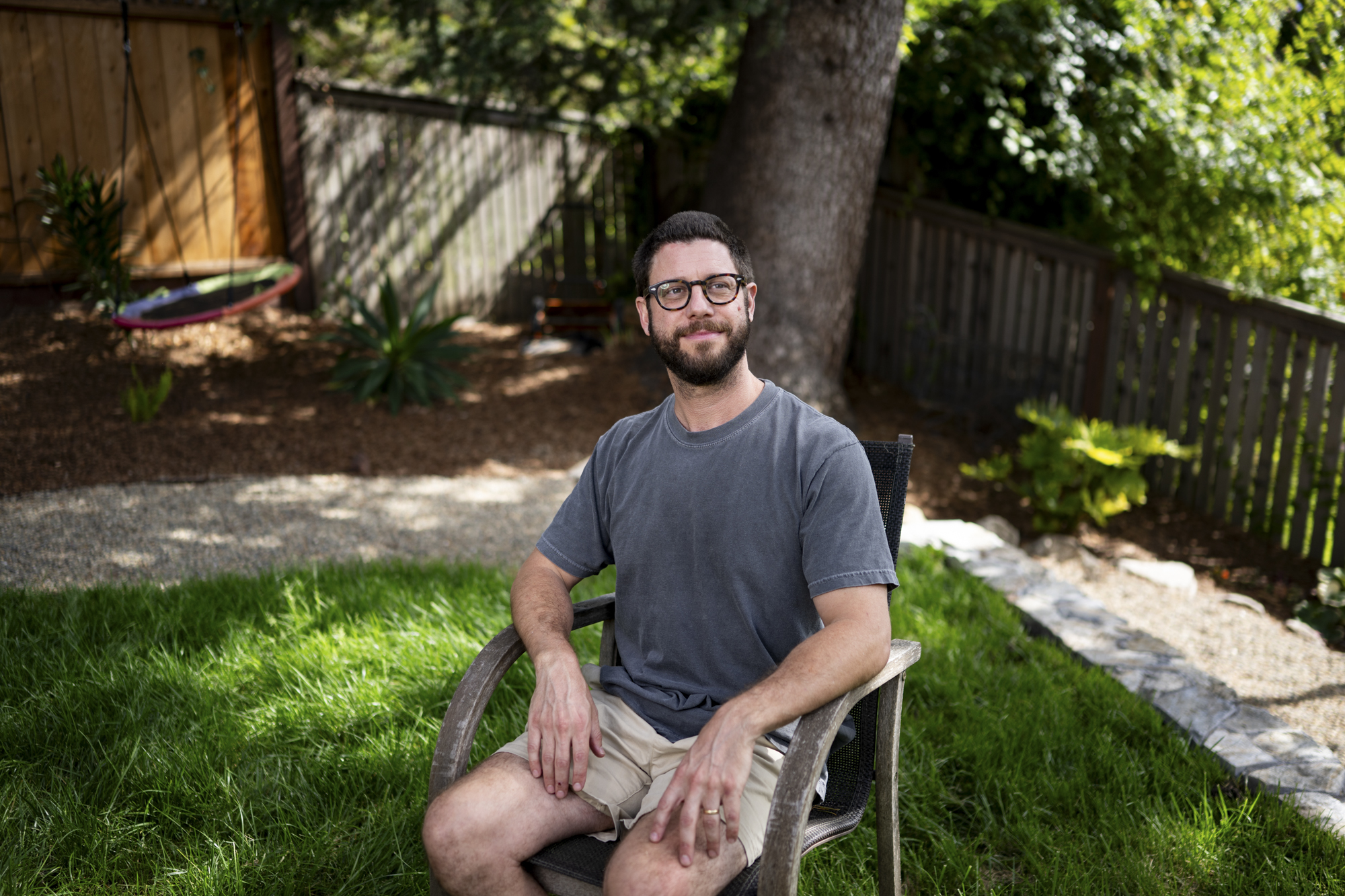
In 2017, Berkeley resident Ben Stein-Lobovits was celebrating his friend’s marriage when he noticed a headache and numbness in his tongue. His friends chalked the neurological symptoms up to a hangover.
On the eve of his 32nd birthday, he was diagnosed with a brainstem glioma, an inoperable brain tumor.
“I like to say, ‘I-turned-30 tumor,’” Stein-Lobovits said, laughing.
What followed is a period of his life that is hard to recall, he said, a “tornado” of appointments. The standard care of treatment was chemo and radiation — with a prognosis of six t0 10 months.

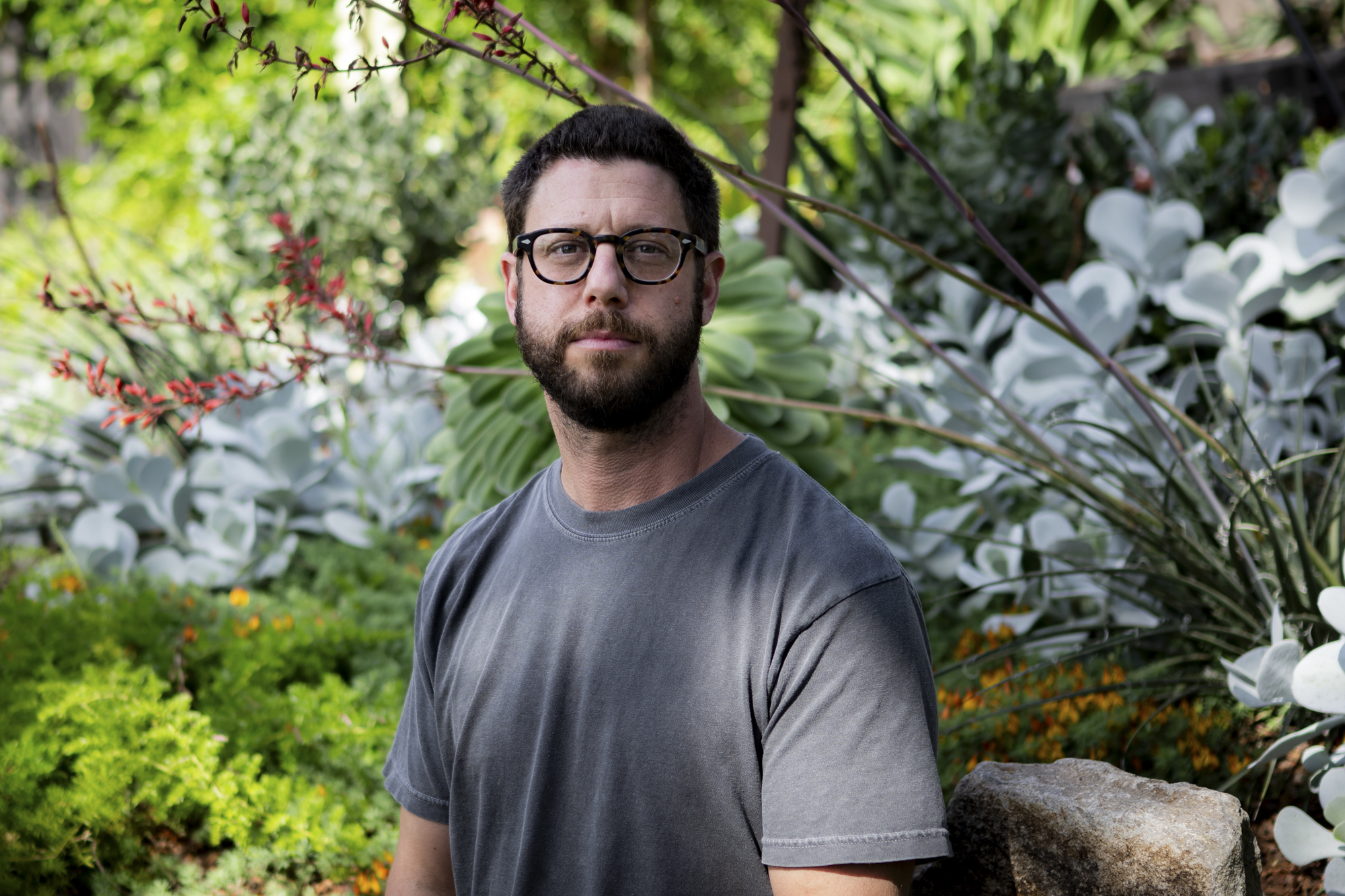
“There has to be another solution,” Stein-Lobovits remembered saying at the time.
He began reading papers and getting in touch with researchers, eventually leading him to a trial of an experimental treatment — dordaviprone, a drug that blocks survival signals in tumor cells. Nine years later, his tumor has shrunk by about 70%, he said.
Thanks to breakthroughs in cancer treatment, reduced smoking and improved detection, cancer rates declined by 35% between 1991 and 2024, according to a new report from the American Association for Cancer Research, the first and largest professional organization dedicated to preventing and curing all cancers. And over the last year alone, new scientific breakthroughs have reached patients in the form of new treatments for their specific disease.
Between July 1, 2025, and June 30, 2026, the FDA approved one new treatment device, expanded five previously approved therapies to include new cancer types and green-lit 11 new cancer therapeutics — including dordaviprone.
The report, which highlights Stein-Lobovits’ experience with the drug, also notes several advances in cancer prevention and detection — vaccines that prevent cancers in high-risk individuals and train immune systems to eliminate existing tumors; at-home test kits for HPV, a disease linked to cervical cancer; and AI-based tools to help doctors interpret routine medical imaging and carry out complex research tasks.
Despite the progress, cancer continues to be one of the leading causes of death in the U.S., killing about 610,000 people annually. An estimated 2.1 million new cancer cases will be diagnosed in 2026, and this number is projected to rise to 2.5 million by 2050, according to AACR findings.
Cancer’s risks are not distributed equally — racial and ethnic minority groups and other medically underserved populations in the U.S. continue to shoulder a disproportionate burden of the disease.
“Even the strongest research system falls short if patients cannot benefit from its advances,” the report states.
Despite significant strides, researchers warned of a major threat to cancer research: another wave of funding cuts following policy changes from the Trump administration.
A report from the Brennan Center for Justice says the administration’s actions — including the decision to remove all members of the board of advisers to the National Science Foundation — have caused grantmaking to “slow to a crawl” since the start of this fiscal year.
In early 2025, the administration cut or froze more than 2,200 active National Institutes of Health research grants and withdrew billions of dollars in previously awarded research funding, according to the AACR report. Then, the president’s budget request for fiscal year 2027, released in April 2026, proposed a $5 billion reduction in overall NIH funding, compared with the previous year’s levels.
A new rule proposed by the Office of Management and Budget to overhaul federal grantmaking could “inject political considerations into funding decisions and broaden federal agencies’ authority to terminate grants for reasons unrelated to scientific merit or recipient performance,” the report says. This could further reduce funding if the Senate’s decision to block the rule is allowed to expire in December.
Without strong federal support for medical research, the U.S. risks losing its position as a global leader in scientific discovery, innovation and the development of lifesaving cancer treatments, the report warns.
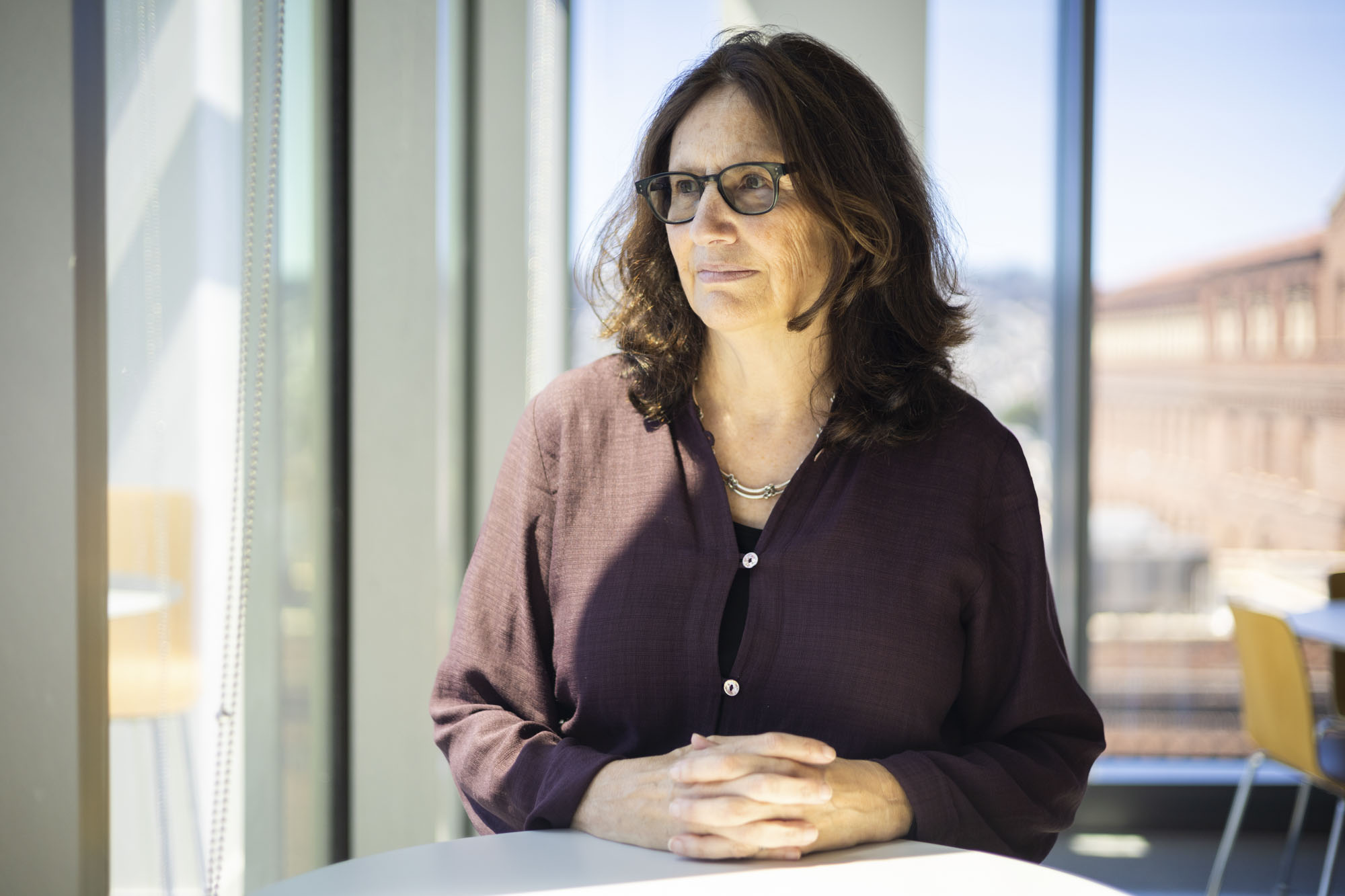
Dr. Iona Cheng, a cancer epidemiologist at UCSF and a co-investigator of the Greater Bay Area Cancer Registry, said that the federal action “significantly impacts our ability to continue and sustain important cancer research.”
Stein-Lobovits, now 40, credits cutting-edge research with allowing him to live.
“It’s allowed me to watch my girls grow up,” he said. “It has given me so much hope.”
He advised other survivors going through their own cancer journeys to “not take no for an answer.”
“Advocate for yourself, question everything, and don’t be hard on yourself,” Stein-Lobovits said.