Muni Cuts to Cost San Francisco Labor Market Up to $48 Million Annually, Report Shows
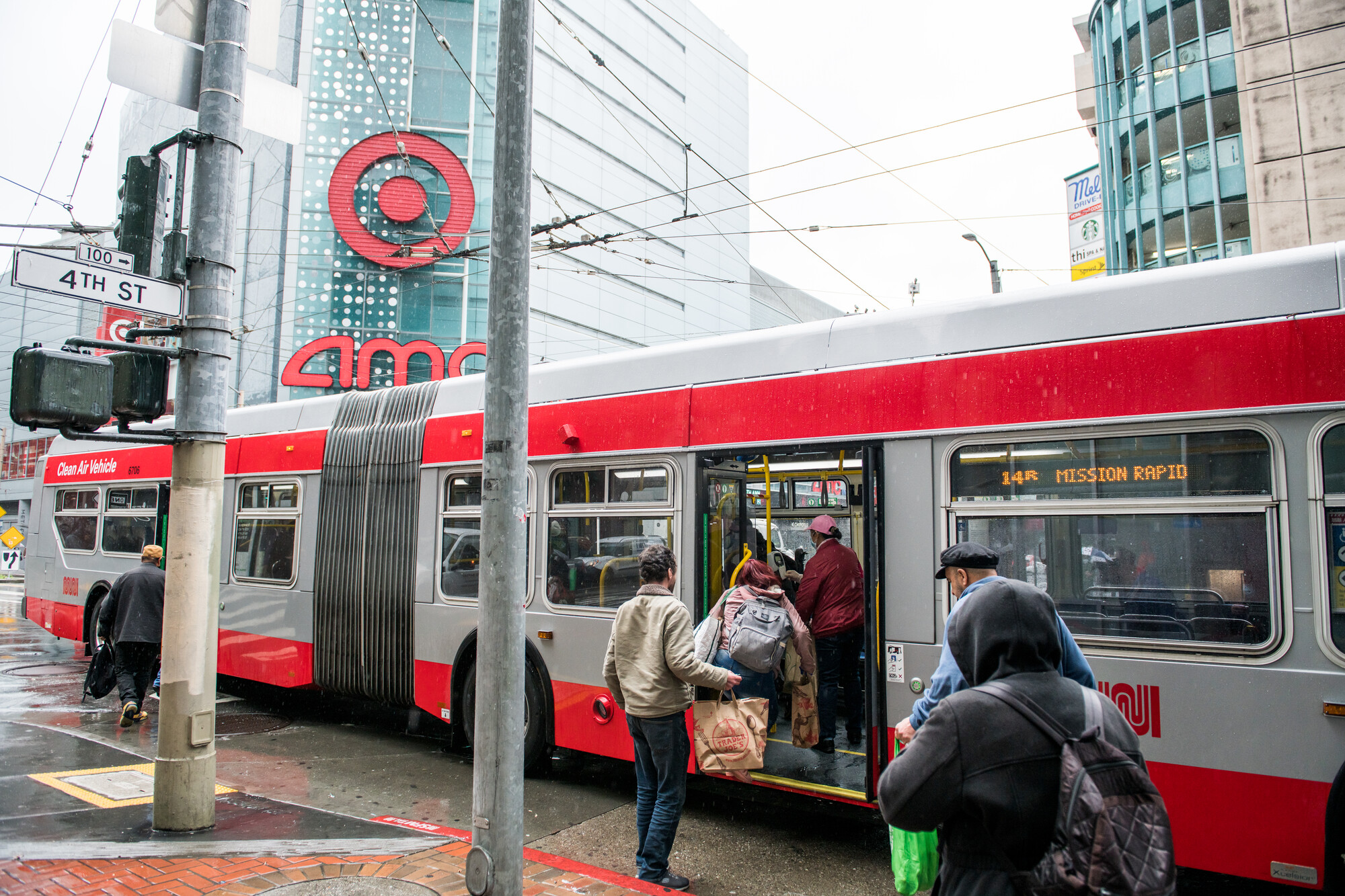
As San Francisco voters weigh in on a parcel tax measure to fund Muni this November, a new economic impact report released Wednesday by San Francisco’s Office of the Controller projects the sweeping toll that massive service cuts to the city’s public transit agency will have.
“This analysis suggests that the potential service cuts would be far worse for the local economy than the parcel tax,” the report states. “They would make it more expensive for employers to create jobs in the city, make workers less productive, and consume residents’ leisure time, hurting their quality of life.”
If passed, Proposition H would generate an estimated $184 million annually for Muni — which faces the largest budget deficit in its history — through an annual tax on residential, nonresidential and mixed-use property owners based on the square footage of their property over the next 15 years.
If voters reject Proposition H, the agency warns it will be forced to reduce service frequencies by up to 50% while suspending less popular routes and its historic trains and cable cars.
Given the dire financial outlook, the city’s analysis treated reduced Muni service as a baseline scenario, and Proposition H’s passage as an alternative scenario. Both the proposed tax and the service cuts that would occur if voters do not approve the tax would affect the city’s economy in a number of ways, according to the report.
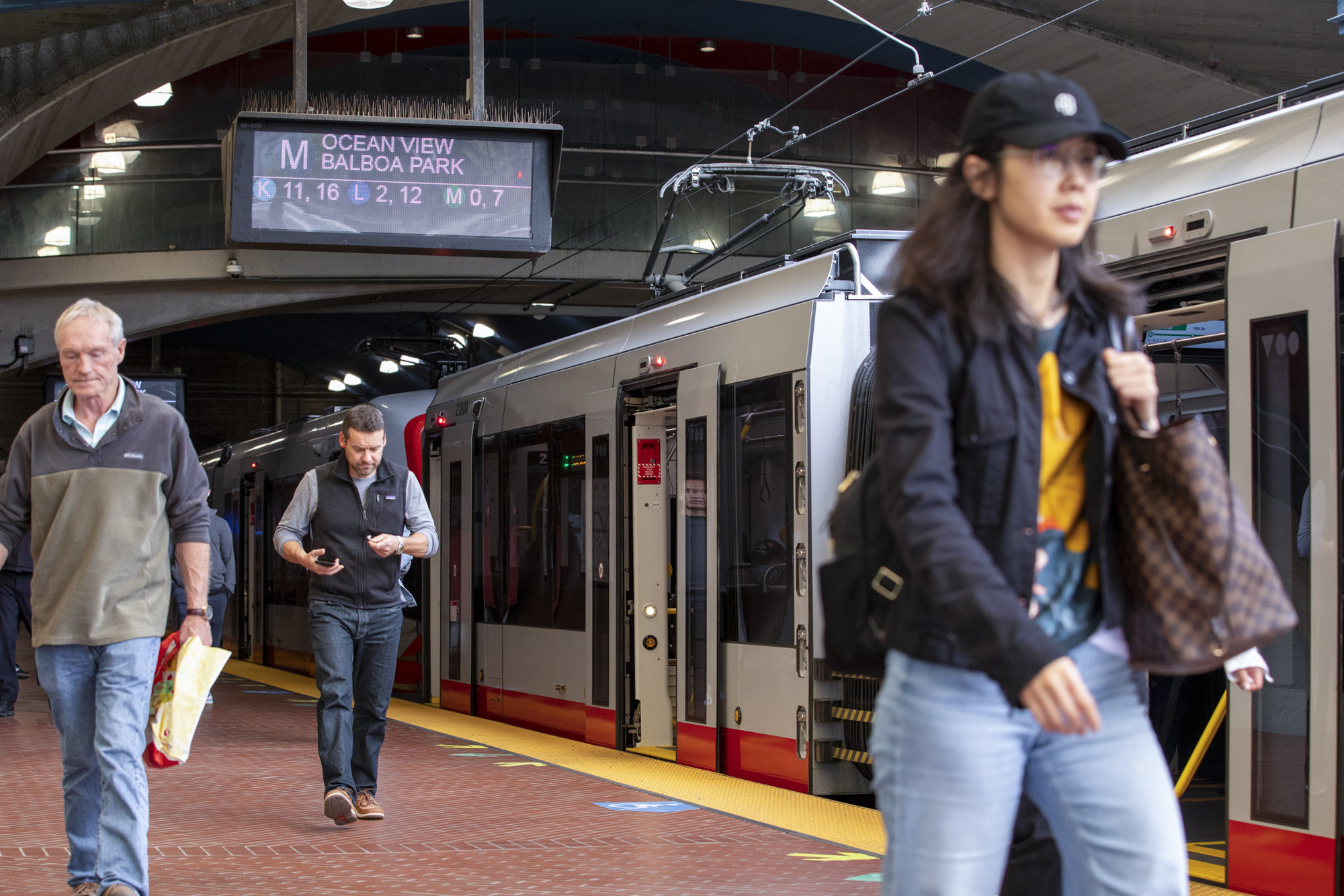
The findings state that reduced Muni service would result in a “poorer-performing” transportation system. The Office of the Controller estimated a labor market impact between $30 million and $48 million annually, due to workers dealing with delayed commutes.
“San Francisco’s extremely high labor productivity is partly a function of the number of people who can access jobs here,” the report states. “When slower commuting reduces that number, overall productivity is affected.”
Nonwork trip delays would result in a decline in the amenity value — a measure of the quality-of-life benefits a resource provides to those living in San Francisco — by $118 million to $197 million per year, according to the report.
Property values will take a hit in either scenario: The report estimates that Muni service cuts would reduce residential property values by as much as 0.9%, or around $14,100 on average, given current housing prices, as a reduction in transportation accessibility can reduce property values.
Nonresidential properties, such as offices, retail buildings and hotels, will be more impacted, suffering up to a 1.2% drop in property values on average across the city, according to the report.
The city makes the case that the tax is a better deal for residential property owners, driving down property values by less than service cuts would, at 0.2% on average over the 15-year life of the tax.
The report says the reverse is true for nonresidential property owners who will see a bigger drop in property values over the life of the tax — as much as 1.9% — than they would with service cuts because they bear a higher percentage of the parcel tax’s burden.
About 25% of the tax would be paid by residential property owners, while the remaining 75% would be paid by nonresidential property owners, the report says.
Under the tax, most single-family homeowners would pay $129, with added fees for homes that exceed 3,000 square feet. Base rates for multi-family parcels start at $249; nonresidential and mixed-use parcels start at $799, with additional tax levied if parcels exceed a base square footage.
Taking into account all the variables — including the cost of the tax to property owners, preventing travel-time delays for businesses and residents, and impacts to the local economy and labor market — the net economic impact from the passage of the parcel tax is positive, according to the report. In a high-end economic impact scenario, the tax would create over 1,400 jobs and grow the city’s gross domestic product by about $400 million on average over the next 15 years.
Proposition H is supported by San Francisco Mayor Daniel Lurie, Speaker Emerita Nancy Pelosi, as well as the San Francisco Chamber of Commerce and Labor Council.
“Safe, affordable, reliable transit gets our kids to school, people to work, and our seniors to the grocery store,” Lurie said in a statement. “As we make critical investments in Muni, we will continue to make it more accountable and more reliable so we can serve every San Franciscan.”
The measure is opposed by the San Francisco Republican Party, which argues the measure writes a blank check to the city’s Municipal Transit Agency but does not require the SFMTA, which runs Muni, to cut costs, hit efficiency targets or act on recommendations from a mandated efficiency review. The party argued the tax is unfair because it is based on square footage, not property values, and owners of rent-controlled units can pass 50% of the tax onto their tenants.
The measure will need a simple majority to pass this November.
The passage of Proposition H would not completely resolve Muni’s budget deficit. The agency is also banking on a separate regional sales tax measure that is set to go before voters in five Bay Area counties this November to prevent service cuts. Regional Measure RTM would establish a half-cent sales tax in Alameda, Contra Costa, San Mateo and Santa Clara counties, and a 1-cent sales tax in San Francisco, to generate around $1 billion annually over 14 years to fund operations at major Bay Area transit agencies including Muni.
The report by San Francisco’s Office of the Controller did not address the economic impact of Regional Measure RTM.