Even in a Hot Rental Market, What Renters Shouldn’t Settle on When Looking for a New Home

This story is part of How We Get By, a KQED series exploring how people are coping with rising costs in the Bay Area and California. Find the full series here.
Looking for a rental property in San Francisco is not for the faint of heart — a fact Beyond Deng has come to understand very well.
The 26-year-old policy researcher has a few days left to find a new home, after his landlord sold the Mission District apartment Deng shares with two friends. To stay in the city, Deng is now searching for a new home in one of the country’s hottest rental markets.
But the sky-high prices and intense competition weren’t even the biggest surprises, he said: “It was how little I would get for so much that I would have to pay.”
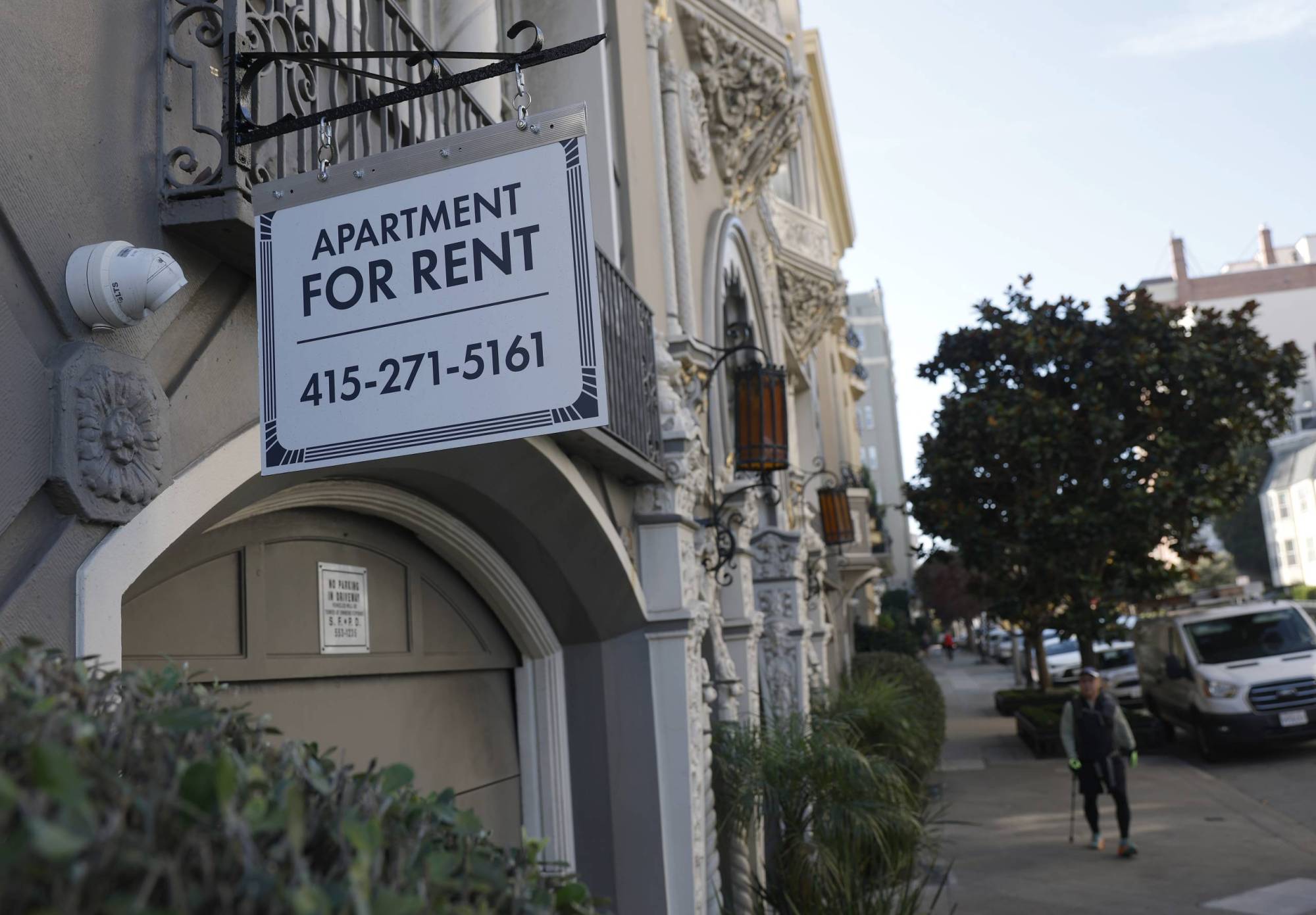
Fueled in part by the AI boom, rents in San Francisco have risen this year faster than anywhere else in the country — bringing with them a new breed of scams — and the rest of the Bay Area is also feeling the heat. The few remaining options on the market, however, are forcing many renters to scale down their expectations even more to find a home in the region.
One spot Deng considered was a 110-square-foot room with only a sink and a closet. The kitchen and bathroom were shared by more than a dozen other residents. Monthly rent for the property was listed at $1,400.
“If I’m going to pay that much, let me just gather all my things, go back down South and try to find a whole house,” Houston-raised Deng joked.
A compromise too far?
Other renters are looking into homes where tenants are already jostling for limited amenities.
Álvaro Galván, a data scientist who just found a new rental spot, recalled visiting a three-bedroom home in the Excelsior District shared by seven people during his own search. When he asked about the TV in the living room, Galván said the existing tenants told him, “That’s our TV.” Meaning: “They could use the TV — but me, as their subtenant — could not,” he recalled.
High prices and endless competition may encourage you to look for fewer amenities than you’d like, said San Francisco-based attorney and tenants’ rights advocate Joshua Ezrin. But there are actually “basic state rules governing habitability,” he warned.

And you should be very careful, he added, “about entering into any type of lease with a landlord that is knowingly renting a unit that is violating these basic state rules.”
Think you could hypothetically live in a rented room with no natural lighting — and where the bathroom is located in a different building? The law says something different, said Ora Prochovnick, director of litigation for the San Francisco renters’ rights group, Eviction Defense Collaborative. “You do have rights and protections as a tenant,” she stressed.
Keep reading for what legal experts recommend tenants should remember when looking for a new rental home in California — especially when a limited budget and a tight market might be forcing you to limit your expectations.
What does the law say homes in California need to have?
There are several laws that detail what all living spaces — “dwelling” is the official term used —in California must have. These rules apply when you own the home you live in, or when you are renting a house, apartment or an individual room.
The home “has to be fit for a human being to live in,” said Prochovnick from Eviction Defense Collaborative. “It’s a pretty low bar to meet — but it is a requirement.”
One law requires all dwellings (including hotel rooms) to have the following:
- A sink
- A working heating system
- A toilet
- Shower or bathtub
- Electricity
- A ventilation system
- Some form of natural light
But another law specific to rental agreements goes even further: landlords have an immediate obligation to comply with the standards above if they expect individuals to live in this home.
As of this year, California also requires rental homes to have a fridge and a stove — and property owners must repair or replace them if they stop working.
If the home didn’t have a heater or fridge when you moved in, you can still ask your landlord to meet the state’s obligations after you’ve begun living there, as there’s no time limit on invoking these rights.
“Tenants don’t waive their rights if there are problems when they move in,” Prochovnick said.
And if you are renting an individual room in a house or large building but that room does not include its own private bathroom or kitchen, your landlord must grant you access to the bathroom and kitchen of that property. You have access to the shared amenities even if the space you are paying for does not explicitly include them.
How can you flag problems before you move in?
Renters absolutely have a right to ask property owners to follow state regulations even if they haven’t signed a lease yet, Prochovnick said. But she also acknowledged that some people may feel unsure — to put it mildly — about bringing issues up with a landlord during an interview or a crowded open house.
“Yes, there’s a lot of competition for every unit, and you don’t want the landlord to think you’re a troublemaker from day one,” she said. “But this is something we have to weigh: How bad are the problems that you want to point them out now — or later?”
And how a property owner responds to you asking a question about what the apartment has — or lacks — can also be an opportunity for you to learn how they may deal with future needs, added Ezrin, the San Francisco-based attorney.

“Are these going to be folks that will be responsive to your repair and maintenance requests?” he questioned.
Ezrin recommended that you get a record — in writing — from a prospective landlord outlining what problems will be fixed: “either in the lease itself, in a lease addendum or in some separate side agreement before you execute the lease.”
Why is this important? So you have something in writing verifying the problem actually exists, Ezrin explained. This also means you’re putting the landlord “on notice of the issue,” he said, so that they can move forward with necessary repairs before you move into the home.
“There are folks who have no other options based on financial limitations and what the market has available,” he acknowledged. “So sometimes you’re going to concede points that you might not want to.”
Nonetheless, “you should be very careful about entering into any type of lease with a landlord that knowingly is renting a unit that is violating the basic state rules governing habitability,” Ezrin warned.
How small is too small?
Another thing many Bay Area tenants might grudgingly sacrifice to find a place that’s in their budget: space.
On Craigslist, there are hundreds of Bay Area listings for homes with three or more people already sharing the space — and of course, some San Franciscans are even paying $700 per month for a bunk bed in a room with 30 other adults.
But even in a very crowded home, state law requires minimum physical requirements for those inhabitants. The ceiling height must be at least 7 feet, 6 inches. “You have to be able to stand up straight without bumping your head,” said Prochovnick.
State law also dictates that every dwelling must be a minimum of 70 square feet, she said — which includes bedrooms. And if you’re renting just a bed in a room that’s shared with other people, the room where you all sleep in must be bigger than 70 square feet.
You also have a right to privacy within the space that you are paying for. Even if you are renting a room in a friend or family member’s home, they cannot enter your bedroom without a proper reason and proper notice, Prochovnick said.
One of those reasons could be that you have invited your landlord to enter your room, or there’s an emergency. Otherwise, your landlord can come in only to:
- Make necessary or agreed-upon repairs.
- Inspect the room’s condition at the start or end of your lease.
- Show the space to a potential tenant.
And if any of these conditions apply, your landlord still needs to let you know — in writing — that they’ll be entering at least 24 hours in advance.
Knowing what the state requires can help you understand what your privacy would look like in any rental home you’re looking at.
“Think ahead of time: What will be your private space?” said Prochovnick. If you’ve rented only a bedroom in the landlord’s home, your right to privacy applies only to that bedroom, she added. “The landlord doesn’t have to give you notice if they’re coming in the garage or the stairway.”
If you feel that a home you’re looking to rent already has a lot of people living in it, have a clear understanding of who you have a lease with — is it the landlord or another tenant? If it’s another tenant, check what the main (or “original”) lease says about the maximum number of occupants in the home, Prochovnick advised.
“You might feel like bringing in a roommate is just bringing in a roommate,” she said. “But legally that’s subletting, and that could be a violation of your lease if you’re not doing it with prior written consent from the landlord.”