window.__IS_SSR__=true
window.__INITIAL_STATE__={
"attachmentsReducer": {
"audio_0": {
"type": "attachments",
"id": "audio_0",
"imgSizes": {
"kqedFullSize": {
"file": "https://ww2.kqed.org/news/wp-content/themes/KQED-unified/img/audio_bgs/background0.jpg"
}
}
},
"audio_1": {
"type": "attachments",
"id": "audio_1",
"imgSizes": {
"kqedFullSize": {
"file": "https://ww2.kqed.org/news/wp-content/themes/KQED-unified/img/audio_bgs/background1.jpg"
}
}
},
"audio_2": {
"type": "attachments",
"id": "audio_2",
"imgSizes": {
"kqedFullSize": {
"file": "https://ww2.kqed.org/news/wp-content/themes/KQED-unified/img/audio_bgs/background2.jpg"
}
}
},
"audio_3": {
"type": "attachments",
"id": "audio_3",
"imgSizes": {
"kqedFullSize": {
"file": "https://ww2.kqed.org/news/wp-content/themes/KQED-unified/img/audio_bgs/background3.jpg"
}
}
},
"audio_4": {
"type": "attachments",
"id": "audio_4",
"imgSizes": {
"kqedFullSize": {
"file": "https://ww2.kqed.org/news/wp-content/themes/KQED-unified/img/audio_bgs/background4.jpg"
}
}
},
"placeholder": {
"type": "attachments",
"id": "placeholder",
"imgSizes": {
"thumbnail": {
"file": "https://cdn.kqed.org/wp-content/uploads/2024/12/KQED-Default-Image-816638274-2000x1333-1-160x107.jpg",
"width": 160,
"height": 107,
"mimeType": "image/jpeg"
},
"medium": {
"file": "https://cdn.kqed.org/wp-content/uploads/2024/12/KQED-Default-Image-816638274-2000x1333-1-800x533.jpg",
"width": 800,
"height": 533,
"mimeType": "image/jpeg"
},
"medium_large": {
"file": "https://cdn.kqed.org/wp-content/uploads/2024/12/KQED-Default-Image-816638274-2000x1333-1-768x512.jpg",
"width": 768,
"height": 512,
"mimeType": "image/jpeg"
},
"large": {
"file": "https://cdn.kqed.org/wp-content/uploads/2024/12/KQED-Default-Image-816638274-2000x1333-1-1020x680.jpg",
"width": 1020,
"height": 680,
"mimeType": "image/jpeg"
},
"1536x1536": {
"file": "https://cdn.kqed.org/wp-content/uploads/2024/12/KQED-Default-Image-816638274-2000x1333-1-1536x1024.jpg",
"width": 1536,
"height": 1024,
"mimeType": "image/jpeg"
},
"fd-lrg": {
"file": "https://cdn.kqed.org/wp-content/uploads/2024/12/KQED-Default-Image-816638274-2000x1333-1-1536x1024.jpg",
"width": 1536,
"height": 1024,
"mimeType": "image/jpeg"
},
"fd-med": {
"file": "https://cdn.kqed.org/wp-content/uploads/2024/12/KQED-Default-Image-816638274-2000x1333-1-1020x680.jpg",
"width": 1020,
"height": 680,
"mimeType": "image/jpeg"
},
"fd-sm": {
"file": "https://cdn.kqed.org/wp-content/uploads/2024/12/KQED-Default-Image-816638274-2000x1333-1-800x533.jpg",
"width": 800,
"height": 533,
"mimeType": "image/jpeg"
},
"post-thumbnail": {
"file": "https://cdn.kqed.org/wp-content/uploads/2024/12/KQED-Default-Image-816638274-2000x1333-1-672x372.jpg",
"width": 672,
"height": 372,
"mimeType": "image/jpeg"
},
"twentyfourteen-full-width": {
"file": "https://cdn.kqed.org/wp-content/uploads/2024/12/KQED-Default-Image-816638274-2000x1333-1-1038x576.jpg",
"width": 1038,
"height": 576,
"mimeType": "image/jpeg"
},
"xxsmall": {
"file": "https://cdn.kqed.org/wp-content/uploads/2024/12/KQED-Default-Image-816638274-2000x1333-1-160x107.jpg",
"width": 160,
"height": 107,
"mimeType": "image/jpeg"
},
"xsmall": {
"file": "https://cdn.kqed.org/wp-content/uploads/2024/12/KQED-Default-Image-816638274-2000x1333-1-672x372.jpg",
"width": 672,
"height": 372,
"mimeType": "image/jpeg"
},
"small": {
"file": "https://cdn.kqed.org/wp-content/uploads/2024/12/KQED-Default-Image-816638274-2000x1333-1-672x372.jpg",
"width": 672,
"height": 372,
"mimeType": "image/jpeg"
},
"xlarge": {
"file": "https://cdn.kqed.org/wp-content/uploads/2024/12/KQED-Default-Image-816638274-2000x1333-1-1020x680.jpg",
"width": 1020,
"height": 680,
"mimeType": "image/jpeg"
},
"full-width": {
"file": "https://cdn.kqed.org/wp-content/uploads/2024/12/KQED-Default-Image-816638274-2000x1333-1-1920x1280.jpg",
"width": 1920,
"height": 1280,
"mimeType": "image/jpeg"
},
"guest-author-32": {
"file": "https://cdn.kqed.org/wp-content/uploads/2025/01/KQED-Default-Image-816638274-1333x1333-1-160x160.jpg",
"width": 32,
"height": 32,
"mimeType": "image/jpeg"
},
"guest-author-50": {
"file": "https://cdn.kqed.org/wp-content/uploads/2025/01/KQED-Default-Image-816638274-1333x1333-1-160x160.jpg",
"width": 50,
"height": 50,
"mimeType": "image/jpeg"
},
"guest-author-64": {
"file": "https://cdn.kqed.org/wp-content/uploads/2025/01/KQED-Default-Image-816638274-1333x1333-1-160x160.jpg",
"width": 64,
"height": 64,
"mimeType": "image/jpeg"
},
"guest-author-96": {
"file": "https://cdn.kqed.org/wp-content/uploads/2025/01/KQED-Default-Image-816638274-1333x1333-1-160x160.jpg",
"width": 96,
"height": 96,
"mimeType": "image/jpeg"
},
"guest-author-128": {
"file": "https://cdn.kqed.org/wp-content/uploads/2025/01/KQED-Default-Image-816638274-1333x1333-1-160x160.jpg",
"width": 128,
"height": 128,
"mimeType": "image/jpeg"
},
"detail": {
"file": "https://cdn.kqed.org/wp-content/uploads/2025/01/KQED-Default-Image-816638274-1333x1333-1-160x160.jpg",
"width": 160,
"height": 160,
"mimeType": "image/jpeg"
},
"kqedFullSize": {
"file": "https://cdn.kqed.org/wp-content/uploads/2024/12/KQED-Default-Image-816638274-2000x1333-1.jpg",
"width": 2000,
"height": 1333
}
}
},
"news_11793230": {
"type": "attachments",
"id": "news_11793230",
"meta": {
"index": "attachments_1716263798",
"site": "news",
"id": "11793230",
"found": true
},
"parent": 11793229,
"imgSizes": {
"apple_news_ca_landscape_5_5": {
"file": "https://ww2.kqed.org/app/uploads/sites/10/2019/12/img_0050_custom-0159712edca1c210e41c4d02a4b90b6daa0b50ba-1044x783.jpg",
"width": 1044,
"mimeType": "image/jpeg",
"height": 783
},
"apple_news_ca_square_4_0": {
"file": "https://ww2.kqed.org/app/uploads/sites/10/2019/12/img_0050_custom-0159712edca1c210e41c4d02a4b90b6daa0b50ba-470x470.jpg",
"width": 470,
"mimeType": "image/jpeg",
"height": 470
},
"twentyfourteen-full-width": {
"file": "https://ww2.kqed.org/app/uploads/sites/10/2019/12/img_0050_custom-0159712edca1c210e41c4d02a4b90b6daa0b50ba-1038x576.jpg",
"width": 1038,
"mimeType": "image/jpeg",
"height": 576
},
"thumbnail": {
"file": "https://ww2.kqed.org/app/uploads/sites/10/2019/12/img_0050_custom-0159712edca1c210e41c4d02a4b90b6daa0b50ba-160x120.jpg",
"width": 160,
"mimeType": "image/jpeg",
"height": 120
},
"post-thumbnail": {
"file": "https://ww2.kqed.org/app/uploads/sites/10/2019/12/img_0050_custom-0159712edca1c210e41c4d02a4b90b6daa0b50ba-672x372.jpg",
"width": 672,
"mimeType": "image/jpeg",
"height": 372
},
"kqedFullSize": {
"file": "https://ww2.kqed.org/app/uploads/sites/10/2019/12/img_0050_custom-0159712edca1c210e41c4d02a4b90b6daa0b50ba-e1577649366113.jpg",
"width": 1920,
"height": 1439
},
"apple_news_ca_landscape_4_7": {
"file": "https://ww2.kqed.org/app/uploads/sites/10/2019/12/img_0050_custom-0159712edca1c210e41c4d02a4b90b6daa0b50ba-632x474.jpg",
"width": 632,
"mimeType": "image/jpeg",
"height": 474
},
"large": {
"file": "https://ww2.kqed.org/app/uploads/sites/10/2019/12/img_0050_custom-0159712edca1c210e41c4d02a4b90b6daa0b50ba-1020x764.jpg",
"width": 1020,
"mimeType": "image/jpeg",
"height": 764
},
"complete_open_graph": {
"file": "https://ww2.kqed.org/app/uploads/sites/10/2019/12/img_0050_custom-0159712edca1c210e41c4d02a4b90b6daa0b50ba-1200x899.jpg",
"width": 1200,
"mimeType": "image/jpeg",
"height": 899
},
"apple_news_ca_landscape_4_0": {
"file": "https://ww2.kqed.org/app/uploads/sites/10/2019/12/img_0050_custom-0159712edca1c210e41c4d02a4b90b6daa0b50ba-536x402.jpg",
"width": 536,
"mimeType": "image/jpeg",
"height": 402
},
"apple_news_ca_portrait_12_9": {
"file": "https://ww2.kqed.org/app/uploads/sites/10/2019/12/img_0050_custom-0159712edca1c210e41c4d02a4b90b6daa0b50ba-1122x1496.jpg",
"width": 1122,
"mimeType": "image/jpeg",
"height": 1496
},
"medium": {
"file": "https://ww2.kqed.org/app/uploads/sites/10/2019/12/img_0050_custom-0159712edca1c210e41c4d02a4b90b6daa0b50ba-800x600.jpg",
"width": 800,
"mimeType": "image/jpeg",
"height": 600
},
"apple_news_ca_portrait_4_0": {
"file": "https://ww2.kqed.org/app/uploads/sites/10/2019/12/img_0050_custom-0159712edca1c210e41c4d02a4b90b6daa0b50ba-354x472.jpg",
"width": 354,
"mimeType": "image/jpeg",
"height": 472
},
"apple_news_ca_portrait_9_7": {
"file": "https://ww2.kqed.org/app/uploads/sites/10/2019/12/img_0050_custom-0159712edca1c210e41c4d02a4b90b6daa0b50ba-840x1120.jpg",
"width": 840,
"mimeType": "image/jpeg",
"height": 1120
},
"apple_news_ca_landscape_12_9": {
"file": "https://ww2.kqed.org/app/uploads/sites/10/2019/12/img_0050_custom-0159712edca1c210e41c4d02a4b90b6daa0b50ba-1832x1374.jpg",
"width": 1832,
"mimeType": "image/jpeg",
"height": 1374
},
"apple_news_ca_square_9_7": {
"file": "https://ww2.kqed.org/app/uploads/sites/10/2019/12/img_0050_custom-0159712edca1c210e41c4d02a4b90b6daa0b50ba-1104x1104.jpg",
"width": 1104,
"mimeType": "image/jpeg",
"height": 1104
},
"apple_news_ca_portrait_4_7": {
"file": "https://ww2.kqed.org/app/uploads/sites/10/2019/12/img_0050_custom-0159712edca1c210e41c4d02a4b90b6daa0b50ba-414x552.jpg",
"width": 414,
"mimeType": "image/jpeg",
"height": 552
},
"apple_news_ca_square_12_9": {
"file": "https://ww2.kqed.org/app/uploads/sites/10/2019/12/img_0050_custom-0159712edca1c210e41c4d02a4b90b6daa0b50ba-1472x1472.jpg",
"width": 1472,
"mimeType": "image/jpeg",
"height": 1472
},
"apple_news_ca_portrait_5_5": {
"file": "https://ww2.kqed.org/app/uploads/sites/10/2019/12/img_0050_custom-0159712edca1c210e41c4d02a4b90b6daa0b50ba-687x916.jpg",
"width": 687,
"mimeType": "image/jpeg",
"height": 916
},
"full-width": {
"file": "https://ww2.kqed.org/app/uploads/sites/10/2019/12/img_0050_custom-0159712edca1c210e41c4d02a4b90b6daa0b50ba-1920x1439.jpg",
"width": 1920,
"mimeType": "image/jpeg",
"height": 1439
},
"apple_news_ca_square_4_7": {
"file": "https://ww2.kqed.org/app/uploads/sites/10/2019/12/img_0050_custom-0159712edca1c210e41c4d02a4b90b6daa0b50ba-550x550.jpg",
"width": 550,
"mimeType": "image/jpeg",
"height": 550
},
"apple_news_ca_landscape_9_7": {
"file": "https://ww2.kqed.org/app/uploads/sites/10/2019/12/img_0050_custom-0159712edca1c210e41c4d02a4b90b6daa0b50ba-1376x1032.jpg",
"width": 1376,
"mimeType": "image/jpeg",
"height": 1032
},
"apple_news_ca_square_5_5": {
"file": "https://ww2.kqed.org/app/uploads/sites/10/2019/12/img_0050_custom-0159712edca1c210e41c4d02a4b90b6daa0b50ba-912x912.jpg",
"width": 912,
"mimeType": "image/jpeg",
"height": 912
}
},
"publishDate": 1577649199,
"modified": 1577649416,
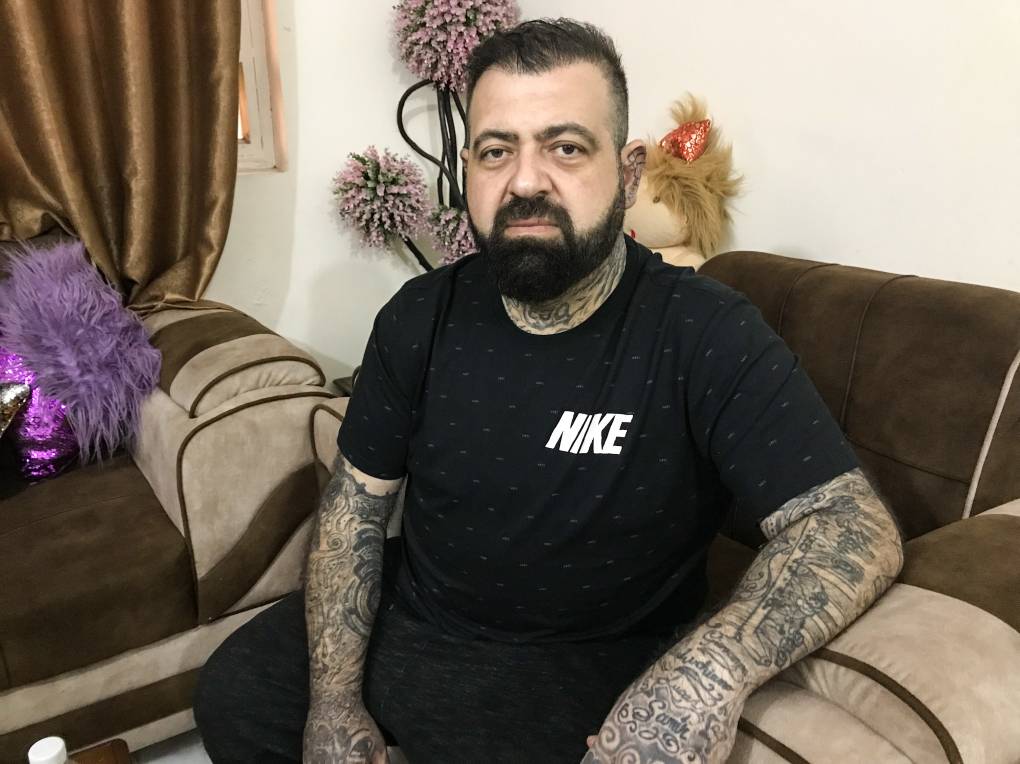
"caption": "Samir Kada lived next door to Jimmy Aldaoud in Baghdad. Kada is one of dozens of Iraqis from Michigan deported from the U.S. in 2018.",
"description": "Samir Kada lived next door to Jimmy Aldaoud in Baghdad. Kada is one of dozens of Iraqis from Michigan deported from the U.S. in 2018.",
"title": "Samir Kada lived next door to Jimmy Aldaoud in Baghdad. Kada is one of dozens of Iraqis from Michigan deported from the U.S. in 2018.",
"credit": "Jane Arraf/NPR",
"status": "inherit",
"isLoading": false,
"fetchFailed": false
},
"news_11793214": {
"type": "attachments",
"id": "news_11793214",
"meta": {
"index": "attachments_1716263798",
"site": "news",
"id": "11793214",
"found": true
},
"parent": 11793213,
"imgSizes": {
"apple_news_ca_landscape_5_5": {
"file": "https://ww2.kqed.org/app/uploads/sites/10/2019/12/ow_luen-3_custom-3fc2f9263ca53f724cb6308159919c66e6a7928f-1044x783.jpg",
"width": 1044,
"mimeType": "image/jpeg",
"height": 783
},
"apple_news_ca_square_4_0": {
"file": "https://ww2.kqed.org/app/uploads/sites/10/2019/12/ow_luen-3_custom-3fc2f9263ca53f724cb6308159919c66e6a7928f-470x470.jpg",
"width": 470,
"mimeType": "image/jpeg",
"height": 470
},
"twentyfourteen-full-width": {
"file": "https://ww2.kqed.org/app/uploads/sites/10/2019/12/ow_luen-3_custom-3fc2f9263ca53f724cb6308159919c66e6a7928f-1038x576.jpg",
"width": 1038,
"mimeType": "image/jpeg",
"height": 576
},
"thumbnail": {
"file": "https://ww2.kqed.org/app/uploads/sites/10/2019/12/ow_luen-3_custom-3fc2f9263ca53f724cb6308159919c66e6a7928f-160x149.jpg",
"width": 160,
"mimeType": "image/jpeg",
"height": 149
},
"post-thumbnail": {
"file": "https://ww2.kqed.org/app/uploads/sites/10/2019/12/ow_luen-3_custom-3fc2f9263ca53f724cb6308159919c66e6a7928f-672x372.jpg",
"width": 672,
"mimeType": "image/jpeg",
"height": 372
},
"kqedFullSize": {
"file": "https://ww2.kqed.org/app/uploads/sites/10/2019/12/ow_luen-3_custom-3fc2f9263ca53f724cb6308159919c66e6a7928f-e1577640510766.jpg",
"width": 1920,
"height": 1794
},
"apple_news_ca_landscape_4_7": {
"file": "https://ww2.kqed.org/app/uploads/sites/10/2019/12/ow_luen-3_custom-3fc2f9263ca53f724cb6308159919c66e6a7928f-632x474.jpg",
"width": 632,
"mimeType": "image/jpeg",
"height": 474
},
"large": {
"file": "https://ww2.kqed.org/app/uploads/sites/10/2019/12/ow_luen-3_custom-3fc2f9263ca53f724cb6308159919c66e6a7928f-1020x953.jpg",
"width": 1020,
"mimeType": "image/jpeg",
"height": 953
},
"complete_open_graph": {
"file": "https://ww2.kqed.org/app/uploads/sites/10/2019/12/ow_luen-3_custom-3fc2f9263ca53f724cb6308159919c66e6a7928f-1200x1121.jpg",
"width": 1200,
"mimeType": "image/jpeg",
"height": 1121
},
"apple_news_ca_landscape_4_0": {
"file": "https://ww2.kqed.org/app/uploads/sites/10/2019/12/ow_luen-3_custom-3fc2f9263ca53f724cb6308159919c66e6a7928f-536x402.jpg",
"width": 536,
"mimeType": "image/jpeg",
"height": 402
},
"apple_news_ca_portrait_12_9": {
"file": "https://ww2.kqed.org/app/uploads/sites/10/2019/12/ow_luen-3_custom-3fc2f9263ca53f724cb6308159919c66e6a7928f-1122x1496.jpg",
"width": 1122,
"mimeType": "image/jpeg",
"height": 1496
},
"medium": {
"file": "https://ww2.kqed.org/app/uploads/sites/10/2019/12/ow_luen-3_custom-3fc2f9263ca53f724cb6308159919c66e6a7928f-800x747.jpg",
"width": 800,
"mimeType": "image/jpeg",
"height": 747
},
"apple_news_ca_portrait_4_0": {
"file": "https://ww2.kqed.org/app/uploads/sites/10/2019/12/ow_luen-3_custom-3fc2f9263ca53f724cb6308159919c66e6a7928f-354x472.jpg",
"width": 354,
"mimeType": "image/jpeg",
"height": 472
},
"apple_news_ca_portrait_9_7": {
"file": "https://ww2.kqed.org/app/uploads/sites/10/2019/12/ow_luen-3_custom-3fc2f9263ca53f724cb6308159919c66e6a7928f-840x1120.jpg",
"width": 840,
"mimeType": "image/jpeg",
"height": 1120
},
"apple_news_ca_landscape_12_9": {
"file": "https://ww2.kqed.org/app/uploads/sites/10/2019/12/ow_luen-3_custom-3fc2f9263ca53f724cb6308159919c66e6a7928f-1832x1374.jpg",
"width": 1832,
"mimeType": "image/jpeg",
"height": 1374
},
"apple_news_ca_square_9_7": {
"file": "https://ww2.kqed.org/app/uploads/sites/10/2019/12/ow_luen-3_custom-3fc2f9263ca53f724cb6308159919c66e6a7928f-1104x1104.jpg",
"width": 1104,
"mimeType": "image/jpeg",
"height": 1104
},
"apple_news_ca_portrait_4_7": {
"file": "https://ww2.kqed.org/app/uploads/sites/10/2019/12/ow_luen-3_custom-3fc2f9263ca53f724cb6308159919c66e6a7928f-414x552.jpg",
"width": 414,
"mimeType": "image/jpeg",
"height": 552
},
"apple_news_ca_square_12_9": {
"file": "https://ww2.kqed.org/app/uploads/sites/10/2019/12/ow_luen-3_custom-3fc2f9263ca53f724cb6308159919c66e6a7928f-1472x1472.jpg",
"width": 1472,
"mimeType": "image/jpeg",
"height": 1472
},
"apple_news_ca_portrait_5_5": {
"file": "https://ww2.kqed.org/app/uploads/sites/10/2019/12/ow_luen-3_custom-3fc2f9263ca53f724cb6308159919c66e6a7928f-687x916.jpg",
"width": 687,
"mimeType": "image/jpeg",
"height": 916
},
"full-width": {
"file": "https://ww2.kqed.org/app/uploads/sites/10/2019/12/ow_luen-3_custom-3fc2f9263ca53f724cb6308159919c66e6a7928f-1920x1794.jpg",
"width": 1920,
"mimeType": "image/jpeg",
"height": 1794
},
"apple_news_ca_square_4_7": {
"file": "https://ww2.kqed.org/app/uploads/sites/10/2019/12/ow_luen-3_custom-3fc2f9263ca53f724cb6308159919c66e6a7928f-550x550.jpg",
"width": 550,
"mimeType": "image/jpeg",
"height": 550
},
"apple_news_ca_landscape_9_7": {
"file": "https://ww2.kqed.org/app/uploads/sites/10/2019/12/ow_luen-3_custom-3fc2f9263ca53f724cb6308159919c66e6a7928f-1376x1032.jpg",
"width": 1376,
"mimeType": "image/jpeg",
"height": 1032
},
"apple_news_ca_square_5_5": {
"file": "https://ww2.kqed.org/app/uploads/sites/10/2019/12/ow_luen-3_custom-3fc2f9263ca53f724cb6308159919c66e6a7928f-912x912.jpg",
"width": 912,
"mimeType": "image/jpeg",
"height": 912
}
},
"publishDate": 1577639941,
"modified": 1577640548,
"caption": "An image of Ow Luen from his file, originally held at the USCIS, now available at the National Archives.",
"description": "An image of Ow Luen from his file, originally held at the USCIS, now available at the National Archives.",
"title": "An image of Ow Luen from his file, originally held at the USCIS, now available at the National Archives.",
"credit": "Grant Din/National Archives",
"status": "inherit",
"isLoading": false,
"fetchFailed": false
},
"news_11792576": {
"type": "attachments",
"id": "news_11792576",
"meta": {
"index": "attachments_1716263798",
"site": "news",
"id": "11792576",
"found": true
},
"parent": 11792431,
"imgSizes": {
"apple_news_ca_landscape_5_5": {
"file": "https://ww2.kqed.org/app/uploads/sites/10/2019/12/711-MARQUEE-1044x710.jpg",
"width": 1044,
"mimeType": "image/jpeg",
"height": 710
},
"apple_news_ca_square_4_0": {
"file": "https://ww2.kqed.org/app/uploads/sites/10/2019/12/711-MARQUEE-470x470.jpg",
"width": 470,
"mimeType": "image/jpeg",
"height": 470
},
"twentyfourteen-full-width": {
"file": "https://ww2.kqed.org/app/uploads/sites/10/2019/12/711-MARQUEE-1038x576.jpg",
"width": 1038,
"mimeType": "image/jpeg",
"height": 576
},
"thumbnail": {
"file": "https://ww2.kqed.org/app/uploads/sites/10/2019/12/711-MARQUEE-160x102.jpg",
"width": 160,
"mimeType": "image/jpeg",
"height": 102
},
"post-thumbnail": {
"file": "https://ww2.kqed.org/app/uploads/sites/10/2019/12/711-MARQUEE-672x372.jpg",
"width": 672,
"mimeType": "image/jpeg",
"height": 372
},
"kqedFullSize": {
"file": "https://ww2.kqed.org/app/uploads/sites/10/2019/12/711-MARQUEE.jpg",
"width": 1109,
"height": 710
},
"apple_news_ca_landscape_4_7": {
"file": "https://ww2.kqed.org/app/uploads/sites/10/2019/12/711-MARQUEE-632x474.jpg",
"width": 632,
"mimeType": "image/jpeg",
"height": 474
},
"large": {
"file": "https://ww2.kqed.org/app/uploads/sites/10/2019/12/711-MARQUEE-1020x653.jpg",
"width": 1020,
"mimeType": "image/jpeg",
"height": 653
},
"apple_news_ca_landscape_4_0": {
"file": "https://ww2.kqed.org/app/uploads/sites/10/2019/12/711-MARQUEE-536x402.jpg",
"width": 536,
"mimeType": "image/jpeg",
"height": 402
},
"medium": {
"file": "https://ww2.kqed.org/app/uploads/sites/10/2019/12/711-MARQUEE-800x512.jpg",
"width": 800,
"mimeType": "image/jpeg",
"height": 512
},
"apple_news_ca_portrait_4_0": {
"file": "https://ww2.kqed.org/app/uploads/sites/10/2019/12/711-MARQUEE-354x472.jpg",
"width": 354,
"mimeType": "image/jpeg",
"height": 472
},
"apple_news_ca_portrait_9_7": {
"file": "https://ww2.kqed.org/app/uploads/sites/10/2019/12/711-MARQUEE-840x710.jpg",
"width": 840,
"mimeType": "image/jpeg",
"height": 710
},
"apple_news_ca_square_9_7": {
"file": "https://ww2.kqed.org/app/uploads/sites/10/2019/12/711-MARQUEE-1104x710.jpg",
"width": 1104,
"mimeType": "image/jpeg",
"height": 710
},
"apple_news_ca_portrait_4_7": {
"file": "https://ww2.kqed.org/app/uploads/sites/10/2019/12/711-MARQUEE-414x552.jpg",
"width": 414,
"mimeType": "image/jpeg",
"height": 552
},
"apple_news_ca_portrait_5_5": {
"file": "https://ww2.kqed.org/app/uploads/sites/10/2019/12/711-MARQUEE-687x710.jpg",
"width": 687,
"mimeType": "image/jpeg",
"height": 710
},
"apple_news_ca_square_4_7": {
"file": "https://ww2.kqed.org/app/uploads/sites/10/2019/12/711-MARQUEE-550x550.jpg",
"width": 550,
"mimeType": "image/jpeg",
"height": 550
},
"apple_news_ca_square_5_5": {
"file": "https://ww2.kqed.org/app/uploads/sites/10/2019/12/711-MARQUEE-912x710.jpg",
"width": 912,
"mimeType": "image/jpeg",
"height": 710
}
},
"publishDate": 1576889091,
"modified": 1576889091,
"caption": null,
"description": null,
"title": "711 MARQUEE",
"credit": null,
"status": "inherit",
"isLoading": false,
"fetchFailed": false
},
"news_11792514": {
"type": "attachments",
"id": "news_11792514",
"meta": {
"index": "attachments_1716263798",
"site": "news",
"id": "11792514",
"found": true
},
"parent": 11792356,
"imgSizes": {
"apple_news_ca_landscape_5_5": {
"file": "https://ww2.kqed.org/app/uploads/sites/10/2019/12/Japanese-Peruvians-Class-of-47_image-qut-1044x783.jpg",
"width": 1044,
"mimeType": "image/jpeg",
"height": 783
},
"apple_news_ca_square_4_0": {
"file": "https://ww2.kqed.org/app/uploads/sites/10/2019/12/Japanese-Peruvians-Class-of-47_image-qut-470x470.jpg",
"width": 470,
"mimeType": "image/jpeg",
"height": 470
},
"twentyfourteen-full-width": {
"file": "https://ww2.kqed.org/app/uploads/sites/10/2019/12/Japanese-Peruvians-Class-of-47_image-qut-1038x576.jpg",
"width": 1038,
"mimeType": "image/jpeg",
"height": 576
},
"thumbnail": {
"file": "https://ww2.kqed.org/app/uploads/sites/10/2019/12/Japanese-Peruvians-Class-of-47_image-qut-160x118.jpg",
"width": 160,
"mimeType": "image/jpeg",
"height": 118
},
"post-thumbnail": {
"file": "https://ww2.kqed.org/app/uploads/sites/10/2019/12/Japanese-Peruvians-Class-of-47_image-qut-672x372.jpg",
"width": 672,
"mimeType": "image/jpeg",
"height": 372
},
"kqedFullSize": {
"file": "https://ww2.kqed.org/app/uploads/sites/10/2019/12/Japanese-Peruvians-Class-of-47_image-qut.jpg",
"width": 1920,
"height": 1415
},
"apple_news_ca_landscape_4_7": {
"file": "https://ww2.kqed.org/app/uploads/sites/10/2019/12/Japanese-Peruvians-Class-of-47_image-qut-632x474.jpg",
"width": 632,
"mimeType": "image/jpeg",
"height": 474
},
"large": {
"file": "https://ww2.kqed.org/app/uploads/sites/10/2019/12/Japanese-Peruvians-Class-of-47_image-qut-1020x752.jpg",
"width": 1020,
"mimeType": "image/jpeg",
"height": 752
},
"complete_open_graph": {
"file": "https://ww2.kqed.org/app/uploads/sites/10/2019/12/Japanese-Peruvians-Class-of-47_image-qut-1200x884.jpg",
"width": 1200,
"mimeType": "image/jpeg",
"height": 884
},
"apple_news_ca_landscape_4_0": {
"file": "https://ww2.kqed.org/app/uploads/sites/10/2019/12/Japanese-Peruvians-Class-of-47_image-qut-536x402.jpg",
"width": 536,
"mimeType": "image/jpeg",
"height": 402
},
"apple_news_ca_portrait_12_9": {
"file": "https://ww2.kqed.org/app/uploads/sites/10/2019/12/Japanese-Peruvians-Class-of-47_image-qut-1122x1415.jpg",
"width": 1122,
"mimeType": "image/jpeg",
"height": 1415
},
"medium": {
"file": "https://ww2.kqed.org/app/uploads/sites/10/2019/12/Japanese-Peruvians-Class-of-47_image-qut-800x590.jpg",
"width": 800,
"mimeType": "image/jpeg",
"height": 590
},
"apple_news_ca_portrait_4_0": {
"file": "https://ww2.kqed.org/app/uploads/sites/10/2019/12/Japanese-Peruvians-Class-of-47_image-qut-354x472.jpg",
"width": 354,
"mimeType": "image/jpeg",
"height": 472
},
"apple_news_ca_portrait_9_7": {
"file": "https://ww2.kqed.org/app/uploads/sites/10/2019/12/Japanese-Peruvians-Class-of-47_image-qut-840x1120.jpg",
"width": 840,
"mimeType": "image/jpeg",
"height": 1120
},
"apple_news_ca_landscape_12_9": {
"file": "https://ww2.kqed.org/app/uploads/sites/10/2019/12/Japanese-Peruvians-Class-of-47_image-qut-1832x1374.jpg",
"width": 1832,
"mimeType": "image/jpeg",
"height": 1374
},
"apple_news_ca_square_9_7": {
"file": "https://ww2.kqed.org/app/uploads/sites/10/2019/12/Japanese-Peruvians-Class-of-47_image-qut-1104x1104.jpg",
"width": 1104,
"mimeType": "image/jpeg",
"height": 1104
},
"apple_news_ca_portrait_4_7": {
"file": "https://ww2.kqed.org/app/uploads/sites/10/2019/12/Japanese-Peruvians-Class-of-47_image-qut-414x552.jpg",
"width": 414,
"mimeType": "image/jpeg",
"height": 552
},
"apple_news_ca_square_12_9": {
"file": "https://ww2.kqed.org/app/uploads/sites/10/2019/12/Japanese-Peruvians-Class-of-47_image-qut-1472x1415.jpg",
"width": 1472,
"mimeType": "image/jpeg",
"height": 1415
},
"apple_news_ca_portrait_5_5": {
"file": "https://ww2.kqed.org/app/uploads/sites/10/2019/12/Japanese-Peruvians-Class-of-47_image-qut-687x916.jpg",
"width": 687,
"mimeType": "image/jpeg",
"height": 916
},
"full-width": {
"file": "https://ww2.kqed.org/app/uploads/sites/10/2019/12/Japanese-Peruvians-Class-of-47_image-qut-1920x1415.jpg",
"width": 1920,
"mimeType": "image/jpeg",
"height": 1415
},
"apple_news_ca_square_4_7": {
"file": "https://ww2.kqed.org/app/uploads/sites/10/2019/12/Japanese-Peruvians-Class-of-47_image-qut-550x550.jpg",
"width": 550,
"mimeType": "image/jpeg",
"height": 550
},
"apple_news_ca_landscape_9_7": {
"file": "https://ww2.kqed.org/app/uploads/sites/10/2019/12/Japanese-Peruvians-Class-of-47_image-qut-1376x1032.jpg",
"width": 1376,
"mimeType": "image/jpeg",
"height": 1032
},
"apple_news_ca_square_5_5": {
"file": "https://ww2.kqed.org/app/uploads/sites/10/2019/12/Japanese-Peruvians-Class-of-47_image-qut-912x912.jpg",
"width": 912,
"mimeType": "image/jpeg",
"height": 912
}
},
"publishDate": 1576878582,
"modified": 1576884289,
"caption": "Japanese Peruvian children pose for a class photo at Crystal City Internment Camp, March 3, 1947. Libia Yamamoto is on the far right. Teacher George K. Uno is seated.",
"description": "Japanese Peruvian children pose for a class photo at Crystal City Internment Camp, March 3, 1947. Libia Yamamoto is on the far right. Teacher George K. Uno is seated.",
"title": "Japanese Latin American children detained at Crystal City in 1947",
"credit": "Courtesy of Kazumu Naganuma and Hiroshi Shimizu",
"status": "inherit",
"isLoading": false,
"fetchFailed": false
},
"news_11792546": {
"type": "attachments",
"id": "news_11792546",
"meta": {
"index": "attachments_1716263798",
"site": "news",
"id": "11792546",
"found": true
},
"parent": 11792535,
"imgSizes": {
"apple_news_ca_landscape_5_5": {
"file": "https://ww2.kqed.org/app/uploads/sites/10/2019/12/shoppingdays03_122019_final-1044x783.jpg",
"width": 1044,
"mimeType": "image/jpeg",
"height": 783
},
"apple_news_ca_square_4_0": {
"file": "https://ww2.kqed.org/app/uploads/sites/10/2019/12/shoppingdays03_122019_final-470x470.jpg",
"width": 470,
"mimeType": "image/jpeg",
"height": 470
},
"twentyfourteen-full-width": {
"file": "https://ww2.kqed.org/app/uploads/sites/10/2019/12/shoppingdays03_122019_final-1038x576.jpg",
"width": 1038,
"mimeType": "image/jpeg",
"height": 576
},
"thumbnail": {
"file": "https://ww2.kqed.org/app/uploads/sites/10/2019/12/shoppingdays03_122019_final-160x117.jpg",
"width": 160,
"mimeType": "image/jpeg",
"height": 117
},
"post-thumbnail": {
"file": "https://ww2.kqed.org/app/uploads/sites/10/2019/12/shoppingdays03_122019_final-672x372.jpg",
"width": 672,
"mimeType": "image/jpeg",
"height": 372
},
"kqedFullSize": {
"file": "https://ww2.kqed.org/app/uploads/sites/10/2019/12/shoppingdays03_122019_final.jpg",
"width": 1920,
"height": 1404
},
"apple_news_ca_landscape_4_7": {
"file": "https://ww2.kqed.org/app/uploads/sites/10/2019/12/shoppingdays03_122019_final-632x474.jpg",
"width": 632,
"mimeType": "image/jpeg",
"height": 474
},
"large": {
"file": "https://ww2.kqed.org/app/uploads/sites/10/2019/12/shoppingdays03_122019_final-1020x746.jpg",
"width": 1020,
"mimeType": "image/jpeg",
"height": 746
},
"complete_open_graph": {
"file": "https://ww2.kqed.org/app/uploads/sites/10/2019/12/shoppingdays03_122019_final-1200x878.jpg",
"width": 1200,
"mimeType": "image/jpeg",
"height": 878
},
"apple_news_ca_landscape_4_0": {
"file": "https://ww2.kqed.org/app/uploads/sites/10/2019/12/shoppingdays03_122019_final-536x402.jpg",
"width": 536,
"mimeType": "image/jpeg",
"height": 402
},
"apple_news_ca_portrait_12_9": {
"file": "https://ww2.kqed.org/app/uploads/sites/10/2019/12/shoppingdays03_122019_final-1122x1404.jpg",
"width": 1122,
"mimeType": "image/jpeg",
"height": 1404
},
"medium": {
"file": "https://ww2.kqed.org/app/uploads/sites/10/2019/12/shoppingdays03_122019_final-800x585.jpg",
"width": 800,
"mimeType": "image/jpeg",
"height": 585
},
"apple_news_ca_portrait_4_0": {
"file": "https://ww2.kqed.org/app/uploads/sites/10/2019/12/shoppingdays03_122019_final-354x472.jpg",
"width": 354,
"mimeType": "image/jpeg",
"height": 472
},
"apple_news_ca_portrait_9_7": {
"file": "https://ww2.kqed.org/app/uploads/sites/10/2019/12/shoppingdays03_122019_final-840x1120.jpg",
"width": 840,
"mimeType": "image/jpeg",
"height": 1120
},
"apple_news_ca_landscape_12_9": {
"file": "https://ww2.kqed.org/app/uploads/sites/10/2019/12/shoppingdays03_122019_final-1832x1374.jpg",
"width": 1832,
"mimeType": "image/jpeg",
"height": 1374
},
"apple_news_ca_square_9_7": {
"file": "https://ww2.kqed.org/app/uploads/sites/10/2019/12/shoppingdays03_122019_final-1104x1104.jpg",
"width": 1104,
"mimeType": "image/jpeg",
"height": 1104
},
"apple_news_ca_portrait_4_7": {
"file": "https://ww2.kqed.org/app/uploads/sites/10/2019/12/shoppingdays03_122019_final-414x552.jpg",
"width": 414,
"mimeType": "image/jpeg",
"height": 552
},
"apple_news_ca_square_12_9": {
"file": "https://ww2.kqed.org/app/uploads/sites/10/2019/12/shoppingdays03_122019_final-1472x1404.jpg",
"width": 1472,
"mimeType": "image/jpeg",
"height": 1404
},
"apple_news_ca_portrait_5_5": {
"file": "https://ww2.kqed.org/app/uploads/sites/10/2019/12/shoppingdays03_122019_final-687x916.jpg",
"width": 687,
"mimeType": "image/jpeg",
"height": 916
},
"full-width": {
"file": "https://ww2.kqed.org/app/uploads/sites/10/2019/12/shoppingdays03_122019_final-1920x1404.jpg",
"width": 1920,
"mimeType": "image/jpeg",
"height": 1404
},
"apple_news_ca_square_4_7": {
"file": "https://ww2.kqed.org/app/uploads/sites/10/2019/12/shoppingdays03_122019_final-550x550.jpg",
"width": 550,
"mimeType": "image/jpeg",
"height": 550
},
"apple_news_ca_landscape_9_7": {
"file": "https://ww2.kqed.org/app/uploads/sites/10/2019/12/shoppingdays03_122019_final-1376x1032.jpg",
"width": 1376,
"mimeType": "image/jpeg",
"height": 1032
},
"apple_news_ca_square_5_5": {
"file": "https://ww2.kqed.org/app/uploads/sites/10/2019/12/shoppingdays03_122019_final-912x912.jpg",
"width": 912,
"mimeType": "image/jpeg",
"height": 912
}
},
"publishDate": 1576884907,
"modified": 1576884959,
"caption": null,
"description": null,
"title": "shoppingdays03_122019_final",
"credit": null,
"status": "inherit",
"isLoading": false,
"fetchFailed": false
},
"news_11791967": {
"type": "attachments",
"id": "news_11791967",
"meta": {
"index": "attachments_1716263798",
"site": "news",
"id": "11791967",
"found": true
},
"parent": 11791689,
"imgSizes": {
"apple_news_ca_landscape_5_5": {
"file": "https://ww2.kqed.org/app/uploads/sites/10/2019/12/RS40498_IMG_4244-qut-1044x783.jpg",
"width": 1044,
"mimeType": "image/jpeg",
"height": 783
},
"apple_news_ca_square_4_0": {
"file": "https://ww2.kqed.org/app/uploads/sites/10/2019/12/RS40498_IMG_4244-qut-470x470.jpg",
"width": 470,
"mimeType": "image/jpeg",
"height": 470
},
"twentyfourteen-full-width": {
"file": "https://ww2.kqed.org/app/uploads/sites/10/2019/12/RS40498_IMG_4244-qut-1038x576.jpg",
"width": 1038,
"mimeType": "image/jpeg",
"height": 576
},
"thumbnail": {
"file": "https://ww2.kqed.org/app/uploads/sites/10/2019/12/RS40498_IMG_4244-qut-160x120.jpg",
"width": 160,
"mimeType": "image/jpeg",
"height": 120
},
"post-thumbnail": {
"file": "https://ww2.kqed.org/app/uploads/sites/10/2019/12/RS40498_IMG_4244-qut-672x372.jpg",
"width": 672,
"mimeType": "image/jpeg",
"height": 372
},
"kqedFullSize": {
"file": "https://ww2.kqed.org/app/uploads/sites/10/2019/12/RS40498_IMG_4244-qut.jpg",
"width": 1920,
"height": 1440
},
"apple_news_ca_landscape_4_7": {
"file": "https://ww2.kqed.org/app/uploads/sites/10/2019/12/RS40498_IMG_4244-qut-632x474.jpg",
"width": 632,
"mimeType": "image/jpeg",
"height": 474
},
"large": {
"file": "https://ww2.kqed.org/app/uploads/sites/10/2019/12/RS40498_IMG_4244-qut-1020x765.jpg",
"width": 1020,
"mimeType": "image/jpeg",
"height": 765
},
"complete_open_graph": {
"file": "https://ww2.kqed.org/app/uploads/sites/10/2019/12/RS40498_IMG_4244-qut-1200x900.jpg",
"width": 1200,
"mimeType": "image/jpeg",
"height": 900
},
"apple_news_ca_landscape_4_0": {
"file": "https://ww2.kqed.org/app/uploads/sites/10/2019/12/RS40498_IMG_4244-qut-536x402.jpg",
"width": 536,
"mimeType": "image/jpeg",
"height": 402
},
"apple_news_ca_portrait_12_9": {
"file": "https://ww2.kqed.org/app/uploads/sites/10/2019/12/RS40498_IMG_4244-qut-1122x1440.jpg",
"width": 1122,
"mimeType": "image/jpeg",
"height": 1440
},
"medium": {
"file": "https://ww2.kqed.org/app/uploads/sites/10/2019/12/RS40498_IMG_4244-qut-800x600.jpg",
"width": 800,
"mimeType": "image/jpeg",
"height": 600
},
"apple_news_ca_portrait_4_0": {
"file": "https://ww2.kqed.org/app/uploads/sites/10/2019/12/RS40498_IMG_4244-qut-354x472.jpg",
"width": 354,
"mimeType": "image/jpeg",
"height": 472
},
"apple_news_ca_portrait_9_7": {
"file": "https://ww2.kqed.org/app/uploads/sites/10/2019/12/RS40498_IMG_4244-qut-840x1120.jpg",
"width": 840,
"mimeType": "image/jpeg",
"height": 1120
},
"apple_news_ca_landscape_12_9": {
"file": "https://ww2.kqed.org/app/uploads/sites/10/2019/12/RS40498_IMG_4244-qut-1832x1374.jpg",
"width": 1832,
"mimeType": "image/jpeg",
"height": 1374
},
"apple_news_ca_square_9_7": {
"file": "https://ww2.kqed.org/app/uploads/sites/10/2019/12/RS40498_IMG_4244-qut-1104x1104.jpg",
"width": 1104,
"mimeType": "image/jpeg",
"height": 1104
},
"apple_news_ca_portrait_4_7": {
"file": "https://ww2.kqed.org/app/uploads/sites/10/2019/12/RS40498_IMG_4244-qut-414x552.jpg",
"width": 414,
"mimeType": "image/jpeg",
"height": 552
},
"apple_news_ca_square_12_9": {
"file": "https://ww2.kqed.org/app/uploads/sites/10/2019/12/RS40498_IMG_4244-qut-1472x1440.jpg",
"width": 1472,
"mimeType": "image/jpeg",
"height": 1440
},
"apple_news_ca_portrait_5_5": {
"file": "https://ww2.kqed.org/app/uploads/sites/10/2019/12/RS40498_IMG_4244-qut-687x916.jpg",
"width": 687,
"mimeType": "image/jpeg",
"height": 916
},
"full-width": {
"file": "https://ww2.kqed.org/app/uploads/sites/10/2019/12/RS40498_IMG_4244-qut-1920x1440.jpg",
"width": 1920,
"mimeType": "image/jpeg",
"height": 1440
},
"apple_news_ca_square_4_7": {
"file": "https://ww2.kqed.org/app/uploads/sites/10/2019/12/RS40498_IMG_4244-qut-550x550.jpg",
"width": 550,
"mimeType": "image/jpeg",
"height": 550
},
"apple_news_ca_landscape_9_7": {
"file": "https://ww2.kqed.org/app/uploads/sites/10/2019/12/RS40498_IMG_4244-qut-1376x1032.jpg",
"width": 1376,
"mimeType": "image/jpeg",
"height": 1032
},
"apple_news_ca_square_5_5": {
"file": "https://ww2.kqed.org/app/uploads/sites/10/2019/12/RS40498_IMG_4244-qut-912x912.jpg",
"width": 912,
"mimeType": "image/jpeg",
"height": 912
}
},
"publishDate": 1576698157,
"modified": 1576699415,
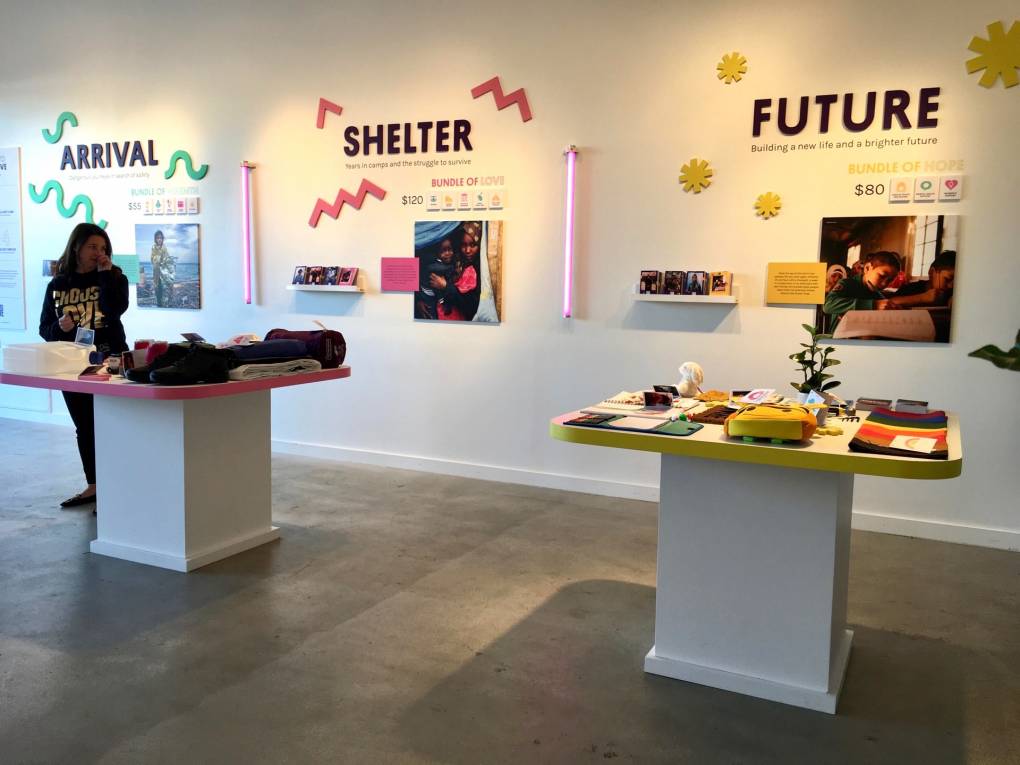
"caption": "The Choose Love pop-up offers different spaces to select gifts for refugees.",
"description": null,
"title": "RS40498_IMG_4244-qut",
"credit": "Molly Peterson/KQED",
"status": "inherit",
"isLoading": false,
"fetchFailed": false
},
"news_11792354": {
"type": "attachments",
"id": "news_11792354",
"meta": {
"index": "attachments_1716263798",
"site": "news",
"id": "11792354",
"found": true
},
"parent": 11792302,
"imgSizes": {
"apple_news_ca_landscape_5_5": {
"file": "https://ww2.kqed.org/app/uploads/sites/10/2019/12/Adelanto-Immigration-Detention-ICE-1044x783.jpg",
"width": 1044,
"mimeType": "image/jpeg",
"height": 783
},
"apple_news_ca_square_4_0": {
"file": "https://ww2.kqed.org/app/uploads/sites/10/2019/12/Adelanto-Immigration-Detention-ICE-470x470.jpg",
"width": 470,
"mimeType": "image/jpeg",
"height": 470
},
"twentyfourteen-full-width": {
"file": "https://ww2.kqed.org/app/uploads/sites/10/2019/12/Adelanto-Immigration-Detention-ICE-1038x576.jpg",
"width": 1038,
"mimeType": "image/jpeg",
"height": 576
},
"thumbnail": {
"file": "https://ww2.kqed.org/app/uploads/sites/10/2019/12/Adelanto-Immigration-Detention-ICE-160x106.jpg",
"width": 160,
"mimeType": "image/jpeg",
"height": 106
},
"post-thumbnail": {
"file": "https://ww2.kqed.org/app/uploads/sites/10/2019/12/Adelanto-Immigration-Detention-ICE-672x372.jpg",
"width": 672,
"mimeType": "image/jpeg",
"height": 372
},
"kqedFullSize": {
"file": "https://ww2.kqed.org/app/uploads/sites/10/2019/12/Adelanto-Immigration-Detention-ICE.jpg",
"width": 1920,
"height": 1276
},
"apple_news_ca_landscape_4_7": {
"file": "https://ww2.kqed.org/app/uploads/sites/10/2019/12/Adelanto-Immigration-Detention-ICE-632x474.jpg",
"width": 632,
"mimeType": "image/jpeg",
"height": 474
},
"large": {
"file": "https://ww2.kqed.org/app/uploads/sites/10/2019/12/Adelanto-Immigration-Detention-ICE-1020x678.jpg",
"width": 1020,
"mimeType": "image/jpeg",
"height": 678
},
"complete_open_graph": {
"file": "https://ww2.kqed.org/app/uploads/sites/10/2019/12/Adelanto-Immigration-Detention-ICE-1200x798.jpg",
"width": 1200,
"mimeType": "image/jpeg",
"height": 798
},
"apple_news_ca_landscape_4_0": {
"file": "https://ww2.kqed.org/app/uploads/sites/10/2019/12/Adelanto-Immigration-Detention-ICE-536x402.jpg",
"width": 536,
"mimeType": "image/jpeg",
"height": 402
},
"apple_news_ca_portrait_12_9": {
"file": "https://ww2.kqed.org/app/uploads/sites/10/2019/12/Adelanto-Immigration-Detention-ICE-1122x1276.jpg",
"width": 1122,
"mimeType": "image/jpeg",
"height": 1276
},
"medium": {
"file": "https://ww2.kqed.org/app/uploads/sites/10/2019/12/Adelanto-Immigration-Detention-ICE-800x532.jpg",
"width": 800,
"mimeType": "image/jpeg",
"height": 532
},
"apple_news_ca_portrait_4_0": {
"file": "https://ww2.kqed.org/app/uploads/sites/10/2019/12/Adelanto-Immigration-Detention-ICE-354x472.jpg",
"width": 354,
"mimeType": "image/jpeg",
"height": 472
},
"apple_news_ca_portrait_9_7": {
"file": "https://ww2.kqed.org/app/uploads/sites/10/2019/12/Adelanto-Immigration-Detention-ICE-840x1120.jpg",
"width": 840,
"mimeType": "image/jpeg",
"height": 1120
},
"apple_news_ca_landscape_12_9": {
"file": "https://ww2.kqed.org/app/uploads/sites/10/2019/12/Adelanto-Immigration-Detention-ICE-1832x1276.jpg",
"width": 1832,
"mimeType": "image/jpeg",
"height": 1276
},
"apple_news_ca_square_9_7": {
"file": "https://ww2.kqed.org/app/uploads/sites/10/2019/12/Adelanto-Immigration-Detention-ICE-1104x1104.jpg",
"width": 1104,
"mimeType": "image/jpeg",
"height": 1104
},
"apple_news_ca_portrait_4_7": {
"file": "https://ww2.kqed.org/app/uploads/sites/10/2019/12/Adelanto-Immigration-Detention-ICE-414x552.jpg",
"width": 414,
"mimeType": "image/jpeg",
"height": 552
},
"apple_news_ca_square_12_9": {
"file": "https://ww2.kqed.org/app/uploads/sites/10/2019/12/Adelanto-Immigration-Detention-ICE-1472x1276.jpg",
"width": 1472,
"mimeType": "image/jpeg",
"height": 1276
},
"apple_news_ca_portrait_5_5": {
"file": "https://ww2.kqed.org/app/uploads/sites/10/2019/12/Adelanto-Immigration-Detention-ICE-687x916.jpg",
"width": 687,
"mimeType": "image/jpeg",
"height": 916
},
"full-width": {
"file": "https://ww2.kqed.org/app/uploads/sites/10/2019/12/Adelanto-Immigration-Detention-ICE-1920x1276.jpg",
"width": 1920,
"mimeType": "image/jpeg",
"height": 1276
},
"apple_news_ca_square_4_7": {
"file": "https://ww2.kqed.org/app/uploads/sites/10/2019/12/Adelanto-Immigration-Detention-ICE-550x550.jpg",
"width": 550,
"mimeType": "image/jpeg",
"height": 550
},
"apple_news_ca_landscape_9_7": {
"file": "https://ww2.kqed.org/app/uploads/sites/10/2019/12/Adelanto-Immigration-Detention-ICE-1376x1032.jpg",
"width": 1376,
"mimeType": "image/jpeg",
"height": 1032
},
"apple_news_ca_square_5_5": {
"file": "https://ww2.kqed.org/app/uploads/sites/10/2019/12/Adelanto-Immigration-Detention-ICE-912x912.jpg",
"width": 912,
"mimeType": "image/jpeg",
"height": 912
}
},
"publishDate": 1576803284,
"modified": 1576803372,
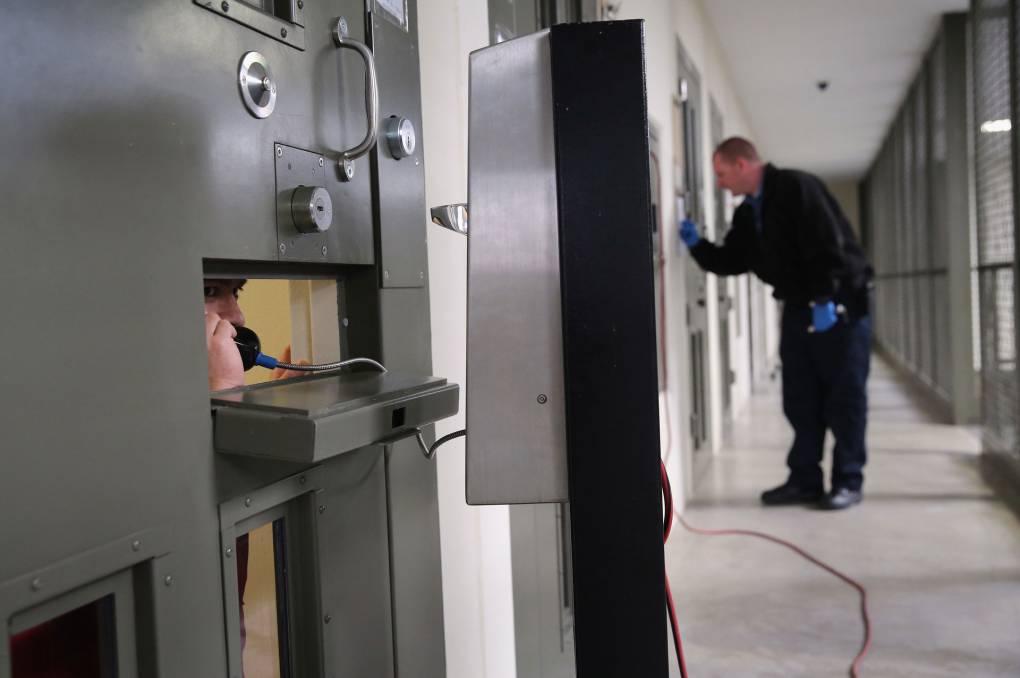
"caption": "An immigrant detainee makes a call from his 'segregation cell' at the Adelanto Detention Facility on Nov. 15, 2013. The facility is managed by the private GEO Group.",
"description": "An immigrant detainee makes a call from his 'segregation cell' at the Adelanto Detention Facility on Nov. 15, 2013. The facility is managed by the private GEO Group.",
"title": "Adelanto-Immigration-Detention-ICE",
"credit": "John Moore/Getty Images",
"status": "inherit",
"isLoading": false,
"fetchFailed": false
},
"news_11791866": {
"type": "attachments",
"id": "news_11791866",
"meta": {
"index": "attachments_1716263798",
"site": "news",
"id": "11791866",
"found": true
},
"parent": 11791781,
"imgSizes": {
"apple_news_ca_square_4_0": {
"file": "https://ww2.kqed.org/app/uploads/sites/10/2019/12/A-non-binary-person-using-a-laptop-at-work-1020x574-470x470.jpg",
"width": 470,
"mimeType": "image/jpeg",
"height": 470
},
"thumbnail": {
"file": "https://ww2.kqed.org/app/uploads/sites/10/2019/12/A-non-binary-person-using-a-laptop-at-work-1020x574-160x90.jpg",
"width": 160,
"mimeType": "image/jpeg",
"height": 90
},
"post-thumbnail": {
"file": "https://ww2.kqed.org/app/uploads/sites/10/2019/12/A-non-binary-person-using-a-laptop-at-work-1020x574-672x372.jpg",
"width": 672,
"mimeType": "image/jpeg",
"height": 372
},
"kqedFullSize": {
"file": "https://ww2.kqed.org/app/uploads/sites/10/2019/12/A-non-binary-person-using-a-laptop-at-work-1020x574.jpg",
"width": 1020,
"height": 574
},
"apple_news_ca_landscape_4_7": {
"file": "https://ww2.kqed.org/app/uploads/sites/10/2019/12/A-non-binary-person-using-a-laptop-at-work-1020x574-632x474.jpg",
"width": 632,
"mimeType": "image/jpeg",
"height": 474
},
"large": {
"file": "https://ww2.kqed.org/app/uploads/sites/10/2019/12/A-non-binary-person-using-a-laptop-at-work-1020x574-1020x574.jpg",
"width": 1020,
"mimeType": "image/jpeg",
"height": 574
},
"apple_news_ca_landscape_4_0": {
"file": "https://ww2.kqed.org/app/uploads/sites/10/2019/12/A-non-binary-person-using-a-laptop-at-work-1020x574-536x402.jpg",
"width": 536,
"mimeType": "image/jpeg",
"height": 402
},
"medium": {
"file": "https://ww2.kqed.org/app/uploads/sites/10/2019/12/A-non-binary-person-using-a-laptop-at-work-1020x574-800x450.jpg",
"width": 800,
"mimeType": "image/jpeg",
"height": 450
},
"apple_news_ca_portrait_4_0": {
"file": "https://ww2.kqed.org/app/uploads/sites/10/2019/12/A-non-binary-person-using-a-laptop-at-work-1020x574-354x472.jpg",
"width": 354,
"mimeType": "image/jpeg",
"height": 472
},
"apple_news_ca_portrait_9_7": {
"file": "https://ww2.kqed.org/app/uploads/sites/10/2019/12/A-non-binary-person-using-a-laptop-at-work-1020x574-840x574.jpg",
"width": 840,
"mimeType": "image/jpeg",
"height": 574
},
"apple_news_ca_portrait_4_7": {
"file": "https://ww2.kqed.org/app/uploads/sites/10/2019/12/A-non-binary-person-using-a-laptop-at-work-1020x574-414x552.jpg",
"width": 414,
"mimeType": "image/jpeg",
"height": 552
},
"apple_news_ca_portrait_5_5": {
"file": "https://ww2.kqed.org/app/uploads/sites/10/2019/12/A-non-binary-person-using-a-laptop-at-work-1020x574-687x574.jpg",
"width": 687,
"mimeType": "image/jpeg",
"height": 574
},
"apple_news_ca_square_4_7": {
"file": "https://ww2.kqed.org/app/uploads/sites/10/2019/12/A-non-binary-person-using-a-laptop-at-work-1020x574-550x550.jpg",
"width": 550,
"mimeType": "image/jpeg",
"height": 550
},
"apple_news_ca_square_5_5": {
"file": "https://ww2.kqed.org/app/uploads/sites/10/2019/12/A-non-binary-person-using-a-laptop-at-work-1020x574-912x574.jpg",
"width": 912,
"mimeType": "image/jpeg",
"height": 574
}
},
"publishDate": 1576632569,
"modified": 1576702535,
"caption": "One of our most read stories in 2019: How new research from Duke University demonstrates that people find exploitation more justified if a worker is passionate about what they do. ",
"description": null,
"title": "A non-binary person using a laptop at work.",
"credit": "The Gender Spectrum Collection",
"status": "inherit",
"isLoading": false,
"fetchFailed": false
},
"news_11654315": {
"type": "attachments",
"id": "news_11654315",
"meta": {
"index": "attachments_1716263798",
"site": "news",
"id": "11654315",
"found": true
},
"parent": 11654314,
"imgSizes": {
"small": {
"file": "https://ww2.kqed.org/app/uploads/sites/10/2018/03/ap_18059616584671ice_wide-b940691039250606c1eb200482846792b2028a35-520x292.jpg",
"width": 520,
"mimeType": "image/jpeg",
"height": 292
},
"twentyfourteen-full-width": {
"file": "https://ww2.kqed.org/app/uploads/sites/10/2018/03/ap_18059616584671ice_wide-b940691039250606c1eb200482846792b2028a35-1038x576.jpg",
"width": 1038,
"mimeType": "image/jpeg",
"height": 576
},
"thumbnail": {
"file": "https://ww2.kqed.org/app/uploads/sites/10/2018/03/ap_18059616584671ice_wide-b940691039250606c1eb200482846792b2028a35-160x90.jpg",
"width": 160,
"mimeType": "image/jpeg",
"height": 90
},
"fd-sm": {
"file": "https://ww2.kqed.org/app/uploads/sites/10/2018/03/ap_18059616584671ice_wide-b940691039250606c1eb200482846792b2028a35-960x540.jpg",
"width": 960,
"mimeType": "image/jpeg",
"height": 540
},
"post-thumbnail": {
"file": "https://ww2.kqed.org/app/uploads/sites/10/2018/03/ap_18059616584671ice_wide-b940691039250606c1eb200482846792b2028a35-672x372.jpg",
"width": 672,
"mimeType": "image/jpeg",
"height": 372
},
"xsmall": {
"file": "https://ww2.kqed.org/app/uploads/sites/10/2018/03/ap_18059616584671ice_wide-b940691039250606c1eb200482846792b2028a35-375x211.jpg",
"width": 375,
"mimeType": "image/jpeg",
"height": 211
},
"kqedFullSize": {
"file": "https://ww2.kqed.org/app/uploads/sites/10/2018/03/ap_18059616584671ice_wide-b940691039250606c1eb200482846792b2028a35-e1576287288399.jpg",
"width": 1920,
"height": 1080
},
"large": {
"file": "https://ww2.kqed.org/app/uploads/sites/10/2018/03/ap_18059616584671ice_wide-b940691039250606c1eb200482846792b2028a35-1020x574.jpg",
"width": 1020,
"mimeType": "image/jpeg",
"height": 574
},
"xlarge": {
"file": "https://ww2.kqed.org/app/uploads/sites/10/2018/03/ap_18059616584671ice_wide-b940691039250606c1eb200482846792b2028a35-1180x664.jpg",
"width": 1180,
"mimeType": "image/jpeg",
"height": 664
},
"guest-author-50": {
"file": "https://ww2.kqed.org/app/uploads/sites/10/2018/03/ap_18059616584671ice_wide-b940691039250606c1eb200482846792b2028a35-50x50.jpg",
"width": 50,
"mimeType": "image/jpeg",
"height": 50
},
"guest-author-96": {
"file": "https://ww2.kqed.org/app/uploads/sites/10/2018/03/ap_18059616584671ice_wide-b940691039250606c1eb200482846792b2028a35-96x96.jpg",
"width": 96,
"mimeType": "image/jpeg",
"height": 96
},
"medium": {
"file": "https://ww2.kqed.org/app/uploads/sites/10/2018/03/ap_18059616584671ice_wide-b940691039250606c1eb200482846792b2028a35-800x450.jpg",
"width": 800,
"mimeType": "image/jpeg",
"height": 450
},
"guest-author-64": {
"file": "https://ww2.kqed.org/app/uploads/sites/10/2018/03/ap_18059616584671ice_wide-b940691039250606c1eb200482846792b2028a35-64x64.jpg",
"width": 64,
"mimeType": "image/jpeg",
"height": 64
},
"guest-author-32": {
"file": "https://ww2.kqed.org/app/uploads/sites/10/2018/03/ap_18059616584671ice_wide-b940691039250606c1eb200482846792b2028a35-32x32.jpg",
"width": 32,
"mimeType": "image/jpeg",
"height": 32
},
"fd-lrg": {
"file": "https://ww2.kqed.org/app/uploads/sites/10/2018/03/ap_18059616584671ice_wide-b940691039250606c1eb200482846792b2028a35-1920x1080.jpg",
"width": 1920,
"mimeType": "image/jpeg",
"height": 1080
},
"fd-med": {
"file": "https://ww2.kqed.org/app/uploads/sites/10/2018/03/ap_18059616584671ice_wide-b940691039250606c1eb200482846792b2028a35-1180x664.jpg",
"width": 1180,
"mimeType": "image/jpeg",
"height": 664
},
"full-width": {
"file": "https://ww2.kqed.org/app/uploads/sites/10/2018/03/ap_18059616584671ice_wide-b940691039250606c1eb200482846792b2028a35-1920x1080.jpg",
"width": 1920,
"mimeType": "image/jpeg",
"height": 1080
},
"detail": {
"file": "https://ww2.kqed.org/app/uploads/sites/10/2018/03/ap_18059616584671ice_wide-b940691039250606c1eb200482846792b2028a35-150x150.jpg",
"width": 150,
"mimeType": "image/jpeg",
"height": 150
},
"guest-author-128": {
"file": "https://ww2.kqed.org/app/uploads/sites/10/2018/03/ap_18059616584671ice_wide-b940691039250606c1eb200482846792b2028a35-128x128.jpg",
"width": 128,
"mimeType": "image/jpeg",
"height": 128
},
"xxsmall": {
"file": "https://ww2.kqed.org/app/uploads/sites/10/2018/03/ap_18059616584671ice_wide-b940691039250606c1eb200482846792b2028a35-240x135.jpg",
"width": 240,
"mimeType": "image/jpeg",
"height": 135
}
},
"publishDate": 1520388551,
"modified": 1576288095,
"caption": "U.S. Immigration and Customs Enforcement (ICE) agents arrest an undocumented immigrant during a targeted operation in Los Angeles on Feb. 7, 2017.",
"description": null,
"title": "Foreign nationals are arrested during a targeted enforcement operation conducted by U.S. Immigration and Customs Enforcement aimed at immigration fugitives, re-entrants and at-large criminal aliens in Los Angeles on Feb. 7, 2017.",
"credit": "Courtesy of U.S. Immigration and Customs Enforcement",
"status": "inherit",
"isLoading": false,
"fetchFailed": false
},
"news_11791145": {
"type": "attachments",
"id": "news_11791145",
"meta": {
"index": "attachments_1716263798",
"site": "news",
"id": "11791145",
"found": true
},
"parent": 11791133,
"imgSizes": {
"apple_news_ca_landscape_5_5": {
"file": "https://ww2.kqed.org/app/uploads/sites/10/2019/12/20191110_161755-1044x783.jpg",
"width": 1044,
"mimeType": "image/jpeg",
"height": 783
},
"apple_news_ca_square_4_0": {
"file": "https://ww2.kqed.org/app/uploads/sites/10/2019/12/20191110_161755-470x470.jpg",
"width": 470,
"mimeType": "image/jpeg",
"height": 470
},
"twentyfourteen-full-width": {
"file": "https://ww2.kqed.org/app/uploads/sites/10/2019/12/20191110_161755-1038x576.jpg",
"width": 1038,
"mimeType": "image/jpeg",
"height": 576
},
"thumbnail": {
"file": "https://ww2.kqed.org/app/uploads/sites/10/2019/12/20191110_161755-160x120.jpg",
"width": 160,
"mimeType": "image/jpeg",
"height": 120
},
"post-thumbnail": {
"file": "https://ww2.kqed.org/app/uploads/sites/10/2019/12/20191110_161755-672x372.jpg",
"width": 672,
"mimeType": "image/jpeg",
"height": 372
},
"kqedFullSize": {
"file": "https://ww2.kqed.org/app/uploads/sites/10/2019/12/20191110_161755.jpg",
"width": 1920,
"height": 1440
},
"apple_news_ca_landscape_4_7": {
"file": "https://ww2.kqed.org/app/uploads/sites/10/2019/12/20191110_161755-632x474.jpg",
"width": 632,
"mimeType": "image/jpeg",
"height": 474
},
"large": {
"file": "https://ww2.kqed.org/app/uploads/sites/10/2019/12/20191110_161755-1020x765.jpg",
"width": 1020,
"mimeType": "image/jpeg",
"height": 765
},
"complete_open_graph": {
"file": "https://ww2.kqed.org/app/uploads/sites/10/2019/12/20191110_161755-1200x900.jpg",
"width": 1200,
"mimeType": "image/jpeg",
"height": 900
},
"apple_news_ca_landscape_4_0": {
"file": "https://ww2.kqed.org/app/uploads/sites/10/2019/12/20191110_161755-536x402.jpg",
"width": 536,
"mimeType": "image/jpeg",
"height": 402
},
"apple_news_ca_portrait_12_9": {
"file": "https://ww2.kqed.org/app/uploads/sites/10/2019/12/20191110_161755-1122x1440.jpg",
"width": 1122,
"mimeType": "image/jpeg",
"height": 1440
},
"medium": {
"file": "https://ww2.kqed.org/app/uploads/sites/10/2019/12/20191110_161755-800x600.jpg",
"width": 800,
"mimeType": "image/jpeg",
"height": 600
},
"apple_news_ca_portrait_4_0": {
"file": "https://ww2.kqed.org/app/uploads/sites/10/2019/12/20191110_161755-354x472.jpg",
"width": 354,
"mimeType": "image/jpeg",
"height": 472
},
"apple_news_ca_portrait_9_7": {
"file": "https://ww2.kqed.org/app/uploads/sites/10/2019/12/20191110_161755-840x1120.jpg",
"width": 840,
"mimeType": "image/jpeg",
"height": 1120
},
"apple_news_ca_landscape_12_9": {
"file": "https://ww2.kqed.org/app/uploads/sites/10/2019/12/20191110_161755-1832x1374.jpg",
"width": 1832,
"mimeType": "image/jpeg",
"height": 1374
},
"apple_news_ca_square_9_7": {
"file": "https://ww2.kqed.org/app/uploads/sites/10/2019/12/20191110_161755-1104x1104.jpg",
"width": 1104,
"mimeType": "image/jpeg",
"height": 1104
},
"apple_news_ca_portrait_4_7": {
"file": "https://ww2.kqed.org/app/uploads/sites/10/2019/12/20191110_161755-414x552.jpg",
"width": 414,
"mimeType": "image/jpeg",
"height": 552
},
"apple_news_ca_square_12_9": {
"file": "https://ww2.kqed.org/app/uploads/sites/10/2019/12/20191110_161755-1472x1440.jpg",
"width": 1472,
"mimeType": "image/jpeg",
"height": 1440
},
"apple_news_ca_portrait_5_5": {
"file": "https://ww2.kqed.org/app/uploads/sites/10/2019/12/20191110_161755-687x916.jpg",
"width": 687,
"mimeType": "image/jpeg",
"height": 916
},
"full-width": {
"file": "https://ww2.kqed.org/app/uploads/sites/10/2019/12/20191110_161755-1920x1440.jpg",
"width": 1920,
"mimeType": "image/jpeg",
"height": 1440
},
"apple_news_ca_square_4_7": {
"file": "https://ww2.kqed.org/app/uploads/sites/10/2019/12/20191110_161755-550x550.jpg",
"width": 550,
"mimeType": "image/jpeg",
"height": 550
},
"apple_news_ca_landscape_9_7": {
"file": "https://ww2.kqed.org/app/uploads/sites/10/2019/12/20191110_161755-1376x1032.jpg",
"width": 1376,
"mimeType": "image/jpeg",
"height": 1032
},
"apple_news_ca_square_5_5": {
"file": "https://ww2.kqed.org/app/uploads/sites/10/2019/12/20191110_161755-912x912.jpg",
"width": 912,
"mimeType": "image/jpeg",
"height": 912
}
},
"publishDate": 1576269613,
"modified": 1576269725,
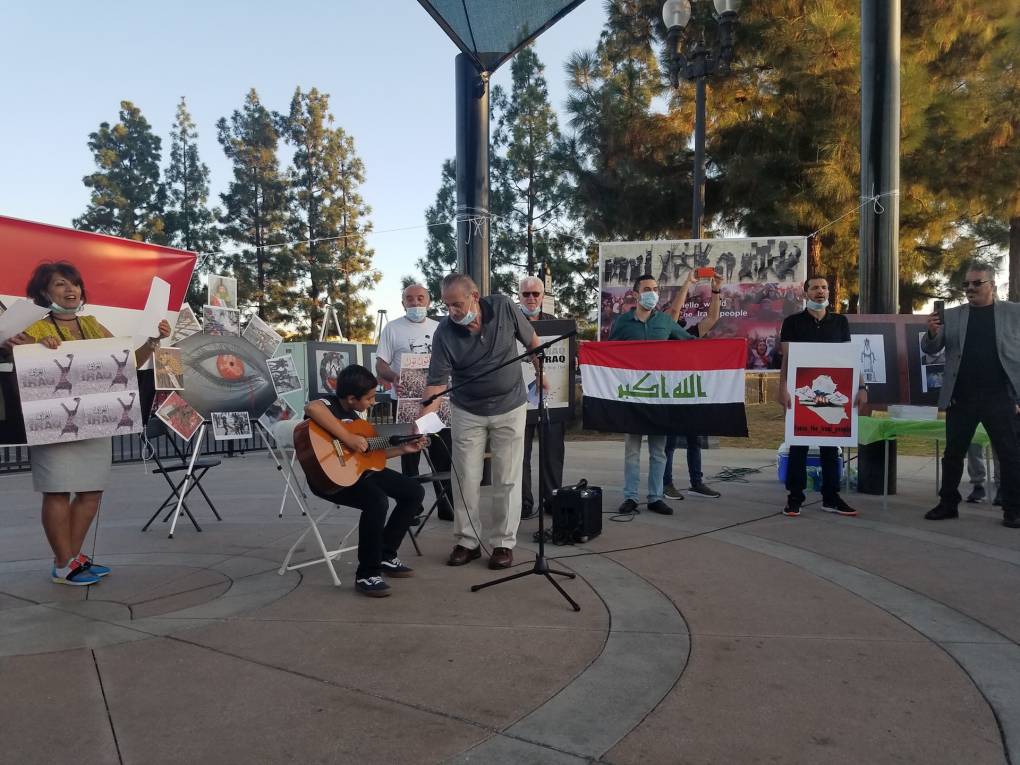
"caption": "A protest of the anti-Iraqi government over alleged corruption and economic hardships in El Cajon, Nov. 10, 2019.",
"description": null,
"title": "20191110_161755",
"credit": "Claire Trageser/KPBS",
"status": "inherit",
"isLoading": false,
"fetchFailed": false
},
"news_11791249": {
"type": "attachments",
"id": "news_11791249",
"meta": {
"index": "attachments_1716263798",
"site": "news",
"id": "11791249",
"found": true
},
"parent": 11791033,
"imgSizes": {
"apple_news_ca_square_4_0": {
"file": "https://ww2.kqed.org/app/uploads/sites/10/2019/12/Cristina-Kim-And-Dad-470x470.jpg",
"width": 470,
"mimeType": "image/jpeg",
"height": 470
},
"twentyfourteen-full-width": {
"file": "https://ww2.kqed.org/app/uploads/sites/10/2019/12/Cristina-Kim-And-Dad-1024x576.jpg",
"width": 1024,
"mimeType": "image/jpeg",
"height": 576
},
"thumbnail": {
"file": "https://ww2.kqed.org/app/uploads/sites/10/2019/12/Cristina-Kim-And-Dad-160x118.jpg",
"width": 160,
"mimeType": "image/jpeg",
"height": 118
},
"post-thumbnail": {
"file": "https://ww2.kqed.org/app/uploads/sites/10/2019/12/Cristina-Kim-And-Dad-672x372.jpg",
"width": 672,
"mimeType": "image/jpeg",
"height": 372
},
"kqedFullSize": {
"file": "https://ww2.kqed.org/app/uploads/sites/10/2019/12/Cristina-Kim-And-Dad.jpg",
"width": 1024,
"height": 756
},
"apple_news_ca_landscape_4_7": {
"file": "https://ww2.kqed.org/app/uploads/sites/10/2019/12/Cristina-Kim-And-Dad-632x474.jpg",
"width": 632,
"mimeType": "image/jpeg",
"height": 474
},
"large": {
"file": "https://ww2.kqed.org/app/uploads/sites/10/2019/12/Cristina-Kim-And-Dad-1020x753.jpg",
"width": 1020,
"mimeType": "image/jpeg",
"height": 753
},
"apple_news_ca_landscape_4_0": {
"file": "https://ww2.kqed.org/app/uploads/sites/10/2019/12/Cristina-Kim-And-Dad-536x402.jpg",
"width": 536,
"mimeType": "image/jpeg",
"height": 402
},
"medium": {
"file": "https://ww2.kqed.org/app/uploads/sites/10/2019/12/Cristina-Kim-And-Dad-800x591.jpg",
"width": 800,
"mimeType": "image/jpeg",
"height": 591
},
"apple_news_ca_portrait_4_0": {
"file": "https://ww2.kqed.org/app/uploads/sites/10/2019/12/Cristina-Kim-And-Dad-354x472.jpg",
"width": 354,
"mimeType": "image/jpeg",
"height": 472
},
"apple_news_ca_portrait_9_7": {
"file": "https://ww2.kqed.org/app/uploads/sites/10/2019/12/Cristina-Kim-And-Dad-840x756.jpg",
"width": 840,
"mimeType": "image/jpeg",
"height": 756
},
"apple_news_ca_portrait_4_7": {
"file": "https://ww2.kqed.org/app/uploads/sites/10/2019/12/Cristina-Kim-And-Dad-414x552.jpg",
"width": 414,
"mimeType": "image/jpeg",
"height": 552
},
"apple_news_ca_portrait_5_5": {
"file": "https://ww2.kqed.org/app/uploads/sites/10/2019/12/Cristina-Kim-And-Dad-687x756.jpg",
"width": 687,
"mimeType": "image/jpeg",
"height": 756
},
"apple_news_ca_square_4_7": {
"file": "https://ww2.kqed.org/app/uploads/sites/10/2019/12/Cristina-Kim-And-Dad-550x550.jpg",
"width": 550,
"mimeType": "image/jpeg",
"height": 550
},
"apple_news_ca_square_5_5": {
"file": "https://ww2.kqed.org/app/uploads/sites/10/2019/12/Cristina-Kim-And-Dad-912x756.jpg",
"width": 912,
"mimeType": "image/jpeg",
"height": 756
}
},
"publishDate": 1576286897,
"modified": 1576286938,
"caption": "Cristina's father, Javier Kim, and her in a market in Seoul during her first and only trip to Korea in 2012. ",
"description": "Cristina's father, Javier Kim, and her in a market in Seoul during her first and only trip to Korea in 2012. ",
"title": "Cristina-Kim-And-Dad",
"credit": "Courtesy Cristina Kim",
"status": "inherit",
"isLoading": false,
"fetchFailed": false
},
"news_11790981": {
"type": "attachments",
"id": "news_11790981",
"meta": {
"index": "attachments_1716263798",
"site": "news",
"id": "11790981",
"found": true
},
"parent": 11790978,
"imgSizes": {
"apple_news_ca_landscape_5_5": {
"file": "https://ww2.kqed.org/app/uploads/sites/10/2019/12/RS38922__DSC3639-qut-1044x783.jpg",
"width": 1044,
"mimeType": "image/jpeg",
"height": 783
},
"apple_news_ca_square_4_0": {
"file": "https://ww2.kqed.org/app/uploads/sites/10/2019/12/RS38922__DSC3639-qut-470x470.jpg",
"width": 470,
"mimeType": "image/jpeg",
"height": 470
},
"twentyfourteen-full-width": {
"file": "https://ww2.kqed.org/app/uploads/sites/10/2019/12/RS38922__DSC3639-qut-1038x576.jpg",
"width": 1038,
"mimeType": "image/jpeg",
"height": 576
},
"thumbnail": {
"file": "https://ww2.kqed.org/app/uploads/sites/10/2019/12/RS38922__DSC3639-qut-160x107.jpg",
"width": 160,
"mimeType": "image/jpeg",
"height": 107
},
"post-thumbnail": {
"file": "https://ww2.kqed.org/app/uploads/sites/10/2019/12/RS38922__DSC3639-qut-672x372.jpg",
"width": 672,
"mimeType": "image/jpeg",
"height": 372
},
"kqedFullSize": {
"file": "https://ww2.kqed.org/app/uploads/sites/10/2019/12/RS38922__DSC3639-qut.jpg",
"width": 1920,
"height": 1281
},
"apple_news_ca_landscape_4_7": {
"file": "https://ww2.kqed.org/app/uploads/sites/10/2019/12/RS38922__DSC3639-qut-632x474.jpg",
"width": 632,
"mimeType": "image/jpeg",
"height": 474
},
"large": {
"file": "https://ww2.kqed.org/app/uploads/sites/10/2019/12/RS38922__DSC3639-qut-1020x681.jpg",
"width": 1020,
"mimeType": "image/jpeg",
"height": 681
},
"complete_open_graph": {
"file": "https://ww2.kqed.org/app/uploads/sites/10/2019/12/RS38922__DSC3639-qut-1200x801.jpg",
"width": 1200,
"mimeType": "image/jpeg",
"height": 801
},
"apple_news_ca_landscape_4_0": {
"file": "https://ww2.kqed.org/app/uploads/sites/10/2019/12/RS38922__DSC3639-qut-536x402.jpg",
"width": 536,
"mimeType": "image/jpeg",
"height": 402
},
"apple_news_ca_portrait_12_9": {
"file": "https://ww2.kqed.org/app/uploads/sites/10/2019/12/RS38922__DSC3639-qut-1122x1281.jpg",
"width": 1122,
"mimeType": "image/jpeg",
"height": 1281
},
"medium": {
"file": "https://ww2.kqed.org/app/uploads/sites/10/2019/12/RS38922__DSC3639-qut-800x534.jpg",
"width": 800,
"mimeType": "image/jpeg",
"height": 534
},
"apple_news_ca_portrait_4_0": {
"file": "https://ww2.kqed.org/app/uploads/sites/10/2019/12/RS38922__DSC3639-qut-354x472.jpg",
"width": 354,
"mimeType": "image/jpeg",
"height": 472
},
"apple_news_ca_portrait_9_7": {
"file": "https://ww2.kqed.org/app/uploads/sites/10/2019/12/RS38922__DSC3639-qut-840x1120.jpg",
"width": 840,
"mimeType": "image/jpeg",
"height": 1120
},
"apple_news_ca_landscape_12_9": {
"file": "https://ww2.kqed.org/app/uploads/sites/10/2019/12/RS38922__DSC3639-qut-1832x1281.jpg",
"width": 1832,
"mimeType": "image/jpeg",
"height": 1281
},
"apple_news_ca_square_9_7": {
"file": "https://ww2.kqed.org/app/uploads/sites/10/2019/12/RS38922__DSC3639-qut-1104x1104.jpg",
"width": 1104,
"mimeType": "image/jpeg",
"height": 1104
},
"apple_news_ca_portrait_4_7": {
"file": "https://ww2.kqed.org/app/uploads/sites/10/2019/12/RS38922__DSC3639-qut-414x552.jpg",
"width": 414,
"mimeType": "image/jpeg",
"height": 552
},
"apple_news_ca_square_12_9": {
"file": "https://ww2.kqed.org/app/uploads/sites/10/2019/12/RS38922__DSC3639-qut-1472x1281.jpg",
"width": 1472,
"mimeType": "image/jpeg",
"height": 1281
},
"apple_news_ca_portrait_5_5": {
"file": "https://ww2.kqed.org/app/uploads/sites/10/2019/12/RS38922__DSC3639-qut-687x916.jpg",
"width": 687,
"mimeType": "image/jpeg",
"height": 916
},
"full-width": {
"file": "https://ww2.kqed.org/app/uploads/sites/10/2019/12/RS38922__DSC3639-qut-1920x1281.jpg",
"width": 1920,
"mimeType": "image/jpeg",
"height": 1281
},
"apple_news_ca_square_4_7": {
"file": "https://ww2.kqed.org/app/uploads/sites/10/2019/12/RS38922__DSC3639-qut-550x550.jpg",
"width": 550,
"mimeType": "image/jpeg",
"height": 550
},
"apple_news_ca_landscape_9_7": {
"file": "https://ww2.kqed.org/app/uploads/sites/10/2019/12/RS38922__DSC3639-qut-1376x1032.jpg",
"width": 1376,
"mimeType": "image/jpeg",
"height": 1032
},
"apple_news_ca_square_5_5": {
"file": "https://ww2.kqed.org/app/uploads/sites/10/2019/12/RS38922__DSC3639-qut-912x912.jpg",
"width": 912,
"mimeType": "image/jpeg",
"height": 912
}
},
"publishDate": 1576193656,
"modified": 1576193723,
"caption": "Maria Isabel Bueso just before speaking on September 6, 2019 in front of UCSF Benioff Children’s Hospital in Oakland during a rally held by the California Nurses Association, health care providers and community members to protest her impending deportation.",
"description": null,
"title": "RS38922__DSC3639-qut",
"credit": "Stephanie Lister/KQED",
"status": "inherit",
"isLoading": false,
"fetchFailed": false
}
},
"audioPlayerReducer": {
"postId": "stream_live",
"isPaused": true,
"isPlaying": false,
"pfsActive": false,
"pledgeModalIsOpen": true,
"playerDrawerIsOpen": false,
"liveAudioPlayStartedAt": 0,
"liveAudioPlayContext": ""
},
"authorsReducer": {
"byline_news_11793229": {
"type": "authors",
"id": "byline_news_11793229",
"meta": {
"override": true
},
"slug": "byline_news_11793229",
"name": "\u003ca href=\"https://www.npr.org/people/535034360/jane-arraf\">Jane Arraf\u003c/a>",
"isLoading": false
},
"byline_news_11793213": {
"type": "authors",
"id": "byline_news_11793213",
"meta": {
"override": true
},
"slug": "byline_news_11793213",
"name": "\u003ca href=\"https://www.npr.org/people/4510160/david-greene\">David Greene\u003c/a>",
"isLoading": false
},
"byline_news_11791133": {
"type": "authors",
"id": "byline_news_11791133",
"meta": {
"override": true
},
"slug": "byline_news_11791133",
"name": "\u003ca href=\"https://www.kpbs.org/staff/claire-trageser/\">Claire Trageser\u003c/a>\u003cbr>KPBS",
"isLoading": false
},
"byline_news_11791033": {
"type": "authors",
"id": "byline_news_11791033",
"meta": {
"override": true
},
"slug": "byline_news_11791033",
"name": "Cristina Kim",
"isLoading": false
},
"kqed": {
"type": "authors",
"id": "236",
"meta": {
"index": "authors_1716337520",
"id": "236",
"found": true
},
"name": "KQED News Staff",
"firstName": "KQED News Staff",
"lastName": null,
"slug": "kqed",
"email": "faq@kqed.org",
"display_author_email": false,
"staff_mastheads": [],
"title": null,
"bio": null,
"avatar": "https://secure.gravatar.com/avatar/ef0e801a68c4c54afa9180db14084167?s=600&d=blank&r=g",
"twitter": null,
"facebook": null,
"instagram": null,
"linkedin": null,
"sites": [
{
"site": "arts",
"roles": [
"contributor"
]
},
{
"site": "news",
"roles": [
"editor"
]
},
{
"site": "futureofyou",
"roles": [
"author"
]
}
],
"headData": {
"title": "KQED News Staff | KQED",
"description": null,
"ogImgSrc": "https://secure.gravatar.com/avatar/ef0e801a68c4c54afa9180db14084167?s=600&d=blank&r=g",
"twImgSrc": "https://secure.gravatar.com/avatar/ef0e801a68c4c54afa9180db14084167?s=600&d=blank&r=g"
},
"isLoading": false,
"link": "/author/kqed"
},
"markfiore": {
"type": "authors",
"id": "3236",
"meta": {
"index": "authors_1716337520",
"id": "3236",
"found": true
},
"name": "Mark Fiore",
"firstName": "Mark",
"lastName": "Fiore",
"slug": "markfiore",
"email": "mark@markfiore.com",
"display_author_email": false,
"staff_mastheads": [
"news"
],
"title": "KQED News Cartoonist",
"bio": "\u003ca href=\"http://www.MarkFiore.com\">MarkFiore.com\u003c/a> | \u003ca href=\"https://twitter.com/markfiore\">Follow on Twitter\u003c/a> | \u003ca href=\"https://www.facebook.com/pages/Mark-Fiore-Animated-Political-Cartoons/94451707396?ref=bookmarks\">Facebook\u003c/a> | \u003ca href=\"mailto:mark@markfiore.com\">email\u003c/a>\r\n\r\nPulitzer Prize-winner, Mark Fiore, who the Wall Street Journal has called “the undisputed guru of the form,” creates animated political cartoons in San Francisco, where his work has been featured regularly on the San Francisco Chronicle’s web site, SFGate.com. His work has appeared on Newsweek.com, Slate.com, CBSNews.com, MotherJones.com, DailyKos.com and NPR’s web site. Fiore’s political animation has appeared on CNN, Frontline, Bill Moyers Journal, Salon.com and cable and broadcast outlets across the globe.\r\n\r\nBeginning his professional life by drawing traditional political cartoons for newspapers, Fiore’s work appeared in publications ranging from the Washington Post to the Los Angeles Times. In the late 1990s, he began to experiment with animating political cartoons and, after a short stint at the San Jose Mercury News as their staff cartoonist, Fiore devoted all his energies to animation.\r\nGrowing up in California, Fiore also spent a good portion of his life in the backwoods of Idaho. It was this combination that shaped him politically. Mark majored in political science at Colorado College, where, in a perfect send-off for a cartoonist, he received his diploma in 1991 as commencement speaker Dick Cheney smiled approvingly.\r\nMark Fiore was awarded the Pulitzer Prize for political cartooning in 2010, a Robert F. Kennedy Journalism Award in 2004 and has twice received an Online Journalism Award for commentary from the Online News Association (2002, 2008). Fiore has received two awards for his work in new media from the National Cartoonists Society (2001, 2002), and in 2006 received The James Madison Freedom of Information Award from The Society of Professional Journalists.",
"avatar": "https://secure.gravatar.com/avatar/fc4e2a612b15b67bad0c6f0e1db4ca9b?s=600&d=blank&r=g",
"twitter": "MarkFiore",
"facebook": null,
"instagram": "https://www.instagram.com/markfiore/?hl=en",
"linkedin": null,
"sites": [
{
"site": "arts",
"roles": [
"contributor"
]
},
{
"site": "news",
"roles": [
"editor"
]
},
{
"site": "futureofyou",
"roles": [
"editor"
]
},
{
"site": "science",
"roles": [
"editor"
]
}
],
"headData": {
"title": "Mark Fiore | KQED",
"description": "KQED News Cartoonist",
"ogImgSrc": "https://secure.gravatar.com/avatar/fc4e2a612b15b67bad0c6f0e1db4ca9b?s=600&d=blank&r=g",
"twImgSrc": "https://secure.gravatar.com/avatar/fc4e2a612b15b67bad0c6f0e1db4ca9b?s=600&d=blank&r=g"
},
"isLoading": false,
"link": "/author/markfiore"
},
"carlysevern": {
"type": "authors",
"id": "3243",
"meta": {
"index": "authors_1716337520",
"id": "3243",
"found": true
},
"name": "Carly Severn",
"firstName": "Carly",
"lastName": "Severn",
"slug": "carlysevern",
"email": "csevern@kqed.org",
"display_author_email": false,
"staff_mastheads": [
"news"
],
"title": "Senior Editor, Audience News ",
"bio": "Carly is KQED's Senior Editor of Audience News on the Digital News team, and has reported for the California Report Magazine, Bay Curious and KQED Arts. She's formerly the host of \u003ca href=\"http://ww2.kqed.org/pop/category/the-cooler/\" rel=\"noopener noreferrer\">The Cooler\u003c/a> podcast.",
"avatar": "https://secure.gravatar.com/avatar/54037bf5c128fe678f0ef26cec97a93f2e7f220a22d7285703328f12c42c1b1d?s=600&d=blank&r=g",
"twitter": "teacupinthebay",
"bluesky": null,
"facebook": null,
"instagram": null,
"linkedin": null,
"sites": [
{
"site": "",
"roles": [
"editor"
]
},
{
"site": "arts",
"roles": [
"editor"
]
},
{
"site": "news",
"roles": [
"administrator"
]
},
{
"site": "pop",
"roles": [
"editor"
]
},
{
"site": "futureofyou",
"roles": [
"editor"
]
},
{
"site": "about",
"roles": [
"administrator"
]
},
{
"site": "mindshift",
"roles": [
"editor"
]
},
{
"site": "bayareabites",
"roles": [
"editor"
]
},
{
"site": "stateofhealth",
"roles": [
"editor"
]
},
{
"site": "science",
"roles": [
"editor"
]
},
{
"site": "food",
"roles": [
"contributor"
]
},
{
"site": "forum",
"roles": [
"editor"
]
},
{
"site": "perspectives",
"roles": [
"administrator"
]
},
{
"site": "liveblog",
"roles": [
"editor"
]
}
],
"headData": {
"title": "Carly Severn | KQED",
"description": "Senior Editor, Audience News ",
"ogImgSrc": "https://secure.gravatar.com/avatar/54037bf5c128fe678f0ef26cec97a93f2e7f220a22d7285703328f12c42c1b1d?s=600&d=blank&r=g",
"twImgSrc": "https://secure.gravatar.com/avatar/54037bf5c128fe678f0ef26cec97a93f2e7f220a22d7285703328f12c42c1b1d?s=600&d=blank&r=g"
},
"isLoading": false,
"link": "/author/carlysevern"
},
"jsmall": {
"type": "authors",
"id": "6625",
"meta": {
"index": "authors_1716337520",
"id": "6625",
"found": true
},
"name": "Julie Small",
"firstName": "Julie",
"lastName": "Small",
"slug": "jsmall",
"email": "jsmall@kqed.org",
"display_author_email": true,
"staff_mastheads": [
"news"
],
"title": "KQED Contributor",
"bio": "Julie Small reports on criminal justice and immigration.\r\n\r\nShe was part of a team at KQED awarded a regional 2019 Edward R. Murrow award for continuing coverage of the Trump Administration's family separation policy.\r\n\r\nThe Society for Professional Journalists recognized Julie's 2018 \u003ca href=\"https://www.kqed.org/news/11636262/the-officer-tased-him-31-times-the-sheriff-called-his-death-an-accident\">reporting\u003c/a> on the San Joaquin County Sheriff's \u003ca href=\"https://www.kqed.org/news/11634689/autopsy-doctors-sheriff-overrode-death-findings-to-protect-law-enforcement\">interference\u003c/a> in death investigations with an Excellence in Journalism Award for Ongoing Coverage.\r\n\r\nJulie's\u003ca href=\"https://www.kqed.org/news/11039666/two-mentally-ill-inmates-died-one-month-in-santa-clara\"> reporting\u003c/a> with Lisa Pickoff-White on the treatment of mentally ill offenders in California jails earned a 2017 regional Edward R. Murrow Award for news reporting and an investigative reporting award from the SPJ of Northern California.\r\n\r\nBefore joining KQED, Julie covered government and politics in Sacramento for Southern California Public Radio (SCPR). Her 2010 \u003ca href=\"https://www.scpr.org/specials/prisonmedical/\">series\u003c/a> on lapses in California’s prison medical care also won a regional Edward R. Murrow Award for investigative reporting and a Golden Mic Award from the RTNDA of Southern California.\r\n\r\nJulie began her career in journalism in 2000 as the deputy foreign editor for public radio's \u003cem>Marketplace, \u003c/em>while earning her master's degree in journalism from USC’s Annenberg School of Communication.",
"avatar": "https://secure.gravatar.com/avatar/4baedf201468df97be97c2a9dd7585d0?s=600&d=blank&r=g",
"twitter": "@SmallRadio2",
"facebook": null,
"instagram": null,
"linkedin": null,
"sites": [
{
"site": "news",
"roles": [
"editor"
]
},
{
"site": "stateofhealth",
"roles": [
"author"
]
},
{
"site": "science",
"roles": [
"author"
]
}
],
"headData": {
"title": "Julie Small | KQED",
"description": "KQED Contributor",
"ogImgSrc": "https://secure.gravatar.com/avatar/4baedf201468df97be97c2a9dd7585d0?s=600&d=blank&r=g",
"twImgSrc": "https://secure.gravatar.com/avatar/4baedf201468df97be97c2a9dd7585d0?s=600&d=blank&r=g"
},
"isLoading": false,
"link": "/author/jsmall"
},
"fjhabvala": {
"type": "authors",
"id": "8659",
"meta": {
"index": "authors_1716337520",
"id": "8659",
"found": true
},
"name": "Farida Jhabvala Romero",
"firstName": "Farida",
"lastName": "Jhabvala Romero",
"slug": "fjhabvala",
"email": "fjhabvala@kqed.org",
"display_author_email": true,
"staff_mastheads": [
"news"
],
"title": "KQED Contributor",
"bio": "Farida Jhabvala Romero is a Labor Correspondent for KQED. She previously covered immigration. Farida was \u003ca href=\"https://www.ccnma.org/2022-most-influential-latina-journalists\">named\u003c/a> one of the 10 Most Influential Latina Journalists in California in 2022 by the California Chicano News Media Association. Her work has won awards from the Society of Professional Journalists (Northern California), as well as a national and regional Edward M. Murrow Award for the collaborative reporting projects “Dangerous Air” and “Graying California.” Before joining KQED, Farida worked as a producer at Radio Bilingüe, a national public radio network. Farida earned her master’s degree in journalism from Stanford University.",
"avatar": "https://secure.gravatar.com/avatar/f9f022d4e2609741874222a1e9d41f48fea74011aa7c615eef91d9a50c944ebe?s=600&d=blank&r=g",
"twitter": "FaridaJhabvala",
"bluesky": null,
"facebook": null,
"instagram": null,
"linkedin": "https://www.linkedin.com/in/faridajhabvala/",
"sites": [
{
"site": "news",
"roles": [
"editor"
]
},
{
"site": "stateofhealth",
"roles": [
"author"
]
},
{
"site": "liveblog",
"roles": [
"author"
]
}
],
"headData": {
"title": "Farida Jhabvala Romero | KQED",
"description": "KQED Contributor",
"ogImgSrc": "https://secure.gravatar.com/avatar/f9f022d4e2609741874222a1e9d41f48fea74011aa7c615eef91d9a50c944ebe?s=600&d=blank&r=g",
"twImgSrc": "https://secure.gravatar.com/avatar/f9f022d4e2609741874222a1e9d41f48fea74011aa7c615eef91d9a50c944ebe?s=600&d=blank&r=g"
},
"isLoading": false,
"link": "/author/fjhabvala"
},
"mpeterson": {
"type": "authors",
"id": "11223",
"meta": {
"index": "authors_1716337520",
"id": "11223",
"found": true
},
"name": "Molly Peterson",
"firstName": "Molly",
"lastName": "Peterson",
"slug": "mpeterson",
"email": "mpeterson@kqed.org",
"display_author_email": false,
"staff_mastheads": [],
"title": null,
"bio": "Molly Peterson reports for KQED science and news on climate change, catastrophe and risk. Previously she was environment correspondent at Southern California Public Radio. Her work has also appeared at The New York Times, The Guardian, on NPR, at High Country News, on Code Switch, and other national outlets. She has been honored with awards from Public Radio News Directors Incorporated, Investigative Reporters and Editors, the Society for Professional Journalists, the Los Angeles Press Club, and RTNDA Edward R. Murrow awards, among others.",
"avatar": "https://secure.gravatar.com/avatar/7908e2807131f776cc8165c649530b05?s=600&d=blank&r=g",
"twitter": "Mollydacious",
"facebook": null,
"instagram": "https://www.instagram.com/radiomolly/",
"linkedin": null,
"sites": [
{
"site": "news",
"roles": [
"subscriber"
]
},
{
"site": "futureofyou",
"roles": [
"editor"
]
},
{
"site": "science",
"roles": [
"editor"
]
}
],
"headData": {
"title": "Molly Peterson | KQED",
"description": null,
"ogImgSrc": "https://secure.gravatar.com/avatar/7908e2807131f776cc8165c649530b05?s=600&d=blank&r=g",
"twImgSrc": "https://secure.gravatar.com/avatar/7908e2807131f776cc8165c649530b05?s=600&d=blank&r=g"
},
"isLoading": false,
"link": "/author/mpeterson"
},
"amontecillo": {
"type": "authors",
"id": "11649",
"meta": {
"index": "authors_1716337520",
"id": "11649",
"found": true
},
"name": "Alan Montecillo",
"firstName": "Alan",
"lastName": "Montecillo",
"slug": "amontecillo",
"email": "amontecillo@kqed.org",
"display_author_email": false,
"staff_mastheads": [
"news"
],
"title": "KQED Contributor",
"bio": "Alan Montecillo is the senior editor of \u003cem>\u003ca href=\"http://kqed.org/thebay\">The Bay\u003c/a>, \u003c/em> KQED's local news podcast. Before moving to the Bay Area, he worked as a senior talk show producer for WILL in Champaign-Urbana, Illinois and at Oregon Public Broadcasting in Portland, Oregon. He has won journalism awards from the Society of Professional Journalists Northern California, the Public Media Journalists Association, The Signal Awards, and has also received a regional Edward R. Murrow award. Alan is a Filipino American from Hong Kong and a graduate of Reed College.",
"avatar": "https://secure.gravatar.com/avatar/268f53a2066899ea9efdd8a5900218b17c822d9862cbc9326cccec53ef41d349?s=600&d=blank&r=g",
"twitter": "alanmontecillo",
"bluesky": null,
"facebook": null,
"instagram": null,
"linkedin": null,
"sites": [
{
"site": "",
"roles": [
"editor"
]
},
{
"site": "news",
"roles": [
"editor",
"manage_categories"
]
}
],
"headData": {
"title": "Alan Montecillo | KQED",
"description": "KQED Contributor",
"ogImgSrc": "https://secure.gravatar.com/avatar/268f53a2066899ea9efdd8a5900218b17c822d9862cbc9326cccec53ef41d349?s=600&d=blank&r=g",
"twImgSrc": "https://secure.gravatar.com/avatar/268f53a2066899ea9efdd8a5900218b17c822d9862cbc9326cccec53ef41d349?s=600&d=blank&r=g"
},
"isLoading": false,
"link": "/author/amontecillo"
}
},
"pagesReducer": {
"news_category_immigration": {
"type": "terms",
"id": "news_1169",
"meta": {
"index": "terms_1716263798",
"site": "news",
"id": "1169",
"score": 10.910406
},
"featImg": null,
"name": "Immigration",
"description": null,
"taxonomy": "category",
"headData": {
"twImgId": null,
"twTitle": null,
"ogTitle": null,
"ogImgId": null,
"twDescription": null,
"description": null,
"title": "Immigration Archives | KQED News",
"ogDescription": null
},
"ttid": 1180,
"slug": "immigration",
"isLoading": false,
"title": "Immigration",
"pageMeta": {
"site": "news",
"WpPageTemplate": "page-topic-editorial",
"currentPage": 73
},
"blocks": [
{
"blockName": "kqed/post-list",
"attrs": {
"layout": "cardArticle2",
"query": "posts/news?category=immigration",
"seeMore": false,
"paginated": true,
"page": 73
}
},
{
"blockName": "kqed/ad"
}
]
}
},
"pfsSessionReducer": {},
"postsReducer": {
"stream_live": {
"type": "live",
"id": "stream_live",
"audioUrl": "https://streams.kqed.org/kqedradio",
"title": "Live Stream",
"excerpt": "Live Stream information currently unavailable.",
"link": "/radio",
"featImg": "",
"label": {
"name": "KQED Live",
"link": "/"
}
},
"stream_kqedNewscast": {
"type": "posts",
"id": "stream_kqedNewscast",
"audioUrl": "https://www.kqed.org/.stream/anon/radio/RDnews/newscast.mp3?_=1",
"title": "KQED Newscast",
"featImg": "",
"label": {
"name": "88.5 FM",
"link": "/"
}
},
"news_11793229": {
"type": "posts",
"id": "news_11793229",
"meta": {
"index": "posts_1716263798",
"site": "news",
"id": "11793229",
"score": null,
"sort": [
1577650109000
]
},
"parent": 0,
"labelTerm": {},
"blocks": [],
"publishDate": 1577650109,
"format": "standard",
"disqusTitle": "U.S. Steps Up Deportations to Iraq, Despite Worsening Violence There",
"title": "U.S. Steps Up Deportations to Iraq, Despite Worsening Violence There",
"headTitle": "KQED News",
"content": "\u003cp>The apartment in Baghdad where Jimmy Aldaoud lived — and died, just two months after being deported from the U.S. — has been cleaned and emptied. But on the windowsill in the bedroom, there's a remnant of the fear he felt about being sent to a country where he'd never been: two plastic toy pistols with orange foam tips and bright pink suction-cup darts.\u003c/p>\n\u003cp>\"He would sleep with these in his hands,\" says Samir Kada, another deportee from the U.S. who lives next door and looked out for him. \"He said, 'If anybody comes, I'm going to pull it on them. I swear to God.' \"\u003c/p>\n\u003cp>Aldaoud, 41, died Aug. 6, two weeks after\u003ca href=\"https://www.facebook.com/2228632/videos/10111835012432033/\" target=\"_blank\" rel=\"noopener noreferrer\"> making a video\u003c/a> saying he was scared and sick, and begging to go back to the United States. His family and friends say he had diabetes and had been diagnosed with bipolar disorder and schizophrenia.\u003c/p>\n\u003cp>In the apartment, next to the toy guns, there's an unused syringe for the insulin Aldaoud would forget to refrigerate and leave out in the heat.\u003c/p>\n\u003cp>Aldaoud's death caused an outcry in his Michigan community of Chaldean Christians, a minority that, along with other minorities, has faced discrimination and sometimes persecution and even targeted killings in Iraq. Human rights groups and members of Congress have called for U.S. Immigration and Customs Enforcement\u003ca href=\"https://www.congress.gov/bill/116th-congress/house-bill/2537/text\" target=\"_blank\" rel=\"noopener noreferrer\"> to delay deportations.\u003c/a>\u003c/p>\n\u003cp>[aside tag='immigration' label='Related Coverage.']\u003c/p>\n\u003cp>In 2017, the Trump administration ordered stepped-up deportations of Iraqis convicted of felonies who were in the U.S. legally but had not become citizens. U.S. and international law prevent deportation back to countries where deportees would be under threat. But ICE has continued to deport Iraqis to a country now wracked by anti-government protests and renewed violence.\u003c/p>\n\u003cp>Many of the deportees hadn't seen Iraq since they were children, and some had never seen it at all. Most served time for felonies in U.S. prisons years ago, and those convictions have prevented them from becoming citizens.\u003c/p>\n\u003cp>Aldaoud was born in Greece to Iraqi refugee parents who came to the U.S. legally in 1979, when he was a baby. He spoke no Arabic and had never been to Iraq when ICE picked him up in Michigan as part of a sweep in 2017. He'd served time for convictions in a series of criminal charges over the course of two decades.\u003c/p>\n\u003cp>After almost two years in immigration detention, the 41-year-old Christian man was sent to Najaf, a Shiite holy city in southern Iraq.\u003c/p>\n\u003cp>\"His family called me. They told me, 'Please go pick up Jimmy.' I mean, you know, he ain't got no papers. He ain't got no clothes — nothing, nothing — not even a penny,\" says Kada, another member of Michigan's Chaldean Christian community, deported in 2018. \"Anyways, he came, and he went into a depression.\"\u003c/p>\n\u003cp>Kada and others who knew Aldaoud say he was afraid to leave the apartment.\u003c/p>\n\u003cp>\"He talked to himself all day — 'God, please take me back home; please, God, I don't know nothing over here. I'm scared. I'm Christian. I'm this, I'm that.' He was walking over here naked, like, with no clothes. I told him, 'We can't do that over here.' Like, he was going crazy.\"\u003c/p>\n\u003cp>Kada, 39, says ICE deported Aldaoud with a month's worth of insulin and no other medication. Asked by NPR, ICE would say only that it deported him with an adequate supply of medication.\u003c/p>\n\u003cp>Aldaoud called Kada in early August, crying, saying he was on the floor and he couldn't breathe. An ambulance took Aldaoud to the hospital, which discharged him a few hours later. When an Iraqi friend checked on him later that same day, he found Aldaoud lifeless on the floor. The morgue listed Aldaoud's cause of death as heart failure.\u003c/p>\n\u003ch3>\"I don't have anything to prove who I am\"\u003c/h3>\n\u003cp>Most of the deportees have no valid Iraqi identification documents. They are sent from the U.S. with no passport, only a one-way travel document known as a \u003cem>laissez passer,\u003c/em> issued by the Iraqi Embassy in Washington, D.C. With no way to prove who they are, they are subject to arrest at Iraqi checkpoints, can't rent apartments or even receive money via wire transfers.\u003c/p>\n\u003cp>\"We can't speak Arabic,\" says Kada. \"We can't read and write. We can't do nothing. We can't go anywhere.\"\u003c/p>\n\u003cp>Nashat Butris was deported in July with no money and no clothes. He says he stayed with Jimmy Aldaoud for a few days when he arrived. Now he has a bunk in a sparsely furnished room at a shelter run by a church in Baghdad. He has no relatives in Iraq and speaks only broken Arabic.\u003c/p>\n\u003cp>[pullquote size='medium' align='right' citation='Samir Kada']'We can't read and write. We can't do nothing. We can't go anywhere.'[/pullquote]\u003c/p>\n\u003cp>\"It's just shocking. Everything is shocking to me,\" he says.\u003c/p>\n\u003cp>Butris' deportation resulted from a conviction for cocaine possession years ago. The\u003cem> laissez passer\u003c/em> issued by the Iraqi Embassy includes a photo of him wearing an orange prison jumpsuit.\u003c/p>\n\u003cp>\"This government here, they're not believing in this travel document,\" he says. \"I have no IDs and I'm not allowed to leave this compound because I don't have anything to prove who I am.\"\u003c/p>\n\u003cp>Kada, who owned businesses in Michigan, is luckier than most. He has money — enough to pay for the Iraqi ID he says cost him $6,000, and which allows him greater freedom of movement than other deportees. But most, like Butris and Aldaoud, have little or nothing.\u003c/p>\n\u003ch3>\"We don't want another Jimmy Aldaoud\"\u003c/h3>\n\u003cp>Over the past year, the Iraqi Embassy has issued travel documents for about 140 Iraqis due to be deported, according to a foreign ministry official in Baghdad who asked not to be identified in order to speak with NPR candidly. So far, about 60 of those 140 have been deported.\u003c/p>\n\u003cp>After Aldaoud's death, the embassy stopped issuing travel documents for those scheduled for deportation but known to have significant health problems.\u003c/p>\n\u003cp>\"We don't want another Jimmy Aldaoud,\" said the foreign ministry source.\u003c/p>\n\u003cp>Some of the deportees agree to be sent to Iraq simply to avoid what ICE tells them could be years in immigration detention.\u003c/p>\n\u003cp>\"Honestly, the pressure that the United States government put on me and what I had to endure, this was the only way to get physical freedom,\" explains Benjamin Rayes, 47, a machine tool autoworker in Michigan who was deported to Iraq in early December.\u003c/p>\n\u003cp>Rayes served four years in a U.S. prison for insurance fraud. After his release from a halfway house two years ago, ICE arrested him and placed him in immigration detention before putting him on a plane to Baghdad.\u003c/p>\n\u003cp>[pullquote size='medium' align='right' citation='Benjamin Rayes']'Honestly, the pressure that the United States government put on me and what I had to endure, this was the only way to get physical freedom'[/pullquote]\u003c/p>\n\u003cp>His life so far in Iraq is tightly constrained. The father of two girls, ages 7 and 10, Rayes says he was interrogated for hours when he landed in Baghdad without an Iraqi ID. His Chaldean Christian family is originally from the north of Iraq, but all of his relatives have emigrated. For now, he's staying with friends of friends in the south of Iraq. Without ID, he can't travel even within the country to apply for the documents he needs.\u003c/p>\n\u003cp>Adding to the challenges facing deportees is the worsening violence since anti-government protests began raging in Baghdad and the southern provinces in October. Iranian-backed militias that are believed responsible for killing and abducting protesters blame \"U.S. agents\" for fomenting the protests.\u003c/p>\n\u003cp>Already in danger of arrest and detention, Iraqis affiliated with the U.S. risk being accused of being U.S. spies. For many deportees, tattoos, American accents and lack of Arabic language skills make them easy targets.\u003c/p>\n\u003cp>Despite intense pressure on Iraq to accept more deportees, Iraq refused until last year to issue travel documents for Iraqi citizens who refuse deportation. That policy changed with a new Iraqi government last year, according to another foreign ministry official, who asked not to be identified because he was not authorized to speak publicly.\u003c/p>\n\u003ch3>\"They tell me I'm not welcome\"\u003c/h3>\n\u003cp>Almost two years after he was \u003ca href=\"https://www.npr.org/2018/11/26/662218863/they-know-i-m-different-deportee-struggles-in-iraq-after-decades-living-in-u-s\" target=\"_blank\" rel=\"noopener noreferrer\">deported\u003c/a>, Naser al-Shimary lives in fear in southern Iraq. He was beaten last year by a group of strangers, and his neighbors were too frightened to help him. Now he sleeps with a kitchen knife next to him for protection. At night, he padlocks himself into the house.\u003c/p>\n\u003cp>\"People refer to me as 'the American,' \" he says.\u003c/p>\n\u003cp>Like Samir Kada and other deportees, Shimary has visible tattoos, uncommon in Iraq. He says mosques refuse to let him in.\u003c/p>\n\u003cp>\"They tell me I'm not welcome because tattoos signify bad character,\" he says.\u003c/p>\n\u003cp>He loves his pet dog, but that's caused trouble for him too. People in his neighborhood tell him dogs are religiously unclean and he fears she will be poisoned. \"She is all the friends and family I have here,\" he says.\u003c/p>\n\u003cp>Shimary, who used to play chess with Jimmy Aldaoud back in the U.S. while they were both in ICE detention, is a U.S.-certified mechanic. But he has struggled to find work in the south and is afraid to take a job in Baghdad or farther north, areas he thinks would be even more dangerous.\u003c/p>\n\u003cp>Back in the U.S., he had an auto body shop. His partner and son, who recently turned 5, are still there. The two visited him in Baghdad last year, but Shimary believes it's too dangerous in Iraq for them to return. He's hoping to find a way to resettle in another country with his family. For now, he relies on video calls to his son — including one to wish him happy birthday.\u003c/p>\n\u003cp>\"He was like, 'Papa, I saved you a piece of cake. If you want it, you gotta come here and get it,' \" he says. Shimary says he laughed, \"because I can't show weakness,\" but says it hurt.\u003c/p>\n\u003cp>He knows he won't be going back.\u003c/p>\n\u003cdiv class=\"fullattribution\">Copyright 2019 NPR. To see more, visit https://www.npr.org.\u003cimg src=\"https://www.google-analytics.com/__utm.gif?utmac=UA-5828686-4&utmdt=U.S.+Steps+Up+Deportations+To+Iraq%2C+Despite+Worsening+Violence+There&utme=8(APIKey)9(MDAxOTAwOTE4MDEyMTkxMDAzNjczZDljZA004)\">\u003c/div>\n\u003cdiv>\u003c/div>\n\u003cdiv>[ad fullwidth]\u003c/div>\n\u003cp>[ad floatright]\u003c/p>\n",
"disqusIdentifier": "11793229 https://ww2.kqed.org/news/?p=11793229",
"disqusUrl": "https://ww2.kqed.org/news/2019/12/29/u-s-steps-up-deportations-to-iraq-despite-worsening-violence-there/",
"stats": {
"hasVideo": false,
"hasChartOrMap": false,
"hasAudio": false,
"hasPolis": false,
"wordCount": 1752,
"hasGoogleForm": false,
"hasGallery": false,
"hasHearkenModule": false,
"iframeSrcs": [],
"paragraphCount": 44
},
"modified": 1577650109,
"excerpt": "Many deportees have arrived in Iraq without money, valid IDs or knowledge of the language and country. They struggle to find work and fear going out. \"Everything is shocking to me,\" one deportee says.",
"headData": {
"twImgId": "",
"twTitle": "",
"ogTitle": "",
"ogImgId": "",
"twDescription": "",
"description": "Many deportees have arrived in Iraq without money, valid IDs or knowledge of the language and country. They struggle to find work and fear going out. "Everything is shocking to me," one deportee says.",
"title": "U.S. Steps Up Deportations to Iraq, Despite Worsening Violence There | KQED",
"ogDescription": "",
"schema": {
"@context": "https://schema.org",
"@type": "NewsArticle",
"headline": "U.S. Steps Up Deportations to Iraq, Despite Worsening Violence There",
"datePublished": "2019-12-29T12:08:29-08:00",
"dateModified": "2019-12-29T12:08:29-08:00",
"image": "https://cdn.kqed.org/wp-content/uploads/2020/02/KQED-OG-Image@1x.png",
"isAccessibleForFree": "True",
"publisher": {
"@type": "NewsMediaOrganization",
"@id": "https://www.kqed.org/#organization",
"name": "KQED",
"logo": "https://cdn.kqed.org/wp-content/uploads/2020/02/KQED-OG-Image@1x.png",
"url": "https://www.kqed.org",
"sameAs": [
"https://www.facebook.com/KQED",
"https://twitter.com/KQED",
"https://www.instagram.com/kqed/",
"https://www.tiktok.com/@kqedofficial",
"https://www.linkedin.com/company/kqed",
"https://www.youtube.com/channel/UCeC0IOo7i1P_61zVUWbJ4nw"
]
}
}
},
"guestAuthors": [],
"slug": "u-s-steps-up-deportations-to-iraq-despite-worsening-violence-there",
"status": "publish",
"nprApiLink": "http://api.npr.org/query?id=790748374&apiKey=MDAxOTAwOTE4MDEyMTkxMDAzNjczZDljZA004",
"nprStoryDate": "Sat, 28 Dec 2019 08:02:15 -0500",
"nprLastModifiedDate": "Sat, 28 Dec 2019 08:02:15 -0500",
"nprHtmlLink": "https://www.npr.org/2019/12/28/790748374/u-s-steps-up-deportations-to-iraq-despite-worsening-violence-there?ft=nprml&f=790748374",
"nprAudio": "https://ondemand.npr.org/anon.npr-mp3/npr/me/2019/12/20191203_me_iraqi_deportees.mp3?orgId=1&topicId=1004&d=320&story=790748374&ft=nprml&f=790748374",
"nprImageAgency": "Jane Arraf/NPR",
"source": "NPR",
"nprAudioM3u": "http://api.npr.org/m3u/1791179255-3e8810.m3u?orgId=1&topicId=1004&d=320&story=790748374&ft=nprml&f=790748374",
"nprStoryId": "790748374",
"sourceUrl": "https://www.npr.org",
"nprByline": "\u003ca href=\"https://www.npr.org/people/535034360/jane-arraf\">Jane Arraf\u003c/a>",
"audioTrackLength": 321,
"nprRetrievedStory": "1",
"nprPubDate": "Sat, 28 Dec 2019 08:02:00 -0500",
"path": "/news/11793229/u-s-steps-up-deportations-to-iraq-despite-worsening-violence-there",
"audioUrl": "https://ondemand.npr.org/anon.npr-mp3/npr/me/2019/12/20191203_me_iraqi_deportees.mp3?orgId=1&topicId=1004&d=320&story=790748374&ft=nprml&f=790748374",
"parsedContent": [
{
"type": "contentString",
"content": "\u003cdiv class=\"post-body\">\u003cp>\u003cp>The apartment in Baghdad where Jimmy Aldaoud lived — and died, just two months after being deported from the U.S. — has been cleaned and emptied. But on the windowsill in the bedroom, there's a remnant of the fear he felt about being sent to a country where he'd never been: two plastic toy pistols with orange foam tips and bright pink suction-cup darts.\u003c/p>\n\u003cp>\"He would sleep with these in his hands,\" says Samir Kada, another deportee from the U.S. who lives next door and looked out for him. \"He said, 'If anybody comes, I'm going to pull it on them. I swear to God.' \"\u003c/p>\n\u003cp>Aldaoud, 41, died Aug. 6, two weeks after\u003ca href=\"https://www.facebook.com/2228632/videos/10111835012432033/\" target=\"_blank\" rel=\"noopener noreferrer\"> making a video\u003c/a> saying he was scared and sick, and begging to go back to the United States. His family and friends say he had diabetes and had been diagnosed with bipolar disorder and schizophrenia.\u003c/p>\n\u003cp>In the apartment, next to the toy guns, there's an unused syringe for the insulin Aldaoud would forget to refrigerate and leave out in the heat.\u003c/p>\n\u003cp>Aldaoud's death caused an outcry in his Michigan community of Chaldean Christians, a minority that, along with other minorities, has faced discrimination and sometimes persecution and even targeted killings in Iraq. Human rights groups and members of Congress have called for U.S. Immigration and Customs Enforcement\u003ca href=\"https://www.congress.gov/bill/116th-congress/house-bill/2537/text\" target=\"_blank\" rel=\"noopener noreferrer\"> to delay deportations.\u003c/a>\u003c/p>\n\u003cp>\u003c/p>\u003c/div>",
"attributes": {
"named": {},
"numeric": []
}
},
{
"type": "component",
"content": "",
"name": "aside",
"attributes": {
"named": {
"tag": "immigration",
"label": "Related Coverage. "
},
"numeric": []
}
},
{
"type": "contentString",
"content": "\u003cdiv class=\"post-body\">\u003cp>\u003c/p>\n\u003cp>In 2017, the Trump administration ordered stepped-up deportations of Iraqis convicted of felonies who were in the U.S. legally but had not become citizens. U.S. and international law prevent deportation back to countries where deportees would be under threat. But ICE has continued to deport Iraqis to a country now wracked by anti-government protests and renewed violence.\u003c/p>\n\u003cp>Many of the deportees hadn't seen Iraq since they were children, and some had never seen it at all. Most served time for felonies in U.S. prisons years ago, and those convictions have prevented them from becoming citizens.\u003c/p>\n\u003cp>Aldaoud was born in Greece to Iraqi refugee parents who came to the U.S. legally in 1979, when he was a baby. He spoke no Arabic and had never been to Iraq when ICE picked him up in Michigan as part of a sweep in 2017. He'd served time for convictions in a series of criminal charges over the course of two decades.\u003c/p>\n\u003cp>After almost two years in immigration detention, the 41-year-old Christian man was sent to Najaf, a Shiite holy city in southern Iraq.\u003c/p>\n\u003cp>\"His family called me. They told me, 'Please go pick up Jimmy.' I mean, you know, he ain't got no papers. He ain't got no clothes — nothing, nothing — not even a penny,\" says Kada, another member of Michigan's Chaldean Christian community, deported in 2018. \"Anyways, he came, and he went into a depression.\"\u003c/p>\n\u003cp>Kada and others who knew Aldaoud say he was afraid to leave the apartment.\u003c/p>\n\u003cp>\"He talked to himself all day — 'God, please take me back home; please, God, I don't know nothing over here. I'm scared. I'm Christian. I'm this, I'm that.' He was walking over here naked, like, with no clothes. I told him, 'We can't do that over here.' Like, he was going crazy.\"\u003c/p>\n\u003cp>Kada, 39, says ICE deported Aldaoud with a month's worth of insulin and no other medication. Asked by NPR, ICE would say only that it deported him with an adequate supply of medication.\u003c/p>\n\u003cp>Aldaoud called Kada in early August, crying, saying he was on the floor and he couldn't breathe. An ambulance took Aldaoud to the hospital, which discharged him a few hours later. When an Iraqi friend checked on him later that same day, he found Aldaoud lifeless on the floor. The morgue listed Aldaoud's cause of death as heart failure.\u003c/p>\n\u003ch3>\"I don't have anything to prove who I am\"\u003c/h3>\n\u003cp>Most of the deportees have no valid Iraqi identification documents. They are sent from the U.S. with no passport, only a one-way travel document known as a \u003cem>laissez passer,\u003c/em> issued by the Iraqi Embassy in Washington, D.C. With no way to prove who they are, they are subject to arrest at Iraqi checkpoints, can't rent apartments or even receive money via wire transfers.\u003c/p>\n\u003cp>\"We can't speak Arabic,\" says Kada. \"We can't read and write. We can't do nothing. We can't go anywhere.\"\u003c/p>\n\u003cp>Nashat Butris was deported in July with no money and no clothes. He says he stayed with Jimmy Aldaoud for a few days when he arrived. Now he has a bunk in a sparsely furnished room at a shelter run by a church in Baghdad. He has no relatives in Iraq and speaks only broken Arabic.\u003c/p>\n\u003cp>\u003c/p>\u003c/div>",
"attributes": {
"named": {},
"numeric": []
}
},
{
"type": "component",
"content": "'We can't read and write. We can't do nothing. We can't go anywhere.'",
"name": "pullquote",
"attributes": {
"named": {
"size": "medium",
"align": "right",
"citation": "Samir Kada",
"label": ""
},
"numeric": []
}
},
{
"type": "contentString",
"content": "\u003cdiv class=\"post-body\">\u003cp>\u003c/p>\n\u003cp>\"It's just shocking. Everything is shocking to me,\" he says.\u003c/p>\n\u003cp>Butris' deportation resulted from a conviction for cocaine possession years ago. The\u003cem> laissez passer\u003c/em> issued by the Iraqi Embassy includes a photo of him wearing an orange prison jumpsuit.\u003c/p>\n\u003cp>\"This government here, they're not believing in this travel document,\" he says. \"I have no IDs and I'm not allowed to leave this compound because I don't have anything to prove who I am.\"\u003c/p>\n\u003cp>Kada, who owned businesses in Michigan, is luckier than most. He has money — enough to pay for the Iraqi ID he says cost him $6,000, and which allows him greater freedom of movement than other deportees. But most, like Butris and Aldaoud, have little or nothing.\u003c/p>\n\u003ch3>\"We don't want another Jimmy Aldaoud\"\u003c/h3>\n\u003cp>Over the past year, the Iraqi Embassy has issued travel documents for about 140 Iraqis due to be deported, according to a foreign ministry official in Baghdad who asked not to be identified in order to speak with NPR candidly. So far, about 60 of those 140 have been deported.\u003c/p>\n\u003cp>After Aldaoud's death, the embassy stopped issuing travel documents for those scheduled for deportation but known to have significant health problems.\u003c/p>\n\u003cp>\"We don't want another Jimmy Aldaoud,\" said the foreign ministry source.\u003c/p>\n\u003cp>Some of the deportees agree to be sent to Iraq simply to avoid what ICE tells them could be years in immigration detention.\u003c/p>\n\u003cp>\"Honestly, the pressure that the United States government put on me and what I had to endure, this was the only way to get physical freedom,\" explains Benjamin Rayes, 47, a machine tool autoworker in Michigan who was deported to Iraq in early December.\u003c/p>\n\u003cp>Rayes served four years in a U.S. prison for insurance fraud. After his release from a halfway house two years ago, ICE arrested him and placed him in immigration detention before putting him on a plane to Baghdad.\u003c/p>\n\u003cp>\u003c/p>\u003c/div>",
"attributes": {
"named": {},
"numeric": []
}
},
{
"type": "component",
"content": "'Honestly, the pressure that the United States government put on me and what I had to endure, this was the only way to get physical freedom'",
"name": "pullquote",
"attributes": {
"named": {
"size": "medium",
"align": "right",
"citation": "Benjamin Rayes",
"label": ""
},
"numeric": []
}
},
{
"type": "contentString",
"content": "\u003cdiv class=\"post-body\">\u003cp>\u003c/p>\n\u003cp>His life so far in Iraq is tightly constrained. The father of two girls, ages 7 and 10, Rayes says he was interrogated for hours when he landed in Baghdad without an Iraqi ID. His Chaldean Christian family is originally from the north of Iraq, but all of his relatives have emigrated. For now, he's staying with friends of friends in the south of Iraq. Without ID, he can't travel even within the country to apply for the documents he needs.\u003c/p>\n\u003cp>Adding to the challenges facing deportees is the worsening violence since anti-government protests began raging in Baghdad and the southern provinces in October. Iranian-backed militias that are believed responsible for killing and abducting protesters blame \"U.S. agents\" for fomenting the protests.\u003c/p>\n\u003cp>Already in danger of arrest and detention, Iraqis affiliated with the U.S. risk being accused of being U.S. spies. For many deportees, tattoos, American accents and lack of Arabic language skills make them easy targets.\u003c/p>\n\u003cp>Despite intense pressure on Iraq to accept more deportees, Iraq refused until last year to issue travel documents for Iraqi citizens who refuse deportation. That policy changed with a new Iraqi government last year, according to another foreign ministry official, who asked not to be identified because he was not authorized to speak publicly.\u003c/p>\n\u003ch3>\"They tell me I'm not welcome\"\u003c/h3>\n\u003cp>Almost two years after he was \u003ca href=\"https://www.npr.org/2018/11/26/662218863/they-know-i-m-different-deportee-struggles-in-iraq-after-decades-living-in-u-s\" target=\"_blank\" rel=\"noopener noreferrer\">deported\u003c/a>, Naser al-Shimary lives in fear in southern Iraq. He was beaten last year by a group of strangers, and his neighbors were too frightened to help him. Now he sleeps with a kitchen knife next to him for protection. At night, he padlocks himself into the house.\u003c/p>\n\u003cp>\"People refer to me as 'the American,' \" he says.\u003c/p>\n\u003cp>Like Samir Kada and other deportees, Shimary has visible tattoos, uncommon in Iraq. He says mosques refuse to let him in.\u003c/p>\n\u003cp>\"They tell me I'm not welcome because tattoos signify bad character,\" he says.\u003c/p>\n\u003cp>He loves his pet dog, but that's caused trouble for him too. People in his neighborhood tell him dogs are religiously unclean and he fears she will be poisoned. \"She is all the friends and family I have here,\" he says.\u003c/p>\n\u003cp>Shimary, who used to play chess with Jimmy Aldaoud back in the U.S. while they were both in ICE detention, is a U.S.-certified mechanic. But he has struggled to find work in the south and is afraid to take a job in Baghdad or farther north, areas he thinks would be even more dangerous.\u003c/p>\n\u003cp>Back in the U.S., he had an auto body shop. His partner and son, who recently turned 5, are still there. The two visited him in Baghdad last year, but Shimary believes it's too dangerous in Iraq for them to return. He's hoping to find a way to resettle in another country with his family. For now, he relies on video calls to his son — including one to wish him happy birthday.\u003c/p>\n\u003cp>\"He was like, 'Papa, I saved you a piece of cake. If you want it, you gotta come here and get it,' \" he says. Shimary says he laughed, \"because I can't show weakness,\" but says it hurt.\u003c/p>\n\u003cp>He knows he won't be going back.\u003c/p>\n\u003cdiv class=\"fullattribution\">Copyright 2019 NPR. To see more, visit https://www.npr.org.\u003cimg src=\"https://www.google-analytics.com/__utm.gif?utmac=UA-5828686-4&utmdt=U.S.+Steps+Up+Deportations+To+Iraq%2C+Despite+Worsening+Violence+There&utme=8(APIKey)9(MDAxOTAwOTE4MDEyMTkxMDAzNjczZDljZA004)\">\u003c/div>\n\u003cdiv>\u003c/div>\n\u003cdiv>\u003c/p>\u003c/div>",
"attributes": {
"named": {},
"numeric": []
}
},
{
"type": "component",
"content": "",
"name": "ad",
"attributes": {
"named": {
"label": "fullwidth"
},
"numeric": [
"fullwidth"
]
}
},
{
"type": "contentString",
"content": "\u003cdiv class=\"post-body\">\u003cp>\u003c/div>\n\u003cp>\u003c/p>\u003c/div>",
"attributes": {
"named": {},
"numeric": []
}
},
{
"type": "component",
"content": "",
"name": "ad",
"attributes": {
"named": {
"label": "floatright"
},
"numeric": [
"floatright"
]
}
},
{
"type": "contentString",
"content": "\u003cdiv class=\"post-body\">\u003cp>\u003c/p>\n\u003c/div>\u003c/p>",
"attributes": {
"named": {},
"numeric": []
}
}
],
"link": "/news/11793229/u-s-steps-up-deportations-to-iraq-despite-worsening-violence-there",
"authors": [
"byline_news_11793229"
],
"categories": [
"news_1169",
"news_6188",
"news_8",
"news_13"
],
"tags": [
"news_20202",
"news_233"
],
"featImg": "news_11793230",
"label": "source_news_11793229"
},
"news_11793213": {
"type": "posts",
"id": "news_11793213",
"meta": {
"index": "posts_1716263798",
"site": "news",
"id": "11793213",
"score": null,
"sort": [
1577641059000
]
},
"parent": 0,
"labelTerm": {},
"blocks": [],
"publishDate": 1577641059,
"format": "standard",
"disqusTitle": "Tracing Your Family's Roots May Soon Get a Lot More Expensive",
"title": "Tracing Your Family's Roots May Soon Get a Lot More Expensive",
"headTitle": "KQED News",
"content": "\u003cp>Dec. 30 is the deadline to \u003ca href=\"https://www.regulations.gov/document?D=USCIS-2019-0010-0001\">submit a comment\u003c/a> to the U.S. Citizenship and Immigration Services over a proposed fee hike to access some genealogy files, some of which date back more than 100 years.\u003c/p>\n\u003cp>The USCIS wants to increase the fee for obtaining immigration files by 500%, which means some people would have to pay more than $600 for the documents. The move would affect families of the millions of people who immigrated to the United States in the late 1800s and early 1900s.\u003c/p>\n\u003cp>\"This is immigration history,\" \u003ca href=\"https://easterneuropeanmutt.com/\" target=\"_blank\" rel=\"noopener noreferrer\">Renée Carl\u003c/a>, a genealogist in Washington, D.C. who works with clients who use the records, tells NPR's David Greene.\u003c/p>\n\u003cp>\"If someone is coming from a displaced persons camp in Europe, they would have filled out all this paperwork while still in Europe,\" Carl says. \"Then you get the information on when they come in. You get a photograph if there's a visa file. You almost always get a photograph.\"\u003c/p>\n\u003cp>[aside tag='immigration' label='More Coverage.']\u003c/p>\n\u003cp>There are millions of records held at the agency, Carl says. These include \u003ca href=\"https://www.uscis.gov/history-and-genealogy/genealogy/a-files\" target=\"_blank\" rel=\"noopener noreferrer\">alien registration files\u003c/a>, files for \u003ca href=\"https://www.uscis.gov/policy-manual/volume-12-part-k-chapter-3\" target=\"_blank\" rel=\"noopener noreferrer\">certificates of naturalization\u003c/a>, and \u003ca href=\"https://www.uscis.gov/history-and-genealogy/genealogy/visa-files-july-1-1924-march-31-1944\" target=\"_blank\" rel=\"noopener noreferrer\">visa files\u003c/a>, if one applied for a visa to come to the United States. \"There might be something called a \u003ca href=\"https://www.uscis.gov/history-and-genealogy/genealogy/registry-files-image-galleries\" target=\"_blank\" rel=\"noopener noreferrer\">registry file\u003c/a> if, during the process of naturalization, the government couldn't find you on a ship manifest, so they were trying to document how you entered the country in the first place,\" Carl says.\u003c/p>\n\u003cp>For people trying to trace their family histories, these files can offer critical information, including photos. She says genealogical research goes beyond just wanting to know relatives' names; people want to understand the kind of lives their ancestors lived.\u003c/p>\n\u003cp>\"Sometimes you've never seen a picture of your great-grandfather or your grandfather other than as a grandfather, not as a young person,\" Carl says. \"This gives you a way to understand what their lives were like when you can't ask them the questions anymore.\"\u003c/p>\n\u003cp>Even when the files don't contain photos, they almost always include a signature, Carl says, \"which is a way to have that human touch in a record.\"\u003c/p>\n\u003cp>USCIS documents can be especially important for populations in the U.S. affected by discriminatory immigration laws, Carl says. These groups include Japanese-born residents who were denied citizenship until after World War II and people of Chinese descent who were subject to immigration and citizenship restrictions between the 1870s and the 1950s.\u003c/p>\n\u003cp>Carl and colleagues have \u003ca href=\"https://www.recordsnotrevenue.com/\">created a website\u003c/a> with more information on the files USCIS has, the proposed fees, as well as how to comment.\u003c/p>\n\u003cp>She says she first learned about the value of immigration documents when doing research on her own family.\u003c/p>\n\u003cp>\"My grandfather came to this country as a child and became a citizen,\" she says. \"But in the 1960s, my grandfather had no idea where his certificate of naturalization was. He wanted a copy of it that had his name on it. And he also needed to prove how old he was to Social Security so he could start collecting his benefits.\"\u003c/p>\n\u003cp>[pullquote size='medium' align='right' citation='Renée Carl, genealogist']'This gives you a way to understand what their lives were like when you can't ask them the questions anymore.'[/pullquote]\u003c/p>\n\u003cp>He'd come from Eastern Europe as a child and Carl's grandfather did not have a birth certificate, so in order to prove his age, Carl found letters in his file from the St. Louis school board saying that he started first grade at age 8.\u003c/p>\n\u003cp>\"It gave the name of the school that he attended. These are little things, but it gave me this insight into a person as a child,\" she says. \"You realize they had this whole life that they lived. So these records are one way to take a peek back into a different part of our immigrant ancestors' lives.\"\u003c/p>\n\u003cp>If the fee increases go through, Carl says, it would cost a minimum of $240 to simply put in a search request for records from USCIS. The fee would cover some records, she says, \"But if there is a paper file, they would add on another $385 to the fee. So that's a total of $625 for one file on one person.\"\u003c/p>\n\u003cp>Currently, it costs about $65 for a search and another $65 to receive the records.\u003c/p>\n\u003cp>\"There's a huge difference,\" says Carl. \"It's already expensive for records that should be at the National Archives. Many of these records should be at National Archives and free for people to access.\"\u003c/p>\n\u003cp>A USCIS \u003ca href=\"https://www.uscis.gov/news/news-releases/uscis-proposes-adjust-fees-meet-operational-needs\" target=\"_blank\" rel=\"noopener noreferrer\">press release\u003c/a> says the fees are needed to cover the costs of processing these applications. But Carl says the fees are redundant.\u003c/p>\n\u003cp>\"Our immigrant ancestors paid and filed fees when they filled out the forms in the first place. If these records were transferred over to the National Archives, they would be available for research, and these records would then be held in a place that's used to handling records all the time, not in an agency that focuses on immigration and naturalization,\" she says.\u003c/p>\n\u003cp>\u003cem>NPR's Gisele Grayson and Jon Hamilton produced this story for the Web. \u003c/em>\u003c/p>\n\u003cdiv class=\"fullattribution\">Copyright 2019 NPR. To see more, visit https://www.npr.org.\u003cimg src=\"https://www.google-analytics.com/__utm.gif?utmac=UA-5828686-4&utmdt=Tracing+Your+Family%27s+Roots+May+Soon+Get+A+Lot+More+Expensive+&utme=8(APIKey)9(MDAxOTAwOTE4MDEyMTkxMDAzNjczZDljZA004)\">\u003c/div>\n\u003cp>[ad fullwidth]\u003c/p>\n\u003cp>\u003c/p>\n",
"disqusIdentifier": "11793213 https://ww2.kqed.org/news/?p=11793213",
"disqusUrl": "https://ww2.kqed.org/news/2019/12/29/tracing-your-familys-roots-may-soon-get-a-lot-more-expensive/",
"stats": {
"hasVideo": false,
"hasChartOrMap": false,
"hasAudio": false,
"hasPolis": false,
"wordCount": 883,
"hasGoogleForm": false,
"hasGallery": false,
"hasHearkenModule": false,
"iframeSrcs": [],
"paragraphCount": 24
},
"modified": 1577641059,
"excerpt": "Access to some genealogical records kept by the U.S. government may get a lot more expensive to obtain, especially for those seeking family records for immigrants from the late 1800s to mid 1900s.",
"headData": {
"twImgId": "",
"twTitle": "",
"ogTitle": "",
"ogImgId": "",
"twDescription": "",
"description": "Access to some genealogical records kept by the U.S. government may get a lot more expensive to obtain, especially for those seeking family records for immigrants from the late 1800s to mid 1900s.",
"title": "Tracing Your Family's Roots May Soon Get a Lot More Expensive | KQED",
"ogDescription": "",
"schema": {
"@context": "https://schema.org",
"@type": "NewsArticle",
"headline": "Tracing Your Family's Roots May Soon Get a Lot More Expensive",
"datePublished": "2019-12-29T09:37:39-08:00",
"dateModified": "2019-12-29T09:37:39-08:00",
"image": "https://cdn.kqed.org/wp-content/uploads/2020/02/KQED-OG-Image@1x.png",
"isAccessibleForFree": "True",
"publisher": {
"@type": "NewsMediaOrganization",
"@id": "https://www.kqed.org/#organization",
"name": "KQED",
"logo": "https://cdn.kqed.org/wp-content/uploads/2020/02/KQED-OG-Image@1x.png",
"url": "https://www.kqed.org",
"sameAs": [
"https://www.facebook.com/KQED",
"https://twitter.com/KQED",
"https://www.instagram.com/kqed/",
"https://www.tiktok.com/@kqedofficial",
"https://www.linkedin.com/company/kqed",
"https://www.youtube.com/channel/UCeC0IOo7i1P_61zVUWbJ4nw"
]
}
}
},
"guestAuthors": [],
"slug": "tracing-your-familys-roots-may-soon-get-a-lot-more-expensive",
"status": "publish",
"nprApiLink": "http://api.npr.org/query?id=791524913&apiKey=MDAxOTAwOTE4MDEyMTkxMDAzNjczZDljZA004",
"nprStoryDate": "Sun, 29 Dec 2019 06:48:00 -0500",
"nprLastModifiedDate": "Sun, 29 Dec 2019 11:34:42 -0500",
"nprHtmlLink": "https://www.npr.org/sections/health-shots/2019/12/29/791524913/tracing-your-familys-roots-may-soon-get-a-lot-more-expensive?ft=nprml&f=791524913",
"nprAudio": "https://ondemand.npr.org/anon.npr-mp3/npr/me/2019/12/20191229_me_genegaology_fees.mp3?orgId=1&topicId=1136&d=334&story=791524913&ft=nprml&f=791524913",
"nprImageAgency": "National Archives",
"source": "NPR",
"nprAudioM3u": "http://api.npr.org/m3u/1792160330-0adaf2.m3u?orgId=1&topicId=1136&d=334&story=791524913&ft=nprml&f=791524913",
"nprStoryId": "791524913",
"sourceUrl": "https://www.npr.org",
"nprByline": "\u003ca href=\"https://www.npr.org/people/4510160/david-greene\">David Greene\u003c/a>",
"audioTrackLength": 335,
"nprImageCredit": "Grant Din",
"nprRetrievedStory": "1",
"nprPubDate": "Sun, 29 Dec 2019 11:34:00 -0500",
"path": "/news/11793213/tracing-your-familys-roots-may-soon-get-a-lot-more-expensive",
"audioUrl": "https://ondemand.npr.org/anon.npr-mp3/npr/me/2019/12/20191229_me_genegaology_fees.mp3?orgId=1&topicId=1136&d=334&story=791524913&ft=nprml&f=791524913",
"parsedContent": [
{
"type": "contentString",
"content": "\u003cdiv class=\"post-body\">\u003cp>\u003cp>Dec. 30 is the deadline to \u003ca href=\"https://www.regulations.gov/document?D=USCIS-2019-0010-0001\">submit a comment\u003c/a> to the U.S. Citizenship and Immigration Services over a proposed fee hike to access some genealogy files, some of which date back more than 100 years.\u003c/p>\n\u003cp>The USCIS wants to increase the fee for obtaining immigration files by 500%, which means some people would have to pay more than $600 for the documents. The move would affect families of the millions of people who immigrated to the United States in the late 1800s and early 1900s.\u003c/p>\n\u003cp>\"This is immigration history,\" \u003ca href=\"https://easterneuropeanmutt.com/\" target=\"_blank\" rel=\"noopener noreferrer\">Renée Carl\u003c/a>, a genealogist in Washington, D.C. who works with clients who use the records, tells NPR's David Greene.\u003c/p>\n\u003cp>\"If someone is coming from a displaced persons camp in Europe, they would have filled out all this paperwork while still in Europe,\" Carl says. \"Then you get the information on when they come in. You get a photograph if there's a visa file. You almost always get a photograph.\"\u003c/p>\n\u003cp>\u003c/p>\u003c/div>",
"attributes": {
"named": {},
"numeric": []
}
},
{
"type": "component",
"content": "",
"name": "aside",
"attributes": {
"named": {
"tag": "immigration",
"label": "More Coverage. "
},
"numeric": []
}
},
{
"type": "contentString",
"content": "\u003cdiv class=\"post-body\">\u003cp>\u003c/p>\n\u003cp>There are millions of records held at the agency, Carl says. These include \u003ca href=\"https://www.uscis.gov/history-and-genealogy/genealogy/a-files\" target=\"_blank\" rel=\"noopener noreferrer\">alien registration files\u003c/a>, files for \u003ca href=\"https://www.uscis.gov/policy-manual/volume-12-part-k-chapter-3\" target=\"_blank\" rel=\"noopener noreferrer\">certificates of naturalization\u003c/a>, and \u003ca href=\"https://www.uscis.gov/history-and-genealogy/genealogy/visa-files-july-1-1924-march-31-1944\" target=\"_blank\" rel=\"noopener noreferrer\">visa files\u003c/a>, if one applied for a visa to come to the United States. \"There might be something called a \u003ca href=\"https://www.uscis.gov/history-and-genealogy/genealogy/registry-files-image-galleries\" target=\"_blank\" rel=\"noopener noreferrer\">registry file\u003c/a> if, during the process of naturalization, the government couldn't find you on a ship manifest, so they were trying to document how you entered the country in the first place,\" Carl says.\u003c/p>\n\u003cp>For people trying to trace their family histories, these files can offer critical information, including photos. She says genealogical research goes beyond just wanting to know relatives' names; people want to understand the kind of lives their ancestors lived.\u003c/p>\n\u003cp>\"Sometimes you've never seen a picture of your great-grandfather or your grandfather other than as a grandfather, not as a young person,\" Carl says. \"This gives you a way to understand what their lives were like when you can't ask them the questions anymore.\"\u003c/p>\n\u003cp>Even when the files don't contain photos, they almost always include a signature, Carl says, \"which is a way to have that human touch in a record.\"\u003c/p>\n\u003cp>USCIS documents can be especially important for populations in the U.S. affected by discriminatory immigration laws, Carl says. These groups include Japanese-born residents who were denied citizenship until after World War II and people of Chinese descent who were subject to immigration and citizenship restrictions between the 1870s and the 1950s.\u003c/p>\n\u003cp>Carl and colleagues have \u003ca href=\"https://www.recordsnotrevenue.com/\">created a website\u003c/a> with more information on the files USCIS has, the proposed fees, as well as how to comment.\u003c/p>\n\u003cp>She says she first learned about the value of immigration documents when doing research on her own family.\u003c/p>\n\u003cp>\"My grandfather came to this country as a child and became a citizen,\" she says. \"But in the 1960s, my grandfather had no idea where his certificate of naturalization was. He wanted a copy of it that had his name on it. And he also needed to prove how old he was to Social Security so he could start collecting his benefits.\"\u003c/p>\n\u003cp>\u003c/p>\u003c/div>",
"attributes": {
"named": {},
"numeric": []
}
},
{
"type": "component",
"content": "'This gives you a way to understand what their lives were like when you can't ask them the questions anymore.'",
"name": "pullquote",
"attributes": {
"named": {
"size": "medium",
"align": "right",
"citation": "Renée Carl, genealogist",
"label": ""
},
"numeric": []
}
},
{
"type": "contentString",
"content": "\u003cdiv class=\"post-body\">\u003cp>\u003c/p>\n\u003cp>He'd come from Eastern Europe as a child and Carl's grandfather did not have a birth certificate, so in order to prove his age, Carl found letters in his file from the St. Louis school board saying that he started first grade at age 8.\u003c/p>\n\u003cp>\"It gave the name of the school that he attended. These are little things, but it gave me this insight into a person as a child,\" she says. \"You realize they had this whole life that they lived. So these records are one way to take a peek back into a different part of our immigrant ancestors' lives.\"\u003c/p>\n\u003cp>If the fee increases go through, Carl says, it would cost a minimum of $240 to simply put in a search request for records from USCIS. The fee would cover some records, she says, \"But if there is a paper file, they would add on another $385 to the fee. So that's a total of $625 for one file on one person.\"\u003c/p>\n\u003cp>Currently, it costs about $65 for a search and another $65 to receive the records.\u003c/p>\n\u003cp>\"There's a huge difference,\" says Carl. \"It's already expensive for records that should be at the National Archives. Many of these records should be at National Archives and free for people to access.\"\u003c/p>\n\u003cp>A USCIS \u003ca href=\"https://www.uscis.gov/news/news-releases/uscis-proposes-adjust-fees-meet-operational-needs\" target=\"_blank\" rel=\"noopener noreferrer\">press release\u003c/a> says the fees are needed to cover the costs of processing these applications. But Carl says the fees are redundant.\u003c/p>\n\u003cp>\"Our immigrant ancestors paid and filed fees when they filled out the forms in the first place. If these records were transferred over to the National Archives, they would be available for research, and these records would then be held in a place that's used to handling records all the time, not in an agency that focuses on immigration and naturalization,\" she says.\u003c/p>\n\u003cp>\u003cem>NPR's Gisele Grayson and Jon Hamilton produced this story for the Web. \u003c/em>\u003c/p>\n\u003cdiv class=\"fullattribution\">Copyright 2019 NPR. To see more, visit https://www.npr.org.\u003cimg src=\"https://www.google-analytics.com/__utm.gif?utmac=UA-5828686-4&utmdt=Tracing+Your+Family%27s+Roots+May+Soon+Get+A+Lot+More+Expensive+&utme=8(APIKey)9(MDAxOTAwOTE4MDEyMTkxMDAzNjczZDljZA004)\">\u003c/div>\n\u003cp>\u003c/p>\u003c/div>",
"attributes": {
"named": {},
"numeric": []
}
},
{
"type": "component",
"content": "",
"name": "ad",
"attributes": {
"named": {
"label": "fullwidth"
},
"numeric": [
"fullwidth"
]
}
},
{
"type": "contentString",
"content": "\u003cdiv class=\"post-body\">\u003cp>\u003c/p>\n\u003cp>\u003c/p>\n\u003c/div>\u003c/p>",
"attributes": {
"named": {},
"numeric": []
}
}
],
"link": "/news/11793213/tracing-your-familys-roots-may-soon-get-a-lot-more-expensive",
"authors": [
"byline_news_11793213"
],
"categories": [
"news_1169",
"news_6188",
"news_8",
"news_13"
],
"tags": [
"news_160",
"news_20202",
"news_26537"
],
"featImg": "news_11793214",
"label": "source_news_11793213"
},
"news_11792431": {
"type": "posts",
"id": "news_11792431",
"meta": {
"index": "posts_1716263798",
"site": "news",
"id": "11792431",
"score": null,
"sort": [
1576889116000
]
},
"guestAuthors": [],
"slug": "trump-impeachment-mayor-london-breed-holidays-and-food",
"title": "Trump Impeachment, Mayor London Breed, Holidays and Food",
"publishDate": 1576889116,
"format": "video",
"headTitle": "Trump Impeachment, Mayor London Breed, Holidays and Food | KQED",
"labelTerm": {},
"content": "\u003cp>\u003cb>Trump Impeachment and Democratic Presidential Debate\u003cbr>\n\u003c/b>\u003cspan style=\"font-weight: 400\">On Wednesday night, after hours of impassioned speeches, the U.S. House of Representatives passed two articles of impeachment against President Trump, making him just the third president in U.S. history to be impeached by Congress.Two Democrats joined Republicans in rejecting both articles — abuse of power and obstruction of Congress — while a third Democrat cast a vote against the obstruction charge. Also this week, seven democratic presidential hopefuls headed to California for a debate at Loyola Marymount University in Los Angeles. This time, it was South Bend, Indiana Mayor Pete Buttigieg on the defensive, clashing with Massachusetts Sen. Elizabeth Warren who criticized him for a recent glitzy fundraiser he held in Napa Valley. \u003c/span>\u003c/p>\n\u003cp>\u003cb>Guests:\u003c/b>\u003c/p>\n\u003cul>\n\u003cli style=\"font-weight: 400\">\u003cspan style=\"font-weight: 400\">Melanie Mason, political writer, Los Angeles Times\u003c/span>\u003c/li>\n\u003cli style=\"font-weight: 400\">\u003cspan style=\"font-weight: 400\">Joe Garofoli, senior political writer, San Francisco Chronicle\u003c/span>\u003c/li>\n\u003c/ul>\n\u003cp>\u003cb>Controversial SF Homeless Shelter Set to Open\u003cbr>\n\u003c/b>\u003cspan style=\"font-weight: 400\">At the end of this month, a 200-bed Navigation Center on San Francisco’s Embarcadero will open its doors to help people struggling with homelessness get off the streets. San Francisco Mayor London Breed has championed the temporary shelter, despite efforts to block its construction by neighbors who fear it will increase crime and drug use in the area. Supervisor Matt Haney reintroduced legislation that would direct all city supervisors to secure sites for similar shelters in each of their districts. More than 8,000 people in San Francisco are homeless, a nearly 20% increase from 2017.\u003c/span>\u003c/p>\n\u003cp>\u003cb>Guest:\u003c/b>\u003c/p>\n\u003cul>\n\u003cli style=\"font-weight: 400\">\u003cspan style=\"font-weight: 400\">San Francisco Mayor London Breed\u003c/span>\u003c/li>\n\u003c/ul>\n\u003cp>\u003cb>Savoring the Flavors of the Holidays\u003cbr>\n\u003c/b>\u003cspan style=\"font-weight: 400\">With the holidays just days away, we hear from a food editor and chef about gift ideas for the home cook in your life, as well as advice on how to take the stress out of cooking for friends and family while making the holidays fun and deliciously festive. \u003c/span>\u003c/p>\n\u003cp>[ad fullwidth]\u003c/p>\n\u003cp>\u003c/p>\n\u003cp>\u003cb>Guests:\u003c/b>\u003c/p>\n\u003cul>\n\u003cli style=\"font-weight: 400\">\u003cspan style=\"font-weight: 400\">Ellen Fort, food editor, Sunset Magazine \u003c/span>\u003c/li>\n\u003cli style=\"font-weight: 400\">\u003cspan style=\"font-weight: 400\">Anthony Strong, chef and owner, Prairie Restaurant\u003c/span>\u003c/li>\n\u003c/ul>\n\n",
"blocks": [],
"excerpt": "On Wednesday night, after hours of impassioned speeches, the House of Representatives passed two articles of impeachment against President Trump.",
"status": "publish",
"parent": 0,
"modified": 1740517350,
"stats": {
"hasAudio": false,
"hasVideo": false,
"hasChartOrMap": false,
"iframeSrcs": [],
"hasGoogleForm": false,
"hasGallery": false,
"hasHearkenModule": false,
"hasPolis": false,
"paragraphCount": 8,
"wordCount": 325
},
"headData": {
"title": "Trump Impeachment, Mayor London Breed, Holidays and Food | KQED",
"description": "On Wednesday night, after hours of impassioned speeches, the House of Representatives passed two articles of impeachment against President Trump.",
"ogTitle": "",
"ogDescription": "",
"ogImgId": "",
"twTitle": "",
"twDescription": "",
"twImgId": "",
"schema": {
"@context": "https://schema.org",
"@type": "NewsArticle",
"headline": "Trump Impeachment, Mayor London Breed, Holidays and Food",
"datePublished": "2019-12-20T16:45:16-08:00",
"dateModified": "2025-02-25T13:02:30-08:00",
"image": "https://cdn.kqed.org/wp-content/uploads/2020/02/KQED-OG-Image@1x.png",
"isAccessibleForFree": "True",
"publisher": {
"@type": "NewsMediaOrganization",
"@id": "https://www.kqed.org/#organization",
"name": "KQED",
"logo": "https://cdn.kqed.org/wp-content/uploads/2020/02/KQED-OG-Image@1x.png",
"url": "https://www.kqed.org",
"sameAs": [
"https://www.facebook.com/KQED",
"https://twitter.com/KQED",
"https://www.instagram.com/kqed/",
"https://www.tiktok.com/@kqedofficial",
"https://www.linkedin.com/company/kqed",
"https://www.youtube.com/channel/UCeC0IOo7i1P_61zVUWbJ4nw"
]
}
}
},
"videoEmbed": "https://youtu.be/UO8zs6P_Skw",
"source": "Food",
"sourceUrl": "https://www.kqed.org/food",
"sticky": false,
"path": "/news/11792431/trump-impeachment-mayor-london-breed-holidays-and-food",
"audioTrackLength": null,
"parsedContent": [
{
"type": "contentString",
"content": "\u003cdiv class=\"post-body\">\u003cp>\u003cp>\u003cb>Trump Impeachment and Democratic Presidential Debate\u003cbr>\n\u003c/b>\u003cspan style=\"font-weight: 400\">On Wednesday night, after hours of impassioned speeches, the U.S. House of Representatives passed two articles of impeachment against President Trump, making him just the third president in U.S. history to be impeached by Congress.Two Democrats joined Republicans in rejecting both articles — abuse of power and obstruction of Congress — while a third Democrat cast a vote against the obstruction charge. Also this week, seven democratic presidential hopefuls headed to California for a debate at Loyola Marymount University in Los Angeles. This time, it was South Bend, Indiana Mayor Pete Buttigieg on the defensive, clashing with Massachusetts Sen. Elizabeth Warren who criticized him for a recent glitzy fundraiser he held in Napa Valley. \u003c/span>\u003c/p>\n\u003cp>\u003cb>Guests:\u003c/b>\u003c/p>\n\u003cul>\n\u003cli style=\"font-weight: 400\">\u003cspan style=\"font-weight: 400\">Melanie Mason, political writer, Los Angeles Times\u003c/span>\u003c/li>\n\u003cli style=\"font-weight: 400\">\u003cspan style=\"font-weight: 400\">Joe Garofoli, senior political writer, San Francisco Chronicle\u003c/span>\u003c/li>\n\u003c/ul>\n\u003cp>\u003cb>Controversial SF Homeless Shelter Set to Open\u003cbr>\n\u003c/b>\u003cspan style=\"font-weight: 400\">At the end of this month, a 200-bed Navigation Center on San Francisco’s Embarcadero will open its doors to help people struggling with homelessness get off the streets. San Francisco Mayor London Breed has championed the temporary shelter, despite efforts to block its construction by neighbors who fear it will increase crime and drug use in the area. Supervisor Matt Haney reintroduced legislation that would direct all city supervisors to secure sites for similar shelters in each of their districts. More than 8,000 people in San Francisco are homeless, a nearly 20% increase from 2017.\u003c/span>\u003c/p>\n\u003cp>\u003cb>Guest:\u003c/b>\u003c/p>\n\u003cul>\n\u003cli style=\"font-weight: 400\">\u003cspan style=\"font-weight: 400\">San Francisco Mayor London Breed\u003c/span>\u003c/li>\n\u003c/ul>\n\u003cp>\u003cb>Savoring the Flavors of the Holidays\u003cbr>\n\u003c/b>\u003cspan style=\"font-weight: 400\">With the holidays just days away, we hear from a food editor and chef about gift ideas for the home cook in your life, as well as advice on how to take the stress out of cooking for friends and family while making the holidays fun and deliciously festive. \u003c/span>\u003c/p>\n\u003cp>\u003c/p>\u003c/div>",
"attributes": {
"named": {},
"numeric": []
}
},
{
"type": "component",
"content": "",
"name": "ad",
"attributes": {
"named": {
"label": "fullwidth"
},
"numeric": [
"fullwidth"
]
}
},
{
"type": "contentString",
"content": "\u003cdiv class=\"post-body\">\u003cp>\u003c/p>\n\u003cp>\u003c/p>\n\u003cp>\u003cb>Guests:\u003c/b>\u003c/p>\n\u003cul>\n\u003cli style=\"font-weight: 400\">\u003cspan style=\"font-weight: 400\">Ellen Fort, food editor, Sunset Magazine \u003c/span>\u003c/li>\n\u003cli style=\"font-weight: 400\">\u003cspan style=\"font-weight: 400\">Anthony Strong, chef and owner, Prairie Restaurant\u003c/span>\u003c/li>\n\u003c/ul>\n\n\u003c/div>\u003c/p>",
"attributes": {
"named": {},
"numeric": []
}
}
],
"link": "/news/11792431/trump-impeachment-mayor-london-breed-holidays-and-food",
"authors": [
"236"
],
"programs": [
"news_7052"
],
"categories": [
"news_24114",
"news_1169",
"news_6188",
"news_8",
"news_13"
],
"tags": [
"news_26648",
"news_1323",
"news_4020",
"news_21116",
"news_3682",
"news_20297",
"news_19177",
"news_24571",
"news_6931",
"news_18229",
"news_25126",
"news_17968"
],
"featImg": "news_11792576",
"label": "source_news_11792431"
},
"news_11792356": {
"type": "posts",
"id": "news_11792356",
"meta": {
"index": "posts_1716263798",
"site": "news",
"id": "11792356",
"score": null,
"sort": [
1576888490000
]
},
"parent": 0,
"labelTerm": {
"site": "news"
},
"blocks": [],
"publishDate": 1576888490,
"format": "standard",
"disqusTitle": "Japanese Latin Americans Interned in WWII See Injustice for Migrants Today",
"title": "Japanese Latin Americans Interned in WWII See Injustice for Migrants Today",
"headTitle": "KQED News",
"content": "\u003cp>Libia Yamamoto has a feel for fashion — even as a young girl in a World War II detention camp.\u003c/p>\n\u003cp>On a recent trip back to the place where she was imprisoned for four years as a child, Yamamoto showed me a class photo. She was 10 years old at the time, and in the picture she's smiling at the camera, dark hair swept back in a ribbon, sporting a plaid tailored dress with a flared skirt.\u003c/p>\n\u003cp>Yamamoto is now 84. Her hair is white, but still carefully coiffed. On this cold November day she’s bundled up in a long wool coat as she waits to board a chartered bus. I'm joining her as she travels more than 100 miles from San Antonio to Crystal City, Texas, where she was interned.\u003c/p>\n\u003cp>Soon we’re rolling down the highway into rural South Texas, in a convoy of buses carrying 170 people who all share some connection to the Crystal City Internment Camp. They are making this pilgrimage to draw attention to a little-known injustice of WWII that seems more relevant than ever: They see a repeat of their own history in the large-scale detention of migrant families in recent years.\u003c/p>\n\u003cfigure id=\"attachment_11792556\" class=\"wp-caption alignnone\" style=\"max-width: 800px\">\u003cimg class=\"size-medium wp-image-11792556\" src=\"https://ww2.kqed.org/app/uploads/sites/10/2019/12/RS40590_IMG_1605-qut-800x600.jpg\" alt=\"Japanese Latin American Libia Yamamoto reunited with others who were interned in Crystal City, Texas, during WWII.\" width=\"800\" height=\"600\" srcset=\"https://ww2.kqed.org/app/uploads/sites/10/2019/12/RS40590_IMG_1605-qut-800x600.jpg 800w, https://ww2.kqed.org/app/uploads/sites/10/2019/12/RS40590_IMG_1605-qut-160x120.jpg 160w, https://ww2.kqed.org/app/uploads/sites/10/2019/12/RS40590_IMG_1605-qut-1020x765.jpg 1020w, https://ww2.kqed.org/app/uploads/sites/10/2019/12/RS40590_IMG_1605-qut-1200x900.jpg 1200w, https://ww2.kqed.org/app/uploads/sites/10/2019/12/RS40590_IMG_1605-qut.jpg 1920w, https://ww2.kqed.org/app/uploads/sites/10/2019/12/RS40590_IMG_1605-qut-1832x1374.jpg 1832w, https://ww2.kqed.org/app/uploads/sites/10/2019/12/RS40590_IMG_1605-qut-1376x1032.jpg 1376w, https://ww2.kqed.org/app/uploads/sites/10/2019/12/RS40590_IMG_1605-qut-1044x783.jpg 1044w, https://ww2.kqed.org/app/uploads/sites/10/2019/12/RS40590_IMG_1605-qut-632x474.jpg 632w, https://ww2.kqed.org/app/uploads/sites/10/2019/12/RS40590_IMG_1605-qut-536x402.jpg 536w\" sizes=\"(max-width: 800px) 100vw, 800px\">\u003cfigcaption class=\"wp-caption-text\">Japanese Latin American Libia Yamamoto reunited with others who were interned in Crystal City, Texas, during WWII. \u003ccite>(Julie Small/KQED)\u003c/cite>\u003c/figcaption>\u003c/figure>\n\u003cp>Yamamoto was born in Peru to parents who had immigrated from Japan in the early 1900s. The family owned several thriving businesses in the coastal city of Chiclayo and lived a comfortable life on a hacienda with servants and chauffeurs.\u003c/p>\n\u003cp>[ad fullwidth]\u003c/p>\n\u003cp>That life unraveled after the Japanese military bombed Pearl Harbor on Dec. 7, 1941.\u003c/p>\n\u003cp>A year after that attack, police in Peru arrested Yamamoto's father and took him to the local jail. Yamamoto and her mother arrived there the next morning just in time to see police load him onto a truck with other men and drive away.\u003c/p>\n\u003cp>Yamamoto said her mother, who had kept her composure until then, burst into tears.\u003c/p>\n\u003cp>Yamamoto cried too.\u003c/p>\n\u003cp>“In between sobs, I would ask my mother, 'Where's he going?'” Yamamoto recalled. “She said she didn't know. I said, 'When is he coming back?' She didn’t know anything.”\u003c/p>\n\u003cp>It turns out that the U.S. government had pressured Latin American governments to turn over legal residents and even citizens of Japanese, German or Italian ancestry, ostensibly to protect the southern hemisphere from invasion.\u003c/p>\n\u003cfigure id=\"attachment_11792554\" class=\"wp-caption alignnone\" style=\"max-width: 800px\">\u003cimg class=\"size-medium wp-image-11792554\" src=\"https://ww2.kqed.org/app/uploads/sites/10/2019/12/RS40547_6A-P04_cropped-800x600.jpg\" alt=\"Japanese Peruvian men in the Panama Canal Zone heading to detention in the U.S., April 2, 1942. Koshio Henry Shima (2nd from right) was a named plaintiff in a 1996 lawsuit against the U.S. government seeking redress.\" width=\"800\" height=\"600\" srcset=\"https://ww2.kqed.org/app/uploads/sites/10/2019/12/RS40547_6A-P04_cropped-800x600.jpg 800w, https://ww2.kqed.org/app/uploads/sites/10/2019/12/RS40547_6A-P04_cropped-160x120.jpg 160w, https://ww2.kqed.org/app/uploads/sites/10/2019/12/RS40547_6A-P04_cropped-1020x765.jpg 1020w, https://ww2.kqed.org/app/uploads/sites/10/2019/12/RS40547_6A-P04_cropped-1200x900.jpg 1200w, https://ww2.kqed.org/app/uploads/sites/10/2019/12/RS40547_6A-P04_cropped.jpg 1920w, https://ww2.kqed.org/app/uploads/sites/10/2019/12/RS40547_6A-P04_cropped-1832x1374.jpg 1832w, https://ww2.kqed.org/app/uploads/sites/10/2019/12/RS40547_6A-P04_cropped-1376x1032.jpg 1376w, https://ww2.kqed.org/app/uploads/sites/10/2019/12/RS40547_6A-P04_cropped-1044x783.jpg 1044w, https://ww2.kqed.org/app/uploads/sites/10/2019/12/RS40547_6A-P04_cropped-632x474.jpg 632w, https://ww2.kqed.org/app/uploads/sites/10/2019/12/RS40547_6A-P04_cropped-536x402.jpg 536w\" sizes=\"(max-width: 800px) 100vw, 800px\">\u003cfigcaption class=\"wp-caption-text\">Japanese Peruvian men in the Panama Canal Zone heading to detention in the U.S., April 2, 1942. Koshio Henry Shima (2nd from right) was a named plaintiff in a 1996 lawsuit against the U.S. government seeking redress. \u003ccite>(National Archives, Courtesy of Japanese Peruvian Oral History Project )\u003c/cite>\u003c/figcaption>\u003c/figure>\n\u003cp>Under the pretext of national security, U.S. officials transported supposedly dangerous “enemy aliens” to the United States. Ultimately more than 2,200 people of Japanese ancestry from 13 Latin American countries ended up detained in the United States during WWII. Of those, 1800 were from Peru.\u003c/p>\n\u003cp>I first learned about this history more than 20 years ago from a family friend in Los Angeles who told me, “The U.S. government kidnapped my family and threw us in a concentration camp.”\u003c/p>\n\u003cp>[aside tag=\"japanese-internment\" label=\"related coverage\"]\u003c/p>\n\u003cp>This was back before I was a journalist. I helped publicize the \u003ca href=\"https://jlacampaignforjustice.org/\" target=\"_blank\" rel=\"noopener noreferrer\">redress efforts\u003c/a> of some of the surviving Japanese Latin Americans who filed a lawsuit against the U.S. government in 1996.\u003c/p>\n\u003cp>For a month after her father was taken away, Yamamoto told me her family didn’t know where he was or even if he was alive. Then he managed to send a letter for her sister’s birthday.\u003c/p>\n\u003cp>“He had enclosed some pressed flowers,” Yamamoto remembered. “He said, ‘I'm sorry, I can't give you any birthday present, so this will have to do.’ ”\u003c/p>\n\u003cp>He wrote that he’d been put to work in a U.S. Army camp in Panama.\u003c/p>\n\u003cp>Months later, authorities told the family that if they wanted to see him again, they would have to agree to be shipped to the United States and reunite with him there.\u003c/p>\n\u003cp>So in July 1943, Yamamoto, her mother and two siblings joined other wives and children at the port of Callao to board a U.S. ship. She remembers walking up the gangplank, bringing all that they could carry.\u003c/p>\n\u003cp>“I was so afraid,” Yamamoto said. “We saw the soldiers lined up with guns, and we thought, ‘As soon as we go to high seas, they're going to kill us all!’ ”\u003c/p>\n\u003cp>As it turned out, the U.S. planned to use detainees like the Yamamoto's family for prisoner exchanges with Japan and other enemy nations. During the war, the U.S. exchanged 900 Japanese Latin Americans for U.S. citizens held by the Japanese, and then after the war, deported another 800 of them to Japan, a place many of them had never seen.\u003c/p>\n\u003cp>U.S. consuls in Latin America were under orders not to issue visas to families like Yamamoto's, and on the ship, U.S. soldiers confiscated the passports of any traveler who had one, according to historian C. Harvey Gardiner, who wrote a book about the prisoner exchange program.\u003c/p>\n\u003cp>When Yamamoto's family arrived in New Orleans, after a three week journey, she said immigration agents on the dock asked to see their travel documents. When she couldn't present a visa or passport, her mother was told the family had entered the U.S. “illegally,” and they were being sent to detention.\u003c/p>\n\u003cp>Yamamoto remembered seeing customs agents searching bags and even dumping people’s belongings into the water. But she was allowed to keep her prized possession: a doll her father had given her.\u003c/p>\n\u003cp>[pullquote size=\"medium\" align=\"right\" citation=\"Libia Yamamoto\"]\"In between sobs, I would ask my mother, 'Where's he going?’ She said she didn't know. I said, 'When is he coming back?' She didn’t know anything.\"[/pullquote] \u003c/p>\n\u003cp>Unlike the 120,000 American citizens and residents of Japanese ancestry in the U.S. who were detained in internment camps run by the War Relocation Authority, the Latin Americans were detained in facilities run by the Immigration and Naturalization Service. They were largely hidden from the public and the press.\u003c/p>\n\u003cp>An estimated 3,000 Latin Americans of Japanese, German and Italian ancestry passed through the Crystal City \u003ca href=\"https://encyclopedia.densho.org/Crystal_City_(detention_facility)/\" target=\"_blank\" rel=\"noopener noreferrer\">internment camp\u003c/a> for families. A 1945 \u003ca href=\"https://www.youtube.com/results?search_query=crystal+city+texas+internment+camp\" target=\"_blank\" rel=\"noopener noreferrer\">propaganda film\u003c/a> produced by the U.S. Department of Justice shows hundreds of cabins laid out across dirt roads and enclosed in high fences with watch towers for armed guards.\u003c/p>\n\u003cp>Yamamoto was seven when she arrived and would spend the next four years there.\u003c/p>\n\u003ch3>\u003cstrong>Immigrant Families Detained Today\u003c/strong>\u003c/h3>\n\u003cp>In January of this year, I traveled to the same part of Texas to report on a new wave of families in detention: thousands of mothers and children seeking refuge from violence in Central America who were taken into custody by Immigration and Customs Enforcement and placed in a privately-run prison, just 45 miles from Crystal City, in a town called Dilley.\u003c/p>\n\u003cp>Since the facility opened in 2015, the population has fluctuated from a few hundred people up to 2400.\u003c/p>\n\u003cfigure id=\"attachment_11792506\" class=\"wp-caption alignnone\" style=\"max-width: 800px\">\u003cimg class=\"size-medium wp-image-11792506\" src=\"https://ww2.kqed.org/app/uploads/sites/10/2019/12/Flood-Lights-at-ICE-family-detention-facility-Dilley-Tx-RS37048_IMG_8923-qut-800x600.jpg\" alt=\"Flood lights illuminate the Immigration and Customs Enforcement family detention facility in Dilley, Texas.\" width=\"800\" height=\"600\" srcset=\"https://ww2.kqed.org/app/uploads/sites/10/2019/12/Flood-Lights-at-ICE-family-detention-facility-Dilley-Tx-RS37048_IMG_8923-qut-800x600.jpg 800w, https://ww2.kqed.org/app/uploads/sites/10/2019/12/Flood-Lights-at-ICE-family-detention-facility-Dilley-Tx-RS37048_IMG_8923-qut-160x120.jpg 160w, https://ww2.kqed.org/app/uploads/sites/10/2019/12/Flood-Lights-at-ICE-family-detention-facility-Dilley-Tx-RS37048_IMG_8923-qut-1020x765.jpg 1020w, https://ww2.kqed.org/app/uploads/sites/10/2019/12/Flood-Lights-at-ICE-family-detention-facility-Dilley-Tx-RS37048_IMG_8923-qut-1200x900.jpg 1200w, https://ww2.kqed.org/app/uploads/sites/10/2019/12/Flood-Lights-at-ICE-family-detention-facility-Dilley-Tx-RS37048_IMG_8923-qut.jpg 1920w, https://ww2.kqed.org/app/uploads/sites/10/2019/12/Flood-Lights-at-ICE-family-detention-facility-Dilley-Tx-RS37048_IMG_8923-qut-1832x1374.jpg 1832w, https://ww2.kqed.org/app/uploads/sites/10/2019/12/Flood-Lights-at-ICE-family-detention-facility-Dilley-Tx-RS37048_IMG_8923-qut-1376x1032.jpg 1376w, https://ww2.kqed.org/app/uploads/sites/10/2019/12/Flood-Lights-at-ICE-family-detention-facility-Dilley-Tx-RS37048_IMG_8923-qut-1044x783.jpg 1044w, https://ww2.kqed.org/app/uploads/sites/10/2019/12/Flood-Lights-at-ICE-family-detention-facility-Dilley-Tx-RS37048_IMG_8923-qut-632x474.jpg 632w, https://ww2.kqed.org/app/uploads/sites/10/2019/12/Flood-Lights-at-ICE-family-detention-facility-Dilley-Tx-RS37048_IMG_8923-qut-536x402.jpg 536w\" sizes=\"(max-width: 800px) 100vw, 800px\">\u003cfigcaption class=\"wp-caption-text\">Flood lights illuminate the Immigration and Customs Enforcement family detention facility in Dilley, Texas. \u003ccite>(Julie Small/KQED)\u003c/cite>\u003c/figcaption>\u003c/figure>\n\u003cp>ICE denied my requests to visit the South Texas Family Residential Center, so I asked an immigrant advocate who had worked inside it to drive me to the highway entrance. From there at a distance you can see a large tented area, where immigrant rights advocate Katy Murdza believes people are processed in.\u003c/p>\n\u003cp>“You can just see the tops of the light posts,” Murdza observed. “There's flood lighting at night, so people say it's even hard to sleep because it's never truly night.”\u003c/p>\n\u003cp>Those flood lights are so bright you can see them from a mile away.\u003c/p>\n\u003cp>The Crystal City camp was also surrounded by barbed wire fences and flood lights.\u003c/p>\n\u003cp>Not anymore.\u003c/p>\n\u003cp>When our buses arrive, all that’s visible on the now barren field is a water tower and the cement base of a reservoir that the detainees converted into a swimming pool to escape the scorching Texas summers.\u003c/p>\n\u003cp>Two girls drowned in that pool — one of them was Yamamoto's good friend.\u003c/p>\n\u003cp>Yamamoto and the other pilgrims gather inside the base of the swimming pool for a ceremony to honor the girls and 15 other people who died at the camp.\u003c/p>\n\u003cp>Buddhist minister Ron Kobata of San Francisco asks participants to offer incense and white carnations at an altar for their predecessors, “who endured this experience, but not with just pity and resentment, but with determination, so that their offspring will not have to endure that same tragedy.”\u003c/p>\n\u003cp>Yamamoto and other pilgrims participate in the ritual.\u003c/p>\n\u003cfigure id=\"attachment_11792545\" class=\"wp-caption alignnone\" style=\"max-width: 800px\">\u003cimg class=\"size-medium wp-image-11792545\" src=\"https://ww2.kqed.org/app/uploads/sites/10/2019/12/RS40586_IMG_1689-qut-800x600.jpg\" alt=\"Japanese Latin American Eloy Moaki returns to the site where his family was interned during WWII in Crystal City, Texas.\" width=\"800\" height=\"600\" srcset=\"https://ww2.kqed.org/app/uploads/sites/10/2019/12/RS40586_IMG_1689-qut-800x600.jpg 800w, https://ww2.kqed.org/app/uploads/sites/10/2019/12/RS40586_IMG_1689-qut-160x120.jpg 160w, https://ww2.kqed.org/app/uploads/sites/10/2019/12/RS40586_IMG_1689-qut-1020x765.jpg 1020w, https://ww2.kqed.org/app/uploads/sites/10/2019/12/RS40586_IMG_1689-qut-1200x900.jpg 1200w, https://ww2.kqed.org/app/uploads/sites/10/2019/12/RS40586_IMG_1689-qut.jpg 1920w, https://ww2.kqed.org/app/uploads/sites/10/2019/12/RS40586_IMG_1689-qut-1832x1374.jpg 1832w, https://ww2.kqed.org/app/uploads/sites/10/2019/12/RS40586_IMG_1689-qut-1376x1032.jpg 1376w, https://ww2.kqed.org/app/uploads/sites/10/2019/12/RS40586_IMG_1689-qut-1044x783.jpg 1044w, https://ww2.kqed.org/app/uploads/sites/10/2019/12/RS40586_IMG_1689-qut-632x474.jpg 632w, https://ww2.kqed.org/app/uploads/sites/10/2019/12/RS40586_IMG_1689-qut-536x402.jpg 536w\" sizes=\"(max-width: 800px) 100vw, 800px\">\u003cfigcaption class=\"wp-caption-text\">Japanese Latin American Eloy Moaki returns to the site where his family was interned during WWII in Crystal City, Texas. \u003ccite>(Julie Small/KQED)\u003c/cite>\u003c/figcaption>\u003c/figure>\n\u003cp>Later, they say that a very similar tragedy is unfolding again — for migrant families coming to the U.S. to seek asylum.\u003c/p>\n\u003cp>The day after their visit to Crystal City, they participate in a rally in San Antonio with local immigrant advocates. Yamamoto is invited to speak.\u003c/p>\n\u003cp>“Lately when I hear the immigrants getting separated by children and parents, I feel so bad for them!” she tells the crowd of a couple hundred people. She says it brings back the painful memories of her own childhood separation.\u003c/p>\n\u003cp>“When my father was kidnapped in January of 1943 and we said goodbye to him, not knowing where he was being taken, and when we ever will see him again,” she says. “It was a very traumatic day for me.”\u003c/p>\n\u003cfigure id=\"attachment_11792555\" class=\"wp-caption alignnone\" style=\"max-width: 800px\">\u003cimg class=\"size-medium wp-image-11792555\" src=\"https://ww2.kqed.org/app/uploads/sites/10/2019/12/RS40582_IMG_1781-qut-800x600.jpg\" alt=\"Japanese Latin Americans rallied in San Antonio, Texas, to protest the Trump administration's family detention policies.\" width=\"800\" height=\"600\" srcset=\"https://ww2.kqed.org/app/uploads/sites/10/2019/12/RS40582_IMG_1781-qut-800x600.jpg 800w, https://ww2.kqed.org/app/uploads/sites/10/2019/12/RS40582_IMG_1781-qut-160x120.jpg 160w, https://ww2.kqed.org/app/uploads/sites/10/2019/12/RS40582_IMG_1781-qut-1020x765.jpg 1020w, https://ww2.kqed.org/app/uploads/sites/10/2019/12/RS40582_IMG_1781-qut-1200x900.jpg 1200w, https://ww2.kqed.org/app/uploads/sites/10/2019/12/RS40582_IMG_1781-qut.jpg 1920w, https://ww2.kqed.org/app/uploads/sites/10/2019/12/RS40582_IMG_1781-qut-1832x1374.jpg 1832w, https://ww2.kqed.org/app/uploads/sites/10/2019/12/RS40582_IMG_1781-qut-1376x1032.jpg 1376w, https://ww2.kqed.org/app/uploads/sites/10/2019/12/RS40582_IMG_1781-qut-1044x783.jpg 1044w, https://ww2.kqed.org/app/uploads/sites/10/2019/12/RS40582_IMG_1781-qut-632x474.jpg 632w, https://ww2.kqed.org/app/uploads/sites/10/2019/12/RS40582_IMG_1781-qut-536x402.jpg 536w\" sizes=\"(max-width: 800px) 100vw, 800px\">\u003cfigcaption class=\"wp-caption-text\">Japanese Latin Americans rallied in San Antonio, Texas, to protest the Trump administration's family detention policies. \u003ccite>(Julie Small/KQED)\u003c/cite>\u003c/figcaption>\u003c/figure>\n\u003cp>Murdza, the advocate who took me to the family detention center in Dilley earlier this year, also speaks at the rally. She works for an organization that provides legal help to families to get them released from detention to await their hearings in immigration court.\u003c/p>\n\u003cp>“Detention harms the physical health, mental health and legal rights of the families,” she tells the former internees.\u003c/p>\n\u003cp>“The government calls this facility the South Texas Family Residential Center,” Murdza says. “But those of us who know its effects on the mothers and children detained there know that it's a jail.”\u003c/p>\n\u003ch3>\u003cstrong>Starting Over in the United States\u003c/strong>\u003c/h3>\n\u003cp>After about eight months of separation, Yamamoto was finally reunited with her father in Crystal City.\u003c/p>\n\u003cp>Then the parents learned that the U.S. wanted to deport them to Japan — a place that Yamamoto and her siblings had never been. But the day they were set to sail, Yamamoto’s father became too ill to travel. His health had deteriorated in detention.\u003c/p>\n\u003cp>A full two years after the war ended, the family was still being held at Crystal City. Finally, an attorney with the ACLU of Northern California arranged for their release to an aunt in Berkeley who agreed to sponsor them. Yamamoto remembers taking the train to the now defunct Santa Fe station at Acton Street and University Avenue.\u003c/p>\n\u003cp>“A Japanese minister came to pick us up,” she recalled. “He drove up University and all the neon lights were shining. Wow! We were just amazed at all those beautiful lights.”\u003c/p>\n\u003cp>Yamamoto’s parents lost all their property in Peru, and Peruvian officials would not allow the family to return. She says her parents worked menial jobs in California for the rest of their lives.\u003c/p>\n\u003cp>For more than a decade after their release, the government continued to consider them \"illegal aliens” subject to deportation. Then in 1954, a change in U.S. immigration law allowed the family to become legal permanent residents.\u003c/p>\n\u003cp>Finally, in 1998, Japanese Latin Americans won a historic settlement of $5,000 for each surviving detainee or their family, and a letter of apology signed by President Bill Clinton.\u003c/p>\n\u003cp>While many survivors found the offer meager, they thought it was important that the U.S. government officially acknowledged that it had violated their rights.\u003c/p>\n\u003cp>“We recognize the wrongs of the past and offer our profound regret to those who endured such grave injustice,” the letter stated. “We understand that our nation’s actions were rooted in racial prejudice and wartime hysteria.”\u003c/p>\n\u003cp>Yamamoto says she’s praying that President Trump will soon realize that his policies on immigrant families are wrong and that children are paying the price.\u003c/p>\n\u003cp>[ad floatright]\u003c/p>\n\u003cp> \u003c/p>\n\n",
"disqusIdentifier": "11792356 https://ww2.kqed.org/news/?p=11792356",
"disqusUrl": "https://ww2.kqed.org/news/2019/12/20/japanese-latin-americans-interned-in-wwii-see-injustice-for-migrants-today/",
"stats": {
"hasVideo": false,
"hasChartOrMap": false,
"hasAudio": false,
"hasPolis": false,
"wordCount": 2155,
"hasGoogleForm": false,
"hasGallery": false,
"hasHearkenModule": false,
"iframeSrcs": [],
"paragraphCount": 60
},
"modified": 1576944247,
"excerpt": "A pilgrimage to a Texas wartime internment camp calls attention to the current ICE detention of asylum-seeking families today.",
"headData": {
"twImgId": "",
"twTitle": "",
"ogTitle": "",
"ogImgId": "",
"twDescription": "",
"description": "A pilgrimage to a Texas wartime internment camp calls attention to the current ICE detention of asylum-seeking families today.",
"title": "Japanese Latin Americans Interned in WWII See Injustice for Migrants Today | KQED",
"ogDescription": "",
"schema": {
"@context": "https://schema.org",
"@type": "NewsArticle",
"headline": "Japanese Latin Americans Interned in WWII See Injustice for Migrants Today",
"datePublished": "2019-12-20T16:34:50-08:00",
"dateModified": "2019-12-21T08:04:07-08:00",
"image": "https://cdn.kqed.org/wp-content/uploads/2020/02/KQED-OG-Image@1x.png",
"isAccessibleForFree": "True",
"publisher": {
"@type": "NewsMediaOrganization",
"@id": "https://www.kqed.org/#organization",
"name": "KQED",
"logo": "https://cdn.kqed.org/wp-content/uploads/2020/02/KQED-OG-Image@1x.png",
"url": "https://www.kqed.org",
"sameAs": [
"https://www.facebook.com/KQED",
"https://twitter.com/KQED",
"https://www.instagram.com/kqed/",
"https://www.tiktok.com/@kqedofficial",
"https://www.linkedin.com/company/kqed",
"https://www.youtube.com/channel/UCeC0IOo7i1P_61zVUWbJ4nw"
]
}
}
},
"guestAuthors": [],
"slug": "japanese-latin-americans-interned-in-wwii-see-injustice-for-migrants-today",
"status": "publish",
"audioTrackLength": 451,
"path": "/news/11792356/japanese-latin-americans-interned-in-wwii-see-injustice-for-migrants-today",
"audioUrl": "https://www.kqed.org/.stream/anon/radio/tcrmag/2019/12/SmallDetainees.mp3",
"audioDuration": 450000,
"parsedContent": [
{
"type": "contentString",
"content": "\u003cdiv class=\"post-body\">\u003cp>\u003cp>Libia Yamamoto has a feel for fashion — even as a young girl in a World War II detention camp.\u003c/p>\n\u003cp>On a recent trip back to the place where she was imprisoned for four years as a child, Yamamoto showed me a class photo. She was 10 years old at the time, and in the picture she's smiling at the camera, dark hair swept back in a ribbon, sporting a plaid tailored dress with a flared skirt.\u003c/p>\n\u003cp>Yamamoto is now 84. Her hair is white, but still carefully coiffed. On this cold November day she’s bundled up in a long wool coat as she waits to board a chartered bus. I'm joining her as she travels more than 100 miles from San Antonio to Crystal City, Texas, where she was interned.\u003c/p>\n\u003cp>Soon we’re rolling down the highway into rural South Texas, in a convoy of buses carrying 170 people who all share some connection to the Crystal City Internment Camp. They are making this pilgrimage to draw attention to a little-known injustice of WWII that seems more relevant than ever: They see a repeat of their own history in the large-scale detention of migrant families in recent years.\u003c/p>\n\u003cfigure id=\"attachment_11792556\" class=\"wp-caption alignnone\" style=\"max-width: 800px\">\u003cimg class=\"size-medium wp-image-11792556\" src=\"https://ww2.kqed.org/app/uploads/sites/10/2019/12/RS40590_IMG_1605-qut-800x600.jpg\" alt=\"Japanese Latin American Libia Yamamoto reunited with others who were interned in Crystal City, Texas, during WWII.\" width=\"800\" height=\"600\" srcset=\"https://ww2.kqed.org/app/uploads/sites/10/2019/12/RS40590_IMG_1605-qut-800x600.jpg 800w, https://ww2.kqed.org/app/uploads/sites/10/2019/12/RS40590_IMG_1605-qut-160x120.jpg 160w, https://ww2.kqed.org/app/uploads/sites/10/2019/12/RS40590_IMG_1605-qut-1020x765.jpg 1020w, https://ww2.kqed.org/app/uploads/sites/10/2019/12/RS40590_IMG_1605-qut-1200x900.jpg 1200w, https://ww2.kqed.org/app/uploads/sites/10/2019/12/RS40590_IMG_1605-qut.jpg 1920w, https://ww2.kqed.org/app/uploads/sites/10/2019/12/RS40590_IMG_1605-qut-1832x1374.jpg 1832w, https://ww2.kqed.org/app/uploads/sites/10/2019/12/RS40590_IMG_1605-qut-1376x1032.jpg 1376w, https://ww2.kqed.org/app/uploads/sites/10/2019/12/RS40590_IMG_1605-qut-1044x783.jpg 1044w, https://ww2.kqed.org/app/uploads/sites/10/2019/12/RS40590_IMG_1605-qut-632x474.jpg 632w, https://ww2.kqed.org/app/uploads/sites/10/2019/12/RS40590_IMG_1605-qut-536x402.jpg 536w\" sizes=\"(max-width: 800px) 100vw, 800px\">\u003cfigcaption class=\"wp-caption-text\">Japanese Latin American Libia Yamamoto reunited with others who were interned in Crystal City, Texas, during WWII. \u003ccite>(Julie Small/KQED)\u003c/cite>\u003c/figcaption>\u003c/figure>\n\u003cp>Yamamoto was born in Peru to parents who had immigrated from Japan in the early 1900s. The family owned several thriving businesses in the coastal city of Chiclayo and lived a comfortable life on a hacienda with servants and chauffeurs.\u003c/p>\n\u003cp>\u003c/p>\u003c/div>",
"attributes": {
"named": {},
"numeric": []
}
},
{
"type": "component",
"content": "",
"name": "ad",
"attributes": {
"named": {
"label": "fullwidth"
},
"numeric": [
"fullwidth"
]
}
},
{
"type": "contentString",
"content": "\u003cdiv class=\"post-body\">\u003cp>\u003c/p>\n\u003cp>That life unraveled after the Japanese military bombed Pearl Harbor on Dec. 7, 1941.\u003c/p>\n\u003cp>A year after that attack, police in Peru arrested Yamamoto's father and took him to the local jail. Yamamoto and her mother arrived there the next morning just in time to see police load him onto a truck with other men and drive away.\u003c/p>\n\u003cp>Yamamoto said her mother, who had kept her composure until then, burst into tears.\u003c/p>\n\u003cp>Yamamoto cried too.\u003c/p>\n\u003cp>“In between sobs, I would ask my mother, 'Where's he going?'” Yamamoto recalled. “She said she didn't know. I said, 'When is he coming back?' She didn’t know anything.”\u003c/p>\n\u003cp>It turns out that the U.S. government had pressured Latin American governments to turn over legal residents and even citizens of Japanese, German or Italian ancestry, ostensibly to protect the southern hemisphere from invasion.\u003c/p>\n\u003cfigure id=\"attachment_11792554\" class=\"wp-caption alignnone\" style=\"max-width: 800px\">\u003cimg class=\"size-medium wp-image-11792554\" src=\"https://ww2.kqed.org/app/uploads/sites/10/2019/12/RS40547_6A-P04_cropped-800x600.jpg\" alt=\"Japanese Peruvian men in the Panama Canal Zone heading to detention in the U.S., April 2, 1942. Koshio Henry Shima (2nd from right) was a named plaintiff in a 1996 lawsuit against the U.S. government seeking redress.\" width=\"800\" height=\"600\" srcset=\"https://ww2.kqed.org/app/uploads/sites/10/2019/12/RS40547_6A-P04_cropped-800x600.jpg 800w, https://ww2.kqed.org/app/uploads/sites/10/2019/12/RS40547_6A-P04_cropped-160x120.jpg 160w, https://ww2.kqed.org/app/uploads/sites/10/2019/12/RS40547_6A-P04_cropped-1020x765.jpg 1020w, https://ww2.kqed.org/app/uploads/sites/10/2019/12/RS40547_6A-P04_cropped-1200x900.jpg 1200w, https://ww2.kqed.org/app/uploads/sites/10/2019/12/RS40547_6A-P04_cropped.jpg 1920w, https://ww2.kqed.org/app/uploads/sites/10/2019/12/RS40547_6A-P04_cropped-1832x1374.jpg 1832w, https://ww2.kqed.org/app/uploads/sites/10/2019/12/RS40547_6A-P04_cropped-1376x1032.jpg 1376w, https://ww2.kqed.org/app/uploads/sites/10/2019/12/RS40547_6A-P04_cropped-1044x783.jpg 1044w, https://ww2.kqed.org/app/uploads/sites/10/2019/12/RS40547_6A-P04_cropped-632x474.jpg 632w, https://ww2.kqed.org/app/uploads/sites/10/2019/12/RS40547_6A-P04_cropped-536x402.jpg 536w\" sizes=\"(max-width: 800px) 100vw, 800px\">\u003cfigcaption class=\"wp-caption-text\">Japanese Peruvian men in the Panama Canal Zone heading to detention in the U.S., April 2, 1942. Koshio Henry Shima (2nd from right) was a named plaintiff in a 1996 lawsuit against the U.S. government seeking redress. \u003ccite>(National Archives, Courtesy of Japanese Peruvian Oral History Project )\u003c/cite>\u003c/figcaption>\u003c/figure>\n\u003cp>Under the pretext of national security, U.S. officials transported supposedly dangerous “enemy aliens” to the United States. Ultimately more than 2,200 people of Japanese ancestry from 13 Latin American countries ended up detained in the United States during WWII. Of those, 1800 were from Peru.\u003c/p>\n\u003cp>I first learned about this history more than 20 years ago from a family friend in Los Angeles who told me, “The U.S. government kidnapped my family and threw us in a concentration camp.”\u003c/p>\n\u003cp>\u003c/p>\u003c/div>",
"attributes": {
"named": {},
"numeric": []
}
},
{
"type": "component",
"content": "",
"name": "aside",
"attributes": {
"named": {
"tag": "japanese-internment",
"label": "related coverage "
},
"numeric": []
}
},
{
"type": "contentString",
"content": "\u003cdiv class=\"post-body\">\u003cp>\u003c/p>\n\u003cp>This was back before I was a journalist. I helped publicize the \u003ca href=\"https://jlacampaignforjustice.org/\" target=\"_blank\" rel=\"noopener noreferrer\">redress efforts\u003c/a> of some of the surviving Japanese Latin Americans who filed a lawsuit against the U.S. government in 1996.\u003c/p>\n\u003cp>For a month after her father was taken away, Yamamoto told me her family didn’t know where he was or even if he was alive. Then he managed to send a letter for her sister’s birthday.\u003c/p>\n\u003cp>“He had enclosed some pressed flowers,” Yamamoto remembered. “He said, ‘I'm sorry, I can't give you any birthday present, so this will have to do.’ ”\u003c/p>\n\u003cp>He wrote that he’d been put to work in a U.S. Army camp in Panama.\u003c/p>\n\u003cp>Months later, authorities told the family that if they wanted to see him again, they would have to agree to be shipped to the United States and reunite with him there.\u003c/p>\n\u003cp>So in July 1943, Yamamoto, her mother and two siblings joined other wives and children at the port of Callao to board a U.S. ship. She remembers walking up the gangplank, bringing all that they could carry.\u003c/p>\n\u003cp>“I was so afraid,” Yamamoto said. “We saw the soldiers lined up with guns, and we thought, ‘As soon as we go to high seas, they're going to kill us all!’ ”\u003c/p>\n\u003cp>As it turned out, the U.S. planned to use detainees like the Yamamoto's family for prisoner exchanges with Japan and other enemy nations. During the war, the U.S. exchanged 900 Japanese Latin Americans for U.S. citizens held by the Japanese, and then after the war, deported another 800 of them to Japan, a place many of them had never seen.\u003c/p>\n\u003cp>U.S. consuls in Latin America were under orders not to issue visas to families like Yamamoto's, and on the ship, U.S. soldiers confiscated the passports of any traveler who had one, according to historian C. Harvey Gardiner, who wrote a book about the prisoner exchange program.\u003c/p>\n\u003cp>When Yamamoto's family arrived in New Orleans, after a three week journey, she said immigration agents on the dock asked to see their travel documents. When she couldn't present a visa or passport, her mother was told the family had entered the U.S. “illegally,” and they were being sent to detention.\u003c/p>\n\u003cp>Yamamoto remembered seeing customs agents searching bags and even dumping people’s belongings into the water. But she was allowed to keep her prized possession: a doll her father had given her.\u003c/p>\n\u003cp>\u003c/p>\u003c/div>",
"attributes": {
"named": {},
"numeric": []
}
},
{
"type": "component",
"content": "\"In between sobs, I would ask my mother, 'Where's he going?’ She said she didn't know. I said, 'When is he coming back?' She didn’t know anything.\"",
"name": "pullquote",
"attributes": {
"named": {
"size": "medium",
"align": "right",
"citation": "Libia Yamamoto",
"label": ""
},
"numeric": []
}
},
{
"type": "contentString",
"content": "\u003cdiv class=\"post-body\">\u003cp> \u003c/p>\n\u003cp>Unlike the 120,000 American citizens and residents of Japanese ancestry in the U.S. who were detained in internment camps run by the War Relocation Authority, the Latin Americans were detained in facilities run by the Immigration and Naturalization Service. They were largely hidden from the public and the press.\u003c/p>\n\u003cp>An estimated 3,000 Latin Americans of Japanese, German and Italian ancestry passed through the Crystal City \u003ca href=\"https://encyclopedia.densho.org/Crystal_City_(detention_facility)/\" target=\"_blank\" rel=\"noopener noreferrer\">internment camp\u003c/a> for families. A 1945 \u003ca href=\"https://www.youtube.com/results?search_query=crystal+city+texas+internment+camp\" target=\"_blank\" rel=\"noopener noreferrer\">propaganda film\u003c/a> produced by the U.S. Department of Justice shows hundreds of cabins laid out across dirt roads and enclosed in high fences with watch towers for armed guards.\u003c/p>\n\u003cp>Yamamoto was seven when she arrived and would spend the next four years there.\u003c/p>\n\u003ch3>\u003cstrong>Immigrant Families Detained Today\u003c/strong>\u003c/h3>\n\u003cp>In January of this year, I traveled to the same part of Texas to report on a new wave of families in detention: thousands of mothers and children seeking refuge from violence in Central America who were taken into custody by Immigration and Customs Enforcement and placed in a privately-run prison, just 45 miles from Crystal City, in a town called Dilley.\u003c/p>\n\u003cp>Since the facility opened in 2015, the population has fluctuated from a few hundred people up to 2400.\u003c/p>\n\u003cfigure id=\"attachment_11792506\" class=\"wp-caption alignnone\" style=\"max-width: 800px\">\u003cimg class=\"size-medium wp-image-11792506\" src=\"https://ww2.kqed.org/app/uploads/sites/10/2019/12/Flood-Lights-at-ICE-family-detention-facility-Dilley-Tx-RS37048_IMG_8923-qut-800x600.jpg\" alt=\"Flood lights illuminate the Immigration and Customs Enforcement family detention facility in Dilley, Texas.\" width=\"800\" height=\"600\" srcset=\"https://ww2.kqed.org/app/uploads/sites/10/2019/12/Flood-Lights-at-ICE-family-detention-facility-Dilley-Tx-RS37048_IMG_8923-qut-800x600.jpg 800w, https://ww2.kqed.org/app/uploads/sites/10/2019/12/Flood-Lights-at-ICE-family-detention-facility-Dilley-Tx-RS37048_IMG_8923-qut-160x120.jpg 160w, https://ww2.kqed.org/app/uploads/sites/10/2019/12/Flood-Lights-at-ICE-family-detention-facility-Dilley-Tx-RS37048_IMG_8923-qut-1020x765.jpg 1020w, https://ww2.kqed.org/app/uploads/sites/10/2019/12/Flood-Lights-at-ICE-family-detention-facility-Dilley-Tx-RS37048_IMG_8923-qut-1200x900.jpg 1200w, https://ww2.kqed.org/app/uploads/sites/10/2019/12/Flood-Lights-at-ICE-family-detention-facility-Dilley-Tx-RS37048_IMG_8923-qut.jpg 1920w, https://ww2.kqed.org/app/uploads/sites/10/2019/12/Flood-Lights-at-ICE-family-detention-facility-Dilley-Tx-RS37048_IMG_8923-qut-1832x1374.jpg 1832w, https://ww2.kqed.org/app/uploads/sites/10/2019/12/Flood-Lights-at-ICE-family-detention-facility-Dilley-Tx-RS37048_IMG_8923-qut-1376x1032.jpg 1376w, https://ww2.kqed.org/app/uploads/sites/10/2019/12/Flood-Lights-at-ICE-family-detention-facility-Dilley-Tx-RS37048_IMG_8923-qut-1044x783.jpg 1044w, https://ww2.kqed.org/app/uploads/sites/10/2019/12/Flood-Lights-at-ICE-family-detention-facility-Dilley-Tx-RS37048_IMG_8923-qut-632x474.jpg 632w, https://ww2.kqed.org/app/uploads/sites/10/2019/12/Flood-Lights-at-ICE-family-detention-facility-Dilley-Tx-RS37048_IMG_8923-qut-536x402.jpg 536w\" sizes=\"(max-width: 800px) 100vw, 800px\">\u003cfigcaption class=\"wp-caption-text\">Flood lights illuminate the Immigration and Customs Enforcement family detention facility in Dilley, Texas. \u003ccite>(Julie Small/KQED)\u003c/cite>\u003c/figcaption>\u003c/figure>\n\u003cp>ICE denied my requests to visit the South Texas Family Residential Center, so I asked an immigrant advocate who had worked inside it to drive me to the highway entrance. From there at a distance you can see a large tented area, where immigrant rights advocate Katy Murdza believes people are processed in.\u003c/p>\n\u003cp>“You can just see the tops of the light posts,” Murdza observed. “There's flood lighting at night, so people say it's even hard to sleep because it's never truly night.”\u003c/p>\n\u003cp>Those flood lights are so bright you can see them from a mile away.\u003c/p>\n\u003cp>The Crystal City camp was also surrounded by barbed wire fences and flood lights.\u003c/p>\n\u003cp>Not anymore.\u003c/p>\n\u003cp>When our buses arrive, all that’s visible on the now barren field is a water tower and the cement base of a reservoir that the detainees converted into a swimming pool to escape the scorching Texas summers.\u003c/p>\n\u003cp>Two girls drowned in that pool — one of them was Yamamoto's good friend.\u003c/p>\n\u003cp>Yamamoto and the other pilgrims gather inside the base of the swimming pool for a ceremony to honor the girls and 15 other people who died at the camp.\u003c/p>\n\u003cp>Buddhist minister Ron Kobata of San Francisco asks participants to offer incense and white carnations at an altar for their predecessors, “who endured this experience, but not with just pity and resentment, but with determination, so that their offspring will not have to endure that same tragedy.”\u003c/p>\n\u003cp>Yamamoto and other pilgrims participate in the ritual.\u003c/p>\n\u003cfigure id=\"attachment_11792545\" class=\"wp-caption alignnone\" style=\"max-width: 800px\">\u003cimg class=\"size-medium wp-image-11792545\" src=\"https://ww2.kqed.org/app/uploads/sites/10/2019/12/RS40586_IMG_1689-qut-800x600.jpg\" alt=\"Japanese Latin American Eloy Moaki returns to the site where his family was interned during WWII in Crystal City, Texas.\" width=\"800\" height=\"600\" srcset=\"https://ww2.kqed.org/app/uploads/sites/10/2019/12/RS40586_IMG_1689-qut-800x600.jpg 800w, https://ww2.kqed.org/app/uploads/sites/10/2019/12/RS40586_IMG_1689-qut-160x120.jpg 160w, https://ww2.kqed.org/app/uploads/sites/10/2019/12/RS40586_IMG_1689-qut-1020x765.jpg 1020w, https://ww2.kqed.org/app/uploads/sites/10/2019/12/RS40586_IMG_1689-qut-1200x900.jpg 1200w, https://ww2.kqed.org/app/uploads/sites/10/2019/12/RS40586_IMG_1689-qut.jpg 1920w, https://ww2.kqed.org/app/uploads/sites/10/2019/12/RS40586_IMG_1689-qut-1832x1374.jpg 1832w, https://ww2.kqed.org/app/uploads/sites/10/2019/12/RS40586_IMG_1689-qut-1376x1032.jpg 1376w, https://ww2.kqed.org/app/uploads/sites/10/2019/12/RS40586_IMG_1689-qut-1044x783.jpg 1044w, https://ww2.kqed.org/app/uploads/sites/10/2019/12/RS40586_IMG_1689-qut-632x474.jpg 632w, https://ww2.kqed.org/app/uploads/sites/10/2019/12/RS40586_IMG_1689-qut-536x402.jpg 536w\" sizes=\"(max-width: 800px) 100vw, 800px\">\u003cfigcaption class=\"wp-caption-text\">Japanese Latin American Eloy Moaki returns to the site where his family was interned during WWII in Crystal City, Texas. \u003ccite>(Julie Small/KQED)\u003c/cite>\u003c/figcaption>\u003c/figure>\n\u003cp>Later, they say that a very similar tragedy is unfolding again — for migrant families coming to the U.S. to seek asylum.\u003c/p>\n\u003cp>The day after their visit to Crystal City, they participate in a rally in San Antonio with local immigrant advocates. Yamamoto is invited to speak.\u003c/p>\n\u003cp>“Lately when I hear the immigrants getting separated by children and parents, I feel so bad for them!” she tells the crowd of a couple hundred people. She says it brings back the painful memories of her own childhood separation.\u003c/p>\n\u003cp>“When my father was kidnapped in January of 1943 and we said goodbye to him, not knowing where he was being taken, and when we ever will see him again,” she says. “It was a very traumatic day for me.”\u003c/p>\n\u003cfigure id=\"attachment_11792555\" class=\"wp-caption alignnone\" style=\"max-width: 800px\">\u003cimg class=\"size-medium wp-image-11792555\" src=\"https://ww2.kqed.org/app/uploads/sites/10/2019/12/RS40582_IMG_1781-qut-800x600.jpg\" alt=\"Japanese Latin Americans rallied in San Antonio, Texas, to protest the Trump administration's family detention policies.\" width=\"800\" height=\"600\" srcset=\"https://ww2.kqed.org/app/uploads/sites/10/2019/12/RS40582_IMG_1781-qut-800x600.jpg 800w, https://ww2.kqed.org/app/uploads/sites/10/2019/12/RS40582_IMG_1781-qut-160x120.jpg 160w, https://ww2.kqed.org/app/uploads/sites/10/2019/12/RS40582_IMG_1781-qut-1020x765.jpg 1020w, https://ww2.kqed.org/app/uploads/sites/10/2019/12/RS40582_IMG_1781-qut-1200x900.jpg 1200w, https://ww2.kqed.org/app/uploads/sites/10/2019/12/RS40582_IMG_1781-qut.jpg 1920w, https://ww2.kqed.org/app/uploads/sites/10/2019/12/RS40582_IMG_1781-qut-1832x1374.jpg 1832w, https://ww2.kqed.org/app/uploads/sites/10/2019/12/RS40582_IMG_1781-qut-1376x1032.jpg 1376w, https://ww2.kqed.org/app/uploads/sites/10/2019/12/RS40582_IMG_1781-qut-1044x783.jpg 1044w, https://ww2.kqed.org/app/uploads/sites/10/2019/12/RS40582_IMG_1781-qut-632x474.jpg 632w, https://ww2.kqed.org/app/uploads/sites/10/2019/12/RS40582_IMG_1781-qut-536x402.jpg 536w\" sizes=\"(max-width: 800px) 100vw, 800px\">\u003cfigcaption class=\"wp-caption-text\">Japanese Latin Americans rallied in San Antonio, Texas, to protest the Trump administration's family detention policies. \u003ccite>(Julie Small/KQED)\u003c/cite>\u003c/figcaption>\u003c/figure>\n\u003cp>Murdza, the advocate who took me to the family detention center in Dilley earlier this year, also speaks at the rally. She works for an organization that provides legal help to families to get them released from detention to await their hearings in immigration court.\u003c/p>\n\u003cp>“Detention harms the physical health, mental health and legal rights of the families,” she tells the former internees.\u003c/p>\n\u003cp>“The government calls this facility the South Texas Family Residential Center,” Murdza says. “But those of us who know its effects on the mothers and children detained there know that it's a jail.”\u003c/p>\n\u003ch3>\u003cstrong>Starting Over in the United States\u003c/strong>\u003c/h3>\n\u003cp>After about eight months of separation, Yamamoto was finally reunited with her father in Crystal City.\u003c/p>\n\u003cp>Then the parents learned that the U.S. wanted to deport them to Japan — a place that Yamamoto and her siblings had never been. But the day they were set to sail, Yamamoto’s father became too ill to travel. His health had deteriorated in detention.\u003c/p>\n\u003cp>A full two years after the war ended, the family was still being held at Crystal City. Finally, an attorney with the ACLU of Northern California arranged for their release to an aunt in Berkeley who agreed to sponsor them. Yamamoto remembers taking the train to the now defunct Santa Fe station at Acton Street and University Avenue.\u003c/p>\n\u003cp>“A Japanese minister came to pick us up,” she recalled. “He drove up University and all the neon lights were shining. Wow! We were just amazed at all those beautiful lights.”\u003c/p>\n\u003cp>Yamamoto’s parents lost all their property in Peru, and Peruvian officials would not allow the family to return. She says her parents worked menial jobs in California for the rest of their lives.\u003c/p>\n\u003cp>For more than a decade after their release, the government continued to consider them \"illegal aliens” subject to deportation. Then in 1954, a change in U.S. immigration law allowed the family to become legal permanent residents.\u003c/p>\n\u003cp>Finally, in 1998, Japanese Latin Americans won a historic settlement of $5,000 for each surviving detainee or their family, and a letter of apology signed by President Bill Clinton.\u003c/p>\n\u003cp>While many survivors found the offer meager, they thought it was important that the U.S. government officially acknowledged that it had violated their rights.\u003c/p>\n\u003cp>“We recognize the wrongs of the past and offer our profound regret to those who endured such grave injustice,” the letter stated. “We understand that our nation’s actions were rooted in racial prejudice and wartime hysteria.”\u003c/p>\n\u003cp>Yamamoto says she’s praying that President Trump will soon realize that his policies on immigrant families are wrong and that children are paying the price.\u003c/p>\n\u003cp>\u003c/p>\u003c/div>",
"attributes": {
"named": {},
"numeric": []
}
},
{
"type": "component",
"content": "",
"name": "ad",
"attributes": {
"named": {
"label": "floatright"
},
"numeric": [
"floatright"
]
}
},
{
"type": "contentString",
"content": "\u003cdiv class=\"post-body\">\u003cp>\u003c/p>\n\u003cp> \u003c/p>\n\n\u003c/div>\u003c/p>",
"attributes": {
"named": {},
"numeric": []
}
}
],
"link": "/news/11792356/japanese-latin-americans-interned-in-wwii-see-injustice-for-migrants-today",
"authors": [
"6625"
],
"categories": [
"news_1169",
"news_6188",
"news_8"
],
"tags": [
"news_23573",
"news_6884",
"news_20202",
"news_2267",
"news_23120"
],
"featImg": "news_11792514",
"label": "news"
},
"news_11792535": {
"type": "posts",
"id": "news_11792535",
"meta": {
"index": "posts_1716263798",
"site": "news",
"id": "11792535",
"score": null,
"sort": [
1576886315000
]
},
"parent": 0,
"labelTerm": {
"site": "news",
"term": 18515
},
"blocks": [],
"publishDate": 1576886315,
"format": "standard",
"disqusTitle": "Just in Time for the Holidays . . .",
"title": "Just in Time for the Holidays . . .",
"headTitle": "Mark Fiore: Drawn to the Bay | KQED News",
"content": "\u003cp>Immigration advocates say U.S. Immigration and Customs Enforcement is\u003ca href=\"http://bit.ly/fioreicecontracts\" target=\"_blank\" rel=\"noopener noreferrer\"> rushing to lock in long-term contracts\u003c/a> with for-profit prison companies before a state law banning for-profit immigration facilities goes into effect Jan. 1.\u003c/p>\n\u003cp>From the look of things, ICE \u003ca href=\"https://www.desertsun.com/story/news/2019/12/20/ice-signs-long-term-contracts-private-detention-centers-two-weeks-ahead-state-law/2713910001/\" target=\"_blank\" rel=\"noopener noreferrer\">took care of its last-minute contract shopping\u003c/a> with plenty of time to spare. Multiple contracts worth billions of dollars were awarded Friday with terms ranging from five to fifteen years.\u003c/p>\n\u003cp>Apparently those immigration advocates were right.\u003c/p>\n\u003cp> \u003c/p>\n\u003cp>[ad fullwidth]\u003c/p>\u003cp>\u003c/p>\n",
"disqusIdentifier": "11792535 https://ww2.kqed.org/news/?p=11792535",
"disqusUrl": "https://ww2.kqed.org/news/2019/12/20/just-in-time-for-the-holidays/",
"stats": {
"hasVideo": false,
"hasChartOrMap": false,
"hasAudio": false,
"hasPolis": false,
"wordCount": 82,
"hasGoogleForm": false,
"hasGallery": false,
"hasHearkenModule": false,
"iframeSrcs": [],
"paragraphCount": 5
},
"modified": 1576886315,
"excerpt": "Immigration advocates say U.S. Immigration and Customs Enforcement is rushing to lock in long-term contracts with for-profit prison companies before a state law that bans for-profit immigration facilities goes into effect Jan. 1. ",
"headData": {
"twImgId": "",
"twTitle": "",
"ogTitle": "",
"ogImgId": "",
"twDescription": "",
"description": "Immigration advocates say U.S. Immigration and Customs Enforcement is rushing to lock in long-term contracts with for-profit prison companies before a state law that bans for-profit immigration facilities goes into effect Jan. 1. ",
"title": "Just in Time for the Holidays . . . | KQED",
"ogDescription": "",
"schema": {
"@context": "https://schema.org",
"@type": "NewsArticle",
"headline": "Just in Time for the Holidays . . .",
"datePublished": "2019-12-20T15:58:35-08:00",
"dateModified": "2019-12-20T15:58:35-08:00",
"image": "https://cdn.kqed.org/wp-content/uploads/2020/02/KQED-OG-Image@1x.png",
"isAccessibleForFree": "True",
"publisher": {
"@type": "NewsMediaOrganization",
"@id": "https://www.kqed.org/#organization",
"name": "KQED",
"logo": "https://cdn.kqed.org/wp-content/uploads/2020/02/KQED-OG-Image@1x.png",
"url": "https://www.kqed.org",
"sameAs": [
"https://www.facebook.com/KQED",
"https://twitter.com/KQED",
"https://www.instagram.com/kqed/",
"https://www.tiktok.com/@kqedofficial",
"https://www.linkedin.com/company/kqed",
"https://www.youtube.com/channel/UCeC0IOo7i1P_61zVUWbJ4nw"
]
}
}
},
"guestAuthors": [],
"slug": "just-in-time-for-the-holidays",
"status": "publish",
"path": "/news/11792535/just-in-time-for-the-holidays",
"audioTrackLength": null,
"parsedContent": [
{
"type": "contentString",
"content": "\u003cdiv class=\"post-body\">\u003cp>\u003cp>Immigration advocates say U.S. Immigration and Customs Enforcement is\u003ca href=\"http://bit.ly/fioreicecontracts\" target=\"_blank\" rel=\"noopener noreferrer\"> rushing to lock in long-term contracts\u003c/a> with for-profit prison companies before a state law banning for-profit immigration facilities goes into effect Jan. 1.\u003c/p>\n\u003cp>From the look of things, ICE \u003ca href=\"https://www.desertsun.com/story/news/2019/12/20/ice-signs-long-term-contracts-private-detention-centers-two-weeks-ahead-state-law/2713910001/\" target=\"_blank\" rel=\"noopener noreferrer\">took care of its last-minute contract shopping\u003c/a> with plenty of time to spare. Multiple contracts worth billions of dollars were awarded Friday with terms ranging from five to fifteen years.\u003c/p>\n\u003cp>Apparently those immigration advocates were right.\u003c/p>\n\u003cp> \u003c/p>\n\u003cp>\u003c/p>\u003c/div>",
"attributes": {
"named": {},
"numeric": []
}
},
{
"type": "component",
"content": "",
"name": "ad",
"attributes": {
"named": {
"label": "fullwidth"
},
"numeric": [
"fullwidth"
]
}
},
{
"type": "contentString",
"content": "\u003cdiv class=\"post-body\">\u003cp>\u003c/p>\u003cp>\u003c/p>\n\u003c/div>\u003c/p>",
"attributes": {
"named": {},
"numeric": []
}
}
],
"link": "/news/11792535/just-in-time-for-the-holidays",
"authors": [
"3236"
],
"series": [
"news_18515"
],
"categories": [
"news_1169",
"news_6188",
"news_8",
"news_13"
],
"tags": [
"news_26724",
"news_24238",
"news_21027",
"news_20949",
"news_20529"
],
"featImg": "news_11792546",
"label": "news_18515"
},
"news_11791689": {
"type": "posts",
"id": "news_11791689",
"meta": {
"index": "posts_1716263798",
"site": "news",
"id": "11791689",
"score": null,
"sort": [
1576852914000
]
},
"parent": 0,
"labelTerm": {
"site": "news",
"term": 72
},
"blocks": [],
"publishDate": 1576852914,
"format": "standard",
"disqusTitle": "L.A. Pop-Up Turns Holiday Shopping Into Donations for Refugees",
"title": "L.A. Pop-Up Turns Holiday Shopping Into Donations for Refugees",
"headTitle": "The California Report | KQED News",
"content": "\u003cp>Just around the corner from Melrose Place in Los Angeles, a British charity \u003ca href=\"https://us.choose.love/pages/visit-stores\">has opened a pop-up shop\u003c/a> to offer a philanthropic twist on holiday shopping in the heart of a ritzy shopping district.\u003c/p>\n\u003cp>Inside the Choose Love store, shoppers can \u003ca href=\"https://us.choose.love/\">buy goods\u003c/a> — like diapers, tents and winter coats — on behalf of refugees elsewhere.\u003c/p>\n\u003cp>In essence, the items spread across three tables inside the pop-up are samples of what the nonprofit behind the store, \u003ca href=\"https://helprefugees.org/choose-love/\" target=\"_blank\" rel=\"noopener noreferrer\">Help Refugees\u003c/a>, then delivers to aid groups in Europe, the Middle East and along the U.S.-Mexico border. For shoppers, donations go farther here because of low overhead and distribution arrangements with aid groups. Prices in the shop start at $5. To buy absolutely everything in the store as a donation — 27 items valuable to refugees — it'd cost $865.\u003c/p>\n\u003cp>Help Refugees first opened a small holiday shop in London two years ago and in New York last year. This is its first year in California. The group says they’ve had 45,000 customers across the stores and distributed 1.6 million goods as a result of the holiday sales.\u003c/p>\n\u003cp>“Our motto is, 'Shop your heart out, and feel the love,'” says co-founder Josie Naughton. “People are being so generous. I feel like there’s a lot of love in Los Angeles.”\u003c/p>\n\u003cp>[ad fullwidth]\u003c/p>\n\u003cp>On a damp Sunday afternoon in L.A., a red-haired girl in rain boots and glasses runs into the glass-fronted store. Five-year-old Maxine Smith points out a plush animal to her mother, Learka Bosnak.\u003c/p>\n\u003cp>“A bunny!” she exclaims.\u003c/p>\n\u003cfigure id=\"attachment_11791968\" class=\"wp-caption alignright\" style=\"max-width: 640px\">\u003ca href=\"https://ww2.kqed.org/news/2019/12/20/l-a-pop-up-turns-holiday-shopping-into-donations-for-refugees/rs40493_img_2872-qut/\" rel=\"attachment wp-att-11791968\">\u003cimg class=\"size-large wp-image-11791968\" src=\"https://ww2.kqed.org/app/uploads/sites/10/2019/12/RS40493_IMG_2872-qut-1020x1360.jpg\" alt=\"\" width=\"640\" height=\"853\" srcset=\"https://ww2.kqed.org/app/uploads/sites/10/2019/12/RS40493_IMG_2872-qut-1020x1360.jpg 1020w, https://ww2.kqed.org/app/uploads/sites/10/2019/12/RS40493_IMG_2872-qut-160x213.jpg 160w, https://ww2.kqed.org/app/uploads/sites/10/2019/12/RS40493_IMG_2872-qut-800x1067.jpg 800w, https://ww2.kqed.org/app/uploads/sites/10/2019/12/RS40493_IMG_2872-qut-900x1200.jpg 900w, https://ww2.kqed.org/app/uploads/sites/10/2019/12/RS40493_IMG_2872-qut-1122x1496.jpg 1122w, https://ww2.kqed.org/app/uploads/sites/10/2019/12/RS40493_IMG_2872-qut-840x1120.jpg 840w, https://ww2.kqed.org/app/uploads/sites/10/2019/12/RS40493_IMG_2872-qut-687x916.jpg 687w, https://ww2.kqed.org/app/uploads/sites/10/2019/12/RS40493_IMG_2872-qut-414x552.jpg 414w, https://ww2.kqed.org/app/uploads/sites/10/2019/12/RS40493_IMG_2872-qut-354x472.jpg 354w, https://ww2.kqed.org/app/uploads/sites/10/2019/12/RS40493_IMG_2872-qut.jpg 1440w\" sizes=\"(max-width: 640px) 100vw, 640px\">\u003c/a>\u003cfigcaption class=\"wp-caption-text\">Five-year-old Maxine Smith came into the Choose Love wanting a present for herself and eventually chose one for a refugee. \u003ccite>(Molly Peterson/KQED)\u003c/cite>\u003c/figcaption>\u003c/figure>\n\u003cp>But it's not a toy and Maxine won't get to take the stuffed animal home. In this store, \"buying\" that bunny means paying for legal services to help reunite refugee families. Those services are symbolized by the bunny.\u003c/p>\n\u003cp>Bosnak asks Maxine if she knows what a refugee is. “A person that runs away because there’s a giant war there,” she says, with a slight guess in her voice.\u003c/p>\n\u003cp>Then Maxine sees a phone. “That’s cool,” she says. “I want to do that.”\u003c/p>\n\u003cp>Shop volunteer Alice Sloman tells Bosnak and her daughter that the phone is a good choice to give to refugees, but one donors infrequently opt for. Sloman says people tend to think of a cell phone as a luxury, when it’s actually a lifeline. A few years ago, an Afghan boy who almost died after crossing from the French port of Calais into England in a poorly ventilated truck \u003ca href=\"https://www.bbc.com/news/uk-35998273\">texted\u003c/a> Help Refugees with the words “no oxygen;” the cell phone saved his life.\u003c/p>\n\u003cp>“Lots of people do die from suffocation because they’re so desperate to get to the U.K. or any other safe county,” says Sloman. “Without having that mobile phone it’s likely that story could have had a really tragic ending.”\u003c/p>\n\u003cp>Refugees are increasingly being pushed from home by climate-driven disasters, \u003ca href=\"https://belonging.berkeley.edu/climaterefugees/executivesummary\">according to a report\u003c/a> from UC Berkeley’s Othering & Belonging Institute. Under those circumstances, they mostly lack legal protections. \u003ca href=\"https://www.npr.org/2019/06/09/730915564/crackdown-on-border-angels\">Other tensions,\u003c/a> like those between law enforcement and groups that deliver water to migrants along the U.S. Mexican border, have also risen in the last year.\u003c/p>\n\u003cp>“We're starting to recognize through things like climate change that it does not discriminate based on which side of the border you're on,” says James Turner, a co-founder of the creative collective, Glimpse, which helped conceive the holiday stores. “Whether it's refugees, whether it's homeless people in this country or whether it's people suffering economic inequality, everyone deserves a certain amount of dignity.”\u003c/p>\n\u003cp>This pop-up, he says, is an opportunity to turn our consumerist impulses into something that benefits others.\u003c/p>\n\u003cp>\"We need to get off this course that says we need to keep shopping for stuff every year, regardless of whether or not we have enough,\" he says.\u003c/p>\n\u003cp>A December opening party at the L.A. store drew celebrities, including actor Chris O’Dowd (whose wife, Dawn O’Porter, co-founded Help Refugees) and late-night host James Corden.\u003c/p>\n\u003cp>Comedian and TV host Matt Iseman says the shop reminds him of the Bill Murray movie 'Scrooged.' “[Murray] said, 'If you do some good, its going to feel so good you’re going to want that feeling everyday,'” he says. “We all should live by Bill Murray’s wise words.”\u003c/p>\n\u003cp>Help Refugees doesn’t promise an easy fix for the decades-long crisis. Instead the group is hoping to make humanitarian aid something more people can do more often and easier, by pricing goods from $5 and making it a part of holiday gift giving.\u003c/p>\n\u003cp>“I can tell this is an organization that is serious,” says shopper Shawnta Valdes, who bought the “bundle of warmth” package: firewood, blankets, hot food and warm clothes like gloves and a hat. She says a picture of a young girl wrapped in a foil blanket moved her to do it.\u003c/p>\n\u003cp>\u003c/p>\n\u003cp>“$55 felt do-able and felt equal to what I might spend on myself for pleasure,” says Valdes. “I like to think I would at least treat someone else as nice as I might treat myself.”\u003c/p>\n\n",
"disqusIdentifier": "11791689 https://ww2.kqed.org/news/?p=11791689",
"disqusUrl": "https://ww2.kqed.org/news/2019/12/20/l-a-pop-up-turns-holiday-shopping-into-donations-for-refugees/",
"stats": {
"hasVideo": false,
"hasChartOrMap": false,
"hasAudio": false,
"hasPolis": false,
"wordCount": 941,
"hasGoogleForm": false,
"hasGallery": false,
"hasHearkenModule": false,
"iframeSrcs": [],
"paragraphCount": 23
},
"modified": 1576866313,
"excerpt": "The shop offers a philanthropic twist on holiday shopping in a neighborhood best known for ritzy fashion and trendy cosmetics.",
"headData": {
"twImgId": "",
"twTitle": "",
"ogTitle": "",
"ogImgId": "",
"twDescription": "",
"description": "The shop offers a philanthropic twist on holiday shopping in a neighborhood best known for ritzy fashion and trendy cosmetics.",
"title": "L.A. Pop-Up Turns Holiday Shopping Into Donations for Refugees | KQED",
"ogDescription": "",
"schema": {
"@context": "https://schema.org",
"@type": "NewsArticle",
"headline": "L.A. Pop-Up Turns Holiday Shopping Into Donations for Refugees",
"datePublished": "2019-12-20T06:41:54-08:00",
"dateModified": "2019-12-20T10:25:13-08:00",
"image": "https://cdn.kqed.org/wp-content/uploads/2020/02/KQED-OG-Image@1x.png",
"isAccessibleForFree": "True",
"publisher": {
"@type": "NewsMediaOrganization",
"@id": "https://www.kqed.org/#organization",
"name": "KQED",
"logo": "https://cdn.kqed.org/wp-content/uploads/2020/02/KQED-OG-Image@1x.png",
"url": "https://www.kqed.org",
"sameAs": [
"https://www.facebook.com/KQED",
"https://twitter.com/KQED",
"https://www.instagram.com/kqed/",
"https://www.tiktok.com/@kqedofficial",
"https://www.linkedin.com/company/kqed",
"https://www.youtube.com/channel/UCeC0IOo7i1P_61zVUWbJ4nw"
]
}
}
},
"guestAuthors": [],
"slug": "l-a-pop-up-turns-holiday-shopping-into-donations-for-refugees",
"status": "publish",
"audioTrackLength": 139,
"path": "/news/11791689/l-a-pop-up-turns-holiday-shopping-into-donations-for-refugees",
"audioUrl": "https://www.kqed.org/.stream/anon/radio/tcr/2019/12/PetersonBritishcharity.mp3",
"audioDuration": 139000,
"parsedContent": [
{
"type": "contentString",
"content": "\u003cdiv class=\"post-body\">\u003cp>\u003cp>Just around the corner from Melrose Place in Los Angeles, a British charity \u003ca href=\"https://us.choose.love/pages/visit-stores\">has opened a pop-up shop\u003c/a> to offer a philanthropic twist on holiday shopping in the heart of a ritzy shopping district.\u003c/p>\n\u003cp>Inside the Choose Love store, shoppers can \u003ca href=\"https://us.choose.love/\">buy goods\u003c/a> — like diapers, tents and winter coats — on behalf of refugees elsewhere.\u003c/p>\n\u003cp>In essence, the items spread across three tables inside the pop-up are samples of what the nonprofit behind the store, \u003ca href=\"https://helprefugees.org/choose-love/\" target=\"_blank\" rel=\"noopener noreferrer\">Help Refugees\u003c/a>, then delivers to aid groups in Europe, the Middle East and along the U.S.-Mexico border. For shoppers, donations go farther here because of low overhead and distribution arrangements with aid groups. Prices in the shop start at $5. To buy absolutely everything in the store as a donation — 27 items valuable to refugees — it'd cost $865.\u003c/p>\n\u003cp>Help Refugees first opened a small holiday shop in London two years ago and in New York last year. This is its first year in California. The group says they’ve had 45,000 customers across the stores and distributed 1.6 million goods as a result of the holiday sales.\u003c/p>\n\u003cp>“Our motto is, 'Shop your heart out, and feel the love,'” says co-founder Josie Naughton. “People are being so generous. I feel like there’s a lot of love in Los Angeles.”\u003c/p>\n\u003cp>\u003c/p>\u003c/div>",
"attributes": {
"named": {},
"numeric": []
}
},
{
"type": "component",
"content": "",
"name": "ad",
"attributes": {
"named": {
"label": "fullwidth"
},
"numeric": [
"fullwidth"
]
}
},
{
"type": "contentString",
"content": "\u003cdiv class=\"post-body\">\u003cp>\u003c/p>\n\u003cp>On a damp Sunday afternoon in L.A., a red-haired girl in rain boots and glasses runs into the glass-fronted store. Five-year-old Maxine Smith points out a plush animal to her mother, Learka Bosnak.\u003c/p>\n\u003cp>“A bunny!” she exclaims.\u003c/p>\n\u003cfigure id=\"attachment_11791968\" class=\"wp-caption alignright\" style=\"max-width: 640px\">\u003ca href=\"https://ww2.kqed.org/news/2019/12/20/l-a-pop-up-turns-holiday-shopping-into-donations-for-refugees/rs40493_img_2872-qut/\" rel=\"attachment wp-att-11791968\">\u003cimg class=\"size-large wp-image-11791968\" src=\"https://ww2.kqed.org/app/uploads/sites/10/2019/12/RS40493_IMG_2872-qut-1020x1360.jpg\" alt=\"\" width=\"640\" height=\"853\" srcset=\"https://ww2.kqed.org/app/uploads/sites/10/2019/12/RS40493_IMG_2872-qut-1020x1360.jpg 1020w, https://ww2.kqed.org/app/uploads/sites/10/2019/12/RS40493_IMG_2872-qut-160x213.jpg 160w, https://ww2.kqed.org/app/uploads/sites/10/2019/12/RS40493_IMG_2872-qut-800x1067.jpg 800w, https://ww2.kqed.org/app/uploads/sites/10/2019/12/RS40493_IMG_2872-qut-900x1200.jpg 900w, https://ww2.kqed.org/app/uploads/sites/10/2019/12/RS40493_IMG_2872-qut-1122x1496.jpg 1122w, https://ww2.kqed.org/app/uploads/sites/10/2019/12/RS40493_IMG_2872-qut-840x1120.jpg 840w, https://ww2.kqed.org/app/uploads/sites/10/2019/12/RS40493_IMG_2872-qut-687x916.jpg 687w, https://ww2.kqed.org/app/uploads/sites/10/2019/12/RS40493_IMG_2872-qut-414x552.jpg 414w, https://ww2.kqed.org/app/uploads/sites/10/2019/12/RS40493_IMG_2872-qut-354x472.jpg 354w, https://ww2.kqed.org/app/uploads/sites/10/2019/12/RS40493_IMG_2872-qut.jpg 1440w\" sizes=\"(max-width: 640px) 100vw, 640px\">\u003c/a>\u003cfigcaption class=\"wp-caption-text\">Five-year-old Maxine Smith came into the Choose Love wanting a present for herself and eventually chose one for a refugee. \u003ccite>(Molly Peterson/KQED)\u003c/cite>\u003c/figcaption>\u003c/figure>\n\u003cp>But it's not a toy and Maxine won't get to take the stuffed animal home. In this store, \"buying\" that bunny means paying for legal services to help reunite refugee families. Those services are symbolized by the bunny.\u003c/p>\n\u003cp>Bosnak asks Maxine if she knows what a refugee is. “A person that runs away because there’s a giant war there,” she says, with a slight guess in her voice.\u003c/p>\n\u003cp>Then Maxine sees a phone. “That’s cool,” she says. “I want to do that.”\u003c/p>\n\u003cp>Shop volunteer Alice Sloman tells Bosnak and her daughter that the phone is a good choice to give to refugees, but one donors infrequently opt for. Sloman says people tend to think of a cell phone as a luxury, when it’s actually a lifeline. A few years ago, an Afghan boy who almost died after crossing from the French port of Calais into England in a poorly ventilated truck \u003ca href=\"https://www.bbc.com/news/uk-35998273\">texted\u003c/a> Help Refugees with the words “no oxygen;” the cell phone saved his life.\u003c/p>\n\u003cp>“Lots of people do die from suffocation because they’re so desperate to get to the U.K. or any other safe county,” says Sloman. “Without having that mobile phone it’s likely that story could have had a really tragic ending.”\u003c/p>\n\u003cp>Refugees are increasingly being pushed from home by climate-driven disasters, \u003ca href=\"https://belonging.berkeley.edu/climaterefugees/executivesummary\">according to a report\u003c/a> from UC Berkeley’s Othering & Belonging Institute. Under those circumstances, they mostly lack legal protections. \u003ca href=\"https://www.npr.org/2019/06/09/730915564/crackdown-on-border-angels\">Other tensions,\u003c/a> like those between law enforcement and groups that deliver water to migrants along the U.S. Mexican border, have also risen in the last year.\u003c/p>\n\u003cp>“We're starting to recognize through things like climate change that it does not discriminate based on which side of the border you're on,” says James Turner, a co-founder of the creative collective, Glimpse, which helped conceive the holiday stores. “Whether it's refugees, whether it's homeless people in this country or whether it's people suffering economic inequality, everyone deserves a certain amount of dignity.”\u003c/p>\n\u003cp>This pop-up, he says, is an opportunity to turn our consumerist impulses into something that benefits others.\u003c/p>\n\u003cp>\"We need to get off this course that says we need to keep shopping for stuff every year, regardless of whether or not we have enough,\" he says.\u003c/p>\n\u003cp>A December opening party at the L.A. store drew celebrities, including actor Chris O’Dowd (whose wife, Dawn O’Porter, co-founded Help Refugees) and late-night host James Corden.\u003c/p>\n\u003cp>Comedian and TV host Matt Iseman says the shop reminds him of the Bill Murray movie 'Scrooged.' “[Murray] said, 'If you do some good, its going to feel so good you’re going to want that feeling everyday,'” he says. “We all should live by Bill Murray’s wise words.”\u003c/p>\n\u003cp>Help Refugees doesn’t promise an easy fix for the decades-long crisis. Instead the group is hoping to make humanitarian aid something more people can do more often and easier, by pricing goods from $5 and making it a part of holiday gift giving.\u003c/p>\n\u003cp>“I can tell this is an organization that is serious,” says shopper Shawnta Valdes, who bought the “bundle of warmth” package: firewood, blankets, hot food and warm clothes like gloves and a hat. She says a picture of a young girl wrapped in a foil blanket moved her to do it.\u003c/p>\n\u003cp>\u003c/p>\n\u003cp>“$55 felt do-able and felt equal to what I might spend on myself for pleasure,” says Valdes. “I like to think I would at least treat someone else as nice as I might treat myself.”\u003c/p>\n\n\u003c/div>\u003c/p>",
"attributes": {
"named": {},
"numeric": []
}
}
],
"link": "/news/11791689/l-a-pop-up-turns-holiday-shopping-into-donations-for-refugees",
"authors": [
"11223"
],
"programs": [
"news_72"
],
"categories": [
"news_1169",
"news_8"
],
"tags": [
"news_21777",
"news_4",
"news_19006",
"news_26775"
],
"featImg": "news_11791967",
"label": "news_72"
},
"news_11792302": {
"type": "posts",
"id": "news_11792302",
"meta": {
"index": "posts_1716263798",
"site": "news",
"id": "11792302",
"score": null,
"sort": [
1576804748000
]
},
"guestAuthors": [],
"slug": "ice-poised-to-sign-new-for-profit-detention-contracts-before-californias-ban-begins",
"title": "ICE Signs New For-Profit Detention Contracts Days Before California's Ban Begins",
"publishDate": 1576804748,
"format": "standard",
"headTitle": "ICE Signs New For-Profit Detention Contracts Days Before California’s Ban Begins | KQED",
"labelTerm": {
"term": 72,
"site": "news"
},
"content": "\u003cp>\u003cem>Updated 6:30 p.m. Monday, Dec. 23\u003c/em>\u003c/p>\n\u003cp>U.S. Immigration and Customs Enforcement has signed new long-term contracts with three private prison companies to operate — and expand — immigration detention in California. The deals, which were published on a federal procurement website late Friday evening, come just days before a new state law takes effect, outlawing for-profit prisons and immigration detention facilities.\u003c/p>\n\u003cp>The ICE \u003ca href=\"https://www.fpds.gov/ezsearch/fpdsportal?s=FPDS.GOV&templateName=1.5.1&indexName=awardfull&q=70CDCR20R00000002\">contracts\u003c/a> total $6.5 billion and extend for as long as 15 years, much longer than typical immigration detention agreements. The three companies currently run four California detention centers for ICE, with a combined total of roughly 5,200 beds.\u003c/p>\n\u003cp>The full text of the new contracts was not publicly accessible, but here’s what we know. ICE entered into deals for “security guards and patrol services” as follows:\u003c/p>\n\u003cul>\n\u003cli>$679 million with Management & Training Corp., for a facility in Calexico, where the company currently operates the Imperial Regional Detention Center;\u003c/li>\n\u003cli>$2.1 billion with Core Civic, Inc., for a facility in San Diego, where the company currently operates the Otay Mesa Detention Center;\u003c/li>\n\u003cli>$2.1 billion with GEO Group, Inc., for a facility in Adelanto (San Bernardino County), where the company currently operates the Adelanto ICE Processing Center;\u003c/li>\n\u003cli>$1.6 billion with GEO Group, Inc., for a facility in Bakersfield, where the company currently operates the Mesa Verde ICE Processing Center.\u003c/li>\n\u003c/ul>\n\u003cp>In addition, GEO Group’s contracts incorporate the use of three other California prisons it owns, according to a \u003ca href=\"https://www.businesswire.com/news/home/20191223005099/en/\">press release\u003c/a> the company issued Monday announcing its contracts. Those facilities — two in the Central Valley town of McFarland and another in Adelanto — will add an additional 2,150 beds “as facility annexes,” the statement said.\u003c/p>\n\u003cp>“We’re pleased to have been able to build on our long-standing partnership with ICE to help the agency meet its need for processing center beds in California, which comply with the Federal government’s performance-based national detention standards,” said George C. Zoley, GEO’s chairman and CEO, according to the press statement.\u003c/p>\n\u003cp>The company said it expects the contracts to generate more than $200 million a year in revenue and support more than 1,200 jobs.\u003c/p>\n\u003cp>News of the contracts come just days before a new state law takes effect, aimed at phasing out for-profit prisons and detention centers, federal authorities could enter into multi-million dollar contracts with private companies to continue jailing thousands of immigrants in California.\u003c/p>\n\u003cp>The new California law, AB 32, is set to take effect Jan. 1.\u003c/p>\n\u003cp>California immigrant advocates said ICE is violating the spirit of that law and called on state officials to take action to block the deals.\u003c/p>\n\u003cp>“These multi-billion dollar contracts represent the corrupt and illicit partnership between ICE, a rogue agency that feels it is above the law, and private corporations with a business model centered on locking up immigrants and people of color,” said Jackie Gonzalez, policy director for Immigrant Defense Advocates. “They have no place in California.”\u003c/p>\n\u003cp>California Attorney General Xavier Becerra’s office declined to comment on whether the attorney general was considering taking action.\u003c/p>\n\u003cp>[ad fullwidth]\u003c/p>\n\u003cp>In a separate critique, California’s two U.S. senators and 19 Democratic members of Congress raised their own concerns about ICE’s process to enter into detention contracts.\u003c/p>\n\u003cp>In a Nov. 14 \u003ca href=\"https://www.harris.senate.gov/news/press-releases/harris-lofgren-nadler-lead-letter-questioning-ices-move-to-circumvent-ca-law-banning-private-detention-facilities-\" target=\"_blank\" rel=\"noopener noreferrer\">letter\u003c/a> to ICE, they wrote that the agency’s Oct. 16 “streamlined” solicitation and 15-year contract term could violate federal procurement laws, which are designed to protect taxpayer dollars by promoting competition among potential vendors, except under narrowly defined circumstances.\u003c/p>\n\u003cp>“ICE has a history of consistently relying on the exceptions to full and open competition, raising concerns as to whether such contracts have been awarded in a proper manner,” wrote the lawmakers.\u003c/p>\n\u003cp>Asked about its latest solicitation for detention services in California, ICE spokeswoman Paige Hughes said the agency had followed the law.\u003c/p>\n\u003cp>ICE “remains compliant with federal contract and acquisition regulations as we advertise opportunity notices and subsequently implement the decision process,” said Hughes.\u003c/p>\n\u003cp>[aside label=\"Related Coverage\" tag=\"immigration-detention\"]The lawmakers also requested that, within 30 days, ICE provide them with documents related to the solicitation and any communications on AB 32, including messages between federal officials and the companies running ICE detention centers in California: GEO Group Inc; CoreCivic and Management & Training Corporation.\u003c/p>\n\u003cp>As of this week, U.S. Sen. Kamala Harris (D-CA) and Rep. Zoe Lofgren (D-San Jose) had not yet received such information.\u003c/p>\n\u003cp>“Senator Harris will continue to monitor developments and determine potential next steps involving oversight work in the state,” said Meaghan Lynch, a spokeswoman for Harris.\u003c/p>\n\u003cp>AB 32 bars for-profit companies from operating immigration detention facilities after their current contracts with ICE expire. The law also prohibits the California Department of Corrections and Rehabilitation from entering or renewing contracts with private corporations to run prisons.\u003c/p>\n\u003cp>Three for-profit immigration detention centers impacted by AB 32 — Adelanto, in the San Bernardino County town of Adelanto; Imperial Regional, in Calexico; and Mesa Verde, in Bakersfield — have contracts with ICE that end in 2020. The contract of a fourth facility, Otay Mesa, near San Diego, expires in 2023.\u003c/p>\n\u003cp>The GEO Group and MTC did not immediately return requests for comment. A spokeswoman for CoreCivic said questions about contracts should be directed to ICE.\u003c/p>\n\u003cp>Local communities in California, such as Adelanto, have \u003ca href=\"https://www.kqed.org/news/11440627/could-congress-and-california-thwart-trumps-mass-immigration-detention-plans\" target=\"_blank\" rel=\"noopener noreferrer\">long depended\u003c/a> on the tax revenue and hundreds of jobs generated by detention facilities. State lawmakers whose districts include the Adelanto ICE Processing Center and the Mesa Verde ICE Processing Facility did not return requests for comment about the new state law.\u003c/p>\n\u003cfigure id=\"attachment_11752856\" class=\"wp-caption aligncenter\" style=\"max-width: 800px\">\u003cimg loading=\"lazy\" decoding=\"async\" class=\"size-medium wp-image-11752856\" src=\"https://ww2.kqed.org/app/uploads/sites/10/2019/06/RS22944_GettyImages-450371255-qut-800x539.jpg\" alt=\"A guard escorts an immigrant detainee from his 'segregation cell' back into the general population at the Adelanto Detention Facility on Nov. 15, 2013 in Adelanto, California.\" width=\"800\" height=\"539\" srcset=\"https://cdn.kqed.org/wp-content/uploads/sites/10/2019/06/RS22944_GettyImages-450371255-qut-800x539.jpg 800w, https://cdn.kqed.org/wp-content/uploads/sites/10/2019/06/RS22944_GettyImages-450371255-qut-160x108.jpg 160w, https://cdn.kqed.org/wp-content/uploads/sites/10/2019/06/RS22944_GettyImages-450371255-qut-1020x687.jpg 1020w, https://cdn.kqed.org/wp-content/uploads/sites/10/2019/06/RS22944_GettyImages-450371255-qut-1200x809.jpg 1200w, https://cdn.kqed.org/wp-content/uploads/sites/10/2019/06/RS22944_GettyImages-450371255-qut.jpg 1920w\" sizes=\"auto, (max-width: 800px) 100vw, 800px\">\u003cfigcaption class=\"wp-caption-text\">A guard escorts an immigrant detainee from his ‘segregation cell’ back into the general population at the Adelanto Detention Facility on Nov. 15, 2013 in Adelanto, California. \u003ccite>(John Moore/Getty Images)\u003c/cite>\u003c/figcaption>\u003c/figure>\n\u003cp>As in previous statements by ICE officials, Hughes warned that AB 32 would likely result in the agency detaining California-based immigrants in other states, further away from their families and loved ones, and questioned the intent of the law.\u003c/p>\n\u003cp>“The idea that a state law can bind the hands of a federal law enforcement agency managing a national network of detention facilities is wrong,” said Hughes. “Policy makers who strive to make it more difficult to remove dangerous criminal aliens and aim to stop the cooperation of local officials and business partners, harm the very communities whose welfare they have sworn to protect.”\u003c/p>\n\u003cp>But Jackie Gonzalez, co-founder of Immigrant Defense Advocates, said the law’s restriction on immigration detention could lead ICE to exercise its discretion and release more immigrants, such as those without criminal records, to await their court hearings at home.\u003c/p>\n\u003cp>Non-criminals accounted for the majority of ICE detentions between 2015 and 2018, according to a \u003ca href=\"https://www.gao.gov/products/GAO-20-36?utm_source=onepager&utm_medium=email&utm_campaign=email_hsj\" target=\"_blank\" rel=\"noopener noreferrer\">new report\u003c/a> by the U.S. Government Accountability Office.\u003c/p>\n\u003cp>[pullquote size=\"medium\" align=\"right\" citation=\"Rev. Deborah Lee, director of the Interfaith Movement for Human Integrity\"]‘The law to prohibit private prisons and detention centers is a critical step in our state to end the immoral profit-making off of human suffering.’[/pullquote]Gonzalez, who was involved in crafting AB 32, said the new law does not regulate ICE, and the federal government could still take over private detention facilities in the state and run them itself.\u003c/p>\n\u003cp>“It bans all for-profit detention in the state of California in part because of the inhumane and dangerous conditions which permeate those facilities,” said Gonzalez. “The state has the right to regulate an industry particularly when it does so to protect the health, safety, and welfare of its residents.”\u003c/p>\n\u003cp>Between Oct. 2015 and June 2018, ICE inspectors found thousands of violations of the agency’s own detention standards at facilities throughout the country, including those run by private companies, according to \u003ca href=\"https://www.oig.dhs.gov/sites/default/files/assets/2019-02/OIG-19-18-Jan19.pdf\" target=\"_blank\" rel=\"noopener noreferrer\">a report\u003c/a> earlier this year by the Office of the Inspector General at the U.S. Department of Homeland Security.\u003c/p>\n\u003cp>“Instead of holding facilities accountable through financial penalties, ICE issued waivers to facilities with deficient conditions, seeking to exempt them from having to comply with certain detention standards,” reads the OIG report.\u003c/p>\n\u003cp>Last Friday, faith leaders, legal service providers and former immigration detainees with the Dignity Not Detention coalition held candles and signs before ICE’s offices in San Francisco, calling for Gov. Newsom and Attorney General Becerra to defend AB 32.\u003c/p>\n\u003cp>“The law to prohibit private prisons and detention centers is a critical step in our state to end the immoral profit-making off of human suffering,” said Rev. Deborah Lee, who directs the Interfaith Movement for Human Integrity.\u003c/p>\n\u003cp>\u003cem>KQED Immigration Editor Tyche Hendricks contributed to this report.\u003c/em>\u003c/p>\n\u003cp>[ad floatright]\u003c/p>\n",
"blocks": [],
"excerpt": "A statewide coalition of immigrant advocates is calling on Attorney General Xavier Becerra to sue ICE over what they see as an effort to circumvent a new state law aiming to phase-out privately run detention centers.",
"status": "publish",
"parent": 0,
"modified": 1738715866,
"stats": {
"hasAudio": false,
"hasVideo": false,
"hasChartOrMap": false,
"iframeSrcs": [],
"hasGoogleForm": false,
"hasGallery": false,
"hasHearkenModule": false,
"hasPolis": false,
"paragraphCount": 37,
"wordCount": 1488
},
"headData": {
"title": "ICE Signs New For-Profit Detention Contracts Days Before California's Ban Begins | KQED",
"description": "A statewide coalition of immigrant advocates is calling on Attorney General Xavier Becerra to sue ICE over what they see as an effort to circumvent a new state law aiming to phase-out privately run detention centers.",
"ogTitle": "",
"ogDescription": "",
"ogImgId": "",
"twTitle": "",
"twDescription": "",
"twImgId": "",
"schema": {
"@context": "https://schema.org",
"@type": "NewsArticle",
"headline": "ICE Signs New For-Profit Detention Contracts Days Before California's Ban Begins",
"datePublished": "2019-12-19T17:19:08-08:00",
"dateModified": "2025-02-04T16:37:46-08:00",
"image": "https://cdn.kqed.org/wp-content/uploads/2020/02/KQED-OG-Image@1x.png",
"isAccessibleForFree": "True",
"publisher": {
"@type": "NewsMediaOrganization",
"@id": "https://www.kqed.org/#organization",
"name": "KQED",
"logo": "https://cdn.kqed.org/wp-content/uploads/2020/02/KQED-OG-Image@1x.png",
"url": "https://www.kqed.org",
"sameAs": [
"https://www.facebook.com/KQED",
"https://twitter.com/KQED",
"https://www.instagram.com/kqed/",
"https://www.tiktok.com/@kqedofficial",
"https://www.linkedin.com/company/kqed",
"https://www.youtube.com/channel/UCeC0IOo7i1P_61zVUWbJ4nw"
]
}
}
},
"audioUrl": "https://www.kqed.org/.stream/anon/radio/tcr/2019/12/RomeroPrivatePrisons.mp3",
"sticky": false,
"audioTrackLength": 92,
"path": "/news/11792302/ice-poised-to-sign-new-for-profit-detention-contracts-before-californias-ban-begins",
"audioDuration": 92000,
"parsedContent": [
{
"type": "contentString",
"content": "\u003cdiv class=\"post-body\">\u003cp>\u003cp>\u003cem>Updated 6:30 p.m. Monday, Dec. 23\u003c/em>\u003c/p>\n\u003cp>U.S. Immigration and Customs Enforcement has signed new long-term contracts with three private prison companies to operate — and expand — immigration detention in California. The deals, which were published on a federal procurement website late Friday evening, come just days before a new state law takes effect, outlawing for-profit prisons and immigration detention facilities.\u003c/p>\n\u003cp>The ICE \u003ca href=\"https://www.fpds.gov/ezsearch/fpdsportal?s=FPDS.GOV&templateName=1.5.1&indexName=awardfull&q=70CDCR20R00000002\">contracts\u003c/a> total $6.5 billion and extend for as long as 15 years, much longer than typical immigration detention agreements. The three companies currently run four California detention centers for ICE, with a combined total of roughly 5,200 beds.\u003c/p>\n\u003cp>The full text of the new contracts was not publicly accessible, but here’s what we know. ICE entered into deals for “security guards and patrol services” as follows:\u003c/p>\n\u003cul>\n\u003cli>$679 million with Management & Training Corp., for a facility in Calexico, where the company currently operates the Imperial Regional Detention Center;\u003c/li>\n\u003cli>$2.1 billion with Core Civic, Inc., for a facility in San Diego, where the company currently operates the Otay Mesa Detention Center;\u003c/li>\n\u003cli>$2.1 billion with GEO Group, Inc., for a facility in Adelanto (San Bernardino County), where the company currently operates the Adelanto ICE Processing Center;\u003c/li>\n\u003cli>$1.6 billion with GEO Group, Inc., for a facility in Bakersfield, where the company currently operates the Mesa Verde ICE Processing Center.\u003c/li>\n\u003c/ul>\n\u003cp>In addition, GEO Group’s contracts incorporate the use of three other California prisons it owns, according to a \u003ca href=\"https://www.businesswire.com/news/home/20191223005099/en/\">press release\u003c/a> the company issued Monday announcing its contracts. Those facilities — two in the Central Valley town of McFarland and another in Adelanto — will add an additional 2,150 beds “as facility annexes,” the statement said.\u003c/p>\n\u003cp>“We’re pleased to have been able to build on our long-standing partnership with ICE to help the agency meet its need for processing center beds in California, which comply with the Federal government’s performance-based national detention standards,” said George C. Zoley, GEO’s chairman and CEO, according to the press statement.\u003c/p>\n\u003cp>The company said it expects the contracts to generate more than $200 million a year in revenue and support more than 1,200 jobs.\u003c/p>\n\u003cp>News of the contracts come just days before a new state law takes effect, aimed at phasing out for-profit prisons and detention centers, federal authorities could enter into multi-million dollar contracts with private companies to continue jailing thousands of immigrants in California.\u003c/p>\n\u003cp>The new California law, AB 32, is set to take effect Jan. 1.\u003c/p>\n\u003cp>California immigrant advocates said ICE is violating the spirit of that law and called on state officials to take action to block the deals.\u003c/p>\n\u003cp>“These multi-billion dollar contracts represent the corrupt and illicit partnership between ICE, a rogue agency that feels it is above the law, and private corporations with a business model centered on locking up immigrants and people of color,” said Jackie Gonzalez, policy director for Immigrant Defense Advocates. “They have no place in California.”\u003c/p>\n\u003cp>California Attorney General Xavier Becerra’s office declined to comment on whether the attorney general was considering taking action.\u003c/p>\n\u003cp>\u003c/p>\u003c/div>",
"attributes": {
"named": {},
"numeric": []
}
},
{
"type": "component",
"content": "",
"name": "ad",
"attributes": {
"named": {
"label": "fullwidth"
},
"numeric": [
"fullwidth"
]
}
},
{
"type": "contentString",
"content": "\u003cdiv class=\"post-body\">\u003cp>\u003c/p>\n\u003cp>In a separate critique, California’s two U.S. senators and 19 Democratic members of Congress raised their own concerns about ICE’s process to enter into detention contracts.\u003c/p>\n\u003cp>In a Nov. 14 \u003ca href=\"https://www.harris.senate.gov/news/press-releases/harris-lofgren-nadler-lead-letter-questioning-ices-move-to-circumvent-ca-law-banning-private-detention-facilities-\" target=\"_blank\" rel=\"noopener noreferrer\">letter\u003c/a> to ICE, they wrote that the agency’s Oct. 16 “streamlined” solicitation and 15-year contract term could violate federal procurement laws, which are designed to protect taxpayer dollars by promoting competition among potential vendors, except under narrowly defined circumstances.\u003c/p>\n\u003cp>“ICE has a history of consistently relying on the exceptions to full and open competition, raising concerns as to whether such contracts have been awarded in a proper manner,” wrote the lawmakers.\u003c/p>\n\u003cp>Asked about its latest solicitation for detention services in California, ICE spokeswoman Paige Hughes said the agency had followed the law.\u003c/p>\n\u003cp>ICE “remains compliant with federal contract and acquisition regulations as we advertise opportunity notices and subsequently implement the decision process,” said Hughes.\u003c/p>\n\u003cp>\u003c/p>\u003c/div>",
"attributes": {
"named": {},
"numeric": []
}
},
{
"type": "component",
"content": "",
"name": "aside",
"attributes": {
"named": {
"label": "Related Coverage ",
"tag": "immigration-detention"
},
"numeric": []
}
},
{
"type": "contentString",
"content": "\u003cdiv class=\"post-body\">\u003cp>The lawmakers also requested that, within 30 days, ICE provide them with documents related to the solicitation and any communications on AB 32, including messages between federal officials and the companies running ICE detention centers in California: GEO Group Inc; CoreCivic and Management & Training Corporation.\u003c/p>\n\u003cp>As of this week, U.S. Sen. Kamala Harris (D-CA) and Rep. Zoe Lofgren (D-San Jose) had not yet received such information.\u003c/p>\n\u003cp>“Senator Harris will continue to monitor developments and determine potential next steps involving oversight work in the state,” said Meaghan Lynch, a spokeswoman for Harris.\u003c/p>\n\u003cp>AB 32 bars for-profit companies from operating immigration detention facilities after their current contracts with ICE expire. The law also prohibits the California Department of Corrections and Rehabilitation from entering or renewing contracts with private corporations to run prisons.\u003c/p>\n\u003cp>Three for-profit immigration detention centers impacted by AB 32 — Adelanto, in the San Bernardino County town of Adelanto; Imperial Regional, in Calexico; and Mesa Verde, in Bakersfield — have contracts with ICE that end in 2020. The contract of a fourth facility, Otay Mesa, near San Diego, expires in 2023.\u003c/p>\n\u003cp>The GEO Group and MTC did not immediately return requests for comment. A spokeswoman for CoreCivic said questions about contracts should be directed to ICE.\u003c/p>\n\u003cp>Local communities in California, such as Adelanto, have \u003ca href=\"https://www.kqed.org/news/11440627/could-congress-and-california-thwart-trumps-mass-immigration-detention-plans\" target=\"_blank\" rel=\"noopener noreferrer\">long depended\u003c/a> on the tax revenue and hundreds of jobs generated by detention facilities. State lawmakers whose districts include the Adelanto ICE Processing Center and the Mesa Verde ICE Processing Facility did not return requests for comment about the new state law.\u003c/p>\n\u003cfigure id=\"attachment_11752856\" class=\"wp-caption aligncenter\" style=\"max-width: 800px\">\u003cimg loading=\"lazy\" decoding=\"async\" class=\"size-medium wp-image-11752856\" src=\"https://ww2.kqed.org/app/uploads/sites/10/2019/06/RS22944_GettyImages-450371255-qut-800x539.jpg\" alt=\"A guard escorts an immigrant detainee from his 'segregation cell' back into the general population at the Adelanto Detention Facility on Nov. 15, 2013 in Adelanto, California.\" width=\"800\" height=\"539\" srcset=\"https://cdn.kqed.org/wp-content/uploads/sites/10/2019/06/RS22944_GettyImages-450371255-qut-800x539.jpg 800w, https://cdn.kqed.org/wp-content/uploads/sites/10/2019/06/RS22944_GettyImages-450371255-qut-160x108.jpg 160w, https://cdn.kqed.org/wp-content/uploads/sites/10/2019/06/RS22944_GettyImages-450371255-qut-1020x687.jpg 1020w, https://cdn.kqed.org/wp-content/uploads/sites/10/2019/06/RS22944_GettyImages-450371255-qut-1200x809.jpg 1200w, https://cdn.kqed.org/wp-content/uploads/sites/10/2019/06/RS22944_GettyImages-450371255-qut.jpg 1920w\" sizes=\"auto, (max-width: 800px) 100vw, 800px\">\u003cfigcaption class=\"wp-caption-text\">A guard escorts an immigrant detainee from his ‘segregation cell’ back into the general population at the Adelanto Detention Facility on Nov. 15, 2013 in Adelanto, California. \u003ccite>(John Moore/Getty Images)\u003c/cite>\u003c/figcaption>\u003c/figure>\n\u003cp>As in previous statements by ICE officials, Hughes warned that AB 32 would likely result in the agency detaining California-based immigrants in other states, further away from their families and loved ones, and questioned the intent of the law.\u003c/p>\n\u003cp>“The idea that a state law can bind the hands of a federal law enforcement agency managing a national network of detention facilities is wrong,” said Hughes. “Policy makers who strive to make it more difficult to remove dangerous criminal aliens and aim to stop the cooperation of local officials and business partners, harm the very communities whose welfare they have sworn to protect.”\u003c/p>\n\u003cp>But Jackie Gonzalez, co-founder of Immigrant Defense Advocates, said the law’s restriction on immigration detention could lead ICE to exercise its discretion and release more immigrants, such as those without criminal records, to await their court hearings at home.\u003c/p>\n\u003cp>Non-criminals accounted for the majority of ICE detentions between 2015 and 2018, according to a \u003ca href=\"https://www.gao.gov/products/GAO-20-36?utm_source=onepager&utm_medium=email&utm_campaign=email_hsj\" target=\"_blank\" rel=\"noopener noreferrer\">new report\u003c/a> by the U.S. Government Accountability Office.\u003c/p>\n\u003cp>\u003c/p>\u003c/div>",
"attributes": {
"named": {},
"numeric": []
}
},
{
"type": "component",
"content": "‘The law to prohibit private prisons and detention centers is a critical step in our state to end the immoral profit-making off of human suffering.’",
"name": "pullquote",
"attributes": {
"named": {
"size": "medium",
"align": "right",
"citation": "Rev. Deborah Lee, director of the Interfaith Movement for Human Integrity",
"label": ""
},
"numeric": []
}
},
{
"type": "contentString",
"content": "\u003cdiv class=\"post-body\">\u003cp>Gonzalez, who was involved in crafting AB 32, said the new law does not regulate ICE, and the federal government could still take over private detention facilities in the state and run them itself.\u003c/p>\n\u003cp>“It bans all for-profit detention in the state of California in part because of the inhumane and dangerous conditions which permeate those facilities,” said Gonzalez. “The state has the right to regulate an industry particularly when it does so to protect the health, safety, and welfare of its residents.”\u003c/p>\n\u003cp>Between Oct. 2015 and June 2018, ICE inspectors found thousands of violations of the agency’s own detention standards at facilities throughout the country, including those run by private companies, according to \u003ca href=\"https://www.oig.dhs.gov/sites/default/files/assets/2019-02/OIG-19-18-Jan19.pdf\" target=\"_blank\" rel=\"noopener noreferrer\">a report\u003c/a> earlier this year by the Office of the Inspector General at the U.S. Department of Homeland Security.\u003c/p>\n\u003cp>“Instead of holding facilities accountable through financial penalties, ICE issued waivers to facilities with deficient conditions, seeking to exempt them from having to comply with certain detention standards,” reads the OIG report.\u003c/p>\n\u003cp>Last Friday, faith leaders, legal service providers and former immigration detainees with the Dignity Not Detention coalition held candles and signs before ICE’s offices in San Francisco, calling for Gov. Newsom and Attorney General Becerra to defend AB 32.\u003c/p>\n\u003cp>“The law to prohibit private prisons and detention centers is a critical step in our state to end the immoral profit-making off of human suffering,” said Rev. Deborah Lee, who directs the Interfaith Movement for Human Integrity.\u003c/p>\n\u003cp>\u003cem>KQED Immigration Editor Tyche Hendricks contributed to this report.\u003c/em>\u003c/p>\n\u003cp>\u003c/p>\u003c/div>",
"attributes": {
"named": {},
"numeric": []
}
},
{
"type": "component",
"content": "",
"name": "ad",
"attributes": {
"named": {
"label": "floatright"
},
"numeric": [
"floatright"
]
}
},
{
"type": "contentString",
"content": "\u003cdiv class=\"post-body\">\u003cp>\u003c/p>\n\u003c/div>\u003c/p>",
"attributes": {
"named": {},
"numeric": []
}
}
],
"link": "/news/11792302/ice-poised-to-sign-new-for-profit-detention-contracts-before-californias-ban-begins",
"authors": [
"8659"
],
"programs": [
"news_72"
],
"categories": [
"news_1169",
"news_6188",
"news_8",
"news_33520",
"news_13"
],
"tags": [
"news_20901",
"news_21027",
"news_20202",
"news_20584",
"news_17041",
"news_20529",
"news_20378"
],
"featImg": "news_11792354",
"label": "news_72"
},
"news_11791781": {
"type": "posts",
"id": "news_11791781",
"meta": {
"index": "posts_1716263798",
"site": "news",
"id": "11791781",
"score": null,
"sort": [
1576701980000
]
},
"guestAuthors": [],
"slug": "the-top-stories-on-kqed-in-2019",
"title": "The Top Stories on KQED in 2019",
"publishDate": 1576701980,
"format": "image",
"headTitle": "The Top Stories on KQED in 2019 | KQED",
"labelTerm": {},
"content": "\u003cp>Family separations at the border. Anxiety and trauma in young people. Wildfires and power outages. The ever-present fear of the Big One.\u003c/p>\n\u003cp>Every year, we take a look at what you’ve been most interested in reading on KQED — and 2019’s list might initially strike you as a sobering one. Yet amid these serious topics, you also found time to read about personal health and wellness, why artists are underpaid and the very best places to find the ultimate dumpling.\u003c/p>\n\u003cp>\u003cem>Our most-read stories on KQED this year:\u003c/em>\u003c/p>\n\u003cp>\u003cstrong>\u003ca href=\"https://www.kqed.org/mindshift/52994/how-to-help-teenage-girls-reframe-anxiety-and-strengthen-resilience\">How to Help Teenage Girls Reframe Anxiety and Strengthen Resilience\u003c/a>\u003c/strong>\u003cbr>\nKQED’s Mindshift blog (now also a \u003ca href=\"https://www.kqed.org/podcasts/mindshift\">podcast\u003c/a>) is consistently one of our most-visited, popular with educators and parents alike for its perspectives on the future of learning. This story from February — the most-read on our site in 2019 — explores how some degree of stress and anxiety is not only normal but essential for human growth, and how we can particularly help adolescent girls through life’s tough times.\u003c/p>\n\u003cp>\u003cstrong>\u003ca href=\"https://www.kqed.org/news/11724799/family-separations-flourish-in-homeland-security-grey-area-despite-ban\">Family Separations Continue in Homeland Security ‘Gray Area’ Despite Ban\u003c/a>\u003c/strong>\u003cbr>\nFamily separation at the border was a major concern for KQED readers this year. This story from February reported how hundreds of migrant children have been separated from their parents — even after a federal judge ordered the Trump administration to stop the practice in June 2018.\u003c/p>\n\u003cp>[ad fullwidth]\u003c/p>\n\u003cp>\u003cstrong>\u003ca href=\"https://www.kqed.org/news/11722223/toddler-separated-from-family-at-border-is-returned-in-san-francisco\">Toddler Separated From Family at Border Reunited with Mom in San Francisco\u003c/a>\u003c/strong>\u003cbr>\nGiving a personal insight into how family separation impacts individual families, this affecting story detailed the Bay Area reunion between 23-year-old Sindy Ortiz Flores and her 18-month-old daughter, after the child was taken from her father near Calexico by U.S. Border Patrol agents.\u003c/p>\n\u003cp>\u003cimg loading=\"lazy\" decoding=\"async\" class=\"alignnone size-full wp-image-11791863\" src=\"https://ww2.kqed.org/app/uploads/sites/10/2019/12/girl-thru-glass-1180x664.jpg\" alt=\"\" width=\"1180\" height=\"664\" srcset=\"https://cdn.kqed.org/wp-content/uploads/sites/10/2019/12/girl-thru-glass-1180x664.jpg 1180w, https://cdn.kqed.org/wp-content/uploads/sites/10/2019/12/girl-thru-glass-1180x664-160x90.jpg 160w, https://cdn.kqed.org/wp-content/uploads/sites/10/2019/12/girl-thru-glass-1180x664-800x450.jpg 800w, https://cdn.kqed.org/wp-content/uploads/sites/10/2019/12/girl-thru-glass-1180x664-1020x574.jpg 1020w\" sizes=\"(max-width: 1180px) 100vw, 1180px\">\u003c/p>\n\u003cp>\u003cstrong>\u003ca href=\"https://www.kqed.org/mindshift/52881/why-mindfulness-and-trauma-informed-teaching-dont-always-go-together\">Why Mindfulness And Trauma-Informed Teaching Don’t Always Go Together\u003c/a>\u003c/strong>\u003cbr>\nMindfulness is a fast-growing trend and teachers are turning to the practice as a simple way to restore calm to the classroom — but that might not be as simple as it seems. This story explores how some of the ways mindfulness is practiced — sitting still, eyes closed, in silence — can also be triggers for students who have experienced trauma.\u003c/p>\n\u003cp>\u003cstrong>\u003ca href=\"https://www.kqed.org/science/1949669/map-of-potential-power-shutoffs-in-northern-california-by-pge\">Map: Current PG&E Power Outages\u003c/a>\u003c/strong>\u003cbr>\nIn October, the beleaguered utility began its historic shutoff program in an effort to prevent destructive fires, affecting millions of California residents — and \u003ca href=\"https://www.kqed.org/news/11781060/pge-power-safety-shutoffs-could-continue-for-10-years-says-ceo\">PG&E says that’s just the start\u003c/a>. No wonder so many of you were interested in this map showing which areas would be affected.\u003c/p>\n\u003cp>\u003cstrong>\u003ca href=\"https://www.kqed.org/science/1949911/map-of-the-kincade-fire-in-sonoma-county\">Map of Kincade Fire in Sonoma County\u003c/a>\u003c/strong>\u003cbr>\nThe Kincade Fire, which ignited outside Geyserville in October, destroyed many structures but thankfully took zero lives. Our map showed readers the fire perimeter, evacuation zones, road closures, emergency shelters and more, alongside \u003ca href=\"https://www.kqed.org/news/11782314/what-you-need-to-know-sonoma-countys-kincade-fire\">a regularly updated list of fire resources from KQED News\u003c/a>.\u003c/p>\n\u003cp>\u003cem>A look at some other stories that were hugely popular on KQED this year:\u003c/em>\u003c/p>\n\u003ch3>The science stories you read most\u003c/h3>\n\u003cfigure id=\"attachment_11791865\" class=\"wp-caption alignnone\" style=\"max-width: 1020px\">\u003cimg loading=\"lazy\" decoding=\"async\" class=\"size-full wp-image-11791865\" src=\"https://ww2.kqed.org/app/uploads/sites/10/2019/12/05-1020x574.jpg\" alt=\"\" width=\"1020\" height=\"574\" srcset=\"https://cdn.kqed.org/wp-content/uploads/sites/10/2019/12/05-1020x574.jpg 1020w, https://cdn.kqed.org/wp-content/uploads/sites/10/2019/12/05-1020x574-160x90.jpg 160w, https://cdn.kqed.org/wp-content/uploads/sites/10/2019/12/05-1020x574-800x450.jpg 800w\" sizes=\"(max-width: 1020px) 100vw, 1020px\">\u003cfigcaption class=\"wp-caption-text\">Scientists say the Hayward Fault is due for another major earthquake. \u003ccite>(Teodros Hailye)\u003c/cite>\u003c/figcaption>\u003c/figure>\n\u003cp>\u003cstrong>\u003ca href=\"https://www.kqed.org/science/1930023/map-heres-your-daily-air-quality-report-for-the-bay-area\">Map: Here’s Your Current Air Quality Report for the Bay Area\u003c/a>\u003c/strong>\u003cbr>\nWith wildfires becoming California’s “new normal,” the potentially dangerous impact on air quality was clearly a priority for many of you in fire-adjacent areas. Our resources on \u003ca href=\"https://www.kqed.org/science/1926793/protecting-your-health-from-toxic-wildfire-smoke\">how to protect yourself from smoke\u003c/a> were also viewed and shared many times.\u003c/p>\n\u003cp>\u003cstrong>\u003ca href=\"https://www.kqed.org/science/1936949/do-little-quakes-mean-the-big-one-is-close-at-hand\">Do Little Earthquakes Mean the Big One Is Close at Hand?\u003c/a>\u003c/strong>\u003cbr>\nThis year brought us several disconcerting shakes, with each one making us think about the terrifying possibilities of a bigger earthquake hitting the Bay Area. It’s unsurprising, therefore, that so many of you wanted this question answered.\u003c/p>\n\u003cp>\u003cstrong>\u003ca href=\"https://www.kqed.org/science/1949019/its-about-time-how-to-get-ready-for-the-next-emergency\">Prepping for the Next Big Quake, One Hour a Day\u003c/a>\u003c/strong>\u003cbr>\nMore quake concerns: This time, you turned to KQED Science’s comprehensive guide to prepping your family and your home for a potential major emergency. From evacuation planning to earthquake kits and home improvement, there’s never a bad time to read this guide. Seriously.\u003c/p>\n\u003ch3>The arts and culture cuts you loved\u003c/h3>\n\u003cfigure id=\"attachment_11792018\" class=\"wp-caption alignnone\" style=\"max-width: 801px\">\u003cimg loading=\"lazy\" decoding=\"async\" class=\"size-full wp-image-11792018\" src=\"https://ww2.kqed.org/app/uploads/sites/10/2019/12/keak.png\" alt=\"\" width=\"801\" height=\"509\" srcset=\"https://cdn.kqed.org/wp-content/uploads/sites/10/2019/12/keak.png 801w, https://cdn.kqed.org/wp-content/uploads/sites/10/2019/12/keak-160x102.png 160w, https://cdn.kqed.org/wp-content/uploads/sites/10/2019/12/keak-800x508.png 800w\" sizes=\"(max-width: 801px) 100vw, 801px\">\u003cfigcaption class=\"wp-caption-text\">In our interview, rapper Keak Da Sneak worried that California correctional facilities have little compassion for inmates with disabilities. \u003ccite>(Joel Galvan)\u003c/cite>\u003c/figcaption>\u003c/figure>\n\u003cp>\u003cstrong>\u003ca href=\"https://www.kqed.org/arts/13849409/keak-da-sneak-heads-to-prison-no-compassion-for-disabilities-he-says\">Keak Da Sneak Heads to Prison; ‘No Compassion’ for Disabilities, He Says\u003c/a>\u003c/strong>\u003cbr>\nLongtime Bay Area hip-hop fixture Keak Da Sneak was left disabled by a 2017 shooting that placed him in critical condition. In this interview he detailed his concern about the medical care he would receive during his upcoming prison sentence for firearm possession. After KQED broke the story, the rapper’s sentence was delayed: A decision his manager attributed in part to the coverage this story led to.\u003c/p>\n\u003cp>\u003cstrong>\u003ca href=\"https://www.kqed.org/arts/13857471/artist-passion-exploitation-duke-study\">Why Do Employers Lowball Creatives? A New Study Has Answers\u003c/a>\u003cbr>\n\u003c/strong>Artists being asked to work for “exposure” is a long-running complaint in the creative industry — but what if their passion for their craft was actually being used as a justification for their exploitation? We \u003ca href=\"https://www.kqed.org/arts/13853392/working-for-exposure-audience-survey\">heard from many of you\u003c/a> who read this and shared your experiences, too.\u003c/p>\n\u003cp>\u003cstrong>\u003ca href=\"https://www.kqed.org/arts/13865555/thirty-seconds-to-mars-jared-leto-started-a-cult-because-of-course-he-did\">Thirty Seconds to Mars’ Jared Leto Started a Cult—Because of Course He Did\u003c/a>\u003c/strong>\u003cbr>\nOne of the frankly weirder stories on our site in 2019, this deep dive into actor and musician Jared Leto’s band Thirty Seconds to Mars and their increasingly cultish activities surrounding their fan communities continues to be one of our most-read articles. When, it wonders, does fan devotion begin to resemble something more disconcerting?\u003c/p>\n\u003ch3>The food stories you ate up\u003c/h3>\n\u003cfigure id=\"attachment_11791868\" class=\"wp-caption alignnone\" style=\"max-width: 1020px\">\u003cimg loading=\"lazy\" decoding=\"async\" class=\"size-full wp-image-11791868\" src=\"https://ww2.kqed.org/app/uploads/sites/10/2019/12/iStock-860957840-1020x625.jpg\" alt=\"\" width=\"1020\" height=\"625\" srcset=\"https://cdn.kqed.org/wp-content/uploads/sites/10/2019/12/iStock-860957840-1020x625.jpg 1020w, https://cdn.kqed.org/wp-content/uploads/sites/10/2019/12/iStock-860957840-1020x625-160x98.jpg 160w, https://cdn.kqed.org/wp-content/uploads/sites/10/2019/12/iStock-860957840-1020x625-800x490.jpg 800w\" sizes=\"(max-width: 1020px) 100vw, 1020px\">\u003cfigcaption class=\"wp-caption-text\">What are the best dumplings around the Bay Area? Our list investigated. \u003ccite>(Min Jing/iStock)\u003c/cite>\u003c/figcaption>\u003c/figure>\n\u003cp>\u003cstrong>\u003ca href=\"https://www.kqed.org/bayareabites/134814/a-guide-to-the-bay-areas-favorite-dumplings\">Are These the Best Dumpling Spots in the Bay Area?\u003c/a>\u003c/strong>\u003cbr>\nKQED’s \u003ca href=\"https://www.kqed.org/bayareabites/category/guides-2\">food guides\u003c/a> are some of the most popular pages on our website, and this list of top-notch dumpling restaurants around the Bay Area was no exception. But…did we include your favorite?\u003c/p>\n\u003cp>\u003cstrong>\u003ca href=\"https://www.kqed.org/bayareabites/130967/5-bay-area-coffee-shops-you-should-visit-before-they-disappear\">5 Bay Area Coffee Shops You Should Visit Before They Disappear \u003c/a>\u003c/strong>\u003cbr>\nA high turnover of beloved cafes, restaurants and bars is one of the Bay Area’s more sobering economic realities, making it no surprise this guide — which celebrates old-fashioned diners — struck a chord with you all.\u003c/p>\n\u003cp>\u003cstrong>\u003ca href=\"https://www.kqed.org/bayareabites/135303/eat-drink-like-youre-in-the-1920s-two-nights-a-week\">Eat & Drink Like You’re in the 1920s, Two Nights a Week\u003c/a>\u003c/strong>\u003cbr>\nSince we’re headed into the 20s (again), it’s perhaps fitting how many of you wanted to read about this 1920s-style spot in San Jose, which boasts an invisible ragtime orchestra and an authentic soda fountain.\u003c/p>\n\u003ch3>The most popular Forum interviews\u003c/h3>\n\u003cp>\u003cimg loading=\"lazy\" decoding=\"async\" class=\"alignnone size-full wp-image-11791869\" src=\"https://ww2.kqed.org/app/uploads/sites/10/2019/12/Capture.png\" alt=\"\" width=\"804\" height=\"466\" srcset=\"https://cdn.kqed.org/wp-content/uploads/sites/10/2019/12/Capture.png 804w, https://cdn.kqed.org/wp-content/uploads/sites/10/2019/12/Capture-160x93.png 160w, https://cdn.kqed.org/wp-content/uploads/sites/10/2019/12/Capture-800x464.png 800w\" sizes=\"(max-width: 804px) 100vw, 804px\">\u003c/p>\n\u003cp>\u003cstrong>\u003ca href=\"https://www.kqed.org/forum/2010101869165/ucsfs-dean-ornish-on-how-to-undo-chronic-diseases\">UCSF’s Dean Ornish on How to ‘Undo’ Chronic Diseases\u003c/a>\u003c/strong>\u003cbr>\nAlthough interviews with experts are the backbone of our morning call-in show, health and wellness was a clear theme in 2019 — as evidenced by your interest in this interview with the founder of UCSF’s Preventive Medicine Research Institute.\u003c/p>\n\u003cp>\u003cstrong>\u003ca href=\"https://www.kqed.org/forum/2010101869290/mary-pipher-celebrates-power-of-older-women-in-women-who-row-north\">Mary Pipher Celebrates Power of Older Women in ‘Women Who Row North’\u003c/a>\u003c/strong>\u003cbr>\nBest-known for her 1994 bestseller “Reviving Ophelia,” examining the societal pressures on adolescent girls, this interview with author Mary Pipher explores how women contend with aging in a society that often values them less as they get older.\u003c/p>\n\u003cp>[ad floatright]\u003c/p>\n\u003cp>\u003cstrong>\u003ca href=\"https://www.kqed.org/forum/2010101873734/a-doctors-quest-to-heal-her-mysterious-chronic-illness\">A Doctor’s Quest to Heal Her Mysterious, Chronic Illness\u003c/a>\u003c/strong>\u003cbr>\nCynthia Li was a successful doctor in her 30s when an autoimmune disease torpedoed her health, with mysterious symptoms that baffled her doctors. She joined us to explain her long journey to understanding her condition and rethinking the way medicine is practiced.\u003c/p>\n\n",
"blocks": [],
"excerpt": "Every year, we look at what you were most interested in. Here are the most popular stories from KQED in 2019.",
"status": "publish",
"parent": 0,
"modified": 1721116999,
"stats": {
"hasAudio": false,
"hasVideo": false,
"hasChartOrMap": false,
"iframeSrcs": [],
"hasGoogleForm": false,
"hasGallery": false,
"hasHearkenModule": false,
"hasPolis": false,
"paragraphCount": 26,
"wordCount": 1275
},
"headData": {
"title": "The Top Stories on KQED in 2019 | KQED",
"description": "Every year, we look at what you were most interested in. Here are the most popular stories from KQED in 2019.",
"ogTitle": "",
"ogDescription": "",
"ogImgId": "",
"twTitle": "",
"twDescription": "",
"twImgId": "",
"schema": {
"@context": "https://schema.org",
"@type": "NewsArticle",
"headline": "The Top Stories on KQED in 2019",
"datePublished": "2019-12-18T12:46:20-08:00",
"dateModified": "2024-07-16T01:03:19-07:00",
"image": "https://cdn.kqed.org/wp-content/uploads/2020/02/KQED-OG-Image@1x.png",
"isAccessibleForFree": "True",
"publisher": {
"@type": "NewsMediaOrganization",
"@id": "https://www.kqed.org/#organization",
"name": "KQED",
"logo": "https://cdn.kqed.org/wp-content/uploads/2020/02/KQED-OG-Image@1x.png",
"url": "https://www.kqed.org",
"sameAs": [
"https://www.facebook.com/KQED",
"https://twitter.com/KQED",
"https://www.instagram.com/kqed/",
"https://www.tiktok.com/@kqedofficial",
"https://www.linkedin.com/company/kqed",
"https://www.youtube.com/channel/UCeC0IOo7i1P_61zVUWbJ4nw"
]
}
}
},
"source": "Food",
"sourceUrl": "https://www.kqed.org/food",
"sticky": false,
"path": "/news/11791781/the-top-stories-on-kqed-in-2019",
"audioTrackLength": null,
"parsedContent": [
{
"type": "contentString",
"content": "\u003cdiv class=\"post-body\">\u003cp>\u003cp>Family separations at the border. Anxiety and trauma in young people. Wildfires and power outages. The ever-present fear of the Big One.\u003c/p>\n\u003cp>Every year, we take a look at what you’ve been most interested in reading on KQED — and 2019’s list might initially strike you as a sobering one. Yet amid these serious topics, you also found time to read about personal health and wellness, why artists are underpaid and the very best places to find the ultimate dumpling.\u003c/p>\n\u003cp>\u003cem>Our most-read stories on KQED this year:\u003c/em>\u003c/p>\n\u003cp>\u003cstrong>\u003ca href=\"https://www.kqed.org/mindshift/52994/how-to-help-teenage-girls-reframe-anxiety-and-strengthen-resilience\">How to Help Teenage Girls Reframe Anxiety and Strengthen Resilience\u003c/a>\u003c/strong>\u003cbr>\nKQED’s Mindshift blog (now also a \u003ca href=\"https://www.kqed.org/podcasts/mindshift\">podcast\u003c/a>) is consistently one of our most-visited, popular with educators and parents alike for its perspectives on the future of learning. This story from February — the most-read on our site in 2019 — explores how some degree of stress and anxiety is not only normal but essential for human growth, and how we can particularly help adolescent girls through life’s tough times.\u003c/p>\n\u003cp>\u003cstrong>\u003ca href=\"https://www.kqed.org/news/11724799/family-separations-flourish-in-homeland-security-grey-area-despite-ban\">Family Separations Continue in Homeland Security ‘Gray Area’ Despite Ban\u003c/a>\u003c/strong>\u003cbr>\nFamily separation at the border was a major concern for KQED readers this year. This story from February reported how hundreds of migrant children have been separated from their parents — even after a federal judge ordered the Trump administration to stop the practice in June 2018.\u003c/p>\n\u003cp>\u003c/p>\u003c/div>",
"attributes": {
"named": {},
"numeric": []
}
},
{
"type": "component",
"content": "",
"name": "ad",
"attributes": {
"named": {
"label": "fullwidth"
},
"numeric": [
"fullwidth"
]
}
},
{
"type": "contentString",
"content": "\u003cdiv class=\"post-body\">\u003cp>\u003c/p>\n\u003cp>\u003cstrong>\u003ca href=\"https://www.kqed.org/news/11722223/toddler-separated-from-family-at-border-is-returned-in-san-francisco\">Toddler Separated From Family at Border Reunited with Mom in San Francisco\u003c/a>\u003c/strong>\u003cbr>\nGiving a personal insight into how family separation impacts individual families, this affecting story detailed the Bay Area reunion between 23-year-old Sindy Ortiz Flores and her 18-month-old daughter, after the child was taken from her father near Calexico by U.S. Border Patrol agents.\u003c/p>\n\u003cp>\u003cimg loading=\"lazy\" decoding=\"async\" class=\"alignnone size-full wp-image-11791863\" src=\"https://ww2.kqed.org/app/uploads/sites/10/2019/12/girl-thru-glass-1180x664.jpg\" alt=\"\" width=\"1180\" height=\"664\" srcset=\"https://cdn.kqed.org/wp-content/uploads/sites/10/2019/12/girl-thru-glass-1180x664.jpg 1180w, https://cdn.kqed.org/wp-content/uploads/sites/10/2019/12/girl-thru-glass-1180x664-160x90.jpg 160w, https://cdn.kqed.org/wp-content/uploads/sites/10/2019/12/girl-thru-glass-1180x664-800x450.jpg 800w, https://cdn.kqed.org/wp-content/uploads/sites/10/2019/12/girl-thru-glass-1180x664-1020x574.jpg 1020w\" sizes=\"(max-width: 1180px) 100vw, 1180px\">\u003c/p>\n\u003cp>\u003cstrong>\u003ca href=\"https://www.kqed.org/mindshift/52881/why-mindfulness-and-trauma-informed-teaching-dont-always-go-together\">Why Mindfulness And Trauma-Informed Teaching Don’t Always Go Together\u003c/a>\u003c/strong>\u003cbr>\nMindfulness is a fast-growing trend and teachers are turning to the practice as a simple way to restore calm to the classroom — but that might not be as simple as it seems. This story explores how some of the ways mindfulness is practiced — sitting still, eyes closed, in silence — can also be triggers for students who have experienced trauma.\u003c/p>\n\u003cp>\u003cstrong>\u003ca href=\"https://www.kqed.org/science/1949669/map-of-potential-power-shutoffs-in-northern-california-by-pge\">Map: Current PG&E Power Outages\u003c/a>\u003c/strong>\u003cbr>\nIn October, the beleaguered utility began its historic shutoff program in an effort to prevent destructive fires, affecting millions of California residents — and \u003ca href=\"https://www.kqed.org/news/11781060/pge-power-safety-shutoffs-could-continue-for-10-years-says-ceo\">PG&E says that’s just the start\u003c/a>. No wonder so many of you were interested in this map showing which areas would be affected.\u003c/p>\n\u003cp>\u003cstrong>\u003ca href=\"https://www.kqed.org/science/1949911/map-of-the-kincade-fire-in-sonoma-county\">Map of Kincade Fire in Sonoma County\u003c/a>\u003c/strong>\u003cbr>\nThe Kincade Fire, which ignited outside Geyserville in October, destroyed many structures but thankfully took zero lives. Our map showed readers the fire perimeter, evacuation zones, road closures, emergency shelters and more, alongside \u003ca href=\"https://www.kqed.org/news/11782314/what-you-need-to-know-sonoma-countys-kincade-fire\">a regularly updated list of fire resources from KQED News\u003c/a>.\u003c/p>\n\u003cp>\u003cem>A look at some other stories that were hugely popular on KQED this year:\u003c/em>\u003c/p>\n\u003ch3>The science stories you read most\u003c/h3>\n\u003cfigure id=\"attachment_11791865\" class=\"wp-caption alignnone\" style=\"max-width: 1020px\">\u003cimg loading=\"lazy\" decoding=\"async\" class=\"size-full wp-image-11791865\" src=\"https://ww2.kqed.org/app/uploads/sites/10/2019/12/05-1020x574.jpg\" alt=\"\" width=\"1020\" height=\"574\" srcset=\"https://cdn.kqed.org/wp-content/uploads/sites/10/2019/12/05-1020x574.jpg 1020w, https://cdn.kqed.org/wp-content/uploads/sites/10/2019/12/05-1020x574-160x90.jpg 160w, https://cdn.kqed.org/wp-content/uploads/sites/10/2019/12/05-1020x574-800x450.jpg 800w\" sizes=\"(max-width: 1020px) 100vw, 1020px\">\u003cfigcaption class=\"wp-caption-text\">Scientists say the Hayward Fault is due for another major earthquake. \u003ccite>(Teodros Hailye)\u003c/cite>\u003c/figcaption>\u003c/figure>\n\u003cp>\u003cstrong>\u003ca href=\"https://www.kqed.org/science/1930023/map-heres-your-daily-air-quality-report-for-the-bay-area\">Map: Here’s Your Current Air Quality Report for the Bay Area\u003c/a>\u003c/strong>\u003cbr>\nWith wildfires becoming California’s “new normal,” the potentially dangerous impact on air quality was clearly a priority for many of you in fire-adjacent areas. Our resources on \u003ca href=\"https://www.kqed.org/science/1926793/protecting-your-health-from-toxic-wildfire-smoke\">how to protect yourself from smoke\u003c/a> were also viewed and shared many times.\u003c/p>\n\u003cp>\u003cstrong>\u003ca href=\"https://www.kqed.org/science/1936949/do-little-quakes-mean-the-big-one-is-close-at-hand\">Do Little Earthquakes Mean the Big One Is Close at Hand?\u003c/a>\u003c/strong>\u003cbr>\nThis year brought us several disconcerting shakes, with each one making us think about the terrifying possibilities of a bigger earthquake hitting the Bay Area. It’s unsurprising, therefore, that so many of you wanted this question answered.\u003c/p>\n\u003cp>\u003cstrong>\u003ca href=\"https://www.kqed.org/science/1949019/its-about-time-how-to-get-ready-for-the-next-emergency\">Prepping for the Next Big Quake, One Hour a Day\u003c/a>\u003c/strong>\u003cbr>\nMore quake concerns: This time, you turned to KQED Science’s comprehensive guide to prepping your family and your home for a potential major emergency. From evacuation planning to earthquake kits and home improvement, there’s never a bad time to read this guide. Seriously.\u003c/p>\n\u003ch3>The arts and culture cuts you loved\u003c/h3>\n\u003cfigure id=\"attachment_11792018\" class=\"wp-caption alignnone\" style=\"max-width: 801px\">\u003cimg loading=\"lazy\" decoding=\"async\" class=\"size-full wp-image-11792018\" src=\"https://ww2.kqed.org/app/uploads/sites/10/2019/12/keak.png\" alt=\"\" width=\"801\" height=\"509\" srcset=\"https://cdn.kqed.org/wp-content/uploads/sites/10/2019/12/keak.png 801w, https://cdn.kqed.org/wp-content/uploads/sites/10/2019/12/keak-160x102.png 160w, https://cdn.kqed.org/wp-content/uploads/sites/10/2019/12/keak-800x508.png 800w\" sizes=\"(max-width: 801px) 100vw, 801px\">\u003cfigcaption class=\"wp-caption-text\">In our interview, rapper Keak Da Sneak worried that California correctional facilities have little compassion for inmates with disabilities. \u003ccite>(Joel Galvan)\u003c/cite>\u003c/figcaption>\u003c/figure>\n\u003cp>\u003cstrong>\u003ca href=\"https://www.kqed.org/arts/13849409/keak-da-sneak-heads-to-prison-no-compassion-for-disabilities-he-says\">Keak Da Sneak Heads to Prison; ‘No Compassion’ for Disabilities, He Says\u003c/a>\u003c/strong>\u003cbr>\nLongtime Bay Area hip-hop fixture Keak Da Sneak was left disabled by a 2017 shooting that placed him in critical condition. In this interview he detailed his concern about the medical care he would receive during his upcoming prison sentence for firearm possession. After KQED broke the story, the rapper’s sentence was delayed: A decision his manager attributed in part to the coverage this story led to.\u003c/p>\n\u003cp>\u003cstrong>\u003ca href=\"https://www.kqed.org/arts/13857471/artist-passion-exploitation-duke-study\">Why Do Employers Lowball Creatives? A New Study Has Answers\u003c/a>\u003cbr>\n\u003c/strong>Artists being asked to work for “exposure” is a long-running complaint in the creative industry — but what if their passion for their craft was actually being used as a justification for their exploitation? We \u003ca href=\"https://www.kqed.org/arts/13853392/working-for-exposure-audience-survey\">heard from many of you\u003c/a> who read this and shared your experiences, too.\u003c/p>\n\u003cp>\u003cstrong>\u003ca href=\"https://www.kqed.org/arts/13865555/thirty-seconds-to-mars-jared-leto-started-a-cult-because-of-course-he-did\">Thirty Seconds to Mars’ Jared Leto Started a Cult—Because of Course He Did\u003c/a>\u003c/strong>\u003cbr>\nOne of the frankly weirder stories on our site in 2019, this deep dive into actor and musician Jared Leto’s band Thirty Seconds to Mars and their increasingly cultish activities surrounding their fan communities continues to be one of our most-read articles. When, it wonders, does fan devotion begin to resemble something more disconcerting?\u003c/p>\n\u003ch3>The food stories you ate up\u003c/h3>\n\u003cfigure id=\"attachment_11791868\" class=\"wp-caption alignnone\" style=\"max-width: 1020px\">\u003cimg loading=\"lazy\" decoding=\"async\" class=\"size-full wp-image-11791868\" src=\"https://ww2.kqed.org/app/uploads/sites/10/2019/12/iStock-860957840-1020x625.jpg\" alt=\"\" width=\"1020\" height=\"625\" srcset=\"https://cdn.kqed.org/wp-content/uploads/sites/10/2019/12/iStock-860957840-1020x625.jpg 1020w, https://cdn.kqed.org/wp-content/uploads/sites/10/2019/12/iStock-860957840-1020x625-160x98.jpg 160w, https://cdn.kqed.org/wp-content/uploads/sites/10/2019/12/iStock-860957840-1020x625-800x490.jpg 800w\" sizes=\"(max-width: 1020px) 100vw, 1020px\">\u003cfigcaption class=\"wp-caption-text\">What are the best dumplings around the Bay Area? Our list investigated. \u003ccite>(Min Jing/iStock)\u003c/cite>\u003c/figcaption>\u003c/figure>\n\u003cp>\u003cstrong>\u003ca href=\"https://www.kqed.org/bayareabites/134814/a-guide-to-the-bay-areas-favorite-dumplings\">Are These the Best Dumpling Spots in the Bay Area?\u003c/a>\u003c/strong>\u003cbr>\nKQED’s \u003ca href=\"https://www.kqed.org/bayareabites/category/guides-2\">food guides\u003c/a> are some of the most popular pages on our website, and this list of top-notch dumpling restaurants around the Bay Area was no exception. But…did we include your favorite?\u003c/p>\n\u003cp>\u003cstrong>\u003ca href=\"https://www.kqed.org/bayareabites/130967/5-bay-area-coffee-shops-you-should-visit-before-they-disappear\">5 Bay Area Coffee Shops You Should Visit Before They Disappear \u003c/a>\u003c/strong>\u003cbr>\nA high turnover of beloved cafes, restaurants and bars is one of the Bay Area’s more sobering economic realities, making it no surprise this guide — which celebrates old-fashioned diners — struck a chord with you all.\u003c/p>\n\u003cp>\u003cstrong>\u003ca href=\"https://www.kqed.org/bayareabites/135303/eat-drink-like-youre-in-the-1920s-two-nights-a-week\">Eat & Drink Like You’re in the 1920s, Two Nights a Week\u003c/a>\u003c/strong>\u003cbr>\nSince we’re headed into the 20s (again), it’s perhaps fitting how many of you wanted to read about this 1920s-style spot in San Jose, which boasts an invisible ragtime orchestra and an authentic soda fountain.\u003c/p>\n\u003ch3>The most popular Forum interviews\u003c/h3>\n\u003cp>\u003cimg loading=\"lazy\" decoding=\"async\" class=\"alignnone size-full wp-image-11791869\" src=\"https://ww2.kqed.org/app/uploads/sites/10/2019/12/Capture.png\" alt=\"\" width=\"804\" height=\"466\" srcset=\"https://cdn.kqed.org/wp-content/uploads/sites/10/2019/12/Capture.png 804w, https://cdn.kqed.org/wp-content/uploads/sites/10/2019/12/Capture-160x93.png 160w, https://cdn.kqed.org/wp-content/uploads/sites/10/2019/12/Capture-800x464.png 800w\" sizes=\"(max-width: 804px) 100vw, 804px\">\u003c/p>\n\u003cp>\u003cstrong>\u003ca href=\"https://www.kqed.org/forum/2010101869165/ucsfs-dean-ornish-on-how-to-undo-chronic-diseases\">UCSF’s Dean Ornish on How to ‘Undo’ Chronic Diseases\u003c/a>\u003c/strong>\u003cbr>\nAlthough interviews with experts are the backbone of our morning call-in show, health and wellness was a clear theme in 2019 — as evidenced by your interest in this interview with the founder of UCSF’s Preventive Medicine Research Institute.\u003c/p>\n\u003cp>\u003cstrong>\u003ca href=\"https://www.kqed.org/forum/2010101869290/mary-pipher-celebrates-power-of-older-women-in-women-who-row-north\">Mary Pipher Celebrates Power of Older Women in ‘Women Who Row North’\u003c/a>\u003c/strong>\u003cbr>\nBest-known for her 1994 bestseller “Reviving Ophelia,” examining the societal pressures on adolescent girls, this interview with author Mary Pipher explores how women contend with aging in a society that often values them less as they get older.\u003c/p>\n\u003cp>\u003c/p>\u003c/div>",
"attributes": {
"named": {},
"numeric": []
}
},
{
"type": "component",
"content": "",
"name": "ad",
"attributes": {
"named": {
"label": "floatright"
},
"numeric": [
"floatright"
]
}
},
{
"type": "contentString",
"content": "\u003cdiv class=\"post-body\">\u003cp>\u003c/p>\n\u003cp>\u003cstrong>\u003ca href=\"https://www.kqed.org/forum/2010101873734/a-doctors-quest-to-heal-her-mysterious-chronic-illness\">A Doctor’s Quest to Heal Her Mysterious, Chronic Illness\u003c/a>\u003c/strong>\u003cbr>\nCynthia Li was a successful doctor in her 30s when an autoimmune disease torpedoed her health, with mysterious symptoms that baffled her doctors. She joined us to explain her long journey to understanding her condition and rethinking the way medicine is practiced.\u003c/p>\n\n\u003c/div>\u003c/p>",
"attributes": {
"named": {},
"numeric": []
}
}
],
"link": "/news/11791781/the-top-stories-on-kqed-in-2019",
"authors": [
"3243"
],
"categories": [
"news_223",
"news_24114",
"news_1169",
"news_8",
"news_356"
],
"tags": [
"news_20202",
"news_140",
"news_26802",
"news_4463"
],
"featImg": "news_11791866",
"label": "source_news_11791781"
},
"news_11791167": {
"type": "posts",
"id": "news_11791167",
"meta": {
"index": "posts_1716263798",
"site": "news",
"id": "11791167",
"score": null,
"sort": [
1576508493000
]
},
"guestAuthors": [],
"slug": "government-watchdog-ice-isnt-tracking-all-the-parents-it-detains",
"title": "Government Watchdog: ICE Isn't Tracking All the Parents It Detains",
"publishDate": 1576508493,
"format": "standard",
"headTitle": "Government Watchdog: ICE Isn’t Tracking All the Parents It Detains | KQED",
"labelTerm": {
"term": 72,
"site": "news"
},
"content": "\u003cp>Federal immigration authorities detain hundreds of thousands of people every year, but officials are unaware of how many of those individuals are parents, in violation of their agency’s own policy, according to a \u003ca href=\"https://www.gao.gov/products/GAO-20-36?utm_source=onepager&utm_medium=email&utm_campaign=email_hsj\" target=\"_blank\" rel=\"noopener noreferrer\">new report\u003c/a> by a government watchdog.\u003c/p>\n\u003cp>Immigration and Customs Enforcement officials could not readily search or aggregate data to identify all detained parents or legal guardians, including those with U.S.-born children, the report found.\u003c/p>\n\u003cp>[pullquote size='medium' align='right' citation=\"Gretta Goodwin, U.S. Government Accountability Office\"]‘ICE is not able to account for the overall impact of its enforcement actions on U.S. citizen or legal permanent resident minors whose parents or legal guardians have been detained.’[/pullquote]\u003c/p>\n\u003cp>“ICE is not able to account for the overall impact of its enforcement actions on U.S. citizen or legal permanent resident minors whose parents or legal guardians have been detained,” said Gretta Goodwin, who directs the U.S. Government Accountability Office’s Homeland Security and Justice team, and led the report.\u003c/p>\n\u003cp>ICE’s own \u003ca href=\"https://www.ice.gov/doclib/detention-reform/pdf/directiveDetainedParents.pdf\" target=\"_blank\" rel=\"noopener noreferrer\">guidelines\u003c/a>, adopted in the summer of 2017, spell out that its staff must be aware of the potential impact that arresting, detaining and deporting immigrants could have on children who are U.S. citizens or green card holders.\u003c/p>\n\u003cp>Detentions by ICE totaled nearly 440,000 nationwide in 2018, about 30% higher than in 2015, according to the report. The watchdog agency also found that the number of detainees who have disabilities, are transgender individuals or are nursing and pregnant women also increased during that period.\u003c/p>\n\u003cp>The GAO review, published on Dec. 5, was requested by Rep. Zoe Lofgren, a San Jose Democrat, who chairs the House Judiciary’s Subcommittee on Immigration and Citizenship.\u003c/p>\n\u003cp>Although ICE collects information on some parents and legal guardians, it does so only for individual cases that require accommodations, such as child visits to detention centers or transportation for parents to attend child welfare hearings, said Britney Walker, an agency spokeswoman.\u003c/p>\n\u003cp>Those cases represent only a small proportion of all parents in ICE custody, according to officials quoted in the GAO report.\u003c/p>\n\u003cp>“ICE does not have any requirement or need to aggregate or instantaneously pull data on the parent or legal guardian population, and doing so would not better inform ICE’s decision-making processes,” said Walker.\u003c/p>\n\u003cp>In California, about 750,000 students in grades K-12 have undocumented immigrant parents who are at risk of arrest by ICE, according to \u003ca href=\"https://29v0kg31gs803wndhe1sj1hd-wpengine.netdna-ssl.com/wp-content/uploads/sites/3/2015/11/ETW_CA-Undocumented-Students-What-You-Need-to-Know-FINAL-April-2017.pdf\" target=\"_blank\" rel=\"noopener noreferrer\">an analysis\u003c/a> by The Education Trust—West, an Oakland-based think tank focused on academic equity.\u003c/p>\n\u003cp>Knowing the total number of detained immigrant parents could help shape policies to address the needs of families in California and the rest of the country, said Bill Hing, a professor at the University of San Francisco School of Law.\u003c/p>\n\u003cp>[aside label=\"related coverage\" tag=\"family-separation\"]\u003cbr>\n“Without that information, we don’t know the extent of family separations that result from ICE enforcement policies,” said Hing. “It’s very important to inform ICE’s decision-making process, to know the data and to be able to have that information quickly.”\u003c/p>\n\u003cp>Finding out if arrested immigrants have children could lead ICE to detain parents closer to home or allow them to remain free while their cases are decided in immigration court, said Abigail Trillin, who directs Legal Services for Children in San Francisco.\u003c/p>\n\u003cp>But Trillin said she also feared that such questioning could lead to immigration enforcement against more children\u003c/p>\n\u003cp>“We have to be cautious about any line of inquiry that gets into the immigration status of anyone, especially children,” said Trillin. “Because in our current immigration climate we don’t want any inquiry that could lead to more detentions, more deportations and ultimately family separations.”\u003c/p>\n\u003cp>During the final years of President Obama’s administration, immigration enforcement was focused on arresting and deporting convicted criminals and people considered threats to national security. But in the first week of his term, President Trump greatly expanded those targets to include any noncitizen who is charged with a crime, or did something that could be charged as a crime.\u003c/p>\n\u003cp>ICE produces semi-annual reports to Congress on the total number of \u003ca href=\"https://www.dhs.gov/sites/default/files/publications/ICE%20-%20Deportation%20of%20Aliens%20Claiming%20U.S.%20-Born%20Children%20-%20Second%20Half%2C%20CY%202017.pdf\" target=\"_blank\" rel=\"noopener noreferrer\">deported parents\u003c/a> of children who are U.S. citizens by manually reviewing its records. But those statistics miss many arrested parents who are still in custody or who opted to leave the country without formal deportation proceedings, said Hing.\u003c/p>\n\u003cp>[ad fullwidth]\u003c/p>\n\u003cp>When a parent is detained or deported, a child is much more likely to suffer anxiety and depression, as well as economic instability, \u003ca href=\"https://americanimmigrationcouncil.org/research/us-citizen-children-impacted-immigration-enforcement\" target=\"_blank\" rel=\"noopener noreferrer\">according to\u003c/a> the American Immigration Council.\u003c/p>\n\u003cp>ICE’s guidelines direct officers who encounter children while making an arrest to try to allow the parent to arrange for someone else to care for their kids before agents call a child welfare agency.\u003c/p>\n\u003cp>About 5,000 U.S. citizen children with parents who were deported or detained lived in foster care in 2011, \u003ca href=\"https://www.urban.org/sites/default/files/alfresco/publication-exhibits/2000405/2000405-Implications-of-Immigration-Enforcement-Activities-for-the-Well-Being-of-Children-in-Immigrant-Families.pdf\" target=\"_blank\" rel=\"noopener noreferrer\">according to\u003c/a> a national study by the Urban Institute and the Migration Policy Institute.\u003c/p>\n\u003cp>\u003c/p>\n",
"blocks": [],
"excerpt": "The U.S. Government Accountability Office found that immigration officials cannot readily search or aggregate data to identify all detained parents or legal guardians, including those with U.S.-born children.",
"status": "publish",
"parent": 0,
"modified": 1738715873,
"stats": {
"hasAudio": false,
"hasVideo": false,
"hasChartOrMap": false,
"iframeSrcs": [],
"hasGoogleForm": false,
"hasGallery": false,
"hasHearkenModule": false,
"hasPolis": false,
"paragraphCount": 23,
"wordCount": 855
},
"headData": {
"title": "Government Watchdog: ICE Isn't Tracking All the Parents It Detains | KQED",
"description": "The U.S. Government Accountability Office found that immigration officials cannot readily search or aggregate data to identify all detained parents or legal guardians, including those with U.S.-born children.",
"ogTitle": "",
"ogDescription": "",
"ogImgId": "",
"twTitle": "",
"twDescription": "",
"twImgId": "",
"schema": {
"@context": "https://schema.org",
"@type": "NewsArticle",
"headline": "Government Watchdog: ICE Isn't Tracking All the Parents It Detains",
"datePublished": "2019-12-16T07:01:33-08:00",
"dateModified": "2025-02-04T16:37:53-08:00",
"image": "https://cdn.kqed.org/wp-content/uploads/2020/02/KQED-OG-Image@1x.png",
"isAccessibleForFree": "True",
"publisher": {
"@type": "NewsMediaOrganization",
"@id": "https://www.kqed.org/#organization",
"name": "KQED",
"logo": "https://cdn.kqed.org/wp-content/uploads/2020/02/KQED-OG-Image@1x.png",
"url": "https://www.kqed.org",
"sameAs": [
"https://www.facebook.com/KQED",
"https://twitter.com/KQED",
"https://www.instagram.com/kqed/",
"https://www.tiktok.com/@kqedofficial",
"https://www.linkedin.com/company/kqed",
"https://www.youtube.com/channel/UCeC0IOo7i1P_61zVUWbJ4nw"
]
}
}
},
"sticky": false,
"audioTrackLength": 89,
"path": "/news/11791167/government-watchdog-ice-isnt-tracking-all-the-parents-it-detains",
"audioUrl": "https://www.kqed.org/.stream/anon/radio/tcr/2019/12/RomeroICEparents.mp3",
"audioDuration": 89000,
"parsedContent": [
{
"type": "contentString",
"content": "\u003cdiv class=\"post-body\">\u003cp>\u003cp>Federal immigration authorities detain hundreds of thousands of people every year, but officials are unaware of how many of those individuals are parents, in violation of their agency’s own policy, according to a \u003ca href=\"https://www.gao.gov/products/GAO-20-36?utm_source=onepager&utm_medium=email&utm_campaign=email_hsj\" target=\"_blank\" rel=\"noopener noreferrer\">new report\u003c/a> by a government watchdog.\u003c/p>\n\u003cp>Immigration and Customs Enforcement officials could not readily search or aggregate data to identify all detained parents or legal guardians, including those with U.S.-born children, the report found.\u003c/p>\n\u003cp>\u003c/p>\u003c/div>",
"attributes": {
"named": {},
"numeric": []
}
},
{
"type": "component",
"content": "‘ICE is not able to account for the overall impact of its enforcement actions on U.S. citizen or legal permanent resident minors whose parents or legal guardians have been detained.’",
"name": "pullquote",
"attributes": {
"named": {
"size": "medium",
"align": "right",
"citation": "Gretta Goodwin, U.S. Government Accountability Office",
"label": ""
},
"numeric": []
}
},
{
"type": "contentString",
"content": "\u003cdiv class=\"post-body\">\u003cp>\u003c/p>\n\u003cp>“ICE is not able to account for the overall impact of its enforcement actions on U.S. citizen or legal permanent resident minors whose parents or legal guardians have been detained,” said Gretta Goodwin, who directs the U.S. Government Accountability Office’s Homeland Security and Justice team, and led the report.\u003c/p>\n\u003cp>ICE’s own \u003ca href=\"https://www.ice.gov/doclib/detention-reform/pdf/directiveDetainedParents.pdf\" target=\"_blank\" rel=\"noopener noreferrer\">guidelines\u003c/a>, adopted in the summer of 2017, spell out that its staff must be aware of the potential impact that arresting, detaining and deporting immigrants could have on children who are U.S. citizens or green card holders.\u003c/p>\n\u003cp>Detentions by ICE totaled nearly 440,000 nationwide in 2018, about 30% higher than in 2015, according to the report. The watchdog agency also found that the number of detainees who have disabilities, are transgender individuals or are nursing and pregnant women also increased during that period.\u003c/p>\n\u003cp>The GAO review, published on Dec. 5, was requested by Rep. Zoe Lofgren, a San Jose Democrat, who chairs the House Judiciary’s Subcommittee on Immigration and Citizenship.\u003c/p>\n\u003cp>Although ICE collects information on some parents and legal guardians, it does so only for individual cases that require accommodations, such as child visits to detention centers or transportation for parents to attend child welfare hearings, said Britney Walker, an agency spokeswoman.\u003c/p>\n\u003cp>Those cases represent only a small proportion of all parents in ICE custody, according to officials quoted in the GAO report.\u003c/p>\n\u003cp>“ICE does not have any requirement or need to aggregate or instantaneously pull data on the parent or legal guardian population, and doing so would not better inform ICE’s decision-making processes,” said Walker.\u003c/p>\n\u003cp>In California, about 750,000 students in grades K-12 have undocumented immigrant parents who are at risk of arrest by ICE, according to \u003ca href=\"https://29v0kg31gs803wndhe1sj1hd-wpengine.netdna-ssl.com/wp-content/uploads/sites/3/2015/11/ETW_CA-Undocumented-Students-What-You-Need-to-Know-FINAL-April-2017.pdf\" target=\"_blank\" rel=\"noopener noreferrer\">an analysis\u003c/a> by The Education Trust—West, an Oakland-based think tank focused on academic equity.\u003c/p>\n\u003cp>Knowing the total number of detained immigrant parents could help shape policies to address the needs of families in California and the rest of the country, said Bill Hing, a professor at the University of San Francisco School of Law.\u003c/p>\n\u003cp>\u003c/p>\u003c/div>",
"attributes": {
"named": {},
"numeric": []
}
},
{
"type": "component",
"content": "",
"name": "aside",
"attributes": {
"named": {
"label": "related coverage ",
"tag": "family-separation"
},
"numeric": []
}
},
{
"type": "contentString",
"content": "\u003cdiv class=\"post-body\">\u003cp>\u003cbr>\n“Without that information, we don’t know the extent of family separations that result from ICE enforcement policies,” said Hing. “It’s very important to inform ICE’s decision-making process, to know the data and to be able to have that information quickly.”\u003c/p>\n\u003cp>Finding out if arrested immigrants have children could lead ICE to detain parents closer to home or allow them to remain free while their cases are decided in immigration court, said Abigail Trillin, who directs Legal Services for Children in San Francisco.\u003c/p>\n\u003cp>But Trillin said she also feared that such questioning could lead to immigration enforcement against more children\u003c/p>\n\u003cp>“We have to be cautious about any line of inquiry that gets into the immigration status of anyone, especially children,” said Trillin. “Because in our current immigration climate we don’t want any inquiry that could lead to more detentions, more deportations and ultimately family separations.”\u003c/p>\n\u003cp>During the final years of President Obama’s administration, immigration enforcement was focused on arresting and deporting convicted criminals and people considered threats to national security. But in the first week of his term, President Trump greatly expanded those targets to include any noncitizen who is charged with a crime, or did something that could be charged as a crime.\u003c/p>\n\u003cp>ICE produces semi-annual reports to Congress on the total number of \u003ca href=\"https://www.dhs.gov/sites/default/files/publications/ICE%20-%20Deportation%20of%20Aliens%20Claiming%20U.S.%20-Born%20Children%20-%20Second%20Half%2C%20CY%202017.pdf\" target=\"_blank\" rel=\"noopener noreferrer\">deported parents\u003c/a> of children who are U.S. citizens by manually reviewing its records. But those statistics miss many arrested parents who are still in custody or who opted to leave the country without formal deportation proceedings, said Hing.\u003c/p>\n\u003cp>\u003c/p>\u003c/div>",
"attributes": {
"named": {},
"numeric": []
}
},
{
"type": "component",
"content": "",
"name": "ad",
"attributes": {
"named": {
"label": "fullwidth"
},
"numeric": [
"fullwidth"
]
}
},
{
"type": "contentString",
"content": "\u003cdiv class=\"post-body\">\u003cp>\u003c/p>\n\u003cp>When a parent is detained or deported, a child is much more likely to suffer anxiety and depression, as well as economic instability, \u003ca href=\"https://americanimmigrationcouncil.org/research/us-citizen-children-impacted-immigration-enforcement\" target=\"_blank\" rel=\"noopener noreferrer\">according to\u003c/a> the American Immigration Council.\u003c/p>\n\u003cp>ICE’s guidelines direct officers who encounter children while making an arrest to try to allow the parent to arrange for someone else to care for their kids before agents call a child welfare agency.\u003c/p>\n\u003cp>About 5,000 U.S. citizen children with parents who were deported or detained lived in foster care in 2011, \u003ca href=\"https://www.urban.org/sites/default/files/alfresco/publication-exhibits/2000405/2000405-Implications-of-Immigration-Enforcement-Activities-for-the-Well-Being-of-Children-in-Immigrant-Families.pdf\" target=\"_blank\" rel=\"noopener noreferrer\">according to\u003c/a> a national study by the Urban Institute and the Migration Policy Institute.\u003c/p>\n\u003cp>\u003c/p>\n\u003c/div>\u003c/p>",
"attributes": {
"named": {},
"numeric": []
}
}
],
"link": "/news/11791167/government-watchdog-ice-isnt-tracking-all-the-parents-it-detains",
"authors": [
"8659"
],
"programs": [
"news_72"
],
"categories": [
"news_1169",
"news_6188",
"news_8",
"news_33520",
"news_13"
],
"tags": [
"news_1323",
"news_23456",
"news_21027",
"news_23687",
"news_26775",
"news_20529"
],
"featImg": "news_11654315",
"label": "news_72"
},
"news_11791133": {
"type": "posts",
"id": "news_11791133",
"meta": {
"index": "posts_1716263798",
"site": "news",
"id": "11791133",
"score": null,
"sort": [
1576506422000
]
},
"guestAuthors": [],
"slug": "a-large-chaldean-iraqi-population-is-thriving-in-the-san-diego-suburbs",
"title": "A Large Chaldean Iraqi Population is Thriving in the San Diego Suburbs",
"publishDate": 1576506422,
"format": "standard",
"headTitle": "A Large Chaldean Iraqi Population is Thriving in the San Diego Suburbs | KQED",
"labelTerm": {},
"content": "\u003cp>Walk down Main Street in El Cajon and you feel like you’re on the set of an old Western. The wide street is lined with old-fashioned storefronts selling antique furniture and used clothes.\u003c/p>\n\u003cp>On a recent Sunday evening, people were swing dancing to country music at a restaurant called Downtown Cafe. But across the street in a park, there was a different scene: more than 100 people gathered in solidarity with the on-going street protests in Iraq over alleged corruption and economic hardships. They made speeches and sang in Arabic.\u003c/p>\n\u003cp>Wedad Schlotte is the vice-president of the San Diego chapter of \u003ca href=\"https://www.facebook.com/adcnational/\" target=\"_blank\" rel=\"noopener noreferrer\">the American-Arab Anti-Discrimination Committee\u003c/a> and a leader at the protest. She said the protests demonstrated the dichotomy she inhabits: She moved to the U.S. in the 1980s but still feels a strong connection with Iraq.\u003c/p>\n\u003cfigure id=\"attachment_11791146\" class=\"wp-caption aligncenter\" style=\"max-width: 1920px\">\u003ca href=\"https://ww2.kqed.org/news/2019/12/16/a-large-chaldean-iraqi-population-is-thriving-in-the-san-diego-suburbs/20191110_161730/\" rel=\"attachment wp-att-11791146\">\u003cimg loading=\"lazy\" decoding=\"async\" class=\"size-full wp-image-11791146\" src=\"https://ww2.kqed.org/app/uploads/sites/10/2019/12/20191110_161730.jpg\" alt=\"\" width=\"1920\" height=\"1440\" srcset=\"https://cdn.kqed.org/wp-content/uploads/sites/10/2019/12/20191110_161730.jpg 1920w, https://cdn.kqed.org/wp-content/uploads/sites/10/2019/12/20191110_161730-160x120.jpg 160w, https://cdn.kqed.org/wp-content/uploads/sites/10/2019/12/20191110_161730-800x600.jpg 800w, https://cdn.kqed.org/wp-content/uploads/sites/10/2019/12/20191110_161730-1020x765.jpg 1020w, https://cdn.kqed.org/wp-content/uploads/sites/10/2019/12/20191110_161730-1200x900.jpg 1200w, https://cdn.kqed.org/wp-content/uploads/sites/10/2019/12/20191110_161730-1832x1374.jpg 1832w, https://cdn.kqed.org/wp-content/uploads/sites/10/2019/12/20191110_161730-1376x1032.jpg 1376w, https://cdn.kqed.org/wp-content/uploads/sites/10/2019/12/20191110_161730-1044x783.jpg 1044w, https://cdn.kqed.org/wp-content/uploads/sites/10/2019/12/20191110_161730-632x474.jpg 632w, https://cdn.kqed.org/wp-content/uploads/sites/10/2019/12/20191110_161730-536x402.jpg 536w\" sizes=\"(max-width: 1920px) 100vw, 1920px\">\u003c/a>\u003cfigcaption class=\"wp-caption-text\">Wedad Schlotte, the vice-president of the San Diego chapter of the American-Arab Anti-Discrimination Committee, helps lead a protest in El Cajon, Nov. 10, 2019. \u003ccite>(Claire Trageser/KPBS)\u003c/cite>\u003c/figcaption>\u003c/figure>\n\u003cp>“I feel torn between my country, United States, and between my homeland,” she said. “I came to the United States to study and return. But I fell in love with the democracy and the sense of justice and the educational opportunities.”\u003c/p>\n\u003cp>This dichotomy is something a lot of people feel in El Cajon. The city lies about 10 miles inland from San Diego, and its population is more than 70% white, with generally conservative, Republican politics.\u003c/p>\n\u003cp>[ad fullwidth]\u003c/p>\n\u003cp>But in recent decades, the city has been changing — it’s now home to one of the largest populations in the country of Chaldeans, a persecuted religious and ethnic minority from Iraq. They are part of a larger Middle Eastern community in El Cajon, with refugees and immigrants from Iraq, Syria and Afghanistan.\u003c/p>\n\u003cp>There are about \u003ca href=\"https://www.sandiegouniontribune.com/sd-me-readersrepnb-0528-story.html\">15,000\u003c/a> Chaldeans in El Cajon, and the community has made its stamp on the city. Restaurants, clothing stores, jewelry shops and corner markets are owned by Chaldeans, catering to their community. Plus, there are Chaldean schools and churches, even a Chaldean radio station.\u003c/p>\n\u003cp>Besma Coda, who works for \u003ca href=\"http://www.syhc.org/cmss-medical-services/\" target=\"_blank\" rel=\"noopener noreferrer\">Chaldean Middle Eastern Social Services\u003c/a>, a nonprofit organization that helps new arrivals adjust to their new city, said once El Cajon was established as a destination for Chaldeans, that’s where refugees want to come.\u003c/p>\n\u003cp>“If people first move to Tennessee or somewhere else in the country, when they hear about the community here they would take their stuff after they resettle and they would come to El Cajon,” she said.\u003c/p>\n\u003cp>But there is still one area where Coda would like to see Chaldeans make more progress.\u003c/p>\n\u003cp>“Political, we’re not there yet,” she said. “But I’m hoping the new generation, I hope they would be involved with politics and get into higher positions.”\u003c/p>\n\u003cfigure id=\"attachment_11791147\" class=\"wp-caption aligncenter\" style=\"max-width: 1920px\">\u003ca href=\"https://ww2.kqed.org/news/2019/12/16/a-large-chaldean-iraqi-population-is-thriving-in-the-san-diego-suburbs/20191015_151937/\" rel=\"attachment wp-att-11791147\">\u003cimg loading=\"lazy\" decoding=\"async\" class=\"size-full wp-image-11791147\" src=\"https://ww2.kqed.org/app/uploads/sites/10/2019/12/20191015_151937.jpg\" alt=\"\" width=\"1920\" height=\"1440\" srcset=\"https://cdn.kqed.org/wp-content/uploads/sites/10/2019/12/20191015_151937.jpg 1920w, https://cdn.kqed.org/wp-content/uploads/sites/10/2019/12/20191015_151937-160x120.jpg 160w, https://cdn.kqed.org/wp-content/uploads/sites/10/2019/12/20191015_151937-800x600.jpg 800w, https://cdn.kqed.org/wp-content/uploads/sites/10/2019/12/20191015_151937-1020x765.jpg 1020w, https://cdn.kqed.org/wp-content/uploads/sites/10/2019/12/20191015_151937-1200x900.jpg 1200w, https://cdn.kqed.org/wp-content/uploads/sites/10/2019/12/20191015_151937-1832x1374.jpg 1832w, https://cdn.kqed.org/wp-content/uploads/sites/10/2019/12/20191015_151937-1376x1032.jpg 1376w, https://cdn.kqed.org/wp-content/uploads/sites/10/2019/12/20191015_151937-1044x783.jpg 1044w, https://cdn.kqed.org/wp-content/uploads/sites/10/2019/12/20191015_151937-632x474.jpg 632w, https://cdn.kqed.org/wp-content/uploads/sites/10/2019/12/20191015_151937-536x402.jpg 536w\" sizes=\"(max-width: 1920px) 100vw, 1920px\">\u003c/a>\u003cfigcaption class=\"wp-caption-text\">Mike Aqrawi opens the door to his new real estate office in El Cajon. \u003ccite>(Claire Trageser/KPBS)\u003c/cite>\u003c/figcaption>\u003c/figure>\n\u003cp>That may happen in the November 2020 election. Mike Aqrawi is one of the area’s top real estate agents, catering specifically to the Chaldean community.\u003c/p>\n\u003cp>“Seventy percent of my clients are Middle Eastern and Chaldean, and 30% are local residents who are selling their homes to my clients,” he said.\u003c/p>\n\u003cp>Now he’s running for a seat on the El Cajon City Council, vying to be one of the first to represent the interests of his community. Those interests divide into two groups, he said.\u003c/p>\n\u003cp>“There are people who migrate, and they are low-income. They live in apartments, and they’re trying to improve their lives; and they have those challenges,” Aqrawi said. “And the other people who are improving their lives, trying to improve El Cajon by opening more businesses.”\u003c/p>\n\u003cp>The recent arrivals need reduced crime and better services, while people who have been in El Cajon longer need easier permitting processes and better city planning to help open businesses, he said.\u003c/p>\n\u003cp>So far, no one is challenging Aqrawi for the City Council seat.\u003c/p>\n\u003cp>After years of enduring religious persecution in Iraq, the community is hoping new political power will move them from the sidelines to become an even more interwoven part of their city.\u003c/p>\n\u003cp>\u003cem>The California Dream series is a statewide media collaboration of CalMatters, KPBS, KPCC, KQED and Capital Public Radio with support from the Corporation for Public Broadcasting and the James Irvine Foundation.\u003c/em>\u003c/p>\n\u003cp>\u003c/p>\n\u003cp>\u003cimg loading=\"lazy\" decoding=\"async\" class=\"alignnone size-full wp-image-11768052\" src=\"https://ww2.kqed.org/news/wp-content/uploads/sites/10/2019/08/CADreamBanner-1-800x219.jpg\" alt=\"\" width=\"800\" height=\"219\" srcset=\"https://cdn.kqed.org/wp-content/uploads/sites/10/2019/08/CADreamBanner-1-800x219.jpg 800w, https://cdn.kqed.org/wp-content/uploads/sites/10/2019/08/CADreamBanner-1-800x219-160x44.jpg 160w\" sizes=\"(max-width: 800px) 100vw, 800px\">\u003c/p>\n\n",
"blocks": [],
"excerpt": "In recent decades, the city has been changing. It's now home to one of the largest populations in the country of Chaldeans, a persecuted religious and ethnic minority from Iraq.",
"status": "publish",
"parent": 0,
"modified": 1721151402,
"stats": {
"hasAudio": false,
"hasVideo": false,
"hasChartOrMap": false,
"iframeSrcs": [],
"hasGoogleForm": false,
"hasGallery": false,
"hasHearkenModule": false,
"hasPolis": false,
"paragraphCount": 22,
"wordCount": 752
},
"headData": {
"title": "A Large Chaldean Iraqi Population is Thriving in the San Diego Suburbs | KQED",
"description": "In recent decades, the city has been changing. It's now home to one of the largest populations in the country of Chaldeans, a persecuted religious and ethnic minority from Iraq.",
"ogTitle": "",
"ogDescription": "",
"ogImgId": "",
"twTitle": "",
"twDescription": "",
"twImgId": "",
"schema": {
"@context": "https://schema.org",
"@type": "NewsArticle",
"headline": "A Large Chaldean Iraqi Population is Thriving in the San Diego Suburbs",
"datePublished": "2019-12-16T06:27:02-08:00",
"dateModified": "2024-07-16T10:36:42-07:00",
"image": "https://cdn.kqed.org/wp-content/uploads/2020/02/KQED-OG-Image@1x.png",
"isAccessibleForFree": "True",
"publisher": {
"@type": "NewsMediaOrganization",
"@id": "https://www.kqed.org/#organization",
"name": "KQED",
"logo": "https://cdn.kqed.org/wp-content/uploads/2020/02/KQED-OG-Image@1x.png",
"url": "https://www.kqed.org",
"sameAs": [
"https://www.facebook.com/KQED",
"https://twitter.com/KQED",
"https://www.instagram.com/kqed/",
"https://www.tiktok.com/@kqedofficial",
"https://www.linkedin.com/company/kqed",
"https://www.youtube.com/channel/UCeC0IOo7i1P_61zVUWbJ4nw"
]
}
}
},
"source": "KPBS",
"sourceUrl": "https://www.kpbs.org/news/2019/dec/03/large-chaldean-iraqi-population-thriving-san-diego/",
"sticky": false,
"nprByline": "\u003ca href=\"https://www.kpbs.org/staff/claire-trageser/\">Claire Trageser\u003c/a>\u003cbr>KPBS",
"audioTrackLength": 266,
"path": "/news/11791133/a-large-chaldean-iraqi-population-is-thriving-in-the-san-diego-suburbs",
"audioUrl": "https://www.kqed.org/.stream/anon/radio/tcr/2019/12/TrageserChaldean.mp3",
"audioDuration": 265000,
"parsedContent": [
{
"type": "contentString",
"content": "\u003cdiv class=\"post-body\">\u003cp>\u003cp>Walk down Main Street in El Cajon and you feel like you’re on the set of an old Western. The wide street is lined with old-fashioned storefronts selling antique furniture and used clothes.\u003c/p>\n\u003cp>On a recent Sunday evening, people were swing dancing to country music at a restaurant called Downtown Cafe. But across the street in a park, there was a different scene: more than 100 people gathered in solidarity with the on-going street protests in Iraq over alleged corruption and economic hardships. They made speeches and sang in Arabic.\u003c/p>\n\u003cp>Wedad Schlotte is the vice-president of the San Diego chapter of \u003ca href=\"https://www.facebook.com/adcnational/\" target=\"_blank\" rel=\"noopener noreferrer\">the American-Arab Anti-Discrimination Committee\u003c/a> and a leader at the protest. She said the protests demonstrated the dichotomy she inhabits: She moved to the U.S. in the 1980s but still feels a strong connection with Iraq.\u003c/p>\n\u003cfigure id=\"attachment_11791146\" class=\"wp-caption aligncenter\" style=\"max-width: 1920px\">\u003ca href=\"https://ww2.kqed.org/news/2019/12/16/a-large-chaldean-iraqi-population-is-thriving-in-the-san-diego-suburbs/20191110_161730/\" rel=\"attachment wp-att-11791146\">\u003cimg loading=\"lazy\" decoding=\"async\" class=\"size-full wp-image-11791146\" src=\"https://ww2.kqed.org/app/uploads/sites/10/2019/12/20191110_161730.jpg\" alt=\"\" width=\"1920\" height=\"1440\" srcset=\"https://cdn.kqed.org/wp-content/uploads/sites/10/2019/12/20191110_161730.jpg 1920w, https://cdn.kqed.org/wp-content/uploads/sites/10/2019/12/20191110_161730-160x120.jpg 160w, https://cdn.kqed.org/wp-content/uploads/sites/10/2019/12/20191110_161730-800x600.jpg 800w, https://cdn.kqed.org/wp-content/uploads/sites/10/2019/12/20191110_161730-1020x765.jpg 1020w, https://cdn.kqed.org/wp-content/uploads/sites/10/2019/12/20191110_161730-1200x900.jpg 1200w, https://cdn.kqed.org/wp-content/uploads/sites/10/2019/12/20191110_161730-1832x1374.jpg 1832w, https://cdn.kqed.org/wp-content/uploads/sites/10/2019/12/20191110_161730-1376x1032.jpg 1376w, https://cdn.kqed.org/wp-content/uploads/sites/10/2019/12/20191110_161730-1044x783.jpg 1044w, https://cdn.kqed.org/wp-content/uploads/sites/10/2019/12/20191110_161730-632x474.jpg 632w, https://cdn.kqed.org/wp-content/uploads/sites/10/2019/12/20191110_161730-536x402.jpg 536w\" sizes=\"(max-width: 1920px) 100vw, 1920px\">\u003c/a>\u003cfigcaption class=\"wp-caption-text\">Wedad Schlotte, the vice-president of the San Diego chapter of the American-Arab Anti-Discrimination Committee, helps lead a protest in El Cajon, Nov. 10, 2019. \u003ccite>(Claire Trageser/KPBS)\u003c/cite>\u003c/figcaption>\u003c/figure>\n\u003cp>“I feel torn between my country, United States, and between my homeland,” she said. “I came to the United States to study and return. But I fell in love with the democracy and the sense of justice and the educational opportunities.”\u003c/p>\n\u003cp>This dichotomy is something a lot of people feel in El Cajon. The city lies about 10 miles inland from San Diego, and its population is more than 70% white, with generally conservative, Republican politics.\u003c/p>\n\u003cp>\u003c/p>\u003c/div>",
"attributes": {
"named": {},
"numeric": []
}
},
{
"type": "component",
"content": "",
"name": "ad",
"attributes": {
"named": {
"label": "fullwidth"
},
"numeric": [
"fullwidth"
]
}
},
{
"type": "contentString",
"content": "\u003cdiv class=\"post-body\">\u003cp>\u003c/p>\n\u003cp>But in recent decades, the city has been changing — it’s now home to one of the largest populations in the country of Chaldeans, a persecuted religious and ethnic minority from Iraq. They are part of a larger Middle Eastern community in El Cajon, with refugees and immigrants from Iraq, Syria and Afghanistan.\u003c/p>\n\u003cp>There are about \u003ca href=\"https://www.sandiegouniontribune.com/sd-me-readersrepnb-0528-story.html\">15,000\u003c/a> Chaldeans in El Cajon, and the community has made its stamp on the city. Restaurants, clothing stores, jewelry shops and corner markets are owned by Chaldeans, catering to their community. Plus, there are Chaldean schools and churches, even a Chaldean radio station.\u003c/p>\n\u003cp>Besma Coda, who works for \u003ca href=\"http://www.syhc.org/cmss-medical-services/\" target=\"_blank\" rel=\"noopener noreferrer\">Chaldean Middle Eastern Social Services\u003c/a>, a nonprofit organization that helps new arrivals adjust to their new city, said once El Cajon was established as a destination for Chaldeans, that’s where refugees want to come.\u003c/p>\n\u003cp>“If people first move to Tennessee or somewhere else in the country, when they hear about the community here they would take their stuff after they resettle and they would come to El Cajon,” she said.\u003c/p>\n\u003cp>But there is still one area where Coda would like to see Chaldeans make more progress.\u003c/p>\n\u003cp>“Political, we’re not there yet,” she said. “But I’m hoping the new generation, I hope they would be involved with politics and get into higher positions.”\u003c/p>\n\u003cfigure id=\"attachment_11791147\" class=\"wp-caption aligncenter\" style=\"max-width: 1920px\">\u003ca href=\"https://ww2.kqed.org/news/2019/12/16/a-large-chaldean-iraqi-population-is-thriving-in-the-san-diego-suburbs/20191015_151937/\" rel=\"attachment wp-att-11791147\">\u003cimg loading=\"lazy\" decoding=\"async\" class=\"size-full wp-image-11791147\" src=\"https://ww2.kqed.org/app/uploads/sites/10/2019/12/20191015_151937.jpg\" alt=\"\" width=\"1920\" height=\"1440\" srcset=\"https://cdn.kqed.org/wp-content/uploads/sites/10/2019/12/20191015_151937.jpg 1920w, https://cdn.kqed.org/wp-content/uploads/sites/10/2019/12/20191015_151937-160x120.jpg 160w, https://cdn.kqed.org/wp-content/uploads/sites/10/2019/12/20191015_151937-800x600.jpg 800w, https://cdn.kqed.org/wp-content/uploads/sites/10/2019/12/20191015_151937-1020x765.jpg 1020w, https://cdn.kqed.org/wp-content/uploads/sites/10/2019/12/20191015_151937-1200x900.jpg 1200w, https://cdn.kqed.org/wp-content/uploads/sites/10/2019/12/20191015_151937-1832x1374.jpg 1832w, https://cdn.kqed.org/wp-content/uploads/sites/10/2019/12/20191015_151937-1376x1032.jpg 1376w, https://cdn.kqed.org/wp-content/uploads/sites/10/2019/12/20191015_151937-1044x783.jpg 1044w, https://cdn.kqed.org/wp-content/uploads/sites/10/2019/12/20191015_151937-632x474.jpg 632w, https://cdn.kqed.org/wp-content/uploads/sites/10/2019/12/20191015_151937-536x402.jpg 536w\" sizes=\"(max-width: 1920px) 100vw, 1920px\">\u003c/a>\u003cfigcaption class=\"wp-caption-text\">Mike Aqrawi opens the door to his new real estate office in El Cajon. \u003ccite>(Claire Trageser/KPBS)\u003c/cite>\u003c/figcaption>\u003c/figure>\n\u003cp>That may happen in the November 2020 election. Mike Aqrawi is one of the area’s top real estate agents, catering specifically to the Chaldean community.\u003c/p>\n\u003cp>“Seventy percent of my clients are Middle Eastern and Chaldean, and 30% are local residents who are selling their homes to my clients,” he said.\u003c/p>\n\u003cp>Now he’s running for a seat on the El Cajon City Council, vying to be one of the first to represent the interests of his community. Those interests divide into two groups, he said.\u003c/p>\n\u003cp>“There are people who migrate, and they are low-income. They live in apartments, and they’re trying to improve their lives; and they have those challenges,” Aqrawi said. “And the other people who are improving their lives, trying to improve El Cajon by opening more businesses.”\u003c/p>\n\u003cp>The recent arrivals need reduced crime and better services, while people who have been in El Cajon longer need easier permitting processes and better city planning to help open businesses, he said.\u003c/p>\n\u003cp>So far, no one is challenging Aqrawi for the City Council seat.\u003c/p>\n\u003cp>After years of enduring religious persecution in Iraq, the community is hoping new political power will move them from the sidelines to become an even more interwoven part of their city.\u003c/p>\n\u003cp>\u003cem>The California Dream series is a statewide media collaboration of CalMatters, KPBS, KPCC, KQED and Capital Public Radio with support from the Corporation for Public Broadcasting and the James Irvine Foundation.\u003c/em>\u003c/p>\n\u003cp>\u003c/p>\n\u003cp>\u003cimg loading=\"lazy\" decoding=\"async\" class=\"alignnone size-full wp-image-11768052\" src=\"https://ww2.kqed.org/news/wp-content/uploads/sites/10/2019/08/CADreamBanner-1-800x219.jpg\" alt=\"\" width=\"800\" height=\"219\" srcset=\"https://cdn.kqed.org/wp-content/uploads/sites/10/2019/08/CADreamBanner-1-800x219.jpg 800w, https://cdn.kqed.org/wp-content/uploads/sites/10/2019/08/CADreamBanner-1-800x219-160x44.jpg 160w\" sizes=\"(max-width: 800px) 100vw, 800px\">\u003c/p>\n\n\u003c/div>\u003c/p>",
"attributes": {
"named": {},
"numeric": []
}
}
],
"link": "/news/11791133/a-large-chaldean-iraqi-population-is-thriving-in-the-san-diego-suburbs",
"authors": [
"byline_news_11791133"
],
"programs": [
"news_72"
],
"series": [
"news_21879"
],
"categories": [
"news_1169",
"news_8",
"news_13"
],
"tags": [
"news_20611",
"news_19006",
"news_4486",
"news_26775",
"news_26543"
],
"affiliates": [
"news_7054"
],
"featImg": "news_11791145",
"label": "source_news_11791133"
},
"news_11791033": {
"type": "posts",
"id": "news_11791033",
"meta": {
"index": "posts_1716263798",
"site": "news",
"id": "11791033",
"score": null,
"sort": [
1576285813000
]
},
"guestAuthors": [],
"slug": "mixed-race-and-the-daughter-of-immigrants-what-it-means-to-be-enough",
"title": "Mixed Race and the Daughter of Immigrants: What It Means to Be 'Enough'",
"publishDate": 1576285813,
"format": "audio",
"headTitle": "Mixed Race and the Daughter of Immigrants: What It Means to Be ‘Enough’ | KQED",
"labelTerm": {
"term": 26731,
"site": "news"
},
"content": "\u003cp>\u003cem>\u003ca href=\"http://itunes.apple.com/us/podcast/the-california-report-magazine/id1314750545?mt=2\" rel=\"noopener noreferrer\" target=\"_blank\">Listen to this and more in-depth storytelling by subscribing to The California Report Magazine podcast.\u003c/a>\u003c/em>\u003c/p>\n\u003cp>I have never felt enough. As a mixed race kid—half-Korean, half-Spaniard—and the daughter of immigrants, I have always been illegible because I don’t fit nicely into the boxes society uses to structure our identities and experiences.\u003c/p>\n\u003cp>To not be or feel “enough” denotes a sense of inadequacy and deficiency, which oddly in my case stems from my unruly excessiveness. I may not feel enough, but I am also too much.\u003c/p>\n\u003cp>I have always been too Spanish for my Korean side, too Korean for my Spanish side, and a little too brown for everyone. When I was little, I dreamed of going somewhere and having someone claim me as their own. To hear someone call out to me, “Hey, you are one of us,” and in the moment have a sense of who “us” might be.\u003c/p>\n\u003cp>When you’re like me — from two different worlds but living in a third new world, the United States — language becomes your calling card and currency. It’s what helps you translate things for your parents and it’s what connects you, like a secret handshake, to the invisible network of communities and cultures underpinning this country.\u003c/p>\n\u003cp>[ad fullwidth]\u003c/p>\n\u003cp>I know this experience intimately because whenever I get to speak Spanish with someone in the middle of an otherwise English-only day, I feel momentarily whole as we share that fleeting smile of recognition and understanding.\u003c/p>\n\u003cp>I don’t speak Korean. I can count the number of Korean words and phrases I know on one hand. Perhaps that’s why all my life I have had a difficult time claiming my Asian (-American) identity. I have always felt that I am not Korean enough.\u003c/p>\n\u003cp>And while I rationally know that language shouldn’t define or police our identities and that we have to instead deconstruct privilege and power, that logic doesn’t really address the pain of feeling erased, of feeling less my father’s daughter. In truth my complicated relationship to what it means to be “enough” is actually a story about my dad.\u003c/p>\n\u003cfigure id=\"attachment_11791123\" class=\"wp-caption aligncenter\" style=\"max-width: 1024px\">\u003ca href=\"https://ww2.kqed.org/news/2019/12/13/mixed-race-and-the-daughter-of-immigrants-what-it-means-to-be-enough/rs40438_javier-kim-airport-001/\" rel=\"attachment wp-att-11791123\">\u003cimg loading=\"lazy\" decoding=\"async\" class=\"size-full wp-image-11791123\" src=\"https://ww2.kqed.org/app/uploads/sites/10/2019/12/RS40438_Javier-Kim-Airport.001.jpeg\" alt=\"\" width=\"1024\" height=\"768\" srcset=\"https://cdn.kqed.org/wp-content/uploads/sites/10/2019/12/RS40438_Javier-Kim-Airport.001.jpeg 1024w, https://cdn.kqed.org/wp-content/uploads/sites/10/2019/12/RS40438_Javier-Kim-Airport.001-160x120.jpeg 160w, https://cdn.kqed.org/wp-content/uploads/sites/10/2019/12/RS40438_Javier-Kim-Airport.001-800x600.jpeg 800w, https://cdn.kqed.org/wp-content/uploads/sites/10/2019/12/RS40438_Javier-Kim-Airport.001-1020x765.jpeg 1020w, https://cdn.kqed.org/wp-content/uploads/sites/10/2019/12/RS40438_Javier-Kim-Airport.001-632x474.jpeg 632w, https://cdn.kqed.org/wp-content/uploads/sites/10/2019/12/RS40438_Javier-Kim-Airport.001-536x402.jpeg 536w\" sizes=\"(max-width: 1024px) 100vw, 1024px\">\u003c/a>\u003cfigcaption class=\"wp-caption-text\">Cristina’s father, Javier Kim (far left), at the airport with his grandparents (center) and his parents (far right) about to board the plane to Madrid, Spain from Seoul in 1967.\u003c/figcaption>\u003c/figure>\n\u003cp>My father, Kim Dong Ju, was born in Gwangju, South Korea, in 1946, a year after Hiroshima and four years before the Korean War, which he still remembers in the fragmented flashbacks of a child. He was destined to fight in yet another war, the Vietnam War, but my grandfather didn’t want his first-born son to go to fight (and possibly die) in a war so far from home.\u003c/p>\n\u003cp>Luckily my grandfather knew a Jesuit priest who knew people that could help my father secure a student visa to get his graduate degree in Spain. This plan took him even farther from home, but it seemed like a step forward in an era defined by its pursuit of progress and modernity.\u003c/p>\n\u003cp>My grandparents took my father to the airport. In photos, my grandmother dons one of her nicest hanboks while my dad, with a distant look in his eye, sports a modern, slick suit. When he boards the plane to Madrid that day in 1967, he doesn’t yet know that he’s leaving Korea forever, that he will visit but never live there again.\u003c/p>\n\u003cp>From the unknown violence of the Vietnam War to the conservative reality of the Franco dictatorship in Spain, my father flies straight into his future in Madrid, where he is one of the few Koreans or Asians of any kind in the whole country. Caught in the crosswind of history, he makes the best of things by making some friends, getting into fast cars and sporting the latest mod fashions. It’s only at night that he takes the time to write long letters to his mother and poetry about a homeland that’s increasingly becoming more foreign to him.\u003c/p>\n\u003cp>He eventually meets my mom, Cristina Rajal, on a blind date. They fall in love, get engaged and my mother’s family tells my dad that he is going to become a Catholic. My dad gets baptized and he becomes who I have always known him as — Javier Kim.\u003c/p>\n\u003cfigure id=\"attachment_11791124\" class=\"wp-caption aligncenter\" style=\"max-width: 1024px\">\u003ca href=\"https://ww2.kqed.org/news/2019/12/13/mixed-race-and-the-daughter-of-immigrants-what-it-means-to-be-enough/rs40437_javier-kim-mama-papa-001/\" rel=\"attachment wp-att-11791124\">\u003cimg loading=\"lazy\" decoding=\"async\" class=\"size-full wp-image-11791124\" src=\"https://ww2.kqed.org/app/uploads/sites/10/2019/12/RS40437_Javier-Kim-mama-papa.001.jpeg\" alt=\"\" width=\"1024\" height=\"768\" srcset=\"https://cdn.kqed.org/wp-content/uploads/sites/10/2019/12/RS40437_Javier-Kim-mama-papa.001.jpeg 1024w, https://cdn.kqed.org/wp-content/uploads/sites/10/2019/12/RS40437_Javier-Kim-mama-papa.001-160x120.jpeg 160w, https://cdn.kqed.org/wp-content/uploads/sites/10/2019/12/RS40437_Javier-Kim-mama-papa.001-800x600.jpeg 800w, https://cdn.kqed.org/wp-content/uploads/sites/10/2019/12/RS40437_Javier-Kim-mama-papa.001-1020x765.jpeg 1020w, https://cdn.kqed.org/wp-content/uploads/sites/10/2019/12/RS40437_Javier-Kim-mama-papa.001-632x474.jpeg 632w, https://cdn.kqed.org/wp-content/uploads/sites/10/2019/12/RS40437_Javier-Kim-mama-papa.001-536x402.jpeg 536w\" sizes=\"(max-width: 1024px) 100vw, 1024px\">\u003c/a>\u003cfigcaption class=\"wp-caption-text\">Cristina’s father, Javier Kim, and mother, Cristina Rajal, met in Spain on a blind date.\u003c/figcaption>\u003c/figure>\n\u003cp>They have my two sisters in Madrid, but spend the next few years traveling around Spain helping local banks set up ATM machines before landing in the up-and-coming Madrid suburb of Majadahonda.\u003c/p>\n\u003cp>To hear both my parents talk about this time in their lives, it sounds like the golden age of the Kim-Rajal family. But my dad had a dream and he couldn’t shake it even though it meant having to leave their lives in Spain. In 1983 the American dream still felt tangible, when my parents, with my teenage sisters in tow, immigrated to California.\u003c/p>\n\u003cp>Fast forward to 1986, my parents have their first and only American-born baby: me, Cristina Hyun-Mi Kim. Growing up in California, being Korean wasn’t something we really talked about. It wasn’t like Spain and my Spanish family, which shaped every aspect of my life, or like the Univision news my whole family would watch at night.\u003c/p>\n\u003cfigure id=\"attachment_11791125\" class=\"wp-caption alignright\" style=\"max-width: 640px\">\u003ca href=\"https://ww2.kqed.org/news/2019/12/13/mixed-race-and-the-daughter-of-immigrants-what-it-means-to-be-enough/rs40440_javier-kim-wedding-001/\" rel=\"attachment wp-att-11791125\">\u003cimg loading=\"lazy\" decoding=\"async\" class=\"size-large wp-image-11791125\" src=\"https://ww2.kqed.org/app/uploads/sites/10/2019/12/RS40440_JAvier-Kim-Wedding.001-1020x765.jpeg\" alt=\"\" width=\"640\" height=\"480\" srcset=\"https://cdn.kqed.org/wp-content/uploads/sites/10/2019/12/RS40440_JAvier-Kim-Wedding.001-1020x765.jpeg 1020w, https://cdn.kqed.org/wp-content/uploads/sites/10/2019/12/RS40440_JAvier-Kim-Wedding.001-160x120.jpeg 160w, https://cdn.kqed.org/wp-content/uploads/sites/10/2019/12/RS40440_JAvier-Kim-Wedding.001-800x600.jpeg 800w, https://cdn.kqed.org/wp-content/uploads/sites/10/2019/12/RS40440_JAvier-Kim-Wedding.001-632x474.jpeg 632w, https://cdn.kqed.org/wp-content/uploads/sites/10/2019/12/RS40440_JAvier-Kim-Wedding.001-536x402.jpeg 536w, https://cdn.kqed.org/wp-content/uploads/sites/10/2019/12/RS40440_JAvier-Kim-Wedding.001.jpeg 1024w\" sizes=\"(max-width: 640px) 100vw, 640px\">\u003c/a>\u003cfigcaption class=\"wp-caption-text\">Cristina’s parents on their wedding day with what they say is the entire Korean community in Madrid in 1971.\u003c/figcaption>\u003c/figure>\n\u003cp>Everything Korean about our lives felt muted, hidden or inaccessible. It was my dad talking in hushed tones and me not knowing what he said. It was my dad’s Korean newspaper that only he could read. And it was my dad ordering for all of us and laughing with the Korean waitress in Oakland’s K-Town while we all smiled quietly.\u003c/p>\n\u003cp>Being Korean was hearing my dad singing “Arirang,” a Korean folk song, quietly in his room. And me walking in and seeing him cry as he listened and me crying with him, but not really knowing why — just crying.\u003c/p>\n\u003cp>I didn’t go to Korea until I was 25 years old, when I finally got my dad to go with me. Armed with my crappy recorder, I was determined to find myself and connect with him.\u003c/p>\n\u003cp>There was a part of me that hoped I would get there and instantly feel claimed and at home. I was sad our first night because of course that didn’t happen. No one even thought I was Korean.\u003c/p>\n\u003cp>In the days that followed, I listened intently as my dad proudly explained the origins of Hangul and showed me the Buddhist temple. We laughed while we ate ddukbboki and navigated the Seoul fish market. We took quiet walks as he showed me his old school. He told me about his friends there and about the ones that would go on to die in Gwangju during the 1980 uprising. We explored and fell in love with the Korea of his memory and the Korea of today that was as foreign to him as it was to me.\u003c/p>\n\u003cp>One day, in the middle of a busy food market, when I asked my dad for kimchi lavado, which means “washed kimchi” in Spanish, which is what our family has always called mul kimchi, I realized that we hadn’t stopped speaking in Spanish the whole time we had been in Korea.\u003c/p>\n\u003cp>I was learning all about Korea not in Korean but in Spanish. And that, in fact, speaking Spanish with my dad in Korea is the most authentically me I could ever be, and that telling me all about Korea in Spanish is actually my dad being his most authentic self.\u003c/p>\n\u003cp>In that moment, it dawned on me that we hadn’t talked a lot about Korea growing up not because he didn’t want to share it with me, but because he too was trying to figure out what it means to be Korean. First as a Korean in Spain and now as both Korean and Spanish in the U.S., where he speaks Spanish at home, English at work and Korean rarely. For him, kimchi lavado is also his way of saying mul kimchi.\u003c/p>\n\u003cfigure id=\"attachment_11791044\" class=\"wp-caption aligncenter\" style=\"max-width: 1024px\">\u003ca href=\"https://ww2.kqed.org/news/2019/12/13/mixed-race-and-the-daughter-of-immigrants-what-it-means-to-be-enough/rs40439_javier-kim-collage-001-qut/\" rel=\"attachment wp-att-11791044\">\u003cimg loading=\"lazy\" decoding=\"async\" class=\"size-full wp-image-11791044\" src=\"https://ww2.kqed.org/app/uploads/sites/10/2019/12/RS40439_Javier-Kim-Collage-.001-qut.jpg\" alt=\"\" width=\"1024\" height=\"768\" srcset=\"https://cdn.kqed.org/wp-content/uploads/sites/10/2019/12/RS40439_Javier-Kim-Collage-.001-qut.jpg 1024w, https://cdn.kqed.org/wp-content/uploads/sites/10/2019/12/RS40439_Javier-Kim-Collage-.001-qut-160x120.jpg 160w, https://cdn.kqed.org/wp-content/uploads/sites/10/2019/12/RS40439_Javier-Kim-Collage-.001-qut-800x600.jpg 800w, https://cdn.kqed.org/wp-content/uploads/sites/10/2019/12/RS40439_Javier-Kim-Collage-.001-qut-1020x765.jpg 1020w, https://cdn.kqed.org/wp-content/uploads/sites/10/2019/12/RS40439_Javier-Kim-Collage-.001-qut-632x474.jpg 632w, https://cdn.kqed.org/wp-content/uploads/sites/10/2019/12/RS40439_Javier-Kim-Collage-.001-qut-536x402.jpg 536w\" sizes=\"(max-width: 1024px) 100vw, 1024px\">\u003c/a>\u003cfigcaption class=\"wp-caption-text\">Cristina’s father, Javier Kim.\u003c/figcaption>\u003c/figure>\n\u003cp>Mi papá, the Korean immigrant that went around the world and ended up in California, is just like me. He was Korean, Spanish and even a little American too. He was something in between all three — too much and yet not enough.\u003c/p>\n\u003cp>It brings me back to the Korean folk song that my dad always listens to and that inexplicably makes us both cry. “Arirang,” the unofficial anthem of Korea—both Koreas—and a resistance song during Japanese occupation, tells the story of two lovers indefinitely separated on different mountain tops and forever longing for each other.\u003c/p>\n\u003cp>The song perfectly encapsulates the division of Korea, but it also speaks to the beautiful sadness of being an immigrant, like my dad, of longing for a home you once knew, that’s forever out of reach, that you long for even as you make new homes elsewhere.\u003c/p>\n\u003cp>[ad floatright]\u003c/p>\n\u003cp>And in turn it captures my experience too. The fluidity of being mixed and living in the borderlands — that interstitial space in between the two lovers in “Arirang.” The space where both my dad and I belong and are always enough.\u003c/p>\n\n",
"blocks": [],
"excerpt": "\"I have always been too Spanish for my Korean side, too Korean for my Spanish side, and a little too brown for everyone.\"",
"status": "publish",
"parent": 0,
"modified": 1721155263,
"stats": {
"hasAudio": false,
"hasVideo": false,
"hasChartOrMap": false,
"iframeSrcs": [],
"hasGoogleForm": false,
"hasGallery": false,
"hasHearkenModule": false,
"hasPolis": false,
"paragraphCount": 30,
"wordCount": 1636
},
"headData": {
"title": "Mixed Race and the Daughter of Immigrants: What It Means to Be 'Enough' | KQED",
"description": ""I have always been too Spanish for my Korean side, too Korean for my Spanish side, and a little too brown for everyone."",
"ogTitle": "",
"ogDescription": "",
"ogImgId": "",
"twTitle": "",
"twDescription": "",
"twImgId": "",
"schema": {
"@context": "https://schema.org",
"@type": "NewsArticle",
"headline": "Mixed Race and the Daughter of Immigrants: What It Means to Be 'Enough'",
"datePublished": "2019-12-13T17:10:13-08:00",
"dateModified": "2024-07-16T11:41:03-07:00",
"image": "https://cdn.kqed.org/wp-content/uploads/2020/02/KQED-OG-Image@1x.png",
"isAccessibleForFree": "True",
"publisher": {
"@type": "NewsMediaOrganization",
"@id": "https://www.kqed.org/#organization",
"name": "KQED",
"logo": "https://cdn.kqed.org/wp-content/uploads/2020/02/KQED-OG-Image@1x.png",
"url": "https://www.kqed.org",
"sameAs": [
"https://www.facebook.com/KQED",
"https://twitter.com/KQED",
"https://www.instagram.com/kqed/",
"https://www.tiktok.com/@kqedofficial",
"https://www.linkedin.com/company/kqed",
"https://www.youtube.com/channel/UCeC0IOo7i1P_61zVUWbJ4nw"
]
}
}
},
"audioUrl": "https://www.kqed.org/.stream/anon/radio/tcrmag/2019/12/CristinaKimEnough.mp3",
"sticky": false,
"nprByline": "Cristina Kim",
"audioTrackLength": 473,
"path": "/news/11791033/mixed-race-and-the-daughter-of-immigrants-what-it-means-to-be-enough",
"audioDuration": 492000,
"parsedContent": [
{
"type": "contentString",
"content": "\u003cdiv class=\"post-body\">\u003cp>\u003cp>\u003cem>\u003ca href=\"http://itunes.apple.com/us/podcast/the-california-report-magazine/id1314750545?mt=2\" rel=\"noopener noreferrer\" target=\"_blank\">Listen to this and more in-depth storytelling by subscribing to The California Report Magazine podcast.\u003c/a>\u003c/em>\u003c/p>\n\u003cp>I have never felt enough. As a mixed race kid—half-Korean, half-Spaniard—and the daughter of immigrants, I have always been illegible because I don’t fit nicely into the boxes society uses to structure our identities and experiences.\u003c/p>\n\u003cp>To not be or feel “enough” denotes a sense of inadequacy and deficiency, which oddly in my case stems from my unruly excessiveness. I may not feel enough, but I am also too much.\u003c/p>\n\u003cp>I have always been too Spanish for my Korean side, too Korean for my Spanish side, and a little too brown for everyone. When I was little, I dreamed of going somewhere and having someone claim me as their own. To hear someone call out to me, “Hey, you are one of us,” and in the moment have a sense of who “us” might be.\u003c/p>\n\u003cp>When you’re like me — from two different worlds but living in a third new world, the United States — language becomes your calling card and currency. It’s what helps you translate things for your parents and it’s what connects you, like a secret handshake, to the invisible network of communities and cultures underpinning this country.\u003c/p>\n\u003cp>\u003c/p>\u003c/div>",
"attributes": {
"named": {},
"numeric": []
}
},
{
"type": "component",
"content": "",
"name": "ad",
"attributes": {
"named": {
"label": "fullwidth"
},
"numeric": [
"fullwidth"
]
}
},
{
"type": "contentString",
"content": "\u003cdiv class=\"post-body\">\u003cp>\u003c/p>\n\u003cp>I know this experience intimately because whenever I get to speak Spanish with someone in the middle of an otherwise English-only day, I feel momentarily whole as we share that fleeting smile of recognition and understanding.\u003c/p>\n\u003cp>I don’t speak Korean. I can count the number of Korean words and phrases I know on one hand. Perhaps that’s why all my life I have had a difficult time claiming my Asian (-American) identity. I have always felt that I am not Korean enough.\u003c/p>\n\u003cp>And while I rationally know that language shouldn’t define or police our identities and that we have to instead deconstruct privilege and power, that logic doesn’t really address the pain of feeling erased, of feeling less my father’s daughter. In truth my complicated relationship to what it means to be “enough” is actually a story about my dad.\u003c/p>\n\u003cfigure id=\"attachment_11791123\" class=\"wp-caption aligncenter\" style=\"max-width: 1024px\">\u003ca href=\"https://ww2.kqed.org/news/2019/12/13/mixed-race-and-the-daughter-of-immigrants-what-it-means-to-be-enough/rs40438_javier-kim-airport-001/\" rel=\"attachment wp-att-11791123\">\u003cimg loading=\"lazy\" decoding=\"async\" class=\"size-full wp-image-11791123\" src=\"https://ww2.kqed.org/app/uploads/sites/10/2019/12/RS40438_Javier-Kim-Airport.001.jpeg\" alt=\"\" width=\"1024\" height=\"768\" srcset=\"https://cdn.kqed.org/wp-content/uploads/sites/10/2019/12/RS40438_Javier-Kim-Airport.001.jpeg 1024w, https://cdn.kqed.org/wp-content/uploads/sites/10/2019/12/RS40438_Javier-Kim-Airport.001-160x120.jpeg 160w, https://cdn.kqed.org/wp-content/uploads/sites/10/2019/12/RS40438_Javier-Kim-Airport.001-800x600.jpeg 800w, https://cdn.kqed.org/wp-content/uploads/sites/10/2019/12/RS40438_Javier-Kim-Airport.001-1020x765.jpeg 1020w, https://cdn.kqed.org/wp-content/uploads/sites/10/2019/12/RS40438_Javier-Kim-Airport.001-632x474.jpeg 632w, https://cdn.kqed.org/wp-content/uploads/sites/10/2019/12/RS40438_Javier-Kim-Airport.001-536x402.jpeg 536w\" sizes=\"(max-width: 1024px) 100vw, 1024px\">\u003c/a>\u003cfigcaption class=\"wp-caption-text\">Cristina’s father, Javier Kim (far left), at the airport with his grandparents (center) and his parents (far right) about to board the plane to Madrid, Spain from Seoul in 1967.\u003c/figcaption>\u003c/figure>\n\u003cp>My father, Kim Dong Ju, was born in Gwangju, South Korea, in 1946, a year after Hiroshima and four years before the Korean War, which he still remembers in the fragmented flashbacks of a child. He was destined to fight in yet another war, the Vietnam War, but my grandfather didn’t want his first-born son to go to fight (and possibly die) in a war so far from home.\u003c/p>\n\u003cp>Luckily my grandfather knew a Jesuit priest who knew people that could help my father secure a student visa to get his graduate degree in Spain. This plan took him even farther from home, but it seemed like a step forward in an era defined by its pursuit of progress and modernity.\u003c/p>\n\u003cp>My grandparents took my father to the airport. In photos, my grandmother dons one of her nicest hanboks while my dad, with a distant look in his eye, sports a modern, slick suit. When he boards the plane to Madrid that day in 1967, he doesn’t yet know that he’s leaving Korea forever, that he will visit but never live there again.\u003c/p>\n\u003cp>From the unknown violence of the Vietnam War to the conservative reality of the Franco dictatorship in Spain, my father flies straight into his future in Madrid, where he is one of the few Koreans or Asians of any kind in the whole country. Caught in the crosswind of history, he makes the best of things by making some friends, getting into fast cars and sporting the latest mod fashions. It’s only at night that he takes the time to write long letters to his mother and poetry about a homeland that’s increasingly becoming more foreign to him.\u003c/p>\n\u003cp>He eventually meets my mom, Cristina Rajal, on a blind date. They fall in love, get engaged and my mother’s family tells my dad that he is going to become a Catholic. My dad gets baptized and he becomes who I have always known him as — Javier Kim.\u003c/p>\n\u003cfigure id=\"attachment_11791124\" class=\"wp-caption aligncenter\" style=\"max-width: 1024px\">\u003ca href=\"https://ww2.kqed.org/news/2019/12/13/mixed-race-and-the-daughter-of-immigrants-what-it-means-to-be-enough/rs40437_javier-kim-mama-papa-001/\" rel=\"attachment wp-att-11791124\">\u003cimg loading=\"lazy\" decoding=\"async\" class=\"size-full wp-image-11791124\" src=\"https://ww2.kqed.org/app/uploads/sites/10/2019/12/RS40437_Javier-Kim-mama-papa.001.jpeg\" alt=\"\" width=\"1024\" height=\"768\" srcset=\"https://cdn.kqed.org/wp-content/uploads/sites/10/2019/12/RS40437_Javier-Kim-mama-papa.001.jpeg 1024w, https://cdn.kqed.org/wp-content/uploads/sites/10/2019/12/RS40437_Javier-Kim-mama-papa.001-160x120.jpeg 160w, https://cdn.kqed.org/wp-content/uploads/sites/10/2019/12/RS40437_Javier-Kim-mama-papa.001-800x600.jpeg 800w, https://cdn.kqed.org/wp-content/uploads/sites/10/2019/12/RS40437_Javier-Kim-mama-papa.001-1020x765.jpeg 1020w, https://cdn.kqed.org/wp-content/uploads/sites/10/2019/12/RS40437_Javier-Kim-mama-papa.001-632x474.jpeg 632w, https://cdn.kqed.org/wp-content/uploads/sites/10/2019/12/RS40437_Javier-Kim-mama-papa.001-536x402.jpeg 536w\" sizes=\"(max-width: 1024px) 100vw, 1024px\">\u003c/a>\u003cfigcaption class=\"wp-caption-text\">Cristina’s father, Javier Kim, and mother, Cristina Rajal, met in Spain on a blind date.\u003c/figcaption>\u003c/figure>\n\u003cp>They have my two sisters in Madrid, but spend the next few years traveling around Spain helping local banks set up ATM machines before landing in the up-and-coming Madrid suburb of Majadahonda.\u003c/p>\n\u003cp>To hear both my parents talk about this time in their lives, it sounds like the golden age of the Kim-Rajal family. But my dad had a dream and he couldn’t shake it even though it meant having to leave their lives in Spain. In 1983 the American dream still felt tangible, when my parents, with my teenage sisters in tow, immigrated to California.\u003c/p>\n\u003cp>Fast forward to 1986, my parents have their first and only American-born baby: me, Cristina Hyun-Mi Kim. Growing up in California, being Korean wasn’t something we really talked about. It wasn’t like Spain and my Spanish family, which shaped every aspect of my life, or like the Univision news my whole family would watch at night.\u003c/p>\n\u003cfigure id=\"attachment_11791125\" class=\"wp-caption alignright\" style=\"max-width: 640px\">\u003ca href=\"https://ww2.kqed.org/news/2019/12/13/mixed-race-and-the-daughter-of-immigrants-what-it-means-to-be-enough/rs40440_javier-kim-wedding-001/\" rel=\"attachment wp-att-11791125\">\u003cimg loading=\"lazy\" decoding=\"async\" class=\"size-large wp-image-11791125\" src=\"https://ww2.kqed.org/app/uploads/sites/10/2019/12/RS40440_JAvier-Kim-Wedding.001-1020x765.jpeg\" alt=\"\" width=\"640\" height=\"480\" srcset=\"https://cdn.kqed.org/wp-content/uploads/sites/10/2019/12/RS40440_JAvier-Kim-Wedding.001-1020x765.jpeg 1020w, https://cdn.kqed.org/wp-content/uploads/sites/10/2019/12/RS40440_JAvier-Kim-Wedding.001-160x120.jpeg 160w, https://cdn.kqed.org/wp-content/uploads/sites/10/2019/12/RS40440_JAvier-Kim-Wedding.001-800x600.jpeg 800w, https://cdn.kqed.org/wp-content/uploads/sites/10/2019/12/RS40440_JAvier-Kim-Wedding.001-632x474.jpeg 632w, https://cdn.kqed.org/wp-content/uploads/sites/10/2019/12/RS40440_JAvier-Kim-Wedding.001-536x402.jpeg 536w, https://cdn.kqed.org/wp-content/uploads/sites/10/2019/12/RS40440_JAvier-Kim-Wedding.001.jpeg 1024w\" sizes=\"(max-width: 640px) 100vw, 640px\">\u003c/a>\u003cfigcaption class=\"wp-caption-text\">Cristina’s parents on their wedding day with what they say is the entire Korean community in Madrid in 1971.\u003c/figcaption>\u003c/figure>\n\u003cp>Everything Korean about our lives felt muted, hidden or inaccessible. It was my dad talking in hushed tones and me not knowing what he said. It was my dad’s Korean newspaper that only he could read. And it was my dad ordering for all of us and laughing with the Korean waitress in Oakland’s K-Town while we all smiled quietly.\u003c/p>\n\u003cp>Being Korean was hearing my dad singing “Arirang,” a Korean folk song, quietly in his room. And me walking in and seeing him cry as he listened and me crying with him, but not really knowing why — just crying.\u003c/p>\n\u003cp>I didn’t go to Korea until I was 25 years old, when I finally got my dad to go with me. Armed with my crappy recorder, I was determined to find myself and connect with him.\u003c/p>\n\u003cp>There was a part of me that hoped I would get there and instantly feel claimed and at home. I was sad our first night because of course that didn’t happen. No one even thought I was Korean.\u003c/p>\n\u003cp>In the days that followed, I listened intently as my dad proudly explained the origins of Hangul and showed me the Buddhist temple. We laughed while we ate ddukbboki and navigated the Seoul fish market. We took quiet walks as he showed me his old school. He told me about his friends there and about the ones that would go on to die in Gwangju during the 1980 uprising. We explored and fell in love with the Korea of his memory and the Korea of today that was as foreign to him as it was to me.\u003c/p>\n\u003cp>One day, in the middle of a busy food market, when I asked my dad for kimchi lavado, which means “washed kimchi” in Spanish, which is what our family has always called mul kimchi, I realized that we hadn’t stopped speaking in Spanish the whole time we had been in Korea.\u003c/p>\n\u003cp>I was learning all about Korea not in Korean but in Spanish. And that, in fact, speaking Spanish with my dad in Korea is the most authentically me I could ever be, and that telling me all about Korea in Spanish is actually my dad being his most authentic self.\u003c/p>\n\u003cp>In that moment, it dawned on me that we hadn’t talked a lot about Korea growing up not because he didn’t want to share it with me, but because he too was trying to figure out what it means to be Korean. First as a Korean in Spain and now as both Korean and Spanish in the U.S., where he speaks Spanish at home, English at work and Korean rarely. For him, kimchi lavado is also his way of saying mul kimchi.\u003c/p>\n\u003cfigure id=\"attachment_11791044\" class=\"wp-caption aligncenter\" style=\"max-width: 1024px\">\u003ca href=\"https://ww2.kqed.org/news/2019/12/13/mixed-race-and-the-daughter-of-immigrants-what-it-means-to-be-enough/rs40439_javier-kim-collage-001-qut/\" rel=\"attachment wp-att-11791044\">\u003cimg loading=\"lazy\" decoding=\"async\" class=\"size-full wp-image-11791044\" src=\"https://ww2.kqed.org/app/uploads/sites/10/2019/12/RS40439_Javier-Kim-Collage-.001-qut.jpg\" alt=\"\" width=\"1024\" height=\"768\" srcset=\"https://cdn.kqed.org/wp-content/uploads/sites/10/2019/12/RS40439_Javier-Kim-Collage-.001-qut.jpg 1024w, https://cdn.kqed.org/wp-content/uploads/sites/10/2019/12/RS40439_Javier-Kim-Collage-.001-qut-160x120.jpg 160w, https://cdn.kqed.org/wp-content/uploads/sites/10/2019/12/RS40439_Javier-Kim-Collage-.001-qut-800x600.jpg 800w, https://cdn.kqed.org/wp-content/uploads/sites/10/2019/12/RS40439_Javier-Kim-Collage-.001-qut-1020x765.jpg 1020w, https://cdn.kqed.org/wp-content/uploads/sites/10/2019/12/RS40439_Javier-Kim-Collage-.001-qut-632x474.jpg 632w, https://cdn.kqed.org/wp-content/uploads/sites/10/2019/12/RS40439_Javier-Kim-Collage-.001-qut-536x402.jpg 536w\" sizes=\"(max-width: 1024px) 100vw, 1024px\">\u003c/a>\u003cfigcaption class=\"wp-caption-text\">Cristina’s father, Javier Kim.\u003c/figcaption>\u003c/figure>\n\u003cp>Mi papá, the Korean immigrant that went around the world and ended up in California, is just like me. He was Korean, Spanish and even a little American too. He was something in between all three — too much and yet not enough.\u003c/p>\n\u003cp>It brings me back to the Korean folk song that my dad always listens to and that inexplicably makes us both cry. “Arirang,” the unofficial anthem of Korea—both Koreas—and a resistance song during Japanese occupation, tells the story of two lovers indefinitely separated on different mountain tops and forever longing for each other.\u003c/p>\n\u003cp>The song perfectly encapsulates the division of Korea, but it also speaks to the beautiful sadness of being an immigrant, like my dad, of longing for a home you once knew, that’s forever out of reach, that you long for even as you make new homes elsewhere.\u003c/p>\n\u003cp>\u003c/p>\u003c/div>",
"attributes": {
"named": {},
"numeric": []
}
},
{
"type": "component",
"content": "",
"name": "ad",
"attributes": {
"named": {
"label": "floatright"
},
"numeric": [
"floatright"
]
}
},
{
"type": "contentString",
"content": "\u003cdiv class=\"post-body\">\u003cp>\u003c/p>\n\u003cp>And in turn it captures my experience too. The fluidity of being mixed and living in the borderlands — that interstitial space in between the two lovers in “Arirang.” The space where both my dad and I belong and are always enough.\u003c/p>\n\n\u003c/div>\u003c/p>",
"attributes": {
"named": {},
"numeric": []
}
}
],
"link": "/news/11791033/mixed-race-and-the-daughter-of-immigrants-what-it-means-to-be-enough",
"authors": [
"byline_news_11791033"
],
"programs": [
"news_72",
"news_26731"
],
"categories": [
"news_223",
"news_1169",
"news_8"
],
"tags": [
"news_20611",
"news_27160"
],
"featImg": "news_11791249",
"label": "news_26731"
},
"news_11790978": {
"type": "posts",
"id": "news_11790978",
"meta": {
"index": "posts_1716263798",
"site": "news",
"id": "11790978",
"score": null,
"sort": [
1576234845000
]
},
"guestAuthors": [],
"slug": "how-maria-isabel-bueso-beat-back-the-trump-administration",
"title": "How Maria Isabel Bueso Beat Back the Trump Administration",
"publishDate": 1576234845,
"format": "audio",
"headTitle": "How Maria Isabel Bueso Beat Back the Trump Administration | KQED",
"labelTerm": {},
"content": "\u003cp>Maria Isabel Bueso and her family have waited months to learn whether they could stay in the country. Bueso has lived in the Bay Area for 16 years under a special immigration status in order to get treatment for a rare genetic disease. \u003ca href=\"https://www.kqed.org/news/11771386/advocating-for-my-own-life-bay-area-woman-getting-lifesaving-care-faces-deportation\">In August\u003c/a>, she received a letter from U.S. Citizenship and Immigration Services demanding that she leave the country. But Bueso became a leading advocate on behalf of hundreds of immigrants who received similar letters, and her story highlighted the harm of President Trump’s sweeping immigration policies.\u003c/p>\n\u003cp>And on Dec. 6, Bueso \u003ca href=\"https://www.kqed.org/news/11790433/concord-woman-with-rare-disease-granted-reprieve-from-deportation\">got word\u003c/a> that she can stay in the U.S. for at least two more years.\u003c/p>\n\u003cp>Guest: \u003ca href=\"https://twitter.com/FaridaJhabvala\">Farida Jhabvala Romero\u003c/a>, KQED immigration reporter\u003c/p>\n\u003cdiv class=\"c-message_actions__container c-message__actions\" role=\"group\" aria-label=\"Message actions\">\u003c/div>\n\u003cp>[ad fullwidth]\u003c/p>\u003cp>\u003c/p>\n",
"blocks": [],
"excerpt": null,
"status": "publish",
"parent": 0,
"modified": 1738186830,
"stats": {
"hasAudio": false,
"hasVideo": false,
"hasChartOrMap": false,
"iframeSrcs": [],
"hasGoogleForm": false,
"hasGallery": false,
"hasHearkenModule": false,
"hasPolis": false,
"paragraphCount": 5,
"wordCount": 123
},
"headData": {
"title": "How Maria Isabel Bueso Beat Back the Trump Administration | KQED",
"description": "Maria Isabel Bueso and her family have waited months to learn whether they could stay in the country. Bueso has lived in the Bay Area for 16 years under a special immigration status in order to get treatment for a rare genetic disease. In August, she received a letter from U.S. Citizenship and Immigration Services demanding that she leave the country. But Bueso became a leading advocate on behalf of hundreds of immigrants who received similar letters, and her story highlighted the harm of President Trump’s sweeping immigration policies. And on Dec. 6, Bueso got word that she can stay",
"ogTitle": "",
"ogDescription": "",
"ogImgId": "",
"twTitle": "",
"twDescription": "",
"twImgId": "",
"schema": {
"@context": "https://schema.org",
"@type": "NewsArticle",
"headline": "How Maria Isabel Bueso Beat Back the Trump Administration",
"datePublished": "2019-12-13T03:00:45-08:00",
"dateModified": "2025-01-29T13:40:30-08:00",
"image": "https://cdn.kqed.org/wp-content/uploads/2020/02/KQED-OG-Image@1x.png",
"isAccessibleForFree": "True",
"publisher": {
"@type": "NewsMediaOrganization",
"@id": "https://www.kqed.org/#organization",
"name": "KQED",
"logo": "https://cdn.kqed.org/wp-content/uploads/2020/02/KQED-OG-Image@1x.png",
"url": "https://www.kqed.org",
"sameAs": [
"https://www.facebook.com/KQED",
"https://twitter.com/KQED",
"https://www.instagram.com/kqed/",
"https://www.tiktok.com/@kqedofficial",
"https://www.linkedin.com/company/kqed",
"https://www.youtube.com/channel/UCeC0IOo7i1P_61zVUWbJ4nw"
]
}
}
},
"source": "The Bay",
"sourceUrl": "https://www.kqed.org/podcasts/thebay",
"audioUrl": "https://www.kqed.org/.stream/anon/radio/thebay/2019/12/MariaIsabelBuesoReRun1mixdown.mp3",
"sticky": false,
"audioTrackLength": 1392,
"path": "/news/11790978/how-maria-isabel-bueso-beat-back-the-trump-administration",
"audioDuration": 1406000,
"parsedContent": [
{
"type": "contentString",
"content": "\u003cdiv class=\"post-body\">\u003cp>\u003cp>Maria Isabel Bueso and her family have waited months to learn whether they could stay in the country. Bueso has lived in the Bay Area for 16 years under a special immigration status in order to get treatment for a rare genetic disease. \u003ca href=\"https://www.kqed.org/news/11771386/advocating-for-my-own-life-bay-area-woman-getting-lifesaving-care-faces-deportation\">In August\u003c/a>, she received a letter from U.S. Citizenship and Immigration Services demanding that she leave the country. But Bueso became a leading advocate on behalf of hundreds of immigrants who received similar letters, and her story highlighted the harm of President Trump’s sweeping immigration policies.\u003c/p>\n\u003cp>And on Dec. 6, Bueso \u003ca href=\"https://www.kqed.org/news/11790433/concord-woman-with-rare-disease-granted-reprieve-from-deportation\">got word\u003c/a> that she can stay in the U.S. for at least two more years.\u003c/p>\n\u003cp>Guest: \u003ca href=\"https://twitter.com/FaridaJhabvala\">Farida Jhabvala Romero\u003c/a>, KQED immigration reporter\u003c/p>\n\u003cdiv class=\"c-message_actions__container c-message__actions\" role=\"group\" aria-label=\"Message actions\">\u003c/div>\n\u003cp>\u003c/p>\u003c/div>",
"attributes": {
"named": {},
"numeric": []
}
},
{
"type": "component",
"content": "",
"name": "ad",
"attributes": {
"named": {
"label": "fullwidth"
},
"numeric": [
"fullwidth"
]
}
},
{
"type": "contentString",
"content": "\u003cdiv class=\"post-body\">\u003cp>\u003c/p>\u003cp>\u003c/p>\n\u003c/div>\u003c/p>",
"attributes": {
"named": {},
"numeric": []
}
}
],
"link": "/news/11790978/how-maria-isabel-bueso-beat-back-the-trump-administration",
"authors": [
"11649",
"8659"
],
"programs": [
"news_28779"
],
"categories": [
"news_1169",
"news_8",
"news_33520"
],
"tags": [
"news_18543",
"news_20202",
"news_22598"
],
"featImg": "news_11790981",
"label": "source_news_11790978"
}
},
"podcastsReducer": {
"isFetching": false,
"fetchFailed": false,
"hasFetched": false,
"podcasts": {}
},
"radioProgramsReducer": {
"isFetching": false,
"fetchFailed": false,
"hasFetched": false,
"radioPrograms": {}
},
"radioSearchSegmentsReducer": {},
"programsReducer": {
"all-things-considered": {
"id": "all-things-considered",
"title": "All Things Considered",
"info": "Every weekday, \u003cem>All Things Considered\u003c/em> hosts Robert Siegel, Audie Cornish, Ari Shapiro, and Kelly McEvers present the program's trademark mix of news, interviews, commentaries, reviews, and offbeat features. Michel Martin hosts on the weekends.",
"airtime": "MON-FRI 1pm-2pm, 4:30pm-6:30pm\u003cbr />SAT-SUN 5pm-6pm",
"imageSrc": "https://cdn.kqed.org/wp-content/uploads/2024/04/All-Things-Considered-Podcast-Tile-360x360-1.jpg",
"officialWebsiteLink": "https://www.npr.org/programs/all-things-considered/",
"meta": {
"site": "news",
"source": "npr"
},
"link": "/radio/program/all-things-considered"
},
"american-suburb-podcast": {
"id": "american-suburb-podcast",
"title": "American Suburb: The Podcast",
"tagline": "The flip side of gentrification, told through one town",
"info": "Gentrification is changing cities across America, forcing people from neighborhoods they have long called home. Call them the displaced. Now those priced out of the Bay Area are looking for a better life in an unlikely place. American Suburb follows this migration to one California town along the Delta, 45 miles from San Francisco. But is this once sleepy suburb ready for them?",
"imageSrc": "https://cdn.kqed.org/wp-content/uploads/2024/04/American-Suburb-Podcast-Tile-703x703-1.jpg",
"officialWebsiteLink": "/news/series/american-suburb-podcast",
"meta": {
"site": "news",
"source": "kqed",
"order": 19
},
"link": "/news/series/american-suburb-podcast/",
"subscribe": {
"npr": "https://rpb3r.app.goo.gl/RBrW",
"apple": "https://itunes.apple.com/WebObjects/MZStore.woa/wa/viewPodcast?mt=2&id=1287748328",
"tuneIn": "https://tunein.com/radio/American-Suburb-p1086805/",
"rss": "https://ww2.kqed.org/news/series/american-suburb-podcast/feed/podcast",
"google": "https://podcasts.google.com/feed/aHR0cHM6Ly9mZWVkcy5tZWdhcGhvbmUuZm0vS1FJTkMzMDExODgxNjA5"
}
},
"baycurious": {
"id": "baycurious",
"title": "Bay Curious",
"tagline": "Exploring the Bay Area, one question at a time",
"info": "KQED’s new podcast, Bay Curious, gets to the bottom of the mysteries — both profound and peculiar — that give the Bay Area its unique identity. And we’ll do it with your help! You ask the questions. You decide what Bay Curious investigates. And you join us on the journey to find the answers.",
"imageSrc": "https://cdn.kqed.org/wp-content/uploads/2024/04/Bay-Curious-Podcast-Tile-703x703-1.jpg",
"imageAlt": "KQED Bay Curious",
"officialWebsiteLink": "/news/series/baycurious",
"meta": {
"site": "news",
"source": "kqed",
"order": 3
},
"link": "/podcasts/baycurious",
"subscribe": {
"apple": "https://podcasts.apple.com/us/podcast/bay-curious/id1172473406",
"npr": "https://www.npr.org/podcasts/500557090/bay-curious",
"rss": "https://ww2.kqed.org/news/category/bay-curious-podcast/feed/podcast",
"amazon": "https://music.amazon.com/podcasts/9a90d476-aa04-455d-9a4c-0871ed6216d4/bay-curious",
"stitcher": "https://www.stitcher.com/podcast/kqed/bay-curious",
"spotify": "https://open.spotify.com/show/6O76IdmhixfijmhTZLIJ8k"
}
},
"bbc-world-service": {
"id": "bbc-world-service",
"title": "BBC World Service",
"info": "The day's top stories from BBC News compiled twice daily in the week, once at weekends.",
"airtime": "MON-FRI 9pm-10pm, TUE-FRI 1am-2am",
"imageSrc": "https://cdn.kqed.org/wp-content/uploads/2024/04/BBC-World-Service-Podcast-Tile-360x360-1.jpg",
"officialWebsiteLink": "https://www.bbc.co.uk/sounds/play/live:bbc_world_service",
"meta": {
"site": "news",
"source": "BBC World Service"
},
"link": "/radio/program/bbc-world-service",
"subscribe": {
"apple": "https://itunes.apple.com/us/podcast/global-news-podcast/id135067274?mt=2",
"tuneIn": "https://tunein.com/radio/BBC-World-Service-p455581/",
"rss": "https://podcasts.files.bbci.co.uk/p02nq0gn.rss"
}
},
"californiareport": {
"id": "californiareport",
"title": "The California Report",
"tagline": "California, day by day",
"info": "KQED’s statewide radio news program providing daily coverage of issues, trends and public policy decisions.",
"imageSrc": "https://cdn.kqed.org/wp-content/uploads/2024/04/The-California-Report-Podcast-Tile-703x703-1.jpg",
"imageAlt": "KQED The California Report",
"officialWebsiteLink": "/californiareport",
"meta": {
"site": "news",
"source": "kqed",
"order": 8
},
"link": "/californiareport",
"subscribe": {
"apple": "https://podcasts.apple.com/us/podcast/kqeds-the-california-report/id79681292",
"amazon": "https://music.amazon.com/podcasts/26099305-72af-4542-9dde-ac1807fe36d5/kqed-s-the-california-report",
"npr": "https://www.npr.org/podcasts/432285393/the-california-report",
"stitcher": "https://www.stitcher.com/podcast/kqedfm-kqeds-the-california-report-podcast-8838",
"rss": "https://ww2.kqed.org/news/tag/tcram/feed/podcast"
}
},
"californiareportmagazine": {
"id": "californiareportmagazine",
"title": "The California Report Magazine",
"tagline": "Your state, your stories",
"info": "Every week, The California Report Magazine takes you on a road trip for the ears: to visit the places and meet the people who make California unique. The in-depth storytelling podcast from the California Report.",
"airtime": "FRI 4:30pm-5pm, 6:30pm-7pm, 11pm-11:30pm",
"imageSrc": "https://cdn.kqed.org/wp-content/uploads/2024/04/The-California-Report-Magazine-Podcast-Tile-703x703-1.jpg",
"imageAlt": "KQED The California Report Magazine",
"officialWebsiteLink": "/californiareportmagazine",
"meta": {
"site": "news",
"source": "kqed",
"order": 10
},
"link": "/californiareportmagazine",
"subscribe": {
"apple": "https://podcasts.apple.com/us/podcast/the-california-report-magazine/id1314750545",
"google": "https://podcasts.google.com/feed/aHR0cHM6Ly9mZWVkcy5tZWdhcGhvbmUuZm0vS1FJTkM3NjkwNjk1OTAz",
"npr": "https://www.npr.org/podcasts/564733126/the-california-report-magazine",
"stitcher": "https://www.stitcher.com/podcast/kqed/the-california-report-magazine",
"rss": "https://ww2.kqed.org/news/tag/tcrmag/feed/podcast"
}
},
"city-arts": {
"id": "city-arts",
"title": "City Arts & Lectures",
"info": "A one-hour radio program to hear celebrated writers, artists and thinkers address contemporary ideas and values, often discussing the creative process. Please note: tapes or transcripts are not available",
"imageSrc": "https://ww2.kqed.org/radio/wp-content/uploads/sites/50/2018/05/cityartsandlecture-300x300.jpg",
"officialWebsiteLink": "https://www.cityarts.net/",
"airtime": "SUN 1pm-2pm, TUE 10pm, WED 1am",
"meta": {
"site": "news",
"source": "City Arts & Lectures"
},
"link": "https://www.cityarts.net",
"subscribe": {
"tuneIn": "https://tunein.com/radio/City-Arts-and-Lectures-p692/",
"rss": "https://www.cityarts.net/feed/"
}
},
"closealltabs": {
"id": "closealltabs",
"title": "Close All Tabs",
"tagline": "Your irreverent guide to the trends redefining our world",
"info": "Close All Tabs breaks down how digital culture shapes our world through thoughtful insights and irreverent humor.",
"imageSrc": "https://cdn.kqed.org/wp-content/uploads/2025/02/CAT_2_Tile-scaled.jpg",
"imageAlt": "KQED Close All Tabs",
"officialWebsiteLink": "/podcasts/closealltabs",
"meta": {
"site": "news",
"source": "kqed",
"order": 1
},
"link": "/podcasts/closealltabs",
"subscribe": {
"apple": "https://podcasts.apple.com/us/podcast/close-all-tabs/id214663465",
"rss": "https://feeds.megaphone.fm/KQINC6993880386",
"amazon": "https://music.amazon.com/podcasts/92d9d4ac-67a3-4eed-b10a-fb45d45b1ef2/close-all-tabs",
"spotify": "https://open.spotify.com/show/6LAJFHnGK1pYXYzv6SIol6?si=deb0cae19813417c"
}
},
"code-switch-life-kit": {
"id": "code-switch-life-kit",
"title": "Code Switch / Life Kit",
"info": "\u003cem>Code Switch\u003c/em>, which listeners will hear in the first part of the hour, has fearless and much-needed conversations about race. Hosted by journalists of color, the show tackles the subject of race head-on, exploring how it impacts every part of society — from politics and pop culture to history, sports and more.\u003cbr />\u003cbr />\u003cem>Life Kit\u003c/em>, which will be in the second part of the hour, guides you through spaces and feelings no one prepares you for — from finances to mental health, from workplace microaggressions to imposter syndrome, from relationships to parenting. The show features experts with real world experience and shares their knowledge. Because everyone needs a little help being human.\u003cbr />\u003cbr />\u003ca href=\"https://www.npr.org/podcasts/510312/codeswitch\">\u003cem>Code Switch\u003c/em> offical site and podcast\u003c/a>\u003cbr />\u003ca href=\"https://www.npr.org/lifekit\">\u003cem>Life Kit\u003c/em> offical site and podcast\u003c/a>\u003cbr />",
"airtime": "SUN 9pm-10pm",
"imageSrc": "https://cdn.kqed.org/wp-content/uploads/2024/04/Code-Switch-Life-Kit-Podcast-Tile-360x360-1.jpg",
"meta": {
"site": "radio",
"source": "npr"
},
"link": "/radio/program/code-switch-life-kit",
"subscribe": {
"apple": "https://podcasts.apple.com/podcast/1112190608?mt=2&at=11l79Y&ct=nprdirectory",
"google": "https://podcasts.google.com/feed/aHR0cHM6Ly93d3cubnByLm9yZy9yc3MvcG9kY2FzdC5waHA_aWQ9NTEwMzEy",
"spotify": "https://open.spotify.com/show/3bExJ9JQpkwNhoHvaIIuyV",
"rss": "https://feeds.npr.org/510312/podcast.xml"
}
},
"commonwealth-club": {
"id": "commonwealth-club",
"title": "Commonwealth Club of California Podcast",
"info": "The Commonwealth Club of California is the nation's oldest and largest public affairs forum. As a non-partisan forum, The Club brings to the public airwaves diverse viewpoints on important topics. The Club's weekly radio broadcast - the oldest in the U.S., dating back to 1924 - is carried across the nation on public radio stations and is now podcasting. Our website archive features audio of our recent programs, as well as selected speeches from our long and distinguished history. This podcast feed is usually updated twice a week and is always un-edited.",
"airtime": "THU 10pm, FRI 1am",
"imageSrc": "https://cdn.kqed.org/wp-content/uploads/2024/04/Commonwealth-Club-Podcast-Tile-360x360-1.jpg",
"officialWebsiteLink": "https://www.commonwealthclub.org/podcasts",
"meta": {
"site": "news",
"source": "Commonwealth Club of California"
},
"link": "/radio/program/commonwealth-club",
"subscribe": {
"apple": "https://itunes.apple.com/us/podcast/commonwealth-club-of-california-podcast/id976334034?mt=2",
"google": "https://podcasts.google.com/feed/aHR0cDovL3d3dy5jb21tb253ZWFsdGhjbHViLm9yZy9hdWRpby9wb2RjYXN0L3dlZWtseS54bWw",
"tuneIn": "https://tunein.com/radio/Commonwealth-Club-of-California-p1060/"
}
},
"forum": {
"id": "forum",
"title": "Forum",
"tagline": "The conversation starts here",
"info": "KQED’s live call-in program discussing local, state, national and international issues, as well as in-depth interviews.",
"airtime": "MON-FRI 9am-11am, 10pm-11pm",
"imageSrc": "https://cdn.kqed.org/wp-content/uploads/2024/04/Forum-Podcast-Tile-703x703-1.jpg",
"imageAlt": "KQED Forum with Mina Kim and Alexis Madrigal",
"officialWebsiteLink": "/forum",
"meta": {
"site": "news",
"source": "kqed",
"order": 9
},
"link": "/forum",
"subscribe": {
"apple": "https://podcasts.apple.com/us/podcast/kqeds-forum/id73329719",
"google": "https://podcasts.google.com/feed/aHR0cHM6Ly9mZWVkcy5tZWdhcGhvbmUuZm0vS1FJTkM5NTU3MzgxNjMz",
"npr": "https://www.npr.org/podcasts/432307980/forum",
"stitcher": "https://www.stitcher.com/podcast/kqedfm-kqeds-forum-podcast",
"rss": "https://feeds.megaphone.fm/KQINC9557381633"
}
},
"freakonomics-radio": {
"id": "freakonomics-radio",
"title": "Freakonomics Radio",
"info": "Freakonomics Radio is a one-hour award-winning podcast and public-radio project hosted by Stephen Dubner, with co-author Steve Levitt as a regular guest. It is produced in partnership with WNYC.",
"imageSrc": "https://ww2.kqed.org/news/wp-content/uploads/sites/10/2018/05/freakonomicsRadio.png",
"officialWebsiteLink": "http://freakonomics.com/",
"airtime": "SUN 1am-2am, SAT 3pm-4pm",
"meta": {
"site": "radio",
"source": "WNYC"
},
"link": "/radio/program/freakonomics-radio",
"subscribe": {
"npr": "https://rpb3r.app.goo.gl/4s8b",
"apple": "https://itunes.apple.com/us/podcast/freakonomics-radio/id354668519",
"tuneIn": "https://tunein.com/podcasts/WNYC-Podcasts/Freakonomics-Radio-p272293/",
"rss": "https://feeds.feedburner.com/freakonomicsradio"
}
},
"fresh-air": {
"id": "fresh-air",
"title": "Fresh Air",
"info": "Hosted by Terry Gross, \u003cem>Fresh Air from WHYY\u003c/em> is the Peabody Award-winning weekday magazine of contemporary arts and issues. One of public radio's most popular programs, Fresh Air features intimate conversations with today's biggest luminaries.",
"airtime": "MON-FRI 7pm-8pm",
"imageSrc": "https://cdn.kqed.org/wp-content/uploads/2024/04/Fresh-Air-Podcast-Tile-360x360-1.jpg",
"officialWebsiteLink": "https://www.npr.org/programs/fresh-air/",
"meta": {
"site": "radio",
"source": "npr"
},
"link": "/radio/program/fresh-air",
"subscribe": {
"npr": "https://rpb3r.app.goo.gl/4s8b",
"apple": "https://itunes.apple.com/WebObjects/MZStore.woa/wa/viewPodcast?s=143441&mt=2&id=214089682&at=11l79Y&ct=nprdirectory",
"tuneIn": "https://tunein.com/radio/Fresh-Air-p17/",
"rss": "https://feeds.npr.org/381444908/podcast.xml"
}
},
"here-and-now": {
"id": "here-and-now",
"title": "Here & Now",
"info": "A live production of NPR and WBUR Boston, in collaboration with stations across the country, Here & Now reflects the fluid world of news as it's happening in the middle of the day, with timely, in-depth news, interviews and conversation. Hosted by Robin Young, Jeremy Hobson and Tonya Mosley.",
"airtime": "MON-THU 11am-12pm",
"imageSrc": "https://cdn.kqed.org/wp-content/uploads/2024/04/Here-And-Now-Podcast-Tile-360x360-1.jpg",
"officialWebsiteLink": "http://www.wbur.org/hereandnow",
"meta": {
"site": "news",
"source": "npr"
},
"link": "/radio/program/here-and-now",
"subsdcribe": {
"apple": "https://itunes.apple.com/WebObjects/MZStore.woa/wa/viewPodcast?mt=2&id=426698661",
"tuneIn": "https://tunein.com/radio/Here--Now-p211/",
"rss": "https://feeds.npr.org/510051/podcast.xml"
}
},
"hidden-brain": {
"id": "hidden-brain",
"title": "Hidden Brain",
"info": "Shankar Vedantam uses science and storytelling to reveal the unconscious patterns that drive human behavior, shape our choices and direct our relationships.",
"imageSrc": "https://ww2.kqed.org/radio/wp-content/uploads/sites/50/2018/05/hiddenbrain.jpg",
"officialWebsiteLink": "https://www.npr.org/series/423302056/hidden-brain",
"airtime": "SUN 7pm-8pm",
"meta": {
"site": "news",
"source": "NPR"
},
"link": "/radio/program/hidden-brain",
"subscribe": {
"apple": "https://itunes.apple.com/us/podcast/hidden-brain/id1028908750?mt=2",
"tuneIn": "https://tunein.com/podcasts/Science-Podcasts/Hidden-Brain-p787503/",
"rss": "https://feeds.npr.org/510308/podcast.xml"
}
},
"how-i-built-this": {
"id": "how-i-built-this",
"title": "How I Built This with Guy Raz",
"info": "Guy Raz dives into the stories behind some of the world's best known companies. How I Built This weaves a narrative journey about innovators, entrepreneurs and idealists—and the movements they built.",
"imageSrc": "https://ww2.kqed.org/news/wp-content/uploads/sites/10/2018/05/howIBuiltThis.png",
"officialWebsiteLink": "https://www.npr.org/podcasts/510313/how-i-built-this",
"airtime": "SUN 7:30pm-8pm",
"meta": {
"site": "news",
"source": "npr"
},
"link": "/radio/program/how-i-built-this",
"subscribe": {
"npr": "https://rpb3r.app.goo.gl/3zxy",
"apple": "https://itunes.apple.com/us/podcast/how-i-built-this-with-guy-raz/id1150510297?mt=2",
"tuneIn": "https://tunein.com/podcasts/Arts--Culture-Podcasts/How-I-Built-This-p910896/",
"rss": "https://feeds.npr.org/510313/podcast.xml"
}
},
"hyphenacion": {
"id": "hyphenacion",
"title": "Hyphenación",
"tagline": "Where conversation and cultura meet",
"info": "What kind of no sabo word is Hyphenación? For us, it’s about living within a hyphenation. Like being a third-gen Mexican-American from the Texas border now living that Bay Area Chicano life. Like Xorje! Each week we bring together a couple of hyphenated Latinos to talk all about personal life choices: family, careers, relationships, belonging … everything is on the table. ",
"imageSrc": "https://cdn.kqed.org/wp-content/uploads/2025/03/Hyphenacion_FinalAssets_PodcastTile.png",
"imageAlt": "KQED Hyphenación",
"officialWebsiteLink": "/podcasts/hyphenacion",
"meta": {
"site": "news",
"source": "kqed",
"order": 15
},
"link": "/podcasts/hyphenacion",
"subscribe": {
"apple": "https://podcasts.apple.com/us/podcast/hyphenaci%C3%B3n/id1191591838",
"spotify": "https://open.spotify.com/show/2p3Fifq96nw9BPcmFdIq0o?si=39209f7b25774f38",
"youtube": "https://www.youtube.com/c/kqedarts",
"amazon": "https://music.amazon.com/podcasts/6c3dd23c-93fb-4aab-97ba-1725fa6315f1/hyphenaci%C3%B3n",
"rss": "https://feeds.megaphone.fm/KQINC2275451163"
}
},
"jerrybrown": {
"id": "jerrybrown",
"title": "The Political Mind of Jerry Brown",
"tagline": "Lessons from a lifetime in politics",
"info": "The Political Mind of Jerry Brown brings listeners the wisdom of the former Governor, Mayor, and presidential candidate. Scott Shafer interviewed Brown for more than 40 hours, covering the former governor's life and half-century in the political game – and Brown has some lessons he'd like to share. ",
"imageSrc": "https://cdn.kqed.org/wp-content/uploads/2024/04/The-Political-Mind-of-Jerry-Brown-Podcast-Tile-703x703-1.jpg",
"imageAlt": "KQED The Political Mind of Jerry Brown",
"officialWebsiteLink": "/podcasts/jerrybrown",
"meta": {
"site": "news",
"source": "kqed",
"order": 18
},
"link": "/podcasts/jerrybrown",
"subscribe": {
"npr": "https://www.npr.org/podcasts/790253322/the-political-mind-of-jerry-brown",
"apple": "https://itunes.apple.com/us/podcast/id1492194549",
"rss": "https://ww2.kqed.org/news/series/jerrybrown/feed/podcast/",
"tuneIn": "http://tun.in/pjGcK",
"stitcher": "https://www.stitcher.com/podcast/kqed/the-political-mind-of-jerry-brown",
"spotify": "https://open.spotify.com/show/54C1dmuyFyKMFttY6X2j6r?si=K8SgRCoISNK6ZbjpXrX5-w",
"amazon": "https://music.amazon.com/podcasts/44420f75-3b0e-4301-ab3b-16da6b09e543/the-political-mind-of-jerry-brown"
}
},
"latino-usa": {
"id": "latino-usa",
"title": "Latino USA",
"airtime": "MON 1am-2am, SUN 6pm-7pm",
"info": "Latino USA, the radio journal of news and culture, is the only national, English-language radio program produced from a Latino perspective.",
"imageSrc": "https://ww2.kqed.org/radio/wp-content/uploads/sites/50/2018/04/latinoUsa.jpg",
"officialWebsiteLink": "http://latinousa.org/",
"meta": {
"site": "news",
"source": "npr"
},
"link": "/radio/program/latino-usa",
"subscribe": {
"npr": "https://rpb3r.app.goo.gl/xtTd",
"apple": "https://itunes.apple.com/WebObjects/MZStore.woa/wa/viewPodcast?s=143441&mt=2&id=79681317&at=11l79Y&ct=nprdirectory",
"tuneIn": "https://tunein.com/radio/Latino-USA-p621/",
"rss": "https://feeds.npr.org/510016/podcast.xml"
}
},
"marketplace": {
"id": "marketplace",
"title": "Marketplace",
"info": "Our flagship program, helmed by Kai Ryssdal, examines what the day in money delivered, through stories, conversations, newsworthy numbers and more. Updated Monday through Friday at about 3:30 p.m. PT.",
"airtime": "MON-FRI 4pm-4:30pm, MON-WED 6:30pm-7pm",
"imageSrc": "https://cdn.kqed.org/wp-content/uploads/2024/04/Marketplace-Podcast-Tile-360x360-1.jpg",
"officialWebsiteLink": "https://www.marketplace.org/",
"meta": {
"site": "news",
"source": "American Public Media"
},
"link": "/radio/program/marketplace",
"subscribe": {
"apple": "https://itunes.apple.com/WebObjects/MZStore.woa/wa/viewPodcast?s=143441&mt=2&id=201853034&at=11l79Y&ct=nprdirectory",
"tuneIn": "https://tunein.com/radio/APM-Marketplace-p88/",
"rss": "https://feeds.publicradio.org/public_feeds/marketplace-pm/rss/rss"
}
},
"masters-of-scale": {
"id": "masters-of-scale",
"title": "Masters of Scale",
"info": "Masters of Scale is an original podcast in which LinkedIn co-founder and Greylock Partner Reid Hoffman sets out to describe and prove theories that explain how great entrepreneurs take their companies from zero to a gazillion in ingenious fashion.",
"airtime": "Every other Wednesday June 12 through October 16 at 8pm (repeats Thursdays at 2am)",
"imageSrc": "https://cdn.kqed.org/wp-content/uploads/2024/04/Masters-of-Scale-Podcast-Tile-360x360-1.jpg",
"officialWebsiteLink": "https://mastersofscale.com/",
"meta": {
"site": "radio",
"source": "WaitWhat"
},
"link": "/radio/program/masters-of-scale",
"subscribe": {
"apple": "http://mastersofscale.app.link/",
"rss": "https://rss.art19.com/masters-of-scale"
}
},
"mindshift": {
"id": "mindshift",
"title": "MindShift",
"tagline": "A podcast about the future of learning and how we raise our kids",
"info": "The MindShift podcast explores the innovations in education that are shaping how kids learn. Hosts Ki Sung and Katrina Schwartz introduce listeners to educators, researchers, parents and students who are developing effective ways to improve how kids learn. We cover topics like how fed-up administrators are developing surprising tactics to deal with classroom disruptions; how listening to podcasts are helping kids develop reading skills; the consequences of overparenting; and why interdisciplinary learning can engage students on all ends of the traditional achievement spectrum. This podcast is part of the MindShift education site, a division of KQED News. KQED is an NPR/PBS member station based in San Francisco. You can also visit the MindShift website for episodes and supplemental blog posts or tweet us \u003ca href=\"https://twitter.com/MindShiftKQED\">@MindShiftKQED\u003c/a> or visit us at \u003ca href=\"/mindshift\">MindShift.KQED.org\u003c/a>",
"imageSrc": "https://cdn.kqed.org/wp-content/uploads/2024/04/Mindshift-Podcast-Tile-703x703-1.jpg",
"imageAlt": "KQED MindShift: How We Will Learn",
"officialWebsiteLink": "/mindshift/",
"meta": {
"site": "news",
"source": "kqed",
"order": 12
},
"link": "/podcasts/mindshift",
"subscribe": {
"apple": "https://podcasts.apple.com/us/podcast/mindshift-podcast/id1078765985",
"google": "https://podcasts.google.com/feed/aHR0cHM6Ly9mZWVkcy5tZWdhcGhvbmUuZm0vS1FJTkM1NzY0NjAwNDI5",
"npr": "https://www.npr.org/podcasts/464615685/mind-shift-podcast",
"stitcher": "https://www.stitcher.com/podcast/kqed/stories-teachers-share",
"spotify": "https://open.spotify.com/show/0MxSpNYZKNprFLCl7eEtyx"
}
},
"morning-edition": {
"id": "morning-edition",
"title": "Morning Edition",
"info": "\u003cem>Morning Edition\u003c/em> takes listeners around the country and the world with multi-faceted stories and commentaries every weekday. Hosts Steve Inskeep, David Greene and Rachel Martin bring you the latest breaking news and features to prepare you for the day.",
"airtime": "MON-FRI 3am-9am",
"imageSrc": "https://cdn.kqed.org/wp-content/uploads/2024/04/Morning-Edition-Podcast-Tile-360x360-1.jpg",
"officialWebsiteLink": "https://www.npr.org/programs/morning-edition/",
"meta": {
"site": "news",
"source": "npr"
},
"link": "/radio/program/morning-edition"
},
"onourwatch": {
"id": "onourwatch",
"title": "On Our Watch",
"tagline": "Deeply-reported investigative journalism",
"info": "For decades, the process for how police police themselves has been inconsistent – if not opaque. In some states, like California, these proceedings were completely hidden. After a new police transparency law unsealed scores of internal affairs files, our reporters set out to examine these cases and the shadow world of police discipline. On Our Watch brings listeners into the rooms where officers are questioned and witnesses are interrogated to find out who this system is really protecting. Is it the officers, or the public they've sworn to serve?",
"imageSrc": "https://cdn.kqed.org/wp-content/uploads/2024/04/On-Our-Watch-Podcast-Tile-703x703-1.jpg",
"imageAlt": "On Our Watch from NPR and KQED",
"officialWebsiteLink": "/podcasts/onourwatch",
"meta": {
"site": "news",
"source": "kqed",
"order": 11
},
"link": "/podcasts/onourwatch",
"subscribe": {
"apple": "https://podcasts.apple.com/podcast/id1567098962",
"google": "https://podcasts.google.com/feed/aHR0cHM6Ly9mZWVkcy5ucHIub3JnLzUxMDM2MC9wb2RjYXN0LnhtbD9zYz1nb29nbGVwb2RjYXN0cw",
"npr": "https://rpb3r.app.goo.gl/onourwatch",
"spotify": "https://open.spotify.com/show/0OLWoyizopu6tY1XiuX70x",
"tuneIn": "https://tunein.com/radio/On-Our-Watch-p1436229/",
"stitcher": "https://www.stitcher.com/show/on-our-watch",
"rss": "https://feeds.npr.org/510360/podcast.xml"
}
},
"on-the-media": {
"id": "on-the-media",
"title": "On The Media",
"info": "Our weekly podcast explores how the media 'sausage' is made, casts an incisive eye on fluctuations in the marketplace of ideas, and examines threats to the freedom of information and expression in America and abroad. For one hour a week, the show tries to lift the veil from the process of \"making media,\" especially news media, because it's through that lens that we see the world and the world sees us",
"airtime": "SUN 2pm-3pm, MON 12am-1am",
"imageSrc": "https://ww2.kqed.org/radio/wp-content/uploads/sites/50/2018/04/onTheMedia.png",
"officialWebsiteLink": "https://www.wnycstudios.org/shows/otm",
"meta": {
"site": "news",
"source": "wnyc"
},
"link": "/radio/program/on-the-media",
"subscribe": {
"apple": "https://itunes.apple.com/us/podcast/on-the-media/id73330715?mt=2",
"tuneIn": "https://tunein.com/radio/On-the-Media-p69/",
"rss": "http://feeds.wnyc.org/onthemedia"
}
},
"pbs-newshour": {
"id": "pbs-newshour",
"title": "PBS NewsHour",
"info": "Analysis, background reports and updates from the PBS NewsHour putting today's news in context.",
"airtime": "MON-FRI 3pm-4pm",
"imageSrc": "https://cdn.kqed.org/wp-content/uploads/2024/04/PBS-News-Hour-Podcast-Tile-360x360-1.jpg",
"officialWebsiteLink": "https://www.pbs.org/newshour/",
"meta": {
"site": "news",
"source": "pbs"
},
"link": "/radio/program/pbs-newshour",
"subscribe": {
"apple": "https://itunes.apple.com/us/podcast/pbs-newshour-full-show/id394432287?mt=2",
"tuneIn": "https://tunein.com/radio/PBS-NewsHour---Full-Show-p425698/",
"rss": "https://www.pbs.org/newshour/feeds/rss/podcasts/show"
}
},
"perspectives": {
"id": "perspectives",
"title": "Perspectives",
"tagline": "KQED's series of daily listener commentaries since 1991",
"info": "KQED's series of daily listener commentaries since 1991.",
"imageSrc": "https://cdn.kqed.org/wp-content/uploads/2025/01/Perspectives_Tile_Final.jpg",
"imageAlt": "KQED Perspectives",
"officialWebsiteLink": "/perspectives/",
"meta": {
"site": "radio",
"source": "kqed",
"order": 14
},
"link": "/perspectives",
"subscribe": {
"apple": "https://podcasts.apple.com/us/podcast/id73801135",
"npr": "https://www.npr.org/podcasts/432309616/perspectives",
"rss": "https://ww2.kqed.org/perspectives/category/perspectives/feed/",
"google": "https://podcasts.google.com/feed/aHR0cHM6Ly93dzIua3FlZC5vcmcvcGVyc3BlY3RpdmVzL2NhdGVnb3J5L3BlcnNwZWN0aXZlcy9mZWVkLw"
}
},
"planet-money": {
"id": "planet-money",
"title": "Planet Money",
"info": "The economy explained. Imagine you could call up a friend and say, Meet me at the bar and tell me what's going on with the economy. Now imagine that's actually a fun evening.",
"airtime": "SUN 3pm-4pm",
"imageSrc": "https://ww2.kqed.org/radio/wp-content/uploads/sites/50/2018/04/planetmoney.jpg",
"officialWebsiteLink": "https://www.npr.org/sections/money/",
"meta": {
"site": "news",
"source": "npr"
},
"link": "/radio/program/planet-money",
"subscribe": {
"npr": "https://rpb3r.app.goo.gl/M4f5",
"apple": "https://itunes.apple.com/us/podcast/planet-money/id290783428?mt=2",
"tuneIn": "https://tunein.com/podcasts/Business--Economics-Podcasts/Planet-Money-p164680/",
"rss": "https://feeds.npr.org/510289/podcast.xml"
}
},
"politicalbreakdown": {
"id": "politicalbreakdown",
"title": "Political Breakdown",
"tagline": "Politics from a personal perspective",
"info": "Political Breakdown is a new series that explores the political intersection of California and the nation. Each week hosts Scott Shafer and Marisa Lagos are joined with a new special guest to unpack politics -- with personality — and offer an insider’s glimpse at how politics happens.",
"airtime": "THU 6:30pm-7pm",
"imageSrc": "https://cdn.kqed.org/wp-content/uploads/2024/04/Political-Breakdown-2024-Podcast-Tile-703x703-1.jpg",
"imageAlt": "KQED Political Breakdown",
"officialWebsiteLink": "/podcasts/politicalbreakdown",
"meta": {
"site": "radio",
"source": "kqed",
"order": 5
},
"link": "/podcasts/politicalbreakdown",
"subscribe": {
"apple": "https://podcasts.apple.com/us/podcast/political-breakdown/id1327641087",
"amazon": "https://music.amazon.com/podcasts/e0c2d153-ad36-4c8d-901d-f1da6a724824/political-breakdown",
"npr": "https://www.npr.org/podcasts/572155894/political-breakdown",
"stitcher": "https://www.stitcher.com/podcast/kqed/political-breakdown",
"spotify": "https://open.spotify.com/show/07RVyIjIdk2WDuVehvBMoN",
"rss": "https://ww2.kqed.org/news/tag/political-breakdown/feed/podcast"
}
},
"possible": {
"id": "possible",
"title": "Possible",
"info": "Possible is hosted by entrepreneur Reid Hoffman and writer Aria Finger. Together in Possible, Hoffman and Finger lead enlightening discussions about building a brighter collective future. The show features interviews with visionary guests like Trevor Noah, Sam Altman and Janette Sadik-Khan. Possible paints an optimistic portrait of the world we can create through science, policy, business, art and our shared humanity. It asks: What if everything goes right for once? How can we get there? Each episode also includes a short fiction story generated by advanced AI GPT-4, serving as a thought-provoking springboard to speculate how humanity could leverage technology for good.",
"airtime": "SUN 2pm",
"imageSrc": "https://cdn.kqed.org/wp-content/uploads/2024/04/Possible-Podcast-Tile-360x360-1.jpg",
"officialWebsiteLink": "https://www.possible.fm/",
"meta": {
"site": "news",
"source": "Possible"
},
"link": "/radio/program/possible",
"subscribe": {
"apple": "https://podcasts.apple.com/us/podcast/possible/id1677184070",
"spotify": "https://open.spotify.com/show/730YpdUSNlMyPQwNnyjp4k"
}
},
"pri-the-world": {
"id": "pri-the-world",
"title": "PRI's The World: Latest Edition",
"info": "Each weekday, host Marco Werman and his team of producers bring you the world's most interesting stories in an hour of radio that reminds us just how small our planet really is.",
"airtime": "MON-FRI 2pm-3pm",
"imageSrc": "https://cdn.kqed.org/wp-content/uploads/2024/04/The-World-Podcast-Tile-360x360-1.jpg",
"officialWebsiteLink": "https://www.pri.org/programs/the-world",
"meta": {
"site": "news",
"source": "PRI"
},
"link": "/radio/program/pri-the-world",
"subscribe": {
"apple": "https://itunes.apple.com/us/podcast/pris-the-world-latest-edition/id278196007?mt=2",
"tuneIn": "https://tunein.com/podcasts/News--Politics-Podcasts/PRIs-The-World-p24/",
"rss": "http://feeds.feedburner.com/pri/theworld"
}
},
"radiolab": {
"id": "radiolab",
"title": "Radiolab",
"info": "A two-time Peabody Award-winner, Radiolab is an investigation told through sounds and stories, and centered around one big idea. In the Radiolab world, information sounds like music and science and culture collide. Hosted by Jad Abumrad and Robert Krulwich, the show is designed for listeners who demand skepticism, but appreciate wonder. WNYC Studios is the producer of other leading podcasts including Freakonomics Radio, Death, Sex & Money, On the Media and many more.",
"airtime": "SUN 12am-1am, SAT 2pm-3pm",
"imageSrc": "https://ww2.kqed.org/radio/wp-content/uploads/sites/50/2018/04/radiolab1400.png",
"officialWebsiteLink": "https://www.wnycstudios.org/shows/radiolab/",
"meta": {
"site": "science",
"source": "WNYC"
},
"link": "/radio/program/radiolab",
"subscribe": {
"apple": "https://itunes.apple.com/us/podcast/radiolab/id152249110?mt=2",
"tuneIn": "https://tunein.com/radio/RadioLab-p68032/",
"rss": "https://feeds.wnyc.org/radiolab"
}
},
"reveal": {
"id": "reveal",
"title": "Reveal",
"info": "Created by The Center for Investigative Reporting and PRX, Reveal is public radios first one-hour weekly radio show and podcast dedicated to investigative reporting. Credible, fact based and without a partisan agenda, Reveal combines the power and artistry of driveway moment storytelling with data-rich reporting on critically important issues. The result is stories that inform and inspire, arming our listeners with information to right injustices, hold the powerful accountable and improve lives.Reveal is hosted by Al Letson and showcases the award-winning work of CIR and newsrooms large and small across the nation. In a radio and podcast market crowded with choices, Reveal focuses on important and often surprising stories that illuminate the world for our listeners.",
"airtime": "SAT 4pm-5pm",
"imageSrc": "https://ww2.kqed.org/radio/wp-content/uploads/sites/50/2018/04/reveal300px.png",
"officialWebsiteLink": "https://www.revealnews.org/episodes/",
"meta": {
"site": "news",
"source": "npr"
},
"link": "/radio/program/reveal",
"subscribe": {
"apple": "https://itunes.apple.com/us/podcast/reveal/id886009669",
"tuneIn": "https://tunein.com/radio/Reveal-p679597/",
"rss": "http://feeds.revealradio.org/revealpodcast"
}
},
"rightnowish": {
"id": "rightnowish",
"title": "Rightnowish",
"tagline": "Art is where you find it",
"info": "Rightnowish digs into life in the Bay Area right now… ish. Journalist Pendarvis Harshaw takes us to galleries painted on the sides of liquor stores in West Oakland. We'll dance in warehouses in the Bayview, make smoothies with kids in South Berkeley, and listen to classical music in a 1984 Cutlass Supreme in Richmond. Every week, Pen talks to movers and shakers about how the Bay Area shapes what they create, and how they shape the place we call home.",
"imageSrc": "https://cdn.kqed.org/wp-content/uploads/2024/04/Rightnowish-Podcast-Tile-500x500-1.jpg",
"imageAlt": "KQED Rightnowish with Pendarvis Harshaw",
"officialWebsiteLink": "/podcasts/rightnowish",
"meta": {
"site": "arts",
"source": "kqed",
"order": 16
},
"link": "/podcasts/rightnowish",
"subscribe": {
"npr": "https://www.npr.org/podcasts/721590300/rightnowish",
"rss": "https://ww2.kqed.org/arts/programs/rightnowish/feed/podcast",
"apple": "https://podcasts.apple.com/us/podcast/rightnowish/id1482187648",
"stitcher": "https://www.stitcher.com/podcast/kqed/rightnowish",
"google": "https://podcasts.google.com/feed/aHR0cHM6Ly9mZWVkcy5tZWdhcGhvbmUuZm0vS1FJTkMxMjU5MTY3NDc4",
"spotify": "https://open.spotify.com/show/7kEJuafTzTVan7B78ttz1I"
}
},
"science-friday": {
"id": "science-friday",
"title": "Science Friday",
"info": "Science Friday is a weekly science talk show, broadcast live over public radio stations nationwide. Each week, the show focuses on science topics that are in the news and tries to bring an educated, balanced discussion to bear on the scientific issues at hand. Panels of expert guests join host Ira Flatow, a veteran science journalist, to discuss science and to take questions from listeners during the call-in portion of the program.",
"airtime": "FRI 11am-1pm",
"imageSrc": "https://cdn.kqed.org/wp-content/uploads/2024/04/Science-Friday-Podcast-Tile-360x360-1.jpg",
"officialWebsiteLink": "https://www.wnycstudios.org/shows/science-friday",
"meta": {
"site": "news",
"source": "npr"
},
"link": "/radio/program/science-friday",
"subscribe": {
"apple": "https://itunes.apple.com/WebObjects/MZStore.woa/wa/viewPodcast?s=143441&mt=2&id=73329284&at=11l79Y&ct=nprdirectory",
"tuneIn": "https://tunein.com/radio/Science-Friday-p394/",
"rss": "http://feeds.wnyc.org/science-friday"
}
},
"snap-judgment": {
"id": "snap-judgment",
"title": "Snap Judgment",
"tagline": "Real stories with killer beats",
"info": "The Snap Judgment radio show and podcast mixes real stories with killer beats to produce cinematic, dramatic radio. Snap's musical brand of storytelling dares listeners to see the world through the eyes of another. This is storytelling... with a BEAT!! Snap first aired on public radio stations nationwide in July 2010. Today, Snap Judgment airs on over 450 public radio stations and is brought to the airwaves by KQED & PRX.",
"airtime": "SAT 1pm-2pm, 9pm-10pm",
"imageSrc": "https://cdn.kqed.org/wp-content/uploads/2024/05/Snap-Judgment-Podcast-Tile-703x703-1.jpg",
"imageAlt": "KQED Snap Judgment",
"officialWebsiteLink": "https://snapjudgment.org",
"meta": {
"site": "arts",
"source": "kqed",
"order": 4
},
"link": "https://snapjudgment.org",
"subscribe": {
"apple": "https://podcasts.apple.com/us/podcast/snap-judgment/id283657561",
"npr": "https://www.npr.org/podcasts/449018144/snap-judgment",
"stitcher": "https://www.pandora.com/podcast/snap-judgment/PC:241?source=stitcher-sunset",
"spotify": "https://open.spotify.com/show/3Cct7ZWmxHNAtLgBTqjC5v",
"rss": "https://snap.feed.snapjudgment.org/"
}
},
"soldout": {
"id": "soldout",
"title": "SOLD OUT: Rethinking Housing in America",
"tagline": "A new future for housing",
"info": "Sold Out: Rethinking Housing in America",
"imageSrc": "https://cdn.kqed.org/wp-content/uploads/2024/04/Sold-Out-Podcast-Tile-703x703-1.jpg",
"imageAlt": "KQED Sold Out: Rethinking Housing in America",
"officialWebsiteLink": "/podcasts/soldout",
"meta": {
"site": "news",
"source": "kqed",
"order": 13
},
"link": "/podcasts/soldout",
"subscribe": {
"npr": "https://www.npr.org/podcasts/911586047/s-o-l-d-o-u-t-a-new-future-for-housing",
"apple": "https://podcasts.apple.com/us/podcast/introducing-sold-out-rethinking-housing-in-america/id1531354937",
"rss": "https://feeds.megaphone.fm/soldout",
"spotify": "https://open.spotify.com/show/38dTBSk2ISFoPiyYNoKn1X",
"stitcher": "https://www.stitcher.com/podcast/kqed/sold-out-rethinking-housing-in-america",
"tunein": "https://tunein.com/radio/SOLD-OUT-Rethinking-Housing-in-America-p1365871/"
}
},
"spooked": {
"id": "spooked",
"title": "Spooked",
"tagline": "True-life supernatural stories",
"info": "",
"imageSrc": "https://cdn.kqed.org/wp-content/uploads/2024/10/Spooked-Podcast-Tile-703x703-1.jpg",
"imageAlt": "KQED Spooked",
"officialWebsiteLink": "https://spookedpodcast.org/",
"meta": {
"site": "news",
"source": "kqed",
"order": 7
},
"link": "https://spookedpodcast.org/",
"subscribe": {
"apple": "https://podcasts.apple.com/us/podcast/spooked/id1279361017",
"npr": "https://www.npr.org/podcasts/549547848/snap-judgment-presents-spooked",
"spotify": "https://open.spotify.com/show/76571Rfl3m7PLJQZKQIGCT",
"rss": "https://feeds.simplecast.com/TBotaapn"
}
},
"tech-nation": {
"id": "tech-nation",
"title": "Tech Nation Radio Podcast",
"info": "Tech Nation is a weekly public radio program, hosted by Dr. Moira Gunn. Founded in 1993, it has grown from a simple interview show to a multi-faceted production, featuring conversations with noted technology and science leaders, and a weekly science and technology-related commentary.",
"airtime": "FRI 10pm",
"imageSrc": "https://cdn.kqed.org/wp-content/uploads/2024/04/Tech-Nation-Radio-Podcast-Tile-360x360-1.jpg",
"officialWebsiteLink": "http://technation.podomatic.com/",
"meta": {
"site": "science",
"source": "Tech Nation Media"
},
"link": "/radio/program/tech-nation",
"subscribe": {
"rss": "https://technation.podomatic.com/rss2.xml"
}
},
"ted-radio-hour": {
"id": "ted-radio-hour",
"title": "TED Radio Hour",
"info": "The TED Radio Hour is a journey through fascinating ideas, astonishing inventions, fresh approaches to old problems, and new ways to think and create.",
"airtime": "SUN 3pm-4pm, SAT 10pm-11pm",
"imageSrc": "https://ww2.kqed.org/radio/wp-content/uploads/sites/50/2018/04/tedRadioHour.jpg",
"officialWebsiteLink": "https://www.npr.org/programs/ted-radio-hour/?showDate=2018-06-22",
"meta": {
"site": "news",
"source": "npr"
},
"link": "/radio/program/ted-radio-hour",
"subscribe": {
"npr": "https://rpb3r.app.goo.gl/8vsS",
"apple": "https://itunes.apple.com/WebObjects/MZStore.woa/wa/viewPodcast?s=143441&mt=2&id=523121474&at=11l79Y&ct=nprdirectory",
"tuneIn": "https://tunein.com/radio/TED-Radio-Hour-p418021/",
"rss": "https://feeds.npr.org/510298/podcast.xml"
}
},
"thebay": {
"id": "thebay",
"title": "The Bay",
"tagline": "Local news to keep you rooted",
"info": "Host Devin Katayama walks you through the biggest story of the day with reporters and newsmakers.",
"imageSrc": "https://cdn.kqed.org/wp-content/uploads/2024/04/The-Bay-Podcast-Tile-703x703-1.jpg",
"imageAlt": "KQED The Bay",
"officialWebsiteLink": "/podcasts/thebay",
"meta": {
"site": "radio",
"source": "kqed",
"order": 2
},
"link": "/podcasts/thebay",
"subscribe": {
"apple": "https://podcasts.apple.com/us/podcast/the-bay/id1350043452",
"amazon": "https://music.amazon.com/podcasts/d800ea4c-7a2c-42f2-b861-edaf78a5db0b/the-bay",
"npr": "https://www.npr.org/podcasts/586725995/the-bay",
"stitcher": "https://www.stitcher.com/podcast/kqed/the-bay",
"spotify": "https://open.spotify.com/show/4BIKBKIujizLHlIlBNaAqQ",
"rss": "https://feeds.megaphone.fm/KQINC8259786327"
}
},
"thelatest": {
"id": "thelatest",
"title": "The Latest",
"tagline": "Trusted local news in real time",
"info": "",
"imageSrc": "https://cdn.kqed.org/wp-content/uploads/2025/05/The-Latest-2025-Podcast-Tile-703x703-1.jpg",
"imageAlt": "KQED The Latest",
"officialWebsiteLink": "/thelatest",
"meta": {
"site": "news",
"source": "kqed",
"order": 6
},
"link": "/thelatest",
"subscribe": {
"apple": "https://podcasts.apple.com/us/podcast/the-latest-from-kqed/id1197721799",
"npr": "https://www.npr.org/podcasts/1257949365/the-latest-from-k-q-e-d",
"spotify": "https://open.spotify.com/show/5KIIXMgM9GTi5AepwOYvIZ?si=bd3053fec7244dba",
"rss": "https://feeds.megaphone.fm/KQINC9137121918"
}
},
"theleap": {
"id": "theleap",
"title": "The Leap",
"tagline": "What if you closed your eyes, and jumped?",
"info": "Stories about people making dramatic, risky changes, told by award-winning public radio reporter Judy Campbell.",
"imageSrc": "https://cdn.kqed.org/wp-content/uploads/2024/04/The-Leap-Podcast-Tile-703x703-1.jpg",
"imageAlt": "KQED The Leap",
"officialWebsiteLink": "/podcasts/theleap",
"meta": {
"site": "news",
"source": "kqed",
"order": 17
},
"link": "/podcasts/theleap",
"subscribe": {
"apple": "https://podcasts.apple.com/us/podcast/the-leap/id1046668171",
"npr": "https://www.npr.org/podcasts/447248267/the-leap",
"stitcher": "https://www.stitcher.com/podcast/kqed/the-leap",
"spotify": "https://open.spotify.com/show/3sSlVHHzU0ytLwuGs1SD1U",
"rss": "https://ww2.kqed.org/news/programs/the-leap/feed/podcast"
}
},
"the-moth-radio-hour": {
"id": "the-moth-radio-hour",
"title": "The Moth Radio Hour",
"info": "Since its launch in 1997, The Moth has presented thousands of true stories, told live and without notes, to standing-room-only crowds worldwide. Moth storytellers stand alone, under a spotlight, with only a microphone and a roomful of strangers. The storyteller and the audience embark on a high-wire act of shared experience which is both terrifying and exhilarating. Since 2008, The Moth podcast has featured many of our favorite stories told live on Moth stages around the country. For information on all of our programs and live events, visit themoth.org.",
"airtime": "SAT 8pm-9pm and SUN 11am-12pm",
"imageSrc": "https://ww2.kqed.org/radio/wp-content/uploads/sites/50/2018/04/theMoth.jpg",
"officialWebsiteLink": "https://themoth.org/",
"meta": {
"site": "arts",
"source": "prx"
},
"link": "/radio/program/the-moth-radio-hour",
"subscribe": {
"apple": "https://itunes.apple.com/us/podcast/the-moth-podcast/id275699983?mt=2",
"tuneIn": "https://tunein.com/radio/The-Moth-p273888/",
"rss": "http://feeds.themoth.org/themothpodcast"
}
},
"the-new-yorker-radio-hour": {
"id": "the-new-yorker-radio-hour",
"title": "The New Yorker Radio Hour",
"info": "The New Yorker Radio Hour is a weekly program presented by the magazine's editor, David Remnick, and produced by WNYC Studios and The New Yorker. Each episode features a diverse mix of interviews, profiles, storytelling, and an occasional burst of humor inspired by the magazine, and shaped by its writers, artists, and editors. This isn't a radio version of a magazine, but something all its own, reflecting the rich possibilities of audio storytelling and conversation. Theme music for the show was composed and performed by Merrill Garbus of tUnE-YArDs.",
"airtime": "SAT 10am-11am",
"imageSrc": "https://cdn.kqed.org/wp-content/uploads/2024/04/The-New-Yorker-Podcast-Tile-360x360-1.jpg",
"officialWebsiteLink": "https://www.wnycstudios.org/shows/tnyradiohour",
"meta": {
"site": "arts",
"source": "WNYC"
},
"link": "/radio/program/the-new-yorker-radio-hour",
"subscribe": {
"apple": "https://itunes.apple.com/us/podcast/id1050430296",
"tuneIn": "https://tunein.com/podcasts/WNYC-Podcasts/New-Yorker-Radio-Hour-p803804/",
"rss": "https://feeds.feedburner.com/newyorkerradiohour"
}
},
"the-sam-sanders-show": {
"id": "the-sam-sanders-show",
"title": "The Sam Sanders Show",
"info": "One of public radio's most dynamic voices, Sam Sanders helped launch The NPR Politics Podcast and hosted NPR's hit show It's Been A Minute. Now, the award-winning host returns with something brand new, The Sam Sanders Show. Every week, Sam Sanders and friends dig into the culture that shapes our lives: what's driving the biggest trends, how artists really think, and even the memes you can't stop scrolling past. Sam is beloved for his way of unpacking the world and bringing you up close to fresh currents and engaging conversations. The Sam Sanders Show is smart, funny and always a good time.",
"airtime": "FRI 12-1pm AND SAT 11am-12pm",
"imageSrc": "https://cdn.kqed.org/wp-content/uploads/2025/11/The-Sam-Sanders-Show-Podcast-Tile-400x400-1.jpg",
"officialWebsiteLink": "https://www.kcrw.com/shows/the-sam-sanders-show/latest",
"meta": {
"site": "arts",
"source": "KCRW"
},
"link": "https://www.kcrw.com/shows/the-sam-sanders-show/latest",
"subscribe": {
"rss": "https://feed.cdnstream1.com/zjb/feed/download/ac/28/59/ac28594c-e1d0-4231-8728-61865cdc80e8.xml"
}
},
"the-splendid-table": {
"id": "the-splendid-table",
"title": "The Splendid Table",
"info": "\u003cem>The Splendid Table\u003c/em> hosts our nation's conversations about cooking, sustainability and food culture.",
"imageSrc": "https://cdn.kqed.org/wp-content/uploads/2024/04/The-Splendid-Table-Podcast-Tile-360x360-1.jpg",
"officialWebsiteLink": "https://www.splendidtable.org/",
"airtime": "SUN 10-11 pm",
"meta": {
"site": "radio",
"source": "npr"
},
"link": "/radio/program/the-splendid-table"
},
"this-american-life": {
"id": "this-american-life",
"title": "This American Life",
"info": "This American Life is a weekly public radio show, heard by 2.2 million people on more than 500 stations. Another 2.5 million people download the weekly podcast. It is hosted by Ira Glass, produced in collaboration with Chicago Public Media, delivered to stations by PRX The Public Radio Exchange, and has won all of the major broadcasting awards.",
"airtime": "SAT 12pm-1pm, 7pm-8pm",
"imageSrc": "https://ww2.kqed.org/radio/wp-content/uploads/sites/50/2018/04/thisAmericanLife.png",
"officialWebsiteLink": "https://www.thisamericanlife.org/",
"meta": {
"site": "news",
"source": "wbez"
},
"link": "/radio/program/this-american-life",
"subscribe": {
"apple": "https://itunes.apple.com/WebObjects/MZStore.woa/wa/viewPodcast?s=143441&mt=2&id=201671138&at=11l79Y&ct=nprdirectory",
"rss": "https://www.thisamericanlife.org/podcast/rss.xml"
}
},
"tinydeskradio": {
"id": "tinydeskradio",
"title": "Tiny Desk Radio",
"info": "We're bringing the best of Tiny Desk to the airwaves, only on public radio.",
"airtime": "SUN 8pm and SAT 9pm",
"imageSrc": "https://cdn.kqed.org/wp-content/uploads/2025/04/300x300-For-Member-Station-Logo-Tiny-Desk-Radio-@2x.png",
"officialWebsiteLink": "https://www.npr.org/series/g-s1-52030/tiny-desk-radio",
"meta": {
"site": "news",
"source": "npr"
},
"link": "/radio/program/tinydeskradio",
"subscribe": {
"rss": "https://feeds.npr.org/g-s1-52030/rss.xml"
}
},
"wait-wait-dont-tell-me": {
"id": "wait-wait-dont-tell-me",
"title": "Wait Wait... Don't Tell Me!",
"info": "Peter Sagal and Bill Kurtis host the weekly NPR News quiz show alongside some of the best and brightest news and entertainment personalities.",
"airtime": "SUN 10am-11am, SAT 11am-12pm, SAT 6pm-7pm",
"imageSrc": "https://cdn.kqed.org/wp-content/uploads/2024/04/Wait-Wait-Podcast-Tile-300x300-1.jpg",
"officialWebsiteLink": "https://www.npr.org/programs/wait-wait-dont-tell-me/",
"meta": {
"site": "news",
"source": "npr"
},
"link": "/radio/program/wait-wait-dont-tell-me",
"subscribe": {
"npr": "https://rpb3r.app.goo.gl/Xogv",
"apple": "https://itunes.apple.com/WebObjects/MZStore.woa/wa/viewPodcast?s=143441&mt=2&id=121493804&at=11l79Y&ct=nprdirectory",
"tuneIn": "https://tunein.com/radio/Wait-Wait-Dont-Tell-Me-p46/",
"rss": "https://feeds.npr.org/344098539/podcast.xml"
}
},
"weekend-edition-saturday": {
"id": "weekend-edition-saturday",
"title": "Weekend Edition Saturday",
"info": "Weekend Edition Saturday wraps up the week's news and offers a mix of analysis and features on a wide range of topics, including arts, sports, entertainment, and human interest stories. The two-hour program is hosted by NPR's Peabody Award-winning Scott Simon.",
"airtime": "SAT 5am-10am",
"imageSrc": "https://cdn.kqed.org/wp-content/uploads/2024/04/Weekend-Edition-Podcast-Tile-360x360-1.jpg",
"officialWebsiteLink": "https://www.npr.org/programs/weekend-edition-saturday/",
"meta": {
"site": "news",
"source": "npr"
},
"link": "/radio/program/weekend-edition-saturday"
},
"weekend-edition-sunday": {
"id": "weekend-edition-sunday",
"title": "Weekend Edition Sunday",
"info": "Weekend Edition Sunday features interviews with newsmakers, artists, scientists, politicians, musicians, writers, theologians and historians. The program has covered news events from Nelson Mandela's 1990 release from a South African prison to the capture of Saddam Hussein.",
"airtime": "SUN 5am-10am",
"imageSrc": "https://cdn.kqed.org/wp-content/uploads/2024/04/Weekend-Edition-Podcast-Tile-360x360-1.jpg",
"officialWebsiteLink": "https://www.npr.org/programs/weekend-edition-sunday/",
"meta": {
"site": "news",
"source": "npr"
},
"link": "/radio/program/weekend-edition-sunday"
}
},
"racesReducer": {},
"racesGenElectionReducer": {},
"racesGenElection2026Reducer": {},
"racesGenElection2026PresidentialReducer": {},
"radioSchedulesReducer": {},
"listsReducer": {
"posts/news?category=immigration": {
"isFetching": false,
"latestQuery": {
"from": 864,
"size": 12
},
"vitalsOnly": false,
"totalRequested": 12,
"isLoading": false,
"isLoadingMore": true,
"total": {
"value": 2388,
"relation": "eq"
},
"items": [
"news_11793229",
"news_11793213",
"news_11792431",
"news_11792356",
"news_11792535",
"news_11791689",
"news_11792302",
"news_11791781",
"news_11791167",
"news_11791133",
"news_11791033",
"news_11790978"
],
"complete": true
}
},
"recallGuideReducer": {
"intros": {},
"policy": {},
"candidates": {}
},
"savedArticleReducer": {
"articles": [],
"status": {}
},
"newslettersReducer": {
"isFetching": false,
"fetchFailed": false,
"hasFetched": false,
"newsletters": {},
"isSubscribing": false,
"isUnsubscribing": false,
"subscribedNewsletters": {}
},
"termsReducer": {
"about": {
"name": "About",
"type": "terms",
"id": "about",
"slug": "about",
"link": "/about",
"taxonomy": "site"
},
"arts": {
"name": "Arts & Culture",
"grouping": [
"arts",
"pop",
"trulyca"
],
"description": "KQED Arts provides daily in-depth coverage of the Bay Area's music, art, film, performing arts, literature and arts news, as well as cultural commentary and criticism.",
"type": "terms",
"id": "arts",
"slug": "arts",
"link": "/arts",
"taxonomy": "site"
},
"artschool": {
"name": "Art School",
"parent": "arts",
"type": "terms",
"id": "artschool",
"slug": "artschool",
"link": "/artschool",
"taxonomy": "site"
},
"bayareabites": {
"name": "KQED food",
"grouping": [
"food",
"bayareabites",
"checkplease"
],
"parent": "food",
"type": "terms",
"id": "bayareabites",
"slug": "bayareabites",
"link": "/food",
"taxonomy": "site"
},
"bayareahiphop": {
"name": "Bay Area Hiphop",
"type": "terms",
"id": "bayareahiphop",
"slug": "bayareahiphop",
"link": "/bayareahiphop",
"taxonomy": "site"
},
"campaign21": {
"name": "Campaign 21",
"type": "terms",
"id": "campaign21",
"slug": "campaign21",
"link": "/campaign21",
"taxonomy": "site"
},
"careers": {
"name": "Careers",
"type": "terms",
"id": "careers",
"slug": "careers",
"link": "/careers",
"taxonomy": "site"
},
"checkplease": {
"name": "KQED food",
"grouping": [
"food",
"bayareabites",
"checkplease"
],
"parent": "food",
"type": "terms",
"id": "checkplease",
"slug": "checkplease",
"link": "/food",
"taxonomy": "site"
},
"education": {
"name": "Education",
"grouping": [
"education"
],
"type": "terms",
"id": "education",
"slug": "education",
"link": "/education",
"taxonomy": "site"
},
"elections": {
"name": "Elections",
"type": "terms",
"id": "elections",
"slug": "elections",
"link": "/elections",
"taxonomy": "site"
},
"events": {
"name": "Events",
"type": "terms",
"id": "events",
"slug": "events",
"link": "/events",
"taxonomy": "site"
},
"event": {
"name": "Event",
"alias": "events",
"type": "terms",
"id": "event",
"slug": "event",
"link": "/event",
"taxonomy": "site"
},
"filmschoolshorts": {
"name": "Film School Shorts",
"type": "terms",
"id": "filmschoolshorts",
"slug": "filmschoolshorts",
"link": "/filmschoolshorts",
"taxonomy": "site"
},
"food": {
"name": "KQED food",
"grouping": [
"food",
"bayareabites",
"checkplease"
],
"type": "terms",
"id": "food",
"slug": "food",
"link": "/food",
"taxonomy": "site"
},
"forum": {
"name": "Forum",
"relatedContentQuery": "posts/forum?",
"parent": "news",
"type": "terms",
"id": "forum",
"slug": "forum",
"link": "/forum",
"taxonomy": "site"
},
"futureofyou": {
"name": "Future of You",
"grouping": [
"science",
"futureofyou"
],
"parent": "science",
"type": "terms",
"id": "futureofyou",
"slug": "futureofyou",
"link": "/futureofyou",
"taxonomy": "site"
},
"jpepinheart": {
"name": "KQED food",
"relatedContentQuery": "posts/food,bayareabites,checkplease",
"parent": "food",
"type": "terms",
"id": "jpepinheart",
"slug": "jpepinheart",
"link": "/food",
"taxonomy": "site"
},
"liveblog": {
"name": "Live Blog",
"type": "terms",
"id": "liveblog",
"slug": "liveblog",
"link": "/liveblog",
"taxonomy": "site"
},
"livetv": {
"name": "Live TV",
"parent": "tv",
"type": "terms",
"id": "livetv",
"slug": "livetv",
"link": "/livetv",
"taxonomy": "site"
},
"lowdown": {
"name": "The Lowdown",
"relatedContentQuery": "posts/lowdown?",
"parent": "news",
"type": "terms",
"id": "lowdown",
"slug": "lowdown",
"link": "/lowdown",
"taxonomy": "site"
},
"mindshift": {
"name": "Mindshift",
"parent": "news",
"description": "MindShift explores the future of education by highlighting the innovative – and sometimes counterintuitive – ways educators and parents are helping all children succeed.",
"type": "terms",
"id": "mindshift",
"slug": "mindshift",
"link": "/mindshift",
"taxonomy": "site"
},
"news": {
"name": "News",
"grouping": [
"news",
"forum"
],
"type": "terms",
"id": "news",
"slug": "news",
"link": "/news",
"taxonomy": "site"
},
"newsletters": {
"name": "newsletters",
"type": "terms",
"id": "newsletters",
"slug": "newsletters",
"link": "/newsletters",
"taxonomy": "site"
},
"perspectives": {
"name": "Perspectives",
"parent": "radio",
"type": "terms",
"id": "perspectives",
"slug": "perspectives",
"link": "/perspectives",
"taxonomy": "site"
},
"podcasts": {
"name": "Podcasts",
"type": "terms",
"id": "podcasts",
"slug": "podcasts",
"link": "/podcasts",
"taxonomy": "site"
},
"pop": {
"name": "Pop",
"parent": "arts",
"type": "terms",
"id": "pop",
"slug": "pop",
"link": "/pop",
"taxonomy": "site"
},
"pressroom": {
"name": "Pressroom",
"type": "terms",
"id": "pressroom",
"slug": "pressroom",
"link": "/pressroom",
"taxonomy": "site"
},
"quest": {
"name": "Quest",
"parent": "science",
"type": "terms",
"id": "quest",
"slug": "quest",
"link": "/quest",
"taxonomy": "site"
},
"radio": {
"name": "Radio",
"grouping": [
"forum",
"perspectives"
],
"description": "Listen to KQED Public Radio – home of Forum and The California Report – on 88.5 FM in San Francisco, 89.3 FM in Sacramento, 88.3 FM in Santa Rosa and 88.1 FM in Martinez.",
"type": "terms",
"id": "radio",
"slug": "radio",
"link": "/radio",
"taxonomy": "site"
},
"root": {
"name": "KQED",
"image": "https://ww2.kqed.org/app/uploads/2020/02/KQED-OG-Image@1x.png",
"imageWidth": 1200,
"imageHeight": 630,
"headData": {
"title": "KQED | News, Radio, Podcasts, TV | Public Media for Northern California",
"description": "KQED provides public radio, television, and independent reporting on issues that matter to the Bay Area. We’re the NPR and PBS member station for Northern California."
},
"type": "terms",
"id": "root",
"slug": "root",
"link": "/root",
"taxonomy": "site"
},
"science": {
"name": "Science",
"grouping": [
"science",
"futureofyou"
],
"description": "KQED Science brings you award-winning science and environment coverage from the Bay Area and beyond.",
"type": "terms",
"id": "science",
"slug": "science",
"link": "/science",
"taxonomy": "site"
},
"stateofhealth": {
"name": "State of Health",
"parent": "science",
"type": "terms",
"id": "stateofhealth",
"slug": "stateofhealth",
"link": "/stateofhealth",
"taxonomy": "site"
},
"support": {
"name": "Support",
"type": "terms",
"id": "support",
"slug": "support",
"link": "/support",
"taxonomy": "site"
},
"thedolist": {
"name": "The Do List",
"parent": "arts",
"type": "terms",
"id": "thedolist",
"slug": "thedolist",
"link": "/thedolist",
"taxonomy": "site"
},
"trulyca": {
"name": "Truly CA",
"grouping": [
"arts",
"pop",
"trulyca"
],
"parent": "arts",
"type": "terms",
"id": "trulyca",
"slug": "trulyca",
"link": "/trulyca",
"taxonomy": "site"
},
"tv": {
"name": "TV",
"type": "terms",
"id": "tv",
"slug": "tv",
"link": "/tv",
"taxonomy": "site"
},
"voterguide": {
"name": "Voter Guide",
"parent": "elections",
"alias": "elections",
"type": "terms",
"id": "voterguide",
"slug": "voterguide",
"link": "/voterguide",
"taxonomy": "site"
},
"guiaelectoral": {
"name": "Guia Electoral",
"parent": "elections",
"alias": "elections",
"type": "terms",
"id": "guiaelectoral",
"slug": "guiaelectoral",
"link": "/guiaelectoral",
"taxonomy": "site"
},
"news_category_immigration": {
"isLoading": true
},
"news_1169": {
"type": "terms",
"id": "news_1169",
"meta": {
"index": "terms_1716263798",
"site": "news",
"id": "1169",
"found": true
},
"relationships": {},
"featImg": null,
"name": "Immigration",
"description": null,
"taxonomy": "category",
"headData": {
"twImgId": null,
"twTitle": null,
"ogTitle": null,
"ogImgId": null,
"twDescription": null,
"description": null,
"title": "Immigration Archives | KQED News",
"ogDescription": null
},
"ttid": 1180,
"slug": "immigration",
"isLoading": false,
"link": "/news/category/immigration"
},
"source_news_11793229": {
"type": "terms",
"id": "source_news_11793229",
"meta": {
"override": true
},
"name": "NPR",
"link": "https://www.npr.org",
"isLoading": false
},
"source_news_11793213": {
"type": "terms",
"id": "source_news_11793213",
"meta": {
"override": true
},
"name": "NPR",
"link": "https://www.npr.org",
"isLoading": false
},
"source_news_11792431": {
"type": "terms",
"id": "source_news_11792431",
"meta": {
"override": true
},
"name": "Food",
"link": "https://www.kqed.org/food",
"isLoading": false
},
"source_news_11791781": {
"type": "terms",
"id": "source_news_11791781",
"meta": {
"override": true
},
"name": "Food",
"link": "https://www.kqed.org/food",
"isLoading": false
},
"source_news_11791133": {
"type": "terms",
"id": "source_news_11791133",
"meta": {
"override": true
},
"name": "KPBS",
"link": "https://www.kpbs.org/news/2019/dec/03/large-chaldean-iraqi-population-thriving-san-diego/",
"isLoading": false
},
"source_news_11790978": {
"type": "terms",
"id": "source_news_11790978",
"meta": {
"override": true
},
"name": "The Bay",
"link": "https://www.kqed.org/podcasts/thebay",
"isLoading": false
},
"news_6188": {
"type": "terms",
"id": "news_6188",
"meta": {
"index": "terms_1716263798",
"site": "news",
"id": "6188",
"found": true
},
"relationships": {},
"featImg": null,
"name": "Law and Justice",
"description": null,
"taxonomy": "category",
"headData": {
"twImgId": null,
"twTitle": null,
"ogTitle": null,
"ogImgId": null,
"twDescription": null,
"description": null,
"title": "Law and Justice Archives | KQED News",
"ogDescription": null
},
"ttid": 6212,
"slug": "law-and-justice",
"isLoading": false,
"link": "/news/category/law-and-justice"
},
"news_8": {
"type": "terms",
"id": "news_8",
"meta": {
"index": "terms_1716263798",
"site": "news",
"id": "8",
"found": true
},
"relationships": {},
"featImg": null,
"name": "News",
"description": null,
"taxonomy": "category",
"headData": {
"twImgId": null,
"twTitle": null,
"ogTitle": null,
"ogImgId": null,
"twDescription": null,
"description": null,
"title": "News Archives | KQED News",
"ogDescription": null
},
"ttid": 8,
"slug": "news",
"isLoading": false,
"link": "/news/category/news"
},
"news_13": {
"type": "terms",
"id": "news_13",
"meta": {
"index": "terms_1716263798",
"site": "news",
"id": "13",
"found": true
},
"relationships": {},
"name": "Politics",
"slug": "politics",
"taxonomy": "category",
"description": null,
"featImg": null,
"headData": {
"title": "Politics | KQED News",
"description": null,
"ogTitle": null,
"ogDescription": null,
"ogImgId": null,
"twTitle": null,
"twDescription": null,
"twImgId": null
},
"ttid": 13,
"isLoading": false,
"link": "/news/category/politics"
},
"news_20202": {
"type": "terms",
"id": "news_20202",
"meta": {
"index": "terms_1716263798",
"site": "news",
"id": "20202",
"found": true
},
"relationships": {},
"featImg": null,
"name": "immigration",
"description": null,
"taxonomy": "tag",
"headData": {
"twImgId": null,
"twTitle": null,
"ogTitle": null,
"ogImgId": null,
"twDescription": null,
"description": null,
"title": "immigration Archives | KQED News",
"ogDescription": null
},
"ttid": 20219,
"slug": "immigration",
"isLoading": false,
"link": "/news/tag/immigration"
},
"news_160": {
"type": "terms",
"id": "news_160",
"meta": {
"index": "terms_1716263798",
"site": "news",
"id": "160",
"found": true
},
"relationships": {},
"featImg": null,
"name": "history",
"description": null,
"taxonomy": "tag",
"headData": {
"twImgId": null,
"twTitle": null,
"ogTitle": null,
"ogImgId": null,
"twDescription": null,
"description": null,
"title": "history Archives | KQED News",
"ogDescription": null
},
"ttid": 167,
"slug": "history",
"isLoading": false,
"link": "/news/tag/history"
},
"news_26537": {
"type": "terms",
"id": "news_26537",
"meta": {
"index": "terms_1716263798",
"site": "news",
"id": "26537",
"found": true
},
"relationships": {},
"featImg": null,
"name": "USCIS",
"description": null,
"taxonomy": "tag",
"headData": {
"twImgId": null,
"twTitle": null,
"ogTitle": null,
"ogImgId": null,
"twDescription": null,
"description": null,
"title": "USCIS Archives | KQED News",
"ogDescription": null
},
"ttid": 26554,
"slug": "uscis",
"isLoading": false,
"link": "/news/tag/uscis"
},
"news_7052": {
"type": "terms",
"id": "news_7052",
"meta": {
"index": "terms_1716263798",
"site": "news",
"id": "7052",
"found": true
},
"relationships": {
"ogImgId": {
"data": {
"type": "attachments",
"id": "news_117396"
}
}
},
"featImg": "https://ww2.kqed.org/app/uploads/sites/10/2014/10/KQED-Newsroom-Logo-Web-Banners-051.png",
"name": "KQED Newsroom",
"description": null,
"taxonomy": "program",
"headData": {
"twImgId": null,
"twTitle": null,
"ogTitle": "KQED Newsroom",
"ogImgId": "news_117396",
"twDescription": null,
"description": "KQED Newsroom airs every Friday on KQED-9",
"title": "KQED Newsroom | KQED Arts",
"ogDescription": "KQED Newsroom is our weekly show highlighting the issues that matter most to the people of Northern California."
},
"ttid": 7078,
"slug": "kqed-newsroom",
"isLoading": false,
"link": "/news/program/kqed-newsroom"
},
"news_24114": {
"type": "terms",
"id": "news_24114",
"meta": {
"index": "terms_1716263798",
"site": "news",
"id": "24114",
"found": true
},
"relationships": {},
"featImg": null,
"name": "Food",
"description": null,
"taxonomy": "category",
"headData": {
"twImgId": null,
"twTitle": null,
"ogTitle": null,
"ogImgId": null,
"twDescription": null,
"description": null,
"title": "Food Archives | KQED News",
"ogDescription": null
},
"ttid": 24131,
"slug": "food",
"isLoading": false,
"link": "/news/category/food"
},
"news_26648": {
"type": "terms",
"id": "news_26648",
"meta": {
"index": "terms_1716263798",
"site": "news",
"id": "26648",
"found": true
},
"relationships": {},
"featImg": null,
"name": "democratic debate",
"description": null,
"taxonomy": "tag",
"headData": {
"twImgId": null,
"twTitle": null,
"ogTitle": null,
"ogImgId": null,
"twDescription": null,
"description": null,
"title": "democratic debate Archives | KQED News",
"ogDescription": null
},
"ttid": 26665,
"slug": "democratic-debate",
"isLoading": false,
"link": "/news/tag/democratic-debate"
},
"news_1323": {
"type": "terms",
"id": "news_1323",
"meta": {
"index": "terms_1716263798",
"site": "news",
"id": "1323",
"found": true
},
"relationships": {},
"featImg": null,
"name": "Donald Trump",
"description": null,
"taxonomy": "tag",
"headData": {
"twImgId": null,
"twTitle": null,
"ogTitle": null,
"ogImgId": null,
"twDescription": null,
"description": null,
"title": "Donald Trump Archives | KQED News",
"ogDescription": null
},
"ttid": 1335,
"slug": "donald-trump",
"isLoading": false,
"link": "/news/tag/donald-trump"
},
"news_4020": {
"type": "terms",
"id": "news_4020",
"meta": {
"index": "terms_1716263798",
"site": "news",
"id": "4020",
"found": true
},
"relationships": {},
"name": "Homelessness",
"slug": "homelessness",
"taxonomy": "tag",
"description": null,
"featImg": null,
"headData": {
"title": "Homelessness | KQED News",
"description": null,
"ogTitle": null,
"ogDescription": null,
"ogImgId": null,
"twTitle": null,
"twDescription": null,
"twImgId": null,
"metaRobotsNoIndex": "index"
},
"ttid": 4039,
"isLoading": false,
"link": "/news/tag/homelessness"
},
"news_21116": {
"type": "terms",
"id": "news_21116",
"meta": {
"index": "terms_1716263798",
"site": "news",
"id": "21116",
"found": true
},
"relationships": {},
"featImg": null,
"name": "impeachment",
"description": null,
"taxonomy": "tag",
"headData": {
"twImgId": null,
"twTitle": null,
"ogTitle": null,
"ogImgId": null,
"twDescription": null,
"description": null,
"title": "impeachment Archives | KQED News",
"ogDescription": null
},
"ttid": 21133,
"slug": "impeachment",
"isLoading": false,
"link": "/news/tag/impeachment"
},
"news_3682": {
"type": "terms",
"id": "news_3682",
"meta": {
"index": "terms_1716263798",
"site": "news",
"id": "3682",
"found": true
},
"relationships": {},
"featImg": null,
"name": "Joe Garofoli",
"description": null,
"taxonomy": "tag",
"headData": {
"twImgId": null,
"twTitle": null,
"ogTitle": null,
"ogImgId": null,
"twDescription": null,
"description": null,
"title": "Joe Garofoli Archives | KQED News",
"ogDescription": null
},
"ttid": 3700,
"slug": "joe-garofoli",
"isLoading": false,
"link": "/news/tag/joe-garofoli"
},
"news_20297": {
"type": "terms",
"id": "news_20297",
"meta": {
"index": "terms_1716263798",
"site": "news",
"id": "20297",
"found": true
},
"relationships": {},
"featImg": "https://ww2.kqed.org/app/uploads/sites/10/2014/10/KQED-Newsroom-Logo-Web-Banners-051.png",
"name": "KQED Newsroom Full Episodes",
"description": null,
"taxonomy": "tag",
"headData": {
"twImgId": null,
"twTitle": null,
"ogTitle": null,
"ogImgId": null,
"twDescription": null,
"description": null,
"title": "KQED Newsroom Full Episodes Archives | KQED News",
"ogDescription": null
},
"ttid": 20314,
"slug": "kqed-newsroom-episode",
"isLoading": false,
"link": "/news/tag/kqed-newsroom-episode"
},
"news_19177": {
"type": "terms",
"id": "news_19177",
"meta": {
"index": "terms_1716263798",
"site": "news",
"id": "19177",
"found": true
},
"relationships": {},
"featImg": null,
"name": "kqed-newsroom-featured",
"description": null,
"taxonomy": "tag",
"headData": {
"twImgId": null,
"twTitle": null,
"ogTitle": null,
"ogImgId": null,
"twDescription": null,
"description": null,
"title": "kqed-newsroom-featured Archives | KQED News",
"ogDescription": null
},
"ttid": 19194,
"slug": "kqed-newsroom-featured",
"isLoading": false,
"link": "/news/tag/kqed-newsroom-featured"
},
"news_24571": {
"type": "terms",
"id": "news_24571",
"meta": {
"index": "terms_1716263798",
"site": "news",
"id": "24571",
"found": true
},
"relationships": {},
"featImg": null,
"name": "Lily Jamali",
"description": null,
"taxonomy": "tag",
"headData": {
"twImgId": null,
"twTitle": null,
"ogTitle": null,
"ogImgId": null,
"twDescription": null,
"description": null,
"title": "Lily Jamali Archives | KQED News",
"ogDescription": null
},
"ttid": 24588,
"slug": "lily-jamali",
"isLoading": false,
"link": "/news/tag/lily-jamali"
},
"news_6931": {
"type": "terms",
"id": "news_6931",
"meta": {
"index": "terms_1716263798",
"site": "news",
"id": "6931",
"found": true
},
"relationships": {},
"featImg": null,
"name": "London Breed",
"description": null,
"taxonomy": "tag",
"headData": {
"twImgId": null,
"twTitle": null,
"ogTitle": null,
"ogImgId": null,
"twDescription": null,
"description": null,
"title": "London Breed Archives | KQED News",
"ogDescription": null
},
"ttid": 6955,
"slug": "london-breed",
"isLoading": false,
"link": "/news/tag/london-breed"
},
"news_18229": {
"type": "terms",
"id": "news_18229",
"meta": {
"index": "terms_1716263798",
"site": "news",
"id": "18229",
"found": true
},
"relationships": {},
"featImg": null,
"name": "Navigation Center",
"description": null,
"taxonomy": "tag",
"headData": {
"twImgId": null,
"twTitle": null,
"ogTitle": null,
"ogImgId": null,
"twDescription": null,
"description": null,
"title": "Navigation Center Archives | KQED News",
"ogDescription": null
},
"ttid": 18263,
"slug": "navigation-center",
"isLoading": false,
"link": "/news/tag/navigation-center"
},
"news_25126": {
"type": "terms",
"id": "news_25126",
"meta": {
"index": "terms_1716263798",
"site": "news",
"id": "25126",
"found": true
},
"relationships": {},
"featImg": null,
"name": "Pete Buttigieg",
"description": null,
"taxonomy": "tag",
"headData": {
"twImgId": null,
"twTitle": null,
"ogTitle": null,
"ogImgId": null,
"twDescription": null,
"description": null,
"title": "Pete Buttigieg Archives | KQED News",
"ogDescription": null
},
"ttid": 25143,
"slug": "pete-buttigieg",
"isLoading": false,
"link": "/news/tag/pete-buttigieg"
},
"news_17968": {
"type": "terms",
"id": "news_17968",
"meta": {
"index": "terms_1716263798",
"site": "news",
"id": "17968",
"found": true
},
"relationships": {},
"name": "Politics",
"slug": "politics",
"taxonomy": "tag",
"description": null,
"featImg": null,
"headData": {
"title": "Politics | KQED News",
"description": null,
"ogTitle": null,
"ogDescription": null,
"ogImgId": null,
"twTitle": null,
"twDescription": null,
"twImgId": null
},
"ttid": 18002,
"isLoading": false,
"link": "/news/tag/politics"
},
"news_23573": {
"type": "terms",
"id": "news_23573",
"meta": {
"index": "terms_1716263798",
"site": "news",
"id": "23573",
"found": true
},
"relationships": {},
"featImg": null,
"name": "family detention",
"description": null,
"taxonomy": "tag",
"headData": {
"twImgId": null,
"twTitle": null,
"ogTitle": null,
"ogImgId": null,
"twDescription": null,
"description": null,
"title": "family detention Archives | KQED News",
"ogDescription": null
},
"ttid": 23590,
"slug": "family-detention",
"isLoading": false,
"link": "/news/tag/family-detention"
},
"news_6884": {
"type": "terms",
"id": "news_6884",
"meta": {
"index": "terms_1716263798",
"site": "news",
"id": "6884",
"found": true
},
"relationships": {},
"featImg": null,
"name": "ICE detention",
"description": null,
"taxonomy": "tag",
"headData": {
"twImgId": null,
"twTitle": null,
"ogTitle": null,
"ogImgId": null,
"twDescription": null,
"description": null,
"title": "ICE detention Archives | KQED News",
"ogDescription": null
},
"ttid": 6908,
"slug": "ice-detention",
"isLoading": false,
"link": "/news/tag/ice-detention"
},
"news_2267": {
"type": "terms",
"id": "news_2267",
"meta": {
"index": "terms_1716263798",
"site": "news",
"id": "2267",
"found": true
},
"relationships": {},
"featImg": null,
"name": "Japanese internment",
"description": null,
"taxonomy": "tag",
"headData": {
"twImgId": null,
"twTitle": null,
"ogTitle": null,
"ogImgId": null,
"twDescription": null,
"description": null,
"title": "Japanese internment Archives | KQED News",
"ogDescription": null
},
"ttid": 2282,
"slug": "japanese-internment",
"isLoading": false,
"link": "/news/tag/japanese-internment"
},
"news_23120": {
"type": "terms",
"id": "news_23120",
"meta": {
"index": "terms_1716263798",
"site": "news",
"id": "23120",
"found": true
},
"relationships": {},
"featImg": null,
"name": "WWII",
"description": null,
"taxonomy": "tag",
"headData": {
"twImgId": null,
"twTitle": null,
"ogTitle": null,
"ogImgId": null,
"twDescription": null,
"description": null,
"title": "WWII Archives | KQED News",
"ogDescription": null
},
"ttid": 23137,
"slug": "wwii",
"isLoading": false,
"link": "/news/tag/wwii"
},
"news_18515": {
"type": "terms",
"id": "news_18515",
"meta": {
"index": "terms_1716263798",
"site": "news",
"id": "18515",
"found": true
},
"relationships": {},
"featImg": "https://ww2.kqed.org/app/uploads/sites/10/2015/09/DrawnBayHeader.jpg",
"name": "Mark Fiore: Drawn to the Bay",
"description": "\"Mark Fiore: Drawn to the Bay\" is a look at the Bay Area through the eyes of a longtime local cartoonist. Sometimes current, sometimes quirky, always interesting and engaging, you can find Drawn to the Bay here and on KQED’s Facebook, Twitter and Instagram feeds Monday through Friday. Mark Fiore is a Pulitzer Prize-winning political animator and cartoonist who hatched in California before the Intertubes were even invented.\r\n",
"taxonomy": "series",
"headData": {
"twImgId": null,
"twTitle": null,
"ogTitle": null,
"ogImgId": null,
"twDescription": null,
"description": "\"Mark Fiore: Drawn to the Bay\" is a look at the Bay Area through the eyes of a longtime local cartoonist. Sometimes current, sometimes quirky, always interesting and engaging, you can find Drawn to the Bay here and on KQED’s Facebook, Twitter and Instagram feeds Monday through Friday. Mark Fiore is a Pulitzer Prize-winning political animator and cartoonist who hatched in California before the Intertubes were even invented.",
"title": "Mark Fiore: Drawn to the Bay Archives | KQED News",
"ogDescription": null
},
"ttid": 18549,
"slug": "mark-fiore-drawn-to-the-bay",
"isLoading": false,
"link": "/news/series/mark-fiore-drawn-to-the-bay"
},
"news_26724": {
"type": "terms",
"id": "news_26724",
"meta": {
"index": "terms_1716263798",
"site": "news",
"id": "26724",
"found": true
},
"relationships": {},
"featImg": null,
"name": "for-profit prisons",
"description": null,
"taxonomy": "tag",
"headData": {
"twImgId": null,
"twTitle": null,
"ogTitle": null,
"ogImgId": null,
"twDescription": null,
"description": null,
"title": "for-profit prisons Archives | KQED News",
"ogDescription": null
},
"ttid": 26741,
"slug": "for-profit-prisons",
"isLoading": false,
"link": "/news/tag/for-profit-prisons"
},
"news_24238": {
"type": "terms",
"id": "news_24238",
"meta": {
"index": "terms_1716263798",
"site": "news",
"id": "24238",
"found": true
},
"relationships": {},
"featImg": null,
"name": "GEO Group",
"description": null,
"taxonomy": "tag",
"headData": {
"twImgId": null,
"twTitle": null,
"ogTitle": null,
"ogImgId": null,
"twDescription": null,
"description": null,
"title": "GEO Group Archives | KQED News",
"ogDescription": null
},
"ttid": 24255,
"slug": "geo-group",
"isLoading": false,
"link": "/news/tag/geo-group"
},
"news_21027": {
"type": "terms",
"id": "news_21027",
"meta": {
"index": "terms_1716263798",
"site": "news",
"id": "21027",
"found": true
},
"relationships": {},
"featImg": null,
"name": "ICE",
"description": null,
"taxonomy": "tag",
"headData": {
"twImgId": null,
"twTitle": null,
"ogTitle": null,
"ogImgId": null,
"twDescription": null,
"description": null,
"title": "ICE Archives | KQED News",
"ogDescription": null
},
"ttid": 21044,
"slug": "ice",
"isLoading": false,
"link": "/news/tag/ice"
},
"news_20949": {
"type": "terms",
"id": "news_20949",
"meta": {
"index": "terms_1716263798",
"site": "news",
"id": "20949",
"found": true
},
"relationships": {},
"featImg": null,
"name": "mark-fiore-drawn-to-the-bay-featured",
"description": null,
"taxonomy": "tag",
"headData": {
"twImgId": null,
"twTitle": null,
"ogTitle": null,
"ogImgId": null,
"twDescription": null,
"description": null,
"title": "mark-fiore-drawn-to-the-bay-featured Archives | KQED News",
"ogDescription": null
},
"ttid": 20966,
"slug": "mark-fiore-drawn-to-the-bay-featured",
"isLoading": false,
"link": "/news/tag/mark-fiore-drawn-to-the-bay-featured"
},
"news_20529": {
"type": "terms",
"id": "news_20529",
"meta": {
"index": "terms_1716263798",
"site": "news",
"id": "20529",
"found": true
},
"relationships": {},
"featImg": null,
"name": "U.S. Immigration and Customs Enforcement",
"description": null,
"taxonomy": "tag",
"headData": {
"twImgId": null,
"twTitle": null,
"ogTitle": null,
"ogImgId": null,
"twDescription": null,
"description": null,
"title": "U.S. Immigration and Customs Enforcement Archives | KQED News",
"ogDescription": null
},
"ttid": 20546,
"slug": "u-s-immigration-and-customs-enforcement",
"isLoading": false,
"link": "/news/tag/u-s-immigration-and-customs-enforcement"
},
"news_72": {
"type": "terms",
"id": "news_72",
"meta": {
"index": "terms_1716263798",
"site": "news",
"id": "72",
"found": true
},
"relationships": {},
"featImg": "https://ww2.kqed.org/app/uploads/sites/10/2014/10/TCR-2-Logo-Web-Banners-03.png",
"name": "The California Report",
"description": null,
"taxonomy": "program",
"headData": {
"twImgId": null,
"twTitle": null,
"ogTitle": null,
"ogImgId": null,
"twDescription": null,
"description": null,
"title": "The California Report Archives | KQED News",
"ogDescription": null
},
"ttid": 6969,
"slug": "the-california-report",
"isLoading": false,
"link": "/news/program/the-california-report"
},
"news_21777": {
"type": "terms",
"id": "news_21777",
"meta": {
"index": "terms_1716263798",
"site": "news",
"id": "21777",
"found": true
},
"relationships": {},
"featImg": null,
"name": "donations",
"description": null,
"taxonomy": "tag",
"headData": {
"twImgId": null,
"twTitle": null,
"ogTitle": null,
"ogImgId": null,
"twDescription": null,
"description": null,
"title": "donations Archives | KQED News",
"ogDescription": null
},
"ttid": 21794,
"slug": "donations",
"isLoading": false,
"link": "/news/tag/donations"
},
"news_4": {
"type": "terms",
"id": "news_4",
"meta": {
"index": "terms_1716263798",
"site": "news",
"id": "4",
"found": true
},
"relationships": {},
"featImg": null,
"name": "los angeles",
"description": null,
"taxonomy": "tag",
"headData": {
"twImgId": null,
"twTitle": null,
"ogTitle": null,
"ogImgId": null,
"twDescription": null,
"description": null,
"title": "los angeles Archives | KQED News",
"ogDescription": null
},
"ttid": 4,
"slug": "los-angeles",
"isLoading": false,
"link": "/news/tag/los-angeles"
},
"news_19006": {
"type": "terms",
"id": "news_19006",
"meta": {
"index": "terms_1716263798",
"site": "news",
"id": "19006",
"found": true
},
"relationships": {},
"featImg": null,
"name": "refugees",
"description": null,
"taxonomy": "tag",
"headData": {
"twImgId": null,
"twTitle": null,
"ogTitle": null,
"ogImgId": null,
"twDescription": null,
"description": null,
"title": "refugees Archives | KQED News",
"ogDescription": null
},
"ttid": 19023,
"slug": "refugees",
"isLoading": false,
"link": "/news/tag/refugees"
},
"news_26775": {
"type": "terms",
"id": "news_26775",
"meta": {
"index": "terms_1716263798",
"site": "news",
"id": "26775",
"found": true
},
"relationships": {},
"featImg": null,
"name": "SEG_TS",
"description": null,
"taxonomy": "tag",
"headData": {
"twImgId": null,
"twTitle": null,
"ogTitle": null,
"ogImgId": null,
"twDescription": null,
"description": null,
"title": "SEG_TS Archives | KQED News",
"ogDescription": null
},
"ttid": 26792,
"slug": "seg_ts",
"isLoading": false,
"link": "/news/tag/seg_ts"
},
"news_33520": {
"type": "terms",
"id": "news_33520",
"meta": {
"index": "terms_1716263798",
"site": "news",
"id": "33520",
"found": true
},
"relationships": {},
"featImg": null,
"name": "Podcast",
"description": null,
"taxonomy": "category",
"headData": {
"twImgId": null,
"twTitle": null,
"ogTitle": null,
"ogImgId": null,
"twDescription": null,
"description": null,
"title": "Podcast Archives | KQED News",
"ogDescription": null
},
"ttid": 33537,
"slug": "podcast",
"isLoading": false,
"link": "/news/category/podcast"
},
"news_20901": {
"type": "terms",
"id": "news_20901",
"meta": {
"index": "terms_1716263798",
"site": "news",
"id": "20901",
"found": true
},
"relationships": {},
"name": "Adelanto",
"slug": "adelanto",
"taxonomy": "tag",
"description": null,
"featImg": null,
"headData": {
"title": "Adelanto | KQED News",
"description": null,
"ogTitle": null,
"ogDescription": null,
"ogImgId": null,
"twTitle": null,
"twDescription": null,
"twImgId": null,
"metaRobotsNoIndex": "noindex"
},
"ttid": 20918,
"isLoading": false,
"link": "/news/tag/adelanto"
},
"news_20584": {
"type": "terms",
"id": "news_20584",
"meta": {
"index": "terms_1716263798",
"site": "news",
"id": "20584",
"found": true
},
"relationships": {},
"featImg": null,
"name": "immigration detention",
"description": null,
"taxonomy": "tag",
"headData": {
"twImgId": null,
"twTitle": null,
"ogTitle": null,
"ogImgId": null,
"twDescription": null,
"description": null,
"title": "immigration detention Archives | KQED News",
"ogDescription": null
},
"ttid": 20601,
"slug": "immigration-detention",
"isLoading": false,
"link": "/news/tag/immigration-detention"
},
"news_17041": {
"type": "terms",
"id": "news_17041",
"meta": {
"index": "terms_1716263798",
"site": "news",
"id": "17041",
"found": true
},
"relationships": {},
"featImg": null,
"name": "the-california-report-featured",
"description": null,
"taxonomy": "tag",
"headData": {
"twImgId": null,
"twTitle": null,
"ogTitle": null,
"ogImgId": null,
"twDescription": null,
"description": null,
"title": "the-california-report-featured Archives | KQED News",
"ogDescription": null
},
"ttid": 17067,
"slug": "the-california-report-featured",
"isLoading": false,
"link": "/news/tag/the-california-report-featured"
},
"news_20378": {
"type": "terms",
"id": "news_20378",
"meta": {
"index": "terms_1716263798",
"site": "news",
"id": "20378",
"found": true
},
"relationships": {},
"featImg": null,
"name": "Xavier Becerra",
"description": null,
"taxonomy": "tag",
"headData": {
"twImgId": null,
"twTitle": null,
"ogTitle": null,
"ogImgId": null,
"twDescription": null,
"description": null,
"title": "Xavier Becerra Archives | KQED News",
"ogDescription": null
},
"ttid": 20395,
"slug": "xavier-becerra",
"isLoading": false,
"link": "/news/tag/xavier-becerra"
},
"news_223": {
"type": "terms",
"id": "news_223",
"meta": {
"index": "terms_1716263798",
"site": "news",
"id": "223",
"found": true
},
"relationships": {},
"featImg": null,
"name": "Arts and Culture",
"description": null,
"taxonomy": "category",
"headData": {
"twImgId": null,
"twTitle": null,
"ogTitle": null,
"ogImgId": null,
"twDescription": null,
"description": null,
"title": "Arts and Culture Archives | KQED News",
"ogDescription": null
},
"ttid": 231,
"slug": "arts-and-culture",
"isLoading": false,
"link": "/news/category/arts-and-culture"
},
"news_356": {
"type": "terms",
"id": "news_356",
"meta": {
"index": "terms_1716263798",
"site": "news",
"id": "356",
"found": true
},
"relationships": {},
"featImg": null,
"name": "Science",
"description": null,
"taxonomy": "category",
"headData": {
"twImgId": null,
"twTitle": null,
"ogTitle": null,
"ogImgId": null,
"twDescription": null,
"description": null,
"title": "Science Archives | KQED News",
"ogDescription": null
},
"ttid": 364,
"slug": "science",
"isLoading": false,
"link": "/news/category/science"
},
"news_140": {
"type": "terms",
"id": "news_140",
"meta": {
"index": "terms_1716263798",
"site": "news",
"id": "140",
"found": true
},
"relationships": {},
"featImg": null,
"name": "PG&E",
"description": null,
"taxonomy": "tag",
"headData": {
"twImgId": null,
"twTitle": null,
"ogTitle": null,
"ogImgId": null,
"twDescription": null,
"description": null,
"title": "PG&E Archives | KQED News",
"ogDescription": null
},
"ttid": 144,
"slug": "pge",
"isLoading": false,
"link": "/news/tag/pge"
},
"news_26802": {
"type": "terms",
"id": "news_26802",
"meta": {
"index": "terms_1716263798",
"site": "news",
"id": "26802",
"found": true
},
"relationships": {},
"featImg": null,
"name": "power shutoffs",
"description": null,
"taxonomy": "tag",
"headData": {
"twImgId": null,
"twTitle": null,
"ogTitle": null,
"ogImgId": null,
"twDescription": null,
"description": null,
"title": "power shutoffs Archives | KQED News",
"ogDescription": null
},
"ttid": 26819,
"slug": "power-shutoffs",
"isLoading": false,
"link": "/news/tag/power-shutoffs"
},
"news_4463": {
"type": "terms",
"id": "news_4463",
"meta": {
"index": "terms_1716263798",
"site": "news",
"id": "4463",
"found": true
},
"relationships": {},
"featImg": null,
"name": "wildfires",
"description": null,
"taxonomy": "tag",
"headData": {
"twImgId": null,
"twTitle": null,
"ogTitle": null,
"ogImgId": null,
"twDescription": null,
"description": null,
"title": "wildfires Archives | KQED News",
"ogDescription": null
},
"ttid": 4482,
"slug": "wildfires",
"isLoading": false,
"link": "/news/tag/wildfires"
},
"news_23456": {
"type": "terms",
"id": "news_23456",
"meta": {
"index": "terms_1716263798",
"site": "news",
"id": "23456",
"found": true
},
"relationships": {},
"featImg": null,
"name": "family separation",
"description": null,
"taxonomy": "tag",
"headData": {
"twImgId": null,
"twTitle": null,
"ogTitle": null,
"ogImgId": null,
"twDescription": null,
"description": null,
"title": "family separation Archives | KQED News",
"ogDescription": null
},
"ttid": 23473,
"slug": "family-separation",
"isLoading": false,
"link": "/news/tag/family-separation"
},
"news_23687": {
"type": "terms",
"id": "news_23687",
"meta": {
"index": "terms_1716263798",
"site": "news",
"id": "23687",
"found": true
},
"relationships": {},
"featImg": null,
"name": "immigrant detention",
"description": null,
"taxonomy": "tag",
"headData": {
"twImgId": null,
"twTitle": null,
"ogTitle": null,
"ogImgId": null,
"twDescription": null,
"description": null,
"title": "immigrant detention Archives | KQED News",
"ogDescription": null
},
"ttid": 23704,
"slug": "immigrant-detention",
"isLoading": false,
"link": "/news/tag/immigrant-detention"
},
"news_21879": {
"type": "terms",
"id": "news_21879",
"meta": {
"index": "terms_1716263798",
"site": "news",
"id": "21879",
"found": true
},
"relationships": {},
"featImg": "https://ww2.kqed.org/app/uploads/sites/10/2017/10/interstate-1920x1080-tight-crop.jpg",
"name": "The California Dream",
"description": "\u003ch1>The California Dream\u003c/h1>\r\nYou became a Californian because someone in your family believed in a dream. A strong public education. The promise of a job. The weather. (Ahhh, the weather.) In its long history, the California Dream has meant different things to different people. Today, the state’s identity is in marked contrast to the rest of the country. The dream may still be alive, but it’s challenged at every corner.\r\n\r\nWhat does it mean today?\r\n\r\nKQED and mission-driven media organizations around the state will explore the California Dream starting this year. Reporters and producers will tell the personal stories and discuss the ideas that make up the history, future and current state of the California Dream.\r\n\r\nIs the dream still attainable for most people who live here? \u003ca href=\"https://www.kqed.org/news/11671006/what-was-your-familys-california-dream\">\u003cstrong>Tell us your California Dream story\u003c/strong>\u003c/a>.\r\n\r\n\u003ca href=\"https://www.kqed.org/news/11671006/what-was-your-familys-california-dream\">\u003cimg class=\"aligncenter size-medium wp-image-11660152\" src=\"https://ww2.kqed.org/news/wp-content/uploads/sites/10/2018/04/CADreamBanner-1-800x219.jpg\" alt=\"\" width=\"800\" height=\"219\" />\u003c/a>",
"taxonomy": "series",
"headData": {
"twImgId": null,
"twTitle": null,
"ogTitle": null,
"ogImgId": null,
"twDescription": null,
"description": "The California Dream You became a Californian because someone in your family believed in a dream. A strong public education. The promise of a job. The weather. (Ahhh, the weather.) In its long history, the California Dream has meant different things to different people. Today, the state’s identity is in marked contrast to the rest of the country. The dream may still be alive, but it’s challenged at every corner. What does it mean today? KQED and mission-driven media organizations around the state will explore the California Dream starting this year. Reporters and producers will tell the personal stories and discuss the ideas that make up the history, future and current state of the California Dream. Is the dream still attainable for most people who live here? Tell us your California Dream story.",
"title": "The California Dream Archives | KQED News",
"ogDescription": null
},
"ttid": 21896,
"slug": "californiadream",
"isLoading": false,
"link": "/news/series/californiadream"
},
"news_20611": {
"type": "terms",
"id": "news_20611",
"meta": {
"index": "terms_1716263798",
"site": "news",
"id": "20611",
"found": true
},
"relationships": {},
"featImg": null,
"name": "immigrant",
"description": null,
"taxonomy": "tag",
"headData": {
"twImgId": null,
"twTitle": null,
"ogTitle": null,
"ogImgId": null,
"twDescription": null,
"description": null,
"title": "immigrant Archives | KQED News",
"ogDescription": null
},
"ttid": 20628,
"slug": "immigrant",
"isLoading": false,
"link": "/news/tag/immigrant"
},
"news_4486": {
"type": "terms",
"id": "news_4486",
"meta": {
"index": "terms_1716263798",
"site": "news",
"id": "4486",
"found": true
},
"relationships": {},
"featImg": null,
"name": "San Diego",
"description": null,
"taxonomy": "tag",
"headData": {
"twImgId": null,
"twTitle": null,
"ogTitle": null,
"ogImgId": null,
"twDescription": null,
"description": null,
"title": "San Diego Archives | KQED News",
"ogDescription": null
},
"ttid": 4505,
"slug": "san-diego",
"isLoading": false,
"link": "/news/tag/san-diego"
},
"news_26543": {
"type": "terms",
"id": "news_26543",
"meta": {
"index": "terms_1716263798",
"site": "news",
"id": "26543",
"found": true
},
"relationships": {},
"featImg": null,
"name": "the California dream",
"description": null,
"taxonomy": "tag",
"headData": {
"twImgId": null,
"twTitle": null,
"ogTitle": null,
"ogImgId": null,
"twDescription": null,
"description": null,
"title": "the California dream Archives | KQED News",
"ogDescription": null
},
"ttid": 26560,
"slug": "the-california-dream",
"isLoading": false,
"link": "/news/tag/the-california-dream"
},
"news_7054": {
"type": "terms",
"id": "news_7054",
"meta": {
"index": "terms_1716263798",
"site": "news",
"id": "7054",
"found": true
},
"relationships": {},
"featImg": null,
"name": "KPBS",
"description": null,
"taxonomy": "affiliate",
"headData": {
"twImgId": null,
"twTitle": null,
"ogTitle": null,
"ogImgId": null,
"twDescription": null,
"description": null,
"title": "KPBS Archives | KQED Arts",
"ogDescription": null
},
"ttid": 7081,
"slug": "kpbs",
"isLoading": false,
"link": "/news/affiliate/kpbs"
},
"news_26731": {
"type": "terms",
"id": "news_26731",
"meta": {
"index": "terms_1716263798",
"site": "news",
"id": "26731",
"found": true
},
"relationships": {},
"featImg": null,
"name": "The California Report Magazine",
"description": null,
"taxonomy": "program",
"headData": {
"twImgId": null,
"twTitle": null,
"ogTitle": null,
"ogImgId": null,
"twDescription": null,
"description": null,
"title": "The California Report Magazine Archives | KQED News",
"ogDescription": null
},
"ttid": 26748,
"slug": "the-california-report-magazine",
"isLoading": false,
"link": "/news/program/the-california-report-magazine"
},
"news_27160": {
"type": "terms",
"id": "news_27160",
"meta": {
"index": "terms_1716263798",
"site": "news",
"id": "27160",
"found": true
},
"relationships": {},
"featImg": null,
"name": "Spanish",
"description": null,
"taxonomy": "tag",
"headData": {
"twImgId": null,
"twTitle": null,
"ogTitle": null,
"ogImgId": null,
"twDescription": null,
"description": null,
"title": "Spanish Archives | KQED News",
"ogDescription": null
},
"ttid": 27177,
"slug": "spanish",
"isLoading": false,
"link": "/news/tag/spanish"
},
"news_28779": {
"type": "terms",
"id": "news_28779",
"meta": {
"index": "terms_1716263798",
"site": "news",
"id": "28779",
"found": true
},
"relationships": {},
"featImg": null,
"name": "The Bay",
"description": null,
"taxonomy": "program",
"headData": {
"twImgId": null,
"twTitle": null,
"ogTitle": null,
"ogImgId": null,
"twDescription": null,
"description": "The Bay is a daily news and culture program from KQED that covers the latest headlines, trends, and stories that matter to the Bay Area.",
"title": "The Bay Area Archives | KQED",
"ogDescription": null
},
"ttid": 28796,
"slug": "the-bay",
"isLoading": false,
"link": "/news/program/the-bay"
},
"news_18543": {
"type": "terms",
"id": "news_18543",
"meta": {
"index": "terms_1716263798",
"site": "news",
"id": "18543",
"found": true
},
"relationships": {},
"featImg": null,
"name": "Health",
"description": null,
"taxonomy": "tag",
"headData": {
"twImgId": null,
"twTitle": null,
"ogTitle": null,
"ogImgId": null,
"twDescription": null,
"description": null,
"title": "Health Archives | KQED News",
"ogDescription": null
},
"ttid": 466,
"slug": "health",
"isLoading": false,
"link": "/news/tag/health"
},
"news_22598": {
"type": "terms",
"id": "news_22598",
"meta": {
"index": "terms_1716263798",
"site": "news",
"id": "22598",
"found": true
},
"relationships": {},
"featImg": null,
"name": "The Bay",
"description": "\u003cimg class=\"alignnone size-medium wp-image-11638190\" src=\"https://ww2.kqed.org/news/wp-content/uploads/sites/10/2018/02/TheBay_1200x6301.png\" alt=\"\" />\r\n\u003cbr/>\r\n\r\nEvery good story starts local. So that’s where we start. \u003ci>The Bay\u003c/i> is storytelling for daily news. KQED host Devin Katayama talks with reporters to help us make sense of what’s happening in the Bay Area. One story. One conversation. One idea.\r\n\r\n\u003cstrong>Subscribe to The Bay:\u003c/strong>\r\n\r\n\u003ca href=\"https://itunes.apple.com/us/podcast/the-bay/id1350043452?mt=2\">\u003cimg src=\"https://ww2.kqed.org/news/wp-content/uploads/sites/10/2018/01/Listen_on_Apple_Podcasts_sRGB_US-e1515635079510.png\" />\u003c/a>",
"taxonomy": "tag",
"headData": {
"twImgId": null,
"twTitle": null,
"ogTitle": null,
"ogImgId": null,
"twDescription": null,
"description": "Every good story starts local. So that’s where we start. The Bay is storytelling for daily news. KQED host Devin Katayama talks with reporters to help us make sense of what’s happening in the Bay Area. One story. One conversation. One idea. Subscribe to The Bay:",
"title": "The Bay Archives | KQED News",
"ogDescription": null
},
"ttid": 22615,
"slug": "the-bay",
"isLoading": false,
"link": "/news/tag/the-bay"
}
},
"userPermissionsReducer": {
"wpLoggedIn": false
},
"eventsReducer": {},
"fssReducer": {},
"tvDailyScheduleReducer": {},
"tvWeeklyScheduleReducer": {},
"tvPrimetimeScheduleReducer": {},
"tvMonthlyScheduleReducer": {},
"userAccountReducer": {
"user": {
"email": null,
"emailStatus": "EMAIL_UNVALIDATED",
"loggedStatus": "LOGGED_OUT",
"loggingChecked": false,
"articles": [],
"firstName": null,
"lastName": null,
"phoneNumber": null,
"fetchingMembership": false,
"membershipError": false,
"memberships": [
{
"id": null,
"startDate": null,
"firstName": null,
"lastName": null,
"familyNumber": null,
"memberNumber": null,
"memberSince": null,
"expirationDate": null,
"pfsEligible": false,
"isSustaining": false,
"membershipLevel": "Prospect",
"membershipStatus": "Non Member",
"lastGiftDate": null,
"renewalDate": null,
"lastDonationAmount": null
}
]
},
"authModal": {
"isOpen": false,
"view": "LANDING_VIEW"
},
"error": null
},
"youthMediaReducer": {},
"checkPleaseReducer": {
"filterData": {
"region": {
"key": "Restaurant Region",
"filters": [
"Any Region"
]
},
"cuisine": {
"key": "Restaurant Cuisine",
"filters": [
"Any Cuisine"
]
}
},
"restaurantDataById": {},
"restaurantIdsSorted": [],
"error": null
},
"userAgentReducer": {
"userAgent": "Mozilla/5.0 AppleWebKit/537.36 (KHTML, like Gecko; compatible; ClaudeBot/1.0; +claudebot@anthropic.com)",
"isBot": true
},
"requestOutcomesReducer": {
"notFound": []
}
}