window.__IS_SSR__=true
window.__INITIAL_STATE__={
"attachmentsReducer": {
"audio_0": {
"type": "attachments",
"id": "audio_0",
"imgSizes": {
"kqedFullSize": {
"file": "https://ww2.kqed.org/news/wp-content/themes/KQED-unified/img/audio_bgs/background0.jpg"
}
}
},
"audio_1": {
"type": "attachments",
"id": "audio_1",
"imgSizes": {
"kqedFullSize": {
"file": "https://ww2.kqed.org/news/wp-content/themes/KQED-unified/img/audio_bgs/background1.jpg"
}
}
},
"audio_2": {
"type": "attachments",
"id": "audio_2",
"imgSizes": {
"kqedFullSize": {
"file": "https://ww2.kqed.org/news/wp-content/themes/KQED-unified/img/audio_bgs/background2.jpg"
}
}
},
"audio_3": {
"type": "attachments",
"id": "audio_3",
"imgSizes": {
"kqedFullSize": {
"file": "https://ww2.kqed.org/news/wp-content/themes/KQED-unified/img/audio_bgs/background3.jpg"
}
}
},
"audio_4": {
"type": "attachments",
"id": "audio_4",
"imgSizes": {
"kqedFullSize": {
"file": "https://ww2.kqed.org/news/wp-content/themes/KQED-unified/img/audio_bgs/background4.jpg"
}
}
},
"placeholder": {
"type": "attachments",
"id": "placeholder",
"imgSizes": {
"thumbnail": {
"file": "https://cdn.kqed.org/wp-content/uploads/2024/12/KQED-Default-Image-816638274-2000x1333-1-160x107.jpg",
"width": 160,
"height": 107,
"mimeType": "image/jpeg"
},
"medium": {
"file": "https://cdn.kqed.org/wp-content/uploads/2024/12/KQED-Default-Image-816638274-2000x1333-1-800x533.jpg",
"width": 800,
"height": 533,
"mimeType": "image/jpeg"
},
"medium_large": {
"file": "https://cdn.kqed.org/wp-content/uploads/2024/12/KQED-Default-Image-816638274-2000x1333-1-768x512.jpg",
"width": 768,
"height": 512,
"mimeType": "image/jpeg"
},
"large": {
"file": "https://cdn.kqed.org/wp-content/uploads/2024/12/KQED-Default-Image-816638274-2000x1333-1-1020x680.jpg",
"width": 1020,
"height": 680,
"mimeType": "image/jpeg"
},
"1536x1536": {
"file": "https://cdn.kqed.org/wp-content/uploads/2024/12/KQED-Default-Image-816638274-2000x1333-1-1536x1024.jpg",
"width": 1536,
"height": 1024,
"mimeType": "image/jpeg"
},
"fd-lrg": {
"file": "https://cdn.kqed.org/wp-content/uploads/2024/12/KQED-Default-Image-816638274-2000x1333-1-1536x1024.jpg",
"width": 1536,
"height": 1024,
"mimeType": "image/jpeg"
},
"fd-med": {
"file": "https://cdn.kqed.org/wp-content/uploads/2024/12/KQED-Default-Image-816638274-2000x1333-1-1020x680.jpg",
"width": 1020,
"height": 680,
"mimeType": "image/jpeg"
},
"fd-sm": {
"file": "https://cdn.kqed.org/wp-content/uploads/2024/12/KQED-Default-Image-816638274-2000x1333-1-800x533.jpg",
"width": 800,
"height": 533,
"mimeType": "image/jpeg"
},
"post-thumbnail": {
"file": "https://cdn.kqed.org/wp-content/uploads/2024/12/KQED-Default-Image-816638274-2000x1333-1-672x372.jpg",
"width": 672,
"height": 372,
"mimeType": "image/jpeg"
},
"twentyfourteen-full-width": {
"file": "https://cdn.kqed.org/wp-content/uploads/2024/12/KQED-Default-Image-816638274-2000x1333-1-1038x576.jpg",
"width": 1038,
"height": 576,
"mimeType": "image/jpeg"
},
"xxsmall": {
"file": "https://cdn.kqed.org/wp-content/uploads/2024/12/KQED-Default-Image-816638274-2000x1333-1-160x107.jpg",
"width": 160,
"height": 107,
"mimeType": "image/jpeg"
},
"xsmall": {
"file": "https://cdn.kqed.org/wp-content/uploads/2024/12/KQED-Default-Image-816638274-2000x1333-1-672x372.jpg",
"width": 672,
"height": 372,
"mimeType": "image/jpeg"
},
"small": {
"file": "https://cdn.kqed.org/wp-content/uploads/2024/12/KQED-Default-Image-816638274-2000x1333-1-672x372.jpg",
"width": 672,
"height": 372,
"mimeType": "image/jpeg"
},
"xlarge": {
"file": "https://cdn.kqed.org/wp-content/uploads/2024/12/KQED-Default-Image-816638274-2000x1333-1-1020x680.jpg",
"width": 1020,
"height": 680,
"mimeType": "image/jpeg"
},
"full-width": {
"file": "https://cdn.kqed.org/wp-content/uploads/2024/12/KQED-Default-Image-816638274-2000x1333-1-1920x1280.jpg",
"width": 1920,
"height": 1280,
"mimeType": "image/jpeg"
},
"guest-author-32": {
"file": "https://cdn.kqed.org/wp-content/uploads/2025/01/KQED-Default-Image-816638274-1333x1333-1-160x160.jpg",
"width": 32,
"height": 32,
"mimeType": "image/jpeg"
},
"guest-author-50": {
"file": "https://cdn.kqed.org/wp-content/uploads/2025/01/KQED-Default-Image-816638274-1333x1333-1-160x160.jpg",
"width": 50,
"height": 50,
"mimeType": "image/jpeg"
},
"guest-author-64": {
"file": "https://cdn.kqed.org/wp-content/uploads/2025/01/KQED-Default-Image-816638274-1333x1333-1-160x160.jpg",
"width": 64,
"height": 64,
"mimeType": "image/jpeg"
},
"guest-author-96": {
"file": "https://cdn.kqed.org/wp-content/uploads/2025/01/KQED-Default-Image-816638274-1333x1333-1-160x160.jpg",
"width": 96,
"height": 96,
"mimeType": "image/jpeg"
},
"guest-author-128": {
"file": "https://cdn.kqed.org/wp-content/uploads/2025/01/KQED-Default-Image-816638274-1333x1333-1-160x160.jpg",
"width": 128,
"height": 128,
"mimeType": "image/jpeg"
},
"detail": {
"file": "https://cdn.kqed.org/wp-content/uploads/2025/01/KQED-Default-Image-816638274-1333x1333-1-160x160.jpg",
"width": 160,
"height": 160,
"mimeType": "image/jpeg"
},
"kqedFullSize": {
"file": "https://cdn.kqed.org/wp-content/uploads/2024/12/KQED-Default-Image-816638274-2000x1333-1.jpg",
"width": 2000,
"height": 1333
}
}
},
"news_11807354": {
"type": "attachments",
"id": "news_11807354",
"meta": {
"index": "attachments_1716263798",
"site": "news",
"id": "11807354",
"found": true
},
"parent": 11807353,
"imgSizes": {
"apple_news_ca_landscape_5_5": {
"file": "https://ww2.kqed.org/app/uploads/sites/10/2020/03/ap_20078701524862-0c62d5006443a1a076ed09c5d48d5291b63145e0-1044x783.jpg",
"width": 1044,
"mimeType": "image/jpeg",
"height": 783
},
"apple_news_ca_square_4_0": {
"file": "https://ww2.kqed.org/app/uploads/sites/10/2020/03/ap_20078701524862-0c62d5006443a1a076ed09c5d48d5291b63145e0-470x470.jpg",
"width": 470,
"mimeType": "image/jpeg",
"height": 470
},
"twentyfourteen-full-width": {
"file": "https://ww2.kqed.org/app/uploads/sites/10/2020/03/ap_20078701524862-0c62d5006443a1a076ed09c5d48d5291b63145e0-1038x576.jpg",
"width": 1038,
"mimeType": "image/jpeg",
"height": 576
},
"thumbnail": {
"file": "https://ww2.kqed.org/app/uploads/sites/10/2020/03/ap_20078701524862-0c62d5006443a1a076ed09c5d48d5291b63145e0-160x120.jpg",
"width": 160,
"mimeType": "image/jpeg",
"height": 120
},
"post-thumbnail": {
"file": "https://ww2.kqed.org/app/uploads/sites/10/2020/03/ap_20078701524862-0c62d5006443a1a076ed09c5d48d5291b63145e0-672x372.jpg",
"width": 672,
"mimeType": "image/jpeg",
"height": 372
},
"kqedFullSize": {
"file": "https://ww2.kqed.org/app/uploads/sites/10/2020/03/ap_20078701524862-0c62d5006443a1a076ed09c5d48d5291b63145e0-e1584575248149.jpg",
"width": 1920,
"height": 1438
},
"apple_news_ca_landscape_4_7": {
"file": "https://ww2.kqed.org/app/uploads/sites/10/2020/03/ap_20078701524862-0c62d5006443a1a076ed09c5d48d5291b63145e0-632x474.jpg",
"width": 632,
"mimeType": "image/jpeg",
"height": 474
},
"large": {
"file": "https://ww2.kqed.org/app/uploads/sites/10/2020/03/ap_20078701524862-0c62d5006443a1a076ed09c5d48d5291b63145e0-1020x764.jpg",
"width": 1020,
"mimeType": "image/jpeg",
"height": 764
},
"apple_news_ca_landscape_4_0": {
"file": "https://ww2.kqed.org/app/uploads/sites/10/2020/03/ap_20078701524862-0c62d5006443a1a076ed09c5d48d5291b63145e0-536x402.jpg",
"width": 536,
"mimeType": "image/jpeg",
"height": 402
},
"apple_news_ca_portrait_12_9": {
"file": "https://ww2.kqed.org/app/uploads/sites/10/2020/03/ap_20078701524862-0c62d5006443a1a076ed09c5d48d5291b63145e0-1122x1496.jpg",
"width": 1122,
"mimeType": "image/jpeg",
"height": 1496
},
"medium": {
"file": "https://ww2.kqed.org/app/uploads/sites/10/2020/03/ap_20078701524862-0c62d5006443a1a076ed09c5d48d5291b63145e0-800x599.jpg",
"width": 800,
"mimeType": "image/jpeg",
"height": 599
},
"apple_news_ca_portrait_4_0": {
"file": "https://ww2.kqed.org/app/uploads/sites/10/2020/03/ap_20078701524862-0c62d5006443a1a076ed09c5d48d5291b63145e0-354x472.jpg",
"width": 354,
"mimeType": "image/jpeg",
"height": 472
},
"apple_news_ca_portrait_9_7": {
"file": "https://ww2.kqed.org/app/uploads/sites/10/2020/03/ap_20078701524862-0c62d5006443a1a076ed09c5d48d5291b63145e0-840x1120.jpg",
"width": 840,
"mimeType": "image/jpeg",
"height": 1120
},
"apple_news_ca_landscape_12_9": {
"file": "https://ww2.kqed.org/app/uploads/sites/10/2020/03/ap_20078701524862-0c62d5006443a1a076ed09c5d48d5291b63145e0-1832x1374.jpg",
"width": 1832,
"mimeType": "image/jpeg",
"height": 1374
},
"apple_news_ca_square_9_7": {
"file": "https://ww2.kqed.org/app/uploads/sites/10/2020/03/ap_20078701524862-0c62d5006443a1a076ed09c5d48d5291b63145e0-1104x1104.jpg",
"width": 1104,
"mimeType": "image/jpeg",
"height": 1104
},
"apple_news_ca_portrait_4_7": {
"file": "https://ww2.kqed.org/app/uploads/sites/10/2020/03/ap_20078701524862-0c62d5006443a1a076ed09c5d48d5291b63145e0-414x552.jpg",
"width": 414,
"mimeType": "image/jpeg",
"height": 552
},
"apple_news_ca_square_12_9": {
"file": "https://ww2.kqed.org/app/uploads/sites/10/2020/03/ap_20078701524862-0c62d5006443a1a076ed09c5d48d5291b63145e0-1472x1472.jpg",
"width": 1472,
"mimeType": "image/jpeg",
"height": 1472
},
"apple_news_ca_portrait_5_5": {
"file": "https://ww2.kqed.org/app/uploads/sites/10/2020/03/ap_20078701524862-0c62d5006443a1a076ed09c5d48d5291b63145e0-687x916.jpg",
"width": 687,
"mimeType": "image/jpeg",
"height": 916
},
"full-width": {
"file": "https://ww2.kqed.org/app/uploads/sites/10/2020/03/ap_20078701524862-0c62d5006443a1a076ed09c5d48d5291b63145e0-1920x1438.jpg",
"width": 1920,
"mimeType": "image/jpeg",
"height": 1438
},
"apple_news_ca_square_4_7": {
"file": "https://ww2.kqed.org/app/uploads/sites/10/2020/03/ap_20078701524862-0c62d5006443a1a076ed09c5d48d5291b63145e0-550x550.jpg",
"width": 550,
"mimeType": "image/jpeg",
"height": 550
},
"apple_news_ca_landscape_9_7": {
"file": "https://ww2.kqed.org/app/uploads/sites/10/2020/03/ap_20078701524862-0c62d5006443a1a076ed09c5d48d5291b63145e0-1376x1032.jpg",
"width": 1376,
"mimeType": "image/jpeg",
"height": 1032
},
"apple_news_ca_square_5_5": {
"file": "https://ww2.kqed.org/app/uploads/sites/10/2020/03/ap_20078701524862-0c62d5006443a1a076ed09c5d48d5291b63145e0-912x912.jpg",
"width": 912,
"mimeType": "image/jpeg",
"height": 912
}
},
"publishDate": 1584575147,
"modified": 1584575243,
"caption": "Vehicles wait in line to cross into Canada at the Peace Bridge Plaza on March 18, 2020, in Buffalo N.Y. The Canada-U.S. border will be closed to non-essential traffic in both directions \"by mutual consent,\" President Donald Trump confirmed Wednesday, as efforts across the continent to contain the widening COVID-19 pandemic continued to upend daily life in North America.",
"description": "Vehicles wait in line to cross into Canada at the Peace Bridge Plaza on March 18, 2020, in Buffalo N.Y. The Canada-U.S. border will be closed to non-essential traffic in both directions \"by mutual consent,\" President Donald Trump confirmed Wednesday, as efforts across the continent to contain the widening COVID-19 pandemic continued to upend daily life in North America.",
"title": "Vehicles wait in line to cross into Canada at the Peace Bridge Plaza on March 18, 2020, in Buffalo N.Y. The Canada-U.S. border will be closed to non-essential traffic in both directions \"by mutual consent,\" President Donald Trump confirmed Wednesday, as efforts across the continent to contain the widening COVID-19 pandemic continued to upend daily life in North America.",
"credit": "Jeffrey T. Barnes/AP",
"status": "inherit",
"isLoading": false,
"fetchFailed": false
},
"news_11806645": {
"type": "attachments",
"id": "news_11806645",
"meta": {
"index": "attachments_1716263798",
"site": "news",
"id": "11806645",
"found": true
},
"parent": 11806574,
"imgSizes": {
"apple_news_ca_landscape_5_5": {
"file": "https://ww2.kqed.org/app/uploads/sites/10/2020/03/RS42010_GettyImages-450371257-qut-1044x783.jpg",
"width": 1044,
"mimeType": "image/jpeg",
"height": 783
},
"apple_news_ca_square_4_0": {
"file": "https://ww2.kqed.org/app/uploads/sites/10/2020/03/RS42010_GettyImages-450371257-qut-470x470.jpg",
"width": 470,
"mimeType": "image/jpeg",
"height": 470
},
"twentyfourteen-full-width": {
"file": "https://ww2.kqed.org/app/uploads/sites/10/2020/03/RS42010_GettyImages-450371257-qut-1038x576.jpg",
"width": 1038,
"mimeType": "image/jpeg",
"height": 576
},
"thumbnail": {
"file": "https://ww2.kqed.org/app/uploads/sites/10/2020/03/RS42010_GettyImages-450371257-qut-160x107.jpg",
"width": 160,
"mimeType": "image/jpeg",
"height": 107
},
"post-thumbnail": {
"file": "https://ww2.kqed.org/app/uploads/sites/10/2020/03/RS42010_GettyImages-450371257-qut-672x372.jpg",
"width": 672,
"mimeType": "image/jpeg",
"height": 372
},
"kqedFullSize": {
"file": "https://ww2.kqed.org/app/uploads/sites/10/2020/03/RS42010_GettyImages-450371257-qut.jpg",
"width": 1920,
"height": 1280
},
"apple_news_ca_landscape_4_7": {
"file": "https://ww2.kqed.org/app/uploads/sites/10/2020/03/RS42010_GettyImages-450371257-qut-632x474.jpg",
"width": 632,
"mimeType": "image/jpeg",
"height": 474
},
"large": {
"file": "https://ww2.kqed.org/app/uploads/sites/10/2020/03/RS42010_GettyImages-450371257-qut-1020x680.jpg",
"width": 1020,
"mimeType": "image/jpeg",
"height": 680
},
"apple_news_ca_landscape_4_0": {
"file": "https://ww2.kqed.org/app/uploads/sites/10/2020/03/RS42010_GettyImages-450371257-qut-536x402.jpg",
"width": 536,
"mimeType": "image/jpeg",
"height": 402
},
"apple_news_ca_portrait_12_9": {
"file": "https://ww2.kqed.org/app/uploads/sites/10/2020/03/RS42010_GettyImages-450371257-qut-1122x1280.jpg",
"width": 1122,
"mimeType": "image/jpeg",
"height": 1280
},
"medium": {
"file": "https://ww2.kqed.org/app/uploads/sites/10/2020/03/RS42010_GettyImages-450371257-qut-800x533.jpg",
"width": 800,
"mimeType": "image/jpeg",
"height": 533
},
"apple_news_ca_portrait_4_0": {
"file": "https://ww2.kqed.org/app/uploads/sites/10/2020/03/RS42010_GettyImages-450371257-qut-354x472.jpg",
"width": 354,
"mimeType": "image/jpeg",
"height": 472
},
"apple_news_ca_portrait_9_7": {
"file": "https://ww2.kqed.org/app/uploads/sites/10/2020/03/RS42010_GettyImages-450371257-qut-840x1120.jpg",
"width": 840,
"mimeType": "image/jpeg",
"height": 1120
},
"apple_news_ca_landscape_12_9": {
"file": "https://ww2.kqed.org/app/uploads/sites/10/2020/03/RS42010_GettyImages-450371257-qut-1832x1280.jpg",
"width": 1832,
"mimeType": "image/jpeg",
"height": 1280
},
"apple_news_ca_square_9_7": {
"file": "https://ww2.kqed.org/app/uploads/sites/10/2020/03/RS42010_GettyImages-450371257-qut-1104x1104.jpg",
"width": 1104,
"mimeType": "image/jpeg",
"height": 1104
},
"apple_news_ca_portrait_4_7": {
"file": "https://ww2.kqed.org/app/uploads/sites/10/2020/03/RS42010_GettyImages-450371257-qut-414x552.jpg",
"width": 414,
"mimeType": "image/jpeg",
"height": 552
},
"apple_news_ca_square_12_9": {
"file": "https://ww2.kqed.org/app/uploads/sites/10/2020/03/RS42010_GettyImages-450371257-qut-1472x1280.jpg",
"width": 1472,
"mimeType": "image/jpeg",
"height": 1280
},
"apple_news_ca_portrait_5_5": {
"file": "https://ww2.kqed.org/app/uploads/sites/10/2020/03/RS42010_GettyImages-450371257-qut-687x916.jpg",
"width": 687,
"mimeType": "image/jpeg",
"height": 916
},
"full-width": {
"file": "https://ww2.kqed.org/app/uploads/sites/10/2020/03/RS42010_GettyImages-450371257-qut-1920x1280.jpg",
"width": 1920,
"mimeType": "image/jpeg",
"height": 1280
},
"apple_news_ca_square_4_7": {
"file": "https://ww2.kqed.org/app/uploads/sites/10/2020/03/RS42010_GettyImages-450371257-qut-550x550.jpg",
"width": 550,
"mimeType": "image/jpeg",
"height": 550
},
"apple_news_ca_landscape_9_7": {
"file": "https://ww2.kqed.org/app/uploads/sites/10/2020/03/RS42010_GettyImages-450371257-qut-1376x1032.jpg",
"width": 1376,
"mimeType": "image/jpeg",
"height": 1032
},
"apple_news_ca_square_5_5": {
"file": "https://ww2.kqed.org/app/uploads/sites/10/2020/03/RS42010_GettyImages-450371257-qut-912x912.jpg",
"width": 912,
"mimeType": "image/jpeg",
"height": 912
}
},
"publishDate": 1584127414,
"modified": 1584137611,
"caption": "Human Rights Watch and lawyers at the ACLU are urging ICE officials to beef up efforts for coronavirus prevention and care at California's largest detention center in Adelanto in San Bernardino County, as well as other detention centers.",
"description": null,
"title": "ICE Holds Immigrants At Adelanto Detention Facility",
"credit": "John Moore/Getty Images",
"status": "inherit",
"isLoading": false,
"fetchFailed": false
},
"news_11806276": {
"type": "attachments",
"id": "news_11806276",
"meta": {
"index": "attachments_1716263798",
"site": "news",
"id": "11806276",
"found": true
},
"parent": 11806242,
"imgSizes": {
"apple_news_ca_landscape_5_5": {
"file": "https://ww2.kqed.org/app/uploads/sites/10/2020/03/GettyImages-1204802549_1920x-1044x783.jpg",
"width": 1044,
"mimeType": "image/jpeg",
"height": 783
},
"apple_news_ca_square_4_0": {
"file": "https://ww2.kqed.org/app/uploads/sites/10/2020/03/GettyImages-1204802549_1920x-470x470.jpg",
"width": 470,
"mimeType": "image/jpeg",
"height": 470
},
"twentyfourteen-full-width": {
"file": "https://ww2.kqed.org/app/uploads/sites/10/2020/03/GettyImages-1204802549_1920x-1038x576.jpg",
"width": 1038,
"mimeType": "image/jpeg",
"height": 576
},
"thumbnail": {
"file": "https://ww2.kqed.org/app/uploads/sites/10/2020/03/GettyImages-1204802549_1920x-160x109.jpg",
"width": 160,
"mimeType": "image/jpeg",
"height": 109
},
"post-thumbnail": {
"file": "https://ww2.kqed.org/app/uploads/sites/10/2020/03/GettyImages-1204802549_1920x-672x372.jpg",
"width": 672,
"mimeType": "image/jpeg",
"height": 372
},
"kqedFullSize": {
"file": "https://ww2.kqed.org/app/uploads/sites/10/2020/03/GettyImages-1204802549_1920x.jpg",
"width": 1920,
"height": 1309
},
"apple_news_ca_landscape_4_7": {
"file": "https://ww2.kqed.org/app/uploads/sites/10/2020/03/GettyImages-1204802549_1920x-632x474.jpg",
"width": 632,
"mimeType": "image/jpeg",
"height": 474
},
"large": {
"file": "https://ww2.kqed.org/app/uploads/sites/10/2020/03/GettyImages-1204802549_1920x-1020x695.jpg",
"width": 1020,
"mimeType": "image/jpeg",
"height": 695
},
"apple_news_ca_landscape_4_0": {
"file": "https://ww2.kqed.org/app/uploads/sites/10/2020/03/GettyImages-1204802549_1920x-536x402.jpg",
"width": 536,
"mimeType": "image/jpeg",
"height": 402
},
"apple_news_ca_portrait_12_9": {
"file": "https://ww2.kqed.org/app/uploads/sites/10/2020/03/GettyImages-1204802549_1920x-1122x1309.jpg",
"width": 1122,
"mimeType": "image/jpeg",
"height": 1309
},
"medium": {
"file": "https://ww2.kqed.org/app/uploads/sites/10/2020/03/GettyImages-1204802549_1920x-800x545.jpg",
"width": 800,
"mimeType": "image/jpeg",
"height": 545
},
"apple_news_ca_portrait_4_0": {
"file": "https://ww2.kqed.org/app/uploads/sites/10/2020/03/GettyImages-1204802549_1920x-354x472.jpg",
"width": 354,
"mimeType": "image/jpeg",
"height": 472
},
"apple_news_ca_portrait_9_7": {
"file": "https://ww2.kqed.org/app/uploads/sites/10/2020/03/GettyImages-1204802549_1920x-840x1120.jpg",
"width": 840,
"mimeType": "image/jpeg",
"height": 1120
},
"apple_news_ca_landscape_12_9": {
"file": "https://ww2.kqed.org/app/uploads/sites/10/2020/03/GettyImages-1204802549_1920x-1832x1309.jpg",
"width": 1832,
"mimeType": "image/jpeg",
"height": 1309
},
"apple_news_ca_square_9_7": {
"file": "https://ww2.kqed.org/app/uploads/sites/10/2020/03/GettyImages-1204802549_1920x-1104x1104.jpg",
"width": 1104,
"mimeType": "image/jpeg",
"height": 1104
},
"apple_news_ca_portrait_4_7": {
"file": "https://ww2.kqed.org/app/uploads/sites/10/2020/03/GettyImages-1204802549_1920x-414x552.jpg",
"width": 414,
"mimeType": "image/jpeg",
"height": 552
},
"apple_news_ca_square_12_9": {
"file": "https://ww2.kqed.org/app/uploads/sites/10/2020/03/GettyImages-1204802549_1920x-1472x1309.jpg",
"width": 1472,
"mimeType": "image/jpeg",
"height": 1309
},
"apple_news_ca_portrait_5_5": {
"file": "https://ww2.kqed.org/app/uploads/sites/10/2020/03/GettyImages-1204802549_1920x-687x916.jpg",
"width": 687,
"mimeType": "image/jpeg",
"height": 916
},
"full-width": {
"file": "https://ww2.kqed.org/app/uploads/sites/10/2020/03/GettyImages-1204802549_1920x-1920x1309.jpg",
"width": 1920,
"mimeType": "image/jpeg",
"height": 1309
},
"apple_news_ca_square_4_7": {
"file": "https://ww2.kqed.org/app/uploads/sites/10/2020/03/GettyImages-1204802549_1920x-550x550.jpg",
"width": 550,
"mimeType": "image/jpeg",
"height": 550
},
"apple_news_ca_landscape_9_7": {
"file": "https://ww2.kqed.org/app/uploads/sites/10/2020/03/GettyImages-1204802549_1920x-1376x1032.jpg",
"width": 1376,
"mimeType": "image/jpeg",
"height": 1032
},
"apple_news_ca_square_5_5": {
"file": "https://ww2.kqed.org/app/uploads/sites/10/2020/03/GettyImages-1204802549_1920x-912x912.jpg",
"width": 912,
"mimeType": "image/jpeg",
"height": 912
}
},
"publishDate": 1583967727,
"modified": 1583967792,
"caption": "The justices' order, over a dissenting vote by Justice Sonia Sotomayor, overturns a lower court order that would have blocked the policy, at least for people arriving at the border crossings in Arizona and California.",
"description": "The justices' order, over a dissenting vote by Justice Sonia Sotomayor, overturns a lower court order that would have blocked the policy, at least for people arriving at the border crossings in Arizona and California.",
"title": "The justices' order, over a dissenting vote by Justice Sonia Sotomayor, overturns a lower court order that would have blocked the policy, at least for people arriving at the border crossings in Arizona and California.",
"credit": "Sandy Huffaker/Getty Images",
"status": "inherit",
"isLoading": false,
"fetchFailed": false
},
"news_11805605": {
"type": "attachments",
"id": "news_11805605",
"meta": {
"index": "attachments_1716263798",
"site": "news",
"id": "11805605",
"found": true
},
"parent": 11805331,
"imgSizes": {
"apple_news_ca_landscape_5_5": {
"file": "https://ww2.kqed.org/app/uploads/sites/10/2020/03/Armando-1044x783.jpg",
"width": 1044,
"mimeType": "image/jpeg",
"height": 783
},
"apple_news_ca_square_4_0": {
"file": "https://ww2.kqed.org/app/uploads/sites/10/2020/03/Armando-470x470.jpg",
"width": 470,
"mimeType": "image/jpeg",
"height": 470
},
"twentyfourteen-full-width": {
"file": "https://ww2.kqed.org/app/uploads/sites/10/2020/03/Armando-1038x576.jpg",
"width": 1038,
"mimeType": "image/jpeg",
"height": 576
},
"thumbnail": {
"file": "https://ww2.kqed.org/app/uploads/sites/10/2020/03/Armando-160x90.jpg",
"width": 160,
"mimeType": "image/jpeg",
"height": 90
},
"post-thumbnail": {
"file": "https://ww2.kqed.org/app/uploads/sites/10/2020/03/Armando-672x372.jpg",
"width": 672,
"mimeType": "image/jpeg",
"height": 372
},
"kqedFullSize": {
"file": "https://ww2.kqed.org/app/uploads/sites/10/2020/03/Armando.jpg",
"width": 1920,
"height": 1080
},
"apple_news_ca_landscape_4_7": {
"file": "https://ww2.kqed.org/app/uploads/sites/10/2020/03/Armando-632x474.jpg",
"width": 632,
"mimeType": "image/jpeg",
"height": 474
},
"large": {
"file": "https://ww2.kqed.org/app/uploads/sites/10/2020/03/Armando-1020x574.jpg",
"width": 1020,
"mimeType": "image/jpeg",
"height": 574
},
"apple_news_ca_landscape_4_0": {
"file": "https://ww2.kqed.org/app/uploads/sites/10/2020/03/Armando-536x402.jpg",
"width": 536,
"mimeType": "image/jpeg",
"height": 402
},
"apple_news_ca_portrait_12_9": {
"file": "https://ww2.kqed.org/app/uploads/sites/10/2020/03/Armando-1122x1080.jpg",
"width": 1122,
"mimeType": "image/jpeg",
"height": 1080
},
"medium": {
"file": "https://ww2.kqed.org/app/uploads/sites/10/2020/03/Armando-800x450.jpg",
"width": 800,
"mimeType": "image/jpeg",
"height": 450
},
"apple_news_ca_portrait_4_0": {
"file": "https://ww2.kqed.org/app/uploads/sites/10/2020/03/Armando-354x472.jpg",
"width": 354,
"mimeType": "image/jpeg",
"height": 472
},
"apple_news_ca_portrait_9_7": {
"file": "https://ww2.kqed.org/app/uploads/sites/10/2020/03/Armando-840x1080.jpg",
"width": 840,
"mimeType": "image/jpeg",
"height": 1080
},
"apple_news_ca_landscape_12_9": {
"file": "https://ww2.kqed.org/app/uploads/sites/10/2020/03/Armando-1832x1080.jpg",
"width": 1832,
"mimeType": "image/jpeg",
"height": 1080
},
"apple_news_ca_square_9_7": {
"file": "https://ww2.kqed.org/app/uploads/sites/10/2020/03/Armando-1104x1080.jpg",
"width": 1104,
"mimeType": "image/jpeg",
"height": 1080
},
"apple_news_ca_portrait_4_7": {
"file": "https://ww2.kqed.org/app/uploads/sites/10/2020/03/Armando-414x552.jpg",
"width": 414,
"mimeType": "image/jpeg",
"height": 552
},
"apple_news_ca_square_12_9": {
"file": "https://ww2.kqed.org/app/uploads/sites/10/2020/03/Armando-1472x1080.jpg",
"width": 1472,
"mimeType": "image/jpeg",
"height": 1080
},
"apple_news_ca_portrait_5_5": {
"file": "https://ww2.kqed.org/app/uploads/sites/10/2020/03/Armando-687x916.jpg",
"width": 687,
"mimeType": "image/jpeg",
"height": 916
},
"full-width": {
"file": "https://ww2.kqed.org/app/uploads/sites/10/2020/03/Armando-1920x1080.jpg",
"width": 1920,
"mimeType": "image/jpeg",
"height": 1080
},
"apple_news_ca_square_4_7": {
"file": "https://ww2.kqed.org/app/uploads/sites/10/2020/03/Armando-550x550.jpg",
"width": 550,
"mimeType": "image/jpeg",
"height": 550
},
"apple_news_ca_landscape_9_7": {
"file": "https://ww2.kqed.org/app/uploads/sites/10/2020/03/Armando-1376x1032.jpg",
"width": 1376,
"mimeType": "image/jpeg",
"height": 1032
},
"apple_news_ca_square_5_5": {
"file": "https://ww2.kqed.org/app/uploads/sites/10/2020/03/Armando-912x912.jpg",
"width": 912,
"mimeType": "image/jpeg",
"height": 912
}
},
"publishDate": 1583517762,
"modified": 1583525340,
"caption": "In a Daly City video obtained by KQED, an ICE agent places chains on Jose Armando Escobar Lopez at a police station as an officer watches on May 11, 2019. Escobar Lopez, 21, filed a complaint against Daly City, alleging police transferred him to ICE in violation of the state's sanctuary law.",
"description": null,
"title": "Armando",
"credit": "Courtesy of Asian Law Caucus",
"status": "inherit",
"isLoading": false,
"fetchFailed": false
},
"news_11805615": {
"type": "attachments",
"id": "news_11805615",
"meta": {
"index": "attachments_1716263798",
"site": "news",
"id": "11805615",
"found": true
},
"title": "RS14516_475371681-qut",
"publishDate": 1583521455,
"status": "inherit",
"parent": 11805573,
"modified": 1773167109,
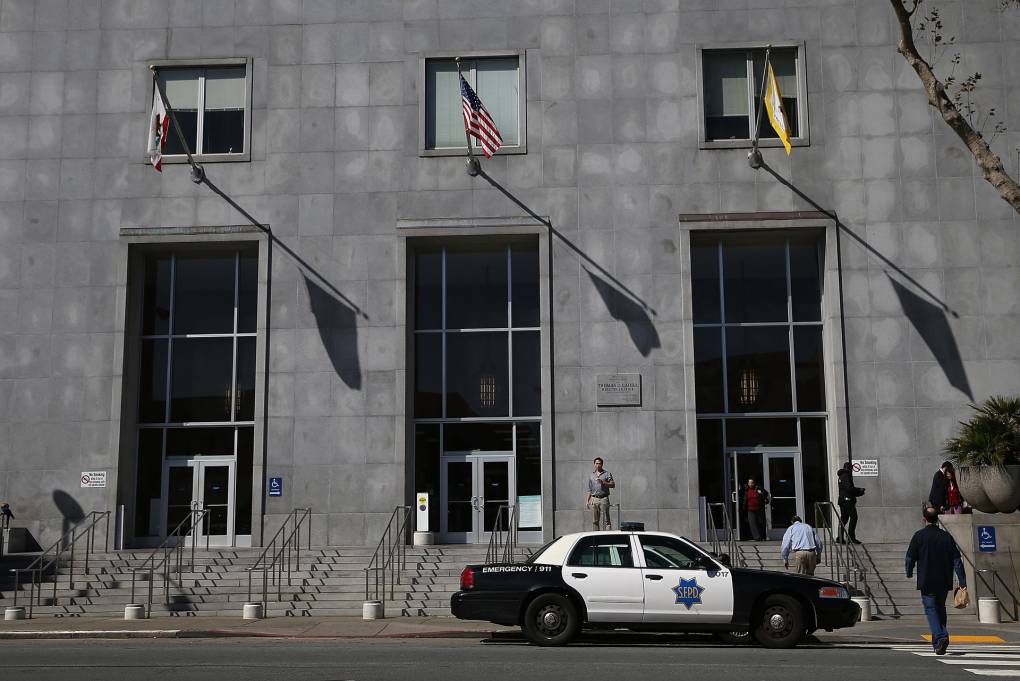
"caption": "The San Francisco resident was on his way to a court hearing at the San Francisco Hall of Justice when Immigration and Customs Enforcement agents arrested him — the first such arrest in the city, according to the public defender’s office.",
"credit": "Justin Sullivan/Getty Images",
"altTag": null,
"description": "The San Francisco resident was on his way to a court hearing at the San Francisco Hall of Justice when he was arrested by Immigration and Customs Enforcement agents — the first such arrest in the city, according to the public defender’s office.",
"imgSizes": {
"thumbnail": {
"file": "https://cdn.kqed.org/wp-content/uploads/sites/10/2020/03/RS14516_475371681-qut-160x107.jpg",
"width": 160,
"height": 107,
"mimeType": "image/jpeg"
},
"medium": {
"file": "https://cdn.kqed.org/wp-content/uploads/sites/10/2020/03/RS14516_475371681-qut-800x534.jpg",
"width": 800,
"height": 534,
"mimeType": "image/jpeg"
},
"large": {
"file": "https://cdn.kqed.org/wp-content/uploads/sites/10/2020/03/RS14516_475371681-qut-1020x681.jpg",
"width": 1020,
"height": 681,
"mimeType": "image/jpeg"
},
"post-thumbnail": {
"file": "https://cdn.kqed.org/wp-content/uploads/sites/10/2020/03/RS14516_475371681-qut-672x372.jpg",
"width": 672,
"height": 372,
"mimeType": "image/jpeg"
},
"twentyfourteen-full-width": {
"file": "https://cdn.kqed.org/wp-content/uploads/sites/10/2020/03/RS14516_475371681-qut-1038x576.jpg",
"width": 1038,
"height": 576,
"mimeType": "image/jpeg"
},
"full-width": {
"file": "https://cdn.kqed.org/wp-content/uploads/sites/10/2020/03/RS14516_475371681-qut-1920x1281.jpg",
"width": 1920,
"height": 1281,
"mimeType": "image/jpeg"
},
"apple_news_ca_landscape_12_9": {
"file": "https://cdn.kqed.org/wp-content/uploads/sites/10/2020/03/RS14516_475371681-qut-1832x1281.jpg",
"width": 1832,
"height": 1281,
"mimeType": "image/jpeg"
},
"apple_news_ca_landscape_9_7": {
"file": "https://cdn.kqed.org/wp-content/uploads/sites/10/2020/03/RS14516_475371681-qut-1376x1032.jpg",
"width": 1376,
"height": 1032,
"mimeType": "image/jpeg"
},
"apple_news_ca_landscape_5_5": {
"file": "https://cdn.kqed.org/wp-content/uploads/sites/10/2020/03/RS14516_475371681-qut-1044x783.jpg",
"width": 1044,
"height": 783,
"mimeType": "image/jpeg"
},
"apple_news_ca_landscape_4_7": {
"file": "https://cdn.kqed.org/wp-content/uploads/sites/10/2020/03/RS14516_475371681-qut-632x474.jpg",
"width": 632,
"height": 474,
"mimeType": "image/jpeg"
},
"apple_news_ca_landscape_4_0": {
"file": "https://cdn.kqed.org/wp-content/uploads/sites/10/2020/03/RS14516_475371681-qut-536x402.jpg",
"width": 536,
"height": 402,
"mimeType": "image/jpeg"
},
"apple_news_ca_portrait_12_9": {
"file": "https://cdn.kqed.org/wp-content/uploads/sites/10/2020/03/RS14516_475371681-qut-1122x1281.jpg",
"width": 1122,
"height": 1281,
"mimeType": "image/jpeg"
},
"apple_news_ca_portrait_9_7": {
"file": "https://cdn.kqed.org/wp-content/uploads/sites/10/2020/03/RS14516_475371681-qut-840x1120.jpg",
"width": 840,
"height": 1120,
"mimeType": "image/jpeg"
},
"apple_news_ca_portrait_5_5": {
"file": "https://cdn.kqed.org/wp-content/uploads/sites/10/2020/03/RS14516_475371681-qut-687x916.jpg",
"width": 687,
"height": 916,
"mimeType": "image/jpeg"
},
"apple_news_ca_portrait_4_7": {
"file": "https://cdn.kqed.org/wp-content/uploads/sites/10/2020/03/RS14516_475371681-qut-414x552.jpg",
"width": 414,
"height": 552,
"mimeType": "image/jpeg"
},
"apple_news_ca_portrait_4_0": {
"file": "https://cdn.kqed.org/wp-content/uploads/sites/10/2020/03/RS14516_475371681-qut-354x472.jpg",
"width": 354,
"height": 472,
"mimeType": "image/jpeg"
},
"apple_news_ca_square_12_9": {
"file": "https://cdn.kqed.org/wp-content/uploads/sites/10/2020/03/RS14516_475371681-qut-1472x1281.jpg",
"width": 1472,
"height": 1281,
"mimeType": "image/jpeg"
},
"apple_news_ca_square_9_7": {
"file": "https://cdn.kqed.org/wp-content/uploads/sites/10/2020/03/RS14516_475371681-qut-1104x1104.jpg",
"width": 1104,
"height": 1104,
"mimeType": "image/jpeg"
},
"apple_news_ca_square_5_5": {
"file": "https://cdn.kqed.org/wp-content/uploads/sites/10/2020/03/RS14516_475371681-qut-912x912.jpg",
"width": 912,
"height": 912,
"mimeType": "image/jpeg"
},
"apple_news_ca_square_4_7": {
"file": "https://cdn.kqed.org/wp-content/uploads/sites/10/2020/03/RS14516_475371681-qut-550x550.jpg",
"width": 550,
"height": 550,
"mimeType": "image/jpeg"
},
"apple_news_ca_square_4_0": {
"file": "https://cdn.kqed.org/wp-content/uploads/sites/10/2020/03/RS14516_475371681-qut-470x470.jpg",
"width": 470,
"height": 470,
"mimeType": "image/jpeg"
},
"kqedFullSize": {
"file": "https://cdn.kqed.org/wp-content/uploads/sites/10/2020/03/RS14516_475371681-qut.jpg",
"width": 1920,
"height": 1281
}
},
"isLoading": false,
"fetchFailed": false
},
"news_11798877": {
"type": "attachments",
"id": "news_11798877",
"meta": {
"index": "attachments_1716263798",
"site": "news",
"id": "11798877",
"found": true
},
"title": "US-POLITICS-IMMIGRATION-MIGRANTS-PROTEST",
"publishDate": 1580342678,
"status": "inherit",
"parent": 11797878,
"modified": 1787778362,
"caption": "Protesters rally near the federal building in San Diego on June 23, 2018, demanding the reunification of thousands of children who were separated from their immigrant parents by border officials under the Trump administration's controversial 'zero tolerance' policy.",
"credit": "David McNew/AFP via Getty Images",
"altTag": null,
"description": null,
"imgSizes": {
"thumbnail": {
"file": "https://cdn.kqed.org/wp-content/uploads/sites/10/2020/01/GettyImages-982247184-1-160x107.jpg",
"width": 160,
"height": 107,
"mimeType": "image/jpeg"
},
"medium": {
"file": "https://cdn.kqed.org/wp-content/uploads/sites/10/2020/01/GettyImages-982247184-1-800x533.jpg",
"width": 800,
"height": 533,
"mimeType": "image/jpeg"
},
"large": {
"file": "https://cdn.kqed.org/wp-content/uploads/sites/10/2020/01/GettyImages-982247184-1-1020x680.jpg",
"width": 1020,
"height": 680,
"mimeType": "image/jpeg"
},
"post-thumbnail": {
"file": "https://cdn.kqed.org/wp-content/uploads/sites/10/2020/01/GettyImages-982247184-1-672x372.jpg",
"width": 672,
"height": 372,
"mimeType": "image/jpeg"
},
"twentyfourteen-full-width": {
"file": "https://cdn.kqed.org/wp-content/uploads/sites/10/2020/01/GettyImages-982247184-1-1038x576.jpg",
"width": 1038,
"height": 576,
"mimeType": "image/jpeg"
},
"full-width": {
"file": "https://cdn.kqed.org/wp-content/uploads/sites/10/2020/01/GettyImages-982247184-1-1920x1280.jpg",
"width": 1920,
"height": 1280,
"mimeType": "image/jpeg"
},
"apple_news_ca_landscape_12_9": {
"file": "https://cdn.kqed.org/wp-content/uploads/sites/10/2020/01/GettyImages-982247184-1-1832x1280.jpg",
"width": 1832,
"height": 1280,
"mimeType": "image/jpeg"
},
"apple_news_ca_landscape_9_7": {
"file": "https://cdn.kqed.org/wp-content/uploads/sites/10/2020/01/GettyImages-982247184-1-1376x1032.jpg",
"width": 1376,
"height": 1032,
"mimeType": "image/jpeg"
},
"apple_news_ca_landscape_5_5": {
"file": "https://cdn.kqed.org/wp-content/uploads/sites/10/2020/01/GettyImages-982247184-1-1044x783.jpg",
"width": 1044,
"height": 783,
"mimeType": "image/jpeg"
},
"apple_news_ca_landscape_4_7": {
"file": "https://cdn.kqed.org/wp-content/uploads/sites/10/2020/01/GettyImages-982247184-1-632x474.jpg",
"width": 632,
"height": 474,
"mimeType": "image/jpeg"
},
"apple_news_ca_landscape_4_0": {
"file": "https://cdn.kqed.org/wp-content/uploads/sites/10/2020/01/GettyImages-982247184-1-536x402.jpg",
"width": 536,
"height": 402,
"mimeType": "image/jpeg"
},
"apple_news_ca_portrait_12_9": {
"file": "https://cdn.kqed.org/wp-content/uploads/sites/10/2020/01/GettyImages-982247184-1-1122x1280.jpg",
"width": 1122,
"height": 1280,
"mimeType": "image/jpeg"
},
"apple_news_ca_portrait_9_7": {
"file": "https://cdn.kqed.org/wp-content/uploads/sites/10/2020/01/GettyImages-982247184-1-840x1120.jpg",
"width": 840,
"height": 1120,
"mimeType": "image/jpeg"
},
"apple_news_ca_portrait_5_5": {
"file": "https://cdn.kqed.org/wp-content/uploads/sites/10/2020/01/GettyImages-982247184-1-687x916.jpg",
"width": 687,
"height": 916,
"mimeType": "image/jpeg"
},
"apple_news_ca_portrait_4_7": {
"file": "https://cdn.kqed.org/wp-content/uploads/sites/10/2020/01/GettyImages-982247184-1-414x552.jpg",
"width": 414,
"height": 552,
"mimeType": "image/jpeg"
},
"apple_news_ca_portrait_4_0": {
"file": "https://cdn.kqed.org/wp-content/uploads/sites/10/2020/01/GettyImages-982247184-1-354x472.jpg",
"width": 354,
"height": 472,
"mimeType": "image/jpeg"
},
"apple_news_ca_square_12_9": {
"file": "https://cdn.kqed.org/wp-content/uploads/sites/10/2020/01/GettyImages-982247184-1-1472x1280.jpg",
"width": 1472,
"height": 1280,
"mimeType": "image/jpeg"
},
"apple_news_ca_square_9_7": {
"file": "https://cdn.kqed.org/wp-content/uploads/sites/10/2020/01/GettyImages-982247184-1-1104x1104.jpg",
"width": 1104,
"height": 1104,
"mimeType": "image/jpeg"
},
"apple_news_ca_square_5_5": {
"file": "https://cdn.kqed.org/wp-content/uploads/sites/10/2020/01/GettyImages-982247184-1-912x912.jpg",
"width": 912,
"height": 912,
"mimeType": "image/jpeg"
},
"apple_news_ca_square_4_7": {
"file": "https://cdn.kqed.org/wp-content/uploads/sites/10/2020/01/GettyImages-982247184-1-550x550.jpg",
"width": 550,
"height": 550,
"mimeType": "image/jpeg"
},
"apple_news_ca_square_4_0": {
"file": "https://cdn.kqed.org/wp-content/uploads/sites/10/2020/01/GettyImages-982247184-1-470x470.jpg",
"width": 470,
"height": 470,
"mimeType": "image/jpeg"
},
"kqedFullSize": {
"file": "https://cdn.kqed.org/wp-content/uploads/sites/10/2020/01/GettyImages-982247184-1.jpg",
"width": 1920,
"height": 1280
}
},
"isLoading": false,
"fetchFailed": false
},
"news_11804147": {
"type": "attachments",
"id": "news_11804147",
"meta": {
"index": "attachments_1716263798",
"site": "news",
"id": "11804147",
"found": true
},
"parent": 11804139,
"imgSizes": {
"apple_news_ca_landscape_5_5": {
"file": "https://ww2.kqed.org/app/uploads/sites/10/2020/02/RS41675_GettyImages-1193073733-3-qut-2-1044x783.jpg",
"width": 1044,
"mimeType": "image/jpeg",
"height": 783
},
"apple_news_ca_square_4_0": {
"file": "https://ww2.kqed.org/app/uploads/sites/10/2020/02/RS41675_GettyImages-1193073733-3-qut-2-470x470.jpg",
"width": 470,
"mimeType": "image/jpeg",
"height": 470
},
"twentyfourteen-full-width": {
"file": "https://ww2.kqed.org/app/uploads/sites/10/2020/02/RS41675_GettyImages-1193073733-3-qut-2-1038x576.jpg",
"width": 1038,
"mimeType": "image/jpeg",
"height": 576
},
"thumbnail": {
"file": "https://ww2.kqed.org/app/uploads/sites/10/2020/02/RS41675_GettyImages-1193073733-3-qut-2-160x107.jpg",
"width": 160,
"mimeType": "image/jpeg",
"height": 107
},
"post-thumbnail": {
"file": "https://ww2.kqed.org/app/uploads/sites/10/2020/02/RS41675_GettyImages-1193073733-3-qut-2-672x372.jpg",
"width": 672,
"mimeType": "image/jpeg",
"height": 372
},
"kqedFullSize": {
"file": "https://ww2.kqed.org/app/uploads/sites/10/2020/02/RS41675_GettyImages-1193073733-3-qut-2.jpg",
"width": 1920,
"height": 1280
},
"apple_news_ca_landscape_4_7": {
"file": "https://ww2.kqed.org/app/uploads/sites/10/2020/02/RS41675_GettyImages-1193073733-3-qut-2-632x474.jpg",
"width": 632,
"mimeType": "image/jpeg",
"height": 474
},
"large": {
"file": "https://ww2.kqed.org/app/uploads/sites/10/2020/02/RS41675_GettyImages-1193073733-3-qut-2-1020x680.jpg",
"width": 1020,
"mimeType": "image/jpeg",
"height": 680
},
"apple_news_ca_landscape_4_0": {
"file": "https://ww2.kqed.org/app/uploads/sites/10/2020/02/RS41675_GettyImages-1193073733-3-qut-2-536x402.jpg",
"width": 536,
"mimeType": "image/jpeg",
"height": 402
},
"apple_news_ca_portrait_12_9": {
"file": "https://ww2.kqed.org/app/uploads/sites/10/2020/02/RS41675_GettyImages-1193073733-3-qut-2-1122x1280.jpg",
"width": 1122,
"mimeType": "image/jpeg",
"height": 1280
},
"medium": {
"file": "https://ww2.kqed.org/app/uploads/sites/10/2020/02/RS41675_GettyImages-1193073733-3-qut-2-800x533.jpg",
"width": 800,
"mimeType": "image/jpeg",
"height": 533
},
"apple_news_ca_portrait_4_0": {
"file": "https://ww2.kqed.org/app/uploads/sites/10/2020/02/RS41675_GettyImages-1193073733-3-qut-2-354x472.jpg",
"width": 354,
"mimeType": "image/jpeg",
"height": 472
},
"apple_news_ca_portrait_9_7": {
"file": "https://ww2.kqed.org/app/uploads/sites/10/2020/02/RS41675_GettyImages-1193073733-3-qut-2-840x1120.jpg",
"width": 840,
"mimeType": "image/jpeg",
"height": 1120
},
"apple_news_ca_landscape_12_9": {
"file": "https://ww2.kqed.org/app/uploads/sites/10/2020/02/RS41675_GettyImages-1193073733-3-qut-2-1832x1280.jpg",
"width": 1832,
"mimeType": "image/jpeg",
"height": 1280
},
"apple_news_ca_square_9_7": {
"file": "https://ww2.kqed.org/app/uploads/sites/10/2020/02/RS41675_GettyImages-1193073733-3-qut-2-1104x1104.jpg",
"width": 1104,
"mimeType": "image/jpeg",
"height": 1104
},
"apple_news_ca_portrait_4_7": {
"file": "https://ww2.kqed.org/app/uploads/sites/10/2020/02/RS41675_GettyImages-1193073733-3-qut-2-414x552.jpg",
"width": 414,
"mimeType": "image/jpeg",
"height": 552
},
"apple_news_ca_square_12_9": {
"file": "https://ww2.kqed.org/app/uploads/sites/10/2020/02/RS41675_GettyImages-1193073733-3-qut-2-1472x1280.jpg",
"width": 1472,
"mimeType": "image/jpeg",
"height": 1280
},
"apple_news_ca_portrait_5_5": {
"file": "https://ww2.kqed.org/app/uploads/sites/10/2020/02/RS41675_GettyImages-1193073733-3-qut-2-687x916.jpg",
"width": 687,
"mimeType": "image/jpeg",
"height": 916
},
"full-width": {
"file": "https://ww2.kqed.org/app/uploads/sites/10/2020/02/RS41675_GettyImages-1193073733-3-qut-2-1920x1280.jpg",
"width": 1920,
"mimeType": "image/jpeg",
"height": 1280
},
"apple_news_ca_square_4_7": {
"file": "https://ww2.kqed.org/app/uploads/sites/10/2020/02/RS41675_GettyImages-1193073733-3-qut-2-550x550.jpg",
"width": 550,
"mimeType": "image/jpeg",
"height": 550
},
"apple_news_ca_landscape_9_7": {
"file": "https://ww2.kqed.org/app/uploads/sites/10/2020/02/RS41675_GettyImages-1193073733-3-qut-2-1376x1032.jpg",
"width": 1376,
"mimeType": "image/jpeg",
"height": 1032
},
"apple_news_ca_square_5_5": {
"file": "https://ww2.kqed.org/app/uploads/sites/10/2020/02/RS41675_GettyImages-1193073733-3-qut-2-912x912.jpg",
"width": 912,
"mimeType": "image/jpeg",
"height": 912
}
},
"publishDate": 1582919982,
"modified": 1582922774,
"caption": "A family of Honduran asylum-seekers stands on the international bridge from Mexico to the United States in the border town of Matamoros, Mexico, waiting to be taken by U.S. officials to an immigration court hearing. They were required to stay in Mexico in anticipation of their hearing, due to the Trump administration's \"Remain in Mexico\" policy.",
"description": null,
"title": "Asylum Seekers Fill Tent Camps As Part Of U.S. “Remain In Mexico” Policy",
"credit": "John Moore/Getty Images",
"status": "inherit",
"isLoading": false,
"fetchFailed": false
},
"news_11803549": {
"type": "attachments",
"id": "news_11803549",
"meta": {
"index": "attachments_1716263798",
"site": "news",
"id": "11803549",
"found": true
},
"parent": 11803483,
"imgSizes": {
"apple_news_ca_landscape_5_5": {
"file": "https://ww2.kqed.org/app/uploads/sites/10/2020/02/RS41586_Image-from-iOS-2-qut-1044x783.jpg",
"width": 1044,
"mimeType": "image/jpeg",
"height": 783
},
"apple_news_ca_square_4_0": {
"file": "https://ww2.kqed.org/app/uploads/sites/10/2020/02/RS41586_Image-from-iOS-2-qut-470x470.jpg",
"width": 470,
"mimeType": "image/jpeg",
"height": 470
},
"twentyfourteen-full-width": {
"file": "https://ww2.kqed.org/app/uploads/sites/10/2020/02/RS41586_Image-from-iOS-2-qut-1038x576.jpg",
"width": 1038,
"mimeType": "image/jpeg",
"height": 576
},
"thumbnail": {
"file": "https://ww2.kqed.org/app/uploads/sites/10/2020/02/RS41586_Image-from-iOS-2-qut-160x120.jpg",
"width": 160,
"mimeType": "image/jpeg",
"height": 120
},
"post-thumbnail": {
"file": "https://ww2.kqed.org/app/uploads/sites/10/2020/02/RS41586_Image-from-iOS-2-qut-672x372.jpg",
"width": 672,
"mimeType": "image/jpeg",
"height": 372
},
"kqedFullSize": {
"file": "https://ww2.kqed.org/app/uploads/sites/10/2020/02/RS41586_Image-from-iOS-2-qut.jpg",
"width": 1920,
"height": 1440
},
"apple_news_ca_landscape_4_7": {
"file": "https://ww2.kqed.org/app/uploads/sites/10/2020/02/RS41586_Image-from-iOS-2-qut-632x474.jpg",
"width": 632,
"mimeType": "image/jpeg",
"height": 474
},
"large": {
"file": "https://ww2.kqed.org/app/uploads/sites/10/2020/02/RS41586_Image-from-iOS-2-qut-1020x765.jpg",
"width": 1020,
"mimeType": "image/jpeg",
"height": 765
},
"apple_news_ca_landscape_4_0": {
"file": "https://ww2.kqed.org/app/uploads/sites/10/2020/02/RS41586_Image-from-iOS-2-qut-536x402.jpg",
"width": 536,
"mimeType": "image/jpeg",
"height": 402
},
"apple_news_ca_portrait_12_9": {
"file": "https://ww2.kqed.org/app/uploads/sites/10/2020/02/RS41586_Image-from-iOS-2-qut-1122x1440.jpg",
"width": 1122,
"mimeType": "image/jpeg",
"height": 1440
},
"medium": {
"file": "https://ww2.kqed.org/app/uploads/sites/10/2020/02/RS41586_Image-from-iOS-2-qut-800x600.jpg",
"width": 800,
"mimeType": "image/jpeg",
"height": 600
},
"apple_news_ca_portrait_4_0": {
"file": "https://ww2.kqed.org/app/uploads/sites/10/2020/02/RS41586_Image-from-iOS-2-qut-354x472.jpg",
"width": 354,
"mimeType": "image/jpeg",
"height": 472
},
"apple_news_ca_portrait_9_7": {
"file": "https://ww2.kqed.org/app/uploads/sites/10/2020/02/RS41586_Image-from-iOS-2-qut-840x1120.jpg",
"width": 840,
"mimeType": "image/jpeg",
"height": 1120
},
"apple_news_ca_landscape_12_9": {
"file": "https://ww2.kqed.org/app/uploads/sites/10/2020/02/RS41586_Image-from-iOS-2-qut-1832x1374.jpg",
"width": 1832,
"mimeType": "image/jpeg",
"height": 1374
},
"apple_news_ca_square_9_7": {
"file": "https://ww2.kqed.org/app/uploads/sites/10/2020/02/RS41586_Image-from-iOS-2-qut-1104x1104.jpg",
"width": 1104,
"mimeType": "image/jpeg",
"height": 1104
},
"apple_news_ca_portrait_4_7": {
"file": "https://ww2.kqed.org/app/uploads/sites/10/2020/02/RS41586_Image-from-iOS-2-qut-414x552.jpg",
"width": 414,
"mimeType": "image/jpeg",
"height": 552
},
"apple_news_ca_square_12_9": {
"file": "https://ww2.kqed.org/app/uploads/sites/10/2020/02/RS41586_Image-from-iOS-2-qut-1472x1440.jpg",
"width": 1472,
"mimeType": "image/jpeg",
"height": 1440
},
"apple_news_ca_portrait_5_5": {
"file": "https://ww2.kqed.org/app/uploads/sites/10/2020/02/RS41586_Image-from-iOS-2-qut-687x916.jpg",
"width": 687,
"mimeType": "image/jpeg",
"height": 916
},
"full-width": {
"file": "https://ww2.kqed.org/app/uploads/sites/10/2020/02/RS41586_Image-from-iOS-2-qut-1920x1440.jpg",
"width": 1920,
"mimeType": "image/jpeg",
"height": 1440
},
"apple_news_ca_square_4_7": {
"file": "https://ww2.kqed.org/app/uploads/sites/10/2020/02/RS41586_Image-from-iOS-2-qut-550x550.jpg",
"width": 550,
"mimeType": "image/jpeg",
"height": 550
},
"apple_news_ca_landscape_9_7": {
"file": "https://ww2.kqed.org/app/uploads/sites/10/2020/02/RS41586_Image-from-iOS-2-qut-1376x1032.jpg",
"width": 1376,
"mimeType": "image/jpeg",
"height": 1032
},
"apple_news_ca_square_5_5": {
"file": "https://ww2.kqed.org/app/uploads/sites/10/2020/02/RS41586_Image-from-iOS-2-qut-912x912.jpg",
"width": 912,
"mimeType": "image/jpeg",
"height": 912
}
},
"publishDate": 1582741025,
"modified": 1582753791,
"caption": "Valeria Suarez Rojas, a UC Berkeley graduate, speaks into a megaphone at a rally in San Francisco on Tuesday, urging the Trump administration to drop deportation proceedings.",
"description": "Valeria Suarez Rojas, a UC Berkeley graduate, speaks into a megaphone at a rally in San Francisco on Tuesday, urging the Trump administration to drop deportation proceedings.",
"title": "RS41586_Image from iOS (2)-qut",
"credit": "Farida Jhabvala Romero/KQED",
"status": "inherit",
"isLoading": false,
"fetchFailed": false
},
"news_11803419": {
"type": "attachments",
"id": "news_11803419",
"meta": {
"index": "attachments_1716263798",
"site": "news",
"id": "11803419",
"found": true
},
"parent": 11803405,
"imgSizes": {
"apple_news_ca_landscape_5_5": {
"file": "https://ww2.kqed.org/app/uploads/sites/10/2020/02/coronavirustime_022520_final-1044x783.png",
"width": 1044,
"mimeType": "image/png",
"height": 783
},
"apple_news_ca_square_4_0": {
"file": "https://ww2.kqed.org/app/uploads/sites/10/2020/02/coronavirustime_022520_final-470x470.png",
"width": 470,
"mimeType": "image/png",
"height": 470
},
"twentyfourteen-full-width": {
"file": "https://ww2.kqed.org/app/uploads/sites/10/2020/02/coronavirustime_022520_final-1038x576.png",
"width": 1038,
"mimeType": "image/png",
"height": 576
},
"thumbnail": {
"file": "https://ww2.kqed.org/app/uploads/sites/10/2020/02/coronavirustime_022520_final-160x109.png",
"width": 160,
"mimeType": "image/png",
"height": 109
},
"post-thumbnail": {
"file": "https://ww2.kqed.org/app/uploads/sites/10/2020/02/coronavirustime_022520_final-672x372.png",
"width": 672,
"mimeType": "image/png",
"height": 372
},
"kqedFullSize": {
"file": "https://ww2.kqed.org/app/uploads/sites/10/2020/02/coronavirustime_022520_final.png",
"width": 1920,
"height": 1312
},
"apple_news_ca_landscape_4_7": {
"file": "https://ww2.kqed.org/app/uploads/sites/10/2020/02/coronavirustime_022520_final-632x474.png",
"width": 632,
"mimeType": "image/png",
"height": 474
},
"large": {
"file": "https://ww2.kqed.org/app/uploads/sites/10/2020/02/coronavirustime_022520_final-1020x697.png",
"width": 1020,
"mimeType": "image/png",
"height": 697
},
"apple_news_ca_landscape_4_0": {
"file": "https://ww2.kqed.org/app/uploads/sites/10/2020/02/coronavirustime_022520_final-536x402.png",
"width": 536,
"mimeType": "image/png",
"height": 402
},
"apple_news_ca_portrait_12_9": {
"file": "https://ww2.kqed.org/app/uploads/sites/10/2020/02/coronavirustime_022520_final-1122x1312.png",
"width": 1122,
"mimeType": "image/png",
"height": 1312
},
"medium": {
"file": "https://ww2.kqed.org/app/uploads/sites/10/2020/02/coronavirustime_022520_final-800x547.png",
"width": 800,
"mimeType": "image/png",
"height": 547
},
"apple_news_ca_portrait_4_0": {
"file": "https://ww2.kqed.org/app/uploads/sites/10/2020/02/coronavirustime_022520_final-354x472.png",
"width": 354,
"mimeType": "image/png",
"height": 472
},
"apple_news_ca_portrait_9_7": {
"file": "https://ww2.kqed.org/app/uploads/sites/10/2020/02/coronavirustime_022520_final-840x1120.png",
"width": 840,
"mimeType": "image/png",
"height": 1120
},
"apple_news_ca_landscape_12_9": {
"file": "https://ww2.kqed.org/app/uploads/sites/10/2020/02/coronavirustime_022520_final-1832x1312.png",
"width": 1832,
"mimeType": "image/png",
"height": 1312
},
"apple_news_ca_square_9_7": {
"file": "https://ww2.kqed.org/app/uploads/sites/10/2020/02/coronavirustime_022520_final-1104x1104.png",
"width": 1104,
"mimeType": "image/png",
"height": 1104
},
"apple_news_ca_portrait_4_7": {
"file": "https://ww2.kqed.org/app/uploads/sites/10/2020/02/coronavirustime_022520_final-414x552.png",
"width": 414,
"mimeType": "image/png",
"height": 552
},
"apple_news_ca_square_12_9": {
"file": "https://ww2.kqed.org/app/uploads/sites/10/2020/02/coronavirustime_022520_final-1472x1312.png",
"width": 1472,
"mimeType": "image/png",
"height": 1312
},
"apple_news_ca_portrait_5_5": {
"file": "https://ww2.kqed.org/app/uploads/sites/10/2020/02/coronavirustime_022520_final-687x916.png",
"width": 687,
"mimeType": "image/png",
"height": 916
},
"full-width": {
"file": "https://ww2.kqed.org/app/uploads/sites/10/2020/02/coronavirustime_022520_final-1920x1312.png",
"width": 1920,
"mimeType": "image/png",
"height": 1312
},
"apple_news_ca_square_4_7": {
"file": "https://ww2.kqed.org/app/uploads/sites/10/2020/02/coronavirustime_022520_final-550x550.png",
"width": 550,
"mimeType": "image/png",
"height": 550
},
"apple_news_ca_landscape_9_7": {
"file": "https://ww2.kqed.org/app/uploads/sites/10/2020/02/coronavirustime_022520_final-1376x1032.png",
"width": 1376,
"mimeType": "image/png",
"height": 1032
},
"apple_news_ca_square_5_5": {
"file": "https://ww2.kqed.org/app/uploads/sites/10/2020/02/coronavirustime_022520_final-912x912.png",
"width": 912,
"mimeType": "image/png",
"height": 912
}
},
"publishDate": 1582676283,
"modified": 1582676320,
"caption": null,
"description": null,
"title": "coronavirustime_022520_final",
"credit": null,
"status": "inherit",
"isLoading": false,
"fetchFailed": false
},
"news_11802649": {
"type": "attachments",
"id": "news_11802649",
"meta": {
"index": "attachments_1716263798",
"site": "news",
"id": "11802649",
"found": true
},
"parent": 11802442,
"imgSizes": {
"apple_news_ca_landscape_5_5": {
"file": "https://ww2.kqed.org/app/uploads/sites/10/2020/02/IMG_7555-1200x750-1044x750.jpg",
"width": 1044,
"mimeType": "image/jpeg",
"height": 750
},
"apple_news_ca_square_4_0": {
"file": "https://ww2.kqed.org/app/uploads/sites/10/2020/02/IMG_7555-1200x750-470x470.jpg",
"width": 470,
"mimeType": "image/jpeg",
"height": 470
},
"twentyfourteen-full-width": {
"file": "https://ww2.kqed.org/app/uploads/sites/10/2020/02/IMG_7555-1200x750-1038x576.jpg",
"width": 1038,
"mimeType": "image/jpeg",
"height": 576
},
"thumbnail": {
"file": "https://ww2.kqed.org/app/uploads/sites/10/2020/02/IMG_7555-1200x750-160x100.jpg",
"width": 160,
"mimeType": "image/jpeg",
"height": 100
},
"post-thumbnail": {
"file": "https://ww2.kqed.org/app/uploads/sites/10/2020/02/IMG_7555-1200x750-672x372.jpg",
"width": 672,
"mimeType": "image/jpeg",
"height": 372
},
"kqedFullSize": {
"file": "https://ww2.kqed.org/app/uploads/sites/10/2020/02/IMG_7555-1200x750.jpg",
"width": 1200,
"height": 750
},
"apple_news_ca_landscape_4_7": {
"file": "https://ww2.kqed.org/app/uploads/sites/10/2020/02/IMG_7555-1200x750-632x474.jpg",
"width": 632,
"mimeType": "image/jpeg",
"height": 474
},
"large": {
"file": "https://ww2.kqed.org/app/uploads/sites/10/2020/02/IMG_7555-1200x750-1020x638.jpg",
"width": 1020,
"mimeType": "image/jpeg",
"height": 638
},
"apple_news_ca_landscape_4_0": {
"file": "https://ww2.kqed.org/app/uploads/sites/10/2020/02/IMG_7555-1200x750-536x402.jpg",
"width": 536,
"mimeType": "image/jpeg",
"height": 402
},
"apple_news_ca_portrait_12_9": {
"file": "https://ww2.kqed.org/app/uploads/sites/10/2020/02/IMG_7555-1200x750-1122x750.jpg",
"width": 1122,
"mimeType": "image/jpeg",
"height": 750
},
"medium": {
"file": "https://ww2.kqed.org/app/uploads/sites/10/2020/02/IMG_7555-1200x750-800x500.jpg",
"width": 800,
"mimeType": "image/jpeg",
"height": 500
},
"apple_news_ca_portrait_4_0": {
"file": "https://ww2.kqed.org/app/uploads/sites/10/2020/02/IMG_7555-1200x750-354x472.jpg",
"width": 354,
"mimeType": "image/jpeg",
"height": 472
},
"apple_news_ca_portrait_9_7": {
"file": "https://ww2.kqed.org/app/uploads/sites/10/2020/02/IMG_7555-1200x750-840x750.jpg",
"width": 840,
"mimeType": "image/jpeg",
"height": 750
},
"apple_news_ca_square_9_7": {
"file": "https://ww2.kqed.org/app/uploads/sites/10/2020/02/IMG_7555-1200x750-1104x750.jpg",
"width": 1104,
"mimeType": "image/jpeg",
"height": 750
},
"apple_news_ca_portrait_4_7": {
"file": "https://ww2.kqed.org/app/uploads/sites/10/2020/02/IMG_7555-1200x750-414x552.jpg",
"width": 414,
"mimeType": "image/jpeg",
"height": 552
},
"apple_news_ca_portrait_5_5": {
"file": "https://ww2.kqed.org/app/uploads/sites/10/2020/02/IMG_7555-1200x750-687x750.jpg",
"width": 687,
"mimeType": "image/jpeg",
"height": 750
},
"apple_news_ca_square_4_7": {
"file": "https://ww2.kqed.org/app/uploads/sites/10/2020/02/IMG_7555-1200x750-550x550.jpg",
"width": 550,
"mimeType": "image/jpeg",
"height": 550
},
"apple_news_ca_square_5_5": {
"file": "https://ww2.kqed.org/app/uploads/sites/10/2020/02/IMG_7555-1200x750-912x750.jpg",
"width": 912,
"mimeType": "image/jpeg",
"height": 750
}
},
"publishDate": 1582237977,
"modified": 1582238052,
"caption": "Guadalupe Garcia (left) hugs her mother Gabriela Garcia.",
"description": null,
"title": "IMG_7555-1200x750",
"credit": "Zaidee Stavely/EdSource",
"status": "inherit",
"isLoading": false,
"fetchFailed": false
},
"news_11802730": {
"type": "attachments",
"id": "news_11802730",
"meta": {
"index": "attachments_1716263798",
"site": "news",
"id": "11802730",
"found": true
},
"parent": 11802728,
"imgSizes": {
"apple_news_ca_landscape_5_5": {
"file": "https://ww2.kqed.org/app/uploads/sites/10/2020/02/RS41457_IMG_2030-qut-1044x783.jpg",
"width": 1044,
"mimeType": "image/jpeg",
"height": 783
},
"apple_news_ca_square_4_0": {
"file": "https://ww2.kqed.org/app/uploads/sites/10/2020/02/RS41457_IMG_2030-qut-470x470.jpg",
"width": 470,
"mimeType": "image/jpeg",
"height": 470
},
"twentyfourteen-full-width": {
"file": "https://ww2.kqed.org/app/uploads/sites/10/2020/02/RS41457_IMG_2030-qut-1038x576.jpg",
"width": 1038,
"mimeType": "image/jpeg",
"height": 576
},
"thumbnail": {
"file": "https://ww2.kqed.org/app/uploads/sites/10/2020/02/RS41457_IMG_2030-qut-160x120.jpg",
"width": 160,
"mimeType": "image/jpeg",
"height": 120
},
"post-thumbnail": {
"file": "https://ww2.kqed.org/app/uploads/sites/10/2020/02/RS41457_IMG_2030-qut-672x372.jpg",
"width": 672,
"mimeType": "image/jpeg",
"height": 372
},
"kqedFullSize": {
"file": "https://ww2.kqed.org/app/uploads/sites/10/2020/02/RS41457_IMG_2030-qut.jpg",
"width": 1920,
"height": 1440
},
"apple_news_ca_landscape_4_7": {
"file": "https://ww2.kqed.org/app/uploads/sites/10/2020/02/RS41457_IMG_2030-qut-632x474.jpg",
"width": 632,
"mimeType": "image/jpeg",
"height": 474
},
"large": {
"file": "https://ww2.kqed.org/app/uploads/sites/10/2020/02/RS41457_IMG_2030-qut-1020x765.jpg",
"width": 1020,
"mimeType": "image/jpeg",
"height": 765
},
"apple_news_ca_landscape_4_0": {
"file": "https://ww2.kqed.org/app/uploads/sites/10/2020/02/RS41457_IMG_2030-qut-536x402.jpg",
"width": 536,
"mimeType": "image/jpeg",
"height": 402
},
"apple_news_ca_portrait_12_9": {
"file": "https://ww2.kqed.org/app/uploads/sites/10/2020/02/RS41457_IMG_2030-qut-1122x1440.jpg",
"width": 1122,
"mimeType": "image/jpeg",
"height": 1440
},
"medium": {
"file": "https://ww2.kqed.org/app/uploads/sites/10/2020/02/RS41457_IMG_2030-qut-800x600.jpg",
"width": 800,
"mimeType": "image/jpeg",
"height": 600
},
"apple_news_ca_portrait_4_0": {
"file": "https://ww2.kqed.org/app/uploads/sites/10/2020/02/RS41457_IMG_2030-qut-354x472.jpg",
"width": 354,
"mimeType": "image/jpeg",
"height": 472
},
"apple_news_ca_portrait_9_7": {
"file": "https://ww2.kqed.org/app/uploads/sites/10/2020/02/RS41457_IMG_2030-qut-840x1120.jpg",
"width": 840,
"mimeType": "image/jpeg",
"height": 1120
},
"apple_news_ca_landscape_12_9": {
"file": "https://ww2.kqed.org/app/uploads/sites/10/2020/02/RS41457_IMG_2030-qut-1832x1374.jpg",
"width": 1832,
"mimeType": "image/jpeg",
"height": 1374
},
"apple_news_ca_square_9_7": {
"file": "https://ww2.kqed.org/app/uploads/sites/10/2020/02/RS41457_IMG_2030-qut-1104x1104.jpg",
"width": 1104,
"mimeType": "image/jpeg",
"height": 1104
},
"apple_news_ca_portrait_4_7": {
"file": "https://ww2.kqed.org/app/uploads/sites/10/2020/02/RS41457_IMG_2030-qut-414x552.jpg",
"width": 414,
"mimeType": "image/jpeg",
"height": 552
},
"apple_news_ca_square_12_9": {
"file": "https://ww2.kqed.org/app/uploads/sites/10/2020/02/RS41457_IMG_2030-qut-1472x1440.jpg",
"width": 1472,
"mimeType": "image/jpeg",
"height": 1440
},
"apple_news_ca_portrait_5_5": {
"file": "https://ww2.kqed.org/app/uploads/sites/10/2020/02/RS41457_IMG_2030-qut-687x916.jpg",
"width": 687,
"mimeType": "image/jpeg",
"height": 916
},
"full-width": {
"file": "https://ww2.kqed.org/app/uploads/sites/10/2020/02/RS41457_IMG_2030-qut-1920x1440.jpg",
"width": 1920,
"mimeType": "image/jpeg",
"height": 1440
},
"apple_news_ca_square_4_7": {
"file": "https://ww2.kqed.org/app/uploads/sites/10/2020/02/RS41457_IMG_2030-qut-550x550.jpg",
"width": 550,
"mimeType": "image/jpeg",
"height": 550
},
"apple_news_ca_landscape_9_7": {
"file": "https://ww2.kqed.org/app/uploads/sites/10/2020/02/RS41457_IMG_2030-qut-1376x1032.jpg",
"width": 1376,
"mimeType": "image/jpeg",
"height": 1032
},
"apple_news_ca_square_5_5": {
"file": "https://ww2.kqed.org/app/uploads/sites/10/2020/02/RS41457_IMG_2030-qut-912x912.jpg",
"width": 912,
"mimeType": "image/jpeg",
"height": 912
}
},
"publishDate": 1582258192,
"modified": 1582316569,
"caption": "Community organizer Meron Semedar speaks on a panel as Hermon Kifleyesus and Aron Oqubamichael watch at the Temescal branch of the Oakland public library on Feb. 15, 2020. The event offered information for Eritrean immigrants about the new travel restrictions.",
"description": "Community organizer Meron Semedar speaks on a panel as Hermon Kifleyesus and Aron Oqubamichael watch at the Temescal branch of the Oakland public library on Feb. 15, 2020. The event offered information for Eritrean immigrants about the new travel restrictions.",
"title": "RS41457_IMG_2030-qut",
"credit": "Farida Jhabvala Romero/KQED",
"status": "inherit",
"isLoading": false,
"fetchFailed": false
},
"news_11801880": {
"type": "attachments",
"id": "news_11801880",
"meta": {
"index": "attachments_1716263798",
"site": "news",
"id": "11801880",
"found": true
},
"parent": 11801856,
"imgSizes": {
"apple_news_ca_landscape_5_5": {
"file": "https://ww2.kqed.org/app/uploads/sites/10/2020/02/02142020_immigration_girl-qut-1044x783.jpg",
"width": 1044,
"mimeType": "image/jpeg",
"height": 783
},
"apple_news_ca_square_4_0": {
"file": "https://ww2.kqed.org/app/uploads/sites/10/2020/02/02142020_immigration_girl-qut-470x470.jpg",
"width": 470,
"mimeType": "image/jpeg",
"height": 470
},
"twentyfourteen-full-width": {
"file": "https://ww2.kqed.org/app/uploads/sites/10/2020/02/02142020_immigration_girl-qut-1038x576.jpg",
"width": 1038,
"mimeType": "image/jpeg",
"height": 576
},
"thumbnail": {
"file": "https://ww2.kqed.org/app/uploads/sites/10/2020/02/02142020_immigration_girl-qut-160x101.jpg",
"width": 160,
"mimeType": "image/jpeg",
"height": 101
},
"post-thumbnail": {
"file": "https://ww2.kqed.org/app/uploads/sites/10/2020/02/02142020_immigration_girl-qut-672x372.jpg",
"width": 672,
"mimeType": "image/jpeg",
"height": 372
},
"kqedFullSize": {
"file": "https://ww2.kqed.org/app/uploads/sites/10/2020/02/02142020_immigration_girl-qut.jpg",
"width": 1920,
"height": 1209
},
"apple_news_ca_landscape_4_7": {
"file": "https://ww2.kqed.org/app/uploads/sites/10/2020/02/02142020_immigration_girl-qut-632x474.jpg",
"width": 632,
"mimeType": "image/jpeg",
"height": 474
},
"large": {
"file": "https://ww2.kqed.org/app/uploads/sites/10/2020/02/02142020_immigration_girl-qut-1020x642.jpg",
"width": 1020,
"mimeType": "image/jpeg",
"height": 642
},
"apple_news_ca_landscape_4_0": {
"file": "https://ww2.kqed.org/app/uploads/sites/10/2020/02/02142020_immigration_girl-qut-536x402.jpg",
"width": 536,
"mimeType": "image/jpeg",
"height": 402
},
"apple_news_ca_portrait_12_9": {
"file": "https://ww2.kqed.org/app/uploads/sites/10/2020/02/02142020_immigration_girl-qut-1122x1209.jpg",
"width": 1122,
"mimeType": "image/jpeg",
"height": 1209
},
"medium": {
"file": "https://ww2.kqed.org/app/uploads/sites/10/2020/02/02142020_immigration_girl-qut-800x504.jpg",
"width": 800,
"mimeType": "image/jpeg",
"height": 504
},
"apple_news_ca_portrait_4_0": {
"file": "https://ww2.kqed.org/app/uploads/sites/10/2020/02/02142020_immigration_girl-qut-354x472.jpg",
"width": 354,
"mimeType": "image/jpeg",
"height": 472
},
"apple_news_ca_portrait_9_7": {
"file": "https://ww2.kqed.org/app/uploads/sites/10/2020/02/02142020_immigration_girl-qut-840x1120.jpg",
"width": 840,
"mimeType": "image/jpeg",
"height": 1120
},
"apple_news_ca_landscape_12_9": {
"file": "https://ww2.kqed.org/app/uploads/sites/10/2020/02/02142020_immigration_girl-qut-1832x1209.jpg",
"width": 1832,
"mimeType": "image/jpeg",
"height": 1209
},
"apple_news_ca_square_9_7": {
"file": "https://ww2.kqed.org/app/uploads/sites/10/2020/02/02142020_immigration_girl-qut-1104x1104.jpg",
"width": 1104,
"mimeType": "image/jpeg",
"height": 1104
},
"apple_news_ca_portrait_4_7": {
"file": "https://ww2.kqed.org/app/uploads/sites/10/2020/02/02142020_immigration_girl-qut-414x552.jpg",
"width": 414,
"mimeType": "image/jpeg",
"height": 552
},
"apple_news_ca_square_12_9": {
"file": "https://ww2.kqed.org/app/uploads/sites/10/2020/02/02142020_immigration_girl-qut-1472x1209.jpg",
"width": 1472,
"mimeType": "image/jpeg",
"height": 1209
},
"apple_news_ca_portrait_5_5": {
"file": "https://ww2.kqed.org/app/uploads/sites/10/2020/02/02142020_immigration_girl-qut-687x916.jpg",
"width": 687,
"mimeType": "image/jpeg",
"height": 916
},
"full-width": {
"file": "https://ww2.kqed.org/app/uploads/sites/10/2020/02/02142020_immigration_girl-qut-1920x1209.jpg",
"width": 1920,
"mimeType": "image/jpeg",
"height": 1209
},
"apple_news_ca_square_4_7": {
"file": "https://ww2.kqed.org/app/uploads/sites/10/2020/02/02142020_immigration_girl-qut-550x550.jpg",
"width": 550,
"mimeType": "image/jpeg",
"height": 550
},
"apple_news_ca_landscape_9_7": {
"file": "https://ww2.kqed.org/app/uploads/sites/10/2020/02/02142020_immigration_girl-qut-1376x1032.jpg",
"width": 1376,
"mimeType": "image/jpeg",
"height": 1032
},
"apple_news_ca_square_5_5": {
"file": "https://ww2.kqed.org/app/uploads/sites/10/2020/02/02142020_immigration_girl-qut-912x912.jpg",
"width": 912,
"mimeType": "image/jpeg",
"height": 912
}
},
"publishDate": 1581726371,
"modified": 1581726465,
"caption": "Central American migrants traveling in the \"Migrant Via Crucis\" caravan sleep outside \"El Chaparral\" port of entry to the U.S. while waiting to be received by U.S. authorities in Tijuana, Mexico on April 30, 2018.",
"description": "Central American migrants traveling in the \"Migrant Via Crucis\" caravan sleep outside \"El Chaparral\" port of entry to the U.S. while waiting to be received by U.S. authorities in Tijuana, Mexico on April 30, 2018.",
"title": "MEXICO-US-MIGRANTS-CARAVAN",
"credit": "GUILLERMO ARIAS / AFP",
"status": "inherit",
"isLoading": false,
"fetchFailed": false
}
},
"audioPlayerReducer": {
"postId": "stream_live",
"isPaused": true,
"isPlaying": false,
"pfsActive": false,
"pledgeModalIsOpen": true,
"playerDrawerIsOpen": false,
"liveAudioPlayStartedAt": 0,
"liveAudioPlayContext": ""
},
"authorsReducer": {
"byline_news_11807353": {
"type": "authors",
"id": "byline_news_11807353",
"meta": {
"override": true
},
"slug": "byline_news_11807353",
"name": "Joel Rose",
"isLoading": false
},
"byline_news_11806242": {
"type": "authors",
"id": "byline_news_11806242",
"meta": {
"override": true
},
"slug": "byline_news_11806242",
"name": "Mark Sherman\u003cbr />Associated Press",
"isLoading": false
},
"byline_news_11804139": {
"type": "authors",
"id": "byline_news_11804139",
"meta": {
"override": true
},
"slug": "byline_news_11804139",
"name": "Elliot Spagat \u003cbr> Associated Press",
"isLoading": false
},
"tychehendricks": {
"type": "authors",
"id": "259",
"meta": {
"index": "authors_1716337520",
"id": "259",
"found": true
},
"name": "Tyche Hendricks",
"firstName": "Tyche",
"lastName": "Hendricks",
"slug": "tychehendricks",
"email": "thendricks@kqed.org",
"display_author_email": true,
"staff_mastheads": [
"news"
],
"title": "KQED Senior Editor, Immigration",
"bio": "\u003cspan style=\"font-weight: 400;\">Tyche Hendricks is KQED’s senior editor for immigration, leading coverage of the policy and politics that affect California’s immigrant communities. Her work for KQED’s radio and online audiences is also carried on NPR and other national outlets. She has been recognized with awards from the Radio and Television News Directors Association, the Society for Professional Journalists; the Education Writers Association; the Best of the West and the National Federation of Community Broadcasters. Before joining KQED in 2010, Tyche spent more than a dozen years as a newspaper reporter, notably at the \u003c/span>\u003ci>\u003cspan style=\"font-weight: 400;\">San Francisco Chronicle\u003c/span>\u003c/i>\u003cspan style=\"font-weight: 400;\">. At different times she has covered criminal justice, government and politics and urban planning. Tyche has taught in the MFA Creative Writing program at the University of San Francisco and at UC Berkeley’s Graduate School of Journalism, where she was co-director of a national immigration symposium for professional journalists. She is the author of \u003c/span>\u003ci>\u003cspan style=\"font-weight: 400;\">The Wind Doesn't Need a Passport: Stories from the U.S.-Mexico Borderlands\u003c/span>\u003c/i>\u003cspan style=\"font-weight: 400;\"> (University of California Press). \u003c/span>",
"avatar": "https://secure.gravatar.com/avatar/b8ee458e2731c2d43df86882ce17267e?s=600&d=blank&r=g",
"twitter": "tychehendricks",
"facebook": null,
"instagram": null,
"linkedin": null,
"sites": [
{
"site": "news",
"roles": [
"editor"
]
},
{
"site": "stateofhealth",
"roles": [
"editor"
]
}
],
"headData": {
"title": "Tyche Hendricks | KQED",
"description": "KQED Senior Editor, Immigration",
"ogImgSrc": "https://secure.gravatar.com/avatar/b8ee458e2731c2d43df86882ce17267e?s=600&d=blank&r=g",
"twImgSrc": "https://secure.gravatar.com/avatar/b8ee458e2731c2d43df86882ce17267e?s=600&d=blank&r=g"
},
"isLoading": false,
"link": "/author/tychehendricks"
},
"zstavely": {
"type": "authors",
"id": "3225",
"meta": {
"index": "authors_1716337520",
"id": "3225",
"found": true
},
"name": "Zaidee Stavely",
"firstName": "Zaidee",
"lastName": "Stavely",
"slug": "zstavely",
"email": "zstavely@gmail.com",
"display_author_email": false,
"staff_mastheads": [],
"title": "KQED Contributor",
"bio": "Zaidee Stavely is an award-winning reporter who writes about race, equity, immigration, and education.",
"avatar": "https://secure.gravatar.com/avatar/5154b3ee56a721c916ca429372ae629c?s=600&d=blank&r=g",
"twitter": null,
"facebook": null,
"instagram": null,
"linkedin": null,
"sites": [
{
"site": "news",
"roles": [
"subscriber"
]
},
{
"site": "mindshift",
"roles": [
"contributor"
]
}
],
"headData": {
"title": "Zaidee Stavely | KQED",
"description": "KQED Contributor",
"ogImgSrc": "https://secure.gravatar.com/avatar/5154b3ee56a721c916ca429372ae629c?s=600&d=blank&r=g",
"twImgSrc": "https://secure.gravatar.com/avatar/5154b3ee56a721c916ca429372ae629c?s=600&d=blank&r=g"
},
"isLoading": false,
"link": "/author/zstavely"
},
"markfiore": {
"type": "authors",
"id": "3236",
"meta": {
"index": "authors_1716337520",
"id": "3236",
"found": true
},
"name": "Mark Fiore",
"firstName": "Mark",
"lastName": "Fiore",
"slug": "markfiore",
"email": "mark@markfiore.com",
"display_author_email": false,
"staff_mastheads": [
"news"
],
"title": "KQED News Cartoonist",
"bio": "\u003ca href=\"http://www.MarkFiore.com\">MarkFiore.com\u003c/a> | \u003ca href=\"https://twitter.com/markfiore\">Follow on Twitter\u003c/a> | \u003ca href=\"https://www.facebook.com/pages/Mark-Fiore-Animated-Political-Cartoons/94451707396?ref=bookmarks\">Facebook\u003c/a> | \u003ca href=\"mailto:mark@markfiore.com\">email\u003c/a>\r\n\r\nPulitzer Prize-winner, Mark Fiore, who the Wall Street Journal has called “the undisputed guru of the form,” creates animated political cartoons in San Francisco, where his work has been featured regularly on the San Francisco Chronicle’s web site, SFGate.com. His work has appeared on Newsweek.com, Slate.com, CBSNews.com, MotherJones.com, DailyKos.com and NPR’s web site. Fiore’s political animation has appeared on CNN, Frontline, Bill Moyers Journal, Salon.com and cable and broadcast outlets across the globe.\r\n\r\nBeginning his professional life by drawing traditional political cartoons for newspapers, Fiore’s work appeared in publications ranging from the Washington Post to the Los Angeles Times. In the late 1990s, he began to experiment with animating political cartoons and, after a short stint at the San Jose Mercury News as their staff cartoonist, Fiore devoted all his energies to animation.\r\nGrowing up in California, Fiore also spent a good portion of his life in the backwoods of Idaho. It was this combination that shaped him politically. Mark majored in political science at Colorado College, where, in a perfect send-off for a cartoonist, he received his diploma in 1991 as commencement speaker Dick Cheney smiled approvingly.\r\nMark Fiore was awarded the Pulitzer Prize for political cartooning in 2010, a Robert F. Kennedy Journalism Award in 2004 and has twice received an Online Journalism Award for commentary from the Online News Association (2002, 2008). Fiore has received two awards for his work in new media from the National Cartoonists Society (2001, 2002), and in 2006 received The James Madison Freedom of Information Award from The Society of Professional Journalists.",
"avatar": "https://secure.gravatar.com/avatar/fc4e2a612b15b67bad0c6f0e1db4ca9b?s=600&d=blank&r=g",
"twitter": "MarkFiore",
"facebook": null,
"instagram": "https://www.instagram.com/markfiore/?hl=en",
"linkedin": null,
"sites": [
{
"site": "arts",
"roles": [
"contributor"
]
},
{
"site": "news",
"roles": [
"editor"
]
},
{
"site": "futureofyou",
"roles": [
"editor"
]
},
{
"site": "science",
"roles": [
"editor"
]
}
],
"headData": {
"title": "Mark Fiore | KQED",
"description": "KQED News Cartoonist",
"ogImgSrc": "https://secure.gravatar.com/avatar/fc4e2a612b15b67bad0c6f0e1db4ca9b?s=600&d=blank&r=g",
"twImgSrc": "https://secure.gravatar.com/avatar/fc4e2a612b15b67bad0c6f0e1db4ca9b?s=600&d=blank&r=g"
},
"isLoading": false,
"link": "/author/markfiore"
},
"fjhabvala": {
"type": "authors",
"id": "8659",
"meta": {
"index": "authors_1716337520",
"id": "8659",
"found": true
},
"name": "Farida Jhabvala Romero",
"firstName": "Farida",
"lastName": "Jhabvala Romero",
"slug": "fjhabvala",
"email": "fjhabvala@kqed.org",
"display_author_email": true,
"staff_mastheads": [
"news"
],
"title": "KQED Contributor",
"bio": "Farida Jhabvala Romero is a Labor Correspondent for KQED. She previously covered immigration. Farida was \u003ca href=\"https://www.ccnma.org/2022-most-influential-latina-journalists\">named\u003c/a> one of the 10 Most Influential Latina Journalists in California in 2022 by the California Chicano News Media Association. Her work has won awards from the Society of Professional Journalists (Northern California), as well as a national and regional Edward M. Murrow Award for the collaborative reporting projects “Dangerous Air” and “Graying California.” Before joining KQED, Farida worked as a producer at Radio Bilingüe, a national public radio network. Farida earned her master’s degree in journalism from Stanford University.",
"avatar": "https://secure.gravatar.com/avatar/f9f022d4e2609741874222a1e9d41f48fea74011aa7c615eef91d9a50c944ebe?s=600&d=blank&r=g",
"twitter": "FaridaJhabvala",
"bluesky": null,
"facebook": null,
"instagram": null,
"linkedin": "https://www.linkedin.com/in/faridajhabvala/",
"sites": [
{
"site": "news",
"roles": [
"editor"
]
},
{
"site": "stateofhealth",
"roles": [
"author"
]
},
{
"site": "liveblog",
"roles": [
"author"
]
}
],
"headData": {
"title": "Farida Jhabvala Romero | KQED",
"description": "KQED Contributor",
"ogImgSrc": "https://secure.gravatar.com/avatar/f9f022d4e2609741874222a1e9d41f48fea74011aa7c615eef91d9a50c944ebe?s=600&d=blank&r=g",
"twImgSrc": "https://secure.gravatar.com/avatar/f9f022d4e2609741874222a1e9d41f48fea74011aa7c615eef91d9a50c944ebe?s=600&d=blank&r=g"
},
"isLoading": false,
"link": "/author/fjhabvala"
}
},
"pagesReducer": {
"news_category_immigration": {
"type": "terms",
"id": "news_1169",
"meta": {
"index": "terms_1716263798",
"site": "news",
"id": "1169",
"score": 10.910448
},
"featImg": null,
"name": "Immigration",
"description": null,
"taxonomy": "category",
"headData": {
"twImgId": null,
"twTitle": null,
"ogTitle": null,
"ogImgId": null,
"twDescription": null,
"description": null,
"title": "Immigration Archives | KQED News",
"ogDescription": null
},
"ttid": 1180,
"slug": "immigration",
"isLoading": false,
"title": "Immigration",
"pageMeta": {
"site": "news",
"WpPageTemplate": "page-topic-editorial",
"currentPage": 69
},
"blocks": [
{
"blockName": "kqed/post-list",
"attrs": {
"layout": "cardArticle2",
"query": "posts/news?category=immigration",
"seeMore": false,
"paginated": true,
"page": 69
}
},
{
"blockName": "kqed/ad"
}
]
}
},
"pfsSessionReducer": {},
"postsReducer": {
"stream_live": {
"type": "live",
"id": "stream_live",
"audioUrl": "https://streams.kqed.org/kqedradio",
"title": "Live Stream",
"excerpt": "Live Stream information currently unavailable.",
"link": "/radio",
"featImg": "",
"label": {
"name": "KQED Live",
"link": "/"
}
},
"stream_kqedNewscast": {
"type": "posts",
"id": "stream_kqedNewscast",
"audioUrl": "https://www.kqed.org/.stream/anon/radio/RDnews/newscast.mp3?_=1",
"title": "KQED Newscast",
"featImg": "",
"label": {
"name": "88.5 FM",
"link": "/"
}
},
"news_11807353": {
"type": "posts",
"id": "news_11807353",
"meta": {
"index": "posts_1716263798",
"site": "news",
"id": "11807353",
"score": null,
"sort": [
1584575582000
]
},
"guestAuthors": [],
"slug": "immigration-grinds-to-a-halt-as-trump-shuts-borders",
"title": "Immigration Grinds to a Halt as Trump Shuts Borders",
"publishDate": 1584575582,
"format": "standard",
"headTitle": "Immigration Grinds to a Halt as Trump Shuts Borders | KQED",
"labelTerm": {},
"content": "\u003cp>President Trump plans to seal off the U.S-Mexico border to migrants under a law intended to protect the country from communicable disease — a move that comes as the U.S. immigration system grinds to a halt in response to the growing coronavirus pandemic. \u003c/p>\n\u003cp>At a press conference Wednesday, Trump said the southern border would not close completely. But the move would allow the administration to quickly deport asylum-seekers and other migrants who cross the U.S.-Mexico border illegally without due process. \u003c/p>\n\u003cp>Meanwhile, the U.S. and Canada have\u003ca href=\"https://www.npr.org/2020/03/18/817459237/trump-blames-chinese-virus-as-coronavirus-speads-hurting-economy\"> agreed to close their mutual border\u003c/a> to all “non-essential” traffic, following earlier restrictions imposed by the Trump administration on travel from Europe and China. \u003c/p>\n\u003cp>The dramatic developments on the northern and southern borders come as immigration is being curtailed in other ways, too. \u003c/p>\n\u003cp>U.S. Immigration and Citizenship Services, the agency in charge of processing green card and citizenship applications as well as conducting asylum interviews, is closing its field offices to the public. Immigrants fighting deportation are having their cases postponed as some immigration courts are limiting dockets and others are closing. Refugee resettlement is temporarily suspended as well, according to the United Nations, because of the coronavirus pandemic.\u003c/p>\n\u003cp>[ad fullwidth]\u003c/p>\n\u003cp>There are about 100 confirmed cases of COVID-19 in Mexico, and about 600 in Canada, compared to nearly 8,000 cases in the United States. \u003c/p>\n\u003cp>Immigrant advocates accuse the Trump administration of exploiting the pandemic to advance its crackdown on asylum-seekers, and the partial closure of the southern border where thousands have amassed in Mexico is sure to draw legal challenges. \u003c/p>\n\u003cp>“President Trump has been falsely scapegoating immigrant communities in the name of public safety since he came into office,” said Michelle Brané at the Women’s Refugee Commission. “This rule would unquestionably violate both domestic and international law and is an abdication of our moral responsibility to protect vulnerable people.”\u003c/p>\n\u003cp>In addition, immigrant advocates and physicians who study detention facilities are calling on U.S. authorities to release detained immigrants who pose no threat to public safety — starting with detainees who have medical conditions that put them at high risk for severe complications from COVID-19.\u003c/p>\n\u003cp>In immigration detention, there’s no such thing as social distancing. Detainees often live together, in large rooms with rows of cots. Immigrant advocates say that makes detention centers ideal breeding grounds for the virus. \u003c/p>\n\u003cp>“It is a disaster that is waiting to happen,” said Eunice Cho, a lawyer with the American Civil Liberties Union, which filed a lawsuit this week seeking the release of immigrants with a range of medical conditions who are detained by U.S. Immigration and Customs Enforcement in Tacoma, Washington. \u003c/p>\n\u003cp>“Medical [problems] in ICE detention facilities are inadequate in normal times,” Cho said. “These are not normal times, and ICE needs to take stock of that.”\u003c/p>\n\u003cp>[aside label='Coronavirus Coverage' tag='coronavirus']ICE is currently holding \u003ca href=\"https://www.ice.gov/detention-management\">more than 37,000 immigrants\u003c/a> in its detention centers. Nearly half have been accused of no crime other than civil immigration violations, and many probably would not have been held under previous administrations.\u003c/p>\n\u003cp>Court cases involving ICE detainees will continue, despite \u003ca href=\"https://gothamist.com/news/attorneys-and-government-workers-call-shutting-down-immigration-courts\">calls to suspend all hearings\u003c/a> from the union representing immigration judges, prosecutors and immigration attorneys. Hearings for immigrants who are not in detention have been postponed until April. Immigration courts in New York, Atlanta, Houston and elsewhere will close.\u003c/p>\n\u003cp>In a statement, ICE says it is taking precautions to protect detainees. The agency has temporarily suspended social visits at all of its detention centers. As of Tuesday, ICE says, there were no confirmed cases of COVID-19 in its detention facilities. \u003c/p>\n\u003cp>But in New Jersey, one staffer at the Elizabeth Detention Center has voluntarily self-quarantined after feeling ill, and has been tested for the COVID-19.\u003c/p>\n\u003cp>“It would seem to be only a matter of time before the virus makes its way into these particular settings,” said Anwen Hughes, an attorney with the nonprofit Human Rights First who represents immigrants being held in Elizabeth.\u003c/p>\n\u003cp>“There’s the opposite of social distancing” at the facility, Hughes said. “It’s like social piling on.”\u003c/p>\n\u003cp>It’s not just immigrant advocates who want to see ICE detainees released. \u003c/p>\n\u003cp>“A lot of people think that, well, these are, you know, controlled locked facilities and you just lock them up and seal them off and the virus isn’t going to get in. Well, it’s not that simple,” said Dr. Josiah Rich, an epidemiologist at Brown University who studies infectious disease in correctional facilities. \u003c/p>\n\u003cp>It’s not just the detainees who are at risk if there’s an outbreak, Rich says, because an influx of sick detainees could overwhelm local medical facilities. \u003c/p>\n\u003cp>\u003c/p>\n\u003cp>“So you’ll have a whole group of people that are going to be infected because of rapid spread in that correctional and detention facility,” he said. “And then all of sudden, those people will get sick all at once.” \u003c/p>\n\u003cdiv class=\"fullattribution\">Copyright 2020 NPR. To see more, visit \u003ca href=\"https://www.npr.org\">NPR.org\u003c/a>.\u003cimg decoding=\"async\" src=\"https://www.google-analytics.com/__utm.gif?utmac=UA-5828686-4&utmdt=Immigration+Grinds+To+A+Halt+As+President+Trump+Shuts+Borders+&utme=8(APIKey)9(MDAxOTAwOTE4MDEyMTkxMDAzNjczZDljZA004)\">\u003c/div>\n\n",
"blocks": [],
"excerpt": "A day of dramatic developments on the northern and southern borders as the U.S. immigration system slows down in response to the growing coronavirus pandemic. ",
"status": "publish",
"parent": 0,
"modified": 1721120536,
"stats": {
"hasAudio": false,
"hasVideo": false,
"hasChartOrMap": false,
"iframeSrcs": [],
"hasGoogleForm": false,
"hasGallery": false,
"hasHearkenModule": false,
"hasPolis": false,
"paragraphCount": 24,
"wordCount": 871
},
"headData": {
"title": "Immigration Grinds to a Halt as Trump Shuts Borders | KQED",
"description": "A day of dramatic developments on U.S. borders as the nation's immigration system slows down in response to the growing coronavirus pandemic.",
"ogTitle": "",
"ogDescription": "",
"ogImgId": "",
"twTitle": "",
"twDescription": "",
"twImgId": "",
"socialDescription": "A day of dramatic developments on U.S. borders as the nation's immigration system slows down in response to the growing coronavirus pandemic.",
"schema": {
"@context": "https://schema.org",
"@type": "NewsArticle",
"headline": "Immigration Grinds to a Halt as Trump Shuts Borders",
"datePublished": "2020-03-18T16:53:02-07:00",
"dateModified": "2024-07-16T02:02:16-07:00",
"image": "https://cdn.kqed.org/wp-content/uploads/2020/02/KQED-OG-Image@1x.png",
"isAccessibleForFree": "True",
"publisher": {
"@type": "NewsMediaOrganization",
"@id": "https://www.kqed.org/#organization",
"name": "KQED",
"logo": "https://cdn.kqed.org/wp-content/uploads/2020/02/KQED-OG-Image@1x.png",
"url": "https://www.kqed.org",
"sameAs": [
"https://www.facebook.com/KQED",
"https://twitter.com/KQED",
"https://www.instagram.com/kqed/",
"https://www.tiktok.com/@kqedofficial",
"https://www.linkedin.com/company/kqed",
"https://www.youtube.com/channel/UCeC0IOo7i1P_61zVUWbJ4nw"
]
}
}
},
"source": "NPR",
"sourceUrl": "https://www.npr.org/",
"sticky": false,
"nprImageCredit": "Jeffrey T. Barnes",
"nprByline": "Joel Rose",
"nprImageAgency": "AP",
"nprStoryId": "817965714",
"nprApiLink": "http://api.npr.org/query?id=817965714&apiKey=MDAxOTAwOTE4MDEyMTkxMDAzNjczZDljZA004",
"nprHtmlLink": "https://www.npr.org/2020/03/18/817965714/immigration-grinds-to-a-halt-as-president-trump-shuts-borders?ft=nprml&f=817965714",
"nprRetrievedStory": "1",
"nprPubDate": "Wed, 18 Mar 2020 18:20:00 -0400",
"nprStoryDate": "Wed, 18 Mar 2020 17:26:07 -0400",
"nprLastModifiedDate": "Wed, 18 Mar 2020 18:20:58 -0400",
"path": "/news/11807353/immigration-grinds-to-a-halt-as-trump-shuts-borders",
"audioTrackLength": null,
"parsedContent": [
{
"type": "contentString",
"content": "\u003cdiv class=\"post-body\">\u003cp>\u003cp>President Trump plans to seal off the U.S-Mexico border to migrants under a law intended to protect the country from communicable disease — a move that comes as the U.S. immigration system grinds to a halt in response to the growing coronavirus pandemic. \u003c/p>\n\u003cp>At a press conference Wednesday, Trump said the southern border would not close completely. But the move would allow the administration to quickly deport asylum-seekers and other migrants who cross the U.S.-Mexico border illegally without due process. \u003c/p>\n\u003cp>Meanwhile, the U.S. and Canada have\u003ca href=\"https://www.npr.org/2020/03/18/817459237/trump-blames-chinese-virus-as-coronavirus-speads-hurting-economy\"> agreed to close their mutual border\u003c/a> to all “non-essential” traffic, following earlier restrictions imposed by the Trump administration on travel from Europe and China. \u003c/p>\n\u003cp>The dramatic developments on the northern and southern borders come as immigration is being curtailed in other ways, too. \u003c/p>\n\u003cp>U.S. Immigration and Citizenship Services, the agency in charge of processing green card and citizenship applications as well as conducting asylum interviews, is closing its field offices to the public. Immigrants fighting deportation are having their cases postponed as some immigration courts are limiting dockets and others are closing. Refugee resettlement is temporarily suspended as well, according to the United Nations, because of the coronavirus pandemic.\u003c/p>\n\u003cp>\u003c/p>\u003c/div>",
"attributes": {
"named": {},
"numeric": []
}
},
{
"type": "component",
"content": "",
"name": "ad",
"attributes": {
"named": {
"label": "fullwidth"
},
"numeric": [
"fullwidth"
]
}
},
{
"type": "contentString",
"content": "\u003cdiv class=\"post-body\">\u003cp>\u003c/p>\n\u003cp>There are about 100 confirmed cases of COVID-19 in Mexico, and about 600 in Canada, compared to nearly 8,000 cases in the United States. \u003c/p>\n\u003cp>Immigrant advocates accuse the Trump administration of exploiting the pandemic to advance its crackdown on asylum-seekers, and the partial closure of the southern border where thousands have amassed in Mexico is sure to draw legal challenges. \u003c/p>\n\u003cp>“President Trump has been falsely scapegoating immigrant communities in the name of public safety since he came into office,” said Michelle Brané at the Women’s Refugee Commission. “This rule would unquestionably violate both domestic and international law and is an abdication of our moral responsibility to protect vulnerable people.”\u003c/p>\n\u003cp>In addition, immigrant advocates and physicians who study detention facilities are calling on U.S. authorities to release detained immigrants who pose no threat to public safety — starting with detainees who have medical conditions that put them at high risk for severe complications from COVID-19.\u003c/p>\n\u003cp>In immigration detention, there’s no such thing as social distancing. Detainees often live together, in large rooms with rows of cots. Immigrant advocates say that makes detention centers ideal breeding grounds for the virus. \u003c/p>\n\u003cp>“It is a disaster that is waiting to happen,” said Eunice Cho, a lawyer with the American Civil Liberties Union, which filed a lawsuit this week seeking the release of immigrants with a range of medical conditions who are detained by U.S. Immigration and Customs Enforcement in Tacoma, Washington. \u003c/p>\n\u003cp>“Medical [problems] in ICE detention facilities are inadequate in normal times,” Cho said. “These are not normal times, and ICE needs to take stock of that.”\u003c/p>\n\u003cp>\u003c/p>\u003c/div>",
"attributes": {
"named": {},
"numeric": []
}
},
{
"type": "component",
"content": "",
"name": "aside",
"attributes": {
"named": {
"label": "Coronavirus Coverage ",
"tag": "coronavirus"
},
"numeric": []
}
},
{
"type": "contentString",
"content": "\u003cdiv class=\"post-body\">\u003cp>ICE is currently holding \u003ca href=\"https://www.ice.gov/detention-management\">more than 37,000 immigrants\u003c/a> in its detention centers. Nearly half have been accused of no crime other than civil immigration violations, and many probably would not have been held under previous administrations.\u003c/p>\n\u003cp>Court cases involving ICE detainees will continue, despite \u003ca href=\"https://gothamist.com/news/attorneys-and-government-workers-call-shutting-down-immigration-courts\">calls to suspend all hearings\u003c/a> from the union representing immigration judges, prosecutors and immigration attorneys. Hearings for immigrants who are not in detention have been postponed until April. Immigration courts in New York, Atlanta, Houston and elsewhere will close.\u003c/p>\n\u003cp>In a statement, ICE says it is taking precautions to protect detainees. The agency has temporarily suspended social visits at all of its detention centers. As of Tuesday, ICE says, there were no confirmed cases of COVID-19 in its detention facilities. \u003c/p>\n\u003cp>But in New Jersey, one staffer at the Elizabeth Detention Center has voluntarily self-quarantined after feeling ill, and has been tested for the COVID-19.\u003c/p>\n\u003cp>“It would seem to be only a matter of time before the virus makes its way into these particular settings,” said Anwen Hughes, an attorney with the nonprofit Human Rights First who represents immigrants being held in Elizabeth.\u003c/p>\n\u003cp>“There’s the opposite of social distancing” at the facility, Hughes said. “It’s like social piling on.”\u003c/p>\n\u003cp>It’s not just immigrant advocates who want to see ICE detainees released. \u003c/p>\n\u003cp>“A lot of people think that, well, these are, you know, controlled locked facilities and you just lock them up and seal them off and the virus isn’t going to get in. Well, it’s not that simple,” said Dr. Josiah Rich, an epidemiologist at Brown University who studies infectious disease in correctional facilities. \u003c/p>\n\u003cp>It’s not just the detainees who are at risk if there’s an outbreak, Rich says, because an influx of sick detainees could overwhelm local medical facilities. \u003c/p>\n\u003cp>\u003c/p>\n\u003cp>“So you’ll have a whole group of people that are going to be infected because of rapid spread in that correctional and detention facility,” he said. “And then all of sudden, those people will get sick all at once.” \u003c/p>\n\u003cdiv class=\"fullattribution\">Copyright 2020 NPR. To see more, visit \u003ca href=\"https://www.npr.org\">NPR.org\u003c/a>.\u003cimg decoding=\"async\" src=\"https://www.google-analytics.com/__utm.gif?utmac=UA-5828686-4&utmdt=Immigration+Grinds+To+A+Halt+As+President+Trump+Shuts+Borders+&utme=8(APIKey)9(MDAxOTAwOTE4MDEyMTkxMDAzNjczZDljZA004)\">\u003c/div>\n\n\u003c/div>\u003c/p>",
"attributes": {
"named": {},
"numeric": []
}
}
],
"link": "/news/11807353/immigration-grinds-to-a-halt-as-trump-shuts-borders",
"authors": [
"byline_news_11807353"
],
"categories": [
"news_457",
"news_1169",
"news_8",
"news_13"
],
"tags": [
"news_26233",
"news_23653",
"news_20458",
"news_18538",
"news_27350",
"news_27504",
"news_1323",
"news_20202",
"news_17968",
"news_21038"
],
"featImg": "news_11807354",
"label": "source_news_11807353"
},
"news_11806574": {
"type": "posts",
"id": "news_11806574",
"meta": {
"index": "posts_1716263798",
"site": "news",
"id": "11806574",
"score": null,
"sort": [
1584130421000
]
},
"parent": 0,
"labelTerm": {
"site": "news"
},
"blocks": [],
"publishDate": 1584130421,
"format": "audio",
"disqusTitle": "ACLU to ICE: 'Release Immigrant Detainees Vulnerable to Coronavirus'",
"title": "ACLU to ICE: 'Release Immigrant Detainees Vulnerable to Coronavirus'",
"headTitle": "KQED News",
"content": "\u003cp>The American Civil Liberties Union is calling on federal immigration authorities to release detainees on parole or bond from facilities in California who are vulnerable to becoming ill from COVID-19, such as those who are elderly or suffer from medical conditions.\u003c/p>\n\u003cp>The move, coupled with a slowdown in new arrests and lockups, would reduce the impact of a potentially deadly outbreak at crowded detention centers with a history of substandard medical care, said lawyers at the nonprofit.\u003c/p>\n\u003cp>“People have died at these detention centers,” said Eva Bitrán, a staff attorney at the ACLU of Southern California. “We hope that in a time of pandemic, ICE [U.S. Immigration and Customs Enforcement] takes precautions on the front end to make sure people are out of their custody and able to get medical care.”\u003c/p>\n\u003cp>In \u003ca href=\"https://www.aclusocal.org/en/press-releases/aclu-ice-must-develop-covid-19-plan-detention-centers\" rel=\"noopener noreferrer\">letters\u003c/a> Wednesday, Bitrán and Human Rights Watch also urged ICE officials to beef up efforts to prevent transmission and care for any detainees who fall ill at the state’s largest detention center in Adelanto in San Bernardino County, and another one in Bakersfield. Failing to do so “may cost lives,” said the missives.\u003c/p>\n\u003cp>[pullquote size=\"medium\" align=\"right\" citation=\"a U.S. Immigration and Customs Enforcement spokesperson\"]'ICE is actively working with state and local health partners to determine if any detainee requires additional testing or monitoring to combat the spread of the virus.'[/pullquote]\u003c/p>\n\u003cp>Other ACLU affiliates have sent similar letters to ICE authorities overseeing detention centers in other parts of California and in Washington state, which has endured the deadliest coronavirus outbreak in the country in the Seattle area.\u003c/p>\n\u003cp>This comes as health officials in San Francisco, Oakland and Santa Clara County \u003ca href=\"https://www.politico.com/states/california/story/2020/03/11/oakland-joins-sf-in-banning-mass-gatherings-such-as-sporting-events-concerts-1266481\">prohibited\u003c/a> gatherings of 1,000 people or more to try to halt the spread of the virus. The Adelanto ICE Processing Center has 1,940 beds at capacity.\u003c/p>\n\u003cp>The state has reported its fourth death from the respiratory illness, and the number of confirmed cases has ballooned to at least 198, \u003ca href=\"https://www.cdph.ca.gov/Programs/CID/DCDC/Pages/Immunization/nCoV2019.aspx\" target=\"_blank\" rel=\"noopener noreferrer\">according to\u003c/a> the California Department of Public Health.\u003c/p>\n\u003cp>Four noncitizens held at detention centers have been tested for COVID-19 and the results were negative, an ICE spokesperson said in a statement. They declined to say where those suspected cases were located.\u003c/p>\n\u003cp>“The health, welfare and safety of ICE detainees is one of the agency’s highest priorities,” said the spokesperson. “ICE is actively working with state and local health partners to determine if any detainee requires additional testing or monitoring to combat the spread of the virus.”\u003c/p>\n\u003cp>[ad fullwidth]\u003c/p>\n\u003cp>ICE has also implemented screening guidance for new detainees who are just arriving at detention centers, including isolating those who may show symptoms.\u003c/p>\n\u003cp>[pullquote size=\"medium\" align=\"right\" citation=\"Ambar Tovar, a directing attorney with the United Farmworkers Foundation\"]'There are no increased precautions that I saw are being taken. You would not be able to tell walking into that facility that the entire country is in a state of emergency.'[/pullquote]Earlier this week, operations at the Mesa Verde ICE Processing Facility in Bakersfield seemed like “business as usual,” said Ambar Tovar, a directing attorney with the United Farm Workers Foundation.\u003c/p>\n\u003cp>There was no additional screening of visitors, no visible signage about how to prevent the spread of the virus or protect oneself and no readily available hand sanitizer in meeting rooms, said Tovar, who frequently visits detained clients at the 400-bed facility.\u003c/p>\n\u003cp>“There are no increased precautions that I saw are being taken,” Tovar said. “You would not be able to tell walking into that facility that the entire country is in a state of emergency.”\u003c/p>\n\u003cp>She wondered how much information on the coronavirus has been communicated to detainees, whose top complaint is delayed or inadequate medical care, she said.\u003c/p>\n\u003cp>“If somebody were to exhibit any symptoms related to the coronavirus, how long will it take for those symptoms to be addressed?” Tovar said.\u003c/p>\n\u003cp>At the detention center in Adelanto, where federal inspectors have \u003ca href=\"https://www.kqed.org/news/11696870/scathing-report-on-california-immigration-jail-comes-amid-growing-calls-to-improve-conditions\" target=\"_blank\" rel=\"noopener noreferrer\">reported\u003c/a> substandard medical care, employees on Tuesday also did not appear to take additional precautions, said Lizbeth Abeln, immigrant detention coordinator with the Inland Coalition for Immigrant Justice.\u003c/p>\n\u003cp>“As of now, we don't see any sense of urgency from the staff or from ICE, which is kind of normal for the facility, given the history of medical neglect and the lack of process when it comes to diseases,” said Abeln, who visits detainees about once a week.\u003c/p>\n\u003cp>The Mesa Verde and Adelanto immigration detention centers are owned and operated by The Geo Group, Inc., one of the nation’s largest private prison companies.\u003c/p>\n\u003cp>A spokesperson for the Florida-based company said they are working closely with federal and state health officials, and have issued guidance to facilities, in line with the Centers for Disease Control and Prevention, to prevent the spread of the coronavirus.\u003c/p>\n\u003cp>[aside tag=\"coronavirus\" label=\"related coverage\"]“We will continue to monitor and evaluate in conjunction with our government partners and local health agencies to ensure the health and safety of all those in our care,” said a Geo Group spokesperson.\u003c/p>\n\u003cp>But on Friday afternoon, ICE announced it is now suspending social visitation at detention centers, including by volunteers from nonprofits who help monitor conditions inside the facilities.\u003c/p>\n\u003cp>ICE currently detains about \u003ca href=\"https://www.ice.gov/detention-management?_ga=2.121597704.1440191402.1566244254-1011480269.1566244254\" target=\"_blank\" rel=\"noopener noreferrer\">38,000\u003c/a> people on any given day. Twenty people have died in custody since April 2018, \u003ca href=\"https://www.ice.gov/death-detainee-report\" target=\"_blank\" rel=\"noopener noreferrer\">according to\u003c/a> ICE figures.\u003c/p>\n\u003cp>ICE plans to isolate detainees with mild symptoms on-site and transport anyone with more severe symptoms to “appropriate hospitals with expertise in high-risk care,” said the agency spokesperson.\u003c/p>\n\u003cp>During previous outbreaks of mumps, chicken pox and other infectious diseases at detention facilities in California, officials have put dozens of detainees on lockdowns that can last for weeks, and eliminate their ability to call attorneys or relatives, said the ACLU's Bitrán.\u003c/p>\n\u003cp>“We do want to make sure that any isolation measures that become medically necessary are, first of all, made with scientific input from physicians and people who know how to best contain the spread of the virus, as well as keeping in mind the very real constitutional rights that immigrants in detention have,” Bitrán said.\u003c/p>\n\u003cp>\u003cem>This story has been updated.\u003c/em>\u003c/p>\n\u003cp>[ad floatright]\u003c/p>\n",
"disqusIdentifier": "11806574 https://ww2.kqed.org/news/?p=11806574",
"disqusUrl": "https://ww2.kqed.org/news/2020/03/13/aclu-to-ice-release-immigrant-detainees-vulnerable-to-coronavirus/",
"stats": {
"hasVideo": false,
"hasChartOrMap": false,
"hasAudio": false,
"hasPolis": false,
"wordCount": 1066,
"hasGoogleForm": false,
"hasGallery": false,
"hasHearkenModule": false,
"iframeSrcs": [],
"paragraphCount": 29
},
"modified": 1584742065,
"excerpt": "Lawyers at the ACLU say federal immigration authorities should release detainees on parole or bond to reduce the impact of a potentially deadly outbreak at crowded detention centers in California.",
"headData": {
"twImgId": "",
"twTitle": "",
"ogTitle": "",
"ogImgId": "",
"twDescription": "",
"description": "Lawyers at the ACLU say federal immigration authorities should release detainees on parole or bond to reduce the impact of a potentially deadly outbreak at crowded detention centers in California.",
"title": "ACLU to ICE: 'Release Immigrant Detainees Vulnerable to Coronavirus' | KQED",
"ogDescription": "",
"schema": {
"@context": "https://schema.org",
"@type": "NewsArticle",
"headline": "ACLU to ICE: 'Release Immigrant Detainees Vulnerable to Coronavirus'",
"datePublished": "2020-03-13T13:13:41-07:00",
"dateModified": "2020-03-20T15:07:45-07:00",
"image": "https://cdn.kqed.org/wp-content/uploads/2020/02/KQED-OG-Image@1x.png",
"isAccessibleForFree": "True",
"publisher": {
"@type": "NewsMediaOrganization",
"@id": "https://www.kqed.org/#organization",
"name": "KQED",
"logo": "https://cdn.kqed.org/wp-content/uploads/2020/02/KQED-OG-Image@1x.png",
"url": "https://www.kqed.org",
"sameAs": [
"https://www.facebook.com/KQED",
"https://twitter.com/KQED",
"https://www.instagram.com/kqed/",
"https://www.tiktok.com/@kqedofficial",
"https://www.linkedin.com/company/kqed",
"https://www.youtube.com/channel/UCeC0IOo7i1P_61zVUWbJ4nw"
]
}
}
},
"guestAuthors": [],
"slug": "aclu-to-ice-release-immigrant-detainees-vulnerable-to-coronavirus",
"status": "publish",
"audioUrl": "https://traffic.omny.fm/d/clips/0af137ef-751e-4b19-a055-aaef00d2d578/ffca7e9f-6831-41c5-bcaf-aaef00f5a073/0d6140da-2bab-4797-a549-ab7d010b0cb8/audio.mp3",
"path": "/news/11806574/aclu-to-ice-release-immigrant-detainees-vulnerable-to-coronavirus",
"audioDuration": 90000,
"audioTrackLength": null,
"parsedContent": [
{
"type": "contentString",
"content": "\u003cdiv class=\"post-body\">\u003cp>\u003cp>The American Civil Liberties Union is calling on federal immigration authorities to release detainees on parole or bond from facilities in California who are vulnerable to becoming ill from COVID-19, such as those who are elderly or suffer from medical conditions.\u003c/p>\n\u003cp>The move, coupled with a slowdown in new arrests and lockups, would reduce the impact of a potentially deadly outbreak at crowded detention centers with a history of substandard medical care, said lawyers at the nonprofit.\u003c/p>\n\u003cp>“People have died at these detention centers,” said Eva Bitrán, a staff attorney at the ACLU of Southern California. “We hope that in a time of pandemic, ICE [U.S. Immigration and Customs Enforcement] takes precautions on the front end to make sure people are out of their custody and able to get medical care.”\u003c/p>\n\u003cp>In \u003ca href=\"https://www.aclusocal.org/en/press-releases/aclu-ice-must-develop-covid-19-plan-detention-centers\" rel=\"noopener noreferrer\">letters\u003c/a> Wednesday, Bitrán and Human Rights Watch also urged ICE officials to beef up efforts to prevent transmission and care for any detainees who fall ill at the state’s largest detention center in Adelanto in San Bernardino County, and another one in Bakersfield. Failing to do so “may cost lives,” said the missives.\u003c/p>\n\u003cp>\u003c/p>\u003c/div>",
"attributes": {
"named": {},
"numeric": []
}
},
{
"type": "component",
"content": "'ICE is actively working with state and local health partners to determine if any detainee requires additional testing or monitoring to combat the spread of the virus.'",
"name": "pullquote",
"attributes": {
"named": {
"size": "medium",
"align": "right",
"citation": "a U.S. Immigration and Customs Enforcement spokesperson",
"label": ""
},
"numeric": []
}
},
{
"type": "contentString",
"content": "\u003cdiv class=\"post-body\">\u003cp>\u003c/p>\n\u003cp>Other ACLU affiliates have sent similar letters to ICE authorities overseeing detention centers in other parts of California and in Washington state, which has endured the deadliest coronavirus outbreak in the country in the Seattle area.\u003c/p>\n\u003cp>This comes as health officials in San Francisco, Oakland and Santa Clara County \u003ca href=\"https://www.politico.com/states/california/story/2020/03/11/oakland-joins-sf-in-banning-mass-gatherings-such-as-sporting-events-concerts-1266481\">prohibited\u003c/a> gatherings of 1,000 people or more to try to halt the spread of the virus. The Adelanto ICE Processing Center has 1,940 beds at capacity.\u003c/p>\n\u003cp>The state has reported its fourth death from the respiratory illness, and the number of confirmed cases has ballooned to at least 198, \u003ca href=\"https://www.cdph.ca.gov/Programs/CID/DCDC/Pages/Immunization/nCoV2019.aspx\" target=\"_blank\" rel=\"noopener noreferrer\">according to\u003c/a> the California Department of Public Health.\u003c/p>\n\u003cp>Four noncitizens held at detention centers have been tested for COVID-19 and the results were negative, an ICE spokesperson said in a statement. They declined to say where those suspected cases were located.\u003c/p>\n\u003cp>“The health, welfare and safety of ICE detainees is one of the agency’s highest priorities,” said the spokesperson. “ICE is actively working with state and local health partners to determine if any detainee requires additional testing or monitoring to combat the spread of the virus.”\u003c/p>\n\u003cp>\u003c/p>\u003c/div>",
"attributes": {
"named": {},
"numeric": []
}
},
{
"type": "component",
"content": "",
"name": "ad",
"attributes": {
"named": {
"label": "fullwidth"
},
"numeric": [
"fullwidth"
]
}
},
{
"type": "contentString",
"content": "\u003cdiv class=\"post-body\">\u003cp>\u003c/p>\n\u003cp>ICE has also implemented screening guidance for new detainees who are just arriving at detention centers, including isolating those who may show symptoms.\u003c/p>\n\u003cp>\u003c/p>\u003c/div>",
"attributes": {
"named": {},
"numeric": []
}
},
{
"type": "component",
"content": "'There are no increased precautions that I saw are being taken. You would not be able to tell walking into that facility that the entire country is in a state of emergency.'",
"name": "pullquote",
"attributes": {
"named": {
"size": "medium",
"align": "right",
"citation": "Ambar Tovar, a directing attorney with the United Farmworkers Foundation",
"label": ""
},
"numeric": []
}
},
{
"type": "contentString",
"content": "\u003cdiv class=\"post-body\">\u003cp>Earlier this week, operations at the Mesa Verde ICE Processing Facility in Bakersfield seemed like “business as usual,” said Ambar Tovar, a directing attorney with the United Farm Workers Foundation.\u003c/p>\n\u003cp>There was no additional screening of visitors, no visible signage about how to prevent the spread of the virus or protect oneself and no readily available hand sanitizer in meeting rooms, said Tovar, who frequently visits detained clients at the 400-bed facility.\u003c/p>\n\u003cp>“There are no increased precautions that I saw are being taken,” Tovar said. “You would not be able to tell walking into that facility that the entire country is in a state of emergency.”\u003c/p>\n\u003cp>She wondered how much information on the coronavirus has been communicated to detainees, whose top complaint is delayed or inadequate medical care, she said.\u003c/p>\n\u003cp>“If somebody were to exhibit any symptoms related to the coronavirus, how long will it take for those symptoms to be addressed?” Tovar said.\u003c/p>\n\u003cp>At the detention center in Adelanto, where federal inspectors have \u003ca href=\"https://www.kqed.org/news/11696870/scathing-report-on-california-immigration-jail-comes-amid-growing-calls-to-improve-conditions\" target=\"_blank\" rel=\"noopener noreferrer\">reported\u003c/a> substandard medical care, employees on Tuesday also did not appear to take additional precautions, said Lizbeth Abeln, immigrant detention coordinator with the Inland Coalition for Immigrant Justice.\u003c/p>\n\u003cp>“As of now, we don't see any sense of urgency from the staff or from ICE, which is kind of normal for the facility, given the history of medical neglect and the lack of process when it comes to diseases,” said Abeln, who visits detainees about once a week.\u003c/p>\n\u003cp>The Mesa Verde and Adelanto immigration detention centers are owned and operated by The Geo Group, Inc., one of the nation’s largest private prison companies.\u003c/p>\n\u003cp>A spokesperson for the Florida-based company said they are working closely with federal and state health officials, and have issued guidance to facilities, in line with the Centers for Disease Control and Prevention, to prevent the spread of the coronavirus.\u003c/p>\n\u003cp>\u003c/p>\u003c/div>",
"attributes": {
"named": {},
"numeric": []
}
},
{
"type": "component",
"content": "",
"name": "aside",
"attributes": {
"named": {
"tag": "coronavirus",
"label": "related coverage "
},
"numeric": []
}
},
{
"type": "contentString",
"content": "\u003cdiv class=\"post-body\">\u003cp>“We will continue to monitor and evaluate in conjunction with our government partners and local health agencies to ensure the health and safety of all those in our care,” said a Geo Group spokesperson.\u003c/p>\n\u003cp>But on Friday afternoon, ICE announced it is now suspending social visitation at detention centers, including by volunteers from nonprofits who help monitor conditions inside the facilities.\u003c/p>\n\u003cp>ICE currently detains about \u003ca href=\"https://www.ice.gov/detention-management?_ga=2.121597704.1440191402.1566244254-1011480269.1566244254\" target=\"_blank\" rel=\"noopener noreferrer\">38,000\u003c/a> people on any given day. Twenty people have died in custody since April 2018, \u003ca href=\"https://www.ice.gov/death-detainee-report\" target=\"_blank\" rel=\"noopener noreferrer\">according to\u003c/a> ICE figures.\u003c/p>\n\u003cp>ICE plans to isolate detainees with mild symptoms on-site and transport anyone with more severe symptoms to “appropriate hospitals with expertise in high-risk care,” said the agency spokesperson.\u003c/p>\n\u003cp>During previous outbreaks of mumps, chicken pox and other infectious diseases at detention facilities in California, officials have put dozens of detainees on lockdowns that can last for weeks, and eliminate their ability to call attorneys or relatives, said the ACLU's Bitrán.\u003c/p>\n\u003cp>“We do want to make sure that any isolation measures that become medically necessary are, first of all, made with scientific input from physicians and people who know how to best contain the spread of the virus, as well as keeping in mind the very real constitutional rights that immigrants in detention have,” Bitrán said.\u003c/p>\n\u003cp>\u003cem>This story has been updated.\u003c/em>\u003c/p>\n\u003cp>\u003c/p>\u003c/div>",
"attributes": {
"named": {},
"numeric": []
}
},
{
"type": "component",
"content": "",
"name": "ad",
"attributes": {
"named": {
"label": "floatright"
},
"numeric": [
"floatright"
]
}
},
{
"type": "contentString",
"content": "\u003cdiv class=\"post-body\">\u003cp>\u003c/p>\n\u003c/div>\u003c/p>",
"attributes": {
"named": {},
"numeric": []
}
}
],
"link": "/news/11806574/aclu-to-ice-release-immigrant-detainees-vulnerable-to-coronavirus",
"authors": [
"8659"
],
"categories": [
"news_457",
"news_1169",
"news_6188",
"news_8",
"news_13"
],
"tags": [
"news_18538",
"news_27350",
"news_27504",
"news_6884",
"news_17968"
],
"featImg": "news_11806645",
"label": "news"
},
"news_11806242": {
"type": "posts",
"id": "news_11806242",
"meta": {
"index": "posts_1716263798",
"site": "news",
"id": "11806242",
"score": null,
"sort": [
1583968647000
]
},
"parent": 0,
"labelTerm": {
"site": "news"
},
"blocks": [],
"publishDate": 1583968647,
"format": "standard",
"disqusTitle": "Justices Allow 'Remain in Mexico' Asylum Policy to Continue",
"title": "Justices Allow 'Remain in Mexico' Asylum Policy to Continue",
"headTitle": "KQED News",
"content": "\u003cp>The Supreme Court on Wednesday said it would allow the Trump administration to continue enforcing a policy that makes asylum-seekers wait in Mexico for U.S. court hearings, despite lower court rulings that the policy is probably illegal.\u003c/p>\n\u003cp>The justices' order, over a dissenting vote by Justice Sonia Sotomayor, overturns a lower court order that would have blocked the policy, at least for people arriving at the border crossings in Arizona and California.\u003c/p>\n\u003cp>The lower court order was set to take effect on Thursday. Instead, the \"\u003ca href=\"https://www.kqed.org/news/tag/remain-in-mexico\">Remain in Mexico\u003c/a>\" policy will remain in force while a lawsuit challenging it plays out in the courts, probably at least through the end of President Trump's term in January.\u003c/p>\n\u003cp>“We are heartbroken that 'Remain in Mexico,' a lethal policy that pushes thousands of vulnerable men, women, and children into dangerous situations without any access to due process, will remain in effect,” Jordan Cunnings, attorney at Innovation Law Lab — the main plaintiffs in the lawsuit challenging the order — said in a statement. [aside tag=\"remain-in-mexico\" label=\"related coverage\"]\u003c/p>\n\u003cp>“The United States has a longstanding tradition of providing safe haven to people fleeing persecution. Through programs like Remain in Mexico, the Trump Administration is abandoning our moral obligations and practically eliminating the rights of refugees.”\u003c/p>\n\u003cp>The next step for the administration is to file a formal appeal with the Supreme Court. But the justices may not even consider the appeal until the fall and, if the case is granted full review, arguments would not be held until early 2021.\u003c/p>\n\u003cp>The high court action is the latest instance of the justices siding with the administration to allow \u003ca href=\"https://www.kqed.org/news/11801856/9-ways-trump-has-overhauled-immigration-to-the-us\">Trump's immigration policies\u003c/a> to continue after lower courts had moved to halt them. Other cases include the travel ban on visitors from some largely Muslim countries, construction of the border wall and the \"wealth test\" for people seeking green cards. [ad fullwidth]\u003c/p>\n\u003cp>The 9th U.S. Circuit Court of Appeals in San Francisco has ruled that the asylum policy, known officially as \"Migrant Protection Protocols,\" probably is illegal under U.S. law to prevent sending people to countries where their lives or freedom would be threatened because of their race, religion, nationality, political beliefs or membership in a particular social group. \u003cspan style=\"font-weight: 400\">[pullquote size='medium' align='right' citation='Attorney Jordan Cunnings']'The United States has a longstanding tradition of providing safe haven to people fleeing persecution. Through programs like 'Remain in Mexico,' the Trump Administration is abandoning our moral obligations and practically eliminating the rights of refugees.'[/pullquote]\u003c/span>\u003c/p>\n\u003cp>About 60,000 asylum-seekers have been returned to Mexico to wait for their cases to wind through clogged U.S. immigration courts since the policy was introduced in January 2019 in San Diego, and later expanded across the border.\u003c/p>\n\u003cp>\"The Court of Appeals unequivocally declared this policy to be illegal. The Supreme Court should as well,\" said Judy Rabinovitz, an American Civil Liberties Union lawyer who represents asylum-seekers and immigrant advocacy groups in the case. \"Asylum-seekers face grave danger and irreversible harm every day this depraved policy remains in effect.\"\u003c/p>\n\u003cp>The Justice Department said the high court's order restores \"the government's ability to manage the Southwest border and to work cooperatively with the Mexican government to address illegal immigration.\"\u003c/p>\n\u003cp>Human Rights First, an advocacy group that opposes the policy, said it found more than 1,000 public reports of kidnappings, torture, rape and assaults of asylum-seekers returned to Mexico.\u003c/p>\n\u003cp>The administration said in court papers that more than 36,000 of the 60,000 cases had been resolved in immigration courts. Asylum has been granted in less than 1% of the cases that have been decided. Only 5% are represented by attorneys, many of whom are reluctant to visit clients in Mexico.\u003c/p>\n\u003cp>The administration had argued that thousands of immigrants would rush the border if the high court didn't step in.\u003c/p>\n\u003cp>\u003cem>KQED's Farida Jhabvala Romero contributed to this story.\u003c/em>\u003c/p>\n\u003cp>\u003c/p>\n",
"disqusIdentifier": "11806242 https://ww2.kqed.org/news/?p=11806242",
"disqusUrl": "https://ww2.kqed.org/news/2020/03/11/justices-allow-remain-in-mexico-asylum-policy-to-continue/",
"stats": {
"hasVideo": false,
"hasChartOrMap": false,
"hasAudio": false,
"hasPolis": false,
"wordCount": 666,
"hasGoogleForm": false,
"hasGallery": false,
"hasHearkenModule": false,
"iframeSrcs": [],
"paragraphCount": 16
},
"modified": 1583970217,
"excerpt": "The Supreme Court is allowing the Trump administration to continue enforcing a policy that makes asylum-seekers wait in Mexico for U.S. court hearings, despite lower court rulings that the policy probably is illegal.",
"headData": {
"twImgId": "",
"twTitle": "",
"ogTitle": "",
"ogImgId": "",
"twDescription": "",
"description": "The Supreme Court is allowing the Trump administration to continue enforcing a policy that makes asylum-seekers wait in Mexico for U.S. court hearings, despite lower court rulings that the policy probably is illegal.",
"title": "Justices Allow 'Remain in Mexico' Asylum Policy to Continue | KQED",
"ogDescription": "",
"schema": {
"@context": "https://schema.org",
"@type": "NewsArticle",
"headline": "Justices Allow 'Remain in Mexico' Asylum Policy to Continue",
"datePublished": "2020-03-11T16:17:27-07:00",
"dateModified": "2020-03-11T16:43:37-07:00",
"image": "https://cdn.kqed.org/wp-content/uploads/2020/02/KQED-OG-Image@1x.png",
"isAccessibleForFree": "True",
"publisher": {
"@type": "NewsMediaOrganization",
"@id": "https://www.kqed.org/#organization",
"name": "KQED",
"logo": "https://cdn.kqed.org/wp-content/uploads/2020/02/KQED-OG-Image@1x.png",
"url": "https://www.kqed.org",
"sameAs": [
"https://www.facebook.com/KQED",
"https://twitter.com/KQED",
"https://www.instagram.com/kqed/",
"https://www.tiktok.com/@kqedofficial",
"https://www.linkedin.com/company/kqed",
"https://www.youtube.com/channel/UCeC0IOo7i1P_61zVUWbJ4nw"
]
}
}
},
"guestAuthors": [],
"slug": "justices-allow-remain-in-mexico-asylum-policy-to-continue",
"status": "publish",
"nprByline": "Mark Sherman\u003cbr />Associated Press",
"path": "/news/11806242/justices-allow-remain-in-mexico-asylum-policy-to-continue",
"audioTrackLength": null,
"parsedContent": [
{
"type": "contentString",
"content": "\u003cdiv class=\"post-body\">\u003cp>\u003cp>The Supreme Court on Wednesday said it would allow the Trump administration to continue enforcing a policy that makes asylum-seekers wait in Mexico for U.S. court hearings, despite lower court rulings that the policy is probably illegal.\u003c/p>\n\u003cp>The justices' order, over a dissenting vote by Justice Sonia Sotomayor, overturns a lower court order that would have blocked the policy, at least for people arriving at the border crossings in Arizona and California.\u003c/p>\n\u003cp>The lower court order was set to take effect on Thursday. Instead, the \"\u003ca href=\"https://www.kqed.org/news/tag/remain-in-mexico\">Remain in Mexico\u003c/a>\" policy will remain in force while a lawsuit challenging it plays out in the courts, probably at least through the end of President Trump's term in January.\u003c/p>\n\u003cp>“We are heartbroken that 'Remain in Mexico,' a lethal policy that pushes thousands of vulnerable men, women, and children into dangerous situations without any access to due process, will remain in effect,” Jordan Cunnings, attorney at Innovation Law Lab — the main plaintiffs in the lawsuit challenging the order — said in a statement. \u003c/p>\u003c/div>",
"attributes": {
"named": {},
"numeric": []
}
},
{
"type": "component",
"content": "",
"name": "aside",
"attributes": {
"named": {
"tag": "remain-in-mexico",
"label": "related coverage "
},
"numeric": []
}
},
{
"type": "contentString",
"content": "\u003cdiv class=\"post-body\">\u003cp>\u003c/p>\n\u003cp>“The United States has a longstanding tradition of providing safe haven to people fleeing persecution. Through programs like Remain in Mexico, the Trump Administration is abandoning our moral obligations and practically eliminating the rights of refugees.”\u003c/p>\n\u003cp>The next step for the administration is to file a formal appeal with the Supreme Court. But the justices may not even consider the appeal until the fall and, if the case is granted full review, arguments would not be held until early 2021.\u003c/p>\n\u003cp>The high court action is the latest instance of the justices siding with the administration to allow \u003ca href=\"https://www.kqed.org/news/11801856/9-ways-trump-has-overhauled-immigration-to-the-us\">Trump's immigration policies\u003c/a> to continue after lower courts had moved to halt them. Other cases include the travel ban on visitors from some largely Muslim countries, construction of the border wall and the \"wealth test\" for people seeking green cards. \u003c/p>\u003c/div>",
"attributes": {
"named": {},
"numeric": []
}
},
{
"type": "component",
"content": "",
"name": "ad",
"attributes": {
"named": {
"label": "fullwidth"
},
"numeric": [
"fullwidth"
]
}
},
{
"type": "contentString",
"content": "\u003cdiv class=\"post-body\">\u003cp>\u003c/p>\n\u003cp>The 9th U.S. Circuit Court of Appeals in San Francisco has ruled that the asylum policy, known officially as \"Migrant Protection Protocols,\" probably is illegal under U.S. law to prevent sending people to countries where their lives or freedom would be threatened because of their race, religion, nationality, political beliefs or membership in a particular social group. \u003cspan style=\"font-weight: 400\">\u003c/p>\u003c/div>",
"attributes": {
"named": {},
"numeric": []
}
},
{
"type": "component",
"content": "'The United States has a longstanding tradition of providing safe haven to people fleeing persecution. Through programs like 'Remain in Mexico,' the Trump Administration is abandoning our moral obligations and practically eliminating the rights of refugees.'",
"name": "pullquote",
"attributes": {
"named": {
"size": "medium",
"align": "right",
"citation": "Attorney Jordan Cunnings",
"label": ""
},
"numeric": []
}
},
{
"type": "contentString",
"content": "\u003cdiv class=\"post-body\">\u003cp>\u003c/span>\u003c/p>\n\u003cp>About 60,000 asylum-seekers have been returned to Mexico to wait for their cases to wind through clogged U.S. immigration courts since the policy was introduced in January 2019 in San Diego, and later expanded across the border.\u003c/p>\n\u003cp>\"The Court of Appeals unequivocally declared this policy to be illegal. The Supreme Court should as well,\" said Judy Rabinovitz, an American Civil Liberties Union lawyer who represents asylum-seekers and immigrant advocacy groups in the case. \"Asylum-seekers face grave danger and irreversible harm every day this depraved policy remains in effect.\"\u003c/p>\n\u003cp>The Justice Department said the high court's order restores \"the government's ability to manage the Southwest border and to work cooperatively with the Mexican government to address illegal immigration.\"\u003c/p>\n\u003cp>Human Rights First, an advocacy group that opposes the policy, said it found more than 1,000 public reports of kidnappings, torture, rape and assaults of asylum-seekers returned to Mexico.\u003c/p>\n\u003cp>The administration said in court papers that more than 36,000 of the 60,000 cases had been resolved in immigration courts. Asylum has been granted in less than 1% of the cases that have been decided. Only 5% are represented by attorneys, many of whom are reluctant to visit clients in Mexico.\u003c/p>\n\u003cp>The administration had argued that thousands of immigrants would rush the border if the high court didn't step in.\u003c/p>\n\u003cp>\u003cem>KQED's Farida Jhabvala Romero contributed to this story.\u003c/em>\u003c/p>\n\u003cp>\u003c/p>\n\u003c/div>\u003c/p>",
"attributes": {
"named": {},
"numeric": []
}
}
],
"link": "/news/11806242/justices-allow-remain-in-mexico-asylum-policy-to-continue",
"authors": [
"byline_news_11806242"
],
"categories": [
"news_1169",
"news_6188",
"news_8"
],
"tags": [
"news_18538",
"news_20202",
"news_26112",
"news_1172"
],
"featImg": "news_11806276",
"label": "news"
},
"news_11805331": {
"type": "posts",
"id": "news_11805331",
"meta": {
"index": "posts_1716263798",
"site": "news",
"id": "11805331",
"score": null,
"sort": [
1583524613000
]
},
"parent": 0,
"labelTerm": {
"site": "news",
"term": 72
},
"blocks": [],
"publishDate": 1583524613,
"format": "standard",
"disqusTitle": "California Is a Sanctuary State, But Some Police Aren't Following the Law, Attorneys Say",
"title": "California Is a Sanctuary State, But Some Police Aren't Following the Law, Attorneys Say",
"headTitle": "The California Report | KQED News",
"content": "\u003cp>In Daly City last spring, police handed over an undocumented construction worker to immigration authorities after a routine traffic stop. The officer did not issue a traffic citation, but instead called U.S. Immigration and Customs Enforcement from his patrol car to report the man.\u003c/p>\n\u003cp>In Laguna Beach in 2018, police arrested a college student on suspicion of driving under the influence. They notified ICE and held him in a cell until two immigration agents arrived at the city jail, handcuffed him and drove him away.\u003c/p>\n\u003cp>Neither man had been convicted of any crimes, and both should have been protected under California’s sanctuary law, said lawyers representing them.\u003c/p>\n\u003cp>The incidents are among at least a dozen formal complaints alleging police, sheriffs or jail officials violated Senate Bill 54. Attorneys with the ACLU and the Asian Law Caucus say there could be many more cases.\u003c/p>\n\u003cp>\u003ca href=\"https://leginfo.legislature.ca.gov/faces/billNavClient.xhtml?bill_id=201720180SB54\">SB 54\u003c/a>, known as the California Values Act, limits local law enforcement’s cooperation with federal immigration authorities to cases of serious convicted criminals.\u003c/p>\n\u003cp>More than two years after SB 54 took effect, it remains controversial. This week, President Trump said the federal government will begin withholding law enforcement grants from sanctuary cities and states, after an appeals court in Manhattan ruled they have the authority to do so.\u003c/p>\n\u003cp>Last month, speaking before a sheriffs’ conference, U.S., Attorney General William Barr \u003ca href=\"https://www.justice.gov/opa/speech/attorney-general-william-p-barr-delivers-remarks-national-sheriffs-association-winter\" target=\"_blank\" rel=\"noopener noreferrer\">announced\u003c/a> a “significant escalation” in the federal government’s efforts to crack down on localities refusing to assist immigration enforcement.\u003c/p>\n\u003cp>In California, the Values Act has faced opposition from some local governments and a failed repeal initiative. The law has significantly decreased deportations from the state and protected potentially thousands of immigrants, but local law enforcement agencies don’t always comply, say attorneys tracking its implementation.\u003c/p>\n\u003cp>“California residents who are supposed to be protected by the law are not being protected in some cases,” said Jessica Bansal, an attorney with the ACLU of Southern California.\u003c/p>\n\u003cp>Law enforcement officials say they are trying their best to follow the law, but that it’s complex and confusing.\u003c/p>\n\u003ch3>\u003cstrong>Claim Alleges Laguna Beach Police Violated State Law\u003c/strong>\u003c/h3>\n\u003cp>Edgar Torres Gutierrez submitted a complaint in the fall of 2018. The college student has Deferred Action for Childhood Arrivals that protects him from deportation. But Laguna Beach police unlawfully turned him over to ICE on June 3, 2018, according to the administrative claim he filed with Bansal’s help.\u003c/p>\n\u003cp>Torres Gutierrez, now 29, had celebrated at the Pride Parade in Laguna Beach, where he lives, before he was arrested by a police officer on suspicion of DUI in the wee hours of the morning.\u003c/p>\n\u003cp>“I had a few drinks and I made a dumb mistake: I got in my vehicle and headed home,” said Torres Gutierrez, who attends Orange Coast College in Costa Mesa and has lived in the U.S. since age 3.\u003c/p>\n\u003cp>Torres Gutierrez, who had no criminal record at the time, was locked up at the Laguna Beach City Jail for about 15 hours. He expected to be released sooner, but ICE had filed a request for the jail to hold him, so immigration officials could arrest him there, he said.\u003c/p>\n\u003cp>Once two ICE agents arrived, they handcuffed him and drove him away in a van.\u003c/p>\n\u003cp>“It was scary. I was overwhelmed. I was confused,” said Torres Gutierrez, who didn’t understand why he was being arrested by ICE and erroneously feared the Trump administration had begun rounding up DACA recipients for deportation.\u003c/p>\n\u003cp>Under SB 54, California law enforcement may not detain people solely in response to a request by immigration authorities, or transfer people to ICE, unless those individuals were convicted of serious felonies or other crimes.\u003c/p>\n\u003cp>“The Laguna Beach police held him for hours past the point at which they should have released him,” Bansal said. “Local law enforcement agencies are not allowed to transfer people to ICE with limited exceptions. And none of those exceptions apply in this case.”\u003c/p>\n\u003cp>The ICE agents drove Torres Gutierrez to a federal building in Los Angeles, where he was interrogated, but eventually let go after they realized he had DACA, said Bansal.\u003c/p>\n\u003cp>In January, the city of Laguna Beach \u003ca href=\"https://www.law.uci.edu/news/press-releases/2020/irc-daca-settlement.html\">settled\u003c/a> with Torres Gutierrez, agreeing to pay him $18,750 in damages, and to show all officers in its police department a new training video, approved by the ACLU, for the next two years. The city did not admit to any wrongdoing.\u003c/p>\n\u003cfigure id=\"attachment_11805359\" class=\"wp-caption aligncenter\" style=\"max-width: 1920px\">\u003cimg class=\"size-full wp-image-11805359\" src=\"https://ww2.kqed.org/app/uploads/sites/10/2020/03/RS41823_IMG_6552-qut.jpg\" alt=\"\" width=\"1920\" height=\"1440\" srcset=\"https://ww2.kqed.org/app/uploads/sites/10/2020/03/RS41823_IMG_6552-qut.jpg 1920w, https://ww2.kqed.org/app/uploads/sites/10/2020/03/RS41823_IMG_6552-qut-160x120.jpg 160w, https://ww2.kqed.org/app/uploads/sites/10/2020/03/RS41823_IMG_6552-qut-800x600.jpg 800w, https://ww2.kqed.org/app/uploads/sites/10/2020/03/RS41823_IMG_6552-qut-1020x765.jpg 1020w, https://ww2.kqed.org/app/uploads/sites/10/2020/03/RS41823_IMG_6552-qut-1832x1374.jpg 1832w, https://ww2.kqed.org/app/uploads/sites/10/2020/03/RS41823_IMG_6552-qut-1376x1032.jpg 1376w, https://ww2.kqed.org/app/uploads/sites/10/2020/03/RS41823_IMG_6552-qut-1044x783.jpg 1044w, https://ww2.kqed.org/app/uploads/sites/10/2020/03/RS41823_IMG_6552-qut-632x474.jpg 632w, https://ww2.kqed.org/app/uploads/sites/10/2020/03/RS41823_IMG_6552-qut-536x402.jpg 536w\" sizes=\"(max-width: 1920px) 100vw, 1920px\">\u003cfigcaption class=\"wp-caption-text\">Edgar Torres Gutierrez, 29, works one of his jobs at a real estate agency in Lake Forest, California, on Feb. 24, 2020. The DACA recipient won a settlement agreement with the city of Laguna Beach over claims that police unlawfully turned him over to ICE. \u003ccite>(Courtesy of Robert Fraijo)\u003c/cite>\u003c/figcaption>\u003c/figure>\n\u003cp>Laguna Beach Police Chief Laura Farinella declined to comment.\u003c/p>\n\u003cp>“The terms of the settlement speak for themselves and we have nothing to add at this time,” Farinella said in a statement.\u003c/p>\n\u003cp>Torres Gutierrez pleaded to the misdemeanor of reckless driving, and paid a fine of about $1,500, he said. His DACA status means that — unlike others who allege violations of SB 54 — he is not fighting deportation.\u003c/p>\n\u003cp>“Other people might be too scared to even talk about this,” said Torres Gutierrez. “It's important for me to be vocal about this because it could help other people.”\u003c/p>\n\u003ch3>\u003cstrong>Daly City Police May Have Violated Sanctuary Law\u003c/strong>\u003c/h3>\n\u003cp>Jose Armando Escobar Lopez was not so lucky.\u003c/p>\n\u003cp>On May 11, 2019, the construction worker was driving home with his girlfriend when he was stopped by police.\u003c/p>\n\u003cp>Escobar Lopez, a 21-year-old undocumented immigrant from El Salvador, did not have a criminal record, but he did have a pending deportation order that spurred the Daly City police officer to call ICE from his patrol car.\u003c/p>\n\u003cp>SB 54 prohibits police and other law enforcement agencies from inquiring about a person’s immigration status, or using any resources for immigration enforcement.\u003c/p>\n\u003cp>“You're not supposed to be contacting ICE and reporting people you think are undocumented. That's also immigration enforcement,” said Angela Chan, policy director and a senior staff attorney with the Asian Law Caucus in San Francisco, who represents Escobar Lopez in his administrative claim against Daly City and its police department.\u003c/p>\n\u003cp>Police did not issue a traffic citation or explain why they arrested him, according to Escobar Lopez’s complaint.\u003c/p>\n\u003cp>He remained handcuffed at a Daly City police station for about two hours, the complaint said, until an officer transferred him to a room where an ICE agent met him and put chains around his waist.\u003c/p>\n\u003cp>“I was so anxious I felt like throwing up,” said Escobar Lopez in Spanish. He added that he feared imminent deportation. “I don’t want to say goodbye to my girlfriend, my brother, my mom, my dad. All my family is here.”\u003c/p>\n\u003cfigure id=\"attachment_11805360\" class=\"wp-caption aligncenter\" style=\"max-width: 640px\">\u003cimg class=\"wp-image-11805360 size-full\" src=\"https://ww2.kqed.org/app/uploads/sites/10/2020/03/RS41822_Photo-Armando-by-Angela-Chan-qut-1.jpg\" alt=\"\" width=\"640\" height=\"349\" srcset=\"https://ww2.kqed.org/app/uploads/sites/10/2020/03/RS41822_Photo-Armando-by-Angela-Chan-qut-1.jpg 640w, https://ww2.kqed.org/app/uploads/sites/10/2020/03/RS41822_Photo-Armando-by-Angela-Chan-qut-1-160x87.jpg 160w\" sizes=\"(max-width: 640px) 100vw, 640px\">\u003cfigcaption class=\"wp-caption-text\">Jose Armando Escobar Lopez speaks at a rally in San Francisco after his release from immigration detention on Aug. 9, 2019, as girlfriend Krisia Mondoza, his immigration attorney Jessica Yamane (right) and Carl Larsen Santos (left) listen. \u003ccite>(Courtesy of Angela Chan)\u003c/cite>\u003c/figcaption>\u003c/figure>\n\u003cp>ICE initially detained him at the Yuba County Jail and later transferred him to the Mesa Verde ICE Processing Center in Bakersfield, where he spent three months. He was released after immigration lawyer Jessica Yamane at Dolores Street Community Services in San Francisco intervened. He is currently fighting deportation.\u003c/p>\n\u003cp>The Daly City Police Department did not return KQED’s requests for comment on the case. But after public outcry, the city announced last summer it would investigate why police had detained Escobar Lopez and turned him over to ICE.\u003c/p>\n\u003cp>“These are people's lives that have been really significantly disrupted and in some cases ruined by violations of SB 54,” said Chan, who has filed additional complaints in the Bay Area since 2018.\u003c/p>\n\u003ch3>\u003cstrong>More Claims Across the State\u003c/strong>\u003c/h3>\n\u003cp>In addition to Daly City and Laguna Beach, 10 other administrative claims allege violations of SB 54 by police departments in \u003ca href=\"https://www.pe.com/2019/06/12/aclu-files-1-million-claim-against-corona-police-after-immigrant-is-deported/\" target=\"_blank\" rel=\"noopener noreferrer\">Corona\u003c/a>, \u003ca href=\"https://www.aclusocal.org/sites/default/files/aclu_socal_maldonado_aguilar_20200110_huntington_park_claim.pdf\" target=\"_blank\" rel=\"noopener noreferrer\">Huntington Park\u003c/a> and \u003ca href=\"https://www.aclusocal.org/sites/default/files/hernandez_roman_tustin_complaint_final_redacted.pdf\" target=\"_blank\" rel=\"noopener noreferrer\">Tustin\u003c/a>, near Los Angeles; as well as jail deputies in \u003ca href=\"https://www.aclunc.org/news/aclu-files-complaint-against-madera-county-violating-ca-values-act\" target=\"_blank\" rel=\"noopener noreferrer\">Madera\u003c/a> County, and sheriff departments in \u003ca href=\"https://www.eastbayexpress.com/oakland/alameda-sheriff-accused-of-violating-state-sanctuary-law/Content?oid=23673089&storyPage=2\" target=\"_blank\" rel=\"noopener noreferrer\">Alameda\u003c/a>, Contra Costa, Marin, \u003ca href=\"https://www.sacbee.com/news/local/article238039999.html\" target=\"_blank\" rel=\"noopener noreferrer\">Sacramento\u003c/a> and \u003ca href=\"https://www.aclusocal.org/sites/default/files/aclu_socal_hernandez_roman_20200110_oc_complaint_redacted.pdf\" target=\"_blank\" rel=\"noopener noreferrer\">Orange\u003c/a> counties. These complaints could be precursors to lawsuits.\u003c/p>\n\u003cp>More cases could go unreported. “There could certainly be situations where an individual was turned over to ICE so quickly and deported that we were not alerted,” Chan said. “Unfortunately, there are cases we likely don't know about.”\u003c/p>\n\u003cp>All the departments facing complaints declined to comment on the cases, sometimes citing pending investigations. But several stated that they followed the law.\u003c/p>\n\u003cp>“We have provided SB 54 protections to several hundred people since the law was passed,” said Ray Kelly, a spokesman with the Alameda County Sheriff’s Office. “We take this law very seriously and do everything possible to make sure those protections stay in place.”\u003c/p>\n\u003cp>The California Immigrant Policy Center \u003ca href=\"https://caimmigrant.org/wp-content/uploads/2019/10/Two-Years-of-Sanctuary-How-California-Law-Enforcement-Agencies-Continue-Working-with-ICE.pdf\" target=\"_blank\" rel=\"noopener noreferrer\">reported\u003c/a> last year that more than 30 law enforcement agencies across the state continued to collaborate with federal immigration authorities “to facilitate the deportation of individuals who may be protected if the Values Act were thoroughly implemented.” The report found law enforcement officials were still giving immigration agents unfettered access to jails and providing office space for them, in violation of SB 54. The report also found information was being given in other ways — such as publicly posting the release dates of incarcerated people.\u003c/p>\n\u003ch3>\u003cstrong>Understanding an 'Extremely Complicated' Law\u003c/strong>\u003c/h3>\n\u003cp>Critics of SB 54 say it has made it more difficult for police and sheriff's deputies to protect the public, in part because the law bars them from participating in task force operations with federal agencies if the primary goal is immigration enforcement.\u003c/p>\n\u003cp>“We want to be able to go after criminals, whether they are U.S. citizens or immigrants,” said Brian Marvel, president of the Peace Officers Research Association of California, which has about 75,000 members. “When you start hampering law enforcement's ability to go after predators ... I think that's an issue.”\u003c/p>\n\u003cp>Still, Marvel said officers are not intentionally disregarding the California Values Act, which he said is “extremely complicated.”\u003c/p>\n\u003cp>The law allows officers to hand over people to ICE if they have been convicted of numerous crimes such as assault and child abuse, but only if the person was convicted within the past five years for misdemeanors, and 15 years for felonies.\u003c/p>\n\u003cp>“Unless you have some thorough training and explanation behind what you can and can't do, I think it's difficult to make sure that you follow this thing 100 percent,” said Marvel, a San Diego police officer for 20 years.\u003c/p>\n\u003cp>Instructions on how officers should implement SB 54 are left to individual law enforcement agencies.\u003c/p>\n\u003cp>The Commission on Peace Officer Standards and Training, established by the California Legislature in 1959, does not provide any guidance on the California Values Act, and it doesn’t track whether individual officers have received that training, said Meagan Catafi, a spokeswoman for the commission.\u003c/p>\n\u003cfigure id=\"attachment_11805373\" class=\"wp-caption aligncenter\" style=\"max-width: 1920px\">\u003cimg class=\"size-full wp-image-11805373\" src=\"https://ww2.kqed.org/app/uploads/sites/10/2020/03/RS41825_IMG_1951-qut.jpg\" alt=\"\" width=\"1920\" height=\"1440\" srcset=\"https://ww2.kqed.org/app/uploads/sites/10/2020/03/RS41825_IMG_1951-qut.jpg 1920w, https://ww2.kqed.org/app/uploads/sites/10/2020/03/RS41825_IMG_1951-qut-160x120.jpg 160w, https://ww2.kqed.org/app/uploads/sites/10/2020/03/RS41825_IMG_1951-qut-800x600.jpg 800w, https://ww2.kqed.org/app/uploads/sites/10/2020/03/RS41825_IMG_1951-qut-1020x765.jpg 1020w, https://ww2.kqed.org/app/uploads/sites/10/2020/03/RS41825_IMG_1951-qut-1832x1374.jpg 1832w, https://ww2.kqed.org/app/uploads/sites/10/2020/03/RS41825_IMG_1951-qut-1376x1032.jpg 1376w, https://ww2.kqed.org/app/uploads/sites/10/2020/03/RS41825_IMG_1951-qut-1044x783.jpg 1044w, https://ww2.kqed.org/app/uploads/sites/10/2020/03/RS41825_IMG_1951-qut-632x474.jpg 632w, https://ww2.kqed.org/app/uploads/sites/10/2020/03/RS41825_IMG_1951-qut-536x402.jpg 536w\" sizes=\"(max-width: 1920px) 100vw, 1920px\">\u003cfigcaption class=\"wp-caption-text\">Jose Armando Escobar Lopez speaks with his attorney, Angela Chan, at the Asian Law Caucus in San Francisco, on Jan. 28, 2020. Escobar Lopez filed a complaint against Daly City alleging police violated SB 54 when they handed him over to ICE.\u003c/figcaption>\u003c/figure>\n\u003cp>Los Angeles Assemblyman Miguel Santiago, who co-authored SB 54, said law enforcement agencies should be fully compliant by now. If they are not, he said the California attorney general should investigate.\u003c/p>\n\u003cp>“We will not defend any police department who is in violation of SB 54. I mean, the message is very loud and clear. You have to follow the law,” Santiago said. “And quite frankly, if it is determined that there is any wrongdoing ... the A.G. has the ability to enforce that law.”\u003c/p>\n\u003cp>Attorney General Xavier Becerra’s office has issued \u003ca href=\"https://oag.ca.gov/sites/all/files/agweb/pdfs/law_enforcement/dle-18-01.pdf\" target=\"_blank\" rel=\"noopener noreferrer\">guidance\u003c/a> for law enforcement to comply. The office also collects and reports data from law enforcement agencies on the number of transfers to ICE, and participation on task forces with federal agencies, as required by the law.\u003c/p>\n\u003cp>But not all law enforcement agencies are giving this information to the state’s Department of Justice, according to a\u003ca href=\"https://openjustice.doj.ca.gov/resources/publications\" target=\"_blank\" rel=\"noopener noreferrer\"> report\u003c/a> by the Attorney General’s Office, released last week.\u003c/p>\n\u003cp>The Attorney General’s Office declined KQED interview requests and won’t say whether it is investigating cases of alleged violations of SB 54.\u003c/p>\n\u003cp>But Becerra is defending the law in state and federal court, including in a challenge by the Trump administration. Last April, a federal appeals court upheld the law, ruling it does not impede federal immigration enforcement. However, the U.S. Department of Justice asked the U.S. Supreme Court to strike it down. The justices are currently deciding whether to take up the case.\u003c/p>\n\u003cp>[aside tag=\"immigration, sanctuary\" label=\"More Related Stories\"]\u003c/p>\n\u003cp>Most of the 12 complaints filed by the ACLU or Asian Law Caucus attorneys ask cities and counties for monetary damages for the impacted individuals, most of whom are fighting deportation after their transfer to ICE. The complaints also seek changes to departments’ policies or training, said Chan.\u003c/p>\n\u003cp>Edgar Torres Gutierrez, the DACA recipient from Laguna Beach, said his experience further eroded his trust in the police. He said he hopes the settlement he achieved leads to changes.\u003c/p>\n\u003cp>“We're all part of this community and we rely on the police to serve and to protect. And that includes serving and protecting immigrants,” Torres Gutierrez said. “It's important that this is fixed.”\u003c/p>\n\u003cp>[ad fullwidth]\u003c/p>\n\u003cp>[ad floatright]\u003c/p>\n",
"disqusIdentifier": "11805331 https://ww2.kqed.org/news/?p=11805331",
"disqusUrl": "https://ww2.kqed.org/news/2020/03/06/california-is-a-sanctuary-state-but-some-police-arent-following-the-law-attorneys-say/",
"stats": {
"hasVideo": false,
"hasChartOrMap": false,
"hasAudio": false,
"hasPolis": false,
"wordCount": 2304,
"hasGoogleForm": false,
"hasGallery": false,
"hasHearkenModule": false,
"iframeSrcs": [],
"paragraphCount": 59
},
"modified": 1583540088,
"excerpt": "At least a dozen complaints allege California law enforcement agencies violated the state's sanctuary law.",
"headData": {
"twImgId": "",
"twTitle": "",
"ogTitle": "",
"ogImgId": "",
"twDescription": "",
"description": "At least a dozen complaints allege California law enforcement agencies violated the state's sanctuary law.",
"title": "California Is a Sanctuary State, But Some Police Aren't Following the Law, Attorneys Say | KQED",
"ogDescription": "",
"schema": {
"@context": "https://schema.org",
"@type": "NewsArticle",
"headline": "California Is a Sanctuary State, But Some Police Aren't Following the Law, Attorneys Say",
"datePublished": "2020-03-06T11:56:53-08:00",
"dateModified": "2020-03-06T16:14:48-08:00",
"image": "https://cdn.kqed.org/wp-content/uploads/2020/02/KQED-OG-Image@1x.png",
"isAccessibleForFree": "True",
"publisher": {
"@type": "NewsMediaOrganization",
"@id": "https://www.kqed.org/#organization",
"name": "KQED",
"logo": "https://cdn.kqed.org/wp-content/uploads/2020/02/KQED-OG-Image@1x.png",
"url": "https://www.kqed.org",
"sameAs": [
"https://www.facebook.com/KQED",
"https://twitter.com/KQED",
"https://www.instagram.com/kqed/",
"https://www.tiktok.com/@kqedofficial",
"https://www.linkedin.com/company/kqed",
"https://www.youtube.com/channel/UCeC0IOo7i1P_61zVUWbJ4nw"
]
}
}
},
"guestAuthors": [],
"slug": "california-is-a-sanctuary-state-but-some-police-arent-following-the-law-attorneys-say",
"status": "publish",
"audioUrl": "https://traffic.omny.fm/d/clips/0af137ef-751e-4b19-a055-aaef00d2d578/ffca7e9f-6831-41c5-bcaf-aaef00f5a073/8033234d-bad4-42c4-8b31-ab6f013219b8/audio.mp3",
"path": "/news/11805331/california-is-a-sanctuary-state-but-some-police-arent-following-the-law-attorneys-say",
"audioTrackLength": null,
"parsedContent": [
{
"type": "contentString",
"content": "\u003cdiv class=\"post-body\">\u003cp>\u003cp>In Daly City last spring, police handed over an undocumented construction worker to immigration authorities after a routine traffic stop. The officer did not issue a traffic citation, but instead called U.S. Immigration and Customs Enforcement from his patrol car to report the man.\u003c/p>\n\u003cp>In Laguna Beach in 2018, police arrested a college student on suspicion of driving under the influence. They notified ICE and held him in a cell until two immigration agents arrived at the city jail, handcuffed him and drove him away.\u003c/p>\n\u003cp>Neither man had been convicted of any crimes, and both should have been protected under California’s sanctuary law, said lawyers representing them.\u003c/p>\n\u003cp>The incidents are among at least a dozen formal complaints alleging police, sheriffs or jail officials violated Senate Bill 54. Attorneys with the ACLU and the Asian Law Caucus say there could be many more cases.\u003c/p>\n\u003cp>\u003ca href=\"https://leginfo.legislature.ca.gov/faces/billNavClient.xhtml?bill_id=201720180SB54\">SB 54\u003c/a>, known as the California Values Act, limits local law enforcement’s cooperation with federal immigration authorities to cases of serious convicted criminals.\u003c/p>\n\u003cp>More than two years after SB 54 took effect, it remains controversial. This week, President Trump said the federal government will begin withholding law enforcement grants from sanctuary cities and states, after an appeals court in Manhattan ruled they have the authority to do so.\u003c/p>\n\u003cp>Last month, speaking before a sheriffs’ conference, U.S., Attorney General William Barr \u003ca href=\"https://www.justice.gov/opa/speech/attorney-general-william-p-barr-delivers-remarks-national-sheriffs-association-winter\" target=\"_blank\" rel=\"noopener noreferrer\">announced\u003c/a> a “significant escalation” in the federal government’s efforts to crack down on localities refusing to assist immigration enforcement.\u003c/p>\n\u003cp>In California, the Values Act has faced opposition from some local governments and a failed repeal initiative. The law has significantly decreased deportations from the state and protected potentially thousands of immigrants, but local law enforcement agencies don’t always comply, say attorneys tracking its implementation.\u003c/p>\n\u003cp>“California residents who are supposed to be protected by the law are not being protected in some cases,” said Jessica Bansal, an attorney with the ACLU of Southern California.\u003c/p>\n\u003cp>Law enforcement officials say they are trying their best to follow the law, but that it’s complex and confusing.\u003c/p>\n\u003ch3>\u003cstrong>Claim Alleges Laguna Beach Police Violated State Law\u003c/strong>\u003c/h3>\n\u003cp>Edgar Torres Gutierrez submitted a complaint in the fall of 2018. The college student has Deferred Action for Childhood Arrivals that protects him from deportation. But Laguna Beach police unlawfully turned him over to ICE on June 3, 2018, according to the administrative claim he filed with Bansal’s help.\u003c/p>\n\u003cp>Torres Gutierrez, now 29, had celebrated at the Pride Parade in Laguna Beach, where he lives, before he was arrested by a police officer on suspicion of DUI in the wee hours of the morning.\u003c/p>\n\u003cp>“I had a few drinks and I made a dumb mistake: I got in my vehicle and headed home,” said Torres Gutierrez, who attends Orange Coast College in Costa Mesa and has lived in the U.S. since age 3.\u003c/p>\n\u003cp>Torres Gutierrez, who had no criminal record at the time, was locked up at the Laguna Beach City Jail for about 15 hours. He expected to be released sooner, but ICE had filed a request for the jail to hold him, so immigration officials could arrest him there, he said.\u003c/p>\n\u003cp>Once two ICE agents arrived, they handcuffed him and drove him away in a van.\u003c/p>\n\u003cp>“It was scary. I was overwhelmed. I was confused,” said Torres Gutierrez, who didn’t understand why he was being arrested by ICE and erroneously feared the Trump administration had begun rounding up DACA recipients for deportation.\u003c/p>\n\u003cp>Under SB 54, California law enforcement may not detain people solely in response to a request by immigration authorities, or transfer people to ICE, unless those individuals were convicted of serious felonies or other crimes.\u003c/p>\n\u003cp>“The Laguna Beach police held him for hours past the point at which they should have released him,” Bansal said. “Local law enforcement agencies are not allowed to transfer people to ICE with limited exceptions. And none of those exceptions apply in this case.”\u003c/p>\n\u003cp>The ICE agents drove Torres Gutierrez to a federal building in Los Angeles, where he was interrogated, but eventually let go after they realized he had DACA, said Bansal.\u003c/p>\n\u003cp>In January, the city of Laguna Beach \u003ca href=\"https://www.law.uci.edu/news/press-releases/2020/irc-daca-settlement.html\">settled\u003c/a> with Torres Gutierrez, agreeing to pay him $18,750 in damages, and to show all officers in its police department a new training video, approved by the ACLU, for the next two years. The city did not admit to any wrongdoing.\u003c/p>\n\u003cfigure id=\"attachment_11805359\" class=\"wp-caption aligncenter\" style=\"max-width: 1920px\">\u003cimg class=\"size-full wp-image-11805359\" src=\"https://ww2.kqed.org/app/uploads/sites/10/2020/03/RS41823_IMG_6552-qut.jpg\" alt=\"\" width=\"1920\" height=\"1440\" srcset=\"https://ww2.kqed.org/app/uploads/sites/10/2020/03/RS41823_IMG_6552-qut.jpg 1920w, https://ww2.kqed.org/app/uploads/sites/10/2020/03/RS41823_IMG_6552-qut-160x120.jpg 160w, https://ww2.kqed.org/app/uploads/sites/10/2020/03/RS41823_IMG_6552-qut-800x600.jpg 800w, https://ww2.kqed.org/app/uploads/sites/10/2020/03/RS41823_IMG_6552-qut-1020x765.jpg 1020w, https://ww2.kqed.org/app/uploads/sites/10/2020/03/RS41823_IMG_6552-qut-1832x1374.jpg 1832w, https://ww2.kqed.org/app/uploads/sites/10/2020/03/RS41823_IMG_6552-qut-1376x1032.jpg 1376w, https://ww2.kqed.org/app/uploads/sites/10/2020/03/RS41823_IMG_6552-qut-1044x783.jpg 1044w, https://ww2.kqed.org/app/uploads/sites/10/2020/03/RS41823_IMG_6552-qut-632x474.jpg 632w, https://ww2.kqed.org/app/uploads/sites/10/2020/03/RS41823_IMG_6552-qut-536x402.jpg 536w\" sizes=\"(max-width: 1920px) 100vw, 1920px\">\u003cfigcaption class=\"wp-caption-text\">Edgar Torres Gutierrez, 29, works one of his jobs at a real estate agency in Lake Forest, California, on Feb. 24, 2020. The DACA recipient won a settlement agreement with the city of Laguna Beach over claims that police unlawfully turned him over to ICE. \u003ccite>(Courtesy of Robert Fraijo)\u003c/cite>\u003c/figcaption>\u003c/figure>\n\u003cp>Laguna Beach Police Chief Laura Farinella declined to comment.\u003c/p>\n\u003cp>“The terms of the settlement speak for themselves and we have nothing to add at this time,” Farinella said in a statement.\u003c/p>\n\u003cp>Torres Gutierrez pleaded to the misdemeanor of reckless driving, and paid a fine of about $1,500, he said. His DACA status means that — unlike others who allege violations of SB 54 — he is not fighting deportation.\u003c/p>\n\u003cp>“Other people might be too scared to even talk about this,” said Torres Gutierrez. “It's important for me to be vocal about this because it could help other people.”\u003c/p>\n\u003ch3>\u003cstrong>Daly City Police May Have Violated Sanctuary Law\u003c/strong>\u003c/h3>\n\u003cp>Jose Armando Escobar Lopez was not so lucky.\u003c/p>\n\u003cp>On May 11, 2019, the construction worker was driving home with his girlfriend when he was stopped by police.\u003c/p>\n\u003cp>Escobar Lopez, a 21-year-old undocumented immigrant from El Salvador, did not have a criminal record, but he did have a pending deportation order that spurred the Daly City police officer to call ICE from his patrol car.\u003c/p>\n\u003cp>SB 54 prohibits police and other law enforcement agencies from inquiring about a person’s immigration status, or using any resources for immigration enforcement.\u003c/p>\n\u003cp>“You're not supposed to be contacting ICE and reporting people you think are undocumented. That's also immigration enforcement,” said Angela Chan, policy director and a senior staff attorney with the Asian Law Caucus in San Francisco, who represents Escobar Lopez in his administrative claim against Daly City and its police department.\u003c/p>\n\u003cp>Police did not issue a traffic citation or explain why they arrested him, according to Escobar Lopez’s complaint.\u003c/p>\n\u003cp>He remained handcuffed at a Daly City police station for about two hours, the complaint said, until an officer transferred him to a room where an ICE agent met him and put chains around his waist.\u003c/p>\n\u003cp>“I was so anxious I felt like throwing up,” said Escobar Lopez in Spanish. He added that he feared imminent deportation. “I don’t want to say goodbye to my girlfriend, my brother, my mom, my dad. All my family is here.”\u003c/p>\n\u003cfigure id=\"attachment_11805360\" class=\"wp-caption aligncenter\" style=\"max-width: 640px\">\u003cimg class=\"wp-image-11805360 size-full\" src=\"https://ww2.kqed.org/app/uploads/sites/10/2020/03/RS41822_Photo-Armando-by-Angela-Chan-qut-1.jpg\" alt=\"\" width=\"640\" height=\"349\" srcset=\"https://ww2.kqed.org/app/uploads/sites/10/2020/03/RS41822_Photo-Armando-by-Angela-Chan-qut-1.jpg 640w, https://ww2.kqed.org/app/uploads/sites/10/2020/03/RS41822_Photo-Armando-by-Angela-Chan-qut-1-160x87.jpg 160w\" sizes=\"(max-width: 640px) 100vw, 640px\">\u003cfigcaption class=\"wp-caption-text\">Jose Armando Escobar Lopez speaks at a rally in San Francisco after his release from immigration detention on Aug. 9, 2019, as girlfriend Krisia Mondoza, his immigration attorney Jessica Yamane (right) and Carl Larsen Santos (left) listen. \u003ccite>(Courtesy of Angela Chan)\u003c/cite>\u003c/figcaption>\u003c/figure>\n\u003cp>ICE initially detained him at the Yuba County Jail and later transferred him to the Mesa Verde ICE Processing Center in Bakersfield, where he spent three months. He was released after immigration lawyer Jessica Yamane at Dolores Street Community Services in San Francisco intervened. He is currently fighting deportation.\u003c/p>\n\u003cp>The Daly City Police Department did not return KQED’s requests for comment on the case. But after public outcry, the city announced last summer it would investigate why police had detained Escobar Lopez and turned him over to ICE.\u003c/p>\n\u003cp>“These are people's lives that have been really significantly disrupted and in some cases ruined by violations of SB 54,” said Chan, who has filed additional complaints in the Bay Area since 2018.\u003c/p>\n\u003ch3>\u003cstrong>More Claims Across the State\u003c/strong>\u003c/h3>\n\u003cp>In addition to Daly City and Laguna Beach, 10 other administrative claims allege violations of SB 54 by police departments in \u003ca href=\"https://www.pe.com/2019/06/12/aclu-files-1-million-claim-against-corona-police-after-immigrant-is-deported/\" target=\"_blank\" rel=\"noopener noreferrer\">Corona\u003c/a>, \u003ca href=\"https://www.aclusocal.org/sites/default/files/aclu_socal_maldonado_aguilar_20200110_huntington_park_claim.pdf\" target=\"_blank\" rel=\"noopener noreferrer\">Huntington Park\u003c/a> and \u003ca href=\"https://www.aclusocal.org/sites/default/files/hernandez_roman_tustin_complaint_final_redacted.pdf\" target=\"_blank\" rel=\"noopener noreferrer\">Tustin\u003c/a>, near Los Angeles; as well as jail deputies in \u003ca href=\"https://www.aclunc.org/news/aclu-files-complaint-against-madera-county-violating-ca-values-act\" target=\"_blank\" rel=\"noopener noreferrer\">Madera\u003c/a> County, and sheriff departments in \u003ca href=\"https://www.eastbayexpress.com/oakland/alameda-sheriff-accused-of-violating-state-sanctuary-law/Content?oid=23673089&storyPage=2\" target=\"_blank\" rel=\"noopener noreferrer\">Alameda\u003c/a>, Contra Costa, Marin, \u003ca href=\"https://www.sacbee.com/news/local/article238039999.html\" target=\"_blank\" rel=\"noopener noreferrer\">Sacramento\u003c/a> and \u003ca href=\"https://www.aclusocal.org/sites/default/files/aclu_socal_hernandez_roman_20200110_oc_complaint_redacted.pdf\" target=\"_blank\" rel=\"noopener noreferrer\">Orange\u003c/a> counties. These complaints could be precursors to lawsuits.\u003c/p>\n\u003cp>More cases could go unreported. “There could certainly be situations where an individual was turned over to ICE so quickly and deported that we were not alerted,” Chan said. “Unfortunately, there are cases we likely don't know about.”\u003c/p>\n\u003cp>All the departments facing complaints declined to comment on the cases, sometimes citing pending investigations. But several stated that they followed the law.\u003c/p>\n\u003cp>“We have provided SB 54 protections to several hundred people since the law was passed,” said Ray Kelly, a spokesman with the Alameda County Sheriff’s Office. “We take this law very seriously and do everything possible to make sure those protections stay in place.”\u003c/p>\n\u003cp>The California Immigrant Policy Center \u003ca href=\"https://caimmigrant.org/wp-content/uploads/2019/10/Two-Years-of-Sanctuary-How-California-Law-Enforcement-Agencies-Continue-Working-with-ICE.pdf\" target=\"_blank\" rel=\"noopener noreferrer\">reported\u003c/a> last year that more than 30 law enforcement agencies across the state continued to collaborate with federal immigration authorities “to facilitate the deportation of individuals who may be protected if the Values Act were thoroughly implemented.” The report found law enforcement officials were still giving immigration agents unfettered access to jails and providing office space for them, in violation of SB 54. The report also found information was being given in other ways — such as publicly posting the release dates of incarcerated people.\u003c/p>\n\u003ch3>\u003cstrong>Understanding an 'Extremely Complicated' Law\u003c/strong>\u003c/h3>\n\u003cp>Critics of SB 54 say it has made it more difficult for police and sheriff's deputies to protect the public, in part because the law bars them from participating in task force operations with federal agencies if the primary goal is immigration enforcement.\u003c/p>\n\u003cp>“We want to be able to go after criminals, whether they are U.S. citizens or immigrants,” said Brian Marvel, president of the Peace Officers Research Association of California, which has about 75,000 members. “When you start hampering law enforcement's ability to go after predators ... I think that's an issue.”\u003c/p>\n\u003cp>Still, Marvel said officers are not intentionally disregarding the California Values Act, which he said is “extremely complicated.”\u003c/p>\n\u003cp>The law allows officers to hand over people to ICE if they have been convicted of numerous crimes such as assault and child abuse, but only if the person was convicted within the past five years for misdemeanors, and 15 years for felonies.\u003c/p>\n\u003cp>“Unless you have some thorough training and explanation behind what you can and can't do, I think it's difficult to make sure that you follow this thing 100 percent,” said Marvel, a San Diego police officer for 20 years.\u003c/p>\n\u003cp>Instructions on how officers should implement SB 54 are left to individual law enforcement agencies.\u003c/p>\n\u003cp>The Commission on Peace Officer Standards and Training, established by the California Legislature in 1959, does not provide any guidance on the California Values Act, and it doesn’t track whether individual officers have received that training, said Meagan Catafi, a spokeswoman for the commission.\u003c/p>\n\u003cfigure id=\"attachment_11805373\" class=\"wp-caption aligncenter\" style=\"max-width: 1920px\">\u003cimg class=\"size-full wp-image-11805373\" src=\"https://ww2.kqed.org/app/uploads/sites/10/2020/03/RS41825_IMG_1951-qut.jpg\" alt=\"\" width=\"1920\" height=\"1440\" srcset=\"https://ww2.kqed.org/app/uploads/sites/10/2020/03/RS41825_IMG_1951-qut.jpg 1920w, https://ww2.kqed.org/app/uploads/sites/10/2020/03/RS41825_IMG_1951-qut-160x120.jpg 160w, https://ww2.kqed.org/app/uploads/sites/10/2020/03/RS41825_IMG_1951-qut-800x600.jpg 800w, https://ww2.kqed.org/app/uploads/sites/10/2020/03/RS41825_IMG_1951-qut-1020x765.jpg 1020w, https://ww2.kqed.org/app/uploads/sites/10/2020/03/RS41825_IMG_1951-qut-1832x1374.jpg 1832w, https://ww2.kqed.org/app/uploads/sites/10/2020/03/RS41825_IMG_1951-qut-1376x1032.jpg 1376w, https://ww2.kqed.org/app/uploads/sites/10/2020/03/RS41825_IMG_1951-qut-1044x783.jpg 1044w, https://ww2.kqed.org/app/uploads/sites/10/2020/03/RS41825_IMG_1951-qut-632x474.jpg 632w, https://ww2.kqed.org/app/uploads/sites/10/2020/03/RS41825_IMG_1951-qut-536x402.jpg 536w\" sizes=\"(max-width: 1920px) 100vw, 1920px\">\u003cfigcaption class=\"wp-caption-text\">Jose Armando Escobar Lopez speaks with his attorney, Angela Chan, at the Asian Law Caucus in San Francisco, on Jan. 28, 2020. Escobar Lopez filed a complaint against Daly City alleging police violated SB 54 when they handed him over to ICE.\u003c/figcaption>\u003c/figure>\n\u003cp>Los Angeles Assemblyman Miguel Santiago, who co-authored SB 54, said law enforcement agencies should be fully compliant by now. If they are not, he said the California attorney general should investigate.\u003c/p>\n\u003cp>“We will not defend any police department who is in violation of SB 54. I mean, the message is very loud and clear. You have to follow the law,” Santiago said. “And quite frankly, if it is determined that there is any wrongdoing ... the A.G. has the ability to enforce that law.”\u003c/p>\n\u003cp>Attorney General Xavier Becerra’s office has issued \u003ca href=\"https://oag.ca.gov/sites/all/files/agweb/pdfs/law_enforcement/dle-18-01.pdf\" target=\"_blank\" rel=\"noopener noreferrer\">guidance\u003c/a> for law enforcement to comply. The office also collects and reports data from law enforcement agencies on the number of transfers to ICE, and participation on task forces with federal agencies, as required by the law.\u003c/p>\n\u003cp>But not all law enforcement agencies are giving this information to the state’s Department of Justice, according to a\u003ca href=\"https://openjustice.doj.ca.gov/resources/publications\" target=\"_blank\" rel=\"noopener noreferrer\"> report\u003c/a> by the Attorney General’s Office, released last week.\u003c/p>\n\u003cp>The Attorney General’s Office declined KQED interview requests and won’t say whether it is investigating cases of alleged violations of SB 54.\u003c/p>\n\u003cp>But Becerra is defending the law in state and federal court, including in a challenge by the Trump administration. Last April, a federal appeals court upheld the law, ruling it does not impede federal immigration enforcement. However, the U.S. Department of Justice asked the U.S. Supreme Court to strike it down. The justices are currently deciding whether to take up the case.\u003c/p>\n\u003cp>\u003c/p>\u003c/div>",
"attributes": {
"named": {},
"numeric": []
}
},
{
"type": "component",
"content": "",
"name": "aside",
"attributes": {
"named": {
"tag": "immigration, sanctuary",
"label": "More Related Stories "
},
"numeric": []
}
},
{
"type": "contentString",
"content": "\u003cdiv class=\"post-body\">\u003cp>\u003c/p>\n\u003cp>Most of the 12 complaints filed by the ACLU or Asian Law Caucus attorneys ask cities and counties for monetary damages for the impacted individuals, most of whom are fighting deportation after their transfer to ICE. The complaints also seek changes to departments’ policies or training, said Chan.\u003c/p>\n\u003cp>Edgar Torres Gutierrez, the DACA recipient from Laguna Beach, said his experience further eroded his trust in the police. He said he hopes the settlement he achieved leads to changes.\u003c/p>\n\u003cp>“We're all part of this community and we rely on the police to serve and to protect. And that includes serving and protecting immigrants,” Torres Gutierrez said. “It's important that this is fixed.”\u003c/p>\n\u003cp>\u003c/p>\u003c/div>",
"attributes": {
"named": {},
"numeric": []
}
},
{
"type": "component",
"content": "",
"name": "ad",
"attributes": {
"named": {
"label": "fullwidth"
},
"numeric": [
"fullwidth"
]
}
},
{
"type": "contentString",
"content": "\u003cdiv class=\"post-body\">\u003cp>\u003c/p>\n\u003cp>\u003c/p>\u003c/div>",
"attributes": {
"named": {},
"numeric": []
}
},
{
"type": "component",
"content": "",
"name": "ad",
"attributes": {
"named": {
"label": "floatright"
},
"numeric": [
"floatright"
]
}
},
{
"type": "contentString",
"content": "\u003cdiv class=\"post-body\">\u003cp>\u003c/p>\n\u003c/div>\u003c/p>",
"attributes": {
"named": {},
"numeric": []
}
}
],
"link": "/news/11805331/california-is-a-sanctuary-state-but-some-police-arent-following-the-law-attorneys-say",
"authors": [
"8659"
],
"programs": [
"news_72"
],
"categories": [
"news_1169",
"news_8"
],
"tags": [
"news_20202",
"news_25296",
"news_23272",
"news_20750"
],
"featImg": "news_11805605",
"label": "news_72"
},
"news_11805573": {
"type": "posts",
"id": "news_11805573",
"meta": {
"index": "posts_1716263798",
"site": "news",
"id": "11805573",
"score": null,
"sort": [
1583524377000
]
},
"parent": 0,
"labelTerm": {
"site": "news",
"term": 72
},
"blocks": [],
"publishDate": 1583524377,
"format": "standard",
"disqusTitle": "SF Officials Slam ICE for Arresting Man Outside Courthouse",
"title": "SF Officials Slam ICE for Arresting Man Outside Courthouse",
"headTitle": "The California Report | KQED News",
"content": "\u003cp>An undocumented man was detained by federal immigration authorities this week in front of the San Francisco Hall of Justice, where the criminal courts are located. The arrest was strongly condemned by the city’s public defender and district attorney, who say courthouses should be off limits to immigration enforcement.\u003c/p>\n\u003cp>The San Francisco resident was on his way to a court hearing at 850 Bryant St. when he was arrested by U.S. Immigration and Customs Enforcement agents — the first such arrest in the city, said the Public Defender’s Office.\u003c/p>\n\u003cp>“This undermines community trust and public safety,” said San Francisco Public Defender Mano Raju. “It does deter people from coming to court.”\u003c/p>\n\u003cp>Last month, ICE agents also \u003ca href=\"https://www.sfchronicle.com/crime/article/ICE-arrests-3-at-Sonoma-County-courthouse-local-15067595.php\">detained two men\u003c/a> at the Sonoma County Superior Court. [aside tag=\"immigration\" label=\"related coverage\"]\u003c/p>\n\u003cp>The courthouse arrests come as the Trump administration has renewed efforts to counter sanctuary jurisdictions, arguing they interfere with federal immigration enforcement.\u003c/p>\n\u003cp>This week, President Trump said the federal government will begin \u003ca href=\"https://thehill.com/homenews/administration/486078-trump-government-will-start-withholding-funds-from-sanctuary-cities\">withholding grants\u003c/a> from sanctuary cities and states, after an appeals court in Manhattan ruled they have the authority to do so. U.S. Attorney General William Barr \u003ca href=\"https://www.justice.gov/opa/speech/attorney-general-william-p-barr-delivers-remarks-national-sheriffs-association-winter\">said\u003c/a> last month that public areas of courthouses must be accessible to federal law enforcement officers.\u003c/p>\n\u003cp>A California law that took effect this year, \u003ca href=\"https://leginfo.legislature.ca.gov/faces/billTextClient.xhtml?bill_id=201920200AB668\">Assembly Bill 668\u003c/a>, which prohibits civil arrests in courthouses without a judicial warrant, which the agents did not have.\u003c/p>\n\u003cp>“California law explicitly forbids a civil enforcement agency like ICE from making a civil arrest without warrant outside of a courthouse,” Raju said.\u003c/p>\n\u003cp>But the Trump administration argues that immigration agents have the authority to make courthouse arrests without judicial warrants. While ICE generally avoids immigration enforcement at “\u003ca href=\"https://www.ice.gov/ero/enforcement/sensitive-loc\">sensitive locations\u003c/a>” such as schools, churches and hospitals, it does not treat courthouses that way.\u003c/p>\n\u003cp>The undocumented Mexican national who was detained in San Francisco on Tuesday had three felony convictions for second-degree burglary from 2016, 2017 and 2019, according to ICE. The agency identified him as 43-year-old Alberto Uc Ponce.\u003c/p>\n\u003cp>The agency said it arrested him near the courthouse because local law enforcement had refused to turn him over to ICE several times. The agency said local jurisdictions that don’t cooperate with ICE are likely to see an increase of arrests in the community, as agents are less able to detain immigrants at jails.\u003c/p>\n\u003cp>David Jennings, field office director for ICE in San Francisco, blamed sanctuary policies.\u003c/p>\n\u003cp>“Criminals like this individual are released to reoffend again and again,” said Jennings in a statement. “A simple phone call to ICE to arrange the secure transfer of such individuals would serve the hard-working residents of the city far more than a misguided sanctuary policy that, as proven here and numerous times in the past, goes to great lengths to protect criminals under the guise of protecting the citizenry.” [ad fullwidth]\u003c/p>\n\u003cp>California’s sanctuary law, \u003ca href=\"https://leginfo.legislature.ca.gov/faces/billNavClient.xhtml?bill_id=201720180SB54\">Senate Bill 54\u003c/a>, prohibits local police, sheriffs and jail officials from handing over immigrants to ICE, unless they have been convicted of serious felonies or other crimes, including burglary.\u003c/p>\n\u003cp>The man’s attorney at the Public Defender’s Office, Emilou MacLean, declined to comment on her client’s criminal history, or whether he was protected by SB 54.\u003c/p>\n\u003cp>“This is a question of the illegitimacy and the illegality of courthouse arrests — where ICE is essentially stationing itself at the courthouse and ambushing someone who shows up for a court hearing,” said MacLean in an email. [pullquote size='medium' align='right' citation='Attorney Emilou MacLean']'This is a question of the illegitimacy and the illegality of courthouse arrests — where ICE is essentially stationing itself at the courthouse and ambushing someone who shows up for a court hearing'[/pullquote]\u003c/p>\n\u003cp>San Francisco District Attorney Chesa Boudin also called for ICE to stop making arrests at courthouses.\u003c/p>\n\u003cp>“ICE actions in or near our courthouses deters people from accessing our justice system, making us all less safe,” Boudin said.\u003c/p>\n\u003cp>But Jennings, the ICE field office director, said federal immigration agents are not bound by California's law against courthouse arrests.\u003c/p>\n\u003cp>“California Assembly Bill 668 cannot and will not govern the conduct of federal officers acting pursuant to duly-enacted laws passed by Congress that provide the authority to make administrative arrests of removable aliens inside the United States,” he said.\u003c/p>\n\u003cp>Assemblywoman Lorena Gonzalez, D-San Diego, who authored AB 668, said President Trump’s “aggressive immigration policies are making all of our communities less safe.”\u003c/p>\n\u003cp>“When people don’t feel safe showing up to court to act as a witness, pay a fine or file papers — the system is broken,” she said.\u003c/p>\n\u003cp>\u003c/p>\n",
"disqusIdentifier": "11805573 https://ww2.kqed.org/news/?p=11805573",
"disqusUrl": "https://ww2.kqed.org/news/2020/03/06/sf-officials-slam-ice-for-arresting-man-outside-courthouse/",
"stats": {
"hasVideo": false,
"hasChartOrMap": false,
"hasAudio": false,
"hasPolis": false,
"wordCount": 803,
"hasGoogleForm": false,
"hasGallery": false,
"hasHearkenModule": false,
"iframeSrcs": [],
"paragraphCount": 23
},
"modified": 1583540809,
"excerpt": "The San Francisco resident was on his way to a court hearing at 850 Bryant St. when he was arrested by Immigration and Customs Enforcement agents, the first such arrest in the city, said the public defender’s office.",
"headData": {
"twImgId": "",
"twTitle": "",
"ogTitle": "",
"ogImgId": "",
"twDescription": "",
"description": "The San Francisco resident was on his way to a court hearing at 850 Bryant St. when he was arrested by Immigration and Customs Enforcement agents, the first such arrest in the city, said the public defender’s office.",
"title": "SF Officials Slam ICE for Arresting Man Outside Courthouse | KQED",
"ogDescription": "",
"schema": {
"@context": "https://schema.org",
"@type": "NewsArticle",
"headline": "SF Officials Slam ICE for Arresting Man Outside Courthouse",
"datePublished": "2020-03-06T11:52:57-08:00",
"dateModified": "2020-03-06T16:26:49-08:00",
"image": "https://cdn.kqed.org/wp-content/uploads/2020/02/KQED-OG-Image@1x.png",
"isAccessibleForFree": "True",
"publisher": {
"@type": "NewsMediaOrganization",
"@id": "https://www.kqed.org/#organization",
"name": "KQED",
"logo": "https://cdn.kqed.org/wp-content/uploads/2020/02/KQED-OG-Image@1x.png",
"url": "https://www.kqed.org",
"sameAs": [
"https://www.facebook.com/KQED",
"https://twitter.com/KQED",
"https://www.instagram.com/kqed/",
"https://www.tiktok.com/@kqedofficial",
"https://www.linkedin.com/company/kqed",
"https://www.youtube.com/channel/UCeC0IOo7i1P_61zVUWbJ4nw"
]
}
}
},
"guestAuthors": [],
"slug": "sf-officials-slam-ice-for-arresting-man-outside-courthouse",
"status": "publish",
"path": "/news/11805573/sf-officials-slam-ice-for-arresting-man-outside-courthouse",
"audioTrackLength": null,
"parsedContent": [
{
"type": "contentString",
"content": "\u003cdiv class=\"post-body\">\u003cp>\u003cp>An undocumented man was detained by federal immigration authorities this week in front of the San Francisco Hall of Justice, where the criminal courts are located. The arrest was strongly condemned by the city’s public defender and district attorney, who say courthouses should be off limits to immigration enforcement.\u003c/p>\n\u003cp>The San Francisco resident was on his way to a court hearing at 850 Bryant St. when he was arrested by U.S. Immigration and Customs Enforcement agents — the first such arrest in the city, said the Public Defender’s Office.\u003c/p>\n\u003cp>“This undermines community trust and public safety,” said San Francisco Public Defender Mano Raju. “It does deter people from coming to court.”\u003c/p>\n\u003cp>Last month, ICE agents also \u003ca href=\"https://www.sfchronicle.com/crime/article/ICE-arrests-3-at-Sonoma-County-courthouse-local-15067595.php\">detained two men\u003c/a> at the Sonoma County Superior Court. \u003c/p>\u003c/div>",
"attributes": {
"named": {},
"numeric": []
}
},
{
"type": "component",
"content": "",
"name": "aside",
"attributes": {
"named": {
"tag": "immigration",
"label": "related coverage "
},
"numeric": []
}
},
{
"type": "contentString",
"content": "\u003cdiv class=\"post-body\">\u003cp>\u003c/p>\n\u003cp>The courthouse arrests come as the Trump administration has renewed efforts to counter sanctuary jurisdictions, arguing they interfere with federal immigration enforcement.\u003c/p>\n\u003cp>This week, President Trump said the federal government will begin \u003ca href=\"https://thehill.com/homenews/administration/486078-trump-government-will-start-withholding-funds-from-sanctuary-cities\">withholding grants\u003c/a> from sanctuary cities and states, after an appeals court in Manhattan ruled they have the authority to do so. U.S. Attorney General William Barr \u003ca href=\"https://www.justice.gov/opa/speech/attorney-general-william-p-barr-delivers-remarks-national-sheriffs-association-winter\">said\u003c/a> last month that public areas of courthouses must be accessible to federal law enforcement officers.\u003c/p>\n\u003cp>A California law that took effect this year, \u003ca href=\"https://leginfo.legislature.ca.gov/faces/billTextClient.xhtml?bill_id=201920200AB668\">Assembly Bill 668\u003c/a>, which prohibits civil arrests in courthouses without a judicial warrant, which the agents did not have.\u003c/p>\n\u003cp>“California law explicitly forbids a civil enforcement agency like ICE from making a civil arrest without warrant outside of a courthouse,” Raju said.\u003c/p>\n\u003cp>But the Trump administration argues that immigration agents have the authority to make courthouse arrests without judicial warrants. While ICE generally avoids immigration enforcement at “\u003ca href=\"https://www.ice.gov/ero/enforcement/sensitive-loc\">sensitive locations\u003c/a>” such as schools, churches and hospitals, it does not treat courthouses that way.\u003c/p>\n\u003cp>The undocumented Mexican national who was detained in San Francisco on Tuesday had three felony convictions for second-degree burglary from 2016, 2017 and 2019, according to ICE. The agency identified him as 43-year-old Alberto Uc Ponce.\u003c/p>\n\u003cp>The agency said it arrested him near the courthouse because local law enforcement had refused to turn him over to ICE several times. The agency said local jurisdictions that don’t cooperate with ICE are likely to see an increase of arrests in the community, as agents are less able to detain immigrants at jails.\u003c/p>\n\u003cp>David Jennings, field office director for ICE in San Francisco, blamed sanctuary policies.\u003c/p>\n\u003cp>“Criminals like this individual are released to reoffend again and again,” said Jennings in a statement. “A simple phone call to ICE to arrange the secure transfer of such individuals would serve the hard-working residents of the city far more than a misguided sanctuary policy that, as proven here and numerous times in the past, goes to great lengths to protect criminals under the guise of protecting the citizenry.” \u003c/p>\u003c/div>",
"attributes": {
"named": {},
"numeric": []
}
},
{
"type": "component",
"content": "",
"name": "ad",
"attributes": {
"named": {
"label": "fullwidth"
},
"numeric": [
"fullwidth"
]
}
},
{
"type": "contentString",
"content": "\u003cdiv class=\"post-body\">\u003cp>\u003c/p>\n\u003cp>California’s sanctuary law, \u003ca href=\"https://leginfo.legislature.ca.gov/faces/billNavClient.xhtml?bill_id=201720180SB54\">Senate Bill 54\u003c/a>, prohibits local police, sheriffs and jail officials from handing over immigrants to ICE, unless they have been convicted of serious felonies or other crimes, including burglary.\u003c/p>\n\u003cp>The man’s attorney at the Public Defender’s Office, Emilou MacLean, declined to comment on her client’s criminal history, or whether he was protected by SB 54.\u003c/p>\n\u003cp>“This is a question of the illegitimacy and the illegality of courthouse arrests — where ICE is essentially stationing itself at the courthouse and ambushing someone who shows up for a court hearing,” said MacLean in an email. \u003c/p>\u003c/div>",
"attributes": {
"named": {},
"numeric": []
}
},
{
"type": "component",
"content": "'This is a question of the illegitimacy and the illegality of courthouse arrests — where ICE is essentially stationing itself at the courthouse and ambushing someone who shows up for a court hearing'",
"name": "pullquote",
"attributes": {
"named": {
"size": "medium",
"align": "right",
"citation": "Attorney Emilou MacLean",
"label": ""
},
"numeric": []
}
},
{
"type": "contentString",
"content": "\u003cdiv class=\"post-body\">\u003cp>\u003c/p>\n\u003cp>San Francisco District Attorney Chesa Boudin also called for ICE to stop making arrests at courthouses.\u003c/p>\n\u003cp>“ICE actions in or near our courthouses deters people from accessing our justice system, making us all less safe,” Boudin said.\u003c/p>\n\u003cp>But Jennings, the ICE field office director, said federal immigration agents are not bound by California's law against courthouse arrests.\u003c/p>\n\u003cp>“California Assembly Bill 668 cannot and will not govern the conduct of federal officers acting pursuant to duly-enacted laws passed by Congress that provide the authority to make administrative arrests of removable aliens inside the United States,” he said.\u003c/p>\n\u003cp>Assemblywoman Lorena Gonzalez, D-San Diego, who authored AB 668, said President Trump’s “aggressive immigration policies are making all of our communities less safe.”\u003c/p>\n\u003cp>“When people don’t feel safe showing up to court to act as a witness, pay a fine or file papers — the system is broken,” she said.\u003c/p>\n\u003cp>\u003c/p>\n\u003c/div>\u003c/p>",
"attributes": {
"named": {},
"numeric": []
}
}
],
"link": "/news/11805573/sf-officials-slam-ice-for-arresting-man-outside-courthouse",
"authors": [
"8659"
],
"programs": [
"news_6944",
"news_72"
],
"categories": [
"news_1169",
"news_6188",
"news_8"
],
"tags": [
"news_24162",
"news_21027",
"news_20202",
"news_38",
"news_959",
"news_18775"
],
"featImg": "news_11805615",
"label": "news_72"
},
"news_11804131": {
"type": "posts",
"id": "news_11804131",
"meta": {
"index": "posts_1716263798",
"site": "news",
"id": "11804131",
"score": null,
"sort": [
1583183960000
]
},
"guestAuthors": [],
"slug": "where-the-democratic-presidential-candidates-stand-on-immigration",
"title": "Where the Democratic Presidential Candidates Stand on Immigration Policy",
"publishDate": 1583183960,
"format": "standard",
"headTitle": "Where the Democratic Presidential Candidates Stand on Immigration Policy | KQED",
"labelTerm": {},
"content": "\u003cp>Last summer, in the first Democratic presidential debate, former Housing and Urban Development Secretary Julian Castro and former Texas Rep. Beto O’Rourke got into a heated exchange over whether to decriminalize unauthorized border crossings (Castro in favor, O’Rourke opposed).\u003c/p>\n\u003cp>The debate flared in the context of the Trump administration’s “zero tolerance” policy, a widespread effort to crack down on illegal entry into the county by criminally prosecuting all migrants who didn’t present themselves at an official port of entry. The policy resulted in the separation of more than 5,500 migrant children from their parents.\u003c/p>\n\u003cp>Under decriminalization, favored by Castro, unauthorized migrants would still be deported, but they wouldn’t have to first serve time in jail.\u003c/p>\n\u003cp>That June debate was a rare moment when immigration took center stage in the Democratic primary. In most debates since then, it has been an afterthought — despite the fact that President Trump is likely to make tough-on-immigration policies a centerpiece of his reelection campaign.\u003c/p>\n\u003cp>[pullquote size='medium' align='right' citation=\"San Jose Rep. Zoe Lofgren\"]‘The immigration laws haven’t been seriously reformed for many decades and they’re not serving the country very well. So top-to-bottom reform is overdue and should be done.’[/pullquote]\u003c/p>\n\u003cp>Now, neither Castro nor O’Rourke remain in the running for the Democratic nomination. But as California voters prepare for the March 3 primary election, the issue of immigration could play an increasingly important role in helping to define the differences between the Democratic candidates.\u003c/p>\n\u003cp>Californians rank immigration as one of the top four issues facing the state — after homelessness, the economy and housing costs — and half the state’s residents say they fear someone they know could be deported, according to a September \u003ca href=\"https://www.ppic.org/wp-content/uploads/ppic-statewide-survey-californians-and-their-government-september-2019.pdf\">poll\u003c/a> by the Public Policy Institute of California. The poll found that Californians also overwhelmingly believe immigrants are a benefit to the state rather than a burden.\u003c/p>\n\u003cp>The fact that California has \u003ca href=\"https://www.migrationpolicy.org/programs/data-hub/charts/immigrant-population-state-1990-present?width=1000&height=850&iframe=true\">far more immigrants\u003c/a> than any other state makes it a place where immigrants are familiar and integral to the fabric of most communities, scholars say. Indeed, more than one in four Californians were born in another country, and half of all children in the state have an immigrant parent.\u003c/p>\n\u003cp>That makes immigration “a litmus issue” for voters here, according to USC sociology professor Manuel Pastor.\u003c/p>\n\u003cp>“If you’re perceived to be anti-immigrant, you’re not in the running,” Pastor said. “That’s one reason Trump polls so weakly in the state.”\u003c/p>\n\u003cp>[aside postID=\"news_11801732\" label=\"Related Coverage\"]With a series of executive actions over the past three years, Trump has restricted the ability of low-income immigrants to get green cards, made it almost impossible for migrants at the southern border to apply for asylum, dramatically increased immigration detention, slashed refugee admissions, moved to end protections for Dreamers and tried to fund a wall along parts of the 2,000-mile border with Mexico.\u003c/p>\n\u003cp>In addition, the president has frequently used language to denigrate immigrants, calling them “dangerous,” “criminals” and the source of an “invasion.”\u003c/p>\n\u003cp>All of the Democratic presidential candidates, by contrast, describe immigrants as contributors to the richness and vitality of the United States, and honor the central role of immigration in U.S. history and the country’s future.\u003c/p>\n\u003cp>San Jose Rep. Zoe Lofgren, a Democrat who chairs the House Subcommittee on Immigration, said she expected a Democratic president to set a new tone that treats immigrants with dignity and would provide leadership on a comprehensive overhaul of U.S. immigration laws.\u003c/p>\n\u003cp>“The immigration laws haven’t been seriously reformed for many decades and they’re not serving the country very well,” said Lofgren. “So top-to-bottom reform is overdue and should be done.”\u003c/p>\n\u003cp>But that could prove tough, even if Democrats win control of the U.S. Senate and retain the House, said UC Riverside political science professor Karthick Ramakrishnan. That’s because the Senate filibuster rule allows the minority party to block legislation unless there are 60 votes. Since Democrats are unlikely to win that many Senate seats, and Republicans are disinclined to support immigration reform, the next president would be limited to using executive authority, he said.\u003c/p>\n\u003cp>[aside postID=\"forum_2010101876034\" label=\"Related Coverage\"]“If a Democrat wins, you’ll see some attempts to restore DACA, roll back the rule on ‘public charge’ and the travel ban, and allow more refugees to come into the country,” said Ramakrishnan. “The past few years have shown there’s a lot the president can do to make life more difficult or less difficult for immigrants.”\u003c/p>\n\u003cp>The Democratic candidates agree on many aspects of immigration policy — and all would reverse many of Trump’s initiatives. But some consider the issue more of a priority than others.\u003c/p>\n\u003cp>And there are obvious differences between a progressive candidate like Vermont Sen. Bernie Sanders, whose immigration plan refers to the president as “a racist” and calls for abolishing the Department of Homeland Security, and a moderate like Michael Bloomberg, whose plan speaks about the need for national security and emphasizes that legalization for undocumented immigrants must be “earned” by paying taxes and passing background checks.\u003c/p>\n\u003cfigure id=\"attachment_11804611\" class=\"wp-caption alignnone\" style=\"max-width: 1920px\">\u003ca href=\"https://ww2.kqed.org/app/uploads/sites/10/2020/03/Dem_Final.png\">\u003cimg loading=\"lazy\" decoding=\"async\" class=\"size-full wp-image-11804611\" src=\"https://ww2.kqed.org/app/uploads/sites/10/2020/03/Dem_Final.png\" alt=\"\" width=\"1920\" height=\"1598\" srcset=\"https://cdn.kqed.org/wp-content/uploads/sites/10/2020/03/Dem_Final.png 1920w, https://cdn.kqed.org/wp-content/uploads/sites/10/2020/03/Dem_Final-160x133.png 160w, https://cdn.kqed.org/wp-content/uploads/sites/10/2020/03/Dem_Final-800x666.png 800w, https://cdn.kqed.org/wp-content/uploads/sites/10/2020/03/Dem_Final-1020x849.png 1020w\" sizes=\"(max-width: 1920px) 100vw, 1920px\">\u003c/a>\u003cfigcaption class=\"wp-caption-text\">Matthew Green/KQED\u003c/figcaption>\u003c/figure>\n\u003cp>All of the major Democratic presidential candidates (except Tulsi Gabbard, who has not presented a detailed immigration platform) would:\u003c/p>\n\u003cul>\n\u003cli>Reverse the Trump administration’s “travel ban” that bars visitors and immigrants from a number of African and Muslim-majority countries;\u003c/li>\n\u003cli>Stop diverting military funds to build a border wall;\u003c/li>\n\u003cli>Reinstate Deferred Action for Childhood Arrivals program established under President Obama, and create a path to citizenship for DACA recipients;\u003c/li>\n\u003cli>Provide a path to citizenship for the 11 million undocumented immigrants in the U.S.;\u003c/li>\n\u003cli>End family separation and promptly reunite migrant families;\u003c/li>\n\u003cli>Raise refugee admissions to at least pre-Trump levels;\u003c/li>\n\u003cli>Roll back Trump’s expansion of the “public charge” rule restricting low-income immigrants from obtaining permanent legal residence;\u003c/li>\n\u003cli>End policies, such as “Remain in Mexico,” that create obstacles for asylum-seekers at the southern border;\u003c/li>\n\u003cli>Restore asylum protections for victims of gender-based violence and gang violence;\u003c/li>\n\u003cli>Restore aid to Central American countries to improve stability and human rights;\u003c/li>\n\u003cli>Sharply scale back immigration detention and use alternatives such as case management;\u003c/li>\n\u003cli>End the use of for-profit prisons for immigration detention\u003c/li>\n\u003cli>Impose restrictions on U.S. Immigration and Customs Enforcement arrests at schools, courthouses, hospitals, places of worship and other “sensitive locations;”\u003c/li>\n\u003cli>Increase funding for immigration courts;\u003c/li>\n\u003cli>Create an “Office of New Americans” to integrate immigrants and encourage citizenship.\u003c/li>\n\u003c/ul>\n\u003cp>Here are some highlights of the Democratic candidates’ positions on immigration:\u003c/p>\n\u003cp>\u003cstrong>Joe Biden\u003c/strong>\u003c/p>\n\u003cul>\n\u003cli>Implement a four-year, $4 billion strategy, devised under the Obama administration, to address the root causes of migration from Central America by tackling corruption and impunity, and investing in public safety and the economy;\u003c/li>\n\u003cli>Surge humanitarian resources to the border to assist asylum-seekers;\u003c/li>\n\u003cli>Push to repeal anti-immigrant state laws;\u003c/li>\n\u003cli>Increase oversight of ICE and Customs and Border Protection;\u003c/li>\n\u003cli>Restore enforcement priorities focused on people who threaten public safety;\u003c/li>\n\u003cli>Preserve and expand family-based immigration;\u003c/li>\n\u003cli>Increase work visas for foreign students and target additional work visas to economically struggling areas;\u003c/li>\n\u003cli>Ensure labor standards enforcement to protect immigrants and other workers;\u003c/li>\n\u003cli>Preserve the “diversity visa” lottery for immigrants from underrepresented countries.\u003c/li>\n\u003c/ul>\n\u003cp>\u003cstrong>Michael Bloomberg\u003c/strong>\u003c/p>\n\u003cul>\n\u003cli>Stop pushing local police to enforce immigration laws;\u003c/li>\n\u003cli>Increase oversight of ICE and Customs and Border Protection;\u003c/li>\n\u003cli>Restore enforcement priorities focused on people who threaten public safety;\u003c/li>\n\u003cli>Modernize U.S. ports of entry and implement an “entry-exit” system to track who is entering and leaving the country;\u003c/li>\n\u003cli>Allow people displaced by climate change to qualify as refugees;\u003c/li>\n\u003cli>Increase work visas for foreign students and target additional work visas to economically struggling areas;\u003c/li>\n\u003cli>Eliminate “per country” caps and redistribute unused visas, to reduce backlogs;\u003c/li>\n\u003cli>Preserve family-based immigration and the “diversity visa” lottery for immigrants from underrepresented countries;\u003c/li>\n\u003cli>Ensure labor standards enforcement to protect immigrants and other workers;\u003c/li>\n\u003cli>Respect the Flores agreement, protecting children from prolonged, jail-like detention;\u003c/li>\n\u003cli>Guarantee legal counsel for minors in immigration proceedings;\u003c/li>\n\u003cli>Offer grants to communities experiencing a rapid increase in immigrants, to promote cohesion and unity.\u003c/li>\n\u003c/ul>\n\u003cp>\u003cstrong>Pete Buttigieg\u003c/strong>\u003c/p>\n\u003cp>\u003cem>Buttigieg has ended his candidacy for president.\u003c/em>\u003c/p>\n\u003cul>\n\u003cli>Decriminalize unauthorized border crossing;\u003c/li>\n\u003cli>Increase oversight of ICE and Customs and Border Protection;\u003c/li>\n\u003cli>Restore enforcement priorities focused on people who threaten public safety;\u003c/li>\n\u003cli>Increase work visas for foreign students, target additional work visas to economically struggling areas and make work visa system more responsive to labor-market demands;\u003c/li>\n\u003cli>Offer visas to immigrant doctors to work in under-served and rural communities;\u003c/li>\n\u003cli>Ensure labor standards enforcement to protect immigrants and other workers;\u003c/li>\n\u003cli>Allow all immigrants to access health insurance marketplaces;\u003c/li>\n\u003cli>Allow people displaced by climate change to qualify as refugees;\u003c/li>\n\u003cli>Extend Special Immigrant Visas to Iraqi and Afghan translators for the U.S. armed forces;\u003c/li>\n\u003cli>Make immigration courts into “Article I” courts, independent of the Justice Department.\u003c/li>\n\u003c/ul>\n\u003cp>\u003cstrong>Tulsi Gabbard\u003c/strong>\u003c/p>\n\u003cp>Gabbard has not put forward a detailed immigration platform. Like the other candidates she would:\u003c/p>\n\u003cul>\n\u003cli>Reinstate the Deferred Action for Childhood Arrivals program and create a path to citizenship for DACA recipients;\u003c/li>\n\u003cli>Provide a path to citizenship for the 11 million undocumented immigrants in the U.S.;\u003c/li>\n\u003cli>Restore aid to Central American countries to improve stability and human rights.\u003c/li>\n\u003c/ul>\n\u003cp>She would also:\u003c/p>\n\u003cul>\n\u003cli>Increase border funding and extend the border fence if experts recommend it;\u003c/li>\n\u003c/ul>\n\u003cp>\u003cstrong>Amy Klobuchar\u003c/strong>\u003c/p>\n\u003cp>\u003cem>Klobuchar has ended her candidacy for president.\u003c/em>\u003c/p>\n\u003cul>\n\u003cli>Expand legal immigration;\u003c/li>\n\u003cli>Respect the Flores agreement, protecting children from prolonged, jail-like detention;\u003c/li>\n\u003cli>Allow asylum-seekers from the Northern Triangle countries of Central America to seek asylum in their home countries;\u003c/li>\n\u003cli>Increase border security as part of comprehensive immigration reform legislation;\u003c/li>\n\u003cli>Offer visas to immigrant doctors to work in under-served and rural communities.\u003c/li>\n\u003c/ul>\n\u003cp>\u003cstrong>Bernie Sanders\u003c/strong>\u003c/p>\n\u003cul>\n\u003cli>Dismantle the Department of Homeland Security, including ICE and CBP, and redistribute its functions to other agencies;\u003c/li>\n\u003cli>Place a moratorium on deportations, pending an audit of past practices and policies;\u003c/li>\n\u003cli>Ensure labor standards enforcement to protect immigrants and other workers;\u003c/li>\n\u003cli>Preserve and expand family-based immigration;\u003c/li>\n\u003cli>Increase funding for U.S. Citizenship and Immigration Services to hire asylum officers and reduce visa and citizenship backlogs.\u003c/li>\n\u003cli>Decriminalize unauthorized border crossing;\u003c/li>\n\u003cli>Stop pushing local police to enforce immigration laws;\u003c/li>\n\u003cli>Respect the Flores agreement, protecting children from prolonged, jail-like detention;\u003c/li>\n\u003cli>Allow people displaced by climate change to qualify as refugees;\u003c/li>\n\u003cli>Make immigration courts into “Article I” courts, independent of the Justice Department.\u003c/li>\n\u003cli>Guarantee access to legal counsel in immigration proceedings;\u003c/li>\n\u003c/ul>\n\u003cp>[ad fullwidth]\u003cbr>\n\u003cstrong>Tom Steyer\u003c/strong>\u003c/p>\n\u003cp>\u003cem>Steyer has ended his candidacy for president.\u003c/em>\u003c/p>\n\u003cul>\n\u003cli>Decriminalize unauthorized border crossing;\u003c/li>\n\u003cli>Stop pushing local police to enforce immigration laws;\u003c/li>\n\u003cli>Increase oversight of ICE and Customs and Border Protection;\u003c/li>\n\u003cli>Respect the Flores agreement, protecting children from prolonged, jail-like detention;\u003c/li>\n\u003cli>Prioritize family-based immigration;\u003c/li>\n\u003cli>Increase temporary work visas, including for foreign students, and make the programs more flexible;\u003c/li>\n\u003cli>Ensure labor standards enforcement to protect immigrants and other workers;\u003c/li>\n\u003cli>Allow people displaced by climate change to qualify as refugees;\u003c/li>\n\u003cli>Make immigration courts into “Article I” courts, independent of the Justice Department;\u003c/li>\n\u003cli>Guarantee access to legal counsel in immigration proceedings;\u003c/li>\n\u003cli>Recognize the importance of the borderlands region, invest in its economy and bi-national communities;\u003c/li>\n\u003c/ul>\n\u003cp>\u003cstrong>Elizabeth Warren\u003c/strong>\u003c/p>\n\u003cul>\n\u003cli>Expand legal immigration, with a focus on family-based visas;\u003c/li>\n\u003cli>Decriminalize unauthorized border crossing;\u003c/li>\n\u003cli>Stop pushing local police to enforce immigration laws;\u003c/li>\n\u003cli>Increase oversight of ICE and Customs and Border Protection;\u003c/li>\n\u003cli>Create a task force to investigate allegations of serious abuse of immigrants in custody;\u003c/li>\n\u003cli>Restore enforcement priorities focused on people who threaten public safety;\u003c/li>\n\u003cli>Make immigration courts into “Article I” courts independent of the Justice Department;\u003c/li>\n\u003cli>Guarantee access to legal counsel in immigration proceedings;\u003c/li>\n\u003cli>Ensure labor standards enforcement to protect immigrants and other workers.\u003c/li>\n\u003c/ul>\n\u003cp>[ad floatright]\u003c/p>\n",
"blocks": [],
"excerpt": "On immigration, the Democratic candidates all differ dramatically from President Trump, but they also differ from each other in some important ways.",
"status": "publish",
"parent": 0,
"modified": 1727474946,
"stats": {
"hasAudio": false,
"hasVideo": false,
"hasChartOrMap": false,
"iframeSrcs": [],
"hasGoogleForm": false,
"hasGallery": false,
"hasHearkenModule": false,
"hasPolis": false,
"paragraphCount": 35,
"wordCount": 2025
},
"headData": {
"title": "Where the Democratic Presidential Candidates Stand on Immigration Policy | KQED",
"description": "On immigration, the Democratic candidates all differ dramatically from President Trump, but they also differ from each other in some important ways.",
"ogTitle": "",
"ogDescription": "",
"ogImgId": "",
"twTitle": "",
"twDescription": "",
"twImgId": "",
"schema": {
"@context": "https://schema.org",
"@type": "NewsArticle",
"headline": "Where the Democratic Presidential Candidates Stand on Immigration Policy",
"datePublished": "2020-03-02T13:19:20-08:00",
"dateModified": "2024-09-27T15:09:06-07:00",
"image": "https://cdn.kqed.org/wp-content/uploads/2020/02/KQED-OG-Image@1x.png",
"isAccessibleForFree": "True",
"publisher": {
"@type": "NewsMediaOrganization",
"@id": "https://www.kqed.org/#organization",
"name": "KQED",
"logo": "https://cdn.kqed.org/wp-content/uploads/2020/02/KQED-OG-Image@1x.png",
"url": "https://www.kqed.org",
"sameAs": [
"https://www.facebook.com/KQED",
"https://twitter.com/KQED",
"https://www.instagram.com/kqed/",
"https://www.tiktok.com/@kqedofficial",
"https://www.linkedin.com/company/kqed",
"https://www.youtube.com/channel/UCeC0IOo7i1P_61zVUWbJ4nw"
]
}
}
},
"source": "Election 2020",
"sourceUrl": "https://www.kqed.org/elections",
"sticky": false,
"path": "/news/11804131/where-the-democratic-presidential-candidates-stand-on-immigration",
"audioTrackLength": null,
"parsedContent": [
{
"type": "contentString",
"content": "\u003cdiv class=\"post-body\">\u003cp>\u003cp>Last summer, in the first Democratic presidential debate, former Housing and Urban Development Secretary Julian Castro and former Texas Rep. Beto O’Rourke got into a heated exchange over whether to decriminalize unauthorized border crossings (Castro in favor, O’Rourke opposed).\u003c/p>\n\u003cp>The debate flared in the context of the Trump administration’s “zero tolerance” policy, a widespread effort to crack down on illegal entry into the county by criminally prosecuting all migrants who didn’t present themselves at an official port of entry. The policy resulted in the separation of more than 5,500 migrant children from their parents.\u003c/p>\n\u003cp>Under decriminalization, favored by Castro, unauthorized migrants would still be deported, but they wouldn’t have to first serve time in jail.\u003c/p>\n\u003cp>That June debate was a rare moment when immigration took center stage in the Democratic primary. In most debates since then, it has been an afterthought — despite the fact that President Trump is likely to make tough-on-immigration policies a centerpiece of his reelection campaign.\u003c/p>\n\u003cp>\u003c/p>\u003c/div>",
"attributes": {
"named": {},
"numeric": []
}
},
{
"type": "component",
"content": "‘The immigration laws haven’t been seriously reformed for many decades and they’re not serving the country very well. So top-to-bottom reform is overdue and should be done.’",
"name": "pullquote",
"attributes": {
"named": {
"size": "medium",
"align": "right",
"citation": "San Jose Rep. Zoe Lofgren",
"label": ""
},
"numeric": []
}
},
{
"type": "contentString",
"content": "\u003cdiv class=\"post-body\">\u003cp>\u003c/p>\n\u003cp>Now, neither Castro nor O’Rourke remain in the running for the Democratic nomination. But as California voters prepare for the March 3 primary election, the issue of immigration could play an increasingly important role in helping to define the differences between the Democratic candidates.\u003c/p>\n\u003cp>Californians rank immigration as one of the top four issues facing the state — after homelessness, the economy and housing costs — and half the state’s residents say they fear someone they know could be deported, according to a September \u003ca href=\"https://www.ppic.org/wp-content/uploads/ppic-statewide-survey-californians-and-their-government-september-2019.pdf\">poll\u003c/a> by the Public Policy Institute of California. The poll found that Californians also overwhelmingly believe immigrants are a benefit to the state rather than a burden.\u003c/p>\n\u003cp>The fact that California has \u003ca href=\"https://www.migrationpolicy.org/programs/data-hub/charts/immigrant-population-state-1990-present?width=1000&height=850&iframe=true\">far more immigrants\u003c/a> than any other state makes it a place where immigrants are familiar and integral to the fabric of most communities, scholars say. Indeed, more than one in four Californians were born in another country, and half of all children in the state have an immigrant parent.\u003c/p>\n\u003cp>That makes immigration “a litmus issue” for voters here, according to USC sociology professor Manuel Pastor.\u003c/p>\n\u003cp>“If you’re perceived to be anti-immigrant, you’re not in the running,” Pastor said. “That’s one reason Trump polls so weakly in the state.”\u003c/p>\n\u003cp>\u003c/p>\u003c/div>",
"attributes": {
"named": {},
"numeric": []
}
},
{
"type": "component",
"content": "",
"name": "aside",
"attributes": {
"named": {
"postid": "news_11801732",
"label": "Related Coverage "
},
"numeric": []
}
},
{
"type": "contentString",
"content": "\u003cdiv class=\"post-body\">\u003cp>With a series of executive actions over the past three years, Trump has restricted the ability of low-income immigrants to get green cards, made it almost impossible for migrants at the southern border to apply for asylum, dramatically increased immigration detention, slashed refugee admissions, moved to end protections for Dreamers and tried to fund a wall along parts of the 2,000-mile border with Mexico.\u003c/p>\n\u003cp>In addition, the president has frequently used language to denigrate immigrants, calling them “dangerous,” “criminals” and the source of an “invasion.”\u003c/p>\n\u003cp>All of the Democratic presidential candidates, by contrast, describe immigrants as contributors to the richness and vitality of the United States, and honor the central role of immigration in U.S. history and the country’s future.\u003c/p>\n\u003cp>San Jose Rep. Zoe Lofgren, a Democrat who chairs the House Subcommittee on Immigration, said she expected a Democratic president to set a new tone that treats immigrants with dignity and would provide leadership on a comprehensive overhaul of U.S. immigration laws.\u003c/p>\n\u003cp>“The immigration laws haven’t been seriously reformed for many decades and they’re not serving the country very well,” said Lofgren. “So top-to-bottom reform is overdue and should be done.”\u003c/p>\n\u003cp>But that could prove tough, even if Democrats win control of the U.S. Senate and retain the House, said UC Riverside political science professor Karthick Ramakrishnan. That’s because the Senate filibuster rule allows the minority party to block legislation unless there are 60 votes. Since Democrats are unlikely to win that many Senate seats, and Republicans are disinclined to support immigration reform, the next president would be limited to using executive authority, he said.\u003c/p>\n\u003cp>\u003c/p>\u003c/div>",
"attributes": {
"named": {},
"numeric": []
}
},
{
"type": "component",
"content": "",
"name": "aside",
"attributes": {
"named": {
"postid": "forum_2010101876034",
"label": "Related Coverage "
},
"numeric": []
}
},
{
"type": "contentString",
"content": "\u003cdiv class=\"post-body\">\u003cp>“If a Democrat wins, you’ll see some attempts to restore DACA, roll back the rule on ‘public charge’ and the travel ban, and allow more refugees to come into the country,” said Ramakrishnan. “The past few years have shown there’s a lot the president can do to make life more difficult or less difficult for immigrants.”\u003c/p>\n\u003cp>The Democratic candidates agree on many aspects of immigration policy — and all would reverse many of Trump’s initiatives. But some consider the issue more of a priority than others.\u003c/p>\n\u003cp>And there are obvious differences between a progressive candidate like Vermont Sen. Bernie Sanders, whose immigration plan refers to the president as “a racist” and calls for abolishing the Department of Homeland Security, and a moderate like Michael Bloomberg, whose plan speaks about the need for national security and emphasizes that legalization for undocumented immigrants must be “earned” by paying taxes and passing background checks.\u003c/p>\n\u003cfigure id=\"attachment_11804611\" class=\"wp-caption alignnone\" style=\"max-width: 1920px\">\u003ca href=\"https://ww2.kqed.org/app/uploads/sites/10/2020/03/Dem_Final.png\">\u003cimg loading=\"lazy\" decoding=\"async\" class=\"size-full wp-image-11804611\" src=\"https://ww2.kqed.org/app/uploads/sites/10/2020/03/Dem_Final.png\" alt=\"\" width=\"1920\" height=\"1598\" srcset=\"https://cdn.kqed.org/wp-content/uploads/sites/10/2020/03/Dem_Final.png 1920w, https://cdn.kqed.org/wp-content/uploads/sites/10/2020/03/Dem_Final-160x133.png 160w, https://cdn.kqed.org/wp-content/uploads/sites/10/2020/03/Dem_Final-800x666.png 800w, https://cdn.kqed.org/wp-content/uploads/sites/10/2020/03/Dem_Final-1020x849.png 1020w\" sizes=\"(max-width: 1920px) 100vw, 1920px\">\u003c/a>\u003cfigcaption class=\"wp-caption-text\">Matthew Green/KQED\u003c/figcaption>\u003c/figure>\n\u003cp>All of the major Democratic presidential candidates (except Tulsi Gabbard, who has not presented a detailed immigration platform) would:\u003c/p>\n\u003cul>\n\u003cli>Reverse the Trump administration’s “travel ban” that bars visitors and immigrants from a number of African and Muslim-majority countries;\u003c/li>\n\u003cli>Stop diverting military funds to build a border wall;\u003c/li>\n\u003cli>Reinstate Deferred Action for Childhood Arrivals program established under President Obama, and create a path to citizenship for DACA recipients;\u003c/li>\n\u003cli>Provide a path to citizenship for the 11 million undocumented immigrants in the U.S.;\u003c/li>\n\u003cli>End family separation and promptly reunite migrant families;\u003c/li>\n\u003cli>Raise refugee admissions to at least pre-Trump levels;\u003c/li>\n\u003cli>Roll back Trump’s expansion of the “public charge” rule restricting low-income immigrants from obtaining permanent legal residence;\u003c/li>\n\u003cli>End policies, such as “Remain in Mexico,” that create obstacles for asylum-seekers at the southern border;\u003c/li>\n\u003cli>Restore asylum protections for victims of gender-based violence and gang violence;\u003c/li>\n\u003cli>Restore aid to Central American countries to improve stability and human rights;\u003c/li>\n\u003cli>Sharply scale back immigration detention and use alternatives such as case management;\u003c/li>\n\u003cli>End the use of for-profit prisons for immigration detention\u003c/li>\n\u003cli>Impose restrictions on U.S. Immigration and Customs Enforcement arrests at schools, courthouses, hospitals, places of worship and other “sensitive locations;”\u003c/li>\n\u003cli>Increase funding for immigration courts;\u003c/li>\n\u003cli>Create an “Office of New Americans” to integrate immigrants and encourage citizenship.\u003c/li>\n\u003c/ul>\n\u003cp>Here are some highlights of the Democratic candidates’ positions on immigration:\u003c/p>\n\u003cp>\u003cstrong>Joe Biden\u003c/strong>\u003c/p>\n\u003cul>\n\u003cli>Implement a four-year, $4 billion strategy, devised under the Obama administration, to address the root causes of migration from Central America by tackling corruption and impunity, and investing in public safety and the economy;\u003c/li>\n\u003cli>Surge humanitarian resources to the border to assist asylum-seekers;\u003c/li>\n\u003cli>Push to repeal anti-immigrant state laws;\u003c/li>\n\u003cli>Increase oversight of ICE and Customs and Border Protection;\u003c/li>\n\u003cli>Restore enforcement priorities focused on people who threaten public safety;\u003c/li>\n\u003cli>Preserve and expand family-based immigration;\u003c/li>\n\u003cli>Increase work visas for foreign students and target additional work visas to economically struggling areas;\u003c/li>\n\u003cli>Ensure labor standards enforcement to protect immigrants and other workers;\u003c/li>\n\u003cli>Preserve the “diversity visa” lottery for immigrants from underrepresented countries.\u003c/li>\n\u003c/ul>\n\u003cp>\u003cstrong>Michael Bloomberg\u003c/strong>\u003c/p>\n\u003cul>\n\u003cli>Stop pushing local police to enforce immigration laws;\u003c/li>\n\u003cli>Increase oversight of ICE and Customs and Border Protection;\u003c/li>\n\u003cli>Restore enforcement priorities focused on people who threaten public safety;\u003c/li>\n\u003cli>Modernize U.S. ports of entry and implement an “entry-exit” system to track who is entering and leaving the country;\u003c/li>\n\u003cli>Allow people displaced by climate change to qualify as refugees;\u003c/li>\n\u003cli>Increase work visas for foreign students and target additional work visas to economically struggling areas;\u003c/li>\n\u003cli>Eliminate “per country” caps and redistribute unused visas, to reduce backlogs;\u003c/li>\n\u003cli>Preserve family-based immigration and the “diversity visa” lottery for immigrants from underrepresented countries;\u003c/li>\n\u003cli>Ensure labor standards enforcement to protect immigrants and other workers;\u003c/li>\n\u003cli>Respect the Flores agreement, protecting children from prolonged, jail-like detention;\u003c/li>\n\u003cli>Guarantee legal counsel for minors in immigration proceedings;\u003c/li>\n\u003cli>Offer grants to communities experiencing a rapid increase in immigrants, to promote cohesion and unity.\u003c/li>\n\u003c/ul>\n\u003cp>\u003cstrong>Pete Buttigieg\u003c/strong>\u003c/p>\n\u003cp>\u003cem>Buttigieg has ended his candidacy for president.\u003c/em>\u003c/p>\n\u003cul>\n\u003cli>Decriminalize unauthorized border crossing;\u003c/li>\n\u003cli>Increase oversight of ICE and Customs and Border Protection;\u003c/li>\n\u003cli>Restore enforcement priorities focused on people who threaten public safety;\u003c/li>\n\u003cli>Increase work visas for foreign students, target additional work visas to economically struggling areas and make work visa system more responsive to labor-market demands;\u003c/li>\n\u003cli>Offer visas to immigrant doctors to work in under-served and rural communities;\u003c/li>\n\u003cli>Ensure labor standards enforcement to protect immigrants and other workers;\u003c/li>\n\u003cli>Allow all immigrants to access health insurance marketplaces;\u003c/li>\n\u003cli>Allow people displaced by climate change to qualify as refugees;\u003c/li>\n\u003cli>Extend Special Immigrant Visas to Iraqi and Afghan translators for the U.S. armed forces;\u003c/li>\n\u003cli>Make immigration courts into “Article I” courts, independent of the Justice Department.\u003c/li>\n\u003c/ul>\n\u003cp>\u003cstrong>Tulsi Gabbard\u003c/strong>\u003c/p>\n\u003cp>Gabbard has not put forward a detailed immigration platform. Like the other candidates she would:\u003c/p>\n\u003cul>\n\u003cli>Reinstate the Deferred Action for Childhood Arrivals program and create a path to citizenship for DACA recipients;\u003c/li>\n\u003cli>Provide a path to citizenship for the 11 million undocumented immigrants in the U.S.;\u003c/li>\n\u003cli>Restore aid to Central American countries to improve stability and human rights.\u003c/li>\n\u003c/ul>\n\u003cp>She would also:\u003c/p>\n\u003cul>\n\u003cli>Increase border funding and extend the border fence if experts recommend it;\u003c/li>\n\u003c/ul>\n\u003cp>\u003cstrong>Amy Klobuchar\u003c/strong>\u003c/p>\n\u003cp>\u003cem>Klobuchar has ended her candidacy for president.\u003c/em>\u003c/p>\n\u003cul>\n\u003cli>Expand legal immigration;\u003c/li>\n\u003cli>Respect the Flores agreement, protecting children from prolonged, jail-like detention;\u003c/li>\n\u003cli>Allow asylum-seekers from the Northern Triangle countries of Central America to seek asylum in their home countries;\u003c/li>\n\u003cli>Increase border security as part of comprehensive immigration reform legislation;\u003c/li>\n\u003cli>Offer visas to immigrant doctors to work in under-served and rural communities.\u003c/li>\n\u003c/ul>\n\u003cp>\u003cstrong>Bernie Sanders\u003c/strong>\u003c/p>\n\u003cul>\n\u003cli>Dismantle the Department of Homeland Security, including ICE and CBP, and redistribute its functions to other agencies;\u003c/li>\n\u003cli>Place a moratorium on deportations, pending an audit of past practices and policies;\u003c/li>\n\u003cli>Ensure labor standards enforcement to protect immigrants and other workers;\u003c/li>\n\u003cli>Preserve and expand family-based immigration;\u003c/li>\n\u003cli>Increase funding for U.S. Citizenship and Immigration Services to hire asylum officers and reduce visa and citizenship backlogs.\u003c/li>\n\u003cli>Decriminalize unauthorized border crossing;\u003c/li>\n\u003cli>Stop pushing local police to enforce immigration laws;\u003c/li>\n\u003cli>Respect the Flores agreement, protecting children from prolonged, jail-like detention;\u003c/li>\n\u003cli>Allow people displaced by climate change to qualify as refugees;\u003c/li>\n\u003cli>Make immigration courts into “Article I” courts, independent of the Justice Department.\u003c/li>\n\u003cli>Guarantee access to legal counsel in immigration proceedings;\u003c/li>\n\u003c/ul>\n\u003cp>\u003c/p>\u003c/div>",
"attributes": {
"named": {},
"numeric": []
}
},
{
"type": "component",
"content": "",
"name": "ad",
"attributes": {
"named": {
"label": "fullwidth"
},
"numeric": [
"fullwidth"
]
}
},
{
"type": "contentString",
"content": "\u003cdiv class=\"post-body\">\u003cp>\u003cbr>\n\u003cstrong>Tom Steyer\u003c/strong>\u003c/p>\n\u003cp>\u003cem>Steyer has ended his candidacy for president.\u003c/em>\u003c/p>\n\u003cul>\n\u003cli>Decriminalize unauthorized border crossing;\u003c/li>\n\u003cli>Stop pushing local police to enforce immigration laws;\u003c/li>\n\u003cli>Increase oversight of ICE and Customs and Border Protection;\u003c/li>\n\u003cli>Respect the Flores agreement, protecting children from prolonged, jail-like detention;\u003c/li>\n\u003cli>Prioritize family-based immigration;\u003c/li>\n\u003cli>Increase temporary work visas, including for foreign students, and make the programs more flexible;\u003c/li>\n\u003cli>Ensure labor standards enforcement to protect immigrants and other workers;\u003c/li>\n\u003cli>Allow people displaced by climate change to qualify as refugees;\u003c/li>\n\u003cli>Make immigration courts into “Article I” courts, independent of the Justice Department;\u003c/li>\n\u003cli>Guarantee access to legal counsel in immigration proceedings;\u003c/li>\n\u003cli>Recognize the importance of the borderlands region, invest in its economy and bi-national communities;\u003c/li>\n\u003c/ul>\n\u003cp>\u003cstrong>Elizabeth Warren\u003c/strong>\u003c/p>\n\u003cul>\n\u003cli>Expand legal immigration, with a focus on family-based visas;\u003c/li>\n\u003cli>Decriminalize unauthorized border crossing;\u003c/li>\n\u003cli>Stop pushing local police to enforce immigration laws;\u003c/li>\n\u003cli>Increase oversight of ICE and Customs and Border Protection;\u003c/li>\n\u003cli>Create a task force to investigate allegations of serious abuse of immigrants in custody;\u003c/li>\n\u003cli>Restore enforcement priorities focused on people who threaten public safety;\u003c/li>\n\u003cli>Make immigration courts into “Article I” courts independent of the Justice Department;\u003c/li>\n\u003cli>Guarantee access to legal counsel in immigration proceedings;\u003c/li>\n\u003cli>Ensure labor standards enforcement to protect immigrants and other workers.\u003c/li>\n\u003c/ul>\n\u003cp>\u003c/p>\u003c/div>",
"attributes": {
"named": {},
"numeric": []
}
},
{
"type": "component",
"content": "",
"name": "ad",
"attributes": {
"named": {
"label": "floatright"
},
"numeric": [
"floatright"
]
}
},
{
"type": "contentString",
"content": "\u003cdiv class=\"post-body\">\u003cp>\u003c/p>\n\u003c/div>\u003c/p>",
"attributes": {
"named": {},
"numeric": []
}
}
],
"link": "/news/11804131/where-the-democratic-presidential-candidates-stand-on-immigration",
"authors": [
"259"
],
"categories": [
"news_1169",
"news_6188",
"news_8",
"news_13"
],
"tags": [
"news_6317",
"news_28756",
"news_20202",
"news_24303",
"news_17968",
"news_29111"
],
"featImg": "news_11798877",
"label": "source_news_11804131"
},
"news_11804139": {
"type": "posts",
"id": "news_11804139",
"meta": {
"index": "posts_1716263798",
"site": "news",
"id": "11804139",
"score": null,
"sort": [
1582920998000
]
},
"parent": 0,
"labelTerm": {},
"blocks": [],
"publishDate": 1582920998,
"format": "standard",
"disqusTitle": "Federal Appeals Court in SF Temporarily Halts Trump’s ‘Remain in Mexico’ Policy",
"title": "Federal Appeals Court in SF Temporarily Halts Trump’s ‘Remain in Mexico’ Policy",
"headTitle": "The California Report | KQED News",
"content": "\u003cp>A federal appeals court on Friday temporarily halted a Trump administration policy to make asylum-seekers \u003ca href=\"https://www.kqed.org/news/11758516/fear-confusion-and-separation-as-trump-administration-sends-migrants-back-to-mexico\" target=\"_blank\" rel=\"noopener noreferrer\">wait in Mexico\u003c/a> while their cases wind through U.S. immigration courts.\u003c/p>\n\u003cp>The same court decided to keep another major change on hold, one that denies asylum to anyone who enters the U.S. illegally from Mexico.\u003c/p>\n\u003cp>A three-judge panel of the 9th U.S. Circuit Court of Appeals in San Francisco ruled on the two policies that are central to President Trump’s asylum crackdown, dealing the administration a major setback, even if it proves temporary.\u003c/p>\n\u003cp>The question before the judges was whether to let the policies take effect during legal challenges.\u003c/p>\n\u003cp>The Trump administration has made asylum an increasingly remote possibility at a time when claims have soared. By 2017, the United States had become the world’s top destination for people seeking asylum.\u003c/p>\n\u003cp>[ad fullwidth]\u003c/p>\n\u003cp>The “Remain in Mexico” measure took effect in January 2019 and nearly 60,000 people have been sent back to wait for hearings. The court \u003ca href=\"https://www.kqed.org/news/11796825/one-year-into-trump-remain-in-mexico-policy-congress-increases-scrutiny\">declared the policy invalid\u003c/a>, but acknowledged the ruling only applied to California and Arizona, the only border states in their jurisdiction.\u003c/p>\n\u003cp>The other measure with far-reaching consequences denies asylum to anyone who passes through another country on the way to the U.S. border with Mexico without seeking protection there first. That policy took effect in September and is being challenged in a separate lawsuit.\u003c/p>\n\u003cp>Justice Department lawyers asserted that Trump was within his rights to impose the policies without Congress’ approval and that they would help deter asylum claims that lack merit.\u003c/p>\n\u003cp>Opponents, including the American Civil Liberties Union, argued that the administration violated U.S. law and obligations to international treaties by turning back people who will likely be persecuted because of their race, religion, nationality or political beliefs.\u003c/p>\n\u003cp>Judges William Fletcher and Richard Paez, who were both appointed by President Bill Clinton, sharply questioned government attorneys on “Remain in Mexico” during arguments Oct. 1. They voted to block it.\u003c/p>\n\u003cp>Judge Ferdinand Fernandez, an appointee of President Ronald Reagan, dissented.\u003c/p>\n\u003cp>Supporters of the \"Remain in Mexico\" policy note it has prevented asylum-seekers from being released in the United States with notices to appear in court, which they consider a major incentive for people to come.\u003c/p>\n\u003cp>Its expansion coincided with a sharp drop in Border Patrol arrests from a 13-year high in May, suggesting it may have had its intended effect. The Homeland Security Department called it “an indispensable tool” in an Oct. 28 report.\u003c/p>\n\u003cp>Opponents say it has exposed asylum-seekers to extreme danger in violent Mexican border cities while they wait for U.S. court hearings. \u003ca href=\"https://www.humanrightsfirst.org/\">Human Rights First\u003c/a>, an advocacy group that has criticized the policy, said in January that there were more than 800 public reports of rape, kidnapping, torture and other violent crimes against asylum-seekers who have been sent back to Mexico.\u003c/p>\n\u003cp>The policy was introduced at the border crossing in San Diego in January and initially focused on asylum-seekers from Guatemala, Honduras and El Salvador.\u003c/p>\n\u003cp>It expanded to crossings in Calexico, California, and the Texas cities of El Paso, Eagle Pass, Laredo, Brownsville, and included more people from Spanish-speaking countries.\u003c/p>\n\u003cp>[aside tag=\"remain-in-mexico\" label=\"Trump's Remain in Mexico policy\"]\u003c/p>\n\u003cp>The administration on Nov. 22 began busing asylum-seekers who crossed the border in Arizona from Tucson to El Paso, Texas, to be returned from Mexico from there, extending the policy across every major corridor for illegal border crossings.\u003c/p>\n\u003cp>In Laredo and Brownsville, asylum-seekers appear for hearings in tents on U.S. Customs and Border Protection property, connected by video to judges in other locations.\u003c/p>\n\u003cp>Mexicans are exempt, as are unaccompanied children.\u003c/p>\n\u003cp>The asylum ban on anyone who crosses the border illegally from Mexico also drew pointed questions from the judges during arguments. They asked whether the policy violated U.S. law that says it doesn't matter how people enter the country.\u003c/p>\n\u003cp>The U.S. Supreme Court declined to lift a ruling blocking the ban following an extraordinary spat last year between Trump and Chief Justice John Roberts.\u003c/p>\n\u003cp>\u003c/p>\n\u003cp>The president denounced the judge who ruled against the ban as an \"Obama judge.\" Roberts said there was no such thing in a strongly worded statement defending judicial independence. Trump stood behind his comments.\u003c/p>\n\n",
"disqusIdentifier": "11804139 https://ww2.kqed.org/news/?p=11804139",
"disqusUrl": "https://ww2.kqed.org/news/2020/02/28/federal-appeals-court-in-sf-temporarily-halts-trumps-remain-in-mexico-policy/",
"stats": {
"hasVideo": false,
"hasChartOrMap": false,
"hasAudio": false,
"hasPolis": false,
"wordCount": 728,
"hasGoogleForm": false,
"hasGallery": false,
"hasHearkenModule": false,
"iframeSrcs": [],
"paragraphCount": 25
},
"modified": 1584742427,
"excerpt": "A panel of the 9th U.S. Circuit Court of Appeals has temporarily halted a major Trump administration policy to make asylum-seekers wait in Mexico while their cases wind through U.S. immigration courts. ",
"headData": {
"twImgId": "",
"twTitle": "",
"ogTitle": "",
"ogImgId": "",
"twDescription": "",
"description": "A panel of the 9th U.S. Circuit Court of Appeals has temporarily halted a major Trump administration policy to make asylum-seekers wait in Mexico while their cases wind through U.S. immigration courts. ",
"title": "Federal Appeals Court in SF Temporarily Halts Trump’s ‘Remain in Mexico’ Policy | KQED",
"ogDescription": "",
"schema": {
"@context": "https://schema.org",
"@type": "NewsArticle",
"headline": "Federal Appeals Court in SF Temporarily Halts Trump’s ‘Remain in Mexico’ Policy",
"datePublished": "2020-02-28T12:16:38-08:00",
"dateModified": "2020-03-20T15:13:47-07:00",
"image": "https://cdn.kqed.org/wp-content/uploads/2020/02/KQED-OG-Image@1x.png",
"isAccessibleForFree": "True",
"publisher": {
"@type": "NewsMediaOrganization",
"@id": "https://www.kqed.org/#organization",
"name": "KQED",
"logo": "https://cdn.kqed.org/wp-content/uploads/2020/02/KQED-OG-Image@1x.png",
"url": "https://www.kqed.org",
"sameAs": [
"https://www.facebook.com/KQED",
"https://twitter.com/KQED",
"https://www.instagram.com/kqed/",
"https://www.tiktok.com/@kqedofficial",
"https://www.linkedin.com/company/kqed",
"https://www.youtube.com/channel/UCeC0IOo7i1P_61zVUWbJ4nw"
]
}
}
},
"guestAuthors": [],
"slug": "federal-appeals-court-in-sf-temporarily-halts-trumps-remain-in-mexico-policy",
"status": "publish",
"sourceUrl": "https://www.kqed.org/",
"nprByline": "Elliot Spagat \u003cbr> Associated Press",
"source": "News",
"path": "/news/11804139/federal-appeals-court-in-sf-temporarily-halts-trumps-remain-in-mexico-policy",
"audioTrackLength": null,
"parsedContent": [
{
"type": "contentString",
"content": "\u003cdiv class=\"post-body\">\u003cp>\u003cp>A federal appeals court on Friday temporarily halted a Trump administration policy to make asylum-seekers \u003ca href=\"https://www.kqed.org/news/11758516/fear-confusion-and-separation-as-trump-administration-sends-migrants-back-to-mexico\" target=\"_blank\" rel=\"noopener noreferrer\">wait in Mexico\u003c/a> while their cases wind through U.S. immigration courts.\u003c/p>\n\u003cp>The same court decided to keep another major change on hold, one that denies asylum to anyone who enters the U.S. illegally from Mexico.\u003c/p>\n\u003cp>A three-judge panel of the 9th U.S. Circuit Court of Appeals in San Francisco ruled on the two policies that are central to President Trump’s asylum crackdown, dealing the administration a major setback, even if it proves temporary.\u003c/p>\n\u003cp>The question before the judges was whether to let the policies take effect during legal challenges.\u003c/p>\n\u003cp>The Trump administration has made asylum an increasingly remote possibility at a time when claims have soared. By 2017, the United States had become the world’s top destination for people seeking asylum.\u003c/p>\n\u003cp>\u003c/p>\u003c/div>",
"attributes": {
"named": {},
"numeric": []
}
},
{
"type": "component",
"content": "",
"name": "ad",
"attributes": {
"named": {
"label": "fullwidth"
},
"numeric": [
"fullwidth"
]
}
},
{
"type": "contentString",
"content": "\u003cdiv class=\"post-body\">\u003cp>\u003c/p>\n\u003cp>The “Remain in Mexico” measure took effect in January 2019 and nearly 60,000 people have been sent back to wait for hearings. The court \u003ca href=\"https://www.kqed.org/news/11796825/one-year-into-trump-remain-in-mexico-policy-congress-increases-scrutiny\">declared the policy invalid\u003c/a>, but acknowledged the ruling only applied to California and Arizona, the only border states in their jurisdiction.\u003c/p>\n\u003cp>The other measure with far-reaching consequences denies asylum to anyone who passes through another country on the way to the U.S. border with Mexico without seeking protection there first. That policy took effect in September and is being challenged in a separate lawsuit.\u003c/p>\n\u003cp>Justice Department lawyers asserted that Trump was within his rights to impose the policies without Congress’ approval and that they would help deter asylum claims that lack merit.\u003c/p>\n\u003cp>Opponents, including the American Civil Liberties Union, argued that the administration violated U.S. law and obligations to international treaties by turning back people who will likely be persecuted because of their race, religion, nationality or political beliefs.\u003c/p>\n\u003cp>Judges William Fletcher and Richard Paez, who were both appointed by President Bill Clinton, sharply questioned government attorneys on “Remain in Mexico” during arguments Oct. 1. They voted to block it.\u003c/p>\n\u003cp>Judge Ferdinand Fernandez, an appointee of President Ronald Reagan, dissented.\u003c/p>\n\u003cp>Supporters of the \"Remain in Mexico\" policy note it has prevented asylum-seekers from being released in the United States with notices to appear in court, which they consider a major incentive for people to come.\u003c/p>\n\u003cp>Its expansion coincided with a sharp drop in Border Patrol arrests from a 13-year high in May, suggesting it may have had its intended effect. The Homeland Security Department called it “an indispensable tool” in an Oct. 28 report.\u003c/p>\n\u003cp>Opponents say it has exposed asylum-seekers to extreme danger in violent Mexican border cities while they wait for U.S. court hearings. \u003ca href=\"https://www.humanrightsfirst.org/\">Human Rights First\u003c/a>, an advocacy group that has criticized the policy, said in January that there were more than 800 public reports of rape, kidnapping, torture and other violent crimes against asylum-seekers who have been sent back to Mexico.\u003c/p>\n\u003cp>The policy was introduced at the border crossing in San Diego in January and initially focused on asylum-seekers from Guatemala, Honduras and El Salvador.\u003c/p>\n\u003cp>It expanded to crossings in Calexico, California, and the Texas cities of El Paso, Eagle Pass, Laredo, Brownsville, and included more people from Spanish-speaking countries.\u003c/p>\n\u003cp>\u003c/p>\u003c/div>",
"attributes": {
"named": {},
"numeric": []
}
},
{
"type": "component",
"content": "",
"name": "aside",
"attributes": {
"named": {
"tag": "remain-in-mexico",
"label": "Trump's Remain in Mexico policy "
},
"numeric": []
}
},
{
"type": "contentString",
"content": "\u003cdiv class=\"post-body\">\u003cp>\u003c/p>\n\u003cp>The administration on Nov. 22 began busing asylum-seekers who crossed the border in Arizona from Tucson to El Paso, Texas, to be returned from Mexico from there, extending the policy across every major corridor for illegal border crossings.\u003c/p>\n\u003cp>In Laredo and Brownsville, asylum-seekers appear for hearings in tents on U.S. Customs and Border Protection property, connected by video to judges in other locations.\u003c/p>\n\u003cp>Mexicans are exempt, as are unaccompanied children.\u003c/p>\n\u003cp>The asylum ban on anyone who crosses the border illegally from Mexico also drew pointed questions from the judges during arguments. They asked whether the policy violated U.S. law that says it doesn't matter how people enter the country.\u003c/p>\n\u003cp>The U.S. Supreme Court declined to lift a ruling blocking the ban following an extraordinary spat last year between Trump and Chief Justice John Roberts.\u003c/p>\n\u003cp>\u003c/p>\n\u003cp>The president denounced the judge who ruled against the ban as an \"Obama judge.\" Roberts said there was no such thing in a strongly worded statement defending judicial independence. Trump stood behind his comments.\u003c/p>\n\n\u003c/div>\u003c/p>",
"attributes": {
"named": {},
"numeric": []
}
}
],
"link": "/news/11804139/federal-appeals-court-in-sf-temporarily-halts-trumps-remain-in-mexico-policy",
"authors": [
"byline_news_11804139"
],
"programs": [
"news_72"
],
"categories": [
"news_1169",
"news_6188",
"news_8",
"news_13"
],
"tags": [
"news_4863",
"news_23087",
"news_26233",
"news_18538",
"news_1323",
"news_19542",
"news_17968",
"news_26112"
],
"featImg": "news_11804147",
"label": "source_news_11804139"
},
"news_11803483": {
"type": "posts",
"id": "news_11803483",
"meta": {
"index": "posts_1716263798",
"site": "news",
"id": "11803483",
"score": null,
"sort": [
1582754012000
]
},
"parent": 0,
"labelTerm": {
"site": "news",
"term": 72
},
"blocks": [],
"publishDate": 1582754012,
"format": "audio",
"disqusTitle": "Supporters Call on Trump Administration Not to Deport SF City Worker",
"title": "Supporters Call on Trump Administration Not to Deport SF City Worker",
"headTitle": "The California Report | KQED News",
"content": "\u003cp>Dozens of people rallied Tuesday in downtown San Francisco to urge immigration authorities not to deport a 23-year-old UC Berkeley graduate who works with the city’s Office of Civic Engagement and Immigrant Affairs.\u003c/p>\n\u003cp>Supporters called on the Trump administration to drop deportation proceedings against Valeria Suarez Rojas, an asylum-seeker from Peru, using an authority known as prosecutorial discretion.\u003c/p>\n\u003cp>Suarez Rojas, who identifies as gender non-binary and uses the pronouns \"they/them,\" fears persecution if sent back to Peru, where they said LGBTQ people face violence and discrimination.\u003c/p>\n\u003cp>“I found refuge in my community. I found refuge in other queer migrant folks that show me what home looks like,” Suarez Rojas said into a megaphone with trembling hands. “And the Department of Homeland Security wants to rip that apart from me.”\u003c/p>\n\u003cfigure id=\"attachment_11803563\" class=\"wp-caption alignnone\" style=\"max-width: 800px\">\u003cimg class=\"wp-image-11803563 size-medium\" src=\"https://ww2.kqed.org/app/uploads/sites/10/2020/02/RS41585_Image-from-iOS-1-qut-800x600.jpg\" alt=\"\" width=\"800\" height=\"600\" srcset=\"https://ww2.kqed.org/app/uploads/sites/10/2020/02/RS41585_Image-from-iOS-1-qut-800x600.jpg 800w, https://ww2.kqed.org/app/uploads/sites/10/2020/02/RS41585_Image-from-iOS-1-qut-160x120.jpg 160w, https://ww2.kqed.org/app/uploads/sites/10/2020/02/RS41585_Image-from-iOS-1-qut-1020x765.jpg 1020w, https://ww2.kqed.org/app/uploads/sites/10/2020/02/RS41585_Image-from-iOS-1-qut.jpg 1920w, https://ww2.kqed.org/app/uploads/sites/10/2020/02/RS41585_Image-from-iOS-1-qut-1832x1374.jpg 1832w, https://ww2.kqed.org/app/uploads/sites/10/2020/02/RS41585_Image-from-iOS-1-qut-1376x1032.jpg 1376w, https://ww2.kqed.org/app/uploads/sites/10/2020/02/RS41585_Image-from-iOS-1-qut-1044x783.jpg 1044w, https://ww2.kqed.org/app/uploads/sites/10/2020/02/RS41585_Image-from-iOS-1-qut-632x474.jpg 632w, https://ww2.kqed.org/app/uploads/sites/10/2020/02/RS41585_Image-from-iOS-1-qut-536x402.jpg 536w\" sizes=\"(max-width: 800px) 100vw, 800px\">\u003cfigcaption class=\"wp-caption-text\">Valeria Suarez Rojas, 23, pets a friend’s dog at a rally with supporters in downtown San Francisco on Feb. 25, 2020. \u003ccite>(Farida Jhabvala Romero/KQED)\u003c/cite>\u003c/figcaption>\u003c/figure>\n\u003cp>Under the Trump administration, immigration authorities have used prosecutorial discretion in fewer cases than under previous administrations, but it remains an option for deportation relief, said Luis Angel Reyes Savalza, the attorney representing Suarez Rojas.\u003c/p>\n\u003cp>With the U.S. undocumented population estimated at more than 10 million, immigration officials lack the resources to prosecute every case they encounter and have the authority to dismiss or delay deportation proceedings when they see fit.\u003c/p>\n\u003cp>People who have long-standing ties to a community, relatives who are U.S. citizens and other characteristics that merit remaining in the country may be granted favorable discretion, according to the nonprofit American Immigration Council.\u003c/p>\n\u003cp>Suarez Rojas, who arrived in the U.S. with a tourist visa at age 16, pursued a degree in social welfare at UC Berkeley and recently graduated. Their mother and brother are lawful permanent residents in the U.S.\u003c/p>\n\u003cp>[ad fullwidth]\u003c/p>\n\u003cp>In 2017, Suarez Rojas became a \u003ca href=\"https://www.dreamsffellows.org/valeria2017\" target=\"_blank\" rel=\"noopener noreferrer\">fellow\u003c/a> at Dream SF, a leadership and professional development program with the San Francisco Office of Civic Engagement and Immigrant Affairs. They now work as a consultant and coordinator with the program.\u003c/p>\n\u003cp>Suarez Rojas also blossomed into a leader in the immigrant community, promoting sanctuary policies and participating in campaigns to stop the deportations of others, said Reyes Savalza, an immigration attorney with Pangea Legal Services in San Jose.\u003c/p>\n\u003cp>“Valeria is an exceptional person who has been fighting for the community for years,” he said. “And it's for this reason that Valeria has countless letters from professors, elected officials.”\u003c/p>\n\u003cfigure id=\"attachment_11803565\" class=\"wp-caption aligncenter\" style=\"max-width: 800px\">\u003cimg class=\"wp-image-11803565 size-medium\" src=\"https://ww2.kqed.org/app/uploads/sites/10/2020/02/RS41587_Image-from-iOS-3-qut-800x600.jpg\" alt=\"\" width=\"800\" height=\"600\" srcset=\"https://ww2.kqed.org/app/uploads/sites/10/2020/02/RS41587_Image-from-iOS-3-qut-800x600.jpg 800w, https://ww2.kqed.org/app/uploads/sites/10/2020/02/RS41587_Image-from-iOS-3-qut-160x120.jpg 160w, https://ww2.kqed.org/app/uploads/sites/10/2020/02/RS41587_Image-from-iOS-3-qut-1020x765.jpg 1020w, https://ww2.kqed.org/app/uploads/sites/10/2020/02/RS41587_Image-from-iOS-3-qut.jpg 1920w, https://ww2.kqed.org/app/uploads/sites/10/2020/02/RS41587_Image-from-iOS-3-qut-1832x1374.jpg 1832w, https://ww2.kqed.org/app/uploads/sites/10/2020/02/RS41587_Image-from-iOS-3-qut-1376x1032.jpg 1376w, https://ww2.kqed.org/app/uploads/sites/10/2020/02/RS41587_Image-from-iOS-3-qut-1044x783.jpg 1044w, https://ww2.kqed.org/app/uploads/sites/10/2020/02/RS41587_Image-from-iOS-3-qut-632x474.jpg 632w, https://ww2.kqed.org/app/uploads/sites/10/2020/02/RS41587_Image-from-iOS-3-qut-536x402.jpg 536w\" sizes=\"(max-width: 800px) 100vw, 800px\">\u003cfigcaption class=\"wp-caption-text\">Edwin Carmona-Cruz, with Pangea Legal Services, speaks at the rally in support of Valeria Suarez Rojas on Feb. 25, 2020. \u003ccite>(Farida Jhabvala Romero/KQED)\u003c/cite>\u003c/figcaption>\u003c/figure>\n\u003cp>Among those who wrote in support of Suarez Rojas is UC President Janet Napolitano, also a former secretary of the Department of Homeland Security, which oversees immigration enforcement. Napolitano urged the DHS to reconsider deportation efforts against Suarez Rojas, according to a petition for prosecutorial discretion Reyes Savalza submitted on Tuesday.\u003c/p>\n\u003cp>“Valeria deserves our utmost support,” wrote Napolitano. “Valeria has excelled at one of our country’s leading universities and is a valued member of our academic and alumni communities and the broader San Francisco Bay Area.”\u003c/p>\n\u003cp>An immigration judge at the San Francisco immigration court is currently considering the case and a hearing will be held in June.\u003c/p>\n\u003cp>[pullquote size=\"medium\" align=\"right\" citation=\"Janet Napolitano, UC president and former DHS secretary\"]'Domestic travel by a student at a leading university should not have resulted in [DHS] placing Valeria in removal proceedings.'[/pullquote]\u003c/p>\n\u003cp>Suarez Rojas was arrested by U.S. Customs and Border Protection last June at the airport in San Juan, Puerto Rico, where they had traveled to celebrate their anticipated graduation from UC Berkeley.\u003c/p>\n\u003cp>When Suarez Rojas tried to board a flight back to the Bay Area, they could not provide a valid ID and their Peruvian passport had no valid U.S. visa, according to a CBP spokesperson.\u003c/p>\n\u003cp>But in her letter, Napolitano questioned the need for deportation proceedings in Suarez Rojas' case.\u003c/p>\n\u003cp>\"Domestic travel by a student at a leading university should not have resulted in the Department placing Valeria in removal proceedings,\" Napolitano said.\u003c/p>\n\u003cp>Suarez Rojas said CBP officers pressured them to sign a deportation order, alluded they could be detained indefinitely at a detention center in Miami and initially refused to let them speak with an attorney.\u003c/p>\n\u003cp>Those tactics constitute a violation of Suarez Rojas’ constitutional rights and “tainted” the removal proceedings, said Savalza, who argues that’s another reason to dismiss the case.\u003c/p>\n\u003cp>DHS and U.S. Immigration and Customs Enforcement did not immediately return requests for comment.\u003c/p>\n\u003cp>Reyes Savalza added that while Suarez Rojas was detained, their plight went viral, and thousands of people nationwide called on officials demanding their release. They were freed in less than 24 hours, he said.\u003c/p>\n\u003cp>During the rally, Suarez Rojas thanked supporters.\u003c/p>\n\u003cp>“The community taught me how to be free, the community freed me, and community will keep me free,” they said to cheers from those present.\u003c/p>\n\u003cp>Suarez Rojas called for immigration authorities to use prosecutorial discretion more frequently, particularly in the cases of other queer immigrants who are seeking refuge in the U.S.\u003c/p>\n\u003cp>[aside tag=\"immigration, deportation\" label=\"Related Coverage\"]“It's not just about one case,” Suarez Rojas said. “It's about defending every single person who's been put in a cage, who's been detained ... for the sake of fleeing violence specifically for their gender and sexuality.”\u003c/p>\n\u003cp>It was prosecutorial discretion that President Barack Obama invoked in 2012 to refrain from deporting young immigrants who signed up for his Deferred Action for Childhood Arrivals (DACA) program. Immigration officials under the Obama administration were encouraged to prioritize arresting and deporting non-citizens with criminal convictions or those who had recently crossed the border without inspection.\u003c/p>\n\u003cp>But President Trump significantly expanded immigration enforcement priorities, limited the use of prosecutorial discretion and took steps to end DACA, a legal fight now being reviewed by the U.S. Supreme Court.\u003c/p>\n\u003cp>\u003c/p>\n",
"disqusIdentifier": "11803483 https://ww2.kqed.org/news/?p=11803483",
"disqusUrl": "https://ww2.kqed.org/news/2020/02/26/supporters-call-on-trump-administration-not-to-deport-sf-city-worker/",
"stats": {
"hasVideo": false,
"hasChartOrMap": false,
"hasAudio": false,
"hasPolis": false,
"wordCount": 1023,
"hasGoogleForm": false,
"hasGallery": false,
"hasHearkenModule": false,
"iframeSrcs": [],
"paragraphCount": 31
},
"modified": 1582759228,
"excerpt": "Dozens of people rallied to urge immigration authorities to allow a 23-year-old UC Berkeley grad to remain in the US. UC President Janet Napolitano also wrote a letter on Valeria Suarez Rojas' behalf.",
"headData": {
"twImgId": "",
"twTitle": "",
"ogTitle": "",
"ogImgId": "",
"twDescription": "",
"description": "Dozens of people rallied to urge immigration authorities to allow a 23-year-old UC Berkeley grad to remain in the US. UC President Janet Napolitano also wrote a letter on Valeria Suarez Rojas' behalf.",
"title": "Supporters Call on Trump Administration Not to Deport SF City Worker | KQED",
"ogDescription": "",
"schema": {
"@context": "https://schema.org",
"@type": "NewsArticle",
"headline": "Supporters Call on Trump Administration Not to Deport SF City Worker",
"datePublished": "2020-02-26T13:53:32-08:00",
"dateModified": "2020-02-26T15:20:28-08:00",
"image": "https://cdn.kqed.org/wp-content/uploads/2020/02/KQED-OG-Image@1x.png",
"isAccessibleForFree": "True",
"publisher": {
"@type": "NewsMediaOrganization",
"@id": "https://www.kqed.org/#organization",
"name": "KQED",
"logo": "https://cdn.kqed.org/wp-content/uploads/2020/02/KQED-OG-Image@1x.png",
"url": "https://www.kqed.org",
"sameAs": [
"https://www.facebook.com/KQED",
"https://twitter.com/KQED",
"https://www.instagram.com/kqed/",
"https://www.tiktok.com/@kqedofficial",
"https://www.linkedin.com/company/kqed",
"https://www.youtube.com/channel/UCeC0IOo7i1P_61zVUWbJ4nw"
]
}
}
},
"guestAuthors": [],
"slug": "supporters-call-on-trump-administration-not-to-deport-sf-city-worker",
"status": "publish",
"audioUrl": "https://traffic.omny.fm/d/clips/0af137ef-751e-4b19-a055-aaef00d2d578/ffca7e9f-6831-41c5-bcaf-aaef00f5a073/b0d41f0c-a824-4f6c-9cf4-ab6d0179cb16/audio.mp3",
"path": "/news/11803483/supporters-call-on-trump-administration-not-to-deport-sf-city-worker",
"audioDuration": 106000,
"audioTrackLength": null,
"parsedContent": [
{
"type": "contentString",
"content": "\u003cdiv class=\"post-body\">\u003cp>\u003cp>Dozens of people rallied Tuesday in downtown San Francisco to urge immigration authorities not to deport a 23-year-old UC Berkeley graduate who works with the city’s Office of Civic Engagement and Immigrant Affairs.\u003c/p>\n\u003cp>Supporters called on the Trump administration to drop deportation proceedings against Valeria Suarez Rojas, an asylum-seeker from Peru, using an authority known as prosecutorial discretion.\u003c/p>\n\u003cp>Suarez Rojas, who identifies as gender non-binary and uses the pronouns \"they/them,\" fears persecution if sent back to Peru, where they said LGBTQ people face violence and discrimination.\u003c/p>\n\u003cp>“I found refuge in my community. I found refuge in other queer migrant folks that show me what home looks like,” Suarez Rojas said into a megaphone with trembling hands. “And the Department of Homeland Security wants to rip that apart from me.”\u003c/p>\n\u003cfigure id=\"attachment_11803563\" class=\"wp-caption alignnone\" style=\"max-width: 800px\">\u003cimg class=\"wp-image-11803563 size-medium\" src=\"https://ww2.kqed.org/app/uploads/sites/10/2020/02/RS41585_Image-from-iOS-1-qut-800x600.jpg\" alt=\"\" width=\"800\" height=\"600\" srcset=\"https://ww2.kqed.org/app/uploads/sites/10/2020/02/RS41585_Image-from-iOS-1-qut-800x600.jpg 800w, https://ww2.kqed.org/app/uploads/sites/10/2020/02/RS41585_Image-from-iOS-1-qut-160x120.jpg 160w, https://ww2.kqed.org/app/uploads/sites/10/2020/02/RS41585_Image-from-iOS-1-qut-1020x765.jpg 1020w, https://ww2.kqed.org/app/uploads/sites/10/2020/02/RS41585_Image-from-iOS-1-qut.jpg 1920w, https://ww2.kqed.org/app/uploads/sites/10/2020/02/RS41585_Image-from-iOS-1-qut-1832x1374.jpg 1832w, https://ww2.kqed.org/app/uploads/sites/10/2020/02/RS41585_Image-from-iOS-1-qut-1376x1032.jpg 1376w, https://ww2.kqed.org/app/uploads/sites/10/2020/02/RS41585_Image-from-iOS-1-qut-1044x783.jpg 1044w, https://ww2.kqed.org/app/uploads/sites/10/2020/02/RS41585_Image-from-iOS-1-qut-632x474.jpg 632w, https://ww2.kqed.org/app/uploads/sites/10/2020/02/RS41585_Image-from-iOS-1-qut-536x402.jpg 536w\" sizes=\"(max-width: 800px) 100vw, 800px\">\u003cfigcaption class=\"wp-caption-text\">Valeria Suarez Rojas, 23, pets a friend’s dog at a rally with supporters in downtown San Francisco on Feb. 25, 2020. \u003ccite>(Farida Jhabvala Romero/KQED)\u003c/cite>\u003c/figcaption>\u003c/figure>\n\u003cp>Under the Trump administration, immigration authorities have used prosecutorial discretion in fewer cases than under previous administrations, but it remains an option for deportation relief, said Luis Angel Reyes Savalza, the attorney representing Suarez Rojas.\u003c/p>\n\u003cp>With the U.S. undocumented population estimated at more than 10 million, immigration officials lack the resources to prosecute every case they encounter and have the authority to dismiss or delay deportation proceedings when they see fit.\u003c/p>\n\u003cp>People who have long-standing ties to a community, relatives who are U.S. citizens and other characteristics that merit remaining in the country may be granted favorable discretion, according to the nonprofit American Immigration Council.\u003c/p>\n\u003cp>Suarez Rojas, who arrived in the U.S. with a tourist visa at age 16, pursued a degree in social welfare at UC Berkeley and recently graduated. Their mother and brother are lawful permanent residents in the U.S.\u003c/p>\n\u003cp>\u003c/p>\u003c/div>",
"attributes": {
"named": {},
"numeric": []
}
},
{
"type": "component",
"content": "",
"name": "ad",
"attributes": {
"named": {
"label": "fullwidth"
},
"numeric": [
"fullwidth"
]
}
},
{
"type": "contentString",
"content": "\u003cdiv class=\"post-body\">\u003cp>\u003c/p>\n\u003cp>In 2017, Suarez Rojas became a \u003ca href=\"https://www.dreamsffellows.org/valeria2017\" target=\"_blank\" rel=\"noopener noreferrer\">fellow\u003c/a> at Dream SF, a leadership and professional development program with the San Francisco Office of Civic Engagement and Immigrant Affairs. They now work as a consultant and coordinator with the program.\u003c/p>\n\u003cp>Suarez Rojas also blossomed into a leader in the immigrant community, promoting sanctuary policies and participating in campaigns to stop the deportations of others, said Reyes Savalza, an immigration attorney with Pangea Legal Services in San Jose.\u003c/p>\n\u003cp>“Valeria is an exceptional person who has been fighting for the community for years,” he said. “And it's for this reason that Valeria has countless letters from professors, elected officials.”\u003c/p>\n\u003cfigure id=\"attachment_11803565\" class=\"wp-caption aligncenter\" style=\"max-width: 800px\">\u003cimg class=\"wp-image-11803565 size-medium\" src=\"https://ww2.kqed.org/app/uploads/sites/10/2020/02/RS41587_Image-from-iOS-3-qut-800x600.jpg\" alt=\"\" width=\"800\" height=\"600\" srcset=\"https://ww2.kqed.org/app/uploads/sites/10/2020/02/RS41587_Image-from-iOS-3-qut-800x600.jpg 800w, https://ww2.kqed.org/app/uploads/sites/10/2020/02/RS41587_Image-from-iOS-3-qut-160x120.jpg 160w, https://ww2.kqed.org/app/uploads/sites/10/2020/02/RS41587_Image-from-iOS-3-qut-1020x765.jpg 1020w, https://ww2.kqed.org/app/uploads/sites/10/2020/02/RS41587_Image-from-iOS-3-qut.jpg 1920w, https://ww2.kqed.org/app/uploads/sites/10/2020/02/RS41587_Image-from-iOS-3-qut-1832x1374.jpg 1832w, https://ww2.kqed.org/app/uploads/sites/10/2020/02/RS41587_Image-from-iOS-3-qut-1376x1032.jpg 1376w, https://ww2.kqed.org/app/uploads/sites/10/2020/02/RS41587_Image-from-iOS-3-qut-1044x783.jpg 1044w, https://ww2.kqed.org/app/uploads/sites/10/2020/02/RS41587_Image-from-iOS-3-qut-632x474.jpg 632w, https://ww2.kqed.org/app/uploads/sites/10/2020/02/RS41587_Image-from-iOS-3-qut-536x402.jpg 536w\" sizes=\"(max-width: 800px) 100vw, 800px\">\u003cfigcaption class=\"wp-caption-text\">Edwin Carmona-Cruz, with Pangea Legal Services, speaks at the rally in support of Valeria Suarez Rojas on Feb. 25, 2020. \u003ccite>(Farida Jhabvala Romero/KQED)\u003c/cite>\u003c/figcaption>\u003c/figure>\n\u003cp>Among those who wrote in support of Suarez Rojas is UC President Janet Napolitano, also a former secretary of the Department of Homeland Security, which oversees immigration enforcement. Napolitano urged the DHS to reconsider deportation efforts against Suarez Rojas, according to a petition for prosecutorial discretion Reyes Savalza submitted on Tuesday.\u003c/p>\n\u003cp>“Valeria deserves our utmost support,” wrote Napolitano. “Valeria has excelled at one of our country’s leading universities and is a valued member of our academic and alumni communities and the broader San Francisco Bay Area.”\u003c/p>\n\u003cp>An immigration judge at the San Francisco immigration court is currently considering the case and a hearing will be held in June.\u003c/p>\n\u003cp>\u003c/p>\u003c/div>",
"attributes": {
"named": {},
"numeric": []
}
},
{
"type": "component",
"content": "'Domestic travel by a student at a leading university should not have resulted in [DHS] placing Valeria in removal proceedings.'",
"name": "pullquote",
"attributes": {
"named": {
"size": "medium",
"align": "right",
"citation": "Janet Napolitano, UC president and former DHS secretary",
"label": ""
},
"numeric": []
}
},
{
"type": "contentString",
"content": "\u003cdiv class=\"post-body\">\u003cp>\u003c/p>\n\u003cp>Suarez Rojas was arrested by U.S. Customs and Border Protection last June at the airport in San Juan, Puerto Rico, where they had traveled to celebrate their anticipated graduation from UC Berkeley.\u003c/p>\n\u003cp>When Suarez Rojas tried to board a flight back to the Bay Area, they could not provide a valid ID and their Peruvian passport had no valid U.S. visa, according to a CBP spokesperson.\u003c/p>\n\u003cp>But in her letter, Napolitano questioned the need for deportation proceedings in Suarez Rojas' case.\u003c/p>\n\u003cp>\"Domestic travel by a student at a leading university should not have resulted in the Department placing Valeria in removal proceedings,\" Napolitano said.\u003c/p>\n\u003cp>Suarez Rojas said CBP officers pressured them to sign a deportation order, alluded they could be detained indefinitely at a detention center in Miami and initially refused to let them speak with an attorney.\u003c/p>\n\u003cp>Those tactics constitute a violation of Suarez Rojas’ constitutional rights and “tainted” the removal proceedings, said Savalza, who argues that’s another reason to dismiss the case.\u003c/p>\n\u003cp>DHS and U.S. Immigration and Customs Enforcement did not immediately return requests for comment.\u003c/p>\n\u003cp>Reyes Savalza added that while Suarez Rojas was detained, their plight went viral, and thousands of people nationwide called on officials demanding their release. They were freed in less than 24 hours, he said.\u003c/p>\n\u003cp>During the rally, Suarez Rojas thanked supporters.\u003c/p>\n\u003cp>“The community taught me how to be free, the community freed me, and community will keep me free,” they said to cheers from those present.\u003c/p>\n\u003cp>Suarez Rojas called for immigration authorities to use prosecutorial discretion more frequently, particularly in the cases of other queer immigrants who are seeking refuge in the U.S.\u003c/p>\n\u003cp>\u003c/p>\u003c/div>",
"attributes": {
"named": {},
"numeric": []
}
},
{
"type": "component",
"content": "",
"name": "aside",
"attributes": {
"named": {
"tag": "immigration, deportation",
"label": "Related Coverage "
},
"numeric": []
}
},
{
"type": "contentString",
"content": "\u003cdiv class=\"post-body\">\u003cp>“It's not just about one case,” Suarez Rojas said. “It's about defending every single person who's been put in a cage, who's been detained ... for the sake of fleeing violence specifically for their gender and sexuality.”\u003c/p>\n\u003cp>It was prosecutorial discretion that President Barack Obama invoked in 2012 to refrain from deporting young immigrants who signed up for his Deferred Action for Childhood Arrivals (DACA) program. Immigration officials under the Obama administration were encouraged to prioritize arresting and deporting non-citizens with criminal convictions or those who had recently crossed the border without inspection.\u003c/p>\n\u003cp>But President Trump significantly expanded immigration enforcement priorities, limited the use of prosecutorial discretion and took steps to end DACA, a legal fight now being reviewed by the U.S. Supreme Court.\u003c/p>\n\u003cp>\u003c/p>\n\u003c/div>\u003c/p>",
"attributes": {
"named": {},
"numeric": []
}
}
],
"link": "/news/11803483/supporters-call-on-trump-administration-not-to-deport-sf-city-worker",
"authors": [
"8659"
],
"programs": [
"news_72"
],
"categories": [
"news_1169",
"news_6188",
"news_8"
],
"tags": [
"news_26233",
"news_18123",
"news_20202",
"news_1790",
"news_38"
],
"featImg": "news_11803549",
"label": "news_72"
},
"news_11803405": {
"type": "posts",
"id": "news_11803405",
"meta": {
"index": "posts_1716263798",
"site": "news",
"id": "11803405",
"score": null,
"sort": [
1582678034000
]
},
"guestAuthors": [],
"slug": "the-clock-is-ticking",
"title": "The Clock Is Ticking",
"publishDate": 1582678034,
"format": "standard",
"headTitle": "The Clock Is Ticking | KQED",
"labelTerm": {
"term": 18515,
"site": "news"
},
"content": "\u003cp>Even though there are no known cases of infected San Franciscans, Mayor London Breed \u003ca href=\"http://bit.ly/fiorebreedcoronavirus\">issued a state of emergency\u003c/a> on Tuesday as the coronavirus spreads worldwide.\u003c/p>\n\u003cp>Breed said the main purpose of the state of emergency is to prepare the city in the event of an outbreak.\u003c/p>\n\u003cp>https://twitter.com/LondonBreed/status/1232448657531629568\u003c/p>\n\u003cp>Earlier in the day Dr. Nancy Messonnier of the Centers for Disease Control and Prevention \u003ca href=\"https://www.kqed.org/science/1957472/cdc-expects-coronavirus-to-spread-in-u-s-communities\">announced that the deadly virus will spread to the United States\u003c/a>, saying, “it’s not so much a question of if this will happen anymore, but more really a question of when it will happen.”\u003c/p>\n\u003cp>Sure, it sounds scary, but not as scary as racism, the \u003ca href=\"https://www.washingtonpost.com/health/2020/02/25/shen-yun-coronavirus-fears-utah/\">latest conspiracy theory\u003c/a> and \u003ca href=\"https://www.kqed.org/news/11799364/separating-fact-from-crazed-conspiracy-fiction\">panic\u003c/a>.\u003c/p>\n\u003cp>[ad fullwidth]\u003c/p>\n\u003cp>\u003c/p>\n",
"blocks": [],
"excerpt": "Even though there are no known cases of infected San Franciscans, Mayor London Breed issued a state of emergency as the coronavirus spreads worldwide. ",
"status": "publish",
"parent": 0,
"modified": 1726007288,
"stats": {
"hasAudio": false,
"hasVideo": false,
"hasChartOrMap": false,
"iframeSrcs": [],
"hasGoogleForm": false,
"hasGallery": false,
"hasHearkenModule": false,
"hasPolis": false,
"paragraphCount": 6,
"wordCount": 124
},
"headData": {
"title": "The Clock Is Ticking | KQED",
"description": "Even though there are no known cases of infected San Franciscans, Mayor London Breed issued a state of emergency as the coronavirus spreads worldwide. ",
"ogTitle": "",
"ogDescription": "",
"ogImgId": "",
"twTitle": "",
"twDescription": "",
"twImgId": "",
"schema": {
"@context": "https://schema.org",
"@type": "NewsArticle",
"headline": "The Clock Is Ticking",
"datePublished": "2020-02-25T16:47:14-08:00",
"dateModified": "2024-09-10T15:28:08-07:00",
"image": "https://cdn.kqed.org/wp-content/uploads/2020/02/KQED-OG-Image@1x.png",
"isAccessibleForFree": "True",
"publisher": {
"@type": "NewsMediaOrganization",
"@id": "https://www.kqed.org/#organization",
"name": "KQED",
"logo": "https://cdn.kqed.org/wp-content/uploads/2020/02/KQED-OG-Image@1x.png",
"url": "https://www.kqed.org",
"sameAs": [
"https://www.facebook.com/KQED",
"https://twitter.com/KQED",
"https://www.instagram.com/kqed/",
"https://www.tiktok.com/@kqedofficial",
"https://www.linkedin.com/company/kqed",
"https://www.youtube.com/channel/UCeC0IOo7i1P_61zVUWbJ4nw"
]
}
}
},
"sticky": false,
"path": "/news/11803405/the-clock-is-ticking",
"audioTrackLength": null,
"parsedContent": [
{
"type": "contentString",
"content": "\u003cdiv class=\"post-body\">\u003cp>\u003cp>Even though there are no known cases of infected San Franciscans, Mayor London Breed \u003ca href=\"http://bit.ly/fiorebreedcoronavirus\">issued a state of emergency\u003c/a> on Tuesday as the coronavirus spreads worldwide.\u003c/p>\n\u003cp>Breed said the main purpose of the state of emergency is to prepare the city in the event of an outbreak.\u003c/p>\u003c/p>\u003c/div>",
"attributes": {
"named": {},
"numeric": []
}
},
{
"type": "component",
"content": "",
"name": "singleTwitterStatus",
"attributes": {
"named": {
"id": "1232448657531629568"
},
"numeric": []
}
},
{
"type": "contentString",
"content": "\u003cdiv class=\"post-body\">\u003cp>\n\u003cp>Earlier in the day Dr. Nancy Messonnier of the Centers for Disease Control and Prevention \u003ca href=\"https://www.kqed.org/science/1957472/cdc-expects-coronavirus-to-spread-in-u-s-communities\">announced that the deadly virus will spread to the United States\u003c/a>, saying, “it’s not so much a question of if this will happen anymore, but more really a question of when it will happen.”\u003c/p>\n\u003cp>Sure, it sounds scary, but not as scary as racism, the \u003ca href=\"https://www.washingtonpost.com/health/2020/02/25/shen-yun-coronavirus-fears-utah/\">latest conspiracy theory\u003c/a> and \u003ca href=\"https://www.kqed.org/news/11799364/separating-fact-from-crazed-conspiracy-fiction\">panic\u003c/a>.\u003c/p>\n\u003cp>\u003c/p>\u003c/div>",
"attributes": {
"named": {},
"numeric": []
}
},
{
"type": "component",
"content": "",
"name": "ad",
"attributes": {
"named": {
"label": "fullwidth"
},
"numeric": [
"fullwidth"
]
}
},
{
"type": "contentString",
"content": "\u003cdiv class=\"post-body\">\u003cp>\u003c/p>\n\u003cp>\u003c/p>\n\u003c/div>\u003c/p>",
"attributes": {
"named": {},
"numeric": []
}
}
],
"link": "/news/11803405/the-clock-is-ticking",
"authors": [
"3236"
],
"series": [
"news_18515"
],
"categories": [
"news_19906",
"news_457",
"news_1169",
"news_8"
],
"tags": [
"news_27350",
"news_27504",
"news_18543",
"news_6931",
"news_20949"
],
"featImg": "news_11803419",
"label": "news_18515"
},
"news_11802442": {
"type": "posts",
"id": "news_11802442",
"meta": {
"index": "posts_1716263798",
"site": "news",
"id": "11802442",
"score": null,
"sort": [
1582390821000
]
},
"parent": 0,
"labelTerm": {},
"blocks": [],
"publishDate": 1582390821,
"format": "standard",
"disqusTitle": "I Have DACA. What Happens to Me and My Daughter?",
"title": "I Have DACA. What Happens to Me and My Daughter?",
"headTitle": "The California Report | KQED News",
"content": "\u003cp>When 15-year-old Guadalupe Garcia thinks about what could happen if the Supreme Court decides to end protections for hundreds of thousands of undocumented immigrants, she feels terrified that her mother could be deported.\u003c/p>\n\u003cp>“If something were to happen to her, I would feel like the air got knocked out of me,” Guadalupe said. “I don’t know what I would do.”\u003c/p>\n\u003cp>[aside label=\"More coverage\" tag=\"immigration\"]\u003c/p>\n\u003cp>Guadalupe is one of an estimated 250,000 U.S.-born children nationwide who have parents in the country under Deferred Action for Childhood Arrivals, or DACA, the federal program that provides temporary protection from deportation and permission to work for people who came to the U.S. as children. An estimated 72,600 children of DACA recipients live in California.\u003c/p>\n\u003cp>In 2017, President Trump announced plans to end DACA, which would subject recipients to possible deportation and revoke their ability to work when their status expires. The University of California and other plaintiffs sued to keep the program in place.\u003c/p>\n\u003cp>The case is now before the U.S. Supreme Court, where justices will consider whether the Trump administration can legally end DACA. A coalition of children’s advocacy organizations, pediatricians and child development experts submitted a statement to the court, asking the justices to consider the health and well-being of recipients’ children, arguing that ending DACA would hurt their mental and physical health.\u003c/p>\n\u003cp>[ad fullwidth]\u003c/p>\n\u003cp>“If DACA is rescinded, you have a risk of greater economic insecurity, food insecurity, housing insecurity and access to health care and other services that may be impacted because a parent won’t have DACA status,” said Mayra Alvarez, president of The Children’s Partnership, a nonprofit children’s advocacy organization based in Los Angeles that signed on to the statement to the court. “Children thrive when they’re with loving parents, loving caregivers. It’s really important to consider that that critical relationship between a parent and a child is something we’re intentionally destroying by eliminating DACA.”\u003c/p>\n\u003cp>Guadalupe’s mother, Gabriela Garcia, was brought to the United States from Mexico when she was 3 years old. She was 17 when she had her daughter; now she is 33.\u003c/p>\n\u003cfigure id=\"attachment_11802651\" class=\"wp-caption alignright\" style=\"max-width: 845px\">\u003cimg class=\"size-full wp-image-11802651\" src=\"https://ww2.kqed.org/app/uploads/sites/10/2020/02/Gabrielachild.png\" alt=\"\" width=\"845\" height=\"1131\" srcset=\"https://ww2.kqed.org/app/uploads/sites/10/2020/02/Gabrielachild.png 845w, https://ww2.kqed.org/app/uploads/sites/10/2020/02/Gabrielachild-160x214.png 160w, https://ww2.kqed.org/app/uploads/sites/10/2020/02/Gabrielachild-800x1071.png 800w\" sizes=\"(max-width: 845px) 100vw, 845px\">\u003cfigcaption class=\"wp-caption-text\">Gabriela Garcia (right) at around 3 years old, shortly before moving to the U.S. \u003ccite>(Courtesy of Gabriela Garcia.)\u003c/cite>\u003c/figcaption>\u003c/figure>\n\u003cp>When former President Barack Obama announced the DACA policy in 2012, it felt like a lifesaver. To apply, immigrants had to be between 15 and 30 years old, have been brought to the U.S. when they were younger than 16 and lived here for at least five years. They also had to either be in school, have graduated from high school or received a GED certificate or be veterans of the Armed Forces or the Coast Guard, and have no convictions for felonies, significant misdemeanors or multiple misdemeanors. Nationwide, nearly 700,000 people are currently protected under DACA, according to the most recent data from U.S. Citizenship and Immigration Services.\u003c/p>\n\u003cp>Garcia said DACA has helped her provide for Guadalupe — it allows her to work as an accountant at a computer company, where she has health insurance that has been critical to care for her daughter.\u003c/p>\n\u003cp>Guadalupe was born with a birth defect that affects her kidneys. She has been hospitalized multiple times and has had three surgeries since she was born.\u003c/p>\n\u003cp>Garcia doesn’t know how she would have paid all the medical bills without health insurance.\u003c/p>\n\u003cp>“Just seeing what the bill should have been without the health insurance, it’s crazy. It’s a big responsibility for me to make sure she has health insurance and she’s being taken care of, and we don’t miss anything in terms of her health, because that’s scary,” Garcia said.\u003c/p>\n\u003cp>The impact of ending DACA would go far beyond Guadalupe’s physical health.\u003c/p>\n\u003cp>[pullquote size='medium' align='left' citation=\"Gabriela Garcia, DACA recipient\"]'It’s a big responsibility for me to make sure she has health insurance and she’s being taken care of, and we don’t miss anything in terms of her health, because that’s scary.’[/pullquote]\u003c/p>\n\u003cp>Right now, the two live together in California’s Central Valley with their extended family — Garcia’s sister and her two children, Garcia’s other sister and brother and their parents. During the week, Garcia commutes daily to the San Francisco Bay Area for work. On the weekends, she spends most of her time with Guadalupe. They often walk her 2-year-old cousin to the local park, where he climbs up and down the play structure, calling for “Tita,” his nickname for Guadalupe, to chase him.\u003c/p>\n\u003cp>The tight-knit feeling, the family support — it all feels like it could change in an instant for Garcia and her daughter. The Supreme Court may not make a final decision on DACA until June. But the possibility of being separated from her mother already feels real to Guadalupe, already makes her anxious.\u003c/p>\n\u003cp>Afraid she might lose her DACA status after Trump became president, Garcia drew up notarized papers making her younger sister, who is a U.S. citizen, the legal guardian of Guadalupe, in case she is deported.\u003c/p>\n\u003cp>“The whole atmosphere we’re creating, that somehow it’s OK to threaten to split up a family, is devastating to a kid,” said Ted Lempert, president of Children Now, an advocacy organization based in Oakland that also signed on to the statement submitted to the court. “That uncertainty and fear has a huge impact on a kid’s health and well-being.”\u003c/p>\n\u003cp>That assertion is backed up by research that says that when children live with the fear of a parent’s deportation, they are more likely to experience anxiety and depression and perform poorly in school or drop out.\u003c/p>\n\u003cp>Guadalupe has plans to attend Cal State Fullerton after high school, then go to medical school in New York. She wants to be a pediatrician. Her mom is proud of her daughter’s dreams. Garcia said she also had good grades in high school, until she realized what it meant that she was undocumented.\u003c/p>\n\u003cp>“I didn’t think I could go to college, and I kind of like gave up,” Garcia said. “I was a good student, I had good grades, I had a really good GPA. I felt like I hit a wall and I couldn’t go or do anything when I realized I was an [undocumented] immigrant.”\u003c/p>\n\u003cp>[pullquote size='medium' align='right' citation=\"Ted Lempert, President of Children Now\"]'The whole atmosphere we’re creating, that somehow it’s OK to threaten to split up a family, is devastating to a kid.’[/pullquote]\u003c/p>\n\u003cp>Garcia worries that her own immigration status will derail her daughter’s dreams. She’s already heard her daughter say she’ll protect her mom, apply for immigration papers for her, make sure she’s able to stay. But Garcia doesn’t know if that’s even a possibility. Under current immigration law, most undocumented immigrants are barred from even applying for legal residency, even if they have U.S. citizen children or spouses, unless they leave the country for 10 years. Even then there is no guarantee the application would be approved.\u003c/p>\n\u003cp>“I wish she didn’t have to worry about this type of thing,” Garcia said. “I wish that this wasn’t a fear that she has. I want her to focus on being a kid, or being a teenager, or making sure she has her life. I don’t want her to feel like she’s responsible for me. She’ll hit a wall like I hit a wall. I don’t want that feeling for her.”\u003c/p>\n\u003cp>Hugging her daughter close after a Sunday walk to the park, Garcia joked that Guadalupe is almost an adult, that she’ll soon leave home.\u003c/p>\n\u003cp>“It’s OK, Mom, you have three years left. You’re almost done,” Guadalupe said.\u003c/p>\n\u003cp>“Am I?” Garcia answered, turning serious. “No. Never done.”\u003c/p>\n\u003cp>“It’s always been her and I,” she said. “We’ve been through a lot.”\u003c/p>\n\u003cp>They leaned into each other, holding on.\u003c/p>\n\u003cp>[ad floatright]\u003c/p>\n",
"disqusIdentifier": "11802442 https://ww2.kqed.org/news/?p=11802442",
"disqusUrl": "https://ww2.kqed.org/news/2020/02/22/i-have-daca-what-happens-to-me-and-my-daughter/",
"stats": {
"hasVideo": false,
"hasChartOrMap": false,
"hasAudio": false,
"hasPolis": false,
"wordCount": 1442,
"hasGoogleForm": false,
"hasGallery": false,
"hasHearkenModule": false,
"iframeSrcs": [],
"paragraphCount": 32
},
"modified": 1582572213,
"excerpt": "An estimated 72,600 children in California have parents who have Deferred Action for Childhood Arrivals, a federal program that provides temporary protection from deportation to unauthorized immigrants who were brought to the U.S. as children. The Supreme Court is now considering whether the Trump administration can legally end the program.",
"headData": {
"twImgId": "",
"twTitle": "",
"ogTitle": "",
"ogImgId": "",
"twDescription": "",
"description": "An estimated 72,600 children in California have parents who have Deferred Action for Childhood Arrivals, a federal program that provides temporary protection from deportation to unauthorized immigrants who were brought to the U.S. as children. The Supreme Court is now considering whether the Trump administration can legally end the program.",
"title": "I Have DACA. What Happens to Me and My Daughter? | KQED",
"ogDescription": "",
"schema": {
"@context": "https://schema.org",
"@type": "NewsArticle",
"headline": "I Have DACA. What Happens to Me and My Daughter?",
"datePublished": "2020-02-22T09:00:21-08:00",
"dateModified": "2020-02-24T11:23:33-08:00",
"image": "https://cdn.kqed.org/wp-content/uploads/2020/02/KQED-OG-Image@1x.png",
"isAccessibleForFree": "True",
"publisher": {
"@type": "NewsMediaOrganization",
"@id": "https://www.kqed.org/#organization",
"name": "KQED",
"logo": "https://cdn.kqed.org/wp-content/uploads/2020/02/KQED-OG-Image@1x.png",
"url": "https://www.kqed.org",
"sameAs": [
"https://www.facebook.com/KQED",
"https://twitter.com/KQED",
"https://www.instagram.com/kqed/",
"https://www.tiktok.com/@kqedofficial",
"https://www.linkedin.com/company/kqed",
"https://www.youtube.com/channel/UCeC0IOo7i1P_61zVUWbJ4nw"
]
}
}
},
"guestAuthors": [],
"slug": "i-have-daca-what-happens-to-me-and-my-daughter",
"status": "publish",
"sourceUrl": "https://edsource.org/2020/how-supreme-court-daca-case-could-affect-u-s-citizen-children/621756",
"source": "EdSource",
"path": "/news/11802442/i-have-daca-what-happens-to-me-and-my-daughter",
"audioUrl": "https://traffic.omny.fm/d/clips/0af137ef-751e-4b19-a055-aaef00d2d578/ffca7e9f-6831-41c5-bcaf-aaef00f5a073/9795e9cb-6516-4328-a906-ab690002b7b1/audio.mp3",
"audioDuration": 310000,
"audioTrackLength": null,
"parsedContent": [
{
"type": "contentString",
"content": "\u003cdiv class=\"post-body\">\u003cp>\u003cp>When 15-year-old Guadalupe Garcia thinks about what could happen if the Supreme Court decides to end protections for hundreds of thousands of undocumented immigrants, she feels terrified that her mother could be deported.\u003c/p>\n\u003cp>“If something were to happen to her, I would feel like the air got knocked out of me,” Guadalupe said. “I don’t know what I would do.”\u003c/p>\n\u003cp>\u003c/p>\u003c/div>",
"attributes": {
"named": {},
"numeric": []
}
},
{
"type": "component",
"content": "",
"name": "aside",
"attributes": {
"named": {
"label": "More coverage ",
"tag": "immigration"
},
"numeric": []
}
},
{
"type": "contentString",
"content": "\u003cdiv class=\"post-body\">\u003cp>\u003c/p>\n\u003cp>Guadalupe is one of an estimated 250,000 U.S.-born children nationwide who have parents in the country under Deferred Action for Childhood Arrivals, or DACA, the federal program that provides temporary protection from deportation and permission to work for people who came to the U.S. as children. An estimated 72,600 children of DACA recipients live in California.\u003c/p>\n\u003cp>In 2017, President Trump announced plans to end DACA, which would subject recipients to possible deportation and revoke their ability to work when their status expires. The University of California and other plaintiffs sued to keep the program in place.\u003c/p>\n\u003cp>The case is now before the U.S. Supreme Court, where justices will consider whether the Trump administration can legally end DACA. A coalition of children’s advocacy organizations, pediatricians and child development experts submitted a statement to the court, asking the justices to consider the health and well-being of recipients’ children, arguing that ending DACA would hurt their mental and physical health.\u003c/p>\n\u003cp>\u003c/p>\u003c/div>",
"attributes": {
"named": {},
"numeric": []
}
},
{
"type": "component",
"content": "",
"name": "ad",
"attributes": {
"named": {
"label": "fullwidth"
},
"numeric": [
"fullwidth"
]
}
},
{
"type": "contentString",
"content": "\u003cdiv class=\"post-body\">\u003cp>\u003c/p>\n\u003cp>“If DACA is rescinded, you have a risk of greater economic insecurity, food insecurity, housing insecurity and access to health care and other services that may be impacted because a parent won’t have DACA status,” said Mayra Alvarez, president of The Children’s Partnership, a nonprofit children’s advocacy organization based in Los Angeles that signed on to the statement to the court. “Children thrive when they’re with loving parents, loving caregivers. It’s really important to consider that that critical relationship between a parent and a child is something we’re intentionally destroying by eliminating DACA.”\u003c/p>\n\u003cp>Guadalupe’s mother, Gabriela Garcia, was brought to the United States from Mexico when she was 3 years old. She was 17 when she had her daughter; now she is 33.\u003c/p>\n\u003cfigure id=\"attachment_11802651\" class=\"wp-caption alignright\" style=\"max-width: 845px\">\u003cimg class=\"size-full wp-image-11802651\" src=\"https://ww2.kqed.org/app/uploads/sites/10/2020/02/Gabrielachild.png\" alt=\"\" width=\"845\" height=\"1131\" srcset=\"https://ww2.kqed.org/app/uploads/sites/10/2020/02/Gabrielachild.png 845w, https://ww2.kqed.org/app/uploads/sites/10/2020/02/Gabrielachild-160x214.png 160w, https://ww2.kqed.org/app/uploads/sites/10/2020/02/Gabrielachild-800x1071.png 800w\" sizes=\"(max-width: 845px) 100vw, 845px\">\u003cfigcaption class=\"wp-caption-text\">Gabriela Garcia (right) at around 3 years old, shortly before moving to the U.S. \u003ccite>(Courtesy of Gabriela Garcia.)\u003c/cite>\u003c/figcaption>\u003c/figure>\n\u003cp>When former President Barack Obama announced the DACA policy in 2012, it felt like a lifesaver. To apply, immigrants had to be between 15 and 30 years old, have been brought to the U.S. when they were younger than 16 and lived here for at least five years. They also had to either be in school, have graduated from high school or received a GED certificate or be veterans of the Armed Forces or the Coast Guard, and have no convictions for felonies, significant misdemeanors or multiple misdemeanors. Nationwide, nearly 700,000 people are currently protected under DACA, according to the most recent data from U.S. Citizenship and Immigration Services.\u003c/p>\n\u003cp>Garcia said DACA has helped her provide for Guadalupe — it allows her to work as an accountant at a computer company, where she has health insurance that has been critical to care for her daughter.\u003c/p>\n\u003cp>Guadalupe was born with a birth defect that affects her kidneys. She has been hospitalized multiple times and has had three surgeries since she was born.\u003c/p>\n\u003cp>Garcia doesn’t know how she would have paid all the medical bills without health insurance.\u003c/p>\n\u003cp>“Just seeing what the bill should have been without the health insurance, it’s crazy. It’s a big responsibility for me to make sure she has health insurance and she’s being taken care of, and we don’t miss anything in terms of her health, because that’s scary,” Garcia said.\u003c/p>\n\u003cp>The impact of ending DACA would go far beyond Guadalupe’s physical health.\u003c/p>\n\u003cp>\u003c/p>\u003c/div>",
"attributes": {
"named": {},
"numeric": []
}
},
{
"type": "component",
"content": "'It’s a big responsibility for me to make sure she has health insurance and she’s being taken care of, and we don’t miss anything in terms of her health, because that’s scary.’",
"name": "pullquote",
"attributes": {
"named": {
"size": "medium",
"align": "left",
"citation": "Gabriela Garcia, DACA recipient",
"label": ""
},
"numeric": []
}
},
{
"type": "contentString",
"content": "\u003cdiv class=\"post-body\">\u003cp>\u003c/p>\n\u003cp>Right now, the two live together in California’s Central Valley with their extended family — Garcia’s sister and her two children, Garcia’s other sister and brother and their parents. During the week, Garcia commutes daily to the San Francisco Bay Area for work. On the weekends, she spends most of her time with Guadalupe. They often walk her 2-year-old cousin to the local park, where he climbs up and down the play structure, calling for “Tita,” his nickname for Guadalupe, to chase him.\u003c/p>\n\u003cp>The tight-knit feeling, the family support — it all feels like it could change in an instant for Garcia and her daughter. The Supreme Court may not make a final decision on DACA until June. But the possibility of being separated from her mother already feels real to Guadalupe, already makes her anxious.\u003c/p>\n\u003cp>Afraid she might lose her DACA status after Trump became president, Garcia drew up notarized papers making her younger sister, who is a U.S. citizen, the legal guardian of Guadalupe, in case she is deported.\u003c/p>\n\u003cp>“The whole atmosphere we’re creating, that somehow it’s OK to threaten to split up a family, is devastating to a kid,” said Ted Lempert, president of Children Now, an advocacy organization based in Oakland that also signed on to the statement submitted to the court. “That uncertainty and fear has a huge impact on a kid’s health and well-being.”\u003c/p>\n\u003cp>That assertion is backed up by research that says that when children live with the fear of a parent’s deportation, they are more likely to experience anxiety and depression and perform poorly in school or drop out.\u003c/p>\n\u003cp>Guadalupe has plans to attend Cal State Fullerton after high school, then go to medical school in New York. She wants to be a pediatrician. Her mom is proud of her daughter’s dreams. Garcia said she also had good grades in high school, until she realized what it meant that she was undocumented.\u003c/p>\n\u003cp>“I didn’t think I could go to college, and I kind of like gave up,” Garcia said. “I was a good student, I had good grades, I had a really good GPA. I felt like I hit a wall and I couldn’t go or do anything when I realized I was an [undocumented] immigrant.”\u003c/p>\n\u003cp>\u003c/p>\u003c/div>",
"attributes": {
"named": {},
"numeric": []
}
},
{
"type": "component",
"content": "'The whole atmosphere we’re creating, that somehow it’s OK to threaten to split up a family, is devastating to a kid.’",
"name": "pullquote",
"attributes": {
"named": {
"size": "medium",
"align": "right",
"citation": "Ted Lempert, President of Children Now",
"label": ""
},
"numeric": []
}
},
{
"type": "contentString",
"content": "\u003cdiv class=\"post-body\">\u003cp>\u003c/p>\n\u003cp>Garcia worries that her own immigration status will derail her daughter’s dreams. She’s already heard her daughter say she’ll protect her mom, apply for immigration papers for her, make sure she’s able to stay. But Garcia doesn’t know if that’s even a possibility. Under current immigration law, most undocumented immigrants are barred from even applying for legal residency, even if they have U.S. citizen children or spouses, unless they leave the country for 10 years. Even then there is no guarantee the application would be approved.\u003c/p>\n\u003cp>“I wish she didn’t have to worry about this type of thing,” Garcia said. “I wish that this wasn’t a fear that she has. I want her to focus on being a kid, or being a teenager, or making sure she has her life. I don’t want her to feel like she’s responsible for me. She’ll hit a wall like I hit a wall. I don’t want that feeling for her.”\u003c/p>\n\u003cp>Hugging her daughter close after a Sunday walk to the park, Garcia joked that Guadalupe is almost an adult, that she’ll soon leave home.\u003c/p>\n\u003cp>“It’s OK, Mom, you have three years left. You’re almost done,” Guadalupe said.\u003c/p>\n\u003cp>“Am I?” Garcia answered, turning serious. “No. Never done.”\u003c/p>\n\u003cp>“It’s always been her and I,” she said. “We’ve been through a lot.”\u003c/p>\n\u003cp>They leaned into each other, holding on.\u003c/p>\n\u003cp>\u003c/p>\u003c/div>",
"attributes": {
"named": {},
"numeric": []
}
},
{
"type": "component",
"content": "",
"name": "ad",
"attributes": {
"named": {
"label": "floatright"
},
"numeric": [
"floatright"
]
}
},
{
"type": "contentString",
"content": "\u003cdiv class=\"post-body\">\u003cp>\u003c/p>\n\u003c/div>\u003c/p>",
"attributes": {
"named": {},
"numeric": []
}
}
],
"link": "/news/11802442/i-have-daca-what-happens-to-me-and-my-daughter",
"authors": [
"3225"
],
"programs": [
"news_72"
],
"categories": [
"news_1169",
"news_8"
],
"tags": [
"news_20226",
"news_21021",
"news_20202",
"news_1172"
],
"featImg": "news_11802649",
"label": "source_news_11802442"
},
"news_11802728": {
"type": "posts",
"id": "news_11802728",
"meta": {
"index": "posts_1716263798",
"site": "news",
"id": "11802728",
"score": null,
"sort": [
1582314385000
]
},
"guestAuthors": [],
"slug": "california-immigrants-grapple-with-trumps-expanded-travel-ban",
"title": "California Immigrants Grapple With Trump's Expanded Travel Ban",
"publishDate": 1582314385,
"format": "audio",
"headTitle": "California Immigrants Grapple With Trump’s Expanded Travel Ban | KQED",
"labelTerm": {
"term": 72,
"site": "news"
},
"content": "\u003cp>Robel Sletsion, an asylee from Eritrea who’s now a U.S. citizen, applied months ago for an immigrant visa for his wife, Tehaguas, who’s also Eritrean. The couple planned to live in Oakland together, where Sletsion works as a plumber and pipe fitter.\u003c/p>\n\u003cp>But the couple’s plans to reunite are now in shambles after President Trump expanded his travel ban to cover six more countries, including Eritrea. The new restrictions went into effect Friday.\u003c/p>\n\u003cp>“It’s very hard. I don’t know how long it’s going to be,” said Sletsion, 34. “I don’t know if she can come. I don’t know if I’m allowed to get her here and live a happy life.”\u003c/p>\n\u003cp>California is home to thousands of immigrants from countries targeted by the Trump administration’s new travel restrictions. The policy makes it difficult for American citizens to bring spouses, children and other relatives from the affected nations to live in the U.S.\u003c/p>\n\u003cp>The Trump administration is banning new immigrant visas to permanently move here for nationals of Eritrea, Myanmar, Kyrgyzstan and Nigeria, the most populous country in Africa. Citizens of Sudan and Tanzania will no longer be able to gain residency in the U.S through a diversity visa lottery.\u003c/p>\n\u003cp>[ad fullwidth]\u003c/p>\n\u003cp>The new policy widens the controversial travel ban that has been in place since 2017 on five Muslim-majority nations — Libya, Somalia, Iran, Syria and Yemen — as well as for certain citizens of North Korea and Venezuela.\u003c/p>\n\u003cp>Refugees and asylees are exempted from the restrictions. And those with green cards or visas in hand will not be affected.\u003c/p>\n\u003cp>But Sletsion’s wife does not yet have a U.S. visa, since her application is pending. Because of the new restrictions, Tehaguas may not be able to come live with him here.\u003c/p>\n\u003cp>Meanwhile, Sletsion can’t return safely to Eritrea, he said, because he fled political persecution in that country after the army forcibly conscripted him when he was a teen.\u003c/p>\n\u003cp>[pullquote size=\"medium\" align=\"right\" citation=\"Haregu Gaime, immigration attorney\"]‘It’s horrifying, people are scared that they will not be able to reunite with their family members.’[/pullquote]\u003c/p>\n\u003cp>“It was a dictatorial government and it was very dangerous for me to live there. So I left,” said Sletsion, who arrived in the U.S. 11 years ago. “I’m very grateful to have a peaceful life here in this country. But this [order by the president] is very unfortunate. If somebody can help, please help us.”\u003c/p>\n\u003cp>Now, the couple’s only hope to reunite is to get a waiver of the travel ban.\u003c/p>\n\u003cp>But those exceptions are very hard to get, Sletsion learned at an event attended by dozens of other Eritrean immigrants at an Oakland library in the Temescal neighborhood last Saturday.\u003c/p>\n\u003cp>There is no formal application to request a waiver, attorneys at the event said. And U.S. citizens must show they’ll suffer undue hardship if their relative is denied a visa.\u003c/p>\n\u003cp>“It’s horrifying, people are scared that they will not be able to reunite with their family members,” said immigration attorney Haregu Gaime.\u003c/p>\n\u003cp>The new restrictions will impact Eritreans particularly hard, she said, as the Trump administration has already discontinued visas for students, tourists and business purposes. Those previous limitations are due to that country’s “lack of cooperation” in accepting their nationals who were ordered deported from the U.S., according to the Department of State.\u003c/p>\n\u003cp>Now “Eritreans are not allowed to enter the United States, is essentially what this government is saying,” said Gaime, who initially arrived in the U.S. as a 5-year-old Eritrean refugee.\u003c/p>\n\u003cp>About 8,100 Eritreans live in California, with a third of them residing in Alameda County alone, according to census figures.\u003c/p>\n\u003cp>Trump said the travel restrictions were imposed because the countries did not meet U.S. security criteria and have deficiencies in sharing terrorist, criminal or identity information. As a result, American officials can’t verify the true identity of all applicants from those nations, he said.\u003c/p>\n\u003cp>“As President, I must continue to act to protect the security and interests of the United States and its people,” said Trump in his \u003ca href=\"https://www.whitehouse.gov/presidential-actions/proclamation-improving-enhanced-vetting-capabilities-processes-detecting-attempted-entry/\">Jan. 31 proclamation\u003c/a>.\u003c/p>\n\u003cp>The travel ban expansion comes as African immigrants have surged in numbers in recent decades to more than 2 million nationwide, with the largest share of that population being born in Nigeria.\u003c/p>\n\u003cp>Ismael Okunade, co-owner of Miliki Restaurant in Oakland’s Laurel neighborhood, is one of the estimated 36,000 Nigerian immigrants living in California.\u003c/p>\n\u003cp>Many of Okunade’s customers were shocked by the new travel restrictions, he said, because Nigeria, Africa’s biggest economy, is a business partner to the U.S. And culturally, Nigerians are very influenced by America, he added.\u003c/p>\n\u003cp>“If you go to Nigeria, the kids, everybody is Americanized,” said Okunade, who immigrated nearly 40 years ago and became a U.S. citizen. “Nigeria is actually like, you put New York in Lagos. It’s the same thing.”\u003c/p>\n\u003cfigure id=\"attachment_11802731\" class=\"wp-caption aligncenter\" style=\"max-width: 1920px\">\u003cimg loading=\"lazy\" decoding=\"async\" class=\"wp-image-11802731 size-full\" src=\"https://ww2.kqed.org/app/uploads/sites/10/2020/02/RS41459_IMG_1990-qut.jpg\" alt=\"\" width=\"1920\" height=\"1440\" srcset=\"https://cdn.kqed.org/wp-content/uploads/sites/10/2020/02/RS41459_IMG_1990-qut.jpg 1920w, https://cdn.kqed.org/wp-content/uploads/sites/10/2020/02/RS41459_IMG_1990-qut-160x120.jpg 160w, https://cdn.kqed.org/wp-content/uploads/sites/10/2020/02/RS41459_IMG_1990-qut-800x600.jpg 800w, https://cdn.kqed.org/wp-content/uploads/sites/10/2020/02/RS41459_IMG_1990-qut-1020x765.jpg 1020w, https://cdn.kqed.org/wp-content/uploads/sites/10/2020/02/RS41459_IMG_1990-qut-1832x1374.jpg 1832w, https://cdn.kqed.org/wp-content/uploads/sites/10/2020/02/RS41459_IMG_1990-qut-1376x1032.jpg 1376w, https://cdn.kqed.org/wp-content/uploads/sites/10/2020/02/RS41459_IMG_1990-qut-1044x783.jpg 1044w, https://cdn.kqed.org/wp-content/uploads/sites/10/2020/02/RS41459_IMG_1990-qut-632x474.jpg 632w, https://cdn.kqed.org/wp-content/uploads/sites/10/2020/02/RS41459_IMG_1990-qut-536x402.jpg 536w\" sizes=\"(max-width: 1920px) 100vw, 1920px\">\u003cfigcaption class=\"wp-caption-text\">Ismael Okunade works at the restaurant he owns in Oakland on Feb. 12, 2020. Many of his Nigerian customers were surprised by the travel ban expansion affecting their home country, he said. \u003ccite>(Farida Jhabvala Romero/KQED)\u003c/cite>\u003c/figcaption>\u003c/figure>\n\u003cp>Okunade believes a blanket ban on immigrant visas is unnecessary, because every Nigerian approved to come live in the U.S. already goes through extensive screening by American officials.\u003c/p>\n\u003cp>“It’s not that easy to get a visa. So they must have vetted people very well before they can get one,” he said. “So to me, it doesn’t make any sense.”\u003c/p>\n\u003cp>In his proclamation, President Trump said he decided to continue allowing temporary travelers — such as tourists and students — to reduce the number of people impacted. Immigrant visas were prioritized, he said, because it’s more difficult to deport an individual from the U.S. if they already have permanent legal residence.\u003c/p>\n\u003cp>[pullquote size=\"medium\" align=\"right\" citation=\"Haregu Gaime, immigration attorney\"]‘Do not lose hope. Keep filing those applications and apply for those waivers … do what you need to do, because this country belongs to all of us.’[/pullquote]\u003c/p>\n\u003cp>But critics of the restrictions questioned why the U.S. would ban new immigrant visas in the name of national security but then allow temporary visitors from the targeted countries.\u003c/p>\n\u003cp>“That doesn’t seem to fit the rationale that we are being fed, that this is because of security threats or because we can’t authenticate documents,” said Babak Yousefzadeh, president emeritus of the Iranian American Bar Association.\u003c/p>\n\u003cp>“This is clearly a discriminatory policy on the basis of ethnicity or national origin or religion,” said Yousefzadeh, a San Francisco attorney representing plaintiffs in a federal lawsuit which argues that the government’s promise to implement a “robust” waiver process is hollow.\u003c/p>\n\u003cp>After the initial travel restrictions went into effect, there were mass denials of waivers and only two people were able to obtain the exceptions, according to the lawsuit. But the government has granted more waivers since: A third of the 60,000 petitions considered were approved between December 2017 and 2019, according to the State Department.\u003c/p>\n\u003cp>Still, the government has not provided clear criteria or guidelines to apply for waivers, and the process remains “opaque and arbitrary,” said Yousefzadeh.\u003c/p>\n\u003cp>In 2018, the U.S. Supreme Court allowed a version of the original travel ban to go into effect while lower courts consider whether it is constitutional. Last month, the 4th U.S. Circuit Court of Appeals in Virginia heard arguments from the ACLU and other organizations challenging the ban.\u003cbr>\n[aside tag=\"travel-ban\" label=\"related coverage\"]\u003c/p>\n\u003cp>Given the pending lawsuits, the Council on American-Islamic Relations and other advocacy organizations “are exploring all the options available to them” on the expanded travel restrictions, said Zahra Billoo, who directs \u003ca href=\"https://www.cair.com\">CAIR\u003c/a>’s San Francisco Bay Area office.\u003c/p>\n\u003cp>“To the extent that more countries are being added, that means that more people will be targeted. And so my colleagues are exploring whether or not additional legal challenges are possible,” said Billoo.\u003c/p>\n\u003cp>U.S. citizens and green card holders ordinarily have a right to sponsor their family members abroad to come live with them. At the information session for Eritreans in Oakland, immigration lawyer Gaime said the travel restrictions interfere with that. But she asked those affected to be persistent.\u003c/p>\n\u003cp>“Do not lose hope. Keep filing those applications and apply for those waivers … do what you need to do, because this country belongs to all of us,” she said.\u003c/p>\n\u003cp>Community organizer Meron Semedar, also an Eritrean asylee, had another recommendation for naturalized U.S. citizens at the event hoping to roll back the travel restrictions: register and vote.\u003c/p>\n\u003cp>[ad floatright]\u003c/p>\n\u003cp>“When issues like today, like the [travel] ban come, how do you address it? If you are a citizen you can address it at the ballot, too,” said Semedar, who recently became an American citizen. “Who knows? By voting against Trump, we might have him out of office by November. And that has an impact.”\u003c/p>\n\n",
"blocks": [],
"excerpt": "The Trump administration’s new travel restrictions make it more difficult for American citizens to bring their spouses, children and other relatives from the affected nations to live in the U.S.",
"status": "publish",
"parent": 0,
"modified": 1721154996,
"stats": {
"hasAudio": false,
"hasVideo": false,
"hasChartOrMap": false,
"iframeSrcs": [],
"hasGoogleForm": false,
"hasGallery": false,
"hasHearkenModule": false,
"hasPolis": false,
"paragraphCount": 42,
"wordCount": 1587
},
"headData": {
"title": "California Immigrants Grapple With Trump's Expanded Travel Ban | KQED",
"description": "The Trump administration’s new travel restrictions make it more difficult for American citizens to bring their spouses, children and other relatives from the affected nations to live in the U.S.",
"ogTitle": "",
"ogDescription": "",
"ogImgId": "",
"twTitle": "",
"twDescription": "",
"twImgId": "",
"schema": {
"@context": "https://schema.org",
"@type": "NewsArticle",
"headline": "California Immigrants Grapple With Trump's Expanded Travel Ban",
"datePublished": "2020-02-21T11:46:25-08:00",
"dateModified": "2024-07-16T11:36:36-07:00",
"image": "https://cdn.kqed.org/wp-content/uploads/2020/02/KQED-OG-Image@1x.png",
"isAccessibleForFree": "True",
"publisher": {
"@type": "NewsMediaOrganization",
"@id": "https://www.kqed.org/#organization",
"name": "KQED",
"logo": "https://cdn.kqed.org/wp-content/uploads/2020/02/KQED-OG-Image@1x.png",
"url": "https://www.kqed.org",
"sameAs": [
"https://www.facebook.com/KQED",
"https://twitter.com/KQED",
"https://www.instagram.com/kqed/",
"https://www.tiktok.com/@kqedofficial",
"https://www.linkedin.com/company/kqed",
"https://www.youtube.com/channel/UCeC0IOo7i1P_61zVUWbJ4nw"
]
}
}
},
"audioUrl": "https://traffic.omny.fm/d/clips/0af137ef-751e-4b19-a055-aaef00d2d578/ffca7e9f-6831-41c5-bcaf-aaef00f5a073/f5985064-d6ab-4464-bd18-ab6701324183/audio.mp3",
"sticky": false,
"audioTrackLength": 225,
"path": "/news/11802728/california-immigrants-grapple-with-trumps-expanded-travel-ban",
"audioDuration": 225000,
"parsedContent": [
{
"type": "contentString",
"content": "\u003cdiv class=\"post-body\">\u003cp>\u003cp>Robel Sletsion, an asylee from Eritrea who’s now a U.S. citizen, applied months ago for an immigrant visa for his wife, Tehaguas, who’s also Eritrean. The couple planned to live in Oakland together, where Sletsion works as a plumber and pipe fitter.\u003c/p>\n\u003cp>But the couple’s plans to reunite are now in shambles after President Trump expanded his travel ban to cover six more countries, including Eritrea. The new restrictions went into effect Friday.\u003c/p>\n\u003cp>“It’s very hard. I don’t know how long it’s going to be,” said Sletsion, 34. “I don’t know if she can come. I don’t know if I’m allowed to get her here and live a happy life.”\u003c/p>\n\u003cp>California is home to thousands of immigrants from countries targeted by the Trump administration’s new travel restrictions. The policy makes it difficult for American citizens to bring spouses, children and other relatives from the affected nations to live in the U.S.\u003c/p>\n\u003cp>The Trump administration is banning new immigrant visas to permanently move here for nationals of Eritrea, Myanmar, Kyrgyzstan and Nigeria, the most populous country in Africa. Citizens of Sudan and Tanzania will no longer be able to gain residency in the U.S through a diversity visa lottery.\u003c/p>\n\u003cp>\u003c/p>\u003c/div>",
"attributes": {
"named": {},
"numeric": []
}
},
{
"type": "component",
"content": "",
"name": "ad",
"attributes": {
"named": {
"label": "fullwidth"
},
"numeric": [
"fullwidth"
]
}
},
{
"type": "contentString",
"content": "\u003cdiv class=\"post-body\">\u003cp>\u003c/p>\n\u003cp>The new policy widens the controversial travel ban that has been in place since 2017 on five Muslim-majority nations — Libya, Somalia, Iran, Syria and Yemen — as well as for certain citizens of North Korea and Venezuela.\u003c/p>\n\u003cp>Refugees and asylees are exempted from the restrictions. And those with green cards or visas in hand will not be affected.\u003c/p>\n\u003cp>But Sletsion’s wife does not yet have a U.S. visa, since her application is pending. Because of the new restrictions, Tehaguas may not be able to come live with him here.\u003c/p>\n\u003cp>Meanwhile, Sletsion can’t return safely to Eritrea, he said, because he fled political persecution in that country after the army forcibly conscripted him when he was a teen.\u003c/p>\n\u003cp>\u003c/p>\u003c/div>",
"attributes": {
"named": {},
"numeric": []
}
},
{
"type": "component",
"content": "‘It’s horrifying, people are scared that they will not be able to reunite with their family members.’",
"name": "pullquote",
"attributes": {
"named": {
"size": "medium",
"align": "right",
"citation": "Haregu Gaime, immigration attorney",
"label": ""
},
"numeric": []
}
},
{
"type": "contentString",
"content": "\u003cdiv class=\"post-body\">\u003cp>\u003c/p>\n\u003cp>“It was a dictatorial government and it was very dangerous for me to live there. So I left,” said Sletsion, who arrived in the U.S. 11 years ago. “I’m very grateful to have a peaceful life here in this country. But this [order by the president] is very unfortunate. If somebody can help, please help us.”\u003c/p>\n\u003cp>Now, the couple’s only hope to reunite is to get a waiver of the travel ban.\u003c/p>\n\u003cp>But those exceptions are very hard to get, Sletsion learned at an event attended by dozens of other Eritrean immigrants at an Oakland library in the Temescal neighborhood last Saturday.\u003c/p>\n\u003cp>There is no formal application to request a waiver, attorneys at the event said. And U.S. citizens must show they’ll suffer undue hardship if their relative is denied a visa.\u003c/p>\n\u003cp>“It’s horrifying, people are scared that they will not be able to reunite with their family members,” said immigration attorney Haregu Gaime.\u003c/p>\n\u003cp>The new restrictions will impact Eritreans particularly hard, she said, as the Trump administration has already discontinued visas for students, tourists and business purposes. Those previous limitations are due to that country’s “lack of cooperation” in accepting their nationals who were ordered deported from the U.S., according to the Department of State.\u003c/p>\n\u003cp>Now “Eritreans are not allowed to enter the United States, is essentially what this government is saying,” said Gaime, who initially arrived in the U.S. as a 5-year-old Eritrean refugee.\u003c/p>\n\u003cp>About 8,100 Eritreans live in California, with a third of them residing in Alameda County alone, according to census figures.\u003c/p>\n\u003cp>Trump said the travel restrictions were imposed because the countries did not meet U.S. security criteria and have deficiencies in sharing terrorist, criminal or identity information. As a result, American officials can’t verify the true identity of all applicants from those nations, he said.\u003c/p>\n\u003cp>“As President, I must continue to act to protect the security and interests of the United States and its people,” said Trump in his \u003ca href=\"https://www.whitehouse.gov/presidential-actions/proclamation-improving-enhanced-vetting-capabilities-processes-detecting-attempted-entry/\">Jan. 31 proclamation\u003c/a>.\u003c/p>\n\u003cp>The travel ban expansion comes as African immigrants have surged in numbers in recent decades to more than 2 million nationwide, with the largest share of that population being born in Nigeria.\u003c/p>\n\u003cp>Ismael Okunade, co-owner of Miliki Restaurant in Oakland’s Laurel neighborhood, is one of the estimated 36,000 Nigerian immigrants living in California.\u003c/p>\n\u003cp>Many of Okunade’s customers were shocked by the new travel restrictions, he said, because Nigeria, Africa’s biggest economy, is a business partner to the U.S. And culturally, Nigerians are very influenced by America, he added.\u003c/p>\n\u003cp>“If you go to Nigeria, the kids, everybody is Americanized,” said Okunade, who immigrated nearly 40 years ago and became a U.S. citizen. “Nigeria is actually like, you put New York in Lagos. It’s the same thing.”\u003c/p>\n\u003cfigure id=\"attachment_11802731\" class=\"wp-caption aligncenter\" style=\"max-width: 1920px\">\u003cimg loading=\"lazy\" decoding=\"async\" class=\"wp-image-11802731 size-full\" src=\"https://ww2.kqed.org/app/uploads/sites/10/2020/02/RS41459_IMG_1990-qut.jpg\" alt=\"\" width=\"1920\" height=\"1440\" srcset=\"https://cdn.kqed.org/wp-content/uploads/sites/10/2020/02/RS41459_IMG_1990-qut.jpg 1920w, https://cdn.kqed.org/wp-content/uploads/sites/10/2020/02/RS41459_IMG_1990-qut-160x120.jpg 160w, https://cdn.kqed.org/wp-content/uploads/sites/10/2020/02/RS41459_IMG_1990-qut-800x600.jpg 800w, https://cdn.kqed.org/wp-content/uploads/sites/10/2020/02/RS41459_IMG_1990-qut-1020x765.jpg 1020w, https://cdn.kqed.org/wp-content/uploads/sites/10/2020/02/RS41459_IMG_1990-qut-1832x1374.jpg 1832w, https://cdn.kqed.org/wp-content/uploads/sites/10/2020/02/RS41459_IMG_1990-qut-1376x1032.jpg 1376w, https://cdn.kqed.org/wp-content/uploads/sites/10/2020/02/RS41459_IMG_1990-qut-1044x783.jpg 1044w, https://cdn.kqed.org/wp-content/uploads/sites/10/2020/02/RS41459_IMG_1990-qut-632x474.jpg 632w, https://cdn.kqed.org/wp-content/uploads/sites/10/2020/02/RS41459_IMG_1990-qut-536x402.jpg 536w\" sizes=\"(max-width: 1920px) 100vw, 1920px\">\u003cfigcaption class=\"wp-caption-text\">Ismael Okunade works at the restaurant he owns in Oakland on Feb. 12, 2020. Many of his Nigerian customers were surprised by the travel ban expansion affecting their home country, he said. \u003ccite>(Farida Jhabvala Romero/KQED)\u003c/cite>\u003c/figcaption>\u003c/figure>\n\u003cp>Okunade believes a blanket ban on immigrant visas is unnecessary, because every Nigerian approved to come live in the U.S. already goes through extensive screening by American officials.\u003c/p>\n\u003cp>“It’s not that easy to get a visa. So they must have vetted people very well before they can get one,” he said. “So to me, it doesn’t make any sense.”\u003c/p>\n\u003cp>In his proclamation, President Trump said he decided to continue allowing temporary travelers — such as tourists and students — to reduce the number of people impacted. Immigrant visas were prioritized, he said, because it’s more difficult to deport an individual from the U.S. if they already have permanent legal residence.\u003c/p>\n\u003cp>\u003c/p>\u003c/div>",
"attributes": {
"named": {},
"numeric": []
}
},
{
"type": "component",
"content": "‘Do not lose hope. Keep filing those applications and apply for those waivers … do what you need to do, because this country belongs to all of us.’",
"name": "pullquote",
"attributes": {
"named": {
"size": "medium",
"align": "right",
"citation": "Haregu Gaime, immigration attorney",
"label": ""
},
"numeric": []
}
},
{
"type": "contentString",
"content": "\u003cdiv class=\"post-body\">\u003cp>\u003c/p>\n\u003cp>But critics of the restrictions questioned why the U.S. would ban new immigrant visas in the name of national security but then allow temporary visitors from the targeted countries.\u003c/p>\n\u003cp>“That doesn’t seem to fit the rationale that we are being fed, that this is because of security threats or because we can’t authenticate documents,” said Babak Yousefzadeh, president emeritus of the Iranian American Bar Association.\u003c/p>\n\u003cp>“This is clearly a discriminatory policy on the basis of ethnicity or national origin or religion,” said Yousefzadeh, a San Francisco attorney representing plaintiffs in a federal lawsuit which argues that the government’s promise to implement a “robust” waiver process is hollow.\u003c/p>\n\u003cp>After the initial travel restrictions went into effect, there were mass denials of waivers and only two people were able to obtain the exceptions, according to the lawsuit. But the government has granted more waivers since: A third of the 60,000 petitions considered were approved between December 2017 and 2019, according to the State Department.\u003c/p>\n\u003cp>Still, the government has not provided clear criteria or guidelines to apply for waivers, and the process remains “opaque and arbitrary,” said Yousefzadeh.\u003c/p>\n\u003cp>In 2018, the U.S. Supreme Court allowed a version of the original travel ban to go into effect while lower courts consider whether it is constitutional. Last month, the 4th U.S. Circuit Court of Appeals in Virginia heard arguments from the ACLU and other organizations challenging the ban.\u003cbr>\n\u003c/p>\u003c/div>",
"attributes": {
"named": {},
"numeric": []
}
},
{
"type": "component",
"content": "",
"name": "aside",
"attributes": {
"named": {
"tag": "travel-ban",
"label": "related coverage "
},
"numeric": []
}
},
{
"type": "contentString",
"content": "\u003cdiv class=\"post-body\">\u003cp>\u003c/p>\n\u003cp>Given the pending lawsuits, the Council on American-Islamic Relations and other advocacy organizations “are exploring all the options available to them” on the expanded travel restrictions, said Zahra Billoo, who directs \u003ca href=\"https://www.cair.com\">CAIR\u003c/a>’s San Francisco Bay Area office.\u003c/p>\n\u003cp>“To the extent that more countries are being added, that means that more people will be targeted. And so my colleagues are exploring whether or not additional legal challenges are possible,” said Billoo.\u003c/p>\n\u003cp>U.S. citizens and green card holders ordinarily have a right to sponsor their family members abroad to come live with them. At the information session for Eritreans in Oakland, immigration lawyer Gaime said the travel restrictions interfere with that. But she asked those affected to be persistent.\u003c/p>\n\u003cp>“Do not lose hope. Keep filing those applications and apply for those waivers … do what you need to do, because this country belongs to all of us,” she said.\u003c/p>\n\u003cp>Community organizer Meron Semedar, also an Eritrean asylee, had another recommendation for naturalized U.S. citizens at the event hoping to roll back the travel restrictions: register and vote.\u003c/p>\n\u003cp>\u003c/p>\u003c/div>",
"attributes": {
"named": {},
"numeric": []
}
},
{
"type": "component",
"content": "",
"name": "ad",
"attributes": {
"named": {
"label": "floatright"
},
"numeric": [
"floatright"
]
}
},
{
"type": "contentString",
"content": "\u003cdiv class=\"post-body\">\u003cp>\u003c/p>\n\u003cp>“When issues like today, like the [travel] ban come, how do you address it? If you are a citizen you can address it at the ballot, too,” said Semedar, who recently became an American citizen. “Who knows? By voting against Trump, we might have him out of office by November. And that has an impact.”\u003c/p>\n\n\u003c/div>\u003c/p>",
"attributes": {
"named": {},
"numeric": []
}
}
],
"link": "/news/11802728/california-immigrants-grapple-with-trumps-expanded-travel-ban",
"authors": [
"8659"
],
"programs": [
"news_72"
],
"categories": [
"news_1169",
"news_6188",
"news_8",
"news_13"
],
"tags": [
"news_1323",
"news_17968",
"news_17041",
"news_20467"
],
"featImg": "news_11802730",
"label": "news_72"
},
"news_11801856": {
"type": "posts",
"id": "news_11801856",
"meta": {
"index": "posts_1716263798",
"site": "news",
"id": "11801856",
"score": null,
"sort": [
1582045592000
]
},
"parent": 0,
"labelTerm": {
"site": "news",
"term": 72
},
"blocks": [],
"publishDate": 1582045592,
"format": "standard",
"disqusTitle": "9 Ways Trump Has Overhauled Immigration to the US",
"title": "9 Ways Trump Has Overhauled Immigration to the US",
"headTitle": "The California Report | KQED News",
"content": "\u003cp>During President Trump's first term, the transformation of federal immigration policy has been far-reaching and so broad that experts say the effects could last for years — even if he isn't reelected. Here are nine ways he has overhauled immigration in the U.S.:\u003c/p>\n\u003cp>\u003cstrong>1. Trying to build a border wall\u003c/strong>\u003c/p>\n\u003cp>Trump’s pledge that he would build a wall on the Mexican border (and making Mexico pay for it) galvanized enthusiasm among his supporters, but it has proven difficult — and costly.\u003c/p>\n\u003cp>Congress approved much less money than Trump requested — $1.3 billion in the 2020 spending bill, rather than $8.6 billion. The president declared a state of emergency and channeled billions more from the Defense Department to Homeland Security. Advocates and a group of states led by California sued, and federal judges in California and Texas ruled that Trump was wrong to flout the will of Congress. But conservative court majorities have recently allowed construction to move ahead.\u003c/p>\n\u003cp>As of January, the government had built one mile of new barrier and 100 miles of replacement or secondary fencing — at a cost of almost $20 million per mile, NPR reported.\u003c/p>\n\u003cfigure id=\"attachment_11729585\" class=\"wp-caption alignnone\" style=\"max-width: 800px\">\u003cimg class=\"size-medium wp-image-11729585\" src=\"https://ww2.kqed.org/app/uploads/sites/10/2019/02/WallsDestroyed-800x533.jpg\" alt=\"A border wall prototype is torn down at the U.S.-Mexico border, as seen from Tijuana, Mexico, on Feb. 27, 2019.\" width=\"800\" height=\"533\" srcset=\"https://ww2.kqed.org/app/uploads/sites/10/2019/02/WallsDestroyed-800x533.jpg 800w, https://ww2.kqed.org/app/uploads/sites/10/2019/02/WallsDestroyed-160x107.jpg 160w, https://ww2.kqed.org/app/uploads/sites/10/2019/02/WallsDestroyed-1020x680.jpg 1020w, https://ww2.kqed.org/app/uploads/sites/10/2019/02/WallsDestroyed-1200x800.jpg 1200w, https://ww2.kqed.org/app/uploads/sites/10/2019/02/WallsDestroyed.jpg 1920w\" sizes=\"(max-width: 800px) 100vw, 800px\">\u003cfigcaption class=\"wp-caption-text\">A border wall prototype is torn down at the U.S.-Mexico border, as seen from Tijuana, Mexico, on Feb. 27, 2019. \u003ccite>(GUILLERMO ARIAS/AFP/Getty Images)\u003c/cite>\u003c/figcaption>\u003c/figure>\n\u003cp>\u003cstrong>2. Restricting access to asylum\u003c/strong>\u003cbr>\nThe administration may not have gotten far with a physical wall, but it has succeeded in erecting a virtual wall of regulations blocking tens of thousands of migrants from requesting asylum at the U.S.-Mexico border.\u003c/p>\n\u003cp>The law says that people who reach the U.S., regardless of how they get here, can be granted asylum if they can prove a well-founded fear of persecution.\u003c/p>\n\u003cp>In November 2018, Trump issued a federal rule barring people from applying for asylum if they didn’t enter the country at an official port of entry. Federal courts have blocked the rule and the case is currently before the 9th Circuit Court of Appeals.\u003c/p>\n\u003cfigure id=\"attachment_11773820\" class=\"wp-caption alignnone\" style=\"max-width: 800px\">\u003cimg class=\"size-medium wp-image-11773820\" src=\"https://ww2.kqed.org/app/uploads/sites/10/2019/09/RS34163_chaparral-FINAL-01-qut-800x532.jpg\" alt=\"People listen as a man calls out the names on a waiting list whose turn it is to walk to the U.S. border crossing in Tijuana where they will then ask for asylum.\" width=\"800\" height=\"532\" srcset=\"https://ww2.kqed.org/app/uploads/sites/10/2019/09/RS34163_chaparral-FINAL-01-qut-800x532.jpg 800w, https://ww2.kqed.org/app/uploads/sites/10/2019/09/RS34163_chaparral-FINAL-01-qut-160x106.jpg 160w, https://ww2.kqed.org/app/uploads/sites/10/2019/09/RS34163_chaparral-FINAL-01-qut-1020x679.jpg 1020w, https://ww2.kqed.org/app/uploads/sites/10/2019/09/RS34163_chaparral-FINAL-01-qut-1200x799.jpg 1200w, https://ww2.kqed.org/app/uploads/sites/10/2019/09/RS34163_chaparral-FINAL-01-qut.jpg 1800w\" sizes=\"(max-width: 800px) 100vw, 800px\">\u003cfigcaption class=\"wp-caption-text\">People listen as a man calls out the names on a waiting list whose turn it is to walk to the U.S. border crossing in Tijuana where they will then ask for asylum. \u003ccite>(David Maung/KQED)\u003c/cite>\u003c/figcaption>\u003c/figure>\n\u003cp>Another rule, issued last July, made people ineligible for asylum if they crossed a “third country” on the way to the U.S. but didn’t apply for protection there. The U.S. Supreme Court allowed that policy to take effect while a lower court in California hears a legal challenge. Few migrants from Central America and beyond have pursued asylum claims in Mexico, so they are virtually shut out at the southern border of the U.S.\u003c/p>\n\u003cp>In 2019, Guatemala, Honduras and El Salvador signed agreements to receive and consider asylum-seekers that the U.S. sends them. So far, the Trump administration has flown scores of Hondurans and Salvadorans to Guatemala — despite the fact that 200,000 Guatemalans fled insecurity in their country last year.\u003c/p>\n\u003cp>Over the past year, Homeland Security officials also sent about 60,000 non-Mexicans back to Mexico to wait while their asylum cases are decided in U.S. immigration courts. People in the so-called Remain in Mexico program have found it next to impossible to obtain U.S. immigration lawyers. Only 187 people in the program — or 0.3% — have won their cases, compared to 30% of all asylum seekers last year, according to researchers at Syracuse University. Currently an estimated 20,000 people are camped in Mexico’s most violent cities, awaiting their day in court.\u003c/p>\n\u003cfigure id=\"attachment_11798867\" class=\"wp-caption alignnone\" style=\"max-width: 800px\">\u003cimg class=\"size-medium wp-image-11798867\" src=\"https://ww2.kqed.org/app/uploads/sites/10/2020/01/GettyImages-973077552-800x548.jpg\" alt=\"\" width=\"800\" height=\"548\" srcset=\"https://ww2.kqed.org/app/uploads/sites/10/2020/01/GettyImages-973077552-800x548.jpg 800w, https://ww2.kqed.org/app/uploads/sites/10/2020/01/GettyImages-973077552-160x110.jpg 160w, https://ww2.kqed.org/app/uploads/sites/10/2020/01/GettyImages-973077552-1020x699.jpg 1020w, https://ww2.kqed.org/app/uploads/sites/10/2020/01/GettyImages-973077552.jpg 1920w\" sizes=\"(max-width: 800px) 100vw, 800px\">\u003cfigcaption class=\"wp-caption-text\">A 2-year-old Honduran asylum-seeker cries as her mother is searched and detained near the U.S.-Mexico border on June 12, 2018, in McAllen, Texas. The asylum-seekers had rafted across the Rio Grande from Mexico and were detained by U.S. Border Patrol agents before being sent to a processing center for possible separation. \u003ccite>(John Moore/Getty Images)\u003c/cite>\u003c/figcaption>\u003c/figure>\n\u003cp>\u003cstrong>3. Separating families and zero tolerance\u003c/strong>\u003c/p>\n\u003cp>Removing migrant children from their parents at the U.S.-Mexico border was one of the Trump administration’s most controversial steps. Americans reacted to the sight of sobbing children with a broad, bipartisan backlash in 2018 that led President Trump to reverse the policy.\u003c/p>\n\u003cp>The separations began quietly in 2017 and increased in April 2018, after then-Attorney General Jeff Sessions announced a “zero tolerance” policy aimed at criminally prosecuting all adults — including parents — who crossed the border without authorization.\u003cbr>\nIn 2018, a federal judge in San Diego ordered a halt to the separations and the reunification of families. More than 18 months later, perhaps as many as 2,000 of the more than 5,500 separated children still have not been reunited with their parents.\u003c/p>\n\u003cp>[aside postID=news_11801732 label='the lasting impact of trump' hero=\"https://cdn.kqed.org/wp-content/uploads/sites/10/2020/02/02142020_immigration_chaparral-FINAL-08-qut-1020x678.jpg\"]\u003c/p>\n\u003cp>The government never got near its stated goal of “zero tolerance.” At its highest point, in June 2018, Customs and Border Protection referred 33% of unlawful border crossers to the Department of Justice, according to the Migration Policy Institute’s Sarah Pierce.\u003c/p>\n\u003cp>\u003cstrong>4. Pushing to end DACA \u003c/strong>\u003c/p>\n\u003cp>Since 2012, Deferred Action for Childhood Arrivals has granted temporary protection from deportation — and permission to work legally — to more than 800,000 young undocumented immigrants who were brought to the U.S. as children.\u003c/p>\n\u003cp>In 2017, the Trump administration moved to end the program, calling it an overreach of President Barack Obama’s executive power. The University of California, DACA recipients and others sued, and federal judges have kept the program in place for current recipients while the case is appealed. The U.S. Supreme Court is expected to rule this spring on whether the government followed administrative procedures when it tried to end DACA.\u003c/p>\n\u003cp>Last fall, U.S. Immigration and Customs Enforcement began reopening deportation cases against DACA recipients, according to a CNN investigation. In January, acting ICE director Matthew Albence confirmed the strategy.\u003c/p>\n\u003cp>There are currently about 650,000 DACA recipients and nearly 200,000 of them live in California, many with children of their own.\u003c/p>\n\u003cfigure id=\"attachment_11782817\" class=\"wp-caption alignnone\" style=\"max-width: 800px\">\u003cimg class=\"size-medium wp-image-11782817\" src=\"https://ww2.kqed.org/app/uploads/sites/10/2019/10/RS35002_Sindy_Ortiz_Flores_reunion_013019-qut-800x600.jpg\" alt=\"\" width=\"800\" height=\"600\" srcset=\"https://ww2.kqed.org/app/uploads/sites/10/2019/10/RS35002_Sindy_Ortiz_Flores_reunion_013019-qut-800x600.jpg 800w, https://ww2.kqed.org/app/uploads/sites/10/2019/10/RS35002_Sindy_Ortiz_Flores_reunion_013019-qut-160x120.jpg 160w, https://ww2.kqed.org/app/uploads/sites/10/2019/10/RS35002_Sindy_Ortiz_Flores_reunion_013019-qut-1020x765.jpg 1020w, https://ww2.kqed.org/app/uploads/sites/10/2019/10/RS35002_Sindy_Ortiz_Flores_reunion_013019-qut-1200x900.jpg 1200w, https://ww2.kqed.org/app/uploads/sites/10/2019/10/RS35002_Sindy_Ortiz_Flores_reunion_013019-qut-1044x783.jpg 1044w, https://ww2.kqed.org/app/uploads/sites/10/2019/10/RS35002_Sindy_Ortiz_Flores_reunion_013019-qut-632x474.jpg 632w, https://ww2.kqed.org/app/uploads/sites/10/2019/10/RS35002_Sindy_Ortiz_Flores_reunion_013019-qut-536x402.jpg 536w, https://ww2.kqed.org/app/uploads/sites/10/2019/10/RS35002_Sindy_Ortiz_Flores_reunion_013019-qut.jpg 1290w\" sizes=\"(max-width: 800px) 100vw, 800px\">\u003cfigcaption class=\"wp-caption-text\">Sindy Ortiz Flores hugs her toddler for the first time in more than a month at San Francisco International Airport on Jan. 29, 2019, as cameras surround them. The baby, Grethshell Juliet, spent a month under government custody, after immigration authorities separated her from her father at the border. \u003ccite>(Farida Jhabvala Romero/KQED)\u003c/cite>\u003c/figcaption>\u003c/figure>\n\u003cp>\u003cstrong>5. Broadening immigration enforcement\u003c/strong>\u003c/p>\n\u003cp>With an executive order in his first days in office, Trump wiped away the immigration enforcement priorities of Obama’s later years, which had focused narrowly on deporting violent criminals and recent border crossers. Instead, Trump made just about any “removable alien” a priority.\u003c/p>\n\u003cp>As a result, the share of immigrants arrested by ICE who had no criminal record increased — from 14% in 2016 to 36% last year, according to the Migration Policy Institute’s Pierce.\u003c/p>\n\u003cp>[ad fullwidth]\u003c/p>\n\u003cp>Deportations of people arrested in the interior of the country have not reached Obama’s 2013 peak of more than 133,000. But nearly 86,000 people were deported last year, well above the 65,000 deportations in the last year of Obama’s presidency.\u003c/p>\n\u003cp>Trump has also tried to withhold funding from so called “sanctuary cities” that limit law enforcement cooperation with ICE. The courts rejected that, but earlier in February the administration sued New Jersey and a county in Washington over sanctuary policies.\u003c/p>\n\u003cfigure id=\"attachment_11772090\" class=\"wp-caption alignnone\" style=\"max-width: 800px\">\u003cimg class=\"size-medium wp-image-11772090\" src=\"https://ww2.kqed.org/app/uploads/sites/10/2019/09/ap_18344131910992_custom-f83e75e7ac1321965d24d2dc7e03407867be6324-800x492.jpg\" alt=\"\" width=\"800\" height=\"492\">\u003cfigcaption class=\"wp-caption-text\">U.S. Border Patrol agents stand in front of a secondary fence in San Diego, Calif., looking across the border wall toward Mexico.\u003c/figcaption>\u003c/figure>\n\u003cp>\u003cstrong>6. Restricting legal immigration \u003c/strong>\u003c/p>\n\u003cp>In January, the U.S. Supreme Court ruled that the administration may expand the so-called “public charge” rule, even as the expansion is being challenged in court. The rule is a sweeping effort to restrict lower-income immigrants from becoming permanent U.S. residents.\u003c/p>\n\u003cp>The government has long denied green cards to people who used substantial cash assistance from the government. Now the rule applies to immigrants who have used, or might use, a broad range of non-cash benefits, including food stamps and MediCal — even for short periods. San Francisco and Santa Clara counties filed the first challenge to the rule, which some call a “wealth test,” saying it could hurt the U.S. citizen children of immigrants if their parents are afraid to apply for nutrition assistance and health care they need.\u003c/p>\n\u003cp>U.S. Citizenship and Immigration Services has also proposed almost doubling the fee to apply for citizenship, to $1170, while at the same time eliminating most fee waivers for low-income applicants. In December, a federal judge in San Francisco blocked the fee waiver rule.\u003c/p>\n\u003cp>Meanwhile, the processing time for green cards and for citizenship has almost doubled between 2015 and 2019.\u003c/p>\n\u003cp>\u003cstrong>7. Refugee and humanitarian restrictions\u003c/strong>\u003c/p>\n\u003cp>President Trump has slashed the number of refugees the U.S. will admit annually — from 85,000 when he was elected to 18,000 in 2020. That’s by far the lowest level since the Refugee Act was passed in 1980.\u003c/p>\n\u003cp>The administration has also tried to terminate Temporary Protected Status for citizens of six countries allowed to stay in the U.S. following war or natural disaster. Roughly 400,000 TPS holders could face deportation.\u003c/p>\n\u003cp>A federal judge in San Francisco has temporarily blocked the administration from ending TPS for people from El Salvador, Haiti, Nicaragua, Sudan, Honduras and Nepal. The Ninth Circuit Court of Appeals is deciding whether to allow that injunction to stand.\u003c/p>\n\u003cfigure id=\"attachment_11738686\" class=\"wp-caption alignnone\" style=\"max-width: 800px\">\u003cimg class=\"size-medium wp-image-11738686\" src=\"https://ww2.kqed.org/app/uploads/sites/10/2019/04/Asylum-Seeker-Mother-Waits-in-Mexico-800x511.jpg\" alt=\"A Honduran mother stands with her daughters in the migrant shelter where they are currently living near the U.S.-Mexico border on April 4, 2019 in Tijuana. She said they are on the waiting list to apply for asylum in the U.S. and must wait at the shelter for now.\" width=\"800\" height=\"511\" srcset=\"https://ww2.kqed.org/app/uploads/sites/10/2019/04/Asylum-Seeker-Mother-Waits-in-Mexico-800x511.jpg 800w, https://ww2.kqed.org/app/uploads/sites/10/2019/04/Asylum-Seeker-Mother-Waits-in-Mexico-160x102.jpg 160w, https://ww2.kqed.org/app/uploads/sites/10/2019/04/Asylum-Seeker-Mother-Waits-in-Mexico-1020x652.jpg 1020w, https://ww2.kqed.org/app/uploads/sites/10/2019/04/Asylum-Seeker-Mother-Waits-in-Mexico-1200x767.jpg 1200w, https://ww2.kqed.org/app/uploads/sites/10/2019/04/Asylum-Seeker-Mother-Waits-in-Mexico.jpg 1920w\" sizes=\"(max-width: 800px) 100vw, 800px\">\u003cfigcaption class=\"wp-caption-text\">A Honduran mother stands with her daughters in the migrant shelter near the U.S.-Mexico border on April 4, 2019 in Tijuana. \u003ccite>(Mario Tama/Getty Images)\u003c/cite>\u003c/figcaption>\u003c/figure>\n\u003cp>\u003cstrong>8. Aiming to expand detention of children\u003c/strong>\u003c/p>\n\u003cp>Children in immigration custody — whether they are alone or accompanied by a parent — are protected by a two-decades-old legal settlement, known as the Flores agreement. It says children should be released to an adult sponsor — but if they remain in custody, it must be in a licensed child-care facility, not a jail-like setting.\u003c/p>\n\u003cp>In 2015, a federal judge in Los Angeles ruled that kids must be released promptly from ICE family detention centers, generally within 20 days. Last year, the Trump administration published federal rules aimed at replacing Flores, in order to allow long-term family detention — something the L.A. judge blocked.\u003c/p>\n\u003cp>Courts also ruled that the government must provide children with soap and water, adequate food and a place to sleep, regardless of crowding in border facilities.\u003c/p>\n\u003cp>Meanwhile, six migrant children died of illness in federal custody between September 2018 and May 2019.\u003c/p>\n\u003cp>\u003cstrong>9. Tightening pressure on immigration courts\u003c/strong>\u003c/p>\n\u003cp>[aside postID=news_11797878,news_11796825,news_11785839]The Trump administration has increasingly used the immigration courts — which are part of the Justice Department — to speed up deportations. In 2018, then-Attorney general Jeff Sessions stripped authority from immigration judges, barring them from dismissing or suspending low-priority cases, and setting a quota requiring every judge to complete 700 cases a year.\u003c/p>\n\u003cp>Stepped-up immigration enforcement beginning under President George W. Bush has contributed to a historic backlog of more than 1 million cases — and Sessions’ order for judges to re-open administratively closed cases adds another 300,000 cases.\u003c/p>\n\u003cp>Immigration judges say their limited discretion and the pressure to close cases faster is creating an unbearable work environment and threatening due process for immigrants whose lives are in the balance. Dana Marks, former head of the National Association of Immigration Judges, said that she and her colleagues are asked to decide the equivalent of “death penalty cases in a traffic court setting.”\u003c/p>\n\u003cp>[ad floatright]\u003c/p>\n",
"disqusIdentifier": "11801856 https://ww2.kqed.org/news/?p=11801856",
"disqusUrl": "https://ww2.kqed.org/news/2020/02/18/9-ways-trump-has-overhauled-immigration-to-the-us/",
"stats": {
"hasVideo": false,
"hasChartOrMap": false,
"hasAudio": false,
"hasPolis": false,
"wordCount": 1994,
"hasGoogleForm": false,
"hasGallery": false,
"hasHearkenModule": false,
"iframeSrcs": [],
"paragraphCount": 46
},
"modified": 1584742773,
"excerpt": "From separating families, pushing to end DACA and limiting access to asylum, President Trump's reshaping of federal immigration policy has been vast.",
"headData": {
"twImgId": "",
"twTitle": "",
"ogTitle": "",
"ogImgId": "",
"twDescription": "",
"description": "From separating families, pushing to end DACA and limiting access to asylum, President Trump's reshaping of federal immigration policy has been vast.",
"title": "9 Ways Trump Has Overhauled Immigration to the US | KQED",
"ogDescription": "",
"schema": {
"@context": "https://schema.org",
"@type": "NewsArticle",
"headline": "9 Ways Trump Has Overhauled Immigration to the US",
"datePublished": "2020-02-18T09:06:32-08:00",
"dateModified": "2020-03-20T15:19:33-07:00",
"image": "https://cdn.kqed.org/wp-content/uploads/2020/02/KQED-OG-Image@1x.png",
"isAccessibleForFree": "True",
"publisher": {
"@type": "NewsMediaOrganization",
"@id": "https://www.kqed.org/#organization",
"name": "KQED",
"logo": "https://cdn.kqed.org/wp-content/uploads/2020/02/KQED-OG-Image@1x.png",
"url": "https://www.kqed.org",
"sameAs": [
"https://www.facebook.com/KQED",
"https://twitter.com/KQED",
"https://www.instagram.com/kqed/",
"https://www.tiktok.com/@kqedofficial",
"https://www.linkedin.com/company/kqed",
"https://www.youtube.com/channel/UCeC0IOo7i1P_61zVUWbJ4nw"
]
}
}
},
"guestAuthors": [],
"slug": "9-ways-trump-has-overhauled-immigration-to-the-us",
"status": "publish",
"path": "/news/11801856/9-ways-trump-has-overhauled-immigration-to-the-us",
"audioTrackLength": null,
"parsedContent": [
{
"type": "contentString",
"content": "\u003cdiv class=\"post-body\">\u003cp>\u003cp>During President Trump's first term, the transformation of federal immigration policy has been far-reaching and so broad that experts say the effects could last for years — even if he isn't reelected. Here are nine ways he has overhauled immigration in the U.S.:\u003c/p>\n\u003cp>\u003cstrong>1. Trying to build a border wall\u003c/strong>\u003c/p>\n\u003cp>Trump’s pledge that he would build a wall on the Mexican border (and making Mexico pay for it) galvanized enthusiasm among his supporters, but it has proven difficult — and costly.\u003c/p>\n\u003cp>Congress approved much less money than Trump requested — $1.3 billion in the 2020 spending bill, rather than $8.6 billion. The president declared a state of emergency and channeled billions more from the Defense Department to Homeland Security. Advocates and a group of states led by California sued, and federal judges in California and Texas ruled that Trump was wrong to flout the will of Congress. But conservative court majorities have recently allowed construction to move ahead.\u003c/p>\n\u003cp>As of January, the government had built one mile of new barrier and 100 miles of replacement or secondary fencing — at a cost of almost $20 million per mile, NPR reported.\u003c/p>\n\u003cfigure id=\"attachment_11729585\" class=\"wp-caption alignnone\" style=\"max-width: 800px\">\u003cimg class=\"size-medium wp-image-11729585\" src=\"https://ww2.kqed.org/app/uploads/sites/10/2019/02/WallsDestroyed-800x533.jpg\" alt=\"A border wall prototype is torn down at the U.S.-Mexico border, as seen from Tijuana, Mexico, on Feb. 27, 2019.\" width=\"800\" height=\"533\" srcset=\"https://ww2.kqed.org/app/uploads/sites/10/2019/02/WallsDestroyed-800x533.jpg 800w, https://ww2.kqed.org/app/uploads/sites/10/2019/02/WallsDestroyed-160x107.jpg 160w, https://ww2.kqed.org/app/uploads/sites/10/2019/02/WallsDestroyed-1020x680.jpg 1020w, https://ww2.kqed.org/app/uploads/sites/10/2019/02/WallsDestroyed-1200x800.jpg 1200w, https://ww2.kqed.org/app/uploads/sites/10/2019/02/WallsDestroyed.jpg 1920w\" sizes=\"(max-width: 800px) 100vw, 800px\">\u003cfigcaption class=\"wp-caption-text\">A border wall prototype is torn down at the U.S.-Mexico border, as seen from Tijuana, Mexico, on Feb. 27, 2019. \u003ccite>(GUILLERMO ARIAS/AFP/Getty Images)\u003c/cite>\u003c/figcaption>\u003c/figure>\n\u003cp>\u003cstrong>2. Restricting access to asylum\u003c/strong>\u003cbr>\nThe administration may not have gotten far with a physical wall, but it has succeeded in erecting a virtual wall of regulations blocking tens of thousands of migrants from requesting asylum at the U.S.-Mexico border.\u003c/p>\n\u003cp>The law says that people who reach the U.S., regardless of how they get here, can be granted asylum if they can prove a well-founded fear of persecution.\u003c/p>\n\u003cp>In November 2018, Trump issued a federal rule barring people from applying for asylum if they didn’t enter the country at an official port of entry. Federal courts have blocked the rule and the case is currently before the 9th Circuit Court of Appeals.\u003c/p>\n\u003cfigure id=\"attachment_11773820\" class=\"wp-caption alignnone\" style=\"max-width: 800px\">\u003cimg class=\"size-medium wp-image-11773820\" src=\"https://ww2.kqed.org/app/uploads/sites/10/2019/09/RS34163_chaparral-FINAL-01-qut-800x532.jpg\" alt=\"People listen as a man calls out the names on a waiting list whose turn it is to walk to the U.S. border crossing in Tijuana where they will then ask for asylum.\" width=\"800\" height=\"532\" srcset=\"https://ww2.kqed.org/app/uploads/sites/10/2019/09/RS34163_chaparral-FINAL-01-qut-800x532.jpg 800w, https://ww2.kqed.org/app/uploads/sites/10/2019/09/RS34163_chaparral-FINAL-01-qut-160x106.jpg 160w, https://ww2.kqed.org/app/uploads/sites/10/2019/09/RS34163_chaparral-FINAL-01-qut-1020x679.jpg 1020w, https://ww2.kqed.org/app/uploads/sites/10/2019/09/RS34163_chaparral-FINAL-01-qut-1200x799.jpg 1200w, https://ww2.kqed.org/app/uploads/sites/10/2019/09/RS34163_chaparral-FINAL-01-qut.jpg 1800w\" sizes=\"(max-width: 800px) 100vw, 800px\">\u003cfigcaption class=\"wp-caption-text\">People listen as a man calls out the names on a waiting list whose turn it is to walk to the U.S. border crossing in Tijuana where they will then ask for asylum. \u003ccite>(David Maung/KQED)\u003c/cite>\u003c/figcaption>\u003c/figure>\n\u003cp>Another rule, issued last July, made people ineligible for asylum if they crossed a “third country” on the way to the U.S. but didn’t apply for protection there. The U.S. Supreme Court allowed that policy to take effect while a lower court in California hears a legal challenge. Few migrants from Central America and beyond have pursued asylum claims in Mexico, so they are virtually shut out at the southern border of the U.S.\u003c/p>\n\u003cp>In 2019, Guatemala, Honduras and El Salvador signed agreements to receive and consider asylum-seekers that the U.S. sends them. So far, the Trump administration has flown scores of Hondurans and Salvadorans to Guatemala — despite the fact that 200,000 Guatemalans fled insecurity in their country last year.\u003c/p>\n\u003cp>Over the past year, Homeland Security officials also sent about 60,000 non-Mexicans back to Mexico to wait while their asylum cases are decided in U.S. immigration courts. People in the so-called Remain in Mexico program have found it next to impossible to obtain U.S. immigration lawyers. Only 187 people in the program — or 0.3% — have won their cases, compared to 30% of all asylum seekers last year, according to researchers at Syracuse University. Currently an estimated 20,000 people are camped in Mexico’s most violent cities, awaiting their day in court.\u003c/p>\n\u003cfigure id=\"attachment_11798867\" class=\"wp-caption alignnone\" style=\"max-width: 800px\">\u003cimg class=\"size-medium wp-image-11798867\" src=\"https://ww2.kqed.org/app/uploads/sites/10/2020/01/GettyImages-973077552-800x548.jpg\" alt=\"\" width=\"800\" height=\"548\" srcset=\"https://ww2.kqed.org/app/uploads/sites/10/2020/01/GettyImages-973077552-800x548.jpg 800w, https://ww2.kqed.org/app/uploads/sites/10/2020/01/GettyImages-973077552-160x110.jpg 160w, https://ww2.kqed.org/app/uploads/sites/10/2020/01/GettyImages-973077552-1020x699.jpg 1020w, https://ww2.kqed.org/app/uploads/sites/10/2020/01/GettyImages-973077552.jpg 1920w\" sizes=\"(max-width: 800px) 100vw, 800px\">\u003cfigcaption class=\"wp-caption-text\">A 2-year-old Honduran asylum-seeker cries as her mother is searched and detained near the U.S.-Mexico border on June 12, 2018, in McAllen, Texas. The asylum-seekers had rafted across the Rio Grande from Mexico and were detained by U.S. Border Patrol agents before being sent to a processing center for possible separation. \u003ccite>(John Moore/Getty Images)\u003c/cite>\u003c/figcaption>\u003c/figure>\n\u003cp>\u003cstrong>3. Separating families and zero tolerance\u003c/strong>\u003c/p>\n\u003cp>Removing migrant children from their parents at the U.S.-Mexico border was one of the Trump administration’s most controversial steps. Americans reacted to the sight of sobbing children with a broad, bipartisan backlash in 2018 that led President Trump to reverse the policy.\u003c/p>\n\u003cp>The separations began quietly in 2017 and increased in April 2018, after then-Attorney General Jeff Sessions announced a “zero tolerance” policy aimed at criminally prosecuting all adults — including parents — who crossed the border without authorization.\u003cbr>\nIn 2018, a federal judge in San Diego ordered a halt to the separations and the reunification of families. More than 18 months later, perhaps as many as 2,000 of the more than 5,500 separated children still have not been reunited with their parents.\u003c/p>\n\u003cp>\u003c/p>\u003c/div>",
"attributes": {
"named": {},
"numeric": []
}
},
{
"type": "component",
"content": "",
"name": "aside",
"attributes": {
"named": {
"postid": "news_11801732",
"label": "the lasting impact of trump ",
"hero": "https://cdn.kqed.org/wp-content/uploads/sites/10/2020/02/02142020_immigration_chaparral-FINAL-08-qut-1020x678.jpg"
},
"numeric": []
}
},
{
"type": "contentString",
"content": "\u003cdiv class=\"post-body\">\u003cp>\u003c/p>\n\u003cp>The government never got near its stated goal of “zero tolerance.” At its highest point, in June 2018, Customs and Border Protection referred 33% of unlawful border crossers to the Department of Justice, according to the Migration Policy Institute’s Sarah Pierce.\u003c/p>\n\u003cp>\u003cstrong>4. Pushing to end DACA \u003c/strong>\u003c/p>\n\u003cp>Since 2012, Deferred Action for Childhood Arrivals has granted temporary protection from deportation — and permission to work legally — to more than 800,000 young undocumented immigrants who were brought to the U.S. as children.\u003c/p>\n\u003cp>In 2017, the Trump administration moved to end the program, calling it an overreach of President Barack Obama’s executive power. The University of California, DACA recipients and others sued, and federal judges have kept the program in place for current recipients while the case is appealed. The U.S. Supreme Court is expected to rule this spring on whether the government followed administrative procedures when it tried to end DACA.\u003c/p>\n\u003cp>Last fall, U.S. Immigration and Customs Enforcement began reopening deportation cases against DACA recipients, according to a CNN investigation. In January, acting ICE director Matthew Albence confirmed the strategy.\u003c/p>\n\u003cp>There are currently about 650,000 DACA recipients and nearly 200,000 of them live in California, many with children of their own.\u003c/p>\n\u003cfigure id=\"attachment_11782817\" class=\"wp-caption alignnone\" style=\"max-width: 800px\">\u003cimg class=\"size-medium wp-image-11782817\" src=\"https://ww2.kqed.org/app/uploads/sites/10/2019/10/RS35002_Sindy_Ortiz_Flores_reunion_013019-qut-800x600.jpg\" alt=\"\" width=\"800\" height=\"600\" srcset=\"https://ww2.kqed.org/app/uploads/sites/10/2019/10/RS35002_Sindy_Ortiz_Flores_reunion_013019-qut-800x600.jpg 800w, https://ww2.kqed.org/app/uploads/sites/10/2019/10/RS35002_Sindy_Ortiz_Flores_reunion_013019-qut-160x120.jpg 160w, https://ww2.kqed.org/app/uploads/sites/10/2019/10/RS35002_Sindy_Ortiz_Flores_reunion_013019-qut-1020x765.jpg 1020w, https://ww2.kqed.org/app/uploads/sites/10/2019/10/RS35002_Sindy_Ortiz_Flores_reunion_013019-qut-1200x900.jpg 1200w, https://ww2.kqed.org/app/uploads/sites/10/2019/10/RS35002_Sindy_Ortiz_Flores_reunion_013019-qut-1044x783.jpg 1044w, https://ww2.kqed.org/app/uploads/sites/10/2019/10/RS35002_Sindy_Ortiz_Flores_reunion_013019-qut-632x474.jpg 632w, https://ww2.kqed.org/app/uploads/sites/10/2019/10/RS35002_Sindy_Ortiz_Flores_reunion_013019-qut-536x402.jpg 536w, https://ww2.kqed.org/app/uploads/sites/10/2019/10/RS35002_Sindy_Ortiz_Flores_reunion_013019-qut.jpg 1290w\" sizes=\"(max-width: 800px) 100vw, 800px\">\u003cfigcaption class=\"wp-caption-text\">Sindy Ortiz Flores hugs her toddler for the first time in more than a month at San Francisco International Airport on Jan. 29, 2019, as cameras surround them. The baby, Grethshell Juliet, spent a month under government custody, after immigration authorities separated her from her father at the border. \u003ccite>(Farida Jhabvala Romero/KQED)\u003c/cite>\u003c/figcaption>\u003c/figure>\n\u003cp>\u003cstrong>5. Broadening immigration enforcement\u003c/strong>\u003c/p>\n\u003cp>With an executive order in his first days in office, Trump wiped away the immigration enforcement priorities of Obama’s later years, which had focused narrowly on deporting violent criminals and recent border crossers. Instead, Trump made just about any “removable alien” a priority.\u003c/p>\n\u003cp>As a result, the share of immigrants arrested by ICE who had no criminal record increased — from 14% in 2016 to 36% last year, according to the Migration Policy Institute’s Pierce.\u003c/p>\n\u003cp>\u003c/p>\u003c/div>",
"attributes": {
"named": {},
"numeric": []
}
},
{
"type": "component",
"content": "",
"name": "ad",
"attributes": {
"named": {
"label": "fullwidth"
},
"numeric": [
"fullwidth"
]
}
},
{
"type": "contentString",
"content": "\u003cdiv class=\"post-body\">\u003cp>\u003c/p>\n\u003cp>Deportations of people arrested in the interior of the country have not reached Obama’s 2013 peak of more than 133,000. But nearly 86,000 people were deported last year, well above the 65,000 deportations in the last year of Obama’s presidency.\u003c/p>\n\u003cp>Trump has also tried to withhold funding from so called “sanctuary cities” that limit law enforcement cooperation with ICE. The courts rejected that, but earlier in February the administration sued New Jersey and a county in Washington over sanctuary policies.\u003c/p>\n\u003cfigure id=\"attachment_11772090\" class=\"wp-caption alignnone\" style=\"max-width: 800px\">\u003cimg class=\"size-medium wp-image-11772090\" src=\"https://ww2.kqed.org/app/uploads/sites/10/2019/09/ap_18344131910992_custom-f83e75e7ac1321965d24d2dc7e03407867be6324-800x492.jpg\" alt=\"\" width=\"800\" height=\"492\">\u003cfigcaption class=\"wp-caption-text\">U.S. Border Patrol agents stand in front of a secondary fence in San Diego, Calif., looking across the border wall toward Mexico.\u003c/figcaption>\u003c/figure>\n\u003cp>\u003cstrong>6. Restricting legal immigration \u003c/strong>\u003c/p>\n\u003cp>In January, the U.S. Supreme Court ruled that the administration may expand the so-called “public charge” rule, even as the expansion is being challenged in court. The rule is a sweeping effort to restrict lower-income immigrants from becoming permanent U.S. residents.\u003c/p>\n\u003cp>The government has long denied green cards to people who used substantial cash assistance from the government. Now the rule applies to immigrants who have used, or might use, a broad range of non-cash benefits, including food stamps and MediCal — even for short periods. San Francisco and Santa Clara counties filed the first challenge to the rule, which some call a “wealth test,” saying it could hurt the U.S. citizen children of immigrants if their parents are afraid to apply for nutrition assistance and health care they need.\u003c/p>\n\u003cp>U.S. Citizenship and Immigration Services has also proposed almost doubling the fee to apply for citizenship, to $1170, while at the same time eliminating most fee waivers for low-income applicants. In December, a federal judge in San Francisco blocked the fee waiver rule.\u003c/p>\n\u003cp>Meanwhile, the processing time for green cards and for citizenship has almost doubled between 2015 and 2019.\u003c/p>\n\u003cp>\u003cstrong>7. Refugee and humanitarian restrictions\u003c/strong>\u003c/p>\n\u003cp>President Trump has slashed the number of refugees the U.S. will admit annually — from 85,000 when he was elected to 18,000 in 2020. That’s by far the lowest level since the Refugee Act was passed in 1980.\u003c/p>\n\u003cp>The administration has also tried to terminate Temporary Protected Status for citizens of six countries allowed to stay in the U.S. following war or natural disaster. Roughly 400,000 TPS holders could face deportation.\u003c/p>\n\u003cp>A federal judge in San Francisco has temporarily blocked the administration from ending TPS for people from El Salvador, Haiti, Nicaragua, Sudan, Honduras and Nepal. The Ninth Circuit Court of Appeals is deciding whether to allow that injunction to stand.\u003c/p>\n\u003cfigure id=\"attachment_11738686\" class=\"wp-caption alignnone\" style=\"max-width: 800px\">\u003cimg class=\"size-medium wp-image-11738686\" src=\"https://ww2.kqed.org/app/uploads/sites/10/2019/04/Asylum-Seeker-Mother-Waits-in-Mexico-800x511.jpg\" alt=\"A Honduran mother stands with her daughters in the migrant shelter where they are currently living near the U.S.-Mexico border on April 4, 2019 in Tijuana. She said they are on the waiting list to apply for asylum in the U.S. and must wait at the shelter for now.\" width=\"800\" height=\"511\" srcset=\"https://ww2.kqed.org/app/uploads/sites/10/2019/04/Asylum-Seeker-Mother-Waits-in-Mexico-800x511.jpg 800w, https://ww2.kqed.org/app/uploads/sites/10/2019/04/Asylum-Seeker-Mother-Waits-in-Mexico-160x102.jpg 160w, https://ww2.kqed.org/app/uploads/sites/10/2019/04/Asylum-Seeker-Mother-Waits-in-Mexico-1020x652.jpg 1020w, https://ww2.kqed.org/app/uploads/sites/10/2019/04/Asylum-Seeker-Mother-Waits-in-Mexico-1200x767.jpg 1200w, https://ww2.kqed.org/app/uploads/sites/10/2019/04/Asylum-Seeker-Mother-Waits-in-Mexico.jpg 1920w\" sizes=\"(max-width: 800px) 100vw, 800px\">\u003cfigcaption class=\"wp-caption-text\">A Honduran mother stands with her daughters in the migrant shelter near the U.S.-Mexico border on April 4, 2019 in Tijuana. \u003ccite>(Mario Tama/Getty Images)\u003c/cite>\u003c/figcaption>\u003c/figure>\n\u003cp>\u003cstrong>8. Aiming to expand detention of children\u003c/strong>\u003c/p>\n\u003cp>Children in immigration custody — whether they are alone or accompanied by a parent — are protected by a two-decades-old legal settlement, known as the Flores agreement. It says children should be released to an adult sponsor — but if they remain in custody, it must be in a licensed child-care facility, not a jail-like setting.\u003c/p>\n\u003cp>In 2015, a federal judge in Los Angeles ruled that kids must be released promptly from ICE family detention centers, generally within 20 days. Last year, the Trump administration published federal rules aimed at replacing Flores, in order to allow long-term family detention — something the L.A. judge blocked.\u003c/p>\n\u003cp>Courts also ruled that the government must provide children with soap and water, adequate food and a place to sleep, regardless of crowding in border facilities.\u003c/p>\n\u003cp>Meanwhile, six migrant children died of illness in federal custody between September 2018 and May 2019.\u003c/p>\n\u003cp>\u003cstrong>9. Tightening pressure on immigration courts\u003c/strong>\u003c/p>\n\u003cp>\u003c/p>\u003c/div>",
"attributes": {
"named": {},
"numeric": []
}
},
{
"type": "component",
"content": "",
"name": "aside",
"attributes": {
"named": {
"postid": "news_11797878,news_11796825,news_11785839",
"label": ""
},
"numeric": []
}
},
{
"type": "contentString",
"content": "\u003cdiv class=\"post-body\">\u003cp>The Trump administration has increasingly used the immigration courts — which are part of the Justice Department — to speed up deportations. In 2018, then-Attorney general Jeff Sessions stripped authority from immigration judges, barring them from dismissing or suspending low-priority cases, and setting a quota requiring every judge to complete 700 cases a year.\u003c/p>\n\u003cp>Stepped-up immigration enforcement beginning under President George W. Bush has contributed to a historic backlog of more than 1 million cases — and Sessions’ order for judges to re-open administratively closed cases adds another 300,000 cases.\u003c/p>\n\u003cp>Immigration judges say their limited discretion and the pressure to close cases faster is creating an unbearable work environment and threatening due process for immigrants whose lives are in the balance. Dana Marks, former head of the National Association of Immigration Judges, said that she and her colleagues are asked to decide the equivalent of “death penalty cases in a traffic court setting.”\u003c/p>\n\u003cp>\u003c/p>\u003c/div>",
"attributes": {
"named": {},
"numeric": []
}
},
{
"type": "component",
"content": "",
"name": "ad",
"attributes": {
"named": {
"label": "floatright"
},
"numeric": [
"floatright"
]
}
},
{
"type": "contentString",
"content": "\u003cdiv class=\"post-body\">\u003cp>\u003c/p>\n\u003c/div>\u003c/p>",
"attributes": {
"named": {},
"numeric": []
}
}
],
"link": "/news/11801856/9-ways-trump-has-overhauled-immigration-to-the-us",
"authors": [
"259"
],
"programs": [
"news_72"
],
"categories": [
"news_1169",
"news_6188",
"news_8",
"news_13"
],
"tags": [
"news_23653",
"news_20226",
"news_1323",
"news_20415",
"news_23456",
"news_20202",
"news_17968",
"news_17041"
],
"featImg": "news_11801880",
"label": "news_72"
}
},
"podcastsReducer": {
"isFetching": false,
"fetchFailed": false,
"hasFetched": false,
"podcasts": {}
},
"radioProgramsReducer": {
"isFetching": false,
"fetchFailed": false,
"hasFetched": false,
"radioPrograms": {}
},
"radioSearchSegmentsReducer": {},
"programsReducer": {
"all-things-considered": {
"id": "all-things-considered",
"title": "All Things Considered",
"info": "Every weekday, \u003cem>All Things Considered\u003c/em> hosts Robert Siegel, Audie Cornish, Ari Shapiro, and Kelly McEvers present the program's trademark mix of news, interviews, commentaries, reviews, and offbeat features. Michel Martin hosts on the weekends.",
"airtime": "MON-FRI 1pm-2pm, 4:30pm-6:30pm\u003cbr />SAT-SUN 5pm-6pm",
"imageSrc": "https://cdn.kqed.org/wp-content/uploads/2024/04/All-Things-Considered-Podcast-Tile-360x360-1.jpg",
"officialWebsiteLink": "https://www.npr.org/programs/all-things-considered/",
"meta": {
"site": "news",
"source": "npr"
},
"link": "/radio/program/all-things-considered"
},
"american-suburb-podcast": {
"id": "american-suburb-podcast",
"title": "American Suburb: The Podcast",
"tagline": "The flip side of gentrification, told through one town",
"info": "Gentrification is changing cities across America, forcing people from neighborhoods they have long called home. Call them the displaced. Now those priced out of the Bay Area are looking for a better life in an unlikely place. American Suburb follows this migration to one California town along the Delta, 45 miles from San Francisco. But is this once sleepy suburb ready for them?",
"imageSrc": "https://cdn.kqed.org/wp-content/uploads/2024/04/American-Suburb-Podcast-Tile-703x703-1.jpg",
"officialWebsiteLink": "/news/series/american-suburb-podcast",
"meta": {
"site": "news",
"source": "kqed",
"order": 19
},
"link": "/news/series/american-suburb-podcast/",
"subscribe": {
"npr": "https://rpb3r.app.goo.gl/RBrW",
"apple": "https://itunes.apple.com/WebObjects/MZStore.woa/wa/viewPodcast?mt=2&id=1287748328",
"tuneIn": "https://tunein.com/radio/American-Suburb-p1086805/",
"rss": "https://ww2.kqed.org/news/series/american-suburb-podcast/feed/podcast",
"google": "https://podcasts.google.com/feed/aHR0cHM6Ly9mZWVkcy5tZWdhcGhvbmUuZm0vS1FJTkMzMDExODgxNjA5"
}
},
"baycurious": {
"id": "baycurious",
"title": "Bay Curious",
"tagline": "Exploring the Bay Area, one question at a time",
"info": "KQED’s new podcast, Bay Curious, gets to the bottom of the mysteries — both profound and peculiar — that give the Bay Area its unique identity. And we’ll do it with your help! You ask the questions. You decide what Bay Curious investigates. And you join us on the journey to find the answers.",
"imageSrc": "https://cdn.kqed.org/wp-content/uploads/2024/04/Bay-Curious-Podcast-Tile-703x703-1.jpg",
"imageAlt": "KQED Bay Curious",
"officialWebsiteLink": "/news/series/baycurious",
"meta": {
"site": "news",
"source": "kqed",
"order": 3
},
"link": "/podcasts/baycurious",
"subscribe": {
"apple": "https://podcasts.apple.com/us/podcast/bay-curious/id1172473406",
"npr": "https://www.npr.org/podcasts/500557090/bay-curious",
"rss": "https://ww2.kqed.org/news/category/bay-curious-podcast/feed/podcast",
"amazon": "https://music.amazon.com/podcasts/9a90d476-aa04-455d-9a4c-0871ed6216d4/bay-curious",
"stitcher": "https://www.stitcher.com/podcast/kqed/bay-curious",
"spotify": "https://open.spotify.com/show/6O76IdmhixfijmhTZLIJ8k"
}
},
"bbc-world-service": {
"id": "bbc-world-service",
"title": "BBC World Service",
"info": "The day's top stories from BBC News compiled twice daily in the week, once at weekends.",
"airtime": "MON-FRI 9pm-10pm, TUE-FRI 1am-2am",
"imageSrc": "https://cdn.kqed.org/wp-content/uploads/2024/04/BBC-World-Service-Podcast-Tile-360x360-1.jpg",
"officialWebsiteLink": "https://www.bbc.co.uk/sounds/play/live:bbc_world_service",
"meta": {
"site": "news",
"source": "BBC World Service"
},
"link": "/radio/program/bbc-world-service",
"subscribe": {
"apple": "https://itunes.apple.com/us/podcast/global-news-podcast/id135067274?mt=2",
"tuneIn": "https://tunein.com/radio/BBC-World-Service-p455581/",
"rss": "https://podcasts.files.bbci.co.uk/p02nq0gn.rss"
}
},
"californiareport": {
"id": "californiareport",
"title": "The California Report",
"tagline": "California, day by day",
"info": "KQED’s statewide radio news program providing daily coverage of issues, trends and public policy decisions.",
"imageSrc": "https://cdn.kqed.org/wp-content/uploads/2024/04/The-California-Report-Podcast-Tile-703x703-1.jpg",
"imageAlt": "KQED The California Report",
"officialWebsiteLink": "/californiareport",
"meta": {
"site": "news",
"source": "kqed",
"order": 8
},
"link": "/californiareport",
"subscribe": {
"apple": "https://podcasts.apple.com/us/podcast/kqeds-the-california-report/id79681292",
"amazon": "https://music.amazon.com/podcasts/26099305-72af-4542-9dde-ac1807fe36d5/kqed-s-the-california-report",
"npr": "https://www.npr.org/podcasts/432285393/the-california-report",
"stitcher": "https://www.stitcher.com/podcast/kqedfm-kqeds-the-california-report-podcast-8838",
"rss": "https://ww2.kqed.org/news/tag/tcram/feed/podcast"
}
},
"californiareportmagazine": {
"id": "californiareportmagazine",
"title": "The California Report Magazine",
"tagline": "Your state, your stories",
"info": "Every week, The California Report Magazine takes you on a road trip for the ears: to visit the places and meet the people who make California unique. The in-depth storytelling podcast from the California Report.",
"airtime": "FRI 4:30pm-5pm, 6:30pm-7pm, 11pm-11:30pm",
"imageSrc": "https://cdn.kqed.org/wp-content/uploads/2024/04/The-California-Report-Magazine-Podcast-Tile-703x703-1.jpg",
"imageAlt": "KQED The California Report Magazine",
"officialWebsiteLink": "/californiareportmagazine",
"meta": {
"site": "news",
"source": "kqed",
"order": 10
},
"link": "/californiareportmagazine",
"subscribe": {
"apple": "https://podcasts.apple.com/us/podcast/the-california-report-magazine/id1314750545",
"google": "https://podcasts.google.com/feed/aHR0cHM6Ly9mZWVkcy5tZWdhcGhvbmUuZm0vS1FJTkM3NjkwNjk1OTAz",
"npr": "https://www.npr.org/podcasts/564733126/the-california-report-magazine",
"stitcher": "https://www.stitcher.com/podcast/kqed/the-california-report-magazine",
"rss": "https://ww2.kqed.org/news/tag/tcrmag/feed/podcast"
}
},
"city-arts": {
"id": "city-arts",
"title": "City Arts & Lectures",
"info": "A one-hour radio program to hear celebrated writers, artists and thinkers address contemporary ideas and values, often discussing the creative process. Please note: tapes or transcripts are not available",
"imageSrc": "https://ww2.kqed.org/radio/wp-content/uploads/sites/50/2018/05/cityartsandlecture-300x300.jpg",
"officialWebsiteLink": "https://www.cityarts.net/",
"airtime": "SUN 1pm-2pm, TUE 10pm, WED 1am",
"meta": {
"site": "news",
"source": "City Arts & Lectures"
},
"link": "https://www.cityarts.net",
"subscribe": {
"tuneIn": "https://tunein.com/radio/City-Arts-and-Lectures-p692/",
"rss": "https://www.cityarts.net/feed/"
}
},
"closealltabs": {
"id": "closealltabs",
"title": "Close All Tabs",
"tagline": "Your irreverent guide to the trends redefining our world",
"info": "Close All Tabs breaks down how digital culture shapes our world through thoughtful insights and irreverent humor.",
"imageSrc": "https://cdn.kqed.org/wp-content/uploads/2025/02/CAT_2_Tile-scaled.jpg",
"imageAlt": "KQED Close All Tabs",
"officialWebsiteLink": "/podcasts/closealltabs",
"meta": {
"site": "news",
"source": "kqed",
"order": 1
},
"link": "/podcasts/closealltabs",
"subscribe": {
"apple": "https://podcasts.apple.com/us/podcast/close-all-tabs/id214663465",
"rss": "https://feeds.megaphone.fm/KQINC6993880386",
"amazon": "https://music.amazon.com/podcasts/92d9d4ac-67a3-4eed-b10a-fb45d45b1ef2/close-all-tabs",
"spotify": "https://open.spotify.com/show/6LAJFHnGK1pYXYzv6SIol6?si=deb0cae19813417c"
}
},
"code-switch-life-kit": {
"id": "code-switch-life-kit",
"title": "Code Switch / Life Kit",
"info": "\u003cem>Code Switch\u003c/em>, which listeners will hear in the first part of the hour, has fearless and much-needed conversations about race. Hosted by journalists of color, the show tackles the subject of race head-on, exploring how it impacts every part of society — from politics and pop culture to history, sports and more.\u003cbr />\u003cbr />\u003cem>Life Kit\u003c/em>, which will be in the second part of the hour, guides you through spaces and feelings no one prepares you for — from finances to mental health, from workplace microaggressions to imposter syndrome, from relationships to parenting. The show features experts with real world experience and shares their knowledge. Because everyone needs a little help being human.\u003cbr />\u003cbr />\u003ca href=\"https://www.npr.org/podcasts/510312/codeswitch\">\u003cem>Code Switch\u003c/em> offical site and podcast\u003c/a>\u003cbr />\u003ca href=\"https://www.npr.org/lifekit\">\u003cem>Life Kit\u003c/em> offical site and podcast\u003c/a>\u003cbr />",
"airtime": "SUN 9pm-10pm",
"imageSrc": "https://cdn.kqed.org/wp-content/uploads/2024/04/Code-Switch-Life-Kit-Podcast-Tile-360x360-1.jpg",
"meta": {
"site": "radio",
"source": "npr"
},
"link": "/radio/program/code-switch-life-kit",
"subscribe": {
"apple": "https://podcasts.apple.com/podcast/1112190608?mt=2&at=11l79Y&ct=nprdirectory",
"google": "https://podcasts.google.com/feed/aHR0cHM6Ly93d3cubnByLm9yZy9yc3MvcG9kY2FzdC5waHA_aWQ9NTEwMzEy",
"spotify": "https://open.spotify.com/show/3bExJ9JQpkwNhoHvaIIuyV",
"rss": "https://feeds.npr.org/510312/podcast.xml"
}
},
"commonwealth-club": {
"id": "commonwealth-club",
"title": "Commonwealth Club of California Podcast",
"info": "The Commonwealth Club of California is the nation's oldest and largest public affairs forum. As a non-partisan forum, The Club brings to the public airwaves diverse viewpoints on important topics. The Club's weekly radio broadcast - the oldest in the U.S., dating back to 1924 - is carried across the nation on public radio stations and is now podcasting. Our website archive features audio of our recent programs, as well as selected speeches from our long and distinguished history. This podcast feed is usually updated twice a week and is always un-edited.",
"airtime": "THU 10pm, FRI 1am",
"imageSrc": "https://cdn.kqed.org/wp-content/uploads/2024/04/Commonwealth-Club-Podcast-Tile-360x360-1.jpg",
"officialWebsiteLink": "https://www.commonwealthclub.org/podcasts",
"meta": {
"site": "news",
"source": "Commonwealth Club of California"
},
"link": "/radio/program/commonwealth-club",
"subscribe": {
"apple": "https://itunes.apple.com/us/podcast/commonwealth-club-of-california-podcast/id976334034?mt=2",
"google": "https://podcasts.google.com/feed/aHR0cDovL3d3dy5jb21tb253ZWFsdGhjbHViLm9yZy9hdWRpby9wb2RjYXN0L3dlZWtseS54bWw",
"tuneIn": "https://tunein.com/radio/Commonwealth-Club-of-California-p1060/"
}
},
"forum": {
"id": "forum",
"title": "Forum",
"tagline": "The conversation starts here",
"info": "KQED’s live call-in program discussing local, state, national and international issues, as well as in-depth interviews.",
"airtime": "MON-FRI 9am-11am, 10pm-11pm",
"imageSrc": "https://cdn.kqed.org/wp-content/uploads/2024/04/Forum-Podcast-Tile-703x703-1.jpg",
"imageAlt": "KQED Forum with Mina Kim and Alexis Madrigal",
"officialWebsiteLink": "/forum",
"meta": {
"site": "news",
"source": "kqed",
"order": 9
},
"link": "/forum",
"subscribe": {
"apple": "https://podcasts.apple.com/us/podcast/kqeds-forum/id73329719",
"google": "https://podcasts.google.com/feed/aHR0cHM6Ly9mZWVkcy5tZWdhcGhvbmUuZm0vS1FJTkM5NTU3MzgxNjMz",
"npr": "https://www.npr.org/podcasts/432307980/forum",
"stitcher": "https://www.stitcher.com/podcast/kqedfm-kqeds-forum-podcast",
"rss": "https://feeds.megaphone.fm/KQINC9557381633"
}
},
"freakonomics-radio": {
"id": "freakonomics-radio",
"title": "Freakonomics Radio",
"info": "Freakonomics Radio is a one-hour award-winning podcast and public-radio project hosted by Stephen Dubner, with co-author Steve Levitt as a regular guest. It is produced in partnership with WNYC.",
"imageSrc": "https://ww2.kqed.org/news/wp-content/uploads/sites/10/2018/05/freakonomicsRadio.png",
"officialWebsiteLink": "http://freakonomics.com/",
"airtime": "SUN 1am-2am, SAT 3pm-4pm",
"meta": {
"site": "radio",
"source": "WNYC"
},
"link": "/radio/program/freakonomics-radio",
"subscribe": {
"npr": "https://rpb3r.app.goo.gl/4s8b",
"apple": "https://itunes.apple.com/us/podcast/freakonomics-radio/id354668519",
"tuneIn": "https://tunein.com/podcasts/WNYC-Podcasts/Freakonomics-Radio-p272293/",
"rss": "https://feeds.feedburner.com/freakonomicsradio"
}
},
"fresh-air": {
"id": "fresh-air",
"title": "Fresh Air",
"info": "Hosted by Terry Gross, \u003cem>Fresh Air from WHYY\u003c/em> is the Peabody Award-winning weekday magazine of contemporary arts and issues. One of public radio's most popular programs, Fresh Air features intimate conversations with today's biggest luminaries.",
"airtime": "MON-FRI 7pm-8pm",
"imageSrc": "https://cdn.kqed.org/wp-content/uploads/2024/04/Fresh-Air-Podcast-Tile-360x360-1.jpg",
"officialWebsiteLink": "https://www.npr.org/programs/fresh-air/",
"meta": {
"site": "radio",
"source": "npr"
},
"link": "/radio/program/fresh-air",
"subscribe": {
"npr": "https://rpb3r.app.goo.gl/4s8b",
"apple": "https://itunes.apple.com/WebObjects/MZStore.woa/wa/viewPodcast?s=143441&mt=2&id=214089682&at=11l79Y&ct=nprdirectory",
"tuneIn": "https://tunein.com/radio/Fresh-Air-p17/",
"rss": "https://feeds.npr.org/381444908/podcast.xml"
}
},
"here-and-now": {
"id": "here-and-now",
"title": "Here & Now",
"info": "A live production of NPR and WBUR Boston, in collaboration with stations across the country, Here & Now reflects the fluid world of news as it's happening in the middle of the day, with timely, in-depth news, interviews and conversation. Hosted by Robin Young, Jeremy Hobson and Tonya Mosley.",
"airtime": "MON-THU 11am-12pm",
"imageSrc": "https://cdn.kqed.org/wp-content/uploads/2024/04/Here-And-Now-Podcast-Tile-360x360-1.jpg",
"officialWebsiteLink": "http://www.wbur.org/hereandnow",
"meta": {
"site": "news",
"source": "npr"
},
"link": "/radio/program/here-and-now",
"subsdcribe": {
"apple": "https://itunes.apple.com/WebObjects/MZStore.woa/wa/viewPodcast?mt=2&id=426698661",
"tuneIn": "https://tunein.com/radio/Here--Now-p211/",
"rss": "https://feeds.npr.org/510051/podcast.xml"
}
},
"hidden-brain": {
"id": "hidden-brain",
"title": "Hidden Brain",
"info": "Shankar Vedantam uses science and storytelling to reveal the unconscious patterns that drive human behavior, shape our choices and direct our relationships.",
"imageSrc": "https://ww2.kqed.org/radio/wp-content/uploads/sites/50/2018/05/hiddenbrain.jpg",
"officialWebsiteLink": "https://www.npr.org/series/423302056/hidden-brain",
"airtime": "SUN 7pm-8pm",
"meta": {
"site": "news",
"source": "NPR"
},
"link": "/radio/program/hidden-brain",
"subscribe": {
"apple": "https://itunes.apple.com/us/podcast/hidden-brain/id1028908750?mt=2",
"tuneIn": "https://tunein.com/podcasts/Science-Podcasts/Hidden-Brain-p787503/",
"rss": "https://feeds.npr.org/510308/podcast.xml"
}
},
"how-i-built-this": {
"id": "how-i-built-this",
"title": "How I Built This with Guy Raz",
"info": "Guy Raz dives into the stories behind some of the world's best known companies. How I Built This weaves a narrative journey about innovators, entrepreneurs and idealists—and the movements they built.",
"imageSrc": "https://ww2.kqed.org/news/wp-content/uploads/sites/10/2018/05/howIBuiltThis.png",
"officialWebsiteLink": "https://www.npr.org/podcasts/510313/how-i-built-this",
"airtime": "SUN 7:30pm-8pm",
"meta": {
"site": "news",
"source": "npr"
},
"link": "/radio/program/how-i-built-this",
"subscribe": {
"npr": "https://rpb3r.app.goo.gl/3zxy",
"apple": "https://itunes.apple.com/us/podcast/how-i-built-this-with-guy-raz/id1150510297?mt=2",
"tuneIn": "https://tunein.com/podcasts/Arts--Culture-Podcasts/How-I-Built-This-p910896/",
"rss": "https://feeds.npr.org/510313/podcast.xml"
}
},
"hyphenacion": {
"id": "hyphenacion",
"title": "Hyphenación",
"tagline": "Where conversation and cultura meet",
"info": "What kind of no sabo word is Hyphenación? For us, it’s about living within a hyphenation. Like being a third-gen Mexican-American from the Texas border now living that Bay Area Chicano life. Like Xorje! Each week we bring together a couple of hyphenated Latinos to talk all about personal life choices: family, careers, relationships, belonging … everything is on the table. ",
"imageSrc": "https://cdn.kqed.org/wp-content/uploads/2025/03/Hyphenacion_FinalAssets_PodcastTile.png",
"imageAlt": "KQED Hyphenación",
"officialWebsiteLink": "/podcasts/hyphenacion",
"meta": {
"site": "news",
"source": "kqed",
"order": 15
},
"link": "/podcasts/hyphenacion",
"subscribe": {
"apple": "https://podcasts.apple.com/us/podcast/hyphenaci%C3%B3n/id1191591838",
"spotify": "https://open.spotify.com/show/2p3Fifq96nw9BPcmFdIq0o?si=39209f7b25774f38",
"youtube": "https://www.youtube.com/c/kqedarts",
"amazon": "https://music.amazon.com/podcasts/6c3dd23c-93fb-4aab-97ba-1725fa6315f1/hyphenaci%C3%B3n",
"rss": "https://feeds.megaphone.fm/KQINC2275451163"
}
},
"jerrybrown": {
"id": "jerrybrown",
"title": "The Political Mind of Jerry Brown",
"tagline": "Lessons from a lifetime in politics",
"info": "The Political Mind of Jerry Brown brings listeners the wisdom of the former Governor, Mayor, and presidential candidate. Scott Shafer interviewed Brown for more than 40 hours, covering the former governor's life and half-century in the political game – and Brown has some lessons he'd like to share. ",
"imageSrc": "https://cdn.kqed.org/wp-content/uploads/2024/04/The-Political-Mind-of-Jerry-Brown-Podcast-Tile-703x703-1.jpg",
"imageAlt": "KQED The Political Mind of Jerry Brown",
"officialWebsiteLink": "/podcasts/jerrybrown",
"meta": {
"site": "news",
"source": "kqed",
"order": 18
},
"link": "/podcasts/jerrybrown",
"subscribe": {
"npr": "https://www.npr.org/podcasts/790253322/the-political-mind-of-jerry-brown",
"apple": "https://itunes.apple.com/us/podcast/id1492194549",
"rss": "https://ww2.kqed.org/news/series/jerrybrown/feed/podcast/",
"tuneIn": "http://tun.in/pjGcK",
"stitcher": "https://www.stitcher.com/podcast/kqed/the-political-mind-of-jerry-brown",
"spotify": "https://open.spotify.com/show/54C1dmuyFyKMFttY6X2j6r?si=K8SgRCoISNK6ZbjpXrX5-w",
"amazon": "https://music.amazon.com/podcasts/44420f75-3b0e-4301-ab3b-16da6b09e543/the-political-mind-of-jerry-brown"
}
},
"latino-usa": {
"id": "latino-usa",
"title": "Latino USA",
"airtime": "MON 1am-2am, SUN 6pm-7pm",
"info": "Latino USA, the radio journal of news and culture, is the only national, English-language radio program produced from a Latino perspective.",
"imageSrc": "https://ww2.kqed.org/radio/wp-content/uploads/sites/50/2018/04/latinoUsa.jpg",
"officialWebsiteLink": "http://latinousa.org/",
"meta": {
"site": "news",
"source": "npr"
},
"link": "/radio/program/latino-usa",
"subscribe": {
"npr": "https://rpb3r.app.goo.gl/xtTd",
"apple": "https://itunes.apple.com/WebObjects/MZStore.woa/wa/viewPodcast?s=143441&mt=2&id=79681317&at=11l79Y&ct=nprdirectory",
"tuneIn": "https://tunein.com/radio/Latino-USA-p621/",
"rss": "https://feeds.npr.org/510016/podcast.xml"
}
},
"marketplace": {
"id": "marketplace",
"title": "Marketplace",
"info": "Our flagship program, helmed by Kai Ryssdal, examines what the day in money delivered, through stories, conversations, newsworthy numbers and more. Updated Monday through Friday at about 3:30 p.m. PT.",
"airtime": "MON-FRI 4pm-4:30pm, MON-WED 6:30pm-7pm",
"imageSrc": "https://cdn.kqed.org/wp-content/uploads/2024/04/Marketplace-Podcast-Tile-360x360-1.jpg",
"officialWebsiteLink": "https://www.marketplace.org/",
"meta": {
"site": "news",
"source": "American Public Media"
},
"link": "/radio/program/marketplace",
"subscribe": {
"apple": "https://itunes.apple.com/WebObjects/MZStore.woa/wa/viewPodcast?s=143441&mt=2&id=201853034&at=11l79Y&ct=nprdirectory",
"tuneIn": "https://tunein.com/radio/APM-Marketplace-p88/",
"rss": "https://feeds.publicradio.org/public_feeds/marketplace-pm/rss/rss"
}
},
"masters-of-scale": {
"id": "masters-of-scale",
"title": "Masters of Scale",
"info": "Masters of Scale is an original podcast in which LinkedIn co-founder and Greylock Partner Reid Hoffman sets out to describe and prove theories that explain how great entrepreneurs take their companies from zero to a gazillion in ingenious fashion.",
"airtime": "Every other Wednesday June 12 through October 16 at 8pm (repeats Thursdays at 2am)",
"imageSrc": "https://cdn.kqed.org/wp-content/uploads/2024/04/Masters-of-Scale-Podcast-Tile-360x360-1.jpg",
"officialWebsiteLink": "https://mastersofscale.com/",
"meta": {
"site": "radio",
"source": "WaitWhat"
},
"link": "/radio/program/masters-of-scale",
"subscribe": {
"apple": "http://mastersofscale.app.link/",
"rss": "https://rss.art19.com/masters-of-scale"
}
},
"mindshift": {
"id": "mindshift",
"title": "MindShift",
"tagline": "A podcast about the future of learning and how we raise our kids",
"info": "The MindShift podcast explores the innovations in education that are shaping how kids learn. Hosts Ki Sung and Katrina Schwartz introduce listeners to educators, researchers, parents and students who are developing effective ways to improve how kids learn. We cover topics like how fed-up administrators are developing surprising tactics to deal with classroom disruptions; how listening to podcasts are helping kids develop reading skills; the consequences of overparenting; and why interdisciplinary learning can engage students on all ends of the traditional achievement spectrum. This podcast is part of the MindShift education site, a division of KQED News. KQED is an NPR/PBS member station based in San Francisco. You can also visit the MindShift website for episodes and supplemental blog posts or tweet us \u003ca href=\"https://twitter.com/MindShiftKQED\">@MindShiftKQED\u003c/a> or visit us at \u003ca href=\"/mindshift\">MindShift.KQED.org\u003c/a>",
"imageSrc": "https://cdn.kqed.org/wp-content/uploads/2024/04/Mindshift-Podcast-Tile-703x703-1.jpg",
"imageAlt": "KQED MindShift: How We Will Learn",
"officialWebsiteLink": "/mindshift/",
"meta": {
"site": "news",
"source": "kqed",
"order": 12
},
"link": "/podcasts/mindshift",
"subscribe": {
"apple": "https://podcasts.apple.com/us/podcast/mindshift-podcast/id1078765985",
"google": "https://podcasts.google.com/feed/aHR0cHM6Ly9mZWVkcy5tZWdhcGhvbmUuZm0vS1FJTkM1NzY0NjAwNDI5",
"npr": "https://www.npr.org/podcasts/464615685/mind-shift-podcast",
"stitcher": "https://www.stitcher.com/podcast/kqed/stories-teachers-share",
"spotify": "https://open.spotify.com/show/0MxSpNYZKNprFLCl7eEtyx"
}
},
"morning-edition": {
"id": "morning-edition",
"title": "Morning Edition",
"info": "\u003cem>Morning Edition\u003c/em> takes listeners around the country and the world with multi-faceted stories and commentaries every weekday. Hosts Steve Inskeep, David Greene and Rachel Martin bring you the latest breaking news and features to prepare you for the day.",
"airtime": "MON-FRI 3am-9am",
"imageSrc": "https://cdn.kqed.org/wp-content/uploads/2024/04/Morning-Edition-Podcast-Tile-360x360-1.jpg",
"officialWebsiteLink": "https://www.npr.org/programs/morning-edition/",
"meta": {
"site": "news",
"source": "npr"
},
"link": "/radio/program/morning-edition"
},
"onourwatch": {
"id": "onourwatch",
"title": "On Our Watch",
"tagline": "Deeply-reported investigative journalism",
"info": "For decades, the process for how police police themselves has been inconsistent – if not opaque. In some states, like California, these proceedings were completely hidden. After a new police transparency law unsealed scores of internal affairs files, our reporters set out to examine these cases and the shadow world of police discipline. On Our Watch brings listeners into the rooms where officers are questioned and witnesses are interrogated to find out who this system is really protecting. Is it the officers, or the public they've sworn to serve?",
"imageSrc": "https://cdn.kqed.org/wp-content/uploads/2024/04/On-Our-Watch-Podcast-Tile-703x703-1.jpg",
"imageAlt": "On Our Watch from NPR and KQED",
"officialWebsiteLink": "/podcasts/onourwatch",
"meta": {
"site": "news",
"source": "kqed",
"order": 11
},
"link": "/podcasts/onourwatch",
"subscribe": {
"apple": "https://podcasts.apple.com/podcast/id1567098962",
"google": "https://podcasts.google.com/feed/aHR0cHM6Ly9mZWVkcy5ucHIub3JnLzUxMDM2MC9wb2RjYXN0LnhtbD9zYz1nb29nbGVwb2RjYXN0cw",
"npr": "https://rpb3r.app.goo.gl/onourwatch",
"spotify": "https://open.spotify.com/show/0OLWoyizopu6tY1XiuX70x",
"tuneIn": "https://tunein.com/radio/On-Our-Watch-p1436229/",
"stitcher": "https://www.stitcher.com/show/on-our-watch",
"rss": "https://feeds.npr.org/510360/podcast.xml"
}
},
"on-the-media": {
"id": "on-the-media",
"title": "On The Media",
"info": "Our weekly podcast explores how the media 'sausage' is made, casts an incisive eye on fluctuations in the marketplace of ideas, and examines threats to the freedom of information and expression in America and abroad. For one hour a week, the show tries to lift the veil from the process of \"making media,\" especially news media, because it's through that lens that we see the world and the world sees us",
"airtime": "SUN 2pm-3pm, MON 12am-1am",
"imageSrc": "https://ww2.kqed.org/radio/wp-content/uploads/sites/50/2018/04/onTheMedia.png",
"officialWebsiteLink": "https://www.wnycstudios.org/shows/otm",
"meta": {
"site": "news",
"source": "wnyc"
},
"link": "/radio/program/on-the-media",
"subscribe": {
"apple": "https://itunes.apple.com/us/podcast/on-the-media/id73330715?mt=2",
"tuneIn": "https://tunein.com/radio/On-the-Media-p69/",
"rss": "http://feeds.wnyc.org/onthemedia"
}
},
"pbs-newshour": {
"id": "pbs-newshour",
"title": "PBS NewsHour",
"info": "Analysis, background reports and updates from the PBS NewsHour putting today's news in context.",
"airtime": "MON-FRI 3pm-4pm",
"imageSrc": "https://cdn.kqed.org/wp-content/uploads/2024/04/PBS-News-Hour-Podcast-Tile-360x360-1.jpg",
"officialWebsiteLink": "https://www.pbs.org/newshour/",
"meta": {
"site": "news",
"source": "pbs"
},
"link": "/radio/program/pbs-newshour",
"subscribe": {
"apple": "https://itunes.apple.com/us/podcast/pbs-newshour-full-show/id394432287?mt=2",
"tuneIn": "https://tunein.com/radio/PBS-NewsHour---Full-Show-p425698/",
"rss": "https://www.pbs.org/newshour/feeds/rss/podcasts/show"
}
},
"perspectives": {
"id": "perspectives",
"title": "Perspectives",
"tagline": "KQED's series of daily listener commentaries since 1991",
"info": "KQED's series of daily listener commentaries since 1991.",
"imageSrc": "https://cdn.kqed.org/wp-content/uploads/2025/01/Perspectives_Tile_Final.jpg",
"imageAlt": "KQED Perspectives",
"officialWebsiteLink": "/perspectives/",
"meta": {
"site": "radio",
"source": "kqed",
"order": 14
},
"link": "/perspectives",
"subscribe": {
"apple": "https://podcasts.apple.com/us/podcast/id73801135",
"npr": "https://www.npr.org/podcasts/432309616/perspectives",
"rss": "https://ww2.kqed.org/perspectives/category/perspectives/feed/",
"google": "https://podcasts.google.com/feed/aHR0cHM6Ly93dzIua3FlZC5vcmcvcGVyc3BlY3RpdmVzL2NhdGVnb3J5L3BlcnNwZWN0aXZlcy9mZWVkLw"
}
},
"planet-money": {
"id": "planet-money",
"title": "Planet Money",
"info": "The economy explained. Imagine you could call up a friend and say, Meet me at the bar and tell me what's going on with the economy. Now imagine that's actually a fun evening.",
"airtime": "SUN 3pm-4pm",
"imageSrc": "https://ww2.kqed.org/radio/wp-content/uploads/sites/50/2018/04/planetmoney.jpg",
"officialWebsiteLink": "https://www.npr.org/sections/money/",
"meta": {
"site": "news",
"source": "npr"
},
"link": "/radio/program/planet-money",
"subscribe": {
"npr": "https://rpb3r.app.goo.gl/M4f5",
"apple": "https://itunes.apple.com/us/podcast/planet-money/id290783428?mt=2",
"tuneIn": "https://tunein.com/podcasts/Business--Economics-Podcasts/Planet-Money-p164680/",
"rss": "https://feeds.npr.org/510289/podcast.xml"
}
},
"politicalbreakdown": {
"id": "politicalbreakdown",
"title": "Political Breakdown",
"tagline": "Politics from a personal perspective",
"info": "Political Breakdown is a new series that explores the political intersection of California and the nation. Each week hosts Scott Shafer and Marisa Lagos are joined with a new special guest to unpack politics -- with personality — and offer an insider’s glimpse at how politics happens.",
"airtime": "THU 6:30pm-7pm",
"imageSrc": "https://cdn.kqed.org/wp-content/uploads/2024/04/Political-Breakdown-2024-Podcast-Tile-703x703-1.jpg",
"imageAlt": "KQED Political Breakdown",
"officialWebsiteLink": "/podcasts/politicalbreakdown",
"meta": {
"site": "radio",
"source": "kqed",
"order": 5
},
"link": "/podcasts/politicalbreakdown",
"subscribe": {
"apple": "https://podcasts.apple.com/us/podcast/political-breakdown/id1327641087",
"amazon": "https://music.amazon.com/podcasts/e0c2d153-ad36-4c8d-901d-f1da6a724824/political-breakdown",
"npr": "https://www.npr.org/podcasts/572155894/political-breakdown",
"stitcher": "https://www.stitcher.com/podcast/kqed/political-breakdown",
"spotify": "https://open.spotify.com/show/07RVyIjIdk2WDuVehvBMoN",
"rss": "https://ww2.kqed.org/news/tag/political-breakdown/feed/podcast"
}
},
"possible": {
"id": "possible",
"title": "Possible",
"info": "Possible is hosted by entrepreneur Reid Hoffman and writer Aria Finger. Together in Possible, Hoffman and Finger lead enlightening discussions about building a brighter collective future. The show features interviews with visionary guests like Trevor Noah, Sam Altman and Janette Sadik-Khan. Possible paints an optimistic portrait of the world we can create through science, policy, business, art and our shared humanity. It asks: What if everything goes right for once? How can we get there? Each episode also includes a short fiction story generated by advanced AI GPT-4, serving as a thought-provoking springboard to speculate how humanity could leverage technology for good.",
"airtime": "SUN 2pm",
"imageSrc": "https://cdn.kqed.org/wp-content/uploads/2024/04/Possible-Podcast-Tile-360x360-1.jpg",
"officialWebsiteLink": "https://www.possible.fm/",
"meta": {
"site": "news",
"source": "Possible"
},
"link": "/radio/program/possible",
"subscribe": {
"apple": "https://podcasts.apple.com/us/podcast/possible/id1677184070",
"spotify": "https://open.spotify.com/show/730YpdUSNlMyPQwNnyjp4k"
}
},
"pri-the-world": {
"id": "pri-the-world",
"title": "PRI's The World: Latest Edition",
"info": "Each weekday, host Marco Werman and his team of producers bring you the world's most interesting stories in an hour of radio that reminds us just how small our planet really is.",
"airtime": "MON-FRI 2pm-3pm",
"imageSrc": "https://cdn.kqed.org/wp-content/uploads/2024/04/The-World-Podcast-Tile-360x360-1.jpg",
"officialWebsiteLink": "https://www.pri.org/programs/the-world",
"meta": {
"site": "news",
"source": "PRI"
},
"link": "/radio/program/pri-the-world",
"subscribe": {
"apple": "https://itunes.apple.com/us/podcast/pris-the-world-latest-edition/id278196007?mt=2",
"tuneIn": "https://tunein.com/podcasts/News--Politics-Podcasts/PRIs-The-World-p24/",
"rss": "http://feeds.feedburner.com/pri/theworld"
}
},
"radiolab": {
"id": "radiolab",
"title": "Radiolab",
"info": "A two-time Peabody Award-winner, Radiolab is an investigation told through sounds and stories, and centered around one big idea. In the Radiolab world, information sounds like music and science and culture collide. Hosted by Jad Abumrad and Robert Krulwich, the show is designed for listeners who demand skepticism, but appreciate wonder. WNYC Studios is the producer of other leading podcasts including Freakonomics Radio, Death, Sex & Money, On the Media and many more.",
"airtime": "SUN 12am-1am, SAT 2pm-3pm",
"imageSrc": "https://ww2.kqed.org/radio/wp-content/uploads/sites/50/2018/04/radiolab1400.png",
"officialWebsiteLink": "https://www.wnycstudios.org/shows/radiolab/",
"meta": {
"site": "science",
"source": "WNYC"
},
"link": "/radio/program/radiolab",
"subscribe": {
"apple": "https://itunes.apple.com/us/podcast/radiolab/id152249110?mt=2",
"tuneIn": "https://tunein.com/radio/RadioLab-p68032/",
"rss": "https://feeds.wnyc.org/radiolab"
}
},
"reveal": {
"id": "reveal",
"title": "Reveal",
"info": "Created by The Center for Investigative Reporting and PRX, Reveal is public radios first one-hour weekly radio show and podcast dedicated to investigative reporting. Credible, fact based and without a partisan agenda, Reveal combines the power and artistry of driveway moment storytelling with data-rich reporting on critically important issues. The result is stories that inform and inspire, arming our listeners with information to right injustices, hold the powerful accountable and improve lives.Reveal is hosted by Al Letson and showcases the award-winning work of CIR and newsrooms large and small across the nation. In a radio and podcast market crowded with choices, Reveal focuses on important and often surprising stories that illuminate the world for our listeners.",
"airtime": "SAT 4pm-5pm",
"imageSrc": "https://ww2.kqed.org/radio/wp-content/uploads/sites/50/2018/04/reveal300px.png",
"officialWebsiteLink": "https://www.revealnews.org/episodes/",
"meta": {
"site": "news",
"source": "npr"
},
"link": "/radio/program/reveal",
"subscribe": {
"apple": "https://itunes.apple.com/us/podcast/reveal/id886009669",
"tuneIn": "https://tunein.com/radio/Reveal-p679597/",
"rss": "http://feeds.revealradio.org/revealpodcast"
}
},
"rightnowish": {
"id": "rightnowish",
"title": "Rightnowish",
"tagline": "Art is where you find it",
"info": "Rightnowish digs into life in the Bay Area right now… ish. Journalist Pendarvis Harshaw takes us to galleries painted on the sides of liquor stores in West Oakland. We'll dance in warehouses in the Bayview, make smoothies with kids in South Berkeley, and listen to classical music in a 1984 Cutlass Supreme in Richmond. Every week, Pen talks to movers and shakers about how the Bay Area shapes what they create, and how they shape the place we call home.",
"imageSrc": "https://cdn.kqed.org/wp-content/uploads/2024/04/Rightnowish-Podcast-Tile-500x500-1.jpg",
"imageAlt": "KQED Rightnowish with Pendarvis Harshaw",
"officialWebsiteLink": "/podcasts/rightnowish",
"meta": {
"site": "arts",
"source": "kqed",
"order": 16
},
"link": "/podcasts/rightnowish",
"subscribe": {
"npr": "https://www.npr.org/podcasts/721590300/rightnowish",
"rss": "https://ww2.kqed.org/arts/programs/rightnowish/feed/podcast",
"apple": "https://podcasts.apple.com/us/podcast/rightnowish/id1482187648",
"stitcher": "https://www.stitcher.com/podcast/kqed/rightnowish",
"google": "https://podcasts.google.com/feed/aHR0cHM6Ly9mZWVkcy5tZWdhcGhvbmUuZm0vS1FJTkMxMjU5MTY3NDc4",
"spotify": "https://open.spotify.com/show/7kEJuafTzTVan7B78ttz1I"
}
},
"science-friday": {
"id": "science-friday",
"title": "Science Friday",
"info": "Science Friday is a weekly science talk show, broadcast live over public radio stations nationwide. Each week, the show focuses on science topics that are in the news and tries to bring an educated, balanced discussion to bear on the scientific issues at hand. Panels of expert guests join host Ira Flatow, a veteran science journalist, to discuss science and to take questions from listeners during the call-in portion of the program.",
"airtime": "FRI 11am-1pm",
"imageSrc": "https://cdn.kqed.org/wp-content/uploads/2024/04/Science-Friday-Podcast-Tile-360x360-1.jpg",
"officialWebsiteLink": "https://www.wnycstudios.org/shows/science-friday",
"meta": {
"site": "news",
"source": "npr"
},
"link": "/radio/program/science-friday",
"subscribe": {
"apple": "https://itunes.apple.com/WebObjects/MZStore.woa/wa/viewPodcast?s=143441&mt=2&id=73329284&at=11l79Y&ct=nprdirectory",
"tuneIn": "https://tunein.com/radio/Science-Friday-p394/",
"rss": "http://feeds.wnyc.org/science-friday"
}
},
"snap-judgment": {
"id": "snap-judgment",
"title": "Snap Judgment",
"tagline": "Real stories with killer beats",
"info": "The Snap Judgment radio show and podcast mixes real stories with killer beats to produce cinematic, dramatic radio. Snap's musical brand of storytelling dares listeners to see the world through the eyes of another. This is storytelling... with a BEAT!! Snap first aired on public radio stations nationwide in July 2010. Today, Snap Judgment airs on over 450 public radio stations and is brought to the airwaves by KQED & PRX.",
"airtime": "SAT 1pm-2pm, 9pm-10pm",
"imageSrc": "https://cdn.kqed.org/wp-content/uploads/2024/05/Snap-Judgment-Podcast-Tile-703x703-1.jpg",
"imageAlt": "KQED Snap Judgment",
"officialWebsiteLink": "https://snapjudgment.org",
"meta": {
"site": "arts",
"source": "kqed",
"order": 4
},
"link": "https://snapjudgment.org",
"subscribe": {
"apple": "https://podcasts.apple.com/us/podcast/snap-judgment/id283657561",
"npr": "https://www.npr.org/podcasts/449018144/snap-judgment",
"stitcher": "https://www.pandora.com/podcast/snap-judgment/PC:241?source=stitcher-sunset",
"spotify": "https://open.spotify.com/show/3Cct7ZWmxHNAtLgBTqjC5v",
"rss": "https://snap.feed.snapjudgment.org/"
}
},
"soldout": {
"id": "soldout",
"title": "SOLD OUT: Rethinking Housing in America",
"tagline": "A new future for housing",
"info": "Sold Out: Rethinking Housing in America",
"imageSrc": "https://cdn.kqed.org/wp-content/uploads/2024/04/Sold-Out-Podcast-Tile-703x703-1.jpg",
"imageAlt": "KQED Sold Out: Rethinking Housing in America",
"officialWebsiteLink": "/podcasts/soldout",
"meta": {
"site": "news",
"source": "kqed",
"order": 13
},
"link": "/podcasts/soldout",
"subscribe": {
"npr": "https://www.npr.org/podcasts/911586047/s-o-l-d-o-u-t-a-new-future-for-housing",
"apple": "https://podcasts.apple.com/us/podcast/introducing-sold-out-rethinking-housing-in-america/id1531354937",
"rss": "https://feeds.megaphone.fm/soldout",
"spotify": "https://open.spotify.com/show/38dTBSk2ISFoPiyYNoKn1X",
"stitcher": "https://www.stitcher.com/podcast/kqed/sold-out-rethinking-housing-in-america",
"tunein": "https://tunein.com/radio/SOLD-OUT-Rethinking-Housing-in-America-p1365871/"
}
},
"spooked": {
"id": "spooked",
"title": "Spooked",
"tagline": "True-life supernatural stories",
"info": "",
"imageSrc": "https://cdn.kqed.org/wp-content/uploads/2024/10/Spooked-Podcast-Tile-703x703-1.jpg",
"imageAlt": "KQED Spooked",
"officialWebsiteLink": "https://spookedpodcast.org/",
"meta": {
"site": "news",
"source": "kqed",
"order": 7
},
"link": "https://spookedpodcast.org/",
"subscribe": {
"apple": "https://podcasts.apple.com/us/podcast/spooked/id1279361017",
"npr": "https://www.npr.org/podcasts/549547848/snap-judgment-presents-spooked",
"spotify": "https://open.spotify.com/show/76571Rfl3m7PLJQZKQIGCT",
"rss": "https://feeds.simplecast.com/TBotaapn"
}
},
"tech-nation": {
"id": "tech-nation",
"title": "Tech Nation Radio Podcast",
"info": "Tech Nation is a weekly public radio program, hosted by Dr. Moira Gunn. Founded in 1993, it has grown from a simple interview show to a multi-faceted production, featuring conversations with noted technology and science leaders, and a weekly science and technology-related commentary.",
"airtime": "FRI 10pm",
"imageSrc": "https://cdn.kqed.org/wp-content/uploads/2024/04/Tech-Nation-Radio-Podcast-Tile-360x360-1.jpg",
"officialWebsiteLink": "http://technation.podomatic.com/",
"meta": {
"site": "science",
"source": "Tech Nation Media"
},
"link": "/radio/program/tech-nation",
"subscribe": {
"rss": "https://technation.podomatic.com/rss2.xml"
}
},
"ted-radio-hour": {
"id": "ted-radio-hour",
"title": "TED Radio Hour",
"info": "The TED Radio Hour is a journey through fascinating ideas, astonishing inventions, fresh approaches to old problems, and new ways to think and create.",
"airtime": "SUN 3pm-4pm, SAT 10pm-11pm",
"imageSrc": "https://ww2.kqed.org/radio/wp-content/uploads/sites/50/2018/04/tedRadioHour.jpg",
"officialWebsiteLink": "https://www.npr.org/programs/ted-radio-hour/?showDate=2018-06-22",
"meta": {
"site": "news",
"source": "npr"
},
"link": "/radio/program/ted-radio-hour",
"subscribe": {
"npr": "https://rpb3r.app.goo.gl/8vsS",
"apple": "https://itunes.apple.com/WebObjects/MZStore.woa/wa/viewPodcast?s=143441&mt=2&id=523121474&at=11l79Y&ct=nprdirectory",
"tuneIn": "https://tunein.com/radio/TED-Radio-Hour-p418021/",
"rss": "https://feeds.npr.org/510298/podcast.xml"
}
},
"thebay": {
"id": "thebay",
"title": "The Bay",
"tagline": "Local news to keep you rooted",
"info": "Host Devin Katayama walks you through the biggest story of the day with reporters and newsmakers.",
"imageSrc": "https://cdn.kqed.org/wp-content/uploads/2024/04/The-Bay-Podcast-Tile-703x703-1.jpg",
"imageAlt": "KQED The Bay",
"officialWebsiteLink": "/podcasts/thebay",
"meta": {
"site": "radio",
"source": "kqed",
"order": 2
},
"link": "/podcasts/thebay",
"subscribe": {
"apple": "https://podcasts.apple.com/us/podcast/the-bay/id1350043452",
"amazon": "https://music.amazon.com/podcasts/d800ea4c-7a2c-42f2-b861-edaf78a5db0b/the-bay",
"npr": "https://www.npr.org/podcasts/586725995/the-bay",
"stitcher": "https://www.stitcher.com/podcast/kqed/the-bay",
"spotify": "https://open.spotify.com/show/4BIKBKIujizLHlIlBNaAqQ",
"rss": "https://feeds.megaphone.fm/KQINC8259786327"
}
},
"thelatest": {
"id": "thelatest",
"title": "The Latest",
"tagline": "Trusted local news in real time",
"info": "",
"imageSrc": "https://cdn.kqed.org/wp-content/uploads/2025/05/The-Latest-2025-Podcast-Tile-703x703-1.jpg",
"imageAlt": "KQED The Latest",
"officialWebsiteLink": "/thelatest",
"meta": {
"site": "news",
"source": "kqed",
"order": 6
},
"link": "/thelatest",
"subscribe": {
"apple": "https://podcasts.apple.com/us/podcast/the-latest-from-kqed/id1197721799",
"npr": "https://www.npr.org/podcasts/1257949365/the-latest-from-k-q-e-d",
"spotify": "https://open.spotify.com/show/5KIIXMgM9GTi5AepwOYvIZ?si=bd3053fec7244dba",
"rss": "https://feeds.megaphone.fm/KQINC9137121918"
}
},
"theleap": {
"id": "theleap",
"title": "The Leap",
"tagline": "What if you closed your eyes, and jumped?",
"info": "Stories about people making dramatic, risky changes, told by award-winning public radio reporter Judy Campbell.",
"imageSrc": "https://cdn.kqed.org/wp-content/uploads/2024/04/The-Leap-Podcast-Tile-703x703-1.jpg",
"imageAlt": "KQED The Leap",
"officialWebsiteLink": "/podcasts/theleap",
"meta": {
"site": "news",
"source": "kqed",
"order": 17
},
"link": "/podcasts/theleap",
"subscribe": {
"apple": "https://podcasts.apple.com/us/podcast/the-leap/id1046668171",
"npr": "https://www.npr.org/podcasts/447248267/the-leap",
"stitcher": "https://www.stitcher.com/podcast/kqed/the-leap",
"spotify": "https://open.spotify.com/show/3sSlVHHzU0ytLwuGs1SD1U",
"rss": "https://ww2.kqed.org/news/programs/the-leap/feed/podcast"
}
},
"the-moth-radio-hour": {
"id": "the-moth-radio-hour",
"title": "The Moth Radio Hour",
"info": "Since its launch in 1997, The Moth has presented thousands of true stories, told live and without notes, to standing-room-only crowds worldwide. Moth storytellers stand alone, under a spotlight, with only a microphone and a roomful of strangers. The storyteller and the audience embark on a high-wire act of shared experience which is both terrifying and exhilarating. Since 2008, The Moth podcast has featured many of our favorite stories told live on Moth stages around the country. For information on all of our programs and live events, visit themoth.org.",
"airtime": "SAT 8pm-9pm and SUN 11am-12pm",
"imageSrc": "https://ww2.kqed.org/radio/wp-content/uploads/sites/50/2018/04/theMoth.jpg",
"officialWebsiteLink": "https://themoth.org/",
"meta": {
"site": "arts",
"source": "prx"
},
"link": "/radio/program/the-moth-radio-hour",
"subscribe": {
"apple": "https://itunes.apple.com/us/podcast/the-moth-podcast/id275699983?mt=2",
"tuneIn": "https://tunein.com/radio/The-Moth-p273888/",
"rss": "http://feeds.themoth.org/themothpodcast"
}
},
"the-new-yorker-radio-hour": {
"id": "the-new-yorker-radio-hour",
"title": "The New Yorker Radio Hour",
"info": "The New Yorker Radio Hour is a weekly program presented by the magazine's editor, David Remnick, and produced by WNYC Studios and The New Yorker. Each episode features a diverse mix of interviews, profiles, storytelling, and an occasional burst of humor inspired by the magazine, and shaped by its writers, artists, and editors. This isn't a radio version of a magazine, but something all its own, reflecting the rich possibilities of audio storytelling and conversation. Theme music for the show was composed and performed by Merrill Garbus of tUnE-YArDs.",
"airtime": "SAT 10am-11am",
"imageSrc": "https://cdn.kqed.org/wp-content/uploads/2024/04/The-New-Yorker-Podcast-Tile-360x360-1.jpg",
"officialWebsiteLink": "https://www.wnycstudios.org/shows/tnyradiohour",
"meta": {
"site": "arts",
"source": "WNYC"
},
"link": "/radio/program/the-new-yorker-radio-hour",
"subscribe": {
"apple": "https://itunes.apple.com/us/podcast/id1050430296",
"tuneIn": "https://tunein.com/podcasts/WNYC-Podcasts/New-Yorker-Radio-Hour-p803804/",
"rss": "https://feeds.feedburner.com/newyorkerradiohour"
}
},
"the-sam-sanders-show": {
"id": "the-sam-sanders-show",
"title": "The Sam Sanders Show",
"info": "One of public radio's most dynamic voices, Sam Sanders helped launch The NPR Politics Podcast and hosted NPR's hit show It's Been A Minute. Now, the award-winning host returns with something brand new, The Sam Sanders Show. Every week, Sam Sanders and friends dig into the culture that shapes our lives: what's driving the biggest trends, how artists really think, and even the memes you can't stop scrolling past. Sam is beloved for his way of unpacking the world and bringing you up close to fresh currents and engaging conversations. The Sam Sanders Show is smart, funny and always a good time.",
"airtime": "FRI 12-1pm AND SAT 11am-12pm",
"imageSrc": "https://cdn.kqed.org/wp-content/uploads/2025/11/The-Sam-Sanders-Show-Podcast-Tile-400x400-1.jpg",
"officialWebsiteLink": "https://www.kcrw.com/shows/the-sam-sanders-show/latest",
"meta": {
"site": "arts",
"source": "KCRW"
},
"link": "https://www.kcrw.com/shows/the-sam-sanders-show/latest",
"subscribe": {
"rss": "https://feed.cdnstream1.com/zjb/feed/download/ac/28/59/ac28594c-e1d0-4231-8728-61865cdc80e8.xml"
}
},
"the-splendid-table": {
"id": "the-splendid-table",
"title": "The Splendid Table",
"info": "\u003cem>The Splendid Table\u003c/em> hosts our nation's conversations about cooking, sustainability and food culture.",
"imageSrc": "https://cdn.kqed.org/wp-content/uploads/2024/04/The-Splendid-Table-Podcast-Tile-360x360-1.jpg",
"officialWebsiteLink": "https://www.splendidtable.org/",
"airtime": "SUN 10-11 pm",
"meta": {
"site": "radio",
"source": "npr"
},
"link": "/radio/program/the-splendid-table"
},
"this-american-life": {
"id": "this-american-life",
"title": "This American Life",
"info": "This American Life is a weekly public radio show, heard by 2.2 million people on more than 500 stations. Another 2.5 million people download the weekly podcast. It is hosted by Ira Glass, produced in collaboration with Chicago Public Media, delivered to stations by PRX The Public Radio Exchange, and has won all of the major broadcasting awards.",
"airtime": "SAT 12pm-1pm, 7pm-8pm",
"imageSrc": "https://ww2.kqed.org/radio/wp-content/uploads/sites/50/2018/04/thisAmericanLife.png",
"officialWebsiteLink": "https://www.thisamericanlife.org/",
"meta": {
"site": "news",
"source": "wbez"
},
"link": "/radio/program/this-american-life",
"subscribe": {
"apple": "https://itunes.apple.com/WebObjects/MZStore.woa/wa/viewPodcast?s=143441&mt=2&id=201671138&at=11l79Y&ct=nprdirectory",
"rss": "https://www.thisamericanlife.org/podcast/rss.xml"
}
},
"tinydeskradio": {
"id": "tinydeskradio",
"title": "Tiny Desk Radio",
"info": "We're bringing the best of Tiny Desk to the airwaves, only on public radio.",
"airtime": "SUN 8pm and SAT 9pm",
"imageSrc": "https://cdn.kqed.org/wp-content/uploads/2025/04/300x300-For-Member-Station-Logo-Tiny-Desk-Radio-@2x.png",
"officialWebsiteLink": "https://www.npr.org/series/g-s1-52030/tiny-desk-radio",
"meta": {
"site": "news",
"source": "npr"
},
"link": "/radio/program/tinydeskradio",
"subscribe": {
"rss": "https://feeds.npr.org/g-s1-52030/rss.xml"
}
},
"wait-wait-dont-tell-me": {
"id": "wait-wait-dont-tell-me",
"title": "Wait Wait... Don't Tell Me!",
"info": "Peter Sagal and Bill Kurtis host the weekly NPR News quiz show alongside some of the best and brightest news and entertainment personalities.",
"airtime": "SUN 10am-11am, SAT 11am-12pm, SAT 6pm-7pm",
"imageSrc": "https://cdn.kqed.org/wp-content/uploads/2024/04/Wait-Wait-Podcast-Tile-300x300-1.jpg",
"officialWebsiteLink": "https://www.npr.org/programs/wait-wait-dont-tell-me/",
"meta": {
"site": "news",
"source": "npr"
},
"link": "/radio/program/wait-wait-dont-tell-me",
"subscribe": {
"npr": "https://rpb3r.app.goo.gl/Xogv",
"apple": "https://itunes.apple.com/WebObjects/MZStore.woa/wa/viewPodcast?s=143441&mt=2&id=121493804&at=11l79Y&ct=nprdirectory",
"tuneIn": "https://tunein.com/radio/Wait-Wait-Dont-Tell-Me-p46/",
"rss": "https://feeds.npr.org/344098539/podcast.xml"
}
},
"weekend-edition-saturday": {
"id": "weekend-edition-saturday",
"title": "Weekend Edition Saturday",
"info": "Weekend Edition Saturday wraps up the week's news and offers a mix of analysis and features on a wide range of topics, including arts, sports, entertainment, and human interest stories. The two-hour program is hosted by NPR's Peabody Award-winning Scott Simon.",
"airtime": "SAT 5am-10am",
"imageSrc": "https://cdn.kqed.org/wp-content/uploads/2024/04/Weekend-Edition-Podcast-Tile-360x360-1.jpg",
"officialWebsiteLink": "https://www.npr.org/programs/weekend-edition-saturday/",
"meta": {
"site": "news",
"source": "npr"
},
"link": "/radio/program/weekend-edition-saturday"
},
"weekend-edition-sunday": {
"id": "weekend-edition-sunday",
"title": "Weekend Edition Sunday",
"info": "Weekend Edition Sunday features interviews with newsmakers, artists, scientists, politicians, musicians, writers, theologians and historians. The program has covered news events from Nelson Mandela's 1990 release from a South African prison to the capture of Saddam Hussein.",
"airtime": "SUN 5am-10am",
"imageSrc": "https://cdn.kqed.org/wp-content/uploads/2024/04/Weekend-Edition-Podcast-Tile-360x360-1.jpg",
"officialWebsiteLink": "https://www.npr.org/programs/weekend-edition-sunday/",
"meta": {
"site": "news",
"source": "npr"
},
"link": "/radio/program/weekend-edition-sunday"
}
},
"racesReducer": {},
"racesGenElectionReducer": {},
"racesGenElection2026Reducer": {},
"racesGenElection2026PresidentialReducer": {},
"radioSchedulesReducer": {},
"listsReducer": {
"posts/news?category=immigration": {
"isFetching": false,
"latestQuery": {
"from": 816,
"size": 12
},
"vitalsOnly": false,
"totalRequested": 12,
"isLoading": false,
"isLoadingMore": true,
"total": {
"value": 2388,
"relation": "eq"
},
"items": [
"news_11807353",
"news_11806574",
"news_11806242",
"news_11805331",
"news_11805573",
"news_11804131",
"news_11804139",
"news_11803483",
"news_11803405",
"news_11802442",
"news_11802728",
"news_11801856"
],
"complete": true
}
},
"recallGuideReducer": {
"intros": {},
"policy": {},
"candidates": {}
},
"savedArticleReducer": {
"articles": [],
"status": {}
},
"newslettersReducer": {
"isFetching": false,
"fetchFailed": false,
"hasFetched": false,
"newsletters": {},
"isSubscribing": false,
"isUnsubscribing": false,
"subscribedNewsletters": {}
},
"termsReducer": {
"about": {
"name": "About",
"type": "terms",
"id": "about",
"slug": "about",
"link": "/about",
"taxonomy": "site"
},
"arts": {
"name": "Arts & Culture",
"grouping": [
"arts",
"pop",
"trulyca"
],
"description": "KQED Arts provides daily in-depth coverage of the Bay Area's music, art, film, performing arts, literature and arts news, as well as cultural commentary and criticism.",
"type": "terms",
"id": "arts",
"slug": "arts",
"link": "/arts",
"taxonomy": "site"
},
"artschool": {
"name": "Art School",
"parent": "arts",
"type": "terms",
"id": "artschool",
"slug": "artschool",
"link": "/artschool",
"taxonomy": "site"
},
"bayareabites": {
"name": "KQED food",
"grouping": [
"food",
"bayareabites",
"checkplease"
],
"parent": "food",
"type": "terms",
"id": "bayareabites",
"slug": "bayareabites",
"link": "/food",
"taxonomy": "site"
},
"bayareahiphop": {
"name": "Bay Area Hiphop",
"type": "terms",
"id": "bayareahiphop",
"slug": "bayareahiphop",
"link": "/bayareahiphop",
"taxonomy": "site"
},
"campaign21": {
"name": "Campaign 21",
"type": "terms",
"id": "campaign21",
"slug": "campaign21",
"link": "/campaign21",
"taxonomy": "site"
},
"careers": {
"name": "Careers",
"type": "terms",
"id": "careers",
"slug": "careers",
"link": "/careers",
"taxonomy": "site"
},
"checkplease": {
"name": "KQED food",
"grouping": [
"food",
"bayareabites",
"checkplease"
],
"parent": "food",
"type": "terms",
"id": "checkplease",
"slug": "checkplease",
"link": "/food",
"taxonomy": "site"
},
"education": {
"name": "Education",
"grouping": [
"education"
],
"type": "terms",
"id": "education",
"slug": "education",
"link": "/education",
"taxonomy": "site"
},
"elections": {
"name": "Elections",
"type": "terms",
"id": "elections",
"slug": "elections",
"link": "/elections",
"taxonomy": "site"
},
"events": {
"name": "Events",
"type": "terms",
"id": "events",
"slug": "events",
"link": "/events",
"taxonomy": "site"
},
"event": {
"name": "Event",
"alias": "events",
"type": "terms",
"id": "event",
"slug": "event",
"link": "/event",
"taxonomy": "site"
},
"filmschoolshorts": {
"name": "Film School Shorts",
"type": "terms",
"id": "filmschoolshorts",
"slug": "filmschoolshorts",
"link": "/filmschoolshorts",
"taxonomy": "site"
},
"food": {
"name": "KQED food",
"grouping": [
"food",
"bayareabites",
"checkplease"
],
"type": "terms",
"id": "food",
"slug": "food",
"link": "/food",
"taxonomy": "site"
},
"forum": {
"name": "Forum",
"relatedContentQuery": "posts/forum?",
"parent": "news",
"type": "terms",
"id": "forum",
"slug": "forum",
"link": "/forum",
"taxonomy": "site"
},
"futureofyou": {
"name": "Future of You",
"grouping": [
"science",
"futureofyou"
],
"parent": "science",
"type": "terms",
"id": "futureofyou",
"slug": "futureofyou",
"link": "/futureofyou",
"taxonomy": "site"
},
"jpepinheart": {
"name": "KQED food",
"relatedContentQuery": "posts/food,bayareabites,checkplease",
"parent": "food",
"type": "terms",
"id": "jpepinheart",
"slug": "jpepinheart",
"link": "/food",
"taxonomy": "site"
},
"liveblog": {
"name": "Live Blog",
"type": "terms",
"id": "liveblog",
"slug": "liveblog",
"link": "/liveblog",
"taxonomy": "site"
},
"livetv": {
"name": "Live TV",
"parent": "tv",
"type": "terms",
"id": "livetv",
"slug": "livetv",
"link": "/livetv",
"taxonomy": "site"
},
"lowdown": {
"name": "The Lowdown",
"relatedContentQuery": "posts/lowdown?",
"parent": "news",
"type": "terms",
"id": "lowdown",
"slug": "lowdown",
"link": "/lowdown",
"taxonomy": "site"
},
"mindshift": {
"name": "Mindshift",
"parent": "news",
"description": "MindShift explores the future of education by highlighting the innovative – and sometimes counterintuitive – ways educators and parents are helping all children succeed.",
"type": "terms",
"id": "mindshift",
"slug": "mindshift",
"link": "/mindshift",
"taxonomy": "site"
},
"news": {
"name": "News",
"grouping": [
"news",
"forum"
],
"type": "terms",
"id": "news",
"slug": "news",
"link": "/news",
"taxonomy": "site"
},
"newsletters": {
"name": "newsletters",
"type": "terms",
"id": "newsletters",
"slug": "newsletters",
"link": "/newsletters",
"taxonomy": "site"
},
"perspectives": {
"name": "Perspectives",
"parent": "radio",
"type": "terms",
"id": "perspectives",
"slug": "perspectives",
"link": "/perspectives",
"taxonomy": "site"
},
"podcasts": {
"name": "Podcasts",
"type": "terms",
"id": "podcasts",
"slug": "podcasts",
"link": "/podcasts",
"taxonomy": "site"
},
"pop": {
"name": "Pop",
"parent": "arts",
"type": "terms",
"id": "pop",
"slug": "pop",
"link": "/pop",
"taxonomy": "site"
},
"pressroom": {
"name": "Pressroom",
"type": "terms",
"id": "pressroom",
"slug": "pressroom",
"link": "/pressroom",
"taxonomy": "site"
},
"quest": {
"name": "Quest",
"parent": "science",
"type": "terms",
"id": "quest",
"slug": "quest",
"link": "/quest",
"taxonomy": "site"
},
"radio": {
"name": "Radio",
"grouping": [
"forum",
"perspectives"
],
"description": "Listen to KQED Public Radio – home of Forum and The California Report – on 88.5 FM in San Francisco, 89.3 FM in Sacramento, 88.3 FM in Santa Rosa and 88.1 FM in Martinez.",
"type": "terms",
"id": "radio",
"slug": "radio",
"link": "/radio",
"taxonomy": "site"
},
"root": {
"name": "KQED",
"image": "https://ww2.kqed.org/app/uploads/2020/02/KQED-OG-Image@1x.png",
"imageWidth": 1200,
"imageHeight": 630,
"headData": {
"title": "KQED | News, Radio, Podcasts, TV | Public Media for Northern California",
"description": "KQED provides public radio, television, and independent reporting on issues that matter to the Bay Area. We’re the NPR and PBS member station for Northern California."
},
"type": "terms",
"id": "root",
"slug": "root",
"link": "/root",
"taxonomy": "site"
},
"science": {
"name": "Science",
"grouping": [
"science",
"futureofyou"
],
"description": "KQED Science brings you award-winning science and environment coverage from the Bay Area and beyond.",
"type": "terms",
"id": "science",
"slug": "science",
"link": "/science",
"taxonomy": "site"
},
"stateofhealth": {
"name": "State of Health",
"parent": "science",
"type": "terms",
"id": "stateofhealth",
"slug": "stateofhealth",
"link": "/stateofhealth",
"taxonomy": "site"
},
"support": {
"name": "Support",
"type": "terms",
"id": "support",
"slug": "support",
"link": "/support",
"taxonomy": "site"
},
"thedolist": {
"name": "The Do List",
"parent": "arts",
"type": "terms",
"id": "thedolist",
"slug": "thedolist",
"link": "/thedolist",
"taxonomy": "site"
},
"trulyca": {
"name": "Truly CA",
"grouping": [
"arts",
"pop",
"trulyca"
],
"parent": "arts",
"type": "terms",
"id": "trulyca",
"slug": "trulyca",
"link": "/trulyca",
"taxonomy": "site"
},
"tv": {
"name": "TV",
"type": "terms",
"id": "tv",
"slug": "tv",
"link": "/tv",
"taxonomy": "site"
},
"voterguide": {
"name": "Voter Guide",
"parent": "elections",
"alias": "elections",
"type": "terms",
"id": "voterguide",
"slug": "voterguide",
"link": "/voterguide",
"taxonomy": "site"
},
"guiaelectoral": {
"name": "Guia Electoral",
"parent": "elections",
"alias": "elections",
"type": "terms",
"id": "guiaelectoral",
"slug": "guiaelectoral",
"link": "/guiaelectoral",
"taxonomy": "site"
},
"news_category_immigration": {
"isLoading": true
},
"news_1169": {
"type": "terms",
"id": "news_1169",
"meta": {
"index": "terms_1716263798",
"site": "news",
"id": "1169",
"found": true
},
"relationships": {},
"featImg": null,
"name": "Immigration",
"description": null,
"taxonomy": "category",
"headData": {
"twImgId": null,
"twTitle": null,
"ogTitle": null,
"ogImgId": null,
"twDescription": null,
"description": null,
"title": "Immigration Archives | KQED News",
"ogDescription": null
},
"ttid": 1180,
"slug": "immigration",
"isLoading": false,
"link": "/news/category/immigration"
},
"source_news_11807353": {
"type": "terms",
"id": "source_news_11807353",
"meta": {
"override": true
},
"name": "NPR",
"link": "https://www.npr.org/",
"isLoading": false
},
"source_news_11804131": {
"type": "terms",
"id": "source_news_11804131",
"meta": {
"override": true
},
"name": "Election 2020",
"link": "https://www.kqed.org/elections",
"isLoading": false
},
"source_news_11804139": {
"type": "terms",
"id": "source_news_11804139",
"meta": {
"override": true
},
"name": "News",
"link": "https://www.kqed.org/",
"isLoading": false
},
"source_news_11802442": {
"type": "terms",
"id": "source_news_11802442",
"meta": {
"override": true
},
"name": "EdSource",
"link": "https://edsource.org/2020/how-supreme-court-daca-case-could-affect-u-s-citizen-children/621756",
"isLoading": false
},
"news_457": {
"type": "terms",
"id": "news_457",
"meta": {
"index": "terms_1716263798",
"site": "news",
"id": "457",
"found": true
},
"relationships": {},
"featImg": null,
"name": "Health",
"description": null,
"taxonomy": "category",
"headData": {
"twImgId": null,
"twTitle": null,
"ogTitle": null,
"ogImgId": null,
"twDescription": null,
"description": null,
"title": "Health Archives | KQED News",
"ogDescription": null
},
"ttid": 16998,
"slug": "health",
"isLoading": false,
"link": "/news/category/health"
},
"news_8": {
"type": "terms",
"id": "news_8",
"meta": {
"index": "terms_1716263798",
"site": "news",
"id": "8",
"found": true
},
"relationships": {},
"featImg": null,
"name": "News",
"description": null,
"taxonomy": "category",
"headData": {
"twImgId": null,
"twTitle": null,
"ogTitle": null,
"ogImgId": null,
"twDescription": null,
"description": null,
"title": "News Archives | KQED News",
"ogDescription": null
},
"ttid": 8,
"slug": "news",
"isLoading": false,
"link": "/news/category/news"
},
"news_13": {
"type": "terms",
"id": "news_13",
"meta": {
"index": "terms_1716263798",
"site": "news",
"id": "13",
"found": true
},
"relationships": {},
"name": "Politics",
"slug": "politics",
"taxonomy": "category",
"description": null,
"featImg": null,
"headData": {
"title": "Politics | KQED News",
"description": null,
"ogTitle": null,
"ogDescription": null,
"ogImgId": null,
"twTitle": null,
"twDescription": null,
"twImgId": null
},
"ttid": 13,
"isLoading": false,
"link": "/news/category/politics"
},
"news_26233": {
"type": "terms",
"id": "news_26233",
"meta": {
"index": "terms_1716263798",
"site": "news",
"id": "26233",
"found": true
},
"relationships": {},
"featImg": null,
"name": "asylum seeker",
"description": null,
"taxonomy": "tag",
"headData": {
"twImgId": null,
"twTitle": null,
"ogTitle": null,
"ogImgId": null,
"twDescription": null,
"description": null,
"title": "asylum seeker Archives | KQED News",
"ogDescription": null
},
"ttid": 26250,
"slug": "asylum-seeker",
"isLoading": false,
"link": "/news/tag/asylum-seeker"
},
"news_23653": {
"type": "terms",
"id": "news_23653",
"meta": {
"index": "terms_1716263798",
"site": "news",
"id": "23653",
"found": true
},
"relationships": {},
"featImg": null,
"name": "Asylum-seekers",
"description": null,
"taxonomy": "tag",
"headData": {
"twImgId": null,
"twTitle": null,
"ogTitle": null,
"ogImgId": null,
"twDescription": null,
"description": null,
"title": "Asylum-seekers Archives | KQED News",
"ogDescription": null
},
"ttid": 23670,
"slug": "asylum-seekers",
"isLoading": false,
"link": "/news/tag/asylum-seekers"
},
"news_20458": {
"type": "terms",
"id": "news_20458",
"meta": {
"index": "terms_1716263798",
"site": "news",
"id": "20458",
"found": true
},
"relationships": {},
"featImg": null,
"name": "border",
"description": null,
"taxonomy": "tag",
"headData": {
"twImgId": null,
"twTitle": null,
"ogTitle": null,
"ogImgId": null,
"twDescription": null,
"description": null,
"title": "border Archives | KQED News",
"ogDescription": null
},
"ttid": 20475,
"slug": "border",
"isLoading": false,
"link": "/news/tag/border"
},
"news_18538": {
"type": "terms",
"id": "news_18538",
"meta": {
"index": "terms_1716263798",
"site": "news",
"id": "18538",
"found": true
},
"relationships": {},
"featImg": null,
"name": "California",
"description": null,
"taxonomy": "tag",
"headData": {
"twImgId": null,
"twTitle": null,
"ogTitle": null,
"ogImgId": null,
"twDescription": null,
"description": null,
"title": "California Archives | KQED News",
"ogDescription": null
},
"ttid": 31,
"slug": "california",
"isLoading": false,
"link": "/news/tag/california"
},
"news_27350": {
"type": "terms",
"id": "news_27350",
"meta": {
"index": "terms_1716263798",
"site": "news",
"id": "27350",
"found": true
},
"relationships": {},
"featImg": null,
"name": "coronavirus",
"description": null,
"taxonomy": "tag",
"headData": {
"twImgId": null,
"twTitle": null,
"ogTitle": null,
"ogImgId": null,
"twDescription": null,
"description": null,
"title": "coronavirus Archives | KQED News",
"ogDescription": null
},
"ttid": 27367,
"slug": "coronavirus",
"isLoading": false,
"link": "/news/tag/coronavirus"
},
"news_27504": {
"type": "terms",
"id": "news_27504",
"meta": {
"index": "terms_1716263798",
"site": "news",
"id": "27504",
"found": true
},
"relationships": {},
"featImg": null,
"name": "covid-19",
"description": null,
"taxonomy": "tag",
"headData": {
"twImgId": null,
"twTitle": null,
"ogTitle": null,
"ogImgId": null,
"twDescription": null,
"description": null,
"title": "covid-19 Archives | KQED News",
"ogDescription": null
},
"ttid": 27521,
"slug": "covid-19",
"isLoading": false,
"link": "/news/tag/covid-19"
},
"news_1323": {
"type": "terms",
"id": "news_1323",
"meta": {
"index": "terms_1716263798",
"site": "news",
"id": "1323",
"found": true
},
"relationships": {},
"featImg": null,
"name": "Donald Trump",
"description": null,
"taxonomy": "tag",
"headData": {
"twImgId": null,
"twTitle": null,
"ogTitle": null,
"ogImgId": null,
"twDescription": null,
"description": null,
"title": "Donald Trump Archives | KQED News",
"ogDescription": null
},
"ttid": 1335,
"slug": "donald-trump",
"isLoading": false,
"link": "/news/tag/donald-trump"
},
"news_20202": {
"type": "terms",
"id": "news_20202",
"meta": {
"index": "terms_1716263798",
"site": "news",
"id": "20202",
"found": true
},
"relationships": {},
"featImg": null,
"name": "immigration",
"description": null,
"taxonomy": "tag",
"headData": {
"twImgId": null,
"twTitle": null,
"ogTitle": null,
"ogImgId": null,
"twDescription": null,
"description": null,
"title": "immigration Archives | KQED News",
"ogDescription": null
},
"ttid": 20219,
"slug": "immigration",
"isLoading": false,
"link": "/news/tag/immigration"
},
"news_17968": {
"type": "terms",
"id": "news_17968",
"meta": {
"index": "terms_1716263798",
"site": "news",
"id": "17968",
"found": true
},
"relationships": {},
"name": "Politics",
"slug": "politics",
"taxonomy": "tag",
"description": null,
"featImg": null,
"headData": {
"title": "Politics | KQED News",
"description": null,
"ogTitle": null,
"ogDescription": null,
"ogImgId": null,
"twTitle": null,
"twDescription": null,
"twImgId": null
},
"ttid": 18002,
"isLoading": false,
"link": "/news/tag/politics"
},
"news_21038": {
"type": "terms",
"id": "news_21038",
"meta": {
"index": "terms_1716263798",
"site": "news",
"id": "21038",
"found": true
},
"relationships": {},
"featImg": null,
"name": "U.S. Mexico border",
"description": null,
"taxonomy": "tag",
"headData": {
"twImgId": null,
"twTitle": null,
"ogTitle": null,
"ogImgId": null,
"twDescription": null,
"description": null,
"title": "U.S. Mexico border Archives | KQED News",
"ogDescription": null
},
"ttid": 21055,
"slug": "u-s-mexico-border",
"isLoading": false,
"link": "/news/tag/u-s-mexico-border"
},
"news_6188": {
"type": "terms",
"id": "news_6188",
"meta": {
"index": "terms_1716263798",
"site": "news",
"id": "6188",
"found": true
},
"relationships": {},
"featImg": null,
"name": "Law and Justice",
"description": null,
"taxonomy": "category",
"headData": {
"twImgId": null,
"twTitle": null,
"ogTitle": null,
"ogImgId": null,
"twDescription": null,
"description": null,
"title": "Law and Justice Archives | KQED News",
"ogDescription": null
},
"ttid": 6212,
"slug": "law-and-justice",
"isLoading": false,
"link": "/news/category/law-and-justice"
},
"news_6884": {
"type": "terms",
"id": "news_6884",
"meta": {
"index": "terms_1716263798",
"site": "news",
"id": "6884",
"found": true
},
"relationships": {},
"featImg": null,
"name": "ICE detention",
"description": null,
"taxonomy": "tag",
"headData": {
"twImgId": null,
"twTitle": null,
"ogTitle": null,
"ogImgId": null,
"twDescription": null,
"description": null,
"title": "ICE detention Archives | KQED News",
"ogDescription": null
},
"ttid": 6908,
"slug": "ice-detention",
"isLoading": false,
"link": "/news/tag/ice-detention"
},
"news_26112": {
"type": "terms",
"id": "news_26112",
"meta": {
"index": "terms_1716263798",
"site": "news",
"id": "26112",
"found": true
},
"relationships": {},
"featImg": null,
"name": "Remain in Mexico",
"description": null,
"taxonomy": "tag",
"headData": {
"twImgId": null,
"twTitle": null,
"ogTitle": null,
"ogImgId": null,
"twDescription": null,
"description": null,
"title": "Remain in Mexico Archives | KQED News",
"ogDescription": null
},
"ttid": 26129,
"slug": "remain-in-mexico",
"isLoading": false,
"link": "/news/tag/remain-in-mexico"
},
"news_1172": {
"type": "terms",
"id": "news_1172",
"meta": {
"index": "terms_1716263798",
"site": "news",
"id": "1172",
"found": true
},
"relationships": {},
"featImg": null,
"name": "U.S. Supreme Court",
"description": null,
"taxonomy": "tag",
"headData": {
"twImgId": null,
"twTitle": null,
"ogTitle": null,
"ogImgId": null,
"twDescription": null,
"description": null,
"title": "U.S. Supreme Court Archives | KQED News",
"ogDescription": null
},
"ttid": 1183,
"slug": "u-s-supreme-court",
"isLoading": false,
"link": "/news/tag/u-s-supreme-court"
},
"news_72": {
"type": "terms",
"id": "news_72",
"meta": {
"index": "terms_1716263798",
"site": "news",
"id": "72",
"found": true
},
"relationships": {},
"featImg": "https://ww2.kqed.org/app/uploads/sites/10/2014/10/TCR-2-Logo-Web-Banners-03.png",
"name": "The California Report",
"description": null,
"taxonomy": "program",
"headData": {
"twImgId": null,
"twTitle": null,
"ogTitle": null,
"ogImgId": null,
"twDescription": null,
"description": null,
"title": "The California Report Archives | KQED News",
"ogDescription": null
},
"ttid": 6969,
"slug": "the-california-report",
"isLoading": false,
"link": "/news/program/the-california-report"
},
"news_25296": {
"type": "terms",
"id": "news_25296",
"meta": {
"index": "terms_1716263798",
"site": "news",
"id": "25296",
"found": true
},
"relationships": {},
"featImg": null,
"name": "migration",
"description": null,
"taxonomy": "tag",
"headData": {
"twImgId": null,
"twTitle": null,
"ogTitle": null,
"ogImgId": null,
"twDescription": null,
"description": null,
"title": "migration Archives | KQED News",
"ogDescription": null
},
"ttid": 25313,
"slug": "migration",
"isLoading": false,
"link": "/news/tag/migration"
},
"news_23272": {
"type": "terms",
"id": "news_23272",
"meta": {
"index": "terms_1716263798",
"site": "news",
"id": "23272",
"found": true
},
"relationships": {},
"featImg": null,
"name": "Sanctuary State",
"description": null,
"taxonomy": "tag",
"headData": {
"twImgId": null,
"twTitle": null,
"ogTitle": null,
"ogImgId": null,
"twDescription": null,
"description": null,
"title": "Sanctuary State Archives | KQED News",
"ogDescription": null
},
"ttid": 23289,
"slug": "sanctuary-state",
"isLoading": false,
"link": "/news/tag/sanctuary-state"
},
"news_20750": {
"type": "terms",
"id": "news_20750",
"meta": {
"index": "terms_1716263798",
"site": "news",
"id": "20750",
"found": true
},
"relationships": {},
"featImg": null,
"name": "SB 54",
"description": null,
"taxonomy": "tag",
"headData": {
"twImgId": null,
"twTitle": null,
"ogTitle": null,
"ogImgId": null,
"twDescription": null,
"description": null,
"title": "SB 54 Archives | KQED News",
"ogDescription": null
},
"ttid": 20767,
"slug": "sb-54",
"isLoading": false,
"link": "/news/tag/sb-54"
},
"news_6944": {
"type": "terms",
"id": "news_6944",
"meta": {
"index": "terms_1716263798",
"site": "news",
"id": "6944",
"found": true
},
"relationships": {},
"featImg": "https://ww2.kqed.org/app/uploads/sites/10/2014/10/News-Fix-Logo-Web-Banners-04.png",
"name": "News Fix",
"description": null,
"taxonomy": "program",
"headData": {
"twImgId": null,
"twTitle": null,
"ogTitle": null,
"ogImgId": null,
"twDescription": null,
"description": "The News Fix is a daily news podcast from KQED that breaks down the latest headlines and provides in-depth analysis of the stories that matter to the Bay Area.",
"title": "News Fix - Daily Dose of Bay Area News | KQED",
"ogDescription": null
},
"ttid": 6968,
"slug": "news-fix",
"isLoading": false,
"link": "/news/program/news-fix"
},
"news_24162": {
"type": "terms",
"id": "news_24162",
"meta": {
"index": "terms_1716263798",
"site": "news",
"id": "24162",
"found": true
},
"relationships": {},
"featImg": null,
"name": "Chesa Boudin",
"description": null,
"taxonomy": "tag",
"headData": {
"twImgId": null,
"twTitle": null,
"ogTitle": null,
"ogImgId": null,
"twDescription": null,
"description": null,
"title": "Chesa Boudin Archives | KQED News",
"ogDescription": null
},
"ttid": 24179,
"slug": "chesa-boudin",
"isLoading": false,
"link": "/news/tag/chesa-boudin"
},
"news_21027": {
"type": "terms",
"id": "news_21027",
"meta": {
"index": "terms_1716263798",
"site": "news",
"id": "21027",
"found": true
},
"relationships": {},
"featImg": null,
"name": "ICE",
"description": null,
"taxonomy": "tag",
"headData": {
"twImgId": null,
"twTitle": null,
"ogTitle": null,
"ogImgId": null,
"twDescription": null,
"description": null,
"title": "ICE Archives | KQED News",
"ogDescription": null
},
"ttid": 21044,
"slug": "ice",
"isLoading": false,
"link": "/news/tag/ice"
},
"news_38": {
"type": "terms",
"id": "news_38",
"meta": {
"index": "terms_1716263798",
"site": "news",
"id": "38",
"found": true
},
"relationships": {},
"featImg": null,
"name": "San Francisco",
"description": null,
"taxonomy": "tag",
"headData": {
"twImgId": null,
"twTitle": null,
"ogTitle": null,
"ogImgId": null,
"twDescription": null,
"description": null,
"title": "San Francisco Archives | KQED News",
"ogDescription": null
},
"ttid": 58,
"slug": "san-francisco",
"isLoading": false,
"link": "/news/tag/san-francisco"
},
"news_959": {
"type": "terms",
"id": "news_959",
"meta": {
"index": "terms_1716263798",
"site": "news",
"id": "959",
"found": true
},
"relationships": {},
"featImg": null,
"name": "San Francisco Public Defender",
"description": null,
"taxonomy": "tag",
"headData": {
"twImgId": null,
"twTitle": null,
"ogTitle": null,
"ogImgId": null,
"twDescription": null,
"description": null,
"title": "San Francisco Public Defender Archives | KQED News",
"ogDescription": null
},
"ttid": 969,
"slug": "san-francisco-public-defender",
"isLoading": false,
"link": "/news/tag/san-francisco-public-defender"
},
"news_18775": {
"type": "terms",
"id": "news_18775",
"meta": {
"index": "terms_1716263798",
"site": "news",
"id": "18775",
"found": true
},
"relationships": {},
"featImg": null,
"name": "sanctuary city",
"description": null,
"taxonomy": "tag",
"headData": {
"twImgId": null,
"twTitle": null,
"ogTitle": null,
"ogImgId": null,
"twDescription": null,
"description": null,
"title": "sanctuary city Archives | KQED News",
"ogDescription": null
},
"ttid": 18792,
"slug": "sanctuary-city",
"isLoading": false,
"link": "/news/tag/sanctuary-city"
},
"news_6317": {
"type": "terms",
"id": "news_6317",
"meta": {
"index": "terms_1716263798",
"site": "news",
"id": "6317",
"found": true
},
"relationships": {},
"featImg": null,
"name": "California primary",
"description": null,
"taxonomy": "tag",
"headData": {
"twImgId": null,
"twTitle": null,
"ogTitle": null,
"ogImgId": null,
"twDescription": null,
"description": null,
"title": "California primary Archives | KQED News",
"ogDescription": null
},
"ttid": 6341,
"slug": "california-primary",
"isLoading": false,
"link": "/news/tag/california-primary"
},
"news_28756": {
"type": "terms",
"id": "news_28756",
"meta": {
"index": "terms_1716263798",
"site": "news",
"id": "28756",
"found": true
},
"relationships": {},
"name": "Election 2020",
"slug": "election-2020",
"taxonomy": "tag",
"description": null,
"featImg": null,
"headData": {
"title": "Election 2020 | KQED News",
"description": null,
"ogTitle": null,
"ogDescription": null,
"ogImgId": null,
"twTitle": null,
"twDescription": null,
"twImgId": null
},
"ttid": 28773,
"isLoading": false,
"link": "/news/tag/election-2020"
},
"news_24303": {
"type": "terms",
"id": "news_24303",
"meta": {
"index": "terms_1716263798",
"site": "news",
"id": "24303",
"found": true
},
"relationships": {},
"featImg": null,
"name": "immigration policy",
"description": null,
"taxonomy": "tag",
"headData": {
"twImgId": null,
"twTitle": null,
"ogTitle": null,
"ogImgId": null,
"twDescription": null,
"description": null,
"title": "immigration policy Archives | KQED News",
"ogDescription": null
},
"ttid": 24320,
"slug": "immigration-policy",
"isLoading": false,
"link": "/news/tag/immigration-policy"
},
"news_29111": {
"type": "terms",
"id": "news_29111",
"meta": {
"index": "terms_1716263798",
"site": "news",
"id": "29111",
"found": true
},
"relationships": {},
"name": "Presidential Election",
"slug": "presidential-election",
"taxonomy": "tag",
"description": null,
"featImg": null,
"headData": {
"title": "Presidential Election Archives | KQED News",
"description": null,
"ogTitle": null,
"ogDescription": null,
"ogImgId": null,
"twTitle": null,
"twDescription": null,
"twImgId": null
},
"ttid": 29128,
"isLoading": false,
"link": "/news/tag/presidential-election"
},
"news_4863": {
"type": "terms",
"id": "news_4863",
"meta": {
"index": "terms_1716263798",
"site": "news",
"id": "4863",
"found": true
},
"relationships": {},
"name": "9th U.S. Circuit Court of Appeals",
"slug": "9th-u-s-circuit-court-of-appeals",
"taxonomy": "tag",
"description": null,
"featImg": null,
"headData": {
"title": "9th U.S. Circuit Court of Appeals | KQED News",
"description": null,
"ogTitle": null,
"ogDescription": null,
"ogImgId": null,
"twTitle": null,
"twDescription": null,
"twImgId": null,
"metaRobotsNoIndex": "noindex"
},
"ttid": 4882,
"isLoading": false,
"link": "/news/tag/9th-u-s-circuit-court-of-appeals"
},
"news_23087": {
"type": "terms",
"id": "news_23087",
"meta": {
"index": "terms_1716263798",
"site": "news",
"id": "23087",
"found": true
},
"relationships": {},
"featImg": null,
"name": "Asylum",
"description": null,
"taxonomy": "tag",
"headData": {
"twImgId": null,
"twTitle": null,
"ogTitle": null,
"ogImgId": null,
"twDescription": null,
"description": null,
"title": "Asylum Archives | KQED News",
"ogDescription": null
},
"ttid": 23104,
"slug": "asylum",
"isLoading": false,
"link": "/news/tag/asylum"
},
"news_19542": {
"type": "terms",
"id": "news_19542",
"meta": {
"index": "terms_1716263798",
"site": "news",
"id": "19542",
"found": true
},
"relationships": {},
"featImg": null,
"name": "featured",
"description": null,
"taxonomy": "tag",
"headData": {
"twImgId": null,
"twTitle": null,
"ogTitle": null,
"ogImgId": null,
"twDescription": null,
"description": null,
"title": "featured Archives | KQED News",
"ogDescription": null
},
"ttid": 19559,
"slug": "featured",
"isLoading": false,
"link": "/news/tag/featured"
},
"news_18123": {
"type": "terms",
"id": "news_18123",
"meta": {
"index": "terms_1716263798",
"site": "news",
"id": "18123",
"found": true
},
"relationships": {},
"featImg": null,
"name": "deportation",
"description": null,
"taxonomy": "tag",
"headData": {
"twImgId": null,
"twTitle": null,
"ogTitle": null,
"ogImgId": null,
"twDescription": null,
"description": null,
"title": "deportation Archives | KQED News",
"ogDescription": null
},
"ttid": 18157,
"slug": "deportation",
"isLoading": false,
"link": "/news/tag/deportation"
},
"news_1790": {
"type": "terms",
"id": "news_1790",
"meta": {
"index": "terms_1716263798",
"site": "news",
"id": "1790",
"found": true
},
"relationships": {},
"featImg": null,
"name": "Janet Napolitano",
"description": null,
"taxonomy": "tag",
"headData": {
"twImgId": null,
"twTitle": null,
"ogTitle": null,
"ogImgId": null,
"twDescription": null,
"description": null,
"title": "Janet Napolitano Archives | KQED News",
"ogDescription": null
},
"ttid": 1805,
"slug": "janet-napolitano",
"isLoading": false,
"link": "/news/tag/janet-napolitano"
},
"news_18515": {
"type": "terms",
"id": "news_18515",
"meta": {
"index": "terms_1716263798",
"site": "news",
"id": "18515",
"found": true
},
"relationships": {},
"featImg": "https://ww2.kqed.org/app/uploads/sites/10/2015/09/DrawnBayHeader.jpg",
"name": "Mark Fiore: Drawn to the Bay",
"description": "\"Mark Fiore: Drawn to the Bay\" is a look at the Bay Area through the eyes of a longtime local cartoonist. Sometimes current, sometimes quirky, always interesting and engaging, you can find Drawn to the Bay here and on KQED’s Facebook, Twitter and Instagram feeds Monday through Friday. Mark Fiore is a Pulitzer Prize-winning political animator and cartoonist who hatched in California before the Intertubes were even invented.\r\n",
"taxonomy": "series",
"headData": {
"twImgId": null,
"twTitle": null,
"ogTitle": null,
"ogImgId": null,
"twDescription": null,
"description": "\"Mark Fiore: Drawn to the Bay\" is a look at the Bay Area through the eyes of a longtime local cartoonist. Sometimes current, sometimes quirky, always interesting and engaging, you can find Drawn to the Bay here and on KQED’s Facebook, Twitter and Instagram feeds Monday through Friday. Mark Fiore is a Pulitzer Prize-winning political animator and cartoonist who hatched in California before the Intertubes were even invented.",
"title": "Mark Fiore: Drawn to the Bay Archives | KQED News",
"ogDescription": null
},
"ttid": 18549,
"slug": "mark-fiore-drawn-to-the-bay",
"isLoading": false,
"link": "/news/series/mark-fiore-drawn-to-the-bay"
},
"news_19906": {
"type": "terms",
"id": "news_19906",
"meta": {
"index": "terms_1716263798",
"site": "news",
"id": "19906",
"found": true
},
"relationships": {},
"featImg": null,
"name": "Environment",
"description": null,
"taxonomy": "category",
"headData": {
"twImgId": null,
"twTitle": null,
"ogTitle": null,
"ogImgId": null,
"twDescription": null,
"description": null,
"title": "Environment Archives | KQED News",
"ogDescription": null
},
"ttid": 19923,
"slug": "environment",
"isLoading": false,
"link": "/news/category/environment"
},
"news_18543": {
"type": "terms",
"id": "news_18543",
"meta": {
"index": "terms_1716263798",
"site": "news",
"id": "18543",
"found": true
},
"relationships": {},
"featImg": null,
"name": "Health",
"description": null,
"taxonomy": "tag",
"headData": {
"twImgId": null,
"twTitle": null,
"ogTitle": null,
"ogImgId": null,
"twDescription": null,
"description": null,
"title": "Health Archives | KQED News",
"ogDescription": null
},
"ttid": 466,
"slug": "health",
"isLoading": false,
"link": "/news/tag/health"
},
"news_6931": {
"type": "terms",
"id": "news_6931",
"meta": {
"index": "terms_1716263798",
"site": "news",
"id": "6931",
"found": true
},
"relationships": {},
"featImg": null,
"name": "London Breed",
"description": null,
"taxonomy": "tag",
"headData": {
"twImgId": null,
"twTitle": null,
"ogTitle": null,
"ogImgId": null,
"twDescription": null,
"description": null,
"title": "London Breed Archives | KQED News",
"ogDescription": null
},
"ttid": 6955,
"slug": "london-breed",
"isLoading": false,
"link": "/news/tag/london-breed"
},
"news_20949": {
"type": "terms",
"id": "news_20949",
"meta": {
"index": "terms_1716263798",
"site": "news",
"id": "20949",
"found": true
},
"relationships": {},
"featImg": null,
"name": "mark-fiore-drawn-to-the-bay-featured",
"description": null,
"taxonomy": "tag",
"headData": {
"twImgId": null,
"twTitle": null,
"ogTitle": null,
"ogImgId": null,
"twDescription": null,
"description": null,
"title": "mark-fiore-drawn-to-the-bay-featured Archives | KQED News",
"ogDescription": null
},
"ttid": 20966,
"slug": "mark-fiore-drawn-to-the-bay-featured",
"isLoading": false,
"link": "/news/tag/mark-fiore-drawn-to-the-bay-featured"
},
"news_20226": {
"type": "terms",
"id": "news_20226",
"meta": {
"index": "terms_1716263798",
"site": "news",
"id": "20226",
"found": true
},
"relationships": {},
"featImg": null,
"name": "DACA",
"description": null,
"taxonomy": "tag",
"headData": {
"twImgId": null,
"twTitle": null,
"ogTitle": null,
"ogImgId": null,
"twDescription": null,
"description": null,
"title": "DACA Archives | KQED News",
"ogDescription": null
},
"ttid": 20243,
"slug": "daca",
"isLoading": false,
"link": "/news/tag/daca"
},
"news_21021": {
"type": "terms",
"id": "news_21021",
"meta": {
"index": "terms_1716263798",
"site": "news",
"id": "21021",
"found": true
},
"relationships": {},
"featImg": null,
"name": "Deferred Action for Childhood Arrivals",
"description": null,
"taxonomy": "tag",
"headData": {
"twImgId": null,
"twTitle": null,
"ogTitle": null,
"ogImgId": null,
"twDescription": null,
"description": null,
"title": "Deferred Action for Childhood Arrivals Archives | KQED News",
"ogDescription": null
},
"ttid": 21038,
"slug": "deferred-action-for-childhood-arrivals",
"isLoading": false,
"link": "/news/tag/deferred-action-for-childhood-arrivals"
},
"news_17041": {
"type": "terms",
"id": "news_17041",
"meta": {
"index": "terms_1716263798",
"site": "news",
"id": "17041",
"found": true
},
"relationships": {},
"featImg": null,
"name": "the-california-report-featured",
"description": null,
"taxonomy": "tag",
"headData": {
"twImgId": null,
"twTitle": null,
"ogTitle": null,
"ogImgId": null,
"twDescription": null,
"description": null,
"title": "the-california-report-featured Archives | KQED News",
"ogDescription": null
},
"ttid": 17067,
"slug": "the-california-report-featured",
"isLoading": false,
"link": "/news/tag/the-california-report-featured"
},
"news_20467": {
"type": "terms",
"id": "news_20467",
"meta": {
"index": "terms_1716263798",
"site": "news",
"id": "20467",
"found": true
},
"relationships": {},
"featImg": null,
"name": "Travel Ban",
"description": null,
"taxonomy": "tag",
"headData": {
"twImgId": null,
"twTitle": null,
"ogTitle": null,
"ogImgId": null,
"twDescription": null,
"description": null,
"title": "Travel Ban Archives | KQED News",
"ogDescription": null
},
"ttid": 20484,
"slug": "travel-ban",
"isLoading": false,
"link": "/news/tag/travel-ban"
},
"news_20415": {
"type": "terms",
"id": "news_20415",
"meta": {
"index": "terms_1716263798",
"site": "news",
"id": "20415",
"found": true
},
"relationships": {},
"featImg": null,
"name": "dreamers",
"description": null,
"taxonomy": "tag",
"headData": {
"twImgId": null,
"twTitle": null,
"ogTitle": null,
"ogImgId": null,
"twDescription": null,
"description": null,
"title": "dreamers Archives | KQED News",
"ogDescription": null
},
"ttid": 20432,
"slug": "dreamers",
"isLoading": false,
"link": "/news/tag/dreamers"
},
"news_23456": {
"type": "terms",
"id": "news_23456",
"meta": {
"index": "terms_1716263798",
"site": "news",
"id": "23456",
"found": true
},
"relationships": {},
"featImg": null,
"name": "family separation",
"description": null,
"taxonomy": "tag",
"headData": {
"twImgId": null,
"twTitle": null,
"ogTitle": null,
"ogImgId": null,
"twDescription": null,
"description": null,
"title": "family separation Archives | KQED News",
"ogDescription": null
},
"ttid": 23473,
"slug": "family-separation",
"isLoading": false,
"link": "/news/tag/family-separation"
}
},
"userPermissionsReducer": {
"wpLoggedIn": false
},
"eventsReducer": {},
"fssReducer": {},
"tvDailyScheduleReducer": {},
"tvWeeklyScheduleReducer": {},
"tvPrimetimeScheduleReducer": {},
"tvMonthlyScheduleReducer": {},
"userAccountReducer": {
"user": {
"email": null,
"emailStatus": "EMAIL_UNVALIDATED",
"loggedStatus": "LOGGED_OUT",
"loggingChecked": false,
"articles": [],
"firstName": null,
"lastName": null,
"phoneNumber": null,
"fetchingMembership": false,
"membershipError": false,
"memberships": [
{
"id": null,
"startDate": null,
"firstName": null,
"lastName": null,
"familyNumber": null,
"memberNumber": null,
"memberSince": null,
"expirationDate": null,
"pfsEligible": false,
"isSustaining": false,
"membershipLevel": "Prospect",
"membershipStatus": "Non Member",
"lastGiftDate": null,
"renewalDate": null,
"lastDonationAmount": null
}
]
},
"authModal": {
"isOpen": false,
"view": "LANDING_VIEW"
},
"error": null
},
"youthMediaReducer": {},
"checkPleaseReducer": {
"filterData": {
"region": {
"key": "Restaurant Region",
"filters": [
"Any Region"
]
},
"cuisine": {
"key": "Restaurant Cuisine",
"filters": [
"Any Cuisine"
]
}
},
"restaurantDataById": {},
"restaurantIdsSorted": [],
"error": null
},
"userAgentReducer": {
"userAgent": "Mozilla/5.0 AppleWebKit/537.36 (KHTML, like Gecko; compatible; ClaudeBot/1.0; +claudebot@anthropic.com)",
"isBot": true
},
"requestOutcomesReducer": {
"notFound": []
}
}