window.__IS_SSR__=true
window.__INITIAL_STATE__={
"attachmentsReducer": {
"audio_0": {
"type": "attachments",
"id": "audio_0",
"imgSizes": {
"kqedFullSize": {
"file": "https://ww2.kqed.org/news/wp-content/themes/KQED-unified/img/audio_bgs/background0.jpg"
}
}
},
"audio_1": {
"type": "attachments",
"id": "audio_1",
"imgSizes": {
"kqedFullSize": {
"file": "https://ww2.kqed.org/news/wp-content/themes/KQED-unified/img/audio_bgs/background1.jpg"
}
}
},
"audio_2": {
"type": "attachments",
"id": "audio_2",
"imgSizes": {
"kqedFullSize": {
"file": "https://ww2.kqed.org/news/wp-content/themes/KQED-unified/img/audio_bgs/background2.jpg"
}
}
},
"audio_3": {
"type": "attachments",
"id": "audio_3",
"imgSizes": {
"kqedFullSize": {
"file": "https://ww2.kqed.org/news/wp-content/themes/KQED-unified/img/audio_bgs/background3.jpg"
}
}
},
"audio_4": {
"type": "attachments",
"id": "audio_4",
"imgSizes": {
"kqedFullSize": {
"file": "https://ww2.kqed.org/news/wp-content/themes/KQED-unified/img/audio_bgs/background4.jpg"
}
}
},
"placeholder": {
"type": "attachments",
"id": "placeholder",
"imgSizes": {
"thumbnail": {
"file": "https://cdn.kqed.org/wp-content/uploads/2024/12/KQED-Default-Image-816638274-2000x1333-1-160x107.jpg",
"width": 160,
"height": 107,
"mimeType": "image/jpeg"
},
"medium": {
"file": "https://cdn.kqed.org/wp-content/uploads/2024/12/KQED-Default-Image-816638274-2000x1333-1-800x533.jpg",
"width": 800,
"height": 533,
"mimeType": "image/jpeg"
},
"medium_large": {
"file": "https://cdn.kqed.org/wp-content/uploads/2024/12/KQED-Default-Image-816638274-2000x1333-1-768x512.jpg",
"width": 768,
"height": 512,
"mimeType": "image/jpeg"
},
"large": {
"file": "https://cdn.kqed.org/wp-content/uploads/2024/12/KQED-Default-Image-816638274-2000x1333-1-1020x680.jpg",
"width": 1020,
"height": 680,
"mimeType": "image/jpeg"
},
"1536x1536": {
"file": "https://cdn.kqed.org/wp-content/uploads/2024/12/KQED-Default-Image-816638274-2000x1333-1-1536x1024.jpg",
"width": 1536,
"height": 1024,
"mimeType": "image/jpeg"
},
"fd-lrg": {
"file": "https://cdn.kqed.org/wp-content/uploads/2024/12/KQED-Default-Image-816638274-2000x1333-1-1536x1024.jpg",
"width": 1536,
"height": 1024,
"mimeType": "image/jpeg"
},
"fd-med": {
"file": "https://cdn.kqed.org/wp-content/uploads/2024/12/KQED-Default-Image-816638274-2000x1333-1-1020x680.jpg",
"width": 1020,
"height": 680,
"mimeType": "image/jpeg"
},
"fd-sm": {
"file": "https://cdn.kqed.org/wp-content/uploads/2024/12/KQED-Default-Image-816638274-2000x1333-1-800x533.jpg",
"width": 800,
"height": 533,
"mimeType": "image/jpeg"
},
"post-thumbnail": {
"file": "https://cdn.kqed.org/wp-content/uploads/2024/12/KQED-Default-Image-816638274-2000x1333-1-672x372.jpg",
"width": 672,
"height": 372,
"mimeType": "image/jpeg"
},
"twentyfourteen-full-width": {
"file": "https://cdn.kqed.org/wp-content/uploads/2024/12/KQED-Default-Image-816638274-2000x1333-1-1038x576.jpg",
"width": 1038,
"height": 576,
"mimeType": "image/jpeg"
},
"xxsmall": {
"file": "https://cdn.kqed.org/wp-content/uploads/2024/12/KQED-Default-Image-816638274-2000x1333-1-160x107.jpg",
"width": 160,
"height": 107,
"mimeType": "image/jpeg"
},
"xsmall": {
"file": "https://cdn.kqed.org/wp-content/uploads/2024/12/KQED-Default-Image-816638274-2000x1333-1-672x372.jpg",
"width": 672,
"height": 372,
"mimeType": "image/jpeg"
},
"small": {
"file": "https://cdn.kqed.org/wp-content/uploads/2024/12/KQED-Default-Image-816638274-2000x1333-1-672x372.jpg",
"width": 672,
"height": 372,
"mimeType": "image/jpeg"
},
"xlarge": {
"file": "https://cdn.kqed.org/wp-content/uploads/2024/12/KQED-Default-Image-816638274-2000x1333-1-1020x680.jpg",
"width": 1020,
"height": 680,
"mimeType": "image/jpeg"
},
"full-width": {
"file": "https://cdn.kqed.org/wp-content/uploads/2024/12/KQED-Default-Image-816638274-2000x1333-1-1920x1280.jpg",
"width": 1920,
"height": 1280,
"mimeType": "image/jpeg"
},
"guest-author-32": {
"file": "https://cdn.kqed.org/wp-content/uploads/2025/01/KQED-Default-Image-816638274-1333x1333-1-160x160.jpg",
"width": 32,
"height": 32,
"mimeType": "image/jpeg"
},
"guest-author-50": {
"file": "https://cdn.kqed.org/wp-content/uploads/2025/01/KQED-Default-Image-816638274-1333x1333-1-160x160.jpg",
"width": 50,
"height": 50,
"mimeType": "image/jpeg"
},
"guest-author-64": {
"file": "https://cdn.kqed.org/wp-content/uploads/2025/01/KQED-Default-Image-816638274-1333x1333-1-160x160.jpg",
"width": 64,
"height": 64,
"mimeType": "image/jpeg"
},
"guest-author-96": {
"file": "https://cdn.kqed.org/wp-content/uploads/2025/01/KQED-Default-Image-816638274-1333x1333-1-160x160.jpg",
"width": 96,
"height": 96,
"mimeType": "image/jpeg"
},
"guest-author-128": {
"file": "https://cdn.kqed.org/wp-content/uploads/2025/01/KQED-Default-Image-816638274-1333x1333-1-160x160.jpg",
"width": 128,
"height": 128,
"mimeType": "image/jpeg"
},
"detail": {
"file": "https://cdn.kqed.org/wp-content/uploads/2025/01/KQED-Default-Image-816638274-1333x1333-1-160x160.jpg",
"width": 160,
"height": 160,
"mimeType": "image/jpeg"
},
"kqedFullSize": {
"file": "https://cdn.kqed.org/wp-content/uploads/2024/12/KQED-Default-Image-816638274-2000x1333-1.jpg",
"width": 2000,
"height": 1333
}
}
},
"news_11816743": {
"type": "attachments",
"id": "news_11816743",
"meta": {
"index": "attachments_1716263798",
"site": "news",
"id": "11816743",
"found": true
},
"parent": 11816707,
"imgSizes": {
"apple_news_ca_square_4_0": {
"file": "https://ww2.kqed.org/app/uploads/sites/10/2020/05/GettyImages-1222258790-1-470x470.jpg",
"width": 470,
"mimeType": "image/jpeg",
"height": 470
},
"twentyfourteen-full-width": {
"file": "https://ww2.kqed.org/app/uploads/sites/10/2020/05/GettyImages-1222258790-1-1024x576.jpg",
"width": 1024,
"mimeType": "image/jpeg",
"height": 576
},
"thumbnail": {
"file": "https://ww2.kqed.org/app/uploads/sites/10/2020/05/GettyImages-1222258790-1-160x107.jpg",
"width": 160,
"mimeType": "image/jpeg",
"height": 107
},
"post-thumbnail": {
"file": "https://ww2.kqed.org/app/uploads/sites/10/2020/05/GettyImages-1222258790-1-672x372.jpg",
"width": 672,
"mimeType": "image/jpeg",
"height": 372
},
"kqedFullSize": {
"file": "https://ww2.kqed.org/app/uploads/sites/10/2020/05/GettyImages-1222258790-1.jpg",
"width": 1024,
"height": 683
},
"apple_news_ca_landscape_4_7": {
"file": "https://ww2.kqed.org/app/uploads/sites/10/2020/05/GettyImages-1222258790-1-632x474.jpg",
"width": 632,
"mimeType": "image/jpeg",
"height": 474
},
"large": {
"file": "https://ww2.kqed.org/app/uploads/sites/10/2020/05/GettyImages-1222258790-1-1020x680.jpg",
"width": 1020,
"mimeType": "image/jpeg",
"height": 680
},
"apple_news_ca_landscape_4_0": {
"file": "https://ww2.kqed.org/app/uploads/sites/10/2020/05/GettyImages-1222258790-1-536x402.jpg",
"width": 536,
"mimeType": "image/jpeg",
"height": 402
},
"medium": {
"file": "https://ww2.kqed.org/app/uploads/sites/10/2020/05/GettyImages-1222258790-1-800x534.jpg",
"width": 800,
"mimeType": "image/jpeg",
"height": 534
},
"apple_news_ca_portrait_4_0": {
"file": "https://ww2.kqed.org/app/uploads/sites/10/2020/05/GettyImages-1222258790-1-354x472.jpg",
"width": 354,
"mimeType": "image/jpeg",
"height": 472
},
"apple_news_ca_portrait_9_7": {
"file": "https://ww2.kqed.org/app/uploads/sites/10/2020/05/GettyImages-1222258790-1-840x683.jpg",
"width": 840,
"mimeType": "image/jpeg",
"height": 683
},
"apple_news_ca_portrait_4_7": {
"file": "https://ww2.kqed.org/app/uploads/sites/10/2020/05/GettyImages-1222258790-1-414x552.jpg",
"width": 414,
"mimeType": "image/jpeg",
"height": 552
},
"apple_news_ca_portrait_5_5": {
"file": "https://ww2.kqed.org/app/uploads/sites/10/2020/05/GettyImages-1222258790-1-687x683.jpg",
"width": 687,
"mimeType": "image/jpeg",
"height": 683
},
"apple_news_ca_square_4_7": {
"file": "https://ww2.kqed.org/app/uploads/sites/10/2020/05/GettyImages-1222258790-1-550x550.jpg",
"width": 550,
"mimeType": "image/jpeg",
"height": 550
},
"apple_news_ca_square_5_5": {
"file": "https://ww2.kqed.org/app/uploads/sites/10/2020/05/GettyImages-1222258790-1-912x683.jpg",
"width": 912,
"mimeType": "image/jpeg",
"height": 683
}
},
"publishDate": 1588821293,
"modified": 1588821683,
"caption": "Across the country, advocates and protesters have demanded ICE to release people from detention facilities to ensure that immigrants and detention center personnel receive prompt testing and treatment for coronavirus. ",
"description": null,
"title": "GettyImages-1222258790-1",
"credit": "Joe Raedle/Getty Images",
"status": "inherit",
"isLoading": false,
"fetchFailed": false
},
"news_11816530": {
"type": "attachments",
"id": "news_11816530",
"meta": {
"index": "attachments_1716263798",
"site": "news",
"id": "11816530",
"found": true
},
"parent": 11816529,
"imgSizes": {
"apple_news_ca_landscape_5_5": {
"file": "https://ww2.kqed.org/app/uploads/sites/10/2020/05/gettyimages-1170066991-e8c3c1e6012283177acc0e94751aea5583dd6dde-1044x783.jpg",
"width": 1044,
"mimeType": "image/jpeg",
"height": 783
},
"apple_news_ca_square_4_0": {
"file": "https://ww2.kqed.org/app/uploads/sites/10/2020/05/gettyimages-1170066991-e8c3c1e6012283177acc0e94751aea5583dd6dde-470x470.jpg",
"width": 470,
"mimeType": "image/jpeg",
"height": 470
},
"twentyfourteen-full-width": {
"file": "https://ww2.kqed.org/app/uploads/sites/10/2020/05/gettyimages-1170066991-e8c3c1e6012283177acc0e94751aea5583dd6dde-1038x576.jpg",
"width": 1038,
"mimeType": "image/jpeg",
"height": 576
},
"thumbnail": {
"file": "https://ww2.kqed.org/app/uploads/sites/10/2020/05/gettyimages-1170066991-e8c3c1e6012283177acc0e94751aea5583dd6dde-160x120.jpg",
"width": 160,
"mimeType": "image/jpeg",
"height": 120
},
"post-thumbnail": {
"file": "https://ww2.kqed.org/app/uploads/sites/10/2020/05/gettyimages-1170066991-e8c3c1e6012283177acc0e94751aea5583dd6dde-672x372.jpg",
"width": 672,
"mimeType": "image/jpeg",
"height": 372
},
"kqedFullSize": {
"file": "https://ww2.kqed.org/app/uploads/sites/10/2020/05/gettyimages-1170066991-e8c3c1e6012283177acc0e94751aea5583dd6dde-e1588793794543.jpg",
"width": 1920,
"height": 1440
},
"apple_news_ca_landscape_4_7": {
"file": "https://ww2.kqed.org/app/uploads/sites/10/2020/05/gettyimages-1170066991-e8c3c1e6012283177acc0e94751aea5583dd6dde-632x474.jpg",
"width": 632,
"mimeType": "image/jpeg",
"height": 474
},
"large": {
"file": "https://ww2.kqed.org/app/uploads/sites/10/2020/05/gettyimages-1170066991-e8c3c1e6012283177acc0e94751aea5583dd6dde-1020x765.jpg",
"width": 1020,
"mimeType": "image/jpeg",
"height": 765
},
"apple_news_ca_landscape_4_0": {
"file": "https://ww2.kqed.org/app/uploads/sites/10/2020/05/gettyimages-1170066991-e8c3c1e6012283177acc0e94751aea5583dd6dde-536x402.jpg",
"width": 536,
"mimeType": "image/jpeg",
"height": 402
},
"apple_news_ca_portrait_12_9": {
"file": "https://ww2.kqed.org/app/uploads/sites/10/2020/05/gettyimages-1170066991-e8c3c1e6012283177acc0e94751aea5583dd6dde-1122x1496.jpg",
"width": 1122,
"mimeType": "image/jpeg",
"height": 1496
},
"medium": {
"file": "https://ww2.kqed.org/app/uploads/sites/10/2020/05/gettyimages-1170066991-e8c3c1e6012283177acc0e94751aea5583dd6dde-800x600.jpg",
"width": 800,
"mimeType": "image/jpeg",
"height": 600
},
"apple_news_ca_portrait_4_0": {
"file": "https://ww2.kqed.org/app/uploads/sites/10/2020/05/gettyimages-1170066991-e8c3c1e6012283177acc0e94751aea5583dd6dde-354x472.jpg",
"width": 354,
"mimeType": "image/jpeg",
"height": 472
},
"apple_news_ca_portrait_9_7": {
"file": "https://ww2.kqed.org/app/uploads/sites/10/2020/05/gettyimages-1170066991-e8c3c1e6012283177acc0e94751aea5583dd6dde-840x1120.jpg",
"width": 840,
"mimeType": "image/jpeg",
"height": 1120
},
"apple_news_ca_landscape_12_9": {
"file": "https://ww2.kqed.org/app/uploads/sites/10/2020/05/gettyimages-1170066991-e8c3c1e6012283177acc0e94751aea5583dd6dde-1832x1374.jpg",
"width": 1832,
"mimeType": "image/jpeg",
"height": 1374
},
"apple_news_ca_square_9_7": {
"file": "https://ww2.kqed.org/app/uploads/sites/10/2020/05/gettyimages-1170066991-e8c3c1e6012283177acc0e94751aea5583dd6dde-1104x1104.jpg",
"width": 1104,
"mimeType": "image/jpeg",
"height": 1104
},
"apple_news_ca_portrait_4_7": {
"file": "https://ww2.kqed.org/app/uploads/sites/10/2020/05/gettyimages-1170066991-e8c3c1e6012283177acc0e94751aea5583dd6dde-414x552.jpg",
"width": 414,
"mimeType": "image/jpeg",
"height": 552
},
"apple_news_ca_square_12_9": {
"file": "https://ww2.kqed.org/app/uploads/sites/10/2020/05/gettyimages-1170066991-e8c3c1e6012283177acc0e94751aea5583dd6dde-1472x1472.jpg",
"width": 1472,
"mimeType": "image/jpeg",
"height": 1472
},
"apple_news_ca_portrait_5_5": {
"file": "https://ww2.kqed.org/app/uploads/sites/10/2020/05/gettyimages-1170066991-e8c3c1e6012283177acc0e94751aea5583dd6dde-687x916.jpg",
"width": 687,
"mimeType": "image/jpeg",
"height": 916
},
"full-width": {
"file": "https://ww2.kqed.org/app/uploads/sites/10/2020/05/gettyimages-1170066991-e8c3c1e6012283177acc0e94751aea5583dd6dde-1920x1440.jpg",
"width": 1920,
"mimeType": "image/jpeg",
"height": 1440
},
"apple_news_ca_square_4_7": {
"file": "https://ww2.kqed.org/app/uploads/sites/10/2020/05/gettyimages-1170066991-e8c3c1e6012283177acc0e94751aea5583dd6dde-550x550.jpg",
"width": 550,
"mimeType": "image/jpeg",
"height": 550
},
"apple_news_ca_landscape_9_7": {
"file": "https://ww2.kqed.org/app/uploads/sites/10/2020/05/gettyimages-1170066991-e8c3c1e6012283177acc0e94751aea5583dd6dde-1376x1032.jpg",
"width": 1376,
"mimeType": "image/jpeg",
"height": 1032
},
"apple_news_ca_square_5_5": {
"file": "https://ww2.kqed.org/app/uploads/sites/10/2020/05/gettyimages-1170066991-e8c3c1e6012283177acc0e94751aea5583dd6dde-912x912.jpg",
"width": 912,
"mimeType": "image/jpeg",
"height": 912
}
},
"publishDate": 1588793669,
"modified": 1588793783,
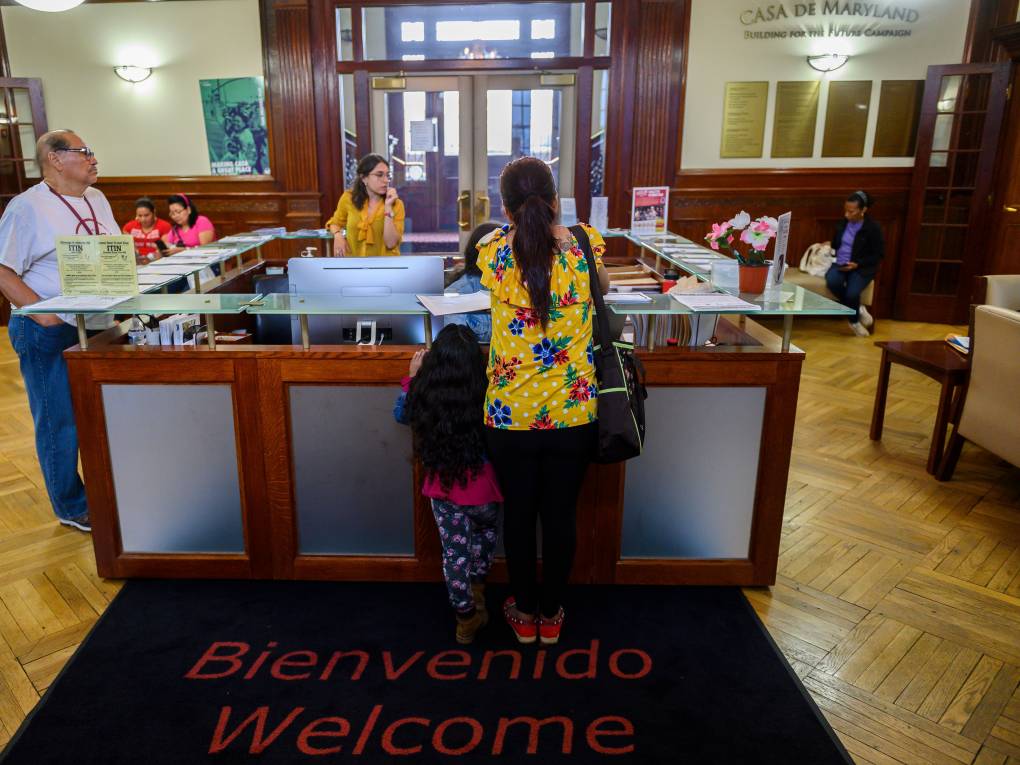
"caption": "Immigrant rights group CASA, along with the Institute for Constitutional Advocacy and Protection at Georgetown University Law Center, filed a federal class-action lawsuit Tuesday.",
"description": "Immigrant rights group CASA, along with the Institute for Constitutional Advocacy and Protection at Georgetown University Law Center, filed a federal class-action lawsuit Tuesday.",
"title": "Immigrant rights group CASA, along with the Institute for Constitutional Advocacy and Protection at Georgetown University Law Center, filed a federal class-action lawsuit Tuesday.",
"credit": "Andrew Caballero-Reynolds/AFP via Getty Images",
"status": "inherit",
"isLoading": false,
"fetchFailed": false
},
"news_11816433": {
"type": "attachments",
"id": "news_11816433",
"meta": {
"index": "attachments_1716263798",
"site": "news",
"id": "11816433",
"found": true
},
"parent": 11816116,
"imgSizes": {
"apple_news_ca_landscape_5_5": {
"file": "https://ww2.kqed.org/app/uploads/sites/10/2020/05/San-Francisco-Chinatown-Meal-Delivery-1044x783.jpg",
"width": 1044,
"mimeType": "image/jpeg",
"height": 783
},
"apple_news_ca_square_4_0": {
"file": "https://ww2.kqed.org/app/uploads/sites/10/2020/05/San-Francisco-Chinatown-Meal-Delivery-470x470.jpg",
"width": 470,
"mimeType": "image/jpeg",
"height": 470
},
"twentyfourteen-full-width": {
"file": "https://ww2.kqed.org/app/uploads/sites/10/2020/05/San-Francisco-Chinatown-Meal-Delivery-1038x576.jpg",
"width": 1038,
"mimeType": "image/jpeg",
"height": 576
},
"thumbnail": {
"file": "https://ww2.kqed.org/app/uploads/sites/10/2020/05/San-Francisco-Chinatown-Meal-Delivery-160x107.jpg",
"width": 160,
"mimeType": "image/jpeg",
"height": 107
},
"post-thumbnail": {
"file": "https://ww2.kqed.org/app/uploads/sites/10/2020/05/San-Francisco-Chinatown-Meal-Delivery-672x372.jpg",
"width": 672,
"mimeType": "image/jpeg",
"height": 372
},
"kqedFullSize": {
"file": "https://ww2.kqed.org/app/uploads/sites/10/2020/05/San-Francisco-Chinatown-Meal-Delivery.jpg",
"width": 1920,
"height": 1278
},
"apple_news_ca_landscape_4_7": {
"file": "https://ww2.kqed.org/app/uploads/sites/10/2020/05/San-Francisco-Chinatown-Meal-Delivery-632x474.jpg",
"width": 632,
"mimeType": "image/jpeg",
"height": 474
},
"large": {
"file": "https://ww2.kqed.org/app/uploads/sites/10/2020/05/San-Francisco-Chinatown-Meal-Delivery-1020x679.jpg",
"width": 1020,
"mimeType": "image/jpeg",
"height": 679
},
"apple_news_ca_landscape_4_0": {
"file": "https://ww2.kqed.org/app/uploads/sites/10/2020/05/San-Francisco-Chinatown-Meal-Delivery-536x402.jpg",
"width": 536,
"mimeType": "image/jpeg",
"height": 402
},
"apple_news_ca_portrait_12_9": {
"file": "https://ww2.kqed.org/app/uploads/sites/10/2020/05/San-Francisco-Chinatown-Meal-Delivery-1122x1278.jpg",
"width": 1122,
"mimeType": "image/jpeg",
"height": 1278
},
"medium": {
"file": "https://ww2.kqed.org/app/uploads/sites/10/2020/05/San-Francisco-Chinatown-Meal-Delivery-800x533.jpg",
"width": 800,
"mimeType": "image/jpeg",
"height": 533
},
"apple_news_ca_portrait_4_0": {
"file": "https://ww2.kqed.org/app/uploads/sites/10/2020/05/San-Francisco-Chinatown-Meal-Delivery-354x472.jpg",
"width": 354,
"mimeType": "image/jpeg",
"height": 472
},
"apple_news_ca_portrait_9_7": {
"file": "https://ww2.kqed.org/app/uploads/sites/10/2020/05/San-Francisco-Chinatown-Meal-Delivery-840x1120.jpg",
"width": 840,
"mimeType": "image/jpeg",
"height": 1120
},
"apple_news_ca_landscape_12_9": {
"file": "https://ww2.kqed.org/app/uploads/sites/10/2020/05/San-Francisco-Chinatown-Meal-Delivery-1832x1278.jpg",
"width": 1832,
"mimeType": "image/jpeg",
"height": 1278
},
"apple_news_ca_square_9_7": {
"file": "https://ww2.kqed.org/app/uploads/sites/10/2020/05/San-Francisco-Chinatown-Meal-Delivery-1104x1104.jpg",
"width": 1104,
"mimeType": "image/jpeg",
"height": 1104
},
"apple_news_ca_portrait_4_7": {
"file": "https://ww2.kqed.org/app/uploads/sites/10/2020/05/San-Francisco-Chinatown-Meal-Delivery-414x552.jpg",
"width": 414,
"mimeType": "image/jpeg",
"height": 552
},
"apple_news_ca_square_12_9": {
"file": "https://ww2.kqed.org/app/uploads/sites/10/2020/05/San-Francisco-Chinatown-Meal-Delivery-1472x1278.jpg",
"width": 1472,
"mimeType": "image/jpeg",
"height": 1278
},
"apple_news_ca_portrait_5_5": {
"file": "https://ww2.kqed.org/app/uploads/sites/10/2020/05/San-Francisco-Chinatown-Meal-Delivery-687x916.jpg",
"width": 687,
"mimeType": "image/jpeg",
"height": 916
},
"full-width": {
"file": "https://ww2.kqed.org/app/uploads/sites/10/2020/05/San-Francisco-Chinatown-Meal-Delivery-1920x1278.jpg",
"width": 1920,
"mimeType": "image/jpeg",
"height": 1278
},
"apple_news_ca_square_4_7": {
"file": "https://ww2.kqed.org/app/uploads/sites/10/2020/05/San-Francisco-Chinatown-Meal-Delivery-550x550.jpg",
"width": 550,
"mimeType": "image/jpeg",
"height": 550
},
"apple_news_ca_landscape_9_7": {
"file": "https://ww2.kqed.org/app/uploads/sites/10/2020/05/San-Francisco-Chinatown-Meal-Delivery-1376x1032.jpg",
"width": 1376,
"mimeType": "image/jpeg",
"height": 1032
},
"apple_news_ca_square_5_5": {
"file": "https://ww2.kqed.org/app/uploads/sites/10/2020/05/San-Francisco-Chinatown-Meal-Delivery-912x912.jpg",
"width": 912,
"mimeType": "image/jpeg",
"height": 912
}
},
"publishDate": 1588725641,
"modified": 1590620407,
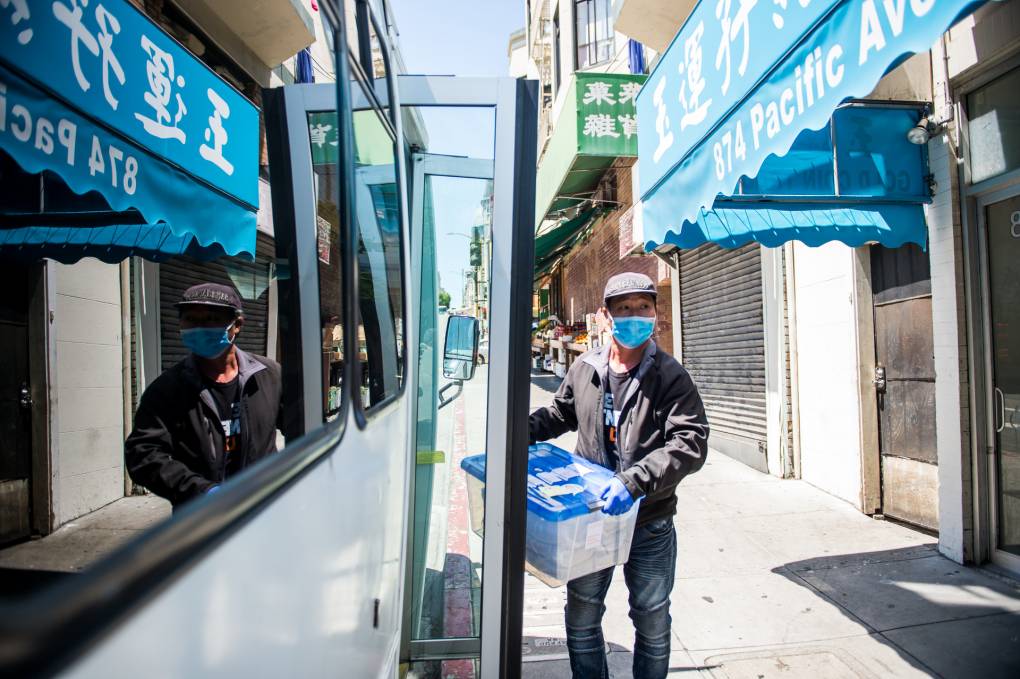
"caption": "Meals that were prepared at Far East Cafe are brought to Ping Yuen, a public housing building in San Francisco's Chinatown, where employees of a Chinatown nonprofit and volunteers help distribute meals to residents on May 5, 2020.",
"description": "Meals that were prepared at Far East Cafe are brought to Ping Yuen, a public housing building in San Francisco's Chinatown, where employees of a Chinatown nonprofit and volunteers help distribute meals to residents on May 5, 2020.",
"title": "San-Francisco-Chinatown-Meal-Delivery",
"credit": "Beth LaBerge/KQED",
"status": "inherit",
"isLoading": false,
"fetchFailed": false
},
"news_11815740": {
"type": "attachments",
"id": "news_11815740",
"meta": {
"index": "attachments_1716263798",
"site": "news",
"id": "11815740",
"found": true
},
"parent": 11815391,
"imgSizes": {
"apple_news_ca_landscape_5_5": {
"file": "https://ww2.kqed.org/app/uploads/sites/10/2020/05/RS42982_GettyImages-1221923762-qut-1044x783.jpg",
"width": 1044,
"mimeType": "image/jpeg",
"height": 783
},
"apple_news_ca_square_4_0": {
"file": "https://ww2.kqed.org/app/uploads/sites/10/2020/05/RS42982_GettyImages-1221923762-qut-470x470.jpg",
"width": 470,
"mimeType": "image/jpeg",
"height": 470
},
"twentyfourteen-full-width": {
"file": "https://ww2.kqed.org/app/uploads/sites/10/2020/05/RS42982_GettyImages-1221923762-qut-1038x576.jpg",
"width": 1038,
"mimeType": "image/jpeg",
"height": 576
},
"thumbnail": {
"file": "https://ww2.kqed.org/app/uploads/sites/10/2020/05/RS42982_GettyImages-1221923762-qut-160x107.jpg",
"width": 160,
"mimeType": "image/jpeg",
"height": 107
},
"post-thumbnail": {
"file": "https://ww2.kqed.org/app/uploads/sites/10/2020/05/RS42982_GettyImages-1221923762-qut-672x372.jpg",
"width": 672,
"mimeType": "image/jpeg",
"height": 372
},
"kqedFullSize": {
"file": "https://ww2.kqed.org/app/uploads/sites/10/2020/05/RS42982_GettyImages-1221923762-qut.jpg",
"width": 1920,
"height": 1281
},
"apple_news_ca_landscape_4_7": {
"file": "https://ww2.kqed.org/app/uploads/sites/10/2020/05/RS42982_GettyImages-1221923762-qut-632x474.jpg",
"width": 632,
"mimeType": "image/jpeg",
"height": 474
},
"large": {
"file": "https://ww2.kqed.org/app/uploads/sites/10/2020/05/RS42982_GettyImages-1221923762-qut-1020x681.jpg",
"width": 1020,
"mimeType": "image/jpeg",
"height": 681
},
"apple_news_ca_landscape_4_0": {
"file": "https://ww2.kqed.org/app/uploads/sites/10/2020/05/RS42982_GettyImages-1221923762-qut-536x402.jpg",
"width": 536,
"mimeType": "image/jpeg",
"height": 402
},
"apple_news_ca_portrait_12_9": {
"file": "https://ww2.kqed.org/app/uploads/sites/10/2020/05/RS42982_GettyImages-1221923762-qut-1122x1281.jpg",
"width": 1122,
"mimeType": "image/jpeg",
"height": 1281
},
"medium": {
"file": "https://ww2.kqed.org/app/uploads/sites/10/2020/05/RS42982_GettyImages-1221923762-qut-800x534.jpg",
"width": 800,
"mimeType": "image/jpeg",
"height": 534
},
"apple_news_ca_portrait_4_0": {
"file": "https://ww2.kqed.org/app/uploads/sites/10/2020/05/RS42982_GettyImages-1221923762-qut-354x472.jpg",
"width": 354,
"mimeType": "image/jpeg",
"height": 472
},
"apple_news_ca_portrait_9_7": {
"file": "https://ww2.kqed.org/app/uploads/sites/10/2020/05/RS42982_GettyImages-1221923762-qut-840x1120.jpg",
"width": 840,
"mimeType": "image/jpeg",
"height": 1120
},
"apple_news_ca_landscape_12_9": {
"file": "https://ww2.kqed.org/app/uploads/sites/10/2020/05/RS42982_GettyImages-1221923762-qut-1832x1281.jpg",
"width": 1832,
"mimeType": "image/jpeg",
"height": 1281
},
"apple_news_ca_square_9_7": {
"file": "https://ww2.kqed.org/app/uploads/sites/10/2020/05/RS42982_GettyImages-1221923762-qut-1104x1104.jpg",
"width": 1104,
"mimeType": "image/jpeg",
"height": 1104
},
"apple_news_ca_portrait_4_7": {
"file": "https://ww2.kqed.org/app/uploads/sites/10/2020/05/RS42982_GettyImages-1221923762-qut-414x552.jpg",
"width": 414,
"mimeType": "image/jpeg",
"height": 552
},
"apple_news_ca_square_12_9": {
"file": "https://ww2.kqed.org/app/uploads/sites/10/2020/05/RS42982_GettyImages-1221923762-qut-1472x1281.jpg",
"width": 1472,
"mimeType": "image/jpeg",
"height": 1281
},
"apple_news_ca_portrait_5_5": {
"file": "https://ww2.kqed.org/app/uploads/sites/10/2020/05/RS42982_GettyImages-1221923762-qut-687x916.jpg",
"width": 687,
"mimeType": "image/jpeg",
"height": 916
},
"full-width": {
"file": "https://ww2.kqed.org/app/uploads/sites/10/2020/05/RS42982_GettyImages-1221923762-qut-1920x1281.jpg",
"width": 1920,
"mimeType": "image/jpeg",
"height": 1281
},
"apple_news_ca_square_4_7": {
"file": "https://ww2.kqed.org/app/uploads/sites/10/2020/05/RS42982_GettyImages-1221923762-qut-550x550.jpg",
"width": 550,
"mimeType": "image/jpeg",
"height": 550
},
"apple_news_ca_landscape_9_7": {
"file": "https://ww2.kqed.org/app/uploads/sites/10/2020/05/RS42982_GettyImages-1221923762-qut-1376x1032.jpg",
"width": 1376,
"mimeType": "image/jpeg",
"height": 1032
},
"apple_news_ca_square_5_5": {
"file": "https://ww2.kqed.org/app/uploads/sites/10/2020/05/RS42982_GettyImages-1221923762-qut-912x912.jpg",
"width": 912,
"mimeType": "image/jpeg",
"height": 912
}
},
"publishDate": 1588367073,
"modified": 1588377965,
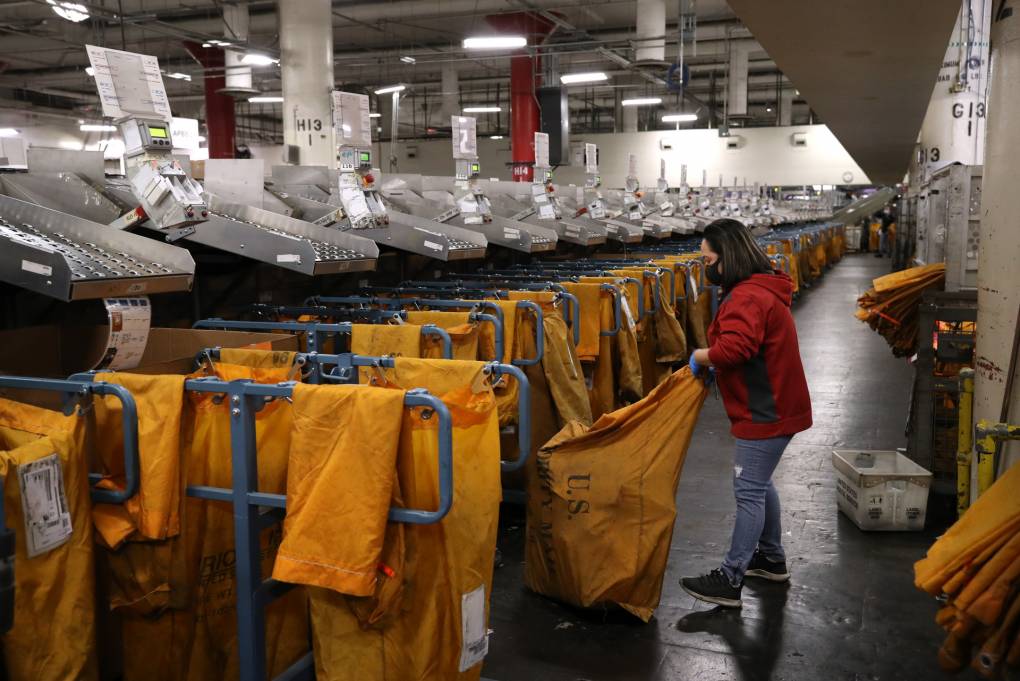
"caption": "A U.S. Postal Service worker seals a bag of packages at a processing and distribution center on April 29, 2020 in Oakland.",
"description": "A U.S. Postal Worker seals a bag of packages at a processing and distribution center on April 29, 2020 in Oakland, California.",
"title": "Postal Service Works Through Coronavirus Pandemic And Lockdown",
"credit": "Justin Sullivan/Getty Images",
"status": "inherit",
"isLoading": false,
"fetchFailed": false
},
"news_11814892": {
"type": "attachments",
"id": "news_11814892",
"meta": {
"index": "attachments_1716263798",
"site": "news",
"id": "11814892",
"found": true
},
"parent": 11814885,
"imgSizes": {
"apple_news_ca_landscape_5_5": {
"file": "https://ww2.kqed.org/app/uploads/sites/10/2020/04/RS42930_009_KQED_SanPablo_LifeLong_04272020-qut-1044x783.jpg",
"width": 1044,
"mimeType": "image/jpeg",
"height": 783
},
"apple_news_ca_square_4_0": {
"file": "https://ww2.kqed.org/app/uploads/sites/10/2020/04/RS42930_009_KQED_SanPablo_LifeLong_04272020-qut-470x470.jpg",
"width": 470,
"mimeType": "image/jpeg",
"height": 470
},
"twentyfourteen-full-width": {
"file": "https://ww2.kqed.org/app/uploads/sites/10/2020/04/RS42930_009_KQED_SanPablo_LifeLong_04272020-qut-1038x576.jpg",
"width": 1038,
"mimeType": "image/jpeg",
"height": 576
},
"thumbnail": {
"file": "https://ww2.kqed.org/app/uploads/sites/10/2020/04/RS42930_009_KQED_SanPablo_LifeLong_04272020-qut-160x107.jpg",
"width": 160,
"mimeType": "image/jpeg",
"height": 107
},
"post-thumbnail": {
"file": "https://ww2.kqed.org/app/uploads/sites/10/2020/04/RS42930_009_KQED_SanPablo_LifeLong_04272020-qut-672x372.jpg",
"width": 672,
"mimeType": "image/jpeg",
"height": 372
},
"kqedFullSize": {
"file": "https://ww2.kqed.org/app/uploads/sites/10/2020/04/RS42930_009_KQED_SanPablo_LifeLong_04272020-qut.jpg",
"width": 1920,
"height": 1280
},
"apple_news_ca_landscape_4_7": {
"file": "https://ww2.kqed.org/app/uploads/sites/10/2020/04/RS42930_009_KQED_SanPablo_LifeLong_04272020-qut-632x474.jpg",
"width": 632,
"mimeType": "image/jpeg",
"height": 474
},
"large": {
"file": "https://ww2.kqed.org/app/uploads/sites/10/2020/04/RS42930_009_KQED_SanPablo_LifeLong_04272020-qut-1020x680.jpg",
"width": 1020,
"mimeType": "image/jpeg",
"height": 680
},
"apple_news_ca_landscape_4_0": {
"file": "https://ww2.kqed.org/app/uploads/sites/10/2020/04/RS42930_009_KQED_SanPablo_LifeLong_04272020-qut-536x402.jpg",
"width": 536,
"mimeType": "image/jpeg",
"height": 402
},
"apple_news_ca_portrait_12_9": {
"file": "https://ww2.kqed.org/app/uploads/sites/10/2020/04/RS42930_009_KQED_SanPablo_LifeLong_04272020-qut-1122x1280.jpg",
"width": 1122,
"mimeType": "image/jpeg",
"height": 1280
},
"medium": {
"file": "https://ww2.kqed.org/app/uploads/sites/10/2020/04/RS42930_009_KQED_SanPablo_LifeLong_04272020-qut-800x533.jpg",
"width": 800,
"mimeType": "image/jpeg",
"height": 533
},
"apple_news_ca_portrait_4_0": {
"file": "https://ww2.kqed.org/app/uploads/sites/10/2020/04/RS42930_009_KQED_SanPablo_LifeLong_04272020-qut-354x472.jpg",
"width": 354,
"mimeType": "image/jpeg",
"height": 472
},
"apple_news_ca_portrait_9_7": {
"file": "https://ww2.kqed.org/app/uploads/sites/10/2020/04/RS42930_009_KQED_SanPablo_LifeLong_04272020-qut-840x1120.jpg",
"width": 840,
"mimeType": "image/jpeg",
"height": 1120
},
"apple_news_ca_landscape_12_9": {
"file": "https://ww2.kqed.org/app/uploads/sites/10/2020/04/RS42930_009_KQED_SanPablo_LifeLong_04272020-qut-1832x1280.jpg",
"width": 1832,
"mimeType": "image/jpeg",
"height": 1280
},
"apple_news_ca_square_9_7": {
"file": "https://ww2.kqed.org/app/uploads/sites/10/2020/04/RS42930_009_KQED_SanPablo_LifeLong_04272020-qut-1104x1104.jpg",
"width": 1104,
"mimeType": "image/jpeg",
"height": 1104
},
"apple_news_ca_portrait_4_7": {
"file": "https://ww2.kqed.org/app/uploads/sites/10/2020/04/RS42930_009_KQED_SanPablo_LifeLong_04272020-qut-414x552.jpg",
"width": 414,
"mimeType": "image/jpeg",
"height": 552
},
"apple_news_ca_square_12_9": {
"file": "https://ww2.kqed.org/app/uploads/sites/10/2020/04/RS42930_009_KQED_SanPablo_LifeLong_04272020-qut-1472x1280.jpg",
"width": 1472,
"mimeType": "image/jpeg",
"height": 1280
},
"apple_news_ca_portrait_5_5": {
"file": "https://ww2.kqed.org/app/uploads/sites/10/2020/04/RS42930_009_KQED_SanPablo_LifeLong_04272020-qut-687x916.jpg",
"width": 687,
"mimeType": "image/jpeg",
"height": 916
},
"full-width": {
"file": "https://ww2.kqed.org/app/uploads/sites/10/2020/04/RS42930_009_KQED_SanPablo_LifeLong_04272020-qut-1920x1280.jpg",
"width": 1920,
"mimeType": "image/jpeg",
"height": 1280
},
"apple_news_ca_square_4_7": {
"file": "https://ww2.kqed.org/app/uploads/sites/10/2020/04/RS42930_009_KQED_SanPablo_LifeLong_04272020-qut-550x550.jpg",
"width": 550,
"mimeType": "image/jpeg",
"height": 550
},
"apple_news_ca_landscape_9_7": {
"file": "https://ww2.kqed.org/app/uploads/sites/10/2020/04/RS42930_009_KQED_SanPablo_LifeLong_04272020-qut-1376x1032.jpg",
"width": 1376,
"mimeType": "image/jpeg",
"height": 1032
},
"apple_news_ca_square_5_5": {
"file": "https://ww2.kqed.org/app/uploads/sites/10/2020/04/RS42930_009_KQED_SanPablo_LifeLong_04272020-qut-912x912.jpg",
"width": 912,
"mimeType": "image/jpeg",
"height": 912
}
},
"publishDate": 1588123210,
"modified": 1588123465,
"caption": "Dr. Kimberly Ceci trains a nurse practitioner in telehealth at LifeLong Brookside San Pablo Health Center on April 27, 2020. Ceci says expanding Medi-Cal to undocumented seniors would improve their health outcomes. ",
"description": null,
"title": "RS42930_009_KQED_SanPablo_LifeLong_04272020-qut",
"credit": "Beth LaBerge/KQED",
"status": "inherit",
"isLoading": false,
"fetchFailed": false
},
"news_11814235": {
"type": "attachments",
"id": "news_11814235",
"meta": {
"index": "attachments_1716263798",
"site": "news",
"id": "11814235",
"found": true
},
"parent": 11814193,
"imgSizes": {
"apple_news_ca_landscape_5_5": {
"file": "https://ww2.kqed.org/app/uploads/sites/10/2020/04/RS42909_f0ba30608dfbf955c373ef01c6c27d22d2530583-1-qut-1044x783.jpg",
"width": 1044,
"mimeType": "image/jpeg",
"height": 783
},
"apple_news_ca_square_4_0": {
"file": "https://ww2.kqed.org/app/uploads/sites/10/2020/04/RS42909_f0ba30608dfbf955c373ef01c6c27d22d2530583-1-qut-470x470.jpg",
"width": 470,
"mimeType": "image/jpeg",
"height": 470
},
"twentyfourteen-full-width": {
"file": "https://ww2.kqed.org/app/uploads/sites/10/2020/04/RS42909_f0ba30608dfbf955c373ef01c6c27d22d2530583-1-qut-1038x576.jpg",
"width": 1038,
"mimeType": "image/jpeg",
"height": 576
},
"thumbnail": {
"file": "https://ww2.kqed.org/app/uploads/sites/10/2020/04/RS42909_f0ba30608dfbf955c373ef01c6c27d22d2530583-1-qut-160x109.jpg",
"width": 160,
"mimeType": "image/jpeg",
"height": 109
},
"post-thumbnail": {
"file": "https://ww2.kqed.org/app/uploads/sites/10/2020/04/RS42909_f0ba30608dfbf955c373ef01c6c27d22d2530583-1-qut-672x372.jpg",
"width": 672,
"mimeType": "image/jpeg",
"height": 372
},
"kqedFullSize": {
"file": "https://ww2.kqed.org/app/uploads/sites/10/2020/04/RS42909_f0ba30608dfbf955c373ef01c6c27d22d2530583-1-qut.jpg",
"width": 1531,
"height": 1045
},
"apple_news_ca_landscape_4_7": {
"file": "https://ww2.kqed.org/app/uploads/sites/10/2020/04/RS42909_f0ba30608dfbf955c373ef01c6c27d22d2530583-1-qut-632x474.jpg",
"width": 632,
"mimeType": "image/jpeg",
"height": 474
},
"large": {
"file": "https://ww2.kqed.org/app/uploads/sites/10/2020/04/RS42909_f0ba30608dfbf955c373ef01c6c27d22d2530583-1-qut-1020x696.jpg",
"width": 1020,
"mimeType": "image/jpeg",
"height": 696
},
"apple_news_ca_landscape_4_0": {
"file": "https://ww2.kqed.org/app/uploads/sites/10/2020/04/RS42909_f0ba30608dfbf955c373ef01c6c27d22d2530583-1-qut-536x402.jpg",
"width": 536,
"mimeType": "image/jpeg",
"height": 402
},
"apple_news_ca_portrait_12_9": {
"file": "https://ww2.kqed.org/app/uploads/sites/10/2020/04/RS42909_f0ba30608dfbf955c373ef01c6c27d22d2530583-1-qut-1122x1045.jpg",
"width": 1122,
"mimeType": "image/jpeg",
"height": 1045
},
"medium": {
"file": "https://ww2.kqed.org/app/uploads/sites/10/2020/04/RS42909_f0ba30608dfbf955c373ef01c6c27d22d2530583-1-qut-800x546.jpg",
"width": 800,
"mimeType": "image/jpeg",
"height": 546
},
"apple_news_ca_portrait_4_0": {
"file": "https://ww2.kqed.org/app/uploads/sites/10/2020/04/RS42909_f0ba30608dfbf955c373ef01c6c27d22d2530583-1-qut-354x472.jpg",
"width": 354,
"mimeType": "image/jpeg",
"height": 472
},
"apple_news_ca_portrait_9_7": {
"file": "https://ww2.kqed.org/app/uploads/sites/10/2020/04/RS42909_f0ba30608dfbf955c373ef01c6c27d22d2530583-1-qut-840x1045.jpg",
"width": 840,
"mimeType": "image/jpeg",
"height": 1045
},
"apple_news_ca_square_9_7": {
"file": "https://ww2.kqed.org/app/uploads/sites/10/2020/04/RS42909_f0ba30608dfbf955c373ef01c6c27d22d2530583-1-qut-1104x1045.jpg",
"width": 1104,
"mimeType": "image/jpeg",
"height": 1045
},
"apple_news_ca_portrait_4_7": {
"file": "https://ww2.kqed.org/app/uploads/sites/10/2020/04/RS42909_f0ba30608dfbf955c373ef01c6c27d22d2530583-1-qut-414x552.jpg",
"width": 414,
"mimeType": "image/jpeg",
"height": 552
},
"apple_news_ca_square_12_9": {
"file": "https://ww2.kqed.org/app/uploads/sites/10/2020/04/RS42909_f0ba30608dfbf955c373ef01c6c27d22d2530583-1-qut-1472x1045.jpg",
"width": 1472,
"mimeType": "image/jpeg",
"height": 1045
},
"apple_news_ca_portrait_5_5": {
"file": "https://ww2.kqed.org/app/uploads/sites/10/2020/04/RS42909_f0ba30608dfbf955c373ef01c6c27d22d2530583-1-qut-687x916.jpg",
"width": 687,
"mimeType": "image/jpeg",
"height": 916
},
"apple_news_ca_square_4_7": {
"file": "https://ww2.kqed.org/app/uploads/sites/10/2020/04/RS42909_f0ba30608dfbf955c373ef01c6c27d22d2530583-1-qut-550x550.jpg",
"width": 550,
"mimeType": "image/jpeg",
"height": 550
},
"apple_news_ca_landscape_9_7": {
"file": "https://ww2.kqed.org/app/uploads/sites/10/2020/04/RS42909_f0ba30608dfbf955c373ef01c6c27d22d2530583-1-qut-1376x1032.jpg",
"width": 1376,
"mimeType": "image/jpeg",
"height": 1032
},
"apple_news_ca_square_5_5": {
"file": "https://ww2.kqed.org/app/uploads/sites/10/2020/04/RS42909_f0ba30608dfbf955c373ef01c6c27d22d2530583-1-qut-912x912.jpg",
"width": 912,
"mimeType": "image/jpeg",
"height": 912
}
},
"publishDate": 1587763197,
"modified": 1588112717,
"caption": "Lexis Hernandez Avilez is back with her family. But returning home in the midst of a pandemic is complicated, and being home has brought up feelings of isolation and claustrophobia that she felt before she found friends at the Texas facility.",
"description": "Lexis Avilez is back with her family. But returning home in the midst of a pandemic is complicated, and being home has brought up feelings of isolation and claustrophobia that she felt before she found friends at the Texas facility.",
"title": "RS42909_f0ba30608dfbf955c373ef01c6c27d22d2530583-1-qut",
"credit": "Courtesy of the San Francisco Public Defender's Office",
"status": "inherit",
"isLoading": false,
"fetchFailed": false
},
"news_11814321": {
"type": "attachments",
"id": "news_11814321",
"meta": {
"index": "attachments_1716263798",
"site": "news",
"id": "11814321",
"found": true
},
"parent": 11814220,
"imgSizes": {
"apple_news_ca_landscape_5_5": {
"file": "https://ww2.kqed.org/app/uploads/sites/10/2020/04/MARQUEE_726_1-1044x720.jpg",
"width": 1044,
"mimeType": "image/jpeg",
"height": 720
},
"apple_news_ca_square_4_0": {
"file": "https://ww2.kqed.org/app/uploads/sites/10/2020/04/MARQUEE_726_1-470x470.jpg",
"width": 470,
"mimeType": "image/jpeg",
"height": 470
},
"twentyfourteen-full-width": {
"file": "https://ww2.kqed.org/app/uploads/sites/10/2020/04/MARQUEE_726_1-1038x576.jpg",
"width": 1038,
"mimeType": "image/jpeg",
"height": 576
},
"thumbnail": {
"file": "https://ww2.kqed.org/app/uploads/sites/10/2020/04/MARQUEE_726_1-160x90.jpg",
"width": 160,
"mimeType": "image/jpeg",
"height": 90
},
"post-thumbnail": {
"file": "https://ww2.kqed.org/app/uploads/sites/10/2020/04/MARQUEE_726_1-672x372.jpg",
"width": 672,
"mimeType": "image/jpeg",
"height": 372
},
"kqedFullSize": {
"file": "https://ww2.kqed.org/app/uploads/sites/10/2020/04/MARQUEE_726_1.jpg",
"width": 1280,
"height": 720
},
"apple_news_ca_landscape_4_7": {
"file": "https://ww2.kqed.org/app/uploads/sites/10/2020/04/MARQUEE_726_1-632x474.jpg",
"width": 632,
"mimeType": "image/jpeg",
"height": 474
},
"large": {
"file": "https://ww2.kqed.org/app/uploads/sites/10/2020/04/MARQUEE_726_1-1020x574.jpg",
"width": 1020,
"mimeType": "image/jpeg",
"height": 574
},
"apple_news_ca_landscape_4_0": {
"file": "https://ww2.kqed.org/app/uploads/sites/10/2020/04/MARQUEE_726_1-536x402.jpg",
"width": 536,
"mimeType": "image/jpeg",
"height": 402
},
"apple_news_ca_portrait_12_9": {
"file": "https://ww2.kqed.org/app/uploads/sites/10/2020/04/MARQUEE_726_1-1122x720.jpg",
"width": 1122,
"mimeType": "image/jpeg",
"height": 720
},
"medium": {
"file": "https://ww2.kqed.org/app/uploads/sites/10/2020/04/MARQUEE_726_1-800x450.jpg",
"width": 800,
"mimeType": "image/jpeg",
"height": 450
},
"apple_news_ca_portrait_4_0": {
"file": "https://ww2.kqed.org/app/uploads/sites/10/2020/04/MARQUEE_726_1-354x472.jpg",
"width": 354,
"mimeType": "image/jpeg",
"height": 472
},
"apple_news_ca_portrait_9_7": {
"file": "https://ww2.kqed.org/app/uploads/sites/10/2020/04/MARQUEE_726_1-840x720.jpg",
"width": 840,
"mimeType": "image/jpeg",
"height": 720
},
"apple_news_ca_square_9_7": {
"file": "https://ww2.kqed.org/app/uploads/sites/10/2020/04/MARQUEE_726_1-1104x720.jpg",
"width": 1104,
"mimeType": "image/jpeg",
"height": 720
},
"apple_news_ca_portrait_4_7": {
"file": "https://ww2.kqed.org/app/uploads/sites/10/2020/04/MARQUEE_726_1-414x552.jpg",
"width": 414,
"mimeType": "image/jpeg",
"height": 552
},
"apple_news_ca_portrait_5_5": {
"file": "https://ww2.kqed.org/app/uploads/sites/10/2020/04/MARQUEE_726_1-687x720.jpg",
"width": 687,
"mimeType": "image/jpeg",
"height": 720
},
"apple_news_ca_square_4_7": {
"file": "https://ww2.kqed.org/app/uploads/sites/10/2020/04/MARQUEE_726_1-550x550.jpg",
"width": 550,
"mimeType": "image/jpeg",
"height": 550
},
"apple_news_ca_square_5_5": {
"file": "https://ww2.kqed.org/app/uploads/sites/10/2020/04/MARQUEE_726_1-912x720.jpg",
"width": 912,
"mimeType": "image/jpeg",
"height": 720
}
},
"publishDate": 1587771538,
"modified": 1587771538,
"caption": null,
"description": null,
"title": "MARQUEE_726_1",
"credit": null,
"status": "inherit",
"isLoading": false,
"fetchFailed": false
},
"news_11814098": {
"type": "attachments",
"id": "news_11814098",
"meta": {
"index": "attachments_1716263798",
"site": "news",
"id": "11814098",
"found": true
},
"parent": 11814096,
"imgSizes": {
"apple_news_ca_landscape_5_5": {
"file": "https://ww2.kqed.org/app/uploads/sites/10/2020/04/RS16745_IMG_9566.JPG-qut-1044x783.jpg",
"width": 1044,
"mimeType": "image/jpeg",
"height": 783
},
"apple_news_ca_square_4_0": {
"file": "https://ww2.kqed.org/app/uploads/sites/10/2020/04/RS16745_IMG_9566.JPG-qut-470x470.jpg",
"width": 470,
"mimeType": "image/jpeg",
"height": 470
},
"twentyfourteen-full-width": {
"file": "https://ww2.kqed.org/app/uploads/sites/10/2020/04/RS16745_IMG_9566.JPG-qut-1038x576.jpg",
"width": 1038,
"mimeType": "image/jpeg",
"height": 576
},
"thumbnail": {
"file": "https://ww2.kqed.org/app/uploads/sites/10/2020/04/RS16745_IMG_9566.JPG-qut-160x107.jpg",
"width": 160,
"mimeType": "image/jpeg",
"height": 107
},
"post-thumbnail": {
"file": "https://ww2.kqed.org/app/uploads/sites/10/2020/04/RS16745_IMG_9566.JPG-qut-672x372.jpg",
"width": 672,
"mimeType": "image/jpeg",
"height": 372
},
"kqedFullSize": {
"file": "https://ww2.kqed.org/app/uploads/sites/10/2020/04/RS16745_IMG_9566.JPG-qut.jpg",
"width": 1920,
"height": 1280
},
"apple_news_ca_landscape_4_7": {
"file": "https://ww2.kqed.org/app/uploads/sites/10/2020/04/RS16745_IMG_9566.JPG-qut-632x474.jpg",
"width": 632,
"mimeType": "image/jpeg",
"height": 474
},
"large": {
"file": "https://ww2.kqed.org/app/uploads/sites/10/2020/04/RS16745_IMG_9566.JPG-qut-1020x680.jpg",
"width": 1020,
"mimeType": "image/jpeg",
"height": 680
},
"apple_news_ca_landscape_4_0": {
"file": "https://ww2.kqed.org/app/uploads/sites/10/2020/04/RS16745_IMG_9566.JPG-qut-536x402.jpg",
"width": 536,
"mimeType": "image/jpeg",
"height": 402
},
"apple_news_ca_portrait_12_9": {
"file": "https://ww2.kqed.org/app/uploads/sites/10/2020/04/RS16745_IMG_9566.JPG-qut-1122x1280.jpg",
"width": 1122,
"mimeType": "image/jpeg",
"height": 1280
},
"medium": {
"file": "https://ww2.kqed.org/app/uploads/sites/10/2020/04/RS16745_IMG_9566.JPG-qut-800x533.jpg",
"width": 800,
"mimeType": "image/jpeg",
"height": 533
},
"apple_news_ca_portrait_4_0": {
"file": "https://ww2.kqed.org/app/uploads/sites/10/2020/04/RS16745_IMG_9566.JPG-qut-354x472.jpg",
"width": 354,
"mimeType": "image/jpeg",
"height": 472
},
"apple_news_ca_portrait_9_7": {
"file": "https://ww2.kqed.org/app/uploads/sites/10/2020/04/RS16745_IMG_9566.JPG-qut-840x1120.jpg",
"width": 840,
"mimeType": "image/jpeg",
"height": 1120
},
"apple_news_ca_landscape_12_9": {
"file": "https://ww2.kqed.org/app/uploads/sites/10/2020/04/RS16745_IMG_9566.JPG-qut-1832x1280.jpg",
"width": 1832,
"mimeType": "image/jpeg",
"height": 1280
},
"apple_news_ca_square_9_7": {
"file": "https://ww2.kqed.org/app/uploads/sites/10/2020/04/RS16745_IMG_9566.JPG-qut-1104x1104.jpg",
"width": 1104,
"mimeType": "image/jpeg",
"height": 1104
},
"apple_news_ca_portrait_4_7": {
"file": "https://ww2.kqed.org/app/uploads/sites/10/2020/04/RS16745_IMG_9566.JPG-qut-414x552.jpg",
"width": 414,
"mimeType": "image/jpeg",
"height": 552
},
"apple_news_ca_square_12_9": {
"file": "https://ww2.kqed.org/app/uploads/sites/10/2020/04/RS16745_IMG_9566.JPG-qut-1472x1280.jpg",
"width": 1472,
"mimeType": "image/jpeg",
"height": 1280
},
"apple_news_ca_portrait_5_5": {
"file": "https://ww2.kqed.org/app/uploads/sites/10/2020/04/RS16745_IMG_9566.JPG-qut-687x916.jpg",
"width": 687,
"mimeType": "image/jpeg",
"height": 916
},
"full-width": {
"file": "https://ww2.kqed.org/app/uploads/sites/10/2020/04/RS16745_IMG_9566.JPG-qut-1920x1280.jpg",
"width": 1920,
"mimeType": "image/jpeg",
"height": 1280
},
"apple_news_ca_square_4_7": {
"file": "https://ww2.kqed.org/app/uploads/sites/10/2020/04/RS16745_IMG_9566.JPG-qut-550x550.jpg",
"width": 550,
"mimeType": "image/jpeg",
"height": 550
},
"apple_news_ca_landscape_9_7": {
"file": "https://ww2.kqed.org/app/uploads/sites/10/2020/04/RS16745_IMG_9566.JPG-qut-1376x1032.jpg",
"width": 1376,
"mimeType": "image/jpeg",
"height": 1032
},
"apple_news_ca_square_5_5": {
"file": "https://ww2.kqed.org/app/uploads/sites/10/2020/04/RS16745_IMG_9566.JPG-qut-912x912.jpg",
"width": 912,
"mimeType": "image/jpeg",
"height": 912
}
},
"publishDate": 1587690864,
"modified": 1587739202,
"caption": "Jane Garcia, CEO at La Clínica de la Raza, advocates for health care services for undocumented and uninsured immigrants in Contra Costa County on Sept. 22, 2015. La Clínica is losing $3 million per month in revenue during the coronavirus pandemic, she said.",
"description": null,
"title": "RS16745_IMG_9566.JPG-qut",
"credit": "Farida Jhabvala Romero/KQED",
"status": "inherit",
"isLoading": false,
"fetchFailed": false
},
"news_11814081": {
"type": "attachments",
"id": "news_11814081",
"meta": {
"index": "attachments_1716263798",
"site": "news",
"id": "11814081",
"found": true
},
"parent": 11814049,
"imgSizes": {
"apple_news_ca_square_4_0": {
"file": "https://ww2.kqed.org/app/uploads/sites/10/2020/04/GettyImages-1209901728-470x470.jpg",
"width": 470,
"mimeType": "image/jpeg",
"height": 470
},
"twentyfourteen-full-width": {
"file": "https://ww2.kqed.org/app/uploads/sites/10/2020/04/GettyImages-1209901728-1024x576.jpg",
"width": 1024,
"mimeType": "image/jpeg",
"height": 576
},
"thumbnail": {
"file": "https://ww2.kqed.org/app/uploads/sites/10/2020/04/GettyImages-1209901728-160x106.jpg",
"width": 160,
"mimeType": "image/jpeg",
"height": 106
},
"post-thumbnail": {
"file": "https://ww2.kqed.org/app/uploads/sites/10/2020/04/GettyImages-1209901728-672x372.jpg",
"width": 672,
"mimeType": "image/jpeg",
"height": 372
},
"kqedFullSize": {
"file": "https://ww2.kqed.org/app/uploads/sites/10/2020/04/GettyImages-1209901728.jpg",
"width": 1024,
"height": 681
},
"apple_news_ca_landscape_4_7": {
"file": "https://ww2.kqed.org/app/uploads/sites/10/2020/04/GettyImages-1209901728-632x474.jpg",
"width": 632,
"mimeType": "image/jpeg",
"height": 474
},
"large": {
"file": "https://ww2.kqed.org/app/uploads/sites/10/2020/04/GettyImages-1209901728-1020x678.jpg",
"width": 1020,
"mimeType": "image/jpeg",
"height": 678
},
"apple_news_ca_landscape_4_0": {
"file": "https://ww2.kqed.org/app/uploads/sites/10/2020/04/GettyImages-1209901728-536x402.jpg",
"width": 536,
"mimeType": "image/jpeg",
"height": 402
},
"medium": {
"file": "https://ww2.kqed.org/app/uploads/sites/10/2020/04/GettyImages-1209901728-800x532.jpg",
"width": 800,
"mimeType": "image/jpeg",
"height": 532
},
"apple_news_ca_portrait_4_0": {
"file": "https://ww2.kqed.org/app/uploads/sites/10/2020/04/GettyImages-1209901728-354x472.jpg",
"width": 354,
"mimeType": "image/jpeg",
"height": 472
},
"apple_news_ca_portrait_9_7": {
"file": "https://ww2.kqed.org/app/uploads/sites/10/2020/04/GettyImages-1209901728-840x681.jpg",
"width": 840,
"mimeType": "image/jpeg",
"height": 681
},
"apple_news_ca_portrait_4_7": {
"file": "https://ww2.kqed.org/app/uploads/sites/10/2020/04/GettyImages-1209901728-414x552.jpg",
"width": 414,
"mimeType": "image/jpeg",
"height": 552
},
"apple_news_ca_portrait_5_5": {
"file": "https://ww2.kqed.org/app/uploads/sites/10/2020/04/GettyImages-1209901728-687x681.jpg",
"width": 687,
"mimeType": "image/jpeg",
"height": 681
},
"apple_news_ca_square_4_7": {
"file": "https://ww2.kqed.org/app/uploads/sites/10/2020/04/GettyImages-1209901728-550x550.jpg",
"width": 550,
"mimeType": "image/jpeg",
"height": 550
},
"apple_news_ca_square_5_5": {
"file": "https://ww2.kqed.org/app/uploads/sites/10/2020/04/GettyImages-1209901728-912x681.jpg",
"width": 912,
"mimeType": "image/jpeg",
"height": 681
}
},
"publishDate": 1587688488,
"modified": 1587690070,
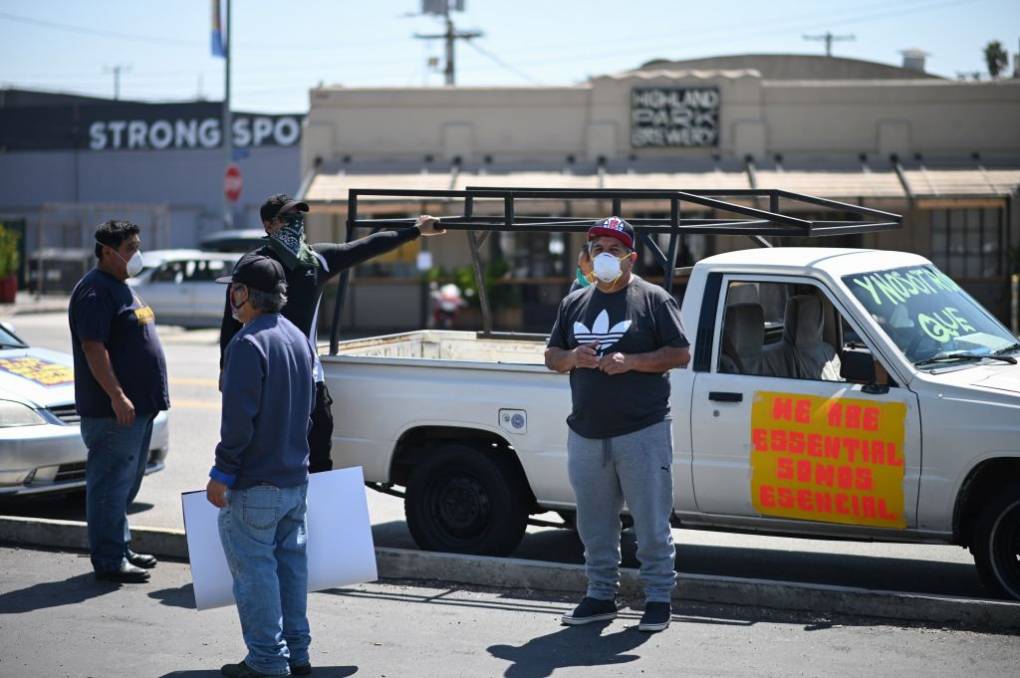
"caption": "Day laborers and their supporters demonstrate on April 14, 2020, in Los Angeles, calling on Gov. Gavin Newsom to provide coronavirus-related emergency financial aid to undocumented workers affected by the crisis.",
"description": null,
"title": "US-HEALTH-VIRUS",
"credit": "Robyn Beck/AFP via Getty Images",
"status": "inherit",
"isLoading": false,
"fetchFailed": false
},
"news_11813476": {
"type": "attachments",
"id": "news_11813476",
"meta": {
"index": "attachments_1716263798",
"site": "news",
"id": "11813476",
"found": true
},
"parent": 11813233,
"imgSizes": {
"apple_news_ca_landscape_5_5": {
"file": "https://ww2.kqed.org/app/uploads/sites/10/2020/04/RS42866_Campesina-qut-1044x783.jpg",
"width": 1044,
"mimeType": "image/jpeg",
"height": 783
},
"apple_news_ca_square_4_0": {
"file": "https://ww2.kqed.org/app/uploads/sites/10/2020/04/RS42866_Campesina-qut-470x470.jpg",
"width": 470,
"mimeType": "image/jpeg",
"height": 470
},
"twentyfourteen-full-width": {
"file": "https://ww2.kqed.org/app/uploads/sites/10/2020/04/RS42866_Campesina-qut-1038x576.jpg",
"width": 1038,
"mimeType": "image/jpeg",
"height": 576
},
"thumbnail": {
"file": "https://ww2.kqed.org/app/uploads/sites/10/2020/04/RS42866_Campesina-qut-160x101.jpg",
"width": 160,
"mimeType": "image/jpeg",
"height": 101
},
"post-thumbnail": {
"file": "https://ww2.kqed.org/app/uploads/sites/10/2020/04/RS42866_Campesina-qut-672x372.jpg",
"width": 672,
"mimeType": "image/jpeg",
"height": 372
},
"kqedFullSize": {
"file": "https://ww2.kqed.org/app/uploads/sites/10/2020/04/RS42866_Campesina-qut.jpg",
"width": 1920,
"height": 1214
},
"apple_news_ca_landscape_4_7": {
"file": "https://ww2.kqed.org/app/uploads/sites/10/2020/04/RS42866_Campesina-qut-632x474.jpg",
"width": 632,
"mimeType": "image/jpeg",
"height": 474
},
"large": {
"file": "https://ww2.kqed.org/app/uploads/sites/10/2020/04/RS42866_Campesina-qut-1020x645.jpg",
"width": 1020,
"mimeType": "image/jpeg",
"height": 645
},
"apple_news_ca_landscape_4_0": {
"file": "https://ww2.kqed.org/app/uploads/sites/10/2020/04/RS42866_Campesina-qut-536x402.jpg",
"width": 536,
"mimeType": "image/jpeg",
"height": 402
},
"apple_news_ca_portrait_12_9": {
"file": "https://ww2.kqed.org/app/uploads/sites/10/2020/04/RS42866_Campesina-qut-1122x1214.jpg",
"width": 1122,
"mimeType": "image/jpeg",
"height": 1214
},
"medium": {
"file": "https://ww2.kqed.org/app/uploads/sites/10/2020/04/RS42866_Campesina-qut-800x506.jpg",
"width": 800,
"mimeType": "image/jpeg",
"height": 506
},
"apple_news_ca_portrait_4_0": {
"file": "https://ww2.kqed.org/app/uploads/sites/10/2020/04/RS42866_Campesina-qut-354x472.jpg",
"width": 354,
"mimeType": "image/jpeg",
"height": 472
},
"apple_news_ca_portrait_9_7": {
"file": "https://ww2.kqed.org/app/uploads/sites/10/2020/04/RS42866_Campesina-qut-840x1120.jpg",
"width": 840,
"mimeType": "image/jpeg",
"height": 1120
},
"apple_news_ca_landscape_12_9": {
"file": "https://ww2.kqed.org/app/uploads/sites/10/2020/04/RS42866_Campesina-qut-1832x1214.jpg",
"width": 1832,
"mimeType": "image/jpeg",
"height": 1214
},
"apple_news_ca_square_9_7": {
"file": "https://ww2.kqed.org/app/uploads/sites/10/2020/04/RS42866_Campesina-qut-1104x1104.jpg",
"width": 1104,
"mimeType": "image/jpeg",
"height": 1104
},
"apple_news_ca_portrait_4_7": {
"file": "https://ww2.kqed.org/app/uploads/sites/10/2020/04/RS42866_Campesina-qut-414x552.jpg",
"width": 414,
"mimeType": "image/jpeg",
"height": 552
},
"apple_news_ca_square_12_9": {
"file": "https://ww2.kqed.org/app/uploads/sites/10/2020/04/RS42866_Campesina-qut-1472x1214.jpg",
"width": 1472,
"mimeType": "image/jpeg",
"height": 1214
},
"apple_news_ca_portrait_5_5": {
"file": "https://ww2.kqed.org/app/uploads/sites/10/2020/04/RS42866_Campesina-qut-687x916.jpg",
"width": 687,
"mimeType": "image/jpeg",
"height": 916
},
"full-width": {
"file": "https://ww2.kqed.org/app/uploads/sites/10/2020/04/RS42866_Campesina-qut-1920x1214.jpg",
"width": 1920,
"mimeType": "image/jpeg",
"height": 1214
},
"apple_news_ca_square_4_7": {
"file": "https://ww2.kqed.org/app/uploads/sites/10/2020/04/RS42866_Campesina-qut-550x550.jpg",
"width": 550,
"mimeType": "image/jpeg",
"height": 550
},
"apple_news_ca_landscape_9_7": {
"file": "https://ww2.kqed.org/app/uploads/sites/10/2020/04/RS42866_Campesina-qut-1376x1032.jpg",
"width": 1376,
"mimeType": "image/jpeg",
"height": 1032
},
"apple_news_ca_square_5_5": {
"file": "https://ww2.kqed.org/app/uploads/sites/10/2020/04/RS42866_Campesina-qut-912x912.jpg",
"width": 912,
"mimeType": "image/jpeg",
"height": 912
}
},
"publishDate": 1587515551,
"modified": 1587574070,
"caption": "Farmworker Monica Barragan stands in front of a field at a job site in Southern California. Immigrant communities need information about the coronavirus, and how to access resources during the pandemic, in a language they understand. ",
"description": null,
"title": "RS42866_Campesina-qut",
"credit": "Courtesy of Lideres Campesinas",
"status": "inherit",
"isLoading": false,
"fetchFailed": false
},
"news_11810080": {
"type": "attachments",
"id": "news_11810080",
"meta": {
"index": "attachments_1716263798",
"site": "news",
"id": "11810080",
"found": true
},
"parent": 11810060,
"imgSizes": {
"apple_news_ca_landscape_5_5": {
"file": "https://ww2.kqed.org/app/uploads/sites/10/2020/04/RS26107_jail-hallway-with-bars-01-11-17-qut-1044x783.jpg",
"width": 1044,
"mimeType": "image/jpeg",
"height": 783
},
"apple_news_ca_square_4_0": {
"file": "https://ww2.kqed.org/app/uploads/sites/10/2020/04/RS26107_jail-hallway-with-bars-01-11-17-qut-470x470.jpg",
"width": 470,
"mimeType": "image/jpeg",
"height": 470
},
"twentyfourteen-full-width": {
"file": "https://ww2.kqed.org/app/uploads/sites/10/2020/04/RS26107_jail-hallway-with-bars-01-11-17-qut-1038x576.jpg",
"width": 1038,
"mimeType": "image/jpeg",
"height": 576
},
"thumbnail": {
"file": "https://ww2.kqed.org/app/uploads/sites/10/2020/04/RS26107_jail-hallway-with-bars-01-11-17-qut-160x90.jpg",
"width": 160,
"mimeType": "image/jpeg",
"height": 90
},
"post-thumbnail": {
"file": "https://ww2.kqed.org/app/uploads/sites/10/2020/04/RS26107_jail-hallway-with-bars-01-11-17-qut-672x372.jpg",
"width": 672,
"mimeType": "image/jpeg",
"height": 372
},
"kqedFullSize": {
"file": "https://ww2.kqed.org/app/uploads/sites/10/2020/04/RS26107_jail-hallway-with-bars-01-11-17-qut.jpg",
"width": 1920,
"height": 1080
},
"apple_news_ca_landscape_4_7": {
"file": "https://ww2.kqed.org/app/uploads/sites/10/2020/04/RS26107_jail-hallway-with-bars-01-11-17-qut-632x474.jpg",
"width": 632,
"mimeType": "image/jpeg",
"height": 474
},
"large": {
"file": "https://ww2.kqed.org/app/uploads/sites/10/2020/04/RS26107_jail-hallway-with-bars-01-11-17-qut-1020x574.jpg",
"width": 1020,
"mimeType": "image/jpeg",
"height": 574
},
"apple_news_ca_landscape_4_0": {
"file": "https://ww2.kqed.org/app/uploads/sites/10/2020/04/RS26107_jail-hallway-with-bars-01-11-17-qut-536x402.jpg",
"width": 536,
"mimeType": "image/jpeg",
"height": 402
},
"apple_news_ca_portrait_12_9": {
"file": "https://ww2.kqed.org/app/uploads/sites/10/2020/04/RS26107_jail-hallway-with-bars-01-11-17-qut-1122x1080.jpg",
"width": 1122,
"mimeType": "image/jpeg",
"height": 1080
},
"medium": {
"file": "https://ww2.kqed.org/app/uploads/sites/10/2020/04/RS26107_jail-hallway-with-bars-01-11-17-qut-800x450.jpg",
"width": 800,
"mimeType": "image/jpeg",
"height": 450
},
"apple_news_ca_portrait_4_0": {
"file": "https://ww2.kqed.org/app/uploads/sites/10/2020/04/RS26107_jail-hallway-with-bars-01-11-17-qut-354x472.jpg",
"width": 354,
"mimeType": "image/jpeg",
"height": 472
},
"apple_news_ca_portrait_9_7": {
"file": "https://ww2.kqed.org/app/uploads/sites/10/2020/04/RS26107_jail-hallway-with-bars-01-11-17-qut-840x1080.jpg",
"width": 840,
"mimeType": "image/jpeg",
"height": 1080
},
"apple_news_ca_landscape_12_9": {
"file": "https://ww2.kqed.org/app/uploads/sites/10/2020/04/RS26107_jail-hallway-with-bars-01-11-17-qut-1832x1080.jpg",
"width": 1832,
"mimeType": "image/jpeg",
"height": 1080
},
"apple_news_ca_square_9_7": {
"file": "https://ww2.kqed.org/app/uploads/sites/10/2020/04/RS26107_jail-hallway-with-bars-01-11-17-qut-1104x1080.jpg",
"width": 1104,
"mimeType": "image/jpeg",
"height": 1080
},
"apple_news_ca_portrait_4_7": {
"file": "https://ww2.kqed.org/app/uploads/sites/10/2020/04/RS26107_jail-hallway-with-bars-01-11-17-qut-414x552.jpg",
"width": 414,
"mimeType": "image/jpeg",
"height": 552
},
"apple_news_ca_square_12_9": {
"file": "https://ww2.kqed.org/app/uploads/sites/10/2020/04/RS26107_jail-hallway-with-bars-01-11-17-qut-1472x1080.jpg",
"width": 1472,
"mimeType": "image/jpeg",
"height": 1080
},
"apple_news_ca_portrait_5_5": {
"file": "https://ww2.kqed.org/app/uploads/sites/10/2020/04/RS26107_jail-hallway-with-bars-01-11-17-qut-687x916.jpg",
"width": 687,
"mimeType": "image/jpeg",
"height": 916
},
"full-width": {
"file": "https://ww2.kqed.org/app/uploads/sites/10/2020/04/RS26107_jail-hallway-with-bars-01-11-17-qut-1920x1080.jpg",
"width": 1920,
"mimeType": "image/jpeg",
"height": 1080
},
"apple_news_ca_square_4_7": {
"file": "https://ww2.kqed.org/app/uploads/sites/10/2020/04/RS26107_jail-hallway-with-bars-01-11-17-qut-550x550.jpg",
"width": 550,
"mimeType": "image/jpeg",
"height": 550
},
"apple_news_ca_landscape_9_7": {
"file": "https://ww2.kqed.org/app/uploads/sites/10/2020/04/RS26107_jail-hallway-with-bars-01-11-17-qut-1376x1032.jpg",
"width": 1376,
"mimeType": "image/jpeg",
"height": 1032
},
"apple_news_ca_square_5_5": {
"file": "https://ww2.kqed.org/app/uploads/sites/10/2020/04/RS26107_jail-hallway-with-bars-01-11-17-qut-912x912.jpg",
"width": 912,
"mimeType": "image/jpeg",
"height": 912
}
},
"publishDate": 1585768338,
"modified": 1587587813,
"caption": "Inside the Yuba County Jail in Marysville, California, where an immigrant detainee with chronic health conditions is suing ICE to be released due to the coronavirus outbreak. ",
"description": "Inside the Yuba County Jail in Marysville, California, where an immigrant detainee with chronic health conditions is suing ICE to be released, due to the coronavirus outbreak. ",
"title": "RS26107_jail-hallway-with-bars-01-11-17-qut",
"credit": "Courtesy Rosen Bien Galvan & Grunfeld LLP",
"status": "inherit",
"isLoading": false,
"fetchFailed": false
},
"news_11813299": {
"type": "attachments",
"id": "news_11813299",
"meta": {
"index": "attachments_1716263798",
"site": "news",
"id": "11813299",
"found": true
},
"parent": 11813298,
"imgSizes": {
"apple_news_ca_landscape_5_5": {
"file": "https://ww2.kqed.org/app/uploads/sites/10/2020/04/ice-a35f7f18c47b018c38c0ce8720eabe95a1c6f3fa-1044x783.jpg",
"width": 1044,
"mimeType": "image/jpeg",
"height": 783
},
"apple_news_ca_square_4_0": {
"file": "https://ww2.kqed.org/app/uploads/sites/10/2020/04/ice-a35f7f18c47b018c38c0ce8720eabe95a1c6f3fa-470x470.jpg",
"width": 470,
"mimeType": "image/jpeg",
"height": 470
},
"twentyfourteen-full-width": {
"file": "https://ww2.kqed.org/app/uploads/sites/10/2020/04/ice-a35f7f18c47b018c38c0ce8720eabe95a1c6f3fa-1038x576.jpg",
"width": 1038,
"mimeType": "image/jpeg",
"height": 576
},
"thumbnail": {
"file": "https://ww2.kqed.org/app/uploads/sites/10/2020/04/ice-a35f7f18c47b018c38c0ce8720eabe95a1c6f3fa-160x120.jpg",
"width": 160,
"mimeType": "image/jpeg",
"height": 120
},
"post-thumbnail": {
"file": "https://ww2.kqed.org/app/uploads/sites/10/2020/04/ice-a35f7f18c47b018c38c0ce8720eabe95a1c6f3fa-672x372.jpg",
"width": 672,
"mimeType": "image/jpeg",
"height": 372
},
"kqedFullSize": {
"file": "https://ww2.kqed.org/app/uploads/sites/10/2020/04/ice-a35f7f18c47b018c38c0ce8720eabe95a1c6f3fa-e1587485974698.jpg",
"width": 1920,
"height": 1438
},
"apple_news_ca_landscape_4_7": {
"file": "https://ww2.kqed.org/app/uploads/sites/10/2020/04/ice-a35f7f18c47b018c38c0ce8720eabe95a1c6f3fa-632x474.jpg",
"width": 632,
"mimeType": "image/jpeg",
"height": 474
},
"large": {
"file": "https://ww2.kqed.org/app/uploads/sites/10/2020/04/ice-a35f7f18c47b018c38c0ce8720eabe95a1c6f3fa-1020x764.jpg",
"width": 1020,
"mimeType": "image/jpeg",
"height": 764
},
"apple_news_ca_landscape_4_0": {
"file": "https://ww2.kqed.org/app/uploads/sites/10/2020/04/ice-a35f7f18c47b018c38c0ce8720eabe95a1c6f3fa-536x402.jpg",
"width": 536,
"mimeType": "image/jpeg",
"height": 402
},
"apple_news_ca_portrait_12_9": {
"file": "https://ww2.kqed.org/app/uploads/sites/10/2020/04/ice-a35f7f18c47b018c38c0ce8720eabe95a1c6f3fa-1122x1496.jpg",
"width": 1122,
"mimeType": "image/jpeg",
"height": 1496
},
"medium": {
"file": "https://ww2.kqed.org/app/uploads/sites/10/2020/04/ice-a35f7f18c47b018c38c0ce8720eabe95a1c6f3fa-800x599.jpg",
"width": 800,
"mimeType": "image/jpeg",
"height": 599
},
"apple_news_ca_portrait_4_0": {
"file": "https://ww2.kqed.org/app/uploads/sites/10/2020/04/ice-a35f7f18c47b018c38c0ce8720eabe95a1c6f3fa-354x472.jpg",
"width": 354,
"mimeType": "image/jpeg",
"height": 472
},
"apple_news_ca_portrait_9_7": {
"file": "https://ww2.kqed.org/app/uploads/sites/10/2020/04/ice-a35f7f18c47b018c38c0ce8720eabe95a1c6f3fa-840x1120.jpg",
"width": 840,
"mimeType": "image/jpeg",
"height": 1120
},
"apple_news_ca_landscape_12_9": {
"file": "https://ww2.kqed.org/app/uploads/sites/10/2020/04/ice-a35f7f18c47b018c38c0ce8720eabe95a1c6f3fa-1832x1374.jpg",
"width": 1832,
"mimeType": "image/jpeg",
"height": 1374
},
"apple_news_ca_square_9_7": {
"file": "https://ww2.kqed.org/app/uploads/sites/10/2020/04/ice-a35f7f18c47b018c38c0ce8720eabe95a1c6f3fa-1104x1104.jpg",
"width": 1104,
"mimeType": "image/jpeg",
"height": 1104
},
"apple_news_ca_portrait_4_7": {
"file": "https://ww2.kqed.org/app/uploads/sites/10/2020/04/ice-a35f7f18c47b018c38c0ce8720eabe95a1c6f3fa-414x552.jpg",
"width": 414,
"mimeType": "image/jpeg",
"height": 552
},
"apple_news_ca_square_12_9": {
"file": "https://ww2.kqed.org/app/uploads/sites/10/2020/04/ice-a35f7f18c47b018c38c0ce8720eabe95a1c6f3fa-1472x1472.jpg",
"width": 1472,
"mimeType": "image/jpeg",
"height": 1472
},
"apple_news_ca_portrait_5_5": {
"file": "https://ww2.kqed.org/app/uploads/sites/10/2020/04/ice-a35f7f18c47b018c38c0ce8720eabe95a1c6f3fa-687x916.jpg",
"width": 687,
"mimeType": "image/jpeg",
"height": 916
},
"full-width": {
"file": "https://ww2.kqed.org/app/uploads/sites/10/2020/04/ice-a35f7f18c47b018c38c0ce8720eabe95a1c6f3fa-1920x1438.jpg",
"width": 1920,
"mimeType": "image/jpeg",
"height": 1438
},
"apple_news_ca_square_4_7": {
"file": "https://ww2.kqed.org/app/uploads/sites/10/2020/04/ice-a35f7f18c47b018c38c0ce8720eabe95a1c6f3fa-550x550.jpg",
"width": 550,
"mimeType": "image/jpeg",
"height": 550
},
"apple_news_ca_landscape_9_7": {
"file": "https://ww2.kqed.org/app/uploads/sites/10/2020/04/ice-a35f7f18c47b018c38c0ce8720eabe95a1c6f3fa-1376x1032.jpg",
"width": 1376,
"mimeType": "image/jpeg",
"height": 1032
},
"apple_news_ca_square_5_5": {
"file": "https://ww2.kqed.org/app/uploads/sites/10/2020/04/ice-a35f7f18c47b018c38c0ce8720eabe95a1c6f3fa-912x912.jpg",
"width": 912,
"mimeType": "image/jpeg",
"height": 912
}
},
"publishDate": 1587485918,
"modified": 1587486005,
"caption": "A masked cyclist passes a motorist protesting in a vehicle at a U.S. Immigration and Customs Enforcement field office last month in San Francisco.",
"description": "A masked cyclist passes a motorist protesting in a vehicle at a U.S. Immigration and Customs Enforcement field office last month in San Francisco.",
"title": "A masked cyclist passes a motorist protesting in a vehicle at a U.S. Immigration and Customs Enforcement field office last month in San Francisco.",
"credit": "Ben Margot/AP",
"status": "inherit",
"isLoading": false,
"fetchFailed": false
}
},
"audioPlayerReducer": {
"postId": "stream_live",
"isPaused": true,
"isPlaying": false,
"pfsActive": false,
"pledgeModalIsOpen": true,
"playerDrawerIsOpen": false,
"liveAudioPlayStartedAt": 0,
"liveAudioPlayContext": ""
},
"authorsReducer": {
"byline_news_11816529": {
"type": "authors",
"id": "byline_news_11816529",
"meta": {
"override": true
},
"slug": "byline_news_11816529",
"name": "Marisa Peñaloza",
"isLoading": false
},
"byline_news_11813298": {
"type": "authors",
"id": "byline_news_11813298",
"meta": {
"override": true
},
"slug": "byline_news_11813298",
"name": "Hannah Hagemann",
"isLoading": false
},
"lisapickoffwhite-2": {
"type": "authors",
"id": "199",
"meta": {
"index": "authors_1716337520",
"id": "199",
"found": true
},
"name": "Lisa Pickoff-White",
"firstName": "Lisa",
"lastName": "Pickoff-White",
"slug": "lisapickoffwhite-2",
"email": "lpickoffwhite@kqed.org",
"display_author_email": false,
"staff_mastheads": [
"news"
],
"title": "Data Journalist, Senior Producer",
"bio": "Lisa Pickoff-White is KQED's data reporter. Lisa specializes in simplifying complex topics and bringing them to life through compelling visuals, including photography and data visualizations. She previously has worked at the Center for Investigative Reporting and other national outlets. Her work has been honored with awards from the Online News Association, Investigative Reporters and Editors, the Society of Professional Journalists and SXSW Interactive. \u003cstrong> \u003c/strong>",
"avatar": "https://secure.gravatar.com/avatar/5513c5f3967df792aa65bee2501e84d6?s=600&d=blank&r=g",
"twitter": "pickoffwhite",
"facebook": null,
"instagram": null,
"linkedin": null,
"sites": [
{
"site": "",
"roles": [
"editor"
]
},
{
"site": "arts",
"roles": []
},
{
"site": "news",
"roles": [
"administrator"
]
},
{
"site": "about",
"roles": [
"editor"
]
},
{
"site": "stateofhealth",
"roles": [
"administrator"
]
},
{
"site": "science",
"roles": [
"editor"
]
},
{
"site": "quest",
"roles": [
"editor"
]
},
{
"site": "forum",
"roles": [
"editor"
]
}
],
"headData": {
"title": "Lisa Pickoff-White | KQED",
"description": "Data Journalist, Senior Producer",
"ogImgSrc": "https://secure.gravatar.com/avatar/5513c5f3967df792aa65bee2501e84d6?s=600&d=blank&r=g",
"twImgSrc": "https://secure.gravatar.com/avatar/5513c5f3967df792aa65bee2501e84d6?s=600&d=blank&r=g"
},
"isLoading": false,
"link": "/author/lisapickoffwhite-2"
},
"kqed": {
"type": "authors",
"id": "236",
"meta": {
"index": "authors_1716337520",
"id": "236",
"found": true
},
"name": "KQED News Staff",
"firstName": "KQED News Staff",
"lastName": null,
"slug": "kqed",
"email": "faq@kqed.org",
"display_author_email": false,
"staff_mastheads": [],
"title": null,
"bio": null,
"avatar": "https://secure.gravatar.com/avatar/ef0e801a68c4c54afa9180db14084167?s=600&d=blank&r=g",
"twitter": null,
"facebook": null,
"instagram": null,
"linkedin": null,
"sites": [
{
"site": "arts",
"roles": [
"contributor"
]
},
{
"site": "news",
"roles": [
"editor"
]
},
{
"site": "futureofyou",
"roles": [
"author"
]
}
],
"headData": {
"title": "KQED News Staff | KQED",
"description": null,
"ogImgSrc": "https://secure.gravatar.com/avatar/ef0e801a68c4c54afa9180db14084167?s=600&d=blank&r=g",
"twImgSrc": "https://secure.gravatar.com/avatar/ef0e801a68c4c54afa9180db14084167?s=600&d=blank&r=g"
},
"isLoading": false,
"link": "/author/kqed"
},
"kqednewsstaffandwires": {
"type": "authors",
"id": "237",
"meta": {
"index": "authors_1716337520",
"id": "237",
"found": true
},
"name": "KQED News Staff and Wires",
"firstName": "KQED News Staff and Wires",
"lastName": null,
"slug": "kqednewsstaffandwires",
"email": "onlinenewsstaff@kqed.org",
"display_author_email": false,
"staff_mastheads": [],
"title": null,
"bio": null,
"avatar": "https://secure.gravatar.com/avatar/72295af8ebbfbd19a4948f5271285664?s=600&d=blank&r=g",
"twitter": null,
"facebook": null,
"instagram": null,
"linkedin": null,
"sites": [
{
"site": "arts",
"roles": [
"contributor"
]
},
{
"site": "news",
"roles": [
"contributor"
]
},
{
"site": "lowdown",
"roles": [
"author"
]
},
{
"site": "stateofhealth",
"roles": [
"contributor"
]
},
{
"site": "food",
"roles": [
"author"
]
}
],
"headData": {
"title": "KQED News Staff and Wires | KQED",
"description": null,
"ogImgSrc": "https://secure.gravatar.com/avatar/72295af8ebbfbd19a4948f5271285664?s=600&d=blank&r=g",
"twImgSrc": "https://secure.gravatar.com/avatar/72295af8ebbfbd19a4948f5271285664?s=600&d=blank&r=g"
},
"isLoading": false,
"link": "/author/kqednewsstaffandwires"
},
"tychehendricks": {
"type": "authors",
"id": "259",
"meta": {
"index": "authors_1716337520",
"id": "259",
"found": true
},
"name": "Tyche Hendricks",
"firstName": "Tyche",
"lastName": "Hendricks",
"slug": "tychehendricks",
"email": "thendricks@kqed.org",
"display_author_email": true,
"staff_mastheads": [
"news"
],
"title": "KQED Senior Editor, Immigration",
"bio": "\u003cspan style=\"font-weight: 400;\">Tyche Hendricks is KQED’s senior editor for immigration, leading coverage of the policy and politics that affect California’s immigrant communities. Her work for KQED’s radio and online audiences is also carried on NPR and other national outlets. She has been recognized with awards from the Radio and Television News Directors Association, the Society for Professional Journalists; the Education Writers Association; the Best of the West and the National Federation of Community Broadcasters. Before joining KQED in 2010, Tyche spent more than a dozen years as a newspaper reporter, notably at the \u003c/span>\u003ci>\u003cspan style=\"font-weight: 400;\">San Francisco Chronicle\u003c/span>\u003c/i>\u003cspan style=\"font-weight: 400;\">. At different times she has covered criminal justice, government and politics and urban planning. Tyche has taught in the MFA Creative Writing program at the University of San Francisco and at UC Berkeley’s Graduate School of Journalism, where she was co-director of a national immigration symposium for professional journalists. She is the author of \u003c/span>\u003ci>\u003cspan style=\"font-weight: 400;\">The Wind Doesn't Need a Passport: Stories from the U.S.-Mexico Borderlands\u003c/span>\u003c/i>\u003cspan style=\"font-weight: 400;\"> (University of California Press). \u003c/span>",
"avatar": "https://secure.gravatar.com/avatar/b8ee458e2731c2d43df86882ce17267e?s=600&d=blank&r=g",
"twitter": "tychehendricks",
"facebook": null,
"instagram": null,
"linkedin": null,
"sites": [
{
"site": "news",
"roles": [
"editor"
]
},
{
"site": "stateofhealth",
"roles": [
"editor"
]
}
],
"headData": {
"title": "Tyche Hendricks | KQED",
"description": "KQED Senior Editor, Immigration",
"ogImgSrc": "https://secure.gravatar.com/avatar/b8ee458e2731c2d43df86882ce17267e?s=600&d=blank&r=g",
"twImgSrc": "https://secure.gravatar.com/avatar/b8ee458e2731c2d43df86882ce17267e?s=600&d=blank&r=g"
},
"isLoading": false,
"link": "/author/tychehendricks"
},
"clei": {
"type": "authors",
"id": "8617",
"meta": {
"index": "authors_1716337520",
"id": "8617",
"found": true
},
"name": "Cecilia Lei",
"firstName": "Cecilia",
"lastName": "Lei",
"slug": "clei",
"email": "clei@KQED.org",
"display_author_email": false,
"staff_mastheads": [],
"title": "KQED Contributor",
"bio": "Cecilia Lei is an on-call host and producer for KQED News and Podcasts. Previously, she was the executive producer and host of the San Francisco Chronicle's daily news podcast, 'Fifth and Mission'. Cecilia is a graduate of UC Berkeley’s Graduate School of Journalism and the former president of the Asian American Journalists Association San Francisco Bay Area chapter.",
"avatar": "https://secure.gravatar.com/avatar/40975f1f88fccf628ee537bf6ffc2af8?s=600&d=blank&r=g",
"twitter": null,
"facebook": null,
"instagram": null,
"linkedin": null,
"sites": [
{
"site": "arts",
"roles": [
"contributor"
]
},
{
"site": "news",
"roles": [
"author",
"read_private_posts"
]
},
{
"site": "about",
"roles": [
"editor"
]
}
],
"headData": {
"title": "Cecilia Lei | KQED",
"description": "KQED Contributor",
"ogImgSrc": "https://secure.gravatar.com/avatar/40975f1f88fccf628ee537bf6ffc2af8?s=600&d=blank&r=g",
"twImgSrc": "https://secure.gravatar.com/avatar/40975f1f88fccf628ee537bf6ffc2af8?s=600&d=blank&r=g"
},
"isLoading": false,
"link": "/author/clei"
},
"fjhabvala": {
"type": "authors",
"id": "8659",
"meta": {
"index": "authors_1716337520",
"id": "8659",
"found": true
},
"name": "Farida Jhabvala Romero",
"firstName": "Farida",
"lastName": "Jhabvala Romero",
"slug": "fjhabvala",
"email": "fjhabvala@kqed.org",
"display_author_email": true,
"staff_mastheads": [
"news"
],
"title": "KQED Contributor",
"bio": "Farida Jhabvala Romero is a Labor Correspondent for KQED. She previously covered immigration. Farida was \u003ca href=\"https://www.ccnma.org/2022-most-influential-latina-journalists\">named\u003c/a> one of the 10 Most Influential Latina Journalists in California in 2022 by the California Chicano News Media Association. Her work has won awards from the Society of Professional Journalists (Northern California), as well as a national and regional Edward M. Murrow Award for the collaborative reporting projects “Dangerous Air” and “Graying California.” Before joining KQED, Farida worked as a producer at Radio Bilingüe, a national public radio network. Farida earned her master’s degree in journalism from Stanford University.",
"avatar": "https://secure.gravatar.com/avatar/f9f022d4e2609741874222a1e9d41f48fea74011aa7c615eef91d9a50c944ebe?s=600&d=blank&r=g",
"twitter": "FaridaJhabvala",
"bluesky": null,
"facebook": null,
"instagram": null,
"linkedin": "https://www.linkedin.com/in/faridajhabvala/",
"sites": [
{
"site": "news",
"roles": [
"editor"
]
},
{
"site": "stateofhealth",
"roles": [
"author"
]
},
{
"site": "liveblog",
"roles": [
"author"
]
}
],
"headData": {
"title": "Farida Jhabvala Romero | KQED",
"description": "KQED Contributor",
"ogImgSrc": "https://secure.gravatar.com/avatar/f9f022d4e2609741874222a1e9d41f48fea74011aa7c615eef91d9a50c944ebe?s=600&d=blank&r=g",
"twImgSrc": "https://secure.gravatar.com/avatar/f9f022d4e2609741874222a1e9d41f48fea74011aa7c615eef91d9a50c944ebe?s=600&d=blank&r=g"
},
"isLoading": false,
"link": "/author/fjhabvala"
},
"ahall": {
"type": "authors",
"id": "11490",
"meta": {
"index": "authors_1716337520",
"id": "11490",
"found": true
},
"name": "Alex Hall",
"firstName": "Alex",
"lastName": "Hall",
"slug": "ahall",
"email": "ahall@kqed.org",
"display_author_email": false,
"staff_mastheads": [
"news"
],
"title": "KQED Enterprise & Accountability Reporter",
"bio": "Alex Hall is KQED's Enterprise and Accountability Reporter. She previously covered the Central Valley for five years from KQED's bureau in Fresno. Before joining KQED, Alex was an investigative reporting fellow at Wisconsin Public Radio and the Wisconsin Center for Investigative Journalism. She has also worked as a bilingual producer for NPR's investigative unit and freelance video producer for Reuters TV on the Latin America desk. She got her start in journalism in South America, where she worked as a radio producer and Spanish-English translator for CNN Chile. Her documentary and investigation into the series of deadly COVID-19 outbreaks at Foster Farms won a national Edward R. Murrow award and was named an Investigative Reporters & Editors award finalist. Alex's reporting for Reveal on the Wisconsin dairy industry's reliance on undocumented immigrant labor was made into a film, Los Lecheros, which won a regional Edward R. Murrow award for best news documentary.",
"avatar": "https://secure.gravatar.com/avatar/04c28ad4a7caa7ac2ef39c655c4030c993a3f331481d1da4799bb76ea85b9afa?s=600&d=blank&r=g",
"twitter": "@chalexhall",
"bluesky": null,
"facebook": null,
"instagram": null,
"linkedin": null,
"sites": [
{
"site": "news",
"roles": [
"editor"
]
},
{
"site": "liveblog",
"roles": [
"author"
]
}
],
"headData": {
"title": "Alex Hall | KQED",
"description": "KQED Enterprise & Accountability Reporter",
"ogImgSrc": "https://secure.gravatar.com/avatar/04c28ad4a7caa7ac2ef39c655c4030c993a3f331481d1da4799bb76ea85b9afa?s=600&d=blank&r=g",
"twImgSrc": "https://secure.gravatar.com/avatar/04c28ad4a7caa7ac2ef39c655c4030c993a3f331481d1da4799bb76ea85b9afa?s=600&d=blank&r=g"
},
"isLoading": false,
"link": "/author/ahall"
},
"mwiley": {
"type": "authors",
"id": "11526",
"meta": {
"index": "authors_1716337520",
"id": "11526",
"found": true
},
"name": "Michelle Wiley",
"firstName": "Michelle",
"lastName": "Wiley",
"slug": "mwiley",
"email": "mwiley@KQED.org",
"display_author_email": true,
"staff_mastheads": [],
"title": null,
"bio": "Michelle Wiley was the senior editor of weekends.",
"avatar": "https://secure.gravatar.com/avatar/3b897d82a09e8587e8e73fa69fbcc635?s=600&d=blank&r=g",
"twitter": "michelleewiley",
"facebook": null,
"instagram": null,
"linkedin": null,
"sites": [
{
"site": "",
"roles": [
"editor"
]
},
{
"site": "arts",
"roles": [
"editor"
]
},
{
"site": "news",
"roles": [
"subscriber"
]
},
{
"site": "lowdown",
"roles": [
"editor"
]
},
{
"site": "science",
"roles": [
"editor"
]
},
{
"site": "podcasts",
"roles": [
"editor"
]
}
],
"headData": {
"title": "Michelle Wiley | KQED",
"description": null,
"ogImgSrc": "https://secure.gravatar.com/avatar/3b897d82a09e8587e8e73fa69fbcc635?s=600&d=blank&r=g",
"twImgSrc": "https://secure.gravatar.com/avatar/3b897d82a09e8587e8e73fa69fbcc635?s=600&d=blank&r=g"
},
"isLoading": false,
"link": "/author/mwiley"
},
"nsparling": {
"type": "authors",
"id": "11655",
"meta": {
"index": "authors_1716337520",
"id": "11655",
"found": true
},
"name": "Nina Sparling",
"firstName": "Nina",
"lastName": "Sparling",
"slug": "nsparling",
"email": "nsparling@kqed.org",
"display_author_email": false,
"staff_mastheads": [],
"title": "KQED Contributor",
"bio": null,
"avatar": "https://secure.gravatar.com/avatar/4f605141f48bfba20520677de109f9bc?s=600&d=blank&r=g",
"twitter": null,
"facebook": null,
"instagram": null,
"linkedin": null,
"sites": [
{
"site": "",
"roles": [
"editor"
]
},
{
"site": "news",
"roles": [
"author"
]
},
{
"site": "forum",
"roles": [
"editor"
]
},
{
"site": "perspectives",
"roles": [
"editor"
]
}
],
"headData": {
"title": "Nina Sparling | KQED",
"description": "KQED Contributor",
"ogImgSrc": "https://secure.gravatar.com/avatar/4f605141f48bfba20520677de109f9bc?s=600&d=blank&r=g",
"twImgSrc": "https://secure.gravatar.com/avatar/4f605141f48bfba20520677de109f9bc?s=600&d=blank&r=g"
},
"isLoading": false,
"link": "/author/nsparling"
}
},
"pagesReducer": {
"news_category_immigration": {
"type": "terms",
"id": "news_1169",
"meta": {
"index": "terms_1716263798",
"site": "news",
"id": "1169",
"score": 10.910406
},
"featImg": null,
"name": "Immigration",
"description": null,
"taxonomy": "category",
"headData": {
"twImgId": null,
"twTitle": null,
"ogTitle": null,
"ogImgId": null,
"twDescription": null,
"description": null,
"title": "Immigration Archives | KQED News",
"ogDescription": null
},
"ttid": 1180,
"slug": "immigration",
"isLoading": false,
"title": "Immigration",
"pageMeta": {
"site": "news",
"WpPageTemplate": "page-topic-editorial",
"currentPage": 67
},
"blocks": [
{
"blockName": "kqed/post-list",
"attrs": {
"layout": "cardArticle2",
"query": "posts/news?category=immigration",
"seeMore": false,
"paginated": true,
"page": 67
}
},
{
"blockName": "kqed/ad"
}
]
}
},
"pfsSessionReducer": {},
"postsReducer": {
"stream_live": {
"type": "live",
"id": "stream_live",
"audioUrl": "https://streams.kqed.org/kqedradio",
"title": "Live Stream",
"excerpt": "Live Stream information currently unavailable.",
"link": "/radio",
"featImg": "",
"label": {
"name": "KQED Live",
"link": "/"
}
},
"stream_kqedNewscast": {
"type": "posts",
"id": "stream_kqedNewscast",
"audioUrl": "https://www.kqed.org/.stream/anon/radio/RDnews/newscast.mp3?_=1",
"title": "KQED Newscast",
"featImg": "",
"label": {
"name": "88.5 FM",
"link": "/"
}
},
"news_11816707": {
"type": "posts",
"id": "news_11816707",
"meta": {
"index": "posts_1716263798",
"site": "news",
"id": "11816707",
"score": null,
"sort": [
1588826240000
]
},
"guestAuthors": [],
"slug": "man-dies-of-covid-19-in-san-diego-ice-detention-center-lawyers-say",
"title": "First COVID-19 Death at an ICE Detention Center Hits in San Diego",
"publishDate": 1588826240,
"format": "standard",
"headTitle": "First COVID-19 Death at an ICE Detention Center Hits in San Diego | KQED",
"labelTerm": {
"site": "news"
},
"content": "\u003cp>\u003cem>Update: Thursday, May 7, 2020 at 5:15 pm\u003c/em>\u003c/p>\n\u003cp>Officials with U.S. Immigration and Customs Enforcement said Thursday that Carlos Escobar-Mejia died Wednesday at 2:15 a.m. at the Paradise Valley Hospital in National City, Calif. He was admitted to the hospital April 24 and tested positive for COVID-19 the same day, officials said.\u003c/p>\n\u003cp>They confirmed that his death was the first known coronavirus fatality of a person in ICE detention.\u003c/p>\n\u003cp>Escobar-Mejia, 57, had been in ICE custody since Jan. 10, the agency said in a statement, adding that a medical screening showed he suffered from hypertension and that he told officials he was diabetic. An immigration judge had denied his release on bond April 15, deeming him a flight risk, ICE said.\u003c/p>\n\u003cp>Escobar-Mejia, originally from El Salvador, first came to the United States in 1980, officials said.\u003c/p>\n\u003cp>[ad fullwidth]\u003c/p>\n\u003cp>In the statement, ICE reported that 181 immigrants held in detention at the Otay Mesa Detention Center have been diagnosed with COVID-19 since April 1, with 140 of them currently in ICE custody. As of Thursday, 753 detainees nationwide have been confirmed to have the virus, out of 1528 tested.\u003c/p>\n\u003cp>The Otay Mesa facility stopped accepting new detainees on April 2, according to the ICE statement, and the total number of people held there has been reduced — from 996 on Feb. 29, to 629 as of May 5.\u003c/p>\n\u003cp>\u003cem>Original story:\u003c/em>\u003c/p>\n\u003cp>A 57-year-old man held at an immigration detention facility in San Diego has died of COVID-19, immigrant advocates reported Wednesday. It is the first known coronavirus death among the roughly 30,000 people detained by U.S. Immigration and Customs Enforcement.\u003c/p>\n\u003cp>ICE officials would not confirm the death, saying the agency’s policy is to announce detainee deaths within 48 hours.\u003c/p>\n\u003cp>The man, identified as Carlos Ernesto Escobar Mejia \u003ca href=\"https://www.sandiegouniontribune.com/news/immigration/story/2020-05-06/first-ice-detainee-dies-from-covid-19-after-being-hospitalized-from-otay-mesa-detention-center\">by The San Diego Union-Tribune\u003c/a>, was originally from El Salvador and had been held at the Otay Mesa Detention Center for about four months. He had spent his last days in a hospital, where he died, according to Dulce Garcia, executive director of the advocacy group Border Angels.\u003c/p>\n\u003cp>“ICE set up a death trap and it was just a matter of time,” said Garcia, an attorney who represents immigrants detained at Otay Mesa. “We’ve known for weeks that they don’t have enough testing for everyone in there, and when you do test positive they put you into these cohorts with 100 other people. They should be releasing everyone.”\u003c/p>\n\u003cp>Another San Diego immigration lawyer said a distraught client of his at Otay Mesa called him to say that guards had come to her pod Wednesday morning and told detainees that a man housed in another pod had died of COVID-19.\u003c/p>\n\u003cp>“I can feel in her voice how scared she is,” attorney Ian Seruelo said of his client, a Mexican asylum-seeker who is trying to get released from custody. “There is this atmosphere inside where everyone is scared of what’s going to happen. They’re living on the edge. They don’t know if they could be the next one to be infected.”\u003c/p>\n\u003cp>The death comes one week after a federal judge in San Diego \u003ca href=\"https://www.aclusandiego.org/wp-content/uploads/2020/04/2020-04-30-38-ORD-Granting-TRO.pdf\">ordered\u003c/a> ICE to immediately consider dozens of medically vulnerable people, including those 60 or older, for release from detention at Otay Mesa. As of Monday, just two individuals had been released.[pullquote size=\"medium\" align=\"right\" citation=\"Ian Seruelo, immigration attorney\"]‘There is this atmosphere inside where everyone is scared of what’s going to happen. They’re living on the edge. They don’t know if they could be the next one to be infected.’[/pullquote]\u003c/p>\n\u003cp>In his emergency order, U.S. District Judge Dana Sabraw called the conditions at the Otay Mesa facility unconstitutional, because they put detainees “at substantial risk of serious illness or death.”\u003c/p>\n\u003cp>The order followed a \u003ca href=\"https://www.aclusandiego.org/wp-content/uploads/2020/04/2020-04-21-Class-Complaint-FINAL.pdf\">lawsuit\u003c/a> filed by the ACLU of San Diego, calling for ICE and private prison operator CoreCivic to dramatically reduce the number of detainees at Otay Mesa. ACLU staff attorney Monika Langarica said Escobar Mejia should have been released as medically vulnerable.\u003c/p>\n\u003cp>“Today one of those people has died because ICE refused to release him when he still had a chance to survive this deadly virus,” said Langarica in a statement Wednesday. “We continue to call on ICE and CoreCivic to act urgently and with humanity. This tragic news is even more evidence that failing to act will result in cruel and needless death.”\u003c/p>\n\u003cp>The case is one of numerous suits filed in federal courts around the country in recent weeks, urgently requesting ICE to protect detained immigrants by releasing them from custody and implementing stronger social distancing and hygiene measures for those who remain locked up.\u003c/p>\n\u003cp>Officials with ICE and CoreCivic did not respond to repeated requests for comment.\u003c/p>\n\u003cp>Attorney Seruelo said his client should also be released, based on her heightened risk for complications of COVID-19. He said she had been treated for diabetes for years in Mexico but lacked documentation of her condition. He also said she had been tested for diabetes two weeks ago by ICE medical staff but was still waiting for the test results to be released to her.\u003c/p>\n\u003cp>[aside postID=news_11812701,news_11813475,news_11809081 label='Related Coverage']There are currently 132 ICE detainees and 10 ICE staff at Otay Mesa who have tested positive for COVID-19, according to the agency. That’s more than triple the number of cases two weeks ago, and by far the largest outbreak at an ICE detention center. In addition, CoreCivic has reported at least nine of its employees with confirmed cases. And 54 federal prisoners held for the U.S. Marshals Service at the facility have also been diagnosed with the virus.\u003c/p>\n\u003cp>Nationally, \u003ca href=\"https://www.ice.gov/coronavirus\">ICE reports\u003c/a> that it has tested 1,460 detained people for COVID-19 and 705 of those tests — almost half — have come back positive.\u003c/p>\n\u003cp>Sen. Kamala Harris, who last month joined with a dozen other Democratic senators \u003ca href=\"https://www.harris.senate.gov/imo/media/doc/Harris%20Follow%20Up%20Letter%20re%20covid%20prep%20in%20DHS%20Facilities.pdf\">calling on ICE\u003c/a> to release vulnerable and low-risk detainees, decried Escobar Mejia’s death.\u003c/p>\n\u003cp>[ad floatright]\u003c/p>\n\u003cp>“Tragically, this death was likely preventable,” Harris told KQED. “For months, I have called on the Department of Homeland Security and the Bureau of Prisons to act quickly to prevent the spread of COVID-19 at facilities like Otay Mesa Detention Center. It is imperative that officials take every step available to prevent more illness and loss.”\u003c/p>\n\n",
"blocks": [],
"excerpt": "The man fell sick at the Otay Mesa Detention Center, which has the nation's largest coronavirus outbreak in ICE detention — with more than 150 cases among immigrants and staff.",
"status": "publish",
"parent": 0,
"modified": 1738715816,
"stats": {
"hasAudio": false,
"hasVideo": false,
"hasChartOrMap": false,
"iframeSrcs": [],
"hasGoogleForm": false,
"hasGallery": false,
"hasHearkenModule": false,
"hasPolis": false,
"paragraphCount": 27,
"wordCount": 1113
},
"headData": {
"title": "First COVID-19 Death at an ICE Detention Center Hits in San Diego | KQED",
"description": "The man fell sick at the Otay Mesa Detention Center, which has the nation's largest coronavirus outbreak in ICE detention — with more than 150 cases among immigrants and staff.",
"ogTitle": "",
"ogDescription": "",
"ogImgId": "",
"twTitle": "",
"twDescription": "",
"twImgId": "",
"schema": {
"@context": "https://schema.org",
"@type": "NewsArticle",
"headline": "First COVID-19 Death at an ICE Detention Center Hits in San Diego",
"datePublished": "2020-05-06T21:37:20-07:00",
"dateModified": "2025-02-04T16:36:56-08:00",
"image": "https://cdn.kqed.org/wp-content/uploads/2020/02/KQED-OG-Image@1x.png",
"isAccessibleForFree": "True",
"publisher": {
"@type": "NewsMediaOrganization",
"@id": "https://www.kqed.org/#organization",
"name": "KQED",
"logo": "https://cdn.kqed.org/wp-content/uploads/2020/02/KQED-OG-Image@1x.png",
"url": "https://www.kqed.org",
"sameAs": [
"https://www.facebook.com/KQED",
"https://twitter.com/KQED",
"https://www.instagram.com/kqed/",
"https://www.tiktok.com/@kqedofficial",
"https://www.linkedin.com/company/kqed",
"https://www.youtube.com/channel/UCeC0IOo7i1P_61zVUWbJ4nw"
]
}
}
},
"sticky": false,
"path": "/news/11816707/man-dies-of-covid-19-in-san-diego-ice-detention-center-lawyers-say",
"audioTrackLength": null,
"parsedContent": [
{
"type": "contentString",
"content": "\u003cdiv class=\"post-body\">\u003cp>\u003cp>\u003cem>Update: Thursday, May 7, 2020 at 5:15 pm\u003c/em>\u003c/p>\n\u003cp>Officials with U.S. Immigration and Customs Enforcement said Thursday that Carlos Escobar-Mejia died Wednesday at 2:15 a.m. at the Paradise Valley Hospital in National City, Calif. He was admitted to the hospital April 24 and tested positive for COVID-19 the same day, officials said.\u003c/p>\n\u003cp>They confirmed that his death was the first known coronavirus fatality of a person in ICE detention.\u003c/p>\n\u003cp>Escobar-Mejia, 57, had been in ICE custody since Jan. 10, the agency said in a statement, adding that a medical screening showed he suffered from hypertension and that he told officials he was diabetic. An immigration judge had denied his release on bond April 15, deeming him a flight risk, ICE said.\u003c/p>\n\u003cp>Escobar-Mejia, originally from El Salvador, first came to the United States in 1980, officials said.\u003c/p>\n\u003cp>\u003c/p>\u003c/div>",
"attributes": {
"named": {},
"numeric": []
}
},
{
"type": "component",
"content": "",
"name": "ad",
"attributes": {
"named": {
"label": "fullwidth"
},
"numeric": [
"fullwidth"
]
}
},
{
"type": "contentString",
"content": "\u003cdiv class=\"post-body\">\u003cp>\u003c/p>\n\u003cp>In the statement, ICE reported that 181 immigrants held in detention at the Otay Mesa Detention Center have been diagnosed with COVID-19 since April 1, with 140 of them currently in ICE custody. As of Thursday, 753 detainees nationwide have been confirmed to have the virus, out of 1528 tested.\u003c/p>\n\u003cp>The Otay Mesa facility stopped accepting new detainees on April 2, according to the ICE statement, and the total number of people held there has been reduced — from 996 on Feb. 29, to 629 as of May 5.\u003c/p>\n\u003cp>\u003cem>Original story:\u003c/em>\u003c/p>\n\u003cp>A 57-year-old man held at an immigration detention facility in San Diego has died of COVID-19, immigrant advocates reported Wednesday. It is the first known coronavirus death among the roughly 30,000 people detained by U.S. Immigration and Customs Enforcement.\u003c/p>\n\u003cp>ICE officials would not confirm the death, saying the agency’s policy is to announce detainee deaths within 48 hours.\u003c/p>\n\u003cp>The man, identified as Carlos Ernesto Escobar Mejia \u003ca href=\"https://www.sandiegouniontribune.com/news/immigration/story/2020-05-06/first-ice-detainee-dies-from-covid-19-after-being-hospitalized-from-otay-mesa-detention-center\">by The San Diego Union-Tribune\u003c/a>, was originally from El Salvador and had been held at the Otay Mesa Detention Center for about four months. He had spent his last days in a hospital, where he died, according to Dulce Garcia, executive director of the advocacy group Border Angels.\u003c/p>\n\u003cp>“ICE set up a death trap and it was just a matter of time,” said Garcia, an attorney who represents immigrants detained at Otay Mesa. “We’ve known for weeks that they don’t have enough testing for everyone in there, and when you do test positive they put you into these cohorts with 100 other people. They should be releasing everyone.”\u003c/p>\n\u003cp>Another San Diego immigration lawyer said a distraught client of his at Otay Mesa called him to say that guards had come to her pod Wednesday morning and told detainees that a man housed in another pod had died of COVID-19.\u003c/p>\n\u003cp>“I can feel in her voice how scared she is,” attorney Ian Seruelo said of his client, a Mexican asylum-seeker who is trying to get released from custody. “There is this atmosphere inside where everyone is scared of what’s going to happen. They’re living on the edge. They don’t know if they could be the next one to be infected.”\u003c/p>\n\u003cp>The death comes one week after a federal judge in San Diego \u003ca href=\"https://www.aclusandiego.org/wp-content/uploads/2020/04/2020-04-30-38-ORD-Granting-TRO.pdf\">ordered\u003c/a> ICE to immediately consider dozens of medically vulnerable people, including those 60 or older, for release from detention at Otay Mesa. As of Monday, just two individuals had been released.\u003c/p>\u003c/div>",
"attributes": {
"named": {},
"numeric": []
}
},
{
"type": "component",
"content": "‘There is this atmosphere inside where everyone is scared of what’s going to happen. They’re living on the edge. They don’t know if they could be the next one to be infected.’",
"name": "pullquote",
"attributes": {
"named": {
"size": "medium",
"align": "right",
"citation": "Ian Seruelo, immigration attorney",
"label": ""
},
"numeric": []
}
},
{
"type": "contentString",
"content": "\u003cdiv class=\"post-body\">\u003cp>\u003c/p>\n\u003cp>In his emergency order, U.S. District Judge Dana Sabraw called the conditions at the Otay Mesa facility unconstitutional, because they put detainees “at substantial risk of serious illness or death.”\u003c/p>\n\u003cp>The order followed a \u003ca href=\"https://www.aclusandiego.org/wp-content/uploads/2020/04/2020-04-21-Class-Complaint-FINAL.pdf\">lawsuit\u003c/a> filed by the ACLU of San Diego, calling for ICE and private prison operator CoreCivic to dramatically reduce the number of detainees at Otay Mesa. ACLU staff attorney Monika Langarica said Escobar Mejia should have been released as medically vulnerable.\u003c/p>\n\u003cp>“Today one of those people has died because ICE refused to release him when he still had a chance to survive this deadly virus,” said Langarica in a statement Wednesday. “We continue to call on ICE and CoreCivic to act urgently and with humanity. This tragic news is even more evidence that failing to act will result in cruel and needless death.”\u003c/p>\n\u003cp>The case is one of numerous suits filed in federal courts around the country in recent weeks, urgently requesting ICE to protect detained immigrants by releasing them from custody and implementing stronger social distancing and hygiene measures for those who remain locked up.\u003c/p>\n\u003cp>Officials with ICE and CoreCivic did not respond to repeated requests for comment.\u003c/p>\n\u003cp>Attorney Seruelo said his client should also be released, based on her heightened risk for complications of COVID-19. He said she had been treated for diabetes for years in Mexico but lacked documentation of her condition. He also said she had been tested for diabetes two weeks ago by ICE medical staff but was still waiting for the test results to be released to her.\u003c/p>\n\u003cp>\u003c/p>\u003c/div>",
"attributes": {
"named": {},
"numeric": []
}
},
{
"type": "component",
"content": "",
"name": "aside",
"attributes": {
"named": {
"postid": "news_11812701,news_11813475,news_11809081",
"label": "Related Coverage "
},
"numeric": []
}
},
{
"type": "contentString",
"content": "\u003cdiv class=\"post-body\">\u003cp>There are currently 132 ICE detainees and 10 ICE staff at Otay Mesa who have tested positive for COVID-19, according to the agency. That’s more than triple the number of cases two weeks ago, and by far the largest outbreak at an ICE detention center. In addition, CoreCivic has reported at least nine of its employees with confirmed cases. And 54 federal prisoners held for the U.S. Marshals Service at the facility have also been diagnosed with the virus.\u003c/p>\n\u003cp>Nationally, \u003ca href=\"https://www.ice.gov/coronavirus\">ICE reports\u003c/a> that it has tested 1,460 detained people for COVID-19 and 705 of those tests — almost half — have come back positive.\u003c/p>\n\u003cp>Sen. Kamala Harris, who last month joined with a dozen other Democratic senators \u003ca href=\"https://www.harris.senate.gov/imo/media/doc/Harris%20Follow%20Up%20Letter%20re%20covid%20prep%20in%20DHS%20Facilities.pdf\">calling on ICE\u003c/a> to release vulnerable and low-risk detainees, decried Escobar Mejia’s death.\u003c/p>\n\u003cp>\u003c/p>\u003c/div>",
"attributes": {
"named": {},
"numeric": []
}
},
{
"type": "component",
"content": "",
"name": "ad",
"attributes": {
"named": {
"label": "floatright"
},
"numeric": [
"floatright"
]
}
},
{
"type": "contentString",
"content": "\u003cdiv class=\"post-body\">\u003cp>\u003c/p>\n\u003cp>“Tragically, this death was likely preventable,” Harris told KQED. “For months, I have called on the Department of Homeland Security and the Bureau of Prisons to act quickly to prevent the spread of COVID-19 at facilities like Otay Mesa Detention Center. It is imperative that officials take every step available to prevent more illness and loss.”\u003c/p>\n\n\u003c/div>\u003c/p>",
"attributes": {
"named": {},
"numeric": []
}
}
],
"link": "/news/11816707/man-dies-of-covid-19-in-san-diego-ice-detention-center-lawyers-say",
"authors": [
"259"
],
"categories": [
"news_457",
"news_1169",
"news_8"
],
"tags": [
"news_350",
"news_27350",
"news_27504",
"news_23725",
"news_21027",
"news_6884",
"news_20202",
"news_23797"
],
"featImg": "news_11816743",
"label": "news"
},
"news_11816529": {
"type": "posts",
"id": "news_11816529",
"meta": {
"index": "posts_1716263798",
"site": "news",
"id": "11816529",
"score": null,
"sort": [
1588799479000
]
},
"parent": 0,
"labelTerm": {},
"blocks": [],
"publishDate": 1588799479,
"format": "audio",
"disqusTitle": "Lawsuit Alleges CARES Act Excludes U.S. Citizen Children of Undocumented Immigrants",
"title": "Lawsuit Alleges CARES Act Excludes U.S. Citizen Children of Undocumented Immigrants",
"headTitle": "KQED News",
"content": "\u003cp>U.S. citizen children of undocumented parents who are excluded from the $2 trillion federal coronavirus relief package filed a federal class-action lawsuit Tuesday.\u003c/p>\n\u003cp>The \u003ca href=\"https://www.documentcloud.org/documents/6882448-RV-v-Mnuchin-Complaint-as-Filed.html\">lawsuit was filed\u003c/a> in federal court in Maryland by the \u003ca href=\"https://www.law.georgetown.edu/icap/\">Institute for Constitutional Advocacy and Protection\u003c/a> at Georgetown University Law Center along with CASA, a nonprofit immigrant rights organization serving the Washington, D.C.-area and Pennsylvania, on behalf of seven children, ranging in age from 7 months old to 9 years old, and their parents.\u003c/p>\n\u003cp>\"My daughter is a U.S. citizen,\" said Carmen, the mother of one child in the lawsuit who did not want to give her full name because of her immigration status.\u003c/p>\n\u003cp>\"Just as any other U.S. citizen child, my daughter deserves to have equal rights,\" especially during this pandemic, Carmen said. \"It's an injustice.\"\u003c/p>\n\u003cp>As job losses continue to increase nationwide due to the public health pandemic, the federal government's enormous Coronavirus Aid, Relief, and Economic Security Act, signed into law March 27, provides an economic lifeline to millions of people who pay taxes using their Social Security number instead of the \u003ca href=\"https://www.irs.gov/individuals/individual-taxpayer-identification-number\">individual taxpayer identification number\u003c/a>, or ITIN, used by Carmen and many other undocumented immigrants.\u003c/p>\n\u003cp>[pullquote size=\"medium\" align=\"right\" citation=\"Mary McCord, lead attorney for the class-action lawsuit\"]'It's one thing to discriminate against undocumented immigrants, which our system does, but it's a whole different thing to discriminate against U.S. citizen children.'[/pullquote]\u003c/p>\n\u003cp>Every eligible individual receives a $1,200 check if the person has an \u003ca href=\"https://www.npr.org/2020/03/26/822224393/show-me-the-relief-money-no-promises-on-when-coronavirus-checks-are-coming\">income of less than $75,000 \u003c/a>per year, or $2,400 if a couple files taxes jointly. If the income is higher, the amount varies. Individual taxpayers' children also qualify for $500 per child under the age of 17.\u003c/p>\n\u003cp>Carmen said she pays income tax every year using her ITIN. Before the pandemic she worked two jobs in the food industry — one at a catering company and another at a pizzeria.\u003c/p>\n\u003cp>\"This is the first time I'm home without an income,\" she said. \"I'm using my voice to advocate on behalf of my daughter.\"\u003c/p>\n\u003cp>Carmen came to the U.S. from Lima, Peru, in 2001. She said she's concerned about her and her daughter's future in this pandemic.\u003c/p>\n\u003cp>\"It's a hard reality we are living,\" she said, pleading with public officials not to abandon children like hers during the crisis. \"I hope their hearts soften and their minds open to see that our children are also the future of the country.\"\u003c/p>\n\u003cp>[ad fullwidth]\u003c/p>\n\u003cp>Mary McCord is the lead attorney for the class-action lawsuit.\u003c/p>\n\u003cp>\"The lawsuit is based on the equal protection violation of the CARES Act that discriminates and excludes U.S. children,\" said McCord, a visiting professor at Georgetown University Law Center. \"It's one thing to discriminate against the undocumented immigrants, which our system does, but it's a whole different thing to discriminate against U.S. citizen children.\"\u003c/p>\n\u003cp>[aside postID=news_11812710 hero='https://ww2.kqed.org/app/uploads/sites/10/2020/04/1920_GettyImages-522274800-1-1020x680.jpg']\u003c/p>\n\u003cp>McCord estimates there are millions of children of undocumented immigrants in the country and said that these youths are being \"treated as second-class citizens\" with the denial of the CARES Act benefit.\u003c/p>\n\u003cp>More importantly, McCord said, it's nonsensical to deny these U.S. citizen children the benefit of the relief package because they already qualify for other public benefit programs such as the Supplemental Nutrition Assistance Program, or SNAP benefits, as well as Temporary Assistance for Needy Families, or TANF.\u003c/p>\n\u003cp>\"Under the Constitution, U.S. citizens cannot be discriminated against based on alienage,\" McCord said. \"These children have no say in who they're born to, and yet they're being treated differently than other U.S. citizen children. And that's why so many of the other public benefits programs still do cover U.S. citizen children, because otherwise it would be discriminatory.\"\u003c/p>\n\u003cp>Nicholas Katz, CASA's senior manager of legal services, said the way the CARES Act is being implemented runs counter to its promise.\u003c/p>\n\u003cp>\"The purpose of the CARES Act is to help the most vulnerable members of our society during this difficult time,\" Katz said in written statements. \"Immigrants make up almost a fifth of [front-line] workers during this pandemic. It is an absolute outrage that we are relying on immigrant families to care for our loved ones and provide our essential supplies and yet denying their children the support they are entitled to as U.S. citizens.\"\u003c/p>\n\u003cp>This case doesn't have a precedent, though two lawsuits in Maryland and Illinois have been filed against the U.S. government on behalf of couples of mixed immigration status. They were denied CARES Act relief because one of them is an undocumented immigrant, while the other is a U.S. citizen. \u003c/p>\n\u003cdiv class=\"fullattribution\">Copyright 2020 NPR. To see more, visit \u003ca href=\"https://www.npr.org\">NPR.org\u003c/a>.\u003cbr>\n\u003cimg src=\"https://www.google-analytics.com/__utm.gif?utmac=UA-5828686-4&utmdt=Lawsuit+Alleges+CARES+Act+Excludes+U.S.+Citizen+Children+Of+Undocumented+Immigrants&utme=8(APIKey)9(MDAxOTAwOTE4MDEyMTkxMDAzNjczZDljZA004)\">\u003c/div>\n\u003cp>\u003c/p>\n",
"disqusIdentifier": "11816529 https://ww2.kqed.org/news/?p=11816529",
"disqusUrl": "https://ww2.kqed.org/news/2020/05/06/lawsuit-alleges-cares-act-excludes-u-s-citizen-children-of-undocumented-immigrants/",
"stats": {
"hasVideo": false,
"hasChartOrMap": false,
"hasAudio": false,
"hasPolis": false,
"wordCount": 820,
"hasGoogleForm": false,
"hasGallery": false,
"hasHearkenModule": false,
"iframeSrcs": [],
"paragraphCount": 22
},
"modified": 1588803001,
"excerpt": "Advocates say denying these children benefits provided in the federal coronavirus relief package is akin to them being 'treated as second-class citizens.'",
"headData": {
"twImgId": "",
"twTitle": "",
"ogTitle": "",
"ogImgId": "",
"twDescription": "",
"description": "Advocates say denying these children benefits provided in the federal coronavirus relief package is akin to them being 'treated as second-class citizens.'",
"title": "Lawsuit Alleges CARES Act Excludes U.S. Citizen Children of Undocumented Immigrants | KQED",
"ogDescription": "",
"schema": {
"@context": "https://schema.org",
"@type": "NewsArticle",
"headline": "Lawsuit Alleges CARES Act Excludes U.S. Citizen Children of Undocumented Immigrants",
"datePublished": "2020-05-06T14:11:19-07:00",
"dateModified": "2020-05-06T15:10:01-07:00",
"image": "https://cdn.kqed.org/wp-content/uploads/2020/02/KQED-OG-Image@1x.png",
"isAccessibleForFree": "True",
"publisher": {
"@type": "NewsMediaOrganization",
"@id": "https://www.kqed.org/#organization",
"name": "KQED",
"logo": "https://cdn.kqed.org/wp-content/uploads/2020/02/KQED-OG-Image@1x.png",
"url": "https://www.kqed.org",
"sameAs": [
"https://www.facebook.com/KQED",
"https://twitter.com/KQED",
"https://www.instagram.com/kqed/",
"https://www.tiktok.com/@kqedofficial",
"https://www.linkedin.com/company/kqed",
"https://www.youtube.com/channel/UCeC0IOo7i1P_61zVUWbJ4nw"
]
}
}
},
"guestAuthors": [],
"slug": "lawsuit-alleges-cares-act-excludes-u-s-citizen-children-of-undocumented-immigrants",
"status": "publish",
"nprApiLink": "http://api.npr.org/query?id=850770390&apiKey=MDAxOTAwOTE4MDEyMTkxMDAzNjczZDljZA004",
"nprStoryDate": "Tue, 05 May 2020 15:27:00 -0400",
"nprLastModifiedDate": "Tue, 05 May 2020 19:48:52 -0400",
"nprHtmlLink": "https://www.npr.org/2020/05/05/850770390/lawsuit-alleges-cares-act-excludes-u-s-citizen-children-of-undocumented-immigran?ft=nprml&f=850770390",
"nprImageAgency": "AFP via Getty Images",
"source": "NPR",
"nprStoryId": "850770390",
"sourceUrl": "https://www.npr.org/",
"audioUrl": "https://traffic.omny.fm/d/clips/0af137ef-751e-4b19-a055-aaef00d2d578/ffca7e9f-6831-41c5-bcaf-aaef00f5a073/af1e9563-4709-4fb5-8b33-abb3010cda5a/audio.mp3",
"nprByline": "Marisa Peñaloza",
"nprImageCredit": "Andrew Caballero-Reynolds",
"nprRetrievedStory": "1",
"nprPubDate": "Tue, 05 May 2020 19:48:00 -0400",
"path": "/news/11816529/lawsuit-alleges-cares-act-excludes-u-s-citizen-children-of-undocumented-immigrants",
"audioDuration": 99000,
"audioTrackLength": null,
"parsedContent": [
{
"type": "contentString",
"content": "\u003cdiv class=\"post-body\">\u003cp>\u003cp>U.S. citizen children of undocumented parents who are excluded from the $2 trillion federal coronavirus relief package filed a federal class-action lawsuit Tuesday.\u003c/p>\n\u003cp>The \u003ca href=\"https://www.documentcloud.org/documents/6882448-RV-v-Mnuchin-Complaint-as-Filed.html\">lawsuit was filed\u003c/a> in federal court in Maryland by the \u003ca href=\"https://www.law.georgetown.edu/icap/\">Institute for Constitutional Advocacy and Protection\u003c/a> at Georgetown University Law Center along with CASA, a nonprofit immigrant rights organization serving the Washington, D.C.-area and Pennsylvania, on behalf of seven children, ranging in age from 7 months old to 9 years old, and their parents.\u003c/p>\n\u003cp>\"My daughter is a U.S. citizen,\" said Carmen, the mother of one child in the lawsuit who did not want to give her full name because of her immigration status.\u003c/p>\n\u003cp>\"Just as any other U.S. citizen child, my daughter deserves to have equal rights,\" especially during this pandemic, Carmen said. \"It's an injustice.\"\u003c/p>\n\u003cp>As job losses continue to increase nationwide due to the public health pandemic, the federal government's enormous Coronavirus Aid, Relief, and Economic Security Act, signed into law March 27, provides an economic lifeline to millions of people who pay taxes using their Social Security number instead of the \u003ca href=\"https://www.irs.gov/individuals/individual-taxpayer-identification-number\">individual taxpayer identification number\u003c/a>, or ITIN, used by Carmen and many other undocumented immigrants.\u003c/p>\n\u003cp>\u003c/p>\u003c/div>",
"attributes": {
"named": {},
"numeric": []
}
},
{
"type": "component",
"content": "'It's one thing to discriminate against undocumented immigrants, which our system does, but it's a whole different thing to discriminate against U.S. citizen children.'",
"name": "pullquote",
"attributes": {
"named": {
"size": "medium",
"align": "right",
"citation": "Mary McCord, lead attorney for the class-action lawsuit",
"label": ""
},
"numeric": []
}
},
{
"type": "contentString",
"content": "\u003cdiv class=\"post-body\">\u003cp>\u003c/p>\n\u003cp>Every eligible individual receives a $1,200 check if the person has an \u003ca href=\"https://www.npr.org/2020/03/26/822224393/show-me-the-relief-money-no-promises-on-when-coronavirus-checks-are-coming\">income of less than $75,000 \u003c/a>per year, or $2,400 if a couple files taxes jointly. If the income is higher, the amount varies. Individual taxpayers' children also qualify for $500 per child under the age of 17.\u003c/p>\n\u003cp>Carmen said she pays income tax every year using her ITIN. Before the pandemic she worked two jobs in the food industry — one at a catering company and another at a pizzeria.\u003c/p>\n\u003cp>\"This is the first time I'm home without an income,\" she said. \"I'm using my voice to advocate on behalf of my daughter.\"\u003c/p>\n\u003cp>Carmen came to the U.S. from Lima, Peru, in 2001. She said she's concerned about her and her daughter's future in this pandemic.\u003c/p>\n\u003cp>\"It's a hard reality we are living,\" she said, pleading with public officials not to abandon children like hers during the crisis. \"I hope their hearts soften and their minds open to see that our children are also the future of the country.\"\u003c/p>\n\u003cp>\u003c/p>\u003c/div>",
"attributes": {
"named": {},
"numeric": []
}
},
{
"type": "component",
"content": "",
"name": "ad",
"attributes": {
"named": {
"label": "fullwidth"
},
"numeric": [
"fullwidth"
]
}
},
{
"type": "contentString",
"content": "\u003cdiv class=\"post-body\">\u003cp>\u003c/p>\n\u003cp>Mary McCord is the lead attorney for the class-action lawsuit.\u003c/p>\n\u003cp>\"The lawsuit is based on the equal protection violation of the CARES Act that discriminates and excludes U.S. children,\" said McCord, a visiting professor at Georgetown University Law Center. \"It's one thing to discriminate against the undocumented immigrants, which our system does, but it's a whole different thing to discriminate against U.S. citizen children.\"\u003c/p>\n\u003cp>\u003c/p>\u003c/div>",
"attributes": {
"named": {},
"numeric": []
}
},
{
"type": "component",
"content": "",
"name": "aside",
"attributes": {
"named": {
"postid": "news_11812710",
"hero": "https://ww2.kqed.org/app/uploads/sites/10/2020/04/1920_GettyImages-522274800-1-1020x680.jpg",
"label": ""
},
"numeric": []
}
},
{
"type": "contentString",
"content": "\u003cdiv class=\"post-body\">\u003cp>\u003c/p>\n\u003cp>McCord estimates there are millions of children of undocumented immigrants in the country and said that these youths are being \"treated as second-class citizens\" with the denial of the CARES Act benefit.\u003c/p>\n\u003cp>More importantly, McCord said, it's nonsensical to deny these U.S. citizen children the benefit of the relief package because they already qualify for other public benefit programs such as the Supplemental Nutrition Assistance Program, or SNAP benefits, as well as Temporary Assistance for Needy Families, or TANF.\u003c/p>\n\u003cp>\"Under the Constitution, U.S. citizens cannot be discriminated against based on alienage,\" McCord said. \"These children have no say in who they're born to, and yet they're being treated differently than other U.S. citizen children. And that's why so many of the other public benefits programs still do cover U.S. citizen children, because otherwise it would be discriminatory.\"\u003c/p>\n\u003cp>Nicholas Katz, CASA's senior manager of legal services, said the way the CARES Act is being implemented runs counter to its promise.\u003c/p>\n\u003cp>\"The purpose of the CARES Act is to help the most vulnerable members of our society during this difficult time,\" Katz said in written statements. \"Immigrants make up almost a fifth of [front-line] workers during this pandemic. It is an absolute outrage that we are relying on immigrant families to care for our loved ones and provide our essential supplies and yet denying their children the support they are entitled to as U.S. citizens.\"\u003c/p>\n\u003cp>This case doesn't have a precedent, though two lawsuits in Maryland and Illinois have been filed against the U.S. government on behalf of couples of mixed immigration status. They were denied CARES Act relief because one of them is an undocumented immigrant, while the other is a U.S. citizen. \u003c/p>\n\u003cdiv class=\"fullattribution\">Copyright 2020 NPR. To see more, visit \u003ca href=\"https://www.npr.org\">NPR.org\u003c/a>.\u003cbr>\n\u003cimg src=\"https://www.google-analytics.com/__utm.gif?utmac=UA-5828686-4&utmdt=Lawsuit+Alleges+CARES+Act+Excludes+U.S.+Citizen+Children+Of+Undocumented+Immigrants&utme=8(APIKey)9(MDAxOTAwOTE4MDEyMTkxMDAzNjczZDljZA004)\">\u003c/div>\n\u003cp>\u003c/p>\n\u003c/div>\u003c/p>",
"attributes": {
"named": {},
"numeric": []
}
}
],
"link": "/news/11816529/lawsuit-alleges-cares-act-excludes-u-s-citizen-children-of-undocumented-immigrants",
"authors": [
"byline_news_11816529"
],
"categories": [
"news_1169",
"news_6188",
"news_8"
],
"tags": [
"news_2043",
"news_27350",
"news_20202",
"news_397"
],
"featImg": "news_11816530",
"label": "source_news_11816529"
},
"news_11816116": {
"type": "posts",
"id": "news_11816116",
"meta": {
"index": "posts_1716263798",
"site": "news",
"id": "11816116",
"score": null,
"sort": [
1588770387000
]
},
"guestAuthors": [],
"slug": "chinatown-housing-group-feeds-vulnerable-sro-tenants-by-reviving-legacy-restaurants",
"title": "Chinatown Housing Group Feeds Vulnerable SRO Tenants – by Reviving Legacy Restaurants",
"publishDate": 1588770387,
"format": "image",
"headTitle": "Chinatown Housing Group Feeds Vulnerable SRO Tenants – by Reviving Legacy Restaurants | KQED",
"labelTerm": {},
"content": "\u003cp>To prepare meals for her family these days, San Francisco Chinatown resident Tina Yu keeps a careful watch outside of her single room occupancy unit, or SRO, on Stockton Street. Yu monitors how many of her neighbors are in the building’s communal kitchen at one time: If there are more than two people inside, she will hold off cooking and wait.\u003c/p>\n\u003cp>Before the coronavirus pandemic, Yu would usually wait in a long line in order to use the communal kitchen, but with the city’s social distancing orders in place – and \u003ca href=\"https://www.kqed.org/news/11814970/bay-area-shelter-in-place-orders-extended-through-may-31\">shelter-in-place orders extended through the end of May\u003c/a> – queuing in tight hallways and cooking shoulder-to-shoulder with neighbors is no longer a safe or viable option.\u003c/p>\n\u003cp>Yu, who shares the SRO with her husband and two young daughters, is one of roughly 13,000 residents in Chinatown who live in SROs. The one-room housing units are typically 80 square feet and make up about half of the neighborhood’s entire housing stock. As one of the last remaining affordable housing options in San Francisco, they are largely occupied by many senior residents and new Chinese immigrant families. There are no private kitchens or bathrooms. Despite being one of the densest residential neighborhoods in the nation, San Francisco Chinatown has been \u003ca href=\"https://www.kqed.org/news/11814026/how-san-franciscos-chinatown-avoided-covid-19-panic\">largely successful\u003c/a> in managing the coronavirus outbreak – but residents say cooking and eating at home often still feels like a daily gamble.\u003c/p>\n\u003cp>One form of relief has come in the form of \u003ca href=\"https://www.chinatowncdc.org/feed-fuel-chinatown\">Feed + Fuel Chinatown\u003c/a>, a free cooked-meal program organized by the \u003ca href=\"https://www.chinatowncdc.org/\">Chinatown Community Development Center (CCDC)\u003c/a>, a nonprofit affordable housing organization. CCDC owns about 465 SRO units in the neighborhood, and its leaders realized early on that food security was a key vulnerability that needed to be addressed immediately.\u003c/p>\n\u003cp>[ad fullwidth]\u003c/p>\n\u003cp>“About a week in [of the shelter-in-place order], we started hearing reports from SRO families that we’ve been working with, that they were starting to see a significant uptick in kitchen usage,” said Malcolm Yeung, CCDC’s executive director. He added that many SRO residents work in Chinatown’s restaurants – a common starter job for new Chinese immigrants – and because they recently lost their employment, they weren’t able to bring extra meals home from work. So cooking at home in risky communal kitchens became even more of a necessity.\u003c/p>\n\u003cp>[pullquote size=\"medium\" align=\"right\" citation=\"Malcolm Yeung, Chinatown Community Development Center executive director\"]‘We’re feeding the most vulnerable, we’re activating restaurants, but I think the most important thing we’re trying to do is just reduce the chances of transmission. That’s why we embarked on this effort.’[/pullquote]\u003c/p>\n\u003cp>Yeung said that although food programs that serve Chinatown are helpful, they utilize a food pantry model, which provides groceries that still need to be cooked. And so, by early March, CCDC sprung into action in an attempt to decrease kitchen usage. They pivoted their employees from their usual affordable housing work and came up with a strategy to feed their most vulnerable clients: about 300 elderly residents that live in nine of CCDC’s SRO buildings.\u003c/p>\n\u003cp>It was a huge logistical effort, according to Yeung, and it required partnering with San Francisco’s \u003ca href=\"https://www.selfhelpelderly.org/san-francisco\">Self-Help for the Elderly\u003c/a>, redeploying about 60 CCDC staff members and relying on about 100 volunteers to package meals and deliver them straight to the doorsteps of each senior resident’s SRO unit.\u003c/p>\n\u003cfigure id=\"attachment_11816448\" class=\"wp-caption aligncenter\" style=\"max-width: 1920px\">\u003cimg loading=\"lazy\" decoding=\"async\" class=\"size-full wp-image-11816448\" src=\"https://ww2.kqed.org/app/uploads/sites/10/2020/05/RS43015_030_KQED_SanFrancisco_ChinatownMeals_05052020-qut.jpg\" alt=\"CCDC community organzier Kitty Fong at New Asia restaurant in Chinatown on April 5, 2020. CCDC partnered with New Asia to form its community kitchen meal takeout program.\" width=\"1920\" height=\"1280\" srcset=\"https://cdn.kqed.org/wp-content/uploads/sites/10/2020/05/RS43015_030_KQED_SanFrancisco_ChinatownMeals_05052020-qut.jpg 1920w, https://cdn.kqed.org/wp-content/uploads/sites/10/2020/05/RS43015_030_KQED_SanFrancisco_ChinatownMeals_05052020-qut-160x107.jpg 160w, https://cdn.kqed.org/wp-content/uploads/sites/10/2020/05/RS43015_030_KQED_SanFrancisco_ChinatownMeals_05052020-qut-800x533.jpg 800w, https://cdn.kqed.org/wp-content/uploads/sites/10/2020/05/RS43015_030_KQED_SanFrancisco_ChinatownMeals_05052020-qut-1020x680.jpg 1020w\" sizes=\"(max-width: 1920px) 100vw, 1920px\">\u003cfigcaption class=\"wp-caption-text\">CCDC community organzier Kitty Fong at New Asia restaurant in Chinatown on April 5, 2020. CCDC partnered with New Asia to form its community kitchen meal takeout program. \u003ccite>(Beth LaBerge/KQED)\u003c/cite>\u003c/figcaption>\u003c/figure>\n\u003cp>Kitty Fong, a CCDC community organizer, said the transition to prioritizing a food program – a whole new line of work for the organization – was tricky at first, but now the daily weekday process has become a smooth assembly line. Fong said elderly residents eagerly express enthusiasm and gratitude for their daily meals.\u003c/p>\n\u003cp>“Whenever I get into the building, they rush out and welcome us, like, ‘Oh, you’re here, we’ve been waiting!’ They are just really welcoming, but at the same time, you’ll have to remind them: ‘OK, but please keep social distancing!’ ” Fong said.\u003c/p>\n\u003ch3>Helping Chinatown’s Anchor Businesses Stay Afloat\u003c/h3>\n\u003cp>After implementing the senior resident meal program successfully, CCDC looked at other ways of expanding the program to feed even more Chinatown SRO residents. As part of San Francisco’s \u003ca href=\"https://sfdbi.org/SRO\">SRO Families United Collaborative\u003c/a>, CCDC has a direct relationship with more than 350 Chinatown families who have children under the age of 18. Through fundraising and the support of philanthropic dollars, CCDC raised enough money to set up a takeout meal program, where SRO families can pick up two cooked meals – lunch and dinner – for each member of their families.\u003c/p>\n\u003cp>The program also has an additional benefit: CCDC reopened the doors of New Asia, one of Chinatown’s last two remaining large community banquet restaurants, and paid the restaurant’s owner to rehire some of his staff members to cook about 700 takeout meals for SRO families each day.\u003c/p>\n\u003cp>These days, New Asia looks like a shell of what it used to be: yellow tablecloths drape its table and furniture, and the lights remain mostly off until SRO families begin arriving by around 11:30 a.m. to pick up their boxed meals. Instead of its usual hectic environment, where waiters hustle in and out through its doors and cooks stir fry dishes on flaming hot woks, the kitchen is now a quiet assembly line. Last Friday afternoon, seven staff members scooped white rice, broccoli and chicken into takeout boxes, which were then placed into white “thank you” takeout bags that lined the tables at the restaurant’s entrance.\u003c/p>\n\u003cfigure id=\"attachment_11816431\" class=\"wp-caption aligncenter\" style=\"max-width: 1920px\">\u003cimg loading=\"lazy\" decoding=\"async\" class=\"size-full wp-image-11816431\" src=\"https://ww2.kqed.org/app/uploads/sites/10/2020/05/Chinatown-Meal-Pickup-new-asia.jpg\" alt=\"Meals are distrubted at New Asia restaurant in San Francisco's Chinatown on April 5, 2020. A Chinatown housing nonprofit partnered with New Asia to form the Community Kitchen Meal Takeout Program, which provides 700 takeout meals per day to families living in SROs, 5 days a week.\" width=\"1920\" height=\"1280\" srcset=\"https://cdn.kqed.org/wp-content/uploads/sites/10/2020/05/Chinatown-Meal-Pickup-new-asia.jpg 1920w, https://cdn.kqed.org/wp-content/uploads/sites/10/2020/05/Chinatown-Meal-Pickup-new-asia-160x107.jpg 160w, https://cdn.kqed.org/wp-content/uploads/sites/10/2020/05/Chinatown-Meal-Pickup-new-asia-800x533.jpg 800w, https://cdn.kqed.org/wp-content/uploads/sites/10/2020/05/Chinatown-Meal-Pickup-new-asia-1020x680.jpg 1020w\" sizes=\"(max-width: 1920px) 100vw, 1920px\">\u003cfigcaption class=\"wp-caption-text\">Meals are distrubted at New Asia restaurant in San Francisco’s Chinatown on April 5, 2020. A Chinatown housing nonprofit partnered with New Asia to form the Community Kitchen Meal Takeout Program, which provides 700 takeout meals per day to families living in SROs, 5 days a week. \u003ccite>(Beth LaBerge/KQED)\u003c/cite>\u003c/figcaption>\u003c/figure>\n\u003cp>While restaurants in other communities have relied on a similar model to keep business going during the pandemic – by feeding \u003ca href=\"https://www.kqed.org/news/11815327/jewish-deli-transforms-into-community-kitchen-to-feed-sacramentos-vulnerable\">vulnerable populations\u003c/a> and \u003ca href=\"https://www.kqed.org/news/11810730/east-bay-restaurants-and-health-care-workers-are-hurting-this-grassroots-campaign-helps-them-both\">health care workers\u003c/a>, for example – Yeung said saving Chinatown restaurants was a deeply personal mission of the CCDC’s.\u003c/p>\n\u003cp>He explained that many of the restaurants were hit especially hard, even before shelter-in-place orders took place, because of misplaced blame and xenophobic attitudes towards the neighborhood. The potential permanent closures of key Chinatown businesses like New Asia would also mean a threat to traditions that are central to the Bay Area Chinese American community.\u003c/p>\n\u003cp>“One of the unique cultural characteristics about Chinatown are the frequent number of banquets that we host, especially during the Chinese New Year’s period,” Yeung said.\u003c/p>\n\u003cp>Because New Asia is one of the only large restaurants in the city that can host so many parties at once – and at reasonable prices – Yeung said New Asia plays a critical role in keeping cultural practices alive in Chinatown.\u003c/p>\n\u003cp>“It was particularly important to make sure that unique facilities like New Asia were able to survive this pandemic,” Yeung said.\u003c/p>\n\u003cfigure id=\"attachment_11816451\" class=\"wp-caption aligncenter\" style=\"max-width: 1920px\">\u003cimg loading=\"lazy\" decoding=\"async\" class=\"size-full wp-image-11816451\" src=\"https://ww2.kqed.org/app/uploads/sites/10/2020/05/RS43010_025_KQED_SanFrancisco_ChinatownMeals_05052020-qut-1.jpg\" alt=\"Meals are distributed at New Asia restaurant in Chinatown on April 5, 2020.\" width=\"1920\" height=\"1278\" srcset=\"https://cdn.kqed.org/wp-content/uploads/sites/10/2020/05/RS43010_025_KQED_SanFrancisco_ChinatownMeals_05052020-qut-1.jpg 1920w, https://cdn.kqed.org/wp-content/uploads/sites/10/2020/05/RS43010_025_KQED_SanFrancisco_ChinatownMeals_05052020-qut-1-160x107.jpg 160w, https://cdn.kqed.org/wp-content/uploads/sites/10/2020/05/RS43010_025_KQED_SanFrancisco_ChinatownMeals_05052020-qut-1-800x533.jpg 800w, https://cdn.kqed.org/wp-content/uploads/sites/10/2020/05/RS43010_025_KQED_SanFrancisco_ChinatownMeals_05052020-qut-1-1020x679.jpg 1020w\" sizes=\"(max-width: 1920px) 100vw, 1920px\">\u003cfigcaption class=\"wp-caption-text\">Meals are distributed at New Asia restaurant in Chinatown on April 5, 2020. \u003ccite>(Beth LaBerge/KQED)\u003c/cite>\u003c/figcaption>\u003c/figure>\n\u003cp>During an average Chinese New Year celebration season – the restaurant’s busiest time of year – New Asia is normally packed and serves up to 10 full banquet tables each night of the week, said owner Hong So.\u003c/p>\n\u003cp>But this past Chinese New Year, which took place just as anxieties about the coronavirus were starting to ramp up in the Bay Area, New Asia suffered an 80% to 90% decline in revenue compared to a typical New Year season. According to So, New Asia has regained about 30% to 40% of that total revenue thanks to the meal program. Even though that’s not anywhere near where the restaurant is used to being financially this time of year, So said there is an added value in being able to serve Chinatown in a new way.\u003c/p>\n\u003cp>“Chinese people have this unique characteristic that when people have shared difficulties, we want to help the community,” So said. “Especially the SRO tenants.”\u003c/p>\n\u003cp>In addition to the New Asia takeout program for families, Feed + Fuel Chinatown also manages the meal deliveries to Chinese elderly who live in public housing buildings through the \u003ca href=\"https://sfnewdeal.org/\">SF New Deal program\u003c/a>. In a similar revival, another banquet restaurant, the Far East Cafe, and Capital Restaurant, are cooking meals for an additional 300 Chinatown seniors.\u003c/p>\n\u003cfigure id=\"attachment_11816445\" class=\"wp-caption aligncenter\" style=\"max-width: 1920px\">\u003cimg loading=\"lazy\" decoding=\"async\" class=\"size-full wp-image-11816445\" src=\"https://ww2.kqed.org/app/uploads/sites/10/2020/05/RS43024_042_KQED_SanFrancisco_ChinatownMeals_05052020-qut.jpg\" alt=\"Ruqiong Fang delivers meals to residents at Ping Yuen, a public housing building in Chinatown, on April 5, 2020. Fang volunteers five days a week to help deliver meals.\" width=\"1920\" height=\"1278\" srcset=\"https://cdn.kqed.org/wp-content/uploads/sites/10/2020/05/RS43024_042_KQED_SanFrancisco_ChinatownMeals_05052020-qut.jpg 1920w, https://cdn.kqed.org/wp-content/uploads/sites/10/2020/05/RS43024_042_KQED_SanFrancisco_ChinatownMeals_05052020-qut-160x107.jpg 160w, https://cdn.kqed.org/wp-content/uploads/sites/10/2020/05/RS43024_042_KQED_SanFrancisco_ChinatownMeals_05052020-qut-800x533.jpg 800w, https://cdn.kqed.org/wp-content/uploads/sites/10/2020/05/RS43024_042_KQED_SanFrancisco_ChinatownMeals_05052020-qut-1020x679.jpg 1020w\" sizes=\"(max-width: 1920px) 100vw, 1920px\">\u003cfigcaption class=\"wp-caption-text\">Ruqiong Fang delivers meals to residents at Ping Yuen, a public housing building in Chinatown, on April 5, 2020. Fang volunteers five days a week to help deliver meals. \u003ccite>(Beth LaBerge/KQED)\u003c/cite>\u003c/figcaption>\u003c/figure>\n\u003cp>CCDC also wanted to reach Chinatown seniors who live in privately owned SROs and recently launched a new meal voucher program that leverages the staff and kitchens of 15 additional Chinatown legacy restaurants, businesses that have been around for at least 30 years.\u003c/p>\n\u003cp>In all, Yeung estimated that the number of meals that CCDC helps manage and coordinate through the program’s different components adds up to more than 2,000 meals each day.\u003c/p>\n\u003cp>It’s been a huge and sudden shift for the housing organization.\u003c/p>\n\u003cp>“Basically, we went from zero meals as an organization to [this],” Yeung said. “We’re feeding the most vulnerable, we’re activating restaurants, but I think the most important thing we’re trying to do is just reduce the chances of transmission. That’s why we embarked on this effort.”\u003c/p>\n\u003cp>Others agree that it’s a worthy cause. CCDC has \u003ca href=\"https://www.facebook.com/donate/576781886525952/10107483608081244/\">raised more than $50,000\u003c/a>, which Facebook is matching with another $30,000. Yeung said it’s heartening to see the community’s response to CCDC’s efforts.\u003c/p>\n\u003cp>“We’ve raised more money in the two-week period from individual donations than I think we ever have in the history of the organization.”\u003c/p>\n\u003ch3>For SRO Parents, a Free Meal Is Also a Respite\u003c/h3>\n\u003cp>As SRO residents stood on blue masking tape markers measured 6 feet apart outside New Asia, volunteers and staff ensured safety precautions: They each wore masks and gloves and some even procured face shields. Their work includes checking in residents, counting out the meals for each resident and diverting away other Chinatown residents and passersby who don’t qualify to receive a share of the meals.\u003c/p>\n\u003cp>Many of the volunteers running the program are also SRO residents – in particular, mothers of young children who have been trained by CCDC to help organize and manage the needs of different SRO families.\u003c/p>\n\u003cp>One such person is Yanyu Lin, who said CCDC’s takeout meals have the additional benefit of relieving the stress of stay-at-home parenting inside an SRO. Lin, who lives with her husband and 5-year-old daughter, recently lost her job at a laundromat. She said among her chief concerns about the pandemic is the mental toll it’s taking on her daughter.\u003c/p>\n\u003cp>“Though I’m out of work right now, there is a lot for me to do and prepare at home with my child who has to still attend classes,” Lin said. “The meals from this program take one less worry off my plate so that I can tend to my daughter and her academics.”\u003c/p>\n\u003cfigure id=\"attachment_11816453\" class=\"wp-caption aligncenter\" style=\"max-width: 1920px\">\u003cimg loading=\"lazy\" decoding=\"async\" class=\"size-full wp-image-11816453\" src=\"https://ww2.kqed.org/app/uploads/sites/10/2020/05/RS42992_005_KQED_SanFrancisco_ChinatownMeals_05052020-qut-1.jpg\" alt=\"Volunteers and city employees prepare meals at Lady Shaw Senior Center to be delivered to seniors living in Chinatown Community Development Center-owned SROs on April 5, 2020.\" width=\"1920\" height=\"1280\" srcset=\"https://cdn.kqed.org/wp-content/uploads/sites/10/2020/05/RS42992_005_KQED_SanFrancisco_ChinatownMeals_05052020-qut-1.jpg 1920w, https://cdn.kqed.org/wp-content/uploads/sites/10/2020/05/RS42992_005_KQED_SanFrancisco_ChinatownMeals_05052020-qut-1-160x107.jpg 160w, https://cdn.kqed.org/wp-content/uploads/sites/10/2020/05/RS42992_005_KQED_SanFrancisco_ChinatownMeals_05052020-qut-1-800x533.jpg 800w, https://cdn.kqed.org/wp-content/uploads/sites/10/2020/05/RS42992_005_KQED_SanFrancisco_ChinatownMeals_05052020-qut-1-1020x680.jpg 1020w\" sizes=\"(max-width: 1920px) 100vw, 1920px\">\u003cfigcaption class=\"wp-caption-text\">Volunteers and city employees prepare meals at Lady Shaw Senior Center to be delivered to seniors living in Chinatown Community Development Center-owned SROs on April 5, 2020. \u003ccite>(Beth LaBerge/KQED)\u003c/cite>\u003c/figcaption>\u003c/figure>\n\u003cp>Bonnie Zhao, a stay-at-home mom who lives in an SRO unit with her husband and 8-year-old son, agreed. Like many SRO buildings, Zhao’s has the added challenge of not even having a communal kitchen – simple meals only can be quickly assembled inside her family’s room. But Zhao said that with her son staying at home from school, there isn’t much time for her to do even that while taking care of him. Zhao said the anxiety of living in a cramped building with her neighbors has started affecting her son.\u003c/p>\n\u003cp>“My biggest fear is if someone in the building became infected and spread it to the rest of us,” Zhao said. “Even now, my son hasn’t left the room.”\u003c/p>\n\u003cp>Tina Yu, who also volunteers each day for the takeout program, added that because it’s been so difficult to manage both her daughters’ school and play times in such a small room, CCDC’s meals provide a much needed peace of mind.\u003c/p>\n\u003cp>[aside postID=news_11814026 hero='https://ww2.kqed.org/app/uploads/sites/10/2020/04/image-1020x765.png']“It lessens the frequency of using the communal kitchen facilities, and I don’t have to worry about lunch,” Yu said. “In fact, I can eat a little bit of this meal and save some of it for breakfast the next day.”\u003c/p>\n\u003cp>For now, Yu said it’s fulfilling to lend a hand to a program she directly benefits from. “Because I feel like I can relate to these families’ concerns, being able to help others is a joyful thing,” she said.\u003c/p>\n\u003cp>Yu’s husband works at night as a janitor, and she’s worried that her husband many contract the coronavirus and bring it back to their SRO home. “If he becomes infected, I’d have no idea where we’d go,” she said. “My biggest hope is that one day we can move out.”\u003c/p>\n\u003cp>Yeung admits that despite all the extensive and thorough efforts that CCDC and other Chinatown community members have made to prevent a coronavirus outbreak in the neighborhood, the fear never dissipates.\u003c/p>\n\u003cp>“We’re holding our breaths,” Yeung said. “I’m just waiting for, preparing for the moment that there is an outbreak … I hope it’s not inevitable, but I think we need to keep preparing as if it was.”\u003c/p>\n\u003cp>[ad floatright]\u003c/p>\n",
"blocks": [],
"excerpt": "Many San Francisco Chinatown residents share communal kitchens, making cooking risky due to coronavirus. A nonprofit hopes a program that reopens the doors of shuttered restaurants can help.",
"status": "publish",
"parent": 0,
"modified": 1718403262,
"stats": {
"hasAudio": false,
"hasVideo": false,
"hasChartOrMap": false,
"iframeSrcs": [],
"hasGoogleForm": false,
"hasGallery": false,
"hasHearkenModule": false,
"hasPolis": false,
"paragraphCount": 42,
"wordCount": 2435
},
"headData": {
"title": "Chinatown Housing Group Feeds Vulnerable SRO Tenants – by Reviving Legacy Restaurants | KQED",
"description": "Many SF Chinatown residents share kitchens, making cooking risky due to coronavirus. A program that's also reopening shuttered restaurants aims to help.",
"ogTitle": "",
"ogDescription": "",
"ogImgId": "",
"twTitle": "",
"twDescription": "",
"twImgId": "",
"socialDescription": "Many SF Chinatown residents share kitchens, making cooking risky due to coronavirus. A program that's also reopening shuttered restaurants aims to help.",
"schema": {
"@context": "https://schema.org",
"@type": "NewsArticle",
"headline": "Chinatown Housing Group Feeds Vulnerable SRO Tenants – by Reviving Legacy Restaurants",
"datePublished": "2020-05-06T06:06:27-07:00",
"dateModified": "2024-06-14T15:14:22-07:00",
"image": "https://cdn.kqed.org/wp-content/uploads/2020/02/KQED-OG-Image@1x.png",
"isAccessibleForFree": "True",
"publisher": {
"@type": "NewsMediaOrganization",
"@id": "https://www.kqed.org/#organization",
"name": "KQED",
"logo": "https://cdn.kqed.org/wp-content/uploads/2020/02/KQED-OG-Image@1x.png",
"url": "https://www.kqed.org",
"sameAs": [
"https://www.facebook.com/KQED",
"https://twitter.com/KQED",
"https://www.instagram.com/kqed/",
"https://www.tiktok.com/@kqedofficial",
"https://www.linkedin.com/company/kqed",
"https://www.youtube.com/channel/UCeC0IOo7i1P_61zVUWbJ4nw"
]
}
}
},
"source": "Coronavirus",
"sourceUrl": "https://www.kqed.org/coronavirus",
"audioUrl": "https://www.kqed.org/.stream/anon/radio/RDnews/2020/05/LeiRestaurantsChinatown.mp3",
"sticky": false,
"excludeFromSiteSearch": "Include",
"articleAge": "0",
"path": "/news/11816116/chinatown-housing-group-feeds-vulnerable-sro-tenants-by-reviving-legacy-restaurants",
"audioDuration": 121000,
"audioTrackLength": null,
"parsedContent": [
{
"type": "contentString",
"content": "\u003cdiv class=\"post-body\">\u003cp>\u003cp>To prepare meals for her family these days, San Francisco Chinatown resident Tina Yu keeps a careful watch outside of her single room occupancy unit, or SRO, on Stockton Street. Yu monitors how many of her neighbors are in the building’s communal kitchen at one time: If there are more than two people inside, she will hold off cooking and wait.\u003c/p>\n\u003cp>Before the coronavirus pandemic, Yu would usually wait in a long line in order to use the communal kitchen, but with the city’s social distancing orders in place – and \u003ca href=\"https://www.kqed.org/news/11814970/bay-area-shelter-in-place-orders-extended-through-may-31\">shelter-in-place orders extended through the end of May\u003c/a> – queuing in tight hallways and cooking shoulder-to-shoulder with neighbors is no longer a safe or viable option.\u003c/p>\n\u003cp>Yu, who shares the SRO with her husband and two young daughters, is one of roughly 13,000 residents in Chinatown who live in SROs. The one-room housing units are typically 80 square feet and make up about half of the neighborhood’s entire housing stock. As one of the last remaining affordable housing options in San Francisco, they are largely occupied by many senior residents and new Chinese immigrant families. There are no private kitchens or bathrooms. Despite being one of the densest residential neighborhoods in the nation, San Francisco Chinatown has been \u003ca href=\"https://www.kqed.org/news/11814026/how-san-franciscos-chinatown-avoided-covid-19-panic\">largely successful\u003c/a> in managing the coronavirus outbreak – but residents say cooking and eating at home often still feels like a daily gamble.\u003c/p>\n\u003cp>One form of relief has come in the form of \u003ca href=\"https://www.chinatowncdc.org/feed-fuel-chinatown\">Feed + Fuel Chinatown\u003c/a>, a free cooked-meal program organized by the \u003ca href=\"https://www.chinatowncdc.org/\">Chinatown Community Development Center (CCDC)\u003c/a>, a nonprofit affordable housing organization. CCDC owns about 465 SRO units in the neighborhood, and its leaders realized early on that food security was a key vulnerability that needed to be addressed immediately.\u003c/p>\n\u003cp>\u003c/p>\u003c/div>",
"attributes": {
"named": {},
"numeric": []
}
},
{
"type": "component",
"content": "",
"name": "ad",
"attributes": {
"named": {
"label": "fullwidth"
},
"numeric": [
"fullwidth"
]
}
},
{
"type": "contentString",
"content": "\u003cdiv class=\"post-body\">\u003cp>\u003c/p>\n\u003cp>“About a week in [of the shelter-in-place order], we started hearing reports from SRO families that we’ve been working with, that they were starting to see a significant uptick in kitchen usage,” said Malcolm Yeung, CCDC’s executive director. He added that many SRO residents work in Chinatown’s restaurants – a common starter job for new Chinese immigrants – and because they recently lost their employment, they weren’t able to bring extra meals home from work. So cooking at home in risky communal kitchens became even more of a necessity.\u003c/p>\n\u003cp>\u003c/p>\u003c/div>",
"attributes": {
"named": {},
"numeric": []
}
},
{
"type": "component",
"content": "‘We’re feeding the most vulnerable, we’re activating restaurants, but I think the most important thing we’re trying to do is just reduce the chances of transmission. That’s why we embarked on this effort.’",
"name": "pullquote",
"attributes": {
"named": {
"size": "medium",
"align": "right",
"citation": "Malcolm Yeung, Chinatown Community Development Center executive director",
"label": ""
},
"numeric": []
}
},
{
"type": "contentString",
"content": "\u003cdiv class=\"post-body\">\u003cp>\u003c/p>\n\u003cp>Yeung said that although food programs that serve Chinatown are helpful, they utilize a food pantry model, which provides groceries that still need to be cooked. And so, by early March, CCDC sprung into action in an attempt to decrease kitchen usage. They pivoted their employees from their usual affordable housing work and came up with a strategy to feed their most vulnerable clients: about 300 elderly residents that live in nine of CCDC’s SRO buildings.\u003c/p>\n\u003cp>It was a huge logistical effort, according to Yeung, and it required partnering with San Francisco’s \u003ca href=\"https://www.selfhelpelderly.org/san-francisco\">Self-Help for the Elderly\u003c/a>, redeploying about 60 CCDC staff members and relying on about 100 volunteers to package meals and deliver them straight to the doorsteps of each senior resident’s SRO unit.\u003c/p>\n\u003cfigure id=\"attachment_11816448\" class=\"wp-caption aligncenter\" style=\"max-width: 1920px\">\u003cimg loading=\"lazy\" decoding=\"async\" class=\"size-full wp-image-11816448\" src=\"https://ww2.kqed.org/app/uploads/sites/10/2020/05/RS43015_030_KQED_SanFrancisco_ChinatownMeals_05052020-qut.jpg\" alt=\"CCDC community organzier Kitty Fong at New Asia restaurant in Chinatown on April 5, 2020. CCDC partnered with New Asia to form its community kitchen meal takeout program.\" width=\"1920\" height=\"1280\" srcset=\"https://cdn.kqed.org/wp-content/uploads/sites/10/2020/05/RS43015_030_KQED_SanFrancisco_ChinatownMeals_05052020-qut.jpg 1920w, https://cdn.kqed.org/wp-content/uploads/sites/10/2020/05/RS43015_030_KQED_SanFrancisco_ChinatownMeals_05052020-qut-160x107.jpg 160w, https://cdn.kqed.org/wp-content/uploads/sites/10/2020/05/RS43015_030_KQED_SanFrancisco_ChinatownMeals_05052020-qut-800x533.jpg 800w, https://cdn.kqed.org/wp-content/uploads/sites/10/2020/05/RS43015_030_KQED_SanFrancisco_ChinatownMeals_05052020-qut-1020x680.jpg 1020w\" sizes=\"(max-width: 1920px) 100vw, 1920px\">\u003cfigcaption class=\"wp-caption-text\">CCDC community organzier Kitty Fong at New Asia restaurant in Chinatown on April 5, 2020. CCDC partnered with New Asia to form its community kitchen meal takeout program. \u003ccite>(Beth LaBerge/KQED)\u003c/cite>\u003c/figcaption>\u003c/figure>\n\u003cp>Kitty Fong, a CCDC community organizer, said the transition to prioritizing a food program – a whole new line of work for the organization – was tricky at first, but now the daily weekday process has become a smooth assembly line. Fong said elderly residents eagerly express enthusiasm and gratitude for their daily meals.\u003c/p>\n\u003cp>“Whenever I get into the building, they rush out and welcome us, like, ‘Oh, you’re here, we’ve been waiting!’ They are just really welcoming, but at the same time, you’ll have to remind them: ‘OK, but please keep social distancing!’ ” Fong said.\u003c/p>\n\u003ch3>Helping Chinatown’s Anchor Businesses Stay Afloat\u003c/h3>\n\u003cp>After implementing the senior resident meal program successfully, CCDC looked at other ways of expanding the program to feed even more Chinatown SRO residents. As part of San Francisco’s \u003ca href=\"https://sfdbi.org/SRO\">SRO Families United Collaborative\u003c/a>, CCDC has a direct relationship with more than 350 Chinatown families who have children under the age of 18. Through fundraising and the support of philanthropic dollars, CCDC raised enough money to set up a takeout meal program, where SRO families can pick up two cooked meals – lunch and dinner – for each member of their families.\u003c/p>\n\u003cp>The program also has an additional benefit: CCDC reopened the doors of New Asia, one of Chinatown’s last two remaining large community banquet restaurants, and paid the restaurant’s owner to rehire some of his staff members to cook about 700 takeout meals for SRO families each day.\u003c/p>\n\u003cp>These days, New Asia looks like a shell of what it used to be: yellow tablecloths drape its table and furniture, and the lights remain mostly off until SRO families begin arriving by around 11:30 a.m. to pick up their boxed meals. Instead of its usual hectic environment, where waiters hustle in and out through its doors and cooks stir fry dishes on flaming hot woks, the kitchen is now a quiet assembly line. Last Friday afternoon, seven staff members scooped white rice, broccoli and chicken into takeout boxes, which were then placed into white “thank you” takeout bags that lined the tables at the restaurant’s entrance.\u003c/p>\n\u003cfigure id=\"attachment_11816431\" class=\"wp-caption aligncenter\" style=\"max-width: 1920px\">\u003cimg loading=\"lazy\" decoding=\"async\" class=\"size-full wp-image-11816431\" src=\"https://ww2.kqed.org/app/uploads/sites/10/2020/05/Chinatown-Meal-Pickup-new-asia.jpg\" alt=\"Meals are distrubted at New Asia restaurant in San Francisco's Chinatown on April 5, 2020. A Chinatown housing nonprofit partnered with New Asia to form the Community Kitchen Meal Takeout Program, which provides 700 takeout meals per day to families living in SROs, 5 days a week.\" width=\"1920\" height=\"1280\" srcset=\"https://cdn.kqed.org/wp-content/uploads/sites/10/2020/05/Chinatown-Meal-Pickup-new-asia.jpg 1920w, https://cdn.kqed.org/wp-content/uploads/sites/10/2020/05/Chinatown-Meal-Pickup-new-asia-160x107.jpg 160w, https://cdn.kqed.org/wp-content/uploads/sites/10/2020/05/Chinatown-Meal-Pickup-new-asia-800x533.jpg 800w, https://cdn.kqed.org/wp-content/uploads/sites/10/2020/05/Chinatown-Meal-Pickup-new-asia-1020x680.jpg 1020w\" sizes=\"(max-width: 1920px) 100vw, 1920px\">\u003cfigcaption class=\"wp-caption-text\">Meals are distrubted at New Asia restaurant in San Francisco’s Chinatown on April 5, 2020. A Chinatown housing nonprofit partnered with New Asia to form the Community Kitchen Meal Takeout Program, which provides 700 takeout meals per day to families living in SROs, 5 days a week. \u003ccite>(Beth LaBerge/KQED)\u003c/cite>\u003c/figcaption>\u003c/figure>\n\u003cp>While restaurants in other communities have relied on a similar model to keep business going during the pandemic – by feeding \u003ca href=\"https://www.kqed.org/news/11815327/jewish-deli-transforms-into-community-kitchen-to-feed-sacramentos-vulnerable\">vulnerable populations\u003c/a> and \u003ca href=\"https://www.kqed.org/news/11810730/east-bay-restaurants-and-health-care-workers-are-hurting-this-grassroots-campaign-helps-them-both\">health care workers\u003c/a>, for example – Yeung said saving Chinatown restaurants was a deeply personal mission of the CCDC’s.\u003c/p>\n\u003cp>He explained that many of the restaurants were hit especially hard, even before shelter-in-place orders took place, because of misplaced blame and xenophobic attitudes towards the neighborhood. The potential permanent closures of key Chinatown businesses like New Asia would also mean a threat to traditions that are central to the Bay Area Chinese American community.\u003c/p>\n\u003cp>“One of the unique cultural characteristics about Chinatown are the frequent number of banquets that we host, especially during the Chinese New Year’s period,” Yeung said.\u003c/p>\n\u003cp>Because New Asia is one of the only large restaurants in the city that can host so many parties at once – and at reasonable prices – Yeung said New Asia plays a critical role in keeping cultural practices alive in Chinatown.\u003c/p>\n\u003cp>“It was particularly important to make sure that unique facilities like New Asia were able to survive this pandemic,” Yeung said.\u003c/p>\n\u003cfigure id=\"attachment_11816451\" class=\"wp-caption aligncenter\" style=\"max-width: 1920px\">\u003cimg loading=\"lazy\" decoding=\"async\" class=\"size-full wp-image-11816451\" src=\"https://ww2.kqed.org/app/uploads/sites/10/2020/05/RS43010_025_KQED_SanFrancisco_ChinatownMeals_05052020-qut-1.jpg\" alt=\"Meals are distributed at New Asia restaurant in Chinatown on April 5, 2020.\" width=\"1920\" height=\"1278\" srcset=\"https://cdn.kqed.org/wp-content/uploads/sites/10/2020/05/RS43010_025_KQED_SanFrancisco_ChinatownMeals_05052020-qut-1.jpg 1920w, https://cdn.kqed.org/wp-content/uploads/sites/10/2020/05/RS43010_025_KQED_SanFrancisco_ChinatownMeals_05052020-qut-1-160x107.jpg 160w, https://cdn.kqed.org/wp-content/uploads/sites/10/2020/05/RS43010_025_KQED_SanFrancisco_ChinatownMeals_05052020-qut-1-800x533.jpg 800w, https://cdn.kqed.org/wp-content/uploads/sites/10/2020/05/RS43010_025_KQED_SanFrancisco_ChinatownMeals_05052020-qut-1-1020x679.jpg 1020w\" sizes=\"(max-width: 1920px) 100vw, 1920px\">\u003cfigcaption class=\"wp-caption-text\">Meals are distributed at New Asia restaurant in Chinatown on April 5, 2020. \u003ccite>(Beth LaBerge/KQED)\u003c/cite>\u003c/figcaption>\u003c/figure>\n\u003cp>During an average Chinese New Year celebration season – the restaurant’s busiest time of year – New Asia is normally packed and serves up to 10 full banquet tables each night of the week, said owner Hong So.\u003c/p>\n\u003cp>But this past Chinese New Year, which took place just as anxieties about the coronavirus were starting to ramp up in the Bay Area, New Asia suffered an 80% to 90% decline in revenue compared to a typical New Year season. According to So, New Asia has regained about 30% to 40% of that total revenue thanks to the meal program. Even though that’s not anywhere near where the restaurant is used to being financially this time of year, So said there is an added value in being able to serve Chinatown in a new way.\u003c/p>\n\u003cp>“Chinese people have this unique characteristic that when people have shared difficulties, we want to help the community,” So said. “Especially the SRO tenants.”\u003c/p>\n\u003cp>In addition to the New Asia takeout program for families, Feed + Fuel Chinatown also manages the meal deliveries to Chinese elderly who live in public housing buildings through the \u003ca href=\"https://sfnewdeal.org/\">SF New Deal program\u003c/a>. In a similar revival, another banquet restaurant, the Far East Cafe, and Capital Restaurant, are cooking meals for an additional 300 Chinatown seniors.\u003c/p>\n\u003cfigure id=\"attachment_11816445\" class=\"wp-caption aligncenter\" style=\"max-width: 1920px\">\u003cimg loading=\"lazy\" decoding=\"async\" class=\"size-full wp-image-11816445\" src=\"https://ww2.kqed.org/app/uploads/sites/10/2020/05/RS43024_042_KQED_SanFrancisco_ChinatownMeals_05052020-qut.jpg\" alt=\"Ruqiong Fang delivers meals to residents at Ping Yuen, a public housing building in Chinatown, on April 5, 2020. Fang volunteers five days a week to help deliver meals.\" width=\"1920\" height=\"1278\" srcset=\"https://cdn.kqed.org/wp-content/uploads/sites/10/2020/05/RS43024_042_KQED_SanFrancisco_ChinatownMeals_05052020-qut.jpg 1920w, https://cdn.kqed.org/wp-content/uploads/sites/10/2020/05/RS43024_042_KQED_SanFrancisco_ChinatownMeals_05052020-qut-160x107.jpg 160w, https://cdn.kqed.org/wp-content/uploads/sites/10/2020/05/RS43024_042_KQED_SanFrancisco_ChinatownMeals_05052020-qut-800x533.jpg 800w, https://cdn.kqed.org/wp-content/uploads/sites/10/2020/05/RS43024_042_KQED_SanFrancisco_ChinatownMeals_05052020-qut-1020x679.jpg 1020w\" sizes=\"(max-width: 1920px) 100vw, 1920px\">\u003cfigcaption class=\"wp-caption-text\">Ruqiong Fang delivers meals to residents at Ping Yuen, a public housing building in Chinatown, on April 5, 2020. Fang volunteers five days a week to help deliver meals. \u003ccite>(Beth LaBerge/KQED)\u003c/cite>\u003c/figcaption>\u003c/figure>\n\u003cp>CCDC also wanted to reach Chinatown seniors who live in privately owned SROs and recently launched a new meal voucher program that leverages the staff and kitchens of 15 additional Chinatown legacy restaurants, businesses that have been around for at least 30 years.\u003c/p>\n\u003cp>In all, Yeung estimated that the number of meals that CCDC helps manage and coordinate through the program’s different components adds up to more than 2,000 meals each day.\u003c/p>\n\u003cp>It’s been a huge and sudden shift for the housing organization.\u003c/p>\n\u003cp>“Basically, we went from zero meals as an organization to [this],” Yeung said. “We’re feeding the most vulnerable, we’re activating restaurants, but I think the most important thing we’re trying to do is just reduce the chances of transmission. That’s why we embarked on this effort.”\u003c/p>\n\u003cp>Others agree that it’s a worthy cause. CCDC has \u003ca href=\"https://www.facebook.com/donate/576781886525952/10107483608081244/\">raised more than $50,000\u003c/a>, which Facebook is matching with another $30,000. Yeung said it’s heartening to see the community’s response to CCDC’s efforts.\u003c/p>\n\u003cp>“We’ve raised more money in the two-week period from individual donations than I think we ever have in the history of the organization.”\u003c/p>\n\u003ch3>For SRO Parents, a Free Meal Is Also a Respite\u003c/h3>\n\u003cp>As SRO residents stood on blue masking tape markers measured 6 feet apart outside New Asia, volunteers and staff ensured safety precautions: They each wore masks and gloves and some even procured face shields. Their work includes checking in residents, counting out the meals for each resident and diverting away other Chinatown residents and passersby who don’t qualify to receive a share of the meals.\u003c/p>\n\u003cp>Many of the volunteers running the program are also SRO residents – in particular, mothers of young children who have been trained by CCDC to help organize and manage the needs of different SRO families.\u003c/p>\n\u003cp>One such person is Yanyu Lin, who said CCDC’s takeout meals have the additional benefit of relieving the stress of stay-at-home parenting inside an SRO. Lin, who lives with her husband and 5-year-old daughter, recently lost her job at a laundromat. She said among her chief concerns about the pandemic is the mental toll it’s taking on her daughter.\u003c/p>\n\u003cp>“Though I’m out of work right now, there is a lot for me to do and prepare at home with my child who has to still attend classes,” Lin said. “The meals from this program take one less worry off my plate so that I can tend to my daughter and her academics.”\u003c/p>\n\u003cfigure id=\"attachment_11816453\" class=\"wp-caption aligncenter\" style=\"max-width: 1920px\">\u003cimg loading=\"lazy\" decoding=\"async\" class=\"size-full wp-image-11816453\" src=\"https://ww2.kqed.org/app/uploads/sites/10/2020/05/RS42992_005_KQED_SanFrancisco_ChinatownMeals_05052020-qut-1.jpg\" alt=\"Volunteers and city employees prepare meals at Lady Shaw Senior Center to be delivered to seniors living in Chinatown Community Development Center-owned SROs on April 5, 2020.\" width=\"1920\" height=\"1280\" srcset=\"https://cdn.kqed.org/wp-content/uploads/sites/10/2020/05/RS42992_005_KQED_SanFrancisco_ChinatownMeals_05052020-qut-1.jpg 1920w, https://cdn.kqed.org/wp-content/uploads/sites/10/2020/05/RS42992_005_KQED_SanFrancisco_ChinatownMeals_05052020-qut-1-160x107.jpg 160w, https://cdn.kqed.org/wp-content/uploads/sites/10/2020/05/RS42992_005_KQED_SanFrancisco_ChinatownMeals_05052020-qut-1-800x533.jpg 800w, https://cdn.kqed.org/wp-content/uploads/sites/10/2020/05/RS42992_005_KQED_SanFrancisco_ChinatownMeals_05052020-qut-1-1020x680.jpg 1020w\" sizes=\"(max-width: 1920px) 100vw, 1920px\">\u003cfigcaption class=\"wp-caption-text\">Volunteers and city employees prepare meals at Lady Shaw Senior Center to be delivered to seniors living in Chinatown Community Development Center-owned SROs on April 5, 2020. \u003ccite>(Beth LaBerge/KQED)\u003c/cite>\u003c/figcaption>\u003c/figure>\n\u003cp>Bonnie Zhao, a stay-at-home mom who lives in an SRO unit with her husband and 8-year-old son, agreed. Like many SRO buildings, Zhao’s has the added challenge of not even having a communal kitchen – simple meals only can be quickly assembled inside her family’s room. But Zhao said that with her son staying at home from school, there isn’t much time for her to do even that while taking care of him. Zhao said the anxiety of living in a cramped building with her neighbors has started affecting her son.\u003c/p>\n\u003cp>“My biggest fear is if someone in the building became infected and spread it to the rest of us,” Zhao said. “Even now, my son hasn’t left the room.”\u003c/p>\n\u003cp>Tina Yu, who also volunteers each day for the takeout program, added that because it’s been so difficult to manage both her daughters’ school and play times in such a small room, CCDC’s meals provide a much needed peace of mind.\u003c/p>\n\u003cp>\u003c/p>\u003c/div>",
"attributes": {
"named": {},
"numeric": []
}
},
{
"type": "component",
"content": "",
"name": "aside",
"attributes": {
"named": {
"postid": "news_11814026",
"hero": "https://ww2.kqed.org/app/uploads/sites/10/2020/04/image-1020x765.png",
"label": ""
},
"numeric": []
}
},
{
"type": "contentString",
"content": "\u003cdiv class=\"post-body\">\u003cp>“It lessens the frequency of using the communal kitchen facilities, and I don’t have to worry about lunch,” Yu said. “In fact, I can eat a little bit of this meal and save some of it for breakfast the next day.”\u003c/p>\n\u003cp>For now, Yu said it’s fulfilling to lend a hand to a program she directly benefits from. “Because I feel like I can relate to these families’ concerns, being able to help others is a joyful thing,” she said.\u003c/p>\n\u003cp>Yu’s husband works at night as a janitor, and she’s worried that her husband many contract the coronavirus and bring it back to their SRO home. “If he becomes infected, I’d have no idea where we’d go,” she said. “My biggest hope is that one day we can move out.”\u003c/p>\n\u003cp>Yeung admits that despite all the extensive and thorough efforts that CCDC and other Chinatown community members have made to prevent a coronavirus outbreak in the neighborhood, the fear never dissipates.\u003c/p>\n\u003cp>“We’re holding our breaths,” Yeung said. “I’m just waiting for, preparing for the moment that there is an outbreak … I hope it’s not inevitable, but I think we need to keep preparing as if it was.”\u003c/p>\n\u003cp>\u003c/p>\u003c/div>",
"attributes": {
"named": {},
"numeric": []
}
},
{
"type": "component",
"content": "",
"name": "ad",
"attributes": {
"named": {
"label": "floatright"
},
"numeric": [
"floatright"
]
}
},
{
"type": "contentString",
"content": "\u003cdiv class=\"post-body\">\u003cp>\u003c/p>\n\u003c/div>\u003c/p>",
"attributes": {
"named": {},
"numeric": []
}
}
],
"link": "/news/11816116/chinatown-housing-group-feeds-vulnerable-sro-tenants-by-reviving-legacy-restaurants",
"authors": [
"8617"
],
"categories": [
"news_1758",
"news_24114",
"news_6266",
"news_1169",
"news_8"
],
"tags": [
"news_17611",
"news_393",
"news_23152",
"news_27350",
"news_27504",
"news_27626",
"news_2672",
"news_26943",
"news_38"
],
"featImg": "news_11816433",
"label": "source_news_11816116"
},
"news_11815391": {
"type": "posts",
"id": "news_11815391",
"meta": {
"index": "posts_1716263798",
"site": "news",
"id": "11815391",
"score": null,
"sort": [
1588376288000
]
},
"guestAuthors": [],
"slug": "in-bay-area-women-and-people-of-color-shoulder-most-front-line-work-during-pandemic",
"title": "In Bay Area, Women and People of Color Shoulder Most Front-line Work During Pandemic",
"publishDate": 1588376288,
"format": "standard",
"headTitle": "In Bay Area, Women and People of Color Shoulder Most Front-line Work During Pandemic | KQED",
"labelTerm": {},
"content": "\u003cp>In the Bay Area’s largest cities, workers on the front lines of the coronavirus pandemic have been packing and delivering supplies, caring for the sick and elderly and keeping streets and buildings clean.\u003c/p>\n\u003cp>They have also watched their co-workers fall ill. Thousands have gotten sick themselves. Many have died.\u003c/p>\n\u003cp>The burden has been borne unevenly across gender, racial and socioeconomic lines, according to an Associated Press analysis of census data in the country’s 100 largest cities. \u003c/p>\n\u003cp>They are mostly women, people of color and more likely to be immigrants.\u003c/p>\n\u003cp>[aside postID='news_11809643' hero='https://ww2.kqed.org/app/uploads/sites/10/2020/04/RS42502_005_KQED_Oakland_EssentialWorkers_04012020-qut-1-1020x680.jpg']\u003c/p>\n\u003cp>Workers deemed “essential” are also more likely to live below the federal poverty line or hover just above it. They are more likely to have children at home, and many live with others who also have front-line jobs.\u003c/p>\n\u003cp>“What is important about this pandemic is that it has shined a spotlight on workers who have always been essential, but before this were invisible,” said David Michaels, professor of environmental and occupational health at the Milken Institute School of Public Health at George Washington University.\u003c/p>\n\u003cp>\u003c!-- iframe plugin v.4.3 wordpress.org/plugins/iframe/ -->\u003cbr>\n\u003ciframe loading=\"lazy\" src=\"https://interactives.ap.org/frontline-sectors/?city=0668000&origin=dw\" class=\"ap-embed\" width=\"100%\" height=\"600\" style=\"border: 1px solid #eee;\" scrolling=\"yes\" frameborder=\"0\">\u003c/iframe>\u003c/p>\n\u003cp>In Oakland, Richmond, San Jose and San Francisco, women make up the vast majority of front-line workers in three lines of work: child and family care, health care and building and cleaning services, according to data from the U.S. Census Bureau analyzed by the Associated Press and KQED. \u003c/p>\n\u003cp>Nearly 90% of child and family care workers in Richmond are women. Men are much more likely to hold delivery and warehouse jobs. In San Jose, about 75% of people in trucking, warehouse and postal service jobs are men.\u003c/p>\n\u003cp>Front-line workers in the Bay Area’s largest cities were also twice as likely to be foreign-born compared to the national median. Most of them work in building and cleaning services, in child and family care and in the grocery sector. In Oakland, Richmond, San Jose and San Francisco, more than 70% of building and cleaning services workers are foreign-born, compared to about 40% nationally. \u003c/p>\n\u003cp>Richmond and San Jose have the highest percentage of foreign-born front-line workers overall.\u003c/p>\n\u003cdiv>\n\u003c!-- iframe plugin v.4.3 wordpress.org/plugins/iframe/ -->\u003cbr>\n\u003ciframe loading=\"lazy\" title=\"Proportion of Front-line Workers Who Are Foreign Born\" aria-label=\"Column Chart\" src=\"//datawrapper.dwcdn.net/3SoFw/3/\" scrolling=\"no\" frameborder=\"0\" style=\"border: none;\" width=\"600\" height=\"400\" class=\"iframe-class\">\u003c/iframe>\n\u003c/div>\n\u003cp>In Richmond, one in five front-line workers are not citizens. All of the Bay Area cities included in the analysis had higher proportions of non-citizen front-line workers than the average major U.S. city. People working in building and cleaning services, in child and family care, and in the grocery sector were the least likely to be citizens.\u003c/p>\n\u003cdiv>\n\u003c!-- iframe plugin v.4.3 wordpress.org/plugins/iframe/ -->\u003cbr>\n\u003ciframe loading=\"lazy\" title=\"Proportion of Frontline Workers Who Are Not Citizens\" aria-label=\"Column Chart\" src=\"//datawrapper.dwcdn.net/qV2fo/2/\" scrolling=\"no\" frameborder=\"0\" style=\"border: none;\" width=\"600\" height=\"400\" class=\"iframe-class\">\u003c/iframe>\n\u003c/div>\n\u003cp>Still, front-line workers in Bay Area cities are more likely to have health insurance than their national counterparts. \u003c/p>\n\u003cp>Most workers without insurance work in building and cleaning services, in child and family care, and in the grocery sector.\u003c/p>\n\u003cp>[ad fullwidth]\u003c/p>\n\u003cp>\u003cem>Mae Anderson, Alexandra Olson and Angeliki Kastanis of the Associated Press contributed to this report.\u003c/em>\u003c/p>\n\u003cp>\u003c/p>\n",
"blocks": [],
"excerpt": "Despite the COVID-19 pandemic, these essential workers have stayed on the job, often exposing themselves and their families to increased risk.",
"status": "publish",
"parent": 0,
"modified": 1721124376,
"stats": {
"hasAudio": false,
"hasVideo": false,
"hasChartOrMap": true,
"iframeSrcs": [
"https://interactives.ap.org/frontline-sectors/",
"//datawrapper.dwcdn.net/3SoFw/3/",
"//datawrapper.dwcdn.net/qV2fo/2/"
],
"hasGoogleForm": false,
"hasGallery": false,
"hasHearkenModule": false,
"hasPolis": false,
"paragraphCount": 18,
"wordCount": 492
},
"headData": {
"title": "In Bay Area, Women and People of Color Shoulder Most Front-line Work During Pandemic | KQED",
"description": "Despite the coronavirus crisis, these essential workers have stayed on the job, often exposing themselves and their families to increased risk.",
"ogTitle": "",
"ogDescription": "",
"ogImgId": "",
"twTitle": "",
"twDescription": "",
"twImgId": "",
"socialDescription": "Despite the coronavirus crisis, these essential workers have stayed on the job, often exposing themselves and their families to increased risk.",
"schema": {
"@context": "https://schema.org",
"@type": "NewsArticle",
"headline": "In Bay Area, Women and People of Color Shoulder Most Front-line Work During Pandemic",
"datePublished": "2020-05-01T16:38:08-07:00",
"dateModified": "2024-07-16T03:06:16-07:00",
"image": "https://cdn.kqed.org/wp-content/uploads/2020/02/KQED-OG-Image@1x.png",
"isAccessibleForFree": "True",
"publisher": {
"@type": "NewsMediaOrganization",
"@id": "https://www.kqed.org/#organization",
"name": "KQED",
"logo": "https://cdn.kqed.org/wp-content/uploads/2020/02/KQED-OG-Image@1x.png",
"url": "https://www.kqed.org",
"sameAs": [
"https://www.facebook.com/KQED",
"https://twitter.com/KQED",
"https://www.instagram.com/kqed/",
"https://www.tiktok.com/@kqedofficial",
"https://www.linkedin.com/company/kqed",
"https://www.youtube.com/channel/UCeC0IOo7i1P_61zVUWbJ4nw"
]
}
}
},
"source": "Coronavirus",
"sourceUrl": "https://www.kqed.org/coronavirus",
"sticky": false,
"path": "/news/11815391/in-bay-area-women-and-people-of-color-shoulder-most-front-line-work-during-pandemic",
"audioTrackLength": null,
"parsedContent": [
{
"type": "contentString",
"content": "\u003cdiv class=\"post-body\">\u003cp>\u003cp>In the Bay Area’s largest cities, workers on the front lines of the coronavirus pandemic have been packing and delivering supplies, caring for the sick and elderly and keeping streets and buildings clean.\u003c/p>\n\u003cp>They have also watched their co-workers fall ill. Thousands have gotten sick themselves. Many have died.\u003c/p>\n\u003cp>The burden has been borne unevenly across gender, racial and socioeconomic lines, according to an Associated Press analysis of census data in the country’s 100 largest cities. \u003c/p>\n\u003cp>They are mostly women, people of color and more likely to be immigrants.\u003c/p>\n\u003cp>\u003c/p>\u003c/div>",
"attributes": {
"named": {},
"numeric": []
}
},
{
"type": "component",
"content": "",
"name": "aside",
"attributes": {
"named": {
"postid": "news_11809643",
"hero": "https://ww2.kqed.org/app/uploads/sites/10/2020/04/RS42502_005_KQED_Oakland_EssentialWorkers_04012020-qut-1-1020x680.jpg",
"label": ""
},
"numeric": []
}
},
{
"type": "contentString",
"content": "\u003cdiv class=\"post-body\">\u003cp>\u003c/p>\n\u003cp>Workers deemed “essential” are also more likely to live below the federal poverty line or hover just above it. They are more likely to have children at home, and many live with others who also have front-line jobs.\u003c/p>\n\u003cp>“What is important about this pandemic is that it has shined a spotlight on workers who have always been essential, but before this were invisible,” said David Michaels, professor of environmental and occupational health at the Milken Institute School of Public Health at George Washington University.\u003c/p>\n\u003cp>\u003c!-- iframe plugin v.4.3 wordpress.org/plugins/iframe/ -->\u003cbr>\n\u003ciframe loading=\"lazy\" src=\"https://interactives.ap.org/frontline-sectors/?city=0668000&origin=dw\" class=\"ap-embed\" width=\"100%\" height=\"600\" style=\"border: 1px solid #eee;\" scrolling=\"yes\" frameborder=\"0\">\u003c/iframe>\u003c/p>\n\u003cp>In Oakland, Richmond, San Jose and San Francisco, women make up the vast majority of front-line workers in three lines of work: child and family care, health care and building and cleaning services, according to data from the U.S. Census Bureau analyzed by the Associated Press and KQED. \u003c/p>\n\u003cp>Nearly 90% of child and family care workers in Richmond are women. Men are much more likely to hold delivery and warehouse jobs. In San Jose, about 75% of people in trucking, warehouse and postal service jobs are men.\u003c/p>\n\u003cp>Front-line workers in the Bay Area’s largest cities were also twice as likely to be foreign-born compared to the national median. Most of them work in building and cleaning services, in child and family care and in the grocery sector. In Oakland, Richmond, San Jose and San Francisco, more than 70% of building and cleaning services workers are foreign-born, compared to about 40% nationally. \u003c/p>\n\u003cp>Richmond and San Jose have the highest percentage of foreign-born front-line workers overall.\u003c/p>\n\u003cdiv>\n\u003c!-- iframe plugin v.4.3 wordpress.org/plugins/iframe/ -->\u003cbr>\n\u003ciframe loading=\"lazy\" title=\"Proportion of Front-line Workers Who Are Foreign Born\" aria-label=\"Column Chart\" src=\"//datawrapper.dwcdn.net/3SoFw/3/\" scrolling=\"no\" frameborder=\"0\" style=\"border: none;\" width=\"600\" height=\"400\" class=\"iframe-class\">\u003c/iframe>\n\u003c/div>\n\u003cp>In Richmond, one in five front-line workers are not citizens. All of the Bay Area cities included in the analysis had higher proportions of non-citizen front-line workers than the average major U.S. city. People working in building and cleaning services, in child and family care, and in the grocery sector were the least likely to be citizens.\u003c/p>\n\u003cdiv>\n\u003c!-- iframe plugin v.4.3 wordpress.org/plugins/iframe/ -->\u003cbr>\n\u003ciframe loading=\"lazy\" title=\"Proportion of Frontline Workers Who Are Not Citizens\" aria-label=\"Column Chart\" src=\"//datawrapper.dwcdn.net/qV2fo/2/\" scrolling=\"no\" frameborder=\"0\" style=\"border: none;\" width=\"600\" height=\"400\" class=\"iframe-class\">\u003c/iframe>\n\u003c/div>\n\u003cp>Still, front-line workers in Bay Area cities are more likely to have health insurance than their national counterparts. \u003c/p>\n\u003cp>Most workers without insurance work in building and cleaning services, in child and family care, and in the grocery sector.\u003c/p>\n\u003cp>\u003c/p>\u003c/div>",
"attributes": {
"named": {},
"numeric": []
}
},
{
"type": "component",
"content": "",
"name": "ad",
"attributes": {
"named": {
"label": "fullwidth"
},
"numeric": [
"fullwidth"
]
}
},
{
"type": "contentString",
"content": "\u003cdiv class=\"post-body\">\u003cp>\u003c/p>\n\u003cp>\u003cem>Mae Anderson, Alexandra Olson and Angeliki Kastanis of the Associated Press contributed to this report.\u003c/em>\u003c/p>\n\u003cp>\u003c/p>\n\u003c/div>\u003c/p>",
"attributes": {
"named": {},
"numeric": []
}
}
],
"link": "/news/11815391/in-bay-area-women-and-people-of-color-shoulder-most-front-line-work-during-pandemic",
"authors": [
"199",
"11655",
"237"
],
"categories": [
"news_1758",
"news_457",
"news_1169",
"news_8"
],
"tags": [
"news_17611",
"news_27350",
"news_27504",
"news_27698",
"news_2833"
],
"featImg": "news_11815740",
"label": "source_news_11815391"
},
"news_11814885": {
"type": "posts",
"id": "news_11814885",
"meta": {
"index": "posts_1716263798",
"site": "news",
"id": "11814885",
"score": null,
"sort": [
1588172419000
]
},
"parent": 0,
"labelTerm": {},
"blocks": [],
"publishDate": 1588172419,
"format": "standard",
"disqusTitle": "Pandemic's Economic Toll Leaves Plan to Insure California's Undocumented Seniors in Doubt",
"title": "Pandemic's Economic Toll Leaves Plan to Insure California's Undocumented Seniors in Doubt",
"headTitle": "The California Report | KQED News",
"content": "\u003cp>Irma, an undocumented immigrant, has worked as a cook at the same fast food restaurant for more than two decades. But the resident of Rialto, in San Bernardino County, said her employer doesn’t provide health insurance and she hasn’t been able to afford a private plan.\u003c/p>\n\u003cp>Now, at 64, Irma hopes California will start including older immigrants like her in Medi-Cal, the state’s version of the federal Medicaid health coverage program for low-income residents.\u003c/p>\n\u003cp>“Ever since I came to this country in 1995, it was difficult for me to get health insurance,” said Irma, who didn’t want her last name used because of her immigration status. “And now more than ever, I need full-scope Medi-Cal because as I age I am more likely to get sick.”\u003c/p>\n\u003cp>[pullquote align=\"right\" size=\"medium\" citation=\"Irma, an undocumented immigrant\"]'Ever since I came to this country in 1995, it was difficult for me to get health insurance. And now more than ever, I need full-scope Medi-Cal because as I age I am more likely to get sick.'[/pullquote]\u003c/p>\n\u003cp>As California continues to grapple with the coronavirus pandemic, public health experts and immigrant advocates are pushing for Gov. Gavin Newsom to expand Medi-Cal benefits to tens of thousands of undocumented seniors. The elderly are among those most at risk for complications from COVID-19.\u003c/p>\n\u003cp>In January, Newsom \u003ca href=\"http://www.ebudget.ca.gov/2020-21/pdf/BudgetSummary/HealthandHumanServices.pdf\">proposed\u003c/a> spending $80.5 million next year to begin covering 27,000 undocumented adults 65 and older. The expansion would cost $350 million per year once it’s fully implemented. But that plan is now in doubt as the state enters an economic downturn, with tax revenues expected to fall by billions of dollars and potential budget cuts on the horizon.\u003c/p>\n\u003cp>“Job loss and abrupt halting of economic activity make it clear that we have entered a recession,” the Legislative Analyst’s Office communicated in a\u003ca href=\"https://lao.ca.gov/handouts/FO/2020/Preliminary-Assessment-of-the-Economic-Impact-of-COVID-19-041620.pdf\"> letter\u003c/a> to the state Senate Budget Committee earlier this month.\u003c/p>\n\u003cp>California has enrolled undocumented children in Medi-Cal since 2016, and this year became the first state to offer health coverage to undocumented young adults through age 25. More than 60,000 have enrolled so far, about two-thirds of those eligible, according to the California Department of Health Care Services.\u003c/p>\n\u003cp>But an estimated 1.5 million undocumented Californians remain uninsured. They comprise about 40% of the total number of state residents who lack health insurance, according to \u003ca href=\"http://laborcenter.berkeley.edu/ca-coverage-gains-to-erode-without-further-state-action/\">a report\u003c/a> by the UC Berkeley Labor Center.\u003c/p>\n\u003cp>For the state to fully recover from the pandemic, more undocumented residents must gain access to health care, starting with vulnerable seniors, said state Sen. Maria Elena Durazo. D-Los Angeles, who authored a \u003ca href=\"https://leginfo.legislature.ca.gov/faces/billTextClient.xhtml?bill_id=201920200SB29\">2018 bill\u003c/a> that would expand Medi-Cal to undocumented residents 65 and older.\u003c/p>\n\u003cp>“I know there's uncertainty around the economy and the finances, but it should continue to be a priority,” Durazo said. “Undocumented workers continue to work. Year after year after year they have paid taxes, but they haven’t gotten in return the same benefits as other Californians.”\u003c/p>\n\u003cp>Currently, low-income, undocumented immigrants 26 and older are only eligible for Medi-Cal if they face a health care emergency, or to obtain prenatal care if they are pregnant. Undocumented immigrants are excluded from the Affordable Care Act, and cannot purchase coverage through Covered California, the state’s ACA health exchange.\u003c/p>\n\u003cp>If they are not insured by an employer or able to purchase a private plan, they must generally rely on county health programs, which can vary widely throughout the state.\u003c/p>\n\u003cfigure id=\"attachment_11814920\" class=\"wp-caption alignnone\" style=\"max-width: 1920px\">\u003cimg class=\"size-full wp-image-11814920\" src=\"https://ww2.kqed.org/app/uploads/sites/10/2020/04/RS42934_018_KQED_SanPablo_LifeLong_04272020-qut.jpg\" alt=\"\" width=\"1920\" height=\"1280\" srcset=\"https://ww2.kqed.org/app/uploads/sites/10/2020/04/RS42934_018_KQED_SanPablo_LifeLong_04272020-qut.jpg 1920w, https://ww2.kqed.org/app/uploads/sites/10/2020/04/RS42934_018_KQED_SanPablo_LifeLong_04272020-qut-160x107.jpg 160w, https://ww2.kqed.org/app/uploads/sites/10/2020/04/RS42934_018_KQED_SanPablo_LifeLong_04272020-qut-800x533.jpg 800w, https://ww2.kqed.org/app/uploads/sites/10/2020/04/RS42934_018_KQED_SanPablo_LifeLong_04272020-qut-1020x680.jpg 1020w\" sizes=\"(max-width: 1920px) 100vw, 1920px\">\u003cfigcaption class=\"wp-caption-text\">Eleana Ellner, a nurse at LifeLong Brookside San Pablo Health Center, prepares to take temperatures and check in visitors on April 27, 2020. \u003ccite>(Beth LaBerge/KQED)\u003c/cite>\u003c/figcaption>\u003c/figure>\n\u003cp>Undocumented residents who live in Contra Costa County can enroll in a \u003ca href=\"https://clinicconsortium.org/contra-costa-cares/\">county program\u003c/a> that provides primary care free of charge at community clinics and health centers. Services available through the Contra Costa CARES program include immunizations and a 24-hour nurse advice line.\u003c/p>\n\u003cp>“We were really fortunate that the county, the hospitals ... everyone banded together to fund this program specifically for undocumented residents,” said Dr. Kimberly Ceci, associate medical director at the LifeLong Brookside San Pablo Health Center.\u003c/p>\n\u003cp>The program helps people manage chronic diseases and stay out of emergency rooms, she said. But it doesn’t cover the cost of prescriptions (though a similar program in neighboring Alameda County does), or care by specialists, she said.\u003c/p>\n\u003cp>“There’s limitations that we can’t get referrals, we can't go further than primary care,” Ceci said. “And that is unfortunately necessary for many people’s care, especially over 65.”\u003c/p>\n\u003cp>While most counties in California reimburse health providers for some non-emergency care for undocumented patients, 11 counties do not, including San Diego and San Bernardino, \u003ca href=\"https://health-access.org/images/pdfs/2016_County_Report_Profiles_of_Progress_5_20_16.pdf\">according to the nonprofit organization Health Access\u003c/a>.\u003c/p>\n\u003cp>Even without county funding, community health centers in San Bernardino offer uninsured patients a sliding fee scale, and will care for anyone regardless of ability to pay or immigration status, said Deanna Stover, president and CEO of Community Health Association Inland Southern Region.\u003c/p>\n\u003cp>But the fact that San Bernardino County doesn’t cover these services means people are less likely to seek care, she said.\u003c/p>\n\u003cp>[aside label=\"related coverage\" tag=\"immigration\"]“When a county offers the plan, you get increased knowledge, and it definitely increases access to care,” said Stover, a registered nurse. “We want high-risk, vulnerable populations to get care so that it's a healthier community overall.”\u003c/p>\n\u003cp>On April 8, the state \u003ca href=\"https://www.dhcs.ca.gov/Documents/COVID-19/COVID-19-Emergency-Services.pdf\">began covering\u003c/a> the costs of COVID-19 testing and medical treatment for people who need the assistance, regardless of immigration status.\u003c/p>\n\u003cp>While that’s a critical step during the public health crisis, more needs to be done to help vulnerable communities withstand the coronavirus and other health challenges, said Héctor Plascencia, an advocate with the Health4All campaign, who has been pushing the state to cover all undocumented residents.\u003c/p>\n\u003cp>“We still want folks to be covered beyond this testing because often it's not enough,” said Plascencia, who is undocumented and identifies as transgender. “If it's a severe case, it is often someone that has other health ailments aside from COVID as well, that we want to make sure that they are comprehensively covered.”\u003c/p>\n\u003cp>Plascencia expressed hope that Newsom would abide by his earlier plan to insure low-income undocumented seniors, and was encouraged by the governor’s recent announcement that the state will provide unprecedented $500 \u003ca href=\"https://www.kqed.org/news/11812710/more-peace-of-mind-for-undocumented-californians-still-may-not-be-enough\">emergency grants\u003c/a> to Californians hard hit by the pandemic but ineligible for state and federal benefits because of their immigration status.\u003c/p>\n\u003cp>[ad fullwidth]\u003c/p>\n\u003cp>But as stay-at-home orders and the pandemic have paralyzed entire industries across the state and millions of people lose their jobs, California is expecting dramatic cuts to tax revenue this year and beyond. State agencies and departments “should have no expectation of full funding for either new or existing proposals and adjustments,” according to a March \u003ca href=\"http://www.dof.ca.gov/budget/Budget_Letters/documents/BL20-08.pdf\">letter\u003c/a> from the Department of Finance.\u003c/p>\n\u003cp>The state’s budget revenue shortfall could be as much as $35 billion in the coming fiscal year, and $85 billion in later years because of the pandemic, legislative analyst Gabriel Petek told a state Senate budget subcommittee last week.\u003c/p>\n\u003cp>Newsom is still deciding how his budget plan will change, and whether covering health care for more people will be part of it, said H.D. Palmer, a spokesman with the state Department of Finance. The revised budget proposal is due to the Legislature by May 14.\u003c/p>\n\u003cp>“The governor has not yet made final decisions regarding that proposal, as we are still in the process of updating our revenue forecast and our expenditure projections,” Palmer said.\u003c/p>\n\u003cp>[ad floatright]\u003c/p>\n",
"disqusIdentifier": "11814885 https://ww2.kqed.org/news/?p=11814885",
"disqusUrl": "https://ww2.kqed.org/news/2020/04/29/as-pandemic-batters-californias-economy-plan-to-insure-undocumented-seniors-in-doubt/",
"stats": {
"hasVideo": false,
"hasChartOrMap": false,
"hasAudio": false,
"hasPolis": false,
"wordCount": 1325,
"hasGoogleForm": false,
"hasGallery": false,
"hasHearkenModule": false,
"iframeSrcs": [],
"paragraphCount": 31
},
"modified": 1588201411,
"excerpt": "As California continues to grapple with the coronavirus pandemic, public health experts and immigrant advocates are pushing for Gov. Gavin Newsom to expand Medi-Cal benefits to tens of thousands of undocumented seniors. But that goal is increasingly in doubt as the state enters an economic recession. ",
"headData": {
"twImgId": "",
"twTitle": "",
"ogTitle": "",
"ogImgId": "",
"twDescription": "",
"description": "As California continues to grapple with the coronavirus pandemic, public health experts and immigrant advocates are pushing for Gov. Gavin Newsom to expand Medi-Cal benefits to tens of thousands of undocumented seniors. But that goal is increasingly in doubt as the state enters an economic recession. ",
"title": "Pandemic's Economic Toll Leaves Plan to Insure California's Undocumented Seniors in Doubt | KQED",
"ogDescription": "",
"schema": {
"@context": "https://schema.org",
"@type": "NewsArticle",
"headline": "Pandemic's Economic Toll Leaves Plan to Insure California's Undocumented Seniors in Doubt",
"datePublished": "2020-04-29T08:00:19-07:00",
"dateModified": "2020-04-29T16:03:31-07:00",
"image": "https://cdn.kqed.org/wp-content/uploads/2020/02/KQED-OG-Image@1x.png",
"isAccessibleForFree": "True",
"publisher": {
"@type": "NewsMediaOrganization",
"@id": "https://www.kqed.org/#organization",
"name": "KQED",
"logo": "https://cdn.kqed.org/wp-content/uploads/2020/02/KQED-OG-Image@1x.png",
"url": "https://www.kqed.org",
"sameAs": [
"https://www.facebook.com/KQED",
"https://twitter.com/KQED",
"https://www.instagram.com/kqed/",
"https://www.tiktok.com/@kqedofficial",
"https://www.linkedin.com/company/kqed",
"https://www.youtube.com/channel/UCeC0IOo7i1P_61zVUWbJ4nw"
]
}
}
},
"guestAuthors": [],
"slug": "as-pandemic-batters-californias-economy-plan-to-insure-undocumented-seniors-in-doubt",
"status": "publish",
"sourceUrl": "https://www.kqed.org/coronavirus",
"audioUrl": "https://traffic.omny.fm/d/clips/0af137ef-751e-4b19-a055-aaef00d2d578/ffca7e9f-6831-41c5-bcaf-aaef00f5a073/3b3af242-bad8-43b5-b3ba-abab010306c9/audio.mp3",
"source": "Coronavirus",
"path": "/news/11814885/as-pandemic-batters-californias-economy-plan-to-insure-undocumented-seniors-in-doubt",
"audioTrackLength": null,
"parsedContent": [
{
"type": "contentString",
"content": "\u003cdiv class=\"post-body\">\u003cp>\u003cp>Irma, an undocumented immigrant, has worked as a cook at the same fast food restaurant for more than two decades. But the resident of Rialto, in San Bernardino County, said her employer doesn’t provide health insurance and she hasn’t been able to afford a private plan.\u003c/p>\n\u003cp>Now, at 64, Irma hopes California will start including older immigrants like her in Medi-Cal, the state’s version of the federal Medicaid health coverage program for low-income residents.\u003c/p>\n\u003cp>“Ever since I came to this country in 1995, it was difficult for me to get health insurance,” said Irma, who didn’t want her last name used because of her immigration status. “And now more than ever, I need full-scope Medi-Cal because as I age I am more likely to get sick.”\u003c/p>\n\u003cp>\u003c/p>\u003c/div>",
"attributes": {
"named": {},
"numeric": []
}
},
{
"type": "component",
"content": "'Ever since I came to this country in 1995, it was difficult for me to get health insurance. And now more than ever, I need full-scope Medi-Cal because as I age I am more likely to get sick.'",
"name": "pullquote",
"attributes": {
"named": {
"align": "right",
"size": "medium",
"citation": "Irma, an undocumented immigrant",
"label": ""
},
"numeric": []
}
},
{
"type": "contentString",
"content": "\u003cdiv class=\"post-body\">\u003cp>\u003c/p>\n\u003cp>As California continues to grapple with the coronavirus pandemic, public health experts and immigrant advocates are pushing for Gov. Gavin Newsom to expand Medi-Cal benefits to tens of thousands of undocumented seniors. The elderly are among those most at risk for complications from COVID-19.\u003c/p>\n\u003cp>In January, Newsom \u003ca href=\"http://www.ebudget.ca.gov/2020-21/pdf/BudgetSummary/HealthandHumanServices.pdf\">proposed\u003c/a> spending $80.5 million next year to begin covering 27,000 undocumented adults 65 and older. The expansion would cost $350 million per year once it’s fully implemented. But that plan is now in doubt as the state enters an economic downturn, with tax revenues expected to fall by billions of dollars and potential budget cuts on the horizon.\u003c/p>\n\u003cp>“Job loss and abrupt halting of economic activity make it clear that we have entered a recession,” the Legislative Analyst’s Office communicated in a\u003ca href=\"https://lao.ca.gov/handouts/FO/2020/Preliminary-Assessment-of-the-Economic-Impact-of-COVID-19-041620.pdf\"> letter\u003c/a> to the state Senate Budget Committee earlier this month.\u003c/p>\n\u003cp>California has enrolled undocumented children in Medi-Cal since 2016, and this year became the first state to offer health coverage to undocumented young adults through age 25. More than 60,000 have enrolled so far, about two-thirds of those eligible, according to the California Department of Health Care Services.\u003c/p>\n\u003cp>But an estimated 1.5 million undocumented Californians remain uninsured. They comprise about 40% of the total number of state residents who lack health insurance, according to \u003ca href=\"http://laborcenter.berkeley.edu/ca-coverage-gains-to-erode-without-further-state-action/\">a report\u003c/a> by the UC Berkeley Labor Center.\u003c/p>\n\u003cp>For the state to fully recover from the pandemic, more undocumented residents must gain access to health care, starting with vulnerable seniors, said state Sen. Maria Elena Durazo. D-Los Angeles, who authored a \u003ca href=\"https://leginfo.legislature.ca.gov/faces/billTextClient.xhtml?bill_id=201920200SB29\">2018 bill\u003c/a> that would expand Medi-Cal to undocumented residents 65 and older.\u003c/p>\n\u003cp>“I know there's uncertainty around the economy and the finances, but it should continue to be a priority,” Durazo said. “Undocumented workers continue to work. Year after year after year they have paid taxes, but they haven’t gotten in return the same benefits as other Californians.”\u003c/p>\n\u003cp>Currently, low-income, undocumented immigrants 26 and older are only eligible for Medi-Cal if they face a health care emergency, or to obtain prenatal care if they are pregnant. Undocumented immigrants are excluded from the Affordable Care Act, and cannot purchase coverage through Covered California, the state’s ACA health exchange.\u003c/p>\n\u003cp>If they are not insured by an employer or able to purchase a private plan, they must generally rely on county health programs, which can vary widely throughout the state.\u003c/p>\n\u003cfigure id=\"attachment_11814920\" class=\"wp-caption alignnone\" style=\"max-width: 1920px\">\u003cimg class=\"size-full wp-image-11814920\" src=\"https://ww2.kqed.org/app/uploads/sites/10/2020/04/RS42934_018_KQED_SanPablo_LifeLong_04272020-qut.jpg\" alt=\"\" width=\"1920\" height=\"1280\" srcset=\"https://ww2.kqed.org/app/uploads/sites/10/2020/04/RS42934_018_KQED_SanPablo_LifeLong_04272020-qut.jpg 1920w, https://ww2.kqed.org/app/uploads/sites/10/2020/04/RS42934_018_KQED_SanPablo_LifeLong_04272020-qut-160x107.jpg 160w, https://ww2.kqed.org/app/uploads/sites/10/2020/04/RS42934_018_KQED_SanPablo_LifeLong_04272020-qut-800x533.jpg 800w, https://ww2.kqed.org/app/uploads/sites/10/2020/04/RS42934_018_KQED_SanPablo_LifeLong_04272020-qut-1020x680.jpg 1020w\" sizes=\"(max-width: 1920px) 100vw, 1920px\">\u003cfigcaption class=\"wp-caption-text\">Eleana Ellner, a nurse at LifeLong Brookside San Pablo Health Center, prepares to take temperatures and check in visitors on April 27, 2020. \u003ccite>(Beth LaBerge/KQED)\u003c/cite>\u003c/figcaption>\u003c/figure>\n\u003cp>Undocumented residents who live in Contra Costa County can enroll in a \u003ca href=\"https://clinicconsortium.org/contra-costa-cares/\">county program\u003c/a> that provides primary care free of charge at community clinics and health centers. Services available through the Contra Costa CARES program include immunizations and a 24-hour nurse advice line.\u003c/p>\n\u003cp>“We were really fortunate that the county, the hospitals ... everyone banded together to fund this program specifically for undocumented residents,” said Dr. Kimberly Ceci, associate medical director at the LifeLong Brookside San Pablo Health Center.\u003c/p>\n\u003cp>The program helps people manage chronic diseases and stay out of emergency rooms, she said. But it doesn’t cover the cost of prescriptions (though a similar program in neighboring Alameda County does), or care by specialists, she said.\u003c/p>\n\u003cp>“There’s limitations that we can’t get referrals, we can't go further than primary care,” Ceci said. “And that is unfortunately necessary for many people’s care, especially over 65.”\u003c/p>\n\u003cp>While most counties in California reimburse health providers for some non-emergency care for undocumented patients, 11 counties do not, including San Diego and San Bernardino, \u003ca href=\"https://health-access.org/images/pdfs/2016_County_Report_Profiles_of_Progress_5_20_16.pdf\">according to the nonprofit organization Health Access\u003c/a>.\u003c/p>\n\u003cp>Even without county funding, community health centers in San Bernardino offer uninsured patients a sliding fee scale, and will care for anyone regardless of ability to pay or immigration status, said Deanna Stover, president and CEO of Community Health Association Inland Southern Region.\u003c/p>\n\u003cp>But the fact that San Bernardino County doesn’t cover these services means people are less likely to seek care, she said.\u003c/p>\n\u003cp>\u003c/p>\u003c/div>",
"attributes": {
"named": {},
"numeric": []
}
},
{
"type": "component",
"content": "",
"name": "aside",
"attributes": {
"named": {
"label": "related coverage ",
"tag": "immigration"
},
"numeric": []
}
},
{
"type": "contentString",
"content": "\u003cdiv class=\"post-body\">\u003cp>“When a county offers the plan, you get increased knowledge, and it definitely increases access to care,” said Stover, a registered nurse. “We want high-risk, vulnerable populations to get care so that it's a healthier community overall.”\u003c/p>\n\u003cp>On April 8, the state \u003ca href=\"https://www.dhcs.ca.gov/Documents/COVID-19/COVID-19-Emergency-Services.pdf\">began covering\u003c/a> the costs of COVID-19 testing and medical treatment for people who need the assistance, regardless of immigration status.\u003c/p>\n\u003cp>While that’s a critical step during the public health crisis, more needs to be done to help vulnerable communities withstand the coronavirus and other health challenges, said Héctor Plascencia, an advocate with the Health4All campaign, who has been pushing the state to cover all undocumented residents.\u003c/p>\n\u003cp>“We still want folks to be covered beyond this testing because often it's not enough,” said Plascencia, who is undocumented and identifies as transgender. “If it's a severe case, it is often someone that has other health ailments aside from COVID as well, that we want to make sure that they are comprehensively covered.”\u003c/p>\n\u003cp>Plascencia expressed hope that Newsom would abide by his earlier plan to insure low-income undocumented seniors, and was encouraged by the governor’s recent announcement that the state will provide unprecedented $500 \u003ca href=\"https://www.kqed.org/news/11812710/more-peace-of-mind-for-undocumented-californians-still-may-not-be-enough\">emergency grants\u003c/a> to Californians hard hit by the pandemic but ineligible for state and federal benefits because of their immigration status.\u003c/p>\n\u003cp>\u003c/p>\u003c/div>",
"attributes": {
"named": {},
"numeric": []
}
},
{
"type": "component",
"content": "",
"name": "ad",
"attributes": {
"named": {
"label": "fullwidth"
},
"numeric": [
"fullwidth"
]
}
},
{
"type": "contentString",
"content": "\u003cdiv class=\"post-body\">\u003cp>\u003c/p>\n\u003cp>But as stay-at-home orders and the pandemic have paralyzed entire industries across the state and millions of people lose their jobs, California is expecting dramatic cuts to tax revenue this year and beyond. State agencies and departments “should have no expectation of full funding for either new or existing proposals and adjustments,” according to a March \u003ca href=\"http://www.dof.ca.gov/budget/Budget_Letters/documents/BL20-08.pdf\">letter\u003c/a> from the Department of Finance.\u003c/p>\n\u003cp>The state’s budget revenue shortfall could be as much as $35 billion in the coming fiscal year, and $85 billion in later years because of the pandemic, legislative analyst Gabriel Petek told a state Senate budget subcommittee last week.\u003c/p>\n\u003cp>Newsom is still deciding how his budget plan will change, and whether covering health care for more people will be part of it, said H.D. Palmer, a spokesman with the state Department of Finance. The revised budget proposal is due to the Legislature by May 14.\u003c/p>\n\u003cp>“The governor has not yet made final decisions regarding that proposal, as we are still in the process of updating our revenue forecast and our expenditure projections,” Palmer said.\u003c/p>\n\u003cp>\u003c/p>\u003c/div>",
"attributes": {
"named": {},
"numeric": []
}
},
{
"type": "component",
"content": "",
"name": "ad",
"attributes": {
"named": {
"label": "floatright"
},
"numeric": [
"floatright"
]
}
},
{
"type": "contentString",
"content": "\u003cdiv class=\"post-body\">\u003cp>\u003c/p>\n\u003c/div>\u003c/p>",
"attributes": {
"named": {},
"numeric": []
}
}
],
"link": "/news/11814885/as-pandemic-batters-californias-economy-plan-to-insure-undocumented-seniors-in-doubt",
"authors": [
"8659"
],
"programs": [
"news_72"
],
"categories": [
"news_1169",
"news_8"
],
"tags": [
"news_27350",
"news_27504",
"news_2081",
"news_244"
],
"featImg": "news_11814892",
"label": "source_news_11814885"
},
"news_11814193": {
"type": "posts",
"id": "news_11814193",
"meta": {
"index": "posts_1716263798",
"site": "news",
"id": "11814193",
"score": null,
"sort": [
1588112776000
]
},
"guestAuthors": [],
"slug": "released-from-ice-detention-into-a-pandemic-for-one-woman-returning-home-is-complex",
"title": "Released From ICE Detention Into a Pandemic: For One Woman, Returning Home Is Complex",
"publishDate": 1588112776,
"format": "standard",
"headTitle": "Released From ICE Detention Into a Pandemic: For One Woman, Returning Home Is Complex | KQED",
"labelTerm": {
"site": "news"
},
"content": "\u003cp>When Lexis Hernandez Avilez returned to her family home in Monterey County last Friday after being released from immigration detention, she said she felt nervous and was shaking.\u003c/p>\n\u003cp>“Honestly, I feel alone,” Avilez said. “I feel a little strange still, here. And right now, when I came in … I started kind of feeling the same way I was in the cell, being isolated.”\u003c/p>\n\u003cp>After nearly 17 months locked up in U.S. Immigration and Customs Enforcement detention centers, Avilez is now adjusting to a strange kind of freedom — with Californians ordered to shelter at home because of the coronavirus pandemic. [aside tag=\"immigration\" label=\"related coverage\"]\u003c/p>\n\u003cp>Avilez has lived most of her 41 years in California, after being brought to the U.S. from Mexico as a baby. But in 2018, Avilez was turned over to ICE after serving time for a felony assault.\u003c/p>\n\u003cp>Avilez was assigned male at birth but struggled with gender identity for years. While in ICE custody at the Yuba County Jail in Marysville, California, and fighting deportation in immigration court, Avilez began to identify as female, and a jail doctor ordered treatment for gender dysphoria.\u003c/p>\n\u003cp>In December 2019, without the knowledge of her lawyer, ICE \u003ca href=\"https://www.kqed.org/news/11793952/sf-public-defenders-office-takes-on-ice-over-transfer-of-client-to-texas\">transferred Avilez\u003c/a> to a detention facility in Texas — which officials said was the only place the agency could provide her the hormone therapy she needed.\u003c/p>\n\u003cp>Then, on April 8, U.S. District Judge Charles Breyer ruled that Avilez was entitled to a bond hearing. An immigration judge found Avilez was not a flight risk and granted her release on a bond of $10,000, which was paid by the California-based nonprofit \u003ca href=\"https://www.freedomforimmigrants.org/\">Freedom for Immigrants\u003c/a>.\u003c/p>\n\u003cp>ICE released Avilez on April 24 and flew her back to California. [ad fullwidth]\u003c/p>\n\u003cp>Avilez said she’s happy to be free. But, ironically, she has found it hard to be away from the Prairieland Detention Center, south of Dallas, where ICE houses some transgender detainees. Avilez spent just over three months there and received the hormone treatment she sought. She said it was one of the few places she felt accepted.\u003c/p>\n\u003cp>“They didn’t see me no different, and that’s why I was happy and I got real close with them,” she said of the other immigrants in detention.\u003c/p>\n\u003cp>Now, Avilez is back with her family. But returning home in the midst of a pandemic is complicated, and being home has brought up feelings of isolation and claustrophobia that she felt before she found friends at the Texas facility.\u003c/p>\n\u003cp>Other people who’ve been \u003ca href=\"https://www.kqed.org/news/11813278/for-formerly-incarcerated-students-shelter-in-place-can-feel-like-prison-again\">previously incarcerated\u003c/a> have also reported that the shelter-in-place order has triggered some memories of isolation from inside. [pullquote size='medium' align='right' citation='Lexis Hernandez Avilez']‘… I want to be able to wear my makeup. I don’t have to be scared no more.’[/pullquote]\u003c/p>\n\u003cp>For Avilez, the difficult adjustment is not just the result of the time she spent in prison and detention, but that she’s back in her aunt’s house — trying to live her life authentically in close quarters with some family members who haven’t seen her since she transitioned to female.\u003c/p>\n\u003cp>“My aunt still calls me m’ijo. It’s kind of hard for her, and I understand that. I’ll have to sit down and talk with her about that later,” Avilez said. “But, I want to be able to wear my makeup. I don’t have to be scared no more.”\u003c/p>\n\u003cp>Avilez lost an initial bid for asylum, but she has appealed. While she awaits her next immigration court hearing, she said she’s eager to get her life started again. She wants to get a cellphone, so that she can call the friends she made in detention.\u003c/p>\n\u003cp>She also wants to get her job back. Avilez said she used to work in the medical field as a service technician, helping people who use wheelchairs and providing assistance to the elderly across Monterey County.\u003c/p>\n\u003cp>“I’m happy I’m free. [Though] I don’t feel completely free because I’m wearing an ankle monitor … I can’t go out,” she said.\u003c/p>\n\u003cp>Since Avilez left ICE custody, she has not had access to hormone treatment. But attorney Hector Vega of the San Francisco Public Defender’s Office, who represents Avilez in her immigration case, said social workers in his office have found a clinic in Monterey County that can provide her the medication, free of charge.\u003c/p>\n\u003cp>In her first act of independence since being released from detention, Avilez bought a pink T-shirt with a single parentheses in the middle and colons dotting either side, creating the image of both a sad and happy face.\u003c/p>\n\u003cp>“Is it a happy face?” Avilez asked. “You decide if it’s happy or not.”\u003c/p>\n\u003cp>\u003c/p>\n",
"blocks": [],
"excerpt": "After nearly 17 months locked up in ICE detention centers, Lexis Avilez is now adjusting to a strange kind of freedom — with Californians ordered to shelter at home because of the coronavirus pandemic.",
"status": "publish",
"parent": 0,
"modified": 1721121561,
"stats": {
"hasAudio": false,
"hasVideo": false,
"hasChartOrMap": false,
"iframeSrcs": [],
"hasGoogleForm": false,
"hasGallery": false,
"hasHearkenModule": false,
"hasPolis": false,
"paragraphCount": 21,
"wordCount": 834
},
"headData": {
"title": "Released From ICE Detention Into a Pandemic: For One Woman, Returning Home Is Complex | KQED",
"description": "After nearly 17 months locked up in ICE detention centers, Lexis Avilez is now adjusting to a strange kind of freedom — with Californians ordered to shelter at home because of the coronavirus pandemic.",
"ogTitle": "",
"ogDescription": "",
"ogImgId": "",
"twTitle": "",
"twDescription": "",
"twImgId": "",
"schema": {
"@context": "https://schema.org",
"@type": "NewsArticle",
"headline": "Released From ICE Detention Into a Pandemic: For One Woman, Returning Home Is Complex",
"datePublished": "2020-04-28T15:26:16-07:00",
"dateModified": "2024-07-16T02:19:21-07:00",
"image": "https://cdn.kqed.org/wp-content/uploads/2020/02/KQED-OG-Image@1x.png",
"isAccessibleForFree": "True",
"publisher": {
"@type": "NewsMediaOrganization",
"@id": "https://www.kqed.org/#organization",
"name": "KQED",
"logo": "https://cdn.kqed.org/wp-content/uploads/2020/02/KQED-OG-Image@1x.png",
"url": "https://www.kqed.org",
"sameAs": [
"https://www.facebook.com/KQED",
"https://twitter.com/KQED",
"https://www.instagram.com/kqed/",
"https://www.tiktok.com/@kqedofficial",
"https://www.linkedin.com/company/kqed",
"https://www.youtube.com/channel/UCeC0IOo7i1P_61zVUWbJ4nw"
]
}
}
},
"sticky": false,
"path": "/news/11814193/released-from-ice-detention-into-a-pandemic-for-one-woman-returning-home-is-complex",
"audioTrackLength": null,
"parsedContent": [
{
"type": "contentString",
"content": "\u003cdiv class=\"post-body\">\u003cp>\u003cp>When Lexis Hernandez Avilez returned to her family home in Monterey County last Friday after being released from immigration detention, she said she felt nervous and was shaking.\u003c/p>\n\u003cp>“Honestly, I feel alone,” Avilez said. “I feel a little strange still, here. And right now, when I came in … I started kind of feeling the same way I was in the cell, being isolated.”\u003c/p>\n\u003cp>After nearly 17 months locked up in U.S. Immigration and Customs Enforcement detention centers, Avilez is now adjusting to a strange kind of freedom — with Californians ordered to shelter at home because of the coronavirus pandemic. \u003c/p>\u003c/div>",
"attributes": {
"named": {},
"numeric": []
}
},
{
"type": "component",
"content": "",
"name": "aside",
"attributes": {
"named": {
"tag": "immigration",
"label": "related coverage "
},
"numeric": []
}
},
{
"type": "contentString",
"content": "\u003cdiv class=\"post-body\">\u003cp>\u003c/p>\n\u003cp>Avilez has lived most of her 41 years in California, after being brought to the U.S. from Mexico as a baby. But in 2018, Avilez was turned over to ICE after serving time for a felony assault.\u003c/p>\n\u003cp>Avilez was assigned male at birth but struggled with gender identity for years. While in ICE custody at the Yuba County Jail in Marysville, California, and fighting deportation in immigration court, Avilez began to identify as female, and a jail doctor ordered treatment for gender dysphoria.\u003c/p>\n\u003cp>In December 2019, without the knowledge of her lawyer, ICE \u003ca href=\"https://www.kqed.org/news/11793952/sf-public-defenders-office-takes-on-ice-over-transfer-of-client-to-texas\">transferred Avilez\u003c/a> to a detention facility in Texas — which officials said was the only place the agency could provide her the hormone therapy she needed.\u003c/p>\n\u003cp>Then, on April 8, U.S. District Judge Charles Breyer ruled that Avilez was entitled to a bond hearing. An immigration judge found Avilez was not a flight risk and granted her release on a bond of $10,000, which was paid by the California-based nonprofit \u003ca href=\"https://www.freedomforimmigrants.org/\">Freedom for Immigrants\u003c/a>.\u003c/p>\n\u003cp>ICE released Avilez on April 24 and flew her back to California. \u003c/p>\u003c/div>",
"attributes": {
"named": {},
"numeric": []
}
},
{
"type": "component",
"content": "",
"name": "ad",
"attributes": {
"named": {
"label": "fullwidth"
},
"numeric": [
"fullwidth"
]
}
},
{
"type": "contentString",
"content": "\u003cdiv class=\"post-body\">\u003cp>\u003c/p>\n\u003cp>Avilez said she’s happy to be free. But, ironically, she has found it hard to be away from the Prairieland Detention Center, south of Dallas, where ICE houses some transgender detainees. Avilez spent just over three months there and received the hormone treatment she sought. She said it was one of the few places she felt accepted.\u003c/p>\n\u003cp>“They didn’t see me no different, and that’s why I was happy and I got real close with them,” she said of the other immigrants in detention.\u003c/p>\n\u003cp>Now, Avilez is back with her family. But returning home in the midst of a pandemic is complicated, and being home has brought up feelings of isolation and claustrophobia that she felt before she found friends at the Texas facility.\u003c/p>\n\u003cp>Other people who’ve been \u003ca href=\"https://www.kqed.org/news/11813278/for-formerly-incarcerated-students-shelter-in-place-can-feel-like-prison-again\">previously incarcerated\u003c/a> have also reported that the shelter-in-place order has triggered some memories of isolation from inside. \u003c/p>\u003c/div>",
"attributes": {
"named": {},
"numeric": []
}
},
{
"type": "component",
"content": "‘… I want to be able to wear my makeup. I don’t have to be scared no more.’",
"name": "pullquote",
"attributes": {
"named": {
"size": "medium",
"align": "right",
"citation": "Lexis Hernandez Avilez",
"label": ""
},
"numeric": []
}
},
{
"type": "contentString",
"content": "\u003cdiv class=\"post-body\">\u003cp>\u003c/p>\n\u003cp>For Avilez, the difficult adjustment is not just the result of the time she spent in prison and detention, but that she’s back in her aunt’s house — trying to live her life authentically in close quarters with some family members who haven’t seen her since she transitioned to female.\u003c/p>\n\u003cp>“My aunt still calls me m’ijo. It’s kind of hard for her, and I understand that. I’ll have to sit down and talk with her about that later,” Avilez said. “But, I want to be able to wear my makeup. I don’t have to be scared no more.”\u003c/p>\n\u003cp>Avilez lost an initial bid for asylum, but she has appealed. While she awaits her next immigration court hearing, she said she’s eager to get her life started again. She wants to get a cellphone, so that she can call the friends she made in detention.\u003c/p>\n\u003cp>She also wants to get her job back. Avilez said she used to work in the medical field as a service technician, helping people who use wheelchairs and providing assistance to the elderly across Monterey County.\u003c/p>\n\u003cp>“I’m happy I’m free. [Though] I don’t feel completely free because I’m wearing an ankle monitor … I can’t go out,” she said.\u003c/p>\n\u003cp>Since Avilez left ICE custody, she has not had access to hormone treatment. But attorney Hector Vega of the San Francisco Public Defender’s Office, who represents Avilez in her immigration case, said social workers in his office have found a clinic in Monterey County that can provide her the medication, free of charge.\u003c/p>\n\u003cp>In her first act of independence since being released from detention, Avilez bought a pink T-shirt with a single parentheses in the middle and colons dotting either side, creating the image of both a sad and happy face.\u003c/p>\n\u003cp>“Is it a happy face?” Avilez asked. “You decide if it’s happy or not.”\u003c/p>\n\u003cp>\u003c/p>\n\u003c/div>\u003c/p>",
"attributes": {
"named": {},
"numeric": []
}
}
],
"link": "/news/11814193/released-from-ice-detention-into-a-pandemic-for-one-woman-returning-home-is-complex",
"authors": [
"11526"
],
"categories": [
"news_1169",
"news_6188",
"news_8"
],
"tags": [
"news_18123",
"news_21027",
"news_20202",
"news_959",
"news_25891",
"news_20529"
],
"featImg": "news_11814235",
"label": "news"
},
"news_11814220": {
"type": "posts",
"id": "news_11814220",
"meta": {
"index": "posts_1716263798",
"site": "news",
"id": "11814220",
"score": null,
"sort": [
1587771567000
]
},
"guestAuthors": [],
"slug": "federal-relief-package-antibodies-study-reopening-economy-draw-together",
"title": "Federal Relief Package, Antibodies Study, Reopening Economy, \"Draw Together\"",
"publishDate": 1587771567,
"format": "video",
"headTitle": "Federal Relief Package, Antibodies Study, Reopening Economy, “Draw Together” | KQED",
"labelTerm": {},
"content": "\u003cp>\u003cb>Congress Passes New Funding to Help Businesses and Boost Testing\u003cbr>\n\u003c/b>\u003cspan style=\"font-weight: 400\">President Donald Trump earlier today signed into law a second round of federal aid to help beleaguered business owners as an additional 4.4 million Americans filed for unemployment assistance this week. The $484 billion relief package includes more than $300 billion to replenish the Paycheck Protection Program, which was depleted in less than two weeks by small businesses seeking forgivable loans to retain or rehire workers during the pandemic. The federal aid will also provide $25 billion to ramp up nationwide testing for the coronavirus and $75 billion for beleaguered hospitals on the frontlines of fighting the pandemic. Democrats failed, however, to secure funding to help state governments facing massive shortfalls in tax revenues because of the pandemic.\u003c/span>\u003c/p>\n\u003cp>\u003cb>Guest:\u003c/b>\u003c/p>\n\u003cul>\n\u003cli style=\"font-weight: 400\">\u003cspan style=\"font-weight: 400\">U.S. Rep. Ami Bera, D-Elk Grove\u003c/span>\u003c/li>\n\u003c/ul>\n\u003cp>\u003cb>UCSF Scientists Hunt for Coronavirus Antibodies and Infection in Two Communities\u003cbr>\n\u003c/b>\u003cspan style=\"font-weight: 400\">This week, a team of researchers from UCSF began testing two very different Bay Area communities to look for clues on how the coronavirus is spreading and past exposure to it, which may offer some degree of immunity from it. On Thursday, they wrapped up testing the entire population of Bolinas, the small coastal town in western Marin county. Not only did they look to see who is actively infected, they also took blood samples to screen for antibodies to the coronavirus. Antibody testing helps scientists understand how widely an illness has spread through a community, even if some who’ve been infected don’t show any symptoms. This weekend, they’ll kick off the next phase of the study to sample more than 5,000 residents in San Francisco’s Mission district. \u003c/span>\u003cspan style=\"font-weight: 400\"> \u003c/span>\u003c/p>\n\u003cp>\u003cb>Guest:\u003c/b>\u003c/p>\n\u003cul>\n\u003cli style=\"font-weight: 400\">\u003cspan style=\"font-weight: 400\">Dr. Bryan Greenhouse, associate professor of medicine, UCSF\u003c/span>\u003c/li>\n\u003c/ul>\n\u003cp>\u003cb>San Luis Obispo’s Push to Reopen Its Economy\u003cbr>\n\u003c/b>\u003cspan style=\"font-weight: 400\">This week, a bipartisan group of officials from San Luis Obispo County wrote to Gov. Gavin Newsom to ask for permission to pursue “a phased reopening” of the local economy over the next three weeks. The officials pointed to declining infections and hospitalizations from COVID-19 and a recovery rate of more than 80%, according to county officials. The county is expected to release by the end of the week a road map indicating, for example, which businesses could be allowed to open with social distancing and other safeguards in place. Meanwhile, governors across the nation are experiencing pressure to reopen shuttered businesses and relax stay-at-home directives, with crowds of people amassing at state capitols in recent days in defiance of state orders limiting public gatherings. The governors of Georgia, South Carolina, Oklahoma and Tennessee announced their decisions this week to gradually reopen their economies, including businesses such as gyms, nail salons and barbershops. \u003c/span>\u003c/p>\n\u003cp>[ad fullwidth]\u003c/p>\n\u003cp>\u003cb>Guest:\u003c/b>\u003c/p>\n\u003cul>\n\u003cli style=\"font-weight: 400\">\u003cspan style=\"font-weight: 400\">Assemblymember Jordan Cunningham, R-San Luis Obispo\u003c/span>\u003c/li>\n\u003c/ul>\n\u003cp>\u003cb>“Draw Together” Art Class Helps Kids and Parents during Crisis\u003cbr>\n\u003c/b>\u003cspan style=\"font-weight: 400\">Many parents who are now unexpectedly homeschooling their children are finding it to be a challenge. \u003c/span>\u003c/p>\n\u003cp>\u003cspan style=\"font-weight: 400\">To help those parents and their kids, best-selling San Francisco-based illustrator Wendy MacNaughton launched “Draw Together with Wendy Mac” — a free, daily half-hour lesson streaming on Instragram on how to draw everything from race cars to penguins. Wendy and her wife and collaborator, Caroline Paul, have now launched a GoFundMe page to bring art supplies and lesson plans to thousands of children in underserved communities, starting in the Bay Area.\u003c/span>\u003c/p>\n\u003cp>\u003c/p>\n\u003cp>\u003cb>Guests:\u003c/b>\u003c/p>\n\u003cul>\n\u003cli style=\"font-weight: 400\">\u003cspan style=\"font-weight: 400\">Wendy MacNaughton, “Draw Together with Wendy Mac”\u003c/span>\u003c/li>\n\u003cli style=\"font-weight: 400\">\u003cspan style=\"font-weight: 400\">Caroline Paul, “Draw Together with Wendy Mac”\u003c/span>\u003c/li>\n\u003c/ul>\n\n",
"blocks": [],
"excerpt": "To help families through this pandemic, we connect with a best-selling local artist who’s inspiring kids around the world to pick up their sketch pads and draw with her.",
"status": "publish",
"parent": 0,
"modified": 1721155124,
"stats": {
"hasAudio": false,
"hasVideo": false,
"hasChartOrMap": false,
"iframeSrcs": [],
"hasGoogleForm": false,
"hasGallery": false,
"hasHearkenModule": false,
"hasPolis": false,
"paragraphCount": 11,
"wordCount": 602
},
"headData": {
"title": "Federal Relief Package, Antibodies Study, Reopening Economy, \"Draw Together\" | KQED",
"description": "To help families through this pandemic, we connect with a best-selling local artist who’s inspiring kids around the world to pick up their sketch pads and draw with her.",
"ogTitle": "",
"ogDescription": "",
"ogImgId": "",
"twTitle": "",
"twDescription": "",
"twImgId": "",
"schema": {
"@context": "https://schema.org",
"@type": "NewsArticle",
"headline": "Federal Relief Package, Antibodies Study, Reopening Economy, \"Draw Together\"",
"datePublished": "2020-04-24T16:39:27-07:00",
"dateModified": "2024-07-16T11:38:44-07:00",
"image": "https://cdn.kqed.org/wp-content/uploads/2020/02/KQED-OG-Image@1x.png",
"isAccessibleForFree": "True",
"publisher": {
"@type": "NewsMediaOrganization",
"@id": "https://www.kqed.org/#organization",
"name": "KQED",
"logo": "https://cdn.kqed.org/wp-content/uploads/2020/02/KQED-OG-Image@1x.png",
"url": "https://www.kqed.org",
"sameAs": [
"https://www.facebook.com/KQED",
"https://twitter.com/KQED",
"https://www.instagram.com/kqed/",
"https://www.tiktok.com/@kqedofficial",
"https://www.linkedin.com/company/kqed",
"https://www.youtube.com/channel/UCeC0IOo7i1P_61zVUWbJ4nw"
]
}
}
},
"videoEmbed": "https://youtu.be/WZ2VqnWK4rI",
"source": "Food",
"sourceUrl": "https://www.kqed.org/food",
"sticky": false,
"path": "/news/11814220/federal-relief-package-antibodies-study-reopening-economy-draw-together",
"audioTrackLength": null,
"parsedContent": [
{
"type": "contentString",
"content": "\u003cdiv class=\"post-body\">\u003cp>\u003cp>\u003cb>Congress Passes New Funding to Help Businesses and Boost Testing\u003cbr>\n\u003c/b>\u003cspan style=\"font-weight: 400\">President Donald Trump earlier today signed into law a second round of federal aid to help beleaguered business owners as an additional 4.4 million Americans filed for unemployment assistance this week. The $484 billion relief package includes more than $300 billion to replenish the Paycheck Protection Program, which was depleted in less than two weeks by small businesses seeking forgivable loans to retain or rehire workers during the pandemic. The federal aid will also provide $25 billion to ramp up nationwide testing for the coronavirus and $75 billion for beleaguered hospitals on the frontlines of fighting the pandemic. Democrats failed, however, to secure funding to help state governments facing massive shortfalls in tax revenues because of the pandemic.\u003c/span>\u003c/p>\n\u003cp>\u003cb>Guest:\u003c/b>\u003c/p>\n\u003cul>\n\u003cli style=\"font-weight: 400\">\u003cspan style=\"font-weight: 400\">U.S. Rep. Ami Bera, D-Elk Grove\u003c/span>\u003c/li>\n\u003c/ul>\n\u003cp>\u003cb>UCSF Scientists Hunt for Coronavirus Antibodies and Infection in Two Communities\u003cbr>\n\u003c/b>\u003cspan style=\"font-weight: 400\">This week, a team of researchers from UCSF began testing two very different Bay Area communities to look for clues on how the coronavirus is spreading and past exposure to it, which may offer some degree of immunity from it. On Thursday, they wrapped up testing the entire population of Bolinas, the small coastal town in western Marin county. Not only did they look to see who is actively infected, they also took blood samples to screen for antibodies to the coronavirus. Antibody testing helps scientists understand how widely an illness has spread through a community, even if some who’ve been infected don’t show any symptoms. This weekend, they’ll kick off the next phase of the study to sample more than 5,000 residents in San Francisco’s Mission district. \u003c/span>\u003cspan style=\"font-weight: 400\"> \u003c/span>\u003c/p>\n\u003cp>\u003cb>Guest:\u003c/b>\u003c/p>\n\u003cul>\n\u003cli style=\"font-weight: 400\">\u003cspan style=\"font-weight: 400\">Dr. Bryan Greenhouse, associate professor of medicine, UCSF\u003c/span>\u003c/li>\n\u003c/ul>\n\u003cp>\u003cb>San Luis Obispo’s Push to Reopen Its Economy\u003cbr>\n\u003c/b>\u003cspan style=\"font-weight: 400\">This week, a bipartisan group of officials from San Luis Obispo County wrote to Gov. Gavin Newsom to ask for permission to pursue “a phased reopening” of the local economy over the next three weeks. The officials pointed to declining infections and hospitalizations from COVID-19 and a recovery rate of more than 80%, according to county officials. The county is expected to release by the end of the week a road map indicating, for example, which businesses could be allowed to open with social distancing and other safeguards in place. Meanwhile, governors across the nation are experiencing pressure to reopen shuttered businesses and relax stay-at-home directives, with crowds of people amassing at state capitols in recent days in defiance of state orders limiting public gatherings. The governors of Georgia, South Carolina, Oklahoma and Tennessee announced their decisions this week to gradually reopen their economies, including businesses such as gyms, nail salons and barbershops. \u003c/span>\u003c/p>\n\u003cp>\u003c/p>\u003c/div>",
"attributes": {
"named": {},
"numeric": []
}
},
{
"type": "component",
"content": "",
"name": "ad",
"attributes": {
"named": {
"label": "fullwidth"
},
"numeric": [
"fullwidth"
]
}
},
{
"type": "contentString",
"content": "\u003cdiv class=\"post-body\">\u003cp>\u003c/p>\n\u003cp>\u003cb>Guest:\u003c/b>\u003c/p>\n\u003cul>\n\u003cli style=\"font-weight: 400\">\u003cspan style=\"font-weight: 400\">Assemblymember Jordan Cunningham, R-San Luis Obispo\u003c/span>\u003c/li>\n\u003c/ul>\n\u003cp>\u003cb>“Draw Together” Art Class Helps Kids and Parents during Crisis\u003cbr>\n\u003c/b>\u003cspan style=\"font-weight: 400\">Many parents who are now unexpectedly homeschooling their children are finding it to be a challenge. \u003c/span>\u003c/p>\n\u003cp>\u003cspan style=\"font-weight: 400\">To help those parents and their kids, best-selling San Francisco-based illustrator Wendy MacNaughton launched “Draw Together with Wendy Mac” — a free, daily half-hour lesson streaming on Instragram on how to draw everything from race cars to penguins. Wendy and her wife and collaborator, Caroline Paul, have now launched a GoFundMe page to bring art supplies and lesson plans to thousands of children in underserved communities, starting in the Bay Area.\u003c/span>\u003c/p>\n\u003cp>\u003c/p>\n\u003cp>\u003cb>Guests:\u003c/b>\u003c/p>\n\u003cul>\n\u003cli style=\"font-weight: 400\">\u003cspan style=\"font-weight: 400\">Wendy MacNaughton, “Draw Together with Wendy Mac”\u003c/span>\u003c/li>\n\u003cli style=\"font-weight: 400\">\u003cspan style=\"font-weight: 400\">Caroline Paul, “Draw Together with Wendy Mac”\u003c/span>\u003c/li>\n\u003c/ul>\n\n\u003c/div>\u003c/p>",
"attributes": {
"named": {},
"numeric": []
}
}
],
"link": "/news/11814220/federal-relief-package-antibodies-study-reopening-economy-draw-together",
"authors": [
"236"
],
"programs": [
"news_7052"
],
"categories": [
"news_223",
"news_1758",
"news_24114",
"news_457",
"news_6266",
"news_1169",
"news_8",
"news_13",
"news_356"
],
"tags": [
"news_24961",
"news_27646",
"news_27504",
"news_20297",
"news_19177",
"news_5270",
"news_17968",
"news_38",
"news_21147"
],
"featImg": "news_11814321",
"label": "source_news_11814220"
},
"news_11814096": {
"type": "posts",
"id": "news_11814096",
"meta": {
"index": "posts_1716263798",
"site": "news",
"id": "11814096",
"score": null,
"sort": [
1587733228000
]
},
"guestAuthors": [],
"slug": "california-community-clinics-struggle-to-survive-during-coronavirus-pandemic",
"title": "California Community Clinics Struggle to Survive During Coronavirus Pandemic",
"publishDate": 1587733228,
"format": "audio",
"headTitle": "California Community Clinics Struggle to Survive During Coronavirus Pandemic | KQED",
"labelTerm": {},
"content": "\u003cp>La Clínica de La Raza has cared for generations of Bay Area patients since its inception nearly 50 years ago. With dozens of clinics in Alameda, Contra Costa and Solano counties, the nonprofit sees roughly 90,000 mostly low-income patients per year.\u003c/p>\n\u003cp>But many people are no longer seeking routine care since local stay-at-home orders began in mid-March, and La Clínica is losing $3 million in revenue per month, said its chief executive Jane Garcia.\u003c/p>\n\u003cp>Patient visits have plunged by 40 percent, and the organization has closed non-emergency dental services and downsized optometry as well. Garcia said she has had to furlough about 300 employees.\u003c/p>\n\u003cp>“This is unlike anything we’ve experienced before,” said Garcia, who has led La Clínica for 38 years. “Not being able to provide the services is a big problem for communities who are already underserved.”\u003c/p>\n\u003cp>Nonprofit community clinics and health centers care for patients regardless of their ability to pay or their immigration status. However, during the coronavirus public health emergency, many clinics across California are struggling to keep their doors open. [pullquote size=\"medium\" align=\"right\" citation=\"Anna Eshoo (D-Palo Alto)\"]“Our community health centers and clinics are an essential part of the overall health care delivered in our country, they are the backbone.”[/pullquote]\u003c/p>\n\u003cp>Statewide, federally qualified health centers are hemorrhaging nearly $90 million per week because patient visits — and reimbursements from Medi-Cal insurance — have dropped by half as people hunker down at home, according to Carmela Castellano-Garcia, president and chief executive of the California Primary Care Association, a lobbying group that represents 1,300 community clinics and health centers.\u003c/p>\n\u003cp>“This is unsustainable,” Castellano-Garcia said. “We are the leading providers of care for California’s most vulnerable populations and community health centers’ future is very much threatened by the COVID-19 pandemic.”\u003c/p>\n\u003cp>Last week, 180 health centers in California were awarded $193 million in federal emergency aid to ramp up COVID-19 testing and respond to the pandemic, according to the U.S. Department of Health and Human Services.\u003c/p>\n\u003cp>But Castellano-Garcia said those funds are not enough to keep nonprofit health care providers afloat, and 200 clinic sites have temporarily shut down across the state.\u003c/p>\n\u003cp>“Community health centers are absolutely at risk of closing and losing services permanently if more federal and state relief is not forthcoming,” she said.[ad fullwidth]\u003c/p>\n\u003cp>In Southern California, Borrego Health has shuttered nine of its 27 clinics, including weekend operations serving migrant farmworkers in the rural Coachella Valley, where there are few other service providers.\u003c/p>\n\u003cp>The organization has laid off 65 employees and eliminated or reduced hours for 250 others since the pandemic began. That represents nearly 30 percent of the nonprofit’s staff, said Mikia Wallis, Borrego Health’s chief executive.\u003c/p>\n\u003cp>“We need the federal and state government to do what they’ve promised — to make us whole, and help keep us operational,” said Wallis, in a statement. “Without immediate financial support from the government, we will be forced to lay off frontline healthcare providers — those providing care directly to our patients — next.” [aside tag=\"coronavirus\" label=\"More Coronavirus Coverage\"]\u003c/p>\n\u003cp>The California Primary Care Association has joined other community health providers nationally in asking HHS Secretary Alex Azar for an $8 billion share of the coronavirus stimulus aid package that President Donald Trump signed last month. The association is also lobbying Congress for more financial help as the pandemic continues.\u003c/p>\n\u003cp>HHS is working to ensure all funds appropriated by Congress are made available to support the nearly 1,400 health centers and over 236,000 providers on the frontlines of this pandemic, according to an agency spokesperson.\u003c/p>\n\u003cp>“Secretary Azar is leading an administration-wide policy process to determine how to distribute relief funds in a way that is fast, fair, transparent and simple,” the spokesperson said.\u003c/p>\n\u003cp>Congresswoman Anna Eshoo (D-Palo Alto) said that while lawmakers are currently drafting an upcoming COVID-19 stimulus bill, there is broad bipartisan support for community health providers.\u003c/p>\n\u003cp>“Our community health centers and clinics are an essential part of the overall health care delivered in our country, they are the backbone,” said Eshoo.\u003c/p>\n\u003cp>\u003c/p>\n",
"blocks": [],
"excerpt": "Patient visits have plunged by 40 percent at organizations like La Clínica de La Raza. They have had to close some non-emergency services and downsize others. ",
"status": "publish",
"parent": 0,
"modified": 1739493808,
"stats": {
"hasAudio": false,
"hasVideo": false,
"hasChartOrMap": false,
"iframeSrcs": [],
"hasGoogleForm": false,
"hasGallery": false,
"hasHearkenModule": false,
"hasPolis": false,
"paragraphCount": 19,
"wordCount": 731
},
"headData": {
"title": "California Community Clinics Struggle to Survive During Coronavirus Pandemic | KQED",
"description": "Patient visits have plunged by 40 percent at organizations like La Clínica de La Raza. They have had to close some non-emergency services and downsize others. ",
"ogTitle": "",
"ogDescription": "",
"ogImgId": "",
"twTitle": "",
"twDescription": "",
"twImgId": "",
"schema": {
"@context": "https://schema.org",
"@type": "NewsArticle",
"headline": "California Community Clinics Struggle to Survive During Coronavirus Pandemic",
"datePublished": "2020-04-24T06:00:28-07:00",
"dateModified": "2025-02-13T16:43:28-08:00",
"image": "https://cdn.kqed.org/wp-content/uploads/2020/02/KQED-OG-Image@1x.png",
"isAccessibleForFree": "True",
"publisher": {
"@type": "NewsMediaOrganization",
"@id": "https://www.kqed.org/#organization",
"name": "KQED",
"logo": "https://cdn.kqed.org/wp-content/uploads/2020/02/KQED-OG-Image@1x.png",
"url": "https://www.kqed.org",
"sameAs": [
"https://www.facebook.com/KQED",
"https://twitter.com/KQED",
"https://www.instagram.com/kqed/",
"https://www.tiktok.com/@kqedofficial",
"https://www.linkedin.com/company/kqed",
"https://www.youtube.com/channel/UCeC0IOo7i1P_61zVUWbJ4nw"
]
}
}
},
"source": "Coronavirus",
"sourceUrl": "https://www.kqed.org/coronavirus",
"audioUrl": "https://traffic.omny.fm/d/clips/0af137ef-751e-4b19-a055-aaef00d2d578/ffca7e9f-6831-41c5-bcaf-aaef00f5a073/4b4fbd0b-c311-46f9-91f1-aba60106ef91/audio.mp3",
"sticky": false,
"path": "/news/11814096/california-community-clinics-struggle-to-survive-during-coronavirus-pandemic",
"audioTrackLength": null,
"parsedContent": [
{
"type": "contentString",
"content": "\u003cdiv class=\"post-body\">\u003cp>\u003cp>La Clínica de La Raza has cared for generations of Bay Area patients since its inception nearly 50 years ago. With dozens of clinics in Alameda, Contra Costa and Solano counties, the nonprofit sees roughly 90,000 mostly low-income patients per year.\u003c/p>\n\u003cp>But many people are no longer seeking routine care since local stay-at-home orders began in mid-March, and La Clínica is losing $3 million in revenue per month, said its chief executive Jane Garcia.\u003c/p>\n\u003cp>Patient visits have plunged by 40 percent, and the organization has closed non-emergency dental services and downsized optometry as well. Garcia said she has had to furlough about 300 employees.\u003c/p>\n\u003cp>“This is unlike anything we’ve experienced before,” said Garcia, who has led La Clínica for 38 years. “Not being able to provide the services is a big problem for communities who are already underserved.”\u003c/p>\n\u003cp>Nonprofit community clinics and health centers care for patients regardless of their ability to pay or their immigration status. However, during the coronavirus public health emergency, many clinics across California are struggling to keep their doors open. \u003c/p>\u003c/div>",
"attributes": {
"named": {},
"numeric": []
}
},
{
"type": "component",
"content": "“Our community health centers and clinics are an essential part of the overall health care delivered in our country, they are the backbone.”",
"name": "pullquote",
"attributes": {
"named": {
"size": "medium",
"align": "right",
"citation": "Anna Eshoo (D-Palo Alto)",
"label": ""
},
"numeric": []
}
},
{
"type": "contentString",
"content": "\u003cdiv class=\"post-body\">\u003cp>\u003c/p>\n\u003cp>Statewide, federally qualified health centers are hemorrhaging nearly $90 million per week because patient visits — and reimbursements from Medi-Cal insurance — have dropped by half as people hunker down at home, according to Carmela Castellano-Garcia, president and chief executive of the California Primary Care Association, a lobbying group that represents 1,300 community clinics and health centers.\u003c/p>\n\u003cp>“This is unsustainable,” Castellano-Garcia said. “We are the leading providers of care for California’s most vulnerable populations and community health centers’ future is very much threatened by the COVID-19 pandemic.”\u003c/p>\n\u003cp>Last week, 180 health centers in California were awarded $193 million in federal emergency aid to ramp up COVID-19 testing and respond to the pandemic, according to the U.S. Department of Health and Human Services.\u003c/p>\n\u003cp>But Castellano-Garcia said those funds are not enough to keep nonprofit health care providers afloat, and 200 clinic sites have temporarily shut down across the state.\u003c/p>\n\u003cp>“Community health centers are absolutely at risk of closing and losing services permanently if more federal and state relief is not forthcoming,” she said.\u003c/p>\u003c/div>",
"attributes": {
"named": {},
"numeric": []
}
},
{
"type": "component",
"content": "",
"name": "ad",
"attributes": {
"named": {
"label": "fullwidth"
},
"numeric": [
"fullwidth"
]
}
},
{
"type": "contentString",
"content": "\u003cdiv class=\"post-body\">\u003cp>\u003c/p>\n\u003cp>In Southern California, Borrego Health has shuttered nine of its 27 clinics, including weekend operations serving migrant farmworkers in the rural Coachella Valley, where there are few other service providers.\u003c/p>\n\u003cp>The organization has laid off 65 employees and eliminated or reduced hours for 250 others since the pandemic began. That represents nearly 30 percent of the nonprofit’s staff, said Mikia Wallis, Borrego Health’s chief executive.\u003c/p>\n\u003cp>“We need the federal and state government to do what they’ve promised — to make us whole, and help keep us operational,” said Wallis, in a statement. “Without immediate financial support from the government, we will be forced to lay off frontline healthcare providers — those providing care directly to our patients — next.” \u003c/p>\u003c/div>",
"attributes": {
"named": {},
"numeric": []
}
},
{
"type": "component",
"content": "",
"name": "aside",
"attributes": {
"named": {
"tag": "coronavirus",
"label": "More Coronavirus Coverage "
},
"numeric": []
}
},
{
"type": "contentString",
"content": "\u003cdiv class=\"post-body\">\u003cp>\u003c/p>\n\u003cp>The California Primary Care Association has joined other community health providers nationally in asking HHS Secretary Alex Azar for an $8 billion share of the coronavirus stimulus aid package that President Donald Trump signed last month. The association is also lobbying Congress for more financial help as the pandemic continues.\u003c/p>\n\u003cp>HHS is working to ensure all funds appropriated by Congress are made available to support the nearly 1,400 health centers and over 236,000 providers on the frontlines of this pandemic, according to an agency spokesperson.\u003c/p>\n\u003cp>“Secretary Azar is leading an administration-wide policy process to determine how to distribute relief funds in a way that is fast, fair, transparent and simple,” the spokesperson said.\u003c/p>\n\u003cp>Congresswoman Anna Eshoo (D-Palo Alto) said that while lawmakers are currently drafting an upcoming COVID-19 stimulus bill, there is broad bipartisan support for community health providers.\u003c/p>\n\u003cp>“Our community health centers and clinics are an essential part of the overall health care delivered in our country, they are the backbone,” said Eshoo.\u003c/p>\n\u003cp>\u003c/p>\n\u003c/div>\u003c/p>",
"attributes": {
"named": {},
"numeric": []
}
}
],
"link": "/news/11814096/california-community-clinics-struggle-to-survive-during-coronavirus-pandemic",
"authors": [
"8659"
],
"categories": [
"news_1169",
"news_8"
],
"tags": [
"news_18538",
"news_18543",
"news_244"
],
"featImg": "news_11814098",
"label": "source_news_11814096"
},
"news_11814049": {
"type": "posts",
"id": "news_11814049",
"meta": {
"index": "posts_1716263798",
"site": "news",
"id": "11814049",
"score": null,
"sort": [
1587689155000
]
},
"guestAuthors": [],
"slug": "conservative-group-sues-gov-newsom-over-coronavirus-relief-for-undocumented-workers",
"title": "Conservative Group Sues Gov. Newsom Over Coronavirus Relief for Undocumented Workers",
"publishDate": 1587689155,
"format": "standard",
"headTitle": "Conservative Group Sues Gov. Newsom Over Coronavirus Relief for Undocumented Workers | KQED",
"labelTerm": {
"site": "news"
},
"content": "\u003cp>A conservative legal group asked the California Supreme Court Thursday to block Gov. Gavin Newsom from using state funds to help undocumented immigrants impacted by the coronavirus crisis.\u003c/p>\n\u003cp>The nonprofit Center for American Liberty, whose CEO is Republican party official Harmeet Dhillon, filed an emergency \u003ca href=\"https://libertycenter.org/wp-content/uploads/2020/04/20200422_Benitez_Writ_Petition_Final.pdf\">petition\u003c/a> alleging that the governor’s plan to put $75 million into a state \u003ca href=\"https://www.immigrantfundca.org/\">disaster relief fund for undocumented workers\u003c/a> hard hit by job losses is illegal.\u003c/p>\n\u003cp>Newsom announced the fund on April 15, which he said would be supplemented with $50 million in private donations, and would help provide one-time $500 grants to about 150,000 unauthorized workers who are not eligible for unemployment insurance or federal stimulus checks.\u003c/p>\n\u003cp>“California is the most diverse state in the nation. Our diversity makes us stronger and more resilient,” Newsom said last week in \u003ca href=\"https://www.gov.ca.gov/2020/04/15/governor-newsom-announces-new-initiatives-to-support-california-workers-impacted-by-covid-19/\">announcing\u003c/a> the first-in-the nation fund. “Every Californian, including our undocumented neighbors and friends, should know that California is here to support them during this crisis. We are all in this together.”\u003c/p>\n\u003cp>The funds will be dispersed “through a community-based model of regional nonprofits with expertise and experience serving undocumented communities,” he said.\u003c/p>\n\u003cp>[ad fullwidth]\u003c/p>\n\u003cp>Thursday’s petition asks the court to stop the California Department of Finance from distributing the funds on the grounds that doing so will cause “irreparable injury” to California taxpayers.\u003c/p>\n\u003cp>“This is taxpayer money that may only be appropriated by the legislative branch,” Dhillon said. “This is not a slush fund for the governor to spend as he sees fit.”\u003c/p>\n\u003cp>[aside label=\"related coverage\" tag=\"immigration\"]The lawsuit questions the legality of distributing public funds through nonprofit groups, as the governor’s plan would do, and questions the legality of giving what it referred to as “unemployment benefits” to people who aren’t legally authorized to work.\u003c/p>\n\u003cp>In announcing the fund, however, Newsom did not refer to the money as unemployment insurance, and the finance director’s request for the appropriation called it a “a one-time disaster cash benefit to assist undocumented immigrants negatively impacted by COVID-19.”\u003c/p>\n\u003cp>Jesse Melgar, a spokesman for Newsom, called the action “legally justified and morally necessary.”\u003c/p>\n\u003cp>\u003c/p>\n\u003cp>“These actions benefit public health and the economic well-being of families and communities hit hardest by this pandemic,” Melgar said. “We look forward to defending what we know to be right in court.”\u003c/p>\n\n",
"blocks": [],
"excerpt": "A conservative group's lawsuit contends that aid for out-of-work unauthorized immigrants is illegal.",
"status": "publish",
"parent": 0,
"modified": 1721112156,
"stats": {
"hasAudio": false,
"hasVideo": false,
"hasChartOrMap": false,
"iframeSrcs": [],
"hasGoogleForm": false,
"hasGallery": false,
"hasHearkenModule": false,
"hasPolis": false,
"paragraphCount": 13,
"wordCount": 419
},
"headData": {
"title": "Conservative Group Sues Gov. Newsom Over Coronavirus Relief for Undocumented Workers | KQED",
"description": "A conservative group's lawsuit contends that aid for out-of-work unauthorized immigrants is illegal.",
"ogTitle": "",
"ogDescription": "",
"ogImgId": "",
"twTitle": "",
"twDescription": "",
"twImgId": "",
"schema": {
"@context": "https://schema.org",
"@type": "NewsArticle",
"headline": "Conservative Group Sues Gov. Newsom Over Coronavirus Relief for Undocumented Workers",
"datePublished": "2020-04-23T17:45:55-07:00",
"dateModified": "2024-07-15T23:42:36-07:00",
"image": "https://cdn.kqed.org/wp-content/uploads/2020/02/KQED-OG-Image@1x.png",
"isAccessibleForFree": "True",
"publisher": {
"@type": "NewsMediaOrganization",
"@id": "https://www.kqed.org/#organization",
"name": "KQED",
"logo": "https://cdn.kqed.org/wp-content/uploads/2020/02/KQED-OG-Image@1x.png",
"url": "https://www.kqed.org",
"sameAs": [
"https://www.facebook.com/KQED",
"https://twitter.com/KQED",
"https://www.instagram.com/kqed/",
"https://www.tiktok.com/@kqedofficial",
"https://www.linkedin.com/company/kqed",
"https://www.youtube.com/channel/UCeC0IOo7i1P_61zVUWbJ4nw"
]
}
}
},
"audioUrl": "https://www.kqed.org/.stream/anon/radio/RDnews/2020/04/HendricksUndocumentedCourt.mp3",
"sticky": false,
"path": "/news/11814049/conservative-group-sues-gov-newsom-over-coronavirus-relief-for-undocumented-workers",
"audioTrackLength": null,
"parsedContent": [
{
"type": "contentString",
"content": "\u003cdiv class=\"post-body\">\u003cp>\u003cp>A conservative legal group asked the California Supreme Court Thursday to block Gov. Gavin Newsom from using state funds to help undocumented immigrants impacted by the coronavirus crisis.\u003c/p>\n\u003cp>The nonprofit Center for American Liberty, whose CEO is Republican party official Harmeet Dhillon, filed an emergency \u003ca href=\"https://libertycenter.org/wp-content/uploads/2020/04/20200422_Benitez_Writ_Petition_Final.pdf\">petition\u003c/a> alleging that the governor’s plan to put $75 million into a state \u003ca href=\"https://www.immigrantfundca.org/\">disaster relief fund for undocumented workers\u003c/a> hard hit by job losses is illegal.\u003c/p>\n\u003cp>Newsom announced the fund on April 15, which he said would be supplemented with $50 million in private donations, and would help provide one-time $500 grants to about 150,000 unauthorized workers who are not eligible for unemployment insurance or federal stimulus checks.\u003c/p>\n\u003cp>“California is the most diverse state in the nation. Our diversity makes us stronger and more resilient,” Newsom said last week in \u003ca href=\"https://www.gov.ca.gov/2020/04/15/governor-newsom-announces-new-initiatives-to-support-california-workers-impacted-by-covid-19/\">announcing\u003c/a> the first-in-the nation fund. “Every Californian, including our undocumented neighbors and friends, should know that California is here to support them during this crisis. We are all in this together.”\u003c/p>\n\u003cp>The funds will be dispersed “through a community-based model of regional nonprofits with expertise and experience serving undocumented communities,” he said.\u003c/p>\n\u003cp>\u003c/p>\u003c/div>",
"attributes": {
"named": {},
"numeric": []
}
},
{
"type": "component",
"content": "",
"name": "ad",
"attributes": {
"named": {
"label": "fullwidth"
},
"numeric": [
"fullwidth"
]
}
},
{
"type": "contentString",
"content": "\u003cdiv class=\"post-body\">\u003cp>\u003c/p>\n\u003cp>Thursday’s petition asks the court to stop the California Department of Finance from distributing the funds on the grounds that doing so will cause “irreparable injury” to California taxpayers.\u003c/p>\n\u003cp>“This is taxpayer money that may only be appropriated by the legislative branch,” Dhillon said. “This is not a slush fund for the governor to spend as he sees fit.”\u003c/p>\n\u003cp>\u003c/p>\u003c/div>",
"attributes": {
"named": {},
"numeric": []
}
},
{
"type": "component",
"content": "",
"name": "aside",
"attributes": {
"named": {
"label": "related coverage ",
"tag": "immigration"
},
"numeric": []
}
},
{
"type": "contentString",
"content": "\u003cdiv class=\"post-body\">\u003cp>The lawsuit questions the legality of distributing public funds through nonprofit groups, as the governor’s plan would do, and questions the legality of giving what it referred to as “unemployment benefits” to people who aren’t legally authorized to work.\u003c/p>\n\u003cp>In announcing the fund, however, Newsom did not refer to the money as unemployment insurance, and the finance director’s request for the appropriation called it a “a one-time disaster cash benefit to assist undocumented immigrants negatively impacted by COVID-19.”\u003c/p>\n\u003cp>Jesse Melgar, a spokesman for Newsom, called the action “legally justified and morally necessary.”\u003c/p>\n\u003cp>\u003c/p>\n\u003cp>“These actions benefit public health and the economic well-being of families and communities hit hardest by this pandemic,” Melgar said. “We look forward to defending what we know to be right in court.”\u003c/p>\n\n\u003c/div>\u003c/p>",
"attributes": {
"named": {},
"numeric": []
}
}
],
"link": "/news/11814049/conservative-group-sues-gov-newsom-over-coronavirus-relief-for-undocumented-workers",
"authors": [
"259"
],
"categories": [
"news_1169",
"news_8",
"news_13"
],
"tags": [
"news_548",
"news_27350",
"news_27504",
"news_20023",
"news_16",
"news_20359",
"news_20202",
"news_244",
"news_27765"
],
"featImg": "news_11814081",
"label": "news"
},
"news_11813233": {
"type": "posts",
"id": "news_11813233",
"meta": {
"index": "posts_1716263798",
"site": "news",
"id": "11813233",
"score": null,
"sort": [
1587578220000
]
},
"parent": 0,
"labelTerm": {
"site": "news"
},
"blocks": [],
"publishDate": 1587578220,
"format": "audio",
"disqusTitle": "Here's Why California's Immigrant Communities Need Coronavirus Information in Their Own Languages",
"title": "Here's Why California's Immigrant Communities Need Coronavirus Information in Their Own Languages",
"headTitle": "KQED News",
"content": "\u003cp>When the Thomas Fire hit Ventura County in 2017, it was clear to Genevieve Flores-Haro that Spanish-speaking residents weren’t getting the emergency information they needed.\u003c/p>\n\u003cp>At the time, the county didn’t have a public information officer who spoke Spanish, she said. She remembered seeing an advisory to boil water with a line in Spanish that said, \"If you don’t speak English, have someone explain this to you.\"\u003c/p>\n\u003cp>“I remember during the fires, just being so upset about that. It was hard to think that that hadn’t been on anybody’s radar before,” Flores-Haro said.\u003c/p>\n\u003cp>Flores-Haro is the associate director of the Mixteco/Indígena Community Organizing Project (MICOP), home of \u003ca href=\"http://mixteco.org/radio/\">Radio Indígena\u003c/a> — a community radio station in Oxnard. In a state where more than 40% of people speak a language other than English at home, MICOP is one of numerous community groups filling in the gaps as public health officials work to inform people about COVID-19 in a language they understand.\u003c/p>\n\u003cp>[aside label=\"KQED en Español\" hero=\"https://cdn.kqed.org/wp-content/uploads/sites/10/2020/04/Lorena-Zeruche-GettyImages-1208909845-1020x666-1020x666.jpg\" link1=\"https://www.kqed.org/elcoronavirus,Translated Resources and Information\"]\u003c/p>\n\u003cp>Among those who are often overlooked are the thousands of indigenous Mexican immigrants living and working in rural California — roughly 165,000 people in 2010, according to a California Rural Legal Assistance \u003ca href=\"http://www.indigenousfarmworkers.org/IFS%20Full%20Report%20_Jan2010.pdf\">study\u003c/a>.\u003c/p>\n\u003cp>Since the most recent wildfires, Flores-Haro said, Ventura County has made significant progress in how it communicates emergency information, not just \u003ca href=\"https://cdn.ventura.org/wp-content/uploads/2020/04/FlyerCOVIDFRPInformacionSpan041320.pdf\">in Spanish\u003c/a>, but also in the indigenous languages spoken by thousands of local farmworkers.\u003c/p>\n\u003cp>So when COVID-19 hit, MICOP and county officials were able to act quickly.\u003c/p>\n\u003cp>Since March, Radio Indígena has aired daily public safety announcements with information about the coronavirus in three Mexican indigenous languages: Zapoteca, Purépecha and Mixtec. Ventura County has also released videos through its \u003ca href=\"https://www.ventura.org/farmworker-resource-covid-19/\">Farmworker Resource Program\u003c/a>.\u003c/p>\n\u003cp>The first PSAs were, “Just the basics, what are the symptoms, that sort of thing. And then from there it grew,” Flores-Haro said.\u003c/p>\n\u003cfigure id=\"attachment_11813322\" class=\"wp-caption alignnone\" style=\"max-width: 800px\">\u003cimg class=\"size-medium wp-image-11813322\" src=\"https://ww2.kqed.org/app/uploads/sites/10/2020/04/RS42859_Radio-Indigena-qut-800x447.jpg\" alt=\"\" width=\"800\" height=\"447\" srcset=\"https://ww2.kqed.org/app/uploads/sites/10/2020/04/RS42859_Radio-Indigena-qut-800x447.jpg 800w, https://ww2.kqed.org/app/uploads/sites/10/2020/04/RS42859_Radio-Indigena-qut-160x89.jpg 160w, https://ww2.kqed.org/app/uploads/sites/10/2020/04/RS42859_Radio-Indigena-qut.jpg 810w\" sizes=\"(max-width: 800px) 100vw, 800px\">\u003cfigcaption class=\"wp-caption-text\">A message in Mixtec posted by Radio Indígena announces school closures in Santa Barbara County. \u003ccite>(Screenshot of video from Radio Indígena )\u003c/cite>\u003c/figcaption>\u003c/figure>\n\u003ch3>\u003cstrong>Google Translate ‘Pretty Much Unintelligible’\u003c/strong>\u003c/h3>\n\u003cp>In the Central Valley, the Fresno County Department of Public Health is working to communicate information about the coronavirus in Spanish and Hmong through local radio and TV, said Leticia Berber, a Fresno County health educator. But those aren’t the only languages Fresno County residents speak.\u003c/p>\n\u003cp>“Right now, our challenge is providing those languages,” Berber said.\u003c/p>\n\u003cp>Fresno County is home to large immigrant communities from Latin America, Southeast Asia and Europe, among other places.\u003c/p>\n\u003cp>[pullquote size=\"medium\" align=\"right\" citation=\"Christine Barker, executive director of Fresno Interdenominational Refugee Ministries\"]'Access to everything is kind of gated by knowledge of English and access to the internet. So if you don’t have access to those, then how do you know? And how do you keep your family safe?'[/pullquote]\u003c/p>\n\u003cp>“We have a request of having the website in Portuguese, we have a request to reach our migrant populations, our field workers. It’s a challenge because we don’t have Portuguese-speaking staff here,” Berber said.\u003c/p>\n\u003cp>Similar to MICOP’s work in Ventura County, community organizations in the Central Valley are also jumping in to supplement governmental efforts to reach immigrant communities during the pandemic.\u003c/p>\n\u003cp>“Access to everything is kind of gated by knowledge of English and access to the internet. So if you don’t have access to those, then how do you know? And how do you keep your family safe?” said Christine Barker, executive director of Fresno Interdenominational Refugee Ministries, or \u003ca href=\"https://www.firminc.org/\">FIRM\u003c/a>, a faith-based nonprofit that serves the area’s refugee communities.\u003c/p>\n\u003cp>Barker said her group began working with the county after a FIRM staff member noticed that COVID-19 information in Hmong on the county health department’s website was poorly translated.\u003c/p>\n\u003cp>The health department is now using infographics in Hmong, which FIRM staff have assisted in translating, Berber said. But much of the multilingual information about COVID-19 \u003ca href=\"https://www.co.fresno.ca.us/departments/public-health/covid-19\">on the website\u003c/a> is still English run through Google Translate.\u003c/p>\n\u003cp>“Google Translate is not even good with European Romantic languages like Spanish. For a language like Punjabi, which doesn’t even use a Latin-based script, it is just a total disaster,” said Naindeep Singh, executive director of the Jakara Movement, a Sikh community organizing nonprofit that works throughout the state.\u003c/p>\n\u003cp>Singh said the Kern County Public Health Department recently reached out to his organization for help translating coronavirus information into Punjabi. The group had already begun building a relationship with county officials in response to a recent earthquake.\u003c/p>\n\u003cp>[pullquote size=\"medium\" align=\"right\" citation=\"Cary Sanders, senior policy director of the California Pan-Ethnic Health Network\"]'In California, if you’re uninsured — and that can also include undocumented — you can still access free testing and treatment for COVID.'[/pullquote]\u003c/p>\n\u003cp>“That’s when groups were like, ‘Look at our emergency system here in Kern. We don’t even have it in different languages!’ And so obviously when this COVID-19 hit, they were already preparing and looking at it,” Singh said.\u003c/p>\n\u003cp>Barker and Singh both say the state’s efforts to get COVID-19 information out to non-English speakers also leaves room for improvement.\u003c/p>\n\u003cp>In the absence of a statewide system for disseminating information about COVID-19 in different languages, the quality and availability of materials varies widely from county to county. And that can have major impacts on populations that are already disenfranchised, said Cary Sanders, senior policy director of the California Pan-Ethnic Health Network.\u003c/p>\n\u003cp>“In California, if you’re uninsured — and that can also include undocumented — you can still access free testing and treatment for COVID,” Sanders said. “You don’t need to get a referral from a primary care doctor. You can go straight to urgent care or the ER to get this testing. And yet one of the things that our partners have raised is: In certain counties, that’s not clear in some of the materials. So people are not getting tested or not inquiring about getting tested because they think they need to get a doctor’s referral.”\u003c/p>\n\u003cp>[ad fullwidth]\u003c/p>\n\u003ch3>\u003cstrong>Translations Not Enough\u003c/strong>\u003c/h3>\n\u003cp>California Gov. Gavin Newsom’s office recently released a \u003ca href=\"https://covid19.ca.gov/img/wp/covid-19-immigrant-guidance-accessible-1.pdf\">guide for immigrants\u003c/a> in English and Spanish. A spokesperson for the governor’s office said staff are working on translating the materials into Tagalog, Korean, Vietnamese, Chinese and Arabic, and working with community partners, elected officials, news organizations and social media to get the word out to immigrant communities. The spokesperson said those languages were chosen based on census data and California Department of Education enrollment data.\u003c/p>\n\u003cp>[pullquote size=\"medium\" align=\"right\" citation=\"Mily Treviño-Sauceda, executive director of Alianza Nacional de Campesinas\"]'Many of these people that are giving out information in Spanish, may not be listening to what the community is going through.'[/pullquote]\u003c/p>\n\u003cp>But advocates say immigrant communities don’t just need translated guidance about the virus. They need to get the answers to their own questions about how to cope and how to access resources during the pandemic.\u003c/p>\n\u003cp>“Many of these people that are giving out information in Spanish, may not be listening to what the community is going through,” said Mily Treviño-Sauceda, executive director of Alianza Nacional de Campesinas.\u003c/p>\n\u003cp>“Even public officials have gotten into radio spots to give an announcement saying, ‘We’re here for you, we’re giving out information, go to this place.’ ... But they’re not getting information from the people themselves saying, ‘These are the problems we’re having to get to where the clinics are, to get to where the services are.’ ” said Treviño-Sauceda. “Most of the workers are working more hours and by the time they get off, places are closed. Or the merchandise or whatever is given out. And by the time that farmworkers try to arrive, there’s nothing for them.”\u003c/p>\n\u003cp>Flores-Haro is working to get answers to the questions raised by her Radio Indígena listeners.\u003c/p>\n\u003cp>“One thing that I still don’t have an answer for: What are the recommendations for someone to social distance when maybe it’s a whole family in a room, right? And there’s multiple families in a house,” Flores-Haro said.\u003c/p>\n\u003cfigure id=\"attachment_11813305\" class=\"wp-caption alignnone\" style=\"max-width: 800px\">\u003cimg class=\"size-medium wp-image-11813305\" src=\"https://ww2.kqed.org/app/uploads/sites/10/2020/04/RS42855_Purepecha-video-qut-800x444.jpg\" alt=\"\" width=\"800\" height=\"444\" srcset=\"https://ww2.kqed.org/app/uploads/sites/10/2020/04/RS42855_Purepecha-video-qut-800x444.jpg 800w, https://ww2.kqed.org/app/uploads/sites/10/2020/04/RS42855_Purepecha-video-qut-160x89.jpg 160w, https://ww2.kqed.org/app/uploads/sites/10/2020/04/RS42855_Purepecha-video-qut-1020x566.jpg 1020w, https://ww2.kqed.org/app/uploads/sites/10/2020/04/RS42855_Purepecha-video-qut-672x372.jpg 672w, https://ww2.kqed.org/app/uploads/sites/10/2020/04/RS42855_Purepecha-video-qut-1038x576.jpg 1038w, https://ww2.kqed.org/app/uploads/sites/10/2020/04/RS42855_Purepecha-video-qut.jpg 1284w\" sizes=\"(max-width: 800px) 100vw, 800px\">\u003cfigcaption class=\"wp-caption-text\">A video posted on Ventura County's Farmworker Resource Program website explains in Purépecha how to protect yourself from the novel coronavirus. \u003ccite>(Courtesy of Ventura County)\u003c/cite>\u003c/figcaption>\u003c/figure>\n\u003cp>She said her biggest challenge is deciding what information is the most important for people to know at a time when the deluge of information about the novel coronavirus is constantly changing.\u003c/p>\n\u003cp>Because COVID-19 is so contagious, said Singh, it’s in the interest of everyone that all communities have access to information they understand to prevent the spread of the disease. Breakdowns in communication can have dire consequences, he said.\u003c/p>\n\u003cp>According to Singh, the mother of a family that recently arrived in the Central Valley after flying from Punjab, India, went to a local hospital for a coronavirus test, but she didn’t have someone with her who could translate between English and Punjabi. When hospital staff sent her home after the test, she thought it meant that she was negative. But four days later, she learned otherwise.\u003c/p>\n\u003cp>“She got the call to tell her she was COVID-positive,” Singh said. “She ended up exposing her family. And her son ended up getting tested positive for COVID as well. So really making sure that all communities are getting the right information, it’s really imperative for the safety of the individual, the families and our entire community.”\u003c/p>\n\u003ch3>\u003cstrong>Wildfires Exposed Flaws in Emergency Notification System\u003c/strong>\u003c/h3>\n\u003cp>The ability of California’s state agencies to notify immigrant communities about emergency situations was put to the test during recent wildfire seasons.\u003c/p>\n\u003cp>A \u003ca href=\"https://www.auditor.ca.gov/reports/2019-103/summary.html\">December 2019 audit\u003c/a> examined government responses to the 2018 Camp Fire, the 2017 Sonoma Complex Fires and the 2017 Thomas Fire. It found that none of the counties impacted had issued evacuation warnings in languages other than English.\u003c/p>\n\u003cp>[aside postID=\"news_11812710\" label=\"Related coverage\" hero=\"https://ww2.kqed.org/app/uploads/sites/10/2020/04/1920_GettyImages-522274800-1-1020x680.jpg\"]\u003c/p>\n\u003cp>Last year, $50 million was approved to fund an initiative for disaster preparedness among the state’s most vulnerable communities. In the face of the global pandemic, the California Governor's Office of Emergency Services has now pivoted the campaign, known as “\u003ca href=\"https://www.listoscalifornia.org/\">Listos California\u003c/a>,” to also include COVID-19 preparedness.\u003c/p>\n\u003cp>“Listos California was set up to really educate our most vulnerable about natural disasters,” said Karen Baker, Listos California co-chair.\u003c/p>\n\u003cp>“When COVID-19 came along, the governor basically said, 'Hey, can you take this on as well?' ”\u003c/p>\n\u003cp>Listos California staff members are now phone banking and conducting webinars to reach and engage Spanish-speaking families and immigrant populations with COVID-19 information and natural disaster preparedness.\u003c/p>\n\u003cp>Staff are also encouraging vulnerable populations to stay home and for people to use their time sheltering in place to prepare for other disasters like wildfires, earthquakes and floods.\u003c/p>\n\u003cp>“If this pandemic has taught us anything, it’s that we need to get ready for other emergencies that could also impact our vulnerable communities,” said Baker’s co-chair, Justin Knighten.\u003c/p>\n\u003cp>[ad floatright]\u003c/p>\n",
"disqusIdentifier": "11813233 https://ww2.kqed.org/news/?p=11813233",
"disqusUrl": "https://ww2.kqed.org/news/2020/04/22/if-you-dont-speak-english-lifesaving-coronavirus-information-can-be-difficult-to-find/",
"stats": {
"hasVideo": false,
"hasChartOrMap": false,
"hasAudio": false,
"hasPolis": false,
"wordCount": 2003,
"hasGoogleForm": false,
"hasGallery": false,
"hasHearkenModule": false,
"iframeSrcs": [],
"paragraphCount": 48
},
"modified": 1587661874,
"excerpt": "Community groups are using a variety of methods to communicate information about COVID-19 in languages other than English in the absence of a centralized system. ",
"headData": {
"twImgId": "",
"twTitle": "",
"ogTitle": "",
"ogImgId": "",
"twDescription": "",
"description": "Community groups are using a variety of methods to communicate information about COVID-19 in languages other than English in the absence of a centralized system. ",
"title": "Here's Why California's Immigrant Communities Need Coronavirus Information in Their Own Languages | KQED",
"ogDescription": "",
"schema": {
"@context": "https://schema.org",
"@type": "NewsArticle",
"headline": "Here's Why California's Immigrant Communities Need Coronavirus Information in Their Own Languages",
"datePublished": "2020-04-22T10:57:00-07:00",
"dateModified": "2020-04-23T10:11:14-07:00",
"image": "https://cdn.kqed.org/wp-content/uploads/2020/02/KQED-OG-Image@1x.png",
"isAccessibleForFree": "True",
"publisher": {
"@type": "NewsMediaOrganization",
"@id": "https://www.kqed.org/#organization",
"name": "KQED",
"logo": "https://cdn.kqed.org/wp-content/uploads/2020/02/KQED-OG-Image@1x.png",
"url": "https://www.kqed.org",
"sameAs": [
"https://www.facebook.com/KQED",
"https://twitter.com/KQED",
"https://www.instagram.com/kqed/",
"https://www.tiktok.com/@kqedofficial",
"https://www.linkedin.com/company/kqed",
"https://www.youtube.com/channel/UCeC0IOo7i1P_61zVUWbJ4nw"
]
}
}
},
"guestAuthors": [],
"slug": "if-you-dont-speak-english-lifesaving-coronavirus-information-can-be-difficult-to-find",
"status": "publish",
"audioUrl": "https://traffic.omny.fm/d/clips/0af137ef-751e-4b19-a055-aaef00d2d578/ffca7e9f-6831-41c5-bcaf-aaef00f5a073/16b78d74-b6f4-497b-9e99-aba3010b03d0/audio.mp3",
"path": "/news/11813233/if-you-dont-speak-english-lifesaving-coronavirus-information-can-be-difficult-to-find",
"audioTrackLength": null,
"parsedContent": [
{
"type": "contentString",
"content": "\u003cdiv class=\"post-body\">\u003cp>\u003cp>When the Thomas Fire hit Ventura County in 2017, it was clear to Genevieve Flores-Haro that Spanish-speaking residents weren’t getting the emergency information they needed.\u003c/p>\n\u003cp>At the time, the county didn’t have a public information officer who spoke Spanish, she said. She remembered seeing an advisory to boil water with a line in Spanish that said, \"If you don’t speak English, have someone explain this to you.\"\u003c/p>\n\u003cp>“I remember during the fires, just being so upset about that. It was hard to think that that hadn’t been on anybody’s radar before,” Flores-Haro said.\u003c/p>\n\u003cp>Flores-Haro is the associate director of the Mixteco/Indígena Community Organizing Project (MICOP), home of \u003ca href=\"http://mixteco.org/radio/\">Radio Indígena\u003c/a> — a community radio station in Oxnard. In a state where more than 40% of people speak a language other than English at home, MICOP is one of numerous community groups filling in the gaps as public health officials work to inform people about COVID-19 in a language they understand.\u003c/p>\n\u003cp>\u003c/p>\u003c/div>",
"attributes": {
"named": {},
"numeric": []
}
},
{
"type": "component",
"content": "",
"name": "aside",
"attributes": {
"named": {
"label": "KQED en Español ",
"hero": "https://cdn.kqed.org/wp-content/uploads/sites/10/2020/04/Lorena-Zeruche-GettyImages-1208909845-1020x666-1020x666.jpg",
"link1": "https://www.kqed.org/elcoronavirus,Translated Resources and Information"
},
"numeric": []
}
},
{
"type": "contentString",
"content": "\u003cdiv class=\"post-body\">\u003cp>\u003c/p>\n\u003cp>Among those who are often overlooked are the thousands of indigenous Mexican immigrants living and working in rural California — roughly 165,000 people in 2010, according to a California Rural Legal Assistance \u003ca href=\"http://www.indigenousfarmworkers.org/IFS%20Full%20Report%20_Jan2010.pdf\">study\u003c/a>.\u003c/p>\n\u003cp>Since the most recent wildfires, Flores-Haro said, Ventura County has made significant progress in how it communicates emergency information, not just \u003ca href=\"https://cdn.ventura.org/wp-content/uploads/2020/04/FlyerCOVIDFRPInformacionSpan041320.pdf\">in Spanish\u003c/a>, but also in the indigenous languages spoken by thousands of local farmworkers.\u003c/p>\n\u003cp>So when COVID-19 hit, MICOP and county officials were able to act quickly.\u003c/p>\n\u003cp>Since March, Radio Indígena has aired daily public safety announcements with information about the coronavirus in three Mexican indigenous languages: Zapoteca, Purépecha and Mixtec. Ventura County has also released videos through its \u003ca href=\"https://www.ventura.org/farmworker-resource-covid-19/\">Farmworker Resource Program\u003c/a>.\u003c/p>\n\u003cp>The first PSAs were, “Just the basics, what are the symptoms, that sort of thing. And then from there it grew,” Flores-Haro said.\u003c/p>\n\u003cfigure id=\"attachment_11813322\" class=\"wp-caption alignnone\" style=\"max-width: 800px\">\u003cimg class=\"size-medium wp-image-11813322\" src=\"https://ww2.kqed.org/app/uploads/sites/10/2020/04/RS42859_Radio-Indigena-qut-800x447.jpg\" alt=\"\" width=\"800\" height=\"447\" srcset=\"https://ww2.kqed.org/app/uploads/sites/10/2020/04/RS42859_Radio-Indigena-qut-800x447.jpg 800w, https://ww2.kqed.org/app/uploads/sites/10/2020/04/RS42859_Radio-Indigena-qut-160x89.jpg 160w, https://ww2.kqed.org/app/uploads/sites/10/2020/04/RS42859_Radio-Indigena-qut.jpg 810w\" sizes=\"(max-width: 800px) 100vw, 800px\">\u003cfigcaption class=\"wp-caption-text\">A message in Mixtec posted by Radio Indígena announces school closures in Santa Barbara County. \u003ccite>(Screenshot of video from Radio Indígena )\u003c/cite>\u003c/figcaption>\u003c/figure>\n\u003ch3>\u003cstrong>Google Translate ‘Pretty Much Unintelligible’\u003c/strong>\u003c/h3>\n\u003cp>In the Central Valley, the Fresno County Department of Public Health is working to communicate information about the coronavirus in Spanish and Hmong through local radio and TV, said Leticia Berber, a Fresno County health educator. But those aren’t the only languages Fresno County residents speak.\u003c/p>\n\u003cp>“Right now, our challenge is providing those languages,” Berber said.\u003c/p>\n\u003cp>Fresno County is home to large immigrant communities from Latin America, Southeast Asia and Europe, among other places.\u003c/p>\n\u003cp>\u003c/p>\u003c/div>",
"attributes": {
"named": {},
"numeric": []
}
},
{
"type": "component",
"content": "'Access to everything is kind of gated by knowledge of English and access to the internet. So if you don’t have access to those, then how do you know? And how do you keep your family safe?'",
"name": "pullquote",
"attributes": {
"named": {
"size": "medium",
"align": "right",
"citation": "Christine Barker, executive director of Fresno Interdenominational Refugee Ministries",
"label": ""
},
"numeric": []
}
},
{
"type": "contentString",
"content": "\u003cdiv class=\"post-body\">\u003cp>\u003c/p>\n\u003cp>“We have a request of having the website in Portuguese, we have a request to reach our migrant populations, our field workers. It’s a challenge because we don’t have Portuguese-speaking staff here,” Berber said.\u003c/p>\n\u003cp>Similar to MICOP’s work in Ventura County, community organizations in the Central Valley are also jumping in to supplement governmental efforts to reach immigrant communities during the pandemic.\u003c/p>\n\u003cp>“Access to everything is kind of gated by knowledge of English and access to the internet. So if you don’t have access to those, then how do you know? And how do you keep your family safe?” said Christine Barker, executive director of Fresno Interdenominational Refugee Ministries, or \u003ca href=\"https://www.firminc.org/\">FIRM\u003c/a>, a faith-based nonprofit that serves the area’s refugee communities.\u003c/p>\n\u003cp>Barker said her group began working with the county after a FIRM staff member noticed that COVID-19 information in Hmong on the county health department’s website was poorly translated.\u003c/p>\n\u003cp>The health department is now using infographics in Hmong, which FIRM staff have assisted in translating, Berber said. But much of the multilingual information about COVID-19 \u003ca href=\"https://www.co.fresno.ca.us/departments/public-health/covid-19\">on the website\u003c/a> is still English run through Google Translate.\u003c/p>\n\u003cp>“Google Translate is not even good with European Romantic languages like Spanish. For a language like Punjabi, which doesn’t even use a Latin-based script, it is just a total disaster,” said Naindeep Singh, executive director of the Jakara Movement, a Sikh community organizing nonprofit that works throughout the state.\u003c/p>\n\u003cp>Singh said the Kern County Public Health Department recently reached out to his organization for help translating coronavirus information into Punjabi. The group had already begun building a relationship with county officials in response to a recent earthquake.\u003c/p>\n\u003cp>\u003c/p>\u003c/div>",
"attributes": {
"named": {},
"numeric": []
}
},
{
"type": "component",
"content": "'In California, if you’re uninsured — and that can also include undocumented — you can still access free testing and treatment for COVID.'",
"name": "pullquote",
"attributes": {
"named": {
"size": "medium",
"align": "right",
"citation": "Cary Sanders, senior policy director of the California Pan-Ethnic Health Network",
"label": ""
},
"numeric": []
}
},
{
"type": "contentString",
"content": "\u003cdiv class=\"post-body\">\u003cp>\u003c/p>\n\u003cp>“That’s when groups were like, ‘Look at our emergency system here in Kern. We don’t even have it in different languages!’ And so obviously when this COVID-19 hit, they were already preparing and looking at it,” Singh said.\u003c/p>\n\u003cp>Barker and Singh both say the state’s efforts to get COVID-19 information out to non-English speakers also leaves room for improvement.\u003c/p>\n\u003cp>In the absence of a statewide system for disseminating information about COVID-19 in different languages, the quality and availability of materials varies widely from county to county. And that can have major impacts on populations that are already disenfranchised, said Cary Sanders, senior policy director of the California Pan-Ethnic Health Network.\u003c/p>\n\u003cp>“In California, if you’re uninsured — and that can also include undocumented — you can still access free testing and treatment for COVID,” Sanders said. “You don’t need to get a referral from a primary care doctor. You can go straight to urgent care or the ER to get this testing. And yet one of the things that our partners have raised is: In certain counties, that’s not clear in some of the materials. So people are not getting tested or not inquiring about getting tested because they think they need to get a doctor’s referral.”\u003c/p>\n\u003cp>\u003c/p>\u003c/div>",
"attributes": {
"named": {},
"numeric": []
}
},
{
"type": "component",
"content": "",
"name": "ad",
"attributes": {
"named": {
"label": "fullwidth"
},
"numeric": [
"fullwidth"
]
}
},
{
"type": "contentString",
"content": "\u003cdiv class=\"post-body\">\u003cp>\u003c/p>\n\u003ch3>\u003cstrong>Translations Not Enough\u003c/strong>\u003c/h3>\n\u003cp>California Gov. Gavin Newsom’s office recently released a \u003ca href=\"https://covid19.ca.gov/img/wp/covid-19-immigrant-guidance-accessible-1.pdf\">guide for immigrants\u003c/a> in English and Spanish. A spokesperson for the governor’s office said staff are working on translating the materials into Tagalog, Korean, Vietnamese, Chinese and Arabic, and working with community partners, elected officials, news organizations and social media to get the word out to immigrant communities. The spokesperson said those languages were chosen based on census data and California Department of Education enrollment data.\u003c/p>\n\u003cp>\u003c/p>\u003c/div>",
"attributes": {
"named": {},
"numeric": []
}
},
{
"type": "component",
"content": "'Many of these people that are giving out information in Spanish, may not be listening to what the community is going through.'",
"name": "pullquote",
"attributes": {
"named": {
"size": "medium",
"align": "right",
"citation": "Mily Treviño-Sauceda, executive director of Alianza Nacional de Campesinas",
"label": ""
},
"numeric": []
}
},
{
"type": "contentString",
"content": "\u003cdiv class=\"post-body\">\u003cp>\u003c/p>\n\u003cp>But advocates say immigrant communities don’t just need translated guidance about the virus. They need to get the answers to their own questions about how to cope and how to access resources during the pandemic.\u003c/p>\n\u003cp>“Many of these people that are giving out information in Spanish, may not be listening to what the community is going through,” said Mily Treviño-Sauceda, executive director of Alianza Nacional de Campesinas.\u003c/p>\n\u003cp>“Even public officials have gotten into radio spots to give an announcement saying, ‘We’re here for you, we’re giving out information, go to this place.’ ... But they’re not getting information from the people themselves saying, ‘These are the problems we’re having to get to where the clinics are, to get to where the services are.’ ” said Treviño-Sauceda. “Most of the workers are working more hours and by the time they get off, places are closed. Or the merchandise or whatever is given out. And by the time that farmworkers try to arrive, there’s nothing for them.”\u003c/p>\n\u003cp>Flores-Haro is working to get answers to the questions raised by her Radio Indígena listeners.\u003c/p>\n\u003cp>“One thing that I still don’t have an answer for: What are the recommendations for someone to social distance when maybe it’s a whole family in a room, right? And there’s multiple families in a house,” Flores-Haro said.\u003c/p>\n\u003cfigure id=\"attachment_11813305\" class=\"wp-caption alignnone\" style=\"max-width: 800px\">\u003cimg class=\"size-medium wp-image-11813305\" src=\"https://ww2.kqed.org/app/uploads/sites/10/2020/04/RS42855_Purepecha-video-qut-800x444.jpg\" alt=\"\" width=\"800\" height=\"444\" srcset=\"https://ww2.kqed.org/app/uploads/sites/10/2020/04/RS42855_Purepecha-video-qut-800x444.jpg 800w, https://ww2.kqed.org/app/uploads/sites/10/2020/04/RS42855_Purepecha-video-qut-160x89.jpg 160w, https://ww2.kqed.org/app/uploads/sites/10/2020/04/RS42855_Purepecha-video-qut-1020x566.jpg 1020w, https://ww2.kqed.org/app/uploads/sites/10/2020/04/RS42855_Purepecha-video-qut-672x372.jpg 672w, https://ww2.kqed.org/app/uploads/sites/10/2020/04/RS42855_Purepecha-video-qut-1038x576.jpg 1038w, https://ww2.kqed.org/app/uploads/sites/10/2020/04/RS42855_Purepecha-video-qut.jpg 1284w\" sizes=\"(max-width: 800px) 100vw, 800px\">\u003cfigcaption class=\"wp-caption-text\">A video posted on Ventura County's Farmworker Resource Program website explains in Purépecha how to protect yourself from the novel coronavirus. \u003ccite>(Courtesy of Ventura County)\u003c/cite>\u003c/figcaption>\u003c/figure>\n\u003cp>She said her biggest challenge is deciding what information is the most important for people to know at a time when the deluge of information about the novel coronavirus is constantly changing.\u003c/p>\n\u003cp>Because COVID-19 is so contagious, said Singh, it’s in the interest of everyone that all communities have access to information they understand to prevent the spread of the disease. Breakdowns in communication can have dire consequences, he said.\u003c/p>\n\u003cp>According to Singh, the mother of a family that recently arrived in the Central Valley after flying from Punjab, India, went to a local hospital for a coronavirus test, but she didn’t have someone with her who could translate between English and Punjabi. When hospital staff sent her home after the test, she thought it meant that she was negative. But four days later, she learned otherwise.\u003c/p>\n\u003cp>“She got the call to tell her she was COVID-positive,” Singh said. “She ended up exposing her family. And her son ended up getting tested positive for COVID as well. So really making sure that all communities are getting the right information, it’s really imperative for the safety of the individual, the families and our entire community.”\u003c/p>\n\u003ch3>\u003cstrong>Wildfires Exposed Flaws in Emergency Notification System\u003c/strong>\u003c/h3>\n\u003cp>The ability of California’s state agencies to notify immigrant communities about emergency situations was put to the test during recent wildfire seasons.\u003c/p>\n\u003cp>A \u003ca href=\"https://www.auditor.ca.gov/reports/2019-103/summary.html\">December 2019 audit\u003c/a> examined government responses to the 2018 Camp Fire, the 2017 Sonoma Complex Fires and the 2017 Thomas Fire. It found that none of the counties impacted had issued evacuation warnings in languages other than English.\u003c/p>\n\u003cp>\u003c/p>\u003c/div>",
"attributes": {
"named": {},
"numeric": []
}
},
{
"type": "component",
"content": "",
"name": "aside",
"attributes": {
"named": {
"postid": "news_11812710",
"label": "Related coverage ",
"hero": "https://ww2.kqed.org/app/uploads/sites/10/2020/04/1920_GettyImages-522274800-1-1020x680.jpg"
},
"numeric": []
}
},
{
"type": "contentString",
"content": "\u003cdiv class=\"post-body\">\u003cp>\u003c/p>\n\u003cp>Last year, $50 million was approved to fund an initiative for disaster preparedness among the state’s most vulnerable communities. In the face of the global pandemic, the California Governor's Office of Emergency Services has now pivoted the campaign, known as “\u003ca href=\"https://www.listoscalifornia.org/\">Listos California\u003c/a>,” to also include COVID-19 preparedness.\u003c/p>\n\u003cp>“Listos California was set up to really educate our most vulnerable about natural disasters,” said Karen Baker, Listos California co-chair.\u003c/p>\n\u003cp>“When COVID-19 came along, the governor basically said, 'Hey, can you take this on as well?' ”\u003c/p>\n\u003cp>Listos California staff members are now phone banking and conducting webinars to reach and engage Spanish-speaking families and immigrant populations with COVID-19 information and natural disaster preparedness.\u003c/p>\n\u003cp>Staff are also encouraging vulnerable populations to stay home and for people to use their time sheltering in place to prepare for other disasters like wildfires, earthquakes and floods.\u003c/p>\n\u003cp>“If this pandemic has taught us anything, it’s that we need to get ready for other emergencies that could also impact our vulnerable communities,” said Baker’s co-chair, Justin Knighten.\u003c/p>\n\u003cp>\u003c/p>\u003c/div>",
"attributes": {
"named": {},
"numeric": []
}
},
{
"type": "component",
"content": "",
"name": "ad",
"attributes": {
"named": {
"label": "floatright"
},
"numeric": [
"floatright"
]
}
},
{
"type": "contentString",
"content": "\u003cdiv class=\"post-body\">\u003cp>\u003c/p>\n\u003c/div>\u003c/p>",
"attributes": {
"named": {},
"numeric": []
}
}
],
"link": "/news/11813233/if-you-dont-speak-english-lifesaving-coronavirus-information-can-be-difficult-to-find",
"authors": [
"11490"
],
"categories": [
"news_457",
"news_1169",
"news_8",
"news_13"
],
"tags": [
"news_27350",
"news_27504",
"news_27017",
"news_27160"
],
"featImg": "news_11813476",
"label": "news"
},
"news_11813475": {
"type": "posts",
"id": "news_11813475",
"meta": {
"index": "posts_1716263798",
"site": "news",
"id": "11813475",
"score": null,
"sort": [
1587556829000
]
},
"parent": 0,
"labelTerm": {},
"blocks": [],
"publishDate": 1587556829,
"format": "standard",
"disqusTitle": "SF Public Defender Sues for Release of ICE Detainees to Reduce Crowding",
"title": "SF Public Defender Sues for Release of ICE Detainees to Reduce Crowding",
"headTitle": "The California Report | KQED News",
"content": "\u003cp>Immigrant advocates and San Francisco’s public defender announced a class-action lawsuit against U.S. Immigration and Customs Enforcement Tuesday, calling for a substantial reduction in the population at two immigration detention centers in California, which they say is the only way of protecting detainees from the coronavirus.\u003c/p>\n\u003cp>The \u003ca href=\"https://www.aclunc.org/sites/default/files/ICE_CLASS_ACTION_COMPLAINT_042020.pdf\">suit\u003c/a>, which was filed in federal district court in San Francisco Monday, is the first class action filed on behalf of more than 400 people detained by ICE at the Yuba County Jail and the Mesa Verde ICE Processing Facility, a private prison in Bakersfield, according to the plaintiffs.\u003c/p>\n\u003cp>None of the detained people in either facility have yet been diagnosed with COVID-19. But unless ICE can reduce the population enough to permit detainees to maintain social distancing of 6 feet or more, it’s just a matter of time advocates say.\u003c/p>\n\u003cp>“The detainees in these facilities live in crowded, shared spaces,” according to the complaint. “Many sleep and spend most waking hours within arm’s reach of one another in assigned bunk beds in cramped dormitories. They share dining areas, standing inches apart as they wait in line for food and then sitting shoulder to shoulder as they eat on chairs that are bolted to the floor.”\u003c/p>\n\u003cp>At a news conference Tuesday, Charles Joseph, a Sacramento resident who was released from Mesa Verde on April 13 under a judge’s orders, said he felt ICE treated the health of detainees with disregard.\u003c/p>\n\u003cp>[ad fullwidth]\u003c/p>\n\u003cp>“They continue to fill dorms to capacity with people who could be carriers. There are 100 bunks in one room,” said Joseph. “This pandemic has caused us not to be quiet anymore, because our detention for a civil matter may be a death sentence.”\u003c/p>\n\u003cp>Joseph said he had joined a sit-in and a hunger strike at Mesa Verde to protest conditions. The lawsuit also seeks to prevent ICE from retaliating against those who participate in such protests, and asked the court to set aside an ICE policy that prohibits “engaging in or inciting a group demonstration.”\u003c/p>\n\u003cp>ICE will not comment on pending litigation, the agency said in a statement released by spokesman Jonathan Moor.\u003c/p>\n\u003cp>The statement also said that the agency “is taking all necessary precautionary measures to ensure all ICE detainees are screened medically upon their arrival to our facilities. Comprehensive protocols are in place for the protection of staff and detainee patients, including the appropriate use of personal protective equipment (PPE), in accordance with CDC guidance ... . As an additional measure of defense, ICE detainees suspected of exposure or infection of certain diseases are medically ‘cohorted,’ in line with CDC guidelines and ICE detention standards.”\u003c/p>\n\u003cp>The agency added that starting April 17, people detained at Mesa Verde would receive surgical masks every Monday, Wednesday and Friday during the pandemic.\u003c/p>\n\u003cp>As of Tuesday evening, 253 ICE detainees \u003ca href=\"https://www.ice.gov/coronavirus\">had been diagnosed with COVID-19\u003c/a> across the country, along with 32 ICE agents working in detention centers.\u003c/p>\n\u003cp>[aside label=\"Related Stories\" tag=\"immigration\"]\u003c/p>\n\u003cp>An outbreak at the Otay Mesa Detention Center in San Diego has infected 29 detained immigrants and at least 16 staff members from both ICE and the company that operates the jail, CoreCivic. It is the only one of the four ICE facilities in California to report coronavirus cases.\u003c/p>\n\u003cp>Immigration lawyers representing detainees at the Yuba County Jail and Mesa Verde say they don’t believe ICE is testing people for coronavirus at either location. Moor, the ICE spokesman, said he did not know whether COVID-19 tests have been performed on anyone at the facilities.\u003c/p>\n\u003cp>Last week, U.S. Sens. Kamala Harris and Dianne Feinstein, along with Rep. Juan Vargas, D-San Diego, called on the Department of Homeland Security’s inspector general to investigate an incident at Otay Mesa in which some detainees say they were pepper-sprayed or threatened with pepper spray when they resisted guards’ requirement that they sign liability release forms in order to receive protective masks.\u003c/p>\n\u003cp>ICE has reduced the number of people in custody nationally, from more than 38,000 three weeks ago to a total of just over 32,000 as of April 11. There were 3,402 people in ICE’s four California detention facilities as of March 28, according to the most recent data available.\u003c/p>\n\u003cp>ICE officials said they have released almost 700 medically vulnerable immigrants, including pregnant women and people over 60. Many of these releases have been ordered by courts responding to a series of lawsuits filed in recent weeks by advocates around the country, including at least 10 in California.\u003c/p>\n\u003cp>The San Francisco lawsuit comes just one day after a federal judge in Los Angeles \u003ca href=\"https://creeclaw.org/wp-content/uploads/2020/04/2020-04-20-132-Order-Granting-Amicus-Brs.-Subclass-Cert.-PI.pdf\">ordered\u003c/a> ICE to promptly identify every person in its custody nationally who is at risk for coronavirus complications and to consider each one for release.\u003c/p>\n\u003cp>In the Los Angeles case, U.S. District Judge Jesus Bernal gave ICE 10 days to identify all detainees who are over 55 years old, pregnant or suffer from chronic health conditions. He wrote that ICE’s policies and delayed response were likely to subject them to a “substantial risk of serious harm” and amounted to “callous indifference” to their safety and well-being.\u003c/p>\n\u003cp>Bernal also pointed out that ICE has the option to release people — including medically vulnerable individuals — “on bond or conditional parole.”\u003c/p>\n\u003cp>In announcing the San Francisco lawsuit Tuesday, Bree Bernwanger, an attorney with the Lawyers' Committee for Civil Rights, said plaintiffs were asking the court to order ICE to release enough people to make the facilities safe for those who remain inside.\u003c/p>\n\u003cp>\u003c/p>\n\u003cp>\"The conditions of confinement in both facilities is unconstitutional and incredibly dangerous,\" Bernwanger said.\u003c/p>\n\n",
"disqusIdentifier": "11813475 https://ww2.kqed.org/news/?p=11813475",
"disqusUrl": "https://ww2.kqed.org/news/2020/04/22/sf-public-defender-sues-for-release-of-ice-detainees-to-reduce-crowding/",
"stats": {
"hasVideo": false,
"hasChartOrMap": false,
"hasAudio": false,
"hasPolis": false,
"wordCount": 973,
"hasGoogleForm": false,
"hasGallery": false,
"hasHearkenModule": false,
"iframeSrcs": [],
"paragraphCount": 24
},
"modified": 1587587820,
"excerpt": "Plaintiffs say conditions at two California ICE detention centers are \"unconstitutional and incredibly dangerous\" during the coronavirus pandemic.",
"headData": {
"twImgId": "",
"twTitle": "",
"ogTitle": "",
"ogImgId": "",
"twDescription": "",
"description": "Plaintiffs say conditions at two California ICE detention centers are "unconstitutional and incredibly dangerous" during the coronavirus pandemic.",
"title": "SF Public Defender Sues for Release of ICE Detainees to Reduce Crowding | KQED",
"ogDescription": "",
"schema": {
"@context": "https://schema.org",
"@type": "NewsArticle",
"headline": "SF Public Defender Sues for Release of ICE Detainees to Reduce Crowding",
"datePublished": "2020-04-22T05:00:29-07:00",
"dateModified": "2020-04-22T13:37:00-07:00",
"image": "https://cdn.kqed.org/wp-content/uploads/2020/02/KQED-OG-Image@1x.png",
"isAccessibleForFree": "True",
"publisher": {
"@type": "NewsMediaOrganization",
"@id": "https://www.kqed.org/#organization",
"name": "KQED",
"logo": "https://cdn.kqed.org/wp-content/uploads/2020/02/KQED-OG-Image@1x.png",
"url": "https://www.kqed.org",
"sameAs": [
"https://www.facebook.com/KQED",
"https://twitter.com/KQED",
"https://www.instagram.com/kqed/",
"https://www.tiktok.com/@kqedofficial",
"https://www.linkedin.com/company/kqed",
"https://www.youtube.com/channel/UCeC0IOo7i1P_61zVUWbJ4nw"
]
}
}
},
"guestAuthors": [],
"slug": "sf-public-defender-sues-for-release-of-ice-detainees-to-reduce-crowding",
"status": "publish",
"sourceUrl": "https://www.kqed.org/coronavirus",
"source": "Coronavirus",
"path": "/news/11813475/sf-public-defender-sues-for-release-of-ice-detainees-to-reduce-crowding",
"audioTrackLength": null,
"parsedContent": [
{
"type": "contentString",
"content": "\u003cdiv class=\"post-body\">\u003cp>\u003cp>Immigrant advocates and San Francisco’s public defender announced a class-action lawsuit against U.S. Immigration and Customs Enforcement Tuesday, calling for a substantial reduction in the population at two immigration detention centers in California, which they say is the only way of protecting detainees from the coronavirus.\u003c/p>\n\u003cp>The \u003ca href=\"https://www.aclunc.org/sites/default/files/ICE_CLASS_ACTION_COMPLAINT_042020.pdf\">suit\u003c/a>, which was filed in federal district court in San Francisco Monday, is the first class action filed on behalf of more than 400 people detained by ICE at the Yuba County Jail and the Mesa Verde ICE Processing Facility, a private prison in Bakersfield, according to the plaintiffs.\u003c/p>\n\u003cp>None of the detained people in either facility have yet been diagnosed with COVID-19. But unless ICE can reduce the population enough to permit detainees to maintain social distancing of 6 feet or more, it’s just a matter of time advocates say.\u003c/p>\n\u003cp>“The detainees in these facilities live in crowded, shared spaces,” according to the complaint. “Many sleep and spend most waking hours within arm’s reach of one another in assigned bunk beds in cramped dormitories. They share dining areas, standing inches apart as they wait in line for food and then sitting shoulder to shoulder as they eat on chairs that are bolted to the floor.”\u003c/p>\n\u003cp>At a news conference Tuesday, Charles Joseph, a Sacramento resident who was released from Mesa Verde on April 13 under a judge’s orders, said he felt ICE treated the health of detainees with disregard.\u003c/p>\n\u003cp>\u003c/p>\u003c/div>",
"attributes": {
"named": {},
"numeric": []
}
},
{
"type": "component",
"content": "",
"name": "ad",
"attributes": {
"named": {
"label": "fullwidth"
},
"numeric": [
"fullwidth"
]
}
},
{
"type": "contentString",
"content": "\u003cdiv class=\"post-body\">\u003cp>\u003c/p>\n\u003cp>“They continue to fill dorms to capacity with people who could be carriers. There are 100 bunks in one room,” said Joseph. “This pandemic has caused us not to be quiet anymore, because our detention for a civil matter may be a death sentence.”\u003c/p>\n\u003cp>Joseph said he had joined a sit-in and a hunger strike at Mesa Verde to protest conditions. The lawsuit also seeks to prevent ICE from retaliating against those who participate in such protests, and asked the court to set aside an ICE policy that prohibits “engaging in or inciting a group demonstration.”\u003c/p>\n\u003cp>ICE will not comment on pending litigation, the agency said in a statement released by spokesman Jonathan Moor.\u003c/p>\n\u003cp>The statement also said that the agency “is taking all necessary precautionary measures to ensure all ICE detainees are screened medically upon their arrival to our facilities. Comprehensive protocols are in place for the protection of staff and detainee patients, including the appropriate use of personal protective equipment (PPE), in accordance with CDC guidance ... . As an additional measure of defense, ICE detainees suspected of exposure or infection of certain diseases are medically ‘cohorted,’ in line with CDC guidelines and ICE detention standards.”\u003c/p>\n\u003cp>The agency added that starting April 17, people detained at Mesa Verde would receive surgical masks every Monday, Wednesday and Friday during the pandemic.\u003c/p>\n\u003cp>As of Tuesday evening, 253 ICE detainees \u003ca href=\"https://www.ice.gov/coronavirus\">had been diagnosed with COVID-19\u003c/a> across the country, along with 32 ICE agents working in detention centers.\u003c/p>\n\u003cp>\u003c/p>\u003c/div>",
"attributes": {
"named": {},
"numeric": []
}
},
{
"type": "component",
"content": "",
"name": "aside",
"attributes": {
"named": {
"label": "Related Stories ",
"tag": "immigration"
},
"numeric": []
}
},
{
"type": "contentString",
"content": "\u003cdiv class=\"post-body\">\u003cp>\u003c/p>\n\u003cp>An outbreak at the Otay Mesa Detention Center in San Diego has infected 29 detained immigrants and at least 16 staff members from both ICE and the company that operates the jail, CoreCivic. It is the only one of the four ICE facilities in California to report coronavirus cases.\u003c/p>\n\u003cp>Immigration lawyers representing detainees at the Yuba County Jail and Mesa Verde say they don’t believe ICE is testing people for coronavirus at either location. Moor, the ICE spokesman, said he did not know whether COVID-19 tests have been performed on anyone at the facilities.\u003c/p>\n\u003cp>Last week, U.S. Sens. Kamala Harris and Dianne Feinstein, along with Rep. Juan Vargas, D-San Diego, called on the Department of Homeland Security’s inspector general to investigate an incident at Otay Mesa in which some detainees say they were pepper-sprayed or threatened with pepper spray when they resisted guards’ requirement that they sign liability release forms in order to receive protective masks.\u003c/p>\n\u003cp>ICE has reduced the number of people in custody nationally, from more than 38,000 three weeks ago to a total of just over 32,000 as of April 11. There were 3,402 people in ICE’s four California detention facilities as of March 28, according to the most recent data available.\u003c/p>\n\u003cp>ICE officials said they have released almost 700 medically vulnerable immigrants, including pregnant women and people over 60. Many of these releases have been ordered by courts responding to a series of lawsuits filed in recent weeks by advocates around the country, including at least 10 in California.\u003c/p>\n\u003cp>The San Francisco lawsuit comes just one day after a federal judge in Los Angeles \u003ca href=\"https://creeclaw.org/wp-content/uploads/2020/04/2020-04-20-132-Order-Granting-Amicus-Brs.-Subclass-Cert.-PI.pdf\">ordered\u003c/a> ICE to promptly identify every person in its custody nationally who is at risk for coronavirus complications and to consider each one for release.\u003c/p>\n\u003cp>In the Los Angeles case, U.S. District Judge Jesus Bernal gave ICE 10 days to identify all detainees who are over 55 years old, pregnant or suffer from chronic health conditions. He wrote that ICE’s policies and delayed response were likely to subject them to a “substantial risk of serious harm” and amounted to “callous indifference” to their safety and well-being.\u003c/p>\n\u003cp>Bernal also pointed out that ICE has the option to release people — including medically vulnerable individuals — “on bond or conditional parole.”\u003c/p>\n\u003cp>In announcing the San Francisco lawsuit Tuesday, Bree Bernwanger, an attorney with the Lawyers' Committee for Civil Rights, said plaintiffs were asking the court to order ICE to release enough people to make the facilities safe for those who remain inside.\u003c/p>\n\u003cp>\u003c/p>\n\u003cp>\"The conditions of confinement in both facilities is unconstitutional and incredibly dangerous,\" Bernwanger said.\u003c/p>\n\n\u003c/div>\u003c/p>",
"attributes": {
"named": {},
"numeric": []
}
}
],
"link": "/news/11813475/sf-public-defender-sues-for-release-of-ice-detainees-to-reduce-crowding",
"authors": [
"259"
],
"programs": [
"news_72"
],
"categories": [
"news_1169",
"news_8"
],
"tags": [
"news_27350",
"news_27504",
"news_27240",
"news_6884",
"news_20202",
"news_27797",
"news_959",
"news_25025"
],
"featImg": "news_11810080",
"label": "source_news_11813475"
},
"news_11813298": {
"type": "posts",
"id": "news_11813298",
"meta": {
"index": "posts_1716263798",
"site": "news",
"id": "11813298",
"score": null,
"sort": [
1587486337000
]
},
"parent": 0,
"labelTerm": {},
"blocks": [],
"publishDate": 1587486337,
"format": "audio",
"disqusTitle": "Federal Judge Orders ICE to Consider Releasing Detainees at High Risk for COVID-19",
"title": "Federal Judge Orders ICE to Consider Releasing Detainees at High Risk for COVID-19",
"headTitle": "KQED News",
"content": "\u003cp>A federal judge in California on Monday ordered U.S. Immigration and Customs Enforcement to \"identify and track\" every person in ICE detention at an elevated risk of complications from COVID-19 and to consider releasing those detainees regardless of their legal status.\u003c/p>\n\u003cp>Risk factors identified by the court include pregnancy, persons over the age of 55 and those with chronic health conditions.\u003c/p>\n\u003cp>\u003ca href=\"https://www.ice.gov/coronavirus\">ICE says\u003c/a> there are 220 confirmed cases of COVID-19 among those in ICE custody and 30 confirmed cases among ICE employees working in detention facilities.\u003c/p>\n\u003cp>[ad fullwidth]\u003c/p>\n\u003cp>\u003ca href=\"https://creeclaw.org/wp-content/uploads/2020/04/2020-04-20-132-Order-Granting-Amicus-Brs.-Subclass-Cert.-PI.pdf\">In his opinion\u003c/a>, U.S. District Judge Jesus Bernal wrote that ICE has \"likely exhibited callous indifference to the safety and well-being of [detained immigrants at risk.] The evidence suggests systemwide inaction that goes beyond a mere 'difference of medical opinion or negligence.' \"\u003c/p>\n\u003cp>The preliminary injunction orders ICE to \"identify and track\" detainees with risk factors within 10 days, or within five days of being placed in custody. The judge ordered the agency to implement increased precautions to protect against infection in line with Centers for Disease Control and Prevention standards, and to consider release of high-risk detainees.\u003c/p>\n\u003cp>[aside postID=news_11812701 hero='https://ww2.kqed.org/app/uploads/sites/10/2020/04/otay-1020x678.png']\u003c/p>\n\u003cp>The agency has come under fire during the pandemic for not taking greater measures to slow the spread of the virus in detention centers. \u003ca href=\"https://www.ice.gov/coronavirus\">On its website\u003c/a>, ICE says it has \"\u003ca href=\"https://www.npr.org/sections/coronavirus-live-updates/2020/04/16/835886346/ice-releases-hundreds-as-coronavirus-spreads-in-detention-centers\">\u003c/a>evaluated its detained population based upon the CDC's guidance for people who might be at higher risk for severe illness as a result of COVID-19 to determine whether continued detention was appropriate.\u003c/p>\n\u003cp>\"Of this population, ICE has \u003ca href=\"https://www.npr.org/sections/coronavirus-live-updates/2020/04/16/835886346/ice-releases-hundreds-as-coronavirus-spreads-in-detention-centers\">released nearly 700 individuals\u003c/a> ... This same methodology is currently being applied to other potentially vulnerable populations currently in custody and while making custody determinations for all new arrests.\" \u003c/p>\n\u003cdiv class=\"fullattribution\">Copyright 2020 NPR. To see more, visit \u003ca href=\"https://www.npr.org\">NPR.org\u003c/a>.\u003cimg src=\"https://www.google-analytics.com/__utm.gif?utmac=UA-5828686-4&utmdt=Federal+Judge+Orders+ICE+To+Consider+Releasing+Detainees+At+High+Risk+For+COVID-19&utme=8(APIKey)9(MDAxOTAwOTE4MDEyMTkxMDAzNjczZDljZA004)\">\u003c/div>\n\u003cp>\u003c/p>\n",
"disqusIdentifier": "11813298 https://ww2.kqed.org/news/?p=11813298",
"disqusUrl": "https://ww2.kqed.org/news/2020/04/21/federal-judge-orders-ice-to-consider-releasing-detainees-at-high-risk-for-covid-19/",
"stats": {
"hasVideo": false,
"hasChartOrMap": false,
"hasAudio": false,
"hasPolis": false,
"wordCount": 315,
"hasGoogleForm": false,
"hasGallery": false,
"hasHearkenModule": false,
"iframeSrcs": [],
"paragraphCount": 10
},
"modified": 1588013933,
"excerpt": "The order directs ICE to identify all detainees with 'risk factors' if exposed to the coronavirus and to reassess the terms of their custody. ICE must complete the review within 10 days.",
"headData": {
"twImgId": "",
"twTitle": "",
"ogTitle": "",
"ogImgId": "",
"twDescription": "",
"description": "The order directs ICE to identify all detainees with 'risk factors' if exposed to the coronavirus and to reassess the terms of their custody. ICE must complete the review within 10 days.",
"title": "Federal Judge Orders ICE to Consider Releasing Detainees at High Risk for COVID-19 | KQED",
"ogDescription": "",
"schema": {
"@context": "https://schema.org",
"@type": "NewsArticle",
"headline": "Federal Judge Orders ICE to Consider Releasing Detainees at High Risk for COVID-19",
"datePublished": "2020-04-21T09:25:37-07:00",
"dateModified": "2020-04-27T11:58:53-07:00",
"image": "https://cdn.kqed.org/wp-content/uploads/2020/02/KQED-OG-Image@1x.png",
"isAccessibleForFree": "True",
"publisher": {
"@type": "NewsMediaOrganization",
"@id": "https://www.kqed.org/#organization",
"name": "KQED",
"logo": "https://cdn.kqed.org/wp-content/uploads/2020/02/KQED-OG-Image@1x.png",
"url": "https://www.kqed.org",
"sameAs": [
"https://www.facebook.com/KQED",
"https://twitter.com/KQED",
"https://www.instagram.com/kqed/",
"https://www.tiktok.com/@kqedofficial",
"https://www.linkedin.com/company/kqed",
"https://www.youtube.com/channel/UCeC0IOo7i1P_61zVUWbJ4nw"
]
}
}
},
"guestAuthors": [],
"slug": "federal-judge-orders-ice-to-consider-releasing-detainees-at-high-risk-for-covid-19",
"status": "publish",
"nprApiLink": "http://api.npr.org/query?id=839470122&apiKey=MDAxOTAwOTE4MDEyMTkxMDAzNjczZDljZA004",
"nprStoryDate": "Tue, 21 Apr 2020 03:30:00 -0400",
"nprLastModifiedDate": "Tue, 21 Apr 2020 03:30:46 -0400",
"nprHtmlLink": "https://www.npr.org/sections/coronavirus-live-updates/2020/04/21/839470122/federal-judge-orders-ice-to-consider-releasing-detainees-at-high-risk-for-covid?ft=nprml&f=839470122",
"nprImageAgency": "AP",
"source": "NPR",
"nprStoryId": "839470122",
"sourceUrl": "https://www.npr.org/",
"audioUrl": "https://traffic.omny.fm/d/clips/0af137ef-751e-4b19-a055-aaef00d2d578/ffca7e9f-6831-41c5-bcaf-aaef00f5a073/2e546ba5-9ec4-4b7c-bdac-aba401046359/audio.mp3",
"nprByline": "Hannah Hagemann",
"nprImageCredit": "Ben Margot",
"nprRetrievedStory": "1",
"nprPubDate": "Tue, 21 Apr 2020 03:30:00 -0400",
"path": "/news/11813298/federal-judge-orders-ice-to-consider-releasing-detainees-at-high-risk-for-covid-19",
"audioDuration": 75000,
"audioTrackLength": null,
"parsedContent": [
{
"type": "contentString",
"content": "\u003cdiv class=\"post-body\">\u003cp>\u003cp>A federal judge in California on Monday ordered U.S. Immigration and Customs Enforcement to \"identify and track\" every person in ICE detention at an elevated risk of complications from COVID-19 and to consider releasing those detainees regardless of their legal status.\u003c/p>\n\u003cp>Risk factors identified by the court include pregnancy, persons over the age of 55 and those with chronic health conditions.\u003c/p>\n\u003cp>\u003ca href=\"https://www.ice.gov/coronavirus\">ICE says\u003c/a> there are 220 confirmed cases of COVID-19 among those in ICE custody and 30 confirmed cases among ICE employees working in detention facilities.\u003c/p>\n\u003cp>\u003c/p>\u003c/div>",
"attributes": {
"named": {},
"numeric": []
}
},
{
"type": "component",
"content": "",
"name": "ad",
"attributes": {
"named": {
"label": "fullwidth"
},
"numeric": [
"fullwidth"
]
}
},
{
"type": "contentString",
"content": "\u003cdiv class=\"post-body\">\u003cp>\u003c/p>\n\u003cp>\u003ca href=\"https://creeclaw.org/wp-content/uploads/2020/04/2020-04-20-132-Order-Granting-Amicus-Brs.-Subclass-Cert.-PI.pdf\">In his opinion\u003c/a>, U.S. District Judge Jesus Bernal wrote that ICE has \"likely exhibited callous indifference to the safety and well-being of [detained immigrants at risk.] The evidence suggests systemwide inaction that goes beyond a mere 'difference of medical opinion or negligence.' \"\u003c/p>\n\u003cp>The preliminary injunction orders ICE to \"identify and track\" detainees with risk factors within 10 days, or within five days of being placed in custody. The judge ordered the agency to implement increased precautions to protect against infection in line with Centers for Disease Control and Prevention standards, and to consider release of high-risk detainees.\u003c/p>\n\u003cp>\u003c/p>\u003c/div>",
"attributes": {
"named": {},
"numeric": []
}
},
{
"type": "component",
"content": "",
"name": "aside",
"attributes": {
"named": {
"postid": "news_11812701",
"hero": "https://ww2.kqed.org/app/uploads/sites/10/2020/04/otay-1020x678.png",
"label": ""
},
"numeric": []
}
},
{
"type": "contentString",
"content": "\u003cdiv class=\"post-body\">\u003cp>\u003c/p>\n\u003cp>The agency has come under fire during the pandemic for not taking greater measures to slow the spread of the virus in detention centers. \u003ca href=\"https://www.ice.gov/coronavirus\">On its website\u003c/a>, ICE says it has \"\u003ca href=\"https://www.npr.org/sections/coronavirus-live-updates/2020/04/16/835886346/ice-releases-hundreds-as-coronavirus-spreads-in-detention-centers\">\u003c/a>evaluated its detained population based upon the CDC's guidance for people who might be at higher risk for severe illness as a result of COVID-19 to determine whether continued detention was appropriate.\u003c/p>\n\u003cp>\"Of this population, ICE has \u003ca href=\"https://www.npr.org/sections/coronavirus-live-updates/2020/04/16/835886346/ice-releases-hundreds-as-coronavirus-spreads-in-detention-centers\">released nearly 700 individuals\u003c/a> ... This same methodology is currently being applied to other potentially vulnerable populations currently in custody and while making custody determinations for all new arrests.\" \u003c/p>\n\u003cdiv class=\"fullattribution\">Copyright 2020 NPR. To see more, visit \u003ca href=\"https://www.npr.org\">NPR.org\u003c/a>.\u003cimg src=\"https://www.google-analytics.com/__utm.gif?utmac=UA-5828686-4&utmdt=Federal+Judge+Orders+ICE+To+Consider+Releasing+Detainees+At+High+Risk+For+COVID-19&utme=8(APIKey)9(MDAxOTAwOTE4MDEyMTkxMDAzNjczZDljZA004)\">\u003c/div>\n\u003cp>\u003c/p>\n\u003c/div>\u003c/p>",
"attributes": {
"named": {},
"numeric": []
}
}
],
"link": "/news/11813298/federal-judge-orders-ice-to-consider-releasing-detainees-at-high-risk-for-covid-19",
"authors": [
"byline_news_11813298"
],
"categories": [
"news_1169",
"news_6188",
"news_8",
"news_13"
],
"tags": [
"news_27350",
"news_27504",
"news_21027",
"news_20202",
"news_27851",
"news_20529",
"news_244"
],
"featImg": "news_11813299",
"label": "source_news_11813298"
}
},
"podcastsReducer": {
"isFetching": false,
"fetchFailed": false,
"hasFetched": false,
"podcasts": {}
},
"radioProgramsReducer": {
"isFetching": false,
"fetchFailed": false,
"hasFetched": false,
"radioPrograms": {}
},
"radioSearchSegmentsReducer": {},
"programsReducer": {
"all-things-considered": {
"id": "all-things-considered",
"title": "All Things Considered",
"info": "Every weekday, \u003cem>All Things Considered\u003c/em> hosts Robert Siegel, Audie Cornish, Ari Shapiro, and Kelly McEvers present the program's trademark mix of news, interviews, commentaries, reviews, and offbeat features. Michel Martin hosts on the weekends.",
"airtime": "MON-FRI 1pm-2pm, 4:30pm-6:30pm\u003cbr />SAT-SUN 5pm-6pm",
"imageSrc": "https://cdn.kqed.org/wp-content/uploads/2024/04/All-Things-Considered-Podcast-Tile-360x360-1.jpg",
"officialWebsiteLink": "https://www.npr.org/programs/all-things-considered/",
"meta": {
"site": "news",
"source": "npr"
},
"link": "/radio/program/all-things-considered"
},
"american-suburb-podcast": {
"id": "american-suburb-podcast",
"title": "American Suburb: The Podcast",
"tagline": "The flip side of gentrification, told through one town",
"info": "Gentrification is changing cities across America, forcing people from neighborhoods they have long called home. Call them the displaced. Now those priced out of the Bay Area are looking for a better life in an unlikely place. American Suburb follows this migration to one California town along the Delta, 45 miles from San Francisco. But is this once sleepy suburb ready for them?",
"imageSrc": "https://cdn.kqed.org/wp-content/uploads/2024/04/American-Suburb-Podcast-Tile-703x703-1.jpg",
"officialWebsiteLink": "/news/series/american-suburb-podcast",
"meta": {
"site": "news",
"source": "kqed",
"order": 19
},
"link": "/news/series/american-suburb-podcast/",
"subscribe": {
"npr": "https://rpb3r.app.goo.gl/RBrW",
"apple": "https://itunes.apple.com/WebObjects/MZStore.woa/wa/viewPodcast?mt=2&id=1287748328",
"tuneIn": "https://tunein.com/radio/American-Suburb-p1086805/",
"rss": "https://ww2.kqed.org/news/series/american-suburb-podcast/feed/podcast",
"google": "https://podcasts.google.com/feed/aHR0cHM6Ly9mZWVkcy5tZWdhcGhvbmUuZm0vS1FJTkMzMDExODgxNjA5"
}
},
"baycurious": {
"id": "baycurious",
"title": "Bay Curious",
"tagline": "Exploring the Bay Area, one question at a time",
"info": "KQED’s new podcast, Bay Curious, gets to the bottom of the mysteries — both profound and peculiar — that give the Bay Area its unique identity. And we’ll do it with your help! You ask the questions. You decide what Bay Curious investigates. And you join us on the journey to find the answers.",
"imageSrc": "https://cdn.kqed.org/wp-content/uploads/2024/04/Bay-Curious-Podcast-Tile-703x703-1.jpg",
"imageAlt": "KQED Bay Curious",
"officialWebsiteLink": "/news/series/baycurious",
"meta": {
"site": "news",
"source": "kqed",
"order": 3
},
"link": "/podcasts/baycurious",
"subscribe": {
"apple": "https://podcasts.apple.com/us/podcast/bay-curious/id1172473406",
"npr": "https://www.npr.org/podcasts/500557090/bay-curious",
"rss": "https://ww2.kqed.org/news/category/bay-curious-podcast/feed/podcast",
"amazon": "https://music.amazon.com/podcasts/9a90d476-aa04-455d-9a4c-0871ed6216d4/bay-curious",
"stitcher": "https://www.stitcher.com/podcast/kqed/bay-curious",
"spotify": "https://open.spotify.com/show/6O76IdmhixfijmhTZLIJ8k"
}
},
"bbc-world-service": {
"id": "bbc-world-service",
"title": "BBC World Service",
"info": "The day's top stories from BBC News compiled twice daily in the week, once at weekends.",
"airtime": "MON-FRI 9pm-10pm, TUE-FRI 1am-2am",
"imageSrc": "https://cdn.kqed.org/wp-content/uploads/2024/04/BBC-World-Service-Podcast-Tile-360x360-1.jpg",
"officialWebsiteLink": "https://www.bbc.co.uk/sounds/play/live:bbc_world_service",
"meta": {
"site": "news",
"source": "BBC World Service"
},
"link": "/radio/program/bbc-world-service",
"subscribe": {
"apple": "https://itunes.apple.com/us/podcast/global-news-podcast/id135067274?mt=2",
"tuneIn": "https://tunein.com/radio/BBC-World-Service-p455581/",
"rss": "https://podcasts.files.bbci.co.uk/p02nq0gn.rss"
}
},
"californiareport": {
"id": "californiareport",
"title": "The California Report",
"tagline": "California, day by day",
"info": "KQED’s statewide radio news program providing daily coverage of issues, trends and public policy decisions.",
"imageSrc": "https://cdn.kqed.org/wp-content/uploads/2024/04/The-California-Report-Podcast-Tile-703x703-1.jpg",
"imageAlt": "KQED The California Report",
"officialWebsiteLink": "/californiareport",
"meta": {
"site": "news",
"source": "kqed",
"order": 8
},
"link": "/californiareport",
"subscribe": {
"apple": "https://podcasts.apple.com/us/podcast/kqeds-the-california-report/id79681292",
"amazon": "https://music.amazon.com/podcasts/26099305-72af-4542-9dde-ac1807fe36d5/kqed-s-the-california-report",
"npr": "https://www.npr.org/podcasts/432285393/the-california-report",
"stitcher": "https://www.stitcher.com/podcast/kqedfm-kqeds-the-california-report-podcast-8838",
"rss": "https://ww2.kqed.org/news/tag/tcram/feed/podcast"
}
},
"californiareportmagazine": {
"id": "californiareportmagazine",
"title": "The California Report Magazine",
"tagline": "Your state, your stories",
"info": "Every week, The California Report Magazine takes you on a road trip for the ears: to visit the places and meet the people who make California unique. The in-depth storytelling podcast from the California Report.",
"airtime": "FRI 4:30pm-5pm, 6:30pm-7pm, 11pm-11:30pm",
"imageSrc": "https://cdn.kqed.org/wp-content/uploads/2024/04/The-California-Report-Magazine-Podcast-Tile-703x703-1.jpg",
"imageAlt": "KQED The California Report Magazine",
"officialWebsiteLink": "/californiareportmagazine",
"meta": {
"site": "news",
"source": "kqed",
"order": 10
},
"link": "/californiareportmagazine",
"subscribe": {
"apple": "https://podcasts.apple.com/us/podcast/the-california-report-magazine/id1314750545",
"google": "https://podcasts.google.com/feed/aHR0cHM6Ly9mZWVkcy5tZWdhcGhvbmUuZm0vS1FJTkM3NjkwNjk1OTAz",
"npr": "https://www.npr.org/podcasts/564733126/the-california-report-magazine",
"stitcher": "https://www.stitcher.com/podcast/kqed/the-california-report-magazine",
"rss": "https://ww2.kqed.org/news/tag/tcrmag/feed/podcast"
}
},
"city-arts": {
"id": "city-arts",
"title": "City Arts & Lectures",
"info": "A one-hour radio program to hear celebrated writers, artists and thinkers address contemporary ideas and values, often discussing the creative process. Please note: tapes or transcripts are not available",
"imageSrc": "https://ww2.kqed.org/radio/wp-content/uploads/sites/50/2018/05/cityartsandlecture-300x300.jpg",
"officialWebsiteLink": "https://www.cityarts.net/",
"airtime": "SUN 1pm-2pm, TUE 10pm, WED 1am",
"meta": {
"site": "news",
"source": "City Arts & Lectures"
},
"link": "https://www.cityarts.net",
"subscribe": {
"tuneIn": "https://tunein.com/radio/City-Arts-and-Lectures-p692/",
"rss": "https://www.cityarts.net/feed/"
}
},
"closealltabs": {
"id": "closealltabs",
"title": "Close All Tabs",
"tagline": "Your irreverent guide to the trends redefining our world",
"info": "Close All Tabs breaks down how digital culture shapes our world through thoughtful insights and irreverent humor.",
"imageSrc": "https://cdn.kqed.org/wp-content/uploads/2025/02/CAT_2_Tile-scaled.jpg",
"imageAlt": "KQED Close All Tabs",
"officialWebsiteLink": "/podcasts/closealltabs",
"meta": {
"site": "news",
"source": "kqed",
"order": 1
},
"link": "/podcasts/closealltabs",
"subscribe": {
"apple": "https://podcasts.apple.com/us/podcast/close-all-tabs/id214663465",
"rss": "https://feeds.megaphone.fm/KQINC6993880386",
"amazon": "https://music.amazon.com/podcasts/92d9d4ac-67a3-4eed-b10a-fb45d45b1ef2/close-all-tabs",
"spotify": "https://open.spotify.com/show/6LAJFHnGK1pYXYzv6SIol6?si=deb0cae19813417c"
}
},
"code-switch-life-kit": {
"id": "code-switch-life-kit",
"title": "Code Switch / Life Kit",
"info": "\u003cem>Code Switch\u003c/em>, which listeners will hear in the first part of the hour, has fearless and much-needed conversations about race. Hosted by journalists of color, the show tackles the subject of race head-on, exploring how it impacts every part of society — from politics and pop culture to history, sports and more.\u003cbr />\u003cbr />\u003cem>Life Kit\u003c/em>, which will be in the second part of the hour, guides you through spaces and feelings no one prepares you for — from finances to mental health, from workplace microaggressions to imposter syndrome, from relationships to parenting. The show features experts with real world experience and shares their knowledge. Because everyone needs a little help being human.\u003cbr />\u003cbr />\u003ca href=\"https://www.npr.org/podcasts/510312/codeswitch\">\u003cem>Code Switch\u003c/em> offical site and podcast\u003c/a>\u003cbr />\u003ca href=\"https://www.npr.org/lifekit\">\u003cem>Life Kit\u003c/em> offical site and podcast\u003c/a>\u003cbr />",
"airtime": "SUN 9pm-10pm",
"imageSrc": "https://cdn.kqed.org/wp-content/uploads/2024/04/Code-Switch-Life-Kit-Podcast-Tile-360x360-1.jpg",
"meta": {
"site": "radio",
"source": "npr"
},
"link": "/radio/program/code-switch-life-kit",
"subscribe": {
"apple": "https://podcasts.apple.com/podcast/1112190608?mt=2&at=11l79Y&ct=nprdirectory",
"google": "https://podcasts.google.com/feed/aHR0cHM6Ly93d3cubnByLm9yZy9yc3MvcG9kY2FzdC5waHA_aWQ9NTEwMzEy",
"spotify": "https://open.spotify.com/show/3bExJ9JQpkwNhoHvaIIuyV",
"rss": "https://feeds.npr.org/510312/podcast.xml"
}
},
"commonwealth-club": {
"id": "commonwealth-club",
"title": "Commonwealth Club of California Podcast",
"info": "The Commonwealth Club of California is the nation's oldest and largest public affairs forum. As a non-partisan forum, The Club brings to the public airwaves diverse viewpoints on important topics. The Club's weekly radio broadcast - the oldest in the U.S., dating back to 1924 - is carried across the nation on public radio stations and is now podcasting. Our website archive features audio of our recent programs, as well as selected speeches from our long and distinguished history. This podcast feed is usually updated twice a week and is always un-edited.",
"airtime": "THU 10pm, FRI 1am",
"imageSrc": "https://cdn.kqed.org/wp-content/uploads/2024/04/Commonwealth-Club-Podcast-Tile-360x360-1.jpg",
"officialWebsiteLink": "https://www.commonwealthclub.org/podcasts",
"meta": {
"site": "news",
"source": "Commonwealth Club of California"
},
"link": "/radio/program/commonwealth-club",
"subscribe": {
"apple": "https://itunes.apple.com/us/podcast/commonwealth-club-of-california-podcast/id976334034?mt=2",
"google": "https://podcasts.google.com/feed/aHR0cDovL3d3dy5jb21tb253ZWFsdGhjbHViLm9yZy9hdWRpby9wb2RjYXN0L3dlZWtseS54bWw",
"tuneIn": "https://tunein.com/radio/Commonwealth-Club-of-California-p1060/"
}
},
"forum": {
"id": "forum",
"title": "Forum",
"tagline": "The conversation starts here",
"info": "KQED’s live call-in program discussing local, state, national and international issues, as well as in-depth interviews.",
"airtime": "MON-FRI 9am-11am, 10pm-11pm",
"imageSrc": "https://cdn.kqed.org/wp-content/uploads/2024/04/Forum-Podcast-Tile-703x703-1.jpg",
"imageAlt": "KQED Forum with Mina Kim and Alexis Madrigal",
"officialWebsiteLink": "/forum",
"meta": {
"site": "news",
"source": "kqed",
"order": 9
},
"link": "/forum",
"subscribe": {
"apple": "https://podcasts.apple.com/us/podcast/kqeds-forum/id73329719",
"google": "https://podcasts.google.com/feed/aHR0cHM6Ly9mZWVkcy5tZWdhcGhvbmUuZm0vS1FJTkM5NTU3MzgxNjMz",
"npr": "https://www.npr.org/podcasts/432307980/forum",
"stitcher": "https://www.stitcher.com/podcast/kqedfm-kqeds-forum-podcast",
"rss": "https://feeds.megaphone.fm/KQINC9557381633"
}
},
"freakonomics-radio": {
"id": "freakonomics-radio",
"title": "Freakonomics Radio",
"info": "Freakonomics Radio is a one-hour award-winning podcast and public-radio project hosted by Stephen Dubner, with co-author Steve Levitt as a regular guest. It is produced in partnership with WNYC.",
"imageSrc": "https://ww2.kqed.org/news/wp-content/uploads/sites/10/2018/05/freakonomicsRadio.png",
"officialWebsiteLink": "http://freakonomics.com/",
"airtime": "SUN 1am-2am, SAT 3pm-4pm",
"meta": {
"site": "radio",
"source": "WNYC"
},
"link": "/radio/program/freakonomics-radio",
"subscribe": {
"npr": "https://rpb3r.app.goo.gl/4s8b",
"apple": "https://itunes.apple.com/us/podcast/freakonomics-radio/id354668519",
"tuneIn": "https://tunein.com/podcasts/WNYC-Podcasts/Freakonomics-Radio-p272293/",
"rss": "https://feeds.feedburner.com/freakonomicsradio"
}
},
"fresh-air": {
"id": "fresh-air",
"title": "Fresh Air",
"info": "Hosted by Terry Gross, \u003cem>Fresh Air from WHYY\u003c/em> is the Peabody Award-winning weekday magazine of contemporary arts and issues. One of public radio's most popular programs, Fresh Air features intimate conversations with today's biggest luminaries.",
"airtime": "MON-FRI 7pm-8pm",
"imageSrc": "https://cdn.kqed.org/wp-content/uploads/2024/04/Fresh-Air-Podcast-Tile-360x360-1.jpg",
"officialWebsiteLink": "https://www.npr.org/programs/fresh-air/",
"meta": {
"site": "radio",
"source": "npr"
},
"link": "/radio/program/fresh-air",
"subscribe": {
"npr": "https://rpb3r.app.goo.gl/4s8b",
"apple": "https://itunes.apple.com/WebObjects/MZStore.woa/wa/viewPodcast?s=143441&mt=2&id=214089682&at=11l79Y&ct=nprdirectory",
"tuneIn": "https://tunein.com/radio/Fresh-Air-p17/",
"rss": "https://feeds.npr.org/381444908/podcast.xml"
}
},
"here-and-now": {
"id": "here-and-now",
"title": "Here & Now",
"info": "A live production of NPR and WBUR Boston, in collaboration with stations across the country, Here & Now reflects the fluid world of news as it's happening in the middle of the day, with timely, in-depth news, interviews and conversation. Hosted by Robin Young, Jeremy Hobson and Tonya Mosley.",
"airtime": "MON-THU 11am-12pm",
"imageSrc": "https://cdn.kqed.org/wp-content/uploads/2024/04/Here-And-Now-Podcast-Tile-360x360-1.jpg",
"officialWebsiteLink": "http://www.wbur.org/hereandnow",
"meta": {
"site": "news",
"source": "npr"
},
"link": "/radio/program/here-and-now",
"subsdcribe": {
"apple": "https://itunes.apple.com/WebObjects/MZStore.woa/wa/viewPodcast?mt=2&id=426698661",
"tuneIn": "https://tunein.com/radio/Here--Now-p211/",
"rss": "https://feeds.npr.org/510051/podcast.xml"
}
},
"hidden-brain": {
"id": "hidden-brain",
"title": "Hidden Brain",
"info": "Shankar Vedantam uses science and storytelling to reveal the unconscious patterns that drive human behavior, shape our choices and direct our relationships.",
"imageSrc": "https://ww2.kqed.org/radio/wp-content/uploads/sites/50/2018/05/hiddenbrain.jpg",
"officialWebsiteLink": "https://www.npr.org/series/423302056/hidden-brain",
"airtime": "SUN 7pm-8pm",
"meta": {
"site": "news",
"source": "NPR"
},
"link": "/radio/program/hidden-brain",
"subscribe": {
"apple": "https://itunes.apple.com/us/podcast/hidden-brain/id1028908750?mt=2",
"tuneIn": "https://tunein.com/podcasts/Science-Podcasts/Hidden-Brain-p787503/",
"rss": "https://feeds.npr.org/510308/podcast.xml"
}
},
"how-i-built-this": {
"id": "how-i-built-this",
"title": "How I Built This with Guy Raz",
"info": "Guy Raz dives into the stories behind some of the world's best known companies. How I Built This weaves a narrative journey about innovators, entrepreneurs and idealists—and the movements they built.",
"imageSrc": "https://ww2.kqed.org/news/wp-content/uploads/sites/10/2018/05/howIBuiltThis.png",
"officialWebsiteLink": "https://www.npr.org/podcasts/510313/how-i-built-this",
"airtime": "SUN 7:30pm-8pm",
"meta": {
"site": "news",
"source": "npr"
},
"link": "/radio/program/how-i-built-this",
"subscribe": {
"npr": "https://rpb3r.app.goo.gl/3zxy",
"apple": "https://itunes.apple.com/us/podcast/how-i-built-this-with-guy-raz/id1150510297?mt=2",
"tuneIn": "https://tunein.com/podcasts/Arts--Culture-Podcasts/How-I-Built-This-p910896/",
"rss": "https://feeds.npr.org/510313/podcast.xml"
}
},
"hyphenacion": {
"id": "hyphenacion",
"title": "Hyphenación",
"tagline": "Where conversation and cultura meet",
"info": "What kind of no sabo word is Hyphenación? For us, it’s about living within a hyphenation. Like being a third-gen Mexican-American from the Texas border now living that Bay Area Chicano life. Like Xorje! Each week we bring together a couple of hyphenated Latinos to talk all about personal life choices: family, careers, relationships, belonging … everything is on the table. ",
"imageSrc": "https://cdn.kqed.org/wp-content/uploads/2025/03/Hyphenacion_FinalAssets_PodcastTile.png",
"imageAlt": "KQED Hyphenación",
"officialWebsiteLink": "/podcasts/hyphenacion",
"meta": {
"site": "news",
"source": "kqed",
"order": 15
},
"link": "/podcasts/hyphenacion",
"subscribe": {
"apple": "https://podcasts.apple.com/us/podcast/hyphenaci%C3%B3n/id1191591838",
"spotify": "https://open.spotify.com/show/2p3Fifq96nw9BPcmFdIq0o?si=39209f7b25774f38",
"youtube": "https://www.youtube.com/c/kqedarts",
"amazon": "https://music.amazon.com/podcasts/6c3dd23c-93fb-4aab-97ba-1725fa6315f1/hyphenaci%C3%B3n",
"rss": "https://feeds.megaphone.fm/KQINC2275451163"
}
},
"jerrybrown": {
"id": "jerrybrown",
"title": "The Political Mind of Jerry Brown",
"tagline": "Lessons from a lifetime in politics",
"info": "The Political Mind of Jerry Brown brings listeners the wisdom of the former Governor, Mayor, and presidential candidate. Scott Shafer interviewed Brown for more than 40 hours, covering the former governor's life and half-century in the political game – and Brown has some lessons he'd like to share. ",
"imageSrc": "https://cdn.kqed.org/wp-content/uploads/2024/04/The-Political-Mind-of-Jerry-Brown-Podcast-Tile-703x703-1.jpg",
"imageAlt": "KQED The Political Mind of Jerry Brown",
"officialWebsiteLink": "/podcasts/jerrybrown",
"meta": {
"site": "news",
"source": "kqed",
"order": 18
},
"link": "/podcasts/jerrybrown",
"subscribe": {
"npr": "https://www.npr.org/podcasts/790253322/the-political-mind-of-jerry-brown",
"apple": "https://itunes.apple.com/us/podcast/id1492194549",
"rss": "https://ww2.kqed.org/news/series/jerrybrown/feed/podcast/",
"tuneIn": "http://tun.in/pjGcK",
"stitcher": "https://www.stitcher.com/podcast/kqed/the-political-mind-of-jerry-brown",
"spotify": "https://open.spotify.com/show/54C1dmuyFyKMFttY6X2j6r?si=K8SgRCoISNK6ZbjpXrX5-w",
"amazon": "https://music.amazon.com/podcasts/44420f75-3b0e-4301-ab3b-16da6b09e543/the-political-mind-of-jerry-brown"
}
},
"latino-usa": {
"id": "latino-usa",
"title": "Latino USA",
"airtime": "MON 1am-2am, SUN 6pm-7pm",
"info": "Latino USA, the radio journal of news and culture, is the only national, English-language radio program produced from a Latino perspective.",
"imageSrc": "https://ww2.kqed.org/radio/wp-content/uploads/sites/50/2018/04/latinoUsa.jpg",
"officialWebsiteLink": "http://latinousa.org/",
"meta": {
"site": "news",
"source": "npr"
},
"link": "/radio/program/latino-usa",
"subscribe": {
"npr": "https://rpb3r.app.goo.gl/xtTd",
"apple": "https://itunes.apple.com/WebObjects/MZStore.woa/wa/viewPodcast?s=143441&mt=2&id=79681317&at=11l79Y&ct=nprdirectory",
"tuneIn": "https://tunein.com/radio/Latino-USA-p621/",
"rss": "https://feeds.npr.org/510016/podcast.xml"
}
},
"marketplace": {
"id": "marketplace",
"title": "Marketplace",
"info": "Our flagship program, helmed by Kai Ryssdal, examines what the day in money delivered, through stories, conversations, newsworthy numbers and more. Updated Monday through Friday at about 3:30 p.m. PT.",
"airtime": "MON-FRI 4pm-4:30pm, MON-WED 6:30pm-7pm",
"imageSrc": "https://cdn.kqed.org/wp-content/uploads/2024/04/Marketplace-Podcast-Tile-360x360-1.jpg",
"officialWebsiteLink": "https://www.marketplace.org/",
"meta": {
"site": "news",
"source": "American Public Media"
},
"link": "/radio/program/marketplace",
"subscribe": {
"apple": "https://itunes.apple.com/WebObjects/MZStore.woa/wa/viewPodcast?s=143441&mt=2&id=201853034&at=11l79Y&ct=nprdirectory",
"tuneIn": "https://tunein.com/radio/APM-Marketplace-p88/",
"rss": "https://feeds.publicradio.org/public_feeds/marketplace-pm/rss/rss"
}
},
"masters-of-scale": {
"id": "masters-of-scale",
"title": "Masters of Scale",
"info": "Masters of Scale is an original podcast in which LinkedIn co-founder and Greylock Partner Reid Hoffman sets out to describe and prove theories that explain how great entrepreneurs take their companies from zero to a gazillion in ingenious fashion.",
"airtime": "Every other Wednesday June 12 through October 16 at 8pm (repeats Thursdays at 2am)",
"imageSrc": "https://cdn.kqed.org/wp-content/uploads/2024/04/Masters-of-Scale-Podcast-Tile-360x360-1.jpg",
"officialWebsiteLink": "https://mastersofscale.com/",
"meta": {
"site": "radio",
"source": "WaitWhat"
},
"link": "/radio/program/masters-of-scale",
"subscribe": {
"apple": "http://mastersofscale.app.link/",
"rss": "https://rss.art19.com/masters-of-scale"
}
},
"mindshift": {
"id": "mindshift",
"title": "MindShift",
"tagline": "A podcast about the future of learning and how we raise our kids",
"info": "The MindShift podcast explores the innovations in education that are shaping how kids learn. Hosts Ki Sung and Katrina Schwartz introduce listeners to educators, researchers, parents and students who are developing effective ways to improve how kids learn. We cover topics like how fed-up administrators are developing surprising tactics to deal with classroom disruptions; how listening to podcasts are helping kids develop reading skills; the consequences of overparenting; and why interdisciplinary learning can engage students on all ends of the traditional achievement spectrum. This podcast is part of the MindShift education site, a division of KQED News. KQED is an NPR/PBS member station based in San Francisco. You can also visit the MindShift website for episodes and supplemental blog posts or tweet us \u003ca href=\"https://twitter.com/MindShiftKQED\">@MindShiftKQED\u003c/a> or visit us at \u003ca href=\"/mindshift\">MindShift.KQED.org\u003c/a>",
"imageSrc": "https://cdn.kqed.org/wp-content/uploads/2024/04/Mindshift-Podcast-Tile-703x703-1.jpg",
"imageAlt": "KQED MindShift: How We Will Learn",
"officialWebsiteLink": "/mindshift/",
"meta": {
"site": "news",
"source": "kqed",
"order": 12
},
"link": "/podcasts/mindshift",
"subscribe": {
"apple": "https://podcasts.apple.com/us/podcast/mindshift-podcast/id1078765985",
"google": "https://podcasts.google.com/feed/aHR0cHM6Ly9mZWVkcy5tZWdhcGhvbmUuZm0vS1FJTkM1NzY0NjAwNDI5",
"npr": "https://www.npr.org/podcasts/464615685/mind-shift-podcast",
"stitcher": "https://www.stitcher.com/podcast/kqed/stories-teachers-share",
"spotify": "https://open.spotify.com/show/0MxSpNYZKNprFLCl7eEtyx"
}
},
"morning-edition": {
"id": "morning-edition",
"title": "Morning Edition",
"info": "\u003cem>Morning Edition\u003c/em> takes listeners around the country and the world with multi-faceted stories and commentaries every weekday. Hosts Steve Inskeep, David Greene and Rachel Martin bring you the latest breaking news and features to prepare you for the day.",
"airtime": "MON-FRI 3am-9am",
"imageSrc": "https://cdn.kqed.org/wp-content/uploads/2024/04/Morning-Edition-Podcast-Tile-360x360-1.jpg",
"officialWebsiteLink": "https://www.npr.org/programs/morning-edition/",
"meta": {
"site": "news",
"source": "npr"
},
"link": "/radio/program/morning-edition"
},
"onourwatch": {
"id": "onourwatch",
"title": "On Our Watch",
"tagline": "Deeply-reported investigative journalism",
"info": "For decades, the process for how police police themselves has been inconsistent – if not opaque. In some states, like California, these proceedings were completely hidden. After a new police transparency law unsealed scores of internal affairs files, our reporters set out to examine these cases and the shadow world of police discipline. On Our Watch brings listeners into the rooms where officers are questioned and witnesses are interrogated to find out who this system is really protecting. Is it the officers, or the public they've sworn to serve?",
"imageSrc": "https://cdn.kqed.org/wp-content/uploads/2024/04/On-Our-Watch-Podcast-Tile-703x703-1.jpg",
"imageAlt": "On Our Watch from NPR and KQED",
"officialWebsiteLink": "/podcasts/onourwatch",
"meta": {
"site": "news",
"source": "kqed",
"order": 11
},
"link": "/podcasts/onourwatch",
"subscribe": {
"apple": "https://podcasts.apple.com/podcast/id1567098962",
"google": "https://podcasts.google.com/feed/aHR0cHM6Ly9mZWVkcy5ucHIub3JnLzUxMDM2MC9wb2RjYXN0LnhtbD9zYz1nb29nbGVwb2RjYXN0cw",
"npr": "https://rpb3r.app.goo.gl/onourwatch",
"spotify": "https://open.spotify.com/show/0OLWoyizopu6tY1XiuX70x",
"tuneIn": "https://tunein.com/radio/On-Our-Watch-p1436229/",
"stitcher": "https://www.stitcher.com/show/on-our-watch",
"rss": "https://feeds.npr.org/510360/podcast.xml"
}
},
"on-the-media": {
"id": "on-the-media",
"title": "On The Media",
"info": "Our weekly podcast explores how the media 'sausage' is made, casts an incisive eye on fluctuations in the marketplace of ideas, and examines threats to the freedom of information and expression in America and abroad. For one hour a week, the show tries to lift the veil from the process of \"making media,\" especially news media, because it's through that lens that we see the world and the world sees us",
"airtime": "SUN 2pm-3pm, MON 12am-1am",
"imageSrc": "https://ww2.kqed.org/radio/wp-content/uploads/sites/50/2018/04/onTheMedia.png",
"officialWebsiteLink": "https://www.wnycstudios.org/shows/otm",
"meta": {
"site": "news",
"source": "wnyc"
},
"link": "/radio/program/on-the-media",
"subscribe": {
"apple": "https://itunes.apple.com/us/podcast/on-the-media/id73330715?mt=2",
"tuneIn": "https://tunein.com/radio/On-the-Media-p69/",
"rss": "http://feeds.wnyc.org/onthemedia"
}
},
"pbs-newshour": {
"id": "pbs-newshour",
"title": "PBS NewsHour",
"info": "Analysis, background reports and updates from the PBS NewsHour putting today's news in context.",
"airtime": "MON-FRI 3pm-4pm",
"imageSrc": "https://cdn.kqed.org/wp-content/uploads/2024/04/PBS-News-Hour-Podcast-Tile-360x360-1.jpg",
"officialWebsiteLink": "https://www.pbs.org/newshour/",
"meta": {
"site": "news",
"source": "pbs"
},
"link": "/radio/program/pbs-newshour",
"subscribe": {
"apple": "https://itunes.apple.com/us/podcast/pbs-newshour-full-show/id394432287?mt=2",
"tuneIn": "https://tunein.com/radio/PBS-NewsHour---Full-Show-p425698/",
"rss": "https://www.pbs.org/newshour/feeds/rss/podcasts/show"
}
},
"perspectives": {
"id": "perspectives",
"title": "Perspectives",
"tagline": "KQED's series of daily listener commentaries since 1991",
"info": "KQED's series of daily listener commentaries since 1991.",
"imageSrc": "https://cdn.kqed.org/wp-content/uploads/2025/01/Perspectives_Tile_Final.jpg",
"imageAlt": "KQED Perspectives",
"officialWebsiteLink": "/perspectives/",
"meta": {
"site": "radio",
"source": "kqed",
"order": 14
},
"link": "/perspectives",
"subscribe": {
"apple": "https://podcasts.apple.com/us/podcast/id73801135",
"npr": "https://www.npr.org/podcasts/432309616/perspectives",
"rss": "https://ww2.kqed.org/perspectives/category/perspectives/feed/",
"google": "https://podcasts.google.com/feed/aHR0cHM6Ly93dzIua3FlZC5vcmcvcGVyc3BlY3RpdmVzL2NhdGVnb3J5L3BlcnNwZWN0aXZlcy9mZWVkLw"
}
},
"planet-money": {
"id": "planet-money",
"title": "Planet Money",
"info": "The economy explained. Imagine you could call up a friend and say, Meet me at the bar and tell me what's going on with the economy. Now imagine that's actually a fun evening.",
"airtime": "SUN 3pm-4pm",
"imageSrc": "https://ww2.kqed.org/radio/wp-content/uploads/sites/50/2018/04/planetmoney.jpg",
"officialWebsiteLink": "https://www.npr.org/sections/money/",
"meta": {
"site": "news",
"source": "npr"
},
"link": "/radio/program/planet-money",
"subscribe": {
"npr": "https://rpb3r.app.goo.gl/M4f5",
"apple": "https://itunes.apple.com/us/podcast/planet-money/id290783428?mt=2",
"tuneIn": "https://tunein.com/podcasts/Business--Economics-Podcasts/Planet-Money-p164680/",
"rss": "https://feeds.npr.org/510289/podcast.xml"
}
},
"politicalbreakdown": {
"id": "politicalbreakdown",
"title": "Political Breakdown",
"tagline": "Politics from a personal perspective",
"info": "Political Breakdown is a new series that explores the political intersection of California and the nation. Each week hosts Scott Shafer and Marisa Lagos are joined with a new special guest to unpack politics -- with personality — and offer an insider’s glimpse at how politics happens.",
"airtime": "THU 6:30pm-7pm",
"imageSrc": "https://cdn.kqed.org/wp-content/uploads/2024/04/Political-Breakdown-2024-Podcast-Tile-703x703-1.jpg",
"imageAlt": "KQED Political Breakdown",
"officialWebsiteLink": "/podcasts/politicalbreakdown",
"meta": {
"site": "radio",
"source": "kqed",
"order": 5
},
"link": "/podcasts/politicalbreakdown",
"subscribe": {
"apple": "https://podcasts.apple.com/us/podcast/political-breakdown/id1327641087",
"amazon": "https://music.amazon.com/podcasts/e0c2d153-ad36-4c8d-901d-f1da6a724824/political-breakdown",
"npr": "https://www.npr.org/podcasts/572155894/political-breakdown",
"stitcher": "https://www.stitcher.com/podcast/kqed/political-breakdown",
"spotify": "https://open.spotify.com/show/07RVyIjIdk2WDuVehvBMoN",
"rss": "https://ww2.kqed.org/news/tag/political-breakdown/feed/podcast"
}
},
"possible": {
"id": "possible",
"title": "Possible",
"info": "Possible is hosted by entrepreneur Reid Hoffman and writer Aria Finger. Together in Possible, Hoffman and Finger lead enlightening discussions about building a brighter collective future. The show features interviews with visionary guests like Trevor Noah, Sam Altman and Janette Sadik-Khan. Possible paints an optimistic portrait of the world we can create through science, policy, business, art and our shared humanity. It asks: What if everything goes right for once? How can we get there? Each episode also includes a short fiction story generated by advanced AI GPT-4, serving as a thought-provoking springboard to speculate how humanity could leverage technology for good.",
"airtime": "SUN 2pm",
"imageSrc": "https://cdn.kqed.org/wp-content/uploads/2024/04/Possible-Podcast-Tile-360x360-1.jpg",
"officialWebsiteLink": "https://www.possible.fm/",
"meta": {
"site": "news",
"source": "Possible"
},
"link": "/radio/program/possible",
"subscribe": {
"apple": "https://podcasts.apple.com/us/podcast/possible/id1677184070",
"spotify": "https://open.spotify.com/show/730YpdUSNlMyPQwNnyjp4k"
}
},
"pri-the-world": {
"id": "pri-the-world",
"title": "PRI's The World: Latest Edition",
"info": "Each weekday, host Marco Werman and his team of producers bring you the world's most interesting stories in an hour of radio that reminds us just how small our planet really is.",
"airtime": "MON-FRI 2pm-3pm",
"imageSrc": "https://cdn.kqed.org/wp-content/uploads/2024/04/The-World-Podcast-Tile-360x360-1.jpg",
"officialWebsiteLink": "https://www.pri.org/programs/the-world",
"meta": {
"site": "news",
"source": "PRI"
},
"link": "/radio/program/pri-the-world",
"subscribe": {
"apple": "https://itunes.apple.com/us/podcast/pris-the-world-latest-edition/id278196007?mt=2",
"tuneIn": "https://tunein.com/podcasts/News--Politics-Podcasts/PRIs-The-World-p24/",
"rss": "http://feeds.feedburner.com/pri/theworld"
}
},
"radiolab": {
"id": "radiolab",
"title": "Radiolab",
"info": "A two-time Peabody Award-winner, Radiolab is an investigation told through sounds and stories, and centered around one big idea. In the Radiolab world, information sounds like music and science and culture collide. Hosted by Jad Abumrad and Robert Krulwich, the show is designed for listeners who demand skepticism, but appreciate wonder. WNYC Studios is the producer of other leading podcasts including Freakonomics Radio, Death, Sex & Money, On the Media and many more.",
"airtime": "SUN 12am-1am, SAT 2pm-3pm",
"imageSrc": "https://ww2.kqed.org/radio/wp-content/uploads/sites/50/2018/04/radiolab1400.png",
"officialWebsiteLink": "https://www.wnycstudios.org/shows/radiolab/",
"meta": {
"site": "science",
"source": "WNYC"
},
"link": "/radio/program/radiolab",
"subscribe": {
"apple": "https://itunes.apple.com/us/podcast/radiolab/id152249110?mt=2",
"tuneIn": "https://tunein.com/radio/RadioLab-p68032/",
"rss": "https://feeds.wnyc.org/radiolab"
}
},
"reveal": {
"id": "reveal",
"title": "Reveal",
"info": "Created by The Center for Investigative Reporting and PRX, Reveal is public radios first one-hour weekly radio show and podcast dedicated to investigative reporting. Credible, fact based and without a partisan agenda, Reveal combines the power and artistry of driveway moment storytelling with data-rich reporting on critically important issues. The result is stories that inform and inspire, arming our listeners with information to right injustices, hold the powerful accountable and improve lives.Reveal is hosted by Al Letson and showcases the award-winning work of CIR and newsrooms large and small across the nation. In a radio and podcast market crowded with choices, Reveal focuses on important and often surprising stories that illuminate the world for our listeners.",
"airtime": "SAT 4pm-5pm",
"imageSrc": "https://ww2.kqed.org/radio/wp-content/uploads/sites/50/2018/04/reveal300px.png",
"officialWebsiteLink": "https://www.revealnews.org/episodes/",
"meta": {
"site": "news",
"source": "npr"
},
"link": "/radio/program/reveal",
"subscribe": {
"apple": "https://itunes.apple.com/us/podcast/reveal/id886009669",
"tuneIn": "https://tunein.com/radio/Reveal-p679597/",
"rss": "http://feeds.revealradio.org/revealpodcast"
}
},
"rightnowish": {
"id": "rightnowish",
"title": "Rightnowish",
"tagline": "Art is where you find it",
"info": "Rightnowish digs into life in the Bay Area right now… ish. Journalist Pendarvis Harshaw takes us to galleries painted on the sides of liquor stores in West Oakland. We'll dance in warehouses in the Bayview, make smoothies with kids in South Berkeley, and listen to classical music in a 1984 Cutlass Supreme in Richmond. Every week, Pen talks to movers and shakers about how the Bay Area shapes what they create, and how they shape the place we call home.",
"imageSrc": "https://cdn.kqed.org/wp-content/uploads/2024/04/Rightnowish-Podcast-Tile-500x500-1.jpg",
"imageAlt": "KQED Rightnowish with Pendarvis Harshaw",
"officialWebsiteLink": "/podcasts/rightnowish",
"meta": {
"site": "arts",
"source": "kqed",
"order": 16
},
"link": "/podcasts/rightnowish",
"subscribe": {
"npr": "https://www.npr.org/podcasts/721590300/rightnowish",
"rss": "https://ww2.kqed.org/arts/programs/rightnowish/feed/podcast",
"apple": "https://podcasts.apple.com/us/podcast/rightnowish/id1482187648",
"stitcher": "https://www.stitcher.com/podcast/kqed/rightnowish",
"google": "https://podcasts.google.com/feed/aHR0cHM6Ly9mZWVkcy5tZWdhcGhvbmUuZm0vS1FJTkMxMjU5MTY3NDc4",
"spotify": "https://open.spotify.com/show/7kEJuafTzTVan7B78ttz1I"
}
},
"science-friday": {
"id": "science-friday",
"title": "Science Friday",
"info": "Science Friday is a weekly science talk show, broadcast live over public radio stations nationwide. Each week, the show focuses on science topics that are in the news and tries to bring an educated, balanced discussion to bear on the scientific issues at hand. Panels of expert guests join host Ira Flatow, a veteran science journalist, to discuss science and to take questions from listeners during the call-in portion of the program.",
"airtime": "FRI 11am-1pm",
"imageSrc": "https://cdn.kqed.org/wp-content/uploads/2024/04/Science-Friday-Podcast-Tile-360x360-1.jpg",
"officialWebsiteLink": "https://www.wnycstudios.org/shows/science-friday",
"meta": {
"site": "news",
"source": "npr"
},
"link": "/radio/program/science-friday",
"subscribe": {
"apple": "https://itunes.apple.com/WebObjects/MZStore.woa/wa/viewPodcast?s=143441&mt=2&id=73329284&at=11l79Y&ct=nprdirectory",
"tuneIn": "https://tunein.com/radio/Science-Friday-p394/",
"rss": "http://feeds.wnyc.org/science-friday"
}
},
"snap-judgment": {
"id": "snap-judgment",
"title": "Snap Judgment",
"tagline": "Real stories with killer beats",
"info": "The Snap Judgment radio show and podcast mixes real stories with killer beats to produce cinematic, dramatic radio. Snap's musical brand of storytelling dares listeners to see the world through the eyes of another. This is storytelling... with a BEAT!! Snap first aired on public radio stations nationwide in July 2010. Today, Snap Judgment airs on over 450 public radio stations and is brought to the airwaves by KQED & PRX.",
"airtime": "SAT 1pm-2pm, 9pm-10pm",
"imageSrc": "https://cdn.kqed.org/wp-content/uploads/2024/05/Snap-Judgment-Podcast-Tile-703x703-1.jpg",
"imageAlt": "KQED Snap Judgment",
"officialWebsiteLink": "https://snapjudgment.org",
"meta": {
"site": "arts",
"source": "kqed",
"order": 4
},
"link": "https://snapjudgment.org",
"subscribe": {
"apple": "https://podcasts.apple.com/us/podcast/snap-judgment/id283657561",
"npr": "https://www.npr.org/podcasts/449018144/snap-judgment",
"stitcher": "https://www.pandora.com/podcast/snap-judgment/PC:241?source=stitcher-sunset",
"spotify": "https://open.spotify.com/show/3Cct7ZWmxHNAtLgBTqjC5v",
"rss": "https://snap.feed.snapjudgment.org/"
}
},
"soldout": {
"id": "soldout",
"title": "SOLD OUT: Rethinking Housing in America",
"tagline": "A new future for housing",
"info": "Sold Out: Rethinking Housing in America",
"imageSrc": "https://cdn.kqed.org/wp-content/uploads/2024/04/Sold-Out-Podcast-Tile-703x703-1.jpg",
"imageAlt": "KQED Sold Out: Rethinking Housing in America",
"officialWebsiteLink": "/podcasts/soldout",
"meta": {
"site": "news",
"source": "kqed",
"order": 13
},
"link": "/podcasts/soldout",
"subscribe": {
"npr": "https://www.npr.org/podcasts/911586047/s-o-l-d-o-u-t-a-new-future-for-housing",
"apple": "https://podcasts.apple.com/us/podcast/introducing-sold-out-rethinking-housing-in-america/id1531354937",
"rss": "https://feeds.megaphone.fm/soldout",
"spotify": "https://open.spotify.com/show/38dTBSk2ISFoPiyYNoKn1X",
"stitcher": "https://www.stitcher.com/podcast/kqed/sold-out-rethinking-housing-in-america",
"tunein": "https://tunein.com/radio/SOLD-OUT-Rethinking-Housing-in-America-p1365871/"
}
},
"spooked": {
"id": "spooked",
"title": "Spooked",
"tagline": "True-life supernatural stories",
"info": "",
"imageSrc": "https://cdn.kqed.org/wp-content/uploads/2024/10/Spooked-Podcast-Tile-703x703-1.jpg",
"imageAlt": "KQED Spooked",
"officialWebsiteLink": "https://spookedpodcast.org/",
"meta": {
"site": "news",
"source": "kqed",
"order": 7
},
"link": "https://spookedpodcast.org/",
"subscribe": {
"apple": "https://podcasts.apple.com/us/podcast/spooked/id1279361017",
"npr": "https://www.npr.org/podcasts/549547848/snap-judgment-presents-spooked",
"spotify": "https://open.spotify.com/show/76571Rfl3m7PLJQZKQIGCT",
"rss": "https://feeds.simplecast.com/TBotaapn"
}
},
"tech-nation": {
"id": "tech-nation",
"title": "Tech Nation Radio Podcast",
"info": "Tech Nation is a weekly public radio program, hosted by Dr. Moira Gunn. Founded in 1993, it has grown from a simple interview show to a multi-faceted production, featuring conversations with noted technology and science leaders, and a weekly science and technology-related commentary.",
"airtime": "FRI 10pm",
"imageSrc": "https://cdn.kqed.org/wp-content/uploads/2024/04/Tech-Nation-Radio-Podcast-Tile-360x360-1.jpg",
"officialWebsiteLink": "http://technation.podomatic.com/",
"meta": {
"site": "science",
"source": "Tech Nation Media"
},
"link": "/radio/program/tech-nation",
"subscribe": {
"rss": "https://technation.podomatic.com/rss2.xml"
}
},
"ted-radio-hour": {
"id": "ted-radio-hour",
"title": "TED Radio Hour",
"info": "The TED Radio Hour is a journey through fascinating ideas, astonishing inventions, fresh approaches to old problems, and new ways to think and create.",
"airtime": "SUN 3pm-4pm, SAT 10pm-11pm",
"imageSrc": "https://ww2.kqed.org/radio/wp-content/uploads/sites/50/2018/04/tedRadioHour.jpg",
"officialWebsiteLink": "https://www.npr.org/programs/ted-radio-hour/?showDate=2018-06-22",
"meta": {
"site": "news",
"source": "npr"
},
"link": "/radio/program/ted-radio-hour",
"subscribe": {
"npr": "https://rpb3r.app.goo.gl/8vsS",
"apple": "https://itunes.apple.com/WebObjects/MZStore.woa/wa/viewPodcast?s=143441&mt=2&id=523121474&at=11l79Y&ct=nprdirectory",
"tuneIn": "https://tunein.com/radio/TED-Radio-Hour-p418021/",
"rss": "https://feeds.npr.org/510298/podcast.xml"
}
},
"thebay": {
"id": "thebay",
"title": "The Bay",
"tagline": "Local news to keep you rooted",
"info": "Host Devin Katayama walks you through the biggest story of the day with reporters and newsmakers.",
"imageSrc": "https://cdn.kqed.org/wp-content/uploads/2024/04/The-Bay-Podcast-Tile-703x703-1.jpg",
"imageAlt": "KQED The Bay",
"officialWebsiteLink": "/podcasts/thebay",
"meta": {
"site": "radio",
"source": "kqed",
"order": 2
},
"link": "/podcasts/thebay",
"subscribe": {
"apple": "https://podcasts.apple.com/us/podcast/the-bay/id1350043452",
"amazon": "https://music.amazon.com/podcasts/d800ea4c-7a2c-42f2-b861-edaf78a5db0b/the-bay",
"npr": "https://www.npr.org/podcasts/586725995/the-bay",
"stitcher": "https://www.stitcher.com/podcast/kqed/the-bay",
"spotify": "https://open.spotify.com/show/4BIKBKIujizLHlIlBNaAqQ",
"rss": "https://feeds.megaphone.fm/KQINC8259786327"
}
},
"thelatest": {
"id": "thelatest",
"title": "The Latest",
"tagline": "Trusted local news in real time",
"info": "",
"imageSrc": "https://cdn.kqed.org/wp-content/uploads/2025/05/The-Latest-2025-Podcast-Tile-703x703-1.jpg",
"imageAlt": "KQED The Latest",
"officialWebsiteLink": "/thelatest",
"meta": {
"site": "news",
"source": "kqed",
"order": 6
},
"link": "/thelatest",
"subscribe": {
"apple": "https://podcasts.apple.com/us/podcast/the-latest-from-kqed/id1197721799",
"npr": "https://www.npr.org/podcasts/1257949365/the-latest-from-k-q-e-d",
"spotify": "https://open.spotify.com/show/5KIIXMgM9GTi5AepwOYvIZ?si=bd3053fec7244dba",
"rss": "https://feeds.megaphone.fm/KQINC9137121918"
}
},
"theleap": {
"id": "theleap",
"title": "The Leap",
"tagline": "What if you closed your eyes, and jumped?",
"info": "Stories about people making dramatic, risky changes, told by award-winning public radio reporter Judy Campbell.",
"imageSrc": "https://cdn.kqed.org/wp-content/uploads/2024/04/The-Leap-Podcast-Tile-703x703-1.jpg",
"imageAlt": "KQED The Leap",
"officialWebsiteLink": "/podcasts/theleap",
"meta": {
"site": "news",
"source": "kqed",
"order": 17
},
"link": "/podcasts/theleap",
"subscribe": {
"apple": "https://podcasts.apple.com/us/podcast/the-leap/id1046668171",
"npr": "https://www.npr.org/podcasts/447248267/the-leap",
"stitcher": "https://www.stitcher.com/podcast/kqed/the-leap",
"spotify": "https://open.spotify.com/show/3sSlVHHzU0ytLwuGs1SD1U",
"rss": "https://ww2.kqed.org/news/programs/the-leap/feed/podcast"
}
},
"the-moth-radio-hour": {
"id": "the-moth-radio-hour",
"title": "The Moth Radio Hour",
"info": "Since its launch in 1997, The Moth has presented thousands of true stories, told live and without notes, to standing-room-only crowds worldwide. Moth storytellers stand alone, under a spotlight, with only a microphone and a roomful of strangers. The storyteller and the audience embark on a high-wire act of shared experience which is both terrifying and exhilarating. Since 2008, The Moth podcast has featured many of our favorite stories told live on Moth stages around the country. For information on all of our programs and live events, visit themoth.org.",
"airtime": "SAT 8pm-9pm and SUN 11am-12pm",
"imageSrc": "https://ww2.kqed.org/radio/wp-content/uploads/sites/50/2018/04/theMoth.jpg",
"officialWebsiteLink": "https://themoth.org/",
"meta": {
"site": "arts",
"source": "prx"
},
"link": "/radio/program/the-moth-radio-hour",
"subscribe": {
"apple": "https://itunes.apple.com/us/podcast/the-moth-podcast/id275699983?mt=2",
"tuneIn": "https://tunein.com/radio/The-Moth-p273888/",
"rss": "http://feeds.themoth.org/themothpodcast"
}
},
"the-new-yorker-radio-hour": {
"id": "the-new-yorker-radio-hour",
"title": "The New Yorker Radio Hour",
"info": "The New Yorker Radio Hour is a weekly program presented by the magazine's editor, David Remnick, and produced by WNYC Studios and The New Yorker. Each episode features a diverse mix of interviews, profiles, storytelling, and an occasional burst of humor inspired by the magazine, and shaped by its writers, artists, and editors. This isn't a radio version of a magazine, but something all its own, reflecting the rich possibilities of audio storytelling and conversation. Theme music for the show was composed and performed by Merrill Garbus of tUnE-YArDs.",
"airtime": "SAT 10am-11am",
"imageSrc": "https://cdn.kqed.org/wp-content/uploads/2024/04/The-New-Yorker-Podcast-Tile-360x360-1.jpg",
"officialWebsiteLink": "https://www.wnycstudios.org/shows/tnyradiohour",
"meta": {
"site": "arts",
"source": "WNYC"
},
"link": "/radio/program/the-new-yorker-radio-hour",
"subscribe": {
"apple": "https://itunes.apple.com/us/podcast/id1050430296",
"tuneIn": "https://tunein.com/podcasts/WNYC-Podcasts/New-Yorker-Radio-Hour-p803804/",
"rss": "https://feeds.feedburner.com/newyorkerradiohour"
}
},
"the-sam-sanders-show": {
"id": "the-sam-sanders-show",
"title": "The Sam Sanders Show",
"info": "One of public radio's most dynamic voices, Sam Sanders helped launch The NPR Politics Podcast and hosted NPR's hit show It's Been A Minute. Now, the award-winning host returns with something brand new, The Sam Sanders Show. Every week, Sam Sanders and friends dig into the culture that shapes our lives: what's driving the biggest trends, how artists really think, and even the memes you can't stop scrolling past. Sam is beloved for his way of unpacking the world and bringing you up close to fresh currents and engaging conversations. The Sam Sanders Show is smart, funny and always a good time.",
"airtime": "FRI 12-1pm AND SAT 11am-12pm",
"imageSrc": "https://cdn.kqed.org/wp-content/uploads/2025/11/The-Sam-Sanders-Show-Podcast-Tile-400x400-1.jpg",
"officialWebsiteLink": "https://www.kcrw.com/shows/the-sam-sanders-show/latest",
"meta": {
"site": "arts",
"source": "KCRW"
},
"link": "https://www.kcrw.com/shows/the-sam-sanders-show/latest",
"subscribe": {
"rss": "https://feed.cdnstream1.com/zjb/feed/download/ac/28/59/ac28594c-e1d0-4231-8728-61865cdc80e8.xml"
}
},
"the-splendid-table": {
"id": "the-splendid-table",
"title": "The Splendid Table",
"info": "\u003cem>The Splendid Table\u003c/em> hosts our nation's conversations about cooking, sustainability and food culture.",
"imageSrc": "https://cdn.kqed.org/wp-content/uploads/2024/04/The-Splendid-Table-Podcast-Tile-360x360-1.jpg",
"officialWebsiteLink": "https://www.splendidtable.org/",
"airtime": "SUN 10-11 pm",
"meta": {
"site": "radio",
"source": "npr"
},
"link": "/radio/program/the-splendid-table"
},
"this-american-life": {
"id": "this-american-life",
"title": "This American Life",
"info": "This American Life is a weekly public radio show, heard by 2.2 million people on more than 500 stations. Another 2.5 million people download the weekly podcast. It is hosted by Ira Glass, produced in collaboration with Chicago Public Media, delivered to stations by PRX The Public Radio Exchange, and has won all of the major broadcasting awards.",
"airtime": "SAT 12pm-1pm, 7pm-8pm",
"imageSrc": "https://ww2.kqed.org/radio/wp-content/uploads/sites/50/2018/04/thisAmericanLife.png",
"officialWebsiteLink": "https://www.thisamericanlife.org/",
"meta": {
"site": "news",
"source": "wbez"
},
"link": "/radio/program/this-american-life",
"subscribe": {
"apple": "https://itunes.apple.com/WebObjects/MZStore.woa/wa/viewPodcast?s=143441&mt=2&id=201671138&at=11l79Y&ct=nprdirectory",
"rss": "https://www.thisamericanlife.org/podcast/rss.xml"
}
},
"tinydeskradio": {
"id": "tinydeskradio",
"title": "Tiny Desk Radio",
"info": "We're bringing the best of Tiny Desk to the airwaves, only on public radio.",
"airtime": "SUN 8pm and SAT 9pm",
"imageSrc": "https://cdn.kqed.org/wp-content/uploads/2025/04/300x300-For-Member-Station-Logo-Tiny-Desk-Radio-@2x.png",
"officialWebsiteLink": "https://www.npr.org/series/g-s1-52030/tiny-desk-radio",
"meta": {
"site": "news",
"source": "npr"
},
"link": "/radio/program/tinydeskradio",
"subscribe": {
"rss": "https://feeds.npr.org/g-s1-52030/rss.xml"
}
},
"wait-wait-dont-tell-me": {
"id": "wait-wait-dont-tell-me",
"title": "Wait Wait... Don't Tell Me!",
"info": "Peter Sagal and Bill Kurtis host the weekly NPR News quiz show alongside some of the best and brightest news and entertainment personalities.",
"airtime": "SUN 10am-11am, SAT 11am-12pm, SAT 6pm-7pm",
"imageSrc": "https://cdn.kqed.org/wp-content/uploads/2024/04/Wait-Wait-Podcast-Tile-300x300-1.jpg",
"officialWebsiteLink": "https://www.npr.org/programs/wait-wait-dont-tell-me/",
"meta": {
"site": "news",
"source": "npr"
},
"link": "/radio/program/wait-wait-dont-tell-me",
"subscribe": {
"npr": "https://rpb3r.app.goo.gl/Xogv",
"apple": "https://itunes.apple.com/WebObjects/MZStore.woa/wa/viewPodcast?s=143441&mt=2&id=121493804&at=11l79Y&ct=nprdirectory",
"tuneIn": "https://tunein.com/radio/Wait-Wait-Dont-Tell-Me-p46/",
"rss": "https://feeds.npr.org/344098539/podcast.xml"
}
},
"weekend-edition-saturday": {
"id": "weekend-edition-saturday",
"title": "Weekend Edition Saturday",
"info": "Weekend Edition Saturday wraps up the week's news and offers a mix of analysis and features on a wide range of topics, including arts, sports, entertainment, and human interest stories. The two-hour program is hosted by NPR's Peabody Award-winning Scott Simon.",
"airtime": "SAT 5am-10am",
"imageSrc": "https://cdn.kqed.org/wp-content/uploads/2024/04/Weekend-Edition-Podcast-Tile-360x360-1.jpg",
"officialWebsiteLink": "https://www.npr.org/programs/weekend-edition-saturday/",
"meta": {
"site": "news",
"source": "npr"
},
"link": "/radio/program/weekend-edition-saturday"
},
"weekend-edition-sunday": {
"id": "weekend-edition-sunday",
"title": "Weekend Edition Sunday",
"info": "Weekend Edition Sunday features interviews with newsmakers, artists, scientists, politicians, musicians, writers, theologians and historians. The program has covered news events from Nelson Mandela's 1990 release from a South African prison to the capture of Saddam Hussein.",
"airtime": "SUN 5am-10am",
"imageSrc": "https://cdn.kqed.org/wp-content/uploads/2024/04/Weekend-Edition-Podcast-Tile-360x360-1.jpg",
"officialWebsiteLink": "https://www.npr.org/programs/weekend-edition-sunday/",
"meta": {
"site": "news",
"source": "npr"
},
"link": "/radio/program/weekend-edition-sunday"
}
},
"racesReducer": {},
"racesGenElectionReducer": {},
"racesGenElection2026Reducer": {},
"racesGenElection2026PresidentialReducer": {},
"radioSchedulesReducer": {},
"listsReducer": {
"posts/news?category=immigration": {
"isFetching": false,
"latestQuery": {
"from": 792,
"size": 12
},
"vitalsOnly": false,
"totalRequested": 12,
"isLoading": false,
"isLoadingMore": true,
"total": {
"value": 2388,
"relation": "eq"
},
"items": [
"news_11816707",
"news_11816529",
"news_11816116",
"news_11815391",
"news_11814885",
"news_11814193",
"news_11814220",
"news_11814096",
"news_11814049",
"news_11813233",
"news_11813475",
"news_11813298"
],
"complete": true
}
},
"recallGuideReducer": {
"intros": {},
"policy": {},
"candidates": {}
},
"savedArticleReducer": {
"articles": [],
"status": {}
},
"newslettersReducer": {
"isFetching": false,
"fetchFailed": false,
"hasFetched": false,
"newsletters": {},
"isSubscribing": false,
"isUnsubscribing": false,
"subscribedNewsletters": {}
},
"termsReducer": {
"about": {
"name": "About",
"type": "terms",
"id": "about",
"slug": "about",
"link": "/about",
"taxonomy": "site"
},
"arts": {
"name": "Arts & Culture",
"grouping": [
"arts",
"pop",
"trulyca"
],
"description": "KQED Arts provides daily in-depth coverage of the Bay Area's music, art, film, performing arts, literature and arts news, as well as cultural commentary and criticism.",
"type": "terms",
"id": "arts",
"slug": "arts",
"link": "/arts",
"taxonomy": "site"
},
"artschool": {
"name": "Art School",
"parent": "arts",
"type": "terms",
"id": "artschool",
"slug": "artschool",
"link": "/artschool",
"taxonomy": "site"
},
"bayareabites": {
"name": "KQED food",
"grouping": [
"food",
"bayareabites",
"checkplease"
],
"parent": "food",
"type": "terms",
"id": "bayareabites",
"slug": "bayareabites",
"link": "/food",
"taxonomy": "site"
},
"bayareahiphop": {
"name": "Bay Area Hiphop",
"type": "terms",
"id": "bayareahiphop",
"slug": "bayareahiphop",
"link": "/bayareahiphop",
"taxonomy": "site"
},
"campaign21": {
"name": "Campaign 21",
"type": "terms",
"id": "campaign21",
"slug": "campaign21",
"link": "/campaign21",
"taxonomy": "site"
},
"careers": {
"name": "Careers",
"type": "terms",
"id": "careers",
"slug": "careers",
"link": "/careers",
"taxonomy": "site"
},
"checkplease": {
"name": "KQED food",
"grouping": [
"food",
"bayareabites",
"checkplease"
],
"parent": "food",
"type": "terms",
"id": "checkplease",
"slug": "checkplease",
"link": "/food",
"taxonomy": "site"
},
"education": {
"name": "Education",
"grouping": [
"education"
],
"type": "terms",
"id": "education",
"slug": "education",
"link": "/education",
"taxonomy": "site"
},
"elections": {
"name": "Elections",
"type": "terms",
"id": "elections",
"slug": "elections",
"link": "/elections",
"taxonomy": "site"
},
"events": {
"name": "Events",
"type": "terms",
"id": "events",
"slug": "events",
"link": "/events",
"taxonomy": "site"
},
"event": {
"name": "Event",
"alias": "events",
"type": "terms",
"id": "event",
"slug": "event",
"link": "/event",
"taxonomy": "site"
},
"filmschoolshorts": {
"name": "Film School Shorts",
"type": "terms",
"id": "filmschoolshorts",
"slug": "filmschoolshorts",
"link": "/filmschoolshorts",
"taxonomy": "site"
},
"food": {
"name": "KQED food",
"grouping": [
"food",
"bayareabites",
"checkplease"
],
"type": "terms",
"id": "food",
"slug": "food",
"link": "/food",
"taxonomy": "site"
},
"forum": {
"name": "Forum",
"relatedContentQuery": "posts/forum?",
"parent": "news",
"type": "terms",
"id": "forum",
"slug": "forum",
"link": "/forum",
"taxonomy": "site"
},
"futureofyou": {
"name": "Future of You",
"grouping": [
"science",
"futureofyou"
],
"parent": "science",
"type": "terms",
"id": "futureofyou",
"slug": "futureofyou",
"link": "/futureofyou",
"taxonomy": "site"
},
"jpepinheart": {
"name": "KQED food",
"relatedContentQuery": "posts/food,bayareabites,checkplease",
"parent": "food",
"type": "terms",
"id": "jpepinheart",
"slug": "jpepinheart",
"link": "/food",
"taxonomy": "site"
},
"liveblog": {
"name": "Live Blog",
"type": "terms",
"id": "liveblog",
"slug": "liveblog",
"link": "/liveblog",
"taxonomy": "site"
},
"livetv": {
"name": "Live TV",
"parent": "tv",
"type": "terms",
"id": "livetv",
"slug": "livetv",
"link": "/livetv",
"taxonomy": "site"
},
"lowdown": {
"name": "The Lowdown",
"relatedContentQuery": "posts/lowdown?",
"parent": "news",
"type": "terms",
"id": "lowdown",
"slug": "lowdown",
"link": "/lowdown",
"taxonomy": "site"
},
"mindshift": {
"name": "Mindshift",
"parent": "news",
"description": "MindShift explores the future of education by highlighting the innovative – and sometimes counterintuitive – ways educators and parents are helping all children succeed.",
"type": "terms",
"id": "mindshift",
"slug": "mindshift",
"link": "/mindshift",
"taxonomy": "site"
},
"news": {
"name": "News",
"grouping": [
"news",
"forum"
],
"type": "terms",
"id": "news",
"slug": "news",
"link": "/news",
"taxonomy": "site"
},
"newsletters": {
"name": "newsletters",
"type": "terms",
"id": "newsletters",
"slug": "newsletters",
"link": "/newsletters",
"taxonomy": "site"
},
"perspectives": {
"name": "Perspectives",
"parent": "radio",
"type": "terms",
"id": "perspectives",
"slug": "perspectives",
"link": "/perspectives",
"taxonomy": "site"
},
"podcasts": {
"name": "Podcasts",
"type": "terms",
"id": "podcasts",
"slug": "podcasts",
"link": "/podcasts",
"taxonomy": "site"
},
"pop": {
"name": "Pop",
"parent": "arts",
"type": "terms",
"id": "pop",
"slug": "pop",
"link": "/pop",
"taxonomy": "site"
},
"pressroom": {
"name": "Pressroom",
"type": "terms",
"id": "pressroom",
"slug": "pressroom",
"link": "/pressroom",
"taxonomy": "site"
},
"quest": {
"name": "Quest",
"parent": "science",
"type": "terms",
"id": "quest",
"slug": "quest",
"link": "/quest",
"taxonomy": "site"
},
"radio": {
"name": "Radio",
"grouping": [
"forum",
"perspectives"
],
"description": "Listen to KQED Public Radio – home of Forum and The California Report – on 88.5 FM in San Francisco, 89.3 FM in Sacramento, 88.3 FM in Santa Rosa and 88.1 FM in Martinez.",
"type": "terms",
"id": "radio",
"slug": "radio",
"link": "/radio",
"taxonomy": "site"
},
"root": {
"name": "KQED",
"image": "https://ww2.kqed.org/app/uploads/2020/02/KQED-OG-Image@1x.png",
"imageWidth": 1200,
"imageHeight": 630,
"headData": {
"title": "KQED | News, Radio, Podcasts, TV | Public Media for Northern California",
"description": "KQED provides public radio, television, and independent reporting on issues that matter to the Bay Area. We’re the NPR and PBS member station for Northern California."
},
"type": "terms",
"id": "root",
"slug": "root",
"link": "/root",
"taxonomy": "site"
},
"science": {
"name": "Science",
"grouping": [
"science",
"futureofyou"
],
"description": "KQED Science brings you award-winning science and environment coverage from the Bay Area and beyond.",
"type": "terms",
"id": "science",
"slug": "science",
"link": "/science",
"taxonomy": "site"
},
"stateofhealth": {
"name": "State of Health",
"parent": "science",
"type": "terms",
"id": "stateofhealth",
"slug": "stateofhealth",
"link": "/stateofhealth",
"taxonomy": "site"
},
"support": {
"name": "Support",
"type": "terms",
"id": "support",
"slug": "support",
"link": "/support",
"taxonomy": "site"
},
"thedolist": {
"name": "The Do List",
"parent": "arts",
"type": "terms",
"id": "thedolist",
"slug": "thedolist",
"link": "/thedolist",
"taxonomy": "site"
},
"trulyca": {
"name": "Truly CA",
"grouping": [
"arts",
"pop",
"trulyca"
],
"parent": "arts",
"type": "terms",
"id": "trulyca",
"slug": "trulyca",
"link": "/trulyca",
"taxonomy": "site"
},
"tv": {
"name": "TV",
"type": "terms",
"id": "tv",
"slug": "tv",
"link": "/tv",
"taxonomy": "site"
},
"voterguide": {
"name": "Voter Guide",
"parent": "elections",
"alias": "elections",
"type": "terms",
"id": "voterguide",
"slug": "voterguide",
"link": "/voterguide",
"taxonomy": "site"
},
"guiaelectoral": {
"name": "Guia Electoral",
"parent": "elections",
"alias": "elections",
"type": "terms",
"id": "guiaelectoral",
"slug": "guiaelectoral",
"link": "/guiaelectoral",
"taxonomy": "site"
},
"news_category_immigration": {
"isLoading": true
},
"news_1169": {
"type": "terms",
"id": "news_1169",
"meta": {
"index": "terms_1716263798",
"site": "news",
"id": "1169",
"found": true
},
"relationships": {},
"featImg": null,
"name": "Immigration",
"description": null,
"taxonomy": "category",
"headData": {
"twImgId": null,
"twTitle": null,
"ogTitle": null,
"ogImgId": null,
"twDescription": null,
"description": null,
"title": "Immigration Archives | KQED News",
"ogDescription": null
},
"ttid": 1180,
"slug": "immigration",
"isLoading": false,
"link": "/news/category/immigration"
},
"source_news_11816529": {
"type": "terms",
"id": "source_news_11816529",
"meta": {
"override": true
},
"name": "NPR",
"link": "https://www.npr.org/",
"isLoading": false
},
"source_news_11816116": {
"type": "terms",
"id": "source_news_11816116",
"meta": {
"override": true
},
"name": "Coronavirus",
"link": "https://www.kqed.org/coronavirus",
"isLoading": false
},
"source_news_11815391": {
"type": "terms",
"id": "source_news_11815391",
"meta": {
"override": true
},
"name": "Coronavirus",
"link": "https://www.kqed.org/coronavirus",
"isLoading": false
},
"source_news_11814885": {
"type": "terms",
"id": "source_news_11814885",
"meta": {
"override": true
},
"name": "Coronavirus",
"link": "https://www.kqed.org/coronavirus",
"isLoading": false
},
"source_news_11814220": {
"type": "terms",
"id": "source_news_11814220",
"meta": {
"override": true
},
"name": "Food",
"link": "https://www.kqed.org/food",
"isLoading": false
},
"source_news_11814096": {
"type": "terms",
"id": "source_news_11814096",
"meta": {
"override": true
},
"name": "Coronavirus",
"link": "https://www.kqed.org/coronavirus",
"isLoading": false
},
"source_news_11813475": {
"type": "terms",
"id": "source_news_11813475",
"meta": {
"override": true
},
"name": "Coronavirus",
"link": "https://www.kqed.org/coronavirus",
"isLoading": false
},
"source_news_11813298": {
"type": "terms",
"id": "source_news_11813298",
"meta": {
"override": true
},
"name": "NPR",
"link": "https://www.npr.org/",
"isLoading": false
},
"news_457": {
"type": "terms",
"id": "news_457",
"meta": {
"index": "terms_1716263798",
"site": "news",
"id": "457",
"found": true
},
"relationships": {},
"featImg": null,
"name": "Health",
"description": null,
"taxonomy": "category",
"headData": {
"twImgId": null,
"twTitle": null,
"ogTitle": null,
"ogImgId": null,
"twDescription": null,
"description": null,
"title": "Health Archives | KQED News",
"ogDescription": null
},
"ttid": 16998,
"slug": "health",
"isLoading": false,
"link": "/news/category/health"
},
"news_8": {
"type": "terms",
"id": "news_8",
"meta": {
"index": "terms_1716263798",
"site": "news",
"id": "8",
"found": true
},
"relationships": {},
"featImg": null,
"name": "News",
"description": null,
"taxonomy": "category",
"headData": {
"twImgId": null,
"twTitle": null,
"ogTitle": null,
"ogImgId": null,
"twDescription": null,
"description": null,
"title": "News Archives | KQED News",
"ogDescription": null
},
"ttid": 8,
"slug": "news",
"isLoading": false,
"link": "/news/category/news"
},
"news_350": {
"type": "terms",
"id": "news_350",
"meta": {
"index": "terms_1716263798",
"site": "news",
"id": "350",
"found": true
},
"relationships": {},
"featImg": null,
"name": "ACLU",
"description": null,
"taxonomy": "tag",
"headData": {
"twImgId": null,
"twTitle": null,
"ogTitle": null,
"ogImgId": null,
"twDescription": null,
"description": null,
"title": "ACLU Archives | KQED News",
"ogDescription": null
},
"ttid": 358,
"slug": "aclu",
"isLoading": false,
"link": "/news/tag/aclu"
},
"news_27350": {
"type": "terms",
"id": "news_27350",
"meta": {
"index": "terms_1716263798",
"site": "news",
"id": "27350",
"found": true
},
"relationships": {},
"featImg": null,
"name": "coronavirus",
"description": null,
"taxonomy": "tag",
"headData": {
"twImgId": null,
"twTitle": null,
"ogTitle": null,
"ogImgId": null,
"twDescription": null,
"description": null,
"title": "coronavirus Archives | KQED News",
"ogDescription": null
},
"ttid": 27367,
"slug": "coronavirus",
"isLoading": false,
"link": "/news/tag/coronavirus"
},
"news_27504": {
"type": "terms",
"id": "news_27504",
"meta": {
"index": "terms_1716263798",
"site": "news",
"id": "27504",
"found": true
},
"relationships": {},
"featImg": null,
"name": "covid-19",
"description": null,
"taxonomy": "tag",
"headData": {
"twImgId": null,
"twTitle": null,
"ogTitle": null,
"ogImgId": null,
"twDescription": null,
"description": null,
"title": "covid-19 Archives | KQED News",
"ogDescription": null
},
"ttid": 27521,
"slug": "covid-19",
"isLoading": false,
"link": "/news/tag/covid-19"
},
"news_23725": {
"type": "terms",
"id": "news_23725",
"meta": {
"index": "terms_1716263798",
"site": "news",
"id": "23725",
"found": true
},
"relationships": {},
"featImg": null,
"name": "Dana Sabraw",
"description": null,
"taxonomy": "tag",
"headData": {
"twImgId": null,
"twTitle": null,
"ogTitle": null,
"ogImgId": null,
"twDescription": null,
"description": null,
"title": "Dana Sabraw Archives | KQED News",
"ogDescription": null
},
"ttid": 23742,
"slug": "dana-sabraw",
"isLoading": false,
"link": "/news/tag/dana-sabraw"
},
"news_21027": {
"type": "terms",
"id": "news_21027",
"meta": {
"index": "terms_1716263798",
"site": "news",
"id": "21027",
"found": true
},
"relationships": {},
"featImg": null,
"name": "ICE",
"description": null,
"taxonomy": "tag",
"headData": {
"twImgId": null,
"twTitle": null,
"ogTitle": null,
"ogImgId": null,
"twDescription": null,
"description": null,
"title": "ICE Archives | KQED News",
"ogDescription": null
},
"ttid": 21044,
"slug": "ice",
"isLoading": false,
"link": "/news/tag/ice"
},
"news_6884": {
"type": "terms",
"id": "news_6884",
"meta": {
"index": "terms_1716263798",
"site": "news",
"id": "6884",
"found": true
},
"relationships": {},
"featImg": null,
"name": "ICE detention",
"description": null,
"taxonomy": "tag",
"headData": {
"twImgId": null,
"twTitle": null,
"ogTitle": null,
"ogImgId": null,
"twDescription": null,
"description": null,
"title": "ICE detention Archives | KQED News",
"ogDescription": null
},
"ttid": 6908,
"slug": "ice-detention",
"isLoading": false,
"link": "/news/tag/ice-detention"
},
"news_20202": {
"type": "terms",
"id": "news_20202",
"meta": {
"index": "terms_1716263798",
"site": "news",
"id": "20202",
"found": true
},
"relationships": {},
"featImg": null,
"name": "immigration",
"description": null,
"taxonomy": "tag",
"headData": {
"twImgId": null,
"twTitle": null,
"ogTitle": null,
"ogImgId": null,
"twDescription": null,
"description": null,
"title": "immigration Archives | KQED News",
"ogDescription": null
},
"ttid": 20219,
"slug": "immigration",
"isLoading": false,
"link": "/news/tag/immigration"
},
"news_23797": {
"type": "terms",
"id": "news_23797",
"meta": {
"index": "terms_1716263798",
"site": "news",
"id": "23797",
"found": true
},
"relationships": {},
"featImg": null,
"name": "Otay Mesa",
"description": null,
"taxonomy": "tag",
"headData": {
"twImgId": null,
"twTitle": null,
"ogTitle": null,
"ogImgId": null,
"twDescription": null,
"description": null,
"title": "Otay Mesa Archives | KQED News",
"ogDescription": null
},
"ttid": 23814,
"slug": "otay-mesa",
"isLoading": false,
"link": "/news/tag/otay-mesa"
},
"news_6188": {
"type": "terms",
"id": "news_6188",
"meta": {
"index": "terms_1716263798",
"site": "news",
"id": "6188",
"found": true
},
"relationships": {},
"featImg": null,
"name": "Law and Justice",
"description": null,
"taxonomy": "category",
"headData": {
"twImgId": null,
"twTitle": null,
"ogTitle": null,
"ogImgId": null,
"twDescription": null,
"description": null,
"title": "Law and Justice Archives | KQED News",
"ogDescription": null
},
"ttid": 6212,
"slug": "law-and-justice",
"isLoading": false,
"link": "/news/category/law-and-justice"
},
"news_2043": {
"type": "terms",
"id": "news_2043",
"meta": {
"index": "terms_1716263798",
"site": "news",
"id": "2043",
"found": true
},
"relationships": {},
"featImg": null,
"name": "children",
"description": null,
"taxonomy": "tag",
"headData": {
"twImgId": null,
"twTitle": null,
"ogTitle": null,
"ogImgId": null,
"twDescription": null,
"description": null,
"title": "children Archives | KQED News",
"ogDescription": null
},
"ttid": 2058,
"slug": "children",
"isLoading": false,
"link": "/news/tag/children"
},
"news_397": {
"type": "terms",
"id": "news_397",
"meta": {
"index": "terms_1716263798",
"site": "news",
"id": "397",
"found": true
},
"relationships": {},
"featImg": null,
"name": "stimulus",
"description": null,
"taxonomy": "tag",
"headData": {
"twImgId": null,
"twTitle": null,
"ogTitle": null,
"ogImgId": null,
"twDescription": null,
"description": null,
"title": "stimulus Archives | KQED News",
"ogDescription": null
},
"ttid": 405,
"slug": "stimulus",
"isLoading": false,
"link": "/news/tag/stimulus"
},
"news_1758": {
"type": "terms",
"id": "news_1758",
"meta": {
"index": "terms_1716263798",
"site": "news",
"id": "1758",
"found": true
},
"relationships": {},
"featImg": null,
"name": "Economy",
"description": null,
"taxonomy": "category",
"headData": {
"twImgId": null,
"twTitle": null,
"ogTitle": null,
"ogImgId": null,
"twDescription": null,
"description": "Full coverage of the economy",
"title": "Economy Archives | KQED News",
"ogDescription": null
},
"ttid": 2648,
"slug": "economy",
"isLoading": false,
"link": "/news/category/economy"
},
"news_24114": {
"type": "terms",
"id": "news_24114",
"meta": {
"index": "terms_1716263798",
"site": "news",
"id": "24114",
"found": true
},
"relationships": {},
"featImg": null,
"name": "Food",
"description": null,
"taxonomy": "category",
"headData": {
"twImgId": null,
"twTitle": null,
"ogTitle": null,
"ogImgId": null,
"twDescription": null,
"description": null,
"title": "Food Archives | KQED News",
"ogDescription": null
},
"ttid": 24131,
"slug": "food",
"isLoading": false,
"link": "/news/category/food"
},
"news_6266": {
"type": "terms",
"id": "news_6266",
"meta": {
"index": "terms_1716263798",
"site": "news",
"id": "6266",
"found": true
},
"relationships": {},
"featImg": null,
"name": "Housing",
"description": null,
"taxonomy": "category",
"headData": {
"twImgId": null,
"twTitle": null,
"ogTitle": null,
"ogImgId": null,
"twDescription": null,
"description": null,
"title": "Housing Archives | KQED News",
"ogDescription": null
},
"ttid": 6290,
"slug": "housing",
"isLoading": false,
"link": "/news/category/housing"
},
"news_17611": {
"type": "terms",
"id": "news_17611",
"meta": {
"index": "terms_1716263798",
"site": "news",
"id": "17611",
"found": true
},
"relationships": {},
"featImg": null,
"name": "business",
"description": null,
"taxonomy": "tag",
"headData": {
"twImgId": null,
"twTitle": null,
"ogTitle": null,
"ogImgId": null,
"twDescription": null,
"description": null,
"title": "business Archives | KQED News",
"ogDescription": null
},
"ttid": 17645,
"slug": "business",
"isLoading": false,
"link": "/news/tag/business"
},
"news_393": {
"type": "terms",
"id": "news_393",
"meta": {
"index": "terms_1716263798",
"site": "news",
"id": "393",
"found": true
},
"relationships": {},
"featImg": null,
"name": "Chinatown",
"description": null,
"taxonomy": "tag",
"headData": {
"twImgId": null,
"twTitle": null,
"ogTitle": null,
"ogImgId": null,
"twDescription": null,
"description": null,
"title": "Chinatown Archives | KQED News",
"ogDescription": null
},
"ttid": 401,
"slug": "chinatown",
"isLoading": false,
"link": "/news/tag/chinatown"
},
"news_23152": {
"type": "terms",
"id": "news_23152",
"meta": {
"index": "terms_1716263798",
"site": "news",
"id": "23152",
"found": true
},
"relationships": {},
"featImg": null,
"name": "Chinese immigrants",
"description": null,
"taxonomy": "tag",
"headData": {
"twImgId": null,
"twTitle": null,
"ogTitle": null,
"ogImgId": null,
"twDescription": null,
"description": null,
"title": "Chinese immigrants Archives | KQED News",
"ogDescription": null
},
"ttid": 23169,
"slug": "chinese-immigrants",
"isLoading": false,
"link": "/news/tag/chinese-immigrants"
},
"news_27626": {
"type": "terms",
"id": "news_27626",
"meta": {
"index": "terms_1716263798",
"site": "news",
"id": "27626",
"found": true
},
"relationships": {},
"featImg": null,
"name": "featured-news",
"description": null,
"taxonomy": "tag",
"headData": {
"twImgId": null,
"twTitle": null,
"ogTitle": null,
"ogImgId": null,
"twDescription": null,
"description": null,
"title": "featured-news Archives | KQED News",
"ogDescription": null
},
"ttid": 27643,
"slug": "featured-news",
"isLoading": false,
"link": "/news/tag/featured-news"
},
"news_2672": {
"type": "terms",
"id": "news_2672",
"meta": {
"index": "terms_1716263798",
"site": "news",
"id": "2672",
"found": true
},
"relationships": {},
"featImg": null,
"name": "Photography",
"description": "Witness the Bay Area through captivating images and compelling narratives. Explore the latest visually-driven storytelling by KQED and immerse yourself in the heart of our community.",
"taxonomy": "tag",
"headData": {
"twImgId": null,
"twTitle": null,
"ogTitle": null,
"ogImgId": null,
"twDescription": null,
"description": "Witness the Bay Area through captivating images and compelling narratives. Explore the latest visually-driven storytelling by KQED and immerse yourself in the heart of our community.",
"title": "Photography Archives | KQED News",
"ogDescription": null
},
"ttid": 2689,
"slug": "photography",
"isLoading": false,
"link": "/news/tag/photography"
},
"news_26943": {
"type": "terms",
"id": "news_26943",
"meta": {
"index": "terms_1716263798",
"site": "news",
"id": "26943",
"found": true
},
"relationships": {},
"featImg": null,
"name": "restaurant",
"description": null,
"taxonomy": "tag",
"headData": {
"twImgId": null,
"twTitle": null,
"ogTitle": null,
"ogImgId": null,
"twDescription": null,
"description": null,
"title": "restaurant Archives | KQED News",
"ogDescription": null
},
"ttid": 26960,
"slug": "restaurant",
"isLoading": false,
"link": "/news/tag/restaurant"
},
"news_38": {
"type": "terms",
"id": "news_38",
"meta": {
"index": "terms_1716263798",
"site": "news",
"id": "38",
"found": true
},
"relationships": {},
"featImg": null,
"name": "San Francisco",
"description": null,
"taxonomy": "tag",
"headData": {
"twImgId": null,
"twTitle": null,
"ogTitle": null,
"ogImgId": null,
"twDescription": null,
"description": null,
"title": "San Francisco Archives | KQED News",
"ogDescription": null
},
"ttid": 58,
"slug": "san-francisco",
"isLoading": false,
"link": "/news/tag/san-francisco"
},
"news_27698": {
"type": "terms",
"id": "news_27698",
"meta": {
"index": "terms_1716263798",
"site": "news",
"id": "27698",
"found": true
},
"relationships": {},
"featImg": null,
"name": "essential workers",
"description": null,
"taxonomy": "tag",
"headData": {
"twImgId": null,
"twTitle": null,
"ogTitle": null,
"ogImgId": null,
"twDescription": null,
"description": null,
"title": "essential workers Archives | KQED News",
"ogDescription": null
},
"ttid": 27715,
"slug": "essential-workers",
"isLoading": false,
"link": "/news/tag/essential-workers"
},
"news_2833": {
"type": "terms",
"id": "news_2833",
"meta": {
"index": "terms_1716263798",
"site": "news",
"id": "2833",
"found": true
},
"relationships": {},
"featImg": null,
"name": "women",
"description": null,
"taxonomy": "tag",
"headData": {
"twImgId": null,
"twTitle": null,
"ogTitle": null,
"ogImgId": null,
"twDescription": null,
"description": null,
"title": "women Archives | KQED News",
"ogDescription": null
},
"ttid": 2851,
"slug": "women",
"isLoading": false,
"link": "/news/tag/women"
},
"news_72": {
"type": "terms",
"id": "news_72",
"meta": {
"index": "terms_1716263798",
"site": "news",
"id": "72",
"found": true
},
"relationships": {},
"featImg": "https://ww2.kqed.org/app/uploads/sites/10/2014/10/TCR-2-Logo-Web-Banners-03.png",
"name": "The California Report",
"description": null,
"taxonomy": "program",
"headData": {
"twImgId": null,
"twTitle": null,
"ogTitle": null,
"ogImgId": null,
"twDescription": null,
"description": null,
"title": "The California Report Archives | KQED News",
"ogDescription": null
},
"ttid": 6969,
"slug": "the-california-report",
"isLoading": false,
"link": "/news/program/the-california-report"
},
"news_2081": {
"type": "terms",
"id": "news_2081",
"meta": {
"index": "terms_1716263798",
"site": "news",
"id": "2081",
"found": true
},
"relationships": {},
"featImg": null,
"name": "Seniors",
"description": null,
"taxonomy": "tag",
"headData": {
"twImgId": null,
"twTitle": null,
"ogTitle": null,
"ogImgId": null,
"twDescription": null,
"description": null,
"title": "Seniors Archives | KQED News",
"ogDescription": null
},
"ttid": 2096,
"slug": "seniors",
"isLoading": false,
"link": "/news/tag/seniors"
},
"news_244": {
"type": "terms",
"id": "news_244",
"meta": {
"index": "terms_1716263798",
"site": "news",
"id": "244",
"found": true
},
"relationships": {},
"featImg": null,
"name": "undocumented immigrants",
"description": null,
"taxonomy": "tag",
"headData": {
"twImgId": null,
"twTitle": null,
"ogTitle": null,
"ogImgId": null,
"twDescription": null,
"description": null,
"title": "undocumented immigrants Archives | KQED News",
"ogDescription": null
},
"ttid": 252,
"slug": "undocumented-immigrants",
"isLoading": false,
"link": "/news/tag/undocumented-immigrants"
},
"news_18123": {
"type": "terms",
"id": "news_18123",
"meta": {
"index": "terms_1716263798",
"site": "news",
"id": "18123",
"found": true
},
"relationships": {},
"featImg": null,
"name": "deportation",
"description": null,
"taxonomy": "tag",
"headData": {
"twImgId": null,
"twTitle": null,
"ogTitle": null,
"ogImgId": null,
"twDescription": null,
"description": null,
"title": "deportation Archives | KQED News",
"ogDescription": null
},
"ttid": 18157,
"slug": "deportation",
"isLoading": false,
"link": "/news/tag/deportation"
},
"news_959": {
"type": "terms",
"id": "news_959",
"meta": {
"index": "terms_1716263798",
"site": "news",
"id": "959",
"found": true
},
"relationships": {},
"featImg": null,
"name": "San Francisco Public Defender",
"description": null,
"taxonomy": "tag",
"headData": {
"twImgId": null,
"twTitle": null,
"ogTitle": null,
"ogImgId": null,
"twDescription": null,
"description": null,
"title": "San Francisco Public Defender Archives | KQED News",
"ogDescription": null
},
"ttid": 969,
"slug": "san-francisco-public-defender",
"isLoading": false,
"link": "/news/tag/san-francisco-public-defender"
},
"news_25891": {
"type": "terms",
"id": "news_25891",
"meta": {
"index": "terms_1716263798",
"site": "news",
"id": "25891",
"found": true
},
"relationships": {},
"name": "San Francisco Public Defender’s Office",
"slug": "san-francisco-public-defenders-office",
"taxonomy": "tag",
"description": null,
"featImg": null,
"headData": {
"title": "San Francisco Public Defender’s Office | KQED News",
"description": null,
"ogTitle": null,
"ogDescription": null,
"ogImgId": null,
"twTitle": null,
"twDescription": null,
"twImgId": null,
"metaRobotsNoIndex": "noindex"
},
"ttid": 25908,
"isLoading": false,
"link": "/news/tag/san-francisco-public-defenders-office"
},
"news_20529": {
"type": "terms",
"id": "news_20529",
"meta": {
"index": "terms_1716263798",
"site": "news",
"id": "20529",
"found": true
},
"relationships": {},
"featImg": null,
"name": "U.S. Immigration and Customs Enforcement",
"description": null,
"taxonomy": "tag",
"headData": {
"twImgId": null,
"twTitle": null,
"ogTitle": null,
"ogImgId": null,
"twDescription": null,
"description": null,
"title": "U.S. Immigration and Customs Enforcement Archives | KQED News",
"ogDescription": null
},
"ttid": 20546,
"slug": "u-s-immigration-and-customs-enforcement",
"isLoading": false,
"link": "/news/tag/u-s-immigration-and-customs-enforcement"
},
"news_7052": {
"type": "terms",
"id": "news_7052",
"meta": {
"index": "terms_1716263798",
"site": "news",
"id": "7052",
"found": true
},
"relationships": {
"ogImgId": {
"data": {
"type": "attachments",
"id": "news_117396"
}
}
},
"featImg": "https://ww2.kqed.org/app/uploads/sites/10/2014/10/KQED-Newsroom-Logo-Web-Banners-051.png",
"name": "KQED Newsroom",
"description": null,
"taxonomy": "program",
"headData": {
"twImgId": null,
"twTitle": null,
"ogTitle": "KQED Newsroom",
"ogImgId": "news_117396",
"twDescription": null,
"description": "KQED Newsroom airs every Friday on KQED-9",
"title": "KQED Newsroom | KQED Arts",
"ogDescription": "KQED Newsroom is our weekly show highlighting the issues that matter most to the people of Northern California."
},
"ttid": 7078,
"slug": "kqed-newsroom",
"isLoading": false,
"link": "/news/program/kqed-newsroom"
},
"news_223": {
"type": "terms",
"id": "news_223",
"meta": {
"index": "terms_1716263798",
"site": "news",
"id": "223",
"found": true
},
"relationships": {},
"featImg": null,
"name": "Arts and Culture",
"description": null,
"taxonomy": "category",
"headData": {
"twImgId": null,
"twTitle": null,
"ogTitle": null,
"ogImgId": null,
"twDescription": null,
"description": null,
"title": "Arts and Culture Archives | KQED News",
"ogDescription": null
},
"ttid": 231,
"slug": "arts-and-culture",
"isLoading": false,
"link": "/news/category/arts-and-culture"
},
"news_13": {
"type": "terms",
"id": "news_13",
"meta": {
"index": "terms_1716263798",
"site": "news",
"id": "13",
"found": true
},
"relationships": {},
"name": "Politics",
"slug": "politics",
"taxonomy": "category",
"description": null,
"featImg": null,
"headData": {
"title": "Politics | KQED News",
"description": null,
"ogTitle": null,
"ogDescription": null,
"ogImgId": null,
"twTitle": null,
"twDescription": null,
"twImgId": null
},
"ttid": 13,
"isLoading": false,
"link": "/news/category/politics"
},
"news_356": {
"type": "terms",
"id": "news_356",
"meta": {
"index": "terms_1716263798",
"site": "news",
"id": "356",
"found": true
},
"relationships": {},
"featImg": null,
"name": "Science",
"description": null,
"taxonomy": "category",
"headData": {
"twImgId": null,
"twTitle": null,
"ogTitle": null,
"ogImgId": null,
"twDescription": null,
"description": null,
"title": "Science Archives | KQED News",
"ogDescription": null
},
"ttid": 364,
"slug": "science",
"isLoading": false,
"link": "/news/category/science"
},
"news_24961": {
"type": "terms",
"id": "news_24961",
"meta": {
"index": "terms_1716263798",
"site": "news",
"id": "24961",
"found": true
},
"relationships": {},
"featImg": null,
"name": "bolinas",
"description": null,
"taxonomy": "tag",
"headData": {
"twImgId": null,
"twTitle": null,
"ogTitle": null,
"ogImgId": null,
"twDescription": null,
"description": null,
"title": "bolinas Archives | KQED News",
"ogDescription": null
},
"ttid": 24978,
"slug": "bolinas",
"isLoading": false,
"link": "/news/tag/bolinas"
},
"news_27646": {
"type": "terms",
"id": "news_27646",
"meta": {
"index": "terms_1716263798",
"site": "news",
"id": "27646",
"found": true
},
"relationships": {},
"featImg": null,
"name": "coronavirus testing",
"description": null,
"taxonomy": "tag",
"headData": {
"twImgId": null,
"twTitle": null,
"ogTitle": null,
"ogImgId": null,
"twDescription": null,
"description": null,
"title": "coronavirus testing Archives | KQED News",
"ogDescription": null
},
"ttid": 27663,
"slug": "coronavirus-testing",
"isLoading": false,
"link": "/news/tag/coronavirus-testing"
},
"news_20297": {
"type": "terms",
"id": "news_20297",
"meta": {
"index": "terms_1716263798",
"site": "news",
"id": "20297",
"found": true
},
"relationships": {},
"featImg": "https://ww2.kqed.org/app/uploads/sites/10/2014/10/KQED-Newsroom-Logo-Web-Banners-051.png",
"name": "KQED Newsroom Full Episodes",
"description": null,
"taxonomy": "tag",
"headData": {
"twImgId": null,
"twTitle": null,
"ogTitle": null,
"ogImgId": null,
"twDescription": null,
"description": null,
"title": "KQED Newsroom Full Episodes Archives | KQED News",
"ogDescription": null
},
"ttid": 20314,
"slug": "kqed-newsroom-episode",
"isLoading": false,
"link": "/news/tag/kqed-newsroom-episode"
},
"news_19177": {
"type": "terms",
"id": "news_19177",
"meta": {
"index": "terms_1716263798",
"site": "news",
"id": "19177",
"found": true
},
"relationships": {},
"featImg": null,
"name": "kqed-newsroom-featured",
"description": null,
"taxonomy": "tag",
"headData": {
"twImgId": null,
"twTitle": null,
"ogTitle": null,
"ogImgId": null,
"twDescription": null,
"description": null,
"title": "kqed-newsroom-featured Archives | KQED News",
"ogDescription": null
},
"ttid": 19194,
"slug": "kqed-newsroom-featured",
"isLoading": false,
"link": "/news/tag/kqed-newsroom-featured"
},
"news_5270": {
"type": "terms",
"id": "news_5270",
"meta": {
"index": "terms_1716263798",
"site": "news",
"id": "5270",
"found": true
},
"relationships": {},
"featImg": null,
"name": "Mission District",
"description": null,
"taxonomy": "tag",
"headData": {
"twImgId": null,
"twTitle": null,
"ogTitle": null,
"ogImgId": null,
"twDescription": null,
"description": null,
"title": "Mission District Archives | KQED News",
"ogDescription": null
},
"ttid": 5292,
"slug": "mission-district",
"isLoading": false,
"link": "/news/tag/mission-district"
},
"news_17968": {
"type": "terms",
"id": "news_17968",
"meta": {
"index": "terms_1716263798",
"site": "news",
"id": "17968",
"found": true
},
"relationships": {},
"name": "Politics",
"slug": "politics",
"taxonomy": "tag",
"description": null,
"featImg": null,
"headData": {
"title": "Politics | KQED News",
"description": null,
"ogTitle": null,
"ogDescription": null,
"ogImgId": null,
"twTitle": null,
"twDescription": null,
"twImgId": null
},
"ttid": 18002,
"isLoading": false,
"link": "/news/tag/politics"
},
"news_21147": {
"type": "terms",
"id": "news_21147",
"meta": {
"index": "terms_1716263798",
"site": "news",
"id": "21147",
"found": true
},
"relationships": {},
"featImg": null,
"name": "San Luis Obispo",
"description": null,
"taxonomy": "tag",
"headData": {
"twImgId": null,
"twTitle": null,
"ogTitle": null,
"ogImgId": null,
"twDescription": null,
"description": null,
"title": "San Luis Obispo Archives | KQED News",
"ogDescription": null
},
"ttid": 21164,
"slug": "san-luis-obispo",
"isLoading": false,
"link": "/news/tag/san-luis-obispo"
},
"news_18538": {
"type": "terms",
"id": "news_18538",
"meta": {
"index": "terms_1716263798",
"site": "news",
"id": "18538",
"found": true
},
"relationships": {},
"featImg": null,
"name": "California",
"description": null,
"taxonomy": "tag",
"headData": {
"twImgId": null,
"twTitle": null,
"ogTitle": null,
"ogImgId": null,
"twDescription": null,
"description": null,
"title": "California Archives | KQED News",
"ogDescription": null
},
"ttid": 31,
"slug": "california",
"isLoading": false,
"link": "/news/tag/california"
},
"news_18543": {
"type": "terms",
"id": "news_18543",
"meta": {
"index": "terms_1716263798",
"site": "news",
"id": "18543",
"found": true
},
"relationships": {},
"featImg": null,
"name": "Health",
"description": null,
"taxonomy": "tag",
"headData": {
"twImgId": null,
"twTitle": null,
"ogTitle": null,
"ogImgId": null,
"twDescription": null,
"description": null,
"title": "Health Archives | KQED News",
"ogDescription": null
},
"ttid": 466,
"slug": "health",
"isLoading": false,
"link": "/news/tag/health"
},
"news_548": {
"type": "terms",
"id": "news_548",
"meta": {
"index": "terms_1716263798",
"site": "news",
"id": "548",
"found": true
},
"relationships": {},
"featImg": null,
"name": "California Supreme Court",
"description": null,
"taxonomy": "tag",
"headData": {
"twImgId": null,
"twTitle": null,
"ogTitle": null,
"ogImgId": null,
"twDescription": null,
"description": null,
"title": "California Supreme Court Archives | KQED News",
"ogDescription": null
},
"ttid": 557,
"slug": "california-supreme-court",
"isLoading": false,
"link": "/news/tag/california-supreme-court"
},
"news_20023": {
"type": "terms",
"id": "news_20023",
"meta": {
"index": "terms_1716263798",
"site": "news",
"id": "20023",
"found": true
},
"relationships": {},
"featImg": null,
"name": "environment",
"description": null,
"taxonomy": "tag",
"headData": {
"twImgId": null,
"twTitle": null,
"ogTitle": null,
"ogImgId": null,
"twDescription": null,
"description": null,
"title": "environment Archives | KQED News",
"ogDescription": null
},
"ttid": 20040,
"slug": "environment",
"isLoading": false,
"link": "/news/tag/environment"
},
"news_16": {
"type": "terms",
"id": "news_16",
"meta": {
"index": "terms_1716263798",
"site": "news",
"id": "16",
"found": true
},
"relationships": {},
"featImg": null,
"name": "Gavin Newsom",
"description": null,
"taxonomy": "tag",
"headData": {
"twImgId": null,
"twTitle": null,
"ogTitle": null,
"ogImgId": null,
"twDescription": null,
"description": null,
"title": "Gavin Newsom Archives | KQED News",
"ogDescription": null
},
"ttid": 16,
"slug": "gavin-newsom",
"isLoading": false,
"link": "/news/tag/gavin-newsom"
},
"news_20359": {
"type": "terms",
"id": "news_20359",
"meta": {
"index": "terms_1716263798",
"site": "news",
"id": "20359",
"found": true
},
"relationships": {},
"featImg": null,
"name": "Harmeet Dhillon",
"description": null,
"taxonomy": "tag",
"headData": {
"twImgId": null,
"twTitle": null,
"ogTitle": null,
"ogImgId": null,
"twDescription": null,
"description": null,
"title": "Harmeet Dhillon Archives | KQED News",
"ogDescription": null
},
"ttid": 20376,
"slug": "harmeet-dhillon",
"isLoading": false,
"link": "/news/tag/harmeet-dhillon"
},
"news_27765": {
"type": "terms",
"id": "news_27765",
"meta": {
"index": "terms_1716263798",
"site": "news",
"id": "27765",
"found": true
},
"relationships": {},
"featImg": null,
"name": "unemployment insurance",
"description": null,
"taxonomy": "tag",
"headData": {
"twImgId": null,
"twTitle": null,
"ogTitle": null,
"ogImgId": null,
"twDescription": null,
"description": null,
"title": "unemployment insurance Archives | KQED News",
"ogDescription": null
},
"ttid": 27782,
"slug": "unemployment-insurance",
"isLoading": false,
"link": "/news/tag/unemployment-insurance"
},
"news_27017": {
"type": "terms",
"id": "news_27017",
"meta": {
"index": "terms_1716263798",
"site": "news",
"id": "27017",
"found": true
},
"relationships": {},
"featImg": null,
"name": "emergency preparedness",
"description": null,
"taxonomy": "tag",
"headData": {
"twImgId": null,
"twTitle": null,
"ogTitle": null,
"ogImgId": null,
"twDescription": null,
"description": null,
"title": "emergency preparedness Archives | KQED News",
"ogDescription": null
},
"ttid": 27034,
"slug": "emergency-preparedness",
"isLoading": false,
"link": "/news/tag/emergency-preparedness"
},
"news_27160": {
"type": "terms",
"id": "news_27160",
"meta": {
"index": "terms_1716263798",
"site": "news",
"id": "27160",
"found": true
},
"relationships": {},
"featImg": null,
"name": "Spanish",
"description": null,
"taxonomy": "tag",
"headData": {
"twImgId": null,
"twTitle": null,
"ogTitle": null,
"ogImgId": null,
"twDescription": null,
"description": null,
"title": "Spanish Archives | KQED News",
"ogDescription": null
},
"ttid": 27177,
"slug": "spanish",
"isLoading": false,
"link": "/news/tag/spanish"
},
"news_27240": {
"type": "terms",
"id": "news_27240",
"meta": {
"index": "terms_1716263798",
"site": "news",
"id": "27240",
"found": true
},
"relationships": {},
"featImg": null,
"name": "detention centers",
"description": null,
"taxonomy": "tag",
"headData": {
"twImgId": null,
"twTitle": null,
"ogTitle": null,
"ogImgId": null,
"twDescription": null,
"description": null,
"title": "detention centers Archives | KQED News",
"ogDescription": null
},
"ttid": 27257,
"slug": "detention-centers",
"isLoading": false,
"link": "/news/tag/detention-centers"
},
"news_27797": {
"type": "terms",
"id": "news_27797",
"meta": {
"index": "terms_1716263798",
"site": "news",
"id": "27797",
"found": true
},
"relationships": {},
"featImg": null,
"name": "Mesa Verde",
"description": null,
"taxonomy": "tag",
"headData": {
"twImgId": null,
"twTitle": null,
"ogTitle": null,
"ogImgId": null,
"twDescription": null,
"description": null,
"title": "Mesa Verde Archives | KQED News",
"ogDescription": null
},
"ttid": 27814,
"slug": "mesa-verde",
"isLoading": false,
"link": "/news/tag/mesa-verde"
},
"news_25025": {
"type": "terms",
"id": "news_25025",
"meta": {
"index": "terms_1716263798",
"site": "news",
"id": "25025",
"found": true
},
"relationships": {},
"featImg": null,
"name": "Yuba County Jail",
"description": null,
"taxonomy": "tag",
"headData": {
"twImgId": null,
"twTitle": null,
"ogTitle": null,
"ogImgId": null,
"twDescription": null,
"description": null,
"title": "Yuba County Jail Archives | KQED News",
"ogDescription": null
},
"ttid": 25042,
"slug": "yuba-county-jail",
"isLoading": false,
"link": "/news/tag/yuba-county-jail"
},
"news_27851": {
"type": "terms",
"id": "news_27851",
"meta": {
"index": "terms_1716263798",
"site": "news",
"id": "27851",
"found": true
},
"relationships": {},
"featImg": null,
"name": "thebay1a",
"description": null,
"taxonomy": "tag",
"headData": {
"twImgId": null,
"twTitle": null,
"ogTitle": null,
"ogImgId": null,
"twDescription": null,
"description": null,
"title": "thebay1a Archives | KQED News",
"ogDescription": null
},
"ttid": 27868,
"slug": "thebay1a",
"isLoading": false,
"link": "/news/tag/thebay1a"
}
},
"userPermissionsReducer": {
"wpLoggedIn": false
},
"eventsReducer": {},
"fssReducer": {},
"tvDailyScheduleReducer": {},
"tvWeeklyScheduleReducer": {},
"tvPrimetimeScheduleReducer": {},
"tvMonthlyScheduleReducer": {},
"userAccountReducer": {
"user": {
"email": null,
"emailStatus": "EMAIL_UNVALIDATED",
"loggedStatus": "LOGGED_OUT",
"loggingChecked": false,
"articles": [],
"firstName": null,
"lastName": null,
"phoneNumber": null,
"fetchingMembership": false,
"membershipError": false,
"memberships": [
{
"id": null,
"startDate": null,
"firstName": null,
"lastName": null,
"familyNumber": null,
"memberNumber": null,
"memberSince": null,
"expirationDate": null,
"pfsEligible": false,
"isSustaining": false,
"membershipLevel": "Prospect",
"membershipStatus": "Non Member",
"lastGiftDate": null,
"renewalDate": null,
"lastDonationAmount": null
}
]
},
"authModal": {
"isOpen": false,
"view": "LANDING_VIEW"
},
"error": null
},
"youthMediaReducer": {},
"checkPleaseReducer": {
"filterData": {
"region": {
"key": "Restaurant Region",
"filters": [
"Any Region"
]
},
"cuisine": {
"key": "Restaurant Cuisine",
"filters": [
"Any Cuisine"
]
}
},
"restaurantDataById": {},
"restaurantIdsSorted": [],
"error": null
},
"userAgentReducer": {
"userAgent": "Mozilla/5.0 AppleWebKit/537.36 (KHTML, like Gecko; compatible; ClaudeBot/1.0; +claudebot@anthropic.com)",
"isBot": true
},
"requestOutcomesReducer": {
"notFound": []
}
}