window.__IS_SSR__=true
window.__INITIAL_STATE__={
"attachmentsReducer": {
"audio_0": {
"type": "attachments",
"id": "audio_0",
"imgSizes": {
"kqedFullSize": {
"file": "https://ww2.kqed.org/news/wp-content/themes/KQED-unified/img/audio_bgs/background0.jpg"
}
}
},
"audio_1": {
"type": "attachments",
"id": "audio_1",
"imgSizes": {
"kqedFullSize": {
"file": "https://ww2.kqed.org/news/wp-content/themes/KQED-unified/img/audio_bgs/background1.jpg"
}
}
},
"audio_2": {
"type": "attachments",
"id": "audio_2",
"imgSizes": {
"kqedFullSize": {
"file": "https://ww2.kqed.org/news/wp-content/themes/KQED-unified/img/audio_bgs/background2.jpg"
}
}
},
"audio_3": {
"type": "attachments",
"id": "audio_3",
"imgSizes": {
"kqedFullSize": {
"file": "https://ww2.kqed.org/news/wp-content/themes/KQED-unified/img/audio_bgs/background3.jpg"
}
}
},
"audio_4": {
"type": "attachments",
"id": "audio_4",
"imgSizes": {
"kqedFullSize": {
"file": "https://ww2.kqed.org/news/wp-content/themes/KQED-unified/img/audio_bgs/background4.jpg"
}
}
},
"placeholder": {
"type": "attachments",
"id": "placeholder",
"imgSizes": {
"thumbnail": {
"file": "https://cdn.kqed.org/wp-content/uploads/2024/12/KQED-Default-Image-816638274-2000x1333-1-160x107.jpg",
"width": 160,
"height": 107,
"mimeType": "image/jpeg"
},
"medium": {
"file": "https://cdn.kqed.org/wp-content/uploads/2024/12/KQED-Default-Image-816638274-2000x1333-1-800x533.jpg",
"width": 800,
"height": 533,
"mimeType": "image/jpeg"
},
"medium_large": {
"file": "https://cdn.kqed.org/wp-content/uploads/2024/12/KQED-Default-Image-816638274-2000x1333-1-768x512.jpg",
"width": 768,
"height": 512,
"mimeType": "image/jpeg"
},
"large": {
"file": "https://cdn.kqed.org/wp-content/uploads/2024/12/KQED-Default-Image-816638274-2000x1333-1-1020x680.jpg",
"width": 1020,
"height": 680,
"mimeType": "image/jpeg"
},
"1536x1536": {
"file": "https://cdn.kqed.org/wp-content/uploads/2024/12/KQED-Default-Image-816638274-2000x1333-1-1536x1024.jpg",
"width": 1536,
"height": 1024,
"mimeType": "image/jpeg"
},
"fd-lrg": {
"file": "https://cdn.kqed.org/wp-content/uploads/2024/12/KQED-Default-Image-816638274-2000x1333-1-1536x1024.jpg",
"width": 1536,
"height": 1024,
"mimeType": "image/jpeg"
},
"fd-med": {
"file": "https://cdn.kqed.org/wp-content/uploads/2024/12/KQED-Default-Image-816638274-2000x1333-1-1020x680.jpg",
"width": 1020,
"height": 680,
"mimeType": "image/jpeg"
},
"fd-sm": {
"file": "https://cdn.kqed.org/wp-content/uploads/2024/12/KQED-Default-Image-816638274-2000x1333-1-800x533.jpg",
"width": 800,
"height": 533,
"mimeType": "image/jpeg"
},
"post-thumbnail": {
"file": "https://cdn.kqed.org/wp-content/uploads/2024/12/KQED-Default-Image-816638274-2000x1333-1-672x372.jpg",
"width": 672,
"height": 372,
"mimeType": "image/jpeg"
},
"twentyfourteen-full-width": {
"file": "https://cdn.kqed.org/wp-content/uploads/2024/12/KQED-Default-Image-816638274-2000x1333-1-1038x576.jpg",
"width": 1038,
"height": 576,
"mimeType": "image/jpeg"
},
"xxsmall": {
"file": "https://cdn.kqed.org/wp-content/uploads/2024/12/KQED-Default-Image-816638274-2000x1333-1-160x107.jpg",
"width": 160,
"height": 107,
"mimeType": "image/jpeg"
},
"xsmall": {
"file": "https://cdn.kqed.org/wp-content/uploads/2024/12/KQED-Default-Image-816638274-2000x1333-1-672x372.jpg",
"width": 672,
"height": 372,
"mimeType": "image/jpeg"
},
"small": {
"file": "https://cdn.kqed.org/wp-content/uploads/2024/12/KQED-Default-Image-816638274-2000x1333-1-672x372.jpg",
"width": 672,
"height": 372,
"mimeType": "image/jpeg"
},
"xlarge": {
"file": "https://cdn.kqed.org/wp-content/uploads/2024/12/KQED-Default-Image-816638274-2000x1333-1-1020x680.jpg",
"width": 1020,
"height": 680,
"mimeType": "image/jpeg"
},
"full-width": {
"file": "https://cdn.kqed.org/wp-content/uploads/2024/12/KQED-Default-Image-816638274-2000x1333-1-1920x1280.jpg",
"width": 1920,
"height": 1280,
"mimeType": "image/jpeg"
},
"guest-author-32": {
"file": "https://cdn.kqed.org/wp-content/uploads/2025/01/KQED-Default-Image-816638274-1333x1333-1-160x160.jpg",
"width": 32,
"height": 32,
"mimeType": "image/jpeg"
},
"guest-author-50": {
"file": "https://cdn.kqed.org/wp-content/uploads/2025/01/KQED-Default-Image-816638274-1333x1333-1-160x160.jpg",
"width": 50,
"height": 50,
"mimeType": "image/jpeg"
},
"guest-author-64": {
"file": "https://cdn.kqed.org/wp-content/uploads/2025/01/KQED-Default-Image-816638274-1333x1333-1-160x160.jpg",
"width": 64,
"height": 64,
"mimeType": "image/jpeg"
},
"guest-author-96": {
"file": "https://cdn.kqed.org/wp-content/uploads/2025/01/KQED-Default-Image-816638274-1333x1333-1-160x160.jpg",
"width": 96,
"height": 96,
"mimeType": "image/jpeg"
},
"guest-author-128": {
"file": "https://cdn.kqed.org/wp-content/uploads/2025/01/KQED-Default-Image-816638274-1333x1333-1-160x160.jpg",
"width": 128,
"height": 128,
"mimeType": "image/jpeg"
},
"detail": {
"file": "https://cdn.kqed.org/wp-content/uploads/2025/01/KQED-Default-Image-816638274-1333x1333-1-160x160.jpg",
"width": 160,
"height": 160,
"mimeType": "image/jpeg"
},
"kqedFullSize": {
"file": "https://cdn.kqed.org/wp-content/uploads/2024/12/KQED-Default-Image-816638274-2000x1333-1.jpg",
"width": 2000,
"height": 1333
}
}
},
"news_11865499": {
"type": "attachments",
"id": "news_11865499",
"meta": {
"index": "attachments_1716263798",
"site": "news",
"id": "11865499",
"found": true
},
"parent": 11865201,
"imgSizes": {
"twentyfourteen-full-width": {
"file": "https://ww2.kqed.org/app/uploads/sites/10/2021/03/MarleneLeo-1038x576.jpeg",
"width": 1038,
"mimeType": "image/jpeg",
"height": 576
},
"thumbnail": {
"file": "https://ww2.kqed.org/app/uploads/sites/10/2021/03/MarleneLeo-160x120.jpeg",
"width": 160,
"mimeType": "image/jpeg",
"height": 120
},
"post-thumbnail": {
"file": "https://ww2.kqed.org/app/uploads/sites/10/2021/03/MarleneLeo-672x372.jpeg",
"width": 672,
"mimeType": "image/jpeg",
"height": 372
},
"kqedFullSize": {
"file": "https://ww2.kqed.org/app/uploads/sites/10/2021/03/MarleneLeo-scaled-e1616103856691.jpeg",
"width": 1920,
"height": 1440
},
"2048x2048": {
"file": "https://ww2.kqed.org/app/uploads/sites/10/2021/03/MarleneLeo-2048x1536.jpeg",
"width": 2048,
"mimeType": "image/jpeg",
"height": 1536
},
"large": {
"file": "https://ww2.kqed.org/app/uploads/sites/10/2021/03/MarleneLeo-1020x765.jpeg",
"width": 1020,
"mimeType": "image/jpeg",
"height": 765
},
"1536x1536": {
"file": "https://ww2.kqed.org/app/uploads/sites/10/2021/03/MarleneLeo-1536x1152.jpeg",
"width": 1536,
"mimeType": "image/jpeg",
"height": 1152
},
"full-width": {
"file": "https://ww2.kqed.org/app/uploads/sites/10/2021/03/MarleneLeo-1920x1440.jpeg",
"width": 1920,
"mimeType": "image/jpeg",
"height": 1440
},
"medium": {
"file": "https://ww2.kqed.org/app/uploads/sites/10/2021/03/MarleneLeo-800x600.jpeg",
"width": 800,
"mimeType": "image/jpeg",
"height": 600
}
},
"publishDate": 1616103789,
"modified": 1616104011,
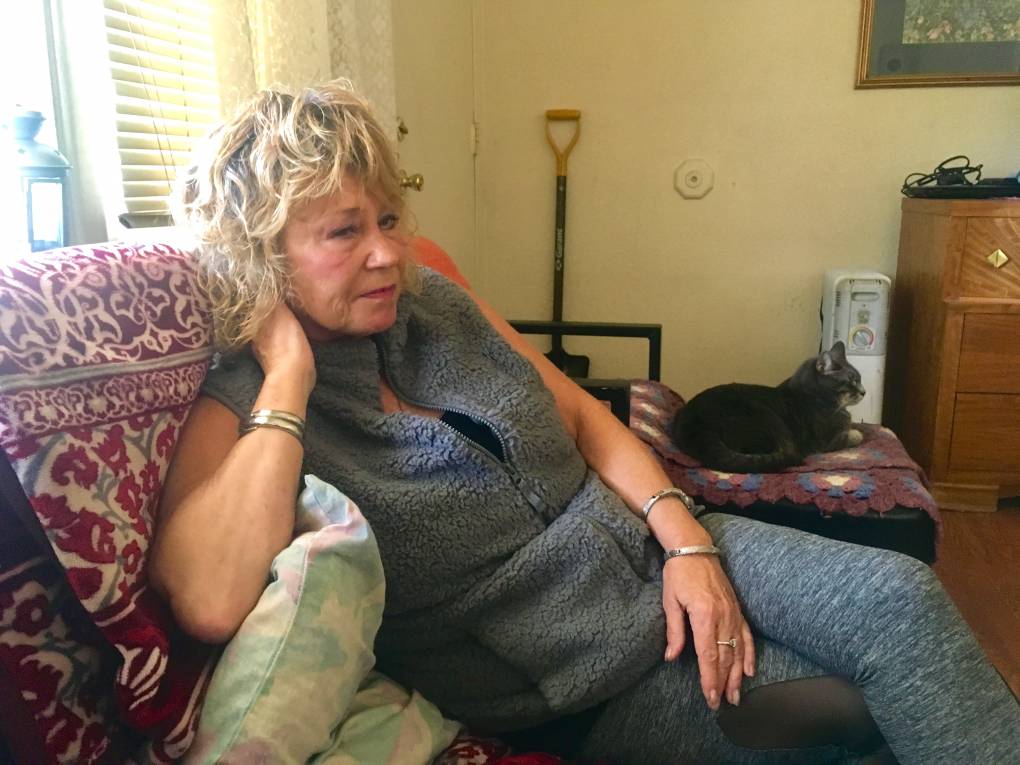
"caption": "Marlene Baker has fixed up her small studio apartment in Weed, Calif. with tapestries and artwork to make it feel homey. Her cat, Leonardo, is a key companion. Baker lived on the streets with untreated mental illness for years. But after a felony arrest, Siskiyou County officials agreed to house her and treat her in the community, rather than send her to a far-away state mental hospital.",
"description": "Marlene Baker has fixed up her small studio apartment in Weed, Calif. with tapestries and artwork to make it feel homey. Her cat, Leonardo, is a key companion. Baker lived on the streets with untreated mental illness for years. But after a felony arrest, Siskiyou County officials agreed to house her and treat her in the community, rather than send her to a far-away state mental hospital.",
"title": "MarleneLeo",
"credit": "Lee Romney",
"status": "inherit",
"altTag": null,
"isLoading": false,
"fetchFailed": false
},
"news_11860315": {
"type": "attachments",
"id": "news_11860315",
"meta": {
"index": "attachments_1716263798",
"site": "news",
"id": "11860315",
"found": true
},
"parent": 11860308,
"imgSizes": {
"apple_news_ca_landscape_5_5": {
"file": "https://ww2.kqed.org/app/uploads/sites/10/2021/02/RS41304_001_KQED_HousingSanFrancisco_02102020-qut-1044x783.jpg",
"width": 1044,
"mimeType": "image/jpeg",
"height": 783
},
"apple_news_ca_square_4_0": {
"file": "https://ww2.kqed.org/app/uploads/sites/10/2021/02/RS41304_001_KQED_HousingSanFrancisco_02102020-qut-470x470.jpg",
"width": 470,
"mimeType": "image/jpeg",
"height": 470
},
"twentyfourteen-full-width": {
"file": "https://ww2.kqed.org/app/uploads/sites/10/2021/02/RS41304_001_KQED_HousingSanFrancisco_02102020-qut-1038x576.jpg",
"width": 1038,
"mimeType": "image/jpeg",
"height": 576
},
"thumbnail": {
"file": "https://ww2.kqed.org/app/uploads/sites/10/2021/02/RS41304_001_KQED_HousingSanFrancisco_02102020-qut-160x107.jpg",
"width": 160,
"mimeType": "image/jpeg",
"height": 107
},
"post-thumbnail": {
"file": "https://ww2.kqed.org/app/uploads/sites/10/2021/02/RS41304_001_KQED_HousingSanFrancisco_02102020-qut-672x372.jpg",
"width": 672,
"mimeType": "image/jpeg",
"height": 372
},
"kqedFullSize": {
"file": "https://ww2.kqed.org/app/uploads/sites/10/2021/02/RS41304_001_KQED_HousingSanFrancisco_02102020-qut.jpg",
"width": 1920,
"height": 1280
},
"apple_news_ca_landscape_4_7": {
"file": "https://ww2.kqed.org/app/uploads/sites/10/2021/02/RS41304_001_KQED_HousingSanFrancisco_02102020-qut-632x474.jpg",
"width": 632,
"mimeType": "image/jpeg",
"height": 474
},
"large": {
"file": "https://ww2.kqed.org/app/uploads/sites/10/2021/02/RS41304_001_KQED_HousingSanFrancisco_02102020-qut-1020x680.jpg",
"width": 1020,
"mimeType": "image/jpeg",
"height": 680
},
"apple_news_ca_landscape_4_0": {
"file": "https://ww2.kqed.org/app/uploads/sites/10/2021/02/RS41304_001_KQED_HousingSanFrancisco_02102020-qut-536x402.jpg",
"width": 536,
"mimeType": "image/jpeg",
"height": 402
},
"apple_news_ca_portrait_12_9": {
"file": "https://ww2.kqed.org/app/uploads/sites/10/2021/02/RS41304_001_KQED_HousingSanFrancisco_02102020-qut-1122x1280.jpg",
"width": 1122,
"mimeType": "image/jpeg",
"height": 1280
},
"medium": {
"file": "https://ww2.kqed.org/app/uploads/sites/10/2021/02/RS41304_001_KQED_HousingSanFrancisco_02102020-qut-800x533.jpg",
"width": 800,
"mimeType": "image/jpeg",
"height": 533
},
"apple_news_ca_portrait_4_0": {
"file": "https://ww2.kqed.org/app/uploads/sites/10/2021/02/RS41304_001_KQED_HousingSanFrancisco_02102020-qut-354x472.jpg",
"width": 354,
"mimeType": "image/jpeg",
"height": 472
},
"apple_news_ca_portrait_9_7": {
"file": "https://ww2.kqed.org/app/uploads/sites/10/2021/02/RS41304_001_KQED_HousingSanFrancisco_02102020-qut-840x1120.jpg",
"width": 840,
"mimeType": "image/jpeg",
"height": 1120
},
"apple_news_ca_landscape_12_9": {
"file": "https://ww2.kqed.org/app/uploads/sites/10/2021/02/RS41304_001_KQED_HousingSanFrancisco_02102020-qut-1832x1280.jpg",
"width": 1832,
"mimeType": "image/jpeg",
"height": 1280
},
"apple_news_ca_square_9_7": {
"file": "https://ww2.kqed.org/app/uploads/sites/10/2021/02/RS41304_001_KQED_HousingSanFrancisco_02102020-qut-1104x1104.jpg",
"width": 1104,
"mimeType": "image/jpeg",
"height": 1104
},
"1536x1536": {
"file": "https://ww2.kqed.org/app/uploads/sites/10/2021/02/RS41304_001_KQED_HousingSanFrancisco_02102020-qut-1536x1024.jpg",
"width": 1536,
"mimeType": "image/jpeg",
"height": 1024
},
"apple_news_ca_portrait_4_7": {
"file": "https://ww2.kqed.org/app/uploads/sites/10/2021/02/RS41304_001_KQED_HousingSanFrancisco_02102020-qut-414x552.jpg",
"width": 414,
"mimeType": "image/jpeg",
"height": 552
},
"apple_news_ca_square_12_9": {
"file": "https://ww2.kqed.org/app/uploads/sites/10/2021/02/RS41304_001_KQED_HousingSanFrancisco_02102020-qut-1472x1280.jpg",
"width": 1472,
"mimeType": "image/jpeg",
"height": 1280
},
"apple_news_ca_portrait_5_5": {
"file": "https://ww2.kqed.org/app/uploads/sites/10/2021/02/RS41304_001_KQED_HousingSanFrancisco_02102020-qut-687x916.jpg",
"width": 687,
"mimeType": "image/jpeg",
"height": 916
},
"apple_news_ca_square_4_7": {
"file": "https://ww2.kqed.org/app/uploads/sites/10/2021/02/RS41304_001_KQED_HousingSanFrancisco_02102020-qut-550x550.jpg",
"width": 550,
"mimeType": "image/jpeg",
"height": 550
},
"apple_news_ca_landscape_9_7": {
"file": "https://ww2.kqed.org/app/uploads/sites/10/2021/02/RS41304_001_KQED_HousingSanFrancisco_02102020-qut-1376x1032.jpg",
"width": 1376,
"mimeType": "image/jpeg",
"height": 1032
},
"apple_news_ca_square_5_5": {
"file": "https://ww2.kqed.org/app/uploads/sites/10/2021/02/RS41304_001_KQED_HousingSanFrancisco_02102020-qut-912x912.jpg",
"width": 912,
"mimeType": "image/jpeg",
"height": 912
}
},
"publishDate": 1613174043,
"modified": 1613174549,
"caption": "Housing in San Francisco on Feb. 10, 2020. In San Francisco, nearly three-quarters of all residential land is devoted to single-family homes and duplexes. ",
"description": null,
"title": "RS41304_001_KQED_HousingSanFrancisco_02102020-qut",
"credit": "Beth LaBerge/KQED",
"status": "inherit",
"altTag": null,
"isLoading": false,
"fetchFailed": false
},
"news_11864211": {
"type": "attachments",
"id": "news_11864211",
"meta": {
"index": "attachments_1716263798",
"site": "news",
"id": "11864211",
"found": true
},
"parent": 11864205,
"imgSizes": {
"twentyfourteen-full-width": {
"file": "https://ww2.kqed.org/app/uploads/sites/10/2021/03/trash-freeways-1038x576.jpg",
"width": 1038,
"mimeType": "image/jpeg",
"height": 576
},
"thumbnail": {
"file": "https://ww2.kqed.org/app/uploads/sites/10/2021/03/trash-freeways-160x90.jpg",
"width": 160,
"mimeType": "image/jpeg",
"height": 90
},
"post-thumbnail": {
"file": "https://ww2.kqed.org/app/uploads/sites/10/2021/03/trash-freeways-672x372.jpg",
"width": 672,
"mimeType": "image/jpeg",
"height": 372
},
"kqedFullSize": {
"file": "https://ww2.kqed.org/app/uploads/sites/10/2021/03/trash-freeways.jpg",
"width": 1920,
"height": 1080
},
"large": {
"file": "https://ww2.kqed.org/app/uploads/sites/10/2021/03/trash-freeways-1020x574.jpg",
"width": 1020,
"mimeType": "image/jpeg",
"height": 574
},
"1536x1536": {
"file": "https://ww2.kqed.org/app/uploads/sites/10/2021/03/trash-freeways-1536x864.jpg",
"width": 1536,
"mimeType": "image/jpeg",
"height": 864
},
"medium": {
"file": "https://ww2.kqed.org/app/uploads/sites/10/2021/03/trash-freeways-800x450.jpg",
"width": 800,
"mimeType": "image/jpeg",
"height": 450
}
},
"publishDate": 1615431692,
"modified": 1615431893,
"caption": "A Caltrans crew cleaning up an embankment along Highway 99 in Sacramento. ",
"description": null,
"title": "Caltrans-Highway 99 cleanup",
"credit": "Caltrans",
"status": "inherit",
"altTag": null,
"isLoading": false,
"fetchFailed": false
},
"news_11863083": {
"type": "attachments",
"id": "news_11863083",
"meta": {
"index": "attachments_1716263798",
"site": "news",
"id": "11863083",
"found": true
},
"parent": 11862938,
"imgSizes": {
"apple_news_ca_square_4_0": {
"file": "https://ww2.kqed.org/app/uploads/sites/10/2021/03/GettyImages-1253315032-470x470.jpg",
"width": 470,
"mimeType": "image/jpeg",
"height": 470
},
"twentyfourteen-full-width": {
"file": "https://ww2.kqed.org/app/uploads/sites/10/2021/03/GettyImages-1253315032-1024x576.jpg",
"width": 1024,
"mimeType": "image/jpeg",
"height": 576
},
"thumbnail": {
"file": "https://ww2.kqed.org/app/uploads/sites/10/2021/03/GettyImages-1253315032-160x107.jpg",
"width": 160,
"mimeType": "image/jpeg",
"height": 107
},
"post-thumbnail": {
"file": "https://ww2.kqed.org/app/uploads/sites/10/2021/03/GettyImages-1253315032-672x372.jpg",
"width": 672,
"mimeType": "image/jpeg",
"height": 372
},
"kqedFullSize": {
"file": "https://ww2.kqed.org/app/uploads/sites/10/2021/03/GettyImages-1253315032.jpg",
"width": 1024,
"height": 683
},
"apple_news_ca_landscape_4_7": {
"file": "https://ww2.kqed.org/app/uploads/sites/10/2021/03/GettyImages-1253315032-632x474.jpg",
"width": 632,
"mimeType": "image/jpeg",
"height": 474
},
"large": {
"file": "https://ww2.kqed.org/app/uploads/sites/10/2021/03/GettyImages-1253315032-1020x680.jpg",
"width": 1020,
"mimeType": "image/jpeg",
"height": 680
},
"apple_news_ca_landscape_4_0": {
"file": "https://ww2.kqed.org/app/uploads/sites/10/2021/03/GettyImages-1253315032-536x402.jpg",
"width": 536,
"mimeType": "image/jpeg",
"height": 402
},
"medium": {
"file": "https://ww2.kqed.org/app/uploads/sites/10/2021/03/GettyImages-1253315032-800x534.jpg",
"width": 800,
"mimeType": "image/jpeg",
"height": 534
},
"apple_news_ca_portrait_4_0": {
"file": "https://ww2.kqed.org/app/uploads/sites/10/2021/03/GettyImages-1253315032-354x472.jpg",
"width": 354,
"mimeType": "image/jpeg",
"height": 472
},
"apple_news_ca_portrait_9_7": {
"file": "https://ww2.kqed.org/app/uploads/sites/10/2021/03/GettyImages-1253315032-840x683.jpg",
"width": 840,
"mimeType": "image/jpeg",
"height": 683
},
"apple_news_ca_portrait_4_7": {
"file": "https://ww2.kqed.org/app/uploads/sites/10/2021/03/GettyImages-1253315032-414x552.jpg",
"width": 414,
"mimeType": "image/jpeg",
"height": 552
},
"apple_news_ca_portrait_5_5": {
"file": "https://ww2.kqed.org/app/uploads/sites/10/2021/03/GettyImages-1253315032-687x683.jpg",
"width": 687,
"mimeType": "image/jpeg",
"height": 683
},
"apple_news_ca_square_4_7": {
"file": "https://ww2.kqed.org/app/uploads/sites/10/2021/03/GettyImages-1253315032-550x550.jpg",
"width": 550,
"mimeType": "image/jpeg",
"height": 550
},
"apple_news_ca_square_5_5": {
"file": "https://ww2.kqed.org/app/uploads/sites/10/2021/03/GettyImages-1253315032-912x683.jpg",
"width": 912,
"mimeType": "image/jpeg",
"height": 683
}
},
"publishDate": 1614812635,
"modified": 1614812724,
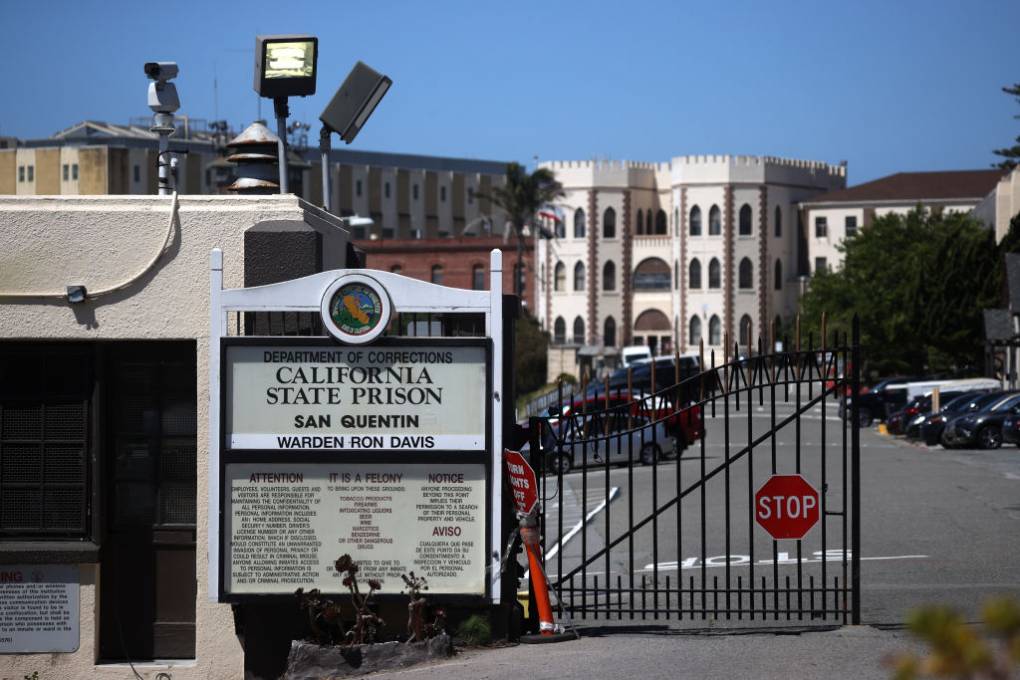
"caption": "The entrance to San Quentin State Prison in Marin County on June 29, 2020.",
"description": null,
"title": "Coronavirus Cases Surge To Over A Thousand At San Quentin Prison",
"credit": "Justin Sullivan/Getty Images",
"status": "inherit",
"altTag": null,
"isLoading": false,
"fetchFailed": false
},
"news_11862371": {
"type": "attachments",
"id": "news_11862371",
"meta": {
"index": "attachments_1716263798",
"site": "news",
"id": "11862371",
"found": true
},
"parent": 11861666,
"imgSizes": {
"apple_news_ca_landscape_5_5": {
"file": "https://ww2.kqed.org/app/uploads/sites/10/2021/02/RS47366_032_Berkeley_PeoplesPark_02192021-qut-1044x783.jpg",
"width": 1044,
"mimeType": "image/jpeg",
"height": 783
},
"apple_news_ca_square_4_0": {
"file": "https://ww2.kqed.org/app/uploads/sites/10/2021/02/RS47366_032_Berkeley_PeoplesPark_02192021-qut-470x470.jpg",
"width": 470,
"mimeType": "image/jpeg",
"height": 470
},
"twentyfourteen-full-width": {
"file": "https://ww2.kqed.org/app/uploads/sites/10/2021/02/RS47366_032_Berkeley_PeoplesPark_02192021-qut-1038x576.jpg",
"width": 1038,
"mimeType": "image/jpeg",
"height": 576
},
"thumbnail": {
"file": "https://ww2.kqed.org/app/uploads/sites/10/2021/02/RS47366_032_Berkeley_PeoplesPark_02192021-qut-160x107.jpg",
"width": 160,
"mimeType": "image/jpeg",
"height": 107
},
"post-thumbnail": {
"file": "https://ww2.kqed.org/app/uploads/sites/10/2021/02/RS47366_032_Berkeley_PeoplesPark_02192021-qut-672x372.jpg",
"width": 672,
"mimeType": "image/jpeg",
"height": 372
},
"kqedFullSize": {
"file": "https://ww2.kqed.org/app/uploads/sites/10/2021/02/RS47366_032_Berkeley_PeoplesPark_02192021-qut.jpg",
"width": 1920,
"height": 1280
},
"apple_news_ca_landscape_4_7": {
"file": "https://ww2.kqed.org/app/uploads/sites/10/2021/02/RS47366_032_Berkeley_PeoplesPark_02192021-qut-632x474.jpg",
"width": 632,
"mimeType": "image/jpeg",
"height": 474
},
"large": {
"file": "https://ww2.kqed.org/app/uploads/sites/10/2021/02/RS47366_032_Berkeley_PeoplesPark_02192021-qut-1020x680.jpg",
"width": 1020,
"mimeType": "image/jpeg",
"height": 680
},
"apple_news_ca_landscape_4_0": {
"file": "https://ww2.kqed.org/app/uploads/sites/10/2021/02/RS47366_032_Berkeley_PeoplesPark_02192021-qut-536x402.jpg",
"width": 536,
"mimeType": "image/jpeg",
"height": 402
},
"apple_news_ca_portrait_12_9": {
"file": "https://ww2.kqed.org/app/uploads/sites/10/2021/02/RS47366_032_Berkeley_PeoplesPark_02192021-qut-1122x1280.jpg",
"width": 1122,
"mimeType": "image/jpeg",
"height": 1280
},
"medium": {
"file": "https://ww2.kqed.org/app/uploads/sites/10/2021/02/RS47366_032_Berkeley_PeoplesPark_02192021-qut-800x533.jpg",
"width": 800,
"mimeType": "image/jpeg",
"height": 533
},
"apple_news_ca_portrait_4_0": {
"file": "https://ww2.kqed.org/app/uploads/sites/10/2021/02/RS47366_032_Berkeley_PeoplesPark_02192021-qut-354x472.jpg",
"width": 354,
"mimeType": "image/jpeg",
"height": 472
},
"apple_news_ca_portrait_9_7": {
"file": "https://ww2.kqed.org/app/uploads/sites/10/2021/02/RS47366_032_Berkeley_PeoplesPark_02192021-qut-840x1120.jpg",
"width": 840,
"mimeType": "image/jpeg",
"height": 1120
},
"apple_news_ca_landscape_12_9": {
"file": "https://ww2.kqed.org/app/uploads/sites/10/2021/02/RS47366_032_Berkeley_PeoplesPark_02192021-qut-1832x1280.jpg",
"width": 1832,
"mimeType": "image/jpeg",
"height": 1280
},
"apple_news_ca_square_9_7": {
"file": "https://ww2.kqed.org/app/uploads/sites/10/2021/02/RS47366_032_Berkeley_PeoplesPark_02192021-qut-1104x1104.jpg",
"width": 1104,
"mimeType": "image/jpeg",
"height": 1104
},
"1536x1536": {
"file": "https://ww2.kqed.org/app/uploads/sites/10/2021/02/RS47366_032_Berkeley_PeoplesPark_02192021-qut-1536x1024.jpg",
"width": 1536,
"mimeType": "image/jpeg",
"height": 1024
},
"apple_news_ca_portrait_4_7": {
"file": "https://ww2.kqed.org/app/uploads/sites/10/2021/02/RS47366_032_Berkeley_PeoplesPark_02192021-qut-414x552.jpg",
"width": 414,
"mimeType": "image/jpeg",
"height": 552
},
"apple_news_ca_square_12_9": {
"file": "https://ww2.kqed.org/app/uploads/sites/10/2021/02/RS47366_032_Berkeley_PeoplesPark_02192021-qut-1472x1280.jpg",
"width": 1472,
"mimeType": "image/jpeg",
"height": 1280
},
"apple_news_ca_portrait_5_5": {
"file": "https://ww2.kqed.org/app/uploads/sites/10/2021/02/RS47366_032_Berkeley_PeoplesPark_02192021-qut-687x916.jpg",
"width": 687,
"mimeType": "image/jpeg",
"height": 916
},
"apple_news_ca_square_4_7": {
"file": "https://ww2.kqed.org/app/uploads/sites/10/2021/02/RS47366_032_Berkeley_PeoplesPark_02192021-qut-550x550.jpg",
"width": 550,
"mimeType": "image/jpeg",
"height": 550
},
"apple_news_ca_landscape_9_7": {
"file": "https://ww2.kqed.org/app/uploads/sites/10/2021/02/RS47366_032_Berkeley_PeoplesPark_02192021-qut-1376x1032.jpg",
"width": 1376,
"mimeType": "image/jpeg",
"height": 1032
},
"apple_news_ca_square_5_5": {
"file": "https://ww2.kqed.org/app/uploads/sites/10/2021/02/RS47366_032_Berkeley_PeoplesPark_02192021-qut-912x912.jpg",
"width": 912,
"mimeType": "image/jpeg",
"height": 912
}
},
"publishDate": 1614384777,
"modified": 1614384821,
"caption": "Student volunteers Alecia Harger and Brandon Mendoza help serve food at People's Park in Berkeley on Feb. 19, 2021.",
"description": "Student volunteers Alecia Harger and Brandon Mendoza help serve food at People's Park in Berkeley on Feb. 19, 2021.",
"title": "RS47366_032_Berkeley_PeoplesPark_02192021-qut",
"credit": "Beth LaBerge/KQED",
"status": "inherit",
"altTag": null,
"isLoading": false,
"fetchFailed": false
},
"news_11861987": {
"type": "attachments",
"id": "news_11861987",
"meta": {
"index": "attachments_1716263798",
"site": "news",
"id": "11861987",
"found": true
},
"parent": 11861840,
"imgSizes": {
"apple_news_ca_landscape_5_5": {
"file": "https://ww2.kqed.org/app/uploads/sites/10/2021/02/Sandobal-Tiny-House-1044x783.jpg",
"width": 1044,
"mimeType": "image/jpeg",
"height": 783
},
"apple_news_ca_square_4_0": {
"file": "https://ww2.kqed.org/app/uploads/sites/10/2021/02/Sandobal-Tiny-House-470x470.jpg",
"width": 470,
"mimeType": "image/jpeg",
"height": 470
},
"twentyfourteen-full-width": {
"file": "https://ww2.kqed.org/app/uploads/sites/10/2021/02/Sandobal-Tiny-House-1038x576.jpg",
"width": 1038,
"mimeType": "image/jpeg",
"height": 576
},
"thumbnail": {
"file": "https://ww2.kqed.org/app/uploads/sites/10/2021/02/Sandobal-Tiny-House-160x109.jpg",
"width": 160,
"mimeType": "image/jpeg",
"height": 109
},
"post-thumbnail": {
"file": "https://ww2.kqed.org/app/uploads/sites/10/2021/02/Sandobal-Tiny-House-672x372.jpg",
"width": 672,
"mimeType": "image/jpeg",
"height": 372
},
"kqedFullSize": {
"file": "https://ww2.kqed.org/app/uploads/sites/10/2021/02/Sandobal-Tiny-House.jpg",
"width": 1920,
"height": 1305
},
"apple_news_ca_landscape_4_7": {
"file": "https://ww2.kqed.org/app/uploads/sites/10/2021/02/Sandobal-Tiny-House-632x474.jpg",
"width": 632,
"mimeType": "image/jpeg",
"height": 474
},
"large": {
"file": "https://ww2.kqed.org/app/uploads/sites/10/2021/02/Sandobal-Tiny-House-1020x693.jpg",
"width": 1020,
"mimeType": "image/jpeg",
"height": 693
},
"apple_news_ca_landscape_4_0": {
"file": "https://ww2.kqed.org/app/uploads/sites/10/2021/02/Sandobal-Tiny-House-536x402.jpg",
"width": 536,
"mimeType": "image/jpeg",
"height": 402
},
"apple_news_ca_portrait_12_9": {
"file": "https://ww2.kqed.org/app/uploads/sites/10/2021/02/Sandobal-Tiny-House-1122x1305.jpg",
"width": 1122,
"mimeType": "image/jpeg",
"height": 1305
},
"medium": {
"file": "https://ww2.kqed.org/app/uploads/sites/10/2021/02/Sandobal-Tiny-House-800x544.jpg",
"width": 800,
"mimeType": "image/jpeg",
"height": 544
},
"apple_news_ca_portrait_4_0": {
"file": "https://ww2.kqed.org/app/uploads/sites/10/2021/02/Sandobal-Tiny-House-354x472.jpg",
"width": 354,
"mimeType": "image/jpeg",
"height": 472
},
"apple_news_ca_portrait_9_7": {
"file": "https://ww2.kqed.org/app/uploads/sites/10/2021/02/Sandobal-Tiny-House-840x1120.jpg",
"width": 840,
"mimeType": "image/jpeg",
"height": 1120
},
"apple_news_ca_landscape_12_9": {
"file": "https://ww2.kqed.org/app/uploads/sites/10/2021/02/Sandobal-Tiny-House-1832x1305.jpg",
"width": 1832,
"mimeType": "image/jpeg",
"height": 1305
},
"apple_news_ca_square_9_7": {
"file": "https://ww2.kqed.org/app/uploads/sites/10/2021/02/Sandobal-Tiny-House-1104x1104.jpg",
"width": 1104,
"mimeType": "image/jpeg",
"height": 1104
},
"1536x1536": {
"file": "https://ww2.kqed.org/app/uploads/sites/10/2021/02/Sandobal-Tiny-House-1536x1044.jpg",
"width": 1536,
"mimeType": "image/jpeg",
"height": 1044
},
"apple_news_ca_portrait_4_7": {
"file": "https://ww2.kqed.org/app/uploads/sites/10/2021/02/Sandobal-Tiny-House-414x552.jpg",
"width": 414,
"mimeType": "image/jpeg",
"height": 552
},
"apple_news_ca_square_12_9": {
"file": "https://ww2.kqed.org/app/uploads/sites/10/2021/02/Sandobal-Tiny-House-1472x1305.jpg",
"width": 1472,
"mimeType": "image/jpeg",
"height": 1305
},
"apple_news_ca_portrait_5_5": {
"file": "https://ww2.kqed.org/app/uploads/sites/10/2021/02/Sandobal-Tiny-House-687x916.jpg",
"width": 687,
"mimeType": "image/jpeg",
"height": 916
},
"apple_news_ca_square_4_7": {
"file": "https://ww2.kqed.org/app/uploads/sites/10/2021/02/Sandobal-Tiny-House-550x550.jpg",
"width": 550,
"mimeType": "image/jpeg",
"height": 550
},
"apple_news_ca_landscape_9_7": {
"file": "https://ww2.kqed.org/app/uploads/sites/10/2021/02/Sandobal-Tiny-House-1376x1032.jpg",
"width": 1376,
"mimeType": "image/jpeg",
"height": 1032
},
"apple_news_ca_square_5_5": {
"file": "https://ww2.kqed.org/app/uploads/sites/10/2021/02/Sandobal-Tiny-House-912x912.jpg",
"width": 912,
"mimeType": "image/jpeg",
"height": 912
}
},
"publishDate": 1614208973,
"modified": 1614212711,
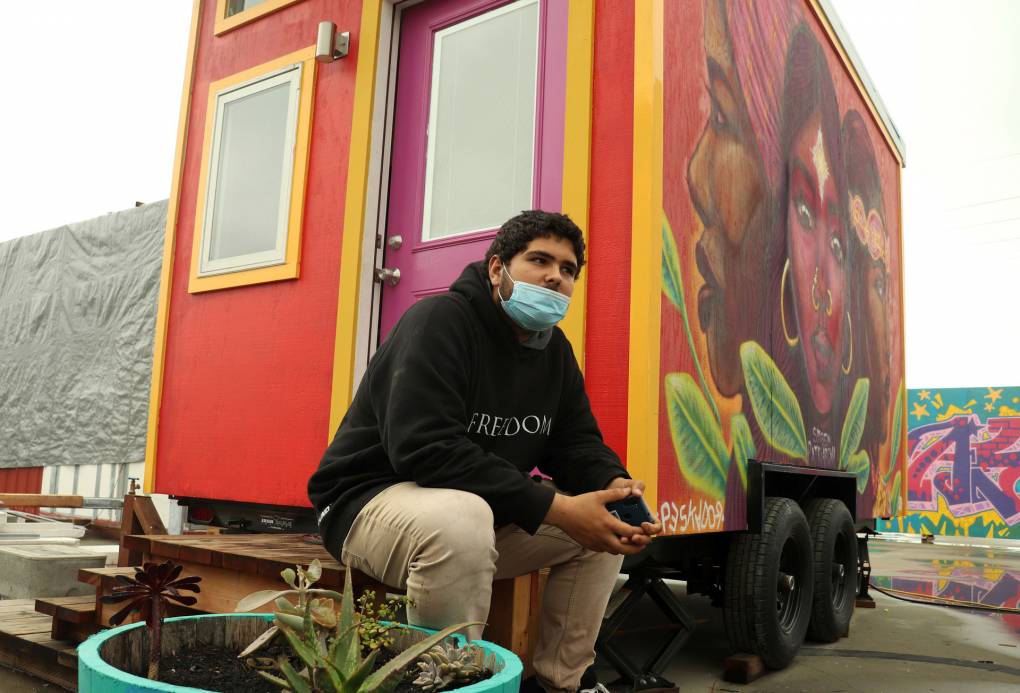
"caption": "Ernie Sandobal, who said he hasn't had a stable place to live in three years, moved into the new Tiny House Empowerment Village for unhoused youth on Feb. 19, 2021 in Oakland.",
"description": "Ernie Sandobal, who said he hasn't had a stable place to live in three years, moved into the new Tiny House Empowerment Village for unhoused youth on Feb. 19, 2021 in Oakland.",
"title": "Sandobal-Tiny-House",
"credit": "MJ Johnson/KQED",
"status": "inherit",
"altTag": null,
"isLoading": false,
"fetchFailed": false
},
"news_11874922": {
"type": "attachments",
"id": "news_11874922",
"meta": {
"index": "attachments_1716263798",
"site": "news",
"id": "11874922",
"found": true
},
"parent": 11861500,
"imgSizes": {
"thumbnail": {
"file": "https://ww2.kqed.org/app/uploads/sites/10/2021/02/soldout-tunein-656x336-2021-160x82.jpg",
"width": 160,
"mimeType": "image/jpeg",
"height": 82
},
"kqedFullSize": {
"file": "https://ww2.kqed.org/app/uploads/sites/10/2021/02/soldout-tunein-656x336-2021.jpg",
"width": 656,
"height": 336
}
},
"publishDate": 1621728496,
"modified": 1621728502,
"caption": null,
"description": null,
"title": "soldout-tunein-656x336-2021",
"credit": null,
"status": "inherit",
"altTag": "Sold Out: Rethinking Housing in America Logo with illustration of houses and tent encampment",
"isLoading": false,
"fetchFailed": false
},
"news_11860783": {
"type": "attachments",
"id": "news_11860783",
"meta": {
"index": "attachments_1716263798",
"site": "news",
"id": "11860783",
"found": true
},
"parent": 11860656,
"imgSizes": {
"apple_news_ca_landscape_5_5": {
"file": "https://ww2.kqed.org/app/uploads/sites/10/2021/02/Image-from-iOS-19-1044x783.jpg",
"width": 1044,
"mimeType": "image/jpeg",
"height": 783
},
"apple_news_ca_square_4_0": {
"file": "https://ww2.kqed.org/app/uploads/sites/10/2021/02/Image-from-iOS-19-470x470.jpg",
"width": 470,
"mimeType": "image/jpeg",
"height": 470
},
"twentyfourteen-full-width": {
"file": "https://ww2.kqed.org/app/uploads/sites/10/2021/02/Image-from-iOS-19-1038x576.jpg",
"width": 1038,
"mimeType": "image/jpeg",
"height": 576
},
"thumbnail": {
"file": "https://ww2.kqed.org/app/uploads/sites/10/2021/02/Image-from-iOS-19-160x107.jpg",
"width": 160,
"mimeType": "image/jpeg",
"height": 107
},
"post-thumbnail": {
"file": "https://ww2.kqed.org/app/uploads/sites/10/2021/02/Image-from-iOS-19-672x372.jpg",
"width": 672,
"mimeType": "image/jpeg",
"height": 372
},
"kqedFullSize": {
"file": "https://ww2.kqed.org/app/uploads/sites/10/2021/02/Image-from-iOS-19.jpg",
"width": 1223,
"height": 815
},
"apple_news_ca_landscape_4_7": {
"file": "https://ww2.kqed.org/app/uploads/sites/10/2021/02/Image-from-iOS-19-632x474.jpg",
"width": 632,
"mimeType": "image/jpeg",
"height": 474
},
"large": {
"file": "https://ww2.kqed.org/app/uploads/sites/10/2021/02/Image-from-iOS-19-1020x680.jpg",
"width": 1020,
"mimeType": "image/jpeg",
"height": 680
},
"apple_news_ca_landscape_4_0": {
"file": "https://ww2.kqed.org/app/uploads/sites/10/2021/02/Image-from-iOS-19-536x402.jpg",
"width": 536,
"mimeType": "image/jpeg",
"height": 402
},
"apple_news_ca_portrait_12_9": {
"file": "https://ww2.kqed.org/app/uploads/sites/10/2021/02/Image-from-iOS-19-1122x815.jpg",
"width": 1122,
"mimeType": "image/jpeg",
"height": 815
},
"medium": {
"file": "https://ww2.kqed.org/app/uploads/sites/10/2021/02/Image-from-iOS-19-800x533.jpg",
"width": 800,
"mimeType": "image/jpeg",
"height": 533
},
"apple_news_ca_portrait_4_0": {
"file": "https://ww2.kqed.org/app/uploads/sites/10/2021/02/Image-from-iOS-19-354x472.jpg",
"width": 354,
"mimeType": "image/jpeg",
"height": 472
},
"apple_news_ca_portrait_9_7": {
"file": "https://ww2.kqed.org/app/uploads/sites/10/2021/02/Image-from-iOS-19-840x815.jpg",
"width": 840,
"mimeType": "image/jpeg",
"height": 815
},
"apple_news_ca_square_9_7": {
"file": "https://ww2.kqed.org/app/uploads/sites/10/2021/02/Image-from-iOS-19-1104x815.jpg",
"width": 1104,
"mimeType": "image/jpeg",
"height": 815
},
"apple_news_ca_portrait_4_7": {
"file": "https://ww2.kqed.org/app/uploads/sites/10/2021/02/Image-from-iOS-19-414x552.jpg",
"width": 414,
"mimeType": "image/jpeg",
"height": 552
},
"apple_news_ca_portrait_5_5": {
"file": "https://ww2.kqed.org/app/uploads/sites/10/2021/02/Image-from-iOS-19-687x815.jpg",
"width": 687,
"mimeType": "image/jpeg",
"height": 815
},
"apple_news_ca_square_4_7": {
"file": "https://ww2.kqed.org/app/uploads/sites/10/2021/02/Image-from-iOS-19-550x550.jpg",
"width": 550,
"mimeType": "image/jpeg",
"height": 550
},
"apple_news_ca_square_5_5": {
"file": "https://ww2.kqed.org/app/uploads/sites/10/2021/02/Image-from-iOS-19-912x815.jpg",
"width": 912,
"mimeType": "image/jpeg",
"height": 815
}
},
"publishDate": 1613603731,
"modified": 1613605826,
"caption": "Contra Costa County evicted 135 people between the beginning of the pandemic and the end of 2020, the second-highest number of evictions across the Bay Area. That’s according to a KQED analysis of sheriff lockouts that was cited in the council member’s report.",
"description": "Contra Costa County evicted 135 people between the beginning of the pandemic and the end of 2020, the second highest number of evictions across the Bay Area. That’s according to a KQED analysis of sheriff lockouts that was cited in the councilmember’s report.",
"title": "Image from iOS (19)",
"credit": "Beth LaBerge/KQED",
"status": "inherit",
"altTag": "Derrick Sanderlin protesting in front of the Santa Clara Superior Court in San Jose on Jan. 27, 2021.",
"isLoading": false,
"fetchFailed": false
},
"news_11860319": {
"type": "attachments",
"id": "news_11860319",
"meta": {
"index": "attachments_1716263798",
"site": "news",
"id": "11860319",
"found": true
},
"parent": 11860308,
"imgSizes": {
"apple_news_ca_landscape_5_5": {
"file": "https://ww2.kqed.org/app/uploads/sites/10/2021/02/RS41396_003_KQED_Housing_MountainView_02192020_3309-qut-1044x783.jpg",
"width": 1044,
"mimeType": "image/jpeg",
"height": 783
},
"apple_news_ca_square_4_0": {
"file": "https://ww2.kqed.org/app/uploads/sites/10/2021/02/RS41396_003_KQED_Housing_MountainView_02192020_3309-qut-470x470.jpg",
"width": 470,
"mimeType": "image/jpeg",
"height": 470
},
"twentyfourteen-full-width": {
"file": "https://ww2.kqed.org/app/uploads/sites/10/2021/02/RS41396_003_KQED_Housing_MountainView_02192020_3309-qut-1038x576.jpg",
"width": 1038,
"mimeType": "image/jpeg",
"height": 576
},
"thumbnail": {
"file": "https://ww2.kqed.org/app/uploads/sites/10/2021/02/RS41396_003_KQED_Housing_MountainView_02192020_3309-qut-160x107.jpg",
"width": 160,
"mimeType": "image/jpeg",
"height": 107
},
"post-thumbnail": {
"file": "https://ww2.kqed.org/app/uploads/sites/10/2021/02/RS41396_003_KQED_Housing_MountainView_02192020_3309-qut-672x372.jpg",
"width": 672,
"mimeType": "image/jpeg",
"height": 372
},
"kqedFullSize": {
"file": "https://ww2.kqed.org/app/uploads/sites/10/2021/02/RS41396_003_KQED_Housing_MountainView_02192020_3309-qut.jpg",
"width": 1920,
"height": 1280
},
"apple_news_ca_landscape_4_7": {
"file": "https://ww2.kqed.org/app/uploads/sites/10/2021/02/RS41396_003_KQED_Housing_MountainView_02192020_3309-qut-632x474.jpg",
"width": 632,
"mimeType": "image/jpeg",
"height": 474
},
"large": {
"file": "https://ww2.kqed.org/app/uploads/sites/10/2021/02/RS41396_003_KQED_Housing_MountainView_02192020_3309-qut-1020x680.jpg",
"width": 1020,
"mimeType": "image/jpeg",
"height": 680
},
"apple_news_ca_landscape_4_0": {
"file": "https://ww2.kqed.org/app/uploads/sites/10/2021/02/RS41396_003_KQED_Housing_MountainView_02192020_3309-qut-536x402.jpg",
"width": 536,
"mimeType": "image/jpeg",
"height": 402
},
"apple_news_ca_portrait_12_9": {
"file": "https://ww2.kqed.org/app/uploads/sites/10/2021/02/RS41396_003_KQED_Housing_MountainView_02192020_3309-qut-1122x1280.jpg",
"width": 1122,
"mimeType": "image/jpeg",
"height": 1280
},
"medium": {
"file": "https://ww2.kqed.org/app/uploads/sites/10/2021/02/RS41396_003_KQED_Housing_MountainView_02192020_3309-qut-800x533.jpg",
"width": 800,
"mimeType": "image/jpeg",
"height": 533
},
"apple_news_ca_portrait_4_0": {
"file": "https://ww2.kqed.org/app/uploads/sites/10/2021/02/RS41396_003_KQED_Housing_MountainView_02192020_3309-qut-354x472.jpg",
"width": 354,
"mimeType": "image/jpeg",
"height": 472
},
"apple_news_ca_portrait_9_7": {
"file": "https://ww2.kqed.org/app/uploads/sites/10/2021/02/RS41396_003_KQED_Housing_MountainView_02192020_3309-qut-840x1120.jpg",
"width": 840,
"mimeType": "image/jpeg",
"height": 1120
},
"apple_news_ca_landscape_12_9": {
"file": "https://ww2.kqed.org/app/uploads/sites/10/2021/02/RS41396_003_KQED_Housing_MountainView_02192020_3309-qut-1832x1280.jpg",
"width": 1832,
"mimeType": "image/jpeg",
"height": 1280
},
"apple_news_ca_square_9_7": {
"file": "https://ww2.kqed.org/app/uploads/sites/10/2021/02/RS41396_003_KQED_Housing_MountainView_02192020_3309-qut-1104x1104.jpg",
"width": 1104,
"mimeType": "image/jpeg",
"height": 1104
},
"1536x1536": {
"file": "https://ww2.kqed.org/app/uploads/sites/10/2021/02/RS41396_003_KQED_Housing_MountainView_02192020_3309-qut-1536x1024.jpg",
"width": 1536,
"mimeType": "image/jpeg",
"height": 1024
},
"apple_news_ca_portrait_4_7": {
"file": "https://ww2.kqed.org/app/uploads/sites/10/2021/02/RS41396_003_KQED_Housing_MountainView_02192020_3309-qut-414x552.jpg",
"width": 414,
"mimeType": "image/jpeg",
"height": 552
},
"apple_news_ca_square_12_9": {
"file": "https://ww2.kqed.org/app/uploads/sites/10/2021/02/RS41396_003_KQED_Housing_MountainView_02192020_3309-qut-1472x1280.jpg",
"width": 1472,
"mimeType": "image/jpeg",
"height": 1280
},
"apple_news_ca_portrait_5_5": {
"file": "https://ww2.kqed.org/app/uploads/sites/10/2021/02/RS41396_003_KQED_Housing_MountainView_02192020_3309-qut-687x916.jpg",
"width": 687,
"mimeType": "image/jpeg",
"height": 916
},
"apple_news_ca_square_4_7": {
"file": "https://ww2.kqed.org/app/uploads/sites/10/2021/02/RS41396_003_KQED_Housing_MountainView_02192020_3309-qut-550x550.jpg",
"width": 550,
"mimeType": "image/jpeg",
"height": 550
},
"apple_news_ca_landscape_9_7": {
"file": "https://ww2.kqed.org/app/uploads/sites/10/2021/02/RS41396_003_KQED_Housing_MountainView_02192020_3309-qut-1376x1032.jpg",
"width": 1376,
"mimeType": "image/jpeg",
"height": 1032
},
"apple_news_ca_square_5_5": {
"file": "https://ww2.kqed.org/app/uploads/sites/10/2021/02/RS41396_003_KQED_Housing_MountainView_02192020_3309-qut-912x912.jpg",
"width": 912,
"mimeType": "image/jpeg",
"height": 912
}
},
"publishDate": 1613174180,
"modified": 1613421129,
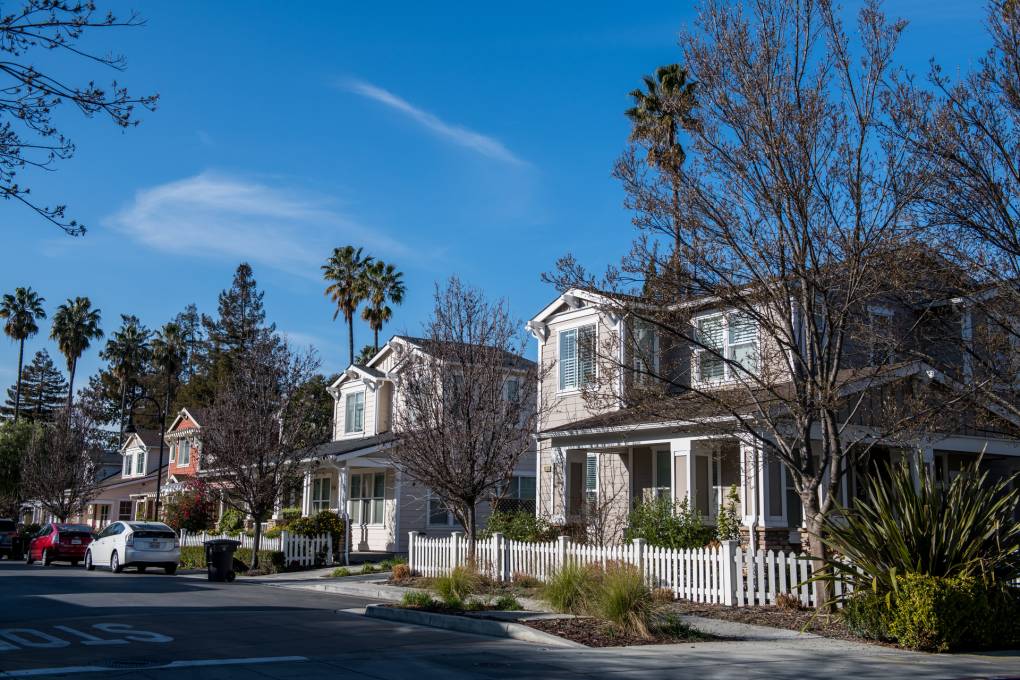
"caption": "Single-family homes in Mountain View, California on Feb. 19, 2020. Single-family zoning dominates housing policy in the Bay Area, with more than 80% of all residential land zoned exclusively for single-family residences. ",
"description": "Single-family homes in Mountain View, California on Feb. 19, 2020. Single-family zoning dominates housing policy in the Bay Area, with more than 80% of all residential land zoned exclusively for single-family residences. ",
"title": "RS41396_003_KQED_Housing_MountainView_02192020_3309-qut",
"credit": "Beth LaBerge/KQED",
"status": "inherit",
"altTag": null,
"isLoading": false,
"fetchFailed": false
},
"news_11858545": {
"type": "attachments",
"id": "news_11858545",
"meta": {
"index": "attachments_1716263798",
"site": "news",
"id": "11858545",
"found": true
},
"parent": 11858491,
"imgSizes": {
"apple_news_ca_landscape_5_5": {
"file": "https://ww2.kqed.org/app/uploads/sites/10/2021/02/RS44432_036_KQED_Vallejo_FactoryOS_08062020-qut-1044x783.jpg",
"width": 1044,
"mimeType": "image/jpeg",
"height": 783
},
"apple_news_ca_square_4_0": {
"file": "https://ww2.kqed.org/app/uploads/sites/10/2021/02/RS44432_036_KQED_Vallejo_FactoryOS_08062020-qut-470x470.jpg",
"width": 470,
"mimeType": "image/jpeg",
"height": 470
},
"twentyfourteen-full-width": {
"file": "https://ww2.kqed.org/app/uploads/sites/10/2021/02/RS44432_036_KQED_Vallejo_FactoryOS_08062020-qut-1038x576.jpg",
"width": 1038,
"mimeType": "image/jpeg",
"height": 576
},
"thumbnail": {
"file": "https://ww2.kqed.org/app/uploads/sites/10/2021/02/RS44432_036_KQED_Vallejo_FactoryOS_08062020-qut-160x107.jpg",
"width": 160,
"mimeType": "image/jpeg",
"height": 107
},
"post-thumbnail": {
"file": "https://ww2.kqed.org/app/uploads/sites/10/2021/02/RS44432_036_KQED_Vallejo_FactoryOS_08062020-qut-672x372.jpg",
"width": 672,
"mimeType": "image/jpeg",
"height": 372
},
"kqedFullSize": {
"file": "https://ww2.kqed.org/app/uploads/sites/10/2021/02/RS44432_036_KQED_Vallejo_FactoryOS_08062020-qut.jpg",
"width": 1920,
"height": 1280
},
"apple_news_ca_landscape_4_7": {
"file": "https://ww2.kqed.org/app/uploads/sites/10/2021/02/RS44432_036_KQED_Vallejo_FactoryOS_08062020-qut-632x474.jpg",
"width": 632,
"mimeType": "image/jpeg",
"height": 474
},
"large": {
"file": "https://ww2.kqed.org/app/uploads/sites/10/2021/02/RS44432_036_KQED_Vallejo_FactoryOS_08062020-qut-1020x680.jpg",
"width": 1020,
"mimeType": "image/jpeg",
"height": 680
},
"apple_news_ca_landscape_4_0": {
"file": "https://ww2.kqed.org/app/uploads/sites/10/2021/02/RS44432_036_KQED_Vallejo_FactoryOS_08062020-qut-536x402.jpg",
"width": 536,
"mimeType": "image/jpeg",
"height": 402
},
"apple_news_ca_portrait_12_9": {
"file": "https://ww2.kqed.org/app/uploads/sites/10/2021/02/RS44432_036_KQED_Vallejo_FactoryOS_08062020-qut-1122x1280.jpg",
"width": 1122,
"mimeType": "image/jpeg",
"height": 1280
},
"medium": {
"file": "https://ww2.kqed.org/app/uploads/sites/10/2021/02/RS44432_036_KQED_Vallejo_FactoryOS_08062020-qut-800x533.jpg",
"width": 800,
"mimeType": "image/jpeg",
"height": 533
},
"apple_news_ca_portrait_4_0": {
"file": "https://ww2.kqed.org/app/uploads/sites/10/2021/02/RS44432_036_KQED_Vallejo_FactoryOS_08062020-qut-354x472.jpg",
"width": 354,
"mimeType": "image/jpeg",
"height": 472
},
"apple_news_ca_portrait_9_7": {
"file": "https://ww2.kqed.org/app/uploads/sites/10/2021/02/RS44432_036_KQED_Vallejo_FactoryOS_08062020-qut-840x1120.jpg",
"width": 840,
"mimeType": "image/jpeg",
"height": 1120
},
"apple_news_ca_landscape_12_9": {
"file": "https://ww2.kqed.org/app/uploads/sites/10/2021/02/RS44432_036_KQED_Vallejo_FactoryOS_08062020-qut-1832x1280.jpg",
"width": 1832,
"mimeType": "image/jpeg",
"height": 1280
},
"apple_news_ca_square_9_7": {
"file": "https://ww2.kqed.org/app/uploads/sites/10/2021/02/RS44432_036_KQED_Vallejo_FactoryOS_08062020-qut-1104x1104.jpg",
"width": 1104,
"mimeType": "image/jpeg",
"height": 1104
},
"1536x1536": {
"file": "https://ww2.kqed.org/app/uploads/sites/10/2021/02/RS44432_036_KQED_Vallejo_FactoryOS_08062020-qut-1536x1024.jpg",
"width": 1536,
"mimeType": "image/jpeg",
"height": 1024
},
"apple_news_ca_portrait_4_7": {
"file": "https://ww2.kqed.org/app/uploads/sites/10/2021/02/RS44432_036_KQED_Vallejo_FactoryOS_08062020-qut-414x552.jpg",
"width": 414,
"mimeType": "image/jpeg",
"height": 552
},
"apple_news_ca_square_12_9": {
"file": "https://ww2.kqed.org/app/uploads/sites/10/2021/02/RS44432_036_KQED_Vallejo_FactoryOS_08062020-qut-1472x1280.jpg",
"width": 1472,
"mimeType": "image/jpeg",
"height": 1280
},
"apple_news_ca_portrait_5_5": {
"file": "https://ww2.kqed.org/app/uploads/sites/10/2021/02/RS44432_036_KQED_Vallejo_FactoryOS_08062020-qut-687x916.jpg",
"width": 687,
"mimeType": "image/jpeg",
"height": 916
},
"apple_news_ca_square_4_7": {
"file": "https://ww2.kqed.org/app/uploads/sites/10/2021/02/RS44432_036_KQED_Vallejo_FactoryOS_08062020-qut-550x550.jpg",
"width": 550,
"mimeType": "image/jpeg",
"height": 550
},
"apple_news_ca_landscape_9_7": {
"file": "https://ww2.kqed.org/app/uploads/sites/10/2021/02/RS44432_036_KQED_Vallejo_FactoryOS_08062020-qut-1376x1032.jpg",
"width": 1376,
"mimeType": "image/jpeg",
"height": 1032
},
"apple_news_ca_square_5_5": {
"file": "https://ww2.kqed.org/app/uploads/sites/10/2021/02/RS44432_036_KQED_Vallejo_FactoryOS_08062020-qut-912x912.jpg",
"width": 912,
"mimeType": "image/jpeg",
"height": 912
}
},
"publishDate": 1612396823,
"modified": 1612396869,
"caption": "A photo of a completed modular home being lifted by a crane onto a building, at Factory OS in Vallejo on August 6, 2020.",
"description": null,
"title": "RS44432_036_KQED_Vallejo_FactoryOS_08062020-qut",
"credit": "Beth LaBerge/KQED",
"status": "inherit",
"altTag": "A photo of a completed modular home being lifted by a crane onto a building, at Factory OS in Vallejo on August 6, 2020.",
"isLoading": false,
"fetchFailed": false
},
"news_11858518": {
"type": "attachments",
"id": "news_11858518",
"meta": {
"index": "attachments_1716263798",
"site": "news",
"id": "11858518",
"found": true
},
"parent": 11858254,
"imgSizes": {
"apple_news_ca_landscape_5_5": {
"file": "https://ww2.kqed.org/app/uploads/sites/10/2021/02/KQED_SF_NavCenter_02032021-16-1044x783.jpg",
"width": 1044,
"mimeType": "image/jpeg",
"height": 783
},
"apple_news_ca_square_4_0": {
"file": "https://ww2.kqed.org/app/uploads/sites/10/2021/02/KQED_SF_NavCenter_02032021-16-470x470.jpg",
"width": 470,
"mimeType": "image/jpeg",
"height": 470
},
"twentyfourteen-full-width": {
"file": "https://ww2.kqed.org/app/uploads/sites/10/2021/02/KQED_SF_NavCenter_02032021-16-1038x576.jpg",
"width": 1038,
"mimeType": "image/jpeg",
"height": 576
},
"thumbnail": {
"file": "https://ww2.kqed.org/app/uploads/sites/10/2021/02/KQED_SF_NavCenter_02032021-16-160x107.jpg",
"width": 160,
"mimeType": "image/jpeg",
"height": 107
},
"post-thumbnail": {
"file": "https://ww2.kqed.org/app/uploads/sites/10/2021/02/KQED_SF_NavCenter_02032021-16-672x372.jpg",
"width": 672,
"mimeType": "image/jpeg",
"height": 372
},
"kqedFullSize": {
"file": "https://ww2.kqed.org/app/uploads/sites/10/2021/02/KQED_SF_NavCenter_02032021-16-scaled.jpg",
"width": 2560,
"height": 1710
},
"2048x2048": {
"file": "https://ww2.kqed.org/app/uploads/sites/10/2021/02/KQED_SF_NavCenter_02032021-16-2048x1368.jpg",
"width": 2048,
"mimeType": "image/jpeg",
"height": 1368
},
"apple_news_ca_landscape_4_7": {
"file": "https://ww2.kqed.org/app/uploads/sites/10/2021/02/KQED_SF_NavCenter_02032021-16-632x474.jpg",
"width": 632,
"mimeType": "image/jpeg",
"height": 474
},
"large": {
"file": "https://ww2.kqed.org/app/uploads/sites/10/2021/02/KQED_SF_NavCenter_02032021-16-1020x681.jpg",
"width": 1020,
"mimeType": "image/jpeg",
"height": 681
},
"apple_news_ca_landscape_4_0": {
"file": "https://ww2.kqed.org/app/uploads/sites/10/2021/02/KQED_SF_NavCenter_02032021-16-536x402.jpg",
"width": 536,
"mimeType": "image/jpeg",
"height": 402
},
"apple_news_ca_portrait_12_9": {
"file": "https://ww2.kqed.org/app/uploads/sites/10/2021/02/KQED_SF_NavCenter_02032021-16-1122x1496.jpg",
"width": 1122,
"mimeType": "image/jpeg",
"height": 1496
},
"medium": {
"file": "https://ww2.kqed.org/app/uploads/sites/10/2021/02/KQED_SF_NavCenter_02032021-16-800x534.jpg",
"width": 800,
"mimeType": "image/jpeg",
"height": 534
},
"apple_news_ca_portrait_4_0": {
"file": "https://ww2.kqed.org/app/uploads/sites/10/2021/02/KQED_SF_NavCenter_02032021-16-354x472.jpg",
"width": 354,
"mimeType": "image/jpeg",
"height": 472
},
"apple_news_ca_portrait_9_7": {
"file": "https://ww2.kqed.org/app/uploads/sites/10/2021/02/KQED_SF_NavCenter_02032021-16-840x1120.jpg",
"width": 840,
"mimeType": "image/jpeg",
"height": 1120
},
"apple_news_ca_landscape_12_9": {
"file": "https://ww2.kqed.org/app/uploads/sites/10/2021/02/KQED_SF_NavCenter_02032021-16-1832x1374.jpg",
"width": 1832,
"mimeType": "image/jpeg",
"height": 1374
},
"apple_news_ca_square_9_7": {
"file": "https://ww2.kqed.org/app/uploads/sites/10/2021/02/KQED_SF_NavCenter_02032021-16-1104x1104.jpg",
"width": 1104,
"mimeType": "image/jpeg",
"height": 1104
},
"1536x1536": {
"file": "https://ww2.kqed.org/app/uploads/sites/10/2021/02/KQED_SF_NavCenter_02032021-16-1536x1026.jpg",
"width": 1536,
"mimeType": "image/jpeg",
"height": 1026
},
"apple_news_ca_portrait_4_7": {
"file": "https://ww2.kqed.org/app/uploads/sites/10/2021/02/KQED_SF_NavCenter_02032021-16-414x552.jpg",
"width": 414,
"mimeType": "image/jpeg",
"height": 552
},
"apple_news_ca_square_12_9": {
"file": "https://ww2.kqed.org/app/uploads/sites/10/2021/02/KQED_SF_NavCenter_02032021-16-1472x1472.jpg",
"width": 1472,
"mimeType": "image/jpeg",
"height": 1472
},
"apple_news_ca_portrait_5_5": {
"file": "https://ww2.kqed.org/app/uploads/sites/10/2021/02/KQED_SF_NavCenter_02032021-16-687x916.jpg",
"width": 687,
"mimeType": "image/jpeg",
"height": 916
},
"full-width": {
"file": "https://ww2.kqed.org/app/uploads/sites/10/2021/02/KQED_SF_NavCenter_02032021-16-1920x1282.jpg",
"width": 1920,
"mimeType": "image/jpeg",
"height": 1282
},
"apple_news_ca_square_4_7": {
"file": "https://ww2.kqed.org/app/uploads/sites/10/2021/02/KQED_SF_NavCenter_02032021-16-550x550.jpg",
"width": 550,
"mimeType": "image/jpeg",
"height": 550
},
"apple_news_ca_landscape_9_7": {
"file": "https://ww2.kqed.org/app/uploads/sites/10/2021/02/KQED_SF_NavCenter_02032021-16-1376x1032.jpg",
"width": 1376,
"mimeType": "image/jpeg",
"height": 1032
},
"apple_news_ca_square_5_5": {
"file": "https://ww2.kqed.org/app/uploads/sites/10/2021/02/KQED_SF_NavCenter_02032021-16-912x912.jpg",
"width": 912,
"mimeType": "image/jpeg",
"height": 912
}
},
"publishDate": 1612390658,
"modified": 1612391969,
"caption": "San Francisco officials on Feb. 3 unveiled the Lower Polk TAY Navigation Center at 700 Hyde Street, the city's first multiservice shelter for young adults, aged 18-24.",
"description": "San Francisco officials on Feb. 3 unveiled the Lower Polk TAY Navigation Center at 700 Hyde Street, the city's first multiservice shelter for young adults, aged 18-24.",
"title": "KQED_SF_NavCenter_02032021-16",
"credit": "Anna Vignet/KQED",
"status": "inherit",
"altTag": null,
"isLoading": false,
"fetchFailed": false
},
"news_11857764": {
"type": "attachments",
"id": "news_11857764",
"meta": {
"index": "attachments_1716263798",
"site": "news",
"id": "11857764",
"found": true
},
"parent": 11857567,
"imgSizes": {
"apple_news_ca_landscape_5_5": {
"file": "https://ww2.kqed.org/app/uploads/sites/10/2021/01/RS46955_007_SanJose_AdhitiBandlamudi_01292021-qut-1044x783.jpg",
"width": 1044,
"mimeType": "image/jpeg",
"height": 783
},
"apple_news_ca_square_4_0": {
"file": "https://ww2.kqed.org/app/uploads/sites/10/2021/01/RS46955_007_SanJose_AdhitiBandlamudi_01292021-qut-470x470.jpg",
"width": 470,
"mimeType": "image/jpeg",
"height": 470
},
"twentyfourteen-full-width": {
"file": "https://ww2.kqed.org/app/uploads/sites/10/2021/01/RS46955_007_SanJose_AdhitiBandlamudi_01292021-qut-1038x576.jpg",
"width": 1038,
"mimeType": "image/jpeg",
"height": 576
},
"thumbnail": {
"file": "https://ww2.kqed.org/app/uploads/sites/10/2021/01/RS46955_007_SanJose_AdhitiBandlamudi_01292021-qut-160x107.jpg",
"width": 160,
"mimeType": "image/jpeg",
"height": 107
},
"post-thumbnail": {
"file": "https://ww2.kqed.org/app/uploads/sites/10/2021/01/RS46955_007_SanJose_AdhitiBandlamudi_01292021-qut-672x372.jpg",
"width": 672,
"mimeType": "image/jpeg",
"height": 372
},
"kqedFullSize": {
"file": "https://ww2.kqed.org/app/uploads/sites/10/2021/01/RS46955_007_SanJose_AdhitiBandlamudi_01292021-qut.jpg",
"width": 1920,
"height": 1280
},
"apple_news_ca_landscape_4_7": {
"file": "https://ww2.kqed.org/app/uploads/sites/10/2021/01/RS46955_007_SanJose_AdhitiBandlamudi_01292021-qut-632x474.jpg",
"width": 632,
"mimeType": "image/jpeg",
"height": 474
},
"large": {
"file": "https://ww2.kqed.org/app/uploads/sites/10/2021/01/RS46955_007_SanJose_AdhitiBandlamudi_01292021-qut-1020x680.jpg",
"width": 1020,
"mimeType": "image/jpeg",
"height": 680
},
"apple_news_ca_landscape_4_0": {
"file": "https://ww2.kqed.org/app/uploads/sites/10/2021/01/RS46955_007_SanJose_AdhitiBandlamudi_01292021-qut-536x402.jpg",
"width": 536,
"mimeType": "image/jpeg",
"height": 402
},
"apple_news_ca_portrait_12_9": {
"file": "https://ww2.kqed.org/app/uploads/sites/10/2021/01/RS46955_007_SanJose_AdhitiBandlamudi_01292021-qut-1122x1280.jpg",
"width": 1122,
"mimeType": "image/jpeg",
"height": 1280
},
"medium": {
"file": "https://ww2.kqed.org/app/uploads/sites/10/2021/01/RS46955_007_SanJose_AdhitiBandlamudi_01292021-qut-800x533.jpg",
"width": 800,
"mimeType": "image/jpeg",
"height": 533
},
"apple_news_ca_portrait_4_0": {
"file": "https://ww2.kqed.org/app/uploads/sites/10/2021/01/RS46955_007_SanJose_AdhitiBandlamudi_01292021-qut-354x472.jpg",
"width": 354,
"mimeType": "image/jpeg",
"height": 472
},
"apple_news_ca_portrait_9_7": {
"file": "https://ww2.kqed.org/app/uploads/sites/10/2021/01/RS46955_007_SanJose_AdhitiBandlamudi_01292021-qut-840x1120.jpg",
"width": 840,
"mimeType": "image/jpeg",
"height": 1120
},
"apple_news_ca_landscape_12_9": {
"file": "https://ww2.kqed.org/app/uploads/sites/10/2021/01/RS46955_007_SanJose_AdhitiBandlamudi_01292021-qut-1832x1280.jpg",
"width": 1832,
"mimeType": "image/jpeg",
"height": 1280
},
"apple_news_ca_square_9_7": {
"file": "https://ww2.kqed.org/app/uploads/sites/10/2021/01/RS46955_007_SanJose_AdhitiBandlamudi_01292021-qut-1104x1104.jpg",
"width": 1104,
"mimeType": "image/jpeg",
"height": 1104
},
"1536x1536": {
"file": "https://ww2.kqed.org/app/uploads/sites/10/2021/01/RS46955_007_SanJose_AdhitiBandlamudi_01292021-qut-1536x1024.jpg",
"width": 1536,
"mimeType": "image/jpeg",
"height": 1024
},
"apple_news_ca_portrait_4_7": {
"file": "https://ww2.kqed.org/app/uploads/sites/10/2021/01/RS46955_007_SanJose_AdhitiBandlamudi_01292021-qut-414x552.jpg",
"width": 414,
"mimeType": "image/jpeg",
"height": 552
},
"apple_news_ca_square_12_9": {
"file": "https://ww2.kqed.org/app/uploads/sites/10/2021/01/RS46955_007_SanJose_AdhitiBandlamudi_01292021-qut-1472x1280.jpg",
"width": 1472,
"mimeType": "image/jpeg",
"height": 1280
},
"apple_news_ca_portrait_5_5": {
"file": "https://ww2.kqed.org/app/uploads/sites/10/2021/01/RS46955_007_SanJose_AdhitiBandlamudi_01292021-qut-687x916.jpg",
"width": 687,
"mimeType": "image/jpeg",
"height": 916
},
"apple_news_ca_square_4_7": {
"file": "https://ww2.kqed.org/app/uploads/sites/10/2021/01/RS46955_007_SanJose_AdhitiBandlamudi_01292021-qut-550x550.jpg",
"width": 550,
"mimeType": "image/jpeg",
"height": 550
},
"apple_news_ca_landscape_9_7": {
"file": "https://ww2.kqed.org/app/uploads/sites/10/2021/01/RS46955_007_SanJose_AdhitiBandlamudi_01292021-qut-1376x1032.jpg",
"width": 1376,
"mimeType": "image/jpeg",
"height": 1032
},
"apple_news_ca_square_5_5": {
"file": "https://ww2.kqed.org/app/uploads/sites/10/2021/01/RS46955_007_SanJose_AdhitiBandlamudi_01292021-qut-912x912.jpg",
"width": 912,
"mimeType": "image/jpeg",
"height": 912
}
},
"publishDate": 1611960152,
"modified": 1612319603,
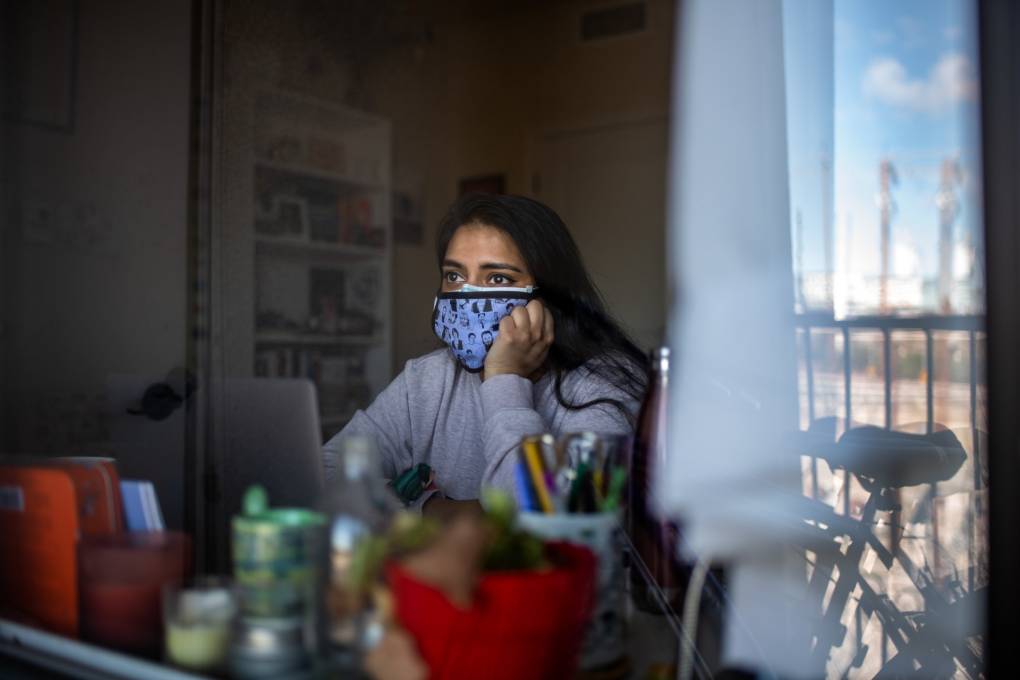
"caption": "Adhiti Bandlamudi looks out of the window from her room on Jan. 29, 2021, in an apartment that she shares with roommates in San Jose.",
"description": "Adhiti Bandlamudi looks out of the window from her room on Jan. 29, 2021, in an apartment that she shares with roommates in San Jose.",
"title": "RS46955_007_SanJose_AdhitiBandlamudi_01292021-qut",
"credit": "Beth LaBerge/KQED",
"status": "inherit",
"altTag": null,
"isLoading": false,
"fetchFailed": false
}
},
"audioPlayerReducer": {
"postId": "stream_live",
"isPaused": true,
"isPlaying": false,
"pfsActive": false,
"pledgeModalIsOpen": true,
"playerDrawerIsOpen": false,
"liveAudioPlayStartedAt": 0,
"liveAudioPlayContext": ""
},
"authorsReducer": {
"byline_news_11865201": {
"type": "authors",
"id": "byline_news_11865201",
"meta": {
"override": true
},
"slug": "byline_news_11865201",
"name": "Lee Romney and Jenny Johnson",
"isLoading": false
},
"danbrekke": {
"type": "authors",
"id": "222",
"meta": {
"index": "authors_1716337520",
"id": "222",
"found": true
},
"name": "Dan Brekke",
"firstName": "Dan",
"lastName": "Brekke",
"slug": "danbrekke",
"email": "dbrekke@kqed.org",
"display_author_email": true,
"staff_mastheads": [
"news",
"science"
],
"title": "KQED Editor and Reporter",
"bio": "Dan Brekke is a reporter and editor for KQED News, responsible for coverage of topics ranging from California water issues to the Bay Area's transportation challenges. In a newsroom career that began in Chicago in 1972, Dan has worked for \u003cem>The San Francisco Examiner,\u003c/em> Wired and TechTV and has been published in The New York Times, The New York Times Magazine, Business 2.0, Salon and elsewhere.\r\n\r\nSince joining KQED in 2007, Dan has reported, edited and produced both radio and online features and breaking news pieces. He has shared as both editor and reporter in four Society of Professional Journalists Norcal Excellence in Journalism awards and one Edward R. Murrow regional award. He was chosen for a spring 2017 residency at the Mesa Refuge to advance his research on California salmon.\r\n\r\nEmail Dan at: \u003ca href=\"mailto:dbrekke@kqed.org\">dbrekke@kqed.org\u003c/a>\r\n\r\n\u003cstrong>Twitter:\u003c/strong> \u003ca href=\"https://twitter.com/danbrekke\" rel=\"noopener noreferrer\">twitter.com/danbrekke\u003c/a>\r\n\u003cstrong>Facebook:\u003c/strong> \u003ca href=\"https://www.facebook.com/danbrekke\" rel=\"noopener noreferrer\">www.facebook.com/danbrekke\u003c/a>\r\n\u003cstrong>LinkedIn:\u003c/strong> \u003ca href=\"https://www.linkedin.com/in/danbrekke\" rel=\"noopener noreferrer\">www.linkedin.com/in/danbrekke\u003c/a>",
"avatar": "https://secure.gravatar.com/avatar/8f1f0d2a978fb3b23426c922c7e2af558fa36905b49c4ce76a97dc3c72d27226?s=600&d=mm&r=g",
"twitter": "danbrekke",
"bluesky": null,
"facebook": null,
"instagram": "https://www.instagram.com/dan.brekke/",
"linkedin": "https://www.linkedin.com/in/danbrekke/",
"sites": [
{
"site": "news",
"roles": [
"administrator",
"create_posts"
]
},
{
"site": "stateofhealth",
"roles": [
"editor"
]
},
{
"site": "science",
"roles": [
"editor"
]
},
{
"site": "quest",
"roles": [
"contributor"
]
},
{
"site": "food",
"roles": [
"contributor"
]
},
{
"site": "forum",
"roles": [
"contributor"
]
},
{
"site": "elections",
"roles": [
"editor"
]
},
{
"site": "liveblog",
"roles": [
"editor"
]
}
],
"headData": {
"title": "Dan Brekke | KQED",
"description": "KQED Editor and Reporter",
"ogImgSrc": "https://secure.gravatar.com/avatar/8f1f0d2a978fb3b23426c922c7e2af558fa36905b49c4ce76a97dc3c72d27226?s=600&d=mm&r=g",
"twImgSrc": "https://secure.gravatar.com/avatar/8f1f0d2a978fb3b23426c922c7e2af558fa36905b49c4ce76a97dc3c72d27226?s=600&d=mm&r=g"
},
"isLoading": false,
"link": "/author/danbrekke"
},
"katrinaschwartz": {
"type": "authors",
"id": "234",
"meta": {
"index": "authors_1716337520",
"id": "234",
"found": true
},
"name": "Katrina Schwartz",
"firstName": "Katrina",
"lastName": "Schwartz",
"slug": "katrinaschwartz",
"email": "kschwartz@kqed.org",
"display_author_email": false,
"staff_mastheads": [
"news"
],
"title": "Producer",
"bio": "Katrina Schwartz is a journalist based in San Francisco. She's worked at KPCC public radio in LA and has reported on air and online for KQED since 2010. She covered how teaching and learning is changing for MindShift between 2012 and 2020. She is the co-host of the MindShift podcast and now produces KQED's Bay Curious podcast.",
"avatar": "https://secure.gravatar.com/avatar/edb4ee79070447a018538c9aae6eeecf28786515b8a0c30e43b6b7dce5aa44c8?s=600&d=blank&r=g",
"twitter": "kschwart",
"bluesky": null,
"facebook": null,
"instagram": null,
"linkedin": null,
"sites": [
{
"site": "",
"roles": [
"editor"
]
},
{
"site": "news",
"roles": [
"editor"
]
},
{
"site": "mindshift",
"roles": [
"administrator"
]
},
{
"site": "stateofhealth",
"roles": [
"author"
]
},
{
"site": "science",
"roles": [
"editor"
]
}
],
"headData": {
"title": "Katrina Schwartz | KQED",
"description": "Producer",
"ogImgSrc": "https://secure.gravatar.com/avatar/edb4ee79070447a018538c9aae6eeecf28786515b8a0c30e43b6b7dce5aa44c8?s=600&d=blank&r=g",
"twImgSrc": "https://secure.gravatar.com/avatar/edb4ee79070447a018538c9aae6eeecf28786515b8a0c30e43b6b7dce5aa44c8?s=600&d=blank&r=g"
},
"isLoading": false,
"link": "/author/katrinaschwartz"
},
"mlagos": {
"type": "authors",
"id": "3239",
"meta": {
"index": "authors_1716337520",
"id": "3239",
"found": true
},
"name": "Marisa Lagos",
"firstName": "Marisa",
"lastName": "Lagos",
"slug": "mlagos",
"email": "mlagos@kqed.org",
"display_author_email": false,
"staff_mastheads": [
"news"
],
"title": "KQED Contributor",
"bio": "Marisa Lagos is a correspondent for KQED’s California Politics and Government Desk and co-hosts the award-winning show and podcast, Political Breakdown. At KQED, Lagos also conducts reporting, analysis and investigations into state, local and national politics for radio, TV, online and onstage. In 2022, she and co-host, Scott Shafer, moderated the only gubernatorial debate in California. In 2020, the \u003ci>Washington Post\u003c/i> named her one of the top political journalists in California; she was nominated for a Peabody and won several other awards for her work investigating the 2017 California wildfires. She has worked at the \u003ci>San Francisco Chronicle\u003c/i>, \u003ci>San Francisco Examiner\u003c/i> and \u003ci>Los Angeles Times\u003c/i>. A UC Santa Barbara graduate, she lives in San Francisco with her two sons and husband.",
"avatar": "https://secure.gravatar.com/avatar/a261a0d3696fc066871ef96b85b5e7d2?s=600&d=blank&r=g",
"twitter": "@mlagos",
"facebook": null,
"instagram": null,
"linkedin": null,
"sites": [
{
"site": "arts",
"roles": [
"author"
]
},
{
"site": "news",
"roles": [
"editor"
]
},
{
"site": "science",
"roles": [
"editor"
]
},
{
"site": "forum",
"roles": [
"author"
]
},
{
"site": "liveblog",
"roles": [
"author"
]
}
],
"headData": {
"title": "Marisa Lagos | KQED",
"description": "KQED Contributor",
"ogImgSrc": "https://secure.gravatar.com/avatar/a261a0d3696fc066871ef96b85b5e7d2?s=600&d=blank&r=g",
"twImgSrc": "https://secure.gravatar.com/avatar/a261a0d3696fc066871ef96b85b5e7d2?s=600&d=blank&r=g"
},
"isLoading": false,
"link": "/author/mlagos"
},
"ecruzguevarra": {
"type": "authors",
"id": "8654",
"meta": {
"index": "authors_1716337520",
"id": "8654",
"found": true
},
"name": "Ericka Cruz Guevarra",
"firstName": "Ericka",
"lastName": "Cruz Guevarra",
"slug": "ecruzguevarra",
"email": "ecruzguevarra@kqed.org",
"display_author_email": true,
"staff_mastheads": [
"news"
],
"title": "Producer, The Bay Podcast",
"bio": "Ericka Cruz Guevarra is host of \u003ca href=\"https://www.kqed.org/podcasts/thebay\">\u003cem>The Bay\u003c/em>\u003c/a> podcast at KQED. Before host, she was the show’s producer. Her work in that capacity includes a three-part reported series on policing in Vallejo, which won a 2020 excellence in journalism award from the Society of Professional Journalists. Ericka has worked as a breaking news reporter at Oregon Public Broadcasting, helped produce the Code Switch podcast, and was KQED’s inaugural Raul Ramirez Diversity Fund intern. She’s also an alumna of NPR’s Next Generation Radio program. Send her an email if you have strong feelings about whether Fairfield and Suisun City are the Bay. Ericka is represented by SAG-AFTRA.",
"avatar": "https://secure.gravatar.com/avatar/accefc1de4bafc7e234b69bcb9b6f6536c130fd84709bc3069ef11a78787e1bb?s=600&d=blank&r=g",
"twitter": "NotoriousECG",
"bluesky": null,
"facebook": null,
"instagram": null,
"linkedin": null,
"sites": [
{
"site": "arts",
"roles": [
"subscriber"
]
},
{
"site": "news",
"roles": [
"editor",
"manage_categories"
]
},
{
"site": "futureofyou",
"roles": [
"subscriber"
]
},
{
"site": "stateofhealth",
"roles": [
"subscriber"
]
},
{
"site": "science",
"roles": [
"editor"
]
},
{
"site": "forum",
"roles": [
"subscriber"
]
}
],
"headData": {
"title": "Ericka Cruz Guevarra | KQED",
"description": "Producer, The Bay Podcast",
"ogImgSrc": "https://secure.gravatar.com/avatar/accefc1de4bafc7e234b69bcb9b6f6536c130fd84709bc3069ef11a78787e1bb?s=600&d=blank&r=g",
"twImgSrc": "https://secure.gravatar.com/avatar/accefc1de4bafc7e234b69bcb9b6f6536c130fd84709bc3069ef11a78787e1bb?s=600&d=blank&r=g"
},
"isLoading": false,
"link": "/author/ecruzguevarra"
},
"aehsanipour": {
"type": "authors",
"id": "11580",
"meta": {
"index": "authors_1716337520",
"id": "11580",
"found": true
},
"name": "Asal Ehsanipour",
"firstName": "Asal",
"lastName": "Ehsanipour",
"slug": "aehsanipour",
"email": "aehsanipour@kqed.org",
"display_author_email": false,
"staff_mastheads": [],
"title": "Reporter and Producer",
"bio": "Asal Ehsanipour is a producer and reporter for Rightnowish, Bay Curious and The California Report Magazine. She is also a producer for \u003ca href=\"https://www.thedoubleshift.com/\">The Double Shift\u003c/a>, a podcast about a new generation of working mothers. In 2018, Asal was named an Emerging Journalist Fellow by the Journalism and Women’s Symposium. Her work has appeared on KQED, KALW, PRI’s The World, and in several food and travel publications.",
"avatar": "https://secure.gravatar.com/avatar/c0e210438f5dca1b76921ff9f0eada52?s=600&d=blank&r=g",
"twitter": null,
"facebook": null,
"instagram": null,
"linkedin": null,
"sites": [
{
"site": "arts",
"roles": []
},
{
"site": "news",
"roles": [
"author",
"edit_others_posts"
]
}
],
"headData": {
"title": "Asal Ehsanipour | KQED",
"description": "Reporter and Producer",
"ogImgSrc": "https://secure.gravatar.com/avatar/c0e210438f5dca1b76921ff9f0eada52?s=600&d=blank&r=g",
"twImgSrc": "https://secure.gravatar.com/avatar/c0e210438f5dca1b76921ff9f0eada52?s=600&d=blank&r=g"
},
"isLoading": false,
"link": "/author/aehsanipour"
},
"amontecillo": {
"type": "authors",
"id": "11649",
"meta": {
"index": "authors_1716337520",
"id": "11649",
"found": true
},
"name": "Alan Montecillo",
"firstName": "Alan",
"lastName": "Montecillo",
"slug": "amontecillo",
"email": "amontecillo@kqed.org",
"display_author_email": false,
"staff_mastheads": [
"news"
],
"title": "KQED Contributor",
"bio": "Alan Montecillo is the senior editor of \u003cem>\u003ca href=\"http://kqed.org/thebay\">The Bay\u003c/a>, \u003c/em> KQED's local news podcast. Before moving to the Bay Area, he worked as a senior talk show producer for WILL in Champaign-Urbana, Illinois and at Oregon Public Broadcasting in Portland, Oregon. He has won journalism awards from the Society of Professional Journalists Northern California, the Public Media Journalists Association, The Signal Awards, and has also received a regional Edward R. Murrow award. Alan is a Filipino American from Hong Kong and a graduate of Reed College.",
"avatar": "https://secure.gravatar.com/avatar/268f53a2066899ea9efdd8a5900218b17c822d9862cbc9326cccec53ef41d349?s=600&d=blank&r=g",
"twitter": "alanmontecillo",
"bluesky": null,
"facebook": null,
"instagram": null,
"linkedin": null,
"sites": [
{
"site": "",
"roles": [
"editor"
]
},
{
"site": "news",
"roles": [
"editor",
"manage_categories"
]
}
],
"headData": {
"title": "Alan Montecillo | KQED",
"description": "KQED Contributor",
"ogImgSrc": "https://secure.gravatar.com/avatar/268f53a2066899ea9efdd8a5900218b17c822d9862cbc9326cccec53ef41d349?s=600&d=blank&r=g",
"twImgSrc": "https://secure.gravatar.com/avatar/268f53a2066899ea9efdd8a5900218b17c822d9862cbc9326cccec53ef41d349?s=600&d=blank&r=g"
},
"isLoading": false,
"link": "/author/amontecillo"
},
"msolomon": {
"type": "authors",
"id": "11651",
"meta": {
"index": "authors_1716337520",
"id": "11651",
"found": true
},
"name": "Molly Solomon",
"firstName": "Molly",
"lastName": "Solomon",
"slug": "msolomon",
"email": "msolomon@KQED.org",
"display_author_email": false,
"staff_mastheads": [
"news"
],
"title": "Senior Editor",
"bio": "Molly Solomon is the senior editor of KQED's California Politics and Government Desk. Previously, she was the station's editor-at-large, with a focus on editing early childhood education, politics, and criminal justice. Before that, she managed and edited statewide election coverage for The California Newsroom, a collaboration of local public radio stations, CalMatters and NPR. Molly joined KQED in 2019 to launch the station’s housing affordability desk, where she reported on homelessness, evictions and is the co-host of KQED’s housing podcast, SOLD OUT: Rethinking Housing in America. Before that, she was the Southwest Washington Bureau Chief for Oregon Public Broadcasting and a reporter at Hawaii Public Radio. Her stories have aired on NPR’s \u003cem>Morning Edition\u003c/em>, \u003cem>All Things Considered\u003c/em>, \u003cem>Here & Now\u003c/em>, \u003cem>Science Friday\u003c/em> and \u003cem>Marketplace\u003c/em>. Molly's award-winning reporting has been honored by the Best of the West, Edward R. Murrow awards, Society of Professional Journalists, National Headliner Awards, and the Asian American Journalists Association. Born and raised in Berkeley, Molly is a big fan of burritos and her scruffy terrier, Ollie.",
"avatar": "https://secure.gravatar.com/avatar/9ad9794616923d81c9a79897161545bd?s=600&d=blank&r=g",
"twitter": "solomonout",
"facebook": null,
"instagram": null,
"linkedin": null,
"sites": [
{
"site": "news",
"roles": [
"editor"
]
},
{
"site": "science",
"roles": [
"editor"
]
}
],
"headData": {
"title": "Molly Solomon | KQED",
"description": "Senior Editor",
"ogImgSrc": "https://secure.gravatar.com/avatar/9ad9794616923d81c9a79897161545bd?s=600&d=blank&r=g",
"twImgSrc": "https://secure.gravatar.com/avatar/9ad9794616923d81c9a79897161545bd?s=600&d=blank&r=g"
},
"isLoading": false,
"link": "/author/msolomon"
},
"ebaldassari": {
"type": "authors",
"id": "11652",
"meta": {
"index": "authors_1716337520",
"id": "11652",
"found": true
},
"name": "Erin Baldassari",
"firstName": "Erin",
"lastName": "Baldassari",
"slug": "ebaldassari",
"email": "ebaldassari@KQED.org",
"display_author_email": true,
"staff_mastheads": [
"news"
],
"title": "Staff Writer",
"bio": "Erin Baldassari covers housing for KQED. She's a former print journalist and most recently worked as the transportation reporter for the \u003cem>Mercury News\u003c/em> and \u003cem>East Bay Times. \u003c/em>There, she focused on how the Bay Area’s housing shortage has changed the way people move around the region. She also served on the \u003cem>East Bay Times\u003c/em>’ 2017 Pulitzer Prize-winning team for coverage of the Ghost Ship Fire in Oakland. Prior to that, Erin worked as a breaking news and general assignment reporter for a variety of outlets in the Bay Area and the greater Boston area. A Tufts University alumna, Erin grew up in the foothills of the Sierra Nevada mountains and in Sonoma County. She is a life-long KQED listener.",
"avatar": "https://secure.gravatar.com/avatar/5e95cad64a8ca08288082212e199d2b0cbeb4fd8e8ef5339395f361032bbe005?s=600&d=blank&r=g",
"twitter": "e_baldi",
"bluesky": null,
"facebook": null,
"instagram": null,
"linkedin": null,
"sites": [
{
"site": "news",
"roles": [
"edit_others_posts",
"editor"
]
},
{
"site": "science",
"roles": [
"editor"
]
},
{
"site": "liveblog",
"roles": [
"editor"
]
}
],
"headData": {
"title": "Erin Baldassari | KQED",
"description": "Staff Writer",
"ogImgSrc": "https://secure.gravatar.com/avatar/5e95cad64a8ca08288082212e199d2b0cbeb4fd8e8ef5339395f361032bbe005?s=600&d=blank&r=g",
"twImgSrc": "https://secure.gravatar.com/avatar/5e95cad64a8ca08288082212e199d2b0cbeb4fd8e8ef5339395f361032bbe005?s=600&d=blank&r=g"
},
"isLoading": false,
"link": "/author/ebaldassari"
},
"abandlamudi": {
"type": "authors",
"id": "11672",
"meta": {
"index": "authors_1716337520",
"id": "11672",
"found": true
},
"name": "Adhiti Bandlamudi",
"firstName": "Adhiti",
"lastName": "Bandlamudi",
"slug": "abandlamudi",
"email": "abandlamudi@kqed.org",
"display_author_email": false,
"staff_mastheads": [
"news"
],
"title": "KQED Housing Reporter",
"bio": "Adhiti Bandlamudi reports for KQED's Housing desk. She focuses on how housing gets built across the Bay Area. Before joining KQED in 2020, she reported for WUNC in Durham, North Carolina, WABE in Atlanta, Georgia and Capital Public Radio in Sacramento. In 2017, she was awarded a Kroc Fellowship at NPR where she reported on everything from sprinkles to the Golden State Killer's arrest. When she's not reporting, she's baking new recipes in her kitchen or watching movies with friends and family. She's originally from Georgia and has strong opinions about Great British Bake Off.",
"avatar": "https://secure.gravatar.com/avatar/868129c8b257bb99a3500e2c86a65400?s=600&d=mm&r=g",
"twitter": "oddity_adhiti",
"facebook": null,
"instagram": null,
"linkedin": null,
"sites": [
{
"site": "arts",
"roles": [
"author"
]
},
{
"site": "news",
"roles": [
"editor"
]
},
{
"site": "liveblog",
"roles": [
"author"
]
}
],
"headData": {
"title": "Adhiti Bandlamudi | KQED",
"description": "KQED Housing Reporter",
"ogImgSrc": "https://secure.gravatar.com/avatar/868129c8b257bb99a3500e2c86a65400?s=600&d=mm&r=g",
"twImgSrc": "https://secure.gravatar.com/avatar/868129c8b257bb99a3500e2c86a65400?s=600&d=mm&r=g"
},
"isLoading": false,
"link": "/author/abandlamudi"
},
"mjohnson": {
"type": "authors",
"id": "11729",
"meta": {
"index": "authors_1716337520",
"id": "11729",
"found": true
},
"name": "MJ Johnson",
"firstName": "MJ",
"lastName": "Johnson",
"slug": "mjohnson",
"email": "mjohnson@kqed.org",
"display_author_email": false,
"staff_mastheads": [],
"title": "KQED Contributor",
"bio": " \u003ci>MJ Johnson is a visual journalist and writer who was born and raised in Japan. She received her B.A. in Journalism from San Francisco State University and has worked as a local reporter for the San Francisco Examiner and the Golden Gate Xpress. Her interest in journalism comes from a desire to absorb and understand media through a multicultural lens, leading her to cover stories on race, identity and history. \u003c/i>",
"avatar": "https://secure.gravatar.com/avatar/62308b3d5f2db77681f1d24bbe76b6de?s=600&d=blank&r=g",
"twitter": null,
"facebook": null,
"instagram": null,
"linkedin": null,
"sites": [
{
"site": "news",
"roles": []
}
],
"headData": {
"title": "MJ Johnson | KQED",
"description": "KQED Contributor",
"ogImgSrc": "https://secure.gravatar.com/avatar/62308b3d5f2db77681f1d24bbe76b6de?s=600&d=blank&r=g",
"twImgSrc": "https://secure.gravatar.com/avatar/62308b3d5f2db77681f1d24bbe76b6de?s=600&d=blank&r=g"
},
"isLoading": false,
"link": "/author/mjohnson"
},
"gfrenes": {
"type": "authors",
"id": "11732",
"meta": {
"index": "authors_1716337520",
"id": "11732",
"found": true
},
"name": "Gabriella Frenes",
"firstName": "Gabriella",
"lastName": "Frenes",
"slug": "gfrenes",
"email": "gfrenes@kqed.org",
"display_author_email": false,
"staff_mastheads": [],
"title": "KQED Contributor",
"bio": null,
"avatar": "https://secure.gravatar.com/avatar/2c29f711ce960d0ec5d504b68e28e419?s=600&d=blank&r=g",
"twitter": null,
"facebook": null,
"instagram": null,
"linkedin": null,
"sites": [
{
"site": "arts",
"roles": [
"author"
]
},
{
"site": "news",
"roles": [
"author"
]
}
],
"headData": {
"title": "Gabriella Frenes | KQED",
"description": "KQED Contributor",
"ogImgSrc": "https://secure.gravatar.com/avatar/2c29f711ce960d0ec5d504b68e28e419?s=600&d=blank&r=g",
"twImgSrc": "https://secure.gravatar.com/avatar/2c29f711ce960d0ec5d504b68e28e419?s=600&d=blank&r=g"
},
"isLoading": false,
"link": "/author/gfrenes"
}
},
"pagesReducer": {
"news_category_housing": {
"type": "terms",
"id": "news_6266",
"meta": {
"index": "terms_1716263798",
"site": "news",
"id": "6266",
"score": 11.039913
},
"featImg": null,
"name": "Housing",
"description": null,
"taxonomy": "category",
"headData": {
"twImgId": null,
"twTitle": null,
"ogTitle": null,
"ogImgId": null,
"twDescription": null,
"description": null,
"title": "Housing Archives | KQED News",
"ogDescription": null
},
"ttid": 6290,
"slug": "housing",
"isLoading": false,
"title": "Housing",
"pageMeta": {
"site": "news",
"WpPageTemplate": "page-topic-editorial",
"currentPage": 72
},
"blocks": [
{
"blockName": "kqed/post-list",
"attrs": {
"layout": "cardArticle2",
"query": "posts/news?category=housing",
"seeMore": false,
"paginated": true,
"page": 72
}
},
{
"blockName": "kqed/ad"
}
]
}
},
"pfsSessionReducer": {},
"postsReducer": {
"stream_live": {
"type": "live",
"id": "stream_live",
"audioUrl": "https://streams.kqed.org/kqedradio",
"title": "Live Stream",
"excerpt": "Live Stream information currently unavailable.",
"link": "/radio",
"featImg": "",
"label": {
"name": "KQED Live",
"link": "/"
}
},
"stream_kqedNewscast": {
"type": "posts",
"id": "stream_kqedNewscast",
"audioUrl": "https://www.kqed.org/.stream/anon/radio/RDnews/newscast.mp3?_=1",
"title": "KQED Newscast",
"featImg": "",
"label": {
"name": "88.5 FM",
"link": "/"
}
},
"news_11865201": {
"type": "posts",
"id": "news_11865201",
"meta": {
"index": "posts_1716263798",
"site": "news",
"id": "11865201",
"score": null,
"sort": [
1616187651000
]
},
"guestAuthors": [],
"slug": "how-one-womans-cycle-of-incarceration-and-mental-illness-helped-heal-a-rural-system",
"title": "How One Woman's Cycle of Incarceration and Mental Illness Helped Heal a Rural System",
"publishDate": 1616187651,
"format": "standard",
"headTitle": "How One Woman’s Cycle of Incarceration and Mental Illness Helped Heal a Rural System | KQED",
"labelTerm": {
"term": 26731,
"site": "news"
},
"content": "\u003cp>\u003cem>This story is excerpted from the preview episode of \u003c/em>\u003ca href=\"https://www.artsandmedia.net/cause/november-in-my-soul/\">\u003cem>November In My Soul\u003c/em>\u003c/a>\u003cem>, a forthcoming podcast about mental Illness, confinement and liberty in California. It is co-produced and co-hosted by Lee Romney and Jenny Johnson. \u003c/em>\u003c/p>\n\u003cp>For years, Marlene Baker’s untreated mental illness kept her on the streets, hustling to stay warm and stay fed. Local law enforcement would pick her up for minor offenses — drinking in public or hitchhiking — then book her into the overcrowded jail and release her right back to the streets.\u003c/p>\n\u003cp>“Sometimes your mind plays tricks on you and you do things,” Baker, now 58, said in a 2019 interview at her tiny studio apartment in the Siskiyou County town of Weed. “I didn’t trust my mind for a long time. Still, I’ll wake up sometimes in the middle of the night screaming, like, is there a ghost in here or something? And then I just take my medicine.”\u003c/p>\n\u003cp>Stories of our colliding criminal justice and mental health systems play out across the country. That crisis is most visible, and most commonly reported, in urban areas. But Baker’s is a rural story, full of profound rural challenges. Siskiyou County, which abuts the Oregon border, spans 6,000 square miles and is home to just shy of 44,000 people. Community mental health resources are thin. Public transportation is almost nonexistent, housing is scarce and recruiting mental health clinicians nearly impossible. [aside tag=\"mental-health,criminal-justice\" label=\"more coverage\"]\u003c/p>\n\u003cp>Marlene Baker was too ill to voluntarily seek help for her condition. If she committed a more serious crime, she could receive the mental health treatment she needed. That’s because a felony charge would finally compel her to accept care provided through the criminal justice system. Recent data from Siskiyou County indicate the jail is often the landing place for people with serious mental illness: About half the inmates are \u003ca href=\"https://www.documentcloud.org/documents/20514156-jail_mentalhealth_jpsreport_02-03-2020#document/p8/a2022750\">prescribed psychiatric meds\u003c/a>, more than double the state median.\u003c/p>\n\u003cp>Mental illness plays a role in a high number of criminal cases here. What to do once those people enter the system, said Siskiyou County District Attorney Kirk Andrus, is a vexing question.\u003c/p>\n\u003cp>“You’ve got a community that wants to be protected,” he said. “But you also have a person who needs intervention and not necessarily the kind of intervention that we have to offer. It’s a massive problem.”\u003c/p>\n\u003cp>In Baker’s case, though, despite those rural challenges — in some ways because of them — a number of key people took some risks and bent some rules to help her heal in the community, with her freedom intact. And her success is helping to bring about some bold changes in the way Siskiyou County confronts its mental health crisis.\u003c/p>\n\u003cfigure id=\"attachment_11865504\" class=\"wp-caption aligncenter\" style=\"max-width: 1920px\">\u003cimg loading=\"lazy\" decoding=\"async\" class=\"size-full wp-image-11865504\" src=\"https://ww2.kqed.org/app/uploads/sites/10/2021/03/RS47876_MarleneWithElephant-qut.jpg\" alt=\"\" width=\"1920\" height=\"1440\" srcset=\"https://cdn.kqed.org/wp-content/uploads/sites/10/2021/03/RS47876_MarleneWithElephant-qut.jpg 1920w, https://cdn.kqed.org/wp-content/uploads/sites/10/2021/03/RS47876_MarleneWithElephant-qut-800x600.jpg 800w, https://cdn.kqed.org/wp-content/uploads/sites/10/2021/03/RS47876_MarleneWithElephant-qut-1020x765.jpg 1020w, https://cdn.kqed.org/wp-content/uploads/sites/10/2021/03/RS47876_MarleneWithElephant-qut-160x120.jpg 160w, https://cdn.kqed.org/wp-content/uploads/sites/10/2021/03/RS47876_MarleneWithElephant-qut-1536x1152.jpg 1536w\" sizes=\"(max-width: 1920px) 100vw, 1920px\">\u003cfigcaption class=\"wp-caption-text\">Marlene Baker, now 58, fills her small studio apartment with tapestries and artwork to make it homey. \u003ccite>(Lee Romney)\u003c/cite>\u003c/figcaption>\u003c/figure>\n\u003ch3>\u003cstrong>‘I grew up normal’ \u003c/strong>\u003c/h3>\n\u003cp>Baker is petite with a penchant for fashion and perfect dusky eye makeup. Her apartment, separated from Interstate 5 by a flimsy chain-link fence, can be loud. But Baker has spruced it up inside “to make it homey” with tapestries and artwork.\u003c/p>\n\u003cp>Her journey began in a “you-blink-you-miss-it” Central Valley town where, Baker said, “I grew up normal. We had a nice house. We had money. I went to school, graduated.”\u003cstrong> \u003c/strong>\u003c/p>\n\u003cp>She had two kids, got divorced and headed to her parents’ vacation home in Mount Shasta, where she landed a job in the front office of a local eye doctor. Then: an accident. Baker stepped out of her car onto black ice, taking her “whole spine out from the neck down.”\u003c/p>\n\u003cp>[pullquote size='medium' align='right' citation='Marlene Baker']‘I’d get hysterical and not know what’s really going around and verbally say stuff that didn’t make sense’[/pullquote]\u003c/p>\n\u003cp>Multiple surgeries followed, and Baker gave her kids to their dad to raise as her bones healed. There was a complication, though: A surgical tear in her spinal covering had left her brain stem dry for four days.\u003c/p>\n\u003cp>“I’d get hysterical and not know what’s really going around,” she said, “and verbally say stuff that didn’t make sense.”\u003c/p>\n\u003cp>Marlene had yet to get her diagnosis — schizoaffective disorder. She didn’t know about the underlying brain injury that likely caused her illness. She didn’t know she was ill, but her life was falling apart.\u003c/p>\n\u003cp>Baker wound up homeless in and around Mount Shasta, where winters are cold and bears and mountain lions wander through town at night.\u003c/p>\n\u003cp>“All the guys would watch over me while I slept at night,” she said, “and I’ve lost about four or five of them right now. The other ones, they’re still going in and out of mental hospitals.”\u003c/p>\n\u003cp>Baker’s parents had now moved to Mount Shasta, too, and they’d see her panhandling. They didn’t understand her angry outbursts and erratic behavior any better than she did.\u003c/p>\n\u003cp>“They were embarrassed,” Baker said. “They didn’t know what to do with me.”\u003c/p>\n\u003cp>This went on for more than 15 years.\u003c/p>\n\u003ch3>\u003cstrong>‘Not a single crisis bed’\u003c/strong>\u003c/h3>\n\u003cp>Even in big cities, where services are not as hard to come by, people often slip through the cracks of the voluntary mental health system. So, California’s \u003ca href=\"https://leginfo.legislature.ca.gov/faces/codes_displaySection.xhtml?lawCode=WIC§ionNum=5150\">Welfare and Institutions Code 5150\u003c/a> serves as an important tool to help people like Baker, who don’t know that they’re sick. Under that civil statute, anyone deemed a danger to themselves or others, or gravely disabled, can be temporarily committed to a locked psychiatric facility for treatment. There’s just one problem — there \u003ca href=\"https://www.documentcloud.org/documents/20515636-cha-psych-bed-data-report-sept-2018#document/p12/a2022952\">are no facilities like that in Siskiyou County\u003c/a>.\u003c/p>\n\u003cp>“If someone has a psychotic break, they go to a hospital that is hours and hours away,” said Siskiyou County Public Defender Lael Kayfetz. “You have to leave your family. You have to leave your support system.”\u003c/p>\n\u003cp>Baker was hospitalized just once under a 5150 hold: A case worker drove her 260 miles south to Sacramento. Mostly, though, Baker cycled in and out of the jail and back to the streets. Until 2013. [ad fullwidth]\u003c/p>\n\u003ch3>\u003cstrong>‘I’m going to kill you’\u003c/strong>\u003c/h3>\n\u003cp>Baker’s family rarely invited her over, but as a gesture of good will, they welcomed her to stay the night after a Thanksgiving meal. They woke up to her screams. She was in a psychosis — delusional and hallucinating. She thought an intruder had sliced her chest with a knife. She didn’t recognize her own family. And, in the chaos, she told her mom, “I’m going to kill you.”\u003c/p>\n\u003cp>“Her mom was scared,” said Kayfetz, who would represent Baker in connection with the incident. “So, they called law enforcement not understanding what they were setting in motion. There was no putting the brakes on that.”\u003c/p>\n\u003cp>The district attorney charged Baker with Penal Code Section 422: making criminal threats. When it’s charged as a felony, as it was in Baker’s case, “it’s a strike under the three strikes law,” Kayfetz said. “It changes everything about how you’re treated in the system, how you’re treated by law enforcement.”\u003c/p>\n\u003cp>A felony conviction can also make it difficult — or impossible — to get government-subsidized housing, for life.\u003c/p>\n\u003cp>[pullquote size='medium' align='right' citation='Siskiyou County Public Defender Lael Kayfetz']‘By some miracle she made it to her next court appearance and that is the thing that saved her’[/pullquote]\u003c/p>\n\u003cp>Baker was still psychotic. And she was clearly “incompetent to stand trial” — that means you can’t follow the proceedings, understand the charges or help your attorney. The process of regaining competency usually involves a trip to a state mental hospital, often after long waits in a jail cell. But for Baker, there was a hitch: Siskiyou County’s jail has so few beds for women that even those charged with felonies are often quickly set free. Baker was already out, with instructions in court for her first hearing in the case. If she failed to show up, the judge would likely issue a warrant for her arrest.\u003c/p>\n\u003cp>“By some miracle she made it to her next court appearance,” Kayfetz said, “and that is the thing that saved her.”\u003c/p>\n\u003ch3>\u003cstrong>Bending the Rules\u003c/strong>\u003c/h3>\n\u003cp>Sometimes, it takes an exception to create a new rule, and Baker became a test case. The judge, the public defender, county mental health officials and even the prosecutor, came to an agreement. Instead of returning her to jail or sending her to a state hospital hundreds of miles away, they’d try to help Baker on the outside.\u003c/p>\n\u003cp>The two psychologists who had to evaluate her competency arranged to do it at Kayfetz’s office, “something,” she said, “that had never been done before.”\u003c/p>\n\u003cp>Still, how Baker was going to keep complying with court demands — given her lack of housing and the county’s spotty public transportation — was not at all clear. If she had an address, county behavioral health workers could fetch her for her appointments.\u003c/p>\n\u003cp>“Lael told me, ‘You need [to get] off the street,’ ” Baker recalled. “Getting off the street was key to my healing.”\u003c/p>\n\u003cp>Baker’s case worker began to search, placing her first in a series of motels before, finally, a permanent home. It was small and noisy, but with four walls and a door with a lock. On her first night, Baker said, “I had a backpack for a pillow” and a comforter her case worker grabbed from the office. Still, she missed the outdoors.\u003c/p>\n\u003cp>“You breathe all the fresh air all night long, you’re under God’s heavens. It’s hard to stop being homeless,” she said. “You’re free.”\u003c/p>\n\u003cfigure id=\"attachment_11865581\" class=\"wp-caption aligncenter\" style=\"max-width: 1920px\">\u003cimg loading=\"lazy\" decoding=\"async\" class=\"size-full wp-image-11865581\" src=\"https://ww2.kqed.org/app/uploads/sites/10/2021/03/RS47870_MarleneChainlinkFencePantaloons-qut.jpg\" alt=\"\" width=\"1920\" height=\"1440\" srcset=\"https://cdn.kqed.org/wp-content/uploads/sites/10/2021/03/RS47870_MarleneChainlinkFencePantaloons-qut.jpg 1920w, https://cdn.kqed.org/wp-content/uploads/sites/10/2021/03/RS47870_MarleneChainlinkFencePantaloons-qut-800x600.jpg 800w, https://cdn.kqed.org/wp-content/uploads/sites/10/2021/03/RS47870_MarleneChainlinkFencePantaloons-qut-1020x765.jpg 1020w, https://cdn.kqed.org/wp-content/uploads/sites/10/2021/03/RS47870_MarleneChainlinkFencePantaloons-qut-160x120.jpg 160w, https://cdn.kqed.org/wp-content/uploads/sites/10/2021/03/RS47870_MarleneChainlinkFencePantaloons-qut-1536x1152.jpg 1536w\" sizes=\"(max-width: 1920px) 100vw, 1920px\">\u003cfigcaption class=\"wp-caption-text\">Marlene Baker’s tiny studio apartment, in a rundown former motel, is separated from Interstate 5 by a chain-link fence. On this day in September 2019, she shows off the old-fashioned pantaloons she’s hung there to dry. \u003ccite>(Lee Romney)\u003c/cite>\u003c/figcaption>\u003c/figure>\n\u003ch3>\u003cstrong>Freedom \u003c/strong>\u003c/h3>\n\u003cp>Baker had gained a different kind of freedom. But she was still facing a felony charge. To retain her liberty, she’d have to engage fully with treatment — something she had resisted for years. Now though, thanks to Siskiyou County’s only practicing psychiatrist, she built a bond and began to trust. They spoke about medicinal plants and healthy foods, and Baker agreed to long-acting injections of an anti-psychotic medication that cleared her mind.\u003c/p>\n\u003cp>It was time to enter a plea. Kayfetz knew a guilty plea would jeopardize Baker’s housing — and her stability. But there was another option — she could plead \u003ca href=\"https://leginfo.legislature.ca.gov/faces/codes_displaySection.xhtml?sectionNum=1026.&lawCode=PEN\">not guilty by reason of insanity.\u003c/a> That plea almost always means you go to a state mental hospital for a minimum of six months and often much longer. Baker had to stand up in court and say she understood she might spend the rest of her life there. Because Kayfetz had a plan.\u003c/p>\n\u003cp>Her client was thriving. Sending her hundreds of miles away to a state hospital, she argued, wasn’t necessary or humane.\u003c/p>\n\u003cp>Kirk Andrus, the district attorney, balked. But the judge agreed with Kayfetz. If Baker complied with her treatment, the felony charge would eventually be dismissed. For years, though, she’d have to check in regularly with the judge.\u003c/p>\n\u003cp>Her progress exceeded expectations. Four years after that fateful Thanksgiving, Baker received training to work as a peer facilitator for a weekly mental health support group. Dipping into her meager disability checks, she prepped healthy stews and soups for the group in her tiny kitchen and brought in Bingo prizes she bought at the Dollar General.\u003c/p>\n\u003cfigure id=\"attachment_11865582\" class=\"wp-caption aligncenter\" style=\"max-width: 1920px\">\u003cimg loading=\"lazy\" decoding=\"async\" class=\"size-full wp-image-11865582\" src=\"https://ww2.kqed.org/app/uploads/sites/10/2021/03/RS47871_MarleneLentilStew-qut.jpg\" alt=\"\" width=\"1920\" height=\"1440\" srcset=\"https://cdn.kqed.org/wp-content/uploads/sites/10/2021/03/RS47871_MarleneLentilStew-qut.jpg 1920w, https://cdn.kqed.org/wp-content/uploads/sites/10/2021/03/RS47871_MarleneLentilStew-qut-800x600.jpg 800w, https://cdn.kqed.org/wp-content/uploads/sites/10/2021/03/RS47871_MarleneLentilStew-qut-1020x765.jpg 1020w, https://cdn.kqed.org/wp-content/uploads/sites/10/2021/03/RS47871_MarleneLentilStew-qut-160x120.jpg 160w, https://cdn.kqed.org/wp-content/uploads/sites/10/2021/03/RS47871_MarleneLentilStew-qut-1536x1152.jpg 1536w\" sizes=\"(max-width: 1920px) 100vw, 1920px\">\u003cfigcaption class=\"wp-caption-text\">Marlene Baker prepares lentil stew in September 2019 in the tiny kitchen of her studio apartment. \u003ccite>(Lee Romney)\u003c/cite>\u003c/figcaption>\u003c/figure>\n\u003cp>Her relationship with her family healed, too, especially with her mom and sister.\u003c/p>\n\u003cp>Finally, on a sweltering August day in 2019, her case came up on the Siskiyou County Superior Court calendar for the very last time.\u003c/p>\n\u003cp>Marlene Baker got to the courthouse in a crushed velvet spaghetti-strap dress and lavender eye makeup. She hadn’t slept. She was too nervous. The judge congratulated her and declared her “restored” — as in restored to sanity. Within minutes, her long ordeal in the criminal justice system was over.\u003c/p>\n\u003ch3>\u003cstrong>Loss and Hope\u003c/strong>\u003c/h3>\n\u003cp>Sanity cannot stave off hardship. Within months of her court victory, Baker’s longtime case worker died unexpectedly. Then came COVID-19 and deep isolation. Baker’s peer group has technically been allowed to meet. But “nobody wants to go because it’s 6 feet apart and you can’t eat in there,” she said, “and that’s why they always came. I would bring them good food.”\u003c/p>\n\u003cp>Baker’s visits with her psychiatrist are no longer in person, just phone calls. So the long-acting injections are out, too. She has to remember to take her pills each morning. And last fall, more loss.\u003c/p>\n\u003cp>“My mom died, and two months later, my dad died,” she said.\u003c/p>\n\u003cp>Given all that, Kayfetz said, the fact that Baker is still housed and plugged in to mental health services is a victory. Beyond that, Baker’s success has helped bring about broader change.\u003c/p>\n\u003cp>Not long after her six-year fight to shed her felony charge came to an end, Siskiyou County launched what’s known as a behavioral health court. It wipes the criminal charges off the records of participants who complete treatment. Every inmate who arrives at the jail now takes an iPad questionnaire to determine if they need mental health services or would be good candidates for the new court. If they are, they get that treatment right here in the community, with their liberty intact.\u003c/p>\n\u003cp>[ad floatright]\u003c/p>\n",
"blocks": [],
"excerpt": "Stories of our colliding criminal justice and mental health systems play out across the country. That crisis is most visible, and most commonly reported, in urban areas. But in rural areas, there are even more roadblocks to getting mental health support. ",
"status": "publish",
"parent": 0,
"modified": 1721157011,
"stats": {
"hasAudio": false,
"hasVideo": false,
"hasChartOrMap": false,
"iframeSrcs": [],
"hasGoogleForm": false,
"hasGallery": false,
"hasHearkenModule": false,
"hasPolis": false,
"paragraphCount": 50,
"wordCount": 2435
},
"headData": {
"title": "How One Woman's Cycle of Incarceration and Mental Illness Helped Heal a Rural System | KQED",
"description": "Stories of our colliding criminal justice and mental health systems play out across the country. That crisis is most visible, and most commonly reported, in urban areas. But in rural areas, there are even more roadblocks to getting mental health support. ",
"ogTitle": "",
"ogDescription": "",
"ogImgId": "",
"twTitle": "",
"twDescription": "",
"twImgId": "",
"schema": {
"@context": "https://schema.org",
"@type": "NewsArticle",
"headline": "How One Woman's Cycle of Incarceration and Mental Illness Helped Heal a Rural System",
"datePublished": "2021-03-19T14:00:51-07:00",
"dateModified": "2024-07-16T12:10:11-07:00",
"image": "https://cdn.kqed.org/wp-content/uploads/2020/02/KQED-OG-Image@1x.png",
"isAccessibleForFree": "True",
"publisher": {
"@type": "NewsMediaOrganization",
"@id": "https://www.kqed.org/#organization",
"name": "KQED",
"logo": "https://cdn.kqed.org/wp-content/uploads/2020/02/KQED-OG-Image@1x.png",
"url": "https://www.kqed.org",
"sameAs": [
"https://www.facebook.com/KQED",
"https://twitter.com/KQED",
"https://www.instagram.com/kqed/",
"https://www.tiktok.com/@kqedofficial",
"https://www.linkedin.com/company/kqed",
"https://www.youtube.com/channel/UCeC0IOo7i1P_61zVUWbJ4nw"
]
}
}
},
"audioUrl": "https://www.podtrac.com/pts/redirect.mp3/traffic.megaphone.fm/KQINC6178967058.mp3",
"sticky": false,
"nprByline": "Lee Romney and Jenny Johnson",
"path": "/news/11865201/how-one-womans-cycle-of-incarceration-and-mental-illness-helped-heal-a-rural-system",
"audioTrackLength": null,
"parsedContent": [
{
"type": "contentString",
"content": "\u003cdiv class=\"post-body\">\u003cp>\u003cp>\u003cem>This story is excerpted from the preview episode of \u003c/em>\u003ca href=\"https://www.artsandmedia.net/cause/november-in-my-soul/\">\u003cem>November In My Soul\u003c/em>\u003c/a>\u003cem>, a forthcoming podcast about mental Illness, confinement and liberty in California. It is co-produced and co-hosted by Lee Romney and Jenny Johnson. \u003c/em>\u003c/p>\n\u003cp>For years, Marlene Baker’s untreated mental illness kept her on the streets, hustling to stay warm and stay fed. Local law enforcement would pick her up for minor offenses — drinking in public or hitchhiking — then book her into the overcrowded jail and release her right back to the streets.\u003c/p>\n\u003cp>“Sometimes your mind plays tricks on you and you do things,” Baker, now 58, said in a 2019 interview at her tiny studio apartment in the Siskiyou County town of Weed. “I didn’t trust my mind for a long time. Still, I’ll wake up sometimes in the middle of the night screaming, like, is there a ghost in here or something? And then I just take my medicine.”\u003c/p>\n\u003cp>Stories of our colliding criminal justice and mental health systems play out across the country. That crisis is most visible, and most commonly reported, in urban areas. But Baker’s is a rural story, full of profound rural challenges. Siskiyou County, which abuts the Oregon border, spans 6,000 square miles and is home to just shy of 44,000 people. Community mental health resources are thin. Public transportation is almost nonexistent, housing is scarce and recruiting mental health clinicians nearly impossible. \u003c/p>\u003c/div>",
"attributes": {
"named": {},
"numeric": []
}
},
{
"type": "component",
"content": "",
"name": "aside",
"attributes": {
"named": {
"tag": "mental-health,criminal-justice",
"label": "more coverage "
},
"numeric": []
}
},
{
"type": "contentString",
"content": "\u003cdiv class=\"post-body\">\u003cp>\u003c/p>\n\u003cp>Marlene Baker was too ill to voluntarily seek help for her condition. If she committed a more serious crime, she could receive the mental health treatment she needed. That’s because a felony charge would finally compel her to accept care provided through the criminal justice system. Recent data from Siskiyou County indicate the jail is often the landing place for people with serious mental illness: About half the inmates are \u003ca href=\"https://www.documentcloud.org/documents/20514156-jail_mentalhealth_jpsreport_02-03-2020#document/p8/a2022750\">prescribed psychiatric meds\u003c/a>, more than double the state median.\u003c/p>\n\u003cp>Mental illness plays a role in a high number of criminal cases here. What to do once those people enter the system, said Siskiyou County District Attorney Kirk Andrus, is a vexing question.\u003c/p>\n\u003cp>“You’ve got a community that wants to be protected,” he said. “But you also have a person who needs intervention and not necessarily the kind of intervention that we have to offer. It’s a massive problem.”\u003c/p>\n\u003cp>In Baker’s case, though, despite those rural challenges — in some ways because of them — a number of key people took some risks and bent some rules to help her heal in the community, with her freedom intact. And her success is helping to bring about some bold changes in the way Siskiyou County confronts its mental health crisis.\u003c/p>\n\u003cfigure id=\"attachment_11865504\" class=\"wp-caption aligncenter\" style=\"max-width: 1920px\">\u003cimg loading=\"lazy\" decoding=\"async\" class=\"size-full wp-image-11865504\" src=\"https://ww2.kqed.org/app/uploads/sites/10/2021/03/RS47876_MarleneWithElephant-qut.jpg\" alt=\"\" width=\"1920\" height=\"1440\" srcset=\"https://cdn.kqed.org/wp-content/uploads/sites/10/2021/03/RS47876_MarleneWithElephant-qut.jpg 1920w, https://cdn.kqed.org/wp-content/uploads/sites/10/2021/03/RS47876_MarleneWithElephant-qut-800x600.jpg 800w, https://cdn.kqed.org/wp-content/uploads/sites/10/2021/03/RS47876_MarleneWithElephant-qut-1020x765.jpg 1020w, https://cdn.kqed.org/wp-content/uploads/sites/10/2021/03/RS47876_MarleneWithElephant-qut-160x120.jpg 160w, https://cdn.kqed.org/wp-content/uploads/sites/10/2021/03/RS47876_MarleneWithElephant-qut-1536x1152.jpg 1536w\" sizes=\"(max-width: 1920px) 100vw, 1920px\">\u003cfigcaption class=\"wp-caption-text\">Marlene Baker, now 58, fills her small studio apartment with tapestries and artwork to make it homey. \u003ccite>(Lee Romney)\u003c/cite>\u003c/figcaption>\u003c/figure>\n\u003ch3>\u003cstrong>‘I grew up normal’ \u003c/strong>\u003c/h3>\n\u003cp>Baker is petite with a penchant for fashion and perfect dusky eye makeup. Her apartment, separated from Interstate 5 by a flimsy chain-link fence, can be loud. But Baker has spruced it up inside “to make it homey” with tapestries and artwork.\u003c/p>\n\u003cp>Her journey began in a “you-blink-you-miss-it” Central Valley town where, Baker said, “I grew up normal. We had a nice house. We had money. I went to school, graduated.”\u003cstrong> \u003c/strong>\u003c/p>\n\u003cp>She had two kids, got divorced and headed to her parents’ vacation home in Mount Shasta, where she landed a job in the front office of a local eye doctor. Then: an accident. Baker stepped out of her car onto black ice, taking her “whole spine out from the neck down.”\u003c/p>\n\u003cp>\u003c/p>\u003c/div>",
"attributes": {
"named": {},
"numeric": []
}
},
{
"type": "component",
"content": "‘I’d get hysterical and not know what’s really going around and verbally say stuff that didn’t make sense’",
"name": "pullquote",
"attributes": {
"named": {
"size": "medium",
"align": "right",
"citation": "Marlene Baker",
"label": ""
},
"numeric": []
}
},
{
"type": "contentString",
"content": "\u003cdiv class=\"post-body\">\u003cp>\u003c/p>\n\u003cp>Multiple surgeries followed, and Baker gave her kids to their dad to raise as her bones healed. There was a complication, though: A surgical tear in her spinal covering had left her brain stem dry for four days.\u003c/p>\n\u003cp>“I’d get hysterical and not know what’s really going around,” she said, “and verbally say stuff that didn’t make sense.”\u003c/p>\n\u003cp>Marlene had yet to get her diagnosis — schizoaffective disorder. She didn’t know about the underlying brain injury that likely caused her illness. She didn’t know she was ill, but her life was falling apart.\u003c/p>\n\u003cp>Baker wound up homeless in and around Mount Shasta, where winters are cold and bears and mountain lions wander through town at night.\u003c/p>\n\u003cp>“All the guys would watch over me while I slept at night,” she said, “and I’ve lost about four or five of them right now. The other ones, they’re still going in and out of mental hospitals.”\u003c/p>\n\u003cp>Baker’s parents had now moved to Mount Shasta, too, and they’d see her panhandling. They didn’t understand her angry outbursts and erratic behavior any better than she did.\u003c/p>\n\u003cp>“They were embarrassed,” Baker said. “They didn’t know what to do with me.”\u003c/p>\n\u003cp>This went on for more than 15 years.\u003c/p>\n\u003ch3>\u003cstrong>‘Not a single crisis bed’\u003c/strong>\u003c/h3>\n\u003cp>Even in big cities, where services are not as hard to come by, people often slip through the cracks of the voluntary mental health system. So, California’s \u003ca href=\"https://leginfo.legislature.ca.gov/faces/codes_displaySection.xhtml?lawCode=WIC§ionNum=5150\">Welfare and Institutions Code 5150\u003c/a> serves as an important tool to help people like Baker, who don’t know that they’re sick. Under that civil statute, anyone deemed a danger to themselves or others, or gravely disabled, can be temporarily committed to a locked psychiatric facility for treatment. There’s just one problem — there \u003ca href=\"https://www.documentcloud.org/documents/20515636-cha-psych-bed-data-report-sept-2018#document/p12/a2022952\">are no facilities like that in Siskiyou County\u003c/a>.\u003c/p>\n\u003cp>“If someone has a psychotic break, they go to a hospital that is hours and hours away,” said Siskiyou County Public Defender Lael Kayfetz. “You have to leave your family. You have to leave your support system.”\u003c/p>\n\u003cp>Baker was hospitalized just once under a 5150 hold: A case worker drove her 260 miles south to Sacramento. Mostly, though, Baker cycled in and out of the jail and back to the streets. Until 2013. \u003c/p>\u003c/div>",
"attributes": {
"named": {},
"numeric": []
}
},
{
"type": "component",
"content": "",
"name": "ad",
"attributes": {
"named": {
"label": "fullwidth"
},
"numeric": [
"fullwidth"
]
}
},
{
"type": "contentString",
"content": "\u003cdiv class=\"post-body\">\u003cp>\u003c/p>\n\u003ch3>\u003cstrong>‘I’m going to kill you’\u003c/strong>\u003c/h3>\n\u003cp>Baker’s family rarely invited her over, but as a gesture of good will, they welcomed her to stay the night after a Thanksgiving meal. They woke up to her screams. She was in a psychosis — delusional and hallucinating. She thought an intruder had sliced her chest with a knife. She didn’t recognize her own family. And, in the chaos, she told her mom, “I’m going to kill you.”\u003c/p>\n\u003cp>“Her mom was scared,” said Kayfetz, who would represent Baker in connection with the incident. “So, they called law enforcement not understanding what they were setting in motion. There was no putting the brakes on that.”\u003c/p>\n\u003cp>The district attorney charged Baker with Penal Code Section 422: making criminal threats. When it’s charged as a felony, as it was in Baker’s case, “it’s a strike under the three strikes law,” Kayfetz said. “It changes everything about how you’re treated in the system, how you’re treated by law enforcement.”\u003c/p>\n\u003cp>A felony conviction can also make it difficult — or impossible — to get government-subsidized housing, for life.\u003c/p>\n\u003cp>\u003c/p>\u003c/div>",
"attributes": {
"named": {},
"numeric": []
}
},
{
"type": "component",
"content": "‘By some miracle she made it to her next court appearance and that is the thing that saved her’",
"name": "pullquote",
"attributes": {
"named": {
"size": "medium",
"align": "right",
"citation": "Siskiyou County Public Defender Lael Kayfetz",
"label": ""
},
"numeric": []
}
},
{
"type": "contentString",
"content": "\u003cdiv class=\"post-body\">\u003cp>\u003c/p>\n\u003cp>Baker was still psychotic. And she was clearly “incompetent to stand trial” — that means you can’t follow the proceedings, understand the charges or help your attorney. The process of regaining competency usually involves a trip to a state mental hospital, often after long waits in a jail cell. But for Baker, there was a hitch: Siskiyou County’s jail has so few beds for women that even those charged with felonies are often quickly set free. Baker was already out, with instructions in court for her first hearing in the case. If she failed to show up, the judge would likely issue a warrant for her arrest.\u003c/p>\n\u003cp>“By some miracle she made it to her next court appearance,” Kayfetz said, “and that is the thing that saved her.”\u003c/p>\n\u003ch3>\u003cstrong>Bending the Rules\u003c/strong>\u003c/h3>\n\u003cp>Sometimes, it takes an exception to create a new rule, and Baker became a test case. The judge, the public defender, county mental health officials and even the prosecutor, came to an agreement. Instead of returning her to jail or sending her to a state hospital hundreds of miles away, they’d try to help Baker on the outside.\u003c/p>\n\u003cp>The two psychologists who had to evaluate her competency arranged to do it at Kayfetz’s office, “something,” she said, “that had never been done before.”\u003c/p>\n\u003cp>Still, how Baker was going to keep complying with court demands — given her lack of housing and the county’s spotty public transportation — was not at all clear. If she had an address, county behavioral health workers could fetch her for her appointments.\u003c/p>\n\u003cp>“Lael told me, ‘You need [to get] off the street,’ ” Baker recalled. “Getting off the street was key to my healing.”\u003c/p>\n\u003cp>Baker’s case worker began to search, placing her first in a series of motels before, finally, a permanent home. It was small and noisy, but with four walls and a door with a lock. On her first night, Baker said, “I had a backpack for a pillow” and a comforter her case worker grabbed from the office. Still, she missed the outdoors.\u003c/p>\n\u003cp>“You breathe all the fresh air all night long, you’re under God’s heavens. It’s hard to stop being homeless,” she said. “You’re free.”\u003c/p>\n\u003cfigure id=\"attachment_11865581\" class=\"wp-caption aligncenter\" style=\"max-width: 1920px\">\u003cimg loading=\"lazy\" decoding=\"async\" class=\"size-full wp-image-11865581\" src=\"https://ww2.kqed.org/app/uploads/sites/10/2021/03/RS47870_MarleneChainlinkFencePantaloons-qut.jpg\" alt=\"\" width=\"1920\" height=\"1440\" srcset=\"https://cdn.kqed.org/wp-content/uploads/sites/10/2021/03/RS47870_MarleneChainlinkFencePantaloons-qut.jpg 1920w, https://cdn.kqed.org/wp-content/uploads/sites/10/2021/03/RS47870_MarleneChainlinkFencePantaloons-qut-800x600.jpg 800w, https://cdn.kqed.org/wp-content/uploads/sites/10/2021/03/RS47870_MarleneChainlinkFencePantaloons-qut-1020x765.jpg 1020w, https://cdn.kqed.org/wp-content/uploads/sites/10/2021/03/RS47870_MarleneChainlinkFencePantaloons-qut-160x120.jpg 160w, https://cdn.kqed.org/wp-content/uploads/sites/10/2021/03/RS47870_MarleneChainlinkFencePantaloons-qut-1536x1152.jpg 1536w\" sizes=\"(max-width: 1920px) 100vw, 1920px\">\u003cfigcaption class=\"wp-caption-text\">Marlene Baker’s tiny studio apartment, in a rundown former motel, is separated from Interstate 5 by a chain-link fence. On this day in September 2019, she shows off the old-fashioned pantaloons she’s hung there to dry. \u003ccite>(Lee Romney)\u003c/cite>\u003c/figcaption>\u003c/figure>\n\u003ch3>\u003cstrong>Freedom \u003c/strong>\u003c/h3>\n\u003cp>Baker had gained a different kind of freedom. But she was still facing a felony charge. To retain her liberty, she’d have to engage fully with treatment — something she had resisted for years. Now though, thanks to Siskiyou County’s only practicing psychiatrist, she built a bond and began to trust. They spoke about medicinal plants and healthy foods, and Baker agreed to long-acting injections of an anti-psychotic medication that cleared her mind.\u003c/p>\n\u003cp>It was time to enter a plea. Kayfetz knew a guilty plea would jeopardize Baker’s housing — and her stability. But there was another option — she could plead \u003ca href=\"https://leginfo.legislature.ca.gov/faces/codes_displaySection.xhtml?sectionNum=1026.&lawCode=PEN\">not guilty by reason of insanity.\u003c/a> That plea almost always means you go to a state mental hospital for a minimum of six months and often much longer. Baker had to stand up in court and say she understood she might spend the rest of her life there. Because Kayfetz had a plan.\u003c/p>\n\u003cp>Her client was thriving. Sending her hundreds of miles away to a state hospital, she argued, wasn’t necessary or humane.\u003c/p>\n\u003cp>Kirk Andrus, the district attorney, balked. But the judge agreed with Kayfetz. If Baker complied with her treatment, the felony charge would eventually be dismissed. For years, though, she’d have to check in regularly with the judge.\u003c/p>\n\u003cp>Her progress exceeded expectations. Four years after that fateful Thanksgiving, Baker received training to work as a peer facilitator for a weekly mental health support group. Dipping into her meager disability checks, she prepped healthy stews and soups for the group in her tiny kitchen and brought in Bingo prizes she bought at the Dollar General.\u003c/p>\n\u003cfigure id=\"attachment_11865582\" class=\"wp-caption aligncenter\" style=\"max-width: 1920px\">\u003cimg loading=\"lazy\" decoding=\"async\" class=\"size-full wp-image-11865582\" src=\"https://ww2.kqed.org/app/uploads/sites/10/2021/03/RS47871_MarleneLentilStew-qut.jpg\" alt=\"\" width=\"1920\" height=\"1440\" srcset=\"https://cdn.kqed.org/wp-content/uploads/sites/10/2021/03/RS47871_MarleneLentilStew-qut.jpg 1920w, https://cdn.kqed.org/wp-content/uploads/sites/10/2021/03/RS47871_MarleneLentilStew-qut-800x600.jpg 800w, https://cdn.kqed.org/wp-content/uploads/sites/10/2021/03/RS47871_MarleneLentilStew-qut-1020x765.jpg 1020w, https://cdn.kqed.org/wp-content/uploads/sites/10/2021/03/RS47871_MarleneLentilStew-qut-160x120.jpg 160w, https://cdn.kqed.org/wp-content/uploads/sites/10/2021/03/RS47871_MarleneLentilStew-qut-1536x1152.jpg 1536w\" sizes=\"(max-width: 1920px) 100vw, 1920px\">\u003cfigcaption class=\"wp-caption-text\">Marlene Baker prepares lentil stew in September 2019 in the tiny kitchen of her studio apartment. \u003ccite>(Lee Romney)\u003c/cite>\u003c/figcaption>\u003c/figure>\n\u003cp>Her relationship with her family healed, too, especially with her mom and sister.\u003c/p>\n\u003cp>Finally, on a sweltering August day in 2019, her case came up on the Siskiyou County Superior Court calendar for the very last time.\u003c/p>\n\u003cp>Marlene Baker got to the courthouse in a crushed velvet spaghetti-strap dress and lavender eye makeup. She hadn’t slept. She was too nervous. The judge congratulated her and declared her “restored” — as in restored to sanity. Within minutes, her long ordeal in the criminal justice system was over.\u003c/p>\n\u003ch3>\u003cstrong>Loss and Hope\u003c/strong>\u003c/h3>\n\u003cp>Sanity cannot stave off hardship. Within months of her court victory, Baker’s longtime case worker died unexpectedly. Then came COVID-19 and deep isolation. Baker’s peer group has technically been allowed to meet. But “nobody wants to go because it’s 6 feet apart and you can’t eat in there,” she said, “and that’s why they always came. I would bring them good food.”\u003c/p>\n\u003cp>Baker’s visits with her psychiatrist are no longer in person, just phone calls. So the long-acting injections are out, too. She has to remember to take her pills each morning. And last fall, more loss.\u003c/p>\n\u003cp>“My mom died, and two months later, my dad died,” she said.\u003c/p>\n\u003cp>Given all that, Kayfetz said, the fact that Baker is still housed and plugged in to mental health services is a victory. Beyond that, Baker’s success has helped bring about broader change.\u003c/p>\n\u003cp>Not long after her six-year fight to shed her felony charge came to an end, Siskiyou County launched what’s known as a behavioral health court. It wipes the criminal charges off the records of participants who complete treatment. Every inmate who arrives at the jail now takes an iPad questionnaire to determine if they need mental health services or would be good candidates for the new court. If they are, they get that treatment right here in the community, with their liberty intact.\u003c/p>\n\u003cp>\u003c/p>\u003c/div>",
"attributes": {
"named": {},
"numeric": []
}
},
{
"type": "component",
"content": "",
"name": "ad",
"attributes": {
"named": {
"label": "floatright"
},
"numeric": [
"floatright"
]
}
},
{
"type": "contentString",
"content": "\u003cdiv class=\"post-body\">\u003cp>\u003c/p>\n\u003c/div>\u003c/p>",
"attributes": {
"named": {},
"numeric": []
}
}
],
"link": "/news/11865201/how-one-womans-cycle-of-incarceration-and-mental-illness-helped-heal-a-rural-system",
"authors": [
"byline_news_11865201"
],
"programs": [
"news_72",
"news_26731"
],
"categories": [
"news_457",
"news_6266",
"news_6188",
"news_8"
],
"tags": [
"news_17725",
"news_4020",
"news_2109",
"news_4776"
],
"featImg": "news_11865499",
"label": "news_26731"
},
"news_11864507": {
"type": "posts",
"id": "news_11864507",
"meta": {
"index": "posts_1716263798",
"site": "news",
"id": "11864507",
"score": null,
"sort": [
1615802423000
]
},
"guestAuthors": [],
"slug": "a-big-first-step-bay-area-cities-are-rethinking-single-family-zoning",
"title": "‘A Big First Step’: Bay Area Cities Are Rethinking Single-Family Zoning",
"publishDate": 1615802423,
"format": "audio",
"headTitle": "‘A Big First Step’: Bay Area Cities Are Rethinking Single-Family Zoning | KQED",
"labelTerm": {},
"content": "\u003cp>The single-family neighborhood has been foundational to American housing policy for decades. It’s also been a tool to keep Black and brown people out of homeownership, and is one reason why there isn’t nearly enough housing overall.\u003c/p>\n\u003cp>This policy has deep roots in the Bay Area. But now, a handful of cities are rethinking it, and allowing developers to build “fourplexes” in these areas.\u003c/p>\n\u003cp>A change like this won’t solve the housing crisis overnight, and it won’t bring down rents unless it’s paired with other protections. But it is a big first step.\u003c/p>\n\u003cp>\u003cb>Guest: \u003c/b>\u003ca href=\"https://twitter.com/e_baldi\">Erin Baldassari\u003c/a>, KQED housing affordability reporter and co-host of \u003ca href=\"https://www.kqed.org/podcasts/soldout\">SOLD OUT: Rethinking Housing in America\u003c/a>\u003c/p>\n\u003cp>\u003cem>Episode transcript \u003ca href=\"http://bit.ly/3tB5mnN\">here\u003c/a>\u003c/em>\u003c/p>\n\u003cp>[ad fullwidth]\u003c/p>\n\u003cp>\u003c/p>\n\u003cp>\u003ci>Subscribe to \u003c/i>\u003ca href=\"https://www.kqed.org/news/tag/the-bay\">\u003ci>The Bay\u003c/i>\u003c/a>\u003ci> to hear more local Bay Area stories like this one. New episodes are released Monday, Wednesday and Friday at 3 a.m. Find The Bay on \u003c/i>\u003ca href=\"https://podcasts.apple.com/us/podcast/the-bay/id1350043452?mt=2\">\u003ci>Apple Podcasts\u003c/i>\u003c/a>\u003ci>, \u003c/i>\u003ca href=\"https://open.spotify.com/show/4BIKBKIujizLHlIlBNaAqQ\">\u003ci>Spotify\u003c/i>\u003c/a>\u003ci>, \u003c/i>\u003ca href=\"https://www.stitcher.com/podcast/kqed/the-bay\">\u003ci>Stitcher\u003c/i>\u003c/a>\u003ci>, NPR One or via \u003c/i>\u003ca href=\"https://www.amazon.com/KQED-The-Bay-Flash-Briefing/dp/B07H6YYV23\">\u003ci>Alexa\u003c/i>\u003c/a>.\u003c/p>\n\n",
"blocks": [],
"excerpt": null,
"status": "publish",
"parent": 0,
"modified": 1725922740,
"stats": {
"hasAudio": false,
"hasVideo": false,
"hasChartOrMap": false,
"iframeSrcs": [],
"hasGoogleForm": false,
"hasGallery": false,
"hasHearkenModule": false,
"hasPolis": false,
"paragraphCount": 8,
"wordCount": 168
},
"headData": {
"title": "‘A Big First Step’: Bay Area Cities Are Rethinking Single-Family Zoning | KQED",
"description": "The single-family neighborhood has been foundational to American housing policy for decades. It’s also been a tool to keep Black and brown people out of homeownership, and is one reason why there isn’t nearly enough housing overall. This policy has deep roots in the Bay Area. But now, a handful of cities are rethinking it, and allowing developers to build "fourplexes" in these areas. A change like this won’t solve the housing crisis overnight, and it won’t bring down rents unless it’s paired with other protections. But it is a big first step. Guest: Erin Baldassari, KQED housing affordability reporter and",
"ogTitle": "",
"ogDescription": "",
"ogImgId": "",
"twTitle": "",
"twDescription": "",
"twImgId": "",
"schema": {
"@context": "https://schema.org",
"@type": "NewsArticle",
"headline": "‘A Big First Step’: Bay Area Cities Are Rethinking Single-Family Zoning",
"datePublished": "2021-03-15T03:00:23-07:00",
"dateModified": "2024-09-09T15:59:00-07:00",
"image": "https://cdn.kqed.org/wp-content/uploads/2020/02/KQED-OG-Image@1x.png",
"isAccessibleForFree": "True",
"publisher": {
"@type": "NewsMediaOrganization",
"@id": "https://www.kqed.org/#organization",
"name": "KQED",
"logo": "https://cdn.kqed.org/wp-content/uploads/2020/02/KQED-OG-Image@1x.png",
"url": "https://www.kqed.org",
"sameAs": [
"https://www.facebook.com/KQED",
"https://twitter.com/KQED",
"https://www.instagram.com/kqed/",
"https://www.tiktok.com/@kqedofficial",
"https://www.linkedin.com/company/kqed",
"https://www.youtube.com/channel/UCeC0IOo7i1P_61zVUWbJ4nw"
]
}
}
},
"source": "The Bay",
"sourceUrl": "https://www.kqed.org/podcasts/thebay",
"audioUrl": "https://www.podtrac.com/pts/redirect.mp3/traffic.megaphone.fm/KQINC9675004884.mp3?updated=1615605223",
"sticky": false,
"path": "/news/11864507/a-big-first-step-bay-area-cities-are-rethinking-single-family-zoning",
"audioTrackLength": null,
"parsedContent": [
{
"type": "contentString",
"content": "\u003cdiv class=\"post-body\">\u003cp>\u003cp>The single-family neighborhood has been foundational to American housing policy for decades. It’s also been a tool to keep Black and brown people out of homeownership, and is one reason why there isn’t nearly enough housing overall.\u003c/p>\n\u003cp>This policy has deep roots in the Bay Area. But now, a handful of cities are rethinking it, and allowing developers to build “fourplexes” in these areas.\u003c/p>\n\u003cp>A change like this won’t solve the housing crisis overnight, and it won’t bring down rents unless it’s paired with other protections. But it is a big first step.\u003c/p>\n\u003cp>\u003cb>Guest: \u003c/b>\u003ca href=\"https://twitter.com/e_baldi\">Erin Baldassari\u003c/a>, KQED housing affordability reporter and co-host of \u003ca href=\"https://www.kqed.org/podcasts/soldout\">SOLD OUT: Rethinking Housing in America\u003c/a>\u003c/p>\n\u003cp>\u003cem>Episode transcript \u003ca href=\"http://bit.ly/3tB5mnN\">here\u003c/a>\u003c/em>\u003c/p>\n\u003cp>\u003c/p>\u003c/div>",
"attributes": {
"named": {},
"numeric": []
}
},
{
"type": "component",
"content": "",
"name": "ad",
"attributes": {
"named": {
"label": "fullwidth"
},
"numeric": [
"fullwidth"
]
}
},
{
"type": "contentString",
"content": "\u003cdiv class=\"post-body\">\u003cp>\u003c/p>\n\u003cp>\u003c/p>\n\u003cp>\u003ci>Subscribe to \u003c/i>\u003ca href=\"https://www.kqed.org/news/tag/the-bay\">\u003ci>The Bay\u003c/i>\u003c/a>\u003ci> to hear more local Bay Area stories like this one. New episodes are released Monday, Wednesday and Friday at 3 a.m. Find The Bay on \u003c/i>\u003ca href=\"https://podcasts.apple.com/us/podcast/the-bay/id1350043452?mt=2\">\u003ci>Apple Podcasts\u003c/i>\u003c/a>\u003ci>, \u003c/i>\u003ca href=\"https://open.spotify.com/show/4BIKBKIujizLHlIlBNaAqQ\">\u003ci>Spotify\u003c/i>\u003c/a>\u003ci>, \u003c/i>\u003ca href=\"https://www.stitcher.com/podcast/kqed/the-bay\">\u003ci>Stitcher\u003c/i>\u003c/a>\u003ci>, NPR One or via \u003c/i>\u003ca href=\"https://www.amazon.com/KQED-The-Bay-Flash-Briefing/dp/B07H6YYV23\">\u003ci>Alexa\u003c/i>\u003c/a>.\u003c/p>\n\n\u003c/div>\u003c/p>",
"attributes": {
"named": {},
"numeric": []
}
}
],
"link": "/news/11864507/a-big-first-step-bay-area-cities-are-rethinking-single-family-zoning",
"authors": [
"11649",
"11652",
"11580",
"8654"
],
"programs": [
"news_28779"
],
"categories": [
"news_6266",
"news_8",
"news_33520"
],
"tags": [
"news_1775",
"news_22598",
"news_25372"
],
"featImg": "news_11860315",
"label": "source_news_11864507"
},
"news_11864205": {
"type": "posts",
"id": "news_11864205",
"meta": {
"index": "posts_1716263798",
"site": "news",
"id": "11864205",
"score": null,
"sort": [
1615460467000
]
},
"guestAuthors": [],
"slug": "is-that-a-ghost-freeway-on-the-peninsula-and-are-our-highways-filthier-than-ever",
"title": "Is That a Ghost Freeway on the Peninsula? And Are Our Highways Filthier Than Ever?",
"publishDate": 1615460467,
"format": "standard",
"headTitle": "Is That a Ghost Freeway on the Peninsula? And Are Our Highways Filthier Than Ever? | KQED",
"labelTerm": {
"term": 33523,
"site": "news"
},
"content": "\u003cp>[dropcap]O[/dropcap]ur Bay Curious audience is a reliable source of questions about transportation, whether we’re talking about walking, \u003ca href=\"https://www.kqed.org/news/11708992/10-things-to-know-about-bike-theft-in-san-francisco-2\">bicycling\u003c/a>, \u003ca href=\"https://www.kqed.org/news/11030282/why-are-bart-trains-so-loud\">riding on public transit\u003c/a> or driving on local highways.\u003c/p>\n\u003cp>This week, we’ve got two questions — both voted up by you, the people — that come from the world of Bay Area freeways.\u003c/p>\n\u003cp>First, Herb Masters, a San Carlos resident, asked what was up with what we’ll call for now “a ghost freeway” that appears to have been started, but never finished, on the Peninsula.\u003c/p>\n\u003cp>And second, we have a question from Daniel Huertas of San Francisco, who wants to know: Why is there so much trash on our freeways? And is it just him, or are Bay Area freeways really getting dirtier?\u003c/p>\n\u003cp>Herb’s question first. His specific query was: “I’d like to hear about the unused on and off ramps from the freeways. In particular the ones at the intersection of Interstate 280 and Interstate 380. I suspect they were planning on a freeway to the coast.”\u003c/p>\n\u003cp>[ad fullwidth]\u003c/p>\n\u003cp>For the uninitiated, Interstate 280 is the freeway that runs from San Francisco’s South of Market on the north end to the outskirts of downtown San Jose on the south. The highway, routed through the Peninsula hills and \u003ca href=\"https://www.kqed.org/news/11805469/why-arent-any-billboards-on-280\" target=\"_blank\" rel=\"noopener noreferrer\">devoid of billboards\u003c/a>, has long been called “\u003ca href=\"https://www.eastbaytimes.com/2010/03/14/roadshow-is-i-280-truly-the-worlds-most-beautiful-freeway/\" target=\"_blank\" rel=\"noopener noreferrer\">the world’s most beautiful freeway\u003c/a>.” (Yes — some people think a freeway \u003cem>can\u003c/em> be beautiful.)\u003c/p>\n\u003cp>Interstate 380, by contrast, is a simple 1.7-mile connector that links I-280 to U.S. 101 adjacent to \u003ca href=\"https://www.kqed.org/news/11526958/where-do-airport-codes-come-from\">San Francisco International Airport\u003c/a>.\u003c/p>\n\u003cp>[baycuriouspodcastinfo]\u003c/p>\n\u003cp>It turns out Masters’ “suspicion” about I-380 is spot on. The freeway was conceived of as something much more than it is today.\u003c/p>\n\u003cp>Back in the formative years of Bay Area freeways, highway planners envisioned the freeway continuing west beyond I-280, across San Bruno’s Crestmoor Canyon, up over Sweeney Ridge, descending to meet Highway 1 somewhere in Pacifica, perhaps in the Sharp Park neighborhood.\u003c/p>\n\u003cp>Caltrans confirms that history. The best single account of the plan, though a brief one, appeared in the San Mateo Daily Journal in 2014. Titled \u003ca href=\"https://www.smdailyjournal.com/news/local/the-interstate-380-controversy/article_8507a35c-f4a6-5d33-a5f1-a6a189b9799e.html\">“The Interstate 380 Controversy,”\u003c/a> the Journal’s piece characterized opposition to the freeway among San Bruno and Pacifica residents this way: “The public was outraged. The pristine watershed would be violated with gas-belching cars and smoke diesel 16-wheelers. No way would they allow this to happen.”\u003c/p>\n\u003cp>This piece of Interstate 380 is just one of several freeways that planners dreamed up for the Bay Area just before and after World War II that did not get built. An extensive freeway system was envisioned for San Francisco, for instance, that was famously derailed by what’s remembered now as “\u003ca href=\"https://www.foundsf.org/index.php?title=The_Freeway_Revolt\" target=\"_blank\" rel=\"noopener noreferrer\">The Freeway Revolt\u003c/a>” of the late 1950s and early ’60s.\u003c/p>\n\u003cp>What prompted Herb Masters to ask about I-380 is a visible remnant of the original “freeway-to-Pacifica” plan.\u003c/p>\n\u003cp>“I’ve always seen where it was clearly designed for 380 to continue west,” he says.\u003c/p>\n\u003cp>It’s easy to miss the clue he’s talking about because you can see it best from the freeway, and if you’re driving you have only seconds to ponder what you’re seeing as you approach the 280 interchange.\u003c/p>\n\u003cp>But here’s what to look for: As you head west on I-380 from 101, you’ll pass an exit for El Camino Real. After that exit, you’ll see signs for the highway splitting ahead: right lanes for northbound I-280 to San Francisco, left lanes for southbound I-280 to San Jose. As you approach the split, the median widens dramatically and is fenced in. That part of the road — straight ahead — marks the spot where I-380 was intended to carry through to the west. On the west side of I-280, there’s a large, apparently excavated area that’s been used as a golf driving range in recent years.\u003c/p>\n\u003cp>[dropcap]S[/dropcap]o much for our Peninsula ghost road. Now let’s talk freeway garbage.\u003c/p>\n\u003cp>Daniel Huertas’ specific question, which got a solid plurality from Bay Curious voters, was this: “Why has there been an accumulation of garbage along Bay Area highways in recent years?” He expanded on that when we called him.\u003c/p>\n\u003cp>“It seems like in general, there’s just trash all over the roadside,” Huertas says. “As I drive, I think, ‘Is this related to a homeless encampment, or is this just months and years of people throwing fast-food wrappers out of the door?’ ”\u003c/p>\n\u003cp>He thinks things have gotten worse over time. “I grew up in the Bay Area, and it used to be quite clean,” Huertas says. “I honestly don’t know why they’re not cleaning up our roads anymore.”\u003c/p>\n\u003cp>Part of the answer to Huertas’ query is pretty easy to answer. Caltrans, the agency responsible for the rights of way along freeways and state highways, says there’s no doubt that there’s more debris and trash along the roads these days.\u003c/p>\n\u003cp>In \u003ca href=\"https://dot.ca.gov/programs/public-affairs/mile-marker/fall-2020/litter-removal\" target=\"_blank\" rel=\"noopener noreferrer\">a report last summer\u003c/a>, the agency said that Caltrans workers, volunteers and crews from a program to aid parolees and veterans had picked up about 359,000 cubic yards of garbage from the state’s roadways in the most recent year for which data is available, fiscal 2018-19. Caltrans workers were responsible for cleaning up about 186,000 cubic yards of that amount.\u003c/p>\n\u003cp>“How much is 186,000 cubic yards?” the Caltrans report asks. “Enough that if stacked one yard high and one yard wide, the line of garbage would extend for approximately 105 miles — from, for example, Santa Ana to Tijuana, or Roseville (north of Sacramento) to San Francisco. It is the approximate equivalent of 1,302,000 bags of trash.”\u003c/p>\n\u003cp>And Caltrans says the cost to pick up all that trash is staggering: $102 million in 2018-19. Also staggering: How quickly the volume of garbage and associated cleanup costs have grown. The agency says in 2016-17, the highway trash total was about 330,000 cubic yards, swept up at a cost of $65 million. That means the overall cost of cleaning up roadsides went up nearly 60% in just two years.\u003c/p>\n\u003cp>One factor driving the cost higher, Caltrans says, is that it’s more expensive to deal with litter associated with the encampments of unsheltered people — camps that have sprung up with greater frequency as the state’s housing affordability crisis has intensified.\u003c/p>\n\u003cp>We’ll get to the issue of what role the encampments play in the litter issue in a minute, because the camps certainly are not the only factor or even necessarily the most important factor in California’s highway trash problem.\u003c/p>\n\u003cp>All of us play a part in fouling the roadside. To prove it, Caltrans produced a time-lapse video showing a freshly cleaned up freeway in Sacramento and how little time it took — just a few days — for the area to become strewn with cast-off wrappers, paper, boxes and other junk.\u003c/p>\n\u003cp>https://www.youtube.com/watch?v=OQnCoZqT5b4\u003c/p>\n\u003cp>The sources of the trash appear to be the tens of thousands of people passing by this spot. Some of the stuff that winds up on the roadside may come from loads that aren’t securely tied down; some of it may come from people who are done with their to-go food containers and pitch them out the window. (Which raises the eternal question, when you throw something away, where is “away?” But we’re only going to tackle one existential trash issue at a time.)\u003c/p>\n\u003cp>In addition to the ongoing challenges of highway trash, Caltrans said cleanups were complicated in the past year by the COVID-19 pandemic. Following guidance from public health authorities, the agency pulled crews off the roads when stay-at-home orders were imposed a year ago. Work began again in early June, but the agency says it’s still working to catch up with accumulated debris in some areas.\u003c/p>\n\u003cp>Now, we did ask Caltrans about the challenges it faces dealing with trash and debris at encampments for the unhoused, and the agency emailed us a response. Here’s the key piece of the message:\u003c/p>\n\u003cblockquote>\u003cp>\u003cstrong>Regarding the volume of trash coming from encampments:\u003c/strong>\u003c/p>\n\u003cp>Consistent with CDC guidance to prevent community spread of COVID-19, Caltrans is proceeding with encampment cleanups if there is an immediate safety concern or threat to critical infrastructure. We will continue to work with cities and other partners to move people into safer situations as available.\u003c/p>\n\u003cp>Immediate hazards may include severe fire risk that poses a threat to the encampment, the community and the infrastructure. It also may include the potential for loss of life due to its proximity to traffic or by blocking access to Caltrans and CHP personnel attempting to protect and maintain critical infrastructure.\u003c/p>\n\u003cp>Since June, when state guidance permitted Caltrans to resume trash combatting efforts, we have been working to clear trash from the perimeter of encampments and throughout the entire transportation system. Trash accumulated rapidly during the stay at home order, but crews and partners are making every effort to make headway.\u003c/p>\u003c/blockquote>\n\u003cp>One important note to keep in mind about Caltrans encampment cleanups: The agency is walking a fine legal line in dealing with this issue. That’s the result of \u003ca href=\"https://www.mercurynews.com/2020/10/20/hundreds-seek-payouts-in-lawsuit-over-caltrans-homeless-camp-sweeps/\">a lawsuit brought against the agency\u003c/a> on behalf of camp residents who lost property, including medicine, food, clothing and other belongings, during past Caltrans camp sweeps.\u003c/p>\n\u003cp>Under the terms of a settlement announced a little over a year ago, Caltrans is paying out a total of $1.3 million to those whose property was destroyed in the sweeps. A reported 1,300 people have sought compensation so far, according to the Lawyers’ Committee for Civil Rights and the ACLU of Northern California, which brought the suit.\u003c/p>\n\u003cp>And as part of the settlement agreement, Caltrans agreed to take steps to avoid destroying camp residents’ property in the future. Those measures include giving 48 hours’ advance notice before clearing camps and storing seized belongings for at least 60 days.\u003c/p>\n\u003cp>[ad floatright]\u003c/p>\n\u003cp>[baycuriousquestion]\u003c/p>\n\n",
"blocks": [],
"excerpt": "Two questions from the Bay Curious audience: What's the story with what looks like the beginning of an unbuilt freeway in San Bruno? And there's a lot of trash on the highways — where does it come from and why is there so much of it? ",
"status": "publish",
"parent": 0,
"modified": 1721128835,
"stats": {
"hasAudio": false,
"hasVideo": true,
"hasChartOrMap": false,
"iframeSrcs": [],
"hasGoogleForm": false,
"hasGallery": false,
"hasHearkenModule": true,
"hasPolis": false,
"paragraphCount": 40,
"wordCount": 1767
},
"headData": {
"title": "Is That a Ghost Freeway on the Peninsula? And Are Our Highways Filthier Than Ever? | KQED",
"description": "Two questions from the Bay Curious audience: What's the story with what looks like the beginning of an unbuilt freeway in San Bruno? And there's a lot of trash on the highways — where does it come from and why is there so much of it? ",
"ogTitle": "",
"ogDescription": "",
"ogImgId": "",
"twTitle": "",
"twDescription": "",
"twImgId": "",
"schema": {
"@context": "https://schema.org",
"@type": "NewsArticle",
"headline": "Is That a Ghost Freeway on the Peninsula? And Are Our Highways Filthier Than Ever?",
"datePublished": "2021-03-11T03:01:07-08:00",
"dateModified": "2024-07-16T04:20:35-07:00",
"image": "https://cdn.kqed.org/wp-content/uploads/2020/02/KQED-OG-Image@1x.png",
"isAccessibleForFree": "True",
"publisher": {
"@type": "NewsMediaOrganization",
"@id": "https://www.kqed.org/#organization",
"name": "KQED",
"logo": "https://cdn.kqed.org/wp-content/uploads/2020/02/KQED-OG-Image@1x.png",
"url": "https://www.kqed.org",
"sameAs": [
"https://www.facebook.com/KQED",
"https://twitter.com/KQED",
"https://www.instagram.com/kqed/",
"https://www.tiktok.com/@kqedofficial",
"https://www.linkedin.com/company/kqed",
"https://www.youtube.com/channel/UCeC0IOo7i1P_61zVUWbJ4nw"
]
}
}
},
"audioUrl": "https://www.podtrac.com/pts/redirect.mp3/traffic.megaphone.fm/KQINC3882136262.mp3?updated=1615427414",
"sticky": false,
"path": "/news/11864205/is-that-a-ghost-freeway-on-the-peninsula-and-are-our-highways-filthier-than-ever",
"audioTrackLength": null,
"parsedContent": [
{
"type": "contentString",
"content": "\u003cdiv class=\"post-body\">\u003cp>\u003cp>\u003c/p>\u003cp>\u003cspan class=\"utils-parseShortcode-shortcodes-__dropcapShortcode__dropcap\">O\u003c/span>\u003c/p>\u003cp>ur Bay Curious audience is a reliable source of questions about transportation, whether we’re talking about walking, \u003ca href=\"https://www.kqed.org/news/11708992/10-things-to-know-about-bike-theft-in-san-francisco-2\">bicycling\u003c/a>, \u003ca href=\"https://www.kqed.org/news/11030282/why-are-bart-trains-so-loud\">riding on public transit\u003c/a> or driving on local highways.\u003c/p>\n\u003cp>This week, we’ve got two questions — both voted up by you, the people — that come from the world of Bay Area freeways.\u003c/p>\n\u003cp>First, Herb Masters, a San Carlos resident, asked what was up with what we’ll call for now “a ghost freeway” that appears to have been started, but never finished, on the Peninsula.\u003c/p>\n\u003cp>And second, we have a question from Daniel Huertas of San Francisco, who wants to know: Why is there so much trash on our freeways? And is it just him, or are Bay Area freeways really getting dirtier?\u003c/p>\n\u003cp>Herb’s question first. His specific query was: “I’d like to hear about the unused on and off ramps from the freeways. In particular the ones at the intersection of Interstate 280 and Interstate 380. I suspect they were planning on a freeway to the coast.”\u003c/p>\n\u003cp>\u003c/p>\u003c/div>",
"attributes": {
"named": {},
"numeric": []
}
},
{
"type": "component",
"content": "",
"name": "ad",
"attributes": {
"named": {
"label": "fullwidth"
},
"numeric": [
"fullwidth"
]
}
},
{
"type": "contentString",
"content": "\u003cdiv class=\"post-body\">\u003cp>\u003c/p>\n\u003cp>For the uninitiated, Interstate 280 is the freeway that runs from San Francisco’s South of Market on the north end to the outskirts of downtown San Jose on the south. The highway, routed through the Peninsula hills and \u003ca href=\"https://www.kqed.org/news/11805469/why-arent-any-billboards-on-280\" target=\"_blank\" rel=\"noopener noreferrer\">devoid of billboards\u003c/a>, has long been called “\u003ca href=\"https://www.eastbaytimes.com/2010/03/14/roadshow-is-i-280-truly-the-worlds-most-beautiful-freeway/\" target=\"_blank\" rel=\"noopener noreferrer\">the world’s most beautiful freeway\u003c/a>.” (Yes — some people think a freeway \u003cem>can\u003c/em> be beautiful.)\u003c/p>\n\u003cp>Interstate 380, by contrast, is a simple 1.7-mile connector that links I-280 to U.S. 101 adjacent to \u003ca href=\"https://www.kqed.org/news/11526958/where-do-airport-codes-come-from\">San Francisco International Airport\u003c/a>.\u003c/p>\n\u003cp>\u003c/p>\u003cp>\u003caside class=\"alignleft utils-parseShortcode-shortcodes-__bayCuriousPodcastShortcode__bayCurious\">\u003cimg src=https://cdn.kqed.org/wp-content/uploads/2023/02/bayCuriousLogo.png alt=\"Bay Curious Podcast\" loading=\"lazy\" />\n \u003ca href=\"/news/series/baycurious\">Bay Curious\u003c/a> is a podcast that answers your questions about the Bay Area.\n Subscribe on \u003ca href=\"https://itunes.apple.com/us/podcast/bay-curious/id1172473406\" target=\"_blank\" rel=\"noopener noreferrer\">Apple Podcasts\u003c/a>,\n \u003ca href=\"http://www.npr.org/podcasts/500557090/bay-curious\" target=\"_blank\" rel=\"noopener noreferrer\">NPR One\u003c/a> or your favorite podcast platform.\u003c/aside>\u003c/p>\u003cp>\u003c/p>\n\u003cp>It turns out Masters’ “suspicion” about I-380 is spot on. The freeway was conceived of as something much more than it is today.\u003c/p>\n\u003cp>Back in the formative years of Bay Area freeways, highway planners envisioned the freeway continuing west beyond I-280, across San Bruno’s Crestmoor Canyon, up over Sweeney Ridge, descending to meet Highway 1 somewhere in Pacifica, perhaps in the Sharp Park neighborhood.\u003c/p>\n\u003cp>Caltrans confirms that history. The best single account of the plan, though a brief one, appeared in the San Mateo Daily Journal in 2014. Titled \u003ca href=\"https://www.smdailyjournal.com/news/local/the-interstate-380-controversy/article_8507a35c-f4a6-5d33-a5f1-a6a189b9799e.html\">“The Interstate 380 Controversy,”\u003c/a> the Journal’s piece characterized opposition to the freeway among San Bruno and Pacifica residents this way: “The public was outraged. The pristine watershed would be violated with gas-belching cars and smoke diesel 16-wheelers. No way would they allow this to happen.”\u003c/p>\n\u003cp>This piece of Interstate 380 is just one of several freeways that planners dreamed up for the Bay Area just before and after World War II that did not get built. An extensive freeway system was envisioned for San Francisco, for instance, that was famously derailed by what’s remembered now as “\u003ca href=\"https://www.foundsf.org/index.php?title=The_Freeway_Revolt\" target=\"_blank\" rel=\"noopener noreferrer\">The Freeway Revolt\u003c/a>” of the late 1950s and early ’60s.\u003c/p>\n\u003cp>What prompted Herb Masters to ask about I-380 is a visible remnant of the original “freeway-to-Pacifica” plan.\u003c/p>\n\u003cp>“I’ve always seen where it was clearly designed for 380 to continue west,” he says.\u003c/p>\n\u003cp>It’s easy to miss the clue he’s talking about because you can see it best from the freeway, and if you’re driving you have only seconds to ponder what you’re seeing as you approach the 280 interchange.\u003c/p>\n\u003cp>But here’s what to look for: As you head west on I-380 from 101, you’ll pass an exit for El Camino Real. After that exit, you’ll see signs for the highway splitting ahead: right lanes for northbound I-280 to San Francisco, left lanes for southbound I-280 to San Jose. As you approach the split, the median widens dramatically and is fenced in. That part of the road — straight ahead — marks the spot where I-380 was intended to carry through to the west. On the west side of I-280, there’s a large, apparently excavated area that’s been used as a golf driving range in recent years.\u003c/p>\n\u003cp>\u003c/p>\u003cp>\u003cspan class=\"utils-parseShortcode-shortcodes-__dropcapShortcode__dropcap\">S\u003c/span>\u003c/p>\u003cp>o much for our Peninsula ghost road. Now let’s talk freeway garbage.\u003c/p>\n\u003cp>Daniel Huertas’ specific question, which got a solid plurality from Bay Curious voters, was this: “Why has there been an accumulation of garbage along Bay Area highways in recent years?” He expanded on that when we called him.\u003c/p>\n\u003cp>“It seems like in general, there’s just trash all over the roadside,” Huertas says. “As I drive, I think, ‘Is this related to a homeless encampment, or is this just months and years of people throwing fast-food wrappers out of the door?’ ”\u003c/p>\n\u003cp>He thinks things have gotten worse over time. “I grew up in the Bay Area, and it used to be quite clean,” Huertas says. “I honestly don’t know why they’re not cleaning up our roads anymore.”\u003c/p>\n\u003cp>Part of the answer to Huertas’ query is pretty easy to answer. Caltrans, the agency responsible for the rights of way along freeways and state highways, says there’s no doubt that there’s more debris and trash along the roads these days.\u003c/p>\n\u003cp>In \u003ca href=\"https://dot.ca.gov/programs/public-affairs/mile-marker/fall-2020/litter-removal\" target=\"_blank\" rel=\"noopener noreferrer\">a report last summer\u003c/a>, the agency said that Caltrans workers, volunteers and crews from a program to aid parolees and veterans had picked up about 359,000 cubic yards of garbage from the state’s roadways in the most recent year for which data is available, fiscal 2018-19. Caltrans workers were responsible for cleaning up about 186,000 cubic yards of that amount.\u003c/p>\n\u003cp>“How much is 186,000 cubic yards?” the Caltrans report asks. “Enough that if stacked one yard high and one yard wide, the line of garbage would extend for approximately 105 miles — from, for example, Santa Ana to Tijuana, or Roseville (north of Sacramento) to San Francisco. It is the approximate equivalent of 1,302,000 bags of trash.”\u003c/p>\n\u003cp>And Caltrans says the cost to pick up all that trash is staggering: $102 million in 2018-19. Also staggering: How quickly the volume of garbage and associated cleanup costs have grown. The agency says in 2016-17, the highway trash total was about 330,000 cubic yards, swept up at a cost of $65 million. That means the overall cost of cleaning up roadsides went up nearly 60% in just two years.\u003c/p>\n\u003cp>One factor driving the cost higher, Caltrans says, is that it’s more expensive to deal with litter associated with the encampments of unsheltered people — camps that have sprung up with greater frequency as the state’s housing affordability crisis has intensified.\u003c/p>\n\u003cp>We’ll get to the issue of what role the encampments play in the litter issue in a minute, because the camps certainly are not the only factor or even necessarily the most important factor in California’s highway trash problem.\u003c/p>\n\u003cp>All of us play a part in fouling the roadside. To prove it, Caltrans produced a time-lapse video showing a freshly cleaned up freeway in Sacramento and how little time it took — just a few days — for the area to become strewn with cast-off wrappers, paper, boxes and other junk.\u003c/p>\u003c/p>\u003cp>\u003cspan class='utils-parseShortcode-shortcodes-__youtubeShortcode__embedYoutube'>\n \u003cspan class='utils-parseShortcode-shortcodes-__youtubeShortcode__embedYoutubeInside'>\n \u003ciframe\n loading='lazy'\n class='utils-parseShortcode-shortcodes-__youtubeShortcode__youtubePlayer'\n type='text/html'\n src='//www.youtube.com/embed/OQnCoZqT5b4'\n title='//www.youtube.com/embed/OQnCoZqT5b4'\n allowfullscreen='true'\n style='border:0;'>\u003c/iframe>\n \u003c/span>\n \u003c/span>\u003c/p>\u003cp>\u003cp>The sources of the trash appear to be the tens of thousands of people passing by this spot. Some of the stuff that winds up on the roadside may come from loads that aren’t securely tied down; some of it may come from people who are done with their to-go food containers and pitch them out the window. (Which raises the eternal question, when you throw something away, where is “away?” But we’re only going to tackle one existential trash issue at a time.)\u003c/p>\n\u003cp>In addition to the ongoing challenges of highway trash, Caltrans said cleanups were complicated in the past year by the COVID-19 pandemic. Following guidance from public health authorities, the agency pulled crews off the roads when stay-at-home orders were imposed a year ago. Work began again in early June, but the agency says it’s still working to catch up with accumulated debris in some areas.\u003c/p>\n\u003cp>Now, we did ask Caltrans about the challenges it faces dealing with trash and debris at encampments for the unhoused, and the agency emailed us a response. Here’s the key piece of the message:\u003c/p>\n\u003cblockquote>\u003cp>\u003cstrong>Regarding the volume of trash coming from encampments:\u003c/strong>\u003c/p>\n\u003cp>Consistent with CDC guidance to prevent community spread of COVID-19, Caltrans is proceeding with encampment cleanups if there is an immediate safety concern or threat to critical infrastructure. We will continue to work with cities and other partners to move people into safer situations as available.\u003c/p>\n\u003cp>Immediate hazards may include severe fire risk that poses a threat to the encampment, the community and the infrastructure. It also may include the potential for loss of life due to its proximity to traffic or by blocking access to Caltrans and CHP personnel attempting to protect and maintain critical infrastructure.\u003c/p>\n\u003cp>Since June, when state guidance permitted Caltrans to resume trash combatting efforts, we have been working to clear trash from the perimeter of encampments and throughout the entire transportation system. Trash accumulated rapidly during the stay at home order, but crews and partners are making every effort to make headway.\u003c/p>\u003c/blockquote>\n\u003cp>One important note to keep in mind about Caltrans encampment cleanups: The agency is walking a fine legal line in dealing with this issue. That’s the result of \u003ca href=\"https://www.mercurynews.com/2020/10/20/hundreds-seek-payouts-in-lawsuit-over-caltrans-homeless-camp-sweeps/\">a lawsuit brought against the agency\u003c/a> on behalf of camp residents who lost property, including medicine, food, clothing and other belongings, during past Caltrans camp sweeps.\u003c/p>\n\u003cp>Under the terms of a settlement announced a little over a year ago, Caltrans is paying out a total of $1.3 million to those whose property was destroyed in the sweeps. A reported 1,300 people have sought compensation so far, according to the Lawyers’ Committee for Civil Rights and the ACLU of Northern California, which brought the suit.\u003c/p>\n\u003cp>And as part of the settlement agreement, Caltrans agreed to take steps to avoid destroying camp residents’ property in the future. Those measures include giving 48 hours’ advance notice before clearing camps and storing seized belongings for at least 60 days.\u003c/p>\n\u003cp>\u003c/p>\u003c/div>",
"attributes": {
"named": {},
"numeric": []
}
},
{
"type": "component",
"content": "",
"name": "ad",
"attributes": {
"named": {
"label": "floatright"
},
"numeric": [
"floatright"
]
}
},
{
"type": "contentString",
"content": "\u003cdiv class=\"post-body\">\u003cp>\u003c/p>\n\u003cp>\u003c/p>\u003c/div>",
"attributes": {
"named": {},
"numeric": []
}
},
{
"type": "component",
"content": "",
"name": "baycuriousquestion",
"attributes": {
"named": {
"label": ""
},
"numeric": []
}
},
{
"type": "contentString",
"content": "\u003cdiv class=\"post-body\">\u003cp>\u003c/p>\n\n\u003c/div>\u003c/p>",
"attributes": {
"named": {},
"numeric": []
}
}
],
"link": "/news/11864205/is-that-a-ghost-freeway-on-the-peninsula-and-are-our-highways-filthier-than-ever",
"authors": [
"222"
],
"programs": [
"news_33523"
],
"series": [
"news_17986"
],
"categories": [
"news_6266",
"news_8",
"news_33520",
"news_1397"
],
"tags": [
"news_943",
"news_4020",
"news_20517"
],
"featImg": "news_11864211",
"label": "news_33523"
},
"news_11862938": {
"type": "posts",
"id": "news_11862938",
"meta": {
"index": "posts_1716263798",
"site": "news",
"id": "11862938",
"score": null,
"sort": [
1614812734000
]
},
"guestAuthors": [],
"slug": "new-legislation-aims-to-seal-old-criminal-records-for-8-million-californians",
"title": "New Legislation Aims to Seal Old Criminal Records for 8 Million Californians",
"publishDate": 1614812734,
"format": "standard",
"headTitle": "New Legislation Aims to Seal Old Criminal Records for 8 Million Californians | KQED",
"labelTerm": {
"site": "news"
},
"content": "\u003cp>A state lawmaker wants to make it easier for people who have been arrested or convicted of a crime and subsequently turned their lives around to seal their legal records.\u003c/p>\n\u003cp>At issue is whether the 8 million Californians who have served their time, or been arrested, but not charged, should be able to do fundamental things like get jobs, volunteer at their kids’ schools or secure housing. Many of those opportunities are off limits to people with criminal records, even if their convictions have technically been expunged.\u003c/p>\n\u003cp>[pullquote align=\"right\" size=\"medium\" citation=\"State Sen. Maria Elena Durazo, D-Los Angeles\"]‘I say, when an individual has taken responsibility for their actions completely, California should provide them tools to turn the page and give them the new opportunities.’[/pullquote]The bill, by Los Angeles state Sen. Maria Elena Durazo, calls for all arrest records that don’t result in a conviction to be sealed so they are not publicly accessible. It would also allow records to be sealed for people convicted of felonies who have subsequently finished their prison or jail time and parole or probation, and stayed out of trouble for two years. The measure would exclude sex offenders.\u003c/p>\n\u003cp>“Coming out of the labor movement, to me, the key is a good job. It’s the way to build a better life. It’s a way to protect and support our loved ones,” said Durazo, a Democrat, noting that current law requires the state to keep someone’s record on file for 100 years.\u003c/p>\n\u003cp>“These men and women have completed the sentence they were given. Many of them took classes, enrolled in counseling while they were incarcerated. They pursued rehabilitation work to be ready for their reentry after their release. Instead of being able to put their new skills to use, they are hit with hundreds, if not thousands of restrictions and limitations that keep them from building a new life,” she said.\u003c/p>\n\u003cp>[ad fullwidth]\u003c/p>\n\u003cp>Durazo ticked off the restrictions: In addition to being barred from many jobs and professional licenses, people with criminal records can be denied rental housing or membership in homeowners’ associations. They can also be prevented from coaching youth sports and blocked from receiving everything from financial aid and other educational opportunities to food stamps and passports.\u003c/p>\n\u003cp>“All we do is drive those people to the margins of our society,” she said. “I say, when an individual has taken responsibility for their actions completely, California should provide them tools to turn the page and give them the new opportunities.”\u003c/p>\n\u003cp>Supporters of the bill note that some 57% of working-age Black Californians have criminal records, and estimate that the barriers facing them and millions of other adults are \u003ca href=\"https://safeandjust.org/wp-content/uploads/GettingBacktoWork-3.2.2021.pdf\">costing California $20 million a year\u003c/a> in lost economic benefits.\u003c/p>\n\u003cp>Although the legislation may face some pushback, prosecutors appear open to the discussion.\u003c/p>\n\u003cp>Larry Morse, legislative director for the California District Attorneys Association, said Durazo’s measure was clearly written carefully, with law enforcement concerns in mind.\u003c/p>\n\u003cp>Morse said the association, which represents 3,500 elected and line prosecutors around California, hasn’t yet taken an official position on the measure, but is open to the idea that an arrest or conviction shouldn’t be a “mark of Cain” for someone’s entire life.\u003c/p>\n\u003cp>[aside label=\"related coverage\" tag=\"criminal-justice\"]\u003c/p>\n\u003cp>“Our issue will be, does it shield people from having to disclose certain convictions that employers should have a heads up about?” he said, citing an example of a person who went to prison for embezzling from a senior and then wanted to get a job at a nursing home.\u003c/p>\n\u003cp>But Morse said his group is in agreement with the “premise” of the bill.\u003c/p>\n\u003cp>“The most important thing is that there’s nothing worse than being charged with a crime you didn’t commit and for that to come back and haunt a person down the road,” he said. “It’s unacceptable.”\u003c/p>\n\u003cp>Los Angeles resident Stephanie Jeffcoat said she spent 10 years in and out of jail for crimes related to her drug addiction. But after getting sober, she had job offers rescinded because of that record.\u003c/p>\n\u003cp>“When is our time ever going to be done? Even though we have gone to jail, gone to prison, we’ve served our time, there’s still so many barriers that we are faced with upon our release,” said Jeffcoat, who is now an organizer at the Los Angeles-based advocacy group A New Way of Life, which works to restore rights to formerly incarcerated people.\u003c/p>\n\u003cp>Jeffcoat said that allowing people to move on from their past convictions will make everyone safer, noting that barriers to employment, housing and other opportunities can actually increase the chance that someone will offend again.\u003c/p>\n\u003cp>\u003c/p>\n\u003cp>“People end up having to commit what we call these ‘survival crimes,’ because they’re not able to get employment. They’re not able to fully provide for their families,” she said. “So now they have to go back to doing things that they did before that may have sent them to jail or prison just so they could be able to survive and provide for their families.”\u003c/p>\n\n",
"blocks": [],
"excerpt": "The bill calls for the all arrest records that don’t result in a conviction to be sealed, as well as the records of people convicted of felonies who have subsequently finished their sentences and stayed out of trouble for two years.",
"status": "publish",
"parent": 0,
"modified": 1730494489,
"stats": {
"hasAudio": false,
"hasVideo": false,
"hasChartOrMap": false,
"iframeSrcs": [],
"hasGoogleForm": false,
"hasGallery": false,
"hasHearkenModule": false,
"hasPolis": false,
"paragraphCount": 21,
"wordCount": 905
},
"headData": {
"title": "New Legislation Aims to Seal Old Criminal Records for 8 Million Californians | KQED",
"description": "The bill calls for the all arrest records that don’t result in a conviction to be sealed, as well as the records of people convicted of felonies who have subsequently finished their sentences and stayed out of trouble for two years.",
"ogTitle": "",
"ogDescription": "",
"ogImgId": "",
"twTitle": "",
"twDescription": "",
"twImgId": "",
"schema": {
"@context": "https://schema.org",
"@type": "NewsArticle",
"headline": "New Legislation Aims to Seal Old Criminal Records for 8 Million Californians",
"datePublished": "2021-03-03T15:05:34-08:00",
"dateModified": "2024-11-01T13:54:49-07:00",
"image": "https://cdn.kqed.org/wp-content/uploads/2020/02/KQED-OG-Image@1x.png",
"isAccessibleForFree": "True",
"publisher": {
"@type": "NewsMediaOrganization",
"@id": "https://www.kqed.org/#organization",
"name": "KQED",
"logo": "https://cdn.kqed.org/wp-content/uploads/2020/02/KQED-OG-Image@1x.png",
"url": "https://www.kqed.org",
"sameAs": [
"https://www.facebook.com/KQED",
"https://twitter.com/KQED",
"https://www.instagram.com/kqed/",
"https://www.tiktok.com/@kqedofficial",
"https://www.linkedin.com/company/kqed",
"https://www.youtube.com/channel/UCeC0IOo7i1P_61zVUWbJ4nw"
]
}
}
},
"sticky": false,
"path": "/news/11862938/new-legislation-aims-to-seal-old-criminal-records-for-8-million-californians",
"audioTrackLength": null,
"parsedContent": [
{
"type": "contentString",
"content": "\u003cdiv class=\"post-body\">\u003cp>\u003cp>A state lawmaker wants to make it easier for people who have been arrested or convicted of a crime and subsequently turned their lives around to seal their legal records.\u003c/p>\n\u003cp>At issue is whether the 8 million Californians who have served their time, or been arrested, but not charged, should be able to do fundamental things like get jobs, volunteer at their kids’ schools or secure housing. Many of those opportunities are off limits to people with criminal records, even if their convictions have technically been expunged.\u003c/p>\n\u003cp>\u003c/p>\u003c/div>",
"attributes": {
"named": {},
"numeric": []
}
},
{
"type": "component",
"content": "‘I say, when an individual has taken responsibility for their actions completely, California should provide them tools to turn the page and give them the new opportunities.’",
"name": "pullquote",
"attributes": {
"named": {
"align": "right",
"size": "medium",
"citation": "State Sen. Maria Elena Durazo, D-Los Angeles",
"label": ""
},
"numeric": []
}
},
{
"type": "contentString",
"content": "\u003cdiv class=\"post-body\">\u003cp>The bill, by Los Angeles state Sen. Maria Elena Durazo, calls for all arrest records that don’t result in a conviction to be sealed so they are not publicly accessible. It would also allow records to be sealed for people convicted of felonies who have subsequently finished their prison or jail time and parole or probation, and stayed out of trouble for two years. The measure would exclude sex offenders.\u003c/p>\n\u003cp>“Coming out of the labor movement, to me, the key is a good job. It’s the way to build a better life. It’s a way to protect and support our loved ones,” said Durazo, a Democrat, noting that current law requires the state to keep someone’s record on file for 100 years.\u003c/p>\n\u003cp>“These men and women have completed the sentence they were given. Many of them took classes, enrolled in counseling while they were incarcerated. They pursued rehabilitation work to be ready for their reentry after their release. Instead of being able to put their new skills to use, they are hit with hundreds, if not thousands of restrictions and limitations that keep them from building a new life,” she said.\u003c/p>\n\u003cp>\u003c/p>\u003c/div>",
"attributes": {
"named": {},
"numeric": []
}
},
{
"type": "component",
"content": "",
"name": "ad",
"attributes": {
"named": {
"label": "fullwidth"
},
"numeric": [
"fullwidth"
]
}
},
{
"type": "contentString",
"content": "\u003cdiv class=\"post-body\">\u003cp>\u003c/p>\n\u003cp>Durazo ticked off the restrictions: In addition to being barred from many jobs and professional licenses, people with criminal records can be denied rental housing or membership in homeowners’ associations. They can also be prevented from coaching youth sports and blocked from receiving everything from financial aid and other educational opportunities to food stamps and passports.\u003c/p>\n\u003cp>“All we do is drive those people to the margins of our society,” she said. “I say, when an individual has taken responsibility for their actions completely, California should provide them tools to turn the page and give them the new opportunities.”\u003c/p>\n\u003cp>Supporters of the bill note that some 57% of working-age Black Californians have criminal records, and estimate that the barriers facing them and millions of other adults are \u003ca href=\"https://safeandjust.org/wp-content/uploads/GettingBacktoWork-3.2.2021.pdf\">costing California $20 million a year\u003c/a> in lost economic benefits.\u003c/p>\n\u003cp>Although the legislation may face some pushback, prosecutors appear open to the discussion.\u003c/p>\n\u003cp>Larry Morse, legislative director for the California District Attorneys Association, said Durazo’s measure was clearly written carefully, with law enforcement concerns in mind.\u003c/p>\n\u003cp>Morse said the association, which represents 3,500 elected and line prosecutors around California, hasn’t yet taken an official position on the measure, but is open to the idea that an arrest or conviction shouldn’t be a “mark of Cain” for someone’s entire life.\u003c/p>\n\u003cp>\u003c/p>\u003c/div>",
"attributes": {
"named": {},
"numeric": []
}
},
{
"type": "component",
"content": "",
"name": "aside",
"attributes": {
"named": {
"label": "related coverage ",
"tag": "criminal-justice"
},
"numeric": []
}
},
{
"type": "contentString",
"content": "\u003cdiv class=\"post-body\">\u003cp>\u003c/p>\n\u003cp>“Our issue will be, does it shield people from having to disclose certain convictions that employers should have a heads up about?” he said, citing an example of a person who went to prison for embezzling from a senior and then wanted to get a job at a nursing home.\u003c/p>\n\u003cp>But Morse said his group is in agreement with the “premise” of the bill.\u003c/p>\n\u003cp>“The most important thing is that there’s nothing worse than being charged with a crime you didn’t commit and for that to come back and haunt a person down the road,” he said. “It’s unacceptable.”\u003c/p>\n\u003cp>Los Angeles resident Stephanie Jeffcoat said she spent 10 years in and out of jail for crimes related to her drug addiction. But after getting sober, she had job offers rescinded because of that record.\u003c/p>\n\u003cp>“When is our time ever going to be done? Even though we have gone to jail, gone to prison, we’ve served our time, there’s still so many barriers that we are faced with upon our release,” said Jeffcoat, who is now an organizer at the Los Angeles-based advocacy group A New Way of Life, which works to restore rights to formerly incarcerated people.\u003c/p>\n\u003cp>Jeffcoat said that allowing people to move on from their past convictions will make everyone safer, noting that barriers to employment, housing and other opportunities can actually increase the chance that someone will offend again.\u003c/p>\n\u003cp>\u003c/p>\n\u003cp>“People end up having to commit what we call these ‘survival crimes,’ because they’re not able to get employment. They’re not able to fully provide for their families,” she said. “So now they have to go back to doing things that they did before that may have sent them to jail or prison just so they could be able to survive and provide for their families.”\u003c/p>\n\n\u003c/div>\u003c/p>",
"attributes": {
"named": {},
"numeric": []
}
}
],
"link": "/news/11862938/new-legislation-aims-to-seal-old-criminal-records-for-8-million-californians",
"authors": [
"3239"
],
"categories": [
"news_6266",
"news_6188",
"news_8",
"news_13"
],
"tags": [
"news_2704",
"news_17725",
"news_2960"
],
"featImg": "news_11863083",
"label": "news"
},
"news_11861666": {
"type": "posts",
"id": "news_11861666",
"meta": {
"index": "posts_1716263798",
"site": "news",
"id": "11861666",
"score": null,
"sort": [
1614434482000
]
},
"parent": 0,
"labelTerm": {
"site": "news"
},
"blocks": [],
"publishDate": 1614434482,
"format": "standard",
"disqusTitle": "'A Precious Area': UC Berkeley Students, Community Unite to Defend People's Park",
"title": "'A Precious Area': UC Berkeley Students, Community Unite to Defend People's Park",
"headTitle": "KQED News",
"content": "\u003cp>In 2009, East Bay resident Lisa Teague lost their home. Eighteen months later – after living with a friend in Albany and moving between different motels in Oakland – they were able to secure housing through a Section 8 lottery. Teague’s new home was located near People’s Park, a few blocks from the UC Berkeley campus. \u003c/p>\n\u003cp>The park quickly became a beacon of comfort and community for them. Teague was able to make connections with the unhoused residents of the park and pick up meals or other donated resources. The park community also helped Teague immensely by welcoming them into a safe space. \u003c/p>\n\u003cp>\"I was really shaky, I had a tough time,\" Teague said. \"The park community and the resources helped more than I can say until I got it together.\" \u003c/p>\n\u003cp>It wasn’t until 2018 – when UC Berkeley announced plans to build a student housing development on the park's location – that Teague decided to join local organizers as a member of the \u003ca href=\"https://www.facebook.com/savepeoplespark/\">People's Park Committee\u003c/a>, a group dedicated to taking care of the park grounds and its residents by distributing meals in partnership with \u003ca href=\"https://eastbayfoodnotbombs.org/about/\">East Bay Food Not Bombs\u003c/a>. Teague said the university has done little to acknowledge the communal significance behind the park. \u003c/p>\n\u003cp>“You would think that if they wanted to have a relationship with the city that they would respect the fact that People’s Park is a Berkeley landmark. It has been since 1984,” Teague said. “It’s a precious area to the city and they don’t seem to see that.”\u003c/p>\n\u003cfigure id=\"attachment_11862379\" class=\"wp-caption aligncenter\" style=\"max-width: 1920px\">\u003cimg src=\"https://ww2.kqed.org/app/uploads/sites/10/2021/02/RS47352_018_Berkeley_PeoplesPark_02192021-qut.jpg\" alt=\"\" width=\"1920\" height=\"1280\" class=\"size-full wp-image-11862379\" srcset=\"https://ww2.kqed.org/app/uploads/sites/10/2021/02/RS47352_018_Berkeley_PeoplesPark_02192021-qut.jpg 1920w, https://ww2.kqed.org/app/uploads/sites/10/2021/02/RS47352_018_Berkeley_PeoplesPark_02192021-qut-800x533.jpg 800w, https://ww2.kqed.org/app/uploads/sites/10/2021/02/RS47352_018_Berkeley_PeoplesPark_02192021-qut-1020x680.jpg 1020w, https://ww2.kqed.org/app/uploads/sites/10/2021/02/RS47352_018_Berkeley_PeoplesPark_02192021-qut-160x107.jpg 160w, https://ww2.kqed.org/app/uploads/sites/10/2021/02/RS47352_018_Berkeley_PeoplesPark_02192021-qut-1536x1024.jpg 1536w\" sizes=\"(max-width: 1920px) 100vw, 1920px\">\u003cfigcaption class=\"wp-caption-text\">Lisa Teague receives a plate of food from the volunteer-run kitchen at People's Park in Berkeley on Feb. 19, 2021. \u003ccite>(Beth LaBerge/KQED)\u003c/cite>\u003c/figcaption>\u003c/figure>\n\u003cp>The history of People’s Park dates back to its creation in 1969 by Berkeley residents after a first attempt by UC Berkeley to build student housing on the site fizzled and the lot, which the university owns, was left deserted. On May 15, 1969 – which would become known as \u003ca href=\"https://www.sfchronicle.com/chronicle_vault/article/People-s-Park-Bloody-Thursday-50-years-later-13845759.php\">Bloody Thursday\u003c/a> – police and sheriff’s deputies moved in, made arrests and sealed off the park's perimeter. Mass protests followed that action as students and members of the Berkeley community clashed with police. Dozens of people were injured, and a \u003ca href=\"https://datebook.sfchronicle.com/books/newfound-photos-mark-50th-anniversary-of-the-day-peoples-park-turned-deadly\">25-year-old bystander died days later after being hit by a police shotgun blast\u003c/a>. Then-Gov. Ronald Reagan called in the National Guard the following day. Students and faculty eventually voted to keep the park.\u003c/p>\n\u003cp>Nearly 52 years later, UC Berkeley is again determined to reclaim the park, pointing to a dire need for student housing. The proposed development is expected to be up to 17 stories high and house over 1,000 students. \u003c/p>\n\u003cp>[pullquote size=\"medium\" align=\"right\" citation=\"Alecia Harger, UC Berkeley student participating in the current People's Park occupation\"]'A lot of people have considered the development of People’s Park to be an unfortunate inevitability. And we are showing that it is not an inevitability and that we have the ability to push back.'[/pullquote]\u003c/p>\n\u003cp>Last month, the university put up fencing, sectioning off areas of the park in order to conduct soil analysis — a process to determine the land’s seismic safety. In a response echoing 1969, students and local residents tore down the fencing, carried it four blocks and dumped it outside Sproul Hall. After the university was quick to resurrect the fencing, an occupation began at the park on Feb. 8, organized by the \u003ca href=\"https://www.instagram.com/peoplesparkberkeley/?igshid=1kis8zt5skpm3\">Save People’s Park Movement\u003c/a>. It continues on as students set up shifts in groups of 20 to 30 people to occupy alongside the park's residents. \u003c/p>\n\u003cp>Alecia Harger, a UC Berkeley undergraduate student participating in the occupation, said the movement has gained more attention as videos and photos from the occupation and park events continue to be shared on Instagram. \u003c/p>\n\u003cp>“I think that within the Berkeley community a lot of people have considered the development of People’s Park to be an unfortunate inevitability,” Harger said. “And we are showing that it is not an inevitability and that we have the ability to push back.”\u003c/p>\n\u003cp>[ad fullwidth]\u003c/p>\n\u003cp>Each week, open meetings are planned and donations are distributed to residents of the park and other unhoused folks by volunteers and members of the People's Park Committee. Gardening events and film screenings are also frequently organized. The rise in student solidarity is also a result of heightened community organizing that reaches beyond the Berkeley campus. \u003c/p>\n\u003cp>“It has been one of the most powerful community-building experiences that I’ve had, certainly since the pandemic started and maybe in my life,” said Romeo Channer, a Mills College student. “Just the bonds formed in that space and the real immediate connections people make through mutual aid.”\u003c/p>\n\u003cfigure id=\"attachment_11862389\" class=\"wp-caption aligncenter\" style=\"max-width: 1920px\">\u003cimg src=\"https://ww2.kqed.org/app/uploads/sites/10/2021/02/RS47370_036_Berkeley_PeoplesPark_02192021-qut.jpg\" alt=\"\" width=\"1920\" height=\"1280\" class=\"size-full wp-image-11862389\" srcset=\"https://ww2.kqed.org/app/uploads/sites/10/2021/02/RS47370_036_Berkeley_PeoplesPark_02192021-qut.jpg 1920w, https://ww2.kqed.org/app/uploads/sites/10/2021/02/RS47370_036_Berkeley_PeoplesPark_02192021-qut-800x533.jpg 800w, https://ww2.kqed.org/app/uploads/sites/10/2021/02/RS47370_036_Berkeley_PeoplesPark_02192021-qut-1020x680.jpg 1020w, https://ww2.kqed.org/app/uploads/sites/10/2021/02/RS47370_036_Berkeley_PeoplesPark_02192021-qut-160x107.jpg 160w, https://ww2.kqed.org/app/uploads/sites/10/2021/02/RS47370_036_Berkeley_PeoplesPark_02192021-qut-1536x1024.jpg 1536w\" sizes=\"(max-width: 1920px) 100vw, 1920px\">\u003cfigcaption class=\"wp-caption-text\">A sign reads, 'Save Peoples Park, No More Buildings' at People's Park in Berkeley on Feb. 19, 2021. \u003ccite>(Beth LaBerge/KQED)\u003c/cite>\u003c/figcaption>\u003c/figure>\n\u003cp>The editorial board of The Daily Californian \u003ca href=\"https://www.dailycal.org/2021/02/16/a-park-by-and-for-the-people/\">published a piece\u003c/a> last week rejecting the current development plans and in support of the movement to preserve People’s Park.\u003c/p>\n\u003cp>\"While the importance of supportive housing in Berkeley cannot be discounted, People’s Park — built for and by Berkeleyans — has never been, and never will be, a place for campus to do its bidding. The park should remain at the will of those who have the most stake in its future,\" said the editorial board of the student-run paper. \u003c/p>\n\u003cp>According to Kyle Gibson, director of communications for capital strategies at UC Berkeley, the development would also include supportive housing for low-income and formerly homeless people.\u003c/p>\n\u003cp>“We are also committed to revitalizing a significant portion of the park as open space that will be inviting, safe and responsive to student and community needs and interests,” said Gibson. \u003c/p>\n\u003cp>But Harger said she isn’t convinced. \u003c/p>\n\u003cp>“The university is claiming to help unhoused people, claiming to help low-income people by building affordable housing, when they are the main driving forces of gentrification in our city,” Harger said. \u003c/p>\n\u003cfigure id=\"attachment_11862394\" class=\"wp-caption aligncenter\" style=\"max-width: 1920px\">\u003cimg src=\"https://ww2.kqed.org/app/uploads/sites/10/2021/02/RS47362_028_Berkeley_PeoplesPark_02192021-qut.jpg\" alt=\"\" width=\"1920\" height=\"1280\" class=\"size-full wp-image-11862394\" srcset=\"https://ww2.kqed.org/app/uploads/sites/10/2021/02/RS47362_028_Berkeley_PeoplesPark_02192021-qut.jpg 1920w, https://ww2.kqed.org/app/uploads/sites/10/2021/02/RS47362_028_Berkeley_PeoplesPark_02192021-qut-800x533.jpg 800w, https://ww2.kqed.org/app/uploads/sites/10/2021/02/RS47362_028_Berkeley_PeoplesPark_02192021-qut-1020x680.jpg 1020w, https://ww2.kqed.org/app/uploads/sites/10/2021/02/RS47362_028_Berkeley_PeoplesPark_02192021-qut-160x107.jpg 160w, https://ww2.kqed.org/app/uploads/sites/10/2021/02/RS47362_028_Berkeley_PeoplesPark_02192021-qut-1536x1024.jpg 1536w\" sizes=\"(max-width: 1920px) 100vw, 1920px\">\u003cfigcaption class=\"wp-caption-text\">Two men play chess at People's Park in Berkeley on Feb. 19, 2021. \u003ccite>(Beth LaBerge/KQED)\u003c/cite>\u003c/figcaption>\u003c/figure>\n\u003cp>Many of the neighborhoods in the vicinity of the university have either been gentrified between 2000-2018 or are vulnerable to gentrification, according to the \u003ca href=\"https://www.urbandisplacement.org/san-francisco/sf-bay-area-gentrification-and-displacement\">Urban Displacement Project\u003c/a>. UC Berkeley currently \u003ca href=\"http://evcp.berkeley.edu/sites/default/files/housing_master_plan_task_force_final_draft_january_2017.pdf\">has the lowest percentage\u003c/a> of beds for its student body in the entire UC system. And in 2019, Berkeley's homeless population \u003ca href=\"https://everyonehome.org/wp-content/uploads/2019/09/2019HIRDReport_Berkeley_2019-Final.pdf\">increased by 14%\u003c/a> within the span of two years.\u003c/p>\n\u003cp>On Monday, UC Berkeley Chancellor Carol Christ sent a campus-wide email with a \u003ca href=\"https://news.berkeley.edu/2021/02/22/an-update-from-chancellor-christ-on-two-uc-berkeley-student-housing-projects/\">student housing update.\u003c/a> Christ claimed that the People's Park housing development would benefit both the greater Berkeley community and the university's needs, and urged students and community members to review the plans on the \u003ca href=\"https://capitalstrategies.berkeley.edu/peoples-park-housing\">project website\u003c/a>.\u003c/p>\n\u003cp>\"I believe that we can and will serve the interests of all,\" Christ wrote. \"We deeply appreciate and share the concern so many of you have for unhoused people in our community, and that concern is at the heart of all that we currently do.\"\u003c/p>\n\u003cp>The People's Park Committee quickly \u003ca href=\"https://drive.google.com/file/d/10NzHFVWR2Q7ILLxlBUm62JceYmbSKAzS/view\">posted a response\u003c/a> defending their movement and counter-arguing each statement made by the chancellor. \u003c/p>\n\u003cp>\"The University’s narrative is predicated upon alleviating the student housing crisis, supporting Berkeley’s homeless community, and reducing crime in Berkeley. For numerous reasons, this is a manipulative facade,\" the People's Park Committee said.\u003c/p>\n\u003cp>Construction is not slated to begin until 2022. The UC Regents will have final say on the housing project later this year.\u003c/p>\n\u003cp>[ad floatright]\u003c/p>\n",
"disqusIdentifier": "11861666 https://ww2.kqed.org/news/?p=11861666",
"disqusUrl": "https://ww2.kqed.org/news/2021/02/27/a-precious-area-uc-berkeley-students-community-unite-to-defend-peoples-park/",
"stats": {
"hasVideo": false,
"hasChartOrMap": false,
"hasAudio": false,
"hasPolis": false,
"wordCount": 1298,
"hasGoogleForm": false,
"hasGallery": false,
"hasHearkenModule": false,
"iframeSrcs": [],
"paragraphCount": 27
},
"modified": 1614625658,
"excerpt": "Nearly 52 years after 'Bloody Thursday,' UC Berkeley is again determined to reclaim People's Park, pointing to a dire need for student housing.",
"headData": {
"twImgId": "",
"twTitle": "",
"ogTitle": "",
"ogImgId": "",
"twDescription": "",
"description": "Nearly 52 years after 'Bloody Thursday,' UC Berkeley is again determined to reclaim People's Park, pointing to a dire need for student housing.",
"title": "'A Precious Area': UC Berkeley Students, Community Unite to Defend People's Park | KQED",
"ogDescription": "",
"schema": {
"@context": "https://schema.org",
"@type": "NewsArticle",
"headline": "'A Precious Area': UC Berkeley Students, Community Unite to Defend People's Park",
"datePublished": "2021-02-27T06:01:22-08:00",
"dateModified": "2021-03-01T11:07:38-08:00",
"image": "https://cdn.kqed.org/wp-content/uploads/2020/02/KQED-OG-Image@1x.png",
"isAccessibleForFree": "True",
"publisher": {
"@type": "NewsMediaOrganization",
"@id": "https://www.kqed.org/#organization",
"name": "KQED",
"logo": "https://cdn.kqed.org/wp-content/uploads/2020/02/KQED-OG-Image@1x.png",
"url": "https://www.kqed.org",
"sameAs": [
"https://www.facebook.com/KQED",
"https://twitter.com/KQED",
"https://www.instagram.com/kqed/",
"https://www.tiktok.com/@kqedofficial",
"https://www.linkedin.com/company/kqed",
"https://www.youtube.com/channel/UCeC0IOo7i1P_61zVUWbJ4nw"
]
}
}
},
"guestAuthors": [],
"slug": "a-precious-area-uc-berkeley-students-community-unite-to-defend-peoples-park",
"status": "publish",
"path": "/news/11861666/a-precious-area-uc-berkeley-students-community-unite-to-defend-peoples-park",
"audioTrackLength": null,
"parsedContent": [
{
"type": "contentString",
"content": "\u003cdiv class=\"post-body\">\u003cp>\u003cp>In 2009, East Bay resident Lisa Teague lost their home. Eighteen months later – after living with a friend in Albany and moving between different motels in Oakland – they were able to secure housing through a Section 8 lottery. Teague’s new home was located near People’s Park, a few blocks from the UC Berkeley campus. \u003c/p>\n\u003cp>The park quickly became a beacon of comfort and community for them. Teague was able to make connections with the unhoused residents of the park and pick up meals or other donated resources. The park community also helped Teague immensely by welcoming them into a safe space. \u003c/p>\n\u003cp>\"I was really shaky, I had a tough time,\" Teague said. \"The park community and the resources helped more than I can say until I got it together.\" \u003c/p>\n\u003cp>It wasn’t until 2018 – when UC Berkeley announced plans to build a student housing development on the park's location – that Teague decided to join local organizers as a member of the \u003ca href=\"https://www.facebook.com/savepeoplespark/\">People's Park Committee\u003c/a>, a group dedicated to taking care of the park grounds and its residents by distributing meals in partnership with \u003ca href=\"https://eastbayfoodnotbombs.org/about/\">East Bay Food Not Bombs\u003c/a>. Teague said the university has done little to acknowledge the communal significance behind the park. \u003c/p>\n\u003cp>“You would think that if they wanted to have a relationship with the city that they would respect the fact that People’s Park is a Berkeley landmark. It has been since 1984,” Teague said. “It’s a precious area to the city and they don’t seem to see that.”\u003c/p>\n\u003cfigure id=\"attachment_11862379\" class=\"wp-caption aligncenter\" style=\"max-width: 1920px\">\u003cimg src=\"https://ww2.kqed.org/app/uploads/sites/10/2021/02/RS47352_018_Berkeley_PeoplesPark_02192021-qut.jpg\" alt=\"\" width=\"1920\" height=\"1280\" class=\"size-full wp-image-11862379\" srcset=\"https://ww2.kqed.org/app/uploads/sites/10/2021/02/RS47352_018_Berkeley_PeoplesPark_02192021-qut.jpg 1920w, https://ww2.kqed.org/app/uploads/sites/10/2021/02/RS47352_018_Berkeley_PeoplesPark_02192021-qut-800x533.jpg 800w, https://ww2.kqed.org/app/uploads/sites/10/2021/02/RS47352_018_Berkeley_PeoplesPark_02192021-qut-1020x680.jpg 1020w, https://ww2.kqed.org/app/uploads/sites/10/2021/02/RS47352_018_Berkeley_PeoplesPark_02192021-qut-160x107.jpg 160w, https://ww2.kqed.org/app/uploads/sites/10/2021/02/RS47352_018_Berkeley_PeoplesPark_02192021-qut-1536x1024.jpg 1536w\" sizes=\"(max-width: 1920px) 100vw, 1920px\">\u003cfigcaption class=\"wp-caption-text\">Lisa Teague receives a plate of food from the volunteer-run kitchen at People's Park in Berkeley on Feb. 19, 2021. \u003ccite>(Beth LaBerge/KQED)\u003c/cite>\u003c/figcaption>\u003c/figure>\n\u003cp>The history of People’s Park dates back to its creation in 1969 by Berkeley residents after a first attempt by UC Berkeley to build student housing on the site fizzled and the lot, which the university owns, was left deserted. On May 15, 1969 – which would become known as \u003ca href=\"https://www.sfchronicle.com/chronicle_vault/article/People-s-Park-Bloody-Thursday-50-years-later-13845759.php\">Bloody Thursday\u003c/a> – police and sheriff’s deputies moved in, made arrests and sealed off the park's perimeter. Mass protests followed that action as students and members of the Berkeley community clashed with police. Dozens of people were injured, and a \u003ca href=\"https://datebook.sfchronicle.com/books/newfound-photos-mark-50th-anniversary-of-the-day-peoples-park-turned-deadly\">25-year-old bystander died days later after being hit by a police shotgun blast\u003c/a>. Then-Gov. Ronald Reagan called in the National Guard the following day. Students and faculty eventually voted to keep the park.\u003c/p>\n\u003cp>Nearly 52 years later, UC Berkeley is again determined to reclaim the park, pointing to a dire need for student housing. The proposed development is expected to be up to 17 stories high and house over 1,000 students. \u003c/p>\n\u003cp>\u003c/p>\u003c/div>",
"attributes": {
"named": {},
"numeric": []
}
},
{
"type": "component",
"content": "'A lot of people have considered the development of People’s Park to be an unfortunate inevitability. And we are showing that it is not an inevitability and that we have the ability to push back.'",
"name": "pullquote",
"attributes": {
"named": {
"size": "medium",
"align": "right",
"citation": "Alecia Harger, UC Berkeley student participating in the current People's Park occupation",
"label": ""
},
"numeric": []
}
},
{
"type": "contentString",
"content": "\u003cdiv class=\"post-body\">\u003cp>\u003c/p>\n\u003cp>Last month, the university put up fencing, sectioning off areas of the park in order to conduct soil analysis — a process to determine the land’s seismic safety. In a response echoing 1969, students and local residents tore down the fencing, carried it four blocks and dumped it outside Sproul Hall. After the university was quick to resurrect the fencing, an occupation began at the park on Feb. 8, organized by the \u003ca href=\"https://www.instagram.com/peoplesparkberkeley/?igshid=1kis8zt5skpm3\">Save People’s Park Movement\u003c/a>. It continues on as students set up shifts in groups of 20 to 30 people to occupy alongside the park's residents. \u003c/p>\n\u003cp>Alecia Harger, a UC Berkeley undergraduate student participating in the occupation, said the movement has gained more attention as videos and photos from the occupation and park events continue to be shared on Instagram. \u003c/p>\n\u003cp>“I think that within the Berkeley community a lot of people have considered the development of People’s Park to be an unfortunate inevitability,” Harger said. “And we are showing that it is not an inevitability and that we have the ability to push back.”\u003c/p>\n\u003cp>\u003c/p>\u003c/div>",
"attributes": {
"named": {},
"numeric": []
}
},
{
"type": "component",
"content": "",
"name": "ad",
"attributes": {
"named": {
"label": "fullwidth"
},
"numeric": [
"fullwidth"
]
}
},
{
"type": "contentString",
"content": "\u003cdiv class=\"post-body\">\u003cp>\u003c/p>\n\u003cp>Each week, open meetings are planned and donations are distributed to residents of the park and other unhoused folks by volunteers and members of the People's Park Committee. Gardening events and film screenings are also frequently organized. The rise in student solidarity is also a result of heightened community organizing that reaches beyond the Berkeley campus. \u003c/p>\n\u003cp>“It has been one of the most powerful community-building experiences that I’ve had, certainly since the pandemic started and maybe in my life,” said Romeo Channer, a Mills College student. “Just the bonds formed in that space and the real immediate connections people make through mutual aid.”\u003c/p>\n\u003cfigure id=\"attachment_11862389\" class=\"wp-caption aligncenter\" style=\"max-width: 1920px\">\u003cimg src=\"https://ww2.kqed.org/app/uploads/sites/10/2021/02/RS47370_036_Berkeley_PeoplesPark_02192021-qut.jpg\" alt=\"\" width=\"1920\" height=\"1280\" class=\"size-full wp-image-11862389\" srcset=\"https://ww2.kqed.org/app/uploads/sites/10/2021/02/RS47370_036_Berkeley_PeoplesPark_02192021-qut.jpg 1920w, https://ww2.kqed.org/app/uploads/sites/10/2021/02/RS47370_036_Berkeley_PeoplesPark_02192021-qut-800x533.jpg 800w, https://ww2.kqed.org/app/uploads/sites/10/2021/02/RS47370_036_Berkeley_PeoplesPark_02192021-qut-1020x680.jpg 1020w, https://ww2.kqed.org/app/uploads/sites/10/2021/02/RS47370_036_Berkeley_PeoplesPark_02192021-qut-160x107.jpg 160w, https://ww2.kqed.org/app/uploads/sites/10/2021/02/RS47370_036_Berkeley_PeoplesPark_02192021-qut-1536x1024.jpg 1536w\" sizes=\"(max-width: 1920px) 100vw, 1920px\">\u003cfigcaption class=\"wp-caption-text\">A sign reads, 'Save Peoples Park, No More Buildings' at People's Park in Berkeley on Feb. 19, 2021. \u003ccite>(Beth LaBerge/KQED)\u003c/cite>\u003c/figcaption>\u003c/figure>\n\u003cp>The editorial board of The Daily Californian \u003ca href=\"https://www.dailycal.org/2021/02/16/a-park-by-and-for-the-people/\">published a piece\u003c/a> last week rejecting the current development plans and in support of the movement to preserve People’s Park.\u003c/p>\n\u003cp>\"While the importance of supportive housing in Berkeley cannot be discounted, People’s Park — built for and by Berkeleyans — has never been, and never will be, a place for campus to do its bidding. The park should remain at the will of those who have the most stake in its future,\" said the editorial board of the student-run paper. \u003c/p>\n\u003cp>According to Kyle Gibson, director of communications for capital strategies at UC Berkeley, the development would also include supportive housing for low-income and formerly homeless people.\u003c/p>\n\u003cp>“We are also committed to revitalizing a significant portion of the park as open space that will be inviting, safe and responsive to student and community needs and interests,” said Gibson. \u003c/p>\n\u003cp>But Harger said she isn’t convinced. \u003c/p>\n\u003cp>“The university is claiming to help unhoused people, claiming to help low-income people by building affordable housing, when they are the main driving forces of gentrification in our city,” Harger said. \u003c/p>\n\u003cfigure id=\"attachment_11862394\" class=\"wp-caption aligncenter\" style=\"max-width: 1920px\">\u003cimg src=\"https://ww2.kqed.org/app/uploads/sites/10/2021/02/RS47362_028_Berkeley_PeoplesPark_02192021-qut.jpg\" alt=\"\" width=\"1920\" height=\"1280\" class=\"size-full wp-image-11862394\" srcset=\"https://ww2.kqed.org/app/uploads/sites/10/2021/02/RS47362_028_Berkeley_PeoplesPark_02192021-qut.jpg 1920w, https://ww2.kqed.org/app/uploads/sites/10/2021/02/RS47362_028_Berkeley_PeoplesPark_02192021-qut-800x533.jpg 800w, https://ww2.kqed.org/app/uploads/sites/10/2021/02/RS47362_028_Berkeley_PeoplesPark_02192021-qut-1020x680.jpg 1020w, https://ww2.kqed.org/app/uploads/sites/10/2021/02/RS47362_028_Berkeley_PeoplesPark_02192021-qut-160x107.jpg 160w, https://ww2.kqed.org/app/uploads/sites/10/2021/02/RS47362_028_Berkeley_PeoplesPark_02192021-qut-1536x1024.jpg 1536w\" sizes=\"(max-width: 1920px) 100vw, 1920px\">\u003cfigcaption class=\"wp-caption-text\">Two men play chess at People's Park in Berkeley on Feb. 19, 2021. \u003ccite>(Beth LaBerge/KQED)\u003c/cite>\u003c/figcaption>\u003c/figure>\n\u003cp>Many of the neighborhoods in the vicinity of the university have either been gentrified between 2000-2018 or are vulnerable to gentrification, according to the \u003ca href=\"https://www.urbandisplacement.org/san-francisco/sf-bay-area-gentrification-and-displacement\">Urban Displacement Project\u003c/a>. UC Berkeley currently \u003ca href=\"http://evcp.berkeley.edu/sites/default/files/housing_master_plan_task_force_final_draft_january_2017.pdf\">has the lowest percentage\u003c/a> of beds for its student body in the entire UC system. And in 2019, Berkeley's homeless population \u003ca href=\"https://everyonehome.org/wp-content/uploads/2019/09/2019HIRDReport_Berkeley_2019-Final.pdf\">increased by 14%\u003c/a> within the span of two years.\u003c/p>\n\u003cp>On Monday, UC Berkeley Chancellor Carol Christ sent a campus-wide email with a \u003ca href=\"https://news.berkeley.edu/2021/02/22/an-update-from-chancellor-christ-on-two-uc-berkeley-student-housing-projects/\">student housing update.\u003c/a> Christ claimed that the People's Park housing development would benefit both the greater Berkeley community and the university's needs, and urged students and community members to review the plans on the \u003ca href=\"https://capitalstrategies.berkeley.edu/peoples-park-housing\">project website\u003c/a>.\u003c/p>\n\u003cp>\"I believe that we can and will serve the interests of all,\" Christ wrote. \"We deeply appreciate and share the concern so many of you have for unhoused people in our community, and that concern is at the heart of all that we currently do.\"\u003c/p>\n\u003cp>The People's Park Committee quickly \u003ca href=\"https://drive.google.com/file/d/10NzHFVWR2Q7ILLxlBUm62JceYmbSKAzS/view\">posted a response\u003c/a> defending their movement and counter-arguing each statement made by the chancellor. \u003c/p>\n\u003cp>\"The University’s narrative is predicated upon alleviating the student housing crisis, supporting Berkeley’s homeless community, and reducing crime in Berkeley. For numerous reasons, this is a manipulative facade,\" the People's Park Committee said.\u003c/p>\n\u003cp>Construction is not slated to begin until 2022. The UC Regents will have final say on the housing project later this year.\u003c/p>\n\u003cp>\u003c/p>\u003c/div>",
"attributes": {
"named": {},
"numeric": []
}
},
{
"type": "component",
"content": "",
"name": "ad",
"attributes": {
"named": {
"label": "floatright"
},
"numeric": [
"floatright"
]
}
},
{
"type": "contentString",
"content": "\u003cdiv class=\"post-body\">\u003cp>\u003c/p>\n\u003c/div>\u003c/p>",
"attributes": {
"named": {},
"numeric": []
}
}
],
"link": "/news/11861666/a-precious-area-uc-berkeley-students-community-unite-to-defend-peoples-park",
"authors": [
"11732"
],
"categories": [
"news_6266",
"news_8"
],
"tags": [
"news_4020",
"news_1775",
"news_29198",
"news_17597"
],
"featImg": "news_11862371",
"label": "news"
},
"news_11861840": {
"type": "posts",
"id": "news_11861840",
"meta": {
"index": "posts_1716263798",
"site": "news",
"id": "11861840",
"score": null,
"sort": [
1614284958000
]
},
"guestAuthors": [],
"slug": "a-beacon-of-light-unhoused-youth-move-into-oaklands-new-tiny-house-village",
"title": "'A Beacon of Light': Unhoused Youth Move Into Oakland's New Tiny House Village",
"publishDate": 1614284958,
"format": "audio",
"headTitle": "‘A Beacon of Light’: Unhoused Youth Move Into Oakland’s New Tiny House Village | KQED",
"labelTerm": {
"site": "news"
},
"content": "\u003cp>Ernie Sandoval was awestruck as he stared at a mural painted on the side of a brightly colored tiny house in East Oakland last Friday.\u003c/p>\n\u003cp>“That used to be me,” Sandoval said while taking in the dynamic city scene depicted in the mural. “I used to sleep on the bus, on abandoned roofs, sleeping behind the dumpster, that was my bed for the night.”\u003c/p>\n\u003cp>The tiny house is part of a new village of tiny homes for unhoused youth that welcomed Sandoval and 10 other residents on Feb. 19. The village will eventually house a total of 22 young residents from Oakland and Berkeley who are experiencing homelessness.\u003c/p>\n\u003cp>[pullquote size=\"medium\" align=\"right\" citation=\"Sean Williams-McCreary, community organizer and live-in resident assistant at Tiny House Empowerment Village\"]‘We’re trying to build a familial environment. So I have to be that backbone for them, I have to be that support that I wish I had.’[/pullquote]\u003c/p>\n\u003cp>This will be the first time the 22-year-old has had stable housing since he was kicked out of his home at age 18.\u003c/p>\n\u003cp>“There’s no words to describe how good it feels to be here,” Sandoval said.\u003c/p>\n\u003cp>The \u003ca href=\"https://youthspiritartworks.org/wp-content/uploads/2021/01/YSA_Overview.pdf\">Tiny House Empowerment Village\u003c/a> on Hegenberger Road just south of the Oakland Coliseum will operate as a transitional housing center for young people ages 18-25 in 26 tiny houses.\u003c/p>\n\u003cp>\u003ca href=\"https://youthspiritartworks.org/\">Youth Spirit Artworks\u003c/a>, a Berkeley-based nonprofit arts and job training program for low-income youth, spearheaded the tiny house project since planning began in 2017. Artists, activists and over 2,000 volunteers from the community and faith-based organizations built the village over two years.\u003c/p>\n\u003cfigure id=\"attachment_11862025\" class=\"wp-caption aligncenter\" style=\"max-width: 1702px\">\u003cimg loading=\"lazy\" decoding=\"async\" class=\"wp-image-11862025 size-full\" src=\"https://ww2.kqed.org/app/uploads/sites/10/2021/02/Sandobal-Tiny-House-2.jpg\" alt=\"\" width=\"1702\" height=\"1241\" srcset=\"https://cdn.kqed.org/wp-content/uploads/sites/10/2021/02/Sandobal-Tiny-House-2.jpg 1702w, https://cdn.kqed.org/wp-content/uploads/sites/10/2021/02/Sandobal-Tiny-House-2-800x583.jpg 800w, https://cdn.kqed.org/wp-content/uploads/sites/10/2021/02/Sandobal-Tiny-House-2-1020x744.jpg 1020w, https://cdn.kqed.org/wp-content/uploads/sites/10/2021/02/Sandobal-Tiny-House-2-160x117.jpg 160w, https://cdn.kqed.org/wp-content/uploads/sites/10/2021/02/Sandobal-Tiny-House-2-1536x1120.jpg 1536w\" sizes=\"auto, (max-width: 1702px) 100vw, 1702px\">\u003cfigcaption class=\"wp-caption-text\">‘That used to be me. I used to sleep on the bus, on abandoned roofs, sleeping behind the dumpster, that was my bed for the night,’ said Ernie Sandoval, who moved into the Tiny House Empowerment Village in Oakland on Feb. 19, 2021. \u003ccite>(MJ Johnson/KQED)\u003c/cite>\u003c/figcaption>\u003c/figure>\n\u003cp>Sean Williams-McCreary, 20, a community organizer for YSA, has been involved in the planning and building of the village since its inception. As someone who has faced homelessness and housing insecurity since he was 11 years old, he said finally seeing the village completed is overwhelming and cathartic.\u003c/p>\n\u003cp>“It’s like watching a seed grow, and people that care a whole lot water it,” said Williams-McCreary, who will live on-site at the village as a resident assistant.\u003c/p>\n\u003cp>“We’re trying to build a familial environment,” he said. “So I have to be that backbone for them, I have to be that support that I wish I had.”\u003c/p>\n\u003cfigure id=\"attachment_11862019\" class=\"wp-caption aligncenter\" style=\"max-width: 1920px\">\u003cimg loading=\"lazy\" decoding=\"async\" class=\"size-full wp-image-11862019\" src=\"https://ww2.kqed.org/app/uploads/sites/10/2021/02/MCreary.jpg\" alt=\"\" width=\"1920\" height=\"1323\" srcset=\"https://cdn.kqed.org/wp-content/uploads/sites/10/2021/02/MCreary.jpg 1920w, https://cdn.kqed.org/wp-content/uploads/sites/10/2021/02/MCreary-800x551.jpg 800w, https://cdn.kqed.org/wp-content/uploads/sites/10/2021/02/MCreary-1020x703.jpg 1020w, https://cdn.kqed.org/wp-content/uploads/sites/10/2021/02/MCreary-160x110.jpg 160w, https://cdn.kqed.org/wp-content/uploads/sites/10/2021/02/MCreary-1536x1058.jpg 1536w\" sizes=\"auto, (max-width: 1920px) 100vw, 1920px\">\u003cfigcaption class=\"wp-caption-text\">Sean Williams-McCreary, community organizer for Youth Spirit Artworks, stands outside the Tiny House Empowerment Village for unhoused youth on Feb. 19, 2021 in Oakland. \u003ccite>(MJ Johnson/KQED)\u003c/cite>\u003c/figcaption>\u003c/figure>\n\u003cp>Each tiny house measures 8 feet by 10 feet, and includes a pull-out bed, a desk and chair, closet space, electricity and heating. Shared bathrooms, communal kitchens, gardens and community spaces within the village are part of the services on-site.\u003c/p>\n\u003cp>The Bay Area Transportation Working Group donated bicycles for all the residents. Residents will be able to stay for up to two years and receive opportunities for employment and jobs training from YSA programs. Four resident assistants, including Williams-McCreary, will also live in the village.\u003c/p>\n\u003cp>https://twitter.com/its_mjj/status/1364732438878953472\u003c/p>\n\u003cp>Sandoval said his dream is to one day be a film editor, and that he spoke with a case manager from YSA about applying to film school. But his first priority is getting his basic needs met.\u003c/p>\n\u003cp>“A good night’s sleep, a place where I don’t have to hold onto my backpack, that’s what I’m actually really looking forward to,” he said.\u003c/p>\n\u003cp>\u003ca href=\"https://everyonehome.org/wp-content/uploads/2019/09/2019HIRDReport_Berkeley_2019-Final.pdf\">A 2019 study\u003c/a> on homelessness in Alameda County found that unhoused young people have a harder time accessing services including shelter, medical care and employment due to stigma and a lack of knowledge about available resources.\u003c/p>\n\u003cp>Of the 8,022 people experiencing homelessness in Alameda County, 9% are transition-age youth, 18-24 years old, according to the 2019 point-in-time count. Williams-McCreary said that number has dramatically increased in 2020 due to impacts of the COVID-19 pandemic, and said that he hopes the village can be a template for other cities looking to provide housing for unhoused youth.\u003c/p>\n\u003cp>[ad fullwidth]\u003c/p>\n\u003cp>The city of Oakland has \u003ca href=\"https://www.kqed.org/news/11677912/inside-one-of-oaklands-tuff-shed-homeless-communities\">pioneered tiny houses\u003c/a> as a solution to homelessness in the past, with two other sites that use Tuff Sheds as transitional homes. These tiny home communities prioritize those who have been living at nearby encampments for the longest period of time and therefore do not often house young people. The city provided YSA with $360,000 in grants to run the village and the group has raised over $210,000 in donations for construction costs.\u003c/p>\n\u003cp>“The village is a beacon of light for a lot of people,” said Reginald Gentry, assistant project manager for the village for YSA. “These tiny houses are affordable, they’re beautiful, they’re mobile and they’re innovative.”\u003c/p>\n\u003cp>[aside label='Related Coverage' tag='homelessness']YSA commissioned artists from around the Bay Area to paint murals on the side of each tiny house. The group also delivered planks to schools and churches to be decorated with uplifting messages and artwork. The colorful planks make up the fence that surrounds the village. Gentry said the village was designed to be colorful and eye-catching so it could be a positive and transformative place for underserved youth.\u003c/p>\n\u003cp>Ashley, a 23-year-old resident also moving into the village, said experiencing homelessness during the pandemic has been difficult for her mental health. She has been in shelters with restrictive guidelines that prevent her from staying inside during the day or keeping her dog.\u003c/p>\n\u003cp>“Everyone is so positive here and seeing bright colors every day can really brighten up your mood,” she said. Ashley also said she’s overjoyed that her dog will be able to join her in the tiny house.\u003c/p>\n\u003cp>“For younger people this is an opportunity to get our lives back on track,” she said.\u003c/p>\n\u003cp>\u003cem>This story has been updated to reflect the correct spelling of Ernie Sandoval’s name.\u003c/em>\u003c/p>\n\u003cp>\u003c/p>\n",
"blocks": [],
"excerpt": "The tiny homes, built by artists, activists and thousands of volunteers, will eventually house a total of 22 young residents from Oakland and Berkeley who are experiencing homelessness.",
"status": "publish",
"parent": 0,
"modified": 1740530037,
"stats": {
"hasAudio": false,
"hasVideo": false,
"hasChartOrMap": false,
"iframeSrcs": [],
"hasGoogleForm": false,
"hasGallery": false,
"hasHearkenModule": false,
"hasPolis": false,
"paragraphCount": 26,
"wordCount": 1071
},
"headData": {
"title": "'A Beacon of Light': Unhoused Youth Move Into Oakland's New Tiny House Village | KQED",
"description": "The tiny homes, built by artists, activists and thousands of volunteers, will eventually house a total of 22 young residents from Oakland and Berkeley who are experiencing homelessness.",
"ogTitle": "",
"ogDescription": "",
"ogImgId": "",
"twTitle": "",
"twDescription": "",
"twImgId": "",
"schema": {
"@context": "https://schema.org",
"@type": "NewsArticle",
"headline": "'A Beacon of Light': Unhoused Youth Move Into Oakland's New Tiny House Village",
"datePublished": "2021-02-25T12:29:18-08:00",
"dateModified": "2025-02-25T16:33:57-08:00",
"image": "https://cdn.kqed.org/wp-content/uploads/2020/02/KQED-OG-Image@1x.png",
"isAccessibleForFree": "True",
"publisher": {
"@type": "NewsMediaOrganization",
"@id": "https://www.kqed.org/#organization",
"name": "KQED",
"logo": "https://cdn.kqed.org/wp-content/uploads/2020/02/KQED-OG-Image@1x.png",
"url": "https://www.kqed.org",
"sameAs": [
"https://www.facebook.com/KQED",
"https://twitter.com/KQED",
"https://www.instagram.com/kqed/",
"https://www.tiktok.com/@kqedofficial",
"https://www.linkedin.com/company/kqed",
"https://www.youtube.com/channel/UCeC0IOo7i1P_61zVUWbJ4nw"
]
}
}
},
"audioUrl": "https://www.kqed.org/.stream/anon/radio/RDnews/2021/02/JohnsonTinyHomeVillage20210225.mp3",
"sticky": false,
"path": "/news/11861840/a-beacon-of-light-unhoused-youth-move-into-oaklands-new-tiny-house-village",
"audioDuration": 96000,
"audioTrackLength": null,
"parsedContent": [
{
"type": "contentString",
"content": "\u003cdiv class=\"post-body\">\u003cp>\u003cp>Ernie Sandoval was awestruck as he stared at a mural painted on the side of a brightly colored tiny house in East Oakland last Friday.\u003c/p>\n\u003cp>“That used to be me,” Sandoval said while taking in the dynamic city scene depicted in the mural. “I used to sleep on the bus, on abandoned roofs, sleeping behind the dumpster, that was my bed for the night.”\u003c/p>\n\u003cp>The tiny house is part of a new village of tiny homes for unhoused youth that welcomed Sandoval and 10 other residents on Feb. 19. The village will eventually house a total of 22 young residents from Oakland and Berkeley who are experiencing homelessness.\u003c/p>\n\u003cp>\u003c/p>\u003c/div>",
"attributes": {
"named": {},
"numeric": []
}
},
{
"type": "component",
"content": "‘We’re trying to build a familial environment. So I have to be that backbone for them, I have to be that support that I wish I had.’",
"name": "pullquote",
"attributes": {
"named": {
"size": "medium",
"align": "right",
"citation": "Sean Williams-McCreary, community organizer and live-in resident assistant at Tiny House Empowerment Village",
"label": ""
},
"numeric": []
}
},
{
"type": "contentString",
"content": "\u003cdiv class=\"post-body\">\u003cp>\u003c/p>\n\u003cp>This will be the first time the 22-year-old has had stable housing since he was kicked out of his home at age 18.\u003c/p>\n\u003cp>“There’s no words to describe how good it feels to be here,” Sandoval said.\u003c/p>\n\u003cp>The \u003ca href=\"https://youthspiritartworks.org/wp-content/uploads/2021/01/YSA_Overview.pdf\">Tiny House Empowerment Village\u003c/a> on Hegenberger Road just south of the Oakland Coliseum will operate as a transitional housing center for young people ages 18-25 in 26 tiny houses.\u003c/p>\n\u003cp>\u003ca href=\"https://youthspiritartworks.org/\">Youth Spirit Artworks\u003c/a>, a Berkeley-based nonprofit arts and job training program for low-income youth, spearheaded the tiny house project since planning began in 2017. Artists, activists and over 2,000 volunteers from the community and faith-based organizations built the village over two years.\u003c/p>\n\u003cfigure id=\"attachment_11862025\" class=\"wp-caption aligncenter\" style=\"max-width: 1702px\">\u003cimg loading=\"lazy\" decoding=\"async\" class=\"wp-image-11862025 size-full\" src=\"https://ww2.kqed.org/app/uploads/sites/10/2021/02/Sandobal-Tiny-House-2.jpg\" alt=\"\" width=\"1702\" height=\"1241\" srcset=\"https://cdn.kqed.org/wp-content/uploads/sites/10/2021/02/Sandobal-Tiny-House-2.jpg 1702w, https://cdn.kqed.org/wp-content/uploads/sites/10/2021/02/Sandobal-Tiny-House-2-800x583.jpg 800w, https://cdn.kqed.org/wp-content/uploads/sites/10/2021/02/Sandobal-Tiny-House-2-1020x744.jpg 1020w, https://cdn.kqed.org/wp-content/uploads/sites/10/2021/02/Sandobal-Tiny-House-2-160x117.jpg 160w, https://cdn.kqed.org/wp-content/uploads/sites/10/2021/02/Sandobal-Tiny-House-2-1536x1120.jpg 1536w\" sizes=\"auto, (max-width: 1702px) 100vw, 1702px\">\u003cfigcaption class=\"wp-caption-text\">‘That used to be me. I used to sleep on the bus, on abandoned roofs, sleeping behind the dumpster, that was my bed for the night,’ said Ernie Sandoval, who moved into the Tiny House Empowerment Village in Oakland on Feb. 19, 2021. \u003ccite>(MJ Johnson/KQED)\u003c/cite>\u003c/figcaption>\u003c/figure>\n\u003cp>Sean Williams-McCreary, 20, a community organizer for YSA, has been involved in the planning and building of the village since its inception. As someone who has faced homelessness and housing insecurity since he was 11 years old, he said finally seeing the village completed is overwhelming and cathartic.\u003c/p>\n\u003cp>“It’s like watching a seed grow, and people that care a whole lot water it,” said Williams-McCreary, who will live on-site at the village as a resident assistant.\u003c/p>\n\u003cp>“We’re trying to build a familial environment,” he said. “So I have to be that backbone for them, I have to be that support that I wish I had.”\u003c/p>\n\u003cfigure id=\"attachment_11862019\" class=\"wp-caption aligncenter\" style=\"max-width: 1920px\">\u003cimg loading=\"lazy\" decoding=\"async\" class=\"size-full wp-image-11862019\" src=\"https://ww2.kqed.org/app/uploads/sites/10/2021/02/MCreary.jpg\" alt=\"\" width=\"1920\" height=\"1323\" srcset=\"https://cdn.kqed.org/wp-content/uploads/sites/10/2021/02/MCreary.jpg 1920w, https://cdn.kqed.org/wp-content/uploads/sites/10/2021/02/MCreary-800x551.jpg 800w, https://cdn.kqed.org/wp-content/uploads/sites/10/2021/02/MCreary-1020x703.jpg 1020w, https://cdn.kqed.org/wp-content/uploads/sites/10/2021/02/MCreary-160x110.jpg 160w, https://cdn.kqed.org/wp-content/uploads/sites/10/2021/02/MCreary-1536x1058.jpg 1536w\" sizes=\"auto, (max-width: 1920px) 100vw, 1920px\">\u003cfigcaption class=\"wp-caption-text\">Sean Williams-McCreary, community organizer for Youth Spirit Artworks, stands outside the Tiny House Empowerment Village for unhoused youth on Feb. 19, 2021 in Oakland. \u003ccite>(MJ Johnson/KQED)\u003c/cite>\u003c/figcaption>\u003c/figure>\n\u003cp>Each tiny house measures 8 feet by 10 feet, and includes a pull-out bed, a desk and chair, closet space, electricity and heating. Shared bathrooms, communal kitchens, gardens and community spaces within the village are part of the services on-site.\u003c/p>\n\u003cp>The Bay Area Transportation Working Group donated bicycles for all the residents. Residents will be able to stay for up to two years and receive opportunities for employment and jobs training from YSA programs. Four resident assistants, including Williams-McCreary, will also live in the village.\u003c/p>\u003c/p>\u003c/div>",
"attributes": {
"named": {},
"numeric": []
}
},
{
"type": "component",
"content": "",
"name": "singleTwitterStatus",
"attributes": {
"named": {
"id": "1364732438878953472"
},
"numeric": []
}
},
{
"type": "contentString",
"content": "\u003cdiv class=\"post-body\">\u003cp>\n\u003cp>Sandoval said his dream is to one day be a film editor, and that he spoke with a case manager from YSA about applying to film school. But his first priority is getting his basic needs met.\u003c/p>\n\u003cp>“A good night’s sleep, a place where I don’t have to hold onto my backpack, that’s what I’m actually really looking forward to,” he said.\u003c/p>\n\u003cp>\u003ca href=\"https://everyonehome.org/wp-content/uploads/2019/09/2019HIRDReport_Berkeley_2019-Final.pdf\">A 2019 study\u003c/a> on homelessness in Alameda County found that unhoused young people have a harder time accessing services including shelter, medical care and employment due to stigma and a lack of knowledge about available resources.\u003c/p>\n\u003cp>Of the 8,022 people experiencing homelessness in Alameda County, 9% are transition-age youth, 18-24 years old, according to the 2019 point-in-time count. Williams-McCreary said that number has dramatically increased in 2020 due to impacts of the COVID-19 pandemic, and said that he hopes the village can be a template for other cities looking to provide housing for unhoused youth.\u003c/p>\n\u003cp>\u003c/p>\u003c/div>",
"attributes": {
"named": {},
"numeric": []
}
},
{
"type": "component",
"content": "",
"name": "ad",
"attributes": {
"named": {
"label": "fullwidth"
},
"numeric": [
"fullwidth"
]
}
},
{
"type": "contentString",
"content": "\u003cdiv class=\"post-body\">\u003cp>\u003c/p>\n\u003cp>The city of Oakland has \u003ca href=\"https://www.kqed.org/news/11677912/inside-one-of-oaklands-tuff-shed-homeless-communities\">pioneered tiny houses\u003c/a> as a solution to homelessness in the past, with two other sites that use Tuff Sheds as transitional homes. These tiny home communities prioritize those who have been living at nearby encampments for the longest period of time and therefore do not often house young people. The city provided YSA with $360,000 in grants to run the village and the group has raised over $210,000 in donations for construction costs.\u003c/p>\n\u003cp>“The village is a beacon of light for a lot of people,” said Reginald Gentry, assistant project manager for the village for YSA. “These tiny houses are affordable, they’re beautiful, they’re mobile and they’re innovative.”\u003c/p>\n\u003cp>\u003c/p>\u003c/div>",
"attributes": {
"named": {},
"numeric": []
}
},
{
"type": "component",
"content": "",
"name": "aside",
"attributes": {
"named": {
"label": "Related Coverage ",
"tag": "homelessness"
},
"numeric": []
}
},
{
"type": "contentString",
"content": "\u003cdiv class=\"post-body\">\u003cp>YSA commissioned artists from around the Bay Area to paint murals on the side of each tiny house. The group also delivered planks to schools and churches to be decorated with uplifting messages and artwork. The colorful planks make up the fence that surrounds the village. Gentry said the village was designed to be colorful and eye-catching so it could be a positive and transformative place for underserved youth.\u003c/p>\n\u003cp>Ashley, a 23-year-old resident also moving into the village, said experiencing homelessness during the pandemic has been difficult for her mental health. She has been in shelters with restrictive guidelines that prevent her from staying inside during the day or keeping her dog.\u003c/p>\n\u003cp>“Everyone is so positive here and seeing bright colors every day can really brighten up your mood,” she said. Ashley also said she’s overjoyed that her dog will be able to join her in the tiny house.\u003c/p>\n\u003cp>“For younger people this is an opportunity to get our lives back on track,” she said.\u003c/p>\n\u003cp>\u003cem>This story has been updated to reflect the correct spelling of Ernie Sandoval’s name.\u003c/em>\u003c/p>\n\u003cp>\u003c/p>\n\u003c/div>\u003c/p>",
"attributes": {
"named": {},
"numeric": []
}
}
],
"link": "/news/11861840/a-beacon-of-light-unhoused-youth-move-into-oaklands-new-tiny-house-village",
"authors": [
"11729"
],
"categories": [
"news_18540",
"news_6266",
"news_8"
],
"tags": [
"news_18066",
"news_20013",
"news_4020",
"news_22864",
"news_19083"
],
"featImg": "news_11861987",
"label": "news"
},
"news_11861500": {
"type": "posts",
"id": "news_11861500",
"meta": {
"index": "posts_1716263798",
"site": "news",
"id": "11861500",
"score": null,
"sort": [
1614175218000
]
},
"guestAuthors": [],
"slug": "sold-out-the-big-updates-you-need-to-know-about-californias-housing-crisis",
"title": "'SOLD OUT: Rethinking Housing in America' The Big Updates You Need to Know About California's Housing Crisis",
"publishDate": 1614175218,
"format": "standard",
"headTitle": "‘SOLD OUT: Rethinking Housing in America’ The Big Updates You Need to Know About California’s Housing Crisis | KQED",
"labelTerm": {
"term": 33522,
"site": "news"
},
"content": "\u003cp>A LOT has happened since we brought you SOLD OUT: Rethinking Housing in America.\u003c/p>\n\u003cp>The \u003ca href=\"https://www.kqed.org/podcasts/soldout\">five-part series\u003c/a>, which aired in September and October last year, dove into solutions to the country’s growing housing affordability crisis.\u003c/p>\n\u003cp>[aside label=\"related coverage\" tag=\"housing\"]We received tons of comments and questions from listeners, so we decided to sit down and answer some of them, and bring you an update episode.\u003c/p>\n\u003cp>We’re planning a second full season of SOLD OUT for this fall. But in the meantime, we want to keep answering your questions.\u003c/p>\n\u003cp>So get in touch on Twitter at \u003ca href=\"https://twitter.com/e_baldi?lang=en\">@e_baldi\u003c/a> or \u003ca href=\"https://twitter.com/solomonout\">@solomonout\u003c/a>.\u003c/p>\n\u003cp>You can also email us at \u003ca href=\"mailto:msolomon@kqed.org\">msolomon@kqed.org\u003c/a> or \u003ca href=\"mailto:ebaldassari@kqed.org\">ebaldassari@kqed.org\u003c/a>.\u003c/p>\n\u003cp>Here’s the latest on some of the big stories we talked about last season:\u003c/p>\n\u003ch3>\u003cstrong>Homeless Housing During COVID\u003c/strong>\u003c/h3>\n\u003cp>Our first episode, “\u003ca href=\"https://www.kqed.org/news/11838323/heres-how-california-is-turning-hotels-into-housing-for-formerly-homeless-people\" target=\"_blank\" rel=\"noopener noreferrer\">Hotel Corona\u003c/a>,” looked at Project Roomkey, a state-led effort that ultimately housed 23,000 people experiencing homelessness during the pandemic, temporarily placing them in some 16,000 hotel rooms.\u003c/p>\n\u003cp>\u003c!-- iframe plugin v.4.3 wordpress.org/plugins/iframe/ -->\u003cbr>\n\u003ciframe loading=\"lazy\" frameborder=\"0\" height=\"200\" scrolling=\"no\" src=\"https://playlist.megaphone.fm?e=KQINC9791597532&light=true\" width=\"100%\" class=\"iframe-class\">\u003c/iframe>\u003c/p>\n\u003cp>Project Roomkey was always intended to be a temporary program, designed to protect people particularly vulnerable to the virus. But when Gov. Gavin Newsom announced the program in April, he also said it would be a jumping-off point for more \u003ca href=\"https://www.facebook.com/282059655808032/videos/198302828289931\" target=\"_blank\" rel=\"noopener noreferrer\">permanent housing\u003c/a>.\u003c/p>\n\u003cp>So, how many people who left the hotels actually got into permanent housing? We found that just \u003ca href=\"https://www.kqed.org/news/11847782/thousands-of-homeless-people-were-placed-in-hotels-due-to-covid-19-now-many-are-homeless-again\" target=\"_blank\" rel=\"noopener noreferrer\">16% of the people in the Bay Area\u003c/a> who left the hotels moved into permanent housing. The remainder went on to live in temporary housing, moved in with family and friends or returned to homelessness.\u003c/p>\n\u003cfigure id=\"attachment_11838473\" class=\"wp-caption aligncenter\" style=\"max-width: 1920px\">\u003ca href=\"https://ww2.kqed.org/app/uploads/sites/10/2020/09/RS44965_IMG_6145-qut-e1600382038634.jpg\">\u003cimg loading=\"lazy\" decoding=\"async\" class=\"size-full wp-image-11838473\" src=\"https://ww2.kqed.org/app/uploads/sites/10/2020/09/RS44965_IMG_6145-qut-e1600382038634.jpg\" alt=\"Sonja Summerville Trotter looks out the window in her new studio apartment in downtown Oakland on Wednesday, July 29, 2020. Summerville Trotter was able to secure one of more than 11,600 hotel rooms through California's Project Roomkey, which some homeless residents to safely shelter in place during the pandemic. Alameda County officials were later able to move her into permanent housing. (Photo by Molly Solomon/KQED)\" width=\"1920\" height=\"1440\" srcset=\"https://cdn.kqed.org/wp-content/uploads/sites/10/2020/09/RS44965_IMG_6145-qut-e1600382038634.jpg 1920w, https://cdn.kqed.org/wp-content/uploads/sites/10/2020/09/RS44965_IMG_6145-qut-e1600382038634-800x600.jpg 800w, https://cdn.kqed.org/wp-content/uploads/sites/10/2020/09/RS44965_IMG_6145-qut-e1600382038634-1020x765.jpg 1020w, https://cdn.kqed.org/wp-content/uploads/sites/10/2020/09/RS44965_IMG_6145-qut-e1600382038634-160x120.jpg 160w, https://cdn.kqed.org/wp-content/uploads/sites/10/2020/09/RS44965_IMG_6145-qut-e1600382038634-1536x1152.jpg 1536w, https://cdn.kqed.org/wp-content/uploads/sites/10/2020/09/RS44965_IMG_6145-qut-e1600382038634-1832x1374.jpg 1832w, https://cdn.kqed.org/wp-content/uploads/sites/10/2020/09/RS44965_IMG_6145-qut-e1600382038634-1376x1032.jpg 1376w, https://cdn.kqed.org/wp-content/uploads/sites/10/2020/09/RS44965_IMG_6145-qut-e1600382038634-1044x783.jpg 1044w, https://cdn.kqed.org/wp-content/uploads/sites/10/2020/09/RS44965_IMG_6145-qut-e1600382038634-632x474.jpg 632w, https://cdn.kqed.org/wp-content/uploads/sites/10/2020/09/RS44965_IMG_6145-qut-e1600382038634-536x402.jpg 536w\" sizes=\"auto, (max-width: 1920px) 100vw, 1920px\">\u003c/a>\u003cfigcaption class=\"wp-caption-text\">Sonja Summerville Trotter looks out the window in her new studio apartment in downtown Oakland on July 29, 2020. Summerville Trotter was able to secure one of more than 16,000 hotel rooms through California’s Project Roomkey, a program to help some homeless residents safely shelter in place during the pandemic. Alameda County officials were later able to move her into permanent housing. \u003ccite>(Molly Solomon/KQED)\u003c/cite>\u003c/figcaption>\u003c/figure>\n\u003cp>Jason Elliott, the governor’s senior housing policy director, acknowledged the real challenge of getting people into permanently affordable housing.\u003c/p>\n\u003cp>“We don’t succeed 100% of the time,” Elliott told us. “This is a population with some potentially serious behavioral health challenges, and in many cases a long history of chronic homelessness. And that’s not an easy transition to make for a lot of people.”\u003c/p>\n\u003cp>Many of the counties operating the hotels being used for this program had been planning on soon shutting them down, due to uncertainty over the continuation of Federal Emergency Management Agency funding. But that changed in a big way after President Biden stepped into office in January.\u003c/p>\n\u003cp>Biden announced FEMA would \u003ca href=\"https://missionlocal.org/2021/01/president-biden-orders-100-percent-reimbursement-for-citys-covid-hotels/\" target=\"_blank\" rel=\"noopener noreferrer\">reimburse 100% of the cost\u003c/a> of that program until the end of September 2021, and would also pay retroactively back to January 2020. As a result, many counties are now planning to keep their hotels open through at least the summer.\u003c/p>\n\u003ch3>\u003cstrong>Single-Family Neighborhoods\u003c/strong>\u003c/h3>\n\u003cp>“\u003ca href=\"https://www.kqed.org/news/11840548/the-racist-history-of-single-family-home-zoning\" target=\"_blank\" rel=\"noopener noreferrer\">Zoning Out\u003c/a>” took a look at the racist history of single-family zoning in the country, which began in none other than true-blue, progressive Berkeley. The city’s rules prohibit affordable, multifamily housing in certain parts of the city by limiting development to one home per lot.\u003c/p>\n\u003cp>\u003c!-- iframe plugin v.4.3 wordpress.org/plugins/iframe/ -->\u003cbr>\n\u003ciframe loading=\"lazy\" frameborder=\"0\" height=\"200\" scrolling=\"no\" src=\"https://playlist.megaphone.fm?e=KQINC7736024153&light=true\" width=\"100%\" class=\"iframe-class\">\u003c/iframe>\u003c/p>\n\u003cp>Since then, officials in \u003ca href=\"https://www.kqed.org/news/11860308/why-just-allowing-fourplexes-wont-solve-californias-housing-affordability-crisis\" target=\"_blank\" rel=\"noopener noreferrer\">several California cities\u003c/a>, including Berkeley, have introduced legislation to allow fourplexes. Berkeley Councilmember and Vice Mayor Lori Droste called single-family zoning the “embodiment of racism in our zoning code.”\u003c/p>\n\u003cp>“We’re Berkeley,” she told us. “We care about socioeconomic and racial diversity and equity. So we need to act on that.”\u003c/p>\n\u003cfigure id=\"attachment_11841205\" class=\"wp-caption aligncenter\" style=\"max-width: 580px\">\u003ca href=\"https://ww2.kqed.org/app/uploads/sites/10/2020/10/Before-After-Claremont.gif\">\u003cimg loading=\"lazy\" decoding=\"async\" class=\"size-full wp-image-11841205\" src=\"https://ww2.kqed.org/app/uploads/sites/10/2020/10/Before-After-Claremont.gif\" alt=\"\" width=\"580\" height=\"359\">\u003c/a>\u003cfigcaption class=\"wp-caption-text\">The entrance to the Claremont neighborhood, then and now. The entrance gates were built to mark a dividing line — between the city’s white residents and everyone else. \u003ccite>(Carly Severn/KQED)\u003c/cite>\u003c/figcaption>\u003c/figure>\n\u003cp>The Sacramento City Council went one step further, \u003ca href=\"https://ktla.com/news/california/sacramento-moves-toward-becoming-one-of-1st-u-s-cities-to-eliminate-single-family-zoning/\" target=\"_blank\" rel=\"noopener noreferrer\"> voting unanimously in January to approve a draft plan\u003c/a> to allow fourplexes throughout the city — the first in the state to do so.\u003c/p>\n\u003cp>And last year, California Senate Pro Tem Toni Atkins, D-San Diego, introduced statewide legislation to allow up to two duplexes on lots where only one home had previously been permitted. The bill \u003ca href=\"https://www.latimes.com/homeless-housing/story/2020-09-01/california-assembly-sb-1120-duplexes#:~:text=SB%201120%20came%20out%20of,they%20were%20single%2Dfamily%20neighborhoods.\" target=\"_blank\" rel=\"noopener noreferrer\">died in the literal 11th hour of last year’s legislative session\u003c/a>, but it’s back again this year as \u003ca href=\"https://leginfo.legislature.ca.gov/faces/billNavClient.xhtml?bill_id=202120220SB9\" target=\"_blank\" rel=\"noopener noreferrer\">Senate Bill 9\u003c/a>.\u003c/p>\n\u003ch3>\u003cstrong>Biden: ‘Housing Is a Right in America’\u003c/strong>\u003c/h3>\n\u003cp>For the first time since President Franklin D. Roosevelt did so nearly 80 years ago, an American president has declared housing a human right. That was a topic we dove into for our final episode of SOLD OUT, \u003ca href=\"https://www.kqed.org/news/11842392/how-moms-4-housing-changed-laws-and-inspired-a-movement\" target=\"_blank\" rel=\"noopener noreferrer\">A Right to Housing\u003c/a>.\u003c/p>\n\u003cp>\u003c!-- iframe plugin v.4.3 wordpress.org/plugins/iframe/ -->\u003cbr>\n\u003ciframe loading=\"lazy\" frameborder=\"0\" height=\"200\" scrolling=\"no\" src=\"https://playlist.megaphone.fm?e=KQINC2804177590&light=true\" width=\"100%\" class=\"iframe-class\">\u003c/iframe>\u003c/p>\n\u003cp>“Housing is a right in America and home ownership is an essential tool to wealth creation and to be passed down to generations,” Biden said in January, as he directed the U.S. Department of Housing and Urban Development to redress historical racism in federal housing policies.\u003c/p>\n\u003cfigure id=\"attachment_11847031\" class=\"wp-caption aligncenter\" style=\"max-width: 1920px\">\u003ca href=\"https://ww2.kqed.org/app/uploads/sites/10/2020/11/RS40615_IMG_2315-qut.jpg\">\u003cimg loading=\"lazy\" decoding=\"async\" class=\"wp-image-11847031 size-full\" src=\"https://ww2.kqed.org/app/uploads/sites/10/2020/11/RS40615_IMG_2315-qut.jpg\" alt=\"\" width=\"1920\" height=\"1440\" srcset=\"https://cdn.kqed.org/wp-content/uploads/sites/10/2020/11/RS40615_IMG_2315-qut.jpg 1920w, https://cdn.kqed.org/wp-content/uploads/sites/10/2020/11/RS40615_IMG_2315-qut-800x600.jpg 800w, https://cdn.kqed.org/wp-content/uploads/sites/10/2020/11/RS40615_IMG_2315-qut-1020x765.jpg 1020w, https://cdn.kqed.org/wp-content/uploads/sites/10/2020/11/RS40615_IMG_2315-qut-160x120.jpg 160w, https://cdn.kqed.org/wp-content/uploads/sites/10/2020/11/RS40615_IMG_2315-qut-1536x1152.jpg 1536w, https://cdn.kqed.org/wp-content/uploads/sites/10/2020/11/RS40615_IMG_2315-qut-1832x1374.jpg 1832w, https://cdn.kqed.org/wp-content/uploads/sites/10/2020/11/RS40615_IMG_2315-qut-1376x1032.jpg 1376w, https://cdn.kqed.org/wp-content/uploads/sites/10/2020/11/RS40615_IMG_2315-qut-1044x783.jpg 1044w, https://cdn.kqed.org/wp-content/uploads/sites/10/2020/11/RS40615_IMG_2315-qut-632x474.jpg 632w, https://cdn.kqed.org/wp-content/uploads/sites/10/2020/11/RS40615_IMG_2315-qut-536x402.jpg 536w\" sizes=\"auto, (max-width: 1920px) 100vw, 1920px\">\u003c/a>\u003cfigcaption class=\"wp-caption-text\">Sharena Thomas, left, Carroll Fife, center, Dominique Walker, back right, and Tolani King, right, outside a vacant home in West Oakland in December 2019. The women are part of a group called Moms 4 Housing, which fought against an eviction effort after occupying the vacant house on Magnolia Street to protest the rise of corporate ownership of housing at the expense of owner-occupants. Their slogan, ‘Housing is a human right,’ has filtered up to the federal government, with the inauguration of President Biden. \u003ccite>(Kate Wolffe/KQED)\u003c/cite>\u003c/figcaption>\u003c/figure>\n\u003cp>On day one of his presidency, Biden \u003ca href=\"https://www.whitehouse.gov/briefing-room/statements-releases/2021/01/20/fact-sheet-president-elect-bidens-day-one-executive-actions-deliver-relief-for-families-across-america-amid-converging-crises/\" target=\"_blank\" rel=\"noopener noreferrer\">extended the federal eviction moratorium\u003c/a> through March 2021, and introduced a new \u003ca href=\"https://www.whitehouse.gov/briefing-room/legislation/2021/01/20/president-biden-announces-american-rescue-plan/\" target=\"_blank\" rel=\"noopener noreferrer\">stimulus package\u003c/a> that would extend it even further, through September. The package also calls for $25 billion in rental assistance.\u003c/p>\n\u003cp>[ad fullwidth]\u003cbr>\nBiden has also \u003ca href=\"https://joebiden.com/housing/\" target=\"_blank\" rel=\"noopener noreferrer\">campaigned on promises\u003c/a> to expand the Housing Choice Voucher Program, more commonly known as Section 8, to more Americans. Currently, only \u003ca href=\"https://www.urban.org/urban-wire/its-time-reinforce-housing-safety-net-adopting-universal-vouchers-low-income-renters#:~:text=Households%20with%20an%20income%20of,are%20eligible%20for%20the%20program.\" target=\"_blank\" rel=\"noopener noreferrer\">one in five people\u003c/a> eligible for a Section 8 voucher receive one, and \u003ca href=\"https://local12.com/newsletter-daily/receiving-a-section-8-voucher-for-housing-is-compared-to-winning-the-lottery-cincinnati\" target=\"_blank\" rel=\"noopener noreferrer\">waitlists can stretch on for years\u003c/a>.\u003c/p>\n\u003cp>Biden’s plan calls for making rental assistance vouchers an entitlement program, meaning they would be available to anyone who qualifies.\u003c/p>\n\u003cp>Read the episode transcript \u003ca href=\"https://drive.google.com/file/d/1iUyW38fOMvoDE5Rb0tkcsAPA7__-X-N5/view?usp=sharing\" target=\"_blank\" rel=\"noopener noreferrer\">here\u003c/a>.\u003c/p>\n\u003cp>\u003c/p>\n",
"blocks": [],
"excerpt": "A lot has happened since hosts Molly Solomon and Erin Baldassari brought you SOLD OUT: Rethinking Housing in America. The five-part podcast dove into possible solutions to the housing affordability crisis in California and nationwide. We'll catch you up here.",
"status": "publish",
"parent": 0,
"modified": 1740517188,
"stats": {
"hasAudio": true,
"hasVideo": false,
"hasChartOrMap": false,
"iframeSrcs": [],
"hasGoogleForm": false,
"hasGallery": false,
"hasHearkenModule": false,
"hasPolis": false,
"paragraphCount": 29,
"wordCount": 1042
},
"headData": {
"title": "'SOLD OUT: Rethinking Housing in America' The Big Updates You Need to Know About California's Housing Crisis | KQED",
"description": "KQED’s podcast "SOLD OUT: Rethinking Housing in America" examines housing affordability by zeroing in on the epicenter of the crisis — California.",
"ogTitle": "",
"ogDescription": "",
"ogImgId": "",
"twTitle": "",
"twDescription": "",
"twImgId": "",
"socialDescription": "KQED’s podcast "SOLD OUT: Rethinking Housing in America" examines housing affordability by zeroing in on the epicenter of the crisis — California.",
"schema": {
"@context": "https://schema.org",
"@type": "NewsArticle",
"headline": "'SOLD OUT: Rethinking Housing in America' The Big Updates You Need to Know About California's Housing Crisis",
"datePublished": "2021-02-24T06:00:18-08:00",
"dateModified": "2025-02-25T12:59:48-08:00",
"image": "https://cdn.kqed.org/wp-content/uploads/2020/02/KQED-OG-Image@1x.png",
"isAccessibleForFree": "True",
"publisher": {
"@type": "NewsMediaOrganization",
"@id": "https://www.kqed.org/#organization",
"name": "KQED",
"logo": "https://cdn.kqed.org/wp-content/uploads/2020/02/KQED-OG-Image@1x.png",
"url": "https://www.kqed.org",
"sameAs": [
"https://www.facebook.com/KQED",
"https://twitter.com/KQED",
"https://www.instagram.com/kqed/",
"https://www.tiktok.com/@kqedofficial",
"https://www.linkedin.com/company/kqed",
"https://www.youtube.com/channel/UCeC0IOo7i1P_61zVUWbJ4nw"
]
}
}
},
"audioUrl": "https://www.podtrac.com/pts/redirect.mp3/traffic.megaphone.fm/KQINC9516912168.mp3?updated=1619223655",
"sticky": false,
"path": "/news/11861500/sold-out-the-big-updates-you-need-to-know-about-californias-housing-crisis",
"audioTrackLength": null,
"parsedContent": [
{
"type": "contentString",
"content": "\u003cdiv class=\"post-body\">\u003cp>\u003cp>A LOT has happened since we brought you SOLD OUT: Rethinking Housing in America.\u003c/p>\n\u003cp>The \u003ca href=\"https://www.kqed.org/podcasts/soldout\">five-part series\u003c/a>, which aired in September and October last year, dove into solutions to the country’s growing housing affordability crisis.\u003c/p>\n\u003cp>\u003c/p>\u003c/div>",
"attributes": {
"named": {},
"numeric": []
}
},
{
"type": "component",
"content": "",
"name": "aside",
"attributes": {
"named": {
"label": "related coverage ",
"tag": "housing"
},
"numeric": []
}
},
{
"type": "contentString",
"content": "\u003cdiv class=\"post-body\">\u003cp>We received tons of comments and questions from listeners, so we decided to sit down and answer some of them, and bring you an update episode.\u003c/p>\n\u003cp>We’re planning a second full season of SOLD OUT for this fall. But in the meantime, we want to keep answering your questions.\u003c/p>\n\u003cp>So get in touch on Twitter at \u003ca href=\"https://twitter.com/e_baldi?lang=en\">@e_baldi\u003c/a> or \u003ca href=\"https://twitter.com/solomonout\">@solomonout\u003c/a>.\u003c/p>\n\u003cp>You can also email us at \u003ca href=\"mailto:msolomon@kqed.org\">msolomon@kqed.org\u003c/a> or \u003ca href=\"mailto:ebaldassari@kqed.org\">ebaldassari@kqed.org\u003c/a>.\u003c/p>\n\u003cp>Here’s the latest on some of the big stories we talked about last season:\u003c/p>\n\u003ch3>\u003cstrong>Homeless Housing During COVID\u003c/strong>\u003c/h3>\n\u003cp>Our first episode, “\u003ca href=\"https://www.kqed.org/news/11838323/heres-how-california-is-turning-hotels-into-housing-for-formerly-homeless-people\" target=\"_blank\" rel=\"noopener noreferrer\">Hotel Corona\u003c/a>,” looked at Project Roomkey, a state-led effort that ultimately housed 23,000 people experiencing homelessness during the pandemic, temporarily placing them in some 16,000 hotel rooms.\u003c/p>\n\u003cp>\u003c!-- iframe plugin v.4.3 wordpress.org/plugins/iframe/ -->\u003cbr>\n\u003ciframe loading=\"lazy\" frameborder=\"0\" height=\"200\" scrolling=\"no\" src=\"https://playlist.megaphone.fm?e=KQINC9791597532&light=true\" width=\"100%\" class=\"iframe-class\">\u003c/iframe>\u003c/p>\n\u003cp>Project Roomkey was always intended to be a temporary program, designed to protect people particularly vulnerable to the virus. But when Gov. Gavin Newsom announced the program in April, he also said it would be a jumping-off point for more \u003ca href=\"https://www.facebook.com/282059655808032/videos/198302828289931\" target=\"_blank\" rel=\"noopener noreferrer\">permanent housing\u003c/a>.\u003c/p>\n\u003cp>So, how many people who left the hotels actually got into permanent housing? We found that just \u003ca href=\"https://www.kqed.org/news/11847782/thousands-of-homeless-people-were-placed-in-hotels-due-to-covid-19-now-many-are-homeless-again\" target=\"_blank\" rel=\"noopener noreferrer\">16% of the people in the Bay Area\u003c/a> who left the hotels moved into permanent housing. The remainder went on to live in temporary housing, moved in with family and friends or returned to homelessness.\u003c/p>\n\u003cfigure id=\"attachment_11838473\" class=\"wp-caption aligncenter\" style=\"max-width: 1920px\">\u003ca href=\"https://ww2.kqed.org/app/uploads/sites/10/2020/09/RS44965_IMG_6145-qut-e1600382038634.jpg\">\u003cimg loading=\"lazy\" decoding=\"async\" class=\"size-full wp-image-11838473\" src=\"https://ww2.kqed.org/app/uploads/sites/10/2020/09/RS44965_IMG_6145-qut-e1600382038634.jpg\" alt=\"Sonja Summerville Trotter looks out the window in her new studio apartment in downtown Oakland on Wednesday, July 29, 2020. Summerville Trotter was able to secure one of more than 11,600 hotel rooms through California's Project Roomkey, which some homeless residents to safely shelter in place during the pandemic. Alameda County officials were later able to move her into permanent housing. (Photo by Molly Solomon/KQED)\" width=\"1920\" height=\"1440\" srcset=\"https://cdn.kqed.org/wp-content/uploads/sites/10/2020/09/RS44965_IMG_6145-qut-e1600382038634.jpg 1920w, https://cdn.kqed.org/wp-content/uploads/sites/10/2020/09/RS44965_IMG_6145-qut-e1600382038634-800x600.jpg 800w, https://cdn.kqed.org/wp-content/uploads/sites/10/2020/09/RS44965_IMG_6145-qut-e1600382038634-1020x765.jpg 1020w, https://cdn.kqed.org/wp-content/uploads/sites/10/2020/09/RS44965_IMG_6145-qut-e1600382038634-160x120.jpg 160w, https://cdn.kqed.org/wp-content/uploads/sites/10/2020/09/RS44965_IMG_6145-qut-e1600382038634-1536x1152.jpg 1536w, https://cdn.kqed.org/wp-content/uploads/sites/10/2020/09/RS44965_IMG_6145-qut-e1600382038634-1832x1374.jpg 1832w, https://cdn.kqed.org/wp-content/uploads/sites/10/2020/09/RS44965_IMG_6145-qut-e1600382038634-1376x1032.jpg 1376w, https://cdn.kqed.org/wp-content/uploads/sites/10/2020/09/RS44965_IMG_6145-qut-e1600382038634-1044x783.jpg 1044w, https://cdn.kqed.org/wp-content/uploads/sites/10/2020/09/RS44965_IMG_6145-qut-e1600382038634-632x474.jpg 632w, https://cdn.kqed.org/wp-content/uploads/sites/10/2020/09/RS44965_IMG_6145-qut-e1600382038634-536x402.jpg 536w\" sizes=\"auto, (max-width: 1920px) 100vw, 1920px\">\u003c/a>\u003cfigcaption class=\"wp-caption-text\">Sonja Summerville Trotter looks out the window in her new studio apartment in downtown Oakland on July 29, 2020. Summerville Trotter was able to secure one of more than 16,000 hotel rooms through California’s Project Roomkey, a program to help some homeless residents safely shelter in place during the pandemic. Alameda County officials were later able to move her into permanent housing. \u003ccite>(Molly Solomon/KQED)\u003c/cite>\u003c/figcaption>\u003c/figure>\n\u003cp>Jason Elliott, the governor’s senior housing policy director, acknowledged the real challenge of getting people into permanently affordable housing.\u003c/p>\n\u003cp>“We don’t succeed 100% of the time,” Elliott told us. “This is a population with some potentially serious behavioral health challenges, and in many cases a long history of chronic homelessness. And that’s not an easy transition to make for a lot of people.”\u003c/p>\n\u003cp>Many of the counties operating the hotels being used for this program had been planning on soon shutting them down, due to uncertainty over the continuation of Federal Emergency Management Agency funding. But that changed in a big way after President Biden stepped into office in January.\u003c/p>\n\u003cp>Biden announced FEMA would \u003ca href=\"https://missionlocal.org/2021/01/president-biden-orders-100-percent-reimbursement-for-citys-covid-hotels/\" target=\"_blank\" rel=\"noopener noreferrer\">reimburse 100% of the cost\u003c/a> of that program until the end of September 2021, and would also pay retroactively back to January 2020. As a result, many counties are now planning to keep their hotels open through at least the summer.\u003c/p>\n\u003ch3>\u003cstrong>Single-Family Neighborhoods\u003c/strong>\u003c/h3>\n\u003cp>“\u003ca href=\"https://www.kqed.org/news/11840548/the-racist-history-of-single-family-home-zoning\" target=\"_blank\" rel=\"noopener noreferrer\">Zoning Out\u003c/a>” took a look at the racist history of single-family zoning in the country, which began in none other than true-blue, progressive Berkeley. The city’s rules prohibit affordable, multifamily housing in certain parts of the city by limiting development to one home per lot.\u003c/p>\n\u003cp>\u003c!-- iframe plugin v.4.3 wordpress.org/plugins/iframe/ -->\u003cbr>\n\u003ciframe loading=\"lazy\" frameborder=\"0\" height=\"200\" scrolling=\"no\" src=\"https://playlist.megaphone.fm?e=KQINC7736024153&light=true\" width=\"100%\" class=\"iframe-class\">\u003c/iframe>\u003c/p>\n\u003cp>Since then, officials in \u003ca href=\"https://www.kqed.org/news/11860308/why-just-allowing-fourplexes-wont-solve-californias-housing-affordability-crisis\" target=\"_blank\" rel=\"noopener noreferrer\">several California cities\u003c/a>, including Berkeley, have introduced legislation to allow fourplexes. Berkeley Councilmember and Vice Mayor Lori Droste called single-family zoning the “embodiment of racism in our zoning code.”\u003c/p>\n\u003cp>“We’re Berkeley,” she told us. “We care about socioeconomic and racial diversity and equity. So we need to act on that.”\u003c/p>\n\u003cfigure id=\"attachment_11841205\" class=\"wp-caption aligncenter\" style=\"max-width: 580px\">\u003ca href=\"https://ww2.kqed.org/app/uploads/sites/10/2020/10/Before-After-Claremont.gif\">\u003cimg loading=\"lazy\" decoding=\"async\" class=\"size-full wp-image-11841205\" src=\"https://ww2.kqed.org/app/uploads/sites/10/2020/10/Before-After-Claremont.gif\" alt=\"\" width=\"580\" height=\"359\">\u003c/a>\u003cfigcaption class=\"wp-caption-text\">The entrance to the Claremont neighborhood, then and now. The entrance gates were built to mark a dividing line — between the city’s white residents and everyone else. \u003ccite>(Carly Severn/KQED)\u003c/cite>\u003c/figcaption>\u003c/figure>\n\u003cp>The Sacramento City Council went one step further, \u003ca href=\"https://ktla.com/news/california/sacramento-moves-toward-becoming-one-of-1st-u-s-cities-to-eliminate-single-family-zoning/\" target=\"_blank\" rel=\"noopener noreferrer\"> voting unanimously in January to approve a draft plan\u003c/a> to allow fourplexes throughout the city — the first in the state to do so.\u003c/p>\n\u003cp>And last year, California Senate Pro Tem Toni Atkins, D-San Diego, introduced statewide legislation to allow up to two duplexes on lots where only one home had previously been permitted. The bill \u003ca href=\"https://www.latimes.com/homeless-housing/story/2020-09-01/california-assembly-sb-1120-duplexes#:~:text=SB%201120%20came%20out%20of,they%20were%20single%2Dfamily%20neighborhoods.\" target=\"_blank\" rel=\"noopener noreferrer\">died in the literal 11th hour of last year’s legislative session\u003c/a>, but it’s back again this year as \u003ca href=\"https://leginfo.legislature.ca.gov/faces/billNavClient.xhtml?bill_id=202120220SB9\" target=\"_blank\" rel=\"noopener noreferrer\">Senate Bill 9\u003c/a>.\u003c/p>\n\u003ch3>\u003cstrong>Biden: ‘Housing Is a Right in America’\u003c/strong>\u003c/h3>\n\u003cp>For the first time since President Franklin D. Roosevelt did so nearly 80 years ago, an American president has declared housing a human right. That was a topic we dove into for our final episode of SOLD OUT, \u003ca href=\"https://www.kqed.org/news/11842392/how-moms-4-housing-changed-laws-and-inspired-a-movement\" target=\"_blank\" rel=\"noopener noreferrer\">A Right to Housing\u003c/a>.\u003c/p>\n\u003cp>\u003c!-- iframe plugin v.4.3 wordpress.org/plugins/iframe/ -->\u003cbr>\n\u003ciframe loading=\"lazy\" frameborder=\"0\" height=\"200\" scrolling=\"no\" src=\"https://playlist.megaphone.fm?e=KQINC2804177590&light=true\" width=\"100%\" class=\"iframe-class\">\u003c/iframe>\u003c/p>\n\u003cp>“Housing is a right in America and home ownership is an essential tool to wealth creation and to be passed down to generations,” Biden said in January, as he directed the U.S. Department of Housing and Urban Development to redress historical racism in federal housing policies.\u003c/p>\n\u003cfigure id=\"attachment_11847031\" class=\"wp-caption aligncenter\" style=\"max-width: 1920px\">\u003ca href=\"https://ww2.kqed.org/app/uploads/sites/10/2020/11/RS40615_IMG_2315-qut.jpg\">\u003cimg loading=\"lazy\" decoding=\"async\" class=\"wp-image-11847031 size-full\" src=\"https://ww2.kqed.org/app/uploads/sites/10/2020/11/RS40615_IMG_2315-qut.jpg\" alt=\"\" width=\"1920\" height=\"1440\" srcset=\"https://cdn.kqed.org/wp-content/uploads/sites/10/2020/11/RS40615_IMG_2315-qut.jpg 1920w, https://cdn.kqed.org/wp-content/uploads/sites/10/2020/11/RS40615_IMG_2315-qut-800x600.jpg 800w, https://cdn.kqed.org/wp-content/uploads/sites/10/2020/11/RS40615_IMG_2315-qut-1020x765.jpg 1020w, https://cdn.kqed.org/wp-content/uploads/sites/10/2020/11/RS40615_IMG_2315-qut-160x120.jpg 160w, https://cdn.kqed.org/wp-content/uploads/sites/10/2020/11/RS40615_IMG_2315-qut-1536x1152.jpg 1536w, https://cdn.kqed.org/wp-content/uploads/sites/10/2020/11/RS40615_IMG_2315-qut-1832x1374.jpg 1832w, https://cdn.kqed.org/wp-content/uploads/sites/10/2020/11/RS40615_IMG_2315-qut-1376x1032.jpg 1376w, https://cdn.kqed.org/wp-content/uploads/sites/10/2020/11/RS40615_IMG_2315-qut-1044x783.jpg 1044w, https://cdn.kqed.org/wp-content/uploads/sites/10/2020/11/RS40615_IMG_2315-qut-632x474.jpg 632w, https://cdn.kqed.org/wp-content/uploads/sites/10/2020/11/RS40615_IMG_2315-qut-536x402.jpg 536w\" sizes=\"auto, (max-width: 1920px) 100vw, 1920px\">\u003c/a>\u003cfigcaption class=\"wp-caption-text\">Sharena Thomas, left, Carroll Fife, center, Dominique Walker, back right, and Tolani King, right, outside a vacant home in West Oakland in December 2019. The women are part of a group called Moms 4 Housing, which fought against an eviction effort after occupying the vacant house on Magnolia Street to protest the rise of corporate ownership of housing at the expense of owner-occupants. Their slogan, ‘Housing is a human right,’ has filtered up to the federal government, with the inauguration of President Biden. \u003ccite>(Kate Wolffe/KQED)\u003c/cite>\u003c/figcaption>\u003c/figure>\n\u003cp>On day one of his presidency, Biden \u003ca href=\"https://www.whitehouse.gov/briefing-room/statements-releases/2021/01/20/fact-sheet-president-elect-bidens-day-one-executive-actions-deliver-relief-for-families-across-america-amid-converging-crises/\" target=\"_blank\" rel=\"noopener noreferrer\">extended the federal eviction moratorium\u003c/a> through March 2021, and introduced a new \u003ca href=\"https://www.whitehouse.gov/briefing-room/legislation/2021/01/20/president-biden-announces-american-rescue-plan/\" target=\"_blank\" rel=\"noopener noreferrer\">stimulus package\u003c/a> that would extend it even further, through September. The package also calls for $25 billion in rental assistance.\u003c/p>\n\u003cp>\u003c/p>\u003c/div>",
"attributes": {
"named": {},
"numeric": []
}
},
{
"type": "component",
"content": "",
"name": "ad",
"attributes": {
"named": {
"label": "fullwidth"
},
"numeric": [
"fullwidth"
]
}
},
{
"type": "contentString",
"content": "\u003cdiv class=\"post-body\">\u003cp>\u003cbr>\nBiden has also \u003ca href=\"https://joebiden.com/housing/\" target=\"_blank\" rel=\"noopener noreferrer\">campaigned on promises\u003c/a> to expand the Housing Choice Voucher Program, more commonly known as Section 8, to more Americans. Currently, only \u003ca href=\"https://www.urban.org/urban-wire/its-time-reinforce-housing-safety-net-adopting-universal-vouchers-low-income-renters#:~:text=Households%20with%20an%20income%20of,are%20eligible%20for%20the%20program.\" target=\"_blank\" rel=\"noopener noreferrer\">one in five people\u003c/a> eligible for a Section 8 voucher receive one, and \u003ca href=\"https://local12.com/newsletter-daily/receiving-a-section-8-voucher-for-housing-is-compared-to-winning-the-lottery-cincinnati\" target=\"_blank\" rel=\"noopener noreferrer\">waitlists can stretch on for years\u003c/a>.\u003c/p>\n\u003cp>Biden’s plan calls for making rental assistance vouchers an entitlement program, meaning they would be available to anyone who qualifies.\u003c/p>\n\u003cp>Read the episode transcript \u003ca href=\"https://drive.google.com/file/d/1iUyW38fOMvoDE5Rb0tkcsAPA7__-X-N5/view?usp=sharing\" target=\"_blank\" rel=\"noopener noreferrer\">here\u003c/a>.\u003c/p>\n\u003cp>\u003c/p>\n\u003c/div>\u003c/p>",
"attributes": {
"named": {},
"numeric": []
}
}
],
"link": "/news/11861500/sold-out-the-big-updates-you-need-to-know-about-californias-housing-crisis",
"authors": [
"11652",
"11651"
],
"programs": [
"news_33522"
],
"categories": [
"news_6266",
"news_8",
"news_33520"
],
"tags": [
"news_3921",
"news_29052",
"news_18538",
"news_16",
"news_4020",
"news_1775",
"news_21358",
"news_717",
"news_28541"
],
"featImg": "news_11874922",
"label": "news_33522"
},
"news_11860656": {
"type": "posts",
"id": "news_11860656",
"meta": {
"index": "posts_1716263798",
"site": "news",
"id": "11860656",
"score": null,
"sort": [
1613604434000
]
},
"parent": 0,
"labelTerm": {
"site": "news"
},
"blocks": [],
"publishDate": 1613604434,
"format": "standard",
"disqusTitle": "High Number of Evictions Prompts Richmond to Consider Stronger Protections",
"title": "High Number of Evictions Prompts Richmond to Consider Stronger Protections",
"headTitle": "KQED News",
"content": "\u003cp>More renters in Richmond may soon be protected from evictions after the City Council on Tuesday approved directing city staff to draft stronger eviction protections for tenants during the pandemic.\u003c/p>\n\u003cp>\"We feel the urgency of now, that we have to take action. So what we want to do is fill the gaps. This is the best scenario that we can do and we want to do the best scenario,\" said Richmond City Council member Gayle McLaughlin, who introduced the item.\u003c/p>\n\u003cp>[pullquote size='medium' align='right' citation='Richmond City Council member Gayle McLaughlin']'We feel the urgency of now, that we have to take action. So what we want to do is fill the gaps. This is the best scenario that we can do and we want to do the best scenario.'[/pullquote]\u003c/p>\n\u003cp>Despite statewide protections that prevent tenants from eviction for nonpayment of rent if they claim a financial hardship, evictions are still happening, including in the city of Richmond. Contra Costa County evicted 135 people between the beginning of the pandemic and the end of 2020, the second-highest number of evictions across the Bay Area. That’s according to \u003ca href=\"https://www.kqed.org/news/11856817/more-than-500-bay-area-residents-have-been-evicted-during-the-pandemic-despite-protections\">a KQED analysis of sheriff lockouts\u003c/a> that was cited in the council member’s report.\u003c/p>\n\u003cp>“They are another community that didn't pass strong protections. And so as a result, many of their community members did get evicted. I think this is a way to try and close those loopholes,” said Leah Simon-Weisberg, a tenant rights attorney and legal director for the Alliance of Californians for Community Empowerment.\u003c/p>\n\u003cp>Richmond city attorneys are now working on drafting an eviction protection ordinance modeled after San Francisco and Alameda counties, which have seen the fewest evictions in the region. Tenant groups attribute the low eviction numbers to the local moratoriums, which have halted nearly all evictions, except for health and safety cases or if a rental is being taken off the market.\u003c/p>\n\u003cp>Richmond does not currently have a local moratorium in place, and earlier eviction protections expired last September. Renters remain vulnerable to eviction for lease violations, no-fault evictions or rent debt that predated the pandemic. [ad fullwidth]\u003c/p>\n\u003cp>“Without robust COVID-19 eviction protections, Richmond residential tenants will continue to be at risk of eviction during the pandemic and inequity and instability will grow,” Richmond City Council members McLaughlin and Melvin Willis \u003ca href=\"http://sireweb.ci.richmond.ca.us/sirepub/cache/2/jygrqgsrrlx5hsxukuagmlj3/61431802172021043907639.PDF\">wrote in a memo\u003c/a> supporting the issue. “Adding additional tenant protections will prevent displacement, reduce the transmission of COVID-19 and promote the stability and the health and safety of the residents and businesses of Richmond.” [aside tag=\"eviction-moratorium,rent\" label=\"more coverage\"]\u003c/p>\n\u003cp>Some tenants' attorneys say a blanket eviction ban is necessary to prevent further housing insecurity or homelessness.\u003c/p>\n\u003cp>“We don’t want to put more families out on the street right now,” said Anne Tamiko Omura, executive director of the Eviction Defense Center, which offers legal services to tenants in Alameda and parts of Contra Costa counties. She said 98% of her clients in Richmond facing eviction are people of color, and are mostly Black and Latino families.\u003c/p>\n\u003cp>At Tuesday's meeting, Tamiko Omura urged the Richmond City Council to consider pausing unlawful detainers and sheriff lockouts from going forward while the coronavirus pandemic is still a threat.\u003c/p>\n\u003cp>“We are begging you,\" she said. \"If Richmond doesn't do anything, we're just going to continue to see more of the same: predominantly low-income people of color being pushed into homelessness.”\u003c/p>\n\u003cp>Council member Eduardo Martinez suggested including additional protections for property owners who have not received rent and may be at risk of foreclosure.\u003c/p>\n\u003cp>\"This is an issue that's much larger than just tenants,\" Martinez said.\u003c/p>\n\u003cp>Richmond Mayor Tom Butt cast the only no vote, arguing that the city’s rent control and the state eviction protections already do enough to shield tenants.\u003c/p>\n\u003cp>\u003c/p>\n",
"disqusIdentifier": "11860656 https://ww2.kqed.org/news/?p=11860656",
"disqusUrl": "https://ww2.kqed.org/news/2021/02/17/high-number-of-evictions-prompts-richmond-to-consider-stronger-protections/",
"stats": {
"hasVideo": false,
"hasChartOrMap": false,
"hasAudio": false,
"hasPolis": false,
"wordCount": 657,
"hasGoogleForm": false,
"hasGallery": false,
"hasHearkenModule": false,
"iframeSrcs": [],
"paragraphCount": 16
},
"modified": 1613608768,
"excerpt": "Despite statewide protections that prevent tenants from eviction for nonpayment of rent if they claim a financial hardship, evictions are still happening, including in the city of Richmond.",
"headData": {
"twImgId": "",
"twTitle": "",
"ogTitle": "",
"ogImgId": "",
"twDescription": "",
"description": "Despite statewide protections that prevent tenants from eviction for nonpayment of rent if they claim a financial hardship, evictions are still happening, including in the city of Richmond.",
"title": "High Number of Evictions Prompts Richmond to Consider Stronger Protections | KQED",
"ogDescription": "",
"schema": {
"@context": "https://schema.org",
"@type": "NewsArticle",
"headline": "High Number of Evictions Prompts Richmond to Consider Stronger Protections",
"datePublished": "2021-02-17T15:27:14-08:00",
"dateModified": "2021-02-17T16:39:28-08:00",
"image": "https://cdn.kqed.org/wp-content/uploads/2020/02/KQED-OG-Image@1x.png",
"isAccessibleForFree": "True",
"publisher": {
"@type": "NewsMediaOrganization",
"@id": "https://www.kqed.org/#organization",
"name": "KQED",
"logo": "https://cdn.kqed.org/wp-content/uploads/2020/02/KQED-OG-Image@1x.png",
"url": "https://www.kqed.org",
"sameAs": [
"https://www.facebook.com/KQED",
"https://twitter.com/KQED",
"https://www.instagram.com/kqed/",
"https://www.tiktok.com/@kqedofficial",
"https://www.linkedin.com/company/kqed",
"https://www.youtube.com/channel/UCeC0IOo7i1P_61zVUWbJ4nw"
]
}
}
},
"guestAuthors": [],
"slug": "high-number-of-evictions-prompts-richmond-to-consider-stronger-protections",
"status": "publish",
"path": "/news/11860656/high-number-of-evictions-prompts-richmond-to-consider-stronger-protections",
"audioTrackLength": null,
"parsedContent": [
{
"type": "contentString",
"content": "\u003cdiv class=\"post-body\">\u003cp>\u003cp>More renters in Richmond may soon be protected from evictions after the City Council on Tuesday approved directing city staff to draft stronger eviction protections for tenants during the pandemic.\u003c/p>\n\u003cp>\"We feel the urgency of now, that we have to take action. So what we want to do is fill the gaps. This is the best scenario that we can do and we want to do the best scenario,\" said Richmond City Council member Gayle McLaughlin, who introduced the item.\u003c/p>\n\u003cp>\u003c/p>\u003c/div>",
"attributes": {
"named": {},
"numeric": []
}
},
{
"type": "component",
"content": "'We feel the urgency of now, that we have to take action. So what we want to do is fill the gaps. This is the best scenario that we can do and we want to do the best scenario.'",
"name": "pullquote",
"attributes": {
"named": {
"size": "medium",
"align": "right",
"citation": "Richmond City Council member Gayle McLaughlin",
"label": ""
},
"numeric": []
}
},
{
"type": "contentString",
"content": "\u003cdiv class=\"post-body\">\u003cp>\u003c/p>\n\u003cp>Despite statewide protections that prevent tenants from eviction for nonpayment of rent if they claim a financial hardship, evictions are still happening, including in the city of Richmond. Contra Costa County evicted 135 people between the beginning of the pandemic and the end of 2020, the second-highest number of evictions across the Bay Area. That’s according to \u003ca href=\"https://www.kqed.org/news/11856817/more-than-500-bay-area-residents-have-been-evicted-during-the-pandemic-despite-protections\">a KQED analysis of sheriff lockouts\u003c/a> that was cited in the council member’s report.\u003c/p>\n\u003cp>“They are another community that didn't pass strong protections. And so as a result, many of their community members did get evicted. I think this is a way to try and close those loopholes,” said Leah Simon-Weisberg, a tenant rights attorney and legal director for the Alliance of Californians for Community Empowerment.\u003c/p>\n\u003cp>Richmond city attorneys are now working on drafting an eviction protection ordinance modeled after San Francisco and Alameda counties, which have seen the fewest evictions in the region. Tenant groups attribute the low eviction numbers to the local moratoriums, which have halted nearly all evictions, except for health and safety cases or if a rental is being taken off the market.\u003c/p>\n\u003cp>Richmond does not currently have a local moratorium in place, and earlier eviction protections expired last September. Renters remain vulnerable to eviction for lease violations, no-fault evictions or rent debt that predated the pandemic. \u003c/p>\u003c/div>",
"attributes": {
"named": {},
"numeric": []
}
},
{
"type": "component",
"content": "",
"name": "ad",
"attributes": {
"named": {
"label": "fullwidth"
},
"numeric": [
"fullwidth"
]
}
},
{
"type": "contentString",
"content": "\u003cdiv class=\"post-body\">\u003cp>\u003c/p>\n\u003cp>“Without robust COVID-19 eviction protections, Richmond residential tenants will continue to be at risk of eviction during the pandemic and inequity and instability will grow,” Richmond City Council members McLaughlin and Melvin Willis \u003ca href=\"http://sireweb.ci.richmond.ca.us/sirepub/cache/2/jygrqgsrrlx5hsxukuagmlj3/61431802172021043907639.PDF\">wrote in a memo\u003c/a> supporting the issue. “Adding additional tenant protections will prevent displacement, reduce the transmission of COVID-19 and promote the stability and the health and safety of the residents and businesses of Richmond.” \u003c/p>\u003c/div>",
"attributes": {
"named": {},
"numeric": []
}
},
{
"type": "component",
"content": "",
"name": "aside",
"attributes": {
"named": {
"tag": "eviction-moratorium,rent",
"label": "more coverage "
},
"numeric": []
}
},
{
"type": "contentString",
"content": "\u003cdiv class=\"post-body\">\u003cp>\u003c/p>\n\u003cp>Some tenants' attorneys say a blanket eviction ban is necessary to prevent further housing insecurity or homelessness.\u003c/p>\n\u003cp>“We don’t want to put more families out on the street right now,” said Anne Tamiko Omura, executive director of the Eviction Defense Center, which offers legal services to tenants in Alameda and parts of Contra Costa counties. She said 98% of her clients in Richmond facing eviction are people of color, and are mostly Black and Latino families.\u003c/p>\n\u003cp>At Tuesday's meeting, Tamiko Omura urged the Richmond City Council to consider pausing unlawful detainers and sheriff lockouts from going forward while the coronavirus pandemic is still a threat.\u003c/p>\n\u003cp>“We are begging you,\" she said. \"If Richmond doesn't do anything, we're just going to continue to see more of the same: predominantly low-income people of color being pushed into homelessness.”\u003c/p>\n\u003cp>Council member Eduardo Martinez suggested including additional protections for property owners who have not received rent and may be at risk of foreclosure.\u003c/p>\n\u003cp>\"This is an issue that's much larger than just tenants,\" Martinez said.\u003c/p>\n\u003cp>Richmond Mayor Tom Butt cast the only no vote, arguing that the city’s rent control and the state eviction protections already do enough to shield tenants.\u003c/p>\n\u003cp>\u003c/p>\n\u003c/div>\u003c/p>",
"attributes": {
"named": {},
"numeric": []
}
}
],
"link": "/news/11860656/high-number-of-evictions-prompts-richmond-to-consider-stronger-protections",
"authors": [
"11651"
],
"categories": [
"news_6266",
"news_8"
],
"tags": [
"news_27350",
"news_27504",
"news_27701",
"news_1775",
"news_20967",
"news_579"
],
"featImg": "news_11860783",
"label": "news"
},
"news_11860308": {
"type": "posts",
"id": "news_11860308",
"meta": {
"index": "posts_1716263798",
"site": "news",
"id": "11860308",
"score": null,
"sort": [
1613480404000
]
},
"parent": 0,
"labelTerm": {
"site": "news"
},
"blocks": [],
"publishDate": 1613480404,
"format": "standard",
"disqusTitle": "California Cities Rethink the Single-Family Neighborhood",
"title": "California Cities Rethink the Single-Family Neighborhood",
"headTitle": "KQED News",
"content": "\u003cp>More than a century ago, Berkeley pioneered rules prohibiting affordable, multifamily housing from certain areas, and with it, created a new class of neighborhoods reserved exclusively for single-family homes.\u003c/p>\n\u003cp>Now it’s one of a handful of cities in the country, and the latest in California, to challenge those rules as it seeks to tackle its housing affordability crisis and address decades of racial segregation in housing.\u003c/p>\n\u003cp>But housing researchers and advocates for low-income residents warn that just allowing more housing in single-family neighborhoods is no panacea. To achieve truly inclusive communities, they say zoning changes have to be coupled with strong renter protections and increased funding for affordable housing.\u003c/p>\n\u003cp>Berkeley Vice Mayor Lori Droste \u003ca href=\"https://t.co/EvWI4yxxfO?amp=1\" target=\"_blank\" rel=\"noopener noreferrer\">introduced the legislation\u003c/a> earlier this month to change the city’s zoning rules, and make it easier to build fourplexes throughout the city.\u003c/p>\n\u003cp>The Sacramento City Council last month unanimously \u003ca href=\"https://ktla.com/news/california/sacramento-moves-toward-becoming-one-of-1st-u-s-cities-to-eliminate-single-family-zoning/\" target=\"_blank\" rel=\"noopener noreferrer\">approved a draft plan\u003c/a> to allow fourplexes throughout the city, becoming the first city in the state to begin the process of removing barriers to small, multifamily housing in all of its residential neighborhoods. Officials in \u003ca href=\"https://www.sfchronicle.com/bayarea/heatherknight/article/S-F-supervisor-s-creative-proposal-Make-it-15910055.php\" target=\"_blank\" rel=\"noopener noreferrer\">San Francisco\u003c/a> and \u003ca href=\"https://www.sanjoseca.gov/your-government/departments-offices/planning-building-code-enforcement/planning-division/citywide-planning/envision-san-jos-2040-general-plan/general-plan-4-year-review/opportunity-housing\" target=\"_blank\" rel=\"noopener noreferrer\">San Jose\u003c/a> are considering their own proposals.\u003c/p>\n\u003cfigure id=\"attachment_11860317\" class=\"wp-caption aligncenter\" style=\"max-width: 1920px\">\u003ca href=\"https://ww2.kqed.org/app/uploads/sites/10/2021/02/RS41773_007_KQED_HousingSanFrancisco_02102020_2898-qut.jpg\">\u003cimg class=\"size-full wp-image-11860317\" src=\"https://ww2.kqed.org/app/uploads/sites/10/2021/02/RS41773_007_KQED_HousingSanFrancisco_02102020_2898-qut.jpg\" alt=\"\" width=\"1920\" height=\"1280\" srcset=\"https://ww2.kqed.org/app/uploads/sites/10/2021/02/RS41773_007_KQED_HousingSanFrancisco_02102020_2898-qut.jpg 1920w, https://ww2.kqed.org/app/uploads/sites/10/2021/02/RS41773_007_KQED_HousingSanFrancisco_02102020_2898-qut-800x533.jpg 800w, https://ww2.kqed.org/app/uploads/sites/10/2021/02/RS41773_007_KQED_HousingSanFrancisco_02102020_2898-qut-1020x680.jpg 1020w, https://ww2.kqed.org/app/uploads/sites/10/2021/02/RS41773_007_KQED_HousingSanFrancisco_02102020_2898-qut-160x107.jpg 160w, https://ww2.kqed.org/app/uploads/sites/10/2021/02/RS41773_007_KQED_HousingSanFrancisco_02102020_2898-qut-1536x1024.jpg 1536w\" sizes=\"(max-width: 1920px) 100vw, 1920px\">\u003c/a>\u003cfigcaption class=\"wp-caption-text\">Housing in San Francisco on Feb. 10, 2020. In San Francisco, nearly three-quarters of all residential land is devoted to single-family homes and duplexes. \u003ccite>(Beth LaBerge/KQED)\u003c/cite>\u003c/figcaption>\u003c/figure>\n\u003cp>But it could soon be a policy that touches the entire state. Senate Pro Tem Toni Atkins, D-San Diego, introduced a bill last year to allow up to two duplexes in most single-family neighborhoods. It passed both houses of the Legislature, but \u003ca href=\"https://www.latimes.com/homeless-housing/story/2020-09-01/california-assembly-sb-1120-duplexes#:~:text=SB%201120%20came%20out%20of,they%20were%20single%2Dfamily%20neighborhoods.\" target=\"_blank\" rel=\"noopener noreferrer\">literally ran out of time\u003c/a> before getting the final vote it needed to head to the governor’s desk. It’s back this year as \u003ca href=\"https://leginfo.legislature.ca.gov/faces/billNavClient.xhtml?bill_id=202120220SB9\" target=\"_blank\" rel=\"noopener noreferrer\">Senate Bill 9\u003c/a>.\u003c/p>\n\u003cp>\"It signifies a significant shift from previous land use practices,\" said David Garcia, policy director for the Terner Center for Housing Innovation at UC Berkeley. \"But it's not going to necessarily change the affordability issue overnight.\"\u003c/p>\n\u003cp>[pullquote size='medium' align='right' citation='David Garcia, policy director for the Terner Center for Housing Innovation at UC Berkeley']'It signifies a significant shift from previous land use practices ... But it's not going to necessarily change the affordability issue overnight.'[/pullquote]\u003c/p>\n\u003cp>Droste said she felt morally compelled to do away with single-family zoning in Berkeley because of its \u003ca href=\"https://www.kqed.org/news/11840548/the-racist-history-of-single-family-home-zoning\" target=\"_blank\" rel=\"noopener noreferrer\">racist origins\u003c/a>. She represents the city's Elmwood neighborhood, which became the \u003ca href=\"https://www.kqed.org/news/11840548/the-racist-history-of-single-family-home-zoning\" target=\"_blank\" rel=\"noopener noreferrer\">first neighborhood in the country\u003c/a>, in 1916, to adopt single-family zoning. The rules prohibit property owners from building more than one home on one lot.\u003c/p>\n\u003cp>“It started out as explicit racist policies to keep Chinese laundromats and African American dance halls out of Berkeley,” Droste told KQED. “And then later, it morphed into redlining.”\u003c/p>\n\u003cp>A \u003ca href=\"https://belonging.berkeley.edu/racial-segregation-san-francisco-bay-area\" target=\"_blank\" rel=\"noopener noreferrer\">study \u003c/a>from the UC Berkeley’s Othering and Belonging Institute found that Berkeley has some of the most segregated neighborhoods in Alameda County today. The neighborhoods that first adopted single-family zoning in Berkeley are more than 75% white, while the county as a whole is a little more than 31% white.\u003c/p>\n\u003cp>“As you increase the percentage of single-families zoning, you really increase the percentage white, and the percentage Latinx or Black goes way down,” said Steve Menendian, director of research at the Othering and Belonging Institute. “So, there is a really strong exclusionary effect by race that's clearly related to single-family zoning.”\u003c/p>\n\u003cfigure id=\"attachment_11860318\" class=\"wp-caption aligncenter\" style=\"max-width: 1920px\">\u003ca href=\"https://ww2.kqed.org/app/uploads/sites/10/2021/02/RS23969_GettyImages-623874284-qut.jpg\">\u003cimg class=\"size-full wp-image-11860318\" src=\"https://ww2.kqed.org/app/uploads/sites/10/2021/02/RS23969_GettyImages-623874284-qut.jpg\" alt=\"\" width=\"1920\" height=\"1327\" srcset=\"https://ww2.kqed.org/app/uploads/sites/10/2021/02/RS23969_GettyImages-623874284-qut.jpg 1920w, https://ww2.kqed.org/app/uploads/sites/10/2021/02/RS23969_GettyImages-623874284-qut-800x553.jpg 800w, https://ww2.kqed.org/app/uploads/sites/10/2021/02/RS23969_GettyImages-623874284-qut-1020x705.jpg 1020w, https://ww2.kqed.org/app/uploads/sites/10/2021/02/RS23969_GettyImages-623874284-qut-160x111.jpg 160w, https://ww2.kqed.org/app/uploads/sites/10/2021/02/RS23969_GettyImages-623874284-qut-1536x1062.jpg 1536w\" sizes=\"(max-width: 1920px) 100vw, 1920px\">\u003c/a>\u003cfigcaption class=\"wp-caption-text\">A worker stands on the roof of a home under construction at a new housing development on Nov. 17, 2016 in San Rafael, California. Despite what seems like a lot of apartments going up in the Bay Area, there are typically more single-family homes permitted each year than multifamily homes in California. \u003ccite>( Justin Sullivan/Getty Images)\u003c/cite>\u003c/figcaption>\u003c/figure>\n\u003cp>Researchers say the widespread use of single-family zoning has exacerbated California's housing shortage and contributed to skyrocketing rents and home prices by putting strict limits on what can be built.\u003c/p>\n\u003cp>In the Bay Area, 82% of all residential land is dedicated solely to single-family homes, leaving just 18% available for duplexes, fourplexes or apartment buildings, \u003ca href=\"https://belonging.berkeley.edu/single-family-zoning-san-francisco-bay-area\" target=\"_blank\" rel=\"noopener noreferrer\">according to a survey by the Othering and Belonging Institute\u003c/a>. [aside tag=\"housing\" label=\"more coverage\"]\u003c/p>\n\u003cp>That’s true not only in sprawling suburbs, but in big cities as well. In San Francisco, nearly \u003ca href=\"https://default.sfplanning.org/plans-and-programs/planning-for-the-city/family-friendly-city/Housing_for_Families_with_Children_Report-011717.pdf\" target=\"_blank\" rel=\"noopener noreferrer\">three-quarters of the land\u003c/a> is restricted to single-family homes and duplexes. Supervisor Rafael Mandelman said he’s working on legislation to allow fourplexes on corner lots and within a half-mile from train stations, as a way to increase affordability in the wildly expensive city.\u003c/p>\n\u003cp>“We don't want everybody who works in a school or a shop or who cleans the floors of the hospital, the folks who serve the food in the restaurant ... to all have to be commuting hours to get to their jobs in San Francisco,” Mandelman said. “And I think most San Franciscans recognize that that means having more housing.”\u003c/p>\n\u003cp>But his colleague on the San Francisco Board of Supervisors, Dean Preston, disagrees. Preston said merely allowing developers to build more homes on each lot is no guarantee that the homes will actually be affordable to low-wage and blue collar workers.\u003c/p>\n\u003cp>“I think that's a fantasy,” Preston said, adding it’s government-subsidized affordable housing that’s needed.\u003c/p>\n\u003cfigure id=\"attachment_11860315\" class=\"wp-caption aligncenter\" style=\"max-width: 1920px\">\u003ca href=\"https://ww2.kqed.org/app/uploads/sites/10/2021/02/RS41304_001_KQED_HousingSanFrancisco_02102020-qut.jpg\">\u003cimg class=\"size-full wp-image-11860315\" src=\"https://ww2.kqed.org/app/uploads/sites/10/2021/02/RS41304_001_KQED_HousingSanFrancisco_02102020-qut.jpg\" alt=\"\" width=\"1920\" height=\"1280\" srcset=\"https://ww2.kqed.org/app/uploads/sites/10/2021/02/RS41304_001_KQED_HousingSanFrancisco_02102020-qut.jpg 1920w, https://ww2.kqed.org/app/uploads/sites/10/2021/02/RS41304_001_KQED_HousingSanFrancisco_02102020-qut-800x533.jpg 800w, https://ww2.kqed.org/app/uploads/sites/10/2021/02/RS41304_001_KQED_HousingSanFrancisco_02102020-qut-1020x680.jpg 1020w, https://ww2.kqed.org/app/uploads/sites/10/2021/02/RS41304_001_KQED_HousingSanFrancisco_02102020-qut-160x107.jpg 160w, https://ww2.kqed.org/app/uploads/sites/10/2021/02/RS41304_001_KQED_HousingSanFrancisco_02102020-qut-1536x1024.jpg 1536w\" sizes=\"(max-width: 1920px) 100vw, 1920px\">\u003c/a>\u003cfigcaption class=\"wp-caption-text\">Housing in San Francisco on Feb. 10, 2020. \u003ccite>(Beth LaBerge/KQED)\u003c/cite>\u003c/figcaption>\u003c/figure>\n\u003cp>Preston, along with other advocates for low-income residents, fear private developers will look first to low-income communities, which have relatively lower property values, to convert single-family homes into fourplexes. And that could displace renters who would be unlikely to afford the new housing, said Tony Roshan Samara, program director of land use and housing for the social justice advocacy organization Urban Habitat.\u003c/p>\n\u003cp>“The default in this country is to go to market solutions,” Samara said, “even though we have over 100 years of evidence that they don't work.” [aside tag=\"soldout\" label=\"SOLD OUT: Rethinking Housing in America\"]\u003c/p>\n\u003cp>Morgan Tracy, a project manager for the city of Portland, Oregon, said the city \u003ca href=\"https://www.portland.gov/sites/default/files/2019-12/vol_3_appendix_b_displacement_risk_and_mitigation.pdf\" target=\"_blank\" rel=\"noopener noreferrer\">looked at this question\u003c/a> when it was considering its own policy to allow fourplexes on most lots throughout the city, which was adopted last August. It found that enacting the zoning change would lower the risk of displacement for low-income renters by up to 28%. In other words, it would help retain low-income residents.\u003c/p>\n\u003cp>Tracy said allowing more homes to be built on one lot reduces the number of single-family homes that have to be demolished to make room for more housing, and it increases the amount of options available to renters across the city.\u003c/p>\n\u003cp>A low-income renter who is displaced from a single-family home may not be able to afford one of the new units built in its stead, Tracy said. But they might be able to find affordable housing elsewhere within the city because there will be more homes available overall.\u003c/p>\n\u003cp>“The more units you allow, the fewer times you need redevelopment to occur,” he said. “You're creating more units at different prices, and that has a cascading effect on the competition for other housing types.”\u003c/p>\n\u003cp>Even if only a small fraction of the property owners in California converted their single-family homes into duplexes or fourplexes, it would vastly expand the amount of housing available, Garcia said.\u003c/p>\n\u003cp>[pullquote size='medium' align='right' citation='Tony Roshan Samara, the director of housing policy for Urban Habitat']'The default in this country is to go to market solutions, even though we have over 100 years of evidence that they don't work.'[/pullquote]\u003c/p>\n\u003cp>“The sheer volume of land we have reserved for single-family homes means that we don't need to see too much of it actually turn into four units to actually realize a pretty significant impact on our housing supply,” Garcia said.\u003c/p>\n\u003cp>Garcia co-authored a \u003ca href=\"https://ternercenter.berkeley.edu/research-and-policy/single-family-zoning-reform-an-analysis-of-sb-1120/\" target=\"_blank\" rel=\"noopener noreferrer\">Tener Center study\u003c/a> that found nearly 6 million properties would be able to take advantage of SB 9, which would allow for up to two duplexes on lots where only one home existed before.\u003c/p>\n\u003cp>If the bill becomes law and just 5% of those property owners converted their single-family homes into duplexes, it would result in nearly 600,000 homes. For context, California cities and counties issued nearly \u003ca href=\"https://lao.ca.gov/LAOEconTax/Article/Detail/433#:~:text=California%20housing%20permit%20activity%20picked,down%206%20percent%20from%202018.\" target=\"_blank\" rel=\"noopener noreferrer\">111,000 residential building permits in 2019\u003c/a>, according to the Legislative Analyst’s Office.\u003c/p>\n\u003cp>But Tracy and other city officials who have considered such strategies said it takes years for these kinds of zoning changes to result in building enough housing necessary to actually bring down the cost of housing.\u003c/p>\n\u003cp>In Minneapolis, which approved a policy to allow triplexes across the city in the fall of 2019, there were 42 applications to convert single-family homes into duplexes or triplexes in 2020, said Paul Mogush, the city’s manager of community planning. That’s out of about 3,000 to 5,000 permits for all kinds of housing types, including apartments and single-family homes alike, that are approved in any given year.\u003c/p>\n\u003cp>“We expected this to be an incremental change,” Mogush said.\u003c/p>\n\u003cfigure id=\"attachment_11860326\" class=\"wp-caption aligncenter\" style=\"max-width: 1920px\">\u003ca href=\"https://ww2.kqed.org/app/uploads/sites/10/2021/02/RS25187_GettyImages-88900792-qut.jpg\">\u003cimg class=\"size-full wp-image-11860326\" src=\"https://ww2.kqed.org/app/uploads/sites/10/2021/02/RS25187_GettyImages-88900792-qut.jpg\" alt=\"\" width=\"1920\" height=\"1217\" srcset=\"https://ww2.kqed.org/app/uploads/sites/10/2021/02/RS25187_GettyImages-88900792-qut.jpg 1920w, https://ww2.kqed.org/app/uploads/sites/10/2021/02/RS25187_GettyImages-88900792-qut-800x507.jpg 800w, https://ww2.kqed.org/app/uploads/sites/10/2021/02/RS25187_GettyImages-88900792-qut-1020x647.jpg 1020w, https://ww2.kqed.org/app/uploads/sites/10/2021/02/RS25187_GettyImages-88900792-qut-160x101.jpg 160w, https://ww2.kqed.org/app/uploads/sites/10/2021/02/RS25187_GettyImages-88900792-qut-1536x974.jpg 1536w\" sizes=\"(max-width: 1920px) 100vw, 1920px\">\u003c/a>\u003cfigcaption class=\"wp-caption-text\">A sign advertising an apartment for rent is displayed in a window July 8, 2009 in San Francisco. \u003ccite>(Justin Sullivan/Getty Images)\u003c/cite>\u003c/figcaption>\u003c/figure>\n\u003cp>In the meantime, Samara said there will still be pressure on low-income renters facing rising rents.\u003c/p>\n\u003cp>“The majority of those suffering from housing insecurity are renters,” he said. “So you go there first and stabilize [renters]. That means renter protections: rent control, just cause for eviction protections, a right to organize, protection against landlord harassment, all that stuff.”\u003c/p>\n\u003cp>That will help renters in the short term, Samara said, but those protections also have to be coupled with more funding from federal, state and local governments to increase the amount of subsidized affordable housing.\u003c/p>\n\u003cp>In Portland, the \u003ca href=\"https://www.portland.gov/bps/rip\" target=\"_blank\" rel=\"noopener noreferrer\">zoning change included an incentive\u003c/a> intended to spur more affordable housing development. Builders have the option to add up to six housing units on a lot, if half are available to people who make 60% of the area median income or below. In 2020, that worked out to \u003ca href=\"https://www.portland.gov/sites/default/files/2020-04/2020-ami-rents-phb.pdf\" target=\"_blank\" rel=\"noopener noreferrer\">$55,260 for a family of four\u003c/a>.\u003c/p>\n\u003cp>While it’s unlikely that for-profit developers would take advantage of that provision, Tracy said the city heard from a number of nonprofit affordable housing developers who said the policy would help them develop affordable housing in neighborhoods where they hadn’t been able to do that before.\u003c/p>\n\u003cp>[ad fullwidth]\u003c/p>\n\u003cp>“We heard from our affordable housing providers saying, ‘Hey, you know, this helps us stretch our dollars further, provide more units and more places and gives us a sort of leg up on trying to compete for different parcels out in the city,’ ” he said.\u003c/p>\n\u003cp>In Berkeley, the proposed legislation would consider allowing developers to build more units in exchange for providing affordable housing to people making 80% of the area median income or below. The legislation also calls for the city to conduct anti-displacement risk analysis before the zoning changes are adopted.\u003c/p>\n\u003cp>San Jose is considering a similar policy to include affordable housing as part of its strategy as well.\u003c/p>\n\u003cp>Grover Wehman-Brown, a spokesperson for East Bay Housing Organizations, said it’s possible to allow more housing to be built while also strengthening tenant protections and advocating for more funding for affordable housing.\u003c/p>\n\u003cp>“We need to be able to do those things in tandem,” Wehman-Brown said, adding that if that doesn’t happen, “We’ll get it wrong.”\u003c/p>\n\u003cp>[ad floatright]\u003c/p>\n",
"disqusIdentifier": "11860308 https://ww2.kqed.org/news/?p=11860308",
"disqusUrl": "https://ww2.kqed.org/news/2021/02/16/why-just-allowing-fourplexes-wont-solve-californias-housing-affordability-crisis/",
"stats": {
"hasVideo": false,
"hasChartOrMap": false,
"hasAudio": false,
"hasPolis": false,
"wordCount": 1971,
"hasGoogleForm": false,
"hasGallery": false,
"hasHearkenModule": false,
"iframeSrcs": [],
"paragraphCount": 44
},
"modified": 1613512117,
"excerpt": "To achieve truly inclusive communities, housing researchers and advocates for low-income residents say zoning changes have to be coupled with strong renter protections and increased funding for affordable housing.",
"headData": {
"twImgId": "",
"twTitle": "",
"ogTitle": "",
"ogImgId": "",
"twDescription": "",
"description": "To achieve truly inclusive communities, housing researchers and advocates for low-income residents say zoning changes have to be coupled with strong renter protections and increased funding for affordable housing.",
"title": "California Cities Rethink the Single-Family Neighborhood | KQED",
"ogDescription": "",
"schema": {
"@context": "https://schema.org",
"@type": "NewsArticle",
"headline": "California Cities Rethink the Single-Family Neighborhood",
"datePublished": "2021-02-16T05:00:04-08:00",
"dateModified": "2021-02-16T13:48:37-08:00",
"image": "https://cdn.kqed.org/wp-content/uploads/2020/02/KQED-OG-Image@1x.png",
"isAccessibleForFree": "True",
"publisher": {
"@type": "NewsMediaOrganization",
"@id": "https://www.kqed.org/#organization",
"name": "KQED",
"logo": "https://cdn.kqed.org/wp-content/uploads/2020/02/KQED-OG-Image@1x.png",
"url": "https://www.kqed.org",
"sameAs": [
"https://www.facebook.com/KQED",
"https://twitter.com/KQED",
"https://www.instagram.com/kqed/",
"https://www.tiktok.com/@kqedofficial",
"https://www.linkedin.com/company/kqed",
"https://www.youtube.com/channel/UCeC0IOo7i1P_61zVUWbJ4nw"
]
}
}
},
"guestAuthors": [],
"slug": "why-just-allowing-fourplexes-wont-solve-californias-housing-affordability-crisis",
"status": "publish",
"subhead": "But just allowing more housing won't solve the state's affordability crisis",
"path": "/news/11860308/why-just-allowing-fourplexes-wont-solve-californias-housing-affordability-crisis",
"audioTrackLength": null,
"parsedContent": [
{
"type": "contentString",
"content": "\u003cdiv class=\"post-body\">\u003cp>\u003cp>More than a century ago, Berkeley pioneered rules prohibiting affordable, multifamily housing from certain areas, and with it, created a new class of neighborhoods reserved exclusively for single-family homes.\u003c/p>\n\u003cp>Now it’s one of a handful of cities in the country, and the latest in California, to challenge those rules as it seeks to tackle its housing affordability crisis and address decades of racial segregation in housing.\u003c/p>\n\u003cp>But housing researchers and advocates for low-income residents warn that just allowing more housing in single-family neighborhoods is no panacea. To achieve truly inclusive communities, they say zoning changes have to be coupled with strong renter protections and increased funding for affordable housing.\u003c/p>\n\u003cp>Berkeley Vice Mayor Lori Droste \u003ca href=\"https://t.co/EvWI4yxxfO?amp=1\" target=\"_blank\" rel=\"noopener noreferrer\">introduced the legislation\u003c/a> earlier this month to change the city’s zoning rules, and make it easier to build fourplexes throughout the city.\u003c/p>\n\u003cp>The Sacramento City Council last month unanimously \u003ca href=\"https://ktla.com/news/california/sacramento-moves-toward-becoming-one-of-1st-u-s-cities-to-eliminate-single-family-zoning/\" target=\"_blank\" rel=\"noopener noreferrer\">approved a draft plan\u003c/a> to allow fourplexes throughout the city, becoming the first city in the state to begin the process of removing barriers to small, multifamily housing in all of its residential neighborhoods. Officials in \u003ca href=\"https://www.sfchronicle.com/bayarea/heatherknight/article/S-F-supervisor-s-creative-proposal-Make-it-15910055.php\" target=\"_blank\" rel=\"noopener noreferrer\">San Francisco\u003c/a> and \u003ca href=\"https://www.sanjoseca.gov/your-government/departments-offices/planning-building-code-enforcement/planning-division/citywide-planning/envision-san-jos-2040-general-plan/general-plan-4-year-review/opportunity-housing\" target=\"_blank\" rel=\"noopener noreferrer\">San Jose\u003c/a> are considering their own proposals.\u003c/p>\n\u003cfigure id=\"attachment_11860317\" class=\"wp-caption aligncenter\" style=\"max-width: 1920px\">\u003ca href=\"https://ww2.kqed.org/app/uploads/sites/10/2021/02/RS41773_007_KQED_HousingSanFrancisco_02102020_2898-qut.jpg\">\u003cimg class=\"size-full wp-image-11860317\" src=\"https://ww2.kqed.org/app/uploads/sites/10/2021/02/RS41773_007_KQED_HousingSanFrancisco_02102020_2898-qut.jpg\" alt=\"\" width=\"1920\" height=\"1280\" srcset=\"https://ww2.kqed.org/app/uploads/sites/10/2021/02/RS41773_007_KQED_HousingSanFrancisco_02102020_2898-qut.jpg 1920w, https://ww2.kqed.org/app/uploads/sites/10/2021/02/RS41773_007_KQED_HousingSanFrancisco_02102020_2898-qut-800x533.jpg 800w, https://ww2.kqed.org/app/uploads/sites/10/2021/02/RS41773_007_KQED_HousingSanFrancisco_02102020_2898-qut-1020x680.jpg 1020w, https://ww2.kqed.org/app/uploads/sites/10/2021/02/RS41773_007_KQED_HousingSanFrancisco_02102020_2898-qut-160x107.jpg 160w, https://ww2.kqed.org/app/uploads/sites/10/2021/02/RS41773_007_KQED_HousingSanFrancisco_02102020_2898-qut-1536x1024.jpg 1536w\" sizes=\"(max-width: 1920px) 100vw, 1920px\">\u003c/a>\u003cfigcaption class=\"wp-caption-text\">Housing in San Francisco on Feb. 10, 2020. In San Francisco, nearly three-quarters of all residential land is devoted to single-family homes and duplexes. \u003ccite>(Beth LaBerge/KQED)\u003c/cite>\u003c/figcaption>\u003c/figure>\n\u003cp>But it could soon be a policy that touches the entire state. Senate Pro Tem Toni Atkins, D-San Diego, introduced a bill last year to allow up to two duplexes in most single-family neighborhoods. It passed both houses of the Legislature, but \u003ca href=\"https://www.latimes.com/homeless-housing/story/2020-09-01/california-assembly-sb-1120-duplexes#:~:text=SB%201120%20came%20out%20of,they%20were%20single%2Dfamily%20neighborhoods.\" target=\"_blank\" rel=\"noopener noreferrer\">literally ran out of time\u003c/a> before getting the final vote it needed to head to the governor’s desk. It’s back this year as \u003ca href=\"https://leginfo.legislature.ca.gov/faces/billNavClient.xhtml?bill_id=202120220SB9\" target=\"_blank\" rel=\"noopener noreferrer\">Senate Bill 9\u003c/a>.\u003c/p>\n\u003cp>\"It signifies a significant shift from previous land use practices,\" said David Garcia, policy director for the Terner Center for Housing Innovation at UC Berkeley. \"But it's not going to necessarily change the affordability issue overnight.\"\u003c/p>\n\u003cp>\u003c/p>\u003c/div>",
"attributes": {
"named": {},
"numeric": []
}
},
{
"type": "component",
"content": "'It signifies a significant shift from previous land use practices ... But it's not going to necessarily change the affordability issue overnight.'",
"name": "pullquote",
"attributes": {
"named": {
"size": "medium",
"align": "right",
"citation": "David Garcia, policy director for the Terner Center for Housing Innovation at UC Berkeley",
"label": ""
},
"numeric": []
}
},
{
"type": "contentString",
"content": "\u003cdiv class=\"post-body\">\u003cp>\u003c/p>\n\u003cp>Droste said she felt morally compelled to do away with single-family zoning in Berkeley because of its \u003ca href=\"https://www.kqed.org/news/11840548/the-racist-history-of-single-family-home-zoning\" target=\"_blank\" rel=\"noopener noreferrer\">racist origins\u003c/a>. She represents the city's Elmwood neighborhood, which became the \u003ca href=\"https://www.kqed.org/news/11840548/the-racist-history-of-single-family-home-zoning\" target=\"_blank\" rel=\"noopener noreferrer\">first neighborhood in the country\u003c/a>, in 1916, to adopt single-family zoning. The rules prohibit property owners from building more than one home on one lot.\u003c/p>\n\u003cp>“It started out as explicit racist policies to keep Chinese laundromats and African American dance halls out of Berkeley,” Droste told KQED. “And then later, it morphed into redlining.”\u003c/p>\n\u003cp>A \u003ca href=\"https://belonging.berkeley.edu/racial-segregation-san-francisco-bay-area\" target=\"_blank\" rel=\"noopener noreferrer\">study \u003c/a>from the UC Berkeley’s Othering and Belonging Institute found that Berkeley has some of the most segregated neighborhoods in Alameda County today. The neighborhoods that first adopted single-family zoning in Berkeley are more than 75% white, while the county as a whole is a little more than 31% white.\u003c/p>\n\u003cp>“As you increase the percentage of single-families zoning, you really increase the percentage white, and the percentage Latinx or Black goes way down,” said Steve Menendian, director of research at the Othering and Belonging Institute. “So, there is a really strong exclusionary effect by race that's clearly related to single-family zoning.”\u003c/p>\n\u003cfigure id=\"attachment_11860318\" class=\"wp-caption aligncenter\" style=\"max-width: 1920px\">\u003ca href=\"https://ww2.kqed.org/app/uploads/sites/10/2021/02/RS23969_GettyImages-623874284-qut.jpg\">\u003cimg class=\"size-full wp-image-11860318\" src=\"https://ww2.kqed.org/app/uploads/sites/10/2021/02/RS23969_GettyImages-623874284-qut.jpg\" alt=\"\" width=\"1920\" height=\"1327\" srcset=\"https://ww2.kqed.org/app/uploads/sites/10/2021/02/RS23969_GettyImages-623874284-qut.jpg 1920w, https://ww2.kqed.org/app/uploads/sites/10/2021/02/RS23969_GettyImages-623874284-qut-800x553.jpg 800w, https://ww2.kqed.org/app/uploads/sites/10/2021/02/RS23969_GettyImages-623874284-qut-1020x705.jpg 1020w, https://ww2.kqed.org/app/uploads/sites/10/2021/02/RS23969_GettyImages-623874284-qut-160x111.jpg 160w, https://ww2.kqed.org/app/uploads/sites/10/2021/02/RS23969_GettyImages-623874284-qut-1536x1062.jpg 1536w\" sizes=\"(max-width: 1920px) 100vw, 1920px\">\u003c/a>\u003cfigcaption class=\"wp-caption-text\">A worker stands on the roof of a home under construction at a new housing development on Nov. 17, 2016 in San Rafael, California. Despite what seems like a lot of apartments going up in the Bay Area, there are typically more single-family homes permitted each year than multifamily homes in California. \u003ccite>( Justin Sullivan/Getty Images)\u003c/cite>\u003c/figcaption>\u003c/figure>\n\u003cp>Researchers say the widespread use of single-family zoning has exacerbated California's housing shortage and contributed to skyrocketing rents and home prices by putting strict limits on what can be built.\u003c/p>\n\u003cp>In the Bay Area, 82% of all residential land is dedicated solely to single-family homes, leaving just 18% available for duplexes, fourplexes or apartment buildings, \u003ca href=\"https://belonging.berkeley.edu/single-family-zoning-san-francisco-bay-area\" target=\"_blank\" rel=\"noopener noreferrer\">according to a survey by the Othering and Belonging Institute\u003c/a>. \u003c/p>\u003c/div>",
"attributes": {
"named": {},
"numeric": []
}
},
{
"type": "component",
"content": "",
"name": "aside",
"attributes": {
"named": {
"tag": "housing",
"label": "more coverage "
},
"numeric": []
}
},
{
"type": "contentString",
"content": "\u003cdiv class=\"post-body\">\u003cp>\u003c/p>\n\u003cp>That’s true not only in sprawling suburbs, but in big cities as well. In San Francisco, nearly \u003ca href=\"https://default.sfplanning.org/plans-and-programs/planning-for-the-city/family-friendly-city/Housing_for_Families_with_Children_Report-011717.pdf\" target=\"_blank\" rel=\"noopener noreferrer\">three-quarters of the land\u003c/a> is restricted to single-family homes and duplexes. Supervisor Rafael Mandelman said he’s working on legislation to allow fourplexes on corner lots and within a half-mile from train stations, as a way to increase affordability in the wildly expensive city.\u003c/p>\n\u003cp>“We don't want everybody who works in a school or a shop or who cleans the floors of the hospital, the folks who serve the food in the restaurant ... to all have to be commuting hours to get to their jobs in San Francisco,” Mandelman said. “And I think most San Franciscans recognize that that means having more housing.”\u003c/p>\n\u003cp>But his colleague on the San Francisco Board of Supervisors, Dean Preston, disagrees. Preston said merely allowing developers to build more homes on each lot is no guarantee that the homes will actually be affordable to low-wage and blue collar workers.\u003c/p>\n\u003cp>“I think that's a fantasy,” Preston said, adding it’s government-subsidized affordable housing that’s needed.\u003c/p>\n\u003cfigure id=\"attachment_11860315\" class=\"wp-caption aligncenter\" style=\"max-width: 1920px\">\u003ca href=\"https://ww2.kqed.org/app/uploads/sites/10/2021/02/RS41304_001_KQED_HousingSanFrancisco_02102020-qut.jpg\">\u003cimg class=\"size-full wp-image-11860315\" src=\"https://ww2.kqed.org/app/uploads/sites/10/2021/02/RS41304_001_KQED_HousingSanFrancisco_02102020-qut.jpg\" alt=\"\" width=\"1920\" height=\"1280\" srcset=\"https://ww2.kqed.org/app/uploads/sites/10/2021/02/RS41304_001_KQED_HousingSanFrancisco_02102020-qut.jpg 1920w, https://ww2.kqed.org/app/uploads/sites/10/2021/02/RS41304_001_KQED_HousingSanFrancisco_02102020-qut-800x533.jpg 800w, https://ww2.kqed.org/app/uploads/sites/10/2021/02/RS41304_001_KQED_HousingSanFrancisco_02102020-qut-1020x680.jpg 1020w, https://ww2.kqed.org/app/uploads/sites/10/2021/02/RS41304_001_KQED_HousingSanFrancisco_02102020-qut-160x107.jpg 160w, https://ww2.kqed.org/app/uploads/sites/10/2021/02/RS41304_001_KQED_HousingSanFrancisco_02102020-qut-1536x1024.jpg 1536w\" sizes=\"(max-width: 1920px) 100vw, 1920px\">\u003c/a>\u003cfigcaption class=\"wp-caption-text\">Housing in San Francisco on Feb. 10, 2020. \u003ccite>(Beth LaBerge/KQED)\u003c/cite>\u003c/figcaption>\u003c/figure>\n\u003cp>Preston, along with other advocates for low-income residents, fear private developers will look first to low-income communities, which have relatively lower property values, to convert single-family homes into fourplexes. And that could displace renters who would be unlikely to afford the new housing, said Tony Roshan Samara, program director of land use and housing for the social justice advocacy organization Urban Habitat.\u003c/p>\n\u003cp>“The default in this country is to go to market solutions,” Samara said, “even though we have over 100 years of evidence that they don't work.” \u003c/p>\u003c/div>",
"attributes": {
"named": {},
"numeric": []
}
},
{
"type": "component",
"content": "",
"name": "aside",
"attributes": {
"named": {
"tag": "soldout",
"label": "SOLD OUT: Rethinking Housing in America "
},
"numeric": []
}
},
{
"type": "contentString",
"content": "\u003cdiv class=\"post-body\">\u003cp>\u003c/p>\n\u003cp>Morgan Tracy, a project manager for the city of Portland, Oregon, said the city \u003ca href=\"https://www.portland.gov/sites/default/files/2019-12/vol_3_appendix_b_displacement_risk_and_mitigation.pdf\" target=\"_blank\" rel=\"noopener noreferrer\">looked at this question\u003c/a> when it was considering its own policy to allow fourplexes on most lots throughout the city, which was adopted last August. It found that enacting the zoning change would lower the risk of displacement for low-income renters by up to 28%. In other words, it would help retain low-income residents.\u003c/p>\n\u003cp>Tracy said allowing more homes to be built on one lot reduces the number of single-family homes that have to be demolished to make room for more housing, and it increases the amount of options available to renters across the city.\u003c/p>\n\u003cp>A low-income renter who is displaced from a single-family home may not be able to afford one of the new units built in its stead, Tracy said. But they might be able to find affordable housing elsewhere within the city because there will be more homes available overall.\u003c/p>\n\u003cp>“The more units you allow, the fewer times you need redevelopment to occur,” he said. “You're creating more units at different prices, and that has a cascading effect on the competition for other housing types.”\u003c/p>\n\u003cp>Even if only a small fraction of the property owners in California converted their single-family homes into duplexes or fourplexes, it would vastly expand the amount of housing available, Garcia said.\u003c/p>\n\u003cp>\u003c/p>\u003c/div>",
"attributes": {
"named": {},
"numeric": []
}
},
{
"type": "component",
"content": "'The default in this country is to go to market solutions, even though we have over 100 years of evidence that they don't work.'",
"name": "pullquote",
"attributes": {
"named": {
"size": "medium",
"align": "right",
"citation": "Tony Roshan Samara, the director of housing policy for Urban Habitat",
"label": ""
},
"numeric": []
}
},
{
"type": "contentString",
"content": "\u003cdiv class=\"post-body\">\u003cp>\u003c/p>\n\u003cp>“The sheer volume of land we have reserved for single-family homes means that we don't need to see too much of it actually turn into four units to actually realize a pretty significant impact on our housing supply,” Garcia said.\u003c/p>\n\u003cp>Garcia co-authored a \u003ca href=\"https://ternercenter.berkeley.edu/research-and-policy/single-family-zoning-reform-an-analysis-of-sb-1120/\" target=\"_blank\" rel=\"noopener noreferrer\">Tener Center study\u003c/a> that found nearly 6 million properties would be able to take advantage of SB 9, which would allow for up to two duplexes on lots where only one home existed before.\u003c/p>\n\u003cp>If the bill becomes law and just 5% of those property owners converted their single-family homes into duplexes, it would result in nearly 600,000 homes. For context, California cities and counties issued nearly \u003ca href=\"https://lao.ca.gov/LAOEconTax/Article/Detail/433#:~:text=California%20housing%20permit%20activity%20picked,down%206%20percent%20from%202018.\" target=\"_blank\" rel=\"noopener noreferrer\">111,000 residential building permits in 2019\u003c/a>, according to the Legislative Analyst’s Office.\u003c/p>\n\u003cp>But Tracy and other city officials who have considered such strategies said it takes years for these kinds of zoning changes to result in building enough housing necessary to actually bring down the cost of housing.\u003c/p>\n\u003cp>In Minneapolis, which approved a policy to allow triplexes across the city in the fall of 2019, there were 42 applications to convert single-family homes into duplexes or triplexes in 2020, said Paul Mogush, the city’s manager of community planning. That’s out of about 3,000 to 5,000 permits for all kinds of housing types, including apartments and single-family homes alike, that are approved in any given year.\u003c/p>\n\u003cp>“We expected this to be an incremental change,” Mogush said.\u003c/p>\n\u003cfigure id=\"attachment_11860326\" class=\"wp-caption aligncenter\" style=\"max-width: 1920px\">\u003ca href=\"https://ww2.kqed.org/app/uploads/sites/10/2021/02/RS25187_GettyImages-88900792-qut.jpg\">\u003cimg class=\"size-full wp-image-11860326\" src=\"https://ww2.kqed.org/app/uploads/sites/10/2021/02/RS25187_GettyImages-88900792-qut.jpg\" alt=\"\" width=\"1920\" height=\"1217\" srcset=\"https://ww2.kqed.org/app/uploads/sites/10/2021/02/RS25187_GettyImages-88900792-qut.jpg 1920w, https://ww2.kqed.org/app/uploads/sites/10/2021/02/RS25187_GettyImages-88900792-qut-800x507.jpg 800w, https://ww2.kqed.org/app/uploads/sites/10/2021/02/RS25187_GettyImages-88900792-qut-1020x647.jpg 1020w, https://ww2.kqed.org/app/uploads/sites/10/2021/02/RS25187_GettyImages-88900792-qut-160x101.jpg 160w, https://ww2.kqed.org/app/uploads/sites/10/2021/02/RS25187_GettyImages-88900792-qut-1536x974.jpg 1536w\" sizes=\"(max-width: 1920px) 100vw, 1920px\">\u003c/a>\u003cfigcaption class=\"wp-caption-text\">A sign advertising an apartment for rent is displayed in a window July 8, 2009 in San Francisco. \u003ccite>(Justin Sullivan/Getty Images)\u003c/cite>\u003c/figcaption>\u003c/figure>\n\u003cp>In the meantime, Samara said there will still be pressure on low-income renters facing rising rents.\u003c/p>\n\u003cp>“The majority of those suffering from housing insecurity are renters,” he said. “So you go there first and stabilize [renters]. That means renter protections: rent control, just cause for eviction protections, a right to organize, protection against landlord harassment, all that stuff.”\u003c/p>\n\u003cp>That will help renters in the short term, Samara said, but those protections also have to be coupled with more funding from federal, state and local governments to increase the amount of subsidized affordable housing.\u003c/p>\n\u003cp>In Portland, the \u003ca href=\"https://www.portland.gov/bps/rip\" target=\"_blank\" rel=\"noopener noreferrer\">zoning change included an incentive\u003c/a> intended to spur more affordable housing development. Builders have the option to add up to six housing units on a lot, if half are available to people who make 60% of the area median income or below. In 2020, that worked out to \u003ca href=\"https://www.portland.gov/sites/default/files/2020-04/2020-ami-rents-phb.pdf\" target=\"_blank\" rel=\"noopener noreferrer\">$55,260 for a family of four\u003c/a>.\u003c/p>\n\u003cp>While it’s unlikely that for-profit developers would take advantage of that provision, Tracy said the city heard from a number of nonprofit affordable housing developers who said the policy would help them develop affordable housing in neighborhoods where they hadn’t been able to do that before.\u003c/p>\n\u003cp>\u003c/p>\u003c/div>",
"attributes": {
"named": {},
"numeric": []
}
},
{
"type": "component",
"content": "",
"name": "ad",
"attributes": {
"named": {
"label": "fullwidth"
},
"numeric": [
"fullwidth"
]
}
},
{
"type": "contentString",
"content": "\u003cdiv class=\"post-body\">\u003cp>\u003c/p>\n\u003cp>“We heard from our affordable housing providers saying, ‘Hey, you know, this helps us stretch our dollars further, provide more units and more places and gives us a sort of leg up on trying to compete for different parcels out in the city,’ ” he said.\u003c/p>\n\u003cp>In Berkeley, the proposed legislation would consider allowing developers to build more units in exchange for providing affordable housing to people making 80% of the area median income or below. The legislation also calls for the city to conduct anti-displacement risk analysis before the zoning changes are adopted.\u003c/p>\n\u003cp>San Jose is considering a similar policy to include affordable housing as part of its strategy as well.\u003c/p>\n\u003cp>Grover Wehman-Brown, a spokesperson for East Bay Housing Organizations, said it’s possible to allow more housing to be built while also strengthening tenant protections and advocating for more funding for affordable housing.\u003c/p>\n\u003cp>“We need to be able to do those things in tandem,” Wehman-Brown said, adding that if that doesn’t happen, “We’ll get it wrong.”\u003c/p>\n\u003cp>\u003c/p>\u003c/div>",
"attributes": {
"named": {},
"numeric": []
}
},
{
"type": "component",
"content": "",
"name": "ad",
"attributes": {
"named": {
"label": "floatright"
},
"numeric": [
"floatright"
]
}
},
{
"type": "contentString",
"content": "\u003cdiv class=\"post-body\">\u003cp>\u003c/p>\n\u003c/div>\u003c/p>",
"attributes": {
"named": {},
"numeric": []
}
}
],
"link": "/news/11860308/why-just-allowing-fourplexes-wont-solve-californias-housing-affordability-crisis",
"authors": [
"11652"
],
"categories": [
"news_6266",
"news_8"
],
"tags": [
"news_3921",
"news_129",
"news_27626",
"news_1775",
"news_21358",
"news_25329"
],
"featImg": "news_11860319",
"label": "news"
},
"news_11858491": {
"type": "posts",
"id": "news_11858491",
"meta": {
"index": "posts_1716263798",
"site": "news",
"id": "11858491",
"score": null,
"sort": [
1612436486000
]
},
"parent": 0,
"labelTerm": {},
"blocks": [],
"publishDate": 1612436486,
"format": "standard",
"title": "The Bay Area Has a Housing Crisis (Obviously.) Could Prefab Be the Answer?",
"headTitle": "The Bay Area Has a Housing Crisis (Obviously.) Could Prefab Be the Answer? | KQED",
"content": "\u003cp>We get a lot of questions about why there are so many homeless people in the Bay Area, and what cities and the state can do to make it more affordable to live here. Like so many issues, at least part of the answer comes back to the high cost of housing here.\u003c/p>\n\u003cp>Despite the current downturn in the rental market because of the coronavirus pandemic, the Bay Area still doesn’t have enough affordable housing. The average cost to build just one unit of affordable housing statewide is $480,000. It’s often more in the Bay Area, where the \u003ca href=\"https://www.kqed.org/news/11839409/5-reasons-its-so-expensive-to-build-housing-in-california\">cost of land, labor and materials are high, and space is limited\u003c/a>.\u003c/p>\n\u003cp>[baycuriouspodcastinfo]\u003c/p>\n\u003cp>Modular or prefabricated housing is an idea that’s been \u003ca href=\"https://arch.be.uw.edu/operation-breakthrough-promise-and-failure-in-us-factory-built-housing/\">tried a few times throughout history\u003c/a>. It’s never really taken off, in part because the homes had problems. But, some design experts and housing experts are excited about a comeback. They say the technology has gotten a lot better, so the homes being prefabricated are higher quality. And, key for the Bay Area, building with modular is a lot cheaper.\u003c/p>\n\u003cp>Even some of the region’s biggest companies, like Google, are excited about the idea. The company has invested in a local modular housing startup called \u003ca href=\"https://factoryos.com/our-story-modular-home-manufacturers/\">Factory_OS\u003c/a>. With some big names — and money — behind it, folks like \u003ca href=\"https://sdc.wsu.edu/about-us/faculty-staff/profiles/?nid=r.e.smith\">Ryan Smith\u003c/a>, director of the Washington State University School of Design and Construction, say modular construction could make a big impact on our ability to build affordable housing quickly and cheaply.\u003c/p>\n\u003cp>[ad fullwidth]\u003c/p>\n\u003cp>Nationwide modular housing accounts for only 3% of new building. And, the movement faces some challenges. Construction companies have been slow to embrace the idea, and unions worry the trend will drive wages down. That’s one reason Factory_OS unionized its workforce from the beginning.\u003c/p>\n\u003cp>KQED housing reporters Molly Solomon and Erin Baldassari \u003ca href=\"https://www.kqed.org/news/11839409/5-reasons-its-so-expensive-to-build-housing-in-california\">explain why it’s so expensive to build the traditional way.\u003c/a>\u003c/p>\n\u003cp>Check out their podcast \u003ca href=\"https://www.kqed.org/podcasts/soldout\">SOLDOUT \u003c/a>for more insights into California’s housing crisis and to hear some ideas for how we might start fixing it.\u003c/p>\n\u003cp>\u003c/p>\n\u003cp>[baycuriousquestion]\u003c/p>\n\n",
"stats": {
"hasVideo": false,
"hasChartOrMap": false,
"hasAudio": false,
"hasPolis": false,
"wordCount": 355,
"hasGoogleForm": false,
"hasGallery": false,
"hasHearkenModule": true,
"iframeSrcs": [],
"paragraphCount": 11
},
"modified": 1700589080,
"excerpt": "The Bay Area need more affordable housing. But high labor and land costs, complex financing, and complicated restrictions make it hard to build. Some experts think modular housing could help.",
"headData": {
"twImgId": "",
"twTitle": "",
"ogTitle": "",
"ogImgId": "",
"twDescription": "",
"description": "The Bay Area need more affordable housing. But high labor and land costs, complex financing, and complicated restrictions make it hard to build. Some experts think modular housing could help.",
"title": "The Bay Area Has a Housing Crisis (Obviously.) Could Prefab Be the Answer? | KQED",
"ogDescription": "",
"schema": {
"@context": "https://schema.org",
"@type": "NewsArticle",
"headline": "The Bay Area Has a Housing Crisis (Obviously.) Could Prefab Be the Answer?",
"datePublished": "2021-02-04T03:01:26-08:00",
"dateModified": "2023-11-21T09:51:20-08:00",
"image": "https://cdn.kqed.org/wp-content/uploads/2020/02/KQED-OG-Image@1x.png",
"isAccessibleForFree": "True",
"publisher": {
"@type": "NewsMediaOrganization",
"@id": "https://www.kqed.org/#organization",
"name": "KQED",
"logo": "https://cdn.kqed.org/wp-content/uploads/2020/02/KQED-OG-Image@1x.png",
"url": "https://www.kqed.org",
"sameAs": [
"https://www.facebook.com/KQED",
"https://twitter.com/KQED",
"https://www.instagram.com/kqed/",
"https://www.tiktok.com/@kqedofficial",
"https://www.linkedin.com/company/kqed",
"https://www.youtube.com/channel/UCeC0IOo7i1P_61zVUWbJ4nw"
]
}
}
},
"guestAuthors": [],
"slug": "the-bay-area-has-a-housing-crisis-obviously-could-prefab-be-the-answer",
"status": "publish",
"sourceUrl": "https://www.kqed.org/podcasts/baycurious",
"audioUrl": "https://dcs.megaphone.fm/KQINC5466569245.mp3?key=46e954ec29faab4806fb009cb5abde9f",
"source": "Bay Curious",
"path": "/news/11858491/the-bay-area-has-a-housing-crisis-obviously-could-prefab-be-the-answer",
"audioTrackLength": null,
"parsedContent": [
{
"type": "contentString",
"content": "\u003cdiv class=\"post-body\">\u003cp>\u003cp>We get a lot of questions about why there are so many homeless people in the Bay Area, and what cities and the state can do to make it more affordable to live here. Like so many issues, at least part of the answer comes back to the high cost of housing here.\u003c/p>\n\u003cp>Despite the current downturn in the rental market because of the coronavirus pandemic, the Bay Area still doesn’t have enough affordable housing. The average cost to build just one unit of affordable housing statewide is $480,000. It’s often more in the Bay Area, where the \u003ca href=\"https://www.kqed.org/news/11839409/5-reasons-its-so-expensive-to-build-housing-in-california\">cost of land, labor and materials are high, and space is limited\u003c/a>.\u003c/p>\n\u003cp>\u003c/p>\u003cp>\u003caside class=\"alignleft utils-parseShortcode-shortcodes-__bayCuriousPodcastShortcode__bayCurious\">\u003cimg src=https://cdn.kqed.org/wp-content/uploads/2023/02/bayCuriousLogo.png alt=\"Bay Curious Podcast\" loading=\"lazy\" />\n \u003ca href=\"/news/series/baycurious\">Bay Curious\u003c/a> is a podcast that answers your questions about the Bay Area.\n Subscribe on \u003ca href=\"https://itunes.apple.com/us/podcast/bay-curious/id1172473406\" target=\"_blank\" rel=\"noopener noreferrer\">Apple Podcasts\u003c/a>,\n \u003ca href=\"http://www.npr.org/podcasts/500557090/bay-curious\" target=\"_blank\" rel=\"noopener noreferrer\">NPR One\u003c/a> or your favorite podcast platform.\u003c/aside>\u003c/p>\u003cp>\u003c/p>\n\u003cp>Modular or prefabricated housing is an idea that’s been \u003ca href=\"https://arch.be.uw.edu/operation-breakthrough-promise-and-failure-in-us-factory-built-housing/\">tried a few times throughout history\u003c/a>. It’s never really taken off, in part because the homes had problems. But, some design experts and housing experts are excited about a comeback. They say the technology has gotten a lot better, so the homes being prefabricated are higher quality. And, key for the Bay Area, building with modular is a lot cheaper.\u003c/p>\n\u003cp>Even some of the region’s biggest companies, like Google, are excited about the idea. The company has invested in a local modular housing startup called \u003ca href=\"https://factoryos.com/our-story-modular-home-manufacturers/\">Factory_OS\u003c/a>. With some big names — and money — behind it, folks like \u003ca href=\"https://sdc.wsu.edu/about-us/faculty-staff/profiles/?nid=r.e.smith\">Ryan Smith\u003c/a>, director of the Washington State University School of Design and Construction, say modular construction could make a big impact on our ability to build affordable housing quickly and cheaply.\u003c/p>\n\u003cp>\u003c/p>\u003c/div>",
"attributes": {
"named": {},
"numeric": []
}
},
{
"type": "component",
"content": "",
"name": "ad",
"attributes": {
"named": {
"label": "fullwidth"
},
"numeric": [
"fullwidth"
]
}
},
{
"type": "contentString",
"content": "\u003cdiv class=\"post-body\">\u003cp>\u003c/p>\n\u003cp>Nationwide modular housing accounts for only 3% of new building. And, the movement faces some challenges. Construction companies have been slow to embrace the idea, and unions worry the trend will drive wages down. That’s one reason Factory_OS unionized its workforce from the beginning.\u003c/p>\n\u003cp>KQED housing reporters Molly Solomon and Erin Baldassari \u003ca href=\"https://www.kqed.org/news/11839409/5-reasons-its-so-expensive-to-build-housing-in-california\">explain why it’s so expensive to build the traditional way.\u003c/a>\u003c/p>\n\u003cp>Check out their podcast \u003ca href=\"https://www.kqed.org/podcasts/soldout\">SOLDOUT \u003c/a>for more insights into California’s housing crisis and to hear some ideas for how we might start fixing it.\u003c/p>\n\u003cp>\u003c/p>\n\u003cp>\u003c/p>\u003c/div>",
"attributes": {
"named": {},
"numeric": []
}
},
{
"type": "component",
"content": "",
"name": "baycuriousquestion",
"attributes": {
"named": {
"label": ""
},
"numeric": []
}
},
{
"type": "contentString",
"content": "\u003cdiv class=\"post-body\">\u003cp>\u003c/p>\n\n\u003c/div>\u003c/p>",
"attributes": {
"named": {},
"numeric": []
}
}
],
"link": "/news/11858491/the-bay-area-has-a-housing-crisis-obviously-could-prefab-be-the-answer",
"authors": [
"234"
],
"programs": [
"news_33523"
],
"series": [
"news_17986"
],
"categories": [
"news_6266",
"news_8",
"news_33520"
],
"tags": [
"news_3921",
"news_27626",
"news_1775",
"news_21358"
],
"featImg": "news_11858545",
"label": "source_news_11858491"
},
"news_11858254": {
"type": "posts",
"id": "news_11858254",
"meta": {
"index": "posts_1716263798",
"site": "news",
"id": "11858254",
"score": null,
"sort": [
1612379434000
]
},
"guestAuthors": [],
"slug": "san-francisco-opens-first-navigation-center-for-homeless-young-adults",
"title": "San Francisco Opens First Navigation Center for Homeless Young Adults",
"publishDate": 1612379434,
"format": "audio",
"headTitle": "San Francisco Opens First Navigation Center for Homeless Young Adults | KQED",
"labelTerm": {
"site": "news"
},
"content": "\u003cp>San Francisco officials on Wednesday unveiled the city’s first multiservice homeless shelter for young adults.\u003c/p>\n\u003cp>The Lower Polk TAY Navigation Center, located at 700 Hyde Street, will eventually offer 75 beds to young people ages 18-24, known as “Transitional Age Youth.” Due to COVID-19-related restrictions, however, it will initially only fill 43 beds, with the first guests set to arrive next week, officials said.\u003c/p>\n\u003cp>\u003ca href=\"https://hsh.sfgov.org/services/shelter/navigation-centers/\" target=\"_blank\" rel=\"noopener noreferrer\">Navigation centers\u003c/a> have a lower barrier to entry than other kinds of homeless shelters, allowing guests to bring in pets and cohabitate with partners. There’s no curfew or set meal times, and the site is staffed 24 hours a day.\u003c/p>\n\u003cp>Mayor London Breed said the new center is part of the city’s strategy to end youth homelessness. Breed launched a campaign in 2018, called \u003ca href=\"https://risingupsf.org/\" target=\"_blank\" rel=\"noopener noreferrer\">Rising Up\u003c/a>, to raise $35 million that will provide rental assistance and other support to youth after they leave the shelter.\u003c/p>\n\u003cfigure id=\"attachment_11858492\" class=\"wp-caption aligncenter\" style=\"max-width: 1920px\">\u003ca href=\"https://ww2.kqed.org/app/uploads/sites/10/2021/02/KQED_SF_NavCenter_02032021-2.jpg\">\u003cimg loading=\"lazy\" decoding=\"async\" class=\"wp-image-11858492 size-full\" src=\"https://ww2.kqed.org/app/uploads/sites/10/2021/02/KQED_SF_NavCenter_02032021-2.jpg\" alt=\"\" width=\"1920\" height=\"1282\" srcset=\"https://cdn.kqed.org/wp-content/uploads/sites/10/2021/02/KQED_SF_NavCenter_02032021-2.jpg 1920w, https://cdn.kqed.org/wp-content/uploads/sites/10/2021/02/KQED_SF_NavCenter_02032021-2-800x534.jpg 800w, https://cdn.kqed.org/wp-content/uploads/sites/10/2021/02/KQED_SF_NavCenter_02032021-2-1020x681.jpg 1020w, https://cdn.kqed.org/wp-content/uploads/sites/10/2021/02/KQED_SF_NavCenter_02032021-2-160x107.jpg 160w, https://cdn.kqed.org/wp-content/uploads/sites/10/2021/02/KQED_SF_NavCenter_02032021-2-1536x1026.jpg 1536w\" sizes=\"auto, (max-width: 1920px) 100vw, 1920px\">\u003c/a>\u003cfigcaption class=\"wp-caption-text\">San Francisco Mayor London Breed at Wednesday’s unveiling ceremony for the Lower Polk TAY Navigation Center, the first in the city to serve homeless young adults. \u003ccite>(Anna Vignet/KQED)\u003c/cite>\u003c/figcaption>\u003c/figure>\n\u003cp>“This is hope for a better future for young folks here in SF,” Breed said. “If you want an opportunity, you should be able to have one.”\u003c/p>\n\u003cp>[aside label=\"related coverage\" tag=\"homeless-youth\"]According to the city’s \u003ca href=\"https://hsh.sfgov.org/wp-content/uploads/2020/01/2019HIRDReport_SanFrancisco_FinalDraft-1.pdf\" target=\"_blank\" rel=\"noopener noreferrer\">biennial survey of homeless residents\u003c/a>, there were 1,091 18-to-24-year-olds experiencing homelessness in San Francisco on any given night in 2019. That’s nearly 14% of the city’s total homeless population.\u003c/p>\n\u003cp>Of those young people who were homeless, about 83% spent their nights outdoors, in tents, cars or RVs, the survey found.\u003c/p>\n\u003cp>While 15% of San Francisco’s general population is Latinx, 27% of its homeless youth identify as such, according to the survey. Similarly, it found that 24% of all homeless youth are Black, even though Black residents make up less than 6% of the city’s total population.\u003c/p>\n\u003cp>The survey also found that nearly half of all homeless youth identified as LGBTQ.\u003c/p>\n\u003cp>The new navigation center “prioritizes improving outcomes for the city’s most vulnerable youth,” Abigail Stewart-Kahn, the interim director of San Francisco’s Department of Homeless and Supportive Housing, said in a statement.\u003c/p>\n\u003cfigure id=\"attachment_11858521\" class=\"wp-caption alignnone\" style=\"max-width: 800px\">\u003cimg loading=\"lazy\" decoding=\"async\" class=\"wp-image-11858521 size-medium\" src=\"https://ww2.kqed.org/app/uploads/sites/10/2021/02/KQED_SF_NavCenter_02032021-2-1-800x534.jpg\" alt=\"\" width=\"800\" height=\"534\" srcset=\"https://cdn.kqed.org/wp-content/uploads/sites/10/2021/02/KQED_SF_NavCenter_02032021-2-1-800x534.jpg 800w, https://cdn.kqed.org/wp-content/uploads/sites/10/2021/02/KQED_SF_NavCenter_02032021-2-1-1020x681.jpg 1020w, https://cdn.kqed.org/wp-content/uploads/sites/10/2021/02/KQED_SF_NavCenter_02032021-2-1-160x107.jpg 160w, https://cdn.kqed.org/wp-content/uploads/sites/10/2021/02/KQED_SF_NavCenter_02032021-2-1-1536x1026.jpg 1536w, https://cdn.kqed.org/wp-content/uploads/sites/10/2021/02/KQED_SF_NavCenter_02032021-2-1-2048x1368.jpg 2048w, https://cdn.kqed.org/wp-content/uploads/sites/10/2021/02/KQED_SF_NavCenter_02032021-2-1-1920x1282.jpg 1920w\" sizes=\"auto, (max-width: 800px) 100vw, 800px\">\u003cfigcaption class=\"wp-caption-text\">The new navigation center will open its doors to as many as 43 young adults starting next week.\u003c/figcaption>\u003c/figure>\n\u003cp>The 3rd Street Youth Center & Clinic will manage the new navigation center, providing health services and help with accessing public benefits, mentoring, paid career training and housing assistance. The nonprofit Success Centers will also help guests complete or continue their education and find and retain employment.\u003c/p>\n\u003cp>Both are Black-led organizations.\u003c/p>\n\u003cp>“It’s just different,” said Joi Jackson-Morgan, the executive director of 3rd Street Youth. “There’s a cultural aspect that we’re hoping to bring to these services that will help folks of color, and black people in particular, get on track.”\u003c/p>\n\u003cp>[ad fullwidth]In addition to dormitories, the three-story building will include community and dining spaces, meeting rooms, clinic space, a laundry area and an outdoor lounge.\u003c/p>\n\u003cp>Jackson-Morgan said young adults experiencing homelessness informed the design of the space, and as a result, the idea was to make the shelter feel a bit like a college dorm.\u003c/p>\n\u003cp>“It’s kind of like that work study vibe,” she said. “We’re just trying to give them a piece of adulthood and what it would be like to be on a college campus.”\u003c/p>\n\u003cp>\u003c/p>\n",
"blocks": [],
"excerpt": "The Lower Polk TAY Navigation Center on Hyde Street will offer shelter and support services to up to 75 young homeless adults, ages 18-24.",
"status": "publish",
"parent": 0,
"modified": 1740530044,
"stats": {
"hasAudio": false,
"hasVideo": false,
"hasChartOrMap": false,
"iframeSrcs": [],
"hasGoogleForm": false,
"hasGallery": false,
"hasHearkenModule": false,
"hasPolis": false,
"paragraphCount": 17,
"wordCount": 614
},
"headData": {
"title": "San Francisco Opens First Navigation Center for Homeless Young Adults | KQED",
"description": "The Lower Polk TAY Navigation Center on Hyde Street will offer shelter and support services to up to 75 young homeless adults, ages 18-24.",
"ogTitle": "",
"ogDescription": "",
"ogImgId": "",
"twTitle": "",
"twDescription": "",
"twImgId": "",
"schema": {
"@context": "https://schema.org",
"@type": "NewsArticle",
"headline": "San Francisco Opens First Navigation Center for Homeless Young Adults",
"datePublished": "2021-02-03T11:10:34-08:00",
"dateModified": "2025-02-25T16:34:04-08:00",
"image": "https://cdn.kqed.org/wp-content/uploads/2020/02/KQED-OG-Image@1x.png",
"isAccessibleForFree": "True",
"publisher": {
"@type": "NewsMediaOrganization",
"@id": "https://www.kqed.org/#organization",
"name": "KQED",
"logo": "https://cdn.kqed.org/wp-content/uploads/2020/02/KQED-OG-Image@1x.png",
"url": "https://www.kqed.org",
"sameAs": [
"https://www.facebook.com/KQED",
"https://twitter.com/KQED",
"https://www.instagram.com/kqed/",
"https://www.tiktok.com/@kqedofficial",
"https://www.linkedin.com/company/kqed",
"https://www.youtube.com/channel/UCeC0IOo7i1P_61zVUWbJ4nw"
]
}
}
},
"audioUrl": "https://traffic.omny.fm/d/clips/0af137ef-751e-4b19-a055-aaef00d2d578/ffca7e9f-6831-41c5-bcaf-aaef00f5a073/eb5cb9e8-5800-4d76-8896-acc50131adbb/audio.mp3",
"sticky": false,
"path": "/news/11858254/san-francisco-opens-first-navigation-center-for-homeless-young-adults",
"audioTrackLength": null,
"parsedContent": [
{
"type": "contentString",
"content": "\u003cdiv class=\"post-body\">\u003cp>\u003cp>San Francisco officials on Wednesday unveiled the city’s first multiservice homeless shelter for young adults.\u003c/p>\n\u003cp>The Lower Polk TAY Navigation Center, located at 700 Hyde Street, will eventually offer 75 beds to young people ages 18-24, known as “Transitional Age Youth.” Due to COVID-19-related restrictions, however, it will initially only fill 43 beds, with the first guests set to arrive next week, officials said.\u003c/p>\n\u003cp>\u003ca href=\"https://hsh.sfgov.org/services/shelter/navigation-centers/\" target=\"_blank\" rel=\"noopener noreferrer\">Navigation centers\u003c/a> have a lower barrier to entry than other kinds of homeless shelters, allowing guests to bring in pets and cohabitate with partners. There’s no curfew or set meal times, and the site is staffed 24 hours a day.\u003c/p>\n\u003cp>Mayor London Breed said the new center is part of the city’s strategy to end youth homelessness. Breed launched a campaign in 2018, called \u003ca href=\"https://risingupsf.org/\" target=\"_blank\" rel=\"noopener noreferrer\">Rising Up\u003c/a>, to raise $35 million that will provide rental assistance and other support to youth after they leave the shelter.\u003c/p>\n\u003cfigure id=\"attachment_11858492\" class=\"wp-caption aligncenter\" style=\"max-width: 1920px\">\u003ca href=\"https://ww2.kqed.org/app/uploads/sites/10/2021/02/KQED_SF_NavCenter_02032021-2.jpg\">\u003cimg loading=\"lazy\" decoding=\"async\" class=\"wp-image-11858492 size-full\" src=\"https://ww2.kqed.org/app/uploads/sites/10/2021/02/KQED_SF_NavCenter_02032021-2.jpg\" alt=\"\" width=\"1920\" height=\"1282\" srcset=\"https://cdn.kqed.org/wp-content/uploads/sites/10/2021/02/KQED_SF_NavCenter_02032021-2.jpg 1920w, https://cdn.kqed.org/wp-content/uploads/sites/10/2021/02/KQED_SF_NavCenter_02032021-2-800x534.jpg 800w, https://cdn.kqed.org/wp-content/uploads/sites/10/2021/02/KQED_SF_NavCenter_02032021-2-1020x681.jpg 1020w, https://cdn.kqed.org/wp-content/uploads/sites/10/2021/02/KQED_SF_NavCenter_02032021-2-160x107.jpg 160w, https://cdn.kqed.org/wp-content/uploads/sites/10/2021/02/KQED_SF_NavCenter_02032021-2-1536x1026.jpg 1536w\" sizes=\"auto, (max-width: 1920px) 100vw, 1920px\">\u003c/a>\u003cfigcaption class=\"wp-caption-text\">San Francisco Mayor London Breed at Wednesday’s unveiling ceremony for the Lower Polk TAY Navigation Center, the first in the city to serve homeless young adults. \u003ccite>(Anna Vignet/KQED)\u003c/cite>\u003c/figcaption>\u003c/figure>\n\u003cp>“This is hope for a better future for young folks here in SF,” Breed said. “If you want an opportunity, you should be able to have one.”\u003c/p>\n\u003cp>\u003c/p>\u003c/div>",
"attributes": {
"named": {},
"numeric": []
}
},
{
"type": "component",
"content": "",
"name": "aside",
"attributes": {
"named": {
"label": "related coverage ",
"tag": "homeless-youth"
},
"numeric": []
}
},
{
"type": "contentString",
"content": "\u003cdiv class=\"post-body\">\u003cp>According to the city’s \u003ca href=\"https://hsh.sfgov.org/wp-content/uploads/2020/01/2019HIRDReport_SanFrancisco_FinalDraft-1.pdf\" target=\"_blank\" rel=\"noopener noreferrer\">biennial survey of homeless residents\u003c/a>, there were 1,091 18-to-24-year-olds experiencing homelessness in San Francisco on any given night in 2019. That’s nearly 14% of the city’s total homeless population.\u003c/p>\n\u003cp>Of those young people who were homeless, about 83% spent their nights outdoors, in tents, cars or RVs, the survey found.\u003c/p>\n\u003cp>While 15% of San Francisco’s general population is Latinx, 27% of its homeless youth identify as such, according to the survey. Similarly, it found that 24% of all homeless youth are Black, even though Black residents make up less than 6% of the city’s total population.\u003c/p>\n\u003cp>The survey also found that nearly half of all homeless youth identified as LGBTQ.\u003c/p>\n\u003cp>The new navigation center “prioritizes improving outcomes for the city’s most vulnerable youth,” Abigail Stewart-Kahn, the interim director of San Francisco’s Department of Homeless and Supportive Housing, said in a statement.\u003c/p>\n\u003cfigure id=\"attachment_11858521\" class=\"wp-caption alignnone\" style=\"max-width: 800px\">\u003cimg loading=\"lazy\" decoding=\"async\" class=\"wp-image-11858521 size-medium\" src=\"https://ww2.kqed.org/app/uploads/sites/10/2021/02/KQED_SF_NavCenter_02032021-2-1-800x534.jpg\" alt=\"\" width=\"800\" height=\"534\" srcset=\"https://cdn.kqed.org/wp-content/uploads/sites/10/2021/02/KQED_SF_NavCenter_02032021-2-1-800x534.jpg 800w, https://cdn.kqed.org/wp-content/uploads/sites/10/2021/02/KQED_SF_NavCenter_02032021-2-1-1020x681.jpg 1020w, https://cdn.kqed.org/wp-content/uploads/sites/10/2021/02/KQED_SF_NavCenter_02032021-2-1-160x107.jpg 160w, https://cdn.kqed.org/wp-content/uploads/sites/10/2021/02/KQED_SF_NavCenter_02032021-2-1-1536x1026.jpg 1536w, https://cdn.kqed.org/wp-content/uploads/sites/10/2021/02/KQED_SF_NavCenter_02032021-2-1-2048x1368.jpg 2048w, https://cdn.kqed.org/wp-content/uploads/sites/10/2021/02/KQED_SF_NavCenter_02032021-2-1-1920x1282.jpg 1920w\" sizes=\"auto, (max-width: 800px) 100vw, 800px\">\u003cfigcaption class=\"wp-caption-text\">The new navigation center will open its doors to as many as 43 young adults starting next week.\u003c/figcaption>\u003c/figure>\n\u003cp>The 3rd Street Youth Center & Clinic will manage the new navigation center, providing health services and help with accessing public benefits, mentoring, paid career training and housing assistance. The nonprofit Success Centers will also help guests complete or continue their education and find and retain employment.\u003c/p>\n\u003cp>Both are Black-led organizations.\u003c/p>\n\u003cp>“It’s just different,” said Joi Jackson-Morgan, the executive director of 3rd Street Youth. “There’s a cultural aspect that we’re hoping to bring to these services that will help folks of color, and black people in particular, get on track.”\u003c/p>\n\u003cp>\u003c/p>\u003c/div>",
"attributes": {
"named": {},
"numeric": []
}
},
{
"type": "component",
"content": "",
"name": "ad",
"attributes": {
"named": {
"label": "fullwidth"
},
"numeric": [
"fullwidth"
]
}
},
{
"type": "contentString",
"content": "\u003cdiv class=\"post-body\">\u003cp>In addition to dormitories, the three-story building will include community and dining spaces, meeting rooms, clinic space, a laundry area and an outdoor lounge.\u003c/p>\n\u003cp>Jackson-Morgan said young adults experiencing homelessness informed the design of the space, and as a result, the idea was to make the shelter feel a bit like a college dorm.\u003c/p>\n\u003cp>“It’s kind of like that work study vibe,” she said. “We’re just trying to give them a piece of adulthood and what it would be like to be on a college campus.”\u003c/p>\n\u003cp>\u003c/p>\n\u003c/div>\u003c/p>",
"attributes": {
"named": {},
"numeric": []
}
}
],
"link": "/news/11858254/san-francisco-opens-first-navigation-center-for-homeless-young-adults",
"authors": [
"11652"
],
"categories": [
"news_6266",
"news_8"
],
"tags": [
"news_3921",
"news_27626",
"news_4020",
"news_1775",
"news_18229",
"news_38"
],
"featImg": "news_11858518",
"label": "news"
},
"news_11857567": {
"type": "posts",
"id": "news_11857567",
"meta": {
"index": "posts_1716263798",
"site": "news",
"id": "11857567",
"score": null,
"sort": [
1612308433000
]
},
"guestAuthors": [],
"slug": "how-to-talk-to-your-roommates-about-covid-19-when-theyre-still-hosting-parties",
"title": "How to Talk to Your Roommates About COVID-19 — When They're Still Hosting Parties",
"publishDate": 1612308433,
"format": "standard",
"headTitle": "How to Talk to Your Roommates About COVID-19 — When They’re Still Hosting Parties | KQED",
"labelTerm": {
"term": 26731,
"site": "news"
},
"content": "\u003cul>\n\u003cli>\u003cstrong>\u003ca href=\"#tips\">Skip to: Tips for hard conversations with roommates\u003c/a>\u003c/strong>\u003c/li>\n\u003c/ul>\n\u003cp>Living with roommates isn’t always ideal. Especially since you’re usually choosing your roommates out of necessity and not desire.\u003c/p>\n\u003cp>But even if you didn’t get along with roommates, at least before COVID-19 you’d have a place to \u003cem>go\u003c/em> to get away from them, like work or a coffee shop.\u003c/p>\n\u003cp>During the pandemic, those escape routes don’t exist anymore. You’re stuck with people you would have never expected — or even wanted — to get stuck with.\u003c/p>\n\u003cp>This describes my living situation perfectly.\u003c/p>\n\u003cp>My two roommates and I usually get along fine. When shelter-in-place started back in March 2020, one roommate’s boyfriend moved in indefinitely (and he’s still here) but we made it work. We created a more comprehensive cleaning schedule. And while we would occasionally share a meal, we generally kept to ourselves.\u003c/p>\n\u003cp>But when the holiday season hit, one roommate wanted to socialize.\u003c/p>\n\u003ch3>When the Party Doesn’t Stop During COVID-19\u003c/h3>\n\u003cp>Spanning about four days at the end of December, there were a series of parties in our small apartment of seven to eight unmasked guests each night playing board games and drinking cocktails late into the night. My other roommate and I would stay in our respective rooms until the guests left and it felt safe to come out, but I was starting to get nervous.\u003c/p>\n\u003cp>I confronted my roommate about the partying and asked her to stop hosting guests. Begrudgingly, she agreed to stop throwing parties.\u003c/p>\n\u003cp>But the partying \u003cem>didn’t\u003c/em> stop. The very next night, I heard unfamiliar voices in our apartment. It was another party with about five people, throwing darts and drinking cocktails — all unmasked.\u003c/p>\n\u003cp>I confronted my roommate again, but by then it was too late. A few days later, I tested positive for COVID-19. Then my roommate’s boyfriend tested positive. And then my roommate herself.\u003c/p>\n\u003ch3>\u003ca id=\"tips\">\u003c/a>How to Talk to Roommates About COVID-19\u003c/h3>\n\u003cp>Karen Lipney, a mediator at the San Francisco-based conflict resolution center\u003ca href=\"https://communityboards.org/\"> Community Boards\u003c/a>, has been hearing stories like this from tenants and landlords since the pandemic began.\u003c/p>\n\u003cp>“Some of [the disagreements] are about security deposits and things, but most of them are about situations just like you’re describing,” Lipney said.\u003cspan style=\"font-weight: 400\">[aside postID=\"news_11825738\"]\u003c/span>\u003c/p>\n\u003cp>So if you find yourself in a similar situation to me, what can you do? Here’s Lipney’s advice.\u003c/p>\n\u003cp>\u003cb>Get Communicating — and Sharing Your Goals\u003c/b>\u003c/p>\n\u003cp>Even with the COVID-19 vaccine here, it seems likely that many of us will still be inside for several more months in 2021. And in that time, Lipney believes roommates should be sitting down with each other and making ground rules.\u003c/p>\n\u003cp>“What kind of ground rules would we like to establish for bringing people into the house?” Lipney suggested considering. “What is everyone’s goal?”\u003c/p>\n\u003cp>Sure, everyone’s goal could be to “stay safe,” but maybe the goals could be even more specific. For example, \u003cem>my\u003c/em> goal would be to keep my almost-90-year-old grandfather safe during the pandemic.\u003c/p>\n\u003cp>He lives in the Bay Area and I want to be available to take care of him. If I make that goal clear to my roommates, we can all work towards solutions that benefit that goal.\u003c/p>\n\u003cp>[ad fullwidth]\u003c/p>\n\u003cp>\u003cstrong>Set Some Ground Rules With a House Meeting\u003c/strong>\u003c/p>\n\u003cp>Lipney says a house meeting is the most constructive thing roommates can do.\u003c/p>\n\u003cp>“We’re going to be civil; we’re not going to interrupt each other,” Lipney said. “If we get escalated, we’ll take a breath and we’ll stop.”\u003cspan style=\"font-weight: 400\">[aside postID=\"news_11826988\"]\u003c/span>\u003c/p>\n\u003cp>“If we come to agreements, we’ll write them down and we’ll make sure we agree with them,” she said. “And if we need third-party assistance, we all agree that we’re going to find some third-party help.”\u003c/p>\n\u003cp>\u003cstrong>…and Remember How You Express Yourself Matters\u003c/strong>\u003c/p>\n\u003cp>When discussing ground rules, Lipney says a few things are important to keep in mind when phrasing concerns:\u003c/p>\n\u003cul>\n\u003cli>Use “I” statements, focusing on your emotions and concerns without asserting responsibility or blame to one individual. \u003cem>Example: “I feel really uncomfortable when there are unmasked guests in the apartment, because I fear I will not be able to take care of my aging grandfather if I am exposed to COVID-19.”\u003c/em>\u003c/li>\n\u003cli>Introduce a safe word that people can use if things get too heated and they need to step away from the discussion. \u003cem>Example: if I say the word “peanut,” I’m getting tense and heated and I need to step away from the conversation to gather myself.\u003c/em>\u003c/li>\n\u003cli>Before having a discussion with roommates, make sure everyone is in a place to talk about their concerns. \u003cem>Example: “You’re giving the person permission to say ‘I hear what this is a problem, I’m not in a place to talk about it right now. Can we talk about it at another time?'” Lipney said. Then you should follow up with suggestions for when a good time might be to have that discussion.\u003c/em>\u003c/li>\n\u003cli>Ask open-ended questions that elicit a narrative. \u003cem>Example: Instead of saying “You look like you’re getting angry” say “How are you feeling?” or “What’s going on for you right now?” That way the person can talk about their emotions, and you can possibly build empathy.\u003c/em>\u003c/li>\n\u003c/ul>\n\u003cp>\u003cstrong>If the Worst Happens, \u003c/strong>\u003cstrong>Avoid the Blame Game \u003c/strong>\u003c/p>\n\u003cp>Why is it important to avoid blame? Because it doesn’t really \u003cem>solve\u003c/em> anything, Lipney says.\u003c/p>\n\u003cp>In my case, yes: I could blame my roommate for partying and exposing me to COVID-19. But the truth is that I’ll never truly know how I got the coronavirus. And while I’m fairly certain it was from her parties, I don’t have any proof.\u003c/p>\n\u003cp>It also doesn’t help me fix the problem, other than to provide me with a sense of control in a situation where I have none.\u003c/p>\n\u003cp>As for me and my situation? A few weeks after my roommates and I recovered from COVID-19, my partying roommate decided to throw a birthday party for herself in our apartment — with the same unmasked guests from the holidays. I confronted my roommate with the concerns beforehand, but the party still happened.\u003c/p>\n\u003cp>I can only control \u003cem>my\u003c/em> actions. So I booked a vacation rental for that weekend, and was able to stay safe and isolated.\u003c/p>\n\u003cp>And for what it’s worth… my roommate offered to pay for the rental.\u003c/p>\n\u003cp>[ad floatright]\u003c/p>\n",
"blocks": [],
"excerpt": "What happens when you and the people you live with have different ideas of what it means to be safe during the pandemic? We have tips.",
"status": "publish",
"parent": 0,
"modified": 1726873008,
"stats": {
"hasAudio": false,
"hasVideo": false,
"hasChartOrMap": false,
"iframeSrcs": [],
"hasGoogleForm": false,
"hasGallery": false,
"hasHearkenModule": false,
"hasPolis": false,
"paragraphCount": 33,
"wordCount": 1158
},
"headData": {
"title": "How to Talk to Your Roommates About COVID-19 — When They're Still Hosting Parties | KQED",
"description": "What happens when you and the people you live with have different ideas of what it means to be safe during the pandemic? We have tips.",
"ogTitle": "",
"ogDescription": "",
"ogImgId": "",
"twTitle": "",
"twDescription": "",
"twImgId": "",
"schema": {
"@context": "https://schema.org",
"@type": "NewsArticle",
"headline": "How to Talk to Your Roommates About COVID-19 — When They're Still Hosting Parties",
"datePublished": "2021-02-02T15:27:13-08:00",
"dateModified": "2024-09-20T15:56:48-07:00",
"image": "https://cdn.kqed.org/wp-content/uploads/2020/02/KQED-OG-Image@1x.png",
"isAccessibleForFree": "True",
"publisher": {
"@type": "NewsMediaOrganization",
"@id": "https://www.kqed.org/#organization",
"name": "KQED",
"logo": "https://cdn.kqed.org/wp-content/uploads/2020/02/KQED-OG-Image@1x.png",
"url": "https://www.kqed.org",
"sameAs": [
"https://www.facebook.com/KQED",
"https://twitter.com/KQED",
"https://www.instagram.com/kqed/",
"https://www.tiktok.com/@kqedofficial",
"https://www.linkedin.com/company/kqed",
"https://www.youtube.com/channel/UCeC0IOo7i1P_61zVUWbJ4nw"
]
}
}
},
"audioUrl": "https://traffic.omny.fm/d/clips/0af137ef-751e-4b19-a055-aaef00d2d578/ffca7e9f-6831-41c5-bcaf-aaef00f5a073/f5b4e07f-2c90-45a5-8cee-acc000211a4f/audio.mp3",
"sticky": false,
"path": "/news/11857567/how-to-talk-to-your-roommates-about-covid-19-when-theyre-still-hosting-parties",
"audioTrackLength": null,
"parsedContent": [
{
"type": "contentString",
"content": "\u003cdiv class=\"post-body\">\u003cp>\u003cul>\n\u003cli>\u003cstrong>\u003ca href=\"#tips\">Skip to: Tips for hard conversations with roommates\u003c/a>\u003c/strong>\u003c/li>\n\u003c/ul>\n\u003cp>Living with roommates isn’t always ideal. Especially since you’re usually choosing your roommates out of necessity and not desire.\u003c/p>\n\u003cp>But even if you didn’t get along with roommates, at least before COVID-19 you’d have a place to \u003cem>go\u003c/em> to get away from them, like work or a coffee shop.\u003c/p>\n\u003cp>During the pandemic, those escape routes don’t exist anymore. You’re stuck with people you would have never expected — or even wanted — to get stuck with.\u003c/p>\n\u003cp>This describes my living situation perfectly.\u003c/p>\n\u003cp>My two roommates and I usually get along fine. When shelter-in-place started back in March 2020, one roommate’s boyfriend moved in indefinitely (and he’s still here) but we made it work. We created a more comprehensive cleaning schedule. And while we would occasionally share a meal, we generally kept to ourselves.\u003c/p>\n\u003cp>But when the holiday season hit, one roommate wanted to socialize.\u003c/p>\n\u003ch3>When the Party Doesn’t Stop During COVID-19\u003c/h3>\n\u003cp>Spanning about four days at the end of December, there were a series of parties in our small apartment of seven to eight unmasked guests each night playing board games and drinking cocktails late into the night. My other roommate and I would stay in our respective rooms until the guests left and it felt safe to come out, but I was starting to get nervous.\u003c/p>\n\u003cp>I confronted my roommate about the partying and asked her to stop hosting guests. Begrudgingly, she agreed to stop throwing parties.\u003c/p>\n\u003cp>But the partying \u003cem>didn’t\u003c/em> stop. The very next night, I heard unfamiliar voices in our apartment. It was another party with about five people, throwing darts and drinking cocktails — all unmasked.\u003c/p>\n\u003cp>I confronted my roommate again, but by then it was too late. A few days later, I tested positive for COVID-19. Then my roommate’s boyfriend tested positive. And then my roommate herself.\u003c/p>\n\u003ch3>\u003ca id=\"tips\">\u003c/a>How to Talk to Roommates About COVID-19\u003c/h3>\n\u003cp>Karen Lipney, a mediator at the San Francisco-based conflict resolution center\u003ca href=\"https://communityboards.org/\"> Community Boards\u003c/a>, has been hearing stories like this from tenants and landlords since the pandemic began.\u003c/p>\n\u003cp>“Some of [the disagreements] are about security deposits and things, but most of them are about situations just like you’re describing,” Lipney said.\u003cspan style=\"font-weight: 400\">\u003c/p>\u003c/div>",
"attributes": {
"named": {},
"numeric": []
}
},
{
"type": "component",
"content": "",
"name": "aside",
"attributes": {
"named": {
"postid": "news_11825738",
"label": ""
},
"numeric": []
}
},
{
"type": "contentString",
"content": "\u003cdiv class=\"post-body\">\u003cp>\u003c/span>\u003c/p>\n\u003cp>So if you find yourself in a similar situation to me, what can you do? Here’s Lipney’s advice.\u003c/p>\n\u003cp>\u003cb>Get Communicating — and Sharing Your Goals\u003c/b>\u003c/p>\n\u003cp>Even with the COVID-19 vaccine here, it seems likely that many of us will still be inside for several more months in 2021. And in that time, Lipney believes roommates should be sitting down with each other and making ground rules.\u003c/p>\n\u003cp>“What kind of ground rules would we like to establish for bringing people into the house?” Lipney suggested considering. “What is everyone’s goal?”\u003c/p>\n\u003cp>Sure, everyone’s goal could be to “stay safe,” but maybe the goals could be even more specific. For example, \u003cem>my\u003c/em> goal would be to keep my almost-90-year-old grandfather safe during the pandemic.\u003c/p>\n\u003cp>He lives in the Bay Area and I want to be available to take care of him. If I make that goal clear to my roommates, we can all work towards solutions that benefit that goal.\u003c/p>\n\u003cp>\u003c/p>\u003c/div>",
"attributes": {
"named": {},
"numeric": []
}
},
{
"type": "component",
"content": "",
"name": "ad",
"attributes": {
"named": {
"label": "fullwidth"
},
"numeric": [
"fullwidth"
]
}
},
{
"type": "contentString",
"content": "\u003cdiv class=\"post-body\">\u003cp>\u003c/p>\n\u003cp>\u003cstrong>Set Some Ground Rules With a House Meeting\u003c/strong>\u003c/p>\n\u003cp>Lipney says a house meeting is the most constructive thing roommates can do.\u003c/p>\n\u003cp>“We’re going to be civil; we’re not going to interrupt each other,” Lipney said. “If we get escalated, we’ll take a breath and we’ll stop.”\u003cspan style=\"font-weight: 400\">\u003c/p>\u003c/div>",
"attributes": {
"named": {},
"numeric": []
}
},
{
"type": "component",
"content": "",
"name": "aside",
"attributes": {
"named": {
"postid": "news_11826988",
"label": ""
},
"numeric": []
}
},
{
"type": "contentString",
"content": "\u003cdiv class=\"post-body\">\u003cp>\u003c/span>\u003c/p>\n\u003cp>“If we come to agreements, we’ll write them down and we’ll make sure we agree with them,” she said. “And if we need third-party assistance, we all agree that we’re going to find some third-party help.”\u003c/p>\n\u003cp>\u003cstrong>…and Remember How You Express Yourself Matters\u003c/strong>\u003c/p>\n\u003cp>When discussing ground rules, Lipney says a few things are important to keep in mind when phrasing concerns:\u003c/p>\n\u003cul>\n\u003cli>Use “I” statements, focusing on your emotions and concerns without asserting responsibility or blame to one individual. \u003cem>Example: “I feel really uncomfortable when there are unmasked guests in the apartment, because I fear I will not be able to take care of my aging grandfather if I am exposed to COVID-19.”\u003c/em>\u003c/li>\n\u003cli>Introduce a safe word that people can use if things get too heated and they need to step away from the discussion. \u003cem>Example: if I say the word “peanut,” I’m getting tense and heated and I need to step away from the conversation to gather myself.\u003c/em>\u003c/li>\n\u003cli>Before having a discussion with roommates, make sure everyone is in a place to talk about their concerns. \u003cem>Example: “You’re giving the person permission to say ‘I hear what this is a problem, I’m not in a place to talk about it right now. Can we talk about it at another time?'” Lipney said. Then you should follow up with suggestions for when a good time might be to have that discussion.\u003c/em>\u003c/li>\n\u003cli>Ask open-ended questions that elicit a narrative. \u003cem>Example: Instead of saying “You look like you’re getting angry” say “How are you feeling?” or “What’s going on for you right now?” That way the person can talk about their emotions, and you can possibly build empathy.\u003c/em>\u003c/li>\n\u003c/ul>\n\u003cp>\u003cstrong>If the Worst Happens, \u003c/strong>\u003cstrong>Avoid the Blame Game \u003c/strong>\u003c/p>\n\u003cp>Why is it important to avoid blame? Because it doesn’t really \u003cem>solve\u003c/em> anything, Lipney says.\u003c/p>\n\u003cp>In my case, yes: I could blame my roommate for partying and exposing me to COVID-19. But the truth is that I’ll never truly know how I got the coronavirus. And while I’m fairly certain it was from her parties, I don’t have any proof.\u003c/p>\n\u003cp>It also doesn’t help me fix the problem, other than to provide me with a sense of control in a situation where I have none.\u003c/p>\n\u003cp>As for me and my situation? A few weeks after my roommates and I recovered from COVID-19, my partying roommate decided to throw a birthday party for herself in our apartment — with the same unmasked guests from the holidays. I confronted my roommate with the concerns beforehand, but the party still happened.\u003c/p>\n\u003cp>I can only control \u003cem>my\u003c/em> actions. So I booked a vacation rental for that weekend, and was able to stay safe and isolated.\u003c/p>\n\u003cp>And for what it’s worth… my roommate offered to pay for the rental.\u003c/p>\n\u003cp>\u003c/p>\u003c/div>",
"attributes": {
"named": {},
"numeric": []
}
},
{
"type": "component",
"content": "",
"name": "ad",
"attributes": {
"named": {
"label": "floatright"
},
"numeric": [
"floatright"
]
}
},
{
"type": "contentString",
"content": "\u003cdiv class=\"post-body\">\u003cp>\u003c/p>\n\u003c/div>\u003c/p>",
"attributes": {
"named": {},
"numeric": []
}
}
],
"link": "/news/11857567/how-to-talk-to-your-roommates-about-covid-19-when-theyre-still-hosting-parties",
"authors": [
"11672"
],
"programs": [
"news_26731"
],
"categories": [
"news_457",
"news_6266",
"news_8",
"news_34166"
],
"tags": [
"news_27510",
"news_29029",
"news_27989",
"news_27504",
"news_27626",
"news_1775",
"news_20967",
"news_38",
"news_1631"
],
"featImg": "news_11857764",
"label": "news_26731"
}
},
"podcastsReducer": {
"isFetching": false,
"fetchFailed": false,
"hasFetched": false,
"podcasts": {}
},
"radioProgramsReducer": {
"isFetching": false,
"fetchFailed": false,
"hasFetched": false,
"radioPrograms": {}
},
"radioSearchSegmentsReducer": {},
"programsReducer": {
"all-things-considered": {
"id": "all-things-considered",
"title": "All Things Considered",
"info": "Every weekday, \u003cem>All Things Considered\u003c/em> hosts Robert Siegel, Audie Cornish, Ari Shapiro, and Kelly McEvers present the program's trademark mix of news, interviews, commentaries, reviews, and offbeat features. Michel Martin hosts on the weekends.",
"airtime": "MON-FRI 1pm-2pm, 4:30pm-6:30pm\u003cbr />SAT-SUN 5pm-6pm",
"imageSrc": "https://cdn.kqed.org/wp-content/uploads/2024/04/All-Things-Considered-Podcast-Tile-360x360-1.jpg",
"officialWebsiteLink": "https://www.npr.org/programs/all-things-considered/",
"meta": {
"site": "news",
"source": "npr"
},
"link": "/radio/program/all-things-considered"
},
"american-suburb-podcast": {
"id": "american-suburb-podcast",
"title": "American Suburb: The Podcast",
"tagline": "The flip side of gentrification, told through one town",
"info": "Gentrification is changing cities across America, forcing people from neighborhoods they have long called home. Call them the displaced. Now those priced out of the Bay Area are looking for a better life in an unlikely place. American Suburb follows this migration to one California town along the Delta, 45 miles from San Francisco. But is this once sleepy suburb ready for them?",
"imageSrc": "https://cdn.kqed.org/wp-content/uploads/2024/04/American-Suburb-Podcast-Tile-703x703-1.jpg",
"officialWebsiteLink": "/news/series/american-suburb-podcast",
"meta": {
"site": "news",
"source": "kqed",
"order": 19
},
"link": "/news/series/american-suburb-podcast/",
"subscribe": {
"npr": "https://rpb3r.app.goo.gl/RBrW",
"apple": "https://itunes.apple.com/WebObjects/MZStore.woa/wa/viewPodcast?mt=2&id=1287748328",
"tuneIn": "https://tunein.com/radio/American-Suburb-p1086805/",
"rss": "https://ww2.kqed.org/news/series/american-suburb-podcast/feed/podcast",
"google": "https://podcasts.google.com/feed/aHR0cHM6Ly9mZWVkcy5tZWdhcGhvbmUuZm0vS1FJTkMzMDExODgxNjA5"
}
},
"baycurious": {
"id": "baycurious",
"title": "Bay Curious",
"tagline": "Exploring the Bay Area, one question at a time",
"info": "KQED’s new podcast, Bay Curious, gets to the bottom of the mysteries — both profound and peculiar — that give the Bay Area its unique identity. And we’ll do it with your help! You ask the questions. You decide what Bay Curious investigates. And you join us on the journey to find the answers.",
"imageSrc": "https://cdn.kqed.org/wp-content/uploads/2024/04/Bay-Curious-Podcast-Tile-703x703-1.jpg",
"imageAlt": "KQED Bay Curious",
"officialWebsiteLink": "/news/series/baycurious",
"meta": {
"site": "news",
"source": "kqed",
"order": 3
},
"link": "/podcasts/baycurious",
"subscribe": {
"apple": "https://podcasts.apple.com/us/podcast/bay-curious/id1172473406",
"npr": "https://www.npr.org/podcasts/500557090/bay-curious",
"rss": "https://ww2.kqed.org/news/category/bay-curious-podcast/feed/podcast",
"amazon": "https://music.amazon.com/podcasts/9a90d476-aa04-455d-9a4c-0871ed6216d4/bay-curious",
"stitcher": "https://www.stitcher.com/podcast/kqed/bay-curious",
"spotify": "https://open.spotify.com/show/6O76IdmhixfijmhTZLIJ8k"
}
},
"bbc-world-service": {
"id": "bbc-world-service",
"title": "BBC World Service",
"info": "The day's top stories from BBC News compiled twice daily in the week, once at weekends.",
"airtime": "MON-FRI 9pm-10pm, TUE-FRI 1am-2am",
"imageSrc": "https://cdn.kqed.org/wp-content/uploads/2024/04/BBC-World-Service-Podcast-Tile-360x360-1.jpg",
"officialWebsiteLink": "https://www.bbc.co.uk/sounds/play/live:bbc_world_service",
"meta": {
"site": "news",
"source": "BBC World Service"
},
"link": "/radio/program/bbc-world-service",
"subscribe": {
"apple": "https://itunes.apple.com/us/podcast/global-news-podcast/id135067274?mt=2",
"tuneIn": "https://tunein.com/radio/BBC-World-Service-p455581/",
"rss": "https://podcasts.files.bbci.co.uk/p02nq0gn.rss"
}
},
"californiareport": {
"id": "californiareport",
"title": "The California Report",
"tagline": "California, day by day",
"info": "KQED’s statewide radio news program providing daily coverage of issues, trends and public policy decisions.",
"imageSrc": "https://cdn.kqed.org/wp-content/uploads/2024/04/The-California-Report-Podcast-Tile-703x703-1.jpg",
"imageAlt": "KQED The California Report",
"officialWebsiteLink": "/californiareport",
"meta": {
"site": "news",
"source": "kqed",
"order": 8
},
"link": "/californiareport",
"subscribe": {
"apple": "https://podcasts.apple.com/us/podcast/kqeds-the-california-report/id79681292",
"amazon": "https://music.amazon.com/podcasts/26099305-72af-4542-9dde-ac1807fe36d5/kqed-s-the-california-report",
"npr": "https://www.npr.org/podcasts/432285393/the-california-report",
"stitcher": "https://www.stitcher.com/podcast/kqedfm-kqeds-the-california-report-podcast-8838",
"rss": "https://ww2.kqed.org/news/tag/tcram/feed/podcast"
}
},
"californiareportmagazine": {
"id": "californiareportmagazine",
"title": "The California Report Magazine",
"tagline": "Your state, your stories",
"info": "Every week, The California Report Magazine takes you on a road trip for the ears: to visit the places and meet the people who make California unique. The in-depth storytelling podcast from the California Report.",
"airtime": "FRI 4:30pm-5pm, 6:30pm-7pm, 11pm-11:30pm",
"imageSrc": "https://cdn.kqed.org/wp-content/uploads/2024/04/The-California-Report-Magazine-Podcast-Tile-703x703-1.jpg",
"imageAlt": "KQED The California Report Magazine",
"officialWebsiteLink": "/californiareportmagazine",
"meta": {
"site": "news",
"source": "kqed",
"order": 10
},
"link": "/californiareportmagazine",
"subscribe": {
"apple": "https://podcasts.apple.com/us/podcast/the-california-report-magazine/id1314750545",
"google": "https://podcasts.google.com/feed/aHR0cHM6Ly9mZWVkcy5tZWdhcGhvbmUuZm0vS1FJTkM3NjkwNjk1OTAz",
"npr": "https://www.npr.org/podcasts/564733126/the-california-report-magazine",
"stitcher": "https://www.stitcher.com/podcast/kqed/the-california-report-magazine",
"rss": "https://ww2.kqed.org/news/tag/tcrmag/feed/podcast"
}
},
"city-arts": {
"id": "city-arts",
"title": "City Arts & Lectures",
"info": "A one-hour radio program to hear celebrated writers, artists and thinkers address contemporary ideas and values, often discussing the creative process. Please note: tapes or transcripts are not available",
"imageSrc": "https://ww2.kqed.org/radio/wp-content/uploads/sites/50/2018/05/cityartsandlecture-300x300.jpg",
"officialWebsiteLink": "https://www.cityarts.net/",
"airtime": "SUN 1pm-2pm, TUE 10pm, WED 1am",
"meta": {
"site": "news",
"source": "City Arts & Lectures"
},
"link": "https://www.cityarts.net",
"subscribe": {
"tuneIn": "https://tunein.com/radio/City-Arts-and-Lectures-p692/",
"rss": "https://www.cityarts.net/feed/"
}
},
"closealltabs": {
"id": "closealltabs",
"title": "Close All Tabs",
"tagline": "Your irreverent guide to the trends redefining our world",
"info": "Close All Tabs breaks down how digital culture shapes our world through thoughtful insights and irreverent humor.",
"imageSrc": "https://cdn.kqed.org/wp-content/uploads/2025/02/CAT_2_Tile-scaled.jpg",
"imageAlt": "KQED Close All Tabs",
"officialWebsiteLink": "/podcasts/closealltabs",
"meta": {
"site": "news",
"source": "kqed",
"order": 1
},
"link": "/podcasts/closealltabs",
"subscribe": {
"apple": "https://podcasts.apple.com/us/podcast/close-all-tabs/id214663465",
"rss": "https://feeds.megaphone.fm/KQINC6993880386",
"amazon": "https://music.amazon.com/podcasts/92d9d4ac-67a3-4eed-b10a-fb45d45b1ef2/close-all-tabs",
"spotify": "https://open.spotify.com/show/6LAJFHnGK1pYXYzv6SIol6?si=deb0cae19813417c"
}
},
"code-switch-life-kit": {
"id": "code-switch-life-kit",
"title": "Code Switch / Life Kit",
"info": "\u003cem>Code Switch\u003c/em>, which listeners will hear in the first part of the hour, has fearless and much-needed conversations about race. Hosted by journalists of color, the show tackles the subject of race head-on, exploring how it impacts every part of society — from politics and pop culture to history, sports and more.\u003cbr />\u003cbr />\u003cem>Life Kit\u003c/em>, which will be in the second part of the hour, guides you through spaces and feelings no one prepares you for — from finances to mental health, from workplace microaggressions to imposter syndrome, from relationships to parenting. The show features experts with real world experience and shares their knowledge. Because everyone needs a little help being human.\u003cbr />\u003cbr />\u003ca href=\"https://www.npr.org/podcasts/510312/codeswitch\">\u003cem>Code Switch\u003c/em> offical site and podcast\u003c/a>\u003cbr />\u003ca href=\"https://www.npr.org/lifekit\">\u003cem>Life Kit\u003c/em> offical site and podcast\u003c/a>\u003cbr />",
"airtime": "SUN 9pm-10pm",
"imageSrc": "https://cdn.kqed.org/wp-content/uploads/2024/04/Code-Switch-Life-Kit-Podcast-Tile-360x360-1.jpg",
"meta": {
"site": "radio",
"source": "npr"
},
"link": "/radio/program/code-switch-life-kit",
"subscribe": {
"apple": "https://podcasts.apple.com/podcast/1112190608?mt=2&at=11l79Y&ct=nprdirectory",
"google": "https://podcasts.google.com/feed/aHR0cHM6Ly93d3cubnByLm9yZy9yc3MvcG9kY2FzdC5waHA_aWQ9NTEwMzEy",
"spotify": "https://open.spotify.com/show/3bExJ9JQpkwNhoHvaIIuyV",
"rss": "https://feeds.npr.org/510312/podcast.xml"
}
},
"commonwealth-club": {
"id": "commonwealth-club",
"title": "Commonwealth Club of California Podcast",
"info": "The Commonwealth Club of California is the nation's oldest and largest public affairs forum. As a non-partisan forum, The Club brings to the public airwaves diverse viewpoints on important topics. The Club's weekly radio broadcast - the oldest in the U.S., dating back to 1924 - is carried across the nation on public radio stations and is now podcasting. Our website archive features audio of our recent programs, as well as selected speeches from our long and distinguished history. This podcast feed is usually updated twice a week and is always un-edited.",
"airtime": "THU 10pm, FRI 1am",
"imageSrc": "https://cdn.kqed.org/wp-content/uploads/2024/04/Commonwealth-Club-Podcast-Tile-360x360-1.jpg",
"officialWebsiteLink": "https://www.commonwealthclub.org/podcasts",
"meta": {
"site": "news",
"source": "Commonwealth Club of California"
},
"link": "/radio/program/commonwealth-club",
"subscribe": {
"apple": "https://itunes.apple.com/us/podcast/commonwealth-club-of-california-podcast/id976334034?mt=2",
"google": "https://podcasts.google.com/feed/aHR0cDovL3d3dy5jb21tb253ZWFsdGhjbHViLm9yZy9hdWRpby9wb2RjYXN0L3dlZWtseS54bWw",
"tuneIn": "https://tunein.com/radio/Commonwealth-Club-of-California-p1060/"
}
},
"forum": {
"id": "forum",
"title": "Forum",
"tagline": "The conversation starts here",
"info": "KQED’s live call-in program discussing local, state, national and international issues, as well as in-depth interviews.",
"airtime": "MON-FRI 9am-11am, 10pm-11pm",
"imageSrc": "https://cdn.kqed.org/wp-content/uploads/2024/04/Forum-Podcast-Tile-703x703-1.jpg",
"imageAlt": "KQED Forum with Mina Kim and Alexis Madrigal",
"officialWebsiteLink": "/forum",
"meta": {
"site": "news",
"source": "kqed",
"order": 9
},
"link": "/forum",
"subscribe": {
"apple": "https://podcasts.apple.com/us/podcast/kqeds-forum/id73329719",
"google": "https://podcasts.google.com/feed/aHR0cHM6Ly9mZWVkcy5tZWdhcGhvbmUuZm0vS1FJTkM5NTU3MzgxNjMz",
"npr": "https://www.npr.org/podcasts/432307980/forum",
"stitcher": "https://www.stitcher.com/podcast/kqedfm-kqeds-forum-podcast",
"rss": "https://feeds.megaphone.fm/KQINC9557381633"
}
},
"freakonomics-radio": {
"id": "freakonomics-radio",
"title": "Freakonomics Radio",
"info": "Freakonomics Radio is a one-hour award-winning podcast and public-radio project hosted by Stephen Dubner, with co-author Steve Levitt as a regular guest. It is produced in partnership with WNYC.",
"imageSrc": "https://ww2.kqed.org/news/wp-content/uploads/sites/10/2018/05/freakonomicsRadio.png",
"officialWebsiteLink": "http://freakonomics.com/",
"airtime": "SUN 1am-2am, SAT 3pm-4pm",
"meta": {
"site": "radio",
"source": "WNYC"
},
"link": "/radio/program/freakonomics-radio",
"subscribe": {
"npr": "https://rpb3r.app.goo.gl/4s8b",
"apple": "https://itunes.apple.com/us/podcast/freakonomics-radio/id354668519",
"tuneIn": "https://tunein.com/podcasts/WNYC-Podcasts/Freakonomics-Radio-p272293/",
"rss": "https://feeds.feedburner.com/freakonomicsradio"
}
},
"fresh-air": {
"id": "fresh-air",
"title": "Fresh Air",
"info": "Hosted by Terry Gross, \u003cem>Fresh Air from WHYY\u003c/em> is the Peabody Award-winning weekday magazine of contemporary arts and issues. One of public radio's most popular programs, Fresh Air features intimate conversations with today's biggest luminaries.",
"airtime": "MON-FRI 7pm-8pm",
"imageSrc": "https://cdn.kqed.org/wp-content/uploads/2024/04/Fresh-Air-Podcast-Tile-360x360-1.jpg",
"officialWebsiteLink": "https://www.npr.org/programs/fresh-air/",
"meta": {
"site": "radio",
"source": "npr"
},
"link": "/radio/program/fresh-air",
"subscribe": {
"npr": "https://rpb3r.app.goo.gl/4s8b",
"apple": "https://itunes.apple.com/WebObjects/MZStore.woa/wa/viewPodcast?s=143441&mt=2&id=214089682&at=11l79Y&ct=nprdirectory",
"tuneIn": "https://tunein.com/radio/Fresh-Air-p17/",
"rss": "https://feeds.npr.org/381444908/podcast.xml"
}
},
"here-and-now": {
"id": "here-and-now",
"title": "Here & Now",
"info": "A live production of NPR and WBUR Boston, in collaboration with stations across the country, Here & Now reflects the fluid world of news as it's happening in the middle of the day, with timely, in-depth news, interviews and conversation. Hosted by Robin Young, Jeremy Hobson and Tonya Mosley.",
"airtime": "MON-THU 11am-12pm",
"imageSrc": "https://cdn.kqed.org/wp-content/uploads/2024/04/Here-And-Now-Podcast-Tile-360x360-1.jpg",
"officialWebsiteLink": "http://www.wbur.org/hereandnow",
"meta": {
"site": "news",
"source": "npr"
},
"link": "/radio/program/here-and-now",
"subsdcribe": {
"apple": "https://itunes.apple.com/WebObjects/MZStore.woa/wa/viewPodcast?mt=2&id=426698661",
"tuneIn": "https://tunein.com/radio/Here--Now-p211/",
"rss": "https://feeds.npr.org/510051/podcast.xml"
}
},
"hidden-brain": {
"id": "hidden-brain",
"title": "Hidden Brain",
"info": "Shankar Vedantam uses science and storytelling to reveal the unconscious patterns that drive human behavior, shape our choices and direct our relationships.",
"imageSrc": "https://ww2.kqed.org/radio/wp-content/uploads/sites/50/2018/05/hiddenbrain.jpg",
"officialWebsiteLink": "https://www.npr.org/series/423302056/hidden-brain",
"airtime": "SUN 7pm-8pm",
"meta": {
"site": "news",
"source": "NPR"
},
"link": "/radio/program/hidden-brain",
"subscribe": {
"apple": "https://itunes.apple.com/us/podcast/hidden-brain/id1028908750?mt=2",
"tuneIn": "https://tunein.com/podcasts/Science-Podcasts/Hidden-Brain-p787503/",
"rss": "https://feeds.npr.org/510308/podcast.xml"
}
},
"how-i-built-this": {
"id": "how-i-built-this",
"title": "How I Built This with Guy Raz",
"info": "Guy Raz dives into the stories behind some of the world's best known companies. How I Built This weaves a narrative journey about innovators, entrepreneurs and idealists—and the movements they built.",
"imageSrc": "https://ww2.kqed.org/news/wp-content/uploads/sites/10/2018/05/howIBuiltThis.png",
"officialWebsiteLink": "https://www.npr.org/podcasts/510313/how-i-built-this",
"airtime": "SUN 7:30pm-8pm",
"meta": {
"site": "news",
"source": "npr"
},
"link": "/radio/program/how-i-built-this",
"subscribe": {
"npr": "https://rpb3r.app.goo.gl/3zxy",
"apple": "https://itunes.apple.com/us/podcast/how-i-built-this-with-guy-raz/id1150510297?mt=2",
"tuneIn": "https://tunein.com/podcasts/Arts--Culture-Podcasts/How-I-Built-This-p910896/",
"rss": "https://feeds.npr.org/510313/podcast.xml"
}
},
"hyphenacion": {
"id": "hyphenacion",
"title": "Hyphenación",
"tagline": "Where conversation and cultura meet",
"info": "What kind of no sabo word is Hyphenación? For us, it’s about living within a hyphenation. Like being a third-gen Mexican-American from the Texas border now living that Bay Area Chicano life. Like Xorje! Each week we bring together a couple of hyphenated Latinos to talk all about personal life choices: family, careers, relationships, belonging … everything is on the table. ",
"imageSrc": "https://cdn.kqed.org/wp-content/uploads/2025/03/Hyphenacion_FinalAssets_PodcastTile.png",
"imageAlt": "KQED Hyphenación",
"officialWebsiteLink": "/podcasts/hyphenacion",
"meta": {
"site": "news",
"source": "kqed",
"order": 15
},
"link": "/podcasts/hyphenacion",
"subscribe": {
"apple": "https://podcasts.apple.com/us/podcast/hyphenaci%C3%B3n/id1191591838",
"spotify": "https://open.spotify.com/show/2p3Fifq96nw9BPcmFdIq0o?si=39209f7b25774f38",
"youtube": "https://www.youtube.com/c/kqedarts",
"amazon": "https://music.amazon.com/podcasts/6c3dd23c-93fb-4aab-97ba-1725fa6315f1/hyphenaci%C3%B3n",
"rss": "https://feeds.megaphone.fm/KQINC2275451163"
}
},
"jerrybrown": {
"id": "jerrybrown",
"title": "The Political Mind of Jerry Brown",
"tagline": "Lessons from a lifetime in politics",
"info": "The Political Mind of Jerry Brown brings listeners the wisdom of the former Governor, Mayor, and presidential candidate. Scott Shafer interviewed Brown for more than 40 hours, covering the former governor's life and half-century in the political game – and Brown has some lessons he'd like to share. ",
"imageSrc": "https://cdn.kqed.org/wp-content/uploads/2024/04/The-Political-Mind-of-Jerry-Brown-Podcast-Tile-703x703-1.jpg",
"imageAlt": "KQED The Political Mind of Jerry Brown",
"officialWebsiteLink": "/podcasts/jerrybrown",
"meta": {
"site": "news",
"source": "kqed",
"order": 18
},
"link": "/podcasts/jerrybrown",
"subscribe": {
"npr": "https://www.npr.org/podcasts/790253322/the-political-mind-of-jerry-brown",
"apple": "https://itunes.apple.com/us/podcast/id1492194549",
"rss": "https://ww2.kqed.org/news/series/jerrybrown/feed/podcast/",
"tuneIn": "http://tun.in/pjGcK",
"stitcher": "https://www.stitcher.com/podcast/kqed/the-political-mind-of-jerry-brown",
"spotify": "https://open.spotify.com/show/54C1dmuyFyKMFttY6X2j6r?si=K8SgRCoISNK6ZbjpXrX5-w",
"amazon": "https://music.amazon.com/podcasts/44420f75-3b0e-4301-ab3b-16da6b09e543/the-political-mind-of-jerry-brown"
}
},
"latino-usa": {
"id": "latino-usa",
"title": "Latino USA",
"airtime": "MON 1am-2am, SUN 6pm-7pm",
"info": "Latino USA, the radio journal of news and culture, is the only national, English-language radio program produced from a Latino perspective.",
"imageSrc": "https://ww2.kqed.org/radio/wp-content/uploads/sites/50/2018/04/latinoUsa.jpg",
"officialWebsiteLink": "http://latinousa.org/",
"meta": {
"site": "news",
"source": "npr"
},
"link": "/radio/program/latino-usa",
"subscribe": {
"npr": "https://rpb3r.app.goo.gl/xtTd",
"apple": "https://itunes.apple.com/WebObjects/MZStore.woa/wa/viewPodcast?s=143441&mt=2&id=79681317&at=11l79Y&ct=nprdirectory",
"tuneIn": "https://tunein.com/radio/Latino-USA-p621/",
"rss": "https://feeds.npr.org/510016/podcast.xml"
}
},
"marketplace": {
"id": "marketplace",
"title": "Marketplace",
"info": "Our flagship program, helmed by Kai Ryssdal, examines what the day in money delivered, through stories, conversations, newsworthy numbers and more. Updated Monday through Friday at about 3:30 p.m. PT.",
"airtime": "MON-FRI 4pm-4:30pm, MON-WED 6:30pm-7pm",
"imageSrc": "https://cdn.kqed.org/wp-content/uploads/2024/04/Marketplace-Podcast-Tile-360x360-1.jpg",
"officialWebsiteLink": "https://www.marketplace.org/",
"meta": {
"site": "news",
"source": "American Public Media"
},
"link": "/radio/program/marketplace",
"subscribe": {
"apple": "https://itunes.apple.com/WebObjects/MZStore.woa/wa/viewPodcast?s=143441&mt=2&id=201853034&at=11l79Y&ct=nprdirectory",
"tuneIn": "https://tunein.com/radio/APM-Marketplace-p88/",
"rss": "https://feeds.publicradio.org/public_feeds/marketplace-pm/rss/rss"
}
},
"masters-of-scale": {
"id": "masters-of-scale",
"title": "Masters of Scale",
"info": "Masters of Scale is an original podcast in which LinkedIn co-founder and Greylock Partner Reid Hoffman sets out to describe and prove theories that explain how great entrepreneurs take their companies from zero to a gazillion in ingenious fashion.",
"airtime": "Every other Wednesday June 12 through October 16 at 8pm (repeats Thursdays at 2am)",
"imageSrc": "https://cdn.kqed.org/wp-content/uploads/2024/04/Masters-of-Scale-Podcast-Tile-360x360-1.jpg",
"officialWebsiteLink": "https://mastersofscale.com/",
"meta": {
"site": "radio",
"source": "WaitWhat"
},
"link": "/radio/program/masters-of-scale",
"subscribe": {
"apple": "http://mastersofscale.app.link/",
"rss": "https://rss.art19.com/masters-of-scale"
}
},
"mindshift": {
"id": "mindshift",
"title": "MindShift",
"tagline": "A podcast about the future of learning and how we raise our kids",
"info": "The MindShift podcast explores the innovations in education that are shaping how kids learn. Hosts Ki Sung and Katrina Schwartz introduce listeners to educators, researchers, parents and students who are developing effective ways to improve how kids learn. We cover topics like how fed-up administrators are developing surprising tactics to deal with classroom disruptions; how listening to podcasts are helping kids develop reading skills; the consequences of overparenting; and why interdisciplinary learning can engage students on all ends of the traditional achievement spectrum. This podcast is part of the MindShift education site, a division of KQED News. KQED is an NPR/PBS member station based in San Francisco. You can also visit the MindShift website for episodes and supplemental blog posts or tweet us \u003ca href=\"https://twitter.com/MindShiftKQED\">@MindShiftKQED\u003c/a> or visit us at \u003ca href=\"/mindshift\">MindShift.KQED.org\u003c/a>",
"imageSrc": "https://cdn.kqed.org/wp-content/uploads/2024/04/Mindshift-Podcast-Tile-703x703-1.jpg",
"imageAlt": "KQED MindShift: How We Will Learn",
"officialWebsiteLink": "/mindshift/",
"meta": {
"site": "news",
"source": "kqed",
"order": 12
},
"link": "/podcasts/mindshift",
"subscribe": {
"apple": "https://podcasts.apple.com/us/podcast/mindshift-podcast/id1078765985",
"google": "https://podcasts.google.com/feed/aHR0cHM6Ly9mZWVkcy5tZWdhcGhvbmUuZm0vS1FJTkM1NzY0NjAwNDI5",
"npr": "https://www.npr.org/podcasts/464615685/mind-shift-podcast",
"stitcher": "https://www.stitcher.com/podcast/kqed/stories-teachers-share",
"spotify": "https://open.spotify.com/show/0MxSpNYZKNprFLCl7eEtyx"
}
},
"morning-edition": {
"id": "morning-edition",
"title": "Morning Edition",
"info": "\u003cem>Morning Edition\u003c/em> takes listeners around the country and the world with multi-faceted stories and commentaries every weekday. Hosts Steve Inskeep, David Greene and Rachel Martin bring you the latest breaking news and features to prepare you for the day.",
"airtime": "MON-FRI 3am-9am",
"imageSrc": "https://cdn.kqed.org/wp-content/uploads/2024/04/Morning-Edition-Podcast-Tile-360x360-1.jpg",
"officialWebsiteLink": "https://www.npr.org/programs/morning-edition/",
"meta": {
"site": "news",
"source": "npr"
},
"link": "/radio/program/morning-edition"
},
"onourwatch": {
"id": "onourwatch",
"title": "On Our Watch",
"tagline": "Deeply-reported investigative journalism",
"info": "For decades, the process for how police police themselves has been inconsistent – if not opaque. In some states, like California, these proceedings were completely hidden. After a new police transparency law unsealed scores of internal affairs files, our reporters set out to examine these cases and the shadow world of police discipline. On Our Watch brings listeners into the rooms where officers are questioned and witnesses are interrogated to find out who this system is really protecting. Is it the officers, or the public they've sworn to serve?",
"imageSrc": "https://cdn.kqed.org/wp-content/uploads/2024/04/On-Our-Watch-Podcast-Tile-703x703-1.jpg",
"imageAlt": "On Our Watch from NPR and KQED",
"officialWebsiteLink": "/podcasts/onourwatch",
"meta": {
"site": "news",
"source": "kqed",
"order": 11
},
"link": "/podcasts/onourwatch",
"subscribe": {
"apple": "https://podcasts.apple.com/podcast/id1567098962",
"google": "https://podcasts.google.com/feed/aHR0cHM6Ly9mZWVkcy5ucHIub3JnLzUxMDM2MC9wb2RjYXN0LnhtbD9zYz1nb29nbGVwb2RjYXN0cw",
"npr": "https://rpb3r.app.goo.gl/onourwatch",
"spotify": "https://open.spotify.com/show/0OLWoyizopu6tY1XiuX70x",
"tuneIn": "https://tunein.com/radio/On-Our-Watch-p1436229/",
"stitcher": "https://www.stitcher.com/show/on-our-watch",
"rss": "https://feeds.npr.org/510360/podcast.xml"
}
},
"on-the-media": {
"id": "on-the-media",
"title": "On The Media",
"info": "Our weekly podcast explores how the media 'sausage' is made, casts an incisive eye on fluctuations in the marketplace of ideas, and examines threats to the freedom of information and expression in America and abroad. For one hour a week, the show tries to lift the veil from the process of \"making media,\" especially news media, because it's through that lens that we see the world and the world sees us",
"airtime": "SUN 2pm-3pm, MON 12am-1am",
"imageSrc": "https://ww2.kqed.org/radio/wp-content/uploads/sites/50/2018/04/onTheMedia.png",
"officialWebsiteLink": "https://www.wnycstudios.org/shows/otm",
"meta": {
"site": "news",
"source": "wnyc"
},
"link": "/radio/program/on-the-media",
"subscribe": {
"apple": "https://itunes.apple.com/us/podcast/on-the-media/id73330715?mt=2",
"tuneIn": "https://tunein.com/radio/On-the-Media-p69/",
"rss": "http://feeds.wnyc.org/onthemedia"
}
},
"pbs-newshour": {
"id": "pbs-newshour",
"title": "PBS NewsHour",
"info": "Analysis, background reports and updates from the PBS NewsHour putting today's news in context.",
"airtime": "MON-FRI 3pm-4pm",
"imageSrc": "https://cdn.kqed.org/wp-content/uploads/2024/04/PBS-News-Hour-Podcast-Tile-360x360-1.jpg",
"officialWebsiteLink": "https://www.pbs.org/newshour/",
"meta": {
"site": "news",
"source": "pbs"
},
"link": "/radio/program/pbs-newshour",
"subscribe": {
"apple": "https://itunes.apple.com/us/podcast/pbs-newshour-full-show/id394432287?mt=2",
"tuneIn": "https://tunein.com/radio/PBS-NewsHour---Full-Show-p425698/",
"rss": "https://www.pbs.org/newshour/feeds/rss/podcasts/show"
}
},
"perspectives": {
"id": "perspectives",
"title": "Perspectives",
"tagline": "KQED's series of daily listener commentaries since 1991",
"info": "KQED's series of daily listener commentaries since 1991.",
"imageSrc": "https://cdn.kqed.org/wp-content/uploads/2025/01/Perspectives_Tile_Final.jpg",
"imageAlt": "KQED Perspectives",
"officialWebsiteLink": "/perspectives/",
"meta": {
"site": "radio",
"source": "kqed",
"order": 14
},
"link": "/perspectives",
"subscribe": {
"apple": "https://podcasts.apple.com/us/podcast/id73801135",
"npr": "https://www.npr.org/podcasts/432309616/perspectives",
"rss": "https://ww2.kqed.org/perspectives/category/perspectives/feed/",
"google": "https://podcasts.google.com/feed/aHR0cHM6Ly93dzIua3FlZC5vcmcvcGVyc3BlY3RpdmVzL2NhdGVnb3J5L3BlcnNwZWN0aXZlcy9mZWVkLw"
}
},
"planet-money": {
"id": "planet-money",
"title": "Planet Money",
"info": "The economy explained. Imagine you could call up a friend and say, Meet me at the bar and tell me what's going on with the economy. Now imagine that's actually a fun evening.",
"airtime": "SUN 3pm-4pm",
"imageSrc": "https://ww2.kqed.org/radio/wp-content/uploads/sites/50/2018/04/planetmoney.jpg",
"officialWebsiteLink": "https://www.npr.org/sections/money/",
"meta": {
"site": "news",
"source": "npr"
},
"link": "/radio/program/planet-money",
"subscribe": {
"npr": "https://rpb3r.app.goo.gl/M4f5",
"apple": "https://itunes.apple.com/us/podcast/planet-money/id290783428?mt=2",
"tuneIn": "https://tunein.com/podcasts/Business--Economics-Podcasts/Planet-Money-p164680/",
"rss": "https://feeds.npr.org/510289/podcast.xml"
}
},
"politicalbreakdown": {
"id": "politicalbreakdown",
"title": "Political Breakdown",
"tagline": "Politics from a personal perspective",
"info": "Political Breakdown is a new series that explores the political intersection of California and the nation. Each week hosts Scott Shafer and Marisa Lagos are joined with a new special guest to unpack politics -- with personality — and offer an insider’s glimpse at how politics happens.",
"airtime": "THU 6:30pm-7pm",
"imageSrc": "https://cdn.kqed.org/wp-content/uploads/2024/04/Political-Breakdown-2024-Podcast-Tile-703x703-1.jpg",
"imageAlt": "KQED Political Breakdown",
"officialWebsiteLink": "/podcasts/politicalbreakdown",
"meta": {
"site": "radio",
"source": "kqed",
"order": 5
},
"link": "/podcasts/politicalbreakdown",
"subscribe": {
"apple": "https://podcasts.apple.com/us/podcast/political-breakdown/id1327641087",
"amazon": "https://music.amazon.com/podcasts/e0c2d153-ad36-4c8d-901d-f1da6a724824/political-breakdown",
"npr": "https://www.npr.org/podcasts/572155894/political-breakdown",
"stitcher": "https://www.stitcher.com/podcast/kqed/political-breakdown",
"spotify": "https://open.spotify.com/show/07RVyIjIdk2WDuVehvBMoN",
"rss": "https://ww2.kqed.org/news/tag/political-breakdown/feed/podcast"
}
},
"possible": {
"id": "possible",
"title": "Possible",
"info": "Possible is hosted by entrepreneur Reid Hoffman and writer Aria Finger. Together in Possible, Hoffman and Finger lead enlightening discussions about building a brighter collective future. The show features interviews with visionary guests like Trevor Noah, Sam Altman and Janette Sadik-Khan. Possible paints an optimistic portrait of the world we can create through science, policy, business, art and our shared humanity. It asks: What if everything goes right for once? How can we get there? Each episode also includes a short fiction story generated by advanced AI GPT-4, serving as a thought-provoking springboard to speculate how humanity could leverage technology for good.",
"airtime": "SUN 2pm",
"imageSrc": "https://cdn.kqed.org/wp-content/uploads/2024/04/Possible-Podcast-Tile-360x360-1.jpg",
"officialWebsiteLink": "https://www.possible.fm/",
"meta": {
"site": "news",
"source": "Possible"
},
"link": "/radio/program/possible",
"subscribe": {
"apple": "https://podcasts.apple.com/us/podcast/possible/id1677184070",
"spotify": "https://open.spotify.com/show/730YpdUSNlMyPQwNnyjp4k"
}
},
"pri-the-world": {
"id": "pri-the-world",
"title": "PRI's The World: Latest Edition",
"info": "Each weekday, host Marco Werman and his team of producers bring you the world's most interesting stories in an hour of radio that reminds us just how small our planet really is.",
"airtime": "MON-FRI 2pm-3pm",
"imageSrc": "https://cdn.kqed.org/wp-content/uploads/2024/04/The-World-Podcast-Tile-360x360-1.jpg",
"officialWebsiteLink": "https://www.pri.org/programs/the-world",
"meta": {
"site": "news",
"source": "PRI"
},
"link": "/radio/program/pri-the-world",
"subscribe": {
"apple": "https://itunes.apple.com/us/podcast/pris-the-world-latest-edition/id278196007?mt=2",
"tuneIn": "https://tunein.com/podcasts/News--Politics-Podcasts/PRIs-The-World-p24/",
"rss": "http://feeds.feedburner.com/pri/theworld"
}
},
"radiolab": {
"id": "radiolab",
"title": "Radiolab",
"info": "A two-time Peabody Award-winner, Radiolab is an investigation told through sounds and stories, and centered around one big idea. In the Radiolab world, information sounds like music and science and culture collide. Hosted by Jad Abumrad and Robert Krulwich, the show is designed for listeners who demand skepticism, but appreciate wonder. WNYC Studios is the producer of other leading podcasts including Freakonomics Radio, Death, Sex & Money, On the Media and many more.",
"airtime": "SUN 12am-1am, SAT 2pm-3pm",
"imageSrc": "https://ww2.kqed.org/radio/wp-content/uploads/sites/50/2018/04/radiolab1400.png",
"officialWebsiteLink": "https://www.wnycstudios.org/shows/radiolab/",
"meta": {
"site": "science",
"source": "WNYC"
},
"link": "/radio/program/radiolab",
"subscribe": {
"apple": "https://itunes.apple.com/us/podcast/radiolab/id152249110?mt=2",
"tuneIn": "https://tunein.com/radio/RadioLab-p68032/",
"rss": "https://feeds.wnyc.org/radiolab"
}
},
"reveal": {
"id": "reveal",
"title": "Reveal",
"info": "Created by The Center for Investigative Reporting and PRX, Reveal is public radios first one-hour weekly radio show and podcast dedicated to investigative reporting. Credible, fact based and without a partisan agenda, Reveal combines the power and artistry of driveway moment storytelling with data-rich reporting on critically important issues. The result is stories that inform and inspire, arming our listeners with information to right injustices, hold the powerful accountable and improve lives.Reveal is hosted by Al Letson and showcases the award-winning work of CIR and newsrooms large and small across the nation. In a radio and podcast market crowded with choices, Reveal focuses on important and often surprising stories that illuminate the world for our listeners.",
"airtime": "SAT 4pm-5pm",
"imageSrc": "https://ww2.kqed.org/radio/wp-content/uploads/sites/50/2018/04/reveal300px.png",
"officialWebsiteLink": "https://www.revealnews.org/episodes/",
"meta": {
"site": "news",
"source": "npr"
},
"link": "/radio/program/reveal",
"subscribe": {
"apple": "https://itunes.apple.com/us/podcast/reveal/id886009669",
"tuneIn": "https://tunein.com/radio/Reveal-p679597/",
"rss": "http://feeds.revealradio.org/revealpodcast"
}
},
"rightnowish": {
"id": "rightnowish",
"title": "Rightnowish",
"tagline": "Art is where you find it",
"info": "Rightnowish digs into life in the Bay Area right now… ish. Journalist Pendarvis Harshaw takes us to galleries painted on the sides of liquor stores in West Oakland. We'll dance in warehouses in the Bayview, make smoothies with kids in South Berkeley, and listen to classical music in a 1984 Cutlass Supreme in Richmond. Every week, Pen talks to movers and shakers about how the Bay Area shapes what they create, and how they shape the place we call home.",
"imageSrc": "https://cdn.kqed.org/wp-content/uploads/2024/04/Rightnowish-Podcast-Tile-500x500-1.jpg",
"imageAlt": "KQED Rightnowish with Pendarvis Harshaw",
"officialWebsiteLink": "/podcasts/rightnowish",
"meta": {
"site": "arts",
"source": "kqed",
"order": 16
},
"link": "/podcasts/rightnowish",
"subscribe": {
"npr": "https://www.npr.org/podcasts/721590300/rightnowish",
"rss": "https://ww2.kqed.org/arts/programs/rightnowish/feed/podcast",
"apple": "https://podcasts.apple.com/us/podcast/rightnowish/id1482187648",
"stitcher": "https://www.stitcher.com/podcast/kqed/rightnowish",
"google": "https://podcasts.google.com/feed/aHR0cHM6Ly9mZWVkcy5tZWdhcGhvbmUuZm0vS1FJTkMxMjU5MTY3NDc4",
"spotify": "https://open.spotify.com/show/7kEJuafTzTVan7B78ttz1I"
}
},
"science-friday": {
"id": "science-friday",
"title": "Science Friday",
"info": "Science Friday is a weekly science talk show, broadcast live over public radio stations nationwide. Each week, the show focuses on science topics that are in the news and tries to bring an educated, balanced discussion to bear on the scientific issues at hand. Panels of expert guests join host Ira Flatow, a veteran science journalist, to discuss science and to take questions from listeners during the call-in portion of the program.",
"airtime": "FRI 11am-1pm",
"imageSrc": "https://cdn.kqed.org/wp-content/uploads/2024/04/Science-Friday-Podcast-Tile-360x360-1.jpg",
"officialWebsiteLink": "https://www.wnycstudios.org/shows/science-friday",
"meta": {
"site": "news",
"source": "npr"
},
"link": "/radio/program/science-friday",
"subscribe": {
"apple": "https://itunes.apple.com/WebObjects/MZStore.woa/wa/viewPodcast?s=143441&mt=2&id=73329284&at=11l79Y&ct=nprdirectory",
"tuneIn": "https://tunein.com/radio/Science-Friday-p394/",
"rss": "http://feeds.wnyc.org/science-friday"
}
},
"snap-judgment": {
"id": "snap-judgment",
"title": "Snap Judgment",
"tagline": "Real stories with killer beats",
"info": "The Snap Judgment radio show and podcast mixes real stories with killer beats to produce cinematic, dramatic radio. Snap's musical brand of storytelling dares listeners to see the world through the eyes of another. This is storytelling... with a BEAT!! Snap first aired on public radio stations nationwide in July 2010. Today, Snap Judgment airs on over 450 public radio stations and is brought to the airwaves by KQED & PRX.",
"airtime": "SAT 1pm-2pm, 9pm-10pm",
"imageSrc": "https://cdn.kqed.org/wp-content/uploads/2024/05/Snap-Judgment-Podcast-Tile-703x703-1.jpg",
"imageAlt": "KQED Snap Judgment",
"officialWebsiteLink": "https://snapjudgment.org",
"meta": {
"site": "arts",
"source": "kqed",
"order": 4
},
"link": "https://snapjudgment.org",
"subscribe": {
"apple": "https://podcasts.apple.com/us/podcast/snap-judgment/id283657561",
"npr": "https://www.npr.org/podcasts/449018144/snap-judgment",
"stitcher": "https://www.pandora.com/podcast/snap-judgment/PC:241?source=stitcher-sunset",
"spotify": "https://open.spotify.com/show/3Cct7ZWmxHNAtLgBTqjC5v",
"rss": "https://snap.feed.snapjudgment.org/"
}
},
"soldout": {
"id": "soldout",
"title": "SOLD OUT: Rethinking Housing in America",
"tagline": "A new future for housing",
"info": "Sold Out: Rethinking Housing in America",
"imageSrc": "https://cdn.kqed.org/wp-content/uploads/2024/04/Sold-Out-Podcast-Tile-703x703-1.jpg",
"imageAlt": "KQED Sold Out: Rethinking Housing in America",
"officialWebsiteLink": "/podcasts/soldout",
"meta": {
"site": "news",
"source": "kqed",
"order": 13
},
"link": "/podcasts/soldout",
"subscribe": {
"npr": "https://www.npr.org/podcasts/911586047/s-o-l-d-o-u-t-a-new-future-for-housing",
"apple": "https://podcasts.apple.com/us/podcast/introducing-sold-out-rethinking-housing-in-america/id1531354937",
"rss": "https://feeds.megaphone.fm/soldout",
"spotify": "https://open.spotify.com/show/38dTBSk2ISFoPiyYNoKn1X",
"stitcher": "https://www.stitcher.com/podcast/kqed/sold-out-rethinking-housing-in-america",
"tunein": "https://tunein.com/radio/SOLD-OUT-Rethinking-Housing-in-America-p1365871/"
}
},
"spooked": {
"id": "spooked",
"title": "Spooked",
"tagline": "True-life supernatural stories",
"info": "",
"imageSrc": "https://cdn.kqed.org/wp-content/uploads/2024/10/Spooked-Podcast-Tile-703x703-1.jpg",
"imageAlt": "KQED Spooked",
"officialWebsiteLink": "https://spookedpodcast.org/",
"meta": {
"site": "news",
"source": "kqed",
"order": 7
},
"link": "https://spookedpodcast.org/",
"subscribe": {
"apple": "https://podcasts.apple.com/us/podcast/spooked/id1279361017",
"npr": "https://www.npr.org/podcasts/549547848/snap-judgment-presents-spooked",
"spotify": "https://open.spotify.com/show/76571Rfl3m7PLJQZKQIGCT",
"rss": "https://feeds.simplecast.com/TBotaapn"
}
},
"tech-nation": {
"id": "tech-nation",
"title": "Tech Nation Radio Podcast",
"info": "Tech Nation is a weekly public radio program, hosted by Dr. Moira Gunn. Founded in 1993, it has grown from a simple interview show to a multi-faceted production, featuring conversations with noted technology and science leaders, and a weekly science and technology-related commentary.",
"airtime": "FRI 10pm",
"imageSrc": "https://cdn.kqed.org/wp-content/uploads/2024/04/Tech-Nation-Radio-Podcast-Tile-360x360-1.jpg",
"officialWebsiteLink": "http://technation.podomatic.com/",
"meta": {
"site": "science",
"source": "Tech Nation Media"
},
"link": "/radio/program/tech-nation",
"subscribe": {
"rss": "https://technation.podomatic.com/rss2.xml"
}
},
"ted-radio-hour": {
"id": "ted-radio-hour",
"title": "TED Radio Hour",
"info": "The TED Radio Hour is a journey through fascinating ideas, astonishing inventions, fresh approaches to old problems, and new ways to think and create.",
"airtime": "SUN 3pm-4pm, SAT 10pm-11pm",
"imageSrc": "https://ww2.kqed.org/radio/wp-content/uploads/sites/50/2018/04/tedRadioHour.jpg",
"officialWebsiteLink": "https://www.npr.org/programs/ted-radio-hour/?showDate=2018-06-22",
"meta": {
"site": "news",
"source": "npr"
},
"link": "/radio/program/ted-radio-hour",
"subscribe": {
"npr": "https://rpb3r.app.goo.gl/8vsS",
"apple": "https://itunes.apple.com/WebObjects/MZStore.woa/wa/viewPodcast?s=143441&mt=2&id=523121474&at=11l79Y&ct=nprdirectory",
"tuneIn": "https://tunein.com/radio/TED-Radio-Hour-p418021/",
"rss": "https://feeds.npr.org/510298/podcast.xml"
}
},
"thebay": {
"id": "thebay",
"title": "The Bay",
"tagline": "Local news to keep you rooted",
"info": "Host Devin Katayama walks you through the biggest story of the day with reporters and newsmakers.",
"imageSrc": "https://cdn.kqed.org/wp-content/uploads/2024/04/The-Bay-Podcast-Tile-703x703-1.jpg",
"imageAlt": "KQED The Bay",
"officialWebsiteLink": "/podcasts/thebay",
"meta": {
"site": "radio",
"source": "kqed",
"order": 2
},
"link": "/podcasts/thebay",
"subscribe": {
"apple": "https://podcasts.apple.com/us/podcast/the-bay/id1350043452",
"amazon": "https://music.amazon.com/podcasts/d800ea4c-7a2c-42f2-b861-edaf78a5db0b/the-bay",
"npr": "https://www.npr.org/podcasts/586725995/the-bay",
"stitcher": "https://www.stitcher.com/podcast/kqed/the-bay",
"spotify": "https://open.spotify.com/show/4BIKBKIujizLHlIlBNaAqQ",
"rss": "https://feeds.megaphone.fm/KQINC8259786327"
}
},
"thelatest": {
"id": "thelatest",
"title": "The Latest",
"tagline": "Trusted local news in real time",
"info": "",
"imageSrc": "https://cdn.kqed.org/wp-content/uploads/2025/05/The-Latest-2025-Podcast-Tile-703x703-1.jpg",
"imageAlt": "KQED The Latest",
"officialWebsiteLink": "/thelatest",
"meta": {
"site": "news",
"source": "kqed",
"order": 6
},
"link": "/thelatest",
"subscribe": {
"apple": "https://podcasts.apple.com/us/podcast/the-latest-from-kqed/id1197721799",
"npr": "https://www.npr.org/podcasts/1257949365/the-latest-from-k-q-e-d",
"spotify": "https://open.spotify.com/show/5KIIXMgM9GTi5AepwOYvIZ?si=bd3053fec7244dba",
"rss": "https://feeds.megaphone.fm/KQINC9137121918"
}
},
"theleap": {
"id": "theleap",
"title": "The Leap",
"tagline": "What if you closed your eyes, and jumped?",
"info": "Stories about people making dramatic, risky changes, told by award-winning public radio reporter Judy Campbell.",
"imageSrc": "https://cdn.kqed.org/wp-content/uploads/2024/04/The-Leap-Podcast-Tile-703x703-1.jpg",
"imageAlt": "KQED The Leap",
"officialWebsiteLink": "/podcasts/theleap",
"meta": {
"site": "news",
"source": "kqed",
"order": 17
},
"link": "/podcasts/theleap",
"subscribe": {
"apple": "https://podcasts.apple.com/us/podcast/the-leap/id1046668171",
"npr": "https://www.npr.org/podcasts/447248267/the-leap",
"stitcher": "https://www.stitcher.com/podcast/kqed/the-leap",
"spotify": "https://open.spotify.com/show/3sSlVHHzU0ytLwuGs1SD1U",
"rss": "https://ww2.kqed.org/news/programs/the-leap/feed/podcast"
}
},
"the-moth-radio-hour": {
"id": "the-moth-radio-hour",
"title": "The Moth Radio Hour",
"info": "Since its launch in 1997, The Moth has presented thousands of true stories, told live and without notes, to standing-room-only crowds worldwide. Moth storytellers stand alone, under a spotlight, with only a microphone and a roomful of strangers. The storyteller and the audience embark on a high-wire act of shared experience which is both terrifying and exhilarating. Since 2008, The Moth podcast has featured many of our favorite stories told live on Moth stages around the country. For information on all of our programs and live events, visit themoth.org.",
"airtime": "SAT 8pm-9pm and SUN 11am-12pm",
"imageSrc": "https://ww2.kqed.org/radio/wp-content/uploads/sites/50/2018/04/theMoth.jpg",
"officialWebsiteLink": "https://themoth.org/",
"meta": {
"site": "arts",
"source": "prx"
},
"link": "/radio/program/the-moth-radio-hour",
"subscribe": {
"apple": "https://itunes.apple.com/us/podcast/the-moth-podcast/id275699983?mt=2",
"tuneIn": "https://tunein.com/radio/The-Moth-p273888/",
"rss": "http://feeds.themoth.org/themothpodcast"
}
},
"the-new-yorker-radio-hour": {
"id": "the-new-yorker-radio-hour",
"title": "The New Yorker Radio Hour",
"info": "The New Yorker Radio Hour is a weekly program presented by the magazine's editor, David Remnick, and produced by WNYC Studios and The New Yorker. Each episode features a diverse mix of interviews, profiles, storytelling, and an occasional burst of humor inspired by the magazine, and shaped by its writers, artists, and editors. This isn't a radio version of a magazine, but something all its own, reflecting the rich possibilities of audio storytelling and conversation. Theme music for the show was composed and performed by Merrill Garbus of tUnE-YArDs.",
"airtime": "SAT 10am-11am",
"imageSrc": "https://cdn.kqed.org/wp-content/uploads/2024/04/The-New-Yorker-Podcast-Tile-360x360-1.jpg",
"officialWebsiteLink": "https://www.wnycstudios.org/shows/tnyradiohour",
"meta": {
"site": "arts",
"source": "WNYC"
},
"link": "/radio/program/the-new-yorker-radio-hour",
"subscribe": {
"apple": "https://itunes.apple.com/us/podcast/id1050430296",
"tuneIn": "https://tunein.com/podcasts/WNYC-Podcasts/New-Yorker-Radio-Hour-p803804/",
"rss": "https://feeds.feedburner.com/newyorkerradiohour"
}
},
"the-sam-sanders-show": {
"id": "the-sam-sanders-show",
"title": "The Sam Sanders Show",
"info": "One of public radio's most dynamic voices, Sam Sanders helped launch The NPR Politics Podcast and hosted NPR's hit show It's Been A Minute. Now, the award-winning host returns with something brand new, The Sam Sanders Show. Every week, Sam Sanders and friends dig into the culture that shapes our lives: what's driving the biggest trends, how artists really think, and even the memes you can't stop scrolling past. Sam is beloved for his way of unpacking the world and bringing you up close to fresh currents and engaging conversations. The Sam Sanders Show is smart, funny and always a good time.",
"airtime": "FRI 12-1pm AND SAT 11am-12pm",
"imageSrc": "https://cdn.kqed.org/wp-content/uploads/2025/11/The-Sam-Sanders-Show-Podcast-Tile-400x400-1.jpg",
"officialWebsiteLink": "https://www.kcrw.com/shows/the-sam-sanders-show/latest",
"meta": {
"site": "arts",
"source": "KCRW"
},
"link": "https://www.kcrw.com/shows/the-sam-sanders-show/latest",
"subscribe": {
"rss": "https://feed.cdnstream1.com/zjb/feed/download/ac/28/59/ac28594c-e1d0-4231-8728-61865cdc80e8.xml"
}
},
"the-splendid-table": {
"id": "the-splendid-table",
"title": "The Splendid Table",
"info": "\u003cem>The Splendid Table\u003c/em> hosts our nation's conversations about cooking, sustainability and food culture.",
"imageSrc": "https://cdn.kqed.org/wp-content/uploads/2024/04/The-Splendid-Table-Podcast-Tile-360x360-1.jpg",
"officialWebsiteLink": "https://www.splendidtable.org/",
"airtime": "SUN 10-11 pm",
"meta": {
"site": "radio",
"source": "npr"
},
"link": "/radio/program/the-splendid-table"
},
"this-american-life": {
"id": "this-american-life",
"title": "This American Life",
"info": "This American Life is a weekly public radio show, heard by 2.2 million people on more than 500 stations. Another 2.5 million people download the weekly podcast. It is hosted by Ira Glass, produced in collaboration with Chicago Public Media, delivered to stations by PRX The Public Radio Exchange, and has won all of the major broadcasting awards.",
"airtime": "SAT 12pm-1pm, 7pm-8pm",
"imageSrc": "https://ww2.kqed.org/radio/wp-content/uploads/sites/50/2018/04/thisAmericanLife.png",
"officialWebsiteLink": "https://www.thisamericanlife.org/",
"meta": {
"site": "news",
"source": "wbez"
},
"link": "/radio/program/this-american-life",
"subscribe": {
"apple": "https://itunes.apple.com/WebObjects/MZStore.woa/wa/viewPodcast?s=143441&mt=2&id=201671138&at=11l79Y&ct=nprdirectory",
"rss": "https://www.thisamericanlife.org/podcast/rss.xml"
}
},
"tinydeskradio": {
"id": "tinydeskradio",
"title": "Tiny Desk Radio",
"info": "We're bringing the best of Tiny Desk to the airwaves, only on public radio.",
"airtime": "SUN 8pm and SAT 9pm",
"imageSrc": "https://cdn.kqed.org/wp-content/uploads/2025/04/300x300-For-Member-Station-Logo-Tiny-Desk-Radio-@2x.png",
"officialWebsiteLink": "https://www.npr.org/series/g-s1-52030/tiny-desk-radio",
"meta": {
"site": "news",
"source": "npr"
},
"link": "/radio/program/tinydeskradio",
"subscribe": {
"rss": "https://feeds.npr.org/g-s1-52030/rss.xml"
}
},
"wait-wait-dont-tell-me": {
"id": "wait-wait-dont-tell-me",
"title": "Wait Wait... Don't Tell Me!",
"info": "Peter Sagal and Bill Kurtis host the weekly NPR News quiz show alongside some of the best and brightest news and entertainment personalities.",
"airtime": "SUN 10am-11am, SAT 11am-12pm, SAT 6pm-7pm",
"imageSrc": "https://cdn.kqed.org/wp-content/uploads/2024/04/Wait-Wait-Podcast-Tile-300x300-1.jpg",
"officialWebsiteLink": "https://www.npr.org/programs/wait-wait-dont-tell-me/",
"meta": {
"site": "news",
"source": "npr"
},
"link": "/radio/program/wait-wait-dont-tell-me",
"subscribe": {
"npr": "https://rpb3r.app.goo.gl/Xogv",
"apple": "https://itunes.apple.com/WebObjects/MZStore.woa/wa/viewPodcast?s=143441&mt=2&id=121493804&at=11l79Y&ct=nprdirectory",
"tuneIn": "https://tunein.com/radio/Wait-Wait-Dont-Tell-Me-p46/",
"rss": "https://feeds.npr.org/344098539/podcast.xml"
}
},
"weekend-edition-saturday": {
"id": "weekend-edition-saturday",
"title": "Weekend Edition Saturday",
"info": "Weekend Edition Saturday wraps up the week's news and offers a mix of analysis and features on a wide range of topics, including arts, sports, entertainment, and human interest stories. The two-hour program is hosted by NPR's Peabody Award-winning Scott Simon.",
"airtime": "SAT 5am-10am",
"imageSrc": "https://cdn.kqed.org/wp-content/uploads/2024/04/Weekend-Edition-Podcast-Tile-360x360-1.jpg",
"officialWebsiteLink": "https://www.npr.org/programs/weekend-edition-saturday/",
"meta": {
"site": "news",
"source": "npr"
},
"link": "/radio/program/weekend-edition-saturday"
},
"weekend-edition-sunday": {
"id": "weekend-edition-sunday",
"title": "Weekend Edition Sunday",
"info": "Weekend Edition Sunday features interviews with newsmakers, artists, scientists, politicians, musicians, writers, theologians and historians. The program has covered news events from Nelson Mandela's 1990 release from a South African prison to the capture of Saddam Hussein.",
"airtime": "SUN 5am-10am",
"imageSrc": "https://cdn.kqed.org/wp-content/uploads/2024/04/Weekend-Edition-Podcast-Tile-360x360-1.jpg",
"officialWebsiteLink": "https://www.npr.org/programs/weekend-edition-sunday/",
"meta": {
"site": "news",
"source": "npr"
},
"link": "/radio/program/weekend-edition-sunday"
}
},
"racesReducer": {},
"racesGenElectionReducer": {},
"racesGenElection2026Reducer": {},
"racesGenElection2026PresidentialReducer": {},
"radioSchedulesReducer": {},
"listsReducer": {
"posts/news?category=housing": {
"isFetching": false,
"latestQuery": {
"from": 852,
"size": 12
},
"vitalsOnly": false,
"totalRequested": 12,
"isLoading": false,
"isLoadingMore": true,
"total": {
"value": 2339,
"relation": "eq"
},
"items": [
"news_11865201",
"news_11864507",
"news_11864205",
"news_11862938",
"news_11861666",
"news_11861840",
"news_11861500",
"news_11860656",
"news_11860308",
"news_11858491",
"news_11858254",
"news_11857567"
],
"complete": true
}
},
"recallGuideReducer": {
"intros": {},
"policy": {},
"candidates": {}
},
"savedArticleReducer": {
"articles": [],
"status": {}
},
"newslettersReducer": {
"isFetching": false,
"fetchFailed": false,
"hasFetched": false,
"newsletters": {},
"isSubscribing": false,
"isUnsubscribing": false,
"subscribedNewsletters": {}
},
"termsReducer": {
"about": {
"name": "About",
"type": "terms",
"id": "about",
"slug": "about",
"link": "/about",
"taxonomy": "site"
},
"arts": {
"name": "Arts & Culture",
"grouping": [
"arts",
"pop",
"trulyca"
],
"description": "KQED Arts provides daily in-depth coverage of the Bay Area's music, art, film, performing arts, literature and arts news, as well as cultural commentary and criticism.",
"type": "terms",
"id": "arts",
"slug": "arts",
"link": "/arts",
"taxonomy": "site"
},
"artschool": {
"name": "Art School",
"parent": "arts",
"type": "terms",
"id": "artschool",
"slug": "artschool",
"link": "/artschool",
"taxonomy": "site"
},
"bayareabites": {
"name": "KQED food",
"grouping": [
"food",
"bayareabites",
"checkplease"
],
"parent": "food",
"type": "terms",
"id": "bayareabites",
"slug": "bayareabites",
"link": "/food",
"taxonomy": "site"
},
"bayareahiphop": {
"name": "Bay Area Hiphop",
"type": "terms",
"id": "bayareahiphop",
"slug": "bayareahiphop",
"link": "/bayareahiphop",
"taxonomy": "site"
},
"campaign21": {
"name": "Campaign 21",
"type": "terms",
"id": "campaign21",
"slug": "campaign21",
"link": "/campaign21",
"taxonomy": "site"
},
"careers": {
"name": "Careers",
"type": "terms",
"id": "careers",
"slug": "careers",
"link": "/careers",
"taxonomy": "site"
},
"checkplease": {
"name": "KQED food",
"grouping": [
"food",
"bayareabites",
"checkplease"
],
"parent": "food",
"type": "terms",
"id": "checkplease",
"slug": "checkplease",
"link": "/food",
"taxonomy": "site"
},
"education": {
"name": "Education",
"grouping": [
"education"
],
"type": "terms",
"id": "education",
"slug": "education",
"link": "/education",
"taxonomy": "site"
},
"elections": {
"name": "Elections",
"type": "terms",
"id": "elections",
"slug": "elections",
"link": "/elections",
"taxonomy": "site"
},
"events": {
"name": "Events",
"type": "terms",
"id": "events",
"slug": "events",
"link": "/events",
"taxonomy": "site"
},
"event": {
"name": "Event",
"alias": "events",
"type": "terms",
"id": "event",
"slug": "event",
"link": "/event",
"taxonomy": "site"
},
"filmschoolshorts": {
"name": "Film School Shorts",
"type": "terms",
"id": "filmschoolshorts",
"slug": "filmschoolshorts",
"link": "/filmschoolshorts",
"taxonomy": "site"
},
"food": {
"name": "KQED food",
"grouping": [
"food",
"bayareabites",
"checkplease"
],
"type": "terms",
"id": "food",
"slug": "food",
"link": "/food",
"taxonomy": "site"
},
"forum": {
"name": "Forum",
"relatedContentQuery": "posts/forum?",
"parent": "news",
"type": "terms",
"id": "forum",
"slug": "forum",
"link": "/forum",
"taxonomy": "site"
},
"futureofyou": {
"name": "Future of You",
"grouping": [
"science",
"futureofyou"
],
"parent": "science",
"type": "terms",
"id": "futureofyou",
"slug": "futureofyou",
"link": "/futureofyou",
"taxonomy": "site"
},
"jpepinheart": {
"name": "KQED food",
"relatedContentQuery": "posts/food,bayareabites,checkplease",
"parent": "food",
"type": "terms",
"id": "jpepinheart",
"slug": "jpepinheart",
"link": "/food",
"taxonomy": "site"
},
"liveblog": {
"name": "Live Blog",
"type": "terms",
"id": "liveblog",
"slug": "liveblog",
"link": "/liveblog",
"taxonomy": "site"
},
"livetv": {
"name": "Live TV",
"parent": "tv",
"type": "terms",
"id": "livetv",
"slug": "livetv",
"link": "/livetv",
"taxonomy": "site"
},
"lowdown": {
"name": "The Lowdown",
"relatedContentQuery": "posts/lowdown?",
"parent": "news",
"type": "terms",
"id": "lowdown",
"slug": "lowdown",
"link": "/lowdown",
"taxonomy": "site"
},
"mindshift": {
"name": "Mindshift",
"parent": "news",
"description": "MindShift explores the future of education by highlighting the innovative – and sometimes counterintuitive – ways educators and parents are helping all children succeed.",
"type": "terms",
"id": "mindshift",
"slug": "mindshift",
"link": "/mindshift",
"taxonomy": "site"
},
"news": {
"name": "News",
"grouping": [
"news",
"forum"
],
"type": "terms",
"id": "news",
"slug": "news",
"link": "/news",
"taxonomy": "site"
},
"newsletters": {
"name": "newsletters",
"type": "terms",
"id": "newsletters",
"slug": "newsletters",
"link": "/newsletters",
"taxonomy": "site"
},
"perspectives": {
"name": "Perspectives",
"parent": "radio",
"type": "terms",
"id": "perspectives",
"slug": "perspectives",
"link": "/perspectives",
"taxonomy": "site"
},
"podcasts": {
"name": "Podcasts",
"type": "terms",
"id": "podcasts",
"slug": "podcasts",
"link": "/podcasts",
"taxonomy": "site"
},
"pop": {
"name": "Pop",
"parent": "arts",
"type": "terms",
"id": "pop",
"slug": "pop",
"link": "/pop",
"taxonomy": "site"
},
"pressroom": {
"name": "Pressroom",
"type": "terms",
"id": "pressroom",
"slug": "pressroom",
"link": "/pressroom",
"taxonomy": "site"
},
"quest": {
"name": "Quest",
"parent": "science",
"type": "terms",
"id": "quest",
"slug": "quest",
"link": "/quest",
"taxonomy": "site"
},
"radio": {
"name": "Radio",
"grouping": [
"forum",
"perspectives"
],
"description": "Listen to KQED Public Radio – home of Forum and The California Report – on 88.5 FM in San Francisco, 89.3 FM in Sacramento, 88.3 FM in Santa Rosa and 88.1 FM in Martinez.",
"type": "terms",
"id": "radio",
"slug": "radio",
"link": "/radio",
"taxonomy": "site"
},
"root": {
"name": "KQED",
"image": "https://ww2.kqed.org/app/uploads/2020/02/KQED-OG-Image@1x.png",
"imageWidth": 1200,
"imageHeight": 630,
"headData": {
"title": "KQED | News, Radio, Podcasts, TV | Public Media for Northern California",
"description": "KQED provides public radio, television, and independent reporting on issues that matter to the Bay Area. We’re the NPR and PBS member station for Northern California."
},
"type": "terms",
"id": "root",
"slug": "root",
"link": "/root",
"taxonomy": "site"
},
"science": {
"name": "Science",
"grouping": [
"science",
"futureofyou"
],
"description": "KQED Science brings you award-winning science and environment coverage from the Bay Area and beyond.",
"type": "terms",
"id": "science",
"slug": "science",
"link": "/science",
"taxonomy": "site"
},
"stateofhealth": {
"name": "State of Health",
"parent": "science",
"type": "terms",
"id": "stateofhealth",
"slug": "stateofhealth",
"link": "/stateofhealth",
"taxonomy": "site"
},
"support": {
"name": "Support",
"type": "terms",
"id": "support",
"slug": "support",
"link": "/support",
"taxonomy": "site"
},
"thedolist": {
"name": "The Do List",
"parent": "arts",
"type": "terms",
"id": "thedolist",
"slug": "thedolist",
"link": "/thedolist",
"taxonomy": "site"
},
"trulyca": {
"name": "Truly CA",
"grouping": [
"arts",
"pop",
"trulyca"
],
"parent": "arts",
"type": "terms",
"id": "trulyca",
"slug": "trulyca",
"link": "/trulyca",
"taxonomy": "site"
},
"tv": {
"name": "TV",
"type": "terms",
"id": "tv",
"slug": "tv",
"link": "/tv",
"taxonomy": "site"
},
"voterguide": {
"name": "Voter Guide",
"parent": "elections",
"alias": "elections",
"type": "terms",
"id": "voterguide",
"slug": "voterguide",
"link": "/voterguide",
"taxonomy": "site"
},
"guiaelectoral": {
"name": "Guia Electoral",
"parent": "elections",
"alias": "elections",
"type": "terms",
"id": "guiaelectoral",
"slug": "guiaelectoral",
"link": "/guiaelectoral",
"taxonomy": "site"
},
"news_category_housing": {
"isLoading": true
},
"news_6266": {
"type": "terms",
"id": "news_6266",
"meta": {
"index": "terms_1716263798",
"site": "news",
"id": "6266",
"found": true
},
"relationships": {},
"featImg": null,
"name": "Housing",
"description": null,
"taxonomy": "category",
"headData": {
"twImgId": null,
"twTitle": null,
"ogTitle": null,
"ogImgId": null,
"twDescription": null,
"description": null,
"title": "Housing Archives | KQED News",
"ogDescription": null
},
"ttid": 6290,
"slug": "housing",
"isLoading": false,
"link": "/news/category/housing"
},
"source_news_11864507": {
"type": "terms",
"id": "source_news_11864507",
"meta": {
"override": true
},
"name": "The Bay",
"link": "https://www.kqed.org/podcasts/thebay",
"isLoading": false
},
"source_news_11858491": {
"type": "terms",
"id": "source_news_11858491",
"meta": {
"override": true
},
"name": "Bay Curious",
"link": "https://www.kqed.org/podcasts/baycurious",
"isLoading": false
},
"news_72": {
"type": "terms",
"id": "news_72",
"meta": {
"index": "terms_1716263798",
"site": "news",
"id": "72",
"found": true
},
"relationships": {},
"featImg": "https://ww2.kqed.org/app/uploads/sites/10/2014/10/TCR-2-Logo-Web-Banners-03.png",
"name": "The California Report",
"description": null,
"taxonomy": "program",
"headData": {
"twImgId": null,
"twTitle": null,
"ogTitle": null,
"ogImgId": null,
"twDescription": null,
"description": null,
"title": "The California Report Archives | KQED News",
"ogDescription": null
},
"ttid": 6969,
"slug": "the-california-report",
"isLoading": false,
"link": "/news/program/the-california-report"
},
"news_26731": {
"type": "terms",
"id": "news_26731",
"meta": {
"index": "terms_1716263798",
"site": "news",
"id": "26731",
"found": true
},
"relationships": {},
"featImg": null,
"name": "The California Report Magazine",
"description": null,
"taxonomy": "program",
"headData": {
"twImgId": null,
"twTitle": null,
"ogTitle": null,
"ogImgId": null,
"twDescription": null,
"description": null,
"title": "The California Report Magazine Archives | KQED News",
"ogDescription": null
},
"ttid": 26748,
"slug": "the-california-report-magazine",
"isLoading": false,
"link": "/news/program/the-california-report-magazine"
},
"news_457": {
"type": "terms",
"id": "news_457",
"meta": {
"index": "terms_1716263798",
"site": "news",
"id": "457",
"found": true
},
"relationships": {},
"featImg": null,
"name": "Health",
"description": null,
"taxonomy": "category",
"headData": {
"twImgId": null,
"twTitle": null,
"ogTitle": null,
"ogImgId": null,
"twDescription": null,
"description": null,
"title": "Health Archives | KQED News",
"ogDescription": null
},
"ttid": 16998,
"slug": "health",
"isLoading": false,
"link": "/news/category/health"
},
"news_6188": {
"type": "terms",
"id": "news_6188",
"meta": {
"index": "terms_1716263798",
"site": "news",
"id": "6188",
"found": true
},
"relationships": {},
"featImg": null,
"name": "Law and Justice",
"description": null,
"taxonomy": "category",
"headData": {
"twImgId": null,
"twTitle": null,
"ogTitle": null,
"ogImgId": null,
"twDescription": null,
"description": null,
"title": "Law and Justice Archives | KQED News",
"ogDescription": null
},
"ttid": 6212,
"slug": "law-and-justice",
"isLoading": false,
"link": "/news/category/law-and-justice"
},
"news_8": {
"type": "terms",
"id": "news_8",
"meta": {
"index": "terms_1716263798",
"site": "news",
"id": "8",
"found": true
},
"relationships": {},
"featImg": null,
"name": "News",
"description": null,
"taxonomy": "category",
"headData": {
"twImgId": null,
"twTitle": null,
"ogTitle": null,
"ogImgId": null,
"twDescription": null,
"description": null,
"title": "News Archives | KQED News",
"ogDescription": null
},
"ttid": 8,
"slug": "news",
"isLoading": false,
"link": "/news/category/news"
},
"news_17725": {
"type": "terms",
"id": "news_17725",
"meta": {
"index": "terms_1716263798",
"site": "news",
"id": "17725",
"found": true
},
"relationships": {},
"featImg": null,
"name": "criminal justice",
"description": null,
"taxonomy": "tag",
"headData": {
"twImgId": null,
"twTitle": null,
"ogTitle": null,
"ogImgId": null,
"twDescription": null,
"description": null,
"title": "criminal justice Archives | KQED News",
"ogDescription": null
},
"ttid": 17759,
"slug": "criminal-justice",
"isLoading": false,
"link": "/news/tag/criminal-justice"
},
"news_4020": {
"type": "terms",
"id": "news_4020",
"meta": {
"index": "terms_1716263798",
"site": "news",
"id": "4020",
"found": true
},
"relationships": {},
"name": "Homelessness",
"slug": "homelessness",
"taxonomy": "tag",
"description": null,
"featImg": null,
"headData": {
"title": "Homelessness | KQED News",
"description": null,
"ogTitle": null,
"ogDescription": null,
"ogImgId": null,
"twTitle": null,
"twDescription": null,
"twImgId": null,
"metaRobotsNoIndex": "index"
},
"ttid": 4039,
"isLoading": false,
"link": "/news/tag/homelessness"
},
"news_2109": {
"type": "terms",
"id": "news_2109",
"meta": {
"index": "terms_1716263798",
"site": "news",
"id": "2109",
"found": true
},
"relationships": {},
"featImg": null,
"name": "mental health",
"description": null,
"taxonomy": "tag",
"headData": {
"twImgId": null,
"twTitle": null,
"ogTitle": null,
"ogImgId": null,
"twDescription": null,
"description": null,
"title": "mental health Archives | KQED News",
"ogDescription": null
},
"ttid": 2124,
"slug": "mental-health",
"isLoading": false,
"link": "/news/tag/mental-health"
},
"news_4776": {
"type": "terms",
"id": "news_4776",
"meta": {
"index": "terms_1716263798",
"site": "news",
"id": "4776",
"found": true
},
"relationships": {},
"featImg": null,
"name": "Siskiyou County",
"description": null,
"taxonomy": "tag",
"headData": {
"twImgId": null,
"twTitle": null,
"ogTitle": null,
"ogImgId": null,
"twDescription": null,
"description": null,
"title": "Siskiyou County Archives | KQED News",
"ogDescription": null
},
"ttid": 4795,
"slug": "siskiyou-county",
"isLoading": false,
"link": "/news/tag/siskiyou-county"
},
"news_28779": {
"type": "terms",
"id": "news_28779",
"meta": {
"index": "terms_1716263798",
"site": "news",
"id": "28779",
"found": true
},
"relationships": {},
"featImg": null,
"name": "The Bay",
"description": null,
"taxonomy": "program",
"headData": {
"twImgId": null,
"twTitle": null,
"ogTitle": null,
"ogImgId": null,
"twDescription": null,
"description": "The Bay is a daily news and culture program from KQED that covers the latest headlines, trends, and stories that matter to the Bay Area.",
"title": "The Bay Area Archives | KQED",
"ogDescription": null
},
"ttid": 28796,
"slug": "the-bay",
"isLoading": false,
"link": "/news/program/the-bay"
},
"news_33520": {
"type": "terms",
"id": "news_33520",
"meta": {
"index": "terms_1716263798",
"site": "news",
"id": "33520",
"found": true
},
"relationships": {},
"featImg": null,
"name": "Podcast",
"description": null,
"taxonomy": "category",
"headData": {
"twImgId": null,
"twTitle": null,
"ogTitle": null,
"ogImgId": null,
"twDescription": null,
"description": null,
"title": "Podcast Archives | KQED News",
"ogDescription": null
},
"ttid": 33537,
"slug": "podcast",
"isLoading": false,
"link": "/news/category/podcast"
},
"news_1775": {
"type": "terms",
"id": "news_1775",
"meta": {
"index": "terms_1716263798",
"site": "news",
"id": "1775",
"found": true
},
"relationships": {},
"featImg": null,
"name": "housing",
"description": null,
"taxonomy": "tag",
"headData": {
"twImgId": null,
"twTitle": null,
"ogTitle": null,
"ogImgId": null,
"twDescription": null,
"description": null,
"title": "housing Archives | KQED News",
"ogDescription": null
},
"ttid": 1790,
"slug": "housing",
"isLoading": false,
"link": "/news/tag/housing"
},
"news_22598": {
"type": "terms",
"id": "news_22598",
"meta": {
"index": "terms_1716263798",
"site": "news",
"id": "22598",
"found": true
},
"relationships": {},
"featImg": null,
"name": "The Bay",
"description": "\u003cimg class=\"alignnone size-medium wp-image-11638190\" src=\"https://ww2.kqed.org/news/wp-content/uploads/sites/10/2018/02/TheBay_1200x6301.png\" alt=\"\" />\r\n\u003cbr/>\r\n\r\nEvery good story starts local. So that’s where we start. \u003ci>The Bay\u003c/i> is storytelling for daily news. KQED host Devin Katayama talks with reporters to help us make sense of what’s happening in the Bay Area. One story. One conversation. One idea.\r\n\r\n\u003cstrong>Subscribe to The Bay:\u003c/strong>\r\n\r\n\u003ca href=\"https://itunes.apple.com/us/podcast/the-bay/id1350043452?mt=2\">\u003cimg src=\"https://ww2.kqed.org/news/wp-content/uploads/sites/10/2018/01/Listen_on_Apple_Podcasts_sRGB_US-e1515635079510.png\" />\u003c/a>",
"taxonomy": "tag",
"headData": {
"twImgId": null,
"twTitle": null,
"ogTitle": null,
"ogImgId": null,
"twDescription": null,
"description": "Every good story starts local. So that’s where we start. The Bay is storytelling for daily news. KQED host Devin Katayama talks with reporters to help us make sense of what’s happening in the Bay Area. One story. One conversation. One idea. Subscribe to The Bay:",
"title": "The Bay Archives | KQED News",
"ogDescription": null
},
"ttid": 22615,
"slug": "the-bay",
"isLoading": false,
"link": "/news/tag/the-bay"
},
"news_25372": {
"type": "terms",
"id": "news_25372",
"meta": {
"index": "terms_1716263798",
"site": "news",
"id": "25372",
"found": true
},
"relationships": {},
"featImg": null,
"name": "zoning",
"description": null,
"taxonomy": "tag",
"headData": {
"twImgId": null,
"twTitle": null,
"ogTitle": null,
"ogImgId": null,
"twDescription": null,
"description": null,
"title": "zoning Archives | KQED News",
"ogDescription": null
},
"ttid": 25389,
"slug": "zoning",
"isLoading": false,
"link": "/news/tag/zoning"
},
"news_33523": {
"type": "terms",
"id": "news_33523",
"meta": {
"index": "terms_1716263798",
"site": "news",
"id": "33523",
"found": true
},
"relationships": {},
"featImg": null,
"name": "Bay Curious",
"description": null,
"taxonomy": "program",
"headData": {
"twImgId": null,
"twTitle": null,
"ogTitle": null,
"ogImgId": null,
"twDescription": null,
"description": null,
"title": "Bay Curious Archives | KQED News",
"ogDescription": null
},
"ttid": 33540,
"slug": "bay-curious",
"isLoading": false,
"link": "/news/program/bay-curious"
},
"news_17986": {
"type": "terms",
"id": "news_17986",
"meta": {
"index": "terms_1716263798",
"site": "news",
"id": "17986",
"found": true
},
"relationships": {},
"featImg": "https://ww2.kqed.org/app/uploads/sites/10/2016/11/BayCuriousLogoFinal01-e1493662037229.png",
"name": "Bay Curious",
"description": "\u003ch2>A podcast exploring the Bay Area one question at a time\u003c/h2>\r\n\r\n\u003caside>\r\n\u003cdiv style=\"width: 100%; padding-right: 20px;\">\r\n\r\nKQED’s \u003cstrong>Bay Curious\u003c/strong> gets to the bottom of the mysteries — both profound and peculiar — that give the Bay Area its unique identity. And we’ll do it with your help! You ask the questions. You decide what Bay Curious investigates. And you join us on the journey to find the answers.\r\n\u003cbr />\r\n\u003cspan class=\"alignleft\">\u003ca href=\"https://itunes.apple.com/us/podcast/id1172473406\">\u003cimg width=\"75px\" src=\"https://ww2.kqed.org/news/wp-content/uploads/sites/10/2016/11/DownloadOniTunes_100x100.png\">\u003c/a> \u003ca href=\"https://goo.gl/app/playmusic?ibi=com.google.PlayMusic&isi=691797987&ius=googleplaymusic&link=https://play.google.com/music/m/Ipi2mc5aqfen4nr2daayiziiyuy?t%3DBay_Curious\">\u003cimg width=\"75px\" src=\"https://ww2.kqed.org/news/wp-content/uploads/sites/10/2016/11/Google_Play_100x100.png\">\u003c/a>\u003c/span>\u003c/div>\r\n\u003c/aside> \r\n\u003ch2>What's your question?\u003c/h2>\r\n\u003cdiv id=\"huxq6\" class=\"curiosity-module\" data-pym-src=\"//modules.wearehearken.com/kqed/curiosity_modules/133\">\u003c/div>\r\n\u003cscript src=\"//assets.wearehearken.com/production/thirdparty/p.m.js\">\u003c/script>\r\n\u003ch2>Bay Curious monthly newsletter\u003c/h2>\r\nWe're launching it soon! \u003ca href=\"https://docs.google.com/forms/d/e/1FAIpQLSdEtzbyNbSQkRHCCAkKhoGiAl3Bd0zWxhk0ZseJ1KH_o_ZDjQ/viewform\" target=\"_blank\">Sign up\u003c/a> so you don't miss it when it drops.\r\n",
"taxonomy": "series",
"headData": {
"twImgId": null,
"twTitle": null,
"ogTitle": null,
"ogImgId": null,
"twDescription": null,
"description": "A podcast exploring the Bay Area one question at a time KQED’s Bay Curious gets to the bottom of the mysteries — both profound and peculiar — that give the Bay Area its unique identity. And we’ll do it with your help! You ask the questions. You decide what Bay Curious investigates. And you join us on the journey to find the answers. What's your question? Bay Curious monthly newsletter We're launching it soon! Sign up so you don't miss it when it drops.",
"title": "Bay Curious Archives | KQED News",
"ogDescription": null
},
"ttid": 18020,
"slug": "baycurious",
"isLoading": false,
"link": "/news/series/baycurious"
},
"news_1397": {
"type": "terms",
"id": "news_1397",
"meta": {
"index": "terms_1716263798",
"site": "news",
"id": "1397",
"found": true
},
"relationships": {},
"featImg": null,
"name": "Transportation",
"description": null,
"taxonomy": "category",
"headData": {
"twImgId": null,
"twTitle": null,
"ogTitle": null,
"ogImgId": null,
"twDescription": null,
"description": null,
"title": "Transportation Archives | KQED News",
"ogDescription": null
},
"ttid": 1409,
"slug": "transportation",
"isLoading": false,
"link": "/news/category/transportation"
},
"news_943": {
"type": "terms",
"id": "news_943",
"meta": {
"index": "terms_1716263798",
"site": "news",
"id": "943",
"found": true
},
"relationships": {},
"featImg": null,
"name": "Caltrans",
"description": null,
"taxonomy": "tag",
"headData": {
"twImgId": null,
"twTitle": null,
"ogTitle": null,
"ogImgId": null,
"twDescription": null,
"description": null,
"title": "Caltrans Archives | KQED News",
"ogDescription": null
},
"ttid": 953,
"slug": "caltrans",
"isLoading": false,
"link": "/news/tag/caltrans"
},
"news_20517": {
"type": "terms",
"id": "news_20517",
"meta": {
"index": "terms_1716263798",
"site": "news",
"id": "20517",
"found": true
},
"relationships": {},
"featImg": null,
"name": "transportation",
"description": null,
"taxonomy": "tag",
"headData": {
"twImgId": null,
"twTitle": null,
"ogTitle": null,
"ogImgId": null,
"twDescription": null,
"description": null,
"title": "transportation Archives | KQED News",
"ogDescription": null
},
"ttid": 20534,
"slug": "transportation",
"isLoading": false,
"link": "/news/tag/transportation"
},
"news_13": {
"type": "terms",
"id": "news_13",
"meta": {
"index": "terms_1716263798",
"site": "news",
"id": "13",
"found": true
},
"relationships": {},
"name": "Politics",
"slug": "politics",
"taxonomy": "category",
"description": null,
"featImg": null,
"headData": {
"title": "Politics | KQED News",
"description": null,
"ogTitle": null,
"ogDescription": null,
"ogImgId": null,
"twTitle": null,
"twDescription": null,
"twImgId": null
},
"ttid": 13,
"isLoading": false,
"link": "/news/category/politics"
},
"news_2704": {
"type": "terms",
"id": "news_2704",
"meta": {
"index": "terms_1716263798",
"site": "news",
"id": "2704",
"found": true
},
"relationships": {},
"featImg": null,
"name": "California Legislature",
"description": null,
"taxonomy": "tag",
"headData": {
"twImgId": null,
"twTitle": null,
"ogTitle": null,
"ogImgId": null,
"twDescription": null,
"description": null,
"title": "California Legislature Archives | KQED News",
"ogDescription": null
},
"ttid": 2722,
"slug": "california-legislature",
"isLoading": false,
"link": "/news/tag/california-legislature"
},
"news_2960": {
"type": "terms",
"id": "news_2960",
"meta": {
"index": "terms_1716263798",
"site": "news",
"id": "2960",
"found": true
},
"relationships": {},
"featImg": null,
"name": "legislation",
"description": null,
"taxonomy": "tag",
"headData": {
"twImgId": null,
"twTitle": null,
"ogTitle": null,
"ogImgId": null,
"twDescription": null,
"description": null,
"title": "legislation Archives | KQED News",
"ogDescription": null
},
"ttid": 2978,
"slug": "legislation",
"isLoading": false,
"link": "/news/tag/legislation"
},
"news_29198": {
"type": "terms",
"id": "news_29198",
"meta": {
"index": "terms_1716263798",
"site": "news",
"id": "29198",
"found": true
},
"relationships": {},
"featImg": null,
"name": "people's park",
"description": null,
"taxonomy": "tag",
"headData": {
"twImgId": null,
"twTitle": null,
"ogTitle": null,
"ogImgId": null,
"twDescription": null,
"description": null,
"title": "people's park Archives | KQED News",
"ogDescription": null
},
"ttid": 29215,
"slug": "peoples-park",
"isLoading": false,
"link": "/news/tag/peoples-park"
},
"news_17597": {
"type": "terms",
"id": "news_17597",
"meta": {
"index": "terms_1716263798",
"site": "news",
"id": "17597",
"found": true
},
"relationships": {},
"featImg": null,
"name": "UC Berkeley",
"description": null,
"taxonomy": "tag",
"headData": {
"twImgId": null,
"twTitle": null,
"ogTitle": null,
"ogImgId": null,
"twDescription": null,
"description": null,
"title": "UC Berkeley Archives | KQED News",
"ogDescription": null
},
"ttid": 17631,
"slug": "uc-berkeley",
"isLoading": false,
"link": "/news/tag/uc-berkeley"
},
"news_18540": {
"type": "terms",
"id": "news_18540",
"meta": {
"index": "terms_1716263798",
"site": "news",
"id": "18540",
"found": true
},
"relationships": {},
"featImg": null,
"name": "Education",
"description": null,
"taxonomy": "category",
"headData": {
"twImgId": null,
"twTitle": null,
"ogTitle": null,
"ogImgId": null,
"twDescription": null,
"description": null,
"title": "Education Archives | KQED News",
"ogDescription": null
},
"ttid": 2595,
"slug": "education",
"isLoading": false,
"link": "/news/category/education"
},
"news_18066": {
"type": "terms",
"id": "news_18066",
"meta": {
"index": "terms_1716263798",
"site": "news",
"id": "18066",
"found": true
},
"relationships": {},
"featImg": null,
"name": "east oakland",
"description": null,
"taxonomy": "tag",
"headData": {
"twImgId": null,
"twTitle": null,
"ogTitle": null,
"ogImgId": null,
"twDescription": null,
"description": null,
"title": "east oakland Archives | KQED News",
"ogDescription": null
},
"ttid": 18100,
"slug": "east-oakland",
"isLoading": false,
"link": "/news/tag/east-oakland"
},
"news_20013": {
"type": "terms",
"id": "news_20013",
"meta": {
"index": "terms_1716263798",
"site": "news",
"id": "20013",
"found": true
},
"relationships": {},
"featImg": null,
"name": "education",
"description": null,
"taxonomy": "tag",
"headData": {
"twImgId": null,
"twTitle": null,
"ogTitle": null,
"ogImgId": null,
"twDescription": null,
"description": null,
"title": "education Archives | KQED News",
"ogDescription": null
},
"ttid": 20030,
"slug": "education",
"isLoading": false,
"link": "/news/tag/education"
},
"news_22864": {
"type": "terms",
"id": "news_22864",
"meta": {
"index": "terms_1716263798",
"site": "news",
"id": "22864",
"found": true
},
"relationships": {},
"featImg": null,
"name": "Tiny Homes",
"description": null,
"taxonomy": "tag",
"headData": {
"twImgId": null,
"twTitle": null,
"ogTitle": null,
"ogImgId": null,
"twDescription": null,
"description": null,
"title": "Tiny Homes Archives | KQED News",
"ogDescription": null
},
"ttid": 22881,
"slug": "tiny-homes",
"isLoading": false,
"link": "/news/tag/tiny-homes"
},
"news_19083": {
"type": "terms",
"id": "news_19083",
"meta": {
"index": "terms_1716263798",
"site": "news",
"id": "19083",
"found": true
},
"relationships": {},
"featImg": null,
"name": "Tiny Houses",
"description": null,
"taxonomy": "tag",
"headData": {
"twImgId": null,
"twTitle": null,
"ogTitle": null,
"ogImgId": null,
"twDescription": null,
"description": null,
"title": "Tiny Houses Archives | KQED News",
"ogDescription": null
},
"ttid": 19100,
"slug": "tiny-houses",
"isLoading": false,
"link": "/news/tag/tiny-houses"
},
"news_33522": {
"type": "terms",
"id": "news_33522",
"meta": {
"index": "terms_1716263798",
"site": "news",
"id": "33522",
"found": true
},
"relationships": {},
"featImg": null,
"name": "SOLD OUT",
"description": null,
"taxonomy": "program",
"headData": {
"twImgId": null,
"twTitle": null,
"ogTitle": null,
"ogImgId": null,
"twDescription": null,
"description": null,
"title": "SOLD OUT Archives | KQED News",
"ogDescription": null
},
"ttid": 33539,
"slug": "sold-out",
"isLoading": false,
"link": "/news/program/sold-out"
},
"news_3921": {
"type": "terms",
"id": "news_3921",
"meta": {
"index": "terms_1716263798",
"site": "news",
"id": "3921",
"found": true
},
"relationships": {},
"featImg": null,
"name": "affordable housing",
"description": null,
"taxonomy": "tag",
"headData": {
"twImgId": null,
"twTitle": null,
"ogTitle": null,
"ogImgId": null,
"twDescription": null,
"description": null,
"title": "affordable housing Archives | KQED News",
"ogDescription": null
},
"ttid": 3940,
"slug": "affordable-housing",
"isLoading": false,
"link": "/news/tag/affordable-housing"
},
"news_29052": {
"type": "terms",
"id": "news_29052",
"meta": {
"index": "terms_1716263798",
"site": "news",
"id": "29052",
"found": true
},
"relationships": {},
"featImg": null,
"name": "biden administration",
"description": null,
"taxonomy": "tag",
"headData": {
"twImgId": null,
"twTitle": null,
"ogTitle": null,
"ogImgId": null,
"twDescription": null,
"description": null,
"title": "biden administration Archives | KQED News",
"ogDescription": null
},
"ttid": 29069,
"slug": "biden-administration",
"isLoading": false,
"link": "/news/tag/biden-administration"
},
"news_18538": {
"type": "terms",
"id": "news_18538",
"meta": {
"index": "terms_1716263798",
"site": "news",
"id": "18538",
"found": true
},
"relationships": {},
"featImg": null,
"name": "California",
"description": null,
"taxonomy": "tag",
"headData": {
"twImgId": null,
"twTitle": null,
"ogTitle": null,
"ogImgId": null,
"twDescription": null,
"description": null,
"title": "California Archives | KQED News",
"ogDescription": null
},
"ttid": 31,
"slug": "california",
"isLoading": false,
"link": "/news/tag/california"
},
"news_16": {
"type": "terms",
"id": "news_16",
"meta": {
"index": "terms_1716263798",
"site": "news",
"id": "16",
"found": true
},
"relationships": {},
"featImg": null,
"name": "Gavin Newsom",
"description": null,
"taxonomy": "tag",
"headData": {
"twImgId": null,
"twTitle": null,
"ogTitle": null,
"ogImgId": null,
"twDescription": null,
"description": null,
"title": "Gavin Newsom Archives | KQED News",
"ogDescription": null
},
"ttid": 16,
"slug": "gavin-newsom",
"isLoading": false,
"link": "/news/tag/gavin-newsom"
},
"news_21358": {
"type": "terms",
"id": "news_21358",
"meta": {
"index": "terms_1716263798",
"site": "news",
"id": "21358",
"found": true
},
"relationships": {},
"featImg": null,
"name": "housing crisis",
"description": null,
"taxonomy": "tag",
"headData": {
"twImgId": null,
"twTitle": null,
"ogTitle": null,
"ogImgId": null,
"twDescription": null,
"description": null,
"title": "housing crisis Archives | KQED News",
"ogDescription": null
},
"ttid": 21375,
"slug": "housing-crisis",
"isLoading": false,
"link": "/news/tag/housing-crisis"
},
"news_717": {
"type": "terms",
"id": "news_717",
"meta": {
"index": "terms_1716263798",
"site": "news",
"id": "717",
"found": true
},
"relationships": {},
"featImg": null,
"name": "Joe Biden",
"description": null,
"taxonomy": "tag",
"headData": {
"twImgId": null,
"twTitle": null,
"ogTitle": null,
"ogImgId": null,
"twDescription": null,
"description": null,
"title": "Joe Biden Archives | KQED News",
"ogDescription": null
},
"ttid": 726,
"slug": "joe-biden",
"isLoading": false,
"link": "/news/tag/joe-biden"
},
"news_28541": {
"type": "terms",
"id": "news_28541",
"meta": {
"index": "terms_1716263798",
"site": "news",
"id": "28541",
"found": true
},
"relationships": {},
"featImg": null,
"name": "sold out",
"description": null,
"taxonomy": "tag",
"headData": {
"twImgId": null,
"twTitle": null,
"ogTitle": null,
"ogImgId": null,
"twDescription": null,
"description": null,
"title": "sold out Archives | KQED News",
"ogDescription": null
},
"ttid": 28558,
"slug": "sold-out",
"isLoading": false,
"link": "/news/tag/sold-out"
},
"news_27350": {
"type": "terms",
"id": "news_27350",
"meta": {
"index": "terms_1716263798",
"site": "news",
"id": "27350",
"found": true
},
"relationships": {},
"featImg": null,
"name": "coronavirus",
"description": null,
"taxonomy": "tag",
"headData": {
"twImgId": null,
"twTitle": null,
"ogTitle": null,
"ogImgId": null,
"twDescription": null,
"description": null,
"title": "coronavirus Archives | KQED News",
"ogDescription": null
},
"ttid": 27367,
"slug": "coronavirus",
"isLoading": false,
"link": "/news/tag/coronavirus"
},
"news_27504": {
"type": "terms",
"id": "news_27504",
"meta": {
"index": "terms_1716263798",
"site": "news",
"id": "27504",
"found": true
},
"relationships": {},
"featImg": null,
"name": "covid-19",
"description": null,
"taxonomy": "tag",
"headData": {
"twImgId": null,
"twTitle": null,
"ogTitle": null,
"ogImgId": null,
"twDescription": null,
"description": null,
"title": "covid-19 Archives | KQED News",
"ogDescription": null
},
"ttid": 27521,
"slug": "covid-19",
"isLoading": false,
"link": "/news/tag/covid-19"
},
"news_27701": {
"type": "terms",
"id": "news_27701",
"meta": {
"index": "terms_1716263798",
"site": "news",
"id": "27701",
"found": true
},
"relationships": {},
"featImg": null,
"name": "eviction moratorium",
"description": null,
"taxonomy": "tag",
"headData": {
"twImgId": null,
"twTitle": null,
"ogTitle": null,
"ogImgId": null,
"twDescription": null,
"description": null,
"title": "eviction moratorium Archives | KQED News",
"ogDescription": null
},
"ttid": 27718,
"slug": "eviction-moratorium",
"isLoading": false,
"link": "/news/tag/eviction-moratorium"
},
"news_20967": {
"type": "terms",
"id": "news_20967",
"meta": {
"index": "terms_1716263798",
"site": "news",
"id": "20967",
"found": true
},
"relationships": {},
"featImg": null,
"name": "Rent",
"description": null,
"taxonomy": "tag",
"headData": {
"twImgId": null,
"twTitle": null,
"ogTitle": null,
"ogImgId": null,
"twDescription": null,
"description": null,
"title": "Rent Archives | KQED News",
"ogDescription": null
},
"ttid": 20984,
"slug": "rent",
"isLoading": false,
"link": "/news/tag/rent"
},
"news_579": {
"type": "terms",
"id": "news_579",
"meta": {
"index": "terms_1716263798",
"site": "news",
"id": "579",
"found": true
},
"relationships": {},
"featImg": null,
"name": "Richmond",
"description": null,
"taxonomy": "tag",
"headData": {
"twImgId": null,
"twTitle": null,
"ogTitle": null,
"ogImgId": null,
"twDescription": null,
"description": null,
"title": "Richmond Archives | KQED News",
"ogDescription": null
},
"ttid": 2717,
"slug": "richmond",
"isLoading": false,
"link": "/news/tag/richmond"
},
"news_129": {
"type": "terms",
"id": "news_129",
"meta": {
"index": "terms_1716263798",
"site": "news",
"id": "129",
"found": true
},
"relationships": {},
"featImg": null,
"name": "Berkeley",
"description": null,
"taxonomy": "tag",
"headData": {
"twImgId": null,
"twTitle": null,
"ogTitle": null,
"ogImgId": null,
"twDescription": null,
"description": null,
"title": "Berkeley Archives | KQED News",
"ogDescription": null
},
"ttid": 133,
"slug": "berkeley",
"isLoading": false,
"link": "/news/tag/berkeley"
},
"news_27626": {
"type": "terms",
"id": "news_27626",
"meta": {
"index": "terms_1716263798",
"site": "news",
"id": "27626",
"found": true
},
"relationships": {},
"featImg": null,
"name": "featured-news",
"description": null,
"taxonomy": "tag",
"headData": {
"twImgId": null,
"twTitle": null,
"ogTitle": null,
"ogImgId": null,
"twDescription": null,
"description": null,
"title": "featured-news Archives | KQED News",
"ogDescription": null
},
"ttid": 27643,
"slug": "featured-news",
"isLoading": false,
"link": "/news/tag/featured-news"
},
"news_25329": {
"type": "terms",
"id": "news_25329",
"meta": {
"index": "terms_1716263798",
"site": "news",
"id": "25329",
"found": true
},
"relationships": {},
"featImg": null,
"name": "housing discrimination",
"description": null,
"taxonomy": "tag",
"headData": {
"twImgId": null,
"twTitle": null,
"ogTitle": null,
"ogImgId": null,
"twDescription": null,
"description": null,
"title": "housing discrimination Archives | KQED News",
"ogDescription": null
},
"ttid": 25346,
"slug": "housing-discrimination",
"isLoading": false,
"link": "/news/tag/housing-discrimination"
},
"news_18229": {
"type": "terms",
"id": "news_18229",
"meta": {
"index": "terms_1716263798",
"site": "news",
"id": "18229",
"found": true
},
"relationships": {},
"featImg": null,
"name": "Navigation Center",
"description": null,
"taxonomy": "tag",
"headData": {
"twImgId": null,
"twTitle": null,
"ogTitle": null,
"ogImgId": null,
"twDescription": null,
"description": null,
"title": "Navigation Center Archives | KQED News",
"ogDescription": null
},
"ttid": 18263,
"slug": "navigation-center",
"isLoading": false,
"link": "/news/tag/navigation-center"
},
"news_38": {
"type": "terms",
"id": "news_38",
"meta": {
"index": "terms_1716263798",
"site": "news",
"id": "38",
"found": true
},
"relationships": {},
"featImg": null,
"name": "San Francisco",
"description": null,
"taxonomy": "tag",
"headData": {
"twImgId": null,
"twTitle": null,
"ogTitle": null,
"ogImgId": null,
"twDescription": null,
"description": null,
"title": "San Francisco Archives | KQED News",
"ogDescription": null
},
"ttid": 58,
"slug": "san-francisco",
"isLoading": false,
"link": "/news/tag/san-francisco"
},
"news_27510": {
"type": "terms",
"id": "news_27510",
"meta": {
"index": "terms_1716263798",
"site": "news",
"id": "27510",
"found": true
},
"relationships": {},
"featImg": null,
"name": "Adhiti Bandlamudi",
"description": null,
"taxonomy": "tag",
"headData": {
"twImgId": null,
"twTitle": null,
"ogTitle": null,
"ogImgId": null,
"twDescription": null,
"description": null,
"title": "Adhiti Bandlamudi Archives | KQED News",
"ogDescription": null
},
"ttid": 27527,
"slug": "adhiti-bandlamudi",
"isLoading": false,
"link": "/news/tag/adhiti-bandlamudi"
},
"news_29029": {
"type": "terms",
"id": "news_29029",
"meta": {
"index": "terms_1716263798",
"site": "news",
"id": "29029",
"found": true
},
"relationships": {},
"featImg": null,
"name": "Coronavirus Resources and Explainers",
"description": null,
"taxonomy": "tag",
"headData": {
"twImgId": null,
"twTitle": null,
"ogTitle": null,
"ogImgId": null,
"twDescription": null,
"description": null,
"title": "Coronavirus Resources and Explainers Archives | KQED News",
"ogDescription": null
},
"ttid": 29046,
"slug": "coronavirus-resources-and-explainers",
"isLoading": false,
"link": "/news/tag/coronavirus-resources-and-explainers"
},
"news_27989": {
"type": "terms",
"id": "news_27989",
"meta": {
"index": "terms_1716263798",
"site": "news",
"id": "27989",
"found": true
},
"relationships": {},
"featImg": null,
"name": "covid",
"description": null,
"taxonomy": "tag",
"headData": {
"twImgId": null,
"twTitle": null,
"ogTitle": null,
"ogImgId": null,
"twDescription": null,
"description": null,
"title": "covid Archives | KQED News",
"ogDescription": null
},
"ttid": 28006,
"slug": "covid",
"isLoading": false,
"link": "/news/tag/covid"
},
"news_1631": {
"type": "terms",
"id": "news_1631",
"meta": {
"index": "terms_1716263798",
"site": "news",
"id": "1631",
"found": true
},
"relationships": {},
"name": "Technology",
"slug": "technology",
"taxonomy": "tag",
"description": null,
"featImg": null,
"headData": {
"title": "Technology | KQED News",
"description": null,
"ogTitle": null,
"ogDescription": null,
"ogImgId": null,
"twTitle": null,
"twDescription": null,
"twImgId": null
},
"ttid": 1643,
"isLoading": false,
"link": "/news/tag/technology"
}
},
"userPermissionsReducer": {
"wpLoggedIn": false
},
"eventsReducer": {},
"fssReducer": {},
"tvDailyScheduleReducer": {},
"tvWeeklyScheduleReducer": {},
"tvPrimetimeScheduleReducer": {},
"tvMonthlyScheduleReducer": {},
"userAccountReducer": {
"user": {
"email": null,
"emailStatus": "EMAIL_UNVALIDATED",
"loggedStatus": "LOGGED_OUT",
"loggingChecked": false,
"articles": [],
"firstName": null,
"lastName": null,
"phoneNumber": null,
"fetchingMembership": false,
"membershipError": false,
"memberships": [
{
"id": null,
"startDate": null,
"firstName": null,
"lastName": null,
"familyNumber": null,
"memberNumber": null,
"memberSince": null,
"expirationDate": null,
"pfsEligible": false,
"isSustaining": false,
"membershipLevel": "Prospect",
"membershipStatus": "Non Member",
"lastGiftDate": null,
"renewalDate": null,
"lastDonationAmount": null
}
]
},
"authModal": {
"isOpen": false,
"view": "LANDING_VIEW"
},
"error": null
},
"youthMediaReducer": {},
"checkPleaseReducer": {
"filterData": {
"region": {
"key": "Restaurant Region",
"filters": [
"Any Region"
]
},
"cuisine": {
"key": "Restaurant Cuisine",
"filters": [
"Any Cuisine"
]
}
},
"restaurantDataById": {},
"restaurantIdsSorted": [],
"error": null
},
"userAgentReducer": {
"userAgent": "Mozilla/5.0 AppleWebKit/537.36 (KHTML, like Gecko; compatible; ClaudeBot/1.0; +claudebot@anthropic.com)",
"isBot": true
},
"requestOutcomesReducer": {
"notFound": []
}
}