window.__IS_SSR__=true
window.__INITIAL_STATE__={
"attachmentsReducer": {
"audio_0": {
"type": "attachments",
"id": "audio_0",
"imgSizes": {
"kqedFullSize": {
"file": "https://ww2.kqed.org/news/wp-content/themes/KQED-unified/img/audio_bgs/background0.jpg"
}
}
},
"audio_1": {
"type": "attachments",
"id": "audio_1",
"imgSizes": {
"kqedFullSize": {
"file": "https://ww2.kqed.org/news/wp-content/themes/KQED-unified/img/audio_bgs/background1.jpg"
}
}
},
"audio_2": {
"type": "attachments",
"id": "audio_2",
"imgSizes": {
"kqedFullSize": {
"file": "https://ww2.kqed.org/news/wp-content/themes/KQED-unified/img/audio_bgs/background2.jpg"
}
}
},
"audio_3": {
"type": "attachments",
"id": "audio_3",
"imgSizes": {
"kqedFullSize": {
"file": "https://ww2.kqed.org/news/wp-content/themes/KQED-unified/img/audio_bgs/background3.jpg"
}
}
},
"audio_4": {
"type": "attachments",
"id": "audio_4",
"imgSizes": {
"kqedFullSize": {
"file": "https://ww2.kqed.org/news/wp-content/themes/KQED-unified/img/audio_bgs/background4.jpg"
}
}
},
"placeholder": {
"type": "attachments",
"id": "placeholder",
"imgSizes": {
"thumbnail": {
"file": "https://cdn.kqed.org/wp-content/uploads/2024/12/KQED-Default-Image-816638274-2000x1333-1-160x107.jpg",
"width": 160,
"height": 107,
"mimeType": "image/jpeg"
},
"medium": {
"file": "https://cdn.kqed.org/wp-content/uploads/2024/12/KQED-Default-Image-816638274-2000x1333-1-800x533.jpg",
"width": 800,
"height": 533,
"mimeType": "image/jpeg"
},
"medium_large": {
"file": "https://cdn.kqed.org/wp-content/uploads/2024/12/KQED-Default-Image-816638274-2000x1333-1-768x512.jpg",
"width": 768,
"height": 512,
"mimeType": "image/jpeg"
},
"large": {
"file": "https://cdn.kqed.org/wp-content/uploads/2024/12/KQED-Default-Image-816638274-2000x1333-1-1020x680.jpg",
"width": 1020,
"height": 680,
"mimeType": "image/jpeg"
},
"1536x1536": {
"file": "https://cdn.kqed.org/wp-content/uploads/2024/12/KQED-Default-Image-816638274-2000x1333-1-1536x1024.jpg",
"width": 1536,
"height": 1024,
"mimeType": "image/jpeg"
},
"fd-lrg": {
"file": "https://cdn.kqed.org/wp-content/uploads/2024/12/KQED-Default-Image-816638274-2000x1333-1-1536x1024.jpg",
"width": 1536,
"height": 1024,
"mimeType": "image/jpeg"
},
"fd-med": {
"file": "https://cdn.kqed.org/wp-content/uploads/2024/12/KQED-Default-Image-816638274-2000x1333-1-1020x680.jpg",
"width": 1020,
"height": 680,
"mimeType": "image/jpeg"
},
"fd-sm": {
"file": "https://cdn.kqed.org/wp-content/uploads/2024/12/KQED-Default-Image-816638274-2000x1333-1-800x533.jpg",
"width": 800,
"height": 533,
"mimeType": "image/jpeg"
},
"post-thumbnail": {
"file": "https://cdn.kqed.org/wp-content/uploads/2024/12/KQED-Default-Image-816638274-2000x1333-1-672x372.jpg",
"width": 672,
"height": 372,
"mimeType": "image/jpeg"
},
"twentyfourteen-full-width": {
"file": "https://cdn.kqed.org/wp-content/uploads/2024/12/KQED-Default-Image-816638274-2000x1333-1-1038x576.jpg",
"width": 1038,
"height": 576,
"mimeType": "image/jpeg"
},
"xxsmall": {
"file": "https://cdn.kqed.org/wp-content/uploads/2024/12/KQED-Default-Image-816638274-2000x1333-1-160x107.jpg",
"width": 160,
"height": 107,
"mimeType": "image/jpeg"
},
"xsmall": {
"file": "https://cdn.kqed.org/wp-content/uploads/2024/12/KQED-Default-Image-816638274-2000x1333-1-672x372.jpg",
"width": 672,
"height": 372,
"mimeType": "image/jpeg"
},
"small": {
"file": "https://cdn.kqed.org/wp-content/uploads/2024/12/KQED-Default-Image-816638274-2000x1333-1-672x372.jpg",
"width": 672,
"height": 372,
"mimeType": "image/jpeg"
},
"xlarge": {
"file": "https://cdn.kqed.org/wp-content/uploads/2024/12/KQED-Default-Image-816638274-2000x1333-1-1020x680.jpg",
"width": 1020,
"height": 680,
"mimeType": "image/jpeg"
},
"full-width": {
"file": "https://cdn.kqed.org/wp-content/uploads/2024/12/KQED-Default-Image-816638274-2000x1333-1-1920x1280.jpg",
"width": 1920,
"height": 1280,
"mimeType": "image/jpeg"
},
"guest-author-32": {
"file": "https://cdn.kqed.org/wp-content/uploads/2025/01/KQED-Default-Image-816638274-1333x1333-1-160x160.jpg",
"width": 32,
"height": 32,
"mimeType": "image/jpeg"
},
"guest-author-50": {
"file": "https://cdn.kqed.org/wp-content/uploads/2025/01/KQED-Default-Image-816638274-1333x1333-1-160x160.jpg",
"width": 50,
"height": 50,
"mimeType": "image/jpeg"
},
"guest-author-64": {
"file": "https://cdn.kqed.org/wp-content/uploads/2025/01/KQED-Default-Image-816638274-1333x1333-1-160x160.jpg",
"width": 64,
"height": 64,
"mimeType": "image/jpeg"
},
"guest-author-96": {
"file": "https://cdn.kqed.org/wp-content/uploads/2025/01/KQED-Default-Image-816638274-1333x1333-1-160x160.jpg",
"width": 96,
"height": 96,
"mimeType": "image/jpeg"
},
"guest-author-128": {
"file": "https://cdn.kqed.org/wp-content/uploads/2025/01/KQED-Default-Image-816638274-1333x1333-1-160x160.jpg",
"width": 128,
"height": 128,
"mimeType": "image/jpeg"
},
"detail": {
"file": "https://cdn.kqed.org/wp-content/uploads/2025/01/KQED-Default-Image-816638274-1333x1333-1-160x160.jpg",
"width": 160,
"height": 160,
"mimeType": "image/jpeg"
},
"kqedFullSize": {
"file": "https://cdn.kqed.org/wp-content/uploads/2024/12/KQED-Default-Image-816638274-2000x1333-1.jpg",
"width": 2000,
"height": 1333
}
}
},
"news_11900203": {
"type": "attachments",
"id": "news_11900203",
"meta": {
"index": "attachments_1716263798",
"site": "news",
"id": "11900203",
"found": true
},
"parent": 11900195,
"imgSizes": {
"twentyfourteen-full-width": {
"file": "https://ww2.kqed.org/app/uploads/sites/10/2021/12/NPR-fentanyl-5-1038x576.jpg",
"width": 1038,
"mimeType": "image/jpeg",
"height": 576
},
"thumbnail": {
"file": "https://ww2.kqed.org/app/uploads/sites/10/2021/12/NPR-fentanyl-5-160x107.jpg",
"width": 160,
"mimeType": "image/jpeg",
"height": 107
},
"post-thumbnail": {
"file": "https://ww2.kqed.org/app/uploads/sites/10/2021/12/NPR-fentanyl-5-672x372.jpg",
"width": 672,
"mimeType": "image/jpeg",
"height": 372
},
"kqedFullSize": {
"file": "https://ww2.kqed.org/app/uploads/sites/10/2021/12/NPR-fentanyl-5.jpg",
"width": 1224,
"height": 816
},
"large": {
"file": "https://ww2.kqed.org/app/uploads/sites/10/2021/12/NPR-fentanyl-5-1020x680.jpg",
"width": 1020,
"mimeType": "image/jpeg",
"height": 680
},
"medium": {
"file": "https://ww2.kqed.org/app/uploads/sites/10/2021/12/NPR-fentanyl-5-800x533.jpg",
"width": 800,
"mimeType": "image/jpeg",
"height": 533
}
},
"publishDate": 1640299388,
"modified": 1661260992,
"caption": null,
"description": "People live in tents that line a side street in the Tenderloin District. More than 40% of all drug overdoses are in the Tenderloin and neighboring SoMa districts, according to city data.",
"title": "NPR-fentanyl-5",
"credit": "Rachel Bujalski for NPR",
"status": "inherit",
"altTag": "A person stands in the middle of the street and looks down the sidewalk where there are dozens of tents lined up",
"isLoading": false,
"fetchFailed": false
},
"news_11788936": {
"type": "attachments",
"id": "news_11788936",
"meta": {
"index": "attachments_1716263798",
"site": "news",
"id": "11788936",
"found": true
},
"parent": 11788921,
"imgSizes": {
"apple_news_ca_landscape_5_5": {
"file": "https://ww2.kqed.org/app/uploads/sites/10/2019/11/IMG_20191127_153031-e1574905962967-1044x783.jpg",
"width": 1044,
"mimeType": "image/jpeg",
"height": 783
},
"apple_news_ca_square_4_0": {
"file": "https://ww2.kqed.org/app/uploads/sites/10/2019/11/IMG_20191127_153031-e1574905962967-470x470.jpg",
"width": 470,
"mimeType": "image/jpeg",
"height": 470
},
"twentyfourteen-full-width": {
"file": "https://ww2.kqed.org/app/uploads/sites/10/2019/11/IMG_20191127_153031-e1574905962967-1038x576.jpg",
"width": 1038,
"mimeType": "image/jpeg",
"height": 576
},
"thumbnail": {
"file": "https://ww2.kqed.org/app/uploads/sites/10/2019/11/IMG_20191127_153031-e1574905962967-160x126.jpg",
"width": 160,
"mimeType": "image/jpeg",
"height": 126
},
"post-thumbnail": {
"file": "https://ww2.kqed.org/app/uploads/sites/10/2019/11/IMG_20191127_153031-e1574905962967-672x372.jpg",
"width": 672,
"mimeType": "image/jpeg",
"height": 372
},
"kqedFullSize": {
"file": "https://ww2.kqed.org/app/uploads/sites/10/2019/11/IMG_20191127_153031-e1574906000177.jpg",
"width": 1920,
"height": 1510
},
"apple_news_ca_landscape_4_7": {
"file": "https://ww2.kqed.org/app/uploads/sites/10/2019/11/IMG_20191127_153031-e1574905962967-632x474.jpg",
"width": 632,
"mimeType": "image/jpeg",
"height": 474
},
"large": {
"file": "https://ww2.kqed.org/app/uploads/sites/10/2019/11/IMG_20191127_153031-e1574905962967-1020x802.jpg",
"width": 1020,
"mimeType": "image/jpeg",
"height": 802
},
"complete_open_graph": {
"file": "https://ww2.kqed.org/app/uploads/sites/10/2019/11/IMG_20191127_153031-e1574905962967-1200x944.jpg",
"width": 1200,
"mimeType": "image/jpeg",
"height": 944
},
"apple_news_ca_landscape_4_0": {
"file": "https://ww2.kqed.org/app/uploads/sites/10/2019/11/IMG_20191127_153031-e1574905962967-536x402.jpg",
"width": 536,
"mimeType": "image/jpeg",
"height": 402
},
"apple_news_ca_portrait_12_9": {
"file": "https://ww2.kqed.org/app/uploads/sites/10/2019/11/IMG_20191127_153031-e1574905962967-1122x1496.jpg",
"width": 1122,
"mimeType": "image/jpeg",
"height": 1496
},
"medium": {
"file": "https://ww2.kqed.org/app/uploads/sites/10/2019/11/IMG_20191127_153031-e1574905962967-800x629.jpg",
"width": 800,
"mimeType": "image/jpeg",
"height": 629
},
"apple_news_ca_portrait_4_0": {
"file": "https://ww2.kqed.org/app/uploads/sites/10/2019/11/IMG_20191127_153031-e1574905962967-354x472.jpg",
"width": 354,
"mimeType": "image/jpeg",
"height": 472
},
"apple_news_ca_portrait_9_7": {
"file": "https://ww2.kqed.org/app/uploads/sites/10/2019/11/IMG_20191127_153031-e1574905962967-840x1120.jpg",
"width": 840,
"mimeType": "image/jpeg",
"height": 1120
},
"apple_news_ca_landscape_12_9": {
"file": "https://ww2.kqed.org/app/uploads/sites/10/2019/11/IMG_20191127_153031-e1574905962967-1832x1374.jpg",
"width": 1832,
"mimeType": "image/jpeg",
"height": 1374
},
"apple_news_ca_square_9_7": {
"file": "https://ww2.kqed.org/app/uploads/sites/10/2019/11/IMG_20191127_153031-e1574905962967-1104x1104.jpg",
"width": 1104,
"mimeType": "image/jpeg",
"height": 1104
},
"apple_news_ca_portrait_4_7": {
"file": "https://ww2.kqed.org/app/uploads/sites/10/2019/11/IMG_20191127_153031-e1574905962967-414x552.jpg",
"width": 414,
"mimeType": "image/jpeg",
"height": 552
},
"apple_news_ca_square_12_9": {
"file": "https://ww2.kqed.org/app/uploads/sites/10/2019/11/IMG_20191127_153031-e1574905962967-1472x1472.jpg",
"width": 1472,
"mimeType": "image/jpeg",
"height": 1472
},
"apple_news_ca_portrait_5_5": {
"file": "https://ww2.kqed.org/app/uploads/sites/10/2019/11/IMG_20191127_153031-e1574905962967-687x916.jpg",
"width": 687,
"mimeType": "image/jpeg",
"height": 916
},
"full-width": {
"file": "https://ww2.kqed.org/app/uploads/sites/10/2019/11/IMG_20191127_153031-e1574905962967-1920x1510.jpg",
"width": 1920,
"mimeType": "image/jpeg",
"height": 1510
},
"apple_news_ca_square_4_7": {
"file": "https://ww2.kqed.org/app/uploads/sites/10/2019/11/IMG_20191127_153031-e1574905962967-550x550.jpg",
"width": 550,
"mimeType": "image/jpeg",
"height": 550
},
"apple_news_ca_landscape_9_7": {
"file": "https://ww2.kqed.org/app/uploads/sites/10/2019/11/IMG_20191127_153031-e1574905962967-1376x1032.jpg",
"width": 1376,
"mimeType": "image/jpeg",
"height": 1032
},
"apple_news_ca_square_5_5": {
"file": "https://ww2.kqed.org/app/uploads/sites/10/2019/11/IMG_20191127_153031-e1574905962967-912x912.jpg",
"width": 912,
"mimeType": "image/jpeg",
"height": 912
}
},
"publishDate": 1574905810,
"modified": 1639852660,
"caption": "A makeshift tent encampment on Ellis Street in San Francisco's Tenderloin neighborhood in Nov. 2019.",
"description": "Tents line Ellis Street in San Francisco's Tenderloin District, where homeless residents have made a makeshift camp.",
"title": "IMG_20191127_153031",
"credit": "Sruti Mamidanna/KQED",
"status": "inherit",
"altTag": "A man with a scooter stands on a sidewalk with a line of tents in the background.",
"isLoading": false,
"fetchFailed": false
},
"news_11899229": {
"type": "attachments",
"id": "news_11899229",
"meta": {
"index": "attachments_1716263798",
"site": "news",
"id": "11899229",
"found": true
},
"parent": 11899195,
"imgSizes": {
"twentyfourteen-full-width": {
"file": "https://ww2.kqed.org/app/uploads/sites/10/2021/12/pgehelp_121521_final-1038x576.png",
"width": 1038,
"mimeType": "image/png",
"height": 576
},
"thumbnail": {
"file": "https://ww2.kqed.org/app/uploads/sites/10/2021/12/pgehelp_121521_final-160x113.png",
"width": 160,
"mimeType": "image/png",
"height": 113
},
"post-thumbnail": {
"file": "https://ww2.kqed.org/app/uploads/sites/10/2021/12/pgehelp_121521_final-672x372.png",
"width": 672,
"mimeType": "image/png",
"height": 372
},
"kqedFullSize": {
"file": "https://ww2.kqed.org/app/uploads/sites/10/2021/12/pgehelp_121521_final.png",
"width": 1920,
"height": 1355
},
"large": {
"file": "https://ww2.kqed.org/app/uploads/sites/10/2021/12/pgehelp_121521_final-1020x720.png",
"width": 1020,
"mimeType": "image/png",
"height": 720
},
"1536x1536": {
"file": "https://ww2.kqed.org/app/uploads/sites/10/2021/12/pgehelp_121521_final-1536x1084.png",
"width": 1536,
"mimeType": "image/png",
"height": 1084
},
"medium": {
"file": "https://ww2.kqed.org/app/uploads/sites/10/2021/12/pgehelp_121521_final-800x565.png",
"width": 800,
"mimeType": "image/png",
"height": 565
}
},
"publishDate": 1639606779,
"modified": 1639606869,
"caption": null,
"description": null,
"title": "pgehelp_121521_final",
"credit": null,
"status": "inherit",
"altTag": "Cartoon: half the sun is shrouded with a tarp as a PG&E spokesman tells a woman \"trust us, it'll help low-income people,\" as a CPUC character holds a ladder. Houses with solar are in the background.",
"isLoading": false,
"fetchFailed": false
},
"news_11898722": {
"type": "attachments",
"id": "news_11898722",
"meta": {
"index": "attachments_1716263798",
"site": "news",
"id": "11898722",
"found": true
},
"parent": 11898058,
"imgSizes": {
"twentyfourteen-full-width": {
"file": "https://ww2.kqed.org/app/uploads/sites/10/2021/12/ksuzuki-harassment-8-1038x576.jpg",
"width": 1038,
"mimeType": "image/jpeg",
"height": 576
},
"thumbnail": {
"file": "https://ww2.kqed.org/app/uploads/sites/10/2021/12/ksuzuki-harassment-8-160x107.jpg",
"width": 160,
"mimeType": "image/jpeg",
"height": 107
},
"post-thumbnail": {
"file": "https://ww2.kqed.org/app/uploads/sites/10/2021/12/ksuzuki-harassment-8-672x372.jpg",
"width": 672,
"mimeType": "image/jpeg",
"height": 372
},
"kqedFullSize": {
"file": "https://ww2.kqed.org/app/uploads/sites/10/2021/12/ksuzuki-harassment-8-scaled.jpg",
"width": 2560,
"height": 1707
},
"2048x2048": {
"file": "https://ww2.kqed.org/app/uploads/sites/10/2021/12/ksuzuki-harassment-8-2048x1365.jpg",
"width": 2048,
"mimeType": "image/jpeg",
"height": 1365
},
"large": {
"file": "https://ww2.kqed.org/app/uploads/sites/10/2021/12/ksuzuki-harassment-8-1020x680.jpg",
"width": 1020,
"mimeType": "image/jpeg",
"height": 680
},
"1536x1536": {
"file": "https://ww2.kqed.org/app/uploads/sites/10/2021/12/ksuzuki-harassment-8-1536x1024.jpg",
"width": 1536,
"mimeType": "image/jpeg",
"height": 1024
},
"full-width": {
"file": "https://ww2.kqed.org/app/uploads/sites/10/2021/12/ksuzuki-harassment-8-1920x1280.jpg",
"width": 1920,
"mimeType": "image/jpeg",
"height": 1280
},
"medium": {
"file": "https://ww2.kqed.org/app/uploads/sites/10/2021/12/ksuzuki-harassment-8-800x533.jpg",
"width": 800,
"mimeType": "image/jpeg",
"height": 533
}
},
"publishDate": 1639164034,
"modified": 1639176202,
"caption": "Dahbia Benakli with her 7-year-old daughter, Leah, in her Walnut Creek apartment on Nov. 6, 2021.",
"description": null,
"title": "ksuzuki-harassment-8",
"credit": "Kori Suzuki/KQED",
"status": "inherit",
"altTag": "A woman and her young child in a darkened room.",
"isLoading": false,
"fetchFailed": false
},
"news_11898555": {
"type": "attachments",
"id": "news_11898555",
"meta": {
"index": "attachments_1716263798",
"site": "news",
"id": "11898555",
"found": true
},
"parent": 11898493,
"imgSizes": {
"twentyfourteen-full-width": {
"file": "https://ww2.kqed.org/app/uploads/sites/10/2021/12/GettyImages-1199285782-1024x576.jpg",
"width": 1024,
"mimeType": "image/jpeg",
"height": 576
},
"thumbnail": {
"file": "https://ww2.kqed.org/app/uploads/sites/10/2021/12/GettyImages-1199285782-160x107.jpg",
"width": 160,
"mimeType": "image/jpeg",
"height": 107
},
"post-thumbnail": {
"file": "https://ww2.kqed.org/app/uploads/sites/10/2021/12/GettyImages-1199285782-672x372.jpg",
"width": 672,
"mimeType": "image/jpeg",
"height": 372
},
"kqedFullSize": {
"file": "https://ww2.kqed.org/app/uploads/sites/10/2021/12/GettyImages-1199285782.jpg",
"width": 1024,
"height": 683
},
"large": {
"file": "https://ww2.kqed.org/app/uploads/sites/10/2021/12/GettyImages-1199285782-1020x680.jpg",
"width": 1020,
"mimeType": "image/jpeg",
"height": 680
},
"medium": {
"file": "https://ww2.kqed.org/app/uploads/sites/10/2021/12/GettyImages-1199285782-800x534.jpg",
"width": 800,
"mimeType": "image/jpeg",
"height": 534
}
},
"publishDate": 1639024030,
"modified": 1639025248,
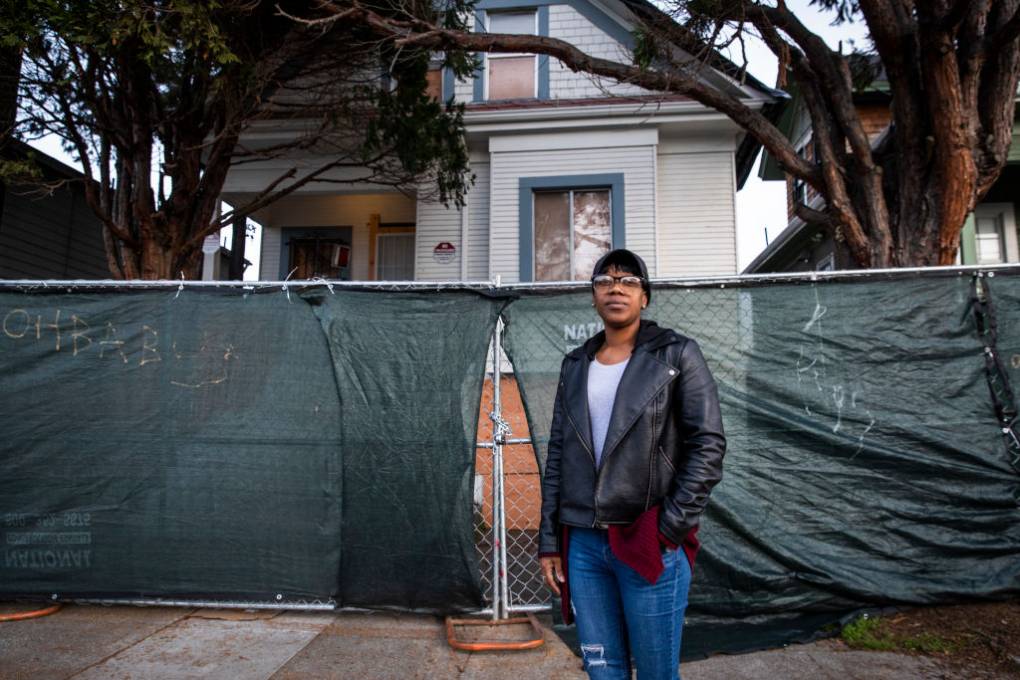
"caption": "Moms 4 Housing activist Misty Cross stands in front of a fenced-off West Oakland vacant home once owned by the real estate firm Wedgewood, on Jan. 28, 2020. She and other unhoused mothers occupied the property during a months-long protest that ended in a court-ordered eviction. The property was later purchased by a community land trust.",
"description": null,
"title": "US-homelessness-California-moms",
"credit": "Philip Pacheco/AFP via Getty Images",
"status": "inherit",
"altTag": "A woman stands in front of a fence that's blocking off a white house.",
"isLoading": false,
"fetchFailed": false
},
"news_11898319": {
"type": "attachments",
"id": "news_11898319",
"meta": {
"index": "attachments_1716263798",
"site": "news",
"id": "11898319",
"found": true
},
"parent": 11898258,
"imgSizes": {
"twentyfourteen-full-width": {
"file": "https://ww2.kqed.org/app/uploads/sites/10/2021/12/RS52282_014_Berkeley_JovanScottLewis_10272021-qut-1038x576.jpg",
"width": 1038,
"mimeType": "image/jpeg",
"height": 576
},
"thumbnail": {
"file": "https://ww2.kqed.org/app/uploads/sites/10/2021/12/RS52282_014_Berkeley_JovanScottLewis_10272021-qut-160x107.jpg",
"width": 160,
"mimeType": "image/jpeg",
"height": 107
},
"post-thumbnail": {
"file": "https://ww2.kqed.org/app/uploads/sites/10/2021/12/RS52282_014_Berkeley_JovanScottLewis_10272021-qut-672x372.jpg",
"width": 672,
"mimeType": "image/jpeg",
"height": 372
},
"kqedFullSize": {
"file": "https://ww2.kqed.org/app/uploads/sites/10/2021/12/RS52282_014_Berkeley_JovanScottLewis_10272021-qut.jpg",
"width": 1920,
"height": 1280
},
"large": {
"file": "https://ww2.kqed.org/app/uploads/sites/10/2021/12/RS52282_014_Berkeley_JovanScottLewis_10272021-qut-1020x680.jpg",
"width": 1020,
"mimeType": "image/jpeg",
"height": 680
},
"1536x1536": {
"file": "https://ww2.kqed.org/app/uploads/sites/10/2021/12/RS52282_014_Berkeley_JovanScottLewis_10272021-qut-1536x1024.jpg",
"width": 1536,
"mimeType": "image/jpeg",
"height": 1024
},
"medium": {
"file": "https://ww2.kqed.org/app/uploads/sites/10/2021/12/RS52282_014_Berkeley_JovanScottLewis_10272021-qut-800x533.jpg",
"width": 800,
"mimeType": "image/jpeg",
"height": 533
}
},
"publishDate": 1638908796,
"modified": 1638932628,
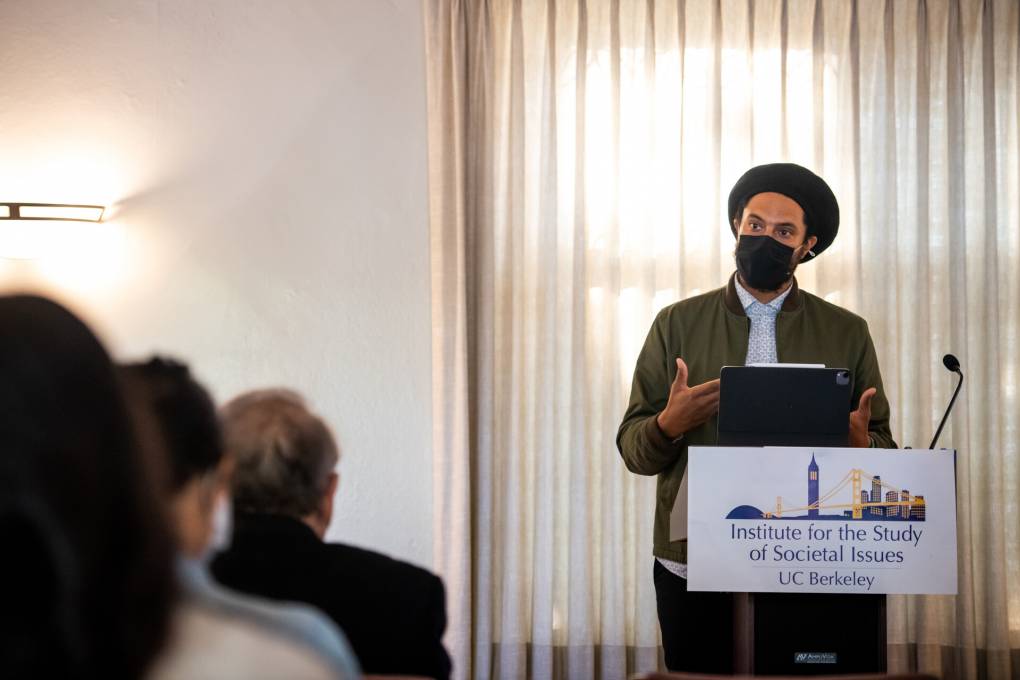
"caption": "Dr. Jovan Scott Lewis, a member of the reparations task force and a professor, at the University of California, Berkeley, on Oct. 27, 2021.",
"description": null,
"title": "RS52282_014_Berkeley_JovanScottLewis_10272021-qut",
"credit": "Beth LaBerge/KQED",
"status": "inherit",
"altTag": "A man on the right side of the frame speaks from a podium while standing, some people sitting in the foreground listen.",
"isLoading": false,
"fetchFailed": false
},
"news_11898062": {
"type": "attachments",
"id": "news_11898062",
"meta": {
"index": "attachments_1716263798",
"site": "news",
"id": "11898062",
"found": true
},
"parent": 11897843,
"imgSizes": {
"twentyfourteen-full-width": {
"file": "https://ww2.kqed.org/app/uploads/sites/10/2021/12/Hayward_RussellCity_Mural-1038x576.jpg",
"width": 1038,
"mimeType": "image/jpeg",
"height": 576
},
"thumbnail": {
"file": "https://ww2.kqed.org/app/uploads/sites/10/2021/12/Hayward_RussellCity_Mural-160x80.jpg",
"width": 160,
"mimeType": "image/jpeg",
"height": 80
},
"post-thumbnail": {
"file": "https://ww2.kqed.org/app/uploads/sites/10/2021/12/Hayward_RussellCity_Mural-672x372.jpg",
"width": 672,
"mimeType": "image/jpeg",
"height": 372
},
"kqedFullSize": {
"file": "https://ww2.kqed.org/app/uploads/sites/10/2021/12/Hayward_RussellCity_Mural.jpg",
"width": 1920,
"height": 965
},
"large": {
"file": "https://ww2.kqed.org/app/uploads/sites/10/2021/12/Hayward_RussellCity_Mural-1020x513.jpg",
"width": 1020,
"mimeType": "image/jpeg",
"height": 513
},
"1536x1536": {
"file": "https://ww2.kqed.org/app/uploads/sites/10/2021/12/Hayward_RussellCity_Mural-1536x772.jpg",
"width": 1536,
"mimeType": "image/jpeg",
"height": 772
},
"medium": {
"file": "https://ww2.kqed.org/app/uploads/sites/10/2021/12/Hayward_RussellCity_Mural-800x402.jpg",
"width": 800,
"mimeType": "image/jpeg",
"height": 402
}
},
"publishDate": 1638572923,
"modified": 1638839511,
"caption": "A mural depicts scenes of Russell City, including blues singer Charlie Bell Sanders, at A Street and Maple Court in Hayward. Russell City's residents were forcibly relocated and the community bulldozed in 1963. Joshua Powell painted the mural, assisted by Wythe Bowart, Nicole Pierret and Brent McHugh.",
"description": "A mural depicts scenes of Russell City, including blues singer Charlie Bell Sanders, at A Street and Maple Court in Hayward. Russell City's residents were forcibly relocated and the community bulldozed in 1963. Joshua Powell painted the mural, assisted by Wythe Bowart, Nicole Pierret and Brent McHugh.",
"title": "Hayward_RussellCity_Mural",
"credit": "Beth LaBerge/KQED",
"status": "inherit",
"altTag": "large outdoor mural showing renowned blues singer and band",
"isLoading": false,
"fetchFailed": false
},
"news_11897962": {
"type": "attachments",
"id": "news_11897962",
"meta": {
"index": "attachments_1716263798",
"site": "news",
"id": "11897962",
"found": true
},
"parent": 11897959,
"imgSizes": {
"twentyfourteen-full-width": {
"file": "https://ww2.kqed.org/app/uploads/sites/10/2021/12/Matthew-Cadiagn-Hearn-1038x576.png",
"width": 1038,
"mimeType": "image/png",
"height": 576
},
"thumbnail": {
"file": "https://ww2.kqed.org/app/uploads/sites/10/2021/12/Matthew-Cadiagn-Hearn-160x128.png",
"width": 160,
"mimeType": "image/png",
"height": 128
},
"post-thumbnail": {
"file": "https://ww2.kqed.org/app/uploads/sites/10/2021/12/Matthew-Cadiagn-Hearn-672x372.png",
"width": 672,
"mimeType": "image/png",
"height": 372
},
"kqedFullSize": {
"file": "https://ww2.kqed.org/app/uploads/sites/10/2021/12/Matthew-Cadiagn-Hearn.png",
"width": 1872,
"height": 1494
},
"large": {
"file": "https://ww2.kqed.org/app/uploads/sites/10/2021/12/Matthew-Cadiagn-Hearn-1020x814.png",
"width": 1020,
"mimeType": "image/png",
"height": 814
},
"1536x1536": {
"file": "https://ww2.kqed.org/app/uploads/sites/10/2021/12/Matthew-Cadiagn-Hearn-1536x1226.png",
"width": 1536,
"mimeType": "image/png",
"height": 1226
},
"medium": {
"file": "https://ww2.kqed.org/app/uploads/sites/10/2021/12/Matthew-Cadiagn-Hearn-800x638.png",
"width": 800,
"mimeType": "image/png",
"height": 638
}
},
"publishDate": 1638495380,
"modified": 1638901995,
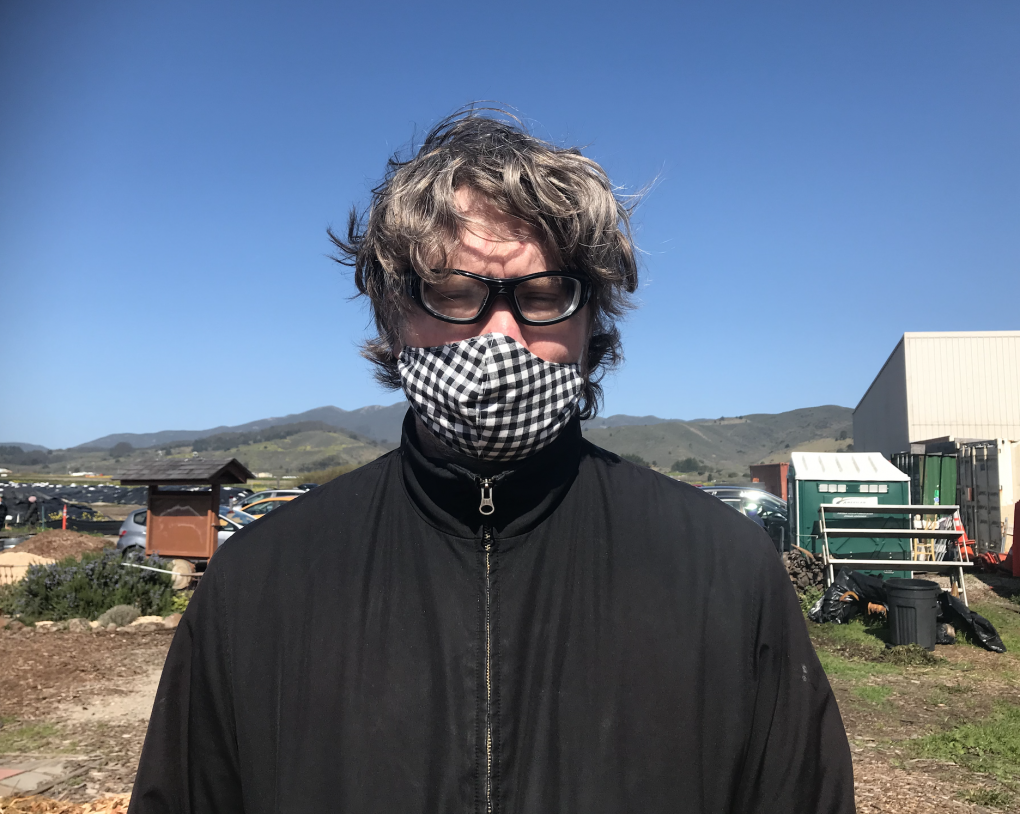
"caption": "Matthew Cadigan Hearn at Big Wave Farm, an intentional community designed to provide adults with intellectual and developmental disabilities the opportunity to live a fulfilling, independent life among their peers.",
"description": "Matthew Cadigan Hearn at Big Wave Farm, an intentional community designed to provide adults with intellectual and developmental disabilities the opportunity to live a fulfilling, independent life among their peers.",
"title": "Matthew Cadigan Hearn at Big Wave Farm.",
"credit": "KQED/Polly Stryker",
"status": "inherit",
"altTag": "A man with curly, blond hair stands in the center frame of a photo wearing glasses and a COVID mask.",
"isLoading": false,
"fetchFailed": false
},
"news_11898043": {
"type": "attachments",
"id": "news_11898043",
"meta": {
"index": "attachments_1716263798",
"site": "news",
"id": "11898043",
"found": true
},
"parent": 11898036,
"imgSizes": {
"twentyfourteen-full-width": {
"file": "https://ww2.kqed.org/app/uploads/sites/10/2021/12/kingtides_120321_final-1038x576.png",
"width": 1038,
"mimeType": "image/png",
"height": 576
},
"thumbnail": {
"file": "https://ww2.kqed.org/app/uploads/sites/10/2021/12/kingtides_120321_final-160x110.png",
"width": 160,
"mimeType": "image/png",
"height": 110
},
"post-thumbnail": {
"file": "https://ww2.kqed.org/app/uploads/sites/10/2021/12/kingtides_120321_final-672x372.png",
"width": 672,
"mimeType": "image/png",
"height": 372
},
"kqedFullSize": {
"file": "https://ww2.kqed.org/app/uploads/sites/10/2021/12/kingtides_120321_final.png",
"width": 1920,
"height": 1319
},
"large": {
"file": "https://ww2.kqed.org/app/uploads/sites/10/2021/12/kingtides_120321_final-1020x701.png",
"width": 1020,
"mimeType": "image/png",
"height": 701
},
"1536x1536": {
"file": "https://ww2.kqed.org/app/uploads/sites/10/2021/12/kingtides_120321_final-1536x1055.png",
"width": 1536,
"mimeType": "image/png",
"height": 1055
},
"medium": {
"file": "https://ww2.kqed.org/app/uploads/sites/10/2021/12/kingtides_120321_final-800x550.png",
"width": 800,
"mimeType": "image/png",
"height": 550
}
},
"publishDate": 1638567589,
"modified": 1638567652,
"caption": null,
"description": null,
"title": "kingtides_120321_final",
"credit": null,
"status": "inherit",
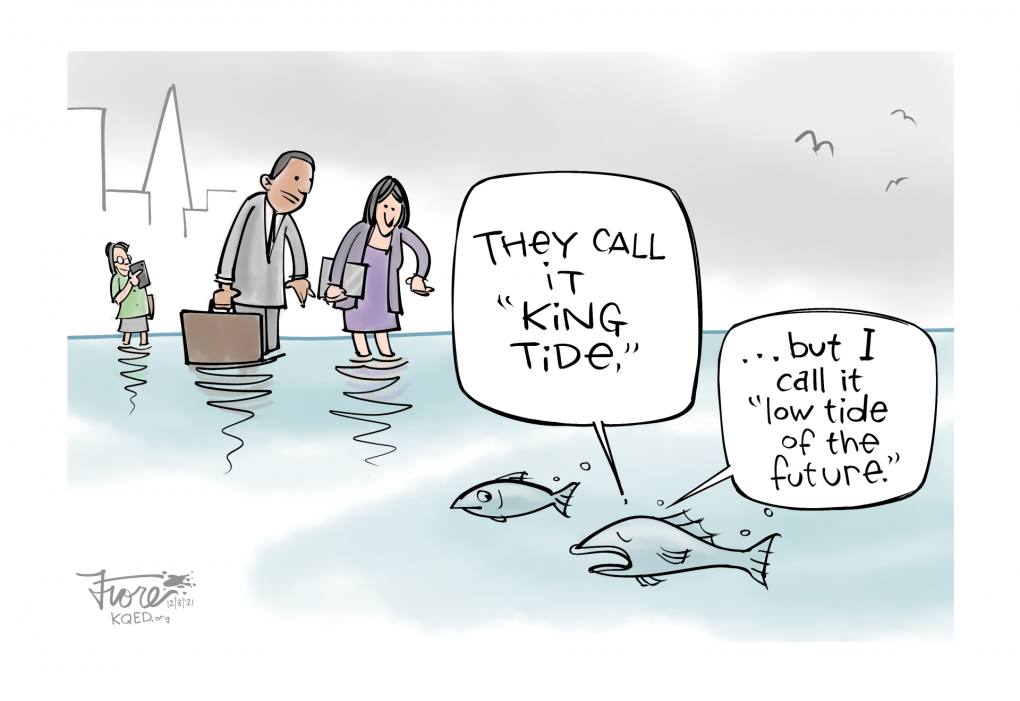
"altTag": "Cartoon: people in downtown San Francisco standing in water, we see a fish talk to another fish, saying, \"they call it 'king tide,' but I call it 'low tide of the future'.\"",
"isLoading": false,
"fetchFailed": false
},
"news_11897580": {
"type": "attachments",
"id": "news_11897580",
"meta": {
"index": "attachments_1716263798",
"site": "news",
"id": "11897580",
"found": true
},
"parent": 11897550,
"imgSizes": {
"twentyfourteen-full-width": {
"file": "https://ww2.kqed.org/app/uploads/sites/10/2021/11/GettyImages-1234628222-1024x576.jpg",
"width": 1024,
"mimeType": "image/jpeg",
"height": 576
},
"thumbnail": {
"file": "https://ww2.kqed.org/app/uploads/sites/10/2021/11/GettyImages-1234628222-160x107.jpg",
"width": 160,
"mimeType": "image/jpeg",
"height": 107
},
"post-thumbnail": {
"file": "https://ww2.kqed.org/app/uploads/sites/10/2021/11/GettyImages-1234628222-672x372.jpg",
"width": 672,
"mimeType": "image/jpeg",
"height": 372
},
"kqedFullSize": {
"file": "https://ww2.kqed.org/app/uploads/sites/10/2021/11/GettyImages-1234628222.jpg",
"width": 1024,
"height": 683
},
"large": {
"file": "https://ww2.kqed.org/app/uploads/sites/10/2021/11/GettyImages-1234628222-1020x680.jpg",
"width": 1020,
"mimeType": "image/jpeg",
"height": 680
},
"medium": {
"file": "https://ww2.kqed.org/app/uploads/sites/10/2021/11/GettyImages-1234628222-800x534.jpg",
"width": 800,
"mimeType": "image/jpeg",
"height": 534
}
},
"publishDate": 1638217244,
"modified": 1638230688,
"caption": "People walk on the California State University Long Beach campus before the return of students for fall classes on Aug. 11, 2021, in Long Beach.",
"description": null,
"title": "US-HEALTH-VIRUS-EDUCATION-CALIFORNIA",
"credit": "Patrick T. Fallon/AFP via Getty Images",
"status": "inherit",
"altTag": "A young man is walking across a campus with a blue pyramid building, fountain and trees in the background.",
"isLoading": false,
"fetchFailed": false
},
"news_11897570": {
"type": "attachments",
"id": "news_11897570",
"meta": {
"index": "attachments_1716263798",
"site": "news",
"id": "11897570",
"found": true
},
"parent": 11897548,
"imgSizes": {
"twentyfourteen-full-width": {
"file": "https://ww2.kqed.org/app/uploads/sites/10/2021/11/GettyImages-1321753242-1-1-1038x576.jpg",
"width": 1038,
"mimeType": "image/jpeg",
"height": 576
},
"thumbnail": {
"file": "https://ww2.kqed.org/app/uploads/sites/10/2021/11/GettyImages-1321753242-1-1-160x117.jpg",
"width": 160,
"mimeType": "image/jpeg",
"height": 117
},
"post-thumbnail": {
"file": "https://ww2.kqed.org/app/uploads/sites/10/2021/11/GettyImages-1321753242-1-1-672x372.jpg",
"width": 672,
"mimeType": "image/jpeg",
"height": 372
},
"kqedFullSize": {
"file": "https://ww2.kqed.org/app/uploads/sites/10/2021/11/GettyImages-1321753242-1-1.jpg",
"width": 1920,
"height": 1409
},
"large": {
"file": "https://ww2.kqed.org/app/uploads/sites/10/2021/11/GettyImages-1321753242-1-1-1020x749.jpg",
"width": 1020,
"mimeType": "image/jpeg",
"height": 749
},
"1536x1536": {
"file": "https://ww2.kqed.org/app/uploads/sites/10/2021/11/GettyImages-1321753242-1-1-1536x1127.jpg",
"width": 1536,
"mimeType": "image/jpeg",
"height": 1127
},
"medium": {
"file": "https://ww2.kqed.org/app/uploads/sites/10/2021/11/GettyImages-1321753242-1-1-800x587.jpg",
"width": 800,
"mimeType": "image/jpeg",
"height": 587
}
},
"publishDate": 1638212500,
"modified": 1638228926,
"caption": "Jack Dorsey is stepping down as the CEO of Twitter, which he co-founded. Here he's shown at a Bitcoin convention in June 2021.",
"description": null,
"title": "GettyImages-1321753242 (1)",
"credit": "Joe Raedle/Getty Images",
"status": "inherit",
"altTag": "In the photo, Dorsey is seen in a tye-dye shit (red/orange and yellow) against a black background. His beard is almost down to his collarbone.",
"isLoading": false,
"fetchFailed": false
},
"news_11897360": {
"type": "attachments",
"id": "news_11897360",
"meta": {
"index": "attachments_1716263798",
"site": "news",
"id": "11897360",
"found": true
},
"parent": 11897353,
"imgSizes": {
"twentyfourteen-full-width": {
"file": "https://ww2.kqed.org/app/uploads/sites/10/2021/11/KQEDLIVE21SoldOut-258-1038x576.jpg",
"width": 1038,
"mimeType": "image/jpeg",
"height": 576
},
"thumbnail": {
"file": "https://ww2.kqed.org/app/uploads/sites/10/2021/11/KQEDLIVE21SoldOut-258-160x106.jpg",
"width": 160,
"mimeType": "image/jpeg",
"height": 106
},
"post-thumbnail": {
"file": "https://ww2.kqed.org/app/uploads/sites/10/2021/11/KQEDLIVE21SoldOut-258-672x372.jpg",
"width": 672,
"mimeType": "image/jpeg",
"height": 372
},
"kqedFullSize": {
"file": "https://ww2.kqed.org/app/uploads/sites/10/2021/11/KQEDLIVE21SoldOut-258-scaled.jpg",
"width": 2560,
"height": 1703
},
"2048x2048": {
"file": "https://ww2.kqed.org/app/uploads/sites/10/2021/11/KQEDLIVE21SoldOut-258-2048x1363.jpg",
"width": 2048,
"mimeType": "image/jpeg",
"height": 1363
},
"large": {
"file": "https://ww2.kqed.org/app/uploads/sites/10/2021/11/KQEDLIVE21SoldOut-258-1020x679.jpg",
"width": 1020,
"mimeType": "image/jpeg",
"height": 679
},
"1536x1536": {
"file": "https://ww2.kqed.org/app/uploads/sites/10/2021/11/KQEDLIVE21SoldOut-258-1536x1022.jpg",
"width": 1536,
"mimeType": "image/jpeg",
"height": 1022
},
"full-width": {
"file": "https://ww2.kqed.org/app/uploads/sites/10/2021/11/KQEDLIVE21SoldOut-258-1920x1277.jpg",
"width": 1920,
"mimeType": "image/jpeg",
"height": 1277
},
"medium": {
"file": "https://ww2.kqed.org/app/uploads/sites/10/2021/11/KQEDLIVE21SoldOut-258-800x532.jpg",
"width": 800,
"mimeType": "image/jpeg",
"height": 532
}
},
"publishDate": 1637795674,
"modified": 1637796337,
"caption": "KQED's Molly Solomon and Erin Baldassari, hosts of SOLD OUT:Rethinking Housing in America podcast, sit with Anne Tamiko Omura, Executive Director of the Eviction Defense Center, Krista Gulbransen, Executive Director of Berkeley Rental Housing Coalition, and Tim Thomas, Research Director of the Urban Displacement Project at UC Berkeley (left to right), for the podcast's Nov. 13, 2021 conversation about evictions in San Francisco, CA.",
"description": "KQED's Molly Solomon and Erin Baldassari, hosts of SOLD OUT:Rethinking Housing in America podcast, sit with Anne Tamiko Omura, Executive Director of the Eviction Defense Center, Krista Gulbransen, Executive Director of Berkeley Rental Housing Coalition, and Tim Thomas, Research Director of the Urban Displacement Project at UC Berkeley (left to right), for the podcast's Nov. 13, 2021 conversation about evictions in San Francisco, CA.",
"title": "KQEDLIVE21SoldOut-258",
"credit": "Alain McLaughlin/KQED",
"status": "inherit",
"altTag": null,
"isLoading": false,
"fetchFailed": false
}
},
"audioPlayerReducer": {
"postId": "stream_live",
"isPaused": true,
"isPlaying": false,
"pfsActive": false,
"pledgeModalIsOpen": true,
"playerDrawerIsOpen": false,
"liveAudioPlayStartedAt": 0,
"liveAudioPlayContext": ""
},
"authorsReducer": {
"byline_news_11898058": {
"type": "authors",
"id": "byline_news_11898058",
"meta": {
"override": true
},
"slug": "byline_news_11898058",
"name": "Kori Suzuki",
"isLoading": false
},
"byline_news_11897550": {
"type": "authors",
"id": "byline_news_11897550",
"meta": {
"override": true
},
"slug": "byline_news_11897550",
"name": "Mikhail Zinshteyn",
"isLoading": false
},
"byline_news_11897548": {
"type": "authors",
"id": "byline_news_11897548",
"meta": {
"override": true
},
"slug": "byline_news_11897548",
"name": "Shannon Bond",
"isLoading": false
},
"dmarks": {
"type": "authors",
"id": "182",
"meta": {
"index": "authors_1716337520",
"id": "182",
"found": true
},
"name": "David Marks",
"firstName": "David",
"lastName": "Marks",
"slug": "dmarks",
"email": "dmarks@kqed.org",
"display_author_email": false,
"staff_mastheads": [],
"title": "KQED Editor",
"bio": "David Marks is a senior digital editor for KQED News. \u003c/a>Reach him at dmarks@kqed.org.",
"avatar": "https://secure.gravatar.com/avatar/b88bd6227ce6cb96ae33fefaf42b2a29?s=600&d=mm&r=g",
"twitter": "divadskram",
"facebook": null,
"instagram": null,
"linkedin": null,
"sites": [
{
"site": "news",
"roles": []
},
{
"site": "science",
"roles": []
},
{
"site": "perspectives",
"roles": []
},
{
"site": "liveblog",
"roles": []
}
],
"headData": {
"title": "David Marks | KQED",
"description": "KQED Editor",
"ogImgSrc": "https://secure.gravatar.com/avatar/b88bd6227ce6cb96ae33fefaf42b2a29?s=600&d=mm&r=g",
"twImgSrc": "https://secure.gravatar.com/avatar/b88bd6227ce6cb96ae33fefaf42b2a29?s=600&d=mm&r=g"
},
"isLoading": false,
"link": "/author/dmarks"
},
"pollystryker": {
"type": "authors",
"id": "250",
"meta": {
"index": "authors_1716337520",
"id": "250",
"found": true
},
"name": "Polly Stryker",
"firstName": "Polly",
"lastName": "Stryker",
"slug": "pollystryker",
"email": "pstryker@kqed.org",
"display_author_email": false,
"staff_mastheads": [
"science"
],
"title": "Editor",
"bio": "Polly Stryker is a former editor for KQED's Science desk. She and reporter/host Rachael Myrow produced the KQED podcast, \u003ca href=\"http://www.npr.org/podcasts/448072249/love-in-the-digital-age\">Love in the Digital Age\u003c/a>.\r\n\r\nPolly has worked for a variety of news and public affairs programs, including most recently as editor of \u003cem>The California Report\u003c/em>. She also edited \u003ca href=\"https://ww2.kqed.org/news/programs/the-california-report\" target=\"_blank\" rel=\"noopener noreferrer\">\u003cem>The California Report'\u003c/em>s\u003c/a> \u003ca href=\"http://www.californiareport.org/healthdialogues/\" target=\"_blank\" rel=\"noopener noreferrer\">“Health Dialogues.”\u003c/a> Before that, she was a producer on \u003cem>\u003ca href=\"http://www.scpr.org/programs/airtalk/\" target=\"_blank\" rel=\"noopener noreferrer\">AirTalk\u003c/a>\u003c/em> with Larry Mantle on \u003ca href=\"http://www.scpr.org/\" target=\"_blank\" rel=\"noopener noreferrer\">KPCC\u003c/a> radio, and \u003cem>\u003ca href=\"http://www.kpbs.org/news/midday-edition/\">These Days\u003c/a>\u003c/em> on KPBS. Polly’s work has won awards from the Radio and Television News Directors Association of Northern California, the Society of Professional Journalists (Southern California and Northern California chapters), the Radio and Television News Association. She's also won a Taste Award.\r\n\r\nShe considers herself to be a citizen of the world, having grown up in Cairo before coming to the United States. Polly speaks Arabic and can say, \"I’d like a martini, please\" in Swahili.",
"avatar": "https://secure.gravatar.com/avatar/5012854a99868cb15a517a876d88f736?s=600&d=blank&r=g",
"twitter": null,
"facebook": null,
"instagram": null,
"linkedin": null,
"sites": [
{
"site": "",
"roles": [
"editor"
]
},
{
"site": "arts",
"roles": [
"administrator"
]
},
{
"site": "news",
"roles": [
"subscriber"
]
},
{
"site": "stateofhealth",
"roles": [
"author"
]
},
{
"site": "science",
"roles": [
"editor"
]
},
{
"site": "forum",
"roles": [
"editor"
]
}
],
"headData": {
"title": "Polly Stryker | KQED",
"description": "Editor",
"ogImgSrc": "https://secure.gravatar.com/avatar/5012854a99868cb15a517a876d88f736?s=600&d=blank&r=g",
"twImgSrc": "https://secure.gravatar.com/avatar/5012854a99868cb15a517a876d88f736?s=600&d=blank&r=g"
},
"isLoading": false,
"link": "/author/pollystryker"
},
"matthewgreen": {
"type": "authors",
"id": "1263",
"meta": {
"index": "authors_1716337520",
"id": "1263",
"found": true
},
"name": "Matthew Green",
"firstName": "Matthew",
"lastName": "Green",
"slug": "matthewgreen",
"email": "mgreen@kqed.org",
"display_author_email": false,
"staff_mastheads": [],
"title": "KQED Editor/Reporter",
"bio": "Matthew Green is a digital media producer for KQED News. He previously produced \u003ca href=\"http://www.kqed.org/lowdown\">The Lowdown\u003c/a>, KQED’s multimedia news education blog. Matthew's written for numerous Bay Area publications, including the Oakland Tribune and San Francisco Chronicle. He also taught journalism classes at Fremont High School in East Oakland.\r\n\r\nEmail: mgreen@kqed.org; Twitter: @MGreenKQED",
"avatar": "https://secure.gravatar.com/avatar/3bf498d1267ca02c8494f33d8cfc575e?s=600&d=blank&r=g",
"twitter": "MGreenKQED",
"facebook": null,
"instagram": null,
"linkedin": null,
"sites": [
{
"site": "news",
"roles": []
},
{
"site": "lowdown",
"roles": []
},
{
"site": "science",
"roles": []
},
{
"site": "education",
"roles": []
},
{
"site": "quest",
"roles": []
},
{
"site": "liveblog",
"roles": []
}
],
"headData": {
"title": "Matthew Green | KQED",
"description": "KQED Editor/Reporter",
"ogImgSrc": "https://secure.gravatar.com/avatar/3bf498d1267ca02c8494f33d8cfc575e?s=600&d=blank&r=g",
"twImgSrc": "https://secure.gravatar.com/avatar/3bf498d1267ca02c8494f33d8cfc575e?s=600&d=blank&r=g"
},
"isLoading": false,
"link": "/author/matthewgreen"
},
"ekelly": {
"type": "authors",
"id": "3211",
"meta": {
"index": "authors_1716337520",
"id": "3211",
"found": true
},
"name": "Erika Kelly",
"firstName": "Erika",
"lastName": "Kelly",
"slug": "ekelly",
"email": "ekelly@KQED.org",
"display_author_email": true,
"staff_mastheads": [
"news"
],
"title": "Deputy Managing Editor",
"bio": "Erika Kelly is deputy managing editor of KQED's newsroom, working with teams covering housing, climate, health, labor and the arts. Previously, she was the senior editor of KQED’s housing affordability desk, leading the team that produced the award winning podcast Sold Out: Rethinking Housing in America. She is a graduate of the Medill School of Journalism and a native of the Greater Chicagoland Area.",
"avatar": "https://secure.gravatar.com/avatar/3653973f475e2af06d52444628a0023a48f83905a9d7ce3a4e45e5ecebcb4230?s=600&d=blank&r=g",
"twitter": null,
"bluesky": null,
"facebook": null,
"instagram": null,
"linkedin": null,
"sites": [
{
"site": "",
"roles": [
"editor"
]
},
{
"site": "arts",
"roles": [
"administrator"
]
},
{
"site": "news",
"roles": [
"administrator"
]
},
{
"site": "science",
"roles": [
"administrator"
]
},
{
"site": "liveblog",
"roles": [
"administrator"
]
}
],
"headData": {
"title": "Erika Kelly | KQED",
"description": "Deputy Managing Editor",
"ogImgSrc": "https://secure.gravatar.com/avatar/3653973f475e2af06d52444628a0023a48f83905a9d7ce3a4e45e5ecebcb4230?s=600&d=blank&r=g",
"twImgSrc": "https://secure.gravatar.com/avatar/3653973f475e2af06d52444628a0023a48f83905a9d7ce3a4e45e5ecebcb4230?s=600&d=blank&r=g"
},
"isLoading": false,
"link": "/author/ekelly"
},
"markfiore": {
"type": "authors",
"id": "3236",
"meta": {
"index": "authors_1716337520",
"id": "3236",
"found": true
},
"name": "Mark Fiore",
"firstName": "Mark",
"lastName": "Fiore",
"slug": "markfiore",
"email": "mark@markfiore.com",
"display_author_email": false,
"staff_mastheads": [
"news"
],
"title": "KQED News Cartoonist",
"bio": "\u003ca href=\"http://www.MarkFiore.com\">MarkFiore.com\u003c/a> | \u003ca href=\"https://twitter.com/markfiore\">Follow on Twitter\u003c/a> | \u003ca href=\"https://www.facebook.com/pages/Mark-Fiore-Animated-Political-Cartoons/94451707396?ref=bookmarks\">Facebook\u003c/a> | \u003ca href=\"mailto:mark@markfiore.com\">email\u003c/a>\r\n\r\nPulitzer Prize-winner, Mark Fiore, who the Wall Street Journal has called “the undisputed guru of the form,” creates animated political cartoons in San Francisco, where his work has been featured regularly on the San Francisco Chronicle’s web site, SFGate.com. His work has appeared on Newsweek.com, Slate.com, CBSNews.com, MotherJones.com, DailyKos.com and NPR’s web site. Fiore’s political animation has appeared on CNN, Frontline, Bill Moyers Journal, Salon.com and cable and broadcast outlets across the globe.\r\n\r\nBeginning his professional life by drawing traditional political cartoons for newspapers, Fiore’s work appeared in publications ranging from the Washington Post to the Los Angeles Times. In the late 1990s, he began to experiment with animating political cartoons and, after a short stint at the San Jose Mercury News as their staff cartoonist, Fiore devoted all his energies to animation.\r\nGrowing up in California, Fiore also spent a good portion of his life in the backwoods of Idaho. It was this combination that shaped him politically. Mark majored in political science at Colorado College, where, in a perfect send-off for a cartoonist, he received his diploma in 1991 as commencement speaker Dick Cheney smiled approvingly.\r\nMark Fiore was awarded the Pulitzer Prize for political cartooning in 2010, a Robert F. Kennedy Journalism Award in 2004 and has twice received an Online Journalism Award for commentary from the Online News Association (2002, 2008). Fiore has received two awards for his work in new media from the National Cartoonists Society (2001, 2002), and in 2006 received The James Madison Freedom of Information Award from The Society of Professional Journalists.",
"avatar": "https://secure.gravatar.com/avatar/fc4e2a612b15b67bad0c6f0e1db4ca9b?s=600&d=blank&r=g",
"twitter": "MarkFiore",
"facebook": null,
"instagram": "https://www.instagram.com/markfiore/?hl=en",
"linkedin": null,
"sites": [
{
"site": "arts",
"roles": [
"contributor"
]
},
{
"site": "news",
"roles": [
"editor"
]
},
{
"site": "futureofyou",
"roles": [
"editor"
]
},
{
"site": "science",
"roles": [
"editor"
]
}
],
"headData": {
"title": "Mark Fiore | KQED",
"description": "KQED News Cartoonist",
"ogImgSrc": "https://secure.gravatar.com/avatar/fc4e2a612b15b67bad0c6f0e1db4ca9b?s=600&d=blank&r=g",
"twImgSrc": "https://secure.gravatar.com/avatar/fc4e2a612b15b67bad0c6f0e1db4ca9b?s=600&d=blank&r=g"
},
"isLoading": false,
"link": "/author/markfiore"
},
"lsarah": {
"type": "authors",
"id": "11626",
"meta": {
"index": "authors_1716337520",
"id": "11626",
"found": true
},
"name": "Lakshmi Sarah",
"firstName": "Lakshmi",
"lastName": "Sarah",
"slug": "lsarah",
"email": "lsarah@kqed.org",
"display_author_email": false,
"staff_mastheads": [],
"title": "Digital Producer",
"bio": "Lakshmi Sarah is an educator, author and journalist with a focus on innovative storytelling. She has worked with newspapers, radio and magazines from Ahmedabad, India to Los Angeles, California. She has written and produced for Die Zeit, Global Voices, AJ+, KQED, Fusion Media Group and the New York Times.",
"avatar": "https://secure.gravatar.com/avatar/652dcaecd8b28826fc17a8b2d6bb4e93?s=600&d=blank&r=g",
"twitter": "lakitalki",
"facebook": null,
"instagram": "https://www.instagram.com/laki.talki/",
"linkedin": "https://www.linkedin.com/in/lakisarah/",
"sites": [
{
"site": "arts",
"roles": []
},
{
"site": "news",
"roles": []
},
{
"site": "bayareabites",
"roles": []
},
{
"site": "science",
"roles": []
}
],
"headData": {
"title": "Lakshmi Sarah | KQED",
"description": "Digital Producer",
"ogImgSrc": "https://secure.gravatar.com/avatar/652dcaecd8b28826fc17a8b2d6bb4e93?s=600&d=blank&r=g",
"twImgSrc": "https://secure.gravatar.com/avatar/652dcaecd8b28826fc17a8b2d6bb4e93?s=600&d=blank&r=g"
},
"isLoading": false,
"link": "/author/lsarah"
},
"kmoghadam": {
"type": "authors",
"id": "11637",
"meta": {
"index": "authors_1716337520",
"id": "11637",
"found": true
},
"name": "Kyana Moghadam",
"firstName": "Kyana",
"lastName": "Moghadam",
"slug": "kmoghadam",
"email": "kmoghadam@kqed.org",
"display_author_email": false,
"staff_mastheads": [
"news"
],
"title": "Senior Producer ",
"bio": "Kyana Moghadam is a senior producer at KQED. Prior to joining KQED, she was an audio producer and editor with Al Jazeera, Jetty Studios, VOX Media, Democracy Now!, and Global Press.",
"avatar": "https://secure.gravatar.com/avatar/cdbd6cb0b9e99deaa9eb618abdba56f265d374a2c614710aebeb4e58decbc5f0?s=600&d=blank&r=g",
"twitter": null,
"bluesky": null,
"facebook": null,
"instagram": null,
"linkedin": "https://www.linkedin.com/in/kyanamoghadam/",
"sites": [
{
"site": "",
"roles": [
"editor"
]
},
{
"site": "arts",
"roles": [
"editor"
]
},
{
"site": "news",
"roles": [
"administrator"
]
},
{
"site": "pop",
"roles": [
"editor"
]
},
{
"site": "about",
"roles": [
"editor"
]
},
{
"site": "forum",
"roles": [
"editor"
]
},
{
"site": "perspectives",
"roles": [
"editor"
]
},
{
"site": "podcasts",
"roles": [
"administrator"
]
}
],
"headData": {
"title": "Kyana Moghadam | KQED",
"description": "Senior Producer ",
"ogImgSrc": "https://secure.gravatar.com/avatar/cdbd6cb0b9e99deaa9eb618abdba56f265d374a2c614710aebeb4e58decbc5f0?s=600&d=blank&r=g",
"twImgSrc": "https://secure.gravatar.com/avatar/cdbd6cb0b9e99deaa9eb618abdba56f265d374a2c614710aebeb4e58decbc5f0?s=600&d=blank&r=g"
},
"isLoading": false,
"link": "/author/kmoghadam"
},
"msolomon": {
"type": "authors",
"id": "11651",
"meta": {
"index": "authors_1716337520",
"id": "11651",
"found": true
},
"name": "Molly Solomon",
"firstName": "Molly",
"lastName": "Solomon",
"slug": "msolomon",
"email": "msolomon@KQED.org",
"display_author_email": false,
"staff_mastheads": [
"news"
],
"title": "Senior Editor",
"bio": "Molly Solomon is the senior editor of KQED's California Politics and Government Desk. Previously, she was the station's editor-at-large, with a focus on editing early childhood education, politics, and criminal justice. Before that, she managed and edited statewide election coverage for The California Newsroom, a collaboration of local public radio stations, CalMatters and NPR. Molly joined KQED in 2019 to launch the station’s housing affordability desk, where she reported on homelessness, evictions and is the co-host of KQED’s housing podcast, SOLD OUT: Rethinking Housing in America. Before that, she was the Southwest Washington Bureau Chief for Oregon Public Broadcasting and a reporter at Hawaii Public Radio. Her stories have aired on NPR’s \u003cem>Morning Edition\u003c/em>, \u003cem>All Things Considered\u003c/em>, \u003cem>Here & Now\u003c/em>, \u003cem>Science Friday\u003c/em> and \u003cem>Marketplace\u003c/em>. Molly's award-winning reporting has been honored by the Best of the West, Edward R. Murrow awards, Society of Professional Journalists, National Headliner Awards, and the Asian American Journalists Association. Born and raised in Berkeley, Molly is a big fan of burritos and her scruffy terrier, Ollie.",
"avatar": "https://secure.gravatar.com/avatar/9ad9794616923d81c9a79897161545bd?s=600&d=blank&r=g",
"twitter": "solomonout",
"facebook": null,
"instagram": null,
"linkedin": null,
"sites": [
{
"site": "news",
"roles": [
"editor"
]
},
{
"site": "science",
"roles": [
"editor"
]
}
],
"headData": {
"title": "Molly Solomon | KQED",
"description": "Senior Editor",
"ogImgSrc": "https://secure.gravatar.com/avatar/9ad9794616923d81c9a79897161545bd?s=600&d=blank&r=g",
"twImgSrc": "https://secure.gravatar.com/avatar/9ad9794616923d81c9a79897161545bd?s=600&d=blank&r=g"
},
"isLoading": false,
"link": "/author/msolomon"
},
"ebaldassari": {
"type": "authors",
"id": "11652",
"meta": {
"index": "authors_1716337520",
"id": "11652",
"found": true
},
"name": "Erin Baldassari",
"firstName": "Erin",
"lastName": "Baldassari",
"slug": "ebaldassari",
"email": "ebaldassari@KQED.org",
"display_author_email": true,
"staff_mastheads": [
"news"
],
"title": "Staff Writer",
"bio": "Erin Baldassari covers housing for KQED. She's a former print journalist and most recently worked as the transportation reporter for the \u003cem>Mercury News\u003c/em> and \u003cem>East Bay Times. \u003c/em>There, she focused on how the Bay Area’s housing shortage has changed the way people move around the region. She also served on the \u003cem>East Bay Times\u003c/em>’ 2017 Pulitzer Prize-winning team for coverage of the Ghost Ship Fire in Oakland. Prior to that, Erin worked as a breaking news and general assignment reporter for a variety of outlets in the Bay Area and the greater Boston area. A Tufts University alumna, Erin grew up in the foothills of the Sierra Nevada mountains and in Sonoma County. She is a life-long KQED listener.",
"avatar": "https://secure.gravatar.com/avatar/5e95cad64a8ca08288082212e199d2b0cbeb4fd8e8ef5339395f361032bbe005?s=600&d=blank&r=g",
"twitter": "e_baldi",
"bluesky": null,
"facebook": null,
"instagram": null,
"linkedin": null,
"sites": [
{
"site": "news",
"roles": [
"edit_others_posts",
"editor"
]
},
{
"site": "science",
"roles": [
"editor"
]
},
{
"site": "liveblog",
"roles": [
"editor"
]
}
],
"headData": {
"title": "Erin Baldassari | KQED",
"description": "Staff Writer",
"ogImgSrc": "https://secure.gravatar.com/avatar/5e95cad64a8ca08288082212e199d2b0cbeb4fd8e8ef5339395f361032bbe005?s=600&d=blank&r=g",
"twImgSrc": "https://secure.gravatar.com/avatar/5e95cad64a8ca08288082212e199d2b0cbeb4fd8e8ef5339395f361032bbe005?s=600&d=blank&r=g"
},
"isLoading": false,
"link": "/author/ebaldassari"
},
"jrodriguez": {
"type": "authors",
"id": "11690",
"meta": {
"index": "authors_1716337520",
"id": "11690",
"found": true
},
"name": "Joe Fitzgerald Rodriguez",
"firstName": "Joe",
"lastName": "Fitzgerald Rodriguez",
"slug": "jrodriguez",
"email": "jrodriguez@kqed.org",
"display_author_email": true,
"staff_mastheads": [
"news"
],
"title": "Reporter and Producer",
"bio": "Joe Fitzgerald Rodriguez is a reporter and digital producer for KQED covering politics. Joe most recently wrote for the \u003cem>San Francisco Examiner\u003c/em> as a political columnist covering The City. He was raised in San Francisco and has spent his reporting career in his beloved, foggy, city by the bay. Joe was 12-years-old when he conducted his first interview in journalism, grilling former San Francisco Mayor Willie Brown for the Marina Middle School newspaper, \u003cem>The Penguin Press, \u003c/em>and he continues to report on the San Francisco Bay Area to this day.",
"avatar": "https://secure.gravatar.com/avatar/2247beb0564c1e9c62228d5649d2edac?s=600&d=blank&r=g",
"twitter": "FitztheReporter",
"facebook": null,
"instagram": "https://www.instagram.com/fitzthereporter/",
"linkedin": null,
"sites": [
{
"site": "",
"roles": [
"editor"
]
},
{
"site": "arts",
"roles": [
"editor"
]
},
{
"site": "news",
"roles": [
"editor"
]
},
{
"site": "science",
"roles": [
"editor"
]
},
{
"site": "elections",
"roles": [
"editor"
]
},
{
"site": "liveblog",
"roles": [
"editor"
]
}
],
"headData": {
"title": "Joe Fitzgerald Rodriguez | KQED",
"description": "Reporter and Producer",
"ogImgSrc": "https://secure.gravatar.com/avatar/2247beb0564c1e9c62228d5649d2edac?s=600&d=blank&r=g",
"twImgSrc": "https://secure.gravatar.com/avatar/2247beb0564c1e9c62228d5649d2edac?s=600&d=blank&r=g"
},
"isLoading": false,
"link": "/author/jrodriguez"
},
"swhitney": {
"type": "authors",
"id": "11784",
"meta": {
"index": "authors_1716337520",
"id": "11784",
"found": true
},
"name": "Spencer Whitney",
"firstName": "Spencer",
"lastName": "Whitney",
"slug": "swhitney",
"email": "swhitney@kqed.org",
"display_author_email": false,
"staff_mastheads": [],
"title": "KQED Digital Editor",
"bio": "Spencer Whitney is currently a Digital Editor for KQED News. Prior to joining KQED News, Spencer worked as the Multimedia Editor at the Oakland Post and an Assistant Editor in the Editorial department at the San Francisco Chronicle. He attended Howard University as an undergraduate and interned with SiriusXM. He also attended UC Berkeley's Graduate School of Journalism and had the opportunity to write for the hyperlocal news sites Richmond Confidential and Oakland North.",
"avatar": "https://secure.gravatar.com/avatar/e33ff4fd8b8f0d2796f36472fb32607ca8fc46ef5e537dcfdbdee688d8ea5b80?s=600&d=mm&r=g",
"twitter": null,
"bluesky": null,
"facebook": null,
"instagram": null,
"linkedin": null,
"sites": [
{
"site": "arts",
"roles": [
"editor"
]
},
{
"site": "news",
"roles": [
"editor"
]
},
{
"site": "science",
"roles": [
"editor"
]
},
{
"site": "perspectives",
"roles": [
"editor"
]
}
],
"headData": {
"title": "Spencer Whitney | KQED",
"description": "KQED Digital Editor",
"ogImgSrc": "https://secure.gravatar.com/avatar/e33ff4fd8b8f0d2796f36472fb32607ca8fc46ef5e537dcfdbdee688d8ea5b80?s=600&d=mm&r=g",
"twImgSrc": "https://secure.gravatar.com/avatar/e33ff4fd8b8f0d2796f36472fb32607ca8fc46ef5e537dcfdbdee688d8ea5b80?s=600&d=mm&r=g"
},
"isLoading": false,
"link": "/author/swhitney"
}
},
"pagesReducer": {
"news_category_housing": {
"type": "terms",
"id": "news_6266",
"meta": {
"index": "terms_1716263798",
"site": "news",
"id": "6266",
"score": 11.03987
},
"featImg": null,
"name": "Housing",
"description": null,
"taxonomy": "category",
"headData": {
"twImgId": null,
"twTitle": null,
"ogTitle": null,
"ogImgId": null,
"twDescription": null,
"description": null,
"title": "Housing Archives | KQED News",
"ogDescription": null
},
"ttid": 6290,
"slug": "housing",
"isLoading": false,
"title": "Housing",
"pageMeta": {
"site": "news",
"WpPageTemplate": "page-topic-editorial",
"currentPage": 66
},
"blocks": [
{
"blockName": "kqed/post-list",
"attrs": {
"layout": "cardArticle2",
"query": "posts/news?category=housing",
"seeMore": false,
"paginated": true,
"page": 66
}
},
{
"blockName": "kqed/ad"
}
]
}
},
"pfsSessionReducer": {},
"postsReducer": {
"stream_live": {
"type": "live",
"id": "stream_live",
"audioUrl": "https://streams.kqed.org/kqedradio",
"title": "Live Stream",
"excerpt": "Live Stream information currently unavailable.",
"link": "/radio",
"featImg": "",
"label": {
"name": "KQED Live",
"link": "/"
}
},
"stream_kqedNewscast": {
"type": "posts",
"id": "stream_kqedNewscast",
"audioUrl": "https://www.kqed.org/.stream/anon/radio/RDnews/newscast.mp3?_=1",
"title": "KQED Newscast",
"featImg": "",
"label": {
"name": "88.5 FM",
"link": "/"
}
},
"news_11900195": {
"type": "posts",
"id": "news_11900195",
"meta": {
"index": "posts_1716263798",
"site": "news",
"id": "11900195",
"score": null,
"sort": [
1640299764000
]
},
"guestAuthors": [],
"slug": "sf-supervisors-to-vote-on-mayor-breeds-state-of-emergency-declaration-in-the-tenderloin",
"title": "SF Supervisors Approve Mayor Breed's State of Emergency Declaration for the Tenderloin",
"publishDate": 1640299764,
"format": "standard",
"headTitle": "SF Supervisors Approve Mayor Breed’s State of Emergency Declaration for the Tenderloin | KQED",
"labelTerm": {
"site": "news"
},
"content": "\u003cp>San Francisco’s Tenderloin neighborhood is officially in a state of emergency.\u003c/p>\n\u003cp>The San Francisco Board of Supervisors voted Thursday night to approve \u003ca href=\"https://sfmayor.org/sites/default/files/Emergency%20Declaration%20-%20Tenderloin.pdf\">Mayor London Breed’s order to declare a state of emergency\u003c/a> in the long-beleaguered city neighborhood, where the needs of people suffering and dying from poverty and substance use disorders have clashed with the needs of nearby families, who are demanding relief from the psychological toll of continuous open-air drug markets and unregulated use.\u003c/p>\n\u003cp>Some of the supervisors who voted to approve the declaration still expressed their concerns that the ordinance may condone the criminalization of those experiencing substance use disorders in the Tenderloin.\u003c/p>\n\u003cp>[aside postID=\"news_11899726\" hero=\"https://ww2.kqed.org/app/uploads/sites/10/2019/11/IMG_20191127_153031-e1574905962967-1020x802.jpg\"]“I will note, the mayor can crack down on the Tenderloin today no matter what we do,” said Supervisor Hillary Ronen, who represents the Mission and other neighborhoods.\u003c/p>\n\u003cp>However, during the meeting, the mayor’s staff promised not to use the emergency powers to boost police funding, but instead to enable more services to help people with substance use disorders.\u003c/p>\n\u003cp>“Between now and January, if they use a cent to increase [the San Francisco Police Department budget], we can cancel this order on the spot,” Ronen said. “I’m going to vote to approve this order today, but I’m going to watch this thing like a hawk.”\u003c/p>\n\u003cp>The supervisors had seven days to approve Breed’s emergency declaration for the Tenderloin, which will last 90 days. Eight supervisors voted to approve the order, with Supervisors Dean Preston and Shamann Walton voting no, and Supervisor Aaron Peskin absent.\u003c/p>\n\u003cp>[pullquote align=\"right\" size=\"medium\" citation=\"Supervisor Hillary Ronen, District 9\"]‘Between now and January, if they use a cent to increase [the SFPD budget], we can cancel this order on the spot.’[/pullquote]In their vote to approve the measure, some members of the board cited a longstanding informal policy of voting alongside a supervisor on issues that affect the neighborhood that supervisor represents. Since Supervisor Matt Haney, who is running for State Assembly and represents the Tenderloin, backed the emergency order, other supervisors were swayed to join him.\u003c/p>\n\u003cp>Still, they did so amid publicly aired concerns. Breed spurred fears she would criminalize drug use when she announced earlier this month \u003ca href=\"https://www.kqed.org/news/11899060/vowing-to-end-reign-of-criminals-destroying-our-city-sf-mayor-breed-announces-latest-tenderloin-crackdown\">a new public safety strategy in the Tenderloin\u003c/a>, calling for a “tough love” approach that would have more cops on the ground.\u003c/p>\n\u003cp>In her remarks, she said San Franciscans should be “less tolerant of all the bull— that has destroyed our city,” and suggested that people who did not accept services would be jailed.\u003c/p>\n\u003cp>Those words, \u003ca href=\"https://missionlocal.org/2021/12/san-francisco-tenderloin-matrix-declaration-of-emergency-london-breed/\">and others from Breed\u003c/a>, hung over the more than 10-hour-long meeting, as some of the supervisors argued people using drugs need care, not jail, to find healthier lives.\u003c/p>\n\u003cp>Ultimately, city staff delivered a softened version of Breed’s message to the supervisors.\u003c/p>\n\u003cp>[aside postID=\"news_11899060\" hero=\"https://ww2.kqed.org/app/uploads/sites/10/2021/12/20211214_115252-1020x771.jpg\"]“I can say unequivocally our office will not use authority in the emergency order to provide appropriations [of funding] to the police department,” Mayor’s Office Deputy Chief of Staff Andres Power told the board Thursday night.\u003c/p>\n\u003cp>Instead, Power and other staff said, the state of emergency would cut red tape and enable San Francisco agencies to lease a location near the Tenderloin to establish a “linkage site” to help connect people who use drugs to health services and resources, staffed by social workers.\u003c/p>\n\u003cp>Without the emergency order, it would take months, perhaps a year, to create such a site in the Tenderloin, city staff said at the meeting.\u003c/p>\n\u003cp>The order also would allow the city to more quickly hire 250 behavioral health staffers to help people with substance use disorders heal from their illnesses by blazing through “byzantine” civil-service rules, city staff said.\u003c/p>\n\u003cp>“Those are things that can absolutely save lives,” Haney said.\u003c/p>\n\u003cp>Despite those assurances, other supervisors said they were disappointed Breed didn’t attend the meeting herself to tell them how much, or how little, the police would be involved in her plan.\u003c/p>\n\u003cp>Supervisor Dean Preston, who represents Haight-Ashbury, the Fillmore and Japantown, among other neighborhoods, was openly critical of the emergency order, calling it a “publicity stunt.”\u003c/p>\n\u003cp>Supervisor Connie Chan, who represents the Richmond neighborhood, also questioned the political nature of the declaration and asked why the mayor hadn’t taken similar action earlier.\u003c/p>\n\u003cp>“If this declaration was truly about tackling the fentanyl crisis, where was this declaration when we voted to urge the mayor to do so in September of this year?” Chan said, referencing a resolution introduced by Haney.\u003c/p>\n\u003cp>Some supervisors worried approving the emergency order would tacitly endorse Breed’s law-and-order messaging.\u003c/p>\n\u003cp>At a community market opening in the Tenderloin in mid-December,\u003ca href=\"https://twitter.com/FitzTheReporter/status/1474166266797518888\"> Breed was recorded on video saying\u003c/a>, “We are going to make people who are dealing drugs, who are using drugs out in the open with no regard for the community, people who are assaulting and spitting on and stabbing and shooting and destroying this community, we are going to make life hell for them.”\u003c/p>\n\u003cp>Preston called out those words in the meeting — making “life hell” for those who use drugs — when \u003ca href=\"https://health.ucdavis.edu/newsroom/news/headlines/its-time-to-treat-substance-abuse-like-a-chronic-disease/2021/12\">public health experts consider substance use disorder to be a disease that can be treated\u003c/a>.\u003c/p>\n\u003cp>At the meeting, SFPD Chief Bill Scott expressed frustration at the position his officers are placed in when addressing the sale and consumption of drugs in the Tenderloin.\u003c/p>\n\u003cp>“We’re in this ‘no-person’s-land’ where they’re being asked not to arrest, and they’re seeing people smoking fentanyl out on the streets,” Scott said. “What tools do they have to address this, if they’re not going to be arresting?”\u003c/p>\n\u003cp>https://twitter.com/FitzTheReporter/status/1474177258323546120\u003c/p>\n\u003cp>In other critiques, Supervisor Shamann Walton questioned why there wasn’t an emergency order when homicides rose in the southeast of the city, which he represents, and Chan questioned why the mayor didn’t have similar urgency around attacks against the Asian American and Pacific Islander community.\u003c/p>\n\u003cp>Hundreds of people called in to comment on the vote during the public meeting. Those supporting Breed’s emergency order ran the gamut: Some lauded Breed’s plan as compassionate for boosting access to services, while others embraced more police action, even going so far as to suggest jailing drug dealers on Alcatraz, or encouraging the police to commit violence against drug users and dealers alike. Callers often called the Tenderloin a “dystopia,” and called for “order.”\u003c/p>\n\u003cp>Other callers lived with their families in the Tenderloin, and were calling for help.\u003c/p>\n\u003cp>“Don’t forget that children and young people are affected in their mental health directly. It’s a day-to-day situation where they’re offered drugs and are afraid of being shot,” said Norma Carrera, a 26-year Tenderloin resident who spoke in Spanish with the aid of an interpreter.\u003c/p>\n\u003cp>Thomas Wolf, who previously struggled with substance abuse \u003ca href=\"https://www.nytimes.com/2021/04/26/us/san-francisco-drug-crisis.html\">and became notable in San Francisco for going sober after his arrest by city police\u003c/a>, told the board, “I’m alive today, and in recovery, because I was held accountable when I broke the law to support my addiction. Accountability is the cornerstone of recovery.”\u003c/p>\n\u003cp>People speaking publicly against Breed’s emergency order sometimes characterized it as police overreach, even though the mayor’s office pledged in the meeting not to add funding to policing by using the order.\u003c/p>\n\u003cp>Callers repeatedly described fear of the police, citing the police killings of \u003ca href=\"https://www.npr.org/series/1000988747/george-floyds-murder-one-year-later\">George Floyd\u003c/a> and\u003ca href=\"https://www.theguardian.com/us-news/2016/mar/21/death-by-gentrification-the-killing-that-shamed-san-francisco\"> Alex Nieto\u003c/a>. They also often suggested officials boost funding for the Community Alternative Response Team (CART), a citywide program designed to connect unhoused people with community workers, as opposed to police.\u003c/p>\n\u003cp>Jessica Hernandez, an 18-year-old who said they were unhoused, said “instead of a police crackdown,” Breed should increase funding for housing initiatives to aid those living on the streets.\u003c/p>\n\u003cp>“I don’t want to live in fear,” they said.\u003c/p>\n\u003cp>Peter Murphy, a Tenderloin resident who works at the Mental Health Association of San Francisco, said his agency opposes the emergency order and any measure that would criminalize substance use disorders.\u003c/p>\n\u003cp>“I identify as an addict and an alcoholic. The only thing that’s worked for me is voluntary treatment,” he said, and suggested the city fund CART. “This is not the time to repeat the mistakes of the past, with over-policing the Tenderloin.”\u003c/p>\n\u003cp>Deaths attributable to drug overdoses have increased more than 200% in San Francisco since 2018, and last year, more than 700 people died from drug overdoses in the city, more than the number who died from COVID-19, according to \u003ca href=\"https://sfmayor.org/sites/default/files/Emergency%20Declaration%20-%20Tenderloin.pdf\">Breed’s proclamation of a local emergency\u003c/a>.\u003c/p>\n\u003cp>[aside postID=\"news_11894981\" hero=\"https://ww2.kqed.org/app/uploads/sites/10/2021/11/NPR-fentanyl-1-1020x766.jpg\"]Nearly 600 people have died of drug overdoses through November of this year, with nearly half the deaths occurring in the Tenderloin and the neighboring South of Market neighborhood, the proclamation said. These areas make up 7% of San Francisco’s population.\u003c/p>\n\u003cp>San Francisco District Attorney Chesa Boudin joined the city’s public defender Mano Raju at a news conference on Monday to denounce the mayor’s plan, saying that jailing people experiencing substance use disorders, mental health issues and homelessness would not work.\u003c/p>\n\u003cp>“If arrests and prosecutions alone could solve the drug crisis in this country or in this city, it would have been solved long ago,” Boudin said. “We’ve invested over a trillion dollars in fighting the so-called war on drugs, and where has it gotten us?”\u003c/p>\n\u003cp>https://twitter.com/LondonBreed/status/1473064841568940034\u003c/p>\n\u003cp>Boudin said the “raw human suffering” he sees in the neighborhood outrages him. But using outdated methods won’t make people any safer, and the city has other options, said Boudin, who worked in the public defender’s office before becoming DA.\u003c/p>\n\u003cp>Among local community activists, reaction to Breed’s declaration has been mixed, at best.\u003c/p>\n\u003cp>Jennifer Friedenbach, executive director of the Coalition on Homelessness, last week slammed the mayor’s strategy.\u003c/p>\n\u003cp>“It’s really clear that Mayor Breed is vilifying and degrading people who are living in poverty,” she said, calling it a shortsighted political response to the “misleading flood of media hysteria around crime.”\u003c/p>\n\u003cp>Pointing to Proposition C, the 2018 voter-approved measure that directs hundreds of millions of dollars a year to pay for services for unhoused people in the city, Friedenbach said Breed was already “sitting on very carefully crafted solutions to these issues that the community has been calling for, with feedback and expertise from unhoused community members themselves.”\u003c/p>\n\u003cp>Chan, the supervisor representing the Richmond, said at the meeting that San Francisco has seen police-focused plans to address drug use and homelessness in the past, and they haven’t succeeded — because the problem still lingers.\u003c/p>\n\u003cp>“I’ve been in city government for almost two decades, serving under four different mayors. We’ve seen this all before. It’s why we know it’s not going to work. From \u003ca href=\"https://www.latimes.com/politics/la-pol-ca-gavin-newsom-homelessness-san-francisco-20181023-story.html\">Care Not Cash\u003c/a>, to the \u003ca href=\"https://www.sfchronicle.com/crime/article/The-Scanner-SF-police-have-backed-off-13322561.php\">sit-lie ordinance\u003c/a>, to the \u003ca href=\"https://sf.curbed.com/2016/11/10/13576508/san-francisco-homeless-tents-election\">[Proposition] Q tent prohibition\u003c/a>. Different slogans, but the same tactics of criminalizing the poor and the unhoused. Different players, same game, and we know they don’t work, because we’re suffering from these measures’ cumulative impact on our streets right now,” Chan said.\u003c/p>\n\u003cp>She added, “We know the solution, colleagues, and that work is hard, to implement policy solutions that may not garner news attention. Work that includes meaningful investment in the health care system, public education, workforce development and housing security not just for the homeless, but working families to stop them from becoming homeless in the first place.”\u003c/p>\n\u003cp>\u003cem>This post includes reporting from The Associated Press and KQED’s Kate Wolffe, Carlos Cabrera-Lomelí, Matthew Green and David Marks.\u003c/em>\u003cbr>\n[ad fullwidth]\u003c/p>\n\u003cp>[ad floatright]\u003c/p>\n",
"blocks": [],
"excerpt": "Supervisors voted to authorize the mayor's state of emergency declaration for the Tenderloin, allowing the city to 'waive certain laws' to move people off the streets and into treatment programs.",
"status": "publish",
"parent": 0,
"modified": 1725922711,
"stats": {
"hasAudio": false,
"hasVideo": false,
"hasChartOrMap": false,
"iframeSrcs": [],
"hasGoogleForm": false,
"hasGallery": false,
"hasHearkenModule": false,
"hasPolis": false,
"paragraphCount": 51,
"wordCount": 2102
},
"headData": {
"title": "SF Supervisors Approve Mayor Breed's State of Emergency Declaration for the Tenderloin | KQED",
"description": "Supervisors voted to authorize the mayor's state of emergency declaration for the Tenderloin, allowing the city to 'waive certain laws' to move people off the streets and into treatment programs.",
"ogTitle": "",
"ogDescription": "",
"ogImgId": "",
"twTitle": "",
"twDescription": "",
"twImgId": "",
"schema": {
"@context": "https://schema.org",
"@type": "NewsArticle",
"headline": "SF Supervisors Approve Mayor Breed's State of Emergency Declaration for the Tenderloin",
"datePublished": "2021-12-23T14:49:24-08:00",
"dateModified": "2024-09-09T15:58:31-07:00",
"image": "https://cdn.kqed.org/wp-content/uploads/2020/02/KQED-OG-Image@1x.png",
"isAccessibleForFree": "True",
"publisher": {
"@type": "NewsMediaOrganization",
"@id": "https://www.kqed.org/#organization",
"name": "KQED",
"logo": "https://cdn.kqed.org/wp-content/uploads/2020/02/KQED-OG-Image@1x.png",
"url": "https://www.kqed.org",
"sameAs": [
"https://www.facebook.com/KQED",
"https://twitter.com/KQED",
"https://www.instagram.com/kqed/",
"https://www.tiktok.com/@kqedofficial",
"https://www.linkedin.com/company/kqed",
"https://www.youtube.com/channel/UCeC0IOo7i1P_61zVUWbJ4nw"
]
}
}
},
"sticky": false,
"excludeFromSiteSearch": "Include",
"path": "/news/11900195/sf-supervisors-to-vote-on-mayor-breeds-state-of-emergency-declaration-in-the-tenderloin",
"audioTrackLength": null,
"parsedContent": [
{
"type": "contentString",
"content": "\u003cdiv class=\"post-body\">\u003cp>\u003cp>San Francisco’s Tenderloin neighborhood is officially in a state of emergency.\u003c/p>\n\u003cp>The San Francisco Board of Supervisors voted Thursday night to approve \u003ca href=\"https://sfmayor.org/sites/default/files/Emergency%20Declaration%20-%20Tenderloin.pdf\">Mayor London Breed’s order to declare a state of emergency\u003c/a> in the long-beleaguered city neighborhood, where the needs of people suffering and dying from poverty and substance use disorders have clashed with the needs of nearby families, who are demanding relief from the psychological toll of continuous open-air drug markets and unregulated use.\u003c/p>\n\u003cp>Some of the supervisors who voted to approve the declaration still expressed their concerns that the ordinance may condone the criminalization of those experiencing substance use disorders in the Tenderloin.\u003c/p>\n\u003cp>\u003c/p>\u003c/div>",
"attributes": {
"named": {},
"numeric": []
}
},
{
"type": "component",
"content": "",
"name": "aside",
"attributes": {
"named": {
"postid": "news_11899726",
"hero": "https://ww2.kqed.org/app/uploads/sites/10/2019/11/IMG_20191127_153031-e1574905962967-1020x802.jpg",
"label": ""
},
"numeric": []
}
},
{
"type": "contentString",
"content": "\u003cdiv class=\"post-body\">\u003cp>“I will note, the mayor can crack down on the Tenderloin today no matter what we do,” said Supervisor Hillary Ronen, who represents the Mission and other neighborhoods.\u003c/p>\n\u003cp>However, during the meeting, the mayor’s staff promised not to use the emergency powers to boost police funding, but instead to enable more services to help people with substance use disorders.\u003c/p>\n\u003cp>“Between now and January, if they use a cent to increase [the San Francisco Police Department budget], we can cancel this order on the spot,” Ronen said. “I’m going to vote to approve this order today, but I’m going to watch this thing like a hawk.”\u003c/p>\n\u003cp>The supervisors had seven days to approve Breed’s emergency declaration for the Tenderloin, which will last 90 days. Eight supervisors voted to approve the order, with Supervisors Dean Preston and Shamann Walton voting no, and Supervisor Aaron Peskin absent.\u003c/p>\n\u003cp>\u003c/p>\u003c/div>",
"attributes": {
"named": {},
"numeric": []
}
},
{
"type": "component",
"content": "‘Between now and January, if they use a cent to increase [the SFPD budget], we can cancel this order on the spot.’",
"name": "pullquote",
"attributes": {
"named": {
"align": "right",
"size": "medium",
"citation": "Supervisor Hillary Ronen, District 9",
"label": ""
},
"numeric": []
}
},
{
"type": "contentString",
"content": "\u003cdiv class=\"post-body\">\u003cp>In their vote to approve the measure, some members of the board cited a longstanding informal policy of voting alongside a supervisor on issues that affect the neighborhood that supervisor represents. Since Supervisor Matt Haney, who is running for State Assembly and represents the Tenderloin, backed the emergency order, other supervisors were swayed to join him.\u003c/p>\n\u003cp>Still, they did so amid publicly aired concerns. Breed spurred fears she would criminalize drug use when she announced earlier this month \u003ca href=\"https://www.kqed.org/news/11899060/vowing-to-end-reign-of-criminals-destroying-our-city-sf-mayor-breed-announces-latest-tenderloin-crackdown\">a new public safety strategy in the Tenderloin\u003c/a>, calling for a “tough love” approach that would have more cops on the ground.\u003c/p>\n\u003cp>In her remarks, she said San Franciscans should be “less tolerant of all the bull— that has destroyed our city,” and suggested that people who did not accept services would be jailed.\u003c/p>\n\u003cp>Those words, \u003ca href=\"https://missionlocal.org/2021/12/san-francisco-tenderloin-matrix-declaration-of-emergency-london-breed/\">and others from Breed\u003c/a>, hung over the more than 10-hour-long meeting, as some of the supervisors argued people using drugs need care, not jail, to find healthier lives.\u003c/p>\n\u003cp>Ultimately, city staff delivered a softened version of Breed’s message to the supervisors.\u003c/p>\n\u003cp>\u003c/p>\u003c/div>",
"attributes": {
"named": {},
"numeric": []
}
},
{
"type": "component",
"content": "",
"name": "aside",
"attributes": {
"named": {
"postid": "news_11899060",
"hero": "https://ww2.kqed.org/app/uploads/sites/10/2021/12/20211214_115252-1020x771.jpg",
"label": ""
},
"numeric": []
}
},
{
"type": "contentString",
"content": "\u003cdiv class=\"post-body\">\u003cp>“I can say unequivocally our office will not use authority in the emergency order to provide appropriations [of funding] to the police department,” Mayor’s Office Deputy Chief of Staff Andres Power told the board Thursday night.\u003c/p>\n\u003cp>Instead, Power and other staff said, the state of emergency would cut red tape and enable San Francisco agencies to lease a location near the Tenderloin to establish a “linkage site” to help connect people who use drugs to health services and resources, staffed by social workers.\u003c/p>\n\u003cp>Without the emergency order, it would take months, perhaps a year, to create such a site in the Tenderloin, city staff said at the meeting.\u003c/p>\n\u003cp>The order also would allow the city to more quickly hire 250 behavioral health staffers to help people with substance use disorders heal from their illnesses by blazing through “byzantine” civil-service rules, city staff said.\u003c/p>\n\u003cp>“Those are things that can absolutely save lives,” Haney said.\u003c/p>\n\u003cp>Despite those assurances, other supervisors said they were disappointed Breed didn’t attend the meeting herself to tell them how much, or how little, the police would be involved in her plan.\u003c/p>\n\u003cp>Supervisor Dean Preston, who represents Haight-Ashbury, the Fillmore and Japantown, among other neighborhoods, was openly critical of the emergency order, calling it a “publicity stunt.”\u003c/p>\n\u003cp>Supervisor Connie Chan, who represents the Richmond neighborhood, also questioned the political nature of the declaration and asked why the mayor hadn’t taken similar action earlier.\u003c/p>\n\u003cp>“If this declaration was truly about tackling the fentanyl crisis, where was this declaration when we voted to urge the mayor to do so in September of this year?” Chan said, referencing a resolution introduced by Haney.\u003c/p>\n\u003cp>Some supervisors worried approving the emergency order would tacitly endorse Breed’s law-and-order messaging.\u003c/p>\n\u003cp>At a community market opening in the Tenderloin in mid-December,\u003ca href=\"https://twitter.com/FitzTheReporter/status/1474166266797518888\"> Breed was recorded on video saying\u003c/a>, “We are going to make people who are dealing drugs, who are using drugs out in the open with no regard for the community, people who are assaulting and spitting on and stabbing and shooting and destroying this community, we are going to make life hell for them.”\u003c/p>\n\u003cp>Preston called out those words in the meeting — making “life hell” for those who use drugs — when \u003ca href=\"https://health.ucdavis.edu/newsroom/news/headlines/its-time-to-treat-substance-abuse-like-a-chronic-disease/2021/12\">public health experts consider substance use disorder to be a disease that can be treated\u003c/a>.\u003c/p>\n\u003cp>At the meeting, SFPD Chief Bill Scott expressed frustration at the position his officers are placed in when addressing the sale and consumption of drugs in the Tenderloin.\u003c/p>\n\u003cp>“We’re in this ‘no-person’s-land’ where they’re being asked not to arrest, and they’re seeing people smoking fentanyl out on the streets,” Scott said. “What tools do they have to address this, if they’re not going to be arresting?”\u003c/p>\u003c/p>\u003c/div>",
"attributes": {
"named": {},
"numeric": []
}
},
{
"type": "component",
"content": "",
"name": "singleTwitterStatus",
"attributes": {
"named": {
"id": "1474177258323546120"
},
"numeric": []
}
},
{
"type": "contentString",
"content": "\u003cdiv class=\"post-body\">\u003cp>\n\u003cp>In other critiques, Supervisor Shamann Walton questioned why there wasn’t an emergency order when homicides rose in the southeast of the city, which he represents, and Chan questioned why the mayor didn’t have similar urgency around attacks against the Asian American and Pacific Islander community.\u003c/p>\n\u003cp>Hundreds of people called in to comment on the vote during the public meeting. Those supporting Breed’s emergency order ran the gamut: Some lauded Breed’s plan as compassionate for boosting access to services, while others embraced more police action, even going so far as to suggest jailing drug dealers on Alcatraz, or encouraging the police to commit violence against drug users and dealers alike. Callers often called the Tenderloin a “dystopia,” and called for “order.”\u003c/p>\n\u003cp>Other callers lived with their families in the Tenderloin, and were calling for help.\u003c/p>\n\u003cp>“Don’t forget that children and young people are affected in their mental health directly. It’s a day-to-day situation where they’re offered drugs and are afraid of being shot,” said Norma Carrera, a 26-year Tenderloin resident who spoke in Spanish with the aid of an interpreter.\u003c/p>\n\u003cp>Thomas Wolf, who previously struggled with substance abuse \u003ca href=\"https://www.nytimes.com/2021/04/26/us/san-francisco-drug-crisis.html\">and became notable in San Francisco for going sober after his arrest by city police\u003c/a>, told the board, “I’m alive today, and in recovery, because I was held accountable when I broke the law to support my addiction. Accountability is the cornerstone of recovery.”\u003c/p>\n\u003cp>People speaking publicly against Breed’s emergency order sometimes characterized it as police overreach, even though the mayor’s office pledged in the meeting not to add funding to policing by using the order.\u003c/p>\n\u003cp>Callers repeatedly described fear of the police, citing the police killings of \u003ca href=\"https://www.npr.org/series/1000988747/george-floyds-murder-one-year-later\">George Floyd\u003c/a> and\u003ca href=\"https://www.theguardian.com/us-news/2016/mar/21/death-by-gentrification-the-killing-that-shamed-san-francisco\"> Alex Nieto\u003c/a>. They also often suggested officials boost funding for the Community Alternative Response Team (CART), a citywide program designed to connect unhoused people with community workers, as opposed to police.\u003c/p>\n\u003cp>Jessica Hernandez, an 18-year-old who said they were unhoused, said “instead of a police crackdown,” Breed should increase funding for housing initiatives to aid those living on the streets.\u003c/p>\n\u003cp>“I don’t want to live in fear,” they said.\u003c/p>\n\u003cp>Peter Murphy, a Tenderloin resident who works at the Mental Health Association of San Francisco, said his agency opposes the emergency order and any measure that would criminalize substance use disorders.\u003c/p>\n\u003cp>“I identify as an addict and an alcoholic. The only thing that’s worked for me is voluntary treatment,” he said, and suggested the city fund CART. “This is not the time to repeat the mistakes of the past, with over-policing the Tenderloin.”\u003c/p>\n\u003cp>Deaths attributable to drug overdoses have increased more than 200% in San Francisco since 2018, and last year, more than 700 people died from drug overdoses in the city, more than the number who died from COVID-19, according to \u003ca href=\"https://sfmayor.org/sites/default/files/Emergency%20Declaration%20-%20Tenderloin.pdf\">Breed’s proclamation of a local emergency\u003c/a>.\u003c/p>\n\u003cp>\u003c/p>\u003c/div>",
"attributes": {
"named": {},
"numeric": []
}
},
{
"type": "component",
"content": "",
"name": "aside",
"attributes": {
"named": {
"postid": "news_11894981",
"hero": "https://ww2.kqed.org/app/uploads/sites/10/2021/11/NPR-fentanyl-1-1020x766.jpg",
"label": ""
},
"numeric": []
}
},
{
"type": "contentString",
"content": "\u003cdiv class=\"post-body\">\u003cp>Nearly 600 people have died of drug overdoses through November of this year, with nearly half the deaths occurring in the Tenderloin and the neighboring South of Market neighborhood, the proclamation said. These areas make up 7% of San Francisco’s population.\u003c/p>\n\u003cp>San Francisco District Attorney Chesa Boudin joined the city’s public defender Mano Raju at a news conference on Monday to denounce the mayor’s plan, saying that jailing people experiencing substance use disorders, mental health issues and homelessness would not work.\u003c/p>\n\u003cp>“If arrests and prosecutions alone could solve the drug crisis in this country or in this city, it would have been solved long ago,” Boudin said. “We’ve invested over a trillion dollars in fighting the so-called war on drugs, and where has it gotten us?”\u003c/p>\u003c/p>\u003c/div>",
"attributes": {
"named": {},
"numeric": []
}
},
{
"type": "component",
"content": "",
"name": "singleTwitterStatus",
"attributes": {
"named": {
"id": "1473064841568940034"
},
"numeric": []
}
},
{
"type": "contentString",
"content": "\u003cdiv class=\"post-body\">\u003cp>\n\u003cp>Boudin said the “raw human suffering” he sees in the neighborhood outrages him. But using outdated methods won’t make people any safer, and the city has other options, said Boudin, who worked in the public defender’s office before becoming DA.\u003c/p>\n\u003cp>Among local community activists, reaction to Breed’s declaration has been mixed, at best.\u003c/p>\n\u003cp>Jennifer Friedenbach, executive director of the Coalition on Homelessness, last week slammed the mayor’s strategy.\u003c/p>\n\u003cp>“It’s really clear that Mayor Breed is vilifying and degrading people who are living in poverty,” she said, calling it a shortsighted political response to the “misleading flood of media hysteria around crime.”\u003c/p>\n\u003cp>Pointing to Proposition C, the 2018 voter-approved measure that directs hundreds of millions of dollars a year to pay for services for unhoused people in the city, Friedenbach said Breed was already “sitting on very carefully crafted solutions to these issues that the community has been calling for, with feedback and expertise from unhoused community members themselves.”\u003c/p>\n\u003cp>Chan, the supervisor representing the Richmond, said at the meeting that San Francisco has seen police-focused plans to address drug use and homelessness in the past, and they haven’t succeeded — because the problem still lingers.\u003c/p>\n\u003cp>“I’ve been in city government for almost two decades, serving under four different mayors. We’ve seen this all before. It’s why we know it’s not going to work. From \u003ca href=\"https://www.latimes.com/politics/la-pol-ca-gavin-newsom-homelessness-san-francisco-20181023-story.html\">Care Not Cash\u003c/a>, to the \u003ca href=\"https://www.sfchronicle.com/crime/article/The-Scanner-SF-police-have-backed-off-13322561.php\">sit-lie ordinance\u003c/a>, to the \u003ca href=\"https://sf.curbed.com/2016/11/10/13576508/san-francisco-homeless-tents-election\">[Proposition] Q tent prohibition\u003c/a>. Different slogans, but the same tactics of criminalizing the poor and the unhoused. Different players, same game, and we know they don’t work, because we’re suffering from these measures’ cumulative impact on our streets right now,” Chan said.\u003c/p>\n\u003cp>She added, “We know the solution, colleagues, and that work is hard, to implement policy solutions that may not garner news attention. Work that includes meaningful investment in the health care system, public education, workforce development and housing security not just for the homeless, but working families to stop them from becoming homeless in the first place.”\u003c/p>\n\u003cp>\u003cem>This post includes reporting from The Associated Press and KQED’s Kate Wolffe, Carlos Cabrera-Lomelí, Matthew Green and David Marks.\u003c/em>\u003cbr>\n\u003c/p>\u003c/div>",
"attributes": {
"named": {},
"numeric": []
}
},
{
"type": "component",
"content": "",
"name": "ad",
"attributes": {
"named": {
"label": "fullwidth"
},
"numeric": [
"fullwidth"
]
}
},
{
"type": "contentString",
"content": "\u003cdiv class=\"post-body\">\u003cp>\u003c/p>\n\u003cp>\u003c/p>\u003c/div>",
"attributes": {
"named": {},
"numeric": []
}
},
{
"type": "component",
"content": "",
"name": "ad",
"attributes": {
"named": {
"label": "floatright"
},
"numeric": [
"floatright"
]
}
},
{
"type": "contentString",
"content": "\u003cdiv class=\"post-body\">\u003cp>\u003c/p>\n\u003c/div>\u003c/p>",
"attributes": {
"named": {},
"numeric": []
}
}
],
"link": "/news/11900195/sf-supervisors-to-vote-on-mayor-breeds-state-of-emergency-declaration-in-the-tenderloin",
"authors": [
"11690"
],
"categories": [
"news_6266",
"news_28250",
"news_8"
],
"tags": [
"news_24162",
"news_27045",
"news_27626",
"news_4020",
"news_1775",
"news_6931",
"news_25468",
"news_29747",
"news_38",
"news_196",
"news_3181"
],
"featImg": "news_11900203",
"label": "news"
},
"news_11899726": {
"type": "posts",
"id": "news_11899726",
"meta": {
"index": "posts_1716263798",
"site": "news",
"id": "11899726",
"score": null,
"sort": [
1639792415000
]
},
"guestAuthors": [],
"slug": "sf-mayor-breed-declares-state-of-emergency-in-tenderloin",
"title": "SF Mayor Breed Declares State of Emergency in Tenderloin",
"publishDate": 1639792415,
"format": "standard",
"headTitle": "SF Mayor Breed Declares State of Emergency in Tenderloin | KQED",
"labelTerm": {
"site": "news"
},
"content": "\u003cp style=\"text-align: left\">San Francisco Mayor London Breed on Friday declared a state of emergency in the beleaguered Tenderloin neighborhood, a move she said will allow the city to avoid bureaucratic red tape in efforts to address both a \u003ca href=\"https://www.kqed.org/news/11896375/the-difference-between-life-and-death-how-some-california-emergency-rooms-are-working-to-stem-the-overdose-crisis\">drug overdose crisis\u003c/a> and acts of violence and crime in the neighborhood.\u003c/p>\n\u003cp>Breed said \u003ca href=\"https://sfmayor.org/article/mayor-london-breed-declares-state-emergency-tenderloin\">the declaration\u003c/a> will give the city authority to “waive certain laws,” making it easier to move people off the streets and into new, temporary drug and mental health treatment sites in the neighborhood.\u003c/p>\n\u003cp>“Too many people are dying in this city, too many people are sprawled over our streets,” Breed said at a press conference at City Hall on Friday afternoon. “There are a number of things that this city is going to do to address public safety, and part of that is a police response. … But the other part is being aggressive about getting people into services and support, and not allowing what has happened on our streets to continue.”\u003c/p>\n\u003cp>Last year, 712 people in San Francisco died of drug overdoses, compared with 257 people who died of COVID-19, according to data released by the city’s Office of the Chief Medical Examiner.\u003c/p>\n\u003cp>“We have over 600 [overdose deaths] and counting this year,” Breed said, noting that a significant percentage of them have occurred in the Tenderloin and SoMa neighborhoods. “When we look at the conditions on our streets, it’s heartbreaking.”\u003c/p>\n\u003cp>[ad fullwidth]\u003c/p>\n\u003cp>The data also shows stark racial disparities, with \u003ca href=\"https://www.sfchronicle.com/sf/article/San-Francisco-s-overdose-epidemic-16434757.php\">Black San Franciscans nearly six times more likely than people of other races in the city to die of accidental overdoses\u003c/a> — a discrepancy health officials attribute to deep-seated structural racism.\u003c/p>\n\u003cp>“Among the effects of structural racism are years of unjust drug policies that punish rather than offer care, unaffordable housing, poverty, inequitable access to effective treatments for opioid-use disorder, and discriminatory practices in the healthcare system,” a city Department of Public Health spokesperson \u003ca href=\"https://www.kqed.org/news/11896375/the-difference-between-life-and-death-how-some-california-emergency-rooms-are-working-to-stem-the-overdose-crisis\">told KQED in an email last month\u003c/a>.\u003c/p>\n\u003cp>[aside label=\"related coverage\" tag=\"tenderloin\"]“We are losing over two people a day to drug overdoses, mostly to fentanyl, and mostly in the Tenderloin and SoMa,” said Supervisor Matt Haney, who represents the district, in a statement on Friday. “This is a public health emergency demanding a crisis level response.”\u003c/p>\n\u003cp>The emergency declaration must be ratified by the Board of Supervisors within a week, and won’t take effect for longer than 90 days, according to the mayor’s office.\u003c/p>\n\u003cp>The move comes just days after Breed and Police Chief Bill Scott announced \u003ca href=\"https://www.kqed.org/news/11899060/vowing-to-end-reign-of-criminals-destroying-our-city-sf-mayor-breed-announces-latest-tenderloin-crackdown\">a new public safety strategy\u003c/a> calling for a “tough love” approach to the Tenderloin, one that involves putting more police officers on the street, giving them greater access to real-time surveillance and generally being, in the mayor’s own words, “less tolerant of all the bulls— that has destroyed our city.”\u003c/p>\n\u003cp>Putting more police on the street will require more funding — a move that comes roughly a year and a half since Breed championed a plan to \u003ca href=\"https://www.kqed.org/news/11862094/sf-mayor-breed-unveils-plan-for-reinvesting-120-million-from-police-into-black-communities\">divert $120 million\u003c/a> away from law enforcement. Increased patrols in the Tenderloin, Chief Scott said earlier this week, would also mean an end to ignoring public drug use.\u003c/p>\n\u003cp>In response to a string of \u003ca href=\"https://www.kqed.org/news/11897148/rash-of-organized-weekend-robberies-target-luxury-stores-across-the-bay-area\">organized mass shoplifting incidents\u003c/a> in neighboring Union Square last month that drew national media attention — much to the consternation of city leaders — police have flooded the area, driving down thefts by some 80%, while racking up roughly 8,000 hours in officer overtime at a cost of more than $850,000, the department told KQED.\u003c/p>\n\u003cp>Asked if he supported a surge of police in his own district, Haney said public health services should take priority.\u003c/p>\n\u003cp>“I wasn’t here today to support an influx of cops,” he said after Breed’s announcement. “I was here today to support an influx of social workers and public health professionals and treatment facilities and confronting this deadly epidemic as the public health epidemic that it is.”\u003c/p>\n\u003cp>“I don’t believe in incarcerating people for being addicted to drugs,” Haney added. “If people feel like somebody who’s coming up to them to help them with their addiction has a pair of handcuffs and is also thinking about maybe locking them up in a cell, that person is not going to seek help.”\u003c/p>\n\u003cp>In making her case Friday, Breed hearkened back to the \u003ca href=\"https://www.kqed.org/forum/2010101876065/san-francisco-declares-coronavirus-state-of-emergency\">state of emergency\u003c/a> she declared for the city at the onset of the COVID-19 pandemic, in February 2020. Breed said that move — which allowed San Francisco health officials to rapidly set up a COVID-19 command center, among other precautionary actions — was a major reason the city has one of the lowest COVID-19-related death rates in the country.\u003c/p>\n\u003cp>“We have to meet people where they are,” Breed said Friday. “We can’t wait for something to be set up. We can’t wait for something to go through a layered process. We have to move quickly.”\u003c/p>\n\u003cp>But among local community activists, reaction to Breed’s declaration has been mixed, at best.\u003c/p>\n\u003cp>Jennifer Friedenbach, executive director of the Coalition on Homelessness, slammed the mayor’s strategy.\u003c/p>\n\u003cp>“It’s really clear that Mayor Breed is vilifying and degrading people who are living in poverty,” she said, calling it a shortsighted political response to the “misleading flood of media hysteria around crime.”\u003c/p>\n\u003cp>“It’s clear that she’s going to be going after unhoused people. She’s going to be enforcing sit-lie laws. She’s going to go after substance users,” Friedenbach added. “What we believe is going to happen with this increase in police presence, it’s going to disproportionately impact Black and Brown unhoused community members who are, due to a lack of dignified housing options, forced to live out their private lives in public spaces.”\u003c/p>\n\u003cp>Pointing to\u003ca href=\"https://ballotpedia.org/San_Francisco,_California,_Proposition_C,_Gross_Receipts_Tax_for_Homelessness_Services_(November_2018)\"> Proposition C\u003c/a>, the 2018 voter-approved measure that directs hundreds of millions of dollars a year to pay for services for unhoused people in the city, Friedenbach said Breed was already “sitting on very carefully crafted solutions to these issues that the community has been calling for, with feedback and expertise from unhoused community members themselves.”\u003c/p>\n\u003cp>Instead, she said, the mayor is relying on an overused tough-on-crime approach that will punish rather than help people most in need, and do little to address the root causes of the problem.\u003c/p>\n\u003cp>“There’s nothing new,” Friedenbach said of Breed’s strategy. “This is not changing course. This is literally doing a tried and failed policy that’s already failed.”\u003c/p>\n\u003cp>[ad floatright]\u003c/p>\n\u003cp>\u003cem>This story includes reporting from KQED’s Juan Carlos Lara, Matthew Green and Alex Emslie.\u003c/em>\u003c/p>\n\n",
"blocks": [],
"excerpt": "Breed said the declaration will give the city authority to waive zoning and planning codes to quickly open a \"temporary linkage site\" aimed at helping people with substance use and other mental health issues get off the street and receive services.",
"status": "publish",
"parent": 0,
"modified": 1726005866,
"stats": {
"hasAudio": false,
"hasVideo": false,
"hasChartOrMap": false,
"iframeSrcs": [],
"hasGoogleForm": false,
"hasGallery": false,
"hasHearkenModule": false,
"hasPolis": false,
"paragraphCount": 26,
"wordCount": 1175
},
"headData": {
"title": "SF Mayor Breed Declares State of Emergency in Tenderloin | KQED",
"description": "Breed said the declaration will give the city authority to waive zoning and planning codes to quickly open a "temporary linkage site" aimed at helping people with substance use and other mental health issues get off the street and receive services.",
"ogTitle": "",
"ogDescription": "",
"ogImgId": "",
"twTitle": "",
"twDescription": "",
"twImgId": "",
"schema": {
"@context": "https://schema.org",
"@type": "NewsArticle",
"headline": "SF Mayor Breed Declares State of Emergency in Tenderloin",
"datePublished": "2021-12-17T17:53:35-08:00",
"dateModified": "2024-09-10T15:04:26-07:00",
"image": "https://cdn.kqed.org/wp-content/uploads/2020/02/KQED-OG-Image@1x.png",
"isAccessibleForFree": "True",
"publisher": {
"@type": "NewsMediaOrganization",
"@id": "https://www.kqed.org/#organization",
"name": "KQED",
"logo": "https://cdn.kqed.org/wp-content/uploads/2020/02/KQED-OG-Image@1x.png",
"url": "https://www.kqed.org",
"sameAs": [
"https://www.facebook.com/KQED",
"https://twitter.com/KQED",
"https://www.instagram.com/kqed/",
"https://www.tiktok.com/@kqedofficial",
"https://www.linkedin.com/company/kqed",
"https://www.youtube.com/channel/UCeC0IOo7i1P_61zVUWbJ4nw"
]
}
}
},
"sticky": false,
"excludeFromSiteSearch": "Include",
"path": "/news/11899726/sf-mayor-breed-declares-state-of-emergency-in-tenderloin",
"audioTrackLength": null,
"parsedContent": [
{
"type": "contentString",
"content": "\u003cdiv class=\"post-body\">\u003cp>\u003cp style=\"text-align: left\">San Francisco Mayor London Breed on Friday declared a state of emergency in the beleaguered Tenderloin neighborhood, a move she said will allow the city to avoid bureaucratic red tape in efforts to address both a \u003ca href=\"https://www.kqed.org/news/11896375/the-difference-between-life-and-death-how-some-california-emergency-rooms-are-working-to-stem-the-overdose-crisis\">drug overdose crisis\u003c/a> and acts of violence and crime in the neighborhood.\u003c/p>\n\u003cp>Breed said \u003ca href=\"https://sfmayor.org/article/mayor-london-breed-declares-state-emergency-tenderloin\">the declaration\u003c/a> will give the city authority to “waive certain laws,” making it easier to move people off the streets and into new, temporary drug and mental health treatment sites in the neighborhood.\u003c/p>\n\u003cp>“Too many people are dying in this city, too many people are sprawled over our streets,” Breed said at a press conference at City Hall on Friday afternoon. “There are a number of things that this city is going to do to address public safety, and part of that is a police response. … But the other part is being aggressive about getting people into services and support, and not allowing what has happened on our streets to continue.”\u003c/p>\n\u003cp>Last year, 712 people in San Francisco died of drug overdoses, compared with 257 people who died of COVID-19, according to data released by the city’s Office of the Chief Medical Examiner.\u003c/p>\n\u003cp>“We have over 600 [overdose deaths] and counting this year,” Breed said, noting that a significant percentage of them have occurred in the Tenderloin and SoMa neighborhoods. “When we look at the conditions on our streets, it’s heartbreaking.”\u003c/p>\n\u003cp>\u003c/p>\u003c/div>",
"attributes": {
"named": {},
"numeric": []
}
},
{
"type": "component",
"content": "",
"name": "ad",
"attributes": {
"named": {
"label": "fullwidth"
},
"numeric": [
"fullwidth"
]
}
},
{
"type": "contentString",
"content": "\u003cdiv class=\"post-body\">\u003cp>\u003c/p>\n\u003cp>The data also shows stark racial disparities, with \u003ca href=\"https://www.sfchronicle.com/sf/article/San-Francisco-s-overdose-epidemic-16434757.php\">Black San Franciscans nearly six times more likely than people of other races in the city to die of accidental overdoses\u003c/a> — a discrepancy health officials attribute to deep-seated structural racism.\u003c/p>\n\u003cp>“Among the effects of structural racism are years of unjust drug policies that punish rather than offer care, unaffordable housing, poverty, inequitable access to effective treatments for opioid-use disorder, and discriminatory practices in the healthcare system,” a city Department of Public Health spokesperson \u003ca href=\"https://www.kqed.org/news/11896375/the-difference-between-life-and-death-how-some-california-emergency-rooms-are-working-to-stem-the-overdose-crisis\">told KQED in an email last month\u003c/a>.\u003c/p>\n\u003cp>\u003c/p>\u003c/div>",
"attributes": {
"named": {},
"numeric": []
}
},
{
"type": "component",
"content": "",
"name": "aside",
"attributes": {
"named": {
"label": "related coverage ",
"tag": "tenderloin"
},
"numeric": []
}
},
{
"type": "contentString",
"content": "\u003cdiv class=\"post-body\">\u003cp>“We are losing over two people a day to drug overdoses, mostly to fentanyl, and mostly in the Tenderloin and SoMa,” said Supervisor Matt Haney, who represents the district, in a statement on Friday. “This is a public health emergency demanding a crisis level response.”\u003c/p>\n\u003cp>The emergency declaration must be ratified by the Board of Supervisors within a week, and won’t take effect for longer than 90 days, according to the mayor’s office.\u003c/p>\n\u003cp>The move comes just days after Breed and Police Chief Bill Scott announced \u003ca href=\"https://www.kqed.org/news/11899060/vowing-to-end-reign-of-criminals-destroying-our-city-sf-mayor-breed-announces-latest-tenderloin-crackdown\">a new public safety strategy\u003c/a> calling for a “tough love” approach to the Tenderloin, one that involves putting more police officers on the street, giving them greater access to real-time surveillance and generally being, in the mayor’s own words, “less tolerant of all the bulls— that has destroyed our city.”\u003c/p>\n\u003cp>Putting more police on the street will require more funding — a move that comes roughly a year and a half since Breed championed a plan to \u003ca href=\"https://www.kqed.org/news/11862094/sf-mayor-breed-unveils-plan-for-reinvesting-120-million-from-police-into-black-communities\">divert $120 million\u003c/a> away from law enforcement. Increased patrols in the Tenderloin, Chief Scott said earlier this week, would also mean an end to ignoring public drug use.\u003c/p>\n\u003cp>In response to a string of \u003ca href=\"https://www.kqed.org/news/11897148/rash-of-organized-weekend-robberies-target-luxury-stores-across-the-bay-area\">organized mass shoplifting incidents\u003c/a> in neighboring Union Square last month that drew national media attention — much to the consternation of city leaders — police have flooded the area, driving down thefts by some 80%, while racking up roughly 8,000 hours in officer overtime at a cost of more than $850,000, the department told KQED.\u003c/p>\n\u003cp>Asked if he supported a surge of police in his own district, Haney said public health services should take priority.\u003c/p>\n\u003cp>“I wasn’t here today to support an influx of cops,” he said after Breed’s announcement. “I was here today to support an influx of social workers and public health professionals and treatment facilities and confronting this deadly epidemic as the public health epidemic that it is.”\u003c/p>\n\u003cp>“I don’t believe in incarcerating people for being addicted to drugs,” Haney added. “If people feel like somebody who’s coming up to them to help them with their addiction has a pair of handcuffs and is also thinking about maybe locking them up in a cell, that person is not going to seek help.”\u003c/p>\n\u003cp>In making her case Friday, Breed hearkened back to the \u003ca href=\"https://www.kqed.org/forum/2010101876065/san-francisco-declares-coronavirus-state-of-emergency\">state of emergency\u003c/a> she declared for the city at the onset of the COVID-19 pandemic, in February 2020. Breed said that move — which allowed San Francisco health officials to rapidly set up a COVID-19 command center, among other precautionary actions — was a major reason the city has one of the lowest COVID-19-related death rates in the country.\u003c/p>\n\u003cp>“We have to meet people where they are,” Breed said Friday. “We can’t wait for something to be set up. We can’t wait for something to go through a layered process. We have to move quickly.”\u003c/p>\n\u003cp>But among local community activists, reaction to Breed’s declaration has been mixed, at best.\u003c/p>\n\u003cp>Jennifer Friedenbach, executive director of the Coalition on Homelessness, slammed the mayor’s strategy.\u003c/p>\n\u003cp>“It’s really clear that Mayor Breed is vilifying and degrading people who are living in poverty,” she said, calling it a shortsighted political response to the “misleading flood of media hysteria around crime.”\u003c/p>\n\u003cp>“It’s clear that she’s going to be going after unhoused people. She’s going to be enforcing sit-lie laws. She’s going to go after substance users,” Friedenbach added. “What we believe is going to happen with this increase in police presence, it’s going to disproportionately impact Black and Brown unhoused community members who are, due to a lack of dignified housing options, forced to live out their private lives in public spaces.”\u003c/p>\n\u003cp>Pointing to\u003ca href=\"https://ballotpedia.org/San_Francisco,_California,_Proposition_C,_Gross_Receipts_Tax_for_Homelessness_Services_(November_2018)\"> Proposition C\u003c/a>, the 2018 voter-approved measure that directs hundreds of millions of dollars a year to pay for services for unhoused people in the city, Friedenbach said Breed was already “sitting on very carefully crafted solutions to these issues that the community has been calling for, with feedback and expertise from unhoused community members themselves.”\u003c/p>\n\u003cp>Instead, she said, the mayor is relying on an overused tough-on-crime approach that will punish rather than help people most in need, and do little to address the root causes of the problem.\u003c/p>\n\u003cp>“There’s nothing new,” Friedenbach said of Breed’s strategy. “This is not changing course. This is literally doing a tried and failed policy that’s already failed.”\u003c/p>\n\u003cp>\u003c/p>\u003c/div>",
"attributes": {
"named": {},
"numeric": []
}
},
{
"type": "component",
"content": "",
"name": "ad",
"attributes": {
"named": {
"label": "floatright"
},
"numeric": [
"floatright"
]
}
},
{
"type": "contentString",
"content": "\u003cdiv class=\"post-body\">\u003cp>\u003c/p>\n\u003cp>\u003cem>This story includes reporting from KQED’s Juan Carlos Lara, Matthew Green and Alex Emslie.\u003c/em>\u003c/p>\n\n\u003c/div>\u003c/p>",
"attributes": {
"named": {},
"numeric": []
}
}
],
"link": "/news/11899726/sf-mayor-breed-declares-state-of-emergency-in-tenderloin",
"authors": [
"182"
],
"categories": [
"news_457",
"news_6266",
"news_8"
],
"tags": [
"news_27626",
"news_23051",
"news_18543",
"news_4020",
"news_6931",
"news_3181"
],
"featImg": "news_11788936",
"label": "news"
},
"news_11899195": {
"type": "posts",
"id": "news_11899195",
"meta": {
"index": "posts_1716263798",
"site": "news",
"id": "11899195",
"score": null,
"sort": [
1639609835000
]
},
"guestAuthors": [],
"slug": "what-is-more-equitable-than-the-sun",
"title": "What Is More Equitable Than the Sun?",
"publishDate": 1639609835,
"format": "aside",
"headTitle": "What Is More Equitable Than the Sun? | KQED",
"labelTerm": {
"term": 18515,
"site": "news"
},
"content": "\u003cp>\u003ca href=\"https://ww2.kqed.org/app/uploads/sites/10/2021/12/pgehelp_121521_final.png\">\u003cimg loading=\"lazy\" decoding=\"async\" class=\"alignnone size-full wp-image-11899229\" src=\"https://ww2.kqed.org/app/uploads/sites/10/2021/12/pgehelp_121521_final.png\" alt=\"Cartoon: half the sun is shrouded with a tarp as a PG&E spokesman tells a woman "trust us, it'll help low-income people," as a CPUC character holds a ladder. Houses with solar are in the background.\" width=\"1920\" height=\"1355\" srcset=\"https://cdn.kqed.org/wp-content/uploads/sites/10/2021/12/pgehelp_121521_final.png 1920w, https://cdn.kqed.org/wp-content/uploads/sites/10/2021/12/pgehelp_121521_final-800x565.png 800w, https://cdn.kqed.org/wp-content/uploads/sites/10/2021/12/pgehelp_121521_final-1020x720.png 1020w, https://cdn.kqed.org/wp-content/uploads/sites/10/2021/12/pgehelp_121521_final-160x113.png 160w, https://cdn.kqed.org/wp-content/uploads/sites/10/2021/12/pgehelp_121521_final-1536x1084.png 1536w\" sizes=\"(max-width: 1920px) 100vw, 1920px\">\u003c/a>\u003c/p>\n\u003cp>In a move welcomed by utilities like PG&E, \u003ca href=\"https://bit.ly/fiorecpucsolar\">California energy regulators proposed to dramatically cut incentives for residential solar\u003c/a>, claiming that it would make electricity rates more equitable.\u003c/p>\n\u003cp>The utilities’ argument is that households with rooftop solar aren’t paying their fair share due to “net energy metering” that credits homeowners for the electricity they put into the grid.\u003c/p>\n\u003cp>People without solar (including people who may have lower incomes or people of color) pay more on their monthly utility bill because they haven’t put any electricity into the grid and don’t have the advantage of net metering.\u003c/p>\n\u003cp>So utilities and the California Public Utilities Commission want to slash the amount ratepayers with solar are credited and charge them much more every month for the privilege of being able to connect their solar panels to the grid.\u003c/p>\n\u003cp>Presto! Equity achieved!\u003c/p>\n\u003cp>Unsurprisingly, the logic behind their reasoning makes about as much sense as \u003ca href=\"https://www.kqed.org/news/11737604/4-5-billion-could-have-trimmed-a-lot-of-trees\">paying out dividends to your shareholders instead of maintaining your ancient, outdated transmission lines\u003c/a>.\u003c/p>\n\u003cp>Here’s an idea: How about we get more solar on the roofs of people with lower incomes rather than undermine incentives that are making California a residential solar success story?\u003c/p>\n\u003cp>Citing data from Lawrence Berkeley National Laboratory, \u003ca href=\"https://www.sacbee.com/opinion/editorials/article256325352.html\">The Sacramento Bee pointed out that nearly half of the households who installed solar in 2019 had incomes less than $100,000\u003c/a>.\u003c/p>\n\u003cp>It turns out the rich-poor divide in solar is not nearly what the utilities are making it out to be.\u003c/p>\n\u003cp>Not to mention, the impact of climate change falls more heavily on people with lower incomes and people of color.\u003c/p>\n\u003cp>Let’s keep the sun shining on solar energy.\u003c/p>\n\u003cp>[ad fullwidth]\u003c/p>\n\u003cp>\u003c/p>\n",
"blocks": [],
"excerpt": "In a move welcomed by utilities like PG&E, California energy regulators proposed to dramatically cut incentives for residential solar, claiming that it would make electricity rates more equitable.",
"status": "publish",
"parent": 0,
"modified": 1726004057,
"stats": {
"hasAudio": false,
"hasVideo": false,
"hasChartOrMap": false,
"iframeSrcs": [],
"hasGoogleForm": false,
"hasGallery": false,
"hasHearkenModule": false,
"hasPolis": false,
"paragraphCount": 14,
"wordCount": 289
},
"headData": {
"title": "What Is More Equitable Than the Sun? | KQED",
"description": "In a move welcomed by utilities like PG&E, California energy regulators proposed to dramatically cut incentives for residential solar, claiming that it would make electricity rates more equitable.",
"ogTitle": "",
"ogDescription": "",
"ogImgId": "",
"twTitle": "",
"twDescription": "",
"twImgId": "",
"schema": {
"@context": "https://schema.org",
"@type": "NewsArticle",
"headline": "What Is More Equitable Than the Sun?",
"datePublished": "2021-12-15T15:10:35-08:00",
"dateModified": "2024-09-10T14:34:17-07:00",
"image": "https://cdn.kqed.org/wp-content/uploads/2020/02/KQED-OG-Image@1x.png",
"isAccessibleForFree": "True",
"publisher": {
"@type": "NewsMediaOrganization",
"@id": "https://www.kqed.org/#organization",
"name": "KQED",
"logo": "https://cdn.kqed.org/wp-content/uploads/2020/02/KQED-OG-Image@1x.png",
"url": "https://www.kqed.org",
"sameAs": [
"https://www.facebook.com/KQED",
"https://twitter.com/KQED",
"https://www.instagram.com/kqed/",
"https://www.tiktok.com/@kqedofficial",
"https://www.linkedin.com/company/kqed",
"https://www.youtube.com/channel/UCeC0IOo7i1P_61zVUWbJ4nw"
]
}
}
},
"sticky": false,
"excludeFromSiteSearch": "Include",
"path": "/news/11899195/what-is-more-equitable-than-the-sun",
"audioTrackLength": null,
"parsedContent": [
{
"type": "contentString",
"content": "\u003cdiv class=\"post-body\">\u003cp>\u003cp>\u003ca href=\"https://ww2.kqed.org/app/uploads/sites/10/2021/12/pgehelp_121521_final.png\">\u003cimg loading=\"lazy\" decoding=\"async\" class=\"alignnone size-full wp-image-11899229\" src=\"https://ww2.kqed.org/app/uploads/sites/10/2021/12/pgehelp_121521_final.png\" alt=\"Cartoon: half the sun is shrouded with a tarp as a PG&E spokesman tells a woman "trust us, it'll help low-income people," as a CPUC character holds a ladder. Houses with solar are in the background.\" width=\"1920\" height=\"1355\" srcset=\"https://cdn.kqed.org/wp-content/uploads/sites/10/2021/12/pgehelp_121521_final.png 1920w, https://cdn.kqed.org/wp-content/uploads/sites/10/2021/12/pgehelp_121521_final-800x565.png 800w, https://cdn.kqed.org/wp-content/uploads/sites/10/2021/12/pgehelp_121521_final-1020x720.png 1020w, https://cdn.kqed.org/wp-content/uploads/sites/10/2021/12/pgehelp_121521_final-160x113.png 160w, https://cdn.kqed.org/wp-content/uploads/sites/10/2021/12/pgehelp_121521_final-1536x1084.png 1536w\" sizes=\"(max-width: 1920px) 100vw, 1920px\">\u003c/a>\u003c/p>\n\u003cp>In a move welcomed by utilities like PG&E, \u003ca href=\"https://bit.ly/fiorecpucsolar\">California energy regulators proposed to dramatically cut incentives for residential solar\u003c/a>, claiming that it would make electricity rates more equitable.\u003c/p>\n\u003cp>The utilities’ argument is that households with rooftop solar aren’t paying their fair share due to “net energy metering” that credits homeowners for the electricity they put into the grid.\u003c/p>\n\u003cp>People without solar (including people who may have lower incomes or people of color) pay more on their monthly utility bill because they haven’t put any electricity into the grid and don’t have the advantage of net metering.\u003c/p>\n\u003cp>So utilities and the California Public Utilities Commission want to slash the amount ratepayers with solar are credited and charge them much more every month for the privilege of being able to connect their solar panels to the grid.\u003c/p>\n\u003cp>Presto! Equity achieved!\u003c/p>\n\u003cp>Unsurprisingly, the logic behind their reasoning makes about as much sense as \u003ca href=\"https://www.kqed.org/news/11737604/4-5-billion-could-have-trimmed-a-lot-of-trees\">paying out dividends to your shareholders instead of maintaining your ancient, outdated transmission lines\u003c/a>.\u003c/p>\n\u003cp>Here’s an idea: How about we get more solar on the roofs of people with lower incomes rather than undermine incentives that are making California a residential solar success story?\u003c/p>\n\u003cp>Citing data from Lawrence Berkeley National Laboratory, \u003ca href=\"https://www.sacbee.com/opinion/editorials/article256325352.html\">The Sacramento Bee pointed out that nearly half of the households who installed solar in 2019 had incomes less than $100,000\u003c/a>.\u003c/p>\n\u003cp>It turns out the rich-poor divide in solar is not nearly what the utilities are making it out to be.\u003c/p>\n\u003cp>Not to mention, the impact of climate change falls more heavily on people with lower incomes and people of color.\u003c/p>\n\u003cp>Let’s keep the sun shining on solar energy.\u003c/p>\n\u003cp>\u003c/p>\u003c/div>",
"attributes": {
"named": {},
"numeric": []
}
},
{
"type": "component",
"content": "",
"name": "ad",
"attributes": {
"named": {
"label": "fullwidth"
},
"numeric": [
"fullwidth"
]
}
},
{
"type": "contentString",
"content": "\u003cdiv class=\"post-body\">\u003cp>\u003c/p>\n\u003cp>\u003c/p>\n\u003c/div>\u003c/p>",
"attributes": {
"named": {},
"numeric": []
}
}
],
"link": "/news/11899195/what-is-more-equitable-than-the-sun",
"authors": [
"3236"
],
"series": [
"news_18515"
],
"categories": [
"news_34165",
"news_19906",
"news_6266",
"news_8",
"news_13"
],
"tags": [
"news_1066",
"news_255",
"news_19179",
"news_328",
"news_20949",
"news_140",
"news_1857",
"news_4695",
"news_394"
],
"featImg": "news_11899229",
"label": "news_18515"
},
"news_11898058": {
"type": "posts",
"id": "news_11898058",
"meta": {
"index": "posts_1716263798",
"site": "news",
"id": "11898058",
"score": null,
"sort": [
1639172396000
]
},
"guestAuthors": [],
"slug": "is-he-going-to-kick-us-to-the-street-a-walnut-creek-mom-fights-to-keep-her-apartment-amid-alleged-landlord-harassment",
"title": "'Is He Going to Kick Us to the Street?': A Walnut Creek Mom Fights to Keep Her Apartment Amid Alleged Landlord Harassment",
"publishDate": 1639172396,
"format": "standard",
"headTitle": "‘Is He Going to Kick Us to the Street?’: A Walnut Creek Mom Fights to Keep Her Apartment Amid Alleged Landlord Harassment | KQED",
"labelTerm": {
"term": 26731,
"site": "news"
},
"content": "\u003cp>The past few years have been long and stressful for Dahbia Benakli.\u003c/p>\n\u003cp>At the end of 2019, she got divorced. With no one to help take care of her two young daughters, she was forced to quit her job as a preschool teacher. Her father helped her buy a car so she could drive for Uber and DoorDash to make rent.\u003c/p>\n\u003cp>Then the coronavirus pandemic hit, and ride-hailing work dried up. Together with unemployment insurance, Benakli was making just over $2,000 a month — almost half of which she was using to pay the rent for the one-bedroom Walnut Creek apartment she’s lived in for the last 10 years.\u003c/p>\n\u003cp>In May 2021, as officials began easing COVID-19 restrictions, Benakli began planning a trip to visit her parents in Algeria, where she grew up. She hadn’t been back in five years, and she couldn’t wait to return, with her daughters in tow.\u003c/p>\n\u003cp>But that’s also when Benakli says the new landlord and owner of her building began harassing her and other tenants in an effort to push them out, even though she insists she had consistently paid her rent on time and had not in any way violated her lease.\u003c/p>\n\u003cp>The new owner — a local real estate investor named Steven Pinza, president of the Pinza Group — sent Benakli a letter, ordering her to move out by July 31, under the pretense of having to conduct major building repairs.\u003c/p>\n\u003cfigure id=\"attachment_11898712\" class=\"wp-caption aligncenter\" style=\"max-width: 2560px\">\u003ca href=\"https://ww2.kqed.org/app/uploads/sites/10/2021/12/ksuzuki-harassment-3-1-scaled.jpg\">\u003cimg loading=\"lazy\" decoding=\"async\" class=\"size-full wp-image-11898712\" src=\"https://ww2.kqed.org/app/uploads/sites/10/2021/12/ksuzuki-harassment-3-1-scaled.jpg\" alt=\"A view of a kitchen and a living room, with a woman and her two daughters.\" width=\"2560\" height=\"1707\" srcset=\"https://cdn.kqed.org/wp-content/uploads/sites/10/2021/12/ksuzuki-harassment-3-1-scaled.jpg 2560w, https://cdn.kqed.org/wp-content/uploads/sites/10/2021/12/ksuzuki-harassment-3-1-800x533.jpg 800w, https://cdn.kqed.org/wp-content/uploads/sites/10/2021/12/ksuzuki-harassment-3-1-1020x680.jpg 1020w, https://cdn.kqed.org/wp-content/uploads/sites/10/2021/12/ksuzuki-harassment-3-1-160x107.jpg 160w, https://cdn.kqed.org/wp-content/uploads/sites/10/2021/12/ksuzuki-harassment-3-1-1536x1024.jpg 1536w, https://cdn.kqed.org/wp-content/uploads/sites/10/2021/12/ksuzuki-harassment-3-1-2048x1365.jpg 2048w, https://cdn.kqed.org/wp-content/uploads/sites/10/2021/12/ksuzuki-harassment-3-1-1920x1280.jpg 1920w\" sizes=\"auto, (max-width: 2560px) 100vw, 2560px\">\u003c/a>\u003cfigcaption class=\"wp-caption-text\">Dahbia Benakli with her two daughters in their small one-bedroom apartment in Walnut Creek. \u003ccite>(Kori Suzuki/KQED)\u003c/cite>\u003c/figcaption>\u003c/figure>\n\u003cp>“While we wish these repairs were not necessary or could be done without you moving out, it is not possible,” he wrote. “We have received multiple opinions, including from our insurance representatives, which state that these must be remediated.”\u003c/p>\n\u003cp>Pinza sent these notices to tenants in 11 of the building’s 18 units. Many of those tenants, Benakli said, were people of color.\u003c/p>\n\u003cp>Pinza gave them the option to temporarily relocate for two months at their own expense “while renovations are made,” then pay an additional $600 per month when they returned — a proposition she could not afford.\u003c/p>\n\u003cp>[aside label=\"related coverage\" tag=\"housing\"]Upon receiving the letters, most of the tenants moved out. But, as the July 31 deadline approached, Benakli and two of her neighbors decided not to leave.\u003c/p>\n\u003cp>She said Pinza refused to accept her July rent payments, removed the tables and chairs in the courtyard, and informed her and her neighbors that anything left outside — like toys and bikes — would be thrown away. And a sudden barrage of loud construction work began just outside their doors.\u003c/p>\n\u003cp>“My 7-year-old was like, ‘Mom, is he going to kick us to the street? Mom, what’s going to happen?’” said Benakli. “It’s horrible for her to hear.”\u003c/p>\n\u003cp>Pinza did not respond to requests for comment, despite multiple attempts to reach him by phone and email.\u003c/p>\n\u003cp>A growing number of California cities are moving to deter property owners from harassing their renters. Tenants’ advocates across the state say the frequency of reports of owner harassment has spiked during the pandemic — particularly after the enactment of federal and local eviction moratoriums.\u003c/p>\n\u003cp>In Oakland, for instance, Centro Legal de la Raza, a nonprofit immigrant and tenants’ rights group, reported a 70% jump in owner harassment complaints between March 2020 and June 2021. And the Concord-based nonprofit Monument Impact said the number of calls it received from renters roughly tripled during that same period.\u003c/p>\n\u003cfigure id=\"attachment_11898079\" class=\"wp-caption aligncenter\" style=\"max-width: 1920px\">\u003ca href=\"https://ww2.kqed.org/app/uploads/sites/10/2021/12/ksuzuki-harassment-4-scaled-e1638575283263.jpg\">\u003cimg loading=\"lazy\" decoding=\"async\" class=\"wp-image-11898079 size-full\" src=\"https://ww2.kqed.org/app/uploads/sites/10/2021/12/ksuzuki-harassment-4-scaled-e1638575283263.jpg\" alt=\"The exterior of a gray apartment building.\" width=\"1920\" height=\"1280\">\u003c/a>\u003cfigcaption class=\"wp-caption-text\">Benakli keeps the window shades in her apartment closed most of the day in case the property owner walks by. \u003ccite>(Kori Suzuki/KQED)\u003c/cite>\u003c/figcaption>\u003c/figure>\n\u003cp>In response, a spate of cities throughout California — including Oakland, Los Angeles and Richmond — recently have implemented stronger tenant anti-harassment laws. Richmond’s ordinance, for example, bans property owners from refusing lawful rent payments or using “coercion, fraud or intimidation” to push tenants out.\u003c/p>\n\u003cp>Without being able to lean on any similar ordinance in Walnut Creek, Benakli and her neighbors sought help from the local chapter of a tenants’ rights group called Alliance of Californians for Community Empowerment (ACCE), and \u003ca href=\"https://patch.com/california/concord-ca/concord-tenants-locked-battle-property-manager-will-appeal-council\">held a small protest outside Pinza’s home in Walnut Creek\u003c/a>.\u003c/p>\n\u003cp>ACCE Legal Director Leah Simon-Weisberg says Pinza has been on her group’s radar for some time, having a reputation for buying apartment buildings in the area and evicting tenants to remodel them and raise rents.\u003c/p>\n\u003cp>“He tends to just make money by pushing people out,” she said.\u003c/p>\n\u003cp>In 2016, a group of tenants in a Concord apartment building that Pinza managed appealed to city leaders for help, \u003ca href=\"https://patch.com/california/concord-ca/concord-tenants-locked-battle-property-manager-will-appeal-council\">alleging that he raised their rents by 30%, threatened some of the tenants and tried to evict them\u003c/a>.\u003c/p>\n\u003cfigure id=\"attachment_11898077\" class=\"wp-caption aligncenter\" style=\"max-width: 1920px\">\u003ca href=\"https://ww2.kqed.org/app/uploads/sites/10/2021/12/ksuzuki-harassment-2-scaled-e1638577421940.jpg\">\u003cimg loading=\"lazy\" decoding=\"async\" class=\"wp-image-11898077 size-full\" src=\"https://ww2.kqed.org/app/uploads/sites/10/2021/12/ksuzuki-harassment-2-scaled-e1638577421940.jpg\" alt=\"A women does the hair of the girl in a bathroom.\" width=\"1920\" height=\"1280\">\u003c/a>\u003cfigcaption class=\"wp-caption-text\">Benakli works on her daughter Leah’s hair in their bathroom. \u003ccite>(Kori Suzuki/KQED)\u003c/cite>\u003c/figcaption>\u003c/figure>\n\u003cp>Benakli says she decided to stay in her apartment and face potential eviction proceedings in court because she and her kids didn’t have anywhere else to go.\u003c/p>\n\u003cp>Fearing that Pinza would empty out her apartment if she left for any length of time, Benakli decided to cancel her trip to Algeria.\u003c/p>\n\u003cp>“I was really afraid that if we go, he comes and leaves our stuff [on] the street,” she said. “He was so harassing, he was so rude.”\u003c/p>\n\u003cp>The following month she found out both of her parents had contracted COVID-19. And while her mother eventually recovered, her father died in July. A framed photo of him now hangs in her kitchen.\u003c/p>\n\u003cp>Today, Benakli and her daughters, along with their two neighbors, are still holding out in their apartments, waiting for Pinza to take them to court.\u003c/p>\n\u003cp>She says they haven’t heard anything from him since the end of July, and haven’t paid rent since then either, despite being willing to do so.\u003c/p>\n\u003cp>It’s unclear why Pinza hasn’t moved forward with eviction proceedings, although advocates at ACCE say it may be out of concern that he doesn’t have the legal grounds to evict them and could lose in court.\u003c/p>\n\u003cfigure id=\"attachment_11898754\" class=\"wp-caption aligncenter\" style=\"max-width: 2560px\">\u003ca href=\"https://ww2.kqed.org/app/uploads/sites/10/2021/12/ksuzuki-harassment-11-scaled.jpg\">\u003cimg loading=\"lazy\" decoding=\"async\" class=\"size-full wp-image-11898754\" src=\"https://ww2.kqed.org/app/uploads/sites/10/2021/12/ksuzuki-harassment-11-scaled.jpg\" alt=\"A women sits at a table, with a photo of a man behind her.\" width=\"2560\" height=\"2484\" srcset=\"https://cdn.kqed.org/wp-content/uploads/sites/10/2021/12/ksuzuki-harassment-11-scaled.jpg 2560w, https://cdn.kqed.org/wp-content/uploads/sites/10/2021/12/ksuzuki-harassment-11-800x776.jpg 800w, https://cdn.kqed.org/wp-content/uploads/sites/10/2021/12/ksuzuki-harassment-11-1020x990.jpg 1020w, https://cdn.kqed.org/wp-content/uploads/sites/10/2021/12/ksuzuki-harassment-11-160x155.jpg 160w, https://cdn.kqed.org/wp-content/uploads/sites/10/2021/12/ksuzuki-harassment-11-1536x1491.jpg 1536w, https://cdn.kqed.org/wp-content/uploads/sites/10/2021/12/ksuzuki-harassment-11-2048x1987.jpg 2048w, https://cdn.kqed.org/wp-content/uploads/sites/10/2021/12/ksuzuki-harassment-11-1920x1863.jpg 1920w\" sizes=\"auto, (max-width: 2560px) 100vw, 2560px\">\u003c/a>\u003cfigcaption class=\"wp-caption-text\">Benakli sits in her kitchen, below a portrait of her father, who recently died from CovId-19. \u003ccite>(Kori Suzuki/KQED)\u003c/cite>\u003c/figcaption>\u003c/figure>\n\u003cp>“If he becomes human and, you know, come and talk to us and give us some more time and we’ll work it out,” Benakli said.\u003c/p>\n\u003cp>Regardless, she said she’s ready for whatever comes next.\u003c/p>\n\u003cp>Despite the uncertainty of her living situation, Benakli says things feels a bit more stable now. In September, she found a new preschool teaching job that offers child care at work.\u003c/p>\n\u003cp>“It is quite a relief,” she said.\u003c/p>\n\u003cp>Benakli says she dreams of soon being able to move into a house where her daughters can have their own rooms and a backyard to play in. She hopes she’ll also be able to save enough money to visit Algeria again, and bring her mom back to the U.S. to live with them.\u003c/p>\n\u003cp>“We’ll leave one day when we can,” she said.\u003c/p>\n\u003cp>\u003cem>Kori Suzuki is pursuing his master’s degree at the UC Berkeley Graduate School of Journalism.\u003c/em>\u003cbr>\n[ad fullwidth]\u003c/p>\n\u003cp>[ad floatright]\u003c/p>\n",
"blocks": [],
"excerpt": "Tenants' advocates across the state say the frequency of reports of owner harassment has spiked during the pandemic — particularly after the enactment of federal and local eviction moratoriums.",
"status": "publish",
"parent": 0,
"modified": 1738784579,
"stats": {
"hasAudio": false,
"hasVideo": false,
"hasChartOrMap": false,
"iframeSrcs": [],
"hasGoogleForm": false,
"hasGallery": false,
"hasHearkenModule": false,
"hasPolis": false,
"paragraphCount": 35,
"wordCount": 1248
},
"headData": {
"title": "'Is He Going to Kick Us to the Street?': A Walnut Creek Mom Fights to Keep Her Apartment Amid Alleged Landlord Harassment | KQED",
"description": "Tenants' advocates across the state say the frequency of reports of owner harassment has spiked during the pandemic — particularly after the enactment of federal and local eviction moratoriums.",
"ogTitle": "",
"ogDescription": "",
"ogImgId": "",
"twTitle": "",
"twDescription": "",
"twImgId": "",
"schema": {
"@context": "https://schema.org",
"@type": "NewsArticle",
"headline": "'Is He Going to Kick Us to the Street?': A Walnut Creek Mom Fights to Keep Her Apartment Amid Alleged Landlord Harassment",
"datePublished": "2021-12-10T13:39:56-08:00",
"dateModified": "2025-02-05T11:42:59-08:00",
"image": "https://cdn.kqed.org/wp-content/uploads/2020/02/KQED-OG-Image@1x.png",
"isAccessibleForFree": "True",
"publisher": {
"@type": "NewsMediaOrganization",
"@id": "https://www.kqed.org/#organization",
"name": "KQED",
"logo": "https://cdn.kqed.org/wp-content/uploads/2020/02/KQED-OG-Image@1x.png",
"url": "https://www.kqed.org",
"sameAs": [
"https://www.facebook.com/KQED",
"https://twitter.com/KQED",
"https://www.instagram.com/kqed/",
"https://www.tiktok.com/@kqedofficial",
"https://www.linkedin.com/company/kqed",
"https://www.youtube.com/channel/UCeC0IOo7i1P_61zVUWbJ4nw"
]
}
}
},
"audioUrl": "https://traffic.omny.fm/d/clips/0af137ef-751e-4b19-a055-aaef00d2d578/ffca7e9f-6831-41c5-bcaf-aaef00f5a073/2ca33a19-35df-4ffb-947d-adf30130eaa4/audio.mp3",
"sticky": false,
"nprByline": "Kori Suzuki",
"excludeFromSiteSearch": "Include",
"showOnAuthorArchivePages": "No",
"path": "/news/11898058/is-he-going-to-kick-us-to-the-street-a-walnut-creek-mom-fights-to-keep-her-apartment-amid-alleged-landlord-harassment",
"audioTrackLength": null,
"parsedContent": [
{
"type": "contentString",
"content": "\u003cdiv class=\"post-body\">\u003cp>\u003cp>The past few years have been long and stressful for Dahbia Benakli.\u003c/p>\n\u003cp>At the end of 2019, she got divorced. With no one to help take care of her two young daughters, she was forced to quit her job as a preschool teacher. Her father helped her buy a car so she could drive for Uber and DoorDash to make rent.\u003c/p>\n\u003cp>Then the coronavirus pandemic hit, and ride-hailing work dried up. Together with unemployment insurance, Benakli was making just over $2,000 a month — almost half of which she was using to pay the rent for the one-bedroom Walnut Creek apartment she’s lived in for the last 10 years.\u003c/p>\n\u003cp>In May 2021, as officials began easing COVID-19 restrictions, Benakli began planning a trip to visit her parents in Algeria, where she grew up. She hadn’t been back in five years, and she couldn’t wait to return, with her daughters in tow.\u003c/p>\n\u003cp>But that’s also when Benakli says the new landlord and owner of her building began harassing her and other tenants in an effort to push them out, even though she insists she had consistently paid her rent on time and had not in any way violated her lease.\u003c/p>\n\u003cp>The new owner — a local real estate investor named Steven Pinza, president of the Pinza Group — sent Benakli a letter, ordering her to move out by July 31, under the pretense of having to conduct major building repairs.\u003c/p>\n\u003cfigure id=\"attachment_11898712\" class=\"wp-caption aligncenter\" style=\"max-width: 2560px\">\u003ca href=\"https://ww2.kqed.org/app/uploads/sites/10/2021/12/ksuzuki-harassment-3-1-scaled.jpg\">\u003cimg loading=\"lazy\" decoding=\"async\" class=\"size-full wp-image-11898712\" src=\"https://ww2.kqed.org/app/uploads/sites/10/2021/12/ksuzuki-harassment-3-1-scaled.jpg\" alt=\"A view of a kitchen and a living room, with a woman and her two daughters.\" width=\"2560\" height=\"1707\" srcset=\"https://cdn.kqed.org/wp-content/uploads/sites/10/2021/12/ksuzuki-harassment-3-1-scaled.jpg 2560w, https://cdn.kqed.org/wp-content/uploads/sites/10/2021/12/ksuzuki-harassment-3-1-800x533.jpg 800w, https://cdn.kqed.org/wp-content/uploads/sites/10/2021/12/ksuzuki-harassment-3-1-1020x680.jpg 1020w, https://cdn.kqed.org/wp-content/uploads/sites/10/2021/12/ksuzuki-harassment-3-1-160x107.jpg 160w, https://cdn.kqed.org/wp-content/uploads/sites/10/2021/12/ksuzuki-harassment-3-1-1536x1024.jpg 1536w, https://cdn.kqed.org/wp-content/uploads/sites/10/2021/12/ksuzuki-harassment-3-1-2048x1365.jpg 2048w, https://cdn.kqed.org/wp-content/uploads/sites/10/2021/12/ksuzuki-harassment-3-1-1920x1280.jpg 1920w\" sizes=\"auto, (max-width: 2560px) 100vw, 2560px\">\u003c/a>\u003cfigcaption class=\"wp-caption-text\">Dahbia Benakli with her two daughters in their small one-bedroom apartment in Walnut Creek. \u003ccite>(Kori Suzuki/KQED)\u003c/cite>\u003c/figcaption>\u003c/figure>\n\u003cp>“While we wish these repairs were not necessary or could be done without you moving out, it is not possible,” he wrote. “We have received multiple opinions, including from our insurance representatives, which state that these must be remediated.”\u003c/p>\n\u003cp>Pinza sent these notices to tenants in 11 of the building’s 18 units. Many of those tenants, Benakli said, were people of color.\u003c/p>\n\u003cp>Pinza gave them the option to temporarily relocate for two months at their own expense “while renovations are made,” then pay an additional $600 per month when they returned — a proposition she could not afford.\u003c/p>\n\u003cp>\u003c/p>\u003c/div>",
"attributes": {
"named": {},
"numeric": []
}
},
{
"type": "component",
"content": "",
"name": "aside",
"attributes": {
"named": {
"label": "related coverage ",
"tag": "housing"
},
"numeric": []
}
},
{
"type": "contentString",
"content": "\u003cdiv class=\"post-body\">\u003cp>Upon receiving the letters, most of the tenants moved out. But, as the July 31 deadline approached, Benakli and two of her neighbors decided not to leave.\u003c/p>\n\u003cp>She said Pinza refused to accept her July rent payments, removed the tables and chairs in the courtyard, and informed her and her neighbors that anything left outside — like toys and bikes — would be thrown away. And a sudden barrage of loud construction work began just outside their doors.\u003c/p>\n\u003cp>“My 7-year-old was like, ‘Mom, is he going to kick us to the street? Mom, what’s going to happen?’” said Benakli. “It’s horrible for her to hear.”\u003c/p>\n\u003cp>Pinza did not respond to requests for comment, despite multiple attempts to reach him by phone and email.\u003c/p>\n\u003cp>A growing number of California cities are moving to deter property owners from harassing their renters. Tenants’ advocates across the state say the frequency of reports of owner harassment has spiked during the pandemic — particularly after the enactment of federal and local eviction moratoriums.\u003c/p>\n\u003cp>In Oakland, for instance, Centro Legal de la Raza, a nonprofit immigrant and tenants’ rights group, reported a 70% jump in owner harassment complaints between March 2020 and June 2021. And the Concord-based nonprofit Monument Impact said the number of calls it received from renters roughly tripled during that same period.\u003c/p>\n\u003cfigure id=\"attachment_11898079\" class=\"wp-caption aligncenter\" style=\"max-width: 1920px\">\u003ca href=\"https://ww2.kqed.org/app/uploads/sites/10/2021/12/ksuzuki-harassment-4-scaled-e1638575283263.jpg\">\u003cimg loading=\"lazy\" decoding=\"async\" class=\"wp-image-11898079 size-full\" src=\"https://ww2.kqed.org/app/uploads/sites/10/2021/12/ksuzuki-harassment-4-scaled-e1638575283263.jpg\" alt=\"The exterior of a gray apartment building.\" width=\"1920\" height=\"1280\">\u003c/a>\u003cfigcaption class=\"wp-caption-text\">Benakli keeps the window shades in her apartment closed most of the day in case the property owner walks by. \u003ccite>(Kori Suzuki/KQED)\u003c/cite>\u003c/figcaption>\u003c/figure>\n\u003cp>In response, a spate of cities throughout California — including Oakland, Los Angeles and Richmond — recently have implemented stronger tenant anti-harassment laws. Richmond’s ordinance, for example, bans property owners from refusing lawful rent payments or using “coercion, fraud or intimidation” to push tenants out.\u003c/p>\n\u003cp>Without being able to lean on any similar ordinance in Walnut Creek, Benakli and her neighbors sought help from the local chapter of a tenants’ rights group called Alliance of Californians for Community Empowerment (ACCE), and \u003ca href=\"https://patch.com/california/concord-ca/concord-tenants-locked-battle-property-manager-will-appeal-council\">held a small protest outside Pinza’s home in Walnut Creek\u003c/a>.\u003c/p>\n\u003cp>ACCE Legal Director Leah Simon-Weisberg says Pinza has been on her group’s radar for some time, having a reputation for buying apartment buildings in the area and evicting tenants to remodel them and raise rents.\u003c/p>\n\u003cp>“He tends to just make money by pushing people out,” she said.\u003c/p>\n\u003cp>In 2016, a group of tenants in a Concord apartment building that Pinza managed appealed to city leaders for help, \u003ca href=\"https://patch.com/california/concord-ca/concord-tenants-locked-battle-property-manager-will-appeal-council\">alleging that he raised their rents by 30%, threatened some of the tenants and tried to evict them\u003c/a>.\u003c/p>\n\u003cfigure id=\"attachment_11898077\" class=\"wp-caption aligncenter\" style=\"max-width: 1920px\">\u003ca href=\"https://ww2.kqed.org/app/uploads/sites/10/2021/12/ksuzuki-harassment-2-scaled-e1638577421940.jpg\">\u003cimg loading=\"lazy\" decoding=\"async\" class=\"wp-image-11898077 size-full\" src=\"https://ww2.kqed.org/app/uploads/sites/10/2021/12/ksuzuki-harassment-2-scaled-e1638577421940.jpg\" alt=\"A women does the hair of the girl in a bathroom.\" width=\"1920\" height=\"1280\">\u003c/a>\u003cfigcaption class=\"wp-caption-text\">Benakli works on her daughter Leah’s hair in their bathroom. \u003ccite>(Kori Suzuki/KQED)\u003c/cite>\u003c/figcaption>\u003c/figure>\n\u003cp>Benakli says she decided to stay in her apartment and face potential eviction proceedings in court because she and her kids didn’t have anywhere else to go.\u003c/p>\n\u003cp>Fearing that Pinza would empty out her apartment if she left for any length of time, Benakli decided to cancel her trip to Algeria.\u003c/p>\n\u003cp>“I was really afraid that if we go, he comes and leaves our stuff [on] the street,” she said. “He was so harassing, he was so rude.”\u003c/p>\n\u003cp>The following month she found out both of her parents had contracted COVID-19. And while her mother eventually recovered, her father died in July. A framed photo of him now hangs in her kitchen.\u003c/p>\n\u003cp>Today, Benakli and her daughters, along with their two neighbors, are still holding out in their apartments, waiting for Pinza to take them to court.\u003c/p>\n\u003cp>She says they haven’t heard anything from him since the end of July, and haven’t paid rent since then either, despite being willing to do so.\u003c/p>\n\u003cp>It’s unclear why Pinza hasn’t moved forward with eviction proceedings, although advocates at ACCE say it may be out of concern that he doesn’t have the legal grounds to evict them and could lose in court.\u003c/p>\n\u003cfigure id=\"attachment_11898754\" class=\"wp-caption aligncenter\" style=\"max-width: 2560px\">\u003ca href=\"https://ww2.kqed.org/app/uploads/sites/10/2021/12/ksuzuki-harassment-11-scaled.jpg\">\u003cimg loading=\"lazy\" decoding=\"async\" class=\"size-full wp-image-11898754\" src=\"https://ww2.kqed.org/app/uploads/sites/10/2021/12/ksuzuki-harassment-11-scaled.jpg\" alt=\"A women sits at a table, with a photo of a man behind her.\" width=\"2560\" height=\"2484\" srcset=\"https://cdn.kqed.org/wp-content/uploads/sites/10/2021/12/ksuzuki-harassment-11-scaled.jpg 2560w, https://cdn.kqed.org/wp-content/uploads/sites/10/2021/12/ksuzuki-harassment-11-800x776.jpg 800w, https://cdn.kqed.org/wp-content/uploads/sites/10/2021/12/ksuzuki-harassment-11-1020x990.jpg 1020w, https://cdn.kqed.org/wp-content/uploads/sites/10/2021/12/ksuzuki-harassment-11-160x155.jpg 160w, https://cdn.kqed.org/wp-content/uploads/sites/10/2021/12/ksuzuki-harassment-11-1536x1491.jpg 1536w, https://cdn.kqed.org/wp-content/uploads/sites/10/2021/12/ksuzuki-harassment-11-2048x1987.jpg 2048w, https://cdn.kqed.org/wp-content/uploads/sites/10/2021/12/ksuzuki-harassment-11-1920x1863.jpg 1920w\" sizes=\"auto, (max-width: 2560px) 100vw, 2560px\">\u003c/a>\u003cfigcaption class=\"wp-caption-text\">Benakli sits in her kitchen, below a portrait of her father, who recently died from CovId-19. \u003ccite>(Kori Suzuki/KQED)\u003c/cite>\u003c/figcaption>\u003c/figure>\n\u003cp>“If he becomes human and, you know, come and talk to us and give us some more time and we’ll work it out,” Benakli said.\u003c/p>\n\u003cp>Regardless, she said she’s ready for whatever comes next.\u003c/p>\n\u003cp>Despite the uncertainty of her living situation, Benakli says things feels a bit more stable now. In September, she found a new preschool teaching job that offers child care at work.\u003c/p>\n\u003cp>“It is quite a relief,” she said.\u003c/p>\n\u003cp>Benakli says she dreams of soon being able to move into a house where her daughters can have their own rooms and a backyard to play in. She hopes she’ll also be able to save enough money to visit Algeria again, and bring her mom back to the U.S. to live with them.\u003c/p>\n\u003cp>“We’ll leave one day when we can,” she said.\u003c/p>\n\u003cp>\u003cem>Kori Suzuki is pursuing his master’s degree at the UC Berkeley Graduate School of Journalism.\u003c/em>\u003cbr>\n\u003c/p>\u003c/div>",
"attributes": {
"named": {},
"numeric": []
}
},
{
"type": "component",
"content": "",
"name": "ad",
"attributes": {
"named": {
"label": "fullwidth"
},
"numeric": [
"fullwidth"
]
}
},
{
"type": "contentString",
"content": "\u003cdiv class=\"post-body\">\u003cp>\u003c/p>\n\u003cp>\u003c/p>\u003c/div>",
"attributes": {
"named": {},
"numeric": []
}
},
{
"type": "component",
"content": "",
"name": "ad",
"attributes": {
"named": {
"label": "floatright"
},
"numeric": [
"floatright"
]
}
},
{
"type": "contentString",
"content": "\u003cdiv class=\"post-body\">\u003cp>\u003c/p>\n\u003c/div>\u003c/p>",
"attributes": {
"named": {},
"numeric": []
}
}
],
"link": "/news/11898058/is-he-going-to-kick-us-to-the-street-a-walnut-creek-mom-fights-to-keep-her-apartment-amid-alleged-landlord-harassment",
"authors": [
"byline_news_11898058"
],
"programs": [
"news_26731"
],
"categories": [
"news_6266",
"news_8"
],
"tags": [
"news_3921",
"news_1775",
"news_28957",
"news_27707"
],
"featImg": "news_11898722",
"label": "news_26731"
},
"news_11898493": {
"type": "posts",
"id": "news_11898493",
"meta": {
"index": "posts_1716263798",
"site": "news",
"id": "11898493",
"score": null,
"sort": [
1639017229000
]
},
"guestAuthors": [],
"slug": "real-estate-investor-at-center-of-oaklands-moms-4-housing-standoff-fined-3-5-million-for-unlawful-evictions",
"title": "Real Estate Investor at Center of Oakland's 'Moms 4 Housing' Standoff Hit by State With $3.5 Million Penalty for Unlawful Evictions",
"publishDate": 1639017229,
"format": "quote",
"headTitle": "Real Estate Investor at Center of Oakland’s ‘Moms 4 Housing’ Standoff Hit by State With $3.5 Million Penalty for Unlawful Evictions | KQED",
"labelTerm": {
"site": "news"
},
"content": "\u003cp>California Attorney General Rob Bonta on Wednesday announced a $3.5 million judgment against real estate investment firm Wedgewood — known for its 2019 standoff with Oakland activist group Moms 4 Housing — over accusations it unlawfully evicted tenants from foreclosed houses.\u003c/p>\n\u003cp>The Redondo Beach-based company, which describes itself as an “acquirer of distressed residential real estate,” allegedly used a variety of illegal tactics to push out existing tenants in order to quickly fix up and resell — or “flip” — the properties for profit.[pullquote size=\"medium\" align=\"right\" citation=\"California Attorney General Rob Bonta\"]‘Even amid this housing crisis, there are some who pursue profits over the interest of families and, worse, profits over the law.’[/pullquote]“Unfortunately, for too many Californians, their home has been ripped away from them, while others live on the precipice of eviction,” Bonta said at Wednesday’s press briefing, underscoring the importance of housing laws and tenant protections. “But even amid this crisis, there are some who pursue profits over the interest of families and, worse, profits over the law.”\u003c/p>\n\u003cp>As the property owner, Bonta said, Wedgewood deprived tenants of their legal right to continue living in their homes under preexisting leases for at least 90 days after foreclosure. The company’s alleged tactics included evicting tenants without just cause in rent-controlled jurisdictions, filing false declarations to support unlawful evictions and failing to provide essential utility services to tenants, he said.\u003c/p>\n\u003cp>“When you break the law, you will be held to account. There will be consequences,” said Bonta, touting his office’s recent housing initiatives.\u003c/p>\n\u003cp>Wedgewood drew national attention in 2019 when \u003ca href=\"https://www.kqed.org/news/11793299/moms-4-housing-in-oakland-vow-to-fight-potential-eviction\">activist group Moms 4 Housing\u003c/a> occupied a then-vacant house in West Oakland and remained there for several months before being forced out in a court-ordered eviction. The firm eventually \u003ca href=\"https://www.kqed.org/news/11797001/moms-4-housing-group-reaches-agreement-to-buy-vacant-house\">sold the property to a community land trust\u003c/a>, which offered some of the activists involved access to the property.\u003c/p>\n\u003cp>Although Bonta noted that Wedgewood, under certain conditions, is legally entitled to evict tenants, he said the company’s business model of rapidly buying, renovating and reselling properties often resulted in tenants being pushed out faster than the law allows.\u003c/p>\n\u003cp>\u003ca href=\"https://oag.ca.gov/system/files/attachments/press-docs/complaint%20%281%29.pdf\">According to the complaint from Bonta’s office\u003c/a>, Wedgewood often filed eviction lawsuits against absentee homeowners who had lost their properties to foreclosure — as opposed to the current tenants — and used that “as leverage to either pressure or remove tenants who were lawfully residing on the property.”\u003c/p>\n\u003cp>“We will be flipping Wedgewood’s business model on its head, ensuring that tenants of its homes are afforded full protection under the law,” Bonta said. “If you are breaking our housing laws, I suggest you reconsider. Californians deserve better and I promise you, this is just the beginning. We will do everything in our power to hold those who violate our housing laws, and all laws, to account and bring them to justice.”[aside postID=\"news_11868037,news_11793299,forum_2010101875112\" label=\"Related Posts\"]\u003ca href=\"https://oag.ca.gov/news/press-releases/attorney-general-bonta-announces-judgment-against-real-estate-investment-company?print=true\">While part of the settlement\u003c/a>, which Wedgewood has agreed to, awaits court approval, the firm must pay $2.75 million to wrongfully evicted tenants and $750,000 in civil penalties and programs that support tenants or help combat homelessness.\u003c/p>\n\u003cp>The company also must submit regular updates to the attorney general’s office to demonstrate compliance with eviction laws, provide adequate notice and compensation to tenants when properties are sold, and educate its staff on tenants’ rights.\u003c/p>\n\u003cp>In an unsigned statement sent from a generic company email, Wedgewood denied any wrongdoing.\u003c/p>\n\u003cp>“Ultimately, Wedgewood made the business decision to reach a settlement and move forward with our ongoing commitment to revitalize and recirculate residential properties back into California’s housing supply, creating thousands of homeownership opportunities across the state,” the statement said.\u003c/p>\n\u003cp>For Oakland Councilmember Carroll Fife, who formerly led a grassroots group that supported Moms 4 Housing, Wednesday’s announcement came as a welcome surprise.\u003c/p>\n\u003cp>“I’m excited that there’s been some action by the attorney general to listen to what the people’s legal teams have been saying, which is there needs to be attention to how Wedgewood operates in California,” she said. “And it’s a big deal because we also will utilize this as evidence that we will hold you accountable if you’re engaged in practices that harm tenants.”\u003c/p>\n\u003cp>\u003cem>KQED’s Tara Siler and Erin Baldassari contributed reporting to this post.\u003c/em>\u003c/p>\n\u003cp>[ad fullwidth]\u003c/p>\n\u003cp>\u003c/p>\n",
"blocks": [],
"excerpt": "State Attorney General Rob Bonta announced the judgment against Wedgewood over allegations it unlawfully evicted tenants from foreclosed properties it had purchased and was seeking to flip.",
"status": "publish",
"parent": 0,
"modified": 1727137002,
"stats": {
"hasAudio": false,
"hasVideo": false,
"hasChartOrMap": false,
"iframeSrcs": [],
"hasGoogleForm": false,
"hasGallery": false,
"hasHearkenModule": false,
"hasPolis": false,
"paragraphCount": 16,
"wordCount": 770
},
"headData": {
"title": "Real Estate Investor at Center of Oakland's 'Moms 4 Housing' Standoff Hit by State With $3.5 Million Penalty for Unlawful Evictions | KQED",
"description": "State Attorney General Rob Bonta announced the judgment against Wedgewood over allegations it unlawfully evicted tenants from foreclosed properties it had purchased and was seeking to flip.",
"ogTitle": "",
"ogDescription": "",
"ogImgId": "",
"twTitle": "",
"twDescription": "",
"twImgId": "",
"schema": {
"@context": "https://schema.org",
"@type": "NewsArticle",
"headline": "Real Estate Investor at Center of Oakland's 'Moms 4 Housing' Standoff Hit by State With $3.5 Million Penalty for Unlawful Evictions",
"datePublished": "2021-12-08T18:33:49-08:00",
"dateModified": "2024-09-23T17:16:42-07:00",
"image": "https://cdn.kqed.org/wp-content/uploads/2020/02/KQED-OG-Image@1x.png",
"isAccessibleForFree": "True",
"publisher": {
"@type": "NewsMediaOrganization",
"@id": "https://www.kqed.org/#organization",
"name": "KQED",
"logo": "https://cdn.kqed.org/wp-content/uploads/2020/02/KQED-OG-Image@1x.png",
"url": "https://www.kqed.org",
"sameAs": [
"https://www.facebook.com/KQED",
"https://twitter.com/KQED",
"https://www.instagram.com/kqed/",
"https://www.tiktok.com/@kqedofficial",
"https://www.linkedin.com/company/kqed",
"https://www.youtube.com/channel/UCeC0IOo7i1P_61zVUWbJ4nw"
]
}
}
},
"sticky": false,
"excludeFromSiteSearch": "Include",
"path": "/news/11898493/real-estate-investor-at-center-of-oaklands-moms-4-housing-standoff-fined-3-5-million-for-unlawful-evictions",
"audioTrackLength": null,
"parsedContent": [
{
"type": "contentString",
"content": "\u003cdiv class=\"post-body\">\u003cp>\u003cp>California Attorney General Rob Bonta on Wednesday announced a $3.5 million judgment against real estate investment firm Wedgewood — known for its 2019 standoff with Oakland activist group Moms 4 Housing — over accusations it unlawfully evicted tenants from foreclosed houses.\u003c/p>\n\u003cp>The Redondo Beach-based company, which describes itself as an “acquirer of distressed residential real estate,” allegedly used a variety of illegal tactics to push out existing tenants in order to quickly fix up and resell — or “flip” — the properties for profit.\u003c/p>\u003c/div>",
"attributes": {
"named": {},
"numeric": []
}
},
{
"type": "component",
"content": "‘Even amid this housing crisis, there are some who pursue profits over the interest of families and, worse, profits over the law.’",
"name": "pullquote",
"attributes": {
"named": {
"size": "medium",
"align": "right",
"citation": "California Attorney General Rob Bonta",
"label": ""
},
"numeric": []
}
},
{
"type": "contentString",
"content": "\u003cdiv class=\"post-body\">\u003cp>“Unfortunately, for too many Californians, their home has been ripped away from them, while others live on the precipice of eviction,” Bonta said at Wednesday’s press briefing, underscoring the importance of housing laws and tenant protections. “But even amid this crisis, there are some who pursue profits over the interest of families and, worse, profits over the law.”\u003c/p>\n\u003cp>As the property owner, Bonta said, Wedgewood deprived tenants of their legal right to continue living in their homes under preexisting leases for at least 90 days after foreclosure. The company’s alleged tactics included evicting tenants without just cause in rent-controlled jurisdictions, filing false declarations to support unlawful evictions and failing to provide essential utility services to tenants, he said.\u003c/p>\n\u003cp>“When you break the law, you will be held to account. There will be consequences,” said Bonta, touting his office’s recent housing initiatives.\u003c/p>\n\u003cp>Wedgewood drew national attention in 2019 when \u003ca href=\"https://www.kqed.org/news/11793299/moms-4-housing-in-oakland-vow-to-fight-potential-eviction\">activist group Moms 4 Housing\u003c/a> occupied a then-vacant house in West Oakland and remained there for several months before being forced out in a court-ordered eviction. The firm eventually \u003ca href=\"https://www.kqed.org/news/11797001/moms-4-housing-group-reaches-agreement-to-buy-vacant-house\">sold the property to a community land trust\u003c/a>, which offered some of the activists involved access to the property.\u003c/p>\n\u003cp>Although Bonta noted that Wedgewood, under certain conditions, is legally entitled to evict tenants, he said the company’s business model of rapidly buying, renovating and reselling properties often resulted in tenants being pushed out faster than the law allows.\u003c/p>\n\u003cp>\u003ca href=\"https://oag.ca.gov/system/files/attachments/press-docs/complaint%20%281%29.pdf\">According to the complaint from Bonta’s office\u003c/a>, Wedgewood often filed eviction lawsuits against absentee homeowners who had lost their properties to foreclosure — as opposed to the current tenants — and used that “as leverage to either pressure or remove tenants who were lawfully residing on the property.”\u003c/p>\n\u003cp>“We will be flipping Wedgewood’s business model on its head, ensuring that tenants of its homes are afforded full protection under the law,” Bonta said. “If you are breaking our housing laws, I suggest you reconsider. Californians deserve better and I promise you, this is just the beginning. We will do everything in our power to hold those who violate our housing laws, and all laws, to account and bring them to justice.”\u003c/p>\u003c/div>",
"attributes": {
"named": {},
"numeric": []
}
},
{
"type": "component",
"content": "",
"name": "aside",
"attributes": {
"named": {
"postid": "news_11868037,news_11793299,forum_2010101875112",
"label": "Related Posts "
},
"numeric": []
}
},
{
"type": "contentString",
"content": "\u003cdiv class=\"post-body\">\u003cp>\u003ca href=\"https://oag.ca.gov/news/press-releases/attorney-general-bonta-announces-judgment-against-real-estate-investment-company?print=true\">While part of the settlement\u003c/a>, which Wedgewood has agreed to, awaits court approval, the firm must pay $2.75 million to wrongfully evicted tenants and $750,000 in civil penalties and programs that support tenants or help combat homelessness.\u003c/p>\n\u003cp>The company also must submit regular updates to the attorney general’s office to demonstrate compliance with eviction laws, provide adequate notice and compensation to tenants when properties are sold, and educate its staff on tenants’ rights.\u003c/p>\n\u003cp>In an unsigned statement sent from a generic company email, Wedgewood denied any wrongdoing.\u003c/p>\n\u003cp>“Ultimately, Wedgewood made the business decision to reach a settlement and move forward with our ongoing commitment to revitalize and recirculate residential properties back into California’s housing supply, creating thousands of homeownership opportunities across the state,” the statement said.\u003c/p>\n\u003cp>For Oakland Councilmember Carroll Fife, who formerly led a grassroots group that supported Moms 4 Housing, Wednesday’s announcement came as a welcome surprise.\u003c/p>\n\u003cp>“I’m excited that there’s been some action by the attorney general to listen to what the people’s legal teams have been saying, which is there needs to be attention to how Wedgewood operates in California,” she said. “And it’s a big deal because we also will utilize this as evidence that we will hold you accountable if you’re engaged in practices that harm tenants.”\u003c/p>\n\u003cp>\u003cem>KQED’s Tara Siler and Erin Baldassari contributed reporting to this post.\u003c/em>\u003c/p>\n\u003cp>\u003c/p>\u003c/div>",
"attributes": {
"named": {},
"numeric": []
}
},
{
"type": "component",
"content": "",
"name": "ad",
"attributes": {
"named": {
"label": "fullwidth"
},
"numeric": [
"fullwidth"
]
}
},
{
"type": "contentString",
"content": "\u003cdiv class=\"post-body\">\u003cp>\u003c/p>\n\u003cp>\u003c/p>\n\u003c/div>\u003c/p>",
"attributes": {
"named": {},
"numeric": []
}
}
],
"link": "/news/11898493/real-estate-investor-at-center-of-oaklands-moms-4-housing-standoff-fined-3-5-million-for-unlawful-evictions",
"authors": [
"11784",
"1263"
],
"categories": [
"news_6266",
"news_8"
],
"tags": [
"news_18372",
"news_27626",
"news_1776",
"news_27233",
"news_17968",
"news_137"
],
"featImg": "news_11898555",
"label": "news"
},
"news_11898258": {
"type": "posts",
"id": "news_11898258",
"meta": {
"index": "posts_1716263798",
"site": "news",
"id": "11898258",
"score": null,
"sort": [
1638911170000
]
},
"parent": 0,
"labelTerm": {
"site": "news"
},
"blocks": [],
"publishDate": 1638911170,
"format": "standard",
"disqusTitle": "How to Participate in California's Reparations Task Force Meetings",
"title": "How to Participate in California's Reparations Task Force Meetings",
"headTitle": "KQED News",
"content": "\u003cp>\u003cstrong>Skip to: \u003c/strong>\u003c/p>\n\u003cul>\n\u003cli>\u003cstrong>\u003ca href=\"#watch\">Where can I watch the reparations task force sessions?\u003c/a>\u003c/strong>\u003c/li>\n\u003cli>\u003cstrong>\u003ca href=\"#comment\">What should I do if I want to share my experience?\u003c/a>\u003c/strong>\u003c/li>\n\u003cli>\u003cstrong>\u003ca href=\"#local\">How can I take action in reparations efforts where I live? \u003c/a>\u003c/strong>\u003c/li>\n\u003cli>\u003cstrong>\u003ca href=\"#signup\">Where can I get updates on the state reparations effort?\u003c/a>\u003c/strong>\u003c/li>\n\u003c/ul>\n\u003cp>December 7 and 8 mark the third substantive set of meetings for California's reparations task force. Participation is easy for now — it's as simple as logging into the conference — but it could become more difficult to access as the nine members are slated to begin meeting in person next February. \u003cspan style=\"font-weight: 400\"> [pullquote size=\"medium\" align=\"right\" citation=\"Kamilah Moore, chair of California's reparations task force\"]'All interested Californians should participate no matter their identity.'[/pullquote]\u003c/span>\u003c/p>\n\u003cp>Established with the passage of AB 3121, authored by former Assemblymember Shirley Weber and passed in 2020, the group is tasked with studying slavery and its lingering impact on the lives of African Americans. The group also is charged with exploring remedies of \"compensation, rehabilitation, and restitution\" for Black Americans, with special consideration for descendants of persons enslaved in the United States. Under the bill, the task force must issue a report to the state's Legislature by June 1, 2022. \u003ca href=\"https://www.kqed.org/news/11891771/californias-reparations-task-force-to-hear-testimony-on-anti-black-housing-and-education-discrimination-this-week\">Read more of our previous coverage here.\u003c/a>\u003c/p>\n\u003cp>\"I think all interested Californians should participate no matter their identity,\" said task force chair Kamilah Moore.\u003c/p>\n\u003cp>Moore said she also has been asking people who have experienced the effects of homelessness and gentrification to reach out to the task force. \"Black Californians who were pushed out of the major cities like LA or San Francisco, or even pushed out of the state in general because of issues of affordability and gentrification — we definitely want to hear from people like that because that ties into our conversation on the community of eligibility,\" she said. The question of who might be eligible for reparations is one the task force began discussing in October.\u003c/p>\n\u003cp>[ad fullwidth]\u003c/p>\n\u003cp>https://www.youtube.com/watch?v=ypkolboJEG8\u003c/p>\n\u003cp>\u003cem>The above video is a reparations task force meeting originally livestreamed by Emend the Mass Media Group.\u003c/em>\u003c/p>\n\u003cp>“Precision early on is always best,” said task force member Dr. Jovan Scott Lewis, in the October meeting. Lewis is associate professor and chair of the UC Berkeley Department of Geography. “I wanted us to make sure that we were very clear about who we were talking about and what kinds of injuries we were tracing.” He zeroed in on questions they've yet to answer: What is the cutoff point to award reparations? How long do you have to have lived in California to qualify? At what point do you have to have had arrived in the state?\u003c/p>\n\u003cp>For Black Californians who were born and raised in the state, but had to leave, would they still be eligible for reparations? \"That's an open question,\" Moore said.\u003c/p>\n\u003cp>On Dec. 8, the task force will host a panel focusing on entertainment, arts and culture, so those with experience in those industries are especially welcome to participate.\u003c/p>\n\u003cp>There are a few different ways to get involved. Here's how to watch, and how to participate through public comment, and some tips for finding even more opportunities to plug into local and national conversations on reparations.\u003c/p>\n\u003ch3>\u003cstrong>What's on the agenda for December?\u003c/strong>\u003c/h3>\n\u003cp>Before looking at how you can participate, \u003ca href=\"https://oag.ca.gov/system/files/media/task-force-notice-agenda-120721-120821.pdf\" target=\"_blank\" rel=\"noopener noreferrer\">the agenda\u003c/a> is a great place to start to understand the broader topics that will be discussed. For those interested in the meeting materials, these are also available on the California Department of Justice website and link to an \u003ca href=\"https://oag.ca.gov/system/files/media/task-force-materials-120721-120821.pdf\" target=\"_blank\" rel=\"noopener noreferrer\">848-page document\u003c/a> (which includes meeting minutes of the October meeting) and two more documents (\u003ca href=\"https://oag.ca.gov/system/files/media/task-force-materials%20p2-120721-120821.pdf\" target=\"_blank\" rel=\"noopener noreferrer\">64 pages\u003c/a> and \u003ca href=\"https://oag.ca.gov/system/files/media/task-force-materials-p3-120721-120821.pdf\" target=\"_blank\" rel=\"noopener noreferrer\">68 pages\u003c/a>) that include some testimony from experts who will also provide their perspective live.\u003c/p>\n\u003cp>The public comment period for Dec. 7 is 9:05 a.m.-10:05 a.m., followed by a panel on infrastructure from 10:15 a.m.-11:30 a.m. with expert testimony from:\u003c/p>\n\u003cul>\n\u003cli>\u003ca href=\"https://sociology.sdsu.edu/faculty-and-staff/gibbons\" target=\"_blank\" rel=\"noopener noreferrer\">Joseph Gibbons\u003c/a>\u003c/li>\n\u003cli>\u003ca href=\"http://www.bruceappleyard.com/\" target=\"_blank\" rel=\"noopener noreferrer\">Bruce Appleyard\u003c/a>\u003c/li>\n\u003cli>\u003ca href=\"https://www.aclu.org/news/civil-liberties/meet-deborah-archer-aclu-national-board-president/\" target=\"_blank\" rel=\"noopener noreferrer\">Deborah Archer\u003c/a>\u003c/li>\n\u003cli>\u003ca href=\"https://usp.ucsd.edu/people/faculty/profiles/martin.html\" target=\"_blank\" rel=\"noopener noreferrer\">Isaac Martin\u003c/a>\u003c/li>\n\u003c/ul>\n\u003cp>In the afternoon, a panel on gentrification and homelessness from 1:50 p.m.-3:00 p.m. will feature expert testimony from:\u003c/p>\n\u003cul>\n\u003cli>\u003ca href=\"https://www.aclunc.org/staff/brandon-greene\" target=\"_blank\" rel=\"noopener noreferrer\">Brandon Greene\u003c/a>\u003c/li>\n\u003cli>\u003ca href=\"https://twitter.com/IDoTheThinking\" target=\"_blank\" rel=\"noopener noreferrer\">Darrell Owens\u003c/a>\u003c/li>\n\u003cli>\u003ca href=\"https://www.crenshawsubway.org/executivedirector\" target=\"_blank\" rel=\"noopener noreferrer\">Damien Goodmon\u003c/a>\u003c/li>\n\u003cli>\u003ca href=\"https://www.tenantsincommon.org/zertia-en\" target=\"_blank\" rel=\"noopener noreferrer\">Zerita Jones\u003c/a>\u003c/li>\n\u003c/ul>\n\u003cp>On Dec. 8, the public comment period is again from 9:05 a.m.-10:05 a.m., followed by a panel on entertainment, arts/culture and sports with testimony from:\u003c/p>\n\u003cul>\n\u003cli>\u003ca href=\"https://www.annenberglab.com/employees/arianne-edmonds/\" target=\"_blank\" rel=\"noopener noreferrer\">Arianne Edmonds\u003c/a>\u003c/li>\n\u003cli>\u003ca href=\"https://soc.ucla.edu/faculty/darnell-hunt\" target=\"_blank\" rel=\"noopener noreferrer\">Darnell Hunt\u003c/a>\u003c/li>\n\u003cli>\u003ca href=\"https://www.colorfarmmedia.com/congressional-testimony\" target=\"_blank\" rel=\"noopener noreferrer\">Erika Alexander\u003c/a>\u003c/li>\n\u003cli>\u003ca href=\"https://alisonrosejefferson.com/\" target=\"_blank\" rel=\"noopener noreferrer\">Alison R. Jefferson\u003c/a>\u003c/li>\n\u003c/ul>\n\u003cp>Once you have the agenda and decide to tune in, here's how to watch and make your voice heard.\u003c/p>\n\u003ch3>\u003ca id=\"watch\">\u003c/a>Watch: Live on YouTube or the CA Department of Justice\u003c/h3>\n\u003cp>\u003ca href=\"https://www.youtube.com/c/ETMMediaGroup/about\" target=\"_blank\" rel=\"noopener noreferrer\">Emend the Mass Media Group\u003c/a>, a Black media outlet that self-identifies as \"laser-focused on political advocacy for reparations,\" will continue to livestream the task force meetings. Previous meetings are available on their \u003ca href=\"https://www.youtube.com/c/ETMMediaGroup/about\" target=\"_blank\" rel=\"noopener noreferrer\">YouTube\u003c/a> page.\u003c/p>\n\u003cp>The \u003ca href=\"https://oag.ca.gov/ab3121\" target=\"_blank\" rel=\"noopener noreferrer\">California Department of Justice\u003c/a> also will be livestreaming the meetings as of December. For those who prefer to watch afterward, or watch the two days' worth of meetings all at once, previous meetings are available on the \u003ca href=\"https://oag.ca.gov/ab3121/meetings\" target=\"_blank\" rel=\"noopener noreferrer\">Department of Justice website\u003c/a>, which links to the DOJ \u003ca href=\"https://www.youtube.com/channel/UCjXa1XmcH3HxoriWp6B7TSg\" target=\"_blank\" rel=\"noopener noreferrer\">YouTube\u003c/a> page.\u003c/p>\n\u003ch3>\u003ca id=\"comment\">\u003c/a>Ensure your voice is heard — make a public comment\u003c/h3>\n\u003cp>The task force uses \u003ca href=\"https://www.bluejeans.com/\" target=\"_blank\" rel=\"noopener noreferrer\">BlueJeans\u003c/a>, a desktop application similar to Zoom that can be accessed through a mobile app or on a desktop computer.\u003c/p>\n\u003cp>To give public comment, join the meeting through the BlueJeans app.\u003c/p>\n\u003cp>For now, public comment takes place at the beginning of each day on a first-come, first-serve basis. Click the \"raise your hand\" button when prompted. Each person has up to three minutes to make a comment, after which the microphone is turned off.\u003c/p>\n\u003ch3>\u003ca id=\"local\">\u003c/a>Find reparations-related initiatives locally\u003c/h3>\n\u003cp>While California is discussing reparations on the statewide level, many cities are considering their own initiatives. [aside tag=\"reparations\" label=\"More Related Stories\"]\u003c/p>\n\u003cp>\u003cstrong>San Francisco County\u003c/strong>\u003c/p>\n\u003cp>\u003ca href=\"https://www.kqed.org/news/11872266/san-francisco-approves-task-force-to-study-reparations-for-black-residents\" target=\"_blank\" rel=\"noopener noreferrer\">San Francisco supervisors\u003c/a> appointed 15 people to the city's African American Reparations Advisory Committee in May. Just weeks ago, actor Danny Glover and NAACP San Francisco chapter President Rev. Amos Brown, who is also vice chair of the state's task force, asked the city of San Francisco to \u003ca href=\"https://www.sfchronicle.com/sf/article/S-F-s-first-reparations-for-Blacks-residents-16623294.php\" target=\"_blank\" rel=\"noopener noreferrer\">give the Fillmore Heritage Center to a nonprofit\u003c/a> to rebuild a Black business center.\u003c/p>\n\u003cp>In San Francisco, \u003ca href=\"https://sf-hrc.org/city-fund-reallocation-dream-keeper-initiative\">follow the Dream Keeper Initiative\u003c/a> for its next meetings on reparations.\u003c/p>\n\u003cp>\u003cstrong>Alameda County\u003c/strong>\u003c/p>\n\u003cp>In October 2020 the Alameda County board of supervisors adopted a resolution \u003ca href=\"https://www.ktvu.com/news/alameda-county-supervisors-adopt-reparations-resolution-for-african-americans\" target=\"_blank\" rel=\"noopener noreferrer\">calling for reparations for African Americans\u003c/a>, and \u003ca href=\"https://www.berkeleyside.org/2021/02/23/state-of-black-berkeley-ca-points-to-challenges-new-and-old-for-black-residents\" target=\"_blank\" rel=\"noopener noreferrer\">reparations were discussed\u003c/a> in Berkeley in February 2021.\u003c/p>\n\u003cp>\u003cspan style=\"font-weight: 400\">\u003ca href=\"https://africam.berkeley.edu/people/charles-p-henry/\" target=\"_blank\" rel=\"noopener noreferrer\">Charles P. Henry\u003c/a>, author of \"Long Overdue: The Politics of Racial Reparations\" and professor emeritus at UC Berkeley, said he’s \u003c/span>\u003cspan style=\"font-weight: 400\">hopeful California will ”be a pioneer path-setter in what can happen in a positive way.”\u003c/span>\u003c/p>\n\u003cp>Henry also noted how it's become easier to get involved at the local level: \"In almost any community in the United States and certainly in any state in the United States, you can find a reparations issue and you can find a reparations group — and actively work with that group.\"\u003c/p>\n\u003cp>Henry said this could mean getting involved with local \u003ca href=\"https://news.berkeley.edu/2020/11/18/uc-berkeleys-leconte-and-barrows-halls-lose-their-names/\" target=\"_blank\" rel=\"noopener noreferrer\">renaming\u003c/a> initiatives like the one to rename buildings on UC Berkeley's campus. But involvement in reparations is part of a broader movement, he said, and getting involved will broaden people's curiosity.\u003c/p>\n\u003cp>\"You're going to meet people who are interested in other issues, around Native American sovereignty or land rights or repatriation of remains,\" he said. \"There are issues where you can get involved and help try to heal the polarization that's going on — that all of us are sort of upset about — but don't find ways of connecting to help overcome it.\"\u003c/p>\n\u003cp>While reparations as an issue has been seen as divisive, he said, it's actually an effort that means to repair relationships. \"That should be seen as a very positive thing to do,\" he said.\u003c/p>\n\u003ch3>\u003ca id=\"signup\">\u003c/a>Sign up for more communications\u003c/h3>\n\u003cp>An occasional reminder of what's happening with California's reparations task force may be useful for many. For notifications on upcoming meetings, anyone can sign up for the AB 3121 \u003ca href=\"https://oag.ca.gov/subscribe\" target=\"_blank\" rel=\"noopener noreferrer\">mailing list\u003c/a>.\u003c/p>\n\u003cp>[ad floatright]\u003c/p>\n\u003cp>Since the mailing list is from the Department of Justice, their communications tend to be simple and to the point, without much flourish. The agenda for upcoming meetings is sent out 10 days prior to each meeting.\u003c/p>\n\n",
"disqusIdentifier": "11898258 https://ww2.kqed.org/news/?p=11898258",
"disqusUrl": "https://ww2.kqed.org/news/2021/12/07/how-to-participate-in-californias-reparations-task-force-meetings/",
"stats": {
"hasVideo": true,
"hasChartOrMap": false,
"hasAudio": false,
"hasPolis": false,
"wordCount": 1404,
"hasGoogleForm": false,
"hasGallery": false,
"hasHearkenModule": false,
"iframeSrcs": [],
"paragraphCount": 35
},
"modified": 1638986013,
"excerpt": "How to get plugged in to local and statewide conversations on reparations for Black Americans that talk about broader issues of justice, atonement and wealth.",
"headData": {
"twImgId": "",
"twTitle": "",
"ogTitle": "",
"ogImgId": "",
"twDescription": "",
"description": "How to get plugged in to local and statewide conversations on reparations for Black Americans that talk about broader issues of justice, atonement and wealth.",
"title": "How to Participate in California's Reparations Task Force Meetings | KQED",
"ogDescription": "",
"schema": {
"@context": "https://schema.org",
"@type": "NewsArticle",
"headline": "How to Participate in California's Reparations Task Force Meetings",
"datePublished": "2021-12-07T13:06:10-08:00",
"dateModified": "2021-12-08T09:53:33-08:00",
"image": "https://cdn.kqed.org/wp-content/uploads/2020/02/KQED-OG-Image@1x.png",
"isAccessibleForFree": "True",
"publisher": {
"@type": "NewsMediaOrganization",
"@id": "https://www.kqed.org/#organization",
"name": "KQED",
"logo": "https://cdn.kqed.org/wp-content/uploads/2020/02/KQED-OG-Image@1x.png",
"url": "https://www.kqed.org",
"sameAs": [
"https://www.facebook.com/KQED",
"https://twitter.com/KQED",
"https://www.instagram.com/kqed/",
"https://www.tiktok.com/@kqedofficial",
"https://www.linkedin.com/company/kqed",
"https://www.youtube.com/channel/UCeC0IOo7i1P_61zVUWbJ4nw"
]
}
}
},
"guestAuthors": [],
"slug": "how-to-participate-in-californias-reparations-task-force-meetings",
"status": "publish",
"excludeFromSiteSearch": "Include",
"path": "/news/11898258/how-to-participate-in-californias-reparations-task-force-meetings",
"audioTrackLength": null,
"parsedContent": [
{
"type": "contentString",
"content": "\u003cdiv class=\"post-body\">\u003cp>\u003cp>\u003cstrong>Skip to: \u003c/strong>\u003c/p>\n\u003cul>\n\u003cli>\u003cstrong>\u003ca href=\"#watch\">Where can I watch the reparations task force sessions?\u003c/a>\u003c/strong>\u003c/li>\n\u003cli>\u003cstrong>\u003ca href=\"#comment\">What should I do if I want to share my experience?\u003c/a>\u003c/strong>\u003c/li>\n\u003cli>\u003cstrong>\u003ca href=\"#local\">How can I take action in reparations efforts where I live? \u003c/a>\u003c/strong>\u003c/li>\n\u003cli>\u003cstrong>\u003ca href=\"#signup\">Where can I get updates on the state reparations effort?\u003c/a>\u003c/strong>\u003c/li>\n\u003c/ul>\n\u003cp>December 7 and 8 mark the third substantive set of meetings for California's reparations task force. Participation is easy for now — it's as simple as logging into the conference — but it could become more difficult to access as the nine members are slated to begin meeting in person next February. \u003cspan style=\"font-weight: 400\"> \u003c/p>\u003c/div>",
"attributes": {
"named": {},
"numeric": []
}
},
{
"type": "component",
"content": "'All interested Californians should participate no matter their identity.'",
"name": "pullquote",
"attributes": {
"named": {
"size": "medium",
"align": "right",
"citation": "Kamilah Moore, chair of California's reparations task force",
"label": ""
},
"numeric": []
}
},
{
"type": "contentString",
"content": "\u003cdiv class=\"post-body\">\u003cp>\u003c/span>\u003c/p>\n\u003cp>Established with the passage of AB 3121, authored by former Assemblymember Shirley Weber and passed in 2020, the group is tasked with studying slavery and its lingering impact on the lives of African Americans. The group also is charged with exploring remedies of \"compensation, rehabilitation, and restitution\" for Black Americans, with special consideration for descendants of persons enslaved in the United States. Under the bill, the task force must issue a report to the state's Legislature by June 1, 2022. \u003ca href=\"https://www.kqed.org/news/11891771/californias-reparations-task-force-to-hear-testimony-on-anti-black-housing-and-education-discrimination-this-week\">Read more of our previous coverage here.\u003c/a>\u003c/p>\n\u003cp>\"I think all interested Californians should participate no matter their identity,\" said task force chair Kamilah Moore.\u003c/p>\n\u003cp>Moore said she also has been asking people who have experienced the effects of homelessness and gentrification to reach out to the task force. \"Black Californians who were pushed out of the major cities like LA or San Francisco, or even pushed out of the state in general because of issues of affordability and gentrification — we definitely want to hear from people like that because that ties into our conversation on the community of eligibility,\" she said. The question of who might be eligible for reparations is one the task force began discussing in October.\u003c/p>\n\u003cp>\u003c/p>\u003c/div>",
"attributes": {
"named": {},
"numeric": []
}
},
{
"type": "component",
"content": "",
"name": "ad",
"attributes": {
"named": {
"label": "fullwidth"
},
"numeric": [
"fullwidth"
]
}
},
{
"type": "contentString",
"content": "\u003cdiv class=\"post-body\">\u003cp>\u003c/p>\u003c/p>\u003cp>\u003cspan class='utils-parseShortcode-shortcodes-__youtubeShortcode__embedYoutube'>\n \u003cspan class='utils-parseShortcode-shortcodes-__youtubeShortcode__embedYoutubeInside'>\n \u003ciframe\n loading='lazy'\n class='utils-parseShortcode-shortcodes-__youtubeShortcode__youtubePlayer'\n type='text/html'\n src='//www.youtube.com/embed/ypkolboJEG8'\n title='//www.youtube.com/embed/ypkolboJEG8'\n allowfullscreen='true'\n style='border:0;'>\u003c/iframe>\n \u003c/span>\n \u003c/span>\u003c/p>\u003cp>\u003cp>\u003cem>The above video is a reparations task force meeting originally livestreamed by Emend the Mass Media Group.\u003c/em>\u003c/p>\n\u003cp>“Precision early on is always best,” said task force member Dr. Jovan Scott Lewis, in the October meeting. Lewis is associate professor and chair of the UC Berkeley Department of Geography. “I wanted us to make sure that we were very clear about who we were talking about and what kinds of injuries we were tracing.” He zeroed in on questions they've yet to answer: What is the cutoff point to award reparations? How long do you have to have lived in California to qualify? At what point do you have to have had arrived in the state?\u003c/p>\n\u003cp>For Black Californians who were born and raised in the state, but had to leave, would they still be eligible for reparations? \"That's an open question,\" Moore said.\u003c/p>\n\u003cp>On Dec. 8, the task force will host a panel focusing on entertainment, arts and culture, so those with experience in those industries are especially welcome to participate.\u003c/p>\n\u003cp>There are a few different ways to get involved. Here's how to watch, and how to participate through public comment, and some tips for finding even more opportunities to plug into local and national conversations on reparations.\u003c/p>\n\u003ch3>\u003cstrong>What's on the agenda for December?\u003c/strong>\u003c/h3>\n\u003cp>Before looking at how you can participate, \u003ca href=\"https://oag.ca.gov/system/files/media/task-force-notice-agenda-120721-120821.pdf\" target=\"_blank\" rel=\"noopener noreferrer\">the agenda\u003c/a> is a great place to start to understand the broader topics that will be discussed. For those interested in the meeting materials, these are also available on the California Department of Justice website and link to an \u003ca href=\"https://oag.ca.gov/system/files/media/task-force-materials-120721-120821.pdf\" target=\"_blank\" rel=\"noopener noreferrer\">848-page document\u003c/a> (which includes meeting minutes of the October meeting) and two more documents (\u003ca href=\"https://oag.ca.gov/system/files/media/task-force-materials%20p2-120721-120821.pdf\" target=\"_blank\" rel=\"noopener noreferrer\">64 pages\u003c/a> and \u003ca href=\"https://oag.ca.gov/system/files/media/task-force-materials-p3-120721-120821.pdf\" target=\"_blank\" rel=\"noopener noreferrer\">68 pages\u003c/a>) that include some testimony from experts who will also provide their perspective live.\u003c/p>\n\u003cp>The public comment period for Dec. 7 is 9:05 a.m.-10:05 a.m., followed by a panel on infrastructure from 10:15 a.m.-11:30 a.m. with expert testimony from:\u003c/p>\n\u003cul>\n\u003cli>\u003ca href=\"https://sociology.sdsu.edu/faculty-and-staff/gibbons\" target=\"_blank\" rel=\"noopener noreferrer\">Joseph Gibbons\u003c/a>\u003c/li>\n\u003cli>\u003ca href=\"http://www.bruceappleyard.com/\" target=\"_blank\" rel=\"noopener noreferrer\">Bruce Appleyard\u003c/a>\u003c/li>\n\u003cli>\u003ca href=\"https://www.aclu.org/news/civil-liberties/meet-deborah-archer-aclu-national-board-president/\" target=\"_blank\" rel=\"noopener noreferrer\">Deborah Archer\u003c/a>\u003c/li>\n\u003cli>\u003ca href=\"https://usp.ucsd.edu/people/faculty/profiles/martin.html\" target=\"_blank\" rel=\"noopener noreferrer\">Isaac Martin\u003c/a>\u003c/li>\n\u003c/ul>\n\u003cp>In the afternoon, a panel on gentrification and homelessness from 1:50 p.m.-3:00 p.m. will feature expert testimony from:\u003c/p>\n\u003cul>\n\u003cli>\u003ca href=\"https://www.aclunc.org/staff/brandon-greene\" target=\"_blank\" rel=\"noopener noreferrer\">Brandon Greene\u003c/a>\u003c/li>\n\u003cli>\u003ca href=\"https://twitter.com/IDoTheThinking\" target=\"_blank\" rel=\"noopener noreferrer\">Darrell Owens\u003c/a>\u003c/li>\n\u003cli>\u003ca href=\"https://www.crenshawsubway.org/executivedirector\" target=\"_blank\" rel=\"noopener noreferrer\">Damien Goodmon\u003c/a>\u003c/li>\n\u003cli>\u003ca href=\"https://www.tenantsincommon.org/zertia-en\" target=\"_blank\" rel=\"noopener noreferrer\">Zerita Jones\u003c/a>\u003c/li>\n\u003c/ul>\n\u003cp>On Dec. 8, the public comment period is again from 9:05 a.m.-10:05 a.m., followed by a panel on entertainment, arts/culture and sports with testimony from:\u003c/p>\n\u003cul>\n\u003cli>\u003ca href=\"https://www.annenberglab.com/employees/arianne-edmonds/\" target=\"_blank\" rel=\"noopener noreferrer\">Arianne Edmonds\u003c/a>\u003c/li>\n\u003cli>\u003ca href=\"https://soc.ucla.edu/faculty/darnell-hunt\" target=\"_blank\" rel=\"noopener noreferrer\">Darnell Hunt\u003c/a>\u003c/li>\n\u003cli>\u003ca href=\"https://www.colorfarmmedia.com/congressional-testimony\" target=\"_blank\" rel=\"noopener noreferrer\">Erika Alexander\u003c/a>\u003c/li>\n\u003cli>\u003ca href=\"https://alisonrosejefferson.com/\" target=\"_blank\" rel=\"noopener noreferrer\">Alison R. Jefferson\u003c/a>\u003c/li>\n\u003c/ul>\n\u003cp>Once you have the agenda and decide to tune in, here's how to watch and make your voice heard.\u003c/p>\n\u003ch3>\u003ca id=\"watch\">\u003c/a>Watch: Live on YouTube or the CA Department of Justice\u003c/h3>\n\u003cp>\u003ca href=\"https://www.youtube.com/c/ETMMediaGroup/about\" target=\"_blank\" rel=\"noopener noreferrer\">Emend the Mass Media Group\u003c/a>, a Black media outlet that self-identifies as \"laser-focused on political advocacy for reparations,\" will continue to livestream the task force meetings. Previous meetings are available on their \u003ca href=\"https://www.youtube.com/c/ETMMediaGroup/about\" target=\"_blank\" rel=\"noopener noreferrer\">YouTube\u003c/a> page.\u003c/p>\n\u003cp>The \u003ca href=\"https://oag.ca.gov/ab3121\" target=\"_blank\" rel=\"noopener noreferrer\">California Department of Justice\u003c/a> also will be livestreaming the meetings as of December. For those who prefer to watch afterward, or watch the two days' worth of meetings all at once, previous meetings are available on the \u003ca href=\"https://oag.ca.gov/ab3121/meetings\" target=\"_blank\" rel=\"noopener noreferrer\">Department of Justice website\u003c/a>, which links to the DOJ \u003ca href=\"https://www.youtube.com/channel/UCjXa1XmcH3HxoriWp6B7TSg\" target=\"_blank\" rel=\"noopener noreferrer\">YouTube\u003c/a> page.\u003c/p>\n\u003ch3>\u003ca id=\"comment\">\u003c/a>Ensure your voice is heard — make a public comment\u003c/h3>\n\u003cp>The task force uses \u003ca href=\"https://www.bluejeans.com/\" target=\"_blank\" rel=\"noopener noreferrer\">BlueJeans\u003c/a>, a desktop application similar to Zoom that can be accessed through a mobile app or on a desktop computer.\u003c/p>\n\u003cp>To give public comment, join the meeting through the BlueJeans app.\u003c/p>\n\u003cp>For now, public comment takes place at the beginning of each day on a first-come, first-serve basis. Click the \"raise your hand\" button when prompted. Each person has up to three minutes to make a comment, after which the microphone is turned off.\u003c/p>\n\u003ch3>\u003ca id=\"local\">\u003c/a>Find reparations-related initiatives locally\u003c/h3>\n\u003cp>While California is discussing reparations on the statewide level, many cities are considering their own initiatives. \u003c/p>\u003c/div>",
"attributes": {
"named": {},
"numeric": []
}
},
{
"type": "component",
"content": "",
"name": "aside",
"attributes": {
"named": {
"tag": "reparations",
"label": "More Related Stories "
},
"numeric": []
}
},
{
"type": "contentString",
"content": "\u003cdiv class=\"post-body\">\u003cp>\u003c/p>\n\u003cp>\u003cstrong>San Francisco County\u003c/strong>\u003c/p>\n\u003cp>\u003ca href=\"https://www.kqed.org/news/11872266/san-francisco-approves-task-force-to-study-reparations-for-black-residents\" target=\"_blank\" rel=\"noopener noreferrer\">San Francisco supervisors\u003c/a> appointed 15 people to the city's African American Reparations Advisory Committee in May. Just weeks ago, actor Danny Glover and NAACP San Francisco chapter President Rev. Amos Brown, who is also vice chair of the state's task force, asked the city of San Francisco to \u003ca href=\"https://www.sfchronicle.com/sf/article/S-F-s-first-reparations-for-Blacks-residents-16623294.php\" target=\"_blank\" rel=\"noopener noreferrer\">give the Fillmore Heritage Center to a nonprofit\u003c/a> to rebuild a Black business center.\u003c/p>\n\u003cp>In San Francisco, \u003ca href=\"https://sf-hrc.org/city-fund-reallocation-dream-keeper-initiative\">follow the Dream Keeper Initiative\u003c/a> for its next meetings on reparations.\u003c/p>\n\u003cp>\u003cstrong>Alameda County\u003c/strong>\u003c/p>\n\u003cp>In October 2020 the Alameda County board of supervisors adopted a resolution \u003ca href=\"https://www.ktvu.com/news/alameda-county-supervisors-adopt-reparations-resolution-for-african-americans\" target=\"_blank\" rel=\"noopener noreferrer\">calling for reparations for African Americans\u003c/a>, and \u003ca href=\"https://www.berkeleyside.org/2021/02/23/state-of-black-berkeley-ca-points-to-challenges-new-and-old-for-black-residents\" target=\"_blank\" rel=\"noopener noreferrer\">reparations were discussed\u003c/a> in Berkeley in February 2021.\u003c/p>\n\u003cp>\u003cspan style=\"font-weight: 400\">\u003ca href=\"https://africam.berkeley.edu/people/charles-p-henry/\" target=\"_blank\" rel=\"noopener noreferrer\">Charles P. Henry\u003c/a>, author of \"Long Overdue: The Politics of Racial Reparations\" and professor emeritus at UC Berkeley, said he’s \u003c/span>\u003cspan style=\"font-weight: 400\">hopeful California will ”be a pioneer path-setter in what can happen in a positive way.”\u003c/span>\u003c/p>\n\u003cp>Henry also noted how it's become easier to get involved at the local level: \"In almost any community in the United States and certainly in any state in the United States, you can find a reparations issue and you can find a reparations group — and actively work with that group.\"\u003c/p>\n\u003cp>Henry said this could mean getting involved with local \u003ca href=\"https://news.berkeley.edu/2020/11/18/uc-berkeleys-leconte-and-barrows-halls-lose-their-names/\" target=\"_blank\" rel=\"noopener noreferrer\">renaming\u003c/a> initiatives like the one to rename buildings on UC Berkeley's campus. But involvement in reparations is part of a broader movement, he said, and getting involved will broaden people's curiosity.\u003c/p>\n\u003cp>\"You're going to meet people who are interested in other issues, around Native American sovereignty or land rights or repatriation of remains,\" he said. \"There are issues where you can get involved and help try to heal the polarization that's going on — that all of us are sort of upset about — but don't find ways of connecting to help overcome it.\"\u003c/p>\n\u003cp>While reparations as an issue has been seen as divisive, he said, it's actually an effort that means to repair relationships. \"That should be seen as a very positive thing to do,\" he said.\u003c/p>\n\u003ch3>\u003ca id=\"signup\">\u003c/a>Sign up for more communications\u003c/h3>\n\u003cp>An occasional reminder of what's happening with California's reparations task force may be useful for many. For notifications on upcoming meetings, anyone can sign up for the AB 3121 \u003ca href=\"https://oag.ca.gov/subscribe\" target=\"_blank\" rel=\"noopener noreferrer\">mailing list\u003c/a>.\u003c/p>\n\u003cp>\u003c/p>\u003c/div>",
"attributes": {
"named": {},
"numeric": []
}
},
{
"type": "component",
"content": "",
"name": "ad",
"attributes": {
"named": {
"label": "floatright"
},
"numeric": [
"floatright"
]
}
},
{
"type": "contentString",
"content": "\u003cdiv class=\"post-body\">\u003cp>\u003c/p>\n\u003cp>Since the mailing list is from the Department of Justice, their communications tend to be simple and to the point, without much flourish. The agenda for upcoming meetings is sent out 10 days prior to each meeting.\u003c/p>\n\n\u003c/div>\u003c/p>",
"attributes": {
"named": {},
"numeric": []
}
}
],
"link": "/news/11898258/how-to-participate-in-californias-reparations-task-force-meetings",
"authors": [
"11626"
],
"categories": [
"news_1758",
"news_457",
"news_6266",
"news_28250",
"news_8",
"news_13"
],
"tags": [
"news_19971",
"news_28097",
"news_4750",
"news_27626",
"news_28211",
"news_2923",
"news_30343"
],
"featImg": "news_11898319",
"label": "news"
},
"news_11897843": {
"type": "posts",
"id": "news_11897843",
"meta": {
"index": "posts_1716263798",
"site": "news",
"id": "11897843",
"score": null,
"sort": [
1638752877000
]
},
"guestAuthors": [],
"slug": "decades-after-cultural-genocide-residents-of-a-bulldozed-community-get-apology-from-hayward",
"title": "Decades After 'Cultural Genocide,' Residents of a Bulldozed Community Get Apology from Hayward",
"publishDate": 1638752877,
"format": "image",
"headTitle": "Decades After ‘Cultural Genocide,’ Residents of a Bulldozed Community Get Apology from Hayward | KQED",
"labelTerm": {
"term": 34369,
"site": "news"
},
"content": "\u003cp>The descendants of a once vibrant, tight-knit community in the East Bay that was wiped off the map to make way for an industrial park in the early 1960s received some positive news recently, when the city of\u003ca href=\"https://www.hayward-ca.gov/discover/news/nov21/hayward-city-council-issues-formal-apology-city%E2%80%99s-role-racial-discrimination-0\"> Hayward issued a formal apology\u003c/a> on Nov. 16 for its past racist policies and the role it played in demolishing Russell City.\u003c/p>\n\u003cp>Once home to around 1,400 predominantly Black and Latino residents in an unincorporated 12-block area of Hayward, Russell City was a cultural hub for blues music, where legends like Ray Charles and Etta James performed in clubs when they toured the West Coast. The community saw much of its growth during and after World War II, in part because of African Americans migrating from southern states to work in shipyards and factories.\u003c/p>\n\u003cp>Established in 1853 and named after a teacher who moved to California during the Gold Rush, Russell City at its peak in the post-World War II years “was more of a community and not a city. It was kind of a town in a way,” said Diane Curry, executive director and curator at the Hayward Area Historical Society. “The title of ‘city’ is a misnomer.”\u003c/p>\n\u003cfigure id=\"attachment_11898131\" class=\"wp-caption aligncenter\" style=\"max-width: 850px\">\u003ca href=\"https://ww2.kqed.org/app/uploads/sites/10/2025/12/790337790.jpg\">\u003cimg loading=\"lazy\" decoding=\"async\" class=\"size-full wp-image-11898131\" src=\"https://ww2.kqed.org/app/uploads/sites/10/2025/12/790337790.jpg\" alt=\"A black and white photograph of an airport and town.\" width=\"850\" height=\"584\" srcset=\"https://cdn.kqed.org/wp-content/uploads/sites/10/2025/12/790337790.jpg 850w, https://cdn.kqed.org/wp-content/uploads/sites/10/2025/12/790337790-800x550.jpg 800w, https://cdn.kqed.org/wp-content/uploads/sites/10/2025/12/790337790-160x110.jpg 160w\" sizes=\"(max-width: 850px) 100vw, 850px\">\u003c/a>\u003cfigcaption class=\"wp-caption-text\">Black-and-white aerial photograph from 1948 of Hayward Airport and Russell City. \u003ccite>(Courtesy of the Hayward Area Historical Society)\u003c/cite>\u003c/figcaption>\u003c/figure>\n\u003cp>The community was home to numerous businesses, a hog ranch, sheep herders, nightclubs, a church, a library, a school and its own fire department. In the 1950s, however, all that changed when Alameda County and Hayward city officials declared Russell City a “blight” and decided to transform the area into an industrial business park.\u003c/p>\n\u003cp>[pullquote size=\"medium\" align=\"right\" citation=\"Sam Nava, former Russell City resident\"]‘People lived and worked together, and watched out for each other’s children. Russell City is a good example of showing that people, no matter their race or creed, could get along. Those people were down to earth. We all saw each other as equal.’[/pullquote]Despite pushback from residents who had unsuccessfully petitioned officials to provide sewage and electricity and to pave the dirt roads, local governments began forcibly relocating residents and bulldozed the entire community in 1963. Many families ended up in Kelly Hill, East Oakland and other neighboring communities.\u003c/p>\n\u003cp>“I call it cultural genocide. They took all the street names of Russell City and put in names like ‘Industrial Avenue,'” said Ronnie Stewart, executive director and founder of the West Coast Blues Society.\u003c/p>\n\u003cp>“The community had no understanding about lobbying,” Stewart said. “When redevelopment happened, they bought people’s property well below market rate. Homes were burned down. They didn’t want it tied up in court even if residents filed an injunction, which could take over 10 years. They wanted to make sure they didn’t have a place to live.”\u003c/p>\n\u003cp>[ad fullwidth]\u003c/p>\n\u003cp>According to a city report included with Hayward’s apology resolution, racist, discriminatory \u003ca href=\"https://hayward.legistar.com/View.ashx?M=F&ID=9957852&GUID=B5709B92-34CB-4807-BC70-49503D4BFD36\">housing practices such as redlining and “racial steering” were a big reason\u003c/a> so many Black and Latino residents wound up in Russell City in the first place.\u003c/p>\n\u003cp>Redlining, a government-sanctioned racist practice that started in the 1930s, encouraged segregation across the nation by applying stricter mortgage requirements for African American homebuyers and other communities of color. It pushed many families to seek refuge in unincorporated areas like Russell City. That discrimination went further with racial steering, where real estate agents and developers actively directed people of color away from white neighborhoods, with prohibitions against the sale of property to non-white homebuyers.\u003c/p>\n\u003cp>[aside postID=lowdown_18486 hero='https://ww2.kqed.org/app/uploads/sites/26/2015/07/OaklandBerkeleyHOLCmap-MED-1180x871.jpg']When homes and businesses in Russell City were demolished, residents lost more than just their property. An entire community was uprooted as families were scattered across the Bay Area. Some who were able to resettle relatively close made a concerted effort to keep the bonds forged alive through ongoing gatherings.\u003c/p>\n\u003cp>“People lived and worked together, and watched out for each other’s children that would play in the surrounding open fields,” said Sam Nava, a former Russell City resident. Nava, the grandson of Pancho Villa, moved to Russell City with his family in 1942, when he was 2 years old, and fondly remembers the strong sense of community and pride among residents, as well as the nightclub near his house where he would get ice cream during the day as a child.\u003c/p>\n\u003cp>Nava, now 82, remains in close contact with other former residents and their descendants through an annual picnic celebration at Kennedy Park in Hayward where families gather and reflect on the good times in Russell City. The annual picnic had been going on for over 20 years until 2018, when renovations began at the park. The park was scheduled to reopen in the spring of 2021 but was delayed.\u003c/p>\n\u003cp>Nava created a wall-size cardboard sign filled with photos submitted from former residents and a hand-drawn map of Russell City where descendants could write their names by the streets where they used to live.\u003c/p>\n\u003cp>“Russell City is a good example of showing that people, no matter their race or creed, could get along,” said Nava. “Those people were down to earth. We all saw each other as equal.”\u003c/p>\n\u003cfigure id=\"attachment_11898068\" class=\"wp-caption aligncenter\" style=\"max-width: 1930px\">\u003cimg loading=\"lazy\" decoding=\"async\" class=\"wp-image-11898068 size-full\" src=\"https://ww2.kqed.org/app/uploads/sites/10/2021/12/MapDetail.jpg\" alt=\"\" width=\"1930\" height=\"1709\" srcset=\"https://cdn.kqed.org/wp-content/uploads/sites/10/2021/12/MapDetail.jpg 1930w, https://cdn.kqed.org/wp-content/uploads/sites/10/2021/12/MapDetail-800x708.jpg 800w, https://cdn.kqed.org/wp-content/uploads/sites/10/2021/12/MapDetail-1020x903.jpg 1020w, https://cdn.kqed.org/wp-content/uploads/sites/10/2021/12/MapDetail-160x142.jpg 160w, https://cdn.kqed.org/wp-content/uploads/sites/10/2021/12/MapDetail-1536x1360.jpg 1536w, https://cdn.kqed.org/wp-content/uploads/sites/10/2021/12/MapDetail-1920x1700.jpg 1920w\" sizes=\"(max-width: 1930px) 100vw, 1930px\">\u003cfigcaption class=\"wp-caption-text\">Detail of a hand-drawn map from former Russell City resident Sam Nava displaying the neighborhood layout he made around 1970. Nava and other former residents marked where they lived at an annual picnic that year. \u003ccite>(Courtesy of Aisha Knowles)\u003c/cite>\u003c/figcaption>\u003c/figure>\n\u003cp>Aisha Knowles, 44, who was born and raised in Hayward and is a descendant of Russell City residents, remembers attending the annual picnic at Kennedy Park every year since she was a child and learning more about the history of the community. Her family owned an auto shop called Honest Abe and Sons, and her grandmother and great-uncle, Fannie Knowles and Bill Eastland, helped found the First Baptist Church of Russell City in 1943.\u003c/p>\n\u003cp>“I grew up hearing so many different stories and loved meeting other people from Russell City,” said Knowles. “I was pleased to see the commission’s work. It was one step and component that makes sure Russell City is never forgotten.”\u003c/p>\n\u003cfigure id=\"attachment_11898070\" class=\"wp-caption aligncenter\" style=\"max-width: 1920px\">\u003cimg loading=\"lazy\" decoding=\"async\" class=\"size-full wp-image-11898070\" src=\"https://ww2.kqed.org/app/uploads/sites/10/2021/12/KnowlesPicnic.jpg\" alt=\"\" width=\"1920\" height=\"1440\" srcset=\"https://cdn.kqed.org/wp-content/uploads/sites/10/2021/12/KnowlesPicnic.jpg 1920w, https://cdn.kqed.org/wp-content/uploads/sites/10/2021/12/KnowlesPicnic-800x600.jpg 800w, https://cdn.kqed.org/wp-content/uploads/sites/10/2021/12/KnowlesPicnic-1020x765.jpg 1020w, https://cdn.kqed.org/wp-content/uploads/sites/10/2021/12/KnowlesPicnic-160x120.jpg 160w, https://cdn.kqed.org/wp-content/uploads/sites/10/2021/12/KnowlesPicnic-1536x1152.jpg 1536w\" sizes=\"(max-width: 1920px) 100vw, 1920px\">\u003cfigcaption class=\"wp-caption-text\">From left, Frances Doyal, Winny Knowles and Aisha Knowles, former residents and descendants of families from Russell City, pose for a photo during the annual Russell City reunion picnic at Kennedy Park in Hayward on Sept. 3, 2017. \u003ccite>(Courtesy of Aisha Knowles)\u003c/cite>\u003c/figcaption>\u003c/figure>\n\u003cp>In the wake of the police murder of George Floyd in Minneapolis in 2020, other Bay Area cities have been grappling with their own discriminatory pasts, and in recent months have shown a willingness to acknowledge and apologize for damage done. On Sept. 29, the San Jos\u003cspan style=\"font-weight: 400;\">é\u003c/span> City Council held a ceremony at the Circle of Palms Plaza to \u003ca href=\"https://www.kqed.org/news/11890341/san-jose-to-apologize-for-the-1887-burning-of-the-citys-chinatown\">apologize to Chinese immigrants and their descendants\u003c/a> for deliberately setting fire to San Jos\u003cspan style=\"font-weight: 400;\">é\u003c/span>’s Chinatown in 1887, destroying businesses and displacing over 1,000 people. Over the summer, the \u003ca href=\"https://www.kqed.org/forum/2010101886267/california-cities-apologize-for-historical-wrongs-against-chinese-community\">Antioch City Council apologized to the Chinese community\u003c/a> for burning down its Chinatown in 1876.\u003c/p>\n\u003cp>[pullquote size=\"medium\" align=\"right\" citation=\"Artavia Berry, chair, Hayward Community Services Commission\"]‘We wanted the city to apologize, but we also want solutions.’[/pullquote]Hayward’s formal apology to Russell City residents and their descendants was spurred on by the actions of residents like Artavia Berry, chair of the Hayward Community Services Commission.\u003c/p>\n\u003cp>Berry, who helped draft Hayward’s apology, said the commission has been pushing the city to improve equity, add new training for the police department and talk about how governments and institutions can engage communities of color. Along with the formal apology is an 10-part plan to address the many concerns of Hayward’s Black community.\u003c/p>\n\u003cp>“Many other communities have received reparations and apologies, but I haven’t seen many institutions apologize to Black people for anything,” said Berry. “We wanted the city to apologize, but we also want solutions.”\u003c/p>\n\u003cfigure id=\"attachment_11898075\" class=\"wp-caption aligncenter\" style=\"max-width: 1920px\">\u003cimg loading=\"lazy\" decoding=\"async\" class=\"size-full wp-image-11898075\" src=\"https://ww2.kqed.org/app/uploads/sites/10/2021/12/RS52748_003_Hayward_RussellCity_12022021-qut.jpg\" alt=\"\" width=\"1920\" height=\"1280\" srcset=\"https://cdn.kqed.org/wp-content/uploads/sites/10/2021/12/RS52748_003_Hayward_RussellCity_12022021-qut.jpg 1920w, https://cdn.kqed.org/wp-content/uploads/sites/10/2021/12/RS52748_003_Hayward_RussellCity_12022021-qut-800x533.jpg 800w, https://cdn.kqed.org/wp-content/uploads/sites/10/2021/12/RS52748_003_Hayward_RussellCity_12022021-qut-1020x680.jpg 1020w, https://cdn.kqed.org/wp-content/uploads/sites/10/2021/12/RS52748_003_Hayward_RussellCity_12022021-qut-160x107.jpg 160w, https://cdn.kqed.org/wp-content/uploads/sites/10/2021/12/RS52748_003_Hayward_RussellCity_12022021-qut-1536x1024.jpg 1536w\" sizes=\"(max-width: 1920px) 100vw, 1920px\">\u003cfigcaption class=\"wp-caption-text\">Artavia Berry, chair of the Hayward Community Services Commission, near her home in Hayward on Dec. 2, 2021. \u003ccite>(Beth LaBerge/KQED)\u003c/cite>\u003c/figcaption>\u003c/figure>\n\u003cp>Proposed solutions include financial resources being allocated for a Black homeowner business fund, supporting an annual Juneteenth citywide celebration in Hayward, providing culturally relevant educational tools for Black students and developing Black businesses.\u003c/p>\n\u003cp>Two weeks ago, the commission made a presentation to Hayward’s city council on potential restitution and how to incorporate their recommendations into the city’s strategic plan. Berry is optimistic that the city will work with her commission and add their proposals into the city budget by next June.\u003c/p>\n\u003cfigure id=\"attachment_11898081\" class=\"wp-caption aligncenter\" style=\"max-width: 1920px\">\u003cimg loading=\"lazy\" decoding=\"async\" class=\"size-full wp-image-11898081\" src=\"https://ww2.kqed.org/app/uploads/sites/10/2021/12/RS52751_006_Hayward_RussellCity_12022021-qut.jpg\" alt=\"hand holds open a book with detail of historical black and white photos of Russell City\" width=\"1920\" height=\"1280\" srcset=\"https://cdn.kqed.org/wp-content/uploads/sites/10/2021/12/RS52751_006_Hayward_RussellCity_12022021-qut.jpg 1920w, https://cdn.kqed.org/wp-content/uploads/sites/10/2021/12/RS52751_006_Hayward_RussellCity_12022021-qut-800x533.jpg 800w, https://cdn.kqed.org/wp-content/uploads/sites/10/2021/12/RS52751_006_Hayward_RussellCity_12022021-qut-1020x680.jpg 1020w, https://cdn.kqed.org/wp-content/uploads/sites/10/2021/12/RS52751_006_Hayward_RussellCity_12022021-qut-160x107.jpg 160w, https://cdn.kqed.org/wp-content/uploads/sites/10/2021/12/RS52751_006_Hayward_RussellCity_12022021-qut-1536x1024.jpg 1536w\" sizes=\"(max-width: 1920px) 100vw, 1920px\">\u003cfigcaption class=\"wp-caption-text\">Artavia Berry, chair of the Hayward Community Services Commission, looks through the book ‘Images of America: Russell City.’ \u003ccite>(Beth LaBerge/KQED)\u003c/cite>\u003c/figcaption>\u003c/figure>\n\u003cp>Berry said despite her anger after learning about how poorly Russell City residents were treated, she admires their resilience to be able to work together and build a community on their own. She hopes the work being done in Hayward can serve as a blueprint for other cities across the nation on how to heal old wounds and move forward in an equitable way.\u003c/p>\n\u003cp>“This process really shows that you don’t have to be an elected official to make change and influence policy,” said Berry.\u003c/p>\n\u003cp>“Everyone on the commission are volunteers and residents of Hayward who care about the community. It doesn’t matter what your station is in life. If you’re willing to speak up, you can make change.”\u003c/p>\n\u003cp>[ad fullwidth]\u003c/p>\n\u003cp>[ad floatright]\u003c/p>\n",
"blocks": [],
"excerpt": "The descendants of the once vibrant, tight-knit East Bay community of Russell City, which was wiped off the map in 1963, got positive news recently, when the city of Hayward issued a formal apology for its past racist policies and the role it played in demolishing the town.",
"status": "publish",
"parent": 0,
"modified": 1725920400,
"stats": {
"hasAudio": false,
"hasVideo": false,
"hasChartOrMap": false,
"iframeSrcs": [],
"hasGoogleForm": false,
"hasGallery": false,
"hasHearkenModule": false,
"hasPolis": false,
"paragraphCount": 28,
"wordCount": 1638
},
"headData": {
"title": "Decades After 'Cultural Genocide,' Residents of a Bulldozed Community Get Apology from Hayward | KQED",
"description": "The descendants of the once vibrant, tight-knit East Bay community of Russell City, which was wiped off the map in 1963, got positive news recently, when the city of Hayward issued a formal apology for its past racist policies and the role it played in demolishing the town.",
"ogTitle": "",
"ogDescription": "",
"ogImgId": "",
"twTitle": "",
"twDescription": "",
"twImgId": "",
"schema": {
"@context": "https://schema.org",
"@type": "NewsArticle",
"headline": "Decades After 'Cultural Genocide,' Residents of a Bulldozed Community Get Apology from Hayward",
"datePublished": "2021-12-05T17:07:57-08:00",
"dateModified": "2024-09-09T15:20:00-07:00",
"image": "https://cdn.kqed.org/wp-content/uploads/2020/02/KQED-OG-Image@1x.png",
"isAccessibleForFree": "True",
"publisher": {
"@type": "NewsMediaOrganization",
"@id": "https://www.kqed.org/#organization",
"name": "KQED",
"logo": "https://cdn.kqed.org/wp-content/uploads/2020/02/KQED-OG-Image@1x.png",
"url": "https://www.kqed.org",
"sameAs": [
"https://www.facebook.com/KQED",
"https://twitter.com/KQED",
"https://www.instagram.com/kqed/",
"https://www.tiktok.com/@kqedofficial",
"https://www.linkedin.com/company/kqed",
"https://www.youtube.com/channel/UCeC0IOo7i1P_61zVUWbJ4nw"
]
}
}
},
"sticky": false,
"excludeFromSiteSearch": "Include",
"path": "/news/11897843/decades-after-cultural-genocide-residents-of-a-bulldozed-community-get-apology-from-hayward",
"audioTrackLength": null,
"parsedContent": [
{
"type": "contentString",
"content": "\u003cdiv class=\"post-body\">\u003cp>\u003cp>The descendants of a once vibrant, tight-knit community in the East Bay that was wiped off the map to make way for an industrial park in the early 1960s received some positive news recently, when the city of\u003ca href=\"https://www.hayward-ca.gov/discover/news/nov21/hayward-city-council-issues-formal-apology-city%E2%80%99s-role-racial-discrimination-0\"> Hayward issued a formal apology\u003c/a> on Nov. 16 for its past racist policies and the role it played in demolishing Russell City.\u003c/p>\n\u003cp>Once home to around 1,400 predominantly Black and Latino residents in an unincorporated 12-block area of Hayward, Russell City was a cultural hub for blues music, where legends like Ray Charles and Etta James performed in clubs when they toured the West Coast. The community saw much of its growth during and after World War II, in part because of African Americans migrating from southern states to work in shipyards and factories.\u003c/p>\n\u003cp>Established in 1853 and named after a teacher who moved to California during the Gold Rush, Russell City at its peak in the post-World War II years “was more of a community and not a city. It was kind of a town in a way,” said Diane Curry, executive director and curator at the Hayward Area Historical Society. “The title of ‘city’ is a misnomer.”\u003c/p>\n\u003cfigure id=\"attachment_11898131\" class=\"wp-caption aligncenter\" style=\"max-width: 850px\">\u003ca href=\"https://ww2.kqed.org/app/uploads/sites/10/2025/12/790337790.jpg\">\u003cimg loading=\"lazy\" decoding=\"async\" class=\"size-full wp-image-11898131\" src=\"https://ww2.kqed.org/app/uploads/sites/10/2025/12/790337790.jpg\" alt=\"A black and white photograph of an airport and town.\" width=\"850\" height=\"584\" srcset=\"https://cdn.kqed.org/wp-content/uploads/sites/10/2025/12/790337790.jpg 850w, https://cdn.kqed.org/wp-content/uploads/sites/10/2025/12/790337790-800x550.jpg 800w, https://cdn.kqed.org/wp-content/uploads/sites/10/2025/12/790337790-160x110.jpg 160w\" sizes=\"(max-width: 850px) 100vw, 850px\">\u003c/a>\u003cfigcaption class=\"wp-caption-text\">Black-and-white aerial photograph from 1948 of Hayward Airport and Russell City. \u003ccite>(Courtesy of the Hayward Area Historical Society)\u003c/cite>\u003c/figcaption>\u003c/figure>\n\u003cp>The community was home to numerous businesses, a hog ranch, sheep herders, nightclubs, a church, a library, a school and its own fire department. In the 1950s, however, all that changed when Alameda County and Hayward city officials declared Russell City a “blight” and decided to transform the area into an industrial business park.\u003c/p>\n\u003cp>\u003c/p>\u003c/div>",
"attributes": {
"named": {},
"numeric": []
}
},
{
"type": "component",
"content": "‘People lived and worked together, and watched out for each other’s children. Russell City is a good example of showing that people, no matter their race or creed, could get along. Those people were down to earth. We all saw each other as equal.’",
"name": "pullquote",
"attributes": {
"named": {
"size": "medium",
"align": "right",
"citation": "Sam Nava, former Russell City resident",
"label": ""
},
"numeric": []
}
},
{
"type": "contentString",
"content": "\u003cdiv class=\"post-body\">\u003cp>Despite pushback from residents who had unsuccessfully petitioned officials to provide sewage and electricity and to pave the dirt roads, local governments began forcibly relocating residents and bulldozed the entire community in 1963. Many families ended up in Kelly Hill, East Oakland and other neighboring communities.\u003c/p>\n\u003cp>“I call it cultural genocide. They took all the street names of Russell City and put in names like ‘Industrial Avenue,'” said Ronnie Stewart, executive director and founder of the West Coast Blues Society.\u003c/p>\n\u003cp>“The community had no understanding about lobbying,” Stewart said. “When redevelopment happened, they bought people’s property well below market rate. Homes were burned down. They didn’t want it tied up in court even if residents filed an injunction, which could take over 10 years. They wanted to make sure they didn’t have a place to live.”\u003c/p>\n\u003cp>\u003c/p>\u003c/div>",
"attributes": {
"named": {},
"numeric": []
}
},
{
"type": "component",
"content": "",
"name": "ad",
"attributes": {
"named": {
"label": "fullwidth"
},
"numeric": [
"fullwidth"
]
}
},
{
"type": "contentString",
"content": "\u003cdiv class=\"post-body\">\u003cp>\u003c/p>\n\u003cp>According to a city report included with Hayward’s apology resolution, racist, discriminatory \u003ca href=\"https://hayward.legistar.com/View.ashx?M=F&ID=9957852&GUID=B5709B92-34CB-4807-BC70-49503D4BFD36\">housing practices such as redlining and “racial steering” were a big reason\u003c/a> so many Black and Latino residents wound up in Russell City in the first place.\u003c/p>\n\u003cp>Redlining, a government-sanctioned racist practice that started in the 1930s, encouraged segregation across the nation by applying stricter mortgage requirements for African American homebuyers and other communities of color. It pushed many families to seek refuge in unincorporated areas like Russell City. That discrimination went further with racial steering, where real estate agents and developers actively directed people of color away from white neighborhoods, with prohibitions against the sale of property to non-white homebuyers.\u003c/p>\n\u003cp>\u003c/p>\u003c/div>",
"attributes": {
"named": {},
"numeric": []
}
},
{
"type": "component",
"content": "",
"name": "aside",
"attributes": {
"named": {
"postid": "lowdown_18486",
"hero": "https://ww2.kqed.org/app/uploads/sites/26/2015/07/OaklandBerkeleyHOLCmap-MED-1180x871.jpg",
"label": ""
},
"numeric": []
}
},
{
"type": "contentString",
"content": "\u003cdiv class=\"post-body\">\u003cp>When homes and businesses in Russell City were demolished, residents lost more than just their property. An entire community was uprooted as families were scattered across the Bay Area. Some who were able to resettle relatively close made a concerted effort to keep the bonds forged alive through ongoing gatherings.\u003c/p>\n\u003cp>“People lived and worked together, and watched out for each other’s children that would play in the surrounding open fields,” said Sam Nava, a former Russell City resident. Nava, the grandson of Pancho Villa, moved to Russell City with his family in 1942, when he was 2 years old, and fondly remembers the strong sense of community and pride among residents, as well as the nightclub near his house where he would get ice cream during the day as a child.\u003c/p>\n\u003cp>Nava, now 82, remains in close contact with other former residents and their descendants through an annual picnic celebration at Kennedy Park in Hayward where families gather and reflect on the good times in Russell City. The annual picnic had been going on for over 20 years until 2018, when renovations began at the park. The park was scheduled to reopen in the spring of 2021 but was delayed.\u003c/p>\n\u003cp>Nava created a wall-size cardboard sign filled with photos submitted from former residents and a hand-drawn map of Russell City where descendants could write their names by the streets where they used to live.\u003c/p>\n\u003cp>“Russell City is a good example of showing that people, no matter their race or creed, could get along,” said Nava. “Those people were down to earth. We all saw each other as equal.”\u003c/p>\n\u003cfigure id=\"attachment_11898068\" class=\"wp-caption aligncenter\" style=\"max-width: 1930px\">\u003cimg loading=\"lazy\" decoding=\"async\" class=\"wp-image-11898068 size-full\" src=\"https://ww2.kqed.org/app/uploads/sites/10/2021/12/MapDetail.jpg\" alt=\"\" width=\"1930\" height=\"1709\" srcset=\"https://cdn.kqed.org/wp-content/uploads/sites/10/2021/12/MapDetail.jpg 1930w, https://cdn.kqed.org/wp-content/uploads/sites/10/2021/12/MapDetail-800x708.jpg 800w, https://cdn.kqed.org/wp-content/uploads/sites/10/2021/12/MapDetail-1020x903.jpg 1020w, https://cdn.kqed.org/wp-content/uploads/sites/10/2021/12/MapDetail-160x142.jpg 160w, https://cdn.kqed.org/wp-content/uploads/sites/10/2021/12/MapDetail-1536x1360.jpg 1536w, https://cdn.kqed.org/wp-content/uploads/sites/10/2021/12/MapDetail-1920x1700.jpg 1920w\" sizes=\"(max-width: 1930px) 100vw, 1930px\">\u003cfigcaption class=\"wp-caption-text\">Detail of a hand-drawn map from former Russell City resident Sam Nava displaying the neighborhood layout he made around 1970. Nava and other former residents marked where they lived at an annual picnic that year. \u003ccite>(Courtesy of Aisha Knowles)\u003c/cite>\u003c/figcaption>\u003c/figure>\n\u003cp>Aisha Knowles, 44, who was born and raised in Hayward and is a descendant of Russell City residents, remembers attending the annual picnic at Kennedy Park every year since she was a child and learning more about the history of the community. Her family owned an auto shop called Honest Abe and Sons, and her grandmother and great-uncle, Fannie Knowles and Bill Eastland, helped found the First Baptist Church of Russell City in 1943.\u003c/p>\n\u003cp>“I grew up hearing so many different stories and loved meeting other people from Russell City,” said Knowles. “I was pleased to see the commission’s work. It was one step and component that makes sure Russell City is never forgotten.”\u003c/p>\n\u003cfigure id=\"attachment_11898070\" class=\"wp-caption aligncenter\" style=\"max-width: 1920px\">\u003cimg loading=\"lazy\" decoding=\"async\" class=\"size-full wp-image-11898070\" src=\"https://ww2.kqed.org/app/uploads/sites/10/2021/12/KnowlesPicnic.jpg\" alt=\"\" width=\"1920\" height=\"1440\" srcset=\"https://cdn.kqed.org/wp-content/uploads/sites/10/2021/12/KnowlesPicnic.jpg 1920w, https://cdn.kqed.org/wp-content/uploads/sites/10/2021/12/KnowlesPicnic-800x600.jpg 800w, https://cdn.kqed.org/wp-content/uploads/sites/10/2021/12/KnowlesPicnic-1020x765.jpg 1020w, https://cdn.kqed.org/wp-content/uploads/sites/10/2021/12/KnowlesPicnic-160x120.jpg 160w, https://cdn.kqed.org/wp-content/uploads/sites/10/2021/12/KnowlesPicnic-1536x1152.jpg 1536w\" sizes=\"(max-width: 1920px) 100vw, 1920px\">\u003cfigcaption class=\"wp-caption-text\">From left, Frances Doyal, Winny Knowles and Aisha Knowles, former residents and descendants of families from Russell City, pose for a photo during the annual Russell City reunion picnic at Kennedy Park in Hayward on Sept. 3, 2017. \u003ccite>(Courtesy of Aisha Knowles)\u003c/cite>\u003c/figcaption>\u003c/figure>\n\u003cp>In the wake of the police murder of George Floyd in Minneapolis in 2020, other Bay Area cities have been grappling with their own discriminatory pasts, and in recent months have shown a willingness to acknowledge and apologize for damage done. On Sept. 29, the San Jos\u003cspan style=\"font-weight: 400;\">é\u003c/span> City Council held a ceremony at the Circle of Palms Plaza to \u003ca href=\"https://www.kqed.org/news/11890341/san-jose-to-apologize-for-the-1887-burning-of-the-citys-chinatown\">apologize to Chinese immigrants and their descendants\u003c/a> for deliberately setting fire to San Jos\u003cspan style=\"font-weight: 400;\">é\u003c/span>’s Chinatown in 1887, destroying businesses and displacing over 1,000 people. Over the summer, the \u003ca href=\"https://www.kqed.org/forum/2010101886267/california-cities-apologize-for-historical-wrongs-against-chinese-community\">Antioch City Council apologized to the Chinese community\u003c/a> for burning down its Chinatown in 1876.\u003c/p>\n\u003cp>\u003c/p>\u003c/div>",
"attributes": {
"named": {},
"numeric": []
}
},
{
"type": "component",
"content": "‘We wanted the city to apologize, but we also want solutions.’",
"name": "pullquote",
"attributes": {
"named": {
"size": "medium",
"align": "right",
"citation": "Artavia Berry, chair, Hayward Community Services Commission",
"label": ""
},
"numeric": []
}
},
{
"type": "contentString",
"content": "\u003cdiv class=\"post-body\">\u003cp>Hayward’s formal apology to Russell City residents and their descendants was spurred on by the actions of residents like Artavia Berry, chair of the Hayward Community Services Commission.\u003c/p>\n\u003cp>Berry, who helped draft Hayward’s apology, said the commission has been pushing the city to improve equity, add new training for the police department and talk about how governments and institutions can engage communities of color. Along with the formal apology is an 10-part plan to address the many concerns of Hayward’s Black community.\u003c/p>\n\u003cp>“Many other communities have received reparations and apologies, but I haven’t seen many institutions apologize to Black people for anything,” said Berry. “We wanted the city to apologize, but we also want solutions.”\u003c/p>\n\u003cfigure id=\"attachment_11898075\" class=\"wp-caption aligncenter\" style=\"max-width: 1920px\">\u003cimg loading=\"lazy\" decoding=\"async\" class=\"size-full wp-image-11898075\" src=\"https://ww2.kqed.org/app/uploads/sites/10/2021/12/RS52748_003_Hayward_RussellCity_12022021-qut.jpg\" alt=\"\" width=\"1920\" height=\"1280\" srcset=\"https://cdn.kqed.org/wp-content/uploads/sites/10/2021/12/RS52748_003_Hayward_RussellCity_12022021-qut.jpg 1920w, https://cdn.kqed.org/wp-content/uploads/sites/10/2021/12/RS52748_003_Hayward_RussellCity_12022021-qut-800x533.jpg 800w, https://cdn.kqed.org/wp-content/uploads/sites/10/2021/12/RS52748_003_Hayward_RussellCity_12022021-qut-1020x680.jpg 1020w, https://cdn.kqed.org/wp-content/uploads/sites/10/2021/12/RS52748_003_Hayward_RussellCity_12022021-qut-160x107.jpg 160w, https://cdn.kqed.org/wp-content/uploads/sites/10/2021/12/RS52748_003_Hayward_RussellCity_12022021-qut-1536x1024.jpg 1536w\" sizes=\"(max-width: 1920px) 100vw, 1920px\">\u003cfigcaption class=\"wp-caption-text\">Artavia Berry, chair of the Hayward Community Services Commission, near her home in Hayward on Dec. 2, 2021. \u003ccite>(Beth LaBerge/KQED)\u003c/cite>\u003c/figcaption>\u003c/figure>\n\u003cp>Proposed solutions include financial resources being allocated for a Black homeowner business fund, supporting an annual Juneteenth citywide celebration in Hayward, providing culturally relevant educational tools for Black students and developing Black businesses.\u003c/p>\n\u003cp>Two weeks ago, the commission made a presentation to Hayward’s city council on potential restitution and how to incorporate their recommendations into the city’s strategic plan. Berry is optimistic that the city will work with her commission and add their proposals into the city budget by next June.\u003c/p>\n\u003cfigure id=\"attachment_11898081\" class=\"wp-caption aligncenter\" style=\"max-width: 1920px\">\u003cimg loading=\"lazy\" decoding=\"async\" class=\"size-full wp-image-11898081\" src=\"https://ww2.kqed.org/app/uploads/sites/10/2021/12/RS52751_006_Hayward_RussellCity_12022021-qut.jpg\" alt=\"hand holds open a book with detail of historical black and white photos of Russell City\" width=\"1920\" height=\"1280\" srcset=\"https://cdn.kqed.org/wp-content/uploads/sites/10/2021/12/RS52751_006_Hayward_RussellCity_12022021-qut.jpg 1920w, https://cdn.kqed.org/wp-content/uploads/sites/10/2021/12/RS52751_006_Hayward_RussellCity_12022021-qut-800x533.jpg 800w, https://cdn.kqed.org/wp-content/uploads/sites/10/2021/12/RS52751_006_Hayward_RussellCity_12022021-qut-1020x680.jpg 1020w, https://cdn.kqed.org/wp-content/uploads/sites/10/2021/12/RS52751_006_Hayward_RussellCity_12022021-qut-160x107.jpg 160w, https://cdn.kqed.org/wp-content/uploads/sites/10/2021/12/RS52751_006_Hayward_RussellCity_12022021-qut-1536x1024.jpg 1536w\" sizes=\"(max-width: 1920px) 100vw, 1920px\">\u003cfigcaption class=\"wp-caption-text\">Artavia Berry, chair of the Hayward Community Services Commission, looks through the book ‘Images of America: Russell City.’ \u003ccite>(Beth LaBerge/KQED)\u003c/cite>\u003c/figcaption>\u003c/figure>\n\u003cp>Berry said despite her anger after learning about how poorly Russell City residents were treated, she admires their resilience to be able to work together and build a community on their own. She hopes the work being done in Hayward can serve as a blueprint for other cities across the nation on how to heal old wounds and move forward in an equitable way.\u003c/p>\n\u003cp>“This process really shows that you don’t have to be an elected official to make change and influence policy,” said Berry.\u003c/p>\n\u003cp>“Everyone on the commission are volunteers and residents of Hayward who care about the community. It doesn’t matter what your station is in life. If you’re willing to speak up, you can make change.”\u003c/p>\n\u003cp>\u003c/p>\u003c/div>",
"attributes": {
"named": {},
"numeric": []
}
},
{
"type": "component",
"content": "",
"name": "ad",
"attributes": {
"named": {
"label": "fullwidth"
},
"numeric": [
"fullwidth"
]
}
},
{
"type": "contentString",
"content": "\u003cdiv class=\"post-body\">\u003cp>\u003c/p>\n\u003cp>\u003c/p>\u003c/div>",
"attributes": {
"named": {},
"numeric": []
}
},
{
"type": "component",
"content": "",
"name": "ad",
"attributes": {
"named": {
"label": "floatright"
},
"numeric": [
"floatright"
]
}
},
{
"type": "contentString",
"content": "\u003cdiv class=\"post-body\">\u003cp>\u003c/p>\n\u003c/div>\u003c/p>",
"attributes": {
"named": {},
"numeric": []
}
}
],
"link": "/news/11897843/decades-after-cultural-genocide-residents-of-a-bulldozed-community-get-apology-from-hayward",
"authors": [
"11784"
],
"series": [
"news_34369"
],
"categories": [
"news_223",
"news_6266",
"news_28250",
"news_8"
],
"tags": [
"news_30652",
"news_20228",
"news_27626",
"news_25329",
"news_19216",
"news_21028",
"news_2923",
"news_30320"
],
"featImg": "news_11898062",
"label": "news_34369"
},
"news_11897959": {
"type": "posts",
"id": "news_11897959",
"meta": {
"index": "posts_1716263798",
"site": "news",
"id": "11897959",
"score": null,
"sort": [
1638660881000
]
},
"guestAuthors": [],
"slug": "half-moon-bays-big-wave-community-welcomes-adults-with-intellectual-and-developmental-disabilities",
"title": "Half Moon Bay's 'Big Wave' Community Welcomes Adults With Intellectual and Developmental Disabilities",
"publishDate": 1638660881,
"format": "standard",
"headTitle": "Half Moon Bay’s ‘Big Wave’ Community Welcomes Adults With Intellectual and Developmental Disabilities | KQED",
"labelTerm": {
"term": 26731,
"site": "news"
},
"content": "\u003cp>For parents of children with intellectual and developmental disabilities, the fear of dying with no solid plan in place for their children’s care runs deep.\u003c/p>\n\u003cp>“There’s a clawing specter — that haunting, grinding specter — in your mind: What’s going to happen when you pass?” said Jeff Peck, founder and CEO of the \u003ca href=\"https://www.bigwaveproject.org/farm/\" target=\"_blank\" rel=\"noopener noreferrer\">Big Wave Project\u003c/a>, a community led by parents for their adult children in Half Moon Bay.[pullquote size=\"medium\" align=\"right\" citation=\"Michelle Garcia Winner, speech language pathologist\"]‘Humans are born to contribute to something greater than themselves. If a person only has a five-minute attention span and they can help for five minutes, that’s awesome, right? Because they feel like they’re part of something.’[/pullquote]\u003c/p>\n\u003cp>It all began two decades ago, with Peck and his son starting Special Olympics basketball teams in this small coastal community a half hour’s drive south of San Francisco. Peck’s daughter, Elizabeth, has emotional and intellectual disabilities.\u003c/p>\n\u003cp>Standing over six feet tall, silver hair under his baseball cap, Peck has an easy but direct way of coaching. On a foggy Saturday on a field in Half Moon Bay, Peck instructs a small group of adults huddled around him to protect the ball. Then he tells them, “When I say rebound … ,” and everyone — including his daughter — screams, “Rebound!” at the tops of their lungs.\u003c/p>\n\u003cp>The idea with these teams was for everyone to get a chance to hold the ball, to pass the ball, to aim for the backboard and, generally, have a good time with each other. The Pecks started with seven basketball players; now there are around 60, on four teams.\u003c/p>\n\u003cfigure id=\"attachment_11898281\" class=\"wp-caption aligncenter\" style=\"max-width: 2560px\">\u003cimg loading=\"lazy\" decoding=\"async\" class=\"size-full wp-image-11898281\" src=\"https://ww2.kqed.org/app/uploads/sites/10/2021/12/Daniel-and-Matt-playing-basketball-1-scaled.jpeg\" alt=\"Two young men play basketball on a field on a foggy day.\" width=\"2560\" height=\"1834\" srcset=\"https://cdn.kqed.org/wp-content/uploads/sites/10/2021/12/Daniel-and-Matt-playing-basketball-1-scaled.jpeg 2560w, https://cdn.kqed.org/wp-content/uploads/sites/10/2021/12/Daniel-and-Matt-playing-basketball-1-800x573.jpeg 800w, https://cdn.kqed.org/wp-content/uploads/sites/10/2021/12/Daniel-and-Matt-playing-basketball-1-1020x731.jpeg 1020w, https://cdn.kqed.org/wp-content/uploads/sites/10/2021/12/Daniel-and-Matt-playing-basketball-1-160x115.jpeg 160w, https://cdn.kqed.org/wp-content/uploads/sites/10/2021/12/Daniel-and-Matt-playing-basketball-1-1536x1100.jpeg 1536w, https://cdn.kqed.org/wp-content/uploads/sites/10/2021/12/Daniel-and-Matt-playing-basketball-1-2048x1467.jpeg 2048w, https://cdn.kqed.org/wp-content/uploads/sites/10/2021/12/Daniel-and-Matt-playing-basketball-1-1920x1376.jpeg 1920w\" sizes=\"(max-width: 2560px) 100vw, 2560px\">\u003cfigcaption class=\"wp-caption-text\">Daniel (with the ball) and Matthew Hearn play basketball on a field at Big Wave. \u003ccite>(KQED/Rachael Myrow)\u003c/cite>\u003c/figcaption>\u003c/figure>\n\u003cp>“They started when they were 8. Some of them are 30. Some of them started when they were 20. Now they’re in their 40s, but they keep coming back because that’s the community which they created,” Peck said.\u003c/p>\n\u003cp>[ad fullwidth]\u003c/p>\n\u003cp>As families sat in the bleachers over the years, the parents began to wonder whether these friendships could develop into something more permanent, a self-sustaining community of some kind.\u003c/p>\n\u003cp>“We have all different levels of ability on the basketball court, and the higher, better players would help the lesser players. That’s what this population is,” said Big Wave Project board member \u003ca href=\"https://www.bigwaveproject.org/kim-gainza/\">Kim Gainza\u003c/a>, mother of Emmy, who will live at Big Wave. “They support each other and help each other, and if somebody makes a basket, everybody in the gym is cheering,”\u003c/p>\n\u003cp>Gainza summarized those conversations about the future:\u003c/p>\n\u003cp>“‘Well, what’s your plan for Joey when you’re no longer here?’\u003c/p>\n\u003cp>‘Well, I don’t know.’\u003c/p>\n\u003cp>‘What’s your plan for Emmy when you’re no longer here?’”\u003c/p>\n\u003ch2>An idea takes root\u003c/h2>\n\u003cp>In 1999, Peck bought a windy, grassy plot of land, about 20 acres, across from the Half Moon Bay Airport. At the time, he was mainly interested in providing a comfortable place for sports, with a little farming on the side.\u003c/p>\n\u003cp>There are rows of crops here: strawberries, peas, lettuce, squash and lavender. Colorful chickens go about their business in a large coop. Big Wave sells fresh eggs, mainly to their families. To raise money, they also sell baskets of goodies from their garden — lavender products, flowers and eggs every second and fourth Saturday of the month.\u003c/p>\n\u003cfigure id=\"attachment_11898282\" class=\"wp-caption aligncenter\" style=\"max-width: 2560px\">\u003cimg loading=\"lazy\" decoding=\"async\" class=\"size-full wp-image-11898282\" src=\"https://ww2.kqed.org/app/uploads/sites/10/2021/12/IMG_7059-scaled.jpeg\" alt=\"A bed of strawberry plants grows.\" width=\"2560\" height=\"1919\" srcset=\"https://cdn.kqed.org/wp-content/uploads/sites/10/2021/12/IMG_7059-scaled.jpeg 2560w, https://cdn.kqed.org/wp-content/uploads/sites/10/2021/12/IMG_7059-800x600.jpeg 800w, https://cdn.kqed.org/wp-content/uploads/sites/10/2021/12/IMG_7059-1020x765.jpeg 1020w, https://cdn.kqed.org/wp-content/uploads/sites/10/2021/12/IMG_7059-160x120.jpeg 160w, https://cdn.kqed.org/wp-content/uploads/sites/10/2021/12/IMG_7059-1536x1151.jpeg 1536w, https://cdn.kqed.org/wp-content/uploads/sites/10/2021/12/IMG_7059-2048x1535.jpeg 2048w, https://cdn.kqed.org/wp-content/uploads/sites/10/2021/12/IMG_7059-1920x1439.jpeg 1920w\" sizes=\"(max-width: 2560px) 100vw, 2560px\">\u003cfigcaption class=\"wp-caption-text\">Big Wave sells produce like strawberries, peas, lettuce, squash and lavender. \u003ccite>(KQED/Rachael Myrow)\u003c/cite>\u003c/figcaption>\u003c/figure>\n\u003cp>Over the years, the parents’ ambition for the place grew. Today, it includes plans for apartments, a community café staffed by residents, and office space to rent out for income. The idea is to provide a place where their adult children and other residents who join will soon be able to live independently, in a community of their peers.\u003c/p>\n\u003cp>“You want your child to be safe, but you want your child to have opportunity, a community. You want them to have a full life,” said Peck.\u003c/p>\n\u003cp>Creating an intentional community for adults with intellectual and developmental disabilities is no small feat. Peck did well for himself as a contractor, which allowed him to buy this land 20 years ago. But it’s taken numerous hearings, environmental reviews and permit applications to get to the point where Big Wave could break ground.\u003c/p>\n\u003cp>From the beginning, there were vociferous, local objections to the development. \u003ca href=\"https://www.smharbor.com/commissioner-sabrina-brennan\" target=\"_blank\" rel=\"noopener noreferrer\" data-stringify-link=\"https://www.smharbor.com/commissioner-sabrina-brennan\" data-sk=\"tooltip_parent\">Sabrina Brennan\u003c/a>, a former San Mateo County harbor commissioner who opposed the project, said they ran the gamut\u003cstrong data-stringify-type=\"bold\">: \u003c/strong>from concerns about the property being in a \u003ca href=\"///Users/pollystryker/Downloads/Skelly%20BigWaveWelness%202021%2010.18.21.pdf\" target=\"_blank\" rel=\"noopener noreferrer\">tsunami inundation zone\u003c/a> (mitigated in consultation with the county) and too close to \u003ca href=\"http://fitzgeraldreserve.org/visit\">Fitzgerald Marine Reserve\u003c/a>, to concerns that Big Wave’s residents would be too far away from social services.\u003c/p>\n\u003cp>Another major point of contention was Big Wave’s original proposal to build a large office park nearby, the proceeds of which would support the nonprofit, according to Gainza. Big Wave eventually dropped those plans to get approval from the \u003ca href=\"https://documents.coastal.ca.gov/reports/2018/7/th6/th6-7-2018-report.pdf\" target=\"_blank\" rel=\"noopener noreferrer\" data-stringify-link=\"https://documents.coastal.ca.gov/reports/2018/7/th6/th6-7-2018-report.pdf\" data-sk=\"tooltip_parent\">California Coastal Commission\u003c/a> and San Mateo County for the mixed-use development now under construction, with permits approved in 2018 and 2020. Loans, donations and grants will cover costs instead. Concerns raised in a lawsuit by a local sanitary district were settled in 2009.\u003cbr>\n\u003cstrong data-stringify-type=\"bold\"> \u003c/strong>\u003cbr>\nIn a statement, Big Wave spokesperson Sarah Sherwood wrote that Big Wave “has been through years of examination and regulation, including the completion of an Environmental Impact Statement and full approval and permits from the California Coastal Commission (2015), which Big Wave supports, as it advocates for adults with disabilities, the environment and the natural beauty of the Coast.” She added, “100 percent of all profits from farm sales, and any mom and pop businesses on the property go directly to our nonprofit, to serve the needs of adults with developmental disabilities, such as (autism), Down’s (syndrome) and brain injuries.”\u003c/p>\n\u003cp>The green light finally came during the pandemic. Now 68, Peck knows he has a limited window of time to establish something financially sustainable that can outlast him and the other original parents. “All of the revenue from these commercial assets [will] go to keep the operating costs low,” said Peck.\u003c/p>\n\u003cp>A core group of families paid about $60,000 each for their adult child to have a place at Big Wave, although costs have risen with construction prices and county requirements, like a traffic light.\u003c/p>\n\u003cp>In addition to the 57 apartments where Elizabeth and other adults with intellectual and developmental disabilities will live, there will be office space for rent, with some tenants already slated, like a martial arts academy, a florist, a culinary academy and a public café. The café will be overseen by Julie and Paul Shenkman, who run the popular \u003ca href=\"https://www.samschowderhouse.com\" target=\"_blank\" rel=\"noopener noreferrer\">Sam’s Chowder House\u003c/a> nearby. They’re Big Wave parents, too, and their child Sam will live at Big Wave.\u003c/p>\n\u003cp>“It will be a breakfast-lunch café. It’ll be muffins and coffee and sandwiches and soups. It will provide a place for the kids to have a job,” Julie Shenkman said.\u003c/p>\n\u003cp>The model is kind of like a co-op, or an intentional community or commune, with a board — including residents — to run it all. Peck knows this is a big, expensive experiment.\u003c/p>\n\u003cp>“This is my life’s work,” he said. “When you have children that look at the world differently, you get an insight into life and death and history and spirituality and wisdom that you wouldn’t get otherwise.”\u003c/p>\n\u003ch2>\u003cb>Support for kids, but not for adults \u003c/b>\u003c/h2>\n\u003cp>California’s \u003ca href=\"https://www.dds.ca.gov/RC/\" target=\"_blank\" rel=\"noopener noreferrer\">Department of Developmental Services\u003c/a> serves more than 350,000 people with intellectual and developmental disabilities. It’s a sizable — and vulnerable — population.\u003c/p>\n\u003cp>This state is more generous than many others. But still, parents have to know how to work the system, according to Michelle Garcia Winner, a San Jos\u003cspan style=\"font-weight: 400\">é\u003c/span>-based speech language pathologist who’s worked with people on the autism spectrum for years.\u003c/p>\n\u003cp>She said there are plenty of programs for \u003cem>kids\u003c/em> with intellectual and developmental disabilities (IDDs), but fewer that are available for adults.\u003c/p>\n\u003cp>“I don’t ever see our government being able to manage the needs of adults in a meaningful way,” she said.\u003c/p>\n\u003cp>Garcia Winner said overcoming isolation and finding purpose is very important for the IDD community, just as it is for the rest of us. “Humans are born to contribute to something greater than themselves. If a person only has a five-minute attention span and they can help for five minutes, that’s awesome, right? Because they feel like they’re part of something.”\u003c/p>\n\u003cp>Dr. Lawrence Fung, an assistant professor of psychiatry and behavioral sciences at Stanford, is the proud father of a neurodiverse teenager. He directs the \u003ca href=\"https://med.stanford.edu/neurodiversity.html\" target=\"_blank\" rel=\"noopener noreferrer\">Stanford Neurodiversity Project\u003c/a>, which runs several programs including a specialized employment program for people with autism called \u003ca href=\"https://med.stanford.edu/neurodiversity/NaW.html\" target=\"_blank\" rel=\"noopener noreferrer\">Neurodiversity at Work\u003c/a>. It pairs people on the autism spectrum with jobs well-suited to their skill sets.\u003c/p>\n\u003cp>“A lot of neurodiverse people have significant strengths that can contribute much to society, if they are discovered,” Fung said. He added that it’s important for people like his son to be able to find work and build a strong sense of identity.\u003c/p>\n\u003ch2>A tale of two brothers\u003c/h2>\n\u003cfigure id=\"attachment_11898285\" class=\"wp-caption aligncenter\" style=\"max-width: 2560px\">\u003cimg loading=\"lazy\" decoding=\"async\" class=\"size-full wp-image-11898285\" src=\"https://ww2.kqed.org/app/uploads/sites/10/2021/12/MatthewL_DanielR-by-Nancy-Cadigan-2-scaled.jpeg\" alt=\"Two boys grin as they show off toy airplanes in an outdoor setting.\" width=\"2560\" height=\"1891\" srcset=\"https://cdn.kqed.org/wp-content/uploads/sites/10/2021/12/MatthewL_DanielR-by-Nancy-Cadigan-2-scaled.jpeg 2560w, https://cdn.kqed.org/wp-content/uploads/sites/10/2021/12/MatthewL_DanielR-by-Nancy-Cadigan-2-800x591.jpeg 800w, https://cdn.kqed.org/wp-content/uploads/sites/10/2021/12/MatthewL_DanielR-by-Nancy-Cadigan-2-1020x754.jpeg 1020w, https://cdn.kqed.org/wp-content/uploads/sites/10/2021/12/MatthewL_DanielR-by-Nancy-Cadigan-2-160x118.jpeg 160w, https://cdn.kqed.org/wp-content/uploads/sites/10/2021/12/MatthewL_DanielR-by-Nancy-Cadigan-2-1536x1135.jpeg 1536w, https://cdn.kqed.org/wp-content/uploads/sites/10/2021/12/MatthewL_DanielR-by-Nancy-Cadigan-2-2048x1513.jpeg 2048w, https://cdn.kqed.org/wp-content/uploads/sites/10/2021/12/MatthewL_DanielR-by-Nancy-Cadigan-2-1920x1419.jpeg 1920w\" sizes=\"(max-width: 2560px) 100vw, 2560px\">\u003cfigcaption class=\"wp-caption-text\">Matthew (left) and Daniel Hearn as children. \u003ccite>(Courtesy of Nancy Cadigan)\u003c/cite>\u003c/figcaption>\u003c/figure>\n\u003cp>Matthew Cadigan Hearn is in his mid-30s, 6 feet, 3 inches tall, with wavy brown hair and black-rimmed glasses. He’s also just 11 months older than his brother Daniel, one of the family members who keeps a close eye on Matthew.\u003c/p>\n\u003cp>“Asperger’s was the term … that Matt was diagnosed with until they kind of changed it to being on the autistic spectrum,” Daniel said. The two of them have been a part of the Big Wave Project for more than a decade. Daniel coaches the Cougars, one of four teams at Big Wave. “Some of them can’t catch the ball thrown at full speed and some can,” he said.\u003c/p>\n\u003cp>“Matt is the big man on the court. He is there to get rebounds and blocks and hopefully throw the ball back up if he catches a rebound,” said Daniel.\u003c/p>\n\u003cp>When asked what position he likes to play, Matt said, “Due to my height, I was either a power forward or center, so I was having to get in the scrimmage and be a bit of a punching bag at times.” Matthew floats through the teams and is thinking about becoming a coach himself.\u003c/p>\n\u003cp>Daniel knows the fear of what could happen to his brother Matthew one day, if the brothers get separated or, worse, if Daniel dies. Matthew lives now with an uncle in South San Francisco, but those who don’t have family willing to step up can face grim alternatives, like group homes that can feel institutional.\u003c/p>\n\u003cp>Daniel said people like his brother shouldn’t be warehoused in grim assisted-living facilities, as they often are in California. “What is schizophrenia? What is autism? What is Down syndrome?” he asks. “These [are] things that affect the community and shouldn’t be hidden away, you know? Something that’s so public … and accepting and welcoming [like Big Wave] is just so awesome,” he said.\u003c/p>\n\u003cp>Big Wave, Daniel said, has given Matthew an opportunity to explore and grow as a member of a community. “Matt has his own social circle here, people asking for advice and him really just holding his own audience when talking to a group of people. It was cool to walk into a situation where it’s not, ‘Oh, this is Daniel’s brother.’ It’s like, ‘No, I’m Matt’s brother. This is his space.’”\u003c/p>\n\u003cp>Big Wave meets people where they are. It’s OK here for Matthew to work out issues he’s struggling with, without being condemned or dismissed or patronized, said Daniel. “He’s started a bad habit of slapping his forehead when playing basketball. He’ll miss a shot and get really angry and call himself, ‘Stupid, stupid, stupid!’ And I’m like, ‘Where did that come from? Why are you doing that?’”\u003c/p>\n\u003cfigure id=\"attachment_11898008\" class=\"wp-caption aligncenter\" style=\"max-width: 2560px\">\u003cimg loading=\"lazy\" decoding=\"async\" class=\"size-full wp-image-11898008\" src=\"https://ww2.kqed.org/app/uploads/sites/10/2021/12/Big-Wave-sign-scaled.jpeg\" alt='A weather beaten sign outdoors says, \"Welcome to Bid Wave: Join Us Saturday Mornings, 2nd + 4th\"' width=\"2560\" height=\"1920\" srcset=\"https://cdn.kqed.org/wp-content/uploads/sites/10/2021/12/Big-Wave-sign-scaled.jpeg 2560w, https://cdn.kqed.org/wp-content/uploads/sites/10/2021/12/Big-Wave-sign-800x600.jpeg 800w, https://cdn.kqed.org/wp-content/uploads/sites/10/2021/12/Big-Wave-sign-1020x765.jpeg 1020w, https://cdn.kqed.org/wp-content/uploads/sites/10/2021/12/Big-Wave-sign-160x120.jpeg 160w, https://cdn.kqed.org/wp-content/uploads/sites/10/2021/12/Big-Wave-sign-1536x1152.jpeg 1536w, https://cdn.kqed.org/wp-content/uploads/sites/10/2021/12/Big-Wave-sign-2048x1536.jpeg 2048w, https://cdn.kqed.org/wp-content/uploads/sites/10/2021/12/Big-Wave-sign-1920x1440.jpeg 1920w\" sizes=\"(max-width: 2560px) 100vw, 2560px\">\u003cfigcaption class=\"wp-caption-text\">Big Wave has been a place for members to gather for two decades. The farm portion of the land sells eggs, lavender, vegetables and cut flowers. \u003ccite>(KQED/Rachael Myrow)\u003c/cite>\u003c/figcaption>\u003c/figure>\n\u003cp>Daniel said he’s grateful to Matthew for teaching him more empathy and patience. But it’s also important, Daniel said, that Matthew have a space where he gets to be the big brother. Matthew has training as a peer counselor, something he uses with this community.\u003c/p>\n\u003cp>“You know, if someone’s having a bad day, he’ll go over and chat with them,” Daniel said. “He’ll usually take them aside or have that kind of conversation to see how they’re doing and see how they’re feeling and talk it out, help them kind of process what they’re going through.”\u003c/p>\n\u003cp>The brothers share a lot of history, much of it traumatic. Their mother died of brain cancer in 2009. Daniel guides Matthew through the grief.\u003c/p>\n\u003cp>“He still feels that same kind of guilt, like, ‘Oh, I wish I could have been more supportive of things,’ and I just have to reinforce that ‘I feel the same way. You know, it’s totally fine that you feel that way. And that just means that you’re a good person.’” [aside tag=\"disability, community\" label=\"More Related Stories\"]\u003c/p>\n\u003cp>Matthew gets philosophical when thinking about his mother. “Not that I’m a big religion person, but I do like to think that some part of us that makes us unique does move on when our time here passes,” he said.\u003c/p>\n\u003cp>After their mother died, their father went through alcohol and opioid addiction. He was eventually institutionalized. And then, he died.\u003c/p>\n\u003cp>“Matthew has similar guilt [about] my mom [and] my dad of, ‘Oh, maybe I could have talked him out of drinking,’” Daniel said. “We did the best we could. And it’s stuff we talk about, you know? Guilt is there. And it’s OK to be guilty.”\u003c/p>\n\u003cp>Big Wave has been a critical solace and support to the brothers, and Daniel said he hopes to move into one of the planned caretaker apartments, to help his brother transition to independent living. He’s looking forward to helping Matthew do things like navigate his first fire drill, and cooking for himself.\u003c/p>\n\u003cp>What does Matthew hope for, as he gets ready to move into Big Wave once construction is finished?\u003c/p>\n\u003cp>[ad floatright]\u003c/p>\n\u003cp>“I am just hoping I can be a part of a community that accepts me for what I am, and not having me be something I am not,” he said.\u003c/p>\n\n",
"blocks": [],
"excerpt": "'I am just hoping I can be a part of a community that accepts me for what I am, and not having me be something I am not,' said Matthew Cadigan Hearn, who plans to live at Big Wave. ",
"status": "publish",
"parent": 0,
"modified": 1721158226,
"stats": {
"hasAudio": false,
"hasVideo": false,
"hasChartOrMap": false,
"iframeSrcs": [],
"hasGoogleForm": false,
"hasGallery": false,
"hasHearkenModule": false,
"hasPolis": false,
"paragraphCount": 52,
"wordCount": 2612
},
"headData": {
"title": "Half Moon Bay's 'Big Wave' Community Welcomes Adults With Intellectual and Developmental Disabilities | KQED",
"description": "'I am just hoping I can be a part of a community that accepts me for what I am, and not having me be something I am not,' said Matthew Cadigan Hearn, who plans to live at Big Wave. ",
"ogTitle": "",
"ogDescription": "",
"ogImgId": "",
"twTitle": "",
"twDescription": "",
"twImgId": "",
"schema": {
"@context": "https://schema.org",
"@type": "NewsArticle",
"headline": "Half Moon Bay's 'Big Wave' Community Welcomes Adults With Intellectual and Developmental Disabilities",
"datePublished": "2021-12-04T15:34:41-08:00",
"dateModified": "2024-07-16T12:30:26-07:00",
"image": "https://cdn.kqed.org/wp-content/uploads/2020/02/KQED-OG-Image@1x.png",
"isAccessibleForFree": "True",
"publisher": {
"@type": "NewsMediaOrganization",
"@id": "https://www.kqed.org/#organization",
"name": "KQED",
"logo": "https://cdn.kqed.org/wp-content/uploads/2020/02/KQED-OG-Image@1x.png",
"url": "https://www.kqed.org",
"sameAs": [
"https://www.facebook.com/KQED",
"https://twitter.com/KQED",
"https://www.instagram.com/kqed/",
"https://www.tiktok.com/@kqedofficial",
"https://www.linkedin.com/company/kqed",
"https://www.youtube.com/channel/UCeC0IOo7i1P_61zVUWbJ4nw"
]
}
}
},
"audioUrl": "https://traffic.omny.fm/d/clips/0af137ef-751e-4b19-a055-aaef00d2d578/ffca7e9f-6831-41c5-bcaf-aaef00f5a073/8e2daf15-ed8d-4422-838b-adf301316e15/audio.mp3",
"sticky": false,
"excludeFromSiteSearch": "Include",
"path": "/news/11897959/half-moon-bays-big-wave-community-welcomes-adults-with-intellectual-and-developmental-disabilities",
"audioTrackLength": null,
"parsedContent": [
{
"type": "contentString",
"content": "\u003cdiv class=\"post-body\">\u003cp>\u003cp>For parents of children with intellectual and developmental disabilities, the fear of dying with no solid plan in place for their children’s care runs deep.\u003c/p>\n\u003cp>“There’s a clawing specter — that haunting, grinding specter — in your mind: What’s going to happen when you pass?” said Jeff Peck, founder and CEO of the \u003ca href=\"https://www.bigwaveproject.org/farm/\" target=\"_blank\" rel=\"noopener noreferrer\">Big Wave Project\u003c/a>, a community led by parents for their adult children in Half Moon Bay.\u003c/p>\u003c/div>",
"attributes": {
"named": {},
"numeric": []
}
},
{
"type": "component",
"content": "‘Humans are born to contribute to something greater than themselves. If a person only has a five-minute attention span and they can help for five minutes, that’s awesome, right? Because they feel like they’re part of something.’",
"name": "pullquote",
"attributes": {
"named": {
"size": "medium",
"align": "right",
"citation": "Michelle Garcia Winner, speech language pathologist",
"label": ""
},
"numeric": []
}
},
{
"type": "contentString",
"content": "\u003cdiv class=\"post-body\">\u003cp>\u003c/p>\n\u003cp>It all began two decades ago, with Peck and his son starting Special Olympics basketball teams in this small coastal community a half hour’s drive south of San Francisco. Peck’s daughter, Elizabeth, has emotional and intellectual disabilities.\u003c/p>\n\u003cp>Standing over six feet tall, silver hair under his baseball cap, Peck has an easy but direct way of coaching. On a foggy Saturday on a field in Half Moon Bay, Peck instructs a small group of adults huddled around him to protect the ball. Then he tells them, “When I say rebound … ,” and everyone — including his daughter — screams, “Rebound!” at the tops of their lungs.\u003c/p>\n\u003cp>The idea with these teams was for everyone to get a chance to hold the ball, to pass the ball, to aim for the backboard and, generally, have a good time with each other. The Pecks started with seven basketball players; now there are around 60, on four teams.\u003c/p>\n\u003cfigure id=\"attachment_11898281\" class=\"wp-caption aligncenter\" style=\"max-width: 2560px\">\u003cimg loading=\"lazy\" decoding=\"async\" class=\"size-full wp-image-11898281\" src=\"https://ww2.kqed.org/app/uploads/sites/10/2021/12/Daniel-and-Matt-playing-basketball-1-scaled.jpeg\" alt=\"Two young men play basketball on a field on a foggy day.\" width=\"2560\" height=\"1834\" srcset=\"https://cdn.kqed.org/wp-content/uploads/sites/10/2021/12/Daniel-and-Matt-playing-basketball-1-scaled.jpeg 2560w, https://cdn.kqed.org/wp-content/uploads/sites/10/2021/12/Daniel-and-Matt-playing-basketball-1-800x573.jpeg 800w, https://cdn.kqed.org/wp-content/uploads/sites/10/2021/12/Daniel-and-Matt-playing-basketball-1-1020x731.jpeg 1020w, https://cdn.kqed.org/wp-content/uploads/sites/10/2021/12/Daniel-and-Matt-playing-basketball-1-160x115.jpeg 160w, https://cdn.kqed.org/wp-content/uploads/sites/10/2021/12/Daniel-and-Matt-playing-basketball-1-1536x1100.jpeg 1536w, https://cdn.kqed.org/wp-content/uploads/sites/10/2021/12/Daniel-and-Matt-playing-basketball-1-2048x1467.jpeg 2048w, https://cdn.kqed.org/wp-content/uploads/sites/10/2021/12/Daniel-and-Matt-playing-basketball-1-1920x1376.jpeg 1920w\" sizes=\"(max-width: 2560px) 100vw, 2560px\">\u003cfigcaption class=\"wp-caption-text\">Daniel (with the ball) and Matthew Hearn play basketball on a field at Big Wave. \u003ccite>(KQED/Rachael Myrow)\u003c/cite>\u003c/figcaption>\u003c/figure>\n\u003cp>“They started when they were 8. Some of them are 30. Some of them started when they were 20. Now they’re in their 40s, but they keep coming back because that’s the community which they created,” Peck said.\u003c/p>\n\u003cp>\u003c/p>\u003c/div>",
"attributes": {
"named": {},
"numeric": []
}
},
{
"type": "component",
"content": "",
"name": "ad",
"attributes": {
"named": {
"label": "fullwidth"
},
"numeric": [
"fullwidth"
]
}
},
{
"type": "contentString",
"content": "\u003cdiv class=\"post-body\">\u003cp>\u003c/p>\n\u003cp>As families sat in the bleachers over the years, the parents began to wonder whether these friendships could develop into something more permanent, a self-sustaining community of some kind.\u003c/p>\n\u003cp>“We have all different levels of ability on the basketball court, and the higher, better players would help the lesser players. That’s what this population is,” said Big Wave Project board member \u003ca href=\"https://www.bigwaveproject.org/kim-gainza/\">Kim Gainza\u003c/a>, mother of Emmy, who will live at Big Wave. “They support each other and help each other, and if somebody makes a basket, everybody in the gym is cheering,”\u003c/p>\n\u003cp>Gainza summarized those conversations about the future:\u003c/p>\n\u003cp>“‘Well, what’s your plan for Joey when you’re no longer here?’\u003c/p>\n\u003cp>‘Well, I don’t know.’\u003c/p>\n\u003cp>‘What’s your plan for Emmy when you’re no longer here?’”\u003c/p>\n\u003ch2>An idea takes root\u003c/h2>\n\u003cp>In 1999, Peck bought a windy, grassy plot of land, about 20 acres, across from the Half Moon Bay Airport. At the time, he was mainly interested in providing a comfortable place for sports, with a little farming on the side.\u003c/p>\n\u003cp>There are rows of crops here: strawberries, peas, lettuce, squash and lavender. Colorful chickens go about their business in a large coop. Big Wave sells fresh eggs, mainly to their families. To raise money, they also sell baskets of goodies from their garden — lavender products, flowers and eggs every second and fourth Saturday of the month.\u003c/p>\n\u003cfigure id=\"attachment_11898282\" class=\"wp-caption aligncenter\" style=\"max-width: 2560px\">\u003cimg loading=\"lazy\" decoding=\"async\" class=\"size-full wp-image-11898282\" src=\"https://ww2.kqed.org/app/uploads/sites/10/2021/12/IMG_7059-scaled.jpeg\" alt=\"A bed of strawberry plants grows.\" width=\"2560\" height=\"1919\" srcset=\"https://cdn.kqed.org/wp-content/uploads/sites/10/2021/12/IMG_7059-scaled.jpeg 2560w, https://cdn.kqed.org/wp-content/uploads/sites/10/2021/12/IMG_7059-800x600.jpeg 800w, https://cdn.kqed.org/wp-content/uploads/sites/10/2021/12/IMG_7059-1020x765.jpeg 1020w, https://cdn.kqed.org/wp-content/uploads/sites/10/2021/12/IMG_7059-160x120.jpeg 160w, https://cdn.kqed.org/wp-content/uploads/sites/10/2021/12/IMG_7059-1536x1151.jpeg 1536w, https://cdn.kqed.org/wp-content/uploads/sites/10/2021/12/IMG_7059-2048x1535.jpeg 2048w, https://cdn.kqed.org/wp-content/uploads/sites/10/2021/12/IMG_7059-1920x1439.jpeg 1920w\" sizes=\"(max-width: 2560px) 100vw, 2560px\">\u003cfigcaption class=\"wp-caption-text\">Big Wave sells produce like strawberries, peas, lettuce, squash and lavender. \u003ccite>(KQED/Rachael Myrow)\u003c/cite>\u003c/figcaption>\u003c/figure>\n\u003cp>Over the years, the parents’ ambition for the place grew. Today, it includes plans for apartments, a community café staffed by residents, and office space to rent out for income. The idea is to provide a place where their adult children and other residents who join will soon be able to live independently, in a community of their peers.\u003c/p>\n\u003cp>“You want your child to be safe, but you want your child to have opportunity, a community. You want them to have a full life,” said Peck.\u003c/p>\n\u003cp>Creating an intentional community for adults with intellectual and developmental disabilities is no small feat. Peck did well for himself as a contractor, which allowed him to buy this land 20 years ago. But it’s taken numerous hearings, environmental reviews and permit applications to get to the point where Big Wave could break ground.\u003c/p>\n\u003cp>From the beginning, there were vociferous, local objections to the development. \u003ca href=\"https://www.smharbor.com/commissioner-sabrina-brennan\" target=\"_blank\" rel=\"noopener noreferrer\" data-stringify-link=\"https://www.smharbor.com/commissioner-sabrina-brennan\" data-sk=\"tooltip_parent\">Sabrina Brennan\u003c/a>, a former San Mateo County harbor commissioner who opposed the project, said they ran the gamut\u003cstrong data-stringify-type=\"bold\">: \u003c/strong>from concerns about the property being in a \u003ca href=\"///Users/pollystryker/Downloads/Skelly%20BigWaveWelness%202021%2010.18.21.pdf\" target=\"_blank\" rel=\"noopener noreferrer\">tsunami inundation zone\u003c/a> (mitigated in consultation with the county) and too close to \u003ca href=\"http://fitzgeraldreserve.org/visit\">Fitzgerald Marine Reserve\u003c/a>, to concerns that Big Wave’s residents would be too far away from social services.\u003c/p>\n\u003cp>Another major point of contention was Big Wave’s original proposal to build a large office park nearby, the proceeds of which would support the nonprofit, according to Gainza. Big Wave eventually dropped those plans to get approval from the \u003ca href=\"https://documents.coastal.ca.gov/reports/2018/7/th6/th6-7-2018-report.pdf\" target=\"_blank\" rel=\"noopener noreferrer\" data-stringify-link=\"https://documents.coastal.ca.gov/reports/2018/7/th6/th6-7-2018-report.pdf\" data-sk=\"tooltip_parent\">California Coastal Commission\u003c/a> and San Mateo County for the mixed-use development now under construction, with permits approved in 2018 and 2020. Loans, donations and grants will cover costs instead. Concerns raised in a lawsuit by a local sanitary district were settled in 2009.\u003cbr>\n\u003cstrong data-stringify-type=\"bold\"> \u003c/strong>\u003cbr>\nIn a statement, Big Wave spokesperson Sarah Sherwood wrote that Big Wave “has been through years of examination and regulation, including the completion of an Environmental Impact Statement and full approval and permits from the California Coastal Commission (2015), which Big Wave supports, as it advocates for adults with disabilities, the environment and the natural beauty of the Coast.” She added, “100 percent of all profits from farm sales, and any mom and pop businesses on the property go directly to our nonprofit, to serve the needs of adults with developmental disabilities, such as (autism), Down’s (syndrome) and brain injuries.”\u003c/p>\n\u003cp>The green light finally came during the pandemic. Now 68, Peck knows he has a limited window of time to establish something financially sustainable that can outlast him and the other original parents. “All of the revenue from these commercial assets [will] go to keep the operating costs low,” said Peck.\u003c/p>\n\u003cp>A core group of families paid about $60,000 each for their adult child to have a place at Big Wave, although costs have risen with construction prices and county requirements, like a traffic light.\u003c/p>\n\u003cp>In addition to the 57 apartments where Elizabeth and other adults with intellectual and developmental disabilities will live, there will be office space for rent, with some tenants already slated, like a martial arts academy, a florist, a culinary academy and a public café. The café will be overseen by Julie and Paul Shenkman, who run the popular \u003ca href=\"https://www.samschowderhouse.com\" target=\"_blank\" rel=\"noopener noreferrer\">Sam’s Chowder House\u003c/a> nearby. They’re Big Wave parents, too, and their child Sam will live at Big Wave.\u003c/p>\n\u003cp>“It will be a breakfast-lunch café. It’ll be muffins and coffee and sandwiches and soups. It will provide a place for the kids to have a job,” Julie Shenkman said.\u003c/p>\n\u003cp>The model is kind of like a co-op, or an intentional community or commune, with a board — including residents — to run it all. Peck knows this is a big, expensive experiment.\u003c/p>\n\u003cp>“This is my life’s work,” he said. “When you have children that look at the world differently, you get an insight into life and death and history and spirituality and wisdom that you wouldn’t get otherwise.”\u003c/p>\n\u003ch2>\u003cb>Support for kids, but not for adults \u003c/b>\u003c/h2>\n\u003cp>California’s \u003ca href=\"https://www.dds.ca.gov/RC/\" target=\"_blank\" rel=\"noopener noreferrer\">Department of Developmental Services\u003c/a> serves more than 350,000 people with intellectual and developmental disabilities. It’s a sizable — and vulnerable — population.\u003c/p>\n\u003cp>This state is more generous than many others. But still, parents have to know how to work the system, according to Michelle Garcia Winner, a San Jos\u003cspan style=\"font-weight: 400\">é\u003c/span>-based speech language pathologist who’s worked with people on the autism spectrum for years.\u003c/p>\n\u003cp>She said there are plenty of programs for \u003cem>kids\u003c/em> with intellectual and developmental disabilities (IDDs), but fewer that are available for adults.\u003c/p>\n\u003cp>“I don’t ever see our government being able to manage the needs of adults in a meaningful way,” she said.\u003c/p>\n\u003cp>Garcia Winner said overcoming isolation and finding purpose is very important for the IDD community, just as it is for the rest of us. “Humans are born to contribute to something greater than themselves. If a person only has a five-minute attention span and they can help for five minutes, that’s awesome, right? Because they feel like they’re part of something.”\u003c/p>\n\u003cp>Dr. Lawrence Fung, an assistant professor of psychiatry and behavioral sciences at Stanford, is the proud father of a neurodiverse teenager. He directs the \u003ca href=\"https://med.stanford.edu/neurodiversity.html\" target=\"_blank\" rel=\"noopener noreferrer\">Stanford Neurodiversity Project\u003c/a>, which runs several programs including a specialized employment program for people with autism called \u003ca href=\"https://med.stanford.edu/neurodiversity/NaW.html\" target=\"_blank\" rel=\"noopener noreferrer\">Neurodiversity at Work\u003c/a>. It pairs people on the autism spectrum with jobs well-suited to their skill sets.\u003c/p>\n\u003cp>“A lot of neurodiverse people have significant strengths that can contribute much to society, if they are discovered,” Fung said. He added that it’s important for people like his son to be able to find work and build a strong sense of identity.\u003c/p>\n\u003ch2>A tale of two brothers\u003c/h2>\n\u003cfigure id=\"attachment_11898285\" class=\"wp-caption aligncenter\" style=\"max-width: 2560px\">\u003cimg loading=\"lazy\" decoding=\"async\" class=\"size-full wp-image-11898285\" src=\"https://ww2.kqed.org/app/uploads/sites/10/2021/12/MatthewL_DanielR-by-Nancy-Cadigan-2-scaled.jpeg\" alt=\"Two boys grin as they show off toy airplanes in an outdoor setting.\" width=\"2560\" height=\"1891\" srcset=\"https://cdn.kqed.org/wp-content/uploads/sites/10/2021/12/MatthewL_DanielR-by-Nancy-Cadigan-2-scaled.jpeg 2560w, https://cdn.kqed.org/wp-content/uploads/sites/10/2021/12/MatthewL_DanielR-by-Nancy-Cadigan-2-800x591.jpeg 800w, https://cdn.kqed.org/wp-content/uploads/sites/10/2021/12/MatthewL_DanielR-by-Nancy-Cadigan-2-1020x754.jpeg 1020w, https://cdn.kqed.org/wp-content/uploads/sites/10/2021/12/MatthewL_DanielR-by-Nancy-Cadigan-2-160x118.jpeg 160w, https://cdn.kqed.org/wp-content/uploads/sites/10/2021/12/MatthewL_DanielR-by-Nancy-Cadigan-2-1536x1135.jpeg 1536w, https://cdn.kqed.org/wp-content/uploads/sites/10/2021/12/MatthewL_DanielR-by-Nancy-Cadigan-2-2048x1513.jpeg 2048w, https://cdn.kqed.org/wp-content/uploads/sites/10/2021/12/MatthewL_DanielR-by-Nancy-Cadigan-2-1920x1419.jpeg 1920w\" sizes=\"(max-width: 2560px) 100vw, 2560px\">\u003cfigcaption class=\"wp-caption-text\">Matthew (left) and Daniel Hearn as children. \u003ccite>(Courtesy of Nancy Cadigan)\u003c/cite>\u003c/figcaption>\u003c/figure>\n\u003cp>Matthew Cadigan Hearn is in his mid-30s, 6 feet, 3 inches tall, with wavy brown hair and black-rimmed glasses. He’s also just 11 months older than his brother Daniel, one of the family members who keeps a close eye on Matthew.\u003c/p>\n\u003cp>“Asperger’s was the term … that Matt was diagnosed with until they kind of changed it to being on the autistic spectrum,” Daniel said. The two of them have been a part of the Big Wave Project for more than a decade. Daniel coaches the Cougars, one of four teams at Big Wave. “Some of them can’t catch the ball thrown at full speed and some can,” he said.\u003c/p>\n\u003cp>“Matt is the big man on the court. He is there to get rebounds and blocks and hopefully throw the ball back up if he catches a rebound,” said Daniel.\u003c/p>\n\u003cp>When asked what position he likes to play, Matt said, “Due to my height, I was either a power forward or center, so I was having to get in the scrimmage and be a bit of a punching bag at times.” Matthew floats through the teams and is thinking about becoming a coach himself.\u003c/p>\n\u003cp>Daniel knows the fear of what could happen to his brother Matthew one day, if the brothers get separated or, worse, if Daniel dies. Matthew lives now with an uncle in South San Francisco, but those who don’t have family willing to step up can face grim alternatives, like group homes that can feel institutional.\u003c/p>\n\u003cp>Daniel said people like his brother shouldn’t be warehoused in grim assisted-living facilities, as they often are in California. “What is schizophrenia? What is autism? What is Down syndrome?” he asks. “These [are] things that affect the community and shouldn’t be hidden away, you know? Something that’s so public … and accepting and welcoming [like Big Wave] is just so awesome,” he said.\u003c/p>\n\u003cp>Big Wave, Daniel said, has given Matthew an opportunity to explore and grow as a member of a community. “Matt has his own social circle here, people asking for advice and him really just holding his own audience when talking to a group of people. It was cool to walk into a situation where it’s not, ‘Oh, this is Daniel’s brother.’ It’s like, ‘No, I’m Matt’s brother. This is his space.’”\u003c/p>\n\u003cp>Big Wave meets people where they are. It’s OK here for Matthew to work out issues he’s struggling with, without being condemned or dismissed or patronized, said Daniel. “He’s started a bad habit of slapping his forehead when playing basketball. He’ll miss a shot and get really angry and call himself, ‘Stupid, stupid, stupid!’ And I’m like, ‘Where did that come from? Why are you doing that?’”\u003c/p>\n\u003cfigure id=\"attachment_11898008\" class=\"wp-caption aligncenter\" style=\"max-width: 2560px\">\u003cimg loading=\"lazy\" decoding=\"async\" class=\"size-full wp-image-11898008\" src=\"https://ww2.kqed.org/app/uploads/sites/10/2021/12/Big-Wave-sign-scaled.jpeg\" alt='A weather beaten sign outdoors says, \"Welcome to Bid Wave: Join Us Saturday Mornings, 2nd + 4th\"' width=\"2560\" height=\"1920\" srcset=\"https://cdn.kqed.org/wp-content/uploads/sites/10/2021/12/Big-Wave-sign-scaled.jpeg 2560w, https://cdn.kqed.org/wp-content/uploads/sites/10/2021/12/Big-Wave-sign-800x600.jpeg 800w, https://cdn.kqed.org/wp-content/uploads/sites/10/2021/12/Big-Wave-sign-1020x765.jpeg 1020w, https://cdn.kqed.org/wp-content/uploads/sites/10/2021/12/Big-Wave-sign-160x120.jpeg 160w, https://cdn.kqed.org/wp-content/uploads/sites/10/2021/12/Big-Wave-sign-1536x1152.jpeg 1536w, https://cdn.kqed.org/wp-content/uploads/sites/10/2021/12/Big-Wave-sign-2048x1536.jpeg 2048w, https://cdn.kqed.org/wp-content/uploads/sites/10/2021/12/Big-Wave-sign-1920x1440.jpeg 1920w\" sizes=\"(max-width: 2560px) 100vw, 2560px\">\u003cfigcaption class=\"wp-caption-text\">Big Wave has been a place for members to gather for two decades. The farm portion of the land sells eggs, lavender, vegetables and cut flowers. \u003ccite>(KQED/Rachael Myrow)\u003c/cite>\u003c/figcaption>\u003c/figure>\n\u003cp>Daniel said he’s grateful to Matthew for teaching him more empathy and patience. But it’s also important, Daniel said, that Matthew have a space where he gets to be the big brother. Matthew has training as a peer counselor, something he uses with this community.\u003c/p>\n\u003cp>“You know, if someone’s having a bad day, he’ll go over and chat with them,” Daniel said. “He’ll usually take them aside or have that kind of conversation to see how they’re doing and see how they’re feeling and talk it out, help them kind of process what they’re going through.”\u003c/p>\n\u003cp>The brothers share a lot of history, much of it traumatic. Their mother died of brain cancer in 2009. Daniel guides Matthew through the grief.\u003c/p>\n\u003cp>“He still feels that same kind of guilt, like, ‘Oh, I wish I could have been more supportive of things,’ and I just have to reinforce that ‘I feel the same way. You know, it’s totally fine that you feel that way. And that just means that you’re a good person.’” \u003c/p>\u003c/div>",
"attributes": {
"named": {},
"numeric": []
}
},
{
"type": "component",
"content": "",
"name": "aside",
"attributes": {
"named": {
"tag": "disability, community",
"label": "More Related Stories "
},
"numeric": []
}
},
{
"type": "contentString",
"content": "\u003cdiv class=\"post-body\">\u003cp>\u003c/p>\n\u003cp>Matthew gets philosophical when thinking about his mother. “Not that I’m a big religion person, but I do like to think that some part of us that makes us unique does move on when our time here passes,” he said.\u003c/p>\n\u003cp>After their mother died, their father went through alcohol and opioid addiction. He was eventually institutionalized. And then, he died.\u003c/p>\n\u003cp>“Matthew has similar guilt [about] my mom [and] my dad of, ‘Oh, maybe I could have talked him out of drinking,’” Daniel said. “We did the best we could. And it’s stuff we talk about, you know? Guilt is there. And it’s OK to be guilty.”\u003c/p>\n\u003cp>Big Wave has been a critical solace and support to the brothers, and Daniel said he hopes to move into one of the planned caretaker apartments, to help his brother transition to independent living. He’s looking forward to helping Matthew do things like navigate his first fire drill, and cooking for himself.\u003c/p>\n\u003cp>What does Matthew hope for, as he gets ready to move into Big Wave once construction is finished?\u003c/p>\n\u003cp>\u003c/p>\u003c/div>",
"attributes": {
"named": {},
"numeric": []
}
},
{
"type": "component",
"content": "",
"name": "ad",
"attributes": {
"named": {
"label": "floatright"
},
"numeric": [
"floatright"
]
}
},
{
"type": "contentString",
"content": "\u003cdiv class=\"post-body\">\u003cp>\u003c/p>\n\u003cp>“I am just hoping I can be a part of a community that accepts me for what I am, and not having me be something I am not,” he said.\u003c/p>\n\n\u003c/div>\u003c/p>",
"attributes": {
"named": {},
"numeric": []
}
}
],
"link": "/news/11897959/half-moon-bays-big-wave-community-welcomes-adults-with-intellectual-and-developmental-disabilities",
"authors": [
"250"
],
"programs": [
"news_26731"
],
"categories": [
"news_6266",
"news_28250",
"news_8"
],
"tags": [
"news_3921",
"news_980",
"news_1164"
],
"featImg": "news_11897962",
"label": "news_26731"
},
"news_11898036": {
"type": "posts",
"id": "news_11898036",
"meta": {
"index": "posts_1716263798",
"site": "news",
"id": "11898036",
"score": null,
"sort": [
1638568007000
]
},
"guestAuthors": [],
"slug": "a-watery-sneak-peek",
"title": "A Watery Sneak Peek",
"publishDate": 1638568007,
"format": "aside",
"headTitle": "A Watery Sneak Peek | KQED",
"labelTerm": {
"term": 18515,
"site": "news"
},
"content": "\u003cp>\u003ca href=\"https://ww2.kqed.org/app/uploads/sites/10/2021/12/kingtides_120321_final.png\">\u003cimg loading=\"lazy\" decoding=\"async\" class=\"alignnone size-full wp-image-11898043\" src=\"https://ww2.kqed.org/app/uploads/sites/10/2021/12/kingtides_120321_final.png\" alt=\"Cartoon: people in downtown San Francisco standing in water, we see a fish talk to another fish, saying, "they call it 'king tide,' but I call it 'low tide of the future'."\" width=\"1920\" height=\"1319\" srcset=\"https://cdn.kqed.org/wp-content/uploads/sites/10/2021/12/kingtides_120321_final.png 1920w, https://cdn.kqed.org/wp-content/uploads/sites/10/2021/12/kingtides_120321_final-800x550.png 800w, https://cdn.kqed.org/wp-content/uploads/sites/10/2021/12/kingtides_120321_final-1020x701.png 1020w, https://cdn.kqed.org/wp-content/uploads/sites/10/2021/12/kingtides_120321_final-160x110.png 160w, https://cdn.kqed.org/wp-content/uploads/sites/10/2021/12/kingtides_120321_final-1536x1055.png 1536w\" sizes=\"(max-width: 1920px) 100vw, 1920px\">\u003c/a>\u003c/p>\n\u003cp>King tides are here, with the \u003ca href=\"https://twitter.com/NWSBayArea/status/1466514704839299074\">National Weather Service warning that localized flooding is expected around the bay during weekend high tides\u003c/a>.\u003c/p>\n\u003cp>The biggest tides of the year (the highest highs and lowest lows) happen when the orbits of the earth, sun and moon align just so.\u003c/p>\n\u003cp>And if you like king tides, you’re in luck!\u003c/p>\n\u003cp>Thanks to human-caused climate change, before long all of our high tides will be as high as the current king tides.\u003c/p>\n\u003cp>Which means the king tides will be higher, too.\u003c/p>\n\u003cp>\u003ca href=\"https://www.kqed.org/science/1973805/climate-solutions-in-east-palo-alto\">And so on, and so on\u003c/a> …\u003c/p>\n\u003cp>[ad fullwidth]\u003c/p>\n\u003cp>\u003c/p>\n",
"blocks": [],
"excerpt": "King tides are here, with the National Weather Service warning that localized flooding is expected around the bay during weekend high tides.",
"status": "publish",
"parent": 0,
"modified": 1726004060,
"stats": {
"hasAudio": false,
"hasVideo": false,
"hasChartOrMap": false,
"iframeSrcs": [],
"hasGoogleForm": false,
"hasGallery": false,
"hasHearkenModule": false,
"hasPolis": false,
"paragraphCount": 9,
"wordCount": 99
},
"headData": {
"title": "A Watery Sneak Peek | KQED",
"description": "King tides are here, with the National Weather Service warning that localized flooding is expected around the bay during weekend high tides.",
"ogTitle": "",
"ogDescription": "",
"ogImgId": "",
"twTitle": "",
"twDescription": "",
"twImgId": "",
"schema": {
"@context": "https://schema.org",
"@type": "NewsArticle",
"headline": "A Watery Sneak Peek",
"datePublished": "2021-12-03T13:46:47-08:00",
"dateModified": "2024-09-10T14:34:20-07:00",
"image": "https://cdn.kqed.org/wp-content/uploads/2020/02/KQED-OG-Image@1x.png",
"isAccessibleForFree": "True",
"publisher": {
"@type": "NewsMediaOrganization",
"@id": "https://www.kqed.org/#organization",
"name": "KQED",
"logo": "https://cdn.kqed.org/wp-content/uploads/2020/02/KQED-OG-Image@1x.png",
"url": "https://www.kqed.org",
"sameAs": [
"https://www.facebook.com/KQED",
"https://twitter.com/KQED",
"https://www.instagram.com/kqed/",
"https://www.tiktok.com/@kqedofficial",
"https://www.linkedin.com/company/kqed",
"https://www.youtube.com/channel/UCeC0IOo7i1P_61zVUWbJ4nw"
]
}
}
},
"sticky": false,
"excludeFromSiteSearch": "Include",
"path": "/news/11898036/a-watery-sneak-peek",
"audioTrackLength": null,
"parsedContent": [
{
"type": "contentString",
"content": "\u003cdiv class=\"post-body\">\u003cp>\u003cp>\u003ca href=\"https://ww2.kqed.org/app/uploads/sites/10/2021/12/kingtides_120321_final.png\">\u003cimg loading=\"lazy\" decoding=\"async\" class=\"alignnone size-full wp-image-11898043\" src=\"https://ww2.kqed.org/app/uploads/sites/10/2021/12/kingtides_120321_final.png\" alt=\"Cartoon: people in downtown San Francisco standing in water, we see a fish talk to another fish, saying, "they call it 'king tide,' but I call it 'low tide of the future'."\" width=\"1920\" height=\"1319\" srcset=\"https://cdn.kqed.org/wp-content/uploads/sites/10/2021/12/kingtides_120321_final.png 1920w, https://cdn.kqed.org/wp-content/uploads/sites/10/2021/12/kingtides_120321_final-800x550.png 800w, https://cdn.kqed.org/wp-content/uploads/sites/10/2021/12/kingtides_120321_final-1020x701.png 1020w, https://cdn.kqed.org/wp-content/uploads/sites/10/2021/12/kingtides_120321_final-160x110.png 160w, https://cdn.kqed.org/wp-content/uploads/sites/10/2021/12/kingtides_120321_final-1536x1055.png 1536w\" sizes=\"(max-width: 1920px) 100vw, 1920px\">\u003c/a>\u003c/p>\n\u003cp>King tides are here, with the \u003ca href=\"https://twitter.com/NWSBayArea/status/1466514704839299074\">National Weather Service warning that localized flooding is expected around the bay during weekend high tides\u003c/a>.\u003c/p>\n\u003cp>The biggest tides of the year (the highest highs and lowest lows) happen when the orbits of the earth, sun and moon align just so.\u003c/p>\n\u003cp>And if you like king tides, you’re in luck!\u003c/p>\n\u003cp>Thanks to human-caused climate change, before long all of our high tides will be as high as the current king tides.\u003c/p>\n\u003cp>Which means the king tides will be higher, too.\u003c/p>\n\u003cp>\u003ca href=\"https://www.kqed.org/science/1973805/climate-solutions-in-east-palo-alto\">And so on, and so on\u003c/a> …\u003c/p>\n\u003cp>\u003c/p>\u003c/div>",
"attributes": {
"named": {},
"numeric": []
}
},
{
"type": "component",
"content": "",
"name": "ad",
"attributes": {
"named": {
"label": "fullwidth"
},
"numeric": [
"fullwidth"
]
}
},
{
"type": "contentString",
"content": "\u003cdiv class=\"post-body\">\u003cp>\u003c/p>\n\u003cp>\u003c/p>\n\u003c/div>\u003c/p>",
"attributes": {
"named": {},
"numeric": []
}
}
],
"link": "/news/11898036/a-watery-sneak-peek",
"authors": [
"3236"
],
"series": [
"news_18515"
],
"categories": [
"news_34165",
"news_19906",
"news_457",
"news_6266",
"news_13"
],
"tags": [
"news_255",
"news_328",
"news_20949",
"news_22531",
"news_2630",
"news_2181"
],
"featImg": "news_11898043",
"label": "news_18515"
},
"news_11897550": {
"type": "posts",
"id": "news_11897550",
"meta": {
"index": "posts_1716263798",
"site": "news",
"id": "11897550",
"score": null,
"sort": [
1638222755000
]
},
"guestAuthors": [],
"slug": "student-housing-may-be-in-jeopardy-because-of-cal-states-mistake",
"title": "Student Housing May Be in Jeopardy Because of Cal State's Mistake",
"publishDate": 1638222755,
"format": "standard",
"headTitle": "Student Housing May Be in Jeopardy Because of Cal State’s Mistake | KQED",
"labelTerm": {},
"content": "\u003cp>Thousands of students at California State University may lose out on affordable housing because the Cal State system misread the fine print of a new state student housing program.\u003c/p>\n\u003cp>The error — uncovered by CalMatters and acknowledged by Cal State officials — is straightforward but costly. In filling out paperwork required to get its portion of the \u003ca href=\"https://calmatters.org/education/higher-education/2021/09/affordable-student-housing/\">$2 billion Gov. Gavin Newsom set aside for student housing\u003c/a>, Cal State incorrectly assumed that it could use that money — and only that money — to build dorms and apartments for lower-income students.\u003c/p>\n\u003cp>In reality, state rules allow Cal State to combine this limited pot of state money with outside funds, such as dollars from bonds the university regularly issues. Using a mix of funds allows a campus to either build larger structures to include more beds or combine projects to house more students.\u003c/p>\n\u003cp>The consequence for Cal State’s blunder: Unless state lawmakers intervene, as many as 3,000 students will be deprived of affordable housing.\u003c/p>\n\u003cp>CalMatters discovered the discrepancy by reviewing building applications, official correspondence and other documents related to the three-year, $2 billion Higher Education Student Housing Grant Program that the Legislature approved in this year’s state budget. Over that three-year period, Cal State is slated to receive $600 million from the grant program to build housing at low rents for students.[pullquote size=\"medium\" align=\"right\" citation=\"Assemblymember Phil Ting\"]‘If CSU erroneously submitted their application based on a bureaucratic misunderstanding, we should give them every opportunity to correct it.’[/pullquote]\u003c/p>\n\u003cp>The error comes after a Cal State vice chancellor implored the state to change the rules to accommodate more flexible spending.\u003c/p>\n\u003cp>The state housing program is seen as one way to defray much of the costs of college attendance. More than half of Cal State and UC students from California don’t pay for tuition, but campus rent can tack on as much as $11,000 a year for Cal State students, though federal grants can help cover those expenses.\u003c/p>\n\u003cp>Arguably hundreds of thousands of California university and \u003ca href=\"https://calmatters.org/education/higher-education/2021/09/affordable-student-housing/\">community college students struggle to afford a stable place to live\u003c/a>. University housing is typically cheaper than off-campus housing in the surrounding communities.\u003c/p>\n\u003ch3 id=\"h-fixing-cal-state-s-snafu-may-be-difficult\">Fixing Cal State’s snafu may be difficult\u003c/h3>\n\u003cp>The Cal State paperwork snafu directly affects the initial $150 million portion of funds carved out for the university system in this year’s state budget. Applications for using the funds were due by Oct. 31. Because the deadline came and went, a do-over for Cal State is tricky, said Rebecca Kirk, a project manager at the Department of Finance, an agency of Gov. Gavin Newsom’s administration that is overseeing management of the student housing grant money.\u003c/p>\n\u003cp>“Because that initial filing round had an established deadline of October 31, that was kind of the cutoff on the initial rounds,” she said in an interview. Fixing the error would be “a pretty significant potential change” to the proposals, Kirk said.\u003c/p>\n\u003cp>The department has until March 1 of next year to submit to the Legislature a list of recommended housing projects the state should fund. From there, lawmakers and the governor will ultimately decide what gets funded in either the state’s budget process or a standalone bill.\u003c/p>\n\u003cp>It’s unclear whether lawmakers could allow Cal State to come up with new construction plans to make better use of the money. \u003ca href=\"https://leginfo.legislature.ca.gov/faces/billNavClient.xhtml?bill_id=202120220SB169\">The law governing these funds\u003c/a> is silent on whether lawmakers can deviate from what campuses initially proposed in their applications.\u003c/p>\n\u003cp>“If CSU erroneously submitted their application based on a bureaucratic misunderstanding, we should give them every opportunity to correct it,” said Assemblymember Phil Ting, a Democrat from San Francisco who is chair of the Assembly’s budget committee, one of the two committees that will receive the Department of Finance’s recommendations. “Student housing is too important of an issue to let bureaucracy stand in the way.”\u003c/p>\n\u003cp>The speed at which the decisions have to be made is intentional: The law prioritizes affordable student housing projects that can start construction by the end of 2022.\u003c/p>\n\u003cp>The Cal State system owned up to its error when asked by CalMatters. The university “misinterpreted” \u003ca href=\"https://calmatters.org/wp-content/uploads/2021/11/Higher-Education-Student-Housing-Grant-Program-FAQs.pdf\">the guidance that the Department of Finance gave campuses\u003c/a> as “intending for the program to fund the student housing grant project in its entirety,” Vi San Juan, Cal State’s vice chancellor in charge of construction, wrote in a statement. The Department of Finance’s guidance, shared with the state’s public higher education systems Oct. 7, said that “proposals that include funding contributions from other sources will be considered.”\u003c/p>\n\u003cp>Kirk said the system could revise its remaining proposals that aren’t funded in the first year of the program in the funding rounds for 2022 and 2023.\u003c/p>\n\u003ch3 id=\"h-mixing-state-and-outside-funds-can-mean-more-student-housing\">Mixing state and outside funds can mean more student housing\u003c/h3>\n\u003cp>The potentially massive setback for students comes as a result of a misunderstanding of the rules by the Cal State system that has persisted for weeks. On Nov. 8, Robert Eaton, the Cal State vice chancellor who oversees financing, \u003ca href=\"https://www.assembly.ca.gov/media/assembly-budget-subcommittee-2-education-finance-20211108/video?time%5Bassembly-budget-subcommittee-2-education-finance-20211108%5D=7177.313904\">mistakenly told lawmakers in a public hearing that the student housing grant program’s funds cannot be combined with other money\u003c/a>. He then urged lawmakers to change the program’s rules to allow for that.\u003c/p>\n\u003cp>Doing so “would spread the grant dollars over a larger number of projects, thereby potentially providing affordability benefits to an even greater number of students,” Eaton said. The Cal State system can easily borrow money through its existing construction bond program. Eaton said that already about a third of Cal State’s $8.8 billion construction bond debt is for financing student housing.\u003c/p>\n\u003cp>Experts say now’s an especially ripe time to plan for housing construction because borrowing rates are so low. The savings from near-zero interest plus state housing dollars drive down the cost of construction, which leads to student savings because campuses can charge less for housing.\u003c/p>\n\u003cp>Jack McGrory, a Cal State trustee, said in an interview that if the system were allowed to use a mix of funds, it could build 5,000 to 6,000 beds rather than the roughly 3,300 it proposed. McGrory, a building developer in San Diego, spoke with CalMatters before it became clear that the flexibility Cal State sought was already built into the state student housing program.\u003c/p>\n\u003cp>It’s a tactic the University of California knew to pursue in its state student housing applications. UCLA, for example, wants to use $35 million in state grant money and $29 million of its own \u003ca href=\"https://calmatters.org/wp-content/uploads/2021/11/UCLA-SB169-Suppl-App.pdf\">to build 179 doubles with private bathrooms\u003c/a>. Because of the new housing grant’s affordability rules, rents per student will be $600 a month when the project is completed in 2025 — about a third of what UCLA typically charges for such accommodations, the UC application said.\u003c/p>\n\u003cp>\u003ca href=\"https://calmatters.org/wp-content/uploads/2021/11/UCB-SB169-Suppl-App.pdf\">UC Berkeley plans to use $100 million in state housing money\u003c/a> in conjunction with about $200 million in UC bond money to bring down the rents students will eventually pay. Mixing the two pots of funds would allow the campus to add 300 additional beds at rents of $1,100 — about a third less than what other campus students pay.\u003c/p>\n\u003cp>The community college system, California’s largest public university system, does not typically build student housing.\u003c/p>\n\u003ch3 id=\"h-a-history-of-housing-shortages\">A history of housing shortages\u003c/h3>\n\u003cp>California’s foray into financing student housing is new. Previously, lawmakers approved some money for campuses to cover short-term rent or hotel fees for students experiencing homelessness.\u003c/p>\n\u003cp>Lawmakers’ growing interest in student housing is a reflection of their bid to have the UC and Cal State enroll more California students. The state plans to \u003ca href=\"https://calmatters.org/education/2021/06/california-college-budget/\">up enrollment by 15,000 students at the two systems next year\u003c/a> — and more students means more pressure to house them.\u003c/p>\n\u003cp>Hundreds of \u003ca href=\"https://calmatters.org/education/higher-education/college-beat-higher-education/2021/11/uc-housing-crisis-students-hotels/\">UC students have resorted to living in hotels\u003c/a> because campuses have no space for them and nearby apartments off-campus are either too expensive or unavailable. Eight UC campuses this fall had \u003ca href=\"https://abgt.assembly.ca.gov/sites/abgt.assembly.ca.gov/files/Nov%208%20LAO%20Student%20Housing%20Handout.pdf\">7,500 students on housing wait lists\u003c/a>. The Cal State system reported 8,700 students wait-listed for housing.\u003c/p>\n\u003cp>Two UC campuses — at Davis and Santa Cruz — are locked into legally binding deals with their local governments to expand enrollment only if they can add an equal amount of new beds. Legal disputes such as these have led to \u003ca href=\"https://www.assembly.ca.gov/media/assembly-budget-subcommittee-2-education-finance-20211108/video?time%5Bassembly-budget-subcommittee-2-education-finance-20211108%5D=10149.975537\">housing construction delays at UC Santa Cruz\u003c/a> and an \u003ca href=\"https://www.berkeleyside.org/2021/08/24/judge-freezes-uc-berkeleys-student-enrollment-at-2020-21-levels\">outright ban on expanding enrollment at UC Berkeley\u003c/a>.\u003c/p>\n\u003cp>The housing squeeze exists despite the fact that Cal State and UC combined have built enough new housing for some 36,000 students since 2015 and plan to add another 21,000 slots in the near future.\u003c/p>\n\u003ch3 id=\"h-another-student-housing-solution\">Another student housing solution\u003c/h3>\n\u003cp>At the same November hearing where Cal State’s Robert Eaton incorrectly interpreted housing financing rules, the UC told lawmakers that it would benefit from a program in which the state gives the university system interest-free loans to build housing as another way to expand the affordable student housing stock. An influential lawmaker in higher education, Sacramento Democratic Assemblymember Kevin McCarty, proposed such a bill this year but it was heavily revised and \u003ca href=\"https://leginfo.legislature.ca.gov/faces/billVersionsCompareClient.xhtml?bill_id=202120220AB1377&cversion=20210AB137798AMD\">excluded the loan aspect when it finally passed\u003c/a>.\u003c/p>\n\u003cp>UC San Diego Chancellor Pradeep K. Khosla said his campus would benefit from added state investment because it’s coming close to maxing out the amount of money it can borrow from the bond market. UC San Diego wants to build enough student housing to offer a four-year housing guarantee to all undergraduates with rents that are at least 20% below market rate. The campus has been in a construction frenzy to get there: Khosla said the campus has built 6,000 new beds since 2013 and plans another 10,000 by 2030. A “revolving loan” from the state at 0% interest would lead to enough savings for UC San Diego to reduce campus rents to 38% below market rate for the campus’s lowest-income students, Khosla said.\u003c/p>\n\u003cp>But other campuses are running out of land to build more housing. That may mean tearing down existing buildings to build taller ones. It’s another scenario in which the state’s increasing footprint in campus housing may play a key role.\u003c/p>\n\u003cp>And with \u003ca href=\"https://lao.ca.gov/Publications/Report/4472\">another year of record-high tax revenue appearing likely next year\u003c/a>, the state’s lawmakers will have a lot of options to fund a new batch of big projects.\u003c/p>\n\u003cp>[ad fullwidth]\u003c/p>\n\u003cp>[ad floatright]\u003c/p>\n",
"blocks": [],
"excerpt": "Thousands of affordable student housing slots are in jeopardy after the Cal State system misread the fine print for a new $2 billion state student housing program. With the deadline for applications passed, a solution remains unclear.",
"status": "publish",
"parent": 0,
"modified": 1725927302,
"stats": {
"hasAudio": false,
"hasVideo": false,
"hasChartOrMap": false,
"iframeSrcs": [],
"hasGoogleForm": false,
"hasGallery": false,
"hasHearkenModule": false,
"hasPolis": false,
"paragraphCount": 34,
"wordCount": 1790
},
"headData": {
"title": "Student Housing May Be in Jeopardy Because of Cal State's Mistake | KQED",
"description": "Thousands of affordable student housing slots are in jeopardy after the Cal State system misread the fine print for a new $2 billion state student housing program. With the deadline for applications passed, a solution remains unclear.",
"ogTitle": "",
"ogDescription": "",
"ogImgId": "",
"twTitle": "",
"twDescription": "",
"twImgId": "",
"schema": {
"@context": "https://schema.org",
"@type": "NewsArticle",
"headline": "Student Housing May Be in Jeopardy Because of Cal State's Mistake",
"datePublished": "2021-11-29T13:52:35-08:00",
"dateModified": "2024-09-09T17:15:02-07:00",
"image": "https://cdn.kqed.org/wp-content/uploads/2020/02/KQED-OG-Image@1x.png",
"isAccessibleForFree": "True",
"publisher": {
"@type": "NewsMediaOrganization",
"@id": "https://www.kqed.org/#organization",
"name": "KQED",
"logo": "https://cdn.kqed.org/wp-content/uploads/2020/02/KQED-OG-Image@1x.png",
"url": "https://www.kqed.org",
"sameAs": [
"https://www.facebook.com/KQED",
"https://twitter.com/KQED",
"https://www.instagram.com/kqed/",
"https://www.tiktok.com/@kqedofficial",
"https://www.linkedin.com/company/kqed",
"https://www.youtube.com/channel/UCeC0IOo7i1P_61zVUWbJ4nw"
]
}
}
},
"source": "CalMatters",
"sticky": false,
"nprByline": "Mikhail Zinshteyn",
"excludeFromSiteSearch": "Include",
"showOnAuthorArchivePages": "No",
"path": "/news/11897550/student-housing-may-be-in-jeopardy-because-of-cal-states-mistake",
"audioTrackLength": null,
"parsedContent": [
{
"type": "contentString",
"content": "\u003cdiv class=\"post-body\">\u003cp>\u003cp>Thousands of students at California State University may lose out on affordable housing because the Cal State system misread the fine print of a new state student housing program.\u003c/p>\n\u003cp>The error — uncovered by CalMatters and acknowledged by Cal State officials — is straightforward but costly. In filling out paperwork required to get its portion of the \u003ca href=\"https://calmatters.org/education/higher-education/2021/09/affordable-student-housing/\">$2 billion Gov. Gavin Newsom set aside for student housing\u003c/a>, Cal State incorrectly assumed that it could use that money — and only that money — to build dorms and apartments for lower-income students.\u003c/p>\n\u003cp>In reality, state rules allow Cal State to combine this limited pot of state money with outside funds, such as dollars from bonds the university regularly issues. Using a mix of funds allows a campus to either build larger structures to include more beds or combine projects to house more students.\u003c/p>\n\u003cp>The consequence for Cal State’s blunder: Unless state lawmakers intervene, as many as 3,000 students will be deprived of affordable housing.\u003c/p>\n\u003cp>CalMatters discovered the discrepancy by reviewing building applications, official correspondence and other documents related to the three-year, $2 billion Higher Education Student Housing Grant Program that the Legislature approved in this year’s state budget. Over that three-year period, Cal State is slated to receive $600 million from the grant program to build housing at low rents for students.\u003c/p>\u003c/div>",
"attributes": {
"named": {},
"numeric": []
}
},
{
"type": "component",
"content": "‘If CSU erroneously submitted their application based on a bureaucratic misunderstanding, we should give them every opportunity to correct it.’",
"name": "pullquote",
"attributes": {
"named": {
"size": "medium",
"align": "right",
"citation": "Assemblymember Phil Ting",
"label": ""
},
"numeric": []
}
},
{
"type": "contentString",
"content": "\u003cdiv class=\"post-body\">\u003cp>\u003c/p>\n\u003cp>The error comes after a Cal State vice chancellor implored the state to change the rules to accommodate more flexible spending.\u003c/p>\n\u003cp>The state housing program is seen as one way to defray much of the costs of college attendance. More than half of Cal State and UC students from California don’t pay for tuition, but campus rent can tack on as much as $11,000 a year for Cal State students, though federal grants can help cover those expenses.\u003c/p>\n\u003cp>Arguably hundreds of thousands of California university and \u003ca href=\"https://calmatters.org/education/higher-education/2021/09/affordable-student-housing/\">community college students struggle to afford a stable place to live\u003c/a>. University housing is typically cheaper than off-campus housing in the surrounding communities.\u003c/p>\n\u003ch3 id=\"h-fixing-cal-state-s-snafu-may-be-difficult\">Fixing Cal State’s snafu may be difficult\u003c/h3>\n\u003cp>The Cal State paperwork snafu directly affects the initial $150 million portion of funds carved out for the university system in this year’s state budget. Applications for using the funds were due by Oct. 31. Because the deadline came and went, a do-over for Cal State is tricky, said Rebecca Kirk, a project manager at the Department of Finance, an agency of Gov. Gavin Newsom’s administration that is overseeing management of the student housing grant money.\u003c/p>\n\u003cp>“Because that initial filing round had an established deadline of October 31, that was kind of the cutoff on the initial rounds,” she said in an interview. Fixing the error would be “a pretty significant potential change” to the proposals, Kirk said.\u003c/p>\n\u003cp>The department has until March 1 of next year to submit to the Legislature a list of recommended housing projects the state should fund. From there, lawmakers and the governor will ultimately decide what gets funded in either the state’s budget process or a standalone bill.\u003c/p>\n\u003cp>It’s unclear whether lawmakers could allow Cal State to come up with new construction plans to make better use of the money. \u003ca href=\"https://leginfo.legislature.ca.gov/faces/billNavClient.xhtml?bill_id=202120220SB169\">The law governing these funds\u003c/a> is silent on whether lawmakers can deviate from what campuses initially proposed in their applications.\u003c/p>\n\u003cp>“If CSU erroneously submitted their application based on a bureaucratic misunderstanding, we should give them every opportunity to correct it,” said Assemblymember Phil Ting, a Democrat from San Francisco who is chair of the Assembly’s budget committee, one of the two committees that will receive the Department of Finance’s recommendations. “Student housing is too important of an issue to let bureaucracy stand in the way.”\u003c/p>\n\u003cp>The speed at which the decisions have to be made is intentional: The law prioritizes affordable student housing projects that can start construction by the end of 2022.\u003c/p>\n\u003cp>The Cal State system owned up to its error when asked by CalMatters. The university “misinterpreted” \u003ca href=\"https://calmatters.org/wp-content/uploads/2021/11/Higher-Education-Student-Housing-Grant-Program-FAQs.pdf\">the guidance that the Department of Finance gave campuses\u003c/a> as “intending for the program to fund the student housing grant project in its entirety,” Vi San Juan, Cal State’s vice chancellor in charge of construction, wrote in a statement. The Department of Finance’s guidance, shared with the state’s public higher education systems Oct. 7, said that “proposals that include funding contributions from other sources will be considered.”\u003c/p>\n\u003cp>Kirk said the system could revise its remaining proposals that aren’t funded in the first year of the program in the funding rounds for 2022 and 2023.\u003c/p>\n\u003ch3 id=\"h-mixing-state-and-outside-funds-can-mean-more-student-housing\">Mixing state and outside funds can mean more student housing\u003c/h3>\n\u003cp>The potentially massive setback for students comes as a result of a misunderstanding of the rules by the Cal State system that has persisted for weeks. On Nov. 8, Robert Eaton, the Cal State vice chancellor who oversees financing, \u003ca href=\"https://www.assembly.ca.gov/media/assembly-budget-subcommittee-2-education-finance-20211108/video?time%5Bassembly-budget-subcommittee-2-education-finance-20211108%5D=7177.313904\">mistakenly told lawmakers in a public hearing that the student housing grant program’s funds cannot be combined with other money\u003c/a>. He then urged lawmakers to change the program’s rules to allow for that.\u003c/p>\n\u003cp>Doing so “would spread the grant dollars over a larger number of projects, thereby potentially providing affordability benefits to an even greater number of students,” Eaton said. The Cal State system can easily borrow money through its existing construction bond program. Eaton said that already about a third of Cal State’s $8.8 billion construction bond debt is for financing student housing.\u003c/p>\n\u003cp>Experts say now’s an especially ripe time to plan for housing construction because borrowing rates are so low. The savings from near-zero interest plus state housing dollars drive down the cost of construction, which leads to student savings because campuses can charge less for housing.\u003c/p>\n\u003cp>Jack McGrory, a Cal State trustee, said in an interview that if the system were allowed to use a mix of funds, it could build 5,000 to 6,000 beds rather than the roughly 3,300 it proposed. McGrory, a building developer in San Diego, spoke with CalMatters before it became clear that the flexibility Cal State sought was already built into the state student housing program.\u003c/p>\n\u003cp>It’s a tactic the University of California knew to pursue in its state student housing applications. UCLA, for example, wants to use $35 million in state grant money and $29 million of its own \u003ca href=\"https://calmatters.org/wp-content/uploads/2021/11/UCLA-SB169-Suppl-App.pdf\">to build 179 doubles with private bathrooms\u003c/a>. Because of the new housing grant’s affordability rules, rents per student will be $600 a month when the project is completed in 2025 — about a third of what UCLA typically charges for such accommodations, the UC application said.\u003c/p>\n\u003cp>\u003ca href=\"https://calmatters.org/wp-content/uploads/2021/11/UCB-SB169-Suppl-App.pdf\">UC Berkeley plans to use $100 million in state housing money\u003c/a> in conjunction with about $200 million in UC bond money to bring down the rents students will eventually pay. Mixing the two pots of funds would allow the campus to add 300 additional beds at rents of $1,100 — about a third less than what other campus students pay.\u003c/p>\n\u003cp>The community college system, California’s largest public university system, does not typically build student housing.\u003c/p>\n\u003ch3 id=\"h-a-history-of-housing-shortages\">A history of housing shortages\u003c/h3>\n\u003cp>California’s foray into financing student housing is new. Previously, lawmakers approved some money for campuses to cover short-term rent or hotel fees for students experiencing homelessness.\u003c/p>\n\u003cp>Lawmakers’ growing interest in student housing is a reflection of their bid to have the UC and Cal State enroll more California students. The state plans to \u003ca href=\"https://calmatters.org/education/2021/06/california-college-budget/\">up enrollment by 15,000 students at the two systems next year\u003c/a> — and more students means more pressure to house them.\u003c/p>\n\u003cp>Hundreds of \u003ca href=\"https://calmatters.org/education/higher-education/college-beat-higher-education/2021/11/uc-housing-crisis-students-hotels/\">UC students have resorted to living in hotels\u003c/a> because campuses have no space for them and nearby apartments off-campus are either too expensive or unavailable. Eight UC campuses this fall had \u003ca href=\"https://abgt.assembly.ca.gov/sites/abgt.assembly.ca.gov/files/Nov%208%20LAO%20Student%20Housing%20Handout.pdf\">7,500 students on housing wait lists\u003c/a>. The Cal State system reported 8,700 students wait-listed for housing.\u003c/p>\n\u003cp>Two UC campuses — at Davis and Santa Cruz — are locked into legally binding deals with their local governments to expand enrollment only if they can add an equal amount of new beds. Legal disputes such as these have led to \u003ca href=\"https://www.assembly.ca.gov/media/assembly-budget-subcommittee-2-education-finance-20211108/video?time%5Bassembly-budget-subcommittee-2-education-finance-20211108%5D=10149.975537\">housing construction delays at UC Santa Cruz\u003c/a> and an \u003ca href=\"https://www.berkeleyside.org/2021/08/24/judge-freezes-uc-berkeleys-student-enrollment-at-2020-21-levels\">outright ban on expanding enrollment at UC Berkeley\u003c/a>.\u003c/p>\n\u003cp>The housing squeeze exists despite the fact that Cal State and UC combined have built enough new housing for some 36,000 students since 2015 and plan to add another 21,000 slots in the near future.\u003c/p>\n\u003ch3 id=\"h-another-student-housing-solution\">Another student housing solution\u003c/h3>\n\u003cp>At the same November hearing where Cal State’s Robert Eaton incorrectly interpreted housing financing rules, the UC told lawmakers that it would benefit from a program in which the state gives the university system interest-free loans to build housing as another way to expand the affordable student housing stock. An influential lawmaker in higher education, Sacramento Democratic Assemblymember Kevin McCarty, proposed such a bill this year but it was heavily revised and \u003ca href=\"https://leginfo.legislature.ca.gov/faces/billVersionsCompareClient.xhtml?bill_id=202120220AB1377&cversion=20210AB137798AMD\">excluded the loan aspect when it finally passed\u003c/a>.\u003c/p>\n\u003cp>UC San Diego Chancellor Pradeep K. Khosla said his campus would benefit from added state investment because it’s coming close to maxing out the amount of money it can borrow from the bond market. UC San Diego wants to build enough student housing to offer a four-year housing guarantee to all undergraduates with rents that are at least 20% below market rate. The campus has been in a construction frenzy to get there: Khosla said the campus has built 6,000 new beds since 2013 and plans another 10,000 by 2030. A “revolving loan” from the state at 0% interest would lead to enough savings for UC San Diego to reduce campus rents to 38% below market rate for the campus’s lowest-income students, Khosla said.\u003c/p>\n\u003cp>But other campuses are running out of land to build more housing. That may mean tearing down existing buildings to build taller ones. It’s another scenario in which the state’s increasing footprint in campus housing may play a key role.\u003c/p>\n\u003cp>And with \u003ca href=\"https://lao.ca.gov/Publications/Report/4472\">another year of record-high tax revenue appearing likely next year\u003c/a>, the state’s lawmakers will have a lot of options to fund a new batch of big projects.\u003c/p>\n\u003cp>\u003c/p>\u003c/div>",
"attributes": {
"named": {},
"numeric": []
}
},
{
"type": "component",
"content": "",
"name": "ad",
"attributes": {
"named": {
"label": "fullwidth"
},
"numeric": [
"fullwidth"
]
}
},
{
"type": "contentString",
"content": "\u003cdiv class=\"post-body\">\u003cp>\u003c/p>\n\u003cp>\u003c/p>\u003c/div>",
"attributes": {
"named": {},
"numeric": []
}
},
{
"type": "component",
"content": "",
"name": "ad",
"attributes": {
"named": {
"label": "floatright"
},
"numeric": [
"floatright"
]
}
},
{
"type": "contentString",
"content": "\u003cdiv class=\"post-body\">\u003cp>\u003c/p>\n\u003c/div>\u003c/p>",
"attributes": {
"named": {},
"numeric": []
}
}
],
"link": "/news/11897550/student-housing-may-be-in-jeopardy-because-of-cal-states-mistake",
"authors": [
"byline_news_11897550"
],
"categories": [
"news_18540",
"news_6266",
"news_8"
],
"tags": [
"news_3921",
"news_20013",
"news_797"
],
"featImg": "news_11897580",
"label": "source_news_11897550"
},
"news_11897548": {
"type": "posts",
"id": "news_11897548",
"meta": {
"index": "posts_1716263798",
"site": "news",
"id": "11897548",
"score": null,
"sort": [
1638216747000
]
},
"guestAuthors": [],
"slug": "twitter-co-founder-jack-dorsey-steps-down-as-ceo",
"title": "Twitter Co-Founder Jack Dorsey Steps Down as CEO",
"publishDate": 1638216747,
"format": "standard",
"headTitle": "Twitter Co-Founder Jack Dorsey Steps Down as CEO | KQED",
"labelTerm": {},
"content": "\u003cp>Jack Dorsey is stepping down as CEO of Twitter, the social media company he co-founded in 2006. He will be replaced by Twitter’s chief technology officer, Parag Agrawal, a 10-year veteran of the company.\u003c/p>\n\u003cp>Twitter stock rose on the news, which was first reported by CNBC.\u003c/p>\n\u003cp>“I’ve decided to leave Twitter because I believe the company is ready to move on from its founders,” Dorsey said in a statement. “My trust in Parag as Twitter’s CEO is deep. His work over the past 10 years has been transformational. I’m deeply grateful for his skill, heart, and soul. It’s his time to lead.”\u003c/p>\n\u003cp>Dorsey will remain on the company’s board of directors until May of next year. He was Twitter’s founding CEO but left the company once before, after a falling-out with a fellow co-founder. He returned to the top job in 2015.\u003c/p>\n\u003cp>In San Francisco, the Twitter founder stepped into brewing tensions over homelessness in 2018 when he publicly quarreled with Salesforce CEO Marc Benioff. The two were on opposite sides of \u003ca href=\"https://www.kqed.org/forum/2010101867937/sfs-prop-c-would-tap-big-business-to-pay-for-homeless-services\">a ballot proposition to enact a gross receipts tax on businesses that make more than $50 million in gross annual receipts to fund support for those who are homeless\u003c/a>. Benioff supported and largely funded Proposition C, whereas Dorsey was against it, citing Mayor London Breed and state Sen. Scott Wiener’s opposition.\u003c/p>\n\u003cp>[ad fullwidth]\u003c/p>\n\u003cp>“This is about me supporting Mayor @LondonBreed for *the* reason she was elected. The Mayor doesn’t support Prop C, and we should listen to her. I support the Mayor, and I’m committed to helping her execute her plan,” Dorsey tweeted publicly to Benioff in 2018.\u003c/p>\n\u003cp>Proposition C ultimately was approved by San Francisco voters. Notably, Twitter’s headquarters is in the central Market Street area, a neighborhood that often becomes a flashpoint around the city’s policies on homelessness.\u003c/p>\n\u003cp>https://twitter.com/jack/status/1050780155524857856\u003c/p>\n\u003cp>Dorsey is also CEO of Square, the financial payments company he founded in 2009, and has been criticized by some investors for leading two public companies at once. The hedge fund \u003ca href=\"https://www.npr.org/2020/03/01/810979699/jack-dorsey-twitters-eccentric-ceo-could-be-looking-for-a-job-soon\">Elliott Management, a major shareholder, sought to replace Dorsey\u003c/a> last year. It argued that Twitter should have a CEO solely focused on running the company. The hedge fund backed off its demand, however, after striking a deal with Twitter management.\u003c/p>\n\u003cp>Beyond running the two companies, Dorsey is known to have many passions including the cryptocurrency Bitcoin and meditation. He told Wired magazine in 2020 that \u003ca href=\"https://www.youtube.com/watch?v=de8wRd2TQQU&t=360s\">he eats just one meal a day and tries to spend two hours a day meditating\u003c/a>.\u003c/p>\n\u003cp>[aside postID=\"forum_2010101867937\" label=\"What are teachers really paid?\"]\u003c/p>\n\u003cp>While Twitter is popular among celebrities, politicians and the media, it has been slow to innovate compared with top competitors such as Facebook, Snapchat and TikTok. The microblogging platform has stayed largely the same for years. Only \u003ca href=\"https://www.npr.org/2021/03/05/974173496/twitter-tests-new-products-and-experiments-like-super-follows\">recently has it introduced new features\u003c/a>, such as Twitter Blue, a subscription service for frequent users, and \u003ca href=\"https://www.npr.org/2021/06/11/1005304644/social-audio-began-as-a-pandemic-fad-tech-companies-see-it-as-the-future\">Spaces, for audio chats\u003c/a>, as part of an ambitious effort to more than double annual revenue and attract new users.\u003c/p>\n\u003cp>Twitter has just over 200 million daily active users, a common industry metric.\u003c/p>\n\u003cp>“I believe that strategy to be bold and right,” Agrawal wrote in a note to Twitter employees on Monday. “But our critical challenge is how we work to execute against it and deliver results – that’s how we’ll make Twitter the best it can be for our customers, shareholders, and for each of you.”\u003c/p>\n\u003cp>Agrawal joins a growing group of major tech-sector CEOs who are Indian American, including Google CEO Sundar Pichai, Adobe CEO Shantanu Narayen and IBM CEO Arvind Krishna.\u003c/p>\n\u003cp>He takes the reins of Twitter in a time of controversy. Twitter was caught up in the heated political atmosphere leading up to the 2020 election, particularly when it banned former President Donald Trump following his incitement of the Jan. 6 riot at the U.S. Capitol. Dorsey defended the move, saying Trump’s tweets after the event resulted in a risk to public safety and created an “extraordinary and untenable circumstance” for the company. Trump sued the company, along with Facebook and YouTube, in July for alleged censorship.\u003c/p>\n\u003cp>Critics argued that Twitter took too long to address hate speech, harassment and other harmful activity on its platform, particularly during the 2020 campaign.\u003c/p>\n\u003cp>“If he’s actually stepping away from Twitter this time, Dorsey leaves behind a mixed legacy,” said Paul Barrett, deputy director of the NYU Stern Center for Business and Human Rights. “A platform that’s useful and potent for quick communication but one that’s been exploited by a range of bad actors, including former President Donald Trump, who did his best on Twitter to undermine democracy — until Dorsey’s people finally had enough and shut him down.”\u003c/p>\n\u003cp>The early days of Twitter began with a tweet sent by Dorsey on March 21, 2006, that read “just setting up my twttr.” Twitter went through a period of robust growth during its early years, but as its expansion slowed the San Francisco company began tweaking its format in a bid to make it easier and more engaging to use.\u003c/p>\n\u003cp>Dorsey became Twitter CEO in 2007, but was forced out the following year. He returned to the role in 2015. In his goodbye letter, Dorsey said he has “worked hard to ensure this company can break away from its founding and founders” and that to focus too much on whether companies are led by their founders is “severely limiting.”\u003c/p>\n\u003cp>\u003ca href=\"https://twitter.com/jack/status/1465347002426867720\">Dorsey shared an email to staff announcing his departure on Twitter\u003c/a>, describing it as “a tough one” but as his own decision.\u003c/p>\n\u003cp>“There aren’t many companies that get to this level. And there aren’t many founders that choose their company over their own ego,” he wrote. “I know we’ll prove this was the right move.”\u003c/p>\n\u003cp>\u003c/p>\n\u003cp>\u003cem>Associated Press reporters Michelle Chapman and Tali Arbel contributed to this report. \u003c/em>\u003c/p>\n\n",
"blocks": [],
"excerpt": "Parag Agrawal succeeds Dorsey as Twitter CEO. Dorsey has taken a stance in San Francisco politics, particularly over funding to combat homelessness.",
"status": "publish",
"parent": 0,
"modified": 1725925247,
"stats": {
"hasAudio": false,
"hasVideo": false,
"hasChartOrMap": false,
"iframeSrcs": [],
"hasGoogleForm": false,
"hasGallery": false,
"hasHearkenModule": false,
"hasPolis": false,
"paragraphCount": 24,
"wordCount": 1052
},
"headData": {
"title": "Twitter Co-Founder Jack Dorsey Steps Down as CEO | KQED",
"description": "Parag Agrawal succeeds Dorsey as Twitter CEO. Dorsey has taken a stance in San Francisco politics, particularly over funding to combat homelessness.",
"ogTitle": "",
"ogDescription": "",
"ogImgId": "",
"twTitle": "",
"twDescription": "",
"twImgId": "",
"schema": {
"@context": "https://schema.org",
"@type": "NewsArticle",
"headline": "Twitter Co-Founder Jack Dorsey Steps Down as CEO",
"datePublished": "2021-11-29T12:12:27-08:00",
"dateModified": "2024-09-09T16:40:47-07:00",
"image": "https://cdn.kqed.org/wp-content/uploads/2020/02/KQED-OG-Image@1x.png",
"isAccessibleForFree": "True",
"publisher": {
"@type": "NewsMediaOrganization",
"@id": "https://www.kqed.org/#organization",
"name": "KQED",
"logo": "https://cdn.kqed.org/wp-content/uploads/2020/02/KQED-OG-Image@1x.png",
"url": "https://www.kqed.org",
"sameAs": [
"https://www.facebook.com/KQED",
"https://twitter.com/KQED",
"https://www.instagram.com/kqed/",
"https://www.tiktok.com/@kqedofficial",
"https://www.linkedin.com/company/kqed",
"https://www.youtube.com/channel/UCeC0IOo7i1P_61zVUWbJ4nw"
]
}
}
},
"source": "NPR",
"sourceUrl": "www.npr.org",
"sticky": false,
"nprByline": "Shannon Bond",
"excludeFromSiteSearch": "Include",
"showOnAuthorArchivePages": "No",
"path": "/news/11897548/twitter-co-founder-jack-dorsey-steps-down-as-ceo",
"audioTrackLength": null,
"parsedContent": [
{
"type": "contentString",
"content": "\u003cdiv class=\"post-body\">\u003cp>\u003cp>Jack Dorsey is stepping down as CEO of Twitter, the social media company he co-founded in 2006. He will be replaced by Twitter’s chief technology officer, Parag Agrawal, a 10-year veteran of the company.\u003c/p>\n\u003cp>Twitter stock rose on the news, which was first reported by CNBC.\u003c/p>\n\u003cp>“I’ve decided to leave Twitter because I believe the company is ready to move on from its founders,” Dorsey said in a statement. “My trust in Parag as Twitter’s CEO is deep. His work over the past 10 years has been transformational. I’m deeply grateful for his skill, heart, and soul. It’s his time to lead.”\u003c/p>\n\u003cp>Dorsey will remain on the company’s board of directors until May of next year. He was Twitter’s founding CEO but left the company once before, after a falling-out with a fellow co-founder. He returned to the top job in 2015.\u003c/p>\n\u003cp>In San Francisco, the Twitter founder stepped into brewing tensions over homelessness in 2018 when he publicly quarreled with Salesforce CEO Marc Benioff. The two were on opposite sides of \u003ca href=\"https://www.kqed.org/forum/2010101867937/sfs-prop-c-would-tap-big-business-to-pay-for-homeless-services\">a ballot proposition to enact a gross receipts tax on businesses that make more than $50 million in gross annual receipts to fund support for those who are homeless\u003c/a>. Benioff supported and largely funded Proposition C, whereas Dorsey was against it, citing Mayor London Breed and state Sen. Scott Wiener’s opposition.\u003c/p>\n\u003cp>\u003c/p>\u003c/div>",
"attributes": {
"named": {},
"numeric": []
}
},
{
"type": "component",
"content": "",
"name": "ad",
"attributes": {
"named": {
"label": "fullwidth"
},
"numeric": [
"fullwidth"
]
}
},
{
"type": "contentString",
"content": "\u003cdiv class=\"post-body\">\u003cp>\u003c/p>\n\u003cp>“This is about me supporting Mayor @LondonBreed for *the* reason she was elected. The Mayor doesn’t support Prop C, and we should listen to her. I support the Mayor, and I’m committed to helping her execute her plan,” Dorsey tweeted publicly to Benioff in 2018.\u003c/p>\n\u003cp>Proposition C ultimately was approved by San Francisco voters. Notably, Twitter’s headquarters is in the central Market Street area, a neighborhood that often becomes a flashpoint around the city’s policies on homelessness.\u003c/p>\u003c/p>\u003c/div>",
"attributes": {
"named": {},
"numeric": []
}
},
{
"type": "component",
"content": "",
"name": "singleTwitterStatus",
"attributes": {
"named": {
"id": "1050780155524857856"
},
"numeric": []
}
},
{
"type": "contentString",
"content": "\u003cdiv class=\"post-body\">\u003cp>\n\u003cp>Dorsey is also CEO of Square, the financial payments company he founded in 2009, and has been criticized by some investors for leading two public companies at once. The hedge fund \u003ca href=\"https://www.npr.org/2020/03/01/810979699/jack-dorsey-twitters-eccentric-ceo-could-be-looking-for-a-job-soon\">Elliott Management, a major shareholder, sought to replace Dorsey\u003c/a> last year. It argued that Twitter should have a CEO solely focused on running the company. The hedge fund backed off its demand, however, after striking a deal with Twitter management.\u003c/p>\n\u003cp>Beyond running the two companies, Dorsey is known to have many passions including the cryptocurrency Bitcoin and meditation. He told Wired magazine in 2020 that \u003ca href=\"https://www.youtube.com/watch?v=de8wRd2TQQU&t=360s\">he eats just one meal a day and tries to spend two hours a day meditating\u003c/a>.\u003c/p>\n\u003cp>\u003c/p>\u003c/div>",
"attributes": {
"named": {},
"numeric": []
}
},
{
"type": "component",
"content": "",
"name": "aside",
"attributes": {
"named": {
"postid": "forum_2010101867937",
"label": "What are teachers really paid? "
},
"numeric": []
}
},
{
"type": "contentString",
"content": "\u003cdiv class=\"post-body\">\u003cp>\u003c/p>\n\u003cp>While Twitter is popular among celebrities, politicians and the media, it has been slow to innovate compared with top competitors such as Facebook, Snapchat and TikTok. The microblogging platform has stayed largely the same for years. Only \u003ca href=\"https://www.npr.org/2021/03/05/974173496/twitter-tests-new-products-and-experiments-like-super-follows\">recently has it introduced new features\u003c/a>, such as Twitter Blue, a subscription service for frequent users, and \u003ca href=\"https://www.npr.org/2021/06/11/1005304644/social-audio-began-as-a-pandemic-fad-tech-companies-see-it-as-the-future\">Spaces, for audio chats\u003c/a>, as part of an ambitious effort to more than double annual revenue and attract new users.\u003c/p>\n\u003cp>Twitter has just over 200 million daily active users, a common industry metric.\u003c/p>\n\u003cp>“I believe that strategy to be bold and right,” Agrawal wrote in a note to Twitter employees on Monday. “But our critical challenge is how we work to execute against it and deliver results – that’s how we’ll make Twitter the best it can be for our customers, shareholders, and for each of you.”\u003c/p>\n\u003cp>Agrawal joins a growing group of major tech-sector CEOs who are Indian American, including Google CEO Sundar Pichai, Adobe CEO Shantanu Narayen and IBM CEO Arvind Krishna.\u003c/p>\n\u003cp>He takes the reins of Twitter in a time of controversy. Twitter was caught up in the heated political atmosphere leading up to the 2020 election, particularly when it banned former President Donald Trump following his incitement of the Jan. 6 riot at the U.S. Capitol. Dorsey defended the move, saying Trump’s tweets after the event resulted in a risk to public safety and created an “extraordinary and untenable circumstance” for the company. Trump sued the company, along with Facebook and YouTube, in July for alleged censorship.\u003c/p>\n\u003cp>Critics argued that Twitter took too long to address hate speech, harassment and other harmful activity on its platform, particularly during the 2020 campaign.\u003c/p>\n\u003cp>“If he’s actually stepping away from Twitter this time, Dorsey leaves behind a mixed legacy,” said Paul Barrett, deputy director of the NYU Stern Center for Business and Human Rights. “A platform that’s useful and potent for quick communication but one that’s been exploited by a range of bad actors, including former President Donald Trump, who did his best on Twitter to undermine democracy — until Dorsey’s people finally had enough and shut him down.”\u003c/p>\n\u003cp>The early days of Twitter began with a tweet sent by Dorsey on March 21, 2006, that read “just setting up my twttr.” Twitter went through a period of robust growth during its early years, but as its expansion slowed the San Francisco company began tweaking its format in a bid to make it easier and more engaging to use.\u003c/p>\n\u003cp>Dorsey became Twitter CEO in 2007, but was forced out the following year. He returned to the role in 2015. In his goodbye letter, Dorsey said he has “worked hard to ensure this company can break away from its founding and founders” and that to focus too much on whether companies are led by their founders is “severely limiting.”\u003c/p>\n\u003cp>\u003ca href=\"https://twitter.com/jack/status/1465347002426867720\">Dorsey shared an email to staff announcing his departure on Twitter\u003c/a>, describing it as “a tough one” but as his own decision.\u003c/p>\n\u003cp>“There aren’t many companies that get to this level. And there aren’t many founders that choose their company over their own ego,” he wrote. “I know we’ll prove this was the right move.”\u003c/p>\n\u003cp>\u003c/p>\n\u003cp>\u003cem>Associated Press reporters Michelle Chapman and Tali Arbel contributed to this report. \u003c/em>\u003c/p>\n\n\u003c/div>\u003c/p>",
"attributes": {
"named": {},
"numeric": []
}
}
],
"link": "/news/11897548/twitter-co-founder-jack-dorsey-steps-down-as-ceo",
"authors": [
"byline_news_11897548"
],
"categories": [
"news_6266",
"news_8",
"news_248"
],
"tags": [
"news_4020",
"news_18786",
"news_6931",
"news_1217",
"news_346"
],
"featImg": "news_11897570",
"label": "source_news_11897548"
},
"news_11897353": {
"type": "posts",
"id": "news_11897353",
"meta": {
"index": "posts_1716263798",
"site": "news",
"id": "11897353",
"score": null,
"sort": [
1638172899000
]
},
"guestAuthors": [],
"slug": "sold-out-live-evictions-moratoriums-and-rent-relief",
"title": "SOLD OUT LIVE: Evictions, Moratoriums and Rent Relief",
"publishDate": 1638172899,
"format": "standard",
"headTitle": "SOLD OUT LIVE: Evictions, Moratoriums and Rent Relief | KQED",
"labelTerm": {
"term": 33522,
"site": "news"
},
"content": "\u003cp>\u003cspan style=\"font-weight: 400\">The coronavirus pandemic brought millions of people to the edge of losing their housing. When the economy ground to a halt, it became very clear that many people who lost their jobs wouldn’t be able to pay rent, and would face eviction. \u003c/span>\u003cspan style=\"font-weight: 400\"> \u003c/span>\u003c/p>\n\u003cp>\u003cspan style=\"font-weight: 400\">The pandemic also sparked a national conversation about the connection between housing and health. Without a safe place to live, and the ability to shelter-in-place, many people would become more vulnerable to getting sick. \u003c/span>\u003c/p>\n\u003cp>\u003cspan style=\"font-weight: 400\">The response was unprecedented: the federal government announced an eviction moratorium. Many states like California and local governments here in the Bay Area went even further and passed stronger eviction protections. Still some people were left out, and as those protections expire and the effects of the pandemic linger on, many more could face eviction again. \u003c/span>\u003c/p>\n\u003cp>\u003c!-- iframe plugin v.4.3 wordpress.org/plugins/iframe/ -->\u003cbr>\n\u003ciframe loading=\"lazy\" frameborder=\"0\" height=\"200\" scrolling=\"no\" src=\"https://playlist.megaphone.fm?e=KQINC1913861928&light=true\" width=\"100%\" class=\"iframe-class\">\u003c/iframe>\u003c/p>\n\u003cp>\u003cspan style=\"font-weight: 400\">For a second season of SOLD OUT: Rethinking Housing in America, we’re investigating the system of evictions. Evictions are in no way new; they impact 3 million people a year. And as pandemic-related protections have expired, a growing number of tenants, advocates, and political leaders are questioning the system of evictions and searching for ways to overhaul it and keep people housed. \u003c/span>\u003c/p>\n\u003cp>[ad fullwidth]\u003c/p>\n\u003cp>\u003cspan style=\"font-weight: 400\">In advance of the new season (coming in February 2022) we held a a live event at KQED’s San Francisco headquarters with \u003c/span>\u003ca href=\"https://timathomas.github.io/\" target=\"_blank\" rel=\"noopener noreferrer\">\u003cspan style=\"font-weight: 400\">Tim Thomas\u003c/span>\u003c/a>\u003cspan style=\"font-weight: 400\">, Research Director of the \u003c/span>\u003ca href=\"https://www.urbandisplacement.org/\" target=\"_blank\" rel=\"noopener noreferrer\">\u003cspan style=\"font-weight: 400\">Urban Displacement Project\u003c/span>\u003c/a>\u003cspan style=\"font-weight: 400\"> at UC Berkeley, Anne Tamiko Omura, Executive Director of the \u003c/span>\u003ca href=\"https://www.evictiondefensecenteroakland.org/\" target=\"_blank\" rel=\"noopener noreferrer\">\u003cspan style=\"font-weight: 400\">Eviction Defense Center\u003c/span>\u003c/a>\u003cspan style=\"font-weight: 400\">, and \u003c/span>\u003ca href=\"http://www.thebrhc.org/leadership.html\" target=\"_blank\" rel=\"noopener noreferrer\">\u003cspan style=\"font-weight: 400\">Krista Gulbransen\u003c/span>\u003c/a>\u003cspan style=\"font-weight: 400\">, Executive Director of \u003c/span>\u003ca href=\"http://www.thebrhc.org/home.html\" target=\"_blank\" rel=\"noopener noreferrer\">\u003cspan style=\"font-weight: 400\">Berkeley Rental Housing Coalition\u003c/span>\u003c/a>\u003cspan style=\"font-weight: 400\">.\u003c/span>\u003c/p>\n\u003cp>\u003cspan style=\"font-weight: 400\">We discussed racial disparities in evictions and housing, the recent eviction moratoriums, the struggles to get rent relief to those who need it most, and the intersection of property rights and the human right to housing. \u003c/span>\u003cspan style=\"font-weight: 400\">\u003cbr>\n\u003c!-- iframe plugin v.4.3 wordpress.org/plugins/iframe/ -->\u003cbr>\n\u003ciframe loading=\"lazy\" width=\"560\" height=\"315\" src=\"https://www.youtube.com/embed/NIwODvf3NkQ\" title=\"YouTube video player\" frameborder=\"0\" allow=\"accelerometer; autoplay; clipboard-write; encrypted-media; gyroscope; picture-in-picture\" scrolling=\"yes\" class=\"iframe-class\">\u003c/iframe>\u003cbr>\n\u003c/span>\u003c/p>\n\u003cp>\u003cspan style=\"font-weight: 400\">Have a listen to the conversation (or watch the video of the event on KQED’s \u003ca href=\"https://youtu.be/NIwODvf3NkQ\" target=\"_blank\" rel=\"noopener noreferrer\">Youtube\u003c/a> above), and follow SOLD OUT wherever you listen to podcasts. The first episode of the new season comes out on February 14, 2022. \u003c/span>\u003c/p>\n\u003cp>\u003c/p>\n\u003cp>\u003cstrong>\u003cem>Got a story about housing you want to share with the SOLD OUT team? Email us or send us a voice memo to housing@kqed.org. Or leave us a voicemail at 415-553-3308. \u003c/em>\u003c/strong>\u003c/p>\n\n",
"blocks": [],
"excerpt": null,
"status": "publish",
"parent": 0,
"modified": 1739919854,
"stats": {
"hasAudio": true,
"hasVideo": true,
"hasChartOrMap": false,
"iframeSrcs": [],
"hasGoogleForm": false,
"hasGallery": false,
"hasHearkenModule": false,
"hasPolis": false,
"paragraphCount": 11,
"wordCount": 378
},
"headData": {
"title": "SOLD OUT LIVE: Evictions, Moratoriums and Rent Relief | KQED",
"description": "The coronavirus pandemic brought millions of people to the edge of losing their housing. When the economy ground to a halt, it became very clear that many people who lost their jobs wouldn’t be able to pay rent, and would face eviction. The pandemic also sparked a national conversation about the connection between housing and health. Without a safe place to live, and the ability to shelter-in-place, many people would become more vulnerable to getting sick. The response was unprecedented: the federal government announced an eviction moratorium. Many states like California and local governments here in the Bay Area went",
"ogTitle": "",
"ogDescription": "",
"ogImgId": "",
"twTitle": "",
"twDescription": "",
"twImgId": "",
"schema": {
"@context": "https://schema.org",
"@type": "NewsArticle",
"headline": "SOLD OUT LIVE: Evictions, Moratoriums and Rent Relief",
"datePublished": "2021-11-29T00:01:39-08:00",
"dateModified": "2025-02-18T15:04:14-08:00",
"image": "https://cdn.kqed.org/wp-content/uploads/2020/02/KQED-OG-Image@1x.png",
"isAccessibleForFree": "True",
"publisher": {
"@type": "NewsMediaOrganization",
"@id": "https://www.kqed.org/#organization",
"name": "KQED",
"logo": "https://cdn.kqed.org/wp-content/uploads/2020/02/KQED-OG-Image@1x.png",
"url": "https://www.kqed.org",
"sameAs": [
"https://www.facebook.com/KQED",
"https://twitter.com/KQED",
"https://www.instagram.com/kqed/",
"https://www.tiktok.com/@kqedofficial",
"https://www.linkedin.com/company/kqed",
"https://www.youtube.com/channel/UCeC0IOo7i1P_61zVUWbJ4nw"
]
}
}
},
"audioUrl": "https://www.podtrac.com/pts/redirect.mp3/traffic.megaphone.fm/KQINC1913861928.mp3?updated=1637793975",
"sticky": false,
"excludeFromSiteSearch": "Include",
"path": "/news/11897353/sold-out-live-evictions-moratoriums-and-rent-relief",
"audioTrackLength": null,
"parsedContent": [
{
"type": "contentString",
"content": "\u003cdiv class=\"post-body\">\u003cp>\u003cp>\u003cspan style=\"font-weight: 400\">The coronavirus pandemic brought millions of people to the edge of losing their housing. When the economy ground to a halt, it became very clear that many people who lost their jobs wouldn’t be able to pay rent, and would face eviction. \u003c/span>\u003cspan style=\"font-weight: 400\"> \u003c/span>\u003c/p>\n\u003cp>\u003cspan style=\"font-weight: 400\">The pandemic also sparked a national conversation about the connection between housing and health. Without a safe place to live, and the ability to shelter-in-place, many people would become more vulnerable to getting sick. \u003c/span>\u003c/p>\n\u003cp>\u003cspan style=\"font-weight: 400\">The response was unprecedented: the federal government announced an eviction moratorium. Many states like California and local governments here in the Bay Area went even further and passed stronger eviction protections. Still some people were left out, and as those protections expire and the effects of the pandemic linger on, many more could face eviction again. \u003c/span>\u003c/p>\n\u003cp>\u003c!-- iframe plugin v.4.3 wordpress.org/plugins/iframe/ -->\u003cbr>\n\u003ciframe loading=\"lazy\" frameborder=\"0\" height=\"200\" scrolling=\"no\" src=\"https://playlist.megaphone.fm?e=KQINC1913861928&light=true\" width=\"100%\" class=\"iframe-class\">\u003c/iframe>\u003c/p>\n\u003cp>\u003cspan style=\"font-weight: 400\">For a second season of SOLD OUT: Rethinking Housing in America, we’re investigating the system of evictions. Evictions are in no way new; they impact 3 million people a year. And as pandemic-related protections have expired, a growing number of tenants, advocates, and political leaders are questioning the system of evictions and searching for ways to overhaul it and keep people housed. \u003c/span>\u003c/p>\n\u003cp>\u003c/p>\u003c/div>",
"attributes": {
"named": {},
"numeric": []
}
},
{
"type": "component",
"content": "",
"name": "ad",
"attributes": {
"named": {
"label": "fullwidth"
},
"numeric": [
"fullwidth"
]
}
},
{
"type": "contentString",
"content": "\u003cdiv class=\"post-body\">\u003cp>\u003c/p>\n\u003cp>\u003cspan style=\"font-weight: 400\">In advance of the new season (coming in February 2022) we held a a live event at KQED’s San Francisco headquarters with \u003c/span>\u003ca href=\"https://timathomas.github.io/\" target=\"_blank\" rel=\"noopener noreferrer\">\u003cspan style=\"font-weight: 400\">Tim Thomas\u003c/span>\u003c/a>\u003cspan style=\"font-weight: 400\">, Research Director of the \u003c/span>\u003ca href=\"https://www.urbandisplacement.org/\" target=\"_blank\" rel=\"noopener noreferrer\">\u003cspan style=\"font-weight: 400\">Urban Displacement Project\u003c/span>\u003c/a>\u003cspan style=\"font-weight: 400\"> at UC Berkeley, Anne Tamiko Omura, Executive Director of the \u003c/span>\u003ca href=\"https://www.evictiondefensecenteroakland.org/\" target=\"_blank\" rel=\"noopener noreferrer\">\u003cspan style=\"font-weight: 400\">Eviction Defense Center\u003c/span>\u003c/a>\u003cspan style=\"font-weight: 400\">, and \u003c/span>\u003ca href=\"http://www.thebrhc.org/leadership.html\" target=\"_blank\" rel=\"noopener noreferrer\">\u003cspan style=\"font-weight: 400\">Krista Gulbransen\u003c/span>\u003c/a>\u003cspan style=\"font-weight: 400\">, Executive Director of \u003c/span>\u003ca href=\"http://www.thebrhc.org/home.html\" target=\"_blank\" rel=\"noopener noreferrer\">\u003cspan style=\"font-weight: 400\">Berkeley Rental Housing Coalition\u003c/span>\u003c/a>\u003cspan style=\"font-weight: 400\">.\u003c/span>\u003c/p>\n\u003cp>\u003cspan style=\"font-weight: 400\">We discussed racial disparities in evictions and housing, the recent eviction moratoriums, the struggles to get rent relief to those who need it most, and the intersection of property rights and the human right to housing. \u003c/span>\u003cspan style=\"font-weight: 400\">\u003cbr>\n\u003c!-- iframe plugin v.4.3 wordpress.org/plugins/iframe/ -->\u003cbr>\n\u003ciframe loading=\"lazy\" width=\"560\" height=\"315\" src=\"https://www.youtube.com/embed/NIwODvf3NkQ\" title=\"YouTube video player\" frameborder=\"0\" allow=\"accelerometer; autoplay; clipboard-write; encrypted-media; gyroscope; picture-in-picture\" scrolling=\"yes\" class=\"iframe-class\">\u003c/iframe>\u003cbr>\n\u003c/span>\u003c/p>\n\u003cp>\u003cspan style=\"font-weight: 400\">Have a listen to the conversation (or watch the video of the event on KQED’s \u003ca href=\"https://youtu.be/NIwODvf3NkQ\" target=\"_blank\" rel=\"noopener noreferrer\">Youtube\u003c/a> above), and follow SOLD OUT wherever you listen to podcasts. The first episode of the new season comes out on February 14, 2022. \u003c/span>\u003c/p>\n\u003cp>\u003c/p>\n\u003cp>\u003cstrong>\u003cem>Got a story about housing you want to share with the SOLD OUT team? Email us or send us a voice memo to housing@kqed.org. Or leave us a voicemail at 415-553-3308. \u003c/em>\u003c/strong>\u003c/p>\n\n\u003c/div>\u003c/p>",
"attributes": {
"named": {},
"numeric": []
}
}
],
"link": "/news/11897353/sold-out-live-evictions-moratoriums-and-rent-relief",
"authors": [
"11651",
"11652",
"3211",
"11637"
],
"programs": [
"news_33522"
],
"categories": [
"news_6266",
"news_8",
"news_33520",
"news_30302"
],
"tags": [
"news_3921",
"news_27350",
"news_27701",
"news_18372",
"news_1775",
"news_21358",
"news_28957",
"news_27660",
"news_20967",
"news_28541",
"news_27707"
],
"featImg": "news_11897360",
"label": "news_33522"
}
},
"podcastsReducer": {
"isFetching": false,
"fetchFailed": false,
"hasFetched": false,
"podcasts": {}
},
"radioProgramsReducer": {
"isFetching": false,
"fetchFailed": false,
"hasFetched": false,
"radioPrograms": {}
},
"radioSearchSegmentsReducer": {},
"programsReducer": {
"all-things-considered": {
"id": "all-things-considered",
"title": "All Things Considered",
"info": "Every weekday, \u003cem>All Things Considered\u003c/em> hosts Robert Siegel, Audie Cornish, Ari Shapiro, and Kelly McEvers present the program's trademark mix of news, interviews, commentaries, reviews, and offbeat features. Michel Martin hosts on the weekends.",
"airtime": "MON-FRI 1pm-2pm, 4:30pm-6:30pm\u003cbr />SAT-SUN 5pm-6pm",
"imageSrc": "https://cdn.kqed.org/wp-content/uploads/2024/04/All-Things-Considered-Podcast-Tile-360x360-1.jpg",
"officialWebsiteLink": "https://www.npr.org/programs/all-things-considered/",
"meta": {
"site": "news",
"source": "npr"
},
"link": "/radio/program/all-things-considered"
},
"american-suburb-podcast": {
"id": "american-suburb-podcast",
"title": "American Suburb: The Podcast",
"tagline": "The flip side of gentrification, told through one town",
"info": "Gentrification is changing cities across America, forcing people from neighborhoods they have long called home. Call them the displaced. Now those priced out of the Bay Area are looking for a better life in an unlikely place. American Suburb follows this migration to one California town along the Delta, 45 miles from San Francisco. But is this once sleepy suburb ready for them?",
"imageSrc": "https://cdn.kqed.org/wp-content/uploads/2024/04/American-Suburb-Podcast-Tile-703x703-1.jpg",
"officialWebsiteLink": "/news/series/american-suburb-podcast",
"meta": {
"site": "news",
"source": "kqed",
"order": 19
},
"link": "/news/series/american-suburb-podcast/",
"subscribe": {
"npr": "https://rpb3r.app.goo.gl/RBrW",
"apple": "https://itunes.apple.com/WebObjects/MZStore.woa/wa/viewPodcast?mt=2&id=1287748328",
"tuneIn": "https://tunein.com/radio/American-Suburb-p1086805/",
"rss": "https://ww2.kqed.org/news/series/american-suburb-podcast/feed/podcast",
"google": "https://podcasts.google.com/feed/aHR0cHM6Ly9mZWVkcy5tZWdhcGhvbmUuZm0vS1FJTkMzMDExODgxNjA5"
}
},
"baycurious": {
"id": "baycurious",
"title": "Bay Curious",
"tagline": "Exploring the Bay Area, one question at a time",
"info": "KQED’s new podcast, Bay Curious, gets to the bottom of the mysteries — both profound and peculiar — that give the Bay Area its unique identity. And we’ll do it with your help! You ask the questions. You decide what Bay Curious investigates. And you join us on the journey to find the answers.",
"imageSrc": "https://cdn.kqed.org/wp-content/uploads/2024/04/Bay-Curious-Podcast-Tile-703x703-1.jpg",
"imageAlt": "KQED Bay Curious",
"officialWebsiteLink": "/news/series/baycurious",
"meta": {
"site": "news",
"source": "kqed",
"order": 3
},
"link": "/podcasts/baycurious",
"subscribe": {
"apple": "https://podcasts.apple.com/us/podcast/bay-curious/id1172473406",
"npr": "https://www.npr.org/podcasts/500557090/bay-curious",
"rss": "https://ww2.kqed.org/news/category/bay-curious-podcast/feed/podcast",
"amazon": "https://music.amazon.com/podcasts/9a90d476-aa04-455d-9a4c-0871ed6216d4/bay-curious",
"stitcher": "https://www.stitcher.com/podcast/kqed/bay-curious",
"spotify": "https://open.spotify.com/show/6O76IdmhixfijmhTZLIJ8k"
}
},
"bbc-world-service": {
"id": "bbc-world-service",
"title": "BBC World Service",
"info": "The day's top stories from BBC News compiled twice daily in the week, once at weekends.",
"airtime": "MON-FRI 9pm-10pm, TUE-FRI 1am-2am",
"imageSrc": "https://cdn.kqed.org/wp-content/uploads/2024/04/BBC-World-Service-Podcast-Tile-360x360-1.jpg",
"officialWebsiteLink": "https://www.bbc.co.uk/sounds/play/live:bbc_world_service",
"meta": {
"site": "news",
"source": "BBC World Service"
},
"link": "/radio/program/bbc-world-service",
"subscribe": {
"apple": "https://itunes.apple.com/us/podcast/global-news-podcast/id135067274?mt=2",
"tuneIn": "https://tunein.com/radio/BBC-World-Service-p455581/",
"rss": "https://podcasts.files.bbci.co.uk/p02nq0gn.rss"
}
},
"californiareport": {
"id": "californiareport",
"title": "The California Report",
"tagline": "California, day by day",
"info": "KQED’s statewide radio news program providing daily coverage of issues, trends and public policy decisions.",
"imageSrc": "https://cdn.kqed.org/wp-content/uploads/2024/04/The-California-Report-Podcast-Tile-703x703-1.jpg",
"imageAlt": "KQED The California Report",
"officialWebsiteLink": "/californiareport",
"meta": {
"site": "news",
"source": "kqed",
"order": 8
},
"link": "/californiareport",
"subscribe": {
"apple": "https://podcasts.apple.com/us/podcast/kqeds-the-california-report/id79681292",
"amazon": "https://music.amazon.com/podcasts/26099305-72af-4542-9dde-ac1807fe36d5/kqed-s-the-california-report",
"npr": "https://www.npr.org/podcasts/432285393/the-california-report",
"stitcher": "https://www.stitcher.com/podcast/kqedfm-kqeds-the-california-report-podcast-8838",
"rss": "https://ww2.kqed.org/news/tag/tcram/feed/podcast"
}
},
"californiareportmagazine": {
"id": "californiareportmagazine",
"title": "The California Report Magazine",
"tagline": "Your state, your stories",
"info": "Every week, The California Report Magazine takes you on a road trip for the ears: to visit the places and meet the people who make California unique. The in-depth storytelling podcast from the California Report.",
"airtime": "FRI 4:30pm-5pm, 6:30pm-7pm, 11pm-11:30pm",
"imageSrc": "https://cdn.kqed.org/wp-content/uploads/2024/04/The-California-Report-Magazine-Podcast-Tile-703x703-1.jpg",
"imageAlt": "KQED The California Report Magazine",
"officialWebsiteLink": "/californiareportmagazine",
"meta": {
"site": "news",
"source": "kqed",
"order": 10
},
"link": "/californiareportmagazine",
"subscribe": {
"apple": "https://podcasts.apple.com/us/podcast/the-california-report-magazine/id1314750545",
"google": "https://podcasts.google.com/feed/aHR0cHM6Ly9mZWVkcy5tZWdhcGhvbmUuZm0vS1FJTkM3NjkwNjk1OTAz",
"npr": "https://www.npr.org/podcasts/564733126/the-california-report-magazine",
"stitcher": "https://www.stitcher.com/podcast/kqed/the-california-report-magazine",
"rss": "https://ww2.kqed.org/news/tag/tcrmag/feed/podcast"
}
},
"city-arts": {
"id": "city-arts",
"title": "City Arts & Lectures",
"info": "A one-hour radio program to hear celebrated writers, artists and thinkers address contemporary ideas and values, often discussing the creative process. Please note: tapes or transcripts are not available",
"imageSrc": "https://ww2.kqed.org/radio/wp-content/uploads/sites/50/2018/05/cityartsandlecture-300x300.jpg",
"officialWebsiteLink": "https://www.cityarts.net/",
"airtime": "SUN 1pm-2pm, TUE 10pm, WED 1am",
"meta": {
"site": "news",
"source": "City Arts & Lectures"
},
"link": "https://www.cityarts.net",
"subscribe": {
"tuneIn": "https://tunein.com/radio/City-Arts-and-Lectures-p692/",
"rss": "https://www.cityarts.net/feed/"
}
},
"closealltabs": {
"id": "closealltabs",
"title": "Close All Tabs",
"tagline": "Your irreverent guide to the trends redefining our world",
"info": "Close All Tabs breaks down how digital culture shapes our world through thoughtful insights and irreverent humor.",
"imageSrc": "https://cdn.kqed.org/wp-content/uploads/2025/02/CAT_2_Tile-scaled.jpg",
"imageAlt": "KQED Close All Tabs",
"officialWebsiteLink": "/podcasts/closealltabs",
"meta": {
"site": "news",
"source": "kqed",
"order": 1
},
"link": "/podcasts/closealltabs",
"subscribe": {
"apple": "https://podcasts.apple.com/us/podcast/close-all-tabs/id214663465",
"rss": "https://feeds.megaphone.fm/KQINC6993880386",
"amazon": "https://music.amazon.com/podcasts/92d9d4ac-67a3-4eed-b10a-fb45d45b1ef2/close-all-tabs",
"spotify": "https://open.spotify.com/show/6LAJFHnGK1pYXYzv6SIol6?si=deb0cae19813417c"
}
},
"code-switch-life-kit": {
"id": "code-switch-life-kit",
"title": "Code Switch / Life Kit",
"info": "\u003cem>Code Switch\u003c/em>, which listeners will hear in the first part of the hour, has fearless and much-needed conversations about race. Hosted by journalists of color, the show tackles the subject of race head-on, exploring how it impacts every part of society — from politics and pop culture to history, sports and more.\u003cbr />\u003cbr />\u003cem>Life Kit\u003c/em>, which will be in the second part of the hour, guides you through spaces and feelings no one prepares you for — from finances to mental health, from workplace microaggressions to imposter syndrome, from relationships to parenting. The show features experts with real world experience and shares their knowledge. Because everyone needs a little help being human.\u003cbr />\u003cbr />\u003ca href=\"https://www.npr.org/podcasts/510312/codeswitch\">\u003cem>Code Switch\u003c/em> offical site and podcast\u003c/a>\u003cbr />\u003ca href=\"https://www.npr.org/lifekit\">\u003cem>Life Kit\u003c/em> offical site and podcast\u003c/a>\u003cbr />",
"airtime": "SUN 9pm-10pm",
"imageSrc": "https://cdn.kqed.org/wp-content/uploads/2024/04/Code-Switch-Life-Kit-Podcast-Tile-360x360-1.jpg",
"meta": {
"site": "radio",
"source": "npr"
},
"link": "/radio/program/code-switch-life-kit",
"subscribe": {
"apple": "https://podcasts.apple.com/podcast/1112190608?mt=2&at=11l79Y&ct=nprdirectory",
"google": "https://podcasts.google.com/feed/aHR0cHM6Ly93d3cubnByLm9yZy9yc3MvcG9kY2FzdC5waHA_aWQ9NTEwMzEy",
"spotify": "https://open.spotify.com/show/3bExJ9JQpkwNhoHvaIIuyV",
"rss": "https://feeds.npr.org/510312/podcast.xml"
}
},
"commonwealth-club": {
"id": "commonwealth-club",
"title": "Commonwealth Club of California Podcast",
"info": "The Commonwealth Club of California is the nation's oldest and largest public affairs forum. As a non-partisan forum, The Club brings to the public airwaves diverse viewpoints on important topics. The Club's weekly radio broadcast - the oldest in the U.S., dating back to 1924 - is carried across the nation on public radio stations and is now podcasting. Our website archive features audio of our recent programs, as well as selected speeches from our long and distinguished history. This podcast feed is usually updated twice a week and is always un-edited.",
"airtime": "THU 10pm, FRI 1am",
"imageSrc": "https://cdn.kqed.org/wp-content/uploads/2024/04/Commonwealth-Club-Podcast-Tile-360x360-1.jpg",
"officialWebsiteLink": "https://www.commonwealthclub.org/podcasts",
"meta": {
"site": "news",
"source": "Commonwealth Club of California"
},
"link": "/radio/program/commonwealth-club",
"subscribe": {
"apple": "https://itunes.apple.com/us/podcast/commonwealth-club-of-california-podcast/id976334034?mt=2",
"google": "https://podcasts.google.com/feed/aHR0cDovL3d3dy5jb21tb253ZWFsdGhjbHViLm9yZy9hdWRpby9wb2RjYXN0L3dlZWtseS54bWw",
"tuneIn": "https://tunein.com/radio/Commonwealth-Club-of-California-p1060/"
}
},
"forum": {
"id": "forum",
"title": "Forum",
"tagline": "The conversation starts here",
"info": "KQED’s live call-in program discussing local, state, national and international issues, as well as in-depth interviews.",
"airtime": "MON-FRI 9am-11am, 10pm-11pm",
"imageSrc": "https://cdn.kqed.org/wp-content/uploads/2024/04/Forum-Podcast-Tile-703x703-1.jpg",
"imageAlt": "KQED Forum with Mina Kim and Alexis Madrigal",
"officialWebsiteLink": "/forum",
"meta": {
"site": "news",
"source": "kqed",
"order": 9
},
"link": "/forum",
"subscribe": {
"apple": "https://podcasts.apple.com/us/podcast/kqeds-forum/id73329719",
"google": "https://podcasts.google.com/feed/aHR0cHM6Ly9mZWVkcy5tZWdhcGhvbmUuZm0vS1FJTkM5NTU3MzgxNjMz",
"npr": "https://www.npr.org/podcasts/432307980/forum",
"stitcher": "https://www.stitcher.com/podcast/kqedfm-kqeds-forum-podcast",
"rss": "https://feeds.megaphone.fm/KQINC9557381633"
}
},
"freakonomics-radio": {
"id": "freakonomics-radio",
"title": "Freakonomics Radio",
"info": "Freakonomics Radio is a one-hour award-winning podcast and public-radio project hosted by Stephen Dubner, with co-author Steve Levitt as a regular guest. It is produced in partnership with WNYC.",
"imageSrc": "https://ww2.kqed.org/news/wp-content/uploads/sites/10/2018/05/freakonomicsRadio.png",
"officialWebsiteLink": "http://freakonomics.com/",
"airtime": "SUN 1am-2am, SAT 3pm-4pm",
"meta": {
"site": "radio",
"source": "WNYC"
},
"link": "/radio/program/freakonomics-radio",
"subscribe": {
"npr": "https://rpb3r.app.goo.gl/4s8b",
"apple": "https://itunes.apple.com/us/podcast/freakonomics-radio/id354668519",
"tuneIn": "https://tunein.com/podcasts/WNYC-Podcasts/Freakonomics-Radio-p272293/",
"rss": "https://feeds.feedburner.com/freakonomicsradio"
}
},
"fresh-air": {
"id": "fresh-air",
"title": "Fresh Air",
"info": "Hosted by Terry Gross, \u003cem>Fresh Air from WHYY\u003c/em> is the Peabody Award-winning weekday magazine of contemporary arts and issues. One of public radio's most popular programs, Fresh Air features intimate conversations with today's biggest luminaries.",
"airtime": "MON-FRI 7pm-8pm",
"imageSrc": "https://cdn.kqed.org/wp-content/uploads/2024/04/Fresh-Air-Podcast-Tile-360x360-1.jpg",
"officialWebsiteLink": "https://www.npr.org/programs/fresh-air/",
"meta": {
"site": "radio",
"source": "npr"
},
"link": "/radio/program/fresh-air",
"subscribe": {
"npr": "https://rpb3r.app.goo.gl/4s8b",
"apple": "https://itunes.apple.com/WebObjects/MZStore.woa/wa/viewPodcast?s=143441&mt=2&id=214089682&at=11l79Y&ct=nprdirectory",
"tuneIn": "https://tunein.com/radio/Fresh-Air-p17/",
"rss": "https://feeds.npr.org/381444908/podcast.xml"
}
},
"here-and-now": {
"id": "here-and-now",
"title": "Here & Now",
"info": "A live production of NPR and WBUR Boston, in collaboration with stations across the country, Here & Now reflects the fluid world of news as it's happening in the middle of the day, with timely, in-depth news, interviews and conversation. Hosted by Robin Young, Jeremy Hobson and Tonya Mosley.",
"airtime": "MON-THU 11am-12pm",
"imageSrc": "https://cdn.kqed.org/wp-content/uploads/2024/04/Here-And-Now-Podcast-Tile-360x360-1.jpg",
"officialWebsiteLink": "http://www.wbur.org/hereandnow",
"meta": {
"site": "news",
"source": "npr"
},
"link": "/radio/program/here-and-now",
"subsdcribe": {
"apple": "https://itunes.apple.com/WebObjects/MZStore.woa/wa/viewPodcast?mt=2&id=426698661",
"tuneIn": "https://tunein.com/radio/Here--Now-p211/",
"rss": "https://feeds.npr.org/510051/podcast.xml"
}
},
"hidden-brain": {
"id": "hidden-brain",
"title": "Hidden Brain",
"info": "Shankar Vedantam uses science and storytelling to reveal the unconscious patterns that drive human behavior, shape our choices and direct our relationships.",
"imageSrc": "https://ww2.kqed.org/radio/wp-content/uploads/sites/50/2018/05/hiddenbrain.jpg",
"officialWebsiteLink": "https://www.npr.org/series/423302056/hidden-brain",
"airtime": "SUN 7pm-8pm",
"meta": {
"site": "news",
"source": "NPR"
},
"link": "/radio/program/hidden-brain",
"subscribe": {
"apple": "https://itunes.apple.com/us/podcast/hidden-brain/id1028908750?mt=2",
"tuneIn": "https://tunein.com/podcasts/Science-Podcasts/Hidden-Brain-p787503/",
"rss": "https://feeds.npr.org/510308/podcast.xml"
}
},
"how-i-built-this": {
"id": "how-i-built-this",
"title": "How I Built This with Guy Raz",
"info": "Guy Raz dives into the stories behind some of the world's best known companies. How I Built This weaves a narrative journey about innovators, entrepreneurs and idealists—and the movements they built.",
"imageSrc": "https://ww2.kqed.org/news/wp-content/uploads/sites/10/2018/05/howIBuiltThis.png",
"officialWebsiteLink": "https://www.npr.org/podcasts/510313/how-i-built-this",
"airtime": "SUN 7:30pm-8pm",
"meta": {
"site": "news",
"source": "npr"
},
"link": "/radio/program/how-i-built-this",
"subscribe": {
"npr": "https://rpb3r.app.goo.gl/3zxy",
"apple": "https://itunes.apple.com/us/podcast/how-i-built-this-with-guy-raz/id1150510297?mt=2",
"tuneIn": "https://tunein.com/podcasts/Arts--Culture-Podcasts/How-I-Built-This-p910896/",
"rss": "https://feeds.npr.org/510313/podcast.xml"
}
},
"hyphenacion": {
"id": "hyphenacion",
"title": "Hyphenación",
"tagline": "Where conversation and cultura meet",
"info": "What kind of no sabo word is Hyphenación? For us, it’s about living within a hyphenation. Like being a third-gen Mexican-American from the Texas border now living that Bay Area Chicano life. Like Xorje! Each week we bring together a couple of hyphenated Latinos to talk all about personal life choices: family, careers, relationships, belonging … everything is on the table. ",
"imageSrc": "https://cdn.kqed.org/wp-content/uploads/2025/03/Hyphenacion_FinalAssets_PodcastTile.png",
"imageAlt": "KQED Hyphenación",
"officialWebsiteLink": "/podcasts/hyphenacion",
"meta": {
"site": "news",
"source": "kqed",
"order": 15
},
"link": "/podcasts/hyphenacion",
"subscribe": {
"apple": "https://podcasts.apple.com/us/podcast/hyphenaci%C3%B3n/id1191591838",
"spotify": "https://open.spotify.com/show/2p3Fifq96nw9BPcmFdIq0o?si=39209f7b25774f38",
"youtube": "https://www.youtube.com/c/kqedarts",
"amazon": "https://music.amazon.com/podcasts/6c3dd23c-93fb-4aab-97ba-1725fa6315f1/hyphenaci%C3%B3n",
"rss": "https://feeds.megaphone.fm/KQINC2275451163"
}
},
"jerrybrown": {
"id": "jerrybrown",
"title": "The Political Mind of Jerry Brown",
"tagline": "Lessons from a lifetime in politics",
"info": "The Political Mind of Jerry Brown brings listeners the wisdom of the former Governor, Mayor, and presidential candidate. Scott Shafer interviewed Brown for more than 40 hours, covering the former governor's life and half-century in the political game – and Brown has some lessons he'd like to share. ",
"imageSrc": "https://cdn.kqed.org/wp-content/uploads/2024/04/The-Political-Mind-of-Jerry-Brown-Podcast-Tile-703x703-1.jpg",
"imageAlt": "KQED The Political Mind of Jerry Brown",
"officialWebsiteLink": "/podcasts/jerrybrown",
"meta": {
"site": "news",
"source": "kqed",
"order": 18
},
"link": "/podcasts/jerrybrown",
"subscribe": {
"npr": "https://www.npr.org/podcasts/790253322/the-political-mind-of-jerry-brown",
"apple": "https://itunes.apple.com/us/podcast/id1492194549",
"rss": "https://ww2.kqed.org/news/series/jerrybrown/feed/podcast/",
"tuneIn": "http://tun.in/pjGcK",
"stitcher": "https://www.stitcher.com/podcast/kqed/the-political-mind-of-jerry-brown",
"spotify": "https://open.spotify.com/show/54C1dmuyFyKMFttY6X2j6r?si=K8SgRCoISNK6ZbjpXrX5-w",
"amazon": "https://music.amazon.com/podcasts/44420f75-3b0e-4301-ab3b-16da6b09e543/the-political-mind-of-jerry-brown"
}
},
"latino-usa": {
"id": "latino-usa",
"title": "Latino USA",
"airtime": "MON 1am-2am, SUN 6pm-7pm",
"info": "Latino USA, the radio journal of news and culture, is the only national, English-language radio program produced from a Latino perspective.",
"imageSrc": "https://ww2.kqed.org/radio/wp-content/uploads/sites/50/2018/04/latinoUsa.jpg",
"officialWebsiteLink": "http://latinousa.org/",
"meta": {
"site": "news",
"source": "npr"
},
"link": "/radio/program/latino-usa",
"subscribe": {
"npr": "https://rpb3r.app.goo.gl/xtTd",
"apple": "https://itunes.apple.com/WebObjects/MZStore.woa/wa/viewPodcast?s=143441&mt=2&id=79681317&at=11l79Y&ct=nprdirectory",
"tuneIn": "https://tunein.com/radio/Latino-USA-p621/",
"rss": "https://feeds.npr.org/510016/podcast.xml"
}
},
"marketplace": {
"id": "marketplace",
"title": "Marketplace",
"info": "Our flagship program, helmed by Kai Ryssdal, examines what the day in money delivered, through stories, conversations, newsworthy numbers and more. Updated Monday through Friday at about 3:30 p.m. PT.",
"airtime": "MON-FRI 4pm-4:30pm, MON-WED 6:30pm-7pm",
"imageSrc": "https://cdn.kqed.org/wp-content/uploads/2024/04/Marketplace-Podcast-Tile-360x360-1.jpg",
"officialWebsiteLink": "https://www.marketplace.org/",
"meta": {
"site": "news",
"source": "American Public Media"
},
"link": "/radio/program/marketplace",
"subscribe": {
"apple": "https://itunes.apple.com/WebObjects/MZStore.woa/wa/viewPodcast?s=143441&mt=2&id=201853034&at=11l79Y&ct=nprdirectory",
"tuneIn": "https://tunein.com/radio/APM-Marketplace-p88/",
"rss": "https://feeds.publicradio.org/public_feeds/marketplace-pm/rss/rss"
}
},
"masters-of-scale": {
"id": "masters-of-scale",
"title": "Masters of Scale",
"info": "Masters of Scale is an original podcast in which LinkedIn co-founder and Greylock Partner Reid Hoffman sets out to describe and prove theories that explain how great entrepreneurs take their companies from zero to a gazillion in ingenious fashion.",
"airtime": "Every other Wednesday June 12 through October 16 at 8pm (repeats Thursdays at 2am)",
"imageSrc": "https://cdn.kqed.org/wp-content/uploads/2024/04/Masters-of-Scale-Podcast-Tile-360x360-1.jpg",
"officialWebsiteLink": "https://mastersofscale.com/",
"meta": {
"site": "radio",
"source": "WaitWhat"
},
"link": "/radio/program/masters-of-scale",
"subscribe": {
"apple": "http://mastersofscale.app.link/",
"rss": "https://rss.art19.com/masters-of-scale"
}
},
"mindshift": {
"id": "mindshift",
"title": "MindShift",
"tagline": "A podcast about the future of learning and how we raise our kids",
"info": "The MindShift podcast explores the innovations in education that are shaping how kids learn. Hosts Ki Sung and Katrina Schwartz introduce listeners to educators, researchers, parents and students who are developing effective ways to improve how kids learn. We cover topics like how fed-up administrators are developing surprising tactics to deal with classroom disruptions; how listening to podcasts are helping kids develop reading skills; the consequences of overparenting; and why interdisciplinary learning can engage students on all ends of the traditional achievement spectrum. This podcast is part of the MindShift education site, a division of KQED News. KQED is an NPR/PBS member station based in San Francisco. You can also visit the MindShift website for episodes and supplemental blog posts or tweet us \u003ca href=\"https://twitter.com/MindShiftKQED\">@MindShiftKQED\u003c/a> or visit us at \u003ca href=\"/mindshift\">MindShift.KQED.org\u003c/a>",
"imageSrc": "https://cdn.kqed.org/wp-content/uploads/2024/04/Mindshift-Podcast-Tile-703x703-1.jpg",
"imageAlt": "KQED MindShift: How We Will Learn",
"officialWebsiteLink": "/mindshift/",
"meta": {
"site": "news",
"source": "kqed",
"order": 12
},
"link": "/podcasts/mindshift",
"subscribe": {
"apple": "https://podcasts.apple.com/us/podcast/mindshift-podcast/id1078765985",
"google": "https://podcasts.google.com/feed/aHR0cHM6Ly9mZWVkcy5tZWdhcGhvbmUuZm0vS1FJTkM1NzY0NjAwNDI5",
"npr": "https://www.npr.org/podcasts/464615685/mind-shift-podcast",
"stitcher": "https://www.stitcher.com/podcast/kqed/stories-teachers-share",
"spotify": "https://open.spotify.com/show/0MxSpNYZKNprFLCl7eEtyx"
}
},
"morning-edition": {
"id": "morning-edition",
"title": "Morning Edition",
"info": "\u003cem>Morning Edition\u003c/em> takes listeners around the country and the world with multi-faceted stories and commentaries every weekday. Hosts Steve Inskeep, David Greene and Rachel Martin bring you the latest breaking news and features to prepare you for the day.",
"airtime": "MON-FRI 3am-9am",
"imageSrc": "https://cdn.kqed.org/wp-content/uploads/2024/04/Morning-Edition-Podcast-Tile-360x360-1.jpg",
"officialWebsiteLink": "https://www.npr.org/programs/morning-edition/",
"meta": {
"site": "news",
"source": "npr"
},
"link": "/radio/program/morning-edition"
},
"onourwatch": {
"id": "onourwatch",
"title": "On Our Watch",
"tagline": "Deeply-reported investigative journalism",
"info": "For decades, the process for how police police themselves has been inconsistent – if not opaque. In some states, like California, these proceedings were completely hidden. After a new police transparency law unsealed scores of internal affairs files, our reporters set out to examine these cases and the shadow world of police discipline. On Our Watch brings listeners into the rooms where officers are questioned and witnesses are interrogated to find out who this system is really protecting. Is it the officers, or the public they've sworn to serve?",
"imageSrc": "https://cdn.kqed.org/wp-content/uploads/2024/04/On-Our-Watch-Podcast-Tile-703x703-1.jpg",
"imageAlt": "On Our Watch from NPR and KQED",
"officialWebsiteLink": "/podcasts/onourwatch",
"meta": {
"site": "news",
"source": "kqed",
"order": 11
},
"link": "/podcasts/onourwatch",
"subscribe": {
"apple": "https://podcasts.apple.com/podcast/id1567098962",
"google": "https://podcasts.google.com/feed/aHR0cHM6Ly9mZWVkcy5ucHIub3JnLzUxMDM2MC9wb2RjYXN0LnhtbD9zYz1nb29nbGVwb2RjYXN0cw",
"npr": "https://rpb3r.app.goo.gl/onourwatch",
"spotify": "https://open.spotify.com/show/0OLWoyizopu6tY1XiuX70x",
"tuneIn": "https://tunein.com/radio/On-Our-Watch-p1436229/",
"stitcher": "https://www.stitcher.com/show/on-our-watch",
"rss": "https://feeds.npr.org/510360/podcast.xml"
}
},
"on-the-media": {
"id": "on-the-media",
"title": "On The Media",
"info": "Our weekly podcast explores how the media 'sausage' is made, casts an incisive eye on fluctuations in the marketplace of ideas, and examines threats to the freedom of information and expression in America and abroad. For one hour a week, the show tries to lift the veil from the process of \"making media,\" especially news media, because it's through that lens that we see the world and the world sees us",
"airtime": "SUN 2pm-3pm, MON 12am-1am",
"imageSrc": "https://ww2.kqed.org/radio/wp-content/uploads/sites/50/2018/04/onTheMedia.png",
"officialWebsiteLink": "https://www.wnycstudios.org/shows/otm",
"meta": {
"site": "news",
"source": "wnyc"
},
"link": "/radio/program/on-the-media",
"subscribe": {
"apple": "https://itunes.apple.com/us/podcast/on-the-media/id73330715?mt=2",
"tuneIn": "https://tunein.com/radio/On-the-Media-p69/",
"rss": "http://feeds.wnyc.org/onthemedia"
}
},
"pbs-newshour": {
"id": "pbs-newshour",
"title": "PBS NewsHour",
"info": "Analysis, background reports and updates from the PBS NewsHour putting today's news in context.",
"airtime": "MON-FRI 3pm-4pm",
"imageSrc": "https://cdn.kqed.org/wp-content/uploads/2024/04/PBS-News-Hour-Podcast-Tile-360x360-1.jpg",
"officialWebsiteLink": "https://www.pbs.org/newshour/",
"meta": {
"site": "news",
"source": "pbs"
},
"link": "/radio/program/pbs-newshour",
"subscribe": {
"apple": "https://itunes.apple.com/us/podcast/pbs-newshour-full-show/id394432287?mt=2",
"tuneIn": "https://tunein.com/radio/PBS-NewsHour---Full-Show-p425698/",
"rss": "https://www.pbs.org/newshour/feeds/rss/podcasts/show"
}
},
"perspectives": {
"id": "perspectives",
"title": "Perspectives",
"tagline": "KQED's series of daily listener commentaries since 1991",
"info": "KQED's series of daily listener commentaries since 1991.",
"imageSrc": "https://cdn.kqed.org/wp-content/uploads/2025/01/Perspectives_Tile_Final.jpg",
"imageAlt": "KQED Perspectives",
"officialWebsiteLink": "/perspectives/",
"meta": {
"site": "radio",
"source": "kqed",
"order": 14
},
"link": "/perspectives",
"subscribe": {
"apple": "https://podcasts.apple.com/us/podcast/id73801135",
"npr": "https://www.npr.org/podcasts/432309616/perspectives",
"rss": "https://ww2.kqed.org/perspectives/category/perspectives/feed/",
"google": "https://podcasts.google.com/feed/aHR0cHM6Ly93dzIua3FlZC5vcmcvcGVyc3BlY3RpdmVzL2NhdGVnb3J5L3BlcnNwZWN0aXZlcy9mZWVkLw"
}
},
"planet-money": {
"id": "planet-money",
"title": "Planet Money",
"info": "The economy explained. Imagine you could call up a friend and say, Meet me at the bar and tell me what's going on with the economy. Now imagine that's actually a fun evening.",
"airtime": "SUN 3pm-4pm",
"imageSrc": "https://ww2.kqed.org/radio/wp-content/uploads/sites/50/2018/04/planetmoney.jpg",
"officialWebsiteLink": "https://www.npr.org/sections/money/",
"meta": {
"site": "news",
"source": "npr"
},
"link": "/radio/program/planet-money",
"subscribe": {
"npr": "https://rpb3r.app.goo.gl/M4f5",
"apple": "https://itunes.apple.com/us/podcast/planet-money/id290783428?mt=2",
"tuneIn": "https://tunein.com/podcasts/Business--Economics-Podcasts/Planet-Money-p164680/",
"rss": "https://feeds.npr.org/510289/podcast.xml"
}
},
"politicalbreakdown": {
"id": "politicalbreakdown",
"title": "Political Breakdown",
"tagline": "Politics from a personal perspective",
"info": "Political Breakdown is a new series that explores the political intersection of California and the nation. Each week hosts Scott Shafer and Marisa Lagos are joined with a new special guest to unpack politics -- with personality — and offer an insider’s glimpse at how politics happens.",
"airtime": "THU 6:30pm-7pm",
"imageSrc": "https://cdn.kqed.org/wp-content/uploads/2024/04/Political-Breakdown-2024-Podcast-Tile-703x703-1.jpg",
"imageAlt": "KQED Political Breakdown",
"officialWebsiteLink": "/podcasts/politicalbreakdown",
"meta": {
"site": "radio",
"source": "kqed",
"order": 5
},
"link": "/podcasts/politicalbreakdown",
"subscribe": {
"apple": "https://podcasts.apple.com/us/podcast/political-breakdown/id1327641087",
"amazon": "https://music.amazon.com/podcasts/e0c2d153-ad36-4c8d-901d-f1da6a724824/political-breakdown",
"npr": "https://www.npr.org/podcasts/572155894/political-breakdown",
"stitcher": "https://www.stitcher.com/podcast/kqed/political-breakdown",
"spotify": "https://open.spotify.com/show/07RVyIjIdk2WDuVehvBMoN",
"rss": "https://ww2.kqed.org/news/tag/political-breakdown/feed/podcast"
}
},
"possible": {
"id": "possible",
"title": "Possible",
"info": "Possible is hosted by entrepreneur Reid Hoffman and writer Aria Finger. Together in Possible, Hoffman and Finger lead enlightening discussions about building a brighter collective future. The show features interviews with visionary guests like Trevor Noah, Sam Altman and Janette Sadik-Khan. Possible paints an optimistic portrait of the world we can create through science, policy, business, art and our shared humanity. It asks: What if everything goes right for once? How can we get there? Each episode also includes a short fiction story generated by advanced AI GPT-4, serving as a thought-provoking springboard to speculate how humanity could leverage technology for good.",
"airtime": "SUN 2pm",
"imageSrc": "https://cdn.kqed.org/wp-content/uploads/2024/04/Possible-Podcast-Tile-360x360-1.jpg",
"officialWebsiteLink": "https://www.possible.fm/",
"meta": {
"site": "news",
"source": "Possible"
},
"link": "/radio/program/possible",
"subscribe": {
"apple": "https://podcasts.apple.com/us/podcast/possible/id1677184070",
"spotify": "https://open.spotify.com/show/730YpdUSNlMyPQwNnyjp4k"
}
},
"pri-the-world": {
"id": "pri-the-world",
"title": "PRI's The World: Latest Edition",
"info": "Each weekday, host Marco Werman and his team of producers bring you the world's most interesting stories in an hour of radio that reminds us just how small our planet really is.",
"airtime": "MON-FRI 2pm-3pm",
"imageSrc": "https://cdn.kqed.org/wp-content/uploads/2024/04/The-World-Podcast-Tile-360x360-1.jpg",
"officialWebsiteLink": "https://www.pri.org/programs/the-world",
"meta": {
"site": "news",
"source": "PRI"
},
"link": "/radio/program/pri-the-world",
"subscribe": {
"apple": "https://itunes.apple.com/us/podcast/pris-the-world-latest-edition/id278196007?mt=2",
"tuneIn": "https://tunein.com/podcasts/News--Politics-Podcasts/PRIs-The-World-p24/",
"rss": "http://feeds.feedburner.com/pri/theworld"
}
},
"radiolab": {
"id": "radiolab",
"title": "Radiolab",
"info": "A two-time Peabody Award-winner, Radiolab is an investigation told through sounds and stories, and centered around one big idea. In the Radiolab world, information sounds like music and science and culture collide. Hosted by Jad Abumrad and Robert Krulwich, the show is designed for listeners who demand skepticism, but appreciate wonder. WNYC Studios is the producer of other leading podcasts including Freakonomics Radio, Death, Sex & Money, On the Media and many more.",
"airtime": "SUN 12am-1am, SAT 2pm-3pm",
"imageSrc": "https://ww2.kqed.org/radio/wp-content/uploads/sites/50/2018/04/radiolab1400.png",
"officialWebsiteLink": "https://www.wnycstudios.org/shows/radiolab/",
"meta": {
"site": "science",
"source": "WNYC"
},
"link": "/radio/program/radiolab",
"subscribe": {
"apple": "https://itunes.apple.com/us/podcast/radiolab/id152249110?mt=2",
"tuneIn": "https://tunein.com/radio/RadioLab-p68032/",
"rss": "https://feeds.wnyc.org/radiolab"
}
},
"reveal": {
"id": "reveal",
"title": "Reveal",
"info": "Created by The Center for Investigative Reporting and PRX, Reveal is public radios first one-hour weekly radio show and podcast dedicated to investigative reporting. Credible, fact based and without a partisan agenda, Reveal combines the power and artistry of driveway moment storytelling with data-rich reporting on critically important issues. The result is stories that inform and inspire, arming our listeners with information to right injustices, hold the powerful accountable and improve lives.Reveal is hosted by Al Letson and showcases the award-winning work of CIR and newsrooms large and small across the nation. In a radio and podcast market crowded with choices, Reveal focuses on important and often surprising stories that illuminate the world for our listeners.",
"airtime": "SAT 4pm-5pm",
"imageSrc": "https://ww2.kqed.org/radio/wp-content/uploads/sites/50/2018/04/reveal300px.png",
"officialWebsiteLink": "https://www.revealnews.org/episodes/",
"meta": {
"site": "news",
"source": "npr"
},
"link": "/radio/program/reveal",
"subscribe": {
"apple": "https://itunes.apple.com/us/podcast/reveal/id886009669",
"tuneIn": "https://tunein.com/radio/Reveal-p679597/",
"rss": "http://feeds.revealradio.org/revealpodcast"
}
},
"rightnowish": {
"id": "rightnowish",
"title": "Rightnowish",
"tagline": "Art is where you find it",
"info": "Rightnowish digs into life in the Bay Area right now… ish. Journalist Pendarvis Harshaw takes us to galleries painted on the sides of liquor stores in West Oakland. We'll dance in warehouses in the Bayview, make smoothies with kids in South Berkeley, and listen to classical music in a 1984 Cutlass Supreme in Richmond. Every week, Pen talks to movers and shakers about how the Bay Area shapes what they create, and how they shape the place we call home.",
"imageSrc": "https://cdn.kqed.org/wp-content/uploads/2024/04/Rightnowish-Podcast-Tile-500x500-1.jpg",
"imageAlt": "KQED Rightnowish with Pendarvis Harshaw",
"officialWebsiteLink": "/podcasts/rightnowish",
"meta": {
"site": "arts",
"source": "kqed",
"order": 16
},
"link": "/podcasts/rightnowish",
"subscribe": {
"npr": "https://www.npr.org/podcasts/721590300/rightnowish",
"rss": "https://ww2.kqed.org/arts/programs/rightnowish/feed/podcast",
"apple": "https://podcasts.apple.com/us/podcast/rightnowish/id1482187648",
"stitcher": "https://www.stitcher.com/podcast/kqed/rightnowish",
"google": "https://podcasts.google.com/feed/aHR0cHM6Ly9mZWVkcy5tZWdhcGhvbmUuZm0vS1FJTkMxMjU5MTY3NDc4",
"spotify": "https://open.spotify.com/show/7kEJuafTzTVan7B78ttz1I"
}
},
"science-friday": {
"id": "science-friday",
"title": "Science Friday",
"info": "Science Friday is a weekly science talk show, broadcast live over public radio stations nationwide. Each week, the show focuses on science topics that are in the news and tries to bring an educated, balanced discussion to bear on the scientific issues at hand. Panels of expert guests join host Ira Flatow, a veteran science journalist, to discuss science and to take questions from listeners during the call-in portion of the program.",
"airtime": "FRI 11am-1pm",
"imageSrc": "https://cdn.kqed.org/wp-content/uploads/2024/04/Science-Friday-Podcast-Tile-360x360-1.jpg",
"officialWebsiteLink": "https://www.wnycstudios.org/shows/science-friday",
"meta": {
"site": "news",
"source": "npr"
},
"link": "/radio/program/science-friday",
"subscribe": {
"apple": "https://itunes.apple.com/WebObjects/MZStore.woa/wa/viewPodcast?s=143441&mt=2&id=73329284&at=11l79Y&ct=nprdirectory",
"tuneIn": "https://tunein.com/radio/Science-Friday-p394/",
"rss": "http://feeds.wnyc.org/science-friday"
}
},
"snap-judgment": {
"id": "snap-judgment",
"title": "Snap Judgment",
"tagline": "Real stories with killer beats",
"info": "The Snap Judgment radio show and podcast mixes real stories with killer beats to produce cinematic, dramatic radio. Snap's musical brand of storytelling dares listeners to see the world through the eyes of another. This is storytelling... with a BEAT!! Snap first aired on public radio stations nationwide in July 2010. Today, Snap Judgment airs on over 450 public radio stations and is brought to the airwaves by KQED & PRX.",
"airtime": "SAT 1pm-2pm, 9pm-10pm",
"imageSrc": "https://cdn.kqed.org/wp-content/uploads/2024/05/Snap-Judgment-Podcast-Tile-703x703-1.jpg",
"imageAlt": "KQED Snap Judgment",
"officialWebsiteLink": "https://snapjudgment.org",
"meta": {
"site": "arts",
"source": "kqed",
"order": 4
},
"link": "https://snapjudgment.org",
"subscribe": {
"apple": "https://podcasts.apple.com/us/podcast/snap-judgment/id283657561",
"npr": "https://www.npr.org/podcasts/449018144/snap-judgment",
"stitcher": "https://www.pandora.com/podcast/snap-judgment/PC:241?source=stitcher-sunset",
"spotify": "https://open.spotify.com/show/3Cct7ZWmxHNAtLgBTqjC5v",
"rss": "https://snap.feed.snapjudgment.org/"
}
},
"soldout": {
"id": "soldout",
"title": "SOLD OUT: Rethinking Housing in America",
"tagline": "A new future for housing",
"info": "Sold Out: Rethinking Housing in America",
"imageSrc": "https://cdn.kqed.org/wp-content/uploads/2024/04/Sold-Out-Podcast-Tile-703x703-1.jpg",
"imageAlt": "KQED Sold Out: Rethinking Housing in America",
"officialWebsiteLink": "/podcasts/soldout",
"meta": {
"site": "news",
"source": "kqed",
"order": 13
},
"link": "/podcasts/soldout",
"subscribe": {
"npr": "https://www.npr.org/podcasts/911586047/s-o-l-d-o-u-t-a-new-future-for-housing",
"apple": "https://podcasts.apple.com/us/podcast/introducing-sold-out-rethinking-housing-in-america/id1531354937",
"rss": "https://feeds.megaphone.fm/soldout",
"spotify": "https://open.spotify.com/show/38dTBSk2ISFoPiyYNoKn1X",
"stitcher": "https://www.stitcher.com/podcast/kqed/sold-out-rethinking-housing-in-america",
"tunein": "https://tunein.com/radio/SOLD-OUT-Rethinking-Housing-in-America-p1365871/"
}
},
"spooked": {
"id": "spooked",
"title": "Spooked",
"tagline": "True-life supernatural stories",
"info": "",
"imageSrc": "https://cdn.kqed.org/wp-content/uploads/2024/10/Spooked-Podcast-Tile-703x703-1.jpg",
"imageAlt": "KQED Spooked",
"officialWebsiteLink": "https://spookedpodcast.org/",
"meta": {
"site": "news",
"source": "kqed",
"order": 7
},
"link": "https://spookedpodcast.org/",
"subscribe": {
"apple": "https://podcasts.apple.com/us/podcast/spooked/id1279361017",
"npr": "https://www.npr.org/podcasts/549547848/snap-judgment-presents-spooked",
"spotify": "https://open.spotify.com/show/76571Rfl3m7PLJQZKQIGCT",
"rss": "https://feeds.simplecast.com/TBotaapn"
}
},
"tech-nation": {
"id": "tech-nation",
"title": "Tech Nation Radio Podcast",
"info": "Tech Nation is a weekly public radio program, hosted by Dr. Moira Gunn. Founded in 1993, it has grown from a simple interview show to a multi-faceted production, featuring conversations with noted technology and science leaders, and a weekly science and technology-related commentary.",
"airtime": "FRI 10pm",
"imageSrc": "https://cdn.kqed.org/wp-content/uploads/2024/04/Tech-Nation-Radio-Podcast-Tile-360x360-1.jpg",
"officialWebsiteLink": "http://technation.podomatic.com/",
"meta": {
"site": "science",
"source": "Tech Nation Media"
},
"link": "/radio/program/tech-nation",
"subscribe": {
"rss": "https://technation.podomatic.com/rss2.xml"
}
},
"ted-radio-hour": {
"id": "ted-radio-hour",
"title": "TED Radio Hour",
"info": "The TED Radio Hour is a journey through fascinating ideas, astonishing inventions, fresh approaches to old problems, and new ways to think and create.",
"airtime": "SUN 3pm-4pm, SAT 10pm-11pm",
"imageSrc": "https://ww2.kqed.org/radio/wp-content/uploads/sites/50/2018/04/tedRadioHour.jpg",
"officialWebsiteLink": "https://www.npr.org/programs/ted-radio-hour/?showDate=2018-06-22",
"meta": {
"site": "news",
"source": "npr"
},
"link": "/radio/program/ted-radio-hour",
"subscribe": {
"npr": "https://rpb3r.app.goo.gl/8vsS",
"apple": "https://itunes.apple.com/WebObjects/MZStore.woa/wa/viewPodcast?s=143441&mt=2&id=523121474&at=11l79Y&ct=nprdirectory",
"tuneIn": "https://tunein.com/radio/TED-Radio-Hour-p418021/",
"rss": "https://feeds.npr.org/510298/podcast.xml"
}
},
"thebay": {
"id": "thebay",
"title": "The Bay",
"tagline": "Local news to keep you rooted",
"info": "Host Devin Katayama walks you through the biggest story of the day with reporters and newsmakers.",
"imageSrc": "https://cdn.kqed.org/wp-content/uploads/2024/04/The-Bay-Podcast-Tile-703x703-1.jpg",
"imageAlt": "KQED The Bay",
"officialWebsiteLink": "/podcasts/thebay",
"meta": {
"site": "radio",
"source": "kqed",
"order": 2
},
"link": "/podcasts/thebay",
"subscribe": {
"apple": "https://podcasts.apple.com/us/podcast/the-bay/id1350043452",
"amazon": "https://music.amazon.com/podcasts/d800ea4c-7a2c-42f2-b861-edaf78a5db0b/the-bay",
"npr": "https://www.npr.org/podcasts/586725995/the-bay",
"stitcher": "https://www.stitcher.com/podcast/kqed/the-bay",
"spotify": "https://open.spotify.com/show/4BIKBKIujizLHlIlBNaAqQ",
"rss": "https://feeds.megaphone.fm/KQINC8259786327"
}
},
"thelatest": {
"id": "thelatest",
"title": "The Latest",
"tagline": "Trusted local news in real time",
"info": "",
"imageSrc": "https://cdn.kqed.org/wp-content/uploads/2025/05/The-Latest-2025-Podcast-Tile-703x703-1.jpg",
"imageAlt": "KQED The Latest",
"officialWebsiteLink": "/thelatest",
"meta": {
"site": "news",
"source": "kqed",
"order": 6
},
"link": "/thelatest",
"subscribe": {
"apple": "https://podcasts.apple.com/us/podcast/the-latest-from-kqed/id1197721799",
"npr": "https://www.npr.org/podcasts/1257949365/the-latest-from-k-q-e-d",
"spotify": "https://open.spotify.com/show/5KIIXMgM9GTi5AepwOYvIZ?si=bd3053fec7244dba",
"rss": "https://feeds.megaphone.fm/KQINC9137121918"
}
},
"theleap": {
"id": "theleap",
"title": "The Leap",
"tagline": "What if you closed your eyes, and jumped?",
"info": "Stories about people making dramatic, risky changes, told by award-winning public radio reporter Judy Campbell.",
"imageSrc": "https://cdn.kqed.org/wp-content/uploads/2024/04/The-Leap-Podcast-Tile-703x703-1.jpg",
"imageAlt": "KQED The Leap",
"officialWebsiteLink": "/podcasts/theleap",
"meta": {
"site": "news",
"source": "kqed",
"order": 17
},
"link": "/podcasts/theleap",
"subscribe": {
"apple": "https://podcasts.apple.com/us/podcast/the-leap/id1046668171",
"npr": "https://www.npr.org/podcasts/447248267/the-leap",
"stitcher": "https://www.stitcher.com/podcast/kqed/the-leap",
"spotify": "https://open.spotify.com/show/3sSlVHHzU0ytLwuGs1SD1U",
"rss": "https://ww2.kqed.org/news/programs/the-leap/feed/podcast"
}
},
"the-moth-radio-hour": {
"id": "the-moth-radio-hour",
"title": "The Moth Radio Hour",
"info": "Since its launch in 1997, The Moth has presented thousands of true stories, told live and without notes, to standing-room-only crowds worldwide. Moth storytellers stand alone, under a spotlight, with only a microphone and a roomful of strangers. The storyteller and the audience embark on a high-wire act of shared experience which is both terrifying and exhilarating. Since 2008, The Moth podcast has featured many of our favorite stories told live on Moth stages around the country. For information on all of our programs and live events, visit themoth.org.",
"airtime": "SAT 8pm-9pm and SUN 11am-12pm",
"imageSrc": "https://ww2.kqed.org/radio/wp-content/uploads/sites/50/2018/04/theMoth.jpg",
"officialWebsiteLink": "https://themoth.org/",
"meta": {
"site": "arts",
"source": "prx"
},
"link": "/radio/program/the-moth-radio-hour",
"subscribe": {
"apple": "https://itunes.apple.com/us/podcast/the-moth-podcast/id275699983?mt=2",
"tuneIn": "https://tunein.com/radio/The-Moth-p273888/",
"rss": "http://feeds.themoth.org/themothpodcast"
}
},
"the-new-yorker-radio-hour": {
"id": "the-new-yorker-radio-hour",
"title": "The New Yorker Radio Hour",
"info": "The New Yorker Radio Hour is a weekly program presented by the magazine's editor, David Remnick, and produced by WNYC Studios and The New Yorker. Each episode features a diverse mix of interviews, profiles, storytelling, and an occasional burst of humor inspired by the magazine, and shaped by its writers, artists, and editors. This isn't a radio version of a magazine, but something all its own, reflecting the rich possibilities of audio storytelling and conversation. Theme music for the show was composed and performed by Merrill Garbus of tUnE-YArDs.",
"airtime": "SAT 10am-11am",
"imageSrc": "https://cdn.kqed.org/wp-content/uploads/2024/04/The-New-Yorker-Podcast-Tile-360x360-1.jpg",
"officialWebsiteLink": "https://www.wnycstudios.org/shows/tnyradiohour",
"meta": {
"site": "arts",
"source": "WNYC"
},
"link": "/radio/program/the-new-yorker-radio-hour",
"subscribe": {
"apple": "https://itunes.apple.com/us/podcast/id1050430296",
"tuneIn": "https://tunein.com/podcasts/WNYC-Podcasts/New-Yorker-Radio-Hour-p803804/",
"rss": "https://feeds.feedburner.com/newyorkerradiohour"
}
},
"the-sam-sanders-show": {
"id": "the-sam-sanders-show",
"title": "The Sam Sanders Show",
"info": "One of public radio's most dynamic voices, Sam Sanders helped launch The NPR Politics Podcast and hosted NPR's hit show It's Been A Minute. Now, the award-winning host returns with something brand new, The Sam Sanders Show. Every week, Sam Sanders and friends dig into the culture that shapes our lives: what's driving the biggest trends, how artists really think, and even the memes you can't stop scrolling past. Sam is beloved for his way of unpacking the world and bringing you up close to fresh currents and engaging conversations. The Sam Sanders Show is smart, funny and always a good time.",
"airtime": "FRI 12-1pm AND SAT 11am-12pm",
"imageSrc": "https://cdn.kqed.org/wp-content/uploads/2025/11/The-Sam-Sanders-Show-Podcast-Tile-400x400-1.jpg",
"officialWebsiteLink": "https://www.kcrw.com/shows/the-sam-sanders-show/latest",
"meta": {
"site": "arts",
"source": "KCRW"
},
"link": "https://www.kcrw.com/shows/the-sam-sanders-show/latest",
"subscribe": {
"rss": "https://feed.cdnstream1.com/zjb/feed/download/ac/28/59/ac28594c-e1d0-4231-8728-61865cdc80e8.xml"
}
},
"the-splendid-table": {
"id": "the-splendid-table",
"title": "The Splendid Table",
"info": "\u003cem>The Splendid Table\u003c/em> hosts our nation's conversations about cooking, sustainability and food culture.",
"imageSrc": "https://cdn.kqed.org/wp-content/uploads/2024/04/The-Splendid-Table-Podcast-Tile-360x360-1.jpg",
"officialWebsiteLink": "https://www.splendidtable.org/",
"airtime": "SUN 10-11 pm",
"meta": {
"site": "radio",
"source": "npr"
},
"link": "/radio/program/the-splendid-table"
},
"this-american-life": {
"id": "this-american-life",
"title": "This American Life",
"info": "This American Life is a weekly public radio show, heard by 2.2 million people on more than 500 stations. Another 2.5 million people download the weekly podcast. It is hosted by Ira Glass, produced in collaboration with Chicago Public Media, delivered to stations by PRX The Public Radio Exchange, and has won all of the major broadcasting awards.",
"airtime": "SAT 12pm-1pm, 7pm-8pm",
"imageSrc": "https://ww2.kqed.org/radio/wp-content/uploads/sites/50/2018/04/thisAmericanLife.png",
"officialWebsiteLink": "https://www.thisamericanlife.org/",
"meta": {
"site": "news",
"source": "wbez"
},
"link": "/radio/program/this-american-life",
"subscribe": {
"apple": "https://itunes.apple.com/WebObjects/MZStore.woa/wa/viewPodcast?s=143441&mt=2&id=201671138&at=11l79Y&ct=nprdirectory",
"rss": "https://www.thisamericanlife.org/podcast/rss.xml"
}
},
"tinydeskradio": {
"id": "tinydeskradio",
"title": "Tiny Desk Radio",
"info": "We're bringing the best of Tiny Desk to the airwaves, only on public radio.",
"airtime": "SUN 8pm and SAT 9pm",
"imageSrc": "https://cdn.kqed.org/wp-content/uploads/2025/04/300x300-For-Member-Station-Logo-Tiny-Desk-Radio-@2x.png",
"officialWebsiteLink": "https://www.npr.org/series/g-s1-52030/tiny-desk-radio",
"meta": {
"site": "news",
"source": "npr"
},
"link": "/radio/program/tinydeskradio",
"subscribe": {
"rss": "https://feeds.npr.org/g-s1-52030/rss.xml"
}
},
"wait-wait-dont-tell-me": {
"id": "wait-wait-dont-tell-me",
"title": "Wait Wait... Don't Tell Me!",
"info": "Peter Sagal and Bill Kurtis host the weekly NPR News quiz show alongside some of the best and brightest news and entertainment personalities.",
"airtime": "SUN 10am-11am, SAT 11am-12pm, SAT 6pm-7pm",
"imageSrc": "https://cdn.kqed.org/wp-content/uploads/2024/04/Wait-Wait-Podcast-Tile-300x300-1.jpg",
"officialWebsiteLink": "https://www.npr.org/programs/wait-wait-dont-tell-me/",
"meta": {
"site": "news",
"source": "npr"
},
"link": "/radio/program/wait-wait-dont-tell-me",
"subscribe": {
"npr": "https://rpb3r.app.goo.gl/Xogv",
"apple": "https://itunes.apple.com/WebObjects/MZStore.woa/wa/viewPodcast?s=143441&mt=2&id=121493804&at=11l79Y&ct=nprdirectory",
"tuneIn": "https://tunein.com/radio/Wait-Wait-Dont-Tell-Me-p46/",
"rss": "https://feeds.npr.org/344098539/podcast.xml"
}
},
"weekend-edition-saturday": {
"id": "weekend-edition-saturday",
"title": "Weekend Edition Saturday",
"info": "Weekend Edition Saturday wraps up the week's news and offers a mix of analysis and features on a wide range of topics, including arts, sports, entertainment, and human interest stories. The two-hour program is hosted by NPR's Peabody Award-winning Scott Simon.",
"airtime": "SAT 5am-10am",
"imageSrc": "https://cdn.kqed.org/wp-content/uploads/2024/04/Weekend-Edition-Podcast-Tile-360x360-1.jpg",
"officialWebsiteLink": "https://www.npr.org/programs/weekend-edition-saturday/",
"meta": {
"site": "news",
"source": "npr"
},
"link": "/radio/program/weekend-edition-saturday"
},
"weekend-edition-sunday": {
"id": "weekend-edition-sunday",
"title": "Weekend Edition Sunday",
"info": "Weekend Edition Sunday features interviews with newsmakers, artists, scientists, politicians, musicians, writers, theologians and historians. The program has covered news events from Nelson Mandela's 1990 release from a South African prison to the capture of Saddam Hussein.",
"airtime": "SUN 5am-10am",
"imageSrc": "https://cdn.kqed.org/wp-content/uploads/2024/04/Weekend-Edition-Podcast-Tile-360x360-1.jpg",
"officialWebsiteLink": "https://www.npr.org/programs/weekend-edition-sunday/",
"meta": {
"site": "news",
"source": "npr"
},
"link": "/radio/program/weekend-edition-sunday"
}
},
"racesReducer": {},
"racesGenElectionReducer": {},
"racesGenElection2026Reducer": {},
"racesGenElection2026PresidentialReducer": {},
"radioSchedulesReducer": {},
"listsReducer": {
"posts/news?category=housing": {
"isFetching": false,
"latestQuery": {
"from": 780,
"size": 12
},
"vitalsOnly": false,
"totalRequested": 12,
"isLoading": false,
"isLoadingMore": true,
"total": {
"value": 2339,
"relation": "eq"
},
"items": [
"news_11900195",
"news_11899726",
"news_11899195",
"news_11898058",
"news_11898493",
"news_11898258",
"news_11897843",
"news_11897959",
"news_11898036",
"news_11897550",
"news_11897548",
"news_11897353"
],
"complete": true
}
},
"recallGuideReducer": {
"intros": {},
"policy": {},
"candidates": {}
},
"savedArticleReducer": {
"articles": [],
"status": {}
},
"newslettersReducer": {
"isFetching": false,
"fetchFailed": false,
"hasFetched": false,
"newsletters": {},
"isSubscribing": false,
"isUnsubscribing": false,
"subscribedNewsletters": {}
},
"termsReducer": {
"about": {
"name": "About",
"type": "terms",
"id": "about",
"slug": "about",
"link": "/about",
"taxonomy": "site"
},
"arts": {
"name": "Arts & Culture",
"grouping": [
"arts",
"pop",
"trulyca"
],
"description": "KQED Arts provides daily in-depth coverage of the Bay Area's music, art, film, performing arts, literature and arts news, as well as cultural commentary and criticism.",
"type": "terms",
"id": "arts",
"slug": "arts",
"link": "/arts",
"taxonomy": "site"
},
"artschool": {
"name": "Art School",
"parent": "arts",
"type": "terms",
"id": "artschool",
"slug": "artschool",
"link": "/artschool",
"taxonomy": "site"
},
"bayareabites": {
"name": "KQED food",
"grouping": [
"food",
"bayareabites",
"checkplease"
],
"parent": "food",
"type": "terms",
"id": "bayareabites",
"slug": "bayareabites",
"link": "/food",
"taxonomy": "site"
},
"bayareahiphop": {
"name": "Bay Area Hiphop",
"type": "terms",
"id": "bayareahiphop",
"slug": "bayareahiphop",
"link": "/bayareahiphop",
"taxonomy": "site"
},
"campaign21": {
"name": "Campaign 21",
"type": "terms",
"id": "campaign21",
"slug": "campaign21",
"link": "/campaign21",
"taxonomy": "site"
},
"careers": {
"name": "Careers",
"type": "terms",
"id": "careers",
"slug": "careers",
"link": "/careers",
"taxonomy": "site"
},
"checkplease": {
"name": "KQED food",
"grouping": [
"food",
"bayareabites",
"checkplease"
],
"parent": "food",
"type": "terms",
"id": "checkplease",
"slug": "checkplease",
"link": "/food",
"taxonomy": "site"
},
"education": {
"name": "Education",
"grouping": [
"education"
],
"type": "terms",
"id": "education",
"slug": "education",
"link": "/education",
"taxonomy": "site"
},
"elections": {
"name": "Elections",
"type": "terms",
"id": "elections",
"slug": "elections",
"link": "/elections",
"taxonomy": "site"
},
"events": {
"name": "Events",
"type": "terms",
"id": "events",
"slug": "events",
"link": "/events",
"taxonomy": "site"
},
"event": {
"name": "Event",
"alias": "events",
"type": "terms",
"id": "event",
"slug": "event",
"link": "/event",
"taxonomy": "site"
},
"filmschoolshorts": {
"name": "Film School Shorts",
"type": "terms",
"id": "filmschoolshorts",
"slug": "filmschoolshorts",
"link": "/filmschoolshorts",
"taxonomy": "site"
},
"food": {
"name": "KQED food",
"grouping": [
"food",
"bayareabites",
"checkplease"
],
"type": "terms",
"id": "food",
"slug": "food",
"link": "/food",
"taxonomy": "site"
},
"forum": {
"name": "Forum",
"relatedContentQuery": "posts/forum?",
"parent": "news",
"type": "terms",
"id": "forum",
"slug": "forum",
"link": "/forum",
"taxonomy": "site"
},
"futureofyou": {
"name": "Future of You",
"grouping": [
"science",
"futureofyou"
],
"parent": "science",
"type": "terms",
"id": "futureofyou",
"slug": "futureofyou",
"link": "/futureofyou",
"taxonomy": "site"
},
"jpepinheart": {
"name": "KQED food",
"relatedContentQuery": "posts/food,bayareabites,checkplease",
"parent": "food",
"type": "terms",
"id": "jpepinheart",
"slug": "jpepinheart",
"link": "/food",
"taxonomy": "site"
},
"liveblog": {
"name": "Live Blog",
"type": "terms",
"id": "liveblog",
"slug": "liveblog",
"link": "/liveblog",
"taxonomy": "site"
},
"livetv": {
"name": "Live TV",
"parent": "tv",
"type": "terms",
"id": "livetv",
"slug": "livetv",
"link": "/livetv",
"taxonomy": "site"
},
"lowdown": {
"name": "The Lowdown",
"relatedContentQuery": "posts/lowdown?",
"parent": "news",
"type": "terms",
"id": "lowdown",
"slug": "lowdown",
"link": "/lowdown",
"taxonomy": "site"
},
"mindshift": {
"name": "Mindshift",
"parent": "news",
"description": "MindShift explores the future of education by highlighting the innovative – and sometimes counterintuitive – ways educators and parents are helping all children succeed.",
"type": "terms",
"id": "mindshift",
"slug": "mindshift",
"link": "/mindshift",
"taxonomy": "site"
},
"news": {
"name": "News",
"grouping": [
"news",
"forum"
],
"type": "terms",
"id": "news",
"slug": "news",
"link": "/news",
"taxonomy": "site"
},
"newsletters": {
"name": "newsletters",
"type": "terms",
"id": "newsletters",
"slug": "newsletters",
"link": "/newsletters",
"taxonomy": "site"
},
"perspectives": {
"name": "Perspectives",
"parent": "radio",
"type": "terms",
"id": "perspectives",
"slug": "perspectives",
"link": "/perspectives",
"taxonomy": "site"
},
"podcasts": {
"name": "Podcasts",
"type": "terms",
"id": "podcasts",
"slug": "podcasts",
"link": "/podcasts",
"taxonomy": "site"
},
"pop": {
"name": "Pop",
"parent": "arts",
"type": "terms",
"id": "pop",
"slug": "pop",
"link": "/pop",
"taxonomy": "site"
},
"pressroom": {
"name": "Pressroom",
"type": "terms",
"id": "pressroom",
"slug": "pressroom",
"link": "/pressroom",
"taxonomy": "site"
},
"quest": {
"name": "Quest",
"parent": "science",
"type": "terms",
"id": "quest",
"slug": "quest",
"link": "/quest",
"taxonomy": "site"
},
"radio": {
"name": "Radio",
"grouping": [
"forum",
"perspectives"
],
"description": "Listen to KQED Public Radio – home of Forum and The California Report – on 88.5 FM in San Francisco, 89.3 FM in Sacramento, 88.3 FM in Santa Rosa and 88.1 FM in Martinez.",
"type": "terms",
"id": "radio",
"slug": "radio",
"link": "/radio",
"taxonomy": "site"
},
"root": {
"name": "KQED",
"image": "https://ww2.kqed.org/app/uploads/2020/02/KQED-OG-Image@1x.png",
"imageWidth": 1200,
"imageHeight": 630,
"headData": {
"title": "KQED | News, Radio, Podcasts, TV | Public Media for Northern California",
"description": "KQED provides public radio, television, and independent reporting on issues that matter to the Bay Area. We’re the NPR and PBS member station for Northern California."
},
"type": "terms",
"id": "root",
"slug": "root",
"link": "/root",
"taxonomy": "site"
},
"science": {
"name": "Science",
"grouping": [
"science",
"futureofyou"
],
"description": "KQED Science brings you award-winning science and environment coverage from the Bay Area and beyond.",
"type": "terms",
"id": "science",
"slug": "science",
"link": "/science",
"taxonomy": "site"
},
"stateofhealth": {
"name": "State of Health",
"parent": "science",
"type": "terms",
"id": "stateofhealth",
"slug": "stateofhealth",
"link": "/stateofhealth",
"taxonomy": "site"
},
"support": {
"name": "Support",
"type": "terms",
"id": "support",
"slug": "support",
"link": "/support",
"taxonomy": "site"
},
"thedolist": {
"name": "The Do List",
"parent": "arts",
"type": "terms",
"id": "thedolist",
"slug": "thedolist",
"link": "/thedolist",
"taxonomy": "site"
},
"trulyca": {
"name": "Truly CA",
"grouping": [
"arts",
"pop",
"trulyca"
],
"parent": "arts",
"type": "terms",
"id": "trulyca",
"slug": "trulyca",
"link": "/trulyca",
"taxonomy": "site"
},
"tv": {
"name": "TV",
"type": "terms",
"id": "tv",
"slug": "tv",
"link": "/tv",
"taxonomy": "site"
},
"voterguide": {
"name": "Voter Guide",
"parent": "elections",
"alias": "elections",
"type": "terms",
"id": "voterguide",
"slug": "voterguide",
"link": "/voterguide",
"taxonomy": "site"
},
"guiaelectoral": {
"name": "Guia Electoral",
"parent": "elections",
"alias": "elections",
"type": "terms",
"id": "guiaelectoral",
"slug": "guiaelectoral",
"link": "/guiaelectoral",
"taxonomy": "site"
},
"news_category_housing": {
"isLoading": true
},
"news_6266": {
"type": "terms",
"id": "news_6266",
"meta": {
"index": "terms_1716263798",
"site": "news",
"id": "6266",
"found": true
},
"relationships": {},
"featImg": null,
"name": "Housing",
"description": null,
"taxonomy": "category",
"headData": {
"twImgId": null,
"twTitle": null,
"ogTitle": null,
"ogImgId": null,
"twDescription": null,
"description": null,
"title": "Housing Archives | KQED News",
"ogDescription": null
},
"ttid": 6290,
"slug": "housing",
"isLoading": false,
"link": "/news/category/housing"
},
"source_news_11897550": {
"type": "terms",
"id": "source_news_11897550",
"meta": {
"override": true
},
"name": "CalMatters",
"isLoading": false
},
"source_news_11897548": {
"type": "terms",
"id": "source_news_11897548",
"meta": {
"override": true
},
"name": "NPR",
"link": "www.npr.org",
"isLoading": false
},
"news_28250": {
"type": "terms",
"id": "news_28250",
"meta": {
"index": "terms_1716263798",
"site": "news",
"id": "28250",
"found": true
},
"relationships": {},
"featImg": null,
"name": "Local",
"description": null,
"taxonomy": "category",
"headData": {
"twImgId": null,
"twTitle": null,
"ogTitle": null,
"ogImgId": null,
"twDescription": null,
"description": null,
"title": "Local Archives | KQED News",
"ogDescription": null
},
"ttid": 28267,
"slug": "local",
"isLoading": false,
"link": "/news/category/local"
},
"news_8": {
"type": "terms",
"id": "news_8",
"meta": {
"index": "terms_1716263798",
"site": "news",
"id": "8",
"found": true
},
"relationships": {},
"featImg": null,
"name": "News",
"description": null,
"taxonomy": "category",
"headData": {
"twImgId": null,
"twTitle": null,
"ogTitle": null,
"ogImgId": null,
"twDescription": null,
"description": null,
"title": "News Archives | KQED News",
"ogDescription": null
},
"ttid": 8,
"slug": "news",
"isLoading": false,
"link": "/news/category/news"
},
"news_24162": {
"type": "terms",
"id": "news_24162",
"meta": {
"index": "terms_1716263798",
"site": "news",
"id": "24162",
"found": true
},
"relationships": {},
"featImg": null,
"name": "Chesa Boudin",
"description": null,
"taxonomy": "tag",
"headData": {
"twImgId": null,
"twTitle": null,
"ogTitle": null,
"ogImgId": null,
"twDescription": null,
"description": null,
"title": "Chesa Boudin Archives | KQED News",
"ogDescription": null
},
"ttid": 24179,
"slug": "chesa-boudin",
"isLoading": false,
"link": "/news/tag/chesa-boudin"
},
"news_27045": {
"type": "terms",
"id": "news_27045",
"meta": {
"index": "terms_1716263798",
"site": "news",
"id": "27045",
"found": true
},
"relationships": {},
"featImg": null,
"name": "Dean Preston",
"description": null,
"taxonomy": "tag",
"headData": {
"twImgId": null,
"twTitle": null,
"ogTitle": null,
"ogImgId": null,
"twDescription": null,
"description": null,
"title": "Dean Preston Archives | KQED News",
"ogDescription": null
},
"ttid": 27062,
"slug": "dean-preston",
"isLoading": false,
"link": "/news/tag/dean-preston"
},
"news_27626": {
"type": "terms",
"id": "news_27626",
"meta": {
"index": "terms_1716263798",
"site": "news",
"id": "27626",
"found": true
},
"relationships": {},
"featImg": null,
"name": "featured-news",
"description": null,
"taxonomy": "tag",
"headData": {
"twImgId": null,
"twTitle": null,
"ogTitle": null,
"ogImgId": null,
"twDescription": null,
"description": null,
"title": "featured-news Archives | KQED News",
"ogDescription": null
},
"ttid": 27643,
"slug": "featured-news",
"isLoading": false,
"link": "/news/tag/featured-news"
},
"news_4020": {
"type": "terms",
"id": "news_4020",
"meta": {
"index": "terms_1716263798",
"site": "news",
"id": "4020",
"found": true
},
"relationships": {},
"name": "Homelessness",
"slug": "homelessness",
"taxonomy": "tag",
"description": null,
"featImg": null,
"headData": {
"title": "Homelessness | KQED News",
"description": null,
"ogTitle": null,
"ogDescription": null,
"ogImgId": null,
"twTitle": null,
"twDescription": null,
"twImgId": null,
"metaRobotsNoIndex": "index"
},
"ttid": 4039,
"isLoading": false,
"link": "/news/tag/homelessness"
},
"news_1775": {
"type": "terms",
"id": "news_1775",
"meta": {
"index": "terms_1716263798",
"site": "news",
"id": "1775",
"found": true
},
"relationships": {},
"featImg": null,
"name": "housing",
"description": null,
"taxonomy": "tag",
"headData": {
"twImgId": null,
"twTitle": null,
"ogTitle": null,
"ogImgId": null,
"twDescription": null,
"description": null,
"title": "housing Archives | KQED News",
"ogDescription": null
},
"ttid": 1790,
"slug": "housing",
"isLoading": false,
"link": "/news/tag/housing"
},
"news_6931": {
"type": "terms",
"id": "news_6931",
"meta": {
"index": "terms_1716263798",
"site": "news",
"id": "6931",
"found": true
},
"relationships": {},
"featImg": null,
"name": "London Breed",
"description": null,
"taxonomy": "tag",
"headData": {
"twImgId": null,
"twTitle": null,
"ogTitle": null,
"ogImgId": null,
"twDescription": null,
"description": null,
"title": "London Breed Archives | KQED News",
"ogDescription": null
},
"ttid": 6955,
"slug": "london-breed",
"isLoading": false,
"link": "/news/tag/london-breed"
},
"news_25468": {
"type": "terms",
"id": "news_25468",
"meta": {
"index": "terms_1716263798",
"site": "news",
"id": "25468",
"found": true
},
"relationships": {},
"featImg": null,
"name": "Matt Haney",
"description": null,
"taxonomy": "tag",
"headData": {
"twImgId": null,
"twTitle": null,
"ogTitle": null,
"ogImgId": null,
"twDescription": null,
"description": null,
"title": "Matt Haney Archives | KQED News",
"ogDescription": null
},
"ttid": 25485,
"slug": "matt-haney",
"isLoading": false,
"link": "/news/tag/matt-haney"
},
"news_29747": {
"type": "terms",
"id": "news_29747",
"meta": {
"index": "terms_1716263798",
"site": "news",
"id": "29747",
"found": true
},
"relationships": {},
"featImg": null,
"name": "overdose deaths",
"description": null,
"taxonomy": "tag",
"headData": {
"twImgId": null,
"twTitle": null,
"ogTitle": null,
"ogImgId": null,
"twDescription": null,
"description": null,
"title": "overdose deaths Archives | KQED News",
"ogDescription": null
},
"ttid": 29764,
"slug": "overdose-deaths",
"isLoading": false,
"link": "/news/tag/overdose-deaths"
},
"news_38": {
"type": "terms",
"id": "news_38",
"meta": {
"index": "terms_1716263798",
"site": "news",
"id": "38",
"found": true
},
"relationships": {},
"featImg": null,
"name": "San Francisco",
"description": null,
"taxonomy": "tag",
"headData": {
"twImgId": null,
"twTitle": null,
"ogTitle": null,
"ogImgId": null,
"twDescription": null,
"description": null,
"title": "San Francisco Archives | KQED News",
"ogDescription": null
},
"ttid": 58,
"slug": "san-francisco",
"isLoading": false,
"link": "/news/tag/san-francisco"
},
"news_196": {
"type": "terms",
"id": "news_196",
"meta": {
"index": "terms_1716263798",
"site": "news",
"id": "196",
"found": true
},
"relationships": {},
"featImg": null,
"name": "San Francisco Board of Supervisors",
"description": null,
"taxonomy": "tag",
"headData": {
"twImgId": null,
"twTitle": null,
"ogTitle": null,
"ogImgId": null,
"twDescription": null,
"description": null,
"title": "San Francisco Board of Supervisors Archives | KQED News",
"ogDescription": null
},
"ttid": 204,
"slug": "san-francisco-board-of-supervisors",
"isLoading": false,
"link": "/news/tag/san-francisco-board-of-supervisors"
},
"news_3181": {
"type": "terms",
"id": "news_3181",
"meta": {
"index": "terms_1716263798",
"site": "news",
"id": "3181",
"found": true
},
"relationships": {},
"featImg": null,
"name": "Tenderloin",
"description": null,
"taxonomy": "tag",
"headData": {
"twImgId": null,
"twTitle": null,
"ogTitle": null,
"ogImgId": null,
"twDescription": null,
"description": null,
"title": "Tenderloin Archives | KQED News",
"ogDescription": null
},
"ttid": 3199,
"slug": "tenderloin",
"isLoading": false,
"link": "/news/tag/tenderloin"
},
"news_457": {
"type": "terms",
"id": "news_457",
"meta": {
"index": "terms_1716263798",
"site": "news",
"id": "457",
"found": true
},
"relationships": {},
"featImg": null,
"name": "Health",
"description": null,
"taxonomy": "category",
"headData": {
"twImgId": null,
"twTitle": null,
"ogTitle": null,
"ogImgId": null,
"twDescription": null,
"description": null,
"title": "Health Archives | KQED News",
"ogDescription": null
},
"ttid": 16998,
"slug": "health",
"isLoading": false,
"link": "/news/category/health"
},
"news_23051": {
"type": "terms",
"id": "news_23051",
"meta": {
"index": "terms_1716263798",
"site": "news",
"id": "23051",
"found": true
},
"relationships": {},
"featImg": null,
"name": "fentanyl",
"description": null,
"taxonomy": "tag",
"headData": {
"twImgId": null,
"twTitle": null,
"ogTitle": null,
"ogImgId": null,
"twDescription": null,
"description": null,
"title": "fentanyl Archives | KQED News",
"ogDescription": null
},
"ttid": 23068,
"slug": "fentanyl",
"isLoading": false,
"link": "/news/tag/fentanyl"
},
"news_18543": {
"type": "terms",
"id": "news_18543",
"meta": {
"index": "terms_1716263798",
"site": "news",
"id": "18543",
"found": true
},
"relationships": {},
"featImg": null,
"name": "Health",
"description": null,
"taxonomy": "tag",
"headData": {
"twImgId": null,
"twTitle": null,
"ogTitle": null,
"ogImgId": null,
"twDescription": null,
"description": null,
"title": "Health Archives | KQED News",
"ogDescription": null
},
"ttid": 466,
"slug": "health",
"isLoading": false,
"link": "/news/tag/health"
},
"news_18515": {
"type": "terms",
"id": "news_18515",
"meta": {
"index": "terms_1716263798",
"site": "news",
"id": "18515",
"found": true
},
"relationships": {},
"featImg": "https://ww2.kqed.org/app/uploads/sites/10/2015/09/DrawnBayHeader.jpg",
"name": "Mark Fiore: Drawn to the Bay",
"description": "\"Mark Fiore: Drawn to the Bay\" is a look at the Bay Area through the eyes of a longtime local cartoonist. Sometimes current, sometimes quirky, always interesting and engaging, you can find Drawn to the Bay here and on KQED’s Facebook, Twitter and Instagram feeds Monday through Friday. Mark Fiore is a Pulitzer Prize-winning political animator and cartoonist who hatched in California before the Intertubes were even invented.\r\n",
"taxonomy": "series",
"headData": {
"twImgId": null,
"twTitle": null,
"ogTitle": null,
"ogImgId": null,
"twDescription": null,
"description": "\"Mark Fiore: Drawn to the Bay\" is a look at the Bay Area through the eyes of a longtime local cartoonist. Sometimes current, sometimes quirky, always interesting and engaging, you can find Drawn to the Bay here and on KQED’s Facebook, Twitter and Instagram feeds Monday through Friday. Mark Fiore is a Pulitzer Prize-winning political animator and cartoonist who hatched in California before the Intertubes were even invented.",
"title": "Mark Fiore: Drawn to the Bay Archives | KQED News",
"ogDescription": null
},
"ttid": 18549,
"slug": "mark-fiore-drawn-to-the-bay",
"isLoading": false,
"link": "/news/series/mark-fiore-drawn-to-the-bay"
},
"news_34165": {
"type": "terms",
"id": "news_34165",
"meta": {
"index": "terms_1716263798",
"site": "news",
"id": "34165",
"found": true
},
"relationships": {},
"name": "Climate",
"slug": "climate",
"taxonomy": "category",
"description": null,
"featImg": null,
"headData": {
"title": "Climate Archives | KQED News",
"description": null,
"ogTitle": null,
"ogDescription": null,
"ogImgId": null,
"twTitle": null,
"twDescription": null,
"twImgId": null
},
"ttid": 34182,
"isLoading": false,
"link": "/news/category/climate"
},
"news_19906": {
"type": "terms",
"id": "news_19906",
"meta": {
"index": "terms_1716263798",
"site": "news",
"id": "19906",
"found": true
},
"relationships": {},
"featImg": null,
"name": "Environment",
"description": null,
"taxonomy": "category",
"headData": {
"twImgId": null,
"twTitle": null,
"ogTitle": null,
"ogImgId": null,
"twDescription": null,
"description": null,
"title": "Environment Archives | KQED News",
"ogDescription": null
},
"ttid": 19923,
"slug": "environment",
"isLoading": false,
"link": "/news/category/environment"
},
"news_13": {
"type": "terms",
"id": "news_13",
"meta": {
"index": "terms_1716263798",
"site": "news",
"id": "13",
"found": true
},
"relationships": {},
"name": "Politics",
"slug": "politics",
"taxonomy": "category",
"description": null,
"featImg": null,
"headData": {
"title": "Politics | KQED News",
"description": null,
"ogTitle": null,
"ogDescription": null,
"ogImgId": null,
"twTitle": null,
"twDescription": null,
"twImgId": null
},
"ttid": 13,
"isLoading": false,
"link": "/news/category/politics"
},
"news_1066": {
"type": "terms",
"id": "news_1066",
"meta": {
"index": "terms_1716263798",
"site": "news",
"id": "1066",
"found": true
},
"relationships": {},
"featImg": null,
"name": "California Public Utilities Commission",
"description": null,
"taxonomy": "tag",
"headData": {
"twImgId": null,
"twTitle": null,
"ogTitle": null,
"ogImgId": null,
"twDescription": null,
"description": null,
"title": "California Public Utilities Commission Archives | KQED News",
"ogDescription": null
},
"ttid": 1077,
"slug": "california-public-utilities-commission",
"isLoading": false,
"link": "/news/tag/california-public-utilities-commission"
},
"news_255": {
"type": "terms",
"id": "news_255",
"meta": {
"index": "terms_1716263798",
"site": "news",
"id": "255",
"found": true
},
"relationships": {},
"featImg": null,
"name": "climate change",
"description": null,
"taxonomy": "tag",
"headData": {
"twImgId": null,
"twTitle": null,
"ogTitle": null,
"ogImgId": null,
"twDescription": null,
"description": null,
"title": "climate change Archives | KQED News",
"ogDescription": null
},
"ttid": 263,
"slug": "climate-change",
"isLoading": false,
"link": "/news/tag/climate-change"
},
"news_19179": {
"type": "terms",
"id": "news_19179",
"meta": {
"index": "terms_1716263798",
"site": "news",
"id": "19179",
"found": true
},
"relationships": {},
"featImg": null,
"name": "CPUC",
"description": null,
"taxonomy": "tag",
"headData": {
"twImgId": null,
"twTitle": null,
"ogTitle": null,
"ogImgId": null,
"twDescription": null,
"description": null,
"title": "CPUC Archives | KQED News",
"ogDescription": null
},
"ttid": 19196,
"slug": "cpuc",
"isLoading": false,
"link": "/news/tag/cpuc"
},
"news_328": {
"type": "terms",
"id": "news_328",
"meta": {
"index": "terms_1716263798",
"site": "news",
"id": "328",
"found": true
},
"relationships": {},
"featImg": null,
"name": "global warming",
"description": null,
"taxonomy": "tag",
"headData": {
"twImgId": null,
"twTitle": null,
"ogTitle": null,
"ogImgId": null,
"twDescription": null,
"description": null,
"title": "global warming Archives | KQED News",
"ogDescription": null
},
"ttid": 336,
"slug": "global-warming",
"isLoading": false,
"link": "/news/tag/global-warming"
},
"news_20949": {
"type": "terms",
"id": "news_20949",
"meta": {
"index": "terms_1716263798",
"site": "news",
"id": "20949",
"found": true
},
"relationships": {},
"featImg": null,
"name": "mark-fiore-drawn-to-the-bay-featured",
"description": null,
"taxonomy": "tag",
"headData": {
"twImgId": null,
"twTitle": null,
"ogTitle": null,
"ogImgId": null,
"twDescription": null,
"description": null,
"title": "mark-fiore-drawn-to-the-bay-featured Archives | KQED News",
"ogDescription": null
},
"ttid": 20966,
"slug": "mark-fiore-drawn-to-the-bay-featured",
"isLoading": false,
"link": "/news/tag/mark-fiore-drawn-to-the-bay-featured"
},
"news_140": {
"type": "terms",
"id": "news_140",
"meta": {
"index": "terms_1716263798",
"site": "news",
"id": "140",
"found": true
},
"relationships": {},
"featImg": null,
"name": "PG&E",
"description": null,
"taxonomy": "tag",
"headData": {
"twImgId": null,
"twTitle": null,
"ogTitle": null,
"ogImgId": null,
"twDescription": null,
"description": null,
"title": "PG&E Archives | KQED News",
"ogDescription": null
},
"ttid": 144,
"slug": "pge",
"isLoading": false,
"link": "/news/tag/pge"
},
"news_1857": {
"type": "terms",
"id": "news_1857",
"meta": {
"index": "terms_1716263798",
"site": "news",
"id": "1857",
"found": true
},
"relationships": {},
"featImg": null,
"name": "Solar",
"description": null,
"taxonomy": "tag",
"headData": {
"twImgId": null,
"twTitle": null,
"ogTitle": null,
"ogImgId": null,
"twDescription": null,
"description": null,
"title": "Solar Archives | KQED News",
"ogDescription": null
},
"ttid": 1872,
"slug": "solar",
"isLoading": false,
"link": "/news/tag/solar"
},
"news_4695": {
"type": "terms",
"id": "news_4695",
"meta": {
"index": "terms_1716263798",
"site": "news",
"id": "4695",
"found": true
},
"relationships": {},
"featImg": null,
"name": "solar energy",
"description": null,
"taxonomy": "tag",
"headData": {
"twImgId": null,
"twTitle": null,
"ogTitle": null,
"ogImgId": null,
"twDescription": null,
"description": null,
"title": "solar energy Archives | KQED News",
"ogDescription": null
},
"ttid": 4714,
"slug": "solar-energy",
"isLoading": false,
"link": "/news/tag/solar-energy"
},
"news_394": {
"type": "terms",
"id": "news_394",
"meta": {
"index": "terms_1716263798",
"site": "news",
"id": "394",
"found": true
},
"relationships": {},
"featImg": null,
"name": "solar power",
"description": null,
"taxonomy": "tag",
"headData": {
"twImgId": null,
"twTitle": null,
"ogTitle": null,
"ogImgId": null,
"twDescription": null,
"description": null,
"title": "solar power Archives | KQED News",
"ogDescription": null
},
"ttid": 402,
"slug": "solar-power",
"isLoading": false,
"link": "/news/tag/solar-power"
},
"news_26731": {
"type": "terms",
"id": "news_26731",
"meta": {
"index": "terms_1716263798",
"site": "news",
"id": "26731",
"found": true
},
"relationships": {},
"featImg": null,
"name": "The California Report Magazine",
"description": null,
"taxonomy": "program",
"headData": {
"twImgId": null,
"twTitle": null,
"ogTitle": null,
"ogImgId": null,
"twDescription": null,
"description": null,
"title": "The California Report Magazine Archives | KQED News",
"ogDescription": null
},
"ttid": 26748,
"slug": "the-california-report-magazine",
"isLoading": false,
"link": "/news/program/the-california-report-magazine"
},
"news_3921": {
"type": "terms",
"id": "news_3921",
"meta": {
"index": "terms_1716263798",
"site": "news",
"id": "3921",
"found": true
},
"relationships": {},
"featImg": null,
"name": "affordable housing",
"description": null,
"taxonomy": "tag",
"headData": {
"twImgId": null,
"twTitle": null,
"ogTitle": null,
"ogImgId": null,
"twDescription": null,
"description": null,
"title": "affordable housing Archives | KQED News",
"ogDescription": null
},
"ttid": 3940,
"slug": "affordable-housing",
"isLoading": false,
"link": "/news/tag/affordable-housing"
},
"news_28957": {
"type": "terms",
"id": "news_28957",
"meta": {
"index": "terms_1716263798",
"site": "news",
"id": "28957",
"found": true
},
"relationships": {},
"featImg": null,
"name": "landlords",
"description": null,
"taxonomy": "tag",
"headData": {
"twImgId": null,
"twTitle": null,
"ogTitle": null,
"ogImgId": null,
"twDescription": null,
"description": null,
"title": "landlords Archives | KQED News",
"ogDescription": null
},
"ttid": 28974,
"slug": "landlords",
"isLoading": false,
"link": "/news/tag/landlords"
},
"news_27707": {
"type": "terms",
"id": "news_27707",
"meta": {
"index": "terms_1716263798",
"site": "news",
"id": "27707",
"found": true
},
"relationships": {},
"featImg": null,
"name": "tenants",
"description": null,
"taxonomy": "tag",
"headData": {
"twImgId": null,
"twTitle": null,
"ogTitle": null,
"ogImgId": null,
"twDescription": null,
"description": null,
"title": "tenants Archives | KQED News",
"ogDescription": null
},
"ttid": 27724,
"slug": "tenants",
"isLoading": false,
"link": "/news/tag/tenants"
},
"news_18372": {
"type": "terms",
"id": "news_18372",
"meta": {
"index": "terms_1716263798",
"site": "news",
"id": "18372",
"found": true
},
"relationships": {},
"featImg": null,
"name": "evictions",
"description": null,
"taxonomy": "tag",
"headData": {
"twImgId": null,
"twTitle": null,
"ogTitle": null,
"ogImgId": null,
"twDescription": null,
"description": null,
"title": "evictions Archives | KQED News",
"ogDescription": null
},
"ttid": 18406,
"slug": "evictions",
"isLoading": false,
"link": "/news/tag/evictions"
},
"news_1776": {
"type": "terms",
"id": "news_1776",
"meta": {
"index": "terms_1716263798",
"site": "news",
"id": "1776",
"found": true
},
"relationships": {},
"featImg": null,
"name": "foreclosure",
"description": null,
"taxonomy": "tag",
"headData": {
"twImgId": null,
"twTitle": null,
"ogTitle": null,
"ogImgId": null,
"twDescription": null,
"description": null,
"title": "foreclosure Archives | KQED News",
"ogDescription": null
},
"ttid": 1791,
"slug": "foreclosure",
"isLoading": false,
"link": "/news/tag/foreclosure"
},
"news_27233": {
"type": "terms",
"id": "news_27233",
"meta": {
"index": "terms_1716263798",
"site": "news",
"id": "27233",
"found": true
},
"relationships": {},
"featImg": null,
"name": "moms 4 housing",
"description": null,
"taxonomy": "tag",
"headData": {
"twImgId": null,
"twTitle": null,
"ogTitle": null,
"ogImgId": null,
"twDescription": null,
"description": null,
"title": "moms 4 housing Archives | KQED News",
"ogDescription": null
},
"ttid": 27250,
"slug": "moms-4-housing",
"isLoading": false,
"link": "/news/tag/moms-4-housing"
},
"news_17968": {
"type": "terms",
"id": "news_17968",
"meta": {
"index": "terms_1716263798",
"site": "news",
"id": "17968",
"found": true
},
"relationships": {},
"name": "Politics",
"slug": "politics",
"taxonomy": "tag",
"description": null,
"featImg": null,
"headData": {
"title": "Politics | KQED News",
"description": null,
"ogTitle": null,
"ogDescription": null,
"ogImgId": null,
"twTitle": null,
"twDescription": null,
"twImgId": null
},
"ttid": 18002,
"isLoading": false,
"link": "/news/tag/politics"
},
"news_137": {
"type": "terms",
"id": "news_137",
"meta": {
"index": "terms_1716263798",
"site": "news",
"id": "137",
"found": true
},
"relationships": {},
"featImg": null,
"name": "real estate",
"description": null,
"taxonomy": "tag",
"headData": {
"twImgId": null,
"twTitle": null,
"ogTitle": null,
"ogImgId": null,
"twDescription": null,
"description": null,
"title": "real estate Archives | KQED News",
"ogDescription": null
},
"ttid": 141,
"slug": "real-estate",
"isLoading": false,
"link": "/news/tag/real-estate"
},
"news_1758": {
"type": "terms",
"id": "news_1758",
"meta": {
"index": "terms_1716263798",
"site": "news",
"id": "1758",
"found": true
},
"relationships": {},
"featImg": null,
"name": "Economy",
"description": null,
"taxonomy": "category",
"headData": {
"twImgId": null,
"twTitle": null,
"ogTitle": null,
"ogImgId": null,
"twDescription": null,
"description": "Full coverage of the economy",
"title": "Economy Archives | KQED News",
"ogDescription": null
},
"ttid": 2648,
"slug": "economy",
"isLoading": false,
"link": "/news/category/economy"
},
"news_19971": {
"type": "terms",
"id": "news_19971",
"meta": {
"index": "terms_1716263798",
"site": "news",
"id": "19971",
"found": true
},
"relationships": {},
"featImg": null,
"name": "black lives matter",
"description": null,
"taxonomy": "tag",
"headData": {
"twImgId": null,
"twTitle": null,
"ogTitle": null,
"ogImgId": null,
"twDescription": null,
"description": null,
"title": "black lives matter Archives | KQED News",
"ogDescription": null
},
"ttid": 19988,
"slug": "black-lives-matter",
"isLoading": false,
"link": "/news/tag/black-lives-matter"
},
"news_28097": {
"type": "terms",
"id": "news_28097",
"meta": {
"index": "terms_1716263798",
"site": "news",
"id": "28097",
"found": true
},
"relationships": {},
"featImg": null,
"name": "blm",
"description": null,
"taxonomy": "tag",
"headData": {
"twImgId": null,
"twTitle": null,
"ogTitle": null,
"ogImgId": null,
"twDescription": null,
"description": null,
"title": "blm Archives | KQED News",
"ogDescription": null
},
"ttid": 28114,
"slug": "blm",
"isLoading": false,
"link": "/news/tag/blm"
},
"news_4750": {
"type": "terms",
"id": "news_4750",
"meta": {
"index": "terms_1716263798",
"site": "news",
"id": "4750",
"found": true
},
"relationships": {},
"featImg": null,
"name": "civil rights",
"description": null,
"taxonomy": "tag",
"headData": {
"twImgId": null,
"twTitle": null,
"ogTitle": null,
"ogImgId": null,
"twDescription": null,
"description": null,
"title": "civil rights Archives | KQED News",
"ogDescription": null
},
"ttid": 4769,
"slug": "civil-rights",
"isLoading": false,
"link": "/news/tag/civil-rights"
},
"news_28211": {
"type": "terms",
"id": "news_28211",
"meta": {
"index": "terms_1716263798",
"site": "news",
"id": "28211",
"found": true
},
"relationships": {},
"featImg": null,
"name": "racial justice",
"description": null,
"taxonomy": "tag",
"headData": {
"twImgId": null,
"twTitle": null,
"ogTitle": null,
"ogImgId": null,
"twDescription": null,
"description": null,
"title": "racial justice Archives | KQED News",
"ogDescription": null
},
"ttid": 28228,
"slug": "racial-justice",
"isLoading": false,
"link": "/news/tag/racial-justice"
},
"news_2923": {
"type": "terms",
"id": "news_2923",
"meta": {
"index": "terms_1716263798",
"site": "news",
"id": "2923",
"found": true
},
"relationships": {},
"featImg": null,
"name": "reparations",
"description": null,
"taxonomy": "tag",
"headData": {
"twImgId": null,
"twTitle": null,
"ogTitle": null,
"ogImgId": null,
"twDescription": null,
"description": null,
"title": "reparations Archives | KQED News",
"ogDescription": null
},
"ttid": 2941,
"slug": "reparations",
"isLoading": false,
"link": "/news/tag/reparations"
},
"news_30343": {
"type": "terms",
"id": "news_30343",
"meta": {
"index": "terms_1716263798",
"site": "news",
"id": "30343",
"found": true
},
"relationships": {},
"featImg": null,
"name": "reparations task force",
"description": null,
"taxonomy": "tag",
"headData": {
"twImgId": null,
"twTitle": null,
"ogTitle": null,
"ogImgId": null,
"twDescription": null,
"description": null,
"title": "reparations task force Archives | KQED News",
"ogDescription": null
},
"ttid": 30360,
"slug": "reparations-task-force",
"isLoading": false,
"link": "/news/tag/reparations-task-force"
},
"news_34369": {
"type": "terms",
"id": "news_34369",
"meta": {
"index": "terms_1716263798",
"site": "news",
"id": "34369",
"found": true
},
"relationships": {},
"name": "Reparations",
"slug": "reparations",
"taxonomy": "series",
"description": null,
"featImg": null,
"headData": {
"title": "Reparations Archives | KQED News",
"description": null,
"ogTitle": null,
"ogDescription": null,
"ogImgId": null,
"twTitle": null,
"twDescription": null,
"twImgId": null
},
"ttid": 34386,
"isLoading": false,
"link": "/news/series/reparations"
},
"news_223": {
"type": "terms",
"id": "news_223",
"meta": {
"index": "terms_1716263798",
"site": "news",
"id": "223",
"found": true
},
"relationships": {},
"featImg": null,
"name": "Arts and Culture",
"description": null,
"taxonomy": "category",
"headData": {
"twImgId": null,
"twTitle": null,
"ogTitle": null,
"ogImgId": null,
"twDescription": null,
"description": null,
"title": "Arts and Culture Archives | KQED News",
"ogDescription": null
},
"ttid": 231,
"slug": "arts-and-culture",
"isLoading": false,
"link": "/news/category/arts-and-culture"
},
"news_30652": {
"type": "terms",
"id": "news_30652",
"meta": {
"index": "terms_1716263798",
"site": "news",
"id": "30652",
"found": true
},
"relationships": {},
"featImg": null,
"name": "california-reparations",
"description": null,
"taxonomy": "tag",
"headData": {
"twImgId": null,
"twTitle": null,
"ogTitle": null,
"ogImgId": null,
"twDescription": null,
"description": null,
"title": "california-reparations Archives | KQED News",
"ogDescription": null
},
"ttid": 30669,
"slug": "california-reparations",
"isLoading": false,
"link": "/news/tag/california-reparations"
},
"news_20228": {
"type": "terms",
"id": "news_20228",
"meta": {
"index": "terms_1716263798",
"site": "news",
"id": "20228",
"found": true
},
"relationships": {},
"featImg": null,
"name": "discrimination",
"description": null,
"taxonomy": "tag",
"headData": {
"twImgId": null,
"twTitle": null,
"ogTitle": null,
"ogImgId": null,
"twDescription": null,
"description": null,
"title": "discrimination Archives | KQED News",
"ogDescription": null
},
"ttid": 20245,
"slug": "discrimination",
"isLoading": false,
"link": "/news/tag/discrimination"
},
"news_25329": {
"type": "terms",
"id": "news_25329",
"meta": {
"index": "terms_1716263798",
"site": "news",
"id": "25329",
"found": true
},
"relationships": {},
"featImg": null,
"name": "housing discrimination",
"description": null,
"taxonomy": "tag",
"headData": {
"twImgId": null,
"twTitle": null,
"ogTitle": null,
"ogImgId": null,
"twDescription": null,
"description": null,
"title": "housing discrimination Archives | KQED News",
"ogDescription": null
},
"ttid": 25346,
"slug": "housing-discrimination",
"isLoading": false,
"link": "/news/tag/housing-discrimination"
},
"news_19216": {
"type": "terms",
"id": "news_19216",
"meta": {
"index": "terms_1716263798",
"site": "news",
"id": "19216",
"found": true
},
"relationships": {},
"featImg": null,
"name": "racism",
"description": null,
"taxonomy": "tag",
"headData": {
"twImgId": null,
"twTitle": null,
"ogTitle": null,
"ogImgId": null,
"twDescription": null,
"description": null,
"title": "racism Archives | KQED News",
"ogDescription": null
},
"ttid": 19233,
"slug": "racism",
"isLoading": false,
"link": "/news/tag/racism"
},
"news_21028": {
"type": "terms",
"id": "news_21028",
"meta": {
"index": "terms_1716263798",
"site": "news",
"id": "21028",
"found": true
},
"relationships": {},
"featImg": null,
"name": "redlining",
"description": null,
"taxonomy": "tag",
"headData": {
"twImgId": null,
"twTitle": null,
"ogTitle": null,
"ogImgId": null,
"twDescription": null,
"description": null,
"title": "redlining Archives | KQED News",
"ogDescription": null
},
"ttid": 21045,
"slug": "redlining",
"isLoading": false,
"link": "/news/tag/redlining"
},
"news_30320": {
"type": "terms",
"id": "news_30320",
"meta": {
"index": "terms_1716263798",
"site": "news",
"id": "30320",
"found": true
},
"relationships": {},
"featImg": null,
"name": "Russell City",
"description": null,
"taxonomy": "tag",
"headData": {
"twImgId": null,
"twTitle": null,
"ogTitle": null,
"ogImgId": null,
"twDescription": null,
"description": null,
"title": "Russell City Archives | KQED News",
"ogDescription": null
},
"ttid": 30337,
"slug": "russell-city",
"isLoading": false,
"link": "/news/tag/russell-city"
},
"news_980": {
"type": "terms",
"id": "news_980",
"meta": {
"index": "terms_1716263798",
"site": "news",
"id": "980",
"found": true
},
"relationships": {},
"featImg": null,
"name": "autism",
"description": null,
"taxonomy": "tag",
"headData": {
"twImgId": null,
"twTitle": null,
"ogTitle": null,
"ogImgId": null,
"twDescription": null,
"description": null,
"title": "autism Archives | KQED News",
"ogDescription": null
},
"ttid": 990,
"slug": "autism",
"isLoading": false,
"link": "/news/tag/autism"
},
"news_1164": {
"type": "terms",
"id": "news_1164",
"meta": {
"index": "terms_1716263798",
"site": "news",
"id": "1164",
"found": true
},
"relationships": {},
"featImg": null,
"name": "Half Moon Bay",
"description": null,
"taxonomy": "tag",
"headData": {
"twImgId": null,
"twTitle": null,
"ogTitle": null,
"ogImgId": null,
"twDescription": null,
"description": null,
"title": "Half Moon Bay Archives | KQED News",
"ogDescription": null
},
"ttid": 1175,
"slug": "half-moon-bay",
"isLoading": false,
"link": "/news/tag/half-moon-bay"
},
"news_22531": {
"type": "terms",
"id": "news_22531",
"meta": {
"index": "terms_1716263798",
"site": "news",
"id": "22531",
"found": true
},
"relationships": {},
"featImg": null,
"name": "oceans",
"description": null,
"taxonomy": "tag",
"headData": {
"twImgId": null,
"twTitle": null,
"ogTitle": null,
"ogImgId": null,
"twDescription": null,
"description": null,
"title": "oceans Archives | KQED News",
"ogDescription": null
},
"ttid": 22548,
"slug": "oceans",
"isLoading": false,
"link": "/news/tag/oceans"
},
"news_2630": {
"type": "terms",
"id": "news_2630",
"meta": {
"index": "terms_1716263798",
"site": "news",
"id": "2630",
"found": true
},
"relationships": {},
"featImg": null,
"name": "sea level",
"description": null,
"taxonomy": "tag",
"headData": {
"twImgId": null,
"twTitle": null,
"ogTitle": null,
"ogImgId": null,
"twDescription": null,
"description": null,
"title": "sea level Archives | KQED News",
"ogDescription": null
},
"ttid": 2646,
"slug": "sea-level",
"isLoading": false,
"link": "/news/tag/sea-level"
},
"news_2181": {
"type": "terms",
"id": "news_2181",
"meta": {
"index": "terms_1716263798",
"site": "news",
"id": "2181",
"found": true
},
"relationships": {},
"featImg": null,
"name": "sea-level rise",
"description": null,
"taxonomy": "tag",
"headData": {
"twImgId": null,
"twTitle": null,
"ogTitle": null,
"ogImgId": null,
"twDescription": null,
"description": null,
"title": "sea-level rise Archives | KQED News",
"ogDescription": null
},
"ttid": 2196,
"slug": "sea-level-rise",
"isLoading": false,
"link": "/news/tag/sea-level-rise"
},
"news_18540": {
"type": "terms",
"id": "news_18540",
"meta": {
"index": "terms_1716263798",
"site": "news",
"id": "18540",
"found": true
},
"relationships": {},
"featImg": null,
"name": "Education",
"description": null,
"taxonomy": "category",
"headData": {
"twImgId": null,
"twTitle": null,
"ogTitle": null,
"ogImgId": null,
"twDescription": null,
"description": null,
"title": "Education Archives | KQED News",
"ogDescription": null
},
"ttid": 2595,
"slug": "education",
"isLoading": false,
"link": "/news/category/education"
},
"news_20013": {
"type": "terms",
"id": "news_20013",
"meta": {
"index": "terms_1716263798",
"site": "news",
"id": "20013",
"found": true
},
"relationships": {},
"featImg": null,
"name": "education",
"description": null,
"taxonomy": "tag",
"headData": {
"twImgId": null,
"twTitle": null,
"ogTitle": null,
"ogImgId": null,
"twDescription": null,
"description": null,
"title": "education Archives | KQED News",
"ogDescription": null
},
"ttid": 20030,
"slug": "education",
"isLoading": false,
"link": "/news/tag/education"
},
"news_797": {
"type": "terms",
"id": "news_797",
"meta": {
"index": "terms_1716263798",
"site": "news",
"id": "797",
"found": true
},
"relationships": {},
"featImg": null,
"name": "tuition",
"description": null,
"taxonomy": "tag",
"headData": {
"twImgId": null,
"twTitle": null,
"ogTitle": null,
"ogImgId": null,
"twDescription": null,
"description": null,
"title": "tuition Archives | KQED News",
"ogDescription": null
},
"ttid": 807,
"slug": "tuition",
"isLoading": false,
"link": "/news/tag/tuition"
},
"news_248": {
"type": "terms",
"id": "news_248",
"meta": {
"index": "terms_1716263798",
"site": "news",
"id": "248",
"found": true
},
"relationships": {},
"featImg": null,
"name": "Technology",
"description": null,
"taxonomy": "category",
"headData": {
"twImgId": null,
"twTitle": null,
"ogTitle": null,
"ogImgId": null,
"twDescription": null,
"description": null,
"title": "Technology Archives | KQED News",
"ogDescription": null
},
"ttid": 256,
"slug": "technology",
"isLoading": false,
"link": "/news/category/technology"
},
"news_18786": {
"type": "terms",
"id": "news_18786",
"meta": {
"index": "terms_1716263798",
"site": "news",
"id": "18786",
"found": true
},
"relationships": {},
"name": "Jack Dorsey",
"slug": "jack-dorsey",
"taxonomy": "tag",
"description": null,
"featImg": null,
"headData": {
"title": "Jack Dorsey | KQED News",
"description": null,
"ogTitle": null,
"ogDescription": null,
"ogImgId": null,
"twTitle": null,
"twDescription": null,
"twImgId": null,
"metaRobotsNoIndex": "noindex"
},
"ttid": 18803,
"isLoading": false,
"link": "/news/tag/jack-dorsey"
},
"news_1217": {
"type": "terms",
"id": "news_1217",
"meta": {
"index": "terms_1716263798",
"site": "news",
"id": "1217",
"found": true
},
"relationships": {},
"featImg": null,
"name": "Scott Wiener",
"description": null,
"taxonomy": "tag",
"headData": {
"twImgId": null,
"twTitle": null,
"ogTitle": null,
"ogImgId": null,
"twDescription": null,
"description": null,
"title": "Scott Wiener Archives | KQED News",
"ogDescription": null
},
"ttid": 1229,
"slug": "scott-wiener",
"isLoading": false,
"link": "/news/tag/scott-wiener"
},
"news_346": {
"type": "terms",
"id": "news_346",
"meta": {
"index": "terms_1716263798",
"site": "news",
"id": "346",
"found": true
},
"relationships": {},
"featImg": null,
"name": "Twitter",
"description": null,
"taxonomy": "tag",
"headData": {
"twImgId": null,
"twTitle": null,
"ogTitle": null,
"ogImgId": null,
"twDescription": null,
"description": null,
"title": "Twitter Archives | KQED News",
"ogDescription": null
},
"ttid": 354,
"slug": "twitter",
"isLoading": false,
"link": "/news/tag/twitter"
},
"news_33522": {
"type": "terms",
"id": "news_33522",
"meta": {
"index": "terms_1716263798",
"site": "news",
"id": "33522",
"found": true
},
"relationships": {},
"featImg": null,
"name": "SOLD OUT",
"description": null,
"taxonomy": "program",
"headData": {
"twImgId": null,
"twTitle": null,
"ogTitle": null,
"ogImgId": null,
"twDescription": null,
"description": null,
"title": "SOLD OUT Archives | KQED News",
"ogDescription": null
},
"ttid": 33539,
"slug": "sold-out",
"isLoading": false,
"link": "/news/program/sold-out"
},
"news_33520": {
"type": "terms",
"id": "news_33520",
"meta": {
"index": "terms_1716263798",
"site": "news",
"id": "33520",
"found": true
},
"relationships": {},
"featImg": null,
"name": "Podcast",
"description": null,
"taxonomy": "category",
"headData": {
"twImgId": null,
"twTitle": null,
"ogTitle": null,
"ogImgId": null,
"twDescription": null,
"description": null,
"title": "Podcast Archives | KQED News",
"ogDescription": null
},
"ttid": 33537,
"slug": "podcast",
"isLoading": false,
"link": "/news/category/podcast"
},
"news_30302": {
"type": "terms",
"id": "news_30302",
"meta": {
"index": "terms_1716263798",
"site": "news",
"id": "30302",
"found": true
},
"relationships": {},
"featImg": null,
"name": "Sold Out",
"description": null,
"taxonomy": "category",
"headData": {
"twImgId": null,
"twTitle": null,
"ogTitle": null,
"ogImgId": null,
"twDescription": null,
"description": null,
"title": "Sold Out Archives | KQED News",
"ogDescription": null
},
"ttid": 30319,
"slug": "sold-out",
"isLoading": false,
"link": "/news/category/sold-out"
},
"news_27350": {
"type": "terms",
"id": "news_27350",
"meta": {
"index": "terms_1716263798",
"site": "news",
"id": "27350",
"found": true
},
"relationships": {},
"featImg": null,
"name": "coronavirus",
"description": null,
"taxonomy": "tag",
"headData": {
"twImgId": null,
"twTitle": null,
"ogTitle": null,
"ogImgId": null,
"twDescription": null,
"description": null,
"title": "coronavirus Archives | KQED News",
"ogDescription": null
},
"ttid": 27367,
"slug": "coronavirus",
"isLoading": false,
"link": "/news/tag/coronavirus"
},
"news_27701": {
"type": "terms",
"id": "news_27701",
"meta": {
"index": "terms_1716263798",
"site": "news",
"id": "27701",
"found": true
},
"relationships": {},
"featImg": null,
"name": "eviction moratorium",
"description": null,
"taxonomy": "tag",
"headData": {
"twImgId": null,
"twTitle": null,
"ogTitle": null,
"ogImgId": null,
"twDescription": null,
"description": null,
"title": "eviction moratorium Archives | KQED News",
"ogDescription": null
},
"ttid": 27718,
"slug": "eviction-moratorium",
"isLoading": false,
"link": "/news/tag/eviction-moratorium"
},
"news_21358": {
"type": "terms",
"id": "news_21358",
"meta": {
"index": "terms_1716263798",
"site": "news",
"id": "21358",
"found": true
},
"relationships": {},
"featImg": null,
"name": "housing crisis",
"description": null,
"taxonomy": "tag",
"headData": {
"twImgId": null,
"twTitle": null,
"ogTitle": null,
"ogImgId": null,
"twDescription": null,
"description": null,
"title": "housing crisis Archives | KQED News",
"ogDescription": null
},
"ttid": 21375,
"slug": "housing-crisis",
"isLoading": false,
"link": "/news/tag/housing-crisis"
},
"news_27660": {
"type": "terms",
"id": "news_27660",
"meta": {
"index": "terms_1716263798",
"site": "news",
"id": "27660",
"found": true
},
"relationships": {},
"featImg": null,
"name": "pandemic",
"description": null,
"taxonomy": "tag",
"headData": {
"twImgId": null,
"twTitle": null,
"ogTitle": null,
"ogImgId": null,
"twDescription": null,
"description": null,
"title": "pandemic Archives | KQED News",
"ogDescription": null
},
"ttid": 27677,
"slug": "pandemic",
"isLoading": false,
"link": "/news/tag/pandemic"
},
"news_20967": {
"type": "terms",
"id": "news_20967",
"meta": {
"index": "terms_1716263798",
"site": "news",
"id": "20967",
"found": true
},
"relationships": {},
"featImg": null,
"name": "Rent",
"description": null,
"taxonomy": "tag",
"headData": {
"twImgId": null,
"twTitle": null,
"ogTitle": null,
"ogImgId": null,
"twDescription": null,
"description": null,
"title": "Rent Archives | KQED News",
"ogDescription": null
},
"ttid": 20984,
"slug": "rent",
"isLoading": false,
"link": "/news/tag/rent"
},
"news_28541": {
"type": "terms",
"id": "news_28541",
"meta": {
"index": "terms_1716263798",
"site": "news",
"id": "28541",
"found": true
},
"relationships": {},
"featImg": null,
"name": "sold out",
"description": null,
"taxonomy": "tag",
"headData": {
"twImgId": null,
"twTitle": null,
"ogTitle": null,
"ogImgId": null,
"twDescription": null,
"description": null,
"title": "sold out Archives | KQED News",
"ogDescription": null
},
"ttid": 28558,
"slug": "sold-out",
"isLoading": false,
"link": "/news/tag/sold-out"
}
},
"userPermissionsReducer": {
"wpLoggedIn": false
},
"eventsReducer": {},
"fssReducer": {},
"tvDailyScheduleReducer": {},
"tvWeeklyScheduleReducer": {},
"tvPrimetimeScheduleReducer": {},
"tvMonthlyScheduleReducer": {},
"userAccountReducer": {
"user": {
"email": null,
"emailStatus": "EMAIL_UNVALIDATED",
"loggedStatus": "LOGGED_OUT",
"loggingChecked": false,
"articles": [],
"firstName": null,
"lastName": null,
"phoneNumber": null,
"fetchingMembership": false,
"membershipError": false,
"memberships": [
{
"id": null,
"startDate": null,
"firstName": null,
"lastName": null,
"familyNumber": null,
"memberNumber": null,
"memberSince": null,
"expirationDate": null,
"pfsEligible": false,
"isSustaining": false,
"membershipLevel": "Prospect",
"membershipStatus": "Non Member",
"lastGiftDate": null,
"renewalDate": null,
"lastDonationAmount": null
}
]
},
"authModal": {
"isOpen": false,
"view": "LANDING_VIEW"
},
"error": null
},
"youthMediaReducer": {},
"checkPleaseReducer": {
"filterData": {
"region": {
"key": "Restaurant Region",
"filters": [
"Any Region"
]
},
"cuisine": {
"key": "Restaurant Cuisine",
"filters": [
"Any Cuisine"
]
}
},
"restaurantDataById": {},
"restaurantIdsSorted": [],
"error": null
},
"userAgentReducer": {
"userAgent": "Mozilla/5.0 AppleWebKit/537.36 (KHTML, like Gecko; compatible; ClaudeBot/1.0; +claudebot@anthropic.com)",
"isBot": true
},
"requestOutcomesReducer": {
"notFound": []
}
}