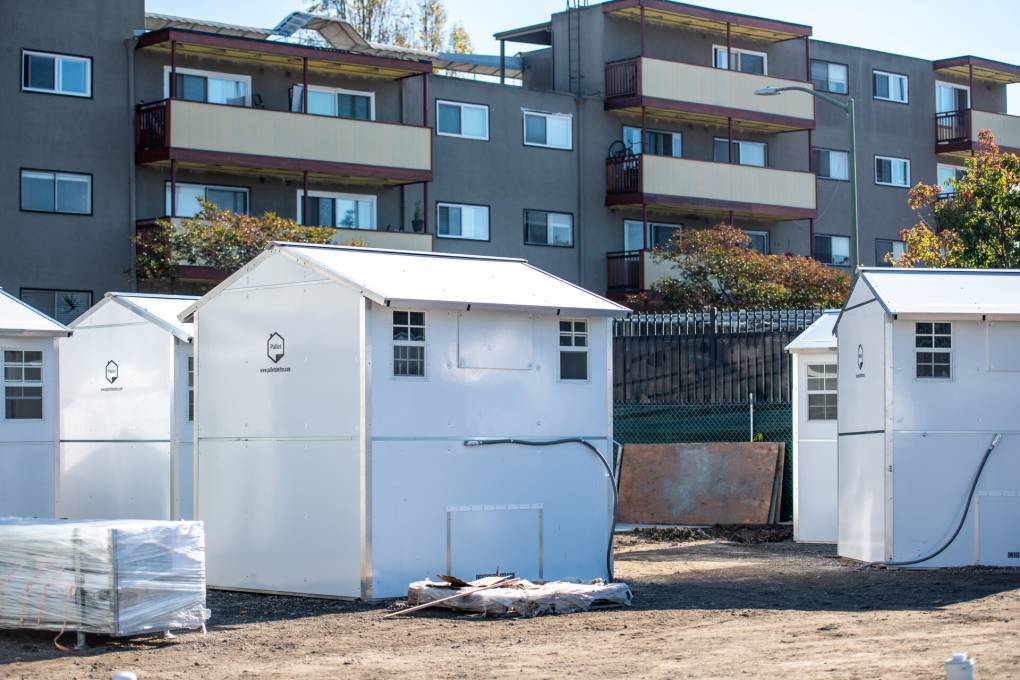
window.__IS_SSR__=true
window.__INITIAL_STATE__={
"attachmentsReducer": {
"audio_0": {
"type": "attachments",
"id": "audio_0",
"imgSizes": {
"kqedFullSize": {
"file": "https://ww2.kqed.org/news/wp-content/themes/KQED-unified/img/audio_bgs/background0.jpg"
}
}
},
"audio_1": {
"type": "attachments",
"id": "audio_1",
"imgSizes": {
"kqedFullSize": {
"file": "https://ww2.kqed.org/news/wp-content/themes/KQED-unified/img/audio_bgs/background1.jpg"
}
}
},
"audio_2": {
"type": "attachments",
"id": "audio_2",
"imgSizes": {
"kqedFullSize": {
"file": "https://ww2.kqed.org/news/wp-content/themes/KQED-unified/img/audio_bgs/background2.jpg"
}
}
},
"audio_3": {
"type": "attachments",
"id": "audio_3",
"imgSizes": {
"kqedFullSize": {
"file": "https://ww2.kqed.org/news/wp-content/themes/KQED-unified/img/audio_bgs/background3.jpg"
}
}
},
"audio_4": {
"type": "attachments",
"id": "audio_4",
"imgSizes": {
"kqedFullSize": {
"file": "https://ww2.kqed.org/news/wp-content/themes/KQED-unified/img/audio_bgs/background4.jpg"
}
}
},
"placeholder": {
"type": "attachments",
"id": "placeholder",
"imgSizes": {
"thumbnail": {
"file": "https://cdn.kqed.org/wp-content/uploads/2024/12/KQED-Default-Image-816638274-2000x1333-1-160x107.jpg",
"width": 160,
"height": 107,
"mimeType": "image/jpeg"
},
"medium": {
"file": "https://cdn.kqed.org/wp-content/uploads/2024/12/KQED-Default-Image-816638274-2000x1333-1-800x533.jpg",
"width": 800,
"height": 533,
"mimeType": "image/jpeg"
},
"medium_large": {
"file": "https://cdn.kqed.org/wp-content/uploads/2024/12/KQED-Default-Image-816638274-2000x1333-1-768x512.jpg",
"width": 768,
"height": 512,
"mimeType": "image/jpeg"
},
"large": {
"file": "https://cdn.kqed.org/wp-content/uploads/2024/12/KQED-Default-Image-816638274-2000x1333-1-1020x680.jpg",
"width": 1020,
"height": 680,
"mimeType": "image/jpeg"
},
"1536x1536": {
"file": "https://cdn.kqed.org/wp-content/uploads/2024/12/KQED-Default-Image-816638274-2000x1333-1-1536x1024.jpg",
"width": 1536,
"height": 1024,
"mimeType": "image/jpeg"
},
"fd-lrg": {
"file": "https://cdn.kqed.org/wp-content/uploads/2024/12/KQED-Default-Image-816638274-2000x1333-1-1536x1024.jpg",
"width": 1536,
"height": 1024,
"mimeType": "image/jpeg"
},
"fd-med": {
"file": "https://cdn.kqed.org/wp-content/uploads/2024/12/KQED-Default-Image-816638274-2000x1333-1-1020x680.jpg",
"width": 1020,
"height": 680,
"mimeType": "image/jpeg"
},
"fd-sm": {
"file": "https://cdn.kqed.org/wp-content/uploads/2024/12/KQED-Default-Image-816638274-2000x1333-1-800x533.jpg",
"width": 800,
"height": 533,
"mimeType": "image/jpeg"
},
"post-thumbnail": {
"file": "https://cdn.kqed.org/wp-content/uploads/2024/12/KQED-Default-Image-816638274-2000x1333-1-672x372.jpg",
"width": 672,
"height": 372,
"mimeType": "image/jpeg"
},
"twentyfourteen-full-width": {
"file": "https://cdn.kqed.org/wp-content/uploads/2024/12/KQED-Default-Image-816638274-2000x1333-1-1038x576.jpg",
"width": 1038,
"height": 576,
"mimeType": "image/jpeg"
},
"xxsmall": {
"file": "https://cdn.kqed.org/wp-content/uploads/2024/12/KQED-Default-Image-816638274-2000x1333-1-160x107.jpg",
"width": 160,
"height": 107,
"mimeType": "image/jpeg"
},
"xsmall": {
"file": "https://cdn.kqed.org/wp-content/uploads/2024/12/KQED-Default-Image-816638274-2000x1333-1-672x372.jpg",
"width": 672,
"height": 372,
"mimeType": "image/jpeg"
},
"small": {
"file": "https://cdn.kqed.org/wp-content/uploads/2024/12/KQED-Default-Image-816638274-2000x1333-1-672x372.jpg",
"width": 672,
"height": 372,
"mimeType": "image/jpeg"
},
"xlarge": {
"file": "https://cdn.kqed.org/wp-content/uploads/2024/12/KQED-Default-Image-816638274-2000x1333-1-1020x680.jpg",
"width": 1020,
"height": 680,
"mimeType": "image/jpeg"
},
"full-width": {
"file": "https://cdn.kqed.org/wp-content/uploads/2024/12/KQED-Default-Image-816638274-2000x1333-1-1920x1280.jpg",
"width": 1920,
"height": 1280,
"mimeType": "image/jpeg"
},
"guest-author-32": {
"file": "https://cdn.kqed.org/wp-content/uploads/2025/01/KQED-Default-Image-816638274-1333x1333-1-160x160.jpg",
"width": 32,
"height": 32,
"mimeType": "image/jpeg"
},
"guest-author-50": {
"file": "https://cdn.kqed.org/wp-content/uploads/2025/01/KQED-Default-Image-816638274-1333x1333-1-160x160.jpg",
"width": 50,
"height": 50,
"mimeType": "image/jpeg"
},
"guest-author-64": {
"file": "https://cdn.kqed.org/wp-content/uploads/2025/01/KQED-Default-Image-816638274-1333x1333-1-160x160.jpg",
"width": 64,
"height": 64,
"mimeType": "image/jpeg"
},
"guest-author-96": {
"file": "https://cdn.kqed.org/wp-content/uploads/2025/01/KQED-Default-Image-816638274-1333x1333-1-160x160.jpg",
"width": 96,
"height": 96,
"mimeType": "image/jpeg"
},
"guest-author-128": {
"file": "https://cdn.kqed.org/wp-content/uploads/2025/01/KQED-Default-Image-816638274-1333x1333-1-160x160.jpg",
"width": 128,
"height": 128,
"mimeType": "image/jpeg"
},
"detail": {
"file": "https://cdn.kqed.org/wp-content/uploads/2025/01/KQED-Default-Image-816638274-1333x1333-1-160x160.jpg",
"width": 160,
"height": 160,
"mimeType": "image/jpeg"
},
"kqedFullSize": {
"file": "https://cdn.kqed.org/wp-content/uploads/2024/12/KQED-Default-Image-816638274-2000x1333-1.jpg",
"width": 2000,
"height": 1333
}
}
},
"news_11896284": {
"type": "attachments",
"id": "news_11896284",
"meta": {
"index": "attachments_1716263798",
"site": "news",
"id": "11896284",
"found": true
},
"parent": 11894774,
"imgSizes": {
"twentyfourteen-full-width": {
"file": "https://ww2.kqed.org/app/uploads/sites/10/2021/11/RS52373_002_Oakland_LakeviewVillageTinyHomes_11032021-qut-1038x576.jpg",
"width": 1038,
"mimeType": "image/jpeg",
"height": 576
},
"thumbnail": {
"file": "https://ww2.kqed.org/app/uploads/sites/10/2021/11/RS52373_002_Oakland_LakeviewVillageTinyHomes_11032021-qut-160x107.jpg",
"width": 160,
"mimeType": "image/jpeg",
"height": 107
},
"post-thumbnail": {
"file": "https://ww2.kqed.org/app/uploads/sites/10/2021/11/RS52373_002_Oakland_LakeviewVillageTinyHomes_11032021-qut-672x372.jpg",
"width": 672,
"mimeType": "image/jpeg",
"height": 372
},
"kqedFullSize": {
"file": "https://ww2.kqed.org/app/uploads/sites/10/2021/11/RS52373_002_Oakland_LakeviewVillageTinyHomes_11032021-qut.jpg",
"width": 1920,
"height": 1280
},
"large": {
"file": "https://ww2.kqed.org/app/uploads/sites/10/2021/11/RS52373_002_Oakland_LakeviewVillageTinyHomes_11032021-qut-1020x680.jpg",
"width": 1020,
"mimeType": "image/jpeg",
"height": 680
},
"1536x1536": {
"file": "https://ww2.kqed.org/app/uploads/sites/10/2021/11/RS52373_002_Oakland_LakeviewVillageTinyHomes_11032021-qut-1536x1024.jpg",
"width": 1536,
"mimeType": "image/jpeg",
"height": 1024
},
"medium": {
"file": "https://ww2.kqed.org/app/uploads/sites/10/2021/11/RS52373_002_Oakland_LakeviewVillageTinyHomes_11032021-qut-800x533.jpg",
"width": 800,
"mimeType": "image/jpeg",
"height": 533
}
},
"publishDate": 1637024366,
"modified": 1637354748,
"caption": "Rows of tiny homes comprise Lakeview Village near Lake Merritt, a new site expected to soon accommodate some 65 unhoused people.",
"description": null,
"title": "RS52373_002_Oakland_LakeviewVillageTinyHomes_11032021-qut",
"credit": "Beth LaBerge/KQED",
"status": "inherit",
"altTag": "Rows of tiny white homes in a line .",
"isLoading": false,
"fetchFailed": false
},
"news_11896552": {
"type": "attachments",
"id": "news_11896552",
"meta": {
"index": "attachments_1716263798",
"site": "news",
"id": "11896552",
"found": true
},
"parent": 11896531,
"imgSizes": {
"twentyfourteen-full-width": {
"file": "https://ww2.kqed.org/app/uploads/sites/10/2021/11/Screen-Shot-2021-11-17-at-12.15.43-PM-1038x576.png",
"width": 1038,
"mimeType": "image/png",
"height": 576
},
"thumbnail": {
"file": "https://ww2.kqed.org/app/uploads/sites/10/2021/11/Screen-Shot-2021-11-17-at-12.15.43-PM-160x106.png",
"width": 160,
"mimeType": "image/png",
"height": 106
},
"post-thumbnail": {
"file": "https://ww2.kqed.org/app/uploads/sites/10/2021/11/Screen-Shot-2021-11-17-at-12.15.43-PM-672x372.png",
"width": 672,
"mimeType": "image/png",
"height": 372
},
"kqedFullSize": {
"file": "https://ww2.kqed.org/app/uploads/sites/10/2021/11/Screen-Shot-2021-11-17-at-12.15.43-PM.png",
"width": 2390,
"height": 1590
},
"2048x2048": {
"file": "https://ww2.kqed.org/app/uploads/sites/10/2021/11/Screen-Shot-2021-11-17-at-12.15.43-PM-2048x1362.png",
"width": 2048,
"mimeType": "image/png",
"height": 1362
},
"large": {
"file": "https://ww2.kqed.org/app/uploads/sites/10/2021/11/Screen-Shot-2021-11-17-at-12.15.43-PM-1020x679.png",
"width": 1020,
"mimeType": "image/png",
"height": 679
},
"1536x1536": {
"file": "https://ww2.kqed.org/app/uploads/sites/10/2021/11/Screen-Shot-2021-11-17-at-12.15.43-PM-1536x1022.png",
"width": 1536,
"mimeType": "image/png",
"height": 1022
},
"full-width": {
"file": "https://ww2.kqed.org/app/uploads/sites/10/2021/11/Screen-Shot-2021-11-17-at-12.15.43-PM-1920x1277.png",
"width": 1920,
"mimeType": "image/png",
"height": 1277
},
"medium": {
"file": "https://ww2.kqed.org/app/uploads/sites/10/2021/11/Screen-Shot-2021-11-17-at-12.15.43-PM-800x532.png",
"width": 800,
"mimeType": "image/png",
"height": 532
}
},
"publishDate": 1637180254,
"modified": 1637180575,
"caption": "William Brown, right, and Josh Lowe with his dog near the encampment where they both were staying before it was cleared by Caltrans in San Clemente.",
"description": null,
"title": "Screen Shot 2021-11-17 at 12.15.43 PM",
"credit": "Ariana Drehsler/CalMatters",
"status": "inherit",
"altTag": "Two men wearing jackets and a dog are seen behind a chain link fence. The man on the left is wearing a backpack and hat. The man on the right is extending his hand towards the dog with a black and blue backpack in between them.",
"isLoading": false,
"fetchFailed": false
},
"news_11895185": {
"type": "attachments",
"id": "news_11895185",
"meta": {
"index": "attachments_1716263798",
"site": "news",
"id": "11895185",
"found": true
},
"parent": 11895167,
"imgSizes": {
"twentyfourteen-full-width": {
"file": "https://ww2.kqed.org/app/uploads/sites/10/2021/11/amateurod_110421_final-1038x576.png",
"width": 1038,
"mimeType": "image/png",
"height": 576
},
"thumbnail": {
"file": "https://ww2.kqed.org/app/uploads/sites/10/2021/11/amateurod_110421_final-160x112.png",
"width": 160,
"mimeType": "image/png",
"height": 112
},
"post-thumbnail": {
"file": "https://ww2.kqed.org/app/uploads/sites/10/2021/11/amateurod_110421_final-672x372.png",
"width": 672,
"mimeType": "image/png",
"height": 372
},
"kqedFullSize": {
"file": "https://ww2.kqed.org/app/uploads/sites/10/2021/11/amateurod_110421_final.png",
"width": 1920,
"height": 1339
},
"large": {
"file": "https://ww2.kqed.org/app/uploads/sites/10/2021/11/amateurod_110421_final-1020x711.png",
"width": 1020,
"mimeType": "image/png",
"height": 711
},
"1536x1536": {
"file": "https://ww2.kqed.org/app/uploads/sites/10/2021/11/amateurod_110421_final-1536x1071.png",
"width": 1536,
"mimeType": "image/png",
"height": 1071
},
"medium": {
"file": "https://ww2.kqed.org/app/uploads/sites/10/2021/11/amateurod_110421_final-800x558.png",
"width": 800,
"mimeType": "image/png",
"height": 558
}
},
"publishDate": 1636060882,
"modified": 1636073357,
"caption": null,
"description": null,
"title": "amateurod_110421_final",
"credit": null,
"status": "inherit",
"altTag": "Cartoon: A bright red COVID character hovers over the street as a monstrous purple \"fentanyl\" character looks at COVID and says \"amateur.\" We see homeless tents and \"o.d.\" in the San Francisco background.",
"isLoading": false,
"fetchFailed": false
},
"news_11895034": {
"type": "attachments",
"id": "news_11895034",
"meta": {
"index": "attachments_1716263798",
"site": "news",
"id": "11895034",
"found": true
},
"parent": 11894981,
"imgSizes": {
"twentyfourteen-full-width": {
"file": "https://ww2.kqed.org/app/uploads/sites/10/2021/11/NPR-fentanyl-1-1038x576.jpg",
"width": 1038,
"mimeType": "image/jpeg",
"height": 576
},
"thumbnail": {
"file": "https://ww2.kqed.org/app/uploads/sites/10/2021/11/NPR-fentanyl-1-160x120.jpg",
"width": 160,
"mimeType": "image/jpeg",
"height": 120
},
"post-thumbnail": {
"file": "https://ww2.kqed.org/app/uploads/sites/10/2021/11/NPR-fentanyl-1-672x372.jpg",
"width": 672,
"mimeType": "image/jpeg",
"height": 372
},
"kqedFullSize": {
"file": "https://ww2.kqed.org/app/uploads/sites/10/2021/11/NPR-fentanyl-1.jpg",
"width": 1219,
"height": 915
},
"large": {
"file": "https://ww2.kqed.org/app/uploads/sites/10/2021/11/NPR-fentanyl-1-1020x766.jpg",
"width": 1020,
"mimeType": "image/jpeg",
"height": 766
},
"medium": {
"file": "https://ww2.kqed.org/app/uploads/sites/10/2021/11/NPR-fentanyl-1-800x600.jpg",
"width": 800,
"mimeType": "image/jpeg",
"height": 600
}
},
"publishDate": 1635980830,
"modified": 1636035093,
"caption": "Registered nurse Louise Bisby is part of Street Overdose Response Team (SORT), the city's mobile outreach team that aims to help people who recently overdosed with a broad range of support services, from treatment to housing. SORT, a collaboration between the city's health and fire departments, aims to deliver support and care directly following an overdose.",
"description": "Registered nurse Louise Bisby is part of Street Overdose Response Teams (SORT), the city's mobile outreach team that aims to help people who recently overdosed with a broad range of support services, from treatment to housing.",
"title": "NPR fentanyl 1",
"credit": "Rachel Bujalski for NPR",
"status": "inherit",
"altTag": "A woman closes the back doors of a van after taking out some equipment. The van is parked on the street in front of a row of houses.",
"isLoading": false,
"fetchFailed": false
},
"news_11892712": {
"type": "attachments",
"id": "news_11892712",
"meta": {
"index": "attachments_1716263798",
"site": "news",
"id": "11892712",
"found": true
},
"parent": 11892694,
"imgSizes": {
"twentyfourteen-full-width": {
"file": "https://ww2.kqed.org/app/uploads/sites/10/2021/10/Beach-Blvd.-2JPG-1038x576.jpg",
"width": 1038,
"mimeType": "image/jpeg",
"height": 576
},
"thumbnail": {
"file": "https://ww2.kqed.org/app/uploads/sites/10/2021/10/Beach-Blvd.-2JPG-160x90.jpg",
"width": 160,
"mimeType": "image/jpeg",
"height": 90
},
"post-thumbnail": {
"file": "https://ww2.kqed.org/app/uploads/sites/10/2021/10/Beach-Blvd.-2JPG-672x372.jpg",
"width": 672,
"mimeType": "image/jpeg",
"height": 372
},
"kqedFullSize": {
"file": "https://ww2.kqed.org/app/uploads/sites/10/2021/10/Beach-Blvd.-2JPG-scaled-e1634589606218.jpg",
"width": 1920,
"height": 1080
},
"2048x2048": {
"file": "https://ww2.kqed.org/app/uploads/sites/10/2021/10/Beach-Blvd.-2JPG-2048x1152.jpg",
"width": 2048,
"mimeType": "image/jpeg",
"height": 1152
},
"large": {
"file": "https://ww2.kqed.org/app/uploads/sites/10/2021/10/Beach-Blvd.-2JPG-1020x574.jpg",
"width": 1020,
"mimeType": "image/jpeg",
"height": 574
},
"1536x1536": {
"file": "https://ww2.kqed.org/app/uploads/sites/10/2021/10/Beach-Blvd.-2JPG-1536x864.jpg",
"width": 1536,
"mimeType": "image/jpeg",
"height": 864
},
"full-width": {
"file": "https://ww2.kqed.org/app/uploads/sites/10/2021/10/Beach-Blvd.-2JPG-1920x1080.jpg",
"width": 1920,
"mimeType": "image/jpeg",
"height": 1080
},
"medium": {
"file": "https://ww2.kqed.org/app/uploads/sites/10/2021/10/Beach-Blvd.-2JPG-800x450.jpg",
"width": 800,
"mimeType": "image/jpeg",
"height": 450
}
},
"publishDate": 1634589552,
"modified": 1634602884,
"caption": "One of the many motels lining Beach Boulevard in Orange County.",
"description": null,
"title": "Beach Blvd. 2JPG",
"credit": "Saul Gonzalez/KQED",
"status": "inherit",
"altTag": "A tall, vertical \"Motel\" sign with a cowgirl leaning against it, against a sunset and along telephone lines.",
"isLoading": false,
"fetchFailed": false
},
"news_11891779": {
"type": "attachments",
"id": "news_11891779",
"meta": {
"index": "attachments_1716263798",
"site": "news",
"id": "11891779",
"found": true
},
"parent": 11891771,
"imgSizes": {
"twentyfourteen-full-width": {
"file": "https://ww2.kqed.org/app/uploads/sites/10/2021/10/RS47077_003_SanFrancisco_LowellBSURally_02052021-qut-1038x576.jpg",
"width": 1038,
"mimeType": "image/jpeg",
"height": 576
},
"thumbnail": {
"file": "https://ww2.kqed.org/app/uploads/sites/10/2021/10/RS47077_003_SanFrancisco_LowellBSURally_02052021-qut-160x107.jpg",
"width": 160,
"mimeType": "image/jpeg",
"height": 107
},
"post-thumbnail": {
"file": "https://ww2.kqed.org/app/uploads/sites/10/2021/10/RS47077_003_SanFrancisco_LowellBSURally_02052021-qut-672x372.jpg",
"width": 672,
"mimeType": "image/jpeg",
"height": 372
},
"kqedFullSize": {
"file": "https://ww2.kqed.org/app/uploads/sites/10/2021/10/RS47077_003_SanFrancisco_LowellBSURally_02052021-qut.jpg",
"width": 1920,
"height": 1278
},
"large": {
"file": "https://ww2.kqed.org/app/uploads/sites/10/2021/10/RS47077_003_SanFrancisco_LowellBSURally_02052021-qut-1020x679.jpg",
"width": 1020,
"mimeType": "image/jpeg",
"height": 679
},
"1536x1536": {
"file": "https://ww2.kqed.org/app/uploads/sites/10/2021/10/RS47077_003_SanFrancisco_LowellBSURally_02052021-qut-1536x1022.jpg",
"width": 1536,
"mimeType": "image/jpeg",
"height": 1022
},
"medium": {
"file": "https://ww2.kqed.org/app/uploads/sites/10/2021/10/RS47077_003_SanFrancisco_LowellBSURally_02052021-qut-800x533.jpg",
"width": 800,
"mimeType": "image/jpeg",
"height": 533
}
},
"publishDate": 1633900580,
"modified": 1634066382,
"caption": "Civil rights activist Reverend Dr. Amos C. Brown speaks during a rally at Lowell High School on Feb. 5, 2021. Brown is the vice-chair of the California Reparations Task Force.",
"description": "Civil rights activist Reverend Dr. Amos C. Brown speaks during a rally at Lowell High School on Feb. 5, 2021. Brown is the Vice Chair of the California Task Force on Reparations.",
"title": "RS47077_003_SanFrancisco_LowellBSURally_02052021-qut",
"credit": "Beth LaBerge/KQED",
"status": "inherit",
"altTag": "Amos Brown, in a hat, beard, glasses, and green, blue and yellow necklace, raises his hand mid-speech, the windows of a building behind him.",
"isLoading": false,
"fetchFailed": false
},
"news_11881300": {
"type": "attachments",
"id": "news_11881300",
"meta": {
"index": "attachments_1716263798",
"site": "news",
"id": "11881300",
"found": true
},
"parent": 11881292,
"imgSizes": {
"twentyfourteen-full-width": {
"file": "https://ww2.kqed.org/app/uploads/sites/10/2021/07/Capitol-1180x787-3-1038x576.jpeg",
"width": 1038,
"mimeType": "image/jpeg",
"height": 576
},
"thumbnail": {
"file": "https://ww2.kqed.org/app/uploads/sites/10/2021/07/Capitol-1180x787-3-160x107.jpeg",
"width": 160,
"mimeType": "image/jpeg",
"height": 107
},
"post-thumbnail": {
"file": "https://ww2.kqed.org/app/uploads/sites/10/2021/07/Capitol-1180x787-3-672x372.jpeg",
"width": 672,
"mimeType": "image/jpeg",
"height": 372
},
"kqedFullSize": {
"file": "https://ww2.kqed.org/app/uploads/sites/10/2021/07/Capitol-1180x787-3.jpeg",
"width": 1180,
"height": 787
},
"large": {
"file": "https://ww2.kqed.org/app/uploads/sites/10/2021/07/Capitol-1180x787-3-1020x680.jpeg",
"width": 1020,
"mimeType": "image/jpeg",
"height": 680
},
"medium": {
"file": "https://ww2.kqed.org/app/uploads/sites/10/2021/07/Capitol-1180x787-3-800x534.jpeg",
"width": 800,
"mimeType": "image/jpeg",
"height": 534
}
},
"publishDate": 1626379331,
"modified": 1633991932,
"caption": "The California State Capitol.",
"description": null,
"title": "Gov. Schwarzenegger Delivers State Of The State Address",
"credit": "David Paul Morris/Getty Images",
"status": "inherit",
"altTag": "A Greek-style facade with pillars and a dome, with fir branches in the foreground.",
"isLoading": false,
"fetchFailed": false
},
"news_11890821": {
"type": "attachments",
"id": "news_11890821",
"meta": {
"index": "attachments_1716263798",
"site": "news",
"id": "11890821",
"found": true
},
"parent": 11890773,
"imgSizes": {
"twentyfourteen-full-width": {
"file": "https://ww2.kqed.org/app/uploads/sites/10/2021/10/KNR_SEA_LEVEL_no-font-1038x576.jpg",
"width": 1038,
"mimeType": "image/jpeg",
"height": 576
},
"thumbnail": {
"file": "https://ww2.kqed.org/app/uploads/sites/10/2021/10/KNR_SEA_LEVEL_no-font-160x81.jpg",
"width": 160,
"mimeType": "image/jpeg",
"height": 81
},
"post-thumbnail": {
"file": "https://ww2.kqed.org/app/uploads/sites/10/2021/10/KNR_SEA_LEVEL_no-font-672x372.jpg",
"width": 672,
"mimeType": "image/jpeg",
"height": 372
},
"kqedFullSize": {
"file": "https://ww2.kqed.org/app/uploads/sites/10/2021/10/KNR_SEA_LEVEL_no-font.jpg",
"width": 1580,
"height": 804
},
"large": {
"file": "https://ww2.kqed.org/app/uploads/sites/10/2021/10/KNR_SEA_LEVEL_no-font-1020x519.jpg",
"width": 1020,
"mimeType": "image/jpeg",
"height": 519
},
"1536x1536": {
"file": "https://ww2.kqed.org/app/uploads/sites/10/2021/10/KNR_SEA_LEVEL_no-font-1536x782.jpg",
"width": 1536,
"mimeType": "image/jpeg",
"height": 782
},
"medium": {
"file": "https://ww2.kqed.org/app/uploads/sites/10/2021/10/KNR_SEA_LEVEL_no-font-800x407.jpg",
"width": 800,
"mimeType": "image/jpeg",
"height": 407
}
},
"publishDate": 1633130411,
"modified": 1633130411,
"caption": null,
"description": null,
"title": "KNR_SEA_LEVEL_no font",
"credit": null,
"status": "inherit",
"altTag": null,
"isLoading": false,
"fetchFailed": false
},
"news_11879729": {
"type": "attachments",
"id": "news_11879729",
"meta": {
"index": "attachments_1716263798",
"site": "news",
"id": "11879729",
"found": true
},
"parent": 11879725,
"imgSizes": {
"twentyfourteen-full-width": {
"file": "https://ww2.kqed.org/app/uploads/sites/10/2021/06/RS46914_020_SanJose_AntiEvictionProtest_01272021-qut-1038x576.jpg",
"width": 1038,
"mimeType": "image/jpeg",
"height": 576
},
"thumbnail": {
"file": "https://ww2.kqed.org/app/uploads/sites/10/2021/06/RS46914_020_SanJose_AntiEvictionProtest_01272021-qut-160x107.jpg",
"width": 160,
"mimeType": "image/jpeg",
"height": 107
},
"post-thumbnail": {
"file": "https://ww2.kqed.org/app/uploads/sites/10/2021/06/RS46914_020_SanJose_AntiEvictionProtest_01272021-qut-672x372.jpg",
"width": 672,
"mimeType": "image/jpeg",
"height": 372
},
"kqedFullSize": {
"file": "https://ww2.kqed.org/app/uploads/sites/10/2021/06/RS46914_020_SanJose_AntiEvictionProtest_01272021-qut.jpg",
"width": 1920,
"height": 1280
},
"large": {
"file": "https://ww2.kqed.org/app/uploads/sites/10/2021/06/RS46914_020_SanJose_AntiEvictionProtest_01272021-qut-1020x680.jpg",
"width": 1020,
"mimeType": "image/jpeg",
"height": 680
},
"1536x1536": {
"file": "https://ww2.kqed.org/app/uploads/sites/10/2021/06/RS46914_020_SanJose_AntiEvictionProtest_01272021-qut-1536x1024.jpg",
"width": 1536,
"mimeType": "image/jpeg",
"height": 1024
},
"medium": {
"file": "https://ww2.kqed.org/app/uploads/sites/10/2021/06/RS46914_020_SanJose_AntiEvictionProtest_01272021-qut-800x533.jpg",
"width": 800,
"mimeType": "image/jpeg",
"height": 533
}
},
"publishDate": 1624993437,
"modified": 1624994235,
"caption": "Protesters rally in front of Santa Clara County Superior Court in San Jose on Jan. 27, 2021, demanding stronger state eviction protections.",
"description": null,
"title": "RS46914_020_SanJose_AntiEvictionProtest_01272021-qut",
"credit": "Beth LaBerge/KQED",
"status": "inherit",
"altTag": null,
"isLoading": false,
"fetchFailed": false
},
"news_11890153": {
"type": "attachments",
"id": "news_11890153",
"meta": {
"index": "attachments_1716263798",
"site": "news",
"id": "11890153",
"found": true
},
"parent": 11890071,
"imgSizes": {
"twentyfourteen-full-width": {
"file": "https://ww2.kqed.org/app/uploads/sites/10/2021/09/GettyImages-1232853188-1038x576.jpg",
"width": 1038,
"mimeType": "image/jpeg",
"height": 576
},
"thumbnail": {
"file": "https://ww2.kqed.org/app/uploads/sites/10/2021/09/GettyImages-1232853188-160x107.jpg",
"width": 160,
"mimeType": "image/jpeg",
"height": 107
},
"post-thumbnail": {
"file": "https://ww2.kqed.org/app/uploads/sites/10/2021/09/GettyImages-1232853188-672x372.jpg",
"width": 672,
"mimeType": "image/jpeg",
"height": 372
},
"kqedFullSize": {
"file": "https://ww2.kqed.org/app/uploads/sites/10/2021/09/GettyImages-1232853188-scaled.jpg",
"width": 2560,
"height": 1707
},
"2048x2048": {
"file": "https://ww2.kqed.org/app/uploads/sites/10/2021/09/GettyImages-1232853188-2048x1365.jpg",
"width": 2048,
"mimeType": "image/jpeg",
"height": 1365
},
"large": {
"file": "https://ww2.kqed.org/app/uploads/sites/10/2021/09/GettyImages-1232853188-1020x680.jpg",
"width": 1020,
"mimeType": "image/jpeg",
"height": 680
},
"1536x1536": {
"file": "https://ww2.kqed.org/app/uploads/sites/10/2021/09/GettyImages-1232853188-1536x1024.jpg",
"width": 1536,
"mimeType": "image/jpeg",
"height": 1024
},
"full-width": {
"file": "https://ww2.kqed.org/app/uploads/sites/10/2021/09/GettyImages-1232853188-1920x1280.jpg",
"width": 1920,
"mimeType": "image/jpeg",
"height": 1280
},
"medium": {
"file": "https://ww2.kqed.org/app/uploads/sites/10/2021/09/GettyImages-1232853188-800x533.jpg",
"width": 800,
"mimeType": "image/jpeg",
"height": 533
}
},
"publishDate": 1632786586,
"modified": 1632792313,
"caption": "View of the apartment units at the RiSE Apartments, an affordable apartment community for people experiencing homelessness on May 12, 2021, in Los Angeles. The statewide eviction moratorium ends this Thursday, and officials are urging tenants who haven't done so to apply for rent aid through Housing Is Key.",
"description": "View of the apartment units at the RISE Apartments, an affordable apartment community for people experiencing homelessness on May 12, 2021 in Los Angeles.",
"title": "US-SOCIAL-HOMELESSNESS",
"credit": "Patrick T. Fallon/AFP via Getty Images",
"status": "inherit",
"altTag": "An exterior view of bright, modern-looking balconies on a high rise apartment building.",
"isLoading": false,
"fetchFailed": false
},
"news_11890097": {
"type": "attachments",
"id": "news_11890097",
"meta": {
"index": "attachments_1716263798",
"site": "news",
"id": "11890097",
"found": true
},
"parent": 11890078,
"imgSizes": {
"twentyfourteen-full-width": {
"file": "https://ww2.kqed.org/app/uploads/sites/10/2021/09/done_092721_final-1038x576.png",
"width": 1038,
"mimeType": "image/png",
"height": 576
},
"thumbnail": {
"file": "https://ww2.kqed.org/app/uploads/sites/10/2021/09/done_092721_final-160x107.png",
"width": 160,
"mimeType": "image/png",
"height": 107
},
"post-thumbnail": {
"file": "https://ww2.kqed.org/app/uploads/sites/10/2021/09/done_092721_final-672x372.png",
"width": 672,
"mimeType": "image/png",
"height": 372
},
"kqedFullSize": {
"file": "https://ww2.kqed.org/app/uploads/sites/10/2021/09/done_092721_final.png",
"width": 1920,
"height": 1287
},
"large": {
"file": "https://ww2.kqed.org/app/uploads/sites/10/2021/09/done_092721_final-1020x684.png",
"width": 1020,
"mimeType": "image/png",
"height": 684
},
"1536x1536": {
"file": "https://ww2.kqed.org/app/uploads/sites/10/2021/09/done_092721_final-1536x1030.png",
"width": 1536,
"mimeType": "image/png",
"height": 1030
},
"medium": {
"file": "https://ww2.kqed.org/app/uploads/sites/10/2021/09/done_092721_final-800x536.png",
"width": 800,
"mimeType": "image/png",
"height": 536
}
},
"publishDate": 1632781673,
"modified": 1632791808,
"caption": null,
"description": null,
"title": "done_092721_final",
"credit": null,
"status": "inherit",
"altTag": "Cartoon: A man with a moving box saying, \"Great! Think you'll be done by Friday?\" to a construction crew promising 660,000 more housing units.",
"isLoading": false,
"fetchFailed": false
},
"news_11889740": {
"type": "attachments",
"id": "news_11889740",
"meta": {
"index": "attachments_1716263798",
"site": "news",
"id": "11889740",
"found": true
},
"parent": 11889739,
"imgSizes": {
"twentyfourteen-full-width": {
"file": "https://ww2.kqed.org/app/uploads/sites/10/2021/09/RS41301_IMG_6684IG-qut-1038x576.jpg",
"width": 1038,
"mimeType": "image/jpeg",
"height": 576
},
"thumbnail": {
"file": "https://ww2.kqed.org/app/uploads/sites/10/2021/09/RS41301_IMG_6684IG-qut-160x107.jpg",
"width": 160,
"mimeType": "image/jpeg",
"height": 107
},
"post-thumbnail": {
"file": "https://ww2.kqed.org/app/uploads/sites/10/2021/09/RS41301_IMG_6684IG-qut-672x372.jpg",
"width": 672,
"mimeType": "image/jpeg",
"height": 372
},
"kqedFullSize": {
"file": "https://ww2.kqed.org/app/uploads/sites/10/2021/09/RS41301_IMG_6684IG-qut.jpg",
"width": 1600,
"height": 1067
},
"large": {
"file": "https://ww2.kqed.org/app/uploads/sites/10/2021/09/RS41301_IMG_6684IG-qut-1020x680.jpg",
"width": 1020,
"mimeType": "image/jpeg",
"height": 680
},
"1536x1536": {
"file": "https://ww2.kqed.org/app/uploads/sites/10/2021/09/RS41301_IMG_6684IG-qut-1536x1024.jpg",
"width": 1536,
"mimeType": "image/jpeg",
"height": 1024
},
"medium": {
"file": "https://ww2.kqed.org/app/uploads/sites/10/2021/09/RS41301_IMG_6684IG-qut-800x534.jpg",
"width": 800,
"mimeType": "image/jpeg",
"height": 534
}
},
"publishDate": 1632430872,
"modified": 1632430905,
"caption": "An apartment building next to a single family home in Oakland.",
"description": null,
"title": "RS41301_IMG_6684IG-qut",
"credit": "A.J. Ruiz/KQED",
"status": "inherit",
"altTag": null,
"isLoading": false,
"fetchFailed": false
}
},
"audioPlayerReducer": {
"postId": "stream_live",
"isPaused": true,
"isPlaying": false,
"pfsActive": false,
"pledgeModalIsOpen": true,
"playerDrawerIsOpen": false,
"liveAudioPlayStartedAt": 0,
"liveAudioPlayContext": ""
},
"authorsReducer": {
"byline_news_11896531": {
"type": "authors",
"id": "byline_news_11896531",
"meta": {
"override": true
},
"slug": "byline_news_11896531",
"name": "\u003ca href=\"https://calmatters.org/author/manuela-tobias/\">Manuela Tobias\u003c/a>",
"isLoading": false
},
"byline_news_11894981": {
"type": "authors",
"id": "byline_news_11894981",
"meta": {
"override": true
},
"slug": "byline_news_11894981",
"name": "\u003ca href=\"https://www.npr.org/people/2101350/eric-westervelt\">Eric Westervelt\u003c/a>",
"isLoading": false
},
"byline_news_11890071": {
"type": "authors",
"id": "byline_news_11890071",
"meta": {
"override": true
},
"slug": "byline_news_11890071",
"name": "Eli Walsh\u003cbr>Bay City News",
"isLoading": false
},
"dclyde": {
"type": "authors",
"id": "104",
"meta": {
"index": "authors_1716337520",
"id": "104",
"found": true
},
"name": "Don Clyde",
"firstName": "Don",
"lastName": "Clyde",
"slug": "dclyde",
"email": "dclyde@kqed.org",
"display_author_email": false,
"staff_mastheads": [],
"title": "KQED Contributor",
"bio": "Don Clyde is an online producer, reporter and copy editor for KQED News. Before venturing into journalism, he worked as a medical device engineer and scientist for nearly a decade after earning a degree in physics from UC Berkeley. He loves travel, reading, living in Oakland, and most importantly, a good walk. Email him at dclyde@kqed.org or follow him @clydedon.",
"avatar": "https://secure.gravatar.com/avatar/decd3e640c3eedbd0a574275aebb2d19?s=600&d=blank&r=g",
"twitter": "clydedon",
"facebook": null,
"instagram": null,
"linkedin": null,
"sites": [
{
"site": "artschool",
"roles": [
"editor"
]
},
{
"site": "news",
"roles": [
"administrator"
]
},
{
"site": "futureofyou",
"roles": [
"editor"
]
},
{
"site": "about",
"roles": [
"editor"
]
},
{
"site": "mindshift",
"roles": [
"contributor"
]
},
{
"site": "bayareabites",
"roles": [
"contributor"
]
},
{
"site": "lowdown",
"roles": [
"editor"
]
},
{
"site": "stateofhealth",
"roles": [
"administrator"
]
},
{
"site": "spark",
"roles": [
"administrator"
]
},
{
"site": "trulyca",
"roles": [
"administrator"
]
},
{
"site": "imagemakers",
"roles": [
"administrator"
]
},
{
"site": "science",
"roles": []
},
{
"site": "education",
"roles": [
"editor"
]
},
{
"site": "quest",
"roles": [
"subscriber"
]
},
{
"site": "checkplease",
"roles": [
"subscriber"
]
},
{
"site": "forum",
"roles": [
"editor"
]
},
{
"site": "perspectives",
"roles": [
"editor"
]
}
],
"headData": {
"title": "Don Clyde | KQED",
"description": "KQED Contributor",
"ogImgSrc": "https://secure.gravatar.com/avatar/decd3e640c3eedbd0a574275aebb2d19?s=600&d=blank&r=g",
"twImgSrc": "https://secure.gravatar.com/avatar/decd3e640c3eedbd0a574275aebb2d19?s=600&d=blank&r=g"
},
"isLoading": false,
"link": "/author/dclyde"
},
"kqed": {
"type": "authors",
"id": "236",
"meta": {
"index": "authors_1716337520",
"id": "236",
"found": true
},
"name": "KQED News Staff",
"firstName": "KQED News Staff",
"lastName": null,
"slug": "kqed",
"email": "faq@kqed.org",
"display_author_email": false,
"staff_mastheads": [],
"title": null,
"bio": null,
"avatar": "https://secure.gravatar.com/avatar/ef0e801a68c4c54afa9180db14084167?s=600&d=blank&r=g",
"twitter": null,
"facebook": null,
"instagram": null,
"linkedin": null,
"sites": [
{
"site": "arts",
"roles": [
"contributor"
]
},
{
"site": "news",
"roles": [
"editor"
]
},
{
"site": "futureofyou",
"roles": [
"author"
]
}
],
"headData": {
"title": "KQED News Staff | KQED",
"description": null,
"ogImgSrc": "https://secure.gravatar.com/avatar/ef0e801a68c4c54afa9180db14084167?s=600&d=blank&r=g",
"twImgSrc": "https://secure.gravatar.com/avatar/ef0e801a68c4c54afa9180db14084167?s=600&d=blank&r=g"
},
"isLoading": false,
"link": "/author/kqed"
},
"ekelly": {
"type": "authors",
"id": "3211",
"meta": {
"index": "authors_1716337520",
"id": "3211",
"found": true
},
"name": "Erika Kelly",
"firstName": "Erika",
"lastName": "Kelly",
"slug": "ekelly",
"email": "ekelly@KQED.org",
"display_author_email": true,
"staff_mastheads": [
"news"
],
"title": "Deputy Managing Editor",
"bio": "Erika Kelly is deputy managing editor of KQED's newsroom, working with teams covering housing, climate, health, labor and the arts. Previously, she was the senior editor of KQED’s housing affordability desk, leading the team that produced the award winning podcast Sold Out: Rethinking Housing in America. She is a graduate of the Medill School of Journalism and a native of the Greater Chicagoland Area.",
"avatar": "https://secure.gravatar.com/avatar/3653973f475e2af06d52444628a0023a48f83905a9d7ce3a4e45e5ecebcb4230?s=600&d=blank&r=g",
"twitter": null,
"bluesky": null,
"facebook": null,
"instagram": null,
"linkedin": null,
"sites": [
{
"site": "",
"roles": [
"editor"
]
},
{
"site": "arts",
"roles": [
"administrator"
]
},
{
"site": "news",
"roles": [
"administrator"
]
},
{
"site": "science",
"roles": [
"administrator"
]
},
{
"site": "liveblog",
"roles": [
"administrator"
]
}
],
"headData": {
"title": "Erika Kelly | KQED",
"description": "Deputy Managing Editor",
"ogImgSrc": "https://secure.gravatar.com/avatar/3653973f475e2af06d52444628a0023a48f83905a9d7ce3a4e45e5ecebcb4230?s=600&d=blank&r=g",
"twImgSrc": "https://secure.gravatar.com/avatar/3653973f475e2af06d52444628a0023a48f83905a9d7ce3a4e45e5ecebcb4230?s=600&d=blank&r=g"
},
"isLoading": false,
"link": "/author/ekelly"
},
"markfiore": {
"type": "authors",
"id": "3236",
"meta": {
"index": "authors_1716337520",
"id": "3236",
"found": true
},
"name": "Mark Fiore",
"firstName": "Mark",
"lastName": "Fiore",
"slug": "markfiore",
"email": "mark@markfiore.com",
"display_author_email": false,
"staff_mastheads": [
"news"
],
"title": "KQED News Cartoonist",
"bio": "\u003ca href=\"http://www.MarkFiore.com\">MarkFiore.com\u003c/a> | \u003ca href=\"https://twitter.com/markfiore\">Follow on Twitter\u003c/a> | \u003ca href=\"https://www.facebook.com/pages/Mark-Fiore-Animated-Political-Cartoons/94451707396?ref=bookmarks\">Facebook\u003c/a> | \u003ca href=\"mailto:mark@markfiore.com\">email\u003c/a>\r\n\r\nPulitzer Prize-winner, Mark Fiore, who the Wall Street Journal has called “the undisputed guru of the form,” creates animated political cartoons in San Francisco, where his work has been featured regularly on the San Francisco Chronicle’s web site, SFGate.com. His work has appeared on Newsweek.com, Slate.com, CBSNews.com, MotherJones.com, DailyKos.com and NPR’s web site. Fiore’s political animation has appeared on CNN, Frontline, Bill Moyers Journal, Salon.com and cable and broadcast outlets across the globe.\r\n\r\nBeginning his professional life by drawing traditional political cartoons for newspapers, Fiore’s work appeared in publications ranging from the Washington Post to the Los Angeles Times. In the late 1990s, he began to experiment with animating political cartoons and, after a short stint at the San Jose Mercury News as their staff cartoonist, Fiore devoted all his energies to animation.\r\nGrowing up in California, Fiore also spent a good portion of his life in the backwoods of Idaho. It was this combination that shaped him politically. Mark majored in political science at Colorado College, where, in a perfect send-off for a cartoonist, he received his diploma in 1991 as commencement speaker Dick Cheney smiled approvingly.\r\nMark Fiore was awarded the Pulitzer Prize for political cartooning in 2010, a Robert F. Kennedy Journalism Award in 2004 and has twice received an Online Journalism Award for commentary from the Online News Association (2002, 2008). Fiore has received two awards for his work in new media from the National Cartoonists Society (2001, 2002), and in 2006 received The James Madison Freedom of Information Award from The Society of Professional Journalists.",
"avatar": "https://secure.gravatar.com/avatar/fc4e2a612b15b67bad0c6f0e1db4ca9b?s=600&d=blank&r=g",
"twitter": "MarkFiore",
"facebook": null,
"instagram": "https://www.instagram.com/markfiore/?hl=en",
"linkedin": null,
"sites": [
{
"site": "arts",
"roles": [
"contributor"
]
},
{
"site": "news",
"roles": [
"editor"
]
},
{
"site": "futureofyou",
"roles": [
"editor"
]
},
{
"site": "science",
"roles": [
"editor"
]
}
],
"headData": {
"title": "Mark Fiore | KQED",
"description": "KQED News Cartoonist",
"ogImgSrc": "https://secure.gravatar.com/avatar/fc4e2a612b15b67bad0c6f0e1db4ca9b?s=600&d=blank&r=g",
"twImgSrc": "https://secure.gravatar.com/avatar/fc4e2a612b15b67bad0c6f0e1db4ca9b?s=600&d=blank&r=g"
},
"isLoading": false,
"link": "/author/markfiore"
},
"ecruzguevarra": {
"type": "authors",
"id": "8654",
"meta": {
"index": "authors_1716337520",
"id": "8654",
"found": true
},
"name": "Ericka Cruz Guevarra",
"firstName": "Ericka",
"lastName": "Cruz Guevarra",
"slug": "ecruzguevarra",
"email": "ecruzguevarra@kqed.org",
"display_author_email": true,
"staff_mastheads": [
"news"
],
"title": "Producer, The Bay Podcast",
"bio": "Ericka Cruz Guevarra is host of \u003ca href=\"https://www.kqed.org/podcasts/thebay\">\u003cem>The Bay\u003c/em>\u003c/a> podcast at KQED. Before host, she was the show’s producer. Her work in that capacity includes a three-part reported series on policing in Vallejo, which won a 2020 excellence in journalism award from the Society of Professional Journalists. Ericka has worked as a breaking news reporter at Oregon Public Broadcasting, helped produce the Code Switch podcast, and was KQED’s inaugural Raul Ramirez Diversity Fund intern. She’s also an alumna of NPR’s Next Generation Radio program. Send her an email if you have strong feelings about whether Fairfield and Suisun City are the Bay. Ericka is represented by SAG-AFTRA.",
"avatar": "https://secure.gravatar.com/avatar/accefc1de4bafc7e234b69bcb9b6f6536c130fd84709bc3069ef11a78787e1bb?s=600&d=blank&r=g",
"twitter": "NotoriousECG",
"bluesky": null,
"facebook": null,
"instagram": null,
"linkedin": null,
"sites": [
{
"site": "arts",
"roles": [
"subscriber"
]
},
{
"site": "news",
"roles": [
"editor",
"manage_categories"
]
},
{
"site": "futureofyou",
"roles": [
"subscriber"
]
},
{
"site": "stateofhealth",
"roles": [
"subscriber"
]
},
{
"site": "science",
"roles": [
"editor"
]
},
{
"site": "forum",
"roles": [
"subscriber"
]
}
],
"headData": {
"title": "Ericka Cruz Guevarra | KQED",
"description": "Producer, The Bay Podcast",
"ogImgSrc": "https://secure.gravatar.com/avatar/accefc1de4bafc7e234b69bcb9b6f6536c130fd84709bc3069ef11a78787e1bb?s=600&d=blank&r=g",
"twImgSrc": "https://secure.gravatar.com/avatar/accefc1de4bafc7e234b69bcb9b6f6536c130fd84709bc3069ef11a78787e1bb?s=600&d=blank&r=g"
},
"isLoading": false,
"link": "/author/ecruzguevarra"
},
"mfharvin": {
"type": "authors",
"id": "11583",
"meta": {
"index": "authors_1716337520",
"id": "11583",
"found": true
},
"name": "Mary Franklin Harvin",
"firstName": "Mary Franklin",
"lastName": "Harvin",
"slug": "mfharvin",
"email": "mfharvin@KQED.org",
"display_author_email": false,
"staff_mastheads": [
"news"
],
"title": "KQED Contributor",
"bio": null,
"avatar": "https://secure.gravatar.com/avatar/0e53510a7d48cfbdebfc9b11357d845f?s=600&d=blank&r=g",
"twitter": "EmEffHarvin",
"facebook": null,
"instagram": null,
"linkedin": null,
"sites": [
{
"site": "news",
"roles": [
"author",
"edit_others_posts"
]
},
{
"site": "science",
"roles": [
"editor"
]
}
],
"headData": {
"title": "Mary Franklin Harvin | KQED",
"description": "KQED Contributor",
"ogImgSrc": "https://secure.gravatar.com/avatar/0e53510a7d48cfbdebfc9b11357d845f?s=600&d=blank&r=g",
"twImgSrc": "https://secure.gravatar.com/avatar/0e53510a7d48cfbdebfc9b11357d845f?s=600&d=blank&r=g"
},
"isLoading": false,
"link": "/author/mfharvin"
},
"sgonzalez": {
"type": "authors",
"id": "11621",
"meta": {
"index": "authors_1716337520",
"id": "11621",
"found": true
},
"name": "Saul Gonzalez",
"firstName": "Saul",
"lastName": "Gonzalez",
"slug": "sgonzalez",
"email": "sgonzalez@KQED.org",
"display_author_email": false,
"staff_mastheads": [
"news"
],
"title": "Host, The California Report",
"bio": "A Golden State native, Saul has been the Los Angeles co-host of \u003cem>The California Report\u003c/em>since 2019, covering such issues as homelessness and housing policy, the state's response to climate change and the ravages of the Covid pandemic. Whenever possible, tries to be outside of the studio, connecting these big issues to the daily lives of Californians experiencing them in very personal ways.\r\n\r\nBefore joining KQED, Saul worked for the PBS \u003cem>NewsHour, Religion & Ethics Newsweekly, \u003c/em>and public radio affiliate KCRW in Santa Monica, where he also hosted the podcast series \"There Goes the Neighborhood\" about gentrification. For his work, Saul has been honored with several Emmys and is a two-time winner of the L.A. Press Club's Radio Journalist of the Year Award.\r\n\r\nWhen not working, Saul spends his time trying to hone his amateur photography skills and spending as much time as possible in bookstores and coffee houses.",
"avatar": "https://secure.gravatar.com/avatar/06e10f8ad252ef896cc4dc6bbee5f901?s=600&d=blank&r=g",
"twitter": null,
"facebook": null,
"instagram": null,
"linkedin": null,
"sites": [
{
"site": "news",
"roles": [
"author"
]
}
],
"headData": {
"title": "Saul Gonzalez | KQED",
"description": "Host, The California Report",
"ogImgSrc": "https://secure.gravatar.com/avatar/06e10f8ad252ef896cc4dc6bbee5f901?s=600&d=blank&r=g",
"twImgSrc": "https://secure.gravatar.com/avatar/06e10f8ad252ef896cc4dc6bbee5f901?s=600&d=blank&r=g"
},
"isLoading": false,
"link": "/author/sgonzalez"
},
"lsarah": {
"type": "authors",
"id": "11626",
"meta": {
"index": "authors_1716337520",
"id": "11626",
"found": true
},
"name": "Lakshmi Sarah",
"firstName": "Lakshmi",
"lastName": "Sarah",
"slug": "lsarah",
"email": "lsarah@kqed.org",
"display_author_email": false,
"staff_mastheads": [],
"title": "Digital Producer",
"bio": "Lakshmi Sarah is an educator, author and journalist with a focus on innovative storytelling. She has worked with newspapers, radio and magazines from Ahmedabad, India to Los Angeles, California. She has written and produced for Die Zeit, Global Voices, AJ+, KQED, Fusion Media Group and the New York Times.",
"avatar": "https://secure.gravatar.com/avatar/652dcaecd8b28826fc17a8b2d6bb4e93?s=600&d=blank&r=g",
"twitter": "lakitalki",
"facebook": null,
"instagram": "https://www.instagram.com/laki.talki/",
"linkedin": "https://www.linkedin.com/in/lakisarah/",
"sites": [
{
"site": "arts",
"roles": []
},
{
"site": "news",
"roles": []
},
{
"site": "bayareabites",
"roles": []
},
{
"site": "science",
"roles": []
}
],
"headData": {
"title": "Lakshmi Sarah | KQED",
"description": "Digital Producer",
"ogImgSrc": "https://secure.gravatar.com/avatar/652dcaecd8b28826fc17a8b2d6bb4e93?s=600&d=blank&r=g",
"twImgSrc": "https://secure.gravatar.com/avatar/652dcaecd8b28826fc17a8b2d6bb4e93?s=600&d=blank&r=g"
},
"isLoading": false,
"link": "/author/lsarah"
},
"amontecillo": {
"type": "authors",
"id": "11649",
"meta": {
"index": "authors_1716337520",
"id": "11649",
"found": true
},
"name": "Alan Montecillo",
"firstName": "Alan",
"lastName": "Montecillo",
"slug": "amontecillo",
"email": "amontecillo@kqed.org",
"display_author_email": false,
"staff_mastheads": [
"news"
],
"title": "KQED Contributor",
"bio": "Alan Montecillo is the senior editor of \u003cem>\u003ca href=\"http://kqed.org/thebay\">The Bay\u003c/a>, \u003c/em> KQED's local news podcast. Before moving to the Bay Area, he worked as a senior talk show producer for WILL in Champaign-Urbana, Illinois and at Oregon Public Broadcasting in Portland, Oregon. He has won journalism awards from the Society of Professional Journalists Northern California, the Public Media Journalists Association, The Signal Awards, and has also received a regional Edward R. Murrow award. Alan is a Filipino American from Hong Kong and a graduate of Reed College.",
"avatar": "https://secure.gravatar.com/avatar/268f53a2066899ea9efdd8a5900218b17c822d9862cbc9326cccec53ef41d349?s=600&d=blank&r=g",
"twitter": "alanmontecillo",
"bluesky": null,
"facebook": null,
"instagram": null,
"linkedin": null,
"sites": [
{
"site": "",
"roles": [
"editor"
]
},
{
"site": "news",
"roles": [
"editor",
"manage_categories"
]
}
],
"headData": {
"title": "Alan Montecillo | KQED",
"description": "KQED Contributor",
"ogImgSrc": "https://secure.gravatar.com/avatar/268f53a2066899ea9efdd8a5900218b17c822d9862cbc9326cccec53ef41d349?s=600&d=blank&r=g",
"twImgSrc": "https://secure.gravatar.com/avatar/268f53a2066899ea9efdd8a5900218b17c822d9862cbc9326cccec53ef41d349?s=600&d=blank&r=g"
},
"isLoading": false,
"link": "/author/amontecillo"
},
"abandlamudi": {
"type": "authors",
"id": "11672",
"meta": {
"index": "authors_1716337520",
"id": "11672",
"found": true
},
"name": "Adhiti Bandlamudi",
"firstName": "Adhiti",
"lastName": "Bandlamudi",
"slug": "abandlamudi",
"email": "abandlamudi@kqed.org",
"display_author_email": false,
"staff_mastheads": [
"news"
],
"title": "KQED Housing Reporter",
"bio": "Adhiti Bandlamudi reports for KQED's Housing desk. She focuses on how housing gets built across the Bay Area. Before joining KQED in 2020, she reported for WUNC in Durham, North Carolina, WABE in Atlanta, Georgia and Capital Public Radio in Sacramento. In 2017, she was awarded a Kroc Fellowship at NPR where she reported on everything from sprinkles to the Golden State Killer's arrest. When she's not reporting, she's baking new recipes in her kitchen or watching movies with friends and family. She's originally from Georgia and has strong opinions about Great British Bake Off.",
"avatar": "https://secure.gravatar.com/avatar/868129c8b257bb99a3500e2c86a65400?s=600&d=mm&r=g",
"twitter": "oddity_adhiti",
"facebook": null,
"instagram": null,
"linkedin": null,
"sites": [
{
"site": "arts",
"roles": [
"author"
]
},
{
"site": "news",
"roles": [
"editor"
]
},
{
"site": "liveblog",
"roles": [
"author"
]
}
],
"headData": {
"title": "Adhiti Bandlamudi | KQED",
"description": "KQED Housing Reporter",
"ogImgSrc": "https://secure.gravatar.com/avatar/868129c8b257bb99a3500e2c86a65400?s=600&d=mm&r=g",
"twImgSrc": "https://secure.gravatar.com/avatar/868129c8b257bb99a3500e2c86a65400?s=600&d=mm&r=g"
},
"isLoading": false,
"link": "/author/abandlamudi"
},
"swhitney": {
"type": "authors",
"id": "11784",
"meta": {
"index": "authors_1716337520",
"id": "11784",
"found": true
},
"name": "Spencer Whitney",
"firstName": "Spencer",
"lastName": "Whitney",
"slug": "swhitney",
"email": "swhitney@kqed.org",
"display_author_email": false,
"staff_mastheads": [],
"title": "KQED Digital Editor",
"bio": "Spencer Whitney is currently a Digital Editor for KQED News. Prior to joining KQED News, Spencer worked as the Multimedia Editor at the Oakland Post and an Assistant Editor in the Editorial department at the San Francisco Chronicle. He attended Howard University as an undergraduate and interned with SiriusXM. He also attended UC Berkeley's Graduate School of Journalism and had the opportunity to write for the hyperlocal news sites Richmond Confidential and Oakland North.",
"avatar": "https://secure.gravatar.com/avatar/e33ff4fd8b8f0d2796f36472fb32607ca8fc46ef5e537dcfdbdee688d8ea5b80?s=600&d=mm&r=g",
"twitter": null,
"bluesky": null,
"facebook": null,
"instagram": null,
"linkedin": null,
"sites": [
{
"site": "arts",
"roles": [
"editor"
]
},
{
"site": "news",
"roles": [
"editor"
]
},
{
"site": "science",
"roles": [
"editor"
]
},
{
"site": "perspectives",
"roles": [
"editor"
]
}
],
"headData": {
"title": "Spencer Whitney | KQED",
"description": "KQED Digital Editor",
"ogImgSrc": "https://secure.gravatar.com/avatar/e33ff4fd8b8f0d2796f36472fb32607ca8fc46ef5e537dcfdbdee688d8ea5b80?s=600&d=mm&r=g",
"twImgSrc": "https://secure.gravatar.com/avatar/e33ff4fd8b8f0d2796f36472fb32607ca8fc46ef5e537dcfdbdee688d8ea5b80?s=600&d=mm&r=g"
},
"isLoading": false,
"link": "/author/swhitney"
}
},
"pagesReducer": {
"news_category_housing": {
"type": "terms",
"id": "news_6266",
"meta": {
"index": "terms_1716263798",
"site": "news",
"id": "6266",
"score": 11.03987
},
"featImg": null,
"name": "Housing",
"description": null,
"taxonomy": "category",
"headData": {
"twImgId": null,
"twTitle": null,
"ogTitle": null,
"ogImgId": null,
"twDescription": null,
"description": null,
"title": "Housing Archives | KQED News",
"ogDescription": null
},
"ttid": 6290,
"slug": "housing",
"isLoading": false,
"title": "Housing",
"pageMeta": {
"site": "news",
"WpPageTemplate": "page-topic-editorial",
"currentPage": 67
},
"blocks": [
{
"blockName": "kqed/post-list",
"attrs": {
"layout": "cardArticle2",
"query": "posts/news?category=housing",
"seeMore": false,
"paginated": true,
"page": 67
}
},
{
"blockName": "kqed/ad"
}
]
}
},
"pfsSessionReducer": {},
"postsReducer": {
"stream_live": {
"type": "live",
"id": "stream_live",
"audioUrl": "https://streams.kqed.org/kqedradio",
"title": "Live Stream",
"excerpt": "Live Stream information currently unavailable.",
"link": "/radio",
"featImg": "",
"label": {
"name": "KQED Live",
"link": "/"
}
},
"stream_kqedNewscast": {
"type": "posts",
"id": "stream_kqedNewscast",
"audioUrl": "https://www.kqed.org/.stream/anon/radio/RDnews/newscast.mp3?_=1",
"title": "KQED Newscast",
"featImg": "",
"label": {
"name": "88.5 FM",
"link": "/"
}
},
"news_11894774": {
"type": "posts",
"id": "news_11894774",
"meta": {
"index": "posts_1716263798",
"site": "news",
"id": "11894774",
"score": null,
"sort": [
1637354957000
]
},
"parent": 0,
"labelTerm": {
"site": "news"
},
"blocks": [],
"publishDate": 1637354957,
"format": "standard",
"disqusTitle": "New Tiny Home Village in Oakland Opens Doors to Unhoused Residents Amid Ongoing Homelessness Crisis",
"title": "New Tiny Home Village in Oakland Opens Doors to Unhoused Residents Amid Ongoing Homelessness Crisis",
"headTitle": "KQED News",
"content": "\u003cp>A new complex of tiny homes near Lake Merritt in Oakland opened its doors this week to a small group of unhoused residents, part of the city's effort to address its ongoing homelessness crisis.\u003c/p>\n\u003cp>The seven people who moved into Lakeview Village, at 2nd Avenue and E 12th Street, on Wednesday are the first of about 65 residents the site will soon accommodate on a temporary basis, with additional small groups expected to move in over the coming weeks. Another set of pallet shelters on the same site, but separately managed, will temporarily house an additional 16 people.[pullquote size=\"medium\" align=\"right\" citation=\"Nikki Fortunato Bas, Oakland City Council president\"]'We are using public land for public good, for interim homeless solutions to rapidly improve the living conditions of our unhoused neighbors.'[/pullquote]The stark, white-walled cabins are arranged in neat rows on a small plot of city-owned land that will likely soon be developed.\u003c/p>\n\u003cp>A waiting list has already formed, with unhoused residents in the immediate vicinity — including in the encampment that abuts the site — offered first priority, according to city officials.\u003c/p>\n\u003cp>Each of the tiny cabins is equipped with electric heat, a locking door, smoke and carbon monoxide monitors, a fire extinguisher and some storage space. The complex also provides drinking water, showers and onsite security to residents. It will also offer three free meals a day.\u003c/p>\n\u003cp>\"Upgraded tiny home shelters ... are critical to addressing homelessness in Oakland, especially with the rains upon us and winter approaching,\" Oakland City Council President Nikki Fortunato Bas said earlier this month, during a media tour of the complex, which is located on the edge of her district.\u003c/p>\n\u003cfigure id=\"attachment_11896243\" class=\"wp-caption aligncenter\" style=\"max-width: 1920px\">\u003ca href=\"https://ww2.kqed.org/app/uploads/sites/10/2021/11/RS52383_012_Oakland_LakeviewVillageTinyHomes_11032021-qut.jpg\">\u003cimg class=\"wp-image-11896243 size-full\" src=\"https://ww2.kqed.org/app/uploads/sites/10/2021/11/RS52383_012_Oakland_LakeviewVillageTinyHomes_11032021-qut.jpg\" alt=\"A tent encampment with miscellaneous items all over the ground. In the far background behind a row of trees is Oakland's skyline.\" width=\"1920\" height=\"1280\" srcset=\"https://ww2.kqed.org/app/uploads/sites/10/2021/11/RS52383_012_Oakland_LakeviewVillageTinyHomes_11032021-qut.jpg 1920w, https://ww2.kqed.org/app/uploads/sites/10/2021/11/RS52383_012_Oakland_LakeviewVillageTinyHomes_11032021-qut-800x533.jpg 800w, https://ww2.kqed.org/app/uploads/sites/10/2021/11/RS52383_012_Oakland_LakeviewVillageTinyHomes_11032021-qut-1020x680.jpg 1020w, https://ww2.kqed.org/app/uploads/sites/10/2021/11/RS52383_012_Oakland_LakeviewVillageTinyHomes_11032021-qut-160x107.jpg 160w, https://ww2.kqed.org/app/uploads/sites/10/2021/11/RS52383_012_Oakland_LakeviewVillageTinyHomes_11032021-qut-1536x1024.jpg 1536w\" sizes=\"(max-width: 1920px) 100vw, 1920px\">\u003c/a>\u003cfigcaption class=\"wp-caption-text\">A tent encampment bordering Lakeview Village near Lake Merritt on Nov. 3, 2021. The tiny home community will provide transitional housing for unhoused people in the area. \u003ccite>(Beth LaBerge/KQED)\u003c/cite>\u003c/figcaption>\u003c/figure>\n\u003cp>Bas called the village a \"supportive shelter project\" because residents will be offered help with a range of services, including health, employment, public benefits, criminal record clearance, housing applications and credit repair. They also won't have strict move-out deadlines, and can bring in pets and visitors.\u003c/p>\n\u003cp>\"We are using public land for public good, for interim homeless solutions to rapidly improve the living conditions of our unhoused neighbors,\" Bas added.[aside label=\"related coverage\" tag=\"homelessness\"]With more than 4,000 unhoused people currently living in Oakland, and nowhere near enough permanent supportive housing options to accommodate the vast majority of them, the city is increasingly turning to complexes of tiny homes as a means to provide more immediate shelter and services — albeit on a temporary basis.\u003c/p>\n\u003cp>Unlike permanent housing, which often takes years to approve and build, and can be prohibitively expensive, temporary tiny home villages can be erected within weeks, at less than $8,000 per cabin — and easily relocated if the vacant land they sit on is eventually developed.\u003c/p>\n\u003cp>Oakland spent roughly $2.4 million to prepare and build the sites at Lakeview Village, as well as a nearby site at 3rd and Peralta streets that is expected to soon accommodate 40 additional people, Bas's office said. The city will pay the Housing Consortium of the East Bay, an Oakland nonprofit, $1.3 million a year — mostly from federal emergency pandemic funds — to operate the Lake Merritt site.\u003c/p>\n\u003cp>James Vann, who lives close to the new site and helped start Oakland's Homeless Advocacy Working Group several years ago, called the new complex \"critical to improving the dignity, security, and living conditions of our unsheltered neighbors.\"\u003c/p>\n\u003cfigure id=\"attachment_11896241\" class=\"wp-caption aligncenter\" style=\"max-width: 1920px\">\u003ca href=\"https://ww2.kqed.org/app/uploads/sites/10/2021/11/RS52376_006_Oakland_LakeviewVillageTinyHomes_11032021-qut.jpg\">\u003cimg class=\"wp-image-11896241 size-full\" src=\"https://ww2.kqed.org/app/uploads/sites/10/2021/11/RS52376_006_Oakland_LakeviewVillageTinyHomes_11032021-qut.jpg\" alt=\"A look inside a tiny cabin. In the photo there is a mattress and a shelf with three levels holding a white plastic bag, a plate, bowl and fire extinguisher. \" width=\"1920\" height=\"1280\" srcset=\"https://ww2.kqed.org/app/uploads/sites/10/2021/11/RS52376_006_Oakland_LakeviewVillageTinyHomes_11032021-qut.jpg 1920w, https://ww2.kqed.org/app/uploads/sites/10/2021/11/RS52376_006_Oakland_LakeviewVillageTinyHomes_11032021-qut-800x533.jpg 800w, https://ww2.kqed.org/app/uploads/sites/10/2021/11/RS52376_006_Oakland_LakeviewVillageTinyHomes_11032021-qut-1020x680.jpg 1020w, https://ww2.kqed.org/app/uploads/sites/10/2021/11/RS52376_006_Oakland_LakeviewVillageTinyHomes_11032021-qut-160x107.jpg 160w, https://ww2.kqed.org/app/uploads/sites/10/2021/11/RS52376_006_Oakland_LakeviewVillageTinyHomes_11032021-qut-1536x1024.jpg 1536w\" sizes=\"(max-width: 1920px) 100vw, 1920px\">\u003c/a>\u003cfigcaption class=\"wp-caption-text\">The interior of one of the Lakeview Village tiny cabins. \u003ccite>(Beth LaBerge/KQED)\u003c/cite>\u003c/figcaption>\u003c/figure>\n\u003cp>Vann said he sees no way to meet the demand for housing by only providing traditional housing options, which can cost up to $600,000 per unit and take up to five years to build.\u003c/p>\n\u003cp>Instead, he said, his working group advocates for an \"accommodations immediately\" policy.\u003c/p>\n\u003cp>\"Lakeview Village comes close to achieving that aim,\" he said.\u003c/p>\n\u003cp>Some advocates of the unhoused, however, argue that while these new tiny home complexes are a significant step up from the heatless \u003ca href=\"https://eastbayexpress.com/oaklands-tuff-shed-program-by-the-numbers-2-1/\">converted garden sheds that the city erected in 2017\u003c/a>, they still fall short of addressing the bigger issue of housing insecurity in the city and wider region — and the urgent need to build much more permanent housing for low-income people.[pullquote size=\"medium\" align=\"right\" citation=\"Lisa Gray-Garcia, housing activist\"]'The tiny homes will not solve or be a solution to trauma, poverty and racism — the multiple abuses that lead to people being on the streets.'[/pullquote]\"The tiny homes will not solve or be a solution to trauma, poverty and racism — the multiple abuses that lead to people being on the streets,\" said Lisa \"Tiny\" Gray-Garcia, the co-founder of \u003ca href=\"https://www.poormagazine.org\">Poor Magazine\u003c/a>, a nonprofit group that offers resources and media access to people experiencing poverty.\u003c/p>\n\u003cp>Gray-Garcia said she's also concerned the new temporary housing projects will give the city additional license to continue aggressively clearing tent encampments, even as it fails to provide suitable alternatives.\u003c/p>\n\u003cp>Last year, \u003ca href=\"https://www.mercurynews.com/2020/10/21/oakland-passes-controversial-new-homeless-encampment-policy/\">the Oakland City Council unanimously approved a controversial encampment ban\u003c/a> that prohibits setting up tents in certain places near schools, homes and businesses, and authorizes officials to tear down camps in those restricted areas.\u003c/p>\n\u003cp>\"Yay, they're doing something, but how about you stop sweeping us?\" said Gray-Garcia, who until recently was unhoused herself, and called the city's enforcement actions \"violent.\"\u003c/p>\n\u003cp>In 2011, Gray-Garcia's group raised almost $90,000 to buy an empty lot on MacArthur Boulevard in East Oakland, and built a duplex that she and her son and four other residents eventually moved into.\u003c/p>\n\u003cfigure id=\"attachment_11896286\" class=\"wp-caption aligncenter\" style=\"max-width: 1920px\">\u003ca href=\"https://ww2.kqed.org/app/uploads/sites/10/2021/11/RS52381_009_Oakland_LakeviewVillageTinyHomes_11032021-qut.jpg\">\u003cimg class=\"wp-image-11896286 size-full\" src=\"https://ww2.kqed.org/app/uploads/sites/10/2021/11/RS52381_009_Oakland_LakeviewVillageTinyHomes_11032021-qut.jpg\" alt=\"A row of tiny white homes sitting on gravel, with a chain link fence behind them and blue sky visible above.\" width=\"1920\" height=\"1280\" srcset=\"https://ww2.kqed.org/app/uploads/sites/10/2021/11/RS52381_009_Oakland_LakeviewVillageTinyHomes_11032021-qut.jpg 1920w, https://ww2.kqed.org/app/uploads/sites/10/2021/11/RS52381_009_Oakland_LakeviewVillageTinyHomes_11032021-qut-800x533.jpg 800w, https://ww2.kqed.org/app/uploads/sites/10/2021/11/RS52381_009_Oakland_LakeviewVillageTinyHomes_11032021-qut-1020x680.jpg 1020w, https://ww2.kqed.org/app/uploads/sites/10/2021/11/RS52381_009_Oakland_LakeviewVillageTinyHomes_11032021-qut-160x107.jpg 160w, https://ww2.kqed.org/app/uploads/sites/10/2021/11/RS52381_009_Oakland_LakeviewVillageTinyHomes_11032021-qut-1536x1024.jpg 1536w\" sizes=\"(max-width: 1920px) 100vw, 1920px\">\u003c/a>\u003cfigcaption class=\"wp-caption-text\">Some of the tiny homes in the still-mostly-vacant Lakeview Village complex. \u003ccite>(Beth LaBerge/KQED)\u003c/cite>\u003c/figcaption>\u003c/figure>\n\u003cp>But, she said, when her group tried to expand their efforts — a project she calls \"Homefulness\" — and purchase a second property, with plans to build additional units for more unhoused people to live in rent-free, they were stalled by a litany of permitting, zoning and parking requirements, each adding significant additional wait time and costs to the project.\u003c/p>\n\u003cp>\"What I'm concerned about is that all that money was spent to create those 65 temporary little tiny houses that no one could possibly live in forever, when [land for] permanent housing stands vacant and nobody can move in,\" said Gray-Garcia.\u003c/p>\n\u003cp>\u003cem>This story includes additional reporting from KQED's Matthew Green and Keith Burbank of Bay City News.\u003c/em>\u003c/p>\n\u003cp>[ad fullwidth]\u003c/p>\n\u003cp>[ad floatright]\u003c/p>\n",
"disqusIdentifier": "11894774 https://ww2.kqed.org/news/?p=11894774",
"disqusUrl": "https://ww2.kqed.org/news/2021/11/19/new-tiny-home-village-in-oakland-opens-doors-to-unhoused-residents-amid-ongoing-homelessness-crisis/",
"stats": {
"hasVideo": false,
"hasChartOrMap": false,
"hasAudio": false,
"hasPolis": false,
"wordCount": 1097,
"hasGoogleForm": false,
"hasGallery": false,
"hasHearkenModule": false,
"iframeSrcs": [],
"paragraphCount": 23
},
"modified": 1637362749,
"excerpt": "Lakeview Village near Lake Merritt, which can accommodate some 65 people, began temporarily housing residents in tiny homes equipped with heat, locking doors and storage space. Some advocates for the unhoused, however, say the city needs to develop more permanent housing options.",
"headData": {
"twImgId": "",
"twTitle": "",
"ogTitle": "",
"ogImgId": "",
"twDescription": "",
"description": "Lakeview Village near Lake Merritt, which can accommodate some 65 people, began temporarily housing residents in tiny homes equipped with heat, locking doors and storage space. Some advocates for the unhoused, however, say the city needs to develop more permanent housing options.",
"title": "New Tiny Home Village in Oakland Opens Doors to Unhoused Residents Amid Ongoing Homelessness Crisis | KQED",
"ogDescription": "",
"schema": {
"@context": "https://schema.org",
"@type": "NewsArticle",
"headline": "New Tiny Home Village in Oakland Opens Doors to Unhoused Residents Amid Ongoing Homelessness Crisis",
"datePublished": "2021-11-19T12:49:17-08:00",
"dateModified": "2021-11-19T14:59:09-08:00",
"image": "https://cdn.kqed.org/wp-content/uploads/2020/02/KQED-OG-Image@1x.png",
"isAccessibleForFree": "True",
"publisher": {
"@type": "NewsMediaOrganization",
"@id": "https://www.kqed.org/#organization",
"name": "KQED",
"logo": "https://cdn.kqed.org/wp-content/uploads/2020/02/KQED-OG-Image@1x.png",
"url": "https://www.kqed.org",
"sameAs": [
"https://www.facebook.com/KQED",
"https://twitter.com/KQED",
"https://www.instagram.com/kqed/",
"https://www.tiktok.com/@kqedofficial",
"https://www.linkedin.com/company/kqed",
"https://www.youtube.com/channel/UCeC0IOo7i1P_61zVUWbJ4nw"
]
}
}
},
"guestAuthors": [],
"slug": "new-tiny-home-village-in-oakland-opens-doors-to-unhoused-residents-amid-ongoing-homelessness-crisis",
"status": "publish",
"excludeFromSiteSearch": "Include",
"path": "/news/11894774/new-tiny-home-village-in-oakland-opens-doors-to-unhoused-residents-amid-ongoing-homelessness-crisis",
"audioTrackLength": null,
"parsedContent": [
{
"type": "contentString",
"content": "\u003cdiv class=\"post-body\">\u003cp>\u003cp>A new complex of tiny homes near Lake Merritt in Oakland opened its doors this week to a small group of unhoused residents, part of the city's effort to address its ongoing homelessness crisis.\u003c/p>\n\u003cp>The seven people who moved into Lakeview Village, at 2nd Avenue and E 12th Street, on Wednesday are the first of about 65 residents the site will soon accommodate on a temporary basis, with additional small groups expected to move in over the coming weeks. Another set of pallet shelters on the same site, but separately managed, will temporarily house an additional 16 people.\u003c/p>\u003c/div>",
"attributes": {
"named": {},
"numeric": []
}
},
{
"type": "component",
"content": "'We are using public land for public good, for interim homeless solutions to rapidly improve the living conditions of our unhoused neighbors.'",
"name": "pullquote",
"attributes": {
"named": {
"size": "medium",
"align": "right",
"citation": "Nikki Fortunato Bas, Oakland City Council president",
"label": ""
},
"numeric": []
}
},
{
"type": "contentString",
"content": "\u003cdiv class=\"post-body\">\u003cp>The stark, white-walled cabins are arranged in neat rows on a small plot of city-owned land that will likely soon be developed.\u003c/p>\n\u003cp>A waiting list has already formed, with unhoused residents in the immediate vicinity — including in the encampment that abuts the site — offered first priority, according to city officials.\u003c/p>\n\u003cp>Each of the tiny cabins is equipped with electric heat, a locking door, smoke and carbon monoxide monitors, a fire extinguisher and some storage space. The complex also provides drinking water, showers and onsite security to residents. It will also offer three free meals a day.\u003c/p>\n\u003cp>\"Upgraded tiny home shelters ... are critical to addressing homelessness in Oakland, especially with the rains upon us and winter approaching,\" Oakland City Council President Nikki Fortunato Bas said earlier this month, during a media tour of the complex, which is located on the edge of her district.\u003c/p>\n\u003cfigure id=\"attachment_11896243\" class=\"wp-caption aligncenter\" style=\"max-width: 1920px\">\u003ca href=\"https://ww2.kqed.org/app/uploads/sites/10/2021/11/RS52383_012_Oakland_LakeviewVillageTinyHomes_11032021-qut.jpg\">\u003cimg class=\"wp-image-11896243 size-full\" src=\"https://ww2.kqed.org/app/uploads/sites/10/2021/11/RS52383_012_Oakland_LakeviewVillageTinyHomes_11032021-qut.jpg\" alt=\"A tent encampment with miscellaneous items all over the ground. In the far background behind a row of trees is Oakland's skyline.\" width=\"1920\" height=\"1280\" srcset=\"https://ww2.kqed.org/app/uploads/sites/10/2021/11/RS52383_012_Oakland_LakeviewVillageTinyHomes_11032021-qut.jpg 1920w, https://ww2.kqed.org/app/uploads/sites/10/2021/11/RS52383_012_Oakland_LakeviewVillageTinyHomes_11032021-qut-800x533.jpg 800w, https://ww2.kqed.org/app/uploads/sites/10/2021/11/RS52383_012_Oakland_LakeviewVillageTinyHomes_11032021-qut-1020x680.jpg 1020w, https://ww2.kqed.org/app/uploads/sites/10/2021/11/RS52383_012_Oakland_LakeviewVillageTinyHomes_11032021-qut-160x107.jpg 160w, https://ww2.kqed.org/app/uploads/sites/10/2021/11/RS52383_012_Oakland_LakeviewVillageTinyHomes_11032021-qut-1536x1024.jpg 1536w\" sizes=\"(max-width: 1920px) 100vw, 1920px\">\u003c/a>\u003cfigcaption class=\"wp-caption-text\">A tent encampment bordering Lakeview Village near Lake Merritt on Nov. 3, 2021. The tiny home community will provide transitional housing for unhoused people in the area. \u003ccite>(Beth LaBerge/KQED)\u003c/cite>\u003c/figcaption>\u003c/figure>\n\u003cp>Bas called the village a \"supportive shelter project\" because residents will be offered help with a range of services, including health, employment, public benefits, criminal record clearance, housing applications and credit repair. They also won't have strict move-out deadlines, and can bring in pets and visitors.\u003c/p>\n\u003cp>\"We are using public land for public good, for interim homeless solutions to rapidly improve the living conditions of our unhoused neighbors,\" Bas added.\u003c/p>\u003c/div>",
"attributes": {
"named": {},
"numeric": []
}
},
{
"type": "component",
"content": "",
"name": "aside",
"attributes": {
"named": {
"label": "related coverage ",
"tag": "homelessness"
},
"numeric": []
}
},
{
"type": "contentString",
"content": "\u003cdiv class=\"post-body\">\u003cp>With more than 4,000 unhoused people currently living in Oakland, and nowhere near enough permanent supportive housing options to accommodate the vast majority of them, the city is increasingly turning to complexes of tiny homes as a means to provide more immediate shelter and services — albeit on a temporary basis.\u003c/p>\n\u003cp>Unlike permanent housing, which often takes years to approve and build, and can be prohibitively expensive, temporary tiny home villages can be erected within weeks, at less than $8,000 per cabin — and easily relocated if the vacant land they sit on is eventually developed.\u003c/p>\n\u003cp>Oakland spent roughly $2.4 million to prepare and build the sites at Lakeview Village, as well as a nearby site at 3rd and Peralta streets that is expected to soon accommodate 40 additional people, Bas's office said. The city will pay the Housing Consortium of the East Bay, an Oakland nonprofit, $1.3 million a year — mostly from federal emergency pandemic funds — to operate the Lake Merritt site.\u003c/p>\n\u003cp>James Vann, who lives close to the new site and helped start Oakland's Homeless Advocacy Working Group several years ago, called the new complex \"critical to improving the dignity, security, and living conditions of our unsheltered neighbors.\"\u003c/p>\n\u003cfigure id=\"attachment_11896241\" class=\"wp-caption aligncenter\" style=\"max-width: 1920px\">\u003ca href=\"https://ww2.kqed.org/app/uploads/sites/10/2021/11/RS52376_006_Oakland_LakeviewVillageTinyHomes_11032021-qut.jpg\">\u003cimg class=\"wp-image-11896241 size-full\" src=\"https://ww2.kqed.org/app/uploads/sites/10/2021/11/RS52376_006_Oakland_LakeviewVillageTinyHomes_11032021-qut.jpg\" alt=\"A look inside a tiny cabin. In the photo there is a mattress and a shelf with three levels holding a white plastic bag, a plate, bowl and fire extinguisher. \" width=\"1920\" height=\"1280\" srcset=\"https://ww2.kqed.org/app/uploads/sites/10/2021/11/RS52376_006_Oakland_LakeviewVillageTinyHomes_11032021-qut.jpg 1920w, https://ww2.kqed.org/app/uploads/sites/10/2021/11/RS52376_006_Oakland_LakeviewVillageTinyHomes_11032021-qut-800x533.jpg 800w, https://ww2.kqed.org/app/uploads/sites/10/2021/11/RS52376_006_Oakland_LakeviewVillageTinyHomes_11032021-qut-1020x680.jpg 1020w, https://ww2.kqed.org/app/uploads/sites/10/2021/11/RS52376_006_Oakland_LakeviewVillageTinyHomes_11032021-qut-160x107.jpg 160w, https://ww2.kqed.org/app/uploads/sites/10/2021/11/RS52376_006_Oakland_LakeviewVillageTinyHomes_11032021-qut-1536x1024.jpg 1536w\" sizes=\"(max-width: 1920px) 100vw, 1920px\">\u003c/a>\u003cfigcaption class=\"wp-caption-text\">The interior of one of the Lakeview Village tiny cabins. \u003ccite>(Beth LaBerge/KQED)\u003c/cite>\u003c/figcaption>\u003c/figure>\n\u003cp>Vann said he sees no way to meet the demand for housing by only providing traditional housing options, which can cost up to $600,000 per unit and take up to five years to build.\u003c/p>\n\u003cp>Instead, he said, his working group advocates for an \"accommodations immediately\" policy.\u003c/p>\n\u003cp>\"Lakeview Village comes close to achieving that aim,\" he said.\u003c/p>\n\u003cp>Some advocates of the unhoused, however, argue that while these new tiny home complexes are a significant step up from the heatless \u003ca href=\"https://eastbayexpress.com/oaklands-tuff-shed-program-by-the-numbers-2-1/\">converted garden sheds that the city erected in 2017\u003c/a>, they still fall short of addressing the bigger issue of housing insecurity in the city and wider region — and the urgent need to build much more permanent housing for low-income people.\u003c/p>\u003c/div>",
"attributes": {
"named": {},
"numeric": []
}
},
{
"type": "component",
"content": "'The tiny homes will not solve or be a solution to trauma, poverty and racism — the multiple abuses that lead to people being on the streets.'",
"name": "pullquote",
"attributes": {
"named": {
"size": "medium",
"align": "right",
"citation": "Lisa Gray-Garcia, housing activist",
"label": ""
},
"numeric": []
}
},
{
"type": "contentString",
"content": "\u003cdiv class=\"post-body\">\u003cp>\"The tiny homes will not solve or be a solution to trauma, poverty and racism — the multiple abuses that lead to people being on the streets,\" said Lisa \"Tiny\" Gray-Garcia, the co-founder of \u003ca href=\"https://www.poormagazine.org\">Poor Magazine\u003c/a>, a nonprofit group that offers resources and media access to people experiencing poverty.\u003c/p>\n\u003cp>Gray-Garcia said she's also concerned the new temporary housing projects will give the city additional license to continue aggressively clearing tent encampments, even as it fails to provide suitable alternatives.\u003c/p>\n\u003cp>Last year, \u003ca href=\"https://www.mercurynews.com/2020/10/21/oakland-passes-controversial-new-homeless-encampment-policy/\">the Oakland City Council unanimously approved a controversial encampment ban\u003c/a> that prohibits setting up tents in certain places near schools, homes and businesses, and authorizes officials to tear down camps in those restricted areas.\u003c/p>\n\u003cp>\"Yay, they're doing something, but how about you stop sweeping us?\" said Gray-Garcia, who until recently was unhoused herself, and called the city's enforcement actions \"violent.\"\u003c/p>\n\u003cp>In 2011, Gray-Garcia's group raised almost $90,000 to buy an empty lot on MacArthur Boulevard in East Oakland, and built a duplex that she and her son and four other residents eventually moved into.\u003c/p>\n\u003cfigure id=\"attachment_11896286\" class=\"wp-caption aligncenter\" style=\"max-width: 1920px\">\u003ca href=\"https://ww2.kqed.org/app/uploads/sites/10/2021/11/RS52381_009_Oakland_LakeviewVillageTinyHomes_11032021-qut.jpg\">\u003cimg class=\"wp-image-11896286 size-full\" src=\"https://ww2.kqed.org/app/uploads/sites/10/2021/11/RS52381_009_Oakland_LakeviewVillageTinyHomes_11032021-qut.jpg\" alt=\"A row of tiny white homes sitting on gravel, with a chain link fence behind them and blue sky visible above.\" width=\"1920\" height=\"1280\" srcset=\"https://ww2.kqed.org/app/uploads/sites/10/2021/11/RS52381_009_Oakland_LakeviewVillageTinyHomes_11032021-qut.jpg 1920w, https://ww2.kqed.org/app/uploads/sites/10/2021/11/RS52381_009_Oakland_LakeviewVillageTinyHomes_11032021-qut-800x533.jpg 800w, https://ww2.kqed.org/app/uploads/sites/10/2021/11/RS52381_009_Oakland_LakeviewVillageTinyHomes_11032021-qut-1020x680.jpg 1020w, https://ww2.kqed.org/app/uploads/sites/10/2021/11/RS52381_009_Oakland_LakeviewVillageTinyHomes_11032021-qut-160x107.jpg 160w, https://ww2.kqed.org/app/uploads/sites/10/2021/11/RS52381_009_Oakland_LakeviewVillageTinyHomes_11032021-qut-1536x1024.jpg 1536w\" sizes=\"(max-width: 1920px) 100vw, 1920px\">\u003c/a>\u003cfigcaption class=\"wp-caption-text\">Some of the tiny homes in the still-mostly-vacant Lakeview Village complex. \u003ccite>(Beth LaBerge/KQED)\u003c/cite>\u003c/figcaption>\u003c/figure>\n\u003cp>But, she said, when her group tried to expand their efforts — a project she calls \"Homefulness\" — and purchase a second property, with plans to build additional units for more unhoused people to live in rent-free, they were stalled by a litany of permitting, zoning and parking requirements, each adding significant additional wait time and costs to the project.\u003c/p>\n\u003cp>\"What I'm concerned about is that all that money was spent to create those 65 temporary little tiny houses that no one could possibly live in forever, when [land for] permanent housing stands vacant and nobody can move in,\" said Gray-Garcia.\u003c/p>\n\u003cp>\u003cem>This story includes additional reporting from KQED's Matthew Green and Keith Burbank of Bay City News.\u003c/em>\u003c/p>\n\u003cp>\u003c/p>\u003c/div>",
"attributes": {
"named": {},
"numeric": []
}
},
{
"type": "component",
"content": "",
"name": "ad",
"attributes": {
"named": {
"label": "fullwidth"
},
"numeric": [
"fullwidth"
]
}
},
{
"type": "contentString",
"content": "\u003cdiv class=\"post-body\">\u003cp>\u003c/p>\n\u003cp>\u003c/p>\u003c/div>",
"attributes": {
"named": {},
"numeric": []
}
},
{
"type": "component",
"content": "",
"name": "ad",
"attributes": {
"named": {
"label": "floatright"
},
"numeric": [
"floatright"
]
}
},
{
"type": "contentString",
"content": "\u003cdiv class=\"post-body\">\u003cp>\u003c/p>\n\u003c/div>\u003c/p>",
"attributes": {
"named": {},
"numeric": []
}
}
],
"link": "/news/11894774/new-tiny-home-village-in-oakland-opens-doors-to-unhoused-residents-amid-ongoing-homelessness-crisis",
"authors": [
"11784"
],
"categories": [
"news_6266",
"news_8"
],
"tags": [
"news_27626",
"news_4020",
"news_30182",
"news_18",
"news_22864"
],
"featImg": "news_11896284",
"label": "news"
},
"news_11896531": {
"type": "posts",
"id": "news_11896531",
"meta": {
"index": "posts_1716263798",
"site": "news",
"id": "11896531",
"score": null,
"sort": [
1637187676000
]
},
"guestAuthors": [],
"slug": "no-end-in-sight-california-struggles-to-shelter-growing-unhoused-population",
"title": "'No End in Sight': California Struggles to Shelter Growing Unhoused Population",
"publishDate": 1637187676,
"format": "standard",
"headTitle": "‘No End in Sight’: California Struggles to Shelter Growing Unhoused Population | KQED",
"labelTerm": {},
"content": "\u003cp>The first time William Joseph Brown filled out a survey to try to get into permanent housing, he was living beside a highway. That was December 2019.\u003c/p>\n\u003cp>In late August this year, when California’s transportation agency cleared him from the same strip of land tucked behind the San Clemente off-ramp on the northbound Interstate 5, he still had nowhere to live.\u003c/p>\n\u003cp>Caltrans removed Brown and about 20 other campers due to the “immediate safety threat of fire,” as they were “using open flames to cook near dry vegetation,” a spokesperson told CalMatters.\u003c/p>\n\u003cp>The agency said six of those people were matched to permanent housing. Brown said he got a voucher for a hotel room for about a week, and then another, which recently expired.\u003c/p>\n\u003cp>But he’s still waiting on the permanent housing voucher he was promised two years ago. Brown said none of his friends exited homelessness since they were removed from the camp, either: “They’re just in a different place.”\u003c/p>\n\u003cp>“We were on the off-ramp because we were out of the way,” he said. “People don’t want to see homeless people. A lot of us were there because that was the last place to go.”\u003c/p>\n\u003cfigure id=\"attachment_11896553\" class=\"wp-caption aligncenter\" style=\"max-width: 1556px\">\u003ca href=\"https://ww2.kqed.org/app/uploads/sites/10/2021/11/Screen-Shot-2021-11-17-at-12.16.17-PM.png\">\u003cimg loading=\"lazy\" decoding=\"async\" class=\"size-full wp-image-11896553\" src=\"https://ww2.kqed.org/app/uploads/sites/10/2021/11/Screen-Shot-2021-11-17-at-12.16.17-PM.png\" alt=\"A man stands wearing a backpack and jacket around his next while holding a pole outdoors.\" width=\"1556\" height=\"1034\" srcset=\"https://cdn.kqed.org/wp-content/uploads/sites/10/2021/11/Screen-Shot-2021-11-17-at-12.16.17-PM.png 1556w, https://cdn.kqed.org/wp-content/uploads/sites/10/2021/11/Screen-Shot-2021-11-17-at-12.16.17-PM-800x532.png 800w, https://cdn.kqed.org/wp-content/uploads/sites/10/2021/11/Screen-Shot-2021-11-17-at-12.16.17-PM-1020x678.png 1020w, https://cdn.kqed.org/wp-content/uploads/sites/10/2021/11/Screen-Shot-2021-11-17-at-12.16.17-PM-160x106.png 160w, https://cdn.kqed.org/wp-content/uploads/sites/10/2021/11/Screen-Shot-2021-11-17-at-12.16.17-PM-1536x1021.png 1536w\" sizes=\"(max-width: 1556px) 100vw, 1556px\">\u003c/a>\u003cfigcaption class=\"wp-caption-text\">William Brown, 42 , in the woods in San Clemente on Nov. 6, 2021. Brown said he lost $1,000 worth of belongings while being removed from an encampment on Caltrans property and was left with only a backpack and bag. \u003ccite>(Ariana Drehsler/CalMatters)\u003c/cite>\u003c/figcaption>\u003c/figure>\n\u003cp>California is spending more than ever before on homelessness — \u003ca href=\"https://www.ebudget.ca.gov/2021-22/pdf/Enacted/BudgetSummary/HousingandHomelessness.pdf\">$12 billion between 2021 and 2023\u003c/a> — which also means there’s more pressure to make an impact. The bulk of that money will go to creating more living spaces and providing mental health resources for people who are now on the streets.\u003c/p>\n\u003cp>But some of the money is being used by Caltrans in a ramped-up effort to move people like Brown off the state’s bustling freeways in the name of safety.\u003c/p>\n\u003cp>“We’ve got to deal with homelessness,” Gov. Gavin Newsom said at the 2021 California Economic Summit in Monterey on Nov. 9. “We’ve got to deal with cleaning the state, the streets, cleaning up our thoroughfares, our underpasses, our overpasses, removing graffiti, dealing with encampments.”\u003c/p>\n\u003cp>[aside label=\"related coverage\" tag=homelessness\"]Reducing homelessness is \u003ca href=\"https://www.ppic.org/publication/ppic-statewide-survey-californians-and-their-government-september-2021/\">top of mind for many voters.\u003c/a> And it’s likely to be a big campaign issue in 2022, as it was \u003ca href=\"https://calmatters.org/politics/2021/07/newsom-recall-republicans-homelessness/\">for the Sept. 14 election on whether to recall Newsom.\u003c/a>\u003c/p>\n\u003cp>But while it may be good politics to move homeless people out of visible public locations, experts say it’s just moving the problem somewhere else.\u003c/p>\n\u003cp>“Spending state money on harassing people who are struggling under the impacts of local, state and federal policy failures is counterproductive,” said Margot Kushel, director of the Benioff Homelessness and Housing Initiative at the University of California, San Francisco. “I would present the radical idea of taking the perspective of the people living there.”\u003c/p>\n\u003cp>\u003cstrong>There aren’t enough beds\u003c/strong>\u003c/p>\n\u003cp>The last time volunteers and local officials counted the number of \u003ca href=\"https://calmatters.org/explainers/californias-homelessness-crisis-explained/\">people experiencing homelessness in California\u003c/a> was on a January night in 2020. They came across more than 161,000 people, in and out of shelters. That is the largest number in the nation, but the tally is \u003ca href=\"https://calmatters.org/housing/homeless/2020/01/homeless-point-in-time-count-california-inaccurate-politicized-fresno/\">widely considered an underestimate,\u003c/a> and it doesn’t take into account the economic devastation brought on by the COVID-19 pandemic that started two months later.\u003c/p>\n\u003cp>About 36% of those people had been \u003ca href=\"https://www.huduser.gov/portal/sites/default/files/pdf/2020-AHAR-Part-1.pdf\">homeless for at least a year,\u003c/a> which means the other two-thirds were newly homeless, according to federal data.\u003c/p>\n\u003cp>\u003c!-- iframe plugin v.4.3 wordpress.org/plugins/iframe/ -->\u003cbr>\n\u003ciframe loading=\"lazy\" title=\"No beds for the night?\" aria-label=\"Map\" id=\"datawrapper-chart-F8U77\" src=\"https://datawrapper.dwcdn.net/F8U77/8/\" scrolling=\"no\" frameborder=\"0\" style=\"width: 0px; border: none; min-width: 100% !important; width: 800;\" height=\"800\" width=\"100%\" class=\"iframe-class\">\u003c/iframe>\u003c/p>\n\u003cp>Meanwhile, cities and counties across California reported last year a little more than \u003ca href=\"https://files.hudexchange.info/reports/published/CoC_HIC_State_CA_2020.pdf\">53,000 beds in either an emergency shelter or transitional housing\u003c/a> — or fewer than one bed for every three people. In some areas, the ratio is as high as five people per bed; no county has at least one full bed per person.\u003c/p>\n\u003cp>There are, however, some shelter beds — in churches for example — that aren’t counted in these official statistics because they don’t receive any money from the federal government.\u003c/p>\n\u003cp>A lot more beds became available in California during the pandemic \u003ca href=\"https://calmatters.org/housing/homeless/2021/05/newsom-end-homelessness-pandemic-lessons/\">in hotel and motel rooms leased or bought by the state\u003c/a> at a record clip. Project Roomkey has provided temporary shelter to \u003ca href=\"https://www.politico.com/news/2021/11/04/main-recoverylab-cities-la-sros-518602?utm_source=pocket_mylist\">more than 48,000 people\u003c/a> during the pandemic, and Project Homekey temporarily sheltered thousands more across 94 hotels that created about 6,000 permanent housing units.\u003c/p>\n\u003cp>Funding for the latter program was tripled in the most recent budget, from $846 million to $2.75 billion. Another $2.2 billion over the next three years will go to create behavioral health facilities.\u003c/p>\n\u003cp>In Los Angeles, officials found that between the loss in warehouse-style shelter capacity brought on by COVID safety measures, and the gain mostly in motel rooms made available by the state, total shelter capacity in the city \u003ca href=\"https://www.lahsa.org/documents?id=5503-2021-hic-and-shelter-count-presentation\">didn’t vary significantly between 2020 and 2021.\u003c/a>\u003c/p>\n\u003cp>But advocates say achieving a one-to-one ratio on shelter beds for people shouldn’t be the ultimate goal. Running shelters can be very expensive, and while it treats the problem temporarily, it can be a dead end when there’s no permanent housing on the other side. The Los Angeles Housing Authority, for example, found it \u003ca href=\"https://www.lahsa.org/documents?id=5503-2021-hic-and-shelter-count-presentation\">needed more than triple\u003c/a> the existing permanent supportive housing supply to match demand.\u003c/p>\n\u003cp>Besides, many people say they don’t want to go into congregate shelters, where they often are not only \u003ca href=\"https://archive.kpcc.org/news/2018/05/09/82908/rats-roaches-bedbugs-mold-why-thousands-of-las-hom/\">exposed to substandard living conditions,\u003c/a> but potential assault.\u003c/p>\n\u003cp>“If you offer traumatized people to be in a huge shelter where there can be violence, where there can be no end in sight, where your things will get stolen, or could get stolen, that’s not really an offer,” Kushel said.\u003c/p>\n\u003cp>At Brown’s camp by I-5, he said he and two other campers were offered a shelter bed, but turned it down. He suffers from a degenerative eye condition that blocks his peripheral vision, and said he had his belongings stolen multiple times at shelters.\u003c/p>\n\u003cp>\u003cstrong>What’s in the budget for Caltrans?\u003c/strong>\u003c/p>\n\u003cp>The budget includes \u003ca href=\"https://www.ebudget.ca.gov/2021-22/pdf/Enacted/BudgetSummary/Transportation.pdf\">$1.1 billion for a project called Clean California,\u003c/a> with most of the money going to litter pickup and beautification. Newsom has said it will add \u003ca href=\"https://www.latimes.com/california/story/2021-07-08/newsom-1-billion-statewide-cleanup-plan\">about 11,000 jobs over three years,\u003c/a> with at-risk youth and people who were formerly homeless or incarcerated getting priority. Caltrans is also using a small portion of the funding to clear homeless encampments.\u003c/p>\n\u003cp>“The situation with encampments in California is unacceptable,” Newsom said in a recent statement. “I refuse to accept the status quo — our fellow Californians suffering in tents, under highway overpasses, exposed to the elements, and living in unsanitary conditions.”\u003c/p>\n\u003cp>During the economic summit, the governor said that his office had identified 100 encampments as top priorities and was working with Caltrans to clear them “in a thoughtful and strategic way” — a promise he has \u003ca href=\"https://www.youtube.com/watch?v=RBWHkjlIsbk\">made multiple times.\u003c/a>[pullquote size='medium' align='right' citation='Gov. Gavin Newsom at the Nov. 9 Economic Summit']‘We’ve got to deal with cleaning the state, the streets, cleaning up our thoroughfares, our underpasses, our overpasses, removing graffiti, dealing with encampments.’[/pullquote]But so far his office and Caltrans have declined to identify the locations, citing privacy and security concerns for the campers.\u003c/p>\n\u003cp>“How are we supposed to know what’s happening with these resources?” asked Christopher Martin, policy director at Housing California, a nonprofit advocacy group. “It’s very behind closed doors, and I think that’s a little bit frightening because we need some accountability.”\u003c/p>\n\u003cp>Caltrans also got an additional $2.7 million this fiscal year for homeless coordinators to mitigate safety risks at encampments, clean trash and debris, and connect people living in these camps to support services and housing.\u003c/p>\n\u003cp>In a statement to CalMatters, Caltrans said it spent more than $15 million in the fiscal year that ended Sept. 30 and projects to spend nearly $36 million in the next year specifically on homeless camp cleanups. It conducted just 19 encampment relocations in all of 2020, when federal health officials advised against them during the pandemic. This year, Caltrans has completed 347 through mid-October.\u003c/p>\n\u003cp>When asked how the agency deals with the shortage of shelter and housing units, Caltrans officials said they “coordinate with cities and social service providers, which can connect people experiencing homelessness with services. However, on high priority encampments where an immediate threat to safety or to essential infrastructure has been identified, the department must proceed with the encampment clearing.”\u003c/p>\n\u003cp>At the same time, there’s \u003ca href=\"https://www.gov.ca.gov/2021/10/29/california-launches-encampment-resolution-grant-program/\">$50 million in new grants\u003c/a> to help local governments deal with encampments. The \u003ca href=\"https://www.bcsh.ca.gov/hcfc/documents/encampment_rfa.pdf\">applications opened recently,\u003c/a> and the money will be distributed next summer.\u003c/p>\n\u003cp>None of that money will fund encampment clearings, according to Russ Heimerich, a spokesman for the California Business, Consumer Services and Housing Agency. Instead, he said, grantees will get funds to provide services tailored to the needs of people in those camps.\u003c/p>\n\u003cp>Heimerich directed any questions about the Caltrans cleanups to the transportation agency, while Caltrans directed questions about the encampment service programs to the California Homeless Coordinating and Financing Council. Both declined multiple requests for phone interviews.\u003c/p>\n\u003cp>Martin said the apparent lack of coordination between the programs was “a little concerning.”\u003c/p>\n\u003cp>California’s state auditor in February \u003ca href=\"https://www.auditor.ca.gov/reports/2020-112/index.html\">raised concerns about a lack of coordination\u003c/a> between the multiple agencies dealing with homelessness in California: “At least nine state agencies administer and oversee 41 different programs that provide funding to mitigate homelessness, yet no single entity oversees the State’s efforts or is responsible for developing a statewide strategic plan.”\u003c/p>\n\u003cp>The new programs raise a bigger question for Josh Barocas, an associate professor of medicine at the University of Colorado who studies homelessness and substance use: Why is transportation money going toward clearing homeless camps?\u003c/p>\n\u003cp>“It doesn’t actually take into account the long-term health effects of those being displaced and doing the displacement, and their future needs,” he said.\u003c/p>\n\u003cp>Through a computer modeling study that did not undergo peer review, Barocas found that in Boston, disbanding a homeless camp was more likely to drive up overdoses, hospitalizations and mortality.\u003c/p>\n\u003cp>“It’s what I would call social theater,” he said. “It’s showing your neighborhood that you are trying to do something by literally sweeping the problem away….The only way to actually fix this problem is to get at the social and structural issues that are perpetuating poverty, perpetuating homelessness in the city.”\u003c/p>\n\u003cp>While Barocas doesn’t believe in clearing encampments, he said there is value in continued community outreach, even when the housing isn’t there yet. “Bringing resources to where people are, and literally meeting them where they’re at, never loses utility,” he said.\u003c/p>\n\u003cp>Eve Garrow, a homelessness policy analyst and advocate at the ACLU of Southern California, said many of the people now camping alongside California’s highways were originally in safer spots such as parks with restrooms. But they’ve moved into the fringes because of law enforcement harassment, often brought on by calls to service made by their housed neighbors.\u003c/p>\n\u003cp>“The answer is simple,” she said. “Stop criminalizing people.”[pullquote size='medium' align='right' citation='Josh Barocas, an associate professor of medicine at the University of Colorado']‘It’s what I would call social theater.It’s showing your neighborhood that you are trying to do something by literally sweeping the problem away.’[/pullquote]In a \u003ca href=\"https://www.aclusocal.org/sites/default/files/outsidethelaw-aclufdnsca-report.pdf\">recent report,\u003c/a> Garrow and her colleagues argue housing status should be a protected social group, a policy Martin’s group and the Western Center on Law and Poverty hope to advance in the Legislature’s next session.\u003c/p>\n\u003cp>\u003cstrong>Seeking stable shelter\u003c/strong>\u003c/p>\n\u003cp>Brown, who is 42, said he had worked with several county health workers to get on the waitlist for a permanent housing voucher, but all of them had since quit. “It just seems like nobody can even give me an answer as to why it’s not moving forward,” he said.\u003c/p>\n\u003cp>The voucher would subsidize Brown’s housing so he has to spend only a third of his disability check on rent. But he’ll still need to find a landlord willing to rent to a man who’s been homeless for more than five years.\u003c/p>\n\u003cp>Eventually, he wants to be able to host his grandmother, which he couldn’t do on the side of a freeway. He also wants a cure for his vision; he learned about a clinical trial when he was living in the camp, but said it was very difficult for him to consider the option if he had to take medication, as it would likely get stolen. And he wants to stop worrying about getting his stuff stolen every night, when he can barely see.\u003c/p>\n\u003cfigure id=\"attachment_11896555\" class=\"wp-caption aligncenter\" style=\"max-width: 1552px\">\u003ca href=\"https://ww2.kqed.org/app/uploads/sites/10/2021/11/Screen-Shot-2021-11-17-at-12.16.44-PM.png\">\u003cimg loading=\"lazy\" decoding=\"async\" class=\"size-full wp-image-11896555\" src=\"https://ww2.kqed.org/app/uploads/sites/10/2021/11/Screen-Shot-2021-11-17-at-12.16.44-PM.png\" alt=\"A man wearing a hat and backpack with a sheath for a knife holds a paddle while kneeling on a raft on a creek.\" width=\"1552\" height=\"1034\" srcset=\"https://cdn.kqed.org/wp-content/uploads/sites/10/2021/11/Screen-Shot-2021-11-17-at-12.16.44-PM.png 1552w, https://cdn.kqed.org/wp-content/uploads/sites/10/2021/11/Screen-Shot-2021-11-17-at-12.16.44-PM-800x533.png 800w, https://cdn.kqed.org/wp-content/uploads/sites/10/2021/11/Screen-Shot-2021-11-17-at-12.16.44-PM-1020x680.png 1020w, https://cdn.kqed.org/wp-content/uploads/sites/10/2021/11/Screen-Shot-2021-11-17-at-12.16.44-PM-160x107.png 160w, https://cdn.kqed.org/wp-content/uploads/sites/10/2021/11/Screen-Shot-2021-11-17-at-12.16.44-PM-1536x1023.png 1536w\" sizes=\"(max-width: 1552px) 100vw, 1552px\">\u003c/a>\u003cfigcaption class=\"wp-caption-text\">Josh Lowe, 32, made a raft out of longboards and wood to cross the San Mateo Creek and reach where he has been staying in San Clemente. Lowe moved to the woods with his dog after an encampment on Caltrans property was removed on Aug. 27. \u003ccite>(Ariana Drehsler/CalMatters)\u003c/cite>\u003c/figcaption>\u003c/figure>\n\u003cp>Since getting kicked out of the camp, Brown connected with another service provider who’s scheduled to call him to sort out his case. Staying in a hotel with his friend, Megan, provided some much-needed stability. “I got very used to that, and then we were told we had to leave.”\u003c/p>\n\u003cp>Brown and three of his fellow campers wrote a letter urging elected leaders, public officials, and service providers involved in the camp clearing to be honest about the plight of many homeless people:\u003c/p>\n\u003cp>“Admit that the process of getting assistance is lengthy, that there is not enough housing for everyone who qualifies for it, and that there are people on the street who do want help and are doing what they’re supposed to do to receive it.”\u003c/p>\n\u003cp>[ad fullwidth]\u003c/p>\n\u003cp>[ad floatright]\u003c/p>\n",
"blocks": [],
"excerpt": "Gov. Newsom says the situation with homeless encampments is unacceptable. The state housing agency is funding more services, while Caltrans is clearing some camps. But advocates are wary.",
"status": "publish",
"parent": 0,
"modified": 1725925250,
"stats": {
"hasAudio": false,
"hasVideo": false,
"hasChartOrMap": true,
"iframeSrcs": [
"https://datawrapper.dwcdn.net/F8U77/8/"
],
"hasGoogleForm": false,
"hasGallery": false,
"hasHearkenModule": false,
"hasPolis": false,
"paragraphCount": 54,
"wordCount": 2422
},
"headData": {
"title": "'No End in Sight': California Struggles to Shelter Growing Unhoused Population | KQED",
"description": "Gov. Newsom says the situation with homeless encampments is unacceptable. The state housing agency is funding more services, while Caltrans is clearing some camps. But advocates are wary.",
"ogTitle": "",
"ogDescription": "",
"ogImgId": "",
"twTitle": "",
"twDescription": "",
"twImgId": "",
"schema": {
"@context": "https://schema.org",
"@type": "NewsArticle",
"headline": "'No End in Sight': California Struggles to Shelter Growing Unhoused Population",
"datePublished": "2021-11-17T14:21:16-08:00",
"dateModified": "2024-09-09T16:40:50-07:00",
"image": "https://cdn.kqed.org/wp-content/uploads/2020/02/KQED-OG-Image@1x.png",
"isAccessibleForFree": "True",
"publisher": {
"@type": "NewsMediaOrganization",
"@id": "https://www.kqed.org/#organization",
"name": "KQED",
"logo": "https://cdn.kqed.org/wp-content/uploads/2020/02/KQED-OG-Image@1x.png",
"url": "https://www.kqed.org",
"sameAs": [
"https://www.facebook.com/KQED",
"https://twitter.com/KQED",
"https://www.instagram.com/kqed/",
"https://www.tiktok.com/@kqedofficial",
"https://www.linkedin.com/company/kqed",
"https://www.youtube.com/channel/UCeC0IOo7i1P_61zVUWbJ4nw"
]
}
}
},
"source": "CalMatters",
"sourceUrl": "https://calmatters.org",
"sticky": false,
"nprByline": "\u003ca href=\"https://calmatters.org/author/manuela-tobias/\">Manuela Tobias\u003c/a>",
"excludeFromSiteSearch": "Include",
"path": "/news/11896531/no-end-in-sight-california-struggles-to-shelter-growing-unhoused-population",
"audioTrackLength": null,
"parsedContent": [
{
"type": "contentString",
"content": "\u003cdiv class=\"post-body\">\u003cp>\u003cp>The first time William Joseph Brown filled out a survey to try to get into permanent housing, he was living beside a highway. That was December 2019.\u003c/p>\n\u003cp>In late August this year, when California’s transportation agency cleared him from the same strip of land tucked behind the San Clemente off-ramp on the northbound Interstate 5, he still had nowhere to live.\u003c/p>\n\u003cp>Caltrans removed Brown and about 20 other campers due to the “immediate safety threat of fire,” as they were “using open flames to cook near dry vegetation,” a spokesperson told CalMatters.\u003c/p>\n\u003cp>The agency said six of those people were matched to permanent housing. Brown said he got a voucher for a hotel room for about a week, and then another, which recently expired.\u003c/p>\n\u003cp>But he’s still waiting on the permanent housing voucher he was promised two years ago. Brown said none of his friends exited homelessness since they were removed from the camp, either: “They’re just in a different place.”\u003c/p>\n\u003cp>“We were on the off-ramp because we were out of the way,” he said. “People don’t want to see homeless people. A lot of us were there because that was the last place to go.”\u003c/p>\n\u003cfigure id=\"attachment_11896553\" class=\"wp-caption aligncenter\" style=\"max-width: 1556px\">\u003ca href=\"https://ww2.kqed.org/app/uploads/sites/10/2021/11/Screen-Shot-2021-11-17-at-12.16.17-PM.png\">\u003cimg loading=\"lazy\" decoding=\"async\" class=\"size-full wp-image-11896553\" src=\"https://ww2.kqed.org/app/uploads/sites/10/2021/11/Screen-Shot-2021-11-17-at-12.16.17-PM.png\" alt=\"A man stands wearing a backpack and jacket around his next while holding a pole outdoors.\" width=\"1556\" height=\"1034\" srcset=\"https://cdn.kqed.org/wp-content/uploads/sites/10/2021/11/Screen-Shot-2021-11-17-at-12.16.17-PM.png 1556w, https://cdn.kqed.org/wp-content/uploads/sites/10/2021/11/Screen-Shot-2021-11-17-at-12.16.17-PM-800x532.png 800w, https://cdn.kqed.org/wp-content/uploads/sites/10/2021/11/Screen-Shot-2021-11-17-at-12.16.17-PM-1020x678.png 1020w, https://cdn.kqed.org/wp-content/uploads/sites/10/2021/11/Screen-Shot-2021-11-17-at-12.16.17-PM-160x106.png 160w, https://cdn.kqed.org/wp-content/uploads/sites/10/2021/11/Screen-Shot-2021-11-17-at-12.16.17-PM-1536x1021.png 1536w\" sizes=\"(max-width: 1556px) 100vw, 1556px\">\u003c/a>\u003cfigcaption class=\"wp-caption-text\">William Brown, 42 , in the woods in San Clemente on Nov. 6, 2021. Brown said he lost $1,000 worth of belongings while being removed from an encampment on Caltrans property and was left with only a backpack and bag. \u003ccite>(Ariana Drehsler/CalMatters)\u003c/cite>\u003c/figcaption>\u003c/figure>\n\u003cp>California is spending more than ever before on homelessness — \u003ca href=\"https://www.ebudget.ca.gov/2021-22/pdf/Enacted/BudgetSummary/HousingandHomelessness.pdf\">$12 billion between 2021 and 2023\u003c/a> — which also means there’s more pressure to make an impact. The bulk of that money will go to creating more living spaces and providing mental health resources for people who are now on the streets.\u003c/p>\n\u003cp>But some of the money is being used by Caltrans in a ramped-up effort to move people like Brown off the state’s bustling freeways in the name of safety.\u003c/p>\n\u003cp>“We’ve got to deal with homelessness,” Gov. Gavin Newsom said at the 2021 California Economic Summit in Monterey on Nov. 9. “We’ve got to deal with cleaning the state, the streets, cleaning up our thoroughfares, our underpasses, our overpasses, removing graffiti, dealing with encampments.”\u003c/p>\n\u003cp>\u003c/p>\u003c/div>",
"attributes": {
"named": {},
"numeric": []
}
},
{
"type": "component",
"content": "",
"name": "aside",
"attributes": {
"named": {
"label": "related coverage tag=homelessness\""
},
"numeric": [
"tag=homelessness\""
]
}
},
{
"type": "contentString",
"content": "\u003cdiv class=\"post-body\">\u003cp>Reducing homelessness is \u003ca href=\"https://www.ppic.org/publication/ppic-statewide-survey-californians-and-their-government-september-2021/\">top of mind for many voters.\u003c/a> And it’s likely to be a big campaign issue in 2022, as it was \u003ca href=\"https://calmatters.org/politics/2021/07/newsom-recall-republicans-homelessness/\">for the Sept. 14 election on whether to recall Newsom.\u003c/a>\u003c/p>\n\u003cp>But while it may be good politics to move homeless people out of visible public locations, experts say it’s just moving the problem somewhere else.\u003c/p>\n\u003cp>“Spending state money on harassing people who are struggling under the impacts of local, state and federal policy failures is counterproductive,” said Margot Kushel, director of the Benioff Homelessness and Housing Initiative at the University of California, San Francisco. “I would present the radical idea of taking the perspective of the people living there.”\u003c/p>\n\u003cp>\u003cstrong>There aren’t enough beds\u003c/strong>\u003c/p>\n\u003cp>The last time volunteers and local officials counted the number of \u003ca href=\"https://calmatters.org/explainers/californias-homelessness-crisis-explained/\">people experiencing homelessness in California\u003c/a> was on a January night in 2020. They came across more than 161,000 people, in and out of shelters. That is the largest number in the nation, but the tally is \u003ca href=\"https://calmatters.org/housing/homeless/2020/01/homeless-point-in-time-count-california-inaccurate-politicized-fresno/\">widely considered an underestimate,\u003c/a> and it doesn’t take into account the economic devastation brought on by the COVID-19 pandemic that started two months later.\u003c/p>\n\u003cp>About 36% of those people had been \u003ca href=\"https://www.huduser.gov/portal/sites/default/files/pdf/2020-AHAR-Part-1.pdf\">homeless for at least a year,\u003c/a> which means the other two-thirds were newly homeless, according to federal data.\u003c/p>\n\u003cp>\u003c!-- iframe plugin v.4.3 wordpress.org/plugins/iframe/ -->\u003cbr>\n\u003ciframe loading=\"lazy\" title=\"No beds for the night?\" aria-label=\"Map\" id=\"datawrapper-chart-F8U77\" src=\"https://datawrapper.dwcdn.net/F8U77/8/\" scrolling=\"no\" frameborder=\"0\" style=\"width: 0px; border: none; min-width: 100% !important; width: 800;\" height=\"800\" width=\"100%\" class=\"iframe-class\">\u003c/iframe>\u003c/p>\n\u003cp>Meanwhile, cities and counties across California reported last year a little more than \u003ca href=\"https://files.hudexchange.info/reports/published/CoC_HIC_State_CA_2020.pdf\">53,000 beds in either an emergency shelter or transitional housing\u003c/a> — or fewer than one bed for every three people. In some areas, the ratio is as high as five people per bed; no county has at least one full bed per person.\u003c/p>\n\u003cp>There are, however, some shelter beds — in churches for example — that aren’t counted in these official statistics because they don’t receive any money from the federal government.\u003c/p>\n\u003cp>A lot more beds became available in California during the pandemic \u003ca href=\"https://calmatters.org/housing/homeless/2021/05/newsom-end-homelessness-pandemic-lessons/\">in hotel and motel rooms leased or bought by the state\u003c/a> at a record clip. Project Roomkey has provided temporary shelter to \u003ca href=\"https://www.politico.com/news/2021/11/04/main-recoverylab-cities-la-sros-518602?utm_source=pocket_mylist\">more than 48,000 people\u003c/a> during the pandemic, and Project Homekey temporarily sheltered thousands more across 94 hotels that created about 6,000 permanent housing units.\u003c/p>\n\u003cp>Funding for the latter program was tripled in the most recent budget, from $846 million to $2.75 billion. Another $2.2 billion over the next three years will go to create behavioral health facilities.\u003c/p>\n\u003cp>In Los Angeles, officials found that between the loss in warehouse-style shelter capacity brought on by COVID safety measures, and the gain mostly in motel rooms made available by the state, total shelter capacity in the city \u003ca href=\"https://www.lahsa.org/documents?id=5503-2021-hic-and-shelter-count-presentation\">didn’t vary significantly between 2020 and 2021.\u003c/a>\u003c/p>\n\u003cp>But advocates say achieving a one-to-one ratio on shelter beds for people shouldn’t be the ultimate goal. Running shelters can be very expensive, and while it treats the problem temporarily, it can be a dead end when there’s no permanent housing on the other side. The Los Angeles Housing Authority, for example, found it \u003ca href=\"https://www.lahsa.org/documents?id=5503-2021-hic-and-shelter-count-presentation\">needed more than triple\u003c/a> the existing permanent supportive housing supply to match demand.\u003c/p>\n\u003cp>Besides, many people say they don’t want to go into congregate shelters, where they often are not only \u003ca href=\"https://archive.kpcc.org/news/2018/05/09/82908/rats-roaches-bedbugs-mold-why-thousands-of-las-hom/\">exposed to substandard living conditions,\u003c/a> but potential assault.\u003c/p>\n\u003cp>“If you offer traumatized people to be in a huge shelter where there can be violence, where there can be no end in sight, where your things will get stolen, or could get stolen, that’s not really an offer,” Kushel said.\u003c/p>\n\u003cp>At Brown’s camp by I-5, he said he and two other campers were offered a shelter bed, but turned it down. He suffers from a degenerative eye condition that blocks his peripheral vision, and said he had his belongings stolen multiple times at shelters.\u003c/p>\n\u003cp>\u003cstrong>What’s in the budget for Caltrans?\u003c/strong>\u003c/p>\n\u003cp>The budget includes \u003ca href=\"https://www.ebudget.ca.gov/2021-22/pdf/Enacted/BudgetSummary/Transportation.pdf\">$1.1 billion for a project called Clean California,\u003c/a> with most of the money going to litter pickup and beautification. Newsom has said it will add \u003ca href=\"https://www.latimes.com/california/story/2021-07-08/newsom-1-billion-statewide-cleanup-plan\">about 11,000 jobs over three years,\u003c/a> with at-risk youth and people who were formerly homeless or incarcerated getting priority. Caltrans is also using a small portion of the funding to clear homeless encampments.\u003c/p>\n\u003cp>“The situation with encampments in California is unacceptable,” Newsom said in a recent statement. “I refuse to accept the status quo — our fellow Californians suffering in tents, under highway overpasses, exposed to the elements, and living in unsanitary conditions.”\u003c/p>\n\u003cp>During the economic summit, the governor said that his office had identified 100 encampments as top priorities and was working with Caltrans to clear them “in a thoughtful and strategic way” — a promise he has \u003ca href=\"https://www.youtube.com/watch?v=RBWHkjlIsbk\">made multiple times.\u003c/a>\u003c/p>\u003c/div>",
"attributes": {
"named": {},
"numeric": []
}
},
{
"type": "component",
"content": "‘We’ve got to deal with cleaning the state, the streets, cleaning up our thoroughfares, our underpasses, our overpasses, removing graffiti, dealing with encampments.’",
"name": "pullquote",
"attributes": {
"named": {
"size": "medium",
"align": "right",
"citation": "Gov. Gavin Newsom at the Nov. 9 Economic Summit",
"label": ""
},
"numeric": []
}
},
{
"type": "contentString",
"content": "\u003cdiv class=\"post-body\">\u003cp>But so far his office and Caltrans have declined to identify the locations, citing privacy and security concerns for the campers.\u003c/p>\n\u003cp>“How are we supposed to know what’s happening with these resources?” asked Christopher Martin, policy director at Housing California, a nonprofit advocacy group. “It’s very behind closed doors, and I think that’s a little bit frightening because we need some accountability.”\u003c/p>\n\u003cp>Caltrans also got an additional $2.7 million this fiscal year for homeless coordinators to mitigate safety risks at encampments, clean trash and debris, and connect people living in these camps to support services and housing.\u003c/p>\n\u003cp>In a statement to CalMatters, Caltrans said it spent more than $15 million in the fiscal year that ended Sept. 30 and projects to spend nearly $36 million in the next year specifically on homeless camp cleanups. It conducted just 19 encampment relocations in all of 2020, when federal health officials advised against them during the pandemic. This year, Caltrans has completed 347 through mid-October.\u003c/p>\n\u003cp>When asked how the agency deals with the shortage of shelter and housing units, Caltrans officials said they “coordinate with cities and social service providers, which can connect people experiencing homelessness with services. However, on high priority encampments where an immediate threat to safety or to essential infrastructure has been identified, the department must proceed with the encampment clearing.”\u003c/p>\n\u003cp>At the same time, there’s \u003ca href=\"https://www.gov.ca.gov/2021/10/29/california-launches-encampment-resolution-grant-program/\">$50 million in new grants\u003c/a> to help local governments deal with encampments. The \u003ca href=\"https://www.bcsh.ca.gov/hcfc/documents/encampment_rfa.pdf\">applications opened recently,\u003c/a> and the money will be distributed next summer.\u003c/p>\n\u003cp>None of that money will fund encampment clearings, according to Russ Heimerich, a spokesman for the California Business, Consumer Services and Housing Agency. Instead, he said, grantees will get funds to provide services tailored to the needs of people in those camps.\u003c/p>\n\u003cp>Heimerich directed any questions about the Caltrans cleanups to the transportation agency, while Caltrans directed questions about the encampment service programs to the California Homeless Coordinating and Financing Council. Both declined multiple requests for phone interviews.\u003c/p>\n\u003cp>Martin said the apparent lack of coordination between the programs was “a little concerning.”\u003c/p>\n\u003cp>California’s state auditor in February \u003ca href=\"https://www.auditor.ca.gov/reports/2020-112/index.html\">raised concerns about a lack of coordination\u003c/a> between the multiple agencies dealing with homelessness in California: “At least nine state agencies administer and oversee 41 different programs that provide funding to mitigate homelessness, yet no single entity oversees the State’s efforts or is responsible for developing a statewide strategic plan.”\u003c/p>\n\u003cp>The new programs raise a bigger question for Josh Barocas, an associate professor of medicine at the University of Colorado who studies homelessness and substance use: Why is transportation money going toward clearing homeless camps?\u003c/p>\n\u003cp>“It doesn’t actually take into account the long-term health effects of those being displaced and doing the displacement, and their future needs,” he said.\u003c/p>\n\u003cp>Through a computer modeling study that did not undergo peer review, Barocas found that in Boston, disbanding a homeless camp was more likely to drive up overdoses, hospitalizations and mortality.\u003c/p>\n\u003cp>“It’s what I would call social theater,” he said. “It’s showing your neighborhood that you are trying to do something by literally sweeping the problem away….The only way to actually fix this problem is to get at the social and structural issues that are perpetuating poverty, perpetuating homelessness in the city.”\u003c/p>\n\u003cp>While Barocas doesn’t believe in clearing encampments, he said there is value in continued community outreach, even when the housing isn’t there yet. “Bringing resources to where people are, and literally meeting them where they’re at, never loses utility,” he said.\u003c/p>\n\u003cp>Eve Garrow, a homelessness policy analyst and advocate at the ACLU of Southern California, said many of the people now camping alongside California’s highways were originally in safer spots such as parks with restrooms. But they’ve moved into the fringes because of law enforcement harassment, often brought on by calls to service made by their housed neighbors.\u003c/p>\n\u003cp>“The answer is simple,” she said. “Stop criminalizing people.”\u003c/p>\u003c/div>",
"attributes": {
"named": {},
"numeric": []
}
},
{
"type": "component",
"content": "‘It’s what I would call social theater.It’s showing your neighborhood that you are trying to do something by literally sweeping the problem away.’",
"name": "pullquote",
"attributes": {
"named": {
"size": "medium",
"align": "right",
"citation": "Josh Barocas, an associate professor of medicine at the University of Colorado",
"label": ""
},
"numeric": []
}
},
{
"type": "contentString",
"content": "\u003cdiv class=\"post-body\">\u003cp>In a \u003ca href=\"https://www.aclusocal.org/sites/default/files/outsidethelaw-aclufdnsca-report.pdf\">recent report,\u003c/a> Garrow and her colleagues argue housing status should be a protected social group, a policy Martin’s group and the Western Center on Law and Poverty hope to advance in the Legislature’s next session.\u003c/p>\n\u003cp>\u003cstrong>Seeking stable shelter\u003c/strong>\u003c/p>\n\u003cp>Brown, who is 42, said he had worked with several county health workers to get on the waitlist for a permanent housing voucher, but all of them had since quit. “It just seems like nobody can even give me an answer as to why it’s not moving forward,” he said.\u003c/p>\n\u003cp>The voucher would subsidize Brown’s housing so he has to spend only a third of his disability check on rent. But he’ll still need to find a landlord willing to rent to a man who’s been homeless for more than five years.\u003c/p>\n\u003cp>Eventually, he wants to be able to host his grandmother, which he couldn’t do on the side of a freeway. He also wants a cure for his vision; he learned about a clinical trial when he was living in the camp, but said it was very difficult for him to consider the option if he had to take medication, as it would likely get stolen. And he wants to stop worrying about getting his stuff stolen every night, when he can barely see.\u003c/p>\n\u003cfigure id=\"attachment_11896555\" class=\"wp-caption aligncenter\" style=\"max-width: 1552px\">\u003ca href=\"https://ww2.kqed.org/app/uploads/sites/10/2021/11/Screen-Shot-2021-11-17-at-12.16.44-PM.png\">\u003cimg loading=\"lazy\" decoding=\"async\" class=\"size-full wp-image-11896555\" src=\"https://ww2.kqed.org/app/uploads/sites/10/2021/11/Screen-Shot-2021-11-17-at-12.16.44-PM.png\" alt=\"A man wearing a hat and backpack with a sheath for a knife holds a paddle while kneeling on a raft on a creek.\" width=\"1552\" height=\"1034\" srcset=\"https://cdn.kqed.org/wp-content/uploads/sites/10/2021/11/Screen-Shot-2021-11-17-at-12.16.44-PM.png 1552w, https://cdn.kqed.org/wp-content/uploads/sites/10/2021/11/Screen-Shot-2021-11-17-at-12.16.44-PM-800x533.png 800w, https://cdn.kqed.org/wp-content/uploads/sites/10/2021/11/Screen-Shot-2021-11-17-at-12.16.44-PM-1020x680.png 1020w, https://cdn.kqed.org/wp-content/uploads/sites/10/2021/11/Screen-Shot-2021-11-17-at-12.16.44-PM-160x107.png 160w, https://cdn.kqed.org/wp-content/uploads/sites/10/2021/11/Screen-Shot-2021-11-17-at-12.16.44-PM-1536x1023.png 1536w\" sizes=\"(max-width: 1552px) 100vw, 1552px\">\u003c/a>\u003cfigcaption class=\"wp-caption-text\">Josh Lowe, 32, made a raft out of longboards and wood to cross the San Mateo Creek and reach where he has been staying in San Clemente. Lowe moved to the woods with his dog after an encampment on Caltrans property was removed on Aug. 27. \u003ccite>(Ariana Drehsler/CalMatters)\u003c/cite>\u003c/figcaption>\u003c/figure>\n\u003cp>Since getting kicked out of the camp, Brown connected with another service provider who’s scheduled to call him to sort out his case. Staying in a hotel with his friend, Megan, provided some much-needed stability. “I got very used to that, and then we were told we had to leave.”\u003c/p>\n\u003cp>Brown and three of his fellow campers wrote a letter urging elected leaders, public officials, and service providers involved in the camp clearing to be honest about the plight of many homeless people:\u003c/p>\n\u003cp>“Admit that the process of getting assistance is lengthy, that there is not enough housing for everyone who qualifies for it, and that there are people on the street who do want help and are doing what they’re supposed to do to receive it.”\u003c/p>\n\u003cp>\u003c/p>\u003c/div>",
"attributes": {
"named": {},
"numeric": []
}
},
{
"type": "component",
"content": "",
"name": "ad",
"attributes": {
"named": {
"label": "fullwidth"
},
"numeric": [
"fullwidth"
]
}
},
{
"type": "contentString",
"content": "\u003cdiv class=\"post-body\">\u003cp>\u003c/p>\n\u003cp>\u003c/p>\u003c/div>",
"attributes": {
"named": {},
"numeric": []
}
},
{
"type": "component",
"content": "",
"name": "ad",
"attributes": {
"named": {
"label": "floatright"
},
"numeric": [
"floatright"
]
}
},
{
"type": "contentString",
"content": "\u003cdiv class=\"post-body\">\u003cp>\u003c/p>\n\u003c/div>\u003c/p>",
"attributes": {
"named": {},
"numeric": []
}
}
],
"link": "/news/11896531/no-end-in-sight-california-struggles-to-shelter-growing-unhoused-population",
"authors": [
"byline_news_11896531"
],
"categories": [
"news_6266",
"news_8"
],
"tags": [
"news_27017",
"news_16",
"news_21214",
"news_4020"
],
"featImg": "news_11896552",
"label": "source_news_11896531"
},
"news_11895167": {
"type": "posts",
"id": "news_11895167",
"meta": {
"index": "posts_1716263798",
"site": "news",
"id": "11895167",
"score": null,
"sort": [
1636064242000
]
},
"guestAuthors": [],
"slug": "the-other-killer",
"title": "The Other Killer",
"publishDate": 1636064242,
"format": "aside",
"headTitle": "The Other Killer | KQED",
"labelTerm": {
"term": 18515,
"site": "news"
},
"content": "\u003cp>\u003ca href=\"https://ww2.kqed.org/app/uploads/sites/10/2021/11/amateurod_110421_final.png\">\u003cimg loading=\"lazy\" decoding=\"async\" class=\"alignnone size-full wp-image-11895185\" src=\"https://ww2.kqed.org/app/uploads/sites/10/2021/11/amateurod_110421_final.png\" alt='Cartoon: a bright red COVID character hovers over the street as a monstrous \"fentanyl\" character looks at COVID and says \"amateur.\" We see homeless tents and \"o.d.\" in the San Francisco background.' width=\"1920\" height=\"1339\" srcset=\"https://cdn.kqed.org/wp-content/uploads/sites/10/2021/11/amateurod_110421_final.png 1920w, https://cdn.kqed.org/wp-content/uploads/sites/10/2021/11/amateurod_110421_final-800x558.png 800w, https://cdn.kqed.org/wp-content/uploads/sites/10/2021/11/amateurod_110421_final-1020x711.png 1020w, https://cdn.kqed.org/wp-content/uploads/sites/10/2021/11/amateurod_110421_final-160x112.png 160w, https://cdn.kqed.org/wp-content/uploads/sites/10/2021/11/amateurod_110421_final-1536x1071.png 1536w\" sizes=\"(max-width: 1920px) 100vw, 1920px\">\u003c/a>\u003c/p>\n\u003cp>More than twice as many people died from overdoses in San Francisco in 2020 than from COVID-19, and this year may be just as bad.\u003c/p>\n\u003cp>\u003ca href=\"https://bit.ly/sfoverdosessort\">The city’s Street Overdose Response Team is working to change that\u003c/a>.\u003c/p>\n\u003cp>Most of these overdose deaths are tied to fentanyl, a synthetic opioid that is much more powerful than heroin.\u003c/p>\n\u003cp>Seven hundred and twelve people overdosed and died in San Francisco in 2020, and data from 2021 points to a similar tragic trend.\u003c/p>\n\u003cp>(Keep in mind that those numbers would be much higher were it not for Narcan, a drug that can reverse the effects of an overdose.)\u003c/p>\n\u003cp>While the vast majority of residents in the Bay Area have been focused on COVID-19, dedicated people working with San Francisco’s health and fire departments have also been saving the lives of people who have overdosed on city streets, and in apartments and hotels.\u003c/p>\n\u003cp>\u003cem>Full disclosure: I am friends with \u003ca href=\"https://bit.ly/sfoverdosessort\">Capt. Michael Mason, who was interviewed for this story,\u003c/a> and I think he’s a saint.\u003c/em>\u003c/p>\n\u003cp>[ad fullwidth]\u003c/p>\n\u003cp>\u003c/p>\n",
"blocks": [],
"excerpt": "More than twice as many people died from overdoses in San Francisco in 2020 than from COVID-19, and this year may be just as bad. The city's Street Overdose Response Team is working to change that. ",
"status": "publish",
"parent": 0,
"modified": 1726006130,
"stats": {
"hasAudio": false,
"hasVideo": false,
"hasChartOrMap": false,
"iframeSrcs": [],
"hasGoogleForm": false,
"hasGallery": false,
"hasHearkenModule": false,
"hasPolis": false,
"paragraphCount": 10,
"wordCount": 178
},
"headData": {
"title": "The Other Killer | KQED",
"description": "More than twice as many people died from overdoses in San Francisco in 2020 than from COVID-19, and this year may be just as bad. The city's Street Overdose Response Team is working to change that. ",
"ogTitle": "",
"ogDescription": "",
"ogImgId": "",
"twTitle": "",
"twDescription": "",
"twImgId": "",
"schema": {
"@context": "https://schema.org",
"@type": "NewsArticle",
"headline": "The Other Killer",
"datePublished": "2021-11-04T15:17:22-07:00",
"dateModified": "2024-09-10T15:08:50-07:00",
"image": "https://cdn.kqed.org/wp-content/uploads/2020/02/KQED-OG-Image@1x.png",
"isAccessibleForFree": "True",
"publisher": {
"@type": "NewsMediaOrganization",
"@id": "https://www.kqed.org/#organization",
"name": "KQED",
"logo": "https://cdn.kqed.org/wp-content/uploads/2020/02/KQED-OG-Image@1x.png",
"url": "https://www.kqed.org",
"sameAs": [
"https://www.facebook.com/KQED",
"https://twitter.com/KQED",
"https://www.instagram.com/kqed/",
"https://www.tiktok.com/@kqedofficial",
"https://www.linkedin.com/company/kqed",
"https://www.youtube.com/channel/UCeC0IOo7i1P_61zVUWbJ4nw"
]
}
}
},
"sticky": false,
"excludeFromSiteSearch": "Include",
"path": "/news/11895167/the-other-killer",
"audioTrackLength": null,
"parsedContent": [
{
"type": "contentString",
"content": "\u003cdiv class=\"post-body\">\u003cp>\u003cp>\u003ca href=\"https://ww2.kqed.org/app/uploads/sites/10/2021/11/amateurod_110421_final.png\">\u003cimg loading=\"lazy\" decoding=\"async\" class=\"alignnone size-full wp-image-11895185\" src=\"https://ww2.kqed.org/app/uploads/sites/10/2021/11/amateurod_110421_final.png\" alt='Cartoon: a bright red COVID character hovers over the street as a monstrous \"fentanyl\" character looks at COVID and says \"amateur.\" We see homeless tents and \"o.d.\" in the San Francisco background.' width=\"1920\" height=\"1339\" srcset=\"https://cdn.kqed.org/wp-content/uploads/sites/10/2021/11/amateurod_110421_final.png 1920w, https://cdn.kqed.org/wp-content/uploads/sites/10/2021/11/amateurod_110421_final-800x558.png 800w, https://cdn.kqed.org/wp-content/uploads/sites/10/2021/11/amateurod_110421_final-1020x711.png 1020w, https://cdn.kqed.org/wp-content/uploads/sites/10/2021/11/amateurod_110421_final-160x112.png 160w, https://cdn.kqed.org/wp-content/uploads/sites/10/2021/11/amateurod_110421_final-1536x1071.png 1536w\" sizes=\"(max-width: 1920px) 100vw, 1920px\">\u003c/a>\u003c/p>\n\u003cp>More than twice as many people died from overdoses in San Francisco in 2020 than from COVID-19, and this year may be just as bad.\u003c/p>\n\u003cp>\u003ca href=\"https://bit.ly/sfoverdosessort\">The city’s Street Overdose Response Team is working to change that\u003c/a>.\u003c/p>\n\u003cp>Most of these overdose deaths are tied to fentanyl, a synthetic opioid that is much more powerful than heroin.\u003c/p>\n\u003cp>Seven hundred and twelve people overdosed and died in San Francisco in 2020, and data from 2021 points to a similar tragic trend.\u003c/p>\n\u003cp>(Keep in mind that those numbers would be much higher were it not for Narcan, a drug that can reverse the effects of an overdose.)\u003c/p>\n\u003cp>While the vast majority of residents in the Bay Area have been focused on COVID-19, dedicated people working with San Francisco’s health and fire departments have also been saving the lives of people who have overdosed on city streets, and in apartments and hotels.\u003c/p>\n\u003cp>\u003cem>Full disclosure: I am friends with \u003ca href=\"https://bit.ly/sfoverdosessort\">Capt. Michael Mason, who was interviewed for this story,\u003c/a> and I think he’s a saint.\u003c/em>\u003c/p>\n\u003cp>\u003c/p>\u003c/div>",
"attributes": {
"named": {},
"numeric": []
}
},
{
"type": "component",
"content": "",
"name": "ad",
"attributes": {
"named": {
"label": "fullwidth"
},
"numeric": [
"fullwidth"
]
}
},
{
"type": "contentString",
"content": "\u003cdiv class=\"post-body\">\u003cp>\u003c/p>\n\u003cp>\u003c/p>\n\u003c/div>\u003c/p>",
"attributes": {
"named": {},
"numeric": []
}
}
],
"link": "/news/11895167/the-other-killer",
"authors": [
"3236"
],
"series": [
"news_18515"
],
"categories": [
"news_457",
"news_6266",
"news_8"
],
"tags": [
"news_29524",
"news_18543",
"news_20949",
"news_22774",
"news_26203",
"news_1513"
],
"featImg": "news_11895185",
"label": "news_18515"
},
"news_11894981": {
"type": "posts",
"id": "news_11894981",
"meta": {
"index": "posts_1716263798",
"site": "news",
"id": "11894981",
"score": null,
"sort": [
1635984632000
]
},
"guestAuthors": [],
"slug": "how-san-franciscos-street-overdose-response-team-is-trying-to-bring-clinical-care-to-the-streets",
"title": "San Francisco's Street Overdose Response Team Is Trying to Bring Clinical Care to the Streets",
"publishDate": 1635984632,
"format": "standard",
"headTitle": "San Francisco’s Street Overdose Response Team Is Trying to Bring Clinical Care to the Streets | KQED",
"labelTerm": {
"term": 253,
"site": "news"
},
"content": "\u003cp>It’s a sun-filled, fall day and Nicholas is strapped to an ambulance gurney near 8th and Market streets in downtown San Francisco, dazed and barely conscious. Plastic IV tubes snake around his left hand where L-O-V-E is tattooed just below his knuckles.\u003c/p>\n\u003cp>“Nicholas, try to wake up a little bit for me, come on,” paramedic Paula Fartash coaxes, as she unsuccessfully tries to rouse him.\u003c/p>\n\u003cp>Nicholas (we’re not using his last name because of the stigma of addiction) tells Fartash that when he started getting high in nearby U.N. Plaza park, he assumed he was smoking his drug of choice.\u003c/p>\n\u003cp>[ad fullwidth]\u003c/p>\n\u003cp>“This gentleman thought that he was doing meth,” the veteran San Francisco Fire Department paramedic says. “And turned out he was actually doing fentanyl as well,” the synthetic opioid many times more powerful than heroin. “So he walked over to someone and they gave him some Narcan.”\u003c/p>\n\u003cp>That’s the brand name for naloxone, the emergency nasal spray drug used to try to reverse an otherwise potentially fatal overdose. That someone who administered a life-saving antidote was a nearby volunteer and street cleaner carrying Narcan, \u003ca href=\"https://harmreduction.org/our-work/action/dope-project-san-francisco/\">part of a city-supported program\u003c/a>.\u003c/p>\n\u003cfigure id=\"attachment_11895057\" class=\"wp-caption alignnone\" style=\"max-width: 1224px\">\u003cimg loading=\"lazy\" decoding=\"async\" class=\"wp-image-11895057 size-full\" src=\"https://ww2.kqed.org/app/uploads/sites/10/2021/11/NPR-fentanyl-9.jpg\" alt=\"The inside of an ambulance, where only the arm and tattooed hand and a bit of the torso of someone who is receiving care is visible. The person receiving care has many tattoos.\" width=\"1224\" height=\"816\" srcset=\"https://cdn.kqed.org/wp-content/uploads/sites/10/2021/11/NPR-fentanyl-9.jpg 1224w, https://cdn.kqed.org/wp-content/uploads/sites/10/2021/11/NPR-fentanyl-9-800x533.jpg 800w, https://cdn.kqed.org/wp-content/uploads/sites/10/2021/11/NPR-fentanyl-9-1020x680.jpg 1020w, https://cdn.kqed.org/wp-content/uploads/sites/10/2021/11/NPR-fentanyl-9-160x107.jpg 160w\" sizes=\"auto, (max-width: 1224px) 100vw, 1224px\">\u003cfigcaption class=\"wp-caption-text\">A man named Nicholas gets care in an ambulance after overdosing in San Francisco’s Civic Center. He told members of the emergency response team that when he started getting high, he assumed he was smoking meth. However, it turned out that he was unknowingly consuming fentanyl as well. \u003ccite>(Rachel Bujalski for NPR)\u003c/cite>\u003c/figcaption>\u003c/figure>\n\u003ch3>San Francisco has among the highest per capita drug overdose death rates of any city in the U.S.\u003c/h3>\n\u003cp>Faced with a stunning rise in drug overdose deaths the last few years, the vast majority tied to fentanyl, San Francisco has launched mobile teams made up of paramedics and nurses. The new Street Overdose Response Team (SORT), a collaboration between the city’s health and fire departments, aims to deliver a broad range of support and care directly following an overdose.[aside postID=\"news_11890421\" hero=\"https://ww2.kqed.org/app/uploads/sites/10/2021/10/fentanylteststrips_annelisefinney-1020x765.jpg\"]“Fentanyl is a game changer,” \u003ca href=\"https://sfmayor.org/article/mayor-london-breed-announces-new-director-behavioral-health-services-and-mental-health-sf\">Dr. Hillary Kunins\u003c/a>, the city’s director of behavioral and mental health services, says of the opioid that’s 80 to 100 times stronger than morphine. “It requires a new way of thinking and resourcing.” It also, she says, “requires people to learn to work across disciplines and sometimes across organizations.”\u003c/p>\n\u003cp>Kunins previously led New York City’s response to its overdose and substance abuse crisis. She concedes they aren’t sure what combination of tools, ultimately, will work best here to not only reduce fentanyl- and other drug-related deaths but also to boost treatment success rates.\u003c/p>\n\u003cp>So the street overdose pilot project is part of a broad and ambitious strategy of interventions across city agencies.\u003c/p>\n\u003cp>“There is no single approach that’s going to solve this complex problem,” Kunins says. “What’s exciting and important about the work is that it is really part of a movement across the country to rethink how we address people who are at risk of overdose, who have ongoing other challenges: mental health, housing, food. And we must do this work to scale.”\u003c/p>\n\u003ch3>\u003cstrong>Fentanyl forced city officials to change how they approached harm reduction\u003c/strong>\u003c/h3>\n\u003cp>Capt. Michael Mason, a paramedic, is the fire department’s point person on the new program. As he races to the call for Nicholas’s overdose, he’s simultaneously coordinating with other paramedics.\u003c/p>\n\u003cp>“So starting directly at the scene of this overdose, we can start trying to direct this guy’s care in the best direction possible,” Mason says.[aside postID=\"news_11874651\" hero=\"https://ww2.kqed.org/app/uploads/sites/10/2021/05/RS48996_006_MountainView_RobinDosskey_05122021-qut.jpg\"]That direct engagement could include helping to find a shelter bed, reaching out to friends or a doctor, helping with food or, most importantly, seeing if a person wants to start treatment with buprenorphine or suboxone, a medication-assisted therapy for opioid dependence.\u003c/p>\n\u003cp>“Get this individual suboxone, stabilize him at the [emergency department], by that afternoon they can be in a treatment program,” Mason says, “All in the context of a 911 incident.”\u003c/p>\n\u003cp>For many years San Francisco has championed a harm-reduction public health approach to lowering drug deaths and injury. The city, known for its relative tolerance of illicit drug use, was a trailblazer of clean syringe access and distribution of life-saving naloxone kits, as well as boosting access to the treatment drugs methadone and buprenorphine.\u003c/p>\n\u003cp>But when fentanyl hit hard here starting a few years ago, the overdose crisis spiraled and the city was forced to rethink its approach. Free Narcan and syringes weren’t enough.\u003c/p>\n\u003cp>“If fentanyl is in the drugs that you’re using, your risk of overdose triples,” Capt. Mason says, adding that the drug is now tainting most every street narcotic here: meth, cocaine, heroin and fake opioid pills.\u003c/p>\n\u003cfigure id=\"attachment_11895039\" class=\"wp-caption alignnone\" style=\"max-width: 1228px\">\u003cimg loading=\"lazy\" decoding=\"async\" class=\"wp-image-11895039 size-full\" src=\"https://ww2.kqed.org/app/uploads/sites/10/2021/11/NPR-fentanyl-3.jpg\" alt=\"A person knocks on the front door of an apartment on the second, outdoor floor of a multistory building.\" width=\"1228\" height=\"920\" srcset=\"https://cdn.kqed.org/wp-content/uploads/sites/10/2021/11/NPR-fentanyl-3.jpg 1228w, https://cdn.kqed.org/wp-content/uploads/sites/10/2021/11/NPR-fentanyl-3-800x599.jpg 800w, https://cdn.kqed.org/wp-content/uploads/sites/10/2021/11/NPR-fentanyl-3-1020x764.jpg 1020w, https://cdn.kqed.org/wp-content/uploads/sites/10/2021/11/NPR-fentanyl-3-160x120.jpg 160w\" sizes=\"auto, (max-width: 1228px) 100vw, 1228px\">\u003cfigcaption class=\"wp-caption-text\">San Francisco Department of Public Health nurses with the city’s new mobile outreach teams say following up with people who’ve recently survived a drug overdose is a key part of the program. \u003ccite>(Rachel Bujalski for NPR)\u003c/cite>\u003c/figcaption>\u003c/figure>\n\u003ch3>Surviving an overdose\u003c/h3>\n\u003cp>Pandemic isolation and lockdowns — people using alone with no one to administer life-saving Narcan — only partially explain the historic rise in overdose deaths here.\u003c/p>\n\u003cp>The \u003ca href=\"https://sf.gov/resource/2020/ocme-accidental-overdose-reports\">drug death rate, in fact, had been trending higher\u003c/a> well before that, city medical examiner data show. In mid-2018 the numbers began to skyrocket, reaching 441 deaths in 2019. And in 2020, \u003ca href=\"https://sf.gov/data/covid-19-cases-and-deaths#total-cases-and-deaths\">a whopping 712 people fatally overdosed\u003c/a>, more than double the number of people here who died from COVID-19 during that same period.\u003c/p>\n\u003cp>The vast majority of those deaths — almost three-quarters —involved fentanyl.\u003c/p>\n\u003cp>The death toll would have been even higher if not for \u003ca href=\"https://harmreduction.org/our-work/action/dope-project-san-francisco/\">the wide availability of Narcan here\u003c/a>. Well over 3,000 people said they used Narcan in the city in 2020, a self-reported figure. Officials say the real figure is probably far higher.\u003c/p>\n\u003cp>But health and fire department officials here, Mason says, noticed something else important: Almost half of all who died of an overdose were treated or revived by a paramedic crew in the days or weeks before their deaths, a big signal they were headed for repeat trouble.\u003c/p>\n\u003cp>“Surviving a nonfatal overdose is one of the best predictors of future mortality. Anyone who survives a nonfatal overdose is a huge red flag for us, and that is what this program is about,” he says.\u003c/p>\n\u003cp>A key goal is trying to bring the clinic to the patients: rapid, face-to-face follow-up outreach on the street.\u003c/p>\n\u003cp>“We go out, we look for them, we say, ‘Hey, let’s talk about yesterday,'” says city health department nurse practitioner Kevin Lagor, as he drives through the Tenderloin neighborhood, where many of his clients live. He’s a program lead with SORT’s outreach arm.\u003c/p>\n\u003cp>The goal is to reach back out within 24 to 72 hours of an overdose to try to assist the person with everything from housing to treatment.\u003c/p>\n\u003cp>“That could be providing medical care to address their mental illness. Maybe they’re out of their meds, or maybe they want to start something to address their substance use disorder,” he says. “Just kind of, basically, meeting them where they are and seeing what they need and how we can help them.”\u003c/p>\n\u003cp>But to meet them where they are, the nurse teams first have to find them.\u003c/p>\n\u003cp>It’s a huge challenge. Many of them are unhoused, living in tents on the street or in and out of shelters.\u003c/p>\n\u003cp>The overdose and substance use disorder crisis is directly linked to the city’s epic struggles with homelessness and related challenges including mental illness. Almost 30% of all overdose deaths here are among people experiencing homelessness or people “with no fixed address.” \u003ca href=\"https://www.npr.org/2020/10/19/924146486/removing-cops-from-behavioral-crisis-calls-we-need-to-change-the-model\">SORT collaborates closely with the city’s other programs\u003c/a>, including street medicine and new mental health and homeless street crisis response units.\u003c/p>\n\u003cfigure id=\"attachment_11895030\" class=\"wp-caption aligncenter\" style=\"max-width: 1224px\">\u003cimg loading=\"lazy\" decoding=\"async\" class=\"wp-image-11895030 size-full\" src=\"https://ww2.kqed.org/app/uploads/sites/10/2021/11/NPR-fentanyl-5.jpg\" alt=\"A person stands in the middle of a crosswalk looking up the street and at a row of tents on each sidewalk.\" width=\"1224\" height=\"918\" srcset=\"https://cdn.kqed.org/wp-content/uploads/sites/10/2021/11/NPR-fentanyl-5.jpg 1224w, https://cdn.kqed.org/wp-content/uploads/sites/10/2021/11/NPR-fentanyl-5-800x600.jpg 800w, https://cdn.kqed.org/wp-content/uploads/sites/10/2021/11/NPR-fentanyl-5-1020x765.jpg 1020w, https://cdn.kqed.org/wp-content/uploads/sites/10/2021/11/NPR-fentanyl-5-160x120.jpg 160w\" sizes=\"auto, (max-width: 1224px) 100vw, 1224px\">\u003cfigcaption class=\"wp-caption-text\">People live in tents that line a side street in the Tenderloin District. More than 40% of all drug overdoses are in the Tenderloin and neighboring SoMa districts, according to city data. \u003ccite>(Rachel Bujalski for NPR)\u003c/cite>\u003c/figcaption>\u003c/figure>\n\u003cp>City data shows that men were almost four times more likely to die of an accidental overdose than women. And unhoused people, older San Franciscans and communities of color were disproportionately affected by the death rate: Almost a quarter of all overdose deaths were among Black San Franciscans, who make up just under 6% of the city’s population.\u003c/p>\n\u003cp>More than 40% of all overdose deaths in the last year have been concentrated in two neighborhoods: the South of Market area and the Tenderloin, according to data from the city and county chief medical examiner’s office. Those areas make up just 7% of the city’s population.\u003c/p>\n\u003cp>While drug deaths hit every sector of society, many who overdosed were found in city-funded hotel rooms for unhoused residents and in apartment buildings for those with low incomes.\u003c/p>\n\u003cp>“We have to remember that this is a social crisis at the intersection, particularly in San Francisco, of a housing crisis, of a mental health crisis, of people living at the margins of society,” says Dr. Dan Ciccarone, a professor and researcher at University of California, San Francisco.\u003c/p>\n\u003cp>Open-air drug use and dealing in the Tenderloin, an area long challenged by poverty, homelessness and addiction crises, has only worsened during the pandemic. It’s common, day or night, to see people smoking or shooting up opioids or nodding out from drug use.\u003c/p>\n\u003cp>One 32-year-old man named Neil (we’re not using his last name because of the stigma of addiction) says he’s been living on the streets, mainly in the Tenderloin, for three years now.\u003c/p>\n\u003cp>He says he uses fentanyl “to take the edge off” of his depression and chronic stomach pain. He occasionally sells drugs, he says, to get money to support his habit. He soon crushes a small amount of fentanyl into a piece of tinfoil and begins to smoke the drug.\u003c/p>\n\u003cfigure id=\"attachment_11895055\" class=\"wp-caption alignnone\" style=\"max-width: 1229px\">\u003cimg loading=\"lazy\" decoding=\"async\" class=\"wp-image-11895055 size-full\" src=\"https://ww2.kqed.org/app/uploads/sites/10/2021/11/NPR-fentanyl-6.jpg\" alt=\"Two people wearing face masks stand outside a white van parked alongside a mural as they look through papers and plastic bags in their hands. It looks like early morning.\" width=\"1229\" height=\"921\" srcset=\"https://cdn.kqed.org/wp-content/uploads/sites/10/2021/11/NPR-fentanyl-6.jpg 1229w, https://cdn.kqed.org/wp-content/uploads/sites/10/2021/11/NPR-fentanyl-6-800x600.jpg 800w, https://cdn.kqed.org/wp-content/uploads/sites/10/2021/11/NPR-fentanyl-6-1020x764.jpg 1020w, https://cdn.kqed.org/wp-content/uploads/sites/10/2021/11/NPR-fentanyl-6-160x120.jpg 160w\" sizes=\"auto, (max-width: 1229px) 100vw, 1229px\">\u003cfigcaption class=\"wp-caption-text\">City public health department nurses Kevin Lagor and Louise Bisby, part of new mobile outreach teams, get supplies out of their SUV to bring to people who have recently survived a drug overdose. \u003ccite>(Rachel Bujalski for NPR)\u003c/cite>\u003c/figcaption>\u003c/figure>\n\u003ch3>Follow-up work by nurses is full of challenges\u003c/h3>\n\u003cp>On a recent day, nurse Lagor has half a dozen clients listed on his clipboard. He can’t find a single person.\u003c/p>\n\u003cp>“So we’ll just kind of keep following up with the staff at the shelter,” he says in the lobby of one facility, having been unable to find a client.\u003c/p>\n\u003cp>The same happens at a makeshift tent encampment behind a local Best Buy.\u003c/p>\n\u003cp>Outside another shelter, Lagor and his team strike out again trying to find a young man they thought they were making progress with. They’d recently written him a prescription for a supply of buprenorphine.\u003c/p>\n\u003cp>“He hasn’t been here in a couple of days,” Lagor says, disappointed.\u003c/p>\n\u003cp>“It is a bad sign. Sometimes folks disappear for a couple days and then resurface,” he says. “Then they disappear, or it just falls apart.”\u003c/p>\n\u003cp>And when it all falls apart, it can hit Lagor and the rest of his team hard.\u003c/p>\n\u003cp>“It’s a lot of death and they’re not strangers. You know, we’ve had a couple of deaths this week and we’ve, we shed tears together,” Lagor says. “It’s hard not to care about someone when you’re really trying to help them.”\u003c/p>\n\u003cp>Addiction and public health experts say these mobile, nonpolice teams mark a much-needed pivot for the city.\u003c/p>\n\u003cp>“It’s bold and it’s innovative. I like it,” says Ciccarone, a professor of medicine at UC San Francisco and a leading expert on drug use, people who use drugs and heroin. “We need to bring in some innovations here because fentanyl is a wild card and it has caught us all by surprise. That’s what we need to do in a crisis situation: Think creatively.”\u003c/p>\n\u003cp>But Ciccarone cautions that the ravages of fentanyl and its complex stew of related challenges mean the city needs to scale up this new street overdose response program and continue to try to break down obstacles to treatment that include bureaucratic silos, turf battles and funding woes.\u003c/p>\n\u003cp>“It’s definitely not enough,” he says. “We have to make sure that harm reduction is adequately funded, that our mental health system, our substance treatment system, our housing systems are adequately funded.”\u003c/p>\n\u003cp>So far, just two months since the program’s launch, 10% of those encountered by the SORT teams who’ve overdosed are now getting medication-assisted treatment for opioid use disorder. That includes buprenorphine or suboxone in collaboration with city’s street medicine nurses.\u003c/p>\n\u003cp>“I’m proud of that number,” Capt. Mason says, “and I very much look forward to increasing that.”\u003c/p>\n\u003cp>To get that number even higher, the fire department has applied to the state EMS agency to allow paramedics to more easily administer and prescribe those treatment drugs directly in the field.\u003c/p>\n\u003cp>Despite a recent slight drop in monthly fatalities the city looks to end 2021 with \u003ca href=\"https://sf.gov/sites/default/files/2021-10/2021%2010_OCME%20Overdose%20Report.pdf\">more than 700 overdose deaths for the second year in a row.\u003c/a> Unfortunately, Kunins, the city’s director of behavioral health services, says San Francisco is “on track to continue this really tragic loss of life.”\u003c/p>\n\u003cfigure id=\"attachment_11895040\" class=\"wp-caption alignnone\" style=\"max-width: 1224px\">\u003cimg loading=\"lazy\" decoding=\"async\" class=\"wp-image-11895040 size-full\" src=\"https://ww2.kqed.org/app/uploads/sites/10/2021/11/NPR-fentanyl-8.jpg\" alt=\"A uniformed man in black pants, black boots, and a white short-sleeved shirt with a red-and-yellow insignia sewn on the sleeve opens the back door of an ambulance parked in the middle of a street.\" width=\"1224\" height=\"918\" srcset=\"https://cdn.kqed.org/wp-content/uploads/sites/10/2021/11/NPR-fentanyl-8.jpg 1224w, https://cdn.kqed.org/wp-content/uploads/sites/10/2021/11/NPR-fentanyl-8-800x600.jpg 800w, https://cdn.kqed.org/wp-content/uploads/sites/10/2021/11/NPR-fentanyl-8-1020x765.jpg 1020w, https://cdn.kqed.org/wp-content/uploads/sites/10/2021/11/NPR-fentanyl-8-160x120.jpg 160w\" sizes=\"auto, (max-width: 1224px) 100vw, 1224px\">\u003cfigcaption class=\"wp-caption-text\">Fire Department Capt. Michael Mason with the city’s Street Overdose Response Team arrives at the scene of a reported drug overdose in downtown San Francisco. \u003ccite>(Rachel Bujalski for NPR)\u003c/cite>\u003c/figcaption>\u003c/figure>\n\u003ch3>Paramedics on the team look for small victories\u003c/h3>\n\u003cp>Back on the street, another call comes in from the 911 dispatcher for a possible overdose. A middle-aged woman has been found slumped over in a McDonald’s bathroom across town in the Fillmore district.\u003c/p>\n\u003cp>Capt. Mason’s occasional staccato siren squawks aren’t working on a handful of drivers and pedestrians in heavy rush-hour traffic. So he hits his lights and sirens full bore.\u003c/p>\n\u003cp>When they arrive, the woman tells the paramedics she has relapsed after several months of sobriety.\u003c/p>\n\u003cp>The heroin she bought, Mason says, was likely laced with fentanyl. Narcan saved her.\u003c/p>\n\u003cp>Inside the ambulance, Mason says, the woman handed paramedics a crumpled, greasy brown fast-food bag and asked that they get rid of it.\u003c/p>\n\u003cp>“There were some clean syringes in there and what appeared to be small bags of heroin,” he says.\u003c/p>\n\u003cp>Mason finds out she was already part of a medication-assisted treatment program using suboxone. He says she told them that she wants to get sober again.\u003c/p>\n\u003cp>“She was feeling extreme shame from experiencing a relapse,” he says. “Substance use disorder impacts millions of Americans. There’s no shame in having a relapse.”\u003c/p>\n\u003cp>He hopes she restarts her suboxone treatment quickly.\u003c/p>\n\u003cp>“As for today,” Mason says, “and as for surrendering those items and requesting they be disposed of, my hat’s off to her.”\u003c/p>\n\u003cp>The paramedics and nurses involved in this pilot project are dedicated to this difficult work. But all say working across multiple city agencies, treatment centers, health providers and nonprofits can be exhausting.\u003c/p>\n\u003cp>“It’s complicated,” Mason says with a sigh, “it takes work from dozens of folks in a single encounter.”\u003c/p>\n\u003cp>How does he handle the strain of 12-hour shifts filled racing from overdose to overdose, including to some who seemingly don’t want help and others who don’t survive?\u003c/p>\n\u003cp>“For my own mental health, I have to kind of remain an optimistic warrior,” he says, driving his fire department pickup through rush hour traffic. “There’s a quote in the Talmud that says — I won’t get it exactly right — but essentially says, ‘You don’t have to end this work, but you do have to start it.'”\u003c/p>\n\u003cp>[ad fullwidth]\u003c/p>\n\u003cp>[ad floatright]\u003c/p>\n",
"blocks": [],
"excerpt": "Facing an unprecedented increase in overdose deaths, specifically due to fentanyl, emergency response teams in San Francisco are working together to offer a broad range of support directly following an overdose.",
"status": "publish",
"parent": 0,
"modified": 1740518021,
"stats": {
"hasAudio": false,
"hasVideo": false,
"hasChartOrMap": false,
"iframeSrcs": [],
"hasGoogleForm": false,
"hasGallery": false,
"hasHearkenModule": false,
"hasPolis": false,
"paragraphCount": 68,
"wordCount": 2804
},
"headData": {
"title": "San Francisco's Street Overdose Response Team Is Trying to Bring Clinical Care to the Streets | KQED",
"description": "Facing an unprecedented increase in overdose deaths, specifically due to fentanyl, emergency response teams in San Francisco are working together to offer a broad range of support directly following an overdose.",
"ogTitle": "San Francisco's Street Overdose Response Team is Trying to Bring Clinical Care to the Streets",
"ogDescription": "",
"ogImgId": "",
"twTitle": "San Francisco's Street Overdose Response Team is Trying to Bring Clinical Care to the Streets",
"twDescription": "",
"twImgId": "",
"schema": {
"@context": "https://schema.org",
"@type": "NewsArticle",
"headline": "San Francisco's Street Overdose Response Team Is Trying to Bring Clinical Care to the Streets",
"datePublished": "2021-11-03T17:10:32-07:00",
"dateModified": "2025-02-25T13:13:41-08:00",
"image": "https://cdn.kqed.org/wp-content/uploads/2020/02/KQED-OG-Image@1x.png",
"isAccessibleForFree": "True",
"publisher": {
"@type": "NewsMediaOrganization",
"@id": "https://www.kqed.org/#organization",
"name": "KQED",
"logo": "https://cdn.kqed.org/wp-content/uploads/2020/02/KQED-OG-Image@1x.png",
"url": "https://www.kqed.org",
"sameAs": [
"https://www.facebook.com/KQED",
"https://twitter.com/KQED",
"https://www.instagram.com/kqed/",
"https://www.tiktok.com/@kqedofficial",
"https://www.linkedin.com/company/kqed",
"https://www.youtube.com/channel/UCeC0IOo7i1P_61zVUWbJ4nw"
]
}
}
},
"sticky": false,
"nprByline": "\u003ca href=\"https://www.npr.org/people/2101350/eric-westervelt\">Eric Westervelt\u003c/a>",
"excludeFromSiteSearch": "Include",
"path": "/news/11894981/how-san-franciscos-street-overdose-response-team-is-trying-to-bring-clinical-care-to-the-streets",
"audioTrackLength": null,
"parsedContent": [
{
"type": "contentString",
"content": "\u003cdiv class=\"post-body\">\u003cp>\u003cp>It’s a sun-filled, fall day and Nicholas is strapped to an ambulance gurney near 8th and Market streets in downtown San Francisco, dazed and barely conscious. Plastic IV tubes snake around his left hand where L-O-V-E is tattooed just below his knuckles.\u003c/p>\n\u003cp>“Nicholas, try to wake up a little bit for me, come on,” paramedic Paula Fartash coaxes, as she unsuccessfully tries to rouse him.\u003c/p>\n\u003cp>Nicholas (we’re not using his last name because of the stigma of addiction) tells Fartash that when he started getting high in nearby U.N. Plaza park, he assumed he was smoking his drug of choice.\u003c/p>\n\u003cp>\u003c/p>\u003c/div>",
"attributes": {
"named": {},
"numeric": []
}
},
{
"type": "component",
"content": "",
"name": "ad",
"attributes": {
"named": {
"label": "fullwidth"
},
"numeric": [
"fullwidth"
]
}
},
{
"type": "contentString",
"content": "\u003cdiv class=\"post-body\">\u003cp>\u003c/p>\n\u003cp>“This gentleman thought that he was doing meth,” the veteran San Francisco Fire Department paramedic says. “And turned out he was actually doing fentanyl as well,” the synthetic opioid many times more powerful than heroin. “So he walked over to someone and they gave him some Narcan.”\u003c/p>\n\u003cp>That’s the brand name for naloxone, the emergency nasal spray drug used to try to reverse an otherwise potentially fatal overdose. That someone who administered a life-saving antidote was a nearby volunteer and street cleaner carrying Narcan, \u003ca href=\"https://harmreduction.org/our-work/action/dope-project-san-francisco/\">part of a city-supported program\u003c/a>.\u003c/p>\n\u003cfigure id=\"attachment_11895057\" class=\"wp-caption alignnone\" style=\"max-width: 1224px\">\u003cimg loading=\"lazy\" decoding=\"async\" class=\"wp-image-11895057 size-full\" src=\"https://ww2.kqed.org/app/uploads/sites/10/2021/11/NPR-fentanyl-9.jpg\" alt=\"The inside of an ambulance, where only the arm and tattooed hand and a bit of the torso of someone who is receiving care is visible. The person receiving care has many tattoos.\" width=\"1224\" height=\"816\" srcset=\"https://cdn.kqed.org/wp-content/uploads/sites/10/2021/11/NPR-fentanyl-9.jpg 1224w, https://cdn.kqed.org/wp-content/uploads/sites/10/2021/11/NPR-fentanyl-9-800x533.jpg 800w, https://cdn.kqed.org/wp-content/uploads/sites/10/2021/11/NPR-fentanyl-9-1020x680.jpg 1020w, https://cdn.kqed.org/wp-content/uploads/sites/10/2021/11/NPR-fentanyl-9-160x107.jpg 160w\" sizes=\"auto, (max-width: 1224px) 100vw, 1224px\">\u003cfigcaption class=\"wp-caption-text\">A man named Nicholas gets care in an ambulance after overdosing in San Francisco’s Civic Center. He told members of the emergency response team that when he started getting high, he assumed he was smoking meth. However, it turned out that he was unknowingly consuming fentanyl as well. \u003ccite>(Rachel Bujalski for NPR)\u003c/cite>\u003c/figcaption>\u003c/figure>\n\u003ch3>San Francisco has among the highest per capita drug overdose death rates of any city in the U.S.\u003c/h3>\n\u003cp>Faced with a stunning rise in drug overdose deaths the last few years, the vast majority tied to fentanyl, San Francisco has launched mobile teams made up of paramedics and nurses. The new Street Overdose Response Team (SORT), a collaboration between the city’s health and fire departments, aims to deliver a broad range of support and care directly following an overdose.\u003c/p>\u003c/div>",
"attributes": {
"named": {},
"numeric": []
}
},
{
"type": "component",
"content": "",
"name": "aside",
"attributes": {
"named": {
"postid": "news_11890421",
"hero": "https://ww2.kqed.org/app/uploads/sites/10/2021/10/fentanylteststrips_annelisefinney-1020x765.jpg",
"label": ""
},
"numeric": []
}
},
{
"type": "contentString",
"content": "\u003cdiv class=\"post-body\">\u003cp>“Fentanyl is a game changer,” \u003ca href=\"https://sfmayor.org/article/mayor-london-breed-announces-new-director-behavioral-health-services-and-mental-health-sf\">Dr. Hillary Kunins\u003c/a>, the city’s director of behavioral and mental health services, says of the opioid that’s 80 to 100 times stronger than morphine. “It requires a new way of thinking and resourcing.” It also, she says, “requires people to learn to work across disciplines and sometimes across organizations.”\u003c/p>\n\u003cp>Kunins previously led New York City’s response to its overdose and substance abuse crisis. She concedes they aren’t sure what combination of tools, ultimately, will work best here to not only reduce fentanyl- and other drug-related deaths but also to boost treatment success rates.\u003c/p>\n\u003cp>So the street overdose pilot project is part of a broad and ambitious strategy of interventions across city agencies.\u003c/p>\n\u003cp>“There is no single approach that’s going to solve this complex problem,” Kunins says. “What’s exciting and important about the work is that it is really part of a movement across the country to rethink how we address people who are at risk of overdose, who have ongoing other challenges: mental health, housing, food. And we must do this work to scale.”\u003c/p>\n\u003ch3>\u003cstrong>Fentanyl forced city officials to change how they approached harm reduction\u003c/strong>\u003c/h3>\n\u003cp>Capt. Michael Mason, a paramedic, is the fire department’s point person on the new program. As he races to the call for Nicholas’s overdose, he’s simultaneously coordinating with other paramedics.\u003c/p>\n\u003cp>“So starting directly at the scene of this overdose, we can start trying to direct this guy’s care in the best direction possible,” Mason says.\u003c/p>\u003c/div>",
"attributes": {
"named": {},
"numeric": []
}
},
{
"type": "component",
"content": "",
"name": "aside",
"attributes": {
"named": {
"postid": "news_11874651",
"hero": "https://ww2.kqed.org/app/uploads/sites/10/2021/05/RS48996_006_MountainView_RobinDosskey_05122021-qut.jpg",
"label": ""
},
"numeric": []
}
},
{
"type": "contentString",
"content": "\u003cdiv class=\"post-body\">\u003cp>That direct engagement could include helping to find a shelter bed, reaching out to friends or a doctor, helping with food or, most importantly, seeing if a person wants to start treatment with buprenorphine or suboxone, a medication-assisted therapy for opioid dependence.\u003c/p>\n\u003cp>“Get this individual suboxone, stabilize him at the [emergency department], by that afternoon they can be in a treatment program,” Mason says, “All in the context of a 911 incident.”\u003c/p>\n\u003cp>For many years San Francisco has championed a harm-reduction public health approach to lowering drug deaths and injury. The city, known for its relative tolerance of illicit drug use, was a trailblazer of clean syringe access and distribution of life-saving naloxone kits, as well as boosting access to the treatment drugs methadone and buprenorphine.\u003c/p>\n\u003cp>But when fentanyl hit hard here starting a few years ago, the overdose crisis spiraled and the city was forced to rethink its approach. Free Narcan and syringes weren’t enough.\u003c/p>\n\u003cp>“If fentanyl is in the drugs that you’re using, your risk of overdose triples,” Capt. Mason says, adding that the drug is now tainting most every street narcotic here: meth, cocaine, heroin and fake opioid pills.\u003c/p>\n\u003cfigure id=\"attachment_11895039\" class=\"wp-caption alignnone\" style=\"max-width: 1228px\">\u003cimg loading=\"lazy\" decoding=\"async\" class=\"wp-image-11895039 size-full\" src=\"https://ww2.kqed.org/app/uploads/sites/10/2021/11/NPR-fentanyl-3.jpg\" alt=\"A person knocks on the front door of an apartment on the second, outdoor floor of a multistory building.\" width=\"1228\" height=\"920\" srcset=\"https://cdn.kqed.org/wp-content/uploads/sites/10/2021/11/NPR-fentanyl-3.jpg 1228w, https://cdn.kqed.org/wp-content/uploads/sites/10/2021/11/NPR-fentanyl-3-800x599.jpg 800w, https://cdn.kqed.org/wp-content/uploads/sites/10/2021/11/NPR-fentanyl-3-1020x764.jpg 1020w, https://cdn.kqed.org/wp-content/uploads/sites/10/2021/11/NPR-fentanyl-3-160x120.jpg 160w\" sizes=\"auto, (max-width: 1228px) 100vw, 1228px\">\u003cfigcaption class=\"wp-caption-text\">San Francisco Department of Public Health nurses with the city’s new mobile outreach teams say following up with people who’ve recently survived a drug overdose is a key part of the program. \u003ccite>(Rachel Bujalski for NPR)\u003c/cite>\u003c/figcaption>\u003c/figure>\n\u003ch3>Surviving an overdose\u003c/h3>\n\u003cp>Pandemic isolation and lockdowns — people using alone with no one to administer life-saving Narcan — only partially explain the historic rise in overdose deaths here.\u003c/p>\n\u003cp>The \u003ca href=\"https://sf.gov/resource/2020/ocme-accidental-overdose-reports\">drug death rate, in fact, had been trending higher\u003c/a> well before that, city medical examiner data show. In mid-2018 the numbers began to skyrocket, reaching 441 deaths in 2019. And in 2020, \u003ca href=\"https://sf.gov/data/covid-19-cases-and-deaths#total-cases-and-deaths\">a whopping 712 people fatally overdosed\u003c/a>, more than double the number of people here who died from COVID-19 during that same period.\u003c/p>\n\u003cp>The vast majority of those deaths — almost three-quarters —involved fentanyl.\u003c/p>\n\u003cp>The death toll would have been even higher if not for \u003ca href=\"https://harmreduction.org/our-work/action/dope-project-san-francisco/\">the wide availability of Narcan here\u003c/a>. Well over 3,000 people said they used Narcan in the city in 2020, a self-reported figure. Officials say the real figure is probably far higher.\u003c/p>\n\u003cp>But health and fire department officials here, Mason says, noticed something else important: Almost half of all who died of an overdose were treated or revived by a paramedic crew in the days or weeks before their deaths, a big signal they were headed for repeat trouble.\u003c/p>\n\u003cp>“Surviving a nonfatal overdose is one of the best predictors of future mortality. Anyone who survives a nonfatal overdose is a huge red flag for us, and that is what this program is about,” he says.\u003c/p>\n\u003cp>A key goal is trying to bring the clinic to the patients: rapid, face-to-face follow-up outreach on the street.\u003c/p>\n\u003cp>“We go out, we look for them, we say, ‘Hey, let’s talk about yesterday,'” says city health department nurse practitioner Kevin Lagor, as he drives through the Tenderloin neighborhood, where many of his clients live. He’s a program lead with SORT’s outreach arm.\u003c/p>\n\u003cp>The goal is to reach back out within 24 to 72 hours of an overdose to try to assist the person with everything from housing to treatment.\u003c/p>\n\u003cp>“That could be providing medical care to address their mental illness. Maybe they’re out of their meds, or maybe they want to start something to address their substance use disorder,” he says. “Just kind of, basically, meeting them where they are and seeing what they need and how we can help them.”\u003c/p>\n\u003cp>But to meet them where they are, the nurse teams first have to find them.\u003c/p>\n\u003cp>It’s a huge challenge. Many of them are unhoused, living in tents on the street or in and out of shelters.\u003c/p>\n\u003cp>The overdose and substance use disorder crisis is directly linked to the city’s epic struggles with homelessness and related challenges including mental illness. Almost 30% of all overdose deaths here are among people experiencing homelessness or people “with no fixed address.” \u003ca href=\"https://www.npr.org/2020/10/19/924146486/removing-cops-from-behavioral-crisis-calls-we-need-to-change-the-model\">SORT collaborates closely with the city’s other programs\u003c/a>, including street medicine and new mental health and homeless street crisis response units.\u003c/p>\n\u003cfigure id=\"attachment_11895030\" class=\"wp-caption aligncenter\" style=\"max-width: 1224px\">\u003cimg loading=\"lazy\" decoding=\"async\" class=\"wp-image-11895030 size-full\" src=\"https://ww2.kqed.org/app/uploads/sites/10/2021/11/NPR-fentanyl-5.jpg\" alt=\"A person stands in the middle of a crosswalk looking up the street and at a row of tents on each sidewalk.\" width=\"1224\" height=\"918\" srcset=\"https://cdn.kqed.org/wp-content/uploads/sites/10/2021/11/NPR-fentanyl-5.jpg 1224w, https://cdn.kqed.org/wp-content/uploads/sites/10/2021/11/NPR-fentanyl-5-800x600.jpg 800w, https://cdn.kqed.org/wp-content/uploads/sites/10/2021/11/NPR-fentanyl-5-1020x765.jpg 1020w, https://cdn.kqed.org/wp-content/uploads/sites/10/2021/11/NPR-fentanyl-5-160x120.jpg 160w\" sizes=\"auto, (max-width: 1224px) 100vw, 1224px\">\u003cfigcaption class=\"wp-caption-text\">People live in tents that line a side street in the Tenderloin District. More than 40% of all drug overdoses are in the Tenderloin and neighboring SoMa districts, according to city data. \u003ccite>(Rachel Bujalski for NPR)\u003c/cite>\u003c/figcaption>\u003c/figure>\n\u003cp>City data shows that men were almost four times more likely to die of an accidental overdose than women. And unhoused people, older San Franciscans and communities of color were disproportionately affected by the death rate: Almost a quarter of all overdose deaths were among Black San Franciscans, who make up just under 6% of the city’s population.\u003c/p>\n\u003cp>More than 40% of all overdose deaths in the last year have been concentrated in two neighborhoods: the South of Market area and the Tenderloin, according to data from the city and county chief medical examiner’s office. Those areas make up just 7% of the city’s population.\u003c/p>\n\u003cp>While drug deaths hit every sector of society, many who overdosed were found in city-funded hotel rooms for unhoused residents and in apartment buildings for those with low incomes.\u003c/p>\n\u003cp>“We have to remember that this is a social crisis at the intersection, particularly in San Francisco, of a housing crisis, of a mental health crisis, of people living at the margins of society,” says Dr. Dan Ciccarone, a professor and researcher at University of California, San Francisco.\u003c/p>\n\u003cp>Open-air drug use and dealing in the Tenderloin, an area long challenged by poverty, homelessness and addiction crises, has only worsened during the pandemic. It’s common, day or night, to see people smoking or shooting up opioids or nodding out from drug use.\u003c/p>\n\u003cp>One 32-year-old man named Neil (we’re not using his last name because of the stigma of addiction) says he’s been living on the streets, mainly in the Tenderloin, for three years now.\u003c/p>\n\u003cp>He says he uses fentanyl “to take the edge off” of his depression and chronic stomach pain. He occasionally sells drugs, he says, to get money to support his habit. He soon crushes a small amount of fentanyl into a piece of tinfoil and begins to smoke the drug.\u003c/p>\n\u003cfigure id=\"attachment_11895055\" class=\"wp-caption alignnone\" style=\"max-width: 1229px\">\u003cimg loading=\"lazy\" decoding=\"async\" class=\"wp-image-11895055 size-full\" src=\"https://ww2.kqed.org/app/uploads/sites/10/2021/11/NPR-fentanyl-6.jpg\" alt=\"Two people wearing face masks stand outside a white van parked alongside a mural as they look through papers and plastic bags in their hands. It looks like early morning.\" width=\"1229\" height=\"921\" srcset=\"https://cdn.kqed.org/wp-content/uploads/sites/10/2021/11/NPR-fentanyl-6.jpg 1229w, https://cdn.kqed.org/wp-content/uploads/sites/10/2021/11/NPR-fentanyl-6-800x600.jpg 800w, https://cdn.kqed.org/wp-content/uploads/sites/10/2021/11/NPR-fentanyl-6-1020x764.jpg 1020w, https://cdn.kqed.org/wp-content/uploads/sites/10/2021/11/NPR-fentanyl-6-160x120.jpg 160w\" sizes=\"auto, (max-width: 1229px) 100vw, 1229px\">\u003cfigcaption class=\"wp-caption-text\">City public health department nurses Kevin Lagor and Louise Bisby, part of new mobile outreach teams, get supplies out of their SUV to bring to people who have recently survived a drug overdose. \u003ccite>(Rachel Bujalski for NPR)\u003c/cite>\u003c/figcaption>\u003c/figure>\n\u003ch3>Follow-up work by nurses is full of challenges\u003c/h3>\n\u003cp>On a recent day, nurse Lagor has half a dozen clients listed on his clipboard. He can’t find a single person.\u003c/p>\n\u003cp>“So we’ll just kind of keep following up with the staff at the shelter,” he says in the lobby of one facility, having been unable to find a client.\u003c/p>\n\u003cp>The same happens at a makeshift tent encampment behind a local Best Buy.\u003c/p>\n\u003cp>Outside another shelter, Lagor and his team strike out again trying to find a young man they thought they were making progress with. They’d recently written him a prescription for a supply of buprenorphine.\u003c/p>\n\u003cp>“He hasn’t been here in a couple of days,” Lagor says, disappointed.\u003c/p>\n\u003cp>“It is a bad sign. Sometimes folks disappear for a couple days and then resurface,” he says. “Then they disappear, or it just falls apart.”\u003c/p>\n\u003cp>And when it all falls apart, it can hit Lagor and the rest of his team hard.\u003c/p>\n\u003cp>“It’s a lot of death and they’re not strangers. You know, we’ve had a couple of deaths this week and we’ve, we shed tears together,” Lagor says. “It’s hard not to care about someone when you’re really trying to help them.”\u003c/p>\n\u003cp>Addiction and public health experts say these mobile, nonpolice teams mark a much-needed pivot for the city.\u003c/p>\n\u003cp>“It’s bold and it’s innovative. I like it,” says Ciccarone, a professor of medicine at UC San Francisco and a leading expert on drug use, people who use drugs and heroin. “We need to bring in some innovations here because fentanyl is a wild card and it has caught us all by surprise. That’s what we need to do in a crisis situation: Think creatively.”\u003c/p>\n\u003cp>But Ciccarone cautions that the ravages of fentanyl and its complex stew of related challenges mean the city needs to scale up this new street overdose response program and continue to try to break down obstacles to treatment that include bureaucratic silos, turf battles and funding woes.\u003c/p>\n\u003cp>“It’s definitely not enough,” he says. “We have to make sure that harm reduction is adequately funded, that our mental health system, our substance treatment system, our housing systems are adequately funded.”\u003c/p>\n\u003cp>So far, just two months since the program’s launch, 10% of those encountered by the SORT teams who’ve overdosed are now getting medication-assisted treatment for opioid use disorder. That includes buprenorphine or suboxone in collaboration with city’s street medicine nurses.\u003c/p>\n\u003cp>“I’m proud of that number,” Capt. Mason says, “and I very much look forward to increasing that.”\u003c/p>\n\u003cp>To get that number even higher, the fire department has applied to the state EMS agency to allow paramedics to more easily administer and prescribe those treatment drugs directly in the field.\u003c/p>\n\u003cp>Despite a recent slight drop in monthly fatalities the city looks to end 2021 with \u003ca href=\"https://sf.gov/sites/default/files/2021-10/2021%2010_OCME%20Overdose%20Report.pdf\">more than 700 overdose deaths for the second year in a row.\u003c/a> Unfortunately, Kunins, the city’s director of behavioral health services, says San Francisco is “on track to continue this really tragic loss of life.”\u003c/p>\n\u003cfigure id=\"attachment_11895040\" class=\"wp-caption alignnone\" style=\"max-width: 1224px\">\u003cimg loading=\"lazy\" decoding=\"async\" class=\"wp-image-11895040 size-full\" src=\"https://ww2.kqed.org/app/uploads/sites/10/2021/11/NPR-fentanyl-8.jpg\" alt=\"A uniformed man in black pants, black boots, and a white short-sleeved shirt with a red-and-yellow insignia sewn on the sleeve opens the back door of an ambulance parked in the middle of a street.\" width=\"1224\" height=\"918\" srcset=\"https://cdn.kqed.org/wp-content/uploads/sites/10/2021/11/NPR-fentanyl-8.jpg 1224w, https://cdn.kqed.org/wp-content/uploads/sites/10/2021/11/NPR-fentanyl-8-800x600.jpg 800w, https://cdn.kqed.org/wp-content/uploads/sites/10/2021/11/NPR-fentanyl-8-1020x765.jpg 1020w, https://cdn.kqed.org/wp-content/uploads/sites/10/2021/11/NPR-fentanyl-8-160x120.jpg 160w\" sizes=\"auto, (max-width: 1224px) 100vw, 1224px\">\u003cfigcaption class=\"wp-caption-text\">Fire Department Capt. Michael Mason with the city’s Street Overdose Response Team arrives at the scene of a reported drug overdose in downtown San Francisco. \u003ccite>(Rachel Bujalski for NPR)\u003c/cite>\u003c/figcaption>\u003c/figure>\n\u003ch3>Paramedics on the team look for small victories\u003c/h3>\n\u003cp>Back on the street, another call comes in from the 911 dispatcher for a possible overdose. A middle-aged woman has been found slumped over in a McDonald’s bathroom across town in the Fillmore district.\u003c/p>\n\u003cp>Capt. Mason’s occasional staccato siren squawks aren’t working on a handful of drivers and pedestrians in heavy rush-hour traffic. So he hits his lights and sirens full bore.\u003c/p>\n\u003cp>When they arrive, the woman tells the paramedics she has relapsed after several months of sobriety.\u003c/p>\n\u003cp>The heroin she bought, Mason says, was likely laced with fentanyl. Narcan saved her.\u003c/p>\n\u003cp>Inside the ambulance, Mason says, the woman handed paramedics a crumpled, greasy brown fast-food bag and asked that they get rid of it.\u003c/p>\n\u003cp>“There were some clean syringes in there and what appeared to be small bags of heroin,” he says.\u003c/p>\n\u003cp>Mason finds out she was already part of a medication-assisted treatment program using suboxone. He says she told them that she wants to get sober again.\u003c/p>\n\u003cp>“She was feeling extreme shame from experiencing a relapse,” he says. “Substance use disorder impacts millions of Americans. There’s no shame in having a relapse.”\u003c/p>\n\u003cp>He hopes she restarts her suboxone treatment quickly.\u003c/p>\n\u003cp>“As for today,” Mason says, “and as for surrendering those items and requesting they be disposed of, my hat’s off to her.”\u003c/p>\n\u003cp>The paramedics and nurses involved in this pilot project are dedicated to this difficult work. But all say working across multiple city agencies, treatment centers, health providers and nonprofits can be exhausting.\u003c/p>\n\u003cp>“It’s complicated,” Mason says with a sigh, “it takes work from dozens of folks in a single encounter.”\u003c/p>\n\u003cp>How does he handle the strain of 12-hour shifts filled racing from overdose to overdose, including to some who seemingly don’t want help and others who don’t survive?\u003c/p>\n\u003cp>“For my own mental health, I have to kind of remain an optimistic warrior,” he says, driving his fire department pickup through rush hour traffic. “There’s a quote in the Talmud that says — I won’t get it exactly right — but essentially says, ‘You don’t have to end this work, but you do have to start it.'”\u003c/p>\n\u003cp>\u003c/p>\u003c/div>",
"attributes": {
"named": {},
"numeric": []
}
},
{
"type": "component",
"content": "",
"name": "ad",
"attributes": {
"named": {
"label": "fullwidth"
},
"numeric": [
"fullwidth"
]
}
},
{
"type": "contentString",
"content": "\u003cdiv class=\"post-body\">\u003cp>\u003c/p>\n\u003cp>\u003c/p>\u003c/div>",
"attributes": {
"named": {},
"numeric": []
}
},
{
"type": "component",
"content": "",
"name": "ad",
"attributes": {
"named": {
"label": "floatright"
},
"numeric": [
"floatright"
]
}
},
{
"type": "contentString",
"content": "\u003cdiv class=\"post-body\">\u003cp>\u003c/p>\n\u003c/div>\u003c/p>",
"attributes": {
"named": {},
"numeric": []
}
}
],
"link": "/news/11894981/how-san-franciscos-street-overdose-response-team-is-trying-to-bring-clinical-care-to-the-streets",
"authors": [
"byline_news_11894981"
],
"categories": [
"news_457",
"news_6266",
"news_28250",
"news_8"
],
"tags": [
"news_28991",
"news_25703",
"news_25968",
"news_26003",
"news_25959",
"news_23051",
"news_29524",
"news_18543",
"news_4020",
"news_38"
],
"affiliates": [
"news_253"
],
"featImg": "news_11895034",
"label": "news_253"
},
"news_11892694": {
"type": "posts",
"id": "news_11892694",
"meta": {
"index": "posts_1716263798",
"site": "news",
"id": "11892694",
"score": null,
"sort": [
1634592094000
]
},
"parent": 0,
"labelTerm": {
"site": "news"
},
"blocks": [],
"publishDate": 1634592094,
"format": "standard",
"disqusTitle": "Could a Strip of Dilapidated SoCal Motels Become a Bastion of New Housing for the Unhoused?",
"title": "Could a Strip of Dilapidated SoCal Motels Become a Bastion of New Housing for the Unhoused?",
"headTitle": "KQED News",
"content": "\u003cp>Beach Boulevard in Orange County is an eight-lane monster of a thoroughfare, packed full of decaying 1950s-era motels with names like the Jade Palace, the Robin Hood and the Riviera.\u003c/p>\n\u003cp>A half century ago these businesses were sleek symbols of America’s love affair with the open road, where families would pull in for a night or two while visiting nearby Disneyland or Knott’s Berry Farm.\u003c/p>\n\u003cp>But that legacy has long since faded.\u003c/p>\n\u003cp>“Honestly, they are about sex, drugs and violence,” said Marleta, a motel guest, while standing in a parking lot along Beach Boulevard.\u003c/p>\n\u003cp>Marleta, who said she didn’t want to give her last name because she she's embarrassed about her living situation, is unhoused. When she has the money, she rents a room at one of the motels on this strip, where she can take a hot shower, lock her door, and sleep in a real bed — even though she never finds the stays very restful.\u003c/p>\n\u003cp>“There’s a lot of prostitution, a lot of drugs and a lot of violence going on, all at the same time,” she said.\u003c/p>\n\u003cfigure id=\"attachment_11892717\" class=\"wp-caption aligncenter\" style=\"max-width: 1920px\">\u003ca href=\"https://ww2.kqed.org/app/uploads/sites/10/2021/10/Beach-Blvd.-4-scaled-e1634590281949.jpg\">\u003cimg class=\"wp-image-11892717 size-full\" src=\"https://ww2.kqed.org/app/uploads/sites/10/2021/10/Beach-Blvd.-4-scaled-e1634590281949.jpg\" alt=\"A woman with dirty knees, a headwrap, tank top, shorts, and boots poses in a parking lot next to an 8-lane road, with palm trees on the other side. \" width=\"1920\" height=\"1080\">\u003c/a>\u003cfigcaption class=\"wp-caption-text\">Marleta, an unhoused Orange County resident, sometimes stays in motels on Beach Boulevard when she has enough money. \u003ccite>(Saul Gonzalez/KQED)\u003c/cite>\u003c/figcaption>\u003c/figure>\n\u003cp>But those conditions could soon improve as a result of a statewide program aimed at dramatically reducing homelessness in California.\u003c/p>\n\u003cp>[aside label=\"related coverage\" tag=\"project-roomkey\"]Through the initiative, called \u003ca href=\"https://homekey.hcd.ca.gov/\">Homekey\u003c/a>, the state is distributing funds to local governments and nonprofit developers to buy aging motels and other business properties and turn them into housing units for the unhoused. Since July 2020, the project has spurred the creation of roughly 6,000 affordable housing units statewide, according to Gov. Gavin Newsom's office.\u003c/p>\n\u003cp>This coming fiscal year, the Newsom administration has said it wants to \u003ca href=\"https://www.gov.ca.gov/2021/09/09/newsom-administration-announces-2-75-billion-expansion-of-homekey/\">spend nearly $3 billion to create housing for some 14,000 unhoused people\u003c/a> — in what would be the largest single investment in new housing for the unhoused in California history.\u003c/p>\n\u003cp>Jamboree Housing Corporation, an Orange County nonprofit developer, recently received $26 million in Homekey funds to buy two motels along Beach Boulevard and turn them into long-term permanent housing for the unhoused, with on-site counseling services and security.\u003c/p>\n\u003cp>Michael Massie, the group’s chief housing development officer, says the sheer quantity of aging motels in Orange County offers enormous opportunities for creating housing.\u003c/p>\n\u003cp>He says the motels already serve as a kind of short-term housing for unhoused people — but that conditions are often squalid and dangerous.\u003c/p>\n\u003cfigure id=\"attachment_11892718\" class=\"wp-caption aligncenter\" style=\"max-width: 2560px\">\u003ca href=\"https://ww2.kqed.org/app/uploads/sites/10/2021/10/Beach-Blvd.3JPG-scaled.jpg\">\u003cimg class=\"wp-image-11892718 size-full\" src=\"https://ww2.kqed.org/app/uploads/sites/10/2021/10/Beach-Blvd.3JPG-scaled.jpg\" alt='View through a chain-link fence of boarded up two-story motel across a parking lot; a sign says, \"Private Property/No Trespassing.\"' width=\"2560\" height=\"1440\" srcset=\"https://ww2.kqed.org/app/uploads/sites/10/2021/10/Beach-Blvd.3JPG-scaled.jpg 2560w, https://ww2.kqed.org/app/uploads/sites/10/2021/10/Beach-Blvd.3JPG-800x450.jpg 800w, https://ww2.kqed.org/app/uploads/sites/10/2021/10/Beach-Blvd.3JPG-1020x574.jpg 1020w, https://ww2.kqed.org/app/uploads/sites/10/2021/10/Beach-Blvd.3JPG-160x90.jpg 160w, https://ww2.kqed.org/app/uploads/sites/10/2021/10/Beach-Blvd.3JPG-1536x864.jpg 1536w, https://ww2.kqed.org/app/uploads/sites/10/2021/10/Beach-Blvd.3JPG-2048x1152.jpg 2048w, https://ww2.kqed.org/app/uploads/sites/10/2021/10/Beach-Blvd.3JPG-1920x1080.jpg 1920w\" sizes=\"(max-width: 2560px) 100vw, 2560px\">\u003c/a>\u003cfigcaption class=\"wp-caption-text\">A boarded-up motel on Beach Boulevard in Orange County. \u003ccite>(Saul Gonzalez/KQED)\u003c/cite>\u003c/figcaption>\u003c/figure>\n\u003cp>“We know that this is often housing of last resort,” said Massie. “So when people can’t pull everything together to enter the housing market, they’ll use motels as a place to live.”\u003c/p>\n\u003cp>Hoping to get additional money from another round of Homekey funding, Jamboree Housing is already eyeing 10 more distressed properties in the vicinity, many of them motels, to buy and develop into housing for the unhoused.\u003c/p>\n\u003cp>Massie says cities increasingly see Homekey as both a way to fight homelessness and improve blight.\u003c/p>\n\u003cp>“We’re getting phone calls and cities are calling us and asking, ‘How did you do that? How did you make that happen? We have these motels as well,’” Massie said.\u003c/p>\n\u003cp>Anaheim Mayor Harry Sidhu, whose city has many aging motel properties, is eager to get on board.\u003c/p>\n\u003cp>The city just refurbished one such former motel — a project called Buena Esperanza, which predates Homekey — where 70 units of housing will soon be available to the unhoused.\u003c/p>\n\u003cfigure id=\"attachment_11892719\" class=\"wp-caption aligncenter\" style=\"max-width: 2560px\">\u003ca href=\"https://ww2.kqed.org/app/uploads/sites/10/2021/10/Rehabbed-Motel-Room.-scaled.jpg\">\u003cimg class=\"wp-image-11892719 size-full\" src=\"https://ww2.kqed.org/app/uploads/sites/10/2021/10/Rehabbed-Motel-Room.-scaled.jpg\" alt=\"Small one-room housing unit with bed, fridge, dresser and table.\" width=\"2560\" height=\"1920\" srcset=\"https://ww2.kqed.org/app/uploads/sites/10/2021/10/Rehabbed-Motel-Room.-scaled.jpg 2560w, https://ww2.kqed.org/app/uploads/sites/10/2021/10/Rehabbed-Motel-Room.-800x600.jpg 800w, https://ww2.kqed.org/app/uploads/sites/10/2021/10/Rehabbed-Motel-Room.-1020x765.jpg 1020w, https://ww2.kqed.org/app/uploads/sites/10/2021/10/Rehabbed-Motel-Room.-160x120.jpg 160w, https://ww2.kqed.org/app/uploads/sites/10/2021/10/Rehabbed-Motel-Room.-1536x1152.jpg 1536w, https://ww2.kqed.org/app/uploads/sites/10/2021/10/Rehabbed-Motel-Room.-2048x1536.jpg 2048w, https://ww2.kqed.org/app/uploads/sites/10/2021/10/Rehabbed-Motel-Room.-1920x1440.jpg 1920w\" sizes=\"(max-width: 2560px) 100vw, 2560px\">\u003c/a>\u003cfigcaption class=\"wp-caption-text\">One of the rehabbed housing units in Buena Esperanza, a former Anaheim motel that will soon be available to unhoused people. \u003ccite>(Saul Gonzalez/KQED)\u003c/cite>\u003c/figcaption>\u003c/figure>\n\u003cp>Sidhu says Anaheim can do many more of these conversions with funding from the state.\u003c/p>\n\u003cp>“I’m going to do as many as possible if the funding is available to get these people off the street and clean the neighborhood,” he said.\u003c/p>\n\u003cp>For Marleta, those projects can't come soon enough. She urges local and state officials to move fast and stick to ambitious plans, because the need is huge.\u003c/p>\n\u003cp>“I mean, I know it’s probably more complicated than that,” she said. “But it’s hard out here. They need to clean it up, and the first thing they need to do is give people somewhere to live.”\u003c/p>\n\u003cp>\u003cem>This story was a collaboration between KQED and KCRW in Santa Monica.\u003c/em>\u003cbr>\n[ad fullwidth]\u003c/p>\n\u003cp>\u003c/p>\n",
"disqusIdentifier": "11892694 https://ww2.kqed.org/news/?p=11892694",
"disqusUrl": "https://ww2.kqed.org/news/2021/10/18/how-a-new-state-program-could-transform-a-strip-of-rundown-orange-county-motels-into-housing-for-the-unhoused/",
"stats": {
"hasVideo": false,
"hasChartOrMap": false,
"hasAudio": false,
"hasPolis": false,
"wordCount": 779,
"hasGoogleForm": false,
"hasGallery": false,
"hasHearkenModule": false,
"iframeSrcs": [],
"paragraphCount": 24
},
"modified": 1634602891,
"excerpt": "Through Homekey, a California program aimed at dramatically reducing homelessness, some of the most dilapidated motels in the state — including those on Beach Boulevard in Orange County — could be transformed into new housing units.",
"headData": {
"twImgId": "",
"twTitle": "",
"ogTitle": "",
"ogImgId": "",
"twDescription": "",
"description": "Through Homekey, a California program aimed at dramatically reducing homelessness, some of the most dilapidated motels in the state — including those on Beach Boulevard in Orange County — could be transformed into new housing units.",
"title": "Could a Strip of Dilapidated SoCal Motels Become a Bastion of New Housing for the Unhoused? | KQED",
"ogDescription": "",
"schema": {
"@context": "https://schema.org",
"@type": "NewsArticle",
"headline": "Could a Strip of Dilapidated SoCal Motels Become a Bastion of New Housing for the Unhoused?",
"datePublished": "2021-10-18T14:21:34-07:00",
"dateModified": "2021-10-18T17:21:31-07:00",
"image": "https://cdn.kqed.org/wp-content/uploads/2020/02/KQED-OG-Image@1x.png",
"isAccessibleForFree": "True",
"publisher": {
"@type": "NewsMediaOrganization",
"@id": "https://www.kqed.org/#organization",
"name": "KQED",
"logo": "https://cdn.kqed.org/wp-content/uploads/2020/02/KQED-OG-Image@1x.png",
"url": "https://www.kqed.org",
"sameAs": [
"https://www.facebook.com/KQED",
"https://twitter.com/KQED",
"https://www.instagram.com/kqed/",
"https://www.tiktok.com/@kqedofficial",
"https://www.linkedin.com/company/kqed",
"https://www.youtube.com/channel/UCeC0IOo7i1P_61zVUWbJ4nw"
]
}
}
},
"guestAuthors": [],
"slug": "how-a-new-state-program-could-transform-a-strip-of-rundown-orange-county-motels-into-housing-for-the-unhoused",
"status": "publish",
"path": "/news/11892694/how-a-new-state-program-could-transform-a-strip-of-rundown-orange-county-motels-into-housing-for-the-unhoused",
"audioTrackLength": null,
"parsedContent": [
{
"type": "contentString",
"content": "\u003cdiv class=\"post-body\">\u003cp>\u003cp>Beach Boulevard in Orange County is an eight-lane monster of a thoroughfare, packed full of decaying 1950s-era motels with names like the Jade Palace, the Robin Hood and the Riviera.\u003c/p>\n\u003cp>A half century ago these businesses were sleek symbols of America’s love affair with the open road, where families would pull in for a night or two while visiting nearby Disneyland or Knott’s Berry Farm.\u003c/p>\n\u003cp>But that legacy has long since faded.\u003c/p>\n\u003cp>“Honestly, they are about sex, drugs and violence,” said Marleta, a motel guest, while standing in a parking lot along Beach Boulevard.\u003c/p>\n\u003cp>Marleta, who said she didn’t want to give her last name because she she's embarrassed about her living situation, is unhoused. When she has the money, she rents a room at one of the motels on this strip, where she can take a hot shower, lock her door, and sleep in a real bed — even though she never finds the stays very restful.\u003c/p>\n\u003cp>“There’s a lot of prostitution, a lot of drugs and a lot of violence going on, all at the same time,” she said.\u003c/p>\n\u003cfigure id=\"attachment_11892717\" class=\"wp-caption aligncenter\" style=\"max-width: 1920px\">\u003ca href=\"https://ww2.kqed.org/app/uploads/sites/10/2021/10/Beach-Blvd.-4-scaled-e1634590281949.jpg\">\u003cimg class=\"wp-image-11892717 size-full\" src=\"https://ww2.kqed.org/app/uploads/sites/10/2021/10/Beach-Blvd.-4-scaled-e1634590281949.jpg\" alt=\"A woman with dirty knees, a headwrap, tank top, shorts, and boots poses in a parking lot next to an 8-lane road, with palm trees on the other side. \" width=\"1920\" height=\"1080\">\u003c/a>\u003cfigcaption class=\"wp-caption-text\">Marleta, an unhoused Orange County resident, sometimes stays in motels on Beach Boulevard when she has enough money. \u003ccite>(Saul Gonzalez/KQED)\u003c/cite>\u003c/figcaption>\u003c/figure>\n\u003cp>But those conditions could soon improve as a result of a statewide program aimed at dramatically reducing homelessness in California.\u003c/p>\n\u003cp>\u003c/p>\u003c/div>",
"attributes": {
"named": {},
"numeric": []
}
},
{
"type": "component",
"content": "",
"name": "aside",
"attributes": {
"named": {
"label": "related coverage ",
"tag": "project-roomkey"
},
"numeric": []
}
},
{
"type": "contentString",
"content": "\u003cdiv class=\"post-body\">\u003cp>Through the initiative, called \u003ca href=\"https://homekey.hcd.ca.gov/\">Homekey\u003c/a>, the state is distributing funds to local governments and nonprofit developers to buy aging motels and other business properties and turn them into housing units for the unhoused. Since July 2020, the project has spurred the creation of roughly 6,000 affordable housing units statewide, according to Gov. Gavin Newsom's office.\u003c/p>\n\u003cp>This coming fiscal year, the Newsom administration has said it wants to \u003ca href=\"https://www.gov.ca.gov/2021/09/09/newsom-administration-announces-2-75-billion-expansion-of-homekey/\">spend nearly $3 billion to create housing for some 14,000 unhoused people\u003c/a> — in what would be the largest single investment in new housing for the unhoused in California history.\u003c/p>\n\u003cp>Jamboree Housing Corporation, an Orange County nonprofit developer, recently received $26 million in Homekey funds to buy two motels along Beach Boulevard and turn them into long-term permanent housing for the unhoused, with on-site counseling services and security.\u003c/p>\n\u003cp>Michael Massie, the group’s chief housing development officer, says the sheer quantity of aging motels in Orange County offers enormous opportunities for creating housing.\u003c/p>\n\u003cp>He says the motels already serve as a kind of short-term housing for unhoused people — but that conditions are often squalid and dangerous.\u003c/p>\n\u003cfigure id=\"attachment_11892718\" class=\"wp-caption aligncenter\" style=\"max-width: 2560px\">\u003ca href=\"https://ww2.kqed.org/app/uploads/sites/10/2021/10/Beach-Blvd.3JPG-scaled.jpg\">\u003cimg class=\"wp-image-11892718 size-full\" src=\"https://ww2.kqed.org/app/uploads/sites/10/2021/10/Beach-Blvd.3JPG-scaled.jpg\" alt='View through a chain-link fence of boarded up two-story motel across a parking lot; a sign says, \"Private Property/No Trespassing.\"' width=\"2560\" height=\"1440\" srcset=\"https://ww2.kqed.org/app/uploads/sites/10/2021/10/Beach-Blvd.3JPG-scaled.jpg 2560w, https://ww2.kqed.org/app/uploads/sites/10/2021/10/Beach-Blvd.3JPG-800x450.jpg 800w, https://ww2.kqed.org/app/uploads/sites/10/2021/10/Beach-Blvd.3JPG-1020x574.jpg 1020w, https://ww2.kqed.org/app/uploads/sites/10/2021/10/Beach-Blvd.3JPG-160x90.jpg 160w, https://ww2.kqed.org/app/uploads/sites/10/2021/10/Beach-Blvd.3JPG-1536x864.jpg 1536w, https://ww2.kqed.org/app/uploads/sites/10/2021/10/Beach-Blvd.3JPG-2048x1152.jpg 2048w, https://ww2.kqed.org/app/uploads/sites/10/2021/10/Beach-Blvd.3JPG-1920x1080.jpg 1920w\" sizes=\"(max-width: 2560px) 100vw, 2560px\">\u003c/a>\u003cfigcaption class=\"wp-caption-text\">A boarded-up motel on Beach Boulevard in Orange County. \u003ccite>(Saul Gonzalez/KQED)\u003c/cite>\u003c/figcaption>\u003c/figure>\n\u003cp>“We know that this is often housing of last resort,” said Massie. “So when people can’t pull everything together to enter the housing market, they’ll use motels as a place to live.”\u003c/p>\n\u003cp>Hoping to get additional money from another round of Homekey funding, Jamboree Housing is already eyeing 10 more distressed properties in the vicinity, many of them motels, to buy and develop into housing for the unhoused.\u003c/p>\n\u003cp>Massie says cities increasingly see Homekey as both a way to fight homelessness and improve blight.\u003c/p>\n\u003cp>“We’re getting phone calls and cities are calling us and asking, ‘How did you do that? How did you make that happen? We have these motels as well,’” Massie said.\u003c/p>\n\u003cp>Anaheim Mayor Harry Sidhu, whose city has many aging motel properties, is eager to get on board.\u003c/p>\n\u003cp>The city just refurbished one such former motel — a project called Buena Esperanza, which predates Homekey — where 70 units of housing will soon be available to the unhoused.\u003c/p>\n\u003cfigure id=\"attachment_11892719\" class=\"wp-caption aligncenter\" style=\"max-width: 2560px\">\u003ca href=\"https://ww2.kqed.org/app/uploads/sites/10/2021/10/Rehabbed-Motel-Room.-scaled.jpg\">\u003cimg class=\"wp-image-11892719 size-full\" src=\"https://ww2.kqed.org/app/uploads/sites/10/2021/10/Rehabbed-Motel-Room.-scaled.jpg\" alt=\"Small one-room housing unit with bed, fridge, dresser and table.\" width=\"2560\" height=\"1920\" srcset=\"https://ww2.kqed.org/app/uploads/sites/10/2021/10/Rehabbed-Motel-Room.-scaled.jpg 2560w, https://ww2.kqed.org/app/uploads/sites/10/2021/10/Rehabbed-Motel-Room.-800x600.jpg 800w, https://ww2.kqed.org/app/uploads/sites/10/2021/10/Rehabbed-Motel-Room.-1020x765.jpg 1020w, https://ww2.kqed.org/app/uploads/sites/10/2021/10/Rehabbed-Motel-Room.-160x120.jpg 160w, https://ww2.kqed.org/app/uploads/sites/10/2021/10/Rehabbed-Motel-Room.-1536x1152.jpg 1536w, https://ww2.kqed.org/app/uploads/sites/10/2021/10/Rehabbed-Motel-Room.-2048x1536.jpg 2048w, https://ww2.kqed.org/app/uploads/sites/10/2021/10/Rehabbed-Motel-Room.-1920x1440.jpg 1920w\" sizes=\"(max-width: 2560px) 100vw, 2560px\">\u003c/a>\u003cfigcaption class=\"wp-caption-text\">One of the rehabbed housing units in Buena Esperanza, a former Anaheim motel that will soon be available to unhoused people. \u003ccite>(Saul Gonzalez/KQED)\u003c/cite>\u003c/figcaption>\u003c/figure>\n\u003cp>Sidhu says Anaheim can do many more of these conversions with funding from the state.\u003c/p>\n\u003cp>“I’m going to do as many as possible if the funding is available to get these people off the street and clean the neighborhood,” he said.\u003c/p>\n\u003cp>For Marleta, those projects can't come soon enough. She urges local and state officials to move fast and stick to ambitious plans, because the need is huge.\u003c/p>\n\u003cp>“I mean, I know it’s probably more complicated than that,” she said. “But it’s hard out here. They need to clean it up, and the first thing they need to do is give people somewhere to live.”\u003c/p>\n\u003cp>\u003cem>This story was a collaboration between KQED and KCRW in Santa Monica.\u003c/em>\u003cbr>\n\u003c/p>\u003c/div>",
"attributes": {
"named": {},
"numeric": []
}
},
{
"type": "component",
"content": "",
"name": "ad",
"attributes": {
"named": {
"label": "fullwidth"
},
"numeric": [
"fullwidth"
]
}
},
{
"type": "contentString",
"content": "\u003cdiv class=\"post-body\">\u003cp>\u003c/p>\n\u003cp>\u003c/p>\n\u003c/div>\u003c/p>",
"attributes": {
"named": {},
"numeric": []
}
}
],
"link": "/news/11892694/how-a-new-state-program-could-transform-a-strip-of-rundown-orange-county-motels-into-housing-for-the-unhoused",
"authors": [
"11621"
],
"categories": [
"news_6266",
"news_8"
],
"tags": [
"news_4020",
"news_1775",
"news_18371",
"news_28146",
"news_29607"
],
"featImg": "news_11892712",
"label": "news"
},
"news_11891771": {
"type": "posts",
"id": "news_11891771",
"meta": {
"index": "posts_1716263798",
"site": "news",
"id": "11891771",
"score": null,
"sort": [
1634040051000
]
},
"parent": 0,
"labelTerm": {
"site": "news"
},
"blocks": [],
"publishDate": 1634040051,
"format": "standard",
"title": "California's Reparations Task Force to Hear Testimony on Anti-Black Racism in Housing and Education Policy",
"headTitle": "KQED News",
"content": "\u003cp>Continuing their historic charge,\u003ca href=\"https://www.kqed.org/news/11876194/first-in-the-us-californias-task-force-on-reparations-looks-at-harms-of-slavery\"> California’s Reparations Task Force\u003c/a>, the first in the nation, will meet this Tuesday and Wednesday to hear testimony on housing and education segregation, the impacts of environmental racism, discrimination in banking and the wealth gap.\u003c/p>\n\u003cp>It's the fourth of at least 10 meetings as the group considers the history and impact of slavery in the state — and how best to repay Black Californians for those injustices.\u003c/p>\n\u003cp>[ad fullwidth]\u003c/p>\n\u003cp>“We're moving more towards detailing some of the contemporary crimes against Black Americans — specifically, discrimination in public and private life,\" said Kamilah Moore, a Los Angeles-based lawyer who was elected chair of the task force in June.\u003c/p>\n\u003cp>During this week's meetings, the task force will hear from experts such as \u003ca href=\"https://www.law.uci.edu/faculty/full-time/baradaran/\" target=\"_blank\" rel=\"noopener noreferrer\">M\u003c/a>\u003ca href=\"https://www.law.uci.edu/faculty/full-time/baradaran/\" target=\"_blank\" rel=\"noopener noreferrer\">ehrsa Baradaran\u003c/a>, a University of California Irvine law professor and author of \"The Color of Money.\" Detailing racism in banking against Black Americans also is on the schedule for Wednesday. [aside postID=news_11876194,news_11841801]\u003c/p>\n\u003cp>In addition to experts, the task force will listen to testimony from people with direct personal experience, like Kawika Smith, a young Black man who was a \u003ca href=\"http://www.publiccounsel.org/press_releases?id=0138\" target=\"_blank\" rel=\"noopener noreferrer\">plaintiff in a case against the University of California system\u003c/a> arguing that the use of the tests at UC campuses essentially create a two-tier system inaccessible to some students, and “rations access to public higher education on the bases of race, privilege, and wealth.”\u003c/p>\n\u003cp>A Tuesday morning panel on housing and education will include testimony from \u003ca href=\"https://www.kqed.org/arts/tag/bobby-seale\" target=\"_blank\" rel=\"noopener noreferrer\">Bobby Seale\u003c/a>, the co-founder and former chair of the Black Panther Party for Self-Defense, as well as author and researcher Stephen Menendian, who recently published a study called the \u003ca href=\"https://belonging.berkeley.edu/roots-structural-racism\" target=\"_blank\" rel=\"noopener noreferrer\">Roots of Structural Racism Project\u003cstrong>, \u003c/strong>\u003c/a>which aims to reveal the persistence of racial residential segregation.\u003c/p>\n\u003cp>The \u003ca href=\"https://oag.ca.gov/ab3121/members\">nine-member task force\u003c/a> has held meetings in June, July and September. But the September meetings marked the first in which witnesses presented personal and expert testimony. [pullquote size=\"medium\" align=\"right\" citation=\"Kamilah Moore, lawyer and chair of California's Reparations Task Force\"]'This is the first-in-the-nation task force. We beat the federal government in this effort.'[/pullquote]\u003c/p>\n\u003cp>The task force, created with the passage of \u003ca href=\"https://leginfo.legislature.ca.gov/faces/billStatusClient.xhtml?bill_id=201920200AB3121\" target=\"_blank\" rel=\"noopener noreferrer\">Assembly Bill 3121\u003c/a> last fall, is charged with making recommendations to the state of California on how to eliminate discrimination in existing state laws and policies, what an apology might look like as well as what a compensation package could be, and who would qualify. The text of the bill specifies special consideration for descendants of those enslaved in the United States. The task force has until July 2023 to make recommendations to the state.\u003c/p>\n\u003cp>The group also is charged with determining how any potential compensation should be calculated and who would be eligible, as well as additional forms of reparations like rehabilitation or restitution. The \u003ca href=\"https://oag.ca.gov/ab3121/meetings\">two-day September meetings\u003c/a> covered national and international reparations efforts, the Great Migration and political disenfranchisement.\u003c/p>\n\u003cp>During the September meetings, the task force heard from well-known experts such as \u003ca href=\"https://www.isabelwilkerson.com/\" target=\"_blank\" rel=\"noopener noreferrer\">Isabel Wilkerson\u003c/a>, author of the award-winning book \"Caste\" and another bestseller, \"The Warmth of Other Suns\" and academics such as \u003ca href=\"https://jmparman.people.wm.edu/\" target=\"_blank\" rel=\"noopener noreferrer\">John M. Parman\u003c/a> and \u003ca href=\"https://belonging.berkeley.edu/john-powell\" target=\"_blank\" rel=\"noopener noreferrer\">john a. powell\u003c/a>, law professor at UC Berkeley and director of the Othering and Belonging Institute. But they also heard from those who provided more personal testimony.\u003c/p>\n\u003cp>“We had people come to testify like Dawn Basciano and Bertha Gorman, who is \u003ca href=\"https://www.youtube.com/watch?v=LZ055ilIiN4\">the poet Amanda Gorman\u003c/a>'s grandmother, to talk about their experience living in California and the discrimination that they and their families faced over time,” Moore said.\u003c/p>\n\u003cp>Gorman described how she grew up listening to the stories of enslaved people from her parents, grandparents and great-grandparents.[aside label=\"KQED's Forum on Bay Area Segregation\" link1=\"https://www.kqed.org/forum/2010101884131/how-3-decades-of-increased-segregation-in-the-bay-area-is-hurting-communities-of-color,How 3 Decades of Increased Segregation in the Bay Area Is Hurting Communities of Color\"]\u003c/p>\n\u003cp>When she came to California, she lost her first job as a babysitter when she signed up to take a test for a clerk position with the state. But she was not allowed to take the test. \"It was 1959, and I was given every imaginable excuse — they had already given the test, they lost my application,\" she said. She was never allowed to take the test. \"At every step of the way, in my growth, and in my career and in my education, I have experienced discrimination, pay inequities, sexism, [and] sexual harassment.\"\u003c/p>\n\u003cp>While the personal testimonies proved powerful and brought some task force members to tears, communication between the Department of Justice staff and the task force appeared tense at times — notably, when the DOJ said they would be unable to accommodate a request for future Saturday meetings. Also, during a brief discussion of who has final say over the agenda, the task force and the DOJ did not appear to come to an agreement.\u003c/p>\n\u003cp>“There ought to be a few meetings that fit the schedule of the oppressed,\" vice-chair Dr. \u003ca href=\"https://naacp.org/people/rev-amos-brown\" target=\"_blank\" rel=\"noopener noreferrer\">Amos C. Brown\u003c/a> said during the meeting. \"Not for us, but for the sake of the people.\" Brown has been a pastor at San Francisco's Third Baptist Church since 1976.\u003c/p>\n\u003cp>The DOJ told KQED in an email on Monday that these questions would be addressed in the updates portion of the task force meeting, but emphasized that the DOJ is taking direction from the task force itself.[pullquote size=\"medium\" align=\"right\" citation=\"Bertha Gorman\"]'At every step of the way, in my growth, and in my career and in my education, I have experienced discrimination, pay inequities, sexism, [and] sexual harassment.'[/pullquote]\u003c/p>\n\u003cp>Despite some minor administrative hiccups, and the plethora of testimony and information to sift through, Moore is optimistic. \"This is the first-in-the-nation task force. We beat the federal government in this effort,\" she said.\u003c/p>\n\u003cp>The \u003ca href=\"https://oag.ca.gov/system/files/media/task-force-notice-agenda-101221-101321.pdf\">full agenda is available\u003c/a>, and all meetings are open to the public. Moore said she welcomes the public both to attend the online meetings and participate in the public comment period. \"We definitely encourage public comment. It informs our work so much,\" she said.\u003c/p>\n\u003cp>After this week, the next scheduled meetings will be held in December.\u003c/p>\n\u003cp>\u003c/p>\n",
"stats": {
"hasVideo": false,
"hasChartOrMap": false,
"hasAudio": false,
"hasPolis": false,
"wordCount": 1051,
"hasGoogleForm": false,
"hasGallery": false,
"hasHearkenModule": false,
"iframeSrcs": [],
"paragraphCount": 21
},
"modified": 1673647960,
"excerpt": "California's Reparations Task Force meets again this week to continue hearing testimony on the history and impact of slavery in the state.",
"headData": {
"twImgId": "",
"twTitle": "",
"ogTitle": "",
"ogImgId": "",
"twDescription": "",
"description": "California's Reparations Task Force meets again this week to continue hearing testimony on the history and impact of slavery in the state.",
"title": "California's Reparations Task Force to Hear Testimony on Anti-Black Racism in Housing and Education Policy | KQED",
"ogDescription": "",
"schema": {
"@context": "https://schema.org",
"@type": "NewsArticle",
"headline": "California's Reparations Task Force to Hear Testimony on Anti-Black Racism in Housing and Education Policy",
"datePublished": "2021-10-12T05:00:51-07:00",
"dateModified": "2023-01-13T14:12:40-08:00",
"image": "https://cdn.kqed.org/wp-content/uploads/2020/02/KQED-OG-Image@1x.png",
"isAccessibleForFree": "True",
"publisher": {
"@type": "NewsMediaOrganization",
"@id": "https://www.kqed.org/#organization",
"name": "KQED",
"logo": "https://cdn.kqed.org/wp-content/uploads/2020/02/KQED-OG-Image@1x.png",
"url": "https://www.kqed.org",
"sameAs": [
"https://www.facebook.com/KQED",
"https://twitter.com/KQED",
"https://www.instagram.com/kqed/",
"https://www.tiktok.com/@kqedofficial",
"https://www.linkedin.com/company/kqed",
"https://www.youtube.com/channel/UCeC0IOo7i1P_61zVUWbJ4nw"
]
}
}
},
"guestAuthors": [],
"slug": "californias-reparations-task-force-to-hear-testimony-on-anti-black-housing-and-education-discrimination-this-week",
"status": "publish",
"path": "/news/11891771/californias-reparations-task-force-to-hear-testimony-on-anti-black-housing-and-education-discrimination-this-week",
"audioTrackLength": null,
"parsedContent": [
{
"type": "contentString",
"content": "\u003cdiv class=\"post-body\">\u003cp>\u003cp>Continuing their historic charge,\u003ca href=\"https://www.kqed.org/news/11876194/first-in-the-us-californias-task-force-on-reparations-looks-at-harms-of-slavery\"> California’s Reparations Task Force\u003c/a>, the first in the nation, will meet this Tuesday and Wednesday to hear testimony on housing and education segregation, the impacts of environmental racism, discrimination in banking and the wealth gap.\u003c/p>\n\u003cp>It's the fourth of at least 10 meetings as the group considers the history and impact of slavery in the state — and how best to repay Black Californians for those injustices.\u003c/p>\n\u003cp>\u003c/p>\u003c/div>",
"attributes": {
"named": {},
"numeric": []
}
},
{
"type": "component",
"content": "",
"name": "ad",
"attributes": {
"named": {
"label": "fullwidth"
},
"numeric": [
"fullwidth"
]
}
},
{
"type": "contentString",
"content": "\u003cdiv class=\"post-body\">\u003cp>\u003c/p>\n\u003cp>“We're moving more towards detailing some of the contemporary crimes against Black Americans — specifically, discrimination in public and private life,\" said Kamilah Moore, a Los Angeles-based lawyer who was elected chair of the task force in June.\u003c/p>\n\u003cp>During this week's meetings, the task force will hear from experts such as \u003ca href=\"https://www.law.uci.edu/faculty/full-time/baradaran/\" target=\"_blank\" rel=\"noopener noreferrer\">M\u003c/a>\u003ca href=\"https://www.law.uci.edu/faculty/full-time/baradaran/\" target=\"_blank\" rel=\"noopener noreferrer\">ehrsa Baradaran\u003c/a>, a University of California Irvine law professor and author of \"The Color of Money.\" Detailing racism in banking against Black Americans also is on the schedule for Wednesday. \u003c/p>\u003c/div>",
"attributes": {
"named": {},
"numeric": []
}
},
{
"type": "component",
"content": "",
"name": "aside",
"attributes": {
"named": {
"postid": "news_11876194,news_11841801",
"label": ""
},
"numeric": []
}
},
{
"type": "contentString",
"content": "\u003cdiv class=\"post-body\">\u003cp>\u003c/p>\n\u003cp>In addition to experts, the task force will listen to testimony from people with direct personal experience, like Kawika Smith, a young Black man who was a \u003ca href=\"http://www.publiccounsel.org/press_releases?id=0138\" target=\"_blank\" rel=\"noopener noreferrer\">plaintiff in a case against the University of California system\u003c/a> arguing that the use of the tests at UC campuses essentially create a two-tier system inaccessible to some students, and “rations access to public higher education on the bases of race, privilege, and wealth.”\u003c/p>\n\u003cp>A Tuesday morning panel on housing and education will include testimony from \u003ca href=\"https://www.kqed.org/arts/tag/bobby-seale\" target=\"_blank\" rel=\"noopener noreferrer\">Bobby Seale\u003c/a>, the co-founder and former chair of the Black Panther Party for Self-Defense, as well as author and researcher Stephen Menendian, who recently published a study called the \u003ca href=\"https://belonging.berkeley.edu/roots-structural-racism\" target=\"_blank\" rel=\"noopener noreferrer\">Roots of Structural Racism Project\u003cstrong>, \u003c/strong>\u003c/a>which aims to reveal the persistence of racial residential segregation.\u003c/p>\n\u003cp>The \u003ca href=\"https://oag.ca.gov/ab3121/members\">nine-member task force\u003c/a> has held meetings in June, July and September. But the September meetings marked the first in which witnesses presented personal and expert testimony. \u003c/p>\u003c/div>",
"attributes": {
"named": {},
"numeric": []
}
},
{
"type": "component",
"content": "'This is the first-in-the-nation task force. We beat the federal government in this effort.'",
"name": "pullquote",
"attributes": {
"named": {
"size": "medium",
"align": "right",
"citation": "Kamilah Moore, lawyer and chair of California's Reparations Task Force",
"label": ""
},
"numeric": []
}
},
{
"type": "contentString",
"content": "\u003cdiv class=\"post-body\">\u003cp>\u003c/p>\n\u003cp>The task force, created with the passage of \u003ca href=\"https://leginfo.legislature.ca.gov/faces/billStatusClient.xhtml?bill_id=201920200AB3121\" target=\"_blank\" rel=\"noopener noreferrer\">Assembly Bill 3121\u003c/a> last fall, is charged with making recommendations to the state of California on how to eliminate discrimination in existing state laws and policies, what an apology might look like as well as what a compensation package could be, and who would qualify. The text of the bill specifies special consideration for descendants of those enslaved in the United States. The task force has until July 2023 to make recommendations to the state.\u003c/p>\n\u003cp>The group also is charged with determining how any potential compensation should be calculated and who would be eligible, as well as additional forms of reparations like rehabilitation or restitution. The \u003ca href=\"https://oag.ca.gov/ab3121/meetings\">two-day September meetings\u003c/a> covered national and international reparations efforts, the Great Migration and political disenfranchisement.\u003c/p>\n\u003cp>During the September meetings, the task force heard from well-known experts such as \u003ca href=\"https://www.isabelwilkerson.com/\" target=\"_blank\" rel=\"noopener noreferrer\">Isabel Wilkerson\u003c/a>, author of the award-winning book \"Caste\" and another bestseller, \"The Warmth of Other Suns\" and academics such as \u003ca href=\"https://jmparman.people.wm.edu/\" target=\"_blank\" rel=\"noopener noreferrer\">John M. Parman\u003c/a> and \u003ca href=\"https://belonging.berkeley.edu/john-powell\" target=\"_blank\" rel=\"noopener noreferrer\">john a. powell\u003c/a>, law professor at UC Berkeley and director of the Othering and Belonging Institute. But they also heard from those who provided more personal testimony.\u003c/p>\n\u003cp>“We had people come to testify like Dawn Basciano and Bertha Gorman, who is \u003ca href=\"https://www.youtube.com/watch?v=LZ055ilIiN4\">the poet Amanda Gorman\u003c/a>'s grandmother, to talk about their experience living in California and the discrimination that they and their families faced over time,” Moore said.\u003c/p>\n\u003cp>Gorman described how she grew up listening to the stories of enslaved people from her parents, grandparents and great-grandparents.\u003c/p>\u003c/div>",
"attributes": {
"named": {},
"numeric": []
}
},
{
"type": "component",
"content": "",
"name": "aside",
"attributes": {
"named": {
"label": "KQED's Forum on Bay Area Segregation ",
"link1": "https://www.kqed.org/forum/2010101884131/how-3-decades-of-increased-segregation-in-the-bay-area-is-hurting-communities-of-color,How 3 Decades of Increased Segregation in the Bay Area Is Hurting Communities of Color"
},
"numeric": []
}
},
{
"type": "contentString",
"content": "\u003cdiv class=\"post-body\">\u003cp>\u003c/p>\n\u003cp>When she came to California, she lost her first job as a babysitter when she signed up to take a test for a clerk position with the state. But she was not allowed to take the test. \"It was 1959, and I was given every imaginable excuse — they had already given the test, they lost my application,\" she said. She was never allowed to take the test. \"At every step of the way, in my growth, and in my career and in my education, I have experienced discrimination, pay inequities, sexism, [and] sexual harassment.\"\u003c/p>\n\u003cp>While the personal testimonies proved powerful and brought some task force members to tears, communication between the Department of Justice staff and the task force appeared tense at times — notably, when the DOJ said they would be unable to accommodate a request for future Saturday meetings. Also, during a brief discussion of who has final say over the agenda, the task force and the DOJ did not appear to come to an agreement.\u003c/p>\n\u003cp>“There ought to be a few meetings that fit the schedule of the oppressed,\" vice-chair Dr. \u003ca href=\"https://naacp.org/people/rev-amos-brown\" target=\"_blank\" rel=\"noopener noreferrer\">Amos C. Brown\u003c/a> said during the meeting. \"Not for us, but for the sake of the people.\" Brown has been a pastor at San Francisco's Third Baptist Church since 1976.\u003c/p>\n\u003cp>The DOJ told KQED in an email on Monday that these questions would be addressed in the updates portion of the task force meeting, but emphasized that the DOJ is taking direction from the task force itself.\u003c/p>\u003c/div>",
"attributes": {
"named": {},
"numeric": []
}
},
{
"type": "component",
"content": "'At every step of the way, in my growth, and in my career and in my education, I have experienced discrimination, pay inequities, sexism, [and] sexual harassment.'",
"name": "pullquote",
"attributes": {
"named": {
"size": "medium",
"align": "right",
"citation": "Bertha Gorman",
"label": ""
},
"numeric": []
}
},
{
"type": "contentString",
"content": "\u003cdiv class=\"post-body\">\u003cp>\u003c/p>\n\u003cp>Despite some minor administrative hiccups, and the plethora of testimony and information to sift through, Moore is optimistic. \"This is the first-in-the-nation task force. We beat the federal government in this effort,\" she said.\u003c/p>\n\u003cp>The \u003ca href=\"https://oag.ca.gov/system/files/media/task-force-notice-agenda-101221-101321.pdf\">full agenda is available\u003c/a>, and all meetings are open to the public. Moore said she welcomes the public both to attend the online meetings and participate in the public comment period. \"We definitely encourage public comment. It informs our work so much,\" she said.\u003c/p>\n\u003cp>After this week, the next scheduled meetings will be held in December.\u003c/p>\n\u003cp>\u003c/p>\n\u003c/div>\u003c/p>",
"attributes": {
"named": {},
"numeric": []
}
}
],
"link": "/news/11891771/californias-reparations-task-force-to-hear-testimony-on-anti-black-housing-and-education-discrimination-this-week",
"authors": [
"11626"
],
"categories": [
"news_18540",
"news_6266",
"news_6188",
"news_28250",
"news_8",
"news_13"
],
"tags": [
"news_30036",
"news_30038",
"news_18538",
"news_30037",
"news_30035",
"news_2923",
"news_22493"
],
"featImg": "news_11891779",
"label": "news"
},
"news_11891336": {
"type": "posts",
"id": "news_11891336",
"meta": {
"index": "posts_1716263798",
"site": "news",
"id": "11891336",
"score": null,
"sort": [
1633809634000
]
},
"guestAuthors": [],
"slug": "the-big-california-bills-newsom-just-signed-into-law-or-scrapped",
"title": "The Major Bills Newsom Just Signed and Vetoed",
"publishDate": 1633809634,
"format": "standard",
"headTitle": "The Major Bills Newsom Just Signed and Vetoed | KQED",
"labelTerm": {
"site": "news"
},
"content": "\u003cp>Gov. Gavin Newsom approved a slew of new legislation in recent weeks, ahead of Sunday’s deadline. That hefty stack of bills — among the hundreds that crossed his desk — touches nearly every policy area, including housing, health, education and wildfire mitigation. The measures stand to affect millions of California residents.\u003c/p>\n\u003cp>The many noteworthy ones in the pile include \u003ca href=\"https://www.gov.ca.gov/2021/10/05/governor-newsom-signs-legislation-to-strengthen-state-unemployment-insurance-delivery-system/\">legislation to boost identity theft protection\u003c/a> at the state Employment Development Department, which may have paid out \u003ca href=\"https://calmatters.org/explainers/california-edd-unemployment-crisis-explained/\">up to $31 billion in fraudulent unemployment claims\u003c/a> since the beginning of the coronavirus pandemic. The governor also recently inked a bill adopting a universal \u003ca href=\"https://www.kqed.org/news/11890023/california-adopts-vote-by-mail-system-for-all-future-elections\">vote-by-mail\u003c/a> ballot system for all future elections, as well as a \u003ca href=\"https://www.kqed.org/news/11888891/bill-regulating-computer-driven-productivity-quotas-at-california-warehouses-lands-on-gov-newsoms-desk\">first-in-the-nation law aimed at protecting California workers in retail warehouses\u003c/a> like those run by Amazon.\u003c/p>\n\u003cp style=\"text-align: left\">Newsom also has vetoed a number of bills, including one that would have, among other things, \u003ca href=\"https://www.gov.ca.gov/wp-content/uploads/2021/10/AB-990-PDF.pdf\">established visitation as a civil right\u003c/a> to people who are incarcerated. Perhaps the biggest veto shocker so far this year has been \u003ca href=\"https://calmatters.org/politics/2021/07/california-paid-family-leave/\">his recent rejection of a bill that sought to increase pay rates during paid family leave\u003c/a>.\u003c/p>\n\u003cp>[aside label=\"related coverage\" tag=\"california-legislature\"]Below is a rundown of just some of the headline-grabbing legislation Newsom has recently signed.\u003c/p>\n\u003ch3>Education\u003c/h3>\n\u003cp>\u003cstrong>Universal pre-K, dual-immersion language programs, college savings accounts, ethnic studies\u003cbr>\n\u003c/strong>\u003cbr>\nOn Tuesday, Newsom \u003ca href=\"https://www.fresnobee.com/news/local/education-lab/article254772347.html\">signed a trio of bills\u003c/a>, part of a record-setting $124 billion investment in public schools. It includes about $2.7 billion to help create a universal pre-K program for 4-year-olds by 2025 and directs roughly $10 million to expand dual-immersion language programs. The package, a key part of Newsom’s long-touted California Comeback Plan, also includes $1.9 billion to help create college savings accounts of up to $1,500 for some students, as well as $170 million in ongoing funding.\u003c/p>\n\u003cp>\u003cstrong>Transferring to state universities and affordable student housing\u003cbr>\n\u003c/strong>\u003cbr>\nThe following day, the governor also signed a \u003ca href=\"https://edsource.org/2021/newsom-signs-bills-to-ease-college-transfer-and-improve-student-housing/662048\">$47.1 billion higher education package of bills\u003c/a>, including one making it easier for community college students to transfer to the California State University and University of California systems. The legislation also includes $2 billion in funds to increase affordable housing for students.\u003c/p>\n\u003cp>\u003cstrong>Ethnic studies curriculum\u003c/strong>\u003c/p>\n\u003cp>Newsom on Friday signed the aptly numbered \u003ca href=\"https://leginfo.legislature.ca.gov/faces/billTextClient.xhtml?bill_id=202120220AB101\">Assembly Bill 101\u003c/a>, making a one-semester ethnic studies class a graduation requirement for all California public high school students, beginning with the class of 2030. Newsom \u003ca href=\"https://edsource.org/2020/gov-newsom-vetoes-requirement-for-ethnic-studies-course-in-high-school/640877\">unexpectedly vetoed an initial version\u003c/a> of the bill last year, saying the model curriculum needed to be more inclusive. The bill was reintroduced in December after the curriculum had been thoroughly — and painstakingly — revised.\u003c/p>\n\u003ch3>Health\u003c/h3>\n\u003cp>\u003cstrong>Reducing wait times for mental health appointments\u003c/strong>\u003c/p>\n\u003cp>On Friday, Newsom signed \u003ca href=\"https://leginfo.legislature.ca.gov/faces/billNavClient.xhtml?bill_id=202120220SB221\">SB 221\u003c/a>, a bill to require health insurers across the state to reduce wait times for mental health appointments to no more than 10 business days. While current state law requires insurers to provide initial mental health appointments in 10 days, there is no clear regulation around follow-up appointments, resulting in what state Sen. Scott Wiener, D-San Francisco, the bill’s author, called “obscene delays.”\u003c/p>\n\u003cp>Half of Californians say they have to wait too long to see a mental health provider when they need one, \u003ca href=\"https://www.chcf.org/blog/californians-want-action-health-care-costs-mental-health-treatment/\">according to a survey by the California Health Care Foundation\u003c/a>. At Kaiser Permanente specifically, 87% of therapists said weekly appointments were not available to patients who needed them, according to a survey by the \u003ca href=\"https://nuhw.org/\">National Union of Healthcare Workers\u003c/a>, which represents Kaiser’s therapists and was the main sponsor of the bill. The bill passed both houses of the Legislature in a near-unanimous vote.\u003c/p>\n\u003cp>\u003ca href=\"https://www.kqed.org/news/11891049/california-bill-would-reduce-wait-times-for-mental-health-appointments\">Read KQED’s coverage of SB 221.\u003c/a>\u003c/p>\n\u003cp>\u003cstrong>VETOED: Incentives for people to not use drugs\u003cbr>\n\u003c/strong>\u003cbr>\nNewsom on Friday vetoed \u003ca href=\"https://leginfo.legislature.ca.gov/faces/billTextClient.xhtml?bill_id=202120220SB110\">SB 110\u003c/a>, a controversial bill which would have allowed Medi-Cal, the state’s Medicaid program, to provide money or gift cards as incentives for people struggling with drug addiction to stay off drugs — with the goal of encouraging more treatment centers to offer them.\u003c/p>\n\u003cp>“We need to embrace this proven, effective approach to meth addiction, make it clearly legal and start reimbursing for it, so we can address this health epidemic,” said state Sen. Scott Wiener, D-San Francisco, who sponsored the bill.\u003c/p>\n\u003cp style=\"text-align: left\">While suggesting he was open to the bill’s novel drug treatment approach, \u003ca href=\"https://www.gov.ca.gov/wp-content/uploads/2021/10/SB-110-1082021.pdf\">Newsom in his veto message said it was “premature,”\u003c/a> and called for further study.\u003c/p>\n\u003cp style=\"text-align: left\">\u003ca href=\"https://www.kqed.org/news/11854373/state-lawmakers-move-to-expand-effective-but-controversial-treatment-for-meth-addiction\">Read KQED’s coverage of SB 110.\u003c/a>\u003c/p>\n\u003ch3>Housing\u003c/h3>\n\u003cp>\u003cstrong>Streamlining housing approvals\u003c/strong>\u003c/p>\n\u003cp>Newsom approved three major housing bills in September, including \u003ca href=\"https://leginfo.legislature.ca.gov/faces/billNavClient.xhtml?bill_id=202120220SB8\">SB 8\u003c/a>, introduced by state Sen. Nancy Skinner, D-Berkeley, which extends through 2030 an existing law that expedites the approval process for housing projects and reduces fee increases on local housing applications.\u003c/p>\n\u003cp>The governor also signed \u003ca href=\"https://leginfo.legislature.ca.gov/faces/billNavClient.xhtml?bill_id=202120220SB9\">SB 9\u003c/a>, introduced by state Senate President Pro Tempore Toni Atkins, D-San Diego, which allows the development of up to two duplexes without local reviews or hearings, in neighborhoods in most cities that are currently zoned for single-family homes.\u003c/p>\n\u003cp>Lastly, Newsom signed \u003ca href=\"https://leginfo.legislature.ca.gov/faces/billTextClient.xhtml?bill_id=202120220SB10\">SB 10\u003c/a>, introduced by state Sen. Scott Wiener, D-San Francisco, which offers cities the option to rezone certain land for the construction of as many as 10 units while bypassing an initial review under the California Environmental Quality Act.\u003c/p>\n\u003cp>Read more about these three laws from \u003ca href=\"https://www.kqed.org/news/11889113/in-one-week-newsom-signed-three-major-housing-bills-heres-what-they-mean\">CalMatters\u003c/a>.\u003c/p>\n\u003ch3>Police reform\u003c/h3>\n\u003cp>Newsom signed a slate of new police reform bills into law on Sept. 30, including creating higher education standards for officers, requiring officers to intervene if they see a colleague using excessive force, banning certain physical holds that cause asphyxiation and laying out a process that will decertify officers who are found guilty of serious policy or criminal violations. The bills include:\u003c/p>\n\u003cul>\n\u003cli>\u003ca href=\"https://leginfo.legislature.ca.gov/faces/billTextClient.xhtml?bill_id=202120220SB2\">SB 2\u003c/a>, authored by state Sen. Steven Bradford, D-Gardena, which lays out a process that will decertify officers who are found guilty of serious policy or criminal violations, including using excessive force, committing sexual assault, intimidating witnesses, making a false arrest or report or participating in a law enforcement gang. Other grounds include “demonstrating bias” based on race, religion, gender identity, sexual orientation or mental disability, among other criteria.\u003c/li>\n\u003cli>\u003ca href=\"https://leginfo.legislature.ca.gov/faces/billNavClient.xhtml?bill_id=202120220SB16\">SB 16\u003c/a>, which expands state Sen. Nancy Skinner’s 2018 landmark police transparency law, SB 1421, or “The Right to Know Act,” which opened up three narrow categories of police records: investigations into deadly or serious use of force by police, investigations that found officers committed sexual assault on duty or told official lies. SB 16 opens up three more categories of records: investigations into officers who were found to have engaged in bias or discrimination, made unlawful arrests or searches, or used excessive or unreasonable force.\u003c/li>\n\u003cli>\u003ca href=\"https://leginfo.legislature.ca.gov/faces/billNavClient.xhtml?bill_id=202120220AB89\">AB 89\u003c/a>, authored by Assemblymember Reggie Jones-Sawyer, D-Los Angeles, which raises the minimum age of eligibility to become a cop from 18 to 21 and expands education requirements for officers.\u003c/li>\n\u003cli>\u003ca href=\"https://leginfo.legislature.ca.gov/faces/billTextClient.xhtml?bill_id=202120220AB26\">AB 26\u003c/a>, authored by Assemblymember Chris Holden, D-Pasadena, requires officers to intervene if they see a fellow officer using excessive force and protects them from retaliation if they report another officer for violating policy.\u003c/li>\n\u003c/ul>\n\u003cp>\u003ca href=\"https://www.kqed.org/news/11890615/newsom-signs-law-to-strip-badges-from-bad-officers\">Read KQED’s coverage of this slate of police reforms.\u003c/a>\u003c/p>\n\u003ch3>Climate change, drought, wildfires\u003c/h3>\n\u003cp>\u003cstrong>Climate change\u003c/strong>\u003c/p>\n\u003cp>Newsom on Sept. 23 signed a major \u003ca href=\"https://www.gov.ca.gov/wp-content/uploads/2021/09/NATION-LEADING-15B-CLIMATE-PACKAGE.pdf\">$15 billion climate change package\u003c/a>, as part of the state’s record-high budget. It directs $3.9 billion over the next three years to expand use of electric vehicles in the state, in accordance with \u003ca href=\"https://www.cnn.com/2020/10/03/cars/california-2035-zev-mandate/index.html\">Newsom’s mandate that only zero-emission new passenger cars and trucks be sold in California by 2035\u003c/a>. \u003ca href=\"https://www.kqed.org/science/1976869/heres-whats-inside-newsoms-whopping-15-billion-climate-spending-plan\">That pot\u003c/a> includes funding for new consumer rebates, the production of thousands of buses and heavy-duty trucks, and incentives for Californians with lower incomes to trade in their gas cars.\u003c/p>\n\u003cp>California also will spend $3.7 billion to: prepare communities to deal with sea-level rise, fund energy-efficient homes, and invest in lower-income communities and communities of color, with the goal of improving air quality and reducing heat disparities.\u003c/p>\n\u003cp>\u003cstrong>Drought\u003c/strong>\u003c/p>\n\u003cp>The same package allots about $5.2 billion to immediate drought relief and water measures, including money for projects to boost water recycling, reduce flooding risks and clean up contaminated groundwater.\u003c/p>\n\u003cp>\u003cstrong>Wildfires\u003c/strong>\u003c/p>\n\u003cp>The package also \u003ca href=\"https://apnews.com/article/climate-change-science-business-california-gavin-newsom-f867c179fa49f32c0ed7098e98e33aeb\">earmarks about $1 billion\u003c/a> in new spending for fire breaks, tree thinning and other measures meant to prevent fires from burning out of control.\u003c/p>\n\u003cp>And it includes $19 million for the state to work with tribes on prescribed burns — up from just $1 million last year — as well as training for firefighters. The state also plans to invest in micro-lumber mills and other businesses that reuse old wood from overgrown forests.\u003c/p>\n\u003cp>Less than a week later, Newsom signed \u003ca href=\"https://leginfo.legislature.ca.gov/faces/billTextClient.xhtml?bill_id=202120220AB642\">AB 642\u003c/a>, which requires the state to increase the workforce that can perform prescribed burns in an effort to eliminate fuels that have contributed to extremely destructive fires in the state. The bill, introduced by Assemblymember Laura Friedman, D-Glendale, also requires that Cal Fire create a cultural burning liaison position within the agency who will work with tribes and cultural practitioners to ensure the agency is respecting tribal sovereignty and enabling cultural fire traditions and practices to carry on.\u003c/p>\n\u003cp>“This speaks to the importance of communities, private landowners and private citizens in being part of the fire solutions,” said Lenya Quinn-Davidson, a fire adviser with the University of California Cooperative Extension who helped draft the legislation. “And you know that the agencies can’t do it on their own anymore. We have to work together.”\u003c/p>\n\u003cp>\u003ca href=\"https://www.kqed.org/science/1973196/the-karuk-used-fire-to-manage-the-forest-for-centuries-now-they-want-to-do-that-again\">Read KQED’s coverage of Native American fire techniques to manage forests.\u003c/a>\u003c/p>\n\u003cp>\u003cem>Reporting from KQED’s April Dembosky, Emily Hung, Sukey Lewis, Guy Marzorati and Danielle Venton was used in this post. Additional reporting from The Associated Press, CalMatters and NPR also was included.\u003c/em>\u003c/p>\n\u003cp>[ad fullwidth]\u003c/p>\n\u003cp>[ad floatright]\u003c/p>\n",
"blocks": [],
"excerpt": "The bills touch nearly every major policy area, including housing, health, education and wildfire mitigation.",
"status": "publish",
"parent": 0,
"modified": 1726006175,
"stats": {
"hasAudio": false,
"hasVideo": false,
"hasChartOrMap": false,
"iframeSrcs": [],
"hasGoogleForm": false,
"hasGallery": false,
"hasHearkenModule": false,
"hasPolis": false,
"paragraphCount": 34,
"wordCount": 1658
},
"headData": {
"title": "The Major Bills Newsom Just Signed and Vetoed | KQED",
"description": "The bills touch nearly every major policy area, including housing, health, education and wildfire mitigation.",
"ogTitle": "",
"ogDescription": "",
"ogImgId": "",
"twTitle": "",
"twDescription": "",
"twImgId": "",
"schema": {
"@context": "https://schema.org",
"@type": "NewsArticle",
"headline": "The Major Bills Newsom Just Signed and Vetoed",
"datePublished": "2021-10-09T13:00:34-07:00",
"dateModified": "2024-09-10T15:09:35-07:00",
"image": "https://cdn.kqed.org/wp-content/uploads/2020/02/KQED-OG-Image@1x.png",
"isAccessibleForFree": "True",
"publisher": {
"@type": "NewsMediaOrganization",
"@id": "https://www.kqed.org/#organization",
"name": "KQED",
"logo": "https://cdn.kqed.org/wp-content/uploads/2020/02/KQED-OG-Image@1x.png",
"url": "https://www.kqed.org",
"sameAs": [
"https://www.facebook.com/KQED",
"https://twitter.com/KQED",
"https://www.instagram.com/kqed/",
"https://www.tiktok.com/@kqedofficial",
"https://www.linkedin.com/company/kqed",
"https://www.youtube.com/channel/UCeC0IOo7i1P_61zVUWbJ4nw"
]
}
}
},
"sticky": false,
"path": "/news/11891336/the-big-california-bills-newsom-just-signed-into-law-or-scrapped",
"audioTrackLength": null,
"parsedContent": [
{
"type": "contentString",
"content": "\u003cdiv class=\"post-body\">\u003cp>\u003cp>Gov. Gavin Newsom approved a slew of new legislation in recent weeks, ahead of Sunday’s deadline. That hefty stack of bills — among the hundreds that crossed his desk — touches nearly every policy area, including housing, health, education and wildfire mitigation. The measures stand to affect millions of California residents.\u003c/p>\n\u003cp>The many noteworthy ones in the pile include \u003ca href=\"https://www.gov.ca.gov/2021/10/05/governor-newsom-signs-legislation-to-strengthen-state-unemployment-insurance-delivery-system/\">legislation to boost identity theft protection\u003c/a> at the state Employment Development Department, which may have paid out \u003ca href=\"https://calmatters.org/explainers/california-edd-unemployment-crisis-explained/\">up to $31 billion in fraudulent unemployment claims\u003c/a> since the beginning of the coronavirus pandemic. The governor also recently inked a bill adopting a universal \u003ca href=\"https://www.kqed.org/news/11890023/california-adopts-vote-by-mail-system-for-all-future-elections\">vote-by-mail\u003c/a> ballot system for all future elections, as well as a \u003ca href=\"https://www.kqed.org/news/11888891/bill-regulating-computer-driven-productivity-quotas-at-california-warehouses-lands-on-gov-newsoms-desk\">first-in-the-nation law aimed at protecting California workers in retail warehouses\u003c/a> like those run by Amazon.\u003c/p>\n\u003cp style=\"text-align: left\">Newsom also has vetoed a number of bills, including one that would have, among other things, \u003ca href=\"https://www.gov.ca.gov/wp-content/uploads/2021/10/AB-990-PDF.pdf\">established visitation as a civil right\u003c/a> to people who are incarcerated. Perhaps the biggest veto shocker so far this year has been \u003ca href=\"https://calmatters.org/politics/2021/07/california-paid-family-leave/\">his recent rejection of a bill that sought to increase pay rates during paid family leave\u003c/a>.\u003c/p>\n\u003cp>\u003c/p>\u003c/div>",
"attributes": {
"named": {},
"numeric": []
}
},
{
"type": "component",
"content": "",
"name": "aside",
"attributes": {
"named": {
"label": "related coverage ",
"tag": "california-legislature"
},
"numeric": []
}
},
{
"type": "contentString",
"content": "\u003cdiv class=\"post-body\">\u003cp>Below is a rundown of just some of the headline-grabbing legislation Newsom has recently signed.\u003c/p>\n\u003ch3>Education\u003c/h3>\n\u003cp>\u003cstrong>Universal pre-K, dual-immersion language programs, college savings accounts, ethnic studies\u003cbr>\n\u003c/strong>\u003cbr>\nOn Tuesday, Newsom \u003ca href=\"https://www.fresnobee.com/news/local/education-lab/article254772347.html\">signed a trio of bills\u003c/a>, part of a record-setting $124 billion investment in public schools. It includes about $2.7 billion to help create a universal pre-K program for 4-year-olds by 2025 and directs roughly $10 million to expand dual-immersion language programs. The package, a key part of Newsom’s long-touted California Comeback Plan, also includes $1.9 billion to help create college savings accounts of up to $1,500 for some students, as well as $170 million in ongoing funding.\u003c/p>\n\u003cp>\u003cstrong>Transferring to state universities and affordable student housing\u003cbr>\n\u003c/strong>\u003cbr>\nThe following day, the governor also signed a \u003ca href=\"https://edsource.org/2021/newsom-signs-bills-to-ease-college-transfer-and-improve-student-housing/662048\">$47.1 billion higher education package of bills\u003c/a>, including one making it easier for community college students to transfer to the California State University and University of California systems. The legislation also includes $2 billion in funds to increase affordable housing for students.\u003c/p>\n\u003cp>\u003cstrong>Ethnic studies curriculum\u003c/strong>\u003c/p>\n\u003cp>Newsom on Friday signed the aptly numbered \u003ca href=\"https://leginfo.legislature.ca.gov/faces/billTextClient.xhtml?bill_id=202120220AB101\">Assembly Bill 101\u003c/a>, making a one-semester ethnic studies class a graduation requirement for all California public high school students, beginning with the class of 2030. Newsom \u003ca href=\"https://edsource.org/2020/gov-newsom-vetoes-requirement-for-ethnic-studies-course-in-high-school/640877\">unexpectedly vetoed an initial version\u003c/a> of the bill last year, saying the model curriculum needed to be more inclusive. The bill was reintroduced in December after the curriculum had been thoroughly — and painstakingly — revised.\u003c/p>\n\u003ch3>Health\u003c/h3>\n\u003cp>\u003cstrong>Reducing wait times for mental health appointments\u003c/strong>\u003c/p>\n\u003cp>On Friday, Newsom signed \u003ca href=\"https://leginfo.legislature.ca.gov/faces/billNavClient.xhtml?bill_id=202120220SB221\">SB 221\u003c/a>, a bill to require health insurers across the state to reduce wait times for mental health appointments to no more than 10 business days. While current state law requires insurers to provide initial mental health appointments in 10 days, there is no clear regulation around follow-up appointments, resulting in what state Sen. Scott Wiener, D-San Francisco, the bill’s author, called “obscene delays.”\u003c/p>\n\u003cp>Half of Californians say they have to wait too long to see a mental health provider when they need one, \u003ca href=\"https://www.chcf.org/blog/californians-want-action-health-care-costs-mental-health-treatment/\">according to a survey by the California Health Care Foundation\u003c/a>. At Kaiser Permanente specifically, 87% of therapists said weekly appointments were not available to patients who needed them, according to a survey by the \u003ca href=\"https://nuhw.org/\">National Union of Healthcare Workers\u003c/a>, which represents Kaiser’s therapists and was the main sponsor of the bill. The bill passed both houses of the Legislature in a near-unanimous vote.\u003c/p>\n\u003cp>\u003ca href=\"https://www.kqed.org/news/11891049/california-bill-would-reduce-wait-times-for-mental-health-appointments\">Read KQED’s coverage of SB 221.\u003c/a>\u003c/p>\n\u003cp>\u003cstrong>VETOED: Incentives for people to not use drugs\u003cbr>\n\u003c/strong>\u003cbr>\nNewsom on Friday vetoed \u003ca href=\"https://leginfo.legislature.ca.gov/faces/billTextClient.xhtml?bill_id=202120220SB110\">SB 110\u003c/a>, a controversial bill which would have allowed Medi-Cal, the state’s Medicaid program, to provide money or gift cards as incentives for people struggling with drug addiction to stay off drugs — with the goal of encouraging more treatment centers to offer them.\u003c/p>\n\u003cp>“We need to embrace this proven, effective approach to meth addiction, make it clearly legal and start reimbursing for it, so we can address this health epidemic,” said state Sen. Scott Wiener, D-San Francisco, who sponsored the bill.\u003c/p>\n\u003cp style=\"text-align: left\">While suggesting he was open to the bill’s novel drug treatment approach, \u003ca href=\"https://www.gov.ca.gov/wp-content/uploads/2021/10/SB-110-1082021.pdf\">Newsom in his veto message said it was “premature,”\u003c/a> and called for further study.\u003c/p>\n\u003cp style=\"text-align: left\">\u003ca href=\"https://www.kqed.org/news/11854373/state-lawmakers-move-to-expand-effective-but-controversial-treatment-for-meth-addiction\">Read KQED’s coverage of SB 110.\u003c/a>\u003c/p>\n\u003ch3>Housing\u003c/h3>\n\u003cp>\u003cstrong>Streamlining housing approvals\u003c/strong>\u003c/p>\n\u003cp>Newsom approved three major housing bills in September, including \u003ca href=\"https://leginfo.legislature.ca.gov/faces/billNavClient.xhtml?bill_id=202120220SB8\">SB 8\u003c/a>, introduced by state Sen. Nancy Skinner, D-Berkeley, which extends through 2030 an existing law that expedites the approval process for housing projects and reduces fee increases on local housing applications.\u003c/p>\n\u003cp>The governor also signed \u003ca href=\"https://leginfo.legislature.ca.gov/faces/billNavClient.xhtml?bill_id=202120220SB9\">SB 9\u003c/a>, introduced by state Senate President Pro Tempore Toni Atkins, D-San Diego, which allows the development of up to two duplexes without local reviews or hearings, in neighborhoods in most cities that are currently zoned for single-family homes.\u003c/p>\n\u003cp>Lastly, Newsom signed \u003ca href=\"https://leginfo.legislature.ca.gov/faces/billTextClient.xhtml?bill_id=202120220SB10\">SB 10\u003c/a>, introduced by state Sen. Scott Wiener, D-San Francisco, which offers cities the option to rezone certain land for the construction of as many as 10 units while bypassing an initial review under the California Environmental Quality Act.\u003c/p>\n\u003cp>Read more about these three laws from \u003ca href=\"https://www.kqed.org/news/11889113/in-one-week-newsom-signed-three-major-housing-bills-heres-what-they-mean\">CalMatters\u003c/a>.\u003c/p>\n\u003ch3>Police reform\u003c/h3>\n\u003cp>Newsom signed a slate of new police reform bills into law on Sept. 30, including creating higher education standards for officers, requiring officers to intervene if they see a colleague using excessive force, banning certain physical holds that cause asphyxiation and laying out a process that will decertify officers who are found guilty of serious policy or criminal violations. The bills include:\u003c/p>\n\u003cul>\n\u003cli>\u003ca href=\"https://leginfo.legislature.ca.gov/faces/billTextClient.xhtml?bill_id=202120220SB2\">SB 2\u003c/a>, authored by state Sen. Steven Bradford, D-Gardena, which lays out a process that will decertify officers who are found guilty of serious policy or criminal violations, including using excessive force, committing sexual assault, intimidating witnesses, making a false arrest or report or participating in a law enforcement gang. Other grounds include “demonstrating bias” based on race, religion, gender identity, sexual orientation or mental disability, among other criteria.\u003c/li>\n\u003cli>\u003ca href=\"https://leginfo.legislature.ca.gov/faces/billNavClient.xhtml?bill_id=202120220SB16\">SB 16\u003c/a>, which expands state Sen. Nancy Skinner’s 2018 landmark police transparency law, SB 1421, or “The Right to Know Act,” which opened up three narrow categories of police records: investigations into deadly or serious use of force by police, investigations that found officers committed sexual assault on duty or told official lies. SB 16 opens up three more categories of records: investigations into officers who were found to have engaged in bias or discrimination, made unlawful arrests or searches, or used excessive or unreasonable force.\u003c/li>\n\u003cli>\u003ca href=\"https://leginfo.legislature.ca.gov/faces/billNavClient.xhtml?bill_id=202120220AB89\">AB 89\u003c/a>, authored by Assemblymember Reggie Jones-Sawyer, D-Los Angeles, which raises the minimum age of eligibility to become a cop from 18 to 21 and expands education requirements for officers.\u003c/li>\n\u003cli>\u003ca href=\"https://leginfo.legislature.ca.gov/faces/billTextClient.xhtml?bill_id=202120220AB26\">AB 26\u003c/a>, authored by Assemblymember Chris Holden, D-Pasadena, requires officers to intervene if they see a fellow officer using excessive force and protects them from retaliation if they report another officer for violating policy.\u003c/li>\n\u003c/ul>\n\u003cp>\u003ca href=\"https://www.kqed.org/news/11890615/newsom-signs-law-to-strip-badges-from-bad-officers\">Read KQED’s coverage of this slate of police reforms.\u003c/a>\u003c/p>\n\u003ch3>Climate change, drought, wildfires\u003c/h3>\n\u003cp>\u003cstrong>Climate change\u003c/strong>\u003c/p>\n\u003cp>Newsom on Sept. 23 signed a major \u003ca href=\"https://www.gov.ca.gov/wp-content/uploads/2021/09/NATION-LEADING-15B-CLIMATE-PACKAGE.pdf\">$15 billion climate change package\u003c/a>, as part of the state’s record-high budget. It directs $3.9 billion over the next three years to expand use of electric vehicles in the state, in accordance with \u003ca href=\"https://www.cnn.com/2020/10/03/cars/california-2035-zev-mandate/index.html\">Newsom’s mandate that only zero-emission new passenger cars and trucks be sold in California by 2035\u003c/a>. \u003ca href=\"https://www.kqed.org/science/1976869/heres-whats-inside-newsoms-whopping-15-billion-climate-spending-plan\">That pot\u003c/a> includes funding for new consumer rebates, the production of thousands of buses and heavy-duty trucks, and incentives for Californians with lower incomes to trade in their gas cars.\u003c/p>\n\u003cp>California also will spend $3.7 billion to: prepare communities to deal with sea-level rise, fund energy-efficient homes, and invest in lower-income communities and communities of color, with the goal of improving air quality and reducing heat disparities.\u003c/p>\n\u003cp>\u003cstrong>Drought\u003c/strong>\u003c/p>\n\u003cp>The same package allots about $5.2 billion to immediate drought relief and water measures, including money for projects to boost water recycling, reduce flooding risks and clean up contaminated groundwater.\u003c/p>\n\u003cp>\u003cstrong>Wildfires\u003c/strong>\u003c/p>\n\u003cp>The package also \u003ca href=\"https://apnews.com/article/climate-change-science-business-california-gavin-newsom-f867c179fa49f32c0ed7098e98e33aeb\">earmarks about $1 billion\u003c/a> in new spending for fire breaks, tree thinning and other measures meant to prevent fires from burning out of control.\u003c/p>\n\u003cp>And it includes $19 million for the state to work with tribes on prescribed burns — up from just $1 million last year — as well as training for firefighters. The state also plans to invest in micro-lumber mills and other businesses that reuse old wood from overgrown forests.\u003c/p>\n\u003cp>Less than a week later, Newsom signed \u003ca href=\"https://leginfo.legislature.ca.gov/faces/billTextClient.xhtml?bill_id=202120220AB642\">AB 642\u003c/a>, which requires the state to increase the workforce that can perform prescribed burns in an effort to eliminate fuels that have contributed to extremely destructive fires in the state. The bill, introduced by Assemblymember Laura Friedman, D-Glendale, also requires that Cal Fire create a cultural burning liaison position within the agency who will work with tribes and cultural practitioners to ensure the agency is respecting tribal sovereignty and enabling cultural fire traditions and practices to carry on.\u003c/p>\n\u003cp>“This speaks to the importance of communities, private landowners and private citizens in being part of the fire solutions,” said Lenya Quinn-Davidson, a fire adviser with the University of California Cooperative Extension who helped draft the legislation. “And you know that the agencies can’t do it on their own anymore. We have to work together.”\u003c/p>\n\u003cp>\u003ca href=\"https://www.kqed.org/science/1973196/the-karuk-used-fire-to-manage-the-forest-for-centuries-now-they-want-to-do-that-again\">Read KQED’s coverage of Native American fire techniques to manage forests.\u003c/a>\u003c/p>\n\u003cp>\u003cem>Reporting from KQED’s April Dembosky, Emily Hung, Sukey Lewis, Guy Marzorati and Danielle Venton was used in this post. Additional reporting from The Associated Press, CalMatters and NPR also was included.\u003c/em>\u003c/p>\n\u003cp>\u003c/p>\u003c/div>",
"attributes": {
"named": {},
"numeric": []
}
},
{
"type": "component",
"content": "",
"name": "ad",
"attributes": {
"named": {
"label": "fullwidth"
},
"numeric": [
"fullwidth"
]
}
},
{
"type": "contentString",
"content": "\u003cdiv class=\"post-body\">\u003cp>\u003c/p>\n\u003cp>\u003c/p>\u003c/div>",
"attributes": {
"named": {},
"numeric": []
}
},
{
"type": "component",
"content": "",
"name": "ad",
"attributes": {
"named": {
"label": "floatright"
},
"numeric": [
"floatright"
]
}
},
{
"type": "contentString",
"content": "\u003cdiv class=\"post-body\">\u003cp>\u003c/p>\n\u003c/div>\u003c/p>",
"attributes": {
"named": {},
"numeric": []
}
}
],
"link": "/news/11891336/the-big-california-bills-newsom-just-signed-into-law-or-scrapped",
"authors": [
"104"
],
"categories": [
"news_19906",
"news_457",
"news_6266",
"news_6188",
"news_8",
"news_13"
],
"tags": [
"news_2704",
"news_20013",
"news_27626",
"news_16",
"news_18543",
"news_1775",
"news_1852",
"news_20081",
"news_17968",
"news_4463"
],
"featImg": "news_11881300",
"label": "news"
},
"news_11890773": {
"type": "posts",
"id": "news_11890773",
"meta": {
"index": "posts_1716263798",
"site": "news",
"id": "11890773",
"score": null,
"sort": [
1633137496000
]
},
"guestAuthors": [],
"slug": "sea-level-rise-u-s-rep-jared-huffman-this-week-in-california-politics",
"title": "Sea Level Rise | U.S. Rep. Jared Huffman | This Week in California Politics",
"publishDate": 1633137496,
"format": "video",
"headTitle": "Sea Level Rise | U.S. Rep. Jared Huffman | This Week in California Politics | KQED",
"labelTerm": {
"term": 7052,
"site": "news"
},
"content": "\u003cp>\u003cb>Sea Level Rise in East Palo Alto\u003cbr>\n\u003c/b>\u003cspan style=\"font-weight: 400\">As the impact of climate change is being felt in the form of bigger wildfires, deeper droughts and longer heatwaves, the community of East Palo Alto is preparing for another kind of climate impact: rising sea levels. Built on the edge of rolling wetlands, this town is figuring out how to adapt to potential flooding and storms. KQED climate reporter Ezra David Romero has this story. \u003c/span>\u003c/p>\n\u003cp>\u003cb>Tackling Climate Change in California\u003cbr>\n\u003c/b>\u003cspan style=\"font-weight: 400\">California has 3,000 miles of coastline to consider when it comes to sea level rise. U.S. Rep. Jared Huffman’s district covers the entire northern coastline, from Marin County to the state’s border with Oregon. Huffman, D-San Rafael, serves as chair of the House Water, Oceans and Wildlife Subcommittee, where he has focused on combating climate change.\u003c/span>\u003c/p>\n\u003cp>\u003cspan style=\"font-weight: 400\">Guest:\u003c/span>\u003c/p>\n\u003cul>\n\u003cli style=\"font-weight: 400\">\u003cspan style=\"font-weight: 400\">U.S. Rep. Jared Huffman, D-San Rafael\u003c/span>\u003c/li>\n\u003c/ul>\n\u003cp>\u003cb>This Week in California Politics\u003cbr>\n\u003c/b>\u003cspan style=\"font-weight: 400\">Gov. Gavin Newsom announced Friday that California will be the first state in the nation to require a COVID-19 vaccination for all eligible children in public and private schools, pending full FDA approval. Meanwhile, a statewide ban on evictions during the pandemic ended Friday. And a game of political musical chairs is underway, as Assemblymember David Chiu leaves Sacramento to become San Francisco’s next city attorney.\u003c/span>\u003c/p>\n\u003cp>\u003cspan style=\"font-weight: 400\">Guests:\u003c/span>\u003c/p>\n\u003cul>\n\u003cli style=\"font-weight: 400\">\u003cspan style=\"font-weight: 400\">Scott Shafer, KQED senior editor of politics and government\u003c/span>\u003c/li>\n\u003cli style=\"font-weight: 400\">\u003cspan style=\"font-weight: 400\">Marisa Lagos, KQED politics and government correspondent \u003c/span>\u003c/li>\n\u003c/ul>\n\u003cp>\u003cb>Something Beautiful: Palace of Fine Arts\u003cbr>\n\u003c/b>\u003cspan style=\"font-weight: 400\">The Palace of Fine Arts in San Francisco was originally built for the 1915 Panama-Pacific Exposition to showcase works of art. It includes a 162 foot high rotunda that is ringed by colonnades and enclosed by a lagoon. If you go there, you might catch a glimpse of the palace’s swan, Blanche.\u003c/span>\u003c/p>\n\u003cp>[ad fullwidth]\u003c/p>\u003cp>\u003c/p>\n",
"blocks": [],
"excerpt": null,
"status": "publish",
"parent": 0,
"modified": 1721157844,
"stats": {
"hasAudio": false,
"hasVideo": false,
"hasChartOrMap": false,
"iframeSrcs": [],
"hasGoogleForm": false,
"hasGallery": false,
"hasHearkenModule": false,
"hasPolis": false,
"paragraphCount": 8,
"wordCount": 306
},
"headData": {
"title": "Sea Level Rise | U.S. Rep. Jared Huffman | This Week in California Politics | KQED",
"description": "Sea Level Rise in East Palo Alto As the impact of climate change is being felt in the form of bigger wildfires, deeper droughts and longer heatwaves, the community of East Palo Alto is preparing for another kind of climate impact: rising sea levels. Built on the edge of rolling wetlands, this town is figuring",
"ogTitle": "",
"ogDescription": "",
"ogImgId": "",
"twTitle": "",
"twDescription": "",
"twImgId": "",
"schema": {
"@context": "https://schema.org",
"@type": "NewsArticle",
"headline": "Sea Level Rise | U.S. Rep. Jared Huffman | This Week in California Politics",
"datePublished": "2021-10-01T18:18:16-07:00",
"dateModified": "2024-07-16T12:24:04-07:00",
"image": "https://cdn.kqed.org/wp-content/uploads/2020/02/KQED-OG-Image@1x.png",
"isAccessibleForFree": "True",
"publisher": {
"@type": "NewsMediaOrganization",
"@id": "https://www.kqed.org/#organization",
"name": "KQED",
"logo": "https://cdn.kqed.org/wp-content/uploads/2020/02/KQED-OG-Image@1x.png",
"url": "https://www.kqed.org",
"sameAs": [
"https://www.facebook.com/KQED",
"https://twitter.com/KQED",
"https://www.instagram.com/kqed/",
"https://www.tiktok.com/@kqedofficial",
"https://www.linkedin.com/company/kqed",
"https://www.youtube.com/channel/UCeC0IOo7i1P_61zVUWbJ4nw"
]
}
}
},
"videoEmbed": "https://youtu.be/RIZYMbbmtxE",
"sticky": false,
"path": "/news/11890773/sea-level-rise-u-s-rep-jared-huffman-this-week-in-california-politics",
"audioTrackLength": null,
"parsedContent": [
{
"type": "contentString",
"content": "\u003cdiv class=\"post-body\">\u003cp>\u003cp>\u003cb>Sea Level Rise in East Palo Alto\u003cbr>\n\u003c/b>\u003cspan style=\"font-weight: 400\">As the impact of climate change is being felt in the form of bigger wildfires, deeper droughts and longer heatwaves, the community of East Palo Alto is preparing for another kind of climate impact: rising sea levels. Built on the edge of rolling wetlands, this town is figuring out how to adapt to potential flooding and storms. KQED climate reporter Ezra David Romero has this story. \u003c/span>\u003c/p>\n\u003cp>\u003cb>Tackling Climate Change in California\u003cbr>\n\u003c/b>\u003cspan style=\"font-weight: 400\">California has 3,000 miles of coastline to consider when it comes to sea level rise. U.S. Rep. Jared Huffman’s district covers the entire northern coastline, from Marin County to the state’s border with Oregon. Huffman, D-San Rafael, serves as chair of the House Water, Oceans and Wildlife Subcommittee, where he has focused on combating climate change.\u003c/span>\u003c/p>\n\u003cp>\u003cspan style=\"font-weight: 400\">Guest:\u003c/span>\u003c/p>\n\u003cul>\n\u003cli style=\"font-weight: 400\">\u003cspan style=\"font-weight: 400\">U.S. Rep. Jared Huffman, D-San Rafael\u003c/span>\u003c/li>\n\u003c/ul>\n\u003cp>\u003cb>This Week in California Politics\u003cbr>\n\u003c/b>\u003cspan style=\"font-weight: 400\">Gov. Gavin Newsom announced Friday that California will be the first state in the nation to require a COVID-19 vaccination for all eligible children in public and private schools, pending full FDA approval. Meanwhile, a statewide ban on evictions during the pandemic ended Friday. And a game of political musical chairs is underway, as Assemblymember David Chiu leaves Sacramento to become San Francisco’s next city attorney.\u003c/span>\u003c/p>\n\u003cp>\u003cspan style=\"font-weight: 400\">Guests:\u003c/span>\u003c/p>\n\u003cul>\n\u003cli style=\"font-weight: 400\">\u003cspan style=\"font-weight: 400\">Scott Shafer, KQED senior editor of politics and government\u003c/span>\u003c/li>\n\u003cli style=\"font-weight: 400\">\u003cspan style=\"font-weight: 400\">Marisa Lagos, KQED politics and government correspondent \u003c/span>\u003c/li>\n\u003c/ul>\n\u003cp>\u003cb>Something Beautiful: Palace of Fine Arts\u003cbr>\n\u003c/b>\u003cspan style=\"font-weight: 400\">The Palace of Fine Arts in San Francisco was originally built for the 1915 Panama-Pacific Exposition to showcase works of art. It includes a 162 foot high rotunda that is ringed by colonnades and enclosed by a lagoon. If you go there, you might catch a glimpse of the palace’s swan, Blanche.\u003c/span>\u003c/p>\n\u003cp>\u003c/p>\u003c/div>",
"attributes": {
"named": {},
"numeric": []
}
},
{
"type": "component",
"content": "",
"name": "ad",
"attributes": {
"named": {
"label": "fullwidth"
},
"numeric": [
"fullwidth"
]
}
},
{
"type": "contentString",
"content": "\u003cdiv class=\"post-body\">\u003cp>\u003c/p>\u003cp>\u003c/p>\n\u003c/div>\u003c/p>",
"attributes": {
"named": {},
"numeric": []
}
}
],
"link": "/news/11890773/sea-level-rise-u-s-rep-jared-huffman-this-week-in-california-politics",
"authors": [
"236"
],
"programs": [
"news_7052"
],
"categories": [
"news_1758",
"news_18540",
"news_19906",
"news_457",
"news_6266",
"news_6188",
"news_28250",
"news_8",
"news_13",
"news_356"
],
"tags": [
"news_18538",
"news_167",
"news_4612",
"news_20297",
"news_19177",
"news_20562",
"news_1024",
"news_95",
"news_38",
"news_163"
],
"featImg": "news_11890821",
"label": "news_7052"
},
"news_11890298": {
"type": "posts",
"id": "news_11890298",
"meta": {
"index": "posts_1716263798",
"site": "news",
"id": "11890298",
"score": null,
"sort": [
1632909603000
]
},
"guestAuthors": [],
"slug": "the-unofficial-evictions-affecting-latino-immigrants",
"title": "The Immigrant Renters the Eviction Moratorium Didn’t Protect",
"publishDate": 1632909603,
"format": "audio",
"headTitle": "The Immigrant Renters the Eviction Moratorium Didn’t Protect | KQED",
"labelTerm": {},
"content": "\u003cp>California’s eviction moratorium is set to expire tomorrow, September 30. But in many parts of the Bay, Latino immigrant tenants have still been getting evicted by their landlords.\u003c/p>\n\u003cp>That’s because protections on paper haven’t necessarily added up to protections in practice, as many renters have not been made aware of their rights and face barriers to receiving rental assistance.\u003c/p>\n\u003cp>\u003cstrong>Guest\u003c/strong>: \u003ca href=\"https://twitter.com/madbair\">Madeleine Bair\u003c/a>, founding director of\u003ca href=\"https://www.eltimpano.org/\"> El Tímpano\u003c/a>\u003c/p>\n\u003cp>\u003ca href=\"https://bit.ly/3F3jQTW\">Episode transcript\u003c/a>\u003c/p>\n\u003cp id=\"embed-code\" class=\"inconsolata\">\n\u003c!-- iframe plugin v.4.3 wordpress.org/plugins/iframe/ -->\u003cbr>\n\u003ciframe loading=\"lazy\" frameborder=\"0\" height=\"200\" scrolling=\"no\" src=\"https://playlist.megaphone.fm?e=KQINC2284026492&light=true\" width=\"100%\" class=\"iframe-class\">\u003c/iframe>\n\u003c/p>\n\u003cp>[ad fullwidth]\u003c/p>\n\u003cp>\u003c/p>\n\u003cp>\u003ci>Follow \u003c/i>\u003ca href=\"https://www.kqed.org/news/tag/the-bay\">\u003ci>The Bay\u003c/i>\u003c/a>\u003ci> to hear more local Bay Area stories like this one. New episodes are released Monday, Wednesday and Friday at 3 a.m. Find The Bay on \u003c/i>\u003ca href=\"https://podcasts.apple.com/us/podcast/the-bay/id1350043452?mt=2\">\u003ci>Apple Podcasts\u003c/i>\u003c/a>\u003ci>, \u003c/i>\u003ca href=\"https://open.spotify.com/show/4BIKBKIujizLHlIlBNaAqQ\">\u003ci>Spotify\u003c/i>\u003c/a>\u003ci>, \u003c/i>\u003ca href=\"https://www.stitcher.com/podcast/kqed/the-bay\">\u003ci>Stitcher\u003c/i>\u003c/a>\u003ci>, NPR One or via \u003c/i>\u003ca href=\"https://www.amazon.com/KQED-The-Bay-Flash-Briefing/dp/B07H6YYV23\">\u003ci>Alexa\u003c/i>\u003c/a>.\u003c/p>\n\n",
"blocks": [],
"excerpt": null,
"status": "publish",
"parent": 0,
"modified": 1725922718,
"stats": {
"hasAudio": true,
"hasVideo": false,
"hasChartOrMap": false,
"iframeSrcs": [],
"hasGoogleForm": false,
"hasGallery": false,
"hasHearkenModule": false,
"hasPolis": false,
"paragraphCount": 7,
"wordCount": 117
},
"headData": {
"title": "The Immigrant Renters the Eviction Moratorium Didn’t Protect | KQED",
"description": "California’s eviction moratorium is set to expire tomorrow, September 30. But in many parts of the Bay, Latino immigrant tenants have still been getting evicted by their landlords. That’s because protections on paper haven’t necessarily added up to protections in practice, as many renters have not been made aware of their rights and face barriers to receiving rental assistance. Guest: Madeleine Bair, founding director of El Tímpano Episode transcript Follow The Bay to hear more local Bay Area stories like this one. New episodes are released Monday, Wednesday and Friday at 3 a.m. Find The Bay on Apple Podcasts, Spotify,",
"ogTitle": "",
"ogDescription": "",
"ogImgId": "",
"twTitle": "",
"twDescription": "",
"twImgId": "",
"schema": {
"@context": "https://schema.org",
"@type": "NewsArticle",
"headline": "The Immigrant Renters the Eviction Moratorium Didn’t Protect",
"datePublished": "2021-09-29T03:00:03-07:00",
"dateModified": "2024-09-09T15:58:38-07:00",
"image": "https://cdn.kqed.org/wp-content/uploads/2020/02/KQED-OG-Image@1x.png",
"isAccessibleForFree": "True",
"publisher": {
"@type": "NewsMediaOrganization",
"@id": "https://www.kqed.org/#organization",
"name": "KQED",
"logo": "https://cdn.kqed.org/wp-content/uploads/2020/02/KQED-OG-Image@1x.png",
"url": "https://www.kqed.org",
"sameAs": [
"https://www.facebook.com/KQED",
"https://twitter.com/KQED",
"https://www.instagram.com/kqed/",
"https://www.tiktok.com/@kqedofficial",
"https://www.linkedin.com/company/kqed",
"https://www.youtube.com/channel/UCeC0IOo7i1P_61zVUWbJ4nw"
]
}
}
},
"source": "The Bay",
"sourceUrl": "https://www.kqed.org/podcasts/thebay",
"audioUrl": "https://www.podtrac.com/pts/redirect.mp3/traffic.megaphone.fm/KQINC2284026492.mp3?updated=1632880850",
"sticky": false,
"path": "/news/11890298/the-unofficial-evictions-affecting-latino-immigrants",
"audioTrackLength": null,
"parsedContent": [
{
"type": "contentString",
"content": "\u003cdiv class=\"post-body\">\u003cp>\u003cp>California’s eviction moratorium is set to expire tomorrow, September 30. But in many parts of the Bay, Latino immigrant tenants have still been getting evicted by their landlords.\u003c/p>\n\u003cp>That’s because protections on paper haven’t necessarily added up to protections in practice, as many renters have not been made aware of their rights and face barriers to receiving rental assistance.\u003c/p>\n\u003cp>\u003cstrong>Guest\u003c/strong>: \u003ca href=\"https://twitter.com/madbair\">Madeleine Bair\u003c/a>, founding director of\u003ca href=\"https://www.eltimpano.org/\"> El Tímpano\u003c/a>\u003c/p>\n\u003cp>\u003ca href=\"https://bit.ly/3F3jQTW\">Episode transcript\u003c/a>\u003c/p>\n\u003cp id=\"embed-code\" class=\"inconsolata\">\n\u003c!-- iframe plugin v.4.3 wordpress.org/plugins/iframe/ -->\u003cbr>\n\u003ciframe loading=\"lazy\" frameborder=\"0\" height=\"200\" scrolling=\"no\" src=\"https://playlist.megaphone.fm?e=KQINC2284026492&light=true\" width=\"100%\" class=\"iframe-class\">\u003c/iframe>\n\u003c/p>\n\u003cp>\u003c/p>\u003c/div>",
"attributes": {
"named": {},
"numeric": []
}
},
{
"type": "component",
"content": "",
"name": "ad",
"attributes": {
"named": {
"label": "fullwidth"
},
"numeric": [
"fullwidth"
]
}
},
{
"type": "contentString",
"content": "\u003cdiv class=\"post-body\">\u003cp>\u003c/p>\n\u003cp>\u003c/p>\n\u003cp>\u003ci>Follow \u003c/i>\u003ca href=\"https://www.kqed.org/news/tag/the-bay\">\u003ci>The Bay\u003c/i>\u003c/a>\u003ci> to hear more local Bay Area stories like this one. New episodes are released Monday, Wednesday and Friday at 3 a.m. Find The Bay on \u003c/i>\u003ca href=\"https://podcasts.apple.com/us/podcast/the-bay/id1350043452?mt=2\">\u003ci>Apple Podcasts\u003c/i>\u003c/a>\u003ci>, \u003c/i>\u003ca href=\"https://open.spotify.com/show/4BIKBKIujizLHlIlBNaAqQ\">\u003ci>Spotify\u003c/i>\u003c/a>\u003ci>, \u003c/i>\u003ca href=\"https://www.stitcher.com/podcast/kqed/the-bay\">\u003ci>Stitcher\u003c/i>\u003c/a>\u003ci>, NPR One or via \u003c/i>\u003ca href=\"https://www.amazon.com/KQED-The-Bay-Flash-Briefing/dp/B07H6YYV23\">\u003ci>Alexa\u003c/i>\u003c/a>.\u003c/p>\n\n\u003c/div>\u003c/p>",
"attributes": {
"named": {},
"numeric": []
}
}
],
"link": "/news/11890298/the-unofficial-evictions-affecting-latino-immigrants",
"authors": [
"8654",
"11672",
"11649"
],
"programs": [
"news_28779"
],
"categories": [
"news_6266",
"news_8",
"news_33520"
],
"tags": [
"news_18372",
"news_1775",
"news_20202",
"news_22598"
],
"featImg": "news_11879729",
"label": "source_news_11890298"
},
"news_11890071": {
"type": "posts",
"id": "news_11890071",
"meta": {
"index": "posts_1716263798",
"site": "news",
"id": "11890071",
"score": null,
"sort": [
1632787227000
]
},
"guestAuthors": [],
"slug": "residents-urged-to-apply-for-rent-relief-before-statewide-eviction-moratorium-ends-this-week",
"title": "Residents Urged to Apply for Rent Relief Before Statewide Eviction Moratorium Ends This Week",
"publishDate": 1632787227,
"format": "standard",
"headTitle": "Residents Urged to Apply for Rent Relief Before Statewide Eviction Moratorium Ends This Week | KQED",
"labelTerm": {
"site": "news"
},
"content": "\u003cp>State officials urged residents across the state Monday to seek COVID-19 rent relief funding in advance of the state’s eviction moratorium ending later this week.\u003c/p>\n\u003cp>[pullquote align=\"right\" size=\"medium\" citation=\"Lourdes Castro Ramírez, State Business, Consumer Services and Housing Agency Secretary\"]‘Applying for rental assistance is the best way to protect yourself against being evicted.’[/pullquote]The moratorium, which ends Thursday, has prevented property owners from evicting tenants who have lost income due to the pandemic and subsequently missed rent payments, provided they pay a quarter of their rent each month.\u003c/p>\n\u003cp>On Monday, state Business, Consumer Services and Housing Agency Secretary Lourdes Castro Ramírez urged renters to take advantage of the more than $7 billion the state has made available for rent and utility payment assistance.\u003c/p>\n\u003cp>“Applying for rental assistance is the best way to protect yourself against being evicted,” Castro Ramírez said during a briefing at Shelter Inc. in Concord, an organization seeking to prevent homelessness.\u003c/p>\n\u003cp>In addition to the state moratorium ending, some local eviction moratoria are also set to expire Thursday, including one in Contra Costa County. Roughly 4,800 Contra Costa County residents have sought rent relief funding, totaling roughly $55 million, Castro Ramírez said.\u003c/p>\n\u003cp>[aside postID=\"news_11889738\" hero=\"https://ww2.kqed.org/app/uploads/sites/10/2021/09/pexels-andrew-neel-4134784-1020x679.jpg\"]Statewide, $1.69 billion in funding has been dispersed in support of households who are behind on their rent or utility payments, according to state officials.\u003c/p>\n\u003cp>State legislators had previously extended the moratorium multiple times, but were unable to do so again this month, before the state’s legislative session ended.\u003c/p>\n\u003cp>Some state officials and tenants’ rights advocates have warned that the state will inevitably cross over an “eviction cliff” due to the sheer number of residents across the state who faced difficulty paying their bills during the pandemic and now owe multiple months of back rent.\u003c/p>\n\u003cp>Assemblymember David Chiu, D-San Francisco, called on local governments earlier this month to do everything in their power to prevent renters from losing their homes and facing the eviction lawsuit process on their own.\u003c/p>\n\u003cp>Chiu, who helped author the previous extensions of the eviction moratorium, said he had initially hoped that the state would extend it well into 2022.\u003c/p>\n\u003cp>“Things are not going to end on Sept. 30. In fact, things could get much worse,” Chiu said in a virtual discussion with tenants’ rights activists on Sept. 17. “So we really need to do everything we can to make sure that California does not see an eviction tsunami that we’ve all been worried about.”\u003c/p>\n\u003cp>[aside postID=\"news_11864513\" hero=\"https://ww2.kqed.org/app/uploads/sites/10/2021/03/pexels-karolina-grabowska-4386433-1536x960.jpg\"]Chiu added that while eviction proceedings will be allowed to begin starting Friday, tenants who apply for relief funding by March 31, 2022, could have their proceedings paused to allow for the funds to disperse.\u003c/p>\n\u003cp>Both property owners and renters can apply directly to the state’s rent relief program, which considers applicants regardless of their immigration status. Relief funds are then paid directly to the person or organization to whom the outstanding payment is owed.\u003c/p>\n\u003cp>Applications will be accepted on a rolling basis until the entirety of the funds have been allocated, according to the state. \u003ca href=\"https://housing.ca.gov/\">The rent and utility relief application can be accessed through \u003c/a>\u003ca href=\"https://housing.ca.gov/\">Housing Is Key\u003c/a>\u003ca href=\"https://housing.ca.gov/\">.\u003c/a>\u003cbr>\n[ad fullwidth]\u003c/p>\n\u003cp>\u003c/p>\n",
"blocks": [],
"excerpt": "The statewide eviction moratorium ends this Thursday and officials are encouraging tenants to apply for assistance with Housing Is Key as soon as possible.",
"status": "publish",
"parent": 0,
"modified": 1725928127,
"stats": {
"hasAudio": false,
"hasVideo": false,
"hasChartOrMap": false,
"iframeSrcs": [],
"hasGoogleForm": false,
"hasGallery": false,
"hasHearkenModule": false,
"hasPolis": false,
"paragraphCount": 15,
"wordCount": 591
},
"headData": {
"title": "Residents Urged to Apply for Rent Relief Before Statewide Eviction Moratorium Ends This Week | KQED",
"description": "The statewide eviction moratorium ends this Thursday and officials are encouraging tenants to apply for assistance with Housing Is Key as soon as possible.",
"ogTitle": "",
"ogDescription": "",
"ogImgId": "",
"twTitle": "",
"twDescription": "",
"twImgId": "",
"schema": {
"@context": "https://schema.org",
"@type": "NewsArticle",
"headline": "Residents Urged to Apply for Rent Relief Before Statewide Eviction Moratorium Ends This Week",
"datePublished": "2021-09-27T17:00:27-07:00",
"dateModified": "2024-09-09T17:28:47-07:00",
"image": "https://cdn.kqed.org/wp-content/uploads/2020/02/KQED-OG-Image@1x.png",
"isAccessibleForFree": "True",
"publisher": {
"@type": "NewsMediaOrganization",
"@id": "https://www.kqed.org/#organization",
"name": "KQED",
"logo": "https://cdn.kqed.org/wp-content/uploads/2020/02/KQED-OG-Image@1x.png",
"url": "https://www.kqed.org",
"sameAs": [
"https://www.facebook.com/KQED",
"https://twitter.com/KQED",
"https://www.instagram.com/kqed/",
"https://www.tiktok.com/@kqedofficial",
"https://www.linkedin.com/company/kqed",
"https://www.youtube.com/channel/UCeC0IOo7i1P_61zVUWbJ4nw"
]
}
}
},
"sticky": false,
"nprByline": "Eli Walsh\u003cbr>Bay City News",
"path": "/news/11890071/residents-urged-to-apply-for-rent-relief-before-statewide-eviction-moratorium-ends-this-week",
"audioTrackLength": null,
"parsedContent": [
{
"type": "contentString",
"content": "\u003cdiv class=\"post-body\">\u003cp>\u003cp>State officials urged residents across the state Monday to seek COVID-19 rent relief funding in advance of the state’s eviction moratorium ending later this week.\u003c/p>\n\u003cp>\u003c/p>\u003c/div>",
"attributes": {
"named": {},
"numeric": []
}
},
{
"type": "component",
"content": "‘Applying for rental assistance is the best way to protect yourself against being evicted.’",
"name": "pullquote",
"attributes": {
"named": {
"align": "right",
"size": "medium",
"citation": "Lourdes Castro Ramírez, State Business, Consumer Services and Housing Agency Secretary",
"label": ""
},
"numeric": []
}
},
{
"type": "contentString",
"content": "\u003cdiv class=\"post-body\">\u003cp>The moratorium, which ends Thursday, has prevented property owners from evicting tenants who have lost income due to the pandemic and subsequently missed rent payments, provided they pay a quarter of their rent each month.\u003c/p>\n\u003cp>On Monday, state Business, Consumer Services and Housing Agency Secretary Lourdes Castro Ramírez urged renters to take advantage of the more than $7 billion the state has made available for rent and utility payment assistance.\u003c/p>\n\u003cp>“Applying for rental assistance is the best way to protect yourself against being evicted,” Castro Ramírez said during a briefing at Shelter Inc. in Concord, an organization seeking to prevent homelessness.\u003c/p>\n\u003cp>In addition to the state moratorium ending, some local eviction moratoria are also set to expire Thursday, including one in Contra Costa County. Roughly 4,800 Contra Costa County residents have sought rent relief funding, totaling roughly $55 million, Castro Ramírez said.\u003c/p>\n\u003cp>\u003c/p>\u003c/div>",
"attributes": {
"named": {},
"numeric": []
}
},
{
"type": "component",
"content": "",
"name": "aside",
"attributes": {
"named": {
"postid": "news_11889738",
"hero": "https://ww2.kqed.org/app/uploads/sites/10/2021/09/pexels-andrew-neel-4134784-1020x679.jpg",
"label": ""
},
"numeric": []
}
},
{
"type": "contentString",
"content": "\u003cdiv class=\"post-body\">\u003cp>Statewide, $1.69 billion in funding has been dispersed in support of households who are behind on their rent or utility payments, according to state officials.\u003c/p>\n\u003cp>State legislators had previously extended the moratorium multiple times, but were unable to do so again this month, before the state’s legislative session ended.\u003c/p>\n\u003cp>Some state officials and tenants’ rights advocates have warned that the state will inevitably cross over an “eviction cliff” due to the sheer number of residents across the state who faced difficulty paying their bills during the pandemic and now owe multiple months of back rent.\u003c/p>\n\u003cp>Assemblymember David Chiu, D-San Francisco, called on local governments earlier this month to do everything in their power to prevent renters from losing their homes and facing the eviction lawsuit process on their own.\u003c/p>\n\u003cp>Chiu, who helped author the previous extensions of the eviction moratorium, said he had initially hoped that the state would extend it well into 2022.\u003c/p>\n\u003cp>“Things are not going to end on Sept. 30. In fact, things could get much worse,” Chiu said in a virtual discussion with tenants’ rights activists on Sept. 17. “So we really need to do everything we can to make sure that California does not see an eviction tsunami that we’ve all been worried about.”\u003c/p>\n\u003cp>\u003c/p>\u003c/div>",
"attributes": {
"named": {},
"numeric": []
}
},
{
"type": "component",
"content": "",
"name": "aside",
"attributes": {
"named": {
"postid": "news_11864513",
"hero": "https://ww2.kqed.org/app/uploads/sites/10/2021/03/pexels-karolina-grabowska-4386433-1536x960.jpg",
"label": ""
},
"numeric": []
}
},
{
"type": "contentString",
"content": "\u003cdiv class=\"post-body\">\u003cp>Chiu added that while eviction proceedings will be allowed to begin starting Friday, tenants who apply for relief funding by March 31, 2022, could have their proceedings paused to allow for the funds to disperse.\u003c/p>\n\u003cp>Both property owners and renters can apply directly to the state’s rent relief program, which considers applicants regardless of their immigration status. Relief funds are then paid directly to the person or organization to whom the outstanding payment is owed.\u003c/p>\n\u003cp>Applications will be accepted on a rolling basis until the entirety of the funds have been allocated, according to the state. \u003ca href=\"https://housing.ca.gov/\">The rent and utility relief application can be accessed through \u003c/a>\u003ca href=\"https://housing.ca.gov/\">Housing Is Key\u003c/a>\u003ca href=\"https://housing.ca.gov/\">.\u003c/a>\u003cbr>\n\u003c/p>\u003c/div>",
"attributes": {
"named": {},
"numeric": []
}
},
{
"type": "component",
"content": "",
"name": "ad",
"attributes": {
"named": {
"label": "fullwidth"
},
"numeric": [
"fullwidth"
]
}
},
{
"type": "contentString",
"content": "\u003cdiv class=\"post-body\">\u003cp>\u003c/p>\n\u003cp>\u003c/p>\n\u003c/div>\u003c/p>",
"attributes": {
"named": {},
"numeric": []
}
}
],
"link": "/news/11890071/residents-urged-to-apply-for-rent-relief-before-statewide-eviction-moratorium-ends-this-week",
"authors": [
"byline_news_11890071"
],
"categories": [
"news_6266",
"news_8"
],
"tags": [
"news_3921",
"news_24805",
"news_27701",
"news_18372",
"news_4613",
"news_1775",
"news_27208",
"news_21358"
],
"featImg": "news_11890153",
"label": "news"
},
"news_11890078": {
"type": "posts",
"id": "news_11890078",
"meta": {
"index": "posts_1716263798",
"site": "news",
"id": "11890078",
"score": null,
"sort": [
1632785341000
]
},
"guestAuthors": [],
"slug": "demanding-supply",
"title": "Demanding Supply",
"publishDate": 1632785341,
"format": "aside",
"headTitle": "Demanding Supply | KQED",
"labelTerm": {
"term": 18515,
"site": "news"
},
"content": "\u003cp>\u003ca href=\"https://ww2.kqed.org/app/uploads/sites/10/2021/09/done_092721_final.png\">\u003cimg loading=\"lazy\" decoding=\"async\" class=\"alignnone size-full wp-image-11890097\" src=\"https://ww2.kqed.org/app/uploads/sites/10/2021/09/done_092721_final.png\" alt=\"Cartoon: shows a man with a moving box saying, "great! Think you'll be done by Friday?" as he stands next to a woman holding a box labeled, "eviction moratorium ending." They both look hopefully a construction crew promising 660,000 more housing units.\" width=\"1920\" height=\"1287\" srcset=\"https://cdn.kqed.org/wp-content/uploads/sites/10/2021/09/done_092721_final.png 1920w, https://cdn.kqed.org/wp-content/uploads/sites/10/2021/09/done_092721_final-800x536.png 800w, https://cdn.kqed.org/wp-content/uploads/sites/10/2021/09/done_092721_final-1020x684.png 1020w, https://cdn.kqed.org/wp-content/uploads/sites/10/2021/09/done_092721_final-160x107.png 160w, https://cdn.kqed.org/wp-content/uploads/sites/10/2021/09/done_092721_final-1536x1030.png 1536w\" sizes=\"(max-width: 1920px) 100vw, 1920px\">\u003c/a>\u003c/p>\n\u003cp>California’s eviction moratorium is set to expire Thursday, just a few weeks after \u003ca href=\"https://www.kqed.org/news/11889113/in-one-week-newsom-signed-three-major-housing-bills-heres-what-they-mean\">Gov. Gavin Newsom signed three groundbreaking housing bills\u003c/a>.\u003c/p>\n\u003cp>Here is \u003ca href=\"https://bit.ly/fiorecovidrentrelief\">KQED’s guide to COVID-19 rent relief\u003c/a>.\u003c/p>\n\u003cp>Unfortunately, the increase in housing stock from laws like \u003ca href=\"https://leginfo.legislature.ca.gov/faces/billNavClient.xhtml?bill_id=202120220SB9\">SB 9\u003c/a> and \u003ca href=\"https://leginfo.legislature.ca.gov/faces/billNavClient.xhtml?bill_id=202120220SB10\">SB 10\u003c/a> won’t be around in time for people who are facing eviction in the short term.\u003c/p>\n\u003cp>It’ll likely take several years for these laws to have any substantial impact on the state’s housing shortage.\u003c/p>\n\u003cp>With housing in short supply, prices skyrocketing and evictions looming, it’s time to start swinging those hammers.\u003c/p>\n\u003cp>[ad fullwidth]\u003c/p>\n\u003cp>\u003c/p>\n",
"blocks": [],
"excerpt": "Just a few weeks after Gov. Newsom signed three groundbreaking housing bills, California's eviction moratorium is set to expire.",
"status": "publish",
"parent": 0,
"modified": 1721130728,
"stats": {
"hasAudio": false,
"hasVideo": false,
"hasChartOrMap": false,
"iframeSrcs": [],
"hasGoogleForm": false,
"hasGallery": false,
"hasHearkenModule": false,
"hasPolis": false,
"paragraphCount": 8,
"wordCount": 108
},
"headData": {
"title": "Demanding Supply | KQED",
"description": "Just a few weeks after Gov. Newsom signed three groundbreaking housing bills, California's eviction moratorium is set to expire.",
"ogTitle": "",
"ogDescription": "",
"ogImgId": "",
"twTitle": "",
"twDescription": "",
"twImgId": "",
"schema": {
"@context": "https://schema.org",
"@type": "NewsArticle",
"headline": "Demanding Supply",
"datePublished": "2021-09-27T16:29:01-07:00",
"dateModified": "2024-07-16T04:52:08-07:00",
"image": "https://cdn.kqed.org/wp-content/uploads/2020/02/KQED-OG-Image@1x.png",
"isAccessibleForFree": "True",
"publisher": {
"@type": "NewsMediaOrganization",
"@id": "https://www.kqed.org/#organization",
"name": "KQED",
"logo": "https://cdn.kqed.org/wp-content/uploads/2020/02/KQED-OG-Image@1x.png",
"url": "https://www.kqed.org",
"sameAs": [
"https://www.facebook.com/KQED",
"https://twitter.com/KQED",
"https://www.instagram.com/kqed/",
"https://www.tiktok.com/@kqedofficial",
"https://www.linkedin.com/company/kqed",
"https://www.youtube.com/channel/UCeC0IOo7i1P_61zVUWbJ4nw"
]
}
}
},
"sticky": false,
"path": "/news/11890078/demanding-supply",
"audioTrackLength": null,
"parsedContent": [
{
"type": "contentString",
"content": "\u003cdiv class=\"post-body\">\u003cp>\u003cp>\u003ca href=\"https://ww2.kqed.org/app/uploads/sites/10/2021/09/done_092721_final.png\">\u003cimg loading=\"lazy\" decoding=\"async\" class=\"alignnone size-full wp-image-11890097\" src=\"https://ww2.kqed.org/app/uploads/sites/10/2021/09/done_092721_final.png\" alt=\"Cartoon: shows a man with a moving box saying, "great! Think you'll be done by Friday?" as he stands next to a woman holding a box labeled, "eviction moratorium ending." They both look hopefully a construction crew promising 660,000 more housing units.\" width=\"1920\" height=\"1287\" srcset=\"https://cdn.kqed.org/wp-content/uploads/sites/10/2021/09/done_092721_final.png 1920w, https://cdn.kqed.org/wp-content/uploads/sites/10/2021/09/done_092721_final-800x536.png 800w, https://cdn.kqed.org/wp-content/uploads/sites/10/2021/09/done_092721_final-1020x684.png 1020w, https://cdn.kqed.org/wp-content/uploads/sites/10/2021/09/done_092721_final-160x107.png 160w, https://cdn.kqed.org/wp-content/uploads/sites/10/2021/09/done_092721_final-1536x1030.png 1536w\" sizes=\"(max-width: 1920px) 100vw, 1920px\">\u003c/a>\u003c/p>\n\u003cp>California’s eviction moratorium is set to expire Thursday, just a few weeks after \u003ca href=\"https://www.kqed.org/news/11889113/in-one-week-newsom-signed-three-major-housing-bills-heres-what-they-mean\">Gov. Gavin Newsom signed three groundbreaking housing bills\u003c/a>.\u003c/p>\n\u003cp>Here is \u003ca href=\"https://bit.ly/fiorecovidrentrelief\">KQED’s guide to COVID-19 rent relief\u003c/a>.\u003c/p>\n\u003cp>Unfortunately, the increase in housing stock from laws like \u003ca href=\"https://leginfo.legislature.ca.gov/faces/billNavClient.xhtml?bill_id=202120220SB9\">SB 9\u003c/a> and \u003ca href=\"https://leginfo.legislature.ca.gov/faces/billNavClient.xhtml?bill_id=202120220SB10\">SB 10\u003c/a> won’t be around in time for people who are facing eviction in the short term.\u003c/p>\n\u003cp>It’ll likely take several years for these laws to have any substantial impact on the state’s housing shortage.\u003c/p>\n\u003cp>With housing in short supply, prices skyrocketing and evictions looming, it’s time to start swinging those hammers.\u003c/p>\n\u003cp>\u003c/p>\u003c/div>",
"attributes": {
"named": {},
"numeric": []
}
},
{
"type": "component",
"content": "",
"name": "ad",
"attributes": {
"named": {
"label": "fullwidth"
},
"numeric": [
"fullwidth"
]
}
},
{
"type": "contentString",
"content": "\u003cdiv class=\"post-body\">\u003cp>\u003c/p>\n\u003cp>\u003c/p>\n\u003c/div>\u003c/p>",
"attributes": {
"named": {},
"numeric": []
}
}
],
"link": "/news/11890078/demanding-supply",
"authors": [
"3236"
],
"series": [
"news_18515"
],
"categories": [
"news_6266",
"news_8",
"news_13"
],
"tags": [
"news_27350",
"news_27504",
"news_27701",
"news_18372",
"news_20949",
"news_27660",
"news_17968"
],
"featImg": "news_11890097",
"label": "news_18515"
},
"news_11889739": {
"type": "posts",
"id": "news_11889739",
"meta": {
"index": "posts_1716263798",
"site": "news",
"id": "11889739",
"score": null,
"sort": [
1632477622000
]
},
"guestAuthors": [],
"slug": "california-passes-law-to-end-single-family-zoning",
"title": "California Passed a Law to End Single-Family Zoning",
"publishDate": 1632477622,
"format": "audio",
"headTitle": "California Passed a Law to End Single-Family Zoning | KQED",
"labelTerm": {},
"content": "\u003cp>\u003cspan style=\"font-weight: 400\">Two days after the recall election, Gov. Gavin Newsom signed Senate Bill 9, which effectively ends single-family zoning in California. The law is part of a larger effort to increase the supply of housing, at a time when prices are at an all-time high and rents remain unaffordable for many people.\u003cbr>\n\u003c/span>\u003c/p>\n\u003cp id=\"embed-code\" class=\"inconsolata\">\n\u003c!-- iframe plugin v.4.3 wordpress.org/plugins/iframe/ -->\u003cbr>\n\u003ciframe loading=\"lazy\" frameborder=\"0\" height=\"200\" scrolling=\"no\" src=\"https://playlist.megaphone.fm?e=KQINC7787745357&light=true\" width=\"100%\" class=\"iframe-class\">\u003c/iframe>\n\u003c/p>\n\u003cp>\u003cb>Guest\u003c/b>\u003cspan style=\"font-weight: 400\">: \u003ca href=\"https://twitter.com/erikakelly100\">Erika Kelly,\u003c/a> senior editor of KQED’s housing affordability desk\u003c/span>\u003c/p>\n\u003cp>\u003ca href=\"https://bit.ly/2W84lZ0\">Episode transcript\u003c/a>\u003c/p>\n\u003cp>\u003ci>Follow \u003c/i>\u003ca href=\"https://www.kqed.org/news/tag/the-bay\">\u003ci>The Bay\u003c/i>\u003c/a>\u003ci> to hear more local Bay Area stories like this one. New episodes are released Monday, Wednesday and Friday at 3 a.m. Find The Bay on \u003c/i>\u003ca href=\"https://podcasts.apple.com/us/podcast/the-bay/id1350043452?mt=2\">\u003ci>Apple Podcasts\u003c/i>\u003c/a>\u003ci>, \u003c/i>\u003ca href=\"https://open.spotify.com/show/4BIKBKIujizLHlIlBNaAqQ\">\u003ci>Spotify\u003c/i>\u003c/a>\u003ci>, \u003c/i>\u003ca href=\"https://www.stitcher.com/podcast/kqed/the-bay\">\u003ci>Stitcher\u003c/i>\u003c/a>\u003ci>, NPR One or via \u003c/i>\u003ca href=\"https://www.amazon.com/KQED-The-Bay-Flash-Briefing/dp/B07H6YYV23\">\u003ci>Alexa\u003c/i>\u003c/a>.\u003c/p>\n\u003cp>[ad fullwidth]\u003c/p>\u003cp>\u003c/p>\n",
"blocks": [],
"excerpt": null,
"status": "publish",
"parent": 0,
"modified": 1725928130,
"stats": {
"hasAudio": true,
"hasVideo": false,
"hasChartOrMap": false,
"iframeSrcs": [],
"hasGoogleForm": false,
"hasGallery": false,
"hasHearkenModule": false,
"hasPolis": false,
"paragraphCount": 6,
"wordCount": 107
},
"headData": {
"title": "California Passed a Law to End Single-Family Zoning | KQED",
"description": "Two days after the recall election, Gov. Gavin Newsom signed Senate Bill 9, which effectively ends single-family zoning in California. The law is part of a larger effort to increase the supply of housing, at a time when prices are at an all-time high and rents remain unaffordable for many people. Guest: Erika Kelly, senior editor of KQED’s housing affordability desk Episode transcript Follow The Bay to hear more local Bay Area stories like this one. New episodes are released Monday, Wednesday and Friday at 3 a.m. Find The Bay on Apple Podcasts, Spotify, Stitcher, NPR One or via Alexa.",
"ogTitle": "",
"ogDescription": "",
"ogImgId": "",
"twTitle": "",
"twDescription": "",
"twImgId": "",
"schema": {
"@context": "https://schema.org",
"@type": "NewsArticle",
"headline": "California Passed a Law to End Single-Family Zoning",
"datePublished": "2021-09-24T03:00:22-07:00",
"dateModified": "2024-09-09T17:28:50-07:00",
"image": "https://cdn.kqed.org/wp-content/uploads/2020/02/KQED-OG-Image@1x.png",
"isAccessibleForFree": "True",
"publisher": {
"@type": "NewsMediaOrganization",
"@id": "https://www.kqed.org/#organization",
"name": "KQED",
"logo": "https://cdn.kqed.org/wp-content/uploads/2020/02/KQED-OG-Image@1x.png",
"url": "https://www.kqed.org",
"sameAs": [
"https://www.facebook.com/KQED",
"https://twitter.com/KQED",
"https://www.instagram.com/kqed/",
"https://www.tiktok.com/@kqedofficial",
"https://www.linkedin.com/company/kqed",
"https://www.youtube.com/channel/UCeC0IOo7i1P_61zVUWbJ4nw"
]
}
}
},
"source": "The Bay",
"sourceUrl": "https://www.kqed.org/podcasts/thebay",
"audioUrl": "https://www.podtrac.com/pts/redirect.mp3/traffic.megaphone.fm/KQINC7787745357.mp3?updated=1632447763",
"sticky": false,
"path": "/news/11889739/california-passes-law-to-end-single-family-zoning",
"audioTrackLength": null,
"parsedContent": [
{
"type": "contentString",
"content": "\u003cdiv class=\"post-body\">\u003cp>\u003cp>\u003cspan style=\"font-weight: 400\">Two days after the recall election, Gov. Gavin Newsom signed Senate Bill 9, which effectively ends single-family zoning in California. The law is part of a larger effort to increase the supply of housing, at a time when prices are at an all-time high and rents remain unaffordable for many people.\u003cbr>\n\u003c/span>\u003c/p>\n\u003cp id=\"embed-code\" class=\"inconsolata\">\n\u003c!-- iframe plugin v.4.3 wordpress.org/plugins/iframe/ -->\u003cbr>\n\u003ciframe loading=\"lazy\" frameborder=\"0\" height=\"200\" scrolling=\"no\" src=\"https://playlist.megaphone.fm?e=KQINC7787745357&light=true\" width=\"100%\" class=\"iframe-class\">\u003c/iframe>\n\u003c/p>\n\u003cp>\u003cb>Guest\u003c/b>\u003cspan style=\"font-weight: 400\">: \u003ca href=\"https://twitter.com/erikakelly100\">Erika Kelly,\u003c/a> senior editor of KQED’s housing affordability desk\u003c/span>\u003c/p>\n\u003cp>\u003ca href=\"https://bit.ly/2W84lZ0\">Episode transcript\u003c/a>\u003c/p>\n\u003cp>\u003ci>Follow \u003c/i>\u003ca href=\"https://www.kqed.org/news/tag/the-bay\">\u003ci>The Bay\u003c/i>\u003c/a>\u003ci> to hear more local Bay Area stories like this one. New episodes are released Monday, Wednesday and Friday at 3 a.m. Find The Bay on \u003c/i>\u003ca href=\"https://podcasts.apple.com/us/podcast/the-bay/id1350043452?mt=2\">\u003ci>Apple Podcasts\u003c/i>\u003c/a>\u003ci>, \u003c/i>\u003ca href=\"https://open.spotify.com/show/4BIKBKIujizLHlIlBNaAqQ\">\u003ci>Spotify\u003c/i>\u003c/a>\u003ci>, \u003c/i>\u003ca href=\"https://www.stitcher.com/podcast/kqed/the-bay\">\u003ci>Stitcher\u003c/i>\u003c/a>\u003ci>, NPR One or via \u003c/i>\u003ca href=\"https://www.amazon.com/KQED-The-Bay-Flash-Briefing/dp/B07H6YYV23\">\u003ci>Alexa\u003c/i>\u003c/a>.\u003c/p>\n\u003cp>\u003c/p>\u003c/div>",
"attributes": {
"named": {},
"numeric": []
}
},
{
"type": "component",
"content": "",
"name": "ad",
"attributes": {
"named": {
"label": "fullwidth"
},
"numeric": [
"fullwidth"
]
}
},
{
"type": "contentString",
"content": "\u003cdiv class=\"post-body\">\u003cp>\u003c/p>\u003cp>\u003c/p>\n\u003c/div>\u003c/p>",
"attributes": {
"named": {},
"numeric": []
}
}
],
"link": "/news/11889739/california-passes-law-to-end-single-family-zoning",
"authors": [
"11649",
"3211",
"11583",
"8654"
],
"programs": [
"news_28779"
],
"categories": [
"news_6266",
"news_8",
"news_33520"
],
"tags": [
"news_3921",
"news_129",
"news_1775",
"news_27208",
"news_22598"
],
"featImg": "news_11889740",
"label": "source_news_11889739"
}
},
"podcastsReducer": {
"isFetching": false,
"fetchFailed": false,
"hasFetched": false,
"podcasts": {}
},
"radioProgramsReducer": {
"isFetching": false,
"fetchFailed": false,
"hasFetched": false,
"radioPrograms": {}
},
"radioSearchSegmentsReducer": {},
"programsReducer": {
"all-things-considered": {
"id": "all-things-considered",
"title": "All Things Considered",
"info": "Every weekday, \u003cem>All Things Considered\u003c/em> hosts Robert Siegel, Audie Cornish, Ari Shapiro, and Kelly McEvers present the program's trademark mix of news, interviews, commentaries, reviews, and offbeat features. Michel Martin hosts on the weekends.",
"airtime": "MON-FRI 1pm-2pm, 4:30pm-6:30pm\u003cbr />SAT-SUN 5pm-6pm",
"imageSrc": "https://cdn.kqed.org/wp-content/uploads/2024/04/All-Things-Considered-Podcast-Tile-360x360-1.jpg",
"officialWebsiteLink": "https://www.npr.org/programs/all-things-considered/",
"meta": {
"site": "news",
"source": "npr"
},
"link": "/radio/program/all-things-considered"
},
"american-suburb-podcast": {
"id": "american-suburb-podcast",
"title": "American Suburb: The Podcast",
"tagline": "The flip side of gentrification, told through one town",
"info": "Gentrification is changing cities across America, forcing people from neighborhoods they have long called home. Call them the displaced. Now those priced out of the Bay Area are looking for a better life in an unlikely place. American Suburb follows this migration to one California town along the Delta, 45 miles from San Francisco. But is this once sleepy suburb ready for them?",
"imageSrc": "https://cdn.kqed.org/wp-content/uploads/2024/04/American-Suburb-Podcast-Tile-703x703-1.jpg",
"officialWebsiteLink": "/news/series/american-suburb-podcast",
"meta": {
"site": "news",
"source": "kqed",
"order": 19
},
"link": "/news/series/american-suburb-podcast/",
"subscribe": {
"npr": "https://rpb3r.app.goo.gl/RBrW",
"apple": "https://itunes.apple.com/WebObjects/MZStore.woa/wa/viewPodcast?mt=2&id=1287748328",
"tuneIn": "https://tunein.com/radio/American-Suburb-p1086805/",
"rss": "https://ww2.kqed.org/news/series/american-suburb-podcast/feed/podcast",
"google": "https://podcasts.google.com/feed/aHR0cHM6Ly9mZWVkcy5tZWdhcGhvbmUuZm0vS1FJTkMzMDExODgxNjA5"
}
},
"baycurious": {
"id": "baycurious",
"title": "Bay Curious",
"tagline": "Exploring the Bay Area, one question at a time",
"info": "KQED’s new podcast, Bay Curious, gets to the bottom of the mysteries — both profound and peculiar — that give the Bay Area its unique identity. And we’ll do it with your help! You ask the questions. You decide what Bay Curious investigates. And you join us on the journey to find the answers.",
"imageSrc": "https://cdn.kqed.org/wp-content/uploads/2024/04/Bay-Curious-Podcast-Tile-703x703-1.jpg",
"imageAlt": "KQED Bay Curious",
"officialWebsiteLink": "/news/series/baycurious",
"meta": {
"site": "news",
"source": "kqed",
"order": 3
},
"link": "/podcasts/baycurious",
"subscribe": {
"apple": "https://podcasts.apple.com/us/podcast/bay-curious/id1172473406",
"npr": "https://www.npr.org/podcasts/500557090/bay-curious",
"rss": "https://ww2.kqed.org/news/category/bay-curious-podcast/feed/podcast",
"amazon": "https://music.amazon.com/podcasts/9a90d476-aa04-455d-9a4c-0871ed6216d4/bay-curious",
"stitcher": "https://www.stitcher.com/podcast/kqed/bay-curious",
"spotify": "https://open.spotify.com/show/6O76IdmhixfijmhTZLIJ8k"
}
},
"bbc-world-service": {
"id": "bbc-world-service",
"title": "BBC World Service",
"info": "The day's top stories from BBC News compiled twice daily in the week, once at weekends.",
"airtime": "MON-FRI 9pm-10pm, TUE-FRI 1am-2am",
"imageSrc": "https://cdn.kqed.org/wp-content/uploads/2024/04/BBC-World-Service-Podcast-Tile-360x360-1.jpg",
"officialWebsiteLink": "https://www.bbc.co.uk/sounds/play/live:bbc_world_service",
"meta": {
"site": "news",
"source": "BBC World Service"
},
"link": "/radio/program/bbc-world-service",
"subscribe": {
"apple": "https://itunes.apple.com/us/podcast/global-news-podcast/id135067274?mt=2",
"tuneIn": "https://tunein.com/radio/BBC-World-Service-p455581/",
"rss": "https://podcasts.files.bbci.co.uk/p02nq0gn.rss"
}
},
"californiareport": {
"id": "californiareport",
"title": "The California Report",
"tagline": "California, day by day",
"info": "KQED’s statewide radio news program providing daily coverage of issues, trends and public policy decisions.",
"imageSrc": "https://cdn.kqed.org/wp-content/uploads/2024/04/The-California-Report-Podcast-Tile-703x703-1.jpg",
"imageAlt": "KQED The California Report",
"officialWebsiteLink": "/californiareport",
"meta": {
"site": "news",
"source": "kqed",
"order": 8
},
"link": "/californiareport",
"subscribe": {
"apple": "https://podcasts.apple.com/us/podcast/kqeds-the-california-report/id79681292",
"amazon": "https://music.amazon.com/podcasts/26099305-72af-4542-9dde-ac1807fe36d5/kqed-s-the-california-report",
"npr": "https://www.npr.org/podcasts/432285393/the-california-report",
"stitcher": "https://www.stitcher.com/podcast/kqedfm-kqeds-the-california-report-podcast-8838",
"rss": "https://ww2.kqed.org/news/tag/tcram/feed/podcast"
}
},
"californiareportmagazine": {
"id": "californiareportmagazine",
"title": "The California Report Magazine",
"tagline": "Your state, your stories",
"info": "Every week, The California Report Magazine takes you on a road trip for the ears: to visit the places and meet the people who make California unique. The in-depth storytelling podcast from the California Report.",
"airtime": "FRI 4:30pm-5pm, 6:30pm-7pm, 11pm-11:30pm",
"imageSrc": "https://cdn.kqed.org/wp-content/uploads/2024/04/The-California-Report-Magazine-Podcast-Tile-703x703-1.jpg",
"imageAlt": "KQED The California Report Magazine",
"officialWebsiteLink": "/californiareportmagazine",
"meta": {
"site": "news",
"source": "kqed",
"order": 10
},
"link": "/californiareportmagazine",
"subscribe": {
"apple": "https://podcasts.apple.com/us/podcast/the-california-report-magazine/id1314750545",
"google": "https://podcasts.google.com/feed/aHR0cHM6Ly9mZWVkcy5tZWdhcGhvbmUuZm0vS1FJTkM3NjkwNjk1OTAz",
"npr": "https://www.npr.org/podcasts/564733126/the-california-report-magazine",
"stitcher": "https://www.stitcher.com/podcast/kqed/the-california-report-magazine",
"rss": "https://ww2.kqed.org/news/tag/tcrmag/feed/podcast"
}
},
"city-arts": {
"id": "city-arts",
"title": "City Arts & Lectures",
"info": "A one-hour radio program to hear celebrated writers, artists and thinkers address contemporary ideas and values, often discussing the creative process. Please note: tapes or transcripts are not available",
"imageSrc": "https://ww2.kqed.org/radio/wp-content/uploads/sites/50/2018/05/cityartsandlecture-300x300.jpg",
"officialWebsiteLink": "https://www.cityarts.net/",
"airtime": "SUN 1pm-2pm, TUE 10pm, WED 1am",
"meta": {
"site": "news",
"source": "City Arts & Lectures"
},
"link": "https://www.cityarts.net",
"subscribe": {
"tuneIn": "https://tunein.com/radio/City-Arts-and-Lectures-p692/",
"rss": "https://www.cityarts.net/feed/"
}
},
"closealltabs": {
"id": "closealltabs",
"title": "Close All Tabs",
"tagline": "Your irreverent guide to the trends redefining our world",
"info": "Close All Tabs breaks down how digital culture shapes our world through thoughtful insights and irreverent humor.",
"imageSrc": "https://cdn.kqed.org/wp-content/uploads/2025/02/CAT_2_Tile-scaled.jpg",
"imageAlt": "KQED Close All Tabs",
"officialWebsiteLink": "/podcasts/closealltabs",
"meta": {
"site": "news",
"source": "kqed",
"order": 1
},
"link": "/podcasts/closealltabs",
"subscribe": {
"apple": "https://podcasts.apple.com/us/podcast/close-all-tabs/id214663465",
"rss": "https://feeds.megaphone.fm/KQINC6993880386",
"amazon": "https://music.amazon.com/podcasts/92d9d4ac-67a3-4eed-b10a-fb45d45b1ef2/close-all-tabs",
"spotify": "https://open.spotify.com/show/6LAJFHnGK1pYXYzv6SIol6?si=deb0cae19813417c"
}
},
"code-switch-life-kit": {
"id": "code-switch-life-kit",
"title": "Code Switch / Life Kit",
"info": "\u003cem>Code Switch\u003c/em>, which listeners will hear in the first part of the hour, has fearless and much-needed conversations about race. Hosted by journalists of color, the show tackles the subject of race head-on, exploring how it impacts every part of society — from politics and pop culture to history, sports and more.\u003cbr />\u003cbr />\u003cem>Life Kit\u003c/em>, which will be in the second part of the hour, guides you through spaces and feelings no one prepares you for — from finances to mental health, from workplace microaggressions to imposter syndrome, from relationships to parenting. The show features experts with real world experience and shares their knowledge. Because everyone needs a little help being human.\u003cbr />\u003cbr />\u003ca href=\"https://www.npr.org/podcasts/510312/codeswitch\">\u003cem>Code Switch\u003c/em> offical site and podcast\u003c/a>\u003cbr />\u003ca href=\"https://www.npr.org/lifekit\">\u003cem>Life Kit\u003c/em> offical site and podcast\u003c/a>\u003cbr />",
"airtime": "SUN 9pm-10pm",
"imageSrc": "https://cdn.kqed.org/wp-content/uploads/2024/04/Code-Switch-Life-Kit-Podcast-Tile-360x360-1.jpg",
"meta": {
"site": "radio",
"source": "npr"
},
"link": "/radio/program/code-switch-life-kit",
"subscribe": {
"apple": "https://podcasts.apple.com/podcast/1112190608?mt=2&at=11l79Y&ct=nprdirectory",
"google": "https://podcasts.google.com/feed/aHR0cHM6Ly93d3cubnByLm9yZy9yc3MvcG9kY2FzdC5waHA_aWQ9NTEwMzEy",
"spotify": "https://open.spotify.com/show/3bExJ9JQpkwNhoHvaIIuyV",
"rss": "https://feeds.npr.org/510312/podcast.xml"
}
},
"commonwealth-club": {
"id": "commonwealth-club",
"title": "Commonwealth Club of California Podcast",
"info": "The Commonwealth Club of California is the nation's oldest and largest public affairs forum. As a non-partisan forum, The Club brings to the public airwaves diverse viewpoints on important topics. The Club's weekly radio broadcast - the oldest in the U.S., dating back to 1924 - is carried across the nation on public radio stations and is now podcasting. Our website archive features audio of our recent programs, as well as selected speeches from our long and distinguished history. This podcast feed is usually updated twice a week and is always un-edited.",
"airtime": "THU 10pm, FRI 1am",
"imageSrc": "https://cdn.kqed.org/wp-content/uploads/2024/04/Commonwealth-Club-Podcast-Tile-360x360-1.jpg",
"officialWebsiteLink": "https://www.commonwealthclub.org/podcasts",
"meta": {
"site": "news",
"source": "Commonwealth Club of California"
},
"link": "/radio/program/commonwealth-club",
"subscribe": {
"apple": "https://itunes.apple.com/us/podcast/commonwealth-club-of-california-podcast/id976334034?mt=2",
"google": "https://podcasts.google.com/feed/aHR0cDovL3d3dy5jb21tb253ZWFsdGhjbHViLm9yZy9hdWRpby9wb2RjYXN0L3dlZWtseS54bWw",
"tuneIn": "https://tunein.com/radio/Commonwealth-Club-of-California-p1060/"
}
},
"forum": {
"id": "forum",
"title": "Forum",
"tagline": "The conversation starts here",
"info": "KQED’s live call-in program discussing local, state, national and international issues, as well as in-depth interviews.",
"airtime": "MON-FRI 9am-11am, 10pm-11pm",
"imageSrc": "https://cdn.kqed.org/wp-content/uploads/2024/04/Forum-Podcast-Tile-703x703-1.jpg",
"imageAlt": "KQED Forum with Mina Kim and Alexis Madrigal",
"officialWebsiteLink": "/forum",
"meta": {
"site": "news",
"source": "kqed",
"order": 9
},
"link": "/forum",
"subscribe": {
"apple": "https://podcasts.apple.com/us/podcast/kqeds-forum/id73329719",
"google": "https://podcasts.google.com/feed/aHR0cHM6Ly9mZWVkcy5tZWdhcGhvbmUuZm0vS1FJTkM5NTU3MzgxNjMz",
"npr": "https://www.npr.org/podcasts/432307980/forum",
"stitcher": "https://www.stitcher.com/podcast/kqedfm-kqeds-forum-podcast",
"rss": "https://feeds.megaphone.fm/KQINC9557381633"
}
},
"freakonomics-radio": {
"id": "freakonomics-radio",
"title": "Freakonomics Radio",
"info": "Freakonomics Radio is a one-hour award-winning podcast and public-radio project hosted by Stephen Dubner, with co-author Steve Levitt as a regular guest. It is produced in partnership with WNYC.",
"imageSrc": "https://ww2.kqed.org/news/wp-content/uploads/sites/10/2018/05/freakonomicsRadio.png",
"officialWebsiteLink": "http://freakonomics.com/",
"airtime": "SUN 1am-2am, SAT 3pm-4pm",
"meta": {
"site": "radio",
"source": "WNYC"
},
"link": "/radio/program/freakonomics-radio",
"subscribe": {
"npr": "https://rpb3r.app.goo.gl/4s8b",
"apple": "https://itunes.apple.com/us/podcast/freakonomics-radio/id354668519",
"tuneIn": "https://tunein.com/podcasts/WNYC-Podcasts/Freakonomics-Radio-p272293/",
"rss": "https://feeds.feedburner.com/freakonomicsradio"
}
},
"fresh-air": {
"id": "fresh-air",
"title": "Fresh Air",
"info": "Hosted by Terry Gross, \u003cem>Fresh Air from WHYY\u003c/em> is the Peabody Award-winning weekday magazine of contemporary arts and issues. One of public radio's most popular programs, Fresh Air features intimate conversations with today's biggest luminaries.",
"airtime": "MON-FRI 7pm-8pm",
"imageSrc": "https://cdn.kqed.org/wp-content/uploads/2024/04/Fresh-Air-Podcast-Tile-360x360-1.jpg",
"officialWebsiteLink": "https://www.npr.org/programs/fresh-air/",
"meta": {
"site": "radio",
"source": "npr"
},
"link": "/radio/program/fresh-air",
"subscribe": {
"npr": "https://rpb3r.app.goo.gl/4s8b",
"apple": "https://itunes.apple.com/WebObjects/MZStore.woa/wa/viewPodcast?s=143441&mt=2&id=214089682&at=11l79Y&ct=nprdirectory",
"tuneIn": "https://tunein.com/radio/Fresh-Air-p17/",
"rss": "https://feeds.npr.org/381444908/podcast.xml"
}
},
"here-and-now": {
"id": "here-and-now",
"title": "Here & Now",
"info": "A live production of NPR and WBUR Boston, in collaboration with stations across the country, Here & Now reflects the fluid world of news as it's happening in the middle of the day, with timely, in-depth news, interviews and conversation. Hosted by Robin Young, Jeremy Hobson and Tonya Mosley.",
"airtime": "MON-THU 11am-12pm",
"imageSrc": "https://cdn.kqed.org/wp-content/uploads/2024/04/Here-And-Now-Podcast-Tile-360x360-1.jpg",
"officialWebsiteLink": "http://www.wbur.org/hereandnow",
"meta": {
"site": "news",
"source": "npr"
},
"link": "/radio/program/here-and-now",
"subsdcribe": {
"apple": "https://itunes.apple.com/WebObjects/MZStore.woa/wa/viewPodcast?mt=2&id=426698661",
"tuneIn": "https://tunein.com/radio/Here--Now-p211/",
"rss": "https://feeds.npr.org/510051/podcast.xml"
}
},
"hidden-brain": {
"id": "hidden-brain",
"title": "Hidden Brain",
"info": "Shankar Vedantam uses science and storytelling to reveal the unconscious patterns that drive human behavior, shape our choices and direct our relationships.",
"imageSrc": "https://ww2.kqed.org/radio/wp-content/uploads/sites/50/2018/05/hiddenbrain.jpg",
"officialWebsiteLink": "https://www.npr.org/series/423302056/hidden-brain",
"airtime": "SUN 7pm-8pm",
"meta": {
"site": "news",
"source": "NPR"
},
"link": "/radio/program/hidden-brain",
"subscribe": {
"apple": "https://itunes.apple.com/us/podcast/hidden-brain/id1028908750?mt=2",
"tuneIn": "https://tunein.com/podcasts/Science-Podcasts/Hidden-Brain-p787503/",
"rss": "https://feeds.npr.org/510308/podcast.xml"
}
},
"how-i-built-this": {
"id": "how-i-built-this",
"title": "How I Built This with Guy Raz",
"info": "Guy Raz dives into the stories behind some of the world's best known companies. How I Built This weaves a narrative journey about innovators, entrepreneurs and idealists—and the movements they built.",
"imageSrc": "https://ww2.kqed.org/news/wp-content/uploads/sites/10/2018/05/howIBuiltThis.png",
"officialWebsiteLink": "https://www.npr.org/podcasts/510313/how-i-built-this",
"airtime": "SUN 7:30pm-8pm",
"meta": {
"site": "news",
"source": "npr"
},
"link": "/radio/program/how-i-built-this",
"subscribe": {
"npr": "https://rpb3r.app.goo.gl/3zxy",
"apple": "https://itunes.apple.com/us/podcast/how-i-built-this-with-guy-raz/id1150510297?mt=2",
"tuneIn": "https://tunein.com/podcasts/Arts--Culture-Podcasts/How-I-Built-This-p910896/",
"rss": "https://feeds.npr.org/510313/podcast.xml"
}
},
"hyphenacion": {
"id": "hyphenacion",
"title": "Hyphenación",
"tagline": "Where conversation and cultura meet",
"info": "What kind of no sabo word is Hyphenación? For us, it’s about living within a hyphenation. Like being a third-gen Mexican-American from the Texas border now living that Bay Area Chicano life. Like Xorje! Each week we bring together a couple of hyphenated Latinos to talk all about personal life choices: family, careers, relationships, belonging … everything is on the table. ",
"imageSrc": "https://cdn.kqed.org/wp-content/uploads/2025/03/Hyphenacion_FinalAssets_PodcastTile.png",
"imageAlt": "KQED Hyphenación",
"officialWebsiteLink": "/podcasts/hyphenacion",
"meta": {
"site": "news",
"source": "kqed",
"order": 15
},
"link": "/podcasts/hyphenacion",
"subscribe": {
"apple": "https://podcasts.apple.com/us/podcast/hyphenaci%C3%B3n/id1191591838",
"spotify": "https://open.spotify.com/show/2p3Fifq96nw9BPcmFdIq0o?si=39209f7b25774f38",
"youtube": "https://www.youtube.com/c/kqedarts",
"amazon": "https://music.amazon.com/podcasts/6c3dd23c-93fb-4aab-97ba-1725fa6315f1/hyphenaci%C3%B3n",
"rss": "https://feeds.megaphone.fm/KQINC2275451163"
}
},
"jerrybrown": {
"id": "jerrybrown",
"title": "The Political Mind of Jerry Brown",
"tagline": "Lessons from a lifetime in politics",
"info": "The Political Mind of Jerry Brown brings listeners the wisdom of the former Governor, Mayor, and presidential candidate. Scott Shafer interviewed Brown for more than 40 hours, covering the former governor's life and half-century in the political game – and Brown has some lessons he'd like to share. ",
"imageSrc": "https://cdn.kqed.org/wp-content/uploads/2024/04/The-Political-Mind-of-Jerry-Brown-Podcast-Tile-703x703-1.jpg",
"imageAlt": "KQED The Political Mind of Jerry Brown",
"officialWebsiteLink": "/podcasts/jerrybrown",
"meta": {
"site": "news",
"source": "kqed",
"order": 18
},
"link": "/podcasts/jerrybrown",
"subscribe": {
"npr": "https://www.npr.org/podcasts/790253322/the-political-mind-of-jerry-brown",
"apple": "https://itunes.apple.com/us/podcast/id1492194549",
"rss": "https://ww2.kqed.org/news/series/jerrybrown/feed/podcast/",
"tuneIn": "http://tun.in/pjGcK",
"stitcher": "https://www.stitcher.com/podcast/kqed/the-political-mind-of-jerry-brown",
"spotify": "https://open.spotify.com/show/54C1dmuyFyKMFttY6X2j6r?si=K8SgRCoISNK6ZbjpXrX5-w",
"amazon": "https://music.amazon.com/podcasts/44420f75-3b0e-4301-ab3b-16da6b09e543/the-political-mind-of-jerry-brown"
}
},
"latino-usa": {
"id": "latino-usa",
"title": "Latino USA",
"airtime": "MON 1am-2am, SUN 6pm-7pm",
"info": "Latino USA, the radio journal of news and culture, is the only national, English-language radio program produced from a Latino perspective.",
"imageSrc": "https://ww2.kqed.org/radio/wp-content/uploads/sites/50/2018/04/latinoUsa.jpg",
"officialWebsiteLink": "http://latinousa.org/",
"meta": {
"site": "news",
"source": "npr"
},
"link": "/radio/program/latino-usa",
"subscribe": {
"npr": "https://rpb3r.app.goo.gl/xtTd",
"apple": "https://itunes.apple.com/WebObjects/MZStore.woa/wa/viewPodcast?s=143441&mt=2&id=79681317&at=11l79Y&ct=nprdirectory",
"tuneIn": "https://tunein.com/radio/Latino-USA-p621/",
"rss": "https://feeds.npr.org/510016/podcast.xml"
}
},
"marketplace": {
"id": "marketplace",
"title": "Marketplace",
"info": "Our flagship program, helmed by Kai Ryssdal, examines what the day in money delivered, through stories, conversations, newsworthy numbers and more. Updated Monday through Friday at about 3:30 p.m. PT.",
"airtime": "MON-FRI 4pm-4:30pm, MON-WED 6:30pm-7pm",
"imageSrc": "https://cdn.kqed.org/wp-content/uploads/2024/04/Marketplace-Podcast-Tile-360x360-1.jpg",
"officialWebsiteLink": "https://www.marketplace.org/",
"meta": {
"site": "news",
"source": "American Public Media"
},
"link": "/radio/program/marketplace",
"subscribe": {
"apple": "https://itunes.apple.com/WebObjects/MZStore.woa/wa/viewPodcast?s=143441&mt=2&id=201853034&at=11l79Y&ct=nprdirectory",
"tuneIn": "https://tunein.com/radio/APM-Marketplace-p88/",
"rss": "https://feeds.publicradio.org/public_feeds/marketplace-pm/rss/rss"
}
},
"masters-of-scale": {
"id": "masters-of-scale",
"title": "Masters of Scale",
"info": "Masters of Scale is an original podcast in which LinkedIn co-founder and Greylock Partner Reid Hoffman sets out to describe and prove theories that explain how great entrepreneurs take their companies from zero to a gazillion in ingenious fashion.",
"airtime": "Every other Wednesday June 12 through October 16 at 8pm (repeats Thursdays at 2am)",
"imageSrc": "https://cdn.kqed.org/wp-content/uploads/2024/04/Masters-of-Scale-Podcast-Tile-360x360-1.jpg",
"officialWebsiteLink": "https://mastersofscale.com/",
"meta": {
"site": "radio",
"source": "WaitWhat"
},
"link": "/radio/program/masters-of-scale",
"subscribe": {
"apple": "http://mastersofscale.app.link/",
"rss": "https://rss.art19.com/masters-of-scale"
}
},
"mindshift": {
"id": "mindshift",
"title": "MindShift",
"tagline": "A podcast about the future of learning and how we raise our kids",
"info": "The MindShift podcast explores the innovations in education that are shaping how kids learn. Hosts Ki Sung and Katrina Schwartz introduce listeners to educators, researchers, parents and students who are developing effective ways to improve how kids learn. We cover topics like how fed-up administrators are developing surprising tactics to deal with classroom disruptions; how listening to podcasts are helping kids develop reading skills; the consequences of overparenting; and why interdisciplinary learning can engage students on all ends of the traditional achievement spectrum. This podcast is part of the MindShift education site, a division of KQED News. KQED is an NPR/PBS member station based in San Francisco. You can also visit the MindShift website for episodes and supplemental blog posts or tweet us \u003ca href=\"https://twitter.com/MindShiftKQED\">@MindShiftKQED\u003c/a> or visit us at \u003ca href=\"/mindshift\">MindShift.KQED.org\u003c/a>",
"imageSrc": "https://cdn.kqed.org/wp-content/uploads/2024/04/Mindshift-Podcast-Tile-703x703-1.jpg",
"imageAlt": "KQED MindShift: How We Will Learn",
"officialWebsiteLink": "/mindshift/",
"meta": {
"site": "news",
"source": "kqed",
"order": 12
},
"link": "/podcasts/mindshift",
"subscribe": {
"apple": "https://podcasts.apple.com/us/podcast/mindshift-podcast/id1078765985",
"google": "https://podcasts.google.com/feed/aHR0cHM6Ly9mZWVkcy5tZWdhcGhvbmUuZm0vS1FJTkM1NzY0NjAwNDI5",
"npr": "https://www.npr.org/podcasts/464615685/mind-shift-podcast",
"stitcher": "https://www.stitcher.com/podcast/kqed/stories-teachers-share",
"spotify": "https://open.spotify.com/show/0MxSpNYZKNprFLCl7eEtyx"
}
},
"morning-edition": {
"id": "morning-edition",
"title": "Morning Edition",
"info": "\u003cem>Morning Edition\u003c/em> takes listeners around the country and the world with multi-faceted stories and commentaries every weekday. Hosts Steve Inskeep, David Greene and Rachel Martin bring you the latest breaking news and features to prepare you for the day.",
"airtime": "MON-FRI 3am-9am",
"imageSrc": "https://cdn.kqed.org/wp-content/uploads/2024/04/Morning-Edition-Podcast-Tile-360x360-1.jpg",
"officialWebsiteLink": "https://www.npr.org/programs/morning-edition/",
"meta": {
"site": "news",
"source": "npr"
},
"link": "/radio/program/morning-edition"
},
"onourwatch": {
"id": "onourwatch",
"title": "On Our Watch",
"tagline": "Deeply-reported investigative journalism",
"info": "For decades, the process for how police police themselves has been inconsistent – if not opaque. In some states, like California, these proceedings were completely hidden. After a new police transparency law unsealed scores of internal affairs files, our reporters set out to examine these cases and the shadow world of police discipline. On Our Watch brings listeners into the rooms where officers are questioned and witnesses are interrogated to find out who this system is really protecting. Is it the officers, or the public they've sworn to serve?",
"imageSrc": "https://cdn.kqed.org/wp-content/uploads/2024/04/On-Our-Watch-Podcast-Tile-703x703-1.jpg",
"imageAlt": "On Our Watch from NPR and KQED",
"officialWebsiteLink": "/podcasts/onourwatch",
"meta": {
"site": "news",
"source": "kqed",
"order": 11
},
"link": "/podcasts/onourwatch",
"subscribe": {
"apple": "https://podcasts.apple.com/podcast/id1567098962",
"google": "https://podcasts.google.com/feed/aHR0cHM6Ly9mZWVkcy5ucHIub3JnLzUxMDM2MC9wb2RjYXN0LnhtbD9zYz1nb29nbGVwb2RjYXN0cw",
"npr": "https://rpb3r.app.goo.gl/onourwatch",
"spotify": "https://open.spotify.com/show/0OLWoyizopu6tY1XiuX70x",
"tuneIn": "https://tunein.com/radio/On-Our-Watch-p1436229/",
"stitcher": "https://www.stitcher.com/show/on-our-watch",
"rss": "https://feeds.npr.org/510360/podcast.xml"
}
},
"on-the-media": {
"id": "on-the-media",
"title": "On The Media",
"info": "Our weekly podcast explores how the media 'sausage' is made, casts an incisive eye on fluctuations in the marketplace of ideas, and examines threats to the freedom of information and expression in America and abroad. For one hour a week, the show tries to lift the veil from the process of \"making media,\" especially news media, because it's through that lens that we see the world and the world sees us",
"airtime": "SUN 2pm-3pm, MON 12am-1am",
"imageSrc": "https://ww2.kqed.org/radio/wp-content/uploads/sites/50/2018/04/onTheMedia.png",
"officialWebsiteLink": "https://www.wnycstudios.org/shows/otm",
"meta": {
"site": "news",
"source": "wnyc"
},
"link": "/radio/program/on-the-media",
"subscribe": {
"apple": "https://itunes.apple.com/us/podcast/on-the-media/id73330715?mt=2",
"tuneIn": "https://tunein.com/radio/On-the-Media-p69/",
"rss": "http://feeds.wnyc.org/onthemedia"
}
},
"pbs-newshour": {
"id": "pbs-newshour",
"title": "PBS NewsHour",
"info": "Analysis, background reports and updates from the PBS NewsHour putting today's news in context.",
"airtime": "MON-FRI 3pm-4pm",
"imageSrc": "https://cdn.kqed.org/wp-content/uploads/2024/04/PBS-News-Hour-Podcast-Tile-360x360-1.jpg",
"officialWebsiteLink": "https://www.pbs.org/newshour/",
"meta": {
"site": "news",
"source": "pbs"
},
"link": "/radio/program/pbs-newshour",
"subscribe": {
"apple": "https://itunes.apple.com/us/podcast/pbs-newshour-full-show/id394432287?mt=2",
"tuneIn": "https://tunein.com/radio/PBS-NewsHour---Full-Show-p425698/",
"rss": "https://www.pbs.org/newshour/feeds/rss/podcasts/show"
}
},
"perspectives": {
"id": "perspectives",
"title": "Perspectives",
"tagline": "KQED's series of daily listener commentaries since 1991",
"info": "KQED's series of daily listener commentaries since 1991.",
"imageSrc": "https://cdn.kqed.org/wp-content/uploads/2025/01/Perspectives_Tile_Final.jpg",
"imageAlt": "KQED Perspectives",
"officialWebsiteLink": "/perspectives/",
"meta": {
"site": "radio",
"source": "kqed",
"order": 14
},
"link": "/perspectives",
"subscribe": {
"apple": "https://podcasts.apple.com/us/podcast/id73801135",
"npr": "https://www.npr.org/podcasts/432309616/perspectives",
"rss": "https://ww2.kqed.org/perspectives/category/perspectives/feed/",
"google": "https://podcasts.google.com/feed/aHR0cHM6Ly93dzIua3FlZC5vcmcvcGVyc3BlY3RpdmVzL2NhdGVnb3J5L3BlcnNwZWN0aXZlcy9mZWVkLw"
}
},
"planet-money": {
"id": "planet-money",
"title": "Planet Money",
"info": "The economy explained. Imagine you could call up a friend and say, Meet me at the bar and tell me what's going on with the economy. Now imagine that's actually a fun evening.",
"airtime": "SUN 3pm-4pm",
"imageSrc": "https://ww2.kqed.org/radio/wp-content/uploads/sites/50/2018/04/planetmoney.jpg",
"officialWebsiteLink": "https://www.npr.org/sections/money/",
"meta": {
"site": "news",
"source": "npr"
},
"link": "/radio/program/planet-money",
"subscribe": {
"npr": "https://rpb3r.app.goo.gl/M4f5",
"apple": "https://itunes.apple.com/us/podcast/planet-money/id290783428?mt=2",
"tuneIn": "https://tunein.com/podcasts/Business--Economics-Podcasts/Planet-Money-p164680/",
"rss": "https://feeds.npr.org/510289/podcast.xml"
}
},
"politicalbreakdown": {
"id": "politicalbreakdown",
"title": "Political Breakdown",
"tagline": "Politics from a personal perspective",
"info": "Political Breakdown is a new series that explores the political intersection of California and the nation. Each week hosts Scott Shafer and Marisa Lagos are joined with a new special guest to unpack politics -- with personality — and offer an insider’s glimpse at how politics happens.",
"airtime": "THU 6:30pm-7pm",
"imageSrc": "https://cdn.kqed.org/wp-content/uploads/2024/04/Political-Breakdown-2024-Podcast-Tile-703x703-1.jpg",
"imageAlt": "KQED Political Breakdown",
"officialWebsiteLink": "/podcasts/politicalbreakdown",
"meta": {
"site": "radio",
"source": "kqed",
"order": 5
},
"link": "/podcasts/politicalbreakdown",
"subscribe": {
"apple": "https://podcasts.apple.com/us/podcast/political-breakdown/id1327641087",
"amazon": "https://music.amazon.com/podcasts/e0c2d153-ad36-4c8d-901d-f1da6a724824/political-breakdown",
"npr": "https://www.npr.org/podcasts/572155894/political-breakdown",
"stitcher": "https://www.stitcher.com/podcast/kqed/political-breakdown",
"spotify": "https://open.spotify.com/show/07RVyIjIdk2WDuVehvBMoN",
"rss": "https://ww2.kqed.org/news/tag/political-breakdown/feed/podcast"
}
},
"possible": {
"id": "possible",
"title": "Possible",
"info": "Possible is hosted by entrepreneur Reid Hoffman and writer Aria Finger. Together in Possible, Hoffman and Finger lead enlightening discussions about building a brighter collective future. The show features interviews with visionary guests like Trevor Noah, Sam Altman and Janette Sadik-Khan. Possible paints an optimistic portrait of the world we can create through science, policy, business, art and our shared humanity. It asks: What if everything goes right for once? How can we get there? Each episode also includes a short fiction story generated by advanced AI GPT-4, serving as a thought-provoking springboard to speculate how humanity could leverage technology for good.",
"airtime": "SUN 2pm",
"imageSrc": "https://cdn.kqed.org/wp-content/uploads/2024/04/Possible-Podcast-Tile-360x360-1.jpg",
"officialWebsiteLink": "https://www.possible.fm/",
"meta": {
"site": "news",
"source": "Possible"
},
"link": "/radio/program/possible",
"subscribe": {
"apple": "https://podcasts.apple.com/us/podcast/possible/id1677184070",
"spotify": "https://open.spotify.com/show/730YpdUSNlMyPQwNnyjp4k"
}
},
"pri-the-world": {
"id": "pri-the-world",
"title": "PRI's The World: Latest Edition",
"info": "Each weekday, host Marco Werman and his team of producers bring you the world's most interesting stories in an hour of radio that reminds us just how small our planet really is.",
"airtime": "MON-FRI 2pm-3pm",
"imageSrc": "https://cdn.kqed.org/wp-content/uploads/2024/04/The-World-Podcast-Tile-360x360-1.jpg",
"officialWebsiteLink": "https://www.pri.org/programs/the-world",
"meta": {
"site": "news",
"source": "PRI"
},
"link": "/radio/program/pri-the-world",
"subscribe": {
"apple": "https://itunes.apple.com/us/podcast/pris-the-world-latest-edition/id278196007?mt=2",
"tuneIn": "https://tunein.com/podcasts/News--Politics-Podcasts/PRIs-The-World-p24/",
"rss": "http://feeds.feedburner.com/pri/theworld"
}
},
"radiolab": {
"id": "radiolab",
"title": "Radiolab",
"info": "A two-time Peabody Award-winner, Radiolab is an investigation told through sounds and stories, and centered around one big idea. In the Radiolab world, information sounds like music and science and culture collide. Hosted by Jad Abumrad and Robert Krulwich, the show is designed for listeners who demand skepticism, but appreciate wonder. WNYC Studios is the producer of other leading podcasts including Freakonomics Radio, Death, Sex & Money, On the Media and many more.",
"airtime": "SUN 12am-1am, SAT 2pm-3pm",
"imageSrc": "https://ww2.kqed.org/radio/wp-content/uploads/sites/50/2018/04/radiolab1400.png",
"officialWebsiteLink": "https://www.wnycstudios.org/shows/radiolab/",
"meta": {
"site": "science",
"source": "WNYC"
},
"link": "/radio/program/radiolab",
"subscribe": {
"apple": "https://itunes.apple.com/us/podcast/radiolab/id152249110?mt=2",
"tuneIn": "https://tunein.com/radio/RadioLab-p68032/",
"rss": "https://feeds.wnyc.org/radiolab"
}
},
"reveal": {
"id": "reveal",
"title": "Reveal",
"info": "Created by The Center for Investigative Reporting and PRX, Reveal is public radios first one-hour weekly radio show and podcast dedicated to investigative reporting. Credible, fact based and without a partisan agenda, Reveal combines the power and artistry of driveway moment storytelling with data-rich reporting on critically important issues. The result is stories that inform and inspire, arming our listeners with information to right injustices, hold the powerful accountable and improve lives.Reveal is hosted by Al Letson and showcases the award-winning work of CIR and newsrooms large and small across the nation. In a radio and podcast market crowded with choices, Reveal focuses on important and often surprising stories that illuminate the world for our listeners.",
"airtime": "SAT 4pm-5pm",
"imageSrc": "https://ww2.kqed.org/radio/wp-content/uploads/sites/50/2018/04/reveal300px.png",
"officialWebsiteLink": "https://www.revealnews.org/episodes/",
"meta": {
"site": "news",
"source": "npr"
},
"link": "/radio/program/reveal",
"subscribe": {
"apple": "https://itunes.apple.com/us/podcast/reveal/id886009669",
"tuneIn": "https://tunein.com/radio/Reveal-p679597/",
"rss": "http://feeds.revealradio.org/revealpodcast"
}
},
"rightnowish": {
"id": "rightnowish",
"title": "Rightnowish",
"tagline": "Art is where you find it",
"info": "Rightnowish digs into life in the Bay Area right now… ish. Journalist Pendarvis Harshaw takes us to galleries painted on the sides of liquor stores in West Oakland. We'll dance in warehouses in the Bayview, make smoothies with kids in South Berkeley, and listen to classical music in a 1984 Cutlass Supreme in Richmond. Every week, Pen talks to movers and shakers about how the Bay Area shapes what they create, and how they shape the place we call home.",
"imageSrc": "https://cdn.kqed.org/wp-content/uploads/2024/04/Rightnowish-Podcast-Tile-500x500-1.jpg",
"imageAlt": "KQED Rightnowish with Pendarvis Harshaw",
"officialWebsiteLink": "/podcasts/rightnowish",
"meta": {
"site": "arts",
"source": "kqed",
"order": 16
},
"link": "/podcasts/rightnowish",
"subscribe": {
"npr": "https://www.npr.org/podcasts/721590300/rightnowish",
"rss": "https://ww2.kqed.org/arts/programs/rightnowish/feed/podcast",
"apple": "https://podcasts.apple.com/us/podcast/rightnowish/id1482187648",
"stitcher": "https://www.stitcher.com/podcast/kqed/rightnowish",
"google": "https://podcasts.google.com/feed/aHR0cHM6Ly9mZWVkcy5tZWdhcGhvbmUuZm0vS1FJTkMxMjU5MTY3NDc4",
"spotify": "https://open.spotify.com/show/7kEJuafTzTVan7B78ttz1I"
}
},
"science-friday": {
"id": "science-friday",
"title": "Science Friday",
"info": "Science Friday is a weekly science talk show, broadcast live over public radio stations nationwide. Each week, the show focuses on science topics that are in the news and tries to bring an educated, balanced discussion to bear on the scientific issues at hand. Panels of expert guests join host Ira Flatow, a veteran science journalist, to discuss science and to take questions from listeners during the call-in portion of the program.",
"airtime": "FRI 11am-1pm",
"imageSrc": "https://cdn.kqed.org/wp-content/uploads/2024/04/Science-Friday-Podcast-Tile-360x360-1.jpg",
"officialWebsiteLink": "https://www.wnycstudios.org/shows/science-friday",
"meta": {
"site": "news",
"source": "npr"
},
"link": "/radio/program/science-friday",
"subscribe": {
"apple": "https://itunes.apple.com/WebObjects/MZStore.woa/wa/viewPodcast?s=143441&mt=2&id=73329284&at=11l79Y&ct=nprdirectory",
"tuneIn": "https://tunein.com/radio/Science-Friday-p394/",
"rss": "http://feeds.wnyc.org/science-friday"
}
},
"snap-judgment": {
"id": "snap-judgment",
"title": "Snap Judgment",
"tagline": "Real stories with killer beats",
"info": "The Snap Judgment radio show and podcast mixes real stories with killer beats to produce cinematic, dramatic radio. Snap's musical brand of storytelling dares listeners to see the world through the eyes of another. This is storytelling... with a BEAT!! Snap first aired on public radio stations nationwide in July 2010. Today, Snap Judgment airs on over 450 public radio stations and is brought to the airwaves by KQED & PRX.",
"airtime": "SAT 1pm-2pm, 9pm-10pm",
"imageSrc": "https://cdn.kqed.org/wp-content/uploads/2024/05/Snap-Judgment-Podcast-Tile-703x703-1.jpg",
"imageAlt": "KQED Snap Judgment",
"officialWebsiteLink": "https://snapjudgment.org",
"meta": {
"site": "arts",
"source": "kqed",
"order": 4
},
"link": "https://snapjudgment.org",
"subscribe": {
"apple": "https://podcasts.apple.com/us/podcast/snap-judgment/id283657561",
"npr": "https://www.npr.org/podcasts/449018144/snap-judgment",
"stitcher": "https://www.pandora.com/podcast/snap-judgment/PC:241?source=stitcher-sunset",
"spotify": "https://open.spotify.com/show/3Cct7ZWmxHNAtLgBTqjC5v",
"rss": "https://snap.feed.snapjudgment.org/"
}
},
"soldout": {
"id": "soldout",
"title": "SOLD OUT: Rethinking Housing in America",
"tagline": "A new future for housing",
"info": "Sold Out: Rethinking Housing in America",
"imageSrc": "https://cdn.kqed.org/wp-content/uploads/2024/04/Sold-Out-Podcast-Tile-703x703-1.jpg",
"imageAlt": "KQED Sold Out: Rethinking Housing in America",
"officialWebsiteLink": "/podcasts/soldout",
"meta": {
"site": "news",
"source": "kqed",
"order": 13
},
"link": "/podcasts/soldout",
"subscribe": {
"npr": "https://www.npr.org/podcasts/911586047/s-o-l-d-o-u-t-a-new-future-for-housing",
"apple": "https://podcasts.apple.com/us/podcast/introducing-sold-out-rethinking-housing-in-america/id1531354937",
"rss": "https://feeds.megaphone.fm/soldout",
"spotify": "https://open.spotify.com/show/38dTBSk2ISFoPiyYNoKn1X",
"stitcher": "https://www.stitcher.com/podcast/kqed/sold-out-rethinking-housing-in-america",
"tunein": "https://tunein.com/radio/SOLD-OUT-Rethinking-Housing-in-America-p1365871/"
}
},
"spooked": {
"id": "spooked",
"title": "Spooked",
"tagline": "True-life supernatural stories",
"info": "",
"imageSrc": "https://cdn.kqed.org/wp-content/uploads/2024/10/Spooked-Podcast-Tile-703x703-1.jpg",
"imageAlt": "KQED Spooked",
"officialWebsiteLink": "https://spookedpodcast.org/",
"meta": {
"site": "news",
"source": "kqed",
"order": 7
},
"link": "https://spookedpodcast.org/",
"subscribe": {
"apple": "https://podcasts.apple.com/us/podcast/spooked/id1279361017",
"npr": "https://www.npr.org/podcasts/549547848/snap-judgment-presents-spooked",
"spotify": "https://open.spotify.com/show/76571Rfl3m7PLJQZKQIGCT",
"rss": "https://feeds.simplecast.com/TBotaapn"
}
},
"tech-nation": {
"id": "tech-nation",
"title": "Tech Nation Radio Podcast",
"info": "Tech Nation is a weekly public radio program, hosted by Dr. Moira Gunn. Founded in 1993, it has grown from a simple interview show to a multi-faceted production, featuring conversations with noted technology and science leaders, and a weekly science and technology-related commentary.",
"airtime": "FRI 10pm",
"imageSrc": "https://cdn.kqed.org/wp-content/uploads/2024/04/Tech-Nation-Radio-Podcast-Tile-360x360-1.jpg",
"officialWebsiteLink": "http://technation.podomatic.com/",
"meta": {
"site": "science",
"source": "Tech Nation Media"
},
"link": "/radio/program/tech-nation",
"subscribe": {
"rss": "https://technation.podomatic.com/rss2.xml"
}
},
"ted-radio-hour": {
"id": "ted-radio-hour",
"title": "TED Radio Hour",
"info": "The TED Radio Hour is a journey through fascinating ideas, astonishing inventions, fresh approaches to old problems, and new ways to think and create.",
"airtime": "SUN 3pm-4pm, SAT 10pm-11pm",
"imageSrc": "https://ww2.kqed.org/radio/wp-content/uploads/sites/50/2018/04/tedRadioHour.jpg",
"officialWebsiteLink": "https://www.npr.org/programs/ted-radio-hour/?showDate=2018-06-22",
"meta": {
"site": "news",
"source": "npr"
},
"link": "/radio/program/ted-radio-hour",
"subscribe": {
"npr": "https://rpb3r.app.goo.gl/8vsS",
"apple": "https://itunes.apple.com/WebObjects/MZStore.woa/wa/viewPodcast?s=143441&mt=2&id=523121474&at=11l79Y&ct=nprdirectory",
"tuneIn": "https://tunein.com/radio/TED-Radio-Hour-p418021/",
"rss": "https://feeds.npr.org/510298/podcast.xml"
}
},
"thebay": {
"id": "thebay",
"title": "The Bay",
"tagline": "Local news to keep you rooted",
"info": "Host Devin Katayama walks you through the biggest story of the day with reporters and newsmakers.",
"imageSrc": "https://cdn.kqed.org/wp-content/uploads/2024/04/The-Bay-Podcast-Tile-703x703-1.jpg",
"imageAlt": "KQED The Bay",
"officialWebsiteLink": "/podcasts/thebay",
"meta": {
"site": "radio",
"source": "kqed",
"order": 2
},
"link": "/podcasts/thebay",
"subscribe": {
"apple": "https://podcasts.apple.com/us/podcast/the-bay/id1350043452",
"amazon": "https://music.amazon.com/podcasts/d800ea4c-7a2c-42f2-b861-edaf78a5db0b/the-bay",
"npr": "https://www.npr.org/podcasts/586725995/the-bay",
"stitcher": "https://www.stitcher.com/podcast/kqed/the-bay",
"spotify": "https://open.spotify.com/show/4BIKBKIujizLHlIlBNaAqQ",
"rss": "https://feeds.megaphone.fm/KQINC8259786327"
}
},
"thelatest": {
"id": "thelatest",
"title": "The Latest",
"tagline": "Trusted local news in real time",
"info": "",
"imageSrc": "https://cdn.kqed.org/wp-content/uploads/2025/05/The-Latest-2025-Podcast-Tile-703x703-1.jpg",
"imageAlt": "KQED The Latest",
"officialWebsiteLink": "/thelatest",
"meta": {
"site": "news",
"source": "kqed",
"order": 6
},
"link": "/thelatest",
"subscribe": {
"apple": "https://podcasts.apple.com/us/podcast/the-latest-from-kqed/id1197721799",
"npr": "https://www.npr.org/podcasts/1257949365/the-latest-from-k-q-e-d",
"spotify": "https://open.spotify.com/show/5KIIXMgM9GTi5AepwOYvIZ?si=bd3053fec7244dba",
"rss": "https://feeds.megaphone.fm/KQINC9137121918"
}
},
"theleap": {
"id": "theleap",
"title": "The Leap",
"tagline": "What if you closed your eyes, and jumped?",
"info": "Stories about people making dramatic, risky changes, told by award-winning public radio reporter Judy Campbell.",
"imageSrc": "https://cdn.kqed.org/wp-content/uploads/2024/04/The-Leap-Podcast-Tile-703x703-1.jpg",
"imageAlt": "KQED The Leap",
"officialWebsiteLink": "/podcasts/theleap",
"meta": {
"site": "news",
"source": "kqed",
"order": 17
},
"link": "/podcasts/theleap",
"subscribe": {
"apple": "https://podcasts.apple.com/us/podcast/the-leap/id1046668171",
"npr": "https://www.npr.org/podcasts/447248267/the-leap",
"stitcher": "https://www.stitcher.com/podcast/kqed/the-leap",
"spotify": "https://open.spotify.com/show/3sSlVHHzU0ytLwuGs1SD1U",
"rss": "https://ww2.kqed.org/news/programs/the-leap/feed/podcast"
}
},
"the-moth-radio-hour": {
"id": "the-moth-radio-hour",
"title": "The Moth Radio Hour",
"info": "Since its launch in 1997, The Moth has presented thousands of true stories, told live and without notes, to standing-room-only crowds worldwide. Moth storytellers stand alone, under a spotlight, with only a microphone and a roomful of strangers. The storyteller and the audience embark on a high-wire act of shared experience which is both terrifying and exhilarating. Since 2008, The Moth podcast has featured many of our favorite stories told live on Moth stages around the country. For information on all of our programs and live events, visit themoth.org.",
"airtime": "SAT 8pm-9pm and SUN 11am-12pm",
"imageSrc": "https://ww2.kqed.org/radio/wp-content/uploads/sites/50/2018/04/theMoth.jpg",
"officialWebsiteLink": "https://themoth.org/",
"meta": {
"site": "arts",
"source": "prx"
},
"link": "/radio/program/the-moth-radio-hour",
"subscribe": {
"apple": "https://itunes.apple.com/us/podcast/the-moth-podcast/id275699983?mt=2",
"tuneIn": "https://tunein.com/radio/The-Moth-p273888/",
"rss": "http://feeds.themoth.org/themothpodcast"
}
},
"the-new-yorker-radio-hour": {
"id": "the-new-yorker-radio-hour",
"title": "The New Yorker Radio Hour",
"info": "The New Yorker Radio Hour is a weekly program presented by the magazine's editor, David Remnick, and produced by WNYC Studios and The New Yorker. Each episode features a diverse mix of interviews, profiles, storytelling, and an occasional burst of humor inspired by the magazine, and shaped by its writers, artists, and editors. This isn't a radio version of a magazine, but something all its own, reflecting the rich possibilities of audio storytelling and conversation. Theme music for the show was composed and performed by Merrill Garbus of tUnE-YArDs.",
"airtime": "SAT 10am-11am",
"imageSrc": "https://cdn.kqed.org/wp-content/uploads/2024/04/The-New-Yorker-Podcast-Tile-360x360-1.jpg",
"officialWebsiteLink": "https://www.wnycstudios.org/shows/tnyradiohour",
"meta": {
"site": "arts",
"source": "WNYC"
},
"link": "/radio/program/the-new-yorker-radio-hour",
"subscribe": {
"apple": "https://itunes.apple.com/us/podcast/id1050430296",
"tuneIn": "https://tunein.com/podcasts/WNYC-Podcasts/New-Yorker-Radio-Hour-p803804/",
"rss": "https://feeds.feedburner.com/newyorkerradiohour"
}
},
"the-sam-sanders-show": {
"id": "the-sam-sanders-show",
"title": "The Sam Sanders Show",
"info": "One of public radio's most dynamic voices, Sam Sanders helped launch The NPR Politics Podcast and hosted NPR's hit show It's Been A Minute. Now, the award-winning host returns with something brand new, The Sam Sanders Show. Every week, Sam Sanders and friends dig into the culture that shapes our lives: what's driving the biggest trends, how artists really think, and even the memes you can't stop scrolling past. Sam is beloved for his way of unpacking the world and bringing you up close to fresh currents and engaging conversations. The Sam Sanders Show is smart, funny and always a good time.",
"airtime": "FRI 12-1pm AND SAT 11am-12pm",
"imageSrc": "https://cdn.kqed.org/wp-content/uploads/2025/11/The-Sam-Sanders-Show-Podcast-Tile-400x400-1.jpg",
"officialWebsiteLink": "https://www.kcrw.com/shows/the-sam-sanders-show/latest",
"meta": {
"site": "arts",
"source": "KCRW"
},
"link": "https://www.kcrw.com/shows/the-sam-sanders-show/latest",
"subscribe": {
"rss": "https://feed.cdnstream1.com/zjb/feed/download/ac/28/59/ac28594c-e1d0-4231-8728-61865cdc80e8.xml"
}
},
"the-splendid-table": {
"id": "the-splendid-table",
"title": "The Splendid Table",
"info": "\u003cem>The Splendid Table\u003c/em> hosts our nation's conversations about cooking, sustainability and food culture.",
"imageSrc": "https://cdn.kqed.org/wp-content/uploads/2024/04/The-Splendid-Table-Podcast-Tile-360x360-1.jpg",
"officialWebsiteLink": "https://www.splendidtable.org/",
"airtime": "SUN 10-11 pm",
"meta": {
"site": "radio",
"source": "npr"
},
"link": "/radio/program/the-splendid-table"
},
"this-american-life": {
"id": "this-american-life",
"title": "This American Life",
"info": "This American Life is a weekly public radio show, heard by 2.2 million people on more than 500 stations. Another 2.5 million people download the weekly podcast. It is hosted by Ira Glass, produced in collaboration with Chicago Public Media, delivered to stations by PRX The Public Radio Exchange, and has won all of the major broadcasting awards.",
"airtime": "SAT 12pm-1pm, 7pm-8pm",
"imageSrc": "https://ww2.kqed.org/radio/wp-content/uploads/sites/50/2018/04/thisAmericanLife.png",
"officialWebsiteLink": "https://www.thisamericanlife.org/",
"meta": {
"site": "news",
"source": "wbez"
},
"link": "/radio/program/this-american-life",
"subscribe": {
"apple": "https://itunes.apple.com/WebObjects/MZStore.woa/wa/viewPodcast?s=143441&mt=2&id=201671138&at=11l79Y&ct=nprdirectory",
"rss": "https://www.thisamericanlife.org/podcast/rss.xml"
}
},
"tinydeskradio": {
"id": "tinydeskradio",
"title": "Tiny Desk Radio",
"info": "We're bringing the best of Tiny Desk to the airwaves, only on public radio.",
"airtime": "SUN 8pm and SAT 9pm",
"imageSrc": "https://cdn.kqed.org/wp-content/uploads/2025/04/300x300-For-Member-Station-Logo-Tiny-Desk-Radio-@2x.png",
"officialWebsiteLink": "https://www.npr.org/series/g-s1-52030/tiny-desk-radio",
"meta": {
"site": "news",
"source": "npr"
},
"link": "/radio/program/tinydeskradio",
"subscribe": {
"rss": "https://feeds.npr.org/g-s1-52030/rss.xml"
}
},
"wait-wait-dont-tell-me": {
"id": "wait-wait-dont-tell-me",
"title": "Wait Wait... Don't Tell Me!",
"info": "Peter Sagal and Bill Kurtis host the weekly NPR News quiz show alongside some of the best and brightest news and entertainment personalities.",
"airtime": "SUN 10am-11am, SAT 11am-12pm, SAT 6pm-7pm",
"imageSrc": "https://cdn.kqed.org/wp-content/uploads/2024/04/Wait-Wait-Podcast-Tile-300x300-1.jpg",
"officialWebsiteLink": "https://www.npr.org/programs/wait-wait-dont-tell-me/",
"meta": {
"site": "news",
"source": "npr"
},
"link": "/radio/program/wait-wait-dont-tell-me",
"subscribe": {
"npr": "https://rpb3r.app.goo.gl/Xogv",
"apple": "https://itunes.apple.com/WebObjects/MZStore.woa/wa/viewPodcast?s=143441&mt=2&id=121493804&at=11l79Y&ct=nprdirectory",
"tuneIn": "https://tunein.com/radio/Wait-Wait-Dont-Tell-Me-p46/",
"rss": "https://feeds.npr.org/344098539/podcast.xml"
}
},
"weekend-edition-saturday": {
"id": "weekend-edition-saturday",
"title": "Weekend Edition Saturday",
"info": "Weekend Edition Saturday wraps up the week's news and offers a mix of analysis and features on a wide range of topics, including arts, sports, entertainment, and human interest stories. The two-hour program is hosted by NPR's Peabody Award-winning Scott Simon.",
"airtime": "SAT 5am-10am",
"imageSrc": "https://cdn.kqed.org/wp-content/uploads/2024/04/Weekend-Edition-Podcast-Tile-360x360-1.jpg",
"officialWebsiteLink": "https://www.npr.org/programs/weekend-edition-saturday/",
"meta": {
"site": "news",
"source": "npr"
},
"link": "/radio/program/weekend-edition-saturday"
},
"weekend-edition-sunday": {
"id": "weekend-edition-sunday",
"title": "Weekend Edition Sunday",
"info": "Weekend Edition Sunday features interviews with newsmakers, artists, scientists, politicians, musicians, writers, theologians and historians. The program has covered news events from Nelson Mandela's 1990 release from a South African prison to the capture of Saddam Hussein.",
"airtime": "SUN 5am-10am",
"imageSrc": "https://cdn.kqed.org/wp-content/uploads/2024/04/Weekend-Edition-Podcast-Tile-360x360-1.jpg",
"officialWebsiteLink": "https://www.npr.org/programs/weekend-edition-sunday/",
"meta": {
"site": "news",
"source": "npr"
},
"link": "/radio/program/weekend-edition-sunday"
}
},
"racesReducer": {},
"racesGenElectionReducer": {},
"racesGenElection2026Reducer": {},
"racesGenElection2026PresidentialReducer": {},
"radioSchedulesReducer": {},
"listsReducer": {
"posts/news?category=housing": {
"isFetching": false,
"latestQuery": {
"from": 792,
"size": 12
},
"vitalsOnly": false,
"totalRequested": 12,
"isLoading": false,
"isLoadingMore": true,
"total": {
"value": 2339,
"relation": "eq"
},
"items": [
"news_11894774",
"news_11896531",
"news_11895167",
"news_11894981",
"news_11892694",
"news_11891771",
"news_11891336",
"news_11890773",
"news_11890298",
"news_11890071",
"news_11890078",
"news_11889739"
],
"complete": true
}
},
"recallGuideReducer": {
"intros": {},
"policy": {},
"candidates": {}
},
"savedArticleReducer": {
"articles": [],
"status": {}
},
"newslettersReducer": {
"isFetching": false,
"fetchFailed": false,
"hasFetched": false,
"newsletters": {},
"isSubscribing": false,
"isUnsubscribing": false,
"subscribedNewsletters": {}
},
"termsReducer": {
"about": {
"name": "About",
"type": "terms",
"id": "about",
"slug": "about",
"link": "/about",
"taxonomy": "site"
},
"arts": {
"name": "Arts & Culture",
"grouping": [
"arts",
"pop",
"trulyca"
],
"description": "KQED Arts provides daily in-depth coverage of the Bay Area's music, art, film, performing arts, literature and arts news, as well as cultural commentary and criticism.",
"type": "terms",
"id": "arts",
"slug": "arts",
"link": "/arts",
"taxonomy": "site"
},
"artschool": {
"name": "Art School",
"parent": "arts",
"type": "terms",
"id": "artschool",
"slug": "artschool",
"link": "/artschool",
"taxonomy": "site"
},
"bayareabites": {
"name": "KQED food",
"grouping": [
"food",
"bayareabites",
"checkplease"
],
"parent": "food",
"type": "terms",
"id": "bayareabites",
"slug": "bayareabites",
"link": "/food",
"taxonomy": "site"
},
"bayareahiphop": {
"name": "Bay Area Hiphop",
"type": "terms",
"id": "bayareahiphop",
"slug": "bayareahiphop",
"link": "/bayareahiphop",
"taxonomy": "site"
},
"campaign21": {
"name": "Campaign 21",
"type": "terms",
"id": "campaign21",
"slug": "campaign21",
"link": "/campaign21",
"taxonomy": "site"
},
"careers": {
"name": "Careers",
"type": "terms",
"id": "careers",
"slug": "careers",
"link": "/careers",
"taxonomy": "site"
},
"checkplease": {
"name": "KQED food",
"grouping": [
"food",
"bayareabites",
"checkplease"
],
"parent": "food",
"type": "terms",
"id": "checkplease",
"slug": "checkplease",
"link": "/food",
"taxonomy": "site"
},
"education": {
"name": "Education",
"grouping": [
"education"
],
"type": "terms",
"id": "education",
"slug": "education",
"link": "/education",
"taxonomy": "site"
},
"elections": {
"name": "Elections",
"type": "terms",
"id": "elections",
"slug": "elections",
"link": "/elections",
"taxonomy": "site"
},
"events": {
"name": "Events",
"type": "terms",
"id": "events",
"slug": "events",
"link": "/events",
"taxonomy": "site"
},
"event": {
"name": "Event",
"alias": "events",
"type": "terms",
"id": "event",
"slug": "event",
"link": "/event",
"taxonomy": "site"
},
"filmschoolshorts": {
"name": "Film School Shorts",
"type": "terms",
"id": "filmschoolshorts",
"slug": "filmschoolshorts",
"link": "/filmschoolshorts",
"taxonomy": "site"
},
"food": {
"name": "KQED food",
"grouping": [
"food",
"bayareabites",
"checkplease"
],
"type": "terms",
"id": "food",
"slug": "food",
"link": "/food",
"taxonomy": "site"
},
"forum": {
"name": "Forum",
"relatedContentQuery": "posts/forum?",
"parent": "news",
"type": "terms",
"id": "forum",
"slug": "forum",
"link": "/forum",
"taxonomy": "site"
},
"futureofyou": {
"name": "Future of You",
"grouping": [
"science",
"futureofyou"
],
"parent": "science",
"type": "terms",
"id": "futureofyou",
"slug": "futureofyou",
"link": "/futureofyou",
"taxonomy": "site"
},
"jpepinheart": {
"name": "KQED food",
"relatedContentQuery": "posts/food,bayareabites,checkplease",
"parent": "food",
"type": "terms",
"id": "jpepinheart",
"slug": "jpepinheart",
"link": "/food",
"taxonomy": "site"
},
"liveblog": {
"name": "Live Blog",
"type": "terms",
"id": "liveblog",
"slug": "liveblog",
"link": "/liveblog",
"taxonomy": "site"
},
"livetv": {
"name": "Live TV",
"parent": "tv",
"type": "terms",
"id": "livetv",
"slug": "livetv",
"link": "/livetv",
"taxonomy": "site"
},
"lowdown": {
"name": "The Lowdown",
"relatedContentQuery": "posts/lowdown?",
"parent": "news",
"type": "terms",
"id": "lowdown",
"slug": "lowdown",
"link": "/lowdown",
"taxonomy": "site"
},
"mindshift": {
"name": "Mindshift",
"parent": "news",
"description": "MindShift explores the future of education by highlighting the innovative – and sometimes counterintuitive – ways educators and parents are helping all children succeed.",
"type": "terms",
"id": "mindshift",
"slug": "mindshift",
"link": "/mindshift",
"taxonomy": "site"
},
"news": {
"name": "News",
"grouping": [
"news",
"forum"
],
"type": "terms",
"id": "news",
"slug": "news",
"link": "/news",
"taxonomy": "site"
},
"newsletters": {
"name": "newsletters",
"type": "terms",
"id": "newsletters",
"slug": "newsletters",
"link": "/newsletters",
"taxonomy": "site"
},
"perspectives": {
"name": "Perspectives",
"parent": "radio",
"type": "terms",
"id": "perspectives",
"slug": "perspectives",
"link": "/perspectives",
"taxonomy": "site"
},
"podcasts": {
"name": "Podcasts",
"type": "terms",
"id": "podcasts",
"slug": "podcasts",
"link": "/podcasts",
"taxonomy": "site"
},
"pop": {
"name": "Pop",
"parent": "arts",
"type": "terms",
"id": "pop",
"slug": "pop",
"link": "/pop",
"taxonomy": "site"
},
"pressroom": {
"name": "Pressroom",
"type": "terms",
"id": "pressroom",
"slug": "pressroom",
"link": "/pressroom",
"taxonomy": "site"
},
"quest": {
"name": "Quest",
"parent": "science",
"type": "terms",
"id": "quest",
"slug": "quest",
"link": "/quest",
"taxonomy": "site"
},
"radio": {
"name": "Radio",
"grouping": [
"forum",
"perspectives"
],
"description": "Listen to KQED Public Radio – home of Forum and The California Report – on 88.5 FM in San Francisco, 89.3 FM in Sacramento, 88.3 FM in Santa Rosa and 88.1 FM in Martinez.",
"type": "terms",
"id": "radio",
"slug": "radio",
"link": "/radio",
"taxonomy": "site"
},
"root": {
"name": "KQED",
"image": "https://ww2.kqed.org/app/uploads/2020/02/KQED-OG-Image@1x.png",
"imageWidth": 1200,
"imageHeight": 630,
"headData": {
"title": "KQED | News, Radio, Podcasts, TV | Public Media for Northern California",
"description": "KQED provides public radio, television, and independent reporting on issues that matter to the Bay Area. We’re the NPR and PBS member station for Northern California."
},
"type": "terms",
"id": "root",
"slug": "root",
"link": "/root",
"taxonomy": "site"
},
"science": {
"name": "Science",
"grouping": [
"science",
"futureofyou"
],
"description": "KQED Science brings you award-winning science and environment coverage from the Bay Area and beyond.",
"type": "terms",
"id": "science",
"slug": "science",
"link": "/science",
"taxonomy": "site"
},
"stateofhealth": {
"name": "State of Health",
"parent": "science",
"type": "terms",
"id": "stateofhealth",
"slug": "stateofhealth",
"link": "/stateofhealth",
"taxonomy": "site"
},
"support": {
"name": "Support",
"type": "terms",
"id": "support",
"slug": "support",
"link": "/support",
"taxonomy": "site"
},
"thedolist": {
"name": "The Do List",
"parent": "arts",
"type": "terms",
"id": "thedolist",
"slug": "thedolist",
"link": "/thedolist",
"taxonomy": "site"
},
"trulyca": {
"name": "Truly CA",
"grouping": [
"arts",
"pop",
"trulyca"
],
"parent": "arts",
"type": "terms",
"id": "trulyca",
"slug": "trulyca",
"link": "/trulyca",
"taxonomy": "site"
},
"tv": {
"name": "TV",
"type": "terms",
"id": "tv",
"slug": "tv",
"link": "/tv",
"taxonomy": "site"
},
"voterguide": {
"name": "Voter Guide",
"parent": "elections",
"alias": "elections",
"type": "terms",
"id": "voterguide",
"slug": "voterguide",
"link": "/voterguide",
"taxonomy": "site"
},
"guiaelectoral": {
"name": "Guia Electoral",
"parent": "elections",
"alias": "elections",
"type": "terms",
"id": "guiaelectoral",
"slug": "guiaelectoral",
"link": "/guiaelectoral",
"taxonomy": "site"
},
"news_category_housing": {
"isLoading": true
},
"news_6266": {
"type": "terms",
"id": "news_6266",
"meta": {
"index": "terms_1716263798",
"site": "news",
"id": "6266",
"found": true
},
"relationships": {},
"featImg": null,
"name": "Housing",
"description": null,
"taxonomy": "category",
"headData": {
"twImgId": null,
"twTitle": null,
"ogTitle": null,
"ogImgId": null,
"twDescription": null,
"description": null,
"title": "Housing Archives | KQED News",
"ogDescription": null
},
"ttid": 6290,
"slug": "housing",
"isLoading": false,
"link": "/news/category/housing"
},
"source_news_11896531": {
"type": "terms",
"id": "source_news_11896531",
"meta": {
"override": true
},
"name": "CalMatters",
"link": "https://calmatters.org",
"isLoading": false
},
"source_news_11890298": {
"type": "terms",
"id": "source_news_11890298",
"meta": {
"override": true
},
"name": "The Bay",
"link": "https://www.kqed.org/podcasts/thebay",
"isLoading": false
},
"source_news_11889739": {
"type": "terms",
"id": "source_news_11889739",
"meta": {
"override": true
},
"name": "The Bay",
"link": "https://www.kqed.org/podcasts/thebay",
"isLoading": false
},
"news_8": {
"type": "terms",
"id": "news_8",
"meta": {
"index": "terms_1716263798",
"site": "news",
"id": "8",
"found": true
},
"relationships": {},
"featImg": null,
"name": "News",
"description": null,
"taxonomy": "category",
"headData": {
"twImgId": null,
"twTitle": null,
"ogTitle": null,
"ogImgId": null,
"twDescription": null,
"description": null,
"title": "News Archives | KQED News",
"ogDescription": null
},
"ttid": 8,
"slug": "news",
"isLoading": false,
"link": "/news/category/news"
},
"news_27626": {
"type": "terms",
"id": "news_27626",
"meta": {
"index": "terms_1716263798",
"site": "news",
"id": "27626",
"found": true
},
"relationships": {},
"featImg": null,
"name": "featured-news",
"description": null,
"taxonomy": "tag",
"headData": {
"twImgId": null,
"twTitle": null,
"ogTitle": null,
"ogImgId": null,
"twDescription": null,
"description": null,
"title": "featured-news Archives | KQED News",
"ogDescription": null
},
"ttid": 27643,
"slug": "featured-news",
"isLoading": false,
"link": "/news/tag/featured-news"
},
"news_4020": {
"type": "terms",
"id": "news_4020",
"meta": {
"index": "terms_1716263798",
"site": "news",
"id": "4020",
"found": true
},
"relationships": {},
"name": "Homelessness",
"slug": "homelessness",
"taxonomy": "tag",
"description": null,
"featImg": null,
"headData": {
"title": "Homelessness | KQED News",
"description": null,
"ogTitle": null,
"ogDescription": null,
"ogImgId": null,
"twTitle": null,
"twDescription": null,
"twImgId": null,
"metaRobotsNoIndex": "index"
},
"ttid": 4039,
"isLoading": false,
"link": "/news/tag/homelessness"
},
"news_22864": {
"type": "terms",
"id": "news_22864",
"meta": {
"index": "terms_1716263798",
"site": "news",
"id": "22864",
"found": true
},
"relationships": {},
"featImg": null,
"name": "Tiny Homes",
"description": null,
"taxonomy": "tag",
"headData": {
"twImgId": null,
"twTitle": null,
"ogTitle": null,
"ogImgId": null,
"twDescription": null,
"description": null,
"title": "Tiny Homes Archives | KQED News",
"ogDescription": null
},
"ttid": 22881,
"slug": "tiny-homes",
"isLoading": false,
"link": "/news/tag/tiny-homes"
},
"news_27017": {
"type": "terms",
"id": "news_27017",
"meta": {
"index": "terms_1716263798",
"site": "news",
"id": "27017",
"found": true
},
"relationships": {},
"featImg": null,
"name": "emergency preparedness",
"description": null,
"taxonomy": "tag",
"headData": {
"twImgId": null,
"twTitle": null,
"ogTitle": null,
"ogImgId": null,
"twDescription": null,
"description": null,
"title": "emergency preparedness Archives | KQED News",
"ogDescription": null
},
"ttid": 27034,
"slug": "emergency-preparedness",
"isLoading": false,
"link": "/news/tag/emergency-preparedness"
},
"news_16": {
"type": "terms",
"id": "news_16",
"meta": {
"index": "terms_1716263798",
"site": "news",
"id": "16",
"found": true
},
"relationships": {},
"featImg": null,
"name": "Gavin Newsom",
"description": null,
"taxonomy": "tag",
"headData": {
"twImgId": null,
"twTitle": null,
"ogTitle": null,
"ogImgId": null,
"twDescription": null,
"description": null,
"title": "Gavin Newsom Archives | KQED News",
"ogDescription": null
},
"ttid": 16,
"slug": "gavin-newsom",
"isLoading": false,
"link": "/news/tag/gavin-newsom"
},
"news_21214": {
"type": "terms",
"id": "news_21214",
"meta": {
"index": "terms_1716263798",
"site": "news",
"id": "21214",
"found": true
},
"relationships": {},
"featImg": null,
"name": "homeless encampments",
"description": null,
"taxonomy": "tag",
"headData": {
"twImgId": null,
"twTitle": null,
"ogTitle": null,
"ogImgId": null,
"twDescription": null,
"description": null,
"title": "homeless encampments Archives | KQED News",
"ogDescription": null
},
"ttid": 21231,
"slug": "homeless-encampments",
"isLoading": false,
"link": "/news/tag/homeless-encampments"
},
"news_18515": {
"type": "terms",
"id": "news_18515",
"meta": {
"index": "terms_1716263798",
"site": "news",
"id": "18515",
"found": true
},
"relationships": {},
"featImg": "https://ww2.kqed.org/app/uploads/sites/10/2015/09/DrawnBayHeader.jpg",
"name": "Mark Fiore: Drawn to the Bay",
"description": "\"Mark Fiore: Drawn to the Bay\" is a look at the Bay Area through the eyes of a longtime local cartoonist. Sometimes current, sometimes quirky, always interesting and engaging, you can find Drawn to the Bay here and on KQED’s Facebook, Twitter and Instagram feeds Monday through Friday. Mark Fiore is a Pulitzer Prize-winning political animator and cartoonist who hatched in California before the Intertubes were even invented.\r\n",
"taxonomy": "series",
"headData": {
"twImgId": null,
"twTitle": null,
"ogTitle": null,
"ogImgId": null,
"twDescription": null,
"description": "\"Mark Fiore: Drawn to the Bay\" is a look at the Bay Area through the eyes of a longtime local cartoonist. Sometimes current, sometimes quirky, always interesting and engaging, you can find Drawn to the Bay here and on KQED’s Facebook, Twitter and Instagram feeds Monday through Friday. Mark Fiore is a Pulitzer Prize-winning political animator and cartoonist who hatched in California before the Intertubes were even invented.",
"title": "Mark Fiore: Drawn to the Bay Archives | KQED News",
"ogDescription": null
},
"ttid": 18549,
"slug": "mark-fiore-drawn-to-the-bay",
"isLoading": false,
"link": "/news/series/mark-fiore-drawn-to-the-bay"
},
"news_457": {
"type": "terms",
"id": "news_457",
"meta": {
"index": "terms_1716263798",
"site": "news",
"id": "457",
"found": true
},
"relationships": {},
"featImg": null,
"name": "Health",
"description": null,
"taxonomy": "category",
"headData": {
"twImgId": null,
"twTitle": null,
"ogTitle": null,
"ogImgId": null,
"twDescription": null,
"description": null,
"title": "Health Archives | KQED News",
"ogDescription": null
},
"ttid": 16998,
"slug": "health",
"isLoading": false,
"link": "/news/category/health"
},
"news_29524": {
"type": "terms",
"id": "news_29524",
"meta": {
"index": "terms_1716263798",
"site": "news",
"id": "29524",
"found": true
},
"relationships": {},
"featImg": null,
"name": "Fentanyl overdoses",
"description": null,
"taxonomy": "tag",
"headData": {
"twImgId": null,
"twTitle": null,
"ogTitle": null,
"ogImgId": null,
"twDescription": null,
"description": null,
"title": "Fentanyl overdoses Archives | KQED News",
"ogDescription": null
},
"ttid": 29541,
"slug": "fentanyl-overdoses",
"isLoading": false,
"link": "/news/tag/fentanyl-overdoses"
},
"news_18543": {
"type": "terms",
"id": "news_18543",
"meta": {
"index": "terms_1716263798",
"site": "news",
"id": "18543",
"found": true
},
"relationships": {},
"featImg": null,
"name": "Health",
"description": null,
"taxonomy": "tag",
"headData": {
"twImgId": null,
"twTitle": null,
"ogTitle": null,
"ogImgId": null,
"twDescription": null,
"description": null,
"title": "Health Archives | KQED News",
"ogDescription": null
},
"ttid": 466,
"slug": "health",
"isLoading": false,
"link": "/news/tag/health"
},
"news_20949": {
"type": "terms",
"id": "news_20949",
"meta": {
"index": "terms_1716263798",
"site": "news",
"id": "20949",
"found": true
},
"relationships": {},
"featImg": null,
"name": "mark-fiore-drawn-to-the-bay-featured",
"description": null,
"taxonomy": "tag",
"headData": {
"twImgId": null,
"twTitle": null,
"ogTitle": null,
"ogImgId": null,
"twDescription": null,
"description": null,
"title": "mark-fiore-drawn-to-the-bay-featured Archives | KQED News",
"ogDescription": null
},
"ttid": 20966,
"slug": "mark-fiore-drawn-to-the-bay-featured",
"isLoading": false,
"link": "/news/tag/mark-fiore-drawn-to-the-bay-featured"
},
"news_22774": {
"type": "terms",
"id": "news_22774",
"meta": {
"index": "terms_1716263798",
"site": "news",
"id": "22774",
"found": true
},
"relationships": {},
"featImg": null,
"name": "opioids",
"description": null,
"taxonomy": "tag",
"headData": {
"twImgId": null,
"twTitle": null,
"ogTitle": null,
"ogImgId": null,
"twDescription": null,
"description": null,
"title": "opioids Archives | KQED News",
"ogDescription": null
},
"ttid": 22791,
"slug": "opioids",
"isLoading": false,
"link": "/news/tag/opioids"
},
"news_26203": {
"type": "terms",
"id": "news_26203",
"meta": {
"index": "terms_1716263798",
"site": "news",
"id": "26203",
"found": true
},
"relationships": {},
"featImg": null,
"name": "San Francisco Department of Public Health",
"description": null,
"taxonomy": "tag",
"headData": {
"twImgId": null,
"twTitle": null,
"ogTitle": null,
"ogImgId": null,
"twDescription": null,
"description": null,
"title": "San Francisco Department of Public Health Archives | KQED News",
"ogDescription": null
},
"ttid": 26220,
"slug": "san-francisco-department-of-public-health",
"isLoading": false,
"link": "/news/tag/san-francisco-department-of-public-health"
},
"news_1513": {
"type": "terms",
"id": "news_1513",
"meta": {
"index": "terms_1716263798",
"site": "news",
"id": "1513",
"found": true
},
"relationships": {},
"featImg": null,
"name": "San Francisco Fire Department",
"description": null,
"taxonomy": "tag",
"headData": {
"twImgId": null,
"twTitle": null,
"ogTitle": null,
"ogImgId": null,
"twDescription": null,
"description": null,
"title": "San Francisco Fire Department Archives | KQED News",
"ogDescription": null
},
"ttid": 1525,
"slug": "san-francisco-fire-department",
"isLoading": false,
"link": "/news/tag/san-francisco-fire-department"
},
"news_28250": {
"type": "terms",
"id": "news_28250",
"meta": {
"index": "terms_1716263798",
"site": "news",
"id": "28250",
"found": true
},
"relationships": {},
"featImg": null,
"name": "Local",
"description": null,
"taxonomy": "category",
"headData": {
"twImgId": null,
"twTitle": null,
"ogTitle": null,
"ogImgId": null,
"twDescription": null,
"description": null,
"title": "Local Archives | KQED News",
"ogDescription": null
},
"ttid": 28267,
"slug": "local",
"isLoading": false,
"link": "/news/category/local"
},
"news_28991": {
"type": "terms",
"id": "news_28991",
"meta": {
"index": "terms_1716263798",
"site": "news",
"id": "28991",
"found": true
},
"relationships": {},
"featImg": null,
"name": "addiction treatment",
"description": null,
"taxonomy": "tag",
"headData": {
"twImgId": null,
"twTitle": null,
"ogTitle": null,
"ogImgId": null,
"twDescription": null,
"description": null,
"title": "addiction treatment Archives | KQED News",
"ogDescription": null
},
"ttid": 29008,
"slug": "addiction-treatment",
"isLoading": false,
"link": "/news/tag/addiction-treatment"
},
"news_25703": {
"type": "terms",
"id": "news_25703",
"meta": {
"index": "terms_1716263798",
"site": "news",
"id": "25703",
"found": true
},
"relationships": {},
"featImg": null,
"name": "drug abuse",
"description": null,
"taxonomy": "tag",
"headData": {
"twImgId": null,
"twTitle": null,
"ogTitle": null,
"ogImgId": null,
"twDescription": null,
"description": null,
"title": "drug abuse Archives | KQED News",
"ogDescription": null
},
"ttid": 25720,
"slug": "drug-abuse",
"isLoading": false,
"link": "/news/tag/drug-abuse"
},
"news_25968": {
"type": "terms",
"id": "news_25968",
"meta": {
"index": "terms_1716263798",
"site": "news",
"id": "25968",
"found": true
},
"relationships": {},
"featImg": null,
"name": "drug addiction",
"description": null,
"taxonomy": "tag",
"headData": {
"twImgId": null,
"twTitle": null,
"ogTitle": null,
"ogImgId": null,
"twDescription": null,
"description": null,
"title": "drug addiction Archives | KQED News",
"ogDescription": null
},
"ttid": 25985,
"slug": "drug-addiction",
"isLoading": false,
"link": "/news/tag/drug-addiction"
},
"news_26003": {
"type": "terms",
"id": "news_26003",
"meta": {
"index": "terms_1716263798",
"site": "news",
"id": "26003",
"found": true
},
"relationships": {},
"featImg": null,
"name": "drug overdose",
"description": null,
"taxonomy": "tag",
"headData": {
"twImgId": null,
"twTitle": null,
"ogTitle": null,
"ogImgId": null,
"twDescription": null,
"description": null,
"title": "drug overdose Archives | KQED News",
"ogDescription": null
},
"ttid": 26020,
"slug": "drug-overdose",
"isLoading": false,
"link": "/news/tag/drug-overdose"
},
"news_25959": {
"type": "terms",
"id": "news_25959",
"meta": {
"index": "terms_1716263798",
"site": "news",
"id": "25959",
"found": true
},
"relationships": {},
"featImg": null,
"name": "drug treatment",
"description": null,
"taxonomy": "tag",
"headData": {
"twImgId": null,
"twTitle": null,
"ogTitle": null,
"ogImgId": null,
"twDescription": null,
"description": null,
"title": "drug treatment Archives | KQED News",
"ogDescription": null
},
"ttid": 25976,
"slug": "drug-treatment",
"isLoading": false,
"link": "/news/tag/drug-treatment"
},
"news_23051": {
"type": "terms",
"id": "news_23051",
"meta": {
"index": "terms_1716263798",
"site": "news",
"id": "23051",
"found": true
},
"relationships": {},
"featImg": null,
"name": "fentanyl",
"description": null,
"taxonomy": "tag",
"headData": {
"twImgId": null,
"twTitle": null,
"ogTitle": null,
"ogImgId": null,
"twDescription": null,
"description": null,
"title": "fentanyl Archives | KQED News",
"ogDescription": null
},
"ttid": 23068,
"slug": "fentanyl",
"isLoading": false,
"link": "/news/tag/fentanyl"
},
"news_38": {
"type": "terms",
"id": "news_38",
"meta": {
"index": "terms_1716263798",
"site": "news",
"id": "38",
"found": true
},
"relationships": {},
"featImg": null,
"name": "San Francisco",
"description": null,
"taxonomy": "tag",
"headData": {
"twImgId": null,
"twTitle": null,
"ogTitle": null,
"ogImgId": null,
"twDescription": null,
"description": null,
"title": "San Francisco Archives | KQED News",
"ogDescription": null
},
"ttid": 58,
"slug": "san-francisco",
"isLoading": false,
"link": "/news/tag/san-francisco"
},
"news_253": {
"type": "terms",
"id": "news_253",
"meta": {
"index": "terms_1716263798",
"site": "news",
"id": "253",
"found": true
},
"relationships": {},
"featImg": null,
"name": "NPR",
"description": null,
"taxonomy": "affiliate",
"headData": {
"twImgId": null,
"twTitle": null,
"ogTitle": null,
"ogImgId": null,
"twDescription": null,
"description": "KQED is the NPR station for the Bay Area, providing award-winning news, programming, and community engagement.",
"title": "NPR Archives - Get the Latest News and Reports from California | KQED",
"ogDescription": null
},
"ttid": 7083,
"slug": "npr",
"isLoading": false,
"link": "/news/affiliate/npr"
},
"news_1775": {
"type": "terms",
"id": "news_1775",
"meta": {
"index": "terms_1716263798",
"site": "news",
"id": "1775",
"found": true
},
"relationships": {},
"featImg": null,
"name": "housing",
"description": null,
"taxonomy": "tag",
"headData": {
"twImgId": null,
"twTitle": null,
"ogTitle": null,
"ogImgId": null,
"twDescription": null,
"description": null,
"title": "housing Archives | KQED News",
"ogDescription": null
},
"ttid": 1790,
"slug": "housing",
"isLoading": false,
"link": "/news/tag/housing"
},
"news_18371": {
"type": "terms",
"id": "news_18371",
"meta": {
"index": "terms_1716263798",
"site": "news",
"id": "18371",
"found": true
},
"relationships": {},
"featImg": null,
"name": "orange county",
"description": null,
"taxonomy": "tag",
"headData": {
"twImgId": null,
"twTitle": null,
"ogTitle": null,
"ogImgId": null,
"twDescription": null,
"description": null,
"title": "orange county Archives | KQED News",
"ogDescription": null
},
"ttid": 18405,
"slug": "orange-county",
"isLoading": false,
"link": "/news/tag/orange-county"
},
"news_28146": {
"type": "terms",
"id": "news_28146",
"meta": {
"index": "terms_1716263798",
"site": "news",
"id": "28146",
"found": true
},
"relationships": {},
"featImg": null,
"name": "project roomkey",
"description": null,
"taxonomy": "tag",
"headData": {
"twImgId": null,
"twTitle": null,
"ogTitle": null,
"ogImgId": null,
"twDescription": null,
"description": null,
"title": "project roomkey Archives | KQED News",
"ogDescription": null
},
"ttid": 28163,
"slug": "project-roomkey",
"isLoading": false,
"link": "/news/tag/project-roomkey"
},
"news_29607": {
"type": "terms",
"id": "news_29607",
"meta": {
"index": "terms_1716263798",
"site": "news",
"id": "29607",
"found": true
},
"relationships": {},
"featImg": null,
"name": "unhoused",
"description": null,
"taxonomy": "tag",
"headData": {
"twImgId": null,
"twTitle": null,
"ogTitle": null,
"ogImgId": null,
"twDescription": null,
"description": null,
"title": "unhoused Archives | KQED News",
"ogDescription": null
},
"ttid": 29624,
"slug": "unhoused",
"isLoading": false,
"link": "/news/tag/unhoused"
},
"news_18540": {
"type": "terms",
"id": "news_18540",
"meta": {
"index": "terms_1716263798",
"site": "news",
"id": "18540",
"found": true
},
"relationships": {},
"featImg": null,
"name": "Education",
"description": null,
"taxonomy": "category",
"headData": {
"twImgId": null,
"twTitle": null,
"ogTitle": null,
"ogImgId": null,
"twDescription": null,
"description": null,
"title": "Education Archives | KQED News",
"ogDescription": null
},
"ttid": 2595,
"slug": "education",
"isLoading": false,
"link": "/news/category/education"
},
"news_6188": {
"type": "terms",
"id": "news_6188",
"meta": {
"index": "terms_1716263798",
"site": "news",
"id": "6188",
"found": true
},
"relationships": {},
"featImg": null,
"name": "Law and Justice",
"description": null,
"taxonomy": "category",
"headData": {
"twImgId": null,
"twTitle": null,
"ogTitle": null,
"ogImgId": null,
"twDescription": null,
"description": null,
"title": "Law and Justice Archives | KQED News",
"ogDescription": null
},
"ttid": 6212,
"slug": "law-and-justice",
"isLoading": false,
"link": "/news/category/law-and-justice"
},
"news_13": {
"type": "terms",
"id": "news_13",
"meta": {
"index": "terms_1716263798",
"site": "news",
"id": "13",
"found": true
},
"relationships": {},
"name": "Politics",
"slug": "politics",
"taxonomy": "category",
"description": null,
"featImg": null,
"headData": {
"title": "Politics | KQED News",
"description": null,
"ogTitle": null,
"ogDescription": null,
"ogImgId": null,
"twTitle": null,
"twDescription": null,
"twImgId": null
},
"ttid": 13,
"isLoading": false,
"link": "/news/category/politics"
},
"news_18538": {
"type": "terms",
"id": "news_18538",
"meta": {
"index": "terms_1716263798",
"site": "news",
"id": "18538",
"found": true
},
"relationships": {},
"featImg": null,
"name": "California",
"description": null,
"taxonomy": "tag",
"headData": {
"twImgId": null,
"twTitle": null,
"ogTitle": null,
"ogImgId": null,
"twDescription": null,
"description": null,
"title": "California Archives | KQED News",
"ogDescription": null
},
"ttid": 31,
"slug": "california",
"isLoading": false,
"link": "/news/tag/california"
},
"news_30035": {
"type": "terms",
"id": "news_30035",
"meta": {
"index": "terms_1716263798",
"site": "news",
"id": "30035",
"found": true
},
"relationships": {},
"name": "repair",
"slug": "repair",
"taxonomy": "tag",
"description": null,
"featImg": null,
"headData": {
"title": "repair | KQED News",
"description": null,
"ogTitle": null,
"ogDescription": null,
"ogImgId": null,
"twTitle": null,
"twDescription": null,
"twImgId": null,
"metaRobotsNoIndex": "noindex"
},
"ttid": 30052,
"isLoading": false,
"link": "/news/tag/repair"
},
"news_2923": {
"type": "terms",
"id": "news_2923",
"meta": {
"index": "terms_1716263798",
"site": "news",
"id": "2923",
"found": true
},
"relationships": {},
"featImg": null,
"name": "reparations",
"description": null,
"taxonomy": "tag",
"headData": {
"twImgId": null,
"twTitle": null,
"ogTitle": null,
"ogImgId": null,
"twDescription": null,
"description": null,
"title": "reparations Archives | KQED News",
"ogDescription": null
},
"ttid": 2941,
"slug": "reparations",
"isLoading": false,
"link": "/news/tag/reparations"
},
"news_22493": {
"type": "terms",
"id": "news_22493",
"meta": {
"index": "terms_1716263798",
"site": "news",
"id": "22493",
"found": true
},
"relationships": {},
"featImg": null,
"name": "Slavery",
"description": null,
"taxonomy": "tag",
"headData": {
"twImgId": null,
"twTitle": null,
"ogTitle": null,
"ogImgId": null,
"twDescription": null,
"description": null,
"title": "Slavery Archives | KQED News",
"ogDescription": null
},
"ttid": 22510,
"slug": "slavery",
"isLoading": false,
"link": "/news/tag/slavery"
},
"news_19906": {
"type": "terms",
"id": "news_19906",
"meta": {
"index": "terms_1716263798",
"site": "news",
"id": "19906",
"found": true
},
"relationships": {},
"featImg": null,
"name": "Environment",
"description": null,
"taxonomy": "category",
"headData": {
"twImgId": null,
"twTitle": null,
"ogTitle": null,
"ogImgId": null,
"twDescription": null,
"description": null,
"title": "Environment Archives | KQED News",
"ogDescription": null
},
"ttid": 19923,
"slug": "environment",
"isLoading": false,
"link": "/news/category/environment"
},
"news_2704": {
"type": "terms",
"id": "news_2704",
"meta": {
"index": "terms_1716263798",
"site": "news",
"id": "2704",
"found": true
},
"relationships": {},
"featImg": null,
"name": "California Legislature",
"description": null,
"taxonomy": "tag",
"headData": {
"twImgId": null,
"twTitle": null,
"ogTitle": null,
"ogImgId": null,
"twDescription": null,
"description": null,
"title": "California Legislature Archives | KQED News",
"ogDescription": null
},
"ttid": 2722,
"slug": "california-legislature",
"isLoading": false,
"link": "/news/tag/california-legislature"
},
"news_20013": {
"type": "terms",
"id": "news_20013",
"meta": {
"index": "terms_1716263798",
"site": "news",
"id": "20013",
"found": true
},
"relationships": {},
"featImg": null,
"name": "education",
"description": null,
"taxonomy": "tag",
"headData": {
"twImgId": null,
"twTitle": null,
"ogTitle": null,
"ogImgId": null,
"twDescription": null,
"description": null,
"title": "education Archives | KQED News",
"ogDescription": null
},
"ttid": 20030,
"slug": "education",
"isLoading": false,
"link": "/news/tag/education"
},
"news_1852": {
"type": "terms",
"id": "news_1852",
"meta": {
"index": "terms_1716263798",
"site": "news",
"id": "1852",
"found": true
},
"relationships": {},
"featImg": null,
"name": "legislature",
"description": null,
"taxonomy": "tag",
"headData": {
"twImgId": null,
"twTitle": null,
"ogTitle": null,
"ogImgId": null,
"twDescription": null,
"description": null,
"title": "legislature Archives | KQED News",
"ogDescription": null
},
"ttid": 1867,
"slug": "legislature",
"isLoading": false,
"link": "/news/tag/legislature"
},
"news_20081": {
"type": "terms",
"id": "news_20081",
"meta": {
"index": "terms_1716263798",
"site": "news",
"id": "20081",
"found": true
},
"relationships": {},
"featImg": null,
"name": "police reform",
"description": null,
"taxonomy": "tag",
"headData": {
"twImgId": null,
"twTitle": null,
"ogTitle": null,
"ogImgId": null,
"twDescription": null,
"description": null,
"title": "police reform Archives | KQED News",
"ogDescription": null
},
"ttid": 20098,
"slug": "police-reform",
"isLoading": false,
"link": "/news/tag/police-reform"
},
"news_17968": {
"type": "terms",
"id": "news_17968",
"meta": {
"index": "terms_1716263798",
"site": "news",
"id": "17968",
"found": true
},
"relationships": {},
"name": "Politics",
"slug": "politics",
"taxonomy": "tag",
"description": null,
"featImg": null,
"headData": {
"title": "Politics | KQED News",
"description": null,
"ogTitle": null,
"ogDescription": null,
"ogImgId": null,
"twTitle": null,
"twDescription": null,
"twImgId": null
},
"ttid": 18002,
"isLoading": false,
"link": "/news/tag/politics"
},
"news_4463": {
"type": "terms",
"id": "news_4463",
"meta": {
"index": "terms_1716263798",
"site": "news",
"id": "4463",
"found": true
},
"relationships": {},
"featImg": null,
"name": "wildfires",
"description": null,
"taxonomy": "tag",
"headData": {
"twImgId": null,
"twTitle": null,
"ogTitle": null,
"ogImgId": null,
"twDescription": null,
"description": null,
"title": "wildfires Archives | KQED News",
"ogDescription": null
},
"ttid": 4482,
"slug": "wildfires",
"isLoading": false,
"link": "/news/tag/wildfires"
},
"news_7052": {
"type": "terms",
"id": "news_7052",
"meta": {
"index": "terms_1716263798",
"site": "news",
"id": "7052",
"found": true
},
"relationships": {
"ogImgId": {
"data": {
"type": "attachments",
"id": "news_117396"
}
}
},
"featImg": "https://ww2.kqed.org/app/uploads/sites/10/2014/10/KQED-Newsroom-Logo-Web-Banners-051.png",
"name": "KQED Newsroom",
"description": null,
"taxonomy": "program",
"headData": {
"twImgId": null,
"twTitle": null,
"ogTitle": "KQED Newsroom",
"ogImgId": "news_117396",
"twDescription": null,
"description": "KQED Newsroom airs every Friday on KQED-9",
"title": "KQED Newsroom | KQED Arts",
"ogDescription": "KQED Newsroom is our weekly show highlighting the issues that matter most to the people of Northern California."
},
"ttid": 7078,
"slug": "kqed-newsroom",
"isLoading": false,
"link": "/news/program/kqed-newsroom"
},
"news_1758": {
"type": "terms",
"id": "news_1758",
"meta": {
"index": "terms_1716263798",
"site": "news",
"id": "1758",
"found": true
},
"relationships": {},
"featImg": null,
"name": "Economy",
"description": null,
"taxonomy": "category",
"headData": {
"twImgId": null,
"twTitle": null,
"ogTitle": null,
"ogImgId": null,
"twDescription": null,
"description": "Full coverage of the economy",
"title": "Economy Archives | KQED News",
"ogDescription": null
},
"ttid": 2648,
"slug": "economy",
"isLoading": false,
"link": "/news/category/economy"
},
"news_356": {
"type": "terms",
"id": "news_356",
"meta": {
"index": "terms_1716263798",
"site": "news",
"id": "356",
"found": true
},
"relationships": {},
"featImg": null,
"name": "Science",
"description": null,
"taxonomy": "category",
"headData": {
"twImgId": null,
"twTitle": null,
"ogTitle": null,
"ogImgId": null,
"twDescription": null,
"description": null,
"title": "Science Archives | KQED News",
"ogDescription": null
},
"ttid": 364,
"slug": "science",
"isLoading": false,
"link": "/news/category/science"
},
"news_167": {
"type": "terms",
"id": "news_167",
"meta": {
"index": "terms_1716263798",
"site": "news",
"id": "167",
"found": true
},
"relationships": {},
"featImg": null,
"name": "David Chiu",
"description": null,
"taxonomy": "tag",
"headData": {
"twImgId": null,
"twTitle": null,
"ogTitle": null,
"ogImgId": null,
"twDescription": null,
"description": null,
"title": "David Chiu Archives | KQED News",
"ogDescription": null
},
"ttid": 174,
"slug": "david-chiu",
"isLoading": false,
"link": "/news/tag/david-chiu"
},
"news_4612": {
"type": "terms",
"id": "news_4612",
"meta": {
"index": "terms_1716263798",
"site": "news",
"id": "4612",
"found": true
},
"relationships": {},
"featImg": null,
"name": "East Palo Alto",
"description": null,
"taxonomy": "tag",
"headData": {
"twImgId": null,
"twTitle": null,
"ogTitle": null,
"ogImgId": null,
"twDescription": null,
"description": null,
"title": "East Palo Alto Archives | KQED News",
"ogDescription": null
},
"ttid": 4631,
"slug": "east-palo-alto",
"isLoading": false,
"link": "/news/tag/east-palo-alto"
},
"news_20297": {
"type": "terms",
"id": "news_20297",
"meta": {
"index": "terms_1716263798",
"site": "news",
"id": "20297",
"found": true
},
"relationships": {},
"featImg": "https://ww2.kqed.org/app/uploads/sites/10/2014/10/KQED-Newsroom-Logo-Web-Banners-051.png",
"name": "KQED Newsroom Full Episodes",
"description": null,
"taxonomy": "tag",
"headData": {
"twImgId": null,
"twTitle": null,
"ogTitle": null,
"ogImgId": null,
"twDescription": null,
"description": null,
"title": "KQED Newsroom Full Episodes Archives | KQED News",
"ogDescription": null
},
"ttid": 20314,
"slug": "kqed-newsroom-episode",
"isLoading": false,
"link": "/news/tag/kqed-newsroom-episode"
},
"news_19177": {
"type": "terms",
"id": "news_19177",
"meta": {
"index": "terms_1716263798",
"site": "news",
"id": "19177",
"found": true
},
"relationships": {},
"featImg": null,
"name": "kqed-newsroom-featured",
"description": null,
"taxonomy": "tag",
"headData": {
"twImgId": null,
"twTitle": null,
"ogTitle": null,
"ogImgId": null,
"twDescription": null,
"description": null,
"title": "kqed-newsroom-featured Archives | KQED News",
"ogDescription": null
},
"ttid": 19194,
"slug": "kqed-newsroom-featured",
"isLoading": false,
"link": "/news/tag/kqed-newsroom-featured"
},
"news_20562": {
"type": "terms",
"id": "news_20562",
"meta": {
"index": "terms_1716263798",
"site": "news",
"id": "20562",
"found": true
},
"relationships": {},
"featImg": null,
"name": "Marisa Lagos",
"description": null,
"taxonomy": "tag",
"headData": {
"twImgId": null,
"twTitle": null,
"ogTitle": null,
"ogImgId": null,
"twDescription": null,
"description": null,
"title": "Marisa Lagos Archives | KQED News",
"ogDescription": null
},
"ttid": 20579,
"slug": "marisa-lagos",
"isLoading": false,
"link": "/news/tag/marisa-lagos"
},
"news_1024": {
"type": "terms",
"id": "news_1024",
"meta": {
"index": "terms_1716263798",
"site": "news",
"id": "1024",
"found": true
},
"relationships": {},
"featImg": null,
"name": "oregon",
"description": null,
"taxonomy": "tag",
"headData": {
"twImgId": null,
"twTitle": null,
"ogTitle": null,
"ogImgId": null,
"twDescription": null,
"description": null,
"title": "oregon Archives | KQED News",
"ogDescription": null
},
"ttid": 1034,
"slug": "oregon",
"isLoading": false,
"link": "/news/tag/oregon"
},
"news_95": {
"type": "terms",
"id": "news_95",
"meta": {
"index": "terms_1716263798",
"site": "news",
"id": "95",
"found": true
},
"relationships": {},
"featImg": null,
"name": "Sacramento",
"description": null,
"taxonomy": "tag",
"headData": {
"twImgId": null,
"twTitle": null,
"ogTitle": null,
"ogImgId": null,
"twDescription": null,
"description": null,
"title": "Sacramento Archives | KQED News",
"ogDescription": null
},
"ttid": 411,
"slug": "sacramento",
"isLoading": false,
"link": "/news/tag/sacramento"
},
"news_163": {
"type": "terms",
"id": "news_163",
"meta": {
"index": "terms_1716263798",
"site": "news",
"id": "163",
"found": true
},
"relationships": {},
"featImg": null,
"name": "Scott Shafer",
"description": null,
"taxonomy": "tag",
"headData": {
"twImgId": null,
"twTitle": null,
"ogTitle": null,
"ogImgId": null,
"twDescription": null,
"description": null,
"title": "Scott Shafer Archives | KQED News",
"ogDescription": null
},
"ttid": 170,
"slug": "scott-shafer",
"isLoading": false,
"link": "/news/tag/scott-shafer"
},
"news_28779": {
"type": "terms",
"id": "news_28779",
"meta": {
"index": "terms_1716263798",
"site": "news",
"id": "28779",
"found": true
},
"relationships": {},
"featImg": null,
"name": "The Bay",
"description": null,
"taxonomy": "program",
"headData": {
"twImgId": null,
"twTitle": null,
"ogTitle": null,
"ogImgId": null,
"twDescription": null,
"description": "The Bay is a daily news and culture program from KQED that covers the latest headlines, trends, and stories that matter to the Bay Area.",
"title": "The Bay Area Archives | KQED",
"ogDescription": null
},
"ttid": 28796,
"slug": "the-bay",
"isLoading": false,
"link": "/news/program/the-bay"
},
"news_33520": {
"type": "terms",
"id": "news_33520",
"meta": {
"index": "terms_1716263798",
"site": "news",
"id": "33520",
"found": true
},
"relationships": {},
"featImg": null,
"name": "Podcast",
"description": null,
"taxonomy": "category",
"headData": {
"twImgId": null,
"twTitle": null,
"ogTitle": null,
"ogImgId": null,
"twDescription": null,
"description": null,
"title": "Podcast Archives | KQED News",
"ogDescription": null
},
"ttid": 33537,
"slug": "podcast",
"isLoading": false,
"link": "/news/category/podcast"
},
"news_18372": {
"type": "terms",
"id": "news_18372",
"meta": {
"index": "terms_1716263798",
"site": "news",
"id": "18372",
"found": true
},
"relationships": {},
"featImg": null,
"name": "evictions",
"description": null,
"taxonomy": "tag",
"headData": {
"twImgId": null,
"twTitle": null,
"ogTitle": null,
"ogImgId": null,
"twDescription": null,
"description": null,
"title": "evictions Archives | KQED News",
"ogDescription": null
},
"ttid": 18406,
"slug": "evictions",
"isLoading": false,
"link": "/news/tag/evictions"
},
"news_20202": {
"type": "terms",
"id": "news_20202",
"meta": {
"index": "terms_1716263798",
"site": "news",
"id": "20202",
"found": true
},
"relationships": {},
"featImg": null,
"name": "immigration",
"description": null,
"taxonomy": "tag",
"headData": {
"twImgId": null,
"twTitle": null,
"ogTitle": null,
"ogImgId": null,
"twDescription": null,
"description": null,
"title": "immigration Archives | KQED News",
"ogDescription": null
},
"ttid": 20219,
"slug": "immigration",
"isLoading": false,
"link": "/news/tag/immigration"
},
"news_22598": {
"type": "terms",
"id": "news_22598",
"meta": {
"index": "terms_1716263798",
"site": "news",
"id": "22598",
"found": true
},
"relationships": {},
"featImg": null,
"name": "The Bay",
"description": "\u003cimg class=\"alignnone size-medium wp-image-11638190\" src=\"https://ww2.kqed.org/news/wp-content/uploads/sites/10/2018/02/TheBay_1200x6301.png\" alt=\"\" />\r\n\u003cbr/>\r\n\r\nEvery good story starts local. So that’s where we start. \u003ci>The Bay\u003c/i> is storytelling for daily news. KQED host Devin Katayama talks with reporters to help us make sense of what’s happening in the Bay Area. One story. One conversation. One idea.\r\n\r\n\u003cstrong>Subscribe to The Bay:\u003c/strong>\r\n\r\n\u003ca href=\"https://itunes.apple.com/us/podcast/the-bay/id1350043452?mt=2\">\u003cimg src=\"https://ww2.kqed.org/news/wp-content/uploads/sites/10/2018/01/Listen_on_Apple_Podcasts_sRGB_US-e1515635079510.png\" />\u003c/a>",
"taxonomy": "tag",
"headData": {
"twImgId": null,
"twTitle": null,
"ogTitle": null,
"ogImgId": null,
"twDescription": null,
"description": "Every good story starts local. So that’s where we start. The Bay is storytelling for daily news. KQED host Devin Katayama talks with reporters to help us make sense of what’s happening in the Bay Area. One story. One conversation. One idea. Subscribe to The Bay:",
"title": "The Bay Archives | KQED News",
"ogDescription": null
},
"ttid": 22615,
"slug": "the-bay",
"isLoading": false,
"link": "/news/tag/the-bay"
},
"news_3921": {
"type": "terms",
"id": "news_3921",
"meta": {
"index": "terms_1716263798",
"site": "news",
"id": "3921",
"found": true
},
"relationships": {},
"featImg": null,
"name": "affordable housing",
"description": null,
"taxonomy": "tag",
"headData": {
"twImgId": null,
"twTitle": null,
"ogTitle": null,
"ogImgId": null,
"twDescription": null,
"description": null,
"title": "affordable housing Archives | KQED News",
"ogDescription": null
},
"ttid": 3940,
"slug": "affordable-housing",
"isLoading": false,
"link": "/news/tag/affordable-housing"
},
"news_24805": {
"type": "terms",
"id": "news_24805",
"meta": {
"index": "terms_1716263798",
"site": "news",
"id": "24805",
"found": true
},
"relationships": {},
"featImg": null,
"name": "affordable housing crisis",
"description": null,
"taxonomy": "tag",
"headData": {
"twImgId": null,
"twTitle": null,
"ogTitle": null,
"ogImgId": null,
"twDescription": null,
"description": null,
"title": "affordable housing crisis Archives | KQED News",
"ogDescription": null
},
"ttid": 24822,
"slug": "affordable-housing-crisis",
"isLoading": false,
"link": "/news/tag/affordable-housing-crisis"
},
"news_27701": {
"type": "terms",
"id": "news_27701",
"meta": {
"index": "terms_1716263798",
"site": "news",
"id": "27701",
"found": true
},
"relationships": {},
"featImg": null,
"name": "eviction moratorium",
"description": null,
"taxonomy": "tag",
"headData": {
"twImgId": null,
"twTitle": null,
"ogTitle": null,
"ogImgId": null,
"twDescription": null,
"description": null,
"title": "eviction moratorium Archives | KQED News",
"ogDescription": null
},
"ttid": 27718,
"slug": "eviction-moratorium",
"isLoading": false,
"link": "/news/tag/eviction-moratorium"
},
"news_4613": {
"type": "terms",
"id": "news_4613",
"meta": {
"index": "terms_1716263798",
"site": "news",
"id": "4613",
"found": true
},
"relationships": {},
"featImg": null,
"name": "gentrification",
"description": null,
"taxonomy": "tag",
"headData": {
"twImgId": null,
"twTitle": null,
"ogTitle": null,
"ogImgId": null,
"twDescription": null,
"description": null,
"title": "gentrification Archives | KQED News",
"ogDescription": null
},
"ttid": 4632,
"slug": "gentrification",
"isLoading": false,
"link": "/news/tag/gentrification"
},
"news_27208": {
"type": "terms",
"id": "news_27208",
"meta": {
"index": "terms_1716263798",
"site": "news",
"id": "27208",
"found": true
},
"relationships": {},
"featImg": null,
"name": "housing affordability",
"description": null,
"taxonomy": "tag",
"headData": {
"twImgId": null,
"twTitle": null,
"ogTitle": null,
"ogImgId": null,
"twDescription": null,
"description": null,
"title": "housing affordability Archives | KQED News",
"ogDescription": null
},
"ttid": 27225,
"slug": "housing-affordability",
"isLoading": false,
"link": "/news/tag/housing-affordability"
},
"news_21358": {
"type": "terms",
"id": "news_21358",
"meta": {
"index": "terms_1716263798",
"site": "news",
"id": "21358",
"found": true
},
"relationships": {},
"featImg": null,
"name": "housing crisis",
"description": null,
"taxonomy": "tag",
"headData": {
"twImgId": null,
"twTitle": null,
"ogTitle": null,
"ogImgId": null,
"twDescription": null,
"description": null,
"title": "housing crisis Archives | KQED News",
"ogDescription": null
},
"ttid": 21375,
"slug": "housing-crisis",
"isLoading": false,
"link": "/news/tag/housing-crisis"
},
"news_27350": {
"type": "terms",
"id": "news_27350",
"meta": {
"index": "terms_1716263798",
"site": "news",
"id": "27350",
"found": true
},
"relationships": {},
"featImg": null,
"name": "coronavirus",
"description": null,
"taxonomy": "tag",
"headData": {
"twImgId": null,
"twTitle": null,
"ogTitle": null,
"ogImgId": null,
"twDescription": null,
"description": null,
"title": "coronavirus Archives | KQED News",
"ogDescription": null
},
"ttid": 27367,
"slug": "coronavirus",
"isLoading": false,
"link": "/news/tag/coronavirus"
},
"news_27504": {
"type": "terms",
"id": "news_27504",
"meta": {
"index": "terms_1716263798",
"site": "news",
"id": "27504",
"found": true
},
"relationships": {},
"featImg": null,
"name": "covid-19",
"description": null,
"taxonomy": "tag",
"headData": {
"twImgId": null,
"twTitle": null,
"ogTitle": null,
"ogImgId": null,
"twDescription": null,
"description": null,
"title": "covid-19 Archives | KQED News",
"ogDescription": null
},
"ttid": 27521,
"slug": "covid-19",
"isLoading": false,
"link": "/news/tag/covid-19"
},
"news_27660": {
"type": "terms",
"id": "news_27660",
"meta": {
"index": "terms_1716263798",
"site": "news",
"id": "27660",
"found": true
},
"relationships": {},
"featImg": null,
"name": "pandemic",
"description": null,
"taxonomy": "tag",
"headData": {
"twImgId": null,
"twTitle": null,
"ogTitle": null,
"ogImgId": null,
"twDescription": null,
"description": null,
"title": "pandemic Archives | KQED News",
"ogDescription": null
},
"ttid": 27677,
"slug": "pandemic",
"isLoading": false,
"link": "/news/tag/pandemic"
},
"news_129": {
"type": "terms",
"id": "news_129",
"meta": {
"index": "terms_1716263798",
"site": "news",
"id": "129",
"found": true
},
"relationships": {},
"featImg": null,
"name": "Berkeley",
"description": null,
"taxonomy": "tag",
"headData": {
"twImgId": null,
"twTitle": null,
"ogTitle": null,
"ogImgId": null,
"twDescription": null,
"description": null,
"title": "Berkeley Archives | KQED News",
"ogDescription": null
},
"ttid": 133,
"slug": "berkeley",
"isLoading": false,
"link": "/news/tag/berkeley"
}
},
"userPermissionsReducer": {
"wpLoggedIn": false
},
"eventsReducer": {},
"fssReducer": {},
"tvDailyScheduleReducer": {},
"tvWeeklyScheduleReducer": {},
"tvPrimetimeScheduleReducer": {},
"tvMonthlyScheduleReducer": {},
"userAccountReducer": {
"user": {
"email": null,
"emailStatus": "EMAIL_UNVALIDATED",
"loggedStatus": "LOGGED_OUT",
"loggingChecked": false,
"articles": [],
"firstName": null,
"lastName": null,
"phoneNumber": null,
"fetchingMembership": false,
"membershipError": false,
"memberships": [
{
"id": null,
"startDate": null,
"firstName": null,
"lastName": null,
"familyNumber": null,
"memberNumber": null,
"memberSince": null,
"expirationDate": null,
"pfsEligible": false,
"isSustaining": false,
"membershipLevel": "Prospect",
"membershipStatus": "Non Member",
"lastGiftDate": null,
"renewalDate": null,
"lastDonationAmount": null
}
]
},
"authModal": {
"isOpen": false,
"view": "LANDING_VIEW"
},
"error": null
},
"youthMediaReducer": {},
"checkPleaseReducer": {
"filterData": {
"region": {
"key": "Restaurant Region",
"filters": [
"Any Region"
]
},
"cuisine": {
"key": "Restaurant Cuisine",
"filters": [
"Any Cuisine"
]
}
},
"restaurantDataById": {},
"restaurantIdsSorted": [],
"error": null
},
"userAgentReducer": {
"userAgent": "Mozilla/5.0 AppleWebKit/537.36 (KHTML, like Gecko; compatible; ClaudeBot/1.0; +claudebot@anthropic.com)",
"isBot": true
},
"requestOutcomesReducer": {
"notFound": []
}
}