window.__IS_SSR__=true
window.__INITIAL_STATE__={
"attachmentsReducer": {
"audio_0": {
"type": "attachments",
"id": "audio_0",
"imgSizes": {
"kqedFullSize": {
"file": "https://ww2.kqed.org/news/wp-content/themes/KQED-unified/img/audio_bgs/background0.jpg"
}
}
},
"audio_1": {
"type": "attachments",
"id": "audio_1",
"imgSizes": {
"kqedFullSize": {
"file": "https://ww2.kqed.org/news/wp-content/themes/KQED-unified/img/audio_bgs/background1.jpg"
}
}
},
"audio_2": {
"type": "attachments",
"id": "audio_2",
"imgSizes": {
"kqedFullSize": {
"file": "https://ww2.kqed.org/news/wp-content/themes/KQED-unified/img/audio_bgs/background2.jpg"
}
}
},
"audio_3": {
"type": "attachments",
"id": "audio_3",
"imgSizes": {
"kqedFullSize": {
"file": "https://ww2.kqed.org/news/wp-content/themes/KQED-unified/img/audio_bgs/background3.jpg"
}
}
},
"audio_4": {
"type": "attachments",
"id": "audio_4",
"imgSizes": {
"kqedFullSize": {
"file": "https://ww2.kqed.org/news/wp-content/themes/KQED-unified/img/audio_bgs/background4.jpg"
}
}
},
"placeholder": {
"type": "attachments",
"id": "placeholder",
"imgSizes": {
"thumbnail": {
"file": "https://cdn.kqed.org/wp-content/uploads/2024/12/KQED-Default-Image-816638274-2000x1333-1-160x107.jpg",
"width": 160,
"height": 107,
"mimeType": "image/jpeg"
},
"medium": {
"file": "https://cdn.kqed.org/wp-content/uploads/2024/12/KQED-Default-Image-816638274-2000x1333-1-800x533.jpg",
"width": 800,
"height": 533,
"mimeType": "image/jpeg"
},
"medium_large": {
"file": "https://cdn.kqed.org/wp-content/uploads/2024/12/KQED-Default-Image-816638274-2000x1333-1-768x512.jpg",
"width": 768,
"height": 512,
"mimeType": "image/jpeg"
},
"large": {
"file": "https://cdn.kqed.org/wp-content/uploads/2024/12/KQED-Default-Image-816638274-2000x1333-1-1020x680.jpg",
"width": 1020,
"height": 680,
"mimeType": "image/jpeg"
},
"1536x1536": {
"file": "https://cdn.kqed.org/wp-content/uploads/2024/12/KQED-Default-Image-816638274-2000x1333-1-1536x1024.jpg",
"width": 1536,
"height": 1024,
"mimeType": "image/jpeg"
},
"fd-lrg": {
"file": "https://cdn.kqed.org/wp-content/uploads/2024/12/KQED-Default-Image-816638274-2000x1333-1-1536x1024.jpg",
"width": 1536,
"height": 1024,
"mimeType": "image/jpeg"
},
"fd-med": {
"file": "https://cdn.kqed.org/wp-content/uploads/2024/12/KQED-Default-Image-816638274-2000x1333-1-1020x680.jpg",
"width": 1020,
"height": 680,
"mimeType": "image/jpeg"
},
"fd-sm": {
"file": "https://cdn.kqed.org/wp-content/uploads/2024/12/KQED-Default-Image-816638274-2000x1333-1-800x533.jpg",
"width": 800,
"height": 533,
"mimeType": "image/jpeg"
},
"post-thumbnail": {
"file": "https://cdn.kqed.org/wp-content/uploads/2024/12/KQED-Default-Image-816638274-2000x1333-1-672x372.jpg",
"width": 672,
"height": 372,
"mimeType": "image/jpeg"
},
"twentyfourteen-full-width": {
"file": "https://cdn.kqed.org/wp-content/uploads/2024/12/KQED-Default-Image-816638274-2000x1333-1-1038x576.jpg",
"width": 1038,
"height": 576,
"mimeType": "image/jpeg"
},
"xxsmall": {
"file": "https://cdn.kqed.org/wp-content/uploads/2024/12/KQED-Default-Image-816638274-2000x1333-1-160x107.jpg",
"width": 160,
"height": 107,
"mimeType": "image/jpeg"
},
"xsmall": {
"file": "https://cdn.kqed.org/wp-content/uploads/2024/12/KQED-Default-Image-816638274-2000x1333-1-672x372.jpg",
"width": 672,
"height": 372,
"mimeType": "image/jpeg"
},
"small": {
"file": "https://cdn.kqed.org/wp-content/uploads/2024/12/KQED-Default-Image-816638274-2000x1333-1-672x372.jpg",
"width": 672,
"height": 372,
"mimeType": "image/jpeg"
},
"xlarge": {
"file": "https://cdn.kqed.org/wp-content/uploads/2024/12/KQED-Default-Image-816638274-2000x1333-1-1020x680.jpg",
"width": 1020,
"height": 680,
"mimeType": "image/jpeg"
},
"full-width": {
"file": "https://cdn.kqed.org/wp-content/uploads/2024/12/KQED-Default-Image-816638274-2000x1333-1-1920x1280.jpg",
"width": 1920,
"height": 1280,
"mimeType": "image/jpeg"
},
"guest-author-32": {
"file": "https://cdn.kqed.org/wp-content/uploads/2025/01/KQED-Default-Image-816638274-1333x1333-1-160x160.jpg",
"width": 32,
"height": 32,
"mimeType": "image/jpeg"
},
"guest-author-50": {
"file": "https://cdn.kqed.org/wp-content/uploads/2025/01/KQED-Default-Image-816638274-1333x1333-1-160x160.jpg",
"width": 50,
"height": 50,
"mimeType": "image/jpeg"
},
"guest-author-64": {
"file": "https://cdn.kqed.org/wp-content/uploads/2025/01/KQED-Default-Image-816638274-1333x1333-1-160x160.jpg",
"width": 64,
"height": 64,
"mimeType": "image/jpeg"
},
"guest-author-96": {
"file": "https://cdn.kqed.org/wp-content/uploads/2025/01/KQED-Default-Image-816638274-1333x1333-1-160x160.jpg",
"width": 96,
"height": 96,
"mimeType": "image/jpeg"
},
"guest-author-128": {
"file": "https://cdn.kqed.org/wp-content/uploads/2025/01/KQED-Default-Image-816638274-1333x1333-1-160x160.jpg",
"width": 128,
"height": 128,
"mimeType": "image/jpeg"
},
"detail": {
"file": "https://cdn.kqed.org/wp-content/uploads/2025/01/KQED-Default-Image-816638274-1333x1333-1-160x160.jpg",
"width": 160,
"height": 160,
"mimeType": "image/jpeg"
},
"kqedFullSize": {
"file": "https://cdn.kqed.org/wp-content/uploads/2024/12/KQED-Default-Image-816638274-2000x1333-1.jpg",
"width": 2000,
"height": 1333
}
}
},
"news_11889138": {
"type": "attachments",
"id": "news_11889138",
"meta": {
"index": "attachments_1716263798",
"site": "news",
"id": "11889138",
"found": true
},
"parent": 11889113,
"imgSizes": {
"twentyfourteen-full-width": {
"file": "https://ww2.kqed.org/app/uploads/sites/10/2021/09/GettyImages-1321379102-1038x576.jpg",
"width": 1038,
"mimeType": "image/jpeg",
"height": 576
},
"thumbnail": {
"file": "https://ww2.kqed.org/app/uploads/sites/10/2021/09/GettyImages-1321379102-160x109.jpg",
"width": 160,
"mimeType": "image/jpeg",
"height": 109
},
"post-thumbnail": {
"file": "https://ww2.kqed.org/app/uploads/sites/10/2021/09/GettyImages-1321379102-672x372.jpg",
"width": 672,
"mimeType": "image/jpeg",
"height": 372
},
"kqedFullSize": {
"file": "https://ww2.kqed.org/app/uploads/sites/10/2021/09/GettyImages-1321379102-scaled.jpg",
"width": 2560,
"height": 1739
},
"2048x2048": {
"file": "https://ww2.kqed.org/app/uploads/sites/10/2021/09/GettyImages-1321379102-2048x1392.jpg",
"width": 2048,
"mimeType": "image/jpeg",
"height": 1392
},
"large": {
"file": "https://ww2.kqed.org/app/uploads/sites/10/2021/09/GettyImages-1321379102-1020x693.jpg",
"width": 1020,
"mimeType": "image/jpeg",
"height": 693
},
"1536x1536": {
"file": "https://ww2.kqed.org/app/uploads/sites/10/2021/09/GettyImages-1321379102-1536x1044.jpg",
"width": 1536,
"mimeType": "image/jpeg",
"height": 1044
},
"full-width": {
"file": "https://ww2.kqed.org/app/uploads/sites/10/2021/09/GettyImages-1321379102-1920x1305.jpg",
"width": 1920,
"mimeType": "image/jpeg",
"height": 1305
},
"medium": {
"file": "https://ww2.kqed.org/app/uploads/sites/10/2021/09/GettyImages-1321379102-800x544.jpg",
"width": 800,
"mimeType": "image/jpeg",
"height": 544
}
},
"publishDate": 1632165955,
"modified": 1644435895,
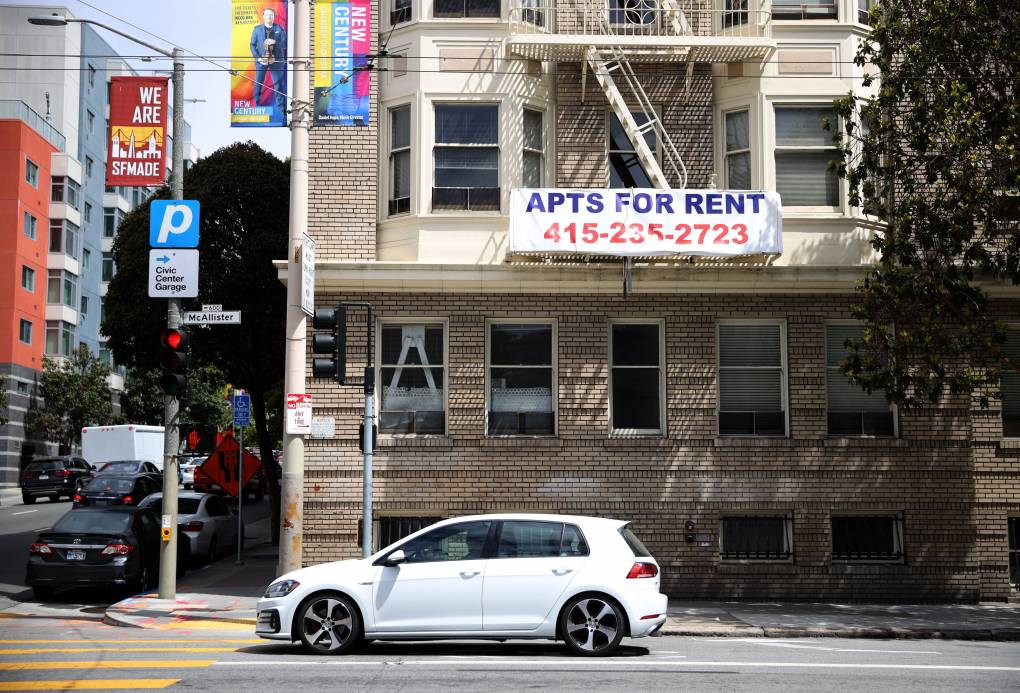
"caption": "A \"For Rent\" sign posted on the exterior of an apartment building on June 2, 2021, in San Francisco.",
"description": "A \"For Rent\" sign posted on the exterior of an apartment building on June 2, 2021, in San Francisco.",
"title": "Rents Rebound In San Francisco After Pandemic-Related Decline",
"credit": "Justin Sullivan/Getty Images",
"status": "inherit",
"altTag": "A \"For Rent\" sign posted on the exterior of an apartment building. A white car is parked in front of the building.",
"isLoading": false,
"fetchFailed": false
},
"news_11803395": {
"type": "attachments",
"id": "news_11803395",
"meta": {
"index": "attachments_1716263798",
"site": "news",
"id": "11803395",
"found": true
},
"parent": 11803391,
"imgSizes": {
"apple_news_ca_landscape_5_5": {
"file": "https://ww2.kqed.org/app/uploads/sites/10/2020/02/RS41400_007_KQED_Housing_MountainView_02192020_3329-qut-1044x783.jpg",
"width": 1044,
"mimeType": "image/jpeg",
"height": 783
},
"apple_news_ca_square_4_0": {
"file": "https://ww2.kqed.org/app/uploads/sites/10/2020/02/RS41400_007_KQED_Housing_MountainView_02192020_3329-qut-470x470.jpg",
"width": 470,
"mimeType": "image/jpeg",
"height": 470
},
"twentyfourteen-full-width": {
"file": "https://ww2.kqed.org/app/uploads/sites/10/2020/02/RS41400_007_KQED_Housing_MountainView_02192020_3329-qut-1038x576.jpg",
"width": 1038,
"mimeType": "image/jpeg",
"height": 576
},
"thumbnail": {
"file": "https://ww2.kqed.org/app/uploads/sites/10/2020/02/RS41400_007_KQED_Housing_MountainView_02192020_3329-qut-160x107.jpg",
"width": 160,
"mimeType": "image/jpeg",
"height": 107
},
"post-thumbnail": {
"file": "https://ww2.kqed.org/app/uploads/sites/10/2020/02/RS41400_007_KQED_Housing_MountainView_02192020_3329-qut-672x372.jpg",
"width": 672,
"mimeType": "image/jpeg",
"height": 372
},
"kqedFullSize": {
"file": "https://ww2.kqed.org/app/uploads/sites/10/2020/02/RS41400_007_KQED_Housing_MountainView_02192020_3329-qut.jpg",
"width": 1920,
"height": 1280
},
"apple_news_ca_landscape_4_7": {
"file": "https://ww2.kqed.org/app/uploads/sites/10/2020/02/RS41400_007_KQED_Housing_MountainView_02192020_3329-qut-632x474.jpg",
"width": 632,
"mimeType": "image/jpeg",
"height": 474
},
"large": {
"file": "https://ww2.kqed.org/app/uploads/sites/10/2020/02/RS41400_007_KQED_Housing_MountainView_02192020_3329-qut-1020x680.jpg",
"width": 1020,
"mimeType": "image/jpeg",
"height": 680
},
"apple_news_ca_landscape_4_0": {
"file": "https://ww2.kqed.org/app/uploads/sites/10/2020/02/RS41400_007_KQED_Housing_MountainView_02192020_3329-qut-536x402.jpg",
"width": 536,
"mimeType": "image/jpeg",
"height": 402
},
"apple_news_ca_portrait_12_9": {
"file": "https://ww2.kqed.org/app/uploads/sites/10/2020/02/RS41400_007_KQED_Housing_MountainView_02192020_3329-qut-1122x1280.jpg",
"width": 1122,
"mimeType": "image/jpeg",
"height": 1280
},
"medium": {
"file": "https://ww2.kqed.org/app/uploads/sites/10/2020/02/RS41400_007_KQED_Housing_MountainView_02192020_3329-qut-800x533.jpg",
"width": 800,
"mimeType": "image/jpeg",
"height": 533
},
"apple_news_ca_portrait_4_0": {
"file": "https://ww2.kqed.org/app/uploads/sites/10/2020/02/RS41400_007_KQED_Housing_MountainView_02192020_3329-qut-354x472.jpg",
"width": 354,
"mimeType": "image/jpeg",
"height": 472
},
"apple_news_ca_portrait_9_7": {
"file": "https://ww2.kqed.org/app/uploads/sites/10/2020/02/RS41400_007_KQED_Housing_MountainView_02192020_3329-qut-840x1120.jpg",
"width": 840,
"mimeType": "image/jpeg",
"height": 1120
},
"apple_news_ca_landscape_12_9": {
"file": "https://ww2.kqed.org/app/uploads/sites/10/2020/02/RS41400_007_KQED_Housing_MountainView_02192020_3329-qut-1832x1280.jpg",
"width": 1832,
"mimeType": "image/jpeg",
"height": 1280
},
"apple_news_ca_square_9_7": {
"file": "https://ww2.kqed.org/app/uploads/sites/10/2020/02/RS41400_007_KQED_Housing_MountainView_02192020_3329-qut-1104x1104.jpg",
"width": 1104,
"mimeType": "image/jpeg",
"height": 1104
},
"apple_news_ca_portrait_4_7": {
"file": "https://ww2.kqed.org/app/uploads/sites/10/2020/02/RS41400_007_KQED_Housing_MountainView_02192020_3329-qut-414x552.jpg",
"width": 414,
"mimeType": "image/jpeg",
"height": 552
},
"apple_news_ca_square_12_9": {
"file": "https://ww2.kqed.org/app/uploads/sites/10/2020/02/RS41400_007_KQED_Housing_MountainView_02192020_3329-qut-1472x1280.jpg",
"width": 1472,
"mimeType": "image/jpeg",
"height": 1280
},
"apple_news_ca_portrait_5_5": {
"file": "https://ww2.kqed.org/app/uploads/sites/10/2020/02/RS41400_007_KQED_Housing_MountainView_02192020_3329-qut-687x916.jpg",
"width": 687,
"mimeType": "image/jpeg",
"height": 916
},
"full-width": {
"file": "https://ww2.kqed.org/app/uploads/sites/10/2020/02/RS41400_007_KQED_Housing_MountainView_02192020_3329-qut-1920x1280.jpg",
"width": 1920,
"mimeType": "image/jpeg",
"height": 1280
},
"apple_news_ca_square_4_7": {
"file": "https://ww2.kqed.org/app/uploads/sites/10/2020/02/RS41400_007_KQED_Housing_MountainView_02192020_3329-qut-550x550.jpg",
"width": 550,
"mimeType": "image/jpeg",
"height": 550
},
"apple_news_ca_landscape_9_7": {
"file": "https://ww2.kqed.org/app/uploads/sites/10/2020/02/RS41400_007_KQED_Housing_MountainView_02192020_3329-qut-1376x1032.jpg",
"width": 1376,
"mimeType": "image/jpeg",
"height": 1032
},
"apple_news_ca_square_5_5": {
"file": "https://ww2.kqed.org/app/uploads/sites/10/2020/02/RS41400_007_KQED_Housing_MountainView_02192020_3329-qut-912x912.jpg",
"width": 912,
"mimeType": "image/jpeg",
"height": 912
}
},
"publishDate": 1582671435,
"modified": 1582671484,
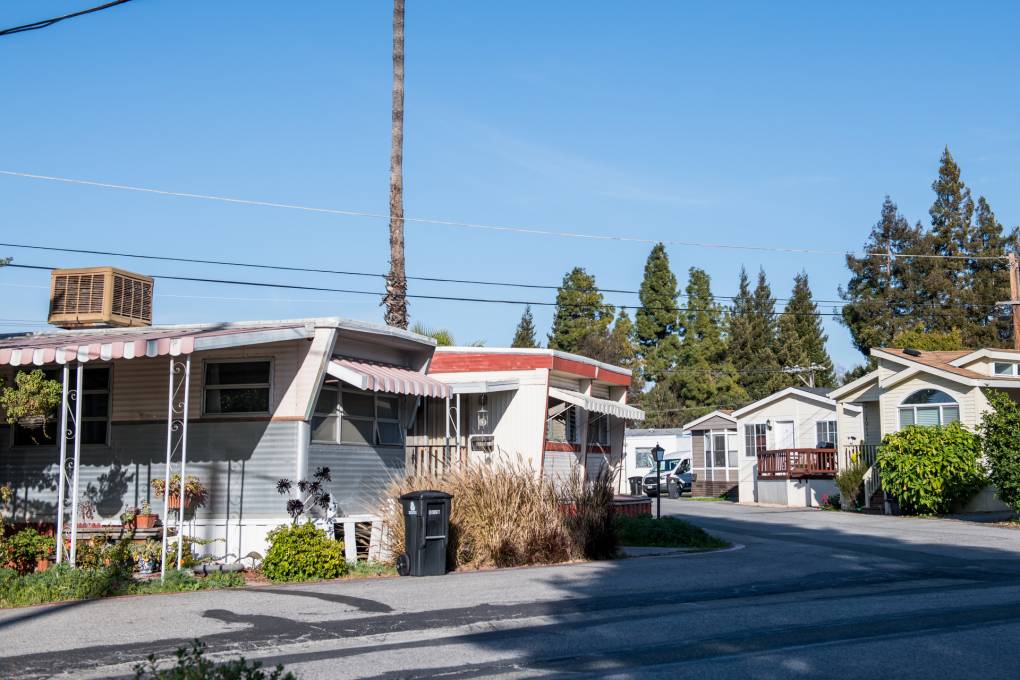
"caption": "Mobile homes in Mountain View, California on Feb. 19, 2020.",
"description": null,
"title": "RS41400_007_KQED_Housing_MountainView_02192020_3329-qut",
"credit": "Beth LaBerge",
"status": "inherit",
"isLoading": false,
"fetchFailed": false
},
"news_11889065": {
"type": "attachments",
"id": "news_11889065",
"meta": {
"index": "attachments_1716263798",
"site": "news",
"id": "11889065",
"found": true
},
"parent": 11889062,
"imgSizes": {
"twentyfourteen-full-width": {
"file": "https://ww2.kqed.org/app/uploads/sites/10/2021/09/Matt-Shupe-headshot-1038x576.jpg",
"width": 1038,
"mimeType": "image/jpeg",
"height": 576
},
"thumbnail": {
"file": "https://ww2.kqed.org/app/uploads/sites/10/2021/09/Matt-Shupe-headshot-160x106.jpg",
"width": 160,
"mimeType": "image/jpeg",
"height": 106
},
"post-thumbnail": {
"file": "https://ww2.kqed.org/app/uploads/sites/10/2021/09/Matt-Shupe-headshot-672x372.jpg",
"width": 672,
"mimeType": "image/jpeg",
"height": 372
},
"kqedFullSize": {
"file": "https://ww2.kqed.org/app/uploads/sites/10/2021/09/Matt-Shupe-headshot.jpg",
"width": 2048,
"height": 1363
},
"large": {
"file": "https://ww2.kqed.org/app/uploads/sites/10/2021/09/Matt-Shupe-headshot-1020x679.jpg",
"width": 1020,
"mimeType": "image/jpeg",
"height": 679
},
"1536x1536": {
"file": "https://ww2.kqed.org/app/uploads/sites/10/2021/09/Matt-Shupe-headshot-1536x1022.jpg",
"width": 1536,
"mimeType": "image/jpeg",
"height": 1022
},
"full-width": {
"file": "https://ww2.kqed.org/app/uploads/sites/10/2021/09/Matt-Shupe-headshot-1920x1278.jpg",
"width": 1920,
"mimeType": "image/jpeg",
"height": 1278
},
"medium": {
"file": "https://ww2.kqed.org/app/uploads/sites/10/2021/09/Matt-Shupe-headshot-800x532.jpg",
"width": 800,
"mimeType": "image/jpeg",
"height": 532
}
},
"publishDate": 1631920371,
"modified": 1631920371,
"caption": null,
"description": null,
"title": "Matt Shupe headshot",
"credit": null,
"status": "inherit",
"altTag": null,
"isLoading": false,
"fetchFailed": false
},
"news_11888277": {
"type": "attachments",
"id": "news_11888277",
"meta": {
"index": "attachments_1716263798",
"site": "news",
"id": "11888277",
"found": true
},
"parent": 11888267,
"imgSizes": {
"twentyfourteen-full-width": {
"file": "https://ww2.kqed.org/app/uploads/sites/10/2021/09/012921_EvictionVigil_AW_sized_02-1038x576.jpg",
"width": 1038,
"mimeType": "image/jpeg",
"height": 576
},
"thumbnail": {
"file": "https://ww2.kqed.org/app/uploads/sites/10/2021/09/012921_EvictionVigil_AW_sized_02-160x107.jpg",
"width": 160,
"mimeType": "image/jpeg",
"height": 107
},
"post-thumbnail": {
"file": "https://ww2.kqed.org/app/uploads/sites/10/2021/09/012921_EvictionVigil_AW_sized_02-672x372.jpg",
"width": 672,
"mimeType": "image/jpeg",
"height": 372
},
"kqedFullSize": {
"file": "https://ww2.kqed.org/app/uploads/sites/10/2021/09/012921_EvictionVigil_AW_sized_02.jpg",
"width": 1520,
"height": 1013
},
"large": {
"file": "https://ww2.kqed.org/app/uploads/sites/10/2021/09/012921_EvictionVigil_AW_sized_02-1020x680.jpg",
"width": 1020,
"mimeType": "image/jpeg",
"height": 680
},
"medium": {
"file": "https://ww2.kqed.org/app/uploads/sites/10/2021/09/012921_EvictionVigil_AW_sized_02-800x533.jpg",
"width": 800,
"mimeType": "image/jpeg",
"height": 533
}
},
"publishDate": 1631559348,
"modified": 1631578709,
"caption": "Housing organizers and rent strikers participate in a vigil for tenants who they say will not be covered by Gov. Gavin Newsom’s rent relief plan at the Elihu M. Harris office building in Oakland on Jan. 29, 2021.",
"description": "Housing activists and rent strikers participate in a vigil for tenants who they say will not be covered by Gov. Gavin Newsom’s rent relief plan at the Elihu M. Harris, State of California office building in Oakland on Jan. 29, 2021",
"title": "012921_EvictionVigil_AW_sized_02",
"credit": "Anne Wernikoff/CalMatters",
"status": "inherit",
"altTag": "Protesters hold candles in front of a projection that says, \"no evictions on stolen land.\"",
"isLoading": false,
"fetchFailed": false
},
"news_11888018": {
"type": "attachments",
"id": "news_11888018",
"meta": {
"index": "attachments_1716263798",
"site": "news",
"id": "11888018",
"found": true
},
"parent": 11887630,
"imgSizes": {
"twentyfourteen-full-width": {
"file": "https://ww2.kqed.org/app/uploads/sites/10/2021/09/RS51406_021_Fremont_MaiwandMarket_08272021-qut-1038x576.jpg",
"width": 1038,
"mimeType": "image/jpeg",
"height": 576
},
"thumbnail": {
"file": "https://ww2.kqed.org/app/uploads/sites/10/2021/09/RS51406_021_Fremont_MaiwandMarket_08272021-qut-160x107.jpg",
"width": 160,
"mimeType": "image/jpeg",
"height": 107
},
"post-thumbnail": {
"file": "https://ww2.kqed.org/app/uploads/sites/10/2021/09/RS51406_021_Fremont_MaiwandMarket_08272021-qut-672x372.jpg",
"width": 672,
"mimeType": "image/jpeg",
"height": 372
},
"kqedFullSize": {
"file": "https://ww2.kqed.org/app/uploads/sites/10/2021/09/RS51406_021_Fremont_MaiwandMarket_08272021-qut.jpg",
"width": 1920,
"height": 1280
},
"large": {
"file": "https://ww2.kqed.org/app/uploads/sites/10/2021/09/RS51406_021_Fremont_MaiwandMarket_08272021-qut-1020x680.jpg",
"width": 1020,
"mimeType": "image/jpeg",
"height": 680
},
"1536x1536": {
"file": "https://ww2.kqed.org/app/uploads/sites/10/2021/09/RS51406_021_Fremont_MaiwandMarket_08272021-qut-1536x1024.jpg",
"width": 1536,
"mimeType": "image/jpeg",
"height": 1024
},
"medium": {
"file": "https://ww2.kqed.org/app/uploads/sites/10/2021/09/RS51406_021_Fremont_MaiwandMarket_08272021-qut-800x533.jpg",
"width": 800,
"mimeType": "image/jpeg",
"height": 533
}
},
"publishDate": 1631299404,
"modified": 1631308919,
"caption": "A butcher helps customers at Maiwand Market in Fremont — a staple for many in the Afghan community — on Aug. 27, 2021.",
"description": "A butcher helps customers at Maiwand Market in Fremont – a staple for many in the Afghan community – on Aug. 27, 2021.",
"title": "RS51406_021_Fremont_MaiwandMarket_08272021-qut",
"credit": "Beth LaBerge/KQED",
"status": "inherit",
"altTag": null,
"isLoading": false,
"fetchFailed": false
},
"news_11887852": {
"type": "attachments",
"id": "news_11887852",
"meta": {
"index": "attachments_1716263798",
"site": "news",
"id": "11887852",
"found": true
},
"parent": 11887851,
"imgSizes": {
"twentyfourteen-full-width": {
"file": "https://ww2.kqed.org/app/uploads/sites/10/2021/09/IMG_3415-1038x576.jpg",
"width": 1038,
"mimeType": "image/jpeg",
"height": 576
},
"thumbnail": {
"file": "https://ww2.kqed.org/app/uploads/sites/10/2021/09/IMG_3415-160x120.jpg",
"width": 160,
"mimeType": "image/jpeg",
"height": 120
},
"post-thumbnail": {
"file": "https://ww2.kqed.org/app/uploads/sites/10/2021/09/IMG_3415-672x372.jpg",
"width": 672,
"mimeType": "image/jpeg",
"height": 372
},
"kqedFullSize": {
"file": "https://ww2.kqed.org/app/uploads/sites/10/2021/09/IMG_3415-scaled.jpg",
"width": 2560,
"height": 1920
},
"2048x2048": {
"file": "https://ww2.kqed.org/app/uploads/sites/10/2021/09/IMG_3415-2048x1536.jpg",
"width": 2048,
"mimeType": "image/jpeg",
"height": 1536
},
"large": {
"file": "https://ww2.kqed.org/app/uploads/sites/10/2021/09/IMG_3415-1020x765.jpg",
"width": 1020,
"mimeType": "image/jpeg",
"height": 765
},
"1536x1536": {
"file": "https://ww2.kqed.org/app/uploads/sites/10/2021/09/IMG_3415-1536x1152.jpg",
"width": 1536,
"mimeType": "image/jpeg",
"height": 1152
},
"full-width": {
"file": "https://ww2.kqed.org/app/uploads/sites/10/2021/09/IMG_3415-1920x1440.jpg",
"width": 1920,
"mimeType": "image/jpeg",
"height": 1440
},
"medium": {
"file": "https://ww2.kqed.org/app/uploads/sites/10/2021/09/IMG_3415-800x600.jpg",
"width": 800,
"mimeType": "image/jpeg",
"height": 600
}
},
"publishDate": 1631145172,
"modified": 1635459071,
"caption": "Advocates for people experiencing homelessness demonstrate outside San Francisco City Hall on Sept. 7, 2021, demanding the city continue funding its shelter-in-place hotel program.",
"description": null,
"title": "IMG_3415",
"credit": "Kate Wolffe/KQED News",
"status": "inherit",
"altTag": "Advocates with posters demonstrate outside San Francisco City Hall.",
"isLoading": false,
"fetchFailed": false
},
"news_11887893": {
"type": "attachments",
"id": "news_11887893",
"meta": {
"index": "attachments_1716263798",
"site": "news",
"id": "11887893",
"found": true
},
"parent": 11887815,
"imgSizes": {
"twentyfourteen-full-width": {
"file": "https://ww2.kqed.org/app/uploads/sites/10/2021/09/GettyImages-1233456190-1038x576.jpg",
"width": 1038,
"mimeType": "image/jpeg",
"height": 576
},
"thumbnail": {
"file": "https://ww2.kqed.org/app/uploads/sites/10/2021/09/GettyImages-1233456190-160x107.jpg",
"width": 160,
"mimeType": "image/jpeg",
"height": 107
},
"post-thumbnail": {
"file": "https://ww2.kqed.org/app/uploads/sites/10/2021/09/GettyImages-1233456190-672x372.jpg",
"width": 672,
"mimeType": "image/jpeg",
"height": 372
},
"kqedFullSize": {
"file": "https://ww2.kqed.org/app/uploads/sites/10/2021/09/GettyImages-1233456190-scaled.jpg",
"width": 2560,
"height": 1707
},
"2048x2048": {
"file": "https://ww2.kqed.org/app/uploads/sites/10/2021/09/GettyImages-1233456190-2048x1366.jpg",
"width": 2048,
"mimeType": "image/jpeg",
"height": 1366
},
"large": {
"file": "https://ww2.kqed.org/app/uploads/sites/10/2021/09/GettyImages-1233456190-1020x680.jpg",
"width": 1020,
"mimeType": "image/jpeg",
"height": 680
},
"1536x1536": {
"file": "https://ww2.kqed.org/app/uploads/sites/10/2021/09/GettyImages-1233456190-1536x1024.jpg",
"width": 1536,
"mimeType": "image/jpeg",
"height": 1024
},
"full-width": {
"file": "https://ww2.kqed.org/app/uploads/sites/10/2021/09/GettyImages-1233456190-1920x1280.jpg",
"width": 1920,
"mimeType": "image/jpeg",
"height": 1280
},
"medium": {
"file": "https://ww2.kqed.org/app/uploads/sites/10/2021/09/GettyImages-1233456190-800x533.jpg",
"width": 800,
"mimeType": "image/jpeg",
"height": 533
}
},
"publishDate": 1631164204,
"modified": 1631236098,
"caption": "Mishel Herrera from CORE (Community Organized Relief Effort) speaks with an unhoused resident of Los Angeles before he receives his one-shot Johnson & Johnson COVID-19 vaccine administered by members of the Los Angeles Fire Department's Outreach unit on June 14, 2021. Over the next five years, California is plowing nearly $6 billion into expanding Medi-Cal services for the most high-needs patients, including unhoused Californians, heavy users of hospital emergency rooms, children and seniors with complicated physical and mental health conditions and others.",
"description": "Mishel Herrera from CORE (Community Organized Relief Effort) speaks with Eduardo Vasquez, homeless on the streets of Los Angeles since 1992, before he receives his one-shot Johnson and Johnson's Janssen Covid-19 vaccine administered by members of the Los Angeles Fire Department's Covid Outreach unit on June 14, 2021 in Los Angeles. - With more than 40 million vaccine doses administered, California is one of the last state's to fully reopen its economy, though businesses have been open at reduced capacity for months.",
"title": "US-HEALTH-VIRUS-PANDEMIC",
"credit": "Frederic J. Brown/AFP via Getty Images",
"status": "inherit",
"altTag": "Woman in baseball cap and mask, holding clipboard, leans over to talk to man in baseball cap near two ambulances parked on a street.",
"isLoading": false,
"fetchFailed": false
},
"news_11887329": {
"type": "attachments",
"id": "news_11887329",
"meta": {
"index": "attachments_1716263798",
"site": "news",
"id": "11887329",
"found": true
},
"parent": 11887328,
"imgSizes": {
"twentyfourteen-full-width": {
"file": "https://ww2.kqed.org/app/uploads/sites/10/2021/09/Image-from-iOS-4-1038x576.jpg",
"width": 1038,
"mimeType": "image/jpeg",
"height": 576
},
"thumbnail": {
"file": "https://ww2.kqed.org/app/uploads/sites/10/2021/09/Image-from-iOS-4-160x120.jpg",
"width": 160,
"mimeType": "image/jpeg",
"height": 120
},
"post-thumbnail": {
"file": "https://ww2.kqed.org/app/uploads/sites/10/2021/09/Image-from-iOS-4-672x372.jpg",
"width": 672,
"mimeType": "image/jpeg",
"height": 372
},
"kqedFullSize": {
"file": "https://ww2.kqed.org/app/uploads/sites/10/2021/09/Image-from-iOS-4-scaled-e1630697795815.jpg",
"width": 1920,
"height": 1440
},
"2048x2048": {
"file": "https://ww2.kqed.org/app/uploads/sites/10/2021/09/Image-from-iOS-4-2048x1536.jpg",
"width": 2048,
"mimeType": "image/jpeg",
"height": 1536
},
"large": {
"file": "https://ww2.kqed.org/app/uploads/sites/10/2021/09/Image-from-iOS-4-1020x765.jpg",
"width": 1020,
"mimeType": "image/jpeg",
"height": 765
},
"1536x1536": {
"file": "https://ww2.kqed.org/app/uploads/sites/10/2021/09/Image-from-iOS-4-1536x1152.jpg",
"width": 1536,
"mimeType": "image/jpeg",
"height": 1152
},
"full-width": {
"file": "https://ww2.kqed.org/app/uploads/sites/10/2021/09/Image-from-iOS-4-1920x1440.jpg",
"width": 1920,
"mimeType": "image/jpeg",
"height": 1440
},
"medium": {
"file": "https://ww2.kqed.org/app/uploads/sites/10/2021/09/Image-from-iOS-4-800x600.jpg",
"width": 800,
"mimeType": "image/jpeg",
"height": 600
}
},
"publishDate": 1630539350,
"modified": 1630708724,
"caption": "Jose Mora (right) and Henry Jose Mendoza, both construction workers, fled South Lake Tahoe on Monday, taking shelter at an evacuation center in Carson City, Nevada.",
"description": null,
"title": "Image from iOS (4)",
"credit": "Ezra David Romero/KQED",
"status": "inherit",
"altTag": "Two men wearing masks and sweatshirts pose between two parked vehicles.",
"isLoading": false,
"fetchFailed": false
},
"news_11883639": {
"type": "attachments",
"id": "news_11883639",
"meta": {
"index": "attachments_1716263798",
"site": "news",
"id": "11883639",
"found": true
},
"parent": 11883591,
"imgSizes": {
"twentyfourteen-full-width": {
"file": "https://ww2.kqed.org/app/uploads/sites/10/2021/08/GettyImages-1228140778-1024x576.jpg",
"width": 1024,
"mimeType": "image/jpeg",
"height": 576
},
"thumbnail": {
"file": "https://ww2.kqed.org/app/uploads/sites/10/2021/08/GettyImages-1228140778-160x107.jpg",
"width": 160,
"mimeType": "image/jpeg",
"height": 107
},
"post-thumbnail": {
"file": "https://ww2.kqed.org/app/uploads/sites/10/2021/08/GettyImages-1228140778-672x372.jpg",
"width": 672,
"mimeType": "image/jpeg",
"height": 372
},
"kqedFullSize": {
"file": "https://ww2.kqed.org/app/uploads/sites/10/2021/08/GettyImages-1228140778.jpg",
"width": 1024,
"height": 683
},
"large": {
"file": "https://ww2.kqed.org/app/uploads/sites/10/2021/08/GettyImages-1228140778-1020x680.jpg",
"width": 1020,
"mimeType": "image/jpeg",
"height": 680
},
"medium": {
"file": "https://ww2.kqed.org/app/uploads/sites/10/2021/08/GettyImages-1228140778-800x534.jpg",
"width": 800,
"mimeType": "image/jpeg",
"height": 534
}
},
"publishDate": 1628038720,
"modified": 1656543998,
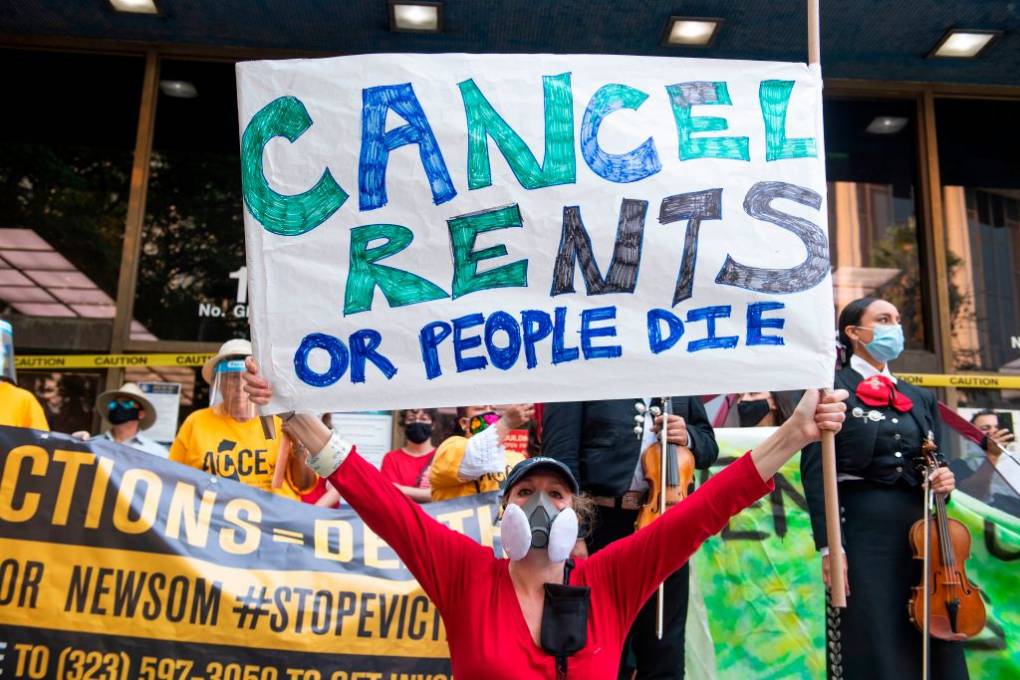
"caption": "Los Angeles renters and housing advocates demonstrate on Aug. 21, 2020, against evictions in the region. ",
"description": null,
"title": "US-ECONOMY-RENT-VIRUS-HEALTH",
"credit": "Valerie Macon/AFP via Getty Images",
"status": "inherit",
"altTag": "A woman holds up a big sign that says \"Cancel Rents of People Die.\"",
"isLoading": false,
"fetchFailed": false
},
"news_11879739": {
"type": "attachments",
"id": "news_11879739",
"meta": {
"index": "attachments_1716263798",
"site": "news",
"id": "11879739",
"found": true
},
"parent": 11879725,
"imgSizes": {
"twentyfourteen-full-width": {
"file": "https://ww2.kqed.org/app/uploads/sites/10/2021/06/RS46911_017_SanJose_AntiEvictionProtest_01272021-qut-1038x576.jpg",
"width": 1038,
"mimeType": "image/jpeg",
"height": 576
},
"thumbnail": {
"file": "https://ww2.kqed.org/app/uploads/sites/10/2021/06/RS46911_017_SanJose_AntiEvictionProtest_01272021-qut-160x107.jpg",
"width": 160,
"mimeType": "image/jpeg",
"height": 107
},
"post-thumbnail": {
"file": "https://ww2.kqed.org/app/uploads/sites/10/2021/06/RS46911_017_SanJose_AntiEvictionProtest_01272021-qut-672x372.jpg",
"width": 672,
"mimeType": "image/jpeg",
"height": 372
},
"kqedFullSize": {
"file": "https://ww2.kqed.org/app/uploads/sites/10/2021/06/RS46911_017_SanJose_AntiEvictionProtest_01272021-qut.jpg",
"width": 1920,
"height": 1280
},
"large": {
"file": "https://ww2.kqed.org/app/uploads/sites/10/2021/06/RS46911_017_SanJose_AntiEvictionProtest_01272021-qut-1020x680.jpg",
"width": 1020,
"mimeType": "image/jpeg",
"height": 680
},
"1536x1536": {
"file": "https://ww2.kqed.org/app/uploads/sites/10/2021/06/RS46911_017_SanJose_AntiEvictionProtest_01272021-qut-1536x1024.jpg",
"width": 1536,
"mimeType": "image/jpeg",
"height": 1024
},
"medium": {
"file": "https://ww2.kqed.org/app/uploads/sites/10/2021/06/RS46911_017_SanJose_AntiEvictionProtest_01272021-qut-800x533.jpg",
"width": 800,
"mimeType": "image/jpeg",
"height": 533
}
},
"publishDate": 1624994714,
"modified": 1624994770,
"caption": "An anti-eviction protester stands in front of Santa Clara County Superior Court on Jan. 27, 2021, during a demonstration calling for stronger statewide eviction protections.",
"description": null,
"title": "RS46911_017_SanJose_AntiEvictionProtest_01272021-qut",
"credit": "Beth LaBerge/KQED",
"status": "inherit",
"altTag": null,
"isLoading": false,
"fetchFailed": false
},
"news_11857382": {
"type": "attachments",
"id": "news_11857382",
"meta": {
"index": "attachments_1716263798",
"site": "news",
"id": "11857382",
"found": true
},
"parent": 11857277,
"imgSizes": {
"apple_news_ca_landscape_5_5": {
"file": "https://ww2.kqed.org/app/uploads/sites/10/2021/01/Image-from-iOS-6-1044x783.jpg",
"width": 1044,
"mimeType": "image/jpeg",
"height": 783
},
"apple_news_ca_square_4_0": {
"file": "https://ww2.kqed.org/app/uploads/sites/10/2021/01/Image-from-iOS-6-470x470.jpg",
"width": 470,
"mimeType": "image/jpeg",
"height": 470
},
"twentyfourteen-full-width": {
"file": "https://ww2.kqed.org/app/uploads/sites/10/2021/01/Image-from-iOS-6-1038x576.jpg",
"width": 1038,
"mimeType": "image/jpeg",
"height": 576
},
"thumbnail": {
"file": "https://ww2.kqed.org/app/uploads/sites/10/2021/01/Image-from-iOS-6-160x107.jpg",
"width": 160,
"mimeType": "image/jpeg",
"height": 107
},
"post-thumbnail": {
"file": "https://ww2.kqed.org/app/uploads/sites/10/2021/01/Image-from-iOS-6-672x372.jpg",
"width": 672,
"mimeType": "image/jpeg",
"height": 372
},
"kqedFullSize": {
"file": "https://ww2.kqed.org/app/uploads/sites/10/2021/01/Image-from-iOS-6.jpg",
"width": 1555,
"height": 1036
},
"apple_news_ca_landscape_4_7": {
"file": "https://ww2.kqed.org/app/uploads/sites/10/2021/01/Image-from-iOS-6-632x474.jpg",
"width": 632,
"mimeType": "image/jpeg",
"height": 474
},
"large": {
"file": "https://ww2.kqed.org/app/uploads/sites/10/2021/01/Image-from-iOS-6-1020x680.jpg",
"width": 1020,
"mimeType": "image/jpeg",
"height": 680
},
"apple_news_ca_landscape_4_0": {
"file": "https://ww2.kqed.org/app/uploads/sites/10/2021/01/Image-from-iOS-6-536x402.jpg",
"width": 536,
"mimeType": "image/jpeg",
"height": 402
},
"apple_news_ca_portrait_12_9": {
"file": "https://ww2.kqed.org/app/uploads/sites/10/2021/01/Image-from-iOS-6-1122x1036.jpg",
"width": 1122,
"mimeType": "image/jpeg",
"height": 1036
},
"medium": {
"file": "https://ww2.kqed.org/app/uploads/sites/10/2021/01/Image-from-iOS-6-800x533.jpg",
"width": 800,
"mimeType": "image/jpeg",
"height": 533
},
"apple_news_ca_portrait_4_0": {
"file": "https://ww2.kqed.org/app/uploads/sites/10/2021/01/Image-from-iOS-6-354x472.jpg",
"width": 354,
"mimeType": "image/jpeg",
"height": 472
},
"apple_news_ca_portrait_9_7": {
"file": "https://ww2.kqed.org/app/uploads/sites/10/2021/01/Image-from-iOS-6-840x1036.jpg",
"width": 840,
"mimeType": "image/jpeg",
"height": 1036
},
"apple_news_ca_square_9_7": {
"file": "https://ww2.kqed.org/app/uploads/sites/10/2021/01/Image-from-iOS-6-1104x1036.jpg",
"width": 1104,
"mimeType": "image/jpeg",
"height": 1036
},
"1536x1536": {
"file": "https://ww2.kqed.org/app/uploads/sites/10/2021/01/Image-from-iOS-6-1536x1023.jpg",
"width": 1536,
"mimeType": "image/jpeg",
"height": 1023
},
"apple_news_ca_portrait_4_7": {
"file": "https://ww2.kqed.org/app/uploads/sites/10/2021/01/Image-from-iOS-6-414x552.jpg",
"width": 414,
"mimeType": "image/jpeg",
"height": 552
},
"apple_news_ca_square_12_9": {
"file": "https://ww2.kqed.org/app/uploads/sites/10/2021/01/Image-from-iOS-6-1472x1036.jpg",
"width": 1472,
"mimeType": "image/jpeg",
"height": 1036
},
"apple_news_ca_portrait_5_5": {
"file": "https://ww2.kqed.org/app/uploads/sites/10/2021/01/Image-from-iOS-6-687x916.jpg",
"width": 687,
"mimeType": "image/jpeg",
"height": 916
},
"apple_news_ca_square_4_7": {
"file": "https://ww2.kqed.org/app/uploads/sites/10/2021/01/Image-from-iOS-6-550x550.jpg",
"width": 550,
"mimeType": "image/jpeg",
"height": 550
},
"apple_news_ca_landscape_9_7": {
"file": "https://ww2.kqed.org/app/uploads/sites/10/2021/01/Image-from-iOS-6-1376x1032.jpg",
"width": 1376,
"mimeType": "image/jpeg",
"height": 1032
},
"apple_news_ca_square_5_5": {
"file": "https://ww2.kqed.org/app/uploads/sites/10/2021/01/Image-from-iOS-6-912x912.jpg",
"width": 912,
"mimeType": "image/jpeg",
"height": 912
}
},
"publishDate": 1611783912,
"modified": 1611784208,
"caption": "Demonstrators stand in front of Santa Clara County Superior Court in San Jose on the morning of Jan. 27, 2021, demanding stronger eviction protections in California.",
"description": null,
"title": "Image from iOS (6)",
"credit": "Beth LaBerge/KQED",
"status": "inherit",
"altTag": null,
"isLoading": false,
"fetchFailed": false
},
"news_11880619": {
"type": "attachments",
"id": "news_11880619",
"meta": {
"index": "attachments_1716263798",
"site": "news",
"id": "11880619",
"found": true
},
"parent": 11880611,
"imgSizes": {
"twentyfourteen-full-width": {
"file": "https://ww2.kqed.org/app/uploads/sites/10/2021/07/fresno-1024x576.jpeg",
"width": 1024,
"mimeType": "image/jpeg",
"height": 576
},
"thumbnail": {
"file": "https://ww2.kqed.org/app/uploads/sites/10/2021/07/fresno-160x108.jpeg",
"width": 160,
"mimeType": "image/jpeg",
"height": 108
},
"post-thumbnail": {
"file": "https://ww2.kqed.org/app/uploads/sites/10/2021/07/fresno-672x372.jpeg",
"width": 672,
"mimeType": "image/jpeg",
"height": 372
},
"kqedFullSize": {
"file": "https://ww2.kqed.org/app/uploads/sites/10/2021/07/fresno.jpeg",
"width": 1024,
"height": 688
},
"large": {
"file": "https://ww2.kqed.org/app/uploads/sites/10/2021/07/fresno-1020x685.jpeg",
"width": 1020,
"mimeType": "image/jpeg",
"height": 685
},
"medium": {
"file": "https://ww2.kqed.org/app/uploads/sites/10/2021/07/fresno-800x538.jpeg",
"width": 800,
"mimeType": "image/jpeg",
"height": 538
}
},
"publishDate": 1625771761,
"modified": 1625771864,
"caption": "Motel row along Parkway Drive in Fresno between Belmont and Olive avenues, Jan. 14, 2020.",
"description": "Motel row along Parkway Drive in Fresno between Belmont and Olive avenues, Jan. 14, 2020.",
"title": "fresno",
"credit": "John Walker/Fresno Bee via CalMatters",
"status": "inherit",
"altTag": null,
"isLoading": false,
"fetchFailed": false
}
},
"audioPlayerReducer": {
"postId": "stream_live",
"isPaused": true,
"isPlaying": false,
"pfsActive": false,
"pledgeModalIsOpen": true,
"playerDrawerIsOpen": false,
"liveAudioPlayStartedAt": 0,
"liveAudioPlayContext": ""
},
"authorsReducer": {
"byline_news_11889113": {
"type": "authors",
"id": "byline_news_11889113",
"meta": {
"override": true
},
"slug": "byline_news_11889113",
"name": "\u003ca href=\"https://calmatters.org/author/manuela-tobias/\">Manuela Tobias\u003c/a>",
"isLoading": false
},
"byline_news_11888267": {
"type": "authors",
"id": "byline_news_11888267",
"meta": {
"override": true
},
"slug": "byline_news_11888267",
"name": "\u003ca href=\"https://calmatters.org/author/manuela-tobias/\">Manuela Tobias\u003c/a>",
"isLoading": false
},
"byline_news_11887815": {
"type": "authors",
"id": "byline_news_11887815",
"meta": {
"override": true
},
"slug": "byline_news_11887815",
"name": "\u003ca href=\"https://californiahealthline.org/news/author/angela-hart/\">Angela Hart\u003c/a>",
"isLoading": false
},
"byline_news_11883591": {
"type": "authors",
"id": "byline_news_11883591",
"meta": {
"override": true
},
"slug": "byline_news_11883591",
"name": "Josh Boak, Lisa Mascaro, Jonathan Lemire \u003cbr> The Associated Press",
"isLoading": false
},
"byline_news_11883234": {
"type": "authors",
"id": "byline_news_11883234",
"meta": {
"override": true
},
"slug": "byline_news_11883234",
"name": "Adam Beam\u003cbr>The Associated Press",
"isLoading": false
},
"byline_news_11880611": {
"type": "authors",
"id": "byline_news_11880611",
"meta": {
"override": true
},
"slug": "byline_news_11880611",
"name": "\u003ca href=\"https://calmatters.org/author/melissa-montalvo/\">Melissa Montalvo\u003c/a>",
"isLoading": false
},
"dclyde": {
"type": "authors",
"id": "104",
"meta": {
"index": "authors_1716337520",
"id": "104",
"found": true
},
"name": "Don Clyde",
"firstName": "Don",
"lastName": "Clyde",
"slug": "dclyde",
"email": "dclyde@kqed.org",
"display_author_email": false,
"staff_mastheads": [],
"title": "KQED Contributor",
"bio": "Don Clyde is an online producer, reporter and copy editor for KQED News. Before venturing into journalism, he worked as a medical device engineer and scientist for nearly a decade after earning a degree in physics from UC Berkeley. He loves travel, reading, living in Oakland, and most importantly, a good walk. Email him at dclyde@kqed.org or follow him @clydedon.",
"avatar": "https://secure.gravatar.com/avatar/decd3e640c3eedbd0a574275aebb2d19?s=600&d=blank&r=g",
"twitter": "clydedon",
"facebook": null,
"instagram": null,
"linkedin": null,
"sites": [
{
"site": "artschool",
"roles": [
"editor"
]
},
{
"site": "news",
"roles": [
"administrator"
]
},
{
"site": "futureofyou",
"roles": [
"editor"
]
},
{
"site": "about",
"roles": [
"editor"
]
},
{
"site": "mindshift",
"roles": [
"contributor"
]
},
{
"site": "bayareabites",
"roles": [
"contributor"
]
},
{
"site": "lowdown",
"roles": [
"editor"
]
},
{
"site": "stateofhealth",
"roles": [
"administrator"
]
},
{
"site": "spark",
"roles": [
"administrator"
]
},
{
"site": "trulyca",
"roles": [
"administrator"
]
},
{
"site": "imagemakers",
"roles": [
"administrator"
]
},
{
"site": "science",
"roles": []
},
{
"site": "education",
"roles": [
"editor"
]
},
{
"site": "quest",
"roles": [
"subscriber"
]
},
{
"site": "checkplease",
"roles": [
"subscriber"
]
},
{
"site": "forum",
"roles": [
"editor"
]
},
{
"site": "perspectives",
"roles": [
"editor"
]
}
],
"headData": {
"title": "Don Clyde | KQED",
"description": "KQED Contributor",
"ogImgSrc": "https://secure.gravatar.com/avatar/decd3e640c3eedbd0a574275aebb2d19?s=600&d=blank&r=g",
"twImgSrc": "https://secure.gravatar.com/avatar/decd3e640c3eedbd0a574275aebb2d19?s=600&d=blank&r=g"
},
"isLoading": false,
"link": "/author/dclyde"
},
"kqed": {
"type": "authors",
"id": "236",
"meta": {
"index": "authors_1716337520",
"id": "236",
"found": true
},
"name": "KQED News Staff",
"firstName": "KQED News Staff",
"lastName": null,
"slug": "kqed",
"email": "faq@kqed.org",
"display_author_email": false,
"staff_mastheads": [],
"title": null,
"bio": null,
"avatar": "https://secure.gravatar.com/avatar/ef0e801a68c4c54afa9180db14084167?s=600&d=blank&r=g",
"twitter": null,
"facebook": null,
"instagram": null,
"linkedin": null,
"sites": [
{
"site": "arts",
"roles": [
"contributor"
]
},
{
"site": "news",
"roles": [
"editor"
]
},
{
"site": "futureofyou",
"roles": [
"author"
]
}
],
"headData": {
"title": "KQED News Staff | KQED",
"description": null,
"ogImgSrc": "https://secure.gravatar.com/avatar/ef0e801a68c4c54afa9180db14084167?s=600&d=blank&r=g",
"twImgSrc": "https://secure.gravatar.com/avatar/ef0e801a68c4c54afa9180db14084167?s=600&d=blank&r=g"
},
"isLoading": false,
"link": "/author/kqed"
},
"matthewgreen": {
"type": "authors",
"id": "1263",
"meta": {
"index": "authors_1716337520",
"id": "1263",
"found": true
},
"name": "Matthew Green",
"firstName": "Matthew",
"lastName": "Green",
"slug": "matthewgreen",
"email": "mgreen@kqed.org",
"display_author_email": false,
"staff_mastheads": [],
"title": "KQED Editor/Reporter",
"bio": "Matthew Green is a digital media producer for KQED News. He previously produced \u003ca href=\"http://www.kqed.org/lowdown\">The Lowdown\u003c/a>, KQED’s multimedia news education blog. Matthew's written for numerous Bay Area publications, including the Oakland Tribune and San Francisco Chronicle. He also taught journalism classes at Fremont High School in East Oakland.\r\n\r\nEmail: mgreen@kqed.org; Twitter: @MGreenKQED",
"avatar": "https://secure.gravatar.com/avatar/3bf498d1267ca02c8494f33d8cfc575e?s=600&d=blank&r=g",
"twitter": "MGreenKQED",
"facebook": null,
"instagram": null,
"linkedin": null,
"sites": [
{
"site": "news",
"roles": []
},
{
"site": "lowdown",
"roles": []
},
{
"site": "science",
"roles": []
},
{
"site": "education",
"roles": []
},
{
"site": "quest",
"roles": []
},
{
"site": "liveblog",
"roles": []
}
],
"headData": {
"title": "Matthew Green | KQED",
"description": "KQED Editor/Reporter",
"ogImgSrc": "https://secure.gravatar.com/avatar/3bf498d1267ca02c8494f33d8cfc575e?s=600&d=blank&r=g",
"twImgSrc": "https://secure.gravatar.com/avatar/3bf498d1267ca02c8494f33d8cfc575e?s=600&d=blank&r=g"
},
"isLoading": false,
"link": "/author/matthewgreen"
},
"ecruzguevarra": {
"type": "authors",
"id": "8654",
"meta": {
"index": "authors_1716337520",
"id": "8654",
"found": true
},
"name": "Ericka Cruz Guevarra",
"firstName": "Ericka",
"lastName": "Cruz Guevarra",
"slug": "ecruzguevarra",
"email": "ecruzguevarra@kqed.org",
"display_author_email": true,
"staff_mastheads": [
"news"
],
"title": "Producer, The Bay Podcast",
"bio": "Ericka Cruz Guevarra is host of \u003ca href=\"https://www.kqed.org/podcasts/thebay\">\u003cem>The Bay\u003c/em>\u003c/a> podcast at KQED. Before host, she was the show’s producer. Her work in that capacity includes a three-part reported series on policing in Vallejo, which won a 2020 excellence in journalism award from the Society of Professional Journalists. Ericka has worked as a breaking news reporter at Oregon Public Broadcasting, helped produce the Code Switch podcast, and was KQED’s inaugural Raul Ramirez Diversity Fund intern. She’s also an alumna of NPR’s Next Generation Radio program. Send her an email if you have strong feelings about whether Fairfield and Suisun City are the Bay. Ericka is represented by SAG-AFTRA.",
"avatar": "https://secure.gravatar.com/avatar/accefc1de4bafc7e234b69bcb9b6f6536c130fd84709bc3069ef11a78787e1bb?s=600&d=blank&r=g",
"twitter": "NotoriousECG",
"bluesky": null,
"facebook": null,
"instagram": null,
"linkedin": null,
"sites": [
{
"site": "arts",
"roles": [
"subscriber"
]
},
{
"site": "news",
"roles": [
"editor",
"manage_categories"
]
},
{
"site": "futureofyou",
"roles": [
"subscriber"
]
},
{
"site": "stateofhealth",
"roles": [
"subscriber"
]
},
{
"site": "science",
"roles": [
"editor"
]
},
{
"site": "forum",
"roles": [
"subscriber"
]
}
],
"headData": {
"title": "Ericka Cruz Guevarra | KQED",
"description": "Producer, The Bay Podcast",
"ogImgSrc": "https://secure.gravatar.com/avatar/accefc1de4bafc7e234b69bcb9b6f6536c130fd84709bc3069ef11a78787e1bb?s=600&d=blank&r=g",
"twImgSrc": "https://secure.gravatar.com/avatar/accefc1de4bafc7e234b69bcb9b6f6536c130fd84709bc3069ef11a78787e1bb?s=600&d=blank&r=g"
},
"isLoading": false,
"link": "/author/ecruzguevarra"
},
"katewolffe": {
"type": "authors",
"id": "11523",
"meta": {
"index": "authors_1716337520",
"id": "11523",
"found": true
},
"name": "Kate Wolffe",
"firstName": "Kate",
"lastName": "Wolffe",
"slug": "katewolffe",
"email": "kwolffe@kqed.org",
"display_author_email": true,
"staff_mastheads": [
"news"
],
"title": "KQED Reporter + Weekend Host",
"bio": "Kate Wolffe reports on local Bay Area happenings for KQED, and hosts the news on weekend afternoons. She joined KQED in 2018 as an intern on the Forum team, before moving to cover topics ranging from politics to criminal justice to homelessness. A Bay Area native and UC Berkeley graduate, Kate loves to discover new corners of the region.",
"avatar": "https://secure.gravatar.com/avatar/22455f14db824a03ee252f73052fe939?s=600&d=blank&r=g",
"twitter": "katewolffe",
"facebook": null,
"instagram": null,
"linkedin": null,
"sites": [
{
"site": "arts",
"roles": [
"editor"
]
},
{
"site": "news",
"roles": [
"author",
"edit_others_posts"
]
},
{
"site": "forum",
"roles": [
"editor"
]
}
],
"headData": {
"title": "Kate Wolffe | KQED",
"description": "KQED Reporter + Weekend Host",
"ogImgSrc": "https://secure.gravatar.com/avatar/22455f14db824a03ee252f73052fe939?s=600&d=blank&r=g",
"twImgSrc": "https://secure.gravatar.com/avatar/22455f14db824a03ee252f73052fe939?s=600&d=blank&r=g"
},
"isLoading": false,
"link": "/author/katewolffe"
},
"lsarah": {
"type": "authors",
"id": "11626",
"meta": {
"index": "authors_1716337520",
"id": "11626",
"found": true
},
"name": "Lakshmi Sarah",
"firstName": "Lakshmi",
"lastName": "Sarah",
"slug": "lsarah",
"email": "lsarah@kqed.org",
"display_author_email": false,
"staff_mastheads": [],
"title": "Digital Producer",
"bio": "Lakshmi Sarah is an educator, author and journalist with a focus on innovative storytelling. She has worked with newspapers, radio and magazines from Ahmedabad, India to Los Angeles, California. She has written and produced for Die Zeit, Global Voices, AJ+, KQED, Fusion Media Group and the New York Times.",
"avatar": "https://secure.gravatar.com/avatar/652dcaecd8b28826fc17a8b2d6bb4e93?s=600&d=blank&r=g",
"twitter": "lakitalki",
"facebook": null,
"instagram": "https://www.instagram.com/laki.talki/",
"linkedin": "https://www.linkedin.com/in/lakisarah/",
"sites": [
{
"site": "arts",
"roles": []
},
{
"site": "news",
"roles": []
},
{
"site": "bayareabites",
"roles": []
},
{
"site": "science",
"roles": []
}
],
"headData": {
"title": "Lakshmi Sarah | KQED",
"description": "Digital Producer",
"ogImgSrc": "https://secure.gravatar.com/avatar/652dcaecd8b28826fc17a8b2d6bb4e93?s=600&d=blank&r=g",
"twImgSrc": "https://secure.gravatar.com/avatar/652dcaecd8b28826fc17a8b2d6bb4e93?s=600&d=blank&r=g"
},
"isLoading": false,
"link": "/author/lsarah"
},
"amontecillo": {
"type": "authors",
"id": "11649",
"meta": {
"index": "authors_1716337520",
"id": "11649",
"found": true
},
"name": "Alan Montecillo",
"firstName": "Alan",
"lastName": "Montecillo",
"slug": "amontecillo",
"email": "amontecillo@kqed.org",
"display_author_email": false,
"staff_mastheads": [
"news"
],
"title": "KQED Contributor",
"bio": "Alan Montecillo is the senior editor of \u003cem>\u003ca href=\"http://kqed.org/thebay\">The Bay\u003c/a>, \u003c/em> KQED's local news podcast. Before moving to the Bay Area, he worked as a senior talk show producer for WILL in Champaign-Urbana, Illinois and at Oregon Public Broadcasting in Portland, Oregon. He has won journalism awards from the Society of Professional Journalists Northern California, the Public Media Journalists Association, The Signal Awards, and has also received a regional Edward R. Murrow award. Alan is a Filipino American from Hong Kong and a graduate of Reed College.",
"avatar": "https://secure.gravatar.com/avatar/268f53a2066899ea9efdd8a5900218b17c822d9862cbc9326cccec53ef41d349?s=600&d=blank&r=g",
"twitter": "alanmontecillo",
"bluesky": null,
"facebook": null,
"instagram": null,
"linkedin": null,
"sites": [
{
"site": "",
"roles": [
"editor"
]
},
{
"site": "news",
"roles": [
"editor",
"manage_categories"
]
}
],
"headData": {
"title": "Alan Montecillo | KQED",
"description": "KQED Contributor",
"ogImgSrc": "https://secure.gravatar.com/avatar/268f53a2066899ea9efdd8a5900218b17c822d9862cbc9326cccec53ef41d349?s=600&d=blank&r=g",
"twImgSrc": "https://secure.gravatar.com/avatar/268f53a2066899ea9efdd8a5900218b17c822d9862cbc9326cccec53ef41d349?s=600&d=blank&r=g"
},
"isLoading": false,
"link": "/author/amontecillo"
},
"abandlamudi": {
"type": "authors",
"id": "11672",
"meta": {
"index": "authors_1716337520",
"id": "11672",
"found": true
},
"name": "Adhiti Bandlamudi",
"firstName": "Adhiti",
"lastName": "Bandlamudi",
"slug": "abandlamudi",
"email": "abandlamudi@kqed.org",
"display_author_email": false,
"staff_mastheads": [
"news"
],
"title": "KQED Housing Reporter",
"bio": "Adhiti Bandlamudi reports for KQED's Housing desk. She focuses on how housing gets built across the Bay Area. Before joining KQED in 2020, she reported for WUNC in Durham, North Carolina, WABE in Atlanta, Georgia and Capital Public Radio in Sacramento. In 2017, she was awarded a Kroc Fellowship at NPR where she reported on everything from sprinkles to the Golden State Killer's arrest. When she's not reporting, she's baking new recipes in her kitchen or watching movies with friends and family. She's originally from Georgia and has strong opinions about Great British Bake Off.",
"avatar": "https://secure.gravatar.com/avatar/868129c8b257bb99a3500e2c86a65400?s=600&d=mm&r=g",
"twitter": "oddity_adhiti",
"facebook": null,
"instagram": null,
"linkedin": null,
"sites": [
{
"site": "arts",
"roles": [
"author"
]
},
{
"site": "news",
"roles": [
"editor"
]
},
{
"site": "liveblog",
"roles": [
"author"
]
}
],
"headData": {
"title": "Adhiti Bandlamudi | KQED",
"description": "KQED Housing Reporter",
"ogImgSrc": "https://secure.gravatar.com/avatar/868129c8b257bb99a3500e2c86a65400?s=600&d=mm&r=g",
"twImgSrc": "https://secure.gravatar.com/avatar/868129c8b257bb99a3500e2c86a65400?s=600&d=mm&r=g"
},
"isLoading": false,
"link": "/author/abandlamudi"
},
"eromero": {
"type": "authors",
"id": "11746",
"meta": {
"index": "authors_1716337520",
"id": "11746",
"found": true
},
"name": "Ezra David Romero",
"firstName": "Ezra David",
"lastName": "Romero",
"slug": "eromero",
"email": "eromero@kqed.org",
"display_author_email": true,
"staff_mastheads": [
"news",
"science"
],
"title": "Climate Reporter",
"bio": "Ezra David Romero is a climate reporter for KQED News. He covers the absence and excess of water in the Bay Area — think sea level rise, flooding and drought. For nearly a decade he’s covered how warming temperatures are altering the lives of Californians. He’s reported on farmers worried their pistachio trees aren’t getting enough sleep, families desperate for water, scientists studying dying giant sequoias, and alongside firefighters containing wildfires. His work has appeared on local stations across California and nationally on public radio shows like Morning Edition, Here and Now, All Things Considered and Science Friday. ",
"avatar": "https://secure.gravatar.com/avatar/c76404d287c10ed40224227551ac36e24352c7306f106632caf6fead76f8801f?s=600&d=blank&r=g",
"twitter": "ezraromero",
"bluesky": null,
"facebook": null,
"instagram": null,
"linkedin": null,
"sites": [
{
"site": "arts",
"roles": [
"editor"
]
},
{
"site": "news",
"roles": [
"editor"
]
},
{
"site": "science",
"roles": [
"editor"
]
},
{
"site": "liveblog",
"roles": [
"author"
]
}
],
"headData": {
"title": "Ezra David Romero | KQED",
"description": "Climate Reporter",
"ogImgSrc": "https://secure.gravatar.com/avatar/c76404d287c10ed40224227551ac36e24352c7306f106632caf6fead76f8801f?s=600&d=blank&r=g",
"twImgSrc": "https://secure.gravatar.com/avatar/c76404d287c10ed40224227551ac36e24352c7306f106632caf6fead76f8801f?s=600&d=blank&r=g"
},
"isLoading": false,
"link": "/author/eromero"
},
"cbeale": {
"type": "authors",
"id": "11749",
"meta": {
"index": "authors_1716337520",
"id": "11749",
"found": true
},
"name": "Christopher Beale",
"firstName": "Christopher",
"lastName": "Beale",
"slug": "cbeale",
"email": "cbeale@kqed.org",
"display_author_email": true,
"staff_mastheads": [
"news"
],
"title": "Engineer/Producer/Reporter",
"bio": "\u003ca href=\"https://linktr.ee/realchrisjbeale\" rel=\"noopener noreferrer\">Christopher J. Beale\u003c/a> is an award winning journalist, audio engineer, and media host living in San Francisco. \r\n\r\nChristopher works primarily as an audio engineer at KQED and serves as the sound designer for both the Bay Curious and Rightnowish podcasts. He is the host and producer of the LGBTQIA podcast and radio segment \u003ca href=\"https://stereotypespodcast.org\">Stereotypes\u003c/a>.",
"avatar": "https://secure.gravatar.com/avatar/dc485bf84788eb7e7414eb638e72407e?s=600&d=blank&r=g",
"twitter": "realchrisjbeale",
"facebook": null,
"instagram": "http://instagram.com/realchrisjbeale",
"linkedin": null,
"sites": [
{
"site": "arts",
"roles": [
"contributor"
]
},
{
"site": "news",
"roles": [
"editor"
]
},
{
"site": "forum",
"roles": [
"editor"
]
}
],
"headData": {
"title": "Christopher Beale | KQED",
"description": "Engineer/Producer/Reporter",
"ogImgSrc": "https://secure.gravatar.com/avatar/dc485bf84788eb7e7414eb638e72407e?s=600&d=blank&r=g",
"twImgSrc": "https://secure.gravatar.com/avatar/dc485bf84788eb7e7414eb638e72407e?s=600&d=blank&r=g"
},
"isLoading": false,
"link": "/author/cbeale"
}
},
"pagesReducer": {
"news_category_housing": {
"type": "terms",
"id": "news_6266",
"meta": {
"index": "terms_1716263798",
"site": "news",
"id": "6266",
"score": 11.039913
},
"featImg": null,
"name": "Housing",
"description": null,
"taxonomy": "category",
"headData": {
"twImgId": null,
"twTitle": null,
"ogTitle": null,
"ogImgId": null,
"twDescription": null,
"description": null,
"title": "Housing Archives | KQED News",
"ogDescription": null
},
"ttid": 6290,
"slug": "housing",
"isLoading": false,
"title": "Housing",
"pageMeta": {
"site": "news",
"WpPageTemplate": "page-topic-editorial",
"currentPage": 68
},
"blocks": [
{
"blockName": "kqed/post-list",
"attrs": {
"layout": "cardArticle2",
"query": "posts/news?category=housing",
"seeMore": false,
"paginated": true,
"page": 68
}
},
{
"blockName": "kqed/ad"
}
]
}
},
"pfsSessionReducer": {},
"postsReducer": {
"stream_live": {
"type": "live",
"id": "stream_live",
"audioUrl": "https://streams.kqed.org/kqedradio",
"title": "Live Stream",
"excerpt": "Live Stream information currently unavailable.",
"link": "/radio",
"featImg": "",
"label": {
"name": "KQED Live",
"link": "/"
}
},
"stream_kqedNewscast": {
"type": "posts",
"id": "stream_kqedNewscast",
"audioUrl": "https://www.kqed.org/.stream/anon/radio/RDnews/newscast.mp3?_=1",
"title": "KQED Newscast",
"featImg": "",
"label": {
"name": "88.5 FM",
"link": "/"
}
},
"news_11889113": {
"type": "posts",
"id": "news_11889113",
"meta": {
"index": "posts_1716263798",
"site": "news",
"id": "11889113",
"score": null,
"sort": [
1632171632000
]
},
"guestAuthors": [],
"slug": "in-one-week-newsom-signed-three-major-housing-bills-heres-what-they-mean",
"title": "In One Week, Newsom Signed Three Major Housing Bills. Here's What They Mean",
"publishDate": 1632171632,
"format": "standard",
"headTitle": "In One Week, Newsom Signed Three Major Housing Bills. Here’s What They Mean | KQED",
"labelTerm": {},
"content": "\u003cp>Less than a week has passed since the recall election and Gov. Gavin Newsom already has signed some of the biggest housing bills in years, including a measure that allows more than one house to be built on the single-family lots that comprise the vast majority of California’s developable land.\u003c/p>\n\u003cp>“The housing affordability crisis is undermining the California Dream for families across the state, and threatens our long-term growth and prosperity,” \u003ca href=\"https://www.gov.ca.gov/2021/09/16/governor-newsom-signs-historic-legislation-to-boost-californias-housing-supply-and-fight-the-housing-crisis/\">Newsom said in a bill-signing statement \u003c/a>on Sept. 16 . “Making a meaningful impact on this crisis will take bold investments, strong collaboration across sectors and political courage from our leaders and communities to do the right thing and build housing for all.”\u003c/p>\n\u003cp>[pullquote align=\"right\" size=\"medium\" citation=\"David Garcia, Terner Center for Housing Innovation, UC Berkeley\"]‘Lawmakers are willing to take on the traditional sacred cows of housing and single-family zoning.’[/pullquote]Two days after Californians gave him a vote of confidence by \u003ca href=\"https://calmatters.org/politics/2021/09/california-recall-election-results/\">rejecting the recall\u003c/a>, Newsom chose to return to \u003ca href=\"https://calmatters.org/explainers/housing-costs-high-california/\">the state’s housing crisis as his first significant policy action\u003c/a>, with \u003ca href=\"https://calmatters.org/explainers/california-legislature-bills-passed-2021/\">700-odd bills on his desk\u003c/a> awaiting action.\u003c/p>\n\u003cp>But what do these new laws mean for housing affordability in a state whose \u003ca href=\"https://www.sacbee.com/news/business/real-estate-news/article253695308.html\">median home prices\u003c/a> have already shot past $800,000?\u003c/p>\n\u003cp>Not as much as the governor promoted, according to Dan Dunmoyer, president and CEO of the \u003ca href=\"https://cbia.org/\">California Building Industry Association\u003c/a>.\u003c/p>\n\u003cp>“We’re not going to build, like, 500,000 homes next year. We’re still going to build 100,000, and we need 180,000 just to break even,” he told CalMatters. “So as far as production moving enormously, that’s not going to happen, because there are so many other levers.”\u003c/p>\n\u003cp>It’s going to take a few years to translate the legislation into ramped-up construction, but this is a meaningful start, according to David Garcia, policy director for the \u003ca href=\"https://ternercenter.berkeley.edu/\">Terner Center for Housing Innovation at UC Berkeley\u003c/a>.\u003c/p>\n\u003cp>“It signals that lawmakers are willing to take on the traditional sacred cows of housing and single-family zoning. From a political standpoint, that’s a pretty significant shift in the housing landscape,” he said.\u003c/p>\n\u003cp>The League of California Cities urged Newsom to veto these bills, calling them a “top-down mandate that disregards local voices and decision-making.” After the bill signing was announced, the league said it would “explore all options to ensure local governments have the necessary tools and resources to plan for the types of housing actually needed in their communities.”\u003c/p>\n\u003cp>Opponents calling themselves \u003ca href=\"https://www.communitiesforchoice.org/\">Californians for Community Planning\u003c/a> are already seeking to qualify a \u003ca href=\"https://oag.ca.gov/system/files/initiatives/pdfs/21-0016%20%28Local%20Land%20Use%29.pdf\">proposed constitutional amendment for the November 2022 ballot\u003c/a> to reassert local control over zoning and land-use decisions.\u003c/p>\n\u003cp>More sweeping bills to reduce local control over zoning and \u003ca href=\"https://calmatters.org/california-divide/2021/03/california-affordable-housing-bills/\">create more affordable housing failed in 2018, 2019 and 2020\u003c/a>.\u003cbr>\n[ad fullwidth]\u003c/p>\n\u003ch3>What are the new laws?\u003c/h3>\n\u003cp>\u003ca href=\"https://leginfo.legislature.ca.gov/faces/billNavClient.xhtml?bill_id=202120220SB9\">Senate Bill 9\u003c/a> — introduced by Senate leader Toni Atkins, a San Diego Democrat, as the centerpiece of her affordable housing package — will allow most homeowners to build two homes or a duplex on a plot zoned for a single house and, in some cases, split their lot and build two additional homes, starting on Jan. 1. The total number of units on a single lot is limited to four.\u003c/p>\n\u003cp>[aside postID=\"news_11864513\" hero=\"https://ww2.kqed.org/app/uploads/sites/10/2021/03/pexels-karolina-grabowska-4386433-1536x960.jpg\"]“It shows the governor is walking the walk as it relates to this housing crisis,” said Kendra Noel Lewis, executive director of the Sacramento Housing Alliance, who has been campaigning to \u003ca href=\"https://www.sacbee.com/news/local/article248544635.html\">allow duplexes, triplexes and fourplexes\u003c/a> throughout the city. “This takes a little pressure off at the local level.”\u003c/p>\n\u003cp>The list of criteria for eligible homes is pretty lengthy, and notably excludes those in environmentally sensitive areas and in historic districts, as well as those that are subject to deed restrictions or rent control, or that have been occupied by a tenant in the last three years. To split a lot, neither of the parcels can be smaller than 1,200 square feet, and the homeowner must sign an affidavit that they will remain in the house for the subsequent three years — designed as a guardrail against potential speculation.\u003c/p>\n\u003cp>While a city could deny some projects, specifically those that pose a threat to health or safety, it would have to issue findings that meet a whole host of criteria, too, according to Moira O’Neill, a law professor at UC Berkeley.\u003c/p>\n\u003cp>Given current land and construction costs, the Terner Center estimates the new law could lead to about\u003ca href=\"https://ternercenter.berkeley.edu/wp-content/uploads/2021/07/SB-9-Brief-July-2021-Final.pdf\"> 660,000 new housing units across the state over several years\u003c/a> — a sizable fraction of the 1.8 million to 3.5 million units that experts say California needs to meet its housing shortage.\u003c/p>\n\u003cp>But it would be up to eligible homeowners to decide to turn their houses into duplexes or fourplexes.\u003c/p>\n\u003cp>And despite opponents’ warnings that the law will radically remake the traditional single-family neighborhoods the state is so famous for, the same study estimates less than 5% of the state’s 7.5 million single-family lots will be changed.\u003c/p>\n\u003cp>[pullquote align=\"right\" size=\"medium\" citation=\"Ritu Raj Sharma, DAHLIN Group Architecture Planning\"]‘[SB 9] will give [older homeowners] an opportunity to stay in the same neighborhoods without having to move out, because previously, the option was you would cash out and move to a different neighborhood or a different state.’[/pullquote]Ritu Raj Sharma, a senior planner with Bay Area-based \u003ca href=\"https://www.dahlingroup.com/\">DAHLIN Group Architecture Planning\u003c/a>, predicts that mostly older homeowners will take advantage of the law.\u003c/p>\n\u003cp>“It will give them an opportunity to stay in the same neighborhoods without having to move out, because previously, the option was you would cash out and move to a different neighborhood or a different state,” Sharma said.\u003c/p>\n\u003cp>But the new law doesn’t cap the cost of the new units, leading vocal opponents to argue it will only exacerbate the state’s affordability crisis. The law’s supporters, however, argue that adding a unit affordable to a middle-class family opens up a less expensive unit for a family one step below them on the economic ladder. And \u003ca href=\"https://calmatters.org/housing/2021/08/california-housing-crisis-zoning-bill/\">keeping it illegal to build housing in most areas of the state won’t necessarily block gentrification\u003c/a>, either.\u003c/p>\n\u003ch3>A historic investment\u003c/h3>\n\u003cp>In signing the bill to address the California housing crisis, \u003ca href=\"https://twitter.com/cagovernor/status/1439325049702391809?s=11\">Newsom also promoted the $10.3 billion for housing in his “California Comeback Plan,”\u003c/a> which he said would produce 40,000 housing units. That plan also \u003ca href=\"https://calmatters.org/housing/homeless/2021/05/newsom-end-homelessness-pandemic-lessons/\">includes $12 billion to create more than 44,000 new housing units\u003c/a> and treatment beds for people experiencing homelessness.\u003cbr>\nhttps://twitter.com/GavinNewsom/status/1438683084765888519\u003c/p>\n\u003cp>Newsom also signed \u003ca href=\"https://leginfo.legislature.ca.gov/faces/billNavClient.xhtml?bill_id=202120220SB10\">SB 10\u003c/a>, authored by Sen. Scott Wiener, a Democrat from San Francisco, which allows a city to bypass environmental review to build as many as 10 units on a single-family parcel near a transit hub or urban infill developments.\u003c/p>\n\u003cp>This new law likely will have a considerably smaller impact, Sharma predicts, because the onus to take advantage of it is on the very cities that usually oppose more dense development.\u003c/p>\n\u003cp>“It seems a little counterintuitive that we have this problem created by the same folks, and now we are asking them to make that change,” he said.\u003c/p>\n\u003cp>[aside label ='Related Coverage' tag='housing]“Berkeley wants to zone for fourplexes in single-family neighborhoods, so they may use SB 10 to expedite that. But I bet you have other places that may go all the way up to 10 units in some neighborhoods and we just don’t know where they’re going to decide to do that,” Garcia said.\u003c/p>\n\u003cp>And the \u003ca href=\"https://leginfo.legislature.ca.gov/faces/billNavClient.xhtml?bill_id=202120220SB8\">governor signed SB 8\u003c/a>, which extends through 2030 an existing law that accelerates the approval process for housing projects and limits fee increases on housing applications at the local level.\u003c/p>\n\u003cp>Dunmoyer, from the California Building Industry Association, said he believes this more technical bill might have the biggest impact by making building more predictable, “which encourages investment, which encourages purchase production,” he said.\u003c/p>\n\u003cp>“It doesn’t have any of the gnashing of teeth that SB 9 or SB 10 did, but SB 8 is a positive continuation of a new approach to housing production and approval, and we think it’s starting to have some positive effect,” he added.\u003cbr>\n[ad fullwidth]\u003c/p>\n\u003cp>[ad floatright]\u003c/p>\n",
"blocks": [],
"excerpt": "SB 9 and SB 10 are only two of the many bills Gov. Gavin Newsom signed this month to increase housing supply in California and potentially bring down housing costs and rents.\r\n",
"status": "publish",
"parent": 0,
"modified": 1725928135,
"stats": {
"hasAudio": false,
"hasVideo": false,
"hasChartOrMap": false,
"iframeSrcs": [],
"hasGoogleForm": false,
"hasGallery": false,
"hasHearkenModule": false,
"hasPolis": false,
"paragraphCount": 30,
"wordCount": 1446
},
"headData": {
"title": "In One Week, Newsom Signed Three Major Housing Bills. Here's What They Mean | KQED",
"description": "SB 9 and SB 10 are only two of the many bills Gov. Gavin Newsom signed this month to increase housing supply in California and potentially bring down housing costs and rents.\r\n",
"ogTitle": "",
"ogDescription": "",
"ogImgId": "",
"twTitle": "",
"twDescription": "",
"twImgId": "",
"schema": {
"@context": "https://schema.org",
"@type": "NewsArticle",
"headline": "In One Week, Newsom Signed Three Major Housing Bills. Here's What They Mean",
"datePublished": "2021-09-20T14:00:32-07:00",
"dateModified": "2024-09-09T17:28:55-07:00",
"image": "https://cdn.kqed.org/wp-content/uploads/2020/02/KQED-OG-Image@1x.png",
"isAccessibleForFree": "True",
"publisher": {
"@type": "NewsMediaOrganization",
"@id": "https://www.kqed.org/#organization",
"name": "KQED",
"logo": "https://cdn.kqed.org/wp-content/uploads/2020/02/KQED-OG-Image@1x.png",
"url": "https://www.kqed.org",
"sameAs": [
"https://www.facebook.com/KQED",
"https://twitter.com/KQED",
"https://www.instagram.com/kqed/",
"https://www.tiktok.com/@kqedofficial",
"https://www.linkedin.com/company/kqed",
"https://www.youtube.com/channel/UCeC0IOo7i1P_61zVUWbJ4nw"
]
}
}
},
"source": "CalMatters",
"sourceUrl": "https://calmatters.org/",
"sticky": false,
"nprByline": "\u003ca href=\"https://calmatters.org/author/manuela-tobias/\">Manuela Tobias\u003c/a>",
"path": "/news/11889113/in-one-week-newsom-signed-three-major-housing-bills-heres-what-they-mean",
"audioTrackLength": null,
"parsedContent": [
{
"type": "contentString",
"content": "\u003cdiv class=\"post-body\">\u003cp>\u003cp>Less than a week has passed since the recall election and Gov. Gavin Newsom already has signed some of the biggest housing bills in years, including a measure that allows more than one house to be built on the single-family lots that comprise the vast majority of California’s developable land.\u003c/p>\n\u003cp>“The housing affordability crisis is undermining the California Dream for families across the state, and threatens our long-term growth and prosperity,” \u003ca href=\"https://www.gov.ca.gov/2021/09/16/governor-newsom-signs-historic-legislation-to-boost-californias-housing-supply-and-fight-the-housing-crisis/\">Newsom said in a bill-signing statement \u003c/a>on Sept. 16 . “Making a meaningful impact on this crisis will take bold investments, strong collaboration across sectors and political courage from our leaders and communities to do the right thing and build housing for all.”\u003c/p>\n\u003cp>\u003c/p>\u003c/div>",
"attributes": {
"named": {},
"numeric": []
}
},
{
"type": "component",
"content": "‘Lawmakers are willing to take on the traditional sacred cows of housing and single-family zoning.’",
"name": "pullquote",
"attributes": {
"named": {
"align": "right",
"size": "medium",
"citation": "David Garcia, Terner Center for Housing Innovation, UC Berkeley",
"label": ""
},
"numeric": []
}
},
{
"type": "contentString",
"content": "\u003cdiv class=\"post-body\">\u003cp>Two days after Californians gave him a vote of confidence by \u003ca href=\"https://calmatters.org/politics/2021/09/california-recall-election-results/\">rejecting the recall\u003c/a>, Newsom chose to return to \u003ca href=\"https://calmatters.org/explainers/housing-costs-high-california/\">the state’s housing crisis as his first significant policy action\u003c/a>, with \u003ca href=\"https://calmatters.org/explainers/california-legislature-bills-passed-2021/\">700-odd bills on his desk\u003c/a> awaiting action.\u003c/p>\n\u003cp>But what do these new laws mean for housing affordability in a state whose \u003ca href=\"https://www.sacbee.com/news/business/real-estate-news/article253695308.html\">median home prices\u003c/a> have already shot past $800,000?\u003c/p>\n\u003cp>Not as much as the governor promoted, according to Dan Dunmoyer, president and CEO of the \u003ca href=\"https://cbia.org/\">California Building Industry Association\u003c/a>.\u003c/p>\n\u003cp>“We’re not going to build, like, 500,000 homes next year. We’re still going to build 100,000, and we need 180,000 just to break even,” he told CalMatters. “So as far as production moving enormously, that’s not going to happen, because there are so many other levers.”\u003c/p>\n\u003cp>It’s going to take a few years to translate the legislation into ramped-up construction, but this is a meaningful start, according to David Garcia, policy director for the \u003ca href=\"https://ternercenter.berkeley.edu/\">Terner Center for Housing Innovation at UC Berkeley\u003c/a>.\u003c/p>\n\u003cp>“It signals that lawmakers are willing to take on the traditional sacred cows of housing and single-family zoning. From a political standpoint, that’s a pretty significant shift in the housing landscape,” he said.\u003c/p>\n\u003cp>The League of California Cities urged Newsom to veto these bills, calling them a “top-down mandate that disregards local voices and decision-making.” After the bill signing was announced, the league said it would “explore all options to ensure local governments have the necessary tools and resources to plan for the types of housing actually needed in their communities.”\u003c/p>\n\u003cp>Opponents calling themselves \u003ca href=\"https://www.communitiesforchoice.org/\">Californians for Community Planning\u003c/a> are already seeking to qualify a \u003ca href=\"https://oag.ca.gov/system/files/initiatives/pdfs/21-0016%20%28Local%20Land%20Use%29.pdf\">proposed constitutional amendment for the November 2022 ballot\u003c/a> to reassert local control over zoning and land-use decisions.\u003c/p>\n\u003cp>More sweeping bills to reduce local control over zoning and \u003ca href=\"https://calmatters.org/california-divide/2021/03/california-affordable-housing-bills/\">create more affordable housing failed in 2018, 2019 and 2020\u003c/a>.\u003cbr>\n\u003c/p>\u003c/div>",
"attributes": {
"named": {},
"numeric": []
}
},
{
"type": "component",
"content": "",
"name": "ad",
"attributes": {
"named": {
"label": "fullwidth"
},
"numeric": [
"fullwidth"
]
}
},
{
"type": "contentString",
"content": "\u003cdiv class=\"post-body\">\u003cp>\u003c/p>\n\u003ch3>What are the new laws?\u003c/h3>\n\u003cp>\u003ca href=\"https://leginfo.legislature.ca.gov/faces/billNavClient.xhtml?bill_id=202120220SB9\">Senate Bill 9\u003c/a> — introduced by Senate leader Toni Atkins, a San Diego Democrat, as the centerpiece of her affordable housing package — will allow most homeowners to build two homes or a duplex on a plot zoned for a single house and, in some cases, split their lot and build two additional homes, starting on Jan. 1. The total number of units on a single lot is limited to four.\u003c/p>\n\u003cp>\u003c/p>\u003c/div>",
"attributes": {
"named": {},
"numeric": []
}
},
{
"type": "component",
"content": "",
"name": "aside",
"attributes": {
"named": {
"postid": "news_11864513",
"hero": "https://ww2.kqed.org/app/uploads/sites/10/2021/03/pexels-karolina-grabowska-4386433-1536x960.jpg",
"label": ""
},
"numeric": []
}
},
{
"type": "contentString",
"content": "\u003cdiv class=\"post-body\">\u003cp>“It shows the governor is walking the walk as it relates to this housing crisis,” said Kendra Noel Lewis, executive director of the Sacramento Housing Alliance, who has been campaigning to \u003ca href=\"https://www.sacbee.com/news/local/article248544635.html\">allow duplexes, triplexes and fourplexes\u003c/a> throughout the city. “This takes a little pressure off at the local level.”\u003c/p>\n\u003cp>The list of criteria for eligible homes is pretty lengthy, and notably excludes those in environmentally sensitive areas and in historic districts, as well as those that are subject to deed restrictions or rent control, or that have been occupied by a tenant in the last three years. To split a lot, neither of the parcels can be smaller than 1,200 square feet, and the homeowner must sign an affidavit that they will remain in the house for the subsequent three years — designed as a guardrail against potential speculation.\u003c/p>\n\u003cp>While a city could deny some projects, specifically those that pose a threat to health or safety, it would have to issue findings that meet a whole host of criteria, too, according to Moira O’Neill, a law professor at UC Berkeley.\u003c/p>\n\u003cp>Given current land and construction costs, the Terner Center estimates the new law could lead to about\u003ca href=\"https://ternercenter.berkeley.edu/wp-content/uploads/2021/07/SB-9-Brief-July-2021-Final.pdf\"> 660,000 new housing units across the state over several years\u003c/a> — a sizable fraction of the 1.8 million to 3.5 million units that experts say California needs to meet its housing shortage.\u003c/p>\n\u003cp>But it would be up to eligible homeowners to decide to turn their houses into duplexes or fourplexes.\u003c/p>\n\u003cp>And despite opponents’ warnings that the law will radically remake the traditional single-family neighborhoods the state is so famous for, the same study estimates less than 5% of the state’s 7.5 million single-family lots will be changed.\u003c/p>\n\u003cp>\u003c/p>\u003c/div>",
"attributes": {
"named": {},
"numeric": []
}
},
{
"type": "component",
"content": "‘[SB 9] will give [older homeowners] an opportunity to stay in the same neighborhoods without having to move out, because previously, the option was you would cash out and move to a different neighborhood or a different state.’",
"name": "pullquote",
"attributes": {
"named": {
"align": "right",
"size": "medium",
"citation": "Ritu Raj Sharma, DAHLIN Group Architecture Planning",
"label": ""
},
"numeric": []
}
},
{
"type": "contentString",
"content": "\u003cdiv class=\"post-body\">\u003cp>Ritu Raj Sharma, a senior planner with Bay Area-based \u003ca href=\"https://www.dahlingroup.com/\">DAHLIN Group Architecture Planning\u003c/a>, predicts that mostly older homeowners will take advantage of the law.\u003c/p>\n\u003cp>“It will give them an opportunity to stay in the same neighborhoods without having to move out, because previously, the option was you would cash out and move to a different neighborhood or a different state,” Sharma said.\u003c/p>\n\u003cp>But the new law doesn’t cap the cost of the new units, leading vocal opponents to argue it will only exacerbate the state’s affordability crisis. The law’s supporters, however, argue that adding a unit affordable to a middle-class family opens up a less expensive unit for a family one step below them on the economic ladder. And \u003ca href=\"https://calmatters.org/housing/2021/08/california-housing-crisis-zoning-bill/\">keeping it illegal to build housing in most areas of the state won’t necessarily block gentrification\u003c/a>, either.\u003c/p>\n\u003ch3>A historic investment\u003c/h3>\n\u003cp>In signing the bill to address the California housing crisis, \u003ca href=\"https://twitter.com/cagovernor/status/1439325049702391809?s=11\">Newsom also promoted the $10.3 billion for housing in his “California Comeback Plan,”\u003c/a> which he said would produce 40,000 housing units. That plan also \u003ca href=\"https://calmatters.org/housing/homeless/2021/05/newsom-end-homelessness-pandemic-lessons/\">includes $12 billion to create more than 44,000 new housing units\u003c/a> and treatment beds for people experiencing homelessness.\u003cbr>\u003c/p>\u003c/div>",
"attributes": {
"named": {},
"numeric": []
}
},
{
"type": "component",
"content": "",
"name": "singleTwitterStatus",
"attributes": {
"named": {
"id": "1438683084765888519"
},
"numeric": []
}
},
{
"type": "contentString",
"content": "\u003cdiv class=\"post-body\">\u003cp>\n\u003cp>Newsom also signed \u003ca href=\"https://leginfo.legislature.ca.gov/faces/billNavClient.xhtml?bill_id=202120220SB10\">SB 10\u003c/a>, authored by Sen. Scott Wiener, a Democrat from San Francisco, which allows a city to bypass environmental review to build as many as 10 units on a single-family parcel near a transit hub or urban infill developments.\u003c/p>\n\u003cp>This new law likely will have a considerably smaller impact, Sharma predicts, because the onus to take advantage of it is on the very cities that usually oppose more dense development.\u003c/p>\n\u003cp>“It seems a little counterintuitive that we have this problem created by the same folks, and now we are asking them to make that change,” he said.\u003c/p>\n\u003cp>\u003c/p>\u003c/div>",
"attributes": {
"named": {},
"numeric": []
}
},
{
"type": "component",
"content": "",
"name": "aside",
"attributes": {
"named": {
"label": "Related Coverage tag='housing"
},
"numeric": [
"tag='housing"
]
}
},
{
"type": "contentString",
"content": "\u003cdiv class=\"post-body\">\u003cp>“Berkeley wants to zone for fourplexes in single-family neighborhoods, so they may use SB 10 to expedite that. But I bet you have other places that may go all the way up to 10 units in some neighborhoods and we just don’t know where they’re going to decide to do that,” Garcia said.\u003c/p>\n\u003cp>And the \u003ca href=\"https://leginfo.legislature.ca.gov/faces/billNavClient.xhtml?bill_id=202120220SB8\">governor signed SB 8\u003c/a>, which extends through 2030 an existing law that accelerates the approval process for housing projects and limits fee increases on housing applications at the local level.\u003c/p>\n\u003cp>Dunmoyer, from the California Building Industry Association, said he believes this more technical bill might have the biggest impact by making building more predictable, “which encourages investment, which encourages purchase production,” he said.\u003c/p>\n\u003cp>“It doesn’t have any of the gnashing of teeth that SB 9 or SB 10 did, but SB 8 is a positive continuation of a new approach to housing production and approval, and we think it’s starting to have some positive effect,” he added.\u003cbr>\n\u003c/p>\u003c/div>",
"attributes": {
"named": {},
"numeric": []
}
},
{
"type": "component",
"content": "",
"name": "ad",
"attributes": {
"named": {
"label": "fullwidth"
},
"numeric": [
"fullwidth"
]
}
},
{
"type": "contentString",
"content": "\u003cdiv class=\"post-body\">\u003cp>\u003c/p>\n\u003cp>\u003c/p>\u003c/div>",
"attributes": {
"named": {},
"numeric": []
}
},
{
"type": "component",
"content": "",
"name": "ad",
"attributes": {
"named": {
"label": "floatright"
},
"numeric": [
"floatright"
]
}
},
{
"type": "contentString",
"content": "\u003cdiv class=\"post-body\">\u003cp>\u003c/p>\n\u003c/div>\u003c/p>",
"attributes": {
"named": {},
"numeric": []
}
}
],
"link": "/news/11889113/in-one-week-newsom-signed-three-major-housing-bills-heres-what-they-mean",
"authors": [
"byline_news_11889113"
],
"categories": [
"news_1758",
"news_6266",
"news_8"
],
"tags": [
"news_3921",
"news_24805",
"news_18538",
"news_20472",
"news_27626",
"news_16",
"news_4613",
"news_1775",
"news_27208",
"news_21358"
],
"affiliates": [
"news_18481"
],
"featImg": "news_11889138",
"label": "source_news_11889113"
},
"news_11889042": {
"type": "posts",
"id": "news_11889042",
"meta": {
"index": "posts_1716263798",
"site": "news",
"id": "11889042",
"score": null,
"sort": [
1632132047000
]
},
"guestAuthors": [],
"slug": "mountain-view-mobile-homes-rent-control",
"title": "Mountain View's Mobile Home Parks Could Have Rent Control Soon",
"publishDate": 1632132047,
"format": "audio",
"headTitle": "Mountain View’s Mobile Home Parks Could Have Rent Control Soon | KQED",
"labelTerm": {},
"content": "\u003cp>In Mountain View, residents of mobile home parks are on the verge of winning protections under the city’s rent control law — which they have been excluded from so far. But in this expensive Silicon Valley city, the political fight about rent control in mobile homes is far from over.\u003c/p>\n\u003cp>\u003cstrong>Guest\u003c/strong>: \u003ca href=\"https://twitter.com/oddity_adhiti\" target=\"_blank\" rel=\"noopener noreferrer\">Adhiti Bandlamudi\u003c/a>, KQED Silicon Valley reporter\u003c/p>\n\u003cp>\u003ca href=\"https://bit.ly/2XHJcWu\">Episode transcript\u003c/a>.\u003c/p>\n\u003cp id=\"embed-code\" class=\"inconsolata\">\n\u003c!-- iframe plugin v.4.3 wordpress.org/plugins/iframe/ -->\u003cbr>\n\u003ciframe loading=\"lazy\" frameborder=\"0\" height=\"200\" scrolling=\"no\" src=\"https://playlist.megaphone.fm?e=KQINC4443131635&light=true\" width=\"100%\" class=\"iframe-class\">\u003c/iframe>\n\u003c/p>\n\u003cp>\u003ci>Follow \u003c/i>\u003ca href=\"https://www.kqed.org/news/tag/the-bay\">\u003ci>The Bay\u003c/i>\u003c/a>\u003ci> to hear more local Bay Area stories like this one. New episodes are released Monday, Wednesday and Friday at 3 a.m. Find The Bay on \u003c/i>\u003ca href=\"https://podcasts.apple.com/us/podcast/the-bay/id1350043452?mt=2\">\u003ci>Apple Podcasts\u003c/i>\u003c/a>\u003ci>, \u003c/i>\u003ca href=\"https://open.spotify.com/show/4BIKBKIujizLHlIlBNaAqQ\">\u003ci>Spotify\u003c/i>\u003c/a>\u003ci>, \u003c/i>\u003ca href=\"https://www.stitcher.com/podcast/kqed/the-bay\">\u003ci>Stitcher\u003c/i>\u003c/a>\u003ci>, NPR One or via \u003c/i>\u003ca href=\"https://www.amazon.com/KQED-The-Bay-Flash-Briefing/dp/B07H6YYV23\">\u003ci>Alexa\u003c/i>\u003c/a>.\u003c/p>\n\u003cp>[ad fullwidth]\u003c/p>\n\u003cp>\u003c/p>\n\u003cp> \u003c/p>\n\n",
"blocks": [],
"excerpt": null,
"status": "publish",
"parent": 0,
"modified": 1729027863,
"stats": {
"hasAudio": true,
"hasVideo": false,
"hasChartOrMap": false,
"iframeSrcs": [],
"hasGoogleForm": false,
"hasGallery": false,
"hasHearkenModule": false,
"hasPolis": false,
"paragraphCount": 6,
"wordCount": 102
},
"headData": {
"title": "Mountain View's Mobile Home Parks Could Have Rent Control Soon | KQED",
"description": "In Mountain View, residents of mobile home parks are on the verge of winning protections under the city’s rent control law — which they have been excluded from so far. But in this expensive Silicon Valley city, the political fight about rent control in mobile homes is far from over. Guest: Adhiti Bandlamudi, KQED Silicon Valley reporter Episode transcript. Follow The Bay to hear more local Bay Area stories like this one. New episodes are released Monday, Wednesday and Friday at 3 a.m. Find The Bay on Apple Podcasts, Spotify, Stitcher, NPR One or via Alexa. ",
"ogTitle": "",
"ogDescription": "",
"ogImgId": "",
"twTitle": "",
"twDescription": "",
"twImgId": "",
"schema": {
"@context": "https://schema.org",
"@type": "NewsArticle",
"headline": "Mountain View's Mobile Home Parks Could Have Rent Control Soon",
"datePublished": "2021-09-20T03:00:47-07:00",
"dateModified": "2024-10-15T14:31:03-07:00",
"image": "https://cdn.kqed.org/wp-content/uploads/2020/02/KQED-OG-Image@1x.png",
"isAccessibleForFree": "True",
"publisher": {
"@type": "NewsMediaOrganization",
"@id": "https://www.kqed.org/#organization",
"name": "KQED",
"logo": "https://cdn.kqed.org/wp-content/uploads/2020/02/KQED-OG-Image@1x.png",
"url": "https://www.kqed.org",
"sameAs": [
"https://www.facebook.com/KQED",
"https://twitter.com/KQED",
"https://www.instagram.com/kqed/",
"https://www.tiktok.com/@kqedofficial",
"https://www.linkedin.com/company/kqed",
"https://www.youtube.com/channel/UCeC0IOo7i1P_61zVUWbJ4nw"
]
}
}
},
"source": "The Bay",
"sourceUrl": "https://www.kqed.org/podcasts/thebay",
"audioUrl": "https://www.podtrac.com/pts/redirect.mp3/traffic.megaphone.fm/KQINC4443131635.mp3?updated=1632111403",
"sticky": false,
"path": "/news/11889042/mountain-view-mobile-homes-rent-control",
"audioTrackLength": null,
"parsedContent": [
{
"type": "contentString",
"content": "\u003cdiv class=\"post-body\">\u003cp>\u003cp>In Mountain View, residents of mobile home parks are on the verge of winning protections under the city’s rent control law — which they have been excluded from so far. But in this expensive Silicon Valley city, the political fight about rent control in mobile homes is far from over.\u003c/p>\n\u003cp>\u003cstrong>Guest\u003c/strong>: \u003ca href=\"https://twitter.com/oddity_adhiti\" target=\"_blank\" rel=\"noopener noreferrer\">Adhiti Bandlamudi\u003c/a>, KQED Silicon Valley reporter\u003c/p>\n\u003cp>\u003ca href=\"https://bit.ly/2XHJcWu\">Episode transcript\u003c/a>.\u003c/p>\n\u003cp id=\"embed-code\" class=\"inconsolata\">\n\u003c!-- iframe plugin v.4.3 wordpress.org/plugins/iframe/ -->\u003cbr>\n\u003ciframe loading=\"lazy\" frameborder=\"0\" height=\"200\" scrolling=\"no\" src=\"https://playlist.megaphone.fm?e=KQINC4443131635&light=true\" width=\"100%\" class=\"iframe-class\">\u003c/iframe>\n\u003c/p>\n\u003cp>\u003ci>Follow \u003c/i>\u003ca href=\"https://www.kqed.org/news/tag/the-bay\">\u003ci>The Bay\u003c/i>\u003c/a>\u003ci> to hear more local Bay Area stories like this one. New episodes are released Monday, Wednesday and Friday at 3 a.m. Find The Bay on \u003c/i>\u003ca href=\"https://podcasts.apple.com/us/podcast/the-bay/id1350043452?mt=2\">\u003ci>Apple Podcasts\u003c/i>\u003c/a>\u003ci>, \u003c/i>\u003ca href=\"https://open.spotify.com/show/4BIKBKIujizLHlIlBNaAqQ\">\u003ci>Spotify\u003c/i>\u003c/a>\u003ci>, \u003c/i>\u003ca href=\"https://www.stitcher.com/podcast/kqed/the-bay\">\u003ci>Stitcher\u003c/i>\u003c/a>\u003ci>, NPR One or via \u003c/i>\u003ca href=\"https://www.amazon.com/KQED-The-Bay-Flash-Briefing/dp/B07H6YYV23\">\u003ci>Alexa\u003c/i>\u003c/a>.\u003c/p>\n\u003cp>\u003c/p>\u003c/div>",
"attributes": {
"named": {},
"numeric": []
}
},
{
"type": "component",
"content": "",
"name": "ad",
"attributes": {
"named": {
"label": "fullwidth"
},
"numeric": [
"fullwidth"
]
}
},
{
"type": "contentString",
"content": "\u003cdiv class=\"post-body\">\u003cp>\u003c/p>\n\u003cp>\u003c/p>\n\u003cp> \u003c/p>\n\n\u003c/div>\u003c/p>",
"attributes": {
"named": {},
"numeric": []
}
}
],
"link": "/news/11889042/mountain-view-mobile-homes-rent-control",
"authors": [
"11649",
"11672",
"8654",
"11749"
],
"programs": [
"news_28779"
],
"categories": [
"news_6266",
"news_33520",
"news_248"
],
"tags": [
"news_1775",
"news_27208",
"news_4652",
"news_638",
"news_3924",
"news_1631",
"news_22598"
],
"featImg": "news_11803395",
"label": "source_news_11889042"
},
"news_11889062": {
"type": "posts",
"id": "news_11889062",
"meta": {
"index": "posts_1716263798",
"site": "news",
"id": "11889062",
"score": null,
"sort": [
1631925054000
]
},
"guestAuthors": [],
"slug": "gop-strategist-matt-shupe-this-week-in-california-politics",
"title": "GOP Strategist Matt Shupe | This Week in California Politics",
"publishDate": 1631925054,
"format": "video",
"headTitle": "GOP Strategist Matt Shupe | This Week in California Politics | KQED",
"labelTerm": {
"term": 7052,
"site": "news"
},
"content": "\u003cp>\u003cb>The Future of California’s Republican Party\u003cbr>\n\u003c/b>\u003cspan style=\"font-weight: 400\">After Gov. Gavin Newsom soundly beat back a recall attempt in Tuesday’s election, Republican strategist Matt Shupe tweeted, “What will we change moving forward? … We cannot continue to do the same thing over and over and over again.” He joins us to share his perspective on what needs to change for California’s GOP. \u003c/span>\u003c/p>\n\u003cp>\u003cspan style=\"font-weight: 400\">Guest:\u003c/span>\u003c/p>\n\u003cul>\n\u003cli style=\"font-weight: 400\">\u003cspan style=\"font-weight: 400\">Matt Shupe,\u003c/span> \u003cspan style=\"font-weight: 400\">Principal at Praetorian Public Relations \u003c/span>\u003c/li>\n\u003c/ul>\n\u003cp>\u003cb>This Week in California Politics\u003cbr>\n\u003c/b>\u003cspan style=\"font-weight: 400\">Now that it’s back to the business of governing for Gov. Gavin Newsom, what bills are waiting on his desk for a signature — or a veto? And there’s already talk of amending the recall process which just cost taxpayers an estimated $300 million.\u003c/span>\u003c/p>\n\u003cp>\u003cspan style=\"font-weight: 400\">Guests:\u003c/span>\u003c/p>\n\u003cul>\n\u003cli style=\"font-weight: 400\">\u003cspan style=\"font-weight: 400\">Carla Marinucci, POLITICO senior writer\u003c/span>\u003c/li>\n\u003cli style=\"font-weight: 400\">\u003cspan style=\"font-weight: 400\">Guy Marzorati, KQED politics and government reporter\u003c/span>\u003c/li>\n\u003c/ul>\n\u003cp>\u003cb>Something Beautiful: Lands End\u003cbr>\n\u003c/b>\u003cspan style=\"font-weight: 400\">Take a stroll with us along the windy shores of San Francisco’s Lands End. \u003c/span>\u003c/p>\n\u003cp>[ad fullwidth]\u003c/p>\u003cp>\u003c/p>\n",
"blocks": [],
"excerpt": null,
"status": "publish",
"parent": 0,
"modified": 1727130540,
"stats": {
"hasAudio": false,
"hasVideo": false,
"hasChartOrMap": false,
"iframeSrcs": [],
"hasGoogleForm": false,
"hasGallery": false,
"hasHearkenModule": false,
"hasPolis": false,
"paragraphCount": 7,
"wordCount": 166
},
"headData": {
"title": "GOP Strategist Matt Shupe | This Week in California Politics | KQED",
"description": "The Future of California’s Republican Party After Gov. Gavin Newsom soundly beat back a recall attempt in Tuesday’s election, Republican strategist Matt Shupe tweeted, “What will we change moving forward? … We cannot continue to do the same thing over and over and over again.” He joins us to share his perspective on what needs to change for California’s GOP. Guest: Matt Shupe, Principal at Praetorian Public Relations This Week in California Politics Now that it’s back to the business of governing for Gov. Gavin Newsom, what bills are waiting on his desk for a signature — or a veto?",
"ogTitle": "",
"ogDescription": "",
"ogImgId": "",
"twTitle": "",
"twDescription": "",
"twImgId": "",
"schema": {
"@context": "https://schema.org",
"@type": "NewsArticle",
"headline": "GOP Strategist Matt Shupe | This Week in California Politics",
"datePublished": "2021-09-17T17:30:54-07:00",
"dateModified": "2024-09-23T15:29:00-07:00",
"image": "https://cdn.kqed.org/wp-content/uploads/2020/02/KQED-OG-Image@1x.png",
"isAccessibleForFree": "True",
"publisher": {
"@type": "NewsMediaOrganization",
"@id": "https://www.kqed.org/#organization",
"name": "KQED",
"logo": "https://cdn.kqed.org/wp-content/uploads/2020/02/KQED-OG-Image@1x.png",
"url": "https://www.kqed.org",
"sameAs": [
"https://www.facebook.com/KQED",
"https://twitter.com/KQED",
"https://www.instagram.com/kqed/",
"https://www.tiktok.com/@kqedofficial",
"https://www.linkedin.com/company/kqed",
"https://www.youtube.com/channel/UCeC0IOo7i1P_61zVUWbJ4nw"
]
}
}
},
"videoEmbed": " https://youtu.be/CqIMXSqrfO0",
"sticky": false,
"path": "/news/11889062/gop-strategist-matt-shupe-this-week-in-california-politics",
"audioTrackLength": null,
"parsedContent": [
{
"type": "contentString",
"content": "\u003cdiv class=\"post-body\">\u003cp>\u003cp>\u003cb>The Future of California’s Republican Party\u003cbr>\n\u003c/b>\u003cspan style=\"font-weight: 400\">After Gov. Gavin Newsom soundly beat back a recall attempt in Tuesday’s election, Republican strategist Matt Shupe tweeted, “What will we change moving forward? … We cannot continue to do the same thing over and over and over again.” He joins us to share his perspective on what needs to change for California’s GOP. \u003c/span>\u003c/p>\n\u003cp>\u003cspan style=\"font-weight: 400\">Guest:\u003c/span>\u003c/p>\n\u003cul>\n\u003cli style=\"font-weight: 400\">\u003cspan style=\"font-weight: 400\">Matt Shupe,\u003c/span> \u003cspan style=\"font-weight: 400\">Principal at Praetorian Public Relations \u003c/span>\u003c/li>\n\u003c/ul>\n\u003cp>\u003cb>This Week in California Politics\u003cbr>\n\u003c/b>\u003cspan style=\"font-weight: 400\">Now that it’s back to the business of governing for Gov. Gavin Newsom, what bills are waiting on his desk for a signature — or a veto? And there’s already talk of amending the recall process which just cost taxpayers an estimated $300 million.\u003c/span>\u003c/p>\n\u003cp>\u003cspan style=\"font-weight: 400\">Guests:\u003c/span>\u003c/p>\n\u003cul>\n\u003cli style=\"font-weight: 400\">\u003cspan style=\"font-weight: 400\">Carla Marinucci, POLITICO senior writer\u003c/span>\u003c/li>\n\u003cli style=\"font-weight: 400\">\u003cspan style=\"font-weight: 400\">Guy Marzorati, KQED politics and government reporter\u003c/span>\u003c/li>\n\u003c/ul>\n\u003cp>\u003cb>Something Beautiful: Lands End\u003cbr>\n\u003c/b>\u003cspan style=\"font-weight: 400\">Take a stroll with us along the windy shores of San Francisco’s Lands End. \u003c/span>\u003c/p>\n\u003cp>\u003c/p>\u003c/div>",
"attributes": {
"named": {},
"numeric": []
}
},
{
"type": "component",
"content": "",
"name": "ad",
"attributes": {
"named": {
"label": "fullwidth"
},
"numeric": [
"fullwidth"
]
}
},
{
"type": "contentString",
"content": "\u003cdiv class=\"post-body\">\u003cp>\u003c/p>\u003cp>\u003c/p>\n\u003c/div>\u003c/p>",
"attributes": {
"named": {},
"numeric": []
}
}
],
"link": "/news/11889062/gop-strategist-matt-shupe-this-week-in-california-politics",
"authors": [
"236"
],
"programs": [
"news_7052"
],
"categories": [
"news_1758",
"news_6266",
"news_6188",
"news_28250",
"news_8",
"news_13"
],
"tags": [
"news_262",
"news_16",
"news_23289",
"news_20297",
"news_19177",
"news_3833",
"news_29678",
"news_17968"
],
"featImg": "news_11889065",
"label": "news_7052"
},
"news_11888267": {
"type": "posts",
"id": "news_11888267",
"meta": {
"index": "posts_1716263798",
"site": "news",
"id": "11888267",
"score": null,
"sort": [
1631520050000
]
},
"guestAuthors": [],
"slug": "out-of-time-california-legislators-fail-to-extend-eviction-protections",
"title": "Out of Time: California Legislators Fail to Extend Eviction Protections",
"publishDate": 1631520050,
"format": "standard",
"headTitle": "Out of Time: California Legislators Fail to Extend Eviction Protections | KQED",
"labelTerm": {},
"content": "\u003cp>\u003ca href=\"https://calmatters.org/calmatters-en-espanol/2021/09/se-acabo-el-plazo-los-legisladores-de-california-no-extenderan-la-prohibicion-de-desalojos/\">\u003cem>Leer en español.\u003c/em>\u003c/a>\u003c/p>\n\u003cp>California’s eviction protections will almost certainly not be extended once they expire after Sept. 30, the state Assembly Housing chairperson said last Thursday.\u003c/p>\n\u003cp>The legislative session ended last Friday, the last day lawmakers could push off that deadline. But the political appetite just isn’t there to act, according to David Chiu, a San Francisco Democrat who spearheaded the previous efforts to stall the displacement of tenants amid the pandemic.\u003c/p>\n\u003cp>[pullquote align=\"right\" size=\"medium\" citation=\"Brian Augusta, California Rural Legal Assistance Foundation\"]‘The Legislature has kind of set a trap for itself because it won’t be in session when that expires … what we see is what we get.’[/pullquote]“I believed our eviction protections for tenants should be extended beyond September 30. The delta variant and the\u003ca href=\"https://calmatters.org/newsletters/whatmatters/2021/09/california-unemployment-benefits/\"> end of many unemployment benefits\u003c/a> make that even more urgent,” Chiu told CalMatters. “Unfortunately, some of my colleagues feel differently, and there’s not enough consensus for that.”\u003c/p>\n\u003cp>The current round of eviction protections were extended on June 25, just days before they were set to expire. At that point, Assembly Speaker Anthony Rendon said he hoped the economy would be in full swing so that another moratorium would not be necessary. Rendon’s office declined to comment on the absence of another extension.\u003cbr>\n[ad fullwidth]\u003cbr>\n“The Legislature has kind of set a trap for itself because it won’t be in session when that expires,” said Brian Augusta, legislative advocate for the California Rural Legal Assistance Foundation, who has been lobbying for stronger protections throughout the pandemic. “So that means what we see is what we get.”\u003c/p>\n\u003cp>Augusta said the governor could still call a special legislative session to extend protections before the end of the month, or issue an executive order as he did at the beginning of the pandemic to pause court proceedings relating to evictions. But he said that’s unlikely.\u003c/p>\n\u003cp>The governor’s office also declined to comment.\u003c/p>\n\u003cp>The \u003ca href=\"https://cal-rha.org/\">California Rental Housing Association\u003c/a>, which represents more than 20,000 landlords and has sued the state over the last round of protections, was pleased by the decision, but not surprised.\u003c/p>\n\u003cp>“Our lobbyists did not come to us and say, ‘Hey, you know, we’re going to have to compromise somewhere or anything like that,’” said Sid Lakireddy, a board member for CRHA. “So, I think the legislators are starting to get it as well. This can’t go on at infinity.”\u003c/p>\n\u003cp>[aside postID=\"news_11864513\" hero=\"https://ww2.kqed.org/app/uploads/sites/10/2021/03/pexels-karolina-grabowska-4386433-1536x960.jpg\"]The eviction protections in place state that tenants will have a defense in court should their landlord evict them over non-payment of rent through Sept. 30. They still have to \u003ca href=\"https://housing.ca.gov/tenant/forms.html\">submit a declaration saying they are unable to make full rent\u003c/a>, and pay at least 25% of their monthly rent since Sept. 1, 2020, in installments or in bulk, by Sept. 30.\u003c/p>\n\u003cp>The protections are tied to $5.2 billion in federal aid for rent relief. People making less than 80% of their area median income who were financially affected by COVID-19 can still \u003ca href=\"https://housing.ca.gov/\">apply for the full amount of missed rent and stave off eviction\u003c/a>. They can also now apply for three months of forward rent.\u003c/p>\n\u003cp>But distribution of those dollars remains a problem. While the state has received applications for about $1.9 billion in rental aid, it has \u003ca href=\"https://housing.ca.gov/covid_rr/dashboard.html\">distributed only about $491 million\u003c/a>. Still, that’s about a 500% increase since the current moratorium passed at the end of June, according to Russ Heimerich, spokesperson for the state’s Business, Consumer Services and Housing Agency.\u003c/p>\n\u003cp>According to a recent analysis of California’s rental debt by PolicyLink, an Oakland-based research group, \u003ca href=\"https://nationalequityatlas.org/rent-debt\">about 753,000 families are behind on rent\u003c/a>, and owe a cumulative $2.8 billion.\u003c/p>\n\u003cp>“I think everybody’s hope was that more families would have received the funds by now, and that the people who didn’t apply or were denied were a minority, as opposed to an overwhelming majority,” said Francisco Dueñas, executive director of \u003ca href=\"https://www.housingnowca.org/\">Housing Now!\u003c/a>, a tenant advocacy group.\u003c/p>\n\u003cp>[aside label ='More on Housing' tag='housing']Existing law has some stopgaps that, in theory, should prevent \u003ca href=\"https://calmatters.org/california-divide/2021/06/california-eviction-moratorium-ends-june-30-tsunami/\">the tsunami of evictions tenant advocates and researchers have predicted\u003c/a>. Heimerich said tenants will be shielded from an eviction procedure by the courts for 15 more days to apply for their missed rent — a provision that extends through March 2022.\u003c/p>\n\u003cp>To take advantage of those protections, tenants will have to show evidence they applied for the rental assistance program in court, Heimerich said. He said the state agency is working closely with the Judicial Council to inform judges of the procedure.\u003c/p>\n\u003cp>While the stopgap might seem promising on paper, tenant advocates are leery of its application.\u003c/p>\n\u003cp>“The problem with relying on the courts is it requires people to go to court,” Dueñas said. “And a lot of people don’t respond to a court notice. They just move.”\u003cbr>\n[ad fullwidth]\u003c/p>\n\u003cp>\u003c/p>\n",
"blocks": [],
"excerpt": "After the end of this year's legislative session last week, lawmakers have no more time to extend the COVID-19 eviction moratorium in California.",
"status": "publish",
"parent": 0,
"modified": 1738785429,
"stats": {
"hasAudio": false,
"hasVideo": false,
"hasChartOrMap": false,
"iframeSrcs": [],
"hasGoogleForm": false,
"hasGallery": false,
"hasHearkenModule": false,
"hasPolis": false,
"paragraphCount": 19,
"wordCount": 881
},
"headData": {
"title": "Out of Time: California Legislators Fail to Extend Eviction Protections | KQED",
"description": "After the end of this year's legislative session last week, lawmakers have no more time to extend the COVID-19 eviction moratorium in California.",
"ogTitle": "",
"ogDescription": "",
"ogImgId": "",
"twTitle": "",
"twDescription": "",
"twImgId": "",
"schema": {
"@context": "https://schema.org",
"@type": "NewsArticle",
"headline": "Out of Time: California Legislators Fail to Extend Eviction Protections",
"datePublished": "2021-09-13T01:00:50-07:00",
"dateModified": "2025-02-05T11:57:09-08:00",
"image": "https://cdn.kqed.org/wp-content/uploads/2020/02/KQED-OG-Image@1x.png",
"isAccessibleForFree": "True",
"publisher": {
"@type": "NewsMediaOrganization",
"@id": "https://www.kqed.org/#organization",
"name": "KQED",
"logo": "https://cdn.kqed.org/wp-content/uploads/2020/02/KQED-OG-Image@1x.png",
"url": "https://www.kqed.org",
"sameAs": [
"https://www.facebook.com/KQED",
"https://twitter.com/KQED",
"https://www.instagram.com/kqed/",
"https://www.tiktok.com/@kqedofficial",
"https://www.linkedin.com/company/kqed",
"https://www.youtube.com/channel/UCeC0IOo7i1P_61zVUWbJ4nw"
]
}
}
},
"source": "CalMatters",
"sourceUrl": "https://calmatters.org/",
"sticky": false,
"nprByline": "\u003ca href=\"https://calmatters.org/author/manuela-tobias/\">Manuela Tobias\u003c/a>",
"path": "/news/11888267/out-of-time-california-legislators-fail-to-extend-eviction-protections",
"audioTrackLength": null,
"parsedContent": [
{
"type": "contentString",
"content": "\u003cdiv class=\"post-body\">\u003cp>\u003cp>\u003ca href=\"https://calmatters.org/calmatters-en-espanol/2021/09/se-acabo-el-plazo-los-legisladores-de-california-no-extenderan-la-prohibicion-de-desalojos/\">\u003cem>Leer en español.\u003c/em>\u003c/a>\u003c/p>\n\u003cp>California’s eviction protections will almost certainly not be extended once they expire after Sept. 30, the state Assembly Housing chairperson said last Thursday.\u003c/p>\n\u003cp>The legislative session ended last Friday, the last day lawmakers could push off that deadline. But the political appetite just isn’t there to act, according to David Chiu, a San Francisco Democrat who spearheaded the previous efforts to stall the displacement of tenants amid the pandemic.\u003c/p>\n\u003cp>\u003c/p>\u003c/div>",
"attributes": {
"named": {},
"numeric": []
}
},
{
"type": "component",
"content": "‘The Legislature has kind of set a trap for itself because it won’t be in session when that expires … what we see is what we get.’",
"name": "pullquote",
"attributes": {
"named": {
"align": "right",
"size": "medium",
"citation": "Brian Augusta, California Rural Legal Assistance Foundation",
"label": ""
},
"numeric": []
}
},
{
"type": "contentString",
"content": "\u003cdiv class=\"post-body\">\u003cp>“I believed our eviction protections for tenants should be extended beyond September 30. The delta variant and the\u003ca href=\"https://calmatters.org/newsletters/whatmatters/2021/09/california-unemployment-benefits/\"> end of many unemployment benefits\u003c/a> make that even more urgent,” Chiu told CalMatters. “Unfortunately, some of my colleagues feel differently, and there’s not enough consensus for that.”\u003c/p>\n\u003cp>The current round of eviction protections were extended on June 25, just days before they were set to expire. At that point, Assembly Speaker Anthony Rendon said he hoped the economy would be in full swing so that another moratorium would not be necessary. Rendon’s office declined to comment on the absence of another extension.\u003cbr>\n\u003c/p>\u003c/div>",
"attributes": {
"named": {},
"numeric": []
}
},
{
"type": "component",
"content": "",
"name": "ad",
"attributes": {
"named": {
"label": "fullwidth"
},
"numeric": [
"fullwidth"
]
}
},
{
"type": "contentString",
"content": "\u003cdiv class=\"post-body\">\u003cp>\u003cbr>\n“The Legislature has kind of set a trap for itself because it won’t be in session when that expires,” said Brian Augusta, legislative advocate for the California Rural Legal Assistance Foundation, who has been lobbying for stronger protections throughout the pandemic. “So that means what we see is what we get.”\u003c/p>\n\u003cp>Augusta said the governor could still call a special legislative session to extend protections before the end of the month, or issue an executive order as he did at the beginning of the pandemic to pause court proceedings relating to evictions. But he said that’s unlikely.\u003c/p>\n\u003cp>The governor’s office also declined to comment.\u003c/p>\n\u003cp>The \u003ca href=\"https://cal-rha.org/\">California Rental Housing Association\u003c/a>, which represents more than 20,000 landlords and has sued the state over the last round of protections, was pleased by the decision, but not surprised.\u003c/p>\n\u003cp>“Our lobbyists did not come to us and say, ‘Hey, you know, we’re going to have to compromise somewhere or anything like that,’” said Sid Lakireddy, a board member for CRHA. “So, I think the legislators are starting to get it as well. This can’t go on at infinity.”\u003c/p>\n\u003cp>\u003c/p>\u003c/div>",
"attributes": {
"named": {},
"numeric": []
}
},
{
"type": "component",
"content": "",
"name": "aside",
"attributes": {
"named": {
"postid": "news_11864513",
"hero": "https://ww2.kqed.org/app/uploads/sites/10/2021/03/pexels-karolina-grabowska-4386433-1536x960.jpg",
"label": ""
},
"numeric": []
}
},
{
"type": "contentString",
"content": "\u003cdiv class=\"post-body\">\u003cp>The eviction protections in place state that tenants will have a defense in court should their landlord evict them over non-payment of rent through Sept. 30. They still have to \u003ca href=\"https://housing.ca.gov/tenant/forms.html\">submit a declaration saying they are unable to make full rent\u003c/a>, and pay at least 25% of their monthly rent since Sept. 1, 2020, in installments or in bulk, by Sept. 30.\u003c/p>\n\u003cp>The protections are tied to $5.2 billion in federal aid for rent relief. People making less than 80% of their area median income who were financially affected by COVID-19 can still \u003ca href=\"https://housing.ca.gov/\">apply for the full amount of missed rent and stave off eviction\u003c/a>. They can also now apply for three months of forward rent.\u003c/p>\n\u003cp>But distribution of those dollars remains a problem. While the state has received applications for about $1.9 billion in rental aid, it has \u003ca href=\"https://housing.ca.gov/covid_rr/dashboard.html\">distributed only about $491 million\u003c/a>. Still, that’s about a 500% increase since the current moratorium passed at the end of June, according to Russ Heimerich, spokesperson for the state’s Business, Consumer Services and Housing Agency.\u003c/p>\n\u003cp>According to a recent analysis of California’s rental debt by PolicyLink, an Oakland-based research group, \u003ca href=\"https://nationalequityatlas.org/rent-debt\">about 753,000 families are behind on rent\u003c/a>, and owe a cumulative $2.8 billion.\u003c/p>\n\u003cp>“I think everybody’s hope was that more families would have received the funds by now, and that the people who didn’t apply or were denied were a minority, as opposed to an overwhelming majority,” said Francisco Dueñas, executive director of \u003ca href=\"https://www.housingnowca.org/\">Housing Now!\u003c/a>, a tenant advocacy group.\u003c/p>\n\u003cp>\u003c/p>\u003c/div>",
"attributes": {
"named": {},
"numeric": []
}
},
{
"type": "component",
"content": "",
"name": "aside",
"attributes": {
"named": {
"label": "More on Housing ",
"tag": "housing"
},
"numeric": []
}
},
{
"type": "contentString",
"content": "\u003cdiv class=\"post-body\">\u003cp>Existing law has some stopgaps that, in theory, should prevent \u003ca href=\"https://calmatters.org/california-divide/2021/06/california-eviction-moratorium-ends-june-30-tsunami/\">the tsunami of evictions tenant advocates and researchers have predicted\u003c/a>. Heimerich said tenants will be shielded from an eviction procedure by the courts for 15 more days to apply for their missed rent — a provision that extends through March 2022.\u003c/p>\n\u003cp>To take advantage of those protections, tenants will have to show evidence they applied for the rental assistance program in court, Heimerich said. He said the state agency is working closely with the Judicial Council to inform judges of the procedure.\u003c/p>\n\u003cp>While the stopgap might seem promising on paper, tenant advocates are leery of its application.\u003c/p>\n\u003cp>“The problem with relying on the courts is it requires people to go to court,” Dueñas said. “And a lot of people don’t respond to a court notice. They just move.”\u003cbr>\n\u003c/p>\u003c/div>",
"attributes": {
"named": {},
"numeric": []
}
},
{
"type": "component",
"content": "",
"name": "ad",
"attributes": {
"named": {
"label": "fullwidth"
},
"numeric": [
"fullwidth"
]
}
},
{
"type": "contentString",
"content": "\u003cdiv class=\"post-body\">\u003cp>\u003c/p>\n\u003cp>\u003c/p>\n\u003c/div>\u003c/p>",
"attributes": {
"named": {},
"numeric": []
}
}
],
"link": "/news/11888267/out-of-time-california-legislators-fail-to-extend-eviction-protections",
"authors": [
"byline_news_11888267"
],
"categories": [
"news_6266",
"news_8",
"news_13"
],
"tags": [
"news_167",
"news_21883",
"news_27701",
"news_1775",
"news_21358",
"news_20967"
],
"affiliates": [
"news_18481"
],
"featImg": "news_11888277",
"label": "source_news_11888267"
},
"news_11887630": {
"type": "posts",
"id": "news_11887630",
"meta": {
"index": "posts_1716263798",
"site": "news",
"id": "11887630",
"score": null,
"sort": [
1631303288000
]
},
"guestAuthors": [],
"slug": "welcome-to-america-afghan-arrivals-greeted-by-the-bay-area-and-its-high-cost-of-living",
"title": "'Welcome to America': Afghan Arrivals Greeted by the Bay Area – and Its High Cost of Living",
"publishDate": 1631303288,
"format": "standard",
"headTitle": "‘Welcome to America’: Afghan Arrivals Greeted by the Bay Area – and Its High Cost of Living | KQED",
"labelTerm": {
"site": "news"
},
"content": "\u003cp>“Welcome to America!” That’s how Mohammad, a special immigrant visa (SIV) holder, remembers being greeted upon his arrival in the Bay Area from Kabul, Afghanistan, in December 2020.\u003c/p>\n\u003cp>He fondly recalls the volunteers and others from \u003ca href=\"https://jfcs-eastbay.org/\" target=\"_blank\" rel=\"noopener noreferrer\">Jewish Family & Community Services, East Bay\u003c/a> who first greeted him when he arrived.\u003c/p>\n\u003cp>“I will always remember that,” he says. “My kids remember and ask, ‘Where is that lady?’ ” It was one of the volunteers from JFCS who first welcomed him and his family to the Bay Area.\u003c/p>\n\u003cp>In the wake of the Taliban \u003ca href=\"https://www.npr.org/2021/08/16/1028117811/taliban-takeover-kabul-what-we-know\" target=\"_blank\" rel=\"noopener noreferrer\">takeover of Kabul in mid-August\u003c/a>, JFCS has resettled 77 Afghans in the East Bay – about as many people as it typically resettles in six months. JFCS said in a recent \u003ca href=\"https://jfcs-eastbay.org/urgent-afghan-evacuation/\">update\u003c/a> that it expects September to be about the same. The organization has received an outpouring of community support for Afghan refugees in the form of volunteers, with 2,800 people in the Bay Area signing up to support resettlement efforts, from greeting families at the airport to connecting families to needed services – everything that goes into creating a new life in a new place.\u003c/p>\n\u003cp>[pullquote size=\"medium\" align=\"right\" citation=\"Mohammad, SIV holder now living in Concord\"]‘We should not forget Afghanistan and those who work shoulder to shoulder for democracy, for human rights.’[/pullquote]Mohammad, whose name KQED has changed due to fears of violence against his family still in Afghanistan, is now based in Concord with his wife, a former teacher, and their three kids. Prior to coming to the U.S., he worked as a technical advisor for an international organization doing development work in Afghanistan.\u003c/p>\n\u003cp>“We worked a lot to build our country,” he told KQED. “We struggled to develop it.”\u003c/p>\n\u003cp>But in the last year, Mohammad said the security situation was very bad. His organization was attacked and he was stopped several times and asked who he worked for. While he says he might have been able to continue working, Mohammad wanted to provide a better life for his kids.\u003c/p>\n\u003cp>“I decided to immigrate here. We are now happy that at least my kids will have a bright future,” he said.\u003c/p>\n\u003cp>[ad fullwidth]\u003c/p>\n\u003cp>He’s been working as a paralegal for a Fremont-based law firm assisting with immigrant asylum cases. He wanted to volunteer his services for other organizations that might need his help, but since his commute is 1.5 hours each way, he doesn’t have time.\u003c/p>\n\u003cp>Mohammad said he never would’ve imagined what has happened in Afghanistan. “A lot of people are left behind, and they need to have humanitarian aid,” he said – even “before the Taliban took over, the country was in a humanitarian crisis.”\u003c/p>\n\u003cp>“We should not forget Afghanistan and those who work shoulder to shoulder for democracy, for human rights,” Mohammad added.\u003c/p>\n\u003cp>For some Afghan refugees who arrived in California and the Bay Area prior to 2021, the adjustment was difficult, but not extremely unmanageable. For those arriving now – some with only the clothes they were wearing when they left – the trauma of waiting at the Kabul airport for hours amid a crumbling country and seeing violence take place in front of their children’s eyes makes the transition more challenging.\u003c/p>\n\u003cfigure id=\"attachment_11888021\" class=\"wp-caption aligncenter\" style=\"max-width: 1920px\">\u003cimg loading=\"lazy\" decoding=\"async\" class=\"size-full wp-image-11888021\" src=\"https://ww2.kqed.org/app/uploads/sites/10/2021/09/RS51403_018_Fremont_MaiwandMarket_08272021-qut.jpg\" alt=\"two men wearing masks talk in Afghan market in Fremont\" width=\"1920\" height=\"1280\" srcset=\"https://cdn.kqed.org/wp-content/uploads/sites/10/2021/09/RS51403_018_Fremont_MaiwandMarket_08272021-qut.jpg 1920w, https://cdn.kqed.org/wp-content/uploads/sites/10/2021/09/RS51403_018_Fremont_MaiwandMarket_08272021-qut-800x533.jpg 800w, https://cdn.kqed.org/wp-content/uploads/sites/10/2021/09/RS51403_018_Fremont_MaiwandMarket_08272021-qut-1020x680.jpg 1020w, https://cdn.kqed.org/wp-content/uploads/sites/10/2021/09/RS51403_018_Fremont_MaiwandMarket_08272021-qut-160x107.jpg 160w, https://cdn.kqed.org/wp-content/uploads/sites/10/2021/09/RS51403_018_Fremont_MaiwandMarket_08272021-qut-1536x1024.jpg 1536w\" sizes=\"(max-width: 1920px) 100vw, 1920px\">\u003cfigcaption class=\"wp-caption-text\">‘I sit here sometimes, and I look at my daughter and I’m like, man, how lucky are we to be here? And then I look at all those people, all the kids bleeding, crying … Like as a parent, you have no choice but to feel their pain, you know?’ said Kais (left) in Fremont, on Aug. 27, 2021, a day after a bomb blast killed over 100 people in Kabul. Kais runs Maiwand Market, a staple for many in the Afghan community. \u003ccite>(Beth LaBerge/KQED)\u003c/cite>\u003c/figcaption>\u003c/figure>\n\u003cp>\u003ca href=\"https://www.reftrans.org/\" target=\"_blank\" rel=\"noopener noreferrer\">Refugee & Immigrant Transitions\u003c/a>, an Oakland-based nonprofit, is “preparing for the arrival of hundreds of vulnerable Afghans as part of an emergency evacuation effort,” according to a \u003ca href=\"https://www.reftrans.org/publications-and-media/2021/8/19/stand-with-the-people-of-afghanistan#statement-from-rit-board-chair-malikyar-sills-\" target=\"_blank\" rel=\"noopener noreferrer\">statement from RIT Board Chair Malaak Malikyar Sills\u003c/a>, who fled Afghanistan at age 5.\u003c/p>\n\u003cp>While RIT normally focuses on what they call “post-resettlement” — everything after the first few months – they’re expecting to ramp up efforts to be able to welcome additional newcomers and support other Bay Area resettlement organizations. RIT will offer resettlement support in collaboration with the International Rescue Committee and JFCS. They’ll work to help families access necessary health services and public benefits, providing assistance with registering for school as well as post-resettlement support in the form of \u003ca href=\"https://www.reftrans.org/education\" target=\"_blank\" rel=\"noopener noreferrer\">education\u003c/a> and family engagement through field trips and support groups.\u003c/p>\n\u003cp>Some evacuees qualified for a visa under the \u003ca href=\"https://travel.state.gov/content/travel/en/us-visas/immigrate/special-immg-visa-afghans-employed-us-gov.html\" target=\"_blank\" rel=\"noopener noreferrer\">special immigrant visa\u003c/a> category — established in 2008 initially for Iraqi and Afghan translators and interpreters, but expanded in 2014 to include those employed on behalf of the U.S. government in Afghanistan. Others are arriving in the early stages of the visa application or via the \u003ca href=\"https://www.uscis.gov/humanitarian/humanitarian-or-significant-public-benefit-parole-for-individuals-outside-the-united-states\" target=\"_blank\" rel=\"noopener noreferrer\">humanitarian parole program\u003c/a>, which means they may need legal assistance in addition to support for basic needs since humanitarian parolees are \u003ca href=\"https://refugees.org/uscri-snapshot-humanitarian-parole-for-afghan-evacuees/\" target=\"_blank\" rel=\"noopener noreferrer\">ineligible for food assistance services like the Supplemental Nutrition Assistance Program, or SNAP\u003c/a>.\u003c/p>\n\u003cp>[aside postID=news_11885170 hero=\"https://ww2.kqed.org/app/uploads/sites/10/2021/08/RS51188_GettyImages-1336534302-qut-1020x681.jpg\"]In \u003ca href=\"https://www.dhs.gov/news/2021/09/03/secretary-mayorkas-delivers-remarks-operation-allies-welcome\" target=\"_blank\" rel=\"noopener noreferrer\">a Sept. 3 address\u003c/a>, Department of Homeland Security Secretary Alejandro N. Mayorkas said Afghan evacuees include “U.S. citizens, lawful permanent residents, special immigrant visa holders, individuals who have assisted the United States in Afghanistan, and all other vulnerable Afghans, such as journalists and vulnerable women and girls.”\u003c/p>\n\u003cp>Mayorkas said in the past few weeks that roughly 120,000 people have been evacuated from Kabul. “We have a moral imperative to protect them, to support those who have supported this nation,” he said.\u003c/p>\n\u003ch3>A sense of home\u003c/h3>\n\u003cp>For some Afghan families who may be used to a multigenerational family structure in which parents, kids and grandparents often live together, community is at the heart of a sense of home.\u003c/p>\n\u003cp>Also at the center of home is food. And for newly arrived Afghans, some East Bay cities offer both a sense of extended support within the already established Afghan community as well as access to Afghan food staples – like the homemade bread and halal meat from Fremont’s Maiwand Market.\u003c/p>\n\u003cp>Esmatullah Asadullah and his family, including his parents and three sisters, came to the Bay Area last year after first being placed in Louisville, Kentucky, with the help of the \u003ca href=\"https://www.rescue.org/topic/refugees-america\" target=\"_blank\" rel=\"noopener noreferrer\">International Rescue Committee\u003c/a>. “There were only 50 [Afghan] families,” he said. Asadullah, 20, said the IRC helped their family for around three to four months. They decided to move to San Jose to be among a larger Afghan community in 2020.\u003c/p>\n\u003cfigure id=\"attachment_11888019\" class=\"wp-caption aligncenter\" style=\"max-width: 1920px\">\u003cimg loading=\"lazy\" decoding=\"async\" class=\"size-full wp-image-11888019\" src=\"https://ww2.kqed.org/app/uploads/sites/10/2021/09/RS51392_006_Fremont_MaiwandMarket_08272021-qut.jpg\" alt=\"\" width=\"1920\" height=\"1280\" srcset=\"https://cdn.kqed.org/wp-content/uploads/sites/10/2021/09/RS51392_006_Fremont_MaiwandMarket_08272021-qut.jpg 1920w, https://cdn.kqed.org/wp-content/uploads/sites/10/2021/09/RS51392_006_Fremont_MaiwandMarket_08272021-qut-800x533.jpg 800w, https://cdn.kqed.org/wp-content/uploads/sites/10/2021/09/RS51392_006_Fremont_MaiwandMarket_08272021-qut-1020x680.jpg 1020w, https://cdn.kqed.org/wp-content/uploads/sites/10/2021/09/RS51392_006_Fremont_MaiwandMarket_08272021-qut-160x107.jpg 160w, https://cdn.kqed.org/wp-content/uploads/sites/10/2021/09/RS51392_006_Fremont_MaiwandMarket_08272021-qut-1536x1024.jpg 1536w\" sizes=\"(max-width: 1920px) 100vw, 1920px\">\u003cfigcaption class=\"wp-caption-text\">Esmatullah Asadullah’s father buys Afghan bread made at Maiwand Market in Fremont on Aug. 27, 2021. \u003ccite>(Beth LaBerge/KQED)\u003c/cite>\u003c/figcaption>\u003c/figure>\n\u003cp>“One of my mom’s friends lives here, and she really liked it,” Asadullah said. He’s now working for Tesla and going to school in San Jose. Watching what’s happening in Afghanistan from afar, he said, is difficult: “Like as an Afghan … it’s hard — it’s like all [of] Afghanistan is like my family.”\u003c/p>\n\u003cp>For others who are arriving more recently, the challenges are more complex.\u003c/p>\n\u003ch3>Housing costs ‘a constant challenge and shock’\u003c/h3>\n\u003cp>JFCS says housing is the biggest challenge in their resettlement efforts, since many property managers are reluctant to rent to new arrivals without a standard rental history or credit score.\u003c/p>\n\u003cp>“The high cost of housing is a constant challenge and shock for incoming refugees,” said Holly Taines White, director of development and community engagement at JFCS. “Finding an affordable, safe, appropriate place to live — especially one that is somewhat nearby family and friends – is one of the things JFCS assists with the most.”\u003c/p>\n\u003cp>She shared one example of how challenging the search can be for someone who has recently arrived: A family found a relatively affordable apartment for $2,500 per month in Walnut Creek — but the property manager required they show income of five times the monthly rent.\u003c/p>\n\u003cp>“That is not something that a newly arrived family can do,” White said. “In cases like this, we provide a lot of advocacy, trying to help property managers understand the situations that our clients are in.” They’re also matching families with community members who are willing to serve as co-signers on the lease.\u003c/p>\n\u003cp>[aside postID=news_11885908 hero='https://ww2.kqed.org/app/uploads/sites/10/2021/08/Demonstrators-Marching-East-on-Thorton-Ave-copy-1020x574.jpg']Christopher Cambises, \u003ca href=\"https://www.sanjoseca.gov/your-government/departments-offices/office-of-the-city-manager/racial-equity/immigrant-affairs/afghanistan-refugee-resources\" target=\"_blank\" rel=\"noopener noreferrer\">immigrant affairs manager at the Office of Racial Equity\u003c/a> for the city of San Jose, helps ensure refugees and immigrants are welcomed and able to connect to services in the city.\u003c/p>\n\u003cp>“Right now a major need is housing, and everyone recognizes that housing is a challenge in Silicon Valley, in California as a whole,” he said.\u003c/p>\n\u003cp>Beyond housing, there’s a need for everything else that comes with starting a new life in a new country — getting kids into schools, getting connected to mental health resources, and basic furniture and household goods.\u003c/p>\n\u003cp>Cambises, himself an immigrant from the United Kingdom, said there’s a shared sense of belonging amid displacement. “This is a city that has an extremely long history of welcoming refugees from around the world and fostering that sense of community belonging for new arrivals,” he said. “We’re tied together by a shared sense of displacement, relocation and resettlement.”\u003c/p>\n\u003ch3>From California to Afghanistan, and back\u003c/h3>\n\u003cp>“When I think about refugee resettlement, I think about housing,” said Shawn VanDiver, founder of the \u003ca href=\"https://www.trumanproject.org/index.html\" target=\"_blank\" rel=\"noopener noreferrer\">Truman National Security Project\u003c/a> San Diego chapter.\u003c/p>\n\u003cp>“We have a major housing crisis here,” VanDiver said. “But also California is a welcoming place.”\u003c/p>\n\u003cp>VanDiver, a 12-year Navy veteran, said he wants to make sure Afghans, specifically those who served the U.S., are welcomed. One of the people he worked with on civic engagement projects is a former Afghan interpreter named Lucky.\u003c/p>\n\u003cp>Lucky, a nickname given to him because he survived two improvised explosive device blasts (he prefers this name, for fear of what the Taliban might do to his family still in Afghanistan), received his SIV in 2016 after working as an interpreter for the U.S. for nearly 10 years. He now has a green card. Lucky had been living in San Diego for the past several years, but went back to Afghanistan in May to see his aging mother and to help her with care. While visiting his mother in the hospital, his brother told him the Taliban were attempting to take their village. Around Aug. 13, he went to help. Without enough people or ammunition to support the village, he said they had to surrender.\u003c/p>\n\u003cp>“I was stuck there,” Lucky said. He ended up pretending to be a truck driver to make his way back to Kabul, and then spent 12 hours at the airport, waiting for a flight with his wife and their 4-year-old and 7-month-old children.\u003c/p>\n\u003cp>In part, with the assistance of \u003ca href=\"https://afghanevac.org/\" target=\"_blank\" rel=\"noopener noreferrer\">Afghan Evac\u003c/a>, a San Diego-based initiative started by veterans, Lucky arrived back in the U.S. at the end of August.\u003c/p>\n\u003cp>“My kids, they just can’t sleep,” he said. “They have nightmares. … My daughter, she’s not letting me go. She’s still scared, she thinks she’s still in Afghanistan, and there’s going to be bombing.”\u003c/p>\n\u003cp>Lucky told KQED he was planning to move to Texas to be closer to family and because the cost of living is high in California.\u003c/p>\n\u003ch3>\u003cstrong>Bay Area organizations assisting with refugee services\u003c/strong>\u003c/h3>\n\u003cul>\n\u003cli>\u003ca href=\"https://jfcs-eastbay.org/\" target=\"_blank\" rel=\"noopener noreferrer\">Jewish Family & Community Services, East Bay\u003c/a>\u003c/li>\n\u003cli>\u003ca href=\"https://www.reftrans.org/\" target=\"_blank\" rel=\"noopener noreferrer\">Refugee & Immigrant Transitions\u003c/a>\u003c/li>\n\u003cli>\u003ca href=\"https://www.rescue.org/topic/refugees-america\" target=\"_blank\" rel=\"noopener noreferrer\">International Rescue Committee\u003c/a>\u003c/li>\n\u003c/ul>\n\u003cp>[ad floatright]\u003c/p>\n",
"blocks": [],
"excerpt": "Refugees arriving in the East Bay find support in Afghan communities here — but housing costs are a huge challenge they and the resettlement organizations working to help them face.",
"status": "publish",
"parent": 0,
"modified": 1721110369,
"stats": {
"hasAudio": false,
"hasVideo": false,
"hasChartOrMap": false,
"iframeSrcs": [],
"hasGoogleForm": false,
"hasGallery": false,
"hasHearkenModule": false,
"hasPolis": false,
"paragraphCount": 40,
"wordCount": 2051
},
"headData": {
"title": "'Welcome to America': Afghan Arrivals Greeted by the Bay Area – and Its High Cost of Living | KQED",
"description": "Refugees arriving in the East Bay find support in Afghan communities here — but housing costs are a huge challenge they and the resettlement organizations working to help them face.",
"ogTitle": "",
"ogDescription": "",
"ogImgId": "",
"twTitle": "",
"twDescription": "",
"twImgId": "",
"schema": {
"@context": "https://schema.org",
"@type": "NewsArticle",
"headline": "'Welcome to America': Afghan Arrivals Greeted by the Bay Area – and Its High Cost of Living",
"datePublished": "2021-09-10T12:48:08-07:00",
"dateModified": "2024-07-15T23:12:49-07:00",
"image": "https://cdn.kqed.org/wp-content/uploads/2020/02/KQED-OG-Image@1x.png",
"isAccessibleForFree": "True",
"publisher": {
"@type": "NewsMediaOrganization",
"@id": "https://www.kqed.org/#organization",
"name": "KQED",
"logo": "https://cdn.kqed.org/wp-content/uploads/2020/02/KQED-OG-Image@1x.png",
"url": "https://www.kqed.org",
"sameAs": [
"https://www.facebook.com/KQED",
"https://twitter.com/KQED",
"https://www.instagram.com/kqed/",
"https://www.tiktok.com/@kqedofficial",
"https://www.linkedin.com/company/kqed",
"https://www.youtube.com/channel/UCeC0IOo7i1P_61zVUWbJ4nw"
]
}
}
},
"sticky": false,
"path": "/news/11887630/welcome-to-america-afghan-arrivals-greeted-by-the-bay-area-and-its-high-cost-of-living",
"audioTrackLength": null,
"parsedContent": [
{
"type": "contentString",
"content": "\u003cdiv class=\"post-body\">\u003cp>\u003cp>“Welcome to America!” That’s how Mohammad, a special immigrant visa (SIV) holder, remembers being greeted upon his arrival in the Bay Area from Kabul, Afghanistan, in December 2020.\u003c/p>\n\u003cp>He fondly recalls the volunteers and others from \u003ca href=\"https://jfcs-eastbay.org/\" target=\"_blank\" rel=\"noopener noreferrer\">Jewish Family & Community Services, East Bay\u003c/a> who first greeted him when he arrived.\u003c/p>\n\u003cp>“I will always remember that,” he says. “My kids remember and ask, ‘Where is that lady?’ ” It was one of the volunteers from JFCS who first welcomed him and his family to the Bay Area.\u003c/p>\n\u003cp>In the wake of the Taliban \u003ca href=\"https://www.npr.org/2021/08/16/1028117811/taliban-takeover-kabul-what-we-know\" target=\"_blank\" rel=\"noopener noreferrer\">takeover of Kabul in mid-August\u003c/a>, JFCS has resettled 77 Afghans in the East Bay – about as many people as it typically resettles in six months. JFCS said in a recent \u003ca href=\"https://jfcs-eastbay.org/urgent-afghan-evacuation/\">update\u003c/a> that it expects September to be about the same. The organization has received an outpouring of community support for Afghan refugees in the form of volunteers, with 2,800 people in the Bay Area signing up to support resettlement efforts, from greeting families at the airport to connecting families to needed services – everything that goes into creating a new life in a new place.\u003c/p>\n\u003cp>\u003c/p>\u003c/div>",
"attributes": {
"named": {},
"numeric": []
}
},
{
"type": "component",
"content": "‘We should not forget Afghanistan and those who work shoulder to shoulder for democracy, for human rights.’",
"name": "pullquote",
"attributes": {
"named": {
"size": "medium",
"align": "right",
"citation": "Mohammad, SIV holder now living in Concord",
"label": ""
},
"numeric": []
}
},
{
"type": "contentString",
"content": "\u003cdiv class=\"post-body\">\u003cp>Mohammad, whose name KQED has changed due to fears of violence against his family still in Afghanistan, is now based in Concord with his wife, a former teacher, and their three kids. Prior to coming to the U.S., he worked as a technical advisor for an international organization doing development work in Afghanistan.\u003c/p>\n\u003cp>“We worked a lot to build our country,” he told KQED. “We struggled to develop it.”\u003c/p>\n\u003cp>But in the last year, Mohammad said the security situation was very bad. His organization was attacked and he was stopped several times and asked who he worked for. While he says he might have been able to continue working, Mohammad wanted to provide a better life for his kids.\u003c/p>\n\u003cp>“I decided to immigrate here. We are now happy that at least my kids will have a bright future,” he said.\u003c/p>\n\u003cp>\u003c/p>\u003c/div>",
"attributes": {
"named": {},
"numeric": []
}
},
{
"type": "component",
"content": "",
"name": "ad",
"attributes": {
"named": {
"label": "fullwidth"
},
"numeric": [
"fullwidth"
]
}
},
{
"type": "contentString",
"content": "\u003cdiv class=\"post-body\">\u003cp>\u003c/p>\n\u003cp>He’s been working as a paralegal for a Fremont-based law firm assisting with immigrant asylum cases. He wanted to volunteer his services for other organizations that might need his help, but since his commute is 1.5 hours each way, he doesn’t have time.\u003c/p>\n\u003cp>Mohammad said he never would’ve imagined what has happened in Afghanistan. “A lot of people are left behind, and they need to have humanitarian aid,” he said – even “before the Taliban took over, the country was in a humanitarian crisis.”\u003c/p>\n\u003cp>“We should not forget Afghanistan and those who work shoulder to shoulder for democracy, for human rights,” Mohammad added.\u003c/p>\n\u003cp>For some Afghan refugees who arrived in California and the Bay Area prior to 2021, the adjustment was difficult, but not extremely unmanageable. For those arriving now – some with only the clothes they were wearing when they left – the trauma of waiting at the Kabul airport for hours amid a crumbling country and seeing violence take place in front of their children’s eyes makes the transition more challenging.\u003c/p>\n\u003cfigure id=\"attachment_11888021\" class=\"wp-caption aligncenter\" style=\"max-width: 1920px\">\u003cimg loading=\"lazy\" decoding=\"async\" class=\"size-full wp-image-11888021\" src=\"https://ww2.kqed.org/app/uploads/sites/10/2021/09/RS51403_018_Fremont_MaiwandMarket_08272021-qut.jpg\" alt=\"two men wearing masks talk in Afghan market in Fremont\" width=\"1920\" height=\"1280\" srcset=\"https://cdn.kqed.org/wp-content/uploads/sites/10/2021/09/RS51403_018_Fremont_MaiwandMarket_08272021-qut.jpg 1920w, https://cdn.kqed.org/wp-content/uploads/sites/10/2021/09/RS51403_018_Fremont_MaiwandMarket_08272021-qut-800x533.jpg 800w, https://cdn.kqed.org/wp-content/uploads/sites/10/2021/09/RS51403_018_Fremont_MaiwandMarket_08272021-qut-1020x680.jpg 1020w, https://cdn.kqed.org/wp-content/uploads/sites/10/2021/09/RS51403_018_Fremont_MaiwandMarket_08272021-qut-160x107.jpg 160w, https://cdn.kqed.org/wp-content/uploads/sites/10/2021/09/RS51403_018_Fremont_MaiwandMarket_08272021-qut-1536x1024.jpg 1536w\" sizes=\"(max-width: 1920px) 100vw, 1920px\">\u003cfigcaption class=\"wp-caption-text\">‘I sit here sometimes, and I look at my daughter and I’m like, man, how lucky are we to be here? And then I look at all those people, all the kids bleeding, crying … Like as a parent, you have no choice but to feel their pain, you know?’ said Kais (left) in Fremont, on Aug. 27, 2021, a day after a bomb blast killed over 100 people in Kabul. Kais runs Maiwand Market, a staple for many in the Afghan community. \u003ccite>(Beth LaBerge/KQED)\u003c/cite>\u003c/figcaption>\u003c/figure>\n\u003cp>\u003ca href=\"https://www.reftrans.org/\" target=\"_blank\" rel=\"noopener noreferrer\">Refugee & Immigrant Transitions\u003c/a>, an Oakland-based nonprofit, is “preparing for the arrival of hundreds of vulnerable Afghans as part of an emergency evacuation effort,” according to a \u003ca href=\"https://www.reftrans.org/publications-and-media/2021/8/19/stand-with-the-people-of-afghanistan#statement-from-rit-board-chair-malikyar-sills-\" target=\"_blank\" rel=\"noopener noreferrer\">statement from RIT Board Chair Malaak Malikyar Sills\u003c/a>, who fled Afghanistan at age 5.\u003c/p>\n\u003cp>While RIT normally focuses on what they call “post-resettlement” — everything after the first few months – they’re expecting to ramp up efforts to be able to welcome additional newcomers and support other Bay Area resettlement organizations. RIT will offer resettlement support in collaboration with the International Rescue Committee and JFCS. They’ll work to help families access necessary health services and public benefits, providing assistance with registering for school as well as post-resettlement support in the form of \u003ca href=\"https://www.reftrans.org/education\" target=\"_blank\" rel=\"noopener noreferrer\">education\u003c/a> and family engagement through field trips and support groups.\u003c/p>\n\u003cp>Some evacuees qualified for a visa under the \u003ca href=\"https://travel.state.gov/content/travel/en/us-visas/immigrate/special-immg-visa-afghans-employed-us-gov.html\" target=\"_blank\" rel=\"noopener noreferrer\">special immigrant visa\u003c/a> category — established in 2008 initially for Iraqi and Afghan translators and interpreters, but expanded in 2014 to include those employed on behalf of the U.S. government in Afghanistan. Others are arriving in the early stages of the visa application or via the \u003ca href=\"https://www.uscis.gov/humanitarian/humanitarian-or-significant-public-benefit-parole-for-individuals-outside-the-united-states\" target=\"_blank\" rel=\"noopener noreferrer\">humanitarian parole program\u003c/a>, which means they may need legal assistance in addition to support for basic needs since humanitarian parolees are \u003ca href=\"https://refugees.org/uscri-snapshot-humanitarian-parole-for-afghan-evacuees/\" target=\"_blank\" rel=\"noopener noreferrer\">ineligible for food assistance services like the Supplemental Nutrition Assistance Program, or SNAP\u003c/a>.\u003c/p>\n\u003cp>\u003c/p>\u003c/div>",
"attributes": {
"named": {},
"numeric": []
}
},
{
"type": "component",
"content": "",
"name": "aside",
"attributes": {
"named": {
"postid": "news_11885170",
"hero": "https://ww2.kqed.org/app/uploads/sites/10/2021/08/RS51188_GettyImages-1336534302-qut-1020x681.jpg",
"label": ""
},
"numeric": []
}
},
{
"type": "contentString",
"content": "\u003cdiv class=\"post-body\">\u003cp>In \u003ca href=\"https://www.dhs.gov/news/2021/09/03/secretary-mayorkas-delivers-remarks-operation-allies-welcome\" target=\"_blank\" rel=\"noopener noreferrer\">a Sept. 3 address\u003c/a>, Department of Homeland Security Secretary Alejandro N. Mayorkas said Afghan evacuees include “U.S. citizens, lawful permanent residents, special immigrant visa holders, individuals who have assisted the United States in Afghanistan, and all other vulnerable Afghans, such as journalists and vulnerable women and girls.”\u003c/p>\n\u003cp>Mayorkas said in the past few weeks that roughly 120,000 people have been evacuated from Kabul. “We have a moral imperative to protect them, to support those who have supported this nation,” he said.\u003c/p>\n\u003ch3>A sense of home\u003c/h3>\n\u003cp>For some Afghan families who may be used to a multigenerational family structure in which parents, kids and grandparents often live together, community is at the heart of a sense of home.\u003c/p>\n\u003cp>Also at the center of home is food. And for newly arrived Afghans, some East Bay cities offer both a sense of extended support within the already established Afghan community as well as access to Afghan food staples – like the homemade bread and halal meat from Fremont’s Maiwand Market.\u003c/p>\n\u003cp>Esmatullah Asadullah and his family, including his parents and three sisters, came to the Bay Area last year after first being placed in Louisville, Kentucky, with the help of the \u003ca href=\"https://www.rescue.org/topic/refugees-america\" target=\"_blank\" rel=\"noopener noreferrer\">International Rescue Committee\u003c/a>. “There were only 50 [Afghan] families,” he said. Asadullah, 20, said the IRC helped their family for around three to four months. They decided to move to San Jose to be among a larger Afghan community in 2020.\u003c/p>\n\u003cfigure id=\"attachment_11888019\" class=\"wp-caption aligncenter\" style=\"max-width: 1920px\">\u003cimg loading=\"lazy\" decoding=\"async\" class=\"size-full wp-image-11888019\" src=\"https://ww2.kqed.org/app/uploads/sites/10/2021/09/RS51392_006_Fremont_MaiwandMarket_08272021-qut.jpg\" alt=\"\" width=\"1920\" height=\"1280\" srcset=\"https://cdn.kqed.org/wp-content/uploads/sites/10/2021/09/RS51392_006_Fremont_MaiwandMarket_08272021-qut.jpg 1920w, https://cdn.kqed.org/wp-content/uploads/sites/10/2021/09/RS51392_006_Fremont_MaiwandMarket_08272021-qut-800x533.jpg 800w, https://cdn.kqed.org/wp-content/uploads/sites/10/2021/09/RS51392_006_Fremont_MaiwandMarket_08272021-qut-1020x680.jpg 1020w, https://cdn.kqed.org/wp-content/uploads/sites/10/2021/09/RS51392_006_Fremont_MaiwandMarket_08272021-qut-160x107.jpg 160w, https://cdn.kqed.org/wp-content/uploads/sites/10/2021/09/RS51392_006_Fremont_MaiwandMarket_08272021-qut-1536x1024.jpg 1536w\" sizes=\"(max-width: 1920px) 100vw, 1920px\">\u003cfigcaption class=\"wp-caption-text\">Esmatullah Asadullah’s father buys Afghan bread made at Maiwand Market in Fremont on Aug. 27, 2021. \u003ccite>(Beth LaBerge/KQED)\u003c/cite>\u003c/figcaption>\u003c/figure>\n\u003cp>“One of my mom’s friends lives here, and she really liked it,” Asadullah said. He’s now working for Tesla and going to school in San Jose. Watching what’s happening in Afghanistan from afar, he said, is difficult: “Like as an Afghan … it’s hard — it’s like all [of] Afghanistan is like my family.”\u003c/p>\n\u003cp>For others who are arriving more recently, the challenges are more complex.\u003c/p>\n\u003ch3>Housing costs ‘a constant challenge and shock’\u003c/h3>\n\u003cp>JFCS says housing is the biggest challenge in their resettlement efforts, since many property managers are reluctant to rent to new arrivals without a standard rental history or credit score.\u003c/p>\n\u003cp>“The high cost of housing is a constant challenge and shock for incoming refugees,” said Holly Taines White, director of development and community engagement at JFCS. “Finding an affordable, safe, appropriate place to live — especially one that is somewhat nearby family and friends – is one of the things JFCS assists with the most.”\u003c/p>\n\u003cp>She shared one example of how challenging the search can be for someone who has recently arrived: A family found a relatively affordable apartment for $2,500 per month in Walnut Creek — but the property manager required they show income of five times the monthly rent.\u003c/p>\n\u003cp>“That is not something that a newly arrived family can do,” White said. “In cases like this, we provide a lot of advocacy, trying to help property managers understand the situations that our clients are in.” They’re also matching families with community members who are willing to serve as co-signers on the lease.\u003c/p>\n\u003cp>\u003c/p>\u003c/div>",
"attributes": {
"named": {},
"numeric": []
}
},
{
"type": "component",
"content": "",
"name": "aside",
"attributes": {
"named": {
"postid": "news_11885908",
"hero": "https://ww2.kqed.org/app/uploads/sites/10/2021/08/Demonstrators-Marching-East-on-Thorton-Ave-copy-1020x574.jpg",
"label": ""
},
"numeric": []
}
},
{
"type": "contentString",
"content": "\u003cdiv class=\"post-body\">\u003cp>Christopher Cambises, \u003ca href=\"https://www.sanjoseca.gov/your-government/departments-offices/office-of-the-city-manager/racial-equity/immigrant-affairs/afghanistan-refugee-resources\" target=\"_blank\" rel=\"noopener noreferrer\">immigrant affairs manager at the Office of Racial Equity\u003c/a> for the city of San Jose, helps ensure refugees and immigrants are welcomed and able to connect to services in the city.\u003c/p>\n\u003cp>“Right now a major need is housing, and everyone recognizes that housing is a challenge in Silicon Valley, in California as a whole,” he said.\u003c/p>\n\u003cp>Beyond housing, there’s a need for everything else that comes with starting a new life in a new country — getting kids into schools, getting connected to mental health resources, and basic furniture and household goods.\u003c/p>\n\u003cp>Cambises, himself an immigrant from the United Kingdom, said there’s a shared sense of belonging amid displacement. “This is a city that has an extremely long history of welcoming refugees from around the world and fostering that sense of community belonging for new arrivals,” he said. “We’re tied together by a shared sense of displacement, relocation and resettlement.”\u003c/p>\n\u003ch3>From California to Afghanistan, and back\u003c/h3>\n\u003cp>“When I think about refugee resettlement, I think about housing,” said Shawn VanDiver, founder of the \u003ca href=\"https://www.trumanproject.org/index.html\" target=\"_blank\" rel=\"noopener noreferrer\">Truman National Security Project\u003c/a> San Diego chapter.\u003c/p>\n\u003cp>“We have a major housing crisis here,” VanDiver said. “But also California is a welcoming place.”\u003c/p>\n\u003cp>VanDiver, a 12-year Navy veteran, said he wants to make sure Afghans, specifically those who served the U.S., are welcomed. One of the people he worked with on civic engagement projects is a former Afghan interpreter named Lucky.\u003c/p>\n\u003cp>Lucky, a nickname given to him because he survived two improvised explosive device blasts (he prefers this name, for fear of what the Taliban might do to his family still in Afghanistan), received his SIV in 2016 after working as an interpreter for the U.S. for nearly 10 years. He now has a green card. Lucky had been living in San Diego for the past several years, but went back to Afghanistan in May to see his aging mother and to help her with care. While visiting his mother in the hospital, his brother told him the Taliban were attempting to take their village. Around Aug. 13, he went to help. Without enough people or ammunition to support the village, he said they had to surrender.\u003c/p>\n\u003cp>“I was stuck there,” Lucky said. He ended up pretending to be a truck driver to make his way back to Kabul, and then spent 12 hours at the airport, waiting for a flight with his wife and their 4-year-old and 7-month-old children.\u003c/p>\n\u003cp>In part, with the assistance of \u003ca href=\"https://afghanevac.org/\" target=\"_blank\" rel=\"noopener noreferrer\">Afghan Evac\u003c/a>, a San Diego-based initiative started by veterans, Lucky arrived back in the U.S. at the end of August.\u003c/p>\n\u003cp>“My kids, they just can’t sleep,” he said. “They have nightmares. … My daughter, she’s not letting me go. She’s still scared, she thinks she’s still in Afghanistan, and there’s going to be bombing.”\u003c/p>\n\u003cp>Lucky told KQED he was planning to move to Texas to be closer to family and because the cost of living is high in California.\u003c/p>\n\u003ch3>\u003cstrong>Bay Area organizations assisting with refugee services\u003c/strong>\u003c/h3>\n\u003cul>\n\u003cli>\u003ca href=\"https://jfcs-eastbay.org/\" target=\"_blank\" rel=\"noopener noreferrer\">Jewish Family & Community Services, East Bay\u003c/a>\u003c/li>\n\u003cli>\u003ca href=\"https://www.reftrans.org/\" target=\"_blank\" rel=\"noopener noreferrer\">Refugee & Immigrant Transitions\u003c/a>\u003c/li>\n\u003cli>\u003ca href=\"https://www.rescue.org/topic/refugees-america\" target=\"_blank\" rel=\"noopener noreferrer\">International Rescue Committee\u003c/a>\u003c/li>\n\u003c/ul>\n\u003cp>\u003c/p>\u003c/div>",
"attributes": {
"named": {},
"numeric": []
}
},
{
"type": "component",
"content": "",
"name": "ad",
"attributes": {
"named": {
"label": "floatright"
},
"numeric": [
"floatright"
]
}
},
{
"type": "contentString",
"content": "\u003cdiv class=\"post-body\">\u003cp>\u003c/p>\n\u003c/div>\u003c/p>",
"attributes": {
"named": {},
"numeric": []
}
}
],
"link": "/news/11887630/welcome-to-america-afghan-arrivals-greeted-by-the-bay-area-and-its-high-cost-of-living",
"authors": [
"11626"
],
"categories": [
"news_6266",
"news_1169",
"news_28250",
"news_8"
],
"tags": [
"news_29800",
"news_19537",
"news_66",
"news_20202",
"news_25296",
"news_20463",
"news_18541"
],
"featImg": "news_11888018",
"label": "news"
},
"news_11887851": {
"type": "posts",
"id": "news_11887851",
"meta": {
"index": "posts_1716263798",
"site": "news",
"id": "11887851",
"score": null,
"sort": [
1631221476000
]
},
"guestAuthors": [],
"slug": "lives-are-on-the-line-advocates-call-on-sf-to-keep-hotels-open-for-homeless-residents",
"title": "'Lives Are on the Line': Advocates Call on SF to Keep Hotels Open for Unhoused Residents",
"publishDate": 1631221476,
"format": "audio",
"headTitle": "‘Lives Are on the Line’: Advocates Call on SF to Keep Hotels Open for Unhoused Residents | KQED",
"labelTerm": {
"site": "news"
},
"content": "\u003cp>Advocates for people experiencing homelessness in San Francisco are calling on the city to maintain its \u003ca href=\"https://sfgov.org/sheltermonitoring//sites/default/files/SIP%20Hotel%20-%20Operations%20Manual%20%26%20Guidance%20Updated%20201216.pdf\">shelter-in-place hotel program \u003c/a>and begin accepting people off the streets again.\u003c/p>\n\u003cp>A few dozen activists, who held a car caravan and rally outside City Hall Tuesday, praised the program, which has housed several thousand people experiencing homelessness in hotels since it began in April 2020 — and emphasized the need for its continuation, amid ongoing concern over the highly contagious delta variant.\u003c/p>\n\u003cp>“It’s pretty common knowledge that the delta variant is even more infectious than the original COVID variant, which created and brought people together to create these hotels,” said Lina Khouer, a UCSF medical student who’s part of a group called the Do No Harm Coalition, which helped organize the rally. “Right now we’re calling on the city to not close the hotels, but expand them to keep our communities safe and healthy.”\u003c/p>\n\u003cp>In June, as new COVID-19 infection rates in San Francisco plummeted, before the delta variant reared its head, the city’s Department of Homelessness and Supportive Housing began phasing out the hotel program, part of \u003ca href=\"https://www.cdss.ca.gov/inforesources/cdss-programs/housing-programs/project-roomkey\">Project Roomkey\u003c/a>, a statewide homeless relief initiative.\u003c/p>\n\u003cp>The city has so far closed five of 25 hotel locations, with another one scheduled to close at the end of this month. Officials say due to budget constraints, the city will continue incrementally shutting down hotels through the end of the program, slated for June 2022.\u003c/p>\n\u003cp>[ad fullwidth]\u003c/p>\n\u003cp>More than 1,400 people are still staying in the remaining hotels, said Emily Cohen, a spokesperson for the Department of Homelessness and Supportive Housing, adding that the program does not have the capacity to continue accepting new people off the street. Doing so would also slow down efforts to rehouse people already in the program, she said.\u003c/p>\n\u003cp>“We are very full because we are moving very deliberately and intentionally to ensure that people are linked to permanent solutions,” Cohen said.\u003c/p>\n\u003cp>She said almost 600 people have been placed in permanent housing since the program started. However, it’s unclear where many of the more than 1,500 people who have left hotels over the course of the program have gone.\u003c/p>\n\u003cp>[aside label=\"related coverage\" tag=\"homelessness\"]Advocates for people experiencing homeless argue that the city can afford to keep the hotels open longer, pointing to the Biden administration’s recent commitment to reimburse cities for certain COVID-19-related expenses, including hotel rooms, through the end of 2021.\u003c/p>\n\u003cp>But Cohen said San Francisco’s program is also reliant on the city’s general fund, which precludes keeping the hotels open past next June. The city, she added, is closing the hotels gradually to avoid “a humanitarian and logistical nightmare.”\u003c/p>\n\u003cp>“It takes significant city and nonprofit staffing to move people from the hotels into housing,” Cohen said. “It’s not a quick process. And so we really need to have the capacity and the workers to do this process. Any delays will just result in a tremendous crisis at the end of the program.”\u003c/p>\n\u003cp>Jennifer Friedenbach, executive director of the Coalition on Homelessness, said she understands why the city would want to phase out the program gradually, but that right now, “lives are on the line.”\u003c/p>\n\u003cp>“We have folks that are elders that are out there on the street still that have severe health conditions that would greatly benefit from being able to shelter in place inside a hotel,” she said. “They need the respite. It’s been a really transformative experience for the folks inside [the hotels]. The mortality rates have decreased significantly.”\u003c/p>\n\u003cp>Dominique Griffin, who helped organize Tuesday’s protest, participated in a related shelter-in-place program after losing her job early on in the pandemic. She and her two children were able to stay for free for a year at the Oasis Inn near City Hall.\u003c/p>\n\u003cp>“If it wasn’t for that hotel, I’d be out on the streets in a tent as well, with my children,” she said.\u003c/p>\n\u003cp>Now, Griffin and her family are moving into a subsidized two- bedroom apartment in the East Bay city of Pittsburg, an arrangement set up for her by a San Francisco housing case manager.\u003c/p>\n\u003cp>She said she wants other people in need to have the same steadying experience she was able to have over the past year.\u003c/p>\n\u003cp>\u003c/p>\n\u003cp>“If the funding is there, the need is always going to be there,” she said.\u003c/p>\n\n",
"blocks": [],
"excerpt": "The city is gradually phasing out its shelter-in-place hotel program, which is slated to end next June. Since the beginning of the pandemic, the program has provided temporary housing to several thousand people.",
"status": "publish",
"parent": 0,
"modified": 1740520924,
"stats": {
"hasAudio": false,
"hasVideo": false,
"hasChartOrMap": false,
"iframeSrcs": [],
"hasGoogleForm": false,
"hasGallery": false,
"hasHearkenModule": false,
"hasPolis": false,
"paragraphCount": 20,
"wordCount": 777
},
"headData": {
"title": "'Lives Are on the Line': Advocates Call on SF to Keep Hotels Open for Unhoused Residents | KQED",
"description": "The city is gradually phasing out its shelter-in-place hotel program, which is slated to end next June. Since the beginning of the pandemic, the program has provided temporary housing to several thousand people.",
"ogTitle": "",
"ogDescription": "",
"ogImgId": "",
"twTitle": "",
"twDescription": "",
"twImgId": "",
"schema": {
"@context": "https://schema.org",
"@type": "NewsArticle",
"headline": "'Lives Are on the Line': Advocates Call on SF to Keep Hotels Open for Unhoused Residents",
"datePublished": "2021-09-09T14:04:36-07:00",
"dateModified": "2025-02-25T14:02:04-08:00",
"image": "https://cdn.kqed.org/wp-content/uploads/2020/02/KQED-OG-Image@1x.png",
"isAccessibleForFree": "True",
"publisher": {
"@type": "NewsMediaOrganization",
"@id": "https://www.kqed.org/#organization",
"name": "KQED",
"logo": "https://cdn.kqed.org/wp-content/uploads/2020/02/KQED-OG-Image@1x.png",
"url": "https://www.kqed.org",
"sameAs": [
"https://www.facebook.com/KQED",
"https://twitter.com/KQED",
"https://www.instagram.com/kqed/",
"https://www.tiktok.com/@kqedofficial",
"https://www.linkedin.com/company/kqed",
"https://www.youtube.com/channel/UCeC0IOo7i1P_61zVUWbJ4nw"
]
}
}
},
"audioUrl": "https://www.kqed.org/.stream/anon/radio/RDnews/2021/09/WolffeSIPHotels.mp3",
"sticky": false,
"excludeFromSiteSearch": "Include",
"path": "/news/11887851/lives-are-on-the-line-advocates-call-on-sf-to-keep-hotels-open-for-homeless-residents",
"audioTrackLength": null,
"parsedContent": [
{
"type": "contentString",
"content": "\u003cdiv class=\"post-body\">\u003cp>\u003cp>Advocates for people experiencing homelessness in San Francisco are calling on the city to maintain its \u003ca href=\"https://sfgov.org/sheltermonitoring//sites/default/files/SIP%20Hotel%20-%20Operations%20Manual%20%26%20Guidance%20Updated%20201216.pdf\">shelter-in-place hotel program \u003c/a>and begin accepting people off the streets again.\u003c/p>\n\u003cp>A few dozen activists, who held a car caravan and rally outside City Hall Tuesday, praised the program, which has housed several thousand people experiencing homelessness in hotels since it began in April 2020 — and emphasized the need for its continuation, amid ongoing concern over the highly contagious delta variant.\u003c/p>\n\u003cp>“It’s pretty common knowledge that the delta variant is even more infectious than the original COVID variant, which created and brought people together to create these hotels,” said Lina Khouer, a UCSF medical student who’s part of a group called the Do No Harm Coalition, which helped organize the rally. “Right now we’re calling on the city to not close the hotels, but expand them to keep our communities safe and healthy.”\u003c/p>\n\u003cp>In June, as new COVID-19 infection rates in San Francisco plummeted, before the delta variant reared its head, the city’s Department of Homelessness and Supportive Housing began phasing out the hotel program, part of \u003ca href=\"https://www.cdss.ca.gov/inforesources/cdss-programs/housing-programs/project-roomkey\">Project Roomkey\u003c/a>, a statewide homeless relief initiative.\u003c/p>\n\u003cp>The city has so far closed five of 25 hotel locations, with another one scheduled to close at the end of this month. Officials say due to budget constraints, the city will continue incrementally shutting down hotels through the end of the program, slated for June 2022.\u003c/p>\n\u003cp>\u003c/p>\u003c/div>",
"attributes": {
"named": {},
"numeric": []
}
},
{
"type": "component",
"content": "",
"name": "ad",
"attributes": {
"named": {
"label": "fullwidth"
},
"numeric": [
"fullwidth"
]
}
},
{
"type": "contentString",
"content": "\u003cdiv class=\"post-body\">\u003cp>\u003c/p>\n\u003cp>More than 1,400 people are still staying in the remaining hotels, said Emily Cohen, a spokesperson for the Department of Homelessness and Supportive Housing, adding that the program does not have the capacity to continue accepting new people off the street. Doing so would also slow down efforts to rehouse people already in the program, she said.\u003c/p>\n\u003cp>“We are very full because we are moving very deliberately and intentionally to ensure that people are linked to permanent solutions,” Cohen said.\u003c/p>\n\u003cp>She said almost 600 people have been placed in permanent housing since the program started. However, it’s unclear where many of the more than 1,500 people who have left hotels over the course of the program have gone.\u003c/p>\n\u003cp>\u003c/p>\u003c/div>",
"attributes": {
"named": {},
"numeric": []
}
},
{
"type": "component",
"content": "",
"name": "aside",
"attributes": {
"named": {
"label": "related coverage ",
"tag": "homelessness"
},
"numeric": []
}
},
{
"type": "contentString",
"content": "\u003cdiv class=\"post-body\">\u003cp>Advocates for people experiencing homeless argue that the city can afford to keep the hotels open longer, pointing to the Biden administration’s recent commitment to reimburse cities for certain COVID-19-related expenses, including hotel rooms, through the end of 2021.\u003c/p>\n\u003cp>But Cohen said San Francisco’s program is also reliant on the city’s general fund, which precludes keeping the hotels open past next June. The city, she added, is closing the hotels gradually to avoid “a humanitarian and logistical nightmare.”\u003c/p>\n\u003cp>“It takes significant city and nonprofit staffing to move people from the hotels into housing,” Cohen said. “It’s not a quick process. And so we really need to have the capacity and the workers to do this process. Any delays will just result in a tremendous crisis at the end of the program.”\u003c/p>\n\u003cp>Jennifer Friedenbach, executive director of the Coalition on Homelessness, said she understands why the city would want to phase out the program gradually, but that right now, “lives are on the line.”\u003c/p>\n\u003cp>“We have folks that are elders that are out there on the street still that have severe health conditions that would greatly benefit from being able to shelter in place inside a hotel,” she said. “They need the respite. It’s been a really transformative experience for the folks inside [the hotels]. The mortality rates have decreased significantly.”\u003c/p>\n\u003cp>Dominique Griffin, who helped organize Tuesday’s protest, participated in a related shelter-in-place program after losing her job early on in the pandemic. She and her two children were able to stay for free for a year at the Oasis Inn near City Hall.\u003c/p>\n\u003cp>“If it wasn’t for that hotel, I’d be out on the streets in a tent as well, with my children,” she said.\u003c/p>\n\u003cp>Now, Griffin and her family are moving into a subsidized two- bedroom apartment in the East Bay city of Pittsburg, an arrangement set up for her by a San Francisco housing case manager.\u003c/p>\n\u003cp>She said she wants other people in need to have the same steadying experience she was able to have over the past year.\u003c/p>\n\u003cp>\u003c/p>\n\u003cp>“If the funding is there, the need is always going to be there,” she said.\u003c/p>\n\n\u003c/div>\u003c/p>",
"attributes": {
"named": {},
"numeric": []
}
}
],
"link": "/news/11887851/lives-are-on-the-line-advocates-call-on-sf-to-keep-hotels-open-for-homeless-residents",
"authors": [
"11523"
],
"categories": [
"news_6266",
"news_8"
],
"tags": [
"news_27504",
"news_27626",
"news_4020",
"news_1775",
"news_38"
],
"featImg": "news_11887852",
"label": "news"
},
"news_11887815": {
"type": "posts",
"id": "news_11887815",
"meta": {
"index": "posts_1716263798",
"site": "news",
"id": "11887815",
"score": null,
"sort": [
1631192412000
]
},
"guestAuthors": [],
"slug": "billions-in-public-money-aimed-at-curing-homelessness-and-caring-for-whole-body-politic",
"title": "'Whole Person Care': A Major Shift in Medi-Cal's Scope Targets Those Most in Need",
"publishDate": 1631192412,
"format": "standard",
"headTitle": "‘Whole Person Care’: A Major Shift in Medi-Cal’s Scope Targets Those Most in Need | KQED",
"labelTerm": {},
"content": "\u003cp>Living unmedicated with schizophrenia and bipolar disorder, Eugenia Hunter has a hard time recalling how long she’s been staying in the tent she calls home at the bustling intersection of San Pablo Avenue and Martin Luther King Jr. Way in Oakland’s Uptown neighborhood. Craft coffee shops and weed dispensaries are plentiful here, and one-bedroom apartments push $3,000 per month.\u003c/p>\n\u003cp>“At least the rats aren’t all over me in here,” the 59-year-old Oakland native said on a bright August afternoon, stretching her arm to grab the zipper to her front door.\u003c/p>\n\u003cp>It was hot inside and the stench of wildfire smoke hung in the air. Still, after sleeping on a nearby bench for the better part of a year, she felt safer here, Hunter explained as she rolled a joint she’d use to ease the pain from also living with what she said is untreated pancreatic cancer.\u003c/p>\n\u003cfigure id=\"attachment_11887857\" class=\"wp-caption alignnone\" style=\"max-width: 1350px\">\u003cimg loading=\"lazy\" decoding=\"async\" class=\"wp-image-11887857 size-full\" src=\"https://ww2.kqed.org/app/uploads/sites/10/2021/09/Hunter03.jpg\" alt=\"Woman with no hair sits in door of a tent on a bedframe, looking tired.\" width=\"1350\" height=\"900\" srcset=\"https://cdn.kqed.org/wp-content/uploads/sites/10/2021/09/Hunter03.jpg 1350w, https://cdn.kqed.org/wp-content/uploads/sites/10/2021/09/Hunter03-800x533.jpg 800w, https://cdn.kqed.org/wp-content/uploads/sites/10/2021/09/Hunter03-1020x680.jpg 1020w, https://cdn.kqed.org/wp-content/uploads/sites/10/2021/09/Hunter03-160x107.jpg 160w\" sizes=\"auto, (max-width: 1350px) 100vw, 1350px\">\u003cfigcaption class=\"wp-caption-text\">Eugenia Hunter lives in Oakland’s Uptown neighborhood surrounded by upscale apartments and hip eateries. She can’t find a place she can afford on the $930 per month she receives in federal disability payments. \u003ccite>(Angela Hart/KHN)\u003c/cite>\u003c/figcaption>\u003c/figure>\n\u003cp>Hunter has been hospitalized repeatedly, including once last summer after she overdosed on alcohol and lay unconscious on a sidewalk until someone stopped to help. But she is reluctant to see a doctor or use Medi-Cal, California’s health insurance program for low-income and disabled people, largely because it would force her to leave her tent.\u003c/p>\n\u003cp>“My stuff keeps on getting taken when I’m not around and, besides, I’m waiting until I got a place to live to start taking my medication again,” Hunter said, tearing up. “I can’t get anything right out here.”\u003c/p>\n\u003cp>Hunter’s long and complex list of ailments, combined with her mistrust of the health care system, make her an incredibly difficult and expensive patient to treat. But she is exactly the kind of person California intends to prioritize under an ambitious experiment to move Medi-Cal beyond traditional doctor visits and hospital stays into the realm of social services.\u003c/p>\n\u003cfigure id=\"attachment_11887890\" class=\"wp-caption alignnone\" style=\"max-width: 1350px\">\u003cimg loading=\"lazy\" decoding=\"async\" class=\"wp-image-11887890 size-full\" src=\"https://ww2.kqed.org/app/uploads/sites/10/2021/09/Hunter06.jpg\" alt=\"A row of tents alongside a cement sidewalk in an urban park surrounded by buildings.\" width=\"1350\" height=\"900\" srcset=\"https://cdn.kqed.org/wp-content/uploads/sites/10/2021/09/Hunter06.jpg 1350w, https://cdn.kqed.org/wp-content/uploads/sites/10/2021/09/Hunter06-800x533.jpg 800w, https://cdn.kqed.org/wp-content/uploads/sites/10/2021/09/Hunter06-1020x680.jpg 1020w, https://cdn.kqed.org/wp-content/uploads/sites/10/2021/09/Hunter06-160x107.jpg 160w\" sizes=\"auto, (max-width: 1350px) 100vw, 1350px\">\u003cfigcaption class=\"wp-caption-text\">Staying in a tent in Oakland’s Uptown neighborhood has been a safer experience for Eugenia Hunter than sleeping on a nearby bench, which was her living situation for most of the year. However, she is reluctant to see a doctor or use Medi-Cal, largely because it would force her to leave her tent. When she has left her tent in the past, her belongings have been stolen. \u003ccite>(Angela Hart/KHN)\u003c/cite>\u003c/figcaption>\u003c/figure>\n\u003cp>Under the program, vulnerable patients like Hunter will be assigned a personal care manager to coordinate their health care treatments and daily needs, like paying bills and buying groceries. And they will receive \u003ca href=\"https://californiahealthline.org/wp-content/uploads/sites/3/2021/09/CalAIM-Nontraditional-Services-2022.pdf\">services that aren’t typically covered by health insurance plans\u003c/a>, such as getting security deposits paid, receiving deliveries of fruits and vegetables, and having toxic mold removed from homes to reduce asthma flare-ups.\u003c/p>\n\u003cp>Over the next five years, California is plowing nearly $6 billion in state and federal money into the plan, which will target just a sliver of the 14 million low-income Californians enrolled in Medi-Cal: unhoused individuals or those at risk of losing their homes; heavy users of hospital emergency rooms; children and seniors with complicated physical and mental health conditions; and people in — or at risk of landing in — expensive institutions like jails, nursing homes or mental health crisis centers.\u003c/p>\n\u003cp>[pullquote size='large' align='right']Under the program, vulnerable patients like Hunter will be assigned a personal care manager to coordinate their health care treatments and daily needs, like paying bills and buying groceries.[/pullquote]\u003c/p>\n\u003cp>Gov. Gavin Newsom is trumpeting the first-in-the-nation initiative as the centerpiece of his ambitious health care agenda — and vows it will help fix the mental health and addiction crisis on the streets and get people into housing, all while saving taxpayer money. His top health care advisers have even \u003ca href=\"https://www.dhcs.ca.gov/Documents/MCQMD/CalAIM-Role-in-Addressing-Homelessness-Fact-Sheet-%26-Letter-4-9-21.pdf\">cast it as an antidote to California’s worsening homelessness crisis\u003c/a>.\u003c/p>\n\u003cp>But the first-term Democrat, who faces a Sept. 14 recall election, is making a risky bet.\u003c/p>\n\u003cp>California does not have the evidence to prove this approach will work statewide, nor the workforce or infrastructure to make it happen on such a large scale.\u003c/p>\n\u003cp>[aside postID=\"news_11883165\" hero=\"https://ww2.kqed.org/app/uploads/sites/10/2021/07/041021_FacebookVaccine_AW_09-1020x680.jpeg\"]Critics also fear the program will do nothing to improve care for the millions of other Medi-Cal enrollees who won’t get help from this initiative. Medi-Cal has been slammed for failing to provide basic services, \u003ca href=\"https://www.auditor.ca.gov/pdfs/reports/2018-111.pdf\">including vaccinations for kids\u003c/a>, \u003ca href=\"https://www.auditor.ca.gov/pdfs/reports/2018-122.pdf\">timely appointments for rural residents\u003c/a> and \u003ca href=\"https://californiahealthline.org/wp-content/uploads/sites/3/2021/09/Newsom_begins_mental_health_care_crackdown_with_county_sanctions.pdf\">adequate mental health treatment\u003c/a> for Californians in crisis.\u003c/p>\n\u003cp>Yet the managed-care insurance companies responsible for most enrollees’ health will nonetheless be given massive new power as they implement this experiment. The insurers will decide which services to offer and which high-needs patients to target, likely creating disparities across regions and further contributing to an unequal system of care in California.\u003c/p>\n\u003cp>“This will leave a lot of people behind,” said Linda Nguy, a policy advocate at the Western Center on Law & Poverty.\u003c/p>\n\u003cp>“We haven’t seen health plans excel in even providing basic preventative services to healthy people,” she said. “I mean, do your basic job first. How can they be expected to successfully take on these additional responsibilities for people with very high health needs?”\u003c/p>\n\u003cp>This revolution in Medi-Cal’s scope and mission is taking place alongside a parallel initiative to hold insurance companies more accountable for providing quality health care.\u003c/p>\n\u003cp>[pullquote size='large' align='right']If California’s experiment succeeds, other states will likely follow … but if the richest state in the country can’t pull off better health outcomes and cost savings, the movement to put health insurers into the business of social work will falter.[/pullquote]\u003c/p>\n\u003cp>State health officials are forcing Medi-Cal managed-care plans to reapply and meet stricter standards if they want to continue doing business in the program. Together, these initiatives will fundamentally reinvent the biggest Medicaid program in the country, which serves about one-third of the state population at a cost of $124 billion this fiscal year.\u003c/p>\n\u003cp>If California’s \u003ca href=\"https://www.dhcs.ca.gov/provgovpart/Documents/CalAIM-Proposal-03-23-2021.pdf\">experiment succeeds\u003c/a>, other states will likely follow, national Medicaid experts say. But if the richest state in the country can’t pull off better health outcomes and cost savings, the movement to put health insurers into the business of social work will falter.\u003cbr>\n[ad fullwidth]\u003c/p>\n\u003ch3>What it takes to provide ‘whole person care’\u003c/h3>\n\u003cp>When Newsom signed the “California Advancing and Innovating Medi-Cal” initiative into law in late July — “CalAIM” for short — he celebrated it as a “once-in-a-generation opportunity to completely transform the Medicaid system in California.” He declined an interview request.\u003c/p>\n\u003cp>[aside postID=\"news_11877000\" hero=\"https://ww2.kqed.org/app/uploads/sites/10/2021/06/RS49414_028_SanRafael_ProjectHomekey_05172021-qut-1020x680.jpg\"]Beginning next year, public and private managed health care plans will pick high-needs Medi-Cal enrollees to receive nontraditional services from among \u003ca href=\"https://www.dhcs.ca.gov/Documents/MCQMD/MCP-ECM-and-ILOS-Contract-Template-Provisions.pdf\">14 broad categories, including housing and food benefits, addiction care and home repairs\u003c/a>.\u003c/p>\n\u003cp>The approach is known as “whole person care,” and insurers will be required to assign patients a personal care manager to help them navigate the system. Insurers will receive incentive payments to offer new services and boost provider networks and, over time, the program will expand to more people and services. For instance, members of Native American tribes will eventually be eligible to receive treatment for substance use disorder, and incarcerated people will be enrolled in Medi-Cal automatically upon release.\u003c/p>\n\u003cp>The insurers — currently 25 are participating — will focus most intensely on developing housing programs to combat the state’s \u003ca href=\"https://www.dhcs.ca.gov/Documents/MCQMD/CalAIM-Role-in-Addressing-Homelessness-Fact-Sheet-%26-Letter-4-9-21.pdf\">worsening homelessness epidemic\u003c/a>. The state was home to at least 162,000 unhoused people in 2020, a 6.8% increase since Newsom took office in 2019.\u003c/p>\n\u003cp>[pullquote align=\"right\" size=\"medium\" citation=\"Jacey Cooper, director of Medicaid for California\"]‘If you generally focus on [the most vulnerable], you will be able to yield better health outcomes for those individuals and, ultimately, cost savings.’[/pullquote]Jacey Cooper, the state’s Medicaid director, said \u003ca href=\"https://www.dhcs.ca.gov/Documents/MCQMD/CalAIM-Role-in-Addressing-Homelessness-Fact-Sheet-%26-Letter-4-9-21.pdf\">all Medi-Cal members will eventually be eligible for housing services\u003c/a>. Initially, though, they will be available only to the costliest patients. State Medi-Cal expenditure data shows that 1% of Medi-Cal enrollees, many of the unhoused patients who frequently land in hospitals, account for a staggering 21% of overall spending. And 5% account for 44% of the budget.\u003c/p>\n\u003cp>“You really need to focus on your top 1% to 5% of utilizers — that’s your most vulnerable,” Cooper said. “If you generally focus on that group, you will be able to yield better health outcomes for those individuals and, ultimately, cost savings.”\u003c/p>\n\u003cp>State officials do not have a savings estimate for the program, nor a projection of how many people will be enrolled.\u003c/p>\n\u003cp>The plan, Cooper said, builds on more than \u003ca href=\"https://healthpolicy.ucla.edu/publications/Documents/PDF/2020/wholepersoncare-report-jan2020.pdf\">25 successful regional experiments underway since 2016\u003c/a>. From Los Angeles to rural Shasta, big and small counties have provided vulnerable Medi-Cal patients with different services based on their communities’ needs, from job placement services to providing a safe place for an unhoused person to get sober.\u003c/p>\n\u003cp>Cooper highlighted \u003ca href=\"https://healthpolicy.ucla.edu/publications/Documents/PDF/2020/wholepersoncare-report-jan2020.pdf\">interim data from the experiments\u003c/a> that showed patients hospitalized due to mental illness were more likely to receive follow-up care, obtain treatment for substance abuse, avoid hospitalizations and emergency department visits, and see improvements in chronic diseases like diabetes.\u003c/p>\n\u003cp>She argued that data — even though it is not comprehensive — is enough to prove the initiative will work on a statewide scale.\u003c/p>\n\u003cp>[aside postID=\"news_11870625\" hero=\"https://ww2.kqed.org/app/uploads/sites/10/2021/04/RS43040_011_KQED_SanFrancisco_TentEncampments_05052020-qut-1020x680.jpg\"]However, studies of similar programs elsewhere have yielded mixed results. New York provided housing services to high-cost Medicaid enrollees with chronic diseases and mental health and substance use disorders and found major reductions in hospital admissions and emergency department visits between 2012 and 2017, and saw a \u003ca href=\"https://www.health.ny.gov/health_care/medicaid/redesign/supportive_housing/evaluation.htm\">15% reduction in Medicaid spending.\u003c/a>\u003c/p>\n\u003cp>In Camden, New Jersey, \u003ca href=\"https://californiahealthline.org/news/despite-new-doubts-hotspotting-help-for-heavy-health-care-users-marches-on/\">an early test of the “whole person care” approach\u003c/a> provided expensive Medicaid patients with intensive care coordination, but not nontraditional services. A \u003ca href=\"https://www.nejm.org/doi/full/10.1056/NEJMsa1906848\">study concluded in 2020 that it hadn’t lowered hospital readmissions\u003c/a> — and thus didn’t save health care dollars.\u003c/p>\n\u003cp>“We found we just couldn’t help people with housing as quickly as they needed help,” said Kathleen Noonan, CEO of the Camden Coalition of Healthcare Providers. “Many of these clients have bad credit, they may have a record, and they’re still using. Those are huge challenges.”\u003c/p>\n\u003cp>California may find success where the coalition hadn’t because it will offer social services, she said, which the coalition has also started doing.\u003c/p>\n\u003cp>But it will take time. California will have five years to prove to the federal government it can save money and improve health care quality. Insurers will be required to track health outcomes and savings, and can boost services over time or drop programs that don’t work.\u003c/p>\n\u003cp>So far, the regional experiments have failed to serve low-income Black and Latino residents, according to the interim assessments conducted by Nadereh Pourat, director of the UCLA Center for Health Policy Research. She concluded that they have \u003ca href=\"https://healthpolicy.ucla.edu/publications/Documents/PDF/2020/wholepersoncare-report-jan2020.pdf\">primarily benefited white, English-speaking, middle-aged men\u003c/a>.\u003c/p>\n\u003cp>[aside postID=\"news_11877585\" hero=\"https://ww2.kqed.org/app/uploads/sites/10/2021/06/RS49286_002_LakeCounty_ProjectHomekey_05142021-qut-1020x680.jpg\"]Cooper said \u003ca href=\"https://www.dhcs.ca.gov/provgovpart/Documents/CalAIM-Proposal-03-23-2021.pdf\">the statewide initiative will tackle “systemic racism,” \u003c/a>initially as it targets \u003ca href=\"https://endhomelessness.org/resource/racial-inequalities-homelessness-numbers/\">unhoused individuals, who are disproportionately Black\u003c/a>.\u003c/p>\n\u003cp>Consider Eugenia Hunter, who is African American, and whose many untreated mental and physical illnesses, intertwined with her addictions, mean it will take a herculean effort — and cost — to get her off the street.\u003c/p>\n\u003cp>Hunter has gone without a stable housing situation for at least three years. Or maybe it’s five; her mental illness clouds her memory, and she erupts in anger when pressed for details. She eases her frustration sometimes with sleep, sometimes by smoking crystal meth.\u003c/p>\n\u003cp>A stack of unopened health insurance letters sat beside Hunter one evening in late August. Her eyes were glassy when she struggled to remember when she received a cancer diagnosis — if she ever did at all.\u003c/p>\n\u003ch3>Bringing stakeholders on board\u003c/h3>\n\u003cp>Health insurers will not be required to offer social services to patients like Hunter because federal law requires nontraditional Medicaid services to be optional. But California is enticing insurers with bigger payouts and higher state rankings.\u003c/p>\n\u003cp>“We are asking the plans and providers to stretch. We’re asking them to reform,” Cooper said.\u003c/p>\n\u003cp>[pullquote align=\"right\" size=\"medium\" citation=\"Jacey Cooper, director of Medicaid for California\"]‘We are asking the plans and providers to stretch. We’re asking them to reform.’[/pullquote]The state is urging insurers to start with the roughly 130,500 Medi-Cal patients already enrolled in the local experiments. To prepare, they are cobbling together networks of nonprofits and social service organizations to provide food, housing and other services — much as they do with doctors and hospitals contracted to deliver medical care.\u003c/p>\n\u003cp>\u003ca href=\"https://californiahealthline.org/wp-content/uploads/sites/3/2021/09/CalAIM-Nontraditional-Services-2022.pdf\">Services will also vary by insurer and region.\u003c/a>\u003c/p>\n\u003cp>The Inland Empire Health Plan, for example, will offer some patients home repairs that reduce asthma triggers, such as mold removal and installing air filters. But Partnership HealthPlan of California will not offer those benefits in its wildfire-prone Northern California region because it doesn’t have an adequate network of organizations equipped to provide those services.\u003c/p>\n\u003cp>In interviews with nearly all of California’s Medi-Cal managed-care plans, executives said they support the dual goals of helping patients get healthier while saving money, but “it is a lot to take on,” said Richard Sanchez, CEO of CalOptima, which serves Orange County and will start modestly, primarily with housing services.\u003c/p>\n\u003cp>[pullquote size='large' align='right']Nearly all the health plans will offer housing services right away, focusing on three categories of aid: helping enrollees secure housing and rent subsidies; providing temporary rent and security deposit payments; and helping tenants stay housed.[/pullquote]\u003c/p>\n\u003cp>“The last thing I want to do is make promises that we can do all these things and not come through,” he said.\u003c/p>\n\u003cp>Nearly all the health plans will offer housing services right away, focusing on three categories of aid: helping enrollees secure housing and rent subsidies; providing temporary rent and security deposit payments; and helping tenants stay housed, like intervening with a landlord if a patient misses rent.\u003c/p>\n\u003cp>[pullquote align=\"right\" size=\"medium\" citation=\"Dr. Robert Moore, chief medical officer of Partnership HealthPlan\"]‘It’s a great deal of money for a small number of members … we are building something extraordinarily ambitious quickly, without the infrastructure in place to make it successful.’[/pullquote]Partnership HealthPlan, which serves 616,000 Medi-Cal patients in 14 Northern California counties, will prioritize its most at-risk enrollees with housing services, food deliveries and a “homemaker” benefit to help them cook dinner, do laundry and pay bills.\u003c/p>\n\u003cp>“It’s a great deal of money for a small number of members and, frankly, there’s no guarantee it’s going to work,” said Dr. Robert Moore, the plan’s chief medical officer. “We are building something extraordinarily ambitious quickly, without the infrastructure in place to make it successful.”\u003c/p>\n\u003cp>Even if offering new services costs more money than it saves, it’s a worthwhile investment, said John Baackes, CEO of L.A. Care Health Plan, the largest Medi-Cal plan, which serves more than 2 million patients in Los Angeles County.\u003c/p>\n\u003cp>“When somebody has congestive heart failure, their diet should be structured around alleviating that chronic condition,” he said, explaining his plan to offer patients healthful food. “What are we going to do — let them eat ramen noodles for the rest of their lives?”\u003c/p>\n\u003cp>In Alameda County, two plans are available to serve Hunter. The Alameda Alliance for Health, a public insurer established by the county, and Anthem Blue Cross, a private insurance company, will expand housing services.\u003c/p>\n\u003cp>[aside label ='Related Coverage' tag='healthcare, health care']“People like Eugenia Hunter are exactly who we want to serve, and we’re prepared to go out and help her,” said Scott Coffin, CEO of the Alameda Alliance for Health, who is also on a local street medicine team.\u003c/p>\n\u003cp>But they’d have to find her first — chaos and homeless encampment sweeps force her to move her tent frequently. And then they’d have to win her trust.\u003c/p>\n\u003cp>In one moment, Hunter angrily described how health plans have tried to enroll her in services, but she declined, mistrustful of their motives. In the next moment, fighting back voices in her head, she said she desperately wants care.\u003c/p>\n\u003cp>“Someone is going to help me?” she asked. “All I want to do is pay my rent and succeed.”\u003c/p>\n\u003cp>\u003cem>Kaiser Health News is a national newsroom that produces in-depth journalism about health issues. Together with Policy Analysis and Polling, KHN is one of the three major operating programs at Kaiser Family Foundation, an endowed nonprofit providing information on health issues.\u003c/em>\u003cbr>\n[ad fullwidth]\u003c/p>\n\u003cp>[ad floatright]\u003c/p>\n",
"blocks": [],
"excerpt": "Under an ambitious Medi-Cal experiment, personal care managers will be assigned to high-needs patients to help with daily needs like paying bills and buying groceries.",
"status": "publish",
"parent": 0,
"modified": 1740614782,
"stats": {
"hasAudio": false,
"hasVideo": false,
"hasChartOrMap": false,
"iframeSrcs": [],
"hasGoogleForm": false,
"hasGallery": false,
"hasHearkenModule": false,
"hasPolis": false,
"paragraphCount": 60,
"wordCount": 2972
},
"headData": {
"title": "'Whole Person Care': A Major Shift in Medi-Cal's Scope Targets Those Most in Need | KQED",
"description": "Under an ambitious Medi-Cal experiment, personal care managers will be assigned to high-needs patients to help with daily needs like paying bills and buying groceries.",
"ogTitle": "",
"ogDescription": "",
"ogImgId": "",
"twTitle": "",
"twDescription": "",
"twImgId": "",
"schema": {
"@context": "https://schema.org",
"@type": "NewsArticle",
"headline": "'Whole Person Care': A Major Shift in Medi-Cal's Scope Targets Those Most in Need",
"datePublished": "2021-09-09T06:00:12-07:00",
"dateModified": "2025-02-26T16:06:22-08:00",
"image": "https://cdn.kqed.org/wp-content/uploads/2020/02/KQED-OG-Image@1x.png",
"isAccessibleForFree": "True",
"publisher": {
"@type": "NewsMediaOrganization",
"@id": "https://www.kqed.org/#organization",
"name": "KQED",
"logo": "https://cdn.kqed.org/wp-content/uploads/2020/02/KQED-OG-Image@1x.png",
"url": "https://www.kqed.org",
"sameAs": [
"https://www.facebook.com/KQED",
"https://twitter.com/KQED",
"https://www.instagram.com/kqed/",
"https://www.tiktok.com/@kqedofficial",
"https://www.linkedin.com/company/kqed",
"https://www.youtube.com/channel/UCeC0IOo7i1P_61zVUWbJ4nw"
]
}
}
},
"source": "Kaiser Health News",
"sourceUrl": "https://khn.org/",
"sticky": false,
"nprByline": "\u003ca href=\"https://californiahealthline.org/news/author/angela-hart/\">Angela Hart\u003c/a>",
"path": "/news/11887815/billions-in-public-money-aimed-at-curing-homelessness-and-caring-for-whole-body-politic",
"audioTrackLength": null,
"parsedContent": [
{
"type": "contentString",
"content": "\u003cdiv class=\"post-body\">\u003cp>\u003cp>Living unmedicated with schizophrenia and bipolar disorder, Eugenia Hunter has a hard time recalling how long she’s been staying in the tent she calls home at the bustling intersection of San Pablo Avenue and Martin Luther King Jr. Way in Oakland’s Uptown neighborhood. Craft coffee shops and weed dispensaries are plentiful here, and one-bedroom apartments push $3,000 per month.\u003c/p>\n\u003cp>“At least the rats aren’t all over me in here,” the 59-year-old Oakland native said on a bright August afternoon, stretching her arm to grab the zipper to her front door.\u003c/p>\n\u003cp>It was hot inside and the stench of wildfire smoke hung in the air. Still, after sleeping on a nearby bench for the better part of a year, she felt safer here, Hunter explained as she rolled a joint she’d use to ease the pain from also living with what she said is untreated pancreatic cancer.\u003c/p>\n\u003cfigure id=\"attachment_11887857\" class=\"wp-caption alignnone\" style=\"max-width: 1350px\">\u003cimg loading=\"lazy\" decoding=\"async\" class=\"wp-image-11887857 size-full\" src=\"https://ww2.kqed.org/app/uploads/sites/10/2021/09/Hunter03.jpg\" alt=\"Woman with no hair sits in door of a tent on a bedframe, looking tired.\" width=\"1350\" height=\"900\" srcset=\"https://cdn.kqed.org/wp-content/uploads/sites/10/2021/09/Hunter03.jpg 1350w, https://cdn.kqed.org/wp-content/uploads/sites/10/2021/09/Hunter03-800x533.jpg 800w, https://cdn.kqed.org/wp-content/uploads/sites/10/2021/09/Hunter03-1020x680.jpg 1020w, https://cdn.kqed.org/wp-content/uploads/sites/10/2021/09/Hunter03-160x107.jpg 160w\" sizes=\"auto, (max-width: 1350px) 100vw, 1350px\">\u003cfigcaption class=\"wp-caption-text\">Eugenia Hunter lives in Oakland’s Uptown neighborhood surrounded by upscale apartments and hip eateries. She can’t find a place she can afford on the $930 per month she receives in federal disability payments. \u003ccite>(Angela Hart/KHN)\u003c/cite>\u003c/figcaption>\u003c/figure>\n\u003cp>Hunter has been hospitalized repeatedly, including once last summer after she overdosed on alcohol and lay unconscious on a sidewalk until someone stopped to help. But she is reluctant to see a doctor or use Medi-Cal, California’s health insurance program for low-income and disabled people, largely because it would force her to leave her tent.\u003c/p>\n\u003cp>“My stuff keeps on getting taken when I’m not around and, besides, I’m waiting until I got a place to live to start taking my medication again,” Hunter said, tearing up. “I can’t get anything right out here.”\u003c/p>\n\u003cp>Hunter’s long and complex list of ailments, combined with her mistrust of the health care system, make her an incredibly difficult and expensive patient to treat. But she is exactly the kind of person California intends to prioritize under an ambitious experiment to move Medi-Cal beyond traditional doctor visits and hospital stays into the realm of social services.\u003c/p>\n\u003cfigure id=\"attachment_11887890\" class=\"wp-caption alignnone\" style=\"max-width: 1350px\">\u003cimg loading=\"lazy\" decoding=\"async\" class=\"wp-image-11887890 size-full\" src=\"https://ww2.kqed.org/app/uploads/sites/10/2021/09/Hunter06.jpg\" alt=\"A row of tents alongside a cement sidewalk in an urban park surrounded by buildings.\" width=\"1350\" height=\"900\" srcset=\"https://cdn.kqed.org/wp-content/uploads/sites/10/2021/09/Hunter06.jpg 1350w, https://cdn.kqed.org/wp-content/uploads/sites/10/2021/09/Hunter06-800x533.jpg 800w, https://cdn.kqed.org/wp-content/uploads/sites/10/2021/09/Hunter06-1020x680.jpg 1020w, https://cdn.kqed.org/wp-content/uploads/sites/10/2021/09/Hunter06-160x107.jpg 160w\" sizes=\"auto, (max-width: 1350px) 100vw, 1350px\">\u003cfigcaption class=\"wp-caption-text\">Staying in a tent in Oakland’s Uptown neighborhood has been a safer experience for Eugenia Hunter than sleeping on a nearby bench, which was her living situation for most of the year. However, she is reluctant to see a doctor or use Medi-Cal, largely because it would force her to leave her tent. When she has left her tent in the past, her belongings have been stolen. \u003ccite>(Angela Hart/KHN)\u003c/cite>\u003c/figcaption>\u003c/figure>\n\u003cp>Under the program, vulnerable patients like Hunter will be assigned a personal care manager to coordinate their health care treatments and daily needs, like paying bills and buying groceries. And they will receive \u003ca href=\"https://californiahealthline.org/wp-content/uploads/sites/3/2021/09/CalAIM-Nontraditional-Services-2022.pdf\">services that aren’t typically covered by health insurance plans\u003c/a>, such as getting security deposits paid, receiving deliveries of fruits and vegetables, and having toxic mold removed from homes to reduce asthma flare-ups.\u003c/p>\n\u003cp>Over the next five years, California is plowing nearly $6 billion in state and federal money into the plan, which will target just a sliver of the 14 million low-income Californians enrolled in Medi-Cal: unhoused individuals or those at risk of losing their homes; heavy users of hospital emergency rooms; children and seniors with complicated physical and mental health conditions; and people in — or at risk of landing in — expensive institutions like jails, nursing homes or mental health crisis centers.\u003c/p>\n\u003cp>\u003c/p>\u003c/div>",
"attributes": {
"named": {},
"numeric": []
}
},
{
"type": "component",
"content": "Under the program, vulnerable patients like Hunter will be assigned a personal care manager to coordinate their health care treatments and daily needs, like paying bills and buying groceries.",
"name": "pullquote",
"attributes": {
"named": {
"size": "large",
"align": "right",
"label": ""
},
"numeric": []
}
},
{
"type": "contentString",
"content": "\u003cdiv class=\"post-body\">\u003cp>\u003c/p>\n\u003cp>Gov. Gavin Newsom is trumpeting the first-in-the-nation initiative as the centerpiece of his ambitious health care agenda — and vows it will help fix the mental health and addiction crisis on the streets and get people into housing, all while saving taxpayer money. His top health care advisers have even \u003ca href=\"https://www.dhcs.ca.gov/Documents/MCQMD/CalAIM-Role-in-Addressing-Homelessness-Fact-Sheet-%26-Letter-4-9-21.pdf\">cast it as an antidote to California’s worsening homelessness crisis\u003c/a>.\u003c/p>\n\u003cp>But the first-term Democrat, who faces a Sept. 14 recall election, is making a risky bet.\u003c/p>\n\u003cp>California does not have the evidence to prove this approach will work statewide, nor the workforce or infrastructure to make it happen on such a large scale.\u003c/p>\n\u003cp>\u003c/p>\u003c/div>",
"attributes": {
"named": {},
"numeric": []
}
},
{
"type": "component",
"content": "",
"name": "aside",
"attributes": {
"named": {
"postid": "news_11883165",
"hero": "https://ww2.kqed.org/app/uploads/sites/10/2021/07/041021_FacebookVaccine_AW_09-1020x680.jpeg",
"label": ""
},
"numeric": []
}
},
{
"type": "contentString",
"content": "\u003cdiv class=\"post-body\">\u003cp>Critics also fear the program will do nothing to improve care for the millions of other Medi-Cal enrollees who won’t get help from this initiative. Medi-Cal has been slammed for failing to provide basic services, \u003ca href=\"https://www.auditor.ca.gov/pdfs/reports/2018-111.pdf\">including vaccinations for kids\u003c/a>, \u003ca href=\"https://www.auditor.ca.gov/pdfs/reports/2018-122.pdf\">timely appointments for rural residents\u003c/a> and \u003ca href=\"https://californiahealthline.org/wp-content/uploads/sites/3/2021/09/Newsom_begins_mental_health_care_crackdown_with_county_sanctions.pdf\">adequate mental health treatment\u003c/a> for Californians in crisis.\u003c/p>\n\u003cp>Yet the managed-care insurance companies responsible for most enrollees’ health will nonetheless be given massive new power as they implement this experiment. The insurers will decide which services to offer and which high-needs patients to target, likely creating disparities across regions and further contributing to an unequal system of care in California.\u003c/p>\n\u003cp>“This will leave a lot of people behind,” said Linda Nguy, a policy advocate at the Western Center on Law & Poverty.\u003c/p>\n\u003cp>“We haven’t seen health plans excel in even providing basic preventative services to healthy people,” she said. “I mean, do your basic job first. How can they be expected to successfully take on these additional responsibilities for people with very high health needs?”\u003c/p>\n\u003cp>This revolution in Medi-Cal’s scope and mission is taking place alongside a parallel initiative to hold insurance companies more accountable for providing quality health care.\u003c/p>\n\u003cp>\u003c/p>\u003c/div>",
"attributes": {
"named": {},
"numeric": []
}
},
{
"type": "component",
"content": "If California’s experiment succeeds, other states will likely follow … but if the richest state in the country can’t pull off better health outcomes and cost savings, the movement to put health insurers into the business of social work will falter.",
"name": "pullquote",
"attributes": {
"named": {
"size": "large",
"align": "right",
"label": ""
},
"numeric": []
}
},
{
"type": "contentString",
"content": "\u003cdiv class=\"post-body\">\u003cp>\u003c/p>\n\u003cp>State health officials are forcing Medi-Cal managed-care plans to reapply and meet stricter standards if they want to continue doing business in the program. Together, these initiatives will fundamentally reinvent the biggest Medicaid program in the country, which serves about one-third of the state population at a cost of $124 billion this fiscal year.\u003c/p>\n\u003cp>If California’s \u003ca href=\"https://www.dhcs.ca.gov/provgovpart/Documents/CalAIM-Proposal-03-23-2021.pdf\">experiment succeeds\u003c/a>, other states will likely follow, national Medicaid experts say. But if the richest state in the country can’t pull off better health outcomes and cost savings, the movement to put health insurers into the business of social work will falter.\u003cbr>\n\u003c/p>\u003c/div>",
"attributes": {
"named": {},
"numeric": []
}
},
{
"type": "component",
"content": "",
"name": "ad",
"attributes": {
"named": {
"label": "fullwidth"
},
"numeric": [
"fullwidth"
]
}
},
{
"type": "contentString",
"content": "\u003cdiv class=\"post-body\">\u003cp>\u003c/p>\n\u003ch3>What it takes to provide ‘whole person care’\u003c/h3>\n\u003cp>When Newsom signed the “California Advancing and Innovating Medi-Cal” initiative into law in late July — “CalAIM” for short — he celebrated it as a “once-in-a-generation opportunity to completely transform the Medicaid system in California.” He declined an interview request.\u003c/p>\n\u003cp>\u003c/p>\u003c/div>",
"attributes": {
"named": {},
"numeric": []
}
},
{
"type": "component",
"content": "",
"name": "aside",
"attributes": {
"named": {
"postid": "news_11877000",
"hero": "https://ww2.kqed.org/app/uploads/sites/10/2021/06/RS49414_028_SanRafael_ProjectHomekey_05172021-qut-1020x680.jpg",
"label": ""
},
"numeric": []
}
},
{
"type": "contentString",
"content": "\u003cdiv class=\"post-body\">\u003cp>Beginning next year, public and private managed health care plans will pick high-needs Medi-Cal enrollees to receive nontraditional services from among \u003ca href=\"https://www.dhcs.ca.gov/Documents/MCQMD/MCP-ECM-and-ILOS-Contract-Template-Provisions.pdf\">14 broad categories, including housing and food benefits, addiction care and home repairs\u003c/a>.\u003c/p>\n\u003cp>The approach is known as “whole person care,” and insurers will be required to assign patients a personal care manager to help them navigate the system. Insurers will receive incentive payments to offer new services and boost provider networks and, over time, the program will expand to more people and services. For instance, members of Native American tribes will eventually be eligible to receive treatment for substance use disorder, and incarcerated people will be enrolled in Medi-Cal automatically upon release.\u003c/p>\n\u003cp>The insurers — currently 25 are participating — will focus most intensely on developing housing programs to combat the state’s \u003ca href=\"https://www.dhcs.ca.gov/Documents/MCQMD/CalAIM-Role-in-Addressing-Homelessness-Fact-Sheet-%26-Letter-4-9-21.pdf\">worsening homelessness epidemic\u003c/a>. The state was home to at least 162,000 unhoused people in 2020, a 6.8% increase since Newsom took office in 2019.\u003c/p>\n\u003cp>\u003c/p>\u003c/div>",
"attributes": {
"named": {},
"numeric": []
}
},
{
"type": "component",
"content": "‘If you generally focus on [the most vulnerable], you will be able to yield better health outcomes for those individuals and, ultimately, cost savings.’",
"name": "pullquote",
"attributes": {
"named": {
"align": "right",
"size": "medium",
"citation": "Jacey Cooper, director of Medicaid for California",
"label": ""
},
"numeric": []
}
},
{
"type": "contentString",
"content": "\u003cdiv class=\"post-body\">\u003cp>Jacey Cooper, the state’s Medicaid director, said \u003ca href=\"https://www.dhcs.ca.gov/Documents/MCQMD/CalAIM-Role-in-Addressing-Homelessness-Fact-Sheet-%26-Letter-4-9-21.pdf\">all Medi-Cal members will eventually be eligible for housing services\u003c/a>. Initially, though, they will be available only to the costliest patients. State Medi-Cal expenditure data shows that 1% of Medi-Cal enrollees, many of the unhoused patients who frequently land in hospitals, account for a staggering 21% of overall spending. And 5% account for 44% of the budget.\u003c/p>\n\u003cp>“You really need to focus on your top 1% to 5% of utilizers — that’s your most vulnerable,” Cooper said. “If you generally focus on that group, you will be able to yield better health outcomes for those individuals and, ultimately, cost savings.”\u003c/p>\n\u003cp>State officials do not have a savings estimate for the program, nor a projection of how many people will be enrolled.\u003c/p>\n\u003cp>The plan, Cooper said, builds on more than \u003ca href=\"https://healthpolicy.ucla.edu/publications/Documents/PDF/2020/wholepersoncare-report-jan2020.pdf\">25 successful regional experiments underway since 2016\u003c/a>. From Los Angeles to rural Shasta, big and small counties have provided vulnerable Medi-Cal patients with different services based on their communities’ needs, from job placement services to providing a safe place for an unhoused person to get sober.\u003c/p>\n\u003cp>Cooper highlighted \u003ca href=\"https://healthpolicy.ucla.edu/publications/Documents/PDF/2020/wholepersoncare-report-jan2020.pdf\">interim data from the experiments\u003c/a> that showed patients hospitalized due to mental illness were more likely to receive follow-up care, obtain treatment for substance abuse, avoid hospitalizations and emergency department visits, and see improvements in chronic diseases like diabetes.\u003c/p>\n\u003cp>She argued that data — even though it is not comprehensive — is enough to prove the initiative will work on a statewide scale.\u003c/p>\n\u003cp>\u003c/p>\u003c/div>",
"attributes": {
"named": {},
"numeric": []
}
},
{
"type": "component",
"content": "",
"name": "aside",
"attributes": {
"named": {
"postid": "news_11870625",
"hero": "https://ww2.kqed.org/app/uploads/sites/10/2021/04/RS43040_011_KQED_SanFrancisco_TentEncampments_05052020-qut-1020x680.jpg",
"label": ""
},
"numeric": []
}
},
{
"type": "contentString",
"content": "\u003cdiv class=\"post-body\">\u003cp>However, studies of similar programs elsewhere have yielded mixed results. New York provided housing services to high-cost Medicaid enrollees with chronic diseases and mental health and substance use disorders and found major reductions in hospital admissions and emergency department visits between 2012 and 2017, and saw a \u003ca href=\"https://www.health.ny.gov/health_care/medicaid/redesign/supportive_housing/evaluation.htm\">15% reduction in Medicaid spending.\u003c/a>\u003c/p>\n\u003cp>In Camden, New Jersey, \u003ca href=\"https://californiahealthline.org/news/despite-new-doubts-hotspotting-help-for-heavy-health-care-users-marches-on/\">an early test of the “whole person care” approach\u003c/a> provided expensive Medicaid patients with intensive care coordination, but not nontraditional services. A \u003ca href=\"https://www.nejm.org/doi/full/10.1056/NEJMsa1906848\">study concluded in 2020 that it hadn’t lowered hospital readmissions\u003c/a> — and thus didn’t save health care dollars.\u003c/p>\n\u003cp>“We found we just couldn’t help people with housing as quickly as they needed help,” said Kathleen Noonan, CEO of the Camden Coalition of Healthcare Providers. “Many of these clients have bad credit, they may have a record, and they’re still using. Those are huge challenges.”\u003c/p>\n\u003cp>California may find success where the coalition hadn’t because it will offer social services, she said, which the coalition has also started doing.\u003c/p>\n\u003cp>But it will take time. California will have five years to prove to the federal government it can save money and improve health care quality. Insurers will be required to track health outcomes and savings, and can boost services over time or drop programs that don’t work.\u003c/p>\n\u003cp>So far, the regional experiments have failed to serve low-income Black and Latino residents, according to the interim assessments conducted by Nadereh Pourat, director of the UCLA Center for Health Policy Research. She concluded that they have \u003ca href=\"https://healthpolicy.ucla.edu/publications/Documents/PDF/2020/wholepersoncare-report-jan2020.pdf\">primarily benefited white, English-speaking, middle-aged men\u003c/a>.\u003c/p>\n\u003cp>\u003c/p>\u003c/div>",
"attributes": {
"named": {},
"numeric": []
}
},
{
"type": "component",
"content": "",
"name": "aside",
"attributes": {
"named": {
"postid": "news_11877585",
"hero": "https://ww2.kqed.org/app/uploads/sites/10/2021/06/RS49286_002_LakeCounty_ProjectHomekey_05142021-qut-1020x680.jpg",
"label": ""
},
"numeric": []
}
},
{
"type": "contentString",
"content": "\u003cdiv class=\"post-body\">\u003cp>Cooper said \u003ca href=\"https://www.dhcs.ca.gov/provgovpart/Documents/CalAIM-Proposal-03-23-2021.pdf\">the statewide initiative will tackle “systemic racism,” \u003c/a>initially as it targets \u003ca href=\"https://endhomelessness.org/resource/racial-inequalities-homelessness-numbers/\">unhoused individuals, who are disproportionately Black\u003c/a>.\u003c/p>\n\u003cp>Consider Eugenia Hunter, who is African American, and whose many untreated mental and physical illnesses, intertwined with her addictions, mean it will take a herculean effort — and cost — to get her off the street.\u003c/p>\n\u003cp>Hunter has gone without a stable housing situation for at least three years. Or maybe it’s five; her mental illness clouds her memory, and she erupts in anger when pressed for details. She eases her frustration sometimes with sleep, sometimes by smoking crystal meth.\u003c/p>\n\u003cp>A stack of unopened health insurance letters sat beside Hunter one evening in late August. Her eyes were glassy when she struggled to remember when she received a cancer diagnosis — if she ever did at all.\u003c/p>\n\u003ch3>Bringing stakeholders on board\u003c/h3>\n\u003cp>Health insurers will not be required to offer social services to patients like Hunter because federal law requires nontraditional Medicaid services to be optional. But California is enticing insurers with bigger payouts and higher state rankings.\u003c/p>\n\u003cp>“We are asking the plans and providers to stretch. We’re asking them to reform,” Cooper said.\u003c/p>\n\u003cp>\u003c/p>\u003c/div>",
"attributes": {
"named": {},
"numeric": []
}
},
{
"type": "component",
"content": "‘We are asking the plans and providers to stretch. We’re asking them to reform.’",
"name": "pullquote",
"attributes": {
"named": {
"align": "right",
"size": "medium",
"citation": "Jacey Cooper, director of Medicaid for California",
"label": ""
},
"numeric": []
}
},
{
"type": "contentString",
"content": "\u003cdiv class=\"post-body\">\u003cp>The state is urging insurers to start with the roughly 130,500 Medi-Cal patients already enrolled in the local experiments. To prepare, they are cobbling together networks of nonprofits and social service organizations to provide food, housing and other services — much as they do with doctors and hospitals contracted to deliver medical care.\u003c/p>\n\u003cp>\u003ca href=\"https://californiahealthline.org/wp-content/uploads/sites/3/2021/09/CalAIM-Nontraditional-Services-2022.pdf\">Services will also vary by insurer and region.\u003c/a>\u003c/p>\n\u003cp>The Inland Empire Health Plan, for example, will offer some patients home repairs that reduce asthma triggers, such as mold removal and installing air filters. But Partnership HealthPlan of California will not offer those benefits in its wildfire-prone Northern California region because it doesn’t have an adequate network of organizations equipped to provide those services.\u003c/p>\n\u003cp>In interviews with nearly all of California’s Medi-Cal managed-care plans, executives said they support the dual goals of helping patients get healthier while saving money, but “it is a lot to take on,” said Richard Sanchez, CEO of CalOptima, which serves Orange County and will start modestly, primarily with housing services.\u003c/p>\n\u003cp>\u003c/p>\u003c/div>",
"attributes": {
"named": {},
"numeric": []
}
},
{
"type": "component",
"content": "Nearly all the health plans will offer housing services right away, focusing on three categories of aid: helping enrollees secure housing and rent subsidies; providing temporary rent and security deposit payments; and helping tenants stay housed.",
"name": "pullquote",
"attributes": {
"named": {
"size": "large",
"align": "right",
"label": ""
},
"numeric": []
}
},
{
"type": "contentString",
"content": "\u003cdiv class=\"post-body\">\u003cp>\u003c/p>\n\u003cp>“The last thing I want to do is make promises that we can do all these things and not come through,” he said.\u003c/p>\n\u003cp>Nearly all the health plans will offer housing services right away, focusing on three categories of aid: helping enrollees secure housing and rent subsidies; providing temporary rent and security deposit payments; and helping tenants stay housed, like intervening with a landlord if a patient misses rent.\u003c/p>\n\u003cp>\u003c/p>\u003c/div>",
"attributes": {
"named": {},
"numeric": []
}
},
{
"type": "component",
"content": "‘It’s a great deal of money for a small number of members … we are building something extraordinarily ambitious quickly, without the infrastructure in place to make it successful.’",
"name": "pullquote",
"attributes": {
"named": {
"align": "right",
"size": "medium",
"citation": "Dr. Robert Moore, chief medical officer of Partnership HealthPlan",
"label": ""
},
"numeric": []
}
},
{
"type": "contentString",
"content": "\u003cdiv class=\"post-body\">\u003cp>Partnership HealthPlan, which serves 616,000 Medi-Cal patients in 14 Northern California counties, will prioritize its most at-risk enrollees with housing services, food deliveries and a “homemaker” benefit to help them cook dinner, do laundry and pay bills.\u003c/p>\n\u003cp>“It’s a great deal of money for a small number of members and, frankly, there’s no guarantee it’s going to work,” said Dr. Robert Moore, the plan’s chief medical officer. “We are building something extraordinarily ambitious quickly, without the infrastructure in place to make it successful.”\u003c/p>\n\u003cp>Even if offering new services costs more money than it saves, it’s a worthwhile investment, said John Baackes, CEO of L.A. Care Health Plan, the largest Medi-Cal plan, which serves more than 2 million patients in Los Angeles County.\u003c/p>\n\u003cp>“When somebody has congestive heart failure, their diet should be structured around alleviating that chronic condition,” he said, explaining his plan to offer patients healthful food. “What are we going to do — let them eat ramen noodles for the rest of their lives?”\u003c/p>\n\u003cp>In Alameda County, two plans are available to serve Hunter. The Alameda Alliance for Health, a public insurer established by the county, and Anthem Blue Cross, a private insurance company, will expand housing services.\u003c/p>\n\u003cp>\u003c/p>\u003c/div>",
"attributes": {
"named": {},
"numeric": []
}
},
{
"type": "component",
"content": "",
"name": "aside",
"attributes": {
"named": {
"label": "Related Coverage ",
"tag": "healthcare, health care"
},
"numeric": []
}
},
{
"type": "contentString",
"content": "\u003cdiv class=\"post-body\">\u003cp>“People like Eugenia Hunter are exactly who we want to serve, and we’re prepared to go out and help her,” said Scott Coffin, CEO of the Alameda Alliance for Health, who is also on a local street medicine team.\u003c/p>\n\u003cp>But they’d have to find her first — chaos and homeless encampment sweeps force her to move her tent frequently. And then they’d have to win her trust.\u003c/p>\n\u003cp>In one moment, Hunter angrily described how health plans have tried to enroll her in services, but she declined, mistrustful of their motives. In the next moment, fighting back voices in her head, she said she desperately wants care.\u003c/p>\n\u003cp>“Someone is going to help me?” she asked. “All I want to do is pay my rent and succeed.”\u003c/p>\n\u003cp>\u003cem>Kaiser Health News is a national newsroom that produces in-depth journalism about health issues. Together with Policy Analysis and Polling, KHN is one of the three major operating programs at Kaiser Family Foundation, an endowed nonprofit providing information on health issues.\u003c/em>\u003cbr>\n\u003c/p>\u003c/div>",
"attributes": {
"named": {},
"numeric": []
}
},
{
"type": "component",
"content": "",
"name": "ad",
"attributes": {
"named": {
"label": "fullwidth"
},
"numeric": [
"fullwidth"
]
}
},
{
"type": "contentString",
"content": "\u003cdiv class=\"post-body\">\u003cp>\u003c/p>\n\u003cp>\u003c/p>\u003c/div>",
"attributes": {
"named": {},
"numeric": []
}
},
{
"type": "component",
"content": "",
"name": "ad",
"attributes": {
"named": {
"label": "floatright"
},
"numeric": [
"floatright"
]
}
},
{
"type": "contentString",
"content": "\u003cdiv class=\"post-body\">\u003cp>\u003c/p>\n\u003c/div>\u003c/p>",
"attributes": {
"named": {},
"numeric": []
}
}
],
"link": "/news/11887815/billions-in-public-money-aimed-at-curing-homelessness-and-caring-for-whole-body-politic",
"authors": [
"byline_news_11887815"
],
"categories": [
"news_18540",
"news_457",
"news_6266",
"news_8"
],
"tags": [
"news_3921",
"news_1153",
"news_28801",
"news_20013",
"news_4020",
"news_1775",
"news_2605",
"news_19960"
],
"featImg": "news_11887893",
"label": "source_news_11887815"
},
"news_11887328": {
"type": "posts",
"id": "news_11887328",
"meta": {
"index": "posts_1716263798",
"site": "news",
"id": "11887328",
"score": null,
"sort": [
1630699445000
]
},
"guestAuthors": [],
"slug": "for-many-low-income-tahoe-residents-losing-a-home-to-fire-could-mean-never-coming-back",
"title": "For Many Lower-Income Tahoe Residents, Losing a Home to Fire Could Mean Never Coming Back",
"publishDate": 1630699445,
"format": "standard",
"headTitle": "For Many Lower-Income Tahoe Residents, Losing a Home to Fire Could Mean Never Coming Back | KQED",
"labelTerm": {
"site": "news"
},
"content": "\u003cp>Longtime South Lake Tahoe resident Bill Schaeffer has been unhoused, on and off, for years.\u003c/p>\n\u003cp>But just two weeks ago, in a stroke of luck, a local support group for unhoused people helped him move into a small affordable unit in town.[pullquote align=\"right\" size=\"medium\" citation=\"Chelsea Cunningham, South Lake Tahoe resident\"]‘If it burns, then I can’t afford to live in Tahoe anymore, which is unfortunate, because I was born and raised there.’[/pullquote]“It was like hitting the lottery to find a place for $350 a month, which I can afford on my social security check,” said Schaeffer, 68, who first settled by the lake nearly 50 years ago. “Bought a lot of things to fix it up. Hopefully it’ll still be there.”\u003c/p>\n\u003cp>Now, with \u003ca href=\"https://www.kqed.org/news/11886590/despite-containment-gains-caldor-fire-continues-march-toward-tahoe-basin\">the Caldor Fire\u003c/a> burning in the Tahoe basin, Schaeffer is once again temporarily without a home. Since Monday, when all 22,000 South Lake Tahoe residents were ordered to leave, he’s been staying at an evacuation center in Carson City, across the border in Nevada.\u003c/p>\n\u003cp>“If I lose my place to live, then I’m going to probably be forced back to being homeless again,” he said, noting that rents here, like elsewhere throughout California, have risen to be “sky high.” While tiny by big-city standards, the \u003ca href=\"https://6cb80729-440c-4afe-b99d-5ce53610bec0.filesusr.com/ugd/f089b3_c27be1a605434fd894ff1cd5cdcb5234.pdf\">unhoused population in and around South Lake Tahoe\u003c/a> has increased with the rents, numbering roughly 110 at last official count.\u003c/p>\n\u003cfigure id=\"attachment_11887574\" class=\"wp-caption aligncenter\" style=\"max-width: 1898px\">\u003ca href=\"https://ww2.kqed.org/app/uploads/sites/10/2021/09/Image-from-iOS-2-1.jpg\">\u003cimg loading=\"lazy\" decoding=\"async\" class=\"wp-image-11887574 size-full\" src=\"https://ww2.kqed.org/app/uploads/sites/10/2021/09/Image-from-iOS-2-1.jpg\" alt=\"Man with long gray hair and beard reclines on a grassy lawn, facing the camera and holding a cellphone.\" width=\"1898\" height=\"1760\" srcset=\"https://cdn.kqed.org/wp-content/uploads/sites/10/2021/09/Image-from-iOS-2-1.jpg 1898w, https://cdn.kqed.org/wp-content/uploads/sites/10/2021/09/Image-from-iOS-2-1-800x742.jpg 800w, https://cdn.kqed.org/wp-content/uploads/sites/10/2021/09/Image-from-iOS-2-1-1020x946.jpg 1020w, https://cdn.kqed.org/wp-content/uploads/sites/10/2021/09/Image-from-iOS-2-1-160x148.jpg 160w, https://cdn.kqed.org/wp-content/uploads/sites/10/2021/09/Image-from-iOS-2-1-1536x1424.jpg 1536w\" sizes=\"(max-width: 1898px) 100vw, 1898px\">\u003c/a>\u003cfigcaption class=\"wp-caption-text\">South Lake Tahoe resident Bill Schaeffer, 68, who was formerly unhoused, evacuated on Monday, just two weeks after moving into an affordable housing unit in town. \u003ccite>(Ezra David Romero/KQED)\u003c/cite>\u003c/figcaption>\u003c/figure>\n\u003cp>Tahoe is known for its million-dollar ski villas and sleek Airbnbs — and, more recently, as a pandemic escape for city dwellers. But thousands of lower-income workers live here year round, keeping this tourist destination operating.\u003c/p>\n\u003cp>And if their homes are lost in the fire, many fear they won’t have the luxury of moving back.\u003c/p>\n\u003cp>That concern was evident this week among some residents staying in the evacuation center in Carson City.\u003c/p>\n\u003cp>Among them is José Mora, a 37-year-old construction worker from South Lake Tahoe\u003cstrong>,\u003c/strong> who waited until Monday’s evacuation order to flee in his car with just a bag of clothes. Mora moved here as a young child from his native Jalisco, Mexico, a region many of South Lake’s Latino residents come from.\u003c/p>\n\u003cp>\u003ca href=\"https://www.census.gov/quickfacts/southlaketahoecitycalifornia\">The Latino community here\u003c/a>, which has grown markedly in recent years, now makes up more than 30% of the city’s population. Many work low-wage construction and service jobs, which only since the pandemic have more widely come to be recognized as “essential.”\u003c/p>\n\u003cp>Mora says if the area is hit hard by the fire, he’ll likely have to relocate in search of work.\u003c/p>\n\u003cp>“If it burns, it’s going to be hard, a lot of years to recover, and it’s not going to be the same,” he said. “It’s going to take years to be where we’re at right now.”\u003c/p>\n\u003cfigure id=\"attachment_11887577\" class=\"wp-caption aligncenter\" style=\"max-width: 2560px\">\u003ca href=\"https://ww2.kqed.org/app/uploads/sites/10/2021/09/Image-from-iOS-3-1-scaled.jpg\">\u003cimg loading=\"lazy\" decoding=\"async\" class=\"wp-image-11887577 size-full\" src=\"https://ww2.kqed.org/app/uploads/sites/10/2021/09/Image-from-iOS-3-1-scaled.jpg\" alt=\"Four people, one holding a dog, stand on a grassy island alongside a parking lot in front of a large camping tent.\" width=\"2560\" height=\"1886\" srcset=\"https://cdn.kqed.org/wp-content/uploads/sites/10/2021/09/Image-from-iOS-3-1-scaled.jpg 2560w, https://cdn.kqed.org/wp-content/uploads/sites/10/2021/09/Image-from-iOS-3-1-800x590.jpg 800w, https://cdn.kqed.org/wp-content/uploads/sites/10/2021/09/Image-from-iOS-3-1-1020x752.jpg 1020w, https://cdn.kqed.org/wp-content/uploads/sites/10/2021/09/Image-from-iOS-3-1-160x118.jpg 160w, https://cdn.kqed.org/wp-content/uploads/sites/10/2021/09/Image-from-iOS-3-1-1536x1132.jpg 1536w, https://cdn.kqed.org/wp-content/uploads/sites/10/2021/09/Image-from-iOS-3-1-2048x1509.jpg 2048w, https://cdn.kqed.org/wp-content/uploads/sites/10/2021/09/Image-from-iOS-3-1-1920x1415.jpg 1920w\" sizes=\"(max-width: 2560px) 100vw, 2560px\">\u003c/a>\u003cfigcaption class=\"wp-caption-text\">The Cunningham family, who left their homes in South Lake Tahoe and Meyers on Monday, are waiting out the blaze at the Carson City evacuation center. \u003ccite>(Ezra David Romero/KQED)\u003c/cite>\u003c/figcaption>\u003c/figure>\n\u003cp>That’s the same possibility 34-year-old Chelsea Cunningham foresees. A South Lake Tahoe native, she lives with her husband in a trailer they rent for $600 a month.\u003c/p>\n\u003cp>“If it burns, then I can’t afford to live in Tahoe anymore, which is unfortunate, because I was born and raised there,” she said. “Tahoe has changed drastically over the course of my time being there. And it makes me sad to say that I can’t live in the place where I was born.”\u003c/p>\n\u003cp>Cunningham evacuated earlier this week with her parents, who live in nearby Meyers.\u003c/p>\n\u003cp>[aside postID=news_11886903 hero='https://ww2.kqed.org/app/uploads/sites/10/2021/08/RS51240_GettyImages-1337303910-qut-1020x674.jpg']Her father, Clay Cunningham, says he’s frustrated fire managers didn’t expect the blaze to breach the summit and cascade into the basin, as it did Monday.\u003c/p>\n\u003cp>“I think that they just really were overly confident,” he said. “They really thought they had a handle on this. That’s what they kept saying on the news. That’s why a lot of people were not prepared. And just nothing they told us really came out to be what was really happening.”\u003c/p>\n\u003cp>Notwithstanding, Cunningham credited the heroic work of fire crews, who have so far successfully steered the flames away from South Lake and protected scores of houses in neighboring communities.\u003c/p>\n\u003cp>Now, he says, there’s a real possibility the blaze could wipe out a large chunk of the region’s increasingly scarce and pricey housing stock, leaves those on the lower end of the economic spectrum in the lurch.\u003c/p>\n\u003cp>“There’s a real housing shortage in Lake Tahoe,” he said. “So now when you get rid of this much more housing, where’s everybody gonna live?”\u003c/p>\n\u003cp>He says there are already plenty of restaurants and other businesses around town that can’t find enough employees to stay open full time.\u003c/p>\n\u003cp>“It’s gonna put a real damper on business in Lake Tahoe when there’s no housing — you’ll have no employees to take care of people when they come up here.”\u003cbr>\n[ad fullwidth]\u003c/p>\n\u003cp>\u003c/p>\n",
"blocks": [],
"excerpt": "Tahoe is known for its million-dollar ski villas and sleek Airbnbs, but thousands of lower-income workers keep the tourist destination humming — and worry the Caldor Fire could wipe out more of the region's scarce affordable housing stock.",
"status": "publish",
"parent": 0,
"modified": 1725927305,
"stats": {
"hasAudio": false,
"hasVideo": false,
"hasChartOrMap": false,
"iframeSrcs": [],
"hasGoogleForm": false,
"hasGallery": false,
"hasHearkenModule": false,
"hasPolis": false,
"paragraphCount": 22,
"wordCount": 950
},
"headData": {
"title": "For Many Lower-Income Tahoe Residents, Losing a Home to Fire Could Mean Never Coming Back | KQED",
"description": "Tahoe is known for its million-dollar ski villas and sleek Airbnbs, but thousands of lower-income workers keep the tourist destination humming — and worry the Caldor Fire could wipe out more of the region's scarce affordable housing stock.",
"ogTitle": "",
"ogDescription": "",
"ogImgId": "",
"twTitle": "",
"twDescription": "",
"twImgId": "",
"schema": {
"@context": "https://schema.org",
"@type": "NewsArticle",
"headline": "For Many Lower-Income Tahoe Residents, Losing a Home to Fire Could Mean Never Coming Back",
"datePublished": "2021-09-03T13:04:05-07:00",
"dateModified": "2024-09-09T17:15:05-07:00",
"image": "https://cdn.kqed.org/wp-content/uploads/2020/02/KQED-OG-Image@1x.png",
"isAccessibleForFree": "True",
"publisher": {
"@type": "NewsMediaOrganization",
"@id": "https://www.kqed.org/#organization",
"name": "KQED",
"logo": "https://cdn.kqed.org/wp-content/uploads/2020/02/KQED-OG-Image@1x.png",
"url": "https://www.kqed.org",
"sameAs": [
"https://www.facebook.com/KQED",
"https://twitter.com/KQED",
"https://www.instagram.com/kqed/",
"https://www.tiktok.com/@kqedofficial",
"https://www.linkedin.com/company/kqed",
"https://www.youtube.com/channel/UCeC0IOo7i1P_61zVUWbJ4nw"
]
}
}
},
"sticky": false,
"path": "/news/11887328/for-many-low-income-tahoe-residents-losing-a-home-to-fire-could-mean-never-coming-back",
"audioTrackLength": null,
"parsedContent": [
{
"type": "contentString",
"content": "\u003cdiv class=\"post-body\">\u003cp>\u003cp>Longtime South Lake Tahoe resident Bill Schaeffer has been unhoused, on and off, for years.\u003c/p>\n\u003cp>But just two weeks ago, in a stroke of luck, a local support group for unhoused people helped him move into a small affordable unit in town.\u003c/p>\u003c/div>",
"attributes": {
"named": {},
"numeric": []
}
},
{
"type": "component",
"content": "‘If it burns, then I can’t afford to live in Tahoe anymore, which is unfortunate, because I was born and raised there.’",
"name": "pullquote",
"attributes": {
"named": {
"align": "right",
"size": "medium",
"citation": "Chelsea Cunningham, South Lake Tahoe resident",
"label": ""
},
"numeric": []
}
},
{
"type": "contentString",
"content": "\u003cdiv class=\"post-body\">\u003cp>“It was like hitting the lottery to find a place for $350 a month, which I can afford on my social security check,” said Schaeffer, 68, who first settled by the lake nearly 50 years ago. “Bought a lot of things to fix it up. Hopefully it’ll still be there.”\u003c/p>\n\u003cp>Now, with \u003ca href=\"https://www.kqed.org/news/11886590/despite-containment-gains-caldor-fire-continues-march-toward-tahoe-basin\">the Caldor Fire\u003c/a> burning in the Tahoe basin, Schaeffer is once again temporarily without a home. Since Monday, when all 22,000 South Lake Tahoe residents were ordered to leave, he’s been staying at an evacuation center in Carson City, across the border in Nevada.\u003c/p>\n\u003cp>“If I lose my place to live, then I’m going to probably be forced back to being homeless again,” he said, noting that rents here, like elsewhere throughout California, have risen to be “sky high.” While tiny by big-city standards, the \u003ca href=\"https://6cb80729-440c-4afe-b99d-5ce53610bec0.filesusr.com/ugd/f089b3_c27be1a605434fd894ff1cd5cdcb5234.pdf\">unhoused population in and around South Lake Tahoe\u003c/a> has increased with the rents, numbering roughly 110 at last official count.\u003c/p>\n\u003cfigure id=\"attachment_11887574\" class=\"wp-caption aligncenter\" style=\"max-width: 1898px\">\u003ca href=\"https://ww2.kqed.org/app/uploads/sites/10/2021/09/Image-from-iOS-2-1.jpg\">\u003cimg loading=\"lazy\" decoding=\"async\" class=\"wp-image-11887574 size-full\" src=\"https://ww2.kqed.org/app/uploads/sites/10/2021/09/Image-from-iOS-2-1.jpg\" alt=\"Man with long gray hair and beard reclines on a grassy lawn, facing the camera and holding a cellphone.\" width=\"1898\" height=\"1760\" srcset=\"https://cdn.kqed.org/wp-content/uploads/sites/10/2021/09/Image-from-iOS-2-1.jpg 1898w, https://cdn.kqed.org/wp-content/uploads/sites/10/2021/09/Image-from-iOS-2-1-800x742.jpg 800w, https://cdn.kqed.org/wp-content/uploads/sites/10/2021/09/Image-from-iOS-2-1-1020x946.jpg 1020w, https://cdn.kqed.org/wp-content/uploads/sites/10/2021/09/Image-from-iOS-2-1-160x148.jpg 160w, https://cdn.kqed.org/wp-content/uploads/sites/10/2021/09/Image-from-iOS-2-1-1536x1424.jpg 1536w\" sizes=\"(max-width: 1898px) 100vw, 1898px\">\u003c/a>\u003cfigcaption class=\"wp-caption-text\">South Lake Tahoe resident Bill Schaeffer, 68, who was formerly unhoused, evacuated on Monday, just two weeks after moving into an affordable housing unit in town. \u003ccite>(Ezra David Romero/KQED)\u003c/cite>\u003c/figcaption>\u003c/figure>\n\u003cp>Tahoe is known for its million-dollar ski villas and sleek Airbnbs — and, more recently, as a pandemic escape for city dwellers. But thousands of lower-income workers live here year round, keeping this tourist destination operating.\u003c/p>\n\u003cp>And if their homes are lost in the fire, many fear they won’t have the luxury of moving back.\u003c/p>\n\u003cp>That concern was evident this week among some residents staying in the evacuation center in Carson City.\u003c/p>\n\u003cp>Among them is José Mora, a 37-year-old construction worker from South Lake Tahoe\u003cstrong>,\u003c/strong> who waited until Monday’s evacuation order to flee in his car with just a bag of clothes. Mora moved here as a young child from his native Jalisco, Mexico, a region many of South Lake’s Latino residents come from.\u003c/p>\n\u003cp>\u003ca href=\"https://www.census.gov/quickfacts/southlaketahoecitycalifornia\">The Latino community here\u003c/a>, which has grown markedly in recent years, now makes up more than 30% of the city’s population. Many work low-wage construction and service jobs, which only since the pandemic have more widely come to be recognized as “essential.”\u003c/p>\n\u003cp>Mora says if the area is hit hard by the fire, he’ll likely have to relocate in search of work.\u003c/p>\n\u003cp>“If it burns, it’s going to be hard, a lot of years to recover, and it’s not going to be the same,” he said. “It’s going to take years to be where we’re at right now.”\u003c/p>\n\u003cfigure id=\"attachment_11887577\" class=\"wp-caption aligncenter\" style=\"max-width: 2560px\">\u003ca href=\"https://ww2.kqed.org/app/uploads/sites/10/2021/09/Image-from-iOS-3-1-scaled.jpg\">\u003cimg loading=\"lazy\" decoding=\"async\" class=\"wp-image-11887577 size-full\" src=\"https://ww2.kqed.org/app/uploads/sites/10/2021/09/Image-from-iOS-3-1-scaled.jpg\" alt=\"Four people, one holding a dog, stand on a grassy island alongside a parking lot in front of a large camping tent.\" width=\"2560\" height=\"1886\" srcset=\"https://cdn.kqed.org/wp-content/uploads/sites/10/2021/09/Image-from-iOS-3-1-scaled.jpg 2560w, https://cdn.kqed.org/wp-content/uploads/sites/10/2021/09/Image-from-iOS-3-1-800x590.jpg 800w, https://cdn.kqed.org/wp-content/uploads/sites/10/2021/09/Image-from-iOS-3-1-1020x752.jpg 1020w, https://cdn.kqed.org/wp-content/uploads/sites/10/2021/09/Image-from-iOS-3-1-160x118.jpg 160w, https://cdn.kqed.org/wp-content/uploads/sites/10/2021/09/Image-from-iOS-3-1-1536x1132.jpg 1536w, https://cdn.kqed.org/wp-content/uploads/sites/10/2021/09/Image-from-iOS-3-1-2048x1509.jpg 2048w, https://cdn.kqed.org/wp-content/uploads/sites/10/2021/09/Image-from-iOS-3-1-1920x1415.jpg 1920w\" sizes=\"(max-width: 2560px) 100vw, 2560px\">\u003c/a>\u003cfigcaption class=\"wp-caption-text\">The Cunningham family, who left their homes in South Lake Tahoe and Meyers on Monday, are waiting out the blaze at the Carson City evacuation center. \u003ccite>(Ezra David Romero/KQED)\u003c/cite>\u003c/figcaption>\u003c/figure>\n\u003cp>That’s the same possibility 34-year-old Chelsea Cunningham foresees. A South Lake Tahoe native, she lives with her husband in a trailer they rent for $600 a month.\u003c/p>\n\u003cp>“If it burns, then I can’t afford to live in Tahoe anymore, which is unfortunate, because I was born and raised there,” she said. “Tahoe has changed drastically over the course of my time being there. And it makes me sad to say that I can’t live in the place where I was born.”\u003c/p>\n\u003cp>Cunningham evacuated earlier this week with her parents, who live in nearby Meyers.\u003c/p>\n\u003cp>\u003c/p>\u003c/div>",
"attributes": {
"named": {},
"numeric": []
}
},
{
"type": "component",
"content": "",
"name": "aside",
"attributes": {
"named": {
"postid": "news_11886903",
"hero": "https://ww2.kqed.org/app/uploads/sites/10/2021/08/RS51240_GettyImages-1337303910-qut-1020x674.jpg",
"label": ""
},
"numeric": []
}
},
{
"type": "contentString",
"content": "\u003cdiv class=\"post-body\">\u003cp>Her father, Clay Cunningham, says he’s frustrated fire managers didn’t expect the blaze to breach the summit and cascade into the basin, as it did Monday.\u003c/p>\n\u003cp>“I think that they just really were overly confident,” he said. “They really thought they had a handle on this. That’s what they kept saying on the news. That’s why a lot of people were not prepared. And just nothing they told us really came out to be what was really happening.”\u003c/p>\n\u003cp>Notwithstanding, Cunningham credited the heroic work of fire crews, who have so far successfully steered the flames away from South Lake and protected scores of houses in neighboring communities.\u003c/p>\n\u003cp>Now, he says, there’s a real possibility the blaze could wipe out a large chunk of the region’s increasingly scarce and pricey housing stock, leaves those on the lower end of the economic spectrum in the lurch.\u003c/p>\n\u003cp>“There’s a real housing shortage in Lake Tahoe,” he said. “So now when you get rid of this much more housing, where’s everybody gonna live?”\u003c/p>\n\u003cp>He says there are already plenty of restaurants and other businesses around town that can’t find enough employees to stay open full time.\u003c/p>\n\u003cp>“It’s gonna put a real damper on business in Lake Tahoe when there’s no housing — you’ll have no employees to take care of people when they come up here.”\u003cbr>\n\u003c/p>\u003c/div>",
"attributes": {
"named": {},
"numeric": []
}
},
{
"type": "component",
"content": "",
"name": "ad",
"attributes": {
"named": {
"label": "fullwidth"
},
"numeric": [
"fullwidth"
]
}
},
{
"type": "contentString",
"content": "\u003cdiv class=\"post-body\">\u003cp>\u003c/p>\n\u003cp>\u003c/p>\n\u003c/div>\u003c/p>",
"attributes": {
"named": {},
"numeric": []
}
}
],
"link": "/news/11887328/for-many-low-income-tahoe-residents-losing-a-home-to-fire-could-mean-never-coming-back",
"authors": [
"1263",
"11746"
],
"categories": [
"news_6266",
"news_8"
],
"tags": [
"news_3921",
"news_29842",
"news_25259",
"news_29871",
"news_4463"
],
"featImg": "news_11887329",
"label": "news"
},
"news_11883591": {
"type": "posts",
"id": "news_11883591",
"meta": {
"index": "posts_1716263798",
"site": "news",
"id": "11883591",
"score": null,
"sort": [
1628031575000
]
},
"guestAuthors": [],
"slug": "cdc-issues-new-eviction-ban-for-most-of-the-country-through-early-october",
"title": "CDC Issues New Eviction Moratorium for Most of the Country Through Early October",
"publishDate": 1628031575,
"format": "standard",
"headTitle": "CDC Issues New Eviction Moratorium for Most of the Country Through Early October | KQED",
"labelTerm": {
"site": "news"
},
"content": "\u003cp>The Centers for Disease Control and Prevention issued a new eviction moratorium that would last until Oct. 3, as the Biden administration sought to quell intensifying criticism from progressives that it was allowing vulnerable renters to lose their homes during a pandemic.\u003c/p>\n\u003cp>The ban announced Tuesday could help keep millions in their homes as the coronavirus’ delta variant has spread and states have been slow to release federal rental aid. It would temporarily halt evictions in counties with “substantial and high levels” of virus transmissions and would cover areas where 90% of the U.S. population lives.\u003c/p>\n\u003cp>The announcement was a reversal for the Biden administration, which allowed an earlier moratorium to lapse over the weekend after saying a Supreme Court ruling prevented an extension. That ripped open a dramatic split between the White House and progressive Democrats who insisted the administration do more to prevent some 3.6 million Americans from losing their homes during the COVID-19 crisis.\u003c/p>\n\u003cp>However, tenants in California were still protected by the state’s own eviction moratorium, which has been extended until Sept. 30.\u003c/p>\n\u003cp>[aside postID=\"news_11879795\" hero=\"https://ww2.kqed.org/app/uploads/sites/10/2021/01/GettyImages-1211479742-1020x676.jpg\"]\u003c/p>\n\u003cp>Speaking at the White House on Tuesday, Biden said he pushed the CDC to again consider its options. But he still seemed hesitant as to whether the new moratorium could withstand lawsuits about its constitutionality, saying he has sought the opinions of experts as to whether the Supreme Court would approve the measure.\u003c/p>\n\u003cp>“The bulk of the constitutional scholarship says that it’s not likely to pass constitutional muster,” Biden said. “But there are several key scholars who think that it may and it’s worth the effort.”\u003c/p>\n\u003cp>The president added that the moratorium — even if it gets challenged in court — “will probably give some additional time” for states and city to release billions of dollars in federal relief to renters.\u003c/p>\n\u003cp>Politically, the extension could help heal a rift with liberal Democratic lawmakers who were calling on the president to take executive action to keep renters in their homes. The administration had spent the past several days scrambling to reassure Democrats and the country that it could find a way to limit the damage from potential evictions through the use of federal aid.\u003c/p>\n\u003cp>But pressure mounted as key lawmakers said it was not enough.\u003c/p>\n\u003cp>Top Democratic leaders joined Rep. Cori Bush, D-Missouri, who has been camped outside the U.S. Capitol for several days. The freshman congresswoman once lived in her car as a young mother and pointed to that experience to urge the White House to prevent widespread evictions.\u003c/p>\n\u003cblockquote class=\"twitter-tweet\">\n\u003cp dir=\"ltr\" lang=\"en\">On Friday night, I came to the Capitol with my chair. I refused to accept that Congress could leave for vacation while 11 million people faced eviction.\u003c/p>\n\u003cp>For 5 days, we’ve been out here, demanding that our government acts to save lives.\u003c/p>\n\u003cp>Today, our movement moved mountains.\u003c/p>\n\u003cp>— Cori Bush (@CoriBush) \u003ca href=\"https://twitter.com/CoriBush/status/1422655455558516752?ref_src=twsrc%5Etfw\">August 3, 2021\u003c/a>\u003c/p>\u003c/blockquote>\n\u003cp>As she wiped her eyes before a crowd at the Capitol after the CDC’s announcement, Bush said she was shedding “joyful tears.”\u003c/p>\n\u003cp>“My God, I don’t believe we did this,” she said. “We just did the work, just by loving folks to keep millions in their homes.”\u003c/p>\n\u003cp>House Speaker Nancy Pelosi said it was a day of “extraordinary relief.”\u003c/p>\n\u003cp>“The imminent fear of eviction and being put out on the street has been lifted for countless families across America. Help is Here!” Pelosi said in a statement.\u003c/p>\n\u003cblockquote class=\"twitter-tweet\">\n\u003cp dir=\"ltr\" lang=\"en\">The crisis of families being evicted is a challenge to the conscience of the country, and Democrats’ commitment to immediately helping renters and landlords is a priority that unites our Caucus. \u003ca href=\"https://twitter.com/HouseDemocrats?ref_src=twsrc%5Etfw\">@HouseDemocrats\u003c/a> have galvanized a national movement around the eviction emergency.\u003c/p>\n\u003cp>— Nancy Pelosi (@SpeakerPelosi) \u003ca href=\"https://twitter.com/SpeakerPelosi/status/1422633400297533440?ref_src=twsrc%5Etfw\">August 3, 2021\u003c/a>\u003c/p>\u003c/blockquote>\n\u003cp>Administration officials had previously said a Supreme Court ruling stopped them from setting up a new moratorium without congressional backing. When the court allowed the eviction ban to remain in place through the end of July by a 5-4 vote, one justice in the majority, Brett Kavanaugh, wrote that Congress would have to act to extend it further.\u003c/p>\n\u003cp>But on Tuesday, the CDC cited the slow pace of state and local governments disbursing housing aid as justification for the new moratorium.\u003c/p>\n\u003cp>Aside from the moratorium, Biden has insisted that federal money is available — some $47 billion previously approved during the pandemic — that needs to get out the door to help renters and landlords.\u003c/p>\n\u003cp>“The money is there,” Biden said.\u003c/p>\n\u003cp>The White House has said state and local governments have been slow to push out that federal money and is pressing them to do so swiftly.\u003c/p>\n\u003cp>Treasury Secretary Janet Yellen briefed House Democrats Tuesday about the work underway to ensure the federal housing aid makes it to renters and landlords. She provided data so that lawmakers could see how their districts and states are performing with distributing the relief, according to a person on the call.\u003c/p>\n\u003cp>The treasury secretary tried to encourage Democrats to work together, even as lawmakers said Biden should act on his own to extend the eviction moratorium, according to someone on the private call who insisted on anonymity to discuss its contents.\u003c/p>\n\u003cp>[aside postID=\"news_11864513\" hero=\"https://ww2.kqed.org/app/uploads/sites/10/2021/03/pexels-karolina-grabowska-4386433-1020x638.jpg\"]\u003c/p>\n\u003cp>Yellen said on the call, according to this person, that she agrees “we need to bring every resource to bear” and that she appreciated the Democrats’ efforts and wants “to leave no stone unturned.”\u003c/p>\n\u003cp>The CDC put the initial eviction ban in place as part of the COVID-19 response when jobs shifted and many workers lost income. The ban was intended to hold back the spread of the virus among people put out on the streets and into shelters.\u003c/p>\n\u003cp>Democratic lawmakers said they were caught by surprise by Biden’s decision to end the moratorium even though the CDC indicated in late June that it probably wouldn’t extend the eviction ban beyond the end of July.\u003c/p>\n\u003cp>U.S. Rep. Maxine Waters, D-Los Angeles, the powerful chair of the Financial Services Committee, has been talking privately for days with Yellen and urged the treasury secretary to use her influence to prod states to push the money out the door. But Waters also called on the CDC to act on its own.\u003c/p>\n\u003cp>After the CDC’s announcement Tuesday, Waters released a statement thanking Biden “for listening and for encouraging the CDC to act! This extension of the moratorium is the lifeline that millions of families have been waiting for.”\u003c/p>\n\u003cp>\u003cem>Associated Press writer Alexandra Jaffe contributed to this report.\u003c/em>\u003c/p>\n\u003cp>\u003cem>This post includes reporting by KQED’s \u003ca href=\"https://www.kqed.org/author/ccabreralomeli\">Carlos Cabrera-Lomelí\u003c/a>.\u003c/em>\u003c/p>\n\u003cp>[ad fullwidth]\u003c/p>\n\u003cp>[ad floatright]\u003c/p>\n",
"blocks": [],
"excerpt": "The CDC on Tuesday issued a new eviction moratorium that would last until Oct. 3, which could help keep millions in their homes as the coronavirus’ delta variant spreads.",
"status": "publish",
"parent": 0,
"modified": 1726006262,
"stats": {
"hasAudio": false,
"hasVideo": false,
"hasChartOrMap": false,
"iframeSrcs": [],
"hasGoogleForm": false,
"hasGallery": false,
"hasHearkenModule": false,
"hasPolis": false,
"paragraphCount": 36,
"wordCount": 1165
},
"headData": {
"title": "CDC Issues New Eviction Moratorium for Most of the Country Through Early October | KQED",
"description": "The CDC on Tuesday issued a new eviction moratorium that would last until Oct. 3, which could help keep millions in their homes as the coronavirus’ delta variant spreads.",
"ogTitle": "",
"ogDescription": "",
"ogImgId": "",
"twTitle": "",
"twDescription": "",
"twImgId": "",
"schema": {
"@context": "https://schema.org",
"@type": "NewsArticle",
"headline": "CDC Issues New Eviction Moratorium for Most of the Country Through Early October",
"datePublished": "2021-08-03T15:59:35-07:00",
"dateModified": "2024-09-10T15:11:02-07:00",
"image": "https://cdn.kqed.org/wp-content/uploads/2020/02/KQED-OG-Image@1x.png",
"isAccessibleForFree": "True",
"publisher": {
"@type": "NewsMediaOrganization",
"@id": "https://www.kqed.org/#organization",
"name": "KQED",
"logo": "https://cdn.kqed.org/wp-content/uploads/2020/02/KQED-OG-Image@1x.png",
"url": "https://www.kqed.org",
"sameAs": [
"https://www.facebook.com/KQED",
"https://twitter.com/KQED",
"https://www.instagram.com/kqed/",
"https://www.tiktok.com/@kqedofficial",
"https://www.linkedin.com/company/kqed",
"https://www.youtube.com/channel/UCeC0IOo7i1P_61zVUWbJ4nw"
]
}
}
},
"sticky": false,
"nprByline": "Josh Boak, Lisa Mascaro, Jonathan Lemire \u003cbr> The Associated Press",
"path": "/news/11883591/cdc-issues-new-eviction-ban-for-most-of-the-country-through-early-october",
"audioTrackLength": null,
"parsedContent": [
{
"type": "contentString",
"content": "\u003cdiv class=\"post-body\">\u003cp>\u003cp>The Centers for Disease Control and Prevention issued a new eviction moratorium that would last until Oct. 3, as the Biden administration sought to quell intensifying criticism from progressives that it was allowing vulnerable renters to lose their homes during a pandemic.\u003c/p>\n\u003cp>The ban announced Tuesday could help keep millions in their homes as the coronavirus’ delta variant has spread and states have been slow to release federal rental aid. It would temporarily halt evictions in counties with “substantial and high levels” of virus transmissions and would cover areas where 90% of the U.S. population lives.\u003c/p>\n\u003cp>The announcement was a reversal for the Biden administration, which allowed an earlier moratorium to lapse over the weekend after saying a Supreme Court ruling prevented an extension. That ripped open a dramatic split between the White House and progressive Democrats who insisted the administration do more to prevent some 3.6 million Americans from losing their homes during the COVID-19 crisis.\u003c/p>\n\u003cp>However, tenants in California were still protected by the state’s own eviction moratorium, which has been extended until Sept. 30.\u003c/p>\n\u003cp>\u003c/p>\u003c/div>",
"attributes": {
"named": {},
"numeric": []
}
},
{
"type": "component",
"content": "",
"name": "aside",
"attributes": {
"named": {
"postid": "news_11879795",
"hero": "https://ww2.kqed.org/app/uploads/sites/10/2021/01/GettyImages-1211479742-1020x676.jpg",
"label": ""
},
"numeric": []
}
},
{
"type": "contentString",
"content": "\u003cdiv class=\"post-body\">\u003cp>\u003c/p>\n\u003cp>Speaking at the White House on Tuesday, Biden said he pushed the CDC to again consider its options. But he still seemed hesitant as to whether the new moratorium could withstand lawsuits about its constitutionality, saying he has sought the opinions of experts as to whether the Supreme Court would approve the measure.\u003c/p>\n\u003cp>“The bulk of the constitutional scholarship says that it’s not likely to pass constitutional muster,” Biden said. “But there are several key scholars who think that it may and it’s worth the effort.”\u003c/p>\n\u003cp>The president added that the moratorium — even if it gets challenged in court — “will probably give some additional time” for states and city to release billions of dollars in federal relief to renters.\u003c/p>\n\u003cp>Politically, the extension could help heal a rift with liberal Democratic lawmakers who were calling on the president to take executive action to keep renters in their homes. The administration had spent the past several days scrambling to reassure Democrats and the country that it could find a way to limit the damage from potential evictions through the use of federal aid.\u003c/p>\n\u003cp>But pressure mounted as key lawmakers said it was not enough.\u003c/p>\n\u003cp>Top Democratic leaders joined Rep. Cori Bush, D-Missouri, who has been camped outside the U.S. Capitol for several days. The freshman congresswoman once lived in her car as a young mother and pointed to that experience to urge the White House to prevent widespread evictions.\u003c/p>\n\u003cblockquote class=\"twitter-tweet\">\n\u003cp dir=\"ltr\" lang=\"en\">On Friday night, I came to the Capitol with my chair. I refused to accept that Congress could leave for vacation while 11 million people faced eviction.\u003c/p>\n\u003cp>For 5 days, we’ve been out here, demanding that our government acts to save lives.\u003c/p>\n\u003cp>Today, our movement moved mountains.\u003c/p>\n\u003cp>— Cori Bush (@CoriBush) \u003ca href=\"https://twitter.com/CoriBush/status/1422655455558516752?ref_src=twsrc%5Etfw\">August 3, 2021\u003c/a>\u003c/p>\u003c/blockquote>\n\u003cp>As she wiped her eyes before a crowd at the Capitol after the CDC’s announcement, Bush said she was shedding “joyful tears.”\u003c/p>\n\u003cp>“My God, I don’t believe we did this,” she said. “We just did the work, just by loving folks to keep millions in their homes.”\u003c/p>\n\u003cp>House Speaker Nancy Pelosi said it was a day of “extraordinary relief.”\u003c/p>\n\u003cp>“The imminent fear of eviction and being put out on the street has been lifted for countless families across America. Help is Here!” Pelosi said in a statement.\u003c/p>\n\u003cblockquote class=\"twitter-tweet\">\n\u003cp dir=\"ltr\" lang=\"en\">The crisis of families being evicted is a challenge to the conscience of the country, and Democrats’ commitment to immediately helping renters and landlords is a priority that unites our Caucus. \u003ca href=\"https://twitter.com/HouseDemocrats?ref_src=twsrc%5Etfw\">@HouseDemocrats\u003c/a> have galvanized a national movement around the eviction emergency.\u003c/p>\n\u003cp>— Nancy Pelosi (@SpeakerPelosi) \u003ca href=\"https://twitter.com/SpeakerPelosi/status/1422633400297533440?ref_src=twsrc%5Etfw\">August 3, 2021\u003c/a>\u003c/p>\u003c/blockquote>\n\u003cp>Administration officials had previously said a Supreme Court ruling stopped them from setting up a new moratorium without congressional backing. When the court allowed the eviction ban to remain in place through the end of July by a 5-4 vote, one justice in the majority, Brett Kavanaugh, wrote that Congress would have to act to extend it further.\u003c/p>\n\u003cp>But on Tuesday, the CDC cited the slow pace of state and local governments disbursing housing aid as justification for the new moratorium.\u003c/p>\n\u003cp>Aside from the moratorium, Biden has insisted that federal money is available — some $47 billion previously approved during the pandemic — that needs to get out the door to help renters and landlords.\u003c/p>\n\u003cp>“The money is there,” Biden said.\u003c/p>\n\u003cp>The White House has said state and local governments have been slow to push out that federal money and is pressing them to do so swiftly.\u003c/p>\n\u003cp>Treasury Secretary Janet Yellen briefed House Democrats Tuesday about the work underway to ensure the federal housing aid makes it to renters and landlords. She provided data so that lawmakers could see how their districts and states are performing with distributing the relief, according to a person on the call.\u003c/p>\n\u003cp>The treasury secretary tried to encourage Democrats to work together, even as lawmakers said Biden should act on his own to extend the eviction moratorium, according to someone on the private call who insisted on anonymity to discuss its contents.\u003c/p>\n\u003cp>\u003c/p>\u003c/div>",
"attributes": {
"named": {},
"numeric": []
}
},
{
"type": "component",
"content": "",
"name": "aside",
"attributes": {
"named": {
"postid": "news_11864513",
"hero": "https://ww2.kqed.org/app/uploads/sites/10/2021/03/pexels-karolina-grabowska-4386433-1020x638.jpg",
"label": ""
},
"numeric": []
}
},
{
"type": "contentString",
"content": "\u003cdiv class=\"post-body\">\u003cp>\u003c/p>\n\u003cp>Yellen said on the call, according to this person, that she agrees “we need to bring every resource to bear” and that she appreciated the Democrats’ efforts and wants “to leave no stone unturned.”\u003c/p>\n\u003cp>The CDC put the initial eviction ban in place as part of the COVID-19 response when jobs shifted and many workers lost income. The ban was intended to hold back the spread of the virus among people put out on the streets and into shelters.\u003c/p>\n\u003cp>Democratic lawmakers said they were caught by surprise by Biden’s decision to end the moratorium even though the CDC indicated in late June that it probably wouldn’t extend the eviction ban beyond the end of July.\u003c/p>\n\u003cp>U.S. Rep. Maxine Waters, D-Los Angeles, the powerful chair of the Financial Services Committee, has been talking privately for days with Yellen and urged the treasury secretary to use her influence to prod states to push the money out the door. But Waters also called on the CDC to act on its own.\u003c/p>\n\u003cp>After the CDC’s announcement Tuesday, Waters released a statement thanking Biden “for listening and for encouraging the CDC to act! This extension of the moratorium is the lifeline that millions of families have been waiting for.”\u003c/p>\n\u003cp>\u003cem>Associated Press writer Alexandra Jaffe contributed to this report.\u003c/em>\u003c/p>\n\u003cp>\u003cem>This post includes reporting by KQED’s \u003ca href=\"https://www.kqed.org/author/ccabreralomeli\">Carlos Cabrera-Lomelí\u003c/a>.\u003c/em>\u003c/p>\n\u003cp>\u003c/p>\u003c/div>",
"attributes": {
"named": {},
"numeric": []
}
},
{
"type": "component",
"content": "",
"name": "ad",
"attributes": {
"named": {
"label": "fullwidth"
},
"numeric": [
"fullwidth"
]
}
},
{
"type": "contentString",
"content": "\u003cdiv class=\"post-body\">\u003cp>\u003c/p>\n\u003cp>\u003c/p>\u003c/div>",
"attributes": {
"named": {},
"numeric": []
}
},
{
"type": "component",
"content": "",
"name": "ad",
"attributes": {
"named": {
"label": "floatright"
},
"numeric": [
"floatright"
]
}
},
{
"type": "contentString",
"content": "\u003cdiv class=\"post-body\">\u003cp>\u003c/p>\n\u003c/div>\u003c/p>",
"attributes": {
"named": {},
"numeric": []
}
}
],
"link": "/news/11883591/cdc-issues-new-eviction-ban-for-most-of-the-country-through-early-october",
"authors": [
"byline_news_11883591"
],
"categories": [
"news_457",
"news_6266",
"news_8"
],
"tags": [
"news_22221",
"news_27350",
"news_29644",
"news_21883",
"news_27701",
"news_18372",
"news_27626",
"news_18543",
"news_1775"
],
"featImg": "news_11883639",
"label": "news"
},
"news_11883234": {
"type": "posts",
"id": "news_11883234",
"meta": {
"index": "posts_1716263798",
"site": "news",
"id": "11883234",
"score": null,
"sort": [
1627690286000
]
},
"parent": 0,
"labelTerm": {
"site": "news"
},
"blocks": [],
"publishDate": 1627690286,
"format": "standard",
"disqusTitle": "How California Is Trying to Slow the Pace of Evictions After Federal Protections End This Week",
"title": "How California Is Trying to Slow the Pace of Evictions After Federal Protections End This Week",
"headTitle": "KQED News",
"content": "\u003cp>A federal freeze on most evictions enacted last year is scheduled to expire Saturday, after the Biden administration extended the original date by a month.\u003c/p>\n\u003cp>The moratorium, put in place by the U.S. Centers for Disease Control and Prevention in September, was the only tool keeping millions of tenants in their homes. Many of them lost jobs during the coronavirus pandemic and had fallen months behind on rent.\u003c/p>\n\u003cp>Landlords successfully challenged the order in court, arguing they also had bills to pay. They pointed out that tenants could access nearly $47 billion in federal money set aside to help pay rents and related expenses.\u003c/p>\n\u003cp>But in California, Gov. Gavin Newsom and legislators agreed on a deal last month to extend the state's eviction moratorium until Sept. 30.\u003c/p>\n\u003cp>Nationwide, 3.6 million people in the U.S. said they face eviction in the next two months, according to the U.S. Census Bureau’s most recent Household Pulse Survey. The survey measures the social and economic effects of the coronavirus pandemic every two weeks through online responses from a representative sample of U.S. households.\u003c/p>\n\u003cp>[ad fullwidth]\u003c/p>\n\u003cp>Here’s the situation in California:\u003c/p>\n\u003ch3>What's the Status of Eviction Moratoriums in the State?\u003c/h3>\n\u003cp>Gov. Gavin Newsom signed a law on June 28 extending the state’s eviction moratorium through Sept. 30. This is the third time the state has extended the moratorium. Newsom has said a fourth extension is unlikely.\u003c/p>\n\u003ch3>What's Being Done to Help People Facing Evictions?\u003c/h3>\n\u003cp>California will pay off 100% of eligible tenants’ unpaid rent from April 2020 through Sept. 30, 2021. To be eligible, tenants must earn 80% or less of the area median income, an amount that varies depending on where they live. That money — $5.2 billion — comes from the federal government.\u003c/p>\n\u003cp>So far, nearly 113,000 people have requested more than $1 billion in relief. The state has paid out more than $178 million as of July 20.\u003c/p>\n\u003cp>[aside label=\"related coverage\" tag=\"eviction-moratorium\"]People who are not eligible to get the money can still qualify for the eviction ban if they pay at least 25% of what they owe by Sept. 30. Landlords can still take tenants to court to recoup that money, but they can't evict them for not paying.\u003c/p>\n\u003ch3>How Are the Courts Handling Eviction Hearings?\u003c/h3>\n\u003cp>Tenants are protected from evictions through Sept. 30. After that date, if a landlord tries to evict someone, the tenant will have 14 days to apply for rental assistance. If the tenant refuses to apply or is denied eligibility and has not paid at least 25% of what is owed by Sept. 30, the tenant can be evicted.\u003c/p>\n\u003cp>California still allows evictions right now for reasons other than unpaid rent, including breaking the lease agreement, damaging the property or using the property to do something illegal.\u003c/p>\n\u003ch3>How's the State of Affordability in California's Rental Markets These Days?\u003c/h3>\n\u003cp>Not awesome. California’s major population centers, including Los Angeles and the San Francisco Bay Area, have some of the most expensive rental prices in the country. In June, the median monthly rent was $2,801 in San Francisco and $2,690 in Los Angeles, according to data from Realtor.com. The prices are driven by a housing shortage in the nation’s most populous state, of nearly 40 million residents.\u003c/p>\n\u003ch3>Are Evictions Expected to Create a Surge in Homelessness?\u003c/h3>\n\u003cp>\u003c/p>\n\u003cp>This is the big fear among housing advocates. California already has the largest homeless population in the country. Combined with a housing shortage and expensive rents, ending eviction protections could put more people on the street. However, the current state moratorium will pay off 100% of unpaid rent through September 2021. Meanwhile, California has ended COVID-19-related restrictions on businesses, and employers say they are having a hard time finding workers.\u003c/p>\n\n",
"disqusIdentifier": "11883234 https://ww2.kqed.org/news/?p=11883234",
"disqusUrl": "https://ww2.kqed.org/news/2021/07/30/how-california-is-trying-to-slow-the-pace-of-evictions-after-federal-protections-end-this-week/",
"stats": {
"hasVideo": false,
"hasChartOrMap": false,
"hasAudio": false,
"hasPolis": false,
"wordCount": 649,
"hasGoogleForm": false,
"hasGallery": false,
"hasHearkenModule": false,
"iframeSrcs": [],
"paragraphCount": 16
},
"modified": 1627690388,
"excerpt": "The federal eviction moratorium is set to expire on Saturday. But Gov. Gavin Newsom and legislators agreed on a deal last month to extend the state's moratorium until Sept. 30, buying renters a bit more time.",
"headData": {
"twImgId": "",
"twTitle": "",
"ogTitle": "",
"ogImgId": "",
"twDescription": "",
"description": "The federal eviction moratorium is set to expire on Saturday. But Gov. Gavin Newsom and legislators agreed on a deal last month to extend the state's moratorium until Sept. 30, buying renters a bit more time.",
"title": "How California Is Trying to Slow the Pace of Evictions After Federal Protections End This Week | KQED",
"ogDescription": "",
"schema": {
"@context": "https://schema.org",
"@type": "NewsArticle",
"headline": "How California Is Trying to Slow the Pace of Evictions After Federal Protections End This Week",
"datePublished": "2021-07-30T17:11:26-07:00",
"dateModified": "2021-07-30T17:13:08-07:00",
"image": "https://cdn.kqed.org/wp-content/uploads/2020/02/KQED-OG-Image@1x.png",
"isAccessibleForFree": "True",
"publisher": {
"@type": "NewsMediaOrganization",
"@id": "https://www.kqed.org/#organization",
"name": "KQED",
"logo": "https://cdn.kqed.org/wp-content/uploads/2020/02/KQED-OG-Image@1x.png",
"url": "https://www.kqed.org",
"sameAs": [
"https://www.facebook.com/KQED",
"https://twitter.com/KQED",
"https://www.instagram.com/kqed/",
"https://www.tiktok.com/@kqedofficial",
"https://www.linkedin.com/company/kqed",
"https://www.youtube.com/channel/UCeC0IOo7i1P_61zVUWbJ4nw"
]
}
}
},
"guestAuthors": [],
"slug": "how-california-is-trying-to-slow-the-pace-of-evictions-after-federal-protections-end-this-week",
"status": "publish",
"nprByline": "Adam Beam\u003cbr>The Associated Press",
"path": "/news/11883234/how-california-is-trying-to-slow-the-pace-of-evictions-after-federal-protections-end-this-week",
"audioTrackLength": null,
"parsedContent": [
{
"type": "contentString",
"content": "\u003cdiv class=\"post-body\">\u003cp>\u003cp>A federal freeze on most evictions enacted last year is scheduled to expire Saturday, after the Biden administration extended the original date by a month.\u003c/p>\n\u003cp>The moratorium, put in place by the U.S. Centers for Disease Control and Prevention in September, was the only tool keeping millions of tenants in their homes. Many of them lost jobs during the coronavirus pandemic and had fallen months behind on rent.\u003c/p>\n\u003cp>Landlords successfully challenged the order in court, arguing they also had bills to pay. They pointed out that tenants could access nearly $47 billion in federal money set aside to help pay rents and related expenses.\u003c/p>\n\u003cp>But in California, Gov. Gavin Newsom and legislators agreed on a deal last month to extend the state's eviction moratorium until Sept. 30.\u003c/p>\n\u003cp>Nationwide, 3.6 million people in the U.S. said they face eviction in the next two months, according to the U.S. Census Bureau’s most recent Household Pulse Survey. The survey measures the social and economic effects of the coronavirus pandemic every two weeks through online responses from a representative sample of U.S. households.\u003c/p>\n\u003cp>\u003c/p>\u003c/div>",
"attributes": {
"named": {},
"numeric": []
}
},
{
"type": "component",
"content": "",
"name": "ad",
"attributes": {
"named": {
"label": "fullwidth"
},
"numeric": [
"fullwidth"
]
}
},
{
"type": "contentString",
"content": "\u003cdiv class=\"post-body\">\u003cp>\u003c/p>\n\u003cp>Here’s the situation in California:\u003c/p>\n\u003ch3>What's the Status of Eviction Moratoriums in the State?\u003c/h3>\n\u003cp>Gov. Gavin Newsom signed a law on June 28 extending the state’s eviction moratorium through Sept. 30. This is the third time the state has extended the moratorium. Newsom has said a fourth extension is unlikely.\u003c/p>\n\u003ch3>What's Being Done to Help People Facing Evictions?\u003c/h3>\n\u003cp>California will pay off 100% of eligible tenants’ unpaid rent from April 2020 through Sept. 30, 2021. To be eligible, tenants must earn 80% or less of the area median income, an amount that varies depending on where they live. That money — $5.2 billion — comes from the federal government.\u003c/p>\n\u003cp>So far, nearly 113,000 people have requested more than $1 billion in relief. The state has paid out more than $178 million as of July 20.\u003c/p>\n\u003cp>\u003c/p>\u003c/div>",
"attributes": {
"named": {},
"numeric": []
}
},
{
"type": "component",
"content": "",
"name": "aside",
"attributes": {
"named": {
"label": "related coverage ",
"tag": "eviction-moratorium"
},
"numeric": []
}
},
{
"type": "contentString",
"content": "\u003cdiv class=\"post-body\">\u003cp>People who are not eligible to get the money can still qualify for the eviction ban if they pay at least 25% of what they owe by Sept. 30. Landlords can still take tenants to court to recoup that money, but they can't evict them for not paying.\u003c/p>\n\u003ch3>How Are the Courts Handling Eviction Hearings?\u003c/h3>\n\u003cp>Tenants are protected from evictions through Sept. 30. After that date, if a landlord tries to evict someone, the tenant will have 14 days to apply for rental assistance. If the tenant refuses to apply or is denied eligibility and has not paid at least 25% of what is owed by Sept. 30, the tenant can be evicted.\u003c/p>\n\u003cp>California still allows evictions right now for reasons other than unpaid rent, including breaking the lease agreement, damaging the property or using the property to do something illegal.\u003c/p>\n\u003ch3>How's the State of Affordability in California's Rental Markets These Days?\u003c/h3>\n\u003cp>Not awesome. California’s major population centers, including Los Angeles and the San Francisco Bay Area, have some of the most expensive rental prices in the country. In June, the median monthly rent was $2,801 in San Francisco and $2,690 in Los Angeles, according to data from Realtor.com. The prices are driven by a housing shortage in the nation’s most populous state, of nearly 40 million residents.\u003c/p>\n\u003ch3>Are Evictions Expected to Create a Surge in Homelessness?\u003c/h3>\n\u003cp>\u003c/p>\n\u003cp>This is the big fear among housing advocates. California already has the largest homeless population in the country. Combined with a housing shortage and expensive rents, ending eviction protections could put more people on the street. However, the current state moratorium will pay off 100% of unpaid rent through September 2021. Meanwhile, California has ended COVID-19-related restrictions on businesses, and employers say they are having a hard time finding workers.\u003c/p>\n\n\u003c/div>\u003c/p>",
"attributes": {
"named": {},
"numeric": []
}
}
],
"link": "/news/11883234/how-california-is-trying-to-slow-the-pace-of-evictions-after-federal-protections-end-this-week",
"authors": [
"byline_news_11883234"
],
"categories": [
"news_6266",
"news_8"
],
"tags": [
"news_27350",
"news_27504",
"news_27701",
"news_1775"
],
"featImg": "news_11879739",
"label": "news"
},
"news_11882952": {
"type": "posts",
"id": "news_11882952",
"meta": {
"index": "posts_1716263798",
"site": "news",
"id": "11882952",
"score": null,
"sort": [
1627605804000
]
},
"guestAuthors": [],
"slug": "study-covid-infections-deaths-increase-when-eviction-moratoriums-end",
"title": "Study: COVID Infections, Deaths Increase When Eviction Moratoriums End",
"publishDate": 1627605804,
"format": "standard",
"headTitle": "Study: COVID Infections, Deaths Increase When Eviction Moratoriums End | KQED",
"labelTerm": {
"site": "news"
},
"content": "\u003cp>The number of COVID-19 infections and deaths “increased dramatically” after states lifted eviction moratoriums last year, according to a \u003ca href=\"https://newsroom.ucla.edu/releases/ending-eviction-moratoriums-increased-covid-cases\">new study from UCLA\u003c/a>.\u003c/p>\n\u003cp>Most states banned evictions at the beginning of the coronavirus pandemic to help those unable to pay rent due to lost wages. But last summer, many renters across the country who were still out of work were forced to move out when those rental protections expired.\u003c/p>\n\u003cp>Coronavirus cases doubled and deaths attributable to the disease jumped fivefold over a four-month period last year following the end of many state moratoriums, the study found.\u003c/p>\n\u003cp>[pullquote size=\"medium\" align=\"right\" citation=\"Kathryn Leifheit, postdoctoral fellow at the UCLA Fielding School of Public Health\"]‘Preventing evictions during the COVID-19 pandemic should be part of our public health toolkit.’[/pullquote]\u003c/p>\n\u003cp>“Preventing evictions during the COVID-19 pandemic should be part of our public health toolkit,” Kathryn Leifheit, a postdoctoral fellow at the UCLA Fielding School of Public Health and a lead author of the study, said in an interview with KCRW.\u003c/p>\n\u003cp>With vaccination rates flagging across the country, Leifheit said housing remains a powerful safeguard against contracting the virus.\u003c/p>\n\u003cp>“Basically, being at home, being able to shelter in place and socially distance is really one of our main tools to prevent the spread of COVID. So anything that we can do to keep people housed, as long as this virus is still circulating, is really important in terms of preventing illness and death.” Leifheit said.\u003c/p>\n\u003cp>[ad fullwidth]Researchers analyzed data from the 43 states — and Washington, D.C. — that had enacted eviction moratoriums. In 27 of them, those protections expired before September 2020.\u003c/p>\n\u003cp>During the period between March 2020 and September 2020, states that allowed their eviction moratoriums to expire had 433,700 more COVID-19 cases and 10,700 more deaths than they would have had they maintained their moratoriums, the researchers found when comparing rates before and after.\u003c/p>\n\u003cp>The expiration of eviction moratoriums can lead to increased COVID infections in a number of ways, the study’s authors noted, citing previous research that said “evictions lead to doubling up, transiency, crowded housing, and entry into homeless shelters, each of which connote increased risk of exposure to COVID-19.”\u003c/p>\n\u003cp>“Robust, vigorously enforced moratoriums are essential to protect against eviction-related spread of COVID-19,” the researchers wrote. “At the same time, to control the COVID-19 pandemic, we need policies to stem the tide of evictions expected once these moratoriums expire.”\u003c/p>\n\u003cp>[aside tag=\"eviction, evictions, eviction moratorium\" label=\"Related Stories\"]The authors acknowledged there are limitations to the study. For example, some local eviction bans remained in place despite state moratoriums being lifted, and researchers couldn’t account for that data.\u003c/p>\n\u003cp>Still, the findings come as the current federal eviction and foreclosure protections — which went into effect on Sept. 4, 2020, as many statewide moratoriums ended — are set to expire this month. The Biden administration announced Thursday that it \u003ca href=\"https://apnews.com/article/biden-eviction-moratorium-coronavirus-da0e4cc8014b6c8a658dd1572707364f\">will allow the nationwide ban to expire Saturday\u003c/a>, arguing that its hands are tied after the U.S. Supreme Court signaled the moratorium could only be extended until the end of the month.\u003c/p>\n\u003cp>California has its own, more robust, eviction moratorium, which is set to expire on Sept. 30, unless state lawmakers extend it.\u003c/p>\n\u003cp>By the end of March, 6.4 million American households were behind on their rent, according to the U.S. Department of Housing and Urban Development. And as of July 5, roughly 3.6 million people in the U.S. said they faced eviction in the next two months, according to the U.S. Census Bureau’s Household Pulse Survey.\u003c/p>\n\u003cp>\u003cem>KCRW’s Benjamin Gottlieb contributed to this report. Reporting from the Associated Press was also used.\u003c/em>\u003c/p>\n\u003cp>\u003c/p>\n",
"blocks": [],
"excerpt": "The study found over a four-month period last year that coronavirus cases doubled and deaths attributable to the disease jumped fivefold after eviction moratoriums expired.",
"status": "publish",
"parent": 0,
"modified": 1725922728,
"stats": {
"hasAudio": false,
"hasVideo": false,
"hasChartOrMap": false,
"iframeSrcs": [],
"hasGoogleForm": false,
"hasGallery": false,
"hasHearkenModule": false,
"hasPolis": false,
"paragraphCount": 17,
"wordCount": 644
},
"headData": {
"title": "Study: COVID Infections, Deaths Increase When Eviction Moratoriums End | KQED",
"description": "The study found over a four-month period last year that coronavirus cases doubled and deaths attributable to the disease jumped fivefold after eviction moratoriums expired.",
"ogTitle": "",
"ogDescription": "",
"ogImgId": "",
"twTitle": "",
"twDescription": "",
"twImgId": "",
"schema": {
"@context": "https://schema.org",
"@type": "NewsArticle",
"headline": "Study: COVID Infections, Deaths Increase When Eviction Moratoriums End",
"datePublished": "2021-07-29T17:43:24-07:00",
"dateModified": "2024-09-09T15:58:48-07:00",
"image": "https://cdn.kqed.org/wp-content/uploads/2020/02/KQED-OG-Image@1x.png",
"isAccessibleForFree": "True",
"publisher": {
"@type": "NewsMediaOrganization",
"@id": "https://www.kqed.org/#organization",
"name": "KQED",
"logo": "https://cdn.kqed.org/wp-content/uploads/2020/02/KQED-OG-Image@1x.png",
"url": "https://www.kqed.org",
"sameAs": [
"https://www.facebook.com/KQED",
"https://twitter.com/KQED",
"https://www.instagram.com/kqed/",
"https://www.tiktok.com/@kqedofficial",
"https://www.linkedin.com/company/kqed",
"https://www.youtube.com/channel/UCeC0IOo7i1P_61zVUWbJ4nw"
]
}
}
},
"audioUrl": "https://www.kqed.org/.stream/anon/radio/tcr/2021/07/EvictionMoratoriumGottlieb.mp3",
"sticky": false,
"path": "/news/11882952/study-covid-infections-deaths-increase-when-eviction-moratoriums-end",
"audioTrackLength": null,
"parsedContent": [
{
"type": "contentString",
"content": "\u003cdiv class=\"post-body\">\u003cp>\u003cp>The number of COVID-19 infections and deaths “increased dramatically” after states lifted eviction moratoriums last year, according to a \u003ca href=\"https://newsroom.ucla.edu/releases/ending-eviction-moratoriums-increased-covid-cases\">new study from UCLA\u003c/a>.\u003c/p>\n\u003cp>Most states banned evictions at the beginning of the coronavirus pandemic to help those unable to pay rent due to lost wages. But last summer, many renters across the country who were still out of work were forced to move out when those rental protections expired.\u003c/p>\n\u003cp>Coronavirus cases doubled and deaths attributable to the disease jumped fivefold over a four-month period last year following the end of many state moratoriums, the study found.\u003c/p>\n\u003cp>\u003c/p>\u003c/div>",
"attributes": {
"named": {},
"numeric": []
}
},
{
"type": "component",
"content": "‘Preventing evictions during the COVID-19 pandemic should be part of our public health toolkit.’",
"name": "pullquote",
"attributes": {
"named": {
"size": "medium",
"align": "right",
"citation": "Kathryn Leifheit, postdoctoral fellow at the UCLA Fielding School of Public Health",
"label": ""
},
"numeric": []
}
},
{
"type": "contentString",
"content": "\u003cdiv class=\"post-body\">\u003cp>\u003c/p>\n\u003cp>“Preventing evictions during the COVID-19 pandemic should be part of our public health toolkit,” Kathryn Leifheit, a postdoctoral fellow at the UCLA Fielding School of Public Health and a lead author of the study, said in an interview with KCRW.\u003c/p>\n\u003cp>With vaccination rates flagging across the country, Leifheit said housing remains a powerful safeguard against contracting the virus.\u003c/p>\n\u003cp>“Basically, being at home, being able to shelter in place and socially distance is really one of our main tools to prevent the spread of COVID. So anything that we can do to keep people housed, as long as this virus is still circulating, is really important in terms of preventing illness and death.” Leifheit said.\u003c/p>\n\u003cp>\u003c/p>\u003c/div>",
"attributes": {
"named": {},
"numeric": []
}
},
{
"type": "component",
"content": "",
"name": "ad",
"attributes": {
"named": {
"label": "fullwidth"
},
"numeric": [
"fullwidth"
]
}
},
{
"type": "contentString",
"content": "\u003cdiv class=\"post-body\">\u003cp>Researchers analyzed data from the 43 states — and Washington, D.C. — that had enacted eviction moratoriums. In 27 of them, those protections expired before September 2020.\u003c/p>\n\u003cp>During the period between March 2020 and September 2020, states that allowed their eviction moratoriums to expire had 433,700 more COVID-19 cases and 10,700 more deaths than they would have had they maintained their moratoriums, the researchers found when comparing rates before and after.\u003c/p>\n\u003cp>The expiration of eviction moratoriums can lead to increased COVID infections in a number of ways, the study’s authors noted, citing previous research that said “evictions lead to doubling up, transiency, crowded housing, and entry into homeless shelters, each of which connote increased risk of exposure to COVID-19.”\u003c/p>\n\u003cp>“Robust, vigorously enforced moratoriums are essential to protect against eviction-related spread of COVID-19,” the researchers wrote. “At the same time, to control the COVID-19 pandemic, we need policies to stem the tide of evictions expected once these moratoriums expire.”\u003c/p>\n\u003cp>\u003c/p>\u003c/div>",
"attributes": {
"named": {},
"numeric": []
}
},
{
"type": "component",
"content": "",
"name": "aside",
"attributes": {
"named": {
"tag": "eviction, evictions, eviction moratorium",
"label": "Related Stories "
},
"numeric": []
}
},
{
"type": "contentString",
"content": "\u003cdiv class=\"post-body\">\u003cp>The authors acknowledged there are limitations to the study. For example, some local eviction bans remained in place despite state moratoriums being lifted, and researchers couldn’t account for that data.\u003c/p>\n\u003cp>Still, the findings come as the current federal eviction and foreclosure protections — which went into effect on Sept. 4, 2020, as many statewide moratoriums ended — are set to expire this month. The Biden administration announced Thursday that it \u003ca href=\"https://apnews.com/article/biden-eviction-moratorium-coronavirus-da0e4cc8014b6c8a658dd1572707364f\">will allow the nationwide ban to expire Saturday\u003c/a>, arguing that its hands are tied after the U.S. Supreme Court signaled the moratorium could only be extended until the end of the month.\u003c/p>\n\u003cp>California has its own, more robust, eviction moratorium, which is set to expire on Sept. 30, unless state lawmakers extend it.\u003c/p>\n\u003cp>By the end of March, 6.4 million American households were behind on their rent, according to the U.S. Department of Housing and Urban Development. And as of July 5, roughly 3.6 million people in the U.S. said they faced eviction in the next two months, according to the U.S. Census Bureau’s Household Pulse Survey.\u003c/p>\n\u003cp>\u003cem>KCRW’s Benjamin Gottlieb contributed to this report. Reporting from the Associated Press was also used.\u003c/em>\u003c/p>\n\u003cp>\u003c/p>\n\u003c/div>\u003c/p>",
"attributes": {
"named": {},
"numeric": []
}
}
],
"link": "/news/11882952/study-covid-infections-deaths-increase-when-eviction-moratoriums-end",
"authors": [
"104"
],
"categories": [
"news_1758",
"news_6266",
"news_8"
],
"tags": [
"news_27350",
"news_27504",
"news_21883",
"news_27626",
"news_1775"
],
"featImg": "news_11857382",
"label": "news"
},
"news_11880611": {
"type": "posts",
"id": "news_11880611",
"meta": {
"index": "posts_1716263798",
"site": "news",
"id": "11880611",
"score": null,
"sort": [
1625775386000
]
},
"guestAuthors": [],
"slug": "a-saving-grace-fresno-converts-motels-into-affordable-housing",
"title": "'A Saving Grace': Fresno Converts Motels Into Affordable Housing",
"publishDate": 1625775386,
"format": "standard",
"headTitle": "‘A Saving Grace’: Fresno Converts Motels Into Affordable Housing | KQED",
"labelTerm": {},
"content": "\u003cp>State-funding efforts to shelter unhoused residents in converted motels could be a game-changer for Motel Drive, an area of Fresno that city leaders say has long been overrun by drugs, human trafficking and prostitution.\u003c/p>\n\u003cp>Local city leaders say \u003ca href=\"https://www.hcd.ca.gov/grants-funding/active-funding/homekey.shtml\" target=\"_blank\" rel=\"noopener noreferrer\">Project Homekey\u003c/a> has been a success in Fresno, providing shelter for about 1,500 people over the past 18 months. Not only have the funds helped shelter the city’s unhoused residents, but they also provided the opportunity to invest in the transformation of Motel Drive, said Fresno Councilmember Miguel Arias in an interview with The Fresno Bee.\u003c/p>\n\u003cp>[pullquote size=\"medium\" align=\"right\" citation=\"Councilmember Miguel Arias\"]‘Project Homekey has been a saving grace for this city.’[/pullquote]“I’ve always had a plan since 2019 to clean up this whole corridor, but we’ve never had the resources,” said Arias, who in May of 2019 \u003ca href=\"https://www.fresnobee.com/news/local/article237853109.html\" target=\"_blank\" rel=\"noopener noreferrer\">initiated an ordinance to require inspection of the neglected motels\u003c/a>.\u003c/p>\n\u003cp>“Then, the pandemic hit, and we found ourselves with no shelter beds,” said Arias, adding that Fresno historically only had 10 beds a year to shelter the city’s unhoused population.\u003c/p>\n\u003cp>That’s when the city decided to use a majority of the \u003ca href=\"https://www.fresnobee.com/news/local/article246807347.html\" target=\"_blank\" rel=\"noopener noreferrer\">$35 million in Project Homekey funds\u003c/a> to acquire four motels along Motel Drive, a stretch of motels on Parkway Drive along Highway 99 that city leaders have described as hotbeds for prostitution, drug and sex trafficking.\u003c/p>\n\u003cp>Federal CARES Act funds have also enabled the city to acquire and convert additional motels on Motel Drive for shelter and affordable housing.\u003c/p>\n\u003cp>“Project Homekey has been a saving grace for this city,” said Arias. Without Homekey, Arias said, the city “wouldn’t have made a dent,” sheltering unhoused residents during the pandemic.\u003c/p>\n\u003cp>Housing advocacy groups that have long criticized the city’s sheltering efforts agree that Gov. Gavin Newsom’s Project Homekey has been a success in Fresno but said the program remains too small and said local leaders need to do more to address homelessness and affordable housing in Fresno.\u003c/p>\n\u003ch3>Project Homekey Sites at Capacity in Fresno\u003c/h3>\n\u003cp>The \u003ca href=\"https://fresnohousing.org/about-us/\" target=\"_blank\" rel=\"noopener noreferrer\">Fresno Housing Authority\u003c/a> owns and manages four of the five Homekey sites, sheltering about 507 people as of this week. About 55 adults this week were living at Golden State Triage Center (formerly Parkside Inn), 135 adults at Sun Lodge (formerly Days Inn) and 83 adults at Journey Home (formerly Welcome Inn).\u003c/p>\n\u003cp>About 100 adults and 134 children were staying in the transitional housing center, Step Up On 99 (formerly Motel 99), and the city has applied for another $3 million to finish the conversion of the complex, which will include more park space for the residents.\u003c/p>\n\u003cp>Each community has 24-hour on-site security, laundry facilities, community rooms and private offices for on-site staff and residents to hold meetings. Case managers and social workers support residents that need mental health and drug rehabilitation services, and Fresno Unified School District educators provide homeless student services. Swimming pools have been converted into dog parks for residents with pets.\u003c/p>\n\u003cp>The fifth Homekey project is located at The Crossroads Village shelter on Blackstone Avenue, managed by \u003ca href=\"https://www.rhcommunitybuilders.com/our-team-1\" target=\"_blank\" rel=\"noopener noreferrer\">RH Community Builders\u003c/a>, and is home to 165 households.\u003c/p>\n\u003cp>As a next step, the city will convert the renovated motels into affordable housing and operate the sites for the next five years. Due to the lack of affordable housing for residents, there’s no limit on the amount of time people can stay at the Homekey sites.\u003c/p>\n\u003cp>Both Arias and the Fresno Housing Authority confirmed that the available Project Homekey shelters are at or near 100% capacity.\u003c/p>\n\u003cp>[ad fullwidth]\u003c/p>\n\u003ch3>Federal Funds Used to Acquire More Motels on Motel Drive in Fresno\u003c/h3>\n\u003cp>Furthering the plan to transform Motel Drive, the city also acquired two additional motels using federal CARES Act funding: the Travel Inn & Suites and the Valley Inn.\u003c/p>\n\u003cp>On Thursday, the Travel Inn opened 33 of its 57 units for emergency shelter under the management of RH Community Builders. The remaining 24 units will be available on Aug. 1, confirmed Arias.\u003c/p>\n\u003cp>The Valley Inn, which is currently undergoing renovations, will also be available on Aug. 1 with approximately 80 units.\u003c/p>\n\u003cp>Arias confirmed that negotiations are underway for the city to acquire two more motels on Motel Drive. Arias said, eventually, he hopes to see the city take over all of the motels on Motel Drive to convert them into affordable housing that will look “like any other apartment complex” that are part of the neighboring residential community.\u003c/p>\n\u003cp>[aside tag=\"project-homekey\" label=\"More on Project Homekey\"]But the choice to place all of the Homekey sites along Motel Drive has drawn criticism from local homeless advocates. Critics are concerned about the decision to place families in an area plagued with drugs and sex trafficking.\u003c/p>\n\u003cp>Arias said he shares those concerns for residents’ safety and well-being and is aware of the illicit activity at the neighboring motels. He pointed out that the location of the family shelter, Step Up On 99, was intentionally secluded from the other motel locations.\u003c/p>\n\u003cp>To help keep the area safe, Arias said that the city recently approved $250,000 for the police department to beef up patrols at night in the Motel Drive area.\u003c/p>\n\u003ch3>Affordable Housing Problems Plaguing Fresno, Rest of State\u003c/h3>\n\u003cp>While local leaders laud the city’s Project Homekey as a success, they acknowledge that the city needs to do more to support families and individuals experiencing homelessness.\u003c/p>\n\u003cp>“The success [of Project Homekey] feels good, but we know we still have a lot of work to do,” said Doreen Eley, assistant director of Special Programs at Fresno Housing Authority, in an email to The Fresno Bee.\u003c/p>\n\u003cp>Patience Milrod, executive director of Central California Legal Services, said she applauds the city’s efforts to use state and federal dollars to “keep low-income renters housed, and to find homes for the un-housed.”\u003c/p>\n\u003cp>[pullquote size=\"medium\" align=\"right\" citation=\"Doreen Eley, assistant director of Special Programs at Fresno Housing Authority\"]‘The success [of Project Homekey] feels good, but we know we still have a lot of work to do.’[/pullquote]But, Milrod said, it’s not enough.\u003c/p>\n\u003cp>She said Fresno is “long overdue” for “coherent, citywide policies that incentivize and support affordable housing.” She also said that an affordable housing strategy must “involve investment of the city’s own resources long into the foreseeable future.”\u003c/p>\n\u003cp>According to a recent \u003ca href=\"https://chpc.net/?sfid=181&_sf_s=fresno&_sft_resources_type=housing-need+level-county\" target=\"_blank\" rel=\"noopener noreferrer\">2021 Affordable Housing Needs Report\u003c/a>, \u003ca href=\"https://www.fresnobee.com/fresnoland/article251989463.html\" target=\"_blank\" rel=\"noopener noreferrer\">more than 36,000 low-income households are without affordable housing\u003c/a> in Fresno County. This affordable housing shortage comes at a time that \u003ca href=\"https://www.fresnobee.com/news/local/article252425493.html\" target=\"_blank\" rel=\"noopener noreferrer\">Fresno home prices are at an all-time high\u003c/a>. In Fresno County, the median price of a single-family home in May 2021 was $361,500, an increase of more than 22% compared to May 2020.\u003c/p>\n\u003cp>“A bigger need than anything else quite frankly is affordable housing,” said Eley. “Not just for the homeless, for everyone.”\u003c/p>\n\u003cp>\u003cem>Melissa Montalvo is a reporter with The Fresno Bee and a Report for America corps member. This article is part of \u003ca href=\"https://calmatters.org/projects/california-divide/\" target=\"_blank\" rel=\"noopener noreferrer\">The California Divide\u003c/a>, a collaboration among newsrooms examining income inequity and economic survival in California.\u003c/em>\u003c/p>\n\u003cp>[ad floatright]\u003c/p>\n",
"blocks": [],
"excerpt": "State-funding efforts to shelter unhoused residents in converted motels could be a game-changer for Fresno's Motel Drive.",
"status": "publish",
"parent": 0,
"modified": 1721129749,
"stats": {
"hasAudio": false,
"hasVideo": false,
"hasChartOrMap": false,
"iframeSrcs": [],
"hasGoogleForm": false,
"hasGallery": false,
"hasHearkenModule": false,
"hasPolis": false,
"paragraphCount": 31,
"wordCount": 1229
},
"headData": {
"title": "'A Saving Grace': Fresno Converts Motels Into Affordable Housing | KQED",
"description": "State-funding efforts to shelter unhoused residents in converted motels could be a game-changer for Fresno's Motel Drive.",
"ogTitle": "",
"ogDescription": "",
"ogImgId": "",
"twTitle": "",
"twDescription": "",
"twImgId": "",
"schema": {
"@context": "https://schema.org",
"@type": "NewsArticle",
"headline": "'A Saving Grace': Fresno Converts Motels Into Affordable Housing",
"datePublished": "2021-07-08T13:16:26-07:00",
"dateModified": "2024-07-16T04:35:49-07:00",
"image": "https://cdn.kqed.org/wp-content/uploads/2020/02/KQED-OG-Image@1x.png",
"isAccessibleForFree": "True",
"publisher": {
"@type": "NewsMediaOrganization",
"@id": "https://www.kqed.org/#organization",
"name": "KQED",
"logo": "https://cdn.kqed.org/wp-content/uploads/2020/02/KQED-OG-Image@1x.png",
"url": "https://www.kqed.org",
"sameAs": [
"https://www.facebook.com/KQED",
"https://twitter.com/KQED",
"https://www.instagram.com/kqed/",
"https://www.tiktok.com/@kqedofficial",
"https://www.linkedin.com/company/kqed",
"https://www.youtube.com/channel/UCeC0IOo7i1P_61zVUWbJ4nw"
]
}
}
},
"source": "CalMatters",
"sourceUrl": "https://calmatters.org/",
"sticky": false,
"nprByline": "\u003ca href=\"https://calmatters.org/author/melissa-montalvo/\">Melissa Montalvo\u003c/a>",
"path": "/news/11880611/a-saving-grace-fresno-converts-motels-into-affordable-housing",
"audioTrackLength": null,
"parsedContent": [
{
"type": "contentString",
"content": "\u003cdiv class=\"post-body\">\u003cp>\u003cp>State-funding efforts to shelter unhoused residents in converted motels could be a game-changer for Motel Drive, an area of Fresno that city leaders say has long been overrun by drugs, human trafficking and prostitution.\u003c/p>\n\u003cp>Local city leaders say \u003ca href=\"https://www.hcd.ca.gov/grants-funding/active-funding/homekey.shtml\" target=\"_blank\" rel=\"noopener noreferrer\">Project Homekey\u003c/a> has been a success in Fresno, providing shelter for about 1,500 people over the past 18 months. Not only have the funds helped shelter the city’s unhoused residents, but they also provided the opportunity to invest in the transformation of Motel Drive, said Fresno Councilmember Miguel Arias in an interview with The Fresno Bee.\u003c/p>\n\u003cp>\u003c/p>\u003c/div>",
"attributes": {
"named": {},
"numeric": []
}
},
{
"type": "component",
"content": "‘Project Homekey has been a saving grace for this city.’",
"name": "pullquote",
"attributes": {
"named": {
"size": "medium",
"align": "right",
"citation": "Councilmember Miguel Arias",
"label": ""
},
"numeric": []
}
},
{
"type": "contentString",
"content": "\u003cdiv class=\"post-body\">\u003cp>“I’ve always had a plan since 2019 to clean up this whole corridor, but we’ve never had the resources,” said Arias, who in May of 2019 \u003ca href=\"https://www.fresnobee.com/news/local/article237853109.html\" target=\"_blank\" rel=\"noopener noreferrer\">initiated an ordinance to require inspection of the neglected motels\u003c/a>.\u003c/p>\n\u003cp>“Then, the pandemic hit, and we found ourselves with no shelter beds,” said Arias, adding that Fresno historically only had 10 beds a year to shelter the city’s unhoused population.\u003c/p>\n\u003cp>That’s when the city decided to use a majority of the \u003ca href=\"https://www.fresnobee.com/news/local/article246807347.html\" target=\"_blank\" rel=\"noopener noreferrer\">$35 million in Project Homekey funds\u003c/a> to acquire four motels along Motel Drive, a stretch of motels on Parkway Drive along Highway 99 that city leaders have described as hotbeds for prostitution, drug and sex trafficking.\u003c/p>\n\u003cp>Federal CARES Act funds have also enabled the city to acquire and convert additional motels on Motel Drive for shelter and affordable housing.\u003c/p>\n\u003cp>“Project Homekey has been a saving grace for this city,” said Arias. Without Homekey, Arias said, the city “wouldn’t have made a dent,” sheltering unhoused residents during the pandemic.\u003c/p>\n\u003cp>Housing advocacy groups that have long criticized the city’s sheltering efforts agree that Gov. Gavin Newsom’s Project Homekey has been a success in Fresno but said the program remains too small and said local leaders need to do more to address homelessness and affordable housing in Fresno.\u003c/p>\n\u003ch3>Project Homekey Sites at Capacity in Fresno\u003c/h3>\n\u003cp>The \u003ca href=\"https://fresnohousing.org/about-us/\" target=\"_blank\" rel=\"noopener noreferrer\">Fresno Housing Authority\u003c/a> owns and manages four of the five Homekey sites, sheltering about 507 people as of this week. About 55 adults this week were living at Golden State Triage Center (formerly Parkside Inn), 135 adults at Sun Lodge (formerly Days Inn) and 83 adults at Journey Home (formerly Welcome Inn).\u003c/p>\n\u003cp>About 100 adults and 134 children were staying in the transitional housing center, Step Up On 99 (formerly Motel 99), and the city has applied for another $3 million to finish the conversion of the complex, which will include more park space for the residents.\u003c/p>\n\u003cp>Each community has 24-hour on-site security, laundry facilities, community rooms and private offices for on-site staff and residents to hold meetings. Case managers and social workers support residents that need mental health and drug rehabilitation services, and Fresno Unified School District educators provide homeless student services. Swimming pools have been converted into dog parks for residents with pets.\u003c/p>\n\u003cp>The fifth Homekey project is located at The Crossroads Village shelter on Blackstone Avenue, managed by \u003ca href=\"https://www.rhcommunitybuilders.com/our-team-1\" target=\"_blank\" rel=\"noopener noreferrer\">RH Community Builders\u003c/a>, and is home to 165 households.\u003c/p>\n\u003cp>As a next step, the city will convert the renovated motels into affordable housing and operate the sites for the next five years. Due to the lack of affordable housing for residents, there’s no limit on the amount of time people can stay at the Homekey sites.\u003c/p>\n\u003cp>Both Arias and the Fresno Housing Authority confirmed that the available Project Homekey shelters are at or near 100% capacity.\u003c/p>\n\u003cp>\u003c/p>\u003c/div>",
"attributes": {
"named": {},
"numeric": []
}
},
{
"type": "component",
"content": "",
"name": "ad",
"attributes": {
"named": {
"label": "fullwidth"
},
"numeric": [
"fullwidth"
]
}
},
{
"type": "contentString",
"content": "\u003cdiv class=\"post-body\">\u003cp>\u003c/p>\n\u003ch3>Federal Funds Used to Acquire More Motels on Motel Drive in Fresno\u003c/h3>\n\u003cp>Furthering the plan to transform Motel Drive, the city also acquired two additional motels using federal CARES Act funding: the Travel Inn & Suites and the Valley Inn.\u003c/p>\n\u003cp>On Thursday, the Travel Inn opened 33 of its 57 units for emergency shelter under the management of RH Community Builders. The remaining 24 units will be available on Aug. 1, confirmed Arias.\u003c/p>\n\u003cp>The Valley Inn, which is currently undergoing renovations, will also be available on Aug. 1 with approximately 80 units.\u003c/p>\n\u003cp>Arias confirmed that negotiations are underway for the city to acquire two more motels on Motel Drive. Arias said, eventually, he hopes to see the city take over all of the motels on Motel Drive to convert them into affordable housing that will look “like any other apartment complex” that are part of the neighboring residential community.\u003c/p>\n\u003cp>\u003c/p>\u003c/div>",
"attributes": {
"named": {},
"numeric": []
}
},
{
"type": "component",
"content": "",
"name": "aside",
"attributes": {
"named": {
"tag": "project-homekey",
"label": "More on Project Homekey "
},
"numeric": []
}
},
{
"type": "contentString",
"content": "\u003cdiv class=\"post-body\">\u003cp>But the choice to place all of the Homekey sites along Motel Drive has drawn criticism from local homeless advocates. Critics are concerned about the decision to place families in an area plagued with drugs and sex trafficking.\u003c/p>\n\u003cp>Arias said he shares those concerns for residents’ safety and well-being and is aware of the illicit activity at the neighboring motels. He pointed out that the location of the family shelter, Step Up On 99, was intentionally secluded from the other motel locations.\u003c/p>\n\u003cp>To help keep the area safe, Arias said that the city recently approved $250,000 for the police department to beef up patrols at night in the Motel Drive area.\u003c/p>\n\u003ch3>Affordable Housing Problems Plaguing Fresno, Rest of State\u003c/h3>\n\u003cp>While local leaders laud the city’s Project Homekey as a success, they acknowledge that the city needs to do more to support families and individuals experiencing homelessness.\u003c/p>\n\u003cp>“The success [of Project Homekey] feels good, but we know we still have a lot of work to do,” said Doreen Eley, assistant director of Special Programs at Fresno Housing Authority, in an email to The Fresno Bee.\u003c/p>\n\u003cp>Patience Milrod, executive director of Central California Legal Services, said she applauds the city’s efforts to use state and federal dollars to “keep low-income renters housed, and to find homes for the un-housed.”\u003c/p>\n\u003cp>\u003c/p>\u003c/div>",
"attributes": {
"named": {},
"numeric": []
}
},
{
"type": "component",
"content": "‘The success [of Project Homekey] feels good, but we know we still have a lot of work to do.’",
"name": "pullquote",
"attributes": {
"named": {
"size": "medium",
"align": "right",
"citation": "Doreen Eley, assistant director of Special Programs at Fresno Housing Authority",
"label": ""
},
"numeric": []
}
},
{
"type": "contentString",
"content": "\u003cdiv class=\"post-body\">\u003cp>But, Milrod said, it’s not enough.\u003c/p>\n\u003cp>She said Fresno is “long overdue” for “coherent, citywide policies that incentivize and support affordable housing.” She also said that an affordable housing strategy must “involve investment of the city’s own resources long into the foreseeable future.”\u003c/p>\n\u003cp>According to a recent \u003ca href=\"https://chpc.net/?sfid=181&_sf_s=fresno&_sft_resources_type=housing-need+level-county\" target=\"_blank\" rel=\"noopener noreferrer\">2021 Affordable Housing Needs Report\u003c/a>, \u003ca href=\"https://www.fresnobee.com/fresnoland/article251989463.html\" target=\"_blank\" rel=\"noopener noreferrer\">more than 36,000 low-income households are without affordable housing\u003c/a> in Fresno County. This affordable housing shortage comes at a time that \u003ca href=\"https://www.fresnobee.com/news/local/article252425493.html\" target=\"_blank\" rel=\"noopener noreferrer\">Fresno home prices are at an all-time high\u003c/a>. In Fresno County, the median price of a single-family home in May 2021 was $361,500, an increase of more than 22% compared to May 2020.\u003c/p>\n\u003cp>“A bigger need than anything else quite frankly is affordable housing,” said Eley. “Not just for the homeless, for everyone.”\u003c/p>\n\u003cp>\u003cem>Melissa Montalvo is a reporter with The Fresno Bee and a Report for America corps member. This article is part of \u003ca href=\"https://calmatters.org/projects/california-divide/\" target=\"_blank\" rel=\"noopener noreferrer\">The California Divide\u003c/a>, a collaboration among newsrooms examining income inequity and economic survival in California.\u003c/em>\u003c/p>\n\u003cp>\u003c/p>\u003c/div>",
"attributes": {
"named": {},
"numeric": []
}
},
{
"type": "component",
"content": "",
"name": "ad",
"attributes": {
"named": {
"label": "floatright"
},
"numeric": [
"floatright"
]
}
},
{
"type": "contentString",
"content": "\u003cdiv class=\"post-body\">\u003cp>\u003c/p>\n\u003c/div>\u003c/p>",
"attributes": {
"named": {},
"numeric": []
}
}
],
"link": "/news/11880611/a-saving-grace-fresno-converts-motels-into-affordable-housing",
"authors": [
"byline_news_11880611"
],
"categories": [
"news_6266",
"news_8"
],
"tags": [
"news_24246",
"news_21216",
"news_4020",
"news_1775"
],
"featImg": "news_11880619",
"label": "source_news_11880611"
}
},
"podcastsReducer": {
"isFetching": false,
"fetchFailed": false,
"hasFetched": false,
"podcasts": {}
},
"radioProgramsReducer": {
"isFetching": false,
"fetchFailed": false,
"hasFetched": false,
"radioPrograms": {}
},
"radioSearchSegmentsReducer": {},
"programsReducer": {
"all-things-considered": {
"id": "all-things-considered",
"title": "All Things Considered",
"info": "Every weekday, \u003cem>All Things Considered\u003c/em> hosts Robert Siegel, Audie Cornish, Ari Shapiro, and Kelly McEvers present the program's trademark mix of news, interviews, commentaries, reviews, and offbeat features. Michel Martin hosts on the weekends.",
"airtime": "MON-FRI 1pm-2pm, 4:30pm-6:30pm\u003cbr />SAT-SUN 5pm-6pm",
"imageSrc": "https://cdn.kqed.org/wp-content/uploads/2024/04/All-Things-Considered-Podcast-Tile-360x360-1.jpg",
"officialWebsiteLink": "https://www.npr.org/programs/all-things-considered/",
"meta": {
"site": "news",
"source": "npr"
},
"link": "/radio/program/all-things-considered"
},
"american-suburb-podcast": {
"id": "american-suburb-podcast",
"title": "American Suburb: The Podcast",
"tagline": "The flip side of gentrification, told through one town",
"info": "Gentrification is changing cities across America, forcing people from neighborhoods they have long called home. Call them the displaced. Now those priced out of the Bay Area are looking for a better life in an unlikely place. American Suburb follows this migration to one California town along the Delta, 45 miles from San Francisco. But is this once sleepy suburb ready for them?",
"imageSrc": "https://cdn.kqed.org/wp-content/uploads/2024/04/American-Suburb-Podcast-Tile-703x703-1.jpg",
"officialWebsiteLink": "/news/series/american-suburb-podcast",
"meta": {
"site": "news",
"source": "kqed",
"order": 19
},
"link": "/news/series/american-suburb-podcast/",
"subscribe": {
"npr": "https://rpb3r.app.goo.gl/RBrW",
"apple": "https://itunes.apple.com/WebObjects/MZStore.woa/wa/viewPodcast?mt=2&id=1287748328",
"tuneIn": "https://tunein.com/radio/American-Suburb-p1086805/",
"rss": "https://ww2.kqed.org/news/series/american-suburb-podcast/feed/podcast",
"google": "https://podcasts.google.com/feed/aHR0cHM6Ly9mZWVkcy5tZWdhcGhvbmUuZm0vS1FJTkMzMDExODgxNjA5"
}
},
"baycurious": {
"id": "baycurious",
"title": "Bay Curious",
"tagline": "Exploring the Bay Area, one question at a time",
"info": "KQED’s new podcast, Bay Curious, gets to the bottom of the mysteries — both profound and peculiar — that give the Bay Area its unique identity. And we’ll do it with your help! You ask the questions. You decide what Bay Curious investigates. And you join us on the journey to find the answers.",
"imageSrc": "https://cdn.kqed.org/wp-content/uploads/2024/04/Bay-Curious-Podcast-Tile-703x703-1.jpg",
"imageAlt": "KQED Bay Curious",
"officialWebsiteLink": "/news/series/baycurious",
"meta": {
"site": "news",
"source": "kqed",
"order": 3
},
"link": "/podcasts/baycurious",
"subscribe": {
"apple": "https://podcasts.apple.com/us/podcast/bay-curious/id1172473406",
"npr": "https://www.npr.org/podcasts/500557090/bay-curious",
"rss": "https://ww2.kqed.org/news/category/bay-curious-podcast/feed/podcast",
"amazon": "https://music.amazon.com/podcasts/9a90d476-aa04-455d-9a4c-0871ed6216d4/bay-curious",
"stitcher": "https://www.stitcher.com/podcast/kqed/bay-curious",
"spotify": "https://open.spotify.com/show/6O76IdmhixfijmhTZLIJ8k"
}
},
"bbc-world-service": {
"id": "bbc-world-service",
"title": "BBC World Service",
"info": "The day's top stories from BBC News compiled twice daily in the week, once at weekends.",
"airtime": "MON-FRI 9pm-10pm, TUE-FRI 1am-2am",
"imageSrc": "https://cdn.kqed.org/wp-content/uploads/2024/04/BBC-World-Service-Podcast-Tile-360x360-1.jpg",
"officialWebsiteLink": "https://www.bbc.co.uk/sounds/play/live:bbc_world_service",
"meta": {
"site": "news",
"source": "BBC World Service"
},
"link": "/radio/program/bbc-world-service",
"subscribe": {
"apple": "https://itunes.apple.com/us/podcast/global-news-podcast/id135067274?mt=2",
"tuneIn": "https://tunein.com/radio/BBC-World-Service-p455581/",
"rss": "https://podcasts.files.bbci.co.uk/p02nq0gn.rss"
}
},
"californiareport": {
"id": "californiareport",
"title": "The California Report",
"tagline": "California, day by day",
"info": "KQED’s statewide radio news program providing daily coverage of issues, trends and public policy decisions.",
"imageSrc": "https://cdn.kqed.org/wp-content/uploads/2024/04/The-California-Report-Podcast-Tile-703x703-1.jpg",
"imageAlt": "KQED The California Report",
"officialWebsiteLink": "/californiareport",
"meta": {
"site": "news",
"source": "kqed",
"order": 8
},
"link": "/californiareport",
"subscribe": {
"apple": "https://podcasts.apple.com/us/podcast/kqeds-the-california-report/id79681292",
"amazon": "https://music.amazon.com/podcasts/26099305-72af-4542-9dde-ac1807fe36d5/kqed-s-the-california-report",
"npr": "https://www.npr.org/podcasts/432285393/the-california-report",
"stitcher": "https://www.stitcher.com/podcast/kqedfm-kqeds-the-california-report-podcast-8838",
"rss": "https://ww2.kqed.org/news/tag/tcram/feed/podcast"
}
},
"californiareportmagazine": {
"id": "californiareportmagazine",
"title": "The California Report Magazine",
"tagline": "Your state, your stories",
"info": "Every week, The California Report Magazine takes you on a road trip for the ears: to visit the places and meet the people who make California unique. The in-depth storytelling podcast from the California Report.",
"airtime": "FRI 4:30pm-5pm, 6:30pm-7pm, 11pm-11:30pm",
"imageSrc": "https://cdn.kqed.org/wp-content/uploads/2024/04/The-California-Report-Magazine-Podcast-Tile-703x703-1.jpg",
"imageAlt": "KQED The California Report Magazine",
"officialWebsiteLink": "/californiareportmagazine",
"meta": {
"site": "news",
"source": "kqed",
"order": 10
},
"link": "/californiareportmagazine",
"subscribe": {
"apple": "https://podcasts.apple.com/us/podcast/the-california-report-magazine/id1314750545",
"google": "https://podcasts.google.com/feed/aHR0cHM6Ly9mZWVkcy5tZWdhcGhvbmUuZm0vS1FJTkM3NjkwNjk1OTAz",
"npr": "https://www.npr.org/podcasts/564733126/the-california-report-magazine",
"stitcher": "https://www.stitcher.com/podcast/kqed/the-california-report-magazine",
"rss": "https://ww2.kqed.org/news/tag/tcrmag/feed/podcast"
}
},
"city-arts": {
"id": "city-arts",
"title": "City Arts & Lectures",
"info": "A one-hour radio program to hear celebrated writers, artists and thinkers address contemporary ideas and values, often discussing the creative process. Please note: tapes or transcripts are not available",
"imageSrc": "https://ww2.kqed.org/radio/wp-content/uploads/sites/50/2018/05/cityartsandlecture-300x300.jpg",
"officialWebsiteLink": "https://www.cityarts.net/",
"airtime": "SUN 1pm-2pm, TUE 10pm, WED 1am",
"meta": {
"site": "news",
"source": "City Arts & Lectures"
},
"link": "https://www.cityarts.net",
"subscribe": {
"tuneIn": "https://tunein.com/radio/City-Arts-and-Lectures-p692/",
"rss": "https://www.cityarts.net/feed/"
}
},
"closealltabs": {
"id": "closealltabs",
"title": "Close All Tabs",
"tagline": "Your irreverent guide to the trends redefining our world",
"info": "Close All Tabs breaks down how digital culture shapes our world through thoughtful insights and irreverent humor.",
"imageSrc": "https://cdn.kqed.org/wp-content/uploads/2025/02/CAT_2_Tile-scaled.jpg",
"imageAlt": "KQED Close All Tabs",
"officialWebsiteLink": "/podcasts/closealltabs",
"meta": {
"site": "news",
"source": "kqed",
"order": 1
},
"link": "/podcasts/closealltabs",
"subscribe": {
"apple": "https://podcasts.apple.com/us/podcast/close-all-tabs/id214663465",
"rss": "https://feeds.megaphone.fm/KQINC6993880386",
"amazon": "https://music.amazon.com/podcasts/92d9d4ac-67a3-4eed-b10a-fb45d45b1ef2/close-all-tabs",
"spotify": "https://open.spotify.com/show/6LAJFHnGK1pYXYzv6SIol6?si=deb0cae19813417c"
}
},
"code-switch-life-kit": {
"id": "code-switch-life-kit",
"title": "Code Switch / Life Kit",
"info": "\u003cem>Code Switch\u003c/em>, which listeners will hear in the first part of the hour, has fearless and much-needed conversations about race. Hosted by journalists of color, the show tackles the subject of race head-on, exploring how it impacts every part of society — from politics and pop culture to history, sports and more.\u003cbr />\u003cbr />\u003cem>Life Kit\u003c/em>, which will be in the second part of the hour, guides you through spaces and feelings no one prepares you for — from finances to mental health, from workplace microaggressions to imposter syndrome, from relationships to parenting. The show features experts with real world experience and shares their knowledge. Because everyone needs a little help being human.\u003cbr />\u003cbr />\u003ca href=\"https://www.npr.org/podcasts/510312/codeswitch\">\u003cem>Code Switch\u003c/em> offical site and podcast\u003c/a>\u003cbr />\u003ca href=\"https://www.npr.org/lifekit\">\u003cem>Life Kit\u003c/em> offical site and podcast\u003c/a>\u003cbr />",
"airtime": "SUN 9pm-10pm",
"imageSrc": "https://cdn.kqed.org/wp-content/uploads/2024/04/Code-Switch-Life-Kit-Podcast-Tile-360x360-1.jpg",
"meta": {
"site": "radio",
"source": "npr"
},
"link": "/radio/program/code-switch-life-kit",
"subscribe": {
"apple": "https://podcasts.apple.com/podcast/1112190608?mt=2&at=11l79Y&ct=nprdirectory",
"google": "https://podcasts.google.com/feed/aHR0cHM6Ly93d3cubnByLm9yZy9yc3MvcG9kY2FzdC5waHA_aWQ9NTEwMzEy",
"spotify": "https://open.spotify.com/show/3bExJ9JQpkwNhoHvaIIuyV",
"rss": "https://feeds.npr.org/510312/podcast.xml"
}
},
"commonwealth-club": {
"id": "commonwealth-club",
"title": "Commonwealth Club of California Podcast",
"info": "The Commonwealth Club of California is the nation's oldest and largest public affairs forum. As a non-partisan forum, The Club brings to the public airwaves diverse viewpoints on important topics. The Club's weekly radio broadcast - the oldest in the U.S., dating back to 1924 - is carried across the nation on public radio stations and is now podcasting. Our website archive features audio of our recent programs, as well as selected speeches from our long and distinguished history. This podcast feed is usually updated twice a week and is always un-edited.",
"airtime": "THU 10pm, FRI 1am",
"imageSrc": "https://cdn.kqed.org/wp-content/uploads/2024/04/Commonwealth-Club-Podcast-Tile-360x360-1.jpg",
"officialWebsiteLink": "https://www.commonwealthclub.org/podcasts",
"meta": {
"site": "news",
"source": "Commonwealth Club of California"
},
"link": "/radio/program/commonwealth-club",
"subscribe": {
"apple": "https://itunes.apple.com/us/podcast/commonwealth-club-of-california-podcast/id976334034?mt=2",
"google": "https://podcasts.google.com/feed/aHR0cDovL3d3dy5jb21tb253ZWFsdGhjbHViLm9yZy9hdWRpby9wb2RjYXN0L3dlZWtseS54bWw",
"tuneIn": "https://tunein.com/radio/Commonwealth-Club-of-California-p1060/"
}
},
"forum": {
"id": "forum",
"title": "Forum",
"tagline": "The conversation starts here",
"info": "KQED’s live call-in program discussing local, state, national and international issues, as well as in-depth interviews.",
"airtime": "MON-FRI 9am-11am, 10pm-11pm",
"imageSrc": "https://cdn.kqed.org/wp-content/uploads/2024/04/Forum-Podcast-Tile-703x703-1.jpg",
"imageAlt": "KQED Forum with Mina Kim and Alexis Madrigal",
"officialWebsiteLink": "/forum",
"meta": {
"site": "news",
"source": "kqed",
"order": 9
},
"link": "/forum",
"subscribe": {
"apple": "https://podcasts.apple.com/us/podcast/kqeds-forum/id73329719",
"google": "https://podcasts.google.com/feed/aHR0cHM6Ly9mZWVkcy5tZWdhcGhvbmUuZm0vS1FJTkM5NTU3MzgxNjMz",
"npr": "https://www.npr.org/podcasts/432307980/forum",
"stitcher": "https://www.stitcher.com/podcast/kqedfm-kqeds-forum-podcast",
"rss": "https://feeds.megaphone.fm/KQINC9557381633"
}
},
"freakonomics-radio": {
"id": "freakonomics-radio",
"title": "Freakonomics Radio",
"info": "Freakonomics Radio is a one-hour award-winning podcast and public-radio project hosted by Stephen Dubner, with co-author Steve Levitt as a regular guest. It is produced in partnership with WNYC.",
"imageSrc": "https://ww2.kqed.org/news/wp-content/uploads/sites/10/2018/05/freakonomicsRadio.png",
"officialWebsiteLink": "http://freakonomics.com/",
"airtime": "SUN 1am-2am, SAT 3pm-4pm",
"meta": {
"site": "radio",
"source": "WNYC"
},
"link": "/radio/program/freakonomics-radio",
"subscribe": {
"npr": "https://rpb3r.app.goo.gl/4s8b",
"apple": "https://itunes.apple.com/us/podcast/freakonomics-radio/id354668519",
"tuneIn": "https://tunein.com/podcasts/WNYC-Podcasts/Freakonomics-Radio-p272293/",
"rss": "https://feeds.feedburner.com/freakonomicsradio"
}
},
"fresh-air": {
"id": "fresh-air",
"title": "Fresh Air",
"info": "Hosted by Terry Gross, \u003cem>Fresh Air from WHYY\u003c/em> is the Peabody Award-winning weekday magazine of contemporary arts and issues. One of public radio's most popular programs, Fresh Air features intimate conversations with today's biggest luminaries.",
"airtime": "MON-FRI 7pm-8pm",
"imageSrc": "https://cdn.kqed.org/wp-content/uploads/2024/04/Fresh-Air-Podcast-Tile-360x360-1.jpg",
"officialWebsiteLink": "https://www.npr.org/programs/fresh-air/",
"meta": {
"site": "radio",
"source": "npr"
},
"link": "/radio/program/fresh-air",
"subscribe": {
"npr": "https://rpb3r.app.goo.gl/4s8b",
"apple": "https://itunes.apple.com/WebObjects/MZStore.woa/wa/viewPodcast?s=143441&mt=2&id=214089682&at=11l79Y&ct=nprdirectory",
"tuneIn": "https://tunein.com/radio/Fresh-Air-p17/",
"rss": "https://feeds.npr.org/381444908/podcast.xml"
}
},
"here-and-now": {
"id": "here-and-now",
"title": "Here & Now",
"info": "A live production of NPR and WBUR Boston, in collaboration with stations across the country, Here & Now reflects the fluid world of news as it's happening in the middle of the day, with timely, in-depth news, interviews and conversation. Hosted by Robin Young, Jeremy Hobson and Tonya Mosley.",
"airtime": "MON-THU 11am-12pm",
"imageSrc": "https://cdn.kqed.org/wp-content/uploads/2024/04/Here-And-Now-Podcast-Tile-360x360-1.jpg",
"officialWebsiteLink": "http://www.wbur.org/hereandnow",
"meta": {
"site": "news",
"source": "npr"
},
"link": "/radio/program/here-and-now",
"subsdcribe": {
"apple": "https://itunes.apple.com/WebObjects/MZStore.woa/wa/viewPodcast?mt=2&id=426698661",
"tuneIn": "https://tunein.com/radio/Here--Now-p211/",
"rss": "https://feeds.npr.org/510051/podcast.xml"
}
},
"hidden-brain": {
"id": "hidden-brain",
"title": "Hidden Brain",
"info": "Shankar Vedantam uses science and storytelling to reveal the unconscious patterns that drive human behavior, shape our choices and direct our relationships.",
"imageSrc": "https://ww2.kqed.org/radio/wp-content/uploads/sites/50/2018/05/hiddenbrain.jpg",
"officialWebsiteLink": "https://www.npr.org/series/423302056/hidden-brain",
"airtime": "SUN 7pm-8pm",
"meta": {
"site": "news",
"source": "NPR"
},
"link": "/radio/program/hidden-brain",
"subscribe": {
"apple": "https://itunes.apple.com/us/podcast/hidden-brain/id1028908750?mt=2",
"tuneIn": "https://tunein.com/podcasts/Science-Podcasts/Hidden-Brain-p787503/",
"rss": "https://feeds.npr.org/510308/podcast.xml"
}
},
"how-i-built-this": {
"id": "how-i-built-this",
"title": "How I Built This with Guy Raz",
"info": "Guy Raz dives into the stories behind some of the world's best known companies. How I Built This weaves a narrative journey about innovators, entrepreneurs and idealists—and the movements they built.",
"imageSrc": "https://ww2.kqed.org/news/wp-content/uploads/sites/10/2018/05/howIBuiltThis.png",
"officialWebsiteLink": "https://www.npr.org/podcasts/510313/how-i-built-this",
"airtime": "SUN 7:30pm-8pm",
"meta": {
"site": "news",
"source": "npr"
},
"link": "/radio/program/how-i-built-this",
"subscribe": {
"npr": "https://rpb3r.app.goo.gl/3zxy",
"apple": "https://itunes.apple.com/us/podcast/how-i-built-this-with-guy-raz/id1150510297?mt=2",
"tuneIn": "https://tunein.com/podcasts/Arts--Culture-Podcasts/How-I-Built-This-p910896/",
"rss": "https://feeds.npr.org/510313/podcast.xml"
}
},
"hyphenacion": {
"id": "hyphenacion",
"title": "Hyphenación",
"tagline": "Where conversation and cultura meet",
"info": "What kind of no sabo word is Hyphenación? For us, it’s about living within a hyphenation. Like being a third-gen Mexican-American from the Texas border now living that Bay Area Chicano life. Like Xorje! Each week we bring together a couple of hyphenated Latinos to talk all about personal life choices: family, careers, relationships, belonging … everything is on the table. ",
"imageSrc": "https://cdn.kqed.org/wp-content/uploads/2025/03/Hyphenacion_FinalAssets_PodcastTile.png",
"imageAlt": "KQED Hyphenación",
"officialWebsiteLink": "/podcasts/hyphenacion",
"meta": {
"site": "news",
"source": "kqed",
"order": 15
},
"link": "/podcasts/hyphenacion",
"subscribe": {
"apple": "https://podcasts.apple.com/us/podcast/hyphenaci%C3%B3n/id1191591838",
"spotify": "https://open.spotify.com/show/2p3Fifq96nw9BPcmFdIq0o?si=39209f7b25774f38",
"youtube": "https://www.youtube.com/c/kqedarts",
"amazon": "https://music.amazon.com/podcasts/6c3dd23c-93fb-4aab-97ba-1725fa6315f1/hyphenaci%C3%B3n",
"rss": "https://feeds.megaphone.fm/KQINC2275451163"
}
},
"jerrybrown": {
"id": "jerrybrown",
"title": "The Political Mind of Jerry Brown",
"tagline": "Lessons from a lifetime in politics",
"info": "The Political Mind of Jerry Brown brings listeners the wisdom of the former Governor, Mayor, and presidential candidate. Scott Shafer interviewed Brown for more than 40 hours, covering the former governor's life and half-century in the political game – and Brown has some lessons he'd like to share. ",
"imageSrc": "https://cdn.kqed.org/wp-content/uploads/2024/04/The-Political-Mind-of-Jerry-Brown-Podcast-Tile-703x703-1.jpg",
"imageAlt": "KQED The Political Mind of Jerry Brown",
"officialWebsiteLink": "/podcasts/jerrybrown",
"meta": {
"site": "news",
"source": "kqed",
"order": 18
},
"link": "/podcasts/jerrybrown",
"subscribe": {
"npr": "https://www.npr.org/podcasts/790253322/the-political-mind-of-jerry-brown",
"apple": "https://itunes.apple.com/us/podcast/id1492194549",
"rss": "https://ww2.kqed.org/news/series/jerrybrown/feed/podcast/",
"tuneIn": "http://tun.in/pjGcK",
"stitcher": "https://www.stitcher.com/podcast/kqed/the-political-mind-of-jerry-brown",
"spotify": "https://open.spotify.com/show/54C1dmuyFyKMFttY6X2j6r?si=K8SgRCoISNK6ZbjpXrX5-w",
"amazon": "https://music.amazon.com/podcasts/44420f75-3b0e-4301-ab3b-16da6b09e543/the-political-mind-of-jerry-brown"
}
},
"latino-usa": {
"id": "latino-usa",
"title": "Latino USA",
"airtime": "MON 1am-2am, SUN 6pm-7pm",
"info": "Latino USA, the radio journal of news and culture, is the only national, English-language radio program produced from a Latino perspective.",
"imageSrc": "https://ww2.kqed.org/radio/wp-content/uploads/sites/50/2018/04/latinoUsa.jpg",
"officialWebsiteLink": "http://latinousa.org/",
"meta": {
"site": "news",
"source": "npr"
},
"link": "/radio/program/latino-usa",
"subscribe": {
"npr": "https://rpb3r.app.goo.gl/xtTd",
"apple": "https://itunes.apple.com/WebObjects/MZStore.woa/wa/viewPodcast?s=143441&mt=2&id=79681317&at=11l79Y&ct=nprdirectory",
"tuneIn": "https://tunein.com/radio/Latino-USA-p621/",
"rss": "https://feeds.npr.org/510016/podcast.xml"
}
},
"marketplace": {
"id": "marketplace",
"title": "Marketplace",
"info": "Our flagship program, helmed by Kai Ryssdal, examines what the day in money delivered, through stories, conversations, newsworthy numbers and more. Updated Monday through Friday at about 3:30 p.m. PT.",
"airtime": "MON-FRI 4pm-4:30pm, MON-WED 6:30pm-7pm",
"imageSrc": "https://cdn.kqed.org/wp-content/uploads/2024/04/Marketplace-Podcast-Tile-360x360-1.jpg",
"officialWebsiteLink": "https://www.marketplace.org/",
"meta": {
"site": "news",
"source": "American Public Media"
},
"link": "/radio/program/marketplace",
"subscribe": {
"apple": "https://itunes.apple.com/WebObjects/MZStore.woa/wa/viewPodcast?s=143441&mt=2&id=201853034&at=11l79Y&ct=nprdirectory",
"tuneIn": "https://tunein.com/radio/APM-Marketplace-p88/",
"rss": "https://feeds.publicradio.org/public_feeds/marketplace-pm/rss/rss"
}
},
"masters-of-scale": {
"id": "masters-of-scale",
"title": "Masters of Scale",
"info": "Masters of Scale is an original podcast in which LinkedIn co-founder and Greylock Partner Reid Hoffman sets out to describe and prove theories that explain how great entrepreneurs take their companies from zero to a gazillion in ingenious fashion.",
"airtime": "Every other Wednesday June 12 through October 16 at 8pm (repeats Thursdays at 2am)",
"imageSrc": "https://cdn.kqed.org/wp-content/uploads/2024/04/Masters-of-Scale-Podcast-Tile-360x360-1.jpg",
"officialWebsiteLink": "https://mastersofscale.com/",
"meta": {
"site": "radio",
"source": "WaitWhat"
},
"link": "/radio/program/masters-of-scale",
"subscribe": {
"apple": "http://mastersofscale.app.link/",
"rss": "https://rss.art19.com/masters-of-scale"
}
},
"mindshift": {
"id": "mindshift",
"title": "MindShift",
"tagline": "A podcast about the future of learning and how we raise our kids",
"info": "The MindShift podcast explores the innovations in education that are shaping how kids learn. Hosts Ki Sung and Katrina Schwartz introduce listeners to educators, researchers, parents and students who are developing effective ways to improve how kids learn. We cover topics like how fed-up administrators are developing surprising tactics to deal with classroom disruptions; how listening to podcasts are helping kids develop reading skills; the consequences of overparenting; and why interdisciplinary learning can engage students on all ends of the traditional achievement spectrum. This podcast is part of the MindShift education site, a division of KQED News. KQED is an NPR/PBS member station based in San Francisco. You can also visit the MindShift website for episodes and supplemental blog posts or tweet us \u003ca href=\"https://twitter.com/MindShiftKQED\">@MindShiftKQED\u003c/a> or visit us at \u003ca href=\"/mindshift\">MindShift.KQED.org\u003c/a>",
"imageSrc": "https://cdn.kqed.org/wp-content/uploads/2024/04/Mindshift-Podcast-Tile-703x703-1.jpg",
"imageAlt": "KQED MindShift: How We Will Learn",
"officialWebsiteLink": "/mindshift/",
"meta": {
"site": "news",
"source": "kqed",
"order": 12
},
"link": "/podcasts/mindshift",
"subscribe": {
"apple": "https://podcasts.apple.com/us/podcast/mindshift-podcast/id1078765985",
"google": "https://podcasts.google.com/feed/aHR0cHM6Ly9mZWVkcy5tZWdhcGhvbmUuZm0vS1FJTkM1NzY0NjAwNDI5",
"npr": "https://www.npr.org/podcasts/464615685/mind-shift-podcast",
"stitcher": "https://www.stitcher.com/podcast/kqed/stories-teachers-share",
"spotify": "https://open.spotify.com/show/0MxSpNYZKNprFLCl7eEtyx"
}
},
"morning-edition": {
"id": "morning-edition",
"title": "Morning Edition",
"info": "\u003cem>Morning Edition\u003c/em> takes listeners around the country and the world with multi-faceted stories and commentaries every weekday. Hosts Steve Inskeep, David Greene and Rachel Martin bring you the latest breaking news and features to prepare you for the day.",
"airtime": "MON-FRI 3am-9am",
"imageSrc": "https://cdn.kqed.org/wp-content/uploads/2024/04/Morning-Edition-Podcast-Tile-360x360-1.jpg",
"officialWebsiteLink": "https://www.npr.org/programs/morning-edition/",
"meta": {
"site": "news",
"source": "npr"
},
"link": "/radio/program/morning-edition"
},
"onourwatch": {
"id": "onourwatch",
"title": "On Our Watch",
"tagline": "Deeply-reported investigative journalism",
"info": "For decades, the process for how police police themselves has been inconsistent – if not opaque. In some states, like California, these proceedings were completely hidden. After a new police transparency law unsealed scores of internal affairs files, our reporters set out to examine these cases and the shadow world of police discipline. On Our Watch brings listeners into the rooms where officers are questioned and witnesses are interrogated to find out who this system is really protecting. Is it the officers, or the public they've sworn to serve?",
"imageSrc": "https://cdn.kqed.org/wp-content/uploads/2024/04/On-Our-Watch-Podcast-Tile-703x703-1.jpg",
"imageAlt": "On Our Watch from NPR and KQED",
"officialWebsiteLink": "/podcasts/onourwatch",
"meta": {
"site": "news",
"source": "kqed",
"order": 11
},
"link": "/podcasts/onourwatch",
"subscribe": {
"apple": "https://podcasts.apple.com/podcast/id1567098962",
"google": "https://podcasts.google.com/feed/aHR0cHM6Ly9mZWVkcy5ucHIub3JnLzUxMDM2MC9wb2RjYXN0LnhtbD9zYz1nb29nbGVwb2RjYXN0cw",
"npr": "https://rpb3r.app.goo.gl/onourwatch",
"spotify": "https://open.spotify.com/show/0OLWoyizopu6tY1XiuX70x",
"tuneIn": "https://tunein.com/radio/On-Our-Watch-p1436229/",
"stitcher": "https://www.stitcher.com/show/on-our-watch",
"rss": "https://feeds.npr.org/510360/podcast.xml"
}
},
"on-the-media": {
"id": "on-the-media",
"title": "On The Media",
"info": "Our weekly podcast explores how the media 'sausage' is made, casts an incisive eye on fluctuations in the marketplace of ideas, and examines threats to the freedom of information and expression in America and abroad. For one hour a week, the show tries to lift the veil from the process of \"making media,\" especially news media, because it's through that lens that we see the world and the world sees us",
"airtime": "SUN 2pm-3pm, MON 12am-1am",
"imageSrc": "https://ww2.kqed.org/radio/wp-content/uploads/sites/50/2018/04/onTheMedia.png",
"officialWebsiteLink": "https://www.wnycstudios.org/shows/otm",
"meta": {
"site": "news",
"source": "wnyc"
},
"link": "/radio/program/on-the-media",
"subscribe": {
"apple": "https://itunes.apple.com/us/podcast/on-the-media/id73330715?mt=2",
"tuneIn": "https://tunein.com/radio/On-the-Media-p69/",
"rss": "http://feeds.wnyc.org/onthemedia"
}
},
"pbs-newshour": {
"id": "pbs-newshour",
"title": "PBS NewsHour",
"info": "Analysis, background reports and updates from the PBS NewsHour putting today's news in context.",
"airtime": "MON-FRI 3pm-4pm",
"imageSrc": "https://cdn.kqed.org/wp-content/uploads/2024/04/PBS-News-Hour-Podcast-Tile-360x360-1.jpg",
"officialWebsiteLink": "https://www.pbs.org/newshour/",
"meta": {
"site": "news",
"source": "pbs"
},
"link": "/radio/program/pbs-newshour",
"subscribe": {
"apple": "https://itunes.apple.com/us/podcast/pbs-newshour-full-show/id394432287?mt=2",
"tuneIn": "https://tunein.com/radio/PBS-NewsHour---Full-Show-p425698/",
"rss": "https://www.pbs.org/newshour/feeds/rss/podcasts/show"
}
},
"perspectives": {
"id": "perspectives",
"title": "Perspectives",
"tagline": "KQED's series of daily listener commentaries since 1991",
"info": "KQED's series of daily listener commentaries since 1991.",
"imageSrc": "https://cdn.kqed.org/wp-content/uploads/2025/01/Perspectives_Tile_Final.jpg",
"imageAlt": "KQED Perspectives",
"officialWebsiteLink": "/perspectives/",
"meta": {
"site": "radio",
"source": "kqed",
"order": 14
},
"link": "/perspectives",
"subscribe": {
"apple": "https://podcasts.apple.com/us/podcast/id73801135",
"npr": "https://www.npr.org/podcasts/432309616/perspectives",
"rss": "https://ww2.kqed.org/perspectives/category/perspectives/feed/",
"google": "https://podcasts.google.com/feed/aHR0cHM6Ly93dzIua3FlZC5vcmcvcGVyc3BlY3RpdmVzL2NhdGVnb3J5L3BlcnNwZWN0aXZlcy9mZWVkLw"
}
},
"planet-money": {
"id": "planet-money",
"title": "Planet Money",
"info": "The economy explained. Imagine you could call up a friend and say, Meet me at the bar and tell me what's going on with the economy. Now imagine that's actually a fun evening.",
"airtime": "SUN 3pm-4pm",
"imageSrc": "https://ww2.kqed.org/radio/wp-content/uploads/sites/50/2018/04/planetmoney.jpg",
"officialWebsiteLink": "https://www.npr.org/sections/money/",
"meta": {
"site": "news",
"source": "npr"
},
"link": "/radio/program/planet-money",
"subscribe": {
"npr": "https://rpb3r.app.goo.gl/M4f5",
"apple": "https://itunes.apple.com/us/podcast/planet-money/id290783428?mt=2",
"tuneIn": "https://tunein.com/podcasts/Business--Economics-Podcasts/Planet-Money-p164680/",
"rss": "https://feeds.npr.org/510289/podcast.xml"
}
},
"politicalbreakdown": {
"id": "politicalbreakdown",
"title": "Political Breakdown",
"tagline": "Politics from a personal perspective",
"info": "Political Breakdown is a new series that explores the political intersection of California and the nation. Each week hosts Scott Shafer and Marisa Lagos are joined with a new special guest to unpack politics -- with personality — and offer an insider’s glimpse at how politics happens.",
"airtime": "THU 6:30pm-7pm",
"imageSrc": "https://cdn.kqed.org/wp-content/uploads/2024/04/Political-Breakdown-2024-Podcast-Tile-703x703-1.jpg",
"imageAlt": "KQED Political Breakdown",
"officialWebsiteLink": "/podcasts/politicalbreakdown",
"meta": {
"site": "radio",
"source": "kqed",
"order": 5
},
"link": "/podcasts/politicalbreakdown",
"subscribe": {
"apple": "https://podcasts.apple.com/us/podcast/political-breakdown/id1327641087",
"amazon": "https://music.amazon.com/podcasts/e0c2d153-ad36-4c8d-901d-f1da6a724824/political-breakdown",
"npr": "https://www.npr.org/podcasts/572155894/political-breakdown",
"stitcher": "https://www.stitcher.com/podcast/kqed/political-breakdown",
"spotify": "https://open.spotify.com/show/07RVyIjIdk2WDuVehvBMoN",
"rss": "https://ww2.kqed.org/news/tag/political-breakdown/feed/podcast"
}
},
"possible": {
"id": "possible",
"title": "Possible",
"info": "Possible is hosted by entrepreneur Reid Hoffman and writer Aria Finger. Together in Possible, Hoffman and Finger lead enlightening discussions about building a brighter collective future. The show features interviews with visionary guests like Trevor Noah, Sam Altman and Janette Sadik-Khan. Possible paints an optimistic portrait of the world we can create through science, policy, business, art and our shared humanity. It asks: What if everything goes right for once? How can we get there? Each episode also includes a short fiction story generated by advanced AI GPT-4, serving as a thought-provoking springboard to speculate how humanity could leverage technology for good.",
"airtime": "SUN 2pm",
"imageSrc": "https://cdn.kqed.org/wp-content/uploads/2024/04/Possible-Podcast-Tile-360x360-1.jpg",
"officialWebsiteLink": "https://www.possible.fm/",
"meta": {
"site": "news",
"source": "Possible"
},
"link": "/radio/program/possible",
"subscribe": {
"apple": "https://podcasts.apple.com/us/podcast/possible/id1677184070",
"spotify": "https://open.spotify.com/show/730YpdUSNlMyPQwNnyjp4k"
}
},
"pri-the-world": {
"id": "pri-the-world",
"title": "PRI's The World: Latest Edition",
"info": "Each weekday, host Marco Werman and his team of producers bring you the world's most interesting stories in an hour of radio that reminds us just how small our planet really is.",
"airtime": "MON-FRI 2pm-3pm",
"imageSrc": "https://cdn.kqed.org/wp-content/uploads/2024/04/The-World-Podcast-Tile-360x360-1.jpg",
"officialWebsiteLink": "https://www.pri.org/programs/the-world",
"meta": {
"site": "news",
"source": "PRI"
},
"link": "/radio/program/pri-the-world",
"subscribe": {
"apple": "https://itunes.apple.com/us/podcast/pris-the-world-latest-edition/id278196007?mt=2",
"tuneIn": "https://tunein.com/podcasts/News--Politics-Podcasts/PRIs-The-World-p24/",
"rss": "http://feeds.feedburner.com/pri/theworld"
}
},
"radiolab": {
"id": "radiolab",
"title": "Radiolab",
"info": "A two-time Peabody Award-winner, Radiolab is an investigation told through sounds and stories, and centered around one big idea. In the Radiolab world, information sounds like music and science and culture collide. Hosted by Jad Abumrad and Robert Krulwich, the show is designed for listeners who demand skepticism, but appreciate wonder. WNYC Studios is the producer of other leading podcasts including Freakonomics Radio, Death, Sex & Money, On the Media and many more.",
"airtime": "SUN 12am-1am, SAT 2pm-3pm",
"imageSrc": "https://ww2.kqed.org/radio/wp-content/uploads/sites/50/2018/04/radiolab1400.png",
"officialWebsiteLink": "https://www.wnycstudios.org/shows/radiolab/",
"meta": {
"site": "science",
"source": "WNYC"
},
"link": "/radio/program/radiolab",
"subscribe": {
"apple": "https://itunes.apple.com/us/podcast/radiolab/id152249110?mt=2",
"tuneIn": "https://tunein.com/radio/RadioLab-p68032/",
"rss": "https://feeds.wnyc.org/radiolab"
}
},
"reveal": {
"id": "reveal",
"title": "Reveal",
"info": "Created by The Center for Investigative Reporting and PRX, Reveal is public radios first one-hour weekly radio show and podcast dedicated to investigative reporting. Credible, fact based and without a partisan agenda, Reveal combines the power and artistry of driveway moment storytelling with data-rich reporting on critically important issues. The result is stories that inform and inspire, arming our listeners with information to right injustices, hold the powerful accountable and improve lives.Reveal is hosted by Al Letson and showcases the award-winning work of CIR and newsrooms large and small across the nation. In a radio and podcast market crowded with choices, Reveal focuses on important and often surprising stories that illuminate the world for our listeners.",
"airtime": "SAT 4pm-5pm",
"imageSrc": "https://ww2.kqed.org/radio/wp-content/uploads/sites/50/2018/04/reveal300px.png",
"officialWebsiteLink": "https://www.revealnews.org/episodes/",
"meta": {
"site": "news",
"source": "npr"
},
"link": "/radio/program/reveal",
"subscribe": {
"apple": "https://itunes.apple.com/us/podcast/reveal/id886009669",
"tuneIn": "https://tunein.com/radio/Reveal-p679597/",
"rss": "http://feeds.revealradio.org/revealpodcast"
}
},
"rightnowish": {
"id": "rightnowish",
"title": "Rightnowish",
"tagline": "Art is where you find it",
"info": "Rightnowish digs into life in the Bay Area right now… ish. Journalist Pendarvis Harshaw takes us to galleries painted on the sides of liquor stores in West Oakland. We'll dance in warehouses in the Bayview, make smoothies with kids in South Berkeley, and listen to classical music in a 1984 Cutlass Supreme in Richmond. Every week, Pen talks to movers and shakers about how the Bay Area shapes what they create, and how they shape the place we call home.",
"imageSrc": "https://cdn.kqed.org/wp-content/uploads/2024/04/Rightnowish-Podcast-Tile-500x500-1.jpg",
"imageAlt": "KQED Rightnowish with Pendarvis Harshaw",
"officialWebsiteLink": "/podcasts/rightnowish",
"meta": {
"site": "arts",
"source": "kqed",
"order": 16
},
"link": "/podcasts/rightnowish",
"subscribe": {
"npr": "https://www.npr.org/podcasts/721590300/rightnowish",
"rss": "https://ww2.kqed.org/arts/programs/rightnowish/feed/podcast",
"apple": "https://podcasts.apple.com/us/podcast/rightnowish/id1482187648",
"stitcher": "https://www.stitcher.com/podcast/kqed/rightnowish",
"google": "https://podcasts.google.com/feed/aHR0cHM6Ly9mZWVkcy5tZWdhcGhvbmUuZm0vS1FJTkMxMjU5MTY3NDc4",
"spotify": "https://open.spotify.com/show/7kEJuafTzTVan7B78ttz1I"
}
},
"science-friday": {
"id": "science-friday",
"title": "Science Friday",
"info": "Science Friday is a weekly science talk show, broadcast live over public radio stations nationwide. Each week, the show focuses on science topics that are in the news and tries to bring an educated, balanced discussion to bear on the scientific issues at hand. Panels of expert guests join host Ira Flatow, a veteran science journalist, to discuss science and to take questions from listeners during the call-in portion of the program.",
"airtime": "FRI 11am-1pm",
"imageSrc": "https://cdn.kqed.org/wp-content/uploads/2024/04/Science-Friday-Podcast-Tile-360x360-1.jpg",
"officialWebsiteLink": "https://www.wnycstudios.org/shows/science-friday",
"meta": {
"site": "news",
"source": "npr"
},
"link": "/radio/program/science-friday",
"subscribe": {
"apple": "https://itunes.apple.com/WebObjects/MZStore.woa/wa/viewPodcast?s=143441&mt=2&id=73329284&at=11l79Y&ct=nprdirectory",
"tuneIn": "https://tunein.com/radio/Science-Friday-p394/",
"rss": "http://feeds.wnyc.org/science-friday"
}
},
"snap-judgment": {
"id": "snap-judgment",
"title": "Snap Judgment",
"tagline": "Real stories with killer beats",
"info": "The Snap Judgment radio show and podcast mixes real stories with killer beats to produce cinematic, dramatic radio. Snap's musical brand of storytelling dares listeners to see the world through the eyes of another. This is storytelling... with a BEAT!! Snap first aired on public radio stations nationwide in July 2010. Today, Snap Judgment airs on over 450 public radio stations and is brought to the airwaves by KQED & PRX.",
"airtime": "SAT 1pm-2pm, 9pm-10pm",
"imageSrc": "https://cdn.kqed.org/wp-content/uploads/2024/05/Snap-Judgment-Podcast-Tile-703x703-1.jpg",
"imageAlt": "KQED Snap Judgment",
"officialWebsiteLink": "https://snapjudgment.org",
"meta": {
"site": "arts",
"source": "kqed",
"order": 4
},
"link": "https://snapjudgment.org",
"subscribe": {
"apple": "https://podcasts.apple.com/us/podcast/snap-judgment/id283657561",
"npr": "https://www.npr.org/podcasts/449018144/snap-judgment",
"stitcher": "https://www.pandora.com/podcast/snap-judgment/PC:241?source=stitcher-sunset",
"spotify": "https://open.spotify.com/show/3Cct7ZWmxHNAtLgBTqjC5v",
"rss": "https://snap.feed.snapjudgment.org/"
}
},
"soldout": {
"id": "soldout",
"title": "SOLD OUT: Rethinking Housing in America",
"tagline": "A new future for housing",
"info": "Sold Out: Rethinking Housing in America",
"imageSrc": "https://cdn.kqed.org/wp-content/uploads/2024/04/Sold-Out-Podcast-Tile-703x703-1.jpg",
"imageAlt": "KQED Sold Out: Rethinking Housing in America",
"officialWebsiteLink": "/podcasts/soldout",
"meta": {
"site": "news",
"source": "kqed",
"order": 13
},
"link": "/podcasts/soldout",
"subscribe": {
"npr": "https://www.npr.org/podcasts/911586047/s-o-l-d-o-u-t-a-new-future-for-housing",
"apple": "https://podcasts.apple.com/us/podcast/introducing-sold-out-rethinking-housing-in-america/id1531354937",
"rss": "https://feeds.megaphone.fm/soldout",
"spotify": "https://open.spotify.com/show/38dTBSk2ISFoPiyYNoKn1X",
"stitcher": "https://www.stitcher.com/podcast/kqed/sold-out-rethinking-housing-in-america",
"tunein": "https://tunein.com/radio/SOLD-OUT-Rethinking-Housing-in-America-p1365871/"
}
},
"spooked": {
"id": "spooked",
"title": "Spooked",
"tagline": "True-life supernatural stories",
"info": "",
"imageSrc": "https://cdn.kqed.org/wp-content/uploads/2024/10/Spooked-Podcast-Tile-703x703-1.jpg",
"imageAlt": "KQED Spooked",
"officialWebsiteLink": "https://spookedpodcast.org/",
"meta": {
"site": "news",
"source": "kqed",
"order": 7
},
"link": "https://spookedpodcast.org/",
"subscribe": {
"apple": "https://podcasts.apple.com/us/podcast/spooked/id1279361017",
"npr": "https://www.npr.org/podcasts/549547848/snap-judgment-presents-spooked",
"spotify": "https://open.spotify.com/show/76571Rfl3m7PLJQZKQIGCT",
"rss": "https://feeds.simplecast.com/TBotaapn"
}
},
"tech-nation": {
"id": "tech-nation",
"title": "Tech Nation Radio Podcast",
"info": "Tech Nation is a weekly public radio program, hosted by Dr. Moira Gunn. Founded in 1993, it has grown from a simple interview show to a multi-faceted production, featuring conversations with noted technology and science leaders, and a weekly science and technology-related commentary.",
"airtime": "FRI 10pm",
"imageSrc": "https://cdn.kqed.org/wp-content/uploads/2024/04/Tech-Nation-Radio-Podcast-Tile-360x360-1.jpg",
"officialWebsiteLink": "http://technation.podomatic.com/",
"meta": {
"site": "science",
"source": "Tech Nation Media"
},
"link": "/radio/program/tech-nation",
"subscribe": {
"rss": "https://technation.podomatic.com/rss2.xml"
}
},
"ted-radio-hour": {
"id": "ted-radio-hour",
"title": "TED Radio Hour",
"info": "The TED Radio Hour is a journey through fascinating ideas, astonishing inventions, fresh approaches to old problems, and new ways to think and create.",
"airtime": "SUN 3pm-4pm, SAT 10pm-11pm",
"imageSrc": "https://ww2.kqed.org/radio/wp-content/uploads/sites/50/2018/04/tedRadioHour.jpg",
"officialWebsiteLink": "https://www.npr.org/programs/ted-radio-hour/?showDate=2018-06-22",
"meta": {
"site": "news",
"source": "npr"
},
"link": "/radio/program/ted-radio-hour",
"subscribe": {
"npr": "https://rpb3r.app.goo.gl/8vsS",
"apple": "https://itunes.apple.com/WebObjects/MZStore.woa/wa/viewPodcast?s=143441&mt=2&id=523121474&at=11l79Y&ct=nprdirectory",
"tuneIn": "https://tunein.com/radio/TED-Radio-Hour-p418021/",
"rss": "https://feeds.npr.org/510298/podcast.xml"
}
},
"thebay": {
"id": "thebay",
"title": "The Bay",
"tagline": "Local news to keep you rooted",
"info": "Host Devin Katayama walks you through the biggest story of the day with reporters and newsmakers.",
"imageSrc": "https://cdn.kqed.org/wp-content/uploads/2024/04/The-Bay-Podcast-Tile-703x703-1.jpg",
"imageAlt": "KQED The Bay",
"officialWebsiteLink": "/podcasts/thebay",
"meta": {
"site": "radio",
"source": "kqed",
"order": 2
},
"link": "/podcasts/thebay",
"subscribe": {
"apple": "https://podcasts.apple.com/us/podcast/the-bay/id1350043452",
"amazon": "https://music.amazon.com/podcasts/d800ea4c-7a2c-42f2-b861-edaf78a5db0b/the-bay",
"npr": "https://www.npr.org/podcasts/586725995/the-bay",
"stitcher": "https://www.stitcher.com/podcast/kqed/the-bay",
"spotify": "https://open.spotify.com/show/4BIKBKIujizLHlIlBNaAqQ",
"rss": "https://feeds.megaphone.fm/KQINC8259786327"
}
},
"thelatest": {
"id": "thelatest",
"title": "The Latest",
"tagline": "Trusted local news in real time",
"info": "",
"imageSrc": "https://cdn.kqed.org/wp-content/uploads/2025/05/The-Latest-2025-Podcast-Tile-703x703-1.jpg",
"imageAlt": "KQED The Latest",
"officialWebsiteLink": "/thelatest",
"meta": {
"site": "news",
"source": "kqed",
"order": 6
},
"link": "/thelatest",
"subscribe": {
"apple": "https://podcasts.apple.com/us/podcast/the-latest-from-kqed/id1197721799",
"npr": "https://www.npr.org/podcasts/1257949365/the-latest-from-k-q-e-d",
"spotify": "https://open.spotify.com/show/5KIIXMgM9GTi5AepwOYvIZ?si=bd3053fec7244dba",
"rss": "https://feeds.megaphone.fm/KQINC9137121918"
}
},
"theleap": {
"id": "theleap",
"title": "The Leap",
"tagline": "What if you closed your eyes, and jumped?",
"info": "Stories about people making dramatic, risky changes, told by award-winning public radio reporter Judy Campbell.",
"imageSrc": "https://cdn.kqed.org/wp-content/uploads/2024/04/The-Leap-Podcast-Tile-703x703-1.jpg",
"imageAlt": "KQED The Leap",
"officialWebsiteLink": "/podcasts/theleap",
"meta": {
"site": "news",
"source": "kqed",
"order": 17
},
"link": "/podcasts/theleap",
"subscribe": {
"apple": "https://podcasts.apple.com/us/podcast/the-leap/id1046668171",
"npr": "https://www.npr.org/podcasts/447248267/the-leap",
"stitcher": "https://www.stitcher.com/podcast/kqed/the-leap",
"spotify": "https://open.spotify.com/show/3sSlVHHzU0ytLwuGs1SD1U",
"rss": "https://ww2.kqed.org/news/programs/the-leap/feed/podcast"
}
},
"the-moth-radio-hour": {
"id": "the-moth-radio-hour",
"title": "The Moth Radio Hour",
"info": "Since its launch in 1997, The Moth has presented thousands of true stories, told live and without notes, to standing-room-only crowds worldwide. Moth storytellers stand alone, under a spotlight, with only a microphone and a roomful of strangers. The storyteller and the audience embark on a high-wire act of shared experience which is both terrifying and exhilarating. Since 2008, The Moth podcast has featured many of our favorite stories told live on Moth stages around the country. For information on all of our programs and live events, visit themoth.org.",
"airtime": "SAT 8pm-9pm and SUN 11am-12pm",
"imageSrc": "https://ww2.kqed.org/radio/wp-content/uploads/sites/50/2018/04/theMoth.jpg",
"officialWebsiteLink": "https://themoth.org/",
"meta": {
"site": "arts",
"source": "prx"
},
"link": "/radio/program/the-moth-radio-hour",
"subscribe": {
"apple": "https://itunes.apple.com/us/podcast/the-moth-podcast/id275699983?mt=2",
"tuneIn": "https://tunein.com/radio/The-Moth-p273888/",
"rss": "http://feeds.themoth.org/themothpodcast"
}
},
"the-new-yorker-radio-hour": {
"id": "the-new-yorker-radio-hour",
"title": "The New Yorker Radio Hour",
"info": "The New Yorker Radio Hour is a weekly program presented by the magazine's editor, David Remnick, and produced by WNYC Studios and The New Yorker. Each episode features a diverse mix of interviews, profiles, storytelling, and an occasional burst of humor inspired by the magazine, and shaped by its writers, artists, and editors. This isn't a radio version of a magazine, but something all its own, reflecting the rich possibilities of audio storytelling and conversation. Theme music for the show was composed and performed by Merrill Garbus of tUnE-YArDs.",
"airtime": "SAT 10am-11am",
"imageSrc": "https://cdn.kqed.org/wp-content/uploads/2024/04/The-New-Yorker-Podcast-Tile-360x360-1.jpg",
"officialWebsiteLink": "https://www.wnycstudios.org/shows/tnyradiohour",
"meta": {
"site": "arts",
"source": "WNYC"
},
"link": "/radio/program/the-new-yorker-radio-hour",
"subscribe": {
"apple": "https://itunes.apple.com/us/podcast/id1050430296",
"tuneIn": "https://tunein.com/podcasts/WNYC-Podcasts/New-Yorker-Radio-Hour-p803804/",
"rss": "https://feeds.feedburner.com/newyorkerradiohour"
}
},
"the-sam-sanders-show": {
"id": "the-sam-sanders-show",
"title": "The Sam Sanders Show",
"info": "One of public radio's most dynamic voices, Sam Sanders helped launch The NPR Politics Podcast and hosted NPR's hit show It's Been A Minute. Now, the award-winning host returns with something brand new, The Sam Sanders Show. Every week, Sam Sanders and friends dig into the culture that shapes our lives: what's driving the biggest trends, how artists really think, and even the memes you can't stop scrolling past. Sam is beloved for his way of unpacking the world and bringing you up close to fresh currents and engaging conversations. The Sam Sanders Show is smart, funny and always a good time.",
"airtime": "FRI 12-1pm AND SAT 11am-12pm",
"imageSrc": "https://cdn.kqed.org/wp-content/uploads/2025/11/The-Sam-Sanders-Show-Podcast-Tile-400x400-1.jpg",
"officialWebsiteLink": "https://www.kcrw.com/shows/the-sam-sanders-show/latest",
"meta": {
"site": "arts",
"source": "KCRW"
},
"link": "https://www.kcrw.com/shows/the-sam-sanders-show/latest",
"subscribe": {
"rss": "https://feed.cdnstream1.com/zjb/feed/download/ac/28/59/ac28594c-e1d0-4231-8728-61865cdc80e8.xml"
}
},
"the-splendid-table": {
"id": "the-splendid-table",
"title": "The Splendid Table",
"info": "\u003cem>The Splendid Table\u003c/em> hosts our nation's conversations about cooking, sustainability and food culture.",
"imageSrc": "https://cdn.kqed.org/wp-content/uploads/2024/04/The-Splendid-Table-Podcast-Tile-360x360-1.jpg",
"officialWebsiteLink": "https://www.splendidtable.org/",
"airtime": "SUN 10-11 pm",
"meta": {
"site": "radio",
"source": "npr"
},
"link": "/radio/program/the-splendid-table"
},
"this-american-life": {
"id": "this-american-life",
"title": "This American Life",
"info": "This American Life is a weekly public radio show, heard by 2.2 million people on more than 500 stations. Another 2.5 million people download the weekly podcast. It is hosted by Ira Glass, produced in collaboration with Chicago Public Media, delivered to stations by PRX The Public Radio Exchange, and has won all of the major broadcasting awards.",
"airtime": "SAT 12pm-1pm, 7pm-8pm",
"imageSrc": "https://ww2.kqed.org/radio/wp-content/uploads/sites/50/2018/04/thisAmericanLife.png",
"officialWebsiteLink": "https://www.thisamericanlife.org/",
"meta": {
"site": "news",
"source": "wbez"
},
"link": "/radio/program/this-american-life",
"subscribe": {
"apple": "https://itunes.apple.com/WebObjects/MZStore.woa/wa/viewPodcast?s=143441&mt=2&id=201671138&at=11l79Y&ct=nprdirectory",
"rss": "https://www.thisamericanlife.org/podcast/rss.xml"
}
},
"tinydeskradio": {
"id": "tinydeskradio",
"title": "Tiny Desk Radio",
"info": "We're bringing the best of Tiny Desk to the airwaves, only on public radio.",
"airtime": "SUN 8pm and SAT 9pm",
"imageSrc": "https://cdn.kqed.org/wp-content/uploads/2025/04/300x300-For-Member-Station-Logo-Tiny-Desk-Radio-@2x.png",
"officialWebsiteLink": "https://www.npr.org/series/g-s1-52030/tiny-desk-radio",
"meta": {
"site": "news",
"source": "npr"
},
"link": "/radio/program/tinydeskradio",
"subscribe": {
"rss": "https://feeds.npr.org/g-s1-52030/rss.xml"
}
},
"wait-wait-dont-tell-me": {
"id": "wait-wait-dont-tell-me",
"title": "Wait Wait... Don't Tell Me!",
"info": "Peter Sagal and Bill Kurtis host the weekly NPR News quiz show alongside some of the best and brightest news and entertainment personalities.",
"airtime": "SUN 10am-11am, SAT 11am-12pm, SAT 6pm-7pm",
"imageSrc": "https://cdn.kqed.org/wp-content/uploads/2024/04/Wait-Wait-Podcast-Tile-300x300-1.jpg",
"officialWebsiteLink": "https://www.npr.org/programs/wait-wait-dont-tell-me/",
"meta": {
"site": "news",
"source": "npr"
},
"link": "/radio/program/wait-wait-dont-tell-me",
"subscribe": {
"npr": "https://rpb3r.app.goo.gl/Xogv",
"apple": "https://itunes.apple.com/WebObjects/MZStore.woa/wa/viewPodcast?s=143441&mt=2&id=121493804&at=11l79Y&ct=nprdirectory",
"tuneIn": "https://tunein.com/radio/Wait-Wait-Dont-Tell-Me-p46/",
"rss": "https://feeds.npr.org/344098539/podcast.xml"
}
},
"weekend-edition-saturday": {
"id": "weekend-edition-saturday",
"title": "Weekend Edition Saturday",
"info": "Weekend Edition Saturday wraps up the week's news and offers a mix of analysis and features on a wide range of topics, including arts, sports, entertainment, and human interest stories. The two-hour program is hosted by NPR's Peabody Award-winning Scott Simon.",
"airtime": "SAT 5am-10am",
"imageSrc": "https://cdn.kqed.org/wp-content/uploads/2024/04/Weekend-Edition-Podcast-Tile-360x360-1.jpg",
"officialWebsiteLink": "https://www.npr.org/programs/weekend-edition-saturday/",
"meta": {
"site": "news",
"source": "npr"
},
"link": "/radio/program/weekend-edition-saturday"
},
"weekend-edition-sunday": {
"id": "weekend-edition-sunday",
"title": "Weekend Edition Sunday",
"info": "Weekend Edition Sunday features interviews with newsmakers, artists, scientists, politicians, musicians, writers, theologians and historians. The program has covered news events from Nelson Mandela's 1990 release from a South African prison to the capture of Saddam Hussein.",
"airtime": "SUN 5am-10am",
"imageSrc": "https://cdn.kqed.org/wp-content/uploads/2024/04/Weekend-Edition-Podcast-Tile-360x360-1.jpg",
"officialWebsiteLink": "https://www.npr.org/programs/weekend-edition-sunday/",
"meta": {
"site": "news",
"source": "npr"
},
"link": "/radio/program/weekend-edition-sunday"
}
},
"racesReducer": {},
"racesGenElectionReducer": {},
"racesGenElection2026Reducer": {},
"racesGenElection2026PresidentialReducer": {},
"radioSchedulesReducer": {},
"listsReducer": {
"posts/news?category=housing": {
"isFetching": false,
"latestQuery": {
"from": 804,
"size": 12
},
"vitalsOnly": false,
"totalRequested": 12,
"isLoading": false,
"isLoadingMore": true,
"total": {
"value": 2339,
"relation": "eq"
},
"items": [
"news_11889113",
"news_11889042",
"news_11889062",
"news_11888267",
"news_11887630",
"news_11887851",
"news_11887815",
"news_11887328",
"news_11883591",
"news_11883234",
"news_11882952",
"news_11880611"
],
"complete": true
}
},
"recallGuideReducer": {
"intros": {},
"policy": {},
"candidates": {}
},
"savedArticleReducer": {
"articles": [],
"status": {}
},
"newslettersReducer": {
"isFetching": false,
"fetchFailed": false,
"hasFetched": false,
"newsletters": {},
"isSubscribing": false,
"isUnsubscribing": false,
"subscribedNewsletters": {}
},
"termsReducer": {
"about": {
"name": "About",
"type": "terms",
"id": "about",
"slug": "about",
"link": "/about",
"taxonomy": "site"
},
"arts": {
"name": "Arts & Culture",
"grouping": [
"arts",
"pop",
"trulyca"
],
"description": "KQED Arts provides daily in-depth coverage of the Bay Area's music, art, film, performing arts, literature and arts news, as well as cultural commentary and criticism.",
"type": "terms",
"id": "arts",
"slug": "arts",
"link": "/arts",
"taxonomy": "site"
},
"artschool": {
"name": "Art School",
"parent": "arts",
"type": "terms",
"id": "artschool",
"slug": "artschool",
"link": "/artschool",
"taxonomy": "site"
},
"bayareabites": {
"name": "KQED food",
"grouping": [
"food",
"bayareabites",
"checkplease"
],
"parent": "food",
"type": "terms",
"id": "bayareabites",
"slug": "bayareabites",
"link": "/food",
"taxonomy": "site"
},
"bayareahiphop": {
"name": "Bay Area Hiphop",
"type": "terms",
"id": "bayareahiphop",
"slug": "bayareahiphop",
"link": "/bayareahiphop",
"taxonomy": "site"
},
"campaign21": {
"name": "Campaign 21",
"type": "terms",
"id": "campaign21",
"slug": "campaign21",
"link": "/campaign21",
"taxonomy": "site"
},
"careers": {
"name": "Careers",
"type": "terms",
"id": "careers",
"slug": "careers",
"link": "/careers",
"taxonomy": "site"
},
"checkplease": {
"name": "KQED food",
"grouping": [
"food",
"bayareabites",
"checkplease"
],
"parent": "food",
"type": "terms",
"id": "checkplease",
"slug": "checkplease",
"link": "/food",
"taxonomy": "site"
},
"education": {
"name": "Education",
"grouping": [
"education"
],
"type": "terms",
"id": "education",
"slug": "education",
"link": "/education",
"taxonomy": "site"
},
"elections": {
"name": "Elections",
"type": "terms",
"id": "elections",
"slug": "elections",
"link": "/elections",
"taxonomy": "site"
},
"events": {
"name": "Events",
"type": "terms",
"id": "events",
"slug": "events",
"link": "/events",
"taxonomy": "site"
},
"event": {
"name": "Event",
"alias": "events",
"type": "terms",
"id": "event",
"slug": "event",
"link": "/event",
"taxonomy": "site"
},
"filmschoolshorts": {
"name": "Film School Shorts",
"type": "terms",
"id": "filmschoolshorts",
"slug": "filmschoolshorts",
"link": "/filmschoolshorts",
"taxonomy": "site"
},
"food": {
"name": "KQED food",
"grouping": [
"food",
"bayareabites",
"checkplease"
],
"type": "terms",
"id": "food",
"slug": "food",
"link": "/food",
"taxonomy": "site"
},
"forum": {
"name": "Forum",
"relatedContentQuery": "posts/forum?",
"parent": "news",
"type": "terms",
"id": "forum",
"slug": "forum",
"link": "/forum",
"taxonomy": "site"
},
"futureofyou": {
"name": "Future of You",
"grouping": [
"science",
"futureofyou"
],
"parent": "science",
"type": "terms",
"id": "futureofyou",
"slug": "futureofyou",
"link": "/futureofyou",
"taxonomy": "site"
},
"jpepinheart": {
"name": "KQED food",
"relatedContentQuery": "posts/food,bayareabites,checkplease",
"parent": "food",
"type": "terms",
"id": "jpepinheart",
"slug": "jpepinheart",
"link": "/food",
"taxonomy": "site"
},
"liveblog": {
"name": "Live Blog",
"type": "terms",
"id": "liveblog",
"slug": "liveblog",
"link": "/liveblog",
"taxonomy": "site"
},
"livetv": {
"name": "Live TV",
"parent": "tv",
"type": "terms",
"id": "livetv",
"slug": "livetv",
"link": "/livetv",
"taxonomy": "site"
},
"lowdown": {
"name": "The Lowdown",
"relatedContentQuery": "posts/lowdown?",
"parent": "news",
"type": "terms",
"id": "lowdown",
"slug": "lowdown",
"link": "/lowdown",
"taxonomy": "site"
},
"mindshift": {
"name": "Mindshift",
"parent": "news",
"description": "MindShift explores the future of education by highlighting the innovative – and sometimes counterintuitive – ways educators and parents are helping all children succeed.",
"type": "terms",
"id": "mindshift",
"slug": "mindshift",
"link": "/mindshift",
"taxonomy": "site"
},
"news": {
"name": "News",
"grouping": [
"news",
"forum"
],
"type": "terms",
"id": "news",
"slug": "news",
"link": "/news",
"taxonomy": "site"
},
"newsletters": {
"name": "newsletters",
"type": "terms",
"id": "newsletters",
"slug": "newsletters",
"link": "/newsletters",
"taxonomy": "site"
},
"perspectives": {
"name": "Perspectives",
"parent": "radio",
"type": "terms",
"id": "perspectives",
"slug": "perspectives",
"link": "/perspectives",
"taxonomy": "site"
},
"podcasts": {
"name": "Podcasts",
"type": "terms",
"id": "podcasts",
"slug": "podcasts",
"link": "/podcasts",
"taxonomy": "site"
},
"pop": {
"name": "Pop",
"parent": "arts",
"type": "terms",
"id": "pop",
"slug": "pop",
"link": "/pop",
"taxonomy": "site"
},
"pressroom": {
"name": "Pressroom",
"type": "terms",
"id": "pressroom",
"slug": "pressroom",
"link": "/pressroom",
"taxonomy": "site"
},
"quest": {
"name": "Quest",
"parent": "science",
"type": "terms",
"id": "quest",
"slug": "quest",
"link": "/quest",
"taxonomy": "site"
},
"radio": {
"name": "Radio",
"grouping": [
"forum",
"perspectives"
],
"description": "Listen to KQED Public Radio – home of Forum and The California Report – on 88.5 FM in San Francisco, 89.3 FM in Sacramento, 88.3 FM in Santa Rosa and 88.1 FM in Martinez.",
"type": "terms",
"id": "radio",
"slug": "radio",
"link": "/radio",
"taxonomy": "site"
},
"root": {
"name": "KQED",
"image": "https://ww2.kqed.org/app/uploads/2020/02/KQED-OG-Image@1x.png",
"imageWidth": 1200,
"imageHeight": 630,
"headData": {
"title": "KQED | News, Radio, Podcasts, TV | Public Media for Northern California",
"description": "KQED provides public radio, television, and independent reporting on issues that matter to the Bay Area. We’re the NPR and PBS member station for Northern California."
},
"type": "terms",
"id": "root",
"slug": "root",
"link": "/root",
"taxonomy": "site"
},
"science": {
"name": "Science",
"grouping": [
"science",
"futureofyou"
],
"description": "KQED Science brings you award-winning science and environment coverage from the Bay Area and beyond.",
"type": "terms",
"id": "science",
"slug": "science",
"link": "/science",
"taxonomy": "site"
},
"stateofhealth": {
"name": "State of Health",
"parent": "science",
"type": "terms",
"id": "stateofhealth",
"slug": "stateofhealth",
"link": "/stateofhealth",
"taxonomy": "site"
},
"support": {
"name": "Support",
"type": "terms",
"id": "support",
"slug": "support",
"link": "/support",
"taxonomy": "site"
},
"thedolist": {
"name": "The Do List",
"parent": "arts",
"type": "terms",
"id": "thedolist",
"slug": "thedolist",
"link": "/thedolist",
"taxonomy": "site"
},
"trulyca": {
"name": "Truly CA",
"grouping": [
"arts",
"pop",
"trulyca"
],
"parent": "arts",
"type": "terms",
"id": "trulyca",
"slug": "trulyca",
"link": "/trulyca",
"taxonomy": "site"
},
"tv": {
"name": "TV",
"type": "terms",
"id": "tv",
"slug": "tv",
"link": "/tv",
"taxonomy": "site"
},
"voterguide": {
"name": "Voter Guide",
"parent": "elections",
"alias": "elections",
"type": "terms",
"id": "voterguide",
"slug": "voterguide",
"link": "/voterguide",
"taxonomy": "site"
},
"guiaelectoral": {
"name": "Guia Electoral",
"parent": "elections",
"alias": "elections",
"type": "terms",
"id": "guiaelectoral",
"slug": "guiaelectoral",
"link": "/guiaelectoral",
"taxonomy": "site"
},
"news_category_housing": {
"isLoading": true
},
"news_6266": {
"type": "terms",
"id": "news_6266",
"meta": {
"index": "terms_1716263798",
"site": "news",
"id": "6266",
"found": true
},
"relationships": {},
"featImg": null,
"name": "Housing",
"description": null,
"taxonomy": "category",
"headData": {
"twImgId": null,
"twTitle": null,
"ogTitle": null,
"ogImgId": null,
"twDescription": null,
"description": null,
"title": "Housing Archives | KQED News",
"ogDescription": null
},
"ttid": 6290,
"slug": "housing",
"isLoading": false,
"link": "/news/category/housing"
},
"source_news_11889113": {
"type": "terms",
"id": "source_news_11889113",
"meta": {
"override": true
},
"name": "CalMatters",
"link": "https://calmatters.org/",
"isLoading": false
},
"source_news_11889042": {
"type": "terms",
"id": "source_news_11889042",
"meta": {
"override": true
},
"name": "The Bay",
"link": "https://www.kqed.org/podcasts/thebay",
"isLoading": false
},
"source_news_11888267": {
"type": "terms",
"id": "source_news_11888267",
"meta": {
"override": true
},
"name": "CalMatters",
"link": "https://calmatters.org/",
"isLoading": false
},
"source_news_11887815": {
"type": "terms",
"id": "source_news_11887815",
"meta": {
"override": true
},
"name": "Kaiser Health News",
"link": "https://khn.org/",
"isLoading": false
},
"source_news_11880611": {
"type": "terms",
"id": "source_news_11880611",
"meta": {
"override": true
},
"name": "CalMatters",
"link": "https://calmatters.org/",
"isLoading": false
},
"news_1758": {
"type": "terms",
"id": "news_1758",
"meta": {
"index": "terms_1716263798",
"site": "news",
"id": "1758",
"found": true
},
"relationships": {},
"featImg": null,
"name": "Economy",
"description": null,
"taxonomy": "category",
"headData": {
"twImgId": null,
"twTitle": null,
"ogTitle": null,
"ogImgId": null,
"twDescription": null,
"description": "Full coverage of the economy",
"title": "Economy Archives | KQED News",
"ogDescription": null
},
"ttid": 2648,
"slug": "economy",
"isLoading": false,
"link": "/news/category/economy"
},
"news_8": {
"type": "terms",
"id": "news_8",
"meta": {
"index": "terms_1716263798",
"site": "news",
"id": "8",
"found": true
},
"relationships": {},
"featImg": null,
"name": "News",
"description": null,
"taxonomy": "category",
"headData": {
"twImgId": null,
"twTitle": null,
"ogTitle": null,
"ogImgId": null,
"twDescription": null,
"description": null,
"title": "News Archives | KQED News",
"ogDescription": null
},
"ttid": 8,
"slug": "news",
"isLoading": false,
"link": "/news/category/news"
},
"news_3921": {
"type": "terms",
"id": "news_3921",
"meta": {
"index": "terms_1716263798",
"site": "news",
"id": "3921",
"found": true
},
"relationships": {},
"featImg": null,
"name": "affordable housing",
"description": null,
"taxonomy": "tag",
"headData": {
"twImgId": null,
"twTitle": null,
"ogTitle": null,
"ogImgId": null,
"twDescription": null,
"description": null,
"title": "affordable housing Archives | KQED News",
"ogDescription": null
},
"ttid": 3940,
"slug": "affordable-housing",
"isLoading": false,
"link": "/news/tag/affordable-housing"
},
"news_24805": {
"type": "terms",
"id": "news_24805",
"meta": {
"index": "terms_1716263798",
"site": "news",
"id": "24805",
"found": true
},
"relationships": {},
"featImg": null,
"name": "affordable housing crisis",
"description": null,
"taxonomy": "tag",
"headData": {
"twImgId": null,
"twTitle": null,
"ogTitle": null,
"ogImgId": null,
"twDescription": null,
"description": null,
"title": "affordable housing crisis Archives | KQED News",
"ogDescription": null
},
"ttid": 24822,
"slug": "affordable-housing-crisis",
"isLoading": false,
"link": "/news/tag/affordable-housing-crisis"
},
"news_18538": {
"type": "terms",
"id": "news_18538",
"meta": {
"index": "terms_1716263798",
"site": "news",
"id": "18538",
"found": true
},
"relationships": {},
"featImg": null,
"name": "California",
"description": null,
"taxonomy": "tag",
"headData": {
"twImgId": null,
"twTitle": null,
"ogTitle": null,
"ogImgId": null,
"twDescription": null,
"description": null,
"title": "California Archives | KQED News",
"ogDescription": null
},
"ttid": 31,
"slug": "california",
"isLoading": false,
"link": "/news/tag/california"
},
"news_20472": {
"type": "terms",
"id": "news_20472",
"meta": {
"index": "terms_1716263798",
"site": "news",
"id": "20472",
"found": true
},
"relationships": {},
"featImg": null,
"name": "california housing",
"description": null,
"taxonomy": "tag",
"headData": {
"twImgId": null,
"twTitle": null,
"ogTitle": null,
"ogImgId": null,
"twDescription": null,
"description": null,
"title": "california housing Archives | KQED News",
"ogDescription": null
},
"ttid": 20489,
"slug": "california-housing",
"isLoading": false,
"link": "/news/tag/california-housing"
},
"news_27626": {
"type": "terms",
"id": "news_27626",
"meta": {
"index": "terms_1716263798",
"site": "news",
"id": "27626",
"found": true
},
"relationships": {},
"featImg": null,
"name": "featured-news",
"description": null,
"taxonomy": "tag",
"headData": {
"twImgId": null,
"twTitle": null,
"ogTitle": null,
"ogImgId": null,
"twDescription": null,
"description": null,
"title": "featured-news Archives | KQED News",
"ogDescription": null
},
"ttid": 27643,
"slug": "featured-news",
"isLoading": false,
"link": "/news/tag/featured-news"
},
"news_16": {
"type": "terms",
"id": "news_16",
"meta": {
"index": "terms_1716263798",
"site": "news",
"id": "16",
"found": true
},
"relationships": {},
"featImg": null,
"name": "Gavin Newsom",
"description": null,
"taxonomy": "tag",
"headData": {
"twImgId": null,
"twTitle": null,
"ogTitle": null,
"ogImgId": null,
"twDescription": null,
"description": null,
"title": "Gavin Newsom Archives | KQED News",
"ogDescription": null
},
"ttid": 16,
"slug": "gavin-newsom",
"isLoading": false,
"link": "/news/tag/gavin-newsom"
},
"news_4613": {
"type": "terms",
"id": "news_4613",
"meta": {
"index": "terms_1716263798",
"site": "news",
"id": "4613",
"found": true
},
"relationships": {},
"featImg": null,
"name": "gentrification",
"description": null,
"taxonomy": "tag",
"headData": {
"twImgId": null,
"twTitle": null,
"ogTitle": null,
"ogImgId": null,
"twDescription": null,
"description": null,
"title": "gentrification Archives | KQED News",
"ogDescription": null
},
"ttid": 4632,
"slug": "gentrification",
"isLoading": false,
"link": "/news/tag/gentrification"
},
"news_1775": {
"type": "terms",
"id": "news_1775",
"meta": {
"index": "terms_1716263798",
"site": "news",
"id": "1775",
"found": true
},
"relationships": {},
"featImg": null,
"name": "housing",
"description": null,
"taxonomy": "tag",
"headData": {
"twImgId": null,
"twTitle": null,
"ogTitle": null,
"ogImgId": null,
"twDescription": null,
"description": null,
"title": "housing Archives | KQED News",
"ogDescription": null
},
"ttid": 1790,
"slug": "housing",
"isLoading": false,
"link": "/news/tag/housing"
},
"news_27208": {
"type": "terms",
"id": "news_27208",
"meta": {
"index": "terms_1716263798",
"site": "news",
"id": "27208",
"found": true
},
"relationships": {},
"featImg": null,
"name": "housing affordability",
"description": null,
"taxonomy": "tag",
"headData": {
"twImgId": null,
"twTitle": null,
"ogTitle": null,
"ogImgId": null,
"twDescription": null,
"description": null,
"title": "housing affordability Archives | KQED News",
"ogDescription": null
},
"ttid": 27225,
"slug": "housing-affordability",
"isLoading": false,
"link": "/news/tag/housing-affordability"
},
"news_21358": {
"type": "terms",
"id": "news_21358",
"meta": {
"index": "terms_1716263798",
"site": "news",
"id": "21358",
"found": true
},
"relationships": {},
"featImg": null,
"name": "housing crisis",
"description": null,
"taxonomy": "tag",
"headData": {
"twImgId": null,
"twTitle": null,
"ogTitle": null,
"ogImgId": null,
"twDescription": null,
"description": null,
"title": "housing crisis Archives | KQED News",
"ogDescription": null
},
"ttid": 21375,
"slug": "housing-crisis",
"isLoading": false,
"link": "/news/tag/housing-crisis"
},
"news_18481": {
"type": "terms",
"id": "news_18481",
"meta": {
"index": "terms_1716263798",
"site": "news",
"id": "18481",
"found": true
},
"relationships": {},
"featImg": null,
"name": "CALmatters",
"description": null,
"taxonomy": "affiliate",
"headData": {
"twImgId": null,
"twTitle": null,
"ogTitle": null,
"ogImgId": null,
"twDescription": null,
"description": null,
"title": "CALmatters Archives | KQED Arts",
"ogDescription": null
},
"ttid": 18515,
"slug": "calmatters",
"isLoading": false,
"link": "/news/affiliate/calmatters"
},
"news_28779": {
"type": "terms",
"id": "news_28779",
"meta": {
"index": "terms_1716263798",
"site": "news",
"id": "28779",
"found": true
},
"relationships": {},
"featImg": null,
"name": "The Bay",
"description": null,
"taxonomy": "program",
"headData": {
"twImgId": null,
"twTitle": null,
"ogTitle": null,
"ogImgId": null,
"twDescription": null,
"description": "The Bay is a daily news and culture program from KQED that covers the latest headlines, trends, and stories that matter to the Bay Area.",
"title": "The Bay Area Archives | KQED",
"ogDescription": null
},
"ttid": 28796,
"slug": "the-bay",
"isLoading": false,
"link": "/news/program/the-bay"
},
"news_33520": {
"type": "terms",
"id": "news_33520",
"meta": {
"index": "terms_1716263798",
"site": "news",
"id": "33520",
"found": true
},
"relationships": {},
"featImg": null,
"name": "Podcast",
"description": null,
"taxonomy": "category",
"headData": {
"twImgId": null,
"twTitle": null,
"ogTitle": null,
"ogImgId": null,
"twDescription": null,
"description": null,
"title": "Podcast Archives | KQED News",
"ogDescription": null
},
"ttid": 33537,
"slug": "podcast",
"isLoading": false,
"link": "/news/category/podcast"
},
"news_248": {
"type": "terms",
"id": "news_248",
"meta": {
"index": "terms_1716263798",
"site": "news",
"id": "248",
"found": true
},
"relationships": {},
"featImg": null,
"name": "Technology",
"description": null,
"taxonomy": "category",
"headData": {
"twImgId": null,
"twTitle": null,
"ogTitle": null,
"ogImgId": null,
"twDescription": null,
"description": null,
"title": "Technology Archives | KQED News",
"ogDescription": null
},
"ttid": 256,
"slug": "technology",
"isLoading": false,
"link": "/news/category/technology"
},
"news_4652": {
"type": "terms",
"id": "news_4652",
"meta": {
"index": "terms_1716263798",
"site": "news",
"id": "4652",
"found": true
},
"relationships": {},
"featImg": null,
"name": "mobile homes",
"description": null,
"taxonomy": "tag",
"headData": {
"twImgId": null,
"twTitle": null,
"ogTitle": null,
"ogImgId": null,
"twDescription": null,
"description": null,
"title": "mobile homes Archives | KQED News",
"ogDescription": null
},
"ttid": 4671,
"slug": "mobile-homes",
"isLoading": false,
"link": "/news/tag/mobile-homes"
},
"news_638": {
"type": "terms",
"id": "news_638",
"meta": {
"index": "terms_1716263798",
"site": "news",
"id": "638",
"found": true
},
"relationships": {},
"featImg": null,
"name": "Mountain View",
"description": null,
"taxonomy": "tag",
"headData": {
"twImgId": null,
"twTitle": null,
"ogTitle": null,
"ogImgId": null,
"twDescription": null,
"description": null,
"title": "Mountain View Archives | KQED News",
"ogDescription": null
},
"ttid": 647,
"slug": "mountain-view",
"isLoading": false,
"link": "/news/tag/mountain-view"
},
"news_3924": {
"type": "terms",
"id": "news_3924",
"meta": {
"index": "terms_1716263798",
"site": "news",
"id": "3924",
"found": true
},
"relationships": {},
"name": "Rent Control",
"slug": "rent-control",
"taxonomy": "tag",
"description": null,
"featImg": null,
"headData": {
"title": "Rent Control | KQED News",
"description": null,
"ogTitle": null,
"ogDescription": null,
"ogImgId": null,
"twTitle": null,
"twDescription": null,
"twImgId": null
},
"ttid": 3943,
"isLoading": false,
"link": "/news/tag/rent-control"
},
"news_1631": {
"type": "terms",
"id": "news_1631",
"meta": {
"index": "terms_1716263798",
"site": "news",
"id": "1631",
"found": true
},
"relationships": {},
"name": "Technology",
"slug": "technology",
"taxonomy": "tag",
"description": null,
"featImg": null,
"headData": {
"title": "Technology | KQED News",
"description": null,
"ogTitle": null,
"ogDescription": null,
"ogImgId": null,
"twTitle": null,
"twDescription": null,
"twImgId": null
},
"ttid": 1643,
"isLoading": false,
"link": "/news/tag/technology"
},
"news_22598": {
"type": "terms",
"id": "news_22598",
"meta": {
"index": "terms_1716263798",
"site": "news",
"id": "22598",
"found": true
},
"relationships": {},
"featImg": null,
"name": "The Bay",
"description": "\u003cimg class=\"alignnone size-medium wp-image-11638190\" src=\"https://ww2.kqed.org/news/wp-content/uploads/sites/10/2018/02/TheBay_1200x6301.png\" alt=\"\" />\r\n\u003cbr/>\r\n\r\nEvery good story starts local. So that’s where we start. \u003ci>The Bay\u003c/i> is storytelling for daily news. KQED host Devin Katayama talks with reporters to help us make sense of what’s happening in the Bay Area. One story. One conversation. One idea.\r\n\r\n\u003cstrong>Subscribe to The Bay:\u003c/strong>\r\n\r\n\u003ca href=\"https://itunes.apple.com/us/podcast/the-bay/id1350043452?mt=2\">\u003cimg src=\"https://ww2.kqed.org/news/wp-content/uploads/sites/10/2018/01/Listen_on_Apple_Podcasts_sRGB_US-e1515635079510.png\" />\u003c/a>",
"taxonomy": "tag",
"headData": {
"twImgId": null,
"twTitle": null,
"ogTitle": null,
"ogImgId": null,
"twDescription": null,
"description": "Every good story starts local. So that’s where we start. The Bay is storytelling for daily news. KQED host Devin Katayama talks with reporters to help us make sense of what’s happening in the Bay Area. One story. One conversation. One idea. Subscribe to The Bay:",
"title": "The Bay Archives | KQED News",
"ogDescription": null
},
"ttid": 22615,
"slug": "the-bay",
"isLoading": false,
"link": "/news/tag/the-bay"
},
"news_7052": {
"type": "terms",
"id": "news_7052",
"meta": {
"index": "terms_1716263798",
"site": "news",
"id": "7052",
"found": true
},
"relationships": {
"ogImgId": {
"data": {
"type": "attachments",
"id": "news_117396"
}
}
},
"featImg": "https://ww2.kqed.org/app/uploads/sites/10/2014/10/KQED-Newsroom-Logo-Web-Banners-051.png",
"name": "KQED Newsroom",
"description": null,
"taxonomy": "program",
"headData": {
"twImgId": null,
"twTitle": null,
"ogTitle": "KQED Newsroom",
"ogImgId": "news_117396",
"twDescription": null,
"description": "KQED Newsroom airs every Friday on KQED-9",
"title": "KQED Newsroom | KQED Arts",
"ogDescription": "KQED Newsroom is our weekly show highlighting the issues that matter most to the people of Northern California."
},
"ttid": 7078,
"slug": "kqed-newsroom",
"isLoading": false,
"link": "/news/program/kqed-newsroom"
},
"news_6188": {
"type": "terms",
"id": "news_6188",
"meta": {
"index": "terms_1716263798",
"site": "news",
"id": "6188",
"found": true
},
"relationships": {},
"featImg": null,
"name": "Law and Justice",
"description": null,
"taxonomy": "category",
"headData": {
"twImgId": null,
"twTitle": null,
"ogTitle": null,
"ogImgId": null,
"twDescription": null,
"description": null,
"title": "Law and Justice Archives | KQED News",
"ogDescription": null
},
"ttid": 6212,
"slug": "law-and-justice",
"isLoading": false,
"link": "/news/category/law-and-justice"
},
"news_28250": {
"type": "terms",
"id": "news_28250",
"meta": {
"index": "terms_1716263798",
"site": "news",
"id": "28250",
"found": true
},
"relationships": {},
"featImg": null,
"name": "Local",
"description": null,
"taxonomy": "category",
"headData": {
"twImgId": null,
"twTitle": null,
"ogTitle": null,
"ogImgId": null,
"twDescription": null,
"description": null,
"title": "Local Archives | KQED News",
"ogDescription": null
},
"ttid": 28267,
"slug": "local",
"isLoading": false,
"link": "/news/category/local"
},
"news_13": {
"type": "terms",
"id": "news_13",
"meta": {
"index": "terms_1716263798",
"site": "news",
"id": "13",
"found": true
},
"relationships": {},
"name": "Politics",
"slug": "politics",
"taxonomy": "category",
"description": null,
"featImg": null,
"headData": {
"title": "Politics | KQED News",
"description": null,
"ogTitle": null,
"ogDescription": null,
"ogImgId": null,
"twTitle": null,
"twDescription": null,
"twImgId": null
},
"ttid": 13,
"isLoading": false,
"link": "/news/category/politics"
},
"news_262": {
"type": "terms",
"id": "news_262",
"meta": {
"index": "terms_1716263798",
"site": "news",
"id": "262",
"found": true
},
"relationships": {},
"featImg": null,
"name": "Carla Marinucci",
"description": null,
"taxonomy": "tag",
"headData": {
"twImgId": null,
"twTitle": null,
"ogTitle": null,
"ogImgId": null,
"twDescription": null,
"description": null,
"title": "Carla Marinucci Archives | KQED News",
"ogDescription": null
},
"ttid": 270,
"slug": "carla-marinucci",
"isLoading": false,
"link": "/news/tag/carla-marinucci"
},
"news_23289": {
"type": "terms",
"id": "news_23289",
"meta": {
"index": "terms_1716263798",
"site": "news",
"id": "23289",
"found": true
},
"relationships": {},
"featImg": null,
"name": "Guy Marzorati",
"description": null,
"taxonomy": "tag",
"headData": {
"twImgId": null,
"twTitle": null,
"ogTitle": null,
"ogImgId": null,
"twDescription": null,
"description": null,
"title": "Guy Marzorati Archives | KQED News",
"ogDescription": null
},
"ttid": 23306,
"slug": "guy-marzorati",
"isLoading": false,
"link": "/news/tag/guy-marzorati"
},
"news_20297": {
"type": "terms",
"id": "news_20297",
"meta": {
"index": "terms_1716263798",
"site": "news",
"id": "20297",
"found": true
},
"relationships": {},
"featImg": "https://ww2.kqed.org/app/uploads/sites/10/2014/10/KQED-Newsroom-Logo-Web-Banners-051.png",
"name": "KQED Newsroom Full Episodes",
"description": null,
"taxonomy": "tag",
"headData": {
"twImgId": null,
"twTitle": null,
"ogTitle": null,
"ogImgId": null,
"twDescription": null,
"description": null,
"title": "KQED Newsroom Full Episodes Archives | KQED News",
"ogDescription": null
},
"ttid": 20314,
"slug": "kqed-newsroom-episode",
"isLoading": false,
"link": "/news/tag/kqed-newsroom-episode"
},
"news_19177": {
"type": "terms",
"id": "news_19177",
"meta": {
"index": "terms_1716263798",
"site": "news",
"id": "19177",
"found": true
},
"relationships": {},
"featImg": null,
"name": "kqed-newsroom-featured",
"description": null,
"taxonomy": "tag",
"headData": {
"twImgId": null,
"twTitle": null,
"ogTitle": null,
"ogImgId": null,
"twDescription": null,
"description": null,
"title": "kqed-newsroom-featured Archives | KQED News",
"ogDescription": null
},
"ttid": 19194,
"slug": "kqed-newsroom-featured",
"isLoading": false,
"link": "/news/tag/kqed-newsroom-featured"
},
"news_3833": {
"type": "terms",
"id": "news_3833",
"meta": {
"index": "terms_1716263798",
"site": "news",
"id": "3833",
"found": true
},
"relationships": {},
"name": "Lands End",
"slug": "lands-end",
"taxonomy": "tag",
"description": null,
"featImg": null,
"headData": {
"title": "Lands End | KQED News",
"description": null,
"ogTitle": null,
"ogDescription": null,
"ogImgId": null,
"twTitle": null,
"twDescription": null,
"twImgId": null,
"metaRobotsNoIndex": "noindex"
},
"ttid": 3852,
"isLoading": false,
"link": "/news/tag/lands-end"
},
"news_29678": {
"type": "terms",
"id": "news_29678",
"meta": {
"index": "terms_1716263798",
"site": "news",
"id": "29678",
"found": true
},
"relationships": {},
"featImg": null,
"name": "Larry Elder",
"description": null,
"taxonomy": "tag",
"headData": {
"twImgId": null,
"twTitle": null,
"ogTitle": null,
"ogImgId": null,
"twDescription": null,
"description": null,
"title": "Larry Elder Archives | KQED News",
"ogDescription": null
},
"ttid": 29695,
"slug": "larry-elder",
"isLoading": false,
"link": "/news/tag/larry-elder"
},
"news_17968": {
"type": "terms",
"id": "news_17968",
"meta": {
"index": "terms_1716263798",
"site": "news",
"id": "17968",
"found": true
},
"relationships": {},
"name": "Politics",
"slug": "politics",
"taxonomy": "tag",
"description": null,
"featImg": null,
"headData": {
"title": "Politics | KQED News",
"description": null,
"ogTitle": null,
"ogDescription": null,
"ogImgId": null,
"twTitle": null,
"twDescription": null,
"twImgId": null
},
"ttid": 18002,
"isLoading": false,
"link": "/news/tag/politics"
},
"news_167": {
"type": "terms",
"id": "news_167",
"meta": {
"index": "terms_1716263798",
"site": "news",
"id": "167",
"found": true
},
"relationships": {},
"featImg": null,
"name": "David Chiu",
"description": null,
"taxonomy": "tag",
"headData": {
"twImgId": null,
"twTitle": null,
"ogTitle": null,
"ogImgId": null,
"twDescription": null,
"description": null,
"title": "David Chiu Archives | KQED News",
"ogDescription": null
},
"ttid": 174,
"slug": "david-chiu",
"isLoading": false,
"link": "/news/tag/david-chiu"
},
"news_21883": {
"type": "terms",
"id": "news_21883",
"meta": {
"index": "terms_1716263798",
"site": "news",
"id": "21883",
"found": true
},
"relationships": {},
"featImg": null,
"name": "eviction",
"description": null,
"taxonomy": "tag",
"headData": {
"twImgId": null,
"twTitle": null,
"ogTitle": null,
"ogImgId": null,
"twDescription": null,
"description": null,
"title": "eviction Archives | KQED News",
"ogDescription": null
},
"ttid": 21900,
"slug": "eviction",
"isLoading": false,
"link": "/news/tag/eviction"
},
"news_27701": {
"type": "terms",
"id": "news_27701",
"meta": {
"index": "terms_1716263798",
"site": "news",
"id": "27701",
"found": true
},
"relationships": {},
"featImg": null,
"name": "eviction moratorium",
"description": null,
"taxonomy": "tag",
"headData": {
"twImgId": null,
"twTitle": null,
"ogTitle": null,
"ogImgId": null,
"twDescription": null,
"description": null,
"title": "eviction moratorium Archives | KQED News",
"ogDescription": null
},
"ttid": 27718,
"slug": "eviction-moratorium",
"isLoading": false,
"link": "/news/tag/eviction-moratorium"
},
"news_20967": {
"type": "terms",
"id": "news_20967",
"meta": {
"index": "terms_1716263798",
"site": "news",
"id": "20967",
"found": true
},
"relationships": {},
"featImg": null,
"name": "Rent",
"description": null,
"taxonomy": "tag",
"headData": {
"twImgId": null,
"twTitle": null,
"ogTitle": null,
"ogImgId": null,
"twDescription": null,
"description": null,
"title": "Rent Archives | KQED News",
"ogDescription": null
},
"ttid": 20984,
"slug": "rent",
"isLoading": false,
"link": "/news/tag/rent"
},
"news_1169": {
"type": "terms",
"id": "news_1169",
"meta": {
"index": "terms_1716263798",
"site": "news",
"id": "1169",
"found": true
},
"relationships": {},
"featImg": null,
"name": "Immigration",
"description": null,
"taxonomy": "category",
"headData": {
"twImgId": null,
"twTitle": null,
"ogTitle": null,
"ogImgId": null,
"twDescription": null,
"description": null,
"title": "Immigration Archives | KQED News",
"ogDescription": null
},
"ttid": 1180,
"slug": "immigration",
"isLoading": false,
"link": "/news/category/immigration"
},
"news_29800": {
"type": "terms",
"id": "news_29800",
"meta": {
"index": "terms_1716263798",
"site": "news",
"id": "29800",
"found": true
},
"relationships": {},
"name": "afghan american",
"slug": "afghan-american",
"taxonomy": "tag",
"description": null,
"featImg": null,
"headData": {
"title": "afghan american | KQED News",
"description": null,
"ogTitle": null,
"ogDescription": null,
"ogImgId": null,
"twTitle": null,
"twDescription": null,
"twImgId": null,
"metaRobotsNoIndex": "noindex"
},
"ttid": 29817,
"isLoading": false,
"link": "/news/tag/afghan-american"
},
"news_19537": {
"type": "terms",
"id": "news_19537",
"meta": {
"index": "terms_1716263798",
"site": "news",
"id": "19537",
"found": true
},
"relationships": {},
"featImg": null,
"name": "Afghanistan",
"description": null,
"taxonomy": "tag",
"headData": {
"twImgId": null,
"twTitle": null,
"ogTitle": null,
"ogImgId": null,
"twDescription": null,
"description": null,
"title": "Afghanistan Archives | KQED News",
"ogDescription": null
},
"ttid": 19554,
"slug": "afghanistan",
"isLoading": false,
"link": "/news/tag/afghanistan"
},
"news_66": {
"type": "terms",
"id": "news_66",
"meta": {
"index": "terms_1716263798",
"site": "news",
"id": "66",
"found": true
},
"relationships": {},
"featImg": null,
"name": "Fremont",
"description": null,
"taxonomy": "tag",
"headData": {
"twImgId": null,
"twTitle": null,
"ogTitle": null,
"ogImgId": null,
"twDescription": null,
"description": null,
"title": "Fremont Archives | KQED News",
"ogDescription": null
},
"ttid": 67,
"slug": "fremont",
"isLoading": false,
"link": "/news/tag/fremont"
},
"news_20202": {
"type": "terms",
"id": "news_20202",
"meta": {
"index": "terms_1716263798",
"site": "news",
"id": "20202",
"found": true
},
"relationships": {},
"featImg": null,
"name": "immigration",
"description": null,
"taxonomy": "tag",
"headData": {
"twImgId": null,
"twTitle": null,
"ogTitle": null,
"ogImgId": null,
"twDescription": null,
"description": null,
"title": "immigration Archives | KQED News",
"ogDescription": null
},
"ttid": 20219,
"slug": "immigration",
"isLoading": false,
"link": "/news/tag/immigration"
},
"news_25296": {
"type": "terms",
"id": "news_25296",
"meta": {
"index": "terms_1716263798",
"site": "news",
"id": "25296",
"found": true
},
"relationships": {},
"featImg": null,
"name": "migration",
"description": null,
"taxonomy": "tag",
"headData": {
"twImgId": null,
"twTitle": null,
"ogTitle": null,
"ogImgId": null,
"twDescription": null,
"description": null,
"title": "migration Archives | KQED News",
"ogDescription": null
},
"ttid": 25313,
"slug": "migration",
"isLoading": false,
"link": "/news/tag/migration"
},
"news_20463": {
"type": "terms",
"id": "news_20463",
"meta": {
"index": "terms_1716263798",
"site": "news",
"id": "20463",
"found": true
},
"relationships": {},
"featImg": null,
"name": "refugee",
"description": null,
"taxonomy": "tag",
"headData": {
"twImgId": null,
"twTitle": null,
"ogTitle": null,
"ogImgId": null,
"twDescription": null,
"description": null,
"title": "refugee Archives | KQED News",
"ogDescription": null
},
"ttid": 20480,
"slug": "refugee",
"isLoading": false,
"link": "/news/tag/refugee"
},
"news_18541": {
"type": "terms",
"id": "news_18541",
"meta": {
"index": "terms_1716263798",
"site": "news",
"id": "18541",
"found": true
},
"relationships": {},
"featImg": null,
"name": "San Jose",
"description": null,
"taxonomy": "tag",
"headData": {
"twImgId": null,
"twTitle": null,
"ogTitle": null,
"ogImgId": null,
"twDescription": null,
"description": null,
"title": "San Jose Archives | KQED News",
"ogDescription": null
},
"ttid": 91,
"slug": "san-jose",
"isLoading": false,
"link": "/news/tag/san-jose"
},
"news_27504": {
"type": "terms",
"id": "news_27504",
"meta": {
"index": "terms_1716263798",
"site": "news",
"id": "27504",
"found": true
},
"relationships": {},
"featImg": null,
"name": "covid-19",
"description": null,
"taxonomy": "tag",
"headData": {
"twImgId": null,
"twTitle": null,
"ogTitle": null,
"ogImgId": null,
"twDescription": null,
"description": null,
"title": "covid-19 Archives | KQED News",
"ogDescription": null
},
"ttid": 27521,
"slug": "covid-19",
"isLoading": false,
"link": "/news/tag/covid-19"
},
"news_4020": {
"type": "terms",
"id": "news_4020",
"meta": {
"index": "terms_1716263798",
"site": "news",
"id": "4020",
"found": true
},
"relationships": {},
"name": "Homelessness",
"slug": "homelessness",
"taxonomy": "tag",
"description": null,
"featImg": null,
"headData": {
"title": "Homelessness | KQED News",
"description": null,
"ogTitle": null,
"ogDescription": null,
"ogImgId": null,
"twTitle": null,
"twDescription": null,
"twImgId": null,
"metaRobotsNoIndex": "index"
},
"ttid": 4039,
"isLoading": false,
"link": "/news/tag/homelessness"
},
"news_38": {
"type": "terms",
"id": "news_38",
"meta": {
"index": "terms_1716263798",
"site": "news",
"id": "38",
"found": true
},
"relationships": {},
"featImg": null,
"name": "San Francisco",
"description": null,
"taxonomy": "tag",
"headData": {
"twImgId": null,
"twTitle": null,
"ogTitle": null,
"ogImgId": null,
"twDescription": null,
"description": null,
"title": "San Francisco Archives | KQED News",
"ogDescription": null
},
"ttid": 58,
"slug": "san-francisco",
"isLoading": false,
"link": "/news/tag/san-francisco"
},
"news_18540": {
"type": "terms",
"id": "news_18540",
"meta": {
"index": "terms_1716263798",
"site": "news",
"id": "18540",
"found": true
},
"relationships": {},
"featImg": null,
"name": "Education",
"description": null,
"taxonomy": "category",
"headData": {
"twImgId": null,
"twTitle": null,
"ogTitle": null,
"ogImgId": null,
"twDescription": null,
"description": null,
"title": "Education Archives | KQED News",
"ogDescription": null
},
"ttid": 2595,
"slug": "education",
"isLoading": false,
"link": "/news/category/education"
},
"news_457": {
"type": "terms",
"id": "news_457",
"meta": {
"index": "terms_1716263798",
"site": "news",
"id": "457",
"found": true
},
"relationships": {},
"featImg": null,
"name": "Health",
"description": null,
"taxonomy": "category",
"headData": {
"twImgId": null,
"twTitle": null,
"ogTitle": null,
"ogImgId": null,
"twDescription": null,
"description": null,
"title": "Health Archives | KQED News",
"ogDescription": null
},
"ttid": 16998,
"slug": "health",
"isLoading": false,
"link": "/news/category/health"
},
"news_1153": {
"type": "terms",
"id": "news_1153",
"meta": {
"index": "terms_1716263798",
"site": "news",
"id": "1153",
"found": true
},
"relationships": {},
"featImg": null,
"name": "California Department of Public Health",
"description": null,
"taxonomy": "tag",
"headData": {
"twImgId": null,
"twTitle": null,
"ogTitle": null,
"ogImgId": null,
"twDescription": null,
"description": null,
"title": "California Department of Public Health Archives | KQED News",
"ogDescription": null
},
"ttid": 1164,
"slug": "california-department-of-public-health",
"isLoading": false,
"link": "/news/tag/california-department-of-public-health"
},
"news_28801": {
"type": "terms",
"id": "news_28801",
"meta": {
"index": "terms_1716263798",
"site": "news",
"id": "28801",
"found": true
},
"relationships": {},
"name": "COVID vaccines",
"slug": "covid-vaccines",
"taxonomy": "tag",
"description": null,
"featImg": null,
"headData": {
"title": "COVID vaccines | KQED News",
"description": null,
"ogTitle": null,
"ogDescription": null,
"ogImgId": null,
"twTitle": null,
"twDescription": null,
"twImgId": null
},
"ttid": 28818,
"isLoading": false,
"link": "/news/tag/covid-vaccines"
},
"news_20013": {
"type": "terms",
"id": "news_20013",
"meta": {
"index": "terms_1716263798",
"site": "news",
"id": "20013",
"found": true
},
"relationships": {},
"featImg": null,
"name": "education",
"description": null,
"taxonomy": "tag",
"headData": {
"twImgId": null,
"twTitle": null,
"ogTitle": null,
"ogImgId": null,
"twDescription": null,
"description": null,
"title": "education Archives | KQED News",
"ogDescription": null
},
"ttid": 20030,
"slug": "education",
"isLoading": false,
"link": "/news/tag/education"
},
"news_2605": {
"type": "terms",
"id": "news_2605",
"meta": {
"index": "terms_1716263798",
"site": "news",
"id": "2605",
"found": true
},
"relationships": {},
"featImg": null,
"name": "Medi-Cal",
"description": null,
"taxonomy": "tag",
"headData": {
"twImgId": null,
"twTitle": null,
"ogTitle": null,
"ogImgId": null,
"twDescription": null,
"description": null,
"title": "Medi-Cal Archives | KQED News",
"ogDescription": null
},
"ttid": 2621,
"slug": "medi-cal",
"isLoading": false,
"link": "/news/tag/medi-cal"
},
"news_19960": {
"type": "terms",
"id": "news_19960",
"meta": {
"index": "terms_1716263798",
"site": "news",
"id": "19960",
"found": true
},
"relationships": {},
"featImg": null,
"name": "public health",
"description": null,
"taxonomy": "tag",
"headData": {
"twImgId": null,
"twTitle": null,
"ogTitle": null,
"ogImgId": null,
"twDescription": null,
"description": null,
"title": "public health Archives | KQED News",
"ogDescription": null
},
"ttid": 19977,
"slug": "public-health",
"isLoading": false,
"link": "/news/tag/public-health"
},
"news_29842": {
"type": "terms",
"id": "news_29842",
"meta": {
"index": "terms_1716263798",
"site": "news",
"id": "29842",
"found": true
},
"relationships": {},
"featImg": null,
"name": "caldor fire",
"description": null,
"taxonomy": "tag",
"headData": {
"twImgId": null,
"twTitle": null,
"ogTitle": null,
"ogImgId": null,
"twDescription": null,
"description": null,
"title": "caldor fire Archives | KQED News",
"ogDescription": null
},
"ttid": 29859,
"slug": "caldor-fire",
"isLoading": false,
"link": "/news/tag/caldor-fire"
},
"news_25259": {
"type": "terms",
"id": "news_25259",
"meta": {
"index": "terms_1716263798",
"site": "news",
"id": "25259",
"found": true
},
"relationships": {},
"featImg": null,
"name": "South Lake Tahoe",
"description": null,
"taxonomy": "tag",
"headData": {
"twImgId": null,
"twTitle": null,
"ogTitle": null,
"ogImgId": null,
"twDescription": null,
"description": null,
"title": "South Lake Tahoe Archives | KQED News",
"ogDescription": null
},
"ttid": 25276,
"slug": "south-lake-tahoe",
"isLoading": false,
"link": "/news/tag/south-lake-tahoe"
},
"news_29871": {
"type": "terms",
"id": "news_29871",
"meta": {
"index": "terms_1716263798",
"site": "news",
"id": "29871",
"found": true
},
"relationships": {},
"featImg": null,
"name": "tahoe",
"description": null,
"taxonomy": "tag",
"headData": {
"twImgId": null,
"twTitle": null,
"ogTitle": null,
"ogImgId": null,
"twDescription": null,
"description": null,
"title": "tahoe Archives | KQED News",
"ogDescription": null
},
"ttid": 29888,
"slug": "tahoe",
"isLoading": false,
"link": "/news/tag/tahoe"
},
"news_4463": {
"type": "terms",
"id": "news_4463",
"meta": {
"index": "terms_1716263798",
"site": "news",
"id": "4463",
"found": true
},
"relationships": {},
"featImg": null,
"name": "wildfires",
"description": null,
"taxonomy": "tag",
"headData": {
"twImgId": null,
"twTitle": null,
"ogTitle": null,
"ogImgId": null,
"twDescription": null,
"description": null,
"title": "wildfires Archives | KQED News",
"ogDescription": null
},
"ttid": 4482,
"slug": "wildfires",
"isLoading": false,
"link": "/news/tag/wildfires"
},
"news_22221": {
"type": "terms",
"id": "news_22221",
"meta": {
"index": "terms_1716263798",
"site": "news",
"id": "22221",
"found": true
},
"relationships": {},
"featImg": null,
"name": "cdc",
"description": null,
"taxonomy": "tag",
"headData": {
"twImgId": null,
"twTitle": null,
"ogTitle": null,
"ogImgId": null,
"twDescription": null,
"description": null,
"title": "cdc Archives | KQED News",
"ogDescription": null
},
"ttid": 22238,
"slug": "cdc",
"isLoading": false,
"link": "/news/tag/cdc"
},
"news_27350": {
"type": "terms",
"id": "news_27350",
"meta": {
"index": "terms_1716263798",
"site": "news",
"id": "27350",
"found": true
},
"relationships": {},
"featImg": null,
"name": "coronavirus",
"description": null,
"taxonomy": "tag",
"headData": {
"twImgId": null,
"twTitle": null,
"ogTitle": null,
"ogImgId": null,
"twDescription": null,
"description": null,
"title": "coronavirus Archives | KQED News",
"ogDescription": null
},
"ttid": 27367,
"slug": "coronavirus",
"isLoading": false,
"link": "/news/tag/coronavirus"
},
"news_29644": {
"type": "terms",
"id": "news_29644",
"meta": {
"index": "terms_1716263798",
"site": "news",
"id": "29644",
"found": true
},
"relationships": {},
"featImg": null,
"name": "delta variant",
"description": null,
"taxonomy": "tag",
"headData": {
"twImgId": null,
"twTitle": null,
"ogTitle": null,
"ogImgId": null,
"twDescription": null,
"description": null,
"title": "delta variant Archives | KQED News",
"ogDescription": null
},
"ttid": 29661,
"slug": "delta-variant",
"isLoading": false,
"link": "/news/tag/delta-variant"
},
"news_18372": {
"type": "terms",
"id": "news_18372",
"meta": {
"index": "terms_1716263798",
"site": "news",
"id": "18372",
"found": true
},
"relationships": {},
"featImg": null,
"name": "evictions",
"description": null,
"taxonomy": "tag",
"headData": {
"twImgId": null,
"twTitle": null,
"ogTitle": null,
"ogImgId": null,
"twDescription": null,
"description": null,
"title": "evictions Archives | KQED News",
"ogDescription": null
},
"ttid": 18406,
"slug": "evictions",
"isLoading": false,
"link": "/news/tag/evictions"
},
"news_18543": {
"type": "terms",
"id": "news_18543",
"meta": {
"index": "terms_1716263798",
"site": "news",
"id": "18543",
"found": true
},
"relationships": {},
"featImg": null,
"name": "Health",
"description": null,
"taxonomy": "tag",
"headData": {
"twImgId": null,
"twTitle": null,
"ogTitle": null,
"ogImgId": null,
"twDescription": null,
"description": null,
"title": "Health Archives | KQED News",
"ogDescription": null
},
"ttid": 466,
"slug": "health",
"isLoading": false,
"link": "/news/tag/health"
},
"news_24246": {
"type": "terms",
"id": "news_24246",
"meta": {
"index": "terms_1716263798",
"site": "news",
"id": "24246",
"found": true
},
"relationships": {},
"name": "Fresno Bee",
"slug": "fresno-bee",
"taxonomy": "tag",
"description": null,
"featImg": null,
"headData": {
"title": "Fresno Bee | KQED News",
"description": null,
"ogTitle": null,
"ogDescription": null,
"ogImgId": null,
"twTitle": null,
"twDescription": null,
"twImgId": null,
"metaRobotsNoIndex": "noindex"
},
"ttid": 24263,
"isLoading": false,
"link": "/news/tag/fresno-bee"
},
"news_21216": {
"type": "terms",
"id": "news_21216",
"meta": {
"index": "terms_1716263798",
"site": "news",
"id": "21216",
"found": true
},
"relationships": {},
"featImg": null,
"name": "Fresno County",
"description": null,
"taxonomy": "tag",
"headData": {
"twImgId": null,
"twTitle": null,
"ogTitle": null,
"ogImgId": null,
"twDescription": null,
"description": null,
"title": "Fresno County Archives | KQED News",
"ogDescription": null
},
"ttid": 21233,
"slug": "fresno-county",
"isLoading": false,
"link": "/news/tag/fresno-county"
}
},
"userPermissionsReducer": {
"wpLoggedIn": false
},
"eventsReducer": {},
"fssReducer": {},
"tvDailyScheduleReducer": {},
"tvWeeklyScheduleReducer": {},
"tvPrimetimeScheduleReducer": {},
"tvMonthlyScheduleReducer": {},
"userAccountReducer": {
"user": {
"email": null,
"emailStatus": "EMAIL_UNVALIDATED",
"loggedStatus": "LOGGED_OUT",
"loggingChecked": false,
"articles": [],
"firstName": null,
"lastName": null,
"phoneNumber": null,
"fetchingMembership": false,
"membershipError": false,
"memberships": [
{
"id": null,
"startDate": null,
"firstName": null,
"lastName": null,
"familyNumber": null,
"memberNumber": null,
"memberSince": null,
"expirationDate": null,
"pfsEligible": false,
"isSustaining": false,
"membershipLevel": "Prospect",
"membershipStatus": "Non Member",
"lastGiftDate": null,
"renewalDate": null,
"lastDonationAmount": null
}
]
},
"authModal": {
"isOpen": false,
"view": "LANDING_VIEW"
},
"error": null
},
"youthMediaReducer": {},
"checkPleaseReducer": {
"filterData": {
"region": {
"key": "Restaurant Region",
"filters": [
"Any Region"
]
},
"cuisine": {
"key": "Restaurant Cuisine",
"filters": [
"Any Cuisine"
]
}
},
"restaurantDataById": {},
"restaurantIdsSorted": [],
"error": null
},
"userAgentReducer": {
"userAgent": "Mozilla/5.0 AppleWebKit/537.36 (KHTML, like Gecko; compatible; ClaudeBot/1.0; +claudebot@anthropic.com)",
"isBot": true
},
"requestOutcomesReducer": {
"notFound": []
}
}