window.__IS_SSR__=true
window.__INITIAL_STATE__={
"attachmentsReducer": {
"audio_0": {
"type": "attachments",
"id": "audio_0",
"imgSizes": {
"kqedFullSize": {
"file": "https://ww2.kqed.org/news/wp-content/themes/KQED-unified/img/audio_bgs/background0.jpg"
}
}
},
"audio_1": {
"type": "attachments",
"id": "audio_1",
"imgSizes": {
"kqedFullSize": {
"file": "https://ww2.kqed.org/news/wp-content/themes/KQED-unified/img/audio_bgs/background1.jpg"
}
}
},
"audio_2": {
"type": "attachments",
"id": "audio_2",
"imgSizes": {
"kqedFullSize": {
"file": "https://ww2.kqed.org/news/wp-content/themes/KQED-unified/img/audio_bgs/background2.jpg"
}
}
},
"audio_3": {
"type": "attachments",
"id": "audio_3",
"imgSizes": {
"kqedFullSize": {
"file": "https://ww2.kqed.org/news/wp-content/themes/KQED-unified/img/audio_bgs/background3.jpg"
}
}
},
"audio_4": {
"type": "attachments",
"id": "audio_4",
"imgSizes": {
"kqedFullSize": {
"file": "https://ww2.kqed.org/news/wp-content/themes/KQED-unified/img/audio_bgs/background4.jpg"
}
}
},
"placeholder": {
"type": "attachments",
"id": "placeholder",
"imgSizes": {
"thumbnail": {
"file": "https://cdn.kqed.org/wp-content/uploads/2024/12/KQED-Default-Image-816638274-2000x1333-1-160x107.jpg",
"width": 160,
"height": 107,
"mimeType": "image/jpeg"
},
"medium": {
"file": "https://cdn.kqed.org/wp-content/uploads/2024/12/KQED-Default-Image-816638274-2000x1333-1-800x533.jpg",
"width": 800,
"height": 533,
"mimeType": "image/jpeg"
},
"medium_large": {
"file": "https://cdn.kqed.org/wp-content/uploads/2024/12/KQED-Default-Image-816638274-2000x1333-1-768x512.jpg",
"width": 768,
"height": 512,
"mimeType": "image/jpeg"
},
"large": {
"file": "https://cdn.kqed.org/wp-content/uploads/2024/12/KQED-Default-Image-816638274-2000x1333-1-1020x680.jpg",
"width": 1020,
"height": 680,
"mimeType": "image/jpeg"
},
"1536x1536": {
"file": "https://cdn.kqed.org/wp-content/uploads/2024/12/KQED-Default-Image-816638274-2000x1333-1-1536x1024.jpg",
"width": 1536,
"height": 1024,
"mimeType": "image/jpeg"
},
"fd-lrg": {
"file": "https://cdn.kqed.org/wp-content/uploads/2024/12/KQED-Default-Image-816638274-2000x1333-1-1536x1024.jpg",
"width": 1536,
"height": 1024,
"mimeType": "image/jpeg"
},
"fd-med": {
"file": "https://cdn.kqed.org/wp-content/uploads/2024/12/KQED-Default-Image-816638274-2000x1333-1-1020x680.jpg",
"width": 1020,
"height": 680,
"mimeType": "image/jpeg"
},
"fd-sm": {
"file": "https://cdn.kqed.org/wp-content/uploads/2024/12/KQED-Default-Image-816638274-2000x1333-1-800x533.jpg",
"width": 800,
"height": 533,
"mimeType": "image/jpeg"
},
"post-thumbnail": {
"file": "https://cdn.kqed.org/wp-content/uploads/2024/12/KQED-Default-Image-816638274-2000x1333-1-672x372.jpg",
"width": 672,
"height": 372,
"mimeType": "image/jpeg"
},
"twentyfourteen-full-width": {
"file": "https://cdn.kqed.org/wp-content/uploads/2024/12/KQED-Default-Image-816638274-2000x1333-1-1038x576.jpg",
"width": 1038,
"height": 576,
"mimeType": "image/jpeg"
},
"xxsmall": {
"file": "https://cdn.kqed.org/wp-content/uploads/2024/12/KQED-Default-Image-816638274-2000x1333-1-160x107.jpg",
"width": 160,
"height": 107,
"mimeType": "image/jpeg"
},
"xsmall": {
"file": "https://cdn.kqed.org/wp-content/uploads/2024/12/KQED-Default-Image-816638274-2000x1333-1-672x372.jpg",
"width": 672,
"height": 372,
"mimeType": "image/jpeg"
},
"small": {
"file": "https://cdn.kqed.org/wp-content/uploads/2024/12/KQED-Default-Image-816638274-2000x1333-1-672x372.jpg",
"width": 672,
"height": 372,
"mimeType": "image/jpeg"
},
"xlarge": {
"file": "https://cdn.kqed.org/wp-content/uploads/2024/12/KQED-Default-Image-816638274-2000x1333-1-1020x680.jpg",
"width": 1020,
"height": 680,
"mimeType": "image/jpeg"
},
"full-width": {
"file": "https://cdn.kqed.org/wp-content/uploads/2024/12/KQED-Default-Image-816638274-2000x1333-1-1920x1280.jpg",
"width": 1920,
"height": 1280,
"mimeType": "image/jpeg"
},
"guest-author-32": {
"file": "https://cdn.kqed.org/wp-content/uploads/2025/01/KQED-Default-Image-816638274-1333x1333-1-160x160.jpg",
"width": 32,
"height": 32,
"mimeType": "image/jpeg"
},
"guest-author-50": {
"file": "https://cdn.kqed.org/wp-content/uploads/2025/01/KQED-Default-Image-816638274-1333x1333-1-160x160.jpg",
"width": 50,
"height": 50,
"mimeType": "image/jpeg"
},
"guest-author-64": {
"file": "https://cdn.kqed.org/wp-content/uploads/2025/01/KQED-Default-Image-816638274-1333x1333-1-160x160.jpg",
"width": 64,
"height": 64,
"mimeType": "image/jpeg"
},
"guest-author-96": {
"file": "https://cdn.kqed.org/wp-content/uploads/2025/01/KQED-Default-Image-816638274-1333x1333-1-160x160.jpg",
"width": 96,
"height": 96,
"mimeType": "image/jpeg"
},
"guest-author-128": {
"file": "https://cdn.kqed.org/wp-content/uploads/2025/01/KQED-Default-Image-816638274-1333x1333-1-160x160.jpg",
"width": 128,
"height": 128,
"mimeType": "image/jpeg"
},
"detail": {
"file": "https://cdn.kqed.org/wp-content/uploads/2025/01/KQED-Default-Image-816638274-1333x1333-1-160x160.jpg",
"width": 160,
"height": 160,
"mimeType": "image/jpeg"
},
"kqedFullSize": {
"file": "https://cdn.kqed.org/wp-content/uploads/2024/12/KQED-Default-Image-816638274-2000x1333-1.jpg",
"width": 2000,
"height": 1333
}
}
},
"news_11854464": {
"type": "attachments",
"id": "news_11854464",
"meta": {
"index": "attachments_1716263798",
"site": "news",
"id": "11854464",
"found": true
},
"parent": 11854455,
"imgSizes": {
"apple_news_ca_landscape_5_5": {
"file": "https://ww2.kqed.org/app/uploads/sites/10/2021/01/RS42393_038_KQED_BethLaBerge_BloomEnergy_Newsom_03282020-qut-1044x783.jpg",
"width": 1044,
"mimeType": "image/jpeg",
"height": 783
},
"apple_news_ca_square_4_0": {
"file": "https://ww2.kqed.org/app/uploads/sites/10/2021/01/RS42393_038_KQED_BethLaBerge_BloomEnergy_Newsom_03282020-qut-470x470.jpg",
"width": 470,
"mimeType": "image/jpeg",
"height": 470
},
"twentyfourteen-full-width": {
"file": "https://ww2.kqed.org/app/uploads/sites/10/2021/01/RS42393_038_KQED_BethLaBerge_BloomEnergy_Newsom_03282020-qut-1038x576.jpg",
"width": 1038,
"mimeType": "image/jpeg",
"height": 576
},
"thumbnail": {
"file": "https://ww2.kqed.org/app/uploads/sites/10/2021/01/RS42393_038_KQED_BethLaBerge_BloomEnergy_Newsom_03282020-qut-160x107.jpg",
"width": 160,
"mimeType": "image/jpeg",
"height": 107
},
"post-thumbnail": {
"file": "https://ww2.kqed.org/app/uploads/sites/10/2021/01/RS42393_038_KQED_BethLaBerge_BloomEnergy_Newsom_03282020-qut-672x372.jpg",
"width": 672,
"mimeType": "image/jpeg",
"height": 372
},
"kqedFullSize": {
"file": "https://ww2.kqed.org/app/uploads/sites/10/2021/01/RS42393_038_KQED_BethLaBerge_BloomEnergy_Newsom_03282020-qut.jpg",
"width": 1920,
"height": 1280
},
"apple_news_ca_landscape_4_7": {
"file": "https://ww2.kqed.org/app/uploads/sites/10/2021/01/RS42393_038_KQED_BethLaBerge_BloomEnergy_Newsom_03282020-qut-632x474.jpg",
"width": 632,
"mimeType": "image/jpeg",
"height": 474
},
"large": {
"file": "https://ww2.kqed.org/app/uploads/sites/10/2021/01/RS42393_038_KQED_BethLaBerge_BloomEnergy_Newsom_03282020-qut-1020x680.jpg",
"width": 1020,
"mimeType": "image/jpeg",
"height": 680
},
"apple_news_ca_landscape_4_0": {
"file": "https://ww2.kqed.org/app/uploads/sites/10/2021/01/RS42393_038_KQED_BethLaBerge_BloomEnergy_Newsom_03282020-qut-536x402.jpg",
"width": 536,
"mimeType": "image/jpeg",
"height": 402
},
"apple_news_ca_portrait_12_9": {
"file": "https://ww2.kqed.org/app/uploads/sites/10/2021/01/RS42393_038_KQED_BethLaBerge_BloomEnergy_Newsom_03282020-qut-1122x1280.jpg",
"width": 1122,
"mimeType": "image/jpeg",
"height": 1280
},
"medium": {
"file": "https://ww2.kqed.org/app/uploads/sites/10/2021/01/RS42393_038_KQED_BethLaBerge_BloomEnergy_Newsom_03282020-qut-800x533.jpg",
"width": 800,
"mimeType": "image/jpeg",
"height": 533
},
"apple_news_ca_portrait_4_0": {
"file": "https://ww2.kqed.org/app/uploads/sites/10/2021/01/RS42393_038_KQED_BethLaBerge_BloomEnergy_Newsom_03282020-qut-354x472.jpg",
"width": 354,
"mimeType": "image/jpeg",
"height": 472
},
"apple_news_ca_portrait_9_7": {
"file": "https://ww2.kqed.org/app/uploads/sites/10/2021/01/RS42393_038_KQED_BethLaBerge_BloomEnergy_Newsom_03282020-qut-840x1120.jpg",
"width": 840,
"mimeType": "image/jpeg",
"height": 1120
},
"apple_news_ca_landscape_12_9": {
"file": "https://ww2.kqed.org/app/uploads/sites/10/2021/01/RS42393_038_KQED_BethLaBerge_BloomEnergy_Newsom_03282020-qut-1832x1280.jpg",
"width": 1832,
"mimeType": "image/jpeg",
"height": 1280
},
"apple_news_ca_square_9_7": {
"file": "https://ww2.kqed.org/app/uploads/sites/10/2021/01/RS42393_038_KQED_BethLaBerge_BloomEnergy_Newsom_03282020-qut-1104x1104.jpg",
"width": 1104,
"mimeType": "image/jpeg",
"height": 1104
},
"1536x1536": {
"file": "https://ww2.kqed.org/app/uploads/sites/10/2021/01/RS42393_038_KQED_BethLaBerge_BloomEnergy_Newsom_03282020-qut-1536x1024.jpg",
"width": 1536,
"mimeType": "image/jpeg",
"height": 1024
},
"apple_news_ca_portrait_4_7": {
"file": "https://ww2.kqed.org/app/uploads/sites/10/2021/01/RS42393_038_KQED_BethLaBerge_BloomEnergy_Newsom_03282020-qut-414x552.jpg",
"width": 414,
"mimeType": "image/jpeg",
"height": 552
},
"apple_news_ca_square_12_9": {
"file": "https://ww2.kqed.org/app/uploads/sites/10/2021/01/RS42393_038_KQED_BethLaBerge_BloomEnergy_Newsom_03282020-qut-1472x1280.jpg",
"width": 1472,
"mimeType": "image/jpeg",
"height": 1280
},
"apple_news_ca_portrait_5_5": {
"file": "https://ww2.kqed.org/app/uploads/sites/10/2021/01/RS42393_038_KQED_BethLaBerge_BloomEnergy_Newsom_03282020-qut-687x916.jpg",
"width": 687,
"mimeType": "image/jpeg",
"height": 916
},
"apple_news_ca_square_4_7": {
"file": "https://ww2.kqed.org/app/uploads/sites/10/2021/01/RS42393_038_KQED_BethLaBerge_BloomEnergy_Newsom_03282020-qut-550x550.jpg",
"width": 550,
"mimeType": "image/jpeg",
"height": 550
},
"apple_news_ca_landscape_9_7": {
"file": "https://ww2.kqed.org/app/uploads/sites/10/2021/01/RS42393_038_KQED_BethLaBerge_BloomEnergy_Newsom_03282020-qut-1376x1032.jpg",
"width": 1376,
"mimeType": "image/jpeg",
"height": 1032
},
"apple_news_ca_square_5_5": {
"file": "https://ww2.kqed.org/app/uploads/sites/10/2021/01/RS42393_038_KQED_BethLaBerge_BloomEnergy_Newsom_03282020-qut-912x912.jpg",
"width": 912,
"mimeType": "image/jpeg",
"height": 912
}
},
"publishDate": 1610136688,
"modified": 1610142407,
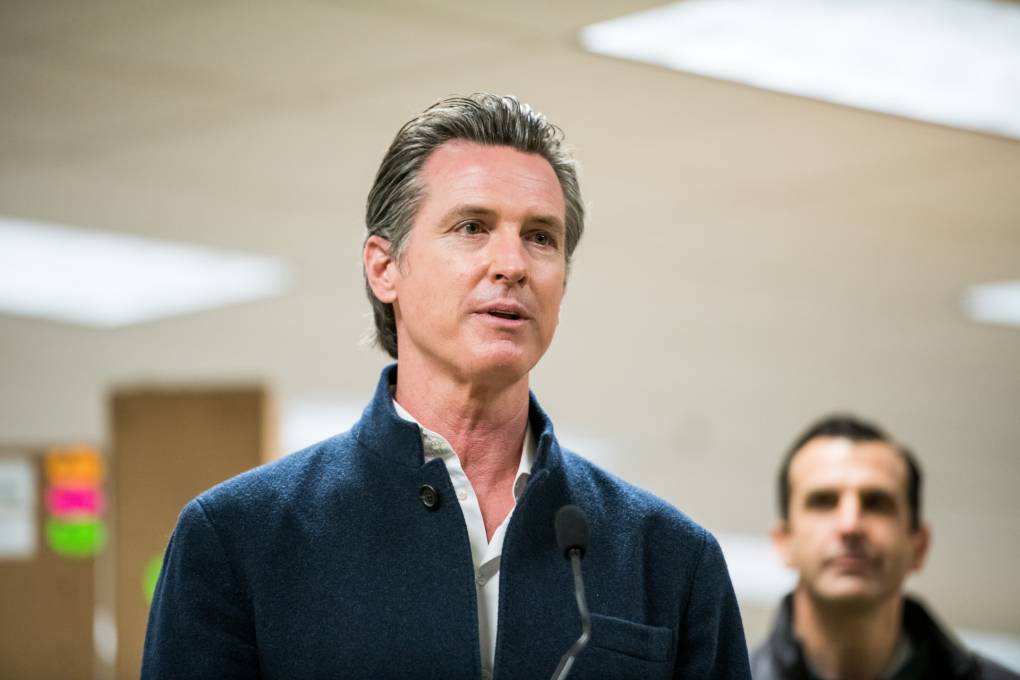
"caption": "Gov. Gavin Newsom (pictured in March) said California 'is poised for an economic recovery' as he unveiled his new state budget proposal Friday.",
"description": "Gov. Gavin Newsom (pictured in March) said California 'is poised for an economic recovery' as he unveiled his new state budget proposal Friday.",
"title": "RS42393_038_KQED_BethLaBerge_BloomEnergy_Newsom_03282020-qut",
"credit": "Beth LaBerge/KQED",
"status": "inherit",
"altTag": "Gov. Gavin Newsom photographed in March, 2020",
"isLoading": false,
"fetchFailed": false
},
"news_11853247": {
"type": "attachments",
"id": "news_11853247",
"meta": {
"index": "attachments_1716263798",
"site": "news",
"id": "11853247",
"found": true
},
"parent": 11853246,
"imgSizes": {
"apple_news_ca_landscape_5_5": {
"file": "https://ww2.kqed.org/app/uploads/sites/10/2020/12/GettyImages-1229643785-1044x783.jpg",
"width": 1044,
"mimeType": "image/jpeg",
"height": 783
},
"apple_news_ca_square_4_0": {
"file": "https://ww2.kqed.org/app/uploads/sites/10/2020/12/GettyImages-1229643785-470x470.jpg",
"width": 470,
"mimeType": "image/jpeg",
"height": 470
},
"twentyfourteen-full-width": {
"file": "https://ww2.kqed.org/app/uploads/sites/10/2020/12/GettyImages-1229643785-1038x576.jpg",
"width": 1038,
"mimeType": "image/jpeg",
"height": 576
},
"thumbnail": {
"file": "https://ww2.kqed.org/app/uploads/sites/10/2020/12/GettyImages-1229643785-160x99.jpg",
"width": 160,
"mimeType": "image/jpeg",
"height": 99
},
"post-thumbnail": {
"file": "https://ww2.kqed.org/app/uploads/sites/10/2020/12/GettyImages-1229643785-672x372.jpg",
"width": 672,
"mimeType": "image/jpeg",
"height": 372
},
"kqedFullSize": {
"file": "https://ww2.kqed.org/app/uploads/sites/10/2020/12/GettyImages-1229643785-scaled.jpg",
"width": 2560,
"height": 1579
},
"2048x2048": {
"file": "https://ww2.kqed.org/app/uploads/sites/10/2020/12/GettyImages-1229643785-2048x1263.jpg",
"width": 2048,
"mimeType": "image/jpeg",
"height": 1263
},
"apple_news_ca_landscape_4_7": {
"file": "https://ww2.kqed.org/app/uploads/sites/10/2020/12/GettyImages-1229643785-632x474.jpg",
"width": 632,
"mimeType": "image/jpeg",
"height": 474
},
"large": {
"file": "https://ww2.kqed.org/app/uploads/sites/10/2020/12/GettyImages-1229643785-1020x629.jpg",
"width": 1020,
"mimeType": "image/jpeg",
"height": 629
},
"apple_news_ca_landscape_4_0": {
"file": "https://ww2.kqed.org/app/uploads/sites/10/2020/12/GettyImages-1229643785-536x402.jpg",
"width": 536,
"mimeType": "image/jpeg",
"height": 402
},
"apple_news_ca_portrait_12_9": {
"file": "https://ww2.kqed.org/app/uploads/sites/10/2020/12/GettyImages-1229643785-1122x1496.jpg",
"width": 1122,
"mimeType": "image/jpeg",
"height": 1496
},
"medium": {
"file": "https://ww2.kqed.org/app/uploads/sites/10/2020/12/GettyImages-1229643785-800x494.jpg",
"width": 800,
"mimeType": "image/jpeg",
"height": 494
},
"apple_news_ca_portrait_4_0": {
"file": "https://ww2.kqed.org/app/uploads/sites/10/2020/12/GettyImages-1229643785-354x472.jpg",
"width": 354,
"mimeType": "image/jpeg",
"height": 472
},
"apple_news_ca_portrait_9_7": {
"file": "https://ww2.kqed.org/app/uploads/sites/10/2020/12/GettyImages-1229643785-840x1120.jpg",
"width": 840,
"mimeType": "image/jpeg",
"height": 1120
},
"apple_news_ca_landscape_12_9": {
"file": "https://ww2.kqed.org/app/uploads/sites/10/2020/12/GettyImages-1229643785-1832x1374.jpg",
"width": 1832,
"mimeType": "image/jpeg",
"height": 1374
},
"apple_news_ca_square_9_7": {
"file": "https://ww2.kqed.org/app/uploads/sites/10/2020/12/GettyImages-1229643785-1104x1104.jpg",
"width": 1104,
"mimeType": "image/jpeg",
"height": 1104
},
"1536x1536": {
"file": "https://ww2.kqed.org/app/uploads/sites/10/2020/12/GettyImages-1229643785-1536x948.jpg",
"width": 1536,
"mimeType": "image/jpeg",
"height": 948
},
"apple_news_ca_portrait_4_7": {
"file": "https://ww2.kqed.org/app/uploads/sites/10/2020/12/GettyImages-1229643785-414x552.jpg",
"width": 414,
"mimeType": "image/jpeg",
"height": 552
},
"apple_news_ca_square_12_9": {
"file": "https://ww2.kqed.org/app/uploads/sites/10/2020/12/GettyImages-1229643785-1472x1472.jpg",
"width": 1472,
"mimeType": "image/jpeg",
"height": 1472
},
"apple_news_ca_portrait_5_5": {
"file": "https://ww2.kqed.org/app/uploads/sites/10/2020/12/GettyImages-1229643785-687x916.jpg",
"width": 687,
"mimeType": "image/jpeg",
"height": 916
},
"full-width": {
"file": "https://ww2.kqed.org/app/uploads/sites/10/2020/12/GettyImages-1229643785-1920x1184.jpg",
"width": 1920,
"mimeType": "image/jpeg",
"height": 1184
},
"apple_news_ca_square_4_7": {
"file": "https://ww2.kqed.org/app/uploads/sites/10/2020/12/GettyImages-1229643785-550x550.jpg",
"width": 550,
"mimeType": "image/jpeg",
"height": 550
},
"apple_news_ca_landscape_9_7": {
"file": "https://ww2.kqed.org/app/uploads/sites/10/2020/12/GettyImages-1229643785-1376x1032.jpg",
"width": 1376,
"mimeType": "image/jpeg",
"height": 1032
},
"apple_news_ca_square_5_5": {
"file": "https://ww2.kqed.org/app/uploads/sites/10/2020/12/GettyImages-1229643785-912x912.jpg",
"width": 912,
"mimeType": "image/jpeg",
"height": 912
}
},
"publishDate": 1609360097,
"modified": 1609372187,
"caption": "First grade students prepare for class at St. Joseph Catholic School in La Puente, California on Nov. 16, 2020, where pre-kindergarten to second grade students in need of special services returned to the classroom for in-person instruction. ",
"description": null,
"title": "GettyImages-1229643785",
"credit": "Frederic J. Brown/AFP via Getty Images",
"status": "inherit",
"altTag": "First grade students prepare for class at St. Joseph Catholic School in La Puente, California on November 16, 2020, where pre-kindergarten to second grade students in need of special services returned to the classroom for in-person instruction.",
"isLoading": false,
"fetchFailed": false
},
"news_11813618": {
"type": "attachments",
"id": "news_11813618",
"meta": {
"index": "attachments_1716263798",
"site": "news",
"id": "11813618",
"found": true
},
"parent": 11813616,
"imgSizes": {
"apple_news_ca_landscape_5_5": {
"file": "https://ww2.kqed.org/app/uploads/sites/10/2020/04/KQED-Coronavirus-Updates-1-1044x628.jpg",
"width": 1044,
"mimeType": "image/jpeg",
"height": 628
},
"apple_news_ca_square_4_0": {
"file": "https://ww2.kqed.org/app/uploads/sites/10/2020/04/KQED-Coronavirus-Updates-1-470x470.jpg",
"width": 470,
"mimeType": "image/jpeg",
"height": 470
},
"twentyfourteen-full-width": {
"file": "https://ww2.kqed.org/app/uploads/sites/10/2020/04/KQED-Coronavirus-Updates-1-1038x576.jpg",
"width": 1038,
"mimeType": "image/jpeg",
"height": 576
},
"thumbnail": {
"file": "https://ww2.kqed.org/app/uploads/sites/10/2020/04/KQED-Coronavirus-Updates-1-160x84.jpg",
"width": 160,
"mimeType": "image/jpeg",
"height": 84
},
"post-thumbnail": {
"file": "https://ww2.kqed.org/app/uploads/sites/10/2020/04/KQED-Coronavirus-Updates-1-672x372.jpg",
"width": 672,
"mimeType": "image/jpeg",
"height": 372
},
"kqedFullSize": {
"file": "https://ww2.kqed.org/app/uploads/sites/10/2020/04/KQED-Coronavirus-Updates-1.jpg",
"width": 1200,
"height": 628
},
"apple_news_ca_landscape_4_7": {
"file": "https://ww2.kqed.org/app/uploads/sites/10/2020/04/KQED-Coronavirus-Updates-1-632x474.jpg",
"width": 632,
"mimeType": "image/jpeg",
"height": 474
},
"large": {
"file": "https://ww2.kqed.org/app/uploads/sites/10/2020/04/KQED-Coronavirus-Updates-1-1020x534.jpg",
"width": 1020,
"mimeType": "image/jpeg",
"height": 534
},
"apple_news_ca_landscape_4_0": {
"file": "https://ww2.kqed.org/app/uploads/sites/10/2020/04/KQED-Coronavirus-Updates-1-536x402.jpg",
"width": 536,
"mimeType": "image/jpeg",
"height": 402
},
"apple_news_ca_portrait_12_9": {
"file": "https://ww2.kqed.org/app/uploads/sites/10/2020/04/KQED-Coronavirus-Updates-1-1122x628.jpg",
"width": 1122,
"mimeType": "image/jpeg",
"height": 628
},
"medium": {
"file": "https://ww2.kqed.org/app/uploads/sites/10/2020/04/KQED-Coronavirus-Updates-1-800x419.jpg",
"width": 800,
"mimeType": "image/jpeg",
"height": 419
},
"apple_news_ca_portrait_4_0": {
"file": "https://ww2.kqed.org/app/uploads/sites/10/2020/04/KQED-Coronavirus-Updates-1-354x472.jpg",
"width": 354,
"mimeType": "image/jpeg",
"height": 472
},
"apple_news_ca_portrait_9_7": {
"file": "https://ww2.kqed.org/app/uploads/sites/10/2020/04/KQED-Coronavirus-Updates-1-840x628.jpg",
"width": 840,
"mimeType": "image/jpeg",
"height": 628
},
"apple_news_ca_square_9_7": {
"file": "https://ww2.kqed.org/app/uploads/sites/10/2020/04/KQED-Coronavirus-Updates-1-1104x628.jpg",
"width": 1104,
"mimeType": "image/jpeg",
"height": 628
},
"apple_news_ca_portrait_4_7": {
"file": "https://ww2.kqed.org/app/uploads/sites/10/2020/04/KQED-Coronavirus-Updates-1-414x552.jpg",
"width": 414,
"mimeType": "image/jpeg",
"height": 552
},
"apple_news_ca_portrait_5_5": {
"file": "https://ww2.kqed.org/app/uploads/sites/10/2020/04/KQED-Coronavirus-Updates-1-687x628.jpg",
"width": 687,
"mimeType": "image/jpeg",
"height": 628
},
"apple_news_ca_square_4_7": {
"file": "https://ww2.kqed.org/app/uploads/sites/10/2020/04/KQED-Coronavirus-Updates-1-550x550.jpg",
"width": 550,
"mimeType": "image/jpeg",
"height": 550
},
"apple_news_ca_square_5_5": {
"file": "https://ww2.kqed.org/app/uploads/sites/10/2020/04/KQED-Coronavirus-Updates-1-912x628.jpg",
"width": 912,
"mimeType": "image/jpeg",
"height": 628
}
},
"publishDate": 1587575003,
"modified": 1587575062,
"caption": "Coronavirus Live Updates logo.",
"description": null,
"title": "KQED-Coronavirus-Live-Updates",
"credit": null,
"status": "inherit",
"isLoading": false,
"fetchFailed": false
},
"news_11852571": {
"type": "attachments",
"id": "news_11852571",
"meta": {
"index": "attachments_1716263798",
"site": "news",
"id": "11852571",
"found": true
},
"parent": 11852522,
"imgSizes": {
"apple_news_ca_square_4_0": {
"file": "https://ww2.kqed.org/app/uploads/sites/10/2020/12/RS46477_abdoul-aziz-qut-470x470.jpg",
"width": 470,
"mimeType": "image/jpeg",
"height": 470
},
"thumbnail": {
"file": "https://ww2.kqed.org/app/uploads/sites/10/2020/12/RS46477_abdoul-aziz-qut-160x107.jpg",
"width": 160,
"mimeType": "image/jpeg",
"height": 107
},
"post-thumbnail": {
"file": "https://ww2.kqed.org/app/uploads/sites/10/2020/12/RS46477_abdoul-aziz-qut-672x372.jpg",
"width": 672,
"mimeType": "image/jpeg",
"height": 372
},
"kqedFullSize": {
"file": "https://ww2.kqed.org/app/uploads/sites/10/2020/12/RS46477_abdoul-aziz-qut.jpg",
"width": 800,
"height": 533
},
"apple_news_ca_landscape_4_7": {
"file": "https://ww2.kqed.org/app/uploads/sites/10/2020/12/RS46477_abdoul-aziz-qut-632x474.jpg",
"width": 632,
"mimeType": "image/jpeg",
"height": 474
},
"apple_news_ca_portrait_4_7": {
"file": "https://ww2.kqed.org/app/uploads/sites/10/2020/12/RS46477_abdoul-aziz-qut-414x533.jpg",
"width": 414,
"mimeType": "image/jpeg",
"height": 533
},
"apple_news_ca_portrait_5_5": {
"file": "https://ww2.kqed.org/app/uploads/sites/10/2020/12/RS46477_abdoul-aziz-qut-687x533.jpg",
"width": 687,
"mimeType": "image/jpeg",
"height": 533
},
"apple_news_ca_square_4_7": {
"file": "https://ww2.kqed.org/app/uploads/sites/10/2020/12/RS46477_abdoul-aziz-qut-550x533.jpg",
"width": 550,
"mimeType": "image/jpeg",
"height": 533
},
"apple_news_ca_landscape_4_0": {
"file": "https://ww2.kqed.org/app/uploads/sites/10/2020/12/RS46477_abdoul-aziz-qut-536x402.jpg",
"width": 536,
"mimeType": "image/jpeg",
"height": 402
},
"apple_news_ca_portrait_4_0": {
"file": "https://ww2.kqed.org/app/uploads/sites/10/2020/12/RS46477_abdoul-aziz-qut-354x472.jpg",
"width": 354,
"mimeType": "image/jpeg",
"height": 472
}
},
"publishDate": 1608742668,
"modified": 1609196784,
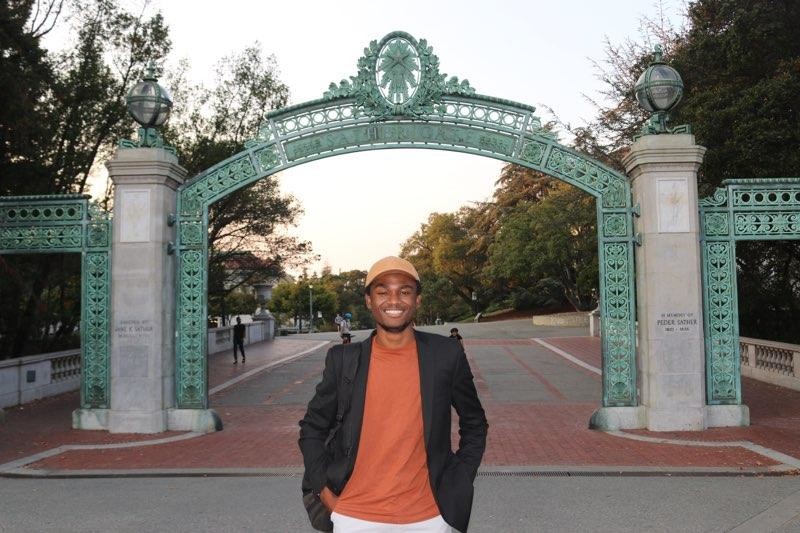
"caption": "UC Berkeley grad student Abdoul Aziz Sandotin Coulibaly, from the Ivory Coast, is stuck in Berkeley for the holidays.",
"description": "UC Berkeley graduate student Abdoul Aziz Sandotin Coulibaly, from the Ivory Coast, is stuck in Berkeley for the holidays.",
"title": "RS46477_abdoul aziz-qut",
"credit": "Courtesy Abdoul Aziz Sandotin Coulibaly",
"status": "inherit",
"altTag": "\"\"",
"isLoading": false,
"fetchFailed": false
},
"news_11852793": {
"type": "attachments",
"id": "news_11852793",
"meta": {
"index": "attachments_1716263798",
"site": "news",
"id": "11852793",
"found": true
},
"parent": 11852792,
"imgSizes": {
"apple_news_ca_landscape_5_5": {
"file": "https://ww2.kqed.org/app/uploads/sites/10/2020/12/1920_Hope-Program-Coordinator-copy-1044x783.jpg",
"width": 1044,
"mimeType": "image/jpeg",
"height": 783
},
"apple_news_ca_square_4_0": {
"file": "https://ww2.kqed.org/app/uploads/sites/10/2020/12/1920_Hope-Program-Coordinator-copy-470x470.jpg",
"width": 470,
"mimeType": "image/jpeg",
"height": 470
},
"twentyfourteen-full-width": {
"file": "https://ww2.kqed.org/app/uploads/sites/10/2020/12/1920_Hope-Program-Coordinator-copy-1038x576.jpg",
"width": 1038,
"mimeType": "image/jpeg",
"height": 576
},
"thumbnail": {
"file": "https://ww2.kqed.org/app/uploads/sites/10/2020/12/1920_Hope-Program-Coordinator-copy-160x90.jpg",
"width": 160,
"mimeType": "image/jpeg",
"height": 90
},
"post-thumbnail": {
"file": "https://ww2.kqed.org/app/uploads/sites/10/2020/12/1920_Hope-Program-Coordinator-copy-672x372.jpg",
"width": 672,
"mimeType": "image/jpeg",
"height": 372
},
"kqedFullSize": {
"file": "https://ww2.kqed.org/app/uploads/sites/10/2020/12/1920_Hope-Program-Coordinator-copy.jpg",
"width": 1596,
"height": 898
},
"apple_news_ca_landscape_4_7": {
"file": "https://ww2.kqed.org/app/uploads/sites/10/2020/12/1920_Hope-Program-Coordinator-copy-632x474.jpg",
"width": 632,
"mimeType": "image/jpeg",
"height": 474
},
"large": {
"file": "https://ww2.kqed.org/app/uploads/sites/10/2020/12/1920_Hope-Program-Coordinator-copy-1020x574.jpg",
"width": 1020,
"mimeType": "image/jpeg",
"height": 574
},
"apple_news_ca_landscape_4_0": {
"file": "https://ww2.kqed.org/app/uploads/sites/10/2020/12/1920_Hope-Program-Coordinator-copy-536x402.jpg",
"width": 536,
"mimeType": "image/jpeg",
"height": 402
},
"apple_news_ca_portrait_12_9": {
"file": "https://ww2.kqed.org/app/uploads/sites/10/2020/12/1920_Hope-Program-Coordinator-copy-1122x898.jpg",
"width": 1122,
"mimeType": "image/jpeg",
"height": 898
},
"medium": {
"file": "https://ww2.kqed.org/app/uploads/sites/10/2020/12/1920_Hope-Program-Coordinator-copy-800x450.jpg",
"width": 800,
"mimeType": "image/jpeg",
"height": 450
},
"apple_news_ca_portrait_4_0": {
"file": "https://ww2.kqed.org/app/uploads/sites/10/2020/12/1920_Hope-Program-Coordinator-copy-354x472.jpg",
"width": 354,
"mimeType": "image/jpeg",
"height": 472
},
"apple_news_ca_portrait_9_7": {
"file": "https://ww2.kqed.org/app/uploads/sites/10/2020/12/1920_Hope-Program-Coordinator-copy-840x898.jpg",
"width": 840,
"mimeType": "image/jpeg",
"height": 898
},
"apple_news_ca_square_9_7": {
"file": "https://ww2.kqed.org/app/uploads/sites/10/2020/12/1920_Hope-Program-Coordinator-copy-1104x898.jpg",
"width": 1104,
"mimeType": "image/jpeg",
"height": 898
},
"1536x1536": {
"file": "https://ww2.kqed.org/app/uploads/sites/10/2020/12/1920_Hope-Program-Coordinator-copy-1536x864.jpg",
"width": 1536,
"mimeType": "image/jpeg",
"height": 864
},
"apple_news_ca_portrait_4_7": {
"file": "https://ww2.kqed.org/app/uploads/sites/10/2020/12/1920_Hope-Program-Coordinator-copy-414x552.jpg",
"width": 414,
"mimeType": "image/jpeg",
"height": 552
},
"apple_news_ca_square_12_9": {
"file": "https://ww2.kqed.org/app/uploads/sites/10/2020/12/1920_Hope-Program-Coordinator-copy-1472x898.jpg",
"width": 1472,
"mimeType": "image/jpeg",
"height": 898
},
"apple_news_ca_portrait_5_5": {
"file": "https://ww2.kqed.org/app/uploads/sites/10/2020/12/1920_Hope-Program-Coordinator-copy-687x898.jpg",
"width": 687,
"mimeType": "image/jpeg",
"height": 898
},
"apple_news_ca_square_4_7": {
"file": "https://ww2.kqed.org/app/uploads/sites/10/2020/12/1920_Hope-Program-Coordinator-copy-550x550.jpg",
"width": 550,
"mimeType": "image/jpeg",
"height": 550
},
"apple_news_ca_landscape_9_7": {
"file": "https://ww2.kqed.org/app/uploads/sites/10/2020/12/1920_Hope-Program-Coordinator-copy-1376x898.jpg",
"width": 1376,
"mimeType": "image/jpeg",
"height": 898
},
"apple_news_ca_square_5_5": {
"file": "https://ww2.kqed.org/app/uploads/sites/10/2020/12/1920_Hope-Program-Coordinator-copy-912x898.jpg",
"width": 912,
"mimeType": "image/jpeg",
"height": 898
}
},
"publishDate": 1608835750,
"modified": 1608835925,
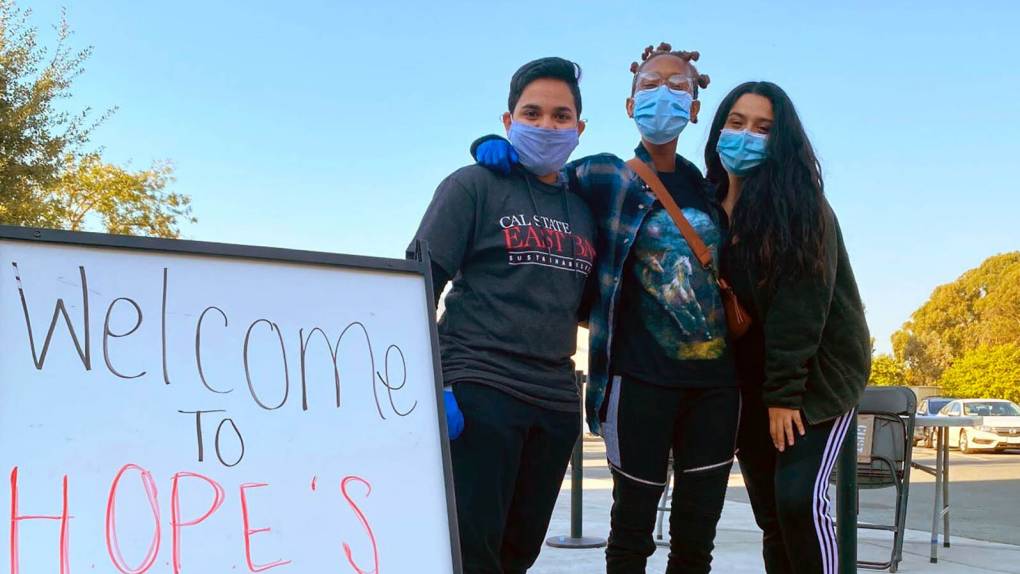
"caption": "Student workers at HOPE. (Left to right) Nikita Bangera, Lillian Mworia and Carrissa Chavez.",
"description": null,
"title": "1920_Hope-Program-Coordinator copy",
"credit": "Julia McEvoy/KQED",
"status": "inherit",
"altTag": null,
"isLoading": false,
"fetchFailed": false
},
"news_11851713": {
"type": "attachments",
"id": "news_11851713",
"meta": {
"index": "attachments_1716263798",
"site": "news",
"id": "11851713",
"found": true
},
"parent": 11851660,
"imgSizes": {
"apple_news_ca_landscape_5_5": {
"file": "https://ww2.kqed.org/app/uploads/sites/10/2020/12/greetingsfrom_featured001-1044x783.png",
"width": 1044,
"mimeType": "image/png",
"height": 783
},
"apple_news_ca_square_4_0": {
"file": "https://ww2.kqed.org/app/uploads/sites/10/2020/12/greetingsfrom_featured001-470x470.png",
"width": 470,
"mimeType": "image/png",
"height": 470
},
"twentyfourteen-full-width": {
"file": "https://ww2.kqed.org/app/uploads/sites/10/2020/12/greetingsfrom_featured001-1038x576.png",
"width": 1038,
"mimeType": "image/png",
"height": 576
},
"thumbnail": {
"file": "https://ww2.kqed.org/app/uploads/sites/10/2020/12/greetingsfrom_featured001-160x85.png",
"width": 160,
"mimeType": "image/png",
"height": 85
},
"post-thumbnail": {
"file": "https://ww2.kqed.org/app/uploads/sites/10/2020/12/greetingsfrom_featured001-672x372.png",
"width": 672,
"mimeType": "image/png",
"height": 372
},
"kqedFullSize": {
"file": "https://ww2.kqed.org/app/uploads/sites/10/2020/12/greetingsfrom_featured001.png",
"width": 1920,
"height": 1023
},
"apple_news_ca_landscape_4_7": {
"file": "https://ww2.kqed.org/app/uploads/sites/10/2020/12/greetingsfrom_featured001-632x474.png",
"width": 632,
"mimeType": "image/png",
"height": 474
},
"large": {
"file": "https://ww2.kqed.org/app/uploads/sites/10/2020/12/greetingsfrom_featured001-1020x543.png",
"width": 1020,
"mimeType": "image/png",
"height": 543
},
"apple_news_ca_landscape_4_0": {
"file": "https://ww2.kqed.org/app/uploads/sites/10/2020/12/greetingsfrom_featured001-536x402.png",
"width": 536,
"mimeType": "image/png",
"height": 402
},
"apple_news_ca_portrait_12_9": {
"file": "https://ww2.kqed.org/app/uploads/sites/10/2020/12/greetingsfrom_featured001-1122x1023.png",
"width": 1122,
"mimeType": "image/png",
"height": 1023
},
"medium": {
"file": "https://ww2.kqed.org/app/uploads/sites/10/2020/12/greetingsfrom_featured001-800x426.png",
"width": 800,
"mimeType": "image/png",
"height": 426
},
"apple_news_ca_portrait_4_0": {
"file": "https://ww2.kqed.org/app/uploads/sites/10/2020/12/greetingsfrom_featured001-354x472.png",
"width": 354,
"mimeType": "image/png",
"height": 472
},
"apple_news_ca_portrait_9_7": {
"file": "https://ww2.kqed.org/app/uploads/sites/10/2020/12/greetingsfrom_featured001-840x1023.png",
"width": 840,
"mimeType": "image/png",
"height": 1023
},
"apple_news_ca_landscape_12_9": {
"file": "https://ww2.kqed.org/app/uploads/sites/10/2020/12/greetingsfrom_featured001-1832x1023.png",
"width": 1832,
"mimeType": "image/png",
"height": 1023
},
"apple_news_ca_square_9_7": {
"file": "https://ww2.kqed.org/app/uploads/sites/10/2020/12/greetingsfrom_featured001-1104x1023.png",
"width": 1104,
"mimeType": "image/png",
"height": 1023
},
"1536x1536": {
"file": "https://ww2.kqed.org/app/uploads/sites/10/2020/12/greetingsfrom_featured001-1536x818.png",
"width": 1536,
"mimeType": "image/png",
"height": 818
},
"apple_news_ca_portrait_4_7": {
"file": "https://ww2.kqed.org/app/uploads/sites/10/2020/12/greetingsfrom_featured001-414x552.png",
"width": 414,
"mimeType": "image/png",
"height": 552
},
"apple_news_ca_square_12_9": {
"file": "https://ww2.kqed.org/app/uploads/sites/10/2020/12/greetingsfrom_featured001-1472x1023.png",
"width": 1472,
"mimeType": "image/png",
"height": 1023
},
"apple_news_ca_portrait_5_5": {
"file": "https://ww2.kqed.org/app/uploads/sites/10/2020/12/greetingsfrom_featured001-687x916.png",
"width": 687,
"mimeType": "image/png",
"height": 916
},
"apple_news_ca_square_4_7": {
"file": "https://ww2.kqed.org/app/uploads/sites/10/2020/12/greetingsfrom_featured001-550x550.png",
"width": 550,
"mimeType": "image/png",
"height": 550
},
"apple_news_ca_landscape_9_7": {
"file": "https://ww2.kqed.org/app/uploads/sites/10/2020/12/greetingsfrom_featured001-1376x1023.png",
"width": 1376,
"mimeType": "image/png",
"height": 1023
},
"apple_news_ca_square_5_5": {
"file": "https://ww2.kqed.org/app/uploads/sites/10/2020/12/greetingsfrom_featured001-912x912.png",
"width": 912,
"mimeType": "image/png",
"height": 912
}
},
"publishDate": 1608246991,
"modified": 1608247031,
"caption": null,
"description": null,
"title": "greetingsfrom_featured001",
"credit": null,
"status": "inherit",
"altTag": "Year in Cartoons featured image \"Greetings from Home\" by Mark Fiore",
"isLoading": false,
"fetchFailed": false
},
"news_11852166": {
"type": "attachments",
"id": "news_11852166",
"meta": {
"index": "attachments_1716263798",
"site": "news",
"id": "11852166",
"found": true
},
"parent": 11852147,
"imgSizes": {
"apple_news_ca_landscape_5_5": {
"file": "https://ww2.kqed.org/app/uploads/sites/10/2020/12/Umoja-8-1044x783.jpg",
"width": 1044,
"mimeType": "image/jpeg",
"height": 783
},
"apple_news_ca_square_4_0": {
"file": "https://ww2.kqed.org/app/uploads/sites/10/2020/12/Umoja-8-470x470.jpg",
"width": 470,
"mimeType": "image/jpeg",
"height": 470
},
"twentyfourteen-full-width": {
"file": "https://ww2.kqed.org/app/uploads/sites/10/2020/12/Umoja-8-1038x576.jpg",
"width": 1038,
"mimeType": "image/jpeg",
"height": 576
},
"thumbnail": {
"file": "https://ww2.kqed.org/app/uploads/sites/10/2020/12/Umoja-8-160x107.jpg",
"width": 160,
"mimeType": "image/jpeg",
"height": 107
},
"post-thumbnail": {
"file": "https://ww2.kqed.org/app/uploads/sites/10/2020/12/Umoja-8-672x372.jpg",
"width": 672,
"mimeType": "image/jpeg",
"height": 372
},
"kqedFullSize": {
"file": "https://ww2.kqed.org/app/uploads/sites/10/2020/12/Umoja-8.jpg",
"width": 1920,
"height": 1280
},
"apple_news_ca_landscape_4_7": {
"file": "https://ww2.kqed.org/app/uploads/sites/10/2020/12/Umoja-8-632x474.jpg",
"width": 632,
"mimeType": "image/jpeg",
"height": 474
},
"large": {
"file": "https://ww2.kqed.org/app/uploads/sites/10/2020/12/Umoja-8-1020x680.jpg",
"width": 1020,
"mimeType": "image/jpeg",
"height": 680
},
"apple_news_ca_landscape_4_0": {
"file": "https://ww2.kqed.org/app/uploads/sites/10/2020/12/Umoja-8-536x402.jpg",
"width": 536,
"mimeType": "image/jpeg",
"height": 402
},
"apple_news_ca_portrait_12_9": {
"file": "https://ww2.kqed.org/app/uploads/sites/10/2020/12/Umoja-8-1122x1280.jpg",
"width": 1122,
"mimeType": "image/jpeg",
"height": 1280
},
"medium": {
"file": "https://ww2.kqed.org/app/uploads/sites/10/2020/12/Umoja-8-800x533.jpg",
"width": 800,
"mimeType": "image/jpeg",
"height": 533
},
"apple_news_ca_portrait_4_0": {
"file": "https://ww2.kqed.org/app/uploads/sites/10/2020/12/Umoja-8-354x472.jpg",
"width": 354,
"mimeType": "image/jpeg",
"height": 472
},
"apple_news_ca_portrait_9_7": {
"file": "https://ww2.kqed.org/app/uploads/sites/10/2020/12/Umoja-8-840x1120.jpg",
"width": 840,
"mimeType": "image/jpeg",
"height": 1120
},
"apple_news_ca_landscape_12_9": {
"file": "https://ww2.kqed.org/app/uploads/sites/10/2020/12/Umoja-8-1832x1280.jpg",
"width": 1832,
"mimeType": "image/jpeg",
"height": 1280
},
"apple_news_ca_square_9_7": {
"file": "https://ww2.kqed.org/app/uploads/sites/10/2020/12/Umoja-8-1104x1104.jpg",
"width": 1104,
"mimeType": "image/jpeg",
"height": 1104
},
"1536x1536": {
"file": "https://ww2.kqed.org/app/uploads/sites/10/2020/12/Umoja-8-1536x1024.jpg",
"width": 1536,
"mimeType": "image/jpeg",
"height": 1024
},
"apple_news_ca_portrait_4_7": {
"file": "https://ww2.kqed.org/app/uploads/sites/10/2020/12/Umoja-8-414x552.jpg",
"width": 414,
"mimeType": "image/jpeg",
"height": 552
},
"apple_news_ca_square_12_9": {
"file": "https://ww2.kqed.org/app/uploads/sites/10/2020/12/Umoja-8-1472x1280.jpg",
"width": 1472,
"mimeType": "image/jpeg",
"height": 1280
},
"apple_news_ca_portrait_5_5": {
"file": "https://ww2.kqed.org/app/uploads/sites/10/2020/12/Umoja-8-687x916.jpg",
"width": 687,
"mimeType": "image/jpeg",
"height": 916
},
"apple_news_ca_square_4_7": {
"file": "https://ww2.kqed.org/app/uploads/sites/10/2020/12/Umoja-8-550x550.jpg",
"width": 550,
"mimeType": "image/jpeg",
"height": 550
},
"apple_news_ca_landscape_9_7": {
"file": "https://ww2.kqed.org/app/uploads/sites/10/2020/12/Umoja-8-1376x1032.jpg",
"width": 1376,
"mimeType": "image/jpeg",
"height": 1032
},
"apple_news_ca_square_5_5": {
"file": "https://ww2.kqed.org/app/uploads/sites/10/2020/12/Umoja-8-912x912.jpg",
"width": 912,
"mimeType": "image/jpeg",
"height": 912
}
},
"publishDate": 1608494642,
"modified": 1608575024,
"caption": "Dr. Kim Rhoads is an epidemiologist and biostatistician at UCSF. She helped start a group called Umoja with a mission to get more African Americans to get tested for the coronavirus as well as to present a more accurate picture of positivity rates in the Black population. Rhoads is pictured wearing an Umoja T-shirt at the COVID-19 pop-up testing sites hosted by Acts Full Gospel Church in East Oakland on Oct. 31, 2020.",
"description": "Dr. Kim Rhoads is an epidemiologist and bio-statistician at UCSF. She helped start a group called Umoja with a mission to get more African Americans to get tested for the coronavirus as well as to present a more accurate picture of positivity rates in the Black population. Rhoads is pictured wearing an Umoja t-shirt at the COVID-19 pop-up testing sites hosted by Acts Full Gospel Church in East Oakland on Oct. 31, 2020.",
"title": "Umoja 8",
"credit": "Beth LaBerge/KQED",
"status": "inherit",
"altTag": "Dr. Kim Rhoads is an epidemiologist and bio-statistician at UCSF. She helped start a group called Umoja with a mission to get more African Americans to get tested for the coronavirus as well as to present a more accurate picture of positivity rates in the Black population. Rhoads is pictured wearing an Umoja t-shirt at the COVID-19 pop-up testing sites hosted by Acts Full Gospel Church in East Oakland on Oct. 31, 2020.",
"isLoading": false,
"fetchFailed": false
},
"news_11852034": {
"type": "attachments",
"id": "news_11852034",
"meta": {
"index": "attachments_1716263798",
"site": "news",
"id": "11852034",
"found": true
},
"parent": 11851837,
"imgSizes": {
"apple_news_ca_landscape_5_5": {
"file": "https://ww2.kqed.org/app/uploads/sites/10/2020/12/RS46436_Beth-Wilmurt2-qut-1044x783.jpg",
"width": 1044,
"mimeType": "image/jpeg",
"height": 783
},
"apple_news_ca_square_4_0": {
"file": "https://ww2.kqed.org/app/uploads/sites/10/2020/12/RS46436_Beth-Wilmurt2-qut-470x470.jpg",
"width": 470,
"mimeType": "image/jpeg",
"height": 470
},
"twentyfourteen-full-width": {
"file": "https://ww2.kqed.org/app/uploads/sites/10/2020/12/RS46436_Beth-Wilmurt2-qut-1038x576.jpg",
"width": 1038,
"mimeType": "image/jpeg",
"height": 576
},
"thumbnail": {
"file": "https://ww2.kqed.org/app/uploads/sites/10/2020/12/RS46436_Beth-Wilmurt2-qut-160x120.jpg",
"width": 160,
"mimeType": "image/jpeg",
"height": 120
},
"post-thumbnail": {
"file": "https://ww2.kqed.org/app/uploads/sites/10/2020/12/RS46436_Beth-Wilmurt2-qut-672x372.jpg",
"width": 672,
"mimeType": "image/jpeg",
"height": 372
},
"kqedFullSize": {
"file": "https://ww2.kqed.org/app/uploads/sites/10/2020/12/RS46436_Beth-Wilmurt2-qut.jpg",
"width": 1920,
"height": 1440
},
"apple_news_ca_landscape_4_7": {
"file": "https://ww2.kqed.org/app/uploads/sites/10/2020/12/RS46436_Beth-Wilmurt2-qut-632x474.jpg",
"width": 632,
"mimeType": "image/jpeg",
"height": 474
},
"large": {
"file": "https://ww2.kqed.org/app/uploads/sites/10/2020/12/RS46436_Beth-Wilmurt2-qut-1020x765.jpg",
"width": 1020,
"mimeType": "image/jpeg",
"height": 765
},
"apple_news_ca_landscape_4_0": {
"file": "https://ww2.kqed.org/app/uploads/sites/10/2020/12/RS46436_Beth-Wilmurt2-qut-536x402.jpg",
"width": 536,
"mimeType": "image/jpeg",
"height": 402
},
"apple_news_ca_portrait_12_9": {
"file": "https://ww2.kqed.org/app/uploads/sites/10/2020/12/RS46436_Beth-Wilmurt2-qut-1122x1440.jpg",
"width": 1122,
"mimeType": "image/jpeg",
"height": 1440
},
"medium": {
"file": "https://ww2.kqed.org/app/uploads/sites/10/2020/12/RS46436_Beth-Wilmurt2-qut-800x600.jpg",
"width": 800,
"mimeType": "image/jpeg",
"height": 600
},
"apple_news_ca_portrait_4_0": {
"file": "https://ww2.kqed.org/app/uploads/sites/10/2020/12/RS46436_Beth-Wilmurt2-qut-354x472.jpg",
"width": 354,
"mimeType": "image/jpeg",
"height": 472
},
"apple_news_ca_portrait_9_7": {
"file": "https://ww2.kqed.org/app/uploads/sites/10/2020/12/RS46436_Beth-Wilmurt2-qut-840x1120.jpg",
"width": 840,
"mimeType": "image/jpeg",
"height": 1120
},
"apple_news_ca_landscape_12_9": {
"file": "https://ww2.kqed.org/app/uploads/sites/10/2020/12/RS46436_Beth-Wilmurt2-qut-1832x1374.jpg",
"width": 1832,
"mimeType": "image/jpeg",
"height": 1374
},
"apple_news_ca_square_9_7": {
"file": "https://ww2.kqed.org/app/uploads/sites/10/2020/12/RS46436_Beth-Wilmurt2-qut-1104x1104.jpg",
"width": 1104,
"mimeType": "image/jpeg",
"height": 1104
},
"1536x1536": {
"file": "https://ww2.kqed.org/app/uploads/sites/10/2020/12/RS46436_Beth-Wilmurt2-qut-1536x1152.jpg",
"width": 1536,
"mimeType": "image/jpeg",
"height": 1152
},
"apple_news_ca_portrait_4_7": {
"file": "https://ww2.kqed.org/app/uploads/sites/10/2020/12/RS46436_Beth-Wilmurt2-qut-414x552.jpg",
"width": 414,
"mimeType": "image/jpeg",
"height": 552
},
"apple_news_ca_square_12_9": {
"file": "https://ww2.kqed.org/app/uploads/sites/10/2020/12/RS46436_Beth-Wilmurt2-qut-1472x1440.jpg",
"width": 1472,
"mimeType": "image/jpeg",
"height": 1440
},
"apple_news_ca_portrait_5_5": {
"file": "https://ww2.kqed.org/app/uploads/sites/10/2020/12/RS46436_Beth-Wilmurt2-qut-687x916.jpg",
"width": 687,
"mimeType": "image/jpeg",
"height": 916
},
"apple_news_ca_square_4_7": {
"file": "https://ww2.kqed.org/app/uploads/sites/10/2020/12/RS46436_Beth-Wilmurt2-qut-550x550.jpg",
"width": 550,
"mimeType": "image/jpeg",
"height": 550
},
"apple_news_ca_landscape_9_7": {
"file": "https://ww2.kqed.org/app/uploads/sites/10/2020/12/RS46436_Beth-Wilmurt2-qut-1376x1032.jpg",
"width": 1376,
"mimeType": "image/jpeg",
"height": 1032
},
"apple_news_ca_square_5_5": {
"file": "https://ww2.kqed.org/app/uploads/sites/10/2020/12/RS46436_Beth-Wilmurt2-qut-912x912.jpg",
"width": 912,
"mimeType": "image/jpeg",
"height": 912
}
},
"publishDate": 1608333907,
"modified": 1608339547,
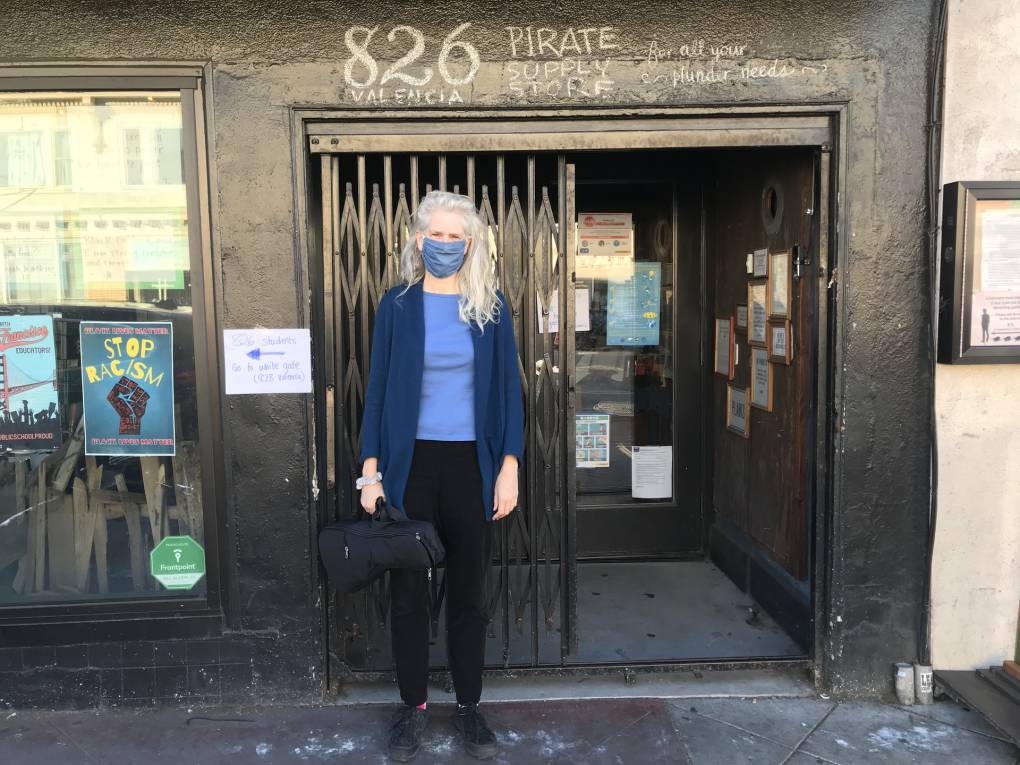
"caption": "Music teacher Beth Wilmurt stands outside 826 Valencia where she teaches percussion twice a week to nine children as part of San Francisco's Learning Hubs program.",
"description": "Music teacher Beth Wilmurt stands outside 826 Valencia where she teaches percussion twice a week to nine children as part of San Francisco's Learning Hubs program.",
"title": "RS46436_Beth Wilmurt2-qut",
"credit": "Lisa Bautista",
"status": "inherit",
"altTag": "\"\"",
"isLoading": false,
"fetchFailed": false
},
"news_11851370": {
"type": "attachments",
"id": "news_11851370",
"meta": {
"index": "attachments_1716263798",
"site": "news",
"id": "11851370",
"found": true
},
"parent": 11851365,
"imgSizes": {
"apple_news_ca_landscape_5_5": {
"file": "https://ww2.kqed.org/app/uploads/sites/10/2020/12/RS46403_007_KQED_Hayward_Daycare_12152020-qut-1044x783.jpg",
"width": 1044,
"mimeType": "image/jpeg",
"height": 783
},
"apple_news_ca_square_4_0": {
"file": "https://ww2.kqed.org/app/uploads/sites/10/2020/12/RS46403_007_KQED_Hayward_Daycare_12152020-qut-470x470.jpg",
"width": 470,
"mimeType": "image/jpeg",
"height": 470
},
"twentyfourteen-full-width": {
"file": "https://ww2.kqed.org/app/uploads/sites/10/2020/12/RS46403_007_KQED_Hayward_Daycare_12152020-qut-1038x576.jpg",
"width": 1038,
"mimeType": "image/jpeg",
"height": 576
},
"thumbnail": {
"file": "https://ww2.kqed.org/app/uploads/sites/10/2020/12/RS46403_007_KQED_Hayward_Daycare_12152020-qut-160x107.jpg",
"width": 160,
"mimeType": "image/jpeg",
"height": 107
},
"post-thumbnail": {
"file": "https://ww2.kqed.org/app/uploads/sites/10/2020/12/RS46403_007_KQED_Hayward_Daycare_12152020-qut-672x372.jpg",
"width": 672,
"mimeType": "image/jpeg",
"height": 372
},
"kqedFullSize": {
"file": "https://ww2.kqed.org/app/uploads/sites/10/2020/12/RS46403_007_KQED_Hayward_Daycare_12152020-qut.jpg",
"width": 1920,
"height": 1280
},
"apple_news_ca_landscape_4_7": {
"file": "https://ww2.kqed.org/app/uploads/sites/10/2020/12/RS46403_007_KQED_Hayward_Daycare_12152020-qut-632x474.jpg",
"width": 632,
"mimeType": "image/jpeg",
"height": 474
},
"large": {
"file": "https://ww2.kqed.org/app/uploads/sites/10/2020/12/RS46403_007_KQED_Hayward_Daycare_12152020-qut-1020x680.jpg",
"width": 1020,
"mimeType": "image/jpeg",
"height": 680
},
"apple_news_ca_landscape_4_0": {
"file": "https://ww2.kqed.org/app/uploads/sites/10/2020/12/RS46403_007_KQED_Hayward_Daycare_12152020-qut-536x402.jpg",
"width": 536,
"mimeType": "image/jpeg",
"height": 402
},
"apple_news_ca_portrait_12_9": {
"file": "https://ww2.kqed.org/app/uploads/sites/10/2020/12/RS46403_007_KQED_Hayward_Daycare_12152020-qut-1122x1280.jpg",
"width": 1122,
"mimeType": "image/jpeg",
"height": 1280
},
"medium": {
"file": "https://ww2.kqed.org/app/uploads/sites/10/2020/12/RS46403_007_KQED_Hayward_Daycare_12152020-qut-800x533.jpg",
"width": 800,
"mimeType": "image/jpeg",
"height": 533
},
"apple_news_ca_portrait_4_0": {
"file": "https://ww2.kqed.org/app/uploads/sites/10/2020/12/RS46403_007_KQED_Hayward_Daycare_12152020-qut-354x472.jpg",
"width": 354,
"mimeType": "image/jpeg",
"height": 472
},
"apple_news_ca_portrait_9_7": {
"file": "https://ww2.kqed.org/app/uploads/sites/10/2020/12/RS46403_007_KQED_Hayward_Daycare_12152020-qut-840x1120.jpg",
"width": 840,
"mimeType": "image/jpeg",
"height": 1120
},
"apple_news_ca_landscape_12_9": {
"file": "https://ww2.kqed.org/app/uploads/sites/10/2020/12/RS46403_007_KQED_Hayward_Daycare_12152020-qut-1832x1280.jpg",
"width": 1832,
"mimeType": "image/jpeg",
"height": 1280
},
"apple_news_ca_square_9_7": {
"file": "https://ww2.kqed.org/app/uploads/sites/10/2020/12/RS46403_007_KQED_Hayward_Daycare_12152020-qut-1104x1104.jpg",
"width": 1104,
"mimeType": "image/jpeg",
"height": 1104
},
"1536x1536": {
"file": "https://ww2.kqed.org/app/uploads/sites/10/2020/12/RS46403_007_KQED_Hayward_Daycare_12152020-qut-1536x1024.jpg",
"width": 1536,
"mimeType": "image/jpeg",
"height": 1024
},
"apple_news_ca_portrait_4_7": {
"file": "https://ww2.kqed.org/app/uploads/sites/10/2020/12/RS46403_007_KQED_Hayward_Daycare_12152020-qut-414x552.jpg",
"width": 414,
"mimeType": "image/jpeg",
"height": 552
},
"apple_news_ca_square_12_9": {
"file": "https://ww2.kqed.org/app/uploads/sites/10/2020/12/RS46403_007_KQED_Hayward_Daycare_12152020-qut-1472x1280.jpg",
"width": 1472,
"mimeType": "image/jpeg",
"height": 1280
},
"apple_news_ca_portrait_5_5": {
"file": "https://ww2.kqed.org/app/uploads/sites/10/2020/12/RS46403_007_KQED_Hayward_Daycare_12152020-qut-687x916.jpg",
"width": 687,
"mimeType": "image/jpeg",
"height": 916
},
"apple_news_ca_square_4_7": {
"file": "https://ww2.kqed.org/app/uploads/sites/10/2020/12/RS46403_007_KQED_Hayward_Daycare_12152020-qut-550x550.jpg",
"width": 550,
"mimeType": "image/jpeg",
"height": 550
},
"apple_news_ca_landscape_9_7": {
"file": "https://ww2.kqed.org/app/uploads/sites/10/2020/12/RS46403_007_KQED_Hayward_Daycare_12152020-qut-1376x1032.jpg",
"width": 1376,
"mimeType": "image/jpeg",
"height": 1032
},
"apple_news_ca_square_5_5": {
"file": "https://ww2.kqed.org/app/uploads/sites/10/2020/12/RS46403_007_KQED_Hayward_Daycare_12152020-qut-912x912.jpg",
"width": 912,
"mimeType": "image/jpeg",
"height": 912
}
},
"publishDate": 1608147317,
"modified": 1608320818,
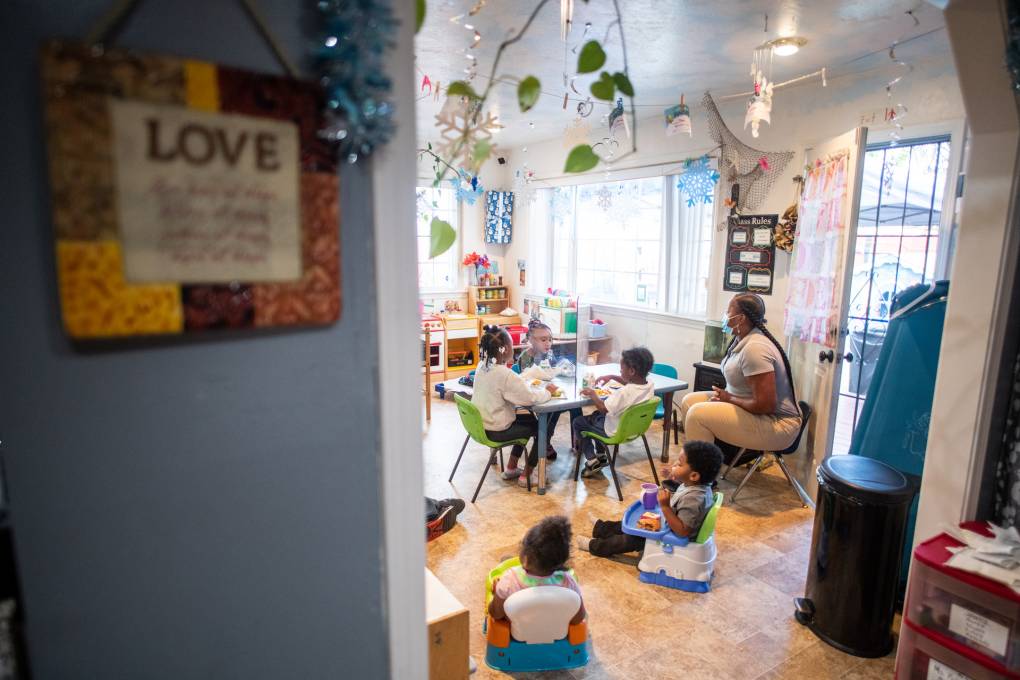
"caption": "Katina Richardson sits with the children in the day care that she runs in Hayward on Dec. 15, 2020.",
"description": "Katina Richardson sits with the children in the daycare that she runs in Hayward on Dec. 15, 2020.",
"title": "RS46403_007_KQED_Hayward_Daycare_12152020-qut",
"credit": "Beth LaBerge/KQED",
"status": "inherit",
"altTag": null,
"isLoading": false,
"fetchFailed": false
},
"news_11851237": {
"type": "attachments",
"id": "news_11851237",
"meta": {
"index": "attachments_1716263798",
"site": "news",
"id": "11851237",
"found": true
},
"parent": 11851182,
"imgSizes": {
"apple_news_ca_square_4_0": {
"file": "https://ww2.kqed.org/app/uploads/sites/10/2020/12/inmates-BA-program.041-1038x576-1-470x470.jpg",
"width": 470,
"mimeType": "image/jpeg",
"height": 470
},
"thumbnail": {
"file": "https://ww2.kqed.org/app/uploads/sites/10/2020/12/inmates-BA-program.041-1038x576-1-160x89.jpg",
"width": 160,
"mimeType": "image/jpeg",
"height": 89
},
"post-thumbnail": {
"file": "https://ww2.kqed.org/app/uploads/sites/10/2020/12/inmates-BA-program.041-1038x576-1-672x372.jpg",
"width": 672,
"mimeType": "image/jpeg",
"height": 372
},
"kqedFullSize": {
"file": "https://ww2.kqed.org/app/uploads/sites/10/2020/12/inmates-BA-program.041-1038x576-1.jpg",
"width": 1038,
"height": 576
},
"apple_news_ca_landscape_4_7": {
"file": "https://ww2.kqed.org/app/uploads/sites/10/2020/12/inmates-BA-program.041-1038x576-1-632x474.jpg",
"width": 632,
"mimeType": "image/jpeg",
"height": 474
},
"large": {
"file": "https://ww2.kqed.org/app/uploads/sites/10/2020/12/inmates-BA-program.041-1038x576-1-1020x566.jpg",
"width": 1020,
"mimeType": "image/jpeg",
"height": 566
},
"apple_news_ca_landscape_4_0": {
"file": "https://ww2.kqed.org/app/uploads/sites/10/2020/12/inmates-BA-program.041-1038x576-1-536x402.jpg",
"width": 536,
"mimeType": "image/jpeg",
"height": 402
},
"medium": {
"file": "https://ww2.kqed.org/app/uploads/sites/10/2020/12/inmates-BA-program.041-1038x576-1-800x444.jpg",
"width": 800,
"mimeType": "image/jpeg",
"height": 444
},
"apple_news_ca_portrait_4_0": {
"file": "https://ww2.kqed.org/app/uploads/sites/10/2020/12/inmates-BA-program.041-1038x576-1-354x472.jpg",
"width": 354,
"mimeType": "image/jpeg",
"height": 472
},
"apple_news_ca_portrait_9_7": {
"file": "https://ww2.kqed.org/app/uploads/sites/10/2020/12/inmates-BA-program.041-1038x576-1-840x576.jpg",
"width": 840,
"mimeType": "image/jpeg",
"height": 576
},
"apple_news_ca_portrait_4_7": {
"file": "https://ww2.kqed.org/app/uploads/sites/10/2020/12/inmates-BA-program.041-1038x576-1-414x552.jpg",
"width": 414,
"mimeType": "image/jpeg",
"height": 552
},
"apple_news_ca_portrait_5_5": {
"file": "https://ww2.kqed.org/app/uploads/sites/10/2020/12/inmates-BA-program.041-1038x576-1-687x576.jpg",
"width": 687,
"mimeType": "image/jpeg",
"height": 576
},
"apple_news_ca_square_4_7": {
"file": "https://ww2.kqed.org/app/uploads/sites/10/2020/12/inmates-BA-program.041-1038x576-1-550x550.jpg",
"width": 550,
"mimeType": "image/jpeg",
"height": 550
},
"apple_news_ca_square_5_5": {
"file": "https://ww2.kqed.org/app/uploads/sites/10/2020/12/inmates-BA-program.041-1038x576-1-912x576.jpg",
"width": 912,
"mimeType": "image/jpeg",
"height": 576
}
},
"publishDate": 1608074090,
"modified": 1608074127,
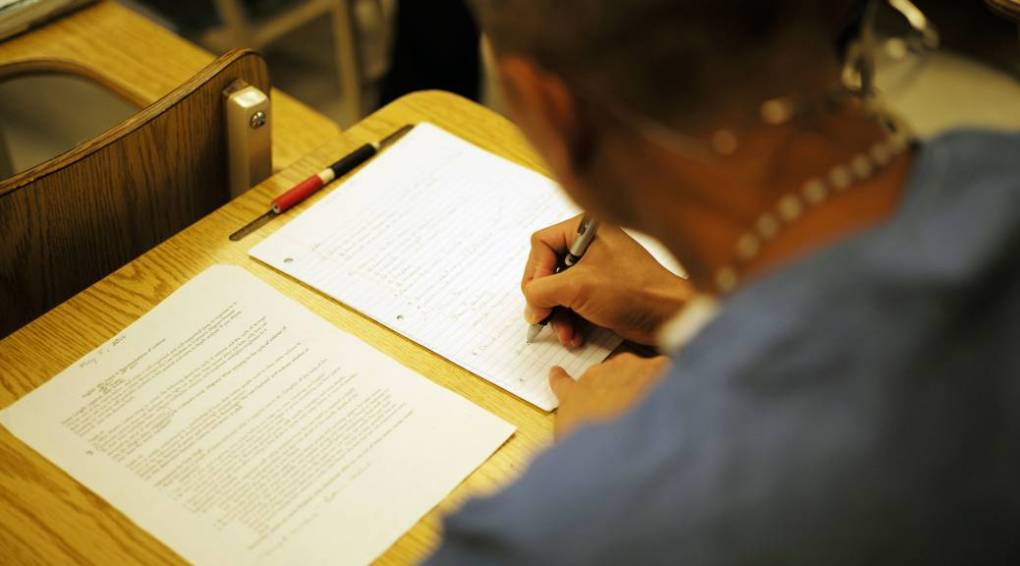
"caption": "An incarcerated student in Lancaster takes notes during class. He's in a bachelor's degree program run by California State University, Los Angeles — currently the only program of its kind in the state until UC Irvine's program is launched.",
"description": "An incarcerated student in Lancaster takes notes during class. He's in a bachelor's degree program run by California State University, Los Angeles — currently the only program of its kind in the state until UC Irvine's program is launched.",
"title": "inmates-BA-program.041-1038x576",
"credit": "J. Emilio Flores/Cal State LA",
"status": "inherit",
"altTag": "\"\"",
"isLoading": false,
"fetchFailed": false
},
"news_11838300": {
"type": "attachments",
"id": "news_11838300",
"meta": {
"index": "attachments_1716263798",
"site": "news",
"id": "11838300",
"found": true
},
"parent": 11838205,
"imgSizes": {
"apple_news_ca_landscape_5_5": {
"file": "https://ww2.kqed.org/app/uploads/sites/10/2020/09/Berkeley-1-1044x783.png",
"width": 1044,
"mimeType": "image/png",
"height": 783
},
"apple_news_ca_square_4_0": {
"file": "https://ww2.kqed.org/app/uploads/sites/10/2020/09/Berkeley-1-470x470.png",
"width": 470,
"mimeType": "image/png",
"height": 470
},
"twentyfourteen-full-width": {
"file": "https://ww2.kqed.org/app/uploads/sites/10/2020/09/Berkeley-1-1038x576.png",
"width": 1038,
"mimeType": "image/png",
"height": 576
},
"thumbnail": {
"file": "https://ww2.kqed.org/app/uploads/sites/10/2020/09/Berkeley-1-160x108.png",
"width": 160,
"mimeType": "image/png",
"height": 108
},
"post-thumbnail": {
"file": "https://ww2.kqed.org/app/uploads/sites/10/2020/09/Berkeley-1-672x372.png",
"width": 672,
"mimeType": "image/png",
"height": 372
},
"kqedFullSize": {
"file": "https://ww2.kqed.org/app/uploads/sites/10/2020/09/Berkeley-1.png",
"width": 1900,
"height": 1280
},
"apple_news_ca_landscape_4_7": {
"file": "https://ww2.kqed.org/app/uploads/sites/10/2020/09/Berkeley-1-632x474.png",
"width": 632,
"mimeType": "image/png",
"height": 474
},
"large": {
"file": "https://ww2.kqed.org/app/uploads/sites/10/2020/09/Berkeley-1-1020x687.png",
"width": 1020,
"mimeType": "image/png",
"height": 687
},
"apple_news_ca_landscape_4_0": {
"file": "https://ww2.kqed.org/app/uploads/sites/10/2020/09/Berkeley-1-536x402.png",
"width": 536,
"mimeType": "image/png",
"height": 402
},
"apple_news_ca_portrait_12_9": {
"file": "https://ww2.kqed.org/app/uploads/sites/10/2020/09/Berkeley-1-1122x1280.png",
"width": 1122,
"mimeType": "image/png",
"height": 1280
},
"medium": {
"file": "https://ww2.kqed.org/app/uploads/sites/10/2020/09/Berkeley-1-800x539.png",
"width": 800,
"mimeType": "image/png",
"height": 539
},
"apple_news_ca_portrait_4_0": {
"file": "https://ww2.kqed.org/app/uploads/sites/10/2020/09/Berkeley-1-354x472.png",
"width": 354,
"mimeType": "image/png",
"height": 472
},
"apple_news_ca_portrait_9_7": {
"file": "https://ww2.kqed.org/app/uploads/sites/10/2020/09/Berkeley-1-840x1120.png",
"width": 840,
"mimeType": "image/png",
"height": 1120
},
"apple_news_ca_landscape_12_9": {
"file": "https://ww2.kqed.org/app/uploads/sites/10/2020/09/Berkeley-1-1832x1280.png",
"width": 1832,
"mimeType": "image/png",
"height": 1280
},
"apple_news_ca_square_9_7": {
"file": "https://ww2.kqed.org/app/uploads/sites/10/2020/09/Berkeley-1-1104x1104.png",
"width": 1104,
"mimeType": "image/png",
"height": 1104
},
"1536x1536": {
"file": "https://ww2.kqed.org/app/uploads/sites/10/2020/09/Berkeley-1-1536x1035.png",
"width": 1536,
"mimeType": "image/png",
"height": 1035
},
"apple_news_ca_portrait_4_7": {
"file": "https://ww2.kqed.org/app/uploads/sites/10/2020/09/Berkeley-1-414x552.png",
"width": 414,
"mimeType": "image/png",
"height": 552
},
"apple_news_ca_square_12_9": {
"file": "https://ww2.kqed.org/app/uploads/sites/10/2020/09/Berkeley-1-1472x1280.png",
"width": 1472,
"mimeType": "image/png",
"height": 1280
},
"apple_news_ca_portrait_5_5": {
"file": "https://ww2.kqed.org/app/uploads/sites/10/2020/09/Berkeley-1-687x916.png",
"width": 687,
"mimeType": "image/png",
"height": 916
},
"apple_news_ca_square_4_7": {
"file": "https://ww2.kqed.org/app/uploads/sites/10/2020/09/Berkeley-1-550x550.png",
"width": 550,
"mimeType": "image/png",
"height": 550
},
"apple_news_ca_landscape_9_7": {
"file": "https://ww2.kqed.org/app/uploads/sites/10/2020/09/Berkeley-1-1376x1032.png",
"width": 1376,
"mimeType": "image/png",
"height": 1032
},
"apple_news_ca_square_5_5": {
"file": "https://ww2.kqed.org/app/uploads/sites/10/2020/09/Berkeley-1-912x912.png",
"width": 912,
"mimeType": "image/png",
"height": 912
}
},
"publishDate": 1600299214,
"modified": 1619183948,
"caption": null,
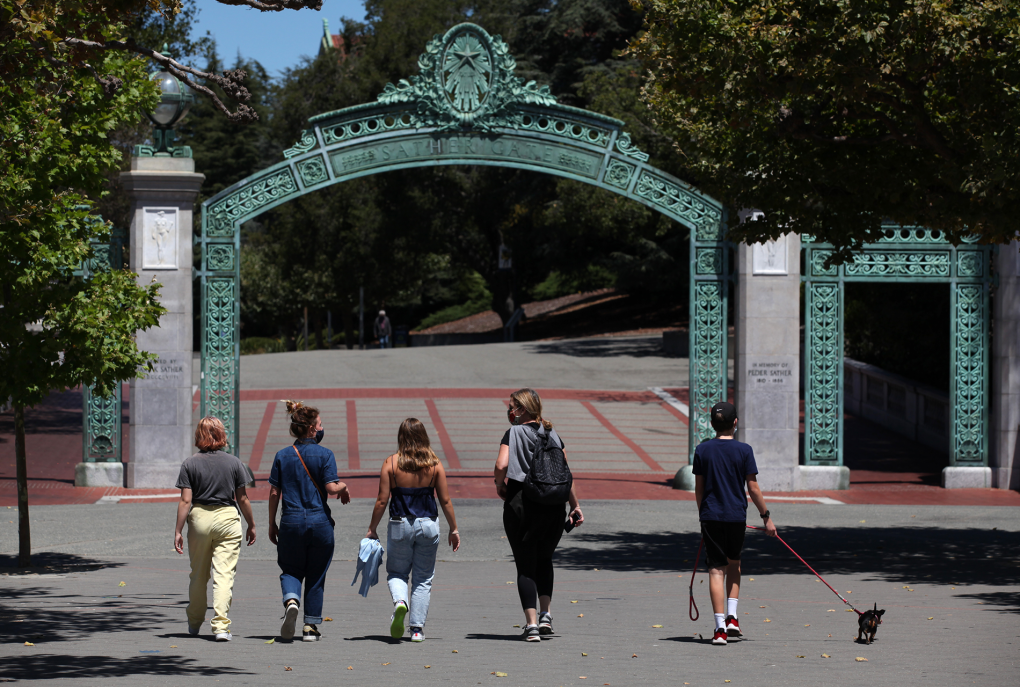
"description": "Students wearing masks at UC Berkeley walk through Sather Gate.",
"title": "Berkeley",
"credit": "Justin Sullivan/Getty Images",
"status": "inherit",
"altTag": "Students wearing masks at UC Berkeley walk through Sather Gate",
"isLoading": false,
"fetchFailed": false
},
"news_11849777": {
"type": "attachments",
"id": "news_11849777",
"meta": {
"index": "attachments_1716263798",
"site": "news",
"id": "11849777",
"found": true
},
"parent": 11849726,
"imgSizes": {
"apple_news_ca_square_4_0": {
"file": "https://ww2.kqed.org/app/uploads/sites/10/2020/12/Lei-Levi_3635-470x470.jpg",
"width": 470,
"mimeType": "image/jpeg",
"height": 470
},
"thumbnail": {
"file": "https://ww2.kqed.org/app/uploads/sites/10/2020/12/Lei-Levi_3635-160x120.jpg",
"width": 160,
"mimeType": "image/jpeg",
"height": 120
},
"post-thumbnail": {
"file": "https://ww2.kqed.org/app/uploads/sites/10/2020/12/Lei-Levi_3635-640x372.jpg",
"width": 640,
"mimeType": "image/jpeg",
"height": 372
},
"kqedFullSize": {
"file": "https://ww2.kqed.org/app/uploads/sites/10/2020/12/Lei-Levi_3635.jpg",
"width": 640,
"height": 480
},
"apple_news_ca_landscape_4_7": {
"file": "https://ww2.kqed.org/app/uploads/sites/10/2020/12/Lei-Levi_3635-632x474.jpg",
"width": 632,
"mimeType": "image/jpeg",
"height": 474
},
"apple_news_ca_portrait_4_7": {
"file": "https://ww2.kqed.org/app/uploads/sites/10/2020/12/Lei-Levi_3635-414x480.jpg",
"width": 414,
"mimeType": "image/jpeg",
"height": 480
},
"apple_news_ca_square_4_7": {
"file": "https://ww2.kqed.org/app/uploads/sites/10/2020/12/Lei-Levi_3635-550x480.jpg",
"width": 550,
"mimeType": "image/jpeg",
"height": 480
},
"apple_news_ca_landscape_4_0": {
"file": "https://ww2.kqed.org/app/uploads/sites/10/2020/12/Lei-Levi_3635-536x402.jpg",
"width": 536,
"mimeType": "image/jpeg",
"height": 402
},
"apple_news_ca_portrait_4_0": {
"file": "https://ww2.kqed.org/app/uploads/sites/10/2020/12/Lei-Levi_3635-354x472.jpg",
"width": 354,
"mimeType": "image/jpeg",
"height": 472
}
},
"publishDate": 1607122266,
"modified": 1607122364,
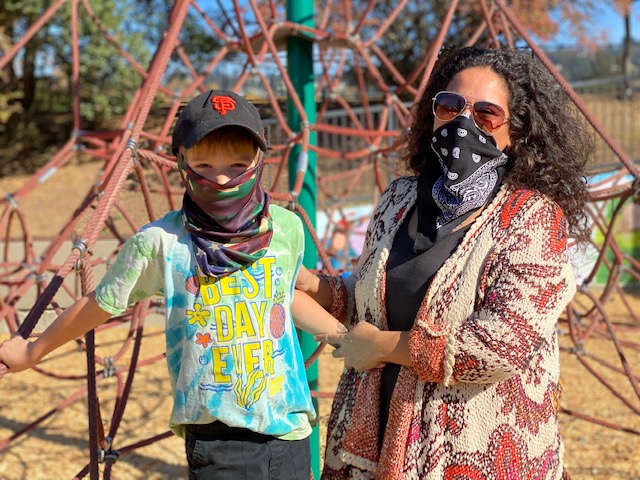
"caption": "Berkeley parent Lei Levi and her first grader. Levi says over 300 Berkeley parents have signed a petition asking for more transparency from the district on plans to reopen schools.",
"description": null,
"title": "Lei Levi_3635",
"credit": "Julia McEvoy/KQED News.",
"status": "inherit",
"altTag": null,
"isLoading": false,
"fetchFailed": false
}
},
"audioPlayerReducer": {
"postId": "stream_live",
"isPaused": true,
"isPlaying": false,
"pfsActive": false,
"pledgeModalIsOpen": true,
"playerDrawerIsOpen": false,
"liveAudioPlayStartedAt": 0,
"liveAudioPlayContext": ""
},
"authorsReducer": {
"byline_news_11853246": {
"type": "authors",
"id": "byline_news_11853246",
"meta": {
"override": true
},
"slug": "byline_news_11853246",
"name": "Don Thompson\u003cbr>Associated Press ",
"isLoading": false
},
"jbrooks": {
"type": "authors",
"id": "80",
"meta": {
"index": "authors_1716337520",
"id": "80",
"found": true
},
"name": "Jon Brooks",
"firstName": "Jon",
"lastName": "Brooks",
"slug": "jbrooks",
"email": "jbrooks@kqed.org",
"display_author_email": true,
"staff_mastheads": [
"science"
],
"title": "Digital Editor",
"bio": "Jon Brooks is a former Digital Editor for KQED Science. He is the former editor of KQED’s daily news blog, News Fix. In 2014, he won a California Journalism Award for his coverage of ride services like Uber and Lyft and the taxi industry. A veteran blogger, he previously worked for Yahoo! in various news writing and editing roles. Jon is also a playwright whose work has been produced in San Francisco, New York, Italy, and around the U.S. He has written about film for his own blog and studied film at Boston University.",
"avatar": "https://secure.gravatar.com/avatar/98887f7ed1c876ed414d4c915e969584?s=600&d=blank&r=g",
"twitter": "jbrooksfoy",
"facebook": null,
"instagram": null,
"linkedin": null,
"sites": [
{
"site": "arts",
"roles": [
"Contributor",
"editor"
]
},
{
"site": "news",
"roles": [
"author"
]
},
{
"site": "futureofyou",
"roles": [
"administrator"
]
},
{
"site": "mindshift",
"roles": [
"editor"
]
},
{
"site": "stateofhealth",
"roles": [
"editor"
]
},
{
"site": "science",
"roles": [
"administrator"
]
},
{
"site": "quest",
"roles": [
"editor"
]
}
],
"headData": {
"title": "Jon Brooks | KQED",
"description": "Digital Editor",
"ogImgSrc": "https://secure.gravatar.com/avatar/98887f7ed1c876ed414d4c915e969584?s=600&d=blank&r=g",
"twImgSrc": "https://secure.gravatar.com/avatar/98887f7ed1c876ed414d4c915e969584?s=600&d=blank&r=g"
},
"isLoading": false,
"link": "/author/jbrooks"
},
"gmarzorati": {
"type": "authors",
"id": "227",
"meta": {
"index": "authors_1716337520",
"id": "227",
"found": true
},
"name": "Guy Marzorati",
"firstName": "Guy",
"lastName": "Marzorati",
"slug": "gmarzorati",
"email": "gmarzorati@KQED.org",
"display_author_email": true,
"staff_mastheads": [
"news"
],
"title": "Correspondent",
"bio": "Guy Marzorati is a correspondent on KQED's California Politics and Government Desk, based in San Jose. A graduate of Santa Clara University, Guy joined KQED in 2013. He reports on state and local politics and produces KQED's digital voter guide.",
"avatar": "https://secure.gravatar.com/avatar/e7038b8dbfd55b104369b76b1cd0b9de?s=600&d=blank&r=g",
"twitter": "guymarzorati",
"facebook": null,
"instagram": null,
"linkedin": null,
"sites": [
{
"site": "",
"roles": [
"editor"
]
},
{
"site": "news",
"roles": [
"editor"
]
},
{
"site": "science",
"roles": [
"editor"
]
},
{
"site": "forum",
"roles": [
"editor"
]
},
{
"site": "elections",
"roles": [
"editor"
]
},
{
"site": "liveblog",
"roles": [
"editor"
]
}
],
"headData": {
"title": "Guy Marzorati | KQED",
"description": "Correspondent",
"ogImgSrc": "https://secure.gravatar.com/avatar/e7038b8dbfd55b104369b76b1cd0b9de?s=600&d=blank&r=g",
"twImgSrc": "https://secure.gravatar.com/avatar/e7038b8dbfd55b104369b76b1cd0b9de?s=600&d=blank&r=g"
},
"isLoading": false,
"link": "/author/gmarzorati"
},
"jmcevoy": {
"type": "authors",
"id": "231",
"meta": {
"index": "authors_1716337520",
"id": "231",
"found": true
},
"name": "Julia McEvoy",
"firstName": "Julia",
"lastName": "McEvoy",
"slug": "jmcevoy",
"email": "jmcevoy@KQED.org",
"display_author_email": true,
"staff_mastheads": [
"news"
],
"title": "KQED Senior Editor",
"bio": "Julia McEvoy is KQED's Senior Editor, Education Equity.\r\n\r\nJulia heads KQED’s education coverage examining inequities students face in Bay Area and California schools, and reports on what it will take to educate the next generation.\r\n\r\nJulia's editorial work has received a Peabody Award, a Casey Medal for Coverage of Children and Families, several Edward R. Murrow awards, as well as awards from the Public Radio News Directors Inc. and the Society for Professional Journalists.",
"avatar": "https://secure.gravatar.com/avatar/aec3ce21abe02b302fd33638abd56a22?s=600&d=blank&r=g",
"twitter": "juliamcevoy1",
"facebook": null,
"instagram": null,
"linkedin": null,
"sites": [
{
"site": "news",
"roles": []
},
{
"site": "stateofhealth",
"roles": [
"author"
]
}
],
"headData": {
"title": "Julia McEvoy | KQED",
"description": "KQED Senior Editor",
"ogImgSrc": "https://secure.gravatar.com/avatar/aec3ce21abe02b302fd33638abd56a22?s=600&d=blank&r=g",
"twImgSrc": "https://secure.gravatar.com/avatar/aec3ce21abe02b302fd33638abd56a22?s=600&d=blank&r=g"
},
"isLoading": false,
"link": "/author/jmcevoy"
},
"markfiore": {
"type": "authors",
"id": "3236",
"meta": {
"index": "authors_1716337520",
"id": "3236",
"found": true
},
"name": "Mark Fiore",
"firstName": "Mark",
"lastName": "Fiore",
"slug": "markfiore",
"email": "mark@markfiore.com",
"display_author_email": false,
"staff_mastheads": [
"news"
],
"title": "KQED News Cartoonist",
"bio": "\u003ca href=\"http://www.MarkFiore.com\">MarkFiore.com\u003c/a> | \u003ca href=\"https://twitter.com/markfiore\">Follow on Twitter\u003c/a> | \u003ca href=\"https://www.facebook.com/pages/Mark-Fiore-Animated-Political-Cartoons/94451707396?ref=bookmarks\">Facebook\u003c/a> | \u003ca href=\"mailto:mark@markfiore.com\">email\u003c/a>\r\n\r\nPulitzer Prize-winner, Mark Fiore, who the Wall Street Journal has called “the undisputed guru of the form,” creates animated political cartoons in San Francisco, where his work has been featured regularly on the San Francisco Chronicle’s web site, SFGate.com. His work has appeared on Newsweek.com, Slate.com, CBSNews.com, MotherJones.com, DailyKos.com and NPR’s web site. Fiore’s political animation has appeared on CNN, Frontline, Bill Moyers Journal, Salon.com and cable and broadcast outlets across the globe.\r\n\r\nBeginning his professional life by drawing traditional political cartoons for newspapers, Fiore’s work appeared in publications ranging from the Washington Post to the Los Angeles Times. In the late 1990s, he began to experiment with animating political cartoons and, after a short stint at the San Jose Mercury News as their staff cartoonist, Fiore devoted all his energies to animation.\r\nGrowing up in California, Fiore also spent a good portion of his life in the backwoods of Idaho. It was this combination that shaped him politically. Mark majored in political science at Colorado College, where, in a perfect send-off for a cartoonist, he received his diploma in 1991 as commencement speaker Dick Cheney smiled approvingly.\r\nMark Fiore was awarded the Pulitzer Prize for political cartooning in 2010, a Robert F. Kennedy Journalism Award in 2004 and has twice received an Online Journalism Award for commentary from the Online News Association (2002, 2008). Fiore has received two awards for his work in new media from the National Cartoonists Society (2001, 2002), and in 2006 received The James Madison Freedom of Information Award from The Society of Professional Journalists.",
"avatar": "https://secure.gravatar.com/avatar/fc4e2a612b15b67bad0c6f0e1db4ca9b?s=600&d=blank&r=g",
"twitter": "MarkFiore",
"facebook": null,
"instagram": "https://www.instagram.com/markfiore/?hl=en",
"linkedin": null,
"sites": [
{
"site": "arts",
"roles": [
"contributor"
]
},
{
"site": "news",
"roles": [
"editor"
]
},
{
"site": "futureofyou",
"roles": [
"editor"
]
},
{
"site": "science",
"roles": [
"editor"
]
}
],
"headData": {
"title": "Mark Fiore | KQED",
"description": "KQED News Cartoonist",
"ogImgSrc": "https://secure.gravatar.com/avatar/fc4e2a612b15b67bad0c6f0e1db4ca9b?s=600&d=blank&r=g",
"twImgSrc": "https://secure.gravatar.com/avatar/fc4e2a612b15b67bad0c6f0e1db4ca9b?s=600&d=blank&r=g"
},
"isLoading": false,
"link": "/author/markfiore"
},
"mlagos": {
"type": "authors",
"id": "3239",
"meta": {
"index": "authors_1716337520",
"id": "3239",
"found": true
},
"name": "Marisa Lagos",
"firstName": "Marisa",
"lastName": "Lagos",
"slug": "mlagos",
"email": "mlagos@kqed.org",
"display_author_email": false,
"staff_mastheads": [
"news"
],
"title": "KQED Contributor",
"bio": "Marisa Lagos is a correspondent for KQED’s California Politics and Government Desk and co-hosts the award-winning show and podcast, Political Breakdown. At KQED, Lagos also conducts reporting, analysis and investigations into state, local and national politics for radio, TV, online and onstage. In 2022, she and co-host, Scott Shafer, moderated the only gubernatorial debate in California. In 2020, the \u003ci>Washington Post\u003c/i> named her one of the top political journalists in California; she was nominated for a Peabody and won several other awards for her work investigating the 2017 California wildfires. She has worked at the \u003ci>San Francisco Chronicle\u003c/i>, \u003ci>San Francisco Examiner\u003c/i> and \u003ci>Los Angeles Times\u003c/i>. A UC Santa Barbara graduate, she lives in San Francisco with her two sons and husband.",
"avatar": "https://secure.gravatar.com/avatar/a261a0d3696fc066871ef96b85b5e7d2?s=600&d=blank&r=g",
"twitter": "@mlagos",
"facebook": null,
"instagram": null,
"linkedin": null,
"sites": [
{
"site": "arts",
"roles": [
"author"
]
},
{
"site": "news",
"roles": [
"editor"
]
},
{
"site": "science",
"roles": [
"editor"
]
},
{
"site": "forum",
"roles": [
"author"
]
},
{
"site": "liveblog",
"roles": [
"author"
]
}
],
"headData": {
"title": "Marisa Lagos | KQED",
"description": "KQED Contributor",
"ogImgSrc": "https://secure.gravatar.com/avatar/a261a0d3696fc066871ef96b85b5e7d2?s=600&d=blank&r=g",
"twImgSrc": "https://secure.gravatar.com/avatar/a261a0d3696fc066871ef96b85b5e7d2?s=600&d=blank&r=g"
},
"isLoading": false,
"link": "/author/mlagos"
},
"cveltman": {
"type": "authors",
"id": "8608",
"meta": {
"index": "authors_1716337520",
"id": "8608",
"found": true
},
"name": "Chloe Veltman",
"firstName": "Chloe",
"lastName": "Veltman",
"slug": "cveltman",
"email": "cveltman@kqed.org",
"display_author_email": true,
"staff_mastheads": [],
"title": "Arts and Culture Reporter",
"bio": "Chloe Veltman is a former arts and culture reporter for KQED. Prior to joining the organization, she launched and led the arts bureau at Colorado Public Radio, served as the Bay Area's culture columnist for the New York Times, and was the founder, host and executive producer of VoiceBox, a national award-winning weekly podcast/radio show and live events series all about the human voice. Chloe is the recipient of numerous prizes, grants and fellowships including a Webby Award for her work on interactive storytelling, both the John S Knight Journalism Fellowship and Humanities Center Fellowship at Stanford University, the Sundance Arts Writing Fellowship and a Library of Congress Research Fellowship. She is the author of the book \"On Acting\" and has appeared as a guest lecturer at Yale University and the San Francisco Conservatory of Music among other institutions. She holds a BA in english literature from King's College, Cambridge, and a Masters in Dramaturgy from the Central School of Speech and Drama/Harvard Institute for Advanced Theater Training.\r\n\u003ca href=\"https://www.chloeveltman.com\">www.chloeveltman.com\u003c/a>",
"avatar": "https://secure.gravatar.com/avatar/55403394b00a1ddab683952c2eb2cf85?s=600&d=blank&r=g",
"twitter": "chloeveltman",
"facebook": null,
"instagram": null,
"linkedin": null,
"sites": [
{
"site": "arts",
"roles": []
},
{
"site": "news",
"roles": [
"author"
]
},
{
"site": "pop",
"roles": [
"editor"
]
},
{
"site": "science",
"roles": []
}
],
"headData": {
"title": "Chloe Veltman | KQED",
"description": "Arts and Culture Reporter",
"ogImgSrc": "https://secure.gravatar.com/avatar/55403394b00a1ddab683952c2eb2cf85?s=600&d=blank&r=g",
"twImgSrc": "https://secure.gravatar.com/avatar/55403394b00a1ddab683952c2eb2cf85?s=600&d=blank&r=g"
},
"isLoading": false,
"link": "/author/cveltman"
},
"korr": {
"type": "authors",
"id": "11200",
"meta": {
"index": "authors_1716337520",
"id": "11200",
"found": true
},
"name": "Katie Orr",
"firstName": "Katie",
"lastName": "Orr",
"slug": "korr",
"email": "korr@kqed.org",
"display_author_email": false,
"staff_mastheads": [],
"title": "KQED Contributor",
"bio": "Katie Orr was a Sacramento-based reporter for KQED's Politics and Government Desk, covering the state Capitol and a variety of issues including women in politics, voting and elections and legislation. Prior to joining KQED in 2016, Katie was state government reporter for Capital Public Radio in Sacramento. She's also worked for KPBS in San Diego, where she covered City Hall.\r\n\r\nKatie received her masters degree in political science from San Diego State University and holds a Bachelors degree in broadcast journalism from Arizona State University.\r\n\r\nIn 2015 Katie won a national Clarion Award for a series of stories she did on women in California politics. She's been honored by the Society for Professional Journalists and, in 2013, was named by \u003cem>The Washington Post\u003c/em> as one of the country's top state Capitol reporters. She's also reported for the award-winning documentary series \u003cem>The View from Here \u003c/em>and was part of the team that won national PRNDI and Gabriel Awards in 2015. She lives in Sacramento with her husband. Twitter: @1KatieOrr",
"avatar": "https://secure.gravatar.com/avatar/41a40b25845adc78f50808670860449e?s=600&d=blank&r=g",
"twitter": "1katieorr",
"facebook": null,
"instagram": null,
"linkedin": null,
"sites": [
{
"site": "news",
"roles": [
"subscriber"
]
},
{
"site": "stateofhealth",
"roles": [
"author"
]
},
{
"site": "forum",
"roles": [
"author"
]
}
],
"headData": {
"title": "Katie Orr | KQED",
"description": "KQED Contributor",
"ogImgSrc": "https://secure.gravatar.com/avatar/41a40b25845adc78f50808670860449e?s=600&d=blank&r=g",
"twImgSrc": "https://secure.gravatar.com/avatar/41a40b25845adc78f50808670860449e?s=600&d=blank&r=g"
},
"isLoading": false,
"link": "/author/korr"
},
"vrancano": {
"type": "authors",
"id": "11276",
"meta": {
"index": "authors_1716337520",
"id": "11276",
"found": true
},
"name": "Vanessa Rancaño",
"firstName": "Vanessa",
"lastName": "Rancaño",
"slug": "vrancano",
"email": "vrancano@kqed.org",
"display_author_email": false,
"staff_mastheads": [
"news"
],
"title": "Reporter",
"bio": "Vanessa Rancaño is a features reporter for KQED. She’s also covered homelessness and education for the station and reported from the Central Valley. Her work has aired across public radio, from flagship national news shows to longform narrative podcasts. Before taking up a mic, she worked as a freelance print journalist. She’s been recognized with a number of national and regional awards. Vanessa grew up in California's Central Valley. She's a former NPR Kroc Fellow, and a graduate of the UC Berkeley Graduate School of Journalism.",
"avatar": "https://secure.gravatar.com/avatar/b3a383dfb0e7ee1c17568f2cf067904ab654d6e3de9743fc661f3c788ade1bed?s=600&d=blank&r=g",
"twitter": "vanessarancano",
"bluesky": null,
"facebook": null,
"instagram": null,
"linkedin": null,
"sites": [
{
"site": "arts",
"roles": [
"editor"
]
},
{
"site": "news",
"roles": [
"editor"
]
},
{
"site": "liveblog",
"roles": [
"contributor"
]
}
],
"headData": {
"title": "Vanessa Rancaño | KQED",
"description": "Reporter",
"ogImgSrc": "https://secure.gravatar.com/avatar/b3a383dfb0e7ee1c17568f2cf067904ab654d6e3de9743fc661f3c788ade1bed?s=600&d=blank&r=g",
"twImgSrc": "https://secure.gravatar.com/avatar/b3a383dfb0e7ee1c17568f2cf067904ab654d6e3de9743fc661f3c788ade1bed?s=600&d=blank&r=g"
},
"isLoading": false,
"link": "/author/vrancano"
},
"jchang": {
"type": "authors",
"id": "11642",
"meta": {
"index": "authors_1716337520",
"id": "11642",
"found": true
},
"name": "Julie Chang",
"firstName": "Julie",
"lastName": "Chang",
"slug": "jchang",
"email": "jchang@kqed.org",
"display_author_email": false,
"staff_mastheads": [
"news"
],
"title": "KQED Contributor",
"bio": "Julie Chang is a reporter and producer (and occasional anchor) with the radio and digital teams at KQED. Before KQED, she worked at WAMU 88.5 in Washington D.C. and 89.3 KPCC in Los Angeles County. Her work has been featured on NPR’s Morning Edition and All Things Considered, Here & Now, the New York Times, and more. Julie graduated from UC Berkeley’s Graduate School of Journalism. She previously taught English at Pasadena City College, Fullerton College and Cal Poly Pomona. Julie earned her M.A. in English from Cal Poly Pomona and her B.A. in English from UCI with a minor in criminology.",
"avatar": "https://secure.gravatar.com/avatar/a7afce94ef127082c5475116b4a3b77d?s=600&d=blank&r=g",
"twitter": "BayAreaJulie",
"facebook": null,
"instagram": null,
"linkedin": "https://www.linkedin.com/in/julieyc/",
"sites": [
{
"site": "",
"roles": [
"editor"
]
},
{
"site": "news",
"roles": [
"author"
]
},
{
"site": "science",
"roles": [
"editor"
]
}
],
"headData": {
"title": "Julie Chang | KQED",
"description": "KQED Contributor",
"ogImgSrc": "https://secure.gravatar.com/avatar/a7afce94ef127082c5475116b4a3b77d?s=600&d=blank&r=g",
"twImgSrc": "https://secure.gravatar.com/avatar/a7afce94ef127082c5475116b4a3b77d?s=600&d=blank&r=g"
},
"isLoading": false,
"link": "/author/jchang"
},
"kpatadia": {
"type": "authors",
"id": "11659",
"meta": {
"index": "authors_1716337520",
"id": "11659",
"found": true
},
"name": "Karishma Patadia",
"firstName": "Karishma",
"lastName": "Patadia",
"slug": "kpatadia",
"email": "kpatadia@kqed.org",
"display_author_email": false,
"staff_mastheads": [],
"title": "KQED Contributor",
"bio": null,
"avatar": "https://secure.gravatar.com/avatar/8fc70c6ed9e8f84b84d81108f3c6403d?s=600&d=blank&r=g",
"twitter": null,
"facebook": null,
"instagram": null,
"linkedin": null,
"sites": [
{
"site": "arts",
"roles": [
"author"
]
},
{
"site": "news",
"roles": [
"author"
]
}
],
"headData": {
"title": "Karishma Patadia | KQED",
"description": "KQED Contributor",
"ogImgSrc": "https://secure.gravatar.com/avatar/8fc70c6ed9e8f84b84d81108f3c6403d?s=600&d=blank&r=g",
"twImgSrc": "https://secure.gravatar.com/avatar/8fc70c6ed9e8f84b84d81108f3c6403d?s=600&d=blank&r=g"
},
"isLoading": false,
"link": "/author/kpatadia"
},
"blaberge": {
"type": "authors",
"id": "11667",
"meta": {
"index": "authors_1716337520",
"id": "11667",
"found": true
},
"name": "Beth LaBerge",
"firstName": "Beth",
"lastName": "LaBerge",
"slug": "blaberge",
"email": "blaberge@KQED.org",
"display_author_email": true,
"staff_mastheads": [
"news"
],
"title": "Photographer, News",
"bio": "Beth LaBerge is a visual journalist for \u003ca href=\"https://www.kqed.org/news\">KQED News\u003c/a>.",
"avatar": "https://secure.gravatar.com/avatar/ce49ecd7a1306685637b45a1f6f5dedfc4ae9481966eb596fea5160466dd6319?s=600&d=blank&r=g",
"twitter": null,
"bluesky": null,
"facebook": null,
"instagram": "https://www.instagram.com/bethlaberge/",
"linkedin": null,
"sites": [
{
"site": "arts",
"roles": [
"editor",
"manage_categories"
]
},
{
"site": "news",
"roles": [
"editor",
"edit_plugins",
"manage_categories"
]
},
{
"site": "science",
"roles": [
"editor",
"contributor",
"author",
"manage_categories"
]
},
{
"site": "perspectives",
"roles": [
"editor"
]
},
{
"site": "liveblog",
"roles": [
"editor"
]
}
],
"headData": {
"title": "Beth LaBerge | KQED",
"description": "Photographer, News",
"ogImgSrc": "https://secure.gravatar.com/avatar/ce49ecd7a1306685637b45a1f6f5dedfc4ae9481966eb596fea5160466dd6319?s=600&d=blank&r=g",
"twImgSrc": "https://secure.gravatar.com/avatar/ce49ecd7a1306685637b45a1f6f5dedfc4ae9481966eb596fea5160466dd6319?s=600&d=blank&r=g"
},
"isLoading": false,
"link": "/author/blaberge"
}
},
"pagesReducer": {
"news_category_education": {
"type": "terms",
"id": "news_18540",
"meta": {
"index": "terms_1716263798",
"site": "news",
"id": "18540",
"score": 10.973221
},
"featImg": null,
"name": "Education",
"description": null,
"taxonomy": "category",
"headData": {
"twImgId": null,
"twTitle": null,
"ogTitle": null,
"ogImgId": null,
"twDescription": null,
"description": null,
"title": "Education Archives | KQED News",
"ogDescription": null
},
"ttid": 2595,
"slug": "education",
"isLoading": false,
"title": "Education",
"pageMeta": {
"site": "news",
"WpPageTemplate": "page-topic-editorial",
"currentPage": 89
},
"blocks": [
{
"blockName": "kqed/post-list",
"attrs": {
"layout": "cardArticle2",
"query": "posts/news?category=education",
"seeMore": false,
"paginated": true,
"page": 89
}
},
{
"blockName": "kqed/ad"
}
]
}
},
"pfsSessionReducer": {},
"postsReducer": {
"stream_live": {
"type": "live",
"id": "stream_live",
"audioUrl": "https://streams.kqed.org/kqedradio",
"title": "Live Stream",
"excerpt": "Live Stream information currently unavailable.",
"link": "/radio",
"featImg": "",
"label": {
"name": "KQED Live",
"link": "/"
}
},
"stream_kqedNewscast": {
"type": "posts",
"id": "stream_kqedNewscast",
"audioUrl": "https://www.kqed.org/.stream/anon/radio/RDnews/newscast.mp3?_=1",
"title": "KQED Newscast",
"featImg": "",
"label": {
"name": "88.5 FM",
"link": "/"
}
},
"news_11854455": {
"type": "posts",
"id": "news_11854455",
"meta": {
"index": "posts_1716263798",
"site": "news",
"id": "11854455",
"score": null,
"sort": [
1610136888000
]
},
"parent": 0,
"labelTerm": {
"site": "news"
},
"blocks": [],
"publishDate": 1610136888,
"format": "standard",
"disqusTitle": "Newsom Budget Adds Billions for COVID-19 Relief, K-12 Schools",
"title": "Newsom Budget Adds Billions for COVID-19 Relief, K-12 Schools",
"headTitle": "KQED News",
"content": "\u003cp>Gov. Gavin Newsom presented an upbeat outlook as he unveiled his proposal for the 2021-22 state budget Friday, saying that despite the coronavirus pandemic-induced recession, California is poised for a strong recovery.\u003c/p>\n\u003cp>Newsom’s $227 billion budget proposal highlights the extent to which California’s progressive tax structure will help the state weather a recession. Despite historic levels of unemployment and a precipitous drop in the state’s GDP last year, the tax income from wealthy residents has resulted in a $15 billion surplus for the budget year beginning in July.\u003c/p>\n\u003cp>[pullquote size=\"medium\" align=\"right\" citation=\"Gov. Gavin Newsom\"]'We are proposing to the Legislature a record investment in our public schools.'[/pullquote]\"The state is still this remarkable, remarkable home to more dreamers and doers than any other part of the globe,\" Newsom said.\u003c/p>\n\u003cp>One of the biggest winners in the proposed budget is the state’s K-12 school system, which stands to receive a record $85.8 billion under the governor’s proposal.\u003c/p>\n\u003cp>“We are proposing to the Legislature a record investment in our public schools,” Newsom said.\u003c/p>\n\u003cp>The budget plan typically covers proposals for the following fiscal year, which begins in July. But because of the unexpected windfall in tax revenue, Newsom is also proposing $5 billion in immediate investments he hopes lawmakers will approve this month on schools and COVID-19 relief.\u003c/p>\n\u003cp>That includes $2.4 billion for one-time $600 direct payments to low-income Californians.\u003c/p>\n\u003cp>“Four million people get the benefit of that program if we move quickly,” Newsom said.\u003c/p>\n\u003cp>Additionally, the governor wants to see $575 million for grants to small businesses and nonprofits struggling because of the pandemic-induced recession, $71 million in fee waivers for small businesses adopted and $2 billion to help schools reopen safely.\u003c/p>\n\u003cp>Newsom also wants to extend an eviction moratorium that is set to expire at the end of January.\u003c/p>\n\u003cp>[ad fullwidth]\u003c/p>\n\u003cp>Generally, Newsom said his budget is focused on meeting the most urgent needs of Californians, which he listed as vaccination rollout, safely reopening schools, providing support for small businesses, putting money in the pockets of Californians who need it and wildfire preparedness.\u003c/p>\n\u003cp>“Clearly California is poised for an economic recovery,” Newsom said Friday. “We are in a much better fiscal footing than anyone would have thought a few months ago.”\u003c/p>\n\u003cp>But he warned that the fiscal picture a few years out is not as rosy, with a projected deficit of $11.3 billion by the 2024-2025 fiscal year.\u003c/p>\n\u003cp>\"While we are enjoying the fruits of a lot of one-time energy and surplus, it's not permanent,\" Newsom said. \"We have to be mindful of over-committing ... and exacerbating some of the structural challenges that we still have to face going forward.\"\u003c/p>\n\u003cp>And, Newsom said his administration is focused on helping those who are struggling the most right now.\u003c/p>\n\u003cp>“We are all better off when we are all better off,” he said.\u003c/p>\n\u003cp>California Republicans have criticized Newsom's response to the pandemic – particularly his restrictions on businesses and gatherings.\u003c/p>\n\u003cp>[aside postID=news_11854170 hero='https://ww2.kqed.org/app/uploads/sites/10/2021/01/RS42402_047_KQED_BethLaBerge_BloomEnergy_Newsom_03282020-qut-1020x680.jpg']Assemblyman Vince Fong, R-Bakersfield, the vice chair of the Assembly Budget Committee, said Newsom's budget proposal doesn't change the fact that the governor is \"failing.\"\u003c/p>\n\u003cp>\"Sacramento is failing to address California’s affordability crisis, homelessness crisis, power shutoffs, and an incompetent EDD bureaucracy,\" Fong said in a statement.\u003c/p>\n\u003ch3>Reopening Schools?\u003c/h3>\n\u003cp>In recent weeks, Newsom has charted a course for the youngest California students to return to in-person instruction as soon as February.\u003c/p>\n\u003cp>The governor proposed spending an additional $2 billion in the current budget year on testing and protective gear in order to incentivize schools to reopen their doors for grades K-12.\u003c/p>\n\u003cp>The plan would apply to schools in counties with fewer than 28 coronavirus cases per 100,000 residents – a threshold that \u003ca href=\"https://www.kqed.org/news/11809760/how-many-california-coronavirus-cases-see-latest-numbers-by-county\">all but a handful of counties\u003c/a> in the state have surpassed.\u003c/p>\n\u003cp>“If we can’t do it safe, we can’t do it,” Newsom reiterated on Friday.\u003c/p>\n\u003cp>This week, a group of large school districts – including Los Angeles, San Diego, San Francisco and Oakland – criticized the plan for setting an unrealistic benchmark for bringing kids back to classrooms.\u003c/p>\n\u003cp>“A funding model which supports only schools in communities less impacted by the virus is at odds with California’s long-standing efforts to provide more support to students from low-income families,” the districts \u003ca href=\"https://www.sfusd.edu/about/news/seven-california-superintendents-send-letter-governor-newsom-regarding-safe-schools-all-plan\" target=\"_blank\" rel=\"noopener noreferrer\">wrote in a letter to Newsom\u003c/a>. “The initial target date of Feb. 1 doesn’t reflect the COVID reality in many of the communities we serve.”\u003c/p>\n\u003cp>Newsom said he would be meeting with the leaders of seven school districts on Monday, and his proposal provides full funding for districts whose opening is delayed by the virus spread.\u003c/p>\n\u003cp>A new round of relief funding from the federal government could add another $6.7 billion for California schools, Newsom said.\u003c/p>\n\u003ch3>COVID-19 Response\u003c/h3>\n\u003cp>Newsom’s proposal comes as the state faces the darkest days yet of the pandemic. Hospitals \u003ca href=\"https://www.kqed.org/news/11850757/california-icu-capacity-see-your-countys-available-beds\">are overrun in some areas\u003c/a> and rationing care.\u003c/p>\n\u003cp>[aside label='Coronavirus Coverage' tag='coronavirus']Newsom said he wants the state to invest billions more dollars in testing, tracing and vaccine distribution – much of which would be reimbursed by the federal government.\u003c/p>\n\u003cp>“Not lost on anyone is the importance and imperative of continuing our investments on testing and contact tracing, isolation and quarantine,” he said.\u003c/p>\n\u003cp>Among his proposals: $300 million for vaccine distribution, which he calls an initial investment and said would include a public awareness campaign to increase vaccine adoption.\u003c/p>\n\u003ch3>'Doubling Down' on Project Homekey\u003c/h3>\n\u003cp>The governor is hoping to continue purchasing hotels and motels in the state and converting them to housing for the homeless.\u003c/p>\n\u003cp>The program, dubbed Project Homekey, began as a way to identify temporary housing for people experiencing homelessness during the pandemic. By the end of 2020, the state had spent nearly $900 million to purchase and convert more than 6,000 units into permanent housing, complete with supportive services for residents with health or addiction issues.\u003c/p>\n\u003cp>Now Newsom is proposing to spend $750 million to continue the motel acquisition program, with a third of the money to be spent in the current fiscal year.\u003c/p>\n\u003cp>“Because it worked, we’re hoping to double down on it,” Newsom said.\u003c/p>\n\u003cp>[ad floatright]\u003c/p>\n",
"disqusIdentifier": "11854455 https://ww2.kqed.org/news/?p=11854455",
"disqusUrl": "https://ww2.kqed.org/news/2021/01/08/newsom-adds-billions-for-covid-19-relief-k-12-schools-in-new-budget/",
"stats": {
"hasVideo": false,
"hasChartOrMap": false,
"hasAudio": false,
"hasPolis": false,
"wordCount": 1096,
"hasGoogleForm": false,
"hasGallery": false,
"hasHearkenModule": false,
"iframeSrcs": [],
"paragraphCount": 37
},
"modified": 1610147111,
"excerpt": "Gov. Gavin Newsom presented an upbeat outlook Friday as he unveiled his state budget proposal, saying despite the recession induced by the coronavirus pandemic, California is poised for recovery.",
"headData": {
"twImgId": "",
"twTitle": "",
"ogTitle": "",
"ogImgId": "",
"twDescription": "",
"description": "Gov. Gavin Newsom presented an upbeat outlook Friday as he unveiled his state budget proposal, saying despite the recession induced by the coronavirus pandemic, California is poised for recovery.",
"title": "Newsom Budget Adds Billions for COVID-19 Relief, K-12 Schools | KQED",
"ogDescription": "",
"schema": {
"@context": "https://schema.org",
"@type": "NewsArticle",
"headline": "Newsom Budget Adds Billions for COVID-19 Relief, K-12 Schools",
"datePublished": "2021-01-08T12:14:48-08:00",
"dateModified": "2021-01-08T15:05:11-08:00",
"image": "https://cdn.kqed.org/wp-content/uploads/2020/02/KQED-OG-Image@1x.png",
"isAccessibleForFree": "True",
"publisher": {
"@type": "NewsMediaOrganization",
"@id": "https://www.kqed.org/#organization",
"name": "KQED",
"logo": "https://cdn.kqed.org/wp-content/uploads/2020/02/KQED-OG-Image@1x.png",
"url": "https://www.kqed.org",
"sameAs": [
"https://www.facebook.com/KQED",
"https://twitter.com/KQED",
"https://www.instagram.com/kqed/",
"https://www.tiktok.com/@kqedofficial",
"https://www.linkedin.com/company/kqed",
"https://www.youtube.com/channel/UCeC0IOo7i1P_61zVUWbJ4nw"
]
}
}
},
"guestAuthors": [],
"slug": "newsom-adds-billions-for-covid-19-relief-k-12-schools-in-new-budget",
"status": "publish",
"path": "/news/11854455/newsom-adds-billions-for-covid-19-relief-k-12-schools-in-new-budget",
"audioTrackLength": null,
"parsedContent": [
{
"type": "contentString",
"content": "\u003cdiv class=\"post-body\">\u003cp>\u003cp>Gov. Gavin Newsom presented an upbeat outlook as he unveiled his proposal for the 2021-22 state budget Friday, saying that despite the coronavirus pandemic-induced recession, California is poised for a strong recovery.\u003c/p>\n\u003cp>Newsom’s $227 billion budget proposal highlights the extent to which California’s progressive tax structure will help the state weather a recession. Despite historic levels of unemployment and a precipitous drop in the state’s GDP last year, the tax income from wealthy residents has resulted in a $15 billion surplus for the budget year beginning in July.\u003c/p>\n\u003cp>\u003c/p>\u003c/div>",
"attributes": {
"named": {},
"numeric": []
}
},
{
"type": "component",
"content": "'We are proposing to the Legislature a record investment in our public schools.'",
"name": "pullquote",
"attributes": {
"named": {
"size": "medium",
"align": "right",
"citation": "Gov. Gavin Newsom",
"label": ""
},
"numeric": []
}
},
{
"type": "contentString",
"content": "\u003cdiv class=\"post-body\">\u003cp>\"The state is still this remarkable, remarkable home to more dreamers and doers than any other part of the globe,\" Newsom said.\u003c/p>\n\u003cp>One of the biggest winners in the proposed budget is the state’s K-12 school system, which stands to receive a record $85.8 billion under the governor’s proposal.\u003c/p>\n\u003cp>“We are proposing to the Legislature a record investment in our public schools,” Newsom said.\u003c/p>\n\u003cp>The budget plan typically covers proposals for the following fiscal year, which begins in July. But because of the unexpected windfall in tax revenue, Newsom is also proposing $5 billion in immediate investments he hopes lawmakers will approve this month on schools and COVID-19 relief.\u003c/p>\n\u003cp>That includes $2.4 billion for one-time $600 direct payments to low-income Californians.\u003c/p>\n\u003cp>“Four million people get the benefit of that program if we move quickly,” Newsom said.\u003c/p>\n\u003cp>Additionally, the governor wants to see $575 million for grants to small businesses and nonprofits struggling because of the pandemic-induced recession, $71 million in fee waivers for small businesses adopted and $2 billion to help schools reopen safely.\u003c/p>\n\u003cp>Newsom also wants to extend an eviction moratorium that is set to expire at the end of January.\u003c/p>\n\u003cp>\u003c/p>\u003c/div>",
"attributes": {
"named": {},
"numeric": []
}
},
{
"type": "component",
"content": "",
"name": "ad",
"attributes": {
"named": {
"label": "fullwidth"
},
"numeric": [
"fullwidth"
]
}
},
{
"type": "contentString",
"content": "\u003cdiv class=\"post-body\">\u003cp>\u003c/p>\n\u003cp>Generally, Newsom said his budget is focused on meeting the most urgent needs of Californians, which he listed as vaccination rollout, safely reopening schools, providing support for small businesses, putting money in the pockets of Californians who need it and wildfire preparedness.\u003c/p>\n\u003cp>“Clearly California is poised for an economic recovery,” Newsom said Friday. “We are in a much better fiscal footing than anyone would have thought a few months ago.”\u003c/p>\n\u003cp>But he warned that the fiscal picture a few years out is not as rosy, with a projected deficit of $11.3 billion by the 2024-2025 fiscal year.\u003c/p>\n\u003cp>\"While we are enjoying the fruits of a lot of one-time energy and surplus, it's not permanent,\" Newsom said. \"We have to be mindful of over-committing ... and exacerbating some of the structural challenges that we still have to face going forward.\"\u003c/p>\n\u003cp>And, Newsom said his administration is focused on helping those who are struggling the most right now.\u003c/p>\n\u003cp>“We are all better off when we are all better off,” he said.\u003c/p>\n\u003cp>California Republicans have criticized Newsom's response to the pandemic – particularly his restrictions on businesses and gatherings.\u003c/p>\n\u003cp>\u003c/p>\u003c/div>",
"attributes": {
"named": {},
"numeric": []
}
},
{
"type": "component",
"content": "",
"name": "aside",
"attributes": {
"named": {
"postid": "news_11854170",
"hero": "https://ww2.kqed.org/app/uploads/sites/10/2021/01/RS42402_047_KQED_BethLaBerge_BloomEnergy_Newsom_03282020-qut-1020x680.jpg",
"label": ""
},
"numeric": []
}
},
{
"type": "contentString",
"content": "\u003cdiv class=\"post-body\">\u003cp>Assemblyman Vince Fong, R-Bakersfield, the vice chair of the Assembly Budget Committee, said Newsom's budget proposal doesn't change the fact that the governor is \"failing.\"\u003c/p>\n\u003cp>\"Sacramento is failing to address California’s affordability crisis, homelessness crisis, power shutoffs, and an incompetent EDD bureaucracy,\" Fong said in a statement.\u003c/p>\n\u003ch3>Reopening Schools?\u003c/h3>\n\u003cp>In recent weeks, Newsom has charted a course for the youngest California students to return to in-person instruction as soon as February.\u003c/p>\n\u003cp>The governor proposed spending an additional $2 billion in the current budget year on testing and protective gear in order to incentivize schools to reopen their doors for grades K-12.\u003c/p>\n\u003cp>The plan would apply to schools in counties with fewer than 28 coronavirus cases per 100,000 residents – a threshold that \u003ca href=\"https://www.kqed.org/news/11809760/how-many-california-coronavirus-cases-see-latest-numbers-by-county\">all but a handful of counties\u003c/a> in the state have surpassed.\u003c/p>\n\u003cp>“If we can’t do it safe, we can’t do it,” Newsom reiterated on Friday.\u003c/p>\n\u003cp>This week, a group of large school districts – including Los Angeles, San Diego, San Francisco and Oakland – criticized the plan for setting an unrealistic benchmark for bringing kids back to classrooms.\u003c/p>\n\u003cp>“A funding model which supports only schools in communities less impacted by the virus is at odds with California’s long-standing efforts to provide more support to students from low-income families,” the districts \u003ca href=\"https://www.sfusd.edu/about/news/seven-california-superintendents-send-letter-governor-newsom-regarding-safe-schools-all-plan\" target=\"_blank\" rel=\"noopener noreferrer\">wrote in a letter to Newsom\u003c/a>. “The initial target date of Feb. 1 doesn’t reflect the COVID reality in many of the communities we serve.”\u003c/p>\n\u003cp>Newsom said he would be meeting with the leaders of seven school districts on Monday, and his proposal provides full funding for districts whose opening is delayed by the virus spread.\u003c/p>\n\u003cp>A new round of relief funding from the federal government could add another $6.7 billion for California schools, Newsom said.\u003c/p>\n\u003ch3>COVID-19 Response\u003c/h3>\n\u003cp>Newsom’s proposal comes as the state faces the darkest days yet of the pandemic. Hospitals \u003ca href=\"https://www.kqed.org/news/11850757/california-icu-capacity-see-your-countys-available-beds\">are overrun in some areas\u003c/a> and rationing care.\u003c/p>\n\u003cp>\u003c/p>\u003c/div>",
"attributes": {
"named": {},
"numeric": []
}
},
{
"type": "component",
"content": "",
"name": "aside",
"attributes": {
"named": {
"label": "Coronavirus Coverage ",
"tag": "coronavirus"
},
"numeric": []
}
},
{
"type": "contentString",
"content": "\u003cdiv class=\"post-body\">\u003cp>Newsom said he wants the state to invest billions more dollars in testing, tracing and vaccine distribution – much of which would be reimbursed by the federal government.\u003c/p>\n\u003cp>“Not lost on anyone is the importance and imperative of continuing our investments on testing and contact tracing, isolation and quarantine,” he said.\u003c/p>\n\u003cp>Among his proposals: $300 million for vaccine distribution, which he calls an initial investment and said would include a public awareness campaign to increase vaccine adoption.\u003c/p>\n\u003ch3>'Doubling Down' on Project Homekey\u003c/h3>\n\u003cp>The governor is hoping to continue purchasing hotels and motels in the state and converting them to housing for the homeless.\u003c/p>\n\u003cp>The program, dubbed Project Homekey, began as a way to identify temporary housing for people experiencing homelessness during the pandemic. By the end of 2020, the state had spent nearly $900 million to purchase and convert more than 6,000 units into permanent housing, complete with supportive services for residents with health or addiction issues.\u003c/p>\n\u003cp>Now Newsom is proposing to spend $750 million to continue the motel acquisition program, with a third of the money to be spent in the current fiscal year.\u003c/p>\n\u003cp>“Because it worked, we’re hoping to double down on it,” Newsom said.\u003c/p>\n\u003cp>\u003c/p>\u003c/div>",
"attributes": {
"named": {},
"numeric": []
}
},
{
"type": "component",
"content": "",
"name": "ad",
"attributes": {
"named": {
"label": "floatright"
},
"numeric": [
"floatright"
]
}
},
{
"type": "contentString",
"content": "\u003cdiv class=\"post-body\">\u003cp>\u003c/p>\n\u003c/div>\u003c/p>",
"attributes": {
"named": {},
"numeric": []
}
}
],
"link": "/news/11854455/newsom-adds-billions-for-covid-19-relief-k-12-schools-in-new-budget",
"authors": [
"227",
"3239"
],
"categories": [
"news_18540",
"news_457",
"news_8",
"news_13"
],
"tags": [
"news_1759",
"news_18538",
"news_27350",
"news_20013",
"news_16",
"news_17968",
"news_70"
],
"featImg": "news_11854464",
"label": "news"
},
"news_11853246": {
"type": "posts",
"id": "news_11853246",
"meta": {
"index": "posts_1716263798",
"site": "news",
"id": "11853246",
"score": null,
"sort": [
1609364517000
]
},
"parent": 0,
"labelTerm": {
"site": "news"
},
"blocks": [],
"publishDate": 1609364517,
"format": "standard",
"disqusTitle": "Gov. Gavin Newsom Offers Plans to Reopen In-Person Schools",
"title": "Gov. Gavin Newsom Offers Plans to Reopen In-Person Schools",
"headTitle": "KQED News",
"content": "\u003cp>California Gov. Gavin Newsom on Wednesday encouraged schools to resume in-person education next year, starting with the youngest students, and promised $2 billion in state aid to promote coronavirus testing, increased ventilation of classrooms and personal protective equipment.\u003c/p>\n\u003cp>The recommendation was driven by \u003ca href=\"https://www.cdph.ca.gov/Programs/CID/DCDC/Pages/COVID-19/Safe-Schools-for-All-Plan-Science.aspx\">increasing evidence\u003c/a> that there are lower risks and increased benefits from in-person instruction particularly for the youngest students, he said. It comes amid increased pressure on schools to reopen campuses based on those rationales.\u003c/p>\n\u003cp>“As a father of four, I know firsthand what parents, educators and pediatricians continue to say: In-person is the best setting to meet not only the learning needs, but the mental health and social-emotional needs of our kids,” Newsom said in a statement.\u003c/p>\n\u003cp>\u003ca href=\"https://www.cdph.ca.gov/Programs/CID/DCDC/Pages/COVID-19/Safe-Schools-for-All-Plan-Summary.aspx\">The proposal\u003c/a> comes as California remains consumed by a growing pandemic crisis.\u003c/p>\n\u003cp>The governor announced 432 additional deaths, a record for a single day’s reporting but likely including lagging death reports from the holiday. Newsom did not immediately clarify. California has had more than 24,500 deaths during the pandemic.\u003c/p>\n\u003cp>[ad fullwidth]\u003c/p>\n\u003cp>Hospitals, particularly in Southern California, are increasingly stretched by soaring cases that are expected to grow in coming weeks. But hope is on the horizon as vaccines begin rolling out, with educators among those recommended for shots after the initial round goes to health care workers and those in congregate care facilities.\u003c/p>\n\u003cp>Newsom called for \u003ca href=\"https://www.gov.ca.gov/2020/12/30/governor-newsom-unveils-californias-safe-schools-for-all-plan/\">a phased approach\u003c/a>, focusing first on those in transitional kindergarten through second grade as well as children with disabilities, those who have limited access to technology at home and those who he said “have struggled more than most with distance learning.”[pullquote size=\"medium\" align=\"right\" citation=\"Gov. Gavin Newsom\"]'As a father of four, I know firsthand what parents, educators and pediatricians continue to say: In-person is the best setting to meet not only the learning needs, but the mental health and social-emotional needs of our kids.'[/pullquote]\u003c/p>\n\u003cp>The plan's \u003ca href=\"https://www.cdph.ca.gov/Programs/CID/DCDC/Pages/COVID-19/Safe-Schools-for-All-Plan-Rationale.aspx\">rationale\u003c/a> also highlights that schools provide safety and stability for foster and homeless youth, and other students disproportionately impacted by the pandemic.\u003c/p>\n\u003cp>Other grades would be phased in during the spring, but remote learning would continue to be allowed if parents and students wish, and for those who have health vulnerabilities that make it risky to return to the classroom.\u003c/p>\n\u003cp>Aside from the $2 billion in assistance that Newsom said he will include in his proposed budget next month, he said his administration will push for safety measures.\u003c/p>\n\u003cp>Those include frequent testing for all students and staff, up to weekly testing in areas with high rates of virus transmission. All students and staff should have masks, there should be increased contact tracing for those who test positive for the virus, and he backed making school staff a priority for vaccinations.\u003c/p>\n\u003cp>https://twitter.com/GavinNewsom/status/1344359614448431105?s=20\u003cbr>\nhttps://twitter.com/GavinNewsom/status/1344359618210746368\u003c/p>\n\u003cp>Dr. Naomi Bardach, a UCSF pediatrician and expert on school safety, will lead what Newsom is calling a Safe Schools for All Team composed of state health, education and occupational safety representatives. He said the team will help schools with their safety plans and provide support materials for educators.\u003c/p>\n\u003cp>Additionally, Newsom said all schools will be required to submit their safety plans to the state, which will be made publicly available online. They will also have to report in real time data, including any in-school transmissions.\u003c/p>\n\u003cp>The state will also have a website where parents and students can see their school’s reopening status, state funding and any school outbreaks. It will also have a way for educators and parents to report any problems or concerns, which he said will allow the state to impose what his office called “escalating levels of intervention beginning with technical assistance and ending with legal enforcement.”\u003c/p>\n\u003cp>California State PTA President Celia Jaffe, in a statement provided by Newsom’s office, said the plan “is rooted in science, health and safety — all key tenets to any conversation about returning to in-person instruction.”\u003c/p>\n\u003cp>His office also had other statements of support from state lawmakers, educators and health experts.\u003c/p>\n\u003cp>The move comes even as the state’s most densely populated area continues to set new death and hospitalization records and will remain under strict stay-home orders for the foreseeable future as another hospital-filling coronavirus surge looms in mere weeks.[aside postID=\"news_11851837,news_11848013,news_11847863\" label=\"Related Coverage\"]\u003c/p>\n\u003cp>California’s top health official, Dr. Mark Ghaly, announced Tuesday an extension of the Dec. 6 lockdown restrictions for L.A. County and 22 others in Southern California and the agricultural San Joaquin Valley. The regions have about 60% of the state’s population of 40 million and also have seen COVID-19 surges since the Thanksgiving holiday that have left hospitals struggling to find beds for emergency room and intensive care unit patients.\u003c/p>\n\u003cp>Some hospitals have set up tents to hold ER patients, and one converted a disused cafeteria to handle patients.\u003c/p>\n\u003cp>State officials notified hospitals late Monday they should prepare for the possibility that they will have to resort to “crisis care” guidelines established earlier in the pandemic, which allow for rationing treatment when staff, medicine and supplies are running short.\u003c/p>\n\u003cp>Ghaly and other health officials have said people ignoring social distancing to gather with friends and relatives over Thanksgiving led to a “surge on top of a surge” that has resulted in the medical crisis.\u003c/p>\n\u003cp>The hospital rates appeared to be stabilizing in general statewide but they remained explosively high in the south, and Ghaly urged people to stay home on New Year’s to avoid an even worse surge in January and early February.\u003c/p>\n\u003cp>\u003c/p>\n\u003cp>\u003cem>KQED's Joe Fitzgerald Rodriguez and Cecilia Lei also contributed to this report.\u003c/em>\u003c/p>\n\n",
"disqusIdentifier": "11853246 https://ww2.kqed.org/news/?p=11853246",
"disqusUrl": "https://ww2.kqed.org/news/2020/12/30/gov-gavin-newsom-offers-plans-to-reopen-in-person-schools/",
"stats": {
"hasVideo": false,
"hasChartOrMap": false,
"hasAudio": false,
"hasPolis": false,
"wordCount": 975,
"hasGoogleForm": false,
"hasGallery": false,
"hasHearkenModule": false,
"iframeSrcs": [],
"paragraphCount": 25
},
"modified": 1609372190,
"excerpt": "The recommendation was driven by increasing evidence that there are lower risks and increased benefits from in-person instruction, particularly for the youngest students, the governor said",
"headData": {
"twImgId": "",
"twTitle": "",
"ogTitle": "",
"ogImgId": "",
"twDescription": "",
"description": "The recommendation was driven by increasing evidence that there are lower risks and increased benefits from in-person instruction, particularly for the youngest students, the governor said",
"title": "Gov. Gavin Newsom Offers Plans to Reopen In-Person Schools | KQED",
"ogDescription": "",
"schema": {
"@context": "https://schema.org",
"@type": "NewsArticle",
"headline": "Gov. Gavin Newsom Offers Plans to Reopen In-Person Schools",
"datePublished": "2020-12-30T13:41:57-08:00",
"dateModified": "2020-12-30T15:49:50-08:00",
"image": "https://cdn.kqed.org/wp-content/uploads/2020/02/KQED-OG-Image@1x.png",
"isAccessibleForFree": "True",
"publisher": {
"@type": "NewsMediaOrganization",
"@id": "https://www.kqed.org/#organization",
"name": "KQED",
"logo": "https://cdn.kqed.org/wp-content/uploads/2020/02/KQED-OG-Image@1x.png",
"url": "https://www.kqed.org",
"sameAs": [
"https://www.facebook.com/KQED",
"https://twitter.com/KQED",
"https://www.instagram.com/kqed/",
"https://www.tiktok.com/@kqedofficial",
"https://www.linkedin.com/company/kqed",
"https://www.youtube.com/channel/UCeC0IOo7i1P_61zVUWbJ4nw"
]
}
}
},
"guestAuthors": [],
"slug": "gov-gavin-newsom-offers-plans-to-reopen-in-person-schools",
"status": "publish",
"nprByline": "Don Thompson\u003cbr>Associated Press ",
"path": "/news/11853246/gov-gavin-newsom-offers-plans-to-reopen-in-person-schools",
"audioTrackLength": null,
"parsedContent": [
{
"type": "contentString",
"content": "\u003cdiv class=\"post-body\">\u003cp>\u003cp>California Gov. Gavin Newsom on Wednesday encouraged schools to resume in-person education next year, starting with the youngest students, and promised $2 billion in state aid to promote coronavirus testing, increased ventilation of classrooms and personal protective equipment.\u003c/p>\n\u003cp>The recommendation was driven by \u003ca href=\"https://www.cdph.ca.gov/Programs/CID/DCDC/Pages/COVID-19/Safe-Schools-for-All-Plan-Science.aspx\">increasing evidence\u003c/a> that there are lower risks and increased benefits from in-person instruction particularly for the youngest students, he said. It comes amid increased pressure on schools to reopen campuses based on those rationales.\u003c/p>\n\u003cp>“As a father of four, I know firsthand what parents, educators and pediatricians continue to say: In-person is the best setting to meet not only the learning needs, but the mental health and social-emotional needs of our kids,” Newsom said in a statement.\u003c/p>\n\u003cp>\u003ca href=\"https://www.cdph.ca.gov/Programs/CID/DCDC/Pages/COVID-19/Safe-Schools-for-All-Plan-Summary.aspx\">The proposal\u003c/a> comes as California remains consumed by a growing pandemic crisis.\u003c/p>\n\u003cp>The governor announced 432 additional deaths, a record for a single day’s reporting but likely including lagging death reports from the holiday. Newsom did not immediately clarify. California has had more than 24,500 deaths during the pandemic.\u003c/p>\n\u003cp>\u003c/p>\u003c/div>",
"attributes": {
"named": {},
"numeric": []
}
},
{
"type": "component",
"content": "",
"name": "ad",
"attributes": {
"named": {
"label": "fullwidth"
},
"numeric": [
"fullwidth"
]
}
},
{
"type": "contentString",
"content": "\u003cdiv class=\"post-body\">\u003cp>\u003c/p>\n\u003cp>Hospitals, particularly in Southern California, are increasingly stretched by soaring cases that are expected to grow in coming weeks. But hope is on the horizon as vaccines begin rolling out, with educators among those recommended for shots after the initial round goes to health care workers and those in congregate care facilities.\u003c/p>\n\u003cp>Newsom called for \u003ca href=\"https://www.gov.ca.gov/2020/12/30/governor-newsom-unveils-californias-safe-schools-for-all-plan/\">a phased approach\u003c/a>, focusing first on those in transitional kindergarten through second grade as well as children with disabilities, those who have limited access to technology at home and those who he said “have struggled more than most with distance learning.”\u003c/p>\u003c/div>",
"attributes": {
"named": {},
"numeric": []
}
},
{
"type": "component",
"content": "'As a father of four, I know firsthand what parents, educators and pediatricians continue to say: In-person is the best setting to meet not only the learning needs, but the mental health and social-emotional needs of our kids.'",
"name": "pullquote",
"attributes": {
"named": {
"size": "medium",
"align": "right",
"citation": "Gov. Gavin Newsom",
"label": ""
},
"numeric": []
}
},
{
"type": "contentString",
"content": "\u003cdiv class=\"post-body\">\u003cp>\u003c/p>\n\u003cp>The plan's \u003ca href=\"https://www.cdph.ca.gov/Programs/CID/DCDC/Pages/COVID-19/Safe-Schools-for-All-Plan-Rationale.aspx\">rationale\u003c/a> also highlights that schools provide safety and stability for foster and homeless youth, and other students disproportionately impacted by the pandemic.\u003c/p>\n\u003cp>Other grades would be phased in during the spring, but remote learning would continue to be allowed if parents and students wish, and for those who have health vulnerabilities that make it risky to return to the classroom.\u003c/p>\n\u003cp>Aside from the $2 billion in assistance that Newsom said he will include in his proposed budget next month, he said his administration will push for safety measures.\u003c/p>\n\u003cp>Those include frequent testing for all students and staff, up to weekly testing in areas with high rates of virus transmission. All students and staff should have masks, there should be increased contact tracing for those who test positive for the virus, and he backed making school staff a priority for vaccinations.\u003c/p>\u003c/p>\u003c/div>",
"attributes": {
"named": {},
"numeric": []
}
},
{
"type": "component",
"content": "",
"name": "singleTwitterStatus",
"attributes": {
"named": {
"id": "1344359614448431105"
},
"numeric": []
}
},
{
"type": "contentString",
"content": "\u003cdiv class=\"post-body\">\u003cp>\u003cbr>\u003c/p>\u003c/div>",
"attributes": {
"named": {},
"numeric": []
}
},
{
"type": "component",
"content": "",
"name": "singleTwitterStatus",
"attributes": {
"named": {
"id": "1344359618210746368"
},
"numeric": []
}
},
{
"type": "contentString",
"content": "\u003cdiv class=\"post-body\">\u003cp>\n\u003cp>Dr. Naomi Bardach, a UCSF pediatrician and expert on school safety, will lead what Newsom is calling a Safe Schools for All Team composed of state health, education and occupational safety representatives. He said the team will help schools with their safety plans and provide support materials for educators.\u003c/p>\n\u003cp>Additionally, Newsom said all schools will be required to submit their safety plans to the state, which will be made publicly available online. They will also have to report in real time data, including any in-school transmissions.\u003c/p>\n\u003cp>The state will also have a website where parents and students can see their school’s reopening status, state funding and any school outbreaks. It will also have a way for educators and parents to report any problems or concerns, which he said will allow the state to impose what his office called “escalating levels of intervention beginning with technical assistance and ending with legal enforcement.”\u003c/p>\n\u003cp>California State PTA President Celia Jaffe, in a statement provided by Newsom’s office, said the plan “is rooted in science, health and safety — all key tenets to any conversation about returning to in-person instruction.”\u003c/p>\n\u003cp>His office also had other statements of support from state lawmakers, educators and health experts.\u003c/p>\n\u003cp>The move comes even as the state’s most densely populated area continues to set new death and hospitalization records and will remain under strict stay-home orders for the foreseeable future as another hospital-filling coronavirus surge looms in mere weeks.\u003c/p>\u003c/div>",
"attributes": {
"named": {},
"numeric": []
}
},
{
"type": "component",
"content": "",
"name": "aside",
"attributes": {
"named": {
"postid": "news_11851837,news_11848013,news_11847863",
"label": "Related Coverage "
},
"numeric": []
}
},
{
"type": "contentString",
"content": "\u003cdiv class=\"post-body\">\u003cp>\u003c/p>\n\u003cp>California’s top health official, Dr. Mark Ghaly, announced Tuesday an extension of the Dec. 6 lockdown restrictions for L.A. County and 22 others in Southern California and the agricultural San Joaquin Valley. The regions have about 60% of the state’s population of 40 million and also have seen COVID-19 surges since the Thanksgiving holiday that have left hospitals struggling to find beds for emergency room and intensive care unit patients.\u003c/p>\n\u003cp>Some hospitals have set up tents to hold ER patients, and one converted a disused cafeteria to handle patients.\u003c/p>\n\u003cp>State officials notified hospitals late Monday they should prepare for the possibility that they will have to resort to “crisis care” guidelines established earlier in the pandemic, which allow for rationing treatment when staff, medicine and supplies are running short.\u003c/p>\n\u003cp>Ghaly and other health officials have said people ignoring social distancing to gather with friends and relatives over Thanksgiving led to a “surge on top of a surge” that has resulted in the medical crisis.\u003c/p>\n\u003cp>The hospital rates appeared to be stabilizing in general statewide but they remained explosively high in the south, and Ghaly urged people to stay home on New Year’s to avoid an even worse surge in January and early February.\u003c/p>\n\u003cp>\u003c/p>\n\u003cp>\u003cem>KQED's Joe Fitzgerald Rodriguez and Cecilia Lei also contributed to this report.\u003c/em>\u003c/p>\n\n\u003c/div>\u003c/p>",
"attributes": {
"named": {},
"numeric": []
}
}
],
"link": "/news/11853246/gov-gavin-newsom-offers-plans-to-reopen-in-person-schools",
"authors": [
"byline_news_11853246"
],
"categories": [
"news_18540",
"news_8"
],
"tags": [
"news_18538",
"news_27350",
"news_20013",
"news_16",
"news_2998"
],
"featImg": "news_11853247",
"label": "news"
},
"news_11853077": {
"type": "posts",
"id": "news_11853077",
"meta": {
"index": "posts_1716263798",
"site": "news",
"id": "11853077",
"score": null,
"sort": [
1609264098000
]
},
"parent": 0,
"labelTerm": {
"site": "news"
},
"blocks": [],
"publishDate": 1609264098,
"format": "standard",
"disqusTitle": "A Pandemic Winter Break Wears on Two Berkeley Students From Africa",
"title": "A Pandemic Winter Break Wears on Two Berkeley Students From Africa",
"headTitle": "KQED News",
"content": "\u003cp>When the UC Berkeley campus shuts down for the winter break, student Abdoul Aziz Sandotin Coulibaly usually returns home to spend the holidays with his family in the western Ivory Coast city of Man.\u003c/p>\n\u003cp>\"We follow the traditional way,\" Coulibaly said to KQED about his family holiday traditions in Africa. \"Just getting some chicken, and then cook and eat together.\"\u003c/p>\n\u003cp>But not this year.\u003c/p>\n\u003cp>The 23-year-old graduate student studying for a Ph.D. in structural engineering is stuck in Berkeley because of the pandemic.\u003c/p>\n\u003cp>\"It has been hell,\" Coulibaly said. \"I never really thought I would have to go through something like that. And especially alone.\"\u003c/p>\n\u003cp>With cases of the coronavirus increasing around the globe and a no-travel advisory in full force across the Bay Area, many people are making the difficult choice to spend the holidays without family and friends. But for international students like Coulibaly, who infrequently see their families throughout the school year due to distance and cost of travel, it’s an especially bittersweet time.\u003c/p>\n\u003cp>\u003ca href=\"https://www.kqed.org/news/11852522/far-from-campus-or-far-from-home-a-pandemic-winter-break-wears-on-two-berkeley-students-from-africa\" target=\"_blank\" rel=\"noopener noreferrer\">Read the full story\u003c/a>.\u003c/p>\n\u003cp>\u003cem>—\u003ca href=\"https://twitter.com/chloeveltman\" target=\"_blank\" rel=\"noopener noreferrer\">Chloe Veltman\u003c/a>\u003c/em>\u003c/p>\n",
"disqusIdentifier": "11853077 https://ww2.kqed.org/news/?p=11853077",
"disqusUrl": "https://ww2.kqed.org/news/2020/12/29/a-pandemic-winter-break-wears-on-two-berkeley-students-from-africa/",
"stats": {
"hasVideo": false,
"hasChartOrMap": false,
"hasAudio": false,
"hasPolis": false,
"wordCount": 178,
"hasGoogleForm": false,
"hasGallery": false,
"hasHearkenModule": false,
"iframeSrcs": [],
"paragraphCount": 8
},
"modified": 1609896865,
"excerpt": "With cases of the coronavirus increasing and a no-travel advisory in full force across the Bay Area, many people are making the difficult choice to spend the holidays without family and friends. But for international students, it’s an especially bittersweet time.",
"headData": {
"twImgId": "",
"twTitle": "",
"ogTitle": "",
"ogImgId": "",
"twDescription": "",
"description": "With cases of the coronavirus increasing and a no-travel advisory in full force across the Bay Area, many people are making the difficult choice to spend the holidays without family and friends. But for international students, it’s an especially bittersweet time.",
"title": "A Pandemic Winter Break Wears on Two Berkeley Students From Africa | KQED",
"ogDescription": "",
"schema": {
"@context": "https://schema.org",
"@type": "NewsArticle",
"headline": "A Pandemic Winter Break Wears on Two Berkeley Students From Africa",
"datePublished": "2020-12-29T09:48:18-08:00",
"dateModified": "2021-01-05T17:34:25-08:00",
"image": "https://cdn.kqed.org/wp-content/uploads/2020/02/KQED-OG-Image@1x.png",
"isAccessibleForFree": "True",
"publisher": {
"@type": "NewsMediaOrganization",
"@id": "https://www.kqed.org/#organization",
"name": "KQED",
"logo": "https://cdn.kqed.org/wp-content/uploads/2020/02/KQED-OG-Image@1x.png",
"url": "https://www.kqed.org",
"sameAs": [
"https://www.facebook.com/KQED",
"https://twitter.com/KQED",
"https://www.instagram.com/kqed/",
"https://www.tiktok.com/@kqedofficial",
"https://www.linkedin.com/company/kqed",
"https://www.youtube.com/channel/UCeC0IOo7i1P_61zVUWbJ4nw"
]
}
}
},
"guestAuthors": [],
"slug": "a-pandemic-winter-break-wears-on-two-berkeley-students-from-africa",
"status": "publish",
"justInHeadline": "Winter break wears on these UC Berkeley students from Africa",
"path": "/news/11853077/a-pandemic-winter-break-wears-on-two-berkeley-students-from-africa",
"redirect": {
"type": "internal",
"url": "/coronavirusliveupdates/news/11853077/a-pandemic-winter-break-wears-on-two-berkeley-students-from-africa"
},
"audioTrackLength": null,
"parsedContent": [
{
"type": "contentString",
"content": "\u003cdiv class=\"post-body\">\u003cp>\u003cp>When the UC Berkeley campus shuts down for the winter break, student Abdoul Aziz Sandotin Coulibaly usually returns home to spend the holidays with his family in the western Ivory Coast city of Man.\u003c/p>\n\u003cp>\"We follow the traditional way,\" Coulibaly said to KQED about his family holiday traditions in Africa. \"Just getting some chicken, and then cook and eat together.\"\u003c/p>\n\u003cp>But not this year.\u003c/p>\n\u003cp>The 23-year-old graduate student studying for a Ph.D. in structural engineering is stuck in Berkeley because of the pandemic.\u003c/p>\n\u003cp>\"It has been hell,\" Coulibaly said. \"I never really thought I would have to go through something like that. And especially alone.\"\u003c/p>\n\u003cp>With cases of the coronavirus increasing around the globe and a no-travel advisory in full force across the Bay Area, many people are making the difficult choice to spend the holidays without family and friends. But for international students like Coulibaly, who infrequently see their families throughout the school year due to distance and cost of travel, it’s an especially bittersweet time.\u003c/p>\n\u003cp>\u003ca href=\"https://www.kqed.org/news/11852522/far-from-campus-or-far-from-home-a-pandemic-winter-break-wears-on-two-berkeley-students-from-africa\" target=\"_blank\" rel=\"noopener noreferrer\">Read the full story\u003c/a>.\u003c/p>\n\u003cp>\u003cem>—\u003ca href=\"https://twitter.com/chloeveltman\" target=\"_blank\" rel=\"noopener noreferrer\">Chloe Veltman\u003c/a>\u003c/em>\u003c/p>\n\u003c/div>\u003c/p>",
"attributes": {
"named": {},
"numeric": []
}
}
],
"link": "/coronavirusliveupdates/news/11853077/a-pandemic-winter-break-wears-on-two-berkeley-students-from-africa",
"authors": [
"80"
],
"categories": [
"news_18540",
"news_27809"
],
"tags": [
"news_20013",
"news_27741",
"news_17597"
],
"featImg": "news_11813618",
"label": "news"
},
"news_11852522": {
"type": "posts",
"id": "news_11852522",
"meta": {
"index": "posts_1716263798",
"site": "news",
"id": "11852522",
"score": null,
"sort": [
1609250419000
]
},
"guestAuthors": [],
"slug": "far-from-campus-or-far-from-home-a-pandemic-winter-break-wears-on-two-berkeley-students-from-africa",
"title": "Far From Campus or Far From Home: A Pandemic Winter Break Wears on Two Berkeley Students From Africa",
"publishDate": 1609250419,
"format": "audio",
"headTitle": "Far From Campus or Far From Home: A Pandemic Winter Break Wears on Two Berkeley Students From Africa | KQED",
"labelTerm": {
"site": "news"
},
"content": "\u003cp>When the UC Berkeley campus shuts down for the winter break, student Abdoul Aziz Sandotin Coulibaly usually returns home to spend the holidays with his family in the western Ivory Coast city of Man.\u003c/p>\n\u003cp>“We follow the traditional way,” Coulibaly said to KQED about his family holiday traditions in Africa. “Just getting some chicken, and then cook and eat together.”\u003c/p>\n\u003cp>But not this year.\u003c/p>\n\u003cp>The 23-year-old graduate student studying for a Ph.D. in structural engineering is stuck in Berkeley because of the pandemic.\u003c/p>\n\u003cp>“It has been hell,” Coulibaly said. “I never really thought I would have to go through something like that. And especially alone.”\u003c/p>\n\u003cp>[pullquote size='medium' align='right' citation='Abdoul Aziz Sandotin Coulibaly']‘It has been hell … I never really thought I would have to go through something like that. And especially alone.’[/pullquote]\u003c/p>\n\u003cp>With cases of the coronavirus increasing around the globe and a no-travel advisory in full force across the Bay Area, many people are making the difficult choice to spend the holidays without family and friends. But for international students like Coulibaly, who infrequently see their families throughout the school year due to distance and cost of travel, it’s an especially bittersweet time.\u003c/p>\n\u003cp>Coulibaly ultimately made the decision to stay in the Bay Area due to the complicated travel guidance both here and at home, and because of concern about the spread of the virus.\u003c/p>\n\u003cp>Life at UC Berkeley has never been easy. Coulibaly has been at the school for a while. But while he made many friends as an undergrad, they’ve mostly all graduated and moved on, while he stayed behind.\u003c/p>\n\u003cp>“So starting the grad program, I really felt isolated,” he said.\u003c/p>\n\u003cp>And the pandemic has only made those feelings of isolation worse.\u003c/p>\n\u003cp>While being an international student in the U.S. can be difficult overall, the situation is particularly acute for African students at Berkeley. There are \u003ca href=\"https://internationaloffice.berkeley.edu/sites/default/files/student-stats2020.pdf\" target=\"_blank\" rel=\"noopener noreferrer\">only around 60 students from Africa\u003c/a> at the school right now — about 1% of the international student population — and half of those are undergraduates. With such a small population, it can be hard to connect with people who have shared life experiences, especially during a pandemic.\u003c/p>\n\u003cfigure id=\"attachment_11852656\" class=\"wp-caption aligncenter\" style=\"max-width: 800px\">\u003cimg loading=\"lazy\" decoding=\"async\" class=\"size-medium wp-image-11852656\" src=\"https://ww2.kqed.org/app/uploads/sites/10/2020/12/RS46482_Screen-Shot-2020-12-22-at-19.15.57-qut-800x509.jpg\" alt=\"\" width=\"800\" height=\"509\" srcset=\"https://cdn.kqed.org/wp-content/uploads/sites/10/2020/12/RS46482_Screen-Shot-2020-12-22-at-19.15.57-qut-800x509.jpg 800w, https://cdn.kqed.org/wp-content/uploads/sites/10/2020/12/RS46482_Screen-Shot-2020-12-22-at-19.15.57-qut-1020x649.jpg 1020w, https://cdn.kqed.org/wp-content/uploads/sites/10/2020/12/RS46482_Screen-Shot-2020-12-22-at-19.15.57-qut-160x102.jpg 160w, https://cdn.kqed.org/wp-content/uploads/sites/10/2020/12/RS46482_Screen-Shot-2020-12-22-at-19.15.57-qut-1536x977.jpg 1536w, https://cdn.kqed.org/wp-content/uploads/sites/10/2020/12/RS46482_Screen-Shot-2020-12-22-at-19.15.57-qut.jpg 1642w\" sizes=\"(max-width: 800px) 100vw, 800px\">\u003cfigcaption class=\"wp-caption-text\">UC Berkeley 2020 international student enrollment by country \u003ccite>(Courtesy Berkeley International Office)\u003c/cite>\u003c/figcaption>\u003c/figure>\n\u003cp>At the same time, Coulibaly said it’s been tough to fit in with Berkeley’s Black and African American student groups.\u003c/p>\n\u003cp>“Even with the people that look like you, you don’t really understand the struggle that they have been through being in this country,” Coulibaly said.\u003c/p>\n\u003cp>While Coulibaly has a generous scholarship, he’s had to work side jobs on campus to send extra cash back home to his family in the Ivory Coast, though this type of work is currently on hold while the school is closed for winter break.\u003c/p>\n\u003cp>He’s also been navigating issues of racism and discrimination on campus, like the time he overheard a couple of students say they would never date a Black guy.\u003c/p>\n\u003cp>“I never experienced that before coming to the United States,” he said.\u003c/p>\n\u003cp>Coulibaly said he’s reached out to his campus counselor and psychiatrist for help. But he wishes he could get more emotional support from his family. He said there’s a lot of stigma surrounding mental health issues in his home country.\u003c/p>\n\u003cp>“The way mental health is taken back home, just like ‘you will be fine’ or ‘it’s going to pass’ and stuff like this. So I had a lot of breakdowns,” he said.\u003c/p>\n\u003cp>Right now, Coulibaly said, he’s just focused on getting through the holiday.\u003c/p>\n\u003cp>“I’m listening to African music from home and cooking. That’s all I can do,” he said. “And I’m hoping that this situation gets better and be at least able to go home next winter break.” [ad fullwidth]\u003c/p>\n\u003ch3>Remote Learning, Thousands of Miles Away\u003c/h3>\n\u003cp>Unlike Coulibaly, many of the international students that chose to enroll this year haven’t even set foot on campus because of the pandemic.\u003c/p>\n\u003cp>Roughly \u003ca href=\"https://opa.berkeley.edu/campus-data/uc-berkeley-quick-facts\" target=\"_blank\" rel=\"noopener noreferrer\">one-sixth\u003c/a> of UC Berkeley’s student population comes from outside the U.S. And \u003ca href=\"https://internationaloffice.berkeley.edu/students/current/expenses\" target=\"_blank\" rel=\"noopener noreferrer\">they pay\u003c/a> more than twice as much in tuition fees and living expenses as their \u003ca href=\"https://admissions.berkeley.edu/cost\" target=\"_blank\" rel=\"noopener noreferrer\">in-state counterparts\u003c/a>. International student enrollment was at an all-time high during the last academic year, at nearly 7,000 students. But \u003ca href=\"https://internationaloffice.berkeley.edu/sites/default/files/student-stats2020.pdf\" target=\"_blank\" rel=\"noopener noreferrer\">the numbers plunged\u003c/a> for the fall 2020 semester, down to less than 6,000.\u003c/p>\n\u003cp>And getting a remote education has come with a whole different set of challenges.\u003c/p>\n\u003cfigure id=\"attachment_11852657\" class=\"wp-caption aligncenter\" style=\"max-width: 800px\">\u003cimg loading=\"lazy\" decoding=\"async\" class=\"size-medium wp-image-11852657\" src=\"https://ww2.kqed.org/app/uploads/sites/10/2020/12/RS46483_Screen-Shot-2020-12-22-at-19.24.02-qut-800x533.jpg\" alt=\"\" width=\"800\" height=\"533\" srcset=\"https://cdn.kqed.org/wp-content/uploads/sites/10/2020/12/RS46483_Screen-Shot-2020-12-22-at-19.24.02-qut-800x533.jpg 800w, https://cdn.kqed.org/wp-content/uploads/sites/10/2020/12/RS46483_Screen-Shot-2020-12-22-at-19.24.02-qut-1020x680.jpg 1020w, https://cdn.kqed.org/wp-content/uploads/sites/10/2020/12/RS46483_Screen-Shot-2020-12-22-at-19.24.02-qut-160x107.jpg 160w, https://cdn.kqed.org/wp-content/uploads/sites/10/2020/12/RS46483_Screen-Shot-2020-12-22-at-19.24.02-qut-1536x1023.jpg 1536w, https://cdn.kqed.org/wp-content/uploads/sites/10/2020/12/RS46483_Screen-Shot-2020-12-22-at-19.24.02-qut.jpg 1708w\" sizes=\"(max-width: 800px) 100vw, 800px\">\u003cfigcaption class=\"wp-caption-text\">UC Berkeley international student enrollment over the years \u003ccite>(Courtesy Berkeley International Office)\u003c/cite>\u003c/figcaption>\u003c/figure>\n\u003cp>“It’s just been a roller coaster, basically,” said Idris Muktar Ibrahim, a journalism student.\u003c/p>\n\u003cp>Ibrahim said he’d prefer to be on campus. But since UC Berkeley classes have been happening online during the pandemic, it made more sense for him to stay in Nairobi.\u003c/p>\n\u003cp>“I haven’t been to Berkeley. I was really excited, like, when I got the news that I’ve been accepted,” he said. “It’s my dream. I really want to do a graduate program, because of the networking and, of course, enhance my skills.”\u003c/p>\n\u003cp>But going to school remotely means dealing with the 11-hour time difference between his home in Nairobi and the U.S. west coast. Ibrahim’s classes on Zoom typically begin at around 7 p.m. Nairobi time and run till 2 or 3 in the morning.\u003c/p>\n\u003cfigure id=\"attachment_11852658\" class=\"wp-caption alignright\" style=\"max-width: 800px\">\u003cimg loading=\"lazy\" decoding=\"async\" class=\"size-medium wp-image-11852658\" src=\"https://ww2.kqed.org/app/uploads/sites/10/2020/12/RS46481_Idris-Muktar-Ibrahim-qut-800x1067.jpg\" alt=\"\" width=\"800\" height=\"1067\" srcset=\"https://cdn.kqed.org/wp-content/uploads/sites/10/2020/12/RS46481_Idris-Muktar-Ibrahim-qut-800x1067.jpg 800w, https://cdn.kqed.org/wp-content/uploads/sites/10/2020/12/RS46481_Idris-Muktar-Ibrahim-qut-1020x1360.jpg 1020w, https://cdn.kqed.org/wp-content/uploads/sites/10/2020/12/RS46481_Idris-Muktar-Ibrahim-qut-160x213.jpg 160w, https://cdn.kqed.org/wp-content/uploads/sites/10/2020/12/RS46481_Idris-Muktar-Ibrahim-qut-1152x1536.jpg 1152w, https://cdn.kqed.org/wp-content/uploads/sites/10/2020/12/RS46481_Idris-Muktar-Ibrahim-qut-1536x2048.jpg 1536w, https://cdn.kqed.org/wp-content/uploads/sites/10/2020/12/RS46481_Idris-Muktar-Ibrahim-qut-1122x1496.jpg 1122w, https://cdn.kqed.org/wp-content/uploads/sites/10/2020/12/RS46481_Idris-Muktar-Ibrahim-qut-840x1120.jpg 840w, https://cdn.kqed.org/wp-content/uploads/sites/10/2020/12/RS46481_Idris-Muktar-Ibrahim-qut-687x916.jpg 687w, https://cdn.kqed.org/wp-content/uploads/sites/10/2020/12/RS46481_Idris-Muktar-Ibrahim-qut-414x552.jpg 414w, https://cdn.kqed.org/wp-content/uploads/sites/10/2020/12/RS46481_Idris-Muktar-Ibrahim-qut-354x472.jpg 354w, https://cdn.kqed.org/wp-content/uploads/sites/10/2020/12/RS46481_Idris-Muktar-Ibrahim-qut.jpg 1920w\" sizes=\"(max-width: 800px) 100vw, 800px\">\u003cfigcaption class=\"wp-caption-text\">UC Berkeley journalism student Idris Muktar Ibrahim is currently studying from Nairobi. \u003ccite>(Courtesy Idris Muktar Ibrahim)\u003c/cite>\u003c/figcaption>\u003c/figure>\n\u003cp>He said he plans to spend most of this holiday season recovering from the fall semester.\u003c/p>\n\u003cp>“I’m sleeping, first of all,” he said.\u003c/p>\n\u003cp>The 28-year-old scholarship student also said he’s been hammered by intermittent tech outages.\u003c/p>\n\u003cp>“In the middle of class, the power goes off, or there’s no internet,” Ibrahim said. “I miss a lot of the lectures and the discussions. It really frustrates me.”\u003c/p>\n\u003cp>All this after working a full shift at his day job, producing video news stories for the German international broadcaster \u003ca href=\"https://www.dw.com/en/top-stories/s-9097\" target=\"_blank\" rel=\"noopener noreferrer\">Deutsche Welle \u003c/a>— like \u003ca href=\"https://www.dw.com/en/the-gaping-hole-left-by-ethiopian-airlines-flight-et-302/av-52707218\">this one\u003c/a> commemorating the anniversary of an Ethiopian Airlines flight crash.\u003c/p>\n\u003cp>As if things weren’t already hard, Ibrahim came down with COVID-19 at the start of the fall semester.\u003c/p>\n\u003cp>“I thought I was dying, to be honest with you,” Ibrahim said.\u003c/p>\n\u003cp>Since then, he’s made a full recovery, and decided to quit his day job so he can focus full time on his studies.\u003c/p>\n\u003cp>“It’s a sacrifice,” he said — one of many he has to make this holiday season.\u003c/p>\n\u003cp>He hopes to make it to the UC Berkeley campus sometime next year.\u003c/p>\n\u003cp>[ad floatright]\u003c/p>\n",
"blocks": [],
"excerpt": "With the no-travel advisory in full force across the Bay Area, many people are missing family and friends this holiday season more than ever. But for two African students studying at UC Berkeley, it’s especially challenging.",
"status": "publish",
"parent": 0,
"modified": 1721127537,
"stats": {
"hasAudio": false,
"hasVideo": false,
"hasChartOrMap": false,
"iframeSrcs": [],
"hasGoogleForm": false,
"hasGallery": false,
"hasHearkenModule": false,
"hasPolis": false,
"paragraphCount": 39,
"wordCount": 1198
},
"headData": {
"title": "Far From Campus or Far From Home: A Pandemic Winter Break Wears on Two Berkeley Students From Africa | KQED",
"description": "With the no-travel advisory in full force across the Bay Area, many people are missing family and friends this holiday season more than ever. But for two African students studying at UC Berkeley, it’s especially challenging.",
"ogTitle": "",
"ogDescription": "",
"ogImgId": "",
"twTitle": "",
"twDescription": "",
"twImgId": "",
"schema": {
"@context": "https://schema.org",
"@type": "NewsArticle",
"headline": "Far From Campus or Far From Home: A Pandemic Winter Break Wears on Two Berkeley Students From Africa",
"datePublished": "2020-12-29T06:00:19-08:00",
"dateModified": "2024-07-16T03:58:57-07:00",
"image": "https://cdn.kqed.org/wp-content/uploads/2020/02/KQED-OG-Image@1x.png",
"isAccessibleForFree": "True",
"publisher": {
"@type": "NewsMediaOrganization",
"@id": "https://www.kqed.org/#organization",
"name": "KQED",
"logo": "https://cdn.kqed.org/wp-content/uploads/2020/02/KQED-OG-Image@1x.png",
"url": "https://www.kqed.org",
"sameAs": [
"https://www.facebook.com/KQED",
"https://twitter.com/KQED",
"https://www.instagram.com/kqed/",
"https://www.tiktok.com/@kqedofficial",
"https://www.linkedin.com/company/kqed",
"https://www.youtube.com/channel/UCeC0IOo7i1P_61zVUWbJ4nw"
]
}
}
},
"audioUrl": "https://traffic.omny.fm/d/clips/0af137ef-751e-4b19-a055-aaef00d2d578/ffca7e9f-6831-4[…]f-aaef00f5a073/f6d2c79c-d099-447c-83f1-aca00131ce09/audio.mp3",
"sticky": false,
"path": "/news/11852522/far-from-campus-or-far-from-home-a-pandemic-winter-break-wears-on-two-berkeley-students-from-africa",
"audioDuration": null,
"audioTrackLength": null,
"parsedContent": [
{
"type": "contentString",
"content": "\u003cdiv class=\"post-body\">\u003cp>\u003cp>When the UC Berkeley campus shuts down for the winter break, student Abdoul Aziz Sandotin Coulibaly usually returns home to spend the holidays with his family in the western Ivory Coast city of Man.\u003c/p>\n\u003cp>“We follow the traditional way,” Coulibaly said to KQED about his family holiday traditions in Africa. “Just getting some chicken, and then cook and eat together.”\u003c/p>\n\u003cp>But not this year.\u003c/p>\n\u003cp>The 23-year-old graduate student studying for a Ph.D. in structural engineering is stuck in Berkeley because of the pandemic.\u003c/p>\n\u003cp>“It has been hell,” Coulibaly said. “I never really thought I would have to go through something like that. And especially alone.”\u003c/p>\n\u003cp>\u003c/p>\u003c/div>",
"attributes": {
"named": {},
"numeric": []
}
},
{
"type": "component",
"content": "‘It has been hell … I never really thought I would have to go through something like that. And especially alone.’",
"name": "pullquote",
"attributes": {
"named": {
"size": "medium",
"align": "right",
"citation": "Abdoul Aziz Sandotin Coulibaly",
"label": ""
},
"numeric": []
}
},
{
"type": "contentString",
"content": "\u003cdiv class=\"post-body\">\u003cp>\u003c/p>\n\u003cp>With cases of the coronavirus increasing around the globe and a no-travel advisory in full force across the Bay Area, many people are making the difficult choice to spend the holidays without family and friends. But for international students like Coulibaly, who infrequently see their families throughout the school year due to distance and cost of travel, it’s an especially bittersweet time.\u003c/p>\n\u003cp>Coulibaly ultimately made the decision to stay in the Bay Area due to the complicated travel guidance both here and at home, and because of concern about the spread of the virus.\u003c/p>\n\u003cp>Life at UC Berkeley has never been easy. Coulibaly has been at the school for a while. But while he made many friends as an undergrad, they’ve mostly all graduated and moved on, while he stayed behind.\u003c/p>\n\u003cp>“So starting the grad program, I really felt isolated,” he said.\u003c/p>\n\u003cp>And the pandemic has only made those feelings of isolation worse.\u003c/p>\n\u003cp>While being an international student in the U.S. can be difficult overall, the situation is particularly acute for African students at Berkeley. There are \u003ca href=\"https://internationaloffice.berkeley.edu/sites/default/files/student-stats2020.pdf\" target=\"_blank\" rel=\"noopener noreferrer\">only around 60 students from Africa\u003c/a> at the school right now — about 1% of the international student population — and half of those are undergraduates. With such a small population, it can be hard to connect with people who have shared life experiences, especially during a pandemic.\u003c/p>\n\u003cfigure id=\"attachment_11852656\" class=\"wp-caption aligncenter\" style=\"max-width: 800px\">\u003cimg loading=\"lazy\" decoding=\"async\" class=\"size-medium wp-image-11852656\" src=\"https://ww2.kqed.org/app/uploads/sites/10/2020/12/RS46482_Screen-Shot-2020-12-22-at-19.15.57-qut-800x509.jpg\" alt=\"\" width=\"800\" height=\"509\" srcset=\"https://cdn.kqed.org/wp-content/uploads/sites/10/2020/12/RS46482_Screen-Shot-2020-12-22-at-19.15.57-qut-800x509.jpg 800w, https://cdn.kqed.org/wp-content/uploads/sites/10/2020/12/RS46482_Screen-Shot-2020-12-22-at-19.15.57-qut-1020x649.jpg 1020w, https://cdn.kqed.org/wp-content/uploads/sites/10/2020/12/RS46482_Screen-Shot-2020-12-22-at-19.15.57-qut-160x102.jpg 160w, https://cdn.kqed.org/wp-content/uploads/sites/10/2020/12/RS46482_Screen-Shot-2020-12-22-at-19.15.57-qut-1536x977.jpg 1536w, https://cdn.kqed.org/wp-content/uploads/sites/10/2020/12/RS46482_Screen-Shot-2020-12-22-at-19.15.57-qut.jpg 1642w\" sizes=\"(max-width: 800px) 100vw, 800px\">\u003cfigcaption class=\"wp-caption-text\">UC Berkeley 2020 international student enrollment by country \u003ccite>(Courtesy Berkeley International Office)\u003c/cite>\u003c/figcaption>\u003c/figure>\n\u003cp>At the same time, Coulibaly said it’s been tough to fit in with Berkeley’s Black and African American student groups.\u003c/p>\n\u003cp>“Even with the people that look like you, you don’t really understand the struggle that they have been through being in this country,” Coulibaly said.\u003c/p>\n\u003cp>While Coulibaly has a generous scholarship, he’s had to work side jobs on campus to send extra cash back home to his family in the Ivory Coast, though this type of work is currently on hold while the school is closed for winter break.\u003c/p>\n\u003cp>He’s also been navigating issues of racism and discrimination on campus, like the time he overheard a couple of students say they would never date a Black guy.\u003c/p>\n\u003cp>“I never experienced that before coming to the United States,” he said.\u003c/p>\n\u003cp>Coulibaly said he’s reached out to his campus counselor and psychiatrist for help. But he wishes he could get more emotional support from his family. He said there’s a lot of stigma surrounding mental health issues in his home country.\u003c/p>\n\u003cp>“The way mental health is taken back home, just like ‘you will be fine’ or ‘it’s going to pass’ and stuff like this. So I had a lot of breakdowns,” he said.\u003c/p>\n\u003cp>Right now, Coulibaly said, he’s just focused on getting through the holiday.\u003c/p>\n\u003cp>“I’m listening to African music from home and cooking. That’s all I can do,” he said. “And I’m hoping that this situation gets better and be at least able to go home next winter break.” \u003c/p>\u003c/div>",
"attributes": {
"named": {},
"numeric": []
}
},
{
"type": "component",
"content": "",
"name": "ad",
"attributes": {
"named": {
"label": "fullwidth"
},
"numeric": [
"fullwidth"
]
}
},
{
"type": "contentString",
"content": "\u003cdiv class=\"post-body\">\u003cp>\u003c/p>\n\u003ch3>Remote Learning, Thousands of Miles Away\u003c/h3>\n\u003cp>Unlike Coulibaly, many of the international students that chose to enroll this year haven’t even set foot on campus because of the pandemic.\u003c/p>\n\u003cp>Roughly \u003ca href=\"https://opa.berkeley.edu/campus-data/uc-berkeley-quick-facts\" target=\"_blank\" rel=\"noopener noreferrer\">one-sixth\u003c/a> of UC Berkeley’s student population comes from outside the U.S. And \u003ca href=\"https://internationaloffice.berkeley.edu/students/current/expenses\" target=\"_blank\" rel=\"noopener noreferrer\">they pay\u003c/a> more than twice as much in tuition fees and living expenses as their \u003ca href=\"https://admissions.berkeley.edu/cost\" target=\"_blank\" rel=\"noopener noreferrer\">in-state counterparts\u003c/a>. International student enrollment was at an all-time high during the last academic year, at nearly 7,000 students. But \u003ca href=\"https://internationaloffice.berkeley.edu/sites/default/files/student-stats2020.pdf\" target=\"_blank\" rel=\"noopener noreferrer\">the numbers plunged\u003c/a> for the fall 2020 semester, down to less than 6,000.\u003c/p>\n\u003cp>And getting a remote education has come with a whole different set of challenges.\u003c/p>\n\u003cfigure id=\"attachment_11852657\" class=\"wp-caption aligncenter\" style=\"max-width: 800px\">\u003cimg loading=\"lazy\" decoding=\"async\" class=\"size-medium wp-image-11852657\" src=\"https://ww2.kqed.org/app/uploads/sites/10/2020/12/RS46483_Screen-Shot-2020-12-22-at-19.24.02-qut-800x533.jpg\" alt=\"\" width=\"800\" height=\"533\" srcset=\"https://cdn.kqed.org/wp-content/uploads/sites/10/2020/12/RS46483_Screen-Shot-2020-12-22-at-19.24.02-qut-800x533.jpg 800w, https://cdn.kqed.org/wp-content/uploads/sites/10/2020/12/RS46483_Screen-Shot-2020-12-22-at-19.24.02-qut-1020x680.jpg 1020w, https://cdn.kqed.org/wp-content/uploads/sites/10/2020/12/RS46483_Screen-Shot-2020-12-22-at-19.24.02-qut-160x107.jpg 160w, https://cdn.kqed.org/wp-content/uploads/sites/10/2020/12/RS46483_Screen-Shot-2020-12-22-at-19.24.02-qut-1536x1023.jpg 1536w, https://cdn.kqed.org/wp-content/uploads/sites/10/2020/12/RS46483_Screen-Shot-2020-12-22-at-19.24.02-qut.jpg 1708w\" sizes=\"(max-width: 800px) 100vw, 800px\">\u003cfigcaption class=\"wp-caption-text\">UC Berkeley international student enrollment over the years \u003ccite>(Courtesy Berkeley International Office)\u003c/cite>\u003c/figcaption>\u003c/figure>\n\u003cp>“It’s just been a roller coaster, basically,” said Idris Muktar Ibrahim, a journalism student.\u003c/p>\n\u003cp>Ibrahim said he’d prefer to be on campus. But since UC Berkeley classes have been happening online during the pandemic, it made more sense for him to stay in Nairobi.\u003c/p>\n\u003cp>“I haven’t been to Berkeley. I was really excited, like, when I got the news that I’ve been accepted,” he said. “It’s my dream. I really want to do a graduate program, because of the networking and, of course, enhance my skills.”\u003c/p>\n\u003cp>But going to school remotely means dealing with the 11-hour time difference between his home in Nairobi and the U.S. west coast. Ibrahim’s classes on Zoom typically begin at around 7 p.m. Nairobi time and run till 2 or 3 in the morning.\u003c/p>\n\u003cfigure id=\"attachment_11852658\" class=\"wp-caption alignright\" style=\"max-width: 800px\">\u003cimg loading=\"lazy\" decoding=\"async\" class=\"size-medium wp-image-11852658\" src=\"https://ww2.kqed.org/app/uploads/sites/10/2020/12/RS46481_Idris-Muktar-Ibrahim-qut-800x1067.jpg\" alt=\"\" width=\"800\" height=\"1067\" srcset=\"https://cdn.kqed.org/wp-content/uploads/sites/10/2020/12/RS46481_Idris-Muktar-Ibrahim-qut-800x1067.jpg 800w, https://cdn.kqed.org/wp-content/uploads/sites/10/2020/12/RS46481_Idris-Muktar-Ibrahim-qut-1020x1360.jpg 1020w, https://cdn.kqed.org/wp-content/uploads/sites/10/2020/12/RS46481_Idris-Muktar-Ibrahim-qut-160x213.jpg 160w, https://cdn.kqed.org/wp-content/uploads/sites/10/2020/12/RS46481_Idris-Muktar-Ibrahim-qut-1152x1536.jpg 1152w, https://cdn.kqed.org/wp-content/uploads/sites/10/2020/12/RS46481_Idris-Muktar-Ibrahim-qut-1536x2048.jpg 1536w, https://cdn.kqed.org/wp-content/uploads/sites/10/2020/12/RS46481_Idris-Muktar-Ibrahim-qut-1122x1496.jpg 1122w, https://cdn.kqed.org/wp-content/uploads/sites/10/2020/12/RS46481_Idris-Muktar-Ibrahim-qut-840x1120.jpg 840w, https://cdn.kqed.org/wp-content/uploads/sites/10/2020/12/RS46481_Idris-Muktar-Ibrahim-qut-687x916.jpg 687w, https://cdn.kqed.org/wp-content/uploads/sites/10/2020/12/RS46481_Idris-Muktar-Ibrahim-qut-414x552.jpg 414w, https://cdn.kqed.org/wp-content/uploads/sites/10/2020/12/RS46481_Idris-Muktar-Ibrahim-qut-354x472.jpg 354w, https://cdn.kqed.org/wp-content/uploads/sites/10/2020/12/RS46481_Idris-Muktar-Ibrahim-qut.jpg 1920w\" sizes=\"(max-width: 800px) 100vw, 800px\">\u003cfigcaption class=\"wp-caption-text\">UC Berkeley journalism student Idris Muktar Ibrahim is currently studying from Nairobi. \u003ccite>(Courtesy Idris Muktar Ibrahim)\u003c/cite>\u003c/figcaption>\u003c/figure>\n\u003cp>He said he plans to spend most of this holiday season recovering from the fall semester.\u003c/p>\n\u003cp>“I’m sleeping, first of all,” he said.\u003c/p>\n\u003cp>The 28-year-old scholarship student also said he’s been hammered by intermittent tech outages.\u003c/p>\n\u003cp>“In the middle of class, the power goes off, or there’s no internet,” Ibrahim said. “I miss a lot of the lectures and the discussions. It really frustrates me.”\u003c/p>\n\u003cp>All this after working a full shift at his day job, producing video news stories for the German international broadcaster \u003ca href=\"https://www.dw.com/en/top-stories/s-9097\" target=\"_blank\" rel=\"noopener noreferrer\">Deutsche Welle \u003c/a>— like \u003ca href=\"https://www.dw.com/en/the-gaping-hole-left-by-ethiopian-airlines-flight-et-302/av-52707218\">this one\u003c/a> commemorating the anniversary of an Ethiopian Airlines flight crash.\u003c/p>\n\u003cp>As if things weren’t already hard, Ibrahim came down with COVID-19 at the start of the fall semester.\u003c/p>\n\u003cp>“I thought I was dying, to be honest with you,” Ibrahim said.\u003c/p>\n\u003cp>Since then, he’s made a full recovery, and decided to quit his day job so he can focus full time on his studies.\u003c/p>\n\u003cp>“It’s a sacrifice,” he said — one of many he has to make this holiday season.\u003c/p>\n\u003cp>He hopes to make it to the UC Berkeley campus sometime next year.\u003c/p>\n\u003cp>\u003c/p>\u003c/div>",
"attributes": {
"named": {},
"numeric": []
}
},
{
"type": "component",
"content": "",
"name": "ad",
"attributes": {
"named": {
"label": "floatright"
},
"numeric": [
"floatright"
]
}
},
{
"type": "contentString",
"content": "\u003cdiv class=\"post-body\">\u003cp>\u003c/p>\n\u003c/div>\u003c/p>",
"attributes": {
"named": {},
"numeric": []
}
}
],
"link": "/news/11852522/far-from-campus-or-far-from-home-a-pandemic-winter-break-wears-on-two-berkeley-students-from-africa",
"authors": [
"8608"
],
"categories": [
"news_18540",
"news_8"
],
"tags": [
"news_129",
"news_27350",
"news_27504",
"news_20013",
"news_17597"
],
"featImg": "news_11852571",
"label": "news"
},
"news_11852792": {
"type": "posts",
"id": "news_11852792",
"meta": {
"index": "posts_1716263798",
"site": "news",
"id": "11852792",
"score": null,
"sort": [
1608842534000
]
},
"guestAuthors": [],
"slug": "csu-east-bay-students-receive-h-o-p-e-during-remote-learning",
"title": "CSU East Bay Students Receive H.O.P.E. During Remote Learning",
"publishDate": 1608842534,
"format": "standard",
"headTitle": "CSU East Bay Students Receive H.O.P.E. During Remote Learning | KQED",
"labelTerm": {
"site": "news"
},
"content": "\u003cp>Lilian Mworia is a 22-year-old international student from Kenya who attends California State University, East Bay. When the COVID-19 pandemic hit, not only did she lose access to in-person classes, she lost her source of income: her on campus job. She says she had no other choice but to live in her car for three months.\u003c/p>\n\u003cp>Mworia is in her final year at CSU East Bay. She was living with relatives before the pandemic, but once March arrived she wasn’t able to secure temporary housing or financial assistance. It wasn’t until she missed an exam that one of her professors told her about the school’s Pioneers for H.O.P.E. program, which \u003ca href=\"https://www.csueastbay.edu/hope/\" target=\"_blank\" rel=\"noopener noreferrer\">aims\u003c/a> to help the campus’ most-at-risk students facing homelessness, food insecurity and other dire situations to meet their basic needs.\u003c/p>\n\u003cp>Due to the pandemic, some college students have had to confront a huge set of challenges. Schools are not only a place for education — for many, they’re a place of safety, food and a source of speedy internet access. To make matters worse, many students who had on-campus jobs have now lost them, making it harder to fulfill their basic needs.\u003c/p>\n\u003cp>California’s worsening problem of student homelessness began long before the pandemic. As noted in a wide-ranging UCLA report released this fall titled “\u003ca href=\"http://transformschools.ucla.edu/stateofcrisis/\" target=\"_blank\" rel=\"noopener noreferrer\">Dismantling Student Homelessness in California\u003c/a>,” 11% of all CSU students across the state experienced homelessness in the 2018-2019 school year. A larger number of students who identified as Black or Latinx experience homelessness compared to other racial groups.\u003c/p>\n\u003cp>The report also found that although food insecurity and homelessness amongst students has been an issue for the past decade, the COVID-19 pandemic exacerbates the problem: “Families that were already on the brink of financial and housing insecurity may become eligible for homelessness assistance due to COVID-19,” \u003ca href=\"http://transformschools.ucla.edu/stateofcrisis/vii-conclusion/\" target=\"_blank\" rel=\"noopener noreferrer\">the report\u003c/a> states.\u003c/p>\n\u003cp>[ad fullwidth]\u003c/p>\n\u003cp>When the pandemic hit, unemployment rates skyrocketed. Due to shelter in place, Chancellor Timothy White ensured that CSU’s student employee income was protected, but only through April 5, 2020.\u003c/p>\n\u003cp>Mworia said that the school gave students around $300 per month for about three months. However, as an international student, Mworia’s employment options are even more limited because she doesn’t qualify for an off-campus job due to her visa status.\u003c/p>\n\u003cp>“I pay so much money for school fees that nobody was willing to fight for me — as if I’m not human,” Mworia said. “That was very disturbing. So yeah, I feel like they [CSU-East Bay] could have done better.”[pullquote size=\"medium\" align=\"right\" citation=\"Lilian Mworia, an international student from Kenya who attends CSU, East Bay\"]‘I pay so much money for school fees that nobody was willing to fight for me — as if I’m not human … That was very disturbing. So yeah, I feel like they [CSU-East Bay] could have done better.’[/pullquote]\u003c/p>\n\u003cp>After feeling financial strain and hardship, Mworia reached out to the international programs office to see if they had any resources that would help her out. “I was just told there’s nothing they can do for me,” Mworia said, despite explaining that she was homeless in an email.\u003c/p>\n\u003cp>This is where CSU East Bay’s Pioneers for H.O.P.E (Helping Our Pioneers Excel) program came in. Established in 2016, the program helps students find adequate housing, meals, and schedules food pantries for people to attend once a week with the exception of the holidays.\u003c/p>\n\u003cp>The program typically helps a handful of students each month. But that’s increased over the course of the pandemic.\u003c/p>\n\u003cp>\u003ca href=\"https://www.csueastbay.edu/about/files/docs/csueb-facts-2019-20.pdf\" target=\"_blank\" rel=\"noopener noreferrer\">In the 2019-2020 school year\u003c/a>, the overall population of Cal State East Bay was 14,705 — and the program has helped roughly 10,000 students between March and May of 2020, according to Darice Ingram, the program coordinator.\u003c/p>\n\u003cfigure id=\"attachment_11852794\" class=\"wp-caption alignnone\" style=\"max-width: 800px\">\u003cimg loading=\"lazy\" decoding=\"async\" class=\"size-medium wp-image-11852794\" src=\"https://ww2.kqed.org/app/uploads/sites/10/2020/12/Hope-Program-Coordinator-copy-800x594.jpg\" alt=\"\" width=\"800\" height=\"594\" srcset=\"https://cdn.kqed.org/wp-content/uploads/sites/10/2020/12/Hope-Program-Coordinator-copy-800x594.jpg 800w, https://cdn.kqed.org/wp-content/uploads/sites/10/2020/12/Hope-Program-Coordinator-copy-1020x757.jpg 1020w, https://cdn.kqed.org/wp-content/uploads/sites/10/2020/12/Hope-Program-Coordinator-copy-160x119.jpg 160w, https://cdn.kqed.org/wp-content/uploads/sites/10/2020/12/Hope-Program-Coordinator-copy-1536x1140.jpg 1536w, https://cdn.kqed.org/wp-content/uploads/sites/10/2020/12/Hope-Program-Coordinator-copy.jpg 1903w\" sizes=\"auto, (max-width: 800px) 100vw, 800px\">\u003cfigcaption class=\"wp-caption-text\">Darice Ingram, program coordinator for the H.O.P.E. program at CSU East Bay. \u003ccite>(Julia McEvoy/KQED)\u003c/cite>\u003c/figcaption>\u003c/figure>\n\u003cp>Ingram has been in her position with H.O.P.E. for two years. She noticed that the coronavirus pandemic created an influx of people applying to food pantries and emergency assistance and explained that the program focuses on assisting students, from temporary housing and paying bills to hosting pop-up food pantries once a week.\u003c/p>\n\u003cp>Ingram says that students are in charge of choosing what goes in their grocery bags, which can help eliminate food waste. The staff then assembles food bags and distributes them, following social distancing guidelines.\u003c/p>\n\u003cp>“We have fresh fruits and vegetables. We try to make it fun, do little recipes and have our students talk about how easy it is,” Ingram said.\u003c/p>\n\u003cp>Pioneers for H.O.P.E gives aid to all students, unlike \u003ca href=\"https://www.cdss.ca.gov/inforesources/calfresh\" target=\"_blank\" rel=\"noopener noreferrer\">CalFresh\u003c/a>, a federal food benefits program operated by the California Department of Social Services, for which only certain people qualify.\u003c/p>\n\u003cp>Euridice Pamela Sanchez, CSU East Bay’s current student body president, said that the pandemic prompted her to make food at home so that she does not expose herself to the virus. “I’m excited because there’s a lot of free food,” Sanchez said.\u003c/p>\n\u003cp>Sanchez has to prioritize the resources available to her because she is a recipient of the Deferred Action for Childhood Arrivals (DACA) program, also known as a Dreamer, which granted legal status to young U.S. immigrant residents who were brought by their parents.\u003c/p>\n\u003cp>DACA recipients are not eligible for CalFresh programs. “I know Pioneers for H.O.P.E., they don’t require any citizenship requirements and so I really try to promote it for Dreamers,” Sanchez said. [aside tag=\"education\" label=\"More Related Stories\"]\u003c/p>\n\u003cp>Ingram explained that many students who moved back in with their families have unexpectedly had to revert their lives. With everyone sheltering in place at home and with many layoffs, families are now struggling with having food on the table and adequate internet access.\u003c/p>\n\u003cp>Ingram said that because of this issue, H.O.P.E. helps students on the Hayward campus, but they also connect students to external resources.\u003c/p>\n\u003cp>For Mworia, the program has stabilized her living situation, provided food and basic needs as well as offered her a job with H.O.P.E. “They have been nothing but a blessing for me,” Mworia said.\u003c/p>\n\u003ch3>Resources:\u003c/h3>\n\u003cp>Additional resources available for students and contactless food distribution at the \u003ca href=\"http://www.csueastbay.edu/hope\" target=\"_blank\" rel=\"noopener noreferrer\">Cal State East Bay campus\u003c/a>.\u003c/p>\n\u003cp>\u003ca href=\"https://www.accfb.org/get-food/\">Alameda County Community Food Bank\u003c/a> also offers students and community members contactless meals as well as grocery pick up at the distribution center in Oakland.\u003c/p>\n\u003cp>\u003ca href=\"https://www.foodbankccs.org/\" target=\"_blank\" rel=\"noopener noreferrer\">Food Bank of Contra Costa and Solano\u003c/a> offers contactless meal packages in multiple locations throughout Contra Costa and Solano counties.\u003c/p>\n\u003cp>[ad floatright]\u003c/p>\n\u003cp>For more information on the specific resources Cal State East Bay, offers as well as other community resources please visit the Hope \u003ca href=\"https://www.csueastbay.edu/hope/resources.html\" target=\"_blank\" rel=\"noopener noreferrer\">resources page\u003c/a>.\u003c/p>\n\n",
"blocks": [],
"excerpt": "Cal State East Bay’s program, Pioneers for H.O.P.E, assures that students have resources to fulfill their basic needs, despite the hardships COVID-19 has had on remote learning.",
"status": "publish",
"parent": 0,
"modified": 1740517207,
"stats": {
"hasAudio": false,
"hasVideo": false,
"hasChartOrMap": false,
"iframeSrcs": [],
"hasGoogleForm": false,
"hasGallery": false,
"hasHearkenModule": false,
"hasPolis": false,
"paragraphCount": 28,
"wordCount": 1187
},
"headData": {
"title": "CSU East Bay Students Receive H.O.P.E. During Remote Learning | KQED",
"description": "Cal State East Bay’s program, Pioneers for H.O.P.E, assures that students have resources to fulfill their basic needs, despite the hardships COVID-19 has had on remote learning.",
"ogTitle": "",
"ogDescription": "",
"ogImgId": "",
"twTitle": "",
"twDescription": "",
"twImgId": "",
"schema": {
"@context": "https://schema.org",
"@type": "NewsArticle",
"headline": "CSU East Bay Students Receive H.O.P.E. During Remote Learning",
"datePublished": "2020-12-24T12:42:14-08:00",
"dateModified": "2025-02-25T13:00:07-08:00",
"image": "https://cdn.kqed.org/wp-content/uploads/2020/02/KQED-OG-Image@1x.png",
"isAccessibleForFree": "True",
"publisher": {
"@type": "NewsMediaOrganization",
"@id": "https://www.kqed.org/#organization",
"name": "KQED",
"logo": "https://cdn.kqed.org/wp-content/uploads/2020/02/KQED-OG-Image@1x.png",
"url": "https://www.kqed.org",
"sameAs": [
"https://www.facebook.com/KQED",
"https://twitter.com/KQED",
"https://www.instagram.com/kqed/",
"https://www.tiktok.com/@kqedofficial",
"https://www.linkedin.com/company/kqed",
"https://www.youtube.com/channel/UCeC0IOo7i1P_61zVUWbJ4nw"
]
}
}
},
"sticky": false,
"path": "/news/11852792/csu-east-bay-students-receive-h-o-p-e-during-remote-learning",
"audioTrackLength": null,
"parsedContent": [
{
"type": "contentString",
"content": "\u003cdiv class=\"post-body\">\u003cp>\u003cp>Lilian Mworia is a 22-year-old international student from Kenya who attends California State University, East Bay. When the COVID-19 pandemic hit, not only did she lose access to in-person classes, she lost her source of income: her on campus job. She says she had no other choice but to live in her car for three months.\u003c/p>\n\u003cp>Mworia is in her final year at CSU East Bay. She was living with relatives before the pandemic, but once March arrived she wasn’t able to secure temporary housing or financial assistance. It wasn’t until she missed an exam that one of her professors told her about the school’s Pioneers for H.O.P.E. program, which \u003ca href=\"https://www.csueastbay.edu/hope/\" target=\"_blank\" rel=\"noopener noreferrer\">aims\u003c/a> to help the campus’ most-at-risk students facing homelessness, food insecurity and other dire situations to meet their basic needs.\u003c/p>\n\u003cp>Due to the pandemic, some college students have had to confront a huge set of challenges. Schools are not only a place for education — for many, they’re a place of safety, food and a source of speedy internet access. To make matters worse, many students who had on-campus jobs have now lost them, making it harder to fulfill their basic needs.\u003c/p>\n\u003cp>California’s worsening problem of student homelessness began long before the pandemic. As noted in a wide-ranging UCLA report released this fall titled “\u003ca href=\"http://transformschools.ucla.edu/stateofcrisis/\" target=\"_blank\" rel=\"noopener noreferrer\">Dismantling Student Homelessness in California\u003c/a>,” 11% of all CSU students across the state experienced homelessness in the 2018-2019 school year. A larger number of students who identified as Black or Latinx experience homelessness compared to other racial groups.\u003c/p>\n\u003cp>The report also found that although food insecurity and homelessness amongst students has been an issue for the past decade, the COVID-19 pandemic exacerbates the problem: “Families that were already on the brink of financial and housing insecurity may become eligible for homelessness assistance due to COVID-19,” \u003ca href=\"http://transformschools.ucla.edu/stateofcrisis/vii-conclusion/\" target=\"_blank\" rel=\"noopener noreferrer\">the report\u003c/a> states.\u003c/p>\n\u003cp>\u003c/p>\u003c/div>",
"attributes": {
"named": {},
"numeric": []
}
},
{
"type": "component",
"content": "",
"name": "ad",
"attributes": {
"named": {
"label": "fullwidth"
},
"numeric": [
"fullwidth"
]
}
},
{
"type": "contentString",
"content": "\u003cdiv class=\"post-body\">\u003cp>\u003c/p>\n\u003cp>When the pandemic hit, unemployment rates skyrocketed. Due to shelter in place, Chancellor Timothy White ensured that CSU’s student employee income was protected, but only through April 5, 2020.\u003c/p>\n\u003cp>Mworia said that the school gave students around $300 per month for about three months. However, as an international student, Mworia’s employment options are even more limited because she doesn’t qualify for an off-campus job due to her visa status.\u003c/p>\n\u003cp>“I pay so much money for school fees that nobody was willing to fight for me — as if I’m not human,” Mworia said. “That was very disturbing. So yeah, I feel like they [CSU-East Bay] could have done better.”\u003c/p>\u003c/div>",
"attributes": {
"named": {},
"numeric": []
}
},
{
"type": "component",
"content": "‘I pay so much money for school fees that nobody was willing to fight for me — as if I’m not human … That was very disturbing. So yeah, I feel like they [CSU-East Bay] could have done better.’",
"name": "pullquote",
"attributes": {
"named": {
"size": "medium",
"align": "right",
"citation": "Lilian Mworia, an international student from Kenya who attends CSU, East Bay",
"label": ""
},
"numeric": []
}
},
{
"type": "contentString",
"content": "\u003cdiv class=\"post-body\">\u003cp>\u003c/p>\n\u003cp>After feeling financial strain and hardship, Mworia reached out to the international programs office to see if they had any resources that would help her out. “I was just told there’s nothing they can do for me,” Mworia said, despite explaining that she was homeless in an email.\u003c/p>\n\u003cp>This is where CSU East Bay’s Pioneers for H.O.P.E (Helping Our Pioneers Excel) program came in. Established in 2016, the program helps students find adequate housing, meals, and schedules food pantries for people to attend once a week with the exception of the holidays.\u003c/p>\n\u003cp>The program typically helps a handful of students each month. But that’s increased over the course of the pandemic.\u003c/p>\n\u003cp>\u003ca href=\"https://www.csueastbay.edu/about/files/docs/csueb-facts-2019-20.pdf\" target=\"_blank\" rel=\"noopener noreferrer\">In the 2019-2020 school year\u003c/a>, the overall population of Cal State East Bay was 14,705 — and the program has helped roughly 10,000 students between March and May of 2020, according to Darice Ingram, the program coordinator.\u003c/p>\n\u003cfigure id=\"attachment_11852794\" class=\"wp-caption alignnone\" style=\"max-width: 800px\">\u003cimg loading=\"lazy\" decoding=\"async\" class=\"size-medium wp-image-11852794\" src=\"https://ww2.kqed.org/app/uploads/sites/10/2020/12/Hope-Program-Coordinator-copy-800x594.jpg\" alt=\"\" width=\"800\" height=\"594\" srcset=\"https://cdn.kqed.org/wp-content/uploads/sites/10/2020/12/Hope-Program-Coordinator-copy-800x594.jpg 800w, https://cdn.kqed.org/wp-content/uploads/sites/10/2020/12/Hope-Program-Coordinator-copy-1020x757.jpg 1020w, https://cdn.kqed.org/wp-content/uploads/sites/10/2020/12/Hope-Program-Coordinator-copy-160x119.jpg 160w, https://cdn.kqed.org/wp-content/uploads/sites/10/2020/12/Hope-Program-Coordinator-copy-1536x1140.jpg 1536w, https://cdn.kqed.org/wp-content/uploads/sites/10/2020/12/Hope-Program-Coordinator-copy.jpg 1903w\" sizes=\"auto, (max-width: 800px) 100vw, 800px\">\u003cfigcaption class=\"wp-caption-text\">Darice Ingram, program coordinator for the H.O.P.E. program at CSU East Bay. \u003ccite>(Julia McEvoy/KQED)\u003c/cite>\u003c/figcaption>\u003c/figure>\n\u003cp>Ingram has been in her position with H.O.P.E. for two years. She noticed that the coronavirus pandemic created an influx of people applying to food pantries and emergency assistance and explained that the program focuses on assisting students, from temporary housing and paying bills to hosting pop-up food pantries once a week.\u003c/p>\n\u003cp>Ingram says that students are in charge of choosing what goes in their grocery bags, which can help eliminate food waste. The staff then assembles food bags and distributes them, following social distancing guidelines.\u003c/p>\n\u003cp>“We have fresh fruits and vegetables. We try to make it fun, do little recipes and have our students talk about how easy it is,” Ingram said.\u003c/p>\n\u003cp>Pioneers for H.O.P.E gives aid to all students, unlike \u003ca href=\"https://www.cdss.ca.gov/inforesources/calfresh\" target=\"_blank\" rel=\"noopener noreferrer\">CalFresh\u003c/a>, a federal food benefits program operated by the California Department of Social Services, for which only certain people qualify.\u003c/p>\n\u003cp>Euridice Pamela Sanchez, CSU East Bay’s current student body president, said that the pandemic prompted her to make food at home so that she does not expose herself to the virus. “I’m excited because there’s a lot of free food,” Sanchez said.\u003c/p>\n\u003cp>Sanchez has to prioritize the resources available to her because she is a recipient of the Deferred Action for Childhood Arrivals (DACA) program, also known as a Dreamer, which granted legal status to young U.S. immigrant residents who were brought by their parents.\u003c/p>\n\u003cp>DACA recipients are not eligible for CalFresh programs. “I know Pioneers for H.O.P.E., they don’t require any citizenship requirements and so I really try to promote it for Dreamers,” Sanchez said. \u003c/p>\u003c/div>",
"attributes": {
"named": {},
"numeric": []
}
},
{
"type": "component",
"content": "",
"name": "aside",
"attributes": {
"named": {
"tag": "education",
"label": "More Related Stories "
},
"numeric": []
}
},
{
"type": "contentString",
"content": "\u003cdiv class=\"post-body\">\u003cp>\u003c/p>\n\u003cp>Ingram explained that many students who moved back in with their families have unexpectedly had to revert their lives. With everyone sheltering in place at home and with many layoffs, families are now struggling with having food on the table and adequate internet access.\u003c/p>\n\u003cp>Ingram said that because of this issue, H.O.P.E. helps students on the Hayward campus, but they also connect students to external resources.\u003c/p>\n\u003cp>For Mworia, the program has stabilized her living situation, provided food and basic needs as well as offered her a job with H.O.P.E. “They have been nothing but a blessing for me,” Mworia said.\u003c/p>\n\u003ch3>Resources:\u003c/h3>\n\u003cp>Additional resources available for students and contactless food distribution at the \u003ca href=\"http://www.csueastbay.edu/hope\" target=\"_blank\" rel=\"noopener noreferrer\">Cal State East Bay campus\u003c/a>.\u003c/p>\n\u003cp>\u003ca href=\"https://www.accfb.org/get-food/\">Alameda County Community Food Bank\u003c/a> also offers students and community members contactless meals as well as grocery pick up at the distribution center in Oakland.\u003c/p>\n\u003cp>\u003ca href=\"https://www.foodbankccs.org/\" target=\"_blank\" rel=\"noopener noreferrer\">Food Bank of Contra Costa and Solano\u003c/a> offers contactless meal packages in multiple locations throughout Contra Costa and Solano counties.\u003c/p>\n\u003cp>\u003c/p>\u003c/div>",
"attributes": {
"named": {},
"numeric": []
}
},
{
"type": "component",
"content": "",
"name": "ad",
"attributes": {
"named": {
"label": "floatright"
},
"numeric": [
"floatright"
]
}
},
{
"type": "contentString",
"content": "\u003cdiv class=\"post-body\">\u003cp>\u003c/p>\n\u003cp>For more information on the specific resources Cal State East Bay, offers as well as other community resources please visit the Hope \u003ca href=\"https://www.csueastbay.edu/hope/resources.html\" target=\"_blank\" rel=\"noopener noreferrer\">resources page\u003c/a>.\u003c/p>\n\n\u003c/div>\u003c/p>",
"attributes": {
"named": {},
"numeric": []
}
}
],
"link": "/news/11852792/csu-east-bay-students-receive-h-o-p-e-during-remote-learning",
"authors": [
"11659"
],
"categories": [
"news_18540",
"news_8"
],
"tags": [
"news_20013",
"news_333",
"news_20337",
"news_4020"
],
"featImg": "news_11852793",
"label": "news"
},
"news_11851660": {
"type": "posts",
"id": "news_11851660",
"meta": {
"index": "posts_1716263798",
"site": "news",
"id": "11851660",
"score": null,
"sort": [
1608590857000
]
},
"guestAuthors": [],
"slug": "the-year-in-cartoons",
"title": "The Year in Cartoons",
"publishDate": 1608590857,
"format": "aside",
"headTitle": "The Year in Cartoons | KQED",
"labelTerm": {
"term": 18515,
"site": "news"
},
"content": "\u003cp>From the coronavirus to wildfires to attacks on democracy, it has been, as they say, a year.\u003c/p>\n\u003cp>And let’s not forget the fight for racial justice, family separations and corruption in San Francisco government when we look at 2020 in the rearview mirror.\u003c/p>\n\u003cp>Needless to say, there has been no shortage of cartoon material over the past year.\u003c/p>\n\u003cp>The vast majority of my cartoons for this year were \u003ca href=\"https://www.kqed.org/news/11849568/the-hunkering-down-continues\">created at home\u003c/a> …\u003c/p>\n\u003cp>\u003ca href=\"https://www.kqed.org/news/11849568/the-hunkering-down-continues\">\u003cimg loading=\"lazy\" decoding=\"async\" class=\"alignnone size-medium wp-image-11849578\" src=\"https://ww2.kqed.org/app/uploads/sites/10/2020/12/again_120320_final-800x509.png\" alt='A Mark Fiore cartoon featuring the \"Home Sweet Home\" classic needlepoint sign as \"Home Stay Home Again\" as new stay-at-home orders are issued by Gov. Newsom' width=\"800\" height=\"509\" srcset=\"https://cdn.kqed.org/wp-content/uploads/sites/10/2020/12/again_120320_final-800x509.png 800w, https://cdn.kqed.org/wp-content/uploads/sites/10/2020/12/again_120320_final-1020x649.png 1020w, https://cdn.kqed.org/wp-content/uploads/sites/10/2020/12/again_120320_final-160x102.png 160w, https://cdn.kqed.org/wp-content/uploads/sites/10/2020/12/again_120320_final-1536x977.png 1536w, https://cdn.kqed.org/wp-content/uploads/sites/10/2020/12/again_120320_final.png 1920w\" sizes=\"(max-width: 800px) 100vw, 800px\">\u003c/a>\u003c/p>\n\u003cp>[ad fullwidth]\u003c/p>\n\u003cp>Even though it was a painfully difficult year, there have definitely been some silver linings, like cities \u003ca href=\"https://www.kqed.org/news/11811883/less-traffic-more-elbow-room\">closing some streets to cars\u003c/a>.\u003c/p>\n\u003cp>\u003ca href=\"https://www.kqed.org/news/11811883/less-traffic-more-elbow-room\">\u003cimg loading=\"lazy\" decoding=\"async\" class=\"alignnone size-medium wp-image-11811888\" src=\"https://ww2.kqed.org/app/uploads/sites/10/2020/04/silverlining_041020_final-800x558.png\" alt=\"Silver Lining by Mark Fiore\" width=\"800\" height=\"558\" srcset=\"https://cdn.kqed.org/wp-content/uploads/sites/10/2020/04/silverlining_041020_final-800x558.png 800w, https://cdn.kqed.org/wp-content/uploads/sites/10/2020/04/silverlining_041020_final-160x112.png 160w, https://cdn.kqed.org/wp-content/uploads/sites/10/2020/04/silverlining_041020_final-1020x711.png 1020w, https://cdn.kqed.org/wp-content/uploads/sites/10/2020/04/silverlining_041020_final.png 1920w\" sizes=\"(max-width: 800px) 100vw, 800px\">\u003c/a>\u003c/p>\n\u003cp>Though he is on the way out, the legacy of President Trump \u003ca href=\"https://www.kqed.org/news/11843177/ripple-effects-of-zero-tolerance\">continues to torment\u003c/a> children and families caught up in his cruel immigration policies.\u003c/p>\n\u003cp>\u003ca href=\"https://www.kqed.org/news/11843177/ripple-effects-of-zero-tolerance\">\u003cimg loading=\"lazy\" decoding=\"async\" class=\"alignnone size-medium wp-image-11843181\" src=\"https://ww2.kqed.org/app/uploads/sites/10/2020/10/missing_102120_final-800x524.png\" alt=\"Cartoon: Still Separated and Missing by Mark Fiore\" width=\"800\" height=\"524\" srcset=\"https://cdn.kqed.org/wp-content/uploads/sites/10/2020/10/missing_102120_final-800x524.png 800w, https://cdn.kqed.org/wp-content/uploads/sites/10/2020/10/missing_102120_final-1020x668.png 1020w, https://cdn.kqed.org/wp-content/uploads/sites/10/2020/10/missing_102120_final-160x105.png 160w, https://cdn.kqed.org/wp-content/uploads/sites/10/2020/10/missing_102120_final-1536x1006.png 1536w, https://cdn.kqed.org/wp-content/uploads/sites/10/2020/10/missing_102120_final.png 1920w\" sizes=\"(max-width: 800px) 100vw, 800px\">\u003c/a>\u003c/p>\n\u003cp>The COVID-19 pandemic brought a \u003ca href=\"https://www.kqed.org/news/11848120/its-harder-than-it-looks\">whole new set\u003c/a> of problems to families around the Bay Area and the world.\u003c/p>\n\u003cp>\u003ca href=\"https://www.kqed.org/news/11848120/its-harder-than-it-looks\">\u003cimg loading=\"lazy\" decoding=\"async\" class=\"alignnone size-medium wp-image-11848134\" src=\"https://ww2.kqed.org/app/uploads/sites/10/2020/11/parent_111920_final-800x482.png\" alt=\"Cartoon: The Pandemic Parent by Mark Fiore\" width=\"800\" height=\"482\" srcset=\"https://cdn.kqed.org/wp-content/uploads/sites/10/2020/11/parent_111920_final-800x482.png 800w, https://cdn.kqed.org/wp-content/uploads/sites/10/2020/11/parent_111920_final-1020x614.png 1020w, https://cdn.kqed.org/wp-content/uploads/sites/10/2020/11/parent_111920_final-160x96.png 160w, https://cdn.kqed.org/wp-content/uploads/sites/10/2020/11/parent_111920_final-1536x925.png 1536w, https://cdn.kqed.org/wp-content/uploads/sites/10/2020/11/parent_111920_final.png 1920w\" sizes=\"(max-width: 800px) 100vw, 800px\">\u003c/a>\u003c/p>\n\u003cp>While along the way, Gov. Gavin Newsom’s metaphors \u003ca href=\"https://www.kqed.org/news/11847958/full-speed-hunker-down\">continued to evolve\u003c/a>.\u003c/p>\n\u003cp>\u003ca href=\"https://www.kqed.org/news/11847958/full-speed-hunker-down\">\u003cimg loading=\"lazy\" decoding=\"async\" class=\"alignnone size-medium wp-image-11847964\" src=\"https://ww2.kqed.org/app/uploads/sites/10/2020/11/evolution_111820_final-800x508.png\" alt=\"Cartoon: The Evolution of a Metaphor Amid COVID-19 by Mark Fiore\" width=\"800\" height=\"508\" srcset=\"https://cdn.kqed.org/wp-content/uploads/sites/10/2020/11/evolution_111820_final-800x508.png 800w, https://cdn.kqed.org/wp-content/uploads/sites/10/2020/11/evolution_111820_final-1020x648.png 1020w, https://cdn.kqed.org/wp-content/uploads/sites/10/2020/11/evolution_111820_final-160x102.png 160w, https://cdn.kqed.org/wp-content/uploads/sites/10/2020/11/evolution_111820_final-1536x975.png 1536w, https://cdn.kqed.org/wp-content/uploads/sites/10/2020/11/evolution_111820_final.png 1920w\" sizes=\"(max-width: 800px) 100vw, 800px\">\u003c/a>\u003c/p>\n\u003cp>Another terrible year of wildfires in California brought more \u003ca href=\"https://www.kqed.org/news/11842281/the-linguistic-forecast\">power shutoffs\u003c/a> from PG&E.\u003c/p>\n\u003cp>\u003ca href=\"https://www.kqed.org/news/11842281/the-linguistic-forecast\">\u003cimg loading=\"lazy\" decoding=\"async\" class=\"alignnone size-medium wp-image-11842288\" src=\"https://ww2.kqed.org/app/uploads/sites/10/2020/10/neglected_101420_final-800x503.png\" alt=\"Neglected Equipment Power Shutoff by Mark Fiore\" width=\"800\" height=\"503\" srcset=\"https://cdn.kqed.org/wp-content/uploads/sites/10/2020/10/neglected_101420_final-800x503.png 800w, https://cdn.kqed.org/wp-content/uploads/sites/10/2020/10/neglected_101420_final-1020x641.png 1020w, https://cdn.kqed.org/wp-content/uploads/sites/10/2020/10/neglected_101420_final-160x101.png 160w, https://cdn.kqed.org/wp-content/uploads/sites/10/2020/10/neglected_101420_final-1536x965.png 1536w, https://cdn.kqed.org/wp-content/uploads/sites/10/2020/10/neglected_101420_final.png 1920w\" sizes=\"(max-width: 800px) 100vw, 800px\">\u003c/a>\u003c/p>\n\u003cp>And the pea-soup skies of California gave way to … \u003ca href=\"https://www.kqed.org/news/11838717/ready-set-weekend\">more COVID-19\u003c/a>.\u003c/p>\n\u003cp>\u003ca href=\"https://www.kqed.org/news/11838717/ready-set-weekend\">\u003cimg loading=\"lazy\" decoding=\"async\" class=\"size-medium wp-image-11838718 aligncenter\" src=\"https://ww2.kqed.org/app/uploads/sites/10/2020/09/weekend_091820_final-800x551.png\" alt=\"Weekend by Mark Fiore\" width=\"800\" height=\"551\" srcset=\"https://cdn.kqed.org/wp-content/uploads/sites/10/2020/09/weekend_091820_final-800x551.png 800w, https://cdn.kqed.org/wp-content/uploads/sites/10/2020/09/weekend_091820_final-1020x702.png 1020w, https://cdn.kqed.org/wp-content/uploads/sites/10/2020/09/weekend_091820_final-160x110.png 160w, https://cdn.kqed.org/wp-content/uploads/sites/10/2020/09/weekend_091820_final-1536x1058.png 1536w, https://cdn.kqed.org/wp-content/uploads/sites/10/2020/09/weekend_091820_final.png 1920w\" sizes=\"(max-width: 800px) 100vw, 800px\">\u003c/a>\u003c/p>\n\u003cp>California continued to rack up the number one spots, but \u003ca href=\"https://www.kqed.org/news/11837409/were-number-never-mind\">not how we’d like\u003c/a>.\u003ca href=\"https://www.kqed.org/news/11837409/were-number-never-mind\">\u003cimg loading=\"lazy\" decoding=\"async\" class=\"size-medium wp-image-11837416 aligncenter\" src=\"https://ww2.kqed.org/app/uploads/sites/10/2020/09/numberone_091020_final-800x577.png\" alt=\"Tired of Number One by Mark Fiore\" width=\"800\" height=\"577\" srcset=\"https://cdn.kqed.org/wp-content/uploads/sites/10/2020/09/numberone_091020_final-800x577.png 800w, https://cdn.kqed.org/wp-content/uploads/sites/10/2020/09/numberone_091020_final-1020x736.png 1020w, https://cdn.kqed.org/wp-content/uploads/sites/10/2020/09/numberone_091020_final-160x115.png 160w, https://cdn.kqed.org/wp-content/uploads/sites/10/2020/09/numberone_091020_final-1536x1108.png 1536w, https://cdn.kqed.org/wp-content/uploads/sites/10/2020/09/numberone_091020_final.png 1920w\" sizes=\"(max-width: 800px) 100vw, 800px\">\u003c/a>\u003c/p>\n\u003cp>One thing that helped me get through this year (particularly as I waded through the doom and gloom on a daily basis while creating cartoons) was to realize that, on the whole, \u003ca href=\"https://www.kqed.org/news/11835202/the-tallest-survivors\">we \u003cem>will\u003c/em> get through this\u003c/a>.\u003c/p>\n\u003cp>\u003ca href=\"https://www.kqed.org/news/11835202/the-tallest-survivors\">\u003cimg loading=\"lazy\" decoding=\"async\" class=\"alignnone size-medium wp-image-11835214\" src=\"https://ww2.kqed.org/app/uploads/sites/10/2020/08/bigbasin_tall_082520_final-800x1662.png\" alt=\"Big Basin by Mark Fiore\" width=\"800\" height=\"1662\" srcset=\"https://cdn.kqed.org/wp-content/uploads/sites/10/2020/08/bigbasin_tall_082520_final-800x1662.png 800w, https://cdn.kqed.org/wp-content/uploads/sites/10/2020/08/bigbasin_tall_082520_final-1020x2119.png 1020w, https://cdn.kqed.org/wp-content/uploads/sites/10/2020/08/bigbasin_tall_082520_final-160x332.png 160w, https://cdn.kqed.org/wp-content/uploads/sites/10/2020/08/bigbasin_tall_082520_final-739x1536.png 739w, https://cdn.kqed.org/wp-content/uploads/sites/10/2020/08/bigbasin_tall_082520_final-986x2048.png 986w, https://cdn.kqed.org/wp-content/uploads/sites/10/2020/08/bigbasin_tall_082520_final.png 1920w\" sizes=\"(max-width: 800px) 100vw, 800px\">\u003c/a>\u003c/p>\n\u003cp>We found heroes in the most \u003ca href=\"https://www.kqed.org/news/11833486/delivering-democracy\">unexpected places\u003c/a> this year.\u003c/p>\n\u003cp>\u003ca href=\"https://www.kqed.org/news/11833486/delivering-democracy\">\u003cimg loading=\"lazy\" decoding=\"async\" class=\"alignnone size-medium wp-image-11833493\" src=\"https://ww2.kqed.org/app/uploads/sites/10/2020/08/mail_081420_final-800x587.png\" alt=\"Delivering Democracy by Mark Fiore\" width=\"800\" height=\"587\" srcset=\"https://cdn.kqed.org/wp-content/uploads/sites/10/2020/08/mail_081420_final-800x587.png 800w, https://cdn.kqed.org/wp-content/uploads/sites/10/2020/08/mail_081420_final-1020x748.png 1020w, https://cdn.kqed.org/wp-content/uploads/sites/10/2020/08/mail_081420_final-160x117.png 160w, https://cdn.kqed.org/wp-content/uploads/sites/10/2020/08/mail_081420_final-1536x1126.png 1536w, https://cdn.kqed.org/wp-content/uploads/sites/10/2020/08/mail_081420_final.png 1920w\" sizes=\"(max-width: 800px) 100vw, 800px\">\u003c/a>\u003c/p>\n\u003cp>And tried to figure out \u003ca href=\"https://www.kqed.org/news/11833701/red-flag-warning-and-then-some\">new ways to signal danger \u003c/a>…\u003c/p>\n\u003cp>\u003ca href=\"https://www.kqed.org/news/11833701/red-flag-warning-and-then-some\">\u003cimg loading=\"lazy\" decoding=\"async\" class=\"alignnone size-medium wp-image-11833707\" src=\"https://ww2.kqed.org/app/uploads/sites/10/2020/08/redflags_081720_final-800x556.png\" alt=\"Red Flag Warning(s) by Mark Fiore\" width=\"800\" height=\"556\" srcset=\"https://cdn.kqed.org/wp-content/uploads/sites/10/2020/08/redflags_081720_final-800x556.png 800w, https://cdn.kqed.org/wp-content/uploads/sites/10/2020/08/redflags_081720_final-1020x709.png 1020w, https://cdn.kqed.org/wp-content/uploads/sites/10/2020/08/redflags_081720_final-160x111.png 160w, https://cdn.kqed.org/wp-content/uploads/sites/10/2020/08/redflags_081720_final-1536x1067.png 1536w, https://cdn.kqed.org/wp-content/uploads/sites/10/2020/08/redflags_081720_final.png 1920w\" sizes=\"(max-width: 800px) 100vw, 800px\">\u003c/a>\u003c/p>\n\u003cp>… while others \u003ca href=\"https://www.kqed.org/news/11828988/reading-riting-rithmatic-and-reopening\">didn’t seem worried a bit\u003c/a>.\u003c/p>\n\u003cp>\u003ca href=\"https://www.kqed.org/news/11828988/reading-riting-rithmatic-and-reopening\">\u003cimg loading=\"lazy\" decoding=\"async\" class=\"alignnone size-medium wp-image-11828995\" src=\"https://ww2.kqed.org/app/uploads/sites/10/2020/07/backtoschool_071420_final-800x538.png\" alt=\"Back to School by Mark Fiore\" width=\"800\" height=\"538\" srcset=\"https://cdn.kqed.org/wp-content/uploads/sites/10/2020/07/backtoschool_071420_final-800x538.png 800w, https://cdn.kqed.org/wp-content/uploads/sites/10/2020/07/backtoschool_071420_final-1020x686.png 1020w, https://cdn.kqed.org/wp-content/uploads/sites/10/2020/07/backtoschool_071420_final-160x108.png 160w, https://cdn.kqed.org/wp-content/uploads/sites/10/2020/07/backtoschool_071420_final-1536x1034.png 1536w, https://cdn.kqed.org/wp-content/uploads/sites/10/2020/07/backtoschool_071420_final.png 1920w\" sizes=\"(max-width: 800px) 100vw, 800px\">\u003c/a>\u003c/p>\n\u003cp>Amid the calls for justice came a fresh look at our history that was \u003ca href=\"https://www.kqed.org/news/11825638/one-final-discovery\">more truthful\u003c/a> than what many of us grew up with.\u003c/p>\n\u003cp>\u003ca href=\"https://www.kqed.org/news/11825638/one-final-discovery\">\u003cimg loading=\"lazy\" decoding=\"async\" class=\"alignnone size-medium wp-image-11825646\" src=\"https://ww2.kqed.org/app/uploads/sites/10/2020/06/columbus_062220_final-800x566.jpg\" alt=\"Christopher Columbus by Mark Fiore\" width=\"800\" height=\"566\" srcset=\"https://cdn.kqed.org/wp-content/uploads/sites/10/2020/06/columbus_062220_final-800x566.jpg 800w, https://cdn.kqed.org/wp-content/uploads/sites/10/2020/06/columbus_062220_final-160x113.jpg 160w, https://cdn.kqed.org/wp-content/uploads/sites/10/2020/06/columbus_062220_final-1020x722.jpg 1020w, https://cdn.kqed.org/wp-content/uploads/sites/10/2020/06/columbus_062220_final.jpg 1920w\" sizes=\"(max-width: 800px) 100vw, 800px\">\u003c/a>\u003c/p>\n\u003cp>A \u003ca href=\"https://www.kqed.org/news/11817126/yes-its-confusing\">patchwork of responses and restrictions\u003c/a>, we now know, is definitely not the most effective way to fight a pandemic.\u003c/p>\n\u003cp>\u003ca href=\"https://www.kqed.org/news/11817126/yes-its-confusing\">\u003cimg loading=\"lazy\" decoding=\"async\" class=\"alignnone size-medium wp-image-11817138\" src=\"https://ww2.kqed.org/app/uploads/sites/10/2020/05/patchwork_050820_final-800x627.png\" alt=\"Pandemic Patchwork by Mark Fiore\" width=\"800\" height=\"627\" srcset=\"https://cdn.kqed.org/wp-content/uploads/sites/10/2020/05/patchwork_050820_final-800x627.png 800w, https://cdn.kqed.org/wp-content/uploads/sites/10/2020/05/patchwork_050820_final-160x125.png 160w, https://cdn.kqed.org/wp-content/uploads/sites/10/2020/05/patchwork_050820_final-1020x800.png 1020w, https://cdn.kqed.org/wp-content/uploads/sites/10/2020/05/patchwork_050820_final.png 1920w\" sizes=\"(max-width: 800px) 100vw, 800px\">\u003c/a>\u003c/p>\n\u003cp>Fighting the deadly coronavirus and systemic inequality simultaneously was \u003ca href=\"https://www.kqed.org/news/11822906/the-other-deadly-virus\">sometimes in conflict\u003c/a>, as people gathered to demonstrate for racial justice.\u003c/p>\n\u003cp>\u003ca href=\"https://www.kqed.org/news/11822906/the-other-deadly-virus\">\u003cimg loading=\"lazy\" decoding=\"async\" class=\"alignnone size-medium wp-image-11822919\" src=\"https://ww2.kqed.org/app/uploads/sites/10/2020/06/stayleave_060420_final-800x559.png\" alt=\"Stay Home Leave Home by Mark Fiore\" width=\"800\" height=\"559\" srcset=\"https://cdn.kqed.org/wp-content/uploads/sites/10/2020/06/stayleave_060420_final-800x559.png 800w, https://cdn.kqed.org/wp-content/uploads/sites/10/2020/06/stayleave_060420_final-160x112.png 160w, https://cdn.kqed.org/wp-content/uploads/sites/10/2020/06/stayleave_060420_final-1020x713.png 1020w, https://cdn.kqed.org/wp-content/uploads/sites/10/2020/06/stayleave_060420_final.png 1920w\" sizes=\"(max-width: 800px) 100vw, 800px\">\u003c/a>\u003c/p>\n\u003cp>And we have our very own rolling corruption scandal in San Francisco that began with charges being filed against the now-former head of San Francisco’s Public Works department \u003ca href=\"https://www.kqed.org/news/11798634/nuru-might-need-to-change-his-twitter-handle\">Mohammed Nuru\u003c/a>, whose Twitter handle is \u003ca href=\"https://twitter.com/MrCleanSF\">@MrCleanSF\u003c/a>.\u003c/p>\n\u003cp>\u003ca href=\"https://www.kqed.org/news/11798634/nuru-might-need-to-change-his-twitter-handle\">\u003cimg loading=\"lazy\" decoding=\"async\" class=\"alignnone size-medium wp-image-11798656\" src=\"https://ww2.kqed.org/app/uploads/sites/10/2020/01/mrclean_012820_final-800x525.jpg\" alt=\"Mr. Clean SF by Mark Fiore\" width=\"800\" height=\"525\" srcset=\"https://cdn.kqed.org/wp-content/uploads/sites/10/2020/01/mrclean_012820_final-800x525.jpg 800w, https://cdn.kqed.org/wp-content/uploads/sites/10/2020/01/mrclean_012820_final-160x105.jpg 160w, https://cdn.kqed.org/wp-content/uploads/sites/10/2020/01/mrclean_012820_final-1020x669.jpg 1020w, https://cdn.kqed.org/wp-content/uploads/sites/10/2020/01/mrclean_012820_final.jpg 1920w\" sizes=\"(max-width: 800px) 100vw, 800px\">\u003c/a>\u003c/p>\n\u003cp>And was a \u003ca href=\"https://www.kqed.org/news/11796289/optics-in-oakland\">tactical armored personnel carrier and robot\u003c/a> needed to evict the “Moms 4 Housing” women from the house they occupied in West Oakland?\u003c/p>\n\u003cp>\u003ca href=\"https://www.kqed.org/news/11796289/optics-in-oakland\">\u003cimg loading=\"lazy\" decoding=\"async\" class=\"alignnone size-medium wp-image-11796314\" src=\"https://ww2.kqed.org/app/uploads/sites/10/2020/01/bearcat_011520_final-800x512.jpg\" alt=\"BearCat by Mark Fiore\" width=\"800\" height=\"512\" srcset=\"https://cdn.kqed.org/wp-content/uploads/sites/10/2020/01/bearcat_011520_final-800x512.jpg 800w, https://cdn.kqed.org/wp-content/uploads/sites/10/2020/01/bearcat_011520_final-160x102.jpg 160w, https://cdn.kqed.org/wp-content/uploads/sites/10/2020/01/bearcat_011520_final-1020x652.jpg 1020w, https://cdn.kqed.org/wp-content/uploads/sites/10/2020/01/bearcat_011520_final-1200x768.jpg 1200w, https://cdn.kqed.org/wp-content/uploads/sites/10/2020/01/bearcat_011520_final.jpg 1920w\" sizes=\"(max-width: 800px) 100vw, 800px\">\u003c/a>\u003c/p>\n\u003cp>\u003c/p>\n\u003cp>Here’s hoping 2021 is a little more safe and sane …\u003c/p>\n\n",
"blocks": [],
"excerpt": "From the coronavirus to wildfires to attacks on democracy, it has been, as they say, a year. KQED's cartoonist Mark Fiore takes a look back at some of his cartoons from 2020.",
"status": "publish",
"parent": 0,
"modified": 1721156573,
"stats": {
"hasAudio": false,
"hasVideo": false,
"hasChartOrMap": false,
"iframeSrcs": [],
"hasGoogleForm": false,
"hasGallery": false,
"hasHearkenModule": false,
"hasPolis": false,
"paragraphCount": 39,
"wordCount": 414
},
"headData": {
"title": "The Year in Cartoons | KQED",
"description": "From the coronavirus to wildfires to attacks on democracy, it has been, as they say, a year. KQED's cartoonist Mark Fiore takes a look back at some of his cartoons from 2020.",
"ogTitle": "",
"ogDescription": "",
"ogImgId": "",
"twTitle": "",
"twDescription": "",
"twImgId": "",
"schema": {
"@context": "https://schema.org",
"@type": "NewsArticle",
"headline": "The Year in Cartoons",
"datePublished": "2020-12-21T14:47:37-08:00",
"dateModified": "2024-07-16T12:02:53-07:00",
"image": "https://cdn.kqed.org/wp-content/uploads/2020/02/KQED-OG-Image@1x.png",
"isAccessibleForFree": "True",
"publisher": {
"@type": "NewsMediaOrganization",
"@id": "https://www.kqed.org/#organization",
"name": "KQED",
"logo": "https://cdn.kqed.org/wp-content/uploads/2020/02/KQED-OG-Image@1x.png",
"url": "https://www.kqed.org",
"sameAs": [
"https://www.facebook.com/KQED",
"https://twitter.com/KQED",
"https://www.instagram.com/kqed/",
"https://www.tiktok.com/@kqedofficial",
"https://www.linkedin.com/company/kqed",
"https://www.youtube.com/channel/UCeC0IOo7i1P_61zVUWbJ4nw"
]
}
}
},
"sticky": false,
"path": "/news/11851660/the-year-in-cartoons",
"audioTrackLength": null,
"parsedContent": [
{
"type": "contentString",
"content": "\u003cdiv class=\"post-body\">\u003cp>\u003cp>From the coronavirus to wildfires to attacks on democracy, it has been, as they say, a year.\u003c/p>\n\u003cp>And let’s not forget the fight for racial justice, family separations and corruption in San Francisco government when we look at 2020 in the rearview mirror.\u003c/p>\n\u003cp>Needless to say, there has been no shortage of cartoon material over the past year.\u003c/p>\n\u003cp>The vast majority of my cartoons for this year were \u003ca href=\"https://www.kqed.org/news/11849568/the-hunkering-down-continues\">created at home\u003c/a> …\u003c/p>\n\u003cp>\u003ca href=\"https://www.kqed.org/news/11849568/the-hunkering-down-continues\">\u003cimg loading=\"lazy\" decoding=\"async\" class=\"alignnone size-medium wp-image-11849578\" src=\"https://ww2.kqed.org/app/uploads/sites/10/2020/12/again_120320_final-800x509.png\" alt='A Mark Fiore cartoon featuring the \"Home Sweet Home\" classic needlepoint sign as \"Home Stay Home Again\" as new stay-at-home orders are issued by Gov. Newsom' width=\"800\" height=\"509\" srcset=\"https://cdn.kqed.org/wp-content/uploads/sites/10/2020/12/again_120320_final-800x509.png 800w, https://cdn.kqed.org/wp-content/uploads/sites/10/2020/12/again_120320_final-1020x649.png 1020w, https://cdn.kqed.org/wp-content/uploads/sites/10/2020/12/again_120320_final-160x102.png 160w, https://cdn.kqed.org/wp-content/uploads/sites/10/2020/12/again_120320_final-1536x977.png 1536w, https://cdn.kqed.org/wp-content/uploads/sites/10/2020/12/again_120320_final.png 1920w\" sizes=\"(max-width: 800px) 100vw, 800px\">\u003c/a>\u003c/p>\n\u003cp>\u003c/p>\u003c/div>",
"attributes": {
"named": {},
"numeric": []
}
},
{
"type": "component",
"content": "",
"name": "ad",
"attributes": {
"named": {
"label": "fullwidth"
},
"numeric": [
"fullwidth"
]
}
},
{
"type": "contentString",
"content": "\u003cdiv class=\"post-body\">\u003cp>\u003c/p>\n\u003cp>Even though it was a painfully difficult year, there have definitely been some silver linings, like cities \u003ca href=\"https://www.kqed.org/news/11811883/less-traffic-more-elbow-room\">closing some streets to cars\u003c/a>.\u003c/p>\n\u003cp>\u003ca href=\"https://www.kqed.org/news/11811883/less-traffic-more-elbow-room\">\u003cimg loading=\"lazy\" decoding=\"async\" class=\"alignnone size-medium wp-image-11811888\" src=\"https://ww2.kqed.org/app/uploads/sites/10/2020/04/silverlining_041020_final-800x558.png\" alt=\"Silver Lining by Mark Fiore\" width=\"800\" height=\"558\" srcset=\"https://cdn.kqed.org/wp-content/uploads/sites/10/2020/04/silverlining_041020_final-800x558.png 800w, https://cdn.kqed.org/wp-content/uploads/sites/10/2020/04/silverlining_041020_final-160x112.png 160w, https://cdn.kqed.org/wp-content/uploads/sites/10/2020/04/silverlining_041020_final-1020x711.png 1020w, https://cdn.kqed.org/wp-content/uploads/sites/10/2020/04/silverlining_041020_final.png 1920w\" sizes=\"(max-width: 800px) 100vw, 800px\">\u003c/a>\u003c/p>\n\u003cp>Though he is on the way out, the legacy of President Trump \u003ca href=\"https://www.kqed.org/news/11843177/ripple-effects-of-zero-tolerance\">continues to torment\u003c/a> children and families caught up in his cruel immigration policies.\u003c/p>\n\u003cp>\u003ca href=\"https://www.kqed.org/news/11843177/ripple-effects-of-zero-tolerance\">\u003cimg loading=\"lazy\" decoding=\"async\" class=\"alignnone size-medium wp-image-11843181\" src=\"https://ww2.kqed.org/app/uploads/sites/10/2020/10/missing_102120_final-800x524.png\" alt=\"Cartoon: Still Separated and Missing by Mark Fiore\" width=\"800\" height=\"524\" srcset=\"https://cdn.kqed.org/wp-content/uploads/sites/10/2020/10/missing_102120_final-800x524.png 800w, https://cdn.kqed.org/wp-content/uploads/sites/10/2020/10/missing_102120_final-1020x668.png 1020w, https://cdn.kqed.org/wp-content/uploads/sites/10/2020/10/missing_102120_final-160x105.png 160w, https://cdn.kqed.org/wp-content/uploads/sites/10/2020/10/missing_102120_final-1536x1006.png 1536w, https://cdn.kqed.org/wp-content/uploads/sites/10/2020/10/missing_102120_final.png 1920w\" sizes=\"(max-width: 800px) 100vw, 800px\">\u003c/a>\u003c/p>\n\u003cp>The COVID-19 pandemic brought a \u003ca href=\"https://www.kqed.org/news/11848120/its-harder-than-it-looks\">whole new set\u003c/a> of problems to families around the Bay Area and the world.\u003c/p>\n\u003cp>\u003ca href=\"https://www.kqed.org/news/11848120/its-harder-than-it-looks\">\u003cimg loading=\"lazy\" decoding=\"async\" class=\"alignnone size-medium wp-image-11848134\" src=\"https://ww2.kqed.org/app/uploads/sites/10/2020/11/parent_111920_final-800x482.png\" alt=\"Cartoon: The Pandemic Parent by Mark Fiore\" width=\"800\" height=\"482\" srcset=\"https://cdn.kqed.org/wp-content/uploads/sites/10/2020/11/parent_111920_final-800x482.png 800w, https://cdn.kqed.org/wp-content/uploads/sites/10/2020/11/parent_111920_final-1020x614.png 1020w, https://cdn.kqed.org/wp-content/uploads/sites/10/2020/11/parent_111920_final-160x96.png 160w, https://cdn.kqed.org/wp-content/uploads/sites/10/2020/11/parent_111920_final-1536x925.png 1536w, https://cdn.kqed.org/wp-content/uploads/sites/10/2020/11/parent_111920_final.png 1920w\" sizes=\"(max-width: 800px) 100vw, 800px\">\u003c/a>\u003c/p>\n\u003cp>While along the way, Gov. Gavin Newsom’s metaphors \u003ca href=\"https://www.kqed.org/news/11847958/full-speed-hunker-down\">continued to evolve\u003c/a>.\u003c/p>\n\u003cp>\u003ca href=\"https://www.kqed.org/news/11847958/full-speed-hunker-down\">\u003cimg loading=\"lazy\" decoding=\"async\" class=\"alignnone size-medium wp-image-11847964\" src=\"https://ww2.kqed.org/app/uploads/sites/10/2020/11/evolution_111820_final-800x508.png\" alt=\"Cartoon: The Evolution of a Metaphor Amid COVID-19 by Mark Fiore\" width=\"800\" height=\"508\" srcset=\"https://cdn.kqed.org/wp-content/uploads/sites/10/2020/11/evolution_111820_final-800x508.png 800w, https://cdn.kqed.org/wp-content/uploads/sites/10/2020/11/evolution_111820_final-1020x648.png 1020w, https://cdn.kqed.org/wp-content/uploads/sites/10/2020/11/evolution_111820_final-160x102.png 160w, https://cdn.kqed.org/wp-content/uploads/sites/10/2020/11/evolution_111820_final-1536x975.png 1536w, https://cdn.kqed.org/wp-content/uploads/sites/10/2020/11/evolution_111820_final.png 1920w\" sizes=\"(max-width: 800px) 100vw, 800px\">\u003c/a>\u003c/p>\n\u003cp>Another terrible year of wildfires in California brought more \u003ca href=\"https://www.kqed.org/news/11842281/the-linguistic-forecast\">power shutoffs\u003c/a> from PG&E.\u003c/p>\n\u003cp>\u003ca href=\"https://www.kqed.org/news/11842281/the-linguistic-forecast\">\u003cimg loading=\"lazy\" decoding=\"async\" class=\"alignnone size-medium wp-image-11842288\" src=\"https://ww2.kqed.org/app/uploads/sites/10/2020/10/neglected_101420_final-800x503.png\" alt=\"Neglected Equipment Power Shutoff by Mark Fiore\" width=\"800\" height=\"503\" srcset=\"https://cdn.kqed.org/wp-content/uploads/sites/10/2020/10/neglected_101420_final-800x503.png 800w, https://cdn.kqed.org/wp-content/uploads/sites/10/2020/10/neglected_101420_final-1020x641.png 1020w, https://cdn.kqed.org/wp-content/uploads/sites/10/2020/10/neglected_101420_final-160x101.png 160w, https://cdn.kqed.org/wp-content/uploads/sites/10/2020/10/neglected_101420_final-1536x965.png 1536w, https://cdn.kqed.org/wp-content/uploads/sites/10/2020/10/neglected_101420_final.png 1920w\" sizes=\"(max-width: 800px) 100vw, 800px\">\u003c/a>\u003c/p>\n\u003cp>And the pea-soup skies of California gave way to … \u003ca href=\"https://www.kqed.org/news/11838717/ready-set-weekend\">more COVID-19\u003c/a>.\u003c/p>\n\u003cp>\u003ca href=\"https://www.kqed.org/news/11838717/ready-set-weekend\">\u003cimg loading=\"lazy\" decoding=\"async\" class=\"size-medium wp-image-11838718 aligncenter\" src=\"https://ww2.kqed.org/app/uploads/sites/10/2020/09/weekend_091820_final-800x551.png\" alt=\"Weekend by Mark Fiore\" width=\"800\" height=\"551\" srcset=\"https://cdn.kqed.org/wp-content/uploads/sites/10/2020/09/weekend_091820_final-800x551.png 800w, https://cdn.kqed.org/wp-content/uploads/sites/10/2020/09/weekend_091820_final-1020x702.png 1020w, https://cdn.kqed.org/wp-content/uploads/sites/10/2020/09/weekend_091820_final-160x110.png 160w, https://cdn.kqed.org/wp-content/uploads/sites/10/2020/09/weekend_091820_final-1536x1058.png 1536w, https://cdn.kqed.org/wp-content/uploads/sites/10/2020/09/weekend_091820_final.png 1920w\" sizes=\"(max-width: 800px) 100vw, 800px\">\u003c/a>\u003c/p>\n\u003cp>California continued to rack up the number one spots, but \u003ca href=\"https://www.kqed.org/news/11837409/were-number-never-mind\">not how we’d like\u003c/a>.\u003ca href=\"https://www.kqed.org/news/11837409/were-number-never-mind\">\u003cimg loading=\"lazy\" decoding=\"async\" class=\"size-medium wp-image-11837416 aligncenter\" src=\"https://ww2.kqed.org/app/uploads/sites/10/2020/09/numberone_091020_final-800x577.png\" alt=\"Tired of Number One by Mark Fiore\" width=\"800\" height=\"577\" srcset=\"https://cdn.kqed.org/wp-content/uploads/sites/10/2020/09/numberone_091020_final-800x577.png 800w, https://cdn.kqed.org/wp-content/uploads/sites/10/2020/09/numberone_091020_final-1020x736.png 1020w, https://cdn.kqed.org/wp-content/uploads/sites/10/2020/09/numberone_091020_final-160x115.png 160w, https://cdn.kqed.org/wp-content/uploads/sites/10/2020/09/numberone_091020_final-1536x1108.png 1536w, https://cdn.kqed.org/wp-content/uploads/sites/10/2020/09/numberone_091020_final.png 1920w\" sizes=\"(max-width: 800px) 100vw, 800px\">\u003c/a>\u003c/p>\n\u003cp>One thing that helped me get through this year (particularly as I waded through the doom and gloom on a daily basis while creating cartoons) was to realize that, on the whole, \u003ca href=\"https://www.kqed.org/news/11835202/the-tallest-survivors\">we \u003cem>will\u003c/em> get through this\u003c/a>.\u003c/p>\n\u003cp>\u003ca href=\"https://www.kqed.org/news/11835202/the-tallest-survivors\">\u003cimg loading=\"lazy\" decoding=\"async\" class=\"alignnone size-medium wp-image-11835214\" src=\"https://ww2.kqed.org/app/uploads/sites/10/2020/08/bigbasin_tall_082520_final-800x1662.png\" alt=\"Big Basin by Mark Fiore\" width=\"800\" height=\"1662\" srcset=\"https://cdn.kqed.org/wp-content/uploads/sites/10/2020/08/bigbasin_tall_082520_final-800x1662.png 800w, https://cdn.kqed.org/wp-content/uploads/sites/10/2020/08/bigbasin_tall_082520_final-1020x2119.png 1020w, https://cdn.kqed.org/wp-content/uploads/sites/10/2020/08/bigbasin_tall_082520_final-160x332.png 160w, https://cdn.kqed.org/wp-content/uploads/sites/10/2020/08/bigbasin_tall_082520_final-739x1536.png 739w, https://cdn.kqed.org/wp-content/uploads/sites/10/2020/08/bigbasin_tall_082520_final-986x2048.png 986w, https://cdn.kqed.org/wp-content/uploads/sites/10/2020/08/bigbasin_tall_082520_final.png 1920w\" sizes=\"(max-width: 800px) 100vw, 800px\">\u003c/a>\u003c/p>\n\u003cp>We found heroes in the most \u003ca href=\"https://www.kqed.org/news/11833486/delivering-democracy\">unexpected places\u003c/a> this year.\u003c/p>\n\u003cp>\u003ca href=\"https://www.kqed.org/news/11833486/delivering-democracy\">\u003cimg loading=\"lazy\" decoding=\"async\" class=\"alignnone size-medium wp-image-11833493\" src=\"https://ww2.kqed.org/app/uploads/sites/10/2020/08/mail_081420_final-800x587.png\" alt=\"Delivering Democracy by Mark Fiore\" width=\"800\" height=\"587\" srcset=\"https://cdn.kqed.org/wp-content/uploads/sites/10/2020/08/mail_081420_final-800x587.png 800w, https://cdn.kqed.org/wp-content/uploads/sites/10/2020/08/mail_081420_final-1020x748.png 1020w, https://cdn.kqed.org/wp-content/uploads/sites/10/2020/08/mail_081420_final-160x117.png 160w, https://cdn.kqed.org/wp-content/uploads/sites/10/2020/08/mail_081420_final-1536x1126.png 1536w, https://cdn.kqed.org/wp-content/uploads/sites/10/2020/08/mail_081420_final.png 1920w\" sizes=\"(max-width: 800px) 100vw, 800px\">\u003c/a>\u003c/p>\n\u003cp>And tried to figure out \u003ca href=\"https://www.kqed.org/news/11833701/red-flag-warning-and-then-some\">new ways to signal danger \u003c/a>…\u003c/p>\n\u003cp>\u003ca href=\"https://www.kqed.org/news/11833701/red-flag-warning-and-then-some\">\u003cimg loading=\"lazy\" decoding=\"async\" class=\"alignnone size-medium wp-image-11833707\" src=\"https://ww2.kqed.org/app/uploads/sites/10/2020/08/redflags_081720_final-800x556.png\" alt=\"Red Flag Warning(s) by Mark Fiore\" width=\"800\" height=\"556\" srcset=\"https://cdn.kqed.org/wp-content/uploads/sites/10/2020/08/redflags_081720_final-800x556.png 800w, https://cdn.kqed.org/wp-content/uploads/sites/10/2020/08/redflags_081720_final-1020x709.png 1020w, https://cdn.kqed.org/wp-content/uploads/sites/10/2020/08/redflags_081720_final-160x111.png 160w, https://cdn.kqed.org/wp-content/uploads/sites/10/2020/08/redflags_081720_final-1536x1067.png 1536w, https://cdn.kqed.org/wp-content/uploads/sites/10/2020/08/redflags_081720_final.png 1920w\" sizes=\"(max-width: 800px) 100vw, 800px\">\u003c/a>\u003c/p>\n\u003cp>… while others \u003ca href=\"https://www.kqed.org/news/11828988/reading-riting-rithmatic-and-reopening\">didn’t seem worried a bit\u003c/a>.\u003c/p>\n\u003cp>\u003ca href=\"https://www.kqed.org/news/11828988/reading-riting-rithmatic-and-reopening\">\u003cimg loading=\"lazy\" decoding=\"async\" class=\"alignnone size-medium wp-image-11828995\" src=\"https://ww2.kqed.org/app/uploads/sites/10/2020/07/backtoschool_071420_final-800x538.png\" alt=\"Back to School by Mark Fiore\" width=\"800\" height=\"538\" srcset=\"https://cdn.kqed.org/wp-content/uploads/sites/10/2020/07/backtoschool_071420_final-800x538.png 800w, https://cdn.kqed.org/wp-content/uploads/sites/10/2020/07/backtoschool_071420_final-1020x686.png 1020w, https://cdn.kqed.org/wp-content/uploads/sites/10/2020/07/backtoschool_071420_final-160x108.png 160w, https://cdn.kqed.org/wp-content/uploads/sites/10/2020/07/backtoschool_071420_final-1536x1034.png 1536w, https://cdn.kqed.org/wp-content/uploads/sites/10/2020/07/backtoschool_071420_final.png 1920w\" sizes=\"(max-width: 800px) 100vw, 800px\">\u003c/a>\u003c/p>\n\u003cp>Amid the calls for justice came a fresh look at our history that was \u003ca href=\"https://www.kqed.org/news/11825638/one-final-discovery\">more truthful\u003c/a> than what many of us grew up with.\u003c/p>\n\u003cp>\u003ca href=\"https://www.kqed.org/news/11825638/one-final-discovery\">\u003cimg loading=\"lazy\" decoding=\"async\" class=\"alignnone size-medium wp-image-11825646\" src=\"https://ww2.kqed.org/app/uploads/sites/10/2020/06/columbus_062220_final-800x566.jpg\" alt=\"Christopher Columbus by Mark Fiore\" width=\"800\" height=\"566\" srcset=\"https://cdn.kqed.org/wp-content/uploads/sites/10/2020/06/columbus_062220_final-800x566.jpg 800w, https://cdn.kqed.org/wp-content/uploads/sites/10/2020/06/columbus_062220_final-160x113.jpg 160w, https://cdn.kqed.org/wp-content/uploads/sites/10/2020/06/columbus_062220_final-1020x722.jpg 1020w, https://cdn.kqed.org/wp-content/uploads/sites/10/2020/06/columbus_062220_final.jpg 1920w\" sizes=\"(max-width: 800px) 100vw, 800px\">\u003c/a>\u003c/p>\n\u003cp>A \u003ca href=\"https://www.kqed.org/news/11817126/yes-its-confusing\">patchwork of responses and restrictions\u003c/a>, we now know, is definitely not the most effective way to fight a pandemic.\u003c/p>\n\u003cp>\u003ca href=\"https://www.kqed.org/news/11817126/yes-its-confusing\">\u003cimg loading=\"lazy\" decoding=\"async\" class=\"alignnone size-medium wp-image-11817138\" src=\"https://ww2.kqed.org/app/uploads/sites/10/2020/05/patchwork_050820_final-800x627.png\" alt=\"Pandemic Patchwork by Mark Fiore\" width=\"800\" height=\"627\" srcset=\"https://cdn.kqed.org/wp-content/uploads/sites/10/2020/05/patchwork_050820_final-800x627.png 800w, https://cdn.kqed.org/wp-content/uploads/sites/10/2020/05/patchwork_050820_final-160x125.png 160w, https://cdn.kqed.org/wp-content/uploads/sites/10/2020/05/patchwork_050820_final-1020x800.png 1020w, https://cdn.kqed.org/wp-content/uploads/sites/10/2020/05/patchwork_050820_final.png 1920w\" sizes=\"(max-width: 800px) 100vw, 800px\">\u003c/a>\u003c/p>\n\u003cp>Fighting the deadly coronavirus and systemic inequality simultaneously was \u003ca href=\"https://www.kqed.org/news/11822906/the-other-deadly-virus\">sometimes in conflict\u003c/a>, as people gathered to demonstrate for racial justice.\u003c/p>\n\u003cp>\u003ca href=\"https://www.kqed.org/news/11822906/the-other-deadly-virus\">\u003cimg loading=\"lazy\" decoding=\"async\" class=\"alignnone size-medium wp-image-11822919\" src=\"https://ww2.kqed.org/app/uploads/sites/10/2020/06/stayleave_060420_final-800x559.png\" alt=\"Stay Home Leave Home by Mark Fiore\" width=\"800\" height=\"559\" srcset=\"https://cdn.kqed.org/wp-content/uploads/sites/10/2020/06/stayleave_060420_final-800x559.png 800w, https://cdn.kqed.org/wp-content/uploads/sites/10/2020/06/stayleave_060420_final-160x112.png 160w, https://cdn.kqed.org/wp-content/uploads/sites/10/2020/06/stayleave_060420_final-1020x713.png 1020w, https://cdn.kqed.org/wp-content/uploads/sites/10/2020/06/stayleave_060420_final.png 1920w\" sizes=\"(max-width: 800px) 100vw, 800px\">\u003c/a>\u003c/p>\n\u003cp>And we have our very own rolling corruption scandal in San Francisco that began with charges being filed against the now-former head of San Francisco’s Public Works department \u003ca href=\"https://www.kqed.org/news/11798634/nuru-might-need-to-change-his-twitter-handle\">Mohammed Nuru\u003c/a>, whose Twitter handle is \u003ca href=\"https://twitter.com/MrCleanSF\">@MrCleanSF\u003c/a>.\u003c/p>\n\u003cp>\u003ca href=\"https://www.kqed.org/news/11798634/nuru-might-need-to-change-his-twitter-handle\">\u003cimg loading=\"lazy\" decoding=\"async\" class=\"alignnone size-medium wp-image-11798656\" src=\"https://ww2.kqed.org/app/uploads/sites/10/2020/01/mrclean_012820_final-800x525.jpg\" alt=\"Mr. Clean SF by Mark Fiore\" width=\"800\" height=\"525\" srcset=\"https://cdn.kqed.org/wp-content/uploads/sites/10/2020/01/mrclean_012820_final-800x525.jpg 800w, https://cdn.kqed.org/wp-content/uploads/sites/10/2020/01/mrclean_012820_final-160x105.jpg 160w, https://cdn.kqed.org/wp-content/uploads/sites/10/2020/01/mrclean_012820_final-1020x669.jpg 1020w, https://cdn.kqed.org/wp-content/uploads/sites/10/2020/01/mrclean_012820_final.jpg 1920w\" sizes=\"(max-width: 800px) 100vw, 800px\">\u003c/a>\u003c/p>\n\u003cp>And was a \u003ca href=\"https://www.kqed.org/news/11796289/optics-in-oakland\">tactical armored personnel carrier and robot\u003c/a> needed to evict the “Moms 4 Housing” women from the house they occupied in West Oakland?\u003c/p>\n\u003cp>\u003ca href=\"https://www.kqed.org/news/11796289/optics-in-oakland\">\u003cimg loading=\"lazy\" decoding=\"async\" class=\"alignnone size-medium wp-image-11796314\" src=\"https://ww2.kqed.org/app/uploads/sites/10/2020/01/bearcat_011520_final-800x512.jpg\" alt=\"BearCat by Mark Fiore\" width=\"800\" height=\"512\" srcset=\"https://cdn.kqed.org/wp-content/uploads/sites/10/2020/01/bearcat_011520_final-800x512.jpg 800w, https://cdn.kqed.org/wp-content/uploads/sites/10/2020/01/bearcat_011520_final-160x102.jpg 160w, https://cdn.kqed.org/wp-content/uploads/sites/10/2020/01/bearcat_011520_final-1020x652.jpg 1020w, https://cdn.kqed.org/wp-content/uploads/sites/10/2020/01/bearcat_011520_final-1200x768.jpg 1200w, https://cdn.kqed.org/wp-content/uploads/sites/10/2020/01/bearcat_011520_final.jpg 1920w\" sizes=\"(max-width: 800px) 100vw, 800px\">\u003c/a>\u003c/p>\n\u003cp>\u003c/p>\n\u003cp>Here’s hoping 2021 is a little more safe and sane …\u003c/p>\n\n\u003c/div>\u003c/p>",
"attributes": {
"named": {},
"numeric": []
}
}
],
"link": "/news/11851660/the-year-in-cartoons",
"authors": [
"3236"
],
"series": [
"news_18515"
],
"categories": [
"news_1758",
"news_18540",
"news_19906",
"news_457",
"news_6188",
"news_13"
],
"tags": [
"news_27350",
"news_27504",
"news_1323",
"news_20949",
"news_27660",
"news_140",
"news_27881",
"news_28267",
"news_27879",
"news_28862"
],
"featImg": "news_11851713",
"label": "news_18515"
},
"news_11852147": {
"type": "posts",
"id": "news_11852147",
"meta": {
"index": "posts_1716263798",
"site": "news",
"id": "11852147",
"score": null,
"sort": [
1608559205000
]
},
"guestAuthors": [],
"slug": "ucsf-doctor-challenges-reports-of-high-covid-rates-in-black-community",
"title": "UCSF Doctor Challenges Reports of High COVID-19 Rates in Black Community",
"publishDate": 1608559205,
"format": "standard",
"headTitle": "UCSF Doctor Challenges Reports of High COVID-19 Rates in Black Community | KQED",
"labelTerm": {
"site": "news"
},
"content": "\u003cp>When UCSF wanted to look into COVID-19 disparities in the Black community, they tapped \u003ca href=\"http://cancer.ucsf.edu/people/profiles/rhoads_kim\" target=\"_blank\" rel=\"noopener noreferrer\">Dr. Kim Rhoads\u003c/a>. Rhoads is an epidemiologist and biostatistician at UCSF who has done extensive outreach in the Bay Area’s Black community.\u003c/p>\n\u003cp>Most current research points to higher COVID-19 infection rates among Black people in the U.S.\u003c/p>\n\u003cp>The Centers for Disease Control and Prevention says Black Americans are \u003ca href=\"https://www.cdc.gov/coronavirus/2019-ncov/covid-data/investigations-discovery/hospitalization-death-by-race-ethnicity.html\" target=\"_blank\" rel=\"noopener noreferrer\">1.4 times\u003c/a> more likely to catch the virus compared to their white counterparts. (That rate was at 2.6 times more likely when KQED checked on Nov. 21.) And according to the state public health department, Black people make up approximately \u003ca href=\"https://covid19.ca.gov/state-dashboard/\" target=\"_blank\" rel=\"noopener noreferrer\">4% \u003c/a>of positive cases in California but only 6% of the total population in the state.\u003c/p>\n\u003cp>But according to Rhoads, those statistics don’t tell the full story.\u003c/p>\n\u003cp>Looking into infection rates among Black Americans in Oakland, Rhoads discovered that virus positivity may be lower than is being reported by public health departments and the media because a large portion of the Black population is being missed.\u003c/p>\n\u003cp>[ad fullwidth]\u003c/p>\n\u003cp>A sizable number of people in the community, she said, are untested, unreached and uncounted.\u003c/p>\n\u003cp>She discovered that trend after her team tested 1,000 people across Oakland at eight separate pop-up testing events, and only two Black participants came back positive, leading to a positivity rate of less than 1%.\u003c/p>\n\u003cp>\u003cstrong>Starting Umoja\u003c/strong>\u003c/p>\n\u003cp>To begin examining disparities in Oakland, Rhoads knew she needed to put together a diverse team of stakeholders — so she brought in community groups, public health departments, and, of course, UCSF.\u003c/p>\n\u003cp>The team is called \u003ca href=\"https://unitedinhealthoakland.org/en/eastoakland\" target=\"_blank\" rel=\"noopener noreferrer\">Umoja Health\u003c/a>. Umoja in Swahili means “unity,” and it’s the first principle of \u003ca href=\"https://en.wikipedia.org/wiki/Kwanzaa\" target=\"_blank\" rel=\"noopener noreferrer\">Kwanzaa\u003c/a>.\u003c/p>\n\u003cp>When they started in September, Umoja aimed to get more Black and African American folks tested for the coronavirus and to use that data to present a more accurate picture of positivity rates in the community.\u003c/p>\n\u003cp>To do that, they set up eight pop-up testing sites throughout Oakland over two months in census tracts with greater than 40% African American population represented.\u003c/p>\n\u003cp>But the pop-ups were unlike other testing sites.\u003c/p>\n\u003cp>There was a live DJ playing music, volunteers wore T-shirts that said Umoja, and they handed out goody bags with resource sheets and masks. The overall mood was festive.\u003c/p>\n\u003cp>\u003cimg loading=\"lazy\" decoding=\"async\" class=\"alignnone size-medium wp-image-11852160\" src=\"https://ww2.kqed.org/app/uploads/sites/10/2020/12/Umoja-6-800x451.png\" alt=\"\" width=\"800\" height=\"451\" srcset=\"https://cdn.kqed.org/wp-content/uploads/sites/10/2020/12/Umoja-6-800x451.png 800w, https://cdn.kqed.org/wp-content/uploads/sites/10/2020/12/Umoja-6-1020x575.png 1020w, https://cdn.kqed.org/wp-content/uploads/sites/10/2020/12/Umoja-6-160x90.png 160w, https://cdn.kqed.org/wp-content/uploads/sites/10/2020/12/Umoja-6-1536x866.png 1536w, https://cdn.kqed.org/wp-content/uploads/sites/10/2020/12/Umoja-6.png 1920w\" sizes=\"auto, (max-width: 800px) 100vw, 800px\">\u003c/p>\n\u003cp>“What we’re trying to shift is the idea that if you’re going for testing, you’re not going into a clinical or medical environment where people don’t know you and maybe they don’t care,” said Rhoads on a Saturday in September at the \u003ca href=\"https://www.cohccministries.org/\" target=\"_blank\" rel=\"noopener noreferrer\">Center of Hope Community Church\u003c/a> parking lot, one of their pop-up sites where folks could walk or drive up to get swab and antibody tests for free.\u003c/p>\n\u003cp>Rhoads said their approach was to create testing sites with familiar faces.\u003c/p>\n\u003cp>“Instead of asking people to come to the clinic, we want to bring the clinic to the people. And when we bring the clinic to the people, we want it to look like the community is bringing it to the community,” she said.\u003c/p>\n\u003cp>They got rid of the UCSF logos, the Department of Public Health signs — making the site look more like a health fair.\u003c/p>\n\u003cp>Rhoads said Black people in San Francisco weren’t getting tested despite having testing available to them. Over the summer, she helped organize COVID-19 testing sites in the city’s neighborhoods with the largest African American population, \u003ca href=\"https://www.kqed.org/news/11822167/community-led-effort-brings-free-covid-19-testing-to-bayview-hunters-point\" target=\"_blank\" rel=\"noopener noreferrer\">San Francisco’s Bayview-Hunters Point\u003c/a> and Sunnydale.\u003c/p>\n\u003cp>She said at one clinic they were only serving a fifth of their capacity and swabs were just sitting there unused, largely due to the relationship between the community and the public health department.\u003c/p>\n\u003cfigure id=\"attachment_11852156\" class=\"wp-caption alignnone\" style=\"max-width: 800px\">\u003cimg loading=\"lazy\" decoding=\"async\" class=\"size-medium wp-image-11852156\" src=\"https://ww2.kqed.org/app/uploads/sites/10/2020/12/Umoja-1-800x533.jpg\" alt=\"Phlebotomy tech Brandon Tran administers a COVID-19 swab test to Herb Sanders in his car at a COVID-19 testing pop-up site by Umoja hosted by Acts Full Gospel Church in Oakland on Oct. 31, 2020. Umoja's mission was to get more African Americans in Oakland to get tested for the coronavirus as well as to present a more accurate picture of positivity rates in the Black population.\" width=\"800\" height=\"533\" srcset=\"https://cdn.kqed.org/wp-content/uploads/sites/10/2020/12/Umoja-1-800x533.jpg 800w, https://cdn.kqed.org/wp-content/uploads/sites/10/2020/12/Umoja-1-1020x680.jpg 1020w, https://cdn.kqed.org/wp-content/uploads/sites/10/2020/12/Umoja-1-160x107.jpg 160w, https://cdn.kqed.org/wp-content/uploads/sites/10/2020/12/Umoja-1-1536x1024.jpg 1536w, https://cdn.kqed.org/wp-content/uploads/sites/10/2020/12/Umoja-1.jpg 1920w\" sizes=\"auto, (max-width: 800px) 100vw, 800px\">\u003cfigcaption class=\"wp-caption-text\">Phlebotomy tech Brandon Tran administers a COVID-19 swab test to Herb Sanders in his car at a COVID-19 testing pop-up site by Umoja hosted by Acts Full Gospel Church in Oakland on Oct. 31, 2020. Umoja’s mission was to get more African Americans in Oakland to get tested for the coronavirus as well as to present a more accurate picture of positivity rates in the Black population. \u003ccite>(Beth LaBerge/KQED)\u003c/cite>\u003c/figcaption>\u003c/figure>\n\u003cp>Rhoads said the same thing was happening in Alameda County where testing sites located in predominantly Black neighborhoods weren’t being used by Black people. She says roughly four out five people getting tested were non-Black, like at \u003ca href=\"https://rootsclinic.org/\" target=\"_blank\" rel=\"noopener noreferrer\">Roots Community Health Center\u003c/a>, an East Oakland clinic that serves mostly African Americans.\u003c/p>\n\u003cp>Jamaica Sowell, director of programs and policy with Roots Community Health Center, said 20% of people getting tested at their clinic are Black or of African descent, but added that the percentage doesn’t include those of mixed race, which often include African Americans.\u003c/p>\n\u003cp>\u003cb>Becoming Credible Messengers\u003c/b>\u003c/p>\n\u003cp>Organizers said an initiative where Black people and allies work together to serve the Black community is significant because it can help fight misinformation that has been spreading within the community since the start of the pandemic.\u003c/p>\n\u003cp>Daryle Allums Sr., executive director of local anti-gun-violence group \u003ca href=\"https://adamikavillage.org/\" target=\"_blank\" rel=\"noopener noreferrer\">Adamika Village\u003c/a>, said there’s not enough COVID-19 education in East Oakland.\u003c/p>\n\u003cp>[aside tag=\"covid-19, pandemic\" label=\"More coronavirus coverage\"]\u003c/p>\n\u003cp>“We need credible messengers that our community can trust to give this information. If that’s from a Black doctor, if that’s from a community leader, a pastor — however that look. We need to right education,” Allums said.\u003c/p>\n\u003cp>Umoja popped up at churches, the West Oakland BART station, an outdoor market featuring Black small-business owners called Akoma Market, and more.\u003c/p>\n\u003cp>At their first pop-up in Akoma Market, Rhoads said they had zero positives out of 75 people tested. “But with the rate of infection that was being reported, we should have had at least one or two,” she said.\u003c/p>\n\u003cp>\u003cstrong>The Results\u003c/strong>\u003c/p>\n\u003cp>In the end, Umoja tested exactly 1,000 people (not including volunteers), over half of whom were Black. And only a total of two Black people tested positive.\u003c/p>\n\u003cp>A positivity rate of less than 1% contrasts starkly with other reports. So how could the results be so different?\u003c/p>\n\u003cp>Rhoads said the answer lies in their testing group.\u003c/p>\n\u003cp>“We found that we were really reaching a high percentage of folks who had never been tested before,” she said. Over half of the Black people they tested said they were first-time testers.\u003c/p>\n\u003cp>According to Rhoads, that means they were capturing a larger pool of the Black American population. These are people who may be living “on the edge,” as she put it, but are generally housed. They have jobs but might not have health care or just don’t trust the health care system due to a history of systemic racism. [pullquote size=\"medium\" align=\"right\" citation=\"Dr. Kim Rhoads, UCSF epidemiologist\"]“So we’re seeing the people who are not in the system. They’re not in the congregate living setting system, and they’re not in the prison system. They’re just not in the system.”[/pullquote]\u003c/p>\n\u003cp>“So we’re seeing the people who are not in the system. They’re not in the congregate living setting system, and they’re not in the prison system. They’re just not in the system,” Rhoads said.\u003c/p>\n\u003cp>She said these testers are the “regular folks” who public health officials and the media don’t always pay attention to.\u003c/p>\n\u003cp>And misreporting the percentages as higher than they actually are can create a narrative that all Black people are disproportionately getting infected by the coronavirus. She said the mortality rate \u003cem>is\u003c/em> higher, but when public health officials and the media portray the community as a monolith, they risk feeding some ugly assumptions.\u003c/p>\n\u003cp>Rhoads said what’s missed is the fact that Black folks are being responsible — they’re wearing masks, social distancing and following public health guidelines.\u003c/p>\n\u003cp>While Rhoads is confident in her data, this is one study, and researchers need to continue probing.\u003c/p>\n\u003cp>\u003cstrong>Pivoting to Vaccines\u003c/strong>\u003c/p>\n\u003cp>When talks of vaccines emerged, Rhoads knew they’d have to leverage the credibility and trust they’ve developed in the community in order to get the word out about vaccines, but in the tried-and-true Umoja way.\u003c/p>\n\u003cp>“We would be providing information and resources and opportunity to question the vaccine,” Rhoads said.\u003c/p>\n\u003cp>“To dictate to people what they should do is very not Umoja,” she said. “In fact, it’s the old way, which is the paternalistic health care system, telling people, particularly people of color in underserved communities, why the problems that they’re having are their own fault.”\u003c/p>\n\u003cp>While that “paternalistic” approach might be comforting to folks who haven’t been historically marginalized by the health care system — especially from an esteemed institution like UCSF — that’s not the case with many Black Americans.\u003c/p>\n\u003cp>“Going back \u003ca href=\"https://www.npr.org/sections/health-shots/2017/10/25/556673640/scientists-work-to-overcome-legacy-of-tuskegee-study-henrietta-lacks\">to the Tuskegee experiment\u003c/a>, you know, Henrietta Lacks. A lot of things have been done, unfortunately, against the Black community,” said Dr. Demisha Burns, an Umoja volunteer whose day-to-day job involves \u003ca href=\"http://womenhiv.org/\" target=\"_blank\" rel=\"noopener noreferrer\">helping women affected by HIV/AIDS in Oakland\u003c/a>.\u003c/p>\n\u003cfigure id=\"attachment_11852154\" class=\"wp-caption alignnone\" style=\"max-width: 800px\">\u003cimg loading=\"lazy\" decoding=\"async\" class=\"size-medium wp-image-11852154\" src=\"https://ww2.kqed.org/app/uploads/sites/10/2020/12/Umoja-3-800x533.jpg\" alt=\"Joy Kirkwood, an outreach specialist at LifeLong Medical, receives a COVID-19 test at a COVID-19 testing pop-up site by Umoja hosted by Acts Full Gospel Church in Oakland on Oct. 31, 2020. Umoja's mission was to get more African Americans in Oakland to get tested for the coronavirus as well as to present a more accurate picture of positivity rates in the Black population.\" width=\"800\" height=\"533\" srcset=\"https://cdn.kqed.org/wp-content/uploads/sites/10/2020/12/Umoja-3-800x533.jpg 800w, https://cdn.kqed.org/wp-content/uploads/sites/10/2020/12/Umoja-3-1020x680.jpg 1020w, https://cdn.kqed.org/wp-content/uploads/sites/10/2020/12/Umoja-3-160x107.jpg 160w, https://cdn.kqed.org/wp-content/uploads/sites/10/2020/12/Umoja-3-1536x1024.jpg 1536w, https://cdn.kqed.org/wp-content/uploads/sites/10/2020/12/Umoja-3.jpg 1920w\" sizes=\"auto, (max-width: 800px) 100vw, 800px\">\u003cfigcaption class=\"wp-caption-text\">Joy Kirkwood, an outreach specialist at LifeLong Medical Care, receives a COVID-19 test at a COVID-19 testing pop-up site by Umoja hosted by Acts Full Gospel Church in Oakland on Oct. 31, 2020. Umoja’s mission was to get more African Americans in Oakland to get tested for the coronavirus as well as to present a more accurate picture of positivity rates in the Black population. \u003ccite>(Beth LaBerge/KQED)\u003c/cite>\u003c/figcaption>\u003c/figure>\n\u003cp>Henrietta Lacks was an African American woman whose cancer cells were taken without her consent in the 1950s, and companies made money using them.\u003c/p>\n\u003cp>“So, of course, people are like, ‘I’m not going to go get tested. I’m not going to go do this. I’m not going to go get a vaccine,’ ” Burns said.\u003c/p>\n\u003cp>Based on survey data collected at their pop-ups, Rhoads knew they had their work cut out for them. At an Umoja meeting in November, Rhoads said of the thousand participants, when asked about whether or not they’d be willing to get the COVID-19 vaccine, survey results showed people were equally split across getting the vaccine and not.\u003c/p>\n\u003cp>And a willingness to get the vaccine among African Americans suffered a slight drop after their last pop-up, going from 43% down to 40%.\u003c/p>\n\u003cp>Michael Shaw, director of the \u003ca href=\"https://acphd.org/urban-male-health/\">Urban Male Health Initiative\u003c/a> with the Alameda County Public Health Department, chimed in at the meeting.\u003c/p>\n\u003cp>“As I talk to folks, mainly Black folks, they say I’d like other ethnicities to try it first because we don’t trust that it’s going to be good for us. I’ve heard that comment over and over,” Shaw said.\u003c/p>\n\u003cp>Looking for practical solutions, Rhoads said it’s important for trusted community members to get vaccinated and speak about their experience, telling folks whether they had side effects or not, and so forth.\u003c/p>\n\u003cp>[ad floatright]\u003c/p>\n\u003cp>Umoja, she said, empowers people with information so they can make their own decisions.\u003c/p>\n\n",
"blocks": [],
"excerpt": null,
"status": "publish",
"parent": 0,
"modified": 1740613680,
"stats": {
"hasAudio": false,
"hasVideo": false,
"hasChartOrMap": false,
"iframeSrcs": [],
"hasGoogleForm": false,
"hasGallery": false,
"hasHearkenModule": false,
"hasPolis": false,
"paragraphCount": 57,
"wordCount": 1915
},
"headData": {
"title": "UCSF Doctor Challenges Reports of High COVID-19 Rates in Black Community | KQED",
"description": "When UCSF wanted to look into COVID-19 disparities in the Black community, they tapped Dr. Kim Rhoads. Rhoads is an epidemiologist and biostatistician at UCSF who has done extensive outreach in the Bay Area’s Black community. Most current research points to higher COVID-19 infection rates among Black people in the U.S. The Centers for Disease Control and Prevention says Black Americans are 1.4 times more likely to catch the virus compared to their white counterparts. (That rate was at 2.6 times more likely when KQED checked on Nov. 21.) And according to the state public health department, Black people make",
"ogTitle": "",
"ogDescription": "",
"ogImgId": "",
"twTitle": "",
"twDescription": "",
"twImgId": "",
"schema": {
"@context": "https://schema.org",
"@type": "NewsArticle",
"headline": "UCSF Doctor Challenges Reports of High COVID-19 Rates in Black Community",
"datePublished": "2020-12-21T06:00:05-08:00",
"dateModified": "2025-02-26T15:48:00-08:00",
"image": "https://cdn.kqed.org/wp-content/uploads/2020/02/KQED-OG-Image@1x.png",
"isAccessibleForFree": "True",
"publisher": {
"@type": "NewsMediaOrganization",
"@id": "https://www.kqed.org/#organization",
"name": "KQED",
"logo": "https://cdn.kqed.org/wp-content/uploads/2020/02/KQED-OG-Image@1x.png",
"url": "https://www.kqed.org",
"sameAs": [
"https://www.facebook.com/KQED",
"https://twitter.com/KQED",
"https://www.instagram.com/kqed/",
"https://www.tiktok.com/@kqedofficial",
"https://www.linkedin.com/company/kqed",
"https://www.youtube.com/channel/UCeC0IOo7i1P_61zVUWbJ4nw"
]
}
}
},
"sticky": false,
"path": "/news/11852147/ucsf-doctor-challenges-reports-of-high-covid-rates-in-black-community",
"audioTrackLength": null,
"parsedContent": [
{
"type": "contentString",
"content": "\u003cdiv class=\"post-body\">\u003cp>\u003cp>When UCSF wanted to look into COVID-19 disparities in the Black community, they tapped \u003ca href=\"http://cancer.ucsf.edu/people/profiles/rhoads_kim\" target=\"_blank\" rel=\"noopener noreferrer\">Dr. Kim Rhoads\u003c/a>. Rhoads is an epidemiologist and biostatistician at UCSF who has done extensive outreach in the Bay Area’s Black community.\u003c/p>\n\u003cp>Most current research points to higher COVID-19 infection rates among Black people in the U.S.\u003c/p>\n\u003cp>The Centers for Disease Control and Prevention says Black Americans are \u003ca href=\"https://www.cdc.gov/coronavirus/2019-ncov/covid-data/investigations-discovery/hospitalization-death-by-race-ethnicity.html\" target=\"_blank\" rel=\"noopener noreferrer\">1.4 times\u003c/a> more likely to catch the virus compared to their white counterparts. (That rate was at 2.6 times more likely when KQED checked on Nov. 21.) And according to the state public health department, Black people make up approximately \u003ca href=\"https://covid19.ca.gov/state-dashboard/\" target=\"_blank\" rel=\"noopener noreferrer\">4% \u003c/a>of positive cases in California but only 6% of the total population in the state.\u003c/p>\n\u003cp>But according to Rhoads, those statistics don’t tell the full story.\u003c/p>\n\u003cp>Looking into infection rates among Black Americans in Oakland, Rhoads discovered that virus positivity may be lower than is being reported by public health departments and the media because a large portion of the Black population is being missed.\u003c/p>\n\u003cp>\u003c/p>\u003c/div>",
"attributes": {
"named": {},
"numeric": []
}
},
{
"type": "component",
"content": "",
"name": "ad",
"attributes": {
"named": {
"label": "fullwidth"
},
"numeric": [
"fullwidth"
]
}
},
{
"type": "contentString",
"content": "\u003cdiv class=\"post-body\">\u003cp>\u003c/p>\n\u003cp>A sizable number of people in the community, she said, are untested, unreached and uncounted.\u003c/p>\n\u003cp>She discovered that trend after her team tested 1,000 people across Oakland at eight separate pop-up testing events, and only two Black participants came back positive, leading to a positivity rate of less than 1%.\u003c/p>\n\u003cp>\u003cstrong>Starting Umoja\u003c/strong>\u003c/p>\n\u003cp>To begin examining disparities in Oakland, Rhoads knew she needed to put together a diverse team of stakeholders — so she brought in community groups, public health departments, and, of course, UCSF.\u003c/p>\n\u003cp>The team is called \u003ca href=\"https://unitedinhealthoakland.org/en/eastoakland\" target=\"_blank\" rel=\"noopener noreferrer\">Umoja Health\u003c/a>. Umoja in Swahili means “unity,” and it’s the first principle of \u003ca href=\"https://en.wikipedia.org/wiki/Kwanzaa\" target=\"_blank\" rel=\"noopener noreferrer\">Kwanzaa\u003c/a>.\u003c/p>\n\u003cp>When they started in September, Umoja aimed to get more Black and African American folks tested for the coronavirus and to use that data to present a more accurate picture of positivity rates in the community.\u003c/p>\n\u003cp>To do that, they set up eight pop-up testing sites throughout Oakland over two months in census tracts with greater than 40% African American population represented.\u003c/p>\n\u003cp>But the pop-ups were unlike other testing sites.\u003c/p>\n\u003cp>There was a live DJ playing music, volunteers wore T-shirts that said Umoja, and they handed out goody bags with resource sheets and masks. The overall mood was festive.\u003c/p>\n\u003cp>\u003cimg loading=\"lazy\" decoding=\"async\" class=\"alignnone size-medium wp-image-11852160\" src=\"https://ww2.kqed.org/app/uploads/sites/10/2020/12/Umoja-6-800x451.png\" alt=\"\" width=\"800\" height=\"451\" srcset=\"https://cdn.kqed.org/wp-content/uploads/sites/10/2020/12/Umoja-6-800x451.png 800w, https://cdn.kqed.org/wp-content/uploads/sites/10/2020/12/Umoja-6-1020x575.png 1020w, https://cdn.kqed.org/wp-content/uploads/sites/10/2020/12/Umoja-6-160x90.png 160w, https://cdn.kqed.org/wp-content/uploads/sites/10/2020/12/Umoja-6-1536x866.png 1536w, https://cdn.kqed.org/wp-content/uploads/sites/10/2020/12/Umoja-6.png 1920w\" sizes=\"auto, (max-width: 800px) 100vw, 800px\">\u003c/p>\n\u003cp>“What we’re trying to shift is the idea that if you’re going for testing, you’re not going into a clinical or medical environment where people don’t know you and maybe they don’t care,” said Rhoads on a Saturday in September at the \u003ca href=\"https://www.cohccministries.org/\" target=\"_blank\" rel=\"noopener noreferrer\">Center of Hope Community Church\u003c/a> parking lot, one of their pop-up sites where folks could walk or drive up to get swab and antibody tests for free.\u003c/p>\n\u003cp>Rhoads said their approach was to create testing sites with familiar faces.\u003c/p>\n\u003cp>“Instead of asking people to come to the clinic, we want to bring the clinic to the people. And when we bring the clinic to the people, we want it to look like the community is bringing it to the community,” she said.\u003c/p>\n\u003cp>They got rid of the UCSF logos, the Department of Public Health signs — making the site look more like a health fair.\u003c/p>\n\u003cp>Rhoads said Black people in San Francisco weren’t getting tested despite having testing available to them. Over the summer, she helped organize COVID-19 testing sites in the city’s neighborhoods with the largest African American population, \u003ca href=\"https://www.kqed.org/news/11822167/community-led-effort-brings-free-covid-19-testing-to-bayview-hunters-point\" target=\"_blank\" rel=\"noopener noreferrer\">San Francisco’s Bayview-Hunters Point\u003c/a> and Sunnydale.\u003c/p>\n\u003cp>She said at one clinic they were only serving a fifth of their capacity and swabs were just sitting there unused, largely due to the relationship between the community and the public health department.\u003c/p>\n\u003cfigure id=\"attachment_11852156\" class=\"wp-caption alignnone\" style=\"max-width: 800px\">\u003cimg loading=\"lazy\" decoding=\"async\" class=\"size-medium wp-image-11852156\" src=\"https://ww2.kqed.org/app/uploads/sites/10/2020/12/Umoja-1-800x533.jpg\" alt=\"Phlebotomy tech Brandon Tran administers a COVID-19 swab test to Herb Sanders in his car at a COVID-19 testing pop-up site by Umoja hosted by Acts Full Gospel Church in Oakland on Oct. 31, 2020. Umoja's mission was to get more African Americans in Oakland to get tested for the coronavirus as well as to present a more accurate picture of positivity rates in the Black population.\" width=\"800\" height=\"533\" srcset=\"https://cdn.kqed.org/wp-content/uploads/sites/10/2020/12/Umoja-1-800x533.jpg 800w, https://cdn.kqed.org/wp-content/uploads/sites/10/2020/12/Umoja-1-1020x680.jpg 1020w, https://cdn.kqed.org/wp-content/uploads/sites/10/2020/12/Umoja-1-160x107.jpg 160w, https://cdn.kqed.org/wp-content/uploads/sites/10/2020/12/Umoja-1-1536x1024.jpg 1536w, https://cdn.kqed.org/wp-content/uploads/sites/10/2020/12/Umoja-1.jpg 1920w\" sizes=\"auto, (max-width: 800px) 100vw, 800px\">\u003cfigcaption class=\"wp-caption-text\">Phlebotomy tech Brandon Tran administers a COVID-19 swab test to Herb Sanders in his car at a COVID-19 testing pop-up site by Umoja hosted by Acts Full Gospel Church in Oakland on Oct. 31, 2020. Umoja’s mission was to get more African Americans in Oakland to get tested for the coronavirus as well as to present a more accurate picture of positivity rates in the Black population. \u003ccite>(Beth LaBerge/KQED)\u003c/cite>\u003c/figcaption>\u003c/figure>\n\u003cp>Rhoads said the same thing was happening in Alameda County where testing sites located in predominantly Black neighborhoods weren’t being used by Black people. She says roughly four out five people getting tested were non-Black, like at \u003ca href=\"https://rootsclinic.org/\" target=\"_blank\" rel=\"noopener noreferrer\">Roots Community Health Center\u003c/a>, an East Oakland clinic that serves mostly African Americans.\u003c/p>\n\u003cp>Jamaica Sowell, director of programs and policy with Roots Community Health Center, said 20% of people getting tested at their clinic are Black or of African descent, but added that the percentage doesn’t include those of mixed race, which often include African Americans.\u003c/p>\n\u003cp>\u003cb>Becoming Credible Messengers\u003c/b>\u003c/p>\n\u003cp>Organizers said an initiative where Black people and allies work together to serve the Black community is significant because it can help fight misinformation that has been spreading within the community since the start of the pandemic.\u003c/p>\n\u003cp>Daryle Allums Sr., executive director of local anti-gun-violence group \u003ca href=\"https://adamikavillage.org/\" target=\"_blank\" rel=\"noopener noreferrer\">Adamika Village\u003c/a>, said there’s not enough COVID-19 education in East Oakland.\u003c/p>\n\u003cp>\u003c/p>\u003c/div>",
"attributes": {
"named": {},
"numeric": []
}
},
{
"type": "component",
"content": "",
"name": "aside",
"attributes": {
"named": {
"tag": "covid-19, pandemic",
"label": "More coronavirus coverage "
},
"numeric": []
}
},
{
"type": "contentString",
"content": "\u003cdiv class=\"post-body\">\u003cp>\u003c/p>\n\u003cp>“We need credible messengers that our community can trust to give this information. If that’s from a Black doctor, if that’s from a community leader, a pastor — however that look. We need to right education,” Allums said.\u003c/p>\n\u003cp>Umoja popped up at churches, the West Oakland BART station, an outdoor market featuring Black small-business owners called Akoma Market, and more.\u003c/p>\n\u003cp>At their first pop-up in Akoma Market, Rhoads said they had zero positives out of 75 people tested. “But with the rate of infection that was being reported, we should have had at least one or two,” she said.\u003c/p>\n\u003cp>\u003cstrong>The Results\u003c/strong>\u003c/p>\n\u003cp>In the end, Umoja tested exactly 1,000 people (not including volunteers), over half of whom were Black. And only a total of two Black people tested positive.\u003c/p>\n\u003cp>A positivity rate of less than 1% contrasts starkly with other reports. So how could the results be so different?\u003c/p>\n\u003cp>Rhoads said the answer lies in their testing group.\u003c/p>\n\u003cp>“We found that we were really reaching a high percentage of folks who had never been tested before,” she said. Over half of the Black people they tested said they were first-time testers.\u003c/p>\n\u003cp>According to Rhoads, that means they were capturing a larger pool of the Black American population. These are people who may be living “on the edge,” as she put it, but are generally housed. They have jobs but might not have health care or just don’t trust the health care system due to a history of systemic racism. \u003c/p>\u003c/div>",
"attributes": {
"named": {},
"numeric": []
}
},
{
"type": "component",
"content": "“So we’re seeing the people who are not in the system. They’re not in the congregate living setting system, and they’re not in the prison system. They’re just not in the system.”",
"name": "pullquote",
"attributes": {
"named": {
"size": "medium",
"align": "right",
"citation": "Dr. Kim Rhoads, UCSF epidemiologist",
"label": ""
},
"numeric": []
}
},
{
"type": "contentString",
"content": "\u003cdiv class=\"post-body\">\u003cp>\u003c/p>\n\u003cp>“So we’re seeing the people who are not in the system. They’re not in the congregate living setting system, and they’re not in the prison system. They’re just not in the system,” Rhoads said.\u003c/p>\n\u003cp>She said these testers are the “regular folks” who public health officials and the media don’t always pay attention to.\u003c/p>\n\u003cp>And misreporting the percentages as higher than they actually are can create a narrative that all Black people are disproportionately getting infected by the coronavirus. She said the mortality rate \u003cem>is\u003c/em> higher, but when public health officials and the media portray the community as a monolith, they risk feeding some ugly assumptions.\u003c/p>\n\u003cp>Rhoads said what’s missed is the fact that Black folks are being responsible — they’re wearing masks, social distancing and following public health guidelines.\u003c/p>\n\u003cp>While Rhoads is confident in her data, this is one study, and researchers need to continue probing.\u003c/p>\n\u003cp>\u003cstrong>Pivoting to Vaccines\u003c/strong>\u003c/p>\n\u003cp>When talks of vaccines emerged, Rhoads knew they’d have to leverage the credibility and trust they’ve developed in the community in order to get the word out about vaccines, but in the tried-and-true Umoja way.\u003c/p>\n\u003cp>“We would be providing information and resources and opportunity to question the vaccine,” Rhoads said.\u003c/p>\n\u003cp>“To dictate to people what they should do is very not Umoja,” she said. “In fact, it’s the old way, which is the paternalistic health care system, telling people, particularly people of color in underserved communities, why the problems that they’re having are their own fault.”\u003c/p>\n\u003cp>While that “paternalistic” approach might be comforting to folks who haven’t been historically marginalized by the health care system — especially from an esteemed institution like UCSF — that’s not the case with many Black Americans.\u003c/p>\n\u003cp>“Going back \u003ca href=\"https://www.npr.org/sections/health-shots/2017/10/25/556673640/scientists-work-to-overcome-legacy-of-tuskegee-study-henrietta-lacks\">to the Tuskegee experiment\u003c/a>, you know, Henrietta Lacks. A lot of things have been done, unfortunately, against the Black community,” said Dr. Demisha Burns, an Umoja volunteer whose day-to-day job involves \u003ca href=\"http://womenhiv.org/\" target=\"_blank\" rel=\"noopener noreferrer\">helping women affected by HIV/AIDS in Oakland\u003c/a>.\u003c/p>\n\u003cfigure id=\"attachment_11852154\" class=\"wp-caption alignnone\" style=\"max-width: 800px\">\u003cimg loading=\"lazy\" decoding=\"async\" class=\"size-medium wp-image-11852154\" src=\"https://ww2.kqed.org/app/uploads/sites/10/2020/12/Umoja-3-800x533.jpg\" alt=\"Joy Kirkwood, an outreach specialist at LifeLong Medical, receives a COVID-19 test at a COVID-19 testing pop-up site by Umoja hosted by Acts Full Gospel Church in Oakland on Oct. 31, 2020. Umoja's mission was to get more African Americans in Oakland to get tested for the coronavirus as well as to present a more accurate picture of positivity rates in the Black population.\" width=\"800\" height=\"533\" srcset=\"https://cdn.kqed.org/wp-content/uploads/sites/10/2020/12/Umoja-3-800x533.jpg 800w, https://cdn.kqed.org/wp-content/uploads/sites/10/2020/12/Umoja-3-1020x680.jpg 1020w, https://cdn.kqed.org/wp-content/uploads/sites/10/2020/12/Umoja-3-160x107.jpg 160w, https://cdn.kqed.org/wp-content/uploads/sites/10/2020/12/Umoja-3-1536x1024.jpg 1536w, https://cdn.kqed.org/wp-content/uploads/sites/10/2020/12/Umoja-3.jpg 1920w\" sizes=\"auto, (max-width: 800px) 100vw, 800px\">\u003cfigcaption class=\"wp-caption-text\">Joy Kirkwood, an outreach specialist at LifeLong Medical Care, receives a COVID-19 test at a COVID-19 testing pop-up site by Umoja hosted by Acts Full Gospel Church in Oakland on Oct. 31, 2020. Umoja’s mission was to get more African Americans in Oakland to get tested for the coronavirus as well as to present a more accurate picture of positivity rates in the Black population. \u003ccite>(Beth LaBerge/KQED)\u003c/cite>\u003c/figcaption>\u003c/figure>\n\u003cp>Henrietta Lacks was an African American woman whose cancer cells were taken without her consent in the 1950s, and companies made money using them.\u003c/p>\n\u003cp>“So, of course, people are like, ‘I’m not going to go get tested. I’m not going to go do this. I’m not going to go get a vaccine,’ ” Burns said.\u003c/p>\n\u003cp>Based on survey data collected at their pop-ups, Rhoads knew they had their work cut out for them. At an Umoja meeting in November, Rhoads said of the thousand participants, when asked about whether or not they’d be willing to get the COVID-19 vaccine, survey results showed people were equally split across getting the vaccine and not.\u003c/p>\n\u003cp>And a willingness to get the vaccine among African Americans suffered a slight drop after their last pop-up, going from 43% down to 40%.\u003c/p>\n\u003cp>Michael Shaw, director of the \u003ca href=\"https://acphd.org/urban-male-health/\">Urban Male Health Initiative\u003c/a> with the Alameda County Public Health Department, chimed in at the meeting.\u003c/p>\n\u003cp>“As I talk to folks, mainly Black folks, they say I’d like other ethnicities to try it first because we don’t trust that it’s going to be good for us. I’ve heard that comment over and over,” Shaw said.\u003c/p>\n\u003cp>Looking for practical solutions, Rhoads said it’s important for trusted community members to get vaccinated and speak about their experience, telling folks whether they had side effects or not, and so forth.\u003c/p>\n\u003cp>\u003c/p>\u003c/div>",
"attributes": {
"named": {},
"numeric": []
}
},
{
"type": "component",
"content": "",
"name": "ad",
"attributes": {
"named": {
"label": "floatright"
},
"numeric": [
"floatright"
]
}
},
{
"type": "contentString",
"content": "\u003cdiv class=\"post-body\">\u003cp>\u003c/p>\n\u003cp>Umoja, she said, empowers people with information so they can make their own decisions.\u003c/p>\n\n\u003c/div>\u003c/p>",
"attributes": {
"named": {},
"numeric": []
}
}
],
"link": "/news/11852147/ucsf-doctor-challenges-reports-of-high-covid-rates-in-black-community",
"authors": [
"11642"
],
"categories": [
"news_18540",
"news_457",
"news_28250",
"news_8",
"news_356"
],
"tags": [
"news_28801",
"news_27504",
"news_20013",
"news_922",
"news_981"
],
"featImg": "news_11852166",
"label": "news"
},
"news_11851837": {
"type": "posts",
"id": "news_11851837",
"meta": {
"index": "posts_1716263798",
"site": "news",
"id": "11851837",
"score": null,
"sort": [
1608390043000
]
},
"guestAuthors": [],
"slug": "sfs-in-person-learning-hubs-had-zero-covid-19-outbreaks-what-does-this-mean-for-reopening-public-schools",
"title": "SF's In-Person 'Learning Hubs' Had Zero COVID-19 Outbreaks. What Does This Mean for Reopening Public Schools?",
"publishDate": 1608390043,
"format": "audio",
"headTitle": "SF’s In-Person ‘Learning Hubs’ Had Zero COVID-19 Outbreaks. What Does This Mean for Reopening Public Schools? | KQED",
"labelTerm": {
"site": "news"
},
"content": "\u003cp>At \u003ca href=\"https://826valencia.org/\" target=\"_blank\" rel=\"noopener noreferrer\">826 Valencia\u003c/a>, a community center for kids in San Francisco’s Mission District, music instructor Beth Wilmurt watched on as some of her young students practice a clapping game she taught them.\u003c/p>\n\u003cp>“High five each other!” she said after they successfully complete several rounds.\u003c/p>\n\u003cp>826 Valencia is one of 78 locations around the city where children who are at highest risk of falling behind, including homeless and foster care students, have gathered to study, socialize and participate in after-school programs — like the one Wilmurt leads two days a week. Her class has nine children in it, ranging from kindergarteners to fifth grade.\u003c/p>\n\u003cp>“I feel very safe,” Wilmurt said. “Each kid has their own station with a lot of space in between them. Everyone wears a mask. There are hand-washing stations. I have to write down my temperature every day and answer a few questions about my health.”\u003c/p>\n\u003cfigure id=\"attachment_11852035\" class=\"wp-caption aligncenter\" style=\"max-width: 800px\">\u003cimg loading=\"lazy\" decoding=\"async\" class=\"size-medium wp-image-11852035\" src=\"https://ww2.kqed.org/app/uploads/sites/10/2020/12/RS46435_Beth-Wilmurt1-qut-800x600.jpg\" alt=\"\" width=\"800\" height=\"600\" srcset=\"https://cdn.kqed.org/wp-content/uploads/sites/10/2020/12/RS46435_Beth-Wilmurt1-qut-800x600.jpg 800w, https://cdn.kqed.org/wp-content/uploads/sites/10/2020/12/RS46435_Beth-Wilmurt1-qut-1020x765.jpg 1020w, https://cdn.kqed.org/wp-content/uploads/sites/10/2020/12/RS46435_Beth-Wilmurt1-qut-160x120.jpg 160w, https://cdn.kqed.org/wp-content/uploads/sites/10/2020/12/RS46435_Beth-Wilmurt1-qut-1536x1152.jpg 1536w, https://cdn.kqed.org/wp-content/uploads/sites/10/2020/12/RS46435_Beth-Wilmurt1-qut-1832x1374.jpg 1832w, https://cdn.kqed.org/wp-content/uploads/sites/10/2020/12/RS46435_Beth-Wilmurt1-qut-1376x1032.jpg 1376w, https://cdn.kqed.org/wp-content/uploads/sites/10/2020/12/RS46435_Beth-Wilmurt1-qut-1044x783.jpg 1044w, https://cdn.kqed.org/wp-content/uploads/sites/10/2020/12/RS46435_Beth-Wilmurt1-qut-632x474.jpg 632w, https://cdn.kqed.org/wp-content/uploads/sites/10/2020/12/RS46435_Beth-Wilmurt1-qut-536x402.jpg 536w, https://cdn.kqed.org/wp-content/uploads/sites/10/2020/12/RS46435_Beth-Wilmurt1-qut.jpg 1920w\" sizes=\"(max-width: 800px) 100vw, 800px\">\u003cfigcaption class=\"wp-caption-text\">Beth Wilmurt has her temperature taken every time she goes to teach at 826 Valencia for the Learning Hubs program. \u003ccite>(Lisa Bautista)\u003c/cite>\u003c/figcaption>\u003c/figure>\n\u003cp>Wilmurt’s classes are part of San Francisco’s network of \u003ca href=\"https://www.dcyf.org/care\" target=\"_blank\" rel=\"noopener noreferrer\">Community Learning Hubs\u003c/a>. The program — which involves a partnership between the city, a slew of community organizations such as 826 Valencia, the Jamestown Community Center and the San Francisco Community Music Center, and corporations like Comcast — has served around 2,000 K-12 students in small, in-person groups over the past few months without a single reported outbreak of COVID-19.\u003c/p>\n\u003cp>\u003ca href=\"https://sfmayor.org/about-mayor\" target=\"_blank\" rel=\"noopener noreferrer\">San Francisco Mayor London Breed\u003c/a> is touting the success of the program’s first semester as a model for the potential safe reopening of the city’s public schools for in-person learning, which have remained shuttered for months.\u003c/p>\n\u003cp>Meanwhile, many private schools have brought students and teachers back into their buildings.\u003c/p>\n\u003cp>[aside tag=\"schools,distance-learning,education\" label=\"more coverage\"]\u003c/p>\n\u003cp>“While some people are questioning whether that’s safe to bring our public school students back to the classroom, it’s important to keep in mind that we haven’t had any outbreaks at these hubs or at the private schools that have already opened for in-person learning,” Breed said at a press briefing about the program earlier this week. “The lessons we’ve learned at the hubs can inform the hard work that we’re doing right now to reopen our public schools.”\u003c/p>\n\u003cp>Director of San Francisco’s \u003ca href=\"https://www.dcyf.org/\" target=\"_blank\" rel=\"noopener noreferrer\">Department of Children, Youth and their Families\u003c/a> Maria Su said private schools currently open for in-person learning, with their 15,000 students, have even been following the hubs’ safety protocols.\u003c/p>\n\u003cp>“It’s not just 2,000 kids and no COVID,” Su told KQED in an interview. “It’s actually over 17,000 and no COVID outbreaks.”\u003c/p>\n\u003cp>The numbers are heartening to some epidemiologists.\u003c/p>\n\u003cp>“It’s great to have the evidence that we can open our schools safely,” said \u003ca href=\"https://profiles.ucsf.edu/kirsten.bibbins-domingo\" target=\"_blank\" rel=\"noopener noreferrer\">Kirsten Bibbins-Domingo,\u003c/a> professor and chair of the \u003ca href=\"https://epibiostat.ucsf.edu/\" target=\"_blank\" rel=\"noopener noreferrer\">Department of Epidemiology and Biostatistics\u003c/a> at UCSF.\u003c/p>\n\u003cp>But she also expressed caution.\u003c/p>\n\u003cp>“We are right now in a little bit of a surge,” Bibbins-Domingo said. “The way in which we can ensure that in January we can do this safely is if everybody does their part now over the holidays; to do the social distancing, keeping your network small, so that our positivity rate and our community transmission stays low.”\u003c/p>\n\u003cp>[ad fullwidth]\u003c/p>\n\u003cp>Beyond the current COVID-19 surge concerns, reopening cash-strapped public schools with the necessary health and safety standards in place poses a challenge.\u003c/p>\n\u003cp>Su said the city had to hire 500 people to staff its learning hubs’ small classes, which have no more than 14 kids, all while maintaining the necessary sanitization protocols.\u003c/p>\n\u003cp>“It is \u003cem>really\u003c/em> expensive,” Su said.\u003c/p>\n\u003cp>The total cost of running the program for these few thousand children is $50 million for the year. This is only a tiny fraction of San Francisco’s public school population of 52,000 students.\u003c/p>\n\u003cp>On top of that, the San Francisco Unified School District labor unions are pushing back against the idea of bringing students and teachers back to their classrooms anytime soon.\u003c/p>\n\u003cp>On Friday, the SFUSD \u003ca href=\"https://www.sfusd.edu/announcements/2020-12-18-update-timeline-person-learning\" target=\"_blank\" rel=\"noopener noreferrer\">issued an announcement\u003c/a> about health and safety criteria the unions would like to see the district follow before any return to in-person learning can happen.\u003c/p>\n\u003cp>[pullquote size='medium' align='right' citation='Mayor London Breed']‘I understand the concerns of some of our teachers who are in the vulnerable population, and we should listen to them. But let’s be honest: San Francisco’s public health officials have been among the most conservative in the country in terms of reopening. When they say our schools can start opening again, our kids should be in the classroom the next day.’[/pullquote]\u003c/p>\n\u003cp>“The District cannot meet all of the new requirements SFUSD’s labor unions have proposed and there is not sufficient time to complete bargaining in order to reopen any school sites on Jan. 25,” the statement said. “Most significantly, our labor groups have proposed that no staff or students return to in-person learning until the City and County is in the state’s orange tier, indicating ‘moderate’ spread of COVID-19, for 14 consecutive days.\u003c/p>\n\u003cp>“This differs from the plan adopted by the Board of Education and permitted under state and local health orders, which allow schools in counties rated in the most restrictive purple tier to reopen for in-person instruction if they receive a waiver.”\u003c/p>\n\u003cp>Mayor Breed responded angrily to the unions’ demands on Friday.\u003c/p>\n\u003cp>“We can’t create unrealistic standards for in-person learning that aren’t even recommended by the Department of Public Health,” said Breed in a statement. “I understand the concerns of some of our teachers who are in the vulnerable population, and we should listen to them. But let’s be honest: San Francisco’s public health officials have been among the most conservative in the country in terms of reopening. When they say our schools can start opening again, our kids should be in the classroom the next day.”\u003c/p>\n\u003cp>For now, the city plans to continue with its Community Learning Hubs program and expects to enroll 1,000 more students in January.\u003c/p>\n\u003cp>\u003c/p>\n",
"blocks": [],
"excerpt": "San Francisco Mayor London Breed is touting the success of the program's first semester as a model for the potential safe reopening of the city's public schools for in-person learning, which have remained shuttered for months.",
"status": "publish",
"parent": 0,
"modified": 1722986890,
"stats": {
"hasAudio": false,
"hasVideo": false,
"hasChartOrMap": false,
"iframeSrcs": [],
"hasGoogleForm": false,
"hasGallery": false,
"hasHearkenModule": false,
"hasPolis": false,
"paragraphCount": 29,
"wordCount": 1093
},
"headData": {
"title": "SF's In-Person 'Learning Hubs' Had Zero COVID-19 Outbreaks. What Does This Mean for Reopening Public Schools? | KQED",
"description": "San Francisco Mayor London Breed is touting the success of the program's first semester as a model for the potential safe reopening of the city's public schools for in-person learning, which have remained shuttered for months.",
"ogTitle": "",
"ogDescription": "",
"ogImgId": "",
"twTitle": "",
"twDescription": "",
"twImgId": "",
"schema": {
"@context": "https://schema.org",
"@type": "NewsArticle",
"headline": "SF's In-Person 'Learning Hubs' Had Zero COVID-19 Outbreaks. What Does This Mean for Reopening Public Schools?",
"datePublished": "2020-12-19T07:00:43-08:00",
"dateModified": "2024-08-06T16:28:10-07:00",
"image": "https://cdn.kqed.org/wp-content/uploads/2020/02/KQED-OG-Image@1x.png",
"isAccessibleForFree": "True",
"publisher": {
"@type": "NewsMediaOrganization",
"@id": "https://www.kqed.org/#organization",
"name": "KQED",
"logo": "https://cdn.kqed.org/wp-content/uploads/2020/02/KQED-OG-Image@1x.png",
"url": "https://www.kqed.org",
"sameAs": [
"https://www.facebook.com/KQED",
"https://twitter.com/KQED",
"https://www.instagram.com/kqed/",
"https://www.tiktok.com/@kqedofficial",
"https://www.linkedin.com/company/kqed",
"https://www.youtube.com/channel/UCeC0IOo7i1P_61zVUWbJ4nw"
]
}
}
},
"audioUrl": "https://www.kqed.org/.stream/anon/radio/RDnews/2020/12/VeltmanLearningHubs.mp3",
"sticky": false,
"path": "/news/11851837/sfs-in-person-learning-hubs-had-zero-covid-19-outbreaks-what-does-this-mean-for-reopening-public-schools",
"audioDuration": 128000,
"audioTrackLength": null,
"parsedContent": [
{
"type": "contentString",
"content": "\u003cdiv class=\"post-body\">\u003cp>\u003cp>At \u003ca href=\"https://826valencia.org/\" target=\"_blank\" rel=\"noopener noreferrer\">826 Valencia\u003c/a>, a community center for kids in San Francisco’s Mission District, music instructor Beth Wilmurt watched on as some of her young students practice a clapping game she taught them.\u003c/p>\n\u003cp>“High five each other!” she said after they successfully complete several rounds.\u003c/p>\n\u003cp>826 Valencia is one of 78 locations around the city where children who are at highest risk of falling behind, including homeless and foster care students, have gathered to study, socialize and participate in after-school programs — like the one Wilmurt leads two days a week. Her class has nine children in it, ranging from kindergarteners to fifth grade.\u003c/p>\n\u003cp>“I feel very safe,” Wilmurt said. “Each kid has their own station with a lot of space in between them. Everyone wears a mask. There are hand-washing stations. I have to write down my temperature every day and answer a few questions about my health.”\u003c/p>\n\u003cfigure id=\"attachment_11852035\" class=\"wp-caption aligncenter\" style=\"max-width: 800px\">\u003cimg loading=\"lazy\" decoding=\"async\" class=\"size-medium wp-image-11852035\" src=\"https://ww2.kqed.org/app/uploads/sites/10/2020/12/RS46435_Beth-Wilmurt1-qut-800x600.jpg\" alt=\"\" width=\"800\" height=\"600\" srcset=\"https://cdn.kqed.org/wp-content/uploads/sites/10/2020/12/RS46435_Beth-Wilmurt1-qut-800x600.jpg 800w, https://cdn.kqed.org/wp-content/uploads/sites/10/2020/12/RS46435_Beth-Wilmurt1-qut-1020x765.jpg 1020w, https://cdn.kqed.org/wp-content/uploads/sites/10/2020/12/RS46435_Beth-Wilmurt1-qut-160x120.jpg 160w, https://cdn.kqed.org/wp-content/uploads/sites/10/2020/12/RS46435_Beth-Wilmurt1-qut-1536x1152.jpg 1536w, https://cdn.kqed.org/wp-content/uploads/sites/10/2020/12/RS46435_Beth-Wilmurt1-qut-1832x1374.jpg 1832w, https://cdn.kqed.org/wp-content/uploads/sites/10/2020/12/RS46435_Beth-Wilmurt1-qut-1376x1032.jpg 1376w, https://cdn.kqed.org/wp-content/uploads/sites/10/2020/12/RS46435_Beth-Wilmurt1-qut-1044x783.jpg 1044w, https://cdn.kqed.org/wp-content/uploads/sites/10/2020/12/RS46435_Beth-Wilmurt1-qut-632x474.jpg 632w, https://cdn.kqed.org/wp-content/uploads/sites/10/2020/12/RS46435_Beth-Wilmurt1-qut-536x402.jpg 536w, https://cdn.kqed.org/wp-content/uploads/sites/10/2020/12/RS46435_Beth-Wilmurt1-qut.jpg 1920w\" sizes=\"(max-width: 800px) 100vw, 800px\">\u003cfigcaption class=\"wp-caption-text\">Beth Wilmurt has her temperature taken every time she goes to teach at 826 Valencia for the Learning Hubs program. \u003ccite>(Lisa Bautista)\u003c/cite>\u003c/figcaption>\u003c/figure>\n\u003cp>Wilmurt’s classes are part of San Francisco’s network of \u003ca href=\"https://www.dcyf.org/care\" target=\"_blank\" rel=\"noopener noreferrer\">Community Learning Hubs\u003c/a>. The program — which involves a partnership between the city, a slew of community organizations such as 826 Valencia, the Jamestown Community Center and the San Francisco Community Music Center, and corporations like Comcast — has served around 2,000 K-12 students in small, in-person groups over the past few months without a single reported outbreak of COVID-19.\u003c/p>\n\u003cp>\u003ca href=\"https://sfmayor.org/about-mayor\" target=\"_blank\" rel=\"noopener noreferrer\">San Francisco Mayor London Breed\u003c/a> is touting the success of the program’s first semester as a model for the potential safe reopening of the city’s public schools for in-person learning, which have remained shuttered for months.\u003c/p>\n\u003cp>Meanwhile, many private schools have brought students and teachers back into their buildings.\u003c/p>\n\u003cp>\u003c/p>\u003c/div>",
"attributes": {
"named": {},
"numeric": []
}
},
{
"type": "component",
"content": "",
"name": "aside",
"attributes": {
"named": {
"tag": "schools,distance-learning,education",
"label": "more coverage "
},
"numeric": []
}
},
{
"type": "contentString",
"content": "\u003cdiv class=\"post-body\">\u003cp>\u003c/p>\n\u003cp>“While some people are questioning whether that’s safe to bring our public school students back to the classroom, it’s important to keep in mind that we haven’t had any outbreaks at these hubs or at the private schools that have already opened for in-person learning,” Breed said at a press briefing about the program earlier this week. “The lessons we’ve learned at the hubs can inform the hard work that we’re doing right now to reopen our public schools.”\u003c/p>\n\u003cp>Director of San Francisco’s \u003ca href=\"https://www.dcyf.org/\" target=\"_blank\" rel=\"noopener noreferrer\">Department of Children, Youth and their Families\u003c/a> Maria Su said private schools currently open for in-person learning, with their 15,000 students, have even been following the hubs’ safety protocols.\u003c/p>\n\u003cp>“It’s not just 2,000 kids and no COVID,” Su told KQED in an interview. “It’s actually over 17,000 and no COVID outbreaks.”\u003c/p>\n\u003cp>The numbers are heartening to some epidemiologists.\u003c/p>\n\u003cp>“It’s great to have the evidence that we can open our schools safely,” said \u003ca href=\"https://profiles.ucsf.edu/kirsten.bibbins-domingo\" target=\"_blank\" rel=\"noopener noreferrer\">Kirsten Bibbins-Domingo,\u003c/a> professor and chair of the \u003ca href=\"https://epibiostat.ucsf.edu/\" target=\"_blank\" rel=\"noopener noreferrer\">Department of Epidemiology and Biostatistics\u003c/a> at UCSF.\u003c/p>\n\u003cp>But she also expressed caution.\u003c/p>\n\u003cp>“We are right now in a little bit of a surge,” Bibbins-Domingo said. “The way in which we can ensure that in January we can do this safely is if everybody does their part now over the holidays; to do the social distancing, keeping your network small, so that our positivity rate and our community transmission stays low.”\u003c/p>\n\u003cp>\u003c/p>\u003c/div>",
"attributes": {
"named": {},
"numeric": []
}
},
{
"type": "component",
"content": "",
"name": "ad",
"attributes": {
"named": {
"label": "fullwidth"
},
"numeric": [
"fullwidth"
]
}
},
{
"type": "contentString",
"content": "\u003cdiv class=\"post-body\">\u003cp>\u003c/p>\n\u003cp>Beyond the current COVID-19 surge concerns, reopening cash-strapped public schools with the necessary health and safety standards in place poses a challenge.\u003c/p>\n\u003cp>Su said the city had to hire 500 people to staff its learning hubs’ small classes, which have no more than 14 kids, all while maintaining the necessary sanitization protocols.\u003c/p>\n\u003cp>“It is \u003cem>really\u003c/em> expensive,” Su said.\u003c/p>\n\u003cp>The total cost of running the program for these few thousand children is $50 million for the year. This is only a tiny fraction of San Francisco’s public school population of 52,000 students.\u003c/p>\n\u003cp>On top of that, the San Francisco Unified School District labor unions are pushing back against the idea of bringing students and teachers back to their classrooms anytime soon.\u003c/p>\n\u003cp>On Friday, the SFUSD \u003ca href=\"https://www.sfusd.edu/announcements/2020-12-18-update-timeline-person-learning\" target=\"_blank\" rel=\"noopener noreferrer\">issued an announcement\u003c/a> about health and safety criteria the unions would like to see the district follow before any return to in-person learning can happen.\u003c/p>\n\u003cp>\u003c/p>\u003c/div>",
"attributes": {
"named": {},
"numeric": []
}
},
{
"type": "component",
"content": "‘I understand the concerns of some of our teachers who are in the vulnerable population, and we should listen to them. But let’s be honest: San Francisco’s public health officials have been among the most conservative in the country in terms of reopening. When they say our schools can start opening again, our kids should be in the classroom the next day.’",
"name": "pullquote",
"attributes": {
"named": {
"size": "medium",
"align": "right",
"citation": "Mayor London Breed",
"label": ""
},
"numeric": []
}
},
{
"type": "contentString",
"content": "\u003cdiv class=\"post-body\">\u003cp>\u003c/p>\n\u003cp>“The District cannot meet all of the new requirements SFUSD’s labor unions have proposed and there is not sufficient time to complete bargaining in order to reopen any school sites on Jan. 25,” the statement said. “Most significantly, our labor groups have proposed that no staff or students return to in-person learning until the City and County is in the state’s orange tier, indicating ‘moderate’ spread of COVID-19, for 14 consecutive days.\u003c/p>\n\u003cp>“This differs from the plan adopted by the Board of Education and permitted under state and local health orders, which allow schools in counties rated in the most restrictive purple tier to reopen for in-person instruction if they receive a waiver.”\u003c/p>\n\u003cp>Mayor Breed responded angrily to the unions’ demands on Friday.\u003c/p>\n\u003cp>“We can’t create unrealistic standards for in-person learning that aren’t even recommended by the Department of Public Health,” said Breed in a statement. “I understand the concerns of some of our teachers who are in the vulnerable population, and we should listen to them. But let’s be honest: San Francisco’s public health officials have been among the most conservative in the country in terms of reopening. When they say our schools can start opening again, our kids should be in the classroom the next day.”\u003c/p>\n\u003cp>For now, the city plans to continue with its Community Learning Hubs program and expects to enroll 1,000 more students in January.\u003c/p>\n\u003cp>\u003c/p>\n\u003c/div>\u003c/p>",
"attributes": {
"named": {},
"numeric": []
}
}
],
"link": "/news/11851837/sfs-in-person-learning-hubs-had-zero-covid-19-outbreaks-what-does-this-mean-for-reopening-public-schools",
"authors": [
"8608"
],
"categories": [
"news_18540",
"news_457",
"news_8"
],
"tags": [
"news_27666",
"news_20013",
"news_6931",
"news_2998"
],
"featImg": "news_11852034",
"label": "news"
},
"news_11851365": {
"type": "posts",
"id": "news_11851365",
"meta": {
"index": "posts_1716263798",
"site": "news",
"id": "11851365",
"score": null,
"sort": [
1608161739000
]
},
"guestAuthors": [],
"slug": "californias-child-care-providers-largely-on-their-own-to-struggle-through-pandemic",
"title": "California's Child Care Providers Largely on Their Own to Struggle Through Pandemic",
"publishDate": 1608161739,
"format": "image",
"headTitle": "California’s Child Care Providers Largely on Their Own to Struggle Through Pandemic | KQED",
"labelTerm": {
"site": "news"
},
"content": "\u003cp>The COVID-19 pandemic has been tough for California’s child care providers. Some saw their enrollment numbers plummet — along with their revenue — as families decided to keep children home. Others decided they couldn’t risk exposing themselves or their families to the virus and decided to shut down. The California Department of Social Services estimates more than 2,400 providers have permanently closed. Thousands more have weathered temporary closures. [aside tag=\"child-care-providers\" label=\"more coverage\"]\u003c/p>\n\u003cp>For those that choose to remain open, it’s been rough going. Many saw their workloads increase as they opened their homes to kids who would normally be in school — more kids means more food and supplies. Providers are also required to take additional safety measures to protect against the virus. That all adds up to increased costs for providers, who get little, if any, help from the state.\u003c/p>\n\u003cp>Child care workers are considered essential. And in the beginning of the pandemic, the state initially allocated $100 million to expand child care, and pay for protective equipment and cleaning supplies for providers. But that money has been spent, and additional support from the federal government has not materialized.\u003c/p>\n\u003cp>The state’s newly formed Child Care Providers United union represents providers who watch kids that receive state subsidies for care. The union filed an \u003ca href=\"https://www.kqed.org/news/11847863/child-care-providers-say-californias-subsidized-system-is-collapsing-under-pandemic-pressure\">unfair labor practice complaint\u003c/a> against the state in November, accusing officials of failing to collaborate with providers on solutions to pandemic-related issues.\u003c/p>\n\u003cp>Katina Richardson owns and operates The Little’s Daycare out of her home in Hayward. She works with her assistant and friend Undrea Williams. They shared how they’re trying to make it work.\u003c/p>\n\u003cfigure id=\"attachment_11851375\" class=\"wp-caption aligncenter\" style=\"max-width: 1920px\">\u003cimg loading=\"lazy\" decoding=\"async\" class=\"size-full wp-image-11851375\" src=\"https://ww2.kqed.org/app/uploads/sites/10/2020/12/RS46420_024_KQED_Hayward_Daycare_12152020-qut.jpg\" alt=\"\" width=\"1920\" height=\"1280\" srcset=\"https://cdn.kqed.org/wp-content/uploads/sites/10/2020/12/RS46420_024_KQED_Hayward_Daycare_12152020-qut.jpg 1920w, https://cdn.kqed.org/wp-content/uploads/sites/10/2020/12/RS46420_024_KQED_Hayward_Daycare_12152020-qut-800x533.jpg 800w, https://cdn.kqed.org/wp-content/uploads/sites/10/2020/12/RS46420_024_KQED_Hayward_Daycare_12152020-qut-1020x680.jpg 1020w, https://cdn.kqed.org/wp-content/uploads/sites/10/2020/12/RS46420_024_KQED_Hayward_Daycare_12152020-qut-160x107.jpg 160w, https://cdn.kqed.org/wp-content/uploads/sites/10/2020/12/RS46420_024_KQED_Hayward_Daycare_12152020-qut-1536x1024.jpg 1536w\" sizes=\"(max-width: 1920px) 100vw, 1920px\">\u003cfigcaption class=\"wp-caption-text\">Katina Richardson sits outside of the day care that she runs in Hayward on Dec. 15, 2020. \u003ccite>(Beth LaBerge/KQED)\u003c/cite>\u003c/figcaption>\u003c/figure>\n\u003cp>During the pandemic, Richardson has been tasked with caring for more children and taking on responsibilities she didn’t have before. She’s managed to stay open, but says it’s a stressful time. And because of that, it’s important to follow all the rules so her kids have somewhere to go.\u003c/p>\n\u003cp>“The kids have really caught on,” she said. “I’m really proud of them for what they do, as little people.”\u003c/p>\n\u003cfigure id=\"attachment_11851369\" class=\"wp-caption aligncenter\" style=\"max-width: 1920px\">\u003cimg loading=\"lazy\" decoding=\"async\" class=\"size-full wp-image-11851369\" src=\"https://ww2.kqed.org/app/uploads/sites/10/2020/12/RS46402_006_KQED_Hayward_Daycare_12152020-qut.jpg\" alt=\"\" width=\"1920\" height=\"1280\" srcset=\"https://cdn.kqed.org/wp-content/uploads/sites/10/2020/12/RS46402_006_KQED_Hayward_Daycare_12152020-qut.jpg 1920w, https://cdn.kqed.org/wp-content/uploads/sites/10/2020/12/RS46402_006_KQED_Hayward_Daycare_12152020-qut-800x533.jpg 800w, https://cdn.kqed.org/wp-content/uploads/sites/10/2020/12/RS46402_006_KQED_Hayward_Daycare_12152020-qut-1020x680.jpg 1020w, https://cdn.kqed.org/wp-content/uploads/sites/10/2020/12/RS46402_006_KQED_Hayward_Daycare_12152020-qut-160x107.jpg 160w, https://cdn.kqed.org/wp-content/uploads/sites/10/2020/12/RS46402_006_KQED_Hayward_Daycare_12152020-qut-1536x1024.jpg 1536w\" sizes=\"(max-width: 1920px) 100vw, 1920px\">\u003cfigcaption class=\"wp-caption-text\">Undrea Williams talks to a child during lunchtime at a day care in Hayward on Dec. 15, 2020. \u003ccite>(Beth LaBerge/KQED)\u003c/cite>\u003c/figcaption>\u003c/figure>\n\u003cp>Williams said she’s had to leave her other job working with autistic kids because she’s trying to keep her social bubble smaller.\u003c/p>\n\u003cp>“I have a grandbaby that’s 3 years old at my home, and my daughter and my mom,” Williams said. “So I have to make sure that I’m safe at all times to make sure that they’re safe when I go home.”\u003c/p>\n\u003cfigure id=\"attachment_11851367\" class=\"wp-caption aligncenter\" style=\"max-width: 1920px\">\u003cimg loading=\"lazy\" decoding=\"async\" class=\"size-full wp-image-11851367\" src=\"https://ww2.kqed.org/app/uploads/sites/10/2020/12/RS46397_001_KQED_Hayward_Daycare_12152020-qut.jpg\" alt=\"\" width=\"1920\" height=\"1280\" srcset=\"https://cdn.kqed.org/wp-content/uploads/sites/10/2020/12/RS46397_001_KQED_Hayward_Daycare_12152020-qut.jpg 1920w, https://cdn.kqed.org/wp-content/uploads/sites/10/2020/12/RS46397_001_KQED_Hayward_Daycare_12152020-qut-800x533.jpg 800w, https://cdn.kqed.org/wp-content/uploads/sites/10/2020/12/RS46397_001_KQED_Hayward_Daycare_12152020-qut-1020x680.jpg 1020w, https://cdn.kqed.org/wp-content/uploads/sites/10/2020/12/RS46397_001_KQED_Hayward_Daycare_12152020-qut-160x107.jpg 160w, https://cdn.kqed.org/wp-content/uploads/sites/10/2020/12/RS46397_001_KQED_Hayward_Daycare_12152020-qut-1536x1024.jpg 1536w\" sizes=\"(max-width: 1920px) 100vw, 1920px\">\u003cfigcaption class=\"wp-caption-text\">Meyonna attends school through Zoom in the living room at Katina Richardson’s day care in Hayward on Dec. 15, 2020. \u003ccite>(Beth LaBerge/KQED)\u003c/cite>\u003c/figcaption>\u003c/figure>\n\u003cp>One of the biggest challenges of the pandemic has been accommodating school children that need to attend distance learning. Richardson has opened her home to older children she would normally only watch after school, but who now have nowhere else to go. She said they’re juggling three to four different teachers that Zoom with the children.\u003c/p>\n\u003cp>“We’re making sure they’re doing their work correctly. They’re submitting it, uploading it to the computers. Making sure that they get up and get on Zoom at that time,” she said. “We have so many different timers to go off here. All day you hear phones dinging because it’s reminding us to remind them to get on to the computers.”\u003c/p>\n\u003cfigure id=\"attachment_11851373\" class=\"wp-caption aligncenter\" style=\"max-width: 1920px\">\u003cimg loading=\"lazy\" decoding=\"async\" class=\"size-full wp-image-11851373\" src=\"https://ww2.kqed.org/app/uploads/sites/10/2020/12/RS46417_021_KQED_Hayward_Daycare_12152020-qut.jpg\" alt=\"\" width=\"1920\" height=\"1280\" srcset=\"https://cdn.kqed.org/wp-content/uploads/sites/10/2020/12/RS46417_021_KQED_Hayward_Daycare_12152020-qut.jpg 1920w, https://cdn.kqed.org/wp-content/uploads/sites/10/2020/12/RS46417_021_KQED_Hayward_Daycare_12152020-qut-800x533.jpg 800w, https://cdn.kqed.org/wp-content/uploads/sites/10/2020/12/RS46417_021_KQED_Hayward_Daycare_12152020-qut-1020x680.jpg 1020w, https://cdn.kqed.org/wp-content/uploads/sites/10/2020/12/RS46417_021_KQED_Hayward_Daycare_12152020-qut-160x107.jpg 160w, https://cdn.kqed.org/wp-content/uploads/sites/10/2020/12/RS46417_021_KQED_Hayward_Daycare_12152020-qut-1536x1024.jpg 1536w\" sizes=\"(max-width: 1920px) 100vw, 1920px\">\u003cfigcaption class=\"wp-caption-text\">Lauren reads a book behind a plexiglass divider at a day care run by Katina Richardson in Hayward on Dec. 15, 2020. \u003ccite>(Beth LaBerge/KQED)\u003c/cite>\u003c/figcaption>\u003c/figure>\n\u003cp>Safety is a top priority for both women. They wear masks and face shields and try to limit their physical contact with the kids, who also wear masks. There are also procedures in place for drop-off and pickup.\u003c/p>\n\u003cp>“All the kids have to put their coats into a tote so that they’re not touching,” Richardson said. “We have a thermometer. We’re taking their temperatures and logging it daily as they’re entering the day care.”\u003c/p>\n\u003cp>Richardson also bought plexiglass dividers she puts between the kids to help stop the spread of germs. She’s switched to paper plates and cups for meal times.\u003c/p>\n\u003cfigure id=\"attachment_11851372\" class=\"wp-caption aligncenter\" style=\"max-width: 1920px\">\u003cimg loading=\"lazy\" decoding=\"async\" class=\"size-full wp-image-11851372\" src=\"https://ww2.kqed.org/app/uploads/sites/10/2020/12/RS46411_015_KQED_Hayward_Daycare_12152020-qut.jpg\" alt=\"\" width=\"1920\" height=\"1280\" srcset=\"https://cdn.kqed.org/wp-content/uploads/sites/10/2020/12/RS46411_015_KQED_Hayward_Daycare_12152020-qut.jpg 1920w, https://cdn.kqed.org/wp-content/uploads/sites/10/2020/12/RS46411_015_KQED_Hayward_Daycare_12152020-qut-800x533.jpg 800w, https://cdn.kqed.org/wp-content/uploads/sites/10/2020/12/RS46411_015_KQED_Hayward_Daycare_12152020-qut-1020x680.jpg 1020w, https://cdn.kqed.org/wp-content/uploads/sites/10/2020/12/RS46411_015_KQED_Hayward_Daycare_12152020-qut-160x107.jpg 160w, https://cdn.kqed.org/wp-content/uploads/sites/10/2020/12/RS46411_015_KQED_Hayward_Daycare_12152020-qut-1536x1024.jpg 1536w\" sizes=\"(max-width: 1920px) 100vw, 1920px\">\u003cfigcaption class=\"wp-caption-text\">Katina Richardson cleans the table after one of the children finished lunch at the day care that she runs in Hayward on Dec. 15, 2020. \u003ccite>(Beth LaBerge/KQED)\u003c/cite>\u003c/figcaption>\u003c/figure>\n\u003cp>Richardson and Williams are constantly wiping down surfaces and toys. The cost of these safety measures and caring for more kids all day adds up. And while schools have budgets and staff and supply chains to help get them through, child care providers are largely on their own.\u003c/p>\n\u003cp>“And it’s hard for us because we can’t get our supplies,” Williams said. “If we work nine to five, it’s hard to get out to get supplies. By the time we go get them, they’re not there.”\u003c/p>\n\u003cfigure id=\"attachment_11851368\" class=\"wp-caption aligncenter\" style=\"max-width: 1920px\">\u003cimg loading=\"lazy\" decoding=\"async\" class=\"size-full wp-image-11851368\" src=\"https://ww2.kqed.org/app/uploads/sites/10/2020/12/RS46401_005_KQED_Hayward_Daycare_12152020-qut.jpg\" alt=\"\" width=\"1920\" height=\"1280\" srcset=\"https://cdn.kqed.org/wp-content/uploads/sites/10/2020/12/RS46401_005_KQED_Hayward_Daycare_12152020-qut.jpg 1920w, https://cdn.kqed.org/wp-content/uploads/sites/10/2020/12/RS46401_005_KQED_Hayward_Daycare_12152020-qut-800x533.jpg 800w, https://cdn.kqed.org/wp-content/uploads/sites/10/2020/12/RS46401_005_KQED_Hayward_Daycare_12152020-qut-1020x680.jpg 1020w, https://cdn.kqed.org/wp-content/uploads/sites/10/2020/12/RS46401_005_KQED_Hayward_Daycare_12152020-qut-160x107.jpg 160w, https://cdn.kqed.org/wp-content/uploads/sites/10/2020/12/RS46401_005_KQED_Hayward_Daycare_12152020-qut-1536x1024.jpg 1536w\" sizes=\"(max-width: 1920px) 100vw, 1920px\">\u003cfigcaption class=\"wp-caption-text\">Katina Richardson sits with the children in the day care that she runs in Hayward on Dec. 15, 2020. \u003ccite>(Beth LaBerge/KQED)\u003c/cite>\u003c/figcaption>\u003c/figure>\n\u003cp>Richardson is a member of the child care providers union. She said it’s frustrating that businesses like hers don’t get more support from the state. She said, as an essential worker, she should be receiving some assistance.\u003c/p>\n\u003cp>“We should have received some form of increase for extra supplies, extra food that we’re buying. Because now we’re buying food to feed kids that are normally not here for breakfast and lunch. They’re normally in school,” Richardson said. “And the state needs to understand that. That us as providers, I have not shut my door. Not one day.” [ad fullwidth]\u003c/p>\n\u003cp>\u003c/p>\n",
"blocks": [],
"excerpt": "Two child care providers share how they're holding on as thousands of others have closed.",
"status": "publish",
"parent": 0,
"modified": 1726598257,
"stats": {
"hasAudio": false,
"hasVideo": false,
"hasChartOrMap": false,
"iframeSrcs": [],
"hasGoogleForm": false,
"hasGallery": false,
"hasHearkenModule": false,
"hasPolis": false,
"paragraphCount": 19,
"wordCount": 1043
},
"headData": {
"title": "California's Child Care Providers Largely on Their Own to Struggle Through Pandemic | KQED",
"description": "Two child care providers share how they're holding on as thousands of others have closed.",
"ogTitle": "",
"ogDescription": "",
"ogImgId": "",
"twTitle": "",
"twDescription": "",
"twImgId": "",
"schema": {
"@context": "https://schema.org",
"@type": "NewsArticle",
"headline": "California's Child Care Providers Largely on Their Own to Struggle Through Pandemic",
"datePublished": "2020-12-16T15:35:39-08:00",
"dateModified": "2024-09-17T11:37:37-07:00",
"image": "https://cdn.kqed.org/wp-content/uploads/2020/02/KQED-OG-Image@1x.png",
"isAccessibleForFree": "True",
"publisher": {
"@type": "NewsMediaOrganization",
"@id": "https://www.kqed.org/#organization",
"name": "KQED",
"logo": "https://cdn.kqed.org/wp-content/uploads/2020/02/KQED-OG-Image@1x.png",
"url": "https://www.kqed.org",
"sameAs": [
"https://www.facebook.com/KQED",
"https://twitter.com/KQED",
"https://www.instagram.com/kqed/",
"https://www.tiktok.com/@kqedofficial",
"https://www.linkedin.com/company/kqed",
"https://www.youtube.com/channel/UCeC0IOo7i1P_61zVUWbJ4nw"
]
}
}
},
"sticky": false,
"excludeFromSiteSearch": "Include",
"articleAge": "0",
"path": "/news/11851365/californias-child-care-providers-largely-on-their-own-to-struggle-through-pandemic",
"audioTrackLength": null,
"parsedContent": [
{
"type": "contentString",
"content": "\u003cdiv class=\"post-body\">\u003cp>\u003cp>The COVID-19 pandemic has been tough for California’s child care providers. Some saw their enrollment numbers plummet — along with their revenue — as families decided to keep children home. Others decided they couldn’t risk exposing themselves or their families to the virus and decided to shut down. The California Department of Social Services estimates more than 2,400 providers have permanently closed. Thousands more have weathered temporary closures. \u003c/p>\u003c/div>",
"attributes": {
"named": {},
"numeric": []
}
},
{
"type": "component",
"content": "",
"name": "aside",
"attributes": {
"named": {
"tag": "child-care-providers",
"label": "more coverage "
},
"numeric": []
}
},
{
"type": "contentString",
"content": "\u003cdiv class=\"post-body\">\u003cp>\u003c/p>\n\u003cp>For those that choose to remain open, it’s been rough going. Many saw their workloads increase as they opened their homes to kids who would normally be in school — more kids means more food and supplies. Providers are also required to take additional safety measures to protect against the virus. That all adds up to increased costs for providers, who get little, if any, help from the state.\u003c/p>\n\u003cp>Child care workers are considered essential. And in the beginning of the pandemic, the state initially allocated $100 million to expand child care, and pay for protective equipment and cleaning supplies for providers. But that money has been spent, and additional support from the federal government has not materialized.\u003c/p>\n\u003cp>The state’s newly formed Child Care Providers United union represents providers who watch kids that receive state subsidies for care. The union filed an \u003ca href=\"https://www.kqed.org/news/11847863/child-care-providers-say-californias-subsidized-system-is-collapsing-under-pandemic-pressure\">unfair labor practice complaint\u003c/a> against the state in November, accusing officials of failing to collaborate with providers on solutions to pandemic-related issues.\u003c/p>\n\u003cp>Katina Richardson owns and operates The Little’s Daycare out of her home in Hayward. She works with her assistant and friend Undrea Williams. They shared how they’re trying to make it work.\u003c/p>\n\u003cfigure id=\"attachment_11851375\" class=\"wp-caption aligncenter\" style=\"max-width: 1920px\">\u003cimg loading=\"lazy\" decoding=\"async\" class=\"size-full wp-image-11851375\" src=\"https://ww2.kqed.org/app/uploads/sites/10/2020/12/RS46420_024_KQED_Hayward_Daycare_12152020-qut.jpg\" alt=\"\" width=\"1920\" height=\"1280\" srcset=\"https://cdn.kqed.org/wp-content/uploads/sites/10/2020/12/RS46420_024_KQED_Hayward_Daycare_12152020-qut.jpg 1920w, https://cdn.kqed.org/wp-content/uploads/sites/10/2020/12/RS46420_024_KQED_Hayward_Daycare_12152020-qut-800x533.jpg 800w, https://cdn.kqed.org/wp-content/uploads/sites/10/2020/12/RS46420_024_KQED_Hayward_Daycare_12152020-qut-1020x680.jpg 1020w, https://cdn.kqed.org/wp-content/uploads/sites/10/2020/12/RS46420_024_KQED_Hayward_Daycare_12152020-qut-160x107.jpg 160w, https://cdn.kqed.org/wp-content/uploads/sites/10/2020/12/RS46420_024_KQED_Hayward_Daycare_12152020-qut-1536x1024.jpg 1536w\" sizes=\"(max-width: 1920px) 100vw, 1920px\">\u003cfigcaption class=\"wp-caption-text\">Katina Richardson sits outside of the day care that she runs in Hayward on Dec. 15, 2020. \u003ccite>(Beth LaBerge/KQED)\u003c/cite>\u003c/figcaption>\u003c/figure>\n\u003cp>During the pandemic, Richardson has been tasked with caring for more children and taking on responsibilities she didn’t have before. She’s managed to stay open, but says it’s a stressful time. And because of that, it’s important to follow all the rules so her kids have somewhere to go.\u003c/p>\n\u003cp>“The kids have really caught on,” she said. “I’m really proud of them for what they do, as little people.”\u003c/p>\n\u003cfigure id=\"attachment_11851369\" class=\"wp-caption aligncenter\" style=\"max-width: 1920px\">\u003cimg loading=\"lazy\" decoding=\"async\" class=\"size-full wp-image-11851369\" src=\"https://ww2.kqed.org/app/uploads/sites/10/2020/12/RS46402_006_KQED_Hayward_Daycare_12152020-qut.jpg\" alt=\"\" width=\"1920\" height=\"1280\" srcset=\"https://cdn.kqed.org/wp-content/uploads/sites/10/2020/12/RS46402_006_KQED_Hayward_Daycare_12152020-qut.jpg 1920w, https://cdn.kqed.org/wp-content/uploads/sites/10/2020/12/RS46402_006_KQED_Hayward_Daycare_12152020-qut-800x533.jpg 800w, https://cdn.kqed.org/wp-content/uploads/sites/10/2020/12/RS46402_006_KQED_Hayward_Daycare_12152020-qut-1020x680.jpg 1020w, https://cdn.kqed.org/wp-content/uploads/sites/10/2020/12/RS46402_006_KQED_Hayward_Daycare_12152020-qut-160x107.jpg 160w, https://cdn.kqed.org/wp-content/uploads/sites/10/2020/12/RS46402_006_KQED_Hayward_Daycare_12152020-qut-1536x1024.jpg 1536w\" sizes=\"(max-width: 1920px) 100vw, 1920px\">\u003cfigcaption class=\"wp-caption-text\">Undrea Williams talks to a child during lunchtime at a day care in Hayward on Dec. 15, 2020. \u003ccite>(Beth LaBerge/KQED)\u003c/cite>\u003c/figcaption>\u003c/figure>\n\u003cp>Williams said she’s had to leave her other job working with autistic kids because she’s trying to keep her social bubble smaller.\u003c/p>\n\u003cp>“I have a grandbaby that’s 3 years old at my home, and my daughter and my mom,” Williams said. “So I have to make sure that I’m safe at all times to make sure that they’re safe when I go home.”\u003c/p>\n\u003cfigure id=\"attachment_11851367\" class=\"wp-caption aligncenter\" style=\"max-width: 1920px\">\u003cimg loading=\"lazy\" decoding=\"async\" class=\"size-full wp-image-11851367\" src=\"https://ww2.kqed.org/app/uploads/sites/10/2020/12/RS46397_001_KQED_Hayward_Daycare_12152020-qut.jpg\" alt=\"\" width=\"1920\" height=\"1280\" srcset=\"https://cdn.kqed.org/wp-content/uploads/sites/10/2020/12/RS46397_001_KQED_Hayward_Daycare_12152020-qut.jpg 1920w, https://cdn.kqed.org/wp-content/uploads/sites/10/2020/12/RS46397_001_KQED_Hayward_Daycare_12152020-qut-800x533.jpg 800w, https://cdn.kqed.org/wp-content/uploads/sites/10/2020/12/RS46397_001_KQED_Hayward_Daycare_12152020-qut-1020x680.jpg 1020w, https://cdn.kqed.org/wp-content/uploads/sites/10/2020/12/RS46397_001_KQED_Hayward_Daycare_12152020-qut-160x107.jpg 160w, https://cdn.kqed.org/wp-content/uploads/sites/10/2020/12/RS46397_001_KQED_Hayward_Daycare_12152020-qut-1536x1024.jpg 1536w\" sizes=\"(max-width: 1920px) 100vw, 1920px\">\u003cfigcaption class=\"wp-caption-text\">Meyonna attends school through Zoom in the living room at Katina Richardson’s day care in Hayward on Dec. 15, 2020. \u003ccite>(Beth LaBerge/KQED)\u003c/cite>\u003c/figcaption>\u003c/figure>\n\u003cp>One of the biggest challenges of the pandemic has been accommodating school children that need to attend distance learning. Richardson has opened her home to older children she would normally only watch after school, but who now have nowhere else to go. She said they’re juggling three to four different teachers that Zoom with the children.\u003c/p>\n\u003cp>“We’re making sure they’re doing their work correctly. They’re submitting it, uploading it to the computers. Making sure that they get up and get on Zoom at that time,” she said. “We have so many different timers to go off here. All day you hear phones dinging because it’s reminding us to remind them to get on to the computers.”\u003c/p>\n\u003cfigure id=\"attachment_11851373\" class=\"wp-caption aligncenter\" style=\"max-width: 1920px\">\u003cimg loading=\"lazy\" decoding=\"async\" class=\"size-full wp-image-11851373\" src=\"https://ww2.kqed.org/app/uploads/sites/10/2020/12/RS46417_021_KQED_Hayward_Daycare_12152020-qut.jpg\" alt=\"\" width=\"1920\" height=\"1280\" srcset=\"https://cdn.kqed.org/wp-content/uploads/sites/10/2020/12/RS46417_021_KQED_Hayward_Daycare_12152020-qut.jpg 1920w, https://cdn.kqed.org/wp-content/uploads/sites/10/2020/12/RS46417_021_KQED_Hayward_Daycare_12152020-qut-800x533.jpg 800w, https://cdn.kqed.org/wp-content/uploads/sites/10/2020/12/RS46417_021_KQED_Hayward_Daycare_12152020-qut-1020x680.jpg 1020w, https://cdn.kqed.org/wp-content/uploads/sites/10/2020/12/RS46417_021_KQED_Hayward_Daycare_12152020-qut-160x107.jpg 160w, https://cdn.kqed.org/wp-content/uploads/sites/10/2020/12/RS46417_021_KQED_Hayward_Daycare_12152020-qut-1536x1024.jpg 1536w\" sizes=\"(max-width: 1920px) 100vw, 1920px\">\u003cfigcaption class=\"wp-caption-text\">Lauren reads a book behind a plexiglass divider at a day care run by Katina Richardson in Hayward on Dec. 15, 2020. \u003ccite>(Beth LaBerge/KQED)\u003c/cite>\u003c/figcaption>\u003c/figure>\n\u003cp>Safety is a top priority for both women. They wear masks and face shields and try to limit their physical contact with the kids, who also wear masks. There are also procedures in place for drop-off and pickup.\u003c/p>\n\u003cp>“All the kids have to put their coats into a tote so that they’re not touching,” Richardson said. “We have a thermometer. We’re taking their temperatures and logging it daily as they’re entering the day care.”\u003c/p>\n\u003cp>Richardson also bought plexiglass dividers she puts between the kids to help stop the spread of germs. She’s switched to paper plates and cups for meal times.\u003c/p>\n\u003cfigure id=\"attachment_11851372\" class=\"wp-caption aligncenter\" style=\"max-width: 1920px\">\u003cimg loading=\"lazy\" decoding=\"async\" class=\"size-full wp-image-11851372\" src=\"https://ww2.kqed.org/app/uploads/sites/10/2020/12/RS46411_015_KQED_Hayward_Daycare_12152020-qut.jpg\" alt=\"\" width=\"1920\" height=\"1280\" srcset=\"https://cdn.kqed.org/wp-content/uploads/sites/10/2020/12/RS46411_015_KQED_Hayward_Daycare_12152020-qut.jpg 1920w, https://cdn.kqed.org/wp-content/uploads/sites/10/2020/12/RS46411_015_KQED_Hayward_Daycare_12152020-qut-800x533.jpg 800w, https://cdn.kqed.org/wp-content/uploads/sites/10/2020/12/RS46411_015_KQED_Hayward_Daycare_12152020-qut-1020x680.jpg 1020w, https://cdn.kqed.org/wp-content/uploads/sites/10/2020/12/RS46411_015_KQED_Hayward_Daycare_12152020-qut-160x107.jpg 160w, https://cdn.kqed.org/wp-content/uploads/sites/10/2020/12/RS46411_015_KQED_Hayward_Daycare_12152020-qut-1536x1024.jpg 1536w\" sizes=\"(max-width: 1920px) 100vw, 1920px\">\u003cfigcaption class=\"wp-caption-text\">Katina Richardson cleans the table after one of the children finished lunch at the day care that she runs in Hayward on Dec. 15, 2020. \u003ccite>(Beth LaBerge/KQED)\u003c/cite>\u003c/figcaption>\u003c/figure>\n\u003cp>Richardson and Williams are constantly wiping down surfaces and toys. The cost of these safety measures and caring for more kids all day adds up. And while schools have budgets and staff and supply chains to help get them through, child care providers are largely on their own.\u003c/p>\n\u003cp>“And it’s hard for us because we can’t get our supplies,” Williams said. “If we work nine to five, it’s hard to get out to get supplies. By the time we go get them, they’re not there.”\u003c/p>\n\u003cfigure id=\"attachment_11851368\" class=\"wp-caption aligncenter\" style=\"max-width: 1920px\">\u003cimg loading=\"lazy\" decoding=\"async\" class=\"size-full wp-image-11851368\" src=\"https://ww2.kqed.org/app/uploads/sites/10/2020/12/RS46401_005_KQED_Hayward_Daycare_12152020-qut.jpg\" alt=\"\" width=\"1920\" height=\"1280\" srcset=\"https://cdn.kqed.org/wp-content/uploads/sites/10/2020/12/RS46401_005_KQED_Hayward_Daycare_12152020-qut.jpg 1920w, https://cdn.kqed.org/wp-content/uploads/sites/10/2020/12/RS46401_005_KQED_Hayward_Daycare_12152020-qut-800x533.jpg 800w, https://cdn.kqed.org/wp-content/uploads/sites/10/2020/12/RS46401_005_KQED_Hayward_Daycare_12152020-qut-1020x680.jpg 1020w, https://cdn.kqed.org/wp-content/uploads/sites/10/2020/12/RS46401_005_KQED_Hayward_Daycare_12152020-qut-160x107.jpg 160w, https://cdn.kqed.org/wp-content/uploads/sites/10/2020/12/RS46401_005_KQED_Hayward_Daycare_12152020-qut-1536x1024.jpg 1536w\" sizes=\"(max-width: 1920px) 100vw, 1920px\">\u003cfigcaption class=\"wp-caption-text\">Katina Richardson sits with the children in the day care that she runs in Hayward on Dec. 15, 2020. \u003ccite>(Beth LaBerge/KQED)\u003c/cite>\u003c/figcaption>\u003c/figure>\n\u003cp>Richardson is a member of the child care providers union. She said it’s frustrating that businesses like hers don’t get more support from the state. She said, as an essential worker, she should be receiving some assistance.\u003c/p>\n\u003cp>“We should have received some form of increase for extra supplies, extra food that we’re buying. Because now we’re buying food to feed kids that are normally not here for breakfast and lunch. They’re normally in school,” Richardson said. “And the state needs to understand that. That us as providers, I have not shut my door. Not one day.” \u003c/p>\u003c/div>",
"attributes": {
"named": {},
"numeric": []
}
},
{
"type": "component",
"content": "",
"name": "ad",
"attributes": {
"named": {
"label": "fullwidth"
},
"numeric": [
"fullwidth"
]
}
},
{
"type": "contentString",
"content": "\u003cdiv class=\"post-body\">\u003cp>\u003c/p>\n\u003cp>\u003c/p>\n\u003c/div>\u003c/p>",
"attributes": {
"named": {},
"numeric": []
}
}
],
"link": "/news/11851365/californias-child-care-providers-largely-on-their-own-to-struggle-through-pandemic",
"authors": [
"11200",
"11667"
],
"categories": [
"news_18540",
"news_457",
"news_8"
],
"tags": [
"news_18538",
"news_25966",
"news_2043",
"news_27350",
"news_27504",
"news_32102",
"news_27626",
"news_2672"
],
"featImg": "news_11851370",
"label": "news"
},
"news_11851182": {
"type": "posts",
"id": "news_11851182",
"meta": {
"index": "posts_1716263798",
"site": "news",
"id": "11851182",
"score": null,
"sort": [
1608074952000
]
},
"guestAuthors": [],
"slug": "uc-to-launch-its-first-bachelors-program-in-prison",
"title": "UC to Launch Its First Bachelor's Program in Prison",
"publishDate": 1608074952,
"format": "audio",
"headTitle": "UC to Launch Its First Bachelor’s Program in Prison | KQED",
"labelTerm": {
"site": "news"
},
"content": "\u003cp>UC Irvine and the state prison system have reached a deal to create the first University of California bachelor’s degree program behind bars.\u003c/p>\n\u003cp>Since California opened the door for community colleges to teach in prisons in 2014, some 2,000 incarcerated men and women across the state have earned associate degrees, said Brant Choate, director of rehabilitative programs for the California Department of Corrections and Rehabilitation. But opportunities to earn more advanced degrees are largely limited to correspondence courses of sometimes questionable quality.\u003c/p>\n\u003cp>[aside postID='news_11775030,news_11797314' label='higher education in prison']\u003c/p>\n\u003cp>Choate argues changing that is in everyone’s interest.\u003c/p>\n\u003cp>“We know that people with bachelor’s degrees just don’t come back to prison,” Choate said, noting the plan’s potential cost savings through reduced recidivism.\u003c/p>\n\u003cp>A \u003ca href=\"https://www.rand.org/pubs/research_reports/RR564.html\" target=\"_blank\" rel=\"noopener noreferrer\">major study \u003c/a>commissioned by the U.S. Department of Justice found that inmates who participate in educational opportunities behind bars are more than 40% less likely to return to prison.\u003c/p>\n\u003cp>Through the UC Irvine pilot project, an initial cohort of up to 25 men at the Richard J. Donovan Correctional Facility in San Diego will take courses toward a degree in sociology. The program relies on an existing transfer agreement between Southwestern College — a community college that runs an associate degree program inside the facility — and UC Irvine’s sociology department. The deal grants automatic admissibility to any Southwestern student who has completed the prerequisites for the major with a minimum 3.5 GPA.\u003c/p>\n\u003cp>“Taking this step brings us closer to fulfilling the central goal of the \u003ca href=\"https://www.ucop.edu/institutional-research-academic-planning/content-analysis/academic-planning/california-master-plan.html\">state’s Master Plan for Higher Education\u003c/a> — that anyone from anywhere can earn a college degree,” said UCI associate professor Keramet Reiter, founding director of \u003ca href=\"https://prisoneducation.uci.edu/\" target=\"_blank\" rel=\"noopener noreferrer\">UCI’s LIFTED\u003c/a>, the university’s prison education initiative.\u003c/p>\n\u003cp>Reiter has been developing the pilot program for more than two years. “It’s been a dream of mine to see the UCs involved in higher education in prisons,” she said. [ad fullwidth]\u003c/p>\n\u003cp>Bachelor’s programs are relatively rare in prisons across the country, and public ones even more so; most are run by small private schools. \u003ca href=\"https://prisoneducationproject.utah.edu/research/the-research-collaborative-on-higher-education-in-prison/\" target=\"_blank\" rel=\"noopener noreferrer\">National estimates\u003c/a> put the number of colleges teaching in prisons at around 200, and a majority of those are community college associate degree programs.\u003c/p>\n\u003cp>“Part of my excitement about this is figuring out how to make this a public university model that’s scalable,” Reiter said.\u003c/p>\n\u003cfigure id=\"attachment_11851186\" class=\"wp-caption aligncenter\" style=\"max-width: 800px\">\u003cimg loading=\"lazy\" decoding=\"async\" class=\"wp-image-11851186 size-medium\" src=\"https://ww2.kqed.org/app/uploads/sites/10/2020/12/Screen-Shot-2020-12-15-at-9.15.06-AM-800x500.png\" alt=\"\" width=\"800\" height=\"500\" srcset=\"https://cdn.kqed.org/wp-content/uploads/sites/10/2020/12/Screen-Shot-2020-12-15-at-9.15.06-AM-800x500.png 800w, https://cdn.kqed.org/wp-content/uploads/sites/10/2020/12/Screen-Shot-2020-12-15-at-9.15.06-AM-1020x638.png 1020w, https://cdn.kqed.org/wp-content/uploads/sites/10/2020/12/Screen-Shot-2020-12-15-at-9.15.06-AM-160x100.png 160w, https://cdn.kqed.org/wp-content/uploads/sites/10/2020/12/Screen-Shot-2020-12-15-at-9.15.06-AM-1536x960.png 1536w, https://cdn.kqed.org/wp-content/uploads/sites/10/2020/12/Screen-Shot-2020-12-15-at-9.15.06-AM-2048x1280.png 2048w, https://cdn.kqed.org/wp-content/uploads/sites/10/2020/12/Screen-Shot-2020-12-15-at-9.15.06-AM-1920x1200.png 1920w\" sizes=\"auto, (max-width: 800px) 100vw, 800px\">\u003cfigcaption class=\"wp-caption-text\">CDCR Secretary Kathleen Allison, UC Irvine Chancellor Howard Gillman and UCI associate professor Keramet Reiter at the signing ceremony commemorating the bachelor’s program agreement reached between the two institutions.\u003c/figcaption>\u003c/figure>\n\u003cp>At a ceremony commemorating the pioneering agreement, U.S. Sen. Cory Booker, D-New Jersey, a longtime champion for criminal justice reform, sent a video message in support of the program.\u003c/p>\n\u003cp>“The urgency of the work you’re doing is so, so real,” he said. “We have to understand the sheer truth that investing in the education of folks who are behind bars actually helps them flourish when they get out.”\u003c/p>\n\u003cp>[pullquote size='medium' align='right' citation='Brant Choate, CDCR director of rehabilitative programs']‘Let’s start with the cohort of 30. Maybe a few years from now we’ll have a cohort of 3,000’[/pullquote]\u003c/p>\n\u003cp>The UC Irvine pilot is expected to roll out fully in 2022, with professors teaching four courses per semester at the prison. The project has received some grant funding to support administrative costs, but Reiter expects most students will be eligible to have their tuition covered through UC’s \u003ca href=\"https://admission.universityofcalifornia.edu/tuition-financial-aid/types-of-aid/blue-and-gold-opportunity-plan.html\" target=\"_blank\" rel=\"noopener noreferrer\">Blue and Gold Opportunity Plan\u003c/a>, which extends aid to students whose families earn less than $80,000 per year.\u003c/p>\n\u003cp>Reiter’s goal is for the pilot to lay the groundwork for other UC campuses to create similar programs. This summer, the University of California Academic Senate endorsed a set of principles to guide the system in developing educational programs for incarcerated students.\u003c/p>\n\u003cp>Choate is heartened by the momentum. “Let’s start with the cohort of 30,” he said. “Maybe a few years from now we’ll have a cohort of 3,000.”\u003c/p>\n\u003cfigure id=\"attachment_11797376\" class=\"wp-caption aligncenter\" style=\"max-width: 800px\">\u003cimg loading=\"lazy\" decoding=\"async\" class=\"wp-image-11797376 size-medium\" src=\"https://ww2.kqed.org/app/uploads/sites/10/2020/01/inmates-BA-program.042-800x533.jpg\" alt=\"\" width=\"800\" height=\"533\" srcset=\"https://cdn.kqed.org/wp-content/uploads/sites/10/2020/01/inmates-BA-program.042-800x533.jpg 800w, https://cdn.kqed.org/wp-content/uploads/sites/10/2020/01/inmates-BA-program.042-160x107.jpg 160w, https://cdn.kqed.org/wp-content/uploads/sites/10/2020/01/inmates-BA-program.042-1020x680.jpg 1020w, https://cdn.kqed.org/wp-content/uploads/sites/10/2020/01/inmates-BA-program.042.jpg 1920w\" sizes=\"auto, (max-width: 800px) 100vw, 800px\">\u003cfigcaption class=\"wp-caption-text\">Incarcerated men at California State Prison, Los Angeles County — a maximum security facility in Lancaster — attend class as part of a bachelor’s degree program run by Cal State Los Angeles. \u003ccite>(J. Emilio Flores/Cal State LA)\u003c/cite>\u003c/figcaption>\u003c/figure>\n\u003cp>For now, the only public bachelor’s degree program offered in a California prison is run by California State University, Los Angeles at a \u003ca href=\"https://www.kqed.org/news/11775030/a-college-education-in-prison-opens-unexpected-path-to-freedom\">men’s maximum security facility in Lancaster\u003c/a>.\u003c/p>\n\u003cp>In his initial budget proposal this year, Gov. Gavin Newsom \u003ca href=\"https://www.kqed.org/news/11797314/california-looks-to-expand-bachelors-programs-behind-bars\" target=\"_blank\" rel=\"noopener noreferrer\">set aside funding to help expand CSU’s bachelor’s programs\u003c/a> to several more prisons around the state, but the pandemic put an end to that for the foreseeable future. Still, Choate of CDCR says he’s confident in the governor’s commitment to the goal and expects funding to be made available when the economy allows.\u003c/p>\n\u003cp>In the meantime, Choate said, Sacramento State and Fresno State are still moving ahead with their own prison bachelor’s programs, which he expects will launch in the coming months.\u003c/p>\n\u003cp>\u003c/p>\n",
"blocks": [],
"excerpt": "Through the UC Irvine pilot project, an initial cohort of up to 30 men at the Richard J. Donovan correctional facility in San Diego will take courses toward a degree in sociology. The program is expected to fully roll out in 2022.",
"status": "publish",
"parent": 0,
"modified": 1738778259,
"stats": {
"hasAudio": false,
"hasVideo": false,
"hasChartOrMap": false,
"iframeSrcs": [],
"hasGoogleForm": false,
"hasGallery": false,
"hasHearkenModule": false,
"hasPolis": false,
"paragraphCount": 21,
"wordCount": 893
},
"headData": {
"title": "UC to Launch Its First Bachelor's Program in Prison | KQED",
"description": "Through the UC Irvine pilot project, an initial cohort of up to 30 men at the Richard J. Donovan correctional facility in San Diego will take courses toward a degree in sociology. The program is expected to fully roll out in 2022.",
"ogTitle": "",
"ogDescription": "",
"ogImgId": "",
"twTitle": "",
"twDescription": "",
"twImgId": "",
"schema": {
"@context": "https://schema.org",
"@type": "NewsArticle",
"headline": "UC to Launch Its First Bachelor's Program in Prison",
"datePublished": "2020-12-15T15:29:12-08:00",
"dateModified": "2025-02-05T09:57:39-08:00",
"image": "https://cdn.kqed.org/wp-content/uploads/2020/02/KQED-OG-Image@1x.png",
"isAccessibleForFree": "True",
"publisher": {
"@type": "NewsMediaOrganization",
"@id": "https://www.kqed.org/#organization",
"name": "KQED",
"logo": "https://cdn.kqed.org/wp-content/uploads/2020/02/KQED-OG-Image@1x.png",
"url": "https://www.kqed.org",
"sameAs": [
"https://www.facebook.com/KQED",
"https://twitter.com/KQED",
"https://www.instagram.com/kqed/",
"https://www.tiktok.com/@kqedofficial",
"https://www.linkedin.com/company/kqed",
"https://www.youtube.com/channel/UCeC0IOo7i1P_61zVUWbJ4nw"
]
}
}
},
"audioUrl": "https://traffic.omny.fm/d/clips/0af137ef-751e-4b19-a055-aaef00d2d578/ffca7e9f-6831-4[…]f-aaef00f5a073/a816eb9c-4b68-4f02-b9f3-ac930120caa6/audio.mp3",
"sticky": false,
"path": "/news/11851182/uc-to-launch-its-first-bachelors-program-in-prison",
"audioTrackLength": null,
"parsedContent": [
{
"type": "contentString",
"content": "\u003cdiv class=\"post-body\">\u003cp>\u003cp>UC Irvine and the state prison system have reached a deal to create the first University of California bachelor’s degree program behind bars.\u003c/p>\n\u003cp>Since California opened the door for community colleges to teach in prisons in 2014, some 2,000 incarcerated men and women across the state have earned associate degrees, said Brant Choate, director of rehabilitative programs for the California Department of Corrections and Rehabilitation. But opportunities to earn more advanced degrees are largely limited to correspondence courses of sometimes questionable quality.\u003c/p>\n\u003cp>\u003c/p>\u003c/div>",
"attributes": {
"named": {},
"numeric": []
}
},
{
"type": "component",
"content": "",
"name": "aside",
"attributes": {
"named": {
"postid": "news_11775030,news_11797314",
"label": "higher education in prison "
},
"numeric": []
}
},
{
"type": "contentString",
"content": "\u003cdiv class=\"post-body\">\u003cp>\u003c/p>\n\u003cp>Choate argues changing that is in everyone’s interest.\u003c/p>\n\u003cp>“We know that people with bachelor’s degrees just don’t come back to prison,” Choate said, noting the plan’s potential cost savings through reduced recidivism.\u003c/p>\n\u003cp>A \u003ca href=\"https://www.rand.org/pubs/research_reports/RR564.html\" target=\"_blank\" rel=\"noopener noreferrer\">major study \u003c/a>commissioned by the U.S. Department of Justice found that inmates who participate in educational opportunities behind bars are more than 40% less likely to return to prison.\u003c/p>\n\u003cp>Through the UC Irvine pilot project, an initial cohort of up to 25 men at the Richard J. Donovan Correctional Facility in San Diego will take courses toward a degree in sociology. The program relies on an existing transfer agreement between Southwestern College — a community college that runs an associate degree program inside the facility — and UC Irvine’s sociology department. The deal grants automatic admissibility to any Southwestern student who has completed the prerequisites for the major with a minimum 3.5 GPA.\u003c/p>\n\u003cp>“Taking this step brings us closer to fulfilling the central goal of the \u003ca href=\"https://www.ucop.edu/institutional-research-academic-planning/content-analysis/academic-planning/california-master-plan.html\">state’s Master Plan for Higher Education\u003c/a> — that anyone from anywhere can earn a college degree,” said UCI associate professor Keramet Reiter, founding director of \u003ca href=\"https://prisoneducation.uci.edu/\" target=\"_blank\" rel=\"noopener noreferrer\">UCI’s LIFTED\u003c/a>, the university’s prison education initiative.\u003c/p>\n\u003cp>Reiter has been developing the pilot program for more than two years. “It’s been a dream of mine to see the UCs involved in higher education in prisons,” she said. \u003c/p>\u003c/div>",
"attributes": {
"named": {},
"numeric": []
}
},
{
"type": "component",
"content": "",
"name": "ad",
"attributes": {
"named": {
"label": "fullwidth"
},
"numeric": [
"fullwidth"
]
}
},
{
"type": "contentString",
"content": "\u003cdiv class=\"post-body\">\u003cp>\u003c/p>\n\u003cp>Bachelor’s programs are relatively rare in prisons across the country, and public ones even more so; most are run by small private schools. \u003ca href=\"https://prisoneducationproject.utah.edu/research/the-research-collaborative-on-higher-education-in-prison/\" target=\"_blank\" rel=\"noopener noreferrer\">National estimates\u003c/a> put the number of colleges teaching in prisons at around 200, and a majority of those are community college associate degree programs.\u003c/p>\n\u003cp>“Part of my excitement about this is figuring out how to make this a public university model that’s scalable,” Reiter said.\u003c/p>\n\u003cfigure id=\"attachment_11851186\" class=\"wp-caption aligncenter\" style=\"max-width: 800px\">\u003cimg loading=\"lazy\" decoding=\"async\" class=\"wp-image-11851186 size-medium\" src=\"https://ww2.kqed.org/app/uploads/sites/10/2020/12/Screen-Shot-2020-12-15-at-9.15.06-AM-800x500.png\" alt=\"\" width=\"800\" height=\"500\" srcset=\"https://cdn.kqed.org/wp-content/uploads/sites/10/2020/12/Screen-Shot-2020-12-15-at-9.15.06-AM-800x500.png 800w, https://cdn.kqed.org/wp-content/uploads/sites/10/2020/12/Screen-Shot-2020-12-15-at-9.15.06-AM-1020x638.png 1020w, https://cdn.kqed.org/wp-content/uploads/sites/10/2020/12/Screen-Shot-2020-12-15-at-9.15.06-AM-160x100.png 160w, https://cdn.kqed.org/wp-content/uploads/sites/10/2020/12/Screen-Shot-2020-12-15-at-9.15.06-AM-1536x960.png 1536w, https://cdn.kqed.org/wp-content/uploads/sites/10/2020/12/Screen-Shot-2020-12-15-at-9.15.06-AM-2048x1280.png 2048w, https://cdn.kqed.org/wp-content/uploads/sites/10/2020/12/Screen-Shot-2020-12-15-at-9.15.06-AM-1920x1200.png 1920w\" sizes=\"auto, (max-width: 800px) 100vw, 800px\">\u003cfigcaption class=\"wp-caption-text\">CDCR Secretary Kathleen Allison, UC Irvine Chancellor Howard Gillman and UCI associate professor Keramet Reiter at the signing ceremony commemorating the bachelor’s program agreement reached between the two institutions.\u003c/figcaption>\u003c/figure>\n\u003cp>At a ceremony commemorating the pioneering agreement, U.S. Sen. Cory Booker, D-New Jersey, a longtime champion for criminal justice reform, sent a video message in support of the program.\u003c/p>\n\u003cp>“The urgency of the work you’re doing is so, so real,” he said. “We have to understand the sheer truth that investing in the education of folks who are behind bars actually helps them flourish when they get out.”\u003c/p>\n\u003cp>\u003c/p>\u003c/div>",
"attributes": {
"named": {},
"numeric": []
}
},
{
"type": "component",
"content": "‘Let’s start with the cohort of 30. Maybe a few years from now we’ll have a cohort of 3,000’",
"name": "pullquote",
"attributes": {
"named": {
"size": "medium",
"align": "right",
"citation": "Brant Choate, CDCR director of rehabilitative programs",
"label": ""
},
"numeric": []
}
},
{
"type": "contentString",
"content": "\u003cdiv class=\"post-body\">\u003cp>\u003c/p>\n\u003cp>The UC Irvine pilot is expected to roll out fully in 2022, with professors teaching four courses per semester at the prison. The project has received some grant funding to support administrative costs, but Reiter expects most students will be eligible to have their tuition covered through UC’s \u003ca href=\"https://admission.universityofcalifornia.edu/tuition-financial-aid/types-of-aid/blue-and-gold-opportunity-plan.html\" target=\"_blank\" rel=\"noopener noreferrer\">Blue and Gold Opportunity Plan\u003c/a>, which extends aid to students whose families earn less than $80,000 per year.\u003c/p>\n\u003cp>Reiter’s goal is for the pilot to lay the groundwork for other UC campuses to create similar programs. This summer, the University of California Academic Senate endorsed a set of principles to guide the system in developing educational programs for incarcerated students.\u003c/p>\n\u003cp>Choate is heartened by the momentum. “Let’s start with the cohort of 30,” he said. “Maybe a few years from now we’ll have a cohort of 3,000.”\u003c/p>\n\u003cfigure id=\"attachment_11797376\" class=\"wp-caption aligncenter\" style=\"max-width: 800px\">\u003cimg loading=\"lazy\" decoding=\"async\" class=\"wp-image-11797376 size-medium\" src=\"https://ww2.kqed.org/app/uploads/sites/10/2020/01/inmates-BA-program.042-800x533.jpg\" alt=\"\" width=\"800\" height=\"533\" srcset=\"https://cdn.kqed.org/wp-content/uploads/sites/10/2020/01/inmates-BA-program.042-800x533.jpg 800w, https://cdn.kqed.org/wp-content/uploads/sites/10/2020/01/inmates-BA-program.042-160x107.jpg 160w, https://cdn.kqed.org/wp-content/uploads/sites/10/2020/01/inmates-BA-program.042-1020x680.jpg 1020w, https://cdn.kqed.org/wp-content/uploads/sites/10/2020/01/inmates-BA-program.042.jpg 1920w\" sizes=\"auto, (max-width: 800px) 100vw, 800px\">\u003cfigcaption class=\"wp-caption-text\">Incarcerated men at California State Prison, Los Angeles County — a maximum security facility in Lancaster — attend class as part of a bachelor’s degree program run by Cal State Los Angeles. \u003ccite>(J. Emilio Flores/Cal State LA)\u003c/cite>\u003c/figcaption>\u003c/figure>\n\u003cp>For now, the only public bachelor’s degree program offered in a California prison is run by California State University, Los Angeles at a \u003ca href=\"https://www.kqed.org/news/11775030/a-college-education-in-prison-opens-unexpected-path-to-freedom\">men’s maximum security facility in Lancaster\u003c/a>.\u003c/p>\n\u003cp>In his initial budget proposal this year, Gov. Gavin Newsom \u003ca href=\"https://www.kqed.org/news/11797314/california-looks-to-expand-bachelors-programs-behind-bars\" target=\"_blank\" rel=\"noopener noreferrer\">set aside funding to help expand CSU’s bachelor’s programs\u003c/a> to several more prisons around the state, but the pandemic put an end to that for the foreseeable future. Still, Choate of CDCR says he’s confident in the governor’s commitment to the goal and expects funding to be made available when the economy allows.\u003c/p>\n\u003cp>In the meantime, Choate said, Sacramento State and Fresno State are still moving ahead with their own prison bachelor’s programs, which he expects will launch in the coming months.\u003c/p>\n\u003cp>\u003c/p>\n\u003c/div>\u003c/p>",
"attributes": {
"named": {},
"numeric": []
}
}
],
"link": "/news/11851182/uc-to-launch-its-first-bachelors-program-in-prison",
"authors": [
"11276"
],
"categories": [
"news_18540",
"news_6188",
"news_8"
],
"tags": [
"news_1629",
"news_20013",
"news_1471",
"news_379"
],
"featImg": "news_11851237",
"label": "news"
},
"news_11850270": {
"type": "posts",
"id": "news_11850270",
"meta": {
"index": "posts_1716263798",
"site": "news",
"id": "11850270",
"score": null,
"sort": [
1607468979000
]
},
"parent": 0,
"labelTerm": {
"site": "news"
},
"blocks": [],
"publishDate": 1607468979,
"format": "standard",
"disqusTitle": "10,000 UC Berkeley Employees Face Pay Cuts in Latest Pandemic-Related Reductions",
"title": "10,000 UC Berkeley Employees Face Pay Cuts in Latest Pandemic-Related Reductions",
"headTitle": "KQED News",
"content": "\u003cp>Some 10,000 UC Berkeley staffers can expect to see reductions in pay beginning in February to \"confront the pandemic’s significant and persistent impacts on our finances,\" according to \u003ca href=\"https://hr.berkeley.edu/campus-salary-and-time-reduction-program\">a statement\u003c/a> issued Tuesday from the university's chancellor.\u003c/p>\n\u003cp>In her message to campus employees, Carol Christ said the university will implement a year-long program of furloughs starting Feb. 1, 2021 for non-unionized staff and faculty. Unionized staff time will also be reduced.\u003c/p>\n\u003cp>Christ said the cuts, which are organized in six tiers according to income levels, are meant to protect the lowest-income workers on campus.\u003c/p>\n\u003cp>\"Consistent with our commitment to equity, employees earning less than $59,000 will be exempted, with progressive, graduated reductions up to a top rate of 3.84% for those earning more than $234,000,\" Christ said in the statement.\u003c/p>\n\u003cp>The cuts are expected to generate roughly $27 million in savings for the school.\u003c/p>\n\u003cp>[aside label=\"related coverage\" tag=\"uc-berkeley\"]The university also recently froze faculty and non-union staff pay, setting aside some $10 million to minimize layoffs, particularly for low-income staff.\u003c/p>\n\u003cp>But Christ said even with those cuts, the university still faces a $200 million shortfall as a result of pandemic-related losses and additional costs. The school, she added, plans to take additional steps to fill that hole by digging further into its reserves and taking out more loans.\u003c/p>\n\u003cp>UC Berkeley's equity-focused approach is in line with a recent message from University of California President Michael Drake urging the system's 10 campuses to prioritize the protection of low-income workers.\u003c/p>\n\u003cp>\"We’re discussing programs that we can use to try to find ways to meet our budgetary gap while doing all we can to protect our lowest-income workers. Those are often the most vulnerable in our population,\" Drake told reporters last month.\u003c/p>\n\u003cp>In her letter, Christ also announced a set of longer-term financial strategies for the university. They include expanding remote learning capacity, finding ways to monetize the intellectual property created by its research efforts, increasing philanthropy and urging state legislators to restore public funding levels. Three decades ago the state provided half of UC Berkeley’s revenue; \u003ca href=\"https://calparents.berkeley.edu/the-funding-conundrum-cals-dwindling-state-support/#:~:text=Since%20UC%20Berkeley%20is%20a,vast%20majority%20of%20Cal's%20budget.&text=Today%2C%20the%20state%20funds%20just,other%20sources%20cover%20the%20rest\" target=\"_blank\" rel=\"noopener noreferrer\">today, it covers roughly one-seventh\u003c/a> of it.\u003c/p>\n\u003cp>\"We are active and engaged in Sacramento,\" Christ said in her letter. \"We are making the case for reliable, consistent levels of state funding that are commensurate with the University’s contributions to the state’s economic, scientific, and cultural vitality.\"\u003c/p>\n\u003cp>[ad fullwidth]\u003c/p>\n\u003cp>Wendy Brown, a UC Berkeley political science professor, said she thinks the cuts should be even more progressive, \"protecting all salaries under $100,000 and cutting more deeply at the upper end, where only privilege, not survival, is at stake.\"\u003c/p>\n\u003cp>Brown also urged the administration to siphon additional funds from certain programs and projects.\u003c/p>\n\u003cp>\"Of course, other things should be on the chopping block, such as the scandalously expensive and exploitative Division I athletics program that is irrelevant to the university’s research and teaching mission,\" she said in an email. \"Or the newly renovated and barely used football stadium, debt service for which sits on the entire university budget like a two-ton boulder.\"\u003c/p>\n\u003cp>\u003c/p>\n",
"disqusIdentifier": "11850270 https://ww2.kqed.org/news/?p=11850270",
"disqusUrl": "https://ww2.kqed.org/news/2020/12/08/10000-uc-berkeley-employees-face-pay-cuts-in-latest-pandemic-related-reductions/",
"stats": {
"hasVideo": false,
"hasChartOrMap": false,
"hasAudio": false,
"hasPolis": false,
"wordCount": 538,
"hasGoogleForm": false,
"hasGallery": false,
"hasHearkenModule": false,
"iframeSrcs": [],
"paragraphCount": 16
},
"modified": 1609897200,
"excerpt": "UC Berkeley Chancellor Carol Christ said the university will implement a year-long program of furloughs starting Feb. 1, 2021 for some 10,000 university employees, including non-unionized staff and faculty.\r\n",
"headData": {
"twImgId": "",
"twTitle": "",
"ogTitle": "",
"ogImgId": "",
"twDescription": "",
"description": "UC Berkeley Chancellor Carol Christ said the university will implement a year-long program of furloughs starting Feb. 1, 2021 for some 10,000 university employees, including non-unionized staff and faculty.\r\n",
"title": "10,000 UC Berkeley Employees Face Pay Cuts in Latest Pandemic-Related Reductions | KQED",
"ogDescription": "",
"schema": {
"@context": "https://schema.org",
"@type": "NewsArticle",
"headline": "10,000 UC Berkeley Employees Face Pay Cuts in Latest Pandemic-Related Reductions",
"datePublished": "2020-12-08T15:09:39-08:00",
"dateModified": "2021-01-05T17:40:00-08:00",
"image": "https://cdn.kqed.org/wp-content/uploads/2020/02/KQED-OG-Image@1x.png",
"isAccessibleForFree": "True",
"publisher": {
"@type": "NewsMediaOrganization",
"@id": "https://www.kqed.org/#organization",
"name": "KQED",
"logo": "https://cdn.kqed.org/wp-content/uploads/2020/02/KQED-OG-Image@1x.png",
"url": "https://www.kqed.org",
"sameAs": [
"https://www.facebook.com/KQED",
"https://twitter.com/KQED",
"https://www.instagram.com/kqed/",
"https://www.tiktok.com/@kqedofficial",
"https://www.linkedin.com/company/kqed",
"https://www.youtube.com/channel/UCeC0IOo7i1P_61zVUWbJ4nw"
]
}
}
},
"guestAuthors": [],
"slug": "10000-uc-berkeley-employees-face-pay-cuts-in-latest-pandemic-related-reductions",
"status": "publish",
"path": "/news/11850270/10000-uc-berkeley-employees-face-pay-cuts-in-latest-pandemic-related-reductions",
"audioTrackLength": null,
"parsedContent": [
{
"type": "contentString",
"content": "\u003cdiv class=\"post-body\">\u003cp>\u003cp>Some 10,000 UC Berkeley staffers can expect to see reductions in pay beginning in February to \"confront the pandemic’s significant and persistent impacts on our finances,\" according to \u003ca href=\"https://hr.berkeley.edu/campus-salary-and-time-reduction-program\">a statement\u003c/a> issued Tuesday from the university's chancellor.\u003c/p>\n\u003cp>In her message to campus employees, Carol Christ said the university will implement a year-long program of furloughs starting Feb. 1, 2021 for non-unionized staff and faculty. Unionized staff time will also be reduced.\u003c/p>\n\u003cp>Christ said the cuts, which are organized in six tiers according to income levels, are meant to protect the lowest-income workers on campus.\u003c/p>\n\u003cp>\"Consistent with our commitment to equity, employees earning less than $59,000 will be exempted, with progressive, graduated reductions up to a top rate of 3.84% for those earning more than $234,000,\" Christ said in the statement.\u003c/p>\n\u003cp>The cuts are expected to generate roughly $27 million in savings for the school.\u003c/p>\n\u003cp>\u003c/p>\u003c/div>",
"attributes": {
"named": {},
"numeric": []
}
},
{
"type": "component",
"content": "",
"name": "aside",
"attributes": {
"named": {
"label": "related coverage ",
"tag": "uc-berkeley"
},
"numeric": []
}
},
{
"type": "contentString",
"content": "\u003cdiv class=\"post-body\">\u003cp>The university also recently froze faculty and non-union staff pay, setting aside some $10 million to minimize layoffs, particularly for low-income staff.\u003c/p>\n\u003cp>But Christ said even with those cuts, the university still faces a $200 million shortfall as a result of pandemic-related losses and additional costs. The school, she added, plans to take additional steps to fill that hole by digging further into its reserves and taking out more loans.\u003c/p>\n\u003cp>UC Berkeley's equity-focused approach is in line with a recent message from University of California President Michael Drake urging the system's 10 campuses to prioritize the protection of low-income workers.\u003c/p>\n\u003cp>\"We’re discussing programs that we can use to try to find ways to meet our budgetary gap while doing all we can to protect our lowest-income workers. Those are often the most vulnerable in our population,\" Drake told reporters last month.\u003c/p>\n\u003cp>In her letter, Christ also announced a set of longer-term financial strategies for the university. They include expanding remote learning capacity, finding ways to monetize the intellectual property created by its research efforts, increasing philanthropy and urging state legislators to restore public funding levels. Three decades ago the state provided half of UC Berkeley’s revenue; \u003ca href=\"https://calparents.berkeley.edu/the-funding-conundrum-cals-dwindling-state-support/#:~:text=Since%20UC%20Berkeley%20is%20a,vast%20majority%20of%20Cal's%20budget.&text=Today%2C%20the%20state%20funds%20just,other%20sources%20cover%20the%20rest\" target=\"_blank\" rel=\"noopener noreferrer\">today, it covers roughly one-seventh\u003c/a> of it.\u003c/p>\n\u003cp>\"We are active and engaged in Sacramento,\" Christ said in her letter. \"We are making the case for reliable, consistent levels of state funding that are commensurate with the University’s contributions to the state’s economic, scientific, and cultural vitality.\"\u003c/p>\n\u003cp>\u003c/p>\u003c/div>",
"attributes": {
"named": {},
"numeric": []
}
},
{
"type": "component",
"content": "",
"name": "ad",
"attributes": {
"named": {
"label": "fullwidth"
},
"numeric": [
"fullwidth"
]
}
},
{
"type": "contentString",
"content": "\u003cdiv class=\"post-body\">\u003cp>\u003c/p>\n\u003cp>Wendy Brown, a UC Berkeley political science professor, said she thinks the cuts should be even more progressive, \"protecting all salaries under $100,000 and cutting more deeply at the upper end, where only privilege, not survival, is at stake.\"\u003c/p>\n\u003cp>Brown also urged the administration to siphon additional funds from certain programs and projects.\u003c/p>\n\u003cp>\"Of course, other things should be on the chopping block, such as the scandalously expensive and exploitative Division I athletics program that is irrelevant to the university’s research and teaching mission,\" she said in an email. \"Or the newly renovated and barely used football stadium, debt service for which sits on the entire university budget like a two-ton boulder.\"\u003c/p>\n\u003cp>\u003c/p>\n\u003c/div>\u003c/p>",
"attributes": {
"named": {},
"numeric": []
}
}
],
"link": "/news/11850270/10000-uc-berkeley-employees-face-pay-cuts-in-latest-pandemic-related-reductions",
"authors": [
"8608"
],
"categories": [
"news_18540",
"news_8"
],
"tags": [
"news_27350",
"news_27504",
"news_20013",
"news_17597",
"news_206"
],
"featImg": "news_11838300",
"label": "news"
},
"news_11849726": {
"type": "posts",
"id": "news_11849726",
"meta": {
"index": "posts_1716263798",
"site": "news",
"id": "11849726",
"score": null,
"sort": [
1607119460000
]
},
"parent": 0,
"labelTerm": {
"site": "news"
},
"blocks": [],
"publishDate": 1607119460,
"format": "audio",
"disqusTitle": "Berkeley Parents Put Pressure on Schools to Reopen",
"title": "Berkeley Parents Put Pressure on Schools to Reopen",
"headTitle": "KQED News",
"content": "\u003cp>Bay Area parents who are upset that their public schools have yet to reopen in-person classes are holding rallies in Oakland and Berkeley Saturday.\u003c/p>\n\u003cp>The demonstrations are the latest sign that even amid a severe surge of coronavirus cases, parents are starting to balk at the idea of prolonging time away from the classroom for their children.\u003c/p>\n\u003cp>In Berkeley, hundreds of parents have signed a petition to pressure the school district into reopening. Parents surveyed by the district are actually about evenly split over whether or not their public schools should bring students back in person, but those frustrated with the lack of progress on reopening campuses accuse the district of dragging its feet at the expense of kids.\u003c/p>\n\u003cp>\"We have our doctors now saying the mental health of our children is being affected and these are long-term effects,\" said \u003cspan style=\"font-weight: 400\">Lei Levi, who \u003c/span>has a first-grader in the district. \"These are generational effects, that's what I'm really concerned about. That's why I started to stand up.\"\u003c/p>\n\u003cp>The Berkeley Unified School District and the teachers' union, the Berkeley Federation of Teachers, have already agreed on the complex health and safety protocols that need to be in place for reopening. But bargaining has just begun on how a hybrid model that accommodates both in-person and remote learning will work for teachers.\u003c/p>\n\u003cp>[ad fullwidth]\u003c/p>\n\u003cp>Levi says she's shocked these talks are only starting now. Local public health officials gave schools the green light to reopen in person back in October, so, she asks, why wasn’t the district ready then?\u003c/p>\n\u003cp>\"Communication has been really hard,\" she said. \"We keep getting surprises on new dates, new closures, new everything. And it's like I just don't get what are they doing? What are they working on?\"\u003c/p>\n\u003cp>She and other parents have watched as a handful of other local public school districts have figured out how to proceed. The Larkspur-Corte Madera School District, for instance, welcomed students back into class in October. Superintendent Brett Geithman has had one clear message for his parents and teachers from the start.\u003c/p>\n\u003cp>\"Yeah, we came with every student every day,\" Geithman said. \"Because we know that in-person instruction is far superior to distance learning.\"\u003c/p>\n\u003cp>Geithman says creating and running through numerous contingency plans on how to bring kids back into schools was an insane amount of work. Scenarios kept changing based on the number of cases at any given moment, and then the discussions with teachers and other school staff would have to start all over again.\u003c/p>\n\u003cp>\"Our mission’s to get kids in school,\" Geithman said. \"So this is time well spent.\"\u003c/p>\n\u003cp>In the end, Geithman says he figured out how to pay his teachers a bit more to essentially take on two jobs: teaching distance learning while also teaching in person, something teachers say is not an easy task.\u003c/p>\n\u003cp>Cynthia Allman from the Berkeley Federation of Teachers says its members are ready to go back into classrooms. Yet they recently added another hurdle by asking that a student coronavirus testing plan be put in place first.\u003c/p>\n\u003cp>\"What is known is that kids can get it and they can transmit it,\" Allman said. \"And I'm a grandma! When 12 different kids from 12 different families and all of their outside contacts, which I have no knowledge of or control over, when they come in my classroom, I'd like to be just as certain as their own grandma that they're not bringing COVID with them.\"\u003c/p>\n\u003cp>Parents point to research that shows kids in elementary school are at low risk of transmitting the virus. Caught in this pressure cooker between parents and teachers is Berkeley Superintendent Brent Stephens, who says he must balance everyone’s needs.\u003c/p>\n\u003cp>\"There is a second important perspective, and that's the families who are more hesitant at this point to return,\" Stephens said. \"So now what we've attempted to do, just given what we think will be the ongoing fluctuations in public health conditions, is to try and design a hybrid model that will permit families flexibility.\"\u003c/p>\n\u003cp>Stephens recently began holding virtual town hall meetings to try and get feedback from parents on a plan that would both continue distance learning in the morning and then bring kids in small cohorts back to school in the afternoon for socializing activities.\u003c/p>\n\u003cp>Despite the current surge and the governor’s shutdown orders this week, the Alameda County superintendents’ office is encouraging schools to continue to submit their plans. In Alameda County, just 7 of 18 districts so far have done so. Superintendent Stephens says his own deadline is submitting before winter break.\u003c/p>\n\u003cp>Parent Lei Levi says if other districts, from Napa Valley Unified to New York City Public Schools, can figure out how to reopen, why can’t Berkeley Unified?\u003c/p>\n\u003cp>\"We need to figure out how to get the kids back on campus to figure out what the social distancing is, what the safety protocols are, how it really works, how it looks.\"\u003c/p>\n\u003cp>\u003c/p>\n\u003cp>Levi says she just wants her district ready to go whenever public health officials say schools can reopen for in person learning.\u003c/p>\n\n",
"disqusIdentifier": "11849726 https://ww2.kqed.org/news/?p=11849726",
"disqusUrl": "https://ww2.kqed.org/news/2020/12/04/berkeley-parents-put-pressure-on-schools-to-reopen/",
"stats": {
"hasVideo": false,
"hasChartOrMap": false,
"hasAudio": false,
"hasPolis": false,
"wordCount": 870,
"hasGoogleForm": false,
"hasGallery": false,
"hasHearkenModule": false,
"iframeSrcs": [],
"paragraphCount": 23
},
"modified": 1607382083,
"excerpt": "Berkeley parents surveyed by the school district are about evenly split over whether to bring students back into the classroom. But those frustrated with the lack of progress on reopening accuse the district of dragging its feet at the expense of kids. ",
"headData": {
"twImgId": "",
"twTitle": "",
"ogTitle": "",
"ogImgId": "",
"twDescription": "",
"description": "Berkeley parents surveyed by the school district are about evenly split over whether to bring students back into the classroom. But those frustrated with the lack of progress on reopening accuse the district of dragging its feet at the expense of kids. ",
"title": "Berkeley Parents Put Pressure on Schools to Reopen | KQED",
"ogDescription": "",
"schema": {
"@context": "https://schema.org",
"@type": "NewsArticle",
"headline": "Berkeley Parents Put Pressure on Schools to Reopen",
"datePublished": "2020-12-04T14:04:20-08:00",
"dateModified": "2020-12-07T15:01:23-08:00",
"image": "https://cdn.kqed.org/wp-content/uploads/2020/02/KQED-OG-Image@1x.png",
"isAccessibleForFree": "True",
"publisher": {
"@type": "NewsMediaOrganization",
"@id": "https://www.kqed.org/#organization",
"name": "KQED",
"logo": "https://cdn.kqed.org/wp-content/uploads/2020/02/KQED-OG-Image@1x.png",
"url": "https://www.kqed.org",
"sameAs": [
"https://www.facebook.com/KQED",
"https://twitter.com/KQED",
"https://www.instagram.com/kqed/",
"https://www.tiktok.com/@kqedofficial",
"https://www.linkedin.com/company/kqed",
"https://www.youtube.com/channel/UCeC0IOo7i1P_61zVUWbJ4nw"
]
}
}
},
"guestAuthors": [],
"slug": "berkeley-parents-put-pressure-on-schools-to-reopen",
"status": "publish",
"audioUrl": "https://www.kqed.org/.stream/anon/radio//2020/12/McEvoyParentProtest.mp3",
"path": "/news/11849726/berkeley-parents-put-pressure-on-schools-to-reopen",
"audioDuration": 246000,
"audioTrackLength": null,
"parsedContent": [
{
"type": "contentString",
"content": "\u003cdiv class=\"post-body\">\u003cp>\u003cp>Bay Area parents who are upset that their public schools have yet to reopen in-person classes are holding rallies in Oakland and Berkeley Saturday.\u003c/p>\n\u003cp>The demonstrations are the latest sign that even amid a severe surge of coronavirus cases, parents are starting to balk at the idea of prolonging time away from the classroom for their children.\u003c/p>\n\u003cp>In Berkeley, hundreds of parents have signed a petition to pressure the school district into reopening. Parents surveyed by the district are actually about evenly split over whether or not their public schools should bring students back in person, but those frustrated with the lack of progress on reopening campuses accuse the district of dragging its feet at the expense of kids.\u003c/p>\n\u003cp>\"We have our doctors now saying the mental health of our children is being affected and these are long-term effects,\" said \u003cspan style=\"font-weight: 400\">Lei Levi, who \u003c/span>has a first-grader in the district. \"These are generational effects, that's what I'm really concerned about. That's why I started to stand up.\"\u003c/p>\n\u003cp>The Berkeley Unified School District and the teachers' union, the Berkeley Federation of Teachers, have already agreed on the complex health and safety protocols that need to be in place for reopening. But bargaining has just begun on how a hybrid model that accommodates both in-person and remote learning will work for teachers.\u003c/p>\n\u003cp>\u003c/p>\u003c/div>",
"attributes": {
"named": {},
"numeric": []
}
},
{
"type": "component",
"content": "",
"name": "ad",
"attributes": {
"named": {
"label": "fullwidth"
},
"numeric": [
"fullwidth"
]
}
},
{
"type": "contentString",
"content": "\u003cdiv class=\"post-body\">\u003cp>\u003c/p>\n\u003cp>Levi says she's shocked these talks are only starting now. Local public health officials gave schools the green light to reopen in person back in October, so, she asks, why wasn’t the district ready then?\u003c/p>\n\u003cp>\"Communication has been really hard,\" she said. \"We keep getting surprises on new dates, new closures, new everything. And it's like I just don't get what are they doing? What are they working on?\"\u003c/p>\n\u003cp>She and other parents have watched as a handful of other local public school districts have figured out how to proceed. The Larkspur-Corte Madera School District, for instance, welcomed students back into class in October. Superintendent Brett Geithman has had one clear message for his parents and teachers from the start.\u003c/p>\n\u003cp>\"Yeah, we came with every student every day,\" Geithman said. \"Because we know that in-person instruction is far superior to distance learning.\"\u003c/p>\n\u003cp>Geithman says creating and running through numerous contingency plans on how to bring kids back into schools was an insane amount of work. Scenarios kept changing based on the number of cases at any given moment, and then the discussions with teachers and other school staff would have to start all over again.\u003c/p>\n\u003cp>\"Our mission’s to get kids in school,\" Geithman said. \"So this is time well spent.\"\u003c/p>\n\u003cp>In the end, Geithman says he figured out how to pay his teachers a bit more to essentially take on two jobs: teaching distance learning while also teaching in person, something teachers say is not an easy task.\u003c/p>\n\u003cp>Cynthia Allman from the Berkeley Federation of Teachers says its members are ready to go back into classrooms. Yet they recently added another hurdle by asking that a student coronavirus testing plan be put in place first.\u003c/p>\n\u003cp>\"What is known is that kids can get it and they can transmit it,\" Allman said. \"And I'm a grandma! When 12 different kids from 12 different families and all of their outside contacts, which I have no knowledge of or control over, when they come in my classroom, I'd like to be just as certain as their own grandma that they're not bringing COVID with them.\"\u003c/p>\n\u003cp>Parents point to research that shows kids in elementary school are at low risk of transmitting the virus. Caught in this pressure cooker between parents and teachers is Berkeley Superintendent Brent Stephens, who says he must balance everyone’s needs.\u003c/p>\n\u003cp>\"There is a second important perspective, and that's the families who are more hesitant at this point to return,\" Stephens said. \"So now what we've attempted to do, just given what we think will be the ongoing fluctuations in public health conditions, is to try and design a hybrid model that will permit families flexibility.\"\u003c/p>\n\u003cp>Stephens recently began holding virtual town hall meetings to try and get feedback from parents on a plan that would both continue distance learning in the morning and then bring kids in small cohorts back to school in the afternoon for socializing activities.\u003c/p>\n\u003cp>Despite the current surge and the governor’s shutdown orders this week, the Alameda County superintendents’ office is encouraging schools to continue to submit their plans. In Alameda County, just 7 of 18 districts so far have done so. Superintendent Stephens says his own deadline is submitting before winter break.\u003c/p>\n\u003cp>Parent Lei Levi says if other districts, from Napa Valley Unified to New York City Public Schools, can figure out how to reopen, why can’t Berkeley Unified?\u003c/p>\n\u003cp>\"We need to figure out how to get the kids back on campus to figure out what the social distancing is, what the safety protocols are, how it really works, how it looks.\"\u003c/p>\n\u003cp>\u003c/p>\n\u003cp>Levi says she just wants her district ready to go whenever public health officials say schools can reopen for in person learning.\u003c/p>\n\n\u003c/div>\u003c/p>",
"attributes": {
"named": {},
"numeric": []
}
}
],
"link": "/news/11849726/berkeley-parents-put-pressure-on-schools-to-reopen",
"authors": [
"231"
],
"categories": [
"news_18540",
"news_8"
],
"featImg": "news_11849777",
"label": "news"
}
},
"podcastsReducer": {
"isFetching": false,
"fetchFailed": false,
"hasFetched": false,
"podcasts": {}
},
"radioProgramsReducer": {
"isFetching": false,
"fetchFailed": false,
"hasFetched": false,
"radioPrograms": {}
},
"radioSearchSegmentsReducer": {},
"programsReducer": {
"all-things-considered": {
"id": "all-things-considered",
"title": "All Things Considered",
"info": "Every weekday, \u003cem>All Things Considered\u003c/em> hosts Robert Siegel, Audie Cornish, Ari Shapiro, and Kelly McEvers present the program's trademark mix of news, interviews, commentaries, reviews, and offbeat features. Michel Martin hosts on the weekends.",
"airtime": "MON-FRI 1pm-2pm, 4:30pm-6:30pm\u003cbr />SAT-SUN 5pm-6pm",
"imageSrc": "https://cdn.kqed.org/wp-content/uploads/2024/04/All-Things-Considered-Podcast-Tile-360x360-1.jpg",
"officialWebsiteLink": "https://www.npr.org/programs/all-things-considered/",
"meta": {
"site": "news",
"source": "npr"
},
"link": "/radio/program/all-things-considered"
},
"american-suburb-podcast": {
"id": "american-suburb-podcast",
"title": "American Suburb: The Podcast",
"tagline": "The flip side of gentrification, told through one town",
"info": "Gentrification is changing cities across America, forcing people from neighborhoods they have long called home. Call them the displaced. Now those priced out of the Bay Area are looking for a better life in an unlikely place. American Suburb follows this migration to one California town along the Delta, 45 miles from San Francisco. But is this once sleepy suburb ready for them?",
"imageSrc": "https://cdn.kqed.org/wp-content/uploads/2024/04/American-Suburb-Podcast-Tile-703x703-1.jpg",
"officialWebsiteLink": "/news/series/american-suburb-podcast",
"meta": {
"site": "news",
"source": "kqed",
"order": 19
},
"link": "/news/series/american-suburb-podcast/",
"subscribe": {
"npr": "https://rpb3r.app.goo.gl/RBrW",
"apple": "https://itunes.apple.com/WebObjects/MZStore.woa/wa/viewPodcast?mt=2&id=1287748328",
"tuneIn": "https://tunein.com/radio/American-Suburb-p1086805/",
"rss": "https://ww2.kqed.org/news/series/american-suburb-podcast/feed/podcast",
"google": "https://podcasts.google.com/feed/aHR0cHM6Ly9mZWVkcy5tZWdhcGhvbmUuZm0vS1FJTkMzMDExODgxNjA5"
}
},
"baycurious": {
"id": "baycurious",
"title": "Bay Curious",
"tagline": "Exploring the Bay Area, one question at a time",
"info": "KQED’s new podcast, Bay Curious, gets to the bottom of the mysteries — both profound and peculiar — that give the Bay Area its unique identity. And we’ll do it with your help! You ask the questions. You decide what Bay Curious investigates. And you join us on the journey to find the answers.",
"imageSrc": "https://cdn.kqed.org/wp-content/uploads/2024/04/Bay-Curious-Podcast-Tile-703x703-1.jpg",
"imageAlt": "KQED Bay Curious",
"officialWebsiteLink": "/news/series/baycurious",
"meta": {
"site": "news",
"source": "kqed",
"order": 3
},
"link": "/podcasts/baycurious",
"subscribe": {
"apple": "https://podcasts.apple.com/us/podcast/bay-curious/id1172473406",
"npr": "https://www.npr.org/podcasts/500557090/bay-curious",
"rss": "https://ww2.kqed.org/news/category/bay-curious-podcast/feed/podcast",
"amazon": "https://music.amazon.com/podcasts/9a90d476-aa04-455d-9a4c-0871ed6216d4/bay-curious",
"stitcher": "https://www.stitcher.com/podcast/kqed/bay-curious",
"spotify": "https://open.spotify.com/show/6O76IdmhixfijmhTZLIJ8k"
}
},
"bbc-world-service": {
"id": "bbc-world-service",
"title": "BBC World Service",
"info": "The day's top stories from BBC News compiled twice daily in the week, once at weekends.",
"airtime": "MON-FRI 9pm-10pm, TUE-FRI 1am-2am",
"imageSrc": "https://cdn.kqed.org/wp-content/uploads/2024/04/BBC-World-Service-Podcast-Tile-360x360-1.jpg",
"officialWebsiteLink": "https://www.bbc.co.uk/sounds/play/live:bbc_world_service",
"meta": {
"site": "news",
"source": "BBC World Service"
},
"link": "/radio/program/bbc-world-service",
"subscribe": {
"apple": "https://itunes.apple.com/us/podcast/global-news-podcast/id135067274?mt=2",
"tuneIn": "https://tunein.com/radio/BBC-World-Service-p455581/",
"rss": "https://podcasts.files.bbci.co.uk/p02nq0gn.rss"
}
},
"californiareport": {
"id": "californiareport",
"title": "The California Report",
"tagline": "California, day by day",
"info": "KQED’s statewide radio news program providing daily coverage of issues, trends and public policy decisions.",
"imageSrc": "https://cdn.kqed.org/wp-content/uploads/2024/04/The-California-Report-Podcast-Tile-703x703-1.jpg",
"imageAlt": "KQED The California Report",
"officialWebsiteLink": "/californiareport",
"meta": {
"site": "news",
"source": "kqed",
"order": 8
},
"link": "/californiareport",
"subscribe": {
"apple": "https://podcasts.apple.com/us/podcast/kqeds-the-california-report/id79681292",
"amazon": "https://music.amazon.com/podcasts/26099305-72af-4542-9dde-ac1807fe36d5/kqed-s-the-california-report",
"npr": "https://www.npr.org/podcasts/432285393/the-california-report",
"stitcher": "https://www.stitcher.com/podcast/kqedfm-kqeds-the-california-report-podcast-8838",
"rss": "https://ww2.kqed.org/news/tag/tcram/feed/podcast"
}
},
"californiareportmagazine": {
"id": "californiareportmagazine",
"title": "The California Report Magazine",
"tagline": "Your state, your stories",
"info": "Every week, The California Report Magazine takes you on a road trip for the ears: to visit the places and meet the people who make California unique. The in-depth storytelling podcast from the California Report.",
"airtime": "FRI 4:30pm-5pm, 6:30pm-7pm, 11pm-11:30pm",
"imageSrc": "https://cdn.kqed.org/wp-content/uploads/2024/04/The-California-Report-Magazine-Podcast-Tile-703x703-1.jpg",
"imageAlt": "KQED The California Report Magazine",
"officialWebsiteLink": "/californiareportmagazine",
"meta": {
"site": "news",
"source": "kqed",
"order": 10
},
"link": "/californiareportmagazine",
"subscribe": {
"apple": "https://podcasts.apple.com/us/podcast/the-california-report-magazine/id1314750545",
"google": "https://podcasts.google.com/feed/aHR0cHM6Ly9mZWVkcy5tZWdhcGhvbmUuZm0vS1FJTkM3NjkwNjk1OTAz",
"npr": "https://www.npr.org/podcasts/564733126/the-california-report-magazine",
"stitcher": "https://www.stitcher.com/podcast/kqed/the-california-report-magazine",
"rss": "https://ww2.kqed.org/news/tag/tcrmag/feed/podcast"
}
},
"city-arts": {
"id": "city-arts",
"title": "City Arts & Lectures",
"info": "A one-hour radio program to hear celebrated writers, artists and thinkers address contemporary ideas and values, often discussing the creative process. Please note: tapes or transcripts are not available",
"imageSrc": "https://ww2.kqed.org/radio/wp-content/uploads/sites/50/2018/05/cityartsandlecture-300x300.jpg",
"officialWebsiteLink": "https://www.cityarts.net/",
"airtime": "SUN 1pm-2pm, TUE 10pm, WED 1am",
"meta": {
"site": "news",
"source": "City Arts & Lectures"
},
"link": "https://www.cityarts.net",
"subscribe": {
"tuneIn": "https://tunein.com/radio/City-Arts-and-Lectures-p692/",
"rss": "https://www.cityarts.net/feed/"
}
},
"closealltabs": {
"id": "closealltabs",
"title": "Close All Tabs",
"tagline": "Your irreverent guide to the trends redefining our world",
"info": "Close All Tabs breaks down how digital culture shapes our world through thoughtful insights and irreverent humor.",
"imageSrc": "https://cdn.kqed.org/wp-content/uploads/2025/02/CAT_2_Tile-scaled.jpg",
"imageAlt": "KQED Close All Tabs",
"officialWebsiteLink": "/podcasts/closealltabs",
"meta": {
"site": "news",
"source": "kqed",
"order": 1
},
"link": "/podcasts/closealltabs",
"subscribe": {
"apple": "https://podcasts.apple.com/us/podcast/close-all-tabs/id214663465",
"rss": "https://feeds.megaphone.fm/KQINC6993880386",
"amazon": "https://music.amazon.com/podcasts/92d9d4ac-67a3-4eed-b10a-fb45d45b1ef2/close-all-tabs",
"spotify": "https://open.spotify.com/show/6LAJFHnGK1pYXYzv6SIol6?si=deb0cae19813417c"
}
},
"code-switch-life-kit": {
"id": "code-switch-life-kit",
"title": "Code Switch / Life Kit",
"info": "\u003cem>Code Switch\u003c/em>, which listeners will hear in the first part of the hour, has fearless and much-needed conversations about race. Hosted by journalists of color, the show tackles the subject of race head-on, exploring how it impacts every part of society — from politics and pop culture to history, sports and more.\u003cbr />\u003cbr />\u003cem>Life Kit\u003c/em>, which will be in the second part of the hour, guides you through spaces and feelings no one prepares you for — from finances to mental health, from workplace microaggressions to imposter syndrome, from relationships to parenting. The show features experts with real world experience and shares their knowledge. Because everyone needs a little help being human.\u003cbr />\u003cbr />\u003ca href=\"https://www.npr.org/podcasts/510312/codeswitch\">\u003cem>Code Switch\u003c/em> offical site and podcast\u003c/a>\u003cbr />\u003ca href=\"https://www.npr.org/lifekit\">\u003cem>Life Kit\u003c/em> offical site and podcast\u003c/a>\u003cbr />",
"airtime": "SUN 9pm-10pm",
"imageSrc": "https://cdn.kqed.org/wp-content/uploads/2024/04/Code-Switch-Life-Kit-Podcast-Tile-360x360-1.jpg",
"meta": {
"site": "radio",
"source": "npr"
},
"link": "/radio/program/code-switch-life-kit",
"subscribe": {
"apple": "https://podcasts.apple.com/podcast/1112190608?mt=2&at=11l79Y&ct=nprdirectory",
"google": "https://podcasts.google.com/feed/aHR0cHM6Ly93d3cubnByLm9yZy9yc3MvcG9kY2FzdC5waHA_aWQ9NTEwMzEy",
"spotify": "https://open.spotify.com/show/3bExJ9JQpkwNhoHvaIIuyV",
"rss": "https://feeds.npr.org/510312/podcast.xml"
}
},
"commonwealth-club": {
"id": "commonwealth-club",
"title": "Commonwealth Club of California Podcast",
"info": "The Commonwealth Club of California is the nation's oldest and largest public affairs forum. As a non-partisan forum, The Club brings to the public airwaves diverse viewpoints on important topics. The Club's weekly radio broadcast - the oldest in the U.S., dating back to 1924 - is carried across the nation on public radio stations and is now podcasting. Our website archive features audio of our recent programs, as well as selected speeches from our long and distinguished history. This podcast feed is usually updated twice a week and is always un-edited.",
"airtime": "THU 10pm, FRI 1am",
"imageSrc": "https://cdn.kqed.org/wp-content/uploads/2024/04/Commonwealth-Club-Podcast-Tile-360x360-1.jpg",
"officialWebsiteLink": "https://www.commonwealthclub.org/podcasts",
"meta": {
"site": "news",
"source": "Commonwealth Club of California"
},
"link": "/radio/program/commonwealth-club",
"subscribe": {
"apple": "https://itunes.apple.com/us/podcast/commonwealth-club-of-california-podcast/id976334034?mt=2",
"google": "https://podcasts.google.com/feed/aHR0cDovL3d3dy5jb21tb253ZWFsdGhjbHViLm9yZy9hdWRpby9wb2RjYXN0L3dlZWtseS54bWw",
"tuneIn": "https://tunein.com/radio/Commonwealth-Club-of-California-p1060/"
}
},
"forum": {
"id": "forum",
"title": "Forum",
"tagline": "The conversation starts here",
"info": "KQED’s live call-in program discussing local, state, national and international issues, as well as in-depth interviews.",
"airtime": "MON-FRI 9am-11am, 10pm-11pm",
"imageSrc": "https://cdn.kqed.org/wp-content/uploads/2024/04/Forum-Podcast-Tile-703x703-1.jpg",
"imageAlt": "KQED Forum with Mina Kim and Alexis Madrigal",
"officialWebsiteLink": "/forum",
"meta": {
"site": "news",
"source": "kqed",
"order": 9
},
"link": "/forum",
"subscribe": {
"apple": "https://podcasts.apple.com/us/podcast/kqeds-forum/id73329719",
"google": "https://podcasts.google.com/feed/aHR0cHM6Ly9mZWVkcy5tZWdhcGhvbmUuZm0vS1FJTkM5NTU3MzgxNjMz",
"npr": "https://www.npr.org/podcasts/432307980/forum",
"stitcher": "https://www.stitcher.com/podcast/kqedfm-kqeds-forum-podcast",
"rss": "https://feeds.megaphone.fm/KQINC9557381633"
}
},
"freakonomics-radio": {
"id": "freakonomics-radio",
"title": "Freakonomics Radio",
"info": "Freakonomics Radio is a one-hour award-winning podcast and public-radio project hosted by Stephen Dubner, with co-author Steve Levitt as a regular guest. It is produced in partnership with WNYC.",
"imageSrc": "https://ww2.kqed.org/news/wp-content/uploads/sites/10/2018/05/freakonomicsRadio.png",
"officialWebsiteLink": "http://freakonomics.com/",
"airtime": "SUN 1am-2am, SAT 3pm-4pm",
"meta": {
"site": "radio",
"source": "WNYC"
},
"link": "/radio/program/freakonomics-radio",
"subscribe": {
"npr": "https://rpb3r.app.goo.gl/4s8b",
"apple": "https://itunes.apple.com/us/podcast/freakonomics-radio/id354668519",
"tuneIn": "https://tunein.com/podcasts/WNYC-Podcasts/Freakonomics-Radio-p272293/",
"rss": "https://feeds.feedburner.com/freakonomicsradio"
}
},
"fresh-air": {
"id": "fresh-air",
"title": "Fresh Air",
"info": "Hosted by Terry Gross, \u003cem>Fresh Air from WHYY\u003c/em> is the Peabody Award-winning weekday magazine of contemporary arts and issues. One of public radio's most popular programs, Fresh Air features intimate conversations with today's biggest luminaries.",
"airtime": "MON-FRI 7pm-8pm",
"imageSrc": "https://cdn.kqed.org/wp-content/uploads/2024/04/Fresh-Air-Podcast-Tile-360x360-1.jpg",
"officialWebsiteLink": "https://www.npr.org/programs/fresh-air/",
"meta": {
"site": "radio",
"source": "npr"
},
"link": "/radio/program/fresh-air",
"subscribe": {
"npr": "https://rpb3r.app.goo.gl/4s8b",
"apple": "https://itunes.apple.com/WebObjects/MZStore.woa/wa/viewPodcast?s=143441&mt=2&id=214089682&at=11l79Y&ct=nprdirectory",
"tuneIn": "https://tunein.com/radio/Fresh-Air-p17/",
"rss": "https://feeds.npr.org/381444908/podcast.xml"
}
},
"here-and-now": {
"id": "here-and-now",
"title": "Here & Now",
"info": "A live production of NPR and WBUR Boston, in collaboration with stations across the country, Here & Now reflects the fluid world of news as it's happening in the middle of the day, with timely, in-depth news, interviews and conversation. Hosted by Robin Young, Jeremy Hobson and Tonya Mosley.",
"airtime": "MON-THU 11am-12pm",
"imageSrc": "https://cdn.kqed.org/wp-content/uploads/2024/04/Here-And-Now-Podcast-Tile-360x360-1.jpg",
"officialWebsiteLink": "http://www.wbur.org/hereandnow",
"meta": {
"site": "news",
"source": "npr"
},
"link": "/radio/program/here-and-now",
"subsdcribe": {
"apple": "https://itunes.apple.com/WebObjects/MZStore.woa/wa/viewPodcast?mt=2&id=426698661",
"tuneIn": "https://tunein.com/radio/Here--Now-p211/",
"rss": "https://feeds.npr.org/510051/podcast.xml"
}
},
"hidden-brain": {
"id": "hidden-brain",
"title": "Hidden Brain",
"info": "Shankar Vedantam uses science and storytelling to reveal the unconscious patterns that drive human behavior, shape our choices and direct our relationships.",
"imageSrc": "https://ww2.kqed.org/radio/wp-content/uploads/sites/50/2018/05/hiddenbrain.jpg",
"officialWebsiteLink": "https://www.npr.org/series/423302056/hidden-brain",
"airtime": "SUN 7pm-8pm",
"meta": {
"site": "news",
"source": "NPR"
},
"link": "/radio/program/hidden-brain",
"subscribe": {
"apple": "https://itunes.apple.com/us/podcast/hidden-brain/id1028908750?mt=2",
"tuneIn": "https://tunein.com/podcasts/Science-Podcasts/Hidden-Brain-p787503/",
"rss": "https://feeds.npr.org/510308/podcast.xml"
}
},
"how-i-built-this": {
"id": "how-i-built-this",
"title": "How I Built This with Guy Raz",
"info": "Guy Raz dives into the stories behind some of the world's best known companies. How I Built This weaves a narrative journey about innovators, entrepreneurs and idealists—and the movements they built.",
"imageSrc": "https://ww2.kqed.org/news/wp-content/uploads/sites/10/2018/05/howIBuiltThis.png",
"officialWebsiteLink": "https://www.npr.org/podcasts/510313/how-i-built-this",
"airtime": "SUN 7:30pm-8pm",
"meta": {
"site": "news",
"source": "npr"
},
"link": "/radio/program/how-i-built-this",
"subscribe": {
"npr": "https://rpb3r.app.goo.gl/3zxy",
"apple": "https://itunes.apple.com/us/podcast/how-i-built-this-with-guy-raz/id1150510297?mt=2",
"tuneIn": "https://tunein.com/podcasts/Arts--Culture-Podcasts/How-I-Built-This-p910896/",
"rss": "https://feeds.npr.org/510313/podcast.xml"
}
},
"hyphenacion": {
"id": "hyphenacion",
"title": "Hyphenación",
"tagline": "Where conversation and cultura meet",
"info": "What kind of no sabo word is Hyphenación? For us, it’s about living within a hyphenation. Like being a third-gen Mexican-American from the Texas border now living that Bay Area Chicano life. Like Xorje! Each week we bring together a couple of hyphenated Latinos to talk all about personal life choices: family, careers, relationships, belonging … everything is on the table. ",
"imageSrc": "https://cdn.kqed.org/wp-content/uploads/2025/03/Hyphenacion_FinalAssets_PodcastTile.png",
"imageAlt": "KQED Hyphenación",
"officialWebsiteLink": "/podcasts/hyphenacion",
"meta": {
"site": "news",
"source": "kqed",
"order": 15
},
"link": "/podcasts/hyphenacion",
"subscribe": {
"apple": "https://podcasts.apple.com/us/podcast/hyphenaci%C3%B3n/id1191591838",
"spotify": "https://open.spotify.com/show/2p3Fifq96nw9BPcmFdIq0o?si=39209f7b25774f38",
"youtube": "https://www.youtube.com/c/kqedarts",
"amazon": "https://music.amazon.com/podcasts/6c3dd23c-93fb-4aab-97ba-1725fa6315f1/hyphenaci%C3%B3n",
"rss": "https://feeds.megaphone.fm/KQINC2275451163"
}
},
"jerrybrown": {
"id": "jerrybrown",
"title": "The Political Mind of Jerry Brown",
"tagline": "Lessons from a lifetime in politics",
"info": "The Political Mind of Jerry Brown brings listeners the wisdom of the former Governor, Mayor, and presidential candidate. Scott Shafer interviewed Brown for more than 40 hours, covering the former governor's life and half-century in the political game – and Brown has some lessons he'd like to share. ",
"imageSrc": "https://cdn.kqed.org/wp-content/uploads/2024/04/The-Political-Mind-of-Jerry-Brown-Podcast-Tile-703x703-1.jpg",
"imageAlt": "KQED The Political Mind of Jerry Brown",
"officialWebsiteLink": "/podcasts/jerrybrown",
"meta": {
"site": "news",
"source": "kqed",
"order": 18
},
"link": "/podcasts/jerrybrown",
"subscribe": {
"npr": "https://www.npr.org/podcasts/790253322/the-political-mind-of-jerry-brown",
"apple": "https://itunes.apple.com/us/podcast/id1492194549",
"rss": "https://ww2.kqed.org/news/series/jerrybrown/feed/podcast/",
"tuneIn": "http://tun.in/pjGcK",
"stitcher": "https://www.stitcher.com/podcast/kqed/the-political-mind-of-jerry-brown",
"spotify": "https://open.spotify.com/show/54C1dmuyFyKMFttY6X2j6r?si=K8SgRCoISNK6ZbjpXrX5-w",
"amazon": "https://music.amazon.com/podcasts/44420f75-3b0e-4301-ab3b-16da6b09e543/the-political-mind-of-jerry-brown"
}
},
"latino-usa": {
"id": "latino-usa",
"title": "Latino USA",
"airtime": "MON 1am-2am, SUN 6pm-7pm",
"info": "Latino USA, the radio journal of news and culture, is the only national, English-language radio program produced from a Latino perspective.",
"imageSrc": "https://ww2.kqed.org/radio/wp-content/uploads/sites/50/2018/04/latinoUsa.jpg",
"officialWebsiteLink": "http://latinousa.org/",
"meta": {
"site": "news",
"source": "npr"
},
"link": "/radio/program/latino-usa",
"subscribe": {
"npr": "https://rpb3r.app.goo.gl/xtTd",
"apple": "https://itunes.apple.com/WebObjects/MZStore.woa/wa/viewPodcast?s=143441&mt=2&id=79681317&at=11l79Y&ct=nprdirectory",
"tuneIn": "https://tunein.com/radio/Latino-USA-p621/",
"rss": "https://feeds.npr.org/510016/podcast.xml"
}
},
"marketplace": {
"id": "marketplace",
"title": "Marketplace",
"info": "Our flagship program, helmed by Kai Ryssdal, examines what the day in money delivered, through stories, conversations, newsworthy numbers and more. Updated Monday through Friday at about 3:30 p.m. PT.",
"airtime": "MON-FRI 4pm-4:30pm, MON-WED 6:30pm-7pm",
"imageSrc": "https://cdn.kqed.org/wp-content/uploads/2024/04/Marketplace-Podcast-Tile-360x360-1.jpg",
"officialWebsiteLink": "https://www.marketplace.org/",
"meta": {
"site": "news",
"source": "American Public Media"
},
"link": "/radio/program/marketplace",
"subscribe": {
"apple": "https://itunes.apple.com/WebObjects/MZStore.woa/wa/viewPodcast?s=143441&mt=2&id=201853034&at=11l79Y&ct=nprdirectory",
"tuneIn": "https://tunein.com/radio/APM-Marketplace-p88/",
"rss": "https://feeds.publicradio.org/public_feeds/marketplace-pm/rss/rss"
}
},
"masters-of-scale": {
"id": "masters-of-scale",
"title": "Masters of Scale",
"info": "Masters of Scale is an original podcast in which LinkedIn co-founder and Greylock Partner Reid Hoffman sets out to describe and prove theories that explain how great entrepreneurs take their companies from zero to a gazillion in ingenious fashion.",
"airtime": "Every other Wednesday June 12 through October 16 at 8pm (repeats Thursdays at 2am)",
"imageSrc": "https://cdn.kqed.org/wp-content/uploads/2024/04/Masters-of-Scale-Podcast-Tile-360x360-1.jpg",
"officialWebsiteLink": "https://mastersofscale.com/",
"meta": {
"site": "radio",
"source": "WaitWhat"
},
"link": "/radio/program/masters-of-scale",
"subscribe": {
"apple": "http://mastersofscale.app.link/",
"rss": "https://rss.art19.com/masters-of-scale"
}
},
"mindshift": {
"id": "mindshift",
"title": "MindShift",
"tagline": "A podcast about the future of learning and how we raise our kids",
"info": "The MindShift podcast explores the innovations in education that are shaping how kids learn. Hosts Ki Sung and Katrina Schwartz introduce listeners to educators, researchers, parents and students who are developing effective ways to improve how kids learn. We cover topics like how fed-up administrators are developing surprising tactics to deal with classroom disruptions; how listening to podcasts are helping kids develop reading skills; the consequences of overparenting; and why interdisciplinary learning can engage students on all ends of the traditional achievement spectrum. This podcast is part of the MindShift education site, a division of KQED News. KQED is an NPR/PBS member station based in San Francisco. You can also visit the MindShift website for episodes and supplemental blog posts or tweet us \u003ca href=\"https://twitter.com/MindShiftKQED\">@MindShiftKQED\u003c/a> or visit us at \u003ca href=\"/mindshift\">MindShift.KQED.org\u003c/a>",
"imageSrc": "https://cdn.kqed.org/wp-content/uploads/2024/04/Mindshift-Podcast-Tile-703x703-1.jpg",
"imageAlt": "KQED MindShift: How We Will Learn",
"officialWebsiteLink": "/mindshift/",
"meta": {
"site": "news",
"source": "kqed",
"order": 12
},
"link": "/podcasts/mindshift",
"subscribe": {
"apple": "https://podcasts.apple.com/us/podcast/mindshift-podcast/id1078765985",
"google": "https://podcasts.google.com/feed/aHR0cHM6Ly9mZWVkcy5tZWdhcGhvbmUuZm0vS1FJTkM1NzY0NjAwNDI5",
"npr": "https://www.npr.org/podcasts/464615685/mind-shift-podcast",
"stitcher": "https://www.stitcher.com/podcast/kqed/stories-teachers-share",
"spotify": "https://open.spotify.com/show/0MxSpNYZKNprFLCl7eEtyx"
}
},
"morning-edition": {
"id": "morning-edition",
"title": "Morning Edition",
"info": "\u003cem>Morning Edition\u003c/em> takes listeners around the country and the world with multi-faceted stories and commentaries every weekday. Hosts Steve Inskeep, David Greene and Rachel Martin bring you the latest breaking news and features to prepare you for the day.",
"airtime": "MON-FRI 3am-9am",
"imageSrc": "https://cdn.kqed.org/wp-content/uploads/2024/04/Morning-Edition-Podcast-Tile-360x360-1.jpg",
"officialWebsiteLink": "https://www.npr.org/programs/morning-edition/",
"meta": {
"site": "news",
"source": "npr"
},
"link": "/radio/program/morning-edition"
},
"onourwatch": {
"id": "onourwatch",
"title": "On Our Watch",
"tagline": "Deeply-reported investigative journalism",
"info": "For decades, the process for how police police themselves has been inconsistent – if not opaque. In some states, like California, these proceedings were completely hidden. After a new police transparency law unsealed scores of internal affairs files, our reporters set out to examine these cases and the shadow world of police discipline. On Our Watch brings listeners into the rooms where officers are questioned and witnesses are interrogated to find out who this system is really protecting. Is it the officers, or the public they've sworn to serve?",
"imageSrc": "https://cdn.kqed.org/wp-content/uploads/2024/04/On-Our-Watch-Podcast-Tile-703x703-1.jpg",
"imageAlt": "On Our Watch from NPR and KQED",
"officialWebsiteLink": "/podcasts/onourwatch",
"meta": {
"site": "news",
"source": "kqed",
"order": 11
},
"link": "/podcasts/onourwatch",
"subscribe": {
"apple": "https://podcasts.apple.com/podcast/id1567098962",
"google": "https://podcasts.google.com/feed/aHR0cHM6Ly9mZWVkcy5ucHIub3JnLzUxMDM2MC9wb2RjYXN0LnhtbD9zYz1nb29nbGVwb2RjYXN0cw",
"npr": "https://rpb3r.app.goo.gl/onourwatch",
"spotify": "https://open.spotify.com/show/0OLWoyizopu6tY1XiuX70x",
"tuneIn": "https://tunein.com/radio/On-Our-Watch-p1436229/",
"stitcher": "https://www.stitcher.com/show/on-our-watch",
"rss": "https://feeds.npr.org/510360/podcast.xml"
}
},
"on-the-media": {
"id": "on-the-media",
"title": "On The Media",
"info": "Our weekly podcast explores how the media 'sausage' is made, casts an incisive eye on fluctuations in the marketplace of ideas, and examines threats to the freedom of information and expression in America and abroad. For one hour a week, the show tries to lift the veil from the process of \"making media,\" especially news media, because it's through that lens that we see the world and the world sees us",
"airtime": "SUN 2pm-3pm, MON 12am-1am",
"imageSrc": "https://ww2.kqed.org/radio/wp-content/uploads/sites/50/2018/04/onTheMedia.png",
"officialWebsiteLink": "https://www.wnycstudios.org/shows/otm",
"meta": {
"site": "news",
"source": "wnyc"
},
"link": "/radio/program/on-the-media",
"subscribe": {
"apple": "https://itunes.apple.com/us/podcast/on-the-media/id73330715?mt=2",
"tuneIn": "https://tunein.com/radio/On-the-Media-p69/",
"rss": "http://feeds.wnyc.org/onthemedia"
}
},
"pbs-newshour": {
"id": "pbs-newshour",
"title": "PBS NewsHour",
"info": "Analysis, background reports and updates from the PBS NewsHour putting today's news in context.",
"airtime": "MON-FRI 3pm-4pm",
"imageSrc": "https://cdn.kqed.org/wp-content/uploads/2024/04/PBS-News-Hour-Podcast-Tile-360x360-1.jpg",
"officialWebsiteLink": "https://www.pbs.org/newshour/",
"meta": {
"site": "news",
"source": "pbs"
},
"link": "/radio/program/pbs-newshour",
"subscribe": {
"apple": "https://itunes.apple.com/us/podcast/pbs-newshour-full-show/id394432287?mt=2",
"tuneIn": "https://tunein.com/radio/PBS-NewsHour---Full-Show-p425698/",
"rss": "https://www.pbs.org/newshour/feeds/rss/podcasts/show"
}
},
"perspectives": {
"id": "perspectives",
"title": "Perspectives",
"tagline": "KQED's series of daily listener commentaries since 1991",
"info": "KQED's series of daily listener commentaries since 1991.",
"imageSrc": "https://cdn.kqed.org/wp-content/uploads/2025/01/Perspectives_Tile_Final.jpg",
"imageAlt": "KQED Perspectives",
"officialWebsiteLink": "/perspectives/",
"meta": {
"site": "radio",
"source": "kqed",
"order": 14
},
"link": "/perspectives",
"subscribe": {
"apple": "https://podcasts.apple.com/us/podcast/id73801135",
"npr": "https://www.npr.org/podcasts/432309616/perspectives",
"rss": "https://ww2.kqed.org/perspectives/category/perspectives/feed/",
"google": "https://podcasts.google.com/feed/aHR0cHM6Ly93dzIua3FlZC5vcmcvcGVyc3BlY3RpdmVzL2NhdGVnb3J5L3BlcnNwZWN0aXZlcy9mZWVkLw"
}
},
"planet-money": {
"id": "planet-money",
"title": "Planet Money",
"info": "The economy explained. Imagine you could call up a friend and say, Meet me at the bar and tell me what's going on with the economy. Now imagine that's actually a fun evening.",
"airtime": "SUN 3pm-4pm",
"imageSrc": "https://ww2.kqed.org/radio/wp-content/uploads/sites/50/2018/04/planetmoney.jpg",
"officialWebsiteLink": "https://www.npr.org/sections/money/",
"meta": {
"site": "news",
"source": "npr"
},
"link": "/radio/program/planet-money",
"subscribe": {
"npr": "https://rpb3r.app.goo.gl/M4f5",
"apple": "https://itunes.apple.com/us/podcast/planet-money/id290783428?mt=2",
"tuneIn": "https://tunein.com/podcasts/Business--Economics-Podcasts/Planet-Money-p164680/",
"rss": "https://feeds.npr.org/510289/podcast.xml"
}
},
"politicalbreakdown": {
"id": "politicalbreakdown",
"title": "Political Breakdown",
"tagline": "Politics from a personal perspective",
"info": "Political Breakdown is a new series that explores the political intersection of California and the nation. Each week hosts Scott Shafer and Marisa Lagos are joined with a new special guest to unpack politics -- with personality — and offer an insider’s glimpse at how politics happens.",
"airtime": "THU 6:30pm-7pm",
"imageSrc": "https://cdn.kqed.org/wp-content/uploads/2024/04/Political-Breakdown-2024-Podcast-Tile-703x703-1.jpg",
"imageAlt": "KQED Political Breakdown",
"officialWebsiteLink": "/podcasts/politicalbreakdown",
"meta": {
"site": "radio",
"source": "kqed",
"order": 5
},
"link": "/podcasts/politicalbreakdown",
"subscribe": {
"apple": "https://podcasts.apple.com/us/podcast/political-breakdown/id1327641087",
"amazon": "https://music.amazon.com/podcasts/e0c2d153-ad36-4c8d-901d-f1da6a724824/political-breakdown",
"npr": "https://www.npr.org/podcasts/572155894/political-breakdown",
"stitcher": "https://www.stitcher.com/podcast/kqed/political-breakdown",
"spotify": "https://open.spotify.com/show/07RVyIjIdk2WDuVehvBMoN",
"rss": "https://ww2.kqed.org/news/tag/political-breakdown/feed/podcast"
}
},
"possible": {
"id": "possible",
"title": "Possible",
"info": "Possible is hosted by entrepreneur Reid Hoffman and writer Aria Finger. Together in Possible, Hoffman and Finger lead enlightening discussions about building a brighter collective future. The show features interviews with visionary guests like Trevor Noah, Sam Altman and Janette Sadik-Khan. Possible paints an optimistic portrait of the world we can create through science, policy, business, art and our shared humanity. It asks: What if everything goes right for once? How can we get there? Each episode also includes a short fiction story generated by advanced AI GPT-4, serving as a thought-provoking springboard to speculate how humanity could leverage technology for good.",
"airtime": "SUN 2pm",
"imageSrc": "https://cdn.kqed.org/wp-content/uploads/2024/04/Possible-Podcast-Tile-360x360-1.jpg",
"officialWebsiteLink": "https://www.possible.fm/",
"meta": {
"site": "news",
"source": "Possible"
},
"link": "/radio/program/possible",
"subscribe": {
"apple": "https://podcasts.apple.com/us/podcast/possible/id1677184070",
"spotify": "https://open.spotify.com/show/730YpdUSNlMyPQwNnyjp4k"
}
},
"pri-the-world": {
"id": "pri-the-world",
"title": "PRI's The World: Latest Edition",
"info": "Each weekday, host Marco Werman and his team of producers bring you the world's most interesting stories in an hour of radio that reminds us just how small our planet really is.",
"airtime": "MON-FRI 2pm-3pm",
"imageSrc": "https://cdn.kqed.org/wp-content/uploads/2024/04/The-World-Podcast-Tile-360x360-1.jpg",
"officialWebsiteLink": "https://www.pri.org/programs/the-world",
"meta": {
"site": "news",
"source": "PRI"
},
"link": "/radio/program/pri-the-world",
"subscribe": {
"apple": "https://itunes.apple.com/us/podcast/pris-the-world-latest-edition/id278196007?mt=2",
"tuneIn": "https://tunein.com/podcasts/News--Politics-Podcasts/PRIs-The-World-p24/",
"rss": "http://feeds.feedburner.com/pri/theworld"
}
},
"radiolab": {
"id": "radiolab",
"title": "Radiolab",
"info": "A two-time Peabody Award-winner, Radiolab is an investigation told through sounds and stories, and centered around one big idea. In the Radiolab world, information sounds like music and science and culture collide. Hosted by Jad Abumrad and Robert Krulwich, the show is designed for listeners who demand skepticism, but appreciate wonder. WNYC Studios is the producer of other leading podcasts including Freakonomics Radio, Death, Sex & Money, On the Media and many more.",
"airtime": "SUN 12am-1am, SAT 2pm-3pm",
"imageSrc": "https://ww2.kqed.org/radio/wp-content/uploads/sites/50/2018/04/radiolab1400.png",
"officialWebsiteLink": "https://www.wnycstudios.org/shows/radiolab/",
"meta": {
"site": "science",
"source": "WNYC"
},
"link": "/radio/program/radiolab",
"subscribe": {
"apple": "https://itunes.apple.com/us/podcast/radiolab/id152249110?mt=2",
"tuneIn": "https://tunein.com/radio/RadioLab-p68032/",
"rss": "https://feeds.wnyc.org/radiolab"
}
},
"reveal": {
"id": "reveal",
"title": "Reveal",
"info": "Created by The Center for Investigative Reporting and PRX, Reveal is public radios first one-hour weekly radio show and podcast dedicated to investigative reporting. Credible, fact based and without a partisan agenda, Reveal combines the power and artistry of driveway moment storytelling with data-rich reporting on critically important issues. The result is stories that inform and inspire, arming our listeners with information to right injustices, hold the powerful accountable and improve lives.Reveal is hosted by Al Letson and showcases the award-winning work of CIR and newsrooms large and small across the nation. In a radio and podcast market crowded with choices, Reveal focuses on important and often surprising stories that illuminate the world for our listeners.",
"airtime": "SAT 4pm-5pm",
"imageSrc": "https://ww2.kqed.org/radio/wp-content/uploads/sites/50/2018/04/reveal300px.png",
"officialWebsiteLink": "https://www.revealnews.org/episodes/",
"meta": {
"site": "news",
"source": "npr"
},
"link": "/radio/program/reveal",
"subscribe": {
"apple": "https://itunes.apple.com/us/podcast/reveal/id886009669",
"tuneIn": "https://tunein.com/radio/Reveal-p679597/",
"rss": "http://feeds.revealradio.org/revealpodcast"
}
},
"rightnowish": {
"id": "rightnowish",
"title": "Rightnowish",
"tagline": "Art is where you find it",
"info": "Rightnowish digs into life in the Bay Area right now… ish. Journalist Pendarvis Harshaw takes us to galleries painted on the sides of liquor stores in West Oakland. We'll dance in warehouses in the Bayview, make smoothies with kids in South Berkeley, and listen to classical music in a 1984 Cutlass Supreme in Richmond. Every week, Pen talks to movers and shakers about how the Bay Area shapes what they create, and how they shape the place we call home.",
"imageSrc": "https://cdn.kqed.org/wp-content/uploads/2024/04/Rightnowish-Podcast-Tile-500x500-1.jpg",
"imageAlt": "KQED Rightnowish with Pendarvis Harshaw",
"officialWebsiteLink": "/podcasts/rightnowish",
"meta": {
"site": "arts",
"source": "kqed",
"order": 16
},
"link": "/podcasts/rightnowish",
"subscribe": {
"npr": "https://www.npr.org/podcasts/721590300/rightnowish",
"rss": "https://ww2.kqed.org/arts/programs/rightnowish/feed/podcast",
"apple": "https://podcasts.apple.com/us/podcast/rightnowish/id1482187648",
"stitcher": "https://www.stitcher.com/podcast/kqed/rightnowish",
"google": "https://podcasts.google.com/feed/aHR0cHM6Ly9mZWVkcy5tZWdhcGhvbmUuZm0vS1FJTkMxMjU5MTY3NDc4",
"spotify": "https://open.spotify.com/show/7kEJuafTzTVan7B78ttz1I"
}
},
"science-friday": {
"id": "science-friday",
"title": "Science Friday",
"info": "Science Friday is a weekly science talk show, broadcast live over public radio stations nationwide. Each week, the show focuses on science topics that are in the news and tries to bring an educated, balanced discussion to bear on the scientific issues at hand. Panels of expert guests join host Ira Flatow, a veteran science journalist, to discuss science and to take questions from listeners during the call-in portion of the program.",
"airtime": "FRI 11am-1pm",
"imageSrc": "https://cdn.kqed.org/wp-content/uploads/2024/04/Science-Friday-Podcast-Tile-360x360-1.jpg",
"officialWebsiteLink": "https://www.wnycstudios.org/shows/science-friday",
"meta": {
"site": "news",
"source": "npr"
},
"link": "/radio/program/science-friday",
"subscribe": {
"apple": "https://itunes.apple.com/WebObjects/MZStore.woa/wa/viewPodcast?s=143441&mt=2&id=73329284&at=11l79Y&ct=nprdirectory",
"tuneIn": "https://tunein.com/radio/Science-Friday-p394/",
"rss": "http://feeds.wnyc.org/science-friday"
}
},
"snap-judgment": {
"id": "snap-judgment",
"title": "Snap Judgment",
"tagline": "Real stories with killer beats",
"info": "The Snap Judgment radio show and podcast mixes real stories with killer beats to produce cinematic, dramatic radio. Snap's musical brand of storytelling dares listeners to see the world through the eyes of another. This is storytelling... with a BEAT!! Snap first aired on public radio stations nationwide in July 2010. Today, Snap Judgment airs on over 450 public radio stations and is brought to the airwaves by KQED & PRX.",
"airtime": "SAT 1pm-2pm, 9pm-10pm",
"imageSrc": "https://cdn.kqed.org/wp-content/uploads/2024/05/Snap-Judgment-Podcast-Tile-703x703-1.jpg",
"imageAlt": "KQED Snap Judgment",
"officialWebsiteLink": "https://snapjudgment.org",
"meta": {
"site": "arts",
"source": "kqed",
"order": 4
},
"link": "https://snapjudgment.org",
"subscribe": {
"apple": "https://podcasts.apple.com/us/podcast/snap-judgment/id283657561",
"npr": "https://www.npr.org/podcasts/449018144/snap-judgment",
"stitcher": "https://www.pandora.com/podcast/snap-judgment/PC:241?source=stitcher-sunset",
"spotify": "https://open.spotify.com/show/3Cct7ZWmxHNAtLgBTqjC5v",
"rss": "https://snap.feed.snapjudgment.org/"
}
},
"soldout": {
"id": "soldout",
"title": "SOLD OUT: Rethinking Housing in America",
"tagline": "A new future for housing",
"info": "Sold Out: Rethinking Housing in America",
"imageSrc": "https://cdn.kqed.org/wp-content/uploads/2024/04/Sold-Out-Podcast-Tile-703x703-1.jpg",
"imageAlt": "KQED Sold Out: Rethinking Housing in America",
"officialWebsiteLink": "/podcasts/soldout",
"meta": {
"site": "news",
"source": "kqed",
"order": 13
},
"link": "/podcasts/soldout",
"subscribe": {
"npr": "https://www.npr.org/podcasts/911586047/s-o-l-d-o-u-t-a-new-future-for-housing",
"apple": "https://podcasts.apple.com/us/podcast/introducing-sold-out-rethinking-housing-in-america/id1531354937",
"rss": "https://feeds.megaphone.fm/soldout",
"spotify": "https://open.spotify.com/show/38dTBSk2ISFoPiyYNoKn1X",
"stitcher": "https://www.stitcher.com/podcast/kqed/sold-out-rethinking-housing-in-america",
"tunein": "https://tunein.com/radio/SOLD-OUT-Rethinking-Housing-in-America-p1365871/"
}
},
"spooked": {
"id": "spooked",
"title": "Spooked",
"tagline": "True-life supernatural stories",
"info": "",
"imageSrc": "https://cdn.kqed.org/wp-content/uploads/2024/10/Spooked-Podcast-Tile-703x703-1.jpg",
"imageAlt": "KQED Spooked",
"officialWebsiteLink": "https://spookedpodcast.org/",
"meta": {
"site": "news",
"source": "kqed",
"order": 7
},
"link": "https://spookedpodcast.org/",
"subscribe": {
"apple": "https://podcasts.apple.com/us/podcast/spooked/id1279361017",
"npr": "https://www.npr.org/podcasts/549547848/snap-judgment-presents-spooked",
"spotify": "https://open.spotify.com/show/76571Rfl3m7PLJQZKQIGCT",
"rss": "https://feeds.simplecast.com/TBotaapn"
}
},
"tech-nation": {
"id": "tech-nation",
"title": "Tech Nation Radio Podcast",
"info": "Tech Nation is a weekly public radio program, hosted by Dr. Moira Gunn. Founded in 1993, it has grown from a simple interview show to a multi-faceted production, featuring conversations with noted technology and science leaders, and a weekly science and technology-related commentary.",
"airtime": "FRI 10pm",
"imageSrc": "https://cdn.kqed.org/wp-content/uploads/2024/04/Tech-Nation-Radio-Podcast-Tile-360x360-1.jpg",
"officialWebsiteLink": "http://technation.podomatic.com/",
"meta": {
"site": "science",
"source": "Tech Nation Media"
},
"link": "/radio/program/tech-nation",
"subscribe": {
"rss": "https://technation.podomatic.com/rss2.xml"
}
},
"ted-radio-hour": {
"id": "ted-radio-hour",
"title": "TED Radio Hour",
"info": "The TED Radio Hour is a journey through fascinating ideas, astonishing inventions, fresh approaches to old problems, and new ways to think and create.",
"airtime": "SUN 3pm-4pm, SAT 10pm-11pm",
"imageSrc": "https://ww2.kqed.org/radio/wp-content/uploads/sites/50/2018/04/tedRadioHour.jpg",
"officialWebsiteLink": "https://www.npr.org/programs/ted-radio-hour/?showDate=2018-06-22",
"meta": {
"site": "news",
"source": "npr"
},
"link": "/radio/program/ted-radio-hour",
"subscribe": {
"npr": "https://rpb3r.app.goo.gl/8vsS",
"apple": "https://itunes.apple.com/WebObjects/MZStore.woa/wa/viewPodcast?s=143441&mt=2&id=523121474&at=11l79Y&ct=nprdirectory",
"tuneIn": "https://tunein.com/radio/TED-Radio-Hour-p418021/",
"rss": "https://feeds.npr.org/510298/podcast.xml"
}
},
"thebay": {
"id": "thebay",
"title": "The Bay",
"tagline": "Local news to keep you rooted",
"info": "Host Devin Katayama walks you through the biggest story of the day with reporters and newsmakers.",
"imageSrc": "https://cdn.kqed.org/wp-content/uploads/2024/04/The-Bay-Podcast-Tile-703x703-1.jpg",
"imageAlt": "KQED The Bay",
"officialWebsiteLink": "/podcasts/thebay",
"meta": {
"site": "radio",
"source": "kqed",
"order": 2
},
"link": "/podcasts/thebay",
"subscribe": {
"apple": "https://podcasts.apple.com/us/podcast/the-bay/id1350043452",
"amazon": "https://music.amazon.com/podcasts/d800ea4c-7a2c-42f2-b861-edaf78a5db0b/the-bay",
"npr": "https://www.npr.org/podcasts/586725995/the-bay",
"stitcher": "https://www.stitcher.com/podcast/kqed/the-bay",
"spotify": "https://open.spotify.com/show/4BIKBKIujizLHlIlBNaAqQ",
"rss": "https://feeds.megaphone.fm/KQINC8259786327"
}
},
"thelatest": {
"id": "thelatest",
"title": "The Latest",
"tagline": "Trusted local news in real time",
"info": "",
"imageSrc": "https://cdn.kqed.org/wp-content/uploads/2025/05/The-Latest-2025-Podcast-Tile-703x703-1.jpg",
"imageAlt": "KQED The Latest",
"officialWebsiteLink": "/thelatest",
"meta": {
"site": "news",
"source": "kqed",
"order": 6
},
"link": "/thelatest",
"subscribe": {
"apple": "https://podcasts.apple.com/us/podcast/the-latest-from-kqed/id1197721799",
"npr": "https://www.npr.org/podcasts/1257949365/the-latest-from-k-q-e-d",
"spotify": "https://open.spotify.com/show/5KIIXMgM9GTi5AepwOYvIZ?si=bd3053fec7244dba",
"rss": "https://feeds.megaphone.fm/KQINC9137121918"
}
},
"theleap": {
"id": "theleap",
"title": "The Leap",
"tagline": "What if you closed your eyes, and jumped?",
"info": "Stories about people making dramatic, risky changes, told by award-winning public radio reporter Judy Campbell.",
"imageSrc": "https://cdn.kqed.org/wp-content/uploads/2024/04/The-Leap-Podcast-Tile-703x703-1.jpg",
"imageAlt": "KQED The Leap",
"officialWebsiteLink": "/podcasts/theleap",
"meta": {
"site": "news",
"source": "kqed",
"order": 17
},
"link": "/podcasts/theleap",
"subscribe": {
"apple": "https://podcasts.apple.com/us/podcast/the-leap/id1046668171",
"npr": "https://www.npr.org/podcasts/447248267/the-leap",
"stitcher": "https://www.stitcher.com/podcast/kqed/the-leap",
"spotify": "https://open.spotify.com/show/3sSlVHHzU0ytLwuGs1SD1U",
"rss": "https://ww2.kqed.org/news/programs/the-leap/feed/podcast"
}
},
"the-moth-radio-hour": {
"id": "the-moth-radio-hour",
"title": "The Moth Radio Hour",
"info": "Since its launch in 1997, The Moth has presented thousands of true stories, told live and without notes, to standing-room-only crowds worldwide. Moth storytellers stand alone, under a spotlight, with only a microphone and a roomful of strangers. The storyteller and the audience embark on a high-wire act of shared experience which is both terrifying and exhilarating. Since 2008, The Moth podcast has featured many of our favorite stories told live on Moth stages around the country. For information on all of our programs and live events, visit themoth.org.",
"airtime": "SAT 8pm-9pm and SUN 11am-12pm",
"imageSrc": "https://ww2.kqed.org/radio/wp-content/uploads/sites/50/2018/04/theMoth.jpg",
"officialWebsiteLink": "https://themoth.org/",
"meta": {
"site": "arts",
"source": "prx"
},
"link": "/radio/program/the-moth-radio-hour",
"subscribe": {
"apple": "https://itunes.apple.com/us/podcast/the-moth-podcast/id275699983?mt=2",
"tuneIn": "https://tunein.com/radio/The-Moth-p273888/",
"rss": "http://feeds.themoth.org/themothpodcast"
}
},
"the-new-yorker-radio-hour": {
"id": "the-new-yorker-radio-hour",
"title": "The New Yorker Radio Hour",
"info": "The New Yorker Radio Hour is a weekly program presented by the magazine's editor, David Remnick, and produced by WNYC Studios and The New Yorker. Each episode features a diverse mix of interviews, profiles, storytelling, and an occasional burst of humor inspired by the magazine, and shaped by its writers, artists, and editors. This isn't a radio version of a magazine, but something all its own, reflecting the rich possibilities of audio storytelling and conversation. Theme music for the show was composed and performed by Merrill Garbus of tUnE-YArDs.",
"airtime": "SAT 10am-11am",
"imageSrc": "https://cdn.kqed.org/wp-content/uploads/2024/04/The-New-Yorker-Podcast-Tile-360x360-1.jpg",
"officialWebsiteLink": "https://www.wnycstudios.org/shows/tnyradiohour",
"meta": {
"site": "arts",
"source": "WNYC"
},
"link": "/radio/program/the-new-yorker-radio-hour",
"subscribe": {
"apple": "https://itunes.apple.com/us/podcast/id1050430296",
"tuneIn": "https://tunein.com/podcasts/WNYC-Podcasts/New-Yorker-Radio-Hour-p803804/",
"rss": "https://feeds.feedburner.com/newyorkerradiohour"
}
},
"the-sam-sanders-show": {
"id": "the-sam-sanders-show",
"title": "The Sam Sanders Show",
"info": "One of public radio's most dynamic voices, Sam Sanders helped launch The NPR Politics Podcast and hosted NPR's hit show It's Been A Minute. Now, the award-winning host returns with something brand new, The Sam Sanders Show. Every week, Sam Sanders and friends dig into the culture that shapes our lives: what's driving the biggest trends, how artists really think, and even the memes you can't stop scrolling past. Sam is beloved for his way of unpacking the world and bringing you up close to fresh currents and engaging conversations. The Sam Sanders Show is smart, funny and always a good time.",
"airtime": "FRI 12-1pm AND SAT 11am-12pm",
"imageSrc": "https://cdn.kqed.org/wp-content/uploads/2025/11/The-Sam-Sanders-Show-Podcast-Tile-400x400-1.jpg",
"officialWebsiteLink": "https://www.kcrw.com/shows/the-sam-sanders-show/latest",
"meta": {
"site": "arts",
"source": "KCRW"
},
"link": "https://www.kcrw.com/shows/the-sam-sanders-show/latest",
"subscribe": {
"rss": "https://feed.cdnstream1.com/zjb/feed/download/ac/28/59/ac28594c-e1d0-4231-8728-61865cdc80e8.xml"
}
},
"the-splendid-table": {
"id": "the-splendid-table",
"title": "The Splendid Table",
"info": "\u003cem>The Splendid Table\u003c/em> hosts our nation's conversations about cooking, sustainability and food culture.",
"imageSrc": "https://cdn.kqed.org/wp-content/uploads/2024/04/The-Splendid-Table-Podcast-Tile-360x360-1.jpg",
"officialWebsiteLink": "https://www.splendidtable.org/",
"airtime": "SUN 10-11 pm",
"meta": {
"site": "radio",
"source": "npr"
},
"link": "/radio/program/the-splendid-table"
},
"this-american-life": {
"id": "this-american-life",
"title": "This American Life",
"info": "This American Life is a weekly public radio show, heard by 2.2 million people on more than 500 stations. Another 2.5 million people download the weekly podcast. It is hosted by Ira Glass, produced in collaboration with Chicago Public Media, delivered to stations by PRX The Public Radio Exchange, and has won all of the major broadcasting awards.",
"airtime": "SAT 12pm-1pm, 7pm-8pm",
"imageSrc": "https://ww2.kqed.org/radio/wp-content/uploads/sites/50/2018/04/thisAmericanLife.png",
"officialWebsiteLink": "https://www.thisamericanlife.org/",
"meta": {
"site": "news",
"source": "wbez"
},
"link": "/radio/program/this-american-life",
"subscribe": {
"apple": "https://itunes.apple.com/WebObjects/MZStore.woa/wa/viewPodcast?s=143441&mt=2&id=201671138&at=11l79Y&ct=nprdirectory",
"rss": "https://www.thisamericanlife.org/podcast/rss.xml"
}
},
"tinydeskradio": {
"id": "tinydeskradio",
"title": "Tiny Desk Radio",
"info": "We're bringing the best of Tiny Desk to the airwaves, only on public radio.",
"airtime": "SUN 8pm and SAT 9pm",
"imageSrc": "https://cdn.kqed.org/wp-content/uploads/2025/04/300x300-For-Member-Station-Logo-Tiny-Desk-Radio-@2x.png",
"officialWebsiteLink": "https://www.npr.org/series/g-s1-52030/tiny-desk-radio",
"meta": {
"site": "news",
"source": "npr"
},
"link": "/radio/program/tinydeskradio",
"subscribe": {
"rss": "https://feeds.npr.org/g-s1-52030/rss.xml"
}
},
"wait-wait-dont-tell-me": {
"id": "wait-wait-dont-tell-me",
"title": "Wait Wait... Don't Tell Me!",
"info": "Peter Sagal and Bill Kurtis host the weekly NPR News quiz show alongside some of the best and brightest news and entertainment personalities.",
"airtime": "SUN 10am-11am, SAT 11am-12pm, SAT 6pm-7pm",
"imageSrc": "https://cdn.kqed.org/wp-content/uploads/2024/04/Wait-Wait-Podcast-Tile-300x300-1.jpg",
"officialWebsiteLink": "https://www.npr.org/programs/wait-wait-dont-tell-me/",
"meta": {
"site": "news",
"source": "npr"
},
"link": "/radio/program/wait-wait-dont-tell-me",
"subscribe": {
"npr": "https://rpb3r.app.goo.gl/Xogv",
"apple": "https://itunes.apple.com/WebObjects/MZStore.woa/wa/viewPodcast?s=143441&mt=2&id=121493804&at=11l79Y&ct=nprdirectory",
"tuneIn": "https://tunein.com/radio/Wait-Wait-Dont-Tell-Me-p46/",
"rss": "https://feeds.npr.org/344098539/podcast.xml"
}
},
"weekend-edition-saturday": {
"id": "weekend-edition-saturday",
"title": "Weekend Edition Saturday",
"info": "Weekend Edition Saturday wraps up the week's news and offers a mix of analysis and features on a wide range of topics, including arts, sports, entertainment, and human interest stories. The two-hour program is hosted by NPR's Peabody Award-winning Scott Simon.",
"airtime": "SAT 5am-10am",
"imageSrc": "https://cdn.kqed.org/wp-content/uploads/2024/04/Weekend-Edition-Podcast-Tile-360x360-1.jpg",
"officialWebsiteLink": "https://www.npr.org/programs/weekend-edition-saturday/",
"meta": {
"site": "news",
"source": "npr"
},
"link": "/radio/program/weekend-edition-saturday"
},
"weekend-edition-sunday": {
"id": "weekend-edition-sunday",
"title": "Weekend Edition Sunday",
"info": "Weekend Edition Sunday features interviews with newsmakers, artists, scientists, politicians, musicians, writers, theologians and historians. The program has covered news events from Nelson Mandela's 1990 release from a South African prison to the capture of Saddam Hussein.",
"airtime": "SUN 5am-10am",
"imageSrc": "https://cdn.kqed.org/wp-content/uploads/2024/04/Weekend-Edition-Podcast-Tile-360x360-1.jpg",
"officialWebsiteLink": "https://www.npr.org/programs/weekend-edition-sunday/",
"meta": {
"site": "news",
"source": "npr"
},
"link": "/radio/program/weekend-edition-sunday"
}
},
"racesReducer": {},
"racesGenElectionReducer": {},
"racesGenElection2026Reducer": {},
"racesGenElection2026PresidentialReducer": {},
"radioSchedulesReducer": {},
"listsReducer": {
"posts/news?category=education": {
"isFetching": false,
"latestQuery": {
"from": 1056,
"size": 12
},
"vitalsOnly": false,
"totalRequested": 12,
"isLoading": false,
"isLoadingMore": true,
"total": {
"value": 2621,
"relation": "eq"
},
"items": [
"news_11854455",
"news_11853246",
"news_11853077",
"news_11852522",
"news_11852792",
"news_11851660",
"news_11852147",
"news_11851837",
"news_11851365",
"news_11851182",
"news_11850270",
"news_11849726"
],
"complete": true
}
},
"recallGuideReducer": {
"intros": {},
"policy": {},
"candidates": {}
},
"savedArticleReducer": {
"articles": [],
"status": {}
},
"newslettersReducer": {
"isFetching": false,
"fetchFailed": false,
"hasFetched": false,
"newsletters": {},
"isSubscribing": false,
"isUnsubscribing": false,
"subscribedNewsletters": {}
},
"termsReducer": {
"about": {
"name": "About",
"type": "terms",
"id": "about",
"slug": "about",
"link": "/about",
"taxonomy": "site"
},
"arts": {
"name": "Arts & Culture",
"grouping": [
"arts",
"pop",
"trulyca"
],
"description": "KQED Arts provides daily in-depth coverage of the Bay Area's music, art, film, performing arts, literature and arts news, as well as cultural commentary and criticism.",
"type": "terms",
"id": "arts",
"slug": "arts",
"link": "/arts",
"taxonomy": "site"
},
"artschool": {
"name": "Art School",
"parent": "arts",
"type": "terms",
"id": "artschool",
"slug": "artschool",
"link": "/artschool",
"taxonomy": "site"
},
"bayareabites": {
"name": "KQED food",
"grouping": [
"food",
"bayareabites",
"checkplease"
],
"parent": "food",
"type": "terms",
"id": "bayareabites",
"slug": "bayareabites",
"link": "/food",
"taxonomy": "site"
},
"bayareahiphop": {
"name": "Bay Area Hiphop",
"type": "terms",
"id": "bayareahiphop",
"slug": "bayareahiphop",
"link": "/bayareahiphop",
"taxonomy": "site"
},
"campaign21": {
"name": "Campaign 21",
"type": "terms",
"id": "campaign21",
"slug": "campaign21",
"link": "/campaign21",
"taxonomy": "site"
},
"careers": {
"name": "Careers",
"type": "terms",
"id": "careers",
"slug": "careers",
"link": "/careers",
"taxonomy": "site"
},
"checkplease": {
"name": "KQED food",
"grouping": [
"food",
"bayareabites",
"checkplease"
],
"parent": "food",
"type": "terms",
"id": "checkplease",
"slug": "checkplease",
"link": "/food",
"taxonomy": "site"
},
"education": {
"name": "Education",
"grouping": [
"education"
],
"type": "terms",
"id": "education",
"slug": "education",
"link": "/education",
"taxonomy": "site"
},
"elections": {
"name": "Elections",
"type": "terms",
"id": "elections",
"slug": "elections",
"link": "/elections",
"taxonomy": "site"
},
"events": {
"name": "Events",
"type": "terms",
"id": "events",
"slug": "events",
"link": "/events",
"taxonomy": "site"
},
"event": {
"name": "Event",
"alias": "events",
"type": "terms",
"id": "event",
"slug": "event",
"link": "/event",
"taxonomy": "site"
},
"filmschoolshorts": {
"name": "Film School Shorts",
"type": "terms",
"id": "filmschoolshorts",
"slug": "filmschoolshorts",
"link": "/filmschoolshorts",
"taxonomy": "site"
},
"food": {
"name": "KQED food",
"grouping": [
"food",
"bayareabites",
"checkplease"
],
"type": "terms",
"id": "food",
"slug": "food",
"link": "/food",
"taxonomy": "site"
},
"forum": {
"name": "Forum",
"relatedContentQuery": "posts/forum?",
"parent": "news",
"type": "terms",
"id": "forum",
"slug": "forum",
"link": "/forum",
"taxonomy": "site"
},
"futureofyou": {
"name": "Future of You",
"grouping": [
"science",
"futureofyou"
],
"parent": "science",
"type": "terms",
"id": "futureofyou",
"slug": "futureofyou",
"link": "/futureofyou",
"taxonomy": "site"
},
"jpepinheart": {
"name": "KQED food",
"relatedContentQuery": "posts/food,bayareabites,checkplease",
"parent": "food",
"type": "terms",
"id": "jpepinheart",
"slug": "jpepinheart",
"link": "/food",
"taxonomy": "site"
},
"liveblog": {
"name": "Live Blog",
"type": "terms",
"id": "liveblog",
"slug": "liveblog",
"link": "/liveblog",
"taxonomy": "site"
},
"livetv": {
"name": "Live TV",
"parent": "tv",
"type": "terms",
"id": "livetv",
"slug": "livetv",
"link": "/livetv",
"taxonomy": "site"
},
"lowdown": {
"name": "The Lowdown",
"relatedContentQuery": "posts/lowdown?",
"parent": "news",
"type": "terms",
"id": "lowdown",
"slug": "lowdown",
"link": "/lowdown",
"taxonomy": "site"
},
"mindshift": {
"name": "Mindshift",
"parent": "news",
"description": "MindShift explores the future of education by highlighting the innovative – and sometimes counterintuitive – ways educators and parents are helping all children succeed.",
"type": "terms",
"id": "mindshift",
"slug": "mindshift",
"link": "/mindshift",
"taxonomy": "site"
},
"news": {
"name": "News",
"grouping": [
"news",
"forum"
],
"type": "terms",
"id": "news",
"slug": "news",
"link": "/news",
"taxonomy": "site"
},
"newsletters": {
"name": "newsletters",
"type": "terms",
"id": "newsletters",
"slug": "newsletters",
"link": "/newsletters",
"taxonomy": "site"
},
"perspectives": {
"name": "Perspectives",
"parent": "radio",
"type": "terms",
"id": "perspectives",
"slug": "perspectives",
"link": "/perspectives",
"taxonomy": "site"
},
"podcasts": {
"name": "Podcasts",
"type": "terms",
"id": "podcasts",
"slug": "podcasts",
"link": "/podcasts",
"taxonomy": "site"
},
"pop": {
"name": "Pop",
"parent": "arts",
"type": "terms",
"id": "pop",
"slug": "pop",
"link": "/pop",
"taxonomy": "site"
},
"pressroom": {
"name": "Pressroom",
"type": "terms",
"id": "pressroom",
"slug": "pressroom",
"link": "/pressroom",
"taxonomy": "site"
},
"quest": {
"name": "Quest",
"parent": "science",
"type": "terms",
"id": "quest",
"slug": "quest",
"link": "/quest",
"taxonomy": "site"
},
"radio": {
"name": "Radio",
"grouping": [
"forum",
"perspectives"
],
"description": "Listen to KQED Public Radio – home of Forum and The California Report – on 88.5 FM in San Francisco, 89.3 FM in Sacramento, 88.3 FM in Santa Rosa and 88.1 FM in Martinez.",
"type": "terms",
"id": "radio",
"slug": "radio",
"link": "/radio",
"taxonomy": "site"
},
"root": {
"name": "KQED",
"image": "https://ww2.kqed.org/app/uploads/2020/02/KQED-OG-Image@1x.png",
"imageWidth": 1200,
"imageHeight": 630,
"headData": {
"title": "KQED | News, Radio, Podcasts, TV | Public Media for Northern California",
"description": "KQED provides public radio, television, and independent reporting on issues that matter to the Bay Area. We’re the NPR and PBS member station for Northern California."
},
"type": "terms",
"id": "root",
"slug": "root",
"link": "/root",
"taxonomy": "site"
},
"science": {
"name": "Science",
"grouping": [
"science",
"futureofyou"
],
"description": "KQED Science brings you award-winning science and environment coverage from the Bay Area and beyond.",
"type": "terms",
"id": "science",
"slug": "science",
"link": "/science",
"taxonomy": "site"
},
"stateofhealth": {
"name": "State of Health",
"parent": "science",
"type": "terms",
"id": "stateofhealth",
"slug": "stateofhealth",
"link": "/stateofhealth",
"taxonomy": "site"
},
"support": {
"name": "Support",
"type": "terms",
"id": "support",
"slug": "support",
"link": "/support",
"taxonomy": "site"
},
"thedolist": {
"name": "The Do List",
"parent": "arts",
"type": "terms",
"id": "thedolist",
"slug": "thedolist",
"link": "/thedolist",
"taxonomy": "site"
},
"trulyca": {
"name": "Truly CA",
"grouping": [
"arts",
"pop",
"trulyca"
],
"parent": "arts",
"type": "terms",
"id": "trulyca",
"slug": "trulyca",
"link": "/trulyca",
"taxonomy": "site"
},
"tv": {
"name": "TV",
"type": "terms",
"id": "tv",
"slug": "tv",
"link": "/tv",
"taxonomy": "site"
},
"voterguide": {
"name": "Voter Guide",
"parent": "elections",
"alias": "elections",
"type": "terms",
"id": "voterguide",
"slug": "voterguide",
"link": "/voterguide",
"taxonomy": "site"
},
"guiaelectoral": {
"name": "Guia Electoral",
"parent": "elections",
"alias": "elections",
"type": "terms",
"id": "guiaelectoral",
"slug": "guiaelectoral",
"link": "/guiaelectoral",
"taxonomy": "site"
},
"news_category_education": {
"isLoading": true
},
"news_18540": {
"type": "terms",
"id": "news_18540",
"meta": {
"index": "terms_1716263798",
"site": "news",
"id": "18540",
"found": true
},
"relationships": {},
"featImg": null,
"name": "Education",
"description": null,
"taxonomy": "category",
"headData": {
"twImgId": null,
"twTitle": null,
"ogTitle": null,
"ogImgId": null,
"twDescription": null,
"description": null,
"title": "Education Archives | KQED News",
"ogDescription": null
},
"ttid": 2595,
"slug": "education",
"isLoading": false,
"link": "/news/category/education"
},
"news_457": {
"type": "terms",
"id": "news_457",
"meta": {
"index": "terms_1716263798",
"site": "news",
"id": "457",
"found": true
},
"relationships": {},
"featImg": null,
"name": "Health",
"description": null,
"taxonomy": "category",
"headData": {
"twImgId": null,
"twTitle": null,
"ogTitle": null,
"ogImgId": null,
"twDescription": null,
"description": null,
"title": "Health Archives | KQED News",
"ogDescription": null
},
"ttid": 16998,
"slug": "health",
"isLoading": false,
"link": "/news/category/health"
},
"news_8": {
"type": "terms",
"id": "news_8",
"meta": {
"index": "terms_1716263798",
"site": "news",
"id": "8",
"found": true
},
"relationships": {},
"featImg": null,
"name": "News",
"description": null,
"taxonomy": "category",
"headData": {
"twImgId": null,
"twTitle": null,
"ogTitle": null,
"ogImgId": null,
"twDescription": null,
"description": null,
"title": "News Archives | KQED News",
"ogDescription": null
},
"ttid": 8,
"slug": "news",
"isLoading": false,
"link": "/news/category/news"
},
"news_13": {
"type": "terms",
"id": "news_13",
"meta": {
"index": "terms_1716263798",
"site": "news",
"id": "13",
"found": true
},
"relationships": {},
"name": "Politics",
"slug": "politics",
"taxonomy": "category",
"description": null,
"featImg": null,
"headData": {
"title": "Politics | KQED News",
"description": null,
"ogTitle": null,
"ogDescription": null,
"ogImgId": null,
"twTitle": null,
"twDescription": null,
"twImgId": null
},
"ttid": 13,
"isLoading": false,
"link": "/news/category/politics"
},
"news_1759": {
"type": "terms",
"id": "news_1759",
"meta": {
"index": "terms_1716263798",
"site": "news",
"id": "1759",
"found": true
},
"relationships": {},
"featImg": null,
"name": "budget",
"description": null,
"taxonomy": "tag",
"headData": {
"twImgId": null,
"twTitle": null,
"ogTitle": null,
"ogImgId": null,
"twDescription": null,
"description": null,
"title": "budget Archives | KQED News",
"ogDescription": null
},
"ttid": 1772,
"slug": "budget",
"isLoading": false,
"link": "/news/tag/budget"
},
"news_18538": {
"type": "terms",
"id": "news_18538",
"meta": {
"index": "terms_1716263798",
"site": "news",
"id": "18538",
"found": true
},
"relationships": {},
"featImg": null,
"name": "California",
"description": null,
"taxonomy": "tag",
"headData": {
"twImgId": null,
"twTitle": null,
"ogTitle": null,
"ogImgId": null,
"twDescription": null,
"description": null,
"title": "California Archives | KQED News",
"ogDescription": null
},
"ttid": 31,
"slug": "california",
"isLoading": false,
"link": "/news/tag/california"
},
"news_27350": {
"type": "terms",
"id": "news_27350",
"meta": {
"index": "terms_1716263798",
"site": "news",
"id": "27350",
"found": true
},
"relationships": {},
"featImg": null,
"name": "coronavirus",
"description": null,
"taxonomy": "tag",
"headData": {
"twImgId": null,
"twTitle": null,
"ogTitle": null,
"ogImgId": null,
"twDescription": null,
"description": null,
"title": "coronavirus Archives | KQED News",
"ogDescription": null
},
"ttid": 27367,
"slug": "coronavirus",
"isLoading": false,
"link": "/news/tag/coronavirus"
},
"news_20013": {
"type": "terms",
"id": "news_20013",
"meta": {
"index": "terms_1716263798",
"site": "news",
"id": "20013",
"found": true
},
"relationships": {},
"featImg": null,
"name": "education",
"description": null,
"taxonomy": "tag",
"headData": {
"twImgId": null,
"twTitle": null,
"ogTitle": null,
"ogImgId": null,
"twDescription": null,
"description": null,
"title": "education Archives | KQED News",
"ogDescription": null
},
"ttid": 20030,
"slug": "education",
"isLoading": false,
"link": "/news/tag/education"
},
"news_16": {
"type": "terms",
"id": "news_16",
"meta": {
"index": "terms_1716263798",
"site": "news",
"id": "16",
"found": true
},
"relationships": {},
"featImg": null,
"name": "Gavin Newsom",
"description": null,
"taxonomy": "tag",
"headData": {
"twImgId": null,
"twTitle": null,
"ogTitle": null,
"ogImgId": null,
"twDescription": null,
"description": null,
"title": "Gavin Newsom Archives | KQED News",
"ogDescription": null
},
"ttid": 16,
"slug": "gavin-newsom",
"isLoading": false,
"link": "/news/tag/gavin-newsom"
},
"news_17968": {
"type": "terms",
"id": "news_17968",
"meta": {
"index": "terms_1716263798",
"site": "news",
"id": "17968",
"found": true
},
"relationships": {},
"name": "Politics",
"slug": "politics",
"taxonomy": "tag",
"description": null,
"featImg": null,
"headData": {
"title": "Politics | KQED News",
"description": null,
"ogTitle": null,
"ogDescription": null,
"ogImgId": null,
"twTitle": null,
"twDescription": null,
"twImgId": null
},
"ttid": 18002,
"isLoading": false,
"link": "/news/tag/politics"
},
"news_70": {
"type": "terms",
"id": "news_70",
"meta": {
"index": "terms_1716263798",
"site": "news",
"id": "70",
"found": true
},
"relationships": {},
"featImg": null,
"name": "state budget",
"description": null,
"taxonomy": "tag",
"headData": {
"twImgId": null,
"twTitle": null,
"ogTitle": null,
"ogImgId": null,
"twDescription": null,
"description": null,
"title": "state budget Archives | KQED News",
"ogDescription": null
},
"ttid": 71,
"slug": "state-budget",
"isLoading": false,
"link": "/news/tag/state-budget"
},
"news_2998": {
"type": "terms",
"id": "news_2998",
"meta": {
"index": "terms_1716263798",
"site": "news",
"id": "2998",
"found": true
},
"relationships": {},
"featImg": null,
"name": "schools",
"description": null,
"taxonomy": "tag",
"headData": {
"twImgId": null,
"twTitle": null,
"ogTitle": null,
"ogImgId": null,
"twDescription": null,
"description": null,
"title": "schools Archives | KQED News",
"ogDescription": null
},
"ttid": 3016,
"slug": "schools",
"isLoading": false,
"link": "/news/tag/schools"
},
"news_27809": {
"type": "terms",
"id": "news_27809",
"meta": {
"index": "terms_1716263798",
"site": "news",
"id": "27809",
"found": true
},
"relationships": {},
"featImg": null,
"name": "Live Updates",
"description": null,
"taxonomy": "category",
"headData": {
"twImgId": null,
"twTitle": null,
"ogTitle": null,
"ogImgId": null,
"twDescription": null,
"description": null,
"title": "Live Updates Archives | KQED News",
"ogDescription": null
},
"ttid": 27826,
"slug": "live-updates",
"isLoading": false,
"link": "/news/category/live-updates"
},
"news_27741": {
"type": "terms",
"id": "news_27741",
"meta": {
"index": "terms_1716263798",
"site": "news",
"id": "27741",
"found": true
},
"relationships": {},
"featImg": null,
"name": "liveupdates",
"description": null,
"taxonomy": "tag",
"headData": {
"twImgId": null,
"twTitle": null,
"ogTitle": null,
"ogImgId": null,
"twDescription": null,
"description": null,
"title": "liveupdates Archives | KQED News",
"ogDescription": null
},
"ttid": 27758,
"slug": "liveupdates",
"isLoading": false,
"link": "/news/tag/liveupdates"
},
"news_17597": {
"type": "terms",
"id": "news_17597",
"meta": {
"index": "terms_1716263798",
"site": "news",
"id": "17597",
"found": true
},
"relationships": {},
"featImg": null,
"name": "UC Berkeley",
"description": null,
"taxonomy": "tag",
"headData": {
"twImgId": null,
"twTitle": null,
"ogTitle": null,
"ogImgId": null,
"twDescription": null,
"description": null,
"title": "UC Berkeley Archives | KQED News",
"ogDescription": null
},
"ttid": 17631,
"slug": "uc-berkeley",
"isLoading": false,
"link": "/news/tag/uc-berkeley"
},
"news_129": {
"type": "terms",
"id": "news_129",
"meta": {
"index": "terms_1716263798",
"site": "news",
"id": "129",
"found": true
},
"relationships": {},
"featImg": null,
"name": "Berkeley",
"description": null,
"taxonomy": "tag",
"headData": {
"twImgId": null,
"twTitle": null,
"ogTitle": null,
"ogImgId": null,
"twDescription": null,
"description": null,
"title": "Berkeley Archives | KQED News",
"ogDescription": null
},
"ttid": 133,
"slug": "berkeley",
"isLoading": false,
"link": "/news/tag/berkeley"
},
"news_27504": {
"type": "terms",
"id": "news_27504",
"meta": {
"index": "terms_1716263798",
"site": "news",
"id": "27504",
"found": true
},
"relationships": {},
"featImg": null,
"name": "covid-19",
"description": null,
"taxonomy": "tag",
"headData": {
"twImgId": null,
"twTitle": null,
"ogTitle": null,
"ogImgId": null,
"twDescription": null,
"description": null,
"title": "covid-19 Archives | KQED News",
"ogDescription": null
},
"ttid": 27521,
"slug": "covid-19",
"isLoading": false,
"link": "/news/tag/covid-19"
},
"news_333": {
"type": "terms",
"id": "news_333",
"meta": {
"index": "terms_1716263798",
"site": "news",
"id": "333",
"found": true
},
"relationships": {},
"featImg": null,
"name": "Food",
"description": null,
"taxonomy": "tag",
"headData": {
"twImgId": null,
"twTitle": null,
"ogTitle": null,
"ogImgId": null,
"twDescription": null,
"description": null,
"title": "Food Archives | KQED News",
"ogDescription": null
},
"ttid": 341,
"slug": "food",
"isLoading": false,
"link": "/news/tag/food"
},
"news_20337": {
"type": "terms",
"id": "news_20337",
"meta": {
"index": "terms_1716263798",
"site": "news",
"id": "20337",
"found": true
},
"relationships": {},
"featImg": null,
"name": "food banks",
"description": null,
"taxonomy": "tag",
"headData": {
"twImgId": null,
"twTitle": null,
"ogTitle": null,
"ogImgId": null,
"twDescription": null,
"description": null,
"title": "food banks Archives | KQED News",
"ogDescription": null
},
"ttid": 20354,
"slug": "food-banks",
"isLoading": false,
"link": "/news/tag/food-banks"
},
"news_4020": {
"type": "terms",
"id": "news_4020",
"meta": {
"index": "terms_1716263798",
"site": "news",
"id": "4020",
"found": true
},
"relationships": {},
"name": "Homelessness",
"slug": "homelessness",
"taxonomy": "tag",
"description": null,
"featImg": null,
"headData": {
"title": "Homelessness | KQED News",
"description": null,
"ogTitle": null,
"ogDescription": null,
"ogImgId": null,
"twTitle": null,
"twDescription": null,
"twImgId": null,
"metaRobotsNoIndex": "index"
},
"ttid": 4039,
"isLoading": false,
"link": "/news/tag/homelessness"
},
"news_18515": {
"type": "terms",
"id": "news_18515",
"meta": {
"index": "terms_1716263798",
"site": "news",
"id": "18515",
"found": true
},
"relationships": {},
"featImg": "https://ww2.kqed.org/app/uploads/sites/10/2015/09/DrawnBayHeader.jpg",
"name": "Mark Fiore: Drawn to the Bay",
"description": "\"Mark Fiore: Drawn to the Bay\" is a look at the Bay Area through the eyes of a longtime local cartoonist. Sometimes current, sometimes quirky, always interesting and engaging, you can find Drawn to the Bay here and on KQED’s Facebook, Twitter and Instagram feeds Monday through Friday. Mark Fiore is a Pulitzer Prize-winning political animator and cartoonist who hatched in California before the Intertubes were even invented.\r\n",
"taxonomy": "series",
"headData": {
"twImgId": null,
"twTitle": null,
"ogTitle": null,
"ogImgId": null,
"twDescription": null,
"description": "\"Mark Fiore: Drawn to the Bay\" is a look at the Bay Area through the eyes of a longtime local cartoonist. Sometimes current, sometimes quirky, always interesting and engaging, you can find Drawn to the Bay here and on KQED’s Facebook, Twitter and Instagram feeds Monday through Friday. Mark Fiore is a Pulitzer Prize-winning political animator and cartoonist who hatched in California before the Intertubes were even invented.",
"title": "Mark Fiore: Drawn to the Bay Archives | KQED News",
"ogDescription": null
},
"ttid": 18549,
"slug": "mark-fiore-drawn-to-the-bay",
"isLoading": false,
"link": "/news/series/mark-fiore-drawn-to-the-bay"
},
"news_1758": {
"type": "terms",
"id": "news_1758",
"meta": {
"index": "terms_1716263798",
"site": "news",
"id": "1758",
"found": true
},
"relationships": {},
"featImg": null,
"name": "Economy",
"description": null,
"taxonomy": "category",
"headData": {
"twImgId": null,
"twTitle": null,
"ogTitle": null,
"ogImgId": null,
"twDescription": null,
"description": "Full coverage of the economy",
"title": "Economy Archives | KQED News",
"ogDescription": null
},
"ttid": 2648,
"slug": "economy",
"isLoading": false,
"link": "/news/category/economy"
},
"news_19906": {
"type": "terms",
"id": "news_19906",
"meta": {
"index": "terms_1716263798",
"site": "news",
"id": "19906",
"found": true
},
"relationships": {},
"featImg": null,
"name": "Environment",
"description": null,
"taxonomy": "category",
"headData": {
"twImgId": null,
"twTitle": null,
"ogTitle": null,
"ogImgId": null,
"twDescription": null,
"description": null,
"title": "Environment Archives | KQED News",
"ogDescription": null
},
"ttid": 19923,
"slug": "environment",
"isLoading": false,
"link": "/news/category/environment"
},
"news_6188": {
"type": "terms",
"id": "news_6188",
"meta": {
"index": "terms_1716263798",
"site": "news",
"id": "6188",
"found": true
},
"relationships": {},
"featImg": null,
"name": "Law and Justice",
"description": null,
"taxonomy": "category",
"headData": {
"twImgId": null,
"twTitle": null,
"ogTitle": null,
"ogImgId": null,
"twDescription": null,
"description": null,
"title": "Law and Justice Archives | KQED News",
"ogDescription": null
},
"ttid": 6212,
"slug": "law-and-justice",
"isLoading": false,
"link": "/news/category/law-and-justice"
},
"news_1323": {
"type": "terms",
"id": "news_1323",
"meta": {
"index": "terms_1716263798",
"site": "news",
"id": "1323",
"found": true
},
"relationships": {},
"featImg": null,
"name": "Donald Trump",
"description": null,
"taxonomy": "tag",
"headData": {
"twImgId": null,
"twTitle": null,
"ogTitle": null,
"ogImgId": null,
"twDescription": null,
"description": null,
"title": "Donald Trump Archives | KQED News",
"ogDescription": null
},
"ttid": 1335,
"slug": "donald-trump",
"isLoading": false,
"link": "/news/tag/donald-trump"
},
"news_20949": {
"type": "terms",
"id": "news_20949",
"meta": {
"index": "terms_1716263798",
"site": "news",
"id": "20949",
"found": true
},
"relationships": {},
"featImg": null,
"name": "mark-fiore-drawn-to-the-bay-featured",
"description": null,
"taxonomy": "tag",
"headData": {
"twImgId": null,
"twTitle": null,
"ogTitle": null,
"ogImgId": null,
"twDescription": null,
"description": null,
"title": "mark-fiore-drawn-to-the-bay-featured Archives | KQED News",
"ogDescription": null
},
"ttid": 20966,
"slug": "mark-fiore-drawn-to-the-bay-featured",
"isLoading": false,
"link": "/news/tag/mark-fiore-drawn-to-the-bay-featured"
},
"news_27660": {
"type": "terms",
"id": "news_27660",
"meta": {
"index": "terms_1716263798",
"site": "news",
"id": "27660",
"found": true
},
"relationships": {},
"featImg": null,
"name": "pandemic",
"description": null,
"taxonomy": "tag",
"headData": {
"twImgId": null,
"twTitle": null,
"ogTitle": null,
"ogImgId": null,
"twDescription": null,
"description": null,
"title": "pandemic Archives | KQED News",
"ogDescription": null
},
"ttid": 27677,
"slug": "pandemic",
"isLoading": false,
"link": "/news/tag/pandemic"
},
"news_140": {
"type": "terms",
"id": "news_140",
"meta": {
"index": "terms_1716263798",
"site": "news",
"id": "140",
"found": true
},
"relationships": {},
"featImg": null,
"name": "PG&E",
"description": null,
"taxonomy": "tag",
"headData": {
"twImgId": null,
"twTitle": null,
"ogTitle": null,
"ogImgId": null,
"twDescription": null,
"description": null,
"title": "PG&E Archives | KQED News",
"ogDescription": null
},
"ttid": 144,
"slug": "pge",
"isLoading": false,
"link": "/news/tag/pge"
},
"news_27881": {
"type": "terms",
"id": "news_27881",
"meta": {
"index": "terms_1716263798",
"site": "news",
"id": "27881",
"found": true
},
"relationships": {},
"featImg": null,
"name": "reopening",
"description": null,
"taxonomy": "tag",
"headData": {
"twImgId": null,
"twTitle": null,
"ogTitle": null,
"ogImgId": null,
"twDescription": null,
"description": null,
"title": "reopening Archives | KQED News",
"ogDescription": null
},
"ttid": 27898,
"slug": "reopening",
"isLoading": false,
"link": "/news/tag/reopening"
},
"news_28267": {
"type": "terms",
"id": "news_28267",
"meta": {
"index": "terms_1716263798",
"site": "news",
"id": "28267",
"found": true
},
"relationships": {},
"featImg": null,
"name": "school reopening",
"description": null,
"taxonomy": "tag",
"headData": {
"twImgId": null,
"twTitle": null,
"ogTitle": null,
"ogImgId": null,
"twDescription": null,
"description": null,
"title": "school reopening Archives | KQED News",
"ogDescription": null
},
"ttid": 28284,
"slug": "school-reopening",
"isLoading": false,
"link": "/news/tag/school-reopening"
},
"news_27879": {
"type": "terms",
"id": "news_27879",
"meta": {
"index": "terms_1716263798",
"site": "news",
"id": "27879",
"found": true
},
"relationships": {},
"featImg": null,
"name": "stay-at-home",
"description": null,
"taxonomy": "tag",
"headData": {
"twImgId": null,
"twTitle": null,
"ogTitle": null,
"ogImgId": null,
"twDescription": null,
"description": null,
"title": "stay-at-home Archives | KQED News",
"ogDescription": null
},
"ttid": 27896,
"slug": "stay-at-home",
"isLoading": false,
"link": "/news/tag/stay-at-home"
},
"news_28862": {
"type": "terms",
"id": "news_28862",
"meta": {
"index": "terms_1716263798",
"site": "news",
"id": "28862",
"found": true
},
"relationships": {},
"featImg": null,
"name": "stay-at-home order",
"description": null,
"taxonomy": "tag",
"headData": {
"twImgId": null,
"twTitle": null,
"ogTitle": null,
"ogImgId": null,
"twDescription": null,
"description": null,
"title": "stay-at-home order Archives | KQED News",
"ogDescription": null
},
"ttid": 28879,
"slug": "stay-at-home-order",
"isLoading": false,
"link": "/news/tag/stay-at-home-order"
},
"news_28250": {
"type": "terms",
"id": "news_28250",
"meta": {
"index": "terms_1716263798",
"site": "news",
"id": "28250",
"found": true
},
"relationships": {},
"featImg": null,
"name": "Local",
"description": null,
"taxonomy": "category",
"headData": {
"twImgId": null,
"twTitle": null,
"ogTitle": null,
"ogImgId": null,
"twDescription": null,
"description": null,
"title": "Local Archives | KQED News",
"ogDescription": null
},
"ttid": 28267,
"slug": "local",
"isLoading": false,
"link": "/news/category/local"
},
"news_356": {
"type": "terms",
"id": "news_356",
"meta": {
"index": "terms_1716263798",
"site": "news",
"id": "356",
"found": true
},
"relationships": {},
"featImg": null,
"name": "Science",
"description": null,
"taxonomy": "category",
"headData": {
"twImgId": null,
"twTitle": null,
"ogTitle": null,
"ogImgId": null,
"twDescription": null,
"description": null,
"title": "Science Archives | KQED News",
"ogDescription": null
},
"ttid": 364,
"slug": "science",
"isLoading": false,
"link": "/news/category/science"
},
"news_28801": {
"type": "terms",
"id": "news_28801",
"meta": {
"index": "terms_1716263798",
"site": "news",
"id": "28801",
"found": true
},
"relationships": {},
"name": "COVID vaccines",
"slug": "covid-vaccines",
"taxonomy": "tag",
"description": null,
"featImg": null,
"headData": {
"title": "COVID vaccines | KQED News",
"description": null,
"ogTitle": null,
"ogDescription": null,
"ogImgId": null,
"twTitle": null,
"twDescription": null,
"twImgId": null
},
"ttid": 28818,
"isLoading": false,
"link": "/news/tag/covid-vaccines"
},
"news_922": {
"type": "terms",
"id": "news_922",
"meta": {
"index": "terms_1716263798",
"site": "news",
"id": "922",
"found": true
},
"relationships": {},
"featImg": null,
"name": "ucsf",
"description": null,
"taxonomy": "tag",
"headData": {
"twImgId": null,
"twTitle": null,
"ogTitle": null,
"ogImgId": null,
"twDescription": null,
"description": null,
"title": "ucsf Archives | KQED News",
"ogDescription": null
},
"ttid": 932,
"slug": "ucsf",
"isLoading": false,
"link": "/news/tag/ucsf"
},
"news_981": {
"type": "terms",
"id": "news_981",
"meta": {
"index": "terms_1716263798",
"site": "news",
"id": "981",
"found": true
},
"relationships": {},
"name": "Vaccines",
"slug": "vaccines",
"taxonomy": "tag",
"description": null,
"featImg": null,
"headData": {
"title": "Vaccines | KQED News",
"description": null,
"ogTitle": null,
"ogDescription": null,
"ogImgId": null,
"twTitle": null,
"twDescription": null,
"twImgId": null
},
"ttid": 991,
"isLoading": false,
"link": "/news/tag/vaccines"
},
"news_27666": {
"type": "terms",
"id": "news_27666",
"meta": {
"index": "terms_1716263798",
"site": "news",
"id": "27666",
"found": true
},
"relationships": {},
"featImg": null,
"name": "distance learning",
"description": null,
"taxonomy": "tag",
"headData": {
"twImgId": null,
"twTitle": null,
"ogTitle": null,
"ogImgId": null,
"twDescription": null,
"description": null,
"title": "distance learning Archives | KQED News",
"ogDescription": null
},
"ttid": 27683,
"slug": "distance-learning",
"isLoading": false,
"link": "/news/tag/distance-learning"
},
"news_6931": {
"type": "terms",
"id": "news_6931",
"meta": {
"index": "terms_1716263798",
"site": "news",
"id": "6931",
"found": true
},
"relationships": {},
"featImg": null,
"name": "London Breed",
"description": null,
"taxonomy": "tag",
"headData": {
"twImgId": null,
"twTitle": null,
"ogTitle": null,
"ogImgId": null,
"twDescription": null,
"description": null,
"title": "London Breed Archives | KQED News",
"ogDescription": null
},
"ttid": 6955,
"slug": "london-breed",
"isLoading": false,
"link": "/news/tag/london-breed"
},
"news_25966": {
"type": "terms",
"id": "news_25966",
"meta": {
"index": "terms_1716263798",
"site": "news",
"id": "25966",
"found": true
},
"relationships": {},
"featImg": null,
"name": "child care providers",
"description": null,
"taxonomy": "tag",
"headData": {
"twImgId": null,
"twTitle": null,
"ogTitle": null,
"ogImgId": null,
"twDescription": null,
"description": null,
"title": "child care providers Archives | KQED News",
"ogDescription": null
},
"ttid": 25983,
"slug": "child-care-providers",
"isLoading": false,
"link": "/news/tag/child-care-providers"
},
"news_2043": {
"type": "terms",
"id": "news_2043",
"meta": {
"index": "terms_1716263798",
"site": "news",
"id": "2043",
"found": true
},
"relationships": {},
"featImg": null,
"name": "children",
"description": null,
"taxonomy": "tag",
"headData": {
"twImgId": null,
"twTitle": null,
"ogTitle": null,
"ogImgId": null,
"twDescription": null,
"description": null,
"title": "children Archives | KQED News",
"ogDescription": null
},
"ttid": 2058,
"slug": "children",
"isLoading": false,
"link": "/news/tag/children"
},
"news_32102": {
"type": "terms",
"id": "news_32102",
"meta": {
"index": "terms_1716263798",
"site": "news",
"id": "32102",
"found": true
},
"relationships": {},
"featImg": null,
"name": "early childhood education and care",
"description": null,
"taxonomy": "tag",
"headData": {
"twImgId": null,
"twTitle": null,
"ogTitle": null,
"ogImgId": null,
"twDescription": null,
"description": null,
"title": "early childhood education and care Archives | KQED News",
"ogDescription": null
},
"ttid": 32119,
"slug": "early-childhood-education-and-care",
"isLoading": false,
"link": "/news/tag/early-childhood-education-and-care"
},
"news_27626": {
"type": "terms",
"id": "news_27626",
"meta": {
"index": "terms_1716263798",
"site": "news",
"id": "27626",
"found": true
},
"relationships": {},
"featImg": null,
"name": "featured-news",
"description": null,
"taxonomy": "tag",
"headData": {
"twImgId": null,
"twTitle": null,
"ogTitle": null,
"ogImgId": null,
"twDescription": null,
"description": null,
"title": "featured-news Archives | KQED News",
"ogDescription": null
},
"ttid": 27643,
"slug": "featured-news",
"isLoading": false,
"link": "/news/tag/featured-news"
},
"news_2672": {
"type": "terms",
"id": "news_2672",
"meta": {
"index": "terms_1716263798",
"site": "news",
"id": "2672",
"found": true
},
"relationships": {},
"featImg": null,
"name": "Photography",
"description": "Witness the Bay Area through captivating images and compelling narratives. Explore the latest visually-driven storytelling by KQED and immerse yourself in the heart of our community.",
"taxonomy": "tag",
"headData": {
"twImgId": null,
"twTitle": null,
"ogTitle": null,
"ogImgId": null,
"twDescription": null,
"description": "Witness the Bay Area through captivating images and compelling narratives. Explore the latest visually-driven storytelling by KQED and immerse yourself in the heart of our community.",
"title": "Photography Archives | KQED News",
"ogDescription": null
},
"ttid": 2689,
"slug": "photography",
"isLoading": false,
"link": "/news/tag/photography"
},
"news_1629": {
"type": "terms",
"id": "news_1629",
"meta": {
"index": "terms_1716263798",
"site": "news",
"id": "1629",
"found": true
},
"relationships": {},
"featImg": null,
"name": "CDCR",
"description": null,
"taxonomy": "tag",
"headData": {
"twImgId": null,
"twTitle": null,
"ogTitle": null,
"ogImgId": null,
"twDescription": null,
"description": null,
"title": "CDCR Archives | KQED News",
"ogDescription": null
},
"ttid": 1641,
"slug": "cdcr",
"isLoading": false,
"link": "/news/tag/cdcr"
},
"news_1471": {
"type": "terms",
"id": "news_1471",
"meta": {
"index": "terms_1716263798",
"site": "news",
"id": "1471",
"found": true
},
"relationships": {},
"featImg": null,
"name": "prisons",
"description": null,
"taxonomy": "tag",
"headData": {
"twImgId": null,
"twTitle": null,
"ogTitle": null,
"ogImgId": null,
"twDescription": null,
"description": null,
"title": "prisons Archives | KQED News",
"ogDescription": null
},
"ttid": 1483,
"slug": "prisons",
"isLoading": false,
"link": "/news/tag/prisons"
},
"news_379": {
"type": "terms",
"id": "news_379",
"meta": {
"index": "terms_1716263798",
"site": "news",
"id": "379",
"found": true
},
"relationships": {},
"featImg": null,
"name": "UC",
"description": null,
"taxonomy": "tag",
"headData": {
"twImgId": null,
"twTitle": null,
"ogTitle": null,
"ogImgId": null,
"twDescription": null,
"description": null,
"title": "UC Archives | KQED News",
"ogDescription": null
},
"ttid": 387,
"slug": "uc",
"isLoading": false,
"link": "/news/tag/uc"
},
"news_206": {
"type": "terms",
"id": "news_206",
"meta": {
"index": "terms_1716263798",
"site": "news",
"id": "206",
"found": true
},
"relationships": {},
"featImg": null,
"name": "University of California",
"description": null,
"taxonomy": "tag",
"headData": {
"twImgId": null,
"twTitle": null,
"ogTitle": null,
"ogImgId": null,
"twDescription": null,
"description": null,
"title": "University of California Archives | KQED News",
"ogDescription": null
},
"ttid": 214,
"slug": "university-of-california",
"isLoading": false,
"link": "/news/tag/university-of-california"
}
},
"userPermissionsReducer": {
"wpLoggedIn": false
},
"eventsReducer": {},
"fssReducer": {},
"tvDailyScheduleReducer": {},
"tvWeeklyScheduleReducer": {},
"tvPrimetimeScheduleReducer": {},
"tvMonthlyScheduleReducer": {},
"userAccountReducer": {
"user": {
"email": null,
"emailStatus": "EMAIL_UNVALIDATED",
"loggedStatus": "LOGGED_OUT",
"loggingChecked": false,
"articles": [],
"firstName": null,
"lastName": null,
"phoneNumber": null,
"fetchingMembership": false,
"membershipError": false,
"memberships": [
{
"id": null,
"startDate": null,
"firstName": null,
"lastName": null,
"familyNumber": null,
"memberNumber": null,
"memberSince": null,
"expirationDate": null,
"pfsEligible": false,
"isSustaining": false,
"membershipLevel": "Prospect",
"membershipStatus": "Non Member",
"lastGiftDate": null,
"renewalDate": null,
"lastDonationAmount": null
}
]
},
"authModal": {
"isOpen": false,
"view": "LANDING_VIEW"
},
"error": null
},
"youthMediaReducer": {},
"checkPleaseReducer": {
"filterData": {
"region": {
"key": "Restaurant Region",
"filters": [
"Any Region"
]
},
"cuisine": {
"key": "Restaurant Cuisine",
"filters": [
"Any Cuisine"
]
}
},
"restaurantDataById": {},
"restaurantIdsSorted": [],
"error": null
},
"userAgentReducer": {
"userAgent": "Mozilla/5.0 AppleWebKit/537.36 (KHTML, like Gecko; compatible; ClaudeBot/1.0; +claudebot@anthropic.com)",
"isBot": true
},
"requestOutcomesReducer": {
"notFound": []
}
}