window.__IS_SSR__=true
window.__INITIAL_STATE__={
"attachmentsReducer": {
"audio_0": {
"type": "attachments",
"id": "audio_0",
"imgSizes": {
"kqedFullSize": {
"file": "https://ww2.kqed.org/news/wp-content/themes/KQED-unified/img/audio_bgs/background0.jpg"
}
}
},
"audio_1": {
"type": "attachments",
"id": "audio_1",
"imgSizes": {
"kqedFullSize": {
"file": "https://ww2.kqed.org/news/wp-content/themes/KQED-unified/img/audio_bgs/background1.jpg"
}
}
},
"audio_2": {
"type": "attachments",
"id": "audio_2",
"imgSizes": {
"kqedFullSize": {
"file": "https://ww2.kqed.org/news/wp-content/themes/KQED-unified/img/audio_bgs/background2.jpg"
}
}
},
"audio_3": {
"type": "attachments",
"id": "audio_3",
"imgSizes": {
"kqedFullSize": {
"file": "https://ww2.kqed.org/news/wp-content/themes/KQED-unified/img/audio_bgs/background3.jpg"
}
}
},
"audio_4": {
"type": "attachments",
"id": "audio_4",
"imgSizes": {
"kqedFullSize": {
"file": "https://ww2.kqed.org/news/wp-content/themes/KQED-unified/img/audio_bgs/background4.jpg"
}
}
},
"placeholder": {
"type": "attachments",
"id": "placeholder",
"imgSizes": {
"thumbnail": {
"file": "https://cdn.kqed.org/wp-content/uploads/2024/12/KQED-Default-Image-816638274-2000x1333-1-160x107.jpg",
"width": 160,
"height": 107,
"mimeType": "image/jpeg"
},
"medium": {
"file": "https://cdn.kqed.org/wp-content/uploads/2024/12/KQED-Default-Image-816638274-2000x1333-1-800x533.jpg",
"width": 800,
"height": 533,
"mimeType": "image/jpeg"
},
"medium_large": {
"file": "https://cdn.kqed.org/wp-content/uploads/2024/12/KQED-Default-Image-816638274-2000x1333-1-768x512.jpg",
"width": 768,
"height": 512,
"mimeType": "image/jpeg"
},
"large": {
"file": "https://cdn.kqed.org/wp-content/uploads/2024/12/KQED-Default-Image-816638274-2000x1333-1-1020x680.jpg",
"width": 1020,
"height": 680,
"mimeType": "image/jpeg"
},
"1536x1536": {
"file": "https://cdn.kqed.org/wp-content/uploads/2024/12/KQED-Default-Image-816638274-2000x1333-1-1536x1024.jpg",
"width": 1536,
"height": 1024,
"mimeType": "image/jpeg"
},
"fd-lrg": {
"file": "https://cdn.kqed.org/wp-content/uploads/2024/12/KQED-Default-Image-816638274-2000x1333-1-1536x1024.jpg",
"width": 1536,
"height": 1024,
"mimeType": "image/jpeg"
},
"fd-med": {
"file": "https://cdn.kqed.org/wp-content/uploads/2024/12/KQED-Default-Image-816638274-2000x1333-1-1020x680.jpg",
"width": 1020,
"height": 680,
"mimeType": "image/jpeg"
},
"fd-sm": {
"file": "https://cdn.kqed.org/wp-content/uploads/2024/12/KQED-Default-Image-816638274-2000x1333-1-800x533.jpg",
"width": 800,
"height": 533,
"mimeType": "image/jpeg"
},
"post-thumbnail": {
"file": "https://cdn.kqed.org/wp-content/uploads/2024/12/KQED-Default-Image-816638274-2000x1333-1-672x372.jpg",
"width": 672,
"height": 372,
"mimeType": "image/jpeg"
},
"twentyfourteen-full-width": {
"file": "https://cdn.kqed.org/wp-content/uploads/2024/12/KQED-Default-Image-816638274-2000x1333-1-1038x576.jpg",
"width": 1038,
"height": 576,
"mimeType": "image/jpeg"
},
"xxsmall": {
"file": "https://cdn.kqed.org/wp-content/uploads/2024/12/KQED-Default-Image-816638274-2000x1333-1-160x107.jpg",
"width": 160,
"height": 107,
"mimeType": "image/jpeg"
},
"xsmall": {
"file": "https://cdn.kqed.org/wp-content/uploads/2024/12/KQED-Default-Image-816638274-2000x1333-1-672x372.jpg",
"width": 672,
"height": 372,
"mimeType": "image/jpeg"
},
"small": {
"file": "https://cdn.kqed.org/wp-content/uploads/2024/12/KQED-Default-Image-816638274-2000x1333-1-672x372.jpg",
"width": 672,
"height": 372,
"mimeType": "image/jpeg"
},
"xlarge": {
"file": "https://cdn.kqed.org/wp-content/uploads/2024/12/KQED-Default-Image-816638274-2000x1333-1-1020x680.jpg",
"width": 1020,
"height": 680,
"mimeType": "image/jpeg"
},
"full-width": {
"file": "https://cdn.kqed.org/wp-content/uploads/2024/12/KQED-Default-Image-816638274-2000x1333-1-1920x1280.jpg",
"width": 1920,
"height": 1280,
"mimeType": "image/jpeg"
},
"guest-author-32": {
"file": "https://cdn.kqed.org/wp-content/uploads/2025/01/KQED-Default-Image-816638274-1333x1333-1-160x160.jpg",
"width": 32,
"height": 32,
"mimeType": "image/jpeg"
},
"guest-author-50": {
"file": "https://cdn.kqed.org/wp-content/uploads/2025/01/KQED-Default-Image-816638274-1333x1333-1-160x160.jpg",
"width": 50,
"height": 50,
"mimeType": "image/jpeg"
},
"guest-author-64": {
"file": "https://cdn.kqed.org/wp-content/uploads/2025/01/KQED-Default-Image-816638274-1333x1333-1-160x160.jpg",
"width": 64,
"height": 64,
"mimeType": "image/jpeg"
},
"guest-author-96": {
"file": "https://cdn.kqed.org/wp-content/uploads/2025/01/KQED-Default-Image-816638274-1333x1333-1-160x160.jpg",
"width": 96,
"height": 96,
"mimeType": "image/jpeg"
},
"guest-author-128": {
"file": "https://cdn.kqed.org/wp-content/uploads/2025/01/KQED-Default-Image-816638274-1333x1333-1-160x160.jpg",
"width": 128,
"height": 128,
"mimeType": "image/jpeg"
},
"detail": {
"file": "https://cdn.kqed.org/wp-content/uploads/2025/01/KQED-Default-Image-816638274-1333x1333-1-160x160.jpg",
"width": 160,
"height": 160,
"mimeType": "image/jpeg"
},
"kqedFullSize": {
"file": "https://cdn.kqed.org/wp-content/uploads/2024/12/KQED-Default-Image-816638274-2000x1333-1.jpg",
"width": 2000,
"height": 1333
}
}
},
"news_11866190": {
"type": "attachments",
"id": "news_11866190",
"meta": {
"index": "attachments_1716263798",
"site": "news",
"id": "11866190",
"found": true
},
"parent": 11865879,
"imgSizes": {
"twentyfourteen-full-width": {
"file": "https://ww2.kqed.org/app/uploads/sites/10/2021/03/berkeley1920-1920x1280-1-1038x576.jpeg",
"width": 1038,
"mimeType": "image/jpeg",
"height": 576
},
"thumbnail": {
"file": "https://ww2.kqed.org/app/uploads/sites/10/2021/03/berkeley1920-1920x1280-1-160x107.jpeg",
"width": 160,
"mimeType": "image/jpeg",
"height": 107
},
"post-thumbnail": {
"file": "https://ww2.kqed.org/app/uploads/sites/10/2021/03/berkeley1920-1920x1280-1-672x372.jpeg",
"width": 672,
"mimeType": "image/jpeg",
"height": 372
},
"kqedFullSize": {
"file": "https://ww2.kqed.org/app/uploads/sites/10/2021/03/berkeley1920-1920x1280-1.jpeg",
"width": 1920,
"height": 1280
},
"large": {
"file": "https://ww2.kqed.org/app/uploads/sites/10/2021/03/berkeley1920-1920x1280-1-1020x680.jpeg",
"width": 1020,
"mimeType": "image/jpeg",
"height": 680
},
"1536x1536": {
"file": "https://ww2.kqed.org/app/uploads/sites/10/2021/03/berkeley1920-1920x1280-1-1536x1024.jpeg",
"width": 1536,
"mimeType": "image/jpeg",
"height": 1024
},
"medium": {
"file": "https://ww2.kqed.org/app/uploads/sites/10/2021/03/berkeley1920-1920x1280-1-800x533.jpeg",
"width": 800,
"mimeType": "image/jpeg",
"height": 533
}
},
"publishDate": 1616552403,
"modified": 1616552581,
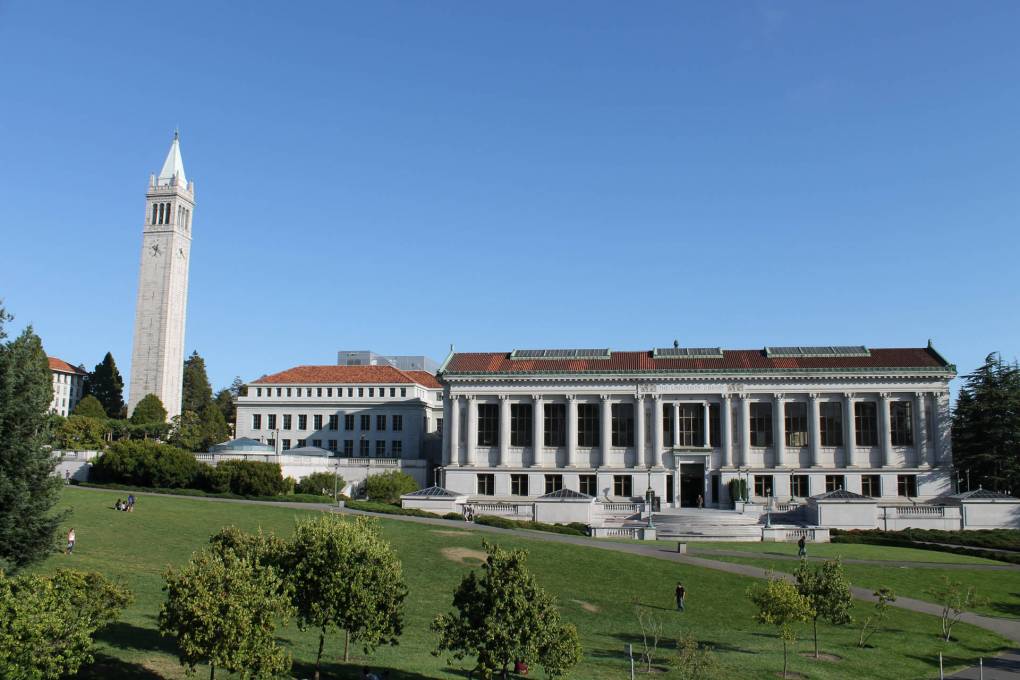
"caption": "UC Berkeley's Doe Library pictured. The university withdrew its proposal to close the South/Southeast Asia Library and integrate it with the larger library collection to create more office space amid mounting pressure from students, faculty, alumni and others.",
"description": "UC Berkeley's Doe Library pictured. The university withdrew its proposal to close the South/Southeast Asia Library and integrate it with the larger library collection to create more office space amid mounting pressure from students, faculty, alumni and others.",
"title": "berkeley1920-1920x1280",
"credit": "K.Oliver/\u003ca href=\"https://www.flickr.com/photos/63544355@N04/6011128252/in/photolist-aabB1h-6VWYDq-8WZBDf-dztwRQ-8KU2Ke-bpvQs1-6xbAR-78nMeh-wGiB8x-5fE57A-nVX4p8-bCqLgx-ccFqJs-bCAnKH-btzyLk-6nk5VZ-6GPXw7-cZ1wxy-4tA9Ez-bCCvAK-QUGBm-6K2nmD-QUvyC-p85B9-aVbEv-8GhUku-r54qc-6GKUvM-8GeJnM-QVZka-8GeK2i-4WonLf-6GPXRh-4dLdJ8-sNMKQ-QUvt1-4tEd1j-kTyGA-frpZkG-8fam9H-QVZcK-4tAa6V-QW5R4-op5aV-QVVhr-QVVXH-sNMEF-QW6nz-QUvPs-QUAhC\">Flickr\u003c/a>",
"status": "inherit",
"altTag": null,
"isLoading": false,
"fetchFailed": false
},
"news_11865915": {
"type": "attachments",
"id": "news_11865915",
"meta": {
"index": "attachments_1716263798",
"site": "news",
"id": "11865915",
"found": true
},
"parent": 11864769,
"imgSizes": {
"twentyfourteen-full-width": {
"file": "https://ww2.kqed.org/app/uploads/sites/10/2021/03/RS47690_001_Berkeley_AnonymousFormerStudent_03122021-qut-1038x576.jpg",
"width": 1038,
"mimeType": "image/jpeg",
"height": 576
},
"thumbnail": {
"file": "https://ww2.kqed.org/app/uploads/sites/10/2021/03/RS47690_001_Berkeley_AnonymousFormerStudent_03122021-qut-160x107.jpg",
"width": 160,
"mimeType": "image/jpeg",
"height": 107
},
"post-thumbnail": {
"file": "https://ww2.kqed.org/app/uploads/sites/10/2021/03/RS47690_001_Berkeley_AnonymousFormerStudent_03122021-qut-672x372.jpg",
"width": 672,
"mimeType": "image/jpeg",
"height": 372
},
"kqedFullSize": {
"file": "https://ww2.kqed.org/app/uploads/sites/10/2021/03/RS47690_001_Berkeley_AnonymousFormerStudent_03122021-qut.jpg",
"width": 1920,
"height": 1280
},
"large": {
"file": "https://ww2.kqed.org/app/uploads/sites/10/2021/03/RS47690_001_Berkeley_AnonymousFormerStudent_03122021-qut-1020x680.jpg",
"width": 1020,
"mimeType": "image/jpeg",
"height": 680
},
"1536x1536": {
"file": "https://ww2.kqed.org/app/uploads/sites/10/2021/03/RS47690_001_Berkeley_AnonymousFormerStudent_03122021-qut-1536x1024.jpg",
"width": 1536,
"mimeType": "image/jpeg",
"height": 1024
},
"medium": {
"file": "https://ww2.kqed.org/app/uploads/sites/10/2021/03/RS47690_001_Berkeley_AnonymousFormerStudent_03122021-qut-800x533.jpg",
"width": 800,
"mimeType": "image/jpeg",
"height": 533
}
},
"publishDate": 1616452962,
"modified": 1616627651,
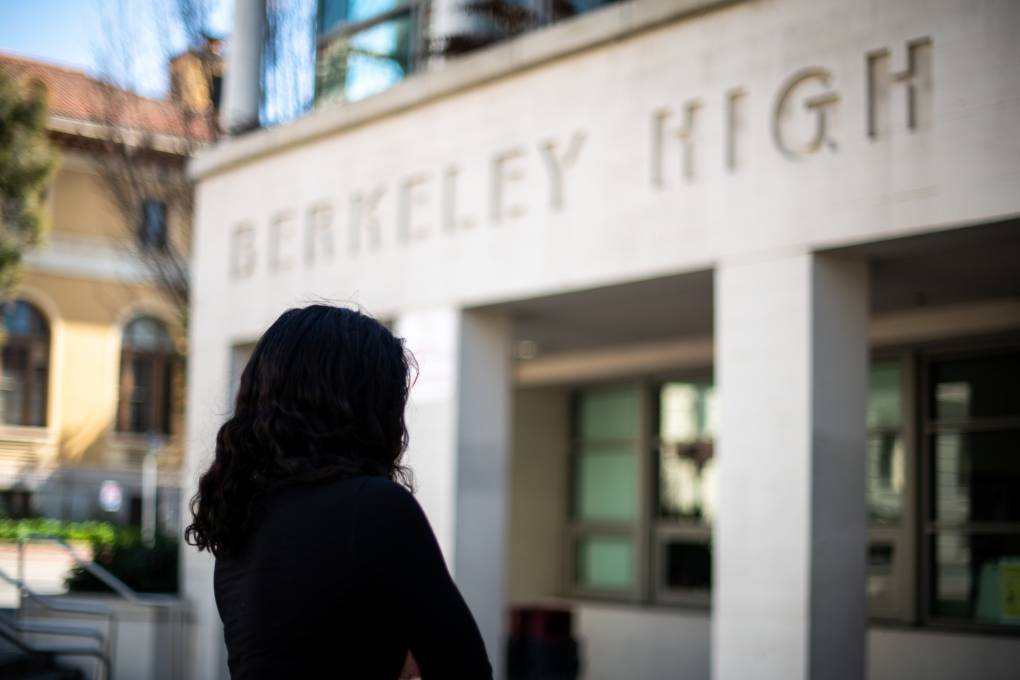
"caption": "A former Berkeley High student sued the district in January 2020, alleging she was sexually assaulted by another student during school hours in an unlocked classroom, and that the district failed to take steps to adequately ensure her safety. A student-led walkout followed.",
"description": "A former Berkeley High student sued the district in Jan. 2020, alleging she was sexually assaulted by another student during school hours in an unlocked classroom, and that the district failed to take steps to adequately ensure her safety. A student-led walkout followed.",
"title": "Former Berkeley High School student at the school on March 12, 2021.",
"credit": "Beth LaBerge/KQED",
"status": "inherit",
"altTag": "Anonymous Berkeley High student known as 'Faith' standing in front of the high school, back turned",
"isLoading": false,
"fetchFailed": false
},
"news_11865987": {
"type": "attachments",
"id": "news_11865987",
"meta": {
"index": "attachments_1716263798",
"site": "news",
"id": "11865987",
"found": true
},
"parent": 11865975,
"imgSizes": {
"twentyfourteen-full-width": {
"file": "https://ww2.kqed.org/app/uploads/sites/10/2021/03/012321_NursingStudent_AB_01-1038x576.jpg",
"width": 1038,
"mimeType": "image/jpeg",
"height": 576
},
"thumbnail": {
"file": "https://ww2.kqed.org/app/uploads/sites/10/2021/03/012321_NursingStudent_AB_01-160x107.jpg",
"width": 160,
"mimeType": "image/jpeg",
"height": 107
},
"post-thumbnail": {
"file": "https://ww2.kqed.org/app/uploads/sites/10/2021/03/012321_NursingStudent_AB_01-672x372.jpg",
"width": 672,
"mimeType": "image/jpeg",
"height": 372
},
"kqedFullSize": {
"file": "https://ww2.kqed.org/app/uploads/sites/10/2021/03/012321_NursingStudent_AB_01.jpg",
"width": 1536,
"height": 1024
},
"large": {
"file": "https://ww2.kqed.org/app/uploads/sites/10/2021/03/012321_NursingStudent_AB_01-1020x680.jpg",
"width": 1020,
"mimeType": "image/jpeg",
"height": 680
},
"medium": {
"file": "https://ww2.kqed.org/app/uploads/sites/10/2021/03/012321_NursingStudent_AB_01-800x533.jpg",
"width": 800,
"mimeType": "image/jpeg",
"height": 533
}
},
"publishDate": 1616523397,
"modified": 1616523546,
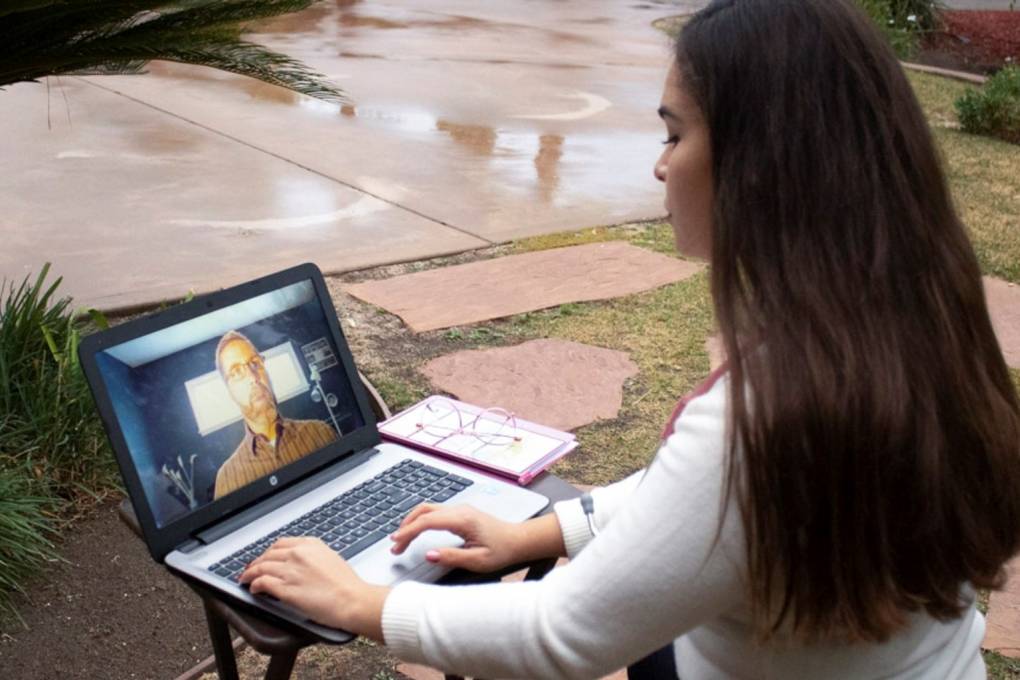
"caption": "Alexis Hawkins, a nursing student at Grossmont College in El Cajon, views an instructional video in the front yard of her home. Hawkins has been practicing her skills on family members while learning from home.",
"description": "A photo of Alexis Hawkins. Hawkins, a nursing student at Grossmont College in El Cajon, views an instructional video in the front yard of her home. Hawkins has been practicing her skills on family members while learning from home.",
"title": "012321_NursingStudent_AB_01",
"credit": "Arlene Banuelos for CalMatters",
"status": "inherit",
"altTag": null,
"isLoading": false,
"fetchFailed": false
},
"news_11865947": {
"type": "attachments",
"id": "news_11865947",
"meta": {
"index": "attachments_1716263798",
"site": "news",
"id": "11865947",
"found": true
},
"parent": 11865902,
"imgSizes": {
"twentyfourteen-full-width": {
"file": "https://ww2.kqed.org/app/uploads/sites/10/2021/03/RS47777_078_SanFrancisco_ReopenSchoolsMarch_03132021-qut-1-1038x576.jpg",
"width": 1038,
"mimeType": "image/jpeg",
"height": 576
},
"thumbnail": {
"file": "https://ww2.kqed.org/app/uploads/sites/10/2021/03/RS47777_078_SanFrancisco_ReopenSchoolsMarch_03132021-qut-1-160x107.jpg",
"width": 160,
"mimeType": "image/jpeg",
"height": 107
},
"post-thumbnail": {
"file": "https://ww2.kqed.org/app/uploads/sites/10/2021/03/RS47777_078_SanFrancisco_ReopenSchoolsMarch_03132021-qut-1-672x372.jpg",
"width": 672,
"mimeType": "image/jpeg",
"height": 372
},
"kqedFullSize": {
"file": "https://ww2.kqed.org/app/uploads/sites/10/2021/03/RS47777_078_SanFrancisco_ReopenSchoolsMarch_03132021-qut-1.jpg",
"width": 1920,
"height": 1278
},
"large": {
"file": "https://ww2.kqed.org/app/uploads/sites/10/2021/03/RS47777_078_SanFrancisco_ReopenSchoolsMarch_03132021-qut-1-1020x679.jpg",
"width": 1020,
"mimeType": "image/jpeg",
"height": 679
},
"1536x1536": {
"file": "https://ww2.kqed.org/app/uploads/sites/10/2021/03/RS47777_078_SanFrancisco_ReopenSchoolsMarch_03132021-qut-1-1536x1022.jpg",
"width": 1536,
"mimeType": "image/jpeg",
"height": 1022
},
"medium": {
"file": "https://ww2.kqed.org/app/uploads/sites/10/2021/03/RS47777_078_SanFrancisco_ReopenSchoolsMarch_03132021-qut-1-800x533.jpg",
"width": 800,
"mimeType": "image/jpeg",
"height": 533
}
},
"publishDate": 1616457373,
"modified": 1630424956,
"caption": "Mayor London Breed speaks during a rally to reopen San Francisco public schools on March 13, 2021, the one-year anniversary of school buildings being closed due to the pandemic.",
"description": "Mayor London Breed speaks during a rally to reopen San Francisco public schools on March 13, 2021, the one-year anniversary of school buildings being closed due to the pandemic.",
"title": "RS47777_078_SanFrancisco_ReopenSchoolsMarch_03132021-qut",
"credit": "Beth LaBerge/KQED",
"status": "inherit",
"altTag": "Protest sign saying \"I want school! Full time. I miss my friends\" in foreground of crowd before City Hall. Protestors in yellow T-shirts, Mayor Breed at podium in background.",
"isLoading": false,
"fetchFailed": false
},
"news_11812824": {
"type": "attachments",
"id": "news_11812824",
"meta": {
"index": "attachments_1716263798",
"site": "news",
"id": "11812824",
"found": true
},
"parent": 11812706,
"imgSizes": {
"apple_news_ca_landscape_5_5": {
"file": "https://ww2.kqed.org/app/uploads/sites/10/2020/04/RS42343_006_KQED_Oakland_SingleParent_Carolyn_03262020-qut-1044x783.jpg",
"width": 1044,
"mimeType": "image/jpeg",
"height": 783
},
"apple_news_ca_square_4_0": {
"file": "https://ww2.kqed.org/app/uploads/sites/10/2020/04/RS42343_006_KQED_Oakland_SingleParent_Carolyn_03262020-qut-470x470.jpg",
"width": 470,
"mimeType": "image/jpeg",
"height": 470
},
"twentyfourteen-full-width": {
"file": "https://ww2.kqed.org/app/uploads/sites/10/2020/04/RS42343_006_KQED_Oakland_SingleParent_Carolyn_03262020-qut-1038x576.jpg",
"width": 1038,
"mimeType": "image/jpeg",
"height": 576
},
"thumbnail": {
"file": "https://ww2.kqed.org/app/uploads/sites/10/2020/04/RS42343_006_KQED_Oakland_SingleParent_Carolyn_03262020-qut-160x107.jpg",
"width": 160,
"mimeType": "image/jpeg",
"height": 107
},
"post-thumbnail": {
"file": "https://ww2.kqed.org/app/uploads/sites/10/2020/04/RS42343_006_KQED_Oakland_SingleParent_Carolyn_03262020-qut-672x372.jpg",
"width": 672,
"mimeType": "image/jpeg",
"height": 372
},
"kqedFullSize": {
"file": "https://ww2.kqed.org/app/uploads/sites/10/2020/04/RS42343_006_KQED_Oakland_SingleParent_Carolyn_03262020-qut.jpg",
"width": 1920,
"height": 1280
},
"apple_news_ca_landscape_4_7": {
"file": "https://ww2.kqed.org/app/uploads/sites/10/2020/04/RS42343_006_KQED_Oakland_SingleParent_Carolyn_03262020-qut-632x474.jpg",
"width": 632,
"mimeType": "image/jpeg",
"height": 474
},
"large": {
"file": "https://ww2.kqed.org/app/uploads/sites/10/2020/04/RS42343_006_KQED_Oakland_SingleParent_Carolyn_03262020-qut-1020x680.jpg",
"width": 1020,
"mimeType": "image/jpeg",
"height": 680
},
"apple_news_ca_landscape_4_0": {
"file": "https://ww2.kqed.org/app/uploads/sites/10/2020/04/RS42343_006_KQED_Oakland_SingleParent_Carolyn_03262020-qut-536x402.jpg",
"width": 536,
"mimeType": "image/jpeg",
"height": 402
},
"apple_news_ca_portrait_12_9": {
"file": "https://ww2.kqed.org/app/uploads/sites/10/2020/04/RS42343_006_KQED_Oakland_SingleParent_Carolyn_03262020-qut-1122x1280.jpg",
"width": 1122,
"mimeType": "image/jpeg",
"height": 1280
},
"medium": {
"file": "https://ww2.kqed.org/app/uploads/sites/10/2020/04/RS42343_006_KQED_Oakland_SingleParent_Carolyn_03262020-qut-800x533.jpg",
"width": 800,
"mimeType": "image/jpeg",
"height": 533
},
"apple_news_ca_portrait_4_0": {
"file": "https://ww2.kqed.org/app/uploads/sites/10/2020/04/RS42343_006_KQED_Oakland_SingleParent_Carolyn_03262020-qut-354x472.jpg",
"width": 354,
"mimeType": "image/jpeg",
"height": 472
},
"apple_news_ca_portrait_9_7": {
"file": "https://ww2.kqed.org/app/uploads/sites/10/2020/04/RS42343_006_KQED_Oakland_SingleParent_Carolyn_03262020-qut-840x1120.jpg",
"width": 840,
"mimeType": "image/jpeg",
"height": 1120
},
"apple_news_ca_landscape_12_9": {
"file": "https://ww2.kqed.org/app/uploads/sites/10/2020/04/RS42343_006_KQED_Oakland_SingleParent_Carolyn_03262020-qut-1832x1280.jpg",
"width": 1832,
"mimeType": "image/jpeg",
"height": 1280
},
"apple_news_ca_square_9_7": {
"file": "https://ww2.kqed.org/app/uploads/sites/10/2020/04/RS42343_006_KQED_Oakland_SingleParent_Carolyn_03262020-qut-1104x1104.jpg",
"width": 1104,
"mimeType": "image/jpeg",
"height": 1104
},
"apple_news_ca_portrait_4_7": {
"file": "https://ww2.kqed.org/app/uploads/sites/10/2020/04/RS42343_006_KQED_Oakland_SingleParent_Carolyn_03262020-qut-414x552.jpg",
"width": 414,
"mimeType": "image/jpeg",
"height": 552
},
"apple_news_ca_square_12_9": {
"file": "https://ww2.kqed.org/app/uploads/sites/10/2020/04/RS42343_006_KQED_Oakland_SingleParent_Carolyn_03262020-qut-1472x1280.jpg",
"width": 1472,
"mimeType": "image/jpeg",
"height": 1280
},
"apple_news_ca_portrait_5_5": {
"file": "https://ww2.kqed.org/app/uploads/sites/10/2020/04/RS42343_006_KQED_Oakland_SingleParent_Carolyn_03262020-qut-687x916.jpg",
"width": 687,
"mimeType": "image/jpeg",
"height": 916
},
"full-width": {
"file": "https://ww2.kqed.org/app/uploads/sites/10/2020/04/RS42343_006_KQED_Oakland_SingleParent_Carolyn_03262020-qut-1920x1280.jpg",
"width": 1920,
"mimeType": "image/jpeg",
"height": 1280
},
"apple_news_ca_square_4_7": {
"file": "https://ww2.kqed.org/app/uploads/sites/10/2020/04/RS42343_006_KQED_Oakland_SingleParent_Carolyn_03262020-qut-550x550.jpg",
"width": 550,
"mimeType": "image/jpeg",
"height": 550
},
"apple_news_ca_landscape_9_7": {
"file": "https://ww2.kqed.org/app/uploads/sites/10/2020/04/RS42343_006_KQED_Oakland_SingleParent_Carolyn_03262020-qut-1376x1032.jpg",
"width": 1376,
"mimeType": "image/jpeg",
"height": 1032
},
"apple_news_ca_square_5_5": {
"file": "https://ww2.kqed.org/app/uploads/sites/10/2020/04/RS42343_006_KQED_Oakland_SingleParent_Carolyn_03262020-qut-912x912.jpg",
"width": 912,
"mimeType": "image/jpeg",
"height": 912
}
},
"publishDate": 1587140310,
"modified": 1616452943,
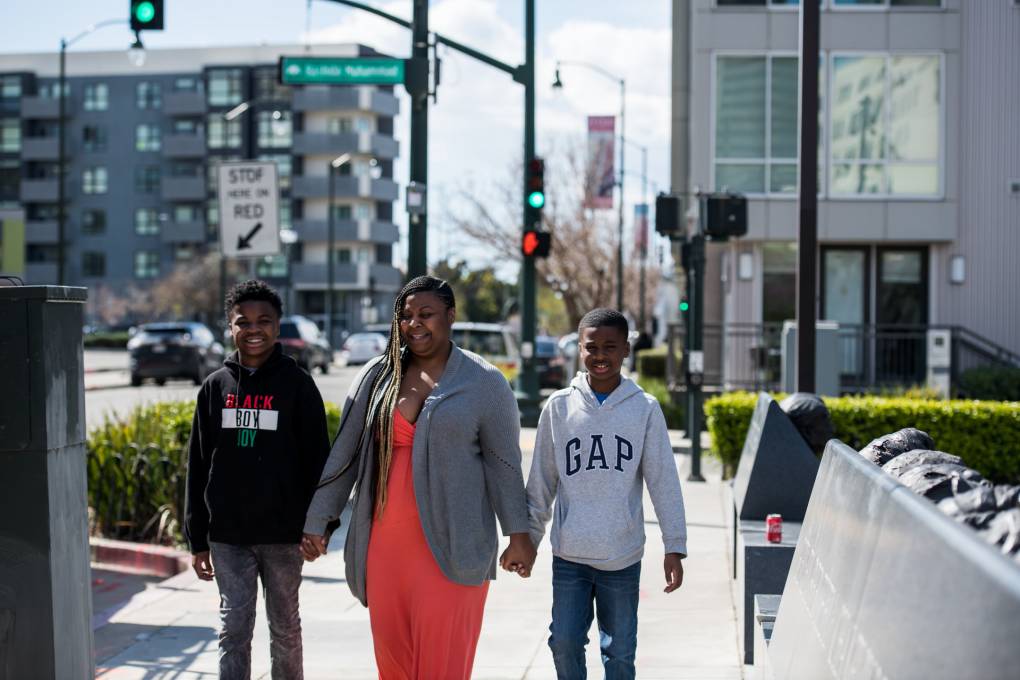
"caption": "Carolyn Bims-Payne and her two sons go for a walk to take a break from work and schoolwork while sheltering in place in 2020.",
"description": "Carolyn Bims-Payne and her two sons go for a walk to take a break from work and schoolwork while sheltering in place in Spring 2020.",
"title": "RS42343_006_KQED_Oakland_SingleParent_Carolyn_03262020-qut",
"credit": "Beth LaBerge/KQED",
"status": "inherit",
"altTag": "Carolyn Bims-Payne and her two sons go for a walk to take a break from work and schoolwork while sheltering in place.",
"isLoading": false,
"fetchFailed": false
},
"news_11865094": {
"type": "attachments",
"id": "news_11865094",
"meta": {
"index": "attachments_1716263798",
"site": "news",
"id": "11865094",
"found": true
},
"parent": 11865058,
"imgSizes": {
"twentyfourteen-full-width": {
"file": "https://ww2.kqed.org/app/uploads/sites/10/2021/03/GettyImages-1211223290-1-1038x576.jpg",
"width": 1038,
"mimeType": "image/jpeg",
"height": 576
},
"thumbnail": {
"file": "https://ww2.kqed.org/app/uploads/sites/10/2021/03/GettyImages-1211223290-1-160x107.jpg",
"width": 160,
"mimeType": "image/jpeg",
"height": 107
},
"post-thumbnail": {
"file": "https://ww2.kqed.org/app/uploads/sites/10/2021/03/GettyImages-1211223290-1-672x372.jpg",
"width": 672,
"mimeType": "image/jpeg",
"height": 372
},
"kqedFullSize": {
"file": "https://ww2.kqed.org/app/uploads/sites/10/2021/03/GettyImages-1211223290-1.jpg",
"width": 1920,
"height": 1280
},
"large": {
"file": "https://ww2.kqed.org/app/uploads/sites/10/2021/03/GettyImages-1211223290-1-1020x680.jpg",
"width": 1020,
"mimeType": "image/jpeg",
"height": 680
},
"1536x1536": {
"file": "https://ww2.kqed.org/app/uploads/sites/10/2021/03/GettyImages-1211223290-1-1536x1024.jpg",
"width": 1536,
"mimeType": "image/jpeg",
"height": 1024
},
"medium": {
"file": "https://ww2.kqed.org/app/uploads/sites/10/2021/03/GettyImages-1211223290-1-800x533.jpg",
"width": 800,
"mimeType": "image/jpeg",
"height": 533
}
},
"publishDate": 1615939857,
"modified": 1616175188,
"caption": "Health professionals are seeing a rise in teen mental health problems.",
"description": "Health professionals are seeing a rise in teen mental health problems.",
"title": "GettyImages-1211223290 (1)",
"credit": "Leonardo Fernandez Viloria/Getty Images",
"status": "inherit",
"altTag": null,
"isLoading": false,
"fetchFailed": false
},
"news_11865154": {
"type": "attachments",
"id": "news_11865154",
"meta": {
"index": "attachments_1716263798",
"site": "news",
"id": "11865154",
"found": true
},
"parent": 11865148,
"imgSizes": {
"twentyfourteen-full-width": {
"file": "https://ww2.kqed.org/app/uploads/sites/10/2021/03/RS46599_017_KQED_Berkeley_SchoolSitIn_01132021-qut-1038x576.jpeg",
"width": 1038,
"mimeType": "image/jpeg",
"height": 576
},
"thumbnail": {
"file": "https://ww2.kqed.org/app/uploads/sites/10/2021/03/RS46599_017_KQED_Berkeley_SchoolSitIn_01132021-qut-160x107.jpeg",
"width": 160,
"mimeType": "image/jpeg",
"height": 107
},
"post-thumbnail": {
"file": "https://ww2.kqed.org/app/uploads/sites/10/2021/03/RS46599_017_KQED_Berkeley_SchoolSitIn_01132021-qut-672x372.jpeg",
"width": 672,
"mimeType": "image/jpeg",
"height": 372
},
"kqedFullSize": {
"file": "https://ww2.kqed.org/app/uploads/sites/10/2021/03/RS46599_017_KQED_Berkeley_SchoolSitIn_01132021-qut.jpeg",
"width": 1920,
"height": 1282
},
"large": {
"file": "https://ww2.kqed.org/app/uploads/sites/10/2021/03/RS46599_017_KQED_Berkeley_SchoolSitIn_01132021-qut-1020x681.jpeg",
"width": 1020,
"mimeType": "image/jpeg",
"height": 681
},
"1536x1536": {
"file": "https://ww2.kqed.org/app/uploads/sites/10/2021/03/RS46599_017_KQED_Berkeley_SchoolSitIn_01132021-qut-1536x1026.jpeg",
"width": 1536,
"mimeType": "image/jpeg",
"height": 1026
},
"medium": {
"file": "https://ww2.kqed.org/app/uploads/sites/10/2021/03/RS46599_017_KQED_Berkeley_SchoolSitIn_01132021-qut-800x534.jpeg",
"width": 800,
"mimeType": "image/jpeg",
"height": 534
}
},
"publishDate": 1616002644,
"modified": 1616187345,
"caption": "Parents and students hold up signs in support of reopening schools at Thousand Oaks Elementary School in Berkeley. Parents and students staged a sit-in for equity in school reopening on Jan. 13, 2021.",
"description": null,
"title": "RS46599_017_KQED_Berkeley_SchoolSitIn_01132021-qut",
"credit": "Anna Vignet/KQED",
"status": "inherit",
"altTag": null,
"isLoading": false,
"fetchFailed": false
},
"news_11865510": {
"type": "attachments",
"id": "news_11865510",
"meta": {
"index": "attachments_1716263798",
"site": "news",
"id": "11865510",
"found": true
},
"parent": 11865408,
"imgSizes": {
"twentyfourteen-full-width": {
"file": "https://ww2.kqed.org/app/uploads/sites/10/2021/03/media_gallery_hi-res_mills_6-1038x576.jpeg",
"width": 1038,
"mimeType": "image/jpeg",
"height": 576
},
"thumbnail": {
"file": "https://ww2.kqed.org/app/uploads/sites/10/2021/03/media_gallery_hi-res_mills_6-160x107.jpeg",
"width": 160,
"mimeType": "image/jpeg",
"height": 107
},
"post-thumbnail": {
"file": "https://ww2.kqed.org/app/uploads/sites/10/2021/03/media_gallery_hi-res_mills_6-672x372.jpeg",
"width": 672,
"mimeType": "image/jpeg",
"height": 372
},
"kqedFullSize": {
"file": "https://ww2.kqed.org/app/uploads/sites/10/2021/03/media_gallery_hi-res_mills_6.jpeg",
"width": 1920,
"height": 1280
},
"large": {
"file": "https://ww2.kqed.org/app/uploads/sites/10/2021/03/media_gallery_hi-res_mills_6-1020x680.jpeg",
"width": 1020,
"mimeType": "image/jpeg",
"height": 680
},
"1536x1536": {
"file": "https://ww2.kqed.org/app/uploads/sites/10/2021/03/media_gallery_hi-res_mills_6-1536x1024.jpeg",
"width": 1536,
"mimeType": "image/jpeg",
"height": 1024
},
"medium": {
"file": "https://ww2.kqed.org/app/uploads/sites/10/2021/03/media_gallery_hi-res_mills_6-800x533.jpeg",
"width": 800,
"mimeType": "image/jpeg",
"height": 533
}
},
"publishDate": 1616106246,
"modified": 1616106295,
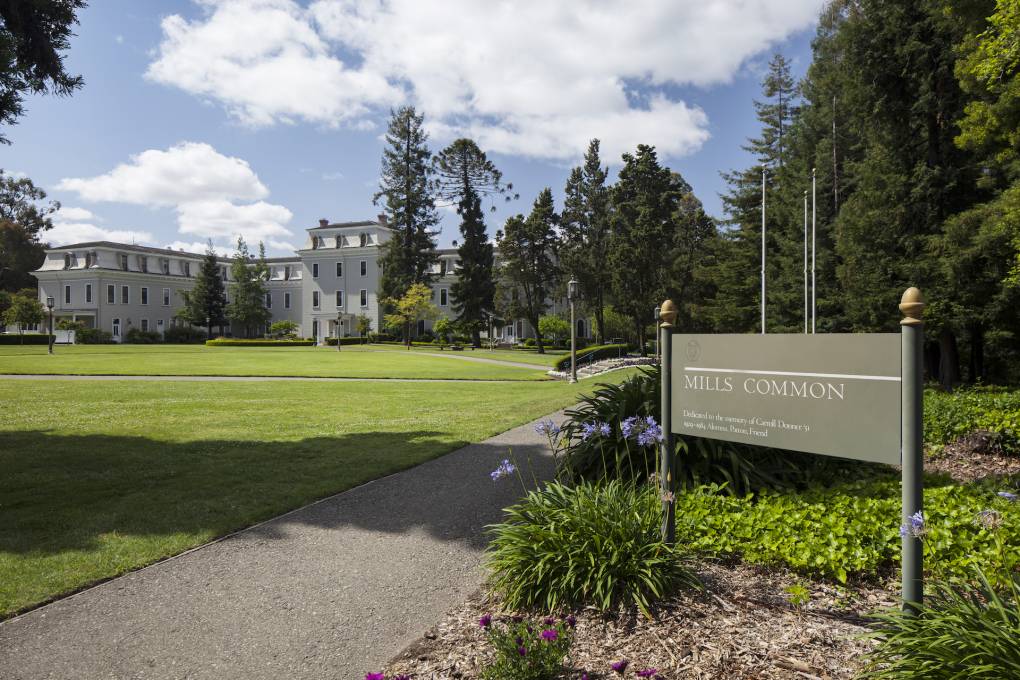
"caption": "The main commons on the campus of Mills College in Oakland.",
"description": null,
"title": "media_gallery_hi-res_mills_6",
"credit": "Phil Bond/Mills College",
"status": "inherit",
"altTag": null,
"isLoading": false,
"fetchFailed": false
},
"news_11864701": {
"type": "attachments",
"id": "news_11864701",
"meta": {
"index": "attachments_1716263798",
"site": "news",
"id": "11864701",
"found": true
},
"parent": 11864696,
"imgSizes": {
"twentyfourteen-full-width": {
"file": "https://ww2.kqed.org/app/uploads/sites/10/2021/03/013_SanFrancisco_SFUSDOpentheSchoolsRally_03132021-1038x576.jpg",
"width": 1038,
"mimeType": "image/jpeg",
"height": 576
},
"thumbnail": {
"file": "https://ww2.kqed.org/app/uploads/sites/10/2021/03/013_SanFrancisco_SFUSDOpentheSchoolsRally_03132021-160x107.jpg",
"width": 160,
"mimeType": "image/jpeg",
"height": 107
},
"post-thumbnail": {
"file": "https://ww2.kqed.org/app/uploads/sites/10/2021/03/013_SanFrancisco_SFUSDOpentheSchoolsRally_03132021-672x372.jpg",
"width": 672,
"mimeType": "image/jpeg",
"height": 372
},
"kqedFullSize": {
"file": "https://ww2.kqed.org/app/uploads/sites/10/2021/03/013_SanFrancisco_SFUSDOpentheSchoolsRally_03132021.jpg",
"width": 1920,
"height": 1280
},
"large": {
"file": "https://ww2.kqed.org/app/uploads/sites/10/2021/03/013_SanFrancisco_SFUSDOpentheSchoolsRally_03132021-1020x680.jpg",
"width": 1020,
"mimeType": "image/jpeg",
"height": 680
},
"1536x1536": {
"file": "https://ww2.kqed.org/app/uploads/sites/10/2021/03/013_SanFrancisco_SFUSDOpentheSchoolsRally_03132021-1536x1024.jpg",
"width": 1536,
"mimeType": "image/jpeg",
"height": 1024
},
"medium": {
"file": "https://ww2.kqed.org/app/uploads/sites/10/2021/03/013_SanFrancisco_SFUSDOpentheSchoolsRally_03132021-800x533.jpg",
"width": 800,
"mimeType": "image/jpeg",
"height": 533
}
},
"publishDate": 1615691438,
"modified": 1615691454,
"caption": "San Francisco Unified School District families and educators march from Alamo Square to City Hall in San Francisco on March 13, 2021, in support of opening schools on the one year anniversary of school buildings being closed.",
"description": "San Francisco Unified School District families and educators march from Alamo Square to City Hall in San Francisco on March 13, 2021, in support of opening schools on the one year anniversary of school buildings being closed.",
"title": "013_SanFrancisco_SFUSDOpentheSchoolsRally_03132021",
"credit": "Beth LaBerge/KQED",
"status": "inherit",
"altTag": null,
"isLoading": false,
"fetchFailed": false
},
"news_11864917": {
"type": "attachments",
"id": "news_11864917",
"meta": {
"index": "attachments_1716263798",
"site": "news",
"id": "11864917",
"found": true
},
"parent": 11864818,
"imgSizes": {
"twentyfourteen-full-width": {
"file": "https://ww2.kqed.org/app/uploads/sites/10/2021/03/RS47148_017_Oakland_SkylineHSFootballPractice_02032021-qut-1020x680-1-1020x576.jpeg",
"width": 1020,
"mimeType": "image/jpeg",
"height": 576
},
"thumbnail": {
"file": "https://ww2.kqed.org/app/uploads/sites/10/2021/03/RS47148_017_Oakland_SkylineHSFootballPractice_02032021-qut-1020x680-1-160x107.jpeg",
"width": 160,
"mimeType": "image/jpeg",
"height": 107
},
"post-thumbnail": {
"file": "https://ww2.kqed.org/app/uploads/sites/10/2021/03/RS47148_017_Oakland_SkylineHSFootballPractice_02032021-qut-1020x680-1-672x372.jpeg",
"width": 672,
"mimeType": "image/jpeg",
"height": 372
},
"kqedFullSize": {
"file": "https://ww2.kqed.org/app/uploads/sites/10/2021/03/RS47148_017_Oakland_SkylineHSFootballPractice_02032021-qut-1020x680-1.jpeg",
"width": 1020,
"height": 680
},
"medium": {
"file": "https://ww2.kqed.org/app/uploads/sites/10/2021/03/RS47148_017_Oakland_SkylineHSFootballPractice_02032021-qut-1020x680-1-800x533.jpeg",
"width": 800,
"mimeType": "image/jpeg",
"height": 533
}
},
"publishDate": 1615847421,
"modified": 1632443992,
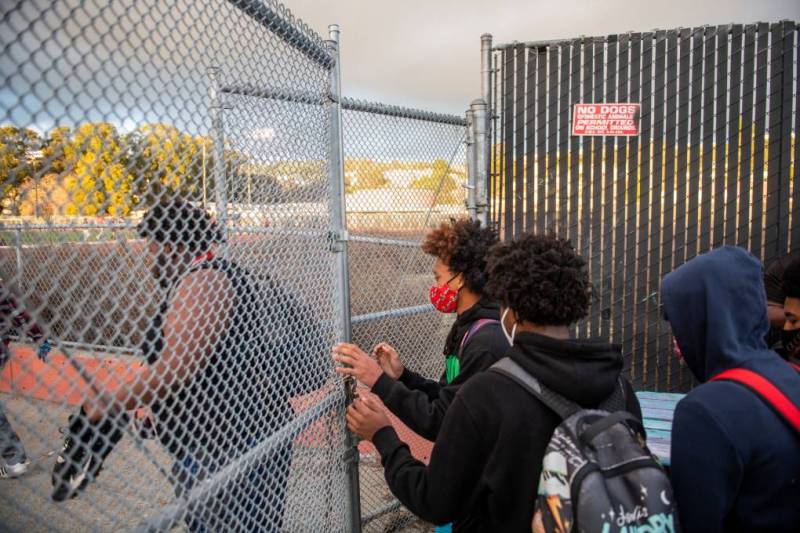
"caption": "Students enter Castlemont High School in Oakland, California, on Feb. 3, 2021, for football practice. ",
"description": "OUSD students entering Castlemont High School Oakland on Feb. 3, 2021 for football practice. ",
"title": "RS47148_017_Oakland_SkylineHSFootballPractice_02032021-qut-1020x680",
"credit": "Beth LaBerge/KQED",
"status": "inherit",
"altTag": "Students wearing masks and backpacks walk through a chain-link fence.",
"isLoading": false,
"fetchFailed": false
},
"news_11864375": {
"type": "attachments",
"id": "news_11864375",
"meta": {
"index": "attachments_1716263798",
"site": "news",
"id": "11864375",
"found": true
},
"parent": 11864221,
"imgSizes": {
"twentyfourteen-full-width": {
"file": "https://ww2.kqed.org/app/uploads/sites/10/2021/03/yearincovid_featured_031121_final-1038x576.png",
"width": 1038,
"mimeType": "image/png",
"height": 576
},
"thumbnail": {
"file": "https://ww2.kqed.org/app/uploads/sites/10/2021/03/yearincovid_featured_031121_final-160x104.png",
"width": 160,
"mimeType": "image/png",
"height": 104
},
"post-thumbnail": {
"file": "https://ww2.kqed.org/app/uploads/sites/10/2021/03/yearincovid_featured_031121_final-672x372.png",
"width": 672,
"mimeType": "image/png",
"height": 372
},
"kqedFullSize": {
"file": "https://ww2.kqed.org/app/uploads/sites/10/2021/03/yearincovid_featured_031121_final.png",
"width": 1920,
"height": 1252
},
"large": {
"file": "https://ww2.kqed.org/app/uploads/sites/10/2021/03/yearincovid_featured_031121_final-1020x665.png",
"width": 1020,
"mimeType": "image/png",
"height": 665
},
"1536x1536": {
"file": "https://ww2.kqed.org/app/uploads/sites/10/2021/03/yearincovid_featured_031121_final-1536x1002.png",
"width": 1536,
"mimeType": "image/png",
"height": 1002
},
"medium": {
"file": "https://ww2.kqed.org/app/uploads/sites/10/2021/03/yearincovid_featured_031121_final-800x522.png",
"width": 800,
"mimeType": "image/png",
"height": 522
}
},
"publishDate": 1615507038,
"modified": 1615507078,
"caption": null,
"description": null,
"title": "yearincovid_featured_031121_final",
"credit": null,
"status": "inherit",
"altTag": "A compilation of COVID-19 cartoons by Mark Fiore from a year of cartooning the coronavirus pandemic.",
"isLoading": false,
"fetchFailed": false
},
"news_11863819": {
"type": "attachments",
"id": "news_11863819",
"meta": {
"index": "attachments_1716263798",
"site": "news",
"id": "11863819",
"found": true
},
"parent": 11863474,
"imgSizes": {
"apple_news_ca_square_4_0": {
"file": "https://ww2.kqed.org/app/uploads/sites/10/2021/03/GettyImages-1231186926-470x470.jpg",
"width": 470,
"mimeType": "image/jpeg",
"height": 470
},
"thumbnail": {
"file": "https://ww2.kqed.org/app/uploads/sites/10/2021/03/GettyImages-1231186926-160x90.jpg",
"width": 160,
"mimeType": "image/jpeg",
"height": 90
},
"post-thumbnail": {
"file": "https://ww2.kqed.org/app/uploads/sites/10/2021/03/GettyImages-1231186926-672x372.jpg",
"width": 672,
"mimeType": "image/jpeg",
"height": 372
},
"kqedFullSize": {
"file": "https://ww2.kqed.org/app/uploads/sites/10/2021/03/GettyImages-1231186926.jpg",
"width": 1024,
"height": 577
},
"apple_news_ca_landscape_4_7": {
"file": "https://ww2.kqed.org/app/uploads/sites/10/2021/03/GettyImages-1231186926-632x474.jpg",
"width": 632,
"mimeType": "image/jpeg",
"height": 474
},
"large": {
"file": "https://ww2.kqed.org/app/uploads/sites/10/2021/03/GettyImages-1231186926-1020x575.jpg",
"width": 1020,
"mimeType": "image/jpeg",
"height": 575
},
"apple_news_ca_landscape_4_0": {
"file": "https://ww2.kqed.org/app/uploads/sites/10/2021/03/GettyImages-1231186926-536x402.jpg",
"width": 536,
"mimeType": "image/jpeg",
"height": 402
},
"medium": {
"file": "https://ww2.kqed.org/app/uploads/sites/10/2021/03/GettyImages-1231186926-800x451.jpg",
"width": 800,
"mimeType": "image/jpeg",
"height": 451
},
"apple_news_ca_portrait_4_0": {
"file": "https://ww2.kqed.org/app/uploads/sites/10/2021/03/GettyImages-1231186926-354x472.jpg",
"width": 354,
"mimeType": "image/jpeg",
"height": 472
},
"apple_news_ca_portrait_9_7": {
"file": "https://ww2.kqed.org/app/uploads/sites/10/2021/03/GettyImages-1231186926-840x577.jpg",
"width": 840,
"mimeType": "image/jpeg",
"height": 577
},
"apple_news_ca_portrait_4_7": {
"file": "https://ww2.kqed.org/app/uploads/sites/10/2021/03/GettyImages-1231186926-414x552.jpg",
"width": 414,
"mimeType": "image/jpeg",
"height": 552
},
"apple_news_ca_portrait_5_5": {
"file": "https://ww2.kqed.org/app/uploads/sites/10/2021/03/GettyImages-1231186926-687x577.jpg",
"width": 687,
"mimeType": "image/jpeg",
"height": 577
},
"apple_news_ca_square_4_7": {
"file": "https://ww2.kqed.org/app/uploads/sites/10/2021/03/GettyImages-1231186926-550x550.jpg",
"width": 550,
"mimeType": "image/jpeg",
"height": 550
},
"apple_news_ca_square_5_5": {
"file": "https://ww2.kqed.org/app/uploads/sites/10/2021/03/GettyImages-1231186926-912x577.jpg",
"width": 912,
"mimeType": "image/jpeg",
"height": 577
}
},
"publishDate": 1615250841,
"modified": 1615253088,
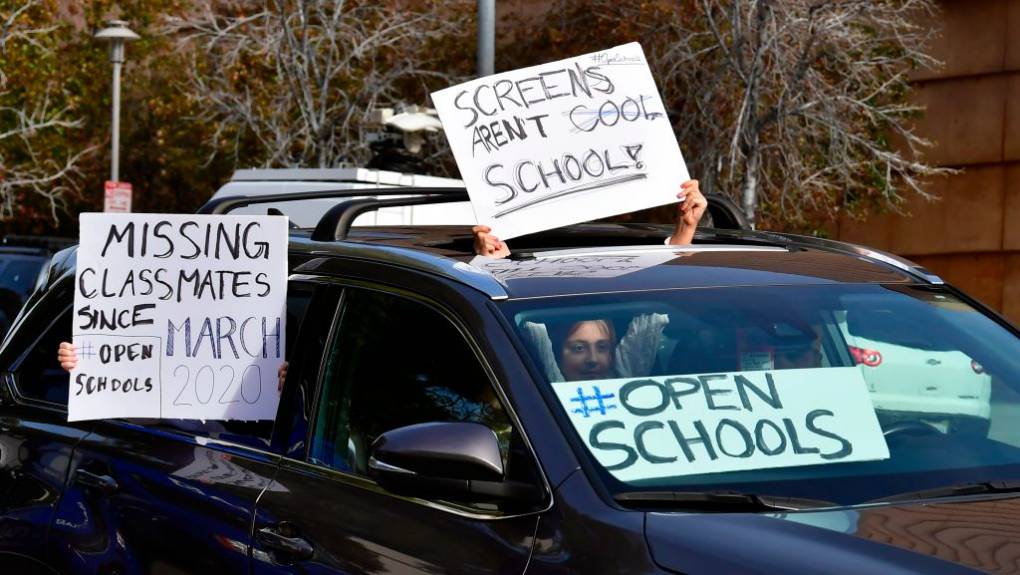
"caption": "Demonstrators in a car caravan during an 'Open Schools Now' rally on Feb. 15, 2021 in Los Angeles.",
"description": null,
"title": "US-HEALTH-VIRUS-EDUCATION",
"credit": "Frederic J. Brown/AFP via Getty Images",
"status": "inherit",
"altTag": null,
"isLoading": false,
"fetchFailed": false
}
},
"audioPlayerReducer": {
"postId": "stream_live",
"isPaused": true,
"isPlaying": false,
"pfsActive": false,
"pledgeModalIsOpen": true,
"playerDrawerIsOpen": false,
"liveAudioPlayStartedAt": 0,
"liveAudioPlayContext": ""
},
"authorsReducer": {
"byline_news_11865975": {
"type": "authors",
"id": "byline_news_11865975",
"meta": {
"override": true
},
"slug": "byline_news_11865975",
"name": "\u003ca href=\"https://calmatters.org/author/shehreen-karim/\">Shehreen Karim\u003c/a>",
"isLoading": false
},
"gmarzorati": {
"type": "authors",
"id": "227",
"meta": {
"index": "authors_1716337520",
"id": "227",
"found": true
},
"name": "Guy Marzorati",
"firstName": "Guy",
"lastName": "Marzorati",
"slug": "gmarzorati",
"email": "gmarzorati@KQED.org",
"display_author_email": true,
"staff_mastheads": [
"news"
],
"title": "Correspondent",
"bio": "Guy Marzorati is a correspondent on KQED's California Politics and Government Desk, based in San Jose. A graduate of Santa Clara University, Guy joined KQED in 2013. He reports on state and local politics and produces KQED's digital voter guide.",
"avatar": "https://secure.gravatar.com/avatar/e7038b8dbfd55b104369b76b1cd0b9de?s=600&d=blank&r=g",
"twitter": "guymarzorati",
"facebook": null,
"instagram": null,
"linkedin": null,
"sites": [
{
"site": "",
"roles": [
"editor"
]
},
{
"site": "news",
"roles": [
"editor"
]
},
{
"site": "science",
"roles": [
"editor"
]
},
{
"site": "forum",
"roles": [
"editor"
]
},
{
"site": "elections",
"roles": [
"editor"
]
},
{
"site": "liveblog",
"roles": [
"editor"
]
}
],
"headData": {
"title": "Guy Marzorati | KQED",
"description": "Correspondent",
"ogImgSrc": "https://secure.gravatar.com/avatar/e7038b8dbfd55b104369b76b1cd0b9de?s=600&d=blank&r=g",
"twImgSrc": "https://secure.gravatar.com/avatar/e7038b8dbfd55b104369b76b1cd0b9de?s=600&d=blank&r=g"
},
"isLoading": false,
"link": "/author/gmarzorati"
},
"kqednewsstaffandwires": {
"type": "authors",
"id": "237",
"meta": {
"index": "authors_1716337520",
"id": "237",
"found": true
},
"name": "KQED News Staff and Wires",
"firstName": "KQED News Staff and Wires",
"lastName": null,
"slug": "kqednewsstaffandwires",
"email": "onlinenewsstaff@kqed.org",
"display_author_email": false,
"staff_mastheads": [],
"title": null,
"bio": null,
"avatar": "https://secure.gravatar.com/avatar/72295af8ebbfbd19a4948f5271285664?s=600&d=blank&r=g",
"twitter": null,
"facebook": null,
"instagram": null,
"linkedin": null,
"sites": [
{
"site": "arts",
"roles": [
"contributor"
]
},
{
"site": "news",
"roles": [
"contributor"
]
},
{
"site": "lowdown",
"roles": [
"author"
]
},
{
"site": "stateofhealth",
"roles": [
"contributor"
]
},
{
"site": "food",
"roles": [
"author"
]
}
],
"headData": {
"title": "KQED News Staff and Wires | KQED",
"description": null,
"ogImgSrc": "https://secure.gravatar.com/avatar/72295af8ebbfbd19a4948f5271285664?s=600&d=blank&r=g",
"twImgSrc": "https://secure.gravatar.com/avatar/72295af8ebbfbd19a4948f5271285664?s=600&d=blank&r=g"
},
"isLoading": false,
"link": "/author/kqednewsstaffandwires"
},
"matthewgreen": {
"type": "authors",
"id": "1263",
"meta": {
"index": "authors_1716337520",
"id": "1263",
"found": true
},
"name": "Matthew Green",
"firstName": "Matthew",
"lastName": "Green",
"slug": "matthewgreen",
"email": "mgreen@kqed.org",
"display_author_email": false,
"staff_mastheads": [],
"title": "KQED Editor/Reporter",
"bio": "Matthew Green is a digital media producer for KQED News. He previously produced \u003ca href=\"http://www.kqed.org/lowdown\">The Lowdown\u003c/a>, KQED’s multimedia news education blog. Matthew's written for numerous Bay Area publications, including the Oakland Tribune and San Francisco Chronicle. He also taught journalism classes at Fremont High School in East Oakland.\r\n\r\nEmail: mgreen@kqed.org; Twitter: @MGreenKQED",
"avatar": "https://secure.gravatar.com/avatar/3bf498d1267ca02c8494f33d8cfc575e?s=600&d=blank&r=g",
"twitter": "MGreenKQED",
"facebook": null,
"instagram": null,
"linkedin": null,
"sites": [
{
"site": "news",
"roles": []
},
{
"site": "lowdown",
"roles": []
},
{
"site": "science",
"roles": []
},
{
"site": "education",
"roles": []
},
{
"site": "quest",
"roles": []
},
{
"site": "liveblog",
"roles": []
}
],
"headData": {
"title": "Matthew Green | KQED",
"description": "KQED Editor/Reporter",
"ogImgSrc": "https://secure.gravatar.com/avatar/3bf498d1267ca02c8494f33d8cfc575e?s=600&d=blank&r=g",
"twImgSrc": "https://secure.gravatar.com/avatar/3bf498d1267ca02c8494f33d8cfc575e?s=600&d=blank&r=g"
},
"isLoading": false,
"link": "/author/matthewgreen"
},
"markfiore": {
"type": "authors",
"id": "3236",
"meta": {
"index": "authors_1716337520",
"id": "3236",
"found": true
},
"name": "Mark Fiore",
"firstName": "Mark",
"lastName": "Fiore",
"slug": "markfiore",
"email": "mark@markfiore.com",
"display_author_email": false,
"staff_mastheads": [
"news"
],
"title": "KQED News Cartoonist",
"bio": "\u003ca href=\"http://www.MarkFiore.com\">MarkFiore.com\u003c/a> | \u003ca href=\"https://twitter.com/markfiore\">Follow on Twitter\u003c/a> | \u003ca href=\"https://www.facebook.com/pages/Mark-Fiore-Animated-Political-Cartoons/94451707396?ref=bookmarks\">Facebook\u003c/a> | \u003ca href=\"mailto:mark@markfiore.com\">email\u003c/a>\r\n\r\nPulitzer Prize-winner, Mark Fiore, who the Wall Street Journal has called “the undisputed guru of the form,” creates animated political cartoons in San Francisco, where his work has been featured regularly on the San Francisco Chronicle’s web site, SFGate.com. His work has appeared on Newsweek.com, Slate.com, CBSNews.com, MotherJones.com, DailyKos.com and NPR’s web site. Fiore’s political animation has appeared on CNN, Frontline, Bill Moyers Journal, Salon.com and cable and broadcast outlets across the globe.\r\n\r\nBeginning his professional life by drawing traditional political cartoons for newspapers, Fiore’s work appeared in publications ranging from the Washington Post to the Los Angeles Times. In the late 1990s, he began to experiment with animating political cartoons and, after a short stint at the San Jose Mercury News as their staff cartoonist, Fiore devoted all his energies to animation.\r\nGrowing up in California, Fiore also spent a good portion of his life in the backwoods of Idaho. It was this combination that shaped him politically. Mark majored in political science at Colorado College, where, in a perfect send-off for a cartoonist, he received his diploma in 1991 as commencement speaker Dick Cheney smiled approvingly.\r\nMark Fiore was awarded the Pulitzer Prize for political cartooning in 2010, a Robert F. Kennedy Journalism Award in 2004 and has twice received an Online Journalism Award for commentary from the Online News Association (2002, 2008). Fiore has received two awards for his work in new media from the National Cartoonists Society (2001, 2002), and in 2006 received The James Madison Freedom of Information Award from The Society of Professional Journalists.",
"avatar": "https://secure.gravatar.com/avatar/fc4e2a612b15b67bad0c6f0e1db4ca9b?s=600&d=blank&r=g",
"twitter": "MarkFiore",
"facebook": null,
"instagram": "https://www.instagram.com/markfiore/?hl=en",
"linkedin": null,
"sites": [
{
"site": "arts",
"roles": [
"contributor"
]
},
{
"site": "news",
"roles": [
"editor"
]
},
{
"site": "futureofyou",
"roles": [
"editor"
]
},
{
"site": "science",
"roles": [
"editor"
]
}
],
"headData": {
"title": "Mark Fiore | KQED",
"description": "KQED News Cartoonist",
"ogImgSrc": "https://secure.gravatar.com/avatar/fc4e2a612b15b67bad0c6f0e1db4ca9b?s=600&d=blank&r=g",
"twImgSrc": "https://secure.gravatar.com/avatar/fc4e2a612b15b67bad0c6f0e1db4ca9b?s=600&d=blank&r=g"
},
"isLoading": false,
"link": "/author/markfiore"
},
"dkatayama": {
"type": "authors",
"id": "7240",
"meta": {
"index": "authors_1716337520",
"id": "7240",
"found": true
},
"name": "Devin Katayama",
"firstName": "Devin",
"lastName": "Katayama",
"slug": "dkatayama",
"email": "dkatayama@kqed.org",
"display_author_email": true,
"staff_mastheads": [
"news"
],
"title": "Editor of Talent and Development",
"bio": "Devin Katayama is former Editor of Talent and Development for KQED. He supported our internship program and on-call staff by looking for equitable opportunities to improve the newsroom.\r\n\r\nHe previously hosted The Bay and American Suburb podcasts from KQED News. Prior to returning to the Bay Area in 2015, Devin was the education reporter for WFPL in Louisville and worked as a producer with radio stations in Chicago and Portland, OR. His work has appeared on NPR’s \u003cem>Morning Edition, All Things Considered, The Takeaway\u003c/em> and \u003cem>Here and Now.\u003c/em>\r\n\r\nDevin earned his MA in Journalism from Columbia College Chicago, where he was a Follett Fellow and the recipient of the 2011 Studs Terkel Community Media Workshop Scholarship for his story on Chicago's homeless youth. He won WBUR's 2014 Daniel Schorr award and a regional RTNDA Edward R. Murrow Award for his documentary \"At Risk\" that looked at issues facing some of Louisville's students. Devin has also received numerous local awards from the Associated Press and the Society of Professional Journalists.",
"avatar": "https://secure.gravatar.com/avatar/d0d2978a31002fb2de107921a8e18405?s=600&d=blank&r=g",
"twitter": "RadioDevin",
"facebook": null,
"instagram": null,
"linkedin": null,
"sites": [
{
"site": "arts",
"roles": []
},
{
"site": "news",
"roles": [
"author"
]
},
{
"site": "stateofhealth",
"roles": [
"author"
]
},
{
"site": "forum",
"roles": [
"editor"
]
},
{
"site": "perspectives",
"roles": [
"editor"
]
}
],
"headData": {
"title": "Devin Katayama | KQED",
"description": "Editor of Talent and Development",
"ogImgSrc": "https://secure.gravatar.com/avatar/d0d2978a31002fb2de107921a8e18405?s=600&d=blank&r=g",
"twImgSrc": "https://secure.gravatar.com/avatar/d0d2978a31002fb2de107921a8e18405?s=600&d=blank&r=g"
},
"isLoading": false,
"link": "/author/dkatayama"
},
"ecruzguevarra": {
"type": "authors",
"id": "8654",
"meta": {
"index": "authors_1716337520",
"id": "8654",
"found": true
},
"name": "Ericka Cruz Guevarra",
"firstName": "Ericka",
"lastName": "Cruz Guevarra",
"slug": "ecruzguevarra",
"email": "ecruzguevarra@kqed.org",
"display_author_email": true,
"staff_mastheads": [
"news"
],
"title": "Producer, The Bay Podcast",
"bio": "Ericka Cruz Guevarra is host of \u003ca href=\"https://www.kqed.org/podcasts/thebay\">\u003cem>The Bay\u003c/em>\u003c/a> podcast at KQED. Before host, she was the show’s producer. Her work in that capacity includes a three-part reported series on policing in Vallejo, which won a 2020 excellence in journalism award from the Society of Professional Journalists. Ericka has worked as a breaking news reporter at Oregon Public Broadcasting, helped produce the Code Switch podcast, and was KQED’s inaugural Raul Ramirez Diversity Fund intern. She’s also an alumna of NPR’s Next Generation Radio program. Send her an email if you have strong feelings about whether Fairfield and Suisun City are the Bay. Ericka is represented by SAG-AFTRA.",
"avatar": "https://secure.gravatar.com/avatar/accefc1de4bafc7e234b69bcb9b6f6536c130fd84709bc3069ef11a78787e1bb?s=600&d=blank&r=g",
"twitter": "NotoriousECG",
"bluesky": null,
"facebook": null,
"instagram": null,
"linkedin": null,
"sites": [
{
"site": "arts",
"roles": [
"subscriber"
]
},
{
"site": "news",
"roles": [
"editor",
"manage_categories"
]
},
{
"site": "futureofyou",
"roles": [
"subscriber"
]
},
{
"site": "stateofhealth",
"roles": [
"subscriber"
]
},
{
"site": "science",
"roles": [
"editor"
]
},
{
"site": "forum",
"roles": [
"subscriber"
]
}
],
"headData": {
"title": "Ericka Cruz Guevarra | KQED",
"description": "Producer, The Bay Podcast",
"ogImgSrc": "https://secure.gravatar.com/avatar/accefc1de4bafc7e234b69bcb9b6f6536c130fd84709bc3069ef11a78787e1bb?s=600&d=blank&r=g",
"twImgSrc": "https://secure.gravatar.com/avatar/accefc1de4bafc7e234b69bcb9b6f6536c130fd84709bc3069ef11a78787e1bb?s=600&d=blank&r=g"
},
"isLoading": false,
"link": "/author/ecruzguevarra"
},
"bwatt": {
"type": "authors",
"id": "11238",
"meta": {
"index": "authors_1716337520",
"id": "11238",
"found": true
},
"name": "Brian Watt",
"firstName": "Brian",
"lastName": "Watt",
"slug": "bwatt",
"email": "bwatt@KQED.org",
"display_author_email": false,
"staff_mastheads": [
"news"
],
"title": "Morning News Anchor",
"bio": "Brian Watt is KQED's morning radio news anchor. He joined the KQED News team in April of 2016. Prior to that, he worked as a Reporter for KPCC in Los Angeles and a producer at \u003cem>Marketplace.\u003c/em>\r\n\r\nDuring eight years at KPCC, Brian covered business and economics, and his work won several awards. In 2008, he won the Los Angeles Press Club’s first-place award for Business and Financial Reporting, Broadcast. He’s also received honorable mention and been first runner up for the Press Club’s Radio Journalist of the Year. He won two Golden Mike awards from the Radio and TV News Association of Southern California.\r\n\r\nBrian holds degrees in theater from Yale University and the Sorbonne, and has worked as an actor in France, Italy, Brazil, Hungary and . . . Hollywood. He appeared in a few television shows, including \u003cem>The West Wing, Judging Amy\u003c/em> and \u003cem>The District.\u003c/em>\r\n\r\nEmail: bwatt@KQED.org Twitter: @RadioBWatt",
"avatar": "https://secure.gravatar.com/avatar/55393ff57ed34e2be773ba4789dd6a19?s=600&d=blank&r=g",
"twitter": "@RadioBWatt",
"facebook": null,
"instagram": null,
"linkedin": null,
"sites": [
{
"site": "arts",
"roles": [
"contributor"
]
},
{
"site": "news",
"roles": [
"editor"
]
}
],
"headData": {
"title": "Brian Watt | KQED",
"description": "Morning News Anchor",
"ogImgSrc": "https://secure.gravatar.com/avatar/55393ff57ed34e2be773ba4789dd6a19?s=600&d=blank&r=g",
"twImgSrc": "https://secure.gravatar.com/avatar/55393ff57ed34e2be773ba4789dd6a19?s=600&d=blank&r=g"
},
"isLoading": false,
"link": "/author/bwatt"
},
"vrancano": {
"type": "authors",
"id": "11276",
"meta": {
"index": "authors_1716337520",
"id": "11276",
"found": true
},
"name": "Vanessa Rancaño",
"firstName": "Vanessa",
"lastName": "Rancaño",
"slug": "vrancano",
"email": "vrancano@kqed.org",
"display_author_email": false,
"staff_mastheads": [
"news"
],
"title": "Reporter",
"bio": "Vanessa Rancaño is a features reporter for KQED. She’s also covered homelessness and education for the station and reported from the Central Valley. Her work has aired across public radio, from flagship national news shows to longform narrative podcasts. Before taking up a mic, she worked as a freelance print journalist. She’s been recognized with a number of national and regional awards. Vanessa grew up in California's Central Valley. She's a former NPR Kroc Fellow, and a graduate of the UC Berkeley Graduate School of Journalism.",
"avatar": "https://secure.gravatar.com/avatar/b3a383dfb0e7ee1c17568f2cf067904ab654d6e3de9743fc661f3c788ade1bed?s=600&d=blank&r=g",
"twitter": "vanessarancano",
"bluesky": null,
"facebook": null,
"instagram": null,
"linkedin": null,
"sites": [
{
"site": "arts",
"roles": [
"editor"
]
},
{
"site": "news",
"roles": [
"editor"
]
},
{
"site": "liveblog",
"roles": [
"contributor"
]
}
],
"headData": {
"title": "Vanessa Rancaño | KQED",
"description": "Reporter",
"ogImgSrc": "https://secure.gravatar.com/avatar/b3a383dfb0e7ee1c17568f2cf067904ab654d6e3de9743fc661f3c788ade1bed?s=600&d=blank&r=g",
"twImgSrc": "https://secure.gravatar.com/avatar/b3a383dfb0e7ee1c17568f2cf067904ab654d6e3de9743fc661f3c788ade1bed?s=600&d=blank&r=g"
},
"isLoading": false,
"link": "/author/vrancano"
},
"rdillon": {
"type": "authors",
"id": "11495",
"meta": {
"index": "authors_1716337520",
"id": "11495",
"found": true
},
"name": "Raquel Maria Dillon",
"firstName": "Raquel Maria",
"lastName": "Dillon",
"slug": "rdillon",
"email": "rdillon@kqed.org",
"display_author_email": false,
"staff_mastheads": [],
"title": null,
"bio": "Raquel Maria Dillon was a reporter and host for KQED News. Previously, she produced the daily statewide California Report, edited newscasts, and covered health and education stories. Before returning to the Bay Area in 2016, she worked in Los Angeles as a wire reporter and one-woman-band video journalist for the Associated Press, where she shot, edited and reported breaking news and features across the West. Her work has appeared online and in print around the globe, and also on NPR’s Morning Edition, All Things Considered, Here and Now, Marketplace, On The Media, and Studio 360. She previously edited and mentored up-and-coming reporters at KALW, produced social videos for Timeline.com, and was a local TV news videographer for KTVU and digital producer for KNTV. She got her start as a Radio News Trainee at KQED, produced a weekly public affairs roundtable show for OPB, and covered health and politics at New Hampshire Public Radio. She has a BA in political science from Barnard College and a MA in video journalism from UC Berkeley, where she was awarded the Faith Fancher Scholarship and a Student Emmy. She has received numerous local awards from the Associated Press and the Society of Professional Journalists.",
"avatar": "https://secure.gravatar.com/avatar/b8e02ae982913d0950df605910267c1b?s=600&d=blank&r=g",
"twitter": "RaquelMDillon",
"facebook": null,
"instagram": null,
"linkedin": null,
"sites": [
{
"site": "news",
"roles": [
"subscriber"
]
},
{
"site": "stateofhealth",
"roles": [
"editor"
]
},
{
"site": "science",
"roles": [
"editor"
]
},
{
"site": "forum",
"roles": [
"editor"
]
}
],
"headData": {
"title": "Raquel Maria Dillon | KQED",
"description": null,
"ogImgSrc": "https://secure.gravatar.com/avatar/b8e02ae982913d0950df605910267c1b?s=600&d=blank&r=g",
"twImgSrc": "https://secure.gravatar.com/avatar/b8e02ae982913d0950df605910267c1b?s=600&d=blank&r=g"
},
"isLoading": false,
"link": "/author/rdillon"
},
"hmcdede": {
"type": "authors",
"id": "11635",
"meta": {
"index": "authors_1716337520",
"id": "11635",
"found": true
},
"name": "Holly McDede",
"firstName": "Holly",
"lastName": "McDede",
"slug": "hmcdede",
"email": "hmcdede@KQED.org",
"display_author_email": false,
"staff_mastheads": [],
"title": "KQED Contributor",
"bio": null,
"avatar": "https://secure.gravatar.com/avatar/35d1a1f5422c9d266f7ace9348d170f2136671a65fffc90a592e4d7fbf8dc3f6?s=600&d=blank&r=g",
"twitter": null,
"bluesky": null,
"facebook": null,
"instagram": null,
"linkedin": null,
"sites": [
{
"site": "arts",
"roles": [
"editor"
]
},
{
"site": "news",
"roles": [
"edit_others_posts",
"editor"
]
},
{
"site": "science",
"roles": [
"editor"
]
},
{
"site": "forum",
"roles": [
"editor"
]
},
{
"site": "perspectives",
"roles": [
"administrator"
]
}
],
"headData": {
"title": "Holly McDede | KQED",
"description": "KQED Contributor",
"ogImgSrc": "https://secure.gravatar.com/avatar/35d1a1f5422c9d266f7ace9348d170f2136671a65fffc90a592e4d7fbf8dc3f6?s=600&d=blank&r=g",
"twImgSrc": "https://secure.gravatar.com/avatar/35d1a1f5422c9d266f7ace9348d170f2136671a65fffc90a592e4d7fbf8dc3f6?s=600&d=blank&r=g"
},
"isLoading": false,
"link": "/author/hmcdede"
},
"jchang": {
"type": "authors",
"id": "11642",
"meta": {
"index": "authors_1716337520",
"id": "11642",
"found": true
},
"name": "Julie Chang",
"firstName": "Julie",
"lastName": "Chang",
"slug": "jchang",
"email": "jchang@kqed.org",
"display_author_email": false,
"staff_mastheads": [
"news"
],
"title": "KQED Contributor",
"bio": "Julie Chang is a reporter and producer (and occasional anchor) with the radio and digital teams at KQED. Before KQED, she worked at WAMU 88.5 in Washington D.C. and 89.3 KPCC in Los Angeles County. Her work has been featured on NPR’s Morning Edition and All Things Considered, Here & Now, the New York Times, and more. Julie graduated from UC Berkeley’s Graduate School of Journalism. She previously taught English at Pasadena City College, Fullerton College and Cal Poly Pomona. Julie earned her M.A. in English from Cal Poly Pomona and her B.A. in English from UCI with a minor in criminology.",
"avatar": "https://secure.gravatar.com/avatar/a7afce94ef127082c5475116b4a3b77d?s=600&d=blank&r=g",
"twitter": "BayAreaJulie",
"facebook": null,
"instagram": null,
"linkedin": "https://www.linkedin.com/in/julieyc/",
"sites": [
{
"site": "",
"roles": [
"editor"
]
},
{
"site": "news",
"roles": [
"author"
]
},
{
"site": "science",
"roles": [
"editor"
]
}
],
"headData": {
"title": "Julie Chang | KQED",
"description": "KQED Contributor",
"ogImgSrc": "https://secure.gravatar.com/avatar/a7afce94ef127082c5475116b4a3b77d?s=600&d=blank&r=g",
"twImgSrc": "https://secure.gravatar.com/avatar/a7afce94ef127082c5475116b4a3b77d?s=600&d=blank&r=g"
},
"isLoading": false,
"link": "/author/jchang"
},
"amontecillo": {
"type": "authors",
"id": "11649",
"meta": {
"index": "authors_1716337520",
"id": "11649",
"found": true
},
"name": "Alan Montecillo",
"firstName": "Alan",
"lastName": "Montecillo",
"slug": "amontecillo",
"email": "amontecillo@kqed.org",
"display_author_email": false,
"staff_mastheads": [
"news"
],
"title": "KQED Contributor",
"bio": "Alan Montecillo is the senior editor of \u003cem>\u003ca href=\"http://kqed.org/thebay\">The Bay\u003c/a>, \u003c/em> KQED's local news podcast. Before moving to the Bay Area, he worked as a senior talk show producer for WILL in Champaign-Urbana, Illinois and at Oregon Public Broadcasting in Portland, Oregon. He has won journalism awards from the Society of Professional Journalists Northern California, the Public Media Journalists Association, The Signal Awards, and has also received a regional Edward R. Murrow award. Alan is a Filipino American from Hong Kong and a graduate of Reed College.",
"avatar": "https://secure.gravatar.com/avatar/268f53a2066899ea9efdd8a5900218b17c822d9862cbc9326cccec53ef41d349?s=600&d=blank&r=g",
"twitter": "alanmontecillo",
"bluesky": null,
"facebook": null,
"instagram": null,
"linkedin": null,
"sites": [
{
"site": "",
"roles": [
"editor"
]
},
{
"site": "news",
"roles": [
"editor",
"manage_categories"
]
}
],
"headData": {
"title": "Alan Montecillo | KQED",
"description": "KQED Contributor",
"ogImgSrc": "https://secure.gravatar.com/avatar/268f53a2066899ea9efdd8a5900218b17c822d9862cbc9326cccec53ef41d349?s=600&d=blank&r=g",
"twImgSrc": "https://secure.gravatar.com/avatar/268f53a2066899ea9efdd8a5900218b17c822d9862cbc9326cccec53ef41d349?s=600&d=blank&r=g"
},
"isLoading": false,
"link": "/author/amontecillo"
},
"jrodriguez": {
"type": "authors",
"id": "11690",
"meta": {
"index": "authors_1716337520",
"id": "11690",
"found": true
},
"name": "Joe Fitzgerald Rodriguez",
"firstName": "Joe",
"lastName": "Fitzgerald Rodriguez",
"slug": "jrodriguez",
"email": "jrodriguez@kqed.org",
"display_author_email": true,
"staff_mastheads": [
"news"
],
"title": "Reporter and Producer",
"bio": "Joe Fitzgerald Rodriguez is a reporter and digital producer for KQED covering politics. Joe most recently wrote for the \u003cem>San Francisco Examiner\u003c/em> as a political columnist covering The City. He was raised in San Francisco and has spent his reporting career in his beloved, foggy, city by the bay. Joe was 12-years-old when he conducted his first interview in journalism, grilling former San Francisco Mayor Willie Brown for the Marina Middle School newspaper, \u003cem>The Penguin Press, \u003c/em>and he continues to report on the San Francisco Bay Area to this day.",
"avatar": "https://secure.gravatar.com/avatar/2247beb0564c1e9c62228d5649d2edac?s=600&d=blank&r=g",
"twitter": "FitztheReporter",
"facebook": null,
"instagram": "https://www.instagram.com/fitzthereporter/",
"linkedin": null,
"sites": [
{
"site": "",
"roles": [
"editor"
]
},
{
"site": "arts",
"roles": [
"editor"
]
},
{
"site": "news",
"roles": [
"editor"
]
},
{
"site": "science",
"roles": [
"editor"
]
},
{
"site": "elections",
"roles": [
"editor"
]
},
{
"site": "liveblog",
"roles": [
"editor"
]
}
],
"headData": {
"title": "Joe Fitzgerald Rodriguez | KQED",
"description": "Reporter and Producer",
"ogImgSrc": "https://secure.gravatar.com/avatar/2247beb0564c1e9c62228d5649d2edac?s=600&d=blank&r=g",
"twImgSrc": "https://secure.gravatar.com/avatar/2247beb0564c1e9c62228d5649d2edac?s=600&d=blank&r=g"
},
"isLoading": false,
"link": "/author/jrodriguez"
},
"agonzalez": {
"type": "authors",
"id": "11724",
"meta": {
"index": "authors_1716337520",
"id": "11724",
"found": true
},
"name": "Alexander Gonzalez",
"firstName": "Alexander",
"lastName": "Gonzalez",
"slug": "agonzalez",
"email": "AlexanderGonzalez@KQED.org",
"display_author_email": false,
"staff_mastheads": [
"news"
],
"title": "KQED Contributor",
"bio": null,
"avatar": "https://secure.gravatar.com/avatar/9e291ed34e154df4c662edf858b641d70b4859939bfe40be478408f9dfd057d2?s=600&d=blank&r=g",
"twitter": null,
"bluesky": null,
"facebook": null,
"instagram": null,
"linkedin": null,
"sites": [
{
"site": "arts",
"roles": [
"editor"
]
},
{
"site": "news",
"roles": [
"editor"
]
},
{
"site": "science",
"roles": [
"editor"
]
}
],
"headData": {
"title": "Alexander Gonzalez | KQED",
"description": "KQED Contributor",
"ogImgSrc": "https://secure.gravatar.com/avatar/9e291ed34e154df4c662edf858b641d70b4859939bfe40be478408f9dfd057d2?s=600&d=blank&r=g",
"twImgSrc": "https://secure.gravatar.com/avatar/9e291ed34e154df4c662edf858b641d70b4859939bfe40be478408f9dfd057d2?s=600&d=blank&r=g"
},
"isLoading": false,
"link": "/author/agonzalez"
},
"smartos": {
"type": "authors",
"id": "11741",
"meta": {
"index": "authors_1716337520",
"id": "11741",
"found": true
},
"name": "Shaylyn Martos",
"firstName": "Shaylyn",
"lastName": "Martos",
"slug": "smartos",
"email": "smartos@kqed.org",
"display_author_email": false,
"staff_mastheads": [],
"title": "KQED Contributor",
"bio": null,
"avatar": "https://secure.gravatar.com/avatar/ca566efb61a864c9a7fff48e77d45f31?s=600&d=blank&r=g",
"twitter": "@shaylynmartos",
"facebook": null,
"instagram": null,
"linkedin": null,
"sites": [
{
"site": "news",
"roles": [
"author"
]
}
],
"headData": {
"title": "Shaylyn Martos | KQED",
"description": "KQED Contributor",
"ogImgSrc": "https://secure.gravatar.com/avatar/ca566efb61a864c9a7fff48e77d45f31?s=600&d=blank&r=g",
"twImgSrc": "https://secure.gravatar.com/avatar/ca566efb61a864c9a7fff48e77d45f31?s=600&d=blank&r=g"
},
"isLoading": false,
"link": "/author/smartos"
}
},
"pagesReducer": {
"news_category_education": {
"type": "terms",
"id": "news_18540",
"meta": {
"index": "terms_1716263798",
"site": "news",
"id": "18540",
"score": 10.973179
},
"featImg": null,
"name": "Education",
"description": null,
"taxonomy": "category",
"headData": {
"twImgId": null,
"twTitle": null,
"ogTitle": null,
"ogImgId": null,
"twDescription": null,
"description": null,
"title": "Education Archives | KQED News",
"ogDescription": null
},
"ttid": 2595,
"slug": "education",
"isLoading": false,
"title": "Education",
"pageMeta": {
"site": "news",
"WpPageTemplate": "page-topic-editorial",
"currentPage": 85
},
"blocks": [
{
"blockName": "kqed/post-list",
"attrs": {
"layout": "cardArticle2",
"query": "posts/news?category=education",
"seeMore": false,
"paginated": true,
"page": 85
}
},
{
"blockName": "kqed/ad"
}
]
}
},
"pfsSessionReducer": {},
"postsReducer": {
"stream_live": {
"type": "live",
"id": "stream_live",
"audioUrl": "https://streams.kqed.org/kqedradio",
"title": "Live Stream",
"excerpt": "Live Stream information currently unavailable.",
"link": "/radio",
"featImg": "",
"label": {
"name": "KQED Live",
"link": "/"
}
},
"stream_kqedNewscast": {
"type": "posts",
"id": "stream_kqedNewscast",
"audioUrl": "https://www.kqed.org/.stream/anon/radio/RDnews/newscast.mp3?_=1",
"title": "KQED Newscast",
"featImg": "",
"label": {
"name": "88.5 FM",
"link": "/"
}
},
"news_11865879": {
"type": "posts",
"id": "news_11865879",
"meta": {
"index": "posts_1716263798",
"site": "news",
"id": "11865879",
"score": null,
"sort": [
1616615751000
]
},
"parent": 0,
"labelTerm": {
"site": "news"
},
"blocks": [],
"publishDate": 1616615751,
"format": "standard",
"disqusTitle": "South and Southeast Asian Studies Community at UC Berkeley Celebrate, School Won’t Close Library",
"title": "South and Southeast Asian Studies Community at UC Berkeley Celebrate, School Won’t Close Library",
"headTitle": "KQED News",
"content": "\u003cp>After massive uproar from the Berkeley community and beyond, UC Berkeley has withdrawn its plan to shutter its much-beloved 50-year-old South/Southeast Asia Library, or S/SEAL, in order to turn the area into more office space.\u003c/p>\n\u003cp>The university issued a \u003ca href=\"https://update.lib.berkeley.edu/2021/03/08/library-call-for-comment/\" target=\"_blank\" rel=\"noopener noreferrer\">call for comments\u003c/a> on their proposal on March 8 to the university community, with a deadline to submit comments by April 9, but \u003ca href=\"https://news.lib.berkeley.edu/sseal\" target=\"_blank\" rel=\"noopener noreferrer\">called off\u003c/a> the potential closure more than two weeks before the original deadline in the face of mounting pressure.\u003c/p>\n\u003cp>Monday’s announcement has “brought untold relief” said Paula Varsano, chair of the Department of South and Southeast Asian Studies. “The immediate outcry that the proposal provoked, not just on this campus or in our state, but from around the world, was so heartfelt and so powerfully expressed,” adding that “the repercussions of moving forward with the plan would have been much more severe than they [the university and library leadership] had imagined.”\u003c/p>\n\u003cp>Varsano thanked all those who advocated on behalf of preserving the “precious resource.”\u003c/p>\n\u003cp>The S/SEAL is a 2,200-square-foot room on the first floor of the school's Doe Library. Its collection covers 19 countries, represents over 30 languages and is made up of roughly 6,400 reference materials and periodicals, according to the \u003ca href=\"https://www.lib.berkeley.edu/libraries/ssea-library\" target=\"_blank\" rel=\"noopener noreferrer\">school\u003c/a>.\u003c/p>\n\u003cp>[ad fullwidth]\u003c/p>\n\u003cp>Those who use the S/SEAL describe it as a cozy and intimate space — a \u003ca href=\"https://news.lib.berkeley.edu/intellectual-legacy-campus-historian-endures-southsoutheast-asia-library\" target=\"_blank\" rel=\"noopener noreferrer\">space\u003c/a> that's more than just to study or check out books.\u003c/p>\n\u003cp>\"It's a place where they can find a sense of community,\" said Khatharya Um, an associate professor in the Asian American and Asian Diaspora Studies program who also teaches and conducts research at the Center for Southeast Asian Studies at UC Berkeley. \"It's the only dedicated space on this campus for them.\"\u003c/p>\n\u003cp>Under the now-scrapped proposal, the S/SEAL would've made room for more offices, and the small library's collections, services and staffing would've been integrated \"with the rest of Doe Library,\" according to the call for comments \u003ca href=\"https://www.lib.berkeley.edu/sites/default/files/call_for_public_comment_for_south_southeast_asia_library.pdf\" target=\"_blank\" rel=\"noopener noreferrer\">announcement\u003c/a>.\u003c/p>\n\u003cp>In other words, the S/SEAL would've been swallowed up by the larger library system and no longer provide a single dedicated space for South and Southeast Asian works.\u003c/p>\n\u003cp>The announcement prompted a swift and vocal mobilization. The ripples traveled beyond the school's — and even the nation's — borders. Students, staff, faculty and alumni amassed support from thousands.\u003c/p>\n\u003cp>A \u003ca href=\"https://www.change.org/p/uc-berkeley-library-save-the-south-southeast-asia-library-at-uc-berkeley?redirect=false\" target=\"_blank\" rel=\"noopener noreferrer\">petition\u003c/a> to save the S/SEAL has garnered more than 8,500 signatures so far.\u003c/p>\n\u003cp>Um says the growing and highly diverse South Asian and Southeast Asian student population on campus were, among others, at the core of this mobilization.\u003c/p>\n\u003cp>https://twitter.com/psejenks/status/1374202787181981696\u003c/p>\n\u003cp>UC Berkeley declined to speak to KQED on Monday afternoon, and announced it was withdrawing its proposal to close S/SEAL later that evening.\u003c/p>\n\u003cp>University Librarian Jeffrey MacKie-Mason said since opening the public comment period two weeks ago, they \"received substantial input from scholars at Berkeley and beyond, and discussions on this feedback began almost immediately. We spent over a week consulting with decision makers; the decision that resulted from those discussions was announced Monday.\"\u003c/p>\n\u003cp>He said, \"As soon as it became clear that the university had enough information to make a decision on the proposal, there was no reason to prolong the process.\"\u003c/p>\n\u003ch3>A Second Home; A Space for Rediscovery\u003c/h3>\n\u003cp>Kashi Gomez is a Ph.D. candidate in the Department of South and Southeast Asian Studies at UC Berkeley. She's been a Cal student since 2009, when she began her undergraduate studies. And for the past 12 years, the S/SEAL — a room that fits only 40 seats and the university refers to as \"the smallest of our campus libraries\" — was to Gomez a place of solace.\u003c/p>\n\u003cp>As a first-generation college student who opted to live in an apartment in South Berkeley because dorms were too expensive, Gomez spent a considerable amount of time at the S/SEAL. She didn't have the social community one builds when living in a dorm, and it was easier for her to camp out at the library than traverse back and forth between her home and school.\u003c/p>\n\u003cp>To Gomez, the S/SEAL felt like \"a space that's mine. It was a place that I felt really connected to, that made me feel like I was part of a community, and I hadn't found that elsewhere.\"[pullquote size=\"medium\" align=\"right\" citation=\"Paula Varsano, chair of the Department of South and Southeast Asian Studies\"]'There's this terrible irony that while the campus absolutely seems to be behind these values [of diversity, equity and inclusion], that they would actually eliminate one of the rare spaces that serves this community both intellectually and culturally.'[/pullquote]\u003c/p>\n\u003cp>So when the university library announced on March 8 its plan to shutter the S/SEAL, Gomez felt a deep personal sadness.\u003c/p>\n\u003cp>Rose Schweis, an undergraduate student in the Southeast Asian Studies Department who's in her last semester at Cal, moved to the U.S. when she was 5 years old, and says, like \"a typical immigration story,\" there was an expectation for her and her sister to move away from their Thai roots and instead assimilate. \"And usually in America, that means closer proximity to whiteness,\" she said.\u003c/p>\n\u003cp>The S/SEAL gave Schweis access to something she didn't have before: resources to her cultural history. Resources centralized in one location and carefully curated by the staff.\u003c/p>\n\u003cp>As a result, the space holds a special place in her heart and was integral to her \"process of rediscovery.\" And she hoped other Southeast Asian students like herself would have the opportunity to embark upon a similar journey.\u003c/p>\n\u003cp>She, and many others, said the university's reasoning to close the S/SEAL because it \"attracts the lowest foot traffic\" felt like the school was betraying its values to celebrate diversity.\u003c/p>\n\u003cp>Varsano, the department chair, showed deep concern about the message S/SEAL's closure would send to the Asian community during a time when there have been increasing reports anti-Asian racism and violence against the AAPI community.\u003c/p>\n\u003cp>\"There's this terrible irony that while the campus absolutely seems to be behind these values [of diversity, equity and inclusion], that they would actually eliminate one of the rare spaces that serves this community both intellectually and culturally,\" Varsano said.\u003c/p>\n\u003cp>Last Wednesday, UC Berkeley Chancellor Carol Christ released \u003ca href=\"https://news.berkeley.edu/2021/03/17/chancellor-christ-were-united-in-support-of-our-asian-american-community-members/\" target=\"_blank\" rel=\"noopener noreferrer\">a letter\u003c/a> in support of the Asian American community and condemning the shootings in Atlanta, Georgia, that left eight people dead, six of whom were Asian women.\u003c/p>\n\u003cp>Varsano, and many others, wrote letters to administrators, library officials and the Chancellor, asking they reconsider the closure.\u003c/p>\n\u003cp>Dismantling the S/SEAL would be \"reinforcing the logic that's behind a lot of the the violence and discrimination against Asians and Asian Americans in this country\" both in the present and in the past, said Trent Walker, an alum of UC Berkeley, where he earned a Ph.D. in Buddhist studies and now teaches at Stanford University.\u003c/p>\n\u003cp>https://twitter.com/vivientngo/status/1373759384937897987\u003c/p>\n\u003cp>He said the loss of that space would contribute to the \"erasure and marginalization of Asians and Asian Americans in American society\" by devaluing languages and cultures that aren't Western, European and connected with white people.\u003c/p>\n\u003cp>South and Southeast Asia represent more than 19 countries and have about 2.5 billion people. \"A huge proportion of the world. And yet, this is a part of the world that many Americans know very little about,\" and they're the \"homeland of many vibrant diaspora communities, particularly in the Bay Area,\" Walker said.\u003c/p>\n\u003cp>Kathleen Gutierrez, also an alum of UC Berkeley who earned a Ph.D. in South and Southeast Asian Studies and is now teaching at UC Santa Cruz, said while she's pleased by the university's decision to withdraw its proposal and look for space elsewhere, the need for students, faculty, alumni and others to fight for a dedicated learning space is \"an all-too-common experience for marginalized fields of study.\"\u003c/p>\n\u003cp>Um, the associate professor, says the UC Berkeley student community is highly diverse, but South and Southeast Asian students are often lumped in with the larger Asian group, and that \"inherent diversity and complexity of the Asian American student population is often lost to the administration\" and makes many of those students feel \"invisible, marginalized and isolated on this campus.\"\u003c/p>\n\u003cp>[ad floatright]\u003c/p>\n\u003cp>Um says the school's decision to preserve the S/SEAL serves as \"an important statement that they [South and Southeast Asian students] matter.\"\u003c/p>\n\n",
"disqusIdentifier": "11865879 https://ww2.kqed.org/news/?p=11865879",
"disqusUrl": "https://ww2.kqed.org/news/2021/03/24/south-and-southeast-asian-studies-community-at-uc-berkeley-celebrate-school-wont-close-library/",
"stats": {
"hasVideo": false,
"hasChartOrMap": false,
"hasAudio": false,
"hasPolis": false,
"wordCount": 1445,
"hasGoogleForm": false,
"hasGallery": false,
"hasHearkenModule": false,
"iframeSrcs": [],
"paragraphCount": 35
},
"modified": 1616619162,
"excerpt": "The university proposed a plan to turn the dedicated space into more offices, which drew massive criticism, especially at a time when there have been increasing reports of anti-Asian racism and violence.",
"headData": {
"twImgId": "",
"twTitle": "",
"ogTitle": "",
"ogImgId": "",
"twDescription": "",
"description": "The university proposed a plan to turn the dedicated space into more offices, which drew massive criticism, especially at a time when there have been increasing reports of anti-Asian racism and violence.",
"title": "South and Southeast Asian Studies Community at UC Berkeley Celebrate, School Won’t Close Library | KQED",
"ogDescription": "",
"schema": {
"@context": "https://schema.org",
"@type": "NewsArticle",
"headline": "South and Southeast Asian Studies Community at UC Berkeley Celebrate, School Won’t Close Library",
"datePublished": "2021-03-24T12:55:51-07:00",
"dateModified": "2021-03-24T13:52:42-07:00",
"image": "https://cdn.kqed.org/wp-content/uploads/2020/02/KQED-OG-Image@1x.png",
"isAccessibleForFree": "True",
"publisher": {
"@type": "NewsMediaOrganization",
"@id": "https://www.kqed.org/#organization",
"name": "KQED",
"logo": "https://cdn.kqed.org/wp-content/uploads/2020/02/KQED-OG-Image@1x.png",
"url": "https://www.kqed.org",
"sameAs": [
"https://www.facebook.com/KQED",
"https://twitter.com/KQED",
"https://www.instagram.com/kqed/",
"https://www.tiktok.com/@kqedofficial",
"https://www.linkedin.com/company/kqed",
"https://www.youtube.com/channel/UCeC0IOo7i1P_61zVUWbJ4nw"
]
}
}
},
"guestAuthors": [],
"slug": "south-and-southeast-asian-studies-community-at-uc-berkeley-celebrate-school-wont-close-library",
"status": "publish",
"path": "/news/11865879/south-and-southeast-asian-studies-community-at-uc-berkeley-celebrate-school-wont-close-library",
"audioTrackLength": null,
"parsedContent": [
{
"type": "contentString",
"content": "\u003cdiv class=\"post-body\">\u003cp>\u003cp>After massive uproar from the Berkeley community and beyond, UC Berkeley has withdrawn its plan to shutter its much-beloved 50-year-old South/Southeast Asia Library, or S/SEAL, in order to turn the area into more office space.\u003c/p>\n\u003cp>The university issued a \u003ca href=\"https://update.lib.berkeley.edu/2021/03/08/library-call-for-comment/\" target=\"_blank\" rel=\"noopener noreferrer\">call for comments\u003c/a> on their proposal on March 8 to the university community, with a deadline to submit comments by April 9, but \u003ca href=\"https://news.lib.berkeley.edu/sseal\" target=\"_blank\" rel=\"noopener noreferrer\">called off\u003c/a> the potential closure more than two weeks before the original deadline in the face of mounting pressure.\u003c/p>\n\u003cp>Monday’s announcement has “brought untold relief” said Paula Varsano, chair of the Department of South and Southeast Asian Studies. “The immediate outcry that the proposal provoked, not just on this campus or in our state, but from around the world, was so heartfelt and so powerfully expressed,” adding that “the repercussions of moving forward with the plan would have been much more severe than they [the university and library leadership] had imagined.”\u003c/p>\n\u003cp>Varsano thanked all those who advocated on behalf of preserving the “precious resource.”\u003c/p>\n\u003cp>The S/SEAL is a 2,200-square-foot room on the first floor of the school's Doe Library. Its collection covers 19 countries, represents over 30 languages and is made up of roughly 6,400 reference materials and periodicals, according to the \u003ca href=\"https://www.lib.berkeley.edu/libraries/ssea-library\" target=\"_blank\" rel=\"noopener noreferrer\">school\u003c/a>.\u003c/p>\n\u003cp>\u003c/p>\u003c/div>",
"attributes": {
"named": {},
"numeric": []
}
},
{
"type": "component",
"content": "",
"name": "ad",
"attributes": {
"named": {
"label": "fullwidth"
},
"numeric": [
"fullwidth"
]
}
},
{
"type": "contentString",
"content": "\u003cdiv class=\"post-body\">\u003cp>\u003c/p>\n\u003cp>Those who use the S/SEAL describe it as a cozy and intimate space — a \u003ca href=\"https://news.lib.berkeley.edu/intellectual-legacy-campus-historian-endures-southsoutheast-asia-library\" target=\"_blank\" rel=\"noopener noreferrer\">space\u003c/a> that's more than just to study or check out books.\u003c/p>\n\u003cp>\"It's a place where they can find a sense of community,\" said Khatharya Um, an associate professor in the Asian American and Asian Diaspora Studies program who also teaches and conducts research at the Center for Southeast Asian Studies at UC Berkeley. \"It's the only dedicated space on this campus for them.\"\u003c/p>\n\u003cp>Under the now-scrapped proposal, the S/SEAL would've made room for more offices, and the small library's collections, services and staffing would've been integrated \"with the rest of Doe Library,\" according to the call for comments \u003ca href=\"https://www.lib.berkeley.edu/sites/default/files/call_for_public_comment_for_south_southeast_asia_library.pdf\" target=\"_blank\" rel=\"noopener noreferrer\">announcement\u003c/a>.\u003c/p>\n\u003cp>In other words, the S/SEAL would've been swallowed up by the larger library system and no longer provide a single dedicated space for South and Southeast Asian works.\u003c/p>\n\u003cp>The announcement prompted a swift and vocal mobilization. The ripples traveled beyond the school's — and even the nation's — borders. Students, staff, faculty and alumni amassed support from thousands.\u003c/p>\n\u003cp>A \u003ca href=\"https://www.change.org/p/uc-berkeley-library-save-the-south-southeast-asia-library-at-uc-berkeley?redirect=false\" target=\"_blank\" rel=\"noopener noreferrer\">petition\u003c/a> to save the S/SEAL has garnered more than 8,500 signatures so far.\u003c/p>\n\u003cp>Um says the growing and highly diverse South Asian and Southeast Asian student population on campus were, among others, at the core of this mobilization.\u003c/p>\u003c/p>\u003c/div>",
"attributes": {
"named": {},
"numeric": []
}
},
{
"type": "component",
"content": "",
"name": "singleTwitterStatus",
"attributes": {
"named": {
"id": "1374202787181981696"
},
"numeric": []
}
},
{
"type": "contentString",
"content": "\u003cdiv class=\"post-body\">\u003cp>\n\u003cp>UC Berkeley declined to speak to KQED on Monday afternoon, and announced it was withdrawing its proposal to close S/SEAL later that evening.\u003c/p>\n\u003cp>University Librarian Jeffrey MacKie-Mason said since opening the public comment period two weeks ago, they \"received substantial input from scholars at Berkeley and beyond, and discussions on this feedback began almost immediately. We spent over a week consulting with decision makers; the decision that resulted from those discussions was announced Monday.\"\u003c/p>\n\u003cp>He said, \"As soon as it became clear that the university had enough information to make a decision on the proposal, there was no reason to prolong the process.\"\u003c/p>\n\u003ch3>A Second Home; A Space for Rediscovery\u003c/h3>\n\u003cp>Kashi Gomez is a Ph.D. candidate in the Department of South and Southeast Asian Studies at UC Berkeley. She's been a Cal student since 2009, when she began her undergraduate studies. And for the past 12 years, the S/SEAL — a room that fits only 40 seats and the university refers to as \"the smallest of our campus libraries\" — was to Gomez a place of solace.\u003c/p>\n\u003cp>As a first-generation college student who opted to live in an apartment in South Berkeley because dorms were too expensive, Gomez spent a considerable amount of time at the S/SEAL. She didn't have the social community one builds when living in a dorm, and it was easier for her to camp out at the library than traverse back and forth between her home and school.\u003c/p>\n\u003cp>To Gomez, the S/SEAL felt like \"a space that's mine. It was a place that I felt really connected to, that made me feel like I was part of a community, and I hadn't found that elsewhere.\"\u003c/p>\u003c/div>",
"attributes": {
"named": {},
"numeric": []
}
},
{
"type": "component",
"content": "'There's this terrible irony that while the campus absolutely seems to be behind these values [of diversity, equity and inclusion], that they would actually eliminate one of the rare spaces that serves this community both intellectually and culturally.'",
"name": "pullquote",
"attributes": {
"named": {
"size": "medium",
"align": "right",
"citation": "Paula Varsano, chair of the Department of South and Southeast Asian Studies",
"label": ""
},
"numeric": []
}
},
{
"type": "contentString",
"content": "\u003cdiv class=\"post-body\">\u003cp>\u003c/p>\n\u003cp>So when the university library announced on March 8 its plan to shutter the S/SEAL, Gomez felt a deep personal sadness.\u003c/p>\n\u003cp>Rose Schweis, an undergraduate student in the Southeast Asian Studies Department who's in her last semester at Cal, moved to the U.S. when she was 5 years old, and says, like \"a typical immigration story,\" there was an expectation for her and her sister to move away from their Thai roots and instead assimilate. \"And usually in America, that means closer proximity to whiteness,\" she said.\u003c/p>\n\u003cp>The S/SEAL gave Schweis access to something she didn't have before: resources to her cultural history. Resources centralized in one location and carefully curated by the staff.\u003c/p>\n\u003cp>As a result, the space holds a special place in her heart and was integral to her \"process of rediscovery.\" And she hoped other Southeast Asian students like herself would have the opportunity to embark upon a similar journey.\u003c/p>\n\u003cp>She, and many others, said the university's reasoning to close the S/SEAL because it \"attracts the lowest foot traffic\" felt like the school was betraying its values to celebrate diversity.\u003c/p>\n\u003cp>Varsano, the department chair, showed deep concern about the message S/SEAL's closure would send to the Asian community during a time when there have been increasing reports anti-Asian racism and violence against the AAPI community.\u003c/p>\n\u003cp>\"There's this terrible irony that while the campus absolutely seems to be behind these values [of diversity, equity and inclusion], that they would actually eliminate one of the rare spaces that serves this community both intellectually and culturally,\" Varsano said.\u003c/p>\n\u003cp>Last Wednesday, UC Berkeley Chancellor Carol Christ released \u003ca href=\"https://news.berkeley.edu/2021/03/17/chancellor-christ-were-united-in-support-of-our-asian-american-community-members/\" target=\"_blank\" rel=\"noopener noreferrer\">a letter\u003c/a> in support of the Asian American community and condemning the shootings in Atlanta, Georgia, that left eight people dead, six of whom were Asian women.\u003c/p>\n\u003cp>Varsano, and many others, wrote letters to administrators, library officials and the Chancellor, asking they reconsider the closure.\u003c/p>\n\u003cp>Dismantling the S/SEAL would be \"reinforcing the logic that's behind a lot of the the violence and discrimination against Asians and Asian Americans in this country\" both in the present and in the past, said Trent Walker, an alum of UC Berkeley, where he earned a Ph.D. in Buddhist studies and now teaches at Stanford University.\u003c/p>\u003c/p>\u003c/div>",
"attributes": {
"named": {},
"numeric": []
}
},
{
"type": "component",
"content": "",
"name": "singleTwitterStatus",
"attributes": {
"named": {
"id": "1373759384937897987"
},
"numeric": []
}
},
{
"type": "contentString",
"content": "\u003cdiv class=\"post-body\">\u003cp>\n\u003cp>He said the loss of that space would contribute to the \"erasure and marginalization of Asians and Asian Americans in American society\" by devaluing languages and cultures that aren't Western, European and connected with white people.\u003c/p>\n\u003cp>South and Southeast Asia represent more than 19 countries and have about 2.5 billion people. \"A huge proportion of the world. And yet, this is a part of the world that many Americans know very little about,\" and they're the \"homeland of many vibrant diaspora communities, particularly in the Bay Area,\" Walker said.\u003c/p>\n\u003cp>Kathleen Gutierrez, also an alum of UC Berkeley who earned a Ph.D. in South and Southeast Asian Studies and is now teaching at UC Santa Cruz, said while she's pleased by the university's decision to withdraw its proposal and look for space elsewhere, the need for students, faculty, alumni and others to fight for a dedicated learning space is \"an all-too-common experience for marginalized fields of study.\"\u003c/p>\n\u003cp>Um, the associate professor, says the UC Berkeley student community is highly diverse, but South and Southeast Asian students are often lumped in with the larger Asian group, and that \"inherent diversity and complexity of the Asian American student population is often lost to the administration\" and makes many of those students feel \"invisible, marginalized and isolated on this campus.\"\u003c/p>\n\u003cp>\u003c/p>\u003c/div>",
"attributes": {
"named": {},
"numeric": []
}
},
{
"type": "component",
"content": "",
"name": "ad",
"attributes": {
"named": {
"label": "floatright"
},
"numeric": [
"floatright"
]
}
},
{
"type": "contentString",
"content": "\u003cdiv class=\"post-body\">\u003cp>\u003c/p>\n\u003cp>Um says the school's decision to preserve the S/SEAL serves as \"an important statement that they [South and Southeast Asian students] matter.\"\u003c/p>\n\n\u003c/div>\u003c/p>",
"attributes": {
"named": {},
"numeric": []
}
}
],
"link": "/news/11865879/south-and-southeast-asian-studies-community-at-uc-berkeley-celebrate-school-wont-close-library",
"authors": [
"11642"
],
"categories": [
"news_18540",
"news_8"
],
"tags": [
"news_29182",
"news_316",
"news_29277",
"news_17597"
],
"featImg": "news_11866190",
"label": "news"
},
"news_11864769": {
"type": "posts",
"id": "news_11864769",
"meta": {
"index": "posts_1716263798",
"site": "news",
"id": "11864769",
"score": null,
"sort": [
1616615134000
]
},
"guestAuthors": [],
"slug": "how-generations-of-berkeley-high-students-forced-a-reckoning-about-sexual-abuse",
"title": "How Generations of Berkeley High Students Forced a Reckoning About Sexual Abuse",
"publishDate": 1616615134,
"format": "audio",
"headTitle": "How Generations of Berkeley High Students Forced a Reckoning About Sexual Abuse | KQED",
"labelTerm": {
"site": "news"
},
"content": "\u003cp>The Women’s Student Union at Berkeley High School \u003ca href=\"https://www.berkeleyside.com/2021/03/11/womens-student-union-at-berkeley-high-sues-dept-of-ed-to-overturn-trump-era-sexual-misconduct-rules\">sued the U.S. Department of Education earlier this month\u003c/a> over Title IX rules adopted during the Trump administration that govern how schools respond to cases of sexual harassment and assault.\u003c/p>\n\u003cp>Those rules, \u003ca href=\"https://www.npr.org/2020/05/06/851733630/federal-rules-give-more-protection-to-students-accused-of-sexual-assault\">announced last May and implemented in August under former Secretary of Education Betsy DeVos \u003c/a>, offer more protections for students who are accused of sexual misconduct. They apply to colleges as well as K-12 schools. The Women’s Student Union – a student-founded and student-led group that advocates for policies to reduce sexual harassment on Berkeley High’s campus – argued in its \u003ca href=\"https://www.documentcloud.org/documents/20517245-20210308-doc-1-complaint\">lawsuit\u003c/a> that the policy discourages students from reporting harassment and schools from investigating complaints.\u003c/p>\n\u003cp>This latest action by students comes more than a year after victims and advocates at Berkeley High organized a \u003ca href=\"https://www.kqed.org/news/11801840/reckoning-with-sexual-assault-at-berkeley-high-school\">walkout\u003c/a> in February 2020 to demand changes over how misconduct was handled on their own campus.\u003c/p>\n\u003cp>[pullquote size=\"medium\" align=\"right\" citation=\"Ayisha Friedman, Berkeley High alum\"]‘I was always seeing somebody who had done something or experienced something or a hallway where something had been done. It’s always on your mind and it’s always breaking your heart.’[/pullquote]“We were realizing that a lot of the issues that students at Berkeley High were facing stemmed from national policies,” said Ava, a junior at Berkeley High and one of the students who filed the lawsuit. “And if we could change national policies, we could help people at every school in the United States, not just Berkeley High.” KQED is identifying Ava by only her first name over fears she could face harassment.\u003c/p>\n\u003cp>In the year since the walkout, the Berkeley Unified School District has adopted some changes in response to students’ demands. In December, the district \u003ca href=\"https://berkeleyhighjacket.com/2020/features/busd-implements-title-ix-reform-demanded-by-students/\">announced\u003c/a> they had hired a full-time Title IX coordinator and investigator, and set up a committee of mostly Berkeley High School students to lead some of the changes around consent education.\u003c/p>\n\u003cp>It’s not the first time the district’s students and adult advocates have demanded changes in how their schools handle misconduct complaints.\u003c/p>\n\u003cp>[ad fullwidth]\u003c/p>\n\u003ch3>A History of Activism at Berkeley High\u003c/h3>\n\u003cp>In 2014, Berkeley High alum Liana Thomason and her classmates \u003ca href=\"https://www.kqed.org/news/10392296/berkeley-high-students-trying-to-change-schools-sexual-harassment-policy\">started the group BHS Stop Harassing\u003c/a>. She said they founded the group after comments made during a school assembly seemed to blame harassment on the ways students dressed. But Thomason said the need was about more than just those comments.\u003c/p>\n\u003cp>“The unofficial story is that there had just been this culture of harassment in Berkeley High and middle school. There was Slap Ass Friday where boys would slap the girls’ asses on Friday,” Thomason said. “And it was just like, ‘This is what the world is like. That’s fine.’ ”\u003c/p>\n\u003cp>After the assembly, Thomason invited a group of female friends to her house to talk about what they saw as a culture of unchecked harassment.\u003c/p>\n\u003cp>“We realized that we had to say something. We had to let the school know that it was not OK,” she said.\u003c/p>\n\u003cp>[pullquote size=\"medium\" align=\"right\" citation=\"Maha Ibrahim, attorney with Equal Rights Advocates\"]‘Not only was there an assumption that students wouldn’t face these issues at school, but there was a resistance to admit it could possibly be a problem. It was sort of like, ‘Well, this can’t be us. We’re Berkeley.”[/pullquote]Berkeley High students had also \u003ca href=\"https://www.dailycal.org/2015/10/02/berkeley-unified-school-district-inadequately-handles-sexual-harassment/\">created\u003c/a> an Instagram account on which some female students were referred to as “sluts” alongside degrading photos of them. Thomason was also motivated to address these issues after her sister was sexually assaulted at a middle school bike cage in 2014. She said the school responded by setting up a restorative justice circle that traumatized her sister even more.\u003c/p>\n\u003cp>Thomason’s mother, Heidi Goldstein, became an adviser for BHS Stop Harassing and is still working on these issues today.\u003c/p>\n\u003cp>“I started researching Title IX and school district policies,” Goldstein said. “And that’s where I came to the conclusion that the whole system was just in disarray. There was no system and there really was no process.”\u003c/p>\n\u003cfigure id=\"attachment_11865854\" class=\"wp-caption aligncenter\" style=\"max-width: 1920px\">\u003cimg loading=\"lazy\" decoding=\"async\" class=\"size-full wp-image-11865854\" src=\"https://ww2.kqed.org/app/uploads/sites/10/2021/03/RS47860_015_Berkeley_LianaThomason_03162021.jpg\" alt=\"\" width=\"1920\" height=\"1280\" srcset=\"https://cdn.kqed.org/wp-content/uploads/sites/10/2021/03/RS47860_015_Berkeley_LianaThomason_03162021.jpg 1920w, https://cdn.kqed.org/wp-content/uploads/sites/10/2021/03/RS47860_015_Berkeley_LianaThomason_03162021-800x533.jpg 800w, https://cdn.kqed.org/wp-content/uploads/sites/10/2021/03/RS47860_015_Berkeley_LianaThomason_03162021-1020x680.jpg 1020w, https://cdn.kqed.org/wp-content/uploads/sites/10/2021/03/RS47860_015_Berkeley_LianaThomason_03162021-160x107.jpg 160w, https://cdn.kqed.org/wp-content/uploads/sites/10/2021/03/RS47860_015_Berkeley_LianaThomason_03162021-1536x1024.jpg 1536w\" sizes=\"(max-width: 1920px) 100vw, 1920px\">\u003cfigcaption class=\"wp-caption-text\">Liana Thomason, right, a Berkeley High alum, founded the group BHS Stop Harassing. Her mother Heidi Goldstein continues to be an adult adviser for the group. \u003ccite>(Beth LaBerge/KQED)\u003c/cite>\u003c/figcaption>\u003c/figure>\n\u003cp>Goldstein filed a \u003ca href=\"https://www.berkeleyside.com/wp-content/uploads/2015/02/OCR-Letter-1-14-2015.pdf\">complaint\u003c/a> with the U.S Department of Education’s Office for Civil Rights about how the school handled misconduct complaints, prompting an investigation.\u003c/p>\n\u003cp>Members of BHS Stop Harassing began showing up at school board meetings to demand better policies around sexual harassment and more training for teachers as well as education for students.\u003c/p>\n\u003cp>“The Berkeley Public School District places an immense value on student safety and well-being,” former BUSD Superintendent Donald Evans and BUSD Board President Judy Appel wrote in a \u003ca href=\"https://www.berkeleyside.com/wp-content/uploads/2015/02/Sexual-Harrassment-Letter-v4c-1-7-.pdf\">letter\u003c/a> to district families at the time. “Based on student, teacher, and community feedback about this and other related issues, we have come to realize that there is an urgent need to work on developing a culture focused on prevention of sexual harassment, not simply reacting to it.”\u003c/p>\n\u003ch3>The Wild West of Title IX Regulations\u003c/h3>\n\u003cp>Maha Ibrahim, an attorney with Equal Rights Advocates, a nonprofit that advocates for gender equity in schools, has worked with Berkeley High students. She said few schools do a sufficient job responding to sexual harassment or assault claims.\u003c/p>\n\u003cp>“The federal rules and regulations for Title IX have been written for universities – and schools K-12 were an afterthought,” Ibrahim said. “It’s like the Wild West. It’s a lot of individual adults who are shooting from the hip when approached with difficult or traumatic experiences of their students.”\u003c/p>\n\u003cp>[aside postID=news_11859164 hero='https://ww2.kqed.org/app/uploads/sites/10/2021/02/RS46527_003_SanFrancisco_LowellHS_01092021-qut-1038x576.jpg']According to a new \u003ca href=\"https://www.knowyourix.org/wp-content/uploads/2021/03/Know-Your-IX-2021-Report-Final-Copy.pdf\">report\u003c/a> from the advocacy group Know Your IX, a survey of more than 100 students found that 20% of students who reported sexual violence to their school transferred schools, and nearly 10% dropped out entirely.\u003c/p>\n\u003cp>But she said Berkeley’s progressive image also made it difficult for some to acknowledge that some students felt unsafe.\u003c/p>\n\u003cp>“Not only was there an assumption that students wouldn’t face these issues at school, but there was a resistance to admit it could possibly be a problem,” Ibrahim said. “It was sort of like, ‘Well, this can’t be us. We’re Berkeley.’ ”\u003c/p>\n\u003cp>In response to demands from students made in 2014, the district \u003ca href=\"https://www.berkeleyschools.net/wp-content/uploads/2015/03/ActionStepstoAddressSexualHarassment3.8.17.docx-1.pdf\">said\u003c/a> it expanded an advisory committee to create a comprehensive sexual harassment policy, held restorative justice circles for students who were targeted by sexual harassment and established a Title IX coordinator and compliance officer position.\u003c/p>\n\u003ch3>A Lawsuit and a Sexual Assault Reported on Campus\u003c/h3>\n\u003cp>But students say the problems continued. The district was sued by a student over its handling of a sexual assault allegation last year.\u003c/p>\n\u003cp>The lawsuit alleges a student was sexually assaulted by another student during school hours in an unlocked classroom at Berkeley High in 2019. It claims the district failed to take steps to adequately ensure the victim’s safety. KQED is identifying the student as “Faith” to protect her identity over concerns for her safety. In the lawsuit, she is identified as “Jane Doe.”\u003c/p>\n\u003cp>Faith said she kept seeing her assailant on campus after the assault, and that he continued to sexually harass her. She said she had meltdowns for months.\u003c/p>\n\u003cp>“Usually, I’m a happy, goofy person. My teachers were just worried, and they would always just look at me and they’re like, ‘You look so sad,’ ” Faith said. “They would try to help me get back to how I used to be. And it was just hard.”\u003c/p>\n\u003cfigure id=\"attachment_11865919\" class=\"wp-caption aligncenter\" style=\"max-width: 1920px\">\u003cimg loading=\"lazy\" decoding=\"async\" class=\"size-full wp-image-11865919\" src=\"https://ww2.kqed.org/app/uploads/sites/10/2021/03/RS47697_008_Berkeley_AnonymousFormerStudent_03122021-qut.jpg\" alt=\"Faith sits with hands on knees, only legs and shoes visible\" width=\"1920\" height=\"1280\" srcset=\"https://cdn.kqed.org/wp-content/uploads/sites/10/2021/03/RS47697_008_Berkeley_AnonymousFormerStudent_03122021-qut.jpg 1920w, https://cdn.kqed.org/wp-content/uploads/sites/10/2021/03/RS47697_008_Berkeley_AnonymousFormerStudent_03122021-qut-800x533.jpg 800w, https://cdn.kqed.org/wp-content/uploads/sites/10/2021/03/RS47697_008_Berkeley_AnonymousFormerStudent_03122021-qut-1020x680.jpg 1020w, https://cdn.kqed.org/wp-content/uploads/sites/10/2021/03/RS47697_008_Berkeley_AnonymousFormerStudent_03122021-qut-160x107.jpg 160w, https://cdn.kqed.org/wp-content/uploads/sites/10/2021/03/RS47697_008_Berkeley_AnonymousFormerStudent_03122021-qut-1536x1024.jpg 1536w\" sizes=\"(max-width: 1920px) 100vw, 1920px\">\u003cfigcaption class=\"wp-caption-text\">Faith, a former Berkeley High student, sued the district in January 2020 over its handling of her sexual assault allegations against a fellow student. \u003ccite>(Beth LaBerge/KQED)\u003c/cite>\u003c/figcaption>\u003c/figure>\n\u003cp>Eventually, Faith and her parents decided it was too much, and she transferred into an independent studies program. Attorneys for the district argued in a court filing that administrators worked with Faith to make sure she was safe, and they tried to limit the potential for contact between the two students. They said district personnel were responsive to Faith’s complaints.\u003c/p>\n\u003cp>Faith \u003ca href=\"https://www.berkeleyside.com/wp-content/uploads/2020/02/RG20052743-Doe-VS-Berkeley-Unified-School-District.pdf\">sued the district\u003c/a> in January 2020 before she left Berkeley High the next month, and she said students at the school began talking about the case, trying to guess the identity of Jane Doe. She said it was scary, but that she also felt resilient knowing she had helped spark a larger conversation about safety on campus.\u003c/p>\n\u003cp>“I just want there to be a change, especially being a person of color. I became a person of color who was also assaulted,” Faith said. “It was just something I had to speak up on, because my voice is not heard by a lot of people.”\u003c/p>\n\u003ch3>The Names on the Bathroom Stall\u003c/h3>\n\u003cp>Some Berkeley High students had already thought the school had a culture where sexual misconduct was swept under the rug, but the lawsuit Faith filed seemed to break something open.\u003c/p>\n\u003cp>Days after the lawsuit was filed, a group of Berkeley High students began writing the names of alleged perpetrators on a bathroom stall. In black ink, they wrote “Boys To Watch Out 4,” followed by several names and the words “rapist” and “abuser.”\u003c/p>\n\u003cfigure id=\"attachment_11864779\" class=\"wp-caption aligncenter\" style=\"max-width: 1920px\">\u003cimg loading=\"lazy\" decoding=\"async\" class=\"size-full wp-image-11864779\" src=\"https://ww2.kqed.org/app/uploads/sites/10/2021/03/IMG_0893-e1616451221449.jpg\" alt=\"Ayisha Friedman sitting outside, arms crossed\" width=\"1920\" height=\"1440\">\u003cfigcaption class=\"wp-caption-text\">Ayisha Friedman organized a walkout over sexual harassment and assault at Berkeley High in February 2020. \u003ccite>(Courtesy of Ayisha Friedman)\u003c/cite>\u003c/figcaption>\u003c/figure>\n\u003cp>Ayisha Friedman, a senior at Berkeley High during this time, said she saw the list during first or second period. Reading the list, Friedman thought about her friends who’d been harassed or assaulted.\u003c/p>\n\u003cp>“I was always seeing somebody who had done something or experienced something or a hallway where something had been done. It’s always on your mind and it’s always breaking your heart,” Friedman said.\u003c/p>\n\u003cp>Friedman said a lot of the boys were popular and known for inappropriate behavior around young women. She said the list was impossible to ignore. By the end of the school day, a picture of the stall had been shared on Instagram, and it felt like everyone in the school had seen it and had something to say.\u003c/p>\n\u003cp>“And that goes both ways. That goes people who were defending these women and who are saying, ‘I believe you, I am here for you,’ ” Friedman said. “And then people on the other side who were like, ‘Anybody could have written this. And this is a lie.’ ”\u003c/p>\n\u003ch3>A Walkout Gets the District’s Attention\u003c/h3>\n\u003cp>Several students who spoke to KQED described a climate at the high school where victims who reported their assaults to administrators were questioned or doubted by their peers. Students wanted the school district to do more to support victims and keep them safe on campus. Friedman and others began organizing a walkout.\u003c/p>\n\u003cp>Mia Redmond, one of the organizers, reported her own sexual assault about a week before the walkout in February 2020.\u003c/p>\n\u003cp>“This was in the midst of a really hard situation. But we were all coming together and working on something that we really cared about,” Redmond said.\u003c/p>\n\u003cp>She said she found a supportive community during a time when others were gossiping about her experience.\u003c/p>\n\u003cp>“It was so tense,” said Sophia Kerievsky, another organizer and friend of Redmond. “I remember people were pointing at me in the courtyard, and just really attacking my character, and especially her character. It was this strange energy. It was a lot of girls who were standing up for her, and then a huge group of boys standing by his side.”\u003c/p>\n\u003cfigure id=\"attachment_11864969\" class=\"wp-caption aligncenter\" style=\"max-width: 1920px\">\u003cimg loading=\"lazy\" decoding=\"async\" class=\"size-full wp-image-11864969\" src=\"https://ww2.kqed.org/app/uploads/sites/10/2021/03/BHS_Rape_Walkout-17-1-1-scaled-e1616451482414.jpg\" alt=\"BHS students behind podium during walkout\" width=\"1920\" height=\"1353\">\u003cfigcaption class=\"wp-caption-text\">Berkeley High School students organized a walkout in February 2020 to address sexual harassment and assault on campus. \u003ccite>(Courtesy Mia Redmond)\u003c/cite>\u003c/figcaption>\u003c/figure>\n\u003cp>The day of the walkout, Redmond wasn’t sure how many people would show up. So when she looked out at the courtyard, she was stunned by the support, and said the entire courtyard was filled with students, staff and administration.\u003c/p>\n\u003cp>“It made me feel like I wasn’t alone in it. At the time I was feeling a lot of lack of understanding,” Redmond said. “And it definitely gave me a group of people who I was like, ‘I can trust these people. These people support me, and I want to support these people.’ ”\u003c/p>\n\u003ch3>A Practical and Philosophical Set of Demands\u003c/h3>\n\u003cp>The students drafted up specific demands, such as more resources for the Title IX office handling misconduct complaints, expanded consent education and policies stating that perpetrators found to be guilty by the school would be suspended from school-sanctioned events. They wanted to create a culture where victims could heal, and for the school to continue the conversation long after they had graduated.\u003c/p>\n\u003cp>Superintendent Brent Stephens had begun working for the district less than a year before the walkout, and he said many of the students’ requests were practical, and that change felt necessary. There had also been high turnover in the district’s Title IX coordinator role, with at least six different people working in that position from 2015 to 2020.\u003c/p>\n\u003cp>The students, he said, had done their homework, and met with teachers, staff and adult advocates.\u003c/p>\n\u003cp>“And so when they came with a set of demands, they were sort of philosophical in nature, but they were very pragmatic as well,” Stephens said. “It was … a political moment, but it resonated with what I and many others saw as legitimate needs of the district.”\u003c/p>\n\u003ch3>The Conversation Continues Online\u003c/h3>\n\u003cp>Just weeks after the walkout, schools shut down because of COVID-19. And as everyone focused on the pandemic, the momentum began to fade.\u003c/p>\n\u003cp>Then, Annette Kwon, a former Berkeley High student now at Branham High School in San Jose, decided to find another way to restart the conversation. Over the summer, she made a TikTok video showing the faces of alleged perpetrators at Berkeley High and Lowell High School in San Francisco.\u003c/p>\n\u003cfigure id=\"attachment_11865849\" class=\"wp-caption aligncenter\" style=\"max-width: 800px\">\u003cimg loading=\"lazy\" decoding=\"async\" class=\"size-full wp-image-11865849\" src=\"https://ww2.kqed.org/app/uploads/sites/10/2021/03/IMG_6669.jpg\" alt=\"\" width=\"800\" height=\"537\" srcset=\"https://cdn.kqed.org/wp-content/uploads/sites/10/2021/03/IMG_6669.jpg 800w, https://cdn.kqed.org/wp-content/uploads/sites/10/2021/03/IMG_6669-160x107.jpg 160w\" sizes=\"(max-width: 800px) 100vw, 800px\">\u003cfigcaption class=\"wp-caption-text\">Annette Kwon, a former Berkeley High student, created a TikTok video to continue a public conversation around sexual harassment and assault in high school. \u003ccite>(Courtesy Annette Kwon)\u003c/cite>\u003c/figcaption>\u003c/figure>\n\u003cp>“When the quarantine started, everything died down,” she said. “And I just felt like it was necessary that the topic stays relevant, because if it had faded out once again, nothing would change.”\u003c/p>\n\u003cp>The video received over 100,000 views, and soon students throughout the Bay Area launched Instagram accounts for people to post their experiences of harassment and assault anonymously.\u003c/p>\n\u003cp>Mia Redmond remembered seeing dozens of stories of harassment and assault posted on an Instagram account called BHS Protectors.\u003c/p>\n\u003cp>“It just felt like everyone was coming together again, and addressing the issue again that we had done in February,” Redmond said. “It was powerful to see not only so many people at Berkeley High being able to tell their stories, that they couldn’t talk about before, but also other schools following that, too.”\u003c/p>\n\u003cp>[aside label='Education Coverage' tag='education']But for others, the account was also overwhelming, especially during a pandemic that left so many people isolated.\u003c/p>\n\u003cp>“A lot of people were like, ‘I’m in a pandemic, I’m in my room 24/7. This is already messing with my mental health. And everyday I open my Instagram and I’m reminded of my own trauma,’ ” said Ayisha Friedman, another walkout organizer, of people she knew who had seen the account. “Where does the conversation go? You’re stuck in your room with no support.”\u003c/p>\n\u003cp>Trish McDermott, a spokesperson for the Berkeley Unified School District, said in a statement that administrators reached out to those who posted about incidents of sexual harm, discrimination or racism, and those who were named in the posts. She said administrators also informed police and Child Protective Services about the account and specific allegations that could be traced to any students.\u003c/p>\n\u003cp>The account has since been removed, and now students who participated in the walkout are hoping some of the cultural shifts inspired by their organizing will last when the pandemic is over.\u003c/p>\n\u003ch3>District Announces Changes, and the Culture Begins to Shift\u003c/h3>\n\u003cp>Ultraviolet Schneider-Dwyer, a senior at Berkeley High, said that before the walkout a lot of the incidents of harassment and assault occurred during parties where young people were too intoxicated to consent. She’s hopeful her peers will no longer tolerate that culture after so many students shared their experiences of abuse.\u003c/p>\n\u003cp>“There will be more social consequences than there are administrative or academically,” she said. “At the same time, I’m just making sure that they’re not doing it out of fear of not being accepted, but they’re doing it because it’s the right thing to do.”\u003c/p>\n\u003cp>Now, Mia Redmond is a part of a committee to give students a chance to provide the school with input on issues like harassment and consent education. She feels like the district is taking students’ demands seriously. She’s graduating this year and plans to continue her advocacy after high school. And she said it will be up to future generations of Berkeley High students as well as administrators to make sure the changes she and others started will last.\u003c/p>\n\u003cp>“I can’t say for certain whether [the walkout] changed the culture at Berkeley High, but it definitely brought up a conversation that wasn’t being had before,” Redmond said. “It was such a monumental thing in Berkeley High history that everyone who experienced it, they’re not going to forget about it.”\u003c/p>\n\u003cp>\u003cem>\u003ca href=\"https://revealnews.org/podcast/protecting-kids-from-abuse/\">This story\u003c/a> was reported in collaboration with Reveal from The Center for Investigative Reporting and PRX. It was produced as a project for the USC Annenberg Center for Health Journalism Impact Fund.\u003c/em>\u003c/p>\n\u003cp>[ad floatright]\u003c/p>\n",
"blocks": [],
"excerpt": "The latest action by students — a lawsuit against the federal government — comes over a year after a walkout to demand changes over how sexual misconduct is handled at Berkeley High.",
"status": "publish",
"parent": 0,
"modified": 1721128796,
"stats": {
"hasAudio": false,
"hasVideo": false,
"hasChartOrMap": false,
"iframeSrcs": [],
"hasGoogleForm": false,
"hasGallery": false,
"hasHearkenModule": false,
"hasPolis": false,
"paragraphCount": 63,
"wordCount": 3103
},
"headData": {
"title": "How Generations of Berkeley High Students Forced a Reckoning About Sexual Abuse | KQED",
"description": "The latest action by students — a lawsuit against the federal government — comes over a year after a walkout to demand changes over how sexual misconduct is handled at Berkeley High.",
"ogTitle": "",
"ogDescription": "",
"ogImgId": "",
"twTitle": "",
"twDescription": "",
"twImgId": "",
"schema": {
"@context": "https://schema.org",
"@type": "NewsArticle",
"headline": "How Generations of Berkeley High Students Forced a Reckoning About Sexual Abuse",
"datePublished": "2021-03-24T12:45:34-07:00",
"dateModified": "2024-07-16T04:19:56-07:00",
"image": "https://cdn.kqed.org/wp-content/uploads/2020/02/KQED-OG-Image@1x.png",
"isAccessibleForFree": "True",
"publisher": {
"@type": "NewsMediaOrganization",
"@id": "https://www.kqed.org/#organization",
"name": "KQED",
"logo": "https://cdn.kqed.org/wp-content/uploads/2020/02/KQED-OG-Image@1x.png",
"url": "https://www.kqed.org",
"sameAs": [
"https://www.facebook.com/KQED",
"https://twitter.com/KQED",
"https://www.instagram.com/kqed/",
"https://www.tiktok.com/@kqedofficial",
"https://www.linkedin.com/company/kqed",
"https://www.youtube.com/channel/UCeC0IOo7i1P_61zVUWbJ4nw"
]
}
}
},
"audioUrl": "https://traffic.omny.fm/d/clips/0af137ef-751e-4b19-a055-aaef00d2d578/ffca7e9f-6831-41c5-bcaf-aaef00f5a073/cc6e7102-ab8c-4ef9-ba5a-ace8012a5e0f/audio.mp3",
"sticky": false,
"path": "/news/11864769/how-generations-of-berkeley-high-students-forced-a-reckoning-about-sexual-abuse",
"audioDuration": 430000,
"audioTrackLength": null,
"parsedContent": [
{
"type": "contentString",
"content": "\u003cdiv class=\"post-body\">\u003cp>\u003cp>The Women’s Student Union at Berkeley High School \u003ca href=\"https://www.berkeleyside.com/2021/03/11/womens-student-union-at-berkeley-high-sues-dept-of-ed-to-overturn-trump-era-sexual-misconduct-rules\">sued the U.S. Department of Education earlier this month\u003c/a> over Title IX rules adopted during the Trump administration that govern how schools respond to cases of sexual harassment and assault.\u003c/p>\n\u003cp>Those rules, \u003ca href=\"https://www.npr.org/2020/05/06/851733630/federal-rules-give-more-protection-to-students-accused-of-sexual-assault\">announced last May and implemented in August under former Secretary of Education Betsy DeVos \u003c/a>, offer more protections for students who are accused of sexual misconduct. They apply to colleges as well as K-12 schools. The Women’s Student Union – a student-founded and student-led group that advocates for policies to reduce sexual harassment on Berkeley High’s campus – argued in its \u003ca href=\"https://www.documentcloud.org/documents/20517245-20210308-doc-1-complaint\">lawsuit\u003c/a> that the policy discourages students from reporting harassment and schools from investigating complaints.\u003c/p>\n\u003cp>This latest action by students comes more than a year after victims and advocates at Berkeley High organized a \u003ca href=\"https://www.kqed.org/news/11801840/reckoning-with-sexual-assault-at-berkeley-high-school\">walkout\u003c/a> in February 2020 to demand changes over how misconduct was handled on their own campus.\u003c/p>\n\u003cp>\u003c/p>\u003c/div>",
"attributes": {
"named": {},
"numeric": []
}
},
{
"type": "component",
"content": "‘I was always seeing somebody who had done something or experienced something or a hallway where something had been done. It’s always on your mind and it’s always breaking your heart.’",
"name": "pullquote",
"attributes": {
"named": {
"size": "medium",
"align": "right",
"citation": "Ayisha Friedman, Berkeley High alum",
"label": ""
},
"numeric": []
}
},
{
"type": "contentString",
"content": "\u003cdiv class=\"post-body\">\u003cp>“We were realizing that a lot of the issues that students at Berkeley High were facing stemmed from national policies,” said Ava, a junior at Berkeley High and one of the students who filed the lawsuit. “And if we could change national policies, we could help people at every school in the United States, not just Berkeley High.” KQED is identifying Ava by only her first name over fears she could face harassment.\u003c/p>\n\u003cp>In the year since the walkout, the Berkeley Unified School District has adopted some changes in response to students’ demands. In December, the district \u003ca href=\"https://berkeleyhighjacket.com/2020/features/busd-implements-title-ix-reform-demanded-by-students/\">announced\u003c/a> they had hired a full-time Title IX coordinator and investigator, and set up a committee of mostly Berkeley High School students to lead some of the changes around consent education.\u003c/p>\n\u003cp>It’s not the first time the district’s students and adult advocates have demanded changes in how their schools handle misconduct complaints.\u003c/p>\n\u003cp>\u003c/p>\u003c/div>",
"attributes": {
"named": {},
"numeric": []
}
},
{
"type": "component",
"content": "",
"name": "ad",
"attributes": {
"named": {
"label": "fullwidth"
},
"numeric": [
"fullwidth"
]
}
},
{
"type": "contentString",
"content": "\u003cdiv class=\"post-body\">\u003cp>\u003c/p>\n\u003ch3>A History of Activism at Berkeley High\u003c/h3>\n\u003cp>In 2014, Berkeley High alum Liana Thomason and her classmates \u003ca href=\"https://www.kqed.org/news/10392296/berkeley-high-students-trying-to-change-schools-sexual-harassment-policy\">started the group BHS Stop Harassing\u003c/a>. She said they founded the group after comments made during a school assembly seemed to blame harassment on the ways students dressed. But Thomason said the need was about more than just those comments.\u003c/p>\n\u003cp>“The unofficial story is that there had just been this culture of harassment in Berkeley High and middle school. There was Slap Ass Friday where boys would slap the girls’ asses on Friday,” Thomason said. “And it was just like, ‘This is what the world is like. That’s fine.’ ”\u003c/p>\n\u003cp>After the assembly, Thomason invited a group of female friends to her house to talk about what they saw as a culture of unchecked harassment.\u003c/p>\n\u003cp>“We realized that we had to say something. We had to let the school know that it was not OK,” she said.\u003c/p>\n\u003cp>\u003c/p>\u003c/div>",
"attributes": {
"named": {},
"numeric": []
}
},
{
"type": "component",
"content": "‘Not only was there an assumption that students wouldn’t face these issues at school, but there was a resistance to admit it could possibly be a problem. It was sort of like, ‘Well, this can’t be us. We’re Berkeley.”",
"name": "pullquote",
"attributes": {
"named": {
"size": "medium",
"align": "right",
"citation": "Maha Ibrahim, attorney with Equal Rights Advocates",
"label": ""
},
"numeric": []
}
},
{
"type": "contentString",
"content": "\u003cdiv class=\"post-body\">\u003cp>Berkeley High students had also \u003ca href=\"https://www.dailycal.org/2015/10/02/berkeley-unified-school-district-inadequately-handles-sexual-harassment/\">created\u003c/a> an Instagram account on which some female students were referred to as “sluts” alongside degrading photos of them. Thomason was also motivated to address these issues after her sister was sexually assaulted at a middle school bike cage in 2014. She said the school responded by setting up a restorative justice circle that traumatized her sister even more.\u003c/p>\n\u003cp>Thomason’s mother, Heidi Goldstein, became an adviser for BHS Stop Harassing and is still working on these issues today.\u003c/p>\n\u003cp>“I started researching Title IX and school district policies,” Goldstein said. “And that’s where I came to the conclusion that the whole system was just in disarray. There was no system and there really was no process.”\u003c/p>\n\u003cfigure id=\"attachment_11865854\" class=\"wp-caption aligncenter\" style=\"max-width: 1920px\">\u003cimg loading=\"lazy\" decoding=\"async\" class=\"size-full wp-image-11865854\" src=\"https://ww2.kqed.org/app/uploads/sites/10/2021/03/RS47860_015_Berkeley_LianaThomason_03162021.jpg\" alt=\"\" width=\"1920\" height=\"1280\" srcset=\"https://cdn.kqed.org/wp-content/uploads/sites/10/2021/03/RS47860_015_Berkeley_LianaThomason_03162021.jpg 1920w, https://cdn.kqed.org/wp-content/uploads/sites/10/2021/03/RS47860_015_Berkeley_LianaThomason_03162021-800x533.jpg 800w, https://cdn.kqed.org/wp-content/uploads/sites/10/2021/03/RS47860_015_Berkeley_LianaThomason_03162021-1020x680.jpg 1020w, https://cdn.kqed.org/wp-content/uploads/sites/10/2021/03/RS47860_015_Berkeley_LianaThomason_03162021-160x107.jpg 160w, https://cdn.kqed.org/wp-content/uploads/sites/10/2021/03/RS47860_015_Berkeley_LianaThomason_03162021-1536x1024.jpg 1536w\" sizes=\"(max-width: 1920px) 100vw, 1920px\">\u003cfigcaption class=\"wp-caption-text\">Liana Thomason, right, a Berkeley High alum, founded the group BHS Stop Harassing. Her mother Heidi Goldstein continues to be an adult adviser for the group. \u003ccite>(Beth LaBerge/KQED)\u003c/cite>\u003c/figcaption>\u003c/figure>\n\u003cp>Goldstein filed a \u003ca href=\"https://www.berkeleyside.com/wp-content/uploads/2015/02/OCR-Letter-1-14-2015.pdf\">complaint\u003c/a> with the U.S Department of Education’s Office for Civil Rights about how the school handled misconduct complaints, prompting an investigation.\u003c/p>\n\u003cp>Members of BHS Stop Harassing began showing up at school board meetings to demand better policies around sexual harassment and more training for teachers as well as education for students.\u003c/p>\n\u003cp>“The Berkeley Public School District places an immense value on student safety and well-being,” former BUSD Superintendent Donald Evans and BUSD Board President Judy Appel wrote in a \u003ca href=\"https://www.berkeleyside.com/wp-content/uploads/2015/02/Sexual-Harrassment-Letter-v4c-1-7-.pdf\">letter\u003c/a> to district families at the time. “Based on student, teacher, and community feedback about this and other related issues, we have come to realize that there is an urgent need to work on developing a culture focused on prevention of sexual harassment, not simply reacting to it.”\u003c/p>\n\u003ch3>The Wild West of Title IX Regulations\u003c/h3>\n\u003cp>Maha Ibrahim, an attorney with Equal Rights Advocates, a nonprofit that advocates for gender equity in schools, has worked with Berkeley High students. She said few schools do a sufficient job responding to sexual harassment or assault claims.\u003c/p>\n\u003cp>“The federal rules and regulations for Title IX have been written for universities – and schools K-12 were an afterthought,” Ibrahim said. “It’s like the Wild West. It’s a lot of individual adults who are shooting from the hip when approached with difficult or traumatic experiences of their students.”\u003c/p>\n\u003cp>\u003c/p>\u003c/div>",
"attributes": {
"named": {},
"numeric": []
}
},
{
"type": "component",
"content": "",
"name": "aside",
"attributes": {
"named": {
"postid": "news_11859164",
"hero": "https://ww2.kqed.org/app/uploads/sites/10/2021/02/RS46527_003_SanFrancisco_LowellHS_01092021-qut-1038x576.jpg",
"label": ""
},
"numeric": []
}
},
{
"type": "contentString",
"content": "\u003cdiv class=\"post-body\">\u003cp>According to a new \u003ca href=\"https://www.knowyourix.org/wp-content/uploads/2021/03/Know-Your-IX-2021-Report-Final-Copy.pdf\">report\u003c/a> from the advocacy group Know Your IX, a survey of more than 100 students found that 20% of students who reported sexual violence to their school transferred schools, and nearly 10% dropped out entirely.\u003c/p>\n\u003cp>But she said Berkeley’s progressive image also made it difficult for some to acknowledge that some students felt unsafe.\u003c/p>\n\u003cp>“Not only was there an assumption that students wouldn’t face these issues at school, but there was a resistance to admit it could possibly be a problem,” Ibrahim said. “It was sort of like, ‘Well, this can’t be us. We’re Berkeley.’ ”\u003c/p>\n\u003cp>In response to demands from students made in 2014, the district \u003ca href=\"https://www.berkeleyschools.net/wp-content/uploads/2015/03/ActionStepstoAddressSexualHarassment3.8.17.docx-1.pdf\">said\u003c/a> it expanded an advisory committee to create a comprehensive sexual harassment policy, held restorative justice circles for students who were targeted by sexual harassment and established a Title IX coordinator and compliance officer position.\u003c/p>\n\u003ch3>A Lawsuit and a Sexual Assault Reported on Campus\u003c/h3>\n\u003cp>But students say the problems continued. The district was sued by a student over its handling of a sexual assault allegation last year.\u003c/p>\n\u003cp>The lawsuit alleges a student was sexually assaulted by another student during school hours in an unlocked classroom at Berkeley High in 2019. It claims the district failed to take steps to adequately ensure the victim’s safety. KQED is identifying the student as “Faith” to protect her identity over concerns for her safety. In the lawsuit, she is identified as “Jane Doe.”\u003c/p>\n\u003cp>Faith said she kept seeing her assailant on campus after the assault, and that he continued to sexually harass her. She said she had meltdowns for months.\u003c/p>\n\u003cp>“Usually, I’m a happy, goofy person. My teachers were just worried, and they would always just look at me and they’re like, ‘You look so sad,’ ” Faith said. “They would try to help me get back to how I used to be. And it was just hard.”\u003c/p>\n\u003cfigure id=\"attachment_11865919\" class=\"wp-caption aligncenter\" style=\"max-width: 1920px\">\u003cimg loading=\"lazy\" decoding=\"async\" class=\"size-full wp-image-11865919\" src=\"https://ww2.kqed.org/app/uploads/sites/10/2021/03/RS47697_008_Berkeley_AnonymousFormerStudent_03122021-qut.jpg\" alt=\"Faith sits with hands on knees, only legs and shoes visible\" width=\"1920\" height=\"1280\" srcset=\"https://cdn.kqed.org/wp-content/uploads/sites/10/2021/03/RS47697_008_Berkeley_AnonymousFormerStudent_03122021-qut.jpg 1920w, https://cdn.kqed.org/wp-content/uploads/sites/10/2021/03/RS47697_008_Berkeley_AnonymousFormerStudent_03122021-qut-800x533.jpg 800w, https://cdn.kqed.org/wp-content/uploads/sites/10/2021/03/RS47697_008_Berkeley_AnonymousFormerStudent_03122021-qut-1020x680.jpg 1020w, https://cdn.kqed.org/wp-content/uploads/sites/10/2021/03/RS47697_008_Berkeley_AnonymousFormerStudent_03122021-qut-160x107.jpg 160w, https://cdn.kqed.org/wp-content/uploads/sites/10/2021/03/RS47697_008_Berkeley_AnonymousFormerStudent_03122021-qut-1536x1024.jpg 1536w\" sizes=\"(max-width: 1920px) 100vw, 1920px\">\u003cfigcaption class=\"wp-caption-text\">Faith, a former Berkeley High student, sued the district in January 2020 over its handling of her sexual assault allegations against a fellow student. \u003ccite>(Beth LaBerge/KQED)\u003c/cite>\u003c/figcaption>\u003c/figure>\n\u003cp>Eventually, Faith and her parents decided it was too much, and she transferred into an independent studies program. Attorneys for the district argued in a court filing that administrators worked with Faith to make sure she was safe, and they tried to limit the potential for contact between the two students. They said district personnel were responsive to Faith’s complaints.\u003c/p>\n\u003cp>Faith \u003ca href=\"https://www.berkeleyside.com/wp-content/uploads/2020/02/RG20052743-Doe-VS-Berkeley-Unified-School-District.pdf\">sued the district\u003c/a> in January 2020 before she left Berkeley High the next month, and she said students at the school began talking about the case, trying to guess the identity of Jane Doe. She said it was scary, but that she also felt resilient knowing she had helped spark a larger conversation about safety on campus.\u003c/p>\n\u003cp>“I just want there to be a change, especially being a person of color. I became a person of color who was also assaulted,” Faith said. “It was just something I had to speak up on, because my voice is not heard by a lot of people.”\u003c/p>\n\u003ch3>The Names on the Bathroom Stall\u003c/h3>\n\u003cp>Some Berkeley High students had already thought the school had a culture where sexual misconduct was swept under the rug, but the lawsuit Faith filed seemed to break something open.\u003c/p>\n\u003cp>Days after the lawsuit was filed, a group of Berkeley High students began writing the names of alleged perpetrators on a bathroom stall. In black ink, they wrote “Boys To Watch Out 4,” followed by several names and the words “rapist” and “abuser.”\u003c/p>\n\u003cfigure id=\"attachment_11864779\" class=\"wp-caption aligncenter\" style=\"max-width: 1920px\">\u003cimg loading=\"lazy\" decoding=\"async\" class=\"size-full wp-image-11864779\" src=\"https://ww2.kqed.org/app/uploads/sites/10/2021/03/IMG_0893-e1616451221449.jpg\" alt=\"Ayisha Friedman sitting outside, arms crossed\" width=\"1920\" height=\"1440\">\u003cfigcaption class=\"wp-caption-text\">Ayisha Friedman organized a walkout over sexual harassment and assault at Berkeley High in February 2020. \u003ccite>(Courtesy of Ayisha Friedman)\u003c/cite>\u003c/figcaption>\u003c/figure>\n\u003cp>Ayisha Friedman, a senior at Berkeley High during this time, said she saw the list during first or second period. Reading the list, Friedman thought about her friends who’d been harassed or assaulted.\u003c/p>\n\u003cp>“I was always seeing somebody who had done something or experienced something or a hallway where something had been done. It’s always on your mind and it’s always breaking your heart,” Friedman said.\u003c/p>\n\u003cp>Friedman said a lot of the boys were popular and known for inappropriate behavior around young women. She said the list was impossible to ignore. By the end of the school day, a picture of the stall had been shared on Instagram, and it felt like everyone in the school had seen it and had something to say.\u003c/p>\n\u003cp>“And that goes both ways. That goes people who were defending these women and who are saying, ‘I believe you, I am here for you,’ ” Friedman said. “And then people on the other side who were like, ‘Anybody could have written this. And this is a lie.’ ”\u003c/p>\n\u003ch3>A Walkout Gets the District’s Attention\u003c/h3>\n\u003cp>Several students who spoke to KQED described a climate at the high school where victims who reported their assaults to administrators were questioned or doubted by their peers. Students wanted the school district to do more to support victims and keep them safe on campus. Friedman and others began organizing a walkout.\u003c/p>\n\u003cp>Mia Redmond, one of the organizers, reported her own sexual assault about a week before the walkout in February 2020.\u003c/p>\n\u003cp>“This was in the midst of a really hard situation. But we were all coming together and working on something that we really cared about,” Redmond said.\u003c/p>\n\u003cp>She said she found a supportive community during a time when others were gossiping about her experience.\u003c/p>\n\u003cp>“It was so tense,” said Sophia Kerievsky, another organizer and friend of Redmond. “I remember people were pointing at me in the courtyard, and just really attacking my character, and especially her character. It was this strange energy. It was a lot of girls who were standing up for her, and then a huge group of boys standing by his side.”\u003c/p>\n\u003cfigure id=\"attachment_11864969\" class=\"wp-caption aligncenter\" style=\"max-width: 1920px\">\u003cimg loading=\"lazy\" decoding=\"async\" class=\"size-full wp-image-11864969\" src=\"https://ww2.kqed.org/app/uploads/sites/10/2021/03/BHS_Rape_Walkout-17-1-1-scaled-e1616451482414.jpg\" alt=\"BHS students behind podium during walkout\" width=\"1920\" height=\"1353\">\u003cfigcaption class=\"wp-caption-text\">Berkeley High School students organized a walkout in February 2020 to address sexual harassment and assault on campus. \u003ccite>(Courtesy Mia Redmond)\u003c/cite>\u003c/figcaption>\u003c/figure>\n\u003cp>The day of the walkout, Redmond wasn’t sure how many people would show up. So when she looked out at the courtyard, she was stunned by the support, and said the entire courtyard was filled with students, staff and administration.\u003c/p>\n\u003cp>“It made me feel like I wasn’t alone in it. At the time I was feeling a lot of lack of understanding,” Redmond said. “And it definitely gave me a group of people who I was like, ‘I can trust these people. These people support me, and I want to support these people.’ ”\u003c/p>\n\u003ch3>A Practical and Philosophical Set of Demands\u003c/h3>\n\u003cp>The students drafted up specific demands, such as more resources for the Title IX office handling misconduct complaints, expanded consent education and policies stating that perpetrators found to be guilty by the school would be suspended from school-sanctioned events. They wanted to create a culture where victims could heal, and for the school to continue the conversation long after they had graduated.\u003c/p>\n\u003cp>Superintendent Brent Stephens had begun working for the district less than a year before the walkout, and he said many of the students’ requests were practical, and that change felt necessary. There had also been high turnover in the district’s Title IX coordinator role, with at least six different people working in that position from 2015 to 2020.\u003c/p>\n\u003cp>The students, he said, had done their homework, and met with teachers, staff and adult advocates.\u003c/p>\n\u003cp>“And so when they came with a set of demands, they were sort of philosophical in nature, but they were very pragmatic as well,” Stephens said. “It was … a political moment, but it resonated with what I and many others saw as legitimate needs of the district.”\u003c/p>\n\u003ch3>The Conversation Continues Online\u003c/h3>\n\u003cp>Just weeks after the walkout, schools shut down because of COVID-19. And as everyone focused on the pandemic, the momentum began to fade.\u003c/p>\n\u003cp>Then, Annette Kwon, a former Berkeley High student now at Branham High School in San Jose, decided to find another way to restart the conversation. Over the summer, she made a TikTok video showing the faces of alleged perpetrators at Berkeley High and Lowell High School in San Francisco.\u003c/p>\n\u003cfigure id=\"attachment_11865849\" class=\"wp-caption aligncenter\" style=\"max-width: 800px\">\u003cimg loading=\"lazy\" decoding=\"async\" class=\"size-full wp-image-11865849\" src=\"https://ww2.kqed.org/app/uploads/sites/10/2021/03/IMG_6669.jpg\" alt=\"\" width=\"800\" height=\"537\" srcset=\"https://cdn.kqed.org/wp-content/uploads/sites/10/2021/03/IMG_6669.jpg 800w, https://cdn.kqed.org/wp-content/uploads/sites/10/2021/03/IMG_6669-160x107.jpg 160w\" sizes=\"(max-width: 800px) 100vw, 800px\">\u003cfigcaption class=\"wp-caption-text\">Annette Kwon, a former Berkeley High student, created a TikTok video to continue a public conversation around sexual harassment and assault in high school. \u003ccite>(Courtesy Annette Kwon)\u003c/cite>\u003c/figcaption>\u003c/figure>\n\u003cp>“When the quarantine started, everything died down,” she said. “And I just felt like it was necessary that the topic stays relevant, because if it had faded out once again, nothing would change.”\u003c/p>\n\u003cp>The video received over 100,000 views, and soon students throughout the Bay Area launched Instagram accounts for people to post their experiences of harassment and assault anonymously.\u003c/p>\n\u003cp>Mia Redmond remembered seeing dozens of stories of harassment and assault posted on an Instagram account called BHS Protectors.\u003c/p>\n\u003cp>“It just felt like everyone was coming together again, and addressing the issue again that we had done in February,” Redmond said. “It was powerful to see not only so many people at Berkeley High being able to tell their stories, that they couldn’t talk about before, but also other schools following that, too.”\u003c/p>\n\u003cp>\u003c/p>\u003c/div>",
"attributes": {
"named": {},
"numeric": []
}
},
{
"type": "component",
"content": "",
"name": "aside",
"attributes": {
"named": {
"label": "Education Coverage ",
"tag": "education"
},
"numeric": []
}
},
{
"type": "contentString",
"content": "\u003cdiv class=\"post-body\">\u003cp>But for others, the account was also overwhelming, especially during a pandemic that left so many people isolated.\u003c/p>\n\u003cp>“A lot of people were like, ‘I’m in a pandemic, I’m in my room 24/7. This is already messing with my mental health. And everyday I open my Instagram and I’m reminded of my own trauma,’ ” said Ayisha Friedman, another walkout organizer, of people she knew who had seen the account. “Where does the conversation go? You’re stuck in your room with no support.”\u003c/p>\n\u003cp>Trish McDermott, a spokesperson for the Berkeley Unified School District, said in a statement that administrators reached out to those who posted about incidents of sexual harm, discrimination or racism, and those who were named in the posts. She said administrators also informed police and Child Protective Services about the account and specific allegations that could be traced to any students.\u003c/p>\n\u003cp>The account has since been removed, and now students who participated in the walkout are hoping some of the cultural shifts inspired by their organizing will last when the pandemic is over.\u003c/p>\n\u003ch3>District Announces Changes, and the Culture Begins to Shift\u003c/h3>\n\u003cp>Ultraviolet Schneider-Dwyer, a senior at Berkeley High, said that before the walkout a lot of the incidents of harassment and assault occurred during parties where young people were too intoxicated to consent. She’s hopeful her peers will no longer tolerate that culture after so many students shared their experiences of abuse.\u003c/p>\n\u003cp>“There will be more social consequences than there are administrative or academically,” she said. “At the same time, I’m just making sure that they’re not doing it out of fear of not being accepted, but they’re doing it because it’s the right thing to do.”\u003c/p>\n\u003cp>Now, Mia Redmond is a part of a committee to give students a chance to provide the school with input on issues like harassment and consent education. She feels like the district is taking students’ demands seriously. She’s graduating this year and plans to continue her advocacy after high school. And she said it will be up to future generations of Berkeley High students as well as administrators to make sure the changes she and others started will last.\u003c/p>\n\u003cp>“I can’t say for certain whether [the walkout] changed the culture at Berkeley High, but it definitely brought up a conversation that wasn’t being had before,” Redmond said. “It was such a monumental thing in Berkeley High history that everyone who experienced it, they’re not going to forget about it.”\u003c/p>\n\u003cp>\u003cem>\u003ca href=\"https://revealnews.org/podcast/protecting-kids-from-abuse/\">This story\u003c/a> was reported in collaboration with Reveal from The Center for Investigative Reporting and PRX. It was produced as a project for the USC Annenberg Center for Health Journalism Impact Fund.\u003c/em>\u003c/p>\n\u003cp>\u003c/p>\u003c/div>",
"attributes": {
"named": {},
"numeric": []
}
},
{
"type": "component",
"content": "",
"name": "ad",
"attributes": {
"named": {
"label": "floatright"
},
"numeric": [
"floatright"
]
}
},
{
"type": "contentString",
"content": "\u003cdiv class=\"post-body\">\u003cp>\u003c/p>\n\u003c/div>\u003c/p>",
"attributes": {
"named": {},
"numeric": []
}
}
],
"link": "/news/11864769/how-generations-of-berkeley-high-students-forced-a-reckoning-about-sexual-abuse",
"authors": [
"11635"
],
"categories": [
"news_18540",
"news_6188",
"news_8"
],
"tags": [
"news_129",
"news_1101",
"news_26942",
"news_20013",
"news_2700",
"news_1527",
"news_2838",
"news_20618"
],
"featImg": "news_11865915",
"label": "news"
},
"news_11865975": {
"type": "posts",
"id": "news_11865975",
"meta": {
"index": "posts_1716263798",
"site": "news",
"id": "11865975",
"score": null,
"sort": [
1616528992000
]
},
"guestAuthors": [],
"slug": "nursing-schools-turned-to-computer-simulations-during-the-pandemic-are-students-learning",
"title": "Nursing Schools Turned to Computer Simulations During the Pandemic. Are Students Learning?",
"publishDate": 1616528992,
"format": "audio",
"headTitle": "Nursing Schools Turned to Computer Simulations During the Pandemic. Are Students Learning? | KQED",
"labelTerm": {},
"content": "\u003cp>Dressed in a white gown and hooked to an IV pump, Tina Jones was sitting on a hospital bed when nursing student Erin Abille greeted her.\u003c/p>\n\u003cp>Glancing at Jones’ chart, Abille saw that the patient came into the hospital for a foot infection and had a penicillin allergy.\u003c/p>\n\u003cp>“Are you in any pain?” Abille asked.\u003c/p>\n\u003cp>“Oh, OK,” Jones responded.\u003c/p>\n\u003cp>The bizarre response wasn’t the only unusual thing, Abille noted. The patient also had stilted facial and hand movements.\u003c/p>\n\u003cp>But those symptoms weren’t due to a medical condition — they were because Jones is not a real patient but a computer avatar in Shadow Health, a virtual simulation that has been widely adopted by nursing education programs across California since the start of the coronavirus pandemic.\u003c/p>\n\u003cp>The pandemic has restricted the number of clinical placements available to nursing students in hospitals, forcing them to practice their skills instead on mannequins, virtual patients like Jones, or at home with relatives and even stuffed animals.\u003c/p>\n\u003cp>California has relaxed regulations to allow for more virtual education, but some nursing students say they feel less confident in their skills, and others have had their graduation delayed, at a time when the state arguably needs nurses more than ever.\u003c/p>\n\u003cp>Hospitals have been reluctant to place nursing students at risk by having them enter a workplace filled with COVID patients, and more experienced nurses have been too busy with patient care to supervise them, said Loretta Melby, president of the California Board of Registered Nursing, a state agency that regulates nursing education.\u003c/p>\n\u003cp>“It was really difficult for all of our students when the facilities that they’ve relied on for years to do their clinical practice said, ‘We can’t have you here anymore,’ ” she said.\u003c/p>\n\u003ch3>What Practicing at Home Means\u003c/h3>\n\u003cfigure id=\"attachment_11866000\" class=\"wp-caption alignright\" style=\"max-width: 768px\">\u003cimg loading=\"lazy\" decoding=\"async\" class=\"size-full wp-image-11866000\" src=\"https://ww2.kqed.org/app/uploads/sites/10/2021/03/012321_NursingStudent_AB_10.jpg\" alt=\"\" width=\"768\" height=\"1152\" srcset=\"https://cdn.kqed.org/wp-content/uploads/sites/10/2021/03/012321_NursingStudent_AB_10.jpg 768w, https://cdn.kqed.org/wp-content/uploads/sites/10/2021/03/012321_NursingStudent_AB_10-160x240.jpg 160w\" sizes=\"(max-width: 768px) 100vw, 768px\">\u003cfigcaption class=\"wp-caption-text\">Nursing student Erin Abille finds new ways to learn medicine by practicing techniques on a stuffed animal in Mulberry Park in Chula Vista on Jan. 23, 2021. \u003ccite>(Arlene Banuelos for CalMatters)\u003c/cite>\u003c/figcaption>\u003c/figure>\n\u003cp>Prior to the pandemic, nursing students were required to spend at least 75% of their clinical time providing direct care to patients in hospitals. The Board of Registered Nursing \u003ca href=\"https://edsource.org/2020/new-california-nursing-waiver-will-allow-some-students-to-complete-training-but-leaves-others-out/628170\">relaxed its regulations\u003c/a> in April 2020 to allow students to fulfill half of their clinical hours in simulated scenarios, but said it will reverse that decision when the pandemic is over.\u003c/p>\n\u003cp>For Abille, that means that instead of checking her patients’ vital signs with her stethoscope and thermometer, she now relies on the electronic health records shown at the bottom of her laptop screen.\u003c/p>\n\u003cp>Caring for faux-patient Jones, she said, is a stark contrast to the close relationships she developed with patients when working as a certified nursing assistant at a skilled nursing facility. There, she had emotional conversations with elderly patients on the geriatrics floor, many of whom were reflecting on the choices they’d made in life as they neared its end.\u003c/p>\n\u003cp>Abille wasn’t able to do that with Jones. “I couldn’t pry into her personal life, I couldn’t pry into her worries, I couldn’t pry even into her pain,” she said.\u003c/p>\n\u003cp>Before the pandemic, Abille would have received one-on-one mentorship from a senior nurse on how to do sensitive procedures, such as inserting a catheter into a patient’s urethra. Now, with her college’s skills lab closed and even mannequins unavailable, she practices at home. A unicorn Pillow Pet stands in as her patient and she uses a water bottle to replicate the urethra.\u003c/p>\n\u003cp>Abille said she worries that she might accidentally reinforce mistakes because she doesn’t have her instructor to immediately correct her. Having a catheter inserted is a scary procedure for many patients, who often wonder whether the procedure will hurt. That’s not a conversation she can have with her unicorn.\u003c/p>\n\u003cp>In person, nursing students can use all of their senses when caring for patients, but with simulations, they miss out on the physical cues that patients give to signify pain or discomfort, said Melby of the BRN.\u003c/p>\n\u003cp>“When I worked in the ICU, I could smell various things like a gastrointestinal bleed,” she said. In a simulation, “you’re not getting that kind of input. Your mannequin can’t grimace.”\u003c/p>\n\u003cfigure id=\"attachment_11866001\" class=\"wp-caption alignnone\" style=\"max-width: 1024px\">\u003cimg loading=\"lazy\" decoding=\"async\" class=\"wp-image-11866001 size-full\" src=\"https://ww2.kqed.org/app/uploads/sites/10/2021/03/TINA-JONES.png\" alt=\"\" width=\"1024\" height=\"581\" srcset=\"https://cdn.kqed.org/wp-content/uploads/sites/10/2021/03/TINA-JONES.png 1024w, https://cdn.kqed.org/wp-content/uploads/sites/10/2021/03/TINA-JONES-800x454.png 800w, https://cdn.kqed.org/wp-content/uploads/sites/10/2021/03/TINA-JONES-1020x579.png 1020w, https://cdn.kqed.org/wp-content/uploads/sites/10/2021/03/TINA-JONES-160x91.png 160w\" sizes=\"(max-width: 1024px) 100vw, 1024px\">\u003cfigcaption class=\"wp-caption-text\">A screenshot from a simulated patient interaction in Shadow Health, a computer program that colleges are using to train nurses during the pandemic. \u003ccite>(CalMatters)\u003c/cite>\u003c/figcaption>\u003c/figure>\n\u003ch3>‘A Real-Life Situation in a Non-Threatening Environment’\u003c/h3>\n\u003cp>Despite the drawbacks, virtual simulations do have some upsides, said KT Waxman, director of the California Simulation Alliance at HealthImpact, a nonprofit focused on health workforce development.\u003c/p>\n\u003cp>Students can still develop their critical thinking and clinical judgement. When instructors create clinical scenarios over Zoom or show a video of a heart failure, debriefing allows students to grow more confident in their ability to handle those situations, Waxman said.\u003c/p>\n\u003cp>“You expose the students to a real-life situation in a non-threatening environment, where students know if they make a mistake that the life of the patient is not at stake,” said Salima Allahbachayo, director of the nursing program at Citrus College, which has relied on computer simulation to continue teaching during the pandemic.\u003c/p>\n\u003cp>She says her students were able to learn more through Zoom scenarios because repetition allows them to correct their mistakes.\u003c/p>\n\u003cp>Besides spurring a move toward more simulation, the pandemic has shrunk the number of available slots in colleges’ nursing programs, said Joanne Spetz, director of the Philip R. Lee Institute for Health Policy Studies at UCSF.\u003c/p>\n\u003cp>Some nursing programs in California didn’t admit any new students this year, at a time when the state is projected to have \u003ca href=\"https://bhw.hrsa.gov/sites/default/files/bureau-health-workforce/data-research/nchwa-hrsa-nursing-report.pdf\">a shortage of 44,500 full-time registered nurses by 2030\u003c/a>, according to the National Center for Health Workforce Analysis. And around one in 10 nursing programs in California has suspended admissions for 2021-2022, according to preliminary data from a survey Spetz is conducting.\u003c/p>\n\u003cp>“For those students, that’s another semester or quarter where they’re not able to get started,” said Spetz. “It slows down their graduation, and overall slows down the supply of nurses into our workforce.”\u003c/p>\n\u003cp>[ad fullwidth]\u003c/p>\n\u003ch3>A Growing Demand for Nurses\u003c/h3>\n\u003cp>Alexis Hawkins, a nursing student at Grossmont College in El Cajon, said her nursing program paused classes halfway through the spring 2020 semester. She had to redo the entire first semester online and missed out on learning how to give IV injections, a skill that’s only taught in person and that she should have learned her first year.\u003c/p>\n\u003cp>[pullquote align=\"right\" size=\"medium\" citation=\"Joanne Spetz, director of Philip R. Lee Institute for Health Policy Studies at UCSF\"]‘If we end up losing a bunch of nurses who are in their 30s, those are nurses who had another 20 or 30 years of working life available for us and that’s a much bigger loss for the workforce.’[/pullquote]Coming back for her second semester, she said, was like trying to keep up with a moving conveyor belt; she was expected to perform as if she’d had clinical rotations her first semester, and ended up quitting her job to study harder.\u003c/p>\n\u003cp>“I do feel that my education is compromised,” Hawkins said. “I’m not getting the best education that I think I would be getting if we were in person.”\u003c/p>\n\u003cp>Even before the pandemic, nursing programs were \u003ca href=\"https://hechingerreport.org/when-nurses-are-needed-most-nursing-programs-arent-keeping-up-with-demand/\">reporting record numbers of applicants\u003c/a> but struggling to accommodate more students.\u003c/p>\n\u003cp>“Nursing is a particularly resource-heavy field,” said Rehman Attar, director of health care workforce development at California State University. Colleges need to find space for labs, attract faculty away from other well-paying jobs and compete with other schools for limited clinical placements, Attar said.\u003c/p>\n\u003cp>At the same time, the last year on the front lines of COVID-19 has led many older nurses to retire early and younger nurses to quit. Spetz said hospital leaders are concerned that senior nurses currently in the workforce will burn out before new graduates can be hired.\u003c/p>\n\u003cp>“Hospitals are losing nurses close to retirement a few years early … but we knew that they were going to retire,” Spetz said. “But if we end up losing a bunch of nurses who are in their 30s, those are nurses who had another 20 or 30 years of working life available for us and that’s a much bigger loss for the workforce.”\u003c/p>\n\u003cp>The situation is more acute in high-demand areas such as the emergency room and intensive care unit, Spetz said. Those departments have been off-limits to nursing students during the pandemic — and that’s experience that can’t be replicated in a virtual scenario.\u003c/p>\n\u003ch3>‘You Cannot Simulate the Fear and Dread of Some People’\u003c/h3>\n\u003cp>Even with clinical experience, the transition from being a nursing student to being a nurse working in a hospital can be jarring, said Gerard Brogan, the director of nursing practice at the California Nurses Association, a labor union that represents registered nurses.\u003c/p>\n\u003cp>[aside label ='Related Coverage' tag='nurses']“Lack of access to these specialty units, and this more generic simulation-based education, is not going to prepare these nurses on their own for a major shock,” Brogan said. He likened it to soldiers learning warfare on simulators, which has been linked to significant increases in post-traumatic stress disorder.\u003c/p>\n\u003cp>Union members are also concerned that colleges will rely heavily on virtual simulations even after the pandemic because software is cheaper than staff, Brogan said. Instruction that doesn’t prepare students to connect with patients on a human level, he said, threatens to compromise safety.\u003c/p>\n\u003cp>“You cannot simulate the fear and dread of some people,” Brogan said. “And frankly, we’re worried about the attempt to do so.”\u003c/p>\n\u003cp>Experts say the availability of clinical placements has recently begun to increase in California as \u003ca href=\"https://calmatters.org/health/coronavirus/2021/03/california-milestone-reopening-today/\">more vaccines are distributed\u003c/a> and coronavirus cases decline.\u003c/p>\n\u003cp>But Waxman, of the nonprofit California Simulation Alliance, agreed that the state is likely to see an expanded use of technology in nurse training post-pandemic, including a wider adoption of virtual reality that will replace some clinical experience.\u003c/p>\n\u003cp>Though cost has limited the use of virtual reality in nursing programs — each headset costs around $300, not including the price of the software — it overcomes some of the shortcomings of the 2D virtual simulations that colleges currently use, Waxman said, because it is immersive and students can use their sense of touch when practicing physical assessments and hands-on skills such as immunization.\u003c/p>\n\u003cp>“Once the pandemic is over, I believe that students will need to get back into the hands-on skills lab. I don’t think that will go away,” Waxman said. “But education is going to change dramatically.”\u003c/p>\n\u003chr>\n\u003cp>\u003cem>\u003ca href=\"https://calmatters.org/author/shehreen-karim/\">Shehreen Karim\u003c/a> is a fellow with the \u003ca href=\"https://calmatters.org/projects/college-journalism-network/\">CalMatters College Journalism Network\u003c/a>, a collaboration between CalMatters and student journalists from across California. \u003ca href=\"https://calmatters.org/author/charlotte-west/\">Charlotte West\u003c/a> contributed reporting. This story and other higher education coverage are supported by the College Futures Foundation.\u003c/em>\u003cbr>\n[ad fullwidth]\u003c/p>\n\u003cp>[ad floatright]\u003c/p>\n",
"blocks": [],
"excerpt": "Nursing schools have turned to virtual simulations during the coronavirus pandemic to keep teaching. But students say this type of distance learning lacks many real-world elements.",
"status": "publish",
"parent": 0,
"modified": 1721124407,
"stats": {
"hasAudio": false,
"hasVideo": false,
"hasChartOrMap": false,
"iframeSrcs": [],
"hasGoogleForm": false,
"hasGallery": false,
"hasHearkenModule": false,
"hasPolis": false,
"paragraphCount": 44,
"wordCount": 1901
},
"headData": {
"title": "Nursing Schools Turned to Computer Simulations During the Pandemic. Are Students Learning? | KQED",
"description": "Nursing schools have turned to virtual simulations during the coronavirus pandemic to keep teaching. But students say this type of distance learning lacks many real-world elements.",
"ogTitle": "",
"ogDescription": "",
"ogImgId": "",
"twTitle": "",
"twDescription": "",
"twImgId": "",
"schema": {
"@context": "https://schema.org",
"@type": "NewsArticle",
"headline": "Nursing Schools Turned to Computer Simulations During the Pandemic. Are Students Learning?",
"datePublished": "2021-03-23T12:49:52-07:00",
"dateModified": "2024-07-16T03:06:47-07:00",
"image": "https://cdn.kqed.org/wp-content/uploads/2020/02/KQED-OG-Image@1x.png",
"isAccessibleForFree": "True",
"publisher": {
"@type": "NewsMediaOrganization",
"@id": "https://www.kqed.org/#organization",
"name": "KQED",
"logo": "https://cdn.kqed.org/wp-content/uploads/2020/02/KQED-OG-Image@1x.png",
"url": "https://www.kqed.org",
"sameAs": [
"https://www.facebook.com/KQED",
"https://twitter.com/KQED",
"https://www.instagram.com/kqed/",
"https://www.tiktok.com/@kqedofficial",
"https://www.linkedin.com/company/kqed",
"https://www.youtube.com/channel/UCeC0IOo7i1P_61zVUWbJ4nw"
]
}
}
},
"source": "CalMatters",
"sourceUrl": "https://calmatters.org/",
"audioUrl": "https://www.kqed.org/.stream/anon/radio//2021/03/ShehreenKarimNursingStudents.mp3",
"sticky": false,
"nprByline": "\u003ca href=\"https://calmatters.org/author/shehreen-karim/\">Shehreen Karim\u003c/a>",
"path": "/news/11865975/nursing-schools-turned-to-computer-simulations-during-the-pandemic-are-students-learning",
"audioTrackLength": null,
"parsedContent": [
{
"type": "contentString",
"content": "\u003cdiv class=\"post-body\">\u003cp>\u003cp>Dressed in a white gown and hooked to an IV pump, Tina Jones was sitting on a hospital bed when nursing student Erin Abille greeted her.\u003c/p>\n\u003cp>Glancing at Jones’ chart, Abille saw that the patient came into the hospital for a foot infection and had a penicillin allergy.\u003c/p>\n\u003cp>“Are you in any pain?” Abille asked.\u003c/p>\n\u003cp>“Oh, OK,” Jones responded.\u003c/p>\n\u003cp>The bizarre response wasn’t the only unusual thing, Abille noted. The patient also had stilted facial and hand movements.\u003c/p>\n\u003cp>But those symptoms weren’t due to a medical condition — they were because Jones is not a real patient but a computer avatar in Shadow Health, a virtual simulation that has been widely adopted by nursing education programs across California since the start of the coronavirus pandemic.\u003c/p>\n\u003cp>The pandemic has restricted the number of clinical placements available to nursing students in hospitals, forcing them to practice their skills instead on mannequins, virtual patients like Jones, or at home with relatives and even stuffed animals.\u003c/p>\n\u003cp>California has relaxed regulations to allow for more virtual education, but some nursing students say they feel less confident in their skills, and others have had their graduation delayed, at a time when the state arguably needs nurses more than ever.\u003c/p>\n\u003cp>Hospitals have been reluctant to place nursing students at risk by having them enter a workplace filled with COVID patients, and more experienced nurses have been too busy with patient care to supervise them, said Loretta Melby, president of the California Board of Registered Nursing, a state agency that regulates nursing education.\u003c/p>\n\u003cp>“It was really difficult for all of our students when the facilities that they’ve relied on for years to do their clinical practice said, ‘We can’t have you here anymore,’ ” she said.\u003c/p>\n\u003ch3>What Practicing at Home Means\u003c/h3>\n\u003cfigure id=\"attachment_11866000\" class=\"wp-caption alignright\" style=\"max-width: 768px\">\u003cimg loading=\"lazy\" decoding=\"async\" class=\"size-full wp-image-11866000\" src=\"https://ww2.kqed.org/app/uploads/sites/10/2021/03/012321_NursingStudent_AB_10.jpg\" alt=\"\" width=\"768\" height=\"1152\" srcset=\"https://cdn.kqed.org/wp-content/uploads/sites/10/2021/03/012321_NursingStudent_AB_10.jpg 768w, https://cdn.kqed.org/wp-content/uploads/sites/10/2021/03/012321_NursingStudent_AB_10-160x240.jpg 160w\" sizes=\"(max-width: 768px) 100vw, 768px\">\u003cfigcaption class=\"wp-caption-text\">Nursing student Erin Abille finds new ways to learn medicine by practicing techniques on a stuffed animal in Mulberry Park in Chula Vista on Jan. 23, 2021. \u003ccite>(Arlene Banuelos for CalMatters)\u003c/cite>\u003c/figcaption>\u003c/figure>\n\u003cp>Prior to the pandemic, nursing students were required to spend at least 75% of their clinical time providing direct care to patients in hospitals. The Board of Registered Nursing \u003ca href=\"https://edsource.org/2020/new-california-nursing-waiver-will-allow-some-students-to-complete-training-but-leaves-others-out/628170\">relaxed its regulations\u003c/a> in April 2020 to allow students to fulfill half of their clinical hours in simulated scenarios, but said it will reverse that decision when the pandemic is over.\u003c/p>\n\u003cp>For Abille, that means that instead of checking her patients’ vital signs with her stethoscope and thermometer, she now relies on the electronic health records shown at the bottom of her laptop screen.\u003c/p>\n\u003cp>Caring for faux-patient Jones, she said, is a stark contrast to the close relationships she developed with patients when working as a certified nursing assistant at a skilled nursing facility. There, she had emotional conversations with elderly patients on the geriatrics floor, many of whom were reflecting on the choices they’d made in life as they neared its end.\u003c/p>\n\u003cp>Abille wasn’t able to do that with Jones. “I couldn’t pry into her personal life, I couldn’t pry into her worries, I couldn’t pry even into her pain,” she said.\u003c/p>\n\u003cp>Before the pandemic, Abille would have received one-on-one mentorship from a senior nurse on how to do sensitive procedures, such as inserting a catheter into a patient’s urethra. Now, with her college’s skills lab closed and even mannequins unavailable, she practices at home. A unicorn Pillow Pet stands in as her patient and she uses a water bottle to replicate the urethra.\u003c/p>\n\u003cp>Abille said she worries that she might accidentally reinforce mistakes because she doesn’t have her instructor to immediately correct her. Having a catheter inserted is a scary procedure for many patients, who often wonder whether the procedure will hurt. That’s not a conversation she can have with her unicorn.\u003c/p>\n\u003cp>In person, nursing students can use all of their senses when caring for patients, but with simulations, they miss out on the physical cues that patients give to signify pain or discomfort, said Melby of the BRN.\u003c/p>\n\u003cp>“When I worked in the ICU, I could smell various things like a gastrointestinal bleed,” she said. In a simulation, “you’re not getting that kind of input. Your mannequin can’t grimace.”\u003c/p>\n\u003cfigure id=\"attachment_11866001\" class=\"wp-caption alignnone\" style=\"max-width: 1024px\">\u003cimg loading=\"lazy\" decoding=\"async\" class=\"wp-image-11866001 size-full\" src=\"https://ww2.kqed.org/app/uploads/sites/10/2021/03/TINA-JONES.png\" alt=\"\" width=\"1024\" height=\"581\" srcset=\"https://cdn.kqed.org/wp-content/uploads/sites/10/2021/03/TINA-JONES.png 1024w, https://cdn.kqed.org/wp-content/uploads/sites/10/2021/03/TINA-JONES-800x454.png 800w, https://cdn.kqed.org/wp-content/uploads/sites/10/2021/03/TINA-JONES-1020x579.png 1020w, https://cdn.kqed.org/wp-content/uploads/sites/10/2021/03/TINA-JONES-160x91.png 160w\" sizes=\"(max-width: 1024px) 100vw, 1024px\">\u003cfigcaption class=\"wp-caption-text\">A screenshot from a simulated patient interaction in Shadow Health, a computer program that colleges are using to train nurses during the pandemic. \u003ccite>(CalMatters)\u003c/cite>\u003c/figcaption>\u003c/figure>\n\u003ch3>‘A Real-Life Situation in a Non-Threatening Environment’\u003c/h3>\n\u003cp>Despite the drawbacks, virtual simulations do have some upsides, said KT Waxman, director of the California Simulation Alliance at HealthImpact, a nonprofit focused on health workforce development.\u003c/p>\n\u003cp>Students can still develop their critical thinking and clinical judgement. When instructors create clinical scenarios over Zoom or show a video of a heart failure, debriefing allows students to grow more confident in their ability to handle those situations, Waxman said.\u003c/p>\n\u003cp>“You expose the students to a real-life situation in a non-threatening environment, where students know if they make a mistake that the life of the patient is not at stake,” said Salima Allahbachayo, director of the nursing program at Citrus College, which has relied on computer simulation to continue teaching during the pandemic.\u003c/p>\n\u003cp>She says her students were able to learn more through Zoom scenarios because repetition allows them to correct their mistakes.\u003c/p>\n\u003cp>Besides spurring a move toward more simulation, the pandemic has shrunk the number of available slots in colleges’ nursing programs, said Joanne Spetz, director of the Philip R. Lee Institute for Health Policy Studies at UCSF.\u003c/p>\n\u003cp>Some nursing programs in California didn’t admit any new students this year, at a time when the state is projected to have \u003ca href=\"https://bhw.hrsa.gov/sites/default/files/bureau-health-workforce/data-research/nchwa-hrsa-nursing-report.pdf\">a shortage of 44,500 full-time registered nurses by 2030\u003c/a>, according to the National Center for Health Workforce Analysis. And around one in 10 nursing programs in California has suspended admissions for 2021-2022, according to preliminary data from a survey Spetz is conducting.\u003c/p>\n\u003cp>“For those students, that’s another semester or quarter where they’re not able to get started,” said Spetz. “It slows down their graduation, and overall slows down the supply of nurses into our workforce.”\u003c/p>\n\u003cp>\u003c/p>\u003c/div>",
"attributes": {
"named": {},
"numeric": []
}
},
{
"type": "component",
"content": "",
"name": "ad",
"attributes": {
"named": {
"label": "fullwidth"
},
"numeric": [
"fullwidth"
]
}
},
{
"type": "contentString",
"content": "\u003cdiv class=\"post-body\">\u003cp>\u003c/p>\n\u003ch3>A Growing Demand for Nurses\u003c/h3>\n\u003cp>Alexis Hawkins, a nursing student at Grossmont College in El Cajon, said her nursing program paused classes halfway through the spring 2020 semester. She had to redo the entire first semester online and missed out on learning how to give IV injections, a skill that’s only taught in person and that she should have learned her first year.\u003c/p>\n\u003cp>\u003c/p>\u003c/div>",
"attributes": {
"named": {},
"numeric": []
}
},
{
"type": "component",
"content": "‘If we end up losing a bunch of nurses who are in their 30s, those are nurses who had another 20 or 30 years of working life available for us and that’s a much bigger loss for the workforce.’",
"name": "pullquote",
"attributes": {
"named": {
"align": "right",
"size": "medium",
"citation": "Joanne Spetz, director of Philip R. Lee Institute for Health Policy Studies at UCSF",
"label": ""
},
"numeric": []
}
},
{
"type": "contentString",
"content": "\u003cdiv class=\"post-body\">\u003cp>Coming back for her second semester, she said, was like trying to keep up with a moving conveyor belt; she was expected to perform as if she’d had clinical rotations her first semester, and ended up quitting her job to study harder.\u003c/p>\n\u003cp>“I do feel that my education is compromised,” Hawkins said. “I’m not getting the best education that I think I would be getting if we were in person.”\u003c/p>\n\u003cp>Even before the pandemic, nursing programs were \u003ca href=\"https://hechingerreport.org/when-nurses-are-needed-most-nursing-programs-arent-keeping-up-with-demand/\">reporting record numbers of applicants\u003c/a> but struggling to accommodate more students.\u003c/p>\n\u003cp>“Nursing is a particularly resource-heavy field,” said Rehman Attar, director of health care workforce development at California State University. Colleges need to find space for labs, attract faculty away from other well-paying jobs and compete with other schools for limited clinical placements, Attar said.\u003c/p>\n\u003cp>At the same time, the last year on the front lines of COVID-19 has led many older nurses to retire early and younger nurses to quit. Spetz said hospital leaders are concerned that senior nurses currently in the workforce will burn out before new graduates can be hired.\u003c/p>\n\u003cp>“Hospitals are losing nurses close to retirement a few years early … but we knew that they were going to retire,” Spetz said. “But if we end up losing a bunch of nurses who are in their 30s, those are nurses who had another 20 or 30 years of working life available for us and that’s a much bigger loss for the workforce.”\u003c/p>\n\u003cp>The situation is more acute in high-demand areas such as the emergency room and intensive care unit, Spetz said. Those departments have been off-limits to nursing students during the pandemic — and that’s experience that can’t be replicated in a virtual scenario.\u003c/p>\n\u003ch3>‘You Cannot Simulate the Fear and Dread of Some People’\u003c/h3>\n\u003cp>Even with clinical experience, the transition from being a nursing student to being a nurse working in a hospital can be jarring, said Gerard Brogan, the director of nursing practice at the California Nurses Association, a labor union that represents registered nurses.\u003c/p>\n\u003cp>\u003c/p>\u003c/div>",
"attributes": {
"named": {},
"numeric": []
}
},
{
"type": "component",
"content": "",
"name": "aside",
"attributes": {
"named": {
"label": "Related Coverage ",
"tag": "nurses"
},
"numeric": []
}
},
{
"type": "contentString",
"content": "\u003cdiv class=\"post-body\">\u003cp>“Lack of access to these specialty units, and this more generic simulation-based education, is not going to prepare these nurses on their own for a major shock,” Brogan said. He likened it to soldiers learning warfare on simulators, which has been linked to significant increases in post-traumatic stress disorder.\u003c/p>\n\u003cp>Union members are also concerned that colleges will rely heavily on virtual simulations even after the pandemic because software is cheaper than staff, Brogan said. Instruction that doesn’t prepare students to connect with patients on a human level, he said, threatens to compromise safety.\u003c/p>\n\u003cp>“You cannot simulate the fear and dread of some people,” Brogan said. “And frankly, we’re worried about the attempt to do so.”\u003c/p>\n\u003cp>Experts say the availability of clinical placements has recently begun to increase in California as \u003ca href=\"https://calmatters.org/health/coronavirus/2021/03/california-milestone-reopening-today/\">more vaccines are distributed\u003c/a> and coronavirus cases decline.\u003c/p>\n\u003cp>But Waxman, of the nonprofit California Simulation Alliance, agreed that the state is likely to see an expanded use of technology in nurse training post-pandemic, including a wider adoption of virtual reality that will replace some clinical experience.\u003c/p>\n\u003cp>Though cost has limited the use of virtual reality in nursing programs — each headset costs around $300, not including the price of the software — it overcomes some of the shortcomings of the 2D virtual simulations that colleges currently use, Waxman said, because it is immersive and students can use their sense of touch when practicing physical assessments and hands-on skills such as immunization.\u003c/p>\n\u003cp>“Once the pandemic is over, I believe that students will need to get back into the hands-on skills lab. I don’t think that will go away,” Waxman said. “But education is going to change dramatically.”\u003c/p>\n\u003chr>\n\u003cp>\u003cem>\u003ca href=\"https://calmatters.org/author/shehreen-karim/\">Shehreen Karim\u003c/a> is a fellow with the \u003ca href=\"https://calmatters.org/projects/college-journalism-network/\">CalMatters College Journalism Network\u003c/a>, a collaboration between CalMatters and student journalists from across California. \u003ca href=\"https://calmatters.org/author/charlotte-west/\">Charlotte West\u003c/a> contributed reporting. This story and other higher education coverage are supported by the College Futures Foundation.\u003c/em>\u003cbr>\n\u003c/p>\u003c/div>",
"attributes": {
"named": {},
"numeric": []
}
},
{
"type": "component",
"content": "",
"name": "ad",
"attributes": {
"named": {
"label": "fullwidth"
},
"numeric": [
"fullwidth"
]
}
},
{
"type": "contentString",
"content": "\u003cdiv class=\"post-body\">\u003cp>\u003c/p>\n\u003cp>\u003c/p>\u003c/div>",
"attributes": {
"named": {},
"numeric": []
}
},
{
"type": "component",
"content": "",
"name": "ad",
"attributes": {
"named": {
"label": "floatright"
},
"numeric": [
"floatright"
]
}
},
{
"type": "contentString",
"content": "\u003cdiv class=\"post-body\">\u003cp>\u003c/p>\n\u003c/div>\u003c/p>",
"attributes": {
"named": {},
"numeric": []
}
}
],
"link": "/news/11865975/nursing-schools-turned-to-computer-simulations-during-the-pandemic-are-students-learning",
"authors": [
"byline_news_11865975"
],
"programs": [
"news_72"
],
"categories": [
"news_18540",
"news_457",
"news_8"
],
"tags": [
"news_18538",
"news_27350",
"news_27666",
"news_18543",
"news_19904",
"news_21789"
],
"affiliates": [
"news_18481"
],
"featImg": "news_11865987",
"label": "source_news_11865975"
},
"news_11865902": {
"type": "posts",
"id": "news_11865902",
"meta": {
"index": "posts_1716263798",
"site": "news",
"id": "11865902",
"score": null,
"sort": [
1616457461000
]
},
"parent": 0,
"labelTerm": {
"site": "news"
},
"blocks": [],
"publishDate": 1616457461,
"format": "standard",
"disqusTitle": "SF City Attorney Asks Judge to Expand In-Person Learning to All SFUSD Students by End of April",
"title": "SF City Attorney Asks Judge to Expand In-Person Learning to All SFUSD Students by End of April",
"headTitle": "KQED News",
"content": "\u003cp>San Francisco city attorneys on Monday asked a Superior Court judge to require the San Francisco Unified School District to offer in-person learning to all students, in all grades, by the end of April.\u003c/p>\n\u003cp>The request is the latest attempt by San Francisco officials to use the legal and political levers at their disposal to speed up the pace of school reopenings in the city, where public school students have been in distance learning since the outset of the pandemic.\u003c/p>\n\u003cp>The hearing came on the heels of a decision by a judge in San Diego last week to \u003ca href=\"https://www.kpbs.org/news/2021/mar/15/judge-rules-favor-north-county-parents-suing-over-/\" target=\"_blank\" rel=\"noopener noreferrer\">block state restrictions\u003c/a> on school openings in areas of the state with the highest rates of coronavirus infections.\u003c/p>\n\u003cp>But it is unclear whether the courts in San Francisco will be willing to take the reins of the city's complex and contentious school reopening debate.\u003c/p>\n\u003cp>The hearing on Monday concerned a \u003ca href=\"https://www.kqed.org/news/11858457/as-battle-over-reopening-san-francisco-schools-turns-ugly-equity-emerges-as-fault-line\">lawsuit\u003c/a> filed by City Attorney Dennis Herrera against the district in early February.\u003c/p>\n\u003cp>At issue is language in California's \u003ca href=\"https://leginfo.legislature.ca.gov/faces/codes_displaySection.xhtml?lawCode=EDC§ionNum=43509.\" target=\"_blank\" rel=\"noopener noreferrer\">2020-2021 state budget\u003c/a>, directing schools to \"offer classroom-based instruction whenever possible.\"\u003c/p>\n\u003cp>Since Herrera filed the suit, the district and its teachers union have agreed to bring back preschool and elementary school students in April – but not for five full days a week.\u003c/p>\n\u003cp>[ad fullwidth]\u003c/p>\n\u003cp>The city maintains that declining coronavirus case rates are making it possible to offer in-person learning to all students, as large districts including Los Angeles and San Diego are doing.\u003c/p>\n\u003cp>\"What we are seeking is simply an order that the district comply with their legal obligation,\" Deputy City Attorney Sara Eisenberg said at the hearing.\u003c/p>\n\u003cp>\"So what that would mean is to offer in-person instruction to all students, in all grades, to the maximum extent that the health orders allow them to,\" Eisenberg added. \"And we believe that it is appropriate to say that they must do so by the end of April.\"\u003c/p>\n\u003cp>Judge Ethan Schulman questioned the idea \"that an individual state court should be trying to micromanage what, as the district points out, is an enormously complicated process.\"\u003c/p>\n\u003cp>\"Even if I thought it were appropriate,\" Schulman said, \"it seems to me it poses very difficult issues of manageability from a judicial standpoint.\"\u003c/p>\n\u003cp>The district contends that no legal action is required because they are already making progress on reopening classrooms, as evidenced by their approved reopening plan.\u003c/p>\n\u003cp>\"Big picture, this is moot because the district has already been doing everything that's necessary to meet the language in the statute,\" said SFUSD's attorney, Suzanne Solomon, a lawyer with Liebert Cassidy Whitmore.\u003c/p>\n\u003cp>Solomon argued that the reopening decisions involved a great deal of negotiation and discretion — and that they couldn’t simply be imposed by the district.\u003c/p>\n\u003cp>[aside label='SFUSD Coverage' tag='sfusd']Asked by Judge Schulman whether improving public health conditions should oblige the district to expand in-person instruction to older students, Solomon said progress was being made behind the scenes.\u003c/p>\n\u003cp>\"Although the school [district] does not have anything public right now about a plan to return the middle school students, that does not mean that the [district] is not doing that,\" she said.\u003c/p>\n\u003cp>Attorneys for the city countered that the district has given no indications that older students would return to class this year.\u003c/p>\n\u003cp>\"They are again asking us to take their word for it, that they are doing something about sixth to 12th grade,\" Eisenberg said.\u003c/p>\n\u003cp>Schulman said he could rule on the request for a preliminary injunction by the end of the week.\u003c/p>\n\u003cp>In much of the state, teacher vaccinations, local negotiations and declining case levels are moving the needle on reopening more quickly than judicial action.\u003c/p>\n\u003cp>Last week, a Superior Court judge in San Diego \u003ca href=\"https://www.latimes.com/california/story/2021-03-15/san-diego-judge-temporarily-blocks-state-from-enforcing-its-january-school-reopening-rules\">blocked Gov. Gavin Newsom’s ban\u003c/a> on in-person instruction for middle and high schools located in counties that fall into the most restrictive purple tier under the state's \u003ca href=\"https://covid19.ca.gov/safer-economy/\">reopening guidelines\u003c/a>.\u003c/p>\n\u003cp>Days after the temporary restraining order, San Diego moved into the less-restrictive red tier, allowing districts to reopen classrooms for those older students.\u003c/p>\n\u003cp>Currently, just 11 counties – mostly in the San Joaquin Valley – remain in the purple tier.\u003c/p>\n\u003cp>\u003c/p>\n",
"disqusIdentifier": "11865902 https://ww2.kqed.org/news/?p=11865902",
"disqusUrl": "https://ww2.kqed.org/news/2021/03/22/sf-city-attorney-asks-judge-to-expand-in-person-learning-to-all-sfusd-students-by-end-of-april/",
"stats": {
"hasVideo": false,
"hasChartOrMap": false,
"hasAudio": false,
"hasPolis": false,
"wordCount": 698,
"hasGoogleForm": false,
"hasGallery": false,
"hasHearkenModule": false,
"iframeSrcs": [],
"paragraphCount": 26
},
"modified": 1616458916,
"excerpt": "The request is the latest attempt by San Francisco officials to use the legal and political levers at their disposal to speed up the pace of school reopenings in the city.",
"headData": {
"twImgId": "",
"twTitle": "",
"ogTitle": "",
"ogImgId": "",
"twDescription": "",
"description": "The request is the latest attempt by San Francisco officials to use the legal and political levers at their disposal to speed up the pace of school reopenings in the city.",
"title": "SF City Attorney Asks Judge to Expand In-Person Learning to All SFUSD Students by End of April | KQED",
"ogDescription": "",
"schema": {
"@context": "https://schema.org",
"@type": "NewsArticle",
"headline": "SF City Attorney Asks Judge to Expand In-Person Learning to All SFUSD Students by End of April",
"datePublished": "2021-03-22T16:57:41-07:00",
"dateModified": "2021-03-22T17:21:56-07:00",
"image": "https://cdn.kqed.org/wp-content/uploads/2020/02/KQED-OG-Image@1x.png",
"isAccessibleForFree": "True",
"publisher": {
"@type": "NewsMediaOrganization",
"@id": "https://www.kqed.org/#organization",
"name": "KQED",
"logo": "https://cdn.kqed.org/wp-content/uploads/2020/02/KQED-OG-Image@1x.png",
"url": "https://www.kqed.org",
"sameAs": [
"https://www.facebook.com/KQED",
"https://twitter.com/KQED",
"https://www.instagram.com/kqed/",
"https://www.tiktok.com/@kqedofficial",
"https://www.linkedin.com/company/kqed",
"https://www.youtube.com/channel/UCeC0IOo7i1P_61zVUWbJ4nw"
]
}
}
},
"guestAuthors": [],
"slug": "sf-city-attorney-asks-judge-to-expand-in-person-learning-to-all-sfusd-students-by-end-of-april",
"status": "publish",
"path": "/news/11865902/sf-city-attorney-asks-judge-to-expand-in-person-learning-to-all-sfusd-students-by-end-of-april",
"audioTrackLength": null,
"parsedContent": [
{
"type": "contentString",
"content": "\u003cdiv class=\"post-body\">\u003cp>\u003cp>San Francisco city attorneys on Monday asked a Superior Court judge to require the San Francisco Unified School District to offer in-person learning to all students, in all grades, by the end of April.\u003c/p>\n\u003cp>The request is the latest attempt by San Francisco officials to use the legal and political levers at their disposal to speed up the pace of school reopenings in the city, where public school students have been in distance learning since the outset of the pandemic.\u003c/p>\n\u003cp>The hearing came on the heels of a decision by a judge in San Diego last week to \u003ca href=\"https://www.kpbs.org/news/2021/mar/15/judge-rules-favor-north-county-parents-suing-over-/\" target=\"_blank\" rel=\"noopener noreferrer\">block state restrictions\u003c/a> on school openings in areas of the state with the highest rates of coronavirus infections.\u003c/p>\n\u003cp>But it is unclear whether the courts in San Francisco will be willing to take the reins of the city's complex and contentious school reopening debate.\u003c/p>\n\u003cp>The hearing on Monday concerned a \u003ca href=\"https://www.kqed.org/news/11858457/as-battle-over-reopening-san-francisco-schools-turns-ugly-equity-emerges-as-fault-line\">lawsuit\u003c/a> filed by City Attorney Dennis Herrera against the district in early February.\u003c/p>\n\u003cp>At issue is language in California's \u003ca href=\"https://leginfo.legislature.ca.gov/faces/codes_displaySection.xhtml?lawCode=EDC§ionNum=43509.\" target=\"_blank\" rel=\"noopener noreferrer\">2020-2021 state budget\u003c/a>, directing schools to \"offer classroom-based instruction whenever possible.\"\u003c/p>\n\u003cp>Since Herrera filed the suit, the district and its teachers union have agreed to bring back preschool and elementary school students in April – but not for five full days a week.\u003c/p>\n\u003cp>\u003c/p>\u003c/div>",
"attributes": {
"named": {},
"numeric": []
}
},
{
"type": "component",
"content": "",
"name": "ad",
"attributes": {
"named": {
"label": "fullwidth"
},
"numeric": [
"fullwidth"
]
}
},
{
"type": "contentString",
"content": "\u003cdiv class=\"post-body\">\u003cp>\u003c/p>\n\u003cp>The city maintains that declining coronavirus case rates are making it possible to offer in-person learning to all students, as large districts including Los Angeles and San Diego are doing.\u003c/p>\n\u003cp>\"What we are seeking is simply an order that the district comply with their legal obligation,\" Deputy City Attorney Sara Eisenberg said at the hearing.\u003c/p>\n\u003cp>\"So what that would mean is to offer in-person instruction to all students, in all grades, to the maximum extent that the health orders allow them to,\" Eisenberg added. \"And we believe that it is appropriate to say that they must do so by the end of April.\"\u003c/p>\n\u003cp>Judge Ethan Schulman questioned the idea \"that an individual state court should be trying to micromanage what, as the district points out, is an enormously complicated process.\"\u003c/p>\n\u003cp>\"Even if I thought it were appropriate,\" Schulman said, \"it seems to me it poses very difficult issues of manageability from a judicial standpoint.\"\u003c/p>\n\u003cp>The district contends that no legal action is required because they are already making progress on reopening classrooms, as evidenced by their approved reopening plan.\u003c/p>\n\u003cp>\"Big picture, this is moot because the district has already been doing everything that's necessary to meet the language in the statute,\" said SFUSD's attorney, Suzanne Solomon, a lawyer with Liebert Cassidy Whitmore.\u003c/p>\n\u003cp>Solomon argued that the reopening decisions involved a great deal of negotiation and discretion — and that they couldn’t simply be imposed by the district.\u003c/p>\n\u003cp>\u003c/p>\u003c/div>",
"attributes": {
"named": {},
"numeric": []
}
},
{
"type": "component",
"content": "",
"name": "aside",
"attributes": {
"named": {
"label": "SFUSD Coverage ",
"tag": "sfusd"
},
"numeric": []
}
},
{
"type": "contentString",
"content": "\u003cdiv class=\"post-body\">\u003cp>Asked by Judge Schulman whether improving public health conditions should oblige the district to expand in-person instruction to older students, Solomon said progress was being made behind the scenes.\u003c/p>\n\u003cp>\"Although the school [district] does not have anything public right now about a plan to return the middle school students, that does not mean that the [district] is not doing that,\" she said.\u003c/p>\n\u003cp>Attorneys for the city countered that the district has given no indications that older students would return to class this year.\u003c/p>\n\u003cp>\"They are again asking us to take their word for it, that they are doing something about sixth to 12th grade,\" Eisenberg said.\u003c/p>\n\u003cp>Schulman said he could rule on the request for a preliminary injunction by the end of the week.\u003c/p>\n\u003cp>In much of the state, teacher vaccinations, local negotiations and declining case levels are moving the needle on reopening more quickly than judicial action.\u003c/p>\n\u003cp>Last week, a Superior Court judge in San Diego \u003ca href=\"https://www.latimes.com/california/story/2021-03-15/san-diego-judge-temporarily-blocks-state-from-enforcing-its-january-school-reopening-rules\">blocked Gov. Gavin Newsom’s ban\u003c/a> on in-person instruction for middle and high schools located in counties that fall into the most restrictive purple tier under the state's \u003ca href=\"https://covid19.ca.gov/safer-economy/\">reopening guidelines\u003c/a>.\u003c/p>\n\u003cp>Days after the temporary restraining order, San Diego moved into the less-restrictive red tier, allowing districts to reopen classrooms for those older students.\u003c/p>\n\u003cp>Currently, just 11 counties – mostly in the San Joaquin Valley – remain in the purple tier.\u003c/p>\n\u003cp>\u003c/p>\n\u003c/div>\u003c/p>",
"attributes": {
"named": {},
"numeric": []
}
}
],
"link": "/news/11865902/sf-city-attorney-asks-judge-to-expand-in-person-learning-to-all-sfusd-students-by-end-of-april",
"authors": [
"227"
],
"categories": [
"news_18540",
"news_8"
],
"tags": [
"news_27350",
"news_27504",
"news_28267",
"news_1290"
],
"featImg": "news_11865947",
"label": "news"
},
"news_11865145": {
"type": "posts",
"id": "news_11865145",
"meta": {
"index": "posts_1716263798",
"site": "news",
"id": "11865145",
"score": null,
"sort": [
1616454233000
]
},
"parent": 0,
"labelTerm": {
"site": "news"
},
"blocks": [],
"publishDate": 1616454233,
"format": "standard",
"disqusTitle": "'I Can Do This': Oakland Mom Reflects on a Year of COVID-19",
"title": "'I Can Do This': Oakland Mom Reflects on a Year of COVID-19",
"headTitle": "KQED News",
"content": "\u003cp>A year into the pandemic, Carolyn Bims-Payne lives by her calendar. A single mom with two sons, she typically starts her day around 5:30 a.m. to get ready for work, Zoom school and other appointments.\u003c/p>\n\u003cp>“Two days out of the week, you get a hot breakfast, which is mom's cooking,” she said. “And then the other days, there's items for you to grab.”\u003c/p>\n\u003cp>Bims-Payne’s sons — a fourth grader and a seventh grader enrolled in the Oakland Unified School District — are getting older. She’s been trying to give them more independence as they’ve continued to take classes online at home. [aside tag=\"a-year-of-covid\" label=\"more coverage\"]\u003c/p>\n\u003cp>“I can't be here every second of the day because as a mom, I still have responsibilities,” said Bims-Payne, who works at Alameda County Social Services, completing assessments for blind and disabled folks. She said she’s been going to the office once a week in person.\u003c/p>\n\u003cp>Bims-Payne \u003ca href=\"https://omny.fm/shows/kqed-segmented-audio/home-school-advice-for-parents\">spoke\u003c/a> with KQED's Brian Watt last year, shortly after Gov. Gavin Newsom ordered shelter in place statewide. Now, as Oakland public schools are set to begin \u003ca href=\"https://www.kqed.org/news/11864818/oakland-school-district-and-union-reach-deal-to-reopen-some-schools-by-end-of-march\">reopening\u003c/a> for in-person learning this month, she checked back in to reflect on a year’s worth of lessons learned and what comes next.\u003c/p>\n\u003cp>Here are some highlights from their interview:\u003c/p>\n\u003ch3>\u003cstrong>Living Together 24/7\u003c/strong>\u003c/h3>\n\u003cp>Over the past year, Bims-Payne said she's learned that her kids are allowed to have bad days: \"As adults we have bad days, but we never think of our children as having bad days,\" she said.\u003c/p>\n\u003cp>She recalled a recent moment when she and her sons had had enough of the pandemic-era ritual of logging on to the computer.\u003c/p>\n\u003cp>“It was like, everyone was in their mood,\" she said. \"It was like, 'Don't talk to me. Don't look at me. I am tired of logging on the computer. I am tired of getting booted off the internet.' \"\u003c/p>\n\u003cfigure id=\"attachment_11865429\" class=\"wp-caption aligncenter\" style=\"max-width: 800px\">\u003cimg class=\"wp-image-11865429 size-medium\" src=\"https://ww2.kqed.org/app/uploads/sites/10/2021/03/Carolyn-Bims-Payne01_2021-scaled-e1616094552891-800x717.jpg\" alt=\"Carolyn Bims-Payne and her two sons, who are enrolled in OUSD public schools.\" width=\"800\" height=\"717\" srcset=\"https://ww2.kqed.org/app/uploads/sites/10/2021/03/Carolyn-Bims-Payne01_2021-scaled-e1616094552891-800x717.jpg 800w, https://ww2.kqed.org/app/uploads/sites/10/2021/03/Carolyn-Bims-Payne01_2021-scaled-e1616094552891-1020x914.jpg 1020w, https://ww2.kqed.org/app/uploads/sites/10/2021/03/Carolyn-Bims-Payne01_2021-scaled-e1616094552891-160x143.jpg 160w, https://ww2.kqed.org/app/uploads/sites/10/2021/03/Carolyn-Bims-Payne01_2021-scaled-e1616094552891-1536x1377.jpg 1536w, https://ww2.kqed.org/app/uploads/sites/10/2021/03/Carolyn-Bims-Payne01_2021-scaled-e1616094552891.jpg 1920w\" sizes=\"(max-width: 800px) 100vw, 800px\">\u003cfigcaption class=\"wp-caption-text\">Carolyn Bims-Payne in a recent selfie with her two sons. Both are enrolled in OUSD public schools. (Courtesy of Carolyn Bims-Payne)\u003c/figcaption>\u003c/figure>\n\u003cp>Remote learning has also made it difficult for her kids to develop new friendships.\u003c/p>\n\u003cp>\"A lot of times you make your friends ... in middle school and junior high,\" she said, \"and that's not an option right now.\"\u003c/p>\n\u003cp>She said she’s encouraged her kids to find other outlets to make up for the lack of in-person social interactions at school. Her oldest son joined the Black Student Union at Edna Brewer Middle School and signed up for extracurricular classes.\u003c/p>\n\u003cp>“It worked,” Bims-Payne said. “He’s opening up. He’s not running to his video game.”\u003c/p>\n\u003cp>Concerns about kids’ mental health have come up during debates over reopening schools. Even before the coronavirus, depression, anxiety and other issues \u003ca href=\"https://www.cdc.gov/childrensmentalhealth/data.html\">were increasing\u003c/a> in children ages 6 to 17, according to the Centers for Disease Control and Prevention.\u003c/p>\n\u003cp>The past year has been challenging for Bims-Payne, too. She said she’s started therapy and participates in parent support groups.\u003c/p>\n\u003cp>“Just to kind of work on me and my feelings and a safe space for myself,” she said. [ad fullwidth]\u003c/p>\n\u003ch3>\u003cstrong>On Schools Reopening\u003c/strong>\u003c/h3>\n\u003cp>Bims-Payne said distance learning has improved in the past year, but she’s concerned about how much information her kids are actually retaining.\u003c/p>\n\u003cp>\"This is time we're not going to get back,\" she said.\u003c/p>\n\u003cp>Bims-Payne said she's looking forward to OUSD schools reopening, but has also been exploring other options. She said she’s signed up for open houses at private schools, some of which have been reopened for in-person instruction for \u003ca href=\"https://www.kqed.org/coronavirusliveupdates/news/11858444/san-francisco-sues-school-district-school-board-over-failure-to-reopen-schools\">months.\u003c/a>\u003c/p>\n\u003cp>Many parents and school leaders are worried about a \u003ca href=\"https://www.kqed.org/mindshift/55976/survey-shows-big-remote-learning-gaps-for-low-income-and-special-needs-children\">learning gap \u003c/a>that has grown during the pandemic. Gov. Gavin Newsom has \u003ca href=\"https://www.kqed.org/news/11795344/newsom-zeroes-in-on-education-gaps-homelessness-and-wildfires-in-state-budget\">addressed\u003c/a> the disproportionate toll on students of color compared to white students in calling for more education funding.\u003c/p>\n\u003cp>“If school opens on a hybrid method — hypothetically speaking — for next school year, you're going to want my now-fourth grader, who will be a fifth grader, to be on grade level,\" she said. \"Teachers may say, 'Oh, well, we're not expecting that.' But the \u003cem>district\u003c/em> is expecting that. And I don't want him just pushed through the system.”\u003c/p>\n\u003ch3>'I Can Do This'\u003c/h3>\n\u003cp>In 2020, when the pandemic was just starting, \u003ca href=\"https://omny.fm/shows/kqed-segmented-audio/home-school-advice-for-parents\">Bims-Payne gave some advice to parents\u003c/a> going through a similar situation to hers: \"Stay encouraged, know that you are not alone, know that you're doing the best that you can.\"\u003c/p>\n\u003cp>[pullquote size='medium' align='right' citation='Carolyn Bims-Payne']'It makes you say, 'OK, I can do this. I have a little bit more fight in me left,''[/pullquote]\u003c/p>\n\u003cp>One year later, Bims-Payne stands by that advice, but adds that parents should try to utilize the parent support groups at their kids' schools. And if those support groups don't exist, bring that up to the principal.\u003c/p>\n\u003cp>She said the groups have been helping her \"to stay grounded, to stay rooted.\"\u003c/p>\n\u003cp>\"It makes you say, 'OK, I can do this. I have a little bit more fight in me left,' \" she said.\u003c/p>\n\u003cp>\u003c/p>\n",
"disqusIdentifier": "11865145 https://ww2.kqed.org/news/?p=11865145",
"disqusUrl": "https://ww2.kqed.org/news/2021/03/22/i-can-do-this-oakland-mom-reflects-on-a-year-of-covid-19/",
"stats": {
"hasVideo": false,
"hasChartOrMap": false,
"hasAudio": false,
"hasPolis": false,
"wordCount": 898,
"hasGoogleForm": false,
"hasGallery": false,
"hasHearkenModule": false,
"iframeSrcs": [],
"paragraphCount": 27
},
"modified": 1616456491,
"excerpt": "As Oakland public schools are set to reopen for in-person learning this month, one mom reflects on a year’s worth of lessons learned and what comes next.",
"headData": {
"twImgId": "",
"twTitle": "",
"ogTitle": "",
"ogImgId": "",
"twDescription": "",
"description": "As Oakland public schools are set to reopen for in-person learning this month, one mom reflects on a year’s worth of lessons learned and what comes next.",
"title": "'I Can Do This': Oakland Mom Reflects on a Year of COVID-19 | KQED",
"ogDescription": "",
"schema": {
"@context": "https://schema.org",
"@type": "NewsArticle",
"headline": "'I Can Do This': Oakland Mom Reflects on a Year of COVID-19",
"datePublished": "2021-03-22T16:03:53-07:00",
"dateModified": "2021-03-22T16:41:31-07:00",
"image": "https://cdn.kqed.org/wp-content/uploads/2020/02/KQED-OG-Image@1x.png",
"isAccessibleForFree": "True",
"publisher": {
"@type": "NewsMediaOrganization",
"@id": "https://www.kqed.org/#organization",
"name": "KQED",
"logo": "https://cdn.kqed.org/wp-content/uploads/2020/02/KQED-OG-Image@1x.png",
"url": "https://www.kqed.org",
"sameAs": [
"https://www.facebook.com/KQED",
"https://twitter.com/KQED",
"https://www.instagram.com/kqed/",
"https://www.tiktok.com/@kqedofficial",
"https://www.linkedin.com/company/kqed",
"https://www.youtube.com/channel/UCeC0IOo7i1P_61zVUWbJ4nw"
]
}
}
},
"guestAuthors": [],
"slug": "i-can-do-this-oakland-mom-reflects-on-a-year-of-covid-19",
"status": "publish",
"audioUrl": "https://traffic.omny.fm/d/clips/0af137ef-751e-4b19-a055-aaef00d2d578/ffca7e9f-6831-41c5-bcaf-aaef00f5a073/e5800189-fe43-4ea8-a742-acef0113ca09/audio.mp3",
"path": "/news/11865145/i-can-do-this-oakland-mom-reflects-on-a-year-of-covid-19",
"audioTrackLength": null,
"parsedContent": [
{
"type": "contentString",
"content": "\u003cdiv class=\"post-body\">\u003cp>\u003cp>A year into the pandemic, Carolyn Bims-Payne lives by her calendar. A single mom with two sons, she typically starts her day around 5:30 a.m. to get ready for work, Zoom school and other appointments.\u003c/p>\n\u003cp>“Two days out of the week, you get a hot breakfast, which is mom's cooking,” she said. “And then the other days, there's items for you to grab.”\u003c/p>\n\u003cp>Bims-Payne’s sons — a fourth grader and a seventh grader enrolled in the Oakland Unified School District — are getting older. She’s been trying to give them more independence as they’ve continued to take classes online at home. \u003c/p>\u003c/div>",
"attributes": {
"named": {},
"numeric": []
}
},
{
"type": "component",
"content": "",
"name": "aside",
"attributes": {
"named": {
"tag": "a-year-of-covid",
"label": "more coverage "
},
"numeric": []
}
},
{
"type": "contentString",
"content": "\u003cdiv class=\"post-body\">\u003cp>\u003c/p>\n\u003cp>“I can't be here every second of the day because as a mom, I still have responsibilities,” said Bims-Payne, who works at Alameda County Social Services, completing assessments for blind and disabled folks. She said she’s been going to the office once a week in person.\u003c/p>\n\u003cp>Bims-Payne \u003ca href=\"https://omny.fm/shows/kqed-segmented-audio/home-school-advice-for-parents\">spoke\u003c/a> with KQED's Brian Watt last year, shortly after Gov. Gavin Newsom ordered shelter in place statewide. Now, as Oakland public schools are set to begin \u003ca href=\"https://www.kqed.org/news/11864818/oakland-school-district-and-union-reach-deal-to-reopen-some-schools-by-end-of-march\">reopening\u003c/a> for in-person learning this month, she checked back in to reflect on a year’s worth of lessons learned and what comes next.\u003c/p>\n\u003cp>Here are some highlights from their interview:\u003c/p>\n\u003ch3>\u003cstrong>Living Together 24/7\u003c/strong>\u003c/h3>\n\u003cp>Over the past year, Bims-Payne said she's learned that her kids are allowed to have bad days: \"As adults we have bad days, but we never think of our children as having bad days,\" she said.\u003c/p>\n\u003cp>She recalled a recent moment when she and her sons had had enough of the pandemic-era ritual of logging on to the computer.\u003c/p>\n\u003cp>“It was like, everyone was in their mood,\" she said. \"It was like, 'Don't talk to me. Don't look at me. I am tired of logging on the computer. I am tired of getting booted off the internet.' \"\u003c/p>\n\u003cfigure id=\"attachment_11865429\" class=\"wp-caption aligncenter\" style=\"max-width: 800px\">\u003cimg class=\"wp-image-11865429 size-medium\" src=\"https://ww2.kqed.org/app/uploads/sites/10/2021/03/Carolyn-Bims-Payne01_2021-scaled-e1616094552891-800x717.jpg\" alt=\"Carolyn Bims-Payne and her two sons, who are enrolled in OUSD public schools.\" width=\"800\" height=\"717\" srcset=\"https://ww2.kqed.org/app/uploads/sites/10/2021/03/Carolyn-Bims-Payne01_2021-scaled-e1616094552891-800x717.jpg 800w, https://ww2.kqed.org/app/uploads/sites/10/2021/03/Carolyn-Bims-Payne01_2021-scaled-e1616094552891-1020x914.jpg 1020w, https://ww2.kqed.org/app/uploads/sites/10/2021/03/Carolyn-Bims-Payne01_2021-scaled-e1616094552891-160x143.jpg 160w, https://ww2.kqed.org/app/uploads/sites/10/2021/03/Carolyn-Bims-Payne01_2021-scaled-e1616094552891-1536x1377.jpg 1536w, https://ww2.kqed.org/app/uploads/sites/10/2021/03/Carolyn-Bims-Payne01_2021-scaled-e1616094552891.jpg 1920w\" sizes=\"(max-width: 800px) 100vw, 800px\">\u003cfigcaption class=\"wp-caption-text\">Carolyn Bims-Payne in a recent selfie with her two sons. Both are enrolled in OUSD public schools. (Courtesy of Carolyn Bims-Payne)\u003c/figcaption>\u003c/figure>\n\u003cp>Remote learning has also made it difficult for her kids to develop new friendships.\u003c/p>\n\u003cp>\"A lot of times you make your friends ... in middle school and junior high,\" she said, \"and that's not an option right now.\"\u003c/p>\n\u003cp>She said she’s encouraged her kids to find other outlets to make up for the lack of in-person social interactions at school. Her oldest son joined the Black Student Union at Edna Brewer Middle School and signed up for extracurricular classes.\u003c/p>\n\u003cp>“It worked,” Bims-Payne said. “He’s opening up. He’s not running to his video game.”\u003c/p>\n\u003cp>Concerns about kids’ mental health have come up during debates over reopening schools. Even before the coronavirus, depression, anxiety and other issues \u003ca href=\"https://www.cdc.gov/childrensmentalhealth/data.html\">were increasing\u003c/a> in children ages 6 to 17, according to the Centers for Disease Control and Prevention.\u003c/p>\n\u003cp>The past year has been challenging for Bims-Payne, too. She said she’s started therapy and participates in parent support groups.\u003c/p>\n\u003cp>“Just to kind of work on me and my feelings and a safe space for myself,” she said. \u003c/p>\u003c/div>",
"attributes": {
"named": {},
"numeric": []
}
},
{
"type": "component",
"content": "",
"name": "ad",
"attributes": {
"named": {
"label": "fullwidth"
},
"numeric": [
"fullwidth"
]
}
},
{
"type": "contentString",
"content": "\u003cdiv class=\"post-body\">\u003cp>\u003c/p>\n\u003ch3>\u003cstrong>On Schools Reopening\u003c/strong>\u003c/h3>\n\u003cp>Bims-Payne said distance learning has improved in the past year, but she’s concerned about how much information her kids are actually retaining.\u003c/p>\n\u003cp>\"This is time we're not going to get back,\" she said.\u003c/p>\n\u003cp>Bims-Payne said she's looking forward to OUSD schools reopening, but has also been exploring other options. She said she’s signed up for open houses at private schools, some of which have been reopened for in-person instruction for \u003ca href=\"https://www.kqed.org/coronavirusliveupdates/news/11858444/san-francisco-sues-school-district-school-board-over-failure-to-reopen-schools\">months.\u003c/a>\u003c/p>\n\u003cp>Many parents and school leaders are worried about a \u003ca href=\"https://www.kqed.org/mindshift/55976/survey-shows-big-remote-learning-gaps-for-low-income-and-special-needs-children\">learning gap \u003c/a>that has grown during the pandemic. Gov. Gavin Newsom has \u003ca href=\"https://www.kqed.org/news/11795344/newsom-zeroes-in-on-education-gaps-homelessness-and-wildfires-in-state-budget\">addressed\u003c/a> the disproportionate toll on students of color compared to white students in calling for more education funding.\u003c/p>\n\u003cp>“If school opens on a hybrid method — hypothetically speaking — for next school year, you're going to want my now-fourth grader, who will be a fifth grader, to be on grade level,\" she said. \"Teachers may say, 'Oh, well, we're not expecting that.' But the \u003cem>district\u003c/em> is expecting that. And I don't want him just pushed through the system.”\u003c/p>\n\u003ch3>'I Can Do This'\u003c/h3>\n\u003cp>In 2020, when the pandemic was just starting, \u003ca href=\"https://omny.fm/shows/kqed-segmented-audio/home-school-advice-for-parents\">Bims-Payne gave some advice to parents\u003c/a> going through a similar situation to hers: \"Stay encouraged, know that you are not alone, know that you're doing the best that you can.\"\u003c/p>\n\u003cp>\u003c/p>\u003c/div>",
"attributes": {
"named": {},
"numeric": []
}
},
{
"type": "component",
"content": "'It makes you say, 'OK, I can do this. I have a little bit more fight in me left,''",
"name": "pullquote",
"attributes": {
"named": {
"size": "medium",
"align": "right",
"citation": "Carolyn Bims-Payne",
"label": ""
},
"numeric": []
}
},
{
"type": "contentString",
"content": "\u003cdiv class=\"post-body\">\u003cp>\u003c/p>\n\u003cp>One year later, Bims-Payne stands by that advice, but adds that parents should try to utilize the parent support groups at their kids' schools. And if those support groups don't exist, bring that up to the principal.\u003c/p>\n\u003cp>She said the groups have been helping her \"to stay grounded, to stay rooted.\"\u003c/p>\n\u003cp>\"It makes you say, 'OK, I can do this. I have a little bit more fight in me left,' \" she said.\u003c/p>\n\u003cp>\u003c/p>\n\u003c/div>\u003c/p>",
"attributes": {
"named": {},
"numeric": []
}
}
],
"link": "/news/11865145/i-can-do-this-oakland-mom-reflects-on-a-year-of-covid-19",
"authors": [
"11724",
"11238"
],
"categories": [
"news_18540",
"news_8"
],
"tags": [
"news_29216",
"news_27350",
"news_27504",
"news_3366"
],
"featImg": "news_11812824",
"label": "news"
},
"news_11865058": {
"type": "posts",
"id": "news_11865058",
"meta": {
"index": "posts_1716263798",
"site": "news",
"id": "11865058",
"score": null,
"sort": [
1616184944000
]
},
"guestAuthors": [],
"slug": "childrens-mental-health-still-big-concern-as-schools-begin-reopening",
"title": "Children's Mental Health Still Big Concern as Schools Begin Reopening",
"publishDate": 1616184944,
"format": "standard",
"headTitle": "Children’s Mental Health Still Big Concern as Schools Begin Reopening | KQED",
"labelTerm": {
"site": "news"
},
"content": "\u003cp>Mental health professionals say the toll of the pandemic on children and teenagers means schools will need extra resources to prepare for an influx of children in crisis as they reopen for in-person instruction.\u003c/p>\n\u003cp>“Reopening schools isn’t the answer,” to addressing the needs of kids experiencing mental health problems during the pandemic, said Marisol Cruz Romero, a psychologist at UCSF Benioff Children’s Hospital Oakland, where the number of suicide attempts coming into the emergency department doubled last fall compared to the previous year. [pullquote size=\"medium\" align=\"right\" citation=\"Marisol Cruz Romero, psychologist at UCSF Benioff Children’s Hospital Oakland\"]‘The stressors of the pandemic don’t go away when schools reopen. Schools need to be ready for dysregulation, depression, kids who can’t focus.’[/pullquote]\u003c/p>\n\u003cp>“The stressors of the pandemic don’t go away when schools reopen. Schools need to be ready for dysregulation, depression, kids who can’t focus,” Romero said.\u003c/p>\n\u003cp>Schools need to prepare and train their teachers and staff to recognize that some kids will need more help as they return to the routines of schooling, because distance learning was taxing and many families have suffered great losses from the virus, Romero said. She argues that schools should provide these mental health resources, but for children who are already in crisis, more targeted counseling services and psychiatric beds are needed.\u003c/p>\n\u003cp>Hospital beds, mental health programs, psychiatric beds and therapy services for young people were hard to find even before the pandemic, Romero said. Now the influx of children in crisis to hospital emergency rooms has put more pressure on a system that was already stretched thin.\u003c/p>\n\u003cp>[ad fullwidth]\u003c/p>\n\u003cp>Romero described a 6-year-old boy who recently spent hours in the emergency room while waiting for a placement in a psychiatric hospital. The waitlist was long and his family became homeless due to the pandemic. The hospital reminded him of the recent death of a family member. Waiting in a small hospital room with loud noises and people coming and going was triggering to the boy and also a challenge for providers, creating “a lot of additional stressors in providers and not knowing really how to access these resources or what to do to improve the system.”\u003c/p>\n\u003cp>Some children in crisis have to wait two months to see a psychiatrist, Romero said. Telehealth is an option but it doesn’t work for many children. Kids are experiencing loss, grief and economic uncertainty as they watch their family members get sick, lose work and even die. Because of social distancing, it’s also harder for children and their caregivers to take breaks by going to a relative’s home.\u003c/p>\n\u003cp>“A lot of kids fall into the gap between needing a couple weeks of inpatient care at a psychiatric hospital or just a weekly therapist visit,” or partial hospitalization or behavioral therapy, Romero said.\u003c/p>\n\u003cp>Many of the programs designed to fill that gap are built around in-person or group therapy, like the hospital’s 30-day after-school program for children recently released from the hospital after experiencing mental health crises. But Romero says those programs are now carried out primarily online, which can be less effective.\u003c/p>\n\u003cp>“The program is still going on, but it’s not as successful via telehealth,” Romero said. “Some kids do well with telehealth, others don’t — just like at school, just like adults at work.”\u003c/p>\n\u003cp>Romero said there is also a need for more psychiatric beds. “I wish we could focus on prevention. But the reality is kids are in crisis and we don’t have enough beds,” she said.\u003c/p>\n\u003cp>With these added stressors, Children’s Hospital emergency room staff have instituted universal screening, to make sure they ask directly about self-harm and suicidal thoughts. That’s something a teacher in an in-person classroom might help identify, but with kids taking online classes, those interactions are happening less frequently.\u003c/p>\n\u003cp>“Many of the primary care providers have expressed concerns and sometimes hesitation around asking about suicide directly because it might put [self-harm] in their head or because it’s a really hard conversation. I want to advocate that it is important to ask. The research does show that it does not increase the risk of suicide. It actually reduces it,” she said. [aside tag=\"education, mental health\" label=\"More Related Stories\"]\u003c/p>\n\u003cp>Romero and her colleagues are bracing themselves for an increase in referrals, which have been delayed because of distance learning. She’s encouraged to see many large school districts finally rolling out plans for children to return to in-person instruction, but there’s already a backlog of children waiting for appointments and services.\u003c/p>\n\u003cp>Schools are in the best position to help the most children, and screen those who need more intensive support. School-based mental health resources can provide “a safe space for kids to address their emotional challenges,” Romero said. Plus, they target some barriers to care, like lack of transportation or insurance. “If kids have trauma or abuse at home, they only say something if someone asks. There’s a space for that at school and with teachers.”\u003c/p>\n\u003cp>Finally, if young people are feeling sadness or overwhelmed, Romero encourages caretakers to find ways to help them stay connected and communicate. “The most important thing to keep note is that communication is key for our youth and providing them a safe space to express their emotions,” she said.\u003c/p>\n\u003cp>\u003c/p>\n\u003cp>\u003cem>To get help for a child or teenager in crisis, call the National Suicide Prevention Lifeline: 1-800-273-8255.\u003c/em>\u003c/p>\n\n",
"blocks": [],
"excerpt": "'The stressors of the pandemic don’t go away when schools reopen,' said a psychologist at UCSF Benioff Children’s Hospital Oakland. ",
"status": "publish",
"parent": 0,
"modified": 1721117179,
"stats": {
"hasAudio": false,
"hasVideo": false,
"hasChartOrMap": false,
"iframeSrcs": [],
"hasGoogleForm": false,
"hasGallery": false,
"hasHearkenModule": false,
"hasPolis": false,
"paragraphCount": 19,
"wordCount": 970
},
"headData": {
"title": "Children's Mental Health Still Big Concern as Schools Begin Reopening | KQED",
"description": "'The stressors of the pandemic don’t go away when schools reopen,' said a psychologist at UCSF Benioff Children’s Hospital Oakland. ",
"ogTitle": "",
"ogDescription": "",
"ogImgId": "",
"twTitle": "",
"twDescription": "",
"twImgId": "",
"schema": {
"@context": "https://schema.org",
"@type": "NewsArticle",
"headline": "Children's Mental Health Still Big Concern as Schools Begin Reopening",
"datePublished": "2021-03-19T13:15:44-07:00",
"dateModified": "2024-07-16T01:06:19-07:00",
"image": "https://cdn.kqed.org/wp-content/uploads/2020/02/KQED-OG-Image@1x.png",
"isAccessibleForFree": "True",
"publisher": {
"@type": "NewsMediaOrganization",
"@id": "https://www.kqed.org/#organization",
"name": "KQED",
"logo": "https://cdn.kqed.org/wp-content/uploads/2020/02/KQED-OG-Image@1x.png",
"url": "https://www.kqed.org",
"sameAs": [
"https://www.facebook.com/KQED",
"https://twitter.com/KQED",
"https://www.instagram.com/kqed/",
"https://www.tiktok.com/@kqedofficial",
"https://www.linkedin.com/company/kqed",
"https://www.youtube.com/channel/UCeC0IOo7i1P_61zVUWbJ4nw"
]
}
}
},
"sticky": false,
"path": "/news/11865058/childrens-mental-health-still-big-concern-as-schools-begin-reopening",
"audioTrackLength": null,
"parsedContent": [
{
"type": "contentString",
"content": "\u003cdiv class=\"post-body\">\u003cp>\u003cp>Mental health professionals say the toll of the pandemic on children and teenagers means schools will need extra resources to prepare for an influx of children in crisis as they reopen for in-person instruction.\u003c/p>\n\u003cp>“Reopening schools isn’t the answer,” to addressing the needs of kids experiencing mental health problems during the pandemic, said Marisol Cruz Romero, a psychologist at UCSF Benioff Children’s Hospital Oakland, where the number of suicide attempts coming into the emergency department doubled last fall compared to the previous year. \u003c/p>\u003c/div>",
"attributes": {
"named": {},
"numeric": []
}
},
{
"type": "component",
"content": "‘The stressors of the pandemic don’t go away when schools reopen. Schools need to be ready for dysregulation, depression, kids who can’t focus.’",
"name": "pullquote",
"attributes": {
"named": {
"size": "medium",
"align": "right",
"citation": "Marisol Cruz Romero, psychologist at UCSF Benioff Children’s Hospital Oakland",
"label": ""
},
"numeric": []
}
},
{
"type": "contentString",
"content": "\u003cdiv class=\"post-body\">\u003cp>\u003c/p>\n\u003cp>“The stressors of the pandemic don’t go away when schools reopen. Schools need to be ready for dysregulation, depression, kids who can’t focus,” Romero said.\u003c/p>\n\u003cp>Schools need to prepare and train their teachers and staff to recognize that some kids will need more help as they return to the routines of schooling, because distance learning was taxing and many families have suffered great losses from the virus, Romero said. She argues that schools should provide these mental health resources, but for children who are already in crisis, more targeted counseling services and psychiatric beds are needed.\u003c/p>\n\u003cp>Hospital beds, mental health programs, psychiatric beds and therapy services for young people were hard to find even before the pandemic, Romero said. Now the influx of children in crisis to hospital emergency rooms has put more pressure on a system that was already stretched thin.\u003c/p>\n\u003cp>\u003c/p>\u003c/div>",
"attributes": {
"named": {},
"numeric": []
}
},
{
"type": "component",
"content": "",
"name": "ad",
"attributes": {
"named": {
"label": "fullwidth"
},
"numeric": [
"fullwidth"
]
}
},
{
"type": "contentString",
"content": "\u003cdiv class=\"post-body\">\u003cp>\u003c/p>\n\u003cp>Romero described a 6-year-old boy who recently spent hours in the emergency room while waiting for a placement in a psychiatric hospital. The waitlist was long and his family became homeless due to the pandemic. The hospital reminded him of the recent death of a family member. Waiting in a small hospital room with loud noises and people coming and going was triggering to the boy and also a challenge for providers, creating “a lot of additional stressors in providers and not knowing really how to access these resources or what to do to improve the system.”\u003c/p>\n\u003cp>Some children in crisis have to wait two months to see a psychiatrist, Romero said. Telehealth is an option but it doesn’t work for many children. Kids are experiencing loss, grief and economic uncertainty as they watch their family members get sick, lose work and even die. Because of social distancing, it’s also harder for children and their caregivers to take breaks by going to a relative’s home.\u003c/p>\n\u003cp>“A lot of kids fall into the gap between needing a couple weeks of inpatient care at a psychiatric hospital or just a weekly therapist visit,” or partial hospitalization or behavioral therapy, Romero said.\u003c/p>\n\u003cp>Many of the programs designed to fill that gap are built around in-person or group therapy, like the hospital’s 30-day after-school program for children recently released from the hospital after experiencing mental health crises. But Romero says those programs are now carried out primarily online, which can be less effective.\u003c/p>\n\u003cp>“The program is still going on, but it’s not as successful via telehealth,” Romero said. “Some kids do well with telehealth, others don’t — just like at school, just like adults at work.”\u003c/p>\n\u003cp>Romero said there is also a need for more psychiatric beds. “I wish we could focus on prevention. But the reality is kids are in crisis and we don’t have enough beds,” she said.\u003c/p>\n\u003cp>With these added stressors, Children’s Hospital emergency room staff have instituted universal screening, to make sure they ask directly about self-harm and suicidal thoughts. That’s something a teacher in an in-person classroom might help identify, but with kids taking online classes, those interactions are happening less frequently.\u003c/p>\n\u003cp>“Many of the primary care providers have expressed concerns and sometimes hesitation around asking about suicide directly because it might put [self-harm] in their head or because it’s a really hard conversation. I want to advocate that it is important to ask. The research does show that it does not increase the risk of suicide. It actually reduces it,” she said. \u003c/p>\u003c/div>",
"attributes": {
"named": {},
"numeric": []
}
},
{
"type": "component",
"content": "",
"name": "aside",
"attributes": {
"named": {
"tag": "education, mental health",
"label": "More Related Stories "
},
"numeric": []
}
},
{
"type": "contentString",
"content": "\u003cdiv class=\"post-body\">\u003cp>\u003c/p>\n\u003cp>Romero and her colleagues are bracing themselves for an increase in referrals, which have been delayed because of distance learning. She’s encouraged to see many large school districts finally rolling out plans for children to return to in-person instruction, but there’s already a backlog of children waiting for appointments and services.\u003c/p>\n\u003cp>Schools are in the best position to help the most children, and screen those who need more intensive support. School-based mental health resources can provide “a safe space for kids to address their emotional challenges,” Romero said. Plus, they target some barriers to care, like lack of transportation or insurance. “If kids have trauma or abuse at home, they only say something if someone asks. There’s a space for that at school and with teachers.”\u003c/p>\n\u003cp>Finally, if young people are feeling sadness or overwhelmed, Romero encourages caretakers to find ways to help them stay connected and communicate. “The most important thing to keep note is that communication is key for our youth and providing them a safe space to express their emotions,” she said.\u003c/p>\n\u003cp>\u003c/p>\n\u003cp>\u003cem>To get help for a child or teenager in crisis, call the National Suicide Prevention Lifeline: 1-800-273-8255.\u003c/em>\u003c/p>\n\n\u003c/div>\u003c/p>",
"attributes": {
"named": {},
"numeric": []
}
}
],
"link": "/news/11865058/childrens-mental-health-still-big-concern-as-schools-begin-reopening",
"authors": [
"11495",
"11690"
],
"categories": [
"news_18540",
"news_8"
],
"tags": [
"news_18543",
"news_2109",
"news_27881",
"news_2998",
"news_2883",
"news_922"
],
"featImg": "news_11865094",
"label": "news"
},
"news_11865148": {
"type": "posts",
"id": "news_11865148",
"meta": {
"index": "posts_1716263798",
"site": "news",
"id": "11865148",
"score": null,
"sort": [
1616179564000
]
},
"guestAuthors": [],
"slug": "berkeley-distance-learning-families-feel-some-relief-after-complaints-about-being-overlooked",
"title": "Berkeley Distance Learning Families Feel Some Relief After Complaints About Being Overlooked",
"publishDate": 1616179564,
"format": "audio",
"headTitle": "Berkeley Distance Learning Families Feel Some Relief After Complaints About Being Overlooked | KQED",
"labelTerm": {
"site": "news"
},
"content": "\u003cp>Berkeley parents who were upset about the school district’s plan for families who have chosen to remain in distance learning even as in-person classes resume saw some of their concerns alleviated this week.\u003c/p>\n\u003cp>After families learned last week that children who stay in distance learning would lose their teachers and might be taught by substitutes, a group of predominantly Black and Latino parents expressed outrage that distance learners were being relegated to a “second-class” educational experience.\u003c/p>\n\u003cp>The anger was fueled by a lack of details and a tight timeline to make a decision about whether to send kids back in person, which galvanized parents to form a new parent advocacy group.\u003c/p>\n\u003cp>But at town hall meetings for parents this week, Berkeley Unified School District Superintendent Brent Stephens assured families that although the majority of distance learning students will be assigned new teachers, they would be full-time Berkeley Unified teachers, not substitutes.\u003c/p>\n\u003cp>“They’re our teachers, they have a lot of experience,” Stephens said, adding that distance learning students will be matched with teachers of the same grade level, and those who receive special education, reading intervention or other specialized services will have the same teachers they do now. An extra virtual class per day will also be added for distance learners.\u003c/p>\n\u003cp>[ad fullwidth]\u003c/p>\n\u003cp>Another big change is that parents will now get two opportunities to switch which of the two programs they’re in, once before students begin returning in person on March 29 and again in early May. Parents were previously told their decision would be final.\u003c/p>\n\u003cp>“It looks like things are moving in the right direction,” said Malcolm X Elementary School parent Roberto Santiago, one of the parents who had concerns, in a text. “I am feeling better.”\u003c/p>\n\u003cp>Gladys Ocampo Stout is opting to keep both of her kids home, in part because she has a son with asthma. She and other parents of kids who go to Sylvia Mendez Elementary School were especially worried about how teacher reassignment will affect students in the school’s Spanish immersion program. But at the town hall, Stephens said bilingual teachers from the same school will be available for those who stay in distance learning.\u003c/p>\n\u003cp>That’s a relief for Ocampo Stout. Still, she expressed frustration that the reopening fight in Berkeley had devolved into what felt like parents fighting for their own kids to get back at the expense of hers.\u003c/p>\n\u003cp>“Everybody was talking about equity, and then when it comes down to it, we’re just going to ignore that part,” she said. “I don’t dismiss the importance of opening up. I understand that there are kids that are seriously depressed, there are kids that are suicidal. It’s about understanding and being compassionate — the world doesn’t revolve around you, there are other people here, too.”\u003c/p>\n\u003cp>Superintendent Stephens said reassigning students was one of the most difficult decisions the district had to confront. “I recognize it’s not the same,” he said. “We struggled a lot with this decision. We realize there’s an impact.”\u003c/p>\n\u003cp>The district will aim to keep continuing remote learning students who are in the same class together, but they may now be grouped with kids from other schools. Under the plan, far fewer students returning in person will be assigned new teachers.\u003c/p>\n\u003cp>Overall, only 18% of families are opting to keep their kids in distance learning, according to the district. But some parents say they felt pressured into sending kids back in person, because the distance learning option seemed so inferior.\u003c/p>\n\u003cp>“I felt lots and lots of pressure,” said Maria Moreno, whose son goes to Sylvia Mendez Elementary. Her son has asthma, and she would much prefer to keep him home for the rest of the school year, but was so worried about him losing his teacher that she’s sending him back.\u003c/p>\n\u003cp>“I’m going to try it and see what happens,” she said. “But honestly, I’m still scared.”\u003c/p>\n\u003cp>After much debate, Lizet Lopez, whose three children attend Thousand Oaks and Ruth Acty elementary schools, made the same call.\u003c/p>\n\u003cp>She’s sending her kids back in person even though it makes her uncomfortable. “If they told me I will have my teachers and therapists if I stay online, I would stay online,” Lopez said.\u003c/p>\n\u003cp>Significant differences have emerged in which families are opting to put their kids in a classroom again and which are remaining remote-only: 28% of Black families, 23% of English learner families and 26% of socioeconomically disadvantaged families are opting for distance learning, \u003ca href=\"https://www.berkeleyschools.net/2021/03/reopening-information-sessions-and-solidarity-reapertura-sesiones-informativas-y-solidaridad/\" target=\"_blank\" rel=\"noopener noreferrer\">accordinging to district data\u003c/a>, compared to 13% of white families.\u003c/p>\n\u003cp>“We don’t feel comfortable sending our kids back into this environment because systemic racism already hurt our kids, so what’s it going to look like when you add a pandemic?” Santiago said earlier this week.\u003c/p>\n\u003cp>He’s keeping his kids home out of safety concerns and to make space in the physical classrooms for those who really need to return.\u003c/p>\n\u003cp>When the district announced elementary schools would reopen in person five days a week, parents who spent months organizing rallies and pressuring local and state officials to reopen celebrated a major victory, but some Black and Latino parents were alarmed by a perceived lack of attention to students who will stick with learning from home, leading them to call into question the commitment to equity espoused throughout the reopening debate. Late last week, Santiago and other parents formed the group Berkeley Unified Distance Choice Advocates to bring together parents and teachers as advocates for families who are not sending their kids back to classrooms.\u003c/p>\n\u003cp>Before the district took steps to address their concerns, parent Ludovic Blain said a racial inequity existed. “White parents’ demands were met fully 100%,” he said, referring to those who organized for reopening. “Now we’re left with the scraps to try to piece together a semblance of distance learning.” Months before a reopening deal was reached, the teachers union warned of such a possibility in arguing for a measured approach to reopening that was often criticized as too slow.\u003c/p>\n\u003cp>Blain is not ready to send his 11-year-old son back into a classroom at Sylvia Mendez Elementary School, due to “data-based hesitancy,” he said. As an African American, he’s watched the virus take a disproportionate toll on his community, and his wife is vulnerable because of a recent surgery.\u003c/p>\n\u003cp>Now that the situation appears improved for students like his son, who is in the Spanish immersion program, he’s feeling better, though his frustration with the process hasn’t ebbed. “This is all coming out a week \u003cem>after\u003c/em> families had to choose,” he said.\u003c/p>\n\u003cfigure id=\"attachment_11865153\" class=\"wp-caption aligncenter\" style=\"max-width: 800px\">\u003cimg loading=\"lazy\" decoding=\"async\" class=\"wp-image-11865153 size-medium\" src=\"https://ww2.kqed.org/app/uploads/sites/10/2021/03/RS46594_012_KQED_Berkeley_SchoolSitIn_01132021-qut-800x534.jpeg\" alt=\"\" width=\"800\" height=\"534\" srcset=\"https://cdn.kqed.org/wp-content/uploads/sites/10/2021/03/RS46594_012_KQED_Berkeley_SchoolSitIn_01132021-qut-800x534.jpeg 800w, https://cdn.kqed.org/wp-content/uploads/sites/10/2021/03/RS46594_012_KQED_Berkeley_SchoolSitIn_01132021-qut-1020x681.jpeg 1020w, https://cdn.kqed.org/wp-content/uploads/sites/10/2021/03/RS46594_012_KQED_Berkeley_SchoolSitIn_01132021-qut-160x107.jpeg 160w, https://cdn.kqed.org/wp-content/uploads/sites/10/2021/03/RS46594_012_KQED_Berkeley_SchoolSitIn_01132021-qut-1536x1026.jpeg 1536w, https://cdn.kqed.org/wp-content/uploads/sites/10/2021/03/RS46594_012_KQED_Berkeley_SchoolSitIn_01132021-qut.jpeg 1920w\" sizes=\"(max-width: 800px) 100vw, 800px\">\u003cfigcaption class=\"wp-caption-text\">Parents who’ve advocated to reopen schools for in-person classes are now focused on getting middle and high school students back to campus full time.\u003c/figcaption>\u003c/figure>\n\u003cp>Lei Levy, who leads a Berkeley parent group that pushed for reopening, expressed regret that the reopening process seemed to pit parents against each other. She takes issue with the characterization of parents who fought hard for the reopening of schools as predominantly affluent and white, and argues framing the issue as a fight between white parents and parents of color is an oversimplification.\u003c/p>\n\u003cp>“We’re just happy that we’re finally at this place that both sides are being considered equally, because it felt like for so long only the distance learning families were being considered,” Levy said. “That’s why our group came into existence; we saw that nobody was advocating for us.”\u003c/p>\n\u003cp>She said she welcomes having another group of parent advocates join the fray.\u003c/p>\n\u003cp>“Parents feel like, ‘Oh, wait, now I have to start advocating for my kids?’ Yeah, you do. We all have to step up right now because lazy policy is being steamrolled over us,” Levy said.\u003c/p>\n\u003cp>Distance Learning teacher assignments will be announced beginning next week.\u003c/p>\n\u003cp>[ad floatright]\u003c/p>\n\u003cp>\u003cem>This post was updated with new enrollment decision data released by the district Friday evening. \u003c/em>\u003c/p>\n\n",
"blocks": [],
"excerpt": "As distance learning plans took shape, some Black and Latino parents expressed outrage their kids would get a 'second-class' education. ",
"status": "publish",
"parent": 0,
"modified": 1721128801,
"stats": {
"hasAudio": false,
"hasVideo": false,
"hasChartOrMap": false,
"iframeSrcs": [],
"hasGoogleForm": false,
"hasGallery": false,
"hasHearkenModule": false,
"hasPolis": false,
"paragraphCount": 32,
"wordCount": 1402
},
"headData": {
"title": "Berkeley Distance Learning Families Feel Some Relief After Complaints About Being Overlooked | KQED",
"description": "As distance learning plans took shape, some Black and Latino parents expressed outrage their kids would get a 'second-class' education. ",
"ogTitle": "",
"ogDescription": "",
"ogImgId": "",
"twTitle": "",
"twDescription": "",
"twImgId": "",
"schema": {
"@context": "https://schema.org",
"@type": "NewsArticle",
"headline": "Berkeley Distance Learning Families Feel Some Relief After Complaints About Being Overlooked",
"datePublished": "2021-03-19T11:46:04-07:00",
"dateModified": "2024-07-16T04:20:01-07:00",
"image": "https://cdn.kqed.org/wp-content/uploads/2020/02/KQED-OG-Image@1x.png",
"isAccessibleForFree": "True",
"publisher": {
"@type": "NewsMediaOrganization",
"@id": "https://www.kqed.org/#organization",
"name": "KQED",
"logo": "https://cdn.kqed.org/wp-content/uploads/2020/02/KQED-OG-Image@1x.png",
"url": "https://www.kqed.org",
"sameAs": [
"https://www.facebook.com/KQED",
"https://twitter.com/KQED",
"https://www.instagram.com/kqed/",
"https://www.tiktok.com/@kqedofficial",
"https://www.linkedin.com/company/kqed",
"https://www.youtube.com/channel/UCeC0IOo7i1P_61zVUWbJ4nw"
]
}
}
},
"audioUrl": "https://traffic.omny.fm/d/clips/0af137ef-751e-4b19-a055-aaef00d2d578/ffca7e9f-6831-41c5-bcaf-aaef00f5a073/5701e773-4a61-4f5a-a422-aced010d7c3f/audio.mp3",
"sticky": false,
"subhead": "DL plans had Black and Latino parents calling into question the district's commitment to equity ",
"path": "/news/11865148/berkeley-distance-learning-families-feel-some-relief-after-complaints-about-being-overlooked",
"audioTrackLength": null,
"parsedContent": [
{
"type": "contentString",
"content": "\u003cdiv class=\"post-body\">\u003cp>\u003cp>Berkeley parents who were upset about the school district’s plan for families who have chosen to remain in distance learning even as in-person classes resume saw some of their concerns alleviated this week.\u003c/p>\n\u003cp>After families learned last week that children who stay in distance learning would lose their teachers and might be taught by substitutes, a group of predominantly Black and Latino parents expressed outrage that distance learners were being relegated to a “second-class” educational experience.\u003c/p>\n\u003cp>The anger was fueled by a lack of details and a tight timeline to make a decision about whether to send kids back in person, which galvanized parents to form a new parent advocacy group.\u003c/p>\n\u003cp>But at town hall meetings for parents this week, Berkeley Unified School District Superintendent Brent Stephens assured families that although the majority of distance learning students will be assigned new teachers, they would be full-time Berkeley Unified teachers, not substitutes.\u003c/p>\n\u003cp>“They’re our teachers, they have a lot of experience,” Stephens said, adding that distance learning students will be matched with teachers of the same grade level, and those who receive special education, reading intervention or other specialized services will have the same teachers they do now. An extra virtual class per day will also be added for distance learners.\u003c/p>\n\u003cp>\u003c/p>\u003c/div>",
"attributes": {
"named": {},
"numeric": []
}
},
{
"type": "component",
"content": "",
"name": "ad",
"attributes": {
"named": {
"label": "fullwidth"
},
"numeric": [
"fullwidth"
]
}
},
{
"type": "contentString",
"content": "\u003cdiv class=\"post-body\">\u003cp>\u003c/p>\n\u003cp>Another big change is that parents will now get two opportunities to switch which of the two programs they’re in, once before students begin returning in person on March 29 and again in early May. Parents were previously told their decision would be final.\u003c/p>\n\u003cp>“It looks like things are moving in the right direction,” said Malcolm X Elementary School parent Roberto Santiago, one of the parents who had concerns, in a text. “I am feeling better.”\u003c/p>\n\u003cp>Gladys Ocampo Stout is opting to keep both of her kids home, in part because she has a son with asthma. She and other parents of kids who go to Sylvia Mendez Elementary School were especially worried about how teacher reassignment will affect students in the school’s Spanish immersion program. But at the town hall, Stephens said bilingual teachers from the same school will be available for those who stay in distance learning.\u003c/p>\n\u003cp>That’s a relief for Ocampo Stout. Still, she expressed frustration that the reopening fight in Berkeley had devolved into what felt like parents fighting for their own kids to get back at the expense of hers.\u003c/p>\n\u003cp>“Everybody was talking about equity, and then when it comes down to it, we’re just going to ignore that part,” she said. “I don’t dismiss the importance of opening up. I understand that there are kids that are seriously depressed, there are kids that are suicidal. It’s about understanding and being compassionate — the world doesn’t revolve around you, there are other people here, too.”\u003c/p>\n\u003cp>Superintendent Stephens said reassigning students was one of the most difficult decisions the district had to confront. “I recognize it’s not the same,” he said. “We struggled a lot with this decision. We realize there’s an impact.”\u003c/p>\n\u003cp>The district will aim to keep continuing remote learning students who are in the same class together, but they may now be grouped with kids from other schools. Under the plan, far fewer students returning in person will be assigned new teachers.\u003c/p>\n\u003cp>Overall, only 18% of families are opting to keep their kids in distance learning, according to the district. But some parents say they felt pressured into sending kids back in person, because the distance learning option seemed so inferior.\u003c/p>\n\u003cp>“I felt lots and lots of pressure,” said Maria Moreno, whose son goes to Sylvia Mendez Elementary. Her son has asthma, and she would much prefer to keep him home for the rest of the school year, but was so worried about him losing his teacher that she’s sending him back.\u003c/p>\n\u003cp>“I’m going to try it and see what happens,” she said. “But honestly, I’m still scared.”\u003c/p>\n\u003cp>After much debate, Lizet Lopez, whose three children attend Thousand Oaks and Ruth Acty elementary schools, made the same call.\u003c/p>\n\u003cp>She’s sending her kids back in person even though it makes her uncomfortable. “If they told me I will have my teachers and therapists if I stay online, I would stay online,” Lopez said.\u003c/p>\n\u003cp>Significant differences have emerged in which families are opting to put their kids in a classroom again and which are remaining remote-only: 28% of Black families, 23% of English learner families and 26% of socioeconomically disadvantaged families are opting for distance learning, \u003ca href=\"https://www.berkeleyschools.net/2021/03/reopening-information-sessions-and-solidarity-reapertura-sesiones-informativas-y-solidaridad/\" target=\"_blank\" rel=\"noopener noreferrer\">accordinging to district data\u003c/a>, compared to 13% of white families.\u003c/p>\n\u003cp>“We don’t feel comfortable sending our kids back into this environment because systemic racism already hurt our kids, so what’s it going to look like when you add a pandemic?” Santiago said earlier this week.\u003c/p>\n\u003cp>He’s keeping his kids home out of safety concerns and to make space in the physical classrooms for those who really need to return.\u003c/p>\n\u003cp>When the district announced elementary schools would reopen in person five days a week, parents who spent months organizing rallies and pressuring local and state officials to reopen celebrated a major victory, but some Black and Latino parents were alarmed by a perceived lack of attention to students who will stick with learning from home, leading them to call into question the commitment to equity espoused throughout the reopening debate. Late last week, Santiago and other parents formed the group Berkeley Unified Distance Choice Advocates to bring together parents and teachers as advocates for families who are not sending their kids back to classrooms.\u003c/p>\n\u003cp>Before the district took steps to address their concerns, parent Ludovic Blain said a racial inequity existed. “White parents’ demands were met fully 100%,” he said, referring to those who organized for reopening. “Now we’re left with the scraps to try to piece together a semblance of distance learning.” Months before a reopening deal was reached, the teachers union warned of such a possibility in arguing for a measured approach to reopening that was often criticized as too slow.\u003c/p>\n\u003cp>Blain is not ready to send his 11-year-old son back into a classroom at Sylvia Mendez Elementary School, due to “data-based hesitancy,” he said. As an African American, he’s watched the virus take a disproportionate toll on his community, and his wife is vulnerable because of a recent surgery.\u003c/p>\n\u003cp>Now that the situation appears improved for students like his son, who is in the Spanish immersion program, he’s feeling better, though his frustration with the process hasn’t ebbed. “This is all coming out a week \u003cem>after\u003c/em> families had to choose,” he said.\u003c/p>\n\u003cfigure id=\"attachment_11865153\" class=\"wp-caption aligncenter\" style=\"max-width: 800px\">\u003cimg loading=\"lazy\" decoding=\"async\" class=\"wp-image-11865153 size-medium\" src=\"https://ww2.kqed.org/app/uploads/sites/10/2021/03/RS46594_012_KQED_Berkeley_SchoolSitIn_01132021-qut-800x534.jpeg\" alt=\"\" width=\"800\" height=\"534\" srcset=\"https://cdn.kqed.org/wp-content/uploads/sites/10/2021/03/RS46594_012_KQED_Berkeley_SchoolSitIn_01132021-qut-800x534.jpeg 800w, https://cdn.kqed.org/wp-content/uploads/sites/10/2021/03/RS46594_012_KQED_Berkeley_SchoolSitIn_01132021-qut-1020x681.jpeg 1020w, https://cdn.kqed.org/wp-content/uploads/sites/10/2021/03/RS46594_012_KQED_Berkeley_SchoolSitIn_01132021-qut-160x107.jpeg 160w, https://cdn.kqed.org/wp-content/uploads/sites/10/2021/03/RS46594_012_KQED_Berkeley_SchoolSitIn_01132021-qut-1536x1026.jpeg 1536w, https://cdn.kqed.org/wp-content/uploads/sites/10/2021/03/RS46594_012_KQED_Berkeley_SchoolSitIn_01132021-qut.jpeg 1920w\" sizes=\"(max-width: 800px) 100vw, 800px\">\u003cfigcaption class=\"wp-caption-text\">Parents who’ve advocated to reopen schools for in-person classes are now focused on getting middle and high school students back to campus full time.\u003c/figcaption>\u003c/figure>\n\u003cp>Lei Levy, who leads a Berkeley parent group that pushed for reopening, expressed regret that the reopening process seemed to pit parents against each other. She takes issue with the characterization of parents who fought hard for the reopening of schools as predominantly affluent and white, and argues framing the issue as a fight between white parents and parents of color is an oversimplification.\u003c/p>\n\u003cp>“We’re just happy that we’re finally at this place that both sides are being considered equally, because it felt like for so long only the distance learning families were being considered,” Levy said. “That’s why our group came into existence; we saw that nobody was advocating for us.”\u003c/p>\n\u003cp>She said she welcomes having another group of parent advocates join the fray.\u003c/p>\n\u003cp>“Parents feel like, ‘Oh, wait, now I have to start advocating for my kids?’ Yeah, you do. We all have to step up right now because lazy policy is being steamrolled over us,” Levy said.\u003c/p>\n\u003cp>Distance Learning teacher assignments will be announced beginning next week.\u003c/p>\n\u003cp>\u003c/p>\u003c/div>",
"attributes": {
"named": {},
"numeric": []
}
},
{
"type": "component",
"content": "",
"name": "ad",
"attributes": {
"named": {
"label": "floatright"
},
"numeric": [
"floatright"
]
}
},
{
"type": "contentString",
"content": "\u003cdiv class=\"post-body\">\u003cp>\u003c/p>\n\u003cp>\u003cem>This post was updated with new enrollment decision data released by the district Friday evening. \u003c/em>\u003c/p>\n\n\u003c/div>\u003c/p>",
"attributes": {
"named": {},
"numeric": []
}
}
],
"link": "/news/11865148/berkeley-distance-learning-families-feel-some-relief-after-complaints-about-being-overlooked",
"authors": [
"11276"
],
"categories": [
"news_18540",
"news_8"
],
"tags": [
"news_129",
"news_26942",
"news_27666",
"news_20013",
"news_28267"
],
"featImg": "news_11865154",
"label": "news"
},
"news_11865408": {
"type": "posts",
"id": "news_11865408",
"meta": {
"index": "posts_1716263798",
"site": "news",
"id": "11865408",
"score": null,
"sort": [
1616101888000
]
},
"parent": 0,
"labelTerm": {
"site": "news"
},
"blocks": [],
"publishDate": 1616101888,
"format": "standard",
"disqusTitle": "Mills College to Stop Offering Degrees, Citing Low Enrollment, Financial Woes",
"title": "Mills College to Stop Offering Degrees, Citing Low Enrollment, Financial Woes",
"headTitle": "KQED News",
"content": "\u003cp>Mills College in Oakland, the prestigious 169-year-old women’s institution, plans to stop enrolling first-year undergraduate students after this fall. It will likely hand out its final undergraduate and graduate degrees in 2023 following years of financial losses, the school announced Wednesday.\u003c/p>\n\u003cp>In \u003ca href=\"https://www.mills.edu/announcement\" target=\"_blank\" rel=\"noopener noreferrer\">a letter\u003c/a>, Mills College President Elizabeth Hillman cited “the economic burdens of the COVID-19 pandemic, structural changes across higher education, and Mills’ declining enrollment and budget deficits” as reasons for the move.\u003c/p>\n\u003cp>“Today’s news signals the end of an era in Mills College’s history. It may provoke a variety of reactions and emotions in you, as it has in me,” Hillman said in the letter. “I also expect you will have many questions, some of which I will not yet be able to answer. Mills takes seriously our obligation to keep you apprised as we assess options and build pathways for transition.”\u003c/p>\n\u003cp>Current students were informed of the decision on Wednesday morning - at nearly the same time it was announced publicly.\u003c/p>\n\u003cp>https://youtu.be/tEk9j9-2sa4\u003c/p>\n\u003cp>Mills is grappling with a $3 million deficit — against a $50 million budget — driven largely by years declining enrollment, a problem that has only been exacerbated by the pandemic. Student ranks have dropped by roughly 30% over the past five years, to just 900 during the pandemic, Hillman said.\u003c/p>\n\u003cp>[aside label=\"related coverage\" tag=\"mills-college\"]The college's Mission, \"to promote women's leadership, gender and racial justice, and critical and creative thought, has never been more urgent,\" Hillman said in a video message posted on the school's website. \"But it's become clear, through a deep and searching process of reflection and analysis by the college's leadership, that we cannot continue to fulfill Mills' mission in our current form.\"\u003c/p>\n\u003cp>Before the pandemic, Mills had considered becoming a shared campus, and was in talks with other universities — including UC Berkeley — about potential partnerships. But the pandemic tanked those plans when it forced the campus to shut down last year and shift to virtual instruction.\u003c/p>\n\u003cp>Hillman said the administration is now working to create a “Mills Institute” on the campus to “continue to foster women’s leadership and student success, advance gender and racial equity, and cultivate innovative pedagogy, research, and critical thinking.” The specific details of what the new institution will look like are still being worked out, she said.\u003c/p>\n\u003cp>The school will help current students either finish their degrees at Mills or transfer to other colleges or universities, Hillman added.\u003c/p>\n\u003cfigure id=\"attachment_11865511\" class=\"wp-caption aligncenter\" style=\"max-width: 1920px\">\u003ca href=\"https://ww2.kqed.org/app/uploads/sites/10/2021/03/media_gallery_hi-res_mills_10.jpeg\">\u003cimg class=\"wp-image-11865511 size-full\" src=\"https://ww2.kqed.org/app/uploads/sites/10/2021/03/media_gallery_hi-res_mills_10.jpeg\" alt=\"\" width=\"1920\" height=\"1280\" srcset=\"https://ww2.kqed.org/app/uploads/sites/10/2021/03/media_gallery_hi-res_mills_10.jpeg 1920w, https://ww2.kqed.org/app/uploads/sites/10/2021/03/media_gallery_hi-res_mills_10-800x533.jpeg 800w, https://ww2.kqed.org/app/uploads/sites/10/2021/03/media_gallery_hi-res_mills_10-1020x680.jpeg 1020w, https://ww2.kqed.org/app/uploads/sites/10/2021/03/media_gallery_hi-res_mills_10-160x107.jpeg 160w, https://ww2.kqed.org/app/uploads/sites/10/2021/03/media_gallery_hi-res_mills_10-1536x1024.jpeg 1536w\" sizes=\"(max-width: 1920px) 100vw, 1920px\">\u003c/a>\u003cfigcaption class=\"wp-caption-text\">Students walk onto the Mills College campus through the main gates on MacArthur Blvd. \u003ccite>(Steve Babuljak/Mills College)\u003c/cite>\u003c/figcaption>\u003c/figure>\n\u003cp>Most graduate students can continue to enroll after this fall, with the expectation that their degree programs will be completed by the end of spring 2023, said Tami Kelly, a Mills spokesperson. It's unclear though, what the announcement means for current faculty members.\u003c/p>\n\u003cp>\"We kind of knew that Mills was having issues,\" said Angel Fabre, a senior and editor-in-chief of \u003ca href=\"http://www.thecampanil.com/author/angelfabre/\">The Campanil\u003c/a>, the campus newspaper. The school, she noted, has struggled financially for years; in 2017 it declared a fiscal emergency and laid off several tenured professors. \"We just were under the assumption that it was seeking different avenues. ... At most, we thought that we were possibly going to merge with another college.\"\u003c/p>\n\u003cp>Fabre said the school administration has so far provided very few concrete details about how it came to its decision. Why, for instance, isn't it digging into its nearly $190 million endowment to cover some losses, she asked.\u003c/p>\n\u003cp>\"We've survived several major events. We've been struggling for a while,\" she said, noting that Hillman had until recently expressed confidence the school would survive, despite mounting financial challenges. \"It wasn’t just COVID. There had to be other financial factors that caused Mills to have to close. They're not telling us the specifics of why they don’t have enough money. Students deserve to know.\"\u003c/p>\n\u003cp>Fabre, who like most students, hasn't set foot on campus since last March, when the pandemic began, said the news is hitting hard.\u003c/p>\n\u003cp>\"It's been pretty emotional,\" she said. \"For a lot of students, it's really sinking in that they're never going to return to what they left from.\"\u003c/p>\n\u003cp>Mills is a unique institution, Fabre said, providing a much-needed safe environment for women and nonbinary students. \"You're able to come to a space where you're going to be respected, but also learn to advocate for yourself,\" she said.\u003c/p>\n\u003cp>But students here, she added, have a strong history of activism, and are unlikely to take the news sitting down.\u003c/p>\n\u003cp>That fighting spirit was evident in the swift, ardent response from a number of prominent alumni.\u003c/p>\n\u003cp>“I am heartbroken and outraged by today’s announcement that Mills College will cease to be as we know it,” U.S. Rep. Barbara Lee, D-Oakland, a Mills graduate, said in a statement. “Personally I owe a debt of gratitude to Mills College. Five decades ago, I was able to attend college and earn a degree as a young single mother on public assistance who often had to bring her sons to class — something that would have been impossible at many other colleges or universities.”\u003c/p>\n\u003cp>Mills is where Lee met her mentor, pioneering Congresswoman Shirley Chisholm, she said, and where “my passion for public service and politics began.”\u003c/p>\n\u003cp>https://twitter.com/KateABC7/status/1372418145944629250\u003c/p>\n\u003cp>One of just 34 all-women colleges in the U.S., Mills has served students at its 135-acre campus on MacArthur Boulevard since 1871, where it relocated after starting as a small seminary in Benicia.\u003c/p>\n\u003cp>“For generations, Mills has been a bastion of diversity in higher education, providing an excellent academic education to women who are too often shut out by other institution of higher education,” Lee said. The school has been essential in recruiting underrepresented students and must be able to continue that important role, she added.\u003cbr>\n[ad fullwidth]\u003cbr>\nLee said she will ask the college’s board of trustees to reconsider their decision, and to explore all available funding options.\u003c/p>\n\u003cp>“It is critical that the Board does everything possible to maintain Mill’s historic commitment to diversity and equity, and not allow any path that would diminish opportunities for African American and Latin students,” Lee said. “Such opportunities are already too rare in California.”\u003c/p>\n\u003cp>\u003cem>This post includes additional reporting from Bay City News.\u003c/em>\u003c/p>\n\u003cp>[ad floatright]\u003c/p>\n",
"disqusIdentifier": "11865408 https://ww2.kqed.org/news/?p=11865408",
"disqusUrl": "https://ww2.kqed.org/news/2021/03/18/mills-college-to-stop-offering-degrees-cites-low-enrollment-financial-woes/",
"stats": {
"hasVideo": false,
"hasChartOrMap": false,
"hasAudio": false,
"hasPolis": false,
"wordCount": 1113,
"hasGoogleForm": false,
"hasGallery": false,
"hasHearkenModule": false,
"iframeSrcs": [],
"paragraphCount": 25
},
"modified": 1616260520,
"excerpt": "The 169-year-old women’s school will likely hand out its final degrees in 2023 and become ‘Mills Institute.’ ",
"headData": {
"twImgId": "",
"twTitle": "",
"ogTitle": "",
"ogImgId": "",
"twDescription": "",
"description": "The 169-year-old women’s school will likely hand out its final degrees in 2023 and become ‘Mills Institute.’ ",
"title": "Mills College to Stop Offering Degrees, Citing Low Enrollment, Financial Woes | KQED",
"ogDescription": "",
"schema": {
"@context": "https://schema.org",
"@type": "NewsArticle",
"headline": "Mills College to Stop Offering Degrees, Citing Low Enrollment, Financial Woes",
"datePublished": "2021-03-18T14:11:28-07:00",
"dateModified": "2021-03-20T10:15:20-07:00",
"image": "https://cdn.kqed.org/wp-content/uploads/2020/02/KQED-OG-Image@1x.png",
"isAccessibleForFree": "True",
"publisher": {
"@type": "NewsMediaOrganization",
"@id": "https://www.kqed.org/#organization",
"name": "KQED",
"logo": "https://cdn.kqed.org/wp-content/uploads/2020/02/KQED-OG-Image@1x.png",
"url": "https://www.kqed.org",
"sameAs": [
"https://www.facebook.com/KQED",
"https://twitter.com/KQED",
"https://www.instagram.com/kqed/",
"https://www.tiktok.com/@kqedofficial",
"https://www.linkedin.com/company/kqed",
"https://www.youtube.com/channel/UCeC0IOo7i1P_61zVUWbJ4nw"
]
}
}
},
"guestAuthors": [],
"slug": "mills-college-to-stop-offering-degrees-cites-low-enrollment-financial-woes",
"status": "publish",
"templateType": "standard",
"featuredImageType": "standard",
"path": "/news/11865408/mills-college-to-stop-offering-degrees-cites-low-enrollment-financial-woes",
"audioTrackLength": null,
"parsedContent": [
{
"type": "contentString",
"content": "\u003cdiv class=\"post-body\">\u003cp>\u003cp>Mills College in Oakland, the prestigious 169-year-old women’s institution, plans to stop enrolling first-year undergraduate students after this fall. It will likely hand out its final undergraduate and graduate degrees in 2023 following years of financial losses, the school announced Wednesday.\u003c/p>\n\u003cp>In \u003ca href=\"https://www.mills.edu/announcement\" target=\"_blank\" rel=\"noopener noreferrer\">a letter\u003c/a>, Mills College President Elizabeth Hillman cited “the economic burdens of the COVID-19 pandemic, structural changes across higher education, and Mills’ declining enrollment and budget deficits” as reasons for the move.\u003c/p>\n\u003cp>“Today’s news signals the end of an era in Mills College’s history. It may provoke a variety of reactions and emotions in you, as it has in me,” Hillman said in the letter. “I also expect you will have many questions, some of which I will not yet be able to answer. Mills takes seriously our obligation to keep you apprised as we assess options and build pathways for transition.”\u003c/p>\n\u003cp>Current students were informed of the decision on Wednesday morning - at nearly the same time it was announced publicly.\u003c/p>\u003c/p>\u003cp>\u003cspan class='utils-parseShortcode-shortcodes-__youtubeShortcode__embedYoutube'>\n \u003cspan class='utils-parseShortcode-shortcodes-__youtubeShortcode__embedYoutubeInside'>\n \u003ciframe\n loading='lazy'\n class='utils-parseShortcode-shortcodes-__youtubeShortcode__youtubePlayer'\n type='text/html'\n src='//www.youtube.com/embed/tEk9j9-2sa4'\n title='//www.youtube.com/embed/tEk9j9-2sa4'\n allowfullscreen='true'\n style='border:0;'>\u003c/iframe>\n \u003c/span>\n \u003c/span>\u003c/p>\u003cp>\u003cp>Mills is grappling with a $3 million deficit — against a $50 million budget — driven largely by years declining enrollment, a problem that has only been exacerbated by the pandemic. Student ranks have dropped by roughly 30% over the past five years, to just 900 during the pandemic, Hillman said.\u003c/p>\n\u003cp>\u003c/p>\u003c/div>",
"attributes": {
"named": {},
"numeric": []
}
},
{
"type": "component",
"content": "",
"name": "aside",
"attributes": {
"named": {
"label": "related coverage ",
"tag": "mills-college"
},
"numeric": []
}
},
{
"type": "contentString",
"content": "\u003cdiv class=\"post-body\">\u003cp>The college's Mission, \"to promote women's leadership, gender and racial justice, and critical and creative thought, has never been more urgent,\" Hillman said in a video message posted on the school's website. \"But it's become clear, through a deep and searching process of reflection and analysis by the college's leadership, that we cannot continue to fulfill Mills' mission in our current form.\"\u003c/p>\n\u003cp>Before the pandemic, Mills had considered becoming a shared campus, and was in talks with other universities — including UC Berkeley — about potential partnerships. But the pandemic tanked those plans when it forced the campus to shut down last year and shift to virtual instruction.\u003c/p>\n\u003cp>Hillman said the administration is now working to create a “Mills Institute” on the campus to “continue to foster women’s leadership and student success, advance gender and racial equity, and cultivate innovative pedagogy, research, and critical thinking.” The specific details of what the new institution will look like are still being worked out, she said.\u003c/p>\n\u003cp>The school will help current students either finish their degrees at Mills or transfer to other colleges or universities, Hillman added.\u003c/p>\n\u003cfigure id=\"attachment_11865511\" class=\"wp-caption aligncenter\" style=\"max-width: 1920px\">\u003ca href=\"https://ww2.kqed.org/app/uploads/sites/10/2021/03/media_gallery_hi-res_mills_10.jpeg\">\u003cimg class=\"wp-image-11865511 size-full\" src=\"https://ww2.kqed.org/app/uploads/sites/10/2021/03/media_gallery_hi-res_mills_10.jpeg\" alt=\"\" width=\"1920\" height=\"1280\" srcset=\"https://ww2.kqed.org/app/uploads/sites/10/2021/03/media_gallery_hi-res_mills_10.jpeg 1920w, https://ww2.kqed.org/app/uploads/sites/10/2021/03/media_gallery_hi-res_mills_10-800x533.jpeg 800w, https://ww2.kqed.org/app/uploads/sites/10/2021/03/media_gallery_hi-res_mills_10-1020x680.jpeg 1020w, https://ww2.kqed.org/app/uploads/sites/10/2021/03/media_gallery_hi-res_mills_10-160x107.jpeg 160w, https://ww2.kqed.org/app/uploads/sites/10/2021/03/media_gallery_hi-res_mills_10-1536x1024.jpeg 1536w\" sizes=\"(max-width: 1920px) 100vw, 1920px\">\u003c/a>\u003cfigcaption class=\"wp-caption-text\">Students walk onto the Mills College campus through the main gates on MacArthur Blvd. \u003ccite>(Steve Babuljak/Mills College)\u003c/cite>\u003c/figcaption>\u003c/figure>\n\u003cp>Most graduate students can continue to enroll after this fall, with the expectation that their degree programs will be completed by the end of spring 2023, said Tami Kelly, a Mills spokesperson. It's unclear though, what the announcement means for current faculty members.\u003c/p>\n\u003cp>\"We kind of knew that Mills was having issues,\" said Angel Fabre, a senior and editor-in-chief of \u003ca href=\"http://www.thecampanil.com/author/angelfabre/\">The Campanil\u003c/a>, the campus newspaper. The school, she noted, has struggled financially for years; in 2017 it declared a fiscal emergency and laid off several tenured professors. \"We just were under the assumption that it was seeking different avenues. ... At most, we thought that we were possibly going to merge with another college.\"\u003c/p>\n\u003cp>Fabre said the school administration has so far provided very few concrete details about how it came to its decision. Why, for instance, isn't it digging into its nearly $190 million endowment to cover some losses, she asked.\u003c/p>\n\u003cp>\"We've survived several major events. We've been struggling for a while,\" she said, noting that Hillman had until recently expressed confidence the school would survive, despite mounting financial challenges. \"It wasn’t just COVID. There had to be other financial factors that caused Mills to have to close. They're not telling us the specifics of why they don’t have enough money. Students deserve to know.\"\u003c/p>\n\u003cp>Fabre, who like most students, hasn't set foot on campus since last March, when the pandemic began, said the news is hitting hard.\u003c/p>\n\u003cp>\"It's been pretty emotional,\" she said. \"For a lot of students, it's really sinking in that they're never going to return to what they left from.\"\u003c/p>\n\u003cp>Mills is a unique institution, Fabre said, providing a much-needed safe environment for women and nonbinary students. \"You're able to come to a space where you're going to be respected, but also learn to advocate for yourself,\" she said.\u003c/p>\n\u003cp>But students here, she added, have a strong history of activism, and are unlikely to take the news sitting down.\u003c/p>\n\u003cp>That fighting spirit was evident in the swift, ardent response from a number of prominent alumni.\u003c/p>\n\u003cp>“I am heartbroken and outraged by today’s announcement that Mills College will cease to be as we know it,” U.S. Rep. Barbara Lee, D-Oakland, a Mills graduate, said in a statement. “Personally I owe a debt of gratitude to Mills College. Five decades ago, I was able to attend college and earn a degree as a young single mother on public assistance who often had to bring her sons to class — something that would have been impossible at many other colleges or universities.”\u003c/p>\n\u003cp>Mills is where Lee met her mentor, pioneering Congresswoman Shirley Chisholm, she said, and where “my passion for public service and politics began.”\u003c/p>\u003c/p>\u003c/div>",
"attributes": {
"named": {},
"numeric": []
}
},
{
"type": "component",
"content": "",
"name": "singleTwitterStatus",
"attributes": {
"named": {
"id": "1372418145944629250"
},
"numeric": []
}
},
{
"type": "contentString",
"content": "\u003cdiv class=\"post-body\">\u003cp>\n\u003cp>One of just 34 all-women colleges in the U.S., Mills has served students at its 135-acre campus on MacArthur Boulevard since 1871, where it relocated after starting as a small seminary in Benicia.\u003c/p>\n\u003cp>“For generations, Mills has been a bastion of diversity in higher education, providing an excellent academic education to women who are too often shut out by other institution of higher education,” Lee said. The school has been essential in recruiting underrepresented students and must be able to continue that important role, she added.\u003cbr>\n\u003c/p>\u003c/div>",
"attributes": {
"named": {},
"numeric": []
}
},
{
"type": "component",
"content": "",
"name": "ad",
"attributes": {
"named": {
"label": "fullwidth"
},
"numeric": [
"fullwidth"
]
}
},
{
"type": "contentString",
"content": "\u003cdiv class=\"post-body\">\u003cp>\u003cbr>\nLee said she will ask the college’s board of trustees to reconsider their decision, and to explore all available funding options.\u003c/p>\n\u003cp>“It is critical that the Board does everything possible to maintain Mill’s historic commitment to diversity and equity, and not allow any path that would diminish opportunities for African American and Latin students,” Lee said. “Such opportunities are already too rare in California.”\u003c/p>\n\u003cp>\u003cem>This post includes additional reporting from Bay City News.\u003c/em>\u003c/p>\n\u003cp>\u003c/p>\u003c/div>",
"attributes": {
"named": {},
"numeric": []
}
},
{
"type": "component",
"content": "",
"name": "ad",
"attributes": {
"named": {
"label": "floatright"
},
"numeric": [
"floatright"
]
}
},
{
"type": "contentString",
"content": "\u003cdiv class=\"post-body\">\u003cp>\u003c/p>\n\u003c/div>\u003c/p>",
"attributes": {
"named": {},
"numeric": []
}
}
],
"link": "/news/11865408/mills-college-to-stop-offering-degrees-cites-low-enrollment-financial-woes",
"authors": [
"1263"
],
"categories": [
"news_223",
"news_18540",
"news_8"
],
"tags": [
"news_22185",
"news_6200",
"news_29259"
],
"featImg": "news_11865510",
"label": "news"
},
"news_11865045": {
"type": "posts",
"id": "news_11865045",
"meta": {
"index": "posts_1716263798",
"site": "news",
"id": "11865045",
"score": null,
"sort": [
1615975223000
]
},
"guestAuthors": [],
"slug": "local-school-boards-have-a-lot-of-power-will-the-pandemic-change-that",
"title": "Local School Boards Have a Lot of Power. Will the Pandemic Change That?",
"publishDate": 1615975223,
"format": "audio",
"headTitle": "Local School Boards Have a Lot of Power. Will the Pandemic Change That? | KQED",
"labelTerm": {},
"content": "\u003cp>\u003cspan style=\"font-weight: 400\">School boards in California have historically had a lot of power over decisions at the local level, but the choice to reopen for in-person learning has put that power to the test like never before.\u003c/span>\u003c/p>\n\u003cp>\u003cspan style=\"font-weight: 400\">More than a thousand California school districts are deciding whether to take advantage of \u003c/span>\u003ca href=\"https://www.kqed.org/news/11863208/california-legislature-approves-plan-to-reopen-schools\">\u003cspan style=\"font-weight: 400\">financial incentives\u003c/span>\u003c/a>\u003cspan style=\"font-weight: 400\"> and reopen classrooms for the youngest and most vulnerable students. Many are facing intense pressure from lawmakers who question the power local school boards have, and from parents who are leading recall efforts.\u003c/span>\u003c/p>\n\u003cp>\u003cb>Guest\u003c/b>\u003cspan style=\"font-weight: 400\">: \u003c/span>\u003ca href=\"https://twitter.com/GuyMarzorati\">\u003cspan style=\"font-weight: 400\">Guy Marzorati\u003c/span>\u003c/a>\u003cspan style=\"font-weight: 400\">, KQED politics reporter and producer for the \u003ca href=\"https://www.kqed.org/podcasts/politicalbreakdown\">Political Breakdown\u003c/a> podcast\u003c/span>\u003c/p>\n\u003cp>\u003c!-- iframe plugin v.4.3 wordpress.org/plugins/iframe/ -->\u003cbr>\n\u003ciframe loading=\"lazy\" frameborder=\"0\" height=\"200\" scrolling=\"no\" src=\"https://playlist.megaphone.fm?e=KQINC6815142613&light=true\" width=\"100%\" class=\"iframe-class\">\u003c/iframe>\u003c/p>\n\u003cp>\u003cem>\u003cspan style=\"font-weight: 400\">Episode transcript \u003ca href=\"http://bit.ly/3rQTf5k\">here\u003c/a>\u003c/span>\u003c/em>\u003c/p>\n\u003cp>[ad fullwidth]\u003c/p>\u003cp>\u003c/p>\n",
"blocks": [],
"excerpt": null,
"status": "publish",
"parent": 0,
"modified": 1721128819,
"stats": {
"hasAudio": true,
"hasVideo": false,
"hasChartOrMap": false,
"iframeSrcs": [],
"hasGoogleForm": false,
"hasGallery": false,
"hasHearkenModule": false,
"hasPolis": false,
"paragraphCount": 7,
"wordCount": 103
},
"headData": {
"title": "Local School Boards Have a Lot of Power. Will the Pandemic Change That? | KQED",
"description": "School boards in California have historically had a lot of power over decisions at the local level, but the choice to reopen for in-person learning has put that power to the test like never before. More than a thousand California school districts are deciding whether to take advantage of financial incentives and reopen classrooms for",
"ogTitle": "",
"ogDescription": "",
"ogImgId": "",
"twTitle": "",
"twDescription": "",
"twImgId": "",
"schema": {
"@context": "https://schema.org",
"@type": "NewsArticle",
"headline": "Local School Boards Have a Lot of Power. Will the Pandemic Change That?",
"datePublished": "2021-03-17T03:00:23-07:00",
"dateModified": "2024-07-16T04:20:19-07:00",
"image": "https://cdn.kqed.org/wp-content/uploads/2020/02/KQED-OG-Image@1x.png",
"isAccessibleForFree": "True",
"publisher": {
"@type": "NewsMediaOrganization",
"@id": "https://www.kqed.org/#organization",
"name": "KQED",
"logo": "https://cdn.kqed.org/wp-content/uploads/2020/02/KQED-OG-Image@1x.png",
"url": "https://www.kqed.org",
"sameAs": [
"https://www.facebook.com/KQED",
"https://twitter.com/KQED",
"https://www.instagram.com/kqed/",
"https://www.tiktok.com/@kqedofficial",
"https://www.linkedin.com/company/kqed",
"https://www.youtube.com/channel/UCeC0IOo7i1P_61zVUWbJ4nw"
]
}
}
},
"source": "The Bay",
"sourceUrl": "https://www.kqed.org/podcasts/thebay",
"audioUrl": "https://www.podtrac.com/pts/redirect.mp3/traffic.megaphone.fm/KQINC6815142613.mp3?updated=1615938916",
"sticky": false,
"path": "/news/11865045/local-school-boards-have-a-lot-of-power-will-the-pandemic-change-that",
"audioTrackLength": null,
"parsedContent": [
{
"type": "contentString",
"content": "\u003cdiv class=\"post-body\">\u003cp>\u003cp>\u003cspan style=\"font-weight: 400\">School boards in California have historically had a lot of power over decisions at the local level, but the choice to reopen for in-person learning has put that power to the test like never before.\u003c/span>\u003c/p>\n\u003cp>\u003cspan style=\"font-weight: 400\">More than a thousand California school districts are deciding whether to take advantage of \u003c/span>\u003ca href=\"https://www.kqed.org/news/11863208/california-legislature-approves-plan-to-reopen-schools\">\u003cspan style=\"font-weight: 400\">financial incentives\u003c/span>\u003c/a>\u003cspan style=\"font-weight: 400\"> and reopen classrooms for the youngest and most vulnerable students. Many are facing intense pressure from lawmakers who question the power local school boards have, and from parents who are leading recall efforts.\u003c/span>\u003c/p>\n\u003cp>\u003cb>Guest\u003c/b>\u003cspan style=\"font-weight: 400\">: \u003c/span>\u003ca href=\"https://twitter.com/GuyMarzorati\">\u003cspan style=\"font-weight: 400\">Guy Marzorati\u003c/span>\u003c/a>\u003cspan style=\"font-weight: 400\">, KQED politics reporter and producer for the \u003ca href=\"https://www.kqed.org/podcasts/politicalbreakdown\">Political Breakdown\u003c/a> podcast\u003c/span>\u003c/p>\n\u003cp>\u003c!-- iframe plugin v.4.3 wordpress.org/plugins/iframe/ -->\u003cbr>\n\u003ciframe loading=\"lazy\" frameborder=\"0\" height=\"200\" scrolling=\"no\" src=\"https://playlist.megaphone.fm?e=KQINC6815142613&light=true\" width=\"100%\" class=\"iframe-class\">\u003c/iframe>\u003c/p>\n\u003cp>\u003cem>\u003cspan style=\"font-weight: 400\">Episode transcript \u003ca href=\"http://bit.ly/3rQTf5k\">here\u003c/a>\u003c/span>\u003c/em>\u003c/p>\n\u003cp>\u003c/p>\u003c/div>",
"attributes": {
"named": {},
"numeric": []
}
},
{
"type": "component",
"content": "",
"name": "ad",
"attributes": {
"named": {
"label": "fullwidth"
},
"numeric": [
"fullwidth"
]
}
},
{
"type": "contentString",
"content": "\u003cdiv class=\"post-body\">\u003cp>\u003c/p>\u003cp>\u003c/p>\n\u003c/div>\u003c/p>",
"attributes": {
"named": {},
"numeric": []
}
}
],
"link": "/news/11865045/local-school-boards-have-a-lot-of-power-will-the-pandemic-change-that",
"authors": [
"7240",
"8654",
"11649",
"11741",
"227"
],
"programs": [
"news_28779"
],
"categories": [
"news_18540",
"news_8",
"news_33520"
],
"tags": [
"news_20013",
"news_28267",
"news_22598"
],
"featImg": "news_11864701",
"label": "source_news_11865045"
},
"news_11864818": {
"type": "posts",
"id": "news_11864818",
"meta": {
"index": "posts_1716263798",
"site": "news",
"id": "11864818",
"score": null,
"sort": [
1615854110000
]
},
"parent": 0,
"labelTerm": {
"site": "news"
},
"blocks": [],
"publishDate": 1615854110,
"format": "standard",
"disqusTitle": "Oakland School District and Union Reach Deal to Reopen Some Schools by End of March",
"title": "Oakland School District and Union Reach Deal to Reopen Some Schools by End of March",
"headTitle": "KQED News",
"content": "\u003cp>Following weeks of negotiations, leaders from Oakland's school district and its teachers union reached a tentative deal Sunday to allow some younger students to return to in-person classes by the end of the month.\u003c/p>\n\u003cp>Under the first phase of the agreement, in-person classes would resume March 30 for pre-K through second grade, and for \"priority students\" of all grades — those considered at-risk — whose parents have indicated they want to send them back to school. Classes will include a combination of distance and in-person learning options for four days a week. The fifth day will be remote for all students.\u003c/p>\n\u003cp>[aside tag=\"education\" label=\"More education coverage\"]Third through fifth graders, and possibly one additional grade, would be able to return to school on April 19.\u003c/p>\n\u003cp>Families also have the option to have their children continue with full-time distance learning through the remainder of the school year.\u003c/p>\n\u003cp>\"Bottom line is this is something we're very excited about,\" Oakland Unified School District spokesperson John Sasaki said. \"I know it's been a long time coming, and a lot of our families have wanted to be back for quite a while. Everybody whose family wants them to stay home can remain at home.\"\u003c/p>\n\u003cp>The deal won't become official until it's approved by members of the Oakland Education Association — who are expected to vote on it this week — and then passed by the OUSD board.\u003c/p>\n\u003cp>The district said it is offering financial incentives of $200 per week to teachers who come back right away, as well as a one-time $2,000 stipend for all OEA members who return next month.\u003c/p>\n\u003cp>Teachers in the first phase who choose to opt in would return to campus on March 25 to prepare for the transition. Teachers in the second phase would return to campus on April 14.\u003c/p>\n\u003cp>The district noted that campuses will operate at limited capacity, in accordance with public health guidance, to maintain physical distancing.\u003cbr>\n[ad fullwidth]\u003c/p>\n\u003cp>\"This is a critical step forward for our students, families and staff, as we all can now see the light at the end of the tunnel of this year-long ordeal,\" OUSD Superintendent Kyla Johnson-Trammell said in a district press release. \"I want to express my deepest appreciation to our teachers for working so hard to get us to this point and supporting their students through distance learning.\"\u003c/p>\n\u003cp>Union officials echoed her remarks in the same release.\u003c/p>\n\u003cp>[pullquote size=\"medium\" align=\"right\" citation=\"John Sasaki, OUSD spokesperson\"]’A lot of our families have wanted to be back for quite a while. Everybody whose family wants them to stay home can remain at home.'[/pullquote]\"We reached a tentative agreement that is just, equitable, and most importantly, safe,\" said Keith Brown, president of the Oakland Education Association. \"We believe that phasing in student return on April 19 allows all educators to complete their vaccinations, if they so choose, and for California's targeted vaccination program to reach our most vulnerable communities.\"\u003c/p>\n\u003cp>Despite the approval of union leaders, opposition to the agreement has already formed among some teachers and community members.\u003c/p>\n\u003cp>Even before the district announced the deal, a group calling itself the Equal Opportunity Now/By Any Means Necessary Caucus called a virtual press conference for 5 p.m. Monday to urge teachers to reject the agreement.\u003c/p>\n\u003cp>The group's press statement said it opposes any reopening of schools while transmission rates of COVID-19 are still high.\u003c/p>\n\u003cp>\u003cem>This article includes reporting from KQED's Sara Hossaini and Bay City News.\u003c/em>\u003c/p>\n\u003cp>\u003c/p>\n",
"disqusIdentifier": "11864818 https://ww2.kqed.org/news/?p=11864818",
"disqusUrl": "https://ww2.kqed.org/news/2021/03/15/oakland-school-district-and-union-reach-deal-to-reopen-some-schools-by-end-of-march/",
"stats": {
"hasVideo": false,
"hasChartOrMap": false,
"hasAudio": false,
"hasPolis": false,
"wordCount": 600,
"hasGoogleForm": false,
"hasGallery": false,
"hasHearkenModule": false,
"iframeSrcs": [],
"paragraphCount": 17
},
"modified": 1615915111,
"excerpt": "Under the tentative agreement, limited-capacity in-person classes would resume March 30 for pre-K through second grade, and students considered at-risk. Students in grades three through five, and possibly one additional grade, would return on April 19.",
"headData": {
"twImgId": "",
"twTitle": "",
"ogTitle": "",
"ogImgId": "",
"twDescription": "",
"description": "Under the tentative agreement, limited-capacity in-person classes would resume March 30 for pre-K through second grade, and students considered at-risk. Students in grades three through five, and possibly one additional grade, would return on April 19.",
"title": "Oakland School District and Union Reach Deal to Reopen Some Schools by End of March | KQED",
"ogDescription": "",
"schema": {
"@context": "https://schema.org",
"@type": "NewsArticle",
"headline": "Oakland School District and Union Reach Deal to Reopen Some Schools by End of March",
"datePublished": "2021-03-15T17:21:50-07:00",
"dateModified": "2021-03-16T10:18:31-07:00",
"image": "https://cdn.kqed.org/wp-content/uploads/2020/02/KQED-OG-Image@1x.png",
"isAccessibleForFree": "True",
"publisher": {
"@type": "NewsMediaOrganization",
"@id": "https://www.kqed.org/#organization",
"name": "KQED",
"logo": "https://cdn.kqed.org/wp-content/uploads/2020/02/KQED-OG-Image@1x.png",
"url": "https://www.kqed.org",
"sameAs": [
"https://www.facebook.com/KQED",
"https://twitter.com/KQED",
"https://www.instagram.com/kqed/",
"https://www.tiktok.com/@kqedofficial",
"https://www.linkedin.com/company/kqed",
"https://www.youtube.com/channel/UCeC0IOo7i1P_61zVUWbJ4nw"
]
}
}
},
"guestAuthors": [],
"slug": "oakland-school-district-and-union-reach-deal-to-reopen-some-schools-by-end-of-march",
"status": "publish",
"path": "/news/11864818/oakland-school-district-and-union-reach-deal-to-reopen-some-schools-by-end-of-march",
"audioTrackLength": null,
"parsedContent": [
{
"type": "contentString",
"content": "\u003cdiv class=\"post-body\">\u003cp>\u003cp>Following weeks of negotiations, leaders from Oakland's school district and its teachers union reached a tentative deal Sunday to allow some younger students to return to in-person classes by the end of the month.\u003c/p>\n\u003cp>Under the first phase of the agreement, in-person classes would resume March 30 for pre-K through second grade, and for \"priority students\" of all grades — those considered at-risk — whose parents have indicated they want to send them back to school. Classes will include a combination of distance and in-person learning options for four days a week. The fifth day will be remote for all students.\u003c/p>\n\u003cp>\u003c/p>\u003c/div>",
"attributes": {
"named": {},
"numeric": []
}
},
{
"type": "component",
"content": "",
"name": "aside",
"attributes": {
"named": {
"tag": "education",
"label": "More education coverage "
},
"numeric": []
}
},
{
"type": "contentString",
"content": "\u003cdiv class=\"post-body\">\u003cp>Third through fifth graders, and possibly one additional grade, would be able to return to school on April 19.\u003c/p>\n\u003cp>Families also have the option to have their children continue with full-time distance learning through the remainder of the school year.\u003c/p>\n\u003cp>\"Bottom line is this is something we're very excited about,\" Oakland Unified School District spokesperson John Sasaki said. \"I know it's been a long time coming, and a lot of our families have wanted to be back for quite a while. Everybody whose family wants them to stay home can remain at home.\"\u003c/p>\n\u003cp>The deal won't become official until it's approved by members of the Oakland Education Association — who are expected to vote on it this week — and then passed by the OUSD board.\u003c/p>\n\u003cp>The district said it is offering financial incentives of $200 per week to teachers who come back right away, as well as a one-time $2,000 stipend for all OEA members who return next month.\u003c/p>\n\u003cp>Teachers in the first phase who choose to opt in would return to campus on March 25 to prepare for the transition. Teachers in the second phase would return to campus on April 14.\u003c/p>\n\u003cp>The district noted that campuses will operate at limited capacity, in accordance with public health guidance, to maintain physical distancing.\u003cbr>\n\u003c/p>\u003c/div>",
"attributes": {
"named": {},
"numeric": []
}
},
{
"type": "component",
"content": "",
"name": "ad",
"attributes": {
"named": {
"label": "fullwidth"
},
"numeric": [
"fullwidth"
]
}
},
{
"type": "contentString",
"content": "\u003cdiv class=\"post-body\">\u003cp>\u003c/p>\n\u003cp>\"This is a critical step forward for our students, families and staff, as we all can now see the light at the end of the tunnel of this year-long ordeal,\" OUSD Superintendent Kyla Johnson-Trammell said in a district press release. \"I want to express my deepest appreciation to our teachers for working so hard to get us to this point and supporting their students through distance learning.\"\u003c/p>\n\u003cp>Union officials echoed her remarks in the same release.\u003c/p>\n\u003cp>\u003c/p>\u003c/div>",
"attributes": {
"named": {},
"numeric": []
}
},
{
"type": "component",
"content": "’A lot of our families have wanted to be back for quite a while. Everybody whose family wants them to stay home can remain at home.'",
"name": "pullquote",
"attributes": {
"named": {
"size": "medium",
"align": "right",
"citation": "John Sasaki, OUSD spokesperson",
"label": ""
},
"numeric": []
}
},
{
"type": "contentString",
"content": "\u003cdiv class=\"post-body\">\u003cp>\"We reached a tentative agreement that is just, equitable, and most importantly, safe,\" said Keith Brown, president of the Oakland Education Association. \"We believe that phasing in student return on April 19 allows all educators to complete their vaccinations, if they so choose, and for California's targeted vaccination program to reach our most vulnerable communities.\"\u003c/p>\n\u003cp>Despite the approval of union leaders, opposition to the agreement has already formed among some teachers and community members.\u003c/p>\n\u003cp>Even before the district announced the deal, a group calling itself the Equal Opportunity Now/By Any Means Necessary Caucus called a virtual press conference for 5 p.m. Monday to urge teachers to reject the agreement.\u003c/p>\n\u003cp>The group's press statement said it opposes any reopening of schools while transmission rates of COVID-19 are still high.\u003c/p>\n\u003cp>\u003cem>This article includes reporting from KQED's Sara Hossaini and Bay City News.\u003c/em>\u003c/p>\n\u003cp>\u003c/p>\n\u003c/div>\u003c/p>",
"attributes": {
"named": {},
"numeric": []
}
}
],
"link": "/news/11864818/oakland-school-district-and-union-reach-deal-to-reopen-some-schools-by-end-of-march",
"authors": [
"237"
],
"categories": [
"news_18540",
"news_457",
"news_8"
],
"tags": [
"news_27350",
"news_27504",
"news_27666",
"news_2432",
"news_3366"
],
"featImg": "news_11864917",
"label": "news"
},
"news_11864221": {
"type": "posts",
"id": "news_11864221",
"meta": {
"index": "posts_1716263798",
"site": "news",
"id": "11864221",
"score": null,
"sort": [
1615509800000
]
},
"parent": 0,
"labelTerm": {
"site": "news",
"term": 18515
},
"blocks": [],
"publishDate": 1615509800,
"format": "standard",
"disqusTitle": "A Year of COVID: Cartooning in a Time of Tragedy",
"title": "A Year of COVID: Cartooning in a Time of Tragedy",
"headTitle": "Mark Fiore: Drawn to the Bay | KQED News",
"content": "\u003cp>Looking back over a year of my COVID-19 cartoons, I'm struck by how they reflect a slow-motion realization of the horror of what was unfolding.\u003c/p>\n\u003cp>What started as a \"science\" story became an everything story about a pandemic that to date has killed over 525,000 people in the United States alone.\u003c/p>\n\u003cp>In a sign of my early pandemic stupidity, I drew this – \u003ca href=\"https://www.kqed.org/news/11799364/separating-fact-from-crazed-conspiracy-fiction\">my first cartoon about coronavirus\u003c/a> – while sitting in a crowded food court (unmasked, of course) while on a trip to New York City on Jan. 31, 2020.\u003c/p>\n\u003cp>\u003ca href=\"https://www.kqed.org/news/11799364/separating-fact-from-crazed-conspiracy-fiction\">\u003cimg class=\"alignnone size-medium wp-image-11799374\" src=\"https://ww2.kqed.org/app/uploads/sites/10/2020/01/keepcalm_013120_final_featured-800x516.jpg\" alt=\"Keep Calm and Science On by Mark Fiore\" width=\"800\" height=\"516\" srcset=\"https://ww2.kqed.org/app/uploads/sites/10/2020/01/keepcalm_013120_final_featured-800x516.jpg 800w, https://ww2.kqed.org/app/uploads/sites/10/2020/01/keepcalm_013120_final_featured-160x103.jpg 160w, https://ww2.kqed.org/app/uploads/sites/10/2020/01/keepcalm_013120_final_featured-1020x658.jpg 1020w, https://ww2.kqed.org/app/uploads/sites/10/2020/01/keepcalm_013120_final_featured.jpg 1920w\" sizes=\"(max-width: 800px) 100vw, 800px\">\u003c/a>\u003c/p>\n\u003cp>Remember the introduction of the \u003ca href=\"https://www.kqed.org/news/11806484/the-elbow-bump-and-more\">elbow-bump\u003c/a>? At first it seemed almost quaint and funny, until most of us here in the Bay Area became more like the character in the last frame.\u003c/p>\n\u003cp>\u003ca href=\"https://www.kqed.org/news/11806484/the-elbow-bump-and-more\">\u003cimg class=\"alignnone size-medium wp-image-11806490\" src=\"https://ww2.kqed.org/app/uploads/sites/10/2020/03/greetings_031220_final-800x569.png\" alt=\"The Elbow Bump And More by Mark Fiore\" width=\"800\" height=\"569\" srcset=\"https://ww2.kqed.org/app/uploads/sites/10/2020/03/greetings_031220_final-800x569.png 800w, https://ww2.kqed.org/app/uploads/sites/10/2020/03/greetings_031220_final-160x114.png 160w, https://ww2.kqed.org/app/uploads/sites/10/2020/03/greetings_031220_final-1020x726.png 1020w, https://ww2.kqed.org/app/uploads/sites/10/2020/03/greetings_031220_final.png 1920w\" sizes=\"(max-width: 800px) 100vw, 800px\">\u003c/a>\u003c/p>\n\u003cp>\u003ca href=\"https://www.kqed.org/news/11809059/walking-the-dog-not-quite-as-simple-as-before\">This cartoon\u003c/a> coincided with the rise of the pandemic pup, although in hindsight, I'm screaming at the human characters in this cartoon to put on face masks.\u003c/p>\n\u003cp>\u003ca href=\"https://www.kqed.org/news/11809059/walking-the-dog-not-quite-as-simple-as-before\">\u003cimg class=\"alignnone size-medium wp-image-11809063\" src=\"https://ww2.kqed.org/app/uploads/sites/10/2020/03/sixfeet_032620_final-800x579.png\" alt=\"Six Foot Dog Walking by Mark Fiore\" width=\"800\" height=\"579\" srcset=\"https://ww2.kqed.org/app/uploads/sites/10/2020/03/sixfeet_032620_final-800x579.png 800w, https://ww2.kqed.org/app/uploads/sites/10/2020/03/sixfeet_032620_final-160x116.png 160w, https://ww2.kqed.org/app/uploads/sites/10/2020/03/sixfeet_032620_final-1020x738.png 1020w, https://ww2.kqed.org/app/uploads/sites/10/2020/03/sixfeet_032620_final.png 1920w\" sizes=\"(max-width: 800px) 100vw, 800px\">\u003c/a>\u003c/p>\n\u003cp>When community transmission \u003ca href=\"https://www.kqed.org/news/11804012/stay-safe-and-keep-calm-california\">finally came to California\u003c/a>, COVID-19 was no longer only a problem for other countries.\u003c/p>\n\u003cp>\u003ca href=\"https://www.kqed.org/news/11804012/stay-safe-and-keep-calm-california\">\u003cimg class=\"alignnone size-medium wp-image-11804021\" src=\"https://ww2.kqed.org/app/uploads/sites/10/2020/02/coronavirus_022720_final-800x574.png\" alt=\"Coronavirus California Republic by Mark Fiore\" width=\"800\" height=\"574\" srcset=\"https://ww2.kqed.org/app/uploads/sites/10/2020/02/coronavirus_022720_final-800x574.png 800w, https://ww2.kqed.org/app/uploads/sites/10/2020/02/coronavirus_022720_final-160x115.png 160w, https://ww2.kqed.org/app/uploads/sites/10/2020/02/coronavirus_022720_final-1020x732.png 1020w, https://ww2.kqed.org/app/uploads/sites/10/2020/02/coronavirus_022720_final.png 1920w\" sizes=\"(max-width: 800px) 100vw, 800px\">\u003c/a>\u003c/p>\n\u003cp>The isolation of working from home is nothing new for cartoonists, but \u003ca href=\"https://www.kqed.org/news/11809688/remember-those-unsung-heroes\">not everyone\u003c/a> has been able to minimize the risk of contracting COVID-19 by having a career that lends itself to remote work.\u003c/p>\n\u003cp>\u003ca href=\"https://www.kqed.org/news/11809688/remember-those-unsung-heroes\">\u003cimg class=\"alignnone size-medium wp-image-11809702\" src=\"https://ww2.kqed.org/app/uploads/sites/10/2020/03/danger_033020_final-800x568.png\" alt=\"Unsung Heroes by Mark Fiore\" width=\"800\" height=\"568\" srcset=\"https://ww2.kqed.org/app/uploads/sites/10/2020/03/danger_033020_final-800x568.png 800w, https://ww2.kqed.org/app/uploads/sites/10/2020/03/danger_033020_final-160x114.png 160w, https://ww2.kqed.org/app/uploads/sites/10/2020/03/danger_033020_final-1020x724.png 1020w, https://ww2.kqed.org/app/uploads/sites/10/2020/03/danger_033020_final.png 1920w\" sizes=\"(max-width: 800px) 100vw, 800px\">\u003c/a>\u003c/p>\n\u003cp>When \u003ca href=\"https://www.kqed.org/news/11810112/not-feeling-so-foolish-this-april\">April Fools' Day came along\u003c/a> early in the pandemic, pranks weren't high on most people's list.\u003c/p>\n\u003cp>\u003ca href=\"https://www.kqed.org/news/11810112/not-feeling-so-foolish-this-april\">\u003cimg class=\"alignnone size-medium wp-image-11810120\" src=\"https://ww2.kqed.org/app/uploads/sites/10/2020/04/aprilfools_040120_final-800x573.png\" alt=\"April Not So Foolish by Mark Fiore\" width=\"800\" height=\"573\" srcset=\"https://ww2.kqed.org/app/uploads/sites/10/2020/04/aprilfools_040120_final-800x573.png 800w, https://ww2.kqed.org/app/uploads/sites/10/2020/04/aprilfools_040120_final-160x115.png 160w, https://ww2.kqed.org/app/uploads/sites/10/2020/04/aprilfools_040120_final-1020x731.png 1020w, https://ww2.kqed.org/app/uploads/sites/10/2020/04/aprilfools_040120_final.png 1920w\" sizes=\"(max-width: 800px) 100vw, 800px\">\u003c/a>\u003c/p>\n\u003cp>Social distancing took on a very different meaning depending on where you were \u003ca href=\"https://www.kqed.org/news/11814612/taking-the-i-out-of-social-distancing\">in California\u003c/a> and across the country.\u003c/p>\n\u003cp>\u003ca href=\"https://www.kqed.org/news/11814612/taking-the-i-out-of-social-distancing\">\u003cimg class=\"alignnone size-medium wp-image-11814620\" src=\"https://ww2.kqed.org/app/uploads/sites/10/2020/04/distancing_042720_final-800x531.png\" alt=\"Distancing by Mark Fiore\" width=\"800\" height=\"531\" srcset=\"https://ww2.kqed.org/app/uploads/sites/10/2020/04/distancing_042720_final-800x531.png 800w, https://ww2.kqed.org/app/uploads/sites/10/2020/04/distancing_042720_final-160x106.png 160w, https://ww2.kqed.org/app/uploads/sites/10/2020/04/distancing_042720_final-1020x677.png 1020w, https://ww2.kqed.org/app/uploads/sites/10/2020/04/distancing_042720_final.png 1920w\" sizes=\"(max-width: 800px) 100vw, 800px\">\u003c/a>\u003c/p>\n\u003cp>And even though it has been a terrible, horrible, no good, very bad year, there have definitely been some \u003ca href=\"https://www.kqed.org/news/11811883/less-traffic-more-elbow-room\">silver linings\u003c/a>.\u003c/p>\n\u003cp>\u003ca href=\"https://www.kqed.org/news/11814612/taking-the-i-out-of-social-distancing\">\u003cimg class=\"alignnone size-medium wp-image-11811888\" src=\"https://ww2.kqed.org/app/uploads/sites/10/2020/04/silverlining_041020_final-800x558.png\" alt=\"Silver Lining by Mark Fiore\" width=\"800\" height=\"558\" srcset=\"https://ww2.kqed.org/app/uploads/sites/10/2020/04/silverlining_041020_final-800x558.png 800w, https://ww2.kqed.org/app/uploads/sites/10/2020/04/silverlining_041020_final-160x112.png 160w, https://ww2.kqed.org/app/uploads/sites/10/2020/04/silverlining_041020_final-1020x711.png 1020w, https://ww2.kqed.org/app/uploads/sites/10/2020/04/silverlining_041020_final.png 1920w\" sizes=\"(max-width: 800px) 100vw, 800px\">\u003c/a>\u003c/p>\n\u003cp>I created \u003ca href=\"https://www.kqed.org/news/11817126/yes-its-confusing\">this cartoon\u003c/a> nearly a year ago and it still applies for reopening guidelines and now, for the vaccine rollout.\u003ca href=\"https://www.kqed.org/news/11817126/yes-its-confusing\">\u003cimg class=\"alignnone size-medium wp-image-11817138\" src=\"https://ww2.kqed.org/app/uploads/sites/10/2020/05/patchwork_050820_final-800x627.png\" alt=\"Pandemic Patchwork by Mark Fiore\" width=\"800\" height=\"627\" srcset=\"https://ww2.kqed.org/app/uploads/sites/10/2020/05/patchwork_050820_final-800x627.png 800w, https://ww2.kqed.org/app/uploads/sites/10/2020/05/patchwork_050820_final-160x125.png 160w, https://ww2.kqed.org/app/uploads/sites/10/2020/05/patchwork_050820_final-1020x800.png 1020w, https://ww2.kqed.org/app/uploads/sites/10/2020/05/patchwork_050820_final.png 1920w\" sizes=\"(max-width: 800px) 100vw, 800px\">\u003c/a>\u003c/p>\n\u003cp>We figured out how to fight racial injustice amid a pandemic as \u003ca href=\"https://www.kqed.org/news/11822906/the-other-deadly-virus\">marches and uprisings\u003c/a> happened across the country that were sparked by the police killing of George Floyd.\u003c/p>\n\u003cp>\u003ca href=\"https://www.kqed.org/news/11822906/the-other-deadly-virus\">\u003cimg class=\"alignnone size-medium wp-image-11822919\" src=\"https://ww2.kqed.org/app/uploads/sites/10/2020/06/stayleave_060420_final-800x559.png\" alt=\"Stay Home Leave Home by Mark Fiore\" width=\"800\" height=\"559\" srcset=\"https://ww2.kqed.org/app/uploads/sites/10/2020/06/stayleave_060420_final-800x559.png 800w, https://ww2.kqed.org/app/uploads/sites/10/2020/06/stayleave_060420_final-160x112.png 160w, https://ww2.kqed.org/app/uploads/sites/10/2020/06/stayleave_060420_final-1020x713.png 1020w, https://ww2.kqed.org/app/uploads/sites/10/2020/06/stayleave_060420_final.png 1920w\" sizes=\"(max-width: 800px) 100vw, 800px\">\u003c/a>\u003c/p>\n\u003cp>Meanwhile, coronavirus outbreaks happened in prisons across the state, with \u003ca href=\"https://www.kqed.org/news/11826003/being-locked-up-just-got-worse\">San Quentin State Prison\u003c/a> being among the hardest hit.\u003c/p>\n\u003cp>\u003ca href=\"https://www.kqed.org/news/11826003/being-locked-up-just-got-worse\">\u003cimg class=\"alignnone size-medium wp-image-11826013\" src=\"https://ww2.kqed.org/app/uploads/sites/10/2020/06/sanq_062420_final-800x535.png\" alt=\"San Quentin COVID-19\" width=\"800\" height=\"535\" srcset=\"https://ww2.kqed.org/app/uploads/sites/10/2020/06/sanq_062420_final-800x535.png 800w, https://ww2.kqed.org/app/uploads/sites/10/2020/06/sanq_062420_final-1020x683.png 1020w, https://ww2.kqed.org/app/uploads/sites/10/2020/06/sanq_062420_final-160x107.png 160w, https://ww2.kqed.org/app/uploads/sites/10/2020/06/sanq_062420_final-1536x1028.png 1536w, https://ww2.kqed.org/app/uploads/sites/10/2020/06/sanq_062420_final.png 1920w\" sizes=\"(max-width: 800px) 100vw, 800px\">\u003c/a>\u003c/p>\n\u003cp>It has been a year of tracking COVID-19 cases and deaths with graphs and charts, and who says you can't use them in \u003ca href=\"https://www.kqed.org/news/11826175/data-downers\">a cartoon\u003c/a> to make a point?\u003c/p>\n\u003cp>\u003ca href=\"https://www.kqed.org/news/11826175/data-downers\">\u003cimg class=\"alignnone size-medium wp-image-11826183\" src=\"https://ww2.kqed.org/app/uploads/sites/10/2020/06/flattening_062520_final-800x635.png\" alt=\"Flattening the Curve by Mark Fiore\" width=\"800\" height=\"635\" srcset=\"https://ww2.kqed.org/app/uploads/sites/10/2020/06/flattening_062520_final-800x635.png 800w, https://ww2.kqed.org/app/uploads/sites/10/2020/06/flattening_062520_final-1020x810.png 1020w, https://ww2.kqed.org/app/uploads/sites/10/2020/06/flattening_062520_final-160x127.png 160w, https://ww2.kqed.org/app/uploads/sites/10/2020/06/flattening_062520_final-1536x1220.png 1536w, https://ww2.kqed.org/app/uploads/sites/10/2020/06/flattening_062520_final.png 1920w\" sizes=\"(max-width: 800px) 100vw, 800px\">\u003c/a>\u003c/p>\n\u003cp>\u003ca href=\"https://www.kqed.org/news/11832163/california-covid-19-cases-are-trending-down-or-up\">\u003cimg class=\"alignnone size-medium wp-image-11832168\" src=\"https://ww2.kqed.org/app/uploads/sites/10/2020/08/downup_080620_final-800x533.png\" alt=\"Down is Up by Mark Fiore\" width=\"800\" height=\"533\" srcset=\"https://ww2.kqed.org/app/uploads/sites/10/2020/08/downup_080620_final-800x533.png 800w, https://ww2.kqed.org/app/uploads/sites/10/2020/08/downup_080620_final-1020x679.png 1020w, https://ww2.kqed.org/app/uploads/sites/10/2020/08/downup_080620_final-160x107.png 160w, https://ww2.kqed.org/app/uploads/sites/10/2020/08/downup_080620_final-1536x1023.png 1536w, https://ww2.kqed.org/app/uploads/sites/10/2020/08/downup_080620_final.png 1920w\" sizes=\"(max-width: 800px) 100vw, 800px\">\u003c/a>\u003c/p>\n\u003cp>For a time in the Bay Area and across California and the west, wildfires and smoke cast an additional pall over an already bleak forecast.\u003c/p>\n\u003cp>\u003ca href=\"https://www.kqed.org/news/11840263/after-six-swingless-months\">\u003cimg class=\"alignnone size-medium wp-image-11840267\" src=\"https://ww2.kqed.org/app/uploads/sites/10/2020/09/playground_092920_final-800x539.png\" alt=\"Playgrounds Reopening by Mark Fiore\" width=\"800\" height=\"539\" srcset=\"https://ww2.kqed.org/app/uploads/sites/10/2020/09/playground_092920_final-800x539.png 800w, https://ww2.kqed.org/app/uploads/sites/10/2020/09/playground_092920_final-1020x687.png 1020w, https://ww2.kqed.org/app/uploads/sites/10/2020/09/playground_092920_final-160x108.png 160w, https://ww2.kqed.org/app/uploads/sites/10/2020/09/playground_092920_final-1536x1035.png 1536w, https://ww2.kqed.org/app/uploads/sites/10/2020/09/playground_092920_final.png 1920w\" sizes=\"(max-width: 800px) 100vw, 800px\">\u003c/a>\u003c/p>\n\u003cp>\u003ca href=\"https://www.kqed.org/news/11840653/all-the-colors-of-the-disasterbow\">\u003cimg class=\"alignnone size-medium wp-image-11840661\" src=\"https://ww2.kqed.org/app/uploads/sites/10/2020/10/rainbow_100120_final-800x561.png\" alt=\"All the Colors of the Disasterbow by Mark Fiore\" width=\"800\" height=\"561\" srcset=\"https://ww2.kqed.org/app/uploads/sites/10/2020/10/rainbow_100120_final-800x561.png 800w, https://ww2.kqed.org/app/uploads/sites/10/2020/10/rainbow_100120_final-1020x716.png 1020w, https://ww2.kqed.org/app/uploads/sites/10/2020/10/rainbow_100120_final-160x112.png 160w, https://ww2.kqed.org/app/uploads/sites/10/2020/10/rainbow_100120_final-1536x1078.png 1536w, https://ww2.kqed.org/app/uploads/sites/10/2020/10/rainbow_100120_final.png 1920w\" sizes=\"(max-width: 800px) 100vw, 800px\">\u003c/a>\u003c/p>\n\u003cp>\u003ca href=\"https://www.kqed.org/news/11838717/ready-set-weekend\">\u003cimg class=\"alignnone size-medium wp-image-11838718\" src=\"https://ww2.kqed.org/app/uploads/sites/10/2020/09/weekend_091820_final-800x551.png\" alt=\"Weekend by Mark Fiore\" width=\"800\" height=\"551\" srcset=\"https://ww2.kqed.org/app/uploads/sites/10/2020/09/weekend_091820_final-800x551.png 800w, https://ww2.kqed.org/app/uploads/sites/10/2020/09/weekend_091820_final-1020x702.png 1020w, https://ww2.kqed.org/app/uploads/sites/10/2020/09/weekend_091820_final-160x110.png 160w, https://ww2.kqed.org/app/uploads/sites/10/2020/09/weekend_091820_final-1536x1058.png 1536w, https://ww2.kqed.org/app/uploads/sites/10/2020/09/weekend_091820_final.png 1920w\" sizes=\"(max-width: 800px) 100vw, 800px\">\u003c/a>\u003c/p>\n\u003cp>After months of downplaying the danger of coronavirus and dodging any blame for how his administration handled the pandemic, President Trump finally \u003ca href=\"https://www.kqed.org/news/11840795/a-positive-president\">caught the virus\u003c/a> and was hospitalized for a short time.\u003ca href=\"https://www.kqed.org/news/11840795/a-positive-president\">\u003cimg class=\"alignnone size-medium wp-image-11840803\" src=\"https://ww2.kqed.org/app/uploads/sites/10/2020/10/sight_100220_final-800x537.png\" alt=\"Pandemic in Sight by Mark Fiore\" width=\"800\" height=\"537\" srcset=\"https://ww2.kqed.org/app/uploads/sites/10/2020/10/sight_100220_final-800x537.png 800w, https://ww2.kqed.org/app/uploads/sites/10/2020/10/sight_100220_final-1020x685.png 1020w, https://ww2.kqed.org/app/uploads/sites/10/2020/10/sight_100220_final-160x107.png 160w, https://ww2.kqed.org/app/uploads/sites/10/2020/10/sight_100220_final-1536x1031.png 1536w, https://ww2.kqed.org/app/uploads/sites/10/2020/10/sight_100220_final.png 1920w\" sizes=\"(max-width: 800px) 100vw, 800px\">\u003c/a>\u003c/p>\n\u003cp>And throughout the past year of pandemic, \u003ca href=\"https://www.kqed.org/news/11848120/its-harder-than-it-looks\">parents and children\u003c/a> have juggled online schooling, career and staying at home, as many schools only recently move toward in-person learning.\u003c/p>\n\u003cp>\u003ca href=\"https://www.kqed.org/news/11848120/its-harder-than-it-looks\">\u003cimg class=\"alignnone size-medium wp-image-11848134\" src=\"https://ww2.kqed.org/app/uploads/sites/10/2020/11/parent_111920_final-800x482.png\" alt=\"Cartoon: The Pandemic Parent by Mark Fiore\" width=\"800\" height=\"482\" srcset=\"https://ww2.kqed.org/app/uploads/sites/10/2020/11/parent_111920_final-800x482.png 800w, https://ww2.kqed.org/app/uploads/sites/10/2020/11/parent_111920_final-1020x614.png 1020w, https://ww2.kqed.org/app/uploads/sites/10/2020/11/parent_111920_final-160x96.png 160w, https://ww2.kqed.org/app/uploads/sites/10/2020/11/parent_111920_final-1536x925.png 1536w, https://ww2.kqed.org/app/uploads/sites/10/2020/11/parent_111920_final.png 1920w\" sizes=\"(max-width: 800px) 100vw, 800px\">\u003c/a>\u003c/p>\n\u003cp>\u003ca href=\"https://www.kqed.org/news/11849568/the-hunkering-down-continues\">\u003cimg class=\"alignnone size-medium wp-image-11849578\" src=\"https://ww2.kqed.org/app/uploads/sites/10/2020/12/again_120320_final-800x509.png\" alt='A Mark Fiore cartoon featuring the \"Home Sweet Home\" classic needlepoint sign as \"Home Stay Home Again\" as new stay-at-home orders are issued by Gov. Newsom' width=\"800\" height=\"509\" srcset=\"https://ww2.kqed.org/app/uploads/sites/10/2020/12/again_120320_final-800x509.png 800w, https://ww2.kqed.org/app/uploads/sites/10/2020/12/again_120320_final-1020x649.png 1020w, https://ww2.kqed.org/app/uploads/sites/10/2020/12/again_120320_final-160x102.png 160w, https://ww2.kqed.org/app/uploads/sites/10/2020/12/again_120320_final-1536x977.png 1536w, https://ww2.kqed.org/app/uploads/sites/10/2020/12/again_120320_final.png 1920w\" sizes=\"(max-width: 800px) 100vw, 800px\">\u003c/a>\u003c/p>\n\u003cp>One silver lining of this damn pandemic has been a wealth of \u003ca href=\"https://www.kqed.org/news/11849065/purple-is-on-the-menu\">new visual images and metaphors\u003c/a> for my cartoons. If we can't laugh a little, we'll only cry.\u003c/p>\n\u003cp>\u003ca href=\"https://www.kqed.org/news/11849065/purple-is-on-the-menu\">\u003cimg class=\"alignnone size-medium wp-image-11849101\" src=\"https://ww2.kqed.org/app/uploads/sites/10/2020/11/dining_113020_final-800x508.png\" alt=\"Cartoon about dining out amid the pandemic restrictions by Mark Fiore\" width=\"800\" height=\"508\" srcset=\"https://ww2.kqed.org/app/uploads/sites/10/2020/11/dining_113020_final-800x508.png 800w, https://ww2.kqed.org/app/uploads/sites/10/2020/11/dining_113020_final-1020x648.png 1020w, https://ww2.kqed.org/app/uploads/sites/10/2020/11/dining_113020_final-160x102.png 160w, https://ww2.kqed.org/app/uploads/sites/10/2020/11/dining_113020_final-1536x976.png 1536w, https://ww2.kqed.org/app/uploads/sites/10/2020/11/dining_113020_final.png 1920w\" sizes=\"(max-width: 800px) 100vw, 800px\">\u003c/a>\u003c/p>\n\u003cp>Thankfully, my coronavirus cartoons have now largely turned to focus on vaccines, their rollout and anti-vaxxers.\u003c/p>\n\u003cp>\u003ca href=\"https://www.kqed.org/news/11858285/anti-vaxxers-vs-reality\">\u003cimg class=\"alignnone size-medium wp-image-11858308\" src=\"https://ww2.kqed.org/app/uploads/sites/10/2021/02/novaccine_020221_final-800x522.png\" alt=\"A Mark Fiore cartoon featuring COVID-19 saying, "fortunately, there's no vaccine for stupidity," as anti-vaxxers protest the coronavirus vaccine.\" width=\"800\" height=\"522\" srcset=\"https://ww2.kqed.org/app/uploads/sites/10/2021/02/novaccine_020221_final-800x522.png 800w, https://ww2.kqed.org/app/uploads/sites/10/2021/02/novaccine_020221_final-1020x666.png 1020w, https://ww2.kqed.org/app/uploads/sites/10/2021/02/novaccine_020221_final-160x104.png 160w, https://ww2.kqed.org/app/uploads/sites/10/2021/02/novaccine_020221_final-1536x1002.png 1536w, https://ww2.kqed.org/app/uploads/sites/10/2021/02/novaccine_020221_final.png 1920w\" sizes=\"(max-width: 800px) 100vw, 800px\">\u003c/a>\u003c/p>\n\u003cp>\u003ca href=\"https://www.kqed.org/news/11862330/the-unfolding-masterpiece\">\u003cimg class=\"alignnone size-medium wp-image-11862337\" src=\"https://ww2.kqed.org/app/uploads/sites/10/2021/02/takethat_022621_final-800x539.png\" alt=\"A Mark Fiore cartoon showing a painter in front of a painting showing the dramatic drop in COVID cases in nursing homes while saying, "I call it, 'take that, anti-vaxxers.'"\" width=\"800\" height=\"539\" srcset=\"https://ww2.kqed.org/app/uploads/sites/10/2021/02/takethat_022621_final-800x539.png 800w, https://ww2.kqed.org/app/uploads/sites/10/2021/02/takethat_022621_final-1020x687.png 1020w, https://ww2.kqed.org/app/uploads/sites/10/2021/02/takethat_022621_final-160x108.png 160w, https://ww2.kqed.org/app/uploads/sites/10/2021/02/takethat_022621_final-1536x1034.png 1536w, https://ww2.kqed.org/app/uploads/sites/10/2021/02/takethat_022621_final.png 1920w\" sizes=\"(max-width: 800px) 100vw, 800px\">\u003c/a>\u003c/p>\n\u003cp>Which brings us to that light at the end of the tunnel we've all been waiting for ...\u003ca href=\"https://www.kqed.org/news/11863986/heres-to-happy-reunions\">\u003cimg class=\"alignnone size-medium wp-image-11863994\" src=\"https://ww2.kqed.org/app/uploads/sites/10/2021/03/tunnel_030921_final-800x519.png\" alt='A Mark Fiore cartoon featuring a happy reunion between grandparents and grandkids at the end of a tunnel, captioned, \"the light at the end of the tunnel.\"' width=\"800\" height=\"519\" srcset=\"https://ww2.kqed.org/app/uploads/sites/10/2021/03/tunnel_030921_final-800x519.png 800w, https://ww2.kqed.org/app/uploads/sites/10/2021/03/tunnel_030921_final-1020x662.png 1020w, https://ww2.kqed.org/app/uploads/sites/10/2021/03/tunnel_030921_final-160x104.png 160w, https://ww2.kqed.org/app/uploads/sites/10/2021/03/tunnel_030921_final-1536x997.png 1536w, https://ww2.kqed.org/app/uploads/sites/10/2021/03/tunnel_030921_final.png 1920w\" sizes=\"(max-width: 800px) 100vw, 800px\">\u003c/a>\u003c/p>\n\u003cp>[ad fullwidth]\u003c/p>\n\u003cp>\u003c/p>\n",
"disqusIdentifier": "11864221 https://ww2.kqed.org/news/?p=11864221",
"disqusUrl": "https://ww2.kqed.org/news/2021/03/11/a-year-of-covid-cartooning-in-a-time-of-tragedy/",
"stats": {
"hasVideo": false,
"hasChartOrMap": false,
"hasAudio": false,
"hasPolis": false,
"wordCount": 522,
"hasGoogleForm": false,
"hasGallery": false,
"hasHearkenModule": false,
"iframeSrcs": [],
"paragraphCount": 42
},
"modified": 1615510775,
"excerpt": "Looking back over a year of his COVID-19 cartoons, KQED's Mark Fiore was struck by how they reflect a slow-motion realization of an unfolding pandemic.",
"headData": {
"twImgId": "",
"twTitle": "",
"ogTitle": "",
"ogImgId": "",
"twDescription": "",
"description": "Looking back over a year of his COVID-19 cartoons, KQED's Mark Fiore was struck by how they reflect a slow-motion realization of an unfolding pandemic.",
"title": "A Year of COVID: Cartooning in a Time of Tragedy | KQED",
"ogDescription": "",
"schema": {
"@context": "https://schema.org",
"@type": "NewsArticle",
"headline": "A Year of COVID: Cartooning in a Time of Tragedy",
"datePublished": "2021-03-11T16:43:20-08:00",
"dateModified": "2021-03-11T16:59:35-08:00",
"image": "https://cdn.kqed.org/wp-content/uploads/2020/02/KQED-OG-Image@1x.png",
"isAccessibleForFree": "True",
"publisher": {
"@type": "NewsMediaOrganization",
"@id": "https://www.kqed.org/#organization",
"name": "KQED",
"logo": "https://cdn.kqed.org/wp-content/uploads/2020/02/KQED-OG-Image@1x.png",
"url": "https://www.kqed.org",
"sameAs": [
"https://www.facebook.com/KQED",
"https://twitter.com/KQED",
"https://www.instagram.com/kqed/",
"https://www.tiktok.com/@kqedofficial",
"https://www.linkedin.com/company/kqed",
"https://www.youtube.com/channel/UCeC0IOo7i1P_61zVUWbJ4nw"
]
}
}
},
"guestAuthors": [],
"slug": "a-year-of-covid-cartooning-in-a-time-of-tragedy",
"status": "publish",
"path": "/news/11864221/a-year-of-covid-cartooning-in-a-time-of-tragedy",
"audioTrackLength": null,
"parsedContent": [
{
"type": "contentString",
"content": "\u003cdiv class=\"post-body\">\u003cp>\u003cp>Looking back over a year of my COVID-19 cartoons, I'm struck by how they reflect a slow-motion realization of the horror of what was unfolding.\u003c/p>\n\u003cp>What started as a \"science\" story became an everything story about a pandemic that to date has killed over 525,000 people in the United States alone.\u003c/p>\n\u003cp>In a sign of my early pandemic stupidity, I drew this – \u003ca href=\"https://www.kqed.org/news/11799364/separating-fact-from-crazed-conspiracy-fiction\">my first cartoon about coronavirus\u003c/a> – while sitting in a crowded food court (unmasked, of course) while on a trip to New York City on Jan. 31, 2020.\u003c/p>\n\u003cp>\u003ca href=\"https://www.kqed.org/news/11799364/separating-fact-from-crazed-conspiracy-fiction\">\u003cimg class=\"alignnone size-medium wp-image-11799374\" src=\"https://ww2.kqed.org/app/uploads/sites/10/2020/01/keepcalm_013120_final_featured-800x516.jpg\" alt=\"Keep Calm and Science On by Mark Fiore\" width=\"800\" height=\"516\" srcset=\"https://ww2.kqed.org/app/uploads/sites/10/2020/01/keepcalm_013120_final_featured-800x516.jpg 800w, https://ww2.kqed.org/app/uploads/sites/10/2020/01/keepcalm_013120_final_featured-160x103.jpg 160w, https://ww2.kqed.org/app/uploads/sites/10/2020/01/keepcalm_013120_final_featured-1020x658.jpg 1020w, https://ww2.kqed.org/app/uploads/sites/10/2020/01/keepcalm_013120_final_featured.jpg 1920w\" sizes=\"(max-width: 800px) 100vw, 800px\">\u003c/a>\u003c/p>\n\u003cp>Remember the introduction of the \u003ca href=\"https://www.kqed.org/news/11806484/the-elbow-bump-and-more\">elbow-bump\u003c/a>? At first it seemed almost quaint and funny, until most of us here in the Bay Area became more like the character in the last frame.\u003c/p>\n\u003cp>\u003ca href=\"https://www.kqed.org/news/11806484/the-elbow-bump-and-more\">\u003cimg class=\"alignnone size-medium wp-image-11806490\" src=\"https://ww2.kqed.org/app/uploads/sites/10/2020/03/greetings_031220_final-800x569.png\" alt=\"The Elbow Bump And More by Mark Fiore\" width=\"800\" height=\"569\" srcset=\"https://ww2.kqed.org/app/uploads/sites/10/2020/03/greetings_031220_final-800x569.png 800w, https://ww2.kqed.org/app/uploads/sites/10/2020/03/greetings_031220_final-160x114.png 160w, https://ww2.kqed.org/app/uploads/sites/10/2020/03/greetings_031220_final-1020x726.png 1020w, https://ww2.kqed.org/app/uploads/sites/10/2020/03/greetings_031220_final.png 1920w\" sizes=\"(max-width: 800px) 100vw, 800px\">\u003c/a>\u003c/p>\n\u003cp>\u003ca href=\"https://www.kqed.org/news/11809059/walking-the-dog-not-quite-as-simple-as-before\">This cartoon\u003c/a> coincided with the rise of the pandemic pup, although in hindsight, I'm screaming at the human characters in this cartoon to put on face masks.\u003c/p>\n\u003cp>\u003ca href=\"https://www.kqed.org/news/11809059/walking-the-dog-not-quite-as-simple-as-before\">\u003cimg class=\"alignnone size-medium wp-image-11809063\" src=\"https://ww2.kqed.org/app/uploads/sites/10/2020/03/sixfeet_032620_final-800x579.png\" alt=\"Six Foot Dog Walking by Mark Fiore\" width=\"800\" height=\"579\" srcset=\"https://ww2.kqed.org/app/uploads/sites/10/2020/03/sixfeet_032620_final-800x579.png 800w, https://ww2.kqed.org/app/uploads/sites/10/2020/03/sixfeet_032620_final-160x116.png 160w, https://ww2.kqed.org/app/uploads/sites/10/2020/03/sixfeet_032620_final-1020x738.png 1020w, https://ww2.kqed.org/app/uploads/sites/10/2020/03/sixfeet_032620_final.png 1920w\" sizes=\"(max-width: 800px) 100vw, 800px\">\u003c/a>\u003c/p>\n\u003cp>When community transmission \u003ca href=\"https://www.kqed.org/news/11804012/stay-safe-and-keep-calm-california\">finally came to California\u003c/a>, COVID-19 was no longer only a problem for other countries.\u003c/p>\n\u003cp>\u003ca href=\"https://www.kqed.org/news/11804012/stay-safe-and-keep-calm-california\">\u003cimg class=\"alignnone size-medium wp-image-11804021\" src=\"https://ww2.kqed.org/app/uploads/sites/10/2020/02/coronavirus_022720_final-800x574.png\" alt=\"Coronavirus California Republic by Mark Fiore\" width=\"800\" height=\"574\" srcset=\"https://ww2.kqed.org/app/uploads/sites/10/2020/02/coronavirus_022720_final-800x574.png 800w, https://ww2.kqed.org/app/uploads/sites/10/2020/02/coronavirus_022720_final-160x115.png 160w, https://ww2.kqed.org/app/uploads/sites/10/2020/02/coronavirus_022720_final-1020x732.png 1020w, https://ww2.kqed.org/app/uploads/sites/10/2020/02/coronavirus_022720_final.png 1920w\" sizes=\"(max-width: 800px) 100vw, 800px\">\u003c/a>\u003c/p>\n\u003cp>The isolation of working from home is nothing new for cartoonists, but \u003ca href=\"https://www.kqed.org/news/11809688/remember-those-unsung-heroes\">not everyone\u003c/a> has been able to minimize the risk of contracting COVID-19 by having a career that lends itself to remote work.\u003c/p>\n\u003cp>\u003ca href=\"https://www.kqed.org/news/11809688/remember-those-unsung-heroes\">\u003cimg class=\"alignnone size-medium wp-image-11809702\" src=\"https://ww2.kqed.org/app/uploads/sites/10/2020/03/danger_033020_final-800x568.png\" alt=\"Unsung Heroes by Mark Fiore\" width=\"800\" height=\"568\" srcset=\"https://ww2.kqed.org/app/uploads/sites/10/2020/03/danger_033020_final-800x568.png 800w, https://ww2.kqed.org/app/uploads/sites/10/2020/03/danger_033020_final-160x114.png 160w, https://ww2.kqed.org/app/uploads/sites/10/2020/03/danger_033020_final-1020x724.png 1020w, https://ww2.kqed.org/app/uploads/sites/10/2020/03/danger_033020_final.png 1920w\" sizes=\"(max-width: 800px) 100vw, 800px\">\u003c/a>\u003c/p>\n\u003cp>When \u003ca href=\"https://www.kqed.org/news/11810112/not-feeling-so-foolish-this-april\">April Fools' Day came along\u003c/a> early in the pandemic, pranks weren't high on most people's list.\u003c/p>\n\u003cp>\u003ca href=\"https://www.kqed.org/news/11810112/not-feeling-so-foolish-this-april\">\u003cimg class=\"alignnone size-medium wp-image-11810120\" src=\"https://ww2.kqed.org/app/uploads/sites/10/2020/04/aprilfools_040120_final-800x573.png\" alt=\"April Not So Foolish by Mark Fiore\" width=\"800\" height=\"573\" srcset=\"https://ww2.kqed.org/app/uploads/sites/10/2020/04/aprilfools_040120_final-800x573.png 800w, https://ww2.kqed.org/app/uploads/sites/10/2020/04/aprilfools_040120_final-160x115.png 160w, https://ww2.kqed.org/app/uploads/sites/10/2020/04/aprilfools_040120_final-1020x731.png 1020w, https://ww2.kqed.org/app/uploads/sites/10/2020/04/aprilfools_040120_final.png 1920w\" sizes=\"(max-width: 800px) 100vw, 800px\">\u003c/a>\u003c/p>\n\u003cp>Social distancing took on a very different meaning depending on where you were \u003ca href=\"https://www.kqed.org/news/11814612/taking-the-i-out-of-social-distancing\">in California\u003c/a> and across the country.\u003c/p>\n\u003cp>\u003ca href=\"https://www.kqed.org/news/11814612/taking-the-i-out-of-social-distancing\">\u003cimg class=\"alignnone size-medium wp-image-11814620\" src=\"https://ww2.kqed.org/app/uploads/sites/10/2020/04/distancing_042720_final-800x531.png\" alt=\"Distancing by Mark Fiore\" width=\"800\" height=\"531\" srcset=\"https://ww2.kqed.org/app/uploads/sites/10/2020/04/distancing_042720_final-800x531.png 800w, https://ww2.kqed.org/app/uploads/sites/10/2020/04/distancing_042720_final-160x106.png 160w, https://ww2.kqed.org/app/uploads/sites/10/2020/04/distancing_042720_final-1020x677.png 1020w, https://ww2.kqed.org/app/uploads/sites/10/2020/04/distancing_042720_final.png 1920w\" sizes=\"(max-width: 800px) 100vw, 800px\">\u003c/a>\u003c/p>\n\u003cp>And even though it has been a terrible, horrible, no good, very bad year, there have definitely been some \u003ca href=\"https://www.kqed.org/news/11811883/less-traffic-more-elbow-room\">silver linings\u003c/a>.\u003c/p>\n\u003cp>\u003ca href=\"https://www.kqed.org/news/11814612/taking-the-i-out-of-social-distancing\">\u003cimg class=\"alignnone size-medium wp-image-11811888\" src=\"https://ww2.kqed.org/app/uploads/sites/10/2020/04/silverlining_041020_final-800x558.png\" alt=\"Silver Lining by Mark Fiore\" width=\"800\" height=\"558\" srcset=\"https://ww2.kqed.org/app/uploads/sites/10/2020/04/silverlining_041020_final-800x558.png 800w, https://ww2.kqed.org/app/uploads/sites/10/2020/04/silverlining_041020_final-160x112.png 160w, https://ww2.kqed.org/app/uploads/sites/10/2020/04/silverlining_041020_final-1020x711.png 1020w, https://ww2.kqed.org/app/uploads/sites/10/2020/04/silverlining_041020_final.png 1920w\" sizes=\"(max-width: 800px) 100vw, 800px\">\u003c/a>\u003c/p>\n\u003cp>I created \u003ca href=\"https://www.kqed.org/news/11817126/yes-its-confusing\">this cartoon\u003c/a> nearly a year ago and it still applies for reopening guidelines and now, for the vaccine rollout.\u003ca href=\"https://www.kqed.org/news/11817126/yes-its-confusing\">\u003cimg class=\"alignnone size-medium wp-image-11817138\" src=\"https://ww2.kqed.org/app/uploads/sites/10/2020/05/patchwork_050820_final-800x627.png\" alt=\"Pandemic Patchwork by Mark Fiore\" width=\"800\" height=\"627\" srcset=\"https://ww2.kqed.org/app/uploads/sites/10/2020/05/patchwork_050820_final-800x627.png 800w, https://ww2.kqed.org/app/uploads/sites/10/2020/05/patchwork_050820_final-160x125.png 160w, https://ww2.kqed.org/app/uploads/sites/10/2020/05/patchwork_050820_final-1020x800.png 1020w, https://ww2.kqed.org/app/uploads/sites/10/2020/05/patchwork_050820_final.png 1920w\" sizes=\"(max-width: 800px) 100vw, 800px\">\u003c/a>\u003c/p>\n\u003cp>We figured out how to fight racial injustice amid a pandemic as \u003ca href=\"https://www.kqed.org/news/11822906/the-other-deadly-virus\">marches and uprisings\u003c/a> happened across the country that were sparked by the police killing of George Floyd.\u003c/p>\n\u003cp>\u003ca href=\"https://www.kqed.org/news/11822906/the-other-deadly-virus\">\u003cimg class=\"alignnone size-medium wp-image-11822919\" src=\"https://ww2.kqed.org/app/uploads/sites/10/2020/06/stayleave_060420_final-800x559.png\" alt=\"Stay Home Leave Home by Mark Fiore\" width=\"800\" height=\"559\" srcset=\"https://ww2.kqed.org/app/uploads/sites/10/2020/06/stayleave_060420_final-800x559.png 800w, https://ww2.kqed.org/app/uploads/sites/10/2020/06/stayleave_060420_final-160x112.png 160w, https://ww2.kqed.org/app/uploads/sites/10/2020/06/stayleave_060420_final-1020x713.png 1020w, https://ww2.kqed.org/app/uploads/sites/10/2020/06/stayleave_060420_final.png 1920w\" sizes=\"(max-width: 800px) 100vw, 800px\">\u003c/a>\u003c/p>\n\u003cp>Meanwhile, coronavirus outbreaks happened in prisons across the state, with \u003ca href=\"https://www.kqed.org/news/11826003/being-locked-up-just-got-worse\">San Quentin State Prison\u003c/a> being among the hardest hit.\u003c/p>\n\u003cp>\u003ca href=\"https://www.kqed.org/news/11826003/being-locked-up-just-got-worse\">\u003cimg class=\"alignnone size-medium wp-image-11826013\" src=\"https://ww2.kqed.org/app/uploads/sites/10/2020/06/sanq_062420_final-800x535.png\" alt=\"San Quentin COVID-19\" width=\"800\" height=\"535\" srcset=\"https://ww2.kqed.org/app/uploads/sites/10/2020/06/sanq_062420_final-800x535.png 800w, https://ww2.kqed.org/app/uploads/sites/10/2020/06/sanq_062420_final-1020x683.png 1020w, https://ww2.kqed.org/app/uploads/sites/10/2020/06/sanq_062420_final-160x107.png 160w, https://ww2.kqed.org/app/uploads/sites/10/2020/06/sanq_062420_final-1536x1028.png 1536w, https://ww2.kqed.org/app/uploads/sites/10/2020/06/sanq_062420_final.png 1920w\" sizes=\"(max-width: 800px) 100vw, 800px\">\u003c/a>\u003c/p>\n\u003cp>It has been a year of tracking COVID-19 cases and deaths with graphs and charts, and who says you can't use them in \u003ca href=\"https://www.kqed.org/news/11826175/data-downers\">a cartoon\u003c/a> to make a point?\u003c/p>\n\u003cp>\u003ca href=\"https://www.kqed.org/news/11826175/data-downers\">\u003cimg class=\"alignnone size-medium wp-image-11826183\" src=\"https://ww2.kqed.org/app/uploads/sites/10/2020/06/flattening_062520_final-800x635.png\" alt=\"Flattening the Curve by Mark Fiore\" width=\"800\" height=\"635\" srcset=\"https://ww2.kqed.org/app/uploads/sites/10/2020/06/flattening_062520_final-800x635.png 800w, https://ww2.kqed.org/app/uploads/sites/10/2020/06/flattening_062520_final-1020x810.png 1020w, https://ww2.kqed.org/app/uploads/sites/10/2020/06/flattening_062520_final-160x127.png 160w, https://ww2.kqed.org/app/uploads/sites/10/2020/06/flattening_062520_final-1536x1220.png 1536w, https://ww2.kqed.org/app/uploads/sites/10/2020/06/flattening_062520_final.png 1920w\" sizes=\"(max-width: 800px) 100vw, 800px\">\u003c/a>\u003c/p>\n\u003cp>\u003ca href=\"https://www.kqed.org/news/11832163/california-covid-19-cases-are-trending-down-or-up\">\u003cimg class=\"alignnone size-medium wp-image-11832168\" src=\"https://ww2.kqed.org/app/uploads/sites/10/2020/08/downup_080620_final-800x533.png\" alt=\"Down is Up by Mark Fiore\" width=\"800\" height=\"533\" srcset=\"https://ww2.kqed.org/app/uploads/sites/10/2020/08/downup_080620_final-800x533.png 800w, https://ww2.kqed.org/app/uploads/sites/10/2020/08/downup_080620_final-1020x679.png 1020w, https://ww2.kqed.org/app/uploads/sites/10/2020/08/downup_080620_final-160x107.png 160w, https://ww2.kqed.org/app/uploads/sites/10/2020/08/downup_080620_final-1536x1023.png 1536w, https://ww2.kqed.org/app/uploads/sites/10/2020/08/downup_080620_final.png 1920w\" sizes=\"(max-width: 800px) 100vw, 800px\">\u003c/a>\u003c/p>\n\u003cp>For a time in the Bay Area and across California and the west, wildfires and smoke cast an additional pall over an already bleak forecast.\u003c/p>\n\u003cp>\u003ca href=\"https://www.kqed.org/news/11840263/after-six-swingless-months\">\u003cimg class=\"alignnone size-medium wp-image-11840267\" src=\"https://ww2.kqed.org/app/uploads/sites/10/2020/09/playground_092920_final-800x539.png\" alt=\"Playgrounds Reopening by Mark Fiore\" width=\"800\" height=\"539\" srcset=\"https://ww2.kqed.org/app/uploads/sites/10/2020/09/playground_092920_final-800x539.png 800w, https://ww2.kqed.org/app/uploads/sites/10/2020/09/playground_092920_final-1020x687.png 1020w, https://ww2.kqed.org/app/uploads/sites/10/2020/09/playground_092920_final-160x108.png 160w, https://ww2.kqed.org/app/uploads/sites/10/2020/09/playground_092920_final-1536x1035.png 1536w, https://ww2.kqed.org/app/uploads/sites/10/2020/09/playground_092920_final.png 1920w\" sizes=\"(max-width: 800px) 100vw, 800px\">\u003c/a>\u003c/p>\n\u003cp>\u003ca href=\"https://www.kqed.org/news/11840653/all-the-colors-of-the-disasterbow\">\u003cimg class=\"alignnone size-medium wp-image-11840661\" src=\"https://ww2.kqed.org/app/uploads/sites/10/2020/10/rainbow_100120_final-800x561.png\" alt=\"All the Colors of the Disasterbow by Mark Fiore\" width=\"800\" height=\"561\" srcset=\"https://ww2.kqed.org/app/uploads/sites/10/2020/10/rainbow_100120_final-800x561.png 800w, https://ww2.kqed.org/app/uploads/sites/10/2020/10/rainbow_100120_final-1020x716.png 1020w, https://ww2.kqed.org/app/uploads/sites/10/2020/10/rainbow_100120_final-160x112.png 160w, https://ww2.kqed.org/app/uploads/sites/10/2020/10/rainbow_100120_final-1536x1078.png 1536w, https://ww2.kqed.org/app/uploads/sites/10/2020/10/rainbow_100120_final.png 1920w\" sizes=\"(max-width: 800px) 100vw, 800px\">\u003c/a>\u003c/p>\n\u003cp>\u003ca href=\"https://www.kqed.org/news/11838717/ready-set-weekend\">\u003cimg class=\"alignnone size-medium wp-image-11838718\" src=\"https://ww2.kqed.org/app/uploads/sites/10/2020/09/weekend_091820_final-800x551.png\" alt=\"Weekend by Mark Fiore\" width=\"800\" height=\"551\" srcset=\"https://ww2.kqed.org/app/uploads/sites/10/2020/09/weekend_091820_final-800x551.png 800w, https://ww2.kqed.org/app/uploads/sites/10/2020/09/weekend_091820_final-1020x702.png 1020w, https://ww2.kqed.org/app/uploads/sites/10/2020/09/weekend_091820_final-160x110.png 160w, https://ww2.kqed.org/app/uploads/sites/10/2020/09/weekend_091820_final-1536x1058.png 1536w, https://ww2.kqed.org/app/uploads/sites/10/2020/09/weekend_091820_final.png 1920w\" sizes=\"(max-width: 800px) 100vw, 800px\">\u003c/a>\u003c/p>\n\u003cp>After months of downplaying the danger of coronavirus and dodging any blame for how his administration handled the pandemic, President Trump finally \u003ca href=\"https://www.kqed.org/news/11840795/a-positive-president\">caught the virus\u003c/a> and was hospitalized for a short time.\u003ca href=\"https://www.kqed.org/news/11840795/a-positive-president\">\u003cimg class=\"alignnone size-medium wp-image-11840803\" src=\"https://ww2.kqed.org/app/uploads/sites/10/2020/10/sight_100220_final-800x537.png\" alt=\"Pandemic in Sight by Mark Fiore\" width=\"800\" height=\"537\" srcset=\"https://ww2.kqed.org/app/uploads/sites/10/2020/10/sight_100220_final-800x537.png 800w, https://ww2.kqed.org/app/uploads/sites/10/2020/10/sight_100220_final-1020x685.png 1020w, https://ww2.kqed.org/app/uploads/sites/10/2020/10/sight_100220_final-160x107.png 160w, https://ww2.kqed.org/app/uploads/sites/10/2020/10/sight_100220_final-1536x1031.png 1536w, https://ww2.kqed.org/app/uploads/sites/10/2020/10/sight_100220_final.png 1920w\" sizes=\"(max-width: 800px) 100vw, 800px\">\u003c/a>\u003c/p>\n\u003cp>And throughout the past year of pandemic, \u003ca href=\"https://www.kqed.org/news/11848120/its-harder-than-it-looks\">parents and children\u003c/a> have juggled online schooling, career and staying at home, as many schools only recently move toward in-person learning.\u003c/p>\n\u003cp>\u003ca href=\"https://www.kqed.org/news/11848120/its-harder-than-it-looks\">\u003cimg class=\"alignnone size-medium wp-image-11848134\" src=\"https://ww2.kqed.org/app/uploads/sites/10/2020/11/parent_111920_final-800x482.png\" alt=\"Cartoon: The Pandemic Parent by Mark Fiore\" width=\"800\" height=\"482\" srcset=\"https://ww2.kqed.org/app/uploads/sites/10/2020/11/parent_111920_final-800x482.png 800w, https://ww2.kqed.org/app/uploads/sites/10/2020/11/parent_111920_final-1020x614.png 1020w, https://ww2.kqed.org/app/uploads/sites/10/2020/11/parent_111920_final-160x96.png 160w, https://ww2.kqed.org/app/uploads/sites/10/2020/11/parent_111920_final-1536x925.png 1536w, https://ww2.kqed.org/app/uploads/sites/10/2020/11/parent_111920_final.png 1920w\" sizes=\"(max-width: 800px) 100vw, 800px\">\u003c/a>\u003c/p>\n\u003cp>\u003ca href=\"https://www.kqed.org/news/11849568/the-hunkering-down-continues\">\u003cimg class=\"alignnone size-medium wp-image-11849578\" src=\"https://ww2.kqed.org/app/uploads/sites/10/2020/12/again_120320_final-800x509.png\" alt='A Mark Fiore cartoon featuring the \"Home Sweet Home\" classic needlepoint sign as \"Home Stay Home Again\" as new stay-at-home orders are issued by Gov. Newsom' width=\"800\" height=\"509\" srcset=\"https://ww2.kqed.org/app/uploads/sites/10/2020/12/again_120320_final-800x509.png 800w, https://ww2.kqed.org/app/uploads/sites/10/2020/12/again_120320_final-1020x649.png 1020w, https://ww2.kqed.org/app/uploads/sites/10/2020/12/again_120320_final-160x102.png 160w, https://ww2.kqed.org/app/uploads/sites/10/2020/12/again_120320_final-1536x977.png 1536w, https://ww2.kqed.org/app/uploads/sites/10/2020/12/again_120320_final.png 1920w\" sizes=\"(max-width: 800px) 100vw, 800px\">\u003c/a>\u003c/p>\n\u003cp>One silver lining of this damn pandemic has been a wealth of \u003ca href=\"https://www.kqed.org/news/11849065/purple-is-on-the-menu\">new visual images and metaphors\u003c/a> for my cartoons. If we can't laugh a little, we'll only cry.\u003c/p>\n\u003cp>\u003ca href=\"https://www.kqed.org/news/11849065/purple-is-on-the-menu\">\u003cimg class=\"alignnone size-medium wp-image-11849101\" src=\"https://ww2.kqed.org/app/uploads/sites/10/2020/11/dining_113020_final-800x508.png\" alt=\"Cartoon about dining out amid the pandemic restrictions by Mark Fiore\" width=\"800\" height=\"508\" srcset=\"https://ww2.kqed.org/app/uploads/sites/10/2020/11/dining_113020_final-800x508.png 800w, https://ww2.kqed.org/app/uploads/sites/10/2020/11/dining_113020_final-1020x648.png 1020w, https://ww2.kqed.org/app/uploads/sites/10/2020/11/dining_113020_final-160x102.png 160w, https://ww2.kqed.org/app/uploads/sites/10/2020/11/dining_113020_final-1536x976.png 1536w, https://ww2.kqed.org/app/uploads/sites/10/2020/11/dining_113020_final.png 1920w\" sizes=\"(max-width: 800px) 100vw, 800px\">\u003c/a>\u003c/p>\n\u003cp>Thankfully, my coronavirus cartoons have now largely turned to focus on vaccines, their rollout and anti-vaxxers.\u003c/p>\n\u003cp>\u003ca href=\"https://www.kqed.org/news/11858285/anti-vaxxers-vs-reality\">\u003cimg class=\"alignnone size-medium wp-image-11858308\" src=\"https://ww2.kqed.org/app/uploads/sites/10/2021/02/novaccine_020221_final-800x522.png\" alt=\"A Mark Fiore cartoon featuring COVID-19 saying, "fortunately, there's no vaccine for stupidity," as anti-vaxxers protest the coronavirus vaccine.\" width=\"800\" height=\"522\" srcset=\"https://ww2.kqed.org/app/uploads/sites/10/2021/02/novaccine_020221_final-800x522.png 800w, https://ww2.kqed.org/app/uploads/sites/10/2021/02/novaccine_020221_final-1020x666.png 1020w, https://ww2.kqed.org/app/uploads/sites/10/2021/02/novaccine_020221_final-160x104.png 160w, https://ww2.kqed.org/app/uploads/sites/10/2021/02/novaccine_020221_final-1536x1002.png 1536w, https://ww2.kqed.org/app/uploads/sites/10/2021/02/novaccine_020221_final.png 1920w\" sizes=\"(max-width: 800px) 100vw, 800px\">\u003c/a>\u003c/p>\n\u003cp>\u003ca href=\"https://www.kqed.org/news/11862330/the-unfolding-masterpiece\">\u003cimg class=\"alignnone size-medium wp-image-11862337\" src=\"https://ww2.kqed.org/app/uploads/sites/10/2021/02/takethat_022621_final-800x539.png\" alt=\"A Mark Fiore cartoon showing a painter in front of a painting showing the dramatic drop in COVID cases in nursing homes while saying, "I call it, 'take that, anti-vaxxers.'"\" width=\"800\" height=\"539\" srcset=\"https://ww2.kqed.org/app/uploads/sites/10/2021/02/takethat_022621_final-800x539.png 800w, https://ww2.kqed.org/app/uploads/sites/10/2021/02/takethat_022621_final-1020x687.png 1020w, https://ww2.kqed.org/app/uploads/sites/10/2021/02/takethat_022621_final-160x108.png 160w, https://ww2.kqed.org/app/uploads/sites/10/2021/02/takethat_022621_final-1536x1034.png 1536w, https://ww2.kqed.org/app/uploads/sites/10/2021/02/takethat_022621_final.png 1920w\" sizes=\"(max-width: 800px) 100vw, 800px\">\u003c/a>\u003c/p>\n\u003cp>Which brings us to that light at the end of the tunnel we've all been waiting for ...\u003ca href=\"https://www.kqed.org/news/11863986/heres-to-happy-reunions\">\u003cimg class=\"alignnone size-medium wp-image-11863994\" src=\"https://ww2.kqed.org/app/uploads/sites/10/2021/03/tunnel_030921_final-800x519.png\" alt='A Mark Fiore cartoon featuring a happy reunion between grandparents and grandkids at the end of a tunnel, captioned, \"the light at the end of the tunnel.\"' width=\"800\" height=\"519\" srcset=\"https://ww2.kqed.org/app/uploads/sites/10/2021/03/tunnel_030921_final-800x519.png 800w, https://ww2.kqed.org/app/uploads/sites/10/2021/03/tunnel_030921_final-1020x662.png 1020w, https://ww2.kqed.org/app/uploads/sites/10/2021/03/tunnel_030921_final-160x104.png 160w, https://ww2.kqed.org/app/uploads/sites/10/2021/03/tunnel_030921_final-1536x997.png 1536w, https://ww2.kqed.org/app/uploads/sites/10/2021/03/tunnel_030921_final.png 1920w\" sizes=\"(max-width: 800px) 100vw, 800px\">\u003c/a>\u003c/p>\n\u003cp>\u003c/p>\u003c/div>",
"attributes": {
"named": {},
"numeric": []
}
},
{
"type": "component",
"content": "",
"name": "ad",
"attributes": {
"named": {
"label": "fullwidth"
},
"numeric": [
"fullwidth"
]
}
},
{
"type": "contentString",
"content": "\u003cdiv class=\"post-body\">\u003cp>\u003c/p>\n\u003cp>\u003c/p>\n\u003c/div>\u003c/p>",
"attributes": {
"named": {},
"numeric": []
}
}
],
"link": "/news/11864221/a-year-of-covid-cartooning-in-a-time-of-tragedy",
"authors": [
"3236"
],
"series": [
"news_18515"
],
"categories": [
"news_18540",
"news_457",
"news_8",
"news_13"
],
"tags": [
"news_29216",
"news_27350",
"news_27504",
"news_20949",
"news_27660"
],
"featImg": "news_11864375",
"label": "news_18515"
},
"news_11863474": {
"type": "posts",
"id": "news_11863474",
"meta": {
"index": "posts_1716263798",
"site": "news",
"id": "11863474",
"score": null,
"sort": [
1615251316000
]
},
"guestAuthors": [],
"slug": "local-control-in-reopening-debate-puts-scrutiny-on-elected-school-boards",
"title": "'Local Control' in Reopening Debate Puts Scrutiny on Elected School Boards",
"publishDate": 1615251316,
"format": "audio",
"headTitle": "‘Local Control’ in Reopening Debate Puts Scrutiny on Elected School Boards | KQED",
"labelTerm": {
"term": 72,
"site": "news"
},
"content": "\u003cp>When Gov. Gavin Newsom signed Assembly Bill 86 into law on Friday, he marshaled the state’s mighty resources to facilitate a return to classroom learning in thousands of public schools.\u003c/p>\n\u003cp>His signature also ends, for now, the state government’s direct involvement in California’s clamorous school reopening dispute — the latest skirmish in a decades-long debate over whether school policy in California should be driven by state or local officials.\u003c/p>\n\u003cp>\u003ca href=\"https://www.kqed.org/news/11863208/california-legislature-approves-plan-to-reopen-schools\">Under the legislation\u003c/a>, the state is paying for improved school ventilation, cleaning, tutoring and counseling needed to bring the state’s youngest kids back to class in the next month.\u003c/p>\n\u003cp>But the bill does \u003cem>not\u003c/em> force districts to bring back in-person education, thus leaving the most important details for many parents and students (reopening dates, school-day length, classroom setup) in the hands of locally elected school boards.[pullquote align=\"right\" size=\"medium\" citation=\"Pat Reilly, Democratic political consultant\"]‘Having individual school districts try to negotiate with their labor partners in the thousand-plus school districts in California, from my perspective, is like setting off a bunch of brush fires across the state.’[/pullquote]Legislators of both parties hailed AB 86 as a victory for local control, the concept of leaving decision-making power to officials closest to the voters.\u003c/p>\n\u003cp>“Everybody loves to talk about local control, it’s kind of like something sacred, like motherhood and apple pie,” said Gloria Romero, the former Democratic chair of the state Senate Education Committee.\u003c/p>\n\u003cp>But critics of the approach believe many school boards are proving ineffectual\u003ca href=\"https://www.kqed.org/news/11861466/sfusd-isnt-alone-escalating-pressures-facing-lawmakers-in-school-reopening-debate-across-bay-area\" target=\"_blank\" rel=\"noopener noreferrer\"> in the face of competing local pressures\u003c/a>. In San Francisco, parent groups want to change how school boards are constructed, arguing that a switch to mayoral appointments may produce more competent boards.\u003c/p>\n\u003cp>Others think that the decision to reopen schools is simply too important to delegate to an entanglement of forces working between the Capitol building and California classrooms — what Romero calls the “Byzantine labyrinth” that includes elected school boards, powerful teachers unions, county and state offices of education and the independently elected superintendent of public instruction.\u003c/p>\n\u003cp>“We’re finding out that local control … there are so many fingers in the pot stirring it, blocking it, adding in poison pills,” said Romero, a longtime charter school advocate. “Despite how convoluted that is, the governor has the bully pulpit.”\u003c/p>\n\u003ch3>\u003cstrong>Fear of Local ‘Brush Fires’\u003c/strong>\u003c/h3>\n\u003cp>Critics of Newsom have for months called on him to use executive authority to force teachers back into the classroom — potentially by \u003ca href=\"https://edsource.org/2021/to-help-get-kids-back-in-school-california-should-temporarily-suspend-local-collective-bargaining/646857\" target=\"_blank\" rel=\"noopener noreferrer\">suspending collective bargaining\u003c/a> at the local level.\u003c/p>\n\u003cp>“He should have shown leadership,” said Romero. “He was just, I think, embarrassingly weak and without a backbone.”\u003c/p>\n\u003cp>Now, the fate of reopening will likely be decided through the contentious negotiations taking place between school districts and unions representing teachers, bus drivers, custodians and administrators. Many large districts, including Los Angeles, San Diego and San Francisco, are unlikely to reopen by April 1, after which, the amount of grant funding in AB 86 starts to decline.\u003c/p>\n\u003cp>“Having individual school districts try to negotiate with their labor partners in the thousand-plus school districts in California, from my perspective, is like setting off a bunch of brush fires across the state,” said Pat Reilly, a Democratic political consultant and advocate with the group \u003ca href=\"https://www.openschoolsca.com/\">OpenSchoolsCA\u003c/a>.\u003c/p>\n\u003cp>After months of distance learning, legislative leaders grew impatient with the progress of local reopening talks. Some appeared flummoxed that districts hadn’t done more to resume in-person schooling when infection rates ebbed in September and October.\u003c/p>\n\u003cp>“I am normally a huge proponent of local control, but this year, local control has been a complete failure,” said state Assembly Budget Chair Phil Ting, D-San Francisco, in a hearing last month on the school reopening plan.\u003c/p>\n\u003ch3>\u003cstrong>‘A First Step’\u003c/strong>\u003c/h3>\n\u003cp>In the end, however, local control carried the day. Lawmakers hailed AB 86 for setting a uniform standard of “flexibility.”\u003c/p>\n\u003cp>[aside label=\"related coverage\" tag=\"school-reopening\"]But without a mandate, the bill might not move the needle in the most stubborn negotiations. And the legislation has no effect at all on the vast majority of middle and high school students. The plan only provides grants to bring back elementary school grades, along with one grade of middle or high school.\u003c/p>\n\u003cp>At Friday’s virtual bill-signing ceremony, Ting was left to describe the bill he authored as “a first step.”\u003c/p>\n\u003cp>“We’re going to go home to all our districts and beg all our districts to open up, use this money,” he added.\u003c/p>\n\u003cp>To be sure, the deference that Newsom and the Legislature have given to local decision-making is borne of the vast differences in public schools throughout the state.\u003c/p>\n\u003cp>“When you look at 58 counties, a thousand-plus school districts, this truly is a challenge at scale that no other state in the country is faced with,” Newsom said as he signed the legislation.\u003c/p>\n\u003cp>By comparison, former Rhode Island Gov. Gina Raimondo, a Democrat who \u003ca href=\"https://www.nytimes.com/2021/02/10/magazine/school-reopenings-rhode-island.html\" target=\"_blank\" rel=\"noopener noreferrer\">gained national recognition\u003c/a> for her work in reopening schools last year, dealt with roughly 60 districts — and the state already had control over its largest school district, in Providence.\u003c/p>\n\u003cp>California’s new legislation ensures the state will not be a hurdle for districts keen on opening their doors: There are no mandates to vaccinate teachers or reach collective bargaining agreements with unions — and districts located in counties outside of California’s purple COVID-19 tier will not be required to test students and staff for the virus.\u003c/p>\n\u003cp>Ultimately, the bill’s guarantee that 10% of the state’s vaccine doses be set aside for school employees (codifying an earlier promise made by Newsom) may be the most important provision in nudging teachers back into the classroom. In just the last week, an increasing vaccine supply and the hope of a continued decline in infections has accelerated the progress of reopening schools in large districts like \u003ca href=\"https://www.kqed.org/news/11863665/questions-linger-as-san-francisco-schools-aim-to-reopen-next-month\" target=\"_blank\" rel=\"noopener noreferrer\">San Francisco\u003c/a> and \u003ca href=\"https://www.fresnobee.com/news/local/education-lab/article249615263.html\" target=\"_blank\" rel=\"noopener noreferrer\">Fresno\u003c/a>.\u003c/p>\n\u003cp>Republicans are generally supportive of handing authority to local governments; the leading Republicans seeking to challenge Newsom in a potential recall election this year said they would also not have suspended collective bargaining rights to force reopenings. Just four GOP legislators in the state Senate and Assembly voted against the plan.\u003c/p>\n\u003cp>State Sen. Rosilicie Ochoa Bogh, R-Yucaipa, argued that “it is essential that we have local control.”\u003c/p>\n\u003cp>She recalled a recent meeting with constituents, when a frustrated audience member asked her who bears responsibility for the decisions being made at his local school.\u003c/p>\n\u003cp>“I said, ‘You are, you are ultimately in control of your local schools,’ ” said Ochoa Bogh, who served on the Yucaipa-Calimesa Joint Unified School District before her election to the Senate last year.\u003c/p>\n\u003cp>“If you’re not happy then, lo and behold, go ahead and find candidates that reflect your values and your vision of education and get them elected,” she said.\u003c/p>\n\u003ch3>\u003cstrong>Attention on School Boards \u003c/strong>\u003c/h3>\n\u003cp>In a number of cities across the state, many parents aren’t waiting for the next election to decide the fate of their school boards. Recall campaigns against individual board members have been launched in Benicia, La Mesa and San Ramon. And in San Francisco, critics of the board are pursuing a recall and a wholesale change in how members are selected.\u003c/p>\n\u003cp>Facing both impatient Sacramento lawmakers and exasperated parents, “school boards have really been stuck in the middle,” said Troy Flint, senior director of communications for the California School Boards Association.\u003c/p>\n\u003cp>“They’re dealing with parent communities which are often rife with division on this issue,” he said. “And they don’t really have the framework needed to effectively pursue negotiations on reopening, because there hasn’t until now been the standard for the state on what acceptable measures of safety are to reopen.”\u003cbr>\n[ad fullwidth]\u003cbr>\nBy and large, parents furious with the lack of progress on reopenings argue their elected boards are too aligned with local teachers unions — and thus more likely to prioritize the safety of educators over the education and \u003ca href=\"https://www.npr.org/sections/health-shots/2021/01/18/953581851/ive-tried-everything-pandemic-has-cut-options-for-kids-with-mental-illness\" target=\"_blank\" rel=\"noopener noreferrer\">mental well-being\u003c/a> of students, which have \u003ca href=\"https://www.ppic.org/publication/who-is-losing-ground-with-distance-learning-in-california/\" target=\"_blank\" rel=\"noopener noreferrer\">suffered greatly\u003c/a> during the pandemic.\u003c/p>\n\u003cp>That perceived imbalance is likely a result of shifts in education decision-making over the last half century, said Gary Hart, the former state secretary of education under Gov. Gray Davis.\u003c/p>\n\u003cp>Until the 1970s, school boards had greater control over decisions to tax and spend on local schools. That provided an incentive for business-minded community members to run for seats on the board to provide a check on members more sympathetic to teachers.\u003c/p>\n\u003cp>That began to change in 1971, when the California Supreme Court ruled that the state’s education funding scheme \u003ca href=\"https://scocal.stanford.edu/opinion/serrano-v-priest-27628\" target=\"_blank\" rel=\"noopener noreferrer\">disadvantaged students in low-income neighborhoods\u003c/a> where fewer local taxes could be raised to pay for schools. Then, in 1978, voters overwhelmingly approved Proposition 13, the landmark initiative that dramatically shrunk the amount of local property tax revenue that schools had traditionally relied on, forcing districts to feed from the trough of state revenue controlled by the Legislature and governor.\u003c/p>\n\u003cp>“School boards no longer had much overall control of their school budgets, particularly as it related to increases in spending,” Hart said. “So as a result of that, I think there was a diminishment of civic leaders serving on school boards.”\u003c/p>\n\u003cp>In their place, he said, emerged increasingly diverse school board candidates who were more aligned with the California Teachers Association.\u003c/p>\n\u003ch3>\u003cstrong>Mayoral Involvement\u003c/strong>\u003c/h3>\n\u003cp>Beyond recall campaigns, parent advocates and some supervisors in San Francisco say the answer is to \u003ca href=\"https://www.kqed.org/coronavirusliveupdates/news/11861151/new-pac-targets-san-francisco-school-board-over-reopening\" target=\"_blank\" rel=\"noopener noreferrer\">move away from a citywide election of school board members\u003c/a> — either by splitting the election into districts, or by \u003ca href=\"https://www.sfchronicle.com/local/heatherknight/article/Should-S-F-City-Hall-control-the-school-board-16005019.php\" target=\"_blank\" rel=\"noopener noreferrer\">giving the mayor direct power\u003c/a> to appoint the board.\u003c/p>\n\u003cp>“I think that there needs to be some change, what that change is, is yet to be determined,” San Francisco Mayor London Breed said in a \u003ca href=\"https://www.kqed.org/forum/2010101882236/2010101882236\" target=\"_blank\" rel=\"noopener noreferrer\">recent interview on KQED Forum\u003c/a>, when asked about the possibility of appointing the board. “I know that folks who don’t even have kids in the school district are paying very close attention to the fact that the leaders of our school district are not up for the task of doing what’s necessary to get our kids back in school.”\u003c/p>\n\u003cp>Oakland Mayor Libby Schaaf, who has joined parents at recent rallies to support reopening, was reluctant to endorse more mayoral control over schools. She told KQED she believes “shared governance in our city is the best model right now.”\u003c/p>\n\u003cp>[pullquote align=\"right\" size=\"medium\" citation=\"San Francisco Mayor London Breed\"]‘I think that there needs to be some change, what that change is, is yet to be determined.’[/pullquote]Mayors in cities such as Chicago and New York (where schools have opened) appoint a controlling share of their local school boards. But in California, efforts by mayors to play a larger role in school policy have largely fallen flat.\u003c/p>\n\u003cp>In 2000, then-Oakland Mayor Jerry Brown \u003ca href=\"https://www.kqed.org/news/11795095/direct-action\" target=\"_blank\" rel=\"noopener noreferrer\">convinced voters to pass Measure D\u003c/a>, giving him three appointments to the school board. But still lacking a majority, Brown wrestled with the board for the next few years before turning his attention to creating his own charter schools.\u003c/p>\n\u003cp>And in Los Angeles, former Mayor Antonio Villaraigosa, an adamant proponent of charter schools, received permission from the Legislature to take control of individual schools and hire the district’s superintendent. But months after those changes were enacted, \u003ca href=\"https://www.npr.org/templates/story/story.php?storyId=6663370\" target=\"_blank\" rel=\"noopener noreferrer\">they were ruled unconstitutional \u003c/a>by a Superior Court judge.\u003c/p>\n\u003cp>In recent years, school boards have trended toward even greater localized control — with hundreds of districts \u003ca href=\"https://edsource.org/2019/california-school-district-latest-to-change-board-elections-to-better-reflect-diversity-of-community/609854\" target=\"_blank\" rel=\"noopener noreferrer\">switching to electing members\u003c/a> from individual geographic districts, rather than through citywide elections. Most recently, voters in San Diego (who rejected the idea of appointed school board members in 2010), \u003ca href=\"https://www.kpbs.org/news/2020/nov/03/election-2020-san-diego-measures-c-d/\" target=\"_blank\" rel=\"noopener noreferrer\">opted to move away\u003c/a> from at-large elections altogether.\u003c/p>\n\u003cp>The debate over reopening schools brings to a head the conflicting feelings of voters, said Larry Tramutola, a political strategist known for his work in school campaigns.\u003c/p>\n\u003cp>“People would like to have school boards to be more competent and represent all people,” he said. “But on the other hand, they want district elections, where school board members are elected by basically small neighborhoods, so it’s often difficult to find quality people — experienced, knowledgeable — to run for these seats.”\u003c/p>\n\u003cp>Those school board seats often become launching pads for elected officials aspiring to reach higher office — though the reopening debate is certain to test the veracity of that narrative.\u003c/p>\n\u003cp>“They can be a stepping stone,” Tramutola said. “But it can be a step into quicksand, too.”\u003c/p>\n\u003cp>\u003cem>KQED’s Sara Hossaini contributed to this report. \u003c/em>\u003c/p>\n\u003cp>[ad floatright]\u003c/p>\n",
"blocks": [],
"excerpt": "Critics say local school boards aren't up to the task, and in San Francisco, parents are aiming to change how board members are picked. ",
"status": "publish",
"parent": 0,
"modified": 1721128826,
"stats": {
"hasAudio": false,
"hasVideo": false,
"hasChartOrMap": false,
"iframeSrcs": [],
"hasGoogleForm": false,
"hasGallery": false,
"hasHearkenModule": false,
"hasPolis": false,
"paragraphCount": 49,
"wordCount": 2177
},
"headData": {
"title": "'Local Control' in Reopening Debate Puts Scrutiny on Elected School Boards | KQED",
"description": "Critics say local school boards aren't up to the task, and in San Francisco, parents are aiming to change how board members are picked. ",
"ogTitle": "",
"ogDescription": "",
"ogImgId": "",
"twTitle": "",
"twDescription": "",
"twImgId": "",
"schema": {
"@context": "https://schema.org",
"@type": "NewsArticle",
"headline": "'Local Control' in Reopening Debate Puts Scrutiny on Elected School Boards",
"datePublished": "2021-03-08T16:55:16-08:00",
"dateModified": "2024-07-16T04:20:26-07:00",
"image": "https://cdn.kqed.org/wp-content/uploads/2020/02/KQED-OG-Image@1x.png",
"isAccessibleForFree": "True",
"publisher": {
"@type": "NewsMediaOrganization",
"@id": "https://www.kqed.org/#organization",
"name": "KQED",
"logo": "https://cdn.kqed.org/wp-content/uploads/2020/02/KQED-OG-Image@1x.png",
"url": "https://www.kqed.org",
"sameAs": [
"https://www.facebook.com/KQED",
"https://twitter.com/KQED",
"https://www.instagram.com/kqed/",
"https://www.tiktok.com/@kqedofficial",
"https://www.linkedin.com/company/kqed",
"https://www.youtube.com/channel/UCeC0IOo7i1P_61zVUWbJ4nw"
]
}
}
},
"audioUrl": "https://traffic.omny.fm/d/clips/0af137ef-751e-4b19-a055-aaef00d2d578/ffca7e9f-6831-41c5-bcaf-aaef00f5a073/7ee6ecee-38b0-49a6-837b-ace60117f13b/audio.mp3",
"sticky": false,
"path": "/news/11863474/local-control-in-reopening-debate-puts-scrutiny-on-elected-school-boards",
"audioDuration": 199000,
"audioTrackLength": null,
"parsedContent": [
{
"type": "contentString",
"content": "\u003cdiv class=\"post-body\">\u003cp>\u003cp>When Gov. Gavin Newsom signed Assembly Bill 86 into law on Friday, he marshaled the state’s mighty resources to facilitate a return to classroom learning in thousands of public schools.\u003c/p>\n\u003cp>His signature also ends, for now, the state government’s direct involvement in California’s clamorous school reopening dispute — the latest skirmish in a decades-long debate over whether school policy in California should be driven by state or local officials.\u003c/p>\n\u003cp>\u003ca href=\"https://www.kqed.org/news/11863208/california-legislature-approves-plan-to-reopen-schools\">Under the legislation\u003c/a>, the state is paying for improved school ventilation, cleaning, tutoring and counseling needed to bring the state’s youngest kids back to class in the next month.\u003c/p>\n\u003cp>But the bill does \u003cem>not\u003c/em> force districts to bring back in-person education, thus leaving the most important details for many parents and students (reopening dates, school-day length, classroom setup) in the hands of locally elected school boards.\u003c/p>\u003c/div>",
"attributes": {
"named": {},
"numeric": []
}
},
{
"type": "component",
"content": "‘Having individual school districts try to negotiate with their labor partners in the thousand-plus school districts in California, from my perspective, is like setting off a bunch of brush fires across the state.’",
"name": "pullquote",
"attributes": {
"named": {
"align": "right",
"size": "medium",
"citation": "Pat Reilly, Democratic political consultant",
"label": ""
},
"numeric": []
}
},
{
"type": "contentString",
"content": "\u003cdiv class=\"post-body\">\u003cp>Legislators of both parties hailed AB 86 as a victory for local control, the concept of leaving decision-making power to officials closest to the voters.\u003c/p>\n\u003cp>“Everybody loves to talk about local control, it’s kind of like something sacred, like motherhood and apple pie,” said Gloria Romero, the former Democratic chair of the state Senate Education Committee.\u003c/p>\n\u003cp>But critics of the approach believe many school boards are proving ineffectual\u003ca href=\"https://www.kqed.org/news/11861466/sfusd-isnt-alone-escalating-pressures-facing-lawmakers-in-school-reopening-debate-across-bay-area\" target=\"_blank\" rel=\"noopener noreferrer\"> in the face of competing local pressures\u003c/a>. In San Francisco, parent groups want to change how school boards are constructed, arguing that a switch to mayoral appointments may produce more competent boards.\u003c/p>\n\u003cp>Others think that the decision to reopen schools is simply too important to delegate to an entanglement of forces working between the Capitol building and California classrooms — what Romero calls the “Byzantine labyrinth” that includes elected school boards, powerful teachers unions, county and state offices of education and the independently elected superintendent of public instruction.\u003c/p>\n\u003cp>“We’re finding out that local control … there are so many fingers in the pot stirring it, blocking it, adding in poison pills,” said Romero, a longtime charter school advocate. “Despite how convoluted that is, the governor has the bully pulpit.”\u003c/p>\n\u003ch3>\u003cstrong>Fear of Local ‘Brush Fires’\u003c/strong>\u003c/h3>\n\u003cp>Critics of Newsom have for months called on him to use executive authority to force teachers back into the classroom — potentially by \u003ca href=\"https://edsource.org/2021/to-help-get-kids-back-in-school-california-should-temporarily-suspend-local-collective-bargaining/646857\" target=\"_blank\" rel=\"noopener noreferrer\">suspending collective bargaining\u003c/a> at the local level.\u003c/p>\n\u003cp>“He should have shown leadership,” said Romero. “He was just, I think, embarrassingly weak and without a backbone.”\u003c/p>\n\u003cp>Now, the fate of reopening will likely be decided through the contentious negotiations taking place between school districts and unions representing teachers, bus drivers, custodians and administrators. Many large districts, including Los Angeles, San Diego and San Francisco, are unlikely to reopen by April 1, after which, the amount of grant funding in AB 86 starts to decline.\u003c/p>\n\u003cp>“Having individual school districts try to negotiate with their labor partners in the thousand-plus school districts in California, from my perspective, is like setting off a bunch of brush fires across the state,” said Pat Reilly, a Democratic political consultant and advocate with the group \u003ca href=\"https://www.openschoolsca.com/\">OpenSchoolsCA\u003c/a>.\u003c/p>\n\u003cp>After months of distance learning, legislative leaders grew impatient with the progress of local reopening talks. Some appeared flummoxed that districts hadn’t done more to resume in-person schooling when infection rates ebbed in September and October.\u003c/p>\n\u003cp>“I am normally a huge proponent of local control, but this year, local control has been a complete failure,” said state Assembly Budget Chair Phil Ting, D-San Francisco, in a hearing last month on the school reopening plan.\u003c/p>\n\u003ch3>\u003cstrong>‘A First Step’\u003c/strong>\u003c/h3>\n\u003cp>In the end, however, local control carried the day. Lawmakers hailed AB 86 for setting a uniform standard of “flexibility.”\u003c/p>\n\u003cp>\u003c/p>\u003c/div>",
"attributes": {
"named": {},
"numeric": []
}
},
{
"type": "component",
"content": "",
"name": "aside",
"attributes": {
"named": {
"label": "related coverage ",
"tag": "school-reopening"
},
"numeric": []
}
},
{
"type": "contentString",
"content": "\u003cdiv class=\"post-body\">\u003cp>But without a mandate, the bill might not move the needle in the most stubborn negotiations. And the legislation has no effect at all on the vast majority of middle and high school students. The plan only provides grants to bring back elementary school grades, along with one grade of middle or high school.\u003c/p>\n\u003cp>At Friday’s virtual bill-signing ceremony, Ting was left to describe the bill he authored as “a first step.”\u003c/p>\n\u003cp>“We’re going to go home to all our districts and beg all our districts to open up, use this money,” he added.\u003c/p>\n\u003cp>To be sure, the deference that Newsom and the Legislature have given to local decision-making is borne of the vast differences in public schools throughout the state.\u003c/p>\n\u003cp>“When you look at 58 counties, a thousand-plus school districts, this truly is a challenge at scale that no other state in the country is faced with,” Newsom said as he signed the legislation.\u003c/p>\n\u003cp>By comparison, former Rhode Island Gov. Gina Raimondo, a Democrat who \u003ca href=\"https://www.nytimes.com/2021/02/10/magazine/school-reopenings-rhode-island.html\" target=\"_blank\" rel=\"noopener noreferrer\">gained national recognition\u003c/a> for her work in reopening schools last year, dealt with roughly 60 districts — and the state already had control over its largest school district, in Providence.\u003c/p>\n\u003cp>California’s new legislation ensures the state will not be a hurdle for districts keen on opening their doors: There are no mandates to vaccinate teachers or reach collective bargaining agreements with unions — and districts located in counties outside of California’s purple COVID-19 tier will not be required to test students and staff for the virus.\u003c/p>\n\u003cp>Ultimately, the bill’s guarantee that 10% of the state’s vaccine doses be set aside for school employees (codifying an earlier promise made by Newsom) may be the most important provision in nudging teachers back into the classroom. In just the last week, an increasing vaccine supply and the hope of a continued decline in infections has accelerated the progress of reopening schools in large districts like \u003ca href=\"https://www.kqed.org/news/11863665/questions-linger-as-san-francisco-schools-aim-to-reopen-next-month\" target=\"_blank\" rel=\"noopener noreferrer\">San Francisco\u003c/a> and \u003ca href=\"https://www.fresnobee.com/news/local/education-lab/article249615263.html\" target=\"_blank\" rel=\"noopener noreferrer\">Fresno\u003c/a>.\u003c/p>\n\u003cp>Republicans are generally supportive of handing authority to local governments; the leading Republicans seeking to challenge Newsom in a potential recall election this year said they would also not have suspended collective bargaining rights to force reopenings. Just four GOP legislators in the state Senate and Assembly voted against the plan.\u003c/p>\n\u003cp>State Sen. Rosilicie Ochoa Bogh, R-Yucaipa, argued that “it is essential that we have local control.”\u003c/p>\n\u003cp>She recalled a recent meeting with constituents, when a frustrated audience member asked her who bears responsibility for the decisions being made at his local school.\u003c/p>\n\u003cp>“I said, ‘You are, you are ultimately in control of your local schools,’ ” said Ochoa Bogh, who served on the Yucaipa-Calimesa Joint Unified School District before her election to the Senate last year.\u003c/p>\n\u003cp>“If you’re not happy then, lo and behold, go ahead and find candidates that reflect your values and your vision of education and get them elected,” she said.\u003c/p>\n\u003ch3>\u003cstrong>Attention on School Boards \u003c/strong>\u003c/h3>\n\u003cp>In a number of cities across the state, many parents aren’t waiting for the next election to decide the fate of their school boards. Recall campaigns against individual board members have been launched in Benicia, La Mesa and San Ramon. And in San Francisco, critics of the board are pursuing a recall and a wholesale change in how members are selected.\u003c/p>\n\u003cp>Facing both impatient Sacramento lawmakers and exasperated parents, “school boards have really been stuck in the middle,” said Troy Flint, senior director of communications for the California School Boards Association.\u003c/p>\n\u003cp>“They’re dealing with parent communities which are often rife with division on this issue,” he said. “And they don’t really have the framework needed to effectively pursue negotiations on reopening, because there hasn’t until now been the standard for the state on what acceptable measures of safety are to reopen.”\u003cbr>\n\u003c/p>\u003c/div>",
"attributes": {
"named": {},
"numeric": []
}
},
{
"type": "component",
"content": "",
"name": "ad",
"attributes": {
"named": {
"label": "fullwidth"
},
"numeric": [
"fullwidth"
]
}
},
{
"type": "contentString",
"content": "\u003cdiv class=\"post-body\">\u003cp>\u003cbr>\nBy and large, parents furious with the lack of progress on reopenings argue their elected boards are too aligned with local teachers unions — and thus more likely to prioritize the safety of educators over the education and \u003ca href=\"https://www.npr.org/sections/health-shots/2021/01/18/953581851/ive-tried-everything-pandemic-has-cut-options-for-kids-with-mental-illness\" target=\"_blank\" rel=\"noopener noreferrer\">mental well-being\u003c/a> of students, which have \u003ca href=\"https://www.ppic.org/publication/who-is-losing-ground-with-distance-learning-in-california/\" target=\"_blank\" rel=\"noopener noreferrer\">suffered greatly\u003c/a> during the pandemic.\u003c/p>\n\u003cp>That perceived imbalance is likely a result of shifts in education decision-making over the last half century, said Gary Hart, the former state secretary of education under Gov. Gray Davis.\u003c/p>\n\u003cp>Until the 1970s, school boards had greater control over decisions to tax and spend on local schools. That provided an incentive for business-minded community members to run for seats on the board to provide a check on members more sympathetic to teachers.\u003c/p>\n\u003cp>That began to change in 1971, when the California Supreme Court ruled that the state’s education funding scheme \u003ca href=\"https://scocal.stanford.edu/opinion/serrano-v-priest-27628\" target=\"_blank\" rel=\"noopener noreferrer\">disadvantaged students in low-income neighborhoods\u003c/a> where fewer local taxes could be raised to pay for schools. Then, in 1978, voters overwhelmingly approved Proposition 13, the landmark initiative that dramatically shrunk the amount of local property tax revenue that schools had traditionally relied on, forcing districts to feed from the trough of state revenue controlled by the Legislature and governor.\u003c/p>\n\u003cp>“School boards no longer had much overall control of their school budgets, particularly as it related to increases in spending,” Hart said. “So as a result of that, I think there was a diminishment of civic leaders serving on school boards.”\u003c/p>\n\u003cp>In their place, he said, emerged increasingly diverse school board candidates who were more aligned with the California Teachers Association.\u003c/p>\n\u003ch3>\u003cstrong>Mayoral Involvement\u003c/strong>\u003c/h3>\n\u003cp>Beyond recall campaigns, parent advocates and some supervisors in San Francisco say the answer is to \u003ca href=\"https://www.kqed.org/coronavirusliveupdates/news/11861151/new-pac-targets-san-francisco-school-board-over-reopening\" target=\"_blank\" rel=\"noopener noreferrer\">move away from a citywide election of school board members\u003c/a> — either by splitting the election into districts, or by \u003ca href=\"https://www.sfchronicle.com/local/heatherknight/article/Should-S-F-City-Hall-control-the-school-board-16005019.php\" target=\"_blank\" rel=\"noopener noreferrer\">giving the mayor direct power\u003c/a> to appoint the board.\u003c/p>\n\u003cp>“I think that there needs to be some change, what that change is, is yet to be determined,” San Francisco Mayor London Breed said in a \u003ca href=\"https://www.kqed.org/forum/2010101882236/2010101882236\" target=\"_blank\" rel=\"noopener noreferrer\">recent interview on KQED Forum\u003c/a>, when asked about the possibility of appointing the board. “I know that folks who don’t even have kids in the school district are paying very close attention to the fact that the leaders of our school district are not up for the task of doing what’s necessary to get our kids back in school.”\u003c/p>\n\u003cp>Oakland Mayor Libby Schaaf, who has joined parents at recent rallies to support reopening, was reluctant to endorse more mayoral control over schools. She told KQED she believes “shared governance in our city is the best model right now.”\u003c/p>\n\u003cp>\u003c/p>\u003c/div>",
"attributes": {
"named": {},
"numeric": []
}
},
{
"type": "component",
"content": "‘I think that there needs to be some change, what that change is, is yet to be determined.’",
"name": "pullquote",
"attributes": {
"named": {
"align": "right",
"size": "medium",
"citation": "San Francisco Mayor London Breed",
"label": ""
},
"numeric": []
}
},
{
"type": "contentString",
"content": "\u003cdiv class=\"post-body\">\u003cp>Mayors in cities such as Chicago and New York (where schools have opened) appoint a controlling share of their local school boards. But in California, efforts by mayors to play a larger role in school policy have largely fallen flat.\u003c/p>\n\u003cp>In 2000, then-Oakland Mayor Jerry Brown \u003ca href=\"https://www.kqed.org/news/11795095/direct-action\" target=\"_blank\" rel=\"noopener noreferrer\">convinced voters to pass Measure D\u003c/a>, giving him three appointments to the school board. But still lacking a majority, Brown wrestled with the board for the next few years before turning his attention to creating his own charter schools.\u003c/p>\n\u003cp>And in Los Angeles, former Mayor Antonio Villaraigosa, an adamant proponent of charter schools, received permission from the Legislature to take control of individual schools and hire the district’s superintendent. But months after those changes were enacted, \u003ca href=\"https://www.npr.org/templates/story/story.php?storyId=6663370\" target=\"_blank\" rel=\"noopener noreferrer\">they were ruled unconstitutional \u003c/a>by a Superior Court judge.\u003c/p>\n\u003cp>In recent years, school boards have trended toward even greater localized control — with hundreds of districts \u003ca href=\"https://edsource.org/2019/california-school-district-latest-to-change-board-elections-to-better-reflect-diversity-of-community/609854\" target=\"_blank\" rel=\"noopener noreferrer\">switching to electing members\u003c/a> from individual geographic districts, rather than through citywide elections. Most recently, voters in San Diego (who rejected the idea of appointed school board members in 2010), \u003ca href=\"https://www.kpbs.org/news/2020/nov/03/election-2020-san-diego-measures-c-d/\" target=\"_blank\" rel=\"noopener noreferrer\">opted to move away\u003c/a> from at-large elections altogether.\u003c/p>\n\u003cp>The debate over reopening schools brings to a head the conflicting feelings of voters, said Larry Tramutola, a political strategist known for his work in school campaigns.\u003c/p>\n\u003cp>“People would like to have school boards to be more competent and represent all people,” he said. “But on the other hand, they want district elections, where school board members are elected by basically small neighborhoods, so it’s often difficult to find quality people — experienced, knowledgeable — to run for these seats.”\u003c/p>\n\u003cp>Those school board seats often become launching pads for elected officials aspiring to reach higher office — though the reopening debate is certain to test the veracity of that narrative.\u003c/p>\n\u003cp>“They can be a stepping stone,” Tramutola said. “But it can be a step into quicksand, too.”\u003c/p>\n\u003cp>\u003cem>KQED’s Sara Hossaini contributed to this report. \u003c/em>\u003c/p>\n\u003cp>\u003c/p>\u003c/div>",
"attributes": {
"named": {},
"numeric": []
}
},
{
"type": "component",
"content": "",
"name": "ad",
"attributes": {
"named": {
"label": "floatright"
},
"numeric": [
"floatright"
]
}
},
{
"type": "contentString",
"content": "\u003cdiv class=\"post-body\">\u003cp>\u003c/p>\n\u003c/div>\u003c/p>",
"attributes": {
"named": {},
"numeric": []
}
}
],
"link": "/news/11863474/local-control-in-reopening-debate-puts-scrutiny-on-elected-school-boards",
"authors": [
"227"
],
"programs": [
"news_72"
],
"categories": [
"news_18540",
"news_8",
"news_13"
],
"tags": [
"news_18538",
"news_2704",
"news_20013",
"news_27626",
"news_16",
"news_17968",
"news_123",
"news_28267"
],
"featImg": "news_11863819",
"label": "news_72"
}
},
"podcastsReducer": {
"isFetching": false,
"fetchFailed": false,
"hasFetched": false,
"podcasts": {}
},
"radioProgramsReducer": {
"isFetching": false,
"fetchFailed": false,
"hasFetched": false,
"radioPrograms": {}
},
"radioSearchSegmentsReducer": {},
"programsReducer": {
"all-things-considered": {
"id": "all-things-considered",
"title": "All Things Considered",
"info": "Every weekday, \u003cem>All Things Considered\u003c/em> hosts Robert Siegel, Audie Cornish, Ari Shapiro, and Kelly McEvers present the program's trademark mix of news, interviews, commentaries, reviews, and offbeat features. Michel Martin hosts on the weekends.",
"airtime": "MON-FRI 1pm-2pm, 4:30pm-6:30pm\u003cbr />SAT-SUN 5pm-6pm",
"imageSrc": "https://cdn.kqed.org/wp-content/uploads/2024/04/All-Things-Considered-Podcast-Tile-360x360-1.jpg",
"officialWebsiteLink": "https://www.npr.org/programs/all-things-considered/",
"meta": {
"site": "news",
"source": "npr"
},
"link": "/radio/program/all-things-considered"
},
"american-suburb-podcast": {
"id": "american-suburb-podcast",
"title": "American Suburb: The Podcast",
"tagline": "The flip side of gentrification, told through one town",
"info": "Gentrification is changing cities across America, forcing people from neighborhoods they have long called home. Call them the displaced. Now those priced out of the Bay Area are looking for a better life in an unlikely place. American Suburb follows this migration to one California town along the Delta, 45 miles from San Francisco. But is this once sleepy suburb ready for them?",
"imageSrc": "https://cdn.kqed.org/wp-content/uploads/2024/04/American-Suburb-Podcast-Tile-703x703-1.jpg",
"officialWebsiteLink": "/news/series/american-suburb-podcast",
"meta": {
"site": "news",
"source": "kqed",
"order": 19
},
"link": "/news/series/american-suburb-podcast/",
"subscribe": {
"npr": "https://rpb3r.app.goo.gl/RBrW",
"apple": "https://itunes.apple.com/WebObjects/MZStore.woa/wa/viewPodcast?mt=2&id=1287748328",
"tuneIn": "https://tunein.com/radio/American-Suburb-p1086805/",
"rss": "https://ww2.kqed.org/news/series/american-suburb-podcast/feed/podcast",
"google": "https://podcasts.google.com/feed/aHR0cHM6Ly9mZWVkcy5tZWdhcGhvbmUuZm0vS1FJTkMzMDExODgxNjA5"
}
},
"baycurious": {
"id": "baycurious",
"title": "Bay Curious",
"tagline": "Exploring the Bay Area, one question at a time",
"info": "KQED’s new podcast, Bay Curious, gets to the bottom of the mysteries — both profound and peculiar — that give the Bay Area its unique identity. And we’ll do it with your help! You ask the questions. You decide what Bay Curious investigates. And you join us on the journey to find the answers.",
"imageSrc": "https://cdn.kqed.org/wp-content/uploads/2024/04/Bay-Curious-Podcast-Tile-703x703-1.jpg",
"imageAlt": "KQED Bay Curious",
"officialWebsiteLink": "/news/series/baycurious",
"meta": {
"site": "news",
"source": "kqed",
"order": 3
},
"link": "/podcasts/baycurious",
"subscribe": {
"apple": "https://podcasts.apple.com/us/podcast/bay-curious/id1172473406",
"npr": "https://www.npr.org/podcasts/500557090/bay-curious",
"rss": "https://ww2.kqed.org/news/category/bay-curious-podcast/feed/podcast",
"amazon": "https://music.amazon.com/podcasts/9a90d476-aa04-455d-9a4c-0871ed6216d4/bay-curious",
"stitcher": "https://www.stitcher.com/podcast/kqed/bay-curious",
"spotify": "https://open.spotify.com/show/6O76IdmhixfijmhTZLIJ8k"
}
},
"bbc-world-service": {
"id": "bbc-world-service",
"title": "BBC World Service",
"info": "The day's top stories from BBC News compiled twice daily in the week, once at weekends.",
"airtime": "MON-FRI 9pm-10pm, TUE-FRI 1am-2am",
"imageSrc": "https://cdn.kqed.org/wp-content/uploads/2024/04/BBC-World-Service-Podcast-Tile-360x360-1.jpg",
"officialWebsiteLink": "https://www.bbc.co.uk/sounds/play/live:bbc_world_service",
"meta": {
"site": "news",
"source": "BBC World Service"
},
"link": "/radio/program/bbc-world-service",
"subscribe": {
"apple": "https://itunes.apple.com/us/podcast/global-news-podcast/id135067274?mt=2",
"tuneIn": "https://tunein.com/radio/BBC-World-Service-p455581/",
"rss": "https://podcasts.files.bbci.co.uk/p02nq0gn.rss"
}
},
"californiareport": {
"id": "californiareport",
"title": "The California Report",
"tagline": "California, day by day",
"info": "KQED’s statewide radio news program providing daily coverage of issues, trends and public policy decisions.",
"imageSrc": "https://cdn.kqed.org/wp-content/uploads/2024/04/The-California-Report-Podcast-Tile-703x703-1.jpg",
"imageAlt": "KQED The California Report",
"officialWebsiteLink": "/californiareport",
"meta": {
"site": "news",
"source": "kqed",
"order": 8
},
"link": "/californiareport",
"subscribe": {
"apple": "https://podcasts.apple.com/us/podcast/kqeds-the-california-report/id79681292",
"amazon": "https://music.amazon.com/podcasts/26099305-72af-4542-9dde-ac1807fe36d5/kqed-s-the-california-report",
"npr": "https://www.npr.org/podcasts/432285393/the-california-report",
"stitcher": "https://www.stitcher.com/podcast/kqedfm-kqeds-the-california-report-podcast-8838",
"rss": "https://ww2.kqed.org/news/tag/tcram/feed/podcast"
}
},
"californiareportmagazine": {
"id": "californiareportmagazine",
"title": "The California Report Magazine",
"tagline": "Your state, your stories",
"info": "Every week, The California Report Magazine takes you on a road trip for the ears: to visit the places and meet the people who make California unique. The in-depth storytelling podcast from the California Report.",
"airtime": "FRI 4:30pm-5pm, 6:30pm-7pm, 11pm-11:30pm",
"imageSrc": "https://cdn.kqed.org/wp-content/uploads/2024/04/The-California-Report-Magazine-Podcast-Tile-703x703-1.jpg",
"imageAlt": "KQED The California Report Magazine",
"officialWebsiteLink": "/californiareportmagazine",
"meta": {
"site": "news",
"source": "kqed",
"order": 10
},
"link": "/californiareportmagazine",
"subscribe": {
"apple": "https://podcasts.apple.com/us/podcast/the-california-report-magazine/id1314750545",
"google": "https://podcasts.google.com/feed/aHR0cHM6Ly9mZWVkcy5tZWdhcGhvbmUuZm0vS1FJTkM3NjkwNjk1OTAz",
"npr": "https://www.npr.org/podcasts/564733126/the-california-report-magazine",
"stitcher": "https://www.stitcher.com/podcast/kqed/the-california-report-magazine",
"rss": "https://ww2.kqed.org/news/tag/tcrmag/feed/podcast"
}
},
"city-arts": {
"id": "city-arts",
"title": "City Arts & Lectures",
"info": "A one-hour radio program to hear celebrated writers, artists and thinkers address contemporary ideas and values, often discussing the creative process. Please note: tapes or transcripts are not available",
"imageSrc": "https://ww2.kqed.org/radio/wp-content/uploads/sites/50/2018/05/cityartsandlecture-300x300.jpg",
"officialWebsiteLink": "https://www.cityarts.net/",
"airtime": "SUN 1pm-2pm, TUE 10pm, WED 1am",
"meta": {
"site": "news",
"source": "City Arts & Lectures"
},
"link": "https://www.cityarts.net",
"subscribe": {
"tuneIn": "https://tunein.com/radio/City-Arts-and-Lectures-p692/",
"rss": "https://www.cityarts.net/feed/"
}
},
"closealltabs": {
"id": "closealltabs",
"title": "Close All Tabs",
"tagline": "Your irreverent guide to the trends redefining our world",
"info": "Close All Tabs breaks down how digital culture shapes our world through thoughtful insights and irreverent humor.",
"imageSrc": "https://cdn.kqed.org/wp-content/uploads/2025/02/CAT_2_Tile-scaled.jpg",
"imageAlt": "KQED Close All Tabs",
"officialWebsiteLink": "/podcasts/closealltabs",
"meta": {
"site": "news",
"source": "kqed",
"order": 1
},
"link": "/podcasts/closealltabs",
"subscribe": {
"apple": "https://podcasts.apple.com/us/podcast/close-all-tabs/id214663465",
"rss": "https://feeds.megaphone.fm/KQINC6993880386",
"amazon": "https://music.amazon.com/podcasts/92d9d4ac-67a3-4eed-b10a-fb45d45b1ef2/close-all-tabs",
"spotify": "https://open.spotify.com/show/6LAJFHnGK1pYXYzv6SIol6?si=deb0cae19813417c"
}
},
"code-switch-life-kit": {
"id": "code-switch-life-kit",
"title": "Code Switch / Life Kit",
"info": "\u003cem>Code Switch\u003c/em>, which listeners will hear in the first part of the hour, has fearless and much-needed conversations about race. Hosted by journalists of color, the show tackles the subject of race head-on, exploring how it impacts every part of society — from politics and pop culture to history, sports and more.\u003cbr />\u003cbr />\u003cem>Life Kit\u003c/em>, which will be in the second part of the hour, guides you through spaces and feelings no one prepares you for — from finances to mental health, from workplace microaggressions to imposter syndrome, from relationships to parenting. The show features experts with real world experience and shares their knowledge. Because everyone needs a little help being human.\u003cbr />\u003cbr />\u003ca href=\"https://www.npr.org/podcasts/510312/codeswitch\">\u003cem>Code Switch\u003c/em> offical site and podcast\u003c/a>\u003cbr />\u003ca href=\"https://www.npr.org/lifekit\">\u003cem>Life Kit\u003c/em> offical site and podcast\u003c/a>\u003cbr />",
"airtime": "SUN 9pm-10pm",
"imageSrc": "https://cdn.kqed.org/wp-content/uploads/2024/04/Code-Switch-Life-Kit-Podcast-Tile-360x360-1.jpg",
"meta": {
"site": "radio",
"source": "npr"
},
"link": "/radio/program/code-switch-life-kit",
"subscribe": {
"apple": "https://podcasts.apple.com/podcast/1112190608?mt=2&at=11l79Y&ct=nprdirectory",
"google": "https://podcasts.google.com/feed/aHR0cHM6Ly93d3cubnByLm9yZy9yc3MvcG9kY2FzdC5waHA_aWQ9NTEwMzEy",
"spotify": "https://open.spotify.com/show/3bExJ9JQpkwNhoHvaIIuyV",
"rss": "https://feeds.npr.org/510312/podcast.xml"
}
},
"commonwealth-club": {
"id": "commonwealth-club",
"title": "Commonwealth Club of California Podcast",
"info": "The Commonwealth Club of California is the nation's oldest and largest public affairs forum. As a non-partisan forum, The Club brings to the public airwaves diverse viewpoints on important topics. The Club's weekly radio broadcast - the oldest in the U.S., dating back to 1924 - is carried across the nation on public radio stations and is now podcasting. Our website archive features audio of our recent programs, as well as selected speeches from our long and distinguished history. This podcast feed is usually updated twice a week and is always un-edited.",
"airtime": "THU 10pm, FRI 1am",
"imageSrc": "https://cdn.kqed.org/wp-content/uploads/2024/04/Commonwealth-Club-Podcast-Tile-360x360-1.jpg",
"officialWebsiteLink": "https://www.commonwealthclub.org/podcasts",
"meta": {
"site": "news",
"source": "Commonwealth Club of California"
},
"link": "/radio/program/commonwealth-club",
"subscribe": {
"apple": "https://itunes.apple.com/us/podcast/commonwealth-club-of-california-podcast/id976334034?mt=2",
"google": "https://podcasts.google.com/feed/aHR0cDovL3d3dy5jb21tb253ZWFsdGhjbHViLm9yZy9hdWRpby9wb2RjYXN0L3dlZWtseS54bWw",
"tuneIn": "https://tunein.com/radio/Commonwealth-Club-of-California-p1060/"
}
},
"forum": {
"id": "forum",
"title": "Forum",
"tagline": "The conversation starts here",
"info": "KQED’s live call-in program discussing local, state, national and international issues, as well as in-depth interviews.",
"airtime": "MON-FRI 9am-11am, 10pm-11pm",
"imageSrc": "https://cdn.kqed.org/wp-content/uploads/2024/04/Forum-Podcast-Tile-703x703-1.jpg",
"imageAlt": "KQED Forum with Mina Kim and Alexis Madrigal",
"officialWebsiteLink": "/forum",
"meta": {
"site": "news",
"source": "kqed",
"order": 9
},
"link": "/forum",
"subscribe": {
"apple": "https://podcasts.apple.com/us/podcast/kqeds-forum/id73329719",
"google": "https://podcasts.google.com/feed/aHR0cHM6Ly9mZWVkcy5tZWdhcGhvbmUuZm0vS1FJTkM5NTU3MzgxNjMz",
"npr": "https://www.npr.org/podcasts/432307980/forum",
"stitcher": "https://www.stitcher.com/podcast/kqedfm-kqeds-forum-podcast",
"rss": "https://feeds.megaphone.fm/KQINC9557381633"
}
},
"freakonomics-radio": {
"id": "freakonomics-radio",
"title": "Freakonomics Radio",
"info": "Freakonomics Radio is a one-hour award-winning podcast and public-radio project hosted by Stephen Dubner, with co-author Steve Levitt as a regular guest. It is produced in partnership with WNYC.",
"imageSrc": "https://ww2.kqed.org/news/wp-content/uploads/sites/10/2018/05/freakonomicsRadio.png",
"officialWebsiteLink": "http://freakonomics.com/",
"airtime": "SUN 1am-2am, SAT 3pm-4pm",
"meta": {
"site": "radio",
"source": "WNYC"
},
"link": "/radio/program/freakonomics-radio",
"subscribe": {
"npr": "https://rpb3r.app.goo.gl/4s8b",
"apple": "https://itunes.apple.com/us/podcast/freakonomics-radio/id354668519",
"tuneIn": "https://tunein.com/podcasts/WNYC-Podcasts/Freakonomics-Radio-p272293/",
"rss": "https://feeds.feedburner.com/freakonomicsradio"
}
},
"fresh-air": {
"id": "fresh-air",
"title": "Fresh Air",
"info": "Hosted by Terry Gross, \u003cem>Fresh Air from WHYY\u003c/em> is the Peabody Award-winning weekday magazine of contemporary arts and issues. One of public radio's most popular programs, Fresh Air features intimate conversations with today's biggest luminaries.",
"airtime": "MON-FRI 7pm-8pm",
"imageSrc": "https://cdn.kqed.org/wp-content/uploads/2024/04/Fresh-Air-Podcast-Tile-360x360-1.jpg",
"officialWebsiteLink": "https://www.npr.org/programs/fresh-air/",
"meta": {
"site": "radio",
"source": "npr"
},
"link": "/radio/program/fresh-air",
"subscribe": {
"npr": "https://rpb3r.app.goo.gl/4s8b",
"apple": "https://itunes.apple.com/WebObjects/MZStore.woa/wa/viewPodcast?s=143441&mt=2&id=214089682&at=11l79Y&ct=nprdirectory",
"tuneIn": "https://tunein.com/radio/Fresh-Air-p17/",
"rss": "https://feeds.npr.org/381444908/podcast.xml"
}
},
"here-and-now": {
"id": "here-and-now",
"title": "Here & Now",
"info": "A live production of NPR and WBUR Boston, in collaboration with stations across the country, Here & Now reflects the fluid world of news as it's happening in the middle of the day, with timely, in-depth news, interviews and conversation. Hosted by Robin Young, Jeremy Hobson and Tonya Mosley.",
"airtime": "MON-THU 11am-12pm",
"imageSrc": "https://cdn.kqed.org/wp-content/uploads/2024/04/Here-And-Now-Podcast-Tile-360x360-1.jpg",
"officialWebsiteLink": "http://www.wbur.org/hereandnow",
"meta": {
"site": "news",
"source": "npr"
},
"link": "/radio/program/here-and-now",
"subsdcribe": {
"apple": "https://itunes.apple.com/WebObjects/MZStore.woa/wa/viewPodcast?mt=2&id=426698661",
"tuneIn": "https://tunein.com/radio/Here--Now-p211/",
"rss": "https://feeds.npr.org/510051/podcast.xml"
}
},
"hidden-brain": {
"id": "hidden-brain",
"title": "Hidden Brain",
"info": "Shankar Vedantam uses science and storytelling to reveal the unconscious patterns that drive human behavior, shape our choices and direct our relationships.",
"imageSrc": "https://ww2.kqed.org/radio/wp-content/uploads/sites/50/2018/05/hiddenbrain.jpg",
"officialWebsiteLink": "https://www.npr.org/series/423302056/hidden-brain",
"airtime": "SUN 7pm-8pm",
"meta": {
"site": "news",
"source": "NPR"
},
"link": "/radio/program/hidden-brain",
"subscribe": {
"apple": "https://itunes.apple.com/us/podcast/hidden-brain/id1028908750?mt=2",
"tuneIn": "https://tunein.com/podcasts/Science-Podcasts/Hidden-Brain-p787503/",
"rss": "https://feeds.npr.org/510308/podcast.xml"
}
},
"how-i-built-this": {
"id": "how-i-built-this",
"title": "How I Built This with Guy Raz",
"info": "Guy Raz dives into the stories behind some of the world's best known companies. How I Built This weaves a narrative journey about innovators, entrepreneurs and idealists—and the movements they built.",
"imageSrc": "https://ww2.kqed.org/news/wp-content/uploads/sites/10/2018/05/howIBuiltThis.png",
"officialWebsiteLink": "https://www.npr.org/podcasts/510313/how-i-built-this",
"airtime": "SUN 7:30pm-8pm",
"meta": {
"site": "news",
"source": "npr"
},
"link": "/radio/program/how-i-built-this",
"subscribe": {
"npr": "https://rpb3r.app.goo.gl/3zxy",
"apple": "https://itunes.apple.com/us/podcast/how-i-built-this-with-guy-raz/id1150510297?mt=2",
"tuneIn": "https://tunein.com/podcasts/Arts--Culture-Podcasts/How-I-Built-This-p910896/",
"rss": "https://feeds.npr.org/510313/podcast.xml"
}
},
"hyphenacion": {
"id": "hyphenacion",
"title": "Hyphenación",
"tagline": "Where conversation and cultura meet",
"info": "What kind of no sabo word is Hyphenación? For us, it’s about living within a hyphenation. Like being a third-gen Mexican-American from the Texas border now living that Bay Area Chicano life. Like Xorje! Each week we bring together a couple of hyphenated Latinos to talk all about personal life choices: family, careers, relationships, belonging … everything is on the table. ",
"imageSrc": "https://cdn.kqed.org/wp-content/uploads/2025/03/Hyphenacion_FinalAssets_PodcastTile.png",
"imageAlt": "KQED Hyphenación",
"officialWebsiteLink": "/podcasts/hyphenacion",
"meta": {
"site": "news",
"source": "kqed",
"order": 15
},
"link": "/podcasts/hyphenacion",
"subscribe": {
"apple": "https://podcasts.apple.com/us/podcast/hyphenaci%C3%B3n/id1191591838",
"spotify": "https://open.spotify.com/show/2p3Fifq96nw9BPcmFdIq0o?si=39209f7b25774f38",
"youtube": "https://www.youtube.com/c/kqedarts",
"amazon": "https://music.amazon.com/podcasts/6c3dd23c-93fb-4aab-97ba-1725fa6315f1/hyphenaci%C3%B3n",
"rss": "https://feeds.megaphone.fm/KQINC2275451163"
}
},
"jerrybrown": {
"id": "jerrybrown",
"title": "The Political Mind of Jerry Brown",
"tagline": "Lessons from a lifetime in politics",
"info": "The Political Mind of Jerry Brown brings listeners the wisdom of the former Governor, Mayor, and presidential candidate. Scott Shafer interviewed Brown for more than 40 hours, covering the former governor's life and half-century in the political game – and Brown has some lessons he'd like to share. ",
"imageSrc": "https://cdn.kqed.org/wp-content/uploads/2024/04/The-Political-Mind-of-Jerry-Brown-Podcast-Tile-703x703-1.jpg",
"imageAlt": "KQED The Political Mind of Jerry Brown",
"officialWebsiteLink": "/podcasts/jerrybrown",
"meta": {
"site": "news",
"source": "kqed",
"order": 18
},
"link": "/podcasts/jerrybrown",
"subscribe": {
"npr": "https://www.npr.org/podcasts/790253322/the-political-mind-of-jerry-brown",
"apple": "https://itunes.apple.com/us/podcast/id1492194549",
"rss": "https://ww2.kqed.org/news/series/jerrybrown/feed/podcast/",
"tuneIn": "http://tun.in/pjGcK",
"stitcher": "https://www.stitcher.com/podcast/kqed/the-political-mind-of-jerry-brown",
"spotify": "https://open.spotify.com/show/54C1dmuyFyKMFttY6X2j6r?si=K8SgRCoISNK6ZbjpXrX5-w",
"amazon": "https://music.amazon.com/podcasts/44420f75-3b0e-4301-ab3b-16da6b09e543/the-political-mind-of-jerry-brown"
}
},
"latino-usa": {
"id": "latino-usa",
"title": "Latino USA",
"airtime": "MON 1am-2am, SUN 6pm-7pm",
"info": "Latino USA, the radio journal of news and culture, is the only national, English-language radio program produced from a Latino perspective.",
"imageSrc": "https://ww2.kqed.org/radio/wp-content/uploads/sites/50/2018/04/latinoUsa.jpg",
"officialWebsiteLink": "http://latinousa.org/",
"meta": {
"site": "news",
"source": "npr"
},
"link": "/radio/program/latino-usa",
"subscribe": {
"npr": "https://rpb3r.app.goo.gl/xtTd",
"apple": "https://itunes.apple.com/WebObjects/MZStore.woa/wa/viewPodcast?s=143441&mt=2&id=79681317&at=11l79Y&ct=nprdirectory",
"tuneIn": "https://tunein.com/radio/Latino-USA-p621/",
"rss": "https://feeds.npr.org/510016/podcast.xml"
}
},
"marketplace": {
"id": "marketplace",
"title": "Marketplace",
"info": "Our flagship program, helmed by Kai Ryssdal, examines what the day in money delivered, through stories, conversations, newsworthy numbers and more. Updated Monday through Friday at about 3:30 p.m. PT.",
"airtime": "MON-FRI 4pm-4:30pm, MON-WED 6:30pm-7pm",
"imageSrc": "https://cdn.kqed.org/wp-content/uploads/2024/04/Marketplace-Podcast-Tile-360x360-1.jpg",
"officialWebsiteLink": "https://www.marketplace.org/",
"meta": {
"site": "news",
"source": "American Public Media"
},
"link": "/radio/program/marketplace",
"subscribe": {
"apple": "https://itunes.apple.com/WebObjects/MZStore.woa/wa/viewPodcast?s=143441&mt=2&id=201853034&at=11l79Y&ct=nprdirectory",
"tuneIn": "https://tunein.com/radio/APM-Marketplace-p88/",
"rss": "https://feeds.publicradio.org/public_feeds/marketplace-pm/rss/rss"
}
},
"masters-of-scale": {
"id": "masters-of-scale",
"title": "Masters of Scale",
"info": "Masters of Scale is an original podcast in which LinkedIn co-founder and Greylock Partner Reid Hoffman sets out to describe and prove theories that explain how great entrepreneurs take their companies from zero to a gazillion in ingenious fashion.",
"airtime": "Every other Wednesday June 12 through October 16 at 8pm (repeats Thursdays at 2am)",
"imageSrc": "https://cdn.kqed.org/wp-content/uploads/2024/04/Masters-of-Scale-Podcast-Tile-360x360-1.jpg",
"officialWebsiteLink": "https://mastersofscale.com/",
"meta": {
"site": "radio",
"source": "WaitWhat"
},
"link": "/radio/program/masters-of-scale",
"subscribe": {
"apple": "http://mastersofscale.app.link/",
"rss": "https://rss.art19.com/masters-of-scale"
}
},
"mindshift": {
"id": "mindshift",
"title": "MindShift",
"tagline": "A podcast about the future of learning and how we raise our kids",
"info": "The MindShift podcast explores the innovations in education that are shaping how kids learn. Hosts Ki Sung and Katrina Schwartz introduce listeners to educators, researchers, parents and students who are developing effective ways to improve how kids learn. We cover topics like how fed-up administrators are developing surprising tactics to deal with classroom disruptions; how listening to podcasts are helping kids develop reading skills; the consequences of overparenting; and why interdisciplinary learning can engage students on all ends of the traditional achievement spectrum. This podcast is part of the MindShift education site, a division of KQED News. KQED is an NPR/PBS member station based in San Francisco. You can also visit the MindShift website for episodes and supplemental blog posts or tweet us \u003ca href=\"https://twitter.com/MindShiftKQED\">@MindShiftKQED\u003c/a> or visit us at \u003ca href=\"/mindshift\">MindShift.KQED.org\u003c/a>",
"imageSrc": "https://cdn.kqed.org/wp-content/uploads/2024/04/Mindshift-Podcast-Tile-703x703-1.jpg",
"imageAlt": "KQED MindShift: How We Will Learn",
"officialWebsiteLink": "/mindshift/",
"meta": {
"site": "news",
"source": "kqed",
"order": 12
},
"link": "/podcasts/mindshift",
"subscribe": {
"apple": "https://podcasts.apple.com/us/podcast/mindshift-podcast/id1078765985",
"google": "https://podcasts.google.com/feed/aHR0cHM6Ly9mZWVkcy5tZWdhcGhvbmUuZm0vS1FJTkM1NzY0NjAwNDI5",
"npr": "https://www.npr.org/podcasts/464615685/mind-shift-podcast",
"stitcher": "https://www.stitcher.com/podcast/kqed/stories-teachers-share",
"spotify": "https://open.spotify.com/show/0MxSpNYZKNprFLCl7eEtyx"
}
},
"morning-edition": {
"id": "morning-edition",
"title": "Morning Edition",
"info": "\u003cem>Morning Edition\u003c/em> takes listeners around the country and the world with multi-faceted stories and commentaries every weekday. Hosts Steve Inskeep, David Greene and Rachel Martin bring you the latest breaking news and features to prepare you for the day.",
"airtime": "MON-FRI 3am-9am",
"imageSrc": "https://cdn.kqed.org/wp-content/uploads/2024/04/Morning-Edition-Podcast-Tile-360x360-1.jpg",
"officialWebsiteLink": "https://www.npr.org/programs/morning-edition/",
"meta": {
"site": "news",
"source": "npr"
},
"link": "/radio/program/morning-edition"
},
"onourwatch": {
"id": "onourwatch",
"title": "On Our Watch",
"tagline": "Deeply-reported investigative journalism",
"info": "For decades, the process for how police police themselves has been inconsistent – if not opaque. In some states, like California, these proceedings were completely hidden. After a new police transparency law unsealed scores of internal affairs files, our reporters set out to examine these cases and the shadow world of police discipline. On Our Watch brings listeners into the rooms where officers are questioned and witnesses are interrogated to find out who this system is really protecting. Is it the officers, or the public they've sworn to serve?",
"imageSrc": "https://cdn.kqed.org/wp-content/uploads/2024/04/On-Our-Watch-Podcast-Tile-703x703-1.jpg",
"imageAlt": "On Our Watch from NPR and KQED",
"officialWebsiteLink": "/podcasts/onourwatch",
"meta": {
"site": "news",
"source": "kqed",
"order": 11
},
"link": "/podcasts/onourwatch",
"subscribe": {
"apple": "https://podcasts.apple.com/podcast/id1567098962",
"google": "https://podcasts.google.com/feed/aHR0cHM6Ly9mZWVkcy5ucHIub3JnLzUxMDM2MC9wb2RjYXN0LnhtbD9zYz1nb29nbGVwb2RjYXN0cw",
"npr": "https://rpb3r.app.goo.gl/onourwatch",
"spotify": "https://open.spotify.com/show/0OLWoyizopu6tY1XiuX70x",
"tuneIn": "https://tunein.com/radio/On-Our-Watch-p1436229/",
"stitcher": "https://www.stitcher.com/show/on-our-watch",
"rss": "https://feeds.npr.org/510360/podcast.xml"
}
},
"on-the-media": {
"id": "on-the-media",
"title": "On The Media",
"info": "Our weekly podcast explores how the media 'sausage' is made, casts an incisive eye on fluctuations in the marketplace of ideas, and examines threats to the freedom of information and expression in America and abroad. For one hour a week, the show tries to lift the veil from the process of \"making media,\" especially news media, because it's through that lens that we see the world and the world sees us",
"airtime": "SUN 2pm-3pm, MON 12am-1am",
"imageSrc": "https://ww2.kqed.org/radio/wp-content/uploads/sites/50/2018/04/onTheMedia.png",
"officialWebsiteLink": "https://www.wnycstudios.org/shows/otm",
"meta": {
"site": "news",
"source": "wnyc"
},
"link": "/radio/program/on-the-media",
"subscribe": {
"apple": "https://itunes.apple.com/us/podcast/on-the-media/id73330715?mt=2",
"tuneIn": "https://tunein.com/radio/On-the-Media-p69/",
"rss": "http://feeds.wnyc.org/onthemedia"
}
},
"pbs-newshour": {
"id": "pbs-newshour",
"title": "PBS NewsHour",
"info": "Analysis, background reports and updates from the PBS NewsHour putting today's news in context.",
"airtime": "MON-FRI 3pm-4pm",
"imageSrc": "https://cdn.kqed.org/wp-content/uploads/2024/04/PBS-News-Hour-Podcast-Tile-360x360-1.jpg",
"officialWebsiteLink": "https://www.pbs.org/newshour/",
"meta": {
"site": "news",
"source": "pbs"
},
"link": "/radio/program/pbs-newshour",
"subscribe": {
"apple": "https://itunes.apple.com/us/podcast/pbs-newshour-full-show/id394432287?mt=2",
"tuneIn": "https://tunein.com/radio/PBS-NewsHour---Full-Show-p425698/",
"rss": "https://www.pbs.org/newshour/feeds/rss/podcasts/show"
}
},
"perspectives": {
"id": "perspectives",
"title": "Perspectives",
"tagline": "KQED's series of daily listener commentaries since 1991",
"info": "KQED's series of daily listener commentaries since 1991.",
"imageSrc": "https://cdn.kqed.org/wp-content/uploads/2025/01/Perspectives_Tile_Final.jpg",
"imageAlt": "KQED Perspectives",
"officialWebsiteLink": "/perspectives/",
"meta": {
"site": "radio",
"source": "kqed",
"order": 14
},
"link": "/perspectives",
"subscribe": {
"apple": "https://podcasts.apple.com/us/podcast/id73801135",
"npr": "https://www.npr.org/podcasts/432309616/perspectives",
"rss": "https://ww2.kqed.org/perspectives/category/perspectives/feed/",
"google": "https://podcasts.google.com/feed/aHR0cHM6Ly93dzIua3FlZC5vcmcvcGVyc3BlY3RpdmVzL2NhdGVnb3J5L3BlcnNwZWN0aXZlcy9mZWVkLw"
}
},
"planet-money": {
"id": "planet-money",
"title": "Planet Money",
"info": "The economy explained. Imagine you could call up a friend and say, Meet me at the bar and tell me what's going on with the economy. Now imagine that's actually a fun evening.",
"airtime": "SUN 3pm-4pm",
"imageSrc": "https://ww2.kqed.org/radio/wp-content/uploads/sites/50/2018/04/planetmoney.jpg",
"officialWebsiteLink": "https://www.npr.org/sections/money/",
"meta": {
"site": "news",
"source": "npr"
},
"link": "/radio/program/planet-money",
"subscribe": {
"npr": "https://rpb3r.app.goo.gl/M4f5",
"apple": "https://itunes.apple.com/us/podcast/planet-money/id290783428?mt=2",
"tuneIn": "https://tunein.com/podcasts/Business--Economics-Podcasts/Planet-Money-p164680/",
"rss": "https://feeds.npr.org/510289/podcast.xml"
}
},
"politicalbreakdown": {
"id": "politicalbreakdown",
"title": "Political Breakdown",
"tagline": "Politics from a personal perspective",
"info": "Political Breakdown is a new series that explores the political intersection of California and the nation. Each week hosts Scott Shafer and Marisa Lagos are joined with a new special guest to unpack politics -- with personality — and offer an insider’s glimpse at how politics happens.",
"airtime": "THU 6:30pm-7pm",
"imageSrc": "https://cdn.kqed.org/wp-content/uploads/2024/04/Political-Breakdown-2024-Podcast-Tile-703x703-1.jpg",
"imageAlt": "KQED Political Breakdown",
"officialWebsiteLink": "/podcasts/politicalbreakdown",
"meta": {
"site": "radio",
"source": "kqed",
"order": 5
},
"link": "/podcasts/politicalbreakdown",
"subscribe": {
"apple": "https://podcasts.apple.com/us/podcast/political-breakdown/id1327641087",
"amazon": "https://music.amazon.com/podcasts/e0c2d153-ad36-4c8d-901d-f1da6a724824/political-breakdown",
"npr": "https://www.npr.org/podcasts/572155894/political-breakdown",
"stitcher": "https://www.stitcher.com/podcast/kqed/political-breakdown",
"spotify": "https://open.spotify.com/show/07RVyIjIdk2WDuVehvBMoN",
"rss": "https://ww2.kqed.org/news/tag/political-breakdown/feed/podcast"
}
},
"possible": {
"id": "possible",
"title": "Possible",
"info": "Possible is hosted by entrepreneur Reid Hoffman and writer Aria Finger. Together in Possible, Hoffman and Finger lead enlightening discussions about building a brighter collective future. The show features interviews with visionary guests like Trevor Noah, Sam Altman and Janette Sadik-Khan. Possible paints an optimistic portrait of the world we can create through science, policy, business, art and our shared humanity. It asks: What if everything goes right for once? How can we get there? Each episode also includes a short fiction story generated by advanced AI GPT-4, serving as a thought-provoking springboard to speculate how humanity could leverage technology for good.",
"airtime": "SUN 2pm",
"imageSrc": "https://cdn.kqed.org/wp-content/uploads/2024/04/Possible-Podcast-Tile-360x360-1.jpg",
"officialWebsiteLink": "https://www.possible.fm/",
"meta": {
"site": "news",
"source": "Possible"
},
"link": "/radio/program/possible",
"subscribe": {
"apple": "https://podcasts.apple.com/us/podcast/possible/id1677184070",
"spotify": "https://open.spotify.com/show/730YpdUSNlMyPQwNnyjp4k"
}
},
"pri-the-world": {
"id": "pri-the-world",
"title": "PRI's The World: Latest Edition",
"info": "Each weekday, host Marco Werman and his team of producers bring you the world's most interesting stories in an hour of radio that reminds us just how small our planet really is.",
"airtime": "MON-FRI 2pm-3pm",
"imageSrc": "https://cdn.kqed.org/wp-content/uploads/2024/04/The-World-Podcast-Tile-360x360-1.jpg",
"officialWebsiteLink": "https://www.pri.org/programs/the-world",
"meta": {
"site": "news",
"source": "PRI"
},
"link": "/radio/program/pri-the-world",
"subscribe": {
"apple": "https://itunes.apple.com/us/podcast/pris-the-world-latest-edition/id278196007?mt=2",
"tuneIn": "https://tunein.com/podcasts/News--Politics-Podcasts/PRIs-The-World-p24/",
"rss": "http://feeds.feedburner.com/pri/theworld"
}
},
"radiolab": {
"id": "radiolab",
"title": "Radiolab",
"info": "A two-time Peabody Award-winner, Radiolab is an investigation told through sounds and stories, and centered around one big idea. In the Radiolab world, information sounds like music and science and culture collide. Hosted by Jad Abumrad and Robert Krulwich, the show is designed for listeners who demand skepticism, but appreciate wonder. WNYC Studios is the producer of other leading podcasts including Freakonomics Radio, Death, Sex & Money, On the Media and many more.",
"airtime": "SUN 12am-1am, SAT 2pm-3pm",
"imageSrc": "https://ww2.kqed.org/radio/wp-content/uploads/sites/50/2018/04/radiolab1400.png",
"officialWebsiteLink": "https://www.wnycstudios.org/shows/radiolab/",
"meta": {
"site": "science",
"source": "WNYC"
},
"link": "/radio/program/radiolab",
"subscribe": {
"apple": "https://itunes.apple.com/us/podcast/radiolab/id152249110?mt=2",
"tuneIn": "https://tunein.com/radio/RadioLab-p68032/",
"rss": "https://feeds.wnyc.org/radiolab"
}
},
"reveal": {
"id": "reveal",
"title": "Reveal",
"info": "Created by The Center for Investigative Reporting and PRX, Reveal is public radios first one-hour weekly radio show and podcast dedicated to investigative reporting. Credible, fact based and without a partisan agenda, Reveal combines the power and artistry of driveway moment storytelling with data-rich reporting on critically important issues. The result is stories that inform and inspire, arming our listeners with information to right injustices, hold the powerful accountable and improve lives.Reveal is hosted by Al Letson and showcases the award-winning work of CIR and newsrooms large and small across the nation. In a radio and podcast market crowded with choices, Reveal focuses on important and often surprising stories that illuminate the world for our listeners.",
"airtime": "SAT 4pm-5pm",
"imageSrc": "https://ww2.kqed.org/radio/wp-content/uploads/sites/50/2018/04/reveal300px.png",
"officialWebsiteLink": "https://www.revealnews.org/episodes/",
"meta": {
"site": "news",
"source": "npr"
},
"link": "/radio/program/reveal",
"subscribe": {
"apple": "https://itunes.apple.com/us/podcast/reveal/id886009669",
"tuneIn": "https://tunein.com/radio/Reveal-p679597/",
"rss": "http://feeds.revealradio.org/revealpodcast"
}
},
"rightnowish": {
"id": "rightnowish",
"title": "Rightnowish",
"tagline": "Art is where you find it",
"info": "Rightnowish digs into life in the Bay Area right now… ish. Journalist Pendarvis Harshaw takes us to galleries painted on the sides of liquor stores in West Oakland. We'll dance in warehouses in the Bayview, make smoothies with kids in South Berkeley, and listen to classical music in a 1984 Cutlass Supreme in Richmond. Every week, Pen talks to movers and shakers about how the Bay Area shapes what they create, and how they shape the place we call home.",
"imageSrc": "https://cdn.kqed.org/wp-content/uploads/2024/04/Rightnowish-Podcast-Tile-500x500-1.jpg",
"imageAlt": "KQED Rightnowish with Pendarvis Harshaw",
"officialWebsiteLink": "/podcasts/rightnowish",
"meta": {
"site": "arts",
"source": "kqed",
"order": 16
},
"link": "/podcasts/rightnowish",
"subscribe": {
"npr": "https://www.npr.org/podcasts/721590300/rightnowish",
"rss": "https://ww2.kqed.org/arts/programs/rightnowish/feed/podcast",
"apple": "https://podcasts.apple.com/us/podcast/rightnowish/id1482187648",
"stitcher": "https://www.stitcher.com/podcast/kqed/rightnowish",
"google": "https://podcasts.google.com/feed/aHR0cHM6Ly9mZWVkcy5tZWdhcGhvbmUuZm0vS1FJTkMxMjU5MTY3NDc4",
"spotify": "https://open.spotify.com/show/7kEJuafTzTVan7B78ttz1I"
}
},
"science-friday": {
"id": "science-friday",
"title": "Science Friday",
"info": "Science Friday is a weekly science talk show, broadcast live over public radio stations nationwide. Each week, the show focuses on science topics that are in the news and tries to bring an educated, balanced discussion to bear on the scientific issues at hand. Panels of expert guests join host Ira Flatow, a veteran science journalist, to discuss science and to take questions from listeners during the call-in portion of the program.",
"airtime": "FRI 11am-1pm",
"imageSrc": "https://cdn.kqed.org/wp-content/uploads/2024/04/Science-Friday-Podcast-Tile-360x360-1.jpg",
"officialWebsiteLink": "https://www.wnycstudios.org/shows/science-friday",
"meta": {
"site": "news",
"source": "npr"
},
"link": "/radio/program/science-friday",
"subscribe": {
"apple": "https://itunes.apple.com/WebObjects/MZStore.woa/wa/viewPodcast?s=143441&mt=2&id=73329284&at=11l79Y&ct=nprdirectory",
"tuneIn": "https://tunein.com/radio/Science-Friday-p394/",
"rss": "http://feeds.wnyc.org/science-friday"
}
},
"snap-judgment": {
"id": "snap-judgment",
"title": "Snap Judgment",
"tagline": "Real stories with killer beats",
"info": "The Snap Judgment radio show and podcast mixes real stories with killer beats to produce cinematic, dramatic radio. Snap's musical brand of storytelling dares listeners to see the world through the eyes of another. This is storytelling... with a BEAT!! Snap first aired on public radio stations nationwide in July 2010. Today, Snap Judgment airs on over 450 public radio stations and is brought to the airwaves by KQED & PRX.",
"airtime": "SAT 1pm-2pm, 9pm-10pm",
"imageSrc": "https://cdn.kqed.org/wp-content/uploads/2024/05/Snap-Judgment-Podcast-Tile-703x703-1.jpg",
"imageAlt": "KQED Snap Judgment",
"officialWebsiteLink": "https://snapjudgment.org",
"meta": {
"site": "arts",
"source": "kqed",
"order": 4
},
"link": "https://snapjudgment.org",
"subscribe": {
"apple": "https://podcasts.apple.com/us/podcast/snap-judgment/id283657561",
"npr": "https://www.npr.org/podcasts/449018144/snap-judgment",
"stitcher": "https://www.pandora.com/podcast/snap-judgment/PC:241?source=stitcher-sunset",
"spotify": "https://open.spotify.com/show/3Cct7ZWmxHNAtLgBTqjC5v",
"rss": "https://snap.feed.snapjudgment.org/"
}
},
"soldout": {
"id": "soldout",
"title": "SOLD OUT: Rethinking Housing in America",
"tagline": "A new future for housing",
"info": "Sold Out: Rethinking Housing in America",
"imageSrc": "https://cdn.kqed.org/wp-content/uploads/2024/04/Sold-Out-Podcast-Tile-703x703-1.jpg",
"imageAlt": "KQED Sold Out: Rethinking Housing in America",
"officialWebsiteLink": "/podcasts/soldout",
"meta": {
"site": "news",
"source": "kqed",
"order": 13
},
"link": "/podcasts/soldout",
"subscribe": {
"npr": "https://www.npr.org/podcasts/911586047/s-o-l-d-o-u-t-a-new-future-for-housing",
"apple": "https://podcasts.apple.com/us/podcast/introducing-sold-out-rethinking-housing-in-america/id1531354937",
"rss": "https://feeds.megaphone.fm/soldout",
"spotify": "https://open.spotify.com/show/38dTBSk2ISFoPiyYNoKn1X",
"stitcher": "https://www.stitcher.com/podcast/kqed/sold-out-rethinking-housing-in-america",
"tunein": "https://tunein.com/radio/SOLD-OUT-Rethinking-Housing-in-America-p1365871/"
}
},
"spooked": {
"id": "spooked",
"title": "Spooked",
"tagline": "True-life supernatural stories",
"info": "",
"imageSrc": "https://cdn.kqed.org/wp-content/uploads/2024/10/Spooked-Podcast-Tile-703x703-1.jpg",
"imageAlt": "KQED Spooked",
"officialWebsiteLink": "https://spookedpodcast.org/",
"meta": {
"site": "news",
"source": "kqed",
"order": 7
},
"link": "https://spookedpodcast.org/",
"subscribe": {
"apple": "https://podcasts.apple.com/us/podcast/spooked/id1279361017",
"npr": "https://www.npr.org/podcasts/549547848/snap-judgment-presents-spooked",
"spotify": "https://open.spotify.com/show/76571Rfl3m7PLJQZKQIGCT",
"rss": "https://feeds.simplecast.com/TBotaapn"
}
},
"tech-nation": {
"id": "tech-nation",
"title": "Tech Nation Radio Podcast",
"info": "Tech Nation is a weekly public radio program, hosted by Dr. Moira Gunn. Founded in 1993, it has grown from a simple interview show to a multi-faceted production, featuring conversations with noted technology and science leaders, and a weekly science and technology-related commentary.",
"airtime": "FRI 10pm",
"imageSrc": "https://cdn.kqed.org/wp-content/uploads/2024/04/Tech-Nation-Radio-Podcast-Tile-360x360-1.jpg",
"officialWebsiteLink": "http://technation.podomatic.com/",
"meta": {
"site": "science",
"source": "Tech Nation Media"
},
"link": "/radio/program/tech-nation",
"subscribe": {
"rss": "https://technation.podomatic.com/rss2.xml"
}
},
"ted-radio-hour": {
"id": "ted-radio-hour",
"title": "TED Radio Hour",
"info": "The TED Radio Hour is a journey through fascinating ideas, astonishing inventions, fresh approaches to old problems, and new ways to think and create.",
"airtime": "SUN 3pm-4pm, SAT 10pm-11pm",
"imageSrc": "https://ww2.kqed.org/radio/wp-content/uploads/sites/50/2018/04/tedRadioHour.jpg",
"officialWebsiteLink": "https://www.npr.org/programs/ted-radio-hour/?showDate=2018-06-22",
"meta": {
"site": "news",
"source": "npr"
},
"link": "/radio/program/ted-radio-hour",
"subscribe": {
"npr": "https://rpb3r.app.goo.gl/8vsS",
"apple": "https://itunes.apple.com/WebObjects/MZStore.woa/wa/viewPodcast?s=143441&mt=2&id=523121474&at=11l79Y&ct=nprdirectory",
"tuneIn": "https://tunein.com/radio/TED-Radio-Hour-p418021/",
"rss": "https://feeds.npr.org/510298/podcast.xml"
}
},
"thebay": {
"id": "thebay",
"title": "The Bay",
"tagline": "Local news to keep you rooted",
"info": "Host Devin Katayama walks you through the biggest story of the day with reporters and newsmakers.",
"imageSrc": "https://cdn.kqed.org/wp-content/uploads/2024/04/The-Bay-Podcast-Tile-703x703-1.jpg",
"imageAlt": "KQED The Bay",
"officialWebsiteLink": "/podcasts/thebay",
"meta": {
"site": "radio",
"source": "kqed",
"order": 2
},
"link": "/podcasts/thebay",
"subscribe": {
"apple": "https://podcasts.apple.com/us/podcast/the-bay/id1350043452",
"amazon": "https://music.amazon.com/podcasts/d800ea4c-7a2c-42f2-b861-edaf78a5db0b/the-bay",
"npr": "https://www.npr.org/podcasts/586725995/the-bay",
"stitcher": "https://www.stitcher.com/podcast/kqed/the-bay",
"spotify": "https://open.spotify.com/show/4BIKBKIujizLHlIlBNaAqQ",
"rss": "https://feeds.megaphone.fm/KQINC8259786327"
}
},
"thelatest": {
"id": "thelatest",
"title": "The Latest",
"tagline": "Trusted local news in real time",
"info": "",
"imageSrc": "https://cdn.kqed.org/wp-content/uploads/2025/05/The-Latest-2025-Podcast-Tile-703x703-1.jpg",
"imageAlt": "KQED The Latest",
"officialWebsiteLink": "/thelatest",
"meta": {
"site": "news",
"source": "kqed",
"order": 6
},
"link": "/thelatest",
"subscribe": {
"apple": "https://podcasts.apple.com/us/podcast/the-latest-from-kqed/id1197721799",
"npr": "https://www.npr.org/podcasts/1257949365/the-latest-from-k-q-e-d",
"spotify": "https://open.spotify.com/show/5KIIXMgM9GTi5AepwOYvIZ?si=bd3053fec7244dba",
"rss": "https://feeds.megaphone.fm/KQINC9137121918"
}
},
"theleap": {
"id": "theleap",
"title": "The Leap",
"tagline": "What if you closed your eyes, and jumped?",
"info": "Stories about people making dramatic, risky changes, told by award-winning public radio reporter Judy Campbell.",
"imageSrc": "https://cdn.kqed.org/wp-content/uploads/2024/04/The-Leap-Podcast-Tile-703x703-1.jpg",
"imageAlt": "KQED The Leap",
"officialWebsiteLink": "/podcasts/theleap",
"meta": {
"site": "news",
"source": "kqed",
"order": 17
},
"link": "/podcasts/theleap",
"subscribe": {
"apple": "https://podcasts.apple.com/us/podcast/the-leap/id1046668171",
"npr": "https://www.npr.org/podcasts/447248267/the-leap",
"stitcher": "https://www.stitcher.com/podcast/kqed/the-leap",
"spotify": "https://open.spotify.com/show/3sSlVHHzU0ytLwuGs1SD1U",
"rss": "https://ww2.kqed.org/news/programs/the-leap/feed/podcast"
}
},
"the-moth-radio-hour": {
"id": "the-moth-radio-hour",
"title": "The Moth Radio Hour",
"info": "Since its launch in 1997, The Moth has presented thousands of true stories, told live and without notes, to standing-room-only crowds worldwide. Moth storytellers stand alone, under a spotlight, with only a microphone and a roomful of strangers. The storyteller and the audience embark on a high-wire act of shared experience which is both terrifying and exhilarating. Since 2008, The Moth podcast has featured many of our favorite stories told live on Moth stages around the country. For information on all of our programs and live events, visit themoth.org.",
"airtime": "SAT 8pm-9pm and SUN 11am-12pm",
"imageSrc": "https://ww2.kqed.org/radio/wp-content/uploads/sites/50/2018/04/theMoth.jpg",
"officialWebsiteLink": "https://themoth.org/",
"meta": {
"site": "arts",
"source": "prx"
},
"link": "/radio/program/the-moth-radio-hour",
"subscribe": {
"apple": "https://itunes.apple.com/us/podcast/the-moth-podcast/id275699983?mt=2",
"tuneIn": "https://tunein.com/radio/The-Moth-p273888/",
"rss": "http://feeds.themoth.org/themothpodcast"
}
},
"the-new-yorker-radio-hour": {
"id": "the-new-yorker-radio-hour",
"title": "The New Yorker Radio Hour",
"info": "The New Yorker Radio Hour is a weekly program presented by the magazine's editor, David Remnick, and produced by WNYC Studios and The New Yorker. Each episode features a diverse mix of interviews, profiles, storytelling, and an occasional burst of humor inspired by the magazine, and shaped by its writers, artists, and editors. This isn't a radio version of a magazine, but something all its own, reflecting the rich possibilities of audio storytelling and conversation. Theme music for the show was composed and performed by Merrill Garbus of tUnE-YArDs.",
"airtime": "SAT 10am-11am",
"imageSrc": "https://cdn.kqed.org/wp-content/uploads/2024/04/The-New-Yorker-Podcast-Tile-360x360-1.jpg",
"officialWebsiteLink": "https://www.wnycstudios.org/shows/tnyradiohour",
"meta": {
"site": "arts",
"source": "WNYC"
},
"link": "/radio/program/the-new-yorker-radio-hour",
"subscribe": {
"apple": "https://itunes.apple.com/us/podcast/id1050430296",
"tuneIn": "https://tunein.com/podcasts/WNYC-Podcasts/New-Yorker-Radio-Hour-p803804/",
"rss": "https://feeds.feedburner.com/newyorkerradiohour"
}
},
"the-sam-sanders-show": {
"id": "the-sam-sanders-show",
"title": "The Sam Sanders Show",
"info": "One of public radio's most dynamic voices, Sam Sanders helped launch The NPR Politics Podcast and hosted NPR's hit show It's Been A Minute. Now, the award-winning host returns with something brand new, The Sam Sanders Show. Every week, Sam Sanders and friends dig into the culture that shapes our lives: what's driving the biggest trends, how artists really think, and even the memes you can't stop scrolling past. Sam is beloved for his way of unpacking the world and bringing you up close to fresh currents and engaging conversations. The Sam Sanders Show is smart, funny and always a good time.",
"airtime": "FRI 12-1pm AND SAT 11am-12pm",
"imageSrc": "https://cdn.kqed.org/wp-content/uploads/2025/11/The-Sam-Sanders-Show-Podcast-Tile-400x400-1.jpg",
"officialWebsiteLink": "https://www.kcrw.com/shows/the-sam-sanders-show/latest",
"meta": {
"site": "arts",
"source": "KCRW"
},
"link": "https://www.kcrw.com/shows/the-sam-sanders-show/latest",
"subscribe": {
"rss": "https://feed.cdnstream1.com/zjb/feed/download/ac/28/59/ac28594c-e1d0-4231-8728-61865cdc80e8.xml"
}
},
"the-splendid-table": {
"id": "the-splendid-table",
"title": "The Splendid Table",
"info": "\u003cem>The Splendid Table\u003c/em> hosts our nation's conversations about cooking, sustainability and food culture.",
"imageSrc": "https://cdn.kqed.org/wp-content/uploads/2024/04/The-Splendid-Table-Podcast-Tile-360x360-1.jpg",
"officialWebsiteLink": "https://www.splendidtable.org/",
"airtime": "SUN 10-11 pm",
"meta": {
"site": "radio",
"source": "npr"
},
"link": "/radio/program/the-splendid-table"
},
"this-american-life": {
"id": "this-american-life",
"title": "This American Life",
"info": "This American Life is a weekly public radio show, heard by 2.2 million people on more than 500 stations. Another 2.5 million people download the weekly podcast. It is hosted by Ira Glass, produced in collaboration with Chicago Public Media, delivered to stations by PRX The Public Radio Exchange, and has won all of the major broadcasting awards.",
"airtime": "SAT 12pm-1pm, 7pm-8pm",
"imageSrc": "https://ww2.kqed.org/radio/wp-content/uploads/sites/50/2018/04/thisAmericanLife.png",
"officialWebsiteLink": "https://www.thisamericanlife.org/",
"meta": {
"site": "news",
"source": "wbez"
},
"link": "/radio/program/this-american-life",
"subscribe": {
"apple": "https://itunes.apple.com/WebObjects/MZStore.woa/wa/viewPodcast?s=143441&mt=2&id=201671138&at=11l79Y&ct=nprdirectory",
"rss": "https://www.thisamericanlife.org/podcast/rss.xml"
}
},
"tinydeskradio": {
"id": "tinydeskradio",
"title": "Tiny Desk Radio",
"info": "We're bringing the best of Tiny Desk to the airwaves, only on public radio.",
"airtime": "SUN 8pm and SAT 9pm",
"imageSrc": "https://cdn.kqed.org/wp-content/uploads/2025/04/300x300-For-Member-Station-Logo-Tiny-Desk-Radio-@2x.png",
"officialWebsiteLink": "https://www.npr.org/series/g-s1-52030/tiny-desk-radio",
"meta": {
"site": "news",
"source": "npr"
},
"link": "/radio/program/tinydeskradio",
"subscribe": {
"rss": "https://feeds.npr.org/g-s1-52030/rss.xml"
}
},
"wait-wait-dont-tell-me": {
"id": "wait-wait-dont-tell-me",
"title": "Wait Wait... Don't Tell Me!",
"info": "Peter Sagal and Bill Kurtis host the weekly NPR News quiz show alongside some of the best and brightest news and entertainment personalities.",
"airtime": "SUN 10am-11am, SAT 11am-12pm, SAT 6pm-7pm",
"imageSrc": "https://cdn.kqed.org/wp-content/uploads/2024/04/Wait-Wait-Podcast-Tile-300x300-1.jpg",
"officialWebsiteLink": "https://www.npr.org/programs/wait-wait-dont-tell-me/",
"meta": {
"site": "news",
"source": "npr"
},
"link": "/radio/program/wait-wait-dont-tell-me",
"subscribe": {
"npr": "https://rpb3r.app.goo.gl/Xogv",
"apple": "https://itunes.apple.com/WebObjects/MZStore.woa/wa/viewPodcast?s=143441&mt=2&id=121493804&at=11l79Y&ct=nprdirectory",
"tuneIn": "https://tunein.com/radio/Wait-Wait-Dont-Tell-Me-p46/",
"rss": "https://feeds.npr.org/344098539/podcast.xml"
}
},
"weekend-edition-saturday": {
"id": "weekend-edition-saturday",
"title": "Weekend Edition Saturday",
"info": "Weekend Edition Saturday wraps up the week's news and offers a mix of analysis and features on a wide range of topics, including arts, sports, entertainment, and human interest stories. The two-hour program is hosted by NPR's Peabody Award-winning Scott Simon.",
"airtime": "SAT 5am-10am",
"imageSrc": "https://cdn.kqed.org/wp-content/uploads/2024/04/Weekend-Edition-Podcast-Tile-360x360-1.jpg",
"officialWebsiteLink": "https://www.npr.org/programs/weekend-edition-saturday/",
"meta": {
"site": "news",
"source": "npr"
},
"link": "/radio/program/weekend-edition-saturday"
},
"weekend-edition-sunday": {
"id": "weekend-edition-sunday",
"title": "Weekend Edition Sunday",
"info": "Weekend Edition Sunday features interviews with newsmakers, artists, scientists, politicians, musicians, writers, theologians and historians. The program has covered news events from Nelson Mandela's 1990 release from a South African prison to the capture of Saddam Hussein.",
"airtime": "SUN 5am-10am",
"imageSrc": "https://cdn.kqed.org/wp-content/uploads/2024/04/Weekend-Edition-Podcast-Tile-360x360-1.jpg",
"officialWebsiteLink": "https://www.npr.org/programs/weekend-edition-sunday/",
"meta": {
"site": "news",
"source": "npr"
},
"link": "/radio/program/weekend-edition-sunday"
}
},
"racesReducer": {},
"racesGenElectionReducer": {},
"racesGenElection2026Reducer": {},
"racesGenElection2026PresidentialReducer": {},
"radioSchedulesReducer": {},
"listsReducer": {
"posts/news?category=education": {
"isFetching": false,
"latestQuery": {
"from": 1008,
"size": 12
},
"vitalsOnly": false,
"totalRequested": 12,
"isLoading": false,
"isLoadingMore": true,
"total": {
"value": 2621,
"relation": "eq"
},
"items": [
"news_11865879",
"news_11864769",
"news_11865975",
"news_11865902",
"news_11865145",
"news_11865058",
"news_11865148",
"news_11865408",
"news_11865045",
"news_11864818",
"news_11864221",
"news_11863474"
],
"complete": true
}
},
"recallGuideReducer": {
"intros": {},
"policy": {},
"candidates": {}
},
"savedArticleReducer": {
"articles": [],
"status": {}
},
"newslettersReducer": {
"isFetching": false,
"fetchFailed": false,
"hasFetched": false,
"newsletters": {},
"isSubscribing": false,
"isUnsubscribing": false,
"subscribedNewsletters": {}
},
"termsReducer": {
"about": {
"name": "About",
"type": "terms",
"id": "about",
"slug": "about",
"link": "/about",
"taxonomy": "site"
},
"arts": {
"name": "Arts & Culture",
"grouping": [
"arts",
"pop",
"trulyca"
],
"description": "KQED Arts provides daily in-depth coverage of the Bay Area's music, art, film, performing arts, literature and arts news, as well as cultural commentary and criticism.",
"type": "terms",
"id": "arts",
"slug": "arts",
"link": "/arts",
"taxonomy": "site"
},
"artschool": {
"name": "Art School",
"parent": "arts",
"type": "terms",
"id": "artschool",
"slug": "artschool",
"link": "/artschool",
"taxonomy": "site"
},
"bayareabites": {
"name": "KQED food",
"grouping": [
"food",
"bayareabites",
"checkplease"
],
"parent": "food",
"type": "terms",
"id": "bayareabites",
"slug": "bayareabites",
"link": "/food",
"taxonomy": "site"
},
"bayareahiphop": {
"name": "Bay Area Hiphop",
"type": "terms",
"id": "bayareahiphop",
"slug": "bayareahiphop",
"link": "/bayareahiphop",
"taxonomy": "site"
},
"campaign21": {
"name": "Campaign 21",
"type": "terms",
"id": "campaign21",
"slug": "campaign21",
"link": "/campaign21",
"taxonomy": "site"
},
"careers": {
"name": "Careers",
"type": "terms",
"id": "careers",
"slug": "careers",
"link": "/careers",
"taxonomy": "site"
},
"checkplease": {
"name": "KQED food",
"grouping": [
"food",
"bayareabites",
"checkplease"
],
"parent": "food",
"type": "terms",
"id": "checkplease",
"slug": "checkplease",
"link": "/food",
"taxonomy": "site"
},
"education": {
"name": "Education",
"grouping": [
"education"
],
"type": "terms",
"id": "education",
"slug": "education",
"link": "/education",
"taxonomy": "site"
},
"elections": {
"name": "Elections",
"type": "terms",
"id": "elections",
"slug": "elections",
"link": "/elections",
"taxonomy": "site"
},
"events": {
"name": "Events",
"type": "terms",
"id": "events",
"slug": "events",
"link": "/events",
"taxonomy": "site"
},
"event": {
"name": "Event",
"alias": "events",
"type": "terms",
"id": "event",
"slug": "event",
"link": "/event",
"taxonomy": "site"
},
"filmschoolshorts": {
"name": "Film School Shorts",
"type": "terms",
"id": "filmschoolshorts",
"slug": "filmschoolshorts",
"link": "/filmschoolshorts",
"taxonomy": "site"
},
"food": {
"name": "KQED food",
"grouping": [
"food",
"bayareabites",
"checkplease"
],
"type": "terms",
"id": "food",
"slug": "food",
"link": "/food",
"taxonomy": "site"
},
"forum": {
"name": "Forum",
"relatedContentQuery": "posts/forum?",
"parent": "news",
"type": "terms",
"id": "forum",
"slug": "forum",
"link": "/forum",
"taxonomy": "site"
},
"futureofyou": {
"name": "Future of You",
"grouping": [
"science",
"futureofyou"
],
"parent": "science",
"type": "terms",
"id": "futureofyou",
"slug": "futureofyou",
"link": "/futureofyou",
"taxonomy": "site"
},
"jpepinheart": {
"name": "KQED food",
"relatedContentQuery": "posts/food,bayareabites,checkplease",
"parent": "food",
"type": "terms",
"id": "jpepinheart",
"slug": "jpepinheart",
"link": "/food",
"taxonomy": "site"
},
"liveblog": {
"name": "Live Blog",
"type": "terms",
"id": "liveblog",
"slug": "liveblog",
"link": "/liveblog",
"taxonomy": "site"
},
"livetv": {
"name": "Live TV",
"parent": "tv",
"type": "terms",
"id": "livetv",
"slug": "livetv",
"link": "/livetv",
"taxonomy": "site"
},
"lowdown": {
"name": "The Lowdown",
"relatedContentQuery": "posts/lowdown?",
"parent": "news",
"type": "terms",
"id": "lowdown",
"slug": "lowdown",
"link": "/lowdown",
"taxonomy": "site"
},
"mindshift": {
"name": "Mindshift",
"parent": "news",
"description": "MindShift explores the future of education by highlighting the innovative – and sometimes counterintuitive – ways educators and parents are helping all children succeed.",
"type": "terms",
"id": "mindshift",
"slug": "mindshift",
"link": "/mindshift",
"taxonomy": "site"
},
"news": {
"name": "News",
"grouping": [
"news",
"forum"
],
"type": "terms",
"id": "news",
"slug": "news",
"link": "/news",
"taxonomy": "site"
},
"newsletters": {
"name": "newsletters",
"type": "terms",
"id": "newsletters",
"slug": "newsletters",
"link": "/newsletters",
"taxonomy": "site"
},
"perspectives": {
"name": "Perspectives",
"parent": "radio",
"type": "terms",
"id": "perspectives",
"slug": "perspectives",
"link": "/perspectives",
"taxonomy": "site"
},
"podcasts": {
"name": "Podcasts",
"type": "terms",
"id": "podcasts",
"slug": "podcasts",
"link": "/podcasts",
"taxonomy": "site"
},
"pop": {
"name": "Pop",
"parent": "arts",
"type": "terms",
"id": "pop",
"slug": "pop",
"link": "/pop",
"taxonomy": "site"
},
"pressroom": {
"name": "Pressroom",
"type": "terms",
"id": "pressroom",
"slug": "pressroom",
"link": "/pressroom",
"taxonomy": "site"
},
"quest": {
"name": "Quest",
"parent": "science",
"type": "terms",
"id": "quest",
"slug": "quest",
"link": "/quest",
"taxonomy": "site"
},
"radio": {
"name": "Radio",
"grouping": [
"forum",
"perspectives"
],
"description": "Listen to KQED Public Radio – home of Forum and The California Report – on 88.5 FM in San Francisco, 89.3 FM in Sacramento, 88.3 FM in Santa Rosa and 88.1 FM in Martinez.",
"type": "terms",
"id": "radio",
"slug": "radio",
"link": "/radio",
"taxonomy": "site"
},
"root": {
"name": "KQED",
"image": "https://ww2.kqed.org/app/uploads/2020/02/KQED-OG-Image@1x.png",
"imageWidth": 1200,
"imageHeight": 630,
"headData": {
"title": "KQED | News, Radio, Podcasts, TV | Public Media for Northern California",
"description": "KQED provides public radio, television, and independent reporting on issues that matter to the Bay Area. We’re the NPR and PBS member station for Northern California."
},
"type": "terms",
"id": "root",
"slug": "root",
"link": "/root",
"taxonomy": "site"
},
"science": {
"name": "Science",
"grouping": [
"science",
"futureofyou"
],
"description": "KQED Science brings you award-winning science and environment coverage from the Bay Area and beyond.",
"type": "terms",
"id": "science",
"slug": "science",
"link": "/science",
"taxonomy": "site"
},
"stateofhealth": {
"name": "State of Health",
"parent": "science",
"type": "terms",
"id": "stateofhealth",
"slug": "stateofhealth",
"link": "/stateofhealth",
"taxonomy": "site"
},
"support": {
"name": "Support",
"type": "terms",
"id": "support",
"slug": "support",
"link": "/support",
"taxonomy": "site"
},
"thedolist": {
"name": "The Do List",
"parent": "arts",
"type": "terms",
"id": "thedolist",
"slug": "thedolist",
"link": "/thedolist",
"taxonomy": "site"
},
"trulyca": {
"name": "Truly CA",
"grouping": [
"arts",
"pop",
"trulyca"
],
"parent": "arts",
"type": "terms",
"id": "trulyca",
"slug": "trulyca",
"link": "/trulyca",
"taxonomy": "site"
},
"tv": {
"name": "TV",
"type": "terms",
"id": "tv",
"slug": "tv",
"link": "/tv",
"taxonomy": "site"
},
"voterguide": {
"name": "Voter Guide",
"parent": "elections",
"alias": "elections",
"type": "terms",
"id": "voterguide",
"slug": "voterguide",
"link": "/voterguide",
"taxonomy": "site"
},
"guiaelectoral": {
"name": "Guia Electoral",
"parent": "elections",
"alias": "elections",
"type": "terms",
"id": "guiaelectoral",
"slug": "guiaelectoral",
"link": "/guiaelectoral",
"taxonomy": "site"
},
"news_category_education": {
"isLoading": true
},
"news_18540": {
"type": "terms",
"id": "news_18540",
"meta": {
"index": "terms_1716263798",
"site": "news",
"id": "18540",
"found": true
},
"relationships": {},
"featImg": null,
"name": "Education",
"description": null,
"taxonomy": "category",
"headData": {
"twImgId": null,
"twTitle": null,
"ogTitle": null,
"ogImgId": null,
"twDescription": null,
"description": null,
"title": "Education Archives | KQED News",
"ogDescription": null
},
"ttid": 2595,
"slug": "education",
"isLoading": false,
"link": "/news/category/education"
},
"source_news_11865975": {
"type": "terms",
"id": "source_news_11865975",
"meta": {
"override": true
},
"name": "CalMatters",
"link": "https://calmatters.org/",
"isLoading": false
},
"source_news_11865045": {
"type": "terms",
"id": "source_news_11865045",
"meta": {
"override": true
},
"name": "The Bay",
"link": "https://www.kqed.org/podcasts/thebay",
"isLoading": false
},
"news_8": {
"type": "terms",
"id": "news_8",
"meta": {
"index": "terms_1716263798",
"site": "news",
"id": "8",
"found": true
},
"relationships": {},
"featImg": null,
"name": "News",
"description": null,
"taxonomy": "category",
"headData": {
"twImgId": null,
"twTitle": null,
"ogTitle": null,
"ogImgId": null,
"twDescription": null,
"description": null,
"title": "News Archives | KQED News",
"ogDescription": null
},
"ttid": 8,
"slug": "news",
"isLoading": false,
"link": "/news/category/news"
},
"news_29182": {
"type": "terms",
"id": "news_29182",
"meta": {
"index": "terms_1716263798",
"site": "news",
"id": "29182",
"found": true
},
"relationships": {},
"featImg": null,
"name": "AAPI",
"description": null,
"taxonomy": "tag",
"headData": {
"twImgId": null,
"twTitle": null,
"ogTitle": null,
"ogImgId": null,
"twDescription": null,
"description": null,
"title": "AAPI Archives | KQED News",
"ogDescription": null
},
"ttid": 29199,
"slug": "aapi",
"isLoading": false,
"link": "/news/tag/aapi"
},
"news_316": {
"type": "terms",
"id": "news_316",
"meta": {
"index": "terms_1716263798",
"site": "news",
"id": "316",
"found": true
},
"relationships": {},
"featImg": null,
"name": "Cal",
"description": null,
"taxonomy": "tag",
"headData": {
"twImgId": null,
"twTitle": null,
"ogTitle": null,
"ogImgId": null,
"twDescription": null,
"description": null,
"title": "Cal Archives | KQED News",
"ogDescription": null
},
"ttid": 324,
"slug": "cal",
"isLoading": false,
"link": "/news/tag/cal"
},
"news_17597": {
"type": "terms",
"id": "news_17597",
"meta": {
"index": "terms_1716263798",
"site": "news",
"id": "17597",
"found": true
},
"relationships": {},
"featImg": null,
"name": "UC Berkeley",
"description": null,
"taxonomy": "tag",
"headData": {
"twImgId": null,
"twTitle": null,
"ogTitle": null,
"ogImgId": null,
"twDescription": null,
"description": null,
"title": "UC Berkeley Archives | KQED News",
"ogDescription": null
},
"ttid": 17631,
"slug": "uc-berkeley",
"isLoading": false,
"link": "/news/tag/uc-berkeley"
},
"news_6188": {
"type": "terms",
"id": "news_6188",
"meta": {
"index": "terms_1716263798",
"site": "news",
"id": "6188",
"found": true
},
"relationships": {},
"featImg": null,
"name": "Law and Justice",
"description": null,
"taxonomy": "category",
"headData": {
"twImgId": null,
"twTitle": null,
"ogTitle": null,
"ogImgId": null,
"twDescription": null,
"description": null,
"title": "Law and Justice Archives | KQED News",
"ogDescription": null
},
"ttid": 6212,
"slug": "law-and-justice",
"isLoading": false,
"link": "/news/category/law-and-justice"
},
"news_129": {
"type": "terms",
"id": "news_129",
"meta": {
"index": "terms_1716263798",
"site": "news",
"id": "129",
"found": true
},
"relationships": {},
"featImg": null,
"name": "Berkeley",
"description": null,
"taxonomy": "tag",
"headData": {
"twImgId": null,
"twTitle": null,
"ogTitle": null,
"ogImgId": null,
"twDescription": null,
"description": null,
"title": "Berkeley Archives | KQED News",
"ogDescription": null
},
"ttid": 133,
"slug": "berkeley",
"isLoading": false,
"link": "/news/tag/berkeley"
},
"news_1101": {
"type": "terms",
"id": "news_1101",
"meta": {
"index": "terms_1716263798",
"site": "news",
"id": "1101",
"found": true
},
"relationships": {},
"featImg": null,
"name": "Berkeley High School",
"description": null,
"taxonomy": "tag",
"headData": {
"twImgId": null,
"twTitle": null,
"ogTitle": null,
"ogImgId": null,
"twDescription": null,
"description": null,
"title": "Berkeley High School Archives | KQED News",
"ogDescription": null
},
"ttid": 1112,
"slug": "berkeley-high-school",
"isLoading": false,
"link": "/news/tag/berkeley-high-school"
},
"news_26942": {
"type": "terms",
"id": "news_26942",
"meta": {
"index": "terms_1716263798",
"site": "news",
"id": "26942",
"found": true
},
"relationships": {},
"featImg": null,
"name": "Berkeley Unified School District",
"description": null,
"taxonomy": "tag",
"headData": {
"twImgId": null,
"twTitle": null,
"ogTitle": null,
"ogImgId": null,
"twDescription": null,
"description": null,
"title": "Berkeley Unified School District Archives | KQED News",
"ogDescription": null
},
"ttid": 26959,
"slug": "berkeley-unified-school-district",
"isLoading": false,
"link": "/news/tag/berkeley-unified-school-district"
},
"news_20013": {
"type": "terms",
"id": "news_20013",
"meta": {
"index": "terms_1716263798",
"site": "news",
"id": "20013",
"found": true
},
"relationships": {},
"featImg": null,
"name": "education",
"description": null,
"taxonomy": "tag",
"headData": {
"twImgId": null,
"twTitle": null,
"ogTitle": null,
"ogImgId": null,
"twDescription": null,
"description": null,
"title": "education Archives | KQED News",
"ogDescription": null
},
"ttid": 20030,
"slug": "education",
"isLoading": false,
"link": "/news/tag/education"
},
"news_2700": {
"type": "terms",
"id": "news_2700",
"meta": {
"index": "terms_1716263798",
"site": "news",
"id": "2700",
"found": true
},
"relationships": {},
"featImg": null,
"name": "sexual abuse",
"description": null,
"taxonomy": "tag",
"headData": {
"twImgId": null,
"twTitle": null,
"ogTitle": null,
"ogImgId": null,
"twDescription": null,
"description": null,
"title": "sexual abuse Archives | KQED News",
"ogDescription": null
},
"ttid": 2718,
"slug": "sexual-abuse",
"isLoading": false,
"link": "/news/tag/sexual-abuse"
},
"news_1527": {
"type": "terms",
"id": "news_1527",
"meta": {
"index": "terms_1716263798",
"site": "news",
"id": "1527",
"found": true
},
"relationships": {},
"featImg": null,
"name": "sexual assault",
"description": null,
"taxonomy": "tag",
"headData": {
"twImgId": null,
"twTitle": null,
"ogTitle": null,
"ogImgId": null,
"twDescription": null,
"description": null,
"title": "sexual assault Archives | KQED News",
"ogDescription": null
},
"ttid": 1539,
"slug": "sexual-assault",
"isLoading": false,
"link": "/news/tag/sexual-assault"
},
"news_2838": {
"type": "terms",
"id": "news_2838",
"meta": {
"index": "terms_1716263798",
"site": "news",
"id": "2838",
"found": true
},
"relationships": {},
"featImg": null,
"name": "sexual harassment",
"description": null,
"taxonomy": "tag",
"headData": {
"twImgId": null,
"twTitle": null,
"ogTitle": null,
"ogImgId": null,
"twDescription": null,
"description": null,
"title": "sexual harassment Archives | KQED News",
"ogDescription": null
},
"ttid": 2856,
"slug": "sexual-harassment",
"isLoading": false,
"link": "/news/tag/sexual-harassment"
},
"news_20618": {
"type": "terms",
"id": "news_20618",
"meta": {
"index": "terms_1716263798",
"site": "news",
"id": "20618",
"found": true
},
"relationships": {},
"featImg": null,
"name": "sexual misconduct",
"description": null,
"taxonomy": "tag",
"headData": {
"twImgId": null,
"twTitle": null,
"ogTitle": null,
"ogImgId": null,
"twDescription": null,
"description": null,
"title": "sexual misconduct Archives | KQED News",
"ogDescription": null
},
"ttid": 20635,
"slug": "sexual-misconduct",
"isLoading": false,
"link": "/news/tag/sexual-misconduct"
},
"news_72": {
"type": "terms",
"id": "news_72",
"meta": {
"index": "terms_1716263798",
"site": "news",
"id": "72",
"found": true
},
"relationships": {},
"featImg": "https://ww2.kqed.org/app/uploads/sites/10/2014/10/TCR-2-Logo-Web-Banners-03.png",
"name": "The California Report",
"description": null,
"taxonomy": "program",
"headData": {
"twImgId": null,
"twTitle": null,
"ogTitle": null,
"ogImgId": null,
"twDescription": null,
"description": null,
"title": "The California Report Archives | KQED News",
"ogDescription": null
},
"ttid": 6969,
"slug": "the-california-report",
"isLoading": false,
"link": "/news/program/the-california-report"
},
"news_457": {
"type": "terms",
"id": "news_457",
"meta": {
"index": "terms_1716263798",
"site": "news",
"id": "457",
"found": true
},
"relationships": {},
"featImg": null,
"name": "Health",
"description": null,
"taxonomy": "category",
"headData": {
"twImgId": null,
"twTitle": null,
"ogTitle": null,
"ogImgId": null,
"twDescription": null,
"description": null,
"title": "Health Archives | KQED News",
"ogDescription": null
},
"ttid": 16998,
"slug": "health",
"isLoading": false,
"link": "/news/category/health"
},
"news_18538": {
"type": "terms",
"id": "news_18538",
"meta": {
"index": "terms_1716263798",
"site": "news",
"id": "18538",
"found": true
},
"relationships": {},
"featImg": null,
"name": "California",
"description": null,
"taxonomy": "tag",
"headData": {
"twImgId": null,
"twTitle": null,
"ogTitle": null,
"ogImgId": null,
"twDescription": null,
"description": null,
"title": "California Archives | KQED News",
"ogDescription": null
},
"ttid": 31,
"slug": "california",
"isLoading": false,
"link": "/news/tag/california"
},
"news_27350": {
"type": "terms",
"id": "news_27350",
"meta": {
"index": "terms_1716263798",
"site": "news",
"id": "27350",
"found": true
},
"relationships": {},
"featImg": null,
"name": "coronavirus",
"description": null,
"taxonomy": "tag",
"headData": {
"twImgId": null,
"twTitle": null,
"ogTitle": null,
"ogImgId": null,
"twDescription": null,
"description": null,
"title": "coronavirus Archives | KQED News",
"ogDescription": null
},
"ttid": 27367,
"slug": "coronavirus",
"isLoading": false,
"link": "/news/tag/coronavirus"
},
"news_27666": {
"type": "terms",
"id": "news_27666",
"meta": {
"index": "terms_1716263798",
"site": "news",
"id": "27666",
"found": true
},
"relationships": {},
"featImg": null,
"name": "distance learning",
"description": null,
"taxonomy": "tag",
"headData": {
"twImgId": null,
"twTitle": null,
"ogTitle": null,
"ogImgId": null,
"twDescription": null,
"description": null,
"title": "distance learning Archives | KQED News",
"ogDescription": null
},
"ttid": 27683,
"slug": "distance-learning",
"isLoading": false,
"link": "/news/tag/distance-learning"
},
"news_18543": {
"type": "terms",
"id": "news_18543",
"meta": {
"index": "terms_1716263798",
"site": "news",
"id": "18543",
"found": true
},
"relationships": {},
"featImg": null,
"name": "Health",
"description": null,
"taxonomy": "tag",
"headData": {
"twImgId": null,
"twTitle": null,
"ogTitle": null,
"ogImgId": null,
"twDescription": null,
"description": null,
"title": "Health Archives | KQED News",
"ogDescription": null
},
"ttid": 466,
"slug": "health",
"isLoading": false,
"link": "/news/tag/health"
},
"news_19904": {
"type": "terms",
"id": "news_19904",
"meta": {
"index": "terms_1716263798",
"site": "news",
"id": "19904",
"found": true
},
"relationships": {},
"name": "Labor",
"slug": "labor",
"taxonomy": "tag",
"description": null,
"featImg": null,
"headData": {
"title": "Labor | KQED News",
"description": null,
"ogTitle": null,
"ogDescription": null,
"ogImgId": null,
"twTitle": null,
"twDescription": null,
"twImgId": null
},
"ttid": 19921,
"isLoading": false,
"link": "/news/tag/labor"
},
"news_21789": {
"type": "terms",
"id": "news_21789",
"meta": {
"index": "terms_1716263798",
"site": "news",
"id": "21789",
"found": true
},
"relationships": {},
"featImg": null,
"name": "nurses",
"description": null,
"taxonomy": "tag",
"headData": {
"twImgId": null,
"twTitle": null,
"ogTitle": null,
"ogImgId": null,
"twDescription": null,
"description": null,
"title": "nurses Archives | KQED News",
"ogDescription": null
},
"ttid": 21806,
"slug": "nurses",
"isLoading": false,
"link": "/news/tag/nurses"
},
"news_18481": {
"type": "terms",
"id": "news_18481",
"meta": {
"index": "terms_1716263798",
"site": "news",
"id": "18481",
"found": true
},
"relationships": {},
"featImg": null,
"name": "CALmatters",
"description": null,
"taxonomy": "affiliate",
"headData": {
"twImgId": null,
"twTitle": null,
"ogTitle": null,
"ogImgId": null,
"twDescription": null,
"description": null,
"title": "CALmatters Archives | KQED Arts",
"ogDescription": null
},
"ttid": 18515,
"slug": "calmatters",
"isLoading": false,
"link": "/news/affiliate/calmatters"
},
"news_27504": {
"type": "terms",
"id": "news_27504",
"meta": {
"index": "terms_1716263798",
"site": "news",
"id": "27504",
"found": true
},
"relationships": {},
"featImg": null,
"name": "covid-19",
"description": null,
"taxonomy": "tag",
"headData": {
"twImgId": null,
"twTitle": null,
"ogTitle": null,
"ogImgId": null,
"twDescription": null,
"description": null,
"title": "covid-19 Archives | KQED News",
"ogDescription": null
},
"ttid": 27521,
"slug": "covid-19",
"isLoading": false,
"link": "/news/tag/covid-19"
},
"news_28267": {
"type": "terms",
"id": "news_28267",
"meta": {
"index": "terms_1716263798",
"site": "news",
"id": "28267",
"found": true
},
"relationships": {},
"featImg": null,
"name": "school reopening",
"description": null,
"taxonomy": "tag",
"headData": {
"twImgId": null,
"twTitle": null,
"ogTitle": null,
"ogImgId": null,
"twDescription": null,
"description": null,
"title": "school reopening Archives | KQED News",
"ogDescription": null
},
"ttid": 28284,
"slug": "school-reopening",
"isLoading": false,
"link": "/news/tag/school-reopening"
},
"news_1290": {
"type": "terms",
"id": "news_1290",
"meta": {
"index": "terms_1716263798",
"site": "news",
"id": "1290",
"found": true
},
"relationships": {},
"featImg": null,
"name": "SFUSD",
"description": null,
"taxonomy": "tag",
"headData": {
"twImgId": null,
"twTitle": null,
"ogTitle": null,
"ogImgId": null,
"twDescription": null,
"description": null,
"title": "SFUSD Archives | KQED News",
"ogDescription": null
},
"ttid": 1302,
"slug": "sfusd",
"isLoading": false,
"link": "/news/tag/sfusd"
},
"news_29216": {
"type": "terms",
"id": "news_29216",
"meta": {
"index": "terms_1716263798",
"site": "news",
"id": "29216",
"found": true
},
"relationships": {},
"name": "A Year of COVID",
"slug": "a-year-of-covid",
"taxonomy": "tag",
"description": null,
"featImg": null,
"headData": {
"title": "A Year of COVID | KQED News",
"description": null,
"ogTitle": null,
"ogDescription": null,
"ogImgId": null,
"twTitle": null,
"twDescription": null,
"twImgId": null,
"metaRobotsNoIndex": "noindex"
},
"ttid": 29233,
"isLoading": false,
"link": "/news/tag/a-year-of-covid"
},
"news_3366": {
"type": "terms",
"id": "news_3366",
"meta": {
"index": "terms_1716263798",
"site": "news",
"id": "3366",
"found": true
},
"relationships": {},
"featImg": null,
"name": "OUSD",
"description": null,
"taxonomy": "tag",
"headData": {
"twImgId": null,
"twTitle": null,
"ogTitle": null,
"ogImgId": null,
"twDescription": null,
"description": null,
"title": "OUSD Archives | KQED News",
"ogDescription": null
},
"ttid": 3384,
"slug": "ousd",
"isLoading": false,
"link": "/news/tag/ousd"
},
"news_2109": {
"type": "terms",
"id": "news_2109",
"meta": {
"index": "terms_1716263798",
"site": "news",
"id": "2109",
"found": true
},
"relationships": {},
"featImg": null,
"name": "mental health",
"description": null,
"taxonomy": "tag",
"headData": {
"twImgId": null,
"twTitle": null,
"ogTitle": null,
"ogImgId": null,
"twDescription": null,
"description": null,
"title": "mental health Archives | KQED News",
"ogDescription": null
},
"ttid": 2124,
"slug": "mental-health",
"isLoading": false,
"link": "/news/tag/mental-health"
},
"news_27881": {
"type": "terms",
"id": "news_27881",
"meta": {
"index": "terms_1716263798",
"site": "news",
"id": "27881",
"found": true
},
"relationships": {},
"featImg": null,
"name": "reopening",
"description": null,
"taxonomy": "tag",
"headData": {
"twImgId": null,
"twTitle": null,
"ogTitle": null,
"ogImgId": null,
"twDescription": null,
"description": null,
"title": "reopening Archives | KQED News",
"ogDescription": null
},
"ttid": 27898,
"slug": "reopening",
"isLoading": false,
"link": "/news/tag/reopening"
},
"news_2998": {
"type": "terms",
"id": "news_2998",
"meta": {
"index": "terms_1716263798",
"site": "news",
"id": "2998",
"found": true
},
"relationships": {},
"featImg": null,
"name": "schools",
"description": null,
"taxonomy": "tag",
"headData": {
"twImgId": null,
"twTitle": null,
"ogTitle": null,
"ogImgId": null,
"twDescription": null,
"description": null,
"title": "schools Archives | KQED News",
"ogDescription": null
},
"ttid": 3016,
"slug": "schools",
"isLoading": false,
"link": "/news/tag/schools"
},
"news_2883": {
"type": "terms",
"id": "news_2883",
"meta": {
"index": "terms_1716263798",
"site": "news",
"id": "2883",
"found": true
},
"relationships": {},
"featImg": null,
"name": "suicide",
"description": null,
"taxonomy": "tag",
"headData": {
"twImgId": null,
"twTitle": null,
"ogTitle": null,
"ogImgId": null,
"twDescription": null,
"description": null,
"title": "suicide Archives | KQED News",
"ogDescription": null
},
"ttid": 2901,
"slug": "suicide",
"isLoading": false,
"link": "/news/tag/suicide"
},
"news_922": {
"type": "terms",
"id": "news_922",
"meta": {
"index": "terms_1716263798",
"site": "news",
"id": "922",
"found": true
},
"relationships": {},
"featImg": null,
"name": "ucsf",
"description": null,
"taxonomy": "tag",
"headData": {
"twImgId": null,
"twTitle": null,
"ogTitle": null,
"ogImgId": null,
"twDescription": null,
"description": null,
"title": "ucsf Archives | KQED News",
"ogDescription": null
},
"ttid": 932,
"slug": "ucsf",
"isLoading": false,
"link": "/news/tag/ucsf"
},
"news_223": {
"type": "terms",
"id": "news_223",
"meta": {
"index": "terms_1716263798",
"site": "news",
"id": "223",
"found": true
},
"relationships": {},
"featImg": null,
"name": "Arts and Culture",
"description": null,
"taxonomy": "category",
"headData": {
"twImgId": null,
"twTitle": null,
"ogTitle": null,
"ogImgId": null,
"twDescription": null,
"description": null,
"title": "Arts and Culture Archives | KQED News",
"ogDescription": null
},
"ttid": 231,
"slug": "arts-and-culture",
"isLoading": false,
"link": "/news/category/arts-and-culture"
},
"news_22185": {
"type": "terms",
"id": "news_22185",
"meta": {
"index": "terms_1716263798",
"site": "news",
"id": "22185",
"found": true
},
"relationships": {},
"featImg": null,
"name": "Barbara Lee",
"description": null,
"taxonomy": "tag",
"headData": {
"twImgId": null,
"twTitle": null,
"ogTitle": null,
"ogImgId": null,
"twDescription": null,
"description": null,
"title": "Barbara Lee Archives | KQED News",
"ogDescription": null
},
"ttid": 22202,
"slug": "barbara-lee",
"isLoading": false,
"link": "/news/tag/barbara-lee"
},
"news_6200": {
"type": "terms",
"id": "news_6200",
"meta": {
"index": "terms_1716263798",
"site": "news",
"id": "6200",
"found": true
},
"relationships": {},
"featImg": null,
"name": "Mills College",
"description": null,
"taxonomy": "tag",
"headData": {
"twImgId": null,
"twTitle": null,
"ogTitle": null,
"ogImgId": null,
"twDescription": null,
"description": null,
"title": "Mills College Archives | KQED News",
"ogDescription": null
},
"ttid": 6224,
"slug": "mills-college",
"isLoading": false,
"link": "/news/tag/mills-college"
},
"news_28779": {
"type": "terms",
"id": "news_28779",
"meta": {
"index": "terms_1716263798",
"site": "news",
"id": "28779",
"found": true
},
"relationships": {},
"featImg": null,
"name": "The Bay",
"description": null,
"taxonomy": "program",
"headData": {
"twImgId": null,
"twTitle": null,
"ogTitle": null,
"ogImgId": null,
"twDescription": null,
"description": "The Bay is a daily news and culture program from KQED that covers the latest headlines, trends, and stories that matter to the Bay Area.",
"title": "The Bay Area Archives | KQED",
"ogDescription": null
},
"ttid": 28796,
"slug": "the-bay",
"isLoading": false,
"link": "/news/program/the-bay"
},
"news_33520": {
"type": "terms",
"id": "news_33520",
"meta": {
"index": "terms_1716263798",
"site": "news",
"id": "33520",
"found": true
},
"relationships": {},
"featImg": null,
"name": "Podcast",
"description": null,
"taxonomy": "category",
"headData": {
"twImgId": null,
"twTitle": null,
"ogTitle": null,
"ogImgId": null,
"twDescription": null,
"description": null,
"title": "Podcast Archives | KQED News",
"ogDescription": null
},
"ttid": 33537,
"slug": "podcast",
"isLoading": false,
"link": "/news/category/podcast"
},
"news_22598": {
"type": "terms",
"id": "news_22598",
"meta": {
"index": "terms_1716263798",
"site": "news",
"id": "22598",
"found": true
},
"relationships": {},
"featImg": null,
"name": "The Bay",
"description": "\u003cimg class=\"alignnone size-medium wp-image-11638190\" src=\"https://ww2.kqed.org/news/wp-content/uploads/sites/10/2018/02/TheBay_1200x6301.png\" alt=\"\" />\r\n\u003cbr/>\r\n\r\nEvery good story starts local. So that’s where we start. \u003ci>The Bay\u003c/i> is storytelling for daily news. KQED host Devin Katayama talks with reporters to help us make sense of what’s happening in the Bay Area. One story. One conversation. One idea.\r\n\r\n\u003cstrong>Subscribe to The Bay:\u003c/strong>\r\n\r\n\u003ca href=\"https://itunes.apple.com/us/podcast/the-bay/id1350043452?mt=2\">\u003cimg src=\"https://ww2.kqed.org/news/wp-content/uploads/sites/10/2018/01/Listen_on_Apple_Podcasts_sRGB_US-e1515635079510.png\" />\u003c/a>",
"taxonomy": "tag",
"headData": {
"twImgId": null,
"twTitle": null,
"ogTitle": null,
"ogImgId": null,
"twDescription": null,
"description": "Every good story starts local. So that’s where we start. The Bay is storytelling for daily news. KQED host Devin Katayama talks with reporters to help us make sense of what’s happening in the Bay Area. One story. One conversation. One idea. Subscribe to The Bay:",
"title": "The Bay Archives | KQED News",
"ogDescription": null
},
"ttid": 22615,
"slug": "the-bay",
"isLoading": false,
"link": "/news/tag/the-bay"
},
"news_2432": {
"type": "terms",
"id": "news_2432",
"meta": {
"index": "terms_1716263798",
"site": "news",
"id": "2432",
"found": true
},
"relationships": {},
"featImg": null,
"name": "Oakland Education Association",
"description": null,
"taxonomy": "tag",
"headData": {
"twImgId": null,
"twTitle": null,
"ogTitle": null,
"ogImgId": null,
"twDescription": null,
"description": null,
"title": "Oakland Education Association Archives | KQED News",
"ogDescription": null
},
"ttid": 2447,
"slug": "oakland-education-association",
"isLoading": false,
"link": "/news/tag/oakland-education-association"
},
"news_18515": {
"type": "terms",
"id": "news_18515",
"meta": {
"index": "terms_1716263798",
"site": "news",
"id": "18515",
"found": true
},
"relationships": {},
"featImg": "https://ww2.kqed.org/app/uploads/sites/10/2015/09/DrawnBayHeader.jpg",
"name": "Mark Fiore: Drawn to the Bay",
"description": "\"Mark Fiore: Drawn to the Bay\" is a look at the Bay Area through the eyes of a longtime local cartoonist. Sometimes current, sometimes quirky, always interesting and engaging, you can find Drawn to the Bay here and on KQED’s Facebook, Twitter and Instagram feeds Monday through Friday. Mark Fiore is a Pulitzer Prize-winning political animator and cartoonist who hatched in California before the Intertubes were even invented.\r\n",
"taxonomy": "series",
"headData": {
"twImgId": null,
"twTitle": null,
"ogTitle": null,
"ogImgId": null,
"twDescription": null,
"description": "\"Mark Fiore: Drawn to the Bay\" is a look at the Bay Area through the eyes of a longtime local cartoonist. Sometimes current, sometimes quirky, always interesting and engaging, you can find Drawn to the Bay here and on KQED’s Facebook, Twitter and Instagram feeds Monday through Friday. Mark Fiore is a Pulitzer Prize-winning political animator and cartoonist who hatched in California before the Intertubes were even invented.",
"title": "Mark Fiore: Drawn to the Bay Archives | KQED News",
"ogDescription": null
},
"ttid": 18549,
"slug": "mark-fiore-drawn-to-the-bay",
"isLoading": false,
"link": "/news/series/mark-fiore-drawn-to-the-bay"
},
"news_13": {
"type": "terms",
"id": "news_13",
"meta": {
"index": "terms_1716263798",
"site": "news",
"id": "13",
"found": true
},
"relationships": {},
"name": "Politics",
"slug": "politics",
"taxonomy": "category",
"description": null,
"featImg": null,
"headData": {
"title": "Politics | KQED News",
"description": null,
"ogTitle": null,
"ogDescription": null,
"ogImgId": null,
"twTitle": null,
"twDescription": null,
"twImgId": null
},
"ttid": 13,
"isLoading": false,
"link": "/news/category/politics"
},
"news_20949": {
"type": "terms",
"id": "news_20949",
"meta": {
"index": "terms_1716263798",
"site": "news",
"id": "20949",
"found": true
},
"relationships": {},
"featImg": null,
"name": "mark-fiore-drawn-to-the-bay-featured",
"description": null,
"taxonomy": "tag",
"headData": {
"twImgId": null,
"twTitle": null,
"ogTitle": null,
"ogImgId": null,
"twDescription": null,
"description": null,
"title": "mark-fiore-drawn-to-the-bay-featured Archives | KQED News",
"ogDescription": null
},
"ttid": 20966,
"slug": "mark-fiore-drawn-to-the-bay-featured",
"isLoading": false,
"link": "/news/tag/mark-fiore-drawn-to-the-bay-featured"
},
"news_27660": {
"type": "terms",
"id": "news_27660",
"meta": {
"index": "terms_1716263798",
"site": "news",
"id": "27660",
"found": true
},
"relationships": {},
"featImg": null,
"name": "pandemic",
"description": null,
"taxonomy": "tag",
"headData": {
"twImgId": null,
"twTitle": null,
"ogTitle": null,
"ogImgId": null,
"twDescription": null,
"description": null,
"title": "pandemic Archives | KQED News",
"ogDescription": null
},
"ttid": 27677,
"slug": "pandemic",
"isLoading": false,
"link": "/news/tag/pandemic"
},
"news_2704": {
"type": "terms",
"id": "news_2704",
"meta": {
"index": "terms_1716263798",
"site": "news",
"id": "2704",
"found": true
},
"relationships": {},
"featImg": null,
"name": "California Legislature",
"description": null,
"taxonomy": "tag",
"headData": {
"twImgId": null,
"twTitle": null,
"ogTitle": null,
"ogImgId": null,
"twDescription": null,
"description": null,
"title": "California Legislature Archives | KQED News",
"ogDescription": null
},
"ttid": 2722,
"slug": "california-legislature",
"isLoading": false,
"link": "/news/tag/california-legislature"
},
"news_27626": {
"type": "terms",
"id": "news_27626",
"meta": {
"index": "terms_1716263798",
"site": "news",
"id": "27626",
"found": true
},
"relationships": {},
"featImg": null,
"name": "featured-news",
"description": null,
"taxonomy": "tag",
"headData": {
"twImgId": null,
"twTitle": null,
"ogTitle": null,
"ogImgId": null,
"twDescription": null,
"description": null,
"title": "featured-news Archives | KQED News",
"ogDescription": null
},
"ttid": 27643,
"slug": "featured-news",
"isLoading": false,
"link": "/news/tag/featured-news"
},
"news_16": {
"type": "terms",
"id": "news_16",
"meta": {
"index": "terms_1716263798",
"site": "news",
"id": "16",
"found": true
},
"relationships": {},
"featImg": null,
"name": "Gavin Newsom",
"description": null,
"taxonomy": "tag",
"headData": {
"twImgId": null,
"twTitle": null,
"ogTitle": null,
"ogImgId": null,
"twDescription": null,
"description": null,
"title": "Gavin Newsom Archives | KQED News",
"ogDescription": null
},
"ttid": 16,
"slug": "gavin-newsom",
"isLoading": false,
"link": "/news/tag/gavin-newsom"
},
"news_17968": {
"type": "terms",
"id": "news_17968",
"meta": {
"index": "terms_1716263798",
"site": "news",
"id": "17968",
"found": true
},
"relationships": {},
"name": "Politics",
"slug": "politics",
"taxonomy": "tag",
"description": null,
"featImg": null,
"headData": {
"title": "Politics | KQED News",
"description": null,
"ogTitle": null,
"ogDescription": null,
"ogImgId": null,
"twTitle": null,
"twDescription": null,
"twImgId": null
},
"ttid": 18002,
"isLoading": false,
"link": "/news/tag/politics"
},
"news_123": {
"type": "terms",
"id": "news_123",
"meta": {
"index": "terms_1716263798",
"site": "news",
"id": "123",
"found": true
},
"relationships": {},
"featImg": null,
"name": "San Francisco School Board",
"description": null,
"taxonomy": "tag",
"headData": {
"twImgId": null,
"twTitle": null,
"ogTitle": null,
"ogImgId": null,
"twDescription": null,
"description": null,
"title": "San Francisco School Board Archives | KQED News",
"ogDescription": null
},
"ttid": 127,
"slug": "san-francisco-school-board",
"isLoading": false,
"link": "/news/tag/san-francisco-school-board"
}
},
"userPermissionsReducer": {
"wpLoggedIn": false
},
"eventsReducer": {},
"fssReducer": {},
"tvDailyScheduleReducer": {},
"tvWeeklyScheduleReducer": {},
"tvPrimetimeScheduleReducer": {},
"tvMonthlyScheduleReducer": {},
"userAccountReducer": {
"user": {
"email": null,
"emailStatus": "EMAIL_UNVALIDATED",
"loggedStatus": "LOGGED_OUT",
"loggingChecked": false,
"articles": [],
"firstName": null,
"lastName": null,
"phoneNumber": null,
"fetchingMembership": false,
"membershipError": false,
"memberships": [
{
"id": null,
"startDate": null,
"firstName": null,
"lastName": null,
"familyNumber": null,
"memberNumber": null,
"memberSince": null,
"expirationDate": null,
"pfsEligible": false,
"isSustaining": false,
"membershipLevel": "Prospect",
"membershipStatus": "Non Member",
"lastGiftDate": null,
"renewalDate": null,
"lastDonationAmount": null
}
]
},
"authModal": {
"isOpen": false,
"view": "LANDING_VIEW"
},
"error": null
},
"youthMediaReducer": {},
"checkPleaseReducer": {
"filterData": {
"region": {
"key": "Restaurant Region",
"filters": [
"Any Region"
]
},
"cuisine": {
"key": "Restaurant Cuisine",
"filters": [
"Any Cuisine"
]
}
},
"restaurantDataById": {},
"restaurantIdsSorted": [],
"error": null
},
"userAgentReducer": {
"userAgent": "Mozilla/5.0 AppleWebKit/537.36 (KHTML, like Gecko; compatible; ClaudeBot/1.0; +claudebot@anthropic.com)",
"isBot": true
},
"requestOutcomesReducer": {
"notFound": []
}
}