window.__IS_SSR__=true
window.__INITIAL_STATE__={
"attachmentsReducer": {
"audio_0": {
"type": "attachments",
"id": "audio_0",
"imgSizes": {
"kqedFullSize": {
"file": "https://ww2.kqed.org/news/wp-content/themes/KQED-unified/img/audio_bgs/background0.jpg"
}
}
},
"audio_1": {
"type": "attachments",
"id": "audio_1",
"imgSizes": {
"kqedFullSize": {
"file": "https://ww2.kqed.org/news/wp-content/themes/KQED-unified/img/audio_bgs/background1.jpg"
}
}
},
"audio_2": {
"type": "attachments",
"id": "audio_2",
"imgSizes": {
"kqedFullSize": {
"file": "https://ww2.kqed.org/news/wp-content/themes/KQED-unified/img/audio_bgs/background2.jpg"
}
}
},
"audio_3": {
"type": "attachments",
"id": "audio_3",
"imgSizes": {
"kqedFullSize": {
"file": "https://ww2.kqed.org/news/wp-content/themes/KQED-unified/img/audio_bgs/background3.jpg"
}
}
},
"audio_4": {
"type": "attachments",
"id": "audio_4",
"imgSizes": {
"kqedFullSize": {
"file": "https://ww2.kqed.org/news/wp-content/themes/KQED-unified/img/audio_bgs/background4.jpg"
}
}
},
"placeholder": {
"type": "attachments",
"id": "placeholder",
"imgSizes": {
"thumbnail": {
"file": "https://cdn.kqed.org/wp-content/uploads/2024/12/KQED-Default-Image-816638274-2000x1333-1-160x107.jpg",
"width": 160,
"height": 107,
"mimeType": "image/jpeg"
},
"medium": {
"file": "https://cdn.kqed.org/wp-content/uploads/2024/12/KQED-Default-Image-816638274-2000x1333-1-800x533.jpg",
"width": 800,
"height": 533,
"mimeType": "image/jpeg"
},
"medium_large": {
"file": "https://cdn.kqed.org/wp-content/uploads/2024/12/KQED-Default-Image-816638274-2000x1333-1-768x512.jpg",
"width": 768,
"height": 512,
"mimeType": "image/jpeg"
},
"large": {
"file": "https://cdn.kqed.org/wp-content/uploads/2024/12/KQED-Default-Image-816638274-2000x1333-1-1020x680.jpg",
"width": 1020,
"height": 680,
"mimeType": "image/jpeg"
},
"1536x1536": {
"file": "https://cdn.kqed.org/wp-content/uploads/2024/12/KQED-Default-Image-816638274-2000x1333-1-1536x1024.jpg",
"width": 1536,
"height": 1024,
"mimeType": "image/jpeg"
},
"fd-lrg": {
"file": "https://cdn.kqed.org/wp-content/uploads/2024/12/KQED-Default-Image-816638274-2000x1333-1-1536x1024.jpg",
"width": 1536,
"height": 1024,
"mimeType": "image/jpeg"
},
"fd-med": {
"file": "https://cdn.kqed.org/wp-content/uploads/2024/12/KQED-Default-Image-816638274-2000x1333-1-1020x680.jpg",
"width": 1020,
"height": 680,
"mimeType": "image/jpeg"
},
"fd-sm": {
"file": "https://cdn.kqed.org/wp-content/uploads/2024/12/KQED-Default-Image-816638274-2000x1333-1-800x533.jpg",
"width": 800,
"height": 533,
"mimeType": "image/jpeg"
},
"post-thumbnail": {
"file": "https://cdn.kqed.org/wp-content/uploads/2024/12/KQED-Default-Image-816638274-2000x1333-1-672x372.jpg",
"width": 672,
"height": 372,
"mimeType": "image/jpeg"
},
"twentyfourteen-full-width": {
"file": "https://cdn.kqed.org/wp-content/uploads/2024/12/KQED-Default-Image-816638274-2000x1333-1-1038x576.jpg",
"width": 1038,
"height": 576,
"mimeType": "image/jpeg"
},
"xxsmall": {
"file": "https://cdn.kqed.org/wp-content/uploads/2024/12/KQED-Default-Image-816638274-2000x1333-1-160x107.jpg",
"width": 160,
"height": 107,
"mimeType": "image/jpeg"
},
"xsmall": {
"file": "https://cdn.kqed.org/wp-content/uploads/2024/12/KQED-Default-Image-816638274-2000x1333-1-672x372.jpg",
"width": 672,
"height": 372,
"mimeType": "image/jpeg"
},
"small": {
"file": "https://cdn.kqed.org/wp-content/uploads/2024/12/KQED-Default-Image-816638274-2000x1333-1-672x372.jpg",
"width": 672,
"height": 372,
"mimeType": "image/jpeg"
},
"xlarge": {
"file": "https://cdn.kqed.org/wp-content/uploads/2024/12/KQED-Default-Image-816638274-2000x1333-1-1020x680.jpg",
"width": 1020,
"height": 680,
"mimeType": "image/jpeg"
},
"full-width": {
"file": "https://cdn.kqed.org/wp-content/uploads/2024/12/KQED-Default-Image-816638274-2000x1333-1-1920x1280.jpg",
"width": 1920,
"height": 1280,
"mimeType": "image/jpeg"
},
"guest-author-32": {
"file": "https://cdn.kqed.org/wp-content/uploads/2025/01/KQED-Default-Image-816638274-1333x1333-1-160x160.jpg",
"width": 32,
"height": 32,
"mimeType": "image/jpeg"
},
"guest-author-50": {
"file": "https://cdn.kqed.org/wp-content/uploads/2025/01/KQED-Default-Image-816638274-1333x1333-1-160x160.jpg",
"width": 50,
"height": 50,
"mimeType": "image/jpeg"
},
"guest-author-64": {
"file": "https://cdn.kqed.org/wp-content/uploads/2025/01/KQED-Default-Image-816638274-1333x1333-1-160x160.jpg",
"width": 64,
"height": 64,
"mimeType": "image/jpeg"
},
"guest-author-96": {
"file": "https://cdn.kqed.org/wp-content/uploads/2025/01/KQED-Default-Image-816638274-1333x1333-1-160x160.jpg",
"width": 96,
"height": 96,
"mimeType": "image/jpeg"
},
"guest-author-128": {
"file": "https://cdn.kqed.org/wp-content/uploads/2025/01/KQED-Default-Image-816638274-1333x1333-1-160x160.jpg",
"width": 128,
"height": 128,
"mimeType": "image/jpeg"
},
"detail": {
"file": "https://cdn.kqed.org/wp-content/uploads/2025/01/KQED-Default-Image-816638274-1333x1333-1-160x160.jpg",
"width": 160,
"height": 160,
"mimeType": "image/jpeg"
},
"kqedFullSize": {
"file": "https://cdn.kqed.org/wp-content/uploads/2024/12/KQED-Default-Image-816638274-2000x1333-1.jpg",
"width": 2000,
"height": 1333
}
}
},
"news_12105343": {
"type": "attachments",
"id": "news_12105343",
"meta": {
"index": "attachments_1716263798",
"site": "news",
"id": "12105343",
"found": true
},
"title": "InstacartGetty",
"publishDate": 1792518234,
"status": "inherit",
"parent": 12105323,
"modified": 1792540077,
"caption": "Instacart personal shopper, Sydney Hollingsworth, carries a customer's order after purchasing it at the Bi-Rite Market on Divisadero Street on July 24, 2014, in San Francisco, California. The federal government reached a $5 million settlement with the retail company over alleged discriminatory hiring practices. \r\n",
"credit": "Lea Suzuki/The San Francisco Chronicle via Getty Images",
"altTag": null,
"description": null,
"imgSizes": {
"thumbnail": {
"file": "https://cdn.kqed.org/wp-content/uploads/sites/10/2026/10/InstacartGetty-e69110df-160x107.jpg",
"width": 160,
"height": 107,
"mimeType": "image/jpeg"
},
"1536x1536": {
"file": "https://cdn.kqed.org/wp-content/uploads/sites/10/2026/10/InstacartGetty-e69110df-1536x1024.jpg",
"width": 1536,
"height": 1024,
"mimeType": "image/jpeg"
},
"post-thumbnail": {
"file": "https://cdn.kqed.org/wp-content/uploads/sites/10/2026/10/InstacartGetty-e69110df-672x372.jpg",
"width": 672,
"height": 372,
"mimeType": "image/jpeg"
},
"twentyfourteen-full-width": {
"file": "https://cdn.kqed.org/wp-content/uploads/sites/10/2026/10/InstacartGetty-e69110df-1038x576.jpg",
"width": 1038,
"height": 576,
"mimeType": "image/jpeg"
},
"npr-cds-wide": {
"file": "https://cdn.kqed.org/wp-content/uploads/sites/10/2026/10/InstacartGetty-e69110df-1200x675.jpg",
"width": 1200,
"height": 675,
"mimeType": "image/jpeg"
},
"npr-cds-square": {
"file": "https://cdn.kqed.org/wp-content/uploads/sites/10/2026/10/InstacartGetty-e69110df-600x600.jpg",
"width": 600,
"height": 600,
"mimeType": "image/jpeg"
},
"kqedFullSize": {
"file": "https://cdn.kqed.org/wp-content/uploads/sites/10/2026/10/InstacartGetty-e69110df.jpg",
"width": 2000,
"height": 1333
}
},
"isLoading": false,
"fetchFailed": false
},
"news_12105317": {
"type": "attachments",
"id": "news_12105317",
"meta": {
"index": "attachments_1716263798",
"site": "news",
"id": "12105317",
"found": true
},
"title": "101326 L2K Lede Illo MG",
"publishDate": 1792515843,
"status": "inherit",
"parent": 12105316,
"modified": 1792515866,
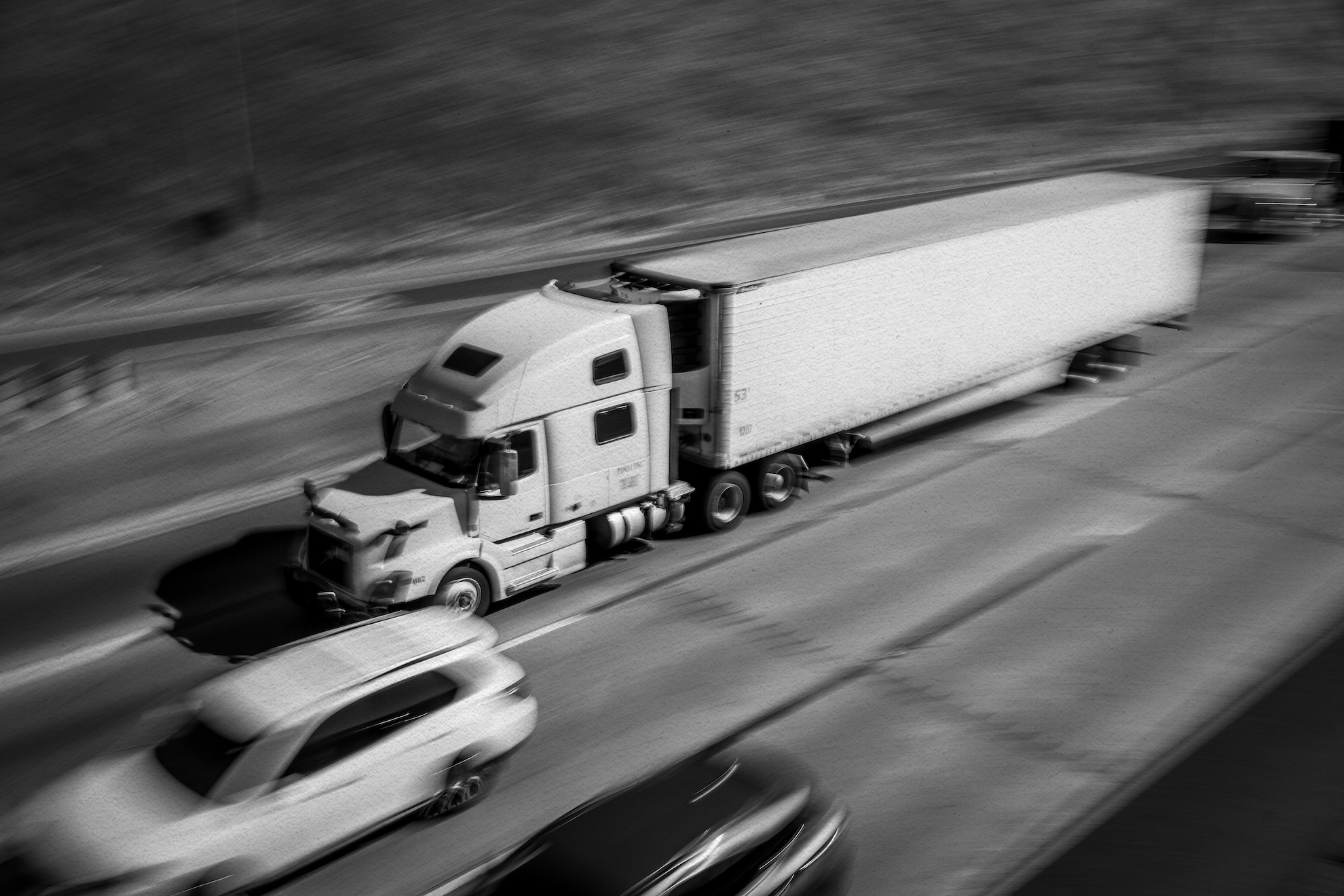
"caption": "Trucks and cars drive along Interstate 580 through Altamont Pass on Aug. 18, 2026. ",
"credit": "Anna Hoch-Kenney/CalMatters",
"altTag": null,
"description": null,
"imgSizes": {
"thumbnail": {
"file": "https://cdn.kqed.org/wp-content/uploads/sites/10/2026/10/101326-L2K-Lede-Illo-MG-10a2d041-160x107.jpg",
"width": 160,
"height": 107,
"mimeType": "image/jpeg"
},
"1536x1536": {
"file": "https://cdn.kqed.org/wp-content/uploads/sites/10/2026/10/101326-L2K-Lede-Illo-MG-10a2d041-1536x1024.jpg",
"width": 1536,
"height": 1024,
"mimeType": "image/jpeg"
},
"post-thumbnail": {
"file": "https://cdn.kqed.org/wp-content/uploads/sites/10/2026/10/101326-L2K-Lede-Illo-MG-10a2d041-672x372.jpg",
"width": 672,
"height": 372,
"mimeType": "image/jpeg"
},
"twentyfourteen-full-width": {
"file": "https://cdn.kqed.org/wp-content/uploads/sites/10/2026/10/101326-L2K-Lede-Illo-MG-10a2d041-1038x576.jpg",
"width": 1038,
"height": 576,
"mimeType": "image/jpeg"
},
"npr-cds-wide": {
"file": "https://cdn.kqed.org/wp-content/uploads/sites/10/2026/10/101326-L2K-Lede-Illo-MG-10a2d041-1200x675.jpg",
"width": 1200,
"height": 675,
"mimeType": "image/jpeg"
},
"npr-cds-square": {
"file": "https://cdn.kqed.org/wp-content/uploads/sites/10/2026/10/101326-L2K-Lede-Illo-MG-10a2d041-600x600.jpg",
"width": 600,
"height": 600,
"mimeType": "image/jpeg"
},
"kqedFullSize": {
"file": "https://cdn.kqed.org/wp-content/uploads/sites/10/2026/10/101326-L2K-Lede-Illo-MG-10a2d041.jpg",
"width": 1980,
"height": 1320
}
},
"isLoading": false,
"fetchFailed": false
},
"news_12105426": {
"type": "attachments",
"id": "news_12105426",
"meta": {
"index": "attachments_1716263798",
"site": "news",
"id": "12105426",
"found": true
},
"title": "261020-Berkeley Hills Fire-MD-01-KQED_1",
"publishDate": 1792529938,
"status": "inherit",
"parent": 0,
"modified": 1792529962,
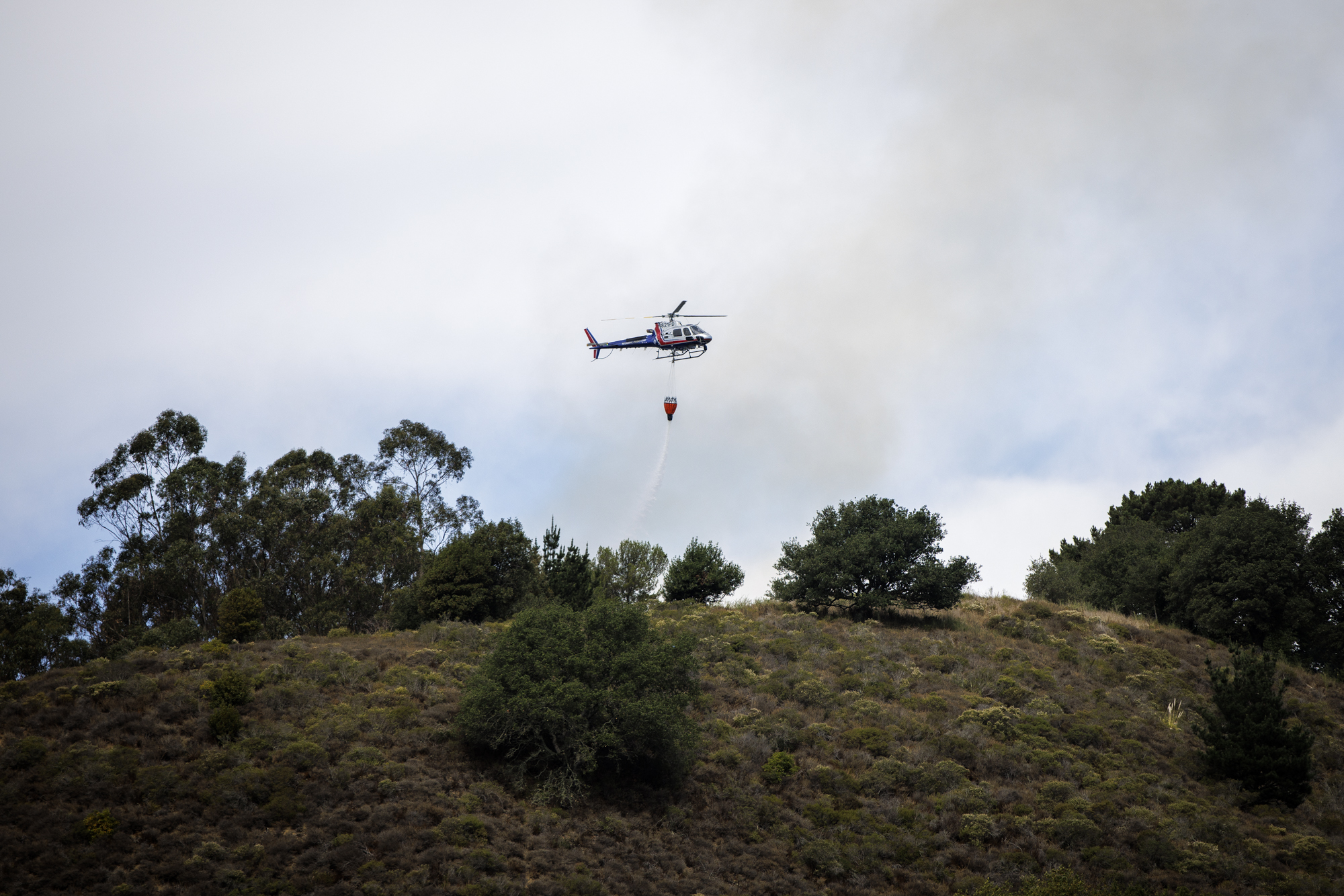
"caption": "Crews fight the Panoramic Fire in the Berkeley Hills on Oct. 20, 2026.",
"credit": "Martin do Nascimento/KQED",
"altTag": null,
"description": null,
"imgSizes": {
"thumbnail": {
"file": "https://cdn.kqed.org/wp-content/uploads/sites/10/2026/10/261020-Berkeley-Hills-Fire-MD-01-KQED_1-bda6e042-160x107.jpg",
"width": 160,
"height": 107,
"mimeType": "image/jpeg"
},
"1536x1536": {
"file": "https://cdn.kqed.org/wp-content/uploads/sites/10/2026/10/261020-Berkeley-Hills-Fire-MD-01-KQED_1-bda6e042-1536x1025.jpg",
"width": 1536,
"height": 1025,
"mimeType": "image/jpeg"
},
"post-thumbnail": {
"file": "https://cdn.kqed.org/wp-content/uploads/sites/10/2026/10/261020-Berkeley-Hills-Fire-MD-01-KQED_1-bda6e042-672x372.jpg",
"width": 672,
"height": 372,
"mimeType": "image/jpeg"
},
"twentyfourteen-full-width": {
"file": "https://cdn.kqed.org/wp-content/uploads/sites/10/2026/10/261020-Berkeley-Hills-Fire-MD-01-KQED_1-bda6e042-1038x576.jpg",
"width": 1038,
"height": 576,
"mimeType": "image/jpeg"
},
"npr-cds-wide": {
"file": "https://cdn.kqed.org/wp-content/uploads/sites/10/2026/10/261020-Berkeley-Hills-Fire-MD-01-KQED_1-bda6e042-1200x675.jpg",
"width": 1200,
"height": 675,
"mimeType": "image/jpeg"
},
"npr-cds-square": {
"file": "https://cdn.kqed.org/wp-content/uploads/sites/10/2026/10/261020-Berkeley-Hills-Fire-MD-01-KQED_1-bda6e042-600x600.jpg",
"width": 600,
"height": 600,
"mimeType": "image/jpeg"
},
"kqedFullSize": {
"file": "https://cdn.kqed.org/wp-content/uploads/sites/10/2026/10/261020-Berkeley-Hills-Fire-MD-01-KQED_1-bda6e042.jpg",
"width": 2000,
"height": 1334
}
},
"isLoading": false,
"fetchFailed": false
},
"news_12060256": {
"type": "attachments",
"id": "news_12060256",
"meta": {
"index": "attachments_1716263798",
"site": "news",
"id": "12060256",
"found": true
},
"title": "20250903_FarmLaborCrisis_GC-15_qed",
"publishDate": 1760716180,
"status": "inherit",
"parent": 12060244,
"modified": 1792429699,
"caption": "A farmworker who did not want to be named holds a cluster of grapes that he picked in a field in Fresno on Sept. 3, 2025.",
"credit": "Gina Castro/KQED",
"altTag": null,
"description": null,
"imgSizes": {
"thumbnail": {
"file": "https://cdn.kqed.org/wp-content/uploads/sites/10/2025/10/20250903_FarmLaborCrisis_GC-15_qed-160x107.jpg",
"width": 160,
"height": 107,
"mimeType": "image/jpeg"
},
"1536x1536": {
"file": "https://cdn.kqed.org/wp-content/uploads/sites/10/2025/10/20250903_FarmLaborCrisis_GC-15_qed-1536x1024.jpg",
"width": 1536,
"height": 1024,
"mimeType": "image/jpeg"
},
"post-thumbnail": {
"file": "https://cdn.kqed.org/wp-content/uploads/sites/10/2025/10/20250903_FarmLaborCrisis_GC-15_qed-672x372.jpg",
"width": 672,
"height": 372,
"mimeType": "image/jpeg"
},
"twentyfourteen-full-width": {
"file": "https://cdn.kqed.org/wp-content/uploads/sites/10/2025/10/20250903_FarmLaborCrisis_GC-15_qed-1038x576.jpg",
"width": 1038,
"height": 576,
"mimeType": "image/jpeg"
},
"kqedFullSize": {
"file": "https://cdn.kqed.org/wp-content/uploads/sites/10/2025/10/20250903_FarmLaborCrisis_GC-15_qed.jpg",
"width": 2000,
"height": 1333
}
},
"isLoading": false,
"fetchFailed": false
},
"news_12105146": {
"type": "attachments",
"id": "news_12105146",
"meta": {
"index": "attachments_1716263798",
"site": "news",
"id": "12105146",
"found": true
},
"title": "Election 2026 California Noncitizen Voting",
"publishDate": 1792439352,
"status": "inherit",
"parent": 12105139,
"modified": 1792439403,
"caption": "Homeland Security Investigations task force officers escort a suspect accused of illegally registering to vote to a processing facility at Federal Building in Los Angeles on Oct. 19, 2026. ",
"credit": "AP Photo/Jae C. Hong",
"altTag": null,
"description": null,
"imgSizes": {
"medium": {
"file": "https://cdn.kqed.org/wp-content/uploads/sites/10/2026/10/AP26292580333526-32bd8bdc-2000x1333.jpg",
"width": 2000,
"height": 1333,
"mimeType": "image/jpeg"
},
"large": {
"file": "https://cdn.kqed.org/wp-content/uploads/sites/10/2026/10/AP26292580333526-32bd8bdc-2000x1333.jpg",
"width": 2000,
"height": 1333,
"mimeType": "image/jpeg"
},
"thumbnail": {
"file": "https://cdn.kqed.org/wp-content/uploads/sites/10/2026/10/AP26292580333526-32bd8bdc-160x107.jpg",
"width": 160,
"height": 107,
"mimeType": "image/jpeg"
},
"1536x1536": {
"file": "https://cdn.kqed.org/wp-content/uploads/sites/10/2026/10/AP26292580333526-32bd8bdc-1536x1024.jpg",
"width": 1536,
"height": 1024,
"mimeType": "image/jpeg"
},
"2048x2048": {
"file": "https://cdn.kqed.org/wp-content/uploads/sites/10/2026/10/AP26292580333526-32bd8bdc-2048x1365.jpg",
"width": 2048,
"height": 1365,
"mimeType": "image/jpeg"
},
"post-thumbnail": {
"file": "https://cdn.kqed.org/wp-content/uploads/sites/10/2026/10/AP26292580333526-32bd8bdc-672x372.jpg",
"width": 672,
"height": 372,
"mimeType": "image/jpeg"
},
"twentyfourteen-full-width": {
"file": "https://cdn.kqed.org/wp-content/uploads/sites/10/2026/10/AP26292580333526-32bd8bdc-1038x576.jpg",
"width": 1038,
"height": 576,
"mimeType": "image/jpeg"
},
"full-width": {
"file": "https://cdn.kqed.org/wp-content/uploads/sites/10/2026/10/AP26292580333526-32bd8bdc-2000x1333.jpg",
"width": 2000,
"height": 1333,
"mimeType": "image/jpeg"
},
"npr-cds-wide": {
"file": "https://cdn.kqed.org/wp-content/uploads/sites/10/2026/10/AP26292580333526-32bd8bdc-1200x675.jpg",
"width": 1200,
"height": 675,
"mimeType": "image/jpeg"
},
"npr-cds-square": {
"file": "https://cdn.kqed.org/wp-content/uploads/sites/10/2026/10/AP26292580333526-32bd8bdc-600x600.jpg",
"width": 600,
"height": 600,
"mimeType": "image/jpeg"
},
"kqedFullSize": {
"file": "https://cdn.kqed.org/wp-content/uploads/sites/10/2026/10/AP26292580333526-32bd8bdc-scaled-e1792439409172.jpg",
"width": 2000,
"height": 1334
}
},
"isLoading": false,
"fetchFailed": false
},
"news_12103668": {
"type": "attachments",
"id": "news_12103668",
"meta": {
"index": "attachments_1716263798",
"site": "news",
"id": "12103668",
"found": true
},
"title": "A vote-by-mail ballot for the Nov. 3, 2026, general election on Oct. 8, 2026.",
"publishDate": 1791498298,
"status": "inherit",
"parent": 0,
"modified": 1791498410,
"caption": "A vote-by-mail ballot for the Nov. 3, 2026, general election on Oct. 8, 2026.",
"credit": "Beth LaBerge/KQED",
"altTag": null,
"description": null,
"imgSizes": {
"thumbnail": {
"file": "https://cdn.kqed.org/wp-content/uploads/sites/10/2026/10/261008-ELECTIONSTOCKIMAGERY-09-BL-KQED-eb95111c-160x107.jpg",
"width": 160,
"height": 107,
"mimeType": "image/jpeg"
},
"1536x1536": {
"file": "https://cdn.kqed.org/wp-content/uploads/sites/10/2026/10/261008-ELECTIONSTOCKIMAGERY-09-BL-KQED-eb95111c-1536x1024.jpg",
"width": 1536,
"height": 1024,
"mimeType": "image/jpeg"
},
"post-thumbnail": {
"file": "https://cdn.kqed.org/wp-content/uploads/sites/10/2026/10/261008-ELECTIONSTOCKIMAGERY-09-BL-KQED-eb95111c-672x372.jpg",
"width": 672,
"height": 372,
"mimeType": "image/jpeg"
},
"twentyfourteen-full-width": {
"file": "https://cdn.kqed.org/wp-content/uploads/sites/10/2026/10/261008-ELECTIONSTOCKIMAGERY-09-BL-KQED-eb95111c-1038x576.jpg",
"width": 1038,
"height": 576,
"mimeType": "image/jpeg"
},
"npr-cds-wide": {
"file": "https://cdn.kqed.org/wp-content/uploads/sites/10/2026/10/261008-ELECTIONSTOCKIMAGERY-09-BL-KQED-eb95111c-1200x675.jpg",
"width": 1200,
"height": 675,
"mimeType": "image/jpeg"
},
"npr-cds-square": {
"file": "https://cdn.kqed.org/wp-content/uploads/sites/10/2026/10/261008-ELECTIONSTOCKIMAGERY-09-BL-KQED-eb95111c-600x600.jpg",
"width": 600,
"height": 600,
"mimeType": "image/jpeg"
},
"kqedFullSize": {
"file": "https://cdn.kqed.org/wp-content/uploads/sites/10/2026/10/261008-ELECTIONSTOCKIMAGERY-09-BL-KQED-eb95111c.jpg",
"width": 2000,
"height": 1333
}
},
"isLoading": false,
"fetchFailed": false
},
"news_12104613": {
"type": "attachments",
"id": "news_12104613",
"meta": {
"index": "attachments_1716263798",
"site": "news",
"id": "12104613",
"found": true
},
"title": "260630-CCWFTour-131-BL",
"publishDate": 1792095433,
"status": "inherit",
"parent": 0,
"modified": 1792183315,
"caption": "An incarcerated woman sits on the ground during an emergency response at the Central California Women's Facility (CCWF) prison in Chowchilla, California, on June 30, 2026, the largest women’s correctional facility in the state.",
"credit": "Beth LaBerge/KQED",
"altTag": null,
"description": null,
"imgSizes": {
"thumbnail": {
"file": "https://cdn.kqed.org/wp-content/uploads/sites/10/2026/10/260630-CCWFTour-131-BL-bee4b824-160x107.jpg",
"width": 160,
"height": 107,
"mimeType": "image/jpeg"
},
"1536x1536": {
"file": "https://cdn.kqed.org/wp-content/uploads/sites/10/2026/10/260630-CCWFTour-131-BL-bee4b824-1536x1024.jpg",
"width": 1536,
"height": 1024,
"mimeType": "image/jpeg"
},
"post-thumbnail": {
"file": "https://cdn.kqed.org/wp-content/uploads/sites/10/2026/10/260630-CCWFTour-131-BL-bee4b824-672x372.jpg",
"width": 672,
"height": 372,
"mimeType": "image/jpeg"
},
"twentyfourteen-full-width": {
"file": "https://cdn.kqed.org/wp-content/uploads/sites/10/2026/10/260630-CCWFTour-131-BL-bee4b824-1038x576.jpg",
"width": 1038,
"height": 576,
"mimeType": "image/jpeg"
},
"npr-cds-wide": {
"file": "https://cdn.kqed.org/wp-content/uploads/sites/10/2026/10/260630-CCWFTour-131-BL-bee4b824-1200x675.jpg",
"width": 1200,
"height": 675,
"mimeType": "image/jpeg"
},
"npr-cds-square": {
"file": "https://cdn.kqed.org/wp-content/uploads/sites/10/2026/10/260630-CCWFTour-131-BL-bee4b824-600x600.jpg",
"width": 600,
"height": 600,
"mimeType": "image/jpeg"
},
"kqedFullSize": {
"file": "https://cdn.kqed.org/wp-content/uploads/sites/10/2026/10/260630-CCWFTour-131-BL-bee4b824.jpg",
"width": 2000,
"height": 1333
}
},
"isLoading": false,
"fetchFailed": false
},
"news_12104943": {
"type": "attachments",
"id": "news_12104943",
"meta": {
"index": "attachments_1716263798",
"site": "news",
"id": "12104943",
"found": true
},
"title": "260729-ELECTRICRESTAURANT-04-BL-KQED",
"publishDate": 1792193566,
"status": "inherit",
"parent": 12104937,
"modified": 1792193605,
"caption": "An employee walks through a kitchen with all-electric appliances at Flour + Water Pizza Shop in Oakland on July 29, 2026. The Oakland location uses all-electric appliances in its kitchen.",
"credit": "Beth LaBerge/KQED",
"altTag": null,
"description": null,
"imgSizes": {
"thumbnail": {
"file": "https://cdn.kqed.org/wp-content/uploads/sites/10/2026/10/260729-ELECTRICRESTAURANT-04-BL-KQED-d4384775-160x107.jpg",
"width": 160,
"height": 107,
"mimeType": "image/jpeg"
},
"1536x1536": {
"file": "https://cdn.kqed.org/wp-content/uploads/sites/10/2026/10/260729-ELECTRICRESTAURANT-04-BL-KQED-d4384775-1536x1024.jpg",
"width": 1536,
"height": 1024,
"mimeType": "image/jpeg"
},
"post-thumbnail": {
"file": "https://cdn.kqed.org/wp-content/uploads/sites/10/2026/10/260729-ELECTRICRESTAURANT-04-BL-KQED-d4384775-672x372.jpg",
"width": 672,
"height": 372,
"mimeType": "image/jpeg"
},
"twentyfourteen-full-width": {
"file": "https://cdn.kqed.org/wp-content/uploads/sites/10/2026/10/260729-ELECTRICRESTAURANT-04-BL-KQED-d4384775-1038x576.jpg",
"width": 1038,
"height": 576,
"mimeType": "image/jpeg"
},
"npr-cds-wide": {
"file": "https://cdn.kqed.org/wp-content/uploads/sites/10/2026/10/260729-ELECTRICRESTAURANT-04-BL-KQED-d4384775-1200x675.jpg",
"width": 1200,
"height": 675,
"mimeType": "image/jpeg"
},
"npr-cds-square": {
"file": "https://cdn.kqed.org/wp-content/uploads/sites/10/2026/10/260729-ELECTRICRESTAURANT-04-BL-KQED-d4384775-600x600.jpg",
"width": 600,
"height": 600,
"mimeType": "image/jpeg"
},
"kqedFullSize": {
"file": "https://cdn.kqed.org/wp-content/uploads/sites/10/2026/10/260729-ELECTRICRESTAURANT-04-BL-KQED-d4384775.jpg",
"width": 2000,
"height": 1333
}
},
"isLoading": false,
"fetchFailed": false
},
"news_12105053": {
"type": "attachments",
"id": "news_12105053",
"meta": {
"index": "attachments_1716263798",
"site": "news",
"id": "12105053",
"found": true
},
"title": "GettyImages-576843010",
"publishDate": 1792363770,
"status": "inherit",
"parent": 12105049,
"modified": 1792363834,
"caption": "Huey Newton, right, of the Black Panther Party, sits with Bobby Seale at party headquarters in San Francisco.",
"credit": "Ted Streshinsky/CORBIS/Corbis via Getty Images",
"altTag": null,
"description": null,
"imgSizes": {
"thumbnail": {
"file": "https://cdn.kqed.org/wp-content/uploads/sites/10/2026/10/GettyImages-576843010-5a69e8df-160x106.jpg",
"width": 160,
"height": 106,
"mimeType": "image/jpeg"
},
"1536x1536": {
"file": "https://cdn.kqed.org/wp-content/uploads/sites/10/2026/10/GettyImages-576843010-5a69e8df-1536x1014.jpg",
"width": 1536,
"height": 1014,
"mimeType": "image/jpeg"
},
"post-thumbnail": {
"file": "https://cdn.kqed.org/wp-content/uploads/sites/10/2026/10/GettyImages-576843010-5a69e8df-672x372.jpg",
"width": 672,
"height": 372,
"mimeType": "image/jpeg"
},
"twentyfourteen-full-width": {
"file": "https://cdn.kqed.org/wp-content/uploads/sites/10/2026/10/GettyImages-576843010-5a69e8df-1038x576.jpg",
"width": 1038,
"height": 576,
"mimeType": "image/jpeg"
},
"npr-cds-wide": {
"file": "https://cdn.kqed.org/wp-content/uploads/sites/10/2026/10/GettyImages-576843010-5a69e8df-1200x675.jpg",
"width": 1200,
"height": 675,
"mimeType": "image/jpeg"
},
"npr-cds-square": {
"file": "https://cdn.kqed.org/wp-content/uploads/sites/10/2026/10/GettyImages-576843010-5a69e8df-600x600.jpg",
"width": 600,
"height": 600,
"mimeType": "image/jpeg"
},
"kqedFullSize": {
"file": "https://cdn.kqed.org/wp-content/uploads/sites/10/2026/10/GettyImages-576843010-5a69e8df.jpg",
"width": 2000,
"height": 1320
}
},
"isLoading": false,
"fetchFailed": false
},
"news_12095610": {
"type": "attachments",
"id": "news_12095610",
"meta": {
"index": "attachments_1716263798",
"site": "news",
"id": "12095610",
"found": true
},
"title": "081726-SFUSDFirstDay-33-MC_qed",
"publishDate": 1786997799,
"status": "inherit",
"parent": 0,
"modified": 1786997834,
"caption": "Leo Pham leads the way to his classroom after Jose Ortega Elementary School’s first morning circle of the school year on August 17, 2026, in San Francisco.",
"credit": "Miles Cull/KQED",
"altTag": null,
"description": null,
"imgSizes": {
"thumbnail": {
"file": "https://cdn.kqed.org/wp-content/uploads/sites/10/2026/08/081726-SFUSDFirstDay-33-MC_qed-160x107.jpg",
"width": 160,
"height": 107,
"mimeType": "image/jpeg"
},
"1536x1536": {
"file": "https://cdn.kqed.org/wp-content/uploads/sites/10/2026/08/081726-SFUSDFirstDay-33-MC_qed-1536x1025.jpg",
"width": 1536,
"height": 1025,
"mimeType": "image/jpeg"
},
"post-thumbnail": {
"file": "https://cdn.kqed.org/wp-content/uploads/sites/10/2026/08/081726-SFUSDFirstDay-33-MC_qed-672x372.jpg",
"width": 672,
"height": 372,
"mimeType": "image/jpeg"
},
"twentyfourteen-full-width": {
"file": "https://cdn.kqed.org/wp-content/uploads/sites/10/2026/08/081726-SFUSDFirstDay-33-MC_qed-1038x576.jpg",
"width": 1038,
"height": 576,
"mimeType": "image/jpeg"
},
"npr-cds-wide": {
"file": "https://cdn.kqed.org/wp-content/uploads/sites/10/2026/08/081726-SFUSDFirstDay-33-MC_qed-1200x675.jpg",
"width": 1200,
"height": 675,
"mimeType": "image/jpeg"
},
"npr-cds-square": {
"file": "https://cdn.kqed.org/wp-content/uploads/sites/10/2026/08/081726-SFUSDFirstDay-33-MC_qed-600x600.jpg",
"width": 600,
"height": 600,
"mimeType": "image/jpeg"
},
"kqedFullSize": {
"file": "https://cdn.kqed.org/wp-content/uploads/sites/10/2026/08/081726-SFUSDFirstDay-33-MC_qed.jpg",
"width": 1998,
"height": 1333
}
},
"isLoading": false,
"fetchFailed": false
},
"news_12044597": {
"type": "attachments",
"id": "news_12044597",
"meta": {
"index": "attachments_1716263798",
"site": "news",
"id": "12044597",
"found": true
},
"title": "ICE agents raid to arrest illigal immigrants.",
"publishDate": 1750111616,
"status": "inherit",
"parent": 0,
"modified": 1792184821,
"caption": "Immigration and Customs Enforcement agents apprehend an undocumented immigrant with a criminal record in an early morning raid at home on Sept. 8, 2022, in Los Angeles.",
"credit": "Irfan Khan/Los Angeles Times via Getty Images",
"altTag": null,
"description": null,
"imgSizes": {
"thumbnail": {
"file": "https://cdn.kqed.org/wp-content/uploads/sites/10/2025/06/GETTYIMAGES-1243313067-KQED-160x107.jpg",
"width": 160,
"height": 107,
"mimeType": "image/jpeg"
},
"1536x1536": {
"file": "https://cdn.kqed.org/wp-content/uploads/sites/10/2025/06/GETTYIMAGES-1243313067-KQED-1536x1024.jpg",
"width": 1536,
"height": 1024,
"mimeType": "image/jpeg"
},
"post-thumbnail": {
"file": "https://cdn.kqed.org/wp-content/uploads/sites/10/2025/06/GETTYIMAGES-1243313067-KQED-672x372.jpg",
"width": 672,
"height": 372,
"mimeType": "image/jpeg"
},
"twentyfourteen-full-width": {
"file": "https://cdn.kqed.org/wp-content/uploads/sites/10/2025/06/GETTYIMAGES-1243313067-KQED-1038x576.jpg",
"width": 1038,
"height": 576,
"mimeType": "image/jpeg"
},
"kqedFullSize": {
"file": "https://cdn.kqed.org/wp-content/uploads/sites/10/2025/06/GETTYIMAGES-1243313067-KQED.jpg",
"width": 2000,
"height": 1333
}
},
"isLoading": false,
"fetchFailed": false
},
"news_12001397": {
"type": "attachments",
"id": "news_12001397",
"meta": {
"index": "attachments_1716263798",
"site": "news",
"id": "12001397",
"found": true
},
"title": "A California Highway Patrol sign in Dublin on April 8, 2024.",
"publishDate": 1724350114,
"status": "inherit",
"parent": 12001384,
"modified": 1724350152,
"caption": "A California Highway Patrol sign in Dublin on April 8, 2024.",
"credit": "Beth LaBerge/KQED",
"altTag": null,
"description": null,
"imgSizes": {
"medium": {
"file": "https://cdn.kqed.org/wp-content/uploads/sites/10/2024/08/240408-FCIDublin-026-BL_qed-800x533.jpg",
"width": 800,
"height": 533,
"mimeType": "image/jpeg"
},
"large": {
"file": "https://cdn.kqed.org/wp-content/uploads/sites/10/2024/08/240408-FCIDublin-026-BL_qed-1020x680.jpg",
"width": 1020,
"height": 680,
"mimeType": "image/jpeg"
},
"thumbnail": {
"file": "https://cdn.kqed.org/wp-content/uploads/sites/10/2024/08/240408-FCIDublin-026-BL_qed-160x107.jpg",
"width": 160,
"height": 107,
"mimeType": "image/jpeg"
},
"1536x1536": {
"file": "https://cdn.kqed.org/wp-content/uploads/sites/10/2024/08/240408-FCIDublin-026-BL_qed-1536x1024.jpg",
"width": 1536,
"height": 1024,
"mimeType": "image/jpeg"
},
"post-thumbnail": {
"file": "https://cdn.kqed.org/wp-content/uploads/sites/10/2024/08/240408-FCIDublin-026-BL_qed-672x372.jpg",
"width": 672,
"height": 372,
"mimeType": "image/jpeg"
},
"twentyfourteen-full-width": {
"file": "https://cdn.kqed.org/wp-content/uploads/sites/10/2024/08/240408-FCIDublin-026-BL_qed-1038x576.jpg",
"width": 1038,
"height": 576,
"mimeType": "image/jpeg"
},
"full-width": {
"file": "https://cdn.kqed.org/wp-content/uploads/sites/10/2024/08/240408-FCIDublin-026-BL_qed-1920x1280.jpg",
"width": 1920,
"height": 1280,
"mimeType": "image/jpeg"
},
"kqedFullSize": {
"file": "https://cdn.kqed.org/wp-content/uploads/sites/10/2024/08/240408-FCIDublin-026-BL_qed.jpg",
"width": 2000,
"height": 1333
}
},
"isLoading": false,
"fetchFailed": false
}
},
"audioPlayerReducer": {
"postId": "stream_live",
"isPaused": true,
"isPlaying": false,
"pfsActive": false,
"pledgeModalIsOpen": true,
"playerDrawerIsOpen": false,
"liveAudioPlayStartedAt": 0,
"liveAudioPlayContext": ""
},
"authorsReducer": {
"byline_news_12105316": {
"type": "authors",
"id": "byline_news_12105316",
"meta": {
"override": true
},
"slug": "byline_news_12105316",
"name": "Lauren Hepler and Robert Lewis, CalMatters",
"isLoading": false
},
"byline_news_12105139": {
"type": "authors",
"id": "byline_news_12105139",
"meta": {
"override": true
},
"slug": "byline_news_12105139",
"name": "Ryan Sabalow, CalMatters",
"isLoading": false
},
"byline_news_12105043": {
"type": "authors",
"id": "byline_news_12105043",
"meta": {
"override": true
},
"slug": "byline_news_12105043",
"name": "Carolyn Jones, CalMatters",
"isLoading": false
},
"gmarzorati": {
"type": "authors",
"id": "227",
"meta": {
"index": "authors_1716337520",
"id": "227",
"found": true
},
"name": "Guy Marzorati",
"firstName": "Guy",
"lastName": "Marzorati",
"slug": "gmarzorati",
"email": "gmarzorati@KQED.org",
"display_author_email": true,
"staff_mastheads": [
"news"
],
"title": "Correspondent",
"bio": "Guy Marzorati is a correspondent on KQED's California Politics and Government Desk, based in San Jose. A graduate of Santa Clara University, Guy joined KQED in 2013. He reports on state and local politics and produces KQED's digital voter guide.",
"avatar": "https://secure.gravatar.com/avatar/771cddf45ce3a8ed533d82dcc214e9ef925d76d2af5794a33da1ce439eb54a32?s=600&d=blank&r=g",
"twitter": "guymarzorati",
"bluesky": null,
"facebook": null,
"instagram": null,
"linkedin": null,
"sites": [
{
"site": "",
"roles": [
"editor"
]
},
{
"site": "news",
"roles": [
"editor"
]
},
{
"site": "science",
"roles": [
"editor"
]
},
{
"site": "forum",
"roles": [
"editor"
]
},
{
"site": "elections",
"roles": [
"editor"
]
},
{
"site": "liveblog",
"roles": [
"editor"
]
}
],
"headData": {
"title": "Guy Marzorati | KQED",
"description": "Correspondent",
"ogImgSrc": "https://secure.gravatar.com/avatar/771cddf45ce3a8ed533d82dcc214e9ef925d76d2af5794a33da1ce439eb54a32?s=600&d=blank&r=g",
"twImgSrc": "https://secure.gravatar.com/avatar/771cddf45ce3a8ed533d82dcc214e9ef925d76d2af5794a33da1ce439eb54a32?s=600&d=blank&r=g"
},
"isLoading": false,
"link": "/author/gmarzorati"
},
"tychehendricks": {
"type": "authors",
"id": "259",
"meta": {
"index": "authors_1716337520",
"id": "259",
"found": true
},
"name": "Tyche Hendricks",
"firstName": "Tyche",
"lastName": "Hendricks",
"slug": "tychehendricks",
"email": "thendricks@kqed.org",
"display_author_email": true,
"staff_mastheads": [
"news"
],
"title": "KQED Senior Editor, Immigration",
"bio": "Tyche Hendricks is KQED’s senior editor for immigration, leading coverage of the policy and politics that affect California’s immigrant communities. Her work for KQED’s radio and online audiences is also carried on NPR and other national outlets. She has been recognized with awards from the Radio and Television News Directors Association, the Society for Professional Journalists; the Education Writers Association; the Best of the West and the National Federation of Community Broadcasters. Before joining KQED in 2010, Tyche spent more than a dozen years as a newspaper reporter, notably at the \u003ci>San Francisco Chronicle\u003c/i>. At different times she has covered criminal justice, government and politics and urban planning. Tyche has taught in the MFA Creative Writing program at the University of San Francisco and at UC Berkeley’s Graduate School of Journalism, where she was co-director of a national immigration symposium for professional journalists. She is the author of \u003ci>The Wind Doesn't Need a Passport: Stories from the U.S.-Mexico Borderlands\u003c/i> (University of California Press). ",
"avatar": "https://secure.gravatar.com/avatar/2a0bd7f2418d4be9198f23bf99a161f3f7a98fb9bf6d3820763d49b5c5f8fc81?s=600&d=blank&r=g",
"twitter": "tychehendricks",
"bluesky": null,
"facebook": null,
"instagram": null,
"linkedin": null,
"sites": [
{
"site": "news",
"roles": [
"editor"
]
},
{
"site": "stateofhealth",
"roles": [
"editor"
]
},
{
"site": "liveblog",
"roles": [
"author"
]
}
],
"headData": {
"title": "Tyche Hendricks | KQED",
"description": "KQED Senior Editor, Immigration",
"ogImgSrc": "https://secure.gravatar.com/avatar/2a0bd7f2418d4be9198f23bf99a161f3f7a98fb9bf6d3820763d49b5c5f8fc81?s=600&d=blank&r=g",
"twImgSrc": "https://secure.gravatar.com/avatar/2a0bd7f2418d4be9198f23bf99a161f3f7a98fb9bf6d3820763d49b5c5f8fc81?s=600&d=blank&r=g"
},
"isLoading": false,
"link": "/author/tychehendricks"
},
"carlysevern": {
"type": "authors",
"id": "3243",
"meta": {
"index": "authors_1716337520",
"id": "3243",
"found": true
},
"name": "Carly Severn",
"firstName": "Carly",
"lastName": "Severn",
"slug": "carlysevern",
"email": "csevern@kqed.org",
"display_author_email": false,
"staff_mastheads": [
"news"
],
"title": "Senior Editor, Audience News ",
"bio": "Carly is KQED's Senior Editor of Audience News on the Digital News team, and has reported for the California Report Magazine, Bay Curious and KQED Arts. She's formerly the host of \u003ca href=\"http://ww2.kqed.org/pop/category/the-cooler/\" rel=\"noopener noreferrer\">The Cooler\u003c/a> podcast.",
"avatar": "https://secure.gravatar.com/avatar/54037bf5c128fe678f0ef26cec97a93f2e7f220a22d7285703328f12c42c1b1d?s=600&d=blank&r=g",
"twitter": "teacupinthebay",
"bluesky": null,
"facebook": null,
"instagram": null,
"linkedin": null,
"sites": [
{
"site": "",
"roles": [
"editor"
]
},
{
"site": "arts",
"roles": [
"editor"
]
},
{
"site": "news",
"roles": [
"administrator"
]
},
{
"site": "pop",
"roles": [
"editor"
]
},
{
"site": "futureofyou",
"roles": [
"editor"
]
},
{
"site": "about",
"roles": [
"administrator"
]
},
{
"site": "mindshift",
"roles": [
"editor"
]
},
{
"site": "bayareabites",
"roles": [
"editor"
]
},
{
"site": "stateofhealth",
"roles": [
"editor"
]
},
{
"site": "science",
"roles": [
"editor"
]
},
{
"site": "food",
"roles": [
"contributor"
]
},
{
"site": "forum",
"roles": [
"editor"
]
},
{
"site": "perspectives",
"roles": [
"administrator"
]
},
{
"site": "liveblog",
"roles": [
"editor"
]
}
],
"headData": {
"title": "Carly Severn | KQED",
"description": "Senior Editor, Audience News ",
"ogImgSrc": "https://secure.gravatar.com/avatar/54037bf5c128fe678f0ef26cec97a93f2e7f220a22d7285703328f12c42c1b1d?s=600&d=blank&r=g",
"twImgSrc": "https://secure.gravatar.com/avatar/54037bf5c128fe678f0ef26cec97a93f2e7f220a22d7285703328f12c42c1b1d?s=600&d=blank&r=g"
},
"isLoading": false,
"link": "/author/carlysevern"
},
"ecruzguevarra": {
"type": "authors",
"id": "8654",
"meta": {
"index": "authors_1716337520",
"id": "8654",
"found": true
},
"name": "Ericka Cruz Guevarra",
"firstName": "Ericka",
"lastName": "Cruz Guevarra",
"slug": "ecruzguevarra",
"email": "ecruzguevarra@kqed.org",
"display_author_email": true,
"staff_mastheads": [
"news"
],
"title": "Producer, The Bay Podcast",
"bio": "Ericka Cruz Guevarra is host of \u003ca href=\"https://www.kqed.org/podcasts/thebay\">\u003cem>The Bay\u003c/em>\u003c/a> podcast at KQED. Before host, she was the show’s producer. Her work in that capacity includes a three-part reported series on policing in Vallejo, which won a 2020 excellence in journalism award from the Society of Professional Journalists. Ericka has worked as a breaking news reporter at Oregon Public Broadcasting, helped produce the Code Switch podcast, and was KQED’s inaugural Raul Ramirez Diversity Fund intern. She’s also an alumna of NPR’s Next Generation Radio program. Send her an email if you have strong feelings about whether Fairfield and Suisun City are the Bay. Ericka is represented by SAG-AFTRA.",
"avatar": "https://secure.gravatar.com/avatar/accefc1de4bafc7e234b69bcb9b6f6536c130fd84709bc3069ef11a78787e1bb?s=600&d=blank&r=g",
"twitter": "NotoriousECG",
"bluesky": null,
"facebook": null,
"instagram": null,
"linkedin": null,
"sites": [
{
"site": "arts",
"roles": [
"subscriber"
]
},
{
"site": "news",
"roles": [
"editor",
"manage_categories"
]
},
{
"site": "futureofyou",
"roles": [
"subscriber"
]
},
{
"site": "stateofhealth",
"roles": [
"subscriber"
]
},
{
"site": "science",
"roles": [
"editor"
]
},
{
"site": "forum",
"roles": [
"subscriber"
]
}
],
"headData": {
"title": "Ericka Cruz Guevarra | KQED",
"description": "Producer, The Bay Podcast",
"ogImgSrc": "https://secure.gravatar.com/avatar/accefc1de4bafc7e234b69bcb9b6f6536c130fd84709bc3069ef11a78787e1bb?s=600&d=blank&r=g",
"twImgSrc": "https://secure.gravatar.com/avatar/accefc1de4bafc7e234b69bcb9b6f6536c130fd84709bc3069ef11a78787e1bb?s=600&d=blank&r=g"
},
"isLoading": false,
"link": "/author/ecruzguevarra"
},
"slewis": {
"type": "authors",
"id": "8676",
"meta": {
"index": "authors_1716337520",
"id": "8676",
"found": true
},
"name": "Sukey Lewis",
"firstName": "Sukey",
"lastName": "Lewis",
"slug": "slewis",
"email": "slewis@kqed.org",
"display_author_email": true,
"staff_mastheads": [
"news"
],
"title": "KQED Contributor",
"bio": "Sukey Lewis is a criminal justice reporter and host of \u003cem>On Our Watch\u003c/em>, a new podcast from NPR and KQED about the shadow world of police discipline. In 2018, she co-founded the California Reporting Project, a coalition of newsrooms across the state focused on obtaining previously sealed internal affairs records from law enforcement. In addition to her reporting on police accountability, Sukey has investigated the bail bonds industry, California's wildfires and the high cost of prison phone calls. Sukey earned a master's degree in journalism from the University of California at Berkeley. Send news tips to slewis@kqed.org.",
"avatar": "https://secure.gravatar.com/avatar/03fd6b21024f99d8b0a1966654586de7?s=600&d=blank&r=g",
"twitter": "SukeyLewis",
"facebook": null,
"instagram": null,
"linkedin": null,
"sites": [
{
"site": "news",
"roles": [
"author",
"edit_others_posts"
]
}
],
"headData": {
"title": "Sukey Lewis | KQED",
"description": "KQED Contributor",
"ogImgSrc": "https://secure.gravatar.com/avatar/03fd6b21024f99d8b0a1966654586de7?s=600&d=blank&r=g",
"twImgSrc": "https://secure.gravatar.com/avatar/03fd6b21024f99d8b0a1966654586de7?s=600&d=blank&r=g"
},
"isLoading": false,
"link": "/author/slewis"
},
"ccabreralomeli": {
"type": "authors",
"id": "11708",
"meta": {
"index": "authors_1716337520",
"id": "11708",
"found": true
},
"name": "Carlos Cabrera-Lomelí",
"firstName": "Carlos",
"lastName": "Cabrera-Lomelí",
"slug": "ccabreralomeli",
"email": "ccabreralomeli@KQED.org",
"display_author_email": true,
"staff_mastheads": [
"news"
],
"title": "Community Reporter",
"bio": "Carlos Cabrera-Lomelí is a community reporter with KQED's digital engagement team. He also reports and co-produces for KQED's bilingual news hub KQED en Español. He grew up in San Francisco's Mission District and has previously worked with Univision, 48 Hills and REFORMA in Mexico City.",
"avatar": "https://secure.gravatar.com/avatar/c309be9665e484f887b818c89e273ecc673004f426f36b24d00a4d813a2e0518?s=600&d=blank&r=g",
"twitter": "@LomeliCabrera",
"bluesky": null,
"facebook": null,
"instagram": null,
"linkedin": null,
"sites": [
{
"site": "arts",
"roles": [
"editor"
]
},
{
"site": "news",
"roles": [
"editor"
]
},
{
"site": "about",
"roles": [
"editor"
]
},
{
"site": "science",
"roles": [
"editor"
]
},
{
"site": "perspectives",
"roles": [
"editor"
]
},
{
"site": "elections",
"roles": [
"editor"
]
},
{
"site": "liveblog",
"roles": [
"contributor"
]
}
],
"headData": {
"title": "Carlos Cabrera-Lomelí | KQED",
"description": "Community Reporter",
"ogImgSrc": "https://secure.gravatar.com/avatar/c309be9665e484f887b818c89e273ecc673004f426f36b24d00a4d813a2e0518?s=600&d=blank&r=g",
"twImgSrc": "https://secure.gravatar.com/avatar/c309be9665e484f887b818c89e273ecc673004f426f36b24d00a4d813a2e0518?s=600&d=blank&r=g"
},
"isLoading": false,
"link": "/author/ccabreralomeli"
},
"adahlstromeckman": {
"type": "authors",
"id": "11785",
"meta": {
"index": "authors_1716337520",
"id": "11785",
"found": true
},
"name": "Azul Dahlstrom-Eckman",
"firstName": "Azul",
"lastName": "Dahlstrom-Eckman",
"slug": "adahlstromeckman",
"email": "adahlstrom-eckman@kqed.org",
"display_author_email": true,
"staff_mastheads": [],
"title": "Reporter",
"bio": "Azul is a reporter for KQED focusing on transportation and features. He joined KQED in 2021 as an alumnus of KALW's Audio Academy radio journalism training program.",
"avatar": "https://secure.gravatar.com/avatar/9cb750298435add7815a777f55bf1f46845c1386bb8452555c60a7b820b5aba3?s=600&d=blank&r=g",
"twitter": "@zuliemann",
"bluesky": "@azul415.bsky.social",
"facebook": null,
"instagram": null,
"linkedin": null,
"sites": [
{
"site": "arts",
"roles": [
"editor"
]
},
{
"site": "news",
"roles": [
"editor"
]
},
{
"site": "science",
"roles": [
"editor"
]
},
{
"site": "liveblog",
"roles": [
"author"
]
}
],
"headData": {
"title": "Azul Dahlstrom-Eckman | KQED",
"description": "Reporter",
"ogImgSrc": "https://secure.gravatar.com/avatar/9cb750298435add7815a777f55bf1f46845c1386bb8452555c60a7b820b5aba3?s=600&d=blank&r=g",
"twImgSrc": "https://secure.gravatar.com/avatar/9cb750298435add7815a777f55bf1f46845c1386bb8452555c60a7b820b5aba3?s=600&d=blank&r=g"
},
"isLoading": false,
"link": "/author/adahlstromeckman"
},
"calam": {
"type": "authors",
"id": "11834",
"meta": {
"index": "authors_1716337520",
"id": "11834",
"found": true
},
"name": "Christopher Alam",
"firstName": "Christopher",
"lastName": "Alam",
"slug": "calam",
"email": "calam@kqed.org",
"display_author_email": true,
"staff_mastheads": [
"news"
],
"title": "KQED Contributor",
"bio": "Christopher Alam is a radio newscast intern working on local news and general assignment reporting. Before joining KQED he was active in college radio and journalism at UC Davis, where he received a bachelor's degree in English and professional writing in 2021. He is also a creative writer and does freelance work. Born in Fresno, he is now based in San Francisco and Oakland.",
"avatar": "https://secure.gravatar.com/avatar/b3a8308c5aaa97024a7274f0a617bd7083c2b6c50039ea7d1c08f831158d1951?s=600&d=blank&r=g",
"twitter": "_chrisalam",
"bluesky": null,
"facebook": null,
"instagram": "christopher_alam",
"linkedin": null,
"sites": [
{
"site": "arts",
"roles": [
"editor"
]
},
{
"site": "news",
"roles": [
"editor"
]
}
],
"headData": {
"title": "Christopher Alam | KQED",
"description": "KQED Contributor",
"ogImgSrc": "https://secure.gravatar.com/avatar/b3a8308c5aaa97024a7274f0a617bd7083c2b6c50039ea7d1c08f831158d1951?s=600&d=blank&r=g",
"twImgSrc": "https://secure.gravatar.com/avatar/b3a8308c5aaa97024a7274f0a617bd7083c2b6c50039ea7d1c08f831158d1951?s=600&d=blank&r=g"
},
"isLoading": false,
"link": "/author/calam"
},
"pbartolone": {
"type": "authors",
"id": "11879",
"meta": {
"index": "authors_1716337520",
"id": "11879",
"found": true
},
"name": "Pauline Bartolone",
"firstName": "Pauline",
"lastName": "Bartolone",
"slug": "pbartolone",
"email": "pbartolone@kqed.org",
"display_author_email": false,
"staff_mastheads": [],
"title": "KQED Contributor",
"bio": "Pauline Bartolone has been a journalist for two decades, specializing in longform audio storytelling. Before editing and producing for podcasts like Bay Curious, she was a health care journalist for public radio and print outlets such as CalMatters and Kaiser Health News. Her reporting has won several regional Edward R. Murrow awards, national recognition from the Society of Professional Journalists and a first-place prize from the Association of Health Care Journalists.\r\n\r\nPauline’s work has aired frequently on National Public Radio, and bylines have appeared in The Los Angeles Times, CNN.com, Washingtonpost.com, USA Today and Scientific American.\r\n\r\nPauline has lived in Northern California for 20 years. Her other passions are crafts (now done in collaboration with her daughter) and the Brazilian martial art of capoeira.",
"avatar": "https://secure.gravatar.com/avatar/95001c30374b0d3878007af9cf1e120a?s=600&d=blank&r=g",
"twitter": "pbartolone",
"facebook": null,
"instagram": null,
"linkedin": null,
"sites": [
{
"site": "news",
"roles": [
"editor"
]
},
{
"site": "podcasts",
"roles": [
"subscriber"
]
}
],
"headData": {
"title": "Pauline Bartolone | KQED",
"description": "KQED Contributor",
"ogImgSrc": "https://secure.gravatar.com/avatar/95001c30374b0d3878007af9cf1e120a?s=600&d=blank&r=g",
"twImgSrc": "https://secure.gravatar.com/avatar/95001c30374b0d3878007af9cf1e120a?s=600&d=blank&r=g"
},
"isLoading": false,
"link": "/author/pbartolone"
},
"mbolanos": {
"type": "authors",
"id": "11895",
"meta": {
"index": "authors_1716337520",
"id": "11895",
"found": true
},
"name": "Madi Bolaños",
"firstName": "Madi",
"lastName": "Bolaños",
"slug": "mbolanos",
"email": "mbolanos@kqed.org",
"display_author_email": false,
"staff_mastheads": [],
"title": "KQED Contributor",
"bio": null,
"avatar": "https://secure.gravatar.com/avatar/bd4f24b4071fa0e2cd7942694b9448f67120b84624ed564accc131458d195a30?s=600&d=blank&r=g",
"twitter": null,
"bluesky": null,
"facebook": null,
"instagram": null,
"linkedin": null,
"sites": [
{
"site": "news",
"roles": [
"author"
]
}
],
"headData": {
"title": "Madi Bolaños | KQED",
"description": "KQED Contributor",
"ogImgSrc": "https://secure.gravatar.com/avatar/bd4f24b4071fa0e2cd7942694b9448f67120b84624ed564accc131458d195a30?s=600&d=blank&r=g",
"twImgSrc": "https://secure.gravatar.com/avatar/bd4f24b4071fa0e2cd7942694b9448f67120b84624ed564accc131458d195a30?s=600&d=blank&r=g"
},
"isLoading": false,
"link": "/author/mbolanos"
},
"kdebenedetti": {
"type": "authors",
"id": "11913",
"meta": {
"index": "authors_1716337520",
"id": "11913",
"found": true
},
"name": "Katie DeBenedetti",
"firstName": "Katie",
"lastName": "DeBenedetti",
"slug": "kdebenedetti",
"email": "kdebenedetti@kqed.org",
"display_author_email": false,
"staff_mastheads": [
"news",
"science"
],
"title": "KQED Contributor",
"bio": "Katie DeBenedetti is a digital reporter covering daily news for the Express Desk. Prior to joining KQED as a culture reporting intern in January 2024, she covered education and city government for the Napa Valley Register.",
"avatar": "https://secure.gravatar.com/avatar/6e31073cb8f7e4214ab03f42771d0f45?s=600&d=blank&r=g",
"twitter": null,
"facebook": null,
"instagram": null,
"linkedin": null,
"sites": [
{
"site": "news",
"roles": [
"author"
]
},
{
"site": "science",
"roles": [
"author"
]
},
{
"site": "liveblog",
"roles": [
"author"
]
}
],
"headData": {
"title": "Katie DeBenedetti | KQED",
"description": "KQED Contributor",
"ogImgSrc": "https://secure.gravatar.com/avatar/6e31073cb8f7e4214ab03f42771d0f45?s=600&d=blank&r=g",
"twImgSrc": "https://secure.gravatar.com/avatar/6e31073cb8f7e4214ab03f42771d0f45?s=600&d=blank&r=g"
},
"isLoading": false,
"link": "/author/kdebenedetti"
},
"skennedy": {
"type": "authors",
"id": "11935",
"meta": {
"index": "authors_1716337520",
"id": "11935",
"found": true
},
"name": "Samantha Kennedy",
"firstName": "Samantha",
"lastName": "Kennedy",
"slug": "skennedy",
"email": "SKennedy@kqed.org",
"display_author_email": false,
"staff_mastheads": [],
"title": "KQED Contributor",
"bio": null,
"avatar": "https://secure.gravatar.com/avatar/adc7b14bf1e801793202a156ecc864d4ad505b0fd63162a2f3da0e5ba57222d0?s=600&d=blank&r=g",
"twitter": null,
"bluesky": null,
"facebook": null,
"instagram": null,
"linkedin": null,
"sites": [
{
"site": "arts",
"roles": [
"author"
]
},
{
"site": "news",
"roles": [
"editor"
]
},
{
"site": "science",
"roles": [
"editor"
]
}
],
"headData": {
"title": "Samantha Kennedy | KQED",
"description": "KQED Contributor",
"ogImgSrc": "https://secure.gravatar.com/avatar/adc7b14bf1e801793202a156ecc864d4ad505b0fd63162a2f3da0e5ba57222d0?s=600&d=blank&r=g",
"twImgSrc": "https://secure.gravatar.com/avatar/adc7b14bf1e801793202a156ecc864d4ad505b0fd63162a2f3da0e5ba57222d0?s=600&d=blank&r=g"
},
"isLoading": false,
"link": "/author/skennedy"
},
"gglueck": {
"type": "authors",
"id": "11946",
"meta": {
"index": "authors_1716337520",
"id": "11946",
"found": true
},
"name": "Gabriela Glueck",
"firstName": "Gabriela",
"lastName": "Glueck",
"slug": "gglueck",
"email": "gglueck@kqed.org",
"display_author_email": false,
"staff_mastheads": [
"news"
],
"title": "KQED Contributor",
"bio": null,
"avatar": "https://secure.gravatar.com/avatar/ec62b7e3f7727ce1070cc7046dde80271d1e63cf2178d6194f68bb8d1440f841?s=600&d=blank&r=g",
"twitter": null,
"bluesky": null,
"facebook": null,
"instagram": null,
"linkedin": null,
"sites": [
{
"site": "news",
"roles": [
"editor"
]
}
],
"headData": {
"title": "Gabriela Glueck | KQED",
"description": "KQED Contributor",
"ogImgSrc": "https://secure.gravatar.com/avatar/ec62b7e3f7727ce1070cc7046dde80271d1e63cf2178d6194f68bb8d1440f841?s=600&d=blank&r=g",
"twImgSrc": "https://secure.gravatar.com/avatar/ec62b7e3f7727ce1070cc7046dde80271d1e63cf2178d6194f68bb8d1440f841?s=600&d=blank&r=g"
},
"isLoading": false,
"link": "/author/gglueck"
},
"ejackson": {
"type": "authors",
"id": "12003",
"meta": {
"index": "authors_1716337520",
"id": "12003",
"found": true
},
"name": "Ella Jackson",
"firstName": "Ella",
"lastName": "Jackson",
"slug": "ejackson",
"email": "ejackson@kqed.org",
"display_author_email": false,
"staff_mastheads": [],
"title": "KQED Contributor",
"bio": null,
"avatar": "https://secure.gravatar.com/avatar/3c688edc62aec1dcae096e1475956d245f72bde99cff316455871c9b22a7205b?s=600&d=blank&r=g",
"twitter": null,
"bluesky": null,
"facebook": null,
"instagram": null,
"linkedin": null,
"sites": [
{
"site": "news",
"roles": [
"author"
]
},
{
"site": "science",
"roles": [
"author"
]
}
],
"headData": {
"title": "Ella Jackson | KQED",
"description": "KQED Contributor",
"ogImgSrc": "https://secure.gravatar.com/avatar/3c688edc62aec1dcae096e1475956d245f72bde99cff316455871c9b22a7205b?s=600&d=blank&r=g",
"twImgSrc": "https://secure.gravatar.com/avatar/3c688edc62aec1dcae096e1475956d245f72bde99cff316455871c9b22a7205b?s=600&d=blank&r=g"
},
"isLoading": false,
"link": "/author/ejackson"
}
},
"pagesReducer": {
"news_category_california": {
"type": "terms",
"id": "news_31795",
"meta": {
"index": "terms_1716263798",
"site": "news",
"id": "31795",
"score": 10.84916
},
"featImg": null,
"name": "California",
"description": null,
"taxonomy": "category",
"headData": {
"twImgId": null,
"twTitle": null,
"ogTitle": null,
"ogImgId": null,
"twDescription": null,
"description": null,
"title": "California Archives | KQED News",
"ogDescription": null
},
"ttid": 31812,
"slug": "california",
"isLoading": false,
"title": "California",
"pageMeta": {
"site": "news",
"WpPageTemplate": "page-topic-editorial",
"currentPage": 13
},
"blocks": [
{
"blockName": "kqed/post-list",
"attrs": {
"layout": "cardArticle2",
"query": "posts/news?category=california",
"seeMore": false,
"paginated": true,
"page": 13
}
},
{
"blockName": "kqed/ad"
}
]
}
},
"pfsSessionReducer": {},
"postsReducer": {
"stream_live": {
"type": "live",
"id": "stream_live",
"audioUrl": "https://hls.kqed.org/hls/kqed_app/playlist.m3u8",
"title": "Live Stream",
"excerpt": "Live Stream information currently unavailable.",
"link": "/radio",
"featImg": "",
"label": {
"name": "KQED Live",
"link": "/"
}
},
"stream_kqedNewscast": {
"type": "posts",
"id": "stream_kqedNewscast",
"audioUrl": "https://www.kqed.org/.stream/anon/radio/RDnews/newscast.mp3?_=1",
"title": "KQED Newscast",
"featImg": "",
"label": {
"name": "88.5 FM",
"link": "/"
}
},
"news_12105323": {
"type": "posts",
"id": "news_12105323",
"meta": {
"index": "posts_1716263798",
"site": "news",
"id": "12105323",
"score": null,
"sort": [
1792539000000
]
},
"guestAuthors": [],
"slug": "instacart-to-pay-5-million-over-alleged-hiring-discrimination-against-us-born-employees",
"title": "Instacart to Pay $5 Million Over Alleged Hiring Discrimination Against US-Born Employees",
"publishDate": 1792539000,
"format": "standard",
"headTitle": "Instacart to Pay $5 Million Over Alleged Hiring Discrimination Against US-Born Employees | KQED",
"labelTerm": {
"site": "news"
},
"content": "\n\u003cp>San Francisco-based online grocery company \u003ca href=\"https://www.kqed.org/news/category/technology\">Instacart\u003c/a> agreed to a $5 million settlement with the U.S. Department of Justice, following allegations that the company discriminated against American workers. \u003c/p>\n\n\n\n\u003cp>The settlement comes as part of the Trump administration’s “Protecting U.S. Workers Initiative” and “Project Firewall,” aimed at stopping employers who “illegally favor foreign workers over workers of American national origin,” according to the DOJ’s \u003ca href=\"https://www.justice.gov/opa/pr/civil-rights-division-and-equal-employment-opportunity-commission-secure-5000000-joint\">press release\u003c/a>. Tech companies that employ a significant \u003ca href=\"https://www.pbs.org/newshour/economy/trump-says-skilled-foreign-workers-take-jobs-away-from-americans-its-not-that-simple-experts-say\">number\u003c/a> of H-1B holders have been impacted by the federal push.\u003c/p>\n\n\n\n\u003cp>The DOJ said that it investigated Instacart for burdening U.S. workers during Program Electronic Review Management, or \u003ca href=\"https://flag.dol.gov/programs/perm\">PERM\u003c/a>, a mandatory process where companies interested in sponsoring workers permanently must first make sure there are no U.S. citizens who are qualified, willing and able to take the job. \u003c/p>\n\n\n\n\u003cp>According to the DOJ, their investigation found that Instacart required U.S. employees to physically mail their applications for job postings advertised during PERM. \u003c/p>\n\n\n\n\u003cfigure class=\"wp-block-image size-full\">\u003cimg loading=\"lazy\" decoding=\"async\" width=\"1920\" height=\"1148\" src=\"https://cdn.kqed.org/wp-content/uploads/sites/10/2020/03/RS42333_GettyImages-1207671954-qut.jpg\" alt=\"\" class=\"wp-image-11809217\" srcset=\"https://cdn.kqed.org/wp-content/uploads/sites/10/2020/03/RS42333_GettyImages-1207671954-qut.jpg 1920w, https://cdn.kqed.org/wp-content/uploads/sites/10/2020/03/RS42333_GettyImages-1207671954-qut-160x96.jpg 160w, https://cdn.kqed.org/wp-content/uploads/sites/10/2020/03/RS42333_GettyImages-1207671954-qut-800x478.jpg 800w, https://cdn.kqed.org/wp-content/uploads/sites/10/2020/03/RS42333_GettyImages-1207671954-qut-1020x610.jpg 1020w\" sizes=\"auto, (max-width: 1920px) 100vw, 1920px\" />\u003cfigcaption class=\"wp-element-caption\">An Instacart worker scans barcodes showing proof of purchase for a customer while picking up groceries. Instacart shoppers are planning a nationwide strike on March 30, 2020. (Frederic J. Brown/AFP via Getty Images)\u003c/figcaption>\u003c/figure>\n\n\n\n\u003cp>“While we maintain that our practices complied with all applicable laws and regulations, we’re pleased to have resolved this matter so we can keep our full focus on delivering on our mission for customers, shoppers, retailers, and brands,” an Instacart spokesperson told KQED in a statement, adding that some of the PERM requirements are outdated and do not reflect how companies recruit talent today. \u003c/p>\n\n\n\n\u003cp>According to \u003ca href=\"https://www.propublica.org/article/trump-immigration-h1b-visas-perm-tech-jobs-recruitment\">ProPublica\u003c/a>, PERM requirements were created in the pre-internet era and state that employers must post the job in two successive Sunday newspapers in the job’s location. \u003c/p>\n\n\n\n\u003cp>Following the settlement, the company will put $4 million in a fund for Instacart applicants who may have been impacted by “discriminatory practices” between December 2023 and February 2026. The other $1 million will go to the U.S. government in civil penalties, according to the press release. \u003c/p>\n\n\n\n\n\n\u003cp>Instacart is just one of the tech companies that have faced this type of lawsuit. Earlier this summer, OpenAI settled a \u003ca href=\"https://www.justice.gov/crt/media/1455621/dl?inline\">case\u003c/a> for a little over $3 million for requiring workers to file applications by mail. Apple settled a similar case in \u003ca href=\"https://www.justice.gov/archives/opa/pr/justice-department-secures-25-million-landmark-agreement-apple-resolve-employment\">2023\u003c/a>, and Facebook settled one in \u003ca href=\"https://www.justice.gov/archives/opa/press-release/file/1443336/dl?inline\">2021\u003c/a>. \u003c/p>\n\n\n\n\u003cp>While the federal government cracks down on PERM enforcement, state and local governments are hitting companies like Instacart with \u003ca href=\"https://www.kqed.org/news/11774025/which-jobs-will-be-impacted-by-ab-5-californias-landmark-employment-measure\">AB 5\u003c/a> lawsuits. \u003c/p>\n\n\n\n\u003cp>The landmark legislation, which went into effect in 2020, makes it harder for companies to classify employees as independent contractors. This shift protects gig workers by forcing companies to provide basic protections, including minimum wage, overtime, healthcare and Social Security contributions. \u003c/p>\n\n\n\n\u003cp>In 2022, Instacart settled a $46.5 million \u003ca href=\"https://www.sandiego.gov/sites/default/files/nr221010a.pdf\">lawsuit\u003c/a> for misclassifying workers as independent contractors and not providing them with mileage reimbursement and other benefits. Lyft lost a similar \u003ca href=\"https://www.kqed.org/news/12102378/lyft-agrees-to-272-million-wage-theft-lawsuit-as-uber-fights-on\">lawsuit\u003c/a> earlier this month to the tune of $272 million for allegedly misclassifying California drivers as independent contractors from 2016 to 2020. \u003c/p>\n\n\n\n\u003cp>On Monday, WorkWhile, another gig company, reached a $2.3 million settlement with San Francisco over worker misclassification, according to court \u003ca href=\"https://webapps.sftc.org/ci/CaseInfo.dll?CaseNum=CGC24615401&SessionID=3B3837A1B2923B867149820BB368580F6145DA17\">records\u003c/a>. \u003c/p>\n\n\n\n\u003cp>Tech companies have long relied on both \u003ca href=\"https://www.kqed.org/news/12095749/tech-workers-have-long-resisted-unions-will-ai-and-politics-change-the-equation\">immigrant \u003c/a>and \u003ca href=\"https://www.kqed.org/news/11741371/two-tiered-caste-system-the-world-of-white-collar-contracting-in-silicon-valley\">contract\u003c/a> labor, but workers are starting to organize. Most recently, California’s rideshare workers \u003ca href=\"https://cagigunion.org/news/2026/09/09/state-certifies-california-gig-workers-union-to-represent-uber-and-lyft-drivers-in-the-state-establishing-largest-union-of-rideshare-drivers-in-the-world/\">joined\u003c/a> the California Gig Workers Union, establishing the largest union of rideshare drivers in the world, according to a union press release.\u003c/p>\n\n\n\n\u003cp>\u003cem>KQED’s \u003ca href=\"https://www.kqed.org/author/fjhabvala\">Farida Jhabvala Romero\u003c/a> contributed to this report. \u003c/em>\u003cbr>\u003c/p>\n",
"blocks": [
{
"blockName": "core/paragraph",
"attrs": {
"dropCap": false
},
"innerHTML": "\n\u003cp>San Francisco-based online grocery company \u003ca href=\"https://www.kqed.org/news/category/technology\">Instacart\u003c/a> agreed to a $5 million settlement with the U.S. Department of Justice, following allegations that the company discriminated against American workers. \u003c/p>\n",
"innerContent": [
"\n\u003cp>San Francisco-based online grocery company \u003ca href=\"https://www.kqed.org/news/category/technology\">Instacart\u003c/a> agreed to a $5 million settlement with the U.S. Department of Justice, following allegations that the company discriminated against American workers. \u003c/p>\n"
],
"innerBlocks": []
},
{
"blockName": "core/paragraph",
"attrs": {
"dropCap": false
},
"innerHTML": "\n\u003cp>The settlement comes as part of the Trump administration’s “Protecting U.S. Workers Initiative” and “Project Firewall,” aimed at stopping employers who “illegally favor foreign workers over workers of American national origin,” according to the DOJ’s \u003ca href=\"https://www.justice.gov/opa/pr/civil-rights-division-and-equal-employment-opportunity-commission-secure-5000000-joint\">press release\u003c/a>. Tech companies that employ a significant \u003ca href=\"https://www.pbs.org/newshour/economy/trump-says-skilled-foreign-workers-take-jobs-away-from-americans-its-not-that-simple-experts-say\">number\u003c/a> of H-1B holders have been impacted by the federal push.\u003c/p>\n",
"innerContent": [
"\n\u003cp>The settlement comes as part of the Trump administration’s “Protecting U.S. Workers Initiative” and “Project Firewall,” aimed at stopping employers who “illegally favor foreign workers over workers of American national origin,” according to the DOJ’s \u003ca href=\"https://www.justice.gov/opa/pr/civil-rights-division-and-equal-employment-opportunity-commission-secure-5000000-joint\">press release\u003c/a>. Tech companies that employ a significant \u003ca href=\"https://www.pbs.org/newshour/economy/trump-says-skilled-foreign-workers-take-jobs-away-from-americans-its-not-that-simple-experts-say\">number\u003c/a> of H-1B holders have been impacted by the federal push.\u003c/p>\n"
],
"innerBlocks": []
},
{
"blockName": "core/paragraph",
"attrs": {
"dropCap": false
},
"innerHTML": "\n\u003cp>The DOJ said that it investigated Instacart for burdening U.S. workers during Program Electronic Review Management, or \u003ca href=\"https://flag.dol.gov/programs/perm\">PERM\u003c/a>, a mandatory process where companies interested in sponsoring workers permanently must first make sure there are no U.S. citizens who are qualified, willing and able to take the job. \u003c/p>\n",
"innerContent": [
"\n\u003cp>The DOJ said that it investigated Instacart for burdening U.S. workers during Program Electronic Review Management, or \u003ca href=\"https://flag.dol.gov/programs/perm\">PERM\u003c/a>, a mandatory process where companies interested in sponsoring workers permanently must first make sure there are no U.S. citizens who are qualified, willing and able to take the job. \u003c/p>\n"
],
"innerBlocks": []
},
{
"blockName": "core/paragraph",
"attrs": {
"dropCap": false
},
"innerHTML": "\n\u003cp>According to the DOJ, their investigation found that Instacart required U.S. employees to physically mail their applications for job postings advertised during PERM. \u003c/p>\n",
"innerContent": [
"\n\u003cp>According to the DOJ, their investigation found that Instacart required U.S. employees to physically mail their applications for job postings advertised during PERM. \u003c/p>\n"
],
"innerBlocks": []
},
{
"blockName": "core/image",
"attrs": {
"id": 11809217,
"sizeSlug": "full",
"linkDestination": "none",
"alt": "",
"srcset": "https://cdn.kqed.org/wp-content/uploads/sites/10/2020/03/RS42333_GettyImages-1207671954-qut.jpg 1920w, https://cdn.kqed.org/wp-content/uploads/sites/10/2020/03/RS42333_GettyImages-1207671954-qut-160x96.jpg 160w, https://cdn.kqed.org/wp-content/uploads/sites/10/2020/03/RS42333_GettyImages-1207671954-qut-800x478.jpg 800w, https://cdn.kqed.org/wp-content/uploads/sites/10/2020/03/RS42333_GettyImages-1207671954-qut-1020x610.jpg 1020w",
"sizes": "(min-width: 992px) min(100vw, 1536px), (min-width: 768px) min(100vw, 1280px), min(100vw, 1020px)"
},
"innerHTML": "\n\u003cfigure class=\"wp-block-image size-full\">\u003cimg src=\"https://cdn.kqed.org/wp-content/uploads/sites/10/2020/03/RS42333_GettyImages-1207671954-qut.jpg\" alt=\"\" class=\"wp-image-11809217\" srcset=\"https://cdn.kqed.org/wp-content/uploads/sites/10/2020/03/RS42333_GettyImages-1207671954-qut.jpg 1920w, https://cdn.kqed.org/wp-content/uploads/sites/10/2020/03/RS42333_GettyImages-1207671954-qut-160x96.jpg 160w, https://cdn.kqed.org/wp-content/uploads/sites/10/2020/03/RS42333_GettyImages-1207671954-qut-800x478.jpg 800w, https://cdn.kqed.org/wp-content/uploads/sites/10/2020/03/RS42333_GettyImages-1207671954-qut-1020x610.jpg 1020w\" sizes=\"(min-width: 992px) min(100vw, 1536px), (min-width: 768px) min(100vw, 1280px), min(100vw, 1020px)\"/>\u003cfigcaption class=\"wp-element-caption\">An Instacart worker scans barcodes showing proof of purchase for a customer while picking up groceries. Instacart shoppers are planning a nationwide strike on March 30, 2020.\u003ccite class=\"wp-inline-image-credit\"> (Frederic J. Brown/AFP via Getty Images)\u003c/cite>\u003c/figcaption>\u003c/figure>\n",
"innerContent": [
"\n\u003cfigure class=\"wp-block-image size-full\">\u003cimg src=\"https://cdn.kqed.org/wp-content/uploads/sites/10/2020/03/RS42333_GettyImages-1207671954-qut.jpg\" alt=\"\" class=\"wp-image-11809217\"/>\u003cfigcaption class=\"wp-element-caption\">An Instacart worker scans barcodes showing proof of purchase for a customer while picking up groceries. Instacart shoppers are planning a nationwide strike on March 30, 2020.\u003ccite class=\"wp-inline-image-credit\"> (Frederic J. Brown/AFP via Getty Images)\u003c/cite>\u003c/figcaption>\u003c/figure>\n"
],
"innerBlocks": []
},
{
"blockName": "core/paragraph",
"attrs": {
"dropCap": false
},
"innerHTML": "\n\u003cp>“While we maintain that our practices complied with all applicable laws and regulations, we’re pleased to have resolved this matter so we can keep our full focus on delivering on our mission for customers, shoppers, retailers, and brands,” an Instacart spokesperson told KQED in a statement, adding that some of the PERM requirements are outdated and do not reflect how companies recruit talent today. \u003c/p>\n",
"innerContent": [
"\n\u003cp>“While we maintain that our practices complied with all applicable laws and regulations, we’re pleased to have resolved this matter so we can keep our full focus on delivering on our mission for customers, shoppers, retailers, and brands,” an Instacart spokesperson told KQED in a statement, adding that some of the PERM requirements are outdated and do not reflect how companies recruit talent today. \u003c/p>\n"
],
"innerBlocks": []
},
{
"blockName": "core/paragraph",
"attrs": {
"dropCap": false
},
"innerHTML": "\n\u003cp>According to \u003ca href=\"https://www.propublica.org/article/trump-immigration-h1b-visas-perm-tech-jobs-recruitment\">ProPublica\u003c/a>, PERM requirements were created in the pre-internet era and state that employers must post the job in two successive Sunday newspapers in the job’s location. \u003c/p>\n",
"innerContent": [
"\n\u003cp>According to \u003ca href=\"https://www.propublica.org/article/trump-immigration-h1b-visas-perm-tech-jobs-recruitment\">ProPublica\u003c/a>, PERM requirements were created in the pre-internet era and state that employers must post the job in two successive Sunday newspapers in the job’s location. \u003c/p>\n"
],
"innerBlocks": []
},
{
"blockName": "core/paragraph",
"attrs": {
"dropCap": false
},
"innerHTML": "\n\u003cp>Following the settlement, the company will put $4 million in a fund for Instacart applicants who may have been impacted by “discriminatory practices” between December 2023 and February 2026. The other $1 million will go to the U.S. government in civil penalties, according to the press release. \u003c/p>\n",
"innerContent": [
"\n\u003cp>Following the settlement, the company will put $4 million in a fund for Instacart applicants who may have been impacted by “discriminatory practices” between December 2023 and February 2026. The other $1 million will go to the U.S. government in civil penalties, according to the press release. \u003c/p>\n"
],
"innerBlocks": []
},
{
"blockName": "kqed-v2/related-articles",
"attrs": {
"postIds": [
"news_12104060"
],
"label": "Related Articles",
"maxPosts": 1,
"showImages": false,
"heroImage": "https://cdn.kqed.org/wp-content/uploads/sites/10/2026/10/261013-UNIONTERMINATION-01-BL-KQED-b10912ba.jpg",
"query": "",
"labelWasCleared": false,
"heroImageAlt": "",
"heroImageLink": "",
"labelLink": "",
"alignment": "right",
"target": "_self",
"manualLinks": [],
"posts": []
},
"innerHTML": "",
"innerContent": [],
"innerBlocks": []
},
{
"blockName": "core/paragraph",
"attrs": {
"dropCap": false
},
"innerHTML": "\n\u003cp>Instacart is just one of the tech companies that have faced this type of lawsuit. Earlier this summer, OpenAI settled a \u003ca href=\"https://www.justice.gov/crt/media/1455621/dl?inline\">case\u003c/a> for a little over $3 million for requiring workers to file applications by mail. Apple settled a similar case in \u003ca href=\"https://www.justice.gov/archives/opa/pr/justice-department-secures-25-million-landmark-agreement-apple-resolve-employment\">2023\u003c/a>, and Facebook settled one in \u003ca href=\"https://www.justice.gov/archives/opa/press-release/file/1443336/dl?inline\">2021\u003c/a>. \u003c/p>\n",
"innerContent": [
"\n\u003cp>Instacart is just one of the tech companies that have faced this type of lawsuit. Earlier this summer, OpenAI settled a \u003ca href=\"https://www.justice.gov/crt/media/1455621/dl?inline\">case\u003c/a> for a little over $3 million for requiring workers to file applications by mail. Apple settled a similar case in \u003ca href=\"https://www.justice.gov/archives/opa/pr/justice-department-secures-25-million-landmark-agreement-apple-resolve-employment\">2023\u003c/a>, and Facebook settled one in \u003ca href=\"https://www.justice.gov/archives/opa/press-release/file/1443336/dl?inline\">2021\u003c/a>. \u003c/p>\n"
],
"innerBlocks": []
},
{
"blockName": "core/paragraph",
"attrs": {
"dropCap": false
},
"innerHTML": "\n\u003cp>While the federal government cracks down on PERM enforcement, state and local governments are hitting companies like Instacart with \u003ca href=\"https://www.kqed.org/news/11774025/which-jobs-will-be-impacted-by-ab-5-californias-landmark-employment-measure\">AB 5\u003c/a> lawsuits. \u003c/p>\n",
"innerContent": [
"\n\u003cp>While the federal government cracks down on PERM enforcement, state and local governments are hitting companies like Instacart with \u003ca href=\"https://www.kqed.org/news/11774025/which-jobs-will-be-impacted-by-ab-5-californias-landmark-employment-measure\">AB 5\u003c/a> lawsuits. \u003c/p>\n"
],
"innerBlocks": []
},
{
"blockName": "core/paragraph",
"attrs": {
"dropCap": false
},
"innerHTML": "\n\u003cp>The landmark legislation, which went into effect in 2020, makes it harder for companies to classify employees as independent contractors. This shift protects gig workers by forcing companies to provide basic protections, including minimum wage, overtime, healthcare and Social Security contributions. \u003c/p>\n",
"innerContent": [
"\n\u003cp>The landmark legislation, which went into effect in 2020, makes it harder for companies to classify employees as independent contractors. This shift protects gig workers by forcing companies to provide basic protections, including minimum wage, overtime, healthcare and Social Security contributions. \u003c/p>\n"
],
"innerBlocks": []
},
{
"blockName": "core/paragraph",
"attrs": {
"dropCap": false
},
"innerHTML": "\n\u003cp>In 2022, Instacart settled a $46.5 million \u003ca href=\"https://www.sandiego.gov/sites/default/files/nr221010a.pdf\">lawsuit\u003c/a> for misclassifying workers as independent contractors and not providing them with mileage reimbursement and other benefits. Lyft lost a similar \u003ca href=\"https://www.kqed.org/news/12102378/lyft-agrees-to-272-million-wage-theft-lawsuit-as-uber-fights-on\">lawsuit\u003c/a> earlier this month to the tune of $272 million for allegedly misclassifying California drivers as independent contractors from 2016 to 2020. \u003c/p>\n",
"innerContent": [
"\n\u003cp>In 2022, Instacart settled a $46.5 million \u003ca href=\"https://www.sandiego.gov/sites/default/files/nr221010a.pdf\">lawsuit\u003c/a> for misclassifying workers as independent contractors and not providing them with mileage reimbursement and other benefits. Lyft lost a similar \u003ca href=\"https://www.kqed.org/news/12102378/lyft-agrees-to-272-million-wage-theft-lawsuit-as-uber-fights-on\">lawsuit\u003c/a> earlier this month to the tune of $272 million for allegedly misclassifying California drivers as independent contractors from 2016 to 2020. \u003c/p>\n"
],
"innerBlocks": []
},
{
"blockName": "core/paragraph",
"attrs": {
"dropCap": false
},
"innerHTML": "\n\u003cp>On Monday, WorkWhile, another gig company, reached a $2.3 million settlement with San Francisco over worker misclassification, according to court \u003ca href=\"https://webapps.sftc.org/ci/CaseInfo.dll?CaseNum=CGC24615401&SessionID=3B3837A1B2923B867149820BB368580F6145DA17\">records\u003c/a>. \u003c/p>\n",
"innerContent": [
"\n\u003cp>On Monday, WorkWhile, another gig company, reached a $2.3 million settlement with San Francisco over worker misclassification, according to court \u003ca href=\"https://webapps.sftc.org/ci/CaseInfo.dll?CaseNum=CGC24615401&SessionID=3B3837A1B2923B867149820BB368580F6145DA17\">records\u003c/a>. \u003c/p>\n"
],
"innerBlocks": []
},
{
"blockName": "core/paragraph",
"attrs": {
"dropCap": false
},
"innerHTML": "\n\u003cp>Tech companies have long relied on both \u003ca href=\"https://www.kqed.org/news/12095749/tech-workers-have-long-resisted-unions-will-ai-and-politics-change-the-equation\">immigrant \u003c/a>and \u003ca href=\"https://www.kqed.org/news/11741371/two-tiered-caste-system-the-world-of-white-collar-contracting-in-silicon-valley\">contract\u003c/a> labor, but workers are starting to organize. Most recently, California’s rideshare workers \u003ca href=\"https://cagigunion.org/news/2026/09/09/state-certifies-california-gig-workers-union-to-represent-uber-and-lyft-drivers-in-the-state-establishing-largest-union-of-rideshare-drivers-in-the-world/\">joined\u003c/a> the California Gig Workers Union, establishing the largest union of rideshare drivers in the world, according to a union press release.\u003c/p>\n",
"innerContent": [
"\n\u003cp>Tech companies have long relied on both \u003ca href=\"https://www.kqed.org/news/12095749/tech-workers-have-long-resisted-unions-will-ai-and-politics-change-the-equation\">immigrant \u003c/a>and \u003ca href=\"https://www.kqed.org/news/11741371/two-tiered-caste-system-the-world-of-white-collar-contracting-in-silicon-valley\">contract\u003c/a> labor, but workers are starting to organize. Most recently, California’s rideshare workers \u003ca href=\"https://cagigunion.org/news/2026/09/09/state-certifies-california-gig-workers-union-to-represent-uber-and-lyft-drivers-in-the-state-establishing-largest-union-of-rideshare-drivers-in-the-world/\">joined\u003c/a> the California Gig Workers Union, establishing the largest union of rideshare drivers in the world, according to a union press release.\u003c/p>\n"
],
"innerBlocks": []
},
{
"blockName": "core/paragraph",
"attrs": {
"dropCap": false
},
"innerHTML": "\n\u003cp>\u003cem>KQED’s \u003ca href=\"https://www.kqed.org/author/fjhabvala\">Farida Jhabvala Romero\u003c/a> contributed to this report. \u003c/em>\u003cbr>\u003c/p>\n",
"innerContent": [
"\n\u003cp>\u003cem>KQED’s \u003ca href=\"https://www.kqed.org/author/fjhabvala\">Farida Jhabvala Romero\u003c/a> contributed to this report. \u003c/em>\u003cbr>\u003c/p>\n"
],
"innerBlocks": []
}
],
"excerpt": "The DOJ accused the online grocery delivery company of favoring foreign workers in its hiring process. ",
"status": "publish",
"parent": 0,
"modified": 1792540254,
"stats": {
"hasAudio": false,
"hasVideo": false,
"hasChartOrMap": false,
"iframeSrcs": [],
"hasGoogleForm": false,
"hasGallery": false,
"hasHearkenModule": false,
"hasPolis": false,
"paragraphCount": 14,
"wordCount": 588
},
"headData": {
"title": "Instacart to Pay $5 Million Over Alleged Hiring Discrimination Against US-Born Employees | KQED",
"description": "The DOJ accused the online grocery delivery company of favoring foreign workers in its hiring process. ",
"ogTitle": "",
"ogDescription": "",
"ogImgId": "",
"twTitle": "",
"twDescription": "",
"twImgId": "",
"schema": {
"@context": "https://schema.org",
"@type": "NewsArticle",
"headline": "Instacart to Pay $5 Million Over Alleged Hiring Discrimination Against US-Born Employees",
"datePublished": "2026-10-20T16:30:00-07:00",
"dateModified": "2026-10-20T16:50:54-07:00",
"image": "https://cdn.kqed.org/wp-content/uploads/2020/02/KQED-OG-Image@1x.png",
"isAccessibleForFree": "True",
"publisher": {
"@type": "NewsMediaOrganization",
"@id": "https://www.kqed.org/#organization",
"name": "KQED",
"logo": "https://cdn.kqed.org/wp-content/uploads/2020/02/KQED-OG-Image@1x.png",
"url": "https://www.kqed.org",
"sameAs": [
"https://www.facebook.com/KQED",
"https://twitter.com/KQED",
"https://www.instagram.com/kqed/",
"https://www.tiktok.com/@kqedofficial",
"https://www.linkedin.com/company/kqed",
"https://www.youtube.com/channel/UCeC0IOo7i1P_61zVUWbJ4nw"
]
}
}
},
"primaryCategory": {
"termId": 34551,
"slug": "labor",
"name": "Labor"
},
"sticky": false,
"nprStoryId": "kqed-12105323",
"templateType": "standard",
"featuredImageType": "standard",
"excludeFromSiteSearch": "Include",
"articleAge": "0",
"path": "/news/12105323/instacart-to-pay-5-million-over-alleged-hiring-discrimination-against-us-born-employees",
"audioTrackLength": null,
"parsedContent": [
{
"type": "contentString",
"content": "\u003cdiv class=\"post-body\">\u003cp>\n\u003cp>San Francisco-based online grocery company \u003ca href=\"https://www.kqed.org/news/category/technology\">Instacart\u003c/a> agreed to a $5 million settlement with the U.S. Department of Justice, following allegations that the company discriminated against American workers. \u003c/p>\n\n\n\n\u003cp>The settlement comes as part of the Trump administration’s “Protecting U.S. Workers Initiative” and “Project Firewall,” aimed at stopping employers who “illegally favor foreign workers over workers of American national origin,” according to the DOJ’s \u003ca href=\"https://www.justice.gov/opa/pr/civil-rights-division-and-equal-employment-opportunity-commission-secure-5000000-joint\">press release\u003c/a>. Tech companies that employ a significant \u003ca href=\"https://www.pbs.org/newshour/economy/trump-says-skilled-foreign-workers-take-jobs-away-from-americans-its-not-that-simple-experts-say\">number\u003c/a> of H-1B holders have been impacted by the federal push.\u003c/p>\n\n\n\n\u003cp>The DOJ said that it investigated Instacart for burdening U.S. workers during Program Electronic Review Management, or \u003ca href=\"https://flag.dol.gov/programs/perm\">PERM\u003c/a>, a mandatory process where companies interested in sponsoring workers permanently must first make sure there are no U.S. citizens who are qualified, willing and able to take the job. \u003c/p>\n\n\n\n\u003cp>According to the DOJ, their investigation found that Instacart required U.S. employees to physically mail their applications for job postings advertised during PERM. \u003c/p>\n\n\n\n\u003cfigure class=\"wp-block-image size-full\">\u003cimg loading=\"lazy\" decoding=\"async\" width=\"1920\" height=\"1148\" src=\"https://cdn.kqed.org/wp-content/uploads/sites/10/2020/03/RS42333_GettyImages-1207671954-qut.jpg\" alt=\"\" class=\"wp-image-11809217\" srcset=\"https://cdn.kqed.org/wp-content/uploads/sites/10/2020/03/RS42333_GettyImages-1207671954-qut.jpg 1920w, https://cdn.kqed.org/wp-content/uploads/sites/10/2020/03/RS42333_GettyImages-1207671954-qut-160x96.jpg 160w, https://cdn.kqed.org/wp-content/uploads/sites/10/2020/03/RS42333_GettyImages-1207671954-qut-800x478.jpg 800w, https://cdn.kqed.org/wp-content/uploads/sites/10/2020/03/RS42333_GettyImages-1207671954-qut-1020x610.jpg 1020w\" sizes=\"auto, (max-width: 1920px) 100vw, 1920px\" />\u003cfigcaption class=\"wp-element-caption\">An Instacart worker scans barcodes showing proof of purchase for a customer while picking up groceries. Instacart shoppers are planning a nationwide strike on March 30, 2020. (Frederic J. Brown/AFP via Getty Images)\u003c/figcaption>\u003c/figure>\n\n\n\n\u003cp>“While we maintain that our practices complied with all applicable laws and regulations, we’re pleased to have resolved this matter so we can keep our full focus on delivering on our mission for customers, shoppers, retailers, and brands,” an Instacart spokesperson told KQED in a statement, adding that some of the PERM requirements are outdated and do not reflect how companies recruit talent today. \u003c/p>\n\n\n\n\u003cp>According to \u003ca href=\"https://www.propublica.org/article/trump-immigration-h1b-visas-perm-tech-jobs-recruitment\">ProPublica\u003c/a>, PERM requirements were created in the pre-internet era and state that employers must post the job in two successive Sunday newspapers in the job’s location. \u003c/p>\n\n\n\n\u003cp>Following the settlement, the company will put $4 million in a fund for Instacart applicants who may have been impacted by “discriminatory practices” between December 2023 and February 2026. The other $1 million will go to the U.S. government in civil penalties, according to the press release. \u003c/p>\n\n\n\n\n\n\u003cp>Instacart is just one of the tech companies that have faced this type of lawsuit. Earlier this summer, OpenAI settled a \u003ca href=\"https://www.justice.gov/crt/media/1455621/dl?inline\">case\u003c/a> for a little over $3 million for requiring workers to file applications by mail. Apple settled a similar case in \u003ca href=\"https://www.justice.gov/archives/opa/pr/justice-department-secures-25-million-landmark-agreement-apple-resolve-employment\">2023\u003c/a>, and Facebook settled one in \u003ca href=\"https://www.justice.gov/archives/opa/press-release/file/1443336/dl?inline\">2021\u003c/a>. \u003c/p>\n\n\n\n\u003cp>While the federal government cracks down on PERM enforcement, state and local governments are hitting companies like Instacart with \u003ca href=\"https://www.kqed.org/news/11774025/which-jobs-will-be-impacted-by-ab-5-californias-landmark-employment-measure\">AB 5\u003c/a> lawsuits. \u003c/p>\n\n\n\n\u003cp>The landmark legislation, which went into effect in 2020, makes it harder for companies to classify employees as independent contractors. This shift protects gig workers by forcing companies to provide basic protections, including minimum wage, overtime, healthcare and Social Security contributions. \u003c/p>\n\n\n\n\u003cp>In 2022, Instacart settled a $46.5 million \u003ca href=\"https://www.sandiego.gov/sites/default/files/nr221010a.pdf\">lawsuit\u003c/a> for misclassifying workers as independent contractors and not providing them with mileage reimbursement and other benefits. Lyft lost a similar \u003ca href=\"https://www.kqed.org/news/12102378/lyft-agrees-to-272-million-wage-theft-lawsuit-as-uber-fights-on\">lawsuit\u003c/a> earlier this month to the tune of $272 million for allegedly misclassifying California drivers as independent contractors from 2016 to 2020. \u003c/p>\n\n\n\n\u003cp>On Monday, WorkWhile, another gig company, reached a $2.3 million settlement with San Francisco over worker misclassification, according to court \u003ca href=\"https://webapps.sftc.org/ci/CaseInfo.dll?CaseNum=CGC24615401&SessionID=3B3837A1B2923B867149820BB368580F6145DA17\">records\u003c/a>. \u003c/p>\n\n\n\n\u003cp>Tech companies have long relied on both \u003ca href=\"https://www.kqed.org/news/12095749/tech-workers-have-long-resisted-unions-will-ai-and-politics-change-the-equation\">immigrant \u003c/a>and \u003ca href=\"https://www.kqed.org/news/11741371/two-tiered-caste-system-the-world-of-white-collar-contracting-in-silicon-valley\">contract\u003c/a> labor, but workers are starting to organize. Most recently, California’s rideshare workers \u003ca href=\"https://cagigunion.org/news/2026/09/09/state-certifies-california-gig-workers-union-to-represent-uber-and-lyft-drivers-in-the-state-establishing-largest-union-of-rideshare-drivers-in-the-world/\">joined\u003c/a> the California Gig Workers Union, establishing the largest union of rideshare drivers in the world, according to a union press release.\u003c/p>\n\n\n\n\u003cp>\u003cem>KQED’s \u003ca href=\"https://www.kqed.org/author/fjhabvala\">Farida Jhabvala Romero\u003c/a> contributed to this report. \u003c/em>\u003cbr>\u003c/p>\n\u003c/div>\u003c/p>",
"attributes": {
"named": {},
"numeric": []
}
}
],
"link": "/news/12105323/instacart-to-pay-5-million-over-alleged-hiring-discrimination-against-us-born-employees",
"authors": [
"12003"
],
"categories": [
"news_31795",
"news_34551",
"news_28250",
"news_8",
"news_13"
],
"tags": [
"news_1386",
"news_1323",
"news_26585",
"news_25039",
"news_19904",
"news_17968",
"news_38"
],
"featImg": "news_12105343",
"label": "news"
},
"news_12105316": {
"type": "posts",
"id": "news_12105316",
"meta": {
"index": "posts_1716263798",
"site": "news",
"id": "12105316",
"score": null,
"sort": [
1792530000000
]
},
"guestAuthors": [],
"slug": "they-killed-people-with-their-big-rigs-california-let-them-keep-driving",
"title": "They Killed People With Their Big Rigs. California Let Them Keep Driving",
"publishDate": 1792530000,
"format": "standard",
"headTitle": "They Killed People With Their Big Rigs. California Let Them Keep Driving | KQED",
"labelTerm": {},
"content": "\n\u003cp>Loren Chow looked in the rearview mirror and had a terrifying realization.\u003c/p>\n\n\n\n\u003cp>\u003cem>We’re going to get hit.\u003c/em>\u003c/p>\n\n\n\n\u003cp>\u003cem>There’s nothing I can do to get out of this.\u003c/em>\u003c/p>\n\n\n\n\u003cp>Traffic outside \u003ca href=\"https://www.kqed.org/news/tag/fresno\">Fresno\u003c/a> had slowed. A semitruck loaded with fertilizer from Missouri, cruising at 65 miles per hour, hadn’t. By the time the driver, Baljit Singh, hit the brakes, it was too late. A fully loaded big rig traveling at that speed takes the length of nearly two football fields to stop.\u003c/p>\n\n\n\n\u003cp>Chow, his wife and their 17-year-old son were headed home from a college visit in June 2022. Singh’s red Freightliner smashed into the back of their SUV and flipped it. Jenny Chow died. Law enforcement said Singh caused the crash by driving too fast.\u003c/p>\n\n\n\n\u003cp>Loren Chow can’t talk about the details of the collision because of an active lawsuit against Singh, the trucking companies and vehicle manufacturers. But court filings, police reports and driving records lead to a simple conclusion:\u003c/p>\n\n\n\n\u003cfigure class=\"wp-block-image size-full\">\u003cimg loading=\"lazy\" decoding=\"async\" width=\"2000\" height=\"1333\" src=\"https://cdn.kqed.org/wp-content/uploads/sites/10/2026/10/081926_L2K_Loren_Chow_AHK_CM_17-0d5a4f9b.jpg\" alt=\"\" class=\"wp-image-12105318\" srcset=\"https://cdn.kqed.org/wp-content/uploads/sites/10/2026/10/081926_L2K_Loren_Chow_AHK_CM_17-0d5a4f9b.jpg 2000w, https://cdn.kqed.org/wp-content/uploads/sites/10/2026/10/081926_L2K_Loren_Chow_AHK_CM_17-0d5a4f9b-160x107.jpg 160w, https://cdn.kqed.org/wp-content/uploads/sites/10/2026/10/081926_L2K_Loren_Chow_AHK_CM_17-0d5a4f9b-1536x1024.jpg 1536w\" sizes=\"auto, (max-width: 2000px) 100vw, 2000px\" />\u003cfigcaption class=\"wp-element-caption\">Loren Chow holds a photo of his wife, Jenny, at the home they shared in Los Altos on Aug. 19, 2026. Skeeter, the family’s dog who they adopted shortly after Jenny’s death, snuggles next to him. (Anna Hoch-Kenney/CalMatters)\u003c/figcaption>\u003c/figure>\n\n\n\n\u003cp>If the California Department of Motor Vehicles had done its job, Jenny Chow would still be alive.\u003c/p>\n\n\n\n\u003cp>That’s because in July 2021 — 11 months before he killed Chow — Singh let his semitruck drift over the median on Merle Haggard Drive in Kern County on his way to an Amazon distribution center, killing a 26-year-old man on a motorcycle. \u003c/p>\n\n\n\n\u003cp>The collision report from that crash shows police found pages from a log book, meant to keep track of Singh’s hours behind the wheel, “ripped into small pieces” in an overhead compartment. \u003c/p>\n\n\n\n\u003cp>Investigators with the California Highway Patrol alleged that Singh was fatigued at the time of the crash after driving more than the 12-hour limit and recommended he be charged with vehicular manslaughter.\u003c/p>\n\n\n\n\u003cp>But while the DMV knew about the earlier fatal crash and had the authority to suspend Singh’s driving privileges, it let him continue to drive a big rig until he killed again.\u003c/p>\n\n\n\n\u003cp>“The death was completely avoidable. That accident never should have happened,” Chow said, barely choking back grief during an interview in his Bay Area living room, which is blanketed in smiling photos of Jenny and their two boys.\u003c/p>\n\n\n\n\u003cfigure class=\"wp-block-gallery has-nested-images columns-default is-cropped wp-block-gallery-1 is-layout-flex wp-block-gallery-is-layout-flex\">\n\u003cfigure class=\"wp-block-image size-large\">\u003cimg loading=\"lazy\" decoding=\"async\" width=\"2000\" height=\"1333\" data-id=\"12105319\" src=\"https://cdn.kqed.org/wp-content/uploads/sites/10/2026/10/081926_L2K_Loren_Chow_CM_02-01d2827a.jpg\" alt=\"\" class=\"wp-image-12105319\" srcset=\"https://cdn.kqed.org/wp-content/uploads/sites/10/2026/10/081926_L2K_Loren_Chow_CM_02-01d2827a.jpg 2000w, https://cdn.kqed.org/wp-content/uploads/sites/10/2026/10/081926_L2K_Loren_Chow_CM_02-01d2827a-160x107.jpg 160w, https://cdn.kqed.org/wp-content/uploads/sites/10/2026/10/081926_L2K_Loren_Chow_CM_02-01d2827a-1536x1024.jpg 1536w\" sizes=\"auto, (max-width: 2000px) 100vw, 2000px\" />\u003cfigcaption class=\"wp-element-caption\">An altar dedicated to Jenny Chow, a wife and mother who died after the family’s car was hit by a truck, sits on a mantel in the Chow family’s Los Altos home on Aug. 19, 2026. (Anna Hoch-Kenney/CalMatters)\u003c/figcaption>\u003c/figure>\n\n\n\n\u003cfigure class=\"wp-block-image size-large\">\u003cimg loading=\"lazy\" decoding=\"async\" width=\"2000\" height=\"1333\" data-id=\"12105320\" src=\"https://cdn.kqed.org/wp-content/uploads/sites/10/2026/10/101426-Chow-Family-Car-CM-03-774ed6c5.jpg\" alt=\"\" class=\"wp-image-12105320\" srcset=\"https://cdn.kqed.org/wp-content/uploads/sites/10/2026/10/101426-Chow-Family-Car-CM-03-774ed6c5.jpg 2000w, https://cdn.kqed.org/wp-content/uploads/sites/10/2026/10/101426-Chow-Family-Car-CM-03-774ed6c5-160x107.jpg 160w, https://cdn.kqed.org/wp-content/uploads/sites/10/2026/10/101426-Chow-Family-Car-CM-03-774ed6c5-1536x1024.jpg 1536w\" sizes=\"auto, (max-width: 2000px) 100vw, 2000px\" />\u003cfigcaption class=\"wp-element-caption\">Jenny Chow’s car after the collision with Baljit Singh’s semi-truck. Screenshot via KGET\u003c/figcaption>\u003c/figure>\n\u003c/figure>\n\n\n\n\u003cp>“I would have had my partner still. We’d be a family of four. Jenny would have seen Dylan and Tyler graduate from high school,” Chow said. “She would have seen so much if only the DMV had done what any person in his right mind would have done, which is to suspend the license.”\u003c/p>\n\n\n\n\u003cp>A CalMatters investigation found that the DMV often lets professional drivers with a history of dangerous behavior behind the wheel stay on the road and command massive vehicles — buses filled with passengers, semis packed with goods, and tankers loaded with hazardous chemicals — even after a fatal crash.\u003c/p>\n\n\n\n\u003cp>Under California law, a truck driver convicted of manslaughter is disqualified from driving big rigs for 12 months. And any driver convicted of felony vehicular manslaughter is generally supposed to receive a three-year license revocation. \u003c/p>\n\n\n\n\u003cp>But criminal cases can drag out, sometimes for years. \u003c/p>\n\n\n\n\u003cp>Singh wasn’t convicted of manslaughter in Kern and Fresno counties until 2024. It was only then that the DMV took his license. \u003c/p>\n\n\n\n\u003cp>Singh and his attorney did not respond to requests for comment.\u003c/p>\n\n\n\n\u003cfigure class=\"wp-block-embed is-type-video is-provider-youtube wp-block-embed-youtube wp-embed-aspect-16-9 wp-has-aspect-ratio\">\u003cdiv class=\"wp-block-embed__wrapper\">\nhttps://youtu.be/Ri1cA7fg4uE?si=NXWb3jWHjMK15Yuo\n\u003c/div>\u003c/figure>\n\n\n\n\u003cp>State law empowers the agency to investigate drivers involved in fatal and serious-injury collisions and suspend their licenses — with or without a conviction. But the DMV routinely does nothing.\u003c/p>\n\n\n\n\u003cp>Even when the agency does act, records show it can take years to do so. \u003c/p>\n\n\n\n\u003cp>We examined court filings and DMV records for more than 130 commercial licensees charged with vehicular manslaughter from 2019 to early 2024 following a fatal crash on the job or off-duty in a personal vehicle. \u003c/p>\n\n\n\n\u003cp>Nearly half had a valid Class A or Class B license as of late May, authorizing them to drive the biggest vehicles on the road. \u003c/p>\n\n\n\n\u003cp>That includes a dozen drivers who got a ticket for unsafe driving in a commercial vehicle after having already killed someone.\u003c/p>\n\n\n\n\u003cp>What’s more, vehicular manslaughter is supposed to be a three-point violation for a truck driver, but in almost every DMV record we reviewed, it was listed as two, the penalty for a regular driver. \u003c/p>\n\n\n\n\u003cfigure class=\"wp-block-image size-full\">\u003cimg loading=\"lazy\" decoding=\"async\" width=\"1980\" height=\"856\" src=\"https://cdn.kqed.org/wp-content/uploads/sites/10/2026/10/092926-Deliquent-Registration-CM-01-03b6d737.jpg\" alt=\"\" class=\"wp-image-12105322\" srcset=\"https://cdn.kqed.org/wp-content/uploads/sites/10/2026/10/092926-Deliquent-Registration-CM-01-03b6d737.jpg 1980w, https://cdn.kqed.org/wp-content/uploads/sites/10/2026/10/092926-Deliquent-Registration-CM-01-03b6d737-160x69.jpg 160w, https://cdn.kqed.org/wp-content/uploads/sites/10/2026/10/092926-Deliquent-Registration-CM-01-03b6d737-1536x664.jpg 1536w\" sizes=\"auto, (max-width: 1980px) 100vw, 1980px\" />\u003cfigcaption class=\"wp-element-caption\">The DMV notice Loren Chow received warning of delinquent registration fees on the vehicle involved in the fatal crash. \u003cbr> (Graphic composite by Miguel Gutierrez Jr./CalMatters)\u003c/figcaption>\u003c/figure>\n\n\n\n\u003cp>The agency in a written statement said it relies on the courts to notify it when a conviction involves a commercial vehicle so it can assess the appropriate number of points.\u003c/p>\n\n\n\n\u003cp>Despite such examples of bureaucratic indifference, we did find one area of enforcement in which the DMV is aggressive: making sure people pay fines.\u003c/p>\n\n\n\n\u003cp>In 2023, months before the agency finally suspended Singh’s license, it started sending Loren Chow letters threatening to garnish his wages, seize his property and put a lien on his home.\u003c/p>\n\n\n\n\u003cp>The DMV said he was late paying his vehicle registration fee on the SUV that was totaled, by the truck driver it allowed to stay on the road.\u003c/p>\n\n\n\n\u003ch2 class=\"wp-block-heading\">\u003cstrong>‘You’re gonna kill somebody’\u003c/strong> \u003c/h2>\n\n\n\n\u003cp>The DMV’s inaction against commercial drivers is all the more consequential because of the clear risks they pose. \u003c/p>\n\n\n\n\u003cp>Truck driving is a grueling job involving long hours over vast distances. A fully loaded semi can total 80,000 pounds — 20 times the weight of a car. A speeding semitruck doesn’t do fender-benders; it obliterates.\u003c/p>\n\n\n\n\u003cp>“One thing goes wrong, you’re gonna kill somebody,” said Joe Rajkovacz, a longtime owner-operator and advocate with the Western States Trucking Association. \u003c/p>\n\n\n\n\u003cp>About 4,000 people died in large-truck crashes in California from 2015 through 2024, the most recent decade for which \u003ca href=\"https://explore.dot.gov/views/DV_FARS_LRT/Home?%3Aembed=y&%3Aiid=1&%3AisGuestRedirectFromVizportal=y\">federal data\u003c/a> is available. \u003c/p>\n\n\n\n\u003cfigure class=\"wp-block-image size-full\">\u003cimg loading=\"lazy\" decoding=\"async\" width=\"1988\" height=\"1116\" src=\"https://cdn.kqed.org/wp-content/uploads/sites/10/2026/10/01-Sub-First-Video-0cd2e157.jpg\" alt=\"\" class=\"wp-image-12105340\" srcset=\"https://cdn.kqed.org/wp-content/uploads/sites/10/2026/10/01-Sub-First-Video-0cd2e157.jpg 1988w, https://cdn.kqed.org/wp-content/uploads/sites/10/2026/10/01-Sub-First-Video-0cd2e157-160x90.jpg 160w, https://cdn.kqed.org/wp-content/uploads/sites/10/2026/10/01-Sub-First-Video-0cd2e157-1536x862.jpg 1536w, https://cdn.kqed.org/wp-content/uploads/sites/10/2026/10/01-Sub-First-Video-0cd2e157-1200x675.jpg 1200w\" sizes=\"auto, (max-width: 1988px) 100vw, 1988px\" />\u003cfigcaption class=\"wp-element-caption\">Trucks drive along Interstate 5 near Firebaugh on Aug. 26, 2026. (Larry Valenzuela for CalMatters)\u003c/figcaption>\u003c/figure>\n\n\n\n\u003cp>California’s licensing decisions have an impact beyond the state’s borders. Supersized trucks, long the backbone of our economy, haul billions of dollars of food from the state’s farms and online orders from teeming ports to destinations across the country. \u003c/p>\n\n\n\n\u003cp>Tami Friedrich, president of the Truck Safety Coalition, a national advocacy group, said that’s why regulators need to do more to flag truck drivers who shouldn’t be on the road. She got involved in road safety issues after her sister and brother-in-law and their two children — Kris, Alan, Anthony and Brandie — died in a crash with a big rig just after Christmas in 1989. \u003c/p>\n\n\n\n\u003cp>“There’s a certain level of responsibility above and beyond a regular car driver that they should adhere to,” Friedrich said.\u003c/p>\n\n\n\n\u003cp>The cases we examined suggest California is not holding them to that level.\u003c/p>\n\n\n\n\n\n\u003cp>A truck driver killed a 55-year-old man in Bakersfield in 2023, four years after court records show he allegedly injured a woman with his semi in a Sacramento crash. There’s nothing on his driving record to indicate that the DMV did anything in response. He got in yet another truck collision in 2025.\u003c/p>\n\n\n\n\u003cp>One driver was convicted of reckless driving and a hit-and-run, got in a collision in San Joaquin County in 2023, failed to show up to court in Sacramento on a traffic ticket and killed someone while driving in Amador County. Just this year he got a speeding ticket in Sacramento and in another collision in Amador. The DMV didn’t suspend his commercial driver’s license until September, after we asked about the case. \u003c/p>\n\n\n\n\u003cp>Another driver with five prior collisions — including one in 2021 in which he veered onto the shoulder in a semitruck and killed someone in Riverside County — was able to renew his license last year and almost immediately racked up two tickets for speeding in a commercial vehicle. He had a valid trucker’s license as of September.\u003c/p>\n\n\n\n\u003cp>While regular drivers can easily drive on a suspended license, a trucking company isn’t likely to turn over a loaded semi to a driver without a valid commercial license, experts said. That means DMV action would be all the more meaningful. But the agency often acts only when it’s legally required to and doesn’t use its immense discretionary power to ensure that unsafe drivers get off the road.\u003c/p>\n\n\n\n\u003cfigure class=\"wp-block-image size-full\">\u003cimg loading=\"lazy\" decoding=\"async\" width=\"2000\" height=\"1333\" src=\"https://cdn.kqed.org/wp-content/uploads/sites/10/2026/04/DMVCM1.jpg\" alt=\"\" class=\"wp-image-12081739\" srcset=\"https://cdn.kqed.org/wp-content/uploads/sites/10/2026/04/DMVCM1.jpg 2000w, https://cdn.kqed.org/wp-content/uploads/sites/10/2026/04/DMVCM1-160x107.jpg 160w, https://cdn.kqed.org/wp-content/uploads/sites/10/2026/04/DMVCM1-1536x1024.jpg 1536w\" sizes=\"auto, (max-width: 2000px) 100vw, 2000px\" />\u003cfigcaption class=\"wp-element-caption\">Department of Motor Vehicles parking lot in central Fresno on Dec. 13, 2022. (Larry Valenzuela for CalMatters)\u003c/figcaption>\u003c/figure>\n\n\n\n\u003cp>The DMV’s hands-off approach comes at a time of turmoil for the trucking industry. Experts say a proliferation of \u003ca href=\"https://www.cbsnews.com/news/how-dangerous-trucking-schemes-putting-americans-at-risk-60-minutes-transcript/\">fly-by-night operators\u003c/a> and training schools has undercut safety standards and fueled a race to the bottom for driving conditions. At the same time, the Trump administration \u003ca href=\"https://calmatters.org/economy/2026/04/truck-drivers-california-2/\">has \u003c/a>alleged California is improperly giving commercial licenses to people who don’t meet immigration or language standards. The court files and DMV records we reviewed do not include drivers’ immigration status.\u003c/p>\n\n\n\n\u003cp>We sent the DMV a list of commercial drivers along with questions for this story. The agency declined an interview request and wouldn’t comment on specific cases but, shortly after, took action against a dozen of the drivers, such as suspending licenses or stripping commercial driving privileges.\u003c/p>\n\n\n\n\u003cp>In an email, DMV spokesperson Jonathan Groveman wrote that the agency recently updated how it handles fatal crashes and manslaughter convictions.\u003c/p>\n\n\n\n\u003cp>“During this modernization process, the DMV identified some cases that had not been previously reviewed and have now been processed or are currently being processed,” according to Groveman’s email.\u003c/p>\n\n\n\n\u003cp>He also wrote that law enforcement and the courts \u003ca href=\"https://calmatters.org/investigation/2025/06/california-courts-dmv/\">need to report information to the agency\u003c/a> in a timely manner in order for the DMV to act.\u003c/p>\n\n\n\n\u003ch2 class=\"wp-block-heading\">‘What the hell?’\u003c/h2>\n\n\n\n\u003cp>Jon Israel knew what kind of damage a fully loaded big rig could do. He used to drive one. And as a tow truck operator in California’s vast Inland Empire, he’d spent years towing away mangled wreckage from crashes on one of the state’s busiest trucking corridors.\u003c/p>\n\n\n\n\u003cp>So Israel would have been cautious one summer morning in 2018, when he pulled his overheating tow truck to the side of Interstate 10 and got out to check the radiator fluid, traffic whipping by. \u003c/p>\n\n\n\n\u003cp>But there’s not much you can do when a semi veers your way.\u003c/p>\n\n\n\n\u003cp>A police report shows that Marco Rodriguez let his tractor-trailer drift onto the shoulder. The massive side mirror struck Israel. He died on the roadway he’d long patrolled. \u003c/p>\n\n\n\n\u003cfigure class=\"wp-block-image size-full\">\u003cimg loading=\"lazy\" decoding=\"async\" width=\"2000\" height=\"1333\" src=\"https://cdn.kqed.org/wp-content/uploads/sites/10/2026/10/093026-Jon-Israel-CM-5dcbe5e9.jpg\" alt=\"\" class=\"wp-image-12105324\" srcset=\"https://cdn.kqed.org/wp-content/uploads/sites/10/2026/10/093026-Jon-Israel-CM-5dcbe5e9.jpg 2000w, https://cdn.kqed.org/wp-content/uploads/sites/10/2026/10/093026-Jon-Israel-CM-5dcbe5e9-160x107.jpg 160w, https://cdn.kqed.org/wp-content/uploads/sites/10/2026/10/093026-Jon-Israel-CM-5dcbe5e9-1536x1024.jpg 1536w\" sizes=\"auto, (max-width: 2000px) 100vw, 2000px\" />\u003cfigcaption class=\"wp-element-caption\">Jon Israel with one of the tow trucks he used to patrol California’s vast Inland Empire. (Courtesy of Maxine Israel)\u003c/figcaption>\u003c/figure>\n\n\n\n\u003cp>Rodriguez’s DMV record shows he kept driving commercial vehicles even after the fatal crash, for which he was ultimately convicted of manslaughter. Police caught him speeding in commercial vehicles three separate times from 2022 through last year, and ticketed him one more time for a lane violation.\u003c/p>\n\n\n\n\u003cp>Despite that record — a vehicular manslaughter conviction, plus four tickets for unsafe driving in commercial vehicles — the agency renewed Rodriguez’s trucker license in March, declining to use its discretion to keep him off the road.\u003c/p>\n\n\n\n\u003cp>“What the hell?” said Maxine Israel, Jon’s widow. “Are they waiting for him to kill somebody else?”\u003c/p>\n\n\n\n\u003cp>Rodriguez’s criminal defense attorney, Mukund Arun, called the fatal crash “a very unfortunate, tragic incident” and emphasized that his client was only charged with a misdemeanor. \u003c/p>\n\n\n\n\u003cp>Prosecutors can charge vehicular manslaughter as a felony or a misdemeanor, with the more serious charge typically involving extreme behavior like drunk driving or excessive speeding. \u003c/p>\n\n\n\n\u003cp>Maxine Israel comes from a trucking family. She missed her high school graduation to go on a run in her dad’s semi. For years, she and Jon lived near a notoriously strict Riverside County checkpoint where the CHP weighed trucks and drivers could buy T-shirts that said, “I survived the Banning Scales.” \u003c/p>\n\n\n\n\u003cfigure class=\"wp-block-image size-full\">\u003cimg loading=\"lazy\" decoding=\"async\" width=\"1982\" height=\"1113\" src=\"https://cdn.kqed.org/wp-content/uploads/sites/10/2026/10/02-Sub-Second-Video-2ade2def.jpg\" alt=\"\" class=\"wp-image-12105341\" srcset=\"https://cdn.kqed.org/wp-content/uploads/sites/10/2026/10/02-Sub-Second-Video-2ade2def.jpg 1982w, https://cdn.kqed.org/wp-content/uploads/sites/10/2026/10/02-Sub-Second-Video-2ade2def-160x90.jpg 160w, https://cdn.kqed.org/wp-content/uploads/sites/10/2026/10/02-Sub-Second-Video-2ade2def-1536x863.jpg 1536w, https://cdn.kqed.org/wp-content/uploads/sites/10/2026/10/02-Sub-Second-Video-2ade2def-1200x675.jpg 1200w\" sizes=\"auto, (max-width: 1982px) 100vw, 1982px\" />\u003cfigcaption class=\"wp-element-caption\">Trucks and cars drive along Interstate 580 through Altamont Pass on Aug. 18, 2026. (Anna Hoch-Kenney/CalMatters)\u003c/figcaption>\u003c/figure>\n\n\n\n\u003cp>But over time, she and her husband noticed that truck drivers seemed to get younger and younger. They drove fast, and their eyes often drifted from the road ahead. The big thing she and Jon talked about was how, unlike in some other states, truck drivers here often failed to slow down and switch lanes to pass people on the shoulder.\u003c/p>\n\n\n\n\u003cp>“California used to be really, really strict on the big trucks,” Israel said. But now, it’s “like they don’t care.”\u003c/p>\n\n\n\n\u003cp>It’s been more than six years since Rodriguez was convicted of killing Jon Israel. In July, after CalMatters asked the DMV about the case, the agency finally disqualified Rodriguez from driving commercially. \u003c/p>\n\n\n\n\u003cp>DMV records show it’s a one-year ban; he should be eligible to go back to driving trucks next summer.\u003c/p>\n\n\n\n\u003cp>\u003cem>Court research by Robert Lewis, Lauren Hepler, Anat Rubin, Sergio Olmos, Cayla Mihalovich, Ese Olumhense, Ko Bragg, Andrew Donohue and Jenna Peterson. \u003c/em>\u003c/p>\n\n\n\n\u003cp>\u003cem>Thank you to our partner KGET for contributing to this piece after producing its \u003c/em>\u003ca href=\"https://www.kget.com/news/local-news/license-to-kill-a-17-news-special-report/\">\u003cem>own video\u003c/em>\u003c/a>\u003cem>.\u003c/em>\u003c/p>\n",
"blocks": [
{
"blockName": "core/paragraph",
"attrs": {
"dropCap": false
},
"innerHTML": "\n\u003cp>Loren Chow looked in the rearview mirror and had a terrifying realization.\u003c/p>\n",
"innerContent": [
"\n\u003cp>Loren Chow looked in the rearview mirror and had a terrifying realization.\u003c/p>\n"
],
"innerBlocks": []
},
{
"blockName": "core/paragraph",
"attrs": {
"dropCap": false
},
"innerHTML": "\n\u003cp>\u003cem>We’re going to get hit.\u003c/em>\u003c/p>\n",
"innerContent": [
"\n\u003cp>\u003cem>We’re going to get hit.\u003c/em>\u003c/p>\n"
],
"innerBlocks": []
},
{
"blockName": "core/paragraph",
"attrs": {
"dropCap": false
},
"innerHTML": "\n\u003cp>\u003cem>There’s nothing I can do to get out of this.\u003c/em>\u003c/p>\n",
"innerContent": [
"\n\u003cp>\u003cem>There’s nothing I can do to get out of this.\u003c/em>\u003c/p>\n"
],
"innerBlocks": []
},
{
"blockName": "core/paragraph",
"attrs": {
"dropCap": false
},
"innerHTML": "\n\u003cp>Traffic outside \u003ca href=\"https://www.kqed.org/news/tag/fresno\">Fresno\u003c/a> had slowed. A semitruck loaded with fertilizer from Missouri, cruising at 65 miles per hour, hadn’t. By the time the driver, Baljit Singh, hit the brakes, it was too late. A fully loaded big rig traveling at that speed takes the length of nearly two football fields to stop.\u003c/p>\n",
"innerContent": [
"\n\u003cp>Traffic outside \u003ca href=\"https://www.kqed.org/news/tag/fresno\">Fresno\u003c/a> had slowed. A semitruck loaded with fertilizer from Missouri, cruising at 65 miles per hour, hadn’t. By the time the driver, Baljit Singh, hit the brakes, it was too late. A fully loaded big rig traveling at that speed takes the length of nearly two football fields to stop.\u003c/p>\n"
],
"innerBlocks": []
},
{
"blockName": "core/paragraph",
"attrs": {
"dropCap": false
},
"innerHTML": "\n\u003cp>Chow, his wife and their 17-year-old son were headed home from a college visit in June 2022. Singh’s red Freightliner smashed into the back of their SUV and flipped it. Jenny Chow died. Law enforcement said Singh caused the crash by driving too fast.\u003c/p>\n",
"innerContent": [
"\n\u003cp>Chow, his wife and their 17-year-old son were headed home from a college visit in June 2022. Singh’s red Freightliner smashed into the back of their SUV and flipped it. Jenny Chow died. Law enforcement said Singh caused the crash by driving too fast.\u003c/p>\n"
],
"innerBlocks": []
},
{
"blockName": "core/paragraph",
"attrs": {
"dropCap": false
},
"innerHTML": "\n\u003cp>Loren Chow can’t talk about the details of the collision because of an active lawsuit against Singh, the trucking companies and vehicle manufacturers. But court filings, police reports and driving records lead to a simple conclusion:\u003c/p>\n",
"innerContent": [
"\n\u003cp>Loren Chow can’t talk about the details of the collision because of an active lawsuit against Singh, the trucking companies and vehicle manufacturers. But court filings, police reports and driving records lead to a simple conclusion:\u003c/p>\n"
],
"innerBlocks": []
},
{
"blockName": "core/image",
"attrs": {
"id": 12105318,
"sizeSlug": "full",
"linkDestination": "none",
"alt": "",
"srcset": "https://cdn.kqed.org/wp-content/uploads/sites/10/2026/10/081926_L2K_Loren_Chow_AHK_CM_17-0d5a4f9b.jpg 2000w, https://cdn.kqed.org/wp-content/uploads/sites/10/2026/10/081926_L2K_Loren_Chow_AHK_CM_17-0d5a4f9b-160x107.jpg 160w, https://cdn.kqed.org/wp-content/uploads/sites/10/2026/10/081926_L2K_Loren_Chow_AHK_CM_17-0d5a4f9b-1536x1024.jpg 1536w",
"sizes": "(min-width: 992px) min(100vw, 1536px), (min-width: 768px) min(100vw, 1280px), min(100vw, 1020px)"
},
"innerHTML": "\n\u003cfigure class=\"wp-block-image size-full\">\u003cimg src=\"https://cdn.kqed.org/wp-content/uploads/sites/10/2026/10/081926_L2K_Loren_Chow_AHK_CM_17-0d5a4f9b.jpg\" alt=\"\" class=\"wp-image-12105318\" srcset=\"https://cdn.kqed.org/wp-content/uploads/sites/10/2026/10/081926_L2K_Loren_Chow_AHK_CM_17-0d5a4f9b.jpg 2000w, https://cdn.kqed.org/wp-content/uploads/sites/10/2026/10/081926_L2K_Loren_Chow_AHK_CM_17-0d5a4f9b-160x107.jpg 160w, https://cdn.kqed.org/wp-content/uploads/sites/10/2026/10/081926_L2K_Loren_Chow_AHK_CM_17-0d5a4f9b-1536x1024.jpg 1536w\" sizes=\"(min-width: 992px) min(100vw, 1536px), (min-width: 768px) min(100vw, 1280px), min(100vw, 1020px)\"/>\u003cfigcaption class=\"wp-element-caption\">Loren Chow holds a photo of his wife, Jenny, at the home they shared in Los Altos on Aug. 19, 2026. Skeeter, the family’s dog who they adopted shortly after Jenny’s death, snuggles next to him.\u003ccite class=\"wp-inline-image-credit\"> (Anna Hoch-Kenney/CalMatters)\u003c/cite>\u003c/figcaption>\u003c/figure>\n",
"innerContent": [
"\n\u003cfigure class=\"wp-block-image size-full\">\u003cimg src=\"https://cdn.kqed.org/wp-content/uploads/sites/10/2026/10/081926_L2K_Loren_Chow_AHK_CM_17-0d5a4f9b.jpg\" alt=\"\" class=\"wp-image-12105318\"/>\u003cfigcaption class=\"wp-element-caption\">Loren Chow holds a photo of his wife, Jenny, at the home they shared in Los Altos on Aug. 19, 2026. Skeeter, the family’s dog who they adopted shortly after Jenny’s death, snuggles next to him.\u003ccite class=\"wp-inline-image-credit\"> (Anna Hoch-Kenney/CalMatters)\u003c/cite>\u003c/figcaption>\u003c/figure>\n"
],
"innerBlocks": []
},
{
"blockName": "core/paragraph",
"attrs": {
"dropCap": false
},
"innerHTML": "\n\u003cp>If the California Department of Motor Vehicles had done its job, Jenny Chow would still be alive.\u003c/p>\n",
"innerContent": [
"\n\u003cp>If the California Department of Motor Vehicles had done its job, Jenny Chow would still be alive.\u003c/p>\n"
],
"innerBlocks": []
},
{
"blockName": "core/paragraph",
"attrs": {
"dropCap": false
},
"innerHTML": "\n\u003cp>That’s because in July 2021 — 11 months before he killed Chow — Singh let his semitruck drift over the median on Merle Haggard Drive in Kern County on his way to an Amazon distribution center, killing a 26-year-old man on a motorcycle. \u003c/p>\n",
"innerContent": [
"\n\u003cp>That’s because in July 2021 — 11 months before he killed Chow — Singh let his semitruck drift over the median on Merle Haggard Drive in Kern County on his way to an Amazon distribution center, killing a 26-year-old man on a motorcycle. \u003c/p>\n"
],
"innerBlocks": []
},
{
"blockName": "core/paragraph",
"attrs": {
"dropCap": false
},
"innerHTML": "\n\u003cp>The collision report from that crash shows police found pages from a log book, meant to keep track of Singh’s hours behind the wheel, “ripped into small pieces” in an overhead compartment. \u003c/p>\n",
"innerContent": [
"\n\u003cp>The collision report from that crash shows police found pages from a log book, meant to keep track of Singh’s hours behind the wheel, “ripped into small pieces” in an overhead compartment. \u003c/p>\n"
],
"innerBlocks": []
},
{
"blockName": "core/paragraph",
"attrs": {
"dropCap": false
},
"innerHTML": "\n\u003cp>Investigators with the California Highway Patrol alleged that Singh was fatigued at the time of the crash after driving more than the 12-hour limit and recommended he be charged with vehicular manslaughter.\u003c/p>\n",
"innerContent": [
"\n\u003cp>Investigators with the California Highway Patrol alleged that Singh was fatigued at the time of the crash after driving more than the 12-hour limit and recommended he be charged with vehicular manslaughter.\u003c/p>\n"
],
"innerBlocks": []
},
{
"blockName": "core/paragraph",
"attrs": {
"dropCap": false
},
"innerHTML": "\n\u003cp>But while the DMV knew about the earlier fatal crash and had the authority to suspend Singh’s driving privileges, it let him continue to drive a big rig until he killed again.\u003c/p>\n",
"innerContent": [
"\n\u003cp>But while the DMV knew about the earlier fatal crash and had the authority to suspend Singh’s driving privileges, it let him continue to drive a big rig until he killed again.\u003c/p>\n"
],
"innerBlocks": []
},
{
"blockName": "core/paragraph",
"attrs": {
"dropCap": false
},
"innerHTML": "\n\u003cp>“The death was completely avoidable. That accident never should have happened,” Chow said, barely choking back grief during an interview in his Bay Area living room, which is blanketed in smiling photos of Jenny and their two boys.\u003c/p>\n",
"innerContent": [
"\n\u003cp>“The death was completely avoidable. That accident never should have happened,” Chow said, barely choking back grief during an interview in his Bay Area living room, which is blanketed in smiling photos of Jenny and their two boys.\u003c/p>\n"
],
"innerBlocks": []
},
{
"blockName": "core/gallery",
"attrs": {
"linkTo": "none",
"images": [],
"ids": [],
"shortCodeTransforms": [],
"imageCrop": true,
"randomOrder": false,
"fixedHeight": true,
"sizeSlug": "large",
"allowResize": false,
"aspectRatio": "auto"
},
"innerHTML": "\n\u003cfigure class=\"wp-block-gallery has-nested-images columns-default is-cropped\">\n\n\u003c/figure>\n",
"innerContent": [
"\n\u003cfigure class=\"wp-block-gallery has-nested-images columns-default is-cropped\">",
null,
"\n\n",
null,
"\u003c/figure>\n"
],
"innerBlocks": [
{
"blockName": "core/image",
"attrs": {
"id": 12105319,
"sizeSlug": "large",
"linkDestination": "none",
"alt": ""
},
"innerBlocks": [],
"innerHTML": "\n\u003cfigure class=\"wp-block-image size-large\">\u003cimg src=\"https://cdn.kqed.org/wp-content/uploads/sites/10/2026/10/081926_L2K_Loren_Chow_CM_02-01d2827a.jpg\" alt=\"\" class=\"wp-image-12105319\"/>\u003cfigcaption class=\"wp-element-caption\">An altar dedicated to Jenny Chow, a wife and mother who died after the family’s car was hit by a truck, sits on a mantel in the Chow family’s Los Altos home on Aug. 19, 2026. \u003c/figcaption>\u003c/figure>\n",
"innerContent": [
"\n\u003cfigure class=\"wp-block-image size-large\">\u003cimg src=\"https://cdn.kqed.org/wp-content/uploads/sites/10/2026/10/081926_L2K_Loren_Chow_CM_02-01d2827a.jpg\" alt=\"\" class=\"wp-image-12105319\"/>\u003cfigcaption class=\"wp-element-caption\">An altar dedicated to Jenny Chow, a wife and mother who died after the family’s car was hit by a truck, sits on a mantel in the Chow family’s Los Altos home on Aug. 19, 2026. \u003c/figcaption>\u003c/figure>\n"
]
},
{
"blockName": "core/image",
"attrs": {
"id": 12105320,
"sizeSlug": "large",
"linkDestination": "none",
"alt": ""
},
"innerBlocks": [],
"innerHTML": "\n\u003cfigure class=\"wp-block-image size-large\">\u003cimg src=\"https://cdn.kqed.org/wp-content/uploads/sites/10/2026/10/101426-Chow-Family-Car-CM-03-774ed6c5.jpg\" alt=\"\" class=\"wp-image-12105320\"/>\u003cfigcaption class=\"wp-element-caption\">Jenny Chow’s car after the collision with Baljit Singh’s semi-truck. Screenshot via KGET\u003c/figcaption>\u003c/figure>\n",
"innerContent": [
"\n\u003cfigure class=\"wp-block-image size-large\">\u003cimg src=\"https://cdn.kqed.org/wp-content/uploads/sites/10/2026/10/101426-Chow-Family-Car-CM-03-774ed6c5.jpg\" alt=\"\" class=\"wp-image-12105320\"/>\u003cfigcaption class=\"wp-element-caption\">Jenny Chow’s car after the collision with Baljit Singh’s semi-truck. Screenshot via KGET\u003c/figcaption>\u003c/figure>\n"
]
}
]
},
{
"blockName": "core/paragraph",
"attrs": {
"dropCap": false
},
"innerHTML": "\n\u003cp>“I would have had my partner still. We’d be a family of four. Jenny would have seen Dylan and Tyler graduate from high school,” Chow said. “She would have seen so much if only the DMV had done what any person in his right mind would have done, which is to suspend the license.”\u003c/p>\n",
"innerContent": [
"\n\u003cp>“I would have had my partner still. We’d be a family of four. Jenny would have seen Dylan and Tyler graduate from high school,” Chow said. “She would have seen so much if only the DMV had done what any person in his right mind would have done, which is to suspend the license.”\u003c/p>\n"
],
"innerBlocks": []
},
{
"blockName": "core/paragraph",
"attrs": {
"dropCap": false
},
"innerHTML": "\n\u003cp>A CalMatters investigation found that the DMV often lets professional drivers with a history of dangerous behavior behind the wheel stay on the road and command massive vehicles — buses filled with passengers, semis packed with goods, and tankers loaded with hazardous chemicals — even after a fatal crash.\u003c/p>\n",
"innerContent": [
"\n\u003cp>A CalMatters investigation found that the DMV often lets professional drivers with a history of dangerous behavior behind the wheel stay on the road and command massive vehicles — buses filled with passengers, semis packed with goods, and tankers loaded with hazardous chemicals — even after a fatal crash.\u003c/p>\n"
],
"innerBlocks": []
},
{
"blockName": "core/paragraph",
"attrs": {
"dropCap": false
},
"innerHTML": "\n\u003cp>Under California law, a truck driver convicted of manslaughter is disqualified from driving big rigs for 12 months. And any driver convicted of felony vehicular manslaughter is generally supposed to receive a three-year license revocation. \u003c/p>\n",
"innerContent": [
"\n\u003cp>Under California law, a truck driver convicted of manslaughter is disqualified from driving big rigs for 12 months. And any driver convicted of felony vehicular manslaughter is generally supposed to receive a three-year license revocation. \u003c/p>\n"
],
"innerBlocks": []
},
{
"blockName": "core/paragraph",
"attrs": {
"dropCap": false
},
"innerHTML": "\n\u003cp>But criminal cases can drag out, sometimes for years. \u003c/p>\n",
"innerContent": [
"\n\u003cp>But criminal cases can drag out, sometimes for years. \u003c/p>\n"
],
"innerBlocks": []
},
{
"blockName": "core/paragraph",
"attrs": {
"dropCap": false
},
"innerHTML": "\n\u003cp>Singh wasn’t convicted of manslaughter in Kern and Fresno counties until 2024. It was only then that the DMV took his license. \u003c/p>\n",
"innerContent": [
"\n\u003cp>Singh wasn’t convicted of manslaughter in Kern and Fresno counties until 2024. It was only then that the DMV took his license. \u003c/p>\n"
],
"innerBlocks": []
},
{
"blockName": "core/paragraph",
"attrs": {
"dropCap": false
},
"innerHTML": "\n\u003cp>Singh and his attorney did not respond to requests for comment.\u003c/p>\n",
"innerContent": [
"\n\u003cp>Singh and his attorney did not respond to requests for comment.\u003c/p>\n"
],
"innerBlocks": []
},
{
"blockName": "core/embed",
"attrs": {
"url": "https://youtu.be/Ri1cA7fg4uE?si=NXWb3jWHjMK15Yuo",
"type": "video",
"providerNameSlug": "youtube",
"responsive": true,
"className": "wp-embed-aspect-16-9 wp-has-aspect-ratio",
"allowResponsive": true,
"previewable": true
},
"innerHTML": "\n\u003cfigure class=\"wp-block-embed is-type-video is-provider-youtube wp-block-embed-youtube wp-embed-aspect-16-9 wp-has-aspect-ratio\">\u003cdiv class=\"wp-block-embed__wrapper\">\nhttps://youtu.be/Ri1cA7fg4uE?si=NXWb3jWHjMK15Yuo\n\u003c/div>\u003c/figure>\n",
"innerContent": [
"\n\u003cfigure class=\"wp-block-embed is-type-video is-provider-youtube wp-block-embed-youtube wp-embed-aspect-16-9 wp-has-aspect-ratio\">\u003cdiv class=\"wp-block-embed__wrapper\">\nhttps://youtu.be/Ri1cA7fg4uE?si=NXWb3jWHjMK15Yuo\n\u003c/div>\u003c/figure>\n"
],
"innerBlocks": []
},
{
"blockName": "core/paragraph",
"attrs": {
"dropCap": false
},
"innerHTML": "\n\u003cp>State law empowers the agency to investigate drivers involved in fatal and serious-injury collisions and suspend their licenses — with or without a conviction. But the DMV routinely does nothing.\u003c/p>\n",
"innerContent": [
"\n\u003cp>State law empowers the agency to investigate drivers involved in fatal and serious-injury collisions and suspend their licenses — with or without a conviction. But the DMV routinely does nothing.\u003c/p>\n"
],
"innerBlocks": []
},
{
"blockName": "core/paragraph",
"attrs": {
"dropCap": false
},
"innerHTML": "\n\u003cp>Even when the agency does act, records show it can take years to do so. \u003c/p>\n",
"innerContent": [
"\n\u003cp>Even when the agency does act, records show it can take years to do so. \u003c/p>\n"
],
"innerBlocks": []
},
{
"blockName": "core/paragraph",
"attrs": {
"dropCap": false
},
"innerHTML": "\n\u003cp>We examined court filings and DMV records for more than 130 commercial licensees charged with vehicular manslaughter from 2019 to early 2024 following a fatal crash on the job or off-duty in a personal vehicle. \u003c/p>\n",
"innerContent": [
"\n\u003cp>We examined court filings and DMV records for more than 130 commercial licensees charged with vehicular manslaughter from 2019 to early 2024 following a fatal crash on the job or off-duty in a personal vehicle. \u003c/p>\n"
],
"innerBlocks": []
},
{
"blockName": "core/paragraph",
"attrs": {
"dropCap": false
},
"innerHTML": "\n\u003cp>Nearly half had a valid Class A or Class B license as of late May, authorizing them to drive the biggest vehicles on the road. \u003c/p>\n",
"innerContent": [
"\n\u003cp>Nearly half had a valid Class A or Class B license as of late May, authorizing them to drive the biggest vehicles on the road. \u003c/p>\n"
],
"innerBlocks": []
},
{
"blockName": "core/paragraph",
"attrs": {
"dropCap": false
},
"innerHTML": "\n\u003cp>That includes a dozen drivers who got a ticket for unsafe driving in a commercial vehicle after having already killed someone.\u003c/p>\n",
"innerContent": [
"\n\u003cp>That includes a dozen drivers who got a ticket for unsafe driving in a commercial vehicle after having already killed someone.\u003c/p>\n"
],
"innerBlocks": []
},
{
"blockName": "core/paragraph",
"attrs": {
"dropCap": false
},
"innerHTML": "\n\u003cp>What’s more, vehicular manslaughter is supposed to be a three-point violation for a truck driver, but in almost every DMV record we reviewed, it was listed as two, the penalty for a regular driver. \u003c/p>\n",
"innerContent": [
"\n\u003cp>What’s more, vehicular manslaughter is supposed to be a three-point violation for a truck driver, but in almost every DMV record we reviewed, it was listed as two, the penalty for a regular driver. \u003c/p>\n"
],
"innerBlocks": []
},
{
"blockName": "core/image",
"attrs": {
"id": 12105322,
"sizeSlug": "full",
"linkDestination": "none",
"alt": "",
"srcset": "https://cdn.kqed.org/wp-content/uploads/sites/10/2026/10/092926-Deliquent-Registration-CM-01-03b6d737.jpg 1980w, https://cdn.kqed.org/wp-content/uploads/sites/10/2026/10/092926-Deliquent-Registration-CM-01-03b6d737-160x69.jpg 160w, https://cdn.kqed.org/wp-content/uploads/sites/10/2026/10/092926-Deliquent-Registration-CM-01-03b6d737-1536x664.jpg 1536w",
"sizes": "(min-width: 992px) min(100vw, 1536px), (min-width: 768px) min(100vw, 1280px), min(100vw, 1020px)"
},
"innerHTML": "\n\u003cfigure class=\"wp-block-image size-full\">\u003cimg src=\"https://cdn.kqed.org/wp-content/uploads/sites/10/2026/10/092926-Deliquent-Registration-CM-01-03b6d737.jpg\" alt=\"\" class=\"wp-image-12105322\" srcset=\"https://cdn.kqed.org/wp-content/uploads/sites/10/2026/10/092926-Deliquent-Registration-CM-01-03b6d737.jpg 1980w, https://cdn.kqed.org/wp-content/uploads/sites/10/2026/10/092926-Deliquent-Registration-CM-01-03b6d737-160x69.jpg 160w, https://cdn.kqed.org/wp-content/uploads/sites/10/2026/10/092926-Deliquent-Registration-CM-01-03b6d737-1536x664.jpg 1536w\" sizes=\"(min-width: 992px) min(100vw, 1536px), (min-width: 768px) min(100vw, 1280px), min(100vw, 1020px)\"/>\u003cfigcaption class=\"wp-element-caption\">The DMV notice Loren Chow received warning of delinquent registration fees on the vehicle involved in the fatal crash. \u003cbr>\u003ccite class=\"wp-inline-image-credit\"> (Graphic composite by Miguel Gutierrez Jr./CalMatters)\u003c/cite>\u003c/figcaption>\u003c/figure>\n",
"innerContent": [
"\n\u003cfigure class=\"wp-block-image size-full\">\u003cimg src=\"https://cdn.kqed.org/wp-content/uploads/sites/10/2026/10/092926-Deliquent-Registration-CM-01-03b6d737.jpg\" alt=\"\" class=\"wp-image-12105322\"/>\u003cfigcaption class=\"wp-element-caption\">The DMV notice Loren Chow received warning of delinquent registration fees on the vehicle involved in the fatal crash. \u003cbr>\u003ccite class=\"wp-inline-image-credit\"> (Graphic composite by Miguel Gutierrez Jr./CalMatters)\u003c/cite>\u003c/figcaption>\u003c/figure>\n"
],
"innerBlocks": []
},
{
"blockName": "core/paragraph",
"attrs": {
"dropCap": false
},
"innerHTML": "\n\u003cp>The agency in a written statement said it relies on the courts to notify it when a conviction involves a commercial vehicle so it can assess the appropriate number of points.\u003c/p>\n",
"innerContent": [
"\n\u003cp>The agency in a written statement said it relies on the courts to notify it when a conviction involves a commercial vehicle so it can assess the appropriate number of points.\u003c/p>\n"
],
"innerBlocks": []
},
{
"blockName": "core/paragraph",
"attrs": {
"dropCap": false
},
"innerHTML": "\n\u003cp>Despite such examples of bureaucratic indifference, we did find one area of enforcement in which the DMV is aggressive: making sure people pay fines.\u003c/p>\n",
"innerContent": [
"\n\u003cp>Despite such examples of bureaucratic indifference, we did find one area of enforcement in which the DMV is aggressive: making sure people pay fines.\u003c/p>\n"
],
"innerBlocks": []
},
{
"blockName": "core/paragraph",
"attrs": {
"dropCap": false
},
"innerHTML": "\n\u003cp>In 2023, months before the agency finally suspended Singh’s license, it started sending Loren Chow letters threatening to garnish his wages, seize his property and put a lien on his home.\u003c/p>\n",
"innerContent": [
"\n\u003cp>In 2023, months before the agency finally suspended Singh’s license, it started sending Loren Chow letters threatening to garnish his wages, seize his property and put a lien on his home.\u003c/p>\n"
],
"innerBlocks": []
},
{
"blockName": "core/paragraph",
"attrs": {
"dropCap": false
},
"innerHTML": "\n\u003cp>The DMV said he was late paying his vehicle registration fee on the SUV that was totaled, by the truck driver it allowed to stay on the road.\u003c/p>\n",
"innerContent": [
"\n\u003cp>The DMV said he was late paying his vehicle registration fee on the SUV that was totaled, by the truck driver it allowed to stay on the road.\u003c/p>\n"
],
"innerBlocks": []
},
{
"blockName": "core/heading",
"attrs": {
"text": "‘You’re gonna kill somebody’ ",
"level": 2
},
"innerHTML": "\n\u003ch2 class=\"wp-block-heading\">\u003cstrong>‘You’re gonna kill somebody’\u003c/strong> \u003c/h2>\n",
"innerContent": [
"\n\u003ch2 class=\"wp-block-heading\">\u003cstrong>‘You’re gonna kill somebody’\u003c/strong> \u003c/h2>\n"
],
"innerBlocks": []
},
{
"blockName": "core/paragraph",
"attrs": {
"dropCap": false
},
"innerHTML": "\n\u003cp>The DMV’s inaction against commercial drivers is all the more consequential because of the clear risks they pose. \u003c/p>\n",
"innerContent": [
"\n\u003cp>The DMV’s inaction against commercial drivers is all the more consequential because of the clear risks they pose. \u003c/p>\n"
],
"innerBlocks": []
},
{
"blockName": "core/paragraph",
"attrs": {
"dropCap": false
},
"innerHTML": "\n\u003cp>Truck driving is a grueling job involving long hours over vast distances. A fully loaded semi can total 80,000 pounds — 20 times the weight of a car. A speeding semitruck doesn’t do fender-benders; it obliterates.\u003c/p>\n",
"innerContent": [
"\n\u003cp>Truck driving is a grueling job involving long hours over vast distances. A fully loaded semi can total 80,000 pounds — 20 times the weight of a car. A speeding semitruck doesn’t do fender-benders; it obliterates.\u003c/p>\n"
],
"innerBlocks": []
},
{
"blockName": "core/paragraph",
"attrs": {
"dropCap": false
},
"innerHTML": "\n\u003cp>“One thing goes wrong, you’re gonna kill somebody,” said Joe Rajkovacz, a longtime owner-operator and advocate with the Western States Trucking Association. \u003c/p>\n",
"innerContent": [
"\n\u003cp>“One thing goes wrong, you’re gonna kill somebody,” said Joe Rajkovacz, a longtime owner-operator and advocate with the Western States Trucking Association. \u003c/p>\n"
],
"innerBlocks": []
},
{
"blockName": "core/paragraph",
"attrs": {
"dropCap": false
},
"innerHTML": "\n\u003cp>About 4,000 people died in large-truck crashes in California from 2015 through 2024, the most recent decade for which \u003ca href=\"https://explore.dot.gov/views/DV_FARS_LRT/Home?%3Aembed=y&%3Aiid=1&%3AisGuestRedirectFromVizportal=y\">federal data\u003c/a> is available. \u003c/p>\n",
"innerContent": [
"\n\u003cp>About 4,000 people died in large-truck crashes in California from 2015 through 2024, the most recent decade for which \u003ca href=\"https://explore.dot.gov/views/DV_FARS_LRT/Home?%3Aembed=y&%3Aiid=1&%3AisGuestRedirectFromVizportal=y\">federal data\u003c/a> is available. \u003c/p>\n"
],
"innerBlocks": []
},
{
"blockName": "core/image",
"attrs": {
"id": 12105340,
"sizeSlug": "full",
"linkDestination": "none",
"alt": "",
"srcset": "https://cdn.kqed.org/wp-content/uploads/sites/10/2026/10/01-Sub-First-Video-0cd2e157.jpg 1988w, https://cdn.kqed.org/wp-content/uploads/sites/10/2026/10/01-Sub-First-Video-0cd2e157-160x90.jpg 160w, https://cdn.kqed.org/wp-content/uploads/sites/10/2026/10/01-Sub-First-Video-0cd2e157-1536x862.jpg 1536w, https://cdn.kqed.org/wp-content/uploads/sites/10/2026/10/01-Sub-First-Video-0cd2e157-1200x675.jpg 1200w",
"sizes": "(min-width: 992px) min(100vw, 1536px), (min-width: 768px) min(100vw, 1280px), min(100vw, 1020px)"
},
"innerHTML": "\n\u003cfigure class=\"wp-block-image size-full\">\u003cimg src=\"https://cdn.kqed.org/wp-content/uploads/sites/10/2026/10/01-Sub-First-Video-0cd2e157.jpg\" alt=\"\" class=\"wp-image-12105340\" srcset=\"https://cdn.kqed.org/wp-content/uploads/sites/10/2026/10/01-Sub-First-Video-0cd2e157.jpg 1988w, https://cdn.kqed.org/wp-content/uploads/sites/10/2026/10/01-Sub-First-Video-0cd2e157-160x90.jpg 160w, https://cdn.kqed.org/wp-content/uploads/sites/10/2026/10/01-Sub-First-Video-0cd2e157-1536x862.jpg 1536w, https://cdn.kqed.org/wp-content/uploads/sites/10/2026/10/01-Sub-First-Video-0cd2e157-1200x675.jpg 1200w\" sizes=\"(min-width: 992px) min(100vw, 1536px), (min-width: 768px) min(100vw, 1280px), min(100vw, 1020px)\"/>\u003cfigcaption class=\"wp-element-caption\">Trucks drive along Interstate 5 near Firebaugh on Aug. 26, 2026.\u003ccite class=\"wp-inline-image-credit\"> (Larry Valenzuela for CalMatters)\u003c/cite>\u003c/figcaption>\u003c/figure>\n",
"innerContent": [
"\n\u003cfigure class=\"wp-block-image size-full\">\u003cimg src=\"https://cdn.kqed.org/wp-content/uploads/sites/10/2026/10/01-Sub-First-Video-0cd2e157.jpg\" alt=\"\" class=\"wp-image-12105340\"/>\u003cfigcaption class=\"wp-element-caption\">Trucks drive along Interstate 5 near Firebaugh on Aug. 26, 2026.\u003ccite class=\"wp-inline-image-credit\"> (Larry Valenzuela for CalMatters)\u003c/cite>\u003c/figcaption>\u003c/figure>\n"
],
"innerBlocks": []
},
{
"blockName": "core/paragraph",
"attrs": {
"dropCap": false
},
"innerHTML": "\n\u003cp>California’s licensing decisions have an impact beyond the state’s borders. Supersized trucks, long the backbone of our economy, haul billions of dollars of food from the state’s farms and online orders from teeming ports to destinations across the country. \u003c/p>\n",
"innerContent": [
"\n\u003cp>California’s licensing decisions have an impact beyond the state’s borders. Supersized trucks, long the backbone of our economy, haul billions of dollars of food from the state’s farms and online orders from teeming ports to destinations across the country. \u003c/p>\n"
],
"innerBlocks": []
},
{
"blockName": "core/paragraph",
"attrs": {
"dropCap": false
},
"innerHTML": "\n\u003cp>Tami Friedrich, president of the Truck Safety Coalition, a national advocacy group, said that’s why regulators need to do more to flag truck drivers who shouldn’t be on the road. She got involved in road safety issues after her sister and brother-in-law and their two children — Kris, Alan, Anthony and Brandie — died in a crash with a big rig just after Christmas in 1989. \u003c/p>\n",
"innerContent": [
"\n\u003cp>Tami Friedrich, president of the Truck Safety Coalition, a national advocacy group, said that’s why regulators need to do more to flag truck drivers who shouldn’t be on the road. She got involved in road safety issues after her sister and brother-in-law and their two children — Kris, Alan, Anthony and Brandie — died in a crash with a big rig just after Christmas in 1989. \u003c/p>\n"
],
"innerBlocks": []
},
{
"blockName": "core/paragraph",
"attrs": {
"dropCap": false
},
"innerHTML": "\n\u003cp>“There’s a certain level of responsibility above and beyond a regular car driver that they should adhere to,” Friedrich said.\u003c/p>\n",
"innerContent": [
"\n\u003cp>“There’s a certain level of responsibility above and beyond a regular car driver that they should adhere to,” Friedrich said.\u003c/p>\n"
],
"innerBlocks": []
},
{
"blockName": "core/paragraph",
"attrs": {
"dropCap": false
},
"innerHTML": "\n\u003cp>The cases we examined suggest California is not holding them to that level.\u003c/p>\n",
"innerContent": [
"\n\u003cp>The cases we examined suggest California is not holding them to that level.\u003c/p>\n"
],
"innerBlocks": []
},
{
"blockName": "kqed-v2/related-articles",
"attrs": {
"postIds": [
"science_2002320"
],
"label": "Related Articles",
"maxPosts": 1,
"showImages": false,
"heroImage": "https://cdn.kqed.org/wp-content/uploads/sites/35/2026/10/FG_OMALLEY_PARKINSONS_2026_10_19__FG32687-KQED-2af31d9e.jpg",
"query": "",
"labelWasCleared": false,
"heroImageAlt": "",
"heroImageLink": "",
"labelLink": "",
"alignment": "right",
"target": "_self",
"manualLinks": [],
"posts": []
},
"innerHTML": "",
"innerContent": [],
"innerBlocks": []
},
{
"blockName": "core/paragraph",
"attrs": {
"dropCap": false
},
"innerHTML": "\n\u003cp>A truck driver killed a 55-year-old man in Bakersfield in 2023, four years after court records show he allegedly injured a woman with his semi in a Sacramento crash. There’s nothing on his driving record to indicate that the DMV did anything in response. He got in yet another truck collision in 2025.\u003c/p>\n",
"innerContent": [
"\n\u003cp>A truck driver killed a 55-year-old man in Bakersfield in 2023, four years after court records show he allegedly injured a woman with his semi in a Sacramento crash. There’s nothing on his driving record to indicate that the DMV did anything in response. He got in yet another truck collision in 2025.\u003c/p>\n"
],
"innerBlocks": []
},
{
"blockName": "core/paragraph",
"attrs": {
"dropCap": false
},
"innerHTML": "\n\u003cp>One driver was convicted of reckless driving and a hit-and-run, got in a collision in San Joaquin County in 2023, failed to show up to court in Sacramento on a traffic ticket and killed someone while driving in Amador County. Just this year he got a speeding ticket in Sacramento and in another collision in Amador. The DMV didn’t suspend his commercial driver’s license until September, after we asked about the case. \u003c/p>\n",
"innerContent": [
"\n\u003cp>One driver was convicted of reckless driving and a hit-and-run, got in a collision in San Joaquin County in 2023, failed to show up to court in Sacramento on a traffic ticket and killed someone while driving in Amador County. Just this year he got a speeding ticket in Sacramento and in another collision in Amador. The DMV didn’t suspend his commercial driver’s license until September, after we asked about the case. \u003c/p>\n"
],
"innerBlocks": []
},
{
"blockName": "core/paragraph",
"attrs": {
"dropCap": false
},
"innerHTML": "\n\u003cp>Another driver with five prior collisions — including one in 2021 in which he veered onto the shoulder in a semitruck and killed someone in Riverside County — was able to renew his license last year and almost immediately racked up two tickets for speeding in a commercial vehicle. He had a valid trucker’s license as of September.\u003c/p>\n",
"innerContent": [
"\n\u003cp>Another driver with five prior collisions — including one in 2021 in which he veered onto the shoulder in a semitruck and killed someone in Riverside County — was able to renew his license last year and almost immediately racked up two tickets for speeding in a commercial vehicle. He had a valid trucker’s license as of September.\u003c/p>\n"
],
"innerBlocks": []
},
{
"blockName": "core/paragraph",
"attrs": {
"dropCap": false
},
"innerHTML": "\n\u003cp>While regular drivers can easily drive on a suspended license, a trucking company isn’t likely to turn over a loaded semi to a driver without a valid commercial license, experts said. That means DMV action would be all the more meaningful. But the agency often acts only when it’s legally required to and doesn’t use its immense discretionary power to ensure that unsafe drivers get off the road.\u003c/p>\n",
"innerContent": [
"\n\u003cp>While regular drivers can easily drive on a suspended license, a trucking company isn’t likely to turn over a loaded semi to a driver without a valid commercial license, experts said. That means DMV action would be all the more meaningful. But the agency often acts only when it’s legally required to and doesn’t use its immense discretionary power to ensure that unsafe drivers get off the road.\u003c/p>\n"
],
"innerBlocks": []
},
{
"blockName": "core/image",
"attrs": {
"id": 12081739,
"sizeSlug": "full",
"linkDestination": "none",
"alt": "",
"srcset": "https://cdn.kqed.org/wp-content/uploads/sites/10/2026/04/DMVCM1.jpg 2000w, https://cdn.kqed.org/wp-content/uploads/sites/10/2026/04/DMVCM1-160x107.jpg 160w, https://cdn.kqed.org/wp-content/uploads/sites/10/2026/04/DMVCM1-1536x1024.jpg 1536w",
"sizes": "(min-width: 992px) min(100vw, 1536px), (min-width: 768px) min(100vw, 1280px), min(100vw, 1020px)"
},
"innerHTML": "\n\u003cfigure class=\"wp-block-image size-full\">\u003cimg src=\"https://cdn.kqed.org/wp-content/uploads/sites/10/2026/04/DMVCM1.jpg\" alt=\"\" class=\"wp-image-12081739\" srcset=\"https://cdn.kqed.org/wp-content/uploads/sites/10/2026/04/DMVCM1.jpg 2000w, https://cdn.kqed.org/wp-content/uploads/sites/10/2026/04/DMVCM1-160x107.jpg 160w, https://cdn.kqed.org/wp-content/uploads/sites/10/2026/04/DMVCM1-1536x1024.jpg 1536w\" sizes=\"(min-width: 992px) min(100vw, 1536px), (min-width: 768px) min(100vw, 1280px), min(100vw, 1020px)\"/>\u003cfigcaption class=\"wp-element-caption\">Department of Motor Vehicles parking lot in central Fresno on Dec. 13, 2022. \u003ccite class=\"wp-inline-image-credit\"> (Larry Valenzuela for CalMatters)\u003c/cite>\u003c/figcaption>\u003c/figure>\n",
"innerContent": [
"\n\u003cfigure class=\"wp-block-image size-full\">\u003cimg src=\"https://cdn.kqed.org/wp-content/uploads/sites/10/2026/04/DMVCM1.jpg\" alt=\"\" class=\"wp-image-12081739\"/>\u003cfigcaption class=\"wp-element-caption\">Department of Motor Vehicles parking lot in central Fresno on Dec. 13, 2022. \u003ccite class=\"wp-inline-image-credit\"> (Larry Valenzuela for CalMatters)\u003c/cite>\u003c/figcaption>\u003c/figure>\n"
],
"innerBlocks": []
},
{
"blockName": "core/paragraph",
"attrs": {
"dropCap": false
},
"innerHTML": "\n\u003cp>The DMV’s hands-off approach comes at a time of turmoil for the trucking industry. Experts say a proliferation of \u003ca href=\"https://www.cbsnews.com/news/how-dangerous-trucking-schemes-putting-americans-at-risk-60-minutes-transcript/\">fly-by-night operators\u003c/a> and training schools has undercut safety standards and fueled a race to the bottom for driving conditions. At the same time, the Trump administration \u003ca href=\"https://calmatters.org/economy/2026/04/truck-drivers-california-2/\">has \u003c/a>alleged California is improperly giving commercial licenses to people who don’t meet immigration or language standards. The court files and DMV records we reviewed do not include drivers’ immigration status.\u003c/p>\n",
"innerContent": [
"\n\u003cp>The DMV’s hands-off approach comes at a time of turmoil for the trucking industry. Experts say a proliferation of \u003ca href=\"https://www.cbsnews.com/news/how-dangerous-trucking-schemes-putting-americans-at-risk-60-minutes-transcript/\">fly-by-night operators\u003c/a> and training schools has undercut safety standards and fueled a race to the bottom for driving conditions. At the same time, the Trump administration \u003ca href=\"https://calmatters.org/economy/2026/04/truck-drivers-california-2/\">has \u003c/a>alleged California is improperly giving commercial licenses to people who don’t meet immigration or language standards. The court files and DMV records we reviewed do not include drivers’ immigration status.\u003c/p>\n"
],
"innerBlocks": []
},
{
"blockName": "core/paragraph",
"attrs": {
"dropCap": false
},
"innerHTML": "\n\u003cp>We sent the DMV a list of commercial drivers along with questions for this story. The agency declined an interview request and wouldn’t comment on specific cases but, shortly after, took action against a dozen of the drivers, such as suspending licenses or stripping commercial driving privileges.\u003c/p>\n",
"innerContent": [
"\n\u003cp>We sent the DMV a list of commercial drivers along with questions for this story. The agency declined an interview request and wouldn’t comment on specific cases but, shortly after, took action against a dozen of the drivers, such as suspending licenses or stripping commercial driving privileges.\u003c/p>\n"
],
"innerBlocks": []
},
{
"blockName": "core/paragraph",
"attrs": {
"dropCap": false
},
"innerHTML": "\n\u003cp>In an email, DMV spokesperson Jonathan Groveman wrote that the agency recently updated how it handles fatal crashes and manslaughter convictions.\u003c/p>\n",
"innerContent": [
"\n\u003cp>In an email, DMV spokesperson Jonathan Groveman wrote that the agency recently updated how it handles fatal crashes and manslaughter convictions.\u003c/p>\n"
],
"innerBlocks": []
},
{
"blockName": "core/paragraph",
"attrs": {
"dropCap": false
},
"innerHTML": "\n\u003cp>“During this modernization process, the DMV identified some cases that had not been previously reviewed and have now been processed or are currently being processed,” according to Groveman’s email.\u003c/p>\n",
"innerContent": [
"\n\u003cp>“During this modernization process, the DMV identified some cases that had not been previously reviewed and have now been processed or are currently being processed,” according to Groveman’s email.\u003c/p>\n"
],
"innerBlocks": []
},
{
"blockName": "core/paragraph",
"attrs": {
"dropCap": false
},
"innerHTML": "\n\u003cp>He also wrote that law enforcement and the courts \u003ca href=\"https://calmatters.org/investigation/2025/06/california-courts-dmv/\">need to report information to the agency\u003c/a> in a timely manner in order for the DMV to act.\u003c/p>\n",
"innerContent": [
"\n\u003cp>He also wrote that law enforcement and the courts \u003ca href=\"https://calmatters.org/investigation/2025/06/california-courts-dmv/\">need to report information to the agency\u003c/a> in a timely manner in order for the DMV to act.\u003c/p>\n"
],
"innerBlocks": []
},
{
"blockName": "core/heading",
"attrs": {
"text": "‘What the hell?’",
"level": 2
},
"innerHTML": "\n\u003ch2 class=\"wp-block-heading\">‘What the hell?’\u003c/h2>\n",
"innerContent": [
"\n\u003ch2 class=\"wp-block-heading\">‘What the hell?’\u003c/h2>\n"
],
"innerBlocks": []
},
{
"blockName": "core/paragraph",
"attrs": {
"dropCap": false
},
"innerHTML": "\n\u003cp>Jon Israel knew what kind of damage a fully loaded big rig could do. He used to drive one. And as a tow truck operator in California’s vast Inland Empire, he’d spent years towing away mangled wreckage from crashes on one of the state’s busiest trucking corridors.\u003c/p>\n",
"innerContent": [
"\n\u003cp>Jon Israel knew what kind of damage a fully loaded big rig could do. He used to drive one. And as a tow truck operator in California’s vast Inland Empire, he’d spent years towing away mangled wreckage from crashes on one of the state’s busiest trucking corridors.\u003c/p>\n"
],
"innerBlocks": []
},
{
"blockName": "core/paragraph",
"attrs": {
"dropCap": false
},
"innerHTML": "\n\u003cp>So Israel would have been cautious one summer morning in 2018, when he pulled his overheating tow truck to the side of Interstate 10 and got out to check the radiator fluid, traffic whipping by. \u003c/p>\n",
"innerContent": [
"\n\u003cp>So Israel would have been cautious one summer morning in 2018, when he pulled his overheating tow truck to the side of Interstate 10 and got out to check the radiator fluid, traffic whipping by. \u003c/p>\n"
],
"innerBlocks": []
},
{
"blockName": "core/paragraph",
"attrs": {
"dropCap": false
},
"innerHTML": "\n\u003cp>But there’s not much you can do when a semi veers your way.\u003c/p>\n",
"innerContent": [
"\n\u003cp>But there’s not much you can do when a semi veers your way.\u003c/p>\n"
],
"innerBlocks": []
},
{
"blockName": "core/paragraph",
"attrs": {
"dropCap": false
},
"innerHTML": "\n\u003cp>A police report shows that Marco Rodriguez let his tractor-trailer drift onto the shoulder. The massive side mirror struck Israel. He died on the roadway he’d long patrolled. \u003c/p>\n",
"innerContent": [
"\n\u003cp>A police report shows that Marco Rodriguez let his tractor-trailer drift onto the shoulder. The massive side mirror struck Israel. He died on the roadway he’d long patrolled. \u003c/p>\n"
],
"innerBlocks": []
},
{
"blockName": "core/image",
"attrs": {
"id": 12105324,
"sizeSlug": "full",
"linkDestination": "none",
"alt": "",
"srcset": "https://cdn.kqed.org/wp-content/uploads/sites/10/2026/10/093026-Jon-Israel-CM-5dcbe5e9.jpg 2000w, https://cdn.kqed.org/wp-content/uploads/sites/10/2026/10/093026-Jon-Israel-CM-5dcbe5e9-160x107.jpg 160w, https://cdn.kqed.org/wp-content/uploads/sites/10/2026/10/093026-Jon-Israel-CM-5dcbe5e9-1536x1024.jpg 1536w",
"sizes": "(min-width: 992px) min(100vw, 1536px), (min-width: 768px) min(100vw, 1280px), min(100vw, 1020px)"
},
"innerHTML": "\n\u003cfigure class=\"wp-block-image size-full\">\u003cimg src=\"https://cdn.kqed.org/wp-content/uploads/sites/10/2026/10/093026-Jon-Israel-CM-5dcbe5e9.jpg\" alt=\"\" class=\"wp-image-12105324\" srcset=\"https://cdn.kqed.org/wp-content/uploads/sites/10/2026/10/093026-Jon-Israel-CM-5dcbe5e9.jpg 2000w, https://cdn.kqed.org/wp-content/uploads/sites/10/2026/10/093026-Jon-Israel-CM-5dcbe5e9-160x107.jpg 160w, https://cdn.kqed.org/wp-content/uploads/sites/10/2026/10/093026-Jon-Israel-CM-5dcbe5e9-1536x1024.jpg 1536w\" sizes=\"(min-width: 992px) min(100vw, 1536px), (min-width: 768px) min(100vw, 1280px), min(100vw, 1020px)\"/>\u003cfigcaption class=\"wp-element-caption\">Jon Israel with one of the tow trucks he used to patrol California’s vast Inland Empire. \u003ccite class=\"wp-inline-image-credit\"> (Courtesy of Maxine Israel)\u003c/cite>\u003c/figcaption>\u003c/figure>\n",
"innerContent": [
"\n\u003cfigure class=\"wp-block-image size-full\">\u003cimg src=\"https://cdn.kqed.org/wp-content/uploads/sites/10/2026/10/093026-Jon-Israel-CM-5dcbe5e9.jpg\" alt=\"\" class=\"wp-image-12105324\"/>\u003cfigcaption class=\"wp-element-caption\">Jon Israel with one of the tow trucks he used to patrol California’s vast Inland Empire. \u003ccite class=\"wp-inline-image-credit\"> (Courtesy of Maxine Israel)\u003c/cite>\u003c/figcaption>\u003c/figure>\n"
],
"innerBlocks": []
},
{
"blockName": "core/paragraph",
"attrs": {
"dropCap": false
},
"innerHTML": "\n\u003cp>Rodriguez’s DMV record shows he kept driving commercial vehicles even after the fatal crash, for which he was ultimately convicted of manslaughter. Police caught him speeding in commercial vehicles three separate times from 2022 through last year, and ticketed him one more time for a lane violation.\u003c/p>\n",
"innerContent": [
"\n\u003cp>Rodriguez’s DMV record shows he kept driving commercial vehicles even after the fatal crash, for which he was ultimately convicted of manslaughter. Police caught him speeding in commercial vehicles three separate times from 2022 through last year, and ticketed him one more time for a lane violation.\u003c/p>\n"
],
"innerBlocks": []
},
{
"blockName": "core/paragraph",
"attrs": {
"dropCap": false
},
"innerHTML": "\n\u003cp>Despite that record — a vehicular manslaughter conviction, plus four tickets for unsafe driving in commercial vehicles — the agency renewed Rodriguez’s trucker license in March, declining to use its discretion to keep him off the road.\u003c/p>\n",
"innerContent": [
"\n\u003cp>Despite that record — a vehicular manslaughter conviction, plus four tickets for unsafe driving in commercial vehicles — the agency renewed Rodriguez’s trucker license in March, declining to use its discretion to keep him off the road.\u003c/p>\n"
],
"innerBlocks": []
},
{
"blockName": "core/paragraph",
"attrs": {
"dropCap": false
},
"innerHTML": "\n\u003cp>“What the hell?” said Maxine Israel, Jon’s widow. “Are they waiting for him to kill somebody else?”\u003c/p>\n",
"innerContent": [
"\n\u003cp>“What the hell?” said Maxine Israel, Jon’s widow. “Are they waiting for him to kill somebody else?”\u003c/p>\n"
],
"innerBlocks": []
},
{
"blockName": "core/paragraph",
"attrs": {
"dropCap": false
},
"innerHTML": "\n\u003cp>Rodriguez’s criminal defense attorney, Mukund Arun, called the fatal crash “a very unfortunate, tragic incident” and emphasized that his client was only charged with a misdemeanor. \u003c/p>\n",
"innerContent": [
"\n\u003cp>Rodriguez’s criminal defense attorney, Mukund Arun, called the fatal crash “a very unfortunate, tragic incident” and emphasized that his client was only charged with a misdemeanor. \u003c/p>\n"
],
"innerBlocks": []
},
{
"blockName": "core/paragraph",
"attrs": {
"dropCap": false
},
"innerHTML": "\n\u003cp>Prosecutors can charge vehicular manslaughter as a felony or a misdemeanor, with the more serious charge typically involving extreme behavior like drunk driving or excessive speeding. \u003c/p>\n",
"innerContent": [
"\n\u003cp>Prosecutors can charge vehicular manslaughter as a felony or a misdemeanor, with the more serious charge typically involving extreme behavior like drunk driving or excessive speeding. \u003c/p>\n"
],
"innerBlocks": []
},
{
"blockName": "core/paragraph",
"attrs": {
"dropCap": false
},
"innerHTML": "\n\u003cp>Maxine Israel comes from a trucking family. She missed her high school graduation to go on a run in her dad’s semi. For years, she and Jon lived near a notoriously strict Riverside County checkpoint where the CHP weighed trucks and drivers could buy T-shirts that said, “I survived the Banning Scales.” \u003c/p>\n",
"innerContent": [
"\n\u003cp>Maxine Israel comes from a trucking family. She missed her high school graduation to go on a run in her dad’s semi. For years, she and Jon lived near a notoriously strict Riverside County checkpoint where the CHP weighed trucks and drivers could buy T-shirts that said, “I survived the Banning Scales.” \u003c/p>\n"
],
"innerBlocks": []
},
{
"blockName": "core/image",
"attrs": {
"id": 12105341,
"sizeSlug": "full",
"linkDestination": "none",
"alt": "",
"srcset": "https://cdn.kqed.org/wp-content/uploads/sites/10/2026/10/02-Sub-Second-Video-2ade2def.jpg 1982w, https://cdn.kqed.org/wp-content/uploads/sites/10/2026/10/02-Sub-Second-Video-2ade2def-160x90.jpg 160w, https://cdn.kqed.org/wp-content/uploads/sites/10/2026/10/02-Sub-Second-Video-2ade2def-1536x863.jpg 1536w, https://cdn.kqed.org/wp-content/uploads/sites/10/2026/10/02-Sub-Second-Video-2ade2def-1200x675.jpg 1200w",
"sizes": "(min-width: 992px) min(100vw, 1536px), (min-width: 768px) min(100vw, 1280px), min(100vw, 1020px)"
},
"innerHTML": "\n\u003cfigure class=\"wp-block-image size-full\">\u003cimg src=\"https://cdn.kqed.org/wp-content/uploads/sites/10/2026/10/02-Sub-Second-Video-2ade2def.jpg\" alt=\"\" class=\"wp-image-12105341\" srcset=\"https://cdn.kqed.org/wp-content/uploads/sites/10/2026/10/02-Sub-Second-Video-2ade2def.jpg 1982w, https://cdn.kqed.org/wp-content/uploads/sites/10/2026/10/02-Sub-Second-Video-2ade2def-160x90.jpg 160w, https://cdn.kqed.org/wp-content/uploads/sites/10/2026/10/02-Sub-Second-Video-2ade2def-1536x863.jpg 1536w, https://cdn.kqed.org/wp-content/uploads/sites/10/2026/10/02-Sub-Second-Video-2ade2def-1200x675.jpg 1200w\" sizes=\"(min-width: 992px) min(100vw, 1536px), (min-width: 768px) min(100vw, 1280px), min(100vw, 1020px)\"/>\u003cfigcaption class=\"wp-element-caption\"> Trucks and cars drive along Interstate 580 through Altamont Pass on Aug. 18, 2026. \u003ccite class=\"wp-inline-image-credit\"> (Anna Hoch-Kenney/CalMatters)\u003c/cite>\u003c/figcaption>\u003c/figure>\n",
"innerContent": [
"\n\u003cfigure class=\"wp-block-image size-full\">\u003cimg src=\"https://cdn.kqed.org/wp-content/uploads/sites/10/2026/10/02-Sub-Second-Video-2ade2def.jpg\" alt=\"\" class=\"wp-image-12105341\"/>\u003cfigcaption class=\"wp-element-caption\"> Trucks and cars drive along Interstate 580 through Altamont Pass on Aug. 18, 2026. \u003ccite class=\"wp-inline-image-credit\"> (Anna Hoch-Kenney/CalMatters)\u003c/cite>\u003c/figcaption>\u003c/figure>\n"
],
"innerBlocks": []
},
{
"blockName": "core/paragraph",
"attrs": {
"dropCap": false
},
"innerHTML": "\n\u003cp>But over time, she and her husband noticed that truck drivers seemed to get younger and younger. They drove fast, and their eyes often drifted from the road ahead. The big thing she and Jon talked about was how, unlike in some other states, truck drivers here often failed to slow down and switch lanes to pass people on the shoulder.\u003c/p>\n",
"innerContent": [
"\n\u003cp>But over time, she and her husband noticed that truck drivers seemed to get younger and younger. They drove fast, and their eyes often drifted from the road ahead. The big thing she and Jon talked about was how, unlike in some other states, truck drivers here often failed to slow down and switch lanes to pass people on the shoulder.\u003c/p>\n"
],
"innerBlocks": []
},
{
"blockName": "core/paragraph",
"attrs": {
"dropCap": false
},
"innerHTML": "\n\u003cp>“California used to be really, really strict on the big trucks,” Israel said. But now, it’s “like they don’t care.”\u003c/p>\n",
"innerContent": [
"\n\u003cp>“California used to be really, really strict on the big trucks,” Israel said. But now, it’s “like they don’t care.”\u003c/p>\n"
],
"innerBlocks": []
},
{
"blockName": "core/paragraph",
"attrs": {
"dropCap": false
},
"innerHTML": "\n\u003cp>It’s been more than six years since Rodriguez was convicted of killing Jon Israel. In July, after CalMatters asked the DMV about the case, the agency finally disqualified Rodriguez from driving commercially. \u003c/p>\n",
"innerContent": [
"\n\u003cp>It’s been more than six years since Rodriguez was convicted of killing Jon Israel. In July, after CalMatters asked the DMV about the case, the agency finally disqualified Rodriguez from driving commercially. \u003c/p>\n"
],
"innerBlocks": []
},
{
"blockName": "core/paragraph",
"attrs": {
"dropCap": false
},
"innerHTML": "\n\u003cp>DMV records show it’s a one-year ban; he should be eligible to go back to driving trucks next summer.\u003c/p>\n",
"innerContent": [
"\n\u003cp>DMV records show it’s a one-year ban; he should be eligible to go back to driving trucks next summer.\u003c/p>\n"
],
"innerBlocks": []
},
{
"blockName": "core/paragraph",
"attrs": {
"dropCap": false
},
"innerHTML": "\n\u003cp>\u003cem>Court research by Robert Lewis, Lauren Hepler, Anat Rubin, Sergio Olmos, Cayla Mihalovich, Ese Olumhense, Ko Bragg, Andrew Donohue and Jenna Peterson. \u003c/em>\u003c/p>\n",
"innerContent": [
"\n\u003cp>\u003cem>Court research by Robert Lewis, Lauren Hepler, Anat Rubin, Sergio Olmos, Cayla Mihalovich, Ese Olumhense, Ko Bragg, Andrew Donohue and Jenna Peterson. \u003c/em>\u003c/p>\n"
],
"innerBlocks": []
},
{
"blockName": "core/paragraph",
"attrs": {
"dropCap": false
},
"innerHTML": "\n\u003cp>\u003cem>Thank you to our partner KGET for contributing to this piece after producing its \u003c/em>\u003ca href=\"https://www.kget.com/news/local-news/license-to-kill-a-17-news-special-report/\">\u003cem>own video\u003c/em>\u003c/a>\u003cem>.\u003c/em>\u003c/p>\n",
"innerContent": [
"\n\u003cp>\u003cem>Thank you to our partner KGET for contributing to this piece after producing its \u003c/em>\u003ca href=\"https://www.kget.com/news/local-news/license-to-kill-a-17-news-special-report/\">\u003cem>own video\u003c/em>\u003c/a>\u003cem>.\u003c/em>\u003c/p>\n"
],
"innerBlocks": []
}
],
"excerpt": "A CalMatters investigation finds that nearly half of commercial drivers had a valid license after being charged with vehicular manslaughter.",
"status": "publish",
"parent": 0,
"modified": 1792520917,
"stats": {
"hasAudio": false,
"hasVideo": false,
"hasChartOrMap": false,
"iframeSrcs": [],
"hasGoogleForm": false,
"hasGallery": false,
"hasHearkenModule": false,
"hasPolis": false,
"paragraphCount": 61,
"wordCount": 2286
},
"headData": {
"title": "They Killed People With Their Big Rigs. California Let Them Keep Driving | KQED",
"description": "A CalMatters investigation finds that nearly half of commercial drivers had a valid license after being charged with vehicular manslaughter.",
"ogTitle": "",
"ogDescription": "",
"ogImgId": "",
"twTitle": "",
"twDescription": "",
"twImgId": "",
"schema": {
"@context": "https://schema.org",
"@type": "NewsArticle",
"headline": "They Killed People With Their Big Rigs. California Let Them Keep Driving",
"datePublished": "2026-10-20T14:00:00-07:00",
"dateModified": "2026-10-20T11:28:37-07:00",
"image": "https://cdn.kqed.org/wp-content/uploads/2020/02/KQED-OG-Image@1x.png",
"isAccessibleForFree": "True",
"publisher": {
"@type": "NewsMediaOrganization",
"@id": "https://www.kqed.org/#organization",
"name": "KQED",
"logo": "https://cdn.kqed.org/wp-content/uploads/2020/02/KQED-OG-Image@1x.png",
"url": "https://www.kqed.org",
"sameAs": [
"https://www.facebook.com/KQED",
"https://twitter.com/KQED",
"https://www.instagram.com/kqed/",
"https://www.tiktok.com/@kqedofficial",
"https://www.linkedin.com/company/kqed",
"https://www.youtube.com/channel/UCeC0IOo7i1P_61zVUWbJ4nw"
]
}
}
},
"primaryCategory": {
"termId": 1397,
"slug": "transportation",
"name": "Transportation"
},
"source": "CalMatters",
"sourceUrl": "https://calmatters.org/",
"sticky": false,
"nprByline": "Lauren Hepler and Robert Lewis, CalMatters",
"templateType": "standard",
"featuredImageType": "standard",
"excludeFromSiteSearch": "Include",
"showOnAuthorArchivePages": "No",
"articleAge": "0",
"path": "/news/12105316/they-killed-people-with-their-big-rigs-california-let-them-keep-driving",
"audioTrackLength": null,
"parsedContent": [
{
"type": "contentString",
"content": "\u003cdiv class=\"post-body\">\u003cp>\n\u003cp>Loren Chow looked in the rearview mirror and had a terrifying realization.\u003c/p>\n\n\n\n\u003cp>\u003cem>We’re going to get hit.\u003c/em>\u003c/p>\n\n\n\n\u003cp>\u003cem>There’s nothing I can do to get out of this.\u003c/em>\u003c/p>\n\n\n\n\u003cp>Traffic outside \u003ca href=\"https://www.kqed.org/news/tag/fresno\">Fresno\u003c/a> had slowed. A semitruck loaded with fertilizer from Missouri, cruising at 65 miles per hour, hadn’t. By the time the driver, Baljit Singh, hit the brakes, it was too late. A fully loaded big rig traveling at that speed takes the length of nearly two football fields to stop.\u003c/p>\n\n\n\n\u003cp>Chow, his wife and their 17-year-old son were headed home from a college visit in June 2022. Singh’s red Freightliner smashed into the back of their SUV and flipped it. Jenny Chow died. Law enforcement said Singh caused the crash by driving too fast.\u003c/p>\n\n\n\n\u003cp>Loren Chow can’t talk about the details of the collision because of an active lawsuit against Singh, the trucking companies and vehicle manufacturers. But court filings, police reports and driving records lead to a simple conclusion:\u003c/p>\n\n\n\n\u003cfigure class=\"wp-block-image size-full\">\u003cimg loading=\"lazy\" decoding=\"async\" width=\"2000\" height=\"1333\" src=\"https://cdn.kqed.org/wp-content/uploads/sites/10/2026/10/081926_L2K_Loren_Chow_AHK_CM_17-0d5a4f9b.jpg\" alt=\"\" class=\"wp-image-12105318\" srcset=\"https://cdn.kqed.org/wp-content/uploads/sites/10/2026/10/081926_L2K_Loren_Chow_AHK_CM_17-0d5a4f9b.jpg 2000w, https://cdn.kqed.org/wp-content/uploads/sites/10/2026/10/081926_L2K_Loren_Chow_AHK_CM_17-0d5a4f9b-160x107.jpg 160w, https://cdn.kqed.org/wp-content/uploads/sites/10/2026/10/081926_L2K_Loren_Chow_AHK_CM_17-0d5a4f9b-1536x1024.jpg 1536w\" sizes=\"auto, (max-width: 2000px) 100vw, 2000px\" />\u003cfigcaption class=\"wp-element-caption\">Loren Chow holds a photo of his wife, Jenny, at the home they shared in Los Altos on Aug. 19, 2026. Skeeter, the family’s dog who they adopted shortly after Jenny’s death, snuggles next to him. (Anna Hoch-Kenney/CalMatters)\u003c/figcaption>\u003c/figure>\n\n\n\n\u003cp>If the California Department of Motor Vehicles had done its job, Jenny Chow would still be alive.\u003c/p>\n\n\n\n\u003cp>That’s because in July 2021 — 11 months before he killed Chow — Singh let his semitruck drift over the median on Merle Haggard Drive in Kern County on his way to an Amazon distribution center, killing a 26-year-old man on a motorcycle. \u003c/p>\n\n\n\n\u003cp>The collision report from that crash shows police found pages from a log book, meant to keep track of Singh’s hours behind the wheel, “ripped into small pieces” in an overhead compartment. \u003c/p>\n\n\n\n\u003cp>Investigators with the California Highway Patrol alleged that Singh was fatigued at the time of the crash after driving more than the 12-hour limit and recommended he be charged with vehicular manslaughter.\u003c/p>\n\n\n\n\u003cp>But while the DMV knew about the earlier fatal crash and had the authority to suspend Singh’s driving privileges, it let him continue to drive a big rig until he killed again.\u003c/p>\n\n\n\n\u003cp>“The death was completely avoidable. That accident never should have happened,” Chow said, barely choking back grief during an interview in his Bay Area living room, which is blanketed in smiling photos of Jenny and their two boys.\u003c/p>\n\n\n\n\u003cfigure class=\"wp-block-gallery has-nested-images columns-default is-cropped wp-block-gallery-1 is-layout-flex wp-block-gallery-is-layout-flex\">\n\u003cfigure class=\"wp-block-image size-large\">\u003cimg loading=\"lazy\" decoding=\"async\" width=\"2000\" height=\"1333\" data-id=\"12105319\" src=\"https://cdn.kqed.org/wp-content/uploads/sites/10/2026/10/081926_L2K_Loren_Chow_CM_02-01d2827a.jpg\" alt=\"\" class=\"wp-image-12105319\" srcset=\"https://cdn.kqed.org/wp-content/uploads/sites/10/2026/10/081926_L2K_Loren_Chow_CM_02-01d2827a.jpg 2000w, https://cdn.kqed.org/wp-content/uploads/sites/10/2026/10/081926_L2K_Loren_Chow_CM_02-01d2827a-160x107.jpg 160w, https://cdn.kqed.org/wp-content/uploads/sites/10/2026/10/081926_L2K_Loren_Chow_CM_02-01d2827a-1536x1024.jpg 1536w\" sizes=\"auto, (max-width: 2000px) 100vw, 2000px\" />\u003cfigcaption class=\"wp-element-caption\">An altar dedicated to Jenny Chow, a wife and mother who died after the family’s car was hit by a truck, sits on a mantel in the Chow family’s Los Altos home on Aug. 19, 2026. (Anna Hoch-Kenney/CalMatters)\u003c/figcaption>\u003c/figure>\n\n\n\n\u003cfigure class=\"wp-block-image size-large\">\u003cimg loading=\"lazy\" decoding=\"async\" width=\"2000\" height=\"1333\" data-id=\"12105320\" src=\"https://cdn.kqed.org/wp-content/uploads/sites/10/2026/10/101426-Chow-Family-Car-CM-03-774ed6c5.jpg\" alt=\"\" class=\"wp-image-12105320\" srcset=\"https://cdn.kqed.org/wp-content/uploads/sites/10/2026/10/101426-Chow-Family-Car-CM-03-774ed6c5.jpg 2000w, https://cdn.kqed.org/wp-content/uploads/sites/10/2026/10/101426-Chow-Family-Car-CM-03-774ed6c5-160x107.jpg 160w, https://cdn.kqed.org/wp-content/uploads/sites/10/2026/10/101426-Chow-Family-Car-CM-03-774ed6c5-1536x1024.jpg 1536w\" sizes=\"auto, (max-width: 2000px) 100vw, 2000px\" />\u003cfigcaption class=\"wp-element-caption\">Jenny Chow’s car after the collision with Baljit Singh’s semi-truck. Screenshot via KGET\u003c/figcaption>\u003c/figure>\n\u003c/figure>\n\n\n\n\u003cp>“I would have had my partner still. We’d be a family of four. Jenny would have seen Dylan and Tyler graduate from high school,” Chow said. “She would have seen so much if only the DMV had done what any person in his right mind would have done, which is to suspend the license.”\u003c/p>\n\n\n\n\u003cp>A CalMatters investigation found that the DMV often lets professional drivers with a history of dangerous behavior behind the wheel stay on the road and command massive vehicles — buses filled with passengers, semis packed with goods, and tankers loaded with hazardous chemicals — even after a fatal crash.\u003c/p>\n\n\n\n\u003cp>Under California law, a truck driver convicted of manslaughter is disqualified from driving big rigs for 12 months. And any driver convicted of felony vehicular manslaughter is generally supposed to receive a three-year license revocation. \u003c/p>\n\n\n\n\u003cp>But criminal cases can drag out, sometimes for years. \u003c/p>\n\n\n\n\u003cp>Singh wasn’t convicted of manslaughter in Kern and Fresno counties until 2024. It was only then that the DMV took his license. \u003c/p>\n\n\n\n\u003cp>Singh and his attorney did not respond to requests for comment.\u003c/p>\n\n\n\n\u003cfigure class=\"wp-block-embed is-type-video is-provider-youtube wp-block-embed-youtube wp-embed-aspect-16-9 wp-has-aspect-ratio\">\u003cdiv class=\"wp-block-embed__wrapper\">\u003c/p>\u003cp>\u003cspan class='utils-parseShortcode-shortcodes-__youtubeShortcode__embedYoutube'>\n \u003cspan class='utils-parseShortcode-shortcodes-__youtubeShortcode__embedYoutubeInside'>\n \u003ciframe\n loading='lazy'\n class='utils-parseShortcode-shortcodes-__youtubeShortcode__youtubePlayer'\n type='text/html'\n src='//www.youtube.com/embed/Ri1cA7fg4uE'\n title='//www.youtube.com/embed/Ri1cA7fg4uE'\n allowfullscreen='true'\n style='border:0;'>\u003c/iframe>\n \u003c/span>\n \u003c/span>\u003c/p>\u003cp>\u003c/div>\u003c/figure>\n\n\n\n\u003cp>State law empowers the agency to investigate drivers involved in fatal and serious-injury collisions and suspend their licenses — with or without a conviction. But the DMV routinely does nothing.\u003c/p>\n\n\n\n\u003cp>Even when the agency does act, records show it can take years to do so. \u003c/p>\n\n\n\n\u003cp>We examined court filings and DMV records for more than 130 commercial licensees charged with vehicular manslaughter from 2019 to early 2024 following a fatal crash on the job or off-duty in a personal vehicle. \u003c/p>\n\n\n\n\u003cp>Nearly half had a valid Class A or Class B license as of late May, authorizing them to drive the biggest vehicles on the road. \u003c/p>\n\n\n\n\u003cp>That includes a dozen drivers who got a ticket for unsafe driving in a commercial vehicle after having already killed someone.\u003c/p>\n\n\n\n\u003cp>What’s more, vehicular manslaughter is supposed to be a three-point violation for a truck driver, but in almost every DMV record we reviewed, it was listed as two, the penalty for a regular driver. \u003c/p>\n\n\n\n\u003cfigure class=\"wp-block-image size-full\">\u003cimg loading=\"lazy\" decoding=\"async\" width=\"1980\" height=\"856\" src=\"https://cdn.kqed.org/wp-content/uploads/sites/10/2026/10/092926-Deliquent-Registration-CM-01-03b6d737.jpg\" alt=\"\" class=\"wp-image-12105322\" srcset=\"https://cdn.kqed.org/wp-content/uploads/sites/10/2026/10/092926-Deliquent-Registration-CM-01-03b6d737.jpg 1980w, https://cdn.kqed.org/wp-content/uploads/sites/10/2026/10/092926-Deliquent-Registration-CM-01-03b6d737-160x69.jpg 160w, https://cdn.kqed.org/wp-content/uploads/sites/10/2026/10/092926-Deliquent-Registration-CM-01-03b6d737-1536x664.jpg 1536w\" sizes=\"auto, (max-width: 1980px) 100vw, 1980px\" />\u003cfigcaption class=\"wp-element-caption\">The DMV notice Loren Chow received warning of delinquent registration fees on the vehicle involved in the fatal crash. \u003cbr> (Graphic composite by Miguel Gutierrez Jr./CalMatters)\u003c/figcaption>\u003c/figure>\n\n\n\n\u003cp>The agency in a written statement said it relies on the courts to notify it when a conviction involves a commercial vehicle so it can assess the appropriate number of points.\u003c/p>\n\n\n\n\u003cp>Despite such examples of bureaucratic indifference, we did find one area of enforcement in which the DMV is aggressive: making sure people pay fines.\u003c/p>\n\n\n\n\u003cp>In 2023, months before the agency finally suspended Singh’s license, it started sending Loren Chow letters threatening to garnish his wages, seize his property and put a lien on his home.\u003c/p>\n\n\n\n\u003cp>The DMV said he was late paying his vehicle registration fee on the SUV that was totaled, by the truck driver it allowed to stay on the road.\u003c/p>\n\n\n\n\u003ch2 class=\"wp-block-heading\">\u003cstrong>‘You’re gonna kill somebody’\u003c/strong> \u003c/h2>\n\n\n\n\u003cp>The DMV’s inaction against commercial drivers is all the more consequential because of the clear risks they pose. \u003c/p>\n\n\n\n\u003cp>Truck driving is a grueling job involving long hours over vast distances. A fully loaded semi can total 80,000 pounds — 20 times the weight of a car. A speeding semitruck doesn’t do fender-benders; it obliterates.\u003c/p>\n\n\n\n\u003cp>“One thing goes wrong, you’re gonna kill somebody,” said Joe Rajkovacz, a longtime owner-operator and advocate with the Western States Trucking Association. \u003c/p>\n\n\n\n\u003cp>About 4,000 people died in large-truck crashes in California from 2015 through 2024, the most recent decade for which \u003ca href=\"https://explore.dot.gov/views/DV_FARS_LRT/Home?%3Aembed=y&%3Aiid=1&%3AisGuestRedirectFromVizportal=y\">federal data\u003c/a> is available. \u003c/p>\n\n\n\n\u003cfigure class=\"wp-block-image size-full\">\u003cimg loading=\"lazy\" decoding=\"async\" width=\"1988\" height=\"1116\" src=\"https://cdn.kqed.org/wp-content/uploads/sites/10/2026/10/01-Sub-First-Video-0cd2e157.jpg\" alt=\"\" class=\"wp-image-12105340\" srcset=\"https://cdn.kqed.org/wp-content/uploads/sites/10/2026/10/01-Sub-First-Video-0cd2e157.jpg 1988w, https://cdn.kqed.org/wp-content/uploads/sites/10/2026/10/01-Sub-First-Video-0cd2e157-160x90.jpg 160w, https://cdn.kqed.org/wp-content/uploads/sites/10/2026/10/01-Sub-First-Video-0cd2e157-1536x862.jpg 1536w, https://cdn.kqed.org/wp-content/uploads/sites/10/2026/10/01-Sub-First-Video-0cd2e157-1200x675.jpg 1200w\" sizes=\"auto, (max-width: 1988px) 100vw, 1988px\" />\u003cfigcaption class=\"wp-element-caption\">Trucks drive along Interstate 5 near Firebaugh on Aug. 26, 2026. (Larry Valenzuela for CalMatters)\u003c/figcaption>\u003c/figure>\n\n\n\n\u003cp>California’s licensing decisions have an impact beyond the state’s borders. Supersized trucks, long the backbone of our economy, haul billions of dollars of food from the state’s farms and online orders from teeming ports to destinations across the country. \u003c/p>\n\n\n\n\u003cp>Tami Friedrich, president of the Truck Safety Coalition, a national advocacy group, said that’s why regulators need to do more to flag truck drivers who shouldn’t be on the road. She got involved in road safety issues after her sister and brother-in-law and their two children — Kris, Alan, Anthony and Brandie — died in a crash with a big rig just after Christmas in 1989. \u003c/p>\n\n\n\n\u003cp>“There’s a certain level of responsibility above and beyond a regular car driver that they should adhere to,” Friedrich said.\u003c/p>\n\n\n\n\u003cp>The cases we examined suggest California is not holding them to that level.\u003c/p>\n\n\n\n\n\n\u003cp>A truck driver killed a 55-year-old man in Bakersfield in 2023, four years after court records show he allegedly injured a woman with his semi in a Sacramento crash. There’s nothing on his driving record to indicate that the DMV did anything in response. He got in yet another truck collision in 2025.\u003c/p>\n\n\n\n\u003cp>One driver was convicted of reckless driving and a hit-and-run, got in a collision in San Joaquin County in 2023, failed to show up to court in Sacramento on a traffic ticket and killed someone while driving in Amador County. Just this year he got a speeding ticket in Sacramento and in another collision in Amador. The DMV didn’t suspend his commercial driver’s license until September, after we asked about the case. \u003c/p>\n\n\n\n\u003cp>Another driver with five prior collisions — including one in 2021 in which he veered onto the shoulder in a semitruck and killed someone in Riverside County — was able to renew his license last year and almost immediately racked up two tickets for speeding in a commercial vehicle. He had a valid trucker’s license as of September.\u003c/p>\n\n\n\n\u003cp>While regular drivers can easily drive on a suspended license, a trucking company isn’t likely to turn over a loaded semi to a driver without a valid commercial license, experts said. That means DMV action would be all the more meaningful. But the agency often acts only when it’s legally required to and doesn’t use its immense discretionary power to ensure that unsafe drivers get off the road.\u003c/p>\n\n\n\n\u003cfigure class=\"wp-block-image size-full\">\u003cimg loading=\"lazy\" decoding=\"async\" width=\"2000\" height=\"1333\" src=\"https://cdn.kqed.org/wp-content/uploads/sites/10/2026/04/DMVCM1.jpg\" alt=\"\" class=\"wp-image-12081739\" srcset=\"https://cdn.kqed.org/wp-content/uploads/sites/10/2026/04/DMVCM1.jpg 2000w, https://cdn.kqed.org/wp-content/uploads/sites/10/2026/04/DMVCM1-160x107.jpg 160w, https://cdn.kqed.org/wp-content/uploads/sites/10/2026/04/DMVCM1-1536x1024.jpg 1536w\" sizes=\"auto, (max-width: 2000px) 100vw, 2000px\" />\u003cfigcaption class=\"wp-element-caption\">Department of Motor Vehicles parking lot in central Fresno on Dec. 13, 2022. (Larry Valenzuela for CalMatters)\u003c/figcaption>\u003c/figure>\n\n\n\n\u003cp>The DMV’s hands-off approach comes at a time of turmoil for the trucking industry. Experts say a proliferation of \u003ca href=\"https://www.cbsnews.com/news/how-dangerous-trucking-schemes-putting-americans-at-risk-60-minutes-transcript/\">fly-by-night operators\u003c/a> and training schools has undercut safety standards and fueled a race to the bottom for driving conditions. At the same time, the Trump administration \u003ca href=\"https://calmatters.org/economy/2026/04/truck-drivers-california-2/\">has \u003c/a>alleged California is improperly giving commercial licenses to people who don’t meet immigration or language standards. The court files and DMV records we reviewed do not include drivers’ immigration status.\u003c/p>\n\n\n\n\u003cp>We sent the DMV a list of commercial drivers along with questions for this story. The agency declined an interview request and wouldn’t comment on specific cases but, shortly after, took action against a dozen of the drivers, such as suspending licenses or stripping commercial driving privileges.\u003c/p>\n\n\n\n\u003cp>In an email, DMV spokesperson Jonathan Groveman wrote that the agency recently updated how it handles fatal crashes and manslaughter convictions.\u003c/p>\n\n\n\n\u003cp>“During this modernization process, the DMV identified some cases that had not been previously reviewed and have now been processed or are currently being processed,” according to Groveman’s email.\u003c/p>\n\n\n\n\u003cp>He also wrote that law enforcement and the courts \u003ca href=\"https://calmatters.org/investigation/2025/06/california-courts-dmv/\">need to report information to the agency\u003c/a> in a timely manner in order for the DMV to act.\u003c/p>\n\n\n\n\u003ch2 class=\"wp-block-heading\">‘What the hell?’\u003c/h2>\n\n\n\n\u003cp>Jon Israel knew what kind of damage a fully loaded big rig could do. He used to drive one. And as a tow truck operator in California’s vast Inland Empire, he’d spent years towing away mangled wreckage from crashes on one of the state’s busiest trucking corridors.\u003c/p>\n\n\n\n\u003cp>So Israel would have been cautious one summer morning in 2018, when he pulled his overheating tow truck to the side of Interstate 10 and got out to check the radiator fluid, traffic whipping by. \u003c/p>\n\n\n\n\u003cp>But there’s not much you can do when a semi veers your way.\u003c/p>\n\n\n\n\u003cp>A police report shows that Marco Rodriguez let his tractor-trailer drift onto the shoulder. The massive side mirror struck Israel. He died on the roadway he’d long patrolled. \u003c/p>\n\n\n\n\u003cfigure class=\"wp-block-image size-full\">\u003cimg loading=\"lazy\" decoding=\"async\" width=\"2000\" height=\"1333\" src=\"https://cdn.kqed.org/wp-content/uploads/sites/10/2026/10/093026-Jon-Israel-CM-5dcbe5e9.jpg\" alt=\"\" class=\"wp-image-12105324\" srcset=\"https://cdn.kqed.org/wp-content/uploads/sites/10/2026/10/093026-Jon-Israel-CM-5dcbe5e9.jpg 2000w, https://cdn.kqed.org/wp-content/uploads/sites/10/2026/10/093026-Jon-Israel-CM-5dcbe5e9-160x107.jpg 160w, https://cdn.kqed.org/wp-content/uploads/sites/10/2026/10/093026-Jon-Israel-CM-5dcbe5e9-1536x1024.jpg 1536w\" sizes=\"auto, (max-width: 2000px) 100vw, 2000px\" />\u003cfigcaption class=\"wp-element-caption\">Jon Israel with one of the tow trucks he used to patrol California’s vast Inland Empire. (Courtesy of Maxine Israel)\u003c/figcaption>\u003c/figure>\n\n\n\n\u003cp>Rodriguez’s DMV record shows he kept driving commercial vehicles even after the fatal crash, for which he was ultimately convicted of manslaughter. Police caught him speeding in commercial vehicles three separate times from 2022 through last year, and ticketed him one more time for a lane violation.\u003c/p>\n\n\n\n\u003cp>Despite that record — a vehicular manslaughter conviction, plus four tickets for unsafe driving in commercial vehicles — the agency renewed Rodriguez’s trucker license in March, declining to use its discretion to keep him off the road.\u003c/p>\n\n\n\n\u003cp>“What the hell?” said Maxine Israel, Jon’s widow. “Are they waiting for him to kill somebody else?”\u003c/p>\n\n\n\n\u003cp>Rodriguez’s criminal defense attorney, Mukund Arun, called the fatal crash “a very unfortunate, tragic incident” and emphasized that his client was only charged with a misdemeanor. \u003c/p>\n\n\n\n\u003cp>Prosecutors can charge vehicular manslaughter as a felony or a misdemeanor, with the more serious charge typically involving extreme behavior like drunk driving or excessive speeding. \u003c/p>\n\n\n\n\u003cp>Maxine Israel comes from a trucking family. She missed her high school graduation to go on a run in her dad’s semi. For years, she and Jon lived near a notoriously strict Riverside County checkpoint where the CHP weighed trucks and drivers could buy T-shirts that said, “I survived the Banning Scales.” \u003c/p>\n\n\n\n\u003cfigure class=\"wp-block-image size-full\">\u003cimg loading=\"lazy\" decoding=\"async\" width=\"1982\" height=\"1113\" src=\"https://cdn.kqed.org/wp-content/uploads/sites/10/2026/10/02-Sub-Second-Video-2ade2def.jpg\" alt=\"\" class=\"wp-image-12105341\" srcset=\"https://cdn.kqed.org/wp-content/uploads/sites/10/2026/10/02-Sub-Second-Video-2ade2def.jpg 1982w, https://cdn.kqed.org/wp-content/uploads/sites/10/2026/10/02-Sub-Second-Video-2ade2def-160x90.jpg 160w, https://cdn.kqed.org/wp-content/uploads/sites/10/2026/10/02-Sub-Second-Video-2ade2def-1536x863.jpg 1536w, https://cdn.kqed.org/wp-content/uploads/sites/10/2026/10/02-Sub-Second-Video-2ade2def-1200x675.jpg 1200w\" sizes=\"auto, (max-width: 1982px) 100vw, 1982px\" />\u003cfigcaption class=\"wp-element-caption\">Trucks and cars drive along Interstate 580 through Altamont Pass on Aug. 18, 2026. (Anna Hoch-Kenney/CalMatters)\u003c/figcaption>\u003c/figure>\n\n\n\n\u003cp>But over time, she and her husband noticed that truck drivers seemed to get younger and younger. They drove fast, and their eyes often drifted from the road ahead. The big thing she and Jon talked about was how, unlike in some other states, truck drivers here often failed to slow down and switch lanes to pass people on the shoulder.\u003c/p>\n\n\n\n\u003cp>“California used to be really, really strict on the big trucks,” Israel said. But now, it’s “like they don’t care.”\u003c/p>\n\n\n\n\u003cp>It’s been more than six years since Rodriguez was convicted of killing Jon Israel. In July, after CalMatters asked the DMV about the case, the agency finally disqualified Rodriguez from driving commercially. \u003c/p>\n\n\n\n\u003cp>DMV records show it’s a one-year ban; he should be eligible to go back to driving trucks next summer.\u003c/p>\n\n\n\n\u003cp>\u003cem>Court research by Robert Lewis, Lauren Hepler, Anat Rubin, Sergio Olmos, Cayla Mihalovich, Ese Olumhense, Ko Bragg, Andrew Donohue and Jenna Peterson. \u003c/em>\u003c/p>\n\n\n\n\u003cp>\u003cem>Thank you to our partner KGET for contributing to this piece after producing its \u003c/em>\u003ca href=\"https://www.kget.com/news/local-news/license-to-kill-a-17-news-special-report/\">\u003cem>own video\u003c/em>\u003c/a>\u003cem>.\u003c/em>\u003c/p>\n\u003c/div>\u003c/p>",
"attributes": {
"named": {},
"numeric": []
}
}
],
"link": "/news/12105316/they-killed-people-with-their-big-rigs-california-let-them-keep-driving",
"authors": [
"byline_news_12105316"
],
"categories": [
"news_31795",
"news_8",
"news_1397"
],
"tags": [
"news_18538",
"news_21546",
"news_22772",
"news_1202",
"news_17636",
"news_35352",
"news_37",
"news_35353",
"news_35347",
"news_20517",
"news_36249"
],
"affiliates": [
"news_18481"
],
"featImg": "news_12105317",
"label": "source_news_12105316"
},
"news_12093756": {
"type": "posts",
"id": "news_12093756",
"meta": {
"index": "posts_1716263798",
"site": "news",
"id": "12093756",
"score": null,
"sort": [
1792525745000
]
},
"guestAuthors": [],
"slug": "fire-crews-battle-blaze-in-blaze-in-oakland-berkeley-hills",
"title": "Fire Crews Battle Blaze in Oakland-Berkeley Hills",
"publishDate": 1792525745,
"format": "standard",
"headTitle": "Fire Crews Battle Blaze in Oakland-Berkeley Hills | KQED",
"labelTerm": {
"site": "news"
},
"content": "\n\u003cp>A vegetation fire broke out in the Oakland-\u003ca href=\"https://www.kqed.org/news/tag/berkeley\">Berkeley\u003c/a> Hills late Tuesday morning, according to \u003ca href=\"https://www.kqed.org/news/tag/oakland\">Oakland\u003c/a> fire officials. \u003c/p>\n\n\n\n\u003cp>The blaze started around 11:45 a.m. on the 1000 block of Panoramic Way, above UC Berkeley’s campus. \u003c/p>\n\n\n\n\u003cp>At least 60 firefighters from across the East Bay, including the Oakland and Berkeley Fire Departments, rushed to the scene, and were able to stall forward progress within a few hours, according to OFD spokesperson Michael Hunt.\u003c/p>\n\n\n\n\u003cp>The fire had burned about one and a half acres of vegetation by 1:50 p.m., and caused “limited damage” to the roof of one home.\u003c/p>\n\n\n\n\n\n\u003cp>Hunt said no injuries or fatalities have been reported, and no evacuations have been ordered. UC Berkeley told students that roads were closed at Stadium Rim Way and Centennial Drive and Prospect Street and Channing Way.\u003c/p>\n\n\n\n\u003cp>The blaze sparked not far from where almost exactly 35 years ago, the \u003ca href=\"https://www.kqed.org/news/11893199/the-oakland-hills-fire-transformed-firefighting-along-a-citys-edge-in-california\">1991 Tunnel Fire\u003c/a> broke out along the border of the Oakland-Berkeley Hills. That blaze killed 25 people and charred more than 3,000 homes. \u003c/p>\n\n\n\n\u003cp>What started as a small grass fire on Oct. 19, 1991, and firefighters presumed was under control by that night, exploded the following day, roaring through the drought-dry wooded hills in strong Diablo winds. \u003c/p>\n\n\n\n\u003cp>The firestorm, which burned 1,500 acres, spurred major changes to the East Bay’s fire preparedness efforts: fire departments added new stations in the hills, cities revised evacuation routes and residents implemented home hardening tactics to increase their own properties’ fire resilience. But wildfires are still a major threat to the area, where the roads are narrow and homes are nestled in often dry and overgrown brush and trees. \u003c/p>\n\n\n\n\u003cp>\u003cem>This is a developing story and will be updated.\u003c/em>\u003c/p>\n",
"blocks": [
{
"blockName": "core/paragraph",
"attrs": {
"dropCap": false
},
"innerHTML": "\n\u003cp>A vegetation fire broke out in the Oakland-\u003ca href=\"https://www.kqed.org/news/tag/berkeley\">Berkeley\u003c/a> Hills late Tuesday morning, according to \u003ca href=\"https://www.kqed.org/news/tag/oakland\">Oakland\u003c/a> fire officials. \u003c/p>\n",
"innerContent": [
"\n\u003cp>A vegetation fire broke out in the Oakland-\u003ca href=\"https://www.kqed.org/news/tag/berkeley\">Berkeley\u003c/a> Hills late Tuesday morning, according to \u003ca href=\"https://www.kqed.org/news/tag/oakland\">Oakland\u003c/a> fire officials. \u003c/p>\n"
],
"innerBlocks": []
},
{
"blockName": "core/paragraph",
"attrs": {
"dropCap": false
},
"innerHTML": "\n\u003cp>The blaze started around 11:45 a.m. on the 1000 block of Panoramic Way, above UC Berkeley’s campus. \u003c/p>\n",
"innerContent": [
"\n\u003cp>The blaze started around 11:45 a.m. on the 1000 block of Panoramic Way, above UC Berkeley’s campus. \u003c/p>\n"
],
"innerBlocks": []
},
{
"blockName": "core/paragraph",
"attrs": {
"dropCap": false
},
"innerHTML": "\n\u003cp>At least 60 firefighters from across the East Bay, including the Oakland and Berkeley Fire Departments, rushed to the scene, and were able to stall forward progress within a few hours, according to OFD spokesperson Michael Hunt.\u003c/p>\n",
"innerContent": [
"\n\u003cp>At least 60 firefighters from across the East Bay, including the Oakland and Berkeley Fire Departments, rushed to the scene, and were able to stall forward progress within a few hours, according to OFD spokesperson Michael Hunt.\u003c/p>\n"
],
"innerBlocks": []
},
{
"blockName": "core/paragraph",
"attrs": {
"dropCap": false
},
"innerHTML": "\n\u003cp>The fire had burned about one and a half acres of vegetation by 1:50 p.m., and caused “limited damage” to the roof of one home.\u003c/p>\n",
"innerContent": [
"\n\u003cp>The fire had burned about one and a half acres of vegetation by 1:50 p.m., and caused “limited damage” to the roof of one home.\u003c/p>\n"
],
"innerBlocks": []
},
{
"blockName": "kqed-v2/related-articles",
"attrs": {
"postIds": [
"news_12105298"
],
"label": "Related Articles",
"maxPosts": 1,
"showImages": false,
"heroImage": "https://cdn.kqed.org/wp-content/uploads/sites/10/2026/10/251223-Storm-08-BL_qed-a4841014.jpg",
"query": "",
"labelWasCleared": false,
"heroImageAlt": "",
"heroImageLink": "",
"labelLink": "",
"alignment": "right",
"target": "_self",
"manualLinks": [],
"posts": []
},
"innerHTML": "",
"innerContent": [],
"innerBlocks": []
},
{
"blockName": "core/paragraph",
"attrs": {
"dropCap": false
},
"innerHTML": "\n\u003cp>Hunt said no injuries or fatalities have been reported, and no evacuations have been ordered. UC Berkeley told students that roads were closed at Stadium Rim Way and Centennial Drive and Prospect Street and Channing Way.\u003c/p>\n",
"innerContent": [
"\n\u003cp>Hunt said no injuries or fatalities have been reported, and no evacuations have been ordered. UC Berkeley told students that roads were closed at Stadium Rim Way and Centennial Drive and Prospect Street and Channing Way.\u003c/p>\n"
],
"innerBlocks": []
},
{
"blockName": "core/paragraph",
"attrs": {
"dropCap": false
},
"innerHTML": "\n\u003cp>The blaze sparked not far from where almost exactly 35 years ago, the \u003ca href=\"https://www.kqed.org/news/11893199/the-oakland-hills-fire-transformed-firefighting-along-a-citys-edge-in-california\">1991 Tunnel Fire\u003c/a> broke out along the border of the Oakland-Berkeley Hills. That blaze killed 25 people and charred more than 3,000 homes. \u003c/p>\n",
"innerContent": [
"\n\u003cp>The blaze sparked not far from where almost exactly 35 years ago, the \u003ca href=\"https://www.kqed.org/news/11893199/the-oakland-hills-fire-transformed-firefighting-along-a-citys-edge-in-california\">1991 Tunnel Fire\u003c/a> broke out along the border of the Oakland-Berkeley Hills. That blaze killed 25 people and charred more than 3,000 homes. \u003c/p>\n"
],
"innerBlocks": []
},
{
"blockName": "core/paragraph",
"attrs": {
"dropCap": false
},
"innerHTML": "\n\u003cp>What started as a small grass fire on Oct. 19, 1991, and firefighters presumed was under control by that night, exploded the following day, roaring through the drought-dry wooded hills in strong Diablo winds. \u003c/p>\n",
"innerContent": [
"\n\u003cp>What started as a small grass fire on Oct. 19, 1991, and firefighters presumed was under control by that night, exploded the following day, roaring through the drought-dry wooded hills in strong Diablo winds. \u003c/p>\n"
],
"innerBlocks": []
},
{
"blockName": "core/paragraph",
"attrs": {
"dropCap": false
},
"innerHTML": "\n\u003cp>The firestorm, which burned 1,500 acres, spurred major changes to the East Bay’s fire preparedness efforts: fire departments added new stations in the hills, cities revised evacuation routes and residents implemented home hardening tactics to increase their own properties’ fire resilience. But wildfires are still a major threat to the area, where the roads are narrow and homes are nestled in often dry and overgrown brush and trees. \u003c/p>\n",
"innerContent": [
"\n\u003cp>The firestorm, which burned 1,500 acres, spurred major changes to the East Bay’s fire preparedness efforts: fire departments added new stations in the hills, cities revised evacuation routes and residents implemented home hardening tactics to increase their own properties’ fire resilience. But wildfires are still a major threat to the area, where the roads are narrow and homes are nestled in often dry and overgrown brush and trees. \u003c/p>\n"
],
"innerBlocks": []
},
{
"blockName": "core/paragraph",
"attrs": {
"dropCap": false
},
"innerHTML": "\n\u003cp>\u003cem>This is a developing story and will be updated.\u003c/em>\u003c/p>\n",
"innerContent": [
"\n\u003cp>\u003cem>This is a developing story and will be updated.\u003c/em>\u003c/p>\n"
],
"innerBlocks": []
}
],
"excerpt": "The vegetation fire that started just before noon Tuesday has spread a half acre and has impacted at least one structure.",
"status": "publish",
"parent": 0,
"modified": 1792531584,
"stats": {
"hasAudio": false,
"hasVideo": false,
"hasChartOrMap": false,
"iframeSrcs": [],
"hasGoogleForm": false,
"hasGallery": false,
"hasHearkenModule": false,
"hasPolis": false,
"paragraphCount": 9,
"wordCount": 297
},
"headData": {
"title": "Fire Crews Battle Blaze in Oakland-Berkeley Hills | KQED",
"description": "The vegetation fire that started just before noon Tuesday has spread a half acre and has impacted at least one structure.",
"ogTitle": "",
"ogDescription": "",
"ogImgId": "",
"twTitle": "",
"twDescription": "",
"twImgId": "",
"schema": {
"@context": "https://schema.org",
"@type": "NewsArticle",
"headline": "Fire Crews Battle Blaze in Oakland-Berkeley Hills",
"datePublished": "2026-10-20T12:49:05-07:00",
"dateModified": "2026-10-20T14:26:24-07:00",
"image": "https://cdn.kqed.org/wp-content/uploads/2020/02/KQED-OG-Image@1x.png",
"isAccessibleForFree": "True",
"publisher": {
"@type": "NewsMediaOrganization",
"@id": "https://www.kqed.org/#organization",
"name": "KQED",
"logo": "https://cdn.kqed.org/wp-content/uploads/2020/02/KQED-OG-Image@1x.png",
"url": "https://www.kqed.org",
"sameAs": [
"https://www.facebook.com/KQED",
"https://twitter.com/KQED",
"https://www.instagram.com/kqed/",
"https://www.tiktok.com/@kqedofficial",
"https://www.linkedin.com/company/kqed",
"https://www.youtube.com/channel/UCeC0IOo7i1P_61zVUWbJ4nw"
]
}
}
},
"primaryCategory": {
"termId": 28250,
"slug": "local",
"name": "Local"
},
"sticky": false,
"nprStoryId": "kqed-12093756",
"templateType": "standard",
"featuredImageType": "standard",
"excludeFromSiteSearch": "Include",
"articleAge": "0",
"path": "/news/12093756/fire-crews-battle-blaze-in-blaze-in-oakland-berkeley-hills",
"audioTrackLength": null,
"parsedContent": [
{
"type": "contentString",
"content": "\u003cdiv class=\"post-body\">\u003cp>\n\u003cp>A vegetation fire broke out in the Oakland-\u003ca href=\"https://www.kqed.org/news/tag/berkeley\">Berkeley\u003c/a> Hills late Tuesday morning, according to \u003ca href=\"https://www.kqed.org/news/tag/oakland\">Oakland\u003c/a> fire officials. \u003c/p>\n\n\n\n\u003cp>The blaze started around 11:45 a.m. on the 1000 block of Panoramic Way, above UC Berkeley’s campus. \u003c/p>\n\n\n\n\u003cp>At least 60 firefighters from across the East Bay, including the Oakland and Berkeley Fire Departments, rushed to the scene, and were able to stall forward progress within a few hours, according to OFD spokesperson Michael Hunt.\u003c/p>\n\n\n\n\u003cp>The fire had burned about one and a half acres of vegetation by 1:50 p.m., and caused “limited damage” to the roof of one home.\u003c/p>\n\n\n\n\n\n\u003cp>Hunt said no injuries or fatalities have been reported, and no evacuations have been ordered. UC Berkeley told students that roads were closed at Stadium Rim Way and Centennial Drive and Prospect Street and Channing Way.\u003c/p>\n\n\n\n\u003cp>The blaze sparked not far from where almost exactly 35 years ago, the \u003ca href=\"https://www.kqed.org/news/11893199/the-oakland-hills-fire-transformed-firefighting-along-a-citys-edge-in-california\">1991 Tunnel Fire\u003c/a> broke out along the border of the Oakland-Berkeley Hills. That blaze killed 25 people and charred more than 3,000 homes. \u003c/p>\n\n\n\n\u003cp>What started as a small grass fire on Oct. 19, 1991, and firefighters presumed was under control by that night, exploded the following day, roaring through the drought-dry wooded hills in strong Diablo winds. \u003c/p>\n\n\n\n\u003cp>The firestorm, which burned 1,500 acres, spurred major changes to the East Bay’s fire preparedness efforts: fire departments added new stations in the hills, cities revised evacuation routes and residents implemented home hardening tactics to increase their own properties’ fire resilience. But wildfires are still a major threat to the area, where the roads are narrow and homes are nestled in often dry and overgrown brush and trees. \u003c/p>\n\n\n\n\u003cp>\u003cem>This is a developing story and will be updated.\u003c/em>\u003c/p>\n\u003c/div>\u003c/p>",
"attributes": {
"named": {},
"numeric": []
}
}
],
"link": "/news/12093756/fire-crews-battle-blaze-in-blaze-in-oakland-berkeley-hills",
"authors": [
"11913"
],
"categories": [
"news_31795",
"news_34165",
"news_19906",
"news_28250",
"news_8",
"news_356"
],
"tags": [
"news_1386",
"news_18538",
"news_19204",
"news_255",
"news_25411",
"news_27017",
"news_20023",
"news_27626",
"news_28199",
"news_881",
"news_22456",
"news_3187",
"news_4463"
],
"featImg": "news_12105426",
"label": "news"
},
"news_12104940": {
"type": "posts",
"id": "news_12104940",
"meta": {
"index": "posts_1716263798",
"site": "news",
"id": "12104940",
"score": null,
"sort": [
1792446221000
]
},
"guestAuthors": [],
"slug": "as-central-valley-immigration-arrests-continue-advocates-say-ice-is-blocking-access-to-legal-counsel",
"title": "As Central Valley Immigration Arrests Continue, Advocates Say ICE Is Blocking Access to Legal Counsel",
"publishDate": 1792446221,
"format": "standard",
"headTitle": "As Central Valley Immigration Arrests Continue, Advocates Say ICE Is Blocking Access to Legal Counsel | KQED",
"labelTerm": {
"site": "news"
},
"content": "\n\u003cp>Since federal immigration agents descended on California’s Central Valley over the last two weeks, \u003ca href=\"https://www.kqed.org/news/12103799/bay-area-officials-immigration-advocates-brace-for-ice-surge-after-central-valley-arrests\">arresting scores of people\u003c/a> at gas stations, supermarkets and near agricultural fields, immigration attorneys say those arrested have been persistently denied access to legal counsel.\u003c/p>\n\n\n\n\u003cp>Lawyers say U.S. Immigration and Customs Enforcement has also failed to update the whereabouts of all those arrested in its \u003ca href=\"https://locator.ice.gov/odls/#/search\">“detainee locator” database\u003c/a>, meaning that dozens of individuals are essentially disappearing into ICE’s vast detention system.\u003c/p>\n\n\n\n\u003cp>Since the surge in arrests began on Oct. 5, pro bono immigration attorneys working with rapid response networks have spent hours each day at ICE’s Fresno — and later Bakersfield — short-term processing facilities, asking to be admitted to identify who was detained and advise them of their rights, according to María Sofía Corona Gómez, directing attorney at the UFW Foundation in Fresno. \u003c/p>\n\n\n\n\u003cp>On some days, lawyers said they gained entrance at 4 or 5 p.m. to discover dozens of people inside but were only given time to meet with two or three. On other days, they were not allowed inside ICE’s holding area at all. Then, within a day or so, those arrested were moved to other detention facilities — in California or as far away as Texas, she said.\u003c/p>\n\n\n\n\u003cfigure class=\"wp-block-image size-full\">\u003cimg loading=\"lazy\" decoding=\"async\" width=\"2000\" height=\"1333\" src=\"https://cdn.kqed.org/wp-content/uploads/sites/10/2025/09/20250903_FARMLABORCRISIS_GC-13-KQED.jpg\" alt=\"\" class=\"wp-image-12054920\" srcset=\"https://cdn.kqed.org/wp-content/uploads/sites/10/2025/09/20250903_FARMLABORCRISIS_GC-13-KQED.jpg 2000w, https://cdn.kqed.org/wp-content/uploads/sites/10/2025/09/20250903_FARMLABORCRISIS_GC-13-KQED-160x107.jpg 160w, https://cdn.kqed.org/wp-content/uploads/sites/10/2025/09/20250903_FARMLABORCRISIS_GC-13-KQED-1536x1024.jpg 1536w\" sizes=\"auto, (max-width: 2000px) 100vw, 2000px\" />\u003cfigcaption class=\"wp-element-caption\">Farmworkers pick grapes at a field in Fresno on Sept. 3, 2025. (Gina Castro for KQED)\u003c/figcaption>\u003c/figure>\n\n\n\n\u003cp>In some instances, Corona Gómez said, she’s been given a name by a family member of a person who was arrested, but has been unable to locate them.\u003c/p>\n\n\n\n\u003cp>\u003cstrong>“\u003c/strong>They’re back there, and I’m not getting access,” she said. “And after hours [of waiting], I’m then being told, ‘Oh, now they’re not here. Now they’re at this detention center.’ But then we show up at the detention center, and it’s ‘No, they’re not in my system.’ Well, this is day five. This is day nine. Where are they?”\u003c/p>\n\n\n\n\u003cp>Corona Gómez said detainees whose family members have been able to contact them say that detention staff repeatedly urge them to sign papers accepting “voluntary departure,” rather than fight deportation through the immigration courts. \u003c/p>\n\n\n\n\u003cp>\u003cstrong>“\u003c/strong>Who’s ready to give up their rights when they haven’t been able to speak to counsel?” she asked. “But we know through family that some of them are trying to speak to us. They know we’re trying to find them.”\u003c/p>\n\n\n\n\u003cp>In response to a request for comment on the arrest operation and concerns that detainees are being denied access to attorneys, an ICE spokesperson who would not provide their name issued the following statement: “For operational security and the safety of our officers, ICE will not disclose or discuss law enforcement operations. Every day, DHS enforces the laws of the nation across the country, including in California.”\u003c/p>\n\n\n\n\n\n\u003cp>Though ICE would not say, observers’ accounts suggest that as many as 200 people may have been arrested over the past two weeks. Corona Gómez said witness accounts described ICE using three or four unmarked SUVs to stop vehicles going to and from agricultural fields, especially along the state route 180 corridor west of Fresno. She said dozens of arrests continued last week, shifting Wednesday to Tulare and Kern counties, based on reports called in to hotlines for the \u003ca href=\"https://www.rapidresponsekern.com\">Rapid Response Network of Kern\u003c/a> and the \u003ca href=\"https://faithinthevalley.org/vwn/\">Valley Watch Networ\u003c/a>k. \u003c/p>\n\n\n\n\u003cp>Many of those arrested are part of what she called “the backbone of our farmworker economy” — people who have lived in the U.S., often without authorization, for many years or decades, working and raising families but with no pathway to become legal immigrants. Some \u003ca href=\"https://www.dol.gov/agencies/eta/national-agricultural-workers-survey/research/data-tables\">60% of California’s agricultural workers are undocumented immigrants\u003c/a>, according to data from the U.S. Department of Labor. \u003c/p>\n\n\n\n\u003cp>Manuel Cunha Jr., president of the Nisei Farmers League, said his consortium of Central Valley growers had seen bystander videos showing ICE agents entering agricultural fields, which he said violates the law.\u003c/p>\n\n\n\n\u003cp>“Nisei Farmers League calls on ICE to respect these legal requirements and the rights of farmers, farmworkers and communities,” he said. “These disruptions are causing fear and hardship. … Hardworking individuals who contribute to our communities are being treated as criminals, while their families and employers face growing uncertainty.”\u003c/p>\n\n\n\n\u003cp>Corona Gómez said that even though the number of immigrant legal service providers in the San Joaquin Valley is small, they would continue to try to track down arrested individuals to provide them counsel.\u003cbr>\u003cbr>\u003cstrong>“\u003c/strong>We need to keep documenting this. We need [people] to keep calling the rapid response hotlines,” she said. \u003cstrong>“\u003c/strong>We can’t give up. It’s definitely an uphill battle, but community members have rights, and we can’t give up on those rights.”\u003c/p>\n",
"blocks": [
{
"blockName": "core/paragraph",
"attrs": {
"dropCap": false
},
"innerHTML": "\n\u003cp>Since federal immigration agents descended on California’s Central Valley over the last two weeks, \u003ca href=\"https://www.kqed.org/news/12103799/bay-area-officials-immigration-advocates-brace-for-ice-surge-after-central-valley-arrests\">arresting scores of people\u003c/a> at gas stations, supermarkets and near agricultural fields, immigration attorneys say those arrested have been persistently denied access to legal counsel.\u003c/p>\n",
"innerContent": [
"\n\u003cp>Since federal immigration agents descended on California’s Central Valley over the last two weeks, \u003ca href=\"https://www.kqed.org/news/12103799/bay-area-officials-immigration-advocates-brace-for-ice-surge-after-central-valley-arrests\">arresting scores of people\u003c/a> at gas stations, supermarkets and near agricultural fields, immigration attorneys say those arrested have been persistently denied access to legal counsel.\u003c/p>\n"
],
"innerBlocks": []
},
{
"blockName": "core/paragraph",
"attrs": {
"dropCap": false
},
"innerHTML": "\n\u003cp>Lawyers say U.S. Immigration and Customs Enforcement has also failed to update the whereabouts of all those arrested in its \u003ca href=\"https://locator.ice.gov/odls/#/search\">“detainee locator” database\u003c/a>, meaning that dozens of individuals are essentially disappearing into ICE’s vast detention system.\u003c/p>\n",
"innerContent": [
"\n\u003cp>Lawyers say U.S. Immigration and Customs Enforcement has also failed to update the whereabouts of all those arrested in its \u003ca href=\"https://locator.ice.gov/odls/#/search\">“detainee locator” database\u003c/a>, meaning that dozens of individuals are essentially disappearing into ICE’s vast detention system.\u003c/p>\n"
],
"innerBlocks": []
},
{
"blockName": "core/paragraph",
"attrs": {
"dropCap": false
},
"innerHTML": "\n\u003cp>Since the surge in arrests began on Oct. 5, pro bono immigration attorneys working with rapid response networks have spent hours each day at ICE’s Fresno — and later Bakersfield — short-term processing facilities, asking to be admitted to identify who was detained and advise them of their rights, according to María Sofía Corona Gómez, directing attorney at the UFW Foundation in Fresno. \u003c/p>\n",
"innerContent": [
"\n\u003cp>Since the surge in arrests began on Oct. 5, pro bono immigration attorneys working with rapid response networks have spent hours each day at ICE’s Fresno — and later Bakersfield — short-term processing facilities, asking to be admitted to identify who was detained and advise them of their rights, according to María Sofía Corona Gómez, directing attorney at the UFW Foundation in Fresno. \u003c/p>\n"
],
"innerBlocks": []
},
{
"blockName": "core/paragraph",
"attrs": {
"dropCap": false
},
"innerHTML": "\n\u003cp>On some days, lawyers said they gained entrance at 4 or 5 p.m. to discover dozens of people inside but were only given time to meet with two or three. On other days, they were not allowed inside ICE’s holding area at all. Then, within a day or so, those arrested were moved to other detention facilities — in California or as far away as Texas, she said.\u003c/p>\n",
"innerContent": [
"\n\u003cp>On some days, lawyers said they gained entrance at 4 or 5 p.m. to discover dozens of people inside but were only given time to meet with two or three. On other days, they were not allowed inside ICE’s holding area at all. Then, within a day or so, those arrested were moved to other detention facilities — in California or as far away as Texas, she said.\u003c/p>\n"
],
"innerBlocks": []
},
{
"blockName": "core/image",
"attrs": {
"id": 12054920,
"sizeSlug": "full",
"linkDestination": "none",
"alt": "",
"srcset": "https://cdn.kqed.org/wp-content/uploads/sites/10/2025/09/20250903_FARMLABORCRISIS_GC-13-KQED.jpg 2000w, https://cdn.kqed.org/wp-content/uploads/sites/10/2025/09/20250903_FARMLABORCRISIS_GC-13-KQED-160x107.jpg 160w, https://cdn.kqed.org/wp-content/uploads/sites/10/2025/09/20250903_FARMLABORCRISIS_GC-13-KQED-1536x1024.jpg 1536w",
"sizes": "(min-width: 992px) min(100vw, 1536px), (min-width: 768px) min(100vw, 1280px), min(100vw, 1020px)"
},
"innerHTML": "\n\u003cfigure class=\"wp-block-image size-full\">\u003cimg src=\"https://cdn.kqed.org/wp-content/uploads/sites/10/2025/09/20250903_FARMLABORCRISIS_GC-13-KQED.jpg\" alt=\"\" class=\"wp-image-12054920\" srcset=\"https://cdn.kqed.org/wp-content/uploads/sites/10/2025/09/20250903_FARMLABORCRISIS_GC-13-KQED.jpg 2000w, https://cdn.kqed.org/wp-content/uploads/sites/10/2025/09/20250903_FARMLABORCRISIS_GC-13-KQED-160x107.jpg 160w, https://cdn.kqed.org/wp-content/uploads/sites/10/2025/09/20250903_FARMLABORCRISIS_GC-13-KQED-1536x1024.jpg 1536w\" sizes=\"(min-width: 992px) min(100vw, 1536px), (min-width: 768px) min(100vw, 1280px), min(100vw, 1020px)\"/>\u003cfigcaption class=\"wp-element-caption\">Farmworkers pick grapes at a field in Fresno on Sept. 3, 2025.\u003ccite class=\"wp-inline-image-credit\"> (Gina Castro for KQED)\u003c/cite>\u003c/figcaption>\u003c/figure>\n",
"innerContent": [
"\n\u003cfigure class=\"wp-block-image size-full\">\u003cimg src=\"https://cdn.kqed.org/wp-content/uploads/sites/10/2025/09/20250903_FARMLABORCRISIS_GC-13-KQED.jpg\" alt=\"\" class=\"wp-image-12054920\"/>\u003cfigcaption class=\"wp-element-caption\">Farmworkers pick grapes at a field in Fresno on Sept. 3, 2025.\u003ccite class=\"wp-inline-image-credit\"> (Gina Castro for KQED)\u003c/cite>\u003c/figcaption>\u003c/figure>\n"
],
"innerBlocks": []
},
{
"blockName": "core/paragraph",
"attrs": {
"dropCap": false
},
"innerHTML": "\n\u003cp>In some instances, Corona Gómez said, she’s been given a name by a family member of a person who was arrested, but has been unable to locate them.\u003c/p>\n",
"innerContent": [
"\n\u003cp>In some instances, Corona Gómez said, she’s been given a name by a family member of a person who was arrested, but has been unable to locate them.\u003c/p>\n"
],
"innerBlocks": []
},
{
"blockName": "core/paragraph",
"attrs": {
"dropCap": false
},
"innerHTML": "\n\u003cp>\u003cstrong>“\u003c/strong>They’re back there, and I’m not getting access,” she said. “And after hours [of waiting], I’m then being told, ‘Oh, now they’re not here. Now they’re at this detention center.’ But then we show up at the detention center, and it’s ‘No, they’re not in my system.’ Well, this is day five. This is day nine. Where are they?”\u003c/p>\n",
"innerContent": [
"\n\u003cp>\u003cstrong>“\u003c/strong>They’re back there, and I’m not getting access,” she said. “And after hours [of waiting], I’m then being told, ‘Oh, now they’re not here. Now they’re at this detention center.’ But then we show up at the detention center, and it’s ‘No, they’re not in my system.’ Well, this is day five. This is day nine. Where are they?”\u003c/p>\n"
],
"innerBlocks": []
},
{
"blockName": "core/paragraph",
"attrs": {
"dropCap": false
},
"innerHTML": "\n\u003cp>Corona Gómez said detainees whose family members have been able to contact them say that detention staff repeatedly urge them to sign papers accepting “voluntary departure,” rather than fight deportation through the immigration courts. \u003c/p>\n",
"innerContent": [
"\n\u003cp>Corona Gómez said detainees whose family members have been able to contact them say that detention staff repeatedly urge them to sign papers accepting “voluntary departure,” rather than fight deportation through the immigration courts. \u003c/p>\n"
],
"innerBlocks": []
},
{
"blockName": "core/paragraph",
"attrs": {
"dropCap": false
},
"innerHTML": "\n\u003cp>\u003cstrong>“\u003c/strong>Who’s ready to give up their rights when they haven’t been able to speak to counsel?” she asked. “But we know through family that some of them are trying to speak to us. They know we’re trying to find them.”\u003c/p>\n",
"innerContent": [
"\n\u003cp>\u003cstrong>“\u003c/strong>Who’s ready to give up their rights when they haven’t been able to speak to counsel?” she asked. “But we know through family that some of them are trying to speak to us. They know we’re trying to find them.”\u003c/p>\n"
],
"innerBlocks": []
},
{
"blockName": "core/paragraph",
"attrs": {
"dropCap": false
},
"innerHTML": "\n\u003cp>In response to a request for comment on the arrest operation and concerns that detainees are being denied access to attorneys, an ICE spokesperson who would not provide their name issued the following statement: “For operational security and the safety of our officers, ICE will not disclose or discuss law enforcement operations. Every day, DHS enforces the laws of the nation across the country, including in California.”\u003c/p>\n",
"innerContent": [
"\n\u003cp>In response to a request for comment on the arrest operation and concerns that detainees are being denied access to attorneys, an ICE spokesperson who would not provide their name issued the following statement: “For operational security and the safety of our officers, ICE will not disclose or discuss law enforcement operations. Every day, DHS enforces the laws of the nation across the country, including in California.”\u003c/p>\n"
],
"innerBlocks": []
},
{
"blockName": "kqed-v2/related-articles",
"attrs": {
"postIds": [
"news_12104776"
],
"label": "Related Articles",
"maxPosts": 1,
"showImages": false,
"heroImage": "https://cdn.kqed.org/wp-content/uploads/sites/10/2025/06/GETTYIMAGES-1243313067-KQED.jpg",
"query": "",
"labelWasCleared": false,
"heroImageAlt": "",
"heroImageLink": "",
"labelLink": "",
"alignment": "right",
"target": "_self",
"manualLinks": [],
"posts": []
},
"innerHTML": "",
"innerContent": [],
"innerBlocks": []
},
{
"blockName": "core/paragraph",
"attrs": {
"dropCap": false
},
"innerHTML": "\n\u003cp>Though ICE would not say, observers’ accounts suggest that as many as 200 people may have been arrested over the past two weeks. Corona Gómez said witness accounts described ICE using three or four unmarked SUVs to stop vehicles going to and from agricultural fields, especially along the state route 180 corridor west of Fresno. She said dozens of arrests continued last week, shifting Wednesday to Tulare and Kern counties, based on reports called in to hotlines for the \u003ca href=\"https://www.rapidresponsekern.com\">Rapid Response Network of Kern\u003c/a> and the \u003ca href=\"https://faithinthevalley.org/vwn/\">Valley Watch Networ\u003c/a>k. \u003c/p>\n",
"innerContent": [
"\n\u003cp>Though ICE would not say, observers’ accounts suggest that as many as 200 people may have been arrested over the past two weeks. Corona Gómez said witness accounts described ICE using three or four unmarked SUVs to stop vehicles going to and from agricultural fields, especially along the state route 180 corridor west of Fresno. She said dozens of arrests continued last week, shifting Wednesday to Tulare and Kern counties, based on reports called in to hotlines for the \u003ca href=\"https://www.rapidresponsekern.com\">Rapid Response Network of Kern\u003c/a> and the \u003ca href=\"https://faithinthevalley.org/vwn/\">Valley Watch Networ\u003c/a>k. \u003c/p>\n"
],
"innerBlocks": []
},
{
"blockName": "core/paragraph",
"attrs": {
"dropCap": false
},
"innerHTML": "\n\u003cp>Many of those arrested are part of what she called “the backbone of our farmworker economy” — people who have lived in the U.S., often without authorization, for many years or decades, working and raising families but with no pathway to become legal immigrants. Some \u003ca href=\"https://www.dol.gov/agencies/eta/national-agricultural-workers-survey/research/data-tables\">60% of California’s agricultural workers are undocumented immigrants\u003c/a>, according to data from the U.S. Department of Labor. \u003c/p>\n",
"innerContent": [
"\n\u003cp>Many of those arrested are part of what she called “the backbone of our farmworker economy” — people who have lived in the U.S., often without authorization, for many years or decades, working and raising families but with no pathway to become legal immigrants. Some \u003ca href=\"https://www.dol.gov/agencies/eta/national-agricultural-workers-survey/research/data-tables\">60% of California’s agricultural workers are undocumented immigrants\u003c/a>, according to data from the U.S. Department of Labor. \u003c/p>\n"
],
"innerBlocks": []
},
{
"blockName": "core/paragraph",
"attrs": {
"dropCap": false
},
"innerHTML": "\n\u003cp>Manuel Cunha Jr., president of the Nisei Farmers League, said his consortium of Central Valley growers had seen bystander videos showing ICE agents entering agricultural fields, which he said violates the law.\u003c/p>\n",
"innerContent": [
"\n\u003cp>Manuel Cunha Jr., president of the Nisei Farmers League, said his consortium of Central Valley growers had seen bystander videos showing ICE agents entering agricultural fields, which he said violates the law.\u003c/p>\n"
],
"innerBlocks": []
},
{
"blockName": "core/paragraph",
"attrs": {
"dropCap": false
},
"innerHTML": "\n\u003cp>“Nisei Farmers League calls on ICE to respect these legal requirements and the rights of farmers, farmworkers and communities,” he said. “These disruptions are causing fear and hardship. … Hardworking individuals who contribute to our communities are being treated as criminals, while their families and employers face growing uncertainty.”\u003c/p>\n",
"innerContent": [
"\n\u003cp>“Nisei Farmers League calls on ICE to respect these legal requirements and the rights of farmers, farmworkers and communities,” he said. “These disruptions are causing fear and hardship. … Hardworking individuals who contribute to our communities are being treated as criminals, while their families and employers face growing uncertainty.”\u003c/p>\n"
],
"innerBlocks": []
},
{
"blockName": "core/paragraph",
"attrs": {
"dropCap": false
},
"innerHTML": "\n\u003cp>Corona Gómez said that even though the number of immigrant legal service providers in the San Joaquin Valley is small, they would continue to try to track down arrested individuals to provide them counsel.\u003cbr>\u003cbr>\u003cstrong>“\u003c/strong>We need to keep documenting this. We need [people] to keep calling the rapid response hotlines,” she said. \u003cstrong>“\u003c/strong>We can’t give up. It’s definitely an uphill battle, but community members have rights, and we can’t give up on those rights.”\u003c/p>\n",
"innerContent": [
"\n\u003cp>Corona Gómez said that even though the number of immigrant legal service providers in the San Joaquin Valley is small, they would continue to try to track down arrested individuals to provide them counsel.\u003cbr>\u003cbr>\u003cstrong>“\u003c/strong>We need to keep documenting this. We need [people] to keep calling the rapid response hotlines,” she said. \u003cstrong>“\u003c/strong>We can’t give up. It’s definitely an uphill battle, but community members have rights, and we can’t give up on those rights.”\u003c/p>\n"
],
"innerBlocks": []
}
],
"excerpt": "Immigration attorneys say people are disappearing into a vast detention system. ",
"status": "publish",
"parent": 0,
"modified": 1792453700,
"stats": {
"hasAudio": false,
"hasVideo": false,
"hasChartOrMap": false,
"iframeSrcs": [],
"hasGoogleForm": false,
"hasGallery": false,
"hasHearkenModule": false,
"hasPolis": false,
"paragraphCount": 14,
"wordCount": 795
},
"headData": {
"title": "As Central Valley Immigration Arrests Continue, Advocates Say ICE Is Blocking Access to Legal Counsel | KQED",
"description": "Immigration attorneys say people are disappearing into a vast detention system. ",
"ogTitle": "",
"ogDescription": "",
"ogImgId": "",
"twTitle": "",
"twDescription": "",
"twImgId": "",
"schema": {
"@context": "https://schema.org",
"@type": "NewsArticle",
"headline": "As Central Valley Immigration Arrests Continue, Advocates Say ICE Is Blocking Access to Legal Counsel",
"datePublished": "2026-10-19T14:43:41-07:00",
"dateModified": "2026-10-19T16:48:20-07:00",
"image": "https://cdn.kqed.org/wp-content/uploads/2020/02/KQED-OG-Image@1x.png",
"isAccessibleForFree": "True",
"publisher": {
"@type": "NewsMediaOrganization",
"@id": "https://www.kqed.org/#organization",
"name": "KQED",
"logo": "https://cdn.kqed.org/wp-content/uploads/2020/02/KQED-OG-Image@1x.png",
"url": "https://www.kqed.org",
"sameAs": [
"https://www.facebook.com/KQED",
"https://twitter.com/KQED",
"https://www.instagram.com/kqed/",
"https://www.tiktok.com/@kqedofficial",
"https://www.linkedin.com/company/kqed",
"https://www.youtube.com/channel/UCeC0IOo7i1P_61zVUWbJ4nw"
]
}
}
},
"primaryCategory": {
"termId": 1169,
"slug": "immigration",
"name": "Immigration"
},
"audioUrl": "https://traffic.omny.fm/d/clips/0af137ef-751e-4b19-a055-aaef00d2d578/ffca7e9f-6831-41c5-bcaf-aaef00f5a073/a0a493ba-d11f-4596-b4e9-b4e801256dd6/audio.mp3",
"sticky": false,
"nprStoryId": "kqed-12104940",
"templateType": "standard",
"featuredImageType": "standard",
"excludeFromSiteSearch": "Include",
"articleAge": "0",
"path": "/news/12104940/as-central-valley-immigration-arrests-continue-advocates-say-ice-is-blocking-access-to-legal-counsel",
"audioTrackLength": null,
"parsedContent": [
{
"type": "contentString",
"content": "\u003cdiv class=\"post-body\">\u003cp>\n\u003cp>Since federal immigration agents descended on California’s Central Valley over the last two weeks, \u003ca href=\"https://www.kqed.org/news/12103799/bay-area-officials-immigration-advocates-brace-for-ice-surge-after-central-valley-arrests\">arresting scores of people\u003c/a> at gas stations, supermarkets and near agricultural fields, immigration attorneys say those arrested have been persistently denied access to legal counsel.\u003c/p>\n\n\n\n\u003cp>Lawyers say U.S. Immigration and Customs Enforcement has also failed to update the whereabouts of all those arrested in its \u003ca href=\"https://locator.ice.gov/odls/#/search\">“detainee locator” database\u003c/a>, meaning that dozens of individuals are essentially disappearing into ICE’s vast detention system.\u003c/p>\n\n\n\n\u003cp>Since the surge in arrests began on Oct. 5, pro bono immigration attorneys working with rapid response networks have spent hours each day at ICE’s Fresno — and later Bakersfield — short-term processing facilities, asking to be admitted to identify who was detained and advise them of their rights, according to María Sofía Corona Gómez, directing attorney at the UFW Foundation in Fresno. \u003c/p>\n\n\n\n\u003cp>On some days, lawyers said they gained entrance at 4 or 5 p.m. to discover dozens of people inside but were only given time to meet with two or three. On other days, they were not allowed inside ICE’s holding area at all. Then, within a day or so, those arrested were moved to other detention facilities — in California or as far away as Texas, she said.\u003c/p>\n\n\n\n\u003cfigure class=\"wp-block-image size-full\">\u003cimg loading=\"lazy\" decoding=\"async\" width=\"2000\" height=\"1333\" src=\"https://cdn.kqed.org/wp-content/uploads/sites/10/2025/09/20250903_FARMLABORCRISIS_GC-13-KQED.jpg\" alt=\"\" class=\"wp-image-12054920\" srcset=\"https://cdn.kqed.org/wp-content/uploads/sites/10/2025/09/20250903_FARMLABORCRISIS_GC-13-KQED.jpg 2000w, https://cdn.kqed.org/wp-content/uploads/sites/10/2025/09/20250903_FARMLABORCRISIS_GC-13-KQED-160x107.jpg 160w, https://cdn.kqed.org/wp-content/uploads/sites/10/2025/09/20250903_FARMLABORCRISIS_GC-13-KQED-1536x1024.jpg 1536w\" sizes=\"auto, (max-width: 2000px) 100vw, 2000px\" />\u003cfigcaption class=\"wp-element-caption\">Farmworkers pick grapes at a field in Fresno on Sept. 3, 2025. (Gina Castro for KQED)\u003c/figcaption>\u003c/figure>\n\n\n\n\u003cp>In some instances, Corona Gómez said, she’s been given a name by a family member of a person who was arrested, but has been unable to locate them.\u003c/p>\n\n\n\n\u003cp>\u003cstrong>“\u003c/strong>They’re back there, and I’m not getting access,” she said. “And after hours [of waiting], I’m then being told, ‘Oh, now they’re not here. Now they’re at this detention center.’ But then we show up at the detention center, and it’s ‘No, they’re not in my system.’ Well, this is day five. This is day nine. Where are they?”\u003c/p>\n\n\n\n\u003cp>Corona Gómez said detainees whose family members have been able to contact them say that detention staff repeatedly urge them to sign papers accepting “voluntary departure,” rather than fight deportation through the immigration courts. \u003c/p>\n\n\n\n\u003cp>\u003cstrong>“\u003c/strong>Who’s ready to give up their rights when they haven’t been able to speak to counsel?” she asked. “But we know through family that some of them are trying to speak to us. They know we’re trying to find them.”\u003c/p>\n\n\n\n\u003cp>In response to a request for comment on the arrest operation and concerns that detainees are being denied access to attorneys, an ICE spokesperson who would not provide their name issued the following statement: “For operational security and the safety of our officers, ICE will not disclose or discuss law enforcement operations. Every day, DHS enforces the laws of the nation across the country, including in California.”\u003c/p>\n\n\n\n\n\n\u003cp>Though ICE would not say, observers’ accounts suggest that as many as 200 people may have been arrested over the past two weeks. Corona Gómez said witness accounts described ICE using three or four unmarked SUVs to stop vehicles going to and from agricultural fields, especially along the state route 180 corridor west of Fresno. She said dozens of arrests continued last week, shifting Wednesday to Tulare and Kern counties, based on reports called in to hotlines for the \u003ca href=\"https://www.rapidresponsekern.com\">Rapid Response Network of Kern\u003c/a> and the \u003ca href=\"https://faithinthevalley.org/vwn/\">Valley Watch Networ\u003c/a>k. \u003c/p>\n\n\n\n\u003cp>Many of those arrested are part of what she called “the backbone of our farmworker economy” — people who have lived in the U.S., often without authorization, for many years or decades, working and raising families but with no pathway to become legal immigrants. Some \u003ca href=\"https://www.dol.gov/agencies/eta/national-agricultural-workers-survey/research/data-tables\">60% of California’s agricultural workers are undocumented immigrants\u003c/a>, according to data from the U.S. Department of Labor. \u003c/p>\n\n\n\n\u003cp>Manuel Cunha Jr., president of the Nisei Farmers League, said his consortium of Central Valley growers had seen bystander videos showing ICE agents entering agricultural fields, which he said violates the law.\u003c/p>\n\n\n\n\u003cp>“Nisei Farmers League calls on ICE to respect these legal requirements and the rights of farmers, farmworkers and communities,” he said. “These disruptions are causing fear and hardship. … Hardworking individuals who contribute to our communities are being treated as criminals, while their families and employers face growing uncertainty.”\u003c/p>\n\n\n\n\u003cp>Corona Gómez said that even though the number of immigrant legal service providers in the San Joaquin Valley is small, they would continue to try to track down arrested individuals to provide them counsel.\u003cbr>\u003cbr>\u003cstrong>“\u003c/strong>We need to keep documenting this. We need [people] to keep calling the rapid response hotlines,” she said. \u003cstrong>“\u003c/strong>We can’t give up. It’s definitely an uphill battle, but community members have rights, and we can’t give up on those rights.”\u003c/p>\n\u003c/div>\u003c/p>",
"attributes": {
"named": {},
"numeric": []
}
}
],
"link": "/news/12104940/as-central-valley-immigration-arrests-continue-advocates-say-ice-is-blocking-access-to-legal-counsel",
"authors": [
"259"
],
"categories": [
"news_31795",
"news_1169",
"news_6188",
"news_8"
],
"tags": [
"news_18538",
"news_1323",
"news_20202",
"news_35278",
"news_35547"
],
"featImg": "news_12060256",
"label": "news"
},
"news_12105139": {
"type": "posts",
"id": "news_12105139",
"meta": {
"index": "posts_1716263798",
"site": "news",
"id": "12105139",
"score": null,
"sort": [
1792441122000
]
},
"guestAuthors": [],
"slug": "federal-prosecutors-charge-28-california-green-card-holders-with-voting-violations",
"title": "Federal Prosecutors Charge 28 California Green Card Holders With Voting Violations",
"publishDate": 1792441122,
"format": "standard",
"headTitle": "Federal Prosecutors Charge 28 California Green Card Holders With Voting Violations | KQED",
"labelTerm": {
"term": 18481,
"site": "news"
},
"content": "\u003cp>\u003cem>This story was originally published by \u003ca href=\"https://calmatters.org/\">CalMatters\u003c/a>. \u003ca href=\"https://calmatters.org/subscribe-to-calmatters/\">Sign up\u003c/a> for their newsletters.\u003c/em>\u003c/p>\n\u003cp>Twenty-eight \u003ca href=\"https://www.kqed.org/immigration\">immigrants\u003c/a> from across California are \u003ca href=\"https://www.justice.gov/usao-cdca/pr/11-foreign-nationals-arrested-california-federal-charges-alleging-they-illegally\">facing federal charges\u003c/a> alleging they illegally registered to vote or vote in California elections, federal prosecutors announced Monday in the Trump administration’s latest effort to imply California election rolls are riddled with fraudulent voters.\u003c/p>\n\u003cp>The charges come days after \u003ca href=\"https://www.kqed.org/news/12104425/california-officials-denounce-trump-dojs-demands-to-prove-voters-citizenship\">federal authorities filed\u003c/a> a lawsuit against state and Los Angeles County election officials that seeks to force elections officials not to count up to 20,000 registered voters’ ballots because federal prosecutors suspect those voters could be non-citizens.\u003c/p>\n\u003cp>“Today’s charges demonstrate why that lawsuit is so important,” Acting U.S. Deputy Attorney General Trent McCotter told reporters. “It’s about preventing voter fraud that cancels out the votes of U.S. citizens. Enforcing federal law increases the integrity of elections.”\u003c/p>\n\u003cp>McCotter said federal prosecutors filed a motion urging the judge overseeing the lawsuit in federal court in Los Angeles to order state officials to segregate the ballots that prosecutors suspect may have already been mailed to noncitizens.\u003c/p>\n\u003cfigure id=\"attachment_12105147\" class=\"wp-caption aligncenter\" style=\"max-width: 2000px\">\u003ca href=\"https://cdn.kqed.org/wp-content/uploads/sites/10/2026/10/AP26292634447502-20ffab03-scaled-e1792439822914.jpg\">\u003cimg loading=\"lazy\" decoding=\"async\" class=\"size-full wp-image-12105147\" src=\"https://cdn.kqed.org/wp-content/uploads/sites/10/2026/10/AP26292634447502-20ffab03-scaled-e1792439822914.jpg\" alt=\"\" width=\"2000\" height=\"1334\" />\u003c/a>\u003cfigcaption class=\"wp-caption-text\">Acting U.S. Deputy Attorney General Trent McCotter, right, arrives for a news conference in Los Angeles on Oct. 19, 2026. \u003ccite>(AP Photo/Jae C. Hong)\u003c/cite>\u003c/figcaption>\u003c/figure>\n\u003cp>California Attorney General Rob Bonta told reporters at an event Monday that voter fraud is wrong. If the suspects are guilty, they should be held accountable, he said.\u003c/p>\n\u003cp>But Bonta noted that the charges are hardly proof that California’s elections are filled with fraudulent voters as President Donald Trump has repeatedly claimed.\u003c/p>\n\u003cp>“Twenty-eight out of 23 million registered voters in California is just … a drop in the bucket numerically,” Bonta said. “It’s 0.0001% of all the registered voters, and it makes the point that there is no widespread voter fraud.”\u003c/p>\n\u003cp>The announcement comes just 15 days before the Nov. 3 election in which Californians are already deciding on a new governor, 14 statewide ballot measures and several competitive races that will be key to which party controls Congress.\u003c/p>\n\u003cp>[aside postID=news_12104940 hero='https://cdn.kqed.org/wp-content/uploads/sites/10/2025/10/20250903_FarmLaborCrisis_GC-15_qed.jpg']\u003c/p>\n\u003cp>It’s part of a national push by the Trump administration to find examples of noncitizens voting illegally in elections. Independent experts and state election officials say that voter fraud is exceedingly rare, despite claims from Trump and his allies that it happens on such a massive scale as to sway elections in Democrats’ favor.\u003c/p>\n\u003cp>Federal prosecutors said all of the 28 foreign nationals who face charges are lawful permanent residents, otherwise known as green card holders. That means they are legally allowed to stay in the country but they are not citizens and are not allowed to vote in elections.\u003c/p>\n\u003cp>The defendants live in cities around the state from Los Angeles County to Sacramento. Of them, 22 are accused of voting in at least one election including as recently as the June primary; five only registered to vote and one submitted a provisional ballot in 2020, prosecutors say.\u003c/p>\n\u003cp>Essayli said that in the last two months, federal prosecutors have charged around 113 noncitizens in 20 states with illegal voting and registration offenses.\u003c/p>\n\u003cp>The arrests represent just a miniscule fraction of registered voters. For example, more than 9.4 million Californians cast ballots in the June primary election.\u003c/p>\n\u003cp>First Assistant U.S. Attorney Bill Essayli, who oversees prosecutors in Los Angeles, said the federal government may charge state election officials with crimes if they allowed noncitizens to vote.\u003c/p>\n\u003cp>“They are being complicit in noncitizens voting in our elections,” Essayli said. “And as they were warned last week, not only is it a civil violation, but they could also face criminal consequences for that conduct if they knowingly process ballots from noncitizens once we’ve informed them who the noncitizens are.”\u003c/p>\n\u003cfigure id=\"attachment_12087182\" class=\"wp-caption aligncenter\" style=\"max-width: 2000px\">\u003ca href=\"https://cdn.kqed.org/wp-content/uploads/sites/10/2026/06/251030-BayAreaVoters-25-BL_qed.jpg\">\u003cimg loading=\"lazy\" decoding=\"async\" class=\"size-full wp-image-12087182\" src=\"https://cdn.kqed.org/wp-content/uploads/sites/10/2026/06/251030-BayAreaVoters-25-BL_qed.jpg\" alt=\"\" width=\"2000\" height=\"1333\" srcset=\"https://cdn.kqed.org/wp-content/uploads/sites/10/2026/06/251030-BayAreaVoters-25-BL_qed.jpg 2000w, https://cdn.kqed.org/wp-content/uploads/sites/10/2026/06/251030-BayAreaVoters-25-BL_qed-160x107.jpg 160w, https://cdn.kqed.org/wp-content/uploads/sites/10/2026/06/251030-BayAreaVoters-25-BL_qed-1536x1024.jpg 1536w\" sizes=\"auto, (max-width: 2000px) 100vw, 2000px\" />\u003c/a>\u003cfigcaption class=\"wp-caption-text\">Ballots sit in crates before being counted at the City Hall Voting Center in San Francisco on Oct. 30, 2025, ahead of the statewide special election. \u003ccite>(Beth LaBerge/KQED)\u003c/cite>\u003c/figcaption>\u003c/figure>\n\u003cp>The charges come weeks after federal investigators issued grand jury \u003ca href=\"https://www.latimes.com/politics/story/2026-09-29/subpoena-records-trump-administration-probe-la-county-voters\">subpoenas\u003c/a> to Los Angeles elections officials seeking information on registered voters.\u003c/p>\n\u003cp>Federal prosecutors also sought information on registered voters in San Diego County, \u003ca href=\"https://inewsource.org/2026/10/01/san-diego-county-doj-voter-information-subpoenas/\">the news outlet inewsource\u003c/a> reported, as well as Orange County, according to records obtained last week by CalMatters.\u003c/p>\n\u003cp>The Department of Homeland Security recently claimed that Nevada had nearly 16,000 noncitizens on its voter rolls; they sent the state the names of only 185 voters. Nevada officials \u003ca href=\"https://www.nytimes.com/2026/09/24/us/politics/nevada-voters-homeland-security-trump.html\">confirmed they were all U.S. citizens\u003c/a>.\u003c/p>\n\u003cp>Gov. Gavin Newsom last week called the Trump administration’s voter fraud hunt “a sad, desperate attempt by Trump to use his politicized Justice Department to try to suppress California voters just three weeks before Election Day.”\u003c/p>\n\u003cp>He said the prosecutors’ request to throw out ballots “should scare the hell out of every American.”\u003c/p>\n\u003cp>“We will continue to carry out free and fair elections in the Golden State — and call out this authoritarian as he tries every play in the dictator’s playbook,” Newsom said in a statement.\u003c/p>\n\u003cp>\u003cem>KQED’s \u003ca href=\"https://www.kqed.org/author/calam\">Christopher Alam \u003c/a>contributed to this report.\u003c/em>\u003c/p>\n\u003cp>\u003cem>This article was \u003ca href=\"https://calmatters.org/politics/2026/10/california-federal-arrests-voter-fraud/\">originally published on CalMatters\u003c/a> and was republished under the \u003ca href=\"https://creativecommons.org/licenses/by-nc-nd/4.0/\">Creative Commons Attribution-NonCommercial-NoDerivatives\u003c/a> license.\u003c/em>\u003c/p>\n",
"blocks": [],
"excerpt": "The Trump administration charged 28 immigrants with allegedly illegally voting or registering to vote in California in its latest push to hunt down alleged voter fraud. ",
"status": "publish",
"parent": 0,
"modified": 1792442126,
"stats": {
"hasAudio": false,
"hasVideo": false,
"hasChartOrMap": false,
"iframeSrcs": [],
"hasGoogleForm": false,
"hasGallery": false,
"hasHearkenModule": false,
"hasPolis": false,
"paragraphCount": 25,
"wordCount": 866
},
"headData": {
"title": "Federal Prosecutors Charge 28 California Green Card Holders With Voting Violations | KQED",
"description": "The Trump administration charged 28 immigrants with allegedly illegally voting or registering to vote in California in its latest push to hunt down alleged voter fraud. ",
"ogTitle": "",
"ogDescription": "",
"ogImgId": "",
"twTitle": "",
"twDescription": "",
"twImgId": "",
"schema": {
"@context": "https://schema.org",
"@type": "NewsArticle",
"headline": "Federal Prosecutors Charge 28 California Green Card Holders With Voting Violations",
"datePublished": "2026-10-19T13:18:42-07:00",
"dateModified": "2026-10-19T13:35:26-07:00",
"image": "https://cdn.kqed.org/wp-content/uploads/2020/02/KQED-OG-Image@1x.png",
"isAccessibleForFree": "True",
"publisher": {
"@type": "NewsMediaOrganization",
"@id": "https://www.kqed.org/#organization",
"name": "KQED",
"logo": "https://cdn.kqed.org/wp-content/uploads/2020/02/KQED-OG-Image@1x.png",
"url": "https://www.kqed.org",
"sameAs": [
"https://www.facebook.com/KQED",
"https://twitter.com/KQED",
"https://www.instagram.com/kqed/",
"https://www.tiktok.com/@kqedofficial",
"https://www.linkedin.com/company/kqed",
"https://www.youtube.com/channel/UCeC0IOo7i1P_61zVUWbJ4nw"
]
}
}
},
"primaryCategory": {
"termId": 1169,
"slug": "immigration",
"name": "Immigration"
},
"sticky": false,
"nprByline": "Ryan Sabalow, CalMatters",
"nprStoryId": "kqed-12105139",
"templateType": "standard",
"featuredImageType": "standard",
"excludeFromSiteSearch": "Include",
"showOnAuthorArchivePages": "No",
"articleAge": "0",
"path": "/news/12105139/federal-prosecutors-charge-28-california-green-card-holders-with-voting-violations",
"audioTrackLength": null,
"parsedContent": [
{
"type": "contentString",
"content": "\u003cdiv class=\"post-body\">\u003cp>\u003cp>\u003cem>This story was originally published by \u003ca href=\"https://calmatters.org/\">CalMatters\u003c/a>. \u003ca href=\"https://calmatters.org/subscribe-to-calmatters/\">Sign up\u003c/a> for their newsletters.\u003c/em>\u003c/p>\n\u003cp>Twenty-eight \u003ca href=\"https://www.kqed.org/immigration\">immigrants\u003c/a> from across California are \u003ca href=\"https://www.justice.gov/usao-cdca/pr/11-foreign-nationals-arrested-california-federal-charges-alleging-they-illegally\">facing federal charges\u003c/a> alleging they illegally registered to vote or vote in California elections, federal prosecutors announced Monday in the Trump administration’s latest effort to imply California election rolls are riddled with fraudulent voters.\u003c/p>\n\u003cp>The charges come days after \u003ca href=\"https://www.kqed.org/news/12104425/california-officials-denounce-trump-dojs-demands-to-prove-voters-citizenship\">federal authorities filed\u003c/a> a lawsuit against state and Los Angeles County election officials that seeks to force elections officials not to count up to 20,000 registered voters’ ballots because federal prosecutors suspect those voters could be non-citizens.\u003c/p>\n\u003cp>“Today’s charges demonstrate why that lawsuit is so important,” Acting U.S. Deputy Attorney General Trent McCotter told reporters. “It’s about preventing voter fraud that cancels out the votes of U.S. citizens. Enforcing federal law increases the integrity of elections.”\u003c/p>\n\u003cp>McCotter said federal prosecutors filed a motion urging the judge overseeing the lawsuit in federal court in Los Angeles to order state officials to segregate the ballots that prosecutors suspect may have already been mailed to noncitizens.\u003c/p>\n\u003cfigure id=\"attachment_12105147\" class=\"wp-caption aligncenter\" style=\"max-width: 2000px\">\u003ca href=\"https://cdn.kqed.org/wp-content/uploads/sites/10/2026/10/AP26292634447502-20ffab03-scaled-e1792439822914.jpg\">\u003cimg loading=\"lazy\" decoding=\"async\" class=\"size-full wp-image-12105147\" src=\"https://cdn.kqed.org/wp-content/uploads/sites/10/2026/10/AP26292634447502-20ffab03-scaled-e1792439822914.jpg\" alt=\"\" width=\"2000\" height=\"1334\" />\u003c/a>\u003cfigcaption class=\"wp-caption-text\">Acting U.S. Deputy Attorney General Trent McCotter, right, arrives for a news conference in Los Angeles on Oct. 19, 2026. \u003ccite>(AP Photo/Jae C. Hong)\u003c/cite>\u003c/figcaption>\u003c/figure>\n\u003cp>California Attorney General Rob Bonta told reporters at an event Monday that voter fraud is wrong. If the suspects are guilty, they should be held accountable, he said.\u003c/p>\n\u003cp>But Bonta noted that the charges are hardly proof that California’s elections are filled with fraudulent voters as President Donald Trump has repeatedly claimed.\u003c/p>\n\u003cp>“Twenty-eight out of 23 million registered voters in California is just … a drop in the bucket numerically,” Bonta said. “It’s 0.0001% of all the registered voters, and it makes the point that there is no widespread voter fraud.”\u003c/p>\n\u003cp>The announcement comes just 15 days before the Nov. 3 election in which Californians are already deciding on a new governor, 14 statewide ballot measures and several competitive races that will be key to which party controls Congress.\u003c/p>\n\u003cp>\u003c/p>\u003c/div>",
"attributes": {
"named": {},
"numeric": []
}
},
{
"type": "component",
"content": "",
"name": "aside",
"attributes": {
"named": {
"postid": "news_12104940",
"hero": "https://cdn.kqed.org/wp-content/uploads/sites/10/2025/10/20250903_FarmLaborCrisis_GC-15_qed.jpg",
"label": ""
},
"numeric": []
}
},
{
"type": "contentString",
"content": "\u003cdiv class=\"post-body\">\u003cp>\u003c/p>\n\u003cp>It’s part of a national push by the Trump administration to find examples of noncitizens voting illegally in elections. Independent experts and state election officials say that voter fraud is exceedingly rare, despite claims from Trump and his allies that it happens on such a massive scale as to sway elections in Democrats’ favor.\u003c/p>\n\u003cp>Federal prosecutors said all of the 28 foreign nationals who face charges are lawful permanent residents, otherwise known as green card holders. That means they are legally allowed to stay in the country but they are not citizens and are not allowed to vote in elections.\u003c/p>\n\u003cp>The defendants live in cities around the state from Los Angeles County to Sacramento. Of them, 22 are accused of voting in at least one election including as recently as the June primary; five only registered to vote and one submitted a provisional ballot in 2020, prosecutors say.\u003c/p>\n\u003cp>Essayli said that in the last two months, federal prosecutors have charged around 113 noncitizens in 20 states with illegal voting and registration offenses.\u003c/p>\n\u003cp>The arrests represent just a miniscule fraction of registered voters. For example, more than 9.4 million Californians cast ballots in the June primary election.\u003c/p>\n\u003cp>First Assistant U.S. Attorney Bill Essayli, who oversees prosecutors in Los Angeles, said the federal government may charge state election officials with crimes if they allowed noncitizens to vote.\u003c/p>\n\u003cp>“They are being complicit in noncitizens voting in our elections,” Essayli said. “And as they were warned last week, not only is it a civil violation, but they could also face criminal consequences for that conduct if they knowingly process ballots from noncitizens once we’ve informed them who the noncitizens are.”\u003c/p>\n\u003cfigure id=\"attachment_12087182\" class=\"wp-caption aligncenter\" style=\"max-width: 2000px\">\u003ca href=\"https://cdn.kqed.org/wp-content/uploads/sites/10/2026/06/251030-BayAreaVoters-25-BL_qed.jpg\">\u003cimg loading=\"lazy\" decoding=\"async\" class=\"size-full wp-image-12087182\" src=\"https://cdn.kqed.org/wp-content/uploads/sites/10/2026/06/251030-BayAreaVoters-25-BL_qed.jpg\" alt=\"\" width=\"2000\" height=\"1333\" srcset=\"https://cdn.kqed.org/wp-content/uploads/sites/10/2026/06/251030-BayAreaVoters-25-BL_qed.jpg 2000w, https://cdn.kqed.org/wp-content/uploads/sites/10/2026/06/251030-BayAreaVoters-25-BL_qed-160x107.jpg 160w, https://cdn.kqed.org/wp-content/uploads/sites/10/2026/06/251030-BayAreaVoters-25-BL_qed-1536x1024.jpg 1536w\" sizes=\"auto, (max-width: 2000px) 100vw, 2000px\" />\u003c/a>\u003cfigcaption class=\"wp-caption-text\">Ballots sit in crates before being counted at the City Hall Voting Center in San Francisco on Oct. 30, 2025, ahead of the statewide special election. \u003ccite>(Beth LaBerge/KQED)\u003c/cite>\u003c/figcaption>\u003c/figure>\n\u003cp>The charges come weeks after federal investigators issued grand jury \u003ca href=\"https://www.latimes.com/politics/story/2026-09-29/subpoena-records-trump-administration-probe-la-county-voters\">subpoenas\u003c/a> to Los Angeles elections officials seeking information on registered voters.\u003c/p>\n\u003cp>Federal prosecutors also sought information on registered voters in San Diego County, \u003ca href=\"https://inewsource.org/2026/10/01/san-diego-county-doj-voter-information-subpoenas/\">the news outlet inewsource\u003c/a> reported, as well as Orange County, according to records obtained last week by CalMatters.\u003c/p>\n\u003cp>The Department of Homeland Security recently claimed that Nevada had nearly 16,000 noncitizens on its voter rolls; they sent the state the names of only 185 voters. Nevada officials \u003ca href=\"https://www.nytimes.com/2026/09/24/us/politics/nevada-voters-homeland-security-trump.html\">confirmed they were all U.S. citizens\u003c/a>.\u003c/p>\n\u003cp>Gov. Gavin Newsom last week called the Trump administration’s voter fraud hunt “a sad, desperate attempt by Trump to use his politicized Justice Department to try to suppress California voters just three weeks before Election Day.”\u003c/p>\n\u003cp>He said the prosecutors’ request to throw out ballots “should scare the hell out of every American.”\u003c/p>\n\u003cp>“We will continue to carry out free and fair elections in the Golden State — and call out this authoritarian as he tries every play in the dictator’s playbook,” Newsom said in a statement.\u003c/p>\n\u003cp>\u003cem>KQED’s \u003ca href=\"https://www.kqed.org/author/calam\">Christopher Alam \u003c/a>contributed to this report.\u003c/em>\u003c/p>\n\u003cp>\u003cem>This article was \u003ca href=\"https://calmatters.org/politics/2026/10/california-federal-arrests-voter-fraud/\">originally published on CalMatters\u003c/a> and was republished under the \u003ca href=\"https://creativecommons.org/licenses/by-nc-nd/4.0/\">Creative Commons Attribution-NonCommercial-NoDerivatives\u003c/a> license.\u003c/em>\u003c/p>\n\u003c/div>\u003c/p>",
"attributes": {
"named": {},
"numeric": []
}
}
],
"link": "/news/12105139/federal-prosecutors-charge-28-california-green-card-holders-with-voting-violations",
"authors": [
"byline_news_12105139"
],
"categories": [
"news_31795",
"news_1169",
"news_8"
],
"tags": [
"news_18538",
"news_3716",
"news_4016",
"news_1323",
"news_16",
"news_20202",
"news_3674",
"news_2027"
],
"affiliates": [
"news_18481"
],
"featImg": "news_12105146",
"label": "news_18481"
},
"news_12105086": {
"type": "posts",
"id": "news_12105086",
"meta": {
"index": "posts_1716263798",
"site": "news",
"id": "12105086",
"score": null,
"sort": [
1792432816000
]
},
"guestAuthors": [],
"slug": "wheres-my-ballot-midterm-election-2026-need-replacement-ballot-vote-for-governor",
"title": "Midterms 2026: My Ballot Never Showed Up. How Can I Still Vote?",
"publishDate": 1792432816,
"format": "standard",
"headTitle": "Midterms 2026: My Ballot Never Showed Up. How Can I Still Vote? | KQED",
"labelTerm": {
"site": "news"
},
"content": "\n\u003cp>Election Day — your last day to \u003ca href=\"https://www.kqed.org/voterguide/california\">vote\u003c/a> — is just two weeks away, on Tuesday, Nov. 3. And every registered California voter will receive a mail-in ballot.\u003c/p>\n\n\n\n\u003cp>But what if your ballot still hasn’t shown up yet?\u003c/p>\n\n\n\n\u003cp>The deadline for Bay Area counties to start mailing out their ballots was Oct. 5, so if you’re registered to vote, your ballot should have shown up by now.\u003c/p>\n\n\n\n\u003cp>But don’t worry: You have time — and several options — to fix things and make sure you get to cast your vote by the time polls close at 8 p.m. on Nov. 3.\u003c/p>\n\n\n\n\u003cfigure class=\"wp-block-image size-full\">\u003cimg loading=\"lazy\" decoding=\"async\" width=\"1999\" height=\"1333\" src=\"https://cdn.kqed.org/wp-content/uploads/sites/10/2026/10/014_Oakland_ItzelDiazandFamily_09092021_qed-06c984cf.jpg\" alt=\"\" class=\"wp-image-12103658\" srcset=\"https://cdn.kqed.org/wp-content/uploads/sites/10/2026/10/014_Oakland_ItzelDiazandFamily_09092021_qed-06c984cf.jpg 1999w, https://cdn.kqed.org/wp-content/uploads/sites/10/2026/10/014_Oakland_ItzelDiazandFamily_09092021_qed-06c984cf-160x107.jpg 160w, https://cdn.kqed.org/wp-content/uploads/sites/10/2026/10/014_Oakland_ItzelDiazandFamily_09092021_qed-06c984cf-1536x1024.jpg 1536w\" sizes=\"auto, (max-width: 1999px) 100vw, 1999px\" />\u003cfigcaption class=\"wp-element-caption\">Itzel Diaz drops off her ballot for California’s gubernatorial recall election at a ballot dropbox in Fruitvale on Sept. 9, 2021. (Beth LaBerge/KQED)\u003c/figcaption>\u003c/figure>\n\n\n\n\u003cp>Looking for information about what’s on your ballot instead? \u003ca href=\"https://www.kqed.org/voterguide\">Take a look at KQED’s Voter Guide\u003c/a>, including information about \u003ca href=\"https://www.kqed.org/voterguide/california/governor\">California’s governor race. \u003c/a>\u003c/p>\n\n\n\n\u003cp>And if you’ve made a mistake on your ballot, we also have a guide to \u003ca href=\"https://www.kqed.org/news/12103115/california-midterms-elections-2026-vote-for-governor-ballot-signature-how-to-correct-mistake\">how to address different kinds of ballot — and signature — goofs.\u003c/a>\u003c/p>\n\n\n\n\u003cul class=\"wp-block-list\">\n\u003cli>\u003cstrong>Jump straight to: \u003ca href=\"#quickest\">What’s the quickest way to get a replacement ballot?\u003c/a>\u003c/strong>\u003c/li>\n\u003c/ul>\n\n\n\n\u003ch2 class=\"wp-block-heading\">First, check if your voter registration is correct — and if your ballot was actually sent out\u003c/h2>\n\n\n\n\u003cp>\u003ca href=\"https://voterstatus.sos.ca.gov/\">Input your details on the secretary of state’s voter status page\u003c/a> to check your registration status.\u003c/p>\n\n\n\n\u003cp>This site will show whether you’re correctly registered to vote and to which address. It should also show whether your ballot was mailed out. \u003ca href=\"https://www.kqed.org/news/12058837/election-2025-am-i-registered-to-vote-check-voter-registration-prop-50\">Read our guide to making sure you’re correctly registered to vote.\u003c/a>\u003c/p>\n\n\n\n\u003cp>You can also use \u003ca href=\"https://california.ballottrax.net/voter/\">the Where’s My Ballot? Tool\u003c/a> to check whether your ballot has been sent.\u003c/p>\n\n\n\n\u003cp>Finding out if your voter registration is correct will help you determine next steps in getting your ballot:\u003c/p>\n\n\n\n\u003ch3 class=\"wp-block-heading\">If your ballot was sent to the wrong address\u003c/h3>\n\n\n\n\u003cp>If it turns out your ballot was missing because your voter registration wasn’t updated, don’t feel bad — people move all the time and forget to update their registrations accordingly.\u003c/p>\n\n\n\n\u003cp>The deadline to update your voter registration online using \u003ca href=\"https://voterstatus.sos.ca.gov/\">the secretary of state’s voter status page\u003c/a> is Monday, Oct. 19. But if you missed that date, you can still \u003ca href=\"https://www.kqed.org/news/12058837/election-2025-am-i-registered-to-vote-check-voter-registration-prop-50\">re-register with your new address in person through Same Day Registration (also called “conditional registration”). \u003c/a>You can do this in person right up until when polls close at 8 p.m. on Election Day, Nov. 3.\u003c/p>\n\n\n\n\u003cp>You can re-register to vote at \u003ca href=\"https://www.kqed.org/news/12058837/election-2025-am-i-registered-to-vote-check-voter-registration-prop-50\">your county elections office during business hours\u003c/a>, which is now open for early voting. You can also ask for Same Day Registration at an open voting location near you. \u003ca href=\"https://www.sos.ca.gov/elections/upcoming-elections/primary-election-june-2-2026\">The first vote centers open \u003c/a>Oct. 24 in certain counties, with more early voting locations opening on Halloween, Oct. 31.\u003c/p>\n\n\n\n\u003cp>When you do this, your county will cancel the ballot that went to your old address and give you a new one to vote with.\u003c/p>\n\n\n\n\u003cp>\u003ca href=\"https://www.kqed.org/news/12082074/california-primary-2026-dropbox-near-me-san-francisco-bay-area-find-my-polling-place-election-day-voter-guide\">Read more about registering (or re-registering) to vote in person.\u003c/a>\u003c/p>\n\n\n\n\u003ch3 class=\"wp-block-heading\">If your voter registration address was correct but your ballot never showed up\u003c/h3>\n\n\n\n\u003cp>If it’s more than six days before Election Day, you can just \u003ca href=\"https://www.sos.ca.gov/elections/voting-resources/county-elections-offices\">call your county elections office \u003c/a>and ask them to send a new ballot. Scroll to the bottom of this story to find your Bay Area county elections office.\u003c/p>\n\n\n\n\n\n\u003cp>Your county elections office won’t mail you a ballot six days or less before Election Day because it can’t be sure the ballot will reach you in time. So, if you’re trying to get a ballot in the immediate run-up to Election Day, go to your county elections office in person and request one at the counter.\u003c/p>\n\n\n\n\u003cp>Your county elections office is also already open for early voting through Election Day, so you could also go there and vote in person at the same time. \u003ca href=\"https://caearlyvoting.sos.ca.gov/\">More early voting locations will be opening throughout October.\u003c/a>\u003c/p>\n\n\n\n\u003cp>And remember, if you’re \u003cem>not\u003c/em> actually registered to vote or need to re-register to update details like your address or your legal name, you always have the option of \u003ca href=\"https://www.sos.ca.gov/elections/voter-registration/same-day-reg\">Same Day Registration\u003c/a> at an open voting location, where you can then fill out and submit your ballot, too.\u003c/p>\n\n\n\n\u003ch3 class=\"wp-block-heading\">If your ballot showed up but it has your former name on it\u003c/h3>\n\n\n\n\u003cp>If you’ve legally changed your name since you last voted in California, you’ll need to re-register to vote with your current (new) name.\u003c/p>\n\n\n\n\u003cp>The deadline to update your voter registration online using \u003ca href=\"https://voterstatus.sos.ca.gov/\">the secretary of state’s voter status page\u003c/a> is Monday, Oct. 19, and if you miss that date you’ll need to\u003ca href=\"https://www.kqed.org/news/12099793/am-i-registered-to-vote-midterms-2026-california-voting-for-governor-check-voter-registration-mail-in-ballots\">\u003c/a>re-register with your new address in person through \u003ca href=\"https://www.kqed.org/news/12099793/am-i-registered-to-vote-midterms-2026-california-voting-for-governor-check-voter-registration-mail-in-ballots\">Same Day Registration (also called “conditional registration”)\u003c/a>. You can do this in person right up until when polls close at 8 p.m. on Election Day.\u003c/p>\n\n\n\n\u003cp>You can re-register to vote at \u003ca href=\"https://www.kqed.org/news/12058837/election-2025-am-i-registered-to-vote-check-voter-registration-prop-50\">your county elections office during business hours\u003c/a>, which is now open for early voting. You can also ask for Same Day Registration at an open voting location near you when many early voting locations open around the Bay Area starting Oct. 24. \u003ca href=\"https://www.kqed.org/news/12103647/dropbox-near-me-san-francisco-bay-area-find-my-polling-place-election-day-voter-guide-california-midterm-elections-2026-vote-for-governor\">Read more about how to find your closest voting location.\u003c/a>\u003c/p>\n\n\n\n\u003cp>When you do this, your county will cancel the ballot that went to your old address and give you a new one to vote with.\u003c/p>\n\n\n\n\u003cp>\u003ca href=\"https://www.kqed.org/news/12099793/am-i-registered-to-vote-midterms-2026-california-voting-for-governor-check-voter-registration-mail-in-ballots\">Read more about registering (or re-registering) to vote in person.\u003c/a>\u003c/p>\n\n\n\n\u003ch2 class=\"wp-block-heading\" id=\"quickest\">How to contact your county directly about voting\u003c/h2>\n\n\n\n\u003cp>Across the Bay Area, elections officials are encouraging voters to reach out — early — with any questions or concerns. Here’s the contact information for your county:\u003c/p>\n\n\n\n\u003cul class=\"wp-block-list\">\n\u003cli>\u003ca href=\"https://acvote.alamedacountyca.gov/index\">\u003cstrong>Alameda\u003c/strong>\u003c/a>: For information about voting by mail, registration and polling place lookup, call 510-267-8683.\u003c/li>\n\n\n\n\u003cli>\u003ca href=\"https://www.contracostavote.gov/elections/\">\u003cstrong>Contra Costa\u003c/strong>\u003c/a>: Call 925-335-7800 or email voter.services@vote.cccounty.us.\u003c/li>\n\n\n\n\u003cli>\u003ca href=\"https://www.marincounty.org/depts/rv\">\u003cstrong>Marin\u003c/strong>\u003c/a>: Call 415-473-6456 or go to the Marin County elections webpage to \u003ca href=\"https://www.marincounty.org/depts/rv/contact-us\">send a form email\u003c/a>.\u003c/li>\n\n\n\n\u003cli>\u003ca href=\"https://www.countyofnapa.org/396/Elections\">\u003cstrong>Napa\u003c/strong>\u003c/a>: Call 707-253-4321 or email the elections office at elections@countyofnapa.org.\u003c/li>\n\n\n\n\u003cli>\u003ca href=\"https://sfelections.sfgov.org/\">\u003cstrong>San Francisco\u003c/strong>\u003c/a>: Call 415-554-4375 or email sfvote@sfgov.org.\u003c/li>\n\n\n\n\u003cli>\u003ca href=\"https://www.smcacre.org/elections\">\u003cstrong>San Mateo\u003c/strong>\u003c/a>: Call 888-762-8683 or email registrar@smcacre.org.\u003c/li>\n\n\n\n\u003cli>\u003ca href=\"https://www.sccgov.org/sites/rov/Pages/Registrar-of-Voters.aspx\">\u003cstrong>Santa Clara\u003c/strong>\u003c/a>: Call toll-free at 866-430-VOTE (8683) or email registrar@rov.sccgov.org.\u003c/li>\n\n\n\n\u003cli>\u003ca href=\"https://www.solanocounty.com/depts/rov/default.asp\">\u003cstrong>Solano\u003c/strong>\u003c/a>\u003cstrong>: \u003c/strong>Call 707-784-6675 or 888-933-VOTE (8683). You can also email elections@solanocounty.com.\u003c/li>\n\n\n\n\u003cli>\u003ca href=\"https://sonomacounty.ca.gov/CRA/Registrar-of-Voters/\">\u003cstrong>Sonoma\u003c/strong>\u003c/a>: Call 707-565-6800 or toll-free at 800-750-8683.\u003c/li>\n\u003c/ul>\n\n\n\n\u003cp>The state also has a full list of \u003ca href=\"https://www.sos.ca.gov/elections/voting-resources/county-elections-offices/\">every county elections office in California\u003c/a>.\u003c/p>\n",
"blocks": [
{
"blockName": "core/paragraph",
"attrs": {
"dropCap": false
},
"innerHTML": "\n\u003cp>Election Day — your last day to \u003ca href=\"https://www.kqed.org/voterguide/california\">vote\u003c/a> — is just two weeks away, on Tuesday, Nov. 3. And every registered California voter will receive a mail-in ballot.\u003c/p>\n",
"innerContent": [
"\n\u003cp>Election Day — your last day to \u003ca href=\"https://www.kqed.org/voterguide/california\">vote\u003c/a> — is just two weeks away, on Tuesday, Nov. 3. And every registered California voter will receive a mail-in ballot.\u003c/p>\n"
],
"innerBlocks": []
},
{
"blockName": "core/paragraph",
"attrs": {
"dropCap": false
},
"innerHTML": "\n\u003cp>But what if your ballot still hasn’t shown up yet?\u003c/p>\n",
"innerContent": [
"\n\u003cp>But what if your ballot still hasn’t shown up yet?\u003c/p>\n"
],
"innerBlocks": []
},
{
"blockName": "core/paragraph",
"attrs": {
"dropCap": false
},
"innerHTML": "\n\u003cp>The deadline for Bay Area counties to start mailing out their ballots was Oct. 5, so if you’re registered to vote, your ballot should have shown up by now.\u003c/p>\n",
"innerContent": [
"\n\u003cp>The deadline for Bay Area counties to start mailing out their ballots was Oct. 5, so if you’re registered to vote, your ballot should have shown up by now.\u003c/p>\n"
],
"innerBlocks": []
},
{
"blockName": "core/paragraph",
"attrs": {
"dropCap": false
},
"innerHTML": "\n\u003cp>But don’t worry: You have time — and several options — to fix things and make sure you get to cast your vote by the time polls close at 8 p.m. on Nov. 3.\u003c/p>\n",
"innerContent": [
"\n\u003cp>But don’t worry: You have time — and several options — to fix things and make sure you get to cast your vote by the time polls close at 8 p.m. on Nov. 3.\u003c/p>\n"
],
"innerBlocks": []
},
{
"blockName": "core/image",
"attrs": {
"id": 12103658,
"sizeSlug": "full",
"linkDestination": "none",
"alt": "",
"srcset": "https://cdn.kqed.org/wp-content/uploads/sites/10/2026/10/014_Oakland_ItzelDiazandFamily_09092021_qed-06c984cf.jpg 1999w, https://cdn.kqed.org/wp-content/uploads/sites/10/2026/10/014_Oakland_ItzelDiazandFamily_09092021_qed-06c984cf-160x107.jpg 160w, https://cdn.kqed.org/wp-content/uploads/sites/10/2026/10/014_Oakland_ItzelDiazandFamily_09092021_qed-06c984cf-1536x1024.jpg 1536w",
"sizes": "(min-width: 992px) min(100vw, 1536px), (min-width: 768px) min(100vw, 1280px), min(100vw, 1020px)"
},
"innerHTML": "\n\u003cfigure class=\"wp-block-image size-full\">\u003cimg src=\"https://cdn.kqed.org/wp-content/uploads/sites/10/2026/10/014_Oakland_ItzelDiazandFamily_09092021_qed-06c984cf.jpg\" alt=\"\" class=\"wp-image-12103658\" srcset=\"https://cdn.kqed.org/wp-content/uploads/sites/10/2026/10/014_Oakland_ItzelDiazandFamily_09092021_qed-06c984cf.jpg 1999w, https://cdn.kqed.org/wp-content/uploads/sites/10/2026/10/014_Oakland_ItzelDiazandFamily_09092021_qed-06c984cf-160x107.jpg 160w, https://cdn.kqed.org/wp-content/uploads/sites/10/2026/10/014_Oakland_ItzelDiazandFamily_09092021_qed-06c984cf-1536x1024.jpg 1536w\" sizes=\"(min-width: 992px) min(100vw, 1536px), (min-width: 768px) min(100vw, 1280px), min(100vw, 1020px)\"/>\u003cfigcaption class=\"wp-element-caption\">Itzel Diaz drops off her ballot for California’s gubernatorial recall election at a ballot dropbox in Fruitvale on Sept. 9, 2021.\u003ccite class=\"wp-inline-image-credit\"> (Beth LaBerge/KQED)\u003c/cite>\u003c/figcaption>\u003c/figure>\n",
"innerContent": [
"\n\u003cfigure class=\"wp-block-image size-full\">\u003cimg src=\"https://cdn.kqed.org/wp-content/uploads/sites/10/2026/10/014_Oakland_ItzelDiazandFamily_09092021_qed-06c984cf.jpg\" alt=\"\" class=\"wp-image-12103658\"/>\u003cfigcaption class=\"wp-element-caption\">Itzel Diaz drops off her ballot for California’s gubernatorial recall election at a ballot dropbox in Fruitvale on Sept. 9, 2021.\u003ccite class=\"wp-inline-image-credit\"> (Beth LaBerge/KQED)\u003c/cite>\u003c/figcaption>\u003c/figure>\n"
],
"innerBlocks": []
},
{
"blockName": "core/paragraph",
"attrs": {
"dropCap": false
},
"innerHTML": "\n\u003cp>Looking for information about what’s on your ballot instead? \u003ca href=\"https://www.kqed.org/voterguide\">Take a look at KQED’s Voter Guide\u003c/a>, including information about \u003ca href=\"https://www.kqed.org/voterguide/california/governor\">California’s governor race. \u003c/a>\u003c/p>\n",
"innerContent": [
"\n\u003cp>Looking for information about what’s on your ballot instead? \u003ca href=\"https://www.kqed.org/voterguide\">Take a look at KQED’s Voter Guide\u003c/a>, including information about \u003ca href=\"https://www.kqed.org/voterguide/california/governor\">California’s governor race. \u003c/a>\u003c/p>\n"
],
"innerBlocks": []
},
{
"blockName": "core/paragraph",
"attrs": {
"dropCap": false
},
"innerHTML": "\n\u003cp>And if you’ve made a mistake on your ballot, we also have a guide to \u003ca href=\"https://www.kqed.org/news/12103115/california-midterms-elections-2026-vote-for-governor-ballot-signature-how-to-correct-mistake\">how to address different kinds of ballot — and signature — goofs.\u003c/a>\u003c/p>\n",
"innerContent": [
"\n\u003cp>And if you’ve made a mistake on your ballot, we also have a guide to \u003ca href=\"https://www.kqed.org/news/12103115/california-midterms-elections-2026-vote-for-governor-ballot-signature-how-to-correct-mistake\">how to address different kinds of ballot — and signature — goofs.\u003c/a>\u003c/p>\n"
],
"innerBlocks": []
},
{
"blockName": "core/list",
"attrs": {
"items": [
"Jump straight to: What’s the quickest way to get a replacement ballot?"
],
"ordered": false,
"values": ""
},
"innerHTML": "\n\u003cul class=\"wp-block-list\">\u003c/ul>\n",
"innerContent": [
"\n\u003cul class=\"wp-block-list\">",
null,
"\u003c/ul>\n"
],
"innerBlocks": [
{
"blockName": "core/list-item",
"attrs": [],
"innerBlocks": [],
"innerHTML": "\n\u003cli>\u003cstrong>Jump straight to: \u003ca href=\"#quickest\">What’s the quickest way to get a replacement ballot?\u003c/a>\u003c/strong>\u003c/li>\n",
"innerContent": [
"\n\u003cli>\u003cstrong>Jump straight to: \u003ca href=\"#quickest\">What’s the quickest way to get a replacement ballot?\u003c/a>\u003c/strong>\u003c/li>\n"
]
}
]
},
{
"blockName": "core/heading",
"attrs": {
"text": "First, check if your voter registration is correct — and if your ballot was actually sent out",
"level": 2
},
"innerHTML": "\n\u003ch2 class=\"wp-block-heading\">First, check if your voter registration is correct — and if your ballot was actually sent out\u003c/h2>\n",
"innerContent": [
"\n\u003ch2 class=\"wp-block-heading\">First, check if your voter registration is correct — and if your ballot was actually sent out\u003c/h2>\n"
],
"innerBlocks": []
},
{
"blockName": "core/paragraph",
"attrs": {
"dropCap": false
},
"innerHTML": "\n\u003cp>\u003ca href=\"https://voterstatus.sos.ca.gov/\">Input your details on the secretary of state’s voter status page\u003c/a> to check your registration status.\u003c/p>\n",
"innerContent": [
"\n\u003cp>\u003ca href=\"https://voterstatus.sos.ca.gov/\">Input your details on the secretary of state’s voter status page\u003c/a> to check your registration status.\u003c/p>\n"
],
"innerBlocks": []
},
{
"blockName": "core/paragraph",
"attrs": {
"dropCap": false
},
"innerHTML": "\n\u003cp>This site will show whether you’re correctly registered to vote and to which address. It should also show whether your ballot was mailed out. \u003ca href=\"https://www.kqed.org/news/12058837/election-2025-am-i-registered-to-vote-check-voter-registration-prop-50\">Read our guide to making sure you’re correctly registered to vote.\u003c/a>\u003c/p>\n",
"innerContent": [
"\n\u003cp>This site will show whether you’re correctly registered to vote and to which address. It should also show whether your ballot was mailed out. \u003ca href=\"https://www.kqed.org/news/12058837/election-2025-am-i-registered-to-vote-check-voter-registration-prop-50\">Read our guide to making sure you’re correctly registered to vote.\u003c/a>\u003c/p>\n"
],
"innerBlocks": []
},
{
"blockName": "core/paragraph",
"attrs": {
"dropCap": false
},
"innerHTML": "\n\u003cp>You can also use \u003ca href=\"https://california.ballottrax.net/voter/\">the Where’s My Ballot? Tool\u003c/a> to check whether your ballot has been sent.\u003c/p>\n",
"innerContent": [
"\n\u003cp>You can also use \u003ca href=\"https://california.ballottrax.net/voter/\">the Where’s My Ballot? Tool\u003c/a> to check whether your ballot has been sent.\u003c/p>\n"
],
"innerBlocks": []
},
{
"blockName": "core/paragraph",
"attrs": {
"dropCap": false
},
"innerHTML": "\n\u003cp>Finding out if your voter registration is correct will help you determine next steps in getting your ballot:\u003c/p>\n",
"innerContent": [
"\n\u003cp>Finding out if your voter registration is correct will help you determine next steps in getting your ballot:\u003c/p>\n"
],
"innerBlocks": []
},
{
"blockName": "core/heading",
"attrs": {
"level": 3,
"text": "If your ballot was sent to the wrong address"
},
"innerHTML": "\n\u003ch3 class=\"wp-block-heading\">If your ballot was sent to the wrong address\u003c/h3>\n",
"innerContent": [
"\n\u003ch3 class=\"wp-block-heading\">If your ballot was sent to the wrong address\u003c/h3>\n"
],
"innerBlocks": []
},
{
"blockName": "core/paragraph",
"attrs": {
"dropCap": false
},
"innerHTML": "\n\u003cp>If it turns out your ballot was missing because your voter registration wasn’t updated, don’t feel bad — people move all the time and forget to update their registrations accordingly.\u003c/p>\n",
"innerContent": [
"\n\u003cp>If it turns out your ballot was missing because your voter registration wasn’t updated, don’t feel bad — people move all the time and forget to update their registrations accordingly.\u003c/p>\n"
],
"innerBlocks": []
},
{
"blockName": "core/paragraph",
"attrs": {
"dropCap": false
},
"innerHTML": "\n\u003cp>The deadline to update your voter registration online using \u003ca href=\"https://voterstatus.sos.ca.gov/\">the secretary of state’s voter status page\u003c/a> is Monday, Oct. 19. But if you missed that date, you can still \u003ca href=\"https://www.kqed.org/news/12058837/election-2025-am-i-registered-to-vote-check-voter-registration-prop-50\">re-register with your new address in person through Same Day Registration (also called “conditional registration”). \u003c/a>You can do this in person right up until when polls close at 8 p.m. on Election Day, Nov. 3.\u003c/p>\n",
"innerContent": [
"\n\u003cp>The deadline to update your voter registration online using \u003ca href=\"https://voterstatus.sos.ca.gov/\">the secretary of state’s voter status page\u003c/a> is Monday, Oct. 19. But if you missed that date, you can still \u003ca href=\"https://www.kqed.org/news/12058837/election-2025-am-i-registered-to-vote-check-voter-registration-prop-50\">re-register with your new address in person through Same Day Registration (also called “conditional registration”). \u003c/a>You can do this in person right up until when polls close at 8 p.m. on Election Day, Nov. 3.\u003c/p>\n"
],
"innerBlocks": []
},
{
"blockName": "core/paragraph",
"attrs": {
"dropCap": false
},
"innerHTML": "\n\u003cp>You can re-register to vote at \u003ca href=\"https://www.kqed.org/news/12058837/election-2025-am-i-registered-to-vote-check-voter-registration-prop-50\">your county elections office during business hours\u003c/a>, which is now open for early voting. You can also ask for Same Day Registration at an open voting location near you. \u003ca href=\"https://www.sos.ca.gov/elections/upcoming-elections/primary-election-june-2-2026\">The first vote centers open \u003c/a>Oct. 24 in certain counties, with more early voting locations opening on Halloween, Oct. 31.\u003c/p>\n",
"innerContent": [
"\n\u003cp>You can re-register to vote at \u003ca href=\"https://www.kqed.org/news/12058837/election-2025-am-i-registered-to-vote-check-voter-registration-prop-50\">your county elections office during business hours\u003c/a>, which is now open for early voting. You can also ask for Same Day Registration at an open voting location near you. \u003ca href=\"https://www.sos.ca.gov/elections/upcoming-elections/primary-election-june-2-2026\">The first vote centers open \u003c/a>Oct. 24 in certain counties, with more early voting locations opening on Halloween, Oct. 31.\u003c/p>\n"
],
"innerBlocks": []
},
{
"blockName": "core/paragraph",
"attrs": {
"dropCap": false
},
"innerHTML": "\n\u003cp>When you do this, your county will cancel the ballot that went to your old address and give you a new one to vote with.\u003c/p>\n",
"innerContent": [
"\n\u003cp>When you do this, your county will cancel the ballot that went to your old address and give you a new one to vote with.\u003c/p>\n"
],
"innerBlocks": []
},
{
"blockName": "core/paragraph",
"attrs": {
"dropCap": false
},
"innerHTML": "\n\u003cp>\u003ca href=\"https://www.kqed.org/news/12082074/california-primary-2026-dropbox-near-me-san-francisco-bay-area-find-my-polling-place-election-day-voter-guide\">Read more about registering (or re-registering) to vote in person.\u003c/a>\u003c/p>\n",
"innerContent": [
"\n\u003cp>\u003ca href=\"https://www.kqed.org/news/12082074/california-primary-2026-dropbox-near-me-san-francisco-bay-area-find-my-polling-place-election-day-voter-guide\">Read more about registering (or re-registering) to vote in person.\u003c/a>\u003c/p>\n"
],
"innerBlocks": []
},
{
"blockName": "core/heading",
"attrs": {
"level": 3,
"text": "If your voter registration address was correct but your ballot never showed up"
},
"innerHTML": "\n\u003ch3 class=\"wp-block-heading\">If your voter registration address was correct but your ballot never showed up\u003c/h3>\n",
"innerContent": [
"\n\u003ch3 class=\"wp-block-heading\">If your voter registration address was correct but your ballot never showed up\u003c/h3>\n"
],
"innerBlocks": []
},
{
"blockName": "core/paragraph",
"attrs": {
"dropCap": false
},
"innerHTML": "\n\u003cp>If it’s more than six days before Election Day, you can just \u003ca href=\"https://www.sos.ca.gov/elections/voting-resources/county-elections-offices\">call your county elections office \u003c/a>and ask them to send a new ballot. Scroll to the bottom of this story to find your Bay Area county elections office.\u003c/p>\n",
"innerContent": [
"\n\u003cp>If it’s more than six days before Election Day, you can just \u003ca href=\"https://www.sos.ca.gov/elections/voting-resources/county-elections-offices\">call your county elections office \u003c/a>and ask them to send a new ballot. Scroll to the bottom of this story to find your Bay Area county elections office.\u003c/p>\n"
],
"innerBlocks": []
},
{
"blockName": "kqed-v2/related-articles",
"attrs": {
"postIds": [
"news_12099793"
],
"label": "Related Articles",
"maxPosts": 1,
"showImages": false,
"heroImage": "https://cdn.kqed.org/wp-content/uploads/sites/10/2026/09/002_KQED_SanFrancisco_Election2020_MailinBallot_10122020_qed.jpg",
"query": "",
"labelWasCleared": false,
"heroImageAlt": "",
"heroImageLink": "",
"labelLink": "",
"alignment": "right",
"target": "_self",
"manualLinks": [],
"posts": []
},
"innerHTML": "",
"innerContent": [],
"innerBlocks": []
},
{
"blockName": "core/paragraph",
"attrs": {
"dropCap": false
},
"innerHTML": "\n\u003cp>Your county elections office won’t mail you a ballot six days or less before Election Day because it can’t be sure the ballot will reach you in time. So, if you’re trying to get a ballot in the immediate run-up to Election Day, go to your county elections office in person and request one at the counter.\u003c/p>\n",
"innerContent": [
"\n\u003cp>Your county elections office won’t mail you a ballot six days or less before Election Day because it can’t be sure the ballot will reach you in time. So, if you’re trying to get a ballot in the immediate run-up to Election Day, go to your county elections office in person and request one at the counter.\u003c/p>\n"
],
"innerBlocks": []
},
{
"blockName": "core/paragraph",
"attrs": {
"dropCap": false
},
"innerHTML": "\n\u003cp>Your county elections office is also already open for early voting through Election Day, so you could also go there and vote in person at the same time. \u003ca href=\"https://caearlyvoting.sos.ca.gov/\">More early voting locations will be opening throughout October.\u003c/a>\u003c/p>\n",
"innerContent": [
"\n\u003cp>Your county elections office is also already open for early voting through Election Day, so you could also go there and vote in person at the same time. \u003ca href=\"https://caearlyvoting.sos.ca.gov/\">More early voting locations will be opening throughout October.\u003c/a>\u003c/p>\n"
],
"innerBlocks": []
},
{
"blockName": "core/paragraph",
"attrs": {
"dropCap": false
},
"innerHTML": "\n\u003cp>And remember, if you’re \u003cem>not\u003c/em> actually registered to vote or need to re-register to update details like your address or your legal name, you always have the option of \u003ca href=\"https://www.sos.ca.gov/elections/voter-registration/same-day-reg\">Same Day Registration\u003c/a> at an open voting location, where you can then fill out and submit your ballot, too.\u003c/p>\n",
"innerContent": [
"\n\u003cp>And remember, if you’re \u003cem>not\u003c/em> actually registered to vote or need to re-register to update details like your address or your legal name, you always have the option of \u003ca href=\"https://www.sos.ca.gov/elections/voter-registration/same-day-reg\">Same Day Registration\u003c/a> at an open voting location, where you can then fill out and submit your ballot, too.\u003c/p>\n"
],
"innerBlocks": []
},
{
"blockName": "core/heading",
"attrs": {
"level": 3,
"text": "If your ballot showed up but it has your former name on it"
},
"innerHTML": "\n\u003ch3 class=\"wp-block-heading\">If your ballot showed up but it has your former name on it\u003c/h3>\n",
"innerContent": [
"\n\u003ch3 class=\"wp-block-heading\">If your ballot showed up but it has your former name on it\u003c/h3>\n"
],
"innerBlocks": []
},
{
"blockName": "core/paragraph",
"attrs": {
"dropCap": false
},
"innerHTML": "\n\u003cp>If you’ve legally changed your name since you last voted in California, you’ll need to re-register to vote with your current (new) name.\u003c/p>\n",
"innerContent": [
"\n\u003cp>If you’ve legally changed your name since you last voted in California, you’ll need to re-register to vote with your current (new) name.\u003c/p>\n"
],
"innerBlocks": []
},
{
"blockName": "core/paragraph",
"attrs": {
"dropCap": false
},
"innerHTML": "\n\u003cp>The deadline to update your voter registration online using \u003ca href=\"https://voterstatus.sos.ca.gov/\">the secretary of state’s voter status page\u003c/a> is Monday, Oct. 19, and if you miss that date you’ll need to\u003ca href=\"https://www.kqed.org/news/12099793/am-i-registered-to-vote-midterms-2026-california-voting-for-governor-check-voter-registration-mail-in-ballots\">\u003c/a>re-register with your new address in person through \u003ca href=\"https://www.kqed.org/news/12099793/am-i-registered-to-vote-midterms-2026-california-voting-for-governor-check-voter-registration-mail-in-ballots\">Same Day Registration (also called “conditional registration”)\u003c/a>. You can do this in person right up until when polls close at 8 p.m. on Election Day.\u003c/p>\n",
"innerContent": [
"\n\u003cp>The deadline to update your voter registration online using \u003ca href=\"https://voterstatus.sos.ca.gov/\">the secretary of state’s voter status page\u003c/a> is Monday, Oct. 19, and if you miss that date you’ll need to\u003ca href=\"https://www.kqed.org/news/12099793/am-i-registered-to-vote-midterms-2026-california-voting-for-governor-check-voter-registration-mail-in-ballots\">\u003c/a>re-register with your new address in person through \u003ca href=\"https://www.kqed.org/news/12099793/am-i-registered-to-vote-midterms-2026-california-voting-for-governor-check-voter-registration-mail-in-ballots\">Same Day Registration (also called “conditional registration”)\u003c/a>. You can do this in person right up until when polls close at 8 p.m. on Election Day.\u003c/p>\n"
],
"innerBlocks": []
},
{
"blockName": "core/paragraph",
"attrs": {
"dropCap": false
},
"innerHTML": "\n\u003cp>You can re-register to vote at \u003ca href=\"https://www.kqed.org/news/12058837/election-2025-am-i-registered-to-vote-check-voter-registration-prop-50\">your county elections office during business hours\u003c/a>, which is now open for early voting. You can also ask for Same Day Registration at an open voting location near you when many early voting locations open around the Bay Area starting Oct. 24. \u003ca href=\"https://www.kqed.org/news/12103647/dropbox-near-me-san-francisco-bay-area-find-my-polling-place-election-day-voter-guide-california-midterm-elections-2026-vote-for-governor\">Read more about how to find your closest voting location.\u003c/a>\u003c/p>\n",
"innerContent": [
"\n\u003cp>You can re-register to vote at \u003ca href=\"https://www.kqed.org/news/12058837/election-2025-am-i-registered-to-vote-check-voter-registration-prop-50\">your county elections office during business hours\u003c/a>, which is now open for early voting. You can also ask for Same Day Registration at an open voting location near you when many early voting locations open around the Bay Area starting Oct. 24. \u003ca href=\"https://www.kqed.org/news/12103647/dropbox-near-me-san-francisco-bay-area-find-my-polling-place-election-day-voter-guide-california-midterm-elections-2026-vote-for-governor\">Read more about how to find your closest voting location.\u003c/a>\u003c/p>\n"
],
"innerBlocks": []
},
{
"blockName": "core/paragraph",
"attrs": {
"dropCap": false
},
"innerHTML": "\n\u003cp>When you do this, your county will cancel the ballot that went to your old address and give you a new one to vote with.\u003c/p>\n",
"innerContent": [
"\n\u003cp>When you do this, your county will cancel the ballot that went to your old address and give you a new one to vote with.\u003c/p>\n"
],
"innerBlocks": []
},
{
"blockName": "core/paragraph",
"attrs": {
"dropCap": false
},
"innerHTML": "\n\u003cp>\u003ca href=\"https://www.kqed.org/news/12099793/am-i-registered-to-vote-midterms-2026-california-voting-for-governor-check-voter-registration-mail-in-ballots\">Read more about registering (or re-registering) to vote in person.\u003c/a>\u003c/p>\n",
"innerContent": [
"\n\u003cp>\u003ca href=\"https://www.kqed.org/news/12099793/am-i-registered-to-vote-midterms-2026-california-voting-for-governor-check-voter-registration-mail-in-ballots\">Read more about registering (or re-registering) to vote in person.\u003c/a>\u003c/p>\n"
],
"innerBlocks": []
},
{
"blockName": "core/heading",
"attrs": {
"text": "How to contact your county directly about voting",
"level": 2
},
"innerHTML": "\n\u003ch2 class=\"wp-block-heading\" id=\"quickest\">How to contact your county directly about voting\u003c/h2>\n",
"innerContent": [
"\n\u003ch2 class=\"wp-block-heading\" id=\"quickest\">How to contact your county directly about voting\u003c/h2>\n"
],
"innerBlocks": []
},
{
"blockName": "core/paragraph",
"attrs": {
"dropCap": false
},
"innerHTML": "\n\u003cp>Across the Bay Area, elections officials are encouraging voters to reach out — early — with any questions or concerns. Here’s the contact information for your county:\u003c/p>\n",
"innerContent": [
"\n\u003cp>Across the Bay Area, elections officials are encouraging voters to reach out — early — with any questions or concerns. Here’s the contact information for your county:\u003c/p>\n"
],
"innerBlocks": []
},
{
"blockName": "core/list",
"attrs": {
"items": [
"Alameda: For information about voting by mail, registration and polling place lookup, call 510-267-8683.",
"Contra Costa: Call 925-335-7800 or email voter.services@vote.cccounty.us.",
"Marin: Call 415-473-6456 or go to the Marin County elections webpage to send a form email.",
"Napa: Call 707-253-4321 or email the elections office at elections@countyofnapa.org.",
"San Francisco: Call 415-554-4375 or email sfvote@sfgov.org.",
"San Mateo: Call 888-762-8683 or email registrar@smcacre.org.",
"Santa Clara: Call toll-free at 866-430-VOTE (8683) or email registrar@rov.sccgov.org.",
"Solano: Call 707-784-6675 or 888-933-VOTE (8683). You can also email elections@solanocounty.com.",
"Sonoma: Call 707-565-6800 or toll-free at 800-750-8683."
],
"ordered": false,
"values": ""
},
"innerHTML": "\n\u003cul class=\"wp-block-list\">\n\n\n\n\n\n\n\n\n\n\n\n\n\n\n\n\u003c/ul>\n",
"innerContent": [
"\n\u003cul class=\"wp-block-list\">",
null,
"\n\n",
null,
"\n\n",
null,
"\n\n",
null,
"\n\n",
null,
"\n\n",
null,
"\n\n",
null,
"\n\n",
null,
"\n\n",
null,
"\u003c/ul>\n"
],
"innerBlocks": [
{
"blockName": "core/list-item",
"attrs": [],
"innerBlocks": [],
"innerHTML": "\n\u003cli>\u003ca href=\"https://acvote.alamedacountyca.gov/index\">\u003cstrong>Alameda\u003c/strong>\u003c/a>: For information about voting by mail, registration and polling place lookup, call 510-267-8683.\u003c/li>\n",
"innerContent": [
"\n\u003cli>\u003ca href=\"https://acvote.alamedacountyca.gov/index\">\u003cstrong>Alameda\u003c/strong>\u003c/a>: For information about voting by mail, registration and polling place lookup, call 510-267-8683.\u003c/li>\n"
]
},
{
"blockName": "core/list-item",
"attrs": [],
"innerBlocks": [],
"innerHTML": "\n\u003cli>\u003ca href=\"https://www.contracostavote.gov/elections/\">\u003cstrong>Contra Costa\u003c/strong>\u003c/a>: Call 925-335-7800 or email voter.services@vote.cccounty.us.\u003c/li>\n",
"innerContent": [
"\n\u003cli>\u003ca href=\"https://www.contracostavote.gov/elections/\">\u003cstrong>Contra Costa\u003c/strong>\u003c/a>: Call 925-335-7800 or email voter.services@vote.cccounty.us.\u003c/li>\n"
]
},
{
"blockName": "core/list-item",
"attrs": [],
"innerBlocks": [],
"innerHTML": "\n\u003cli>\u003ca href=\"https://www.marincounty.org/depts/rv\">\u003cstrong>Marin\u003c/strong>\u003c/a>: Call 415-473-6456 or go to the Marin County elections webpage to \u003ca href=\"https://www.marincounty.org/depts/rv/contact-us\">send a form email\u003c/a>.\u003c/li>\n",
"innerContent": [
"\n\u003cli>\u003ca href=\"https://www.marincounty.org/depts/rv\">\u003cstrong>Marin\u003c/strong>\u003c/a>: Call 415-473-6456 or go to the Marin County elections webpage to \u003ca href=\"https://www.marincounty.org/depts/rv/contact-us\">send a form email\u003c/a>.\u003c/li>\n"
]
},
{
"blockName": "core/list-item",
"attrs": [],
"innerBlocks": [],
"innerHTML": "\n\u003cli>\u003ca href=\"https://www.countyofnapa.org/396/Elections\">\u003cstrong>Napa\u003c/strong>\u003c/a>: Call 707-253-4321 or email the elections office at elections@countyofnapa.org.\u003c/li>\n",
"innerContent": [
"\n\u003cli>\u003ca href=\"https://www.countyofnapa.org/396/Elections\">\u003cstrong>Napa\u003c/strong>\u003c/a>: Call 707-253-4321 or email the elections office at elections@countyofnapa.org.\u003c/li>\n"
]
},
{
"blockName": "core/list-item",
"attrs": [],
"innerBlocks": [],
"innerHTML": "\n\u003cli>\u003ca href=\"https://sfelections.sfgov.org/\">\u003cstrong>San Francisco\u003c/strong>\u003c/a>: Call 415-554-4375 or email sfvote@sfgov.org.\u003c/li>\n",
"innerContent": [
"\n\u003cli>\u003ca href=\"https://sfelections.sfgov.org/\">\u003cstrong>San Francisco\u003c/strong>\u003c/a>: Call 415-554-4375 or email sfvote@sfgov.org.\u003c/li>\n"
]
},
{
"blockName": "core/list-item",
"attrs": [],
"innerBlocks": [],
"innerHTML": "\n\u003cli>\u003ca href=\"https://www.smcacre.org/elections\">\u003cstrong>San Mateo\u003c/strong>\u003c/a>: Call 888-762-8683 or email registrar@smcacre.org.\u003c/li>\n",
"innerContent": [
"\n\u003cli>\u003ca href=\"https://www.smcacre.org/elections\">\u003cstrong>San Mateo\u003c/strong>\u003c/a>: Call 888-762-8683 or email registrar@smcacre.org.\u003c/li>\n"
]
},
{
"blockName": "core/list-item",
"attrs": [],
"innerBlocks": [],
"innerHTML": "\n\u003cli>\u003ca href=\"https://www.sccgov.org/sites/rov/Pages/Registrar-of-Voters.aspx\">\u003cstrong>Santa Clara\u003c/strong>\u003c/a>: Call toll-free at 866-430-VOTE (8683) or email registrar@rov.sccgov.org.\u003c/li>\n",
"innerContent": [
"\n\u003cli>\u003ca href=\"https://www.sccgov.org/sites/rov/Pages/Registrar-of-Voters.aspx\">\u003cstrong>Santa Clara\u003c/strong>\u003c/a>: Call toll-free at 866-430-VOTE (8683) or email registrar@rov.sccgov.org.\u003c/li>\n"
]
},
{
"blockName": "core/list-item",
"attrs": [],
"innerBlocks": [],
"innerHTML": "\n\u003cli>\u003ca href=\"https://www.solanocounty.com/depts/rov/default.asp\">\u003cstrong>Solano\u003c/strong>\u003c/a>\u003cstrong>: \u003c/strong>Call 707-784-6675 or 888-933-VOTE (8683). You can also email elections@solanocounty.com.\u003c/li>\n",
"innerContent": [
"\n\u003cli>\u003ca href=\"https://www.solanocounty.com/depts/rov/default.asp\">\u003cstrong>Solano\u003c/strong>\u003c/a>\u003cstrong>: \u003c/strong>Call 707-784-6675 or 888-933-VOTE (8683). You can also email elections@solanocounty.com.\u003c/li>\n"
]
},
{
"blockName": "core/list-item",
"attrs": [],
"innerBlocks": [],
"innerHTML": "\n\u003cli>\u003ca href=\"https://sonomacounty.ca.gov/CRA/Registrar-of-Voters/\">\u003cstrong>Sonoma\u003c/strong>\u003c/a>: Call 707-565-6800 or toll-free at 800-750-8683.\u003c/li>\n",
"innerContent": [
"\n\u003cli>\u003ca href=\"https://sonomacounty.ca.gov/CRA/Registrar-of-Voters/\">\u003cstrong>Sonoma\u003c/strong>\u003c/a>: Call 707-565-6800 or toll-free at 800-750-8683.\u003c/li>\n"
]
}
]
},
{
"blockName": "core/paragraph",
"attrs": {
"dropCap": false
},
"innerHTML": "\n\u003cp>The state also has a full list of \u003ca href=\"https://www.sos.ca.gov/elections/voting-resources/county-elections-offices/\">every county elections office in California\u003c/a>.\u003c/p>\n",
"innerContent": [
"\n\u003cp>The state also has a full list of \u003ca href=\"https://www.sos.ca.gov/elections/voting-resources/county-elections-offices/\">every county elections office in California\u003c/a>.\u003c/p>\n"
],
"innerBlocks": []
}
],
"excerpt": "If your election ballot never showed up, here’s how registered voters can get a new one ahead of Election Day on Nov. 3.",
"status": "publish",
"parent": 0,
"modified": 1792436727,
"stats": {
"hasAudio": false,
"hasVideo": false,
"hasChartOrMap": false,
"iframeSrcs": [],
"hasGoogleForm": false,
"hasGallery": false,
"hasHearkenModule": false,
"hasPolis": false,
"paragraphCount": 26,
"wordCount": 1086
},
"headData": {
"title": "Midterms 2026: My Ballot Never Showed Up. How Can I Still Vote? | KQED",
"description": "If your election ballot never showed up, here’s how registered voters can get a new one ahead of Election Day on Nov. 3.",
"ogTitle": "",
"ogDescription": "",
"ogImgId": "",
"twTitle": "",
"twDescription": "",
"twImgId": "",
"schema": {
"@context": "https://schema.org",
"@type": "NewsArticle",
"headline": "Midterms 2026: My Ballot Never Showed Up. How Can I Still Vote?",
"datePublished": "2026-10-19T11:00:16-07:00",
"dateModified": "2026-10-19T12:05:27-07:00",
"image": "https://cdn.kqed.org/wp-content/uploads/2020/02/KQED-OG-Image@1x.png",
"isAccessibleForFree": "True",
"publisher": {
"@type": "NewsMediaOrganization",
"@id": "https://www.kqed.org/#organization",
"name": "KQED",
"logo": "https://cdn.kqed.org/wp-content/uploads/2020/02/KQED-OG-Image@1x.png",
"url": "https://www.kqed.org",
"sameAs": [
"https://www.facebook.com/KQED",
"https://twitter.com/KQED",
"https://www.instagram.com/kqed/",
"https://www.tiktok.com/@kqedofficial",
"https://www.linkedin.com/company/kqed",
"https://www.youtube.com/channel/UCeC0IOo7i1P_61zVUWbJ4nw"
]
}
}
},
"primaryCategory": {
"termId": 34168,
"slug": "guides-and-explainers",
"name": "Guides and Explainers"
},
"sticky": false,
"nprStoryId": "kqed-12105086",
"templateType": "standard",
"featuredImageType": "standard",
"excludeFromSiteSearch": "Include",
"articleAge": "0",
"path": "/news/12105086/wheres-my-ballot-midterm-election-2026-need-replacement-ballot-vote-for-governor",
"audioTrackLength": null,
"parsedContent": [
{
"type": "contentString",
"content": "\u003cdiv class=\"post-body\">\u003cp>\n\u003cp>Election Day — your last day to \u003ca href=\"https://www.kqed.org/voterguide/california\">vote\u003c/a> — is just two weeks away, on Tuesday, Nov. 3. And every registered California voter will receive a mail-in ballot.\u003c/p>\n\n\n\n\u003cp>But what if your ballot still hasn’t shown up yet?\u003c/p>\n\n\n\n\u003cp>The deadline for Bay Area counties to start mailing out their ballots was Oct. 5, so if you’re registered to vote, your ballot should have shown up by now.\u003c/p>\n\n\n\n\u003cp>But don’t worry: You have time — and several options — to fix things and make sure you get to cast your vote by the time polls close at 8 p.m. on Nov. 3.\u003c/p>\n\n\n\n\u003cfigure class=\"wp-block-image size-full\">\u003cimg loading=\"lazy\" decoding=\"async\" width=\"1999\" height=\"1333\" src=\"https://cdn.kqed.org/wp-content/uploads/sites/10/2026/10/014_Oakland_ItzelDiazandFamily_09092021_qed-06c984cf.jpg\" alt=\"\" class=\"wp-image-12103658\" srcset=\"https://cdn.kqed.org/wp-content/uploads/sites/10/2026/10/014_Oakland_ItzelDiazandFamily_09092021_qed-06c984cf.jpg 1999w, https://cdn.kqed.org/wp-content/uploads/sites/10/2026/10/014_Oakland_ItzelDiazandFamily_09092021_qed-06c984cf-160x107.jpg 160w, https://cdn.kqed.org/wp-content/uploads/sites/10/2026/10/014_Oakland_ItzelDiazandFamily_09092021_qed-06c984cf-1536x1024.jpg 1536w\" sizes=\"auto, (max-width: 1999px) 100vw, 1999px\" />\u003cfigcaption class=\"wp-element-caption\">Itzel Diaz drops off her ballot for California’s gubernatorial recall election at a ballot dropbox in Fruitvale on Sept. 9, 2021. (Beth LaBerge/KQED)\u003c/figcaption>\u003c/figure>\n\n\n\n\u003cp>Looking for information about what’s on your ballot instead? \u003ca href=\"https://www.kqed.org/voterguide\">Take a look at KQED’s Voter Guide\u003c/a>, including information about \u003ca href=\"https://www.kqed.org/voterguide/california/governor\">California’s governor race. \u003c/a>\u003c/p>\n\n\n\n\u003cp>And if you’ve made a mistake on your ballot, we also have a guide to \u003ca href=\"https://www.kqed.org/news/12103115/california-midterms-elections-2026-vote-for-governor-ballot-signature-how-to-correct-mistake\">how to address different kinds of ballot — and signature — goofs.\u003c/a>\u003c/p>\n\n\n\n\u003cul class=\"wp-block-list\">\n\u003cli>\u003cstrong>Jump straight to: \u003ca href=\"#quickest\">What’s the quickest way to get a replacement ballot?\u003c/a>\u003c/strong>\u003c/li>\n\u003c/ul>\n\n\n\n\u003ch2 class=\"wp-block-heading\">First, check if your voter registration is correct — and if your ballot was actually sent out\u003c/h2>\n\n\n\n\u003cp>\u003ca href=\"https://voterstatus.sos.ca.gov/\">Input your details on the secretary of state’s voter status page\u003c/a> to check your registration status.\u003c/p>\n\n\n\n\u003cp>This site will show whether you’re correctly registered to vote and to which address. It should also show whether your ballot was mailed out. \u003ca href=\"https://www.kqed.org/news/12058837/election-2025-am-i-registered-to-vote-check-voter-registration-prop-50\">Read our guide to making sure you’re correctly registered to vote.\u003c/a>\u003c/p>\n\n\n\n\u003cp>You can also use \u003ca href=\"https://california.ballottrax.net/voter/\">the Where’s My Ballot? Tool\u003c/a> to check whether your ballot has been sent.\u003c/p>\n\n\n\n\u003cp>Finding out if your voter registration is correct will help you determine next steps in getting your ballot:\u003c/p>\n\n\n\n\u003ch3 class=\"wp-block-heading\">If your ballot was sent to the wrong address\u003c/h3>\n\n\n\n\u003cp>If it turns out your ballot was missing because your voter registration wasn’t updated, don’t feel bad — people move all the time and forget to update their registrations accordingly.\u003c/p>\n\n\n\n\u003cp>The deadline to update your voter registration online using \u003ca href=\"https://voterstatus.sos.ca.gov/\">the secretary of state’s voter status page\u003c/a> is Monday, Oct. 19. But if you missed that date, you can still \u003ca href=\"https://www.kqed.org/news/12058837/election-2025-am-i-registered-to-vote-check-voter-registration-prop-50\">re-register with your new address in person through Same Day Registration (also called “conditional registration”). \u003c/a>You can do this in person right up until when polls close at 8 p.m. on Election Day, Nov. 3.\u003c/p>\n\n\n\n\u003cp>You can re-register to vote at \u003ca href=\"https://www.kqed.org/news/12058837/election-2025-am-i-registered-to-vote-check-voter-registration-prop-50\">your county elections office during business hours\u003c/a>, which is now open for early voting. You can also ask for Same Day Registration at an open voting location near you. \u003ca href=\"https://www.sos.ca.gov/elections/upcoming-elections/primary-election-june-2-2026\">The first vote centers open \u003c/a>Oct. 24 in certain counties, with more early voting locations opening on Halloween, Oct. 31.\u003c/p>\n\n\n\n\u003cp>When you do this, your county will cancel the ballot that went to your old address and give you a new one to vote with.\u003c/p>\n\n\n\n\u003cp>\u003ca href=\"https://www.kqed.org/news/12082074/california-primary-2026-dropbox-near-me-san-francisco-bay-area-find-my-polling-place-election-day-voter-guide\">Read more about registering (or re-registering) to vote in person.\u003c/a>\u003c/p>\n\n\n\n\u003ch3 class=\"wp-block-heading\">If your voter registration address was correct but your ballot never showed up\u003c/h3>\n\n\n\n\u003cp>If it’s more than six days before Election Day, you can just \u003ca href=\"https://www.sos.ca.gov/elections/voting-resources/county-elections-offices\">call your county elections office \u003c/a>and ask them to send a new ballot. Scroll to the bottom of this story to find your Bay Area county elections office.\u003c/p>\n\n\n\n\n\n\u003cp>Your county elections office won’t mail you a ballot six days or less before Election Day because it can’t be sure the ballot will reach you in time. So, if you’re trying to get a ballot in the immediate run-up to Election Day, go to your county elections office in person and request one at the counter.\u003c/p>\n\n\n\n\u003cp>Your county elections office is also already open for early voting through Election Day, so you could also go there and vote in person at the same time. \u003ca href=\"https://caearlyvoting.sos.ca.gov/\">More early voting locations will be opening throughout October.\u003c/a>\u003c/p>\n\n\n\n\u003cp>And remember, if you’re \u003cem>not\u003c/em> actually registered to vote or need to re-register to update details like your address or your legal name, you always have the option of \u003ca href=\"https://www.sos.ca.gov/elections/voter-registration/same-day-reg\">Same Day Registration\u003c/a> at an open voting location, where you can then fill out and submit your ballot, too.\u003c/p>\n\n\n\n\u003ch3 class=\"wp-block-heading\">If your ballot showed up but it has your former name on it\u003c/h3>\n\n\n\n\u003cp>If you’ve legally changed your name since you last voted in California, you’ll need to re-register to vote with your current (new) name.\u003c/p>\n\n\n\n\u003cp>The deadline to update your voter registration online using \u003ca href=\"https://voterstatus.sos.ca.gov/\">the secretary of state’s voter status page\u003c/a> is Monday, Oct. 19, and if you miss that date you’ll need to\u003ca href=\"https://www.kqed.org/news/12099793/am-i-registered-to-vote-midterms-2026-california-voting-for-governor-check-voter-registration-mail-in-ballots\">\u003c/a>re-register with your new address in person through \u003ca href=\"https://www.kqed.org/news/12099793/am-i-registered-to-vote-midterms-2026-california-voting-for-governor-check-voter-registration-mail-in-ballots\">Same Day Registration (also called “conditional registration”)\u003c/a>. You can do this in person right up until when polls close at 8 p.m. on Election Day.\u003c/p>\n\n\n\n\u003cp>You can re-register to vote at \u003ca href=\"https://www.kqed.org/news/12058837/election-2025-am-i-registered-to-vote-check-voter-registration-prop-50\">your county elections office during business hours\u003c/a>, which is now open for early voting. You can also ask for Same Day Registration at an open voting location near you when many early voting locations open around the Bay Area starting Oct. 24. \u003ca href=\"https://www.kqed.org/news/12103647/dropbox-near-me-san-francisco-bay-area-find-my-polling-place-election-day-voter-guide-california-midterm-elections-2026-vote-for-governor\">Read more about how to find your closest voting location.\u003c/a>\u003c/p>\n\n\n\n\u003cp>When you do this, your county will cancel the ballot that went to your old address and give you a new one to vote with.\u003c/p>\n\n\n\n\u003cp>\u003ca href=\"https://www.kqed.org/news/12099793/am-i-registered-to-vote-midterms-2026-california-voting-for-governor-check-voter-registration-mail-in-ballots\">Read more about registering (or re-registering) to vote in person.\u003c/a>\u003c/p>\n\n\n\n\u003ch2 class=\"wp-block-heading\" id=\"quickest\">How to contact your county directly about voting\u003c/h2>\n\n\n\n\u003cp>Across the Bay Area, elections officials are encouraging voters to reach out — early — with any questions or concerns. Here’s the contact information for your county:\u003c/p>\n\n\n\n\u003cul class=\"wp-block-list\">\n\u003cli>\u003ca href=\"https://acvote.alamedacountyca.gov/index\">\u003cstrong>Alameda\u003c/strong>\u003c/a>: For information about voting by mail, registration and polling place lookup, call 510-267-8683.\u003c/li>\n\n\n\n\u003cli>\u003ca href=\"https://www.contracostavote.gov/elections/\">\u003cstrong>Contra Costa\u003c/strong>\u003c/a>: Call 925-335-7800 or email voter.services@vote.cccounty.us.\u003c/li>\n\n\n\n\u003cli>\u003ca href=\"https://www.marincounty.org/depts/rv\">\u003cstrong>Marin\u003c/strong>\u003c/a>: Call 415-473-6456 or go to the Marin County elections webpage to \u003ca href=\"https://www.marincounty.org/depts/rv/contact-us\">send a form email\u003c/a>.\u003c/li>\n\n\n\n\u003cli>\u003ca href=\"https://www.countyofnapa.org/396/Elections\">\u003cstrong>Napa\u003c/strong>\u003c/a>: Call 707-253-4321 or email the elections office at elections@countyofnapa.org.\u003c/li>\n\n\n\n\u003cli>\u003ca href=\"https://sfelections.sfgov.org/\">\u003cstrong>San Francisco\u003c/strong>\u003c/a>: Call 415-554-4375 or email sfvote@sfgov.org.\u003c/li>\n\n\n\n\u003cli>\u003ca href=\"https://www.smcacre.org/elections\">\u003cstrong>San Mateo\u003c/strong>\u003c/a>: Call 888-762-8683 or email registrar@smcacre.org.\u003c/li>\n\n\n\n\u003cli>\u003ca href=\"https://www.sccgov.org/sites/rov/Pages/Registrar-of-Voters.aspx\">\u003cstrong>Santa Clara\u003c/strong>\u003c/a>: Call toll-free at 866-430-VOTE (8683) or email registrar@rov.sccgov.org.\u003c/li>\n\n\n\n\u003cli>\u003ca href=\"https://www.solanocounty.com/depts/rov/default.asp\">\u003cstrong>Solano\u003c/strong>\u003c/a>\u003cstrong>: \u003c/strong>Call 707-784-6675 or 888-933-VOTE (8683). You can also email elections@solanocounty.com.\u003c/li>\n\n\n\n\u003cli>\u003ca href=\"https://sonomacounty.ca.gov/CRA/Registrar-of-Voters/\">\u003cstrong>Sonoma\u003c/strong>\u003c/a>: Call 707-565-6800 or toll-free at 800-750-8683.\u003c/li>\n\u003c/ul>\n\n\n\n\u003cp>The state also has a full list of \u003ca href=\"https://www.sos.ca.gov/elections/voting-resources/county-elections-offices/\">every county elections office in California\u003c/a>.\u003c/p>\n\u003c/div>\u003c/p>",
"attributes": {
"named": {},
"numeric": []
}
}
],
"link": "/news/12105086/wheres-my-ballot-midterm-election-2026-need-replacement-ballot-vote-for-governor",
"authors": [
"3243",
"227"
],
"categories": [
"news_31795",
"news_34168",
"news_28250",
"news_8",
"news_13"
],
"tags": [
"news_32707",
"news_36663",
"news_1386",
"news_18538",
"news_4750",
"news_36336",
"news_28639",
"news_35888",
"news_27626",
"news_17968",
"news_36929"
],
"featImg": "news_12103668",
"label": "news"
},
"news_12104812": {
"type": "posts",
"id": "news_12104812",
"meta": {
"index": "posts_1716263798",
"site": "news",
"id": "12104812",
"score": null,
"sort": [
1792418400000
]
},
"guestAuthors": [],
"slug": "put-them-down-with-gas-kqed-investigation-finds-abuse-and-retaliation-at-chowchilla-prison",
"title": "‘Put Them Down With Gas’: KQED Investigation Finds Abuse and Retaliation at Chowchilla Prison",
"publishDate": 1792418400,
"format": "standard",
"headTitle": "‘Put Them Down With Gas’: KQED Investigation Finds Abuse and Retaliation at Chowchilla Prison | KQED",
"labelTerm": {
"site": "news"
},
"content": "\n\u003cp>\u003cem>Hear more of the story on the podcast \u003ca href=\"https://snapjudgment.org/we-are-jane-doe/\">‘We Are Jane Doe,\u003c/a>’ from KQED’s Snap Studios.\u003c/em>\u003c/p>\n\n\n\n\u003cp>Aliksandria Prout was at home the evening of Aug. 2, 2024, when her phone rang. It was her former cellmate at the \u003ca href=\"https://www.kqed.org/news/tag/central-california-womens-facility\">Central California Women’s Facility\u003c/a>. Catrina Cameron was nearly incoherent over the prison phone line. \u003c/p>\n\n\n\n\u003cp>“She told me she couldn’t see outta one eye,” Prout said. Cameron told Prout that correctional officers had sprayed her and dozens of other women with tear gas and pepper spray. “Our other cellmate had gotten beat up by correctional staff.”\u003c/p>\n\n\n\n\u003cp>Prout could barely grasp the enormity of the incident. As the public would later learn, correctional officers had removed 159 women from a CCWF housing unit, confined them for more than four hours in a dining hall without food, water or medication, and then unleashed streams of pepper spray and chemical blast grenades on them when tensions escalated. \u003c/p>\n\n\n\n\u003cp>Later, as the prisoners sat outside on the hot, dusty yard with their hands zip-tied behind their backs, officers again used tear gas and pepper grenades on them.\u003c/p>\n\n\n\u003cdiv class=\"wp-block-image\">\n\u003cfigure class=\"aligncenter size-full\">\u003cimg loading=\"lazy\" decoding=\"async\" width=\"2000\" height=\"1213\" src=\"https://cdn.kqed.org/wp-content/uploads/sites/10/2026/10/Screenshot_DiningHall-deb186ea.jpg\" alt=\"\" class=\"wp-image-12104593\" srcset=\"https://cdn.kqed.org/wp-content/uploads/sites/10/2026/10/Screenshot_DiningHall-deb186ea.jpg 2000w, https://cdn.kqed.org/wp-content/uploads/sites/10/2026/10/Screenshot_DiningHall-deb186ea-160x97.jpg 160w, https://cdn.kqed.org/wp-content/uploads/sites/10/2026/10/Screenshot_DiningHall-deb186ea-1536x932.jpg 1536w\" sizes=\"auto, (max-width: 2000px) 100vw, 2000px\" />\u003cfigcaption class=\"wp-element-caption\">Surveillance footage obtained by KQED through a public records request shows officers throwing chemical blast grenades at incarcerated women in the dining hall at the Central California Women’s Facility on Aug. 2, 2024. (Courtesy of California Department of Corrections and Rehabilitation)\u003c/figcaption>\u003c/figure>\n\u003c/div>\n\n\n\u003cp>A retired prison administrator who reviewed footage of the incident told KQED: “It looks like they’re lining ’em up for the firing squad.” \u003c/p>\n\n\n\n\u003cp>Women suffered injuries including stroke, blindness and seizures. “I didn’t know what they were doing to us or why, but I needed help, and I need somebody out there to know,” Cameron later recalled. \u003c/p>\n\n\n\n\u003cp>On the phone with her friend, Prout felt sick. The 33-year-old nursing student and mother of three had been out of prison for nearly two years, but she hadn’t been able to leave it behind. \u003c/p>\n\n\n\n\u003cp>In just a couple of months, Prout was set to testify against the now-infamous former correctional officer, Gregory Rodriguez, who’d been charged with sexually assaulting more than a dozen women at the facility in Chowchilla, about 35 miles from Fresno. \u003c/p>\n\n\n\n\u003cp>And now, her close friend and former cellmate had been attacked by officers in the chow hall. She couldn’t help but think her efforts to expose Rodriguez were connected to what had just happened to Cameron and more than 150 women in her old unit.\u003c/p>\n\n\n\u003cdiv class=\"wp-block-image\">\n\u003cfigure class=\"aligncenter size-full\">\u003cimg loading=\"lazy\" decoding=\"async\" width=\"2000\" height=\"1333\" src=\"https://cdn.kqed.org/wp-content/uploads/sites/10/2026/10/260819-CCWFPortraits-04-BL-5587a320.jpg\" alt=\"\" class=\"wp-image-12104581\" srcset=\"https://cdn.kqed.org/wp-content/uploads/sites/10/2026/10/260819-CCWFPortraits-04-BL-5587a320.jpg 2000w, https://cdn.kqed.org/wp-content/uploads/sites/10/2026/10/260819-CCWFPortraits-04-BL-5587a320-160x107.jpg 160w, https://cdn.kqed.org/wp-content/uploads/sites/10/2026/10/260819-CCWFPortraits-04-BL-5587a320-1536x1024.jpg 1536w\" sizes=\"auto, (max-width: 2000px) 100vw, 2000px\" />\u003cfigcaption class=\"wp-element-caption\">Aliksandria Prout sits in her home office, surrounded by legal paperwork, on Aug. 19, 2026. (Beth LaBerge/KQED)\u003c/figcaption>\u003c/figure>\n\u003c/div>\n\n\n\u003cp>Prout’s concerns were well-founded, according to a two-year KQED investigation into “Operation Breakdown,” as the incident was called in internal documents.\u003c/p>\n\n\n\n\u003cp>Interviews with more than a dozen women, a KQED analysis of six years’ worth of sexual assault complaints, trial transcripts, court filings, leaked internal affairs interviews and hundreds of disciplinary documents revealed a pattern of retaliation against incarcerated women who reported assault, failure to investigate those assaults and the dysfunctional accountability system that allowed staff sexual exploitation of women to flourish.\u003c/p>\n\n\n\n\u003cp>A recent U.S. Department of Justice investigation reached a similar conclusion, finding an “unbroken pattern” of sexual abuse and retaliation in California’s women’s prisons dating back more than two decades. CCWF is one of just two women’s penitentiaries in the state and is one of the largest women’s prisons in the world, with a population of more than 2,000 women, nonbinary and trans people held inside.\u003c/p>\n\n\n\n\u003cfigure class=\"wp-block-gallery has-nested-images columns-default is-cropped wp-block-gallery-5 is-layout-flex wp-block-gallery-is-layout-flex\">\n\u003cfigure class=\"wp-block-image size-large\">\u003cimg loading=\"lazy\" decoding=\"async\" width=\"2000\" height=\"1333\" data-id=\"12104586\" src=\"https://cdn.kqed.org/wp-content/uploads/sites/10/2026/10/260630-CCWFTour-51-BL-2bb5aa03.jpg\" alt=\"\" class=\"wp-image-12104586\" srcset=\"https://cdn.kqed.org/wp-content/uploads/sites/10/2026/10/260630-CCWFTour-51-BL-2bb5aa03.jpg 2000w, https://cdn.kqed.org/wp-content/uploads/sites/10/2026/10/260630-CCWFTour-51-BL-2bb5aa03-160x107.jpg 160w, https://cdn.kqed.org/wp-content/uploads/sites/10/2026/10/260630-CCWFTour-51-BL-2bb5aa03-1536x1024.jpg 1536w\" sizes=\"auto, (max-width: 2000px) 100vw, 2000px\" />\u003cfigcaption class=\"wp-element-caption\">Rape crisis center signs hang in a housing unit at the Central California Women’s Facility on June 30, 2026.\u003c/figcaption>\u003c/figure>\n\n\n\n\u003cfigure class=\"wp-block-image size-large\">\u003cimg loading=\"lazy\" decoding=\"async\" width=\"2000\" height=\"1333\" data-id=\"12104629\" src=\"https://cdn.kqed.org/wp-content/uploads/sites/10/2026/10/260630-CCWFTour-120-BL-5d00dae8.jpg\" alt=\"\" class=\"wp-image-12104629\" srcset=\"https://cdn.kqed.org/wp-content/uploads/sites/10/2026/10/260630-CCWFTour-120-BL-5d00dae8.jpg 2000w, https://cdn.kqed.org/wp-content/uploads/sites/10/2026/10/260630-CCWFTour-120-BL-5d00dae8-160x107.jpg 160w, https://cdn.kqed.org/wp-content/uploads/sites/10/2026/10/260630-CCWFTour-120-BL-5d00dae8-1536x1024.jpg 1536w\" sizes=\"auto, (max-width: 2000px) 100vw, 2000px\" />\u003cfigcaption class=\"wp-element-caption\">Resources hang on the wall at the housing unit. (Beth LaBerge/KQED)\u003c/figcaption>\u003c/figure>\n\u003c/figure>\n\n\n\n\u003cp>In the wake of the DOJ’s report, and as KQED neared publication of this investigation, \u003ca href=\"https://www.kqed.org/news/12100922/warden-of-californias-largest-womens-prison-reassigned-amid-scrutiny-over-sexual-abuse\">the warden at CCWF, Anissa De La Cruz, was demoted and transferred\u003c/a>, and multiple officers were put under investigation for sexual abuse. \u003c/p>\n\n\n\n\u003cp>The California Department of Corrections and Rehabilitation (CDCR) said the agency cannot comment on personnel decisions or the ongoing investigation. It said the agency is “fully committed to protecting victims of sexual assault.” \u003c/p>\n\n\n\n\u003cp>CDCR Press Secretary Terri Hardy said in an email that the department conducted its own investigation into the events of Aug. 2, investigating 95 employees and disciplining 34 for their conduct, including firing three for excessive force and dishonesty. Initially, the department moved to discipline 41 staff members, but that number dropped as correctional officers filed appeals, some of which are still pending. \u003c/p>\n\n\n\u003cp>\u003c!-- iframe plugin v.4.3 wordpress.org/plugins/iframe/ -->\u003cbr />\n\u003ciframe loading=\"lazy\" src=\"https://datawrapper.dwcdn.net/wZ89a/5/\" width=\"800\" height=\"800\" scrolling=\"yes\" class=\"iframe-class\" frameborder=\"0\">\u003c/iframe>\u003c/p>\n\n\n\n\u003cp>CDCR said the case was the largest corrective action stemming from a single incident in its history. Yet, key questions about the operation’s connection to a rising tide of sexual assault complaints remain unanswered. \u003c/p>\n\n\n\n\u003cp>A KQED analysis of six years of \u003ca href=\"https://www.prearesourcecenter.org/about/prison-rape-elimination-act\">Prison Rape Elimination Act (PREA)\u003c/a> data obtained from CDCR showed that the rate of sexual misconduct complaints against staff at CCWF increased by about 1,800% from 2022 to 2023. CDCR did not answer questions about this data.\u003c/p>\n\n\n\n\u003cp>Prout’s experience illuminates a pervasive culture of sexual abuse at CCWF, helps explain why women suddenly started coming forward in 2023, and reveals what the officers charged with keeping people safe in custody did in response.\u003c/p>\n\n\n\n\u003ch2 class=\"wp-block-heading\">Ali’s story\u003c/h2>\n\n\n\n\u003cp>In May 2022, Prout had been at CCWF for just a few days when correctional officer Gregory Rodriguez stopped her as she walked to a medical appointment. He asked her to pull down her N95 mask so he could verify her identity.\u003c/p>\n\n\n\n\u003cp>“He said, ‘You have beautiful lips and beautiful eyes,’” Prout told KQED.\u003c/p>\n\n\n\n\u003cp>Three days later, an officer gave Prout a paper pass, known as a ducat, allowing her to move through the prison. \u003c/p>\n\n\n\n\u003cp>“They told me I had an attorney visit,” she said. An officer escorted her to the Board of Parole Hearings room, where such visits are usually held.\u003c/p>\n\n\n\u003cdiv class=\"wp-block-image\">\n\u003cfigure class=\"aligncenter size-full\">\u003cimg loading=\"lazy\" decoding=\"async\" width=\"2000\" height=\"1333\" src=\"https://cdn.kqed.org/wp-content/uploads/sites/10/2026/10/260819-CCWFPortraits-01-BL-3762f796.jpg\" alt=\"\" class=\"wp-image-12104579\" srcset=\"https://cdn.kqed.org/wp-content/uploads/sites/10/2026/10/260819-CCWFPortraits-01-BL-3762f796.jpg 2000w, https://cdn.kqed.org/wp-content/uploads/sites/10/2026/10/260819-CCWFPortraits-01-BL-3762f796-160x107.jpg 160w, https://cdn.kqed.org/wp-content/uploads/sites/10/2026/10/260819-CCWFPortraits-01-BL-3762f796-1536x1024.jpg 1536w\" sizes=\"auto, (max-width: 2000px) 100vw, 2000px\" />\u003cfigcaption class=\"wp-element-caption\">Aliksandria Prout at her home. (Beth LaBerge/KQED)\u003c/figcaption>\u003c/figure>\n\u003c/div>\n\n\n\u003cp>But there was no attorney visit. Instead, she saw Rodriguez. This is the first time she has spoken to the media about what happened in that room. \u003c/p>\n\n\n\n\u003cp>Rodriguez came close and tried to kiss her. He lifted her shirt and then turned her around on a chair beneath a window. Prout remembers staring at the officer’s boot, propped against the left side of the green upholstered chair. \u003c/p>\n\n\n\n\u003cp>“What really upset me was he didn’t use protection,” she said. \u003c/p>\n\n\n\n\u003cp>When it was over, Prout said, Rodriguez warned her that if she told anyone, she could face disciplinary action, which could mean more time in prison. \u003c/p>\n\n\n\u003cdiv class=\"wp-block-image\">\n\u003cfigure class=\"aligncenter size-full\">\u003cimg loading=\"lazy\" decoding=\"async\" width=\"2000\" height=\"1140\" src=\"https://cdn.kqed.org/wp-content/uploads/sites/10/2026/10/Ducat-05202022-ee786799.jpg\" alt=\"\" class=\"wp-image-12104526\" srcset=\"https://cdn.kqed.org/wp-content/uploads/sites/10/2026/10/Ducat-05202022-ee786799.jpg 2000w, https://cdn.kqed.org/wp-content/uploads/sites/10/2026/10/Ducat-05202022-ee786799-160x91.jpg 160w, https://cdn.kqed.org/wp-content/uploads/sites/10/2026/10/Ducat-05202022-ee786799-1536x876.jpg 1536w\" sizes=\"auto, (max-width: 2000px) 100vw, 2000px\" />\u003cfigcaption class=\"wp-element-caption\">A pass issued for a fraudulent attorney visit on May 20, 2022, is among the evidence Aliksandria Prout saved following her sexual assault. (Courtesy of Aliksandria Prout)\u003c/figcaption>\u003c/figure>\n\u003c/div>\n\n\n\u003cp>KQED heard similar stories from other women at the prison. Eight women said they feared disciplinary write-ups, repeated cell searches and other retaliation if they reported sexual assault by staff. In a statement, CDCR said it is committed to protecting victims of sexual assault and that “sexual abuse, harassment and retaliation against incarcerated people is unacceptable.”\u003c/p>\n\n\n\n\u003cp>At the time, Prout stayed silent, but she made sure to keep track of the multiple times Rodriguez called her back to that room. When she was paroled after just a few months in prison, Prout began contacting attorneys. \u003c/p>\n\n\n\n\u003cp>She found out that CDCR’s Office of Internal Affairs was already investigating Rodriguez. They ultimately identified 22 potential victims, including Prout, and worked with the Madera County District Attorney’s Office to arrest the former officer in May of 2023. The case, in which Prout testified as a \u003ca href=\"https://snapjudgment.org/we-are-jane-doe/\">Jane Doe\u003c/a>, attracted national attention. Rodriguez was convicted on 64 counts of sexual abuse, including rape and sexual battery. He was sentenced to 224 years in prison.\u003c/p>\n\n\n\n\u003cp>In an email to KQED, a prison spokesperson wrote that Rodriguez’s sentence “reaffirms CDCR’s own internal investigation” and that the department “condemns any staff member — especially a peace officer who is entrusted to enforce the law — who violates their oath and public trust.”\u003c/p>\n\n\n\u003cdiv class=\"wp-block-image\">\n\u003cfigure class=\"aligncenter size-full\">\u003cimg loading=\"lazy\" decoding=\"async\" width=\"2000\" height=\"1334\" src=\"https://cdn.kqed.org/wp-content/uploads/sites/10/2026/10/CCWFFootage_05202022-70fb2fc8.jpg\" alt=\"\" class=\"wp-image-12104522\" srcset=\"https://cdn.kqed.org/wp-content/uploads/sites/10/2026/10/CCWFFootage_05202022-70fb2fc8.jpg 2000w, https://cdn.kqed.org/wp-content/uploads/sites/10/2026/10/CCWFFootage_05202022-70fb2fc8-160x107.jpg 160w, https://cdn.kqed.org/wp-content/uploads/sites/10/2026/10/CCWFFootage_05202022-70fb2fc8-1536x1025.jpg 1536w\" sizes=\"auto, (max-width: 2000px) 100vw, 2000px\" />\u003cfigcaption class=\"wp-element-caption\">A screenshot of an internal affairs investigation report obtained by KQED through a public records request from an investigation led by Special Agent Dustin Baker. (California Department of Corrections and Rehabilitation)\u003c/figcaption>\u003c/figure>\n\u003c/div>\n\n\n\u003cp>The department also said that then-Warden Michael Pallares was transferred to Pleasant Valley State Prison, where he was made associate warden.\u003c/p>\n\n\n\n\u003cp>However, documents recently obtained by KQED reveal troubling new details about that investigation. The internal affairs report showed there was a six-month window in which investigators and CDCR leadership were notified of Rodriguez’s misconduct and failed to act. During that period, he assaulted at least six women, including Prout, numerous times. \u003c/p>\n\n\n\n\u003cp>Before Prout even arrived at CCWF, a woman had already told investigators that Rodriguez summoned her to the Board of Parole Hearings room for fake attorney visits and sexually assaulted her on three occasions. \u003c/p>\n\n\n\n\u003cp>Still, Rodriguez remained at his job until Aug. 17, 2022, when he was finally reassigned to the mailroom. He retired shortly after that. CDCR did not answer questions about why it took so long to stop Rodriguez’s abuse.\u003c/p>\n\n\n\u003cdiv class=\"wp-block-image\">\n\u003cfigure class=\"aligncenter size-full\">\u003cimg loading=\"lazy\" decoding=\"async\" width=\"2000\" height=\"1333\" src=\"https://cdn.kqed.org/wp-content/uploads/sites/10/2026/10/260819-CCWFPortraits-05-BL-646d2faf.jpg\" alt=\"\" class=\"wp-image-12104582\" srcset=\"https://cdn.kqed.org/wp-content/uploads/sites/10/2026/10/260819-CCWFPortraits-05-BL-646d2faf.jpg 2000w, https://cdn.kqed.org/wp-content/uploads/sites/10/2026/10/260819-CCWFPortraits-05-BL-646d2faf-160x107.jpg 160w, https://cdn.kqed.org/wp-content/uploads/sites/10/2026/10/260819-CCWFPortraits-05-BL-646d2faf-1536x1024.jpg 1536w\" sizes=\"auto, (max-width: 2000px) 100vw, 2000px\" />\u003cfigcaption class=\"wp-element-caption\">Aliksandria Prout holds documents related to her case at her home. (Beth LaBerge/KQED)\u003c/figcaption>\u003c/figure>\n\u003c/div>\n\n\n\u003cp>Rodriguez had been flagged before. All the way back in 2014, someone had reported potential relations between Rodriguez and a young woman identified in the trial transcripts as Nicole Doe. An investigation was done at the time, but the allegations against Rodriguez were dismissed. \u003c/p>\n\n\n\n\u003cp>Nicole Doe was sent to solitary confinement for more than six months and then transferred to another prison.\u003c/p>\n\n\n\n\u003cp>“I was treated like I was the problem,” Nicole Doe said at trial. \u003c/p>\n\n\n\n\u003cp>In 2019, a female co-worker reported Rodriguez for sexual harassment. Rodriguez tried to kiss her and get her to go into the staff restroom at work, this woman told investigators. \u003c/p>\n\n\n\n\u003cp>“I’ll be quick, I’ll be quick,” she recalled Rodriguez saying, according to internal documents.\u003c/p>\n\n\n\u003cdiv class=\"wp-block-image\">\n\u003cfigure class=\"aligncenter size-full\">\u003cimg loading=\"lazy\" decoding=\"async\" width=\"2000\" height=\"1333\" src=\"https://cdn.kqed.org/wp-content/uploads/sites/10/2026/10/260630-CCWFTour-62-BL-aad30f85.jpg\" alt=\"\" class=\"wp-image-12104588\" srcset=\"https://cdn.kqed.org/wp-content/uploads/sites/10/2026/10/260630-CCWFTour-62-BL-aad30f85.jpg 2000w, https://cdn.kqed.org/wp-content/uploads/sites/10/2026/10/260630-CCWFTour-62-BL-aad30f85-160x107.jpg 160w, https://cdn.kqed.org/wp-content/uploads/sites/10/2026/10/260630-CCWFTour-62-BL-aad30f85-1536x1024.jpg 1536w\" sizes=\"auto, (max-width: 2000px) 100vw, 2000px\" />\u003cfigcaption class=\"wp-element-caption\">A sign hangs above a doorway to a housing unit at the Central California Women’s Facility on June 30, 2026. (Beth LaBerge/KQED)\u003c/figcaption>\u003c/figure>\n\u003c/div>\n\n\n\u003cp>Rodriguez was reprimanded and told not to do it again, according to trial testimony. \u003c/p>\n\n\n\n\u003cp>The internal affairs report appeared to show that no other officers were disciplined in connection with Rodriguez’s years of criminal abuse.\u003c/p>\n\n\n\n\u003cp>Prout said other officers must have known. They were often responsible for issuing ducats like the ones she received. The police of the prison, Investigative Services Unit officers, had an office right across the hall from the room where Rodriguez repeatedly called women in order to assault them. Prout, concerned she might be pregnant, had also gone to the prison clinic after that first assault.\u003c/p>\n\n\n\n\u003cp>“They told me that if I wanted a pregnancy or STD test,” Prout testified at trial, “I had to admit to engaging in risky behavior, and that if I did that, it would add more time onto my sentence.” \u003c/p>\n\n\n\n\u003ch2 class=\"wp-block-heading\">Ripple effects\u003c/h2>\n\n\n\n\u003cp>Rodriguez’s 2023 arrest also drew the attention of state lawmakers, who convened a \u003ca href=\"https://womenscaucus.legislature.ca.gov/node/434\">special hearing on sexual abuse\u003c/a> inside California’s women’s prisons. \u003c/p>\n\n\n\n\u003cp>While \u003ca href=\"https://www.kqed.org/news/11786495/metoo-behind-bars-new-records-shed-light-on-sexual-abuse-inside-state-womens-prisons\">allegations of sexual abuse by officers have persisted for years\u003c/a>, the Rodriguez case, along with the \u003ca href=\"https://www.kqed.org/news/11958308/dublin-womens-prison-faces-class-action-lawsuit-over-sexual-abuse-scandal\">wide-ranging scandal of abuse at the federal prison\u003c/a> in Dublin, California, brought renewed urgency to the issue.\u003c/p>\n\n\n\n\u003cp>“It was a real pivotal moment,” said Amika Mota, executive director of the prison advocacy nonprofit Sister Warriors Freedom Coalition, who spoke at that hearing. “I feel like it’s kind of when Pandora’s Box opened.”\u003c/p>\n\n\n\u003cdiv class=\"wp-block-image\">\n\u003cfigure class=\"aligncenter size-full\">\u003cimg loading=\"lazy\" decoding=\"async\" width=\"2000\" height=\"1333\" src=\"https://cdn.kqed.org/wp-content/uploads/sites/10/2026/10/260630-CCWFTour-108-BL-253d6f4d.jpg\" alt=\"\" class=\"wp-image-12104589\" srcset=\"https://cdn.kqed.org/wp-content/uploads/sites/10/2026/10/260630-CCWFTour-108-BL-253d6f4d.jpg 2000w, https://cdn.kqed.org/wp-content/uploads/sites/10/2026/10/260630-CCWFTour-108-BL-253d6f4d-160x107.jpg 160w, https://cdn.kqed.org/wp-content/uploads/sites/10/2026/10/260630-CCWFTour-108-BL-253d6f4d-1536x1024.jpg 1536w\" sizes=\"auto, (max-width: 2000px) 100vw, 2000px\" />\u003cfigcaption class=\"wp-element-caption\">A fitness facility at the Central California Women’s Facility on June 30, 2026. (Beth LaBerge/KQED)\u003c/figcaption>\u003c/figure>\n\u003c/div>\n\n\n\u003cp>The Legislature allocated funds to create a sexual-abuse response and prevention working group. As part of that, CCWF began allowing incarcerated people to gather inside the prison gym for town halls organized by Sister Warriors and other advocacy groups.\u003c/p>\n\n\n\n\u003cp>Advocates stood watch at the doors of the gym to ensure correctional officers did not enter.\u003c/p>\n\n\n\n\u003cp>“ In the 30 years that I had been there, never had the prison allowed such a large group of us to gather with guests and without staff present,” said Elizabeth Lozano, one of the incarcerated women who was there. \u003c/p>\n\n\n\n\u003cp>For the first time, Lozano spoke about the terror and violation she felt when being groped by a correctional officer. “There’s things that happen where it’s out of your control,” she told KQED.\u003c/p>\n\n\n\n\u003cp>In October of 2023, CDCR agreed to pay Prout $1.2 million to settle a civil suit she’d filed. Hundreds of lawsuits have been filed against CDCR since Rodriguez’s arrest, alleging sexual abuse by him and dozens of officers. The cases became so numerous they were consolidated into a single coordinated proceeding that is still moving through the Sacramento Superior Court.\u003c/p>\n\n\n\n\u003cp>As civil claims and Prison Rape Elimination Act (PREA) complaints began to rise, five women, including Antoinette Yancey, who served on the prison’s inmate advisory council, said in interviews with KQED or in legal filings that they were warned that the complaints needed to stop. \u003c/p>\n\n\n\n\u003cfigure class=\"wp-block-gallery has-nested-images columns-default is-cropped wp-block-gallery-6 is-layout-flex wp-block-gallery-is-layout-flex\">\n\u003cfigure class=\"wp-block-image size-large\">\u003cimg loading=\"lazy\" decoding=\"async\" width=\"2000\" height=\"1333\" data-id=\"12104583\" src=\"https://cdn.kqed.org/wp-content/uploads/sites/10/2026/10/260630-CCWFTour-112-BL-e5d10b8a.jpg\" alt=\"\" class=\"wp-image-12104583\" srcset=\"https://cdn.kqed.org/wp-content/uploads/sites/10/2026/10/260630-CCWFTour-112-BL-e5d10b8a.jpg 2000w, https://cdn.kqed.org/wp-content/uploads/sites/10/2026/10/260630-CCWFTour-112-BL-e5d10b8a-160x107.jpg 160w, https://cdn.kqed.org/wp-content/uploads/sites/10/2026/10/260630-CCWFTour-112-BL-e5d10b8a-1536x1024.jpg 1536w\" sizes=\"auto, (max-width: 2000px) 100vw, 2000px\" />\u003cfigcaption class=\"wp-element-caption\">Rape crisis center and Prison Rape Elimination Act (PREA) informational signs hang in a housing unit at the Central California Women’s Facility on June 30, 2026. (Beth LaBerge/KQED)\u003c/figcaption>\u003c/figure>\n\n\n\n\u003cfigure class=\"wp-block-image size-large\">\u003cimg loading=\"lazy\" decoding=\"async\" width=\"2000\" height=\"1333\" data-id=\"12104618\" src=\"https://cdn.kqed.org/wp-content/uploads/sites/10/2026/10/260630-CCWFTour-123-BL-7f4a99ab.jpg\" alt=\"\" class=\"wp-image-12104618\" srcset=\"https://cdn.kqed.org/wp-content/uploads/sites/10/2026/10/260630-CCWFTour-123-BL-7f4a99ab.jpg 2000w, https://cdn.kqed.org/wp-content/uploads/sites/10/2026/10/260630-CCWFTour-123-BL-7f4a99ab-160x107.jpg 160w, https://cdn.kqed.org/wp-content/uploads/sites/10/2026/10/260630-CCWFTour-123-BL-7f4a99ab-1536x1024.jpg 1536w\" sizes=\"auto, (max-width: 2000px) 100vw, 2000px\" />\u003cfigcaption class=\"wp-element-caption\">Incarcerated women walk through a yard on June 30, 2026. (Beth LaBerge/KQED)\u003c/figcaption>\u003c/figure>\n\u003c/figure>\n\n\n\n\u003cp>During a smaller search about a month before Operation Breakdown, Yancey said that Sgt. Isidro Arroyo confronted her, saying, “The PREA, the staff assaults, the complaints and all the 602s [prison grievances] all of that stuff needs to stop.\u003c/p>\n\n\n\n\u003cp>“If the complaints do not stop, then I’m going to lock you guys down, take all your privileges, and this is gonna continue until the complaints stop,” Yancey recalled Arroyo saying.\u003c/p>\n\n\n\n\u003cp>Yancey said she told him this was neither legal nor fair and refused to discourage women from filing sexual-abuse complaints. She also said she brought up this incident with Arroyo during a regular inmate advisory council meeting with leadership of the prison.\u003c/p>\n\n\n\n\u003cp>CDCR declined to make Arroyo available for an interview and did not respond to questions about this incident. \u003c/p>\n\n\n\n\u003ch2 class=\"wp-block-heading\">‘These bitches need to know’\u003c/h2>\n\n\n\n\u003cp>In the days leading up to Operation Breakdown, then-Warden Anissa De La Cruz was not at the prison, so Chief Deputy Warden Cynthia Rojas was in charge.\u003c/p>\n\n\n\n\u003cp>On Aug. 1, 2024, acting Capt. Carlos Mendoza and Associate Warden Stephanie Torres came to Rojas about problems with prisoners smoking and being “disruptive” in a housing area called D Yard, according to internal affairs interviews that were leaked on YouTube and later taken down. \u003c/p>\n\n\n\n\u003cp>“We need to gain control of that fucking unit,” Rojas said, according to one of those leaked tapes.\u003c/p>\n\n\n\u003cdiv class=\"wp-block-image\">\n\u003cfigure class=\"aligncenter size-full\">\u003cimg loading=\"lazy\" decoding=\"async\" width=\"2000\" height=\"1333\" src=\"https://cdn.kqed.org/wp-content/uploads/sites/10/2026/10/260630-CCWFTour-132-BL-1167e155.jpg\" alt=\"\" class=\"wp-image-12104631\" srcset=\"https://cdn.kqed.org/wp-content/uploads/sites/10/2026/10/260630-CCWFTour-132-BL-1167e155.jpg 2000w, https://cdn.kqed.org/wp-content/uploads/sites/10/2026/10/260630-CCWFTour-132-BL-1167e155-160x107.jpg 160w, https://cdn.kqed.org/wp-content/uploads/sites/10/2026/10/260630-CCWFTour-132-BL-1167e155-1536x1024.jpg 1536w\" sizes=\"auto, (max-width: 2000px) 100vw, 2000px\" />\u003cfigcaption class=\"wp-element-caption\">Incarcerated women walk through a Receiving and Release (R&R) yard at the Central California Women’s Facility on June 30, 2026. The R&R yard is used to process incarcerated people entering and leaving the facility. (Beth LaBerge/KQED)\u003c/figcaption>\u003c/figure>\n\u003c/div>\n\n\n\u003cp>Rojas and her staff planned a massive search-and-seizure operation to look for contraband and enforce prison property limits for the entire unit. Under CDCR regulations, each incarcerated person’s state-issued and approved personal belongings must fit within 6 cubic feet of space — about the size of a mini-fridge.\u003c/p>\n\n\n\n\u003cp>Torres’ name was redacted in the investigation report, but KQED was able to identify her by comparing her statements to leaked internal affairs interviews and details about her role in the prison. She said the chief deputy warden gave her and Mendoza about a four-and-a-half-hour window to plan a search that would normally take days. \u003c/p>\n\n\n\n\u003cp>Torres and Mendoza later told internal affairs investigators that they “questioned the reasoning and urgency” for the search, according to the report. The two senior staff members said that Rojas told them, “these bitches need to know who’s in control,” and that De La Cruz had directed her to “do what I know how to do.” \u003c/p>\n\n\n\n\u003cp>Mendoza sent an email to De La Cruz, Rojas, Torres and other prison leaders late that Thursday afternoon, laying out the basics, including breaking the prisoners down to 6 cubic feet, using K-9 and searching the building.\u003c/p>\n\n\n\n\u003cp>Operation Breakdown was set for the next day.\u003c/p>\n\n\n\n\u003ch2 class=\"wp-block-heading\">‘Fun, fun, fun, baby’\u003c/h2>\n\n\n\n\u003cp>On Aug. 2, Torres described a “skeleton crew of managerial staff” on site. Prison officials had to bring in officers who were still in training, according to the report. Two trainees said it was their first day working inside a prison. And despite initiating and planning Operation Breakdown, Rojas was also not at work that day. But when the acting captain of D Yard called her around midday, she said. \u003c/p>\n\n\n\n\u003cp>“Boss, we just went code three,” Mendoza said, according to Rojas’ leaked interview with internal affairs.\u003c/p>\n\n\n\n\u003cp>“What the fuck? What do you mean we went code three?” Rojas said.\u003c/p>\n\n\n\u003cdiv class=\"wp-block-image\">\n\u003cfigure class=\"aligncenter size-full\">\u003cimg loading=\"lazy\" decoding=\"async\" width=\"2000\" height=\"1333\" src=\"https://cdn.kqed.org/wp-content/uploads/sites/10/2026/10/260630-CCWFTour-78-BL-d639420e.jpg\" alt=\"\" class=\"wp-image-12104591\" srcset=\"https://cdn.kqed.org/wp-content/uploads/sites/10/2026/10/260630-CCWFTour-78-BL-d639420e.jpg 2000w, https://cdn.kqed.org/wp-content/uploads/sites/10/2026/10/260630-CCWFTour-78-BL-d639420e-160x107.jpg 160w, https://cdn.kqed.org/wp-content/uploads/sites/10/2026/10/260630-CCWFTour-78-BL-d639420e-1536x1024.jpg 1536w\" sizes=\"auto, (max-width: 2000px) 100vw, 2000px\" />\u003cfigcaption class=\"wp-element-caption\">A cafeteria at the Central California Women’s Facility on June 30, 2026. (Beth LaBerge/KQED)\u003c/figcaption>\u003c/figure>\n\u003c/div>\n\n\n\u003cp>The 159 incarcerated women on D Yard had been taken out of their cells and crowded into the dining hall first thing that morning. As the morning wore on, the scope of the search became apparent, according to a dozen women who were there that day. \u003c/p>\n\n\n\n\u003cp>They watched through the windows of the chow hall as their pillows, shoes, clothing, TVs and even some mattresses were taken or thrown away.\u003c/p>\n\n\n\n\u003cp>“People been here for 20 years,” said Wisdom Muhammad, who is out of prison now. “You throwing away they sentimental things that they have. You feel me? Like stuff that’s unreplaceable, and all that stuff is just hot trash.”\u003c/p>\n\n\n\n\u003cp>Around 12:20 p.m., one of the people being held in the dining hall had a seizure. An alarm sounded, and officers filed into the dining hall in a skirmish line carrying MK-46 pepper sprayers and chemical grenades, surveillance footage and internal records showed. Things quickly escalated.\u003c/p>\n\n\n\n\n\n\u003cp>After more than four hours in the sweltering Central Valley heat without food, water or medication, the people being held in the dining hall were frustrated, according to at least a dozen women who were there. They shouted at the officers. They banged on the tables and windows.\u003c/p>\n\n\n\n\u003cp>Yancey said she pointed to Arroyo and then to herself, trying to signal that she wanted to speak with him. He did not acknowledge her.\u003c/p>\n\n\n\n\u003cp>Mendoza handed Arroyo a chemical blast grenade and instructed him to “put ’em down with the gas,” according to internal disciplinary documents obtained by KQED.\u003c/p>\n\n\n\n\u003cp>Mendoza was recorded on body camera directing officers to “go gas” and placing chemical grenades in the hands of subordinates, according to disciplinary documents. He later told them he “took the initiative to be the response supervisor” at the dining hall.\u003c/p>\n\n\n\n\u003cp>The scrimmage line unleashed chemical blast grenades and pepper spray on the crowd of incarcerated people, sending them scrambling toward the back of the room, surveillance video reviewed by KQED showed.\u003c/p>\n\n\n\n\u003cp>According to a leaked internal affairs interview, correctional officer Jordan R. Chavira told another officer that he had entered the dining hall and “started dumping it, dude,” referring to chemical agents. \u003c/p>\n\n\n\n\u003cfigure class=\"wp-block-embed is-type-video is-provider-youtube wp-block-embed-youtube wp-embed-aspect-16-9 wp-has-aspect-ratio\">\u003cdiv class=\"wp-block-embed__wrapper\">\nhttps://www.youtube.com/watch?v=pIU0P9TO2-w&t=37s\n\u003c/div>\u003c/figure>\n\n\n\n\u003cp>One by one, the women’s hands were zip-tied behind their backs and eventually were walked outside to the yard, surveillance footage showed.\u003c/p>\n\n\n\n\u003cp>Yancey assumed the officers were going to start letting them go back into their housing unit. \u003c/p>\n\n\n\n\u003cp>Instead, as the incarcerated people sat under the baking sun in 90-degree weather, the officers formed a half circle around them, according to surveillance footage.\u003c/p>\n\n\n\n\u003cp>One woman, hands zip-tied behind her back, got up and took four steps to sit by another woman. Just then, the officers started throwing grenades filled with tear gas or pepper spray at the entire group. At least 15 blast grenades were deployed, according to KQED’s analysis of the disciplinary documents. \u003c/p>\n\n\n\n\u003cp>As the assault died down, multiple women were carried off the field on stretchers. According to leaked internal affairs tapes, Chavira was captured on his body-worn camera approaching another officer and saying, “Fun, fun, fun, baby.”\u003c/p>\n\n\n\u003cdiv class=\"wp-block-image\">\n\u003cfigure class=\"aligncenter size-full\">\u003cimg loading=\"lazy\" decoding=\"async\" width=\"2000\" height=\"1268\" src=\"https://cdn.kqed.org/wp-content/uploads/sites/10/2026/10/Screenshot_OutsideDiningHall-244ce2c7.jpg\" alt=\"\" class=\"wp-image-12104609\" srcset=\"https://cdn.kqed.org/wp-content/uploads/sites/10/2026/10/Screenshot_OutsideDiningHall-244ce2c7.jpg 2000w, https://cdn.kqed.org/wp-content/uploads/sites/10/2026/10/Screenshot_OutsideDiningHall-244ce2c7-160x101.jpg 160w, https://cdn.kqed.org/wp-content/uploads/sites/10/2026/10/Screenshot_OutsideDiningHall-244ce2c7-1536x974.jpg 1536w\" sizes=\"auto, (max-width: 2000px) 100vw, 2000px\" />\u003cfigcaption class=\"wp-element-caption\">Surveillance footage obtained by KQED through a public records request shows an incarcerated woman secured to a stretcher outside the dining hall at the Central California Women’s Facility on Aug. 2, 2024. (Courtesy of California Department of Corrections and Rehabilitation)\u003c/figcaption>\u003c/figure>\n\u003c/div>\n\n\n\u003cp>Chavira told investigators he made those remarks in “the heat of the moment” and that he was being sarcastic.\u003c/p>\n\n\n\n\u003cp>Mendoza and Chavira were charged with inexcusable neglect of duty, dishonesty, willful disobedience and excessive force; both were fired. Arroyo received a 10% salary reduction for seven pay periods and has returned to work at CCWF.\u003c/p>\n\n\n\n\u003cp>KQED was unable to reach Mendoza. Multiple attempts to reach Chavira were unsuccessful.\u003c/p>\n\n\n\n\u003cp>“To me, if you can openly spray people as if they’re rats or roaches, like they’re not human, you completely disregard their humanity,” said Lozano, who was there on Aug. 2. “You’re sadistic. You’re an abuser.” \u003c/p>\n\n\n\n\u003ch2 class=\"wp-block-heading\">Two investigations, different questions\u003c/h2>\n\n\n\n\u003cp>Thirteen women, including Catrina Cameron and Antionette Yancey, filed a suit against the state for their injuries during the Aug. 2 incident, alleging the incident was tied to reports of sexual assault. CDCR admitted no fault, but paid the group $1.9 million to settle the case. A separate class action lawsuit is still pending.\u003c/p>\n\n\n\n\u003cp>CDCR’s internal investigation focused on the conduct of individual employees during the operation: who gave orders, who followed them and whether the force they used complied with department policy.\u003c/p>\n\n\n\n\u003cp>But newly disclosed documents obtained by KQED reveal that the operation was plagued by staffing shortages, lack of planning and oversight failures. Vital questions about why this operation was rushed out were never answered. \u003c/p>\n\n\n\u003cdiv class=\"wp-block-image\">\n\u003cfigure class=\"aligncenter size-full\">\u003cimg loading=\"lazy\" decoding=\"async\" width=\"2000\" height=\"1333\" src=\"https://cdn.kqed.org/wp-content/uploads/sites/10/2026/10/260630-CCWFTour-130-BL-89511a0e.jpg\" alt=\"\" class=\"wp-image-12104612\" srcset=\"https://cdn.kqed.org/wp-content/uploads/sites/10/2026/10/260630-CCWFTour-130-BL-89511a0e.jpg 2000w, https://cdn.kqed.org/wp-content/uploads/sites/10/2026/10/260630-CCWFTour-130-BL-89511a0e-160x107.jpg 160w, https://cdn.kqed.org/wp-content/uploads/sites/10/2026/10/260630-CCWFTour-130-BL-89511a0e-1536x1024.jpg 1536w\" sizes=\"auto, (max-width: 2000px) 100vw, 2000px\" />\u003cfigcaption class=\"wp-element-caption\">Officers escort an incarcerated woman wearing a spit hood through a yard at the Central California Women’s Facility on June 30, 2026 (Beth LaBerge/KQED)\u003c/figcaption>\u003c/figure>\n\u003c/div>\n\n\n\u003cp>“I still don’t understand that,” Torres told internal affairs. “I wish to understand it, and in some ways, I don’t wish to understand it. It doesn’t make sense.” \u003c/p>\n\n\n\n\u003cp>CDCR Administrator Angela Kent is retired now, but at the time she served as the associate director of Female Offender Programs and Services. In her 27 years in law enforcement, she had never seen anything like the use of force on Aug. 2, she told KQED. \u003c/p>\n\n\n\n\u003cp>“I absolutely felt that every officer, supervisor and manager involved should be fired,” Kent said. At the time, she urged the department to release the body-worn camera footage along with a statement, “immediately, in line with the industry standard.” As of publication, CDCR still has not released the body-worn camera footage.\u003c/p>\n\n\n\n\u003cp>Chief Deputy Warden Rojas, who’d approved the operation but wasn’t there to oversee it, was not disciplined, according to documents obtained by KQED. In a leaked interview, she was questioned about the statement that Torres and Mendoza told investigators about. \u003c/p>\n\n\n\n\u003cp>“Did you make the statement, ‘These bitches need to be reminded who’s in charge,’ or words to that effect?” the investigator said.\u003c/p>\n\n\n\n\n\n\u003cp>“Not that I recall,” she said.\u003c/p>\n\n\n\n\u003cp>Rojas was later promoted and is now acting warden at the second-largest men’s prison in the state, the Correctional Training Facility in Soledad, which currently holds about 4,000 people in custody, according to CDCR’s website. CDCR declined to make Rojas available for an interview.\u003c/p>\n\n\n\n\u003cp>In the documents obtained by KQED and the leaked internal affairs tapes, CDCR did not determine why the operation was launched or whether it was connected to the growing number of sexual-abuse complaints.\u003c/p>\n\n\n\n\u003cp>“There is no doubt in my mind that if you start to empower women that are incarcerated and you start to give credibility to their voice that there’s gonna be tremendous resistance,” Kent said. \u003c/p>\n\n\n\n\u003cp>A month after the Aug. 2 incident, the U.S. Department of Justice launched a broad civil rights investigation into sexual abuse and retaliation at California’s women’s prisons. \u003c/p>\n\n\n\n\u003cp>Federal investigators examined the incident within the context of rising reports of sexual misconduct, allegations that staff punished women for speaking up and what the department described as longstanding failures to protect them. \u003ca href=\"https://www.justice.gov/crt/media/1457771/dl\">The department released its findings last month\u003c/a>.\u003c/p>\n\n\n\n\u003cp>“Women were not being protected,” Assistant U.S. Attorney Alexandra Young told KQED. “It was the cycle that’s continuing to happen.”\u003c/p>\n\n\n\n\u003cp>In response, CDCR said it takes every allegation seriously and remains committed to accountability and safety. The agency pointed to federal Prison Rape Elimination Act audits that found both women’s prisons met all 45 standards evaluated.\u003c/p>\n\n\n\n\u003cp>Those audits measure whether a facility has policies and practices designed to comply with PREA; they do not determine whether abuse occurred in every reported case.\u003c/p>\n\n\n\u003cdiv class=\"wp-block-image\">\n\u003cfigure class=\"aligncenter size-full\">\u003cimg loading=\"lazy\" decoding=\"async\" width=\"2000\" height=\"1333\" src=\"https://cdn.kqed.org/wp-content/uploads/sites/10/2026/10/260630-CCWFTour-113-BL-feaf958a.jpg\" alt=\"\" class=\"wp-image-12104594\" srcset=\"https://cdn.kqed.org/wp-content/uploads/sites/10/2026/10/260630-CCWFTour-113-BL-feaf958a.jpg 2000w, https://cdn.kqed.org/wp-content/uploads/sites/10/2026/10/260630-CCWFTour-113-BL-feaf958a-160x107.jpg 160w, https://cdn.kqed.org/wp-content/uploads/sites/10/2026/10/260630-CCWFTour-113-BL-feaf958a-1536x1024.jpg 1536w\" sizes=\"auto, (max-width: 2000px) 100vw, 2000px\" />\u003cfigcaption class=\"wp-element-caption\">A mural covers the side of a fitness facility at the Central California Women’s Facility on June 30, 2026. (Beth LaBerge/KQED)\u003c/figcaption>\u003c/figure>\n\u003c/div>\n\n\n\u003cp>KQED’s analysis of PREA complaint data obtained from CDCR showed that in 2025, the year following the Aug. 2 incident, the rate of complaints being filed against staff at CCWF fell by about 75%. CDCR did not answer questions about this data. There are likely many reasons for this sudden decline, but multiple people at the prison said they no longer felt safe to file complaints.\u003c/p>\n\n\n\n\u003cp>One incarcerated woman, who was a victim of Rodriguez’s and spoke to KQED on the condition of anonymity because she is afraid for her safety, said if she had to do it over again, she would not report Rodriguez. \u003c/p>\n\n\n\n\u003cp>KQED’s analysis of PREA complaints found another trend: As complaints rose in 2023 and 2024, the department appeared unable to keep up. As of the most recent data, more than 2,000 complaints across California’s state prisons had not been adjudicated. CDCR did not answer questions about this data. \u003c/p>\n\n\n\n\u003cp>For many of the women who remain incarcerated at CCWF, Operation Breakdown has left lasting scars. Cameron said she has not set foot in the dining hall since Aug. 2 and that she still has not regained sight in one of her eyes. \u003c/p>\n\n\n\n\u003cp>Yancey said she still sees officers who were involved in the operation regularly. “They work in this building. They’re still antagonistic towards us.”\u003c/p>\n\n\n\n\u003cp>When asked whether the operation had succeeded in frightening women into silence, Cameron said it may have deterred many, but not everyone.\u003c/p>\n\n\n\n\u003cp>“Hopefully, the more of us who start to speak, the more will follow,” she said. “What happens in the dark always comes to light.”\u003c/p>\n\n\n\n\u003cp>\u003cem>Anna Sussman contributed reporting to this story. \u003c/em>\u003c/p>\n\n\n\n\u003cp>\u003cem>Jeremy Sanchez Rue, associate professor of practice for UC Berkeley Journalism School, was the data editor for this series. AI tools were used to assist with the data analysis for this story.\u003c/em>\u003c/p>\n\n\n\n\u003cp>\u003cem>This story was produced with support from \u003c/em>\u003ca href=\"https://www.kqed.org/californianewsroom\">The California Newsroom\u003c/a>\u003cem>, a collaboration of public media outlets throughout the state, with NPR as its national partner.\u003c/em>\u003c/p>\n",
"blocks": [
{
"blockName": "core/paragraph",
"attrs": {
"dropCap": false
},
"innerHTML": "\n\u003cp>\u003cem>Hear more of the story on the podcast \u003ca href=\"https://snapjudgment.org/we-are-jane-doe/\">‘We Are Jane Doe,\u003c/a>’ from KQED’s Snap Studios.\u003c/em>\u003c/p>\n",
"innerContent": [
"\n\u003cp>\u003cem>Hear more of the story on the podcast \u003ca href=\"https://snapjudgment.org/we-are-jane-doe/\">‘We Are Jane Doe,\u003c/a>’ from KQED’s Snap Studios.\u003c/em>\u003c/p>\n"
],
"innerBlocks": []
},
{
"blockName": "core/paragraph",
"attrs": {
"dropCap": false
},
"innerHTML": "\n\u003cp>Aliksandria Prout was at home the evening of Aug. 2, 2024, when her phone rang. It was her former cellmate at the \u003ca href=\"https://www.kqed.org/news/tag/central-california-womens-facility\">Central California Women’s Facility\u003c/a>. Catrina Cameron was nearly incoherent over the prison phone line. \u003c/p>\n",
"innerContent": [
"\n\u003cp>Aliksandria Prout was at home the evening of Aug. 2, 2024, when her phone rang. It was her former cellmate at the \u003ca href=\"https://www.kqed.org/news/tag/central-california-womens-facility\">Central California Women’s Facility\u003c/a>. Catrina Cameron was nearly incoherent over the prison phone line. \u003c/p>\n"
],
"innerBlocks": []
},
{
"blockName": "core/paragraph",
"attrs": {
"dropCap": false
},
"innerHTML": "\n\u003cp>“She told me she couldn’t see outta one eye,” Prout said. Cameron told Prout that correctional officers had sprayed her and dozens of other women with tear gas and pepper spray. “Our other cellmate had gotten beat up by correctional staff.”\u003c/p>\n",
"innerContent": [
"\n\u003cp>“She told me she couldn’t see outta one eye,” Prout said. Cameron told Prout that correctional officers had sprayed her and dozens of other women with tear gas and pepper spray. “Our other cellmate had gotten beat up by correctional staff.”\u003c/p>\n"
],
"innerBlocks": []
},
{
"blockName": "core/paragraph",
"attrs": {
"dropCap": false
},
"innerHTML": "\n\u003cp>Prout could barely grasp the enormity of the incident. As the public would later learn, correctional officers had removed 159 women from a CCWF housing unit, confined them for more than four hours in a dining hall without food, water or medication, and then unleashed streams of pepper spray and chemical blast grenades on them when tensions escalated. \u003c/p>\n",
"innerContent": [
"\n\u003cp>Prout could barely grasp the enormity of the incident. As the public would later learn, correctional officers had removed 159 women from a CCWF housing unit, confined them for more than four hours in a dining hall without food, water or medication, and then unleashed streams of pepper spray and chemical blast grenades on them when tensions escalated. \u003c/p>\n"
],
"innerBlocks": []
},
{
"blockName": "core/paragraph",
"attrs": {
"dropCap": false
},
"innerHTML": "\n\u003cp>Later, as the prisoners sat outside on the hot, dusty yard with their hands zip-tied behind their backs, officers again used tear gas and pepper grenades on them.\u003c/p>\n",
"innerContent": [
"\n\u003cp>Later, as the prisoners sat outside on the hot, dusty yard with their hands zip-tied behind their backs, officers again used tear gas and pepper grenades on them.\u003c/p>\n"
],
"innerBlocks": []
},
{
"blockName": "core/image",
"attrs": {
"id": 12104593,
"sizeSlug": "full",
"linkDestination": "none",
"align": "center",
"alt": "",
"srcset": "https://cdn.kqed.org/wp-content/uploads/sites/10/2026/10/Screenshot_DiningHall-deb186ea.jpg 2000w, https://cdn.kqed.org/wp-content/uploads/sites/10/2026/10/Screenshot_DiningHall-deb186ea-160x97.jpg 160w, https://cdn.kqed.org/wp-content/uploads/sites/10/2026/10/Screenshot_DiningHall-deb186ea-1536x932.jpg 1536w",
"sizes": "(min-width: 992px) min(100vw, 1536px), (min-width: 768px) min(100vw, 1280px), min(100vw, 1020px)"
},
"innerHTML": "\n\u003cfigure class=\"wp-block-image aligncenter size-full\">\u003cimg src=\"https://cdn.kqed.org/wp-content/uploads/sites/10/2026/10/Screenshot_DiningHall-deb186ea.jpg\" alt=\"\" class=\"wp-image-12104593\" srcset=\"https://cdn.kqed.org/wp-content/uploads/sites/10/2026/10/Screenshot_DiningHall-deb186ea.jpg 2000w, https://cdn.kqed.org/wp-content/uploads/sites/10/2026/10/Screenshot_DiningHall-deb186ea-160x97.jpg 160w, https://cdn.kqed.org/wp-content/uploads/sites/10/2026/10/Screenshot_DiningHall-deb186ea-1536x932.jpg 1536w\" sizes=\"(min-width: 992px) min(100vw, 1536px), (min-width: 768px) min(100vw, 1280px), min(100vw, 1020px)\"/>\u003cfigcaption class=\"wp-element-caption\">Surveillance footage obtained by KQED through a public records request shows officers throwing chemical blast grenades at incarcerated women in the dining hall at the Central California Women’s Facility on Aug. 2, 2024. \u003ccite class=\"wp-inline-image-credit\"> (Courtesy of California Department of Corrections and Rehabilitation)\u003c/cite>\u003c/figcaption>\u003c/figure>\n",
"innerContent": [
"\n\u003cfigure class=\"wp-block-image aligncenter size-full\">\u003cimg src=\"https://cdn.kqed.org/wp-content/uploads/sites/10/2026/10/Screenshot_DiningHall-deb186ea.jpg\" alt=\"\" class=\"wp-image-12104593\"/>\u003cfigcaption class=\"wp-element-caption\">Surveillance footage obtained by KQED through a public records request shows officers throwing chemical blast grenades at incarcerated women in the dining hall at the Central California Women’s Facility on Aug. 2, 2024. \u003ccite class=\"wp-inline-image-credit\"> (Courtesy of California Department of Corrections and Rehabilitation)\u003c/cite>\u003c/figcaption>\u003c/figure>\n"
],
"innerBlocks": []
},
{
"blockName": "core/paragraph",
"attrs": {
"dropCap": false
},
"innerHTML": "\n\u003cp>A retired prison administrator who reviewed footage of the incident told KQED: “It looks like they’re lining ’em up for the firing squad.” \u003c/p>\n",
"innerContent": [
"\n\u003cp>A retired prison administrator who reviewed footage of the incident told KQED: “It looks like they’re lining ’em up for the firing squad.” \u003c/p>\n"
],
"innerBlocks": []
},
{
"blockName": "core/paragraph",
"attrs": {
"dropCap": false
},
"innerHTML": "\n\u003cp>Women suffered injuries including stroke, blindness and seizures. “I didn’t know what they were doing to us or why, but I needed help, and I need somebody out there to know,” Cameron later recalled. \u003c/p>\n",
"innerContent": [
"\n\u003cp>Women suffered injuries including stroke, blindness and seizures. “I didn’t know what they were doing to us or why, but I needed help, and I need somebody out there to know,” Cameron later recalled. \u003c/p>\n"
],
"innerBlocks": []
},
{
"blockName": "core/paragraph",
"attrs": {
"dropCap": false
},
"innerHTML": "\n\u003cp>On the phone with her friend, Prout felt sick. The 33-year-old nursing student and mother of three had been out of prison for nearly two years, but she hadn’t been able to leave it behind. \u003c/p>\n",
"innerContent": [
"\n\u003cp>On the phone with her friend, Prout felt sick. The 33-year-old nursing student and mother of three had been out of prison for nearly two years, but she hadn’t been able to leave it behind. \u003c/p>\n"
],
"innerBlocks": []
},
{
"blockName": "core/paragraph",
"attrs": {
"dropCap": false
},
"innerHTML": "\n\u003cp>In just a couple of months, Prout was set to testify against the now-infamous former correctional officer, Gregory Rodriguez, who’d been charged with sexually assaulting more than a dozen women at the facility in Chowchilla, about 35 miles from Fresno. \u003c/p>\n",
"innerContent": [
"\n\u003cp>In just a couple of months, Prout was set to testify against the now-infamous former correctional officer, Gregory Rodriguez, who’d been charged with sexually assaulting more than a dozen women at the facility in Chowchilla, about 35 miles from Fresno. \u003c/p>\n"
],
"innerBlocks": []
},
{
"blockName": "core/paragraph",
"attrs": {
"dropCap": false
},
"innerHTML": "\n\u003cp>And now, her close friend and former cellmate had been attacked by officers in the chow hall. She couldn’t help but think her efforts to expose Rodriguez were connected to what had just happened to Cameron and more than 150 women in her old unit.\u003c/p>\n",
"innerContent": [
"\n\u003cp>And now, her close friend and former cellmate had been attacked by officers in the chow hall. She couldn’t help but think her efforts to expose Rodriguez were connected to what had just happened to Cameron and more than 150 women in her old unit.\u003c/p>\n"
],
"innerBlocks": []
},
{
"blockName": "core/image",
"attrs": {
"id": 12104581,
"sizeSlug": "full",
"linkDestination": "none",
"align": "center",
"alt": "",
"srcset": "https://cdn.kqed.org/wp-content/uploads/sites/10/2026/10/260819-CCWFPortraits-04-BL-5587a320.jpg 2000w, https://cdn.kqed.org/wp-content/uploads/sites/10/2026/10/260819-CCWFPortraits-04-BL-5587a320-160x107.jpg 160w, https://cdn.kqed.org/wp-content/uploads/sites/10/2026/10/260819-CCWFPortraits-04-BL-5587a320-1536x1024.jpg 1536w",
"sizes": "(min-width: 992px) min(100vw, 1536px), (min-width: 768px) min(100vw, 1280px), min(100vw, 1020px)"
},
"innerHTML": "\n\u003cfigure class=\"wp-block-image aligncenter size-full\">\u003cimg src=\"https://cdn.kqed.org/wp-content/uploads/sites/10/2026/10/260819-CCWFPortraits-04-BL-5587a320.jpg\" alt=\"\" class=\"wp-image-12104581\" srcset=\"https://cdn.kqed.org/wp-content/uploads/sites/10/2026/10/260819-CCWFPortraits-04-BL-5587a320.jpg 2000w, https://cdn.kqed.org/wp-content/uploads/sites/10/2026/10/260819-CCWFPortraits-04-BL-5587a320-160x107.jpg 160w, https://cdn.kqed.org/wp-content/uploads/sites/10/2026/10/260819-CCWFPortraits-04-BL-5587a320-1536x1024.jpg 1536w\" sizes=\"(min-width: 992px) min(100vw, 1536px), (min-width: 768px) min(100vw, 1280px), min(100vw, 1020px)\"/>\u003cfigcaption class=\"wp-element-caption\">Aliksandria Prout sits in her home office, surrounded by legal paperwork, on Aug. 19, 2026.\u003ccite class=\"wp-inline-image-credit\"> (Beth LaBerge/KQED)\u003c/cite>\u003c/figcaption>\u003c/figure>\n",
"innerContent": [
"\n\u003cfigure class=\"wp-block-image aligncenter size-full\">\u003cimg src=\"https://cdn.kqed.org/wp-content/uploads/sites/10/2026/10/260819-CCWFPortraits-04-BL-5587a320.jpg\" alt=\"\" class=\"wp-image-12104581\"/>\u003cfigcaption class=\"wp-element-caption\">Aliksandria Prout sits in her home office, surrounded by legal paperwork, on Aug. 19, 2026.\u003ccite class=\"wp-inline-image-credit\"> (Beth LaBerge/KQED)\u003c/cite>\u003c/figcaption>\u003c/figure>\n"
],
"innerBlocks": []
},
{
"blockName": "core/paragraph",
"attrs": {
"dropCap": false
},
"innerHTML": "\n\u003cp>Prout’s concerns were well-founded, according to a two-year KQED investigation into “Operation Breakdown,” as the incident was called in internal documents.\u003c/p>\n",
"innerContent": [
"\n\u003cp>Prout’s concerns were well-founded, according to a two-year KQED investigation into “Operation Breakdown,” as the incident was called in internal documents.\u003c/p>\n"
],
"innerBlocks": []
},
{
"blockName": "core/paragraph",
"attrs": {
"dropCap": false
},
"innerHTML": "\n\u003cp>Interviews with more than a dozen women, a KQED analysis of six years’ worth of sexual assault complaints, trial transcripts, court filings, leaked internal affairs interviews and hundreds of disciplinary documents revealed a pattern of retaliation against incarcerated women who reported assault, failure to investigate those assaults and the dysfunctional accountability system that allowed staff sexual exploitation of women to flourish.\u003c/p>\n",
"innerContent": [
"\n\u003cp>Interviews with more than a dozen women, a KQED analysis of six years’ worth of sexual assault complaints, trial transcripts, court filings, leaked internal affairs interviews and hundreds of disciplinary documents revealed a pattern of retaliation against incarcerated women who reported assault, failure to investigate those assaults and the dysfunctional accountability system that allowed staff sexual exploitation of women to flourish.\u003c/p>\n"
],
"innerBlocks": []
},
{
"blockName": "core/paragraph",
"attrs": {
"dropCap": false
},
"innerHTML": "\n\u003cp>A recent U.S. Department of Justice investigation reached a similar conclusion, finding an “unbroken pattern” of sexual abuse and retaliation in California’s women’s prisons dating back more than two decades. CCWF is one of just two women’s penitentiaries in the state and is one of the largest women’s prisons in the world, with a population of more than 2,000 women, nonbinary and trans people held inside.\u003c/p>\n",
"innerContent": [
"\n\u003cp>A recent U.S. Department of Justice investigation reached a similar conclusion, finding an “unbroken pattern” of sexual abuse and retaliation in California’s women’s prisons dating back more than two decades. CCWF is one of just two women’s penitentiaries in the state and is one of the largest women’s prisons in the world, with a population of more than 2,000 women, nonbinary and trans people held inside.\u003c/p>\n"
],
"innerBlocks": []
},
{
"blockName": "core/gallery",
"attrs": {
"linkTo": "none",
"images": [],
"ids": [],
"shortCodeTransforms": [],
"imageCrop": true,
"randomOrder": false,
"fixedHeight": true,
"sizeSlug": "large",
"allowResize": false,
"aspectRatio": "auto"
},
"innerHTML": "\n\u003cfigure class=\"wp-block-gallery has-nested-images columns-default is-cropped\">\n\n\u003c/figure>\n",
"innerContent": [
"\n\u003cfigure class=\"wp-block-gallery has-nested-images columns-default is-cropped\">",
null,
"\n\n",
null,
"\u003c/figure>\n"
],
"innerBlocks": [
{
"blockName": "core/image",
"attrs": {
"id": 12104586,
"sizeSlug": "large",
"linkDestination": "none",
"alt": ""
},
"innerBlocks": [],
"innerHTML": "\n\u003cfigure class=\"wp-block-image size-large\">\u003cimg src=\"https://cdn.kqed.org/wp-content/uploads/sites/10/2026/10/260630-CCWFTour-51-BL-2bb5aa03.jpg\" alt=\"\" class=\"wp-image-12104586\"/>\u003cfigcaption class=\"wp-element-caption\">Rape crisis center signs hang in a housing unit at the Central California Women’s Facility on June 30, 2026.\u003c/figcaption>\u003c/figure>\n",
"innerContent": [
"\n\u003cfigure class=\"wp-block-image size-large\">\u003cimg src=\"https://cdn.kqed.org/wp-content/uploads/sites/10/2026/10/260630-CCWFTour-51-BL-2bb5aa03.jpg\" alt=\"\" class=\"wp-image-12104586\"/>\u003cfigcaption class=\"wp-element-caption\">Rape crisis center signs hang in a housing unit at the Central California Women’s Facility on June 30, 2026.\u003c/figcaption>\u003c/figure>\n"
]
},
{
"blockName": "core/image",
"attrs": {
"id": 12104629,
"sizeSlug": "large",
"linkDestination": "none",
"alt": ""
},
"innerBlocks": [],
"innerHTML": "\n\u003cfigure class=\"wp-block-image size-large\">\u003cimg src=\"https://cdn.kqed.org/wp-content/uploads/sites/10/2026/10/260630-CCWFTour-120-BL-5d00dae8.jpg\" alt=\"\" class=\"wp-image-12104629\"/>\u003cfigcaption class=\"wp-element-caption\">Resources hang on the wall at the housing unit.\u003c/figcaption>\u003c/figure>\n",
"innerContent": [
"\n\u003cfigure class=\"wp-block-image size-large\">\u003cimg src=\"https://cdn.kqed.org/wp-content/uploads/sites/10/2026/10/260630-CCWFTour-120-BL-5d00dae8.jpg\" alt=\"\" class=\"wp-image-12104629\"/>\u003cfigcaption class=\"wp-element-caption\">Resources hang on the wall at the housing unit.\u003c/figcaption>\u003c/figure>\n"
]
}
]
},
{
"blockName": "core/paragraph",
"attrs": {
"dropCap": false
},
"innerHTML": "\n\u003cp>In the wake of the DOJ’s report, and as KQED neared publication of this investigation, \u003ca href=\"https://www.kqed.org/news/12100922/warden-of-californias-largest-womens-prison-reassigned-amid-scrutiny-over-sexual-abuse\">the warden at CCWF, Anissa De La Cruz, was demoted and transferred\u003c/a>, and multiple officers were put under investigation for sexual abuse. \u003c/p>\n",
"innerContent": [
"\n\u003cp>In the wake of the DOJ’s report, and as KQED neared publication of this investigation, \u003ca href=\"https://www.kqed.org/news/12100922/warden-of-californias-largest-womens-prison-reassigned-amid-scrutiny-over-sexual-abuse\">the warden at CCWF, Anissa De La Cruz, was demoted and transferred\u003c/a>, and multiple officers were put under investigation for sexual abuse. \u003c/p>\n"
],
"innerBlocks": []
},
{
"blockName": "core/paragraph",
"attrs": {
"dropCap": false
},
"innerHTML": "\n\u003cp>The California Department of Corrections and Rehabilitation (CDCR) said the agency cannot comment on personnel decisions or the ongoing investigation. It said the agency is “fully committed to protecting victims of sexual assault.” \u003c/p>\n",
"innerContent": [
"\n\u003cp>The California Department of Corrections and Rehabilitation (CDCR) said the agency cannot comment on personnel decisions or the ongoing investigation. It said the agency is “fully committed to protecting victims of sexual assault.” \u003c/p>\n"
],
"innerBlocks": []
},
{
"blockName": "core/paragraph",
"attrs": {
"dropCap": false
},
"innerHTML": "\n\u003cp>CDCR Press Secretary Terri Hardy said in an email that the department conducted its own investigation into the events of Aug. 2, investigating 95 employees and disciplining 34 for their conduct, including firing three for excessive force and dishonesty. Initially, the department moved to discipline 41 staff members, but that number dropped as correctional officers filed appeals, some of which are still pending. \u003c/p>\n",
"innerContent": [
"\n\u003cp>CDCR Press Secretary Terri Hardy said in an email that the department conducted its own investigation into the events of Aug. 2, investigating 95 employees and disciplining 34 for their conduct, including firing three for excessive force and dishonesty. Initially, the department moved to discipline 41 staff members, but that number dropped as correctional officers filed appeals, some of which are still pending. \u003c/p>\n"
],
"innerBlocks": []
},
{
"blockName": "core/shortcode",
"attrs": {
"shortcode_type": "self_closing",
"shortcode_name": "iframe",
"src": "https://datawrapper.dwcdn.net/wZ89a/5/",
"width": "800",
"height": "800"
},
"innerHTML": "\n[iframe src=\"https://datawrapper.dwcdn.net/wZ89a/5/\" width=\"800\" height=\"800\"]\n",
"innerContent": [
"\n[iframe src=\"https://datawrapper.dwcdn.net/wZ89a/5/\" width=\"800\" height=\"800\"]\n"
],
"innerBlocks": []
},
{
"blockName": "core/paragraph",
"attrs": {
"dropCap": false
},
"innerHTML": "\n\u003cp>CDCR said the case was the largest corrective action stemming from a single incident in its history. Yet, key questions about the operation’s connection to a rising tide of sexual assault complaints remain unanswered. \u003c/p>\n",
"innerContent": [
"\n\u003cp>CDCR said the case was the largest corrective action stemming from a single incident in its history. Yet, key questions about the operation’s connection to a rising tide of sexual assault complaints remain unanswered. \u003c/p>\n"
],
"innerBlocks": []
},
{
"blockName": "core/paragraph",
"attrs": {
"dropCap": false
},
"innerHTML": "\n\u003cp>A KQED analysis of six years of \u003ca href=\"https://www.prearesourcecenter.org/about/prison-rape-elimination-act\">Prison Rape Elimination Act (PREA)\u003c/a> data obtained from CDCR showed that the rate of sexual misconduct complaints against staff at CCWF increased by about 1,800% from 2022 to 2023. CDCR did not answer questions about this data.\u003c/p>\n",
"innerContent": [
"\n\u003cp>A KQED analysis of six years of \u003ca href=\"https://www.prearesourcecenter.org/about/prison-rape-elimination-act\">Prison Rape Elimination Act (PREA)\u003c/a> data obtained from CDCR showed that the rate of sexual misconduct complaints against staff at CCWF increased by about 1,800% from 2022 to 2023. CDCR did not answer questions about this data.\u003c/p>\n"
],
"innerBlocks": []
},
{
"blockName": "core/paragraph",
"attrs": {
"dropCap": false
},
"innerHTML": "\n\u003cp>Prout’s experience illuminates a pervasive culture of sexual abuse at CCWF, helps explain why women suddenly started coming forward in 2023, and reveals what the officers charged with keeping people safe in custody did in response.\u003c/p>\n",
"innerContent": [
"\n\u003cp>Prout’s experience illuminates a pervasive culture of sexual abuse at CCWF, helps explain why women suddenly started coming forward in 2023, and reveals what the officers charged with keeping people safe in custody did in response.\u003c/p>\n"
],
"innerBlocks": []
},
{
"blockName": "core/heading",
"attrs": {
"text": "Ali’s story",
"level": 2
},
"innerHTML": "\n\u003ch2 class=\"wp-block-heading\">Ali’s story\u003c/h2>\n",
"innerContent": [
"\n\u003ch2 class=\"wp-block-heading\">Ali’s story\u003c/h2>\n"
],
"innerBlocks": []
},
{
"blockName": "core/paragraph",
"attrs": {
"dropCap": false
},
"innerHTML": "\n\u003cp>In May 2022, Prout had been at CCWF for just a few days when correctional officer Gregory Rodriguez stopped her as she walked to a medical appointment. He asked her to pull down her N95 mask so he could verify her identity.\u003c/p>\n",
"innerContent": [
"\n\u003cp>In May 2022, Prout had been at CCWF for just a few days when correctional officer Gregory Rodriguez stopped her as she walked to a medical appointment. He asked her to pull down her N95 mask so he could verify her identity.\u003c/p>\n"
],
"innerBlocks": []
},
{
"blockName": "core/paragraph",
"attrs": {
"dropCap": false
},
"innerHTML": "\n\u003cp>“He said, ‘You have beautiful lips and beautiful eyes,’” Prout told KQED.\u003c/p>\n",
"innerContent": [
"\n\u003cp>“He said, ‘You have beautiful lips and beautiful eyes,’” Prout told KQED.\u003c/p>\n"
],
"innerBlocks": []
},
{
"blockName": "core/paragraph",
"attrs": {
"dropCap": false
},
"innerHTML": "\n\u003cp>Three days later, an officer gave Prout a paper pass, known as a ducat, allowing her to move through the prison. \u003c/p>\n",
"innerContent": [
"\n\u003cp>Three days later, an officer gave Prout a paper pass, known as a ducat, allowing her to move through the prison. \u003c/p>\n"
],
"innerBlocks": []
},
{
"blockName": "core/paragraph",
"attrs": {
"dropCap": false
},
"innerHTML": "\n\u003cp>“They told me I had an attorney visit,” she said. An officer escorted her to the Board of Parole Hearings room, where such visits are usually held.\u003c/p>\n",
"innerContent": [
"\n\u003cp>“They told me I had an attorney visit,” she said. An officer escorted her to the Board of Parole Hearings room, where such visits are usually held.\u003c/p>\n"
],
"innerBlocks": []
},
{
"blockName": "core/image",
"attrs": {
"id": 12104579,
"sizeSlug": "full",
"linkDestination": "none",
"align": "center",
"alt": "",
"srcset": "https://cdn.kqed.org/wp-content/uploads/sites/10/2026/10/260819-CCWFPortraits-01-BL-3762f796.jpg 2000w, https://cdn.kqed.org/wp-content/uploads/sites/10/2026/10/260819-CCWFPortraits-01-BL-3762f796-160x107.jpg 160w, https://cdn.kqed.org/wp-content/uploads/sites/10/2026/10/260819-CCWFPortraits-01-BL-3762f796-1536x1024.jpg 1536w",
"sizes": "(min-width: 992px) min(100vw, 1536px), (min-width: 768px) min(100vw, 1280px), min(100vw, 1020px)"
},
"innerHTML": "\n\u003cfigure class=\"wp-block-image aligncenter size-full\">\u003cimg src=\"https://cdn.kqed.org/wp-content/uploads/sites/10/2026/10/260819-CCWFPortraits-01-BL-3762f796.jpg\" alt=\"\" class=\"wp-image-12104579\" srcset=\"https://cdn.kqed.org/wp-content/uploads/sites/10/2026/10/260819-CCWFPortraits-01-BL-3762f796.jpg 2000w, https://cdn.kqed.org/wp-content/uploads/sites/10/2026/10/260819-CCWFPortraits-01-BL-3762f796-160x107.jpg 160w, https://cdn.kqed.org/wp-content/uploads/sites/10/2026/10/260819-CCWFPortraits-01-BL-3762f796-1536x1024.jpg 1536w\" sizes=\"(min-width: 992px) min(100vw, 1536px), (min-width: 768px) min(100vw, 1280px), min(100vw, 1020px)\"/>\u003cfigcaption class=\"wp-element-caption\">Aliksandria Prout at her home.\u003ccite class=\"wp-inline-image-credit\"> (Beth LaBerge/KQED)\u003c/cite>\u003c/figcaption>\u003c/figure>\n",
"innerContent": [
"\n\u003cfigure class=\"wp-block-image aligncenter size-full\">\u003cimg src=\"https://cdn.kqed.org/wp-content/uploads/sites/10/2026/10/260819-CCWFPortraits-01-BL-3762f796.jpg\" alt=\"\" class=\"wp-image-12104579\"/>\u003cfigcaption class=\"wp-element-caption\">Aliksandria Prout at her home.\u003ccite class=\"wp-inline-image-credit\"> (Beth LaBerge/KQED)\u003c/cite>\u003c/figcaption>\u003c/figure>\n"
],
"innerBlocks": []
},
{
"blockName": "core/paragraph",
"attrs": {
"dropCap": false
},
"innerHTML": "\n\u003cp>But there was no attorney visit. Instead, she saw Rodriguez. This is the first time she has spoken to the media about what happened in that room. \u003c/p>\n",
"innerContent": [
"\n\u003cp>But there was no attorney visit. Instead, she saw Rodriguez. This is the first time she has spoken to the media about what happened in that room. \u003c/p>\n"
],
"innerBlocks": []
},
{
"blockName": "core/paragraph",
"attrs": {
"dropCap": false
},
"innerHTML": "\n\u003cp>Rodriguez came close and tried to kiss her. He lifted her shirt and then turned her around on a chair beneath a window. Prout remembers staring at the officer’s boot, propped against the left side of the green upholstered chair. \u003c/p>\n",
"innerContent": [
"\n\u003cp>Rodriguez came close and tried to kiss her. He lifted her shirt and then turned her around on a chair beneath a window. Prout remembers staring at the officer’s boot, propped against the left side of the green upholstered chair. \u003c/p>\n"
],
"innerBlocks": []
},
{
"blockName": "core/paragraph",
"attrs": {
"dropCap": false
},
"innerHTML": "\n\u003cp>“What really upset me was he didn’t use protection,” she said. \u003c/p>\n",
"innerContent": [
"\n\u003cp>“What really upset me was he didn’t use protection,” she said. \u003c/p>\n"
],
"innerBlocks": []
},
{
"blockName": "core/paragraph",
"attrs": {
"dropCap": false
},
"innerHTML": "\n\u003cp>When it was over, Prout said, Rodriguez warned her that if she told anyone, she could face disciplinary action, which could mean more time in prison. \u003c/p>\n",
"innerContent": [
"\n\u003cp>When it was over, Prout said, Rodriguez warned her that if she told anyone, she could face disciplinary action, which could mean more time in prison. \u003c/p>\n"
],
"innerBlocks": []
},
{
"blockName": "core/image",
"attrs": {
"id": 12104526,
"sizeSlug": "full",
"linkDestination": "none",
"align": "center",
"alt": "",
"srcset": "https://cdn.kqed.org/wp-content/uploads/sites/10/2026/10/Ducat-05202022-ee786799.jpg 2000w, https://cdn.kqed.org/wp-content/uploads/sites/10/2026/10/Ducat-05202022-ee786799-160x91.jpg 160w, https://cdn.kqed.org/wp-content/uploads/sites/10/2026/10/Ducat-05202022-ee786799-1536x876.jpg 1536w",
"sizes": "(min-width: 992px) min(100vw, 1536px), (min-width: 768px) min(100vw, 1280px), min(100vw, 1020px)"
},
"innerHTML": "\n\u003cfigure class=\"wp-block-image aligncenter size-full\">\u003cimg src=\"https://cdn.kqed.org/wp-content/uploads/sites/10/2026/10/Ducat-05202022-ee786799.jpg\" alt=\"\" class=\"wp-image-12104526\" srcset=\"https://cdn.kqed.org/wp-content/uploads/sites/10/2026/10/Ducat-05202022-ee786799.jpg 2000w, https://cdn.kqed.org/wp-content/uploads/sites/10/2026/10/Ducat-05202022-ee786799-160x91.jpg 160w, https://cdn.kqed.org/wp-content/uploads/sites/10/2026/10/Ducat-05202022-ee786799-1536x876.jpg 1536w\" sizes=\"(min-width: 992px) min(100vw, 1536px), (min-width: 768px) min(100vw, 1280px), min(100vw, 1020px)\"/>\u003cfigcaption class=\"wp-element-caption\">A pass issued for a fraudulent attorney visit on May 20, 2022, is among the evidence Aliksandria Prout saved following her sexual assault.\u003ccite class=\"wp-inline-image-credit\"> (Courtesy of Aliksandria Prout)\u003c/cite>\u003c/figcaption>\u003c/figure>\n",
"innerContent": [
"\n\u003cfigure class=\"wp-block-image aligncenter size-full\">\u003cimg src=\"https://cdn.kqed.org/wp-content/uploads/sites/10/2026/10/Ducat-05202022-ee786799.jpg\" alt=\"\" class=\"wp-image-12104526\"/>\u003cfigcaption class=\"wp-element-caption\">A pass issued for a fraudulent attorney visit on May 20, 2022, is among the evidence Aliksandria Prout saved following her sexual assault.\u003ccite class=\"wp-inline-image-credit\"> (Courtesy of Aliksandria Prout)\u003c/cite>\u003c/figcaption>\u003c/figure>\n"
],
"innerBlocks": []
},
{
"blockName": "core/paragraph",
"attrs": {
"dropCap": false
},
"innerHTML": "\n\u003cp>KQED heard similar stories from other women at the prison. Eight women said they feared disciplinary write-ups, repeated cell searches and other retaliation if they reported sexual assault by staff. In a statement, CDCR said it is committed to protecting victims of sexual assault and that “sexual abuse, harassment and retaliation against incarcerated people is unacceptable.”\u003c/p>\n",
"innerContent": [
"\n\u003cp>KQED heard similar stories from other women at the prison. Eight women said they feared disciplinary write-ups, repeated cell searches and other retaliation if they reported sexual assault by staff. In a statement, CDCR said it is committed to protecting victims of sexual assault and that “sexual abuse, harassment and retaliation against incarcerated people is unacceptable.”\u003c/p>\n"
],
"innerBlocks": []
},
{
"blockName": "core/paragraph",
"attrs": {
"dropCap": false
},
"innerHTML": "\n\u003cp>At the time, Prout stayed silent, but she made sure to keep track of the multiple times Rodriguez called her back to that room. When she was paroled after just a few months in prison, Prout began contacting attorneys. \u003c/p>\n",
"innerContent": [
"\n\u003cp>At the time, Prout stayed silent, but she made sure to keep track of the multiple times Rodriguez called her back to that room. When she was paroled after just a few months in prison, Prout began contacting attorneys. \u003c/p>\n"
],
"innerBlocks": []
},
{
"blockName": "core/paragraph",
"attrs": {
"dropCap": false
},
"innerHTML": "\n\u003cp>She found out that CDCR’s Office of Internal Affairs was already investigating Rodriguez. They ultimately identified 22 potential victims, including Prout, and worked with the Madera County District Attorney’s Office to arrest the former officer in May of 2023. The case, in which Prout testified as a \u003ca href=\"https://snapjudgment.org/we-are-jane-doe/\">Jane Doe\u003c/a>, attracted national attention. Rodriguez was convicted on 64 counts of sexual abuse, including rape and sexual battery. He was sentenced to 224 years in prison.\u003c/p>\n",
"innerContent": [
"\n\u003cp>She found out that CDCR’s Office of Internal Affairs was already investigating Rodriguez. They ultimately identified 22 potential victims, including Prout, and worked with the Madera County District Attorney’s Office to arrest the former officer in May of 2023. The case, in which Prout testified as a \u003ca href=\"https://snapjudgment.org/we-are-jane-doe/\">Jane Doe\u003c/a>, attracted national attention. Rodriguez was convicted on 64 counts of sexual abuse, including rape and sexual battery. He was sentenced to 224 years in prison.\u003c/p>\n"
],
"innerBlocks": []
},
{
"blockName": "core/paragraph",
"attrs": {
"dropCap": false
},
"innerHTML": "\n\u003cp>In an email to KQED, a prison spokesperson wrote that Rodriguez’s sentence “reaffirms CDCR’s own internal investigation” and that the department “condemns any staff member — especially a peace officer who is entrusted to enforce the law — who violates their oath and public trust.”\u003c/p>\n",
"innerContent": [
"\n\u003cp>In an email to KQED, a prison spokesperson wrote that Rodriguez’s sentence “reaffirms CDCR’s own internal investigation” and that the department “condemns any staff member — especially a peace officer who is entrusted to enforce the law — who violates their oath and public trust.”\u003c/p>\n"
],
"innerBlocks": []
},
{
"blockName": "core/image",
"attrs": {
"id": 12104522,
"sizeSlug": "full",
"linkDestination": "none",
"align": "center",
"alt": "",
"srcset": "https://cdn.kqed.org/wp-content/uploads/sites/10/2026/10/CCWFFootage_05202022-70fb2fc8.jpg 2000w, https://cdn.kqed.org/wp-content/uploads/sites/10/2026/10/CCWFFootage_05202022-70fb2fc8-160x107.jpg 160w, https://cdn.kqed.org/wp-content/uploads/sites/10/2026/10/CCWFFootage_05202022-70fb2fc8-1536x1025.jpg 1536w",
"sizes": "(min-width: 992px) min(100vw, 1536px), (min-width: 768px) min(100vw, 1280px), min(100vw, 1020px)"
},
"innerHTML": "\n\u003cfigure class=\"wp-block-image aligncenter size-full\">\u003cimg src=\"https://cdn.kqed.org/wp-content/uploads/sites/10/2026/10/CCWFFootage_05202022-70fb2fc8.jpg\" alt=\"\" class=\"wp-image-12104522\" srcset=\"https://cdn.kqed.org/wp-content/uploads/sites/10/2026/10/CCWFFootage_05202022-70fb2fc8.jpg 2000w, https://cdn.kqed.org/wp-content/uploads/sites/10/2026/10/CCWFFootage_05202022-70fb2fc8-160x107.jpg 160w, https://cdn.kqed.org/wp-content/uploads/sites/10/2026/10/CCWFFootage_05202022-70fb2fc8-1536x1025.jpg 1536w\" sizes=\"(min-width: 992px) min(100vw, 1536px), (min-width: 768px) min(100vw, 1280px), min(100vw, 1020px)\"/>\u003cfigcaption class=\"wp-element-caption\">A screenshot of an internal affairs investigation report obtained by KQED through a public records request from an investigation led by Special Agent Dustin Baker.\u003ccite class=\"wp-inline-image-credit\"> (California Department of Corrections and Rehabilitation)\u003c/cite>\u003c/figcaption>\u003c/figure>\n",
"innerContent": [
"\n\u003cfigure class=\"wp-block-image aligncenter size-full\">\u003cimg src=\"https://cdn.kqed.org/wp-content/uploads/sites/10/2026/10/CCWFFootage_05202022-70fb2fc8.jpg\" alt=\"\" class=\"wp-image-12104522\"/>\u003cfigcaption class=\"wp-element-caption\">A screenshot of an internal affairs investigation report obtained by KQED through a public records request from an investigation led by Special Agent Dustin Baker.\u003ccite class=\"wp-inline-image-credit\"> (California Department of Corrections and Rehabilitation)\u003c/cite>\u003c/figcaption>\u003c/figure>\n"
],
"innerBlocks": []
},
{
"blockName": "core/paragraph",
"attrs": {
"dropCap": false
},
"innerHTML": "\n\u003cp>The department also said that then-Warden Michael Pallares was transferred to Pleasant Valley State Prison, where he was made associate warden.\u003c/p>\n",
"innerContent": [
"\n\u003cp>The department also said that then-Warden Michael Pallares was transferred to Pleasant Valley State Prison, where he was made associate warden.\u003c/p>\n"
],
"innerBlocks": []
},
{
"blockName": "core/paragraph",
"attrs": {
"dropCap": false
},
"innerHTML": "\n\u003cp>However, documents recently obtained by KQED reveal troubling new details about that investigation. The internal affairs report showed there was a six-month window in which investigators and CDCR leadership were notified of Rodriguez’s misconduct and failed to act. During that period, he assaulted at least six women, including Prout, numerous times. \u003c/p>\n",
"innerContent": [
"\n\u003cp>However, documents recently obtained by KQED reveal troubling new details about that investigation. The internal affairs report showed there was a six-month window in which investigators and CDCR leadership were notified of Rodriguez’s misconduct and failed to act. During that period, he assaulted at least six women, including Prout, numerous times. \u003c/p>\n"
],
"innerBlocks": []
},
{
"blockName": "core/paragraph",
"attrs": {
"dropCap": false
},
"innerHTML": "\n\u003cp>Before Prout even arrived at CCWF, a woman had already told investigators that Rodriguez summoned her to the Board of Parole Hearings room for fake attorney visits and sexually assaulted her on three occasions. \u003c/p>\n",
"innerContent": [
"\n\u003cp>Before Prout even arrived at CCWF, a woman had already told investigators that Rodriguez summoned her to the Board of Parole Hearings room for fake attorney visits and sexually assaulted her on three occasions. \u003c/p>\n"
],
"innerBlocks": []
},
{
"blockName": "core/paragraph",
"attrs": {
"dropCap": false
},
"innerHTML": "\n\u003cp>Still, Rodriguez remained at his job until Aug. 17, 2022, when he was finally reassigned to the mailroom. He retired shortly after that. CDCR did not answer questions about why it took so long to stop Rodriguez’s abuse.\u003c/p>\n",
"innerContent": [
"\n\u003cp>Still, Rodriguez remained at his job until Aug. 17, 2022, when he was finally reassigned to the mailroom. He retired shortly after that. CDCR did not answer questions about why it took so long to stop Rodriguez’s abuse.\u003c/p>\n"
],
"innerBlocks": []
},
{
"blockName": "core/image",
"attrs": {
"id": 12104582,
"sizeSlug": "full",
"linkDestination": "none",
"align": "center",
"alt": "",
"srcset": "https://cdn.kqed.org/wp-content/uploads/sites/10/2026/10/260819-CCWFPortraits-05-BL-646d2faf.jpg 2000w, https://cdn.kqed.org/wp-content/uploads/sites/10/2026/10/260819-CCWFPortraits-05-BL-646d2faf-160x107.jpg 160w, https://cdn.kqed.org/wp-content/uploads/sites/10/2026/10/260819-CCWFPortraits-05-BL-646d2faf-1536x1024.jpg 1536w",
"sizes": "(min-width: 992px) min(100vw, 1536px), (min-width: 768px) min(100vw, 1280px), min(100vw, 1020px)"
},
"innerHTML": "\n\u003cfigure class=\"wp-block-image aligncenter size-full\">\u003cimg src=\"https://cdn.kqed.org/wp-content/uploads/sites/10/2026/10/260819-CCWFPortraits-05-BL-646d2faf.jpg\" alt=\"\" class=\"wp-image-12104582\" srcset=\"https://cdn.kqed.org/wp-content/uploads/sites/10/2026/10/260819-CCWFPortraits-05-BL-646d2faf.jpg 2000w, https://cdn.kqed.org/wp-content/uploads/sites/10/2026/10/260819-CCWFPortraits-05-BL-646d2faf-160x107.jpg 160w, https://cdn.kqed.org/wp-content/uploads/sites/10/2026/10/260819-CCWFPortraits-05-BL-646d2faf-1536x1024.jpg 1536w\" sizes=\"(min-width: 992px) min(100vw, 1536px), (min-width: 768px) min(100vw, 1280px), min(100vw, 1020px)\"/>\u003cfigcaption class=\"wp-element-caption\">Aliksandria Prout holds documents related to her case at her home.\u003ccite class=\"wp-inline-image-credit\"> (Beth LaBerge/KQED)\u003c/cite>\u003c/figcaption>\u003c/figure>\n",
"innerContent": [
"\n\u003cfigure class=\"wp-block-image aligncenter size-full\">\u003cimg src=\"https://cdn.kqed.org/wp-content/uploads/sites/10/2026/10/260819-CCWFPortraits-05-BL-646d2faf.jpg\" alt=\"\" class=\"wp-image-12104582\"/>\u003cfigcaption class=\"wp-element-caption\">Aliksandria Prout holds documents related to her case at her home.\u003ccite class=\"wp-inline-image-credit\"> (Beth LaBerge/KQED)\u003c/cite>\u003c/figcaption>\u003c/figure>\n"
],
"innerBlocks": []
},
{
"blockName": "core/paragraph",
"attrs": {
"dropCap": false
},
"innerHTML": "\n\u003cp>Rodriguez had been flagged before. All the way back in 2014, someone had reported potential relations between Rodriguez and a young woman identified in the trial transcripts as Nicole Doe. An investigation was done at the time, but the allegations against Rodriguez were dismissed. \u003c/p>\n",
"innerContent": [
"\n\u003cp>Rodriguez had been flagged before. All the way back in 2014, someone had reported potential relations between Rodriguez and a young woman identified in the trial transcripts as Nicole Doe. An investigation was done at the time, but the allegations against Rodriguez were dismissed. \u003c/p>\n"
],
"innerBlocks": []
},
{
"blockName": "core/paragraph",
"attrs": {
"dropCap": false
},
"innerHTML": "\n\u003cp>Nicole Doe was sent to solitary confinement for more than six months and then transferred to another prison.\u003c/p>\n",
"innerContent": [
"\n\u003cp>Nicole Doe was sent to solitary confinement for more than six months and then transferred to another prison.\u003c/p>\n"
],
"innerBlocks": []
},
{
"blockName": "core/paragraph",
"attrs": {
"dropCap": false
},
"innerHTML": "\n\u003cp>“I was treated like I was the problem,” Nicole Doe said at trial. \u003c/p>\n",
"innerContent": [
"\n\u003cp>“I was treated like I was the problem,” Nicole Doe said at trial. \u003c/p>\n"
],
"innerBlocks": []
},
{
"blockName": "core/paragraph",
"attrs": {
"dropCap": false
},
"innerHTML": "\n\u003cp>In 2019, a female co-worker reported Rodriguez for sexual harassment. Rodriguez tried to kiss her and get her to go into the staff restroom at work, this woman told investigators. \u003c/p>\n",
"innerContent": [
"\n\u003cp>In 2019, a female co-worker reported Rodriguez for sexual harassment. Rodriguez tried to kiss her and get her to go into the staff restroom at work, this woman told investigators. \u003c/p>\n"
],
"innerBlocks": []
},
{
"blockName": "core/paragraph",
"attrs": {
"dropCap": false
},
"innerHTML": "\n\u003cp>“I’ll be quick, I’ll be quick,” she recalled Rodriguez saying, according to internal documents.\u003c/p>\n",
"innerContent": [
"\n\u003cp>“I’ll be quick, I’ll be quick,” she recalled Rodriguez saying, according to internal documents.\u003c/p>\n"
],
"innerBlocks": []
},
{
"blockName": "core/image",
"attrs": {
"id": 12104588,
"sizeSlug": "full",
"linkDestination": "none",
"align": "center",
"alt": "",
"srcset": "https://cdn.kqed.org/wp-content/uploads/sites/10/2026/10/260630-CCWFTour-62-BL-aad30f85.jpg 2000w, https://cdn.kqed.org/wp-content/uploads/sites/10/2026/10/260630-CCWFTour-62-BL-aad30f85-160x107.jpg 160w, https://cdn.kqed.org/wp-content/uploads/sites/10/2026/10/260630-CCWFTour-62-BL-aad30f85-1536x1024.jpg 1536w",
"sizes": "(min-width: 992px) min(100vw, 1536px), (min-width: 768px) min(100vw, 1280px), min(100vw, 1020px)"
},
"innerHTML": "\n\u003cfigure class=\"wp-block-image aligncenter size-full\">\u003cimg src=\"https://cdn.kqed.org/wp-content/uploads/sites/10/2026/10/260630-CCWFTour-62-BL-aad30f85.jpg\" alt=\"\" class=\"wp-image-12104588\" srcset=\"https://cdn.kqed.org/wp-content/uploads/sites/10/2026/10/260630-CCWFTour-62-BL-aad30f85.jpg 2000w, https://cdn.kqed.org/wp-content/uploads/sites/10/2026/10/260630-CCWFTour-62-BL-aad30f85-160x107.jpg 160w, https://cdn.kqed.org/wp-content/uploads/sites/10/2026/10/260630-CCWFTour-62-BL-aad30f85-1536x1024.jpg 1536w\" sizes=\"(min-width: 992px) min(100vw, 1536px), (min-width: 768px) min(100vw, 1280px), min(100vw, 1020px)\"/>\u003cfigcaption class=\"wp-element-caption\">A sign hangs above a doorway to a housing unit at the Central California Women’s Facility on June 30, 2026. \u003ccite class=\"wp-inline-image-credit\"> (Beth LaBerge/KQED)\u003c/cite>\u003c/figcaption>\u003c/figure>\n",
"innerContent": [
"\n\u003cfigure class=\"wp-block-image aligncenter size-full\">\u003cimg src=\"https://cdn.kqed.org/wp-content/uploads/sites/10/2026/10/260630-CCWFTour-62-BL-aad30f85.jpg\" alt=\"\" class=\"wp-image-12104588\"/>\u003cfigcaption class=\"wp-element-caption\">A sign hangs above a doorway to a housing unit at the Central California Women’s Facility on June 30, 2026. \u003ccite class=\"wp-inline-image-credit\"> (Beth LaBerge/KQED)\u003c/cite>\u003c/figcaption>\u003c/figure>\n"
],
"innerBlocks": []
},
{
"blockName": "core/paragraph",
"attrs": {
"dropCap": false
},
"innerHTML": "\n\u003cp>Rodriguez was reprimanded and told not to do it again, according to trial testimony. \u003c/p>\n",
"innerContent": [
"\n\u003cp>Rodriguez was reprimanded and told not to do it again, according to trial testimony. \u003c/p>\n"
],
"innerBlocks": []
},
{
"blockName": "core/paragraph",
"attrs": {
"dropCap": false
},
"innerHTML": "\n\u003cp>The internal affairs report appeared to show that no other officers were disciplined in connection with Rodriguez’s years of criminal abuse.\u003c/p>\n",
"innerContent": [
"\n\u003cp>The internal affairs report appeared to show that no other officers were disciplined in connection with Rodriguez’s years of criminal abuse.\u003c/p>\n"
],
"innerBlocks": []
},
{
"blockName": "core/paragraph",
"attrs": {
"dropCap": false
},
"innerHTML": "\n\u003cp>Prout said other officers must have known. They were often responsible for issuing ducats like the ones she received. The police of the prison, Investigative Services Unit officers, had an office right across the hall from the room where Rodriguez repeatedly called women in order to assault them. Prout, concerned she might be pregnant, had also gone to the prison clinic after that first assault.\u003c/p>\n",
"innerContent": [
"\n\u003cp>Prout said other officers must have known. They were often responsible for issuing ducats like the ones she received. The police of the prison, Investigative Services Unit officers, had an office right across the hall from the room where Rodriguez repeatedly called women in order to assault them. Prout, concerned she might be pregnant, had also gone to the prison clinic after that first assault.\u003c/p>\n"
],
"innerBlocks": []
},
{
"blockName": "core/paragraph",
"attrs": {
"dropCap": false
},
"innerHTML": "\n\u003cp>“They told me that if I wanted a pregnancy or STD test,” Prout testified at trial, “I had to admit to engaging in risky behavior, and that if I did that, it would add more time onto my sentence.” \u003c/p>\n",
"innerContent": [
"\n\u003cp>“They told me that if I wanted a pregnancy or STD test,” Prout testified at trial, “I had to admit to engaging in risky behavior, and that if I did that, it would add more time onto my sentence.” \u003c/p>\n"
],
"innerBlocks": []
},
{
"blockName": "core/heading",
"attrs": {
"text": "Ripple effects",
"level": 2
},
"innerHTML": "\n\u003ch2 class=\"wp-block-heading\">Ripple effects\u003c/h2>\n",
"innerContent": [
"\n\u003ch2 class=\"wp-block-heading\">Ripple effects\u003c/h2>\n"
],
"innerBlocks": []
},
{
"blockName": "core/paragraph",
"attrs": {
"dropCap": false
},
"innerHTML": "\n\u003cp>Rodriguez’s 2023 arrest also drew the attention of state lawmakers, who convened a \u003ca href=\"https://womenscaucus.legislature.ca.gov/node/434\">special hearing on sexual abuse\u003c/a> inside California’s women’s prisons. \u003c/p>\n",
"innerContent": [
"\n\u003cp>Rodriguez’s 2023 arrest also drew the attention of state lawmakers, who convened a \u003ca href=\"https://womenscaucus.legislature.ca.gov/node/434\">special hearing on sexual abuse\u003c/a> inside California’s women’s prisons. \u003c/p>\n"
],
"innerBlocks": []
},
{
"blockName": "core/paragraph",
"attrs": {
"dropCap": false
},
"innerHTML": "\n\u003cp>While \u003ca href=\"https://www.kqed.org/news/11786495/metoo-behind-bars-new-records-shed-light-on-sexual-abuse-inside-state-womens-prisons\">allegations of sexual abuse by officers have persisted for years\u003c/a>, the Rodriguez case, along with the \u003ca href=\"https://www.kqed.org/news/11958308/dublin-womens-prison-faces-class-action-lawsuit-over-sexual-abuse-scandal\">wide-ranging scandal of abuse at the federal prison\u003c/a> in Dublin, California, brought renewed urgency to the issue.\u003c/p>\n",
"innerContent": [
"\n\u003cp>While \u003ca href=\"https://www.kqed.org/news/11786495/metoo-behind-bars-new-records-shed-light-on-sexual-abuse-inside-state-womens-prisons\">allegations of sexual abuse by officers have persisted for years\u003c/a>, the Rodriguez case, along with the \u003ca href=\"https://www.kqed.org/news/11958308/dublin-womens-prison-faces-class-action-lawsuit-over-sexual-abuse-scandal\">wide-ranging scandal of abuse at the federal prison\u003c/a> in Dublin, California, brought renewed urgency to the issue.\u003c/p>\n"
],
"innerBlocks": []
},
{
"blockName": "core/paragraph",
"attrs": {
"dropCap": false
},
"innerHTML": "\n\u003cp>“It was a real pivotal moment,” said Amika Mota, executive director of the prison advocacy nonprofit Sister Warriors Freedom Coalition, who spoke at that hearing. “I feel like it’s kind of when Pandora’s Box opened.”\u003c/p>\n",
"innerContent": [
"\n\u003cp>“It was a real pivotal moment,” said Amika Mota, executive director of the prison advocacy nonprofit Sister Warriors Freedom Coalition, who spoke at that hearing. “I feel like it’s kind of when Pandora’s Box opened.”\u003c/p>\n"
],
"innerBlocks": []
},
{
"blockName": "core/image",
"attrs": {
"id": 12104589,
"sizeSlug": "full",
"linkDestination": "none",
"align": "center",
"alt": "",
"srcset": "https://cdn.kqed.org/wp-content/uploads/sites/10/2026/10/260630-CCWFTour-108-BL-253d6f4d.jpg 2000w, https://cdn.kqed.org/wp-content/uploads/sites/10/2026/10/260630-CCWFTour-108-BL-253d6f4d-160x107.jpg 160w, https://cdn.kqed.org/wp-content/uploads/sites/10/2026/10/260630-CCWFTour-108-BL-253d6f4d-1536x1024.jpg 1536w",
"sizes": "(min-width: 992px) min(100vw, 1536px), (min-width: 768px) min(100vw, 1280px), min(100vw, 1020px)"
},
"innerHTML": "\n\u003cfigure class=\"wp-block-image aligncenter size-full\">\u003cimg src=\"https://cdn.kqed.org/wp-content/uploads/sites/10/2026/10/260630-CCWFTour-108-BL-253d6f4d.jpg\" alt=\"\" class=\"wp-image-12104589\" srcset=\"https://cdn.kqed.org/wp-content/uploads/sites/10/2026/10/260630-CCWFTour-108-BL-253d6f4d.jpg 2000w, https://cdn.kqed.org/wp-content/uploads/sites/10/2026/10/260630-CCWFTour-108-BL-253d6f4d-160x107.jpg 160w, https://cdn.kqed.org/wp-content/uploads/sites/10/2026/10/260630-CCWFTour-108-BL-253d6f4d-1536x1024.jpg 1536w\" sizes=\"(min-width: 992px) min(100vw, 1536px), (min-width: 768px) min(100vw, 1280px), min(100vw, 1020px)\"/>\u003cfigcaption class=\"wp-element-caption\">A fitness facility at the Central California Women’s Facility on June 30, 2026.\u003ccite class=\"wp-inline-image-credit\"> (Beth LaBerge/KQED)\u003c/cite>\u003c/figcaption>\u003c/figure>\n",
"innerContent": [
"\n\u003cfigure class=\"wp-block-image aligncenter size-full\">\u003cimg src=\"https://cdn.kqed.org/wp-content/uploads/sites/10/2026/10/260630-CCWFTour-108-BL-253d6f4d.jpg\" alt=\"\" class=\"wp-image-12104589\"/>\u003cfigcaption class=\"wp-element-caption\">A fitness facility at the Central California Women’s Facility on June 30, 2026.\u003ccite class=\"wp-inline-image-credit\"> (Beth LaBerge/KQED)\u003c/cite>\u003c/figcaption>\u003c/figure>\n"
],
"innerBlocks": []
},
{
"blockName": "core/paragraph",
"attrs": {
"dropCap": false
},
"innerHTML": "\n\u003cp>The Legislature allocated funds to create a sexual-abuse response and prevention working group. As part of that, CCWF began allowing incarcerated people to gather inside the prison gym for town halls organized by Sister Warriors and other advocacy groups.\u003c/p>\n",
"innerContent": [
"\n\u003cp>The Legislature allocated funds to create a sexual-abuse response and prevention working group. As part of that, CCWF began allowing incarcerated people to gather inside the prison gym for town halls organized by Sister Warriors and other advocacy groups.\u003c/p>\n"
],
"innerBlocks": []
},
{
"blockName": "core/paragraph",
"attrs": {
"dropCap": false
},
"innerHTML": "\n\u003cp>Advocates stood watch at the doors of the gym to ensure correctional officers did not enter.\u003c/p>\n",
"innerContent": [
"\n\u003cp>Advocates stood watch at the doors of the gym to ensure correctional officers did not enter.\u003c/p>\n"
],
"innerBlocks": []
},
{
"blockName": "core/paragraph",
"attrs": {
"dropCap": false
},
"innerHTML": "\n\u003cp>“ In the 30 years that I had been there, never had the prison allowed such a large group of us to gather with guests and without staff present,” said Elizabeth Lozano, one of the incarcerated women who was there. \u003c/p>\n",
"innerContent": [
"\n\u003cp>“ In the 30 years that I had been there, never had the prison allowed such a large group of us to gather with guests and without staff present,” said Elizabeth Lozano, one of the incarcerated women who was there. \u003c/p>\n"
],
"innerBlocks": []
},
{
"blockName": "core/paragraph",
"attrs": {
"dropCap": false
},
"innerHTML": "\n\u003cp>For the first time, Lozano spoke about the terror and violation she felt when being groped by a correctional officer. “There’s things that happen where it’s out of your control,” she told KQED.\u003c/p>\n",
"innerContent": [
"\n\u003cp>For the first time, Lozano spoke about the terror and violation she felt when being groped by a correctional officer. “There’s things that happen where it’s out of your control,” she told KQED.\u003c/p>\n"
],
"innerBlocks": []
},
{
"blockName": "core/paragraph",
"attrs": {
"dropCap": false
},
"innerHTML": "\n\u003cp>In October of 2023, CDCR agreed to pay Prout $1.2 million to settle a civil suit she’d filed. Hundreds of lawsuits have been filed against CDCR since Rodriguez’s arrest, alleging sexual abuse by him and dozens of officers. The cases became so numerous they were consolidated into a single coordinated proceeding that is still moving through the Sacramento Superior Court.\u003c/p>\n",
"innerContent": [
"\n\u003cp>In October of 2023, CDCR agreed to pay Prout $1.2 million to settle a civil suit she’d filed. Hundreds of lawsuits have been filed against CDCR since Rodriguez’s arrest, alleging sexual abuse by him and dozens of officers. The cases became so numerous they were consolidated into a single coordinated proceeding that is still moving through the Sacramento Superior Court.\u003c/p>\n"
],
"innerBlocks": []
},
{
"blockName": "core/paragraph",
"attrs": {
"dropCap": false
},
"innerHTML": "\n\u003cp>As civil claims and Prison Rape Elimination Act (PREA) complaints began to rise, five women, including Antoinette Yancey, who served on the prison’s inmate advisory council, said in interviews with KQED or in legal filings that they were warned that the complaints needed to stop. \u003c/p>\n",
"innerContent": [
"\n\u003cp>As civil claims and Prison Rape Elimination Act (PREA) complaints began to rise, five women, including Antoinette Yancey, who served on the prison’s inmate advisory council, said in interviews with KQED or in legal filings that they were warned that the complaints needed to stop. \u003c/p>\n"
],
"innerBlocks": []
},
{
"blockName": "core/gallery",
"attrs": {
"linkTo": "none",
"images": [],
"ids": [],
"shortCodeTransforms": [],
"imageCrop": true,
"randomOrder": false,
"fixedHeight": true,
"sizeSlug": "large",
"allowResize": false,
"aspectRatio": "auto"
},
"innerHTML": "\n\u003cfigure class=\"wp-block-gallery has-nested-images columns-default is-cropped\">\n\n\u003c/figure>\n",
"innerContent": [
"\n\u003cfigure class=\"wp-block-gallery has-nested-images columns-default is-cropped\">",
null,
"\n\n",
null,
"\u003c/figure>\n"
],
"innerBlocks": [
{
"blockName": "core/image",
"attrs": {
"id": 12104583,
"sizeSlug": "large",
"linkDestination": "none",
"alt": ""
},
"innerBlocks": [],
"innerHTML": "\n\u003cfigure class=\"wp-block-image size-large\">\u003cimg src=\"https://cdn.kqed.org/wp-content/uploads/sites/10/2026/10/260630-CCWFTour-112-BL-e5d10b8a.jpg\" alt=\"\" class=\"wp-image-12104583\"/>\u003cfigcaption class=\"wp-element-caption\">Rape crisis center and Prison Rape Elimination Act (PREA) informational signs hang in a housing unit at the Central California Women’s Facility on June 30, 2026.\u003c/figcaption>\u003c/figure>\n",
"innerContent": [
"\n\u003cfigure class=\"wp-block-image size-large\">\u003cimg src=\"https://cdn.kqed.org/wp-content/uploads/sites/10/2026/10/260630-CCWFTour-112-BL-e5d10b8a.jpg\" alt=\"\" class=\"wp-image-12104583\"/>\u003cfigcaption class=\"wp-element-caption\">Rape crisis center and Prison Rape Elimination Act (PREA) informational signs hang in a housing unit at the Central California Women’s Facility on June 30, 2026.\u003c/figcaption>\u003c/figure>\n"
]
},
{
"blockName": "core/image",
"attrs": {
"id": 12104618,
"sizeSlug": "large",
"linkDestination": "none",
"alt": ""
},
"innerBlocks": [],
"innerHTML": "\n\u003cfigure class=\"wp-block-image size-large\">\u003cimg src=\"https://cdn.kqed.org/wp-content/uploads/sites/10/2026/10/260630-CCWFTour-123-BL-7f4a99ab.jpg\" alt=\"\" class=\"wp-image-12104618\"/>\u003cfigcaption class=\"wp-element-caption\">Incarcerated women walk through a yard on June 30, 2026.\u003c/figcaption>\u003c/figure>\n",
"innerContent": [
"\n\u003cfigure class=\"wp-block-image size-large\">\u003cimg src=\"https://cdn.kqed.org/wp-content/uploads/sites/10/2026/10/260630-CCWFTour-123-BL-7f4a99ab.jpg\" alt=\"\" class=\"wp-image-12104618\"/>\u003cfigcaption class=\"wp-element-caption\">Incarcerated women walk through a yard on June 30, 2026.\u003c/figcaption>\u003c/figure>\n"
]
}
]
},
{
"blockName": "core/paragraph",
"attrs": {
"dropCap": false
},
"innerHTML": "\n\u003cp>During a smaller search about a month before Operation Breakdown, Yancey said that Sgt. Isidro Arroyo confronted her, saying, “The PREA, the staff assaults, the complaints and all the 602s [prison grievances] all of that stuff needs to stop.\u003c/p>\n",
"innerContent": [
"\n\u003cp>During a smaller search about a month before Operation Breakdown, Yancey said that Sgt. Isidro Arroyo confronted her, saying, “The PREA, the staff assaults, the complaints and all the 602s [prison grievances] all of that stuff needs to stop.\u003c/p>\n"
],
"innerBlocks": []
},
{
"blockName": "core/paragraph",
"attrs": {
"dropCap": false
},
"innerHTML": "\n\u003cp>“If the complaints do not stop, then I’m going to lock you guys down, take all your privileges, and this is gonna continue until the complaints stop,” Yancey recalled Arroyo saying.\u003c/p>\n",
"innerContent": [
"\n\u003cp>“If the complaints do not stop, then I’m going to lock you guys down, take all your privileges, and this is gonna continue until the complaints stop,” Yancey recalled Arroyo saying.\u003c/p>\n"
],
"innerBlocks": []
},
{
"blockName": "core/paragraph",
"attrs": {
"dropCap": false
},
"innerHTML": "\n\u003cp>Yancey said she told him this was neither legal nor fair and refused to discourage women from filing sexual-abuse complaints. She also said she brought up this incident with Arroyo during a regular inmate advisory council meeting with leadership of the prison.\u003c/p>\n",
"innerContent": [
"\n\u003cp>Yancey said she told him this was neither legal nor fair and refused to discourage women from filing sexual-abuse complaints. She also said she brought up this incident with Arroyo during a regular inmate advisory council meeting with leadership of the prison.\u003c/p>\n"
],
"innerBlocks": []
},
{
"blockName": "core/paragraph",
"attrs": {
"dropCap": false
},
"innerHTML": "\n\u003cp>CDCR declined to make Arroyo available for an interview and did not respond to questions about this incident. \u003c/p>\n",
"innerContent": [
"\n\u003cp>CDCR declined to make Arroyo available for an interview and did not respond to questions about this incident. \u003c/p>\n"
],
"innerBlocks": []
},
{
"blockName": "core/heading",
"attrs": {
"text": "‘These bitches need to know’",
"level": 2
},
"innerHTML": "\n\u003ch2 class=\"wp-block-heading\">‘These bitches need to know’\u003c/h2>\n",
"innerContent": [
"\n\u003ch2 class=\"wp-block-heading\">‘These bitches need to know’\u003c/h2>\n"
],
"innerBlocks": []
},
{
"blockName": "core/paragraph",
"attrs": {
"dropCap": false
},
"innerHTML": "\n\u003cp>In the days leading up to Operation Breakdown, then-Warden Anissa De La Cruz was not at the prison, so Chief Deputy Warden Cynthia Rojas was in charge.\u003c/p>\n",
"innerContent": [
"\n\u003cp>In the days leading up to Operation Breakdown, then-Warden Anissa De La Cruz was not at the prison, so Chief Deputy Warden Cynthia Rojas was in charge.\u003c/p>\n"
],
"innerBlocks": []
},
{
"blockName": "core/paragraph",
"attrs": {
"dropCap": false
},
"innerHTML": "\n\u003cp>On Aug. 1, 2024, acting Capt. Carlos Mendoza and Associate Warden Stephanie Torres came to Rojas about problems with prisoners smoking and being “disruptive” in a housing area called D Yard, according to internal affairs interviews that were leaked on YouTube and later taken down. \u003c/p>\n",
"innerContent": [
"\n\u003cp>On Aug. 1, 2024, acting Capt. Carlos Mendoza and Associate Warden Stephanie Torres came to Rojas about problems with prisoners smoking and being “disruptive” in a housing area called D Yard, according to internal affairs interviews that were leaked on YouTube and later taken down. \u003c/p>\n"
],
"innerBlocks": []
},
{
"blockName": "core/paragraph",
"attrs": {
"dropCap": false
},
"innerHTML": "\n\u003cp>“We need to gain control of that fucking unit,” Rojas said, according to one of those leaked tapes.\u003c/p>\n",
"innerContent": [
"\n\u003cp>“We need to gain control of that fucking unit,” Rojas said, according to one of those leaked tapes.\u003c/p>\n"
],
"innerBlocks": []
},
{
"blockName": "core/image",
"attrs": {
"id": 12104631,
"sizeSlug": "full",
"linkDestination": "none",
"align": "center",
"alt": "",
"srcset": "https://cdn.kqed.org/wp-content/uploads/sites/10/2026/10/260630-CCWFTour-132-BL-1167e155.jpg 2000w, https://cdn.kqed.org/wp-content/uploads/sites/10/2026/10/260630-CCWFTour-132-BL-1167e155-160x107.jpg 160w, https://cdn.kqed.org/wp-content/uploads/sites/10/2026/10/260630-CCWFTour-132-BL-1167e155-1536x1024.jpg 1536w",
"sizes": "(min-width: 992px) min(100vw, 1536px), (min-width: 768px) min(100vw, 1280px), min(100vw, 1020px)"
},
"innerHTML": "\n\u003cfigure class=\"wp-block-image aligncenter size-full\">\u003cimg src=\"https://cdn.kqed.org/wp-content/uploads/sites/10/2026/10/260630-CCWFTour-132-BL-1167e155.jpg\" alt=\"\" class=\"wp-image-12104631\" srcset=\"https://cdn.kqed.org/wp-content/uploads/sites/10/2026/10/260630-CCWFTour-132-BL-1167e155.jpg 2000w, https://cdn.kqed.org/wp-content/uploads/sites/10/2026/10/260630-CCWFTour-132-BL-1167e155-160x107.jpg 160w, https://cdn.kqed.org/wp-content/uploads/sites/10/2026/10/260630-CCWFTour-132-BL-1167e155-1536x1024.jpg 1536w\" sizes=\"(min-width: 992px) min(100vw, 1536px), (min-width: 768px) min(100vw, 1280px), min(100vw, 1020px)\"/>\u003cfigcaption class=\"wp-element-caption\">Incarcerated women walk through a Receiving and Release (R&R) yard at the Central California Women’s Facility on June 30, 2026. The R&R yard is used to process incarcerated people entering and leaving the facility.\u003ccite class=\"wp-inline-image-credit\"> (Beth LaBerge/KQED)\u003c/cite>\u003c/figcaption>\u003c/figure>\n",
"innerContent": [
"\n\u003cfigure class=\"wp-block-image aligncenter size-full\">\u003cimg src=\"https://cdn.kqed.org/wp-content/uploads/sites/10/2026/10/260630-CCWFTour-132-BL-1167e155.jpg\" alt=\"\" class=\"wp-image-12104631\"/>\u003cfigcaption class=\"wp-element-caption\">Incarcerated women walk through a Receiving and Release (R&R) yard at the Central California Women’s Facility on June 30, 2026. The R&R yard is used to process incarcerated people entering and leaving the facility.\u003ccite class=\"wp-inline-image-credit\"> (Beth LaBerge/KQED)\u003c/cite>\u003c/figcaption>\u003c/figure>\n"
],
"innerBlocks": []
},
{
"blockName": "core/paragraph",
"attrs": {
"dropCap": false
},
"innerHTML": "\n\u003cp>Rojas and her staff planned a massive search-and-seizure operation to look for contraband and enforce prison property limits for the entire unit. Under CDCR regulations, each incarcerated person’s state-issued and approved personal belongings must fit within 6 cubic feet of space — about the size of a mini-fridge.\u003c/p>\n",
"innerContent": [
"\n\u003cp>Rojas and her staff planned a massive search-and-seizure operation to look for contraband and enforce prison property limits for the entire unit. Under CDCR regulations, each incarcerated person’s state-issued and approved personal belongings must fit within 6 cubic feet of space — about the size of a mini-fridge.\u003c/p>\n"
],
"innerBlocks": []
},
{
"blockName": "core/paragraph",
"attrs": {
"dropCap": false
},
"innerHTML": "\n\u003cp>Torres’ name was redacted in the investigation report, but KQED was able to identify her by comparing her statements to leaked internal affairs interviews and details about her role in the prison. She said the chief deputy warden gave her and Mendoza about a four-and-a-half-hour window to plan a search that would normally take days. \u003c/p>\n",
"innerContent": [
"\n\u003cp>Torres’ name was redacted in the investigation report, but KQED was able to identify her by comparing her statements to leaked internal affairs interviews and details about her role in the prison. She said the chief deputy warden gave her and Mendoza about a four-and-a-half-hour window to plan a search that would normally take days. \u003c/p>\n"
],
"innerBlocks": []
},
{
"blockName": "core/paragraph",
"attrs": {
"dropCap": false
},
"innerHTML": "\n\u003cp>Torres and Mendoza later told internal affairs investigators that they “questioned the reasoning and urgency” for the search, according to the report. The two senior staff members said that Rojas told them, “these bitches need to know who’s in control,” and that De La Cruz had directed her to “do what I know how to do.” \u003c/p>\n",
"innerContent": [
"\n\u003cp>Torres and Mendoza later told internal affairs investigators that they “questioned the reasoning and urgency” for the search, according to the report. The two senior staff members said that Rojas told them, “these bitches need to know who’s in control,” and that De La Cruz had directed her to “do what I know how to do.” \u003c/p>\n"
],
"innerBlocks": []
},
{
"blockName": "core/paragraph",
"attrs": {
"dropCap": false
},
"innerHTML": "\n\u003cp>Mendoza sent an email to De La Cruz, Rojas, Torres and other prison leaders late that Thursday afternoon, laying out the basics, including breaking the prisoners down to 6 cubic feet, using K-9 and searching the building.\u003c/p>\n",
"innerContent": [
"\n\u003cp>Mendoza sent an email to De La Cruz, Rojas, Torres and other prison leaders late that Thursday afternoon, laying out the basics, including breaking the prisoners down to 6 cubic feet, using K-9 and searching the building.\u003c/p>\n"
],
"innerBlocks": []
},
{
"blockName": "core/paragraph",
"attrs": {
"dropCap": false
},
"innerHTML": "\n\u003cp>Operation Breakdown was set for the next day.\u003c/p>\n",
"innerContent": [
"\n\u003cp>Operation Breakdown was set for the next day.\u003c/p>\n"
],
"innerBlocks": []
},
{
"blockName": "core/heading",
"attrs": {
"text": "‘Fun, fun, fun, baby’",
"level": 2
},
"innerHTML": "\n\u003ch2 class=\"wp-block-heading\">‘Fun, fun, fun, baby’\u003c/h2>\n",
"innerContent": [
"\n\u003ch2 class=\"wp-block-heading\">‘Fun, fun, fun, baby’\u003c/h2>\n"
],
"innerBlocks": []
},
{
"blockName": "core/paragraph",
"attrs": {
"dropCap": false
},
"innerHTML": "\n\u003cp>On Aug. 2, Torres described a “skeleton crew of managerial staff” on site. Prison officials had to bring in officers who were still in training, according to the report. Two trainees said it was their first day working inside a prison. And despite initiating and planning Operation Breakdown, Rojas was also not at work that day. But when the acting captain of D Yard called her around midday, she said. \u003c/p>\n",
"innerContent": [
"\n\u003cp>On Aug. 2, Torres described a “skeleton crew of managerial staff” on site. Prison officials had to bring in officers who were still in training, according to the report. Two trainees said it was their first day working inside a prison. And despite initiating and planning Operation Breakdown, Rojas was also not at work that day. But when the acting captain of D Yard called her around midday, she said. \u003c/p>\n"
],
"innerBlocks": []
},
{
"blockName": "core/paragraph",
"attrs": {
"dropCap": false
},
"innerHTML": "\n\u003cp>“Boss, we just went code three,” Mendoza said, according to Rojas’ leaked interview with internal affairs.\u003c/p>\n",
"innerContent": [
"\n\u003cp>“Boss, we just went code three,” Mendoza said, according to Rojas’ leaked interview with internal affairs.\u003c/p>\n"
],
"innerBlocks": []
},
{
"blockName": "core/paragraph",
"attrs": {
"dropCap": false
},
"innerHTML": "\n\u003cp>“What the fuck? What do you mean we went code three?” Rojas said.\u003c/p>\n",
"innerContent": [
"\n\u003cp>“What the fuck? What do you mean we went code three?” Rojas said.\u003c/p>\n"
],
"innerBlocks": []
},
{
"blockName": "core/image",
"attrs": {
"id": 12104591,
"sizeSlug": "full",
"linkDestination": "none",
"align": "center",
"alt": "",
"srcset": "https://cdn.kqed.org/wp-content/uploads/sites/10/2026/10/260630-CCWFTour-78-BL-d639420e.jpg 2000w, https://cdn.kqed.org/wp-content/uploads/sites/10/2026/10/260630-CCWFTour-78-BL-d639420e-160x107.jpg 160w, https://cdn.kqed.org/wp-content/uploads/sites/10/2026/10/260630-CCWFTour-78-BL-d639420e-1536x1024.jpg 1536w",
"sizes": "(min-width: 992px) min(100vw, 1536px), (min-width: 768px) min(100vw, 1280px), min(100vw, 1020px)"
},
"innerHTML": "\n\u003cfigure class=\"wp-block-image aligncenter size-full\">\u003cimg src=\"https://cdn.kqed.org/wp-content/uploads/sites/10/2026/10/260630-CCWFTour-78-BL-d639420e.jpg\" alt=\"\" class=\"wp-image-12104591\" srcset=\"https://cdn.kqed.org/wp-content/uploads/sites/10/2026/10/260630-CCWFTour-78-BL-d639420e.jpg 2000w, https://cdn.kqed.org/wp-content/uploads/sites/10/2026/10/260630-CCWFTour-78-BL-d639420e-160x107.jpg 160w, https://cdn.kqed.org/wp-content/uploads/sites/10/2026/10/260630-CCWFTour-78-BL-d639420e-1536x1024.jpg 1536w\" sizes=\"(min-width: 992px) min(100vw, 1536px), (min-width: 768px) min(100vw, 1280px), min(100vw, 1020px)\"/>\u003cfigcaption class=\"wp-element-caption\">A cafeteria at the Central California Women’s Facility on June 30, 2026.\u003ccite class=\"wp-inline-image-credit\"> (Beth LaBerge/KQED)\u003c/cite>\u003c/figcaption>\u003c/figure>\n",
"innerContent": [
"\n\u003cfigure class=\"wp-block-image aligncenter size-full\">\u003cimg src=\"https://cdn.kqed.org/wp-content/uploads/sites/10/2026/10/260630-CCWFTour-78-BL-d639420e.jpg\" alt=\"\" class=\"wp-image-12104591\"/>\u003cfigcaption class=\"wp-element-caption\">A cafeteria at the Central California Women’s Facility on June 30, 2026.\u003ccite class=\"wp-inline-image-credit\"> (Beth LaBerge/KQED)\u003c/cite>\u003c/figcaption>\u003c/figure>\n"
],
"innerBlocks": []
},
{
"blockName": "core/paragraph",
"attrs": {
"dropCap": false
},
"innerHTML": "\n\u003cp>The 159 incarcerated women on D Yard had been taken out of their cells and crowded into the dining hall first thing that morning. As the morning wore on, the scope of the search became apparent, according to a dozen women who were there that day. \u003c/p>\n",
"innerContent": [
"\n\u003cp>The 159 incarcerated women on D Yard had been taken out of their cells and crowded into the dining hall first thing that morning. As the morning wore on, the scope of the search became apparent, according to a dozen women who were there that day. \u003c/p>\n"
],
"innerBlocks": []
},
{
"blockName": "core/paragraph",
"attrs": {
"dropCap": false
},
"innerHTML": "\n\u003cp>They watched through the windows of the chow hall as their pillows, shoes, clothing, TVs and even some mattresses were taken or thrown away.\u003c/p>\n",
"innerContent": [
"\n\u003cp>They watched through the windows of the chow hall as their pillows, shoes, clothing, TVs and even some mattresses were taken or thrown away.\u003c/p>\n"
],
"innerBlocks": []
},
{
"blockName": "core/paragraph",
"attrs": {
"dropCap": false
},
"innerHTML": "\n\u003cp>“People been here for 20 years,” said Wisdom Muhammad, who is out of prison now. “You throwing away they sentimental things that they have. You feel me? Like stuff that’s unreplaceable, and all that stuff is just hot trash.”\u003c/p>\n",
"innerContent": [
"\n\u003cp>“People been here for 20 years,” said Wisdom Muhammad, who is out of prison now. “You throwing away they sentimental things that they have. You feel me? Like stuff that’s unreplaceable, and all that stuff is just hot trash.”\u003c/p>\n"
],
"innerBlocks": []
},
{
"blockName": "core/paragraph",
"attrs": {
"dropCap": false
},
"innerHTML": "\n\u003cp>Around 12:20 p.m., one of the people being held in the dining hall had a seizure. An alarm sounded, and officers filed into the dining hall in a skirmish line carrying MK-46 pepper sprayers and chemical grenades, surveillance footage and internal records showed. Things quickly escalated.\u003c/p>\n",
"innerContent": [
"\n\u003cp>Around 12:20 p.m., one of the people being held in the dining hall had a seizure. An alarm sounded, and officers filed into the dining hall in a skirmish line carrying MK-46 pepper sprayers and chemical grenades, surveillance footage and internal records showed. Things quickly escalated.\u003c/p>\n"
],
"innerBlocks": []
},
{
"blockName": "kqed-v2/related-articles",
"attrs": {
"postIds": [
"news_12079668"
],
"label": "Related Articles",
"maxPosts": 1,
"showImages": false,
"heroImage": "https://cdn.kqed.org/wp-content/uploads/sites/10/2026/04/CDCRChowchilla1.jpg",
"query": "",
"labelWasCleared": false,
"heroImageAlt": "",
"heroImageLink": "",
"labelLink": "",
"alignment": "right",
"target": "_self",
"manualLinks": [],
"posts": []
},
"innerHTML": "",
"innerContent": [],
"innerBlocks": []
},
{
"blockName": "core/paragraph",
"attrs": {
"dropCap": false
},
"innerHTML": "\n\u003cp>After more than four hours in the sweltering Central Valley heat without food, water or medication, the people being held in the dining hall were frustrated, according to at least a dozen women who were there. They shouted at the officers. They banged on the tables and windows.\u003c/p>\n",
"innerContent": [
"\n\u003cp>After more than four hours in the sweltering Central Valley heat without food, water or medication, the people being held in the dining hall were frustrated, according to at least a dozen women who were there. They shouted at the officers. They banged on the tables and windows.\u003c/p>\n"
],
"innerBlocks": []
},
{
"blockName": "core/paragraph",
"attrs": {
"dropCap": false
},
"innerHTML": "\n\u003cp>Yancey said she pointed to Arroyo and then to herself, trying to signal that she wanted to speak with him. He did not acknowledge her.\u003c/p>\n",
"innerContent": [
"\n\u003cp>Yancey said she pointed to Arroyo and then to herself, trying to signal that she wanted to speak with him. He did not acknowledge her.\u003c/p>\n"
],
"innerBlocks": []
},
{
"blockName": "core/paragraph",
"attrs": {
"dropCap": false
},
"innerHTML": "\n\u003cp>Mendoza handed Arroyo a chemical blast grenade and instructed him to “put ’em down with the gas,” according to internal disciplinary documents obtained by KQED.\u003c/p>\n",
"innerContent": [
"\n\u003cp>Mendoza handed Arroyo a chemical blast grenade and instructed him to “put ’em down with the gas,” according to internal disciplinary documents obtained by KQED.\u003c/p>\n"
],
"innerBlocks": []
},
{
"blockName": "core/paragraph",
"attrs": {
"dropCap": false
},
"innerHTML": "\n\u003cp>Mendoza was recorded on body camera directing officers to “go gas” and placing chemical grenades in the hands of subordinates, according to disciplinary documents. He later told them he “took the initiative to be the response supervisor” at the dining hall.\u003c/p>\n",
"innerContent": [
"\n\u003cp>Mendoza was recorded on body camera directing officers to “go gas” and placing chemical grenades in the hands of subordinates, according to disciplinary documents. He later told them he “took the initiative to be the response supervisor” at the dining hall.\u003c/p>\n"
],
"innerBlocks": []
},
{
"blockName": "core/paragraph",
"attrs": {
"dropCap": false
},
"innerHTML": "\n\u003cp>The scrimmage line unleashed chemical blast grenades and pepper spray on the crowd of incarcerated people, sending them scrambling toward the back of the room, surveillance video reviewed by KQED showed.\u003c/p>\n",
"innerContent": [
"\n\u003cp>The scrimmage line unleashed chemical blast grenades and pepper spray on the crowd of incarcerated people, sending them scrambling toward the back of the room, surveillance video reviewed by KQED showed.\u003c/p>\n"
],
"innerBlocks": []
},
{
"blockName": "core/paragraph",
"attrs": {
"dropCap": false
},
"innerHTML": "\n\u003cp>According to a leaked internal affairs interview, correctional officer Jordan R. Chavira told another officer that he had entered the dining hall and “started dumping it, dude,” referring to chemical agents. \u003c/p>\n",
"innerContent": [
"\n\u003cp>According to a leaked internal affairs interview, correctional officer Jordan R. Chavira told another officer that he had entered the dining hall and “started dumping it, dude,” referring to chemical agents. \u003c/p>\n"
],
"innerBlocks": []
},
{
"blockName": "core/embed",
"attrs": {
"url": "https://www.youtube.com/watch?v=pIU0P9TO2-w&t=37s",
"type": "video",
"providerNameSlug": "youtube",
"responsive": true,
"className": "wp-embed-aspect-16-9 wp-has-aspect-ratio",
"allowResponsive": true,
"previewable": true
},
"innerHTML": "\n\u003cfigure class=\"wp-block-embed is-type-video is-provider-youtube wp-block-embed-youtube wp-embed-aspect-16-9 wp-has-aspect-ratio\">\u003cdiv class=\"wp-block-embed__wrapper\">\nhttps://www.youtube.com/watch?v=pIU0P9TO2-w&t=37s\n\u003c/div>\u003c/figure>\n",
"innerContent": [
"\n\u003cfigure class=\"wp-block-embed is-type-video is-provider-youtube wp-block-embed-youtube wp-embed-aspect-16-9 wp-has-aspect-ratio\">\u003cdiv class=\"wp-block-embed__wrapper\">\nhttps://www.youtube.com/watch?v=pIU0P9TO2-w&t=37s\n\u003c/div>\u003c/figure>\n"
],
"innerBlocks": []
},
{
"blockName": "core/paragraph",
"attrs": {
"dropCap": false
},
"innerHTML": "\n\u003cp>One by one, the women’s hands were zip-tied behind their backs and eventually were walked outside to the yard, surveillance footage showed.\u003c/p>\n",
"innerContent": [
"\n\u003cp>One by one, the women’s hands were zip-tied behind their backs and eventually were walked outside to the yard, surveillance footage showed.\u003c/p>\n"
],
"innerBlocks": []
},
{
"blockName": "core/paragraph",
"attrs": {
"dropCap": false
},
"innerHTML": "\n\u003cp>Yancey assumed the officers were going to start letting them go back into their housing unit. \u003c/p>\n",
"innerContent": [
"\n\u003cp>Yancey assumed the officers were going to start letting them go back into their housing unit. \u003c/p>\n"
],
"innerBlocks": []
},
{
"blockName": "core/paragraph",
"attrs": {
"dropCap": false
},
"innerHTML": "\n\u003cp>Instead, as the incarcerated people sat under the baking sun in 90-degree weather, the officers formed a half circle around them, according to surveillance footage.\u003c/p>\n",
"innerContent": [
"\n\u003cp>Instead, as the incarcerated people sat under the baking sun in 90-degree weather, the officers formed a half circle around them, according to surveillance footage.\u003c/p>\n"
],
"innerBlocks": []
},
{
"blockName": "core/paragraph",
"attrs": {
"dropCap": false
},
"innerHTML": "\n\u003cp>One woman, hands zip-tied behind her back, got up and took four steps to sit by another woman. Just then, the officers started throwing grenades filled with tear gas or pepper spray at the entire group. At least 15 blast grenades were deployed, according to KQED’s analysis of the disciplinary documents. \u003c/p>\n",
"innerContent": [
"\n\u003cp>One woman, hands zip-tied behind her back, got up and took four steps to sit by another woman. Just then, the officers started throwing grenades filled with tear gas or pepper spray at the entire group. At least 15 blast grenades were deployed, according to KQED’s analysis of the disciplinary documents. \u003c/p>\n"
],
"innerBlocks": []
},
{
"blockName": "core/paragraph",
"attrs": {
"dropCap": false
},
"innerHTML": "\n\u003cp>As the assault died down, multiple women were carried off the field on stretchers. According to leaked internal affairs tapes, Chavira was captured on his body-worn camera approaching another officer and saying, “Fun, fun, fun, baby.”\u003c/p>\n",
"innerContent": [
"\n\u003cp>As the assault died down, multiple women were carried off the field on stretchers. According to leaked internal affairs tapes, Chavira was captured on his body-worn camera approaching another officer and saying, “Fun, fun, fun, baby.”\u003c/p>\n"
],
"innerBlocks": []
},
{
"blockName": "core/image",
"attrs": {
"id": 12104609,
"sizeSlug": "full",
"linkDestination": "none",
"align": "center",
"alt": "",
"srcset": "https://cdn.kqed.org/wp-content/uploads/sites/10/2026/10/Screenshot_OutsideDiningHall-244ce2c7.jpg 2000w, https://cdn.kqed.org/wp-content/uploads/sites/10/2026/10/Screenshot_OutsideDiningHall-244ce2c7-160x101.jpg 160w, https://cdn.kqed.org/wp-content/uploads/sites/10/2026/10/Screenshot_OutsideDiningHall-244ce2c7-1536x974.jpg 1536w",
"sizes": "(min-width: 992px) min(100vw, 1536px), (min-width: 768px) min(100vw, 1280px), min(100vw, 1020px)"
},
"innerHTML": "\n\u003cfigure class=\"wp-block-image aligncenter size-full\">\u003cimg src=\"https://cdn.kqed.org/wp-content/uploads/sites/10/2026/10/Screenshot_OutsideDiningHall-244ce2c7.jpg\" alt=\"\" class=\"wp-image-12104609\" srcset=\"https://cdn.kqed.org/wp-content/uploads/sites/10/2026/10/Screenshot_OutsideDiningHall-244ce2c7.jpg 2000w, https://cdn.kqed.org/wp-content/uploads/sites/10/2026/10/Screenshot_OutsideDiningHall-244ce2c7-160x101.jpg 160w, https://cdn.kqed.org/wp-content/uploads/sites/10/2026/10/Screenshot_OutsideDiningHall-244ce2c7-1536x974.jpg 1536w\" sizes=\"(min-width: 992px) min(100vw, 1536px), (min-width: 768px) min(100vw, 1280px), min(100vw, 1020px)\"/>\u003cfigcaption class=\"wp-element-caption\">Surveillance footage obtained by KQED through a public records request shows an incarcerated woman secured to a stretcher outside the dining hall at the Central California Women’s Facility on Aug. 2, 2024.\u003ccite class=\"wp-inline-image-credit\"> (Courtesy of California Department of Corrections and Rehabilitation)\u003c/cite>\u003c/figcaption>\u003c/figure>\n",
"innerContent": [
"\n\u003cfigure class=\"wp-block-image aligncenter size-full\">\u003cimg src=\"https://cdn.kqed.org/wp-content/uploads/sites/10/2026/10/Screenshot_OutsideDiningHall-244ce2c7.jpg\" alt=\"\" class=\"wp-image-12104609\"/>\u003cfigcaption class=\"wp-element-caption\">Surveillance footage obtained by KQED through a public records request shows an incarcerated woman secured to a stretcher outside the dining hall at the Central California Women’s Facility on Aug. 2, 2024.\u003ccite class=\"wp-inline-image-credit\"> (Courtesy of California Department of Corrections and Rehabilitation)\u003c/cite>\u003c/figcaption>\u003c/figure>\n"
],
"innerBlocks": []
},
{
"blockName": "core/paragraph",
"attrs": {
"dropCap": false
},
"innerHTML": "\n\u003cp>Chavira told investigators he made those remarks in “the heat of the moment” and that he was being sarcastic.\u003c/p>\n",
"innerContent": [
"\n\u003cp>Chavira told investigators he made those remarks in “the heat of the moment” and that he was being sarcastic.\u003c/p>\n"
],
"innerBlocks": []
},
{
"blockName": "core/paragraph",
"attrs": {
"dropCap": false
},
"innerHTML": "\n\u003cp>Mendoza and Chavira were charged with inexcusable neglect of duty, dishonesty, willful disobedience and excessive force; both were fired. Arroyo received a 10% salary reduction for seven pay periods and has returned to work at CCWF.\u003c/p>\n",
"innerContent": [
"\n\u003cp>Mendoza and Chavira were charged with inexcusable neglect of duty, dishonesty, willful disobedience and excessive force; both were fired. Arroyo received a 10% salary reduction for seven pay periods and has returned to work at CCWF.\u003c/p>\n"
],
"innerBlocks": []
},
{
"blockName": "core/paragraph",
"attrs": {
"dropCap": false
},
"innerHTML": "\n\u003cp>KQED was unable to reach Mendoza. Multiple attempts to reach Chavira were unsuccessful.\u003c/p>\n",
"innerContent": [
"\n\u003cp>KQED was unable to reach Mendoza. Multiple attempts to reach Chavira were unsuccessful.\u003c/p>\n"
],
"innerBlocks": []
},
{
"blockName": "core/paragraph",
"attrs": {
"dropCap": false
},
"innerHTML": "\n\u003cp>“To me, if you can openly spray people as if they’re rats or roaches, like they’re not human, you completely disregard their humanity,” said Lozano, who was there on Aug. 2. “You’re sadistic. You’re an abuser.” \u003c/p>\n",
"innerContent": [
"\n\u003cp>“To me, if you can openly spray people as if they’re rats or roaches, like they’re not human, you completely disregard their humanity,” said Lozano, who was there on Aug. 2. “You’re sadistic. You’re an abuser.” \u003c/p>\n"
],
"innerBlocks": []
},
{
"blockName": "core/heading",
"attrs": {
"text": "Two investigations, different questions",
"level": 2
},
"innerHTML": "\n\u003ch2 class=\"wp-block-heading\">Two investigations, different questions\u003c/h2>\n",
"innerContent": [
"\n\u003ch2 class=\"wp-block-heading\">Two investigations, different questions\u003c/h2>\n"
],
"innerBlocks": []
},
{
"blockName": "core/paragraph",
"attrs": {
"dropCap": false
},
"innerHTML": "\n\u003cp>Thirteen women, including Catrina Cameron and Antionette Yancey, filed a suit against the state for their injuries during the Aug. 2 incident, alleging the incident was tied to reports of sexual assault. CDCR admitted no fault, but paid the group $1.9 million to settle the case. A separate class action lawsuit is still pending.\u003c/p>\n",
"innerContent": [
"\n\u003cp>Thirteen women, including Catrina Cameron and Antionette Yancey, filed a suit against the state for their injuries during the Aug. 2 incident, alleging the incident was tied to reports of sexual assault. CDCR admitted no fault, but paid the group $1.9 million to settle the case. A separate class action lawsuit is still pending.\u003c/p>\n"
],
"innerBlocks": []
},
{
"blockName": "core/paragraph",
"attrs": {
"dropCap": false
},
"innerHTML": "\n\u003cp>CDCR’s internal investigation focused on the conduct of individual employees during the operation: who gave orders, who followed them and whether the force they used complied with department policy.\u003c/p>\n",
"innerContent": [
"\n\u003cp>CDCR’s internal investigation focused on the conduct of individual employees during the operation: who gave orders, who followed them and whether the force they used complied with department policy.\u003c/p>\n"
],
"innerBlocks": []
},
{
"blockName": "core/paragraph",
"attrs": {
"dropCap": false
},
"innerHTML": "\n\u003cp>But newly disclosed documents obtained by KQED reveal that the operation was plagued by staffing shortages, lack of planning and oversight failures. Vital questions about why this operation was rushed out were never answered. \u003c/p>\n",
"innerContent": [
"\n\u003cp>But newly disclosed documents obtained by KQED reveal that the operation was plagued by staffing shortages, lack of planning and oversight failures. Vital questions about why this operation was rushed out were never answered. \u003c/p>\n"
],
"innerBlocks": []
},
{
"blockName": "core/image",
"attrs": {
"id": 12104612,
"sizeSlug": "full",
"linkDestination": "none",
"align": "center",
"alt": "",
"srcset": "https://cdn.kqed.org/wp-content/uploads/sites/10/2026/10/260630-CCWFTour-130-BL-89511a0e.jpg 2000w, https://cdn.kqed.org/wp-content/uploads/sites/10/2026/10/260630-CCWFTour-130-BL-89511a0e-160x107.jpg 160w, https://cdn.kqed.org/wp-content/uploads/sites/10/2026/10/260630-CCWFTour-130-BL-89511a0e-1536x1024.jpg 1536w",
"sizes": "(min-width: 992px) min(100vw, 1536px), (min-width: 768px) min(100vw, 1280px), min(100vw, 1020px)"
},
"innerHTML": "\n\u003cfigure class=\"wp-block-image aligncenter size-full\">\u003cimg src=\"https://cdn.kqed.org/wp-content/uploads/sites/10/2026/10/260630-CCWFTour-130-BL-89511a0e.jpg\" alt=\"\" class=\"wp-image-12104612\" srcset=\"https://cdn.kqed.org/wp-content/uploads/sites/10/2026/10/260630-CCWFTour-130-BL-89511a0e.jpg 2000w, https://cdn.kqed.org/wp-content/uploads/sites/10/2026/10/260630-CCWFTour-130-BL-89511a0e-160x107.jpg 160w, https://cdn.kqed.org/wp-content/uploads/sites/10/2026/10/260630-CCWFTour-130-BL-89511a0e-1536x1024.jpg 1536w\" sizes=\"(min-width: 992px) min(100vw, 1536px), (min-width: 768px) min(100vw, 1280px), min(100vw, 1020px)\"/>\u003cfigcaption class=\"wp-element-caption\">Officers escort an incarcerated woman wearing a spit hood through a yard at the Central California Women’s Facility on June 30, 2026\u003ccite class=\"wp-inline-image-credit\"> (Beth LaBerge/KQED)\u003c/cite>\u003c/figcaption>\u003c/figure>\n",
"innerContent": [
"\n\u003cfigure class=\"wp-block-image aligncenter size-full\">\u003cimg src=\"https://cdn.kqed.org/wp-content/uploads/sites/10/2026/10/260630-CCWFTour-130-BL-89511a0e.jpg\" alt=\"\" class=\"wp-image-12104612\"/>\u003cfigcaption class=\"wp-element-caption\">Officers escort an incarcerated woman wearing a spit hood through a yard at the Central California Women’s Facility on June 30, 2026\u003ccite class=\"wp-inline-image-credit\"> (Beth LaBerge/KQED)\u003c/cite>\u003c/figcaption>\u003c/figure>\n"
],
"innerBlocks": []
},
{
"blockName": "core/paragraph",
"attrs": {
"dropCap": false
},
"innerHTML": "\n\u003cp>“I still don’t understand that,” Torres told internal affairs. “I wish to understand it, and in some ways, I don’t wish to understand it. It doesn’t make sense.” \u003c/p>\n",
"innerContent": [
"\n\u003cp>“I still don’t understand that,” Torres told internal affairs. “I wish to understand it, and in some ways, I don’t wish to understand it. It doesn’t make sense.” \u003c/p>\n"
],
"innerBlocks": []
},
{
"blockName": "core/paragraph",
"attrs": {
"dropCap": false
},
"innerHTML": "\n\u003cp>CDCR Administrator Angela Kent is retired now, but at the time she served as the associate director of Female Offender Programs and Services. In her 27 years in law enforcement, she had never seen anything like the use of force on Aug. 2, she told KQED. \u003c/p>\n",
"innerContent": [
"\n\u003cp>CDCR Administrator Angela Kent is retired now, but at the time she served as the associate director of Female Offender Programs and Services. In her 27 years in law enforcement, she had never seen anything like the use of force on Aug. 2, she told KQED. \u003c/p>\n"
],
"innerBlocks": []
},
{
"blockName": "core/paragraph",
"attrs": {
"dropCap": false
},
"innerHTML": "\n\u003cp>“I absolutely felt that every officer, supervisor and manager involved should be fired,” Kent said. At the time, she urged the department to release the body-worn camera footage along with a statement, “immediately, in line with the industry standard.” As of publication, CDCR still has not released the body-worn camera footage.\u003c/p>\n",
"innerContent": [
"\n\u003cp>“I absolutely felt that every officer, supervisor and manager involved should be fired,” Kent said. At the time, she urged the department to release the body-worn camera footage along with a statement, “immediately, in line with the industry standard.” As of publication, CDCR still has not released the body-worn camera footage.\u003c/p>\n"
],
"innerBlocks": []
},
{
"blockName": "core/paragraph",
"attrs": {
"dropCap": false
},
"innerHTML": "\n\u003cp>Chief Deputy Warden Rojas, who’d approved the operation but wasn’t there to oversee it, was not disciplined, according to documents obtained by KQED. In a leaked interview, she was questioned about the statement that Torres and Mendoza told investigators about. \u003c/p>\n",
"innerContent": [
"\n\u003cp>Chief Deputy Warden Rojas, who’d approved the operation but wasn’t there to oversee it, was not disciplined, according to documents obtained by KQED. In a leaked interview, she was questioned about the statement that Torres and Mendoza told investigators about. \u003c/p>\n"
],
"innerBlocks": []
},
{
"blockName": "core/paragraph",
"attrs": {
"dropCap": false
},
"innerHTML": "\n\u003cp>“Did you make the statement, ‘These bitches need to be reminded who’s in charge,’ or words to that effect?” the investigator said.\u003c/p>\n",
"innerContent": [
"\n\u003cp>“Did you make the statement, ‘These bitches need to be reminded who’s in charge,’ or words to that effect?” the investigator said.\u003c/p>\n"
],
"innerBlocks": []
},
{
"blockName": "kqed-v2/related-articles",
"attrs": {
"postIds": [
"news_12095240"
],
"label": "Related Articles",
"maxPosts": 1,
"showImages": false,
"heroImage": "https://cdn.kqed.org/wp-content/uploads/sites/10/2026/07/260630-CCWFTOUR-23-BL-KQED.jpg",
"query": "",
"labelWasCleared": false,
"heroImageAlt": "",
"heroImageLink": "",
"labelLink": "",
"alignment": "right",
"target": "_self",
"manualLinks": [],
"posts": []
},
"innerHTML": "",
"innerContent": [],
"innerBlocks": []
},
{
"blockName": "core/paragraph",
"attrs": {
"dropCap": false
},
"innerHTML": "\n\u003cp>“Not that I recall,” she said.\u003c/p>\n",
"innerContent": [
"\n\u003cp>“Not that I recall,” she said.\u003c/p>\n"
],
"innerBlocks": []
},
{
"blockName": "core/paragraph",
"attrs": {
"dropCap": false
},
"innerHTML": "\n\u003cp>Rojas was later promoted and is now acting warden at the second-largest men’s prison in the state, the Correctional Training Facility in Soledad, which currently holds about 4,000 people in custody, according to CDCR’s website. CDCR declined to make Rojas available for an interview.\u003c/p>\n",
"innerContent": [
"\n\u003cp>Rojas was later promoted and is now acting warden at the second-largest men’s prison in the state, the Correctional Training Facility in Soledad, which currently holds about 4,000 people in custody, according to CDCR’s website. CDCR declined to make Rojas available for an interview.\u003c/p>\n"
],
"innerBlocks": []
},
{
"blockName": "core/paragraph",
"attrs": {
"dropCap": false
},
"innerHTML": "\n\u003cp>In the documents obtained by KQED and the leaked internal affairs tapes, CDCR did not determine why the operation was launched or whether it was connected to the growing number of sexual-abuse complaints.\u003c/p>\n",
"innerContent": [
"\n\u003cp>In the documents obtained by KQED and the leaked internal affairs tapes, CDCR did not determine why the operation was launched or whether it was connected to the growing number of sexual-abuse complaints.\u003c/p>\n"
],
"innerBlocks": []
},
{
"blockName": "core/paragraph",
"attrs": {
"dropCap": false
},
"innerHTML": "\n\u003cp>“There is no doubt in my mind that if you start to empower women that are incarcerated and you start to give credibility to their voice that there’s gonna be tremendous resistance,” Kent said. \u003c/p>\n",
"innerContent": [
"\n\u003cp>“There is no doubt in my mind that if you start to empower women that are incarcerated and you start to give credibility to their voice that there’s gonna be tremendous resistance,” Kent said. \u003c/p>\n"
],
"innerBlocks": []
},
{
"blockName": "core/paragraph",
"attrs": {
"dropCap": false
},
"innerHTML": "\n\u003cp>A month after the Aug. 2 incident, the U.S. Department of Justice launched a broad civil rights investigation into sexual abuse and retaliation at California’s women’s prisons. \u003c/p>\n",
"innerContent": [
"\n\u003cp>A month after the Aug. 2 incident, the U.S. Department of Justice launched a broad civil rights investigation into sexual abuse and retaliation at California’s women’s prisons. \u003c/p>\n"
],
"innerBlocks": []
},
{
"blockName": "core/paragraph",
"attrs": {
"dropCap": false
},
"innerHTML": "\n\u003cp>Federal investigators examined the incident within the context of rising reports of sexual misconduct, allegations that staff punished women for speaking up and what the department described as longstanding failures to protect them. \u003ca href=\"https://www.justice.gov/crt/media/1457771/dl\">The department released its findings last month\u003c/a>.\u003c/p>\n",
"innerContent": [
"\n\u003cp>Federal investigators examined the incident within the context of rising reports of sexual misconduct, allegations that staff punished women for speaking up and what the department described as longstanding failures to protect them. \u003ca href=\"https://www.justice.gov/crt/media/1457771/dl\">The department released its findings last month\u003c/a>.\u003c/p>\n"
],
"innerBlocks": []
},
{
"blockName": "core/paragraph",
"attrs": {
"dropCap": false
},
"innerHTML": "\n\u003cp>“Women were not being protected,” Assistant U.S. Attorney Alexandra Young told KQED. “It was the cycle that’s continuing to happen.”\u003c/p>\n",
"innerContent": [
"\n\u003cp>“Women were not being protected,” Assistant U.S. Attorney Alexandra Young told KQED. “It was the cycle that’s continuing to happen.”\u003c/p>\n"
],
"innerBlocks": []
},
{
"blockName": "core/paragraph",
"attrs": {
"dropCap": false
},
"innerHTML": "\n\u003cp>In response, CDCR said it takes every allegation seriously and remains committed to accountability and safety. The agency pointed to federal Prison Rape Elimination Act audits that found both women’s prisons met all 45 standards evaluated.\u003c/p>\n",
"innerContent": [
"\n\u003cp>In response, CDCR said it takes every allegation seriously and remains committed to accountability and safety. The agency pointed to federal Prison Rape Elimination Act audits that found both women’s prisons met all 45 standards evaluated.\u003c/p>\n"
],
"innerBlocks": []
},
{
"blockName": "core/paragraph",
"attrs": {
"dropCap": false
},
"innerHTML": "\n\u003cp>Those audits measure whether a facility has policies and practices designed to comply with PREA; they do not determine whether abuse occurred in every reported case.\u003c/p>\n",
"innerContent": [
"\n\u003cp>Those audits measure whether a facility has policies and practices designed to comply with PREA; they do not determine whether abuse occurred in every reported case.\u003c/p>\n"
],
"innerBlocks": []
},
{
"blockName": "core/image",
"attrs": {
"id": 12104594,
"sizeSlug": "full",
"linkDestination": "none",
"align": "center",
"alt": "",
"srcset": "https://cdn.kqed.org/wp-content/uploads/sites/10/2026/10/260630-CCWFTour-113-BL-feaf958a.jpg 2000w, https://cdn.kqed.org/wp-content/uploads/sites/10/2026/10/260630-CCWFTour-113-BL-feaf958a-160x107.jpg 160w, https://cdn.kqed.org/wp-content/uploads/sites/10/2026/10/260630-CCWFTour-113-BL-feaf958a-1536x1024.jpg 1536w",
"sizes": "(min-width: 992px) min(100vw, 1536px), (min-width: 768px) min(100vw, 1280px), min(100vw, 1020px)"
},
"innerHTML": "\n\u003cfigure class=\"wp-block-image aligncenter size-full\">\u003cimg src=\"https://cdn.kqed.org/wp-content/uploads/sites/10/2026/10/260630-CCWFTour-113-BL-feaf958a.jpg\" alt=\"\" class=\"wp-image-12104594\" srcset=\"https://cdn.kqed.org/wp-content/uploads/sites/10/2026/10/260630-CCWFTour-113-BL-feaf958a.jpg 2000w, https://cdn.kqed.org/wp-content/uploads/sites/10/2026/10/260630-CCWFTour-113-BL-feaf958a-160x107.jpg 160w, https://cdn.kqed.org/wp-content/uploads/sites/10/2026/10/260630-CCWFTour-113-BL-feaf958a-1536x1024.jpg 1536w\" sizes=\"(min-width: 992px) min(100vw, 1536px), (min-width: 768px) min(100vw, 1280px), min(100vw, 1020px)\"/>\u003cfigcaption class=\"wp-element-caption\">A mural covers the side of a fitness facility at the Central California Women’s Facility on June 30, 2026.\u003ccite class=\"wp-inline-image-credit\"> (Beth LaBerge/KQED)\u003c/cite>\u003c/figcaption>\u003c/figure>\n",
"innerContent": [
"\n\u003cfigure class=\"wp-block-image aligncenter size-full\">\u003cimg src=\"https://cdn.kqed.org/wp-content/uploads/sites/10/2026/10/260630-CCWFTour-113-BL-feaf958a.jpg\" alt=\"\" class=\"wp-image-12104594\"/>\u003cfigcaption class=\"wp-element-caption\">A mural covers the side of a fitness facility at the Central California Women’s Facility on June 30, 2026.\u003ccite class=\"wp-inline-image-credit\"> (Beth LaBerge/KQED)\u003c/cite>\u003c/figcaption>\u003c/figure>\n"
],
"innerBlocks": []
},
{
"blockName": "core/paragraph",
"attrs": {
"dropCap": false
},
"innerHTML": "\n\u003cp>KQED’s analysis of PREA complaint data obtained from CDCR showed that in 2025, the year following the Aug. 2 incident, the rate of complaints being filed against staff at CCWF fell by about 75%. CDCR did not answer questions about this data. There are likely many reasons for this sudden decline, but multiple people at the prison said they no longer felt safe to file complaints.\u003c/p>\n",
"innerContent": [
"\n\u003cp>KQED’s analysis of PREA complaint data obtained from CDCR showed that in 2025, the year following the Aug. 2 incident, the rate of complaints being filed against staff at CCWF fell by about 75%. CDCR did not answer questions about this data. There are likely many reasons for this sudden decline, but multiple people at the prison said they no longer felt safe to file complaints.\u003c/p>\n"
],
"innerBlocks": []
},
{
"blockName": "core/paragraph",
"attrs": {
"dropCap": false
},
"innerHTML": "\n\u003cp>One incarcerated woman, who was a victim of Rodriguez’s and spoke to KQED on the condition of anonymity because she is afraid for her safety, said if she had to do it over again, she would not report Rodriguez. \u003c/p>\n",
"innerContent": [
"\n\u003cp>One incarcerated woman, who was a victim of Rodriguez’s and spoke to KQED on the condition of anonymity because she is afraid for her safety, said if she had to do it over again, she would not report Rodriguez. \u003c/p>\n"
],
"innerBlocks": []
},
{
"blockName": "core/paragraph",
"attrs": {
"dropCap": false
},
"innerHTML": "\n\u003cp>KQED’s analysis of PREA complaints found another trend: As complaints rose in 2023 and 2024, the department appeared unable to keep up. As of the most recent data, more than 2,000 complaints across California’s state prisons had not been adjudicated. CDCR did not answer questions about this data. \u003c/p>\n",
"innerContent": [
"\n\u003cp>KQED’s analysis of PREA complaints found another trend: As complaints rose in 2023 and 2024, the department appeared unable to keep up. As of the most recent data, more than 2,000 complaints across California’s state prisons had not been adjudicated. CDCR did not answer questions about this data. \u003c/p>\n"
],
"innerBlocks": []
},
{
"blockName": "core/paragraph",
"attrs": {
"dropCap": false
},
"innerHTML": "\n\u003cp>For many of the women who remain incarcerated at CCWF, Operation Breakdown has left lasting scars. Cameron said she has not set foot in the dining hall since Aug. 2 and that she still has not regained sight in one of her eyes. \u003c/p>\n",
"innerContent": [
"\n\u003cp>For many of the women who remain incarcerated at CCWF, Operation Breakdown has left lasting scars. Cameron said she has not set foot in the dining hall since Aug. 2 and that she still has not regained sight in one of her eyes. \u003c/p>\n"
],
"innerBlocks": []
},
{
"blockName": "core/paragraph",
"attrs": {
"dropCap": false
},
"innerHTML": "\n\u003cp>Yancey said she still sees officers who were involved in the operation regularly. “They work in this building. They’re still antagonistic towards us.”\u003c/p>\n",
"innerContent": [
"\n\u003cp>Yancey said she still sees officers who were involved in the operation regularly. “They work in this building. They’re still antagonistic towards us.”\u003c/p>\n"
],
"innerBlocks": []
},
{
"blockName": "core/paragraph",
"attrs": {
"dropCap": false
},
"innerHTML": "\n\u003cp>When asked whether the operation had succeeded in frightening women into silence, Cameron said it may have deterred many, but not everyone.\u003c/p>\n",
"innerContent": [
"\n\u003cp>When asked whether the operation had succeeded in frightening women into silence, Cameron said it may have deterred many, but not everyone.\u003c/p>\n"
],
"innerBlocks": []
},
{
"blockName": "core/paragraph",
"attrs": {
"dropCap": false
},
"innerHTML": "\n\u003cp>“Hopefully, the more of us who start to speak, the more will follow,” she said. “What happens in the dark always comes to light.”\u003c/p>\n",
"innerContent": [
"\n\u003cp>“Hopefully, the more of us who start to speak, the more will follow,” she said. “What happens in the dark always comes to light.”\u003c/p>\n"
],
"innerBlocks": []
},
{
"blockName": "core/paragraph",
"attrs": {
"dropCap": false
},
"innerHTML": "\n\u003cp>\u003cem>Anna Sussman contributed reporting to this story. \u003c/em>\u003c/p>\n",
"innerContent": [
"\n\u003cp>\u003cem>Anna Sussman contributed reporting to this story. \u003c/em>\u003c/p>\n"
],
"innerBlocks": []
},
{
"blockName": "core/paragraph",
"attrs": {
"dropCap": false
},
"innerHTML": "\n\u003cp>\u003cem>Jeremy Sanchez Rue, associate professor of practice for UC Berkeley Journalism School, was the data editor for this series. AI tools were used to assist with the data analysis for this story.\u003c/em>\u003c/p>\n",
"innerContent": [
"\n\u003cp>\u003cem>Jeremy Sanchez Rue, associate professor of practice for UC Berkeley Journalism School, was the data editor for this series. AI tools were used to assist with the data analysis for this story.\u003c/em>\u003c/p>\n"
],
"innerBlocks": []
},
{
"blockName": "core/paragraph",
"attrs": {
"dropCap": false
},
"innerHTML": "\n\u003cp>\u003cem>This story was produced with support from \u003c/em>\u003ca href=\"https://www.kqed.org/californianewsroom\">The California Newsroom\u003c/a>\u003cem>, a collaboration of public media outlets throughout the state, with NPR as its national partner.\u003c/em>\u003c/p>\n",
"innerContent": [
"\n\u003cp>\u003cem>This story was produced with support from \u003c/em>\u003ca href=\"https://www.kqed.org/californianewsroom\">The California Newsroom\u003c/a>\u003cem>, a collaboration of public media outlets throughout the state, with NPR as its national partner.\u003c/em>\u003c/p>\n"
],
"innerBlocks": []
}
],
"excerpt": "More than a dozen current and formerly incarcerated women spoke to KQED about a pattern of sexual abuse and retaliation that persists at the largest women’s prison in California.",
"status": "publish",
"parent": 0,
"modified": 1792611547,
"stats": {
"hasAudio": false,
"hasVideo": false,
"hasChartOrMap": true,
"iframeSrcs": [
"https://datawrapper.dwcdn.net/wZ89a/5/"
],
"hasGoogleForm": false,
"hasGallery": false,
"hasHearkenModule": false,
"hasPolis": false,
"paragraphCount": 115,
"wordCount": 4539
},
"headData": {
"title": "‘Put Them Down With Gas’: KQED Investigation Finds Abuse and Retaliation at Chowchilla Prison | KQED",
"description": "More than a dozen current and formerly incarcerated women spoke to KQED about a pattern of sexual abuse and retaliation that persists at the largest women’s prison in California.",
"ogTitle": "",
"ogDescription": "",
"ogImgId": "",
"twTitle": "",
"twDescription": "",
"twImgId": "",
"schema": {
"@context": "https://schema.org",
"@type": "NewsArticle",
"headline": "‘Put Them Down With Gas’: KQED Investigation Finds Abuse and Retaliation at Chowchilla Prison",
"datePublished": "2026-10-19T07:00:00-07:00",
"dateModified": "2026-10-21T12:39:07-07:00",
"image": "https://cdn.kqed.org/wp-content/uploads/2020/02/KQED-OG-Image@1x.png",
"isAccessibleForFree": "True",
"publisher": {
"@type": "NewsMediaOrganization",
"@id": "https://www.kqed.org/#organization",
"name": "KQED",
"logo": "https://cdn.kqed.org/wp-content/uploads/2020/02/KQED-OG-Image@1x.png",
"url": "https://www.kqed.org",
"sameAs": [
"https://www.facebook.com/KQED",
"https://twitter.com/KQED",
"https://www.instagram.com/kqed/",
"https://www.tiktok.com/@kqedofficial",
"https://www.linkedin.com/company/kqed",
"https://www.youtube.com/channel/UCeC0IOo7i1P_61zVUWbJ4nw"
]
}
}
},
"primaryCategory": {
"termId": 31795,
"slug": "california",
"name": "California"
},
"sticky": false,
"nprStoryId": "kqed-12104812",
"templateType": "standard",
"featuredImageType": "standard",
"excludeFromSiteSearch": "Include",
"articleAge": "0",
"path": "/news/12104812/put-them-down-with-gas-kqed-investigation-finds-abuse-and-retaliation-at-chowchilla-prison",
"audioTrackLength": null,
"parsedContent": [
{
"type": "contentString",
"content": "\u003cdiv class=\"post-body\">\u003cp>\n\u003cp>\u003cem>Hear more of the story on the podcast \u003ca href=\"https://snapjudgment.org/we-are-jane-doe/\">‘We Are Jane Doe,\u003c/a>’ from KQED’s Snap Studios.\u003c/em>\u003c/p>\n\n\n\n\u003cp>Aliksandria Prout was at home the evening of Aug. 2, 2024, when her phone rang. It was her former cellmate at the \u003ca href=\"https://www.kqed.org/news/tag/central-california-womens-facility\">Central California Women’s Facility\u003c/a>. Catrina Cameron was nearly incoherent over the prison phone line. \u003c/p>\n\n\n\n\u003cp>“She told me she couldn’t see outta one eye,” Prout said. Cameron told Prout that correctional officers had sprayed her and dozens of other women with tear gas and pepper spray. “Our other cellmate had gotten beat up by correctional staff.”\u003c/p>\n\n\n\n\u003cp>Prout could barely grasp the enormity of the incident. As the public would later learn, correctional officers had removed 159 women from a CCWF housing unit, confined them for more than four hours in a dining hall without food, water or medication, and then unleashed streams of pepper spray and chemical blast grenades on them when tensions escalated. \u003c/p>\n\n\n\n\u003cp>Later, as the prisoners sat outside on the hot, dusty yard with their hands zip-tied behind their backs, officers again used tear gas and pepper grenades on them.\u003c/p>\n\n\n\u003cdiv class=\"wp-block-image\">\n\u003cfigure class=\"aligncenter size-full\">\u003cimg loading=\"lazy\" decoding=\"async\" width=\"2000\" height=\"1213\" src=\"https://cdn.kqed.org/wp-content/uploads/sites/10/2026/10/Screenshot_DiningHall-deb186ea.jpg\" alt=\"\" class=\"wp-image-12104593\" srcset=\"https://cdn.kqed.org/wp-content/uploads/sites/10/2026/10/Screenshot_DiningHall-deb186ea.jpg 2000w, https://cdn.kqed.org/wp-content/uploads/sites/10/2026/10/Screenshot_DiningHall-deb186ea-160x97.jpg 160w, https://cdn.kqed.org/wp-content/uploads/sites/10/2026/10/Screenshot_DiningHall-deb186ea-1536x932.jpg 1536w\" sizes=\"auto, (max-width: 2000px) 100vw, 2000px\" />\u003cfigcaption class=\"wp-element-caption\">Surveillance footage obtained by KQED through a public records request shows officers throwing chemical blast grenades at incarcerated women in the dining hall at the Central California Women’s Facility on Aug. 2, 2024. (Courtesy of California Department of Corrections and Rehabilitation)\u003c/figcaption>\u003c/figure>\n\u003c/div>\n\n\n\u003cp>A retired prison administrator who reviewed footage of the incident told KQED: “It looks like they’re lining ’em up for the firing squad.” \u003c/p>\n\n\n\n\u003cp>Women suffered injuries including stroke, blindness and seizures. “I didn’t know what they were doing to us or why, but I needed help, and I need somebody out there to know,” Cameron later recalled. \u003c/p>\n\n\n\n\u003cp>On the phone with her friend, Prout felt sick. The 33-year-old nursing student and mother of three had been out of prison for nearly two years, but she hadn’t been able to leave it behind. \u003c/p>\n\n\n\n\u003cp>In just a couple of months, Prout was set to testify against the now-infamous former correctional officer, Gregory Rodriguez, who’d been charged with sexually assaulting more than a dozen women at the facility in Chowchilla, about 35 miles from Fresno. \u003c/p>\n\n\n\n\u003cp>And now, her close friend and former cellmate had been attacked by officers in the chow hall. She couldn’t help but think her efforts to expose Rodriguez were connected to what had just happened to Cameron and more than 150 women in her old unit.\u003c/p>\n\n\n\u003cdiv class=\"wp-block-image\">\n\u003cfigure class=\"aligncenter size-full\">\u003cimg loading=\"lazy\" decoding=\"async\" width=\"2000\" height=\"1333\" src=\"https://cdn.kqed.org/wp-content/uploads/sites/10/2026/10/260819-CCWFPortraits-04-BL-5587a320.jpg\" alt=\"\" class=\"wp-image-12104581\" srcset=\"https://cdn.kqed.org/wp-content/uploads/sites/10/2026/10/260819-CCWFPortraits-04-BL-5587a320.jpg 2000w, https://cdn.kqed.org/wp-content/uploads/sites/10/2026/10/260819-CCWFPortraits-04-BL-5587a320-160x107.jpg 160w, https://cdn.kqed.org/wp-content/uploads/sites/10/2026/10/260819-CCWFPortraits-04-BL-5587a320-1536x1024.jpg 1536w\" sizes=\"auto, (max-width: 2000px) 100vw, 2000px\" />\u003cfigcaption class=\"wp-element-caption\">Aliksandria Prout sits in her home office, surrounded by legal paperwork, on Aug. 19, 2026. (Beth LaBerge/KQED)\u003c/figcaption>\u003c/figure>\n\u003c/div>\n\n\n\u003cp>Prout’s concerns were well-founded, according to a two-year KQED investigation into “Operation Breakdown,” as the incident was called in internal documents.\u003c/p>\n\n\n\n\u003cp>Interviews with more than a dozen women, a KQED analysis of six years’ worth of sexual assault complaints, trial transcripts, court filings, leaked internal affairs interviews and hundreds of disciplinary documents revealed a pattern of retaliation against incarcerated women who reported assault, failure to investigate those assaults and the dysfunctional accountability system that allowed staff sexual exploitation of women to flourish.\u003c/p>\n\n\n\n\u003cp>A recent U.S. Department of Justice investigation reached a similar conclusion, finding an “unbroken pattern” of sexual abuse and retaliation in California’s women’s prisons dating back more than two decades. CCWF is one of just two women’s penitentiaries in the state and is one of the largest women’s prisons in the world, with a population of more than 2,000 women, nonbinary and trans people held inside.\u003c/p>\n\n\n\n\u003cfigure class=\"wp-block-gallery has-nested-images columns-default is-cropped wp-block-gallery-5 is-layout-flex wp-block-gallery-is-layout-flex\">\n\u003cfigure class=\"wp-block-image size-large\">\u003cimg loading=\"lazy\" decoding=\"async\" width=\"2000\" height=\"1333\" data-id=\"12104586\" src=\"https://cdn.kqed.org/wp-content/uploads/sites/10/2026/10/260630-CCWFTour-51-BL-2bb5aa03.jpg\" alt=\"\" class=\"wp-image-12104586\" srcset=\"https://cdn.kqed.org/wp-content/uploads/sites/10/2026/10/260630-CCWFTour-51-BL-2bb5aa03.jpg 2000w, https://cdn.kqed.org/wp-content/uploads/sites/10/2026/10/260630-CCWFTour-51-BL-2bb5aa03-160x107.jpg 160w, https://cdn.kqed.org/wp-content/uploads/sites/10/2026/10/260630-CCWFTour-51-BL-2bb5aa03-1536x1024.jpg 1536w\" sizes=\"auto, (max-width: 2000px) 100vw, 2000px\" />\u003cfigcaption class=\"wp-element-caption\">Rape crisis center signs hang in a housing unit at the Central California Women’s Facility on June 30, 2026.\u003c/figcaption>\u003c/figure>\n\n\n\n\u003cfigure class=\"wp-block-image size-large\">\u003cimg loading=\"lazy\" decoding=\"async\" width=\"2000\" height=\"1333\" data-id=\"12104629\" src=\"https://cdn.kqed.org/wp-content/uploads/sites/10/2026/10/260630-CCWFTour-120-BL-5d00dae8.jpg\" alt=\"\" class=\"wp-image-12104629\" srcset=\"https://cdn.kqed.org/wp-content/uploads/sites/10/2026/10/260630-CCWFTour-120-BL-5d00dae8.jpg 2000w, https://cdn.kqed.org/wp-content/uploads/sites/10/2026/10/260630-CCWFTour-120-BL-5d00dae8-160x107.jpg 160w, https://cdn.kqed.org/wp-content/uploads/sites/10/2026/10/260630-CCWFTour-120-BL-5d00dae8-1536x1024.jpg 1536w\" sizes=\"auto, (max-width: 2000px) 100vw, 2000px\" />\u003cfigcaption class=\"wp-element-caption\">Resources hang on the wall at the housing unit. (Beth LaBerge/KQED)\u003c/figcaption>\u003c/figure>\n\u003c/figure>\n\n\n\n\u003cp>In the wake of the DOJ’s report, and as KQED neared publication of this investigation, \u003ca href=\"https://www.kqed.org/news/12100922/warden-of-californias-largest-womens-prison-reassigned-amid-scrutiny-over-sexual-abuse\">the warden at CCWF, Anissa De La Cruz, was demoted and transferred\u003c/a>, and multiple officers were put under investigation for sexual abuse. \u003c/p>\n\n\n\n\u003cp>The California Department of Corrections and Rehabilitation (CDCR) said the agency cannot comment on personnel decisions or the ongoing investigation. It said the agency is “fully committed to protecting victims of sexual assault.” \u003c/p>\n\n\n\n\u003cp>CDCR Press Secretary Terri Hardy said in an email that the department conducted its own investigation into the events of Aug. 2, investigating 95 employees and disciplining 34 for their conduct, including firing three for excessive force and dishonesty. Initially, the department moved to discipline 41 staff members, but that number dropped as correctional officers filed appeals, some of which are still pending. \u003c/p>\n\n\n\u003cp>\u003c!-- iframe plugin v.4.3 wordpress.org/plugins/iframe/ -->\u003cbr />\n\u003ciframe loading=\"lazy\" src=\"https://datawrapper.dwcdn.net/wZ89a/5/\" width=\"800\" height=\"800\" scrolling=\"yes\" class=\"iframe-class\" frameborder=\"0\">\u003c/iframe>\u003c/p>\n\n\n\n\u003cp>CDCR said the case was the largest corrective action stemming from a single incident in its history. Yet, key questions about the operation’s connection to a rising tide of sexual assault complaints remain unanswered. \u003c/p>\n\n\n\n\u003cp>A KQED analysis of six years of \u003ca href=\"https://www.prearesourcecenter.org/about/prison-rape-elimination-act\">Prison Rape Elimination Act (PREA)\u003c/a> data obtained from CDCR showed that the rate of sexual misconduct complaints against staff at CCWF increased by about 1,800% from 2022 to 2023. CDCR did not answer questions about this data.\u003c/p>\n\n\n\n\u003cp>Prout’s experience illuminates a pervasive culture of sexual abuse at CCWF, helps explain why women suddenly started coming forward in 2023, and reveals what the officers charged with keeping people safe in custody did in response.\u003c/p>\n\n\n\n\u003ch2 class=\"wp-block-heading\">Ali’s story\u003c/h2>\n\n\n\n\u003cp>In May 2022, Prout had been at CCWF for just a few days when correctional officer Gregory Rodriguez stopped her as she walked to a medical appointment. He asked her to pull down her N95 mask so he could verify her identity.\u003c/p>\n\n\n\n\u003cp>“He said, ‘You have beautiful lips and beautiful eyes,’” Prout told KQED.\u003c/p>\n\n\n\n\u003cp>Three days later, an officer gave Prout a paper pass, known as a ducat, allowing her to move through the prison. \u003c/p>\n\n\n\n\u003cp>“They told me I had an attorney visit,” she said. An officer escorted her to the Board of Parole Hearings room, where such visits are usually held.\u003c/p>\n\n\n\u003cdiv class=\"wp-block-image\">\n\u003cfigure class=\"aligncenter size-full\">\u003cimg loading=\"lazy\" decoding=\"async\" width=\"2000\" height=\"1333\" src=\"https://cdn.kqed.org/wp-content/uploads/sites/10/2026/10/260819-CCWFPortraits-01-BL-3762f796.jpg\" alt=\"\" class=\"wp-image-12104579\" srcset=\"https://cdn.kqed.org/wp-content/uploads/sites/10/2026/10/260819-CCWFPortraits-01-BL-3762f796.jpg 2000w, https://cdn.kqed.org/wp-content/uploads/sites/10/2026/10/260819-CCWFPortraits-01-BL-3762f796-160x107.jpg 160w, https://cdn.kqed.org/wp-content/uploads/sites/10/2026/10/260819-CCWFPortraits-01-BL-3762f796-1536x1024.jpg 1536w\" sizes=\"auto, (max-width: 2000px) 100vw, 2000px\" />\u003cfigcaption class=\"wp-element-caption\">Aliksandria Prout at her home. (Beth LaBerge/KQED)\u003c/figcaption>\u003c/figure>\n\u003c/div>\n\n\n\u003cp>But there was no attorney visit. Instead, she saw Rodriguez. This is the first time she has spoken to the media about what happened in that room. \u003c/p>\n\n\n\n\u003cp>Rodriguez came close and tried to kiss her. He lifted her shirt and then turned her around on a chair beneath a window. Prout remembers staring at the officer’s boot, propped against the left side of the green upholstered chair. \u003c/p>\n\n\n\n\u003cp>“What really upset me was he didn’t use protection,” she said. \u003c/p>\n\n\n\n\u003cp>When it was over, Prout said, Rodriguez warned her that if she told anyone, she could face disciplinary action, which could mean more time in prison. \u003c/p>\n\n\n\u003cdiv class=\"wp-block-image\">\n\u003cfigure class=\"aligncenter size-full\">\u003cimg loading=\"lazy\" decoding=\"async\" width=\"2000\" height=\"1140\" src=\"https://cdn.kqed.org/wp-content/uploads/sites/10/2026/10/Ducat-05202022-ee786799.jpg\" alt=\"\" class=\"wp-image-12104526\" srcset=\"https://cdn.kqed.org/wp-content/uploads/sites/10/2026/10/Ducat-05202022-ee786799.jpg 2000w, https://cdn.kqed.org/wp-content/uploads/sites/10/2026/10/Ducat-05202022-ee786799-160x91.jpg 160w, https://cdn.kqed.org/wp-content/uploads/sites/10/2026/10/Ducat-05202022-ee786799-1536x876.jpg 1536w\" sizes=\"auto, (max-width: 2000px) 100vw, 2000px\" />\u003cfigcaption class=\"wp-element-caption\">A pass issued for a fraudulent attorney visit on May 20, 2022, is among the evidence Aliksandria Prout saved following her sexual assault. (Courtesy of Aliksandria Prout)\u003c/figcaption>\u003c/figure>\n\u003c/div>\n\n\n\u003cp>KQED heard similar stories from other women at the prison. Eight women said they feared disciplinary write-ups, repeated cell searches and other retaliation if they reported sexual assault by staff. In a statement, CDCR said it is committed to protecting victims of sexual assault and that “sexual abuse, harassment and retaliation against incarcerated people is unacceptable.”\u003c/p>\n\n\n\n\u003cp>At the time, Prout stayed silent, but she made sure to keep track of the multiple times Rodriguez called her back to that room. When she was paroled after just a few months in prison, Prout began contacting attorneys. \u003c/p>\n\n\n\n\u003cp>She found out that CDCR’s Office of Internal Affairs was already investigating Rodriguez. They ultimately identified 22 potential victims, including Prout, and worked with the Madera County District Attorney’s Office to arrest the former officer in May of 2023. The case, in which Prout testified as a \u003ca href=\"https://snapjudgment.org/we-are-jane-doe/\">Jane Doe\u003c/a>, attracted national attention. Rodriguez was convicted on 64 counts of sexual abuse, including rape and sexual battery. He was sentenced to 224 years in prison.\u003c/p>\n\n\n\n\u003cp>In an email to KQED, a prison spokesperson wrote that Rodriguez’s sentence “reaffirms CDCR’s own internal investigation” and that the department “condemns any staff member — especially a peace officer who is entrusted to enforce the law — who violates their oath and public trust.”\u003c/p>\n\n\n\u003cdiv class=\"wp-block-image\">\n\u003cfigure class=\"aligncenter size-full\">\u003cimg loading=\"lazy\" decoding=\"async\" width=\"2000\" height=\"1334\" src=\"https://cdn.kqed.org/wp-content/uploads/sites/10/2026/10/CCWFFootage_05202022-70fb2fc8.jpg\" alt=\"\" class=\"wp-image-12104522\" srcset=\"https://cdn.kqed.org/wp-content/uploads/sites/10/2026/10/CCWFFootage_05202022-70fb2fc8.jpg 2000w, https://cdn.kqed.org/wp-content/uploads/sites/10/2026/10/CCWFFootage_05202022-70fb2fc8-160x107.jpg 160w, https://cdn.kqed.org/wp-content/uploads/sites/10/2026/10/CCWFFootage_05202022-70fb2fc8-1536x1025.jpg 1536w\" sizes=\"auto, (max-width: 2000px) 100vw, 2000px\" />\u003cfigcaption class=\"wp-element-caption\">A screenshot of an internal affairs investigation report obtained by KQED through a public records request from an investigation led by Special Agent Dustin Baker. (California Department of Corrections and Rehabilitation)\u003c/figcaption>\u003c/figure>\n\u003c/div>\n\n\n\u003cp>The department also said that then-Warden Michael Pallares was transferred to Pleasant Valley State Prison, where he was made associate warden.\u003c/p>\n\n\n\n\u003cp>However, documents recently obtained by KQED reveal troubling new details about that investigation. The internal affairs report showed there was a six-month window in which investigators and CDCR leadership were notified of Rodriguez’s misconduct and failed to act. During that period, he assaulted at least six women, including Prout, numerous times. \u003c/p>\n\n\n\n\u003cp>Before Prout even arrived at CCWF, a woman had already told investigators that Rodriguez summoned her to the Board of Parole Hearings room for fake attorney visits and sexually assaulted her on three occasions. \u003c/p>\n\n\n\n\u003cp>Still, Rodriguez remained at his job until Aug. 17, 2022, when he was finally reassigned to the mailroom. He retired shortly after that. CDCR did not answer questions about why it took so long to stop Rodriguez’s abuse.\u003c/p>\n\n\n\u003cdiv class=\"wp-block-image\">\n\u003cfigure class=\"aligncenter size-full\">\u003cimg loading=\"lazy\" decoding=\"async\" width=\"2000\" height=\"1333\" src=\"https://cdn.kqed.org/wp-content/uploads/sites/10/2026/10/260819-CCWFPortraits-05-BL-646d2faf.jpg\" alt=\"\" class=\"wp-image-12104582\" srcset=\"https://cdn.kqed.org/wp-content/uploads/sites/10/2026/10/260819-CCWFPortraits-05-BL-646d2faf.jpg 2000w, https://cdn.kqed.org/wp-content/uploads/sites/10/2026/10/260819-CCWFPortraits-05-BL-646d2faf-160x107.jpg 160w, https://cdn.kqed.org/wp-content/uploads/sites/10/2026/10/260819-CCWFPortraits-05-BL-646d2faf-1536x1024.jpg 1536w\" sizes=\"auto, (max-width: 2000px) 100vw, 2000px\" />\u003cfigcaption class=\"wp-element-caption\">Aliksandria Prout holds documents related to her case at her home. (Beth LaBerge/KQED)\u003c/figcaption>\u003c/figure>\n\u003c/div>\n\n\n\u003cp>Rodriguez had been flagged before. All the way back in 2014, someone had reported potential relations between Rodriguez and a young woman identified in the trial transcripts as Nicole Doe. An investigation was done at the time, but the allegations against Rodriguez were dismissed. \u003c/p>\n\n\n\n\u003cp>Nicole Doe was sent to solitary confinement for more than six months and then transferred to another prison.\u003c/p>\n\n\n\n\u003cp>“I was treated like I was the problem,” Nicole Doe said at trial. \u003c/p>\n\n\n\n\u003cp>In 2019, a female co-worker reported Rodriguez for sexual harassment. Rodriguez tried to kiss her and get her to go into the staff restroom at work, this woman told investigators. \u003c/p>\n\n\n\n\u003cp>“I’ll be quick, I’ll be quick,” she recalled Rodriguez saying, according to internal documents.\u003c/p>\n\n\n\u003cdiv class=\"wp-block-image\">\n\u003cfigure class=\"aligncenter size-full\">\u003cimg loading=\"lazy\" decoding=\"async\" width=\"2000\" height=\"1333\" src=\"https://cdn.kqed.org/wp-content/uploads/sites/10/2026/10/260630-CCWFTour-62-BL-aad30f85.jpg\" alt=\"\" class=\"wp-image-12104588\" srcset=\"https://cdn.kqed.org/wp-content/uploads/sites/10/2026/10/260630-CCWFTour-62-BL-aad30f85.jpg 2000w, https://cdn.kqed.org/wp-content/uploads/sites/10/2026/10/260630-CCWFTour-62-BL-aad30f85-160x107.jpg 160w, https://cdn.kqed.org/wp-content/uploads/sites/10/2026/10/260630-CCWFTour-62-BL-aad30f85-1536x1024.jpg 1536w\" sizes=\"auto, (max-width: 2000px) 100vw, 2000px\" />\u003cfigcaption class=\"wp-element-caption\">A sign hangs above a doorway to a housing unit at the Central California Women’s Facility on June 30, 2026. (Beth LaBerge/KQED)\u003c/figcaption>\u003c/figure>\n\u003c/div>\n\n\n\u003cp>Rodriguez was reprimanded and told not to do it again, according to trial testimony. \u003c/p>\n\n\n\n\u003cp>The internal affairs report appeared to show that no other officers were disciplined in connection with Rodriguez’s years of criminal abuse.\u003c/p>\n\n\n\n\u003cp>Prout said other officers must have known. They were often responsible for issuing ducats like the ones she received. The police of the prison, Investigative Services Unit officers, had an office right across the hall from the room where Rodriguez repeatedly called women in order to assault them. Prout, concerned she might be pregnant, had also gone to the prison clinic after that first assault.\u003c/p>\n\n\n\n\u003cp>“They told me that if I wanted a pregnancy or STD test,” Prout testified at trial, “I had to admit to engaging in risky behavior, and that if I did that, it would add more time onto my sentence.” \u003c/p>\n\n\n\n\u003ch2 class=\"wp-block-heading\">Ripple effects\u003c/h2>\n\n\n\n\u003cp>Rodriguez’s 2023 arrest also drew the attention of state lawmakers, who convened a \u003ca href=\"https://womenscaucus.legislature.ca.gov/node/434\">special hearing on sexual abuse\u003c/a> inside California’s women’s prisons. \u003c/p>\n\n\n\n\u003cp>While \u003ca href=\"https://www.kqed.org/news/11786495/metoo-behind-bars-new-records-shed-light-on-sexual-abuse-inside-state-womens-prisons\">allegations of sexual abuse by officers have persisted for years\u003c/a>, the Rodriguez case, along with the \u003ca href=\"https://www.kqed.org/news/11958308/dublin-womens-prison-faces-class-action-lawsuit-over-sexual-abuse-scandal\">wide-ranging scandal of abuse at the federal prison\u003c/a> in Dublin, California, brought renewed urgency to the issue.\u003c/p>\n\n\n\n\u003cp>“It was a real pivotal moment,” said Amika Mota, executive director of the prison advocacy nonprofit Sister Warriors Freedom Coalition, who spoke at that hearing. “I feel like it’s kind of when Pandora’s Box opened.”\u003c/p>\n\n\n\u003cdiv class=\"wp-block-image\">\n\u003cfigure class=\"aligncenter size-full\">\u003cimg loading=\"lazy\" decoding=\"async\" width=\"2000\" height=\"1333\" src=\"https://cdn.kqed.org/wp-content/uploads/sites/10/2026/10/260630-CCWFTour-108-BL-253d6f4d.jpg\" alt=\"\" class=\"wp-image-12104589\" srcset=\"https://cdn.kqed.org/wp-content/uploads/sites/10/2026/10/260630-CCWFTour-108-BL-253d6f4d.jpg 2000w, https://cdn.kqed.org/wp-content/uploads/sites/10/2026/10/260630-CCWFTour-108-BL-253d6f4d-160x107.jpg 160w, https://cdn.kqed.org/wp-content/uploads/sites/10/2026/10/260630-CCWFTour-108-BL-253d6f4d-1536x1024.jpg 1536w\" sizes=\"auto, (max-width: 2000px) 100vw, 2000px\" />\u003cfigcaption class=\"wp-element-caption\">A fitness facility at the Central California Women’s Facility on June 30, 2026. (Beth LaBerge/KQED)\u003c/figcaption>\u003c/figure>\n\u003c/div>\n\n\n\u003cp>The Legislature allocated funds to create a sexual-abuse response and prevention working group. As part of that, CCWF began allowing incarcerated people to gather inside the prison gym for town halls organized by Sister Warriors and other advocacy groups.\u003c/p>\n\n\n\n\u003cp>Advocates stood watch at the doors of the gym to ensure correctional officers did not enter.\u003c/p>\n\n\n\n\u003cp>“ In the 30 years that I had been there, never had the prison allowed such a large group of us to gather with guests and without staff present,” said Elizabeth Lozano, one of the incarcerated women who was there. \u003c/p>\n\n\n\n\u003cp>For the first time, Lozano spoke about the terror and violation she felt when being groped by a correctional officer. “There’s things that happen where it’s out of your control,” she told KQED.\u003c/p>\n\n\n\n\u003cp>In October of 2023, CDCR agreed to pay Prout $1.2 million to settle a civil suit she’d filed. Hundreds of lawsuits have been filed against CDCR since Rodriguez’s arrest, alleging sexual abuse by him and dozens of officers. The cases became so numerous they were consolidated into a single coordinated proceeding that is still moving through the Sacramento Superior Court.\u003c/p>\n\n\n\n\u003cp>As civil claims and Prison Rape Elimination Act (PREA) complaints began to rise, five women, including Antoinette Yancey, who served on the prison’s inmate advisory council, said in interviews with KQED or in legal filings that they were warned that the complaints needed to stop. \u003c/p>\n\n\n\n\u003cfigure class=\"wp-block-gallery has-nested-images columns-default is-cropped wp-block-gallery-6 is-layout-flex wp-block-gallery-is-layout-flex\">\n\u003cfigure class=\"wp-block-image size-large\">\u003cimg loading=\"lazy\" decoding=\"async\" width=\"2000\" height=\"1333\" data-id=\"12104583\" src=\"https://cdn.kqed.org/wp-content/uploads/sites/10/2026/10/260630-CCWFTour-112-BL-e5d10b8a.jpg\" alt=\"\" class=\"wp-image-12104583\" srcset=\"https://cdn.kqed.org/wp-content/uploads/sites/10/2026/10/260630-CCWFTour-112-BL-e5d10b8a.jpg 2000w, https://cdn.kqed.org/wp-content/uploads/sites/10/2026/10/260630-CCWFTour-112-BL-e5d10b8a-160x107.jpg 160w, https://cdn.kqed.org/wp-content/uploads/sites/10/2026/10/260630-CCWFTour-112-BL-e5d10b8a-1536x1024.jpg 1536w\" sizes=\"auto, (max-width: 2000px) 100vw, 2000px\" />\u003cfigcaption class=\"wp-element-caption\">Rape crisis center and Prison Rape Elimination Act (PREA) informational signs hang in a housing unit at the Central California Women’s Facility on June 30, 2026. (Beth LaBerge/KQED)\u003c/figcaption>\u003c/figure>\n\n\n\n\u003cfigure class=\"wp-block-image size-large\">\u003cimg loading=\"lazy\" decoding=\"async\" width=\"2000\" height=\"1333\" data-id=\"12104618\" src=\"https://cdn.kqed.org/wp-content/uploads/sites/10/2026/10/260630-CCWFTour-123-BL-7f4a99ab.jpg\" alt=\"\" class=\"wp-image-12104618\" srcset=\"https://cdn.kqed.org/wp-content/uploads/sites/10/2026/10/260630-CCWFTour-123-BL-7f4a99ab.jpg 2000w, https://cdn.kqed.org/wp-content/uploads/sites/10/2026/10/260630-CCWFTour-123-BL-7f4a99ab-160x107.jpg 160w, https://cdn.kqed.org/wp-content/uploads/sites/10/2026/10/260630-CCWFTour-123-BL-7f4a99ab-1536x1024.jpg 1536w\" sizes=\"auto, (max-width: 2000px) 100vw, 2000px\" />\u003cfigcaption class=\"wp-element-caption\">Incarcerated women walk through a yard on June 30, 2026. (Beth LaBerge/KQED)\u003c/figcaption>\u003c/figure>\n\u003c/figure>\n\n\n\n\u003cp>During a smaller search about a month before Operation Breakdown, Yancey said that Sgt. Isidro Arroyo confronted her, saying, “The PREA, the staff assaults, the complaints and all the 602s [prison grievances] all of that stuff needs to stop.\u003c/p>\n\n\n\n\u003cp>“If the complaints do not stop, then I’m going to lock you guys down, take all your privileges, and this is gonna continue until the complaints stop,” Yancey recalled Arroyo saying.\u003c/p>\n\n\n\n\u003cp>Yancey said she told him this was neither legal nor fair and refused to discourage women from filing sexual-abuse complaints. She also said she brought up this incident with Arroyo during a regular inmate advisory council meeting with leadership of the prison.\u003c/p>\n\n\n\n\u003cp>CDCR declined to make Arroyo available for an interview and did not respond to questions about this incident. \u003c/p>\n\n\n\n\u003ch2 class=\"wp-block-heading\">‘These bitches need to know’\u003c/h2>\n\n\n\n\u003cp>In the days leading up to Operation Breakdown, then-Warden Anissa De La Cruz was not at the prison, so Chief Deputy Warden Cynthia Rojas was in charge.\u003c/p>\n\n\n\n\u003cp>On Aug. 1, 2024, acting Capt. Carlos Mendoza and Associate Warden Stephanie Torres came to Rojas about problems with prisoners smoking and being “disruptive” in a housing area called D Yard, according to internal affairs interviews that were leaked on YouTube and later taken down. \u003c/p>\n\n\n\n\u003cp>“We need to gain control of that fucking unit,” Rojas said, according to one of those leaked tapes.\u003c/p>\n\n\n\u003cdiv class=\"wp-block-image\">\n\u003cfigure class=\"aligncenter size-full\">\u003cimg loading=\"lazy\" decoding=\"async\" width=\"2000\" height=\"1333\" src=\"https://cdn.kqed.org/wp-content/uploads/sites/10/2026/10/260630-CCWFTour-132-BL-1167e155.jpg\" alt=\"\" class=\"wp-image-12104631\" srcset=\"https://cdn.kqed.org/wp-content/uploads/sites/10/2026/10/260630-CCWFTour-132-BL-1167e155.jpg 2000w, https://cdn.kqed.org/wp-content/uploads/sites/10/2026/10/260630-CCWFTour-132-BL-1167e155-160x107.jpg 160w, https://cdn.kqed.org/wp-content/uploads/sites/10/2026/10/260630-CCWFTour-132-BL-1167e155-1536x1024.jpg 1536w\" sizes=\"auto, (max-width: 2000px) 100vw, 2000px\" />\u003cfigcaption class=\"wp-element-caption\">Incarcerated women walk through a Receiving and Release (R&R) yard at the Central California Women’s Facility on June 30, 2026. The R&R yard is used to process incarcerated people entering and leaving the facility. (Beth LaBerge/KQED)\u003c/figcaption>\u003c/figure>\n\u003c/div>\n\n\n\u003cp>Rojas and her staff planned a massive search-and-seizure operation to look for contraband and enforce prison property limits for the entire unit. Under CDCR regulations, each incarcerated person’s state-issued and approved personal belongings must fit within 6 cubic feet of space — about the size of a mini-fridge.\u003c/p>\n\n\n\n\u003cp>Torres’ name was redacted in the investigation report, but KQED was able to identify her by comparing her statements to leaked internal affairs interviews and details about her role in the prison. She said the chief deputy warden gave her and Mendoza about a four-and-a-half-hour window to plan a search that would normally take days. \u003c/p>\n\n\n\n\u003cp>Torres and Mendoza later told internal affairs investigators that they “questioned the reasoning and urgency” for the search, according to the report. The two senior staff members said that Rojas told them, “these bitches need to know who’s in control,” and that De La Cruz had directed her to “do what I know how to do.” \u003c/p>\n\n\n\n\u003cp>Mendoza sent an email to De La Cruz, Rojas, Torres and other prison leaders late that Thursday afternoon, laying out the basics, including breaking the prisoners down to 6 cubic feet, using K-9 and searching the building.\u003c/p>\n\n\n\n\u003cp>Operation Breakdown was set for the next day.\u003c/p>\n\n\n\n\u003ch2 class=\"wp-block-heading\">‘Fun, fun, fun, baby’\u003c/h2>\n\n\n\n\u003cp>On Aug. 2, Torres described a “skeleton crew of managerial staff” on site. Prison officials had to bring in officers who were still in training, according to the report. Two trainees said it was their first day working inside a prison. And despite initiating and planning Operation Breakdown, Rojas was also not at work that day. But when the acting captain of D Yard called her around midday, she said. \u003c/p>\n\n\n\n\u003cp>“Boss, we just went code three,” Mendoza said, according to Rojas’ leaked interview with internal affairs.\u003c/p>\n\n\n\n\u003cp>“What the fuck? What do you mean we went code three?” Rojas said.\u003c/p>\n\n\n\u003cdiv class=\"wp-block-image\">\n\u003cfigure class=\"aligncenter size-full\">\u003cimg loading=\"lazy\" decoding=\"async\" width=\"2000\" height=\"1333\" src=\"https://cdn.kqed.org/wp-content/uploads/sites/10/2026/10/260630-CCWFTour-78-BL-d639420e.jpg\" alt=\"\" class=\"wp-image-12104591\" srcset=\"https://cdn.kqed.org/wp-content/uploads/sites/10/2026/10/260630-CCWFTour-78-BL-d639420e.jpg 2000w, https://cdn.kqed.org/wp-content/uploads/sites/10/2026/10/260630-CCWFTour-78-BL-d639420e-160x107.jpg 160w, https://cdn.kqed.org/wp-content/uploads/sites/10/2026/10/260630-CCWFTour-78-BL-d639420e-1536x1024.jpg 1536w\" sizes=\"auto, (max-width: 2000px) 100vw, 2000px\" />\u003cfigcaption class=\"wp-element-caption\">A cafeteria at the Central California Women’s Facility on June 30, 2026. (Beth LaBerge/KQED)\u003c/figcaption>\u003c/figure>\n\u003c/div>\n\n\n\u003cp>The 159 incarcerated women on D Yard had been taken out of their cells and crowded into the dining hall first thing that morning. As the morning wore on, the scope of the search became apparent, according to a dozen women who were there that day. \u003c/p>\n\n\n\n\u003cp>They watched through the windows of the chow hall as their pillows, shoes, clothing, TVs and even some mattresses were taken or thrown away.\u003c/p>\n\n\n\n\u003cp>“People been here for 20 years,” said Wisdom Muhammad, who is out of prison now. “You throwing away they sentimental things that they have. You feel me? Like stuff that’s unreplaceable, and all that stuff is just hot trash.”\u003c/p>\n\n\n\n\u003cp>Around 12:20 p.m., one of the people being held in the dining hall had a seizure. An alarm sounded, and officers filed into the dining hall in a skirmish line carrying MK-46 pepper sprayers and chemical grenades, surveillance footage and internal records showed. Things quickly escalated.\u003c/p>\n\n\n\n\n\n\u003cp>After more than four hours in the sweltering Central Valley heat without food, water or medication, the people being held in the dining hall were frustrated, according to at least a dozen women who were there. They shouted at the officers. They banged on the tables and windows.\u003c/p>\n\n\n\n\u003cp>Yancey said she pointed to Arroyo and then to herself, trying to signal that she wanted to speak with him. He did not acknowledge her.\u003c/p>\n\n\n\n\u003cp>Mendoza handed Arroyo a chemical blast grenade and instructed him to “put ’em down with the gas,” according to internal disciplinary documents obtained by KQED.\u003c/p>\n\n\n\n\u003cp>Mendoza was recorded on body camera directing officers to “go gas” and placing chemical grenades in the hands of subordinates, according to disciplinary documents. He later told them he “took the initiative to be the response supervisor” at the dining hall.\u003c/p>\n\n\n\n\u003cp>The scrimmage line unleashed chemical blast grenades and pepper spray on the crowd of incarcerated people, sending them scrambling toward the back of the room, surveillance video reviewed by KQED showed.\u003c/p>\n\n\n\n\u003cp>According to a leaked internal affairs interview, correctional officer Jordan R. Chavira told another officer that he had entered the dining hall and “started dumping it, dude,” referring to chemical agents. \u003c/p>\n\n\n\n\u003cfigure class=\"wp-block-embed is-type-video is-provider-youtube wp-block-embed-youtube wp-embed-aspect-16-9 wp-has-aspect-ratio\">\u003cdiv class=\"wp-block-embed__wrapper\">\u003c/p>\u003cp>\u003cspan class='utils-parseShortcode-shortcodes-__youtubeShortcode__embedYoutube'>\n \u003cspan class='utils-parseShortcode-shortcodes-__youtubeShortcode__embedYoutubeInside'>\n \u003ciframe\n loading='lazy'\n class='utils-parseShortcode-shortcodes-__youtubeShortcode__youtubePlayer'\n type='text/html'\n src='//www.youtube.com/embed/pIU0P9TO2-w'\n title='//www.youtube.com/embed/pIU0P9TO2-w'\n allowfullscreen='true'\n style='border:0;'>\u003c/iframe>\n \u003c/span>\n \u003c/span>\u003c/p>\u003cp>\u003c/div>\u003c/figure>\n\n\n\n\u003cp>One by one, the women’s hands were zip-tied behind their backs and eventually were walked outside to the yard, surveillance footage showed.\u003c/p>\n\n\n\n\u003cp>Yancey assumed the officers were going to start letting them go back into their housing unit. \u003c/p>\n\n\n\n\u003cp>Instead, as the incarcerated people sat under the baking sun in 90-degree weather, the officers formed a half circle around them, according to surveillance footage.\u003c/p>\n\n\n\n\u003cp>One woman, hands zip-tied behind her back, got up and took four steps to sit by another woman. Just then, the officers started throwing grenades filled with tear gas or pepper spray at the entire group. At least 15 blast grenades were deployed, according to KQED’s analysis of the disciplinary documents. \u003c/p>\n\n\n\n\u003cp>As the assault died down, multiple women were carried off the field on stretchers. According to leaked internal affairs tapes, Chavira was captured on his body-worn camera approaching another officer and saying, “Fun, fun, fun, baby.”\u003c/p>\n\n\n\u003cdiv class=\"wp-block-image\">\n\u003cfigure class=\"aligncenter size-full\">\u003cimg loading=\"lazy\" decoding=\"async\" width=\"2000\" height=\"1268\" src=\"https://cdn.kqed.org/wp-content/uploads/sites/10/2026/10/Screenshot_OutsideDiningHall-244ce2c7.jpg\" alt=\"\" class=\"wp-image-12104609\" srcset=\"https://cdn.kqed.org/wp-content/uploads/sites/10/2026/10/Screenshot_OutsideDiningHall-244ce2c7.jpg 2000w, https://cdn.kqed.org/wp-content/uploads/sites/10/2026/10/Screenshot_OutsideDiningHall-244ce2c7-160x101.jpg 160w, https://cdn.kqed.org/wp-content/uploads/sites/10/2026/10/Screenshot_OutsideDiningHall-244ce2c7-1536x974.jpg 1536w\" sizes=\"auto, (max-width: 2000px) 100vw, 2000px\" />\u003cfigcaption class=\"wp-element-caption\">Surveillance footage obtained by KQED through a public records request shows an incarcerated woman secured to a stretcher outside the dining hall at the Central California Women’s Facility on Aug. 2, 2024. (Courtesy of California Department of Corrections and Rehabilitation)\u003c/figcaption>\u003c/figure>\n\u003c/div>\n\n\n\u003cp>Chavira told investigators he made those remarks in “the heat of the moment” and that he was being sarcastic.\u003c/p>\n\n\n\n\u003cp>Mendoza and Chavira were charged with inexcusable neglect of duty, dishonesty, willful disobedience and excessive force; both were fired. Arroyo received a 10% salary reduction for seven pay periods and has returned to work at CCWF.\u003c/p>\n\n\n\n\u003cp>KQED was unable to reach Mendoza. Multiple attempts to reach Chavira were unsuccessful.\u003c/p>\n\n\n\n\u003cp>“To me, if you can openly spray people as if they’re rats or roaches, like they’re not human, you completely disregard their humanity,” said Lozano, who was there on Aug. 2. “You’re sadistic. You’re an abuser.” \u003c/p>\n\n\n\n\u003ch2 class=\"wp-block-heading\">Two investigations, different questions\u003c/h2>\n\n\n\n\u003cp>Thirteen women, including Catrina Cameron and Antionette Yancey, filed a suit against the state for their injuries during the Aug. 2 incident, alleging the incident was tied to reports of sexual assault. CDCR admitted no fault, but paid the group $1.9 million to settle the case. A separate class action lawsuit is still pending.\u003c/p>\n\n\n\n\u003cp>CDCR’s internal investigation focused on the conduct of individual employees during the operation: who gave orders, who followed them and whether the force they used complied with department policy.\u003c/p>\n\n\n\n\u003cp>But newly disclosed documents obtained by KQED reveal that the operation was plagued by staffing shortages, lack of planning and oversight failures. Vital questions about why this operation was rushed out were never answered. \u003c/p>\n\n\n\u003cdiv class=\"wp-block-image\">\n\u003cfigure class=\"aligncenter size-full\">\u003cimg loading=\"lazy\" decoding=\"async\" width=\"2000\" height=\"1333\" src=\"https://cdn.kqed.org/wp-content/uploads/sites/10/2026/10/260630-CCWFTour-130-BL-89511a0e.jpg\" alt=\"\" class=\"wp-image-12104612\" srcset=\"https://cdn.kqed.org/wp-content/uploads/sites/10/2026/10/260630-CCWFTour-130-BL-89511a0e.jpg 2000w, https://cdn.kqed.org/wp-content/uploads/sites/10/2026/10/260630-CCWFTour-130-BL-89511a0e-160x107.jpg 160w, https://cdn.kqed.org/wp-content/uploads/sites/10/2026/10/260630-CCWFTour-130-BL-89511a0e-1536x1024.jpg 1536w\" sizes=\"auto, (max-width: 2000px) 100vw, 2000px\" />\u003cfigcaption class=\"wp-element-caption\">Officers escort an incarcerated woman wearing a spit hood through a yard at the Central California Women’s Facility on June 30, 2026 (Beth LaBerge/KQED)\u003c/figcaption>\u003c/figure>\n\u003c/div>\n\n\n\u003cp>“I still don’t understand that,” Torres told internal affairs. “I wish to understand it, and in some ways, I don’t wish to understand it. It doesn’t make sense.” \u003c/p>\n\n\n\n\u003cp>CDCR Administrator Angela Kent is retired now, but at the time she served as the associate director of Female Offender Programs and Services. In her 27 years in law enforcement, she had never seen anything like the use of force on Aug. 2, she told KQED. \u003c/p>\n\n\n\n\u003cp>“I absolutely felt that every officer, supervisor and manager involved should be fired,” Kent said. At the time, she urged the department to release the body-worn camera footage along with a statement, “immediately, in line with the industry standard.” As of publication, CDCR still has not released the body-worn camera footage.\u003c/p>\n\n\n\n\u003cp>Chief Deputy Warden Rojas, who’d approved the operation but wasn’t there to oversee it, was not disciplined, according to documents obtained by KQED. In a leaked interview, she was questioned about the statement that Torres and Mendoza told investigators about. \u003c/p>\n\n\n\n\u003cp>“Did you make the statement, ‘These bitches need to be reminded who’s in charge,’ or words to that effect?” the investigator said.\u003c/p>\n\n\n\n\n\n\u003cp>“Not that I recall,” she said.\u003c/p>\n\n\n\n\u003cp>Rojas was later promoted and is now acting warden at the second-largest men’s prison in the state, the Correctional Training Facility in Soledad, which currently holds about 4,000 people in custody, according to CDCR’s website. CDCR declined to make Rojas available for an interview.\u003c/p>\n\n\n\n\u003cp>In the documents obtained by KQED and the leaked internal affairs tapes, CDCR did not determine why the operation was launched or whether it was connected to the growing number of sexual-abuse complaints.\u003c/p>\n\n\n\n\u003cp>“There is no doubt in my mind that if you start to empower women that are incarcerated and you start to give credibility to their voice that there’s gonna be tremendous resistance,” Kent said. \u003c/p>\n\n\n\n\u003cp>A month after the Aug. 2 incident, the U.S. Department of Justice launched a broad civil rights investigation into sexual abuse and retaliation at California’s women’s prisons. \u003c/p>\n\n\n\n\u003cp>Federal investigators examined the incident within the context of rising reports of sexual misconduct, allegations that staff punished women for speaking up and what the department described as longstanding failures to protect them. \u003ca href=\"https://www.justice.gov/crt/media/1457771/dl\">The department released its findings last month\u003c/a>.\u003c/p>\n\n\n\n\u003cp>“Women were not being protected,” Assistant U.S. Attorney Alexandra Young told KQED. “It was the cycle that’s continuing to happen.”\u003c/p>\n\n\n\n\u003cp>In response, CDCR said it takes every allegation seriously and remains committed to accountability and safety. The agency pointed to federal Prison Rape Elimination Act audits that found both women’s prisons met all 45 standards evaluated.\u003c/p>\n\n\n\n\u003cp>Those audits measure whether a facility has policies and practices designed to comply with PREA; they do not determine whether abuse occurred in every reported case.\u003c/p>\n\n\n\u003cdiv class=\"wp-block-image\">\n\u003cfigure class=\"aligncenter size-full\">\u003cimg loading=\"lazy\" decoding=\"async\" width=\"2000\" height=\"1333\" src=\"https://cdn.kqed.org/wp-content/uploads/sites/10/2026/10/260630-CCWFTour-113-BL-feaf958a.jpg\" alt=\"\" class=\"wp-image-12104594\" srcset=\"https://cdn.kqed.org/wp-content/uploads/sites/10/2026/10/260630-CCWFTour-113-BL-feaf958a.jpg 2000w, https://cdn.kqed.org/wp-content/uploads/sites/10/2026/10/260630-CCWFTour-113-BL-feaf958a-160x107.jpg 160w, https://cdn.kqed.org/wp-content/uploads/sites/10/2026/10/260630-CCWFTour-113-BL-feaf958a-1536x1024.jpg 1536w\" sizes=\"auto, (max-width: 2000px) 100vw, 2000px\" />\u003cfigcaption class=\"wp-element-caption\">A mural covers the side of a fitness facility at the Central California Women’s Facility on June 30, 2026. (Beth LaBerge/KQED)\u003c/figcaption>\u003c/figure>\n\u003c/div>\n\n\n\u003cp>KQED’s analysis of PREA complaint data obtained from CDCR showed that in 2025, the year following the Aug. 2 incident, the rate of complaints being filed against staff at CCWF fell by about 75%. CDCR did not answer questions about this data. There are likely many reasons for this sudden decline, but multiple people at the prison said they no longer felt safe to file complaints.\u003c/p>\n\n\n\n\u003cp>One incarcerated woman, who was a victim of Rodriguez’s and spoke to KQED on the condition of anonymity because she is afraid for her safety, said if she had to do it over again, she would not report Rodriguez. \u003c/p>\n\n\n\n\u003cp>KQED’s analysis of PREA complaints found another trend: As complaints rose in 2023 and 2024, the department appeared unable to keep up. As of the most recent data, more than 2,000 complaints across California’s state prisons had not been adjudicated. CDCR did not answer questions about this data. \u003c/p>\n\n\n\n\u003cp>For many of the women who remain incarcerated at CCWF, Operation Breakdown has left lasting scars. Cameron said she has not set foot in the dining hall since Aug. 2 and that she still has not regained sight in one of her eyes. \u003c/p>\n\n\n\n\u003cp>Yancey said she still sees officers who were involved in the operation regularly. “They work in this building. They’re still antagonistic towards us.”\u003c/p>\n\n\n\n\u003cp>When asked whether the operation had succeeded in frightening women into silence, Cameron said it may have deterred many, but not everyone.\u003c/p>\n\n\n\n\u003cp>“Hopefully, the more of us who start to speak, the more will follow,” she said. “What happens in the dark always comes to light.”\u003c/p>\n\n\n\n\u003cp>\u003cem>Anna Sussman contributed reporting to this story. \u003c/em>\u003c/p>\n\n\n\n\u003cp>\u003cem>Jeremy Sanchez Rue, associate professor of practice for UC Berkeley Journalism School, was the data editor for this series. AI tools were used to assist with the data analysis for this story.\u003c/em>\u003c/p>\n\n\n\n\u003cp>\u003cem>This story was produced with support from \u003c/em>\u003ca href=\"https://www.kqed.org/californianewsroom\">The California Newsroom\u003c/a>\u003cem>, a collaboration of public media outlets throughout the state, with NPR as its national partner.\u003c/em>\u003c/p>\n\u003c/div>\u003c/p>",
"attributes": {
"named": {},
"numeric": []
}
}
],
"link": "/news/12104812/put-them-down-with-gas-kqed-investigation-finds-abuse-and-retaliation-at-chowchilla-prison",
"authors": [
"11895",
"8676"
],
"categories": [
"news_31795",
"news_34167",
"news_6188",
"news_8"
],
"tags": [
"news_37276",
"news_18538",
"news_36765",
"news_616",
"news_36672",
"news_37493",
"news_4750",
"news_19954",
"news_1305",
"news_1471",
"news_2700",
"news_32043"
],
"featImg": "news_12104613",
"label": "news"
},
"news_12104937": {
"type": "posts",
"id": "news_12104937",
"meta": {
"index": "posts_1716263798",
"site": "news",
"id": "12104937",
"score": null,
"sort": [
1792404000000
]
},
"guestAuthors": [],
"slug": "one-key-to-californias-climate-goals-how-we-cook",
"title": "One Key To California's Climate Goals? How We Cook",
"publishDate": 1792404000,
"format": "standard",
"headTitle": "One Key To California’s Climate Goals? How We Cook | KQED",
"labelTerm": {},
"content": "\n\u003cp>The vast majority of commercial kitchens in California — some 85% — rely on gas to power their appliances. But scientists say that will have to change if the state hopes to reach its goal of net-zero greenhouse gas emissions by 2045. Bay Area food franchise Flour + Water is one of many local shops leading the charge away from gas appliances. In today’s episode, KQED reporter Azul Dahlstrom-Eckman visits an electric pizza kitchen to help us understand the benefits of electrification and what’s preventing more kitchens from making the switch. \u003c/p>\n\n\n\n\u003cp>\u003cstrong>Links:\u003c/strong>\u003c/p>\n\n\n\n\u003cul class=\"wp-block-list\">\n\u003cli>\u003ca href=\"https://www.kqed.org/science/2002089/heres-what-all-electric-bay-area-restaurants-have-learned-from-ditching-gas\">Here’s What All-Electric Bay Area Restaurants Have Learned From Ditching Gas\u003c/a>\u003c/li>\n\u003c/ul>\n\n\n\n\u003ch2 class=\"wp-block-heading\">\u003cstrong>Episode Transcript\u003c/strong>\u003c/h2>\n\n\n\n\u003cp>\u003cem>This transcript is computer-generated. While our team has reviewed it, there may be errors.\u003c/em>\u003c/p>\n\n\n\n\u003cp>\u003cstrong>Ericka Cruz Guevarra: \u003c/strong>\u003cem>[00:00:00] \u003c/em>I’m Ericka Cruz Guevarra and welcome to The Bay, local news to keep you rooted. Many think of California as a leader when it comes to fighting climate change. We’ve got this ambitious goal of net zero greenhouse gas emissions by 2045. But there are a lot of things that get in the way of that. Like our reliance on cars and perhaps one less obvious reason, how we cook. \u003c/p>\n\n\n\n\u003cp>\u003cstrong>Azul Dahlstrom-Eckman: \u003c/strong>\u003cem>[00:00:32] \u003c/em>As long as there are stoves with a gas pipe leading to them, we’re going to keep burning gas in this state. And restaurants are this very entrenched use of natural gas. \u003c/p>\n\n\n\n\u003cp>\u003cstrong>Ericka Cruz Guevarra: \u003c/strong>\u003cem>[00:00:47] \u003c/em>85% of California restaurants use gas to power their appliances. And it turns out, electrifying restaurant kitchens could actually play a pretty big role in getting us closer to our climate goals. \u003c/p>\n\n\n\n\u003cp>\u003cstrong>Rob Jackson: \u003c/strong>\u003cem>[00:01:04] \u003c/em>We know that the pollution that’s created by burning fossil fuels is harmful and there’s no reason to do that now when cleaner, better technologies are available. \u003c/p>\n\n\n\n\u003cp>\u003cstrong>Ericka Cruz Guevarra: \u003c/strong>\u003cem>[00:01:14] \u003c/em>Today, the benefits of electrifying California’s restaurants and what it’s gonna take to get more of them on board. \u003c/p>\n\n\n\n\u003cp>\u003cstrong>Azul Dahlstrom-Eckman: \u003c/strong>\u003cem>[00:01:30] \u003c/em>You know, we think of California as like this leader in climate change, right? We have more efficient fuel for our cars. We invest in transit and carpooling and all this stuff. \u003c/p>\n\n\n\n\u003cp>\u003cstrong>Ericka Cruz Guevarra: \u003c/strong>\u003cem>[00:01:39] \u003c/em>Azul Dahlstrom-Eckman is a reporter for KQED. \u003c/p>\n\n\n\n\u003cp>\u003cstrong>Azul Dahlstrom-Eckman: \u003c/strong>\u003cem>[00:01:44] \u003c/em>Buildings, and then restaurants in particular, are this one place where we’re really behind. Buildings are responsible for about a quarter of all of California’s greenhouse gas emissions and restaurants in our state use gas at a much higher rate than other states. \u003c/p>\n\n\n\n\u003cp>\u003cstrong>Brandy Seals: \u003c/strong>\u003cem>[00:02:03] \u003c/em>This is a sleeper issue. A lot of people don’t realize it. \u003c/p>\n\n\n\n\u003cp>\u003cstrong>Azul Dahlstrom-Eckman: \u003c/strong>\u003cem>[00:02:07] \u003c/em>Brandy Seals is the Director of the Electrification for Health program at Stanford University. And they’re really looking at benefits of electrifying. \u003c/p>\n\n\n\n\u003cp>\u003cstrong>Brandy Seals: \u003c/strong>\u003cem>[00:02:18] \u003c/em>So when you look at commercial spaces, kitchens, and food service, they have about five times the energy usage of a standard office. \u003c/p>\n\n\n\n\u003cp>\u003cstrong>Azul Dahlstrom-Eckman: \u003c/strong>\u003cem>[00:02:28] \u003c/em>She says that commercial kitchens really like punch above their weight. Because restaurants use gas, they’re also sort of cementing this demand for gas. So she says that if we’re gonna really address this issue of climate change, we need to start looking at buildings and specifically restaurants. \u003c/p>\n\n\n\n\u003cp>\u003cstrong>Ericka Cruz Guevarra: \u003c/strong>\u003cem>[00:02:48] \u003c/em>So it sounds like commercial kitchens are maybe an untapped space for electrification that I’m definitely not thinking about. But what are the barriers to actually making it happen and also making it more common? \u003c/p>\n\n\n\n\u003cp>\u003cstrong>Azul Dahlstrom-Eckman: \u003c/strong>\u003cem>[00:03:03] \u003c/em>Well, I think like, first off, just put yourself in the shoes of a restaurant owner, right? Restaurants run on extremely thin margins. You know, there’s a lot of turnover, like, you know, most restaurants don’t even make it a year, right. And in order to switch to electricity, that’s a big investment, right, most restaurants are going to come with gas hookups for your appliances. But in order to switch electric, you gotta get a new panel, you got to pay for new electric service. You gotta buy these appliances. Electricity, not cheap in California. I mean, we have the most expensive electricity in the Continental 48. There’s also not as much of a demand in the market. So it’s just kind of like this small niche thing that’s growing that is kind of still waiting to see its moment. \u003c/p>\n\n\n\n\u003cp>\u003cstrong>Ericka Cruz Guevarra: \u003c/strong>\u003cem>[00:03:59] \u003c/em>So you visited a restaurant that actually went electric. Who did you meet and what did they say about the practical barriers that they faced? \u003c/p>\n\n\n\n\u003cp>\u003cstrong>Azul Dahlstrom-Eckman: \u003c/strong>\u003cem>[00:04:11] \u003c/em>Can we do a little tour? \u003c/p>\n\n\n\n\u003cp>\u003cstrong>Thomas McNaughton: \u003c/strong>\u003cem>[00:04:12] \u003c/em>Yeah, of course. So our pantry section or garmagé. \u003c/p>\n\n\n\n\u003cp>\u003cstrong>Azul Dahlstrom-Eckman: \u003c/strong>\u003cem>[00:04:16] \u003c/em>So I went to Flower and Water. They have a pizza shop in Oakland, but they’re part of this restaurant group. They’ve essentially committed to making all of their future restaurants electric.\u003c/p>\n\n\n\n\u003cp>\u003cstrong>Azul Dahlstrom-Eckman: \u003c/strong>\u003cem>[00:04:29] \u003c/em>Machines, slushies, burners, fryers, everything here runs on electric.\u003c/p>\n\n\n\n\u003cp>\u003cstrong>Azul Dahlstrom-Eckman: \u003c/strong>\u003cem>[00:04:35] \u003c/em>I talked to their CEO, Thomas McNaughton. He said basically, when you said like electric oven to him like 10 years ago, he was like, he thought of like an Easy Bake Oven, you know, like a toy. \u003c/p>\n\n\n\n\u003cp>\u003cstrong>Thomas McNaughton: \u003c/strong>\u003cem>[00:04:45] \u003c/em>And I didn’t realize how evolved the technology really is. \u003c/p>\n\n\n\n\u003cp>\u003cstrong>Azul Dahlstrom-Eckman: \u003c/strong>\u003cem>[00:04:49] \u003c/em>But he said that changed around six years ago. He started seeing these electric ovens that were like really powerful. \u003c/p>\n\n\n\n\u003cp>\u003cstrong>Thomas McNaughton: \u003c/strong>\u003cem>[00:04:56] \u003c/em>And that kind of introduced us to the idea, saying, like, if this oven is so powerful, couldn’t we build our entire operation around electricity?\u003c/p>\n\n\n\n\u003cp>\u003cstrong>Azul Dahlstrom-Eckman: \u003c/strong>\u003cem>[00:05:07] \u003c/em>He said that sustainability is like a really important value of theirs. \u003c/p>\n\n\n\n\u003cp>\u003cstrong>Thomas McNaughton: \u003c/strong>\u003cem>[00:05:11] \u003c/em>Sustainability for us is not just where we buy our seafood from. \u003c/p>\n\n\n\n\u003cp>\u003cstrong>Azul Dahlstrom-Eckman: \u003c/strong>\u003cem>[00:05:19] \u003c/em>In terms of like the challenges that he faced, he said that whether or not a space has the ability to like accommodate the electrical load that like an electric kitchen requires is a limiting factor.\u003c/p>\n\n\n\n\u003cp>\u003cstrong>Thomas McNaughton: \u003c/strong>\u003cem>[00:05:36] \u003c/em>A lot of older properties we’re not able to look at. And so that’s one that can feel somewhat constricting at times. Problem solving is one of the most fascinating parts of the job of a chef or a restaurateur. \u003c/p>\n\n\n\n\u003cp>\u003cstrong>Ericka Cruz Guevarra: \u003c/strong>\u003cem>[00:05:51] \u003c/em>And that sounds kind of expensive, maybe? What was that process like?\u003c/p>\n\n\n\n\u003cp>\u003cstrong>Azul Dahlstrom-Eckman: \u003c/strong>\u003cem>[00:05:55] \u003c/em>What McNaughton said is that in general to buy electric appliances is a little more expensive than gas ones, to run them is more expensive. They spend about $8,000 a month at their Oakland location on electricity, which is like 34 times higher than the average household in California. Oh my goodness. So it’s a considerable load. \u003c/p>\n\n\n\n\u003cp>\u003cstrong>Ericka Cruz Guevarra: \u003c/strong>\u003cem>[00:06:16] \u003c/em>That’s a lot of money every month, Azul, for electricity. I mean, what makes it worth it for him? \u003c/p>\n\n\n\n\u003cp>\u003cstrong>Azul Dahlstrom-Eckman: \u003c/strong>\u003cem>[00:06:22] \u003c/em>Well, I think on one hand, you know, he said sustainability is like a big part of their business So there is value in sort of like a non numerical thing for them I think now it’s sort of liked baked in no pun intended into their business, right? Like they are an electric Restaurant and it’s part of like kind of the identity of their pizza \u003c/p>\n\n\n\n\u003cp>\u003cstrong>Thomas McNaughton: \u003c/strong>\u003cem>[00:06:46] \u003c/em>And really, these electric ovens, I think, really are creating this kind of new wave of pizza making because they’re so powerful, because you can toggle both deck top and bottom heat. It actually, we can incorporate a fair amount of char, like a Neapolitan pizza, but actually slow down the bake time. And that incorporates a lot more texture into our high-hydration dough that, to me, is incredibly craveable. \u003c/p>\n\n\n\n\u003cp>\u003cstrong>Ericka Cruz Guevarra: \u003c/strong>\u003cem>[00:07:16] \u003c/em>Did you taste it?\u003c/p>\n\n\n\n\u003cp>\u003cstrong>Azul Dahlstrom-Eckman: \u003c/strong>\u003cem>[00:07:17] \u003c/em>I did. yeah, I mean flower waters. It’s good pizza. I don’t think that’s a controversial take McNaughton’s like a finalist for like the James Beard Awards before so \u003c/p>\n\n\n\n\u003cp>\u003cstrong>Ericka Cruz Guevarra: \u003c/strong>\u003cem>[00:07:29] \u003c/em>Yeah, they’re doing pretty well. \u003c/p>\n\n\n\n\u003cp>\u003cstrong>Azul Dahlstrom-Eckman: \u003c/strong>\u003cem>[00:07:31] \u003c/em>Yeah. \u003c/p>\n\n\n\n\u003cp>\u003cstrong>Azul Dahlstrom-Eckman: \u003c/strong>\u003cem>[00:07:32] \u003c/em>So my name’s Azul, I’m a reporter at KQED. Did you know that flour and water was all electric? \u003c/p>\n\n\n\n\u003cp>\u003cstrong>Commerical: \u003c/strong>\u003cem>[00:07:38] \u003c/em>I did not know that they were all electric. \u003c/p>\n\n\n\n\u003cp>\u003cstrong>Ericka Cruz Guevarra: \u003c/strong>\u003cem>[00:07:59] \u003c/em>We’re gonna take a quick break, but when we come back, the health case for electric kitchens. By the way, if you appreciate the local deep dives that we bring you here on the Bay, consider becoming a sustaining KQED member. We can’t do this work without you. Just go to donate.kqed.org slash podcasts. We’ll be right back. \u003c/p>\n\n\n\n\u003cp>\u003cstrong>Ericka Cruz Guevarra: \u003c/strong>\u003cem>[00:08:27] \u003c/em>I guess aside from the broader ecological benefits of going electric, what do experts say about the other benefits for restaurants going electric? \u003c/p>\n\n\n\n\u003cp>\u003cstrong>Azul Dahlstrom-Eckman: \u003c/strong>\u003cem>[00:08:38] \u003c/em>Just to like put a number on it, there’s a new study that actually came out this month that found that 70% of gas burning kitchens, so these are commercial kitchens that were studied, exceeded the recommended limits for nitrogen dioxide that’s like federal health standards. They also found, you know, like elevated levels of carbon dioxide, benzene, carbon monoxide. \u003c/p>\n\n\n\n\u003cp>\u003cstrong>Rob Jackson: \u003c/strong>\u003cem>[00:09:04] \u003c/em>You would never stand over the tailpipe of your car breathing in those pollutants, and yet people stand over a stove breathing the same pollutants day after day, meal after meal. \u003c/p>\n\n\n\n\u003cp>\u003cstrong>Azul Dahlstrom-Eckman: \u003c/strong>\u003cem>[00:09:13] \u003c/em>I talked to Rob Jackson, he’s an environmental scientist at Stanford University, and he talked about this. \u003c/p>\n\n\n\n\u003cp>\u003cstrong>Rob Jackson: \u003c/strong>\u003cem>[00:09:18] \u003c/em>We know that the pollution that’s created by burning fossil fuels is harmful, and there’s no reason to do that now when cleaner, better technologies are available. \u003c/p>\n\n\n\n\u003cp>\u003cstrong>Azul Dahlstrom-Eckman: \u003c/strong>\u003cem>[00:09:28] \u003c/em>And then imagine if you’re a chef in a kitchen, you’re standing over that burner for eight hours a day. And I talked to some of the chefs, they said like, it’s less greasy, you have a little bit more control. Like one thing they said about induction is like, you’ll never have a pot of cream boil over because with an induction cooktop, you can just like set it at a number and it’ll just stay there. Whereas with like flame, the heat transfer, things just get hotter and hotter. There is like some push back against cooking with induction or electric. A lot of chefs, you know, have hesitation around changing their cooking practices. The California Restaurant Association, which is this trade association group for the California restaurant industry, in a commercial from 2019, they said like, what about like searing meat or charring vegetables? \u003c/p>\n\n\n\n\u003cp>\u003cstrong>Commerical: \u003c/strong>\u003cem>[00:10:23] \u003c/em>Or cooking food in a wok over high intensity heat. All of that would go away. \u003c/p>\n\n\n\n\u003cp>\u003cstrong>Azul Dahlstrom-Eckman: \u003c/strong>\u003cem>[00:10:28] \u003c/em>Some of that could be due to the fact that induction is still catching up to where it needs to be in terms of technology. \u003c/p>\n\n\n\n\u003cp>\u003cstrong>Commerical: \u003c/strong>\u003cem>[00:10:36] \u003c/em>Try doing three or 400 covers a night on an electric stove. \u003c/p>\n\n\n\n\u003cp>\u003cstrong>Azul Dahlstrom-Eckman: \u003c/strong>\u003cem>[00:10:42] \u003c/em>How you cook is very personal. There’s cultural practices, there’s how you learned in cooking school, all these things that go into it. So, while McNaughton promotes this move that he’s made very heavily, a lot of people have doubts about it. \u003c/p>\n\n\n\n\u003cp>\u003cstrong>Ericka Cruz Guevarra: \u003c/strong>\u003cem>[00:10:56] \u003c/em>Have there been any efforts at the local and statewide level to push more commercial kitchens to make this change?\u003c/p>\n\n\n\n\u003cp>\u003cstrong>Azul Dahlstrom-Eckman: \u003c/strong>\u003cem>[00:11:04] \u003c/em>There’s been like a specific push for commercial kitchens and there’s been a broader push just to get gas out of all buildings. So you can go back to like 2019 in Berkeley. Berkeley passed a ban on natural gas in new construction. And the city of Berkeley is leading the charge with the law that covers new construction. That got a lot of pushback from the California restaurant association that successfully defeated the, the band in the courts by arguing basically like Berkeley was overstepping its bounds. They were trying to regulate the efficiency of things when that’s the remit of the title. \u003c/p>\n\n\n\n\u003cp>\u003cstrong>Newscaster: \u003c/strong>\u003cem>[00:11:40] \u003c/em>New at 10 tonight, the City of Berkeley lost its latest legal battle. Today, the U.S. Court of Appeals for the Ninth Circuit denied Berkeley’s petition for the court to rehear the case after the ban was ruled illegal last year. \u003c/p>\n\n\n\n\u003cp>\u003cstrong>Azul Dahlstrom-Eckman: \u003c/strong>\u003cem>[00:11:53] \u003c/em>There’s also efforts at the state level to incentivize kitchens specifically to go all electric. There’s rebates available through California utilities like PG&E for commercial kitchens to buy appliances. There’s these Chef Fluencers that is run by this group called the Building Decarbonization Coalition. And their jobs are basically to like preach the good word of induction and encourage people to adopt it. \u003c/p>\n\n\n\n\u003cp>\u003cstrong>Ericka Cruz Guevarra: \u003c/strong>\u003cem>[00:12:22] \u003c/em>Yeah, there’s the practical piece of it of just making it easier, lowering the barriers for restaurants to get access to these things. But also there’s this norms piece of like really trying to get people in the restaurant industry to, I guess, see this as a thing that they could do that wouldn’t impact their food quality.\u003c/p>\n\n\n\n\u003cp>\u003cstrong>Azul Dahlstrom-Eckman: \u003c/strong>\u003cem>[00:12:46] \u003c/em>Yeah, I mean, you know, when most people think of electric cooking, they think of those like janky electric coil stoves.\u003c/p>\n\n\n\n\u003cp>\u003cstrong>Ericka Cruz Guevarra: \u003c/strong>\u003cem>[00:12:52] \u003c/em>Oh yeah, me too. \u003c/p>\n\n\n\n\u003cp>\u003cstrong>Azul Dahlstrom-Eckman: \u003c/strong>\u003cem>[00:12:53] \u003c/em>But like that’s not what this is. This is like the technology has come a long way.\u003c/p>\n\n\n\n\u003cp>\u003cstrong>Katie Chin: \u003c/strong>\u003cem>[00:12:58] \u003c/em>I think that there’s some misconceptions about it. Oh my goodness, it’s not gonna achieve the same quality. \u003c/p>\n\n\n\n\u003cp>\u003cstrong>Azul Dahlstrom-Eckman: \u003c/strong>\u003cem>[00:13:06] \u003c/em>I spoke to Katie Chin. She’s a chef fluencer and a caterer based in Southern California. And she’s had her own journey with induction. Like when she first used it, she was like, oh no, like, you know, I’m a cater, I’m professional caterer. Like I gotta cook. \u003c/p>\n\n\n\n\u003cp>\u003cstrong>Katie Chin: \u003c/strong>\u003cem>[00:13:22] \u003c/em>I had never cooked on one and it scared me. \u003c/p>\n\n\n\n\u003cp>\u003cstrong>Azul Dahlstrom-Eckman: \u003c/strong>\u003cem>[00:13:25] \u003c/em>She told me this story about being stuck in Southern California traffic on the way to a catering gig and actually being thankful that there was induction at her client’s house.\u003c/p>\n\n\n\n\u003cp>\u003cstrong>Katie Chin: \u003c/strong>\u003cem>[00:13:36] \u003c/em>Seeing is believing. So I was able to boil the water for, you know, 600 dumplings in a fraction of the time it would have taken for me to use a gas stove and heat up all that water. \u003cem>[00:13:45]\u003c/em>\u003cem>[9.1]\u003c/em>\u003c/p>\n\n\n\n\u003cp>\u003cstrong>Azul Dahlstrom-Eckman: \u003c/strong>\u003cem>[00:13:46] \u003c/em>She really says that people should try to keep an open mind.\u003c/p>\n\n\n\n\u003cp>\u003cstrong>Katie Chin: \u003c/strong>\u003cem>[00:13:52] \u003c/em>And a lot of people associate like, well, how can you, how can get those great stir fries if you’re not like, you know how people flip the wok like this? I think the main stereotype is that, oh, it’s not gonna get hot enough. And I see no difference at all. \u003c/p>\n\n\n\n\u003cp>\u003cstrong>Ericka Cruz Guevarra: \u003c/strong>\u003cem>[00:14:09] \u003c/em>I gotta say, Azul, when I think about our state fighting climate change, I don’t really think about commercial kitchens very much, but how much of a difference could it actually make if more commercial kitchens in the state address their emissions?\u003c/p>\n\n\n\n\u003cp>\u003cstrong>Azul Dahlstrom-Eckman: \u003c/strong>\u003cem>[00:14:26] \u003c/em>I think it comes down to this thing where it’s like, as long as there are stoves with a gas pipe leading to them, we’re going to keep burning gas in this state. And if California is going to truly like decarbonize and get off gas, then we need to start looking at our buildings and restaurants are this very entrenched use of natural gas. \u003c/p>\n\n\n\n\u003cp>\u003cstrong>Ericka Cruz Guevarra: \u003c/strong>\u003cem>[00:14:55] \u003c/em>Azul, this was such an interesting story. Thank you so much for sharing your reporting with us. Appreciate it. \u003c/p>\n\n\n\n\u003cp>\u003cstrong>Azul Dahlstrom-Eckman: \u003c/strong>\u003cem>[00:15:01] \u003c/em>You’re welcome. \u003c/p>\n\n\n\n\u003cp>\u003cem>Some members of the KQED podcast team are represented by The Screen Actors Guild, American Federation of Television and Radio Artists, San Francisco-Northern California Local.\u003c/em>\u003c/p>\n\n\n\n\u003cp>\u003c/p>\n",
"blocks": [
{
"blockName": "core/paragraph",
"attrs": {
"dropCap": false
},
"innerHTML": "\n\u003cp>The vast majority of commercial kitchens in California — some 85% — rely on gas to power their appliances. But scientists say that will have to change if the state hopes to reach its goal of net-zero greenhouse gas emissions by 2045. Bay Area food franchise Flour + Water is one of many local shops leading the charge away from gas appliances. In today’s episode, KQED reporter Azul Dahlstrom-Eckman visits an electric pizza kitchen to help us understand the benefits of electrification and what’s preventing more kitchens from making the switch. \u003c/p>\n",
"innerContent": [
"\n\u003cp>The vast majority of commercial kitchens in California — some 85% — rely on gas to power their appliances. But scientists say that will have to change if the state hopes to reach its goal of net-zero greenhouse gas emissions by 2045. Bay Area food franchise Flour + Water is one of many local shops leading the charge away from gas appliances. In today’s episode, KQED reporter Azul Dahlstrom-Eckman visits an electric pizza kitchen to help us understand the benefits of electrification and what’s preventing more kitchens from making the switch. \u003c/p>\n"
],
"innerBlocks": []
},
{
"blockName": "core/paragraph",
"attrs": {
"dropCap": false
},
"innerHTML": "\n\u003cp>\u003cstrong>Links:\u003c/strong>\u003c/p>\n",
"innerContent": [
"\n\u003cp>\u003cstrong>Links:\u003c/strong>\u003c/p>\n"
],
"innerBlocks": []
},
{
"blockName": "core/list",
"attrs": {
"items": [
"Here’s What All-Electric Bay Area Restaurants Have Learned From Ditching Gas"
],
"ordered": false,
"values": ""
},
"innerHTML": "\n\u003cul class=\"wp-block-list\">\u003c/ul>\n",
"innerContent": [
"\n\u003cul class=\"wp-block-list\">",
null,
"\u003c/ul>\n"
],
"innerBlocks": [
{
"blockName": "core/list-item",
"attrs": [],
"innerBlocks": [],
"innerHTML": "\n\u003cli>\u003ca href=\"https://www.kqed.org/science/2002089/heres-what-all-electric-bay-area-restaurants-have-learned-from-ditching-gas\">Here’s What All-Electric Bay Area Restaurants Have Learned From Ditching Gas\u003c/a>\u003c/li>\n",
"innerContent": [
"\n\u003cli>\u003ca href=\"https://www.kqed.org/science/2002089/heres-what-all-electric-bay-area-restaurants-have-learned-from-ditching-gas\">Here’s What All-Electric Bay Area Restaurants Have Learned From Ditching Gas\u003c/a>\u003c/li>\n"
]
}
]
},
{
"blockName": "core/heading",
"attrs": {
"text": "Episode Transcript",
"level": 2
},
"innerHTML": "\n\u003ch2 class=\"wp-block-heading\">\u003cstrong>Episode Transcript\u003c/strong>\u003c/h2>\n",
"innerContent": [
"\n\u003ch2 class=\"wp-block-heading\">\u003cstrong>Episode Transcript\u003c/strong>\u003c/h2>\n"
],
"innerBlocks": []
},
{
"blockName": "core/paragraph",
"attrs": {
"dropCap": false
},
"innerHTML": "\n\u003cp>\u003cem>This transcript is computer-generated. While our team has reviewed it, there may be errors.\u003c/em>\u003c/p>\n",
"innerContent": [
"\n\u003cp>\u003cem>This transcript is computer-generated. While our team has reviewed it, there may be errors.\u003c/em>\u003c/p>\n"
],
"innerBlocks": []
},
{
"blockName": "core/paragraph",
"attrs": {
"dropCap": false
},
"innerHTML": "\n\u003cp>\u003cstrong>Ericka Cruz Guevarra: \u003c/strong>\u003cem>[00:00:00] \u003c/em>I’m Ericka Cruz Guevarra and welcome to The Bay, local news to keep you rooted. Many think of California as a leader when it comes to fighting climate change. We’ve got this ambitious goal of net zero greenhouse gas emissions by 2045. But there are a lot of things that get in the way of that. Like our reliance on cars and perhaps one less obvious reason, how we cook. \u003c/p>\n",
"innerContent": [
"\n\u003cp>\u003cstrong>Ericka Cruz Guevarra: \u003c/strong>\u003cem>[00:00:00] \u003c/em>I’m Ericka Cruz Guevarra and welcome to The Bay, local news to keep you rooted. Many think of California as a leader when it comes to fighting climate change. We’ve got this ambitious goal of net zero greenhouse gas emissions by 2045. But there are a lot of things that get in the way of that. Like our reliance on cars and perhaps one less obvious reason, how we cook. \u003c/p>\n"
],
"innerBlocks": []
},
{
"blockName": "core/paragraph",
"attrs": {
"dropCap": false
},
"innerHTML": "\n\u003cp>\u003cstrong>Azul Dahlstrom-Eckman: \u003c/strong>\u003cem>[00:00:32] \u003c/em>As long as there are stoves with a gas pipe leading to them, we’re going to keep burning gas in this state. And restaurants are this very entrenched use of natural gas. \u003c/p>\n",
"innerContent": [
"\n\u003cp>\u003cstrong>Azul Dahlstrom-Eckman: \u003c/strong>\u003cem>[00:00:32] \u003c/em>As long as there are stoves with a gas pipe leading to them, we’re going to keep burning gas in this state. And restaurants are this very entrenched use of natural gas. \u003c/p>\n"
],
"innerBlocks": []
},
{
"blockName": "core/paragraph",
"attrs": {
"dropCap": false
},
"innerHTML": "\n\u003cp>\u003cstrong>Ericka Cruz Guevarra: \u003c/strong>\u003cem>[00:00:47] \u003c/em>85% of California restaurants use gas to power their appliances. And it turns out, electrifying restaurant kitchens could actually play a pretty big role in getting us closer to our climate goals. \u003c/p>\n",
"innerContent": [
"\n\u003cp>\u003cstrong>Ericka Cruz Guevarra: \u003c/strong>\u003cem>[00:00:47] \u003c/em>85% of California restaurants use gas to power their appliances. And it turns out, electrifying restaurant kitchens could actually play a pretty big role in getting us closer to our climate goals. \u003c/p>\n"
],
"innerBlocks": []
},
{
"blockName": "core/paragraph",
"attrs": {
"dropCap": false
},
"innerHTML": "\n\u003cp>\u003cstrong>Rob Jackson: \u003c/strong>\u003cem>[00:01:04] \u003c/em>We know that the pollution that’s created by burning fossil fuels is harmful and there’s no reason to do that now when cleaner, better technologies are available. \u003c/p>\n",
"innerContent": [
"\n\u003cp>\u003cstrong>Rob Jackson: \u003c/strong>\u003cem>[00:01:04] \u003c/em>We know that the pollution that’s created by burning fossil fuels is harmful and there’s no reason to do that now when cleaner, better technologies are available. \u003c/p>\n"
],
"innerBlocks": []
},
{
"blockName": "core/paragraph",
"attrs": {
"dropCap": false
},
"innerHTML": "\n\u003cp>\u003cstrong>Ericka Cruz Guevarra: \u003c/strong>\u003cem>[00:01:14] \u003c/em>Today, the benefits of electrifying California’s restaurants and what it’s gonna take to get more of them on board. \u003c/p>\n",
"innerContent": [
"\n\u003cp>\u003cstrong>Ericka Cruz Guevarra: \u003c/strong>\u003cem>[00:01:14] \u003c/em>Today, the benefits of electrifying California’s restaurants and what it’s gonna take to get more of them on board. \u003c/p>\n"
],
"innerBlocks": []
},
{
"blockName": "core/paragraph",
"attrs": {
"dropCap": false
},
"innerHTML": "\n\u003cp>\u003cstrong>Azul Dahlstrom-Eckman: \u003c/strong>\u003cem>[00:01:30] \u003c/em>You know, we think of California as like this leader in climate change, right? We have more efficient fuel for our cars. We invest in transit and carpooling and all this stuff. \u003c/p>\n",
"innerContent": [
"\n\u003cp>\u003cstrong>Azul Dahlstrom-Eckman: \u003c/strong>\u003cem>[00:01:30] \u003c/em>You know, we think of California as like this leader in climate change, right? We have more efficient fuel for our cars. We invest in transit and carpooling and all this stuff. \u003c/p>\n"
],
"innerBlocks": []
},
{
"blockName": "core/paragraph",
"attrs": {
"dropCap": false
},
"innerHTML": "\n\u003cp>\u003cstrong>Ericka Cruz Guevarra: \u003c/strong>\u003cem>[00:01:39] \u003c/em>Azul Dahlstrom-Eckman is a reporter for KQED. \u003c/p>\n",
"innerContent": [
"\n\u003cp>\u003cstrong>Ericka Cruz Guevarra: \u003c/strong>\u003cem>[00:01:39] \u003c/em>Azul Dahlstrom-Eckman is a reporter for KQED. \u003c/p>\n"
],
"innerBlocks": []
},
{
"blockName": "core/paragraph",
"attrs": {
"dropCap": false
},
"innerHTML": "\n\u003cp>\u003cstrong>Azul Dahlstrom-Eckman: \u003c/strong>\u003cem>[00:01:44] \u003c/em>Buildings, and then restaurants in particular, are this one place where we’re really behind. Buildings are responsible for about a quarter of all of California’s greenhouse gas emissions and restaurants in our state use gas at a much higher rate than other states. \u003c/p>\n",
"innerContent": [
"\n\u003cp>\u003cstrong>Azul Dahlstrom-Eckman: \u003c/strong>\u003cem>[00:01:44] \u003c/em>Buildings, and then restaurants in particular, are this one place where we’re really behind. Buildings are responsible for about a quarter of all of California’s greenhouse gas emissions and restaurants in our state use gas at a much higher rate than other states. \u003c/p>\n"
],
"innerBlocks": []
},
{
"blockName": "core/paragraph",
"attrs": {
"dropCap": false
},
"innerHTML": "\n\u003cp>\u003cstrong>Brandy Seals: \u003c/strong>\u003cem>[00:02:03] \u003c/em>This is a sleeper issue. A lot of people don’t realize it. \u003c/p>\n",
"innerContent": [
"\n\u003cp>\u003cstrong>Brandy Seals: \u003c/strong>\u003cem>[00:02:03] \u003c/em>This is a sleeper issue. A lot of people don’t realize it. \u003c/p>\n"
],
"innerBlocks": []
},
{
"blockName": "core/paragraph",
"attrs": {
"dropCap": false
},
"innerHTML": "\n\u003cp>\u003cstrong>Azul Dahlstrom-Eckman: \u003c/strong>\u003cem>[00:02:07] \u003c/em>Brandy Seals is the Director of the Electrification for Health program at Stanford University. And they’re really looking at benefits of electrifying. \u003c/p>\n",
"innerContent": [
"\n\u003cp>\u003cstrong>Azul Dahlstrom-Eckman: \u003c/strong>\u003cem>[00:02:07] \u003c/em>Brandy Seals is the Director of the Electrification for Health program at Stanford University. And they’re really looking at benefits of electrifying. \u003c/p>\n"
],
"innerBlocks": []
},
{
"blockName": "core/paragraph",
"attrs": {
"dropCap": false
},
"innerHTML": "\n\u003cp>\u003cstrong>Brandy Seals: \u003c/strong>\u003cem>[00:02:18] \u003c/em>So when you look at commercial spaces, kitchens, and food service, they have about five times the energy usage of a standard office. \u003c/p>\n",
"innerContent": [
"\n\u003cp>\u003cstrong>Brandy Seals: \u003c/strong>\u003cem>[00:02:18] \u003c/em>So when you look at commercial spaces, kitchens, and food service, they have about five times the energy usage of a standard office. \u003c/p>\n"
],
"innerBlocks": []
},
{
"blockName": "core/paragraph",
"attrs": {
"dropCap": false
},
"innerHTML": "\n\u003cp>\u003cstrong>Azul Dahlstrom-Eckman: \u003c/strong>\u003cem>[00:02:28] \u003c/em>She says that commercial kitchens really like punch above their weight. Because restaurants use gas, they’re also sort of cementing this demand for gas. So she says that if we’re gonna really address this issue of climate change, we need to start looking at buildings and specifically restaurants. \u003c/p>\n",
"innerContent": [
"\n\u003cp>\u003cstrong>Azul Dahlstrom-Eckman: \u003c/strong>\u003cem>[00:02:28] \u003c/em>She says that commercial kitchens really like punch above their weight. Because restaurants use gas, they’re also sort of cementing this demand for gas. So she says that if we’re gonna really address this issue of climate change, we need to start looking at buildings and specifically restaurants. \u003c/p>\n"
],
"innerBlocks": []
},
{
"blockName": "core/paragraph",
"attrs": {
"dropCap": false
},
"innerHTML": "\n\u003cp>\u003cstrong>Ericka Cruz Guevarra: \u003c/strong>\u003cem>[00:02:48] \u003c/em>So it sounds like commercial kitchens are maybe an untapped space for electrification that I’m definitely not thinking about. But what are the barriers to actually making it happen and also making it more common? \u003c/p>\n",
"innerContent": [
"\n\u003cp>\u003cstrong>Ericka Cruz Guevarra: \u003c/strong>\u003cem>[00:02:48] \u003c/em>So it sounds like commercial kitchens are maybe an untapped space for electrification that I’m definitely not thinking about. But what are the barriers to actually making it happen and also making it more common? \u003c/p>\n"
],
"innerBlocks": []
},
{
"blockName": "core/paragraph",
"attrs": {
"dropCap": false
},
"innerHTML": "\n\u003cp>\u003cstrong>Azul Dahlstrom-Eckman: \u003c/strong>\u003cem>[00:03:03] \u003c/em>Well, I think like, first off, just put yourself in the shoes of a restaurant owner, right? Restaurants run on extremely thin margins. You know, there’s a lot of turnover, like, you know, most restaurants don’t even make it a year, right. And in order to switch to electricity, that’s a big investment, right, most restaurants are going to come with gas hookups for your appliances. But in order to switch electric, you gotta get a new panel, you got to pay for new electric service. You gotta buy these appliances. Electricity, not cheap in California. I mean, we have the most expensive electricity in the Continental 48. There’s also not as much of a demand in the market. So it’s just kind of like this small niche thing that’s growing that is kind of still waiting to see its moment. \u003c/p>\n",
"innerContent": [
"\n\u003cp>\u003cstrong>Azul Dahlstrom-Eckman: \u003c/strong>\u003cem>[00:03:03] \u003c/em>Well, I think like, first off, just put yourself in the shoes of a restaurant owner, right? Restaurants run on extremely thin margins. You know, there’s a lot of turnover, like, you know, most restaurants don’t even make it a year, right. And in order to switch to electricity, that’s a big investment, right, most restaurants are going to come with gas hookups for your appliances. But in order to switch electric, you gotta get a new panel, you got to pay for new electric service. You gotta buy these appliances. Electricity, not cheap in California. I mean, we have the most expensive electricity in the Continental 48. There’s also not as much of a demand in the market. So it’s just kind of like this small niche thing that’s growing that is kind of still waiting to see its moment. \u003c/p>\n"
],
"innerBlocks": []
},
{
"blockName": "core/paragraph",
"attrs": {
"dropCap": false
},
"innerHTML": "\n\u003cp>\u003cstrong>Ericka Cruz Guevarra: \u003c/strong>\u003cem>[00:03:59] \u003c/em>So you visited a restaurant that actually went electric. Who did you meet and what did they say about the practical barriers that they faced? \u003c/p>\n",
"innerContent": [
"\n\u003cp>\u003cstrong>Ericka Cruz Guevarra: \u003c/strong>\u003cem>[00:03:59] \u003c/em>So you visited a restaurant that actually went electric. Who did you meet and what did they say about the practical barriers that they faced? \u003c/p>\n"
],
"innerBlocks": []
},
{
"blockName": "core/paragraph",
"attrs": {
"dropCap": false
},
"innerHTML": "\n\u003cp>\u003cstrong>Azul Dahlstrom-Eckman: \u003c/strong>\u003cem>[00:04:11] \u003c/em>Can we do a little tour? \u003c/p>\n",
"innerContent": [
"\n\u003cp>\u003cstrong>Azul Dahlstrom-Eckman: \u003c/strong>\u003cem>[00:04:11] \u003c/em>Can we do a little tour? \u003c/p>\n"
],
"innerBlocks": []
},
{
"blockName": "core/paragraph",
"attrs": {
"dropCap": false
},
"innerHTML": "\n\u003cp>\u003cstrong>Thomas McNaughton: \u003c/strong>\u003cem>[00:04:12] \u003c/em>Yeah, of course. So our pantry section or garmagé. \u003c/p>\n",
"innerContent": [
"\n\u003cp>\u003cstrong>Thomas McNaughton: \u003c/strong>\u003cem>[00:04:12] \u003c/em>Yeah, of course. So our pantry section or garmagé. \u003c/p>\n"
],
"innerBlocks": []
},
{
"blockName": "core/paragraph",
"attrs": {
"dropCap": false
},
"innerHTML": "\n\u003cp>\u003cstrong>Azul Dahlstrom-Eckman: \u003c/strong>\u003cem>[00:04:16] \u003c/em>So I went to Flower and Water. They have a pizza shop in Oakland, but they’re part of this restaurant group. They’ve essentially committed to making all of their future restaurants electric.\u003c/p>\n",
"innerContent": [
"\n\u003cp>\u003cstrong>Azul Dahlstrom-Eckman: \u003c/strong>\u003cem>[00:04:16] \u003c/em>So I went to Flower and Water. They have a pizza shop in Oakland, but they’re part of this restaurant group. They’ve essentially committed to making all of their future restaurants electric.\u003c/p>\n"
],
"innerBlocks": []
},
{
"blockName": "core/paragraph",
"attrs": {
"dropCap": false
},
"innerHTML": "\n\u003cp>\u003cstrong>Azul Dahlstrom-Eckman: \u003c/strong>\u003cem>[00:04:29] \u003c/em>Machines, slushies, burners, fryers, everything here runs on electric.\u003c/p>\n",
"innerContent": [
"\n\u003cp>\u003cstrong>Azul Dahlstrom-Eckman: \u003c/strong>\u003cem>[00:04:29] \u003c/em>Machines, slushies, burners, fryers, everything here runs on electric.\u003c/p>\n"
],
"innerBlocks": []
},
{
"blockName": "core/paragraph",
"attrs": {
"dropCap": false
},
"innerHTML": "\n\u003cp>\u003cstrong>Azul Dahlstrom-Eckman: \u003c/strong>\u003cem>[00:04:35] \u003c/em>I talked to their CEO, Thomas McNaughton. He said basically, when you said like electric oven to him like 10 years ago, he was like, he thought of like an Easy Bake Oven, you know, like a toy. \u003c/p>\n",
"innerContent": [
"\n\u003cp>\u003cstrong>Azul Dahlstrom-Eckman: \u003c/strong>\u003cem>[00:04:35] \u003c/em>I talked to their CEO, Thomas McNaughton. He said basically, when you said like electric oven to him like 10 years ago, he was like, he thought of like an Easy Bake Oven, you know, like a toy. \u003c/p>\n"
],
"innerBlocks": []
},
{
"blockName": "core/paragraph",
"attrs": {
"dropCap": false
},
"innerHTML": "\n\u003cp>\u003cstrong>Thomas McNaughton: \u003c/strong>\u003cem>[00:04:45] \u003c/em>And I didn’t realize how evolved the technology really is. \u003c/p>\n",
"innerContent": [
"\n\u003cp>\u003cstrong>Thomas McNaughton: \u003c/strong>\u003cem>[00:04:45] \u003c/em>And I didn’t realize how evolved the technology really is. \u003c/p>\n"
],
"innerBlocks": []
},
{
"blockName": "core/paragraph",
"attrs": {
"dropCap": false
},
"innerHTML": "\n\u003cp>\u003cstrong>Azul Dahlstrom-Eckman: \u003c/strong>\u003cem>[00:04:49] \u003c/em>But he said that changed around six years ago. He started seeing these electric ovens that were like really powerful. \u003c/p>\n",
"innerContent": [
"\n\u003cp>\u003cstrong>Azul Dahlstrom-Eckman: \u003c/strong>\u003cem>[00:04:49] \u003c/em>But he said that changed around six years ago. He started seeing these electric ovens that were like really powerful. \u003c/p>\n"
],
"innerBlocks": []
},
{
"blockName": "core/paragraph",
"attrs": {
"dropCap": false
},
"innerHTML": "\n\u003cp>\u003cstrong>Thomas McNaughton: \u003c/strong>\u003cem>[00:04:56] \u003c/em>And that kind of introduced us to the idea, saying, like, if this oven is so powerful, couldn’t we build our entire operation around electricity?\u003c/p>\n",
"innerContent": [
"\n\u003cp>\u003cstrong>Thomas McNaughton: \u003c/strong>\u003cem>[00:04:56] \u003c/em>And that kind of introduced us to the idea, saying, like, if this oven is so powerful, couldn’t we build our entire operation around electricity?\u003c/p>\n"
],
"innerBlocks": []
},
{
"blockName": "core/paragraph",
"attrs": {
"dropCap": false
},
"innerHTML": "\n\u003cp>\u003cstrong>Azul Dahlstrom-Eckman: \u003c/strong>\u003cem>[00:05:07] \u003c/em>He said that sustainability is like a really important value of theirs. \u003c/p>\n",
"innerContent": [
"\n\u003cp>\u003cstrong>Azul Dahlstrom-Eckman: \u003c/strong>\u003cem>[00:05:07] \u003c/em>He said that sustainability is like a really important value of theirs. \u003c/p>\n"
],
"innerBlocks": []
},
{
"blockName": "core/paragraph",
"attrs": {
"dropCap": false
},
"innerHTML": "\n\u003cp>\u003cstrong>Thomas McNaughton: \u003c/strong>\u003cem>[00:05:11] \u003c/em>Sustainability for us is not just where we buy our seafood from. \u003c/p>\n",
"innerContent": [
"\n\u003cp>\u003cstrong>Thomas McNaughton: \u003c/strong>\u003cem>[00:05:11] \u003c/em>Sustainability for us is not just where we buy our seafood from. \u003c/p>\n"
],
"innerBlocks": []
},
{
"blockName": "core/paragraph",
"attrs": {
"dropCap": false
},
"innerHTML": "\n\u003cp>\u003cstrong>Azul Dahlstrom-Eckman: \u003c/strong>\u003cem>[00:05:19] \u003c/em>In terms of like the challenges that he faced, he said that whether or not a space has the ability to like accommodate the electrical load that like an electric kitchen requires is a limiting factor.\u003c/p>\n",
"innerContent": [
"\n\u003cp>\u003cstrong>Azul Dahlstrom-Eckman: \u003c/strong>\u003cem>[00:05:19] \u003c/em>In terms of like the challenges that he faced, he said that whether or not a space has the ability to like accommodate the electrical load that like an electric kitchen requires is a limiting factor.\u003c/p>\n"
],
"innerBlocks": []
},
{
"blockName": "core/paragraph",
"attrs": {
"dropCap": false
},
"innerHTML": "\n\u003cp>\u003cstrong>Thomas McNaughton: \u003c/strong>\u003cem>[00:05:36] \u003c/em>A lot of older properties we’re not able to look at. And so that’s one that can feel somewhat constricting at times. Problem solving is one of the most fascinating parts of the job of a chef or a restaurateur. \u003c/p>\n",
"innerContent": [
"\n\u003cp>\u003cstrong>Thomas McNaughton: \u003c/strong>\u003cem>[00:05:36] \u003c/em>A lot of older properties we’re not able to look at. And so that’s one that can feel somewhat constricting at times. Problem solving is one of the most fascinating parts of the job of a chef or a restaurateur. \u003c/p>\n"
],
"innerBlocks": []
},
{
"blockName": "core/paragraph",
"attrs": {
"dropCap": false
},
"innerHTML": "\n\u003cp>\u003cstrong>Ericka Cruz Guevarra: \u003c/strong>\u003cem>[00:05:51] \u003c/em>And that sounds kind of expensive, maybe? What was that process like?\u003c/p>\n",
"innerContent": [
"\n\u003cp>\u003cstrong>Ericka Cruz Guevarra: \u003c/strong>\u003cem>[00:05:51] \u003c/em>And that sounds kind of expensive, maybe? What was that process like?\u003c/p>\n"
],
"innerBlocks": []
},
{
"blockName": "core/paragraph",
"attrs": {
"dropCap": false
},
"innerHTML": "\n\u003cp>\u003cstrong>Azul Dahlstrom-Eckman: \u003c/strong>\u003cem>[00:05:55] \u003c/em>What McNaughton said is that in general to buy electric appliances is a little more expensive than gas ones, to run them is more expensive. They spend about $8,000 a month at their Oakland location on electricity, which is like 34 times higher than the average household in California. Oh my goodness. So it’s a considerable load. \u003c/p>\n",
"innerContent": [
"\n\u003cp>\u003cstrong>Azul Dahlstrom-Eckman: \u003c/strong>\u003cem>[00:05:55] \u003c/em>What McNaughton said is that in general to buy electric appliances is a little more expensive than gas ones, to run them is more expensive. They spend about $8,000 a month at their Oakland location on electricity, which is like 34 times higher than the average household in California. Oh my goodness. So it’s a considerable load. \u003c/p>\n"
],
"innerBlocks": []
},
{
"blockName": "core/paragraph",
"attrs": {
"dropCap": false
},
"innerHTML": "\n\u003cp>\u003cstrong>Ericka Cruz Guevarra: \u003c/strong>\u003cem>[00:06:16] \u003c/em>That’s a lot of money every month, Azul, for electricity. I mean, what makes it worth it for him? \u003c/p>\n",
"innerContent": [
"\n\u003cp>\u003cstrong>Ericka Cruz Guevarra: \u003c/strong>\u003cem>[00:06:16] \u003c/em>That’s a lot of money every month, Azul, for electricity. I mean, what makes it worth it for him? \u003c/p>\n"
],
"innerBlocks": []
},
{
"blockName": "core/paragraph",
"attrs": {
"dropCap": false
},
"innerHTML": "\n\u003cp>\u003cstrong>Azul Dahlstrom-Eckman: \u003c/strong>\u003cem>[00:06:22] \u003c/em>Well, I think on one hand, you know, he said sustainability is like a big part of their business So there is value in sort of like a non numerical thing for them I think now it’s sort of liked baked in no pun intended into their business, right? Like they are an electric Restaurant and it’s part of like kind of the identity of their pizza \u003c/p>\n",
"innerContent": [
"\n\u003cp>\u003cstrong>Azul Dahlstrom-Eckman: \u003c/strong>\u003cem>[00:06:22] \u003c/em>Well, I think on one hand, you know, he said sustainability is like a big part of their business So there is value in sort of like a non numerical thing for them I think now it’s sort of liked baked in no pun intended into their business, right? Like they are an electric Restaurant and it’s part of like kind of the identity of their pizza \u003c/p>\n"
],
"innerBlocks": []
},
{
"blockName": "core/paragraph",
"attrs": {
"dropCap": false
},
"innerHTML": "\n\u003cp>\u003cstrong>Thomas McNaughton: \u003c/strong>\u003cem>[00:06:46] \u003c/em>And really, these electric ovens, I think, really are creating this kind of new wave of pizza making because they’re so powerful, because you can toggle both deck top and bottom heat. It actually, we can incorporate a fair amount of char, like a Neapolitan pizza, but actually slow down the bake time. And that incorporates a lot more texture into our high-hydration dough that, to me, is incredibly craveable. \u003c/p>\n",
"innerContent": [
"\n\u003cp>\u003cstrong>Thomas McNaughton: \u003c/strong>\u003cem>[00:06:46] \u003c/em>And really, these electric ovens, I think, really are creating this kind of new wave of pizza making because they’re so powerful, because you can toggle both deck top and bottom heat. It actually, we can incorporate a fair amount of char, like a Neapolitan pizza, but actually slow down the bake time. And that incorporates a lot more texture into our high-hydration dough that, to me, is incredibly craveable. \u003c/p>\n"
],
"innerBlocks": []
},
{
"blockName": "core/paragraph",
"attrs": {
"dropCap": false
},
"innerHTML": "\n\u003cp>\u003cstrong>Ericka Cruz Guevarra: \u003c/strong>\u003cem>[00:07:16] \u003c/em>Did you taste it?\u003c/p>\n",
"innerContent": [
"\n\u003cp>\u003cstrong>Ericka Cruz Guevarra: \u003c/strong>\u003cem>[00:07:16] \u003c/em>Did you taste it?\u003c/p>\n"
],
"innerBlocks": []
},
{
"blockName": "core/paragraph",
"attrs": {
"dropCap": false
},
"innerHTML": "\n\u003cp>\u003cstrong>Azul Dahlstrom-Eckman: \u003c/strong>\u003cem>[00:07:17] \u003c/em>I did. yeah, I mean flower waters. It’s good pizza. I don’t think that’s a controversial take McNaughton’s like a finalist for like the James Beard Awards before so \u003c/p>\n",
"innerContent": [
"\n\u003cp>\u003cstrong>Azul Dahlstrom-Eckman: \u003c/strong>\u003cem>[00:07:17] \u003c/em>I did. yeah, I mean flower waters. It’s good pizza. I don’t think that’s a controversial take McNaughton’s like a finalist for like the James Beard Awards before so \u003c/p>\n"
],
"innerBlocks": []
},
{
"blockName": "core/paragraph",
"attrs": {
"dropCap": false
},
"innerHTML": "\n\u003cp>\u003cstrong>Ericka Cruz Guevarra: \u003c/strong>\u003cem>[00:07:29] \u003c/em>Yeah, they’re doing pretty well. \u003c/p>\n",
"innerContent": [
"\n\u003cp>\u003cstrong>Ericka Cruz Guevarra: \u003c/strong>\u003cem>[00:07:29] \u003c/em>Yeah, they’re doing pretty well. \u003c/p>\n"
],
"innerBlocks": []
},
{
"blockName": "core/paragraph",
"attrs": {
"dropCap": false
},
"innerHTML": "\n\u003cp>\u003cstrong>Azul Dahlstrom-Eckman: \u003c/strong>\u003cem>[00:07:31] \u003c/em>Yeah. \u003c/p>\n",
"innerContent": [
"\n\u003cp>\u003cstrong>Azul Dahlstrom-Eckman: \u003c/strong>\u003cem>[00:07:31] \u003c/em>Yeah. \u003c/p>\n"
],
"innerBlocks": []
},
{
"blockName": "core/paragraph",
"attrs": {
"dropCap": false
},
"innerHTML": "\n\u003cp>\u003cstrong>Azul Dahlstrom-Eckman: \u003c/strong>\u003cem>[00:07:32] \u003c/em>So my name’s Azul, I’m a reporter at KQED. Did you know that flour and water was all electric? \u003c/p>\n",
"innerContent": [
"\n\u003cp>\u003cstrong>Azul Dahlstrom-Eckman: \u003c/strong>\u003cem>[00:07:32] \u003c/em>So my name’s Azul, I’m a reporter at KQED. Did you know that flour and water was all electric? \u003c/p>\n"
],
"innerBlocks": []
},
{
"blockName": "core/paragraph",
"attrs": {
"dropCap": false
},
"innerHTML": "\n\u003cp>\u003cstrong>Commerical: \u003c/strong>\u003cem>[00:07:38] \u003c/em>I did not know that they were all electric. \u003c/p>\n",
"innerContent": [
"\n\u003cp>\u003cstrong>Commerical: \u003c/strong>\u003cem>[00:07:38] \u003c/em>I did not know that they were all electric. \u003c/p>\n"
],
"innerBlocks": []
},
{
"blockName": "core/paragraph",
"attrs": {
"dropCap": false
},
"innerHTML": "\n\u003cp>\u003cstrong>Ericka Cruz Guevarra: \u003c/strong>\u003cem>[00:07:59] \u003c/em>We’re gonna take a quick break, but when we come back, the health case for electric kitchens. By the way, if you appreciate the local deep dives that we bring you here on the Bay, consider becoming a sustaining KQED member. We can’t do this work without you. Just go to donate.kqed.org slash podcasts. We’ll be right back. \u003c/p>\n",
"innerContent": [
"\n\u003cp>\u003cstrong>Ericka Cruz Guevarra: \u003c/strong>\u003cem>[00:07:59] \u003c/em>We’re gonna take a quick break, but when we come back, the health case for electric kitchens. By the way, if you appreciate the local deep dives that we bring you here on the Bay, consider becoming a sustaining KQED member. We can’t do this work without you. Just go to donate.kqed.org slash podcasts. We’ll be right back. \u003c/p>\n"
],
"innerBlocks": []
},
{
"blockName": "core/paragraph",
"attrs": {
"dropCap": false
},
"innerHTML": "\n\u003cp>\u003cstrong>Ericka Cruz Guevarra: \u003c/strong>\u003cem>[00:08:27] \u003c/em>I guess aside from the broader ecological benefits of going electric, what do experts say about the other benefits for restaurants going electric? \u003c/p>\n",
"innerContent": [
"\n\u003cp>\u003cstrong>Ericka Cruz Guevarra: \u003c/strong>\u003cem>[00:08:27] \u003c/em>I guess aside from the broader ecological benefits of going electric, what do experts say about the other benefits for restaurants going electric? \u003c/p>\n"
],
"innerBlocks": []
},
{
"blockName": "core/paragraph",
"attrs": {
"dropCap": false
},
"innerHTML": "\n\u003cp>\u003cstrong>Azul Dahlstrom-Eckman: \u003c/strong>\u003cem>[00:08:38] \u003c/em>Just to like put a number on it, there’s a new study that actually came out this month that found that 70% of gas burning kitchens, so these are commercial kitchens that were studied, exceeded the recommended limits for nitrogen dioxide that’s like federal health standards. They also found, you know, like elevated levels of carbon dioxide, benzene, carbon monoxide. \u003c/p>\n",
"innerContent": [
"\n\u003cp>\u003cstrong>Azul Dahlstrom-Eckman: \u003c/strong>\u003cem>[00:08:38] \u003c/em>Just to like put a number on it, there’s a new study that actually came out this month that found that 70% of gas burning kitchens, so these are commercial kitchens that were studied, exceeded the recommended limits for nitrogen dioxide that’s like federal health standards. They also found, you know, like elevated levels of carbon dioxide, benzene, carbon monoxide. \u003c/p>\n"
],
"innerBlocks": []
},
{
"blockName": "core/paragraph",
"attrs": {
"dropCap": false
},
"innerHTML": "\n\u003cp>\u003cstrong>Rob Jackson: \u003c/strong>\u003cem>[00:09:04] \u003c/em>You would never stand over the tailpipe of your car breathing in those pollutants, and yet people stand over a stove breathing the same pollutants day after day, meal after meal. \u003c/p>\n",
"innerContent": [
"\n\u003cp>\u003cstrong>Rob Jackson: \u003c/strong>\u003cem>[00:09:04] \u003c/em>You would never stand over the tailpipe of your car breathing in those pollutants, and yet people stand over a stove breathing the same pollutants day after day, meal after meal. \u003c/p>\n"
],
"innerBlocks": []
},
{
"blockName": "core/paragraph",
"attrs": {
"dropCap": false
},
"innerHTML": "\n\u003cp>\u003cstrong>Azul Dahlstrom-Eckman: \u003c/strong>\u003cem>[00:09:13] \u003c/em>I talked to Rob Jackson, he’s an environmental scientist at Stanford University, and he talked about this. \u003c/p>\n",
"innerContent": [
"\n\u003cp>\u003cstrong>Azul Dahlstrom-Eckman: \u003c/strong>\u003cem>[00:09:13] \u003c/em>I talked to Rob Jackson, he’s an environmental scientist at Stanford University, and he talked about this. \u003c/p>\n"
],
"innerBlocks": []
},
{
"blockName": "core/paragraph",
"attrs": {
"dropCap": false
},
"innerHTML": "\n\u003cp>\u003cstrong>Rob Jackson: \u003c/strong>\u003cem>[00:09:18] \u003c/em>We know that the pollution that’s created by burning fossil fuels is harmful, and there’s no reason to do that now when cleaner, better technologies are available. \u003c/p>\n",
"innerContent": [
"\n\u003cp>\u003cstrong>Rob Jackson: \u003c/strong>\u003cem>[00:09:18] \u003c/em>We know that the pollution that’s created by burning fossil fuels is harmful, and there’s no reason to do that now when cleaner, better technologies are available. \u003c/p>\n"
],
"innerBlocks": []
},
{
"blockName": "core/paragraph",
"attrs": {
"dropCap": false
},
"innerHTML": "\n\u003cp>\u003cstrong>Azul Dahlstrom-Eckman: \u003c/strong>\u003cem>[00:09:28] \u003c/em>And then imagine if you’re a chef in a kitchen, you’re standing over that burner for eight hours a day. And I talked to some of the chefs, they said like, it’s less greasy, you have a little bit more control. Like one thing they said about induction is like, you’ll never have a pot of cream boil over because with an induction cooktop, you can just like set it at a number and it’ll just stay there. Whereas with like flame, the heat transfer, things just get hotter and hotter. There is like some push back against cooking with induction or electric. A lot of chefs, you know, have hesitation around changing their cooking practices. The California Restaurant Association, which is this trade association group for the California restaurant industry, in a commercial from 2019, they said like, what about like searing meat or charring vegetables? \u003c/p>\n",
"innerContent": [
"\n\u003cp>\u003cstrong>Azul Dahlstrom-Eckman: \u003c/strong>\u003cem>[00:09:28] \u003c/em>And then imagine if you’re a chef in a kitchen, you’re standing over that burner for eight hours a day. And I talked to some of the chefs, they said like, it’s less greasy, you have a little bit more control. Like one thing they said about induction is like, you’ll never have a pot of cream boil over because with an induction cooktop, you can just like set it at a number and it’ll just stay there. Whereas with like flame, the heat transfer, things just get hotter and hotter. There is like some push back against cooking with induction or electric. A lot of chefs, you know, have hesitation around changing their cooking practices. The California Restaurant Association, which is this trade association group for the California restaurant industry, in a commercial from 2019, they said like, what about like searing meat or charring vegetables? \u003c/p>\n"
],
"innerBlocks": []
},
{
"blockName": "core/paragraph",
"attrs": {
"dropCap": false
},
"innerHTML": "\n\u003cp>\u003cstrong>Commerical: \u003c/strong>\u003cem>[00:10:23] \u003c/em>Or cooking food in a wok over high intensity heat. All of that would go away. \u003c/p>\n",
"innerContent": [
"\n\u003cp>\u003cstrong>Commerical: \u003c/strong>\u003cem>[00:10:23] \u003c/em>Or cooking food in a wok over high intensity heat. All of that would go away. \u003c/p>\n"
],
"innerBlocks": []
},
{
"blockName": "core/paragraph",
"attrs": {
"dropCap": false
},
"innerHTML": "\n\u003cp>\u003cstrong>Azul Dahlstrom-Eckman: \u003c/strong>\u003cem>[00:10:28] \u003c/em>Some of that could be due to the fact that induction is still catching up to where it needs to be in terms of technology. \u003c/p>\n",
"innerContent": [
"\n\u003cp>\u003cstrong>Azul Dahlstrom-Eckman: \u003c/strong>\u003cem>[00:10:28] \u003c/em>Some of that could be due to the fact that induction is still catching up to where it needs to be in terms of technology. \u003c/p>\n"
],
"innerBlocks": []
},
{
"blockName": "core/paragraph",
"attrs": {
"dropCap": false
},
"innerHTML": "\n\u003cp>\u003cstrong>Commerical: \u003c/strong>\u003cem>[00:10:36] \u003c/em>Try doing three or 400 covers a night on an electric stove. \u003c/p>\n",
"innerContent": [
"\n\u003cp>\u003cstrong>Commerical: \u003c/strong>\u003cem>[00:10:36] \u003c/em>Try doing three or 400 covers a night on an electric stove. \u003c/p>\n"
],
"innerBlocks": []
},
{
"blockName": "core/paragraph",
"attrs": {
"dropCap": false
},
"innerHTML": "\n\u003cp>\u003cstrong>Azul Dahlstrom-Eckman: \u003c/strong>\u003cem>[00:10:42] \u003c/em>How you cook is very personal. There’s cultural practices, there’s how you learned in cooking school, all these things that go into it. So, while McNaughton promotes this move that he’s made very heavily, a lot of people have doubts about it. \u003c/p>\n",
"innerContent": [
"\n\u003cp>\u003cstrong>Azul Dahlstrom-Eckman: \u003c/strong>\u003cem>[00:10:42] \u003c/em>How you cook is very personal. There’s cultural practices, there’s how you learned in cooking school, all these things that go into it. So, while McNaughton promotes this move that he’s made very heavily, a lot of people have doubts about it. \u003c/p>\n"
],
"innerBlocks": []
},
{
"blockName": "core/paragraph",
"attrs": {
"dropCap": false
},
"innerHTML": "\n\u003cp>\u003cstrong>Ericka Cruz Guevarra: \u003c/strong>\u003cem>[00:10:56] \u003c/em>Have there been any efforts at the local and statewide level to push more commercial kitchens to make this change?\u003c/p>\n",
"innerContent": [
"\n\u003cp>\u003cstrong>Ericka Cruz Guevarra: \u003c/strong>\u003cem>[00:10:56] \u003c/em>Have there been any efforts at the local and statewide level to push more commercial kitchens to make this change?\u003c/p>\n"
],
"innerBlocks": []
},
{
"blockName": "core/paragraph",
"attrs": {
"dropCap": false
},
"innerHTML": "\n\u003cp>\u003cstrong>Azul Dahlstrom-Eckman: \u003c/strong>\u003cem>[00:11:04] \u003c/em>There’s been like a specific push for commercial kitchens and there’s been a broader push just to get gas out of all buildings. So you can go back to like 2019 in Berkeley. Berkeley passed a ban on natural gas in new construction. And the city of Berkeley is leading the charge with the law that covers new construction. That got a lot of pushback from the California restaurant association that successfully defeated the, the band in the courts by arguing basically like Berkeley was overstepping its bounds. They were trying to regulate the efficiency of things when that’s the remit of the title. \u003c/p>\n",
"innerContent": [
"\n\u003cp>\u003cstrong>Azul Dahlstrom-Eckman: \u003c/strong>\u003cem>[00:11:04] \u003c/em>There’s been like a specific push for commercial kitchens and there’s been a broader push just to get gas out of all buildings. So you can go back to like 2019 in Berkeley. Berkeley passed a ban on natural gas in new construction. And the city of Berkeley is leading the charge with the law that covers new construction. That got a lot of pushback from the California restaurant association that successfully defeated the, the band in the courts by arguing basically like Berkeley was overstepping its bounds. They were trying to regulate the efficiency of things when that’s the remit of the title. \u003c/p>\n"
],
"innerBlocks": []
},
{
"blockName": "core/paragraph",
"attrs": {
"dropCap": false
},
"innerHTML": "\n\u003cp>\u003cstrong>Newscaster: \u003c/strong>\u003cem>[00:11:40] \u003c/em>New at 10 tonight, the City of Berkeley lost its latest legal battle. Today, the U.S. Court of Appeals for the Ninth Circuit denied Berkeley’s petition for the court to rehear the case after the ban was ruled illegal last year. \u003c/p>\n",
"innerContent": [
"\n\u003cp>\u003cstrong>Newscaster: \u003c/strong>\u003cem>[00:11:40] \u003c/em>New at 10 tonight, the City of Berkeley lost its latest legal battle. Today, the U.S. Court of Appeals for the Ninth Circuit denied Berkeley’s petition for the court to rehear the case after the ban was ruled illegal last year. \u003c/p>\n"
],
"innerBlocks": []
},
{
"blockName": "core/paragraph",
"attrs": {
"dropCap": false
},
"innerHTML": "\n\u003cp>\u003cstrong>Azul Dahlstrom-Eckman: \u003c/strong>\u003cem>[00:11:53] \u003c/em>There’s also efforts at the state level to incentivize kitchens specifically to go all electric. There’s rebates available through California utilities like PG&E for commercial kitchens to buy appliances. There’s these Chef Fluencers that is run by this group called the Building Decarbonization Coalition. And their jobs are basically to like preach the good word of induction and encourage people to adopt it. \u003c/p>\n",
"innerContent": [
"\n\u003cp>\u003cstrong>Azul Dahlstrom-Eckman: \u003c/strong>\u003cem>[00:11:53] \u003c/em>There’s also efforts at the state level to incentivize kitchens specifically to go all electric. There’s rebates available through California utilities like PG&E for commercial kitchens to buy appliances. There’s these Chef Fluencers that is run by this group called the Building Decarbonization Coalition. And their jobs are basically to like preach the good word of induction and encourage people to adopt it. \u003c/p>\n"
],
"innerBlocks": []
},
{
"blockName": "core/paragraph",
"attrs": {
"dropCap": false
},
"innerHTML": "\n\u003cp>\u003cstrong>Ericka Cruz Guevarra: \u003c/strong>\u003cem>[00:12:22] \u003c/em>Yeah, there’s the practical piece of it of just making it easier, lowering the barriers for restaurants to get access to these things. But also there’s this norms piece of like really trying to get people in the restaurant industry to, I guess, see this as a thing that they could do that wouldn’t impact their food quality.\u003c/p>\n",
"innerContent": [
"\n\u003cp>\u003cstrong>Ericka Cruz Guevarra: \u003c/strong>\u003cem>[00:12:22] \u003c/em>Yeah, there’s the practical piece of it of just making it easier, lowering the barriers for restaurants to get access to these things. But also there’s this norms piece of like really trying to get people in the restaurant industry to, I guess, see this as a thing that they could do that wouldn’t impact their food quality.\u003c/p>\n"
],
"innerBlocks": []
},
{
"blockName": "core/paragraph",
"attrs": {
"dropCap": false
},
"innerHTML": "\n\u003cp>\u003cstrong>Azul Dahlstrom-Eckman: \u003c/strong>\u003cem>[00:12:46] \u003c/em>Yeah, I mean, you know, when most people think of electric cooking, they think of those like janky electric coil stoves.\u003c/p>\n",
"innerContent": [
"\n\u003cp>\u003cstrong>Azul Dahlstrom-Eckman: \u003c/strong>\u003cem>[00:12:46] \u003c/em>Yeah, I mean, you know, when most people think of electric cooking, they think of those like janky electric coil stoves.\u003c/p>\n"
],
"innerBlocks": []
},
{
"blockName": "core/paragraph",
"attrs": {
"dropCap": false
},
"innerHTML": "\n\u003cp>\u003cstrong>Ericka Cruz Guevarra: \u003c/strong>\u003cem>[00:12:52] \u003c/em>Oh yeah, me too. \u003c/p>\n",
"innerContent": [
"\n\u003cp>\u003cstrong>Ericka Cruz Guevarra: \u003c/strong>\u003cem>[00:12:52] \u003c/em>Oh yeah, me too. \u003c/p>\n"
],
"innerBlocks": []
},
{
"blockName": "core/paragraph",
"attrs": {
"dropCap": false
},
"innerHTML": "\n\u003cp>\u003cstrong>Azul Dahlstrom-Eckman: \u003c/strong>\u003cem>[00:12:53] \u003c/em>But like that’s not what this is. This is like the technology has come a long way.\u003c/p>\n",
"innerContent": [
"\n\u003cp>\u003cstrong>Azul Dahlstrom-Eckman: \u003c/strong>\u003cem>[00:12:53] \u003c/em>But like that’s not what this is. This is like the technology has come a long way.\u003c/p>\n"
],
"innerBlocks": []
},
{
"blockName": "core/paragraph",
"attrs": {
"dropCap": false
},
"innerHTML": "\n\u003cp>\u003cstrong>Katie Chin: \u003c/strong>\u003cem>[00:12:58] \u003c/em>I think that there’s some misconceptions about it. Oh my goodness, it’s not gonna achieve the same quality. \u003c/p>\n",
"innerContent": [
"\n\u003cp>\u003cstrong>Katie Chin: \u003c/strong>\u003cem>[00:12:58] \u003c/em>I think that there’s some misconceptions about it. Oh my goodness, it’s not gonna achieve the same quality. \u003c/p>\n"
],
"innerBlocks": []
},
{
"blockName": "core/paragraph",
"attrs": {
"dropCap": false
},
"innerHTML": "\n\u003cp>\u003cstrong>Azul Dahlstrom-Eckman: \u003c/strong>\u003cem>[00:13:06] \u003c/em>I spoke to Katie Chin. She’s a chef fluencer and a caterer based in Southern California. And she’s had her own journey with induction. Like when she first used it, she was like, oh no, like, you know, I’m a cater, I’m professional caterer. Like I gotta cook. \u003c/p>\n",
"innerContent": [
"\n\u003cp>\u003cstrong>Azul Dahlstrom-Eckman: \u003c/strong>\u003cem>[00:13:06] \u003c/em>I spoke to Katie Chin. She’s a chef fluencer and a caterer based in Southern California. And she’s had her own journey with induction. Like when she first used it, she was like, oh no, like, you know, I’m a cater, I’m professional caterer. Like I gotta cook. \u003c/p>\n"
],
"innerBlocks": []
},
{
"blockName": "core/paragraph",
"attrs": {
"dropCap": false
},
"innerHTML": "\n\u003cp>\u003cstrong>Katie Chin: \u003c/strong>\u003cem>[00:13:22] \u003c/em>I had never cooked on one and it scared me. \u003c/p>\n",
"innerContent": [
"\n\u003cp>\u003cstrong>Katie Chin: \u003c/strong>\u003cem>[00:13:22] \u003c/em>I had never cooked on one and it scared me. \u003c/p>\n"
],
"innerBlocks": []
},
{
"blockName": "core/paragraph",
"attrs": {
"dropCap": false
},
"innerHTML": "\n\u003cp>\u003cstrong>Azul Dahlstrom-Eckman: \u003c/strong>\u003cem>[00:13:25] \u003c/em>She told me this story about being stuck in Southern California traffic on the way to a catering gig and actually being thankful that there was induction at her client’s house.\u003c/p>\n",
"innerContent": [
"\n\u003cp>\u003cstrong>Azul Dahlstrom-Eckman: \u003c/strong>\u003cem>[00:13:25] \u003c/em>She told me this story about being stuck in Southern California traffic on the way to a catering gig and actually being thankful that there was induction at her client’s house.\u003c/p>\n"
],
"innerBlocks": []
},
{
"blockName": "core/paragraph",
"attrs": {
"dropCap": false
},
"innerHTML": "\n\u003cp>\u003cstrong>Katie Chin: \u003c/strong>\u003cem>[00:13:36] \u003c/em>Seeing is believing. So I was able to boil the water for, you know, 600 dumplings in a fraction of the time it would have taken for me to use a gas stove and heat up all that water. \u003cem>[00:13:45]\u003c/em>\u003cem>[9.1]\u003c/em>\u003c/p>\n",
"innerContent": [
"\n\u003cp>\u003cstrong>Katie Chin: \u003c/strong>\u003cem>[00:13:36] \u003c/em>Seeing is believing. So I was able to boil the water for, you know, 600 dumplings in a fraction of the time it would have taken for me to use a gas stove and heat up all that water. \u003cem>[00:13:45]\u003c/em>\u003cem>[9.1]\u003c/em>\u003c/p>\n"
],
"innerBlocks": []
},
{
"blockName": "core/paragraph",
"attrs": {
"dropCap": false
},
"innerHTML": "\n\u003cp>\u003cstrong>Azul Dahlstrom-Eckman: \u003c/strong>\u003cem>[00:13:46] \u003c/em>She really says that people should try to keep an open mind.\u003c/p>\n",
"innerContent": [
"\n\u003cp>\u003cstrong>Azul Dahlstrom-Eckman: \u003c/strong>\u003cem>[00:13:46] \u003c/em>She really says that people should try to keep an open mind.\u003c/p>\n"
],
"innerBlocks": []
},
{
"blockName": "core/paragraph",
"attrs": {
"dropCap": false
},
"innerHTML": "\n\u003cp>\u003cstrong>Katie Chin: \u003c/strong>\u003cem>[00:13:52] \u003c/em>And a lot of people associate like, well, how can you, how can get those great stir fries if you’re not like, you know how people flip the wok like this? I think the main stereotype is that, oh, it’s not gonna get hot enough. And I see no difference at all. \u003c/p>\n",
"innerContent": [
"\n\u003cp>\u003cstrong>Katie Chin: \u003c/strong>\u003cem>[00:13:52] \u003c/em>And a lot of people associate like, well, how can you, how can get those great stir fries if you’re not like, you know how people flip the wok like this? I think the main stereotype is that, oh, it’s not gonna get hot enough. And I see no difference at all. \u003c/p>\n"
],
"innerBlocks": []
},
{
"blockName": "core/paragraph",
"attrs": {
"dropCap": false
},
"innerHTML": "\n\u003cp>\u003cstrong>Ericka Cruz Guevarra: \u003c/strong>\u003cem>[00:14:09] \u003c/em>I gotta say, Azul, when I think about our state fighting climate change, I don’t really think about commercial kitchens very much, but how much of a difference could it actually make if more commercial kitchens in the state address their emissions?\u003c/p>\n",
"innerContent": [
"\n\u003cp>\u003cstrong>Ericka Cruz Guevarra: \u003c/strong>\u003cem>[00:14:09] \u003c/em>I gotta say, Azul, when I think about our state fighting climate change, I don’t really think about commercial kitchens very much, but how much of a difference could it actually make if more commercial kitchens in the state address their emissions?\u003c/p>\n"
],
"innerBlocks": []
},
{
"blockName": "core/paragraph",
"attrs": {
"dropCap": false
},
"innerHTML": "\n\u003cp>\u003cstrong>Azul Dahlstrom-Eckman: \u003c/strong>\u003cem>[00:14:26] \u003c/em>I think it comes down to this thing where it’s like, as long as there are stoves with a gas pipe leading to them, we’re going to keep burning gas in this state. And if California is going to truly like decarbonize and get off gas, then we need to start looking at our buildings and restaurants are this very entrenched use of natural gas. \u003c/p>\n",
"innerContent": [
"\n\u003cp>\u003cstrong>Azul Dahlstrom-Eckman: \u003c/strong>\u003cem>[00:14:26] \u003c/em>I think it comes down to this thing where it’s like, as long as there are stoves with a gas pipe leading to them, we’re going to keep burning gas in this state. And if California is going to truly like decarbonize and get off gas, then we need to start looking at our buildings and restaurants are this very entrenched use of natural gas. \u003c/p>\n"
],
"innerBlocks": []
},
{
"blockName": "core/paragraph",
"attrs": {
"dropCap": false
},
"innerHTML": "\n\u003cp>\u003cstrong>Ericka Cruz Guevarra: \u003c/strong>\u003cem>[00:14:55] \u003c/em>Azul, this was such an interesting story. Thank you so much for sharing your reporting with us. Appreciate it. \u003c/p>\n",
"innerContent": [
"\n\u003cp>\u003cstrong>Ericka Cruz Guevarra: \u003c/strong>\u003cem>[00:14:55] \u003c/em>Azul, this was such an interesting story. Thank you so much for sharing your reporting with us. Appreciate it. \u003c/p>\n"
],
"innerBlocks": []
},
{
"blockName": "core/paragraph",
"attrs": {
"dropCap": false
},
"innerHTML": "\n\u003cp>\u003cstrong>Azul Dahlstrom-Eckman: \u003c/strong>\u003cem>[00:15:01] \u003c/em>You’re welcome. \u003c/p>\n",
"innerContent": [
"\n\u003cp>\u003cstrong>Azul Dahlstrom-Eckman: \u003c/strong>\u003cem>[00:15:01] \u003c/em>You’re welcome. \u003c/p>\n"
],
"innerBlocks": []
},
{
"blockName": "core/paragraph",
"attrs": {
"dropCap": false
},
"innerHTML": "\n\u003cp>\u003cem>Some members of the KQED podcast team are represented by The Screen Actors Guild, American Federation of Television and Radio Artists, San Francisco-Northern California Local.\u003c/em>\u003c/p>\n",
"innerContent": [
"\n\u003cp>\u003cem>Some members of the KQED podcast team are represented by The Screen Actors Guild, American Federation of Television and Radio Artists, San Francisco-Northern California Local.\u003c/em>\u003c/p>\n"
],
"innerBlocks": []
},
{
"blockName": "core/paragraph",
"attrs": {
"dropCap": false
},
"innerHTML": "\n\u003cp>\u003c/p>\n",
"innerContent": [
"\n\u003cp>\u003c/p>\n"
],
"innerBlocks": []
}
],
"excerpt": "Converting restaurant kitchens to electric might be just what California needs to reach its ambitious climate goals.",
"status": "publish",
"parent": 0,
"modified": 1792445398,
"stats": {
"hasAudio": false,
"hasVideo": false,
"hasChartOrMap": false,
"iframeSrcs": [],
"hasGoogleForm": false,
"hasGallery": false,
"hasHearkenModule": false,
"hasPolis": false,
"paragraphCount": 73,
"wordCount": 2938
},
"headData": {
"title": "One Key To California's Climate Goals? How We Cook | KQED",
"description": "Converting restaurant kitchens to electric might be just what California needs to reach its ambitious climate goals.",
"ogTitle": "",
"ogDescription": "",
"ogImgId": "",
"twTitle": "",
"twDescription": "",
"twImgId": "",
"schema": {
"@context": "https://schema.org",
"@type": "NewsArticle",
"headline": "One Key To California's Climate Goals? How We Cook",
"datePublished": "2026-10-19T03:00:00-07:00",
"dateModified": "2026-10-19T14:29:58-07:00",
"image": "https://cdn.kqed.org/wp-content/uploads/2020/02/KQED-OG-Image@1x.png",
"isAccessibleForFree": "True",
"publisher": {
"@type": "NewsMediaOrganization",
"@id": "https://www.kqed.org/#organization",
"name": "KQED",
"logo": "https://cdn.kqed.org/wp-content/uploads/2020/02/KQED-OG-Image@1x.png",
"url": "https://www.kqed.org",
"sameAs": [
"https://www.facebook.com/KQED",
"https://twitter.com/KQED",
"https://www.instagram.com/kqed/",
"https://www.tiktok.com/@kqedofficial",
"https://www.linkedin.com/company/kqed",
"https://www.youtube.com/channel/UCeC0IOo7i1P_61zVUWbJ4nw"
]
}
}
},
"primaryCategory": {
"termId": 34165,
"slug": "climate",
"name": "Climate"
},
"source": "The Bay",
"sourceUrl": "https://www.kqed.org/podcasts/thebay",
"audioUrl": "https://www.podtrac.com/pts/redirect.mp3/traffic.megaphone.fm/KQINC8504054482.mp3",
"sticky": false,
"nprStoryId": "kqed-12104937",
"templateType": "standard",
"featuredImageType": "standard",
"excludeFromSiteSearch": "Include",
"articleAge": "0",
"path": "/news/12104937/one-key-to-californias-climate-goals-how-we-cook",
"audioTrackLength": null,
"parsedContent": [
{
"type": "contentString",
"content": "\u003cdiv class=\"post-body\">\u003cp>\n\u003cp>The vast majority of commercial kitchens in California — some 85% — rely on gas to power their appliances. But scientists say that will have to change if the state hopes to reach its goal of net-zero greenhouse gas emissions by 2045. Bay Area food franchise Flour + Water is one of many local shops leading the charge away from gas appliances. In today’s episode, KQED reporter Azul Dahlstrom-Eckman visits an electric pizza kitchen to help us understand the benefits of electrification and what’s preventing more kitchens from making the switch. \u003c/p>\n\n\n\n\u003cp>\u003cstrong>Links:\u003c/strong>\u003c/p>\n\n\n\n\u003cul class=\"wp-block-list\">\n\u003cli>\u003ca href=\"https://www.kqed.org/science/2002089/heres-what-all-electric-bay-area-restaurants-have-learned-from-ditching-gas\">Here’s What All-Electric Bay Area Restaurants Have Learned From Ditching Gas\u003c/a>\u003c/li>\n\u003c/ul>\n\n\n\n\u003ch2 class=\"wp-block-heading\">\u003cstrong>Episode Transcript\u003c/strong>\u003c/h2>\n\n\n\n\u003cp>\u003cem>This transcript is computer-generated. While our team has reviewed it, there may be errors.\u003c/em>\u003c/p>\n\n\n\n\u003cp>\u003cstrong>Ericka Cruz Guevarra: \u003c/strong>\u003cem>[00:00:00] \u003c/em>I’m Ericka Cruz Guevarra and welcome to The Bay, local news to keep you rooted. Many think of California as a leader when it comes to fighting climate change. We’ve got this ambitious goal of net zero greenhouse gas emissions by 2045. But there are a lot of things that get in the way of that. Like our reliance on cars and perhaps one less obvious reason, how we cook. \u003c/p>\n\n\n\n\u003cp>\u003cstrong>Azul Dahlstrom-Eckman: \u003c/strong>\u003cem>[00:00:32] \u003c/em>As long as there are stoves with a gas pipe leading to them, we’re going to keep burning gas in this state. And restaurants are this very entrenched use of natural gas. \u003c/p>\n\n\n\n\u003cp>\u003cstrong>Ericka Cruz Guevarra: \u003c/strong>\u003cem>[00:00:47] \u003c/em>85% of California restaurants use gas to power their appliances. And it turns out, electrifying restaurant kitchens could actually play a pretty big role in getting us closer to our climate goals. \u003c/p>\n\n\n\n\u003cp>\u003cstrong>Rob Jackson: \u003c/strong>\u003cem>[00:01:04] \u003c/em>We know that the pollution that’s created by burning fossil fuels is harmful and there’s no reason to do that now when cleaner, better technologies are available. \u003c/p>\n\n\n\n\u003cp>\u003cstrong>Ericka Cruz Guevarra: \u003c/strong>\u003cem>[00:01:14] \u003c/em>Today, the benefits of electrifying California’s restaurants and what it’s gonna take to get more of them on board. \u003c/p>\n\n\n\n\u003cp>\u003cstrong>Azul Dahlstrom-Eckman: \u003c/strong>\u003cem>[00:01:30] \u003c/em>You know, we think of California as like this leader in climate change, right? We have more efficient fuel for our cars. We invest in transit and carpooling and all this stuff. \u003c/p>\n\n\n\n\u003cp>\u003cstrong>Ericka Cruz Guevarra: \u003c/strong>\u003cem>[00:01:39] \u003c/em>Azul Dahlstrom-Eckman is a reporter for KQED. \u003c/p>\n\n\n\n\u003cp>\u003cstrong>Azul Dahlstrom-Eckman: \u003c/strong>\u003cem>[00:01:44] \u003c/em>Buildings, and then restaurants in particular, are this one place where we’re really behind. Buildings are responsible for about a quarter of all of California’s greenhouse gas emissions and restaurants in our state use gas at a much higher rate than other states. \u003c/p>\n\n\n\n\u003cp>\u003cstrong>Brandy Seals: \u003c/strong>\u003cem>[00:02:03] \u003c/em>This is a sleeper issue. A lot of people don’t realize it. \u003c/p>\n\n\n\n\u003cp>\u003cstrong>Azul Dahlstrom-Eckman: \u003c/strong>\u003cem>[00:02:07] \u003c/em>Brandy Seals is the Director of the Electrification for Health program at Stanford University. And they’re really looking at benefits of electrifying. \u003c/p>\n\n\n\n\u003cp>\u003cstrong>Brandy Seals: \u003c/strong>\u003cem>[00:02:18] \u003c/em>So when you look at commercial spaces, kitchens, and food service, they have about five times the energy usage of a standard office. \u003c/p>\n\n\n\n\u003cp>\u003cstrong>Azul Dahlstrom-Eckman: \u003c/strong>\u003cem>[00:02:28] \u003c/em>She says that commercial kitchens really like punch above their weight. Because restaurants use gas, they’re also sort of cementing this demand for gas. So she says that if we’re gonna really address this issue of climate change, we need to start looking at buildings and specifically restaurants. \u003c/p>\n\n\n\n\u003cp>\u003cstrong>Ericka Cruz Guevarra: \u003c/strong>\u003cem>[00:02:48] \u003c/em>So it sounds like commercial kitchens are maybe an untapped space for electrification that I’m definitely not thinking about. But what are the barriers to actually making it happen and also making it more common? \u003c/p>\n\n\n\n\u003cp>\u003cstrong>Azul Dahlstrom-Eckman: \u003c/strong>\u003cem>[00:03:03] \u003c/em>Well, I think like, first off, just put yourself in the shoes of a restaurant owner, right? Restaurants run on extremely thin margins. You know, there’s a lot of turnover, like, you know, most restaurants don’t even make it a year, right. And in order to switch to electricity, that’s a big investment, right, most restaurants are going to come with gas hookups for your appliances. But in order to switch electric, you gotta get a new panel, you got to pay for new electric service. You gotta buy these appliances. Electricity, not cheap in California. I mean, we have the most expensive electricity in the Continental 48. There’s also not as much of a demand in the market. So it’s just kind of like this small niche thing that’s growing that is kind of still waiting to see its moment. \u003c/p>\n\n\n\n\u003cp>\u003cstrong>Ericka Cruz Guevarra: \u003c/strong>\u003cem>[00:03:59] \u003c/em>So you visited a restaurant that actually went electric. Who did you meet and what did they say about the practical barriers that they faced? \u003c/p>\n\n\n\n\u003cp>\u003cstrong>Azul Dahlstrom-Eckman: \u003c/strong>\u003cem>[00:04:11] \u003c/em>Can we do a little tour? \u003c/p>\n\n\n\n\u003cp>\u003cstrong>Thomas McNaughton: \u003c/strong>\u003cem>[00:04:12] \u003c/em>Yeah, of course. So our pantry section or garmagé. \u003c/p>\n\n\n\n\u003cp>\u003cstrong>Azul Dahlstrom-Eckman: \u003c/strong>\u003cem>[00:04:16] \u003c/em>So I went to Flower and Water. They have a pizza shop in Oakland, but they’re part of this restaurant group. They’ve essentially committed to making all of their future restaurants electric.\u003c/p>\n\n\n\n\u003cp>\u003cstrong>Azul Dahlstrom-Eckman: \u003c/strong>\u003cem>[00:04:29] \u003c/em>Machines, slushies, burners, fryers, everything here runs on electric.\u003c/p>\n\n\n\n\u003cp>\u003cstrong>Azul Dahlstrom-Eckman: \u003c/strong>\u003cem>[00:04:35] \u003c/em>I talked to their CEO, Thomas McNaughton. He said basically, when you said like electric oven to him like 10 years ago, he was like, he thought of like an Easy Bake Oven, you know, like a toy. \u003c/p>\n\n\n\n\u003cp>\u003cstrong>Thomas McNaughton: \u003c/strong>\u003cem>[00:04:45] \u003c/em>And I didn’t realize how evolved the technology really is. \u003c/p>\n\n\n\n\u003cp>\u003cstrong>Azul Dahlstrom-Eckman: \u003c/strong>\u003cem>[00:04:49] \u003c/em>But he said that changed around six years ago. He started seeing these electric ovens that were like really powerful. \u003c/p>\n\n\n\n\u003cp>\u003cstrong>Thomas McNaughton: \u003c/strong>\u003cem>[00:04:56] \u003c/em>And that kind of introduced us to the idea, saying, like, if this oven is so powerful, couldn’t we build our entire operation around electricity?\u003c/p>\n\n\n\n\u003cp>\u003cstrong>Azul Dahlstrom-Eckman: \u003c/strong>\u003cem>[00:05:07] \u003c/em>He said that sustainability is like a really important value of theirs. \u003c/p>\n\n\n\n\u003cp>\u003cstrong>Thomas McNaughton: \u003c/strong>\u003cem>[00:05:11] \u003c/em>Sustainability for us is not just where we buy our seafood from. \u003c/p>\n\n\n\n\u003cp>\u003cstrong>Azul Dahlstrom-Eckman: \u003c/strong>\u003cem>[00:05:19] \u003c/em>In terms of like the challenges that he faced, he said that whether or not a space has the ability to like accommodate the electrical load that like an electric kitchen requires is a limiting factor.\u003c/p>\n\n\n\n\u003cp>\u003cstrong>Thomas McNaughton: \u003c/strong>\u003cem>[00:05:36] \u003c/em>A lot of older properties we’re not able to look at. And so that’s one that can feel somewhat constricting at times. Problem solving is one of the most fascinating parts of the job of a chef or a restaurateur. \u003c/p>\n\n\n\n\u003cp>\u003cstrong>Ericka Cruz Guevarra: \u003c/strong>\u003cem>[00:05:51] \u003c/em>And that sounds kind of expensive, maybe? What was that process like?\u003c/p>\n\n\n\n\u003cp>\u003cstrong>Azul Dahlstrom-Eckman: \u003c/strong>\u003cem>[00:05:55] \u003c/em>What McNaughton said is that in general to buy electric appliances is a little more expensive than gas ones, to run them is more expensive. They spend about $8,000 a month at their Oakland location on electricity, which is like 34 times higher than the average household in California. Oh my goodness. So it’s a considerable load. \u003c/p>\n\n\n\n\u003cp>\u003cstrong>Ericka Cruz Guevarra: \u003c/strong>\u003cem>[00:06:16] \u003c/em>That’s a lot of money every month, Azul, for electricity. I mean, what makes it worth it for him? \u003c/p>\n\n\n\n\u003cp>\u003cstrong>Azul Dahlstrom-Eckman: \u003c/strong>\u003cem>[00:06:22] \u003c/em>Well, I think on one hand, you know, he said sustainability is like a big part of their business So there is value in sort of like a non numerical thing for them I think now it’s sort of liked baked in no pun intended into their business, right? Like they are an electric Restaurant and it’s part of like kind of the identity of their pizza \u003c/p>\n\n\n\n\u003cp>\u003cstrong>Thomas McNaughton: \u003c/strong>\u003cem>[00:06:46] \u003c/em>And really, these electric ovens, I think, really are creating this kind of new wave of pizza making because they’re so powerful, because you can toggle both deck top and bottom heat. It actually, we can incorporate a fair amount of char, like a Neapolitan pizza, but actually slow down the bake time. And that incorporates a lot more texture into our high-hydration dough that, to me, is incredibly craveable. \u003c/p>\n\n\n\n\u003cp>\u003cstrong>Ericka Cruz Guevarra: \u003c/strong>\u003cem>[00:07:16] \u003c/em>Did you taste it?\u003c/p>\n\n\n\n\u003cp>\u003cstrong>Azul Dahlstrom-Eckman: \u003c/strong>\u003cem>[00:07:17] \u003c/em>I did. yeah, I mean flower waters. It’s good pizza. I don’t think that’s a controversial take McNaughton’s like a finalist for like the James Beard Awards before so \u003c/p>\n\n\n\n\u003cp>\u003cstrong>Ericka Cruz Guevarra: \u003c/strong>\u003cem>[00:07:29] \u003c/em>Yeah, they’re doing pretty well. \u003c/p>\n\n\n\n\u003cp>\u003cstrong>Azul Dahlstrom-Eckman: \u003c/strong>\u003cem>[00:07:31] \u003c/em>Yeah. \u003c/p>\n\n\n\n\u003cp>\u003cstrong>Azul Dahlstrom-Eckman: \u003c/strong>\u003cem>[00:07:32] \u003c/em>So my name’s Azul, I’m a reporter at KQED. Did you know that flour and water was all electric? \u003c/p>\n\n\n\n\u003cp>\u003cstrong>Commerical: \u003c/strong>\u003cem>[00:07:38] \u003c/em>I did not know that they were all electric. \u003c/p>\n\n\n\n\u003cp>\u003cstrong>Ericka Cruz Guevarra: \u003c/strong>\u003cem>[00:07:59] \u003c/em>We’re gonna take a quick break, but when we come back, the health case for electric kitchens. By the way, if you appreciate the local deep dives that we bring you here on the Bay, consider becoming a sustaining KQED member. We can’t do this work without you. Just go to donate.kqed.org slash podcasts. We’ll be right back. \u003c/p>\n\n\n\n\u003cp>\u003cstrong>Ericka Cruz Guevarra: \u003c/strong>\u003cem>[00:08:27] \u003c/em>I guess aside from the broader ecological benefits of going electric, what do experts say about the other benefits for restaurants going electric? \u003c/p>\n\n\n\n\u003cp>\u003cstrong>Azul Dahlstrom-Eckman: \u003c/strong>\u003cem>[00:08:38] \u003c/em>Just to like put a number on it, there’s a new study that actually came out this month that found that 70% of gas burning kitchens, so these are commercial kitchens that were studied, exceeded the recommended limits for nitrogen dioxide that’s like federal health standards. They also found, you know, like elevated levels of carbon dioxide, benzene, carbon monoxide. \u003c/p>\n\n\n\n\u003cp>\u003cstrong>Rob Jackson: \u003c/strong>\u003cem>[00:09:04] \u003c/em>You would never stand over the tailpipe of your car breathing in those pollutants, and yet people stand over a stove breathing the same pollutants day after day, meal after meal. \u003c/p>\n\n\n\n\u003cp>\u003cstrong>Azul Dahlstrom-Eckman: \u003c/strong>\u003cem>[00:09:13] \u003c/em>I talked to Rob Jackson, he’s an environmental scientist at Stanford University, and he talked about this. \u003c/p>\n\n\n\n\u003cp>\u003cstrong>Rob Jackson: \u003c/strong>\u003cem>[00:09:18] \u003c/em>We know that the pollution that’s created by burning fossil fuels is harmful, and there’s no reason to do that now when cleaner, better technologies are available. \u003c/p>\n\n\n\n\u003cp>\u003cstrong>Azul Dahlstrom-Eckman: \u003c/strong>\u003cem>[00:09:28] \u003c/em>And then imagine if you’re a chef in a kitchen, you’re standing over that burner for eight hours a day. And I talked to some of the chefs, they said like, it’s less greasy, you have a little bit more control. Like one thing they said about induction is like, you’ll never have a pot of cream boil over because with an induction cooktop, you can just like set it at a number and it’ll just stay there. Whereas with like flame, the heat transfer, things just get hotter and hotter. There is like some push back against cooking with induction or electric. A lot of chefs, you know, have hesitation around changing their cooking practices. The California Restaurant Association, which is this trade association group for the California restaurant industry, in a commercial from 2019, they said like, what about like searing meat or charring vegetables? \u003c/p>\n\n\n\n\u003cp>\u003cstrong>Commerical: \u003c/strong>\u003cem>[00:10:23] \u003c/em>Or cooking food in a wok over high intensity heat. All of that would go away. \u003c/p>\n\n\n\n\u003cp>\u003cstrong>Azul Dahlstrom-Eckman: \u003c/strong>\u003cem>[00:10:28] \u003c/em>Some of that could be due to the fact that induction is still catching up to where it needs to be in terms of technology. \u003c/p>\n\n\n\n\u003cp>\u003cstrong>Commerical: \u003c/strong>\u003cem>[00:10:36] \u003c/em>Try doing three or 400 covers a night on an electric stove. \u003c/p>\n\n\n\n\u003cp>\u003cstrong>Azul Dahlstrom-Eckman: \u003c/strong>\u003cem>[00:10:42] \u003c/em>How you cook is very personal. There’s cultural practices, there’s how you learned in cooking school, all these things that go into it. So, while McNaughton promotes this move that he’s made very heavily, a lot of people have doubts about it. \u003c/p>\n\n\n\n\u003cp>\u003cstrong>Ericka Cruz Guevarra: \u003c/strong>\u003cem>[00:10:56] \u003c/em>Have there been any efforts at the local and statewide level to push more commercial kitchens to make this change?\u003c/p>\n\n\n\n\u003cp>\u003cstrong>Azul Dahlstrom-Eckman: \u003c/strong>\u003cem>[00:11:04] \u003c/em>There’s been like a specific push for commercial kitchens and there’s been a broader push just to get gas out of all buildings. So you can go back to like 2019 in Berkeley. Berkeley passed a ban on natural gas in new construction. And the city of Berkeley is leading the charge with the law that covers new construction. That got a lot of pushback from the California restaurant association that successfully defeated the, the band in the courts by arguing basically like Berkeley was overstepping its bounds. They were trying to regulate the efficiency of things when that’s the remit of the title. \u003c/p>\n\n\n\n\u003cp>\u003cstrong>Newscaster: \u003c/strong>\u003cem>[00:11:40] \u003c/em>New at 10 tonight, the City of Berkeley lost its latest legal battle. Today, the U.S. Court of Appeals for the Ninth Circuit denied Berkeley’s petition for the court to rehear the case after the ban was ruled illegal last year. \u003c/p>\n\n\n\n\u003cp>\u003cstrong>Azul Dahlstrom-Eckman: \u003c/strong>\u003cem>[00:11:53] \u003c/em>There’s also efforts at the state level to incentivize kitchens specifically to go all electric. There’s rebates available through California utilities like PG&E for commercial kitchens to buy appliances. There’s these Chef Fluencers that is run by this group called the Building Decarbonization Coalition. And their jobs are basically to like preach the good word of induction and encourage people to adopt it. \u003c/p>\n\n\n\n\u003cp>\u003cstrong>Ericka Cruz Guevarra: \u003c/strong>\u003cem>[00:12:22] \u003c/em>Yeah, there’s the practical piece of it of just making it easier, lowering the barriers for restaurants to get access to these things. But also there’s this norms piece of like really trying to get people in the restaurant industry to, I guess, see this as a thing that they could do that wouldn’t impact their food quality.\u003c/p>\n\n\n\n\u003cp>\u003cstrong>Azul Dahlstrom-Eckman: \u003c/strong>\u003cem>[00:12:46] \u003c/em>Yeah, I mean, you know, when most people think of electric cooking, they think of those like janky electric coil stoves.\u003c/p>\n\n\n\n\u003cp>\u003cstrong>Ericka Cruz Guevarra: \u003c/strong>\u003cem>[00:12:52] \u003c/em>Oh yeah, me too. \u003c/p>\n\n\n\n\u003cp>\u003cstrong>Azul Dahlstrom-Eckman: \u003c/strong>\u003cem>[00:12:53] \u003c/em>But like that’s not what this is. This is like the technology has come a long way.\u003c/p>\n\n\n\n\u003cp>\u003cstrong>Katie Chin: \u003c/strong>\u003cem>[00:12:58] \u003c/em>I think that there’s some misconceptions about it. Oh my goodness, it’s not gonna achieve the same quality. \u003c/p>\n\n\n\n\u003cp>\u003cstrong>Azul Dahlstrom-Eckman: \u003c/strong>\u003cem>[00:13:06] \u003c/em>I spoke to Katie Chin. She’s a chef fluencer and a caterer based in Southern California. And she’s had her own journey with induction. Like when she first used it, she was like, oh no, like, you know, I’m a cater, I’m professional caterer. Like I gotta cook. \u003c/p>\n\n\n\n\u003cp>\u003cstrong>Katie Chin: \u003c/strong>\u003cem>[00:13:22] \u003c/em>I had never cooked on one and it scared me. \u003c/p>\n\n\n\n\u003cp>\u003cstrong>Azul Dahlstrom-Eckman: \u003c/strong>\u003cem>[00:13:25] \u003c/em>She told me this story about being stuck in Southern California traffic on the way to a catering gig and actually being thankful that there was induction at her client’s house.\u003c/p>\n\n\n\n\u003cp>\u003cstrong>Katie Chin: \u003c/strong>\u003cem>[00:13:36] \u003c/em>Seeing is believing. So I was able to boil the water for, you know, 600 dumplings in a fraction of the time it would have taken for me to use a gas stove and heat up all that water. \u003cem>[00:13:45]\u003c/em>\u003cem>[9.1]\u003c/em>\u003c/p>\n\n\n\n\u003cp>\u003cstrong>Azul Dahlstrom-Eckman: \u003c/strong>\u003cem>[00:13:46] \u003c/em>She really says that people should try to keep an open mind.\u003c/p>\n\n\n\n\u003cp>\u003cstrong>Katie Chin: \u003c/strong>\u003cem>[00:13:52] \u003c/em>And a lot of people associate like, well, how can you, how can get those great stir fries if you’re not like, you know how people flip the wok like this? I think the main stereotype is that, oh, it’s not gonna get hot enough. And I see no difference at all. \u003c/p>\n\n\n\n\u003cp>\u003cstrong>Ericka Cruz Guevarra: \u003c/strong>\u003cem>[00:14:09] \u003c/em>I gotta say, Azul, when I think about our state fighting climate change, I don’t really think about commercial kitchens very much, but how much of a difference could it actually make if more commercial kitchens in the state address their emissions?\u003c/p>\n\n\n\n\u003cp>\u003cstrong>Azul Dahlstrom-Eckman: \u003c/strong>\u003cem>[00:14:26] \u003c/em>I think it comes down to this thing where it’s like, as long as there are stoves with a gas pipe leading to them, we’re going to keep burning gas in this state. And if California is going to truly like decarbonize and get off gas, then we need to start looking at our buildings and restaurants are this very entrenched use of natural gas. \u003c/p>\n\n\n\n\u003cp>\u003cstrong>Ericka Cruz Guevarra: \u003c/strong>\u003cem>[00:14:55] \u003c/em>Azul, this was such an interesting story. Thank you so much for sharing your reporting with us. Appreciate it. \u003c/p>\n\n\n\n\u003cp>\u003cstrong>Azul Dahlstrom-Eckman: \u003c/strong>\u003cem>[00:15:01] \u003c/em>You’re welcome. \u003c/p>\n\n\n\n\u003cp>\u003cem>Some members of the KQED podcast team are represented by The Screen Actors Guild, American Federation of Television and Radio Artists, San Francisco-Northern California Local.\u003c/em>\u003c/p>\n\n\n\n\u003cp>\u003c/p>\n\u003c/div>\u003c/p>",
"attributes": {
"named": {},
"numeric": []
}
}
],
"link": "/news/12104937/one-key-to-californias-climate-goals-how-we-cook",
"authors": [
"8654",
"11946",
"11879",
"11785"
],
"categories": [
"news_31795",
"news_34165",
"news_8"
],
"tags": [
"news_37629",
"news_36070",
"news_333",
"news_18543",
"news_33812",
"news_34054",
"news_22714",
"news_22598"
],
"featImg": "news_12104943",
"label": "source_news_12104937"
},
"news_12105049": {
"type": "posts",
"id": "news_12105049",
"meta": {
"index": "posts_1716263798",
"site": "news",
"id": "12105049",
"score": null,
"sort": [
1792365382000
]
},
"guestAuthors": [],
"slug": "city-activists-honor-black-panther-partys-60th-anniversary",
"title": "City, Activists Honor Black Panther Party’s 60th Anniversary",
"publishDate": 1792365382,
"format": "standard",
"headTitle": "City, Activists Honor Black Panther Party’s 60th Anniversary | KQED",
"labelTerm": {
"site": "news"
},
"content": "\n\u003cp>\u003ca href=\"https://www.kqed.org/news/tag/oakland\">Oakland\u003c/a> city leaders and activists are celebrating the 60th anniversary of the Black Panther Party with a commemoratively renamed street downtown and a host of events. \u003c/p>\n\n\n\n\u003cp>The party started in Oakland in 1966 as a group that patrolled the streets for police brutality. It soon expanded to offer community support programs such as free groceries, free breakfast (which \u003ca href=\"https://oaklandlibrary.org/blogs/post/celebrating-the-black-panther-party-free-breakfast-for-school-children-program/\">pressured\u003c/a> the government to establish a similar program), health clinics and educational programming. It was an important part of the civil rights movement and had a lasting impact on rights for Black Americans.\u003c/p>\n\n\n\n\u003cp>The city of Oakland on Saturday commemorated Broadway between 14th and 17th streets as Black Panther Boulevard, adding to its \u003ca href=\"https://www.kqed.org/arts/13982568/bobby-seale-way-street-renaming-black-panthers-oakland\">sites named after prominent party leaders\u003c/a>. The Oakland City Council this month voted unanimously to approve the name change. \u003c/p>\n\n\n\n\u003cp>“It’s monumental because we’re not doing this on the periphery of Oakland,” said Xavier Buck, executive director of the Dr. Huey P. Newton Foundation, about the street renaming. “We’re doing it in the center, because we are making a statement that Oakland and the Black Panther Party are synonymous.” \u003c/p>\n\n\n\n\u003cfigure class=\"wp-block-image size-full\">\u003cimg loading=\"lazy\" decoding=\"async\" width=\"2000\" height=\"1343\" src=\"https://cdn.kqed.org/wp-content/uploads/sites/10/2026/10/GettyImages-514079888-7bb18dfb.jpg\" alt=\"\" class=\"wp-image-12105055\" srcset=\"https://cdn.kqed.org/wp-content/uploads/sites/10/2026/10/GettyImages-514079888-7bb18dfb.jpg 2000w, https://cdn.kqed.org/wp-content/uploads/sites/10/2026/10/GettyImages-514079888-7bb18dfb-160x107.jpg 160w, https://cdn.kqed.org/wp-content/uploads/sites/10/2026/10/GettyImages-514079888-7bb18dfb-1536x1031.jpg 1536w\" sizes=\"auto, (max-width: 2000px) 100vw, 2000px\" />\u003cfigcaption class=\"wp-element-caption\">The Black Panthers march in protest of the trial of co-founder Huey P. Newton in Oakland, California. (Bettman/Getty Images)\u003c/figcaption>\u003c/figure>\n\n\n\n\u003cp>The Dr. Huey P. Newton Foundation and the It’s About Time BPP have been \u003ca href=\"https://www.kqed.org/arts/13994388/hblack-panther-party-60th-anniversary-events-oakland\">hosting a lineup of events this week\u003c/a> to honor the anniversary, including a gala and workshops. \u003c/p>\n\n\n\n\u003cp>Billy X Jennings, now the group’s historian, remembers when he joined in 1968. \u003c/p>\n\n\n\n\u003cp>“It was a glorious time for the city of Oakland and for America. It was a time of growth and development,” Jennings said. “The Black culture was rising to the top.”\u003c/p>\n\n\n\n\u003cp>The group operated under a ten-point platform that called for freedom and individual demands like employment and housing for Black and other communities. \u003c/p>\n\n\n\n\u003cp>Rori Abernethy, the daughter of former Black Panther members, was at an event at Bobby Hutton Park in West Oakland on Sunday, a site where Panthers held rallies decades ago. She said growing up with the organization was like having “a giant family.” \u003c/p>\n\n\n\n\u003cp>“When we left the party, I missed the adults that cared for me,” said Abernethy, now in her 50s. “Then when I got to see them at the reunions, I was so happy.” \u003c/p>\n\n\n\n\u003cfigure class=\"wp-block-image size-full\">\u003cimg loading=\"lazy\" decoding=\"async\" width=\"2000\" height=\"1500\" src=\"https://cdn.kqed.org/wp-content/uploads/sites/10/2016/02/IMG_0010-e1792364350575.jpg\" alt=\"\" class=\"wp-image-10866949\"/>\u003cfigcaption class=\"wp-element-caption\">Billy X Jennings, a former Black Panther Party member, in 2016. He collected a treasure trove of archival materials about the Panthers in his Sacramento home. (Courtesy of Joshua Johnson)\u003c/figcaption>\u003c/figure>\n\n\n\n\u003cp>Even though the party officially disbanded in 1982, activists, former Panthers and their families still take it upon themselves to continue to support the Black community. \u003c/p>\n\n\n\n\u003cp>Buck told KQED that in part means putting power into the community’s hands so they can guide Oakland’s future. \u003c/p>\n\n\n\n\u003cp>“We got a lot of people with money coming in here trying to tell us what they want to do with it,” Buck said. Pointing to the dozens of social programs the group developed, “This is giving the people that blueprint. Not so we can be the Panthers of ‘66, but so we could be the revolution.” \u003c/p>\n\n\n\n\u003cp>Young people are inspired to continue the Panthers’ legacy, Buck said, because of the conditions they are living in. \u003c/p>\n\n\n\n\u003cp>The Trump administration and a \u003ca href=\"https://www.nytimes.com/2026/10/18/nyregion/nyc-ice-shooting-oscar-belgal.html\">shooting \u003c/a>by federal immigration agents in New York — adding to the number of ICE-related shootings and incidents that \u003ca href=\"https://www.kqed.org/news/12082395/san-francisco-condemns-immigration-and-customs-enforcement-actions-at-sfo-airport\">have drawn criticism\u003c/a> — are among those conditions, he said, stressing the importance of transferring the group’s knowledge to youth. \u003c/p>\n\n\n\n\n\n\u003cp>Elmer Dixon, co-founder of Seattle’s chapter of the Black Panther Party and chair of the Seattle Black Panther Party Legacy Group, attended the renaming of the downtown Oakland blocks. \u003c/p>\n\n\n\n\u003cp>Dixon said one of the biggest challenges facing the principles the group sought out and stood for is misinformation from social media and the government. He took aim at President Trump in particular. \u003c/p>\n\n\n\n\u003cp>“He lies every day when he gets in front of the camera, and a lot of people fall for that,” Dixon said. “It’s about making sure that you get correct information and making sure you’re diligent and making sure to follow up on sources of information that you’re getting.” \u003c/p>\n\n\n\n\u003cp>Jennings said federal cuts to health care and instances of homelessness, for example, show the group’s legacy is still relevant.\u003c/p>\n\n\n\n\u003cp>“Work is not done,” Jennings said. \u003c/p>\n\n\n\n\u003cp>The Huey P Newton Foundation is already doing some work for the community, Buck said. Headquartered in Oakland, it operates the Black Panther Party Museum, which \u003ca href=\"https://www.blackpantherpartymuseum.org/\">aims\u003c/a> to preserve “the true legacy and ideals of the Black Panther Party.”\u003c/p>\n\n\n\n\u003cp>Abernethy said that people who are organizing in Oakland should look to replicate how the Black Panthers operated by being “fearless” and “meticulous.” \u003c/p>\n\n\n\n\u003cp>\u003cem>KQED’s \u003c/em>\u003ca href=\"https://www.kqed.org/author/calam\">\u003cem>Christopher Alam\u003c/em>\u003c/a>\u003cem> and \u003c/em>\u003ca href=\"https://www.kqed.org/author/swhitney\">\u003cem>Spencer Whitney\u003c/em>\u003c/a>\u003cem> contributed to this report.\u003c/em>\u003c/p>\n",
"blocks": [
{
"blockName": "core/paragraph",
"attrs": {
"dropCap": false
},
"innerHTML": "\n\u003cp>\u003ca href=\"https://www.kqed.org/news/tag/oakland\">Oakland\u003c/a> city leaders and activists are celebrating the 60th anniversary of the Black Panther Party with a commemoratively renamed street downtown and a host of events. \u003c/p>\n",
"innerContent": [
"\n\u003cp>\u003ca href=\"https://www.kqed.org/news/tag/oakland\">Oakland\u003c/a> city leaders and activists are celebrating the 60th anniversary of the Black Panther Party with a commemoratively renamed street downtown and a host of events. \u003c/p>\n"
],
"innerBlocks": []
},
{
"blockName": "core/paragraph",
"attrs": {
"dropCap": false
},
"innerHTML": "\n\u003cp>The party started in Oakland in 1966 as a group that patrolled the streets for police brutality. It soon expanded to offer community support programs such as free groceries, free breakfast (which \u003ca href=\"https://oaklandlibrary.org/blogs/post/celebrating-the-black-panther-party-free-breakfast-for-school-children-program/\">pressured\u003c/a> the government to establish a similar program), health clinics and educational programming. It was an important part of the civil rights movement and had a lasting impact on rights for Black Americans.\u003c/p>\n",
"innerContent": [
"\n\u003cp>The party started in Oakland in 1966 as a group that patrolled the streets for police brutality. It soon expanded to offer community support programs such as free groceries, free breakfast (which \u003ca href=\"https://oaklandlibrary.org/blogs/post/celebrating-the-black-panther-party-free-breakfast-for-school-children-program/\">pressured\u003c/a> the government to establish a similar program), health clinics and educational programming. It was an important part of the civil rights movement and had a lasting impact on rights for Black Americans.\u003c/p>\n"
],
"innerBlocks": []
},
{
"blockName": "core/paragraph",
"attrs": {
"dropCap": false
},
"innerHTML": "\n\u003cp>The city of Oakland on Saturday commemorated Broadway between 14th and 17th streets as Black Panther Boulevard, adding to its \u003ca href=\"https://www.kqed.org/arts/13982568/bobby-seale-way-street-renaming-black-panthers-oakland\">sites named after prominent party leaders\u003c/a>. The Oakland City Council this month voted unanimously to approve the name change. \u003c/p>\n",
"innerContent": [
"\n\u003cp>The city of Oakland on Saturday commemorated Broadway between 14th and 17th streets as Black Panther Boulevard, adding to its \u003ca href=\"https://www.kqed.org/arts/13982568/bobby-seale-way-street-renaming-black-panthers-oakland\">sites named after prominent party leaders\u003c/a>. The Oakland City Council this month voted unanimously to approve the name change. \u003c/p>\n"
],
"innerBlocks": []
},
{
"blockName": "core/paragraph",
"attrs": {
"dropCap": false
},
"innerHTML": "\n\u003cp>“It’s monumental because we’re not doing this on the periphery of Oakland,” said Xavier Buck, executive director of the Dr. Huey P. Newton Foundation, about the street renaming. “We’re doing it in the center, because we are making a statement that Oakland and the Black Panther Party are synonymous.” \u003c/p>\n",
"innerContent": [
"\n\u003cp>“It’s monumental because we’re not doing this on the periphery of Oakland,” said Xavier Buck, executive director of the Dr. Huey P. Newton Foundation, about the street renaming. “We’re doing it in the center, because we are making a statement that Oakland and the Black Panther Party are synonymous.” \u003c/p>\n"
],
"innerBlocks": []
},
{
"blockName": "core/image",
"attrs": {
"id": 12105055,
"sizeSlug": "full",
"linkDestination": "none",
"alt": "",
"srcset": "https://cdn.kqed.org/wp-content/uploads/sites/10/2026/10/GettyImages-514079888-7bb18dfb.jpg 2000w, https://cdn.kqed.org/wp-content/uploads/sites/10/2026/10/GettyImages-514079888-7bb18dfb-160x107.jpg 160w, https://cdn.kqed.org/wp-content/uploads/sites/10/2026/10/GettyImages-514079888-7bb18dfb-1536x1031.jpg 1536w",
"sizes": "(min-width: 992px) min(100vw, 1536px), (min-width: 768px) min(100vw, 1280px), min(100vw, 1020px)"
},
"innerHTML": "\n\u003cfigure class=\"wp-block-image size-full\">\u003cimg src=\"https://cdn.kqed.org/wp-content/uploads/sites/10/2026/10/GettyImages-514079888-7bb18dfb.jpg\" alt=\"\" class=\"wp-image-12105055\" srcset=\"https://cdn.kqed.org/wp-content/uploads/sites/10/2026/10/GettyImages-514079888-7bb18dfb.jpg 2000w, https://cdn.kqed.org/wp-content/uploads/sites/10/2026/10/GettyImages-514079888-7bb18dfb-160x107.jpg 160w, https://cdn.kqed.org/wp-content/uploads/sites/10/2026/10/GettyImages-514079888-7bb18dfb-1536x1031.jpg 1536w\" sizes=\"(min-width: 992px) min(100vw, 1536px), (min-width: 768px) min(100vw, 1280px), min(100vw, 1020px)\"/>\u003cfigcaption class=\"wp-element-caption\">The Black Panthers march in protest of the trial of co-founder Huey P. Newton in Oakland, California.\u003ccite class=\"wp-inline-image-credit\"> (Bettman/Getty Images)\u003c/cite>\u003c/figcaption>\u003c/figure>\n",
"innerContent": [
"\n\u003cfigure class=\"wp-block-image size-full\">\u003cimg src=\"https://cdn.kqed.org/wp-content/uploads/sites/10/2026/10/GettyImages-514079888-7bb18dfb.jpg\" alt=\"\" class=\"wp-image-12105055\"/>\u003cfigcaption class=\"wp-element-caption\">The Black Panthers march in protest of the trial of co-founder Huey P. Newton in Oakland, California.\u003ccite class=\"wp-inline-image-credit\"> (Bettman/Getty Images)\u003c/cite>\u003c/figcaption>\u003c/figure>\n"
],
"innerBlocks": []
},
{
"blockName": "core/paragraph",
"attrs": {
"dropCap": false
},
"innerHTML": "\n\u003cp>The Dr. Huey P. Newton Foundation and the It’s About Time BPP have been \u003ca href=\"https://www.kqed.org/arts/13994388/hblack-panther-party-60th-anniversary-events-oakland\">hosting a lineup of events this week\u003c/a> to honor the anniversary, including a gala and workshops. \u003c/p>\n",
"innerContent": [
"\n\u003cp>The Dr. Huey P. Newton Foundation and the It’s About Time BPP have been \u003ca href=\"https://www.kqed.org/arts/13994388/hblack-panther-party-60th-anniversary-events-oakland\">hosting a lineup of events this week\u003c/a> to honor the anniversary, including a gala and workshops. \u003c/p>\n"
],
"innerBlocks": []
},
{
"blockName": "core/paragraph",
"attrs": {
"dropCap": false
},
"innerHTML": "\n\u003cp>Billy X Jennings, now the group’s historian, remembers when he joined in 1968. \u003c/p>\n",
"innerContent": [
"\n\u003cp>Billy X Jennings, now the group’s historian, remembers when he joined in 1968. \u003c/p>\n"
],
"innerBlocks": []
},
{
"blockName": "core/paragraph",
"attrs": {
"dropCap": false
},
"innerHTML": "\n\u003cp>“It was a glorious time for the city of Oakland and for America. It was a time of growth and development,” Jennings said. “The Black culture was rising to the top.”\u003c/p>\n",
"innerContent": [
"\n\u003cp>“It was a glorious time for the city of Oakland and for America. It was a time of growth and development,” Jennings said. “The Black culture was rising to the top.”\u003c/p>\n"
],
"innerBlocks": []
},
{
"blockName": "core/paragraph",
"attrs": {
"dropCap": false
},
"innerHTML": "\n\u003cp>The group operated under a ten-point platform that called for freedom and individual demands like employment and housing for Black and other communities. \u003c/p>\n",
"innerContent": [
"\n\u003cp>The group operated under a ten-point platform that called for freedom and individual demands like employment and housing for Black and other communities. \u003c/p>\n"
],
"innerBlocks": []
},
{
"blockName": "core/paragraph",
"attrs": {
"dropCap": false
},
"innerHTML": "\n\u003cp>Rori Abernethy, the daughter of former Black Panther members, was at an event at Bobby Hutton Park in West Oakland on Sunday, a site where Panthers held rallies decades ago. She said growing up with the organization was like having “a giant family.” \u003c/p>\n",
"innerContent": [
"\n\u003cp>Rori Abernethy, the daughter of former Black Panther members, was at an event at Bobby Hutton Park in West Oakland on Sunday, a site where Panthers held rallies decades ago. She said growing up with the organization was like having “a giant family.” \u003c/p>\n"
],
"innerBlocks": []
},
{
"blockName": "core/paragraph",
"attrs": {
"dropCap": false
},
"innerHTML": "\n\u003cp>“When we left the party, I missed the adults that cared for me,” said Abernethy, now in her 50s. “Then when I got to see them at the reunions, I was so happy.” \u003c/p>\n",
"innerContent": [
"\n\u003cp>“When we left the party, I missed the adults that cared for me,” said Abernethy, now in her 50s. “Then when I got to see them at the reunions, I was so happy.” \u003c/p>\n"
],
"innerBlocks": []
},
{
"blockName": "core/image",
"attrs": {
"id": 10866949,
"sizeSlug": "full",
"linkDestination": "none",
"alt": ""
},
"innerHTML": "\n\u003cfigure class=\"wp-block-image size-full\">\u003cimg src=\"https://cdn.kqed.org/wp-content/uploads/sites/10/2016/02/IMG_0010-e1792364350575.jpg\" alt=\"\" class=\"wp-image-10866949\"/>\u003cfigcaption class=\"wp-element-caption\">Billy X Jennings, a former Black Panther Party member, in 2016. He collected a treasure trove of archival materials about the Panthers in his Sacramento home. \u003ccite class=\"wp-inline-image-credit\"> (Courtesy of Joshua Johnson)\u003c/cite>\u003c/figcaption>\u003c/figure>\n",
"innerContent": [
"\n\u003cfigure class=\"wp-block-image size-full\">\u003cimg src=\"https://cdn.kqed.org/wp-content/uploads/sites/10/2016/02/IMG_0010-e1792364350575.jpg\" alt=\"\" class=\"wp-image-10866949\"/>\u003cfigcaption class=\"wp-element-caption\">Billy X Jennings, a former Black Panther Party member, in 2016. He collected a treasure trove of archival materials about the Panthers in his Sacramento home. \u003ccite class=\"wp-inline-image-credit\"> (Courtesy of Joshua Johnson)\u003c/cite>\u003c/figcaption>\u003c/figure>\n"
],
"innerBlocks": []
},
{
"blockName": "core/paragraph",
"attrs": {
"dropCap": false
},
"innerHTML": "\n\u003cp>Even though the party officially disbanded in 1982, activists, former Panthers and their families still take it upon themselves to continue to support the Black community. \u003c/p>\n",
"innerContent": [
"\n\u003cp>Even though the party officially disbanded in 1982, activists, former Panthers and their families still take it upon themselves to continue to support the Black community. \u003c/p>\n"
],
"innerBlocks": []
},
{
"blockName": "core/paragraph",
"attrs": {
"dropCap": false
},
"innerHTML": "\n\u003cp>Buck told KQED that in part means putting power into the community’s hands so they can guide Oakland’s future. \u003c/p>\n",
"innerContent": [
"\n\u003cp>Buck told KQED that in part means putting power into the community’s hands so they can guide Oakland’s future. \u003c/p>\n"
],
"innerBlocks": []
},
{
"blockName": "core/paragraph",
"attrs": {
"dropCap": false
},
"innerHTML": "\n\u003cp>“We got a lot of people with money coming in here trying to tell us what they want to do with it,” Buck said. Pointing to the dozens of social programs the group developed, “This is giving the people that blueprint. Not so we can be the Panthers of ‘66, but so we could be the revolution.” \u003c/p>\n",
"innerContent": [
"\n\u003cp>“We got a lot of people with money coming in here trying to tell us what they want to do with it,” Buck said. Pointing to the dozens of social programs the group developed, “This is giving the people that blueprint. Not so we can be the Panthers of ‘66, but so we could be the revolution.” \u003c/p>\n"
],
"innerBlocks": []
},
{
"blockName": "core/paragraph",
"attrs": {
"dropCap": false
},
"innerHTML": "\n\u003cp>Young people are inspired to continue the Panthers’ legacy, Buck said, because of the conditions they are living in. \u003c/p>\n",
"innerContent": [
"\n\u003cp>Young people are inspired to continue the Panthers’ legacy, Buck said, because of the conditions they are living in. \u003c/p>\n"
],
"innerBlocks": []
},
{
"blockName": "core/paragraph",
"attrs": {
"dropCap": false
},
"innerHTML": "\n\u003cp>The Trump administration and a \u003ca href=\"https://www.nytimes.com/2026/10/18/nyregion/nyc-ice-shooting-oscar-belgal.html\">shooting \u003c/a>by federal immigration agents in New York — adding to the number of ICE-related shootings and incidents that \u003ca href=\"https://www.kqed.org/news/12082395/san-francisco-condemns-immigration-and-customs-enforcement-actions-at-sfo-airport\">have drawn criticism\u003c/a> — are among those conditions, he said, stressing the importance of transferring the group’s knowledge to youth. \u003c/p>\n",
"innerContent": [
"\n\u003cp>The Trump administration and a \u003ca href=\"https://www.nytimes.com/2026/10/18/nyregion/nyc-ice-shooting-oscar-belgal.html\">shooting \u003c/a>by federal immigration agents in New York — adding to the number of ICE-related shootings and incidents that \u003ca href=\"https://www.kqed.org/news/12082395/san-francisco-condemns-immigration-and-customs-enforcement-actions-at-sfo-airport\">have drawn criticism\u003c/a> — are among those conditions, he said, stressing the importance of transferring the group’s knowledge to youth. \u003c/p>\n"
],
"innerBlocks": []
},
{
"blockName": "kqed-v2/related-articles",
"attrs": {
"postIds": [
"news_11944699"
],
"label": "Related Articles",
"maxPosts": 1,
"showImages": false,
"heroImage": "https://ww2.kqed.org/app/uploads/sites/10/2023/03/IMG_5241-1.jpg",
"query": "",
"labelWasCleared": false,
"heroImageAlt": "",
"heroImageLink": "",
"labelLink": "",
"alignment": "right",
"target": "_self",
"manualLinks": [],
"posts": []
},
"innerHTML": "",
"innerContent": [],
"innerBlocks": []
},
{
"blockName": "core/paragraph",
"attrs": {
"dropCap": false
},
"innerHTML": "\n\u003cp>Elmer Dixon, co-founder of Seattle’s chapter of the Black Panther Party and chair of the Seattle Black Panther Party Legacy Group, attended the renaming of the downtown Oakland blocks. \u003c/p>\n",
"innerContent": [
"\n\u003cp>Elmer Dixon, co-founder of Seattle’s chapter of the Black Panther Party and chair of the Seattle Black Panther Party Legacy Group, attended the renaming of the downtown Oakland blocks. \u003c/p>\n"
],
"innerBlocks": []
},
{
"blockName": "core/paragraph",
"attrs": {
"dropCap": false
},
"innerHTML": "\n\u003cp>Dixon said one of the biggest challenges facing the principles the group sought out and stood for is misinformation from social media and the government. He took aim at President Trump in particular. \u003c/p>\n",
"innerContent": [
"\n\u003cp>Dixon said one of the biggest challenges facing the principles the group sought out and stood for is misinformation from social media and the government. He took aim at President Trump in particular. \u003c/p>\n"
],
"innerBlocks": []
},
{
"blockName": "core/paragraph",
"attrs": {
"dropCap": false
},
"innerHTML": "\n\u003cp>“He lies every day when he gets in front of the camera, and a lot of people fall for that,” Dixon said. “It’s about making sure that you get correct information and making sure you’re diligent and making sure to follow up on sources of information that you’re getting.” \u003c/p>\n",
"innerContent": [
"\n\u003cp>“He lies every day when he gets in front of the camera, and a lot of people fall for that,” Dixon said. “It’s about making sure that you get correct information and making sure you’re diligent and making sure to follow up on sources of information that you’re getting.” \u003c/p>\n"
],
"innerBlocks": []
},
{
"blockName": "core/paragraph",
"attrs": {
"dropCap": false
},
"innerHTML": "\n\u003cp>Jennings said federal cuts to health care and instances of homelessness, for example, show the group’s legacy is still relevant.\u003c/p>\n",
"innerContent": [
"\n\u003cp>Jennings said federal cuts to health care and instances of homelessness, for example, show the group’s legacy is still relevant.\u003c/p>\n"
],
"innerBlocks": []
},
{
"blockName": "core/paragraph",
"attrs": {
"dropCap": false
},
"innerHTML": "\n\u003cp>“Work is not done,” Jennings said. \u003c/p>\n",
"innerContent": [
"\n\u003cp>“Work is not done,” Jennings said. \u003c/p>\n"
],
"innerBlocks": []
},
{
"blockName": "core/paragraph",
"attrs": {
"dropCap": false
},
"innerHTML": "\n\u003cp>The Huey P Newton Foundation is already doing some work for the community, Buck said. Headquartered in Oakland, it operates the Black Panther Party Museum, which \u003ca href=\"https://www.blackpantherpartymuseum.org/\">aims\u003c/a> to preserve “the true legacy and ideals of the Black Panther Party.”\u003c/p>\n",
"innerContent": [
"\n\u003cp>The Huey P Newton Foundation is already doing some work for the community, Buck said. Headquartered in Oakland, it operates the Black Panther Party Museum, which \u003ca href=\"https://www.blackpantherpartymuseum.org/\">aims\u003c/a> to preserve “the true legacy and ideals of the Black Panther Party.”\u003c/p>\n"
],
"innerBlocks": []
},
{
"blockName": "core/paragraph",
"attrs": {
"dropCap": false
},
"innerHTML": "\n\u003cp>Abernethy said that people who are organizing in Oakland should look to replicate how the Black Panthers operated by being “fearless” and “meticulous.” \u003c/p>\n",
"innerContent": [
"\n\u003cp>Abernethy said that people who are organizing in Oakland should look to replicate how the Black Panthers operated by being “fearless” and “meticulous.” \u003c/p>\n"
],
"innerBlocks": []
},
{
"blockName": "core/paragraph",
"attrs": {
"dropCap": false
},
"innerHTML": "\n\u003cp>\u003cem>KQED’s \u003c/em>\u003ca href=\"https://www.kqed.org/author/calam\">\u003cem>Christopher Alam\u003c/em>\u003c/a>\u003cem> and \u003c/em>\u003ca href=\"https://www.kqed.org/author/swhitney\">\u003cem>Spencer Whitney\u003c/em>\u003c/a>\u003cem> contributed to this report.\u003c/em>\u003c/p>\n",
"innerContent": [
"\n\u003cp>\u003cem>KQED’s \u003c/em>\u003ca href=\"https://www.kqed.org/author/calam\">\u003cem>Christopher Alam\u003c/em>\u003c/a>\u003cem> and \u003c/em>\u003ca href=\"https://www.kqed.org/author/swhitney\">\u003cem>Spencer Whitney\u003c/em>\u003c/a>\u003cem> contributed to this report.\u003c/em>\u003c/p>\n"
],
"innerBlocks": []
}
],
"excerpt": "Huey P. Newton and Bobby Seale co-founded the organization in the East Bay city to support Black residents. It’s still relevant today, activists say.",
"status": "publish",
"parent": 0,
"modified": 1792434344,
"stats": {
"hasAudio": false,
"hasVideo": false,
"hasChartOrMap": false,
"iframeSrcs": [],
"hasGoogleForm": false,
"hasGallery": false,
"hasHearkenModule": false,
"hasPolis": false,
"paragraphCount": 23,
"wordCount": 813
},
"headData": {
"title": "City, Activists Honor Black Panther Party’s 60th Anniversary | KQED",
"description": "Huey P. Newton and Bobby Seale co-founded the organization in the East Bay city to support Black residents. It’s still relevant today, activists say.",
"ogTitle": "",
"ogDescription": "",
"ogImgId": "",
"twTitle": "",
"twDescription": "",
"twImgId": "",
"schema": {
"@context": "https://schema.org",
"@type": "NewsArticle",
"headline": "City, Activists Honor Black Panther Party’s 60th Anniversary",
"datePublished": "2026-10-18T16:16:22-07:00",
"dateModified": "2026-10-19T11:25:44-07:00",
"image": "https://cdn.kqed.org/wp-content/uploads/2020/02/KQED-OG-Image@1x.png",
"isAccessibleForFree": "True",
"publisher": {
"@type": "NewsMediaOrganization",
"@id": "https://www.kqed.org/#organization",
"name": "KQED",
"logo": "https://cdn.kqed.org/wp-content/uploads/2020/02/KQED-OG-Image@1x.png",
"url": "https://www.kqed.org",
"sameAs": [
"https://www.facebook.com/KQED",
"https://twitter.com/KQED",
"https://www.instagram.com/kqed/",
"https://www.tiktok.com/@kqedofficial",
"https://www.linkedin.com/company/kqed",
"https://www.youtube.com/channel/UCeC0IOo7i1P_61zVUWbJ4nw"
]
}
}
},
"primaryCategory": {
"termId": 31795,
"slug": "california",
"name": "California"
},
"sticky": false,
"nprStoryId": "kqed-12105049",
"templateType": "standard",
"featuredImageType": "standard",
"excludeFromSiteSearch": "Include",
"articleAge": "0",
"path": "/news/12105049/city-activists-honor-black-panther-partys-60th-anniversary",
"audioTrackLength": null,
"parsedContent": [
{
"type": "contentString",
"content": "\u003cdiv class=\"post-body\">\u003cp>\n\u003cp>\u003ca href=\"https://www.kqed.org/news/tag/oakland\">Oakland\u003c/a> city leaders and activists are celebrating the 60th anniversary of the Black Panther Party with a commemoratively renamed street downtown and a host of events. \u003c/p>\n\n\n\n\u003cp>The party started in Oakland in 1966 as a group that patrolled the streets for police brutality. It soon expanded to offer community support programs such as free groceries, free breakfast (which \u003ca href=\"https://oaklandlibrary.org/blogs/post/celebrating-the-black-panther-party-free-breakfast-for-school-children-program/\">pressured\u003c/a> the government to establish a similar program), health clinics and educational programming. It was an important part of the civil rights movement and had a lasting impact on rights for Black Americans.\u003c/p>\n\n\n\n\u003cp>The city of Oakland on Saturday commemorated Broadway between 14th and 17th streets as Black Panther Boulevard, adding to its \u003ca href=\"https://www.kqed.org/arts/13982568/bobby-seale-way-street-renaming-black-panthers-oakland\">sites named after prominent party leaders\u003c/a>. The Oakland City Council this month voted unanimously to approve the name change. \u003c/p>\n\n\n\n\u003cp>“It’s monumental because we’re not doing this on the periphery of Oakland,” said Xavier Buck, executive director of the Dr. Huey P. Newton Foundation, about the street renaming. “We’re doing it in the center, because we are making a statement that Oakland and the Black Panther Party are synonymous.” \u003c/p>\n\n\n\n\u003cfigure class=\"wp-block-image size-full\">\u003cimg loading=\"lazy\" decoding=\"async\" width=\"2000\" height=\"1343\" src=\"https://cdn.kqed.org/wp-content/uploads/sites/10/2026/10/GettyImages-514079888-7bb18dfb.jpg\" alt=\"\" class=\"wp-image-12105055\" srcset=\"https://cdn.kqed.org/wp-content/uploads/sites/10/2026/10/GettyImages-514079888-7bb18dfb.jpg 2000w, https://cdn.kqed.org/wp-content/uploads/sites/10/2026/10/GettyImages-514079888-7bb18dfb-160x107.jpg 160w, https://cdn.kqed.org/wp-content/uploads/sites/10/2026/10/GettyImages-514079888-7bb18dfb-1536x1031.jpg 1536w\" sizes=\"auto, (max-width: 2000px) 100vw, 2000px\" />\u003cfigcaption class=\"wp-element-caption\">The Black Panthers march in protest of the trial of co-founder Huey P. Newton in Oakland, California. (Bettman/Getty Images)\u003c/figcaption>\u003c/figure>\n\n\n\n\u003cp>The Dr. Huey P. Newton Foundation and the It’s About Time BPP have been \u003ca href=\"https://www.kqed.org/arts/13994388/hblack-panther-party-60th-anniversary-events-oakland\">hosting a lineup of events this week\u003c/a> to honor the anniversary, including a gala and workshops. \u003c/p>\n\n\n\n\u003cp>Billy X Jennings, now the group’s historian, remembers when he joined in 1968. \u003c/p>\n\n\n\n\u003cp>“It was a glorious time for the city of Oakland and for America. It was a time of growth and development,” Jennings said. “The Black culture was rising to the top.”\u003c/p>\n\n\n\n\u003cp>The group operated under a ten-point platform that called for freedom and individual demands like employment and housing for Black and other communities. \u003c/p>\n\n\n\n\u003cp>Rori Abernethy, the daughter of former Black Panther members, was at an event at Bobby Hutton Park in West Oakland on Sunday, a site where Panthers held rallies decades ago. She said growing up with the organization was like having “a giant family.” \u003c/p>\n\n\n\n\u003cp>“When we left the party, I missed the adults that cared for me,” said Abernethy, now in her 50s. “Then when I got to see them at the reunions, I was so happy.” \u003c/p>\n\n\n\n\u003cfigure class=\"wp-block-image size-full\">\u003cimg loading=\"lazy\" decoding=\"async\" width=\"2000\" height=\"1500\" src=\"https://cdn.kqed.org/wp-content/uploads/sites/10/2016/02/IMG_0010-e1792364350575.jpg\" alt=\"\" class=\"wp-image-10866949\"/>\u003cfigcaption class=\"wp-element-caption\">Billy X Jennings, a former Black Panther Party member, in 2016. He collected a treasure trove of archival materials about the Panthers in his Sacramento home. (Courtesy of Joshua Johnson)\u003c/figcaption>\u003c/figure>\n\n\n\n\u003cp>Even though the party officially disbanded in 1982, activists, former Panthers and their families still take it upon themselves to continue to support the Black community. \u003c/p>\n\n\n\n\u003cp>Buck told KQED that in part means putting power into the community’s hands so they can guide Oakland’s future. \u003c/p>\n\n\n\n\u003cp>“We got a lot of people with money coming in here trying to tell us what they want to do with it,” Buck said. Pointing to the dozens of social programs the group developed, “This is giving the people that blueprint. Not so we can be the Panthers of ‘66, but so we could be the revolution.” \u003c/p>\n\n\n\n\u003cp>Young people are inspired to continue the Panthers’ legacy, Buck said, because of the conditions they are living in. \u003c/p>\n\n\n\n\u003cp>The Trump administration and a \u003ca href=\"https://www.nytimes.com/2026/10/18/nyregion/nyc-ice-shooting-oscar-belgal.html\">shooting \u003c/a>by federal immigration agents in New York — adding to the number of ICE-related shootings and incidents that \u003ca href=\"https://www.kqed.org/news/12082395/san-francisco-condemns-immigration-and-customs-enforcement-actions-at-sfo-airport\">have drawn criticism\u003c/a> — are among those conditions, he said, stressing the importance of transferring the group’s knowledge to youth. \u003c/p>\n\n\n\n\n\n\u003cp>Elmer Dixon, co-founder of Seattle’s chapter of the Black Panther Party and chair of the Seattle Black Panther Party Legacy Group, attended the renaming of the downtown Oakland blocks. \u003c/p>\n\n\n\n\u003cp>Dixon said one of the biggest challenges facing the principles the group sought out and stood for is misinformation from social media and the government. He took aim at President Trump in particular. \u003c/p>\n\n\n\n\u003cp>“He lies every day when he gets in front of the camera, and a lot of people fall for that,” Dixon said. “It’s about making sure that you get correct information and making sure you’re diligent and making sure to follow up on sources of information that you’re getting.” \u003c/p>\n\n\n\n\u003cp>Jennings said federal cuts to health care and instances of homelessness, for example, show the group’s legacy is still relevant.\u003c/p>\n\n\n\n\u003cp>“Work is not done,” Jennings said. \u003c/p>\n\n\n\n\u003cp>The Huey P Newton Foundation is already doing some work for the community, Buck said. Headquartered in Oakland, it operates the Black Panther Party Museum, which \u003ca href=\"https://www.blackpantherpartymuseum.org/\">aims\u003c/a> to preserve “the true legacy and ideals of the Black Panther Party.”\u003c/p>\n\n\n\n\u003cp>Abernethy said that people who are organizing in Oakland should look to replicate how the Black Panthers operated by being “fearless” and “meticulous.” \u003c/p>\n\n\n\n\u003cp>\u003cem>KQED’s \u003c/em>\u003ca href=\"https://www.kqed.org/author/calam\">\u003cem>Christopher Alam\u003c/em>\u003c/a>\u003cem> and \u003c/em>\u003ca href=\"https://www.kqed.org/author/swhitney\">\u003cem>Spencer Whitney\u003c/em>\u003c/a>\u003cem> contributed to this report.\u003c/em>\u003c/p>\n\u003c/div>\u003c/p>",
"attributes": {
"named": {},
"numeric": []
}
}
],
"link": "/news/12105049/city-activists-honor-black-panther-partys-60th-anniversary",
"authors": [
"11935"
],
"categories": [
"news_31795",
"news_28250",
"news_8"
],
"tags": [
"news_22591",
"news_22590",
"news_19129",
"news_27626",
"news_17996"
],
"featImg": "news_12105053",
"label": "news"
},
"news_12105043": {
"type": "posts",
"id": "news_12105043",
"meta": {
"index": "posts_1716263798",
"site": "news",
"id": "12105043",
"score": null,
"sort": [
1792346400000
]
},
"guestAuthors": [],
"slug": "california-school-test-scores-up-but-just-a-little-as-progress-slows-in-k-12-classes",
"title": "California School Test Scores Up, but Just a Little, as Progress Slows in K-12 Classes",
"publishDate": 1792346400,
"format": "standard",
"headTitle": "California School Test Scores Up, but Just a Little, as Progress Slows in K-12 Classes | KQED",
"labelTerm": {},
"content": "\n\u003cp>\u003cem>This story was originally published by \u003ca href=\"https://calmatters.org/\">CalMatters\u003c/a>. \u003ca href=\"https://calmatters.org/subscribe-to-calmatters/\">Sign up\u003c/a> for their newsletters.\u003c/em>\u003c/p>\n\n\n\n\u003cp>\u003ca href=\"https://www.kqed.org/news/tag/california\">California\u003c/a>’s K-12 student test scores improved slightly in almost all categories last year, but progress slowed following a post-pandemic surge, according to state data released this week.\u003c/p>\n\n\n\n\u003cp>“It’s slow but steady improvement,” said Linda Darling-Hammond, president of the State Board of Education. “It suggests we’re continuing to come out of the pandemic, and there’s still a lot of work to do.”\u003c/p>\n\n\n\n\u003cp>The percentage of students proficient in math jumped just over 1 percentage point – to 38.5% – and the number of students proficient in English language arts rose half a percentage point, 49.3%. Science scores increased 3.3% percentage points, to 36%.\u003c/p>\n\n\n\n\u003cfigure class=\"wp-block-image size-full\">\u003cimg loading=\"lazy\" decoding=\"async\" width=\"1999\" height=\"1333\" src=\"https://cdn.kqed.org/wp-content/uploads/sites/10/2026/06/260603-BerkeleySchoolsLiteracy-04-BL_qed.jpg\" alt=\"\" class=\"wp-image-12086383\" srcset=\"https://cdn.kqed.org/wp-content/uploads/sites/10/2026/06/260603-BerkeleySchoolsLiteracy-04-BL_qed.jpg 1999w, https://cdn.kqed.org/wp-content/uploads/sites/10/2026/06/260603-BerkeleySchoolsLiteracy-04-BL_qed-160x107.jpg 160w, https://cdn.kqed.org/wp-content/uploads/sites/10/2026/06/260603-BerkeleySchoolsLiteracy-04-BL_qed-1536x1024.jpg 1536w\" sizes=\"auto, (max-width: 1999px) 100vw, 1999px\" />\u003cfigcaption class=\"wp-element-caption\">Students read during class at Sylvia Mendez Elementary School in Berkeley on June 3, 2026. (Beth LaBerge/KQED)\u003c/figcaption>\u003c/figure>\n\n\n\n\u003cp>For the first time, the state released its \u003ca href=\"https://dq.cde.ca.gov/dataquest/\">enrollment\u003c/a>, \u003ca href=\"https://caaspp-elpac.ets.org/caaspp/\">test score\u003c/a> and \u003ca href=\"https://www.caschooldashboard.org/login\">California School Dashboard\u003c/a> data together, making it easier for school districts to communicate with parents and the public and for policymakers to analyze gains and declines across broad categories. \u003c/p>\n\n\n\n\u003cp>Despite the gains, though, scores were lower for some student groups, including white and Asian students, compared to 2019, before the COVID-19 pandemic forced most schools to close for in-person learning. \u003c/p>\n\n\n\n\u003ch2 class=\"wp-block-heading\">Enrollment decline continues\u003c/h2>\n\n\n\n\u003cp>Statewide enrollment, which has been falling for a decade, plunged to 5.7 million – a loss of 74,000 students from last year. Because the state funds schools based on the number of students who show up every day, the declining numbers will mean less revenue for many districts.\u003c/p>\n\n\n\n\u003cp>Amid the enrollment numbers, a few changes stood out. The number of students with disabilities jumped 25% over the past decade, to 850,822. And the number of English learners dropped 30% over that same time period due to a decline in immigration among other factors. \u003c/p>\n\n\n\n\n\n\u003cp>Chronic absenteeism, \u003ca href=\"https://calmatters.org/education/k-12-education/2023/09/soaring-chronic-absenteeism-in-california-schools-is-at-pivotal-moment/\">which hit 30%\u003c/a> just after the pandemic, dropped to 18% last year, a decline of more than 1 percentage point from the previous year. Prior to the pandemic, only about 12% of students were chronically absent, or gone from school at least 10% of the school year.\u003c/p>\n\n\n\n\u003cp>Test scores and just about every other academic indicator among California’s K-12 students collapsed during the COVID-19 pandemic, but rebounded significantly the first few years back to in-person learning. That progress appears to have settled, at least for now.\u003c/p>\n\n\n\n\u003cp>Darling-Hammond predicted English language arts scores will rise in the next few years, as a handful of sweeping state reforms go into effect: \u003ca href=\"https://calmatters.org/education/k-12-education/2025/08/california-tk/\">transitional kindergarten\u003c/a>, dyslexia screening, \u003ca href=\"https://calmatters.org/education/k-12-education/2026/07/literacy-california/\">literacy coaches\u003c/a> for elementary teachers and a \u003ca href=\"https://calmatters.org/education/k-12-education/2026/07/literacy-california/\">phonics-based reading curriculum\u003c/a>, among others.\u003c/p>\n\n\n\n\u003ch2 class=\"wp-block-heading\">More grads, better prepared\u003c/h2>\n\n\n\n\u003cp>\u003ca href=\"https://calmatters.org/education/2026/09/highlands-charter-school-california/\">Highlands charter school\u003c/a>, the embattled Sacramento school for adults seeking high school diplomas, loomed large over the data. Last year, Highlands and its sister school, California Innovative Career Academy, had such high enrollments – 17,513 combined – and such low graduation rates – less than 2% – that they skewed graduation data for the entire state.\u003c/p>\n\n\n\n\u003cp>California Department of Education staff presented numbers with and without Highlands. Including Highlands, the state graduation rate was 87.9%, a slight increase from the previous year. Excluding Highlands, the rate was almost 2 percentage points higher – 89.7%, the highest rate in decades in California.\u003c/p>\n\n\n\n\u003cp>Highlands, under new leadership, winnowed its enrollment this year and is seeking to improve its outcomes after the State Auditor blasted it last year for alleged mismanagement.\u003c/p>\n\n\n\n\u003cp>The state’s high school graduates also showed improvements in college and career preparation. According to the dashboard, the percentage of students who completed a career pathway or the A-G classes required for admission to the state’s public universities climbed 2.2 percentage points, to 55.2%.\u003c/p>\n\n\n\n\u003cp>\u003cem>This article was \u003ca href=\"https://calmatters.org/education/k-12-education/2026/10/student-test-scores-california/\">originally published on CalMatters\u003c/a> and was republished under the \u003ca href=\"https://creativecommons.org/licenses/by-nc-nd/4.0/\">Creative Commons Attribution-NonCommercial-NoDerivatives\u003c/a> license.\u003c/em>\u003c/p>\n",
"blocks": [
{
"blockName": "core/paragraph",
"attrs": {
"dropCap": false
},
"innerHTML": "\n\u003cp>\u003cem>This story was originally published by \u003ca href=\"https://calmatters.org/\">CalMatters\u003c/a>. \u003ca href=\"https://calmatters.org/subscribe-to-calmatters/\">Sign up\u003c/a> for their newsletters.\u003c/em>\u003c/p>\n",
"innerContent": [
"\n\u003cp>\u003cem>This story was originally published by \u003ca href=\"https://calmatters.org/\">CalMatters\u003c/a>. \u003ca href=\"https://calmatters.org/subscribe-to-calmatters/\">Sign up\u003c/a> for their newsletters.\u003c/em>\u003c/p>\n"
],
"innerBlocks": []
},
{
"blockName": "core/paragraph",
"attrs": {
"dropCap": false
},
"innerHTML": "\n\u003cp>\u003ca href=\"https://www.kqed.org/news/tag/california\">California\u003c/a>’s K-12 student test scores improved slightly in almost all categories last year, but progress slowed following a post-pandemic surge, according to state data released this week.\u003c/p>\n",
"innerContent": [
"\n\u003cp>\u003ca href=\"https://www.kqed.org/news/tag/california\">California\u003c/a>’s K-12 student test scores improved slightly in almost all categories last year, but progress slowed following a post-pandemic surge, according to state data released this week.\u003c/p>\n"
],
"innerBlocks": []
},
{
"blockName": "core/paragraph",
"attrs": {
"dropCap": false
},
"innerHTML": "\n\u003cp>“It’s slow but steady improvement,” said Linda Darling-Hammond, president of the State Board of Education. “It suggests we’re continuing to come out of the pandemic, and there’s still a lot of work to do.”\u003c/p>\n",
"innerContent": [
"\n\u003cp>“It’s slow but steady improvement,” said Linda Darling-Hammond, president of the State Board of Education. “It suggests we’re continuing to come out of the pandemic, and there’s still a lot of work to do.”\u003c/p>\n"
],
"innerBlocks": []
},
{
"blockName": "core/paragraph",
"attrs": {
"dropCap": false
},
"innerHTML": "\n\u003cp>The percentage of students proficient in math jumped just over 1 percentage point – to 38.5% – and the number of students proficient in English language arts rose half a percentage point, 49.3%. Science scores increased 3.3% percentage points, to 36%.\u003c/p>\n",
"innerContent": [
"\n\u003cp>The percentage of students proficient in math jumped just over 1 percentage point – to 38.5% – and the number of students proficient in English language arts rose half a percentage point, 49.3%. Science scores increased 3.3% percentage points, to 36%.\u003c/p>\n"
],
"innerBlocks": []
},
{
"blockName": "core/image",
"attrs": {
"id": 12086383,
"sizeSlug": "full",
"linkDestination": "none",
"alt": "",
"srcset": "https://cdn.kqed.org/wp-content/uploads/sites/10/2026/06/260603-BerkeleySchoolsLiteracy-04-BL_qed.jpg 1999w, https://cdn.kqed.org/wp-content/uploads/sites/10/2026/06/260603-BerkeleySchoolsLiteracy-04-BL_qed-160x107.jpg 160w, https://cdn.kqed.org/wp-content/uploads/sites/10/2026/06/260603-BerkeleySchoolsLiteracy-04-BL_qed-1536x1024.jpg 1536w",
"sizes": "(min-width: 992px) min(100vw, 1536px), (min-width: 768px) min(100vw, 1280px), min(100vw, 1020px)"
},
"innerHTML": "\n\u003cfigure class=\"wp-block-image size-full\">\u003cimg src=\"https://cdn.kqed.org/wp-content/uploads/sites/10/2026/06/260603-BerkeleySchoolsLiteracy-04-BL_qed.jpg\" alt=\"\" class=\"wp-image-12086383\" srcset=\"https://cdn.kqed.org/wp-content/uploads/sites/10/2026/06/260603-BerkeleySchoolsLiteracy-04-BL_qed.jpg 1999w, https://cdn.kqed.org/wp-content/uploads/sites/10/2026/06/260603-BerkeleySchoolsLiteracy-04-BL_qed-160x107.jpg 160w, https://cdn.kqed.org/wp-content/uploads/sites/10/2026/06/260603-BerkeleySchoolsLiteracy-04-BL_qed-1536x1024.jpg 1536w\" sizes=\"(min-width: 992px) min(100vw, 1536px), (min-width: 768px) min(100vw, 1280px), min(100vw, 1020px)\"/>\u003cfigcaption class=\"wp-element-caption\">Students read during class at Sylvia Mendez Elementary School in Berkeley on June 3, 2026.\u003ccite class=\"wp-inline-image-credit\"> (Beth LaBerge/KQED)\u003c/cite>\u003c/figcaption>\u003c/figure>\n",
"innerContent": [
"\n\u003cfigure class=\"wp-block-image size-full\">\u003cimg src=\"https://cdn.kqed.org/wp-content/uploads/sites/10/2026/06/260603-BerkeleySchoolsLiteracy-04-BL_qed.jpg\" alt=\"\" class=\"wp-image-12086383\"/>\u003cfigcaption class=\"wp-element-caption\">Students read during class at Sylvia Mendez Elementary School in Berkeley on June 3, 2026.\u003ccite class=\"wp-inline-image-credit\"> (Beth LaBerge/KQED)\u003c/cite>\u003c/figcaption>\u003c/figure>\n"
],
"innerBlocks": []
},
{
"blockName": "core/paragraph",
"attrs": {
"dropCap": false
},
"innerHTML": "\n\u003cp>For the first time, the state released its \u003ca href=\"https://dq.cde.ca.gov/dataquest/\">enrollment\u003c/a>, \u003ca href=\"https://caaspp-elpac.ets.org/caaspp/\">test score\u003c/a> and \u003ca href=\"https://www.caschooldashboard.org/login\">California School Dashboard\u003c/a> data together, making it easier for school districts to communicate with parents and the public and for policymakers to analyze gains and declines across broad categories. \u003c/p>\n",
"innerContent": [
"\n\u003cp>For the first time, the state released its \u003ca href=\"https://dq.cde.ca.gov/dataquest/\">enrollment\u003c/a>, \u003ca href=\"https://caaspp-elpac.ets.org/caaspp/\">test score\u003c/a> and \u003ca href=\"https://www.caschooldashboard.org/login\">California School Dashboard\u003c/a> data together, making it easier for school districts to communicate with parents and the public and for policymakers to analyze gains and declines across broad categories. \u003c/p>\n"
],
"innerBlocks": []
},
{
"blockName": "core/paragraph",
"attrs": {
"dropCap": false
},
"innerHTML": "\n\u003cp>Despite the gains, though, scores were lower for some student groups, including white and Asian students, compared to 2019, before the COVID-19 pandemic forced most schools to close for in-person learning. \u003c/p>\n",
"innerContent": [
"\n\u003cp>Despite the gains, though, scores were lower for some student groups, including white and Asian students, compared to 2019, before the COVID-19 pandemic forced most schools to close for in-person learning. \u003c/p>\n"
],
"innerBlocks": []
},
{
"blockName": "core/heading",
"attrs": {
"text": "Enrollment decline continues",
"level": 2
},
"innerHTML": "\n\u003ch2 class=\"wp-block-heading\">Enrollment decline continues\u003c/h2>\n",
"innerContent": [
"\n\u003ch2 class=\"wp-block-heading\">Enrollment decline continues\u003c/h2>\n"
],
"innerBlocks": []
},
{
"blockName": "core/paragraph",
"attrs": {
"dropCap": false
},
"innerHTML": "\n\u003cp>Statewide enrollment, which has been falling for a decade, plunged to 5.7 million – a loss of 74,000 students from last year. Because the state funds schools based on the number of students who show up every day, the declining numbers will mean less revenue for many districts.\u003c/p>\n",
"innerContent": [
"\n\u003cp>Statewide enrollment, which has been falling for a decade, plunged to 5.7 million – a loss of 74,000 students from last year. Because the state funds schools based on the number of students who show up every day, the declining numbers will mean less revenue for many districts.\u003c/p>\n"
],
"innerBlocks": []
},
{
"blockName": "core/paragraph",
"attrs": {
"dropCap": false
},
"innerHTML": "\n\u003cp>Amid the enrollment numbers, a few changes stood out. The number of students with disabilities jumped 25% over the past decade, to 850,822. And the number of English learners dropped 30% over that same time period due to a decline in immigration among other factors. \u003c/p>\n",
"innerContent": [
"\n\u003cp>Amid the enrollment numbers, a few changes stood out. The number of students with disabilities jumped 25% over the past decade, to 850,822. And the number of English learners dropped 30% over that same time period due to a decline in immigration among other factors. \u003c/p>\n"
],
"innerBlocks": []
},
{
"blockName": "kqed-v2/related-articles",
"attrs": {
"postIds": [
"news_12099210"
],
"label": "Related Articles",
"maxPosts": 1,
"showImages": false,
"heroImage": "https://cdn.kqed.org/wp-content/uploads/sites/10/2026/09/CAMath1.jpg",
"query": "",
"labelWasCleared": false,
"heroImageAlt": "",
"heroImageLink": "",
"labelLink": "",
"alignment": "right",
"target": "_self",
"manualLinks": [],
"posts": []
},
"innerHTML": "",
"innerContent": [],
"innerBlocks": []
},
{
"blockName": "core/paragraph",
"attrs": {
"dropCap": false
},
"innerHTML": "\n\u003cp>Chronic absenteeism, \u003ca href=\"https://calmatters.org/education/k-12-education/2023/09/soaring-chronic-absenteeism-in-california-schools-is-at-pivotal-moment/\">which hit 30%\u003c/a> just after the pandemic, dropped to 18% last year, a decline of more than 1 percentage point from the previous year. Prior to the pandemic, only about 12% of students were chronically absent, or gone from school at least 10% of the school year.\u003c/p>\n",
"innerContent": [
"\n\u003cp>Chronic absenteeism, \u003ca href=\"https://calmatters.org/education/k-12-education/2023/09/soaring-chronic-absenteeism-in-california-schools-is-at-pivotal-moment/\">which hit 30%\u003c/a> just after the pandemic, dropped to 18% last year, a decline of more than 1 percentage point from the previous year. Prior to the pandemic, only about 12% of students were chronically absent, or gone from school at least 10% of the school year.\u003c/p>\n"
],
"innerBlocks": []
},
{
"blockName": "core/paragraph",
"attrs": {
"dropCap": false
},
"innerHTML": "\n\u003cp>Test scores and just about every other academic indicator among California’s K-12 students collapsed during the COVID-19 pandemic, but rebounded significantly the first few years back to in-person learning. That progress appears to have settled, at least for now.\u003c/p>\n",
"innerContent": [
"\n\u003cp>Test scores and just about every other academic indicator among California’s K-12 students collapsed during the COVID-19 pandemic, but rebounded significantly the first few years back to in-person learning. That progress appears to have settled, at least for now.\u003c/p>\n"
],
"innerBlocks": []
},
{
"blockName": "core/paragraph",
"attrs": {
"dropCap": false
},
"innerHTML": "\n\u003cp>Darling-Hammond predicted English language arts scores will rise in the next few years, as a handful of sweeping state reforms go into effect: \u003ca href=\"https://calmatters.org/education/k-12-education/2025/08/california-tk/\">transitional kindergarten\u003c/a>, dyslexia screening, \u003ca href=\"https://calmatters.org/education/k-12-education/2026/07/literacy-california/\">literacy coaches\u003c/a> for elementary teachers and a \u003ca href=\"https://calmatters.org/education/k-12-education/2026/07/literacy-california/\">phonics-based reading curriculum\u003c/a>, among others.\u003c/p>\n",
"innerContent": [
"\n\u003cp>Darling-Hammond predicted English language arts scores will rise in the next few years, as a handful of sweeping state reforms go into effect: \u003ca href=\"https://calmatters.org/education/k-12-education/2025/08/california-tk/\">transitional kindergarten\u003c/a>, dyslexia screening, \u003ca href=\"https://calmatters.org/education/k-12-education/2026/07/literacy-california/\">literacy coaches\u003c/a> for elementary teachers and a \u003ca href=\"https://calmatters.org/education/k-12-education/2026/07/literacy-california/\">phonics-based reading curriculum\u003c/a>, among others.\u003c/p>\n"
],
"innerBlocks": []
},
{
"blockName": "core/heading",
"attrs": {
"text": "More grads, better prepared",
"level": 2
},
"innerHTML": "\n\u003ch2 class=\"wp-block-heading\">More grads, better prepared\u003c/h2>\n",
"innerContent": [
"\n\u003ch2 class=\"wp-block-heading\">More grads, better prepared\u003c/h2>\n"
],
"innerBlocks": []
},
{
"blockName": "core/paragraph",
"attrs": {
"dropCap": false
},
"innerHTML": "\n\u003cp>\u003ca href=\"https://calmatters.org/education/2026/09/highlands-charter-school-california/\">Highlands charter school\u003c/a>, the embattled Sacramento school for adults seeking high school diplomas, loomed large over the data. Last year, Highlands and its sister school, California Innovative Career Academy, had such high enrollments – 17,513 combined – and such low graduation rates – less than 2% – that they skewed graduation data for the entire state.\u003c/p>\n",
"innerContent": [
"\n\u003cp>\u003ca href=\"https://calmatters.org/education/2026/09/highlands-charter-school-california/\">Highlands charter school\u003c/a>, the embattled Sacramento school for adults seeking high school diplomas, loomed large over the data. Last year, Highlands and its sister school, California Innovative Career Academy, had such high enrollments – 17,513 combined – and such low graduation rates – less than 2% – that they skewed graduation data for the entire state.\u003c/p>\n"
],
"innerBlocks": []
},
{
"blockName": "core/paragraph",
"attrs": {
"dropCap": false
},
"innerHTML": "\n\u003cp>California Department of Education staff presented numbers with and without Highlands. Including Highlands, the state graduation rate was 87.9%, a slight increase from the previous year. Excluding Highlands, the rate was almost 2 percentage points higher – 89.7%, the highest rate in decades in California.\u003c/p>\n",
"innerContent": [
"\n\u003cp>California Department of Education staff presented numbers with and without Highlands. Including Highlands, the state graduation rate was 87.9%, a slight increase from the previous year. Excluding Highlands, the rate was almost 2 percentage points higher – 89.7%, the highest rate in decades in California.\u003c/p>\n"
],
"innerBlocks": []
},
{
"blockName": "core/paragraph",
"attrs": {
"dropCap": false
},
"innerHTML": "\n\u003cp>Highlands, under new leadership, winnowed its enrollment this year and is seeking to improve its outcomes after the State Auditor blasted it last year for alleged mismanagement.\u003c/p>\n",
"innerContent": [
"\n\u003cp>Highlands, under new leadership, winnowed its enrollment this year and is seeking to improve its outcomes after the State Auditor blasted it last year for alleged mismanagement.\u003c/p>\n"
],
"innerBlocks": []
},
{
"blockName": "core/paragraph",
"attrs": {
"dropCap": false
},
"innerHTML": "\n\u003cp>The state’s high school graduates also showed improvements in college and career preparation. According to the dashboard, the percentage of students who completed a career pathway or the A-G classes required for admission to the state’s public universities climbed 2.2 percentage points, to 55.2%.\u003c/p>\n",
"innerContent": [
"\n\u003cp>The state’s high school graduates also showed improvements in college and career preparation. According to the dashboard, the percentage of students who completed a career pathway or the A-G classes required for admission to the state’s public universities climbed 2.2 percentage points, to 55.2%.\u003c/p>\n"
],
"innerBlocks": []
},
{
"blockName": "core/paragraph",
"attrs": {
"dropCap": false
},
"innerHTML": "\n\u003cp>\u003cem>This article was \u003ca href=\"https://calmatters.org/education/k-12-education/2026/10/student-test-scores-california/\">originally published on CalMatters\u003c/a> and was republished under the \u003ca href=\"https://creativecommons.org/licenses/by-nc-nd/4.0/\">Creative Commons Attribution-NonCommercial-NoDerivatives\u003c/a> license.\u003c/em>\u003c/p>\n",
"innerContent": [
"\n\u003cp>\u003cem>This article was \u003ca href=\"https://calmatters.org/education/k-12-education/2026/10/student-test-scores-california/\">originally published on CalMatters\u003c/a> and was republished under the \u003ca href=\"https://creativecommons.org/licenses/by-nc-nd/4.0/\">Creative Commons Attribution-NonCommercial-NoDerivatives\u003c/a> license.\u003c/em>\u003c/p>\n"
],
"innerBlocks": []
}
],
"excerpt": "K-12 student test scores rose slightly last year in California, while enrollment numbers dropped.",
"status": "publish",
"parent": 0,
"modified": 1792338819,
"stats": {
"hasAudio": false,
"hasVideo": false,
"hasChartOrMap": false,
"iframeSrcs": [],
"hasGoogleForm": false,
"hasGallery": false,
"hasHearkenModule": false,
"hasPolis": false,
"paragraphCount": 16,
"wordCount": 644
},
"headData": {
"title": "California School Test Scores Up, but Just a Little, as Progress Slows in K-12 Classes | KQED",
"description": "K-12 student test scores rose slightly last year in California, while enrollment numbers dropped.",
"ogTitle": "",
"ogDescription": "",
"ogImgId": "",
"twTitle": "",
"twDescription": "",
"twImgId": "",
"schema": {
"@context": "https://schema.org",
"@type": "NewsArticle",
"headline": "California School Test Scores Up, but Just a Little, as Progress Slows in K-12 Classes",
"datePublished": "2026-10-18T11:00:00-07:00",
"dateModified": "2026-10-18T08:53:39-07:00",
"image": "https://cdn.kqed.org/wp-content/uploads/2020/02/KQED-OG-Image@1x.png",
"isAccessibleForFree": "True",
"publisher": {
"@type": "NewsMediaOrganization",
"@id": "https://www.kqed.org/#organization",
"name": "KQED",
"logo": "https://cdn.kqed.org/wp-content/uploads/2020/02/KQED-OG-Image@1x.png",
"url": "https://www.kqed.org",
"sameAs": [
"https://www.facebook.com/KQED",
"https://twitter.com/KQED",
"https://www.instagram.com/kqed/",
"https://www.tiktok.com/@kqedofficial",
"https://www.linkedin.com/company/kqed",
"https://www.youtube.com/channel/UCeC0IOo7i1P_61zVUWbJ4nw"
]
}
}
},
"primaryCategory": {
"termId": 18540,
"slug": "education",
"name": "Education"
},
"source": "CalMatters",
"sourceUrl": "https://calmatters.org/",
"sticky": false,
"nprByline": "Carolyn Jones, CalMatters",
"templateType": "standard",
"featuredImageType": "standard",
"excludeFromSiteSearch": "Include",
"showOnAuthorArchivePages": "No",
"articleAge": "0",
"path": "/news/12105043/california-school-test-scores-up-but-just-a-little-as-progress-slows-in-k-12-classes",
"audioTrackLength": null,
"parsedContent": [
{
"type": "contentString",
"content": "\u003cdiv class=\"post-body\">\u003cp>\n\u003cp>\u003cem>This story was originally published by \u003ca href=\"https://calmatters.org/\">CalMatters\u003c/a>. \u003ca href=\"https://calmatters.org/subscribe-to-calmatters/\">Sign up\u003c/a> for their newsletters.\u003c/em>\u003c/p>\n\n\n\n\u003cp>\u003ca href=\"https://www.kqed.org/news/tag/california\">California\u003c/a>’s K-12 student test scores improved slightly in almost all categories last year, but progress slowed following a post-pandemic surge, according to state data released this week.\u003c/p>\n\n\n\n\u003cp>“It’s slow but steady improvement,” said Linda Darling-Hammond, president of the State Board of Education. “It suggests we’re continuing to come out of the pandemic, and there’s still a lot of work to do.”\u003c/p>\n\n\n\n\u003cp>The percentage of students proficient in math jumped just over 1 percentage point – to 38.5% – and the number of students proficient in English language arts rose half a percentage point, 49.3%. Science scores increased 3.3% percentage points, to 36%.\u003c/p>\n\n\n\n\u003cfigure class=\"wp-block-image size-full\">\u003cimg loading=\"lazy\" decoding=\"async\" width=\"1999\" height=\"1333\" src=\"https://cdn.kqed.org/wp-content/uploads/sites/10/2026/06/260603-BerkeleySchoolsLiteracy-04-BL_qed.jpg\" alt=\"\" class=\"wp-image-12086383\" srcset=\"https://cdn.kqed.org/wp-content/uploads/sites/10/2026/06/260603-BerkeleySchoolsLiteracy-04-BL_qed.jpg 1999w, https://cdn.kqed.org/wp-content/uploads/sites/10/2026/06/260603-BerkeleySchoolsLiteracy-04-BL_qed-160x107.jpg 160w, https://cdn.kqed.org/wp-content/uploads/sites/10/2026/06/260603-BerkeleySchoolsLiteracy-04-BL_qed-1536x1024.jpg 1536w\" sizes=\"auto, (max-width: 1999px) 100vw, 1999px\" />\u003cfigcaption class=\"wp-element-caption\">Students read during class at Sylvia Mendez Elementary School in Berkeley on June 3, 2026. (Beth LaBerge/KQED)\u003c/figcaption>\u003c/figure>\n\n\n\n\u003cp>For the first time, the state released its \u003ca href=\"https://dq.cde.ca.gov/dataquest/\">enrollment\u003c/a>, \u003ca href=\"https://caaspp-elpac.ets.org/caaspp/\">test score\u003c/a> and \u003ca href=\"https://www.caschooldashboard.org/login\">California School Dashboard\u003c/a> data together, making it easier for school districts to communicate with parents and the public and for policymakers to analyze gains and declines across broad categories. \u003c/p>\n\n\n\n\u003cp>Despite the gains, though, scores were lower for some student groups, including white and Asian students, compared to 2019, before the COVID-19 pandemic forced most schools to close for in-person learning. \u003c/p>\n\n\n\n\u003ch2 class=\"wp-block-heading\">Enrollment decline continues\u003c/h2>\n\n\n\n\u003cp>Statewide enrollment, which has been falling for a decade, plunged to 5.7 million – a loss of 74,000 students from last year. Because the state funds schools based on the number of students who show up every day, the declining numbers will mean less revenue for many districts.\u003c/p>\n\n\n\n\u003cp>Amid the enrollment numbers, a few changes stood out. The number of students with disabilities jumped 25% over the past decade, to 850,822. And the number of English learners dropped 30% over that same time period due to a decline in immigration among other factors. \u003c/p>\n\n\n\n\n\n\u003cp>Chronic absenteeism, \u003ca href=\"https://calmatters.org/education/k-12-education/2023/09/soaring-chronic-absenteeism-in-california-schools-is-at-pivotal-moment/\">which hit 30%\u003c/a> just after the pandemic, dropped to 18% last year, a decline of more than 1 percentage point from the previous year. Prior to the pandemic, only about 12% of students were chronically absent, or gone from school at least 10% of the school year.\u003c/p>\n\n\n\n\u003cp>Test scores and just about every other academic indicator among California’s K-12 students collapsed during the COVID-19 pandemic, but rebounded significantly the first few years back to in-person learning. That progress appears to have settled, at least for now.\u003c/p>\n\n\n\n\u003cp>Darling-Hammond predicted English language arts scores will rise in the next few years, as a handful of sweeping state reforms go into effect: \u003ca href=\"https://calmatters.org/education/k-12-education/2025/08/california-tk/\">transitional kindergarten\u003c/a>, dyslexia screening, \u003ca href=\"https://calmatters.org/education/k-12-education/2026/07/literacy-california/\">literacy coaches\u003c/a> for elementary teachers and a \u003ca href=\"https://calmatters.org/education/k-12-education/2026/07/literacy-california/\">phonics-based reading curriculum\u003c/a>, among others.\u003c/p>\n\n\n\n\u003ch2 class=\"wp-block-heading\">More grads, better prepared\u003c/h2>\n\n\n\n\u003cp>\u003ca href=\"https://calmatters.org/education/2026/09/highlands-charter-school-california/\">Highlands charter school\u003c/a>, the embattled Sacramento school for adults seeking high school diplomas, loomed large over the data. Last year, Highlands and its sister school, California Innovative Career Academy, had such high enrollments – 17,513 combined – and such low graduation rates – less than 2% – that they skewed graduation data for the entire state.\u003c/p>\n\n\n\n\u003cp>California Department of Education staff presented numbers with and without Highlands. Including Highlands, the state graduation rate was 87.9%, a slight increase from the previous year. Excluding Highlands, the rate was almost 2 percentage points higher – 89.7%, the highest rate in decades in California.\u003c/p>\n\n\n\n\u003cp>Highlands, under new leadership, winnowed its enrollment this year and is seeking to improve its outcomes after the State Auditor blasted it last year for alleged mismanagement.\u003c/p>\n\n\n\n\u003cp>The state’s high school graduates also showed improvements in college and career preparation. According to the dashboard, the percentage of students who completed a career pathway or the A-G classes required for admission to the state’s public universities climbed 2.2 percentage points, to 55.2%.\u003c/p>\n\n\n\n\u003cp>\u003cem>This article was \u003ca href=\"https://calmatters.org/education/k-12-education/2026/10/student-test-scores-california/\">originally published on CalMatters\u003c/a> and was republished under the \u003ca href=\"https://creativecommons.org/licenses/by-nc-nd/4.0/\">Creative Commons Attribution-NonCommercial-NoDerivatives\u003c/a> license.\u003c/em>\u003c/p>\n\u003c/div>\u003c/p>",
"attributes": {
"named": {},
"numeric": []
}
}
],
"link": "/news/12105043/california-school-test-scores-up-but-just-a-little-as-progress-slows-in-k-12-classes",
"authors": [
"byline_news_12105043"
],
"categories": [
"news_31795",
"news_18540",
"news_8"
],
"tags": [
"news_18538",
"news_20013",
"news_27626",
"news_17996",
"news_31827",
"news_2998",
"news_24721"
],
"affiliates": [
"news_18481"
],
"featImg": "news_12095610",
"label": "source_news_12105043"
},
"news_12104776": {
"type": "posts",
"id": "news_12104776",
"meta": {
"index": "posts_1716263798",
"site": "news",
"id": "12104776",
"score": null,
"sort": [
1792193842000
]
},
"guestAuthors": [],
"slug": "an-ice-surge-in-california-ahead-of-the-midterms-heres-what-we-know",
"title": "An ICE Surge in California Ahead of the Midterms? Here’s What We Know",
"publishDate": 1792193842,
"format": "standard",
"headTitle": "An ICE Surge in California Ahead of the Midterms? Here’s What We Know | KQED",
"labelTerm": {
"site": "news"
},
"content": "\n\u003cp>With just a few weeks until the \u003ca href=\"https://www.kqed.org/voterguide/\">Nov. 3 midterm elections\u003c/a>, concerns — and rumors — about operations by U.S. \u003ca href=\"https://www.kqed.org/immigration\">Immigration and Customs Enforcement\u003c/a> are once again spreading among immigrant communities in California.\u003c/p>\n\n\n\n\u003cp>Advocates have confirmed \u003ca href=\"https://www.kqed.org/news/12103799/bay-area-officials-immigration-advocates-brace-for-ice-surge-after-central-valley-arrests\">a wave\u003c/a> of immigration arrests across the Central Valley this month, with more than 100 farmworkers and other people detained since Monday. And while Bay Area groups that monitor ICE activity have not seen a similar surge in the region, elected officials and community groups have expressed concern that the fear of immigration raids could discourage even eligible citizens from voting on Election Day.\u003c/p>\n\n\n\n\u003cp>“We know what Republicans are trying to do — intimidate Latino citizens so they stay at home and don’t exercise their right to vote,” East Bay Rep. Lateefah Simon told KQED in an emailed statement.\u003c/p>\n\n\n\n\u003cfigure class=\"wp-block-image size-full\">\u003cimg loading=\"lazy\" decoding=\"async\" width=\"2000\" height=\"1333\" src=\"https://cdn.kqed.org/wp-content/uploads/sites/10/2026/01/241202-NewBayAreaCongressmembers-05-BL_qed.jpg\" alt=\"\" class=\"wp-image-12068706\" srcset=\"https://cdn.kqed.org/wp-content/uploads/sites/10/2026/01/241202-NewBayAreaCongressmembers-05-BL_qed.jpg 2000w, https://cdn.kqed.org/wp-content/uploads/sites/10/2026/01/241202-NewBayAreaCongressmembers-05-BL_qed-160x107.jpg 160w, https://cdn.kqed.org/wp-content/uploads/sites/10/2026/01/241202-NewBayAreaCongressmembers-05-BL_qed-1536x1024.jpg 1536w\" sizes=\"auto, (max-width: 2000px) 100vw, 2000px\" />\u003cfigcaption class=\"wp-element-caption\">Lateefah Simon, Congresswoman-elect for California’s 12th congressional district, speaks with KQED politics reporter Scott Shafer at KQED’s offices in San Francisco on Dec. 2, 2024. (Beth LaBerge/KQED)\u003c/figcaption>\u003c/figure>\n\n\n\n\u003cp>Whenever there’s been a confirmed, major ICE operation in California, local businesses in majority Latino neighborhoods \u003ca href=\"https://www.kqed.org/news/12050993/a-day-in-the-life-of-san-joses-rapid-response-network-built-to-resist-ice-fear\">struggle\u003c/a>, schools \u003ca href=\"https://siepr.stanford.edu/news/student-absences-increased-under-threat-deportation-efforts-study-finds\">see more absences\u003c/a>, and immigrant families even postpone \u003ca href=\"https://cssp.org/resource/through-their-eyes-immigration-enforcement-health-wellbeing-children-families/\">going to the doctor\u003c/a>. \u003c/p>\n\n\n\n\u003cp>“If people hear the rumors that ICE is present, then right away the community lets itself know: ‘We need to stay home’,” said Jacob Sandoval, director of the California chapter of the League of United Latin American Citizens.\u003c/p>\n\n\n\n\u003cul class=\"wp-block-list\">\n\u003cli>\u003cstrong>Jump to: \u003ca href=\"#ice-agents\">What does the law say about law enforcement at polling booths?\u003c/a>\u003c/strong>\u003c/li>\n\u003c/ul>\n\n\n\n\u003cp>In a statement released solely in Spanish on Oct. 9, Gov. Gavin Newsom acknowledged an increase in reports of federal immigration enforcement in California. \u003c/p>\n\n\n\n\u003cp>But he urged state residents to know their rights, adding that “Donald Trump uses fear as a weapon — putting families in danger, weakening trust and terrifying communities.”\u003c/p>\n\n\n\n\u003cp>Here’s what we know so far about immigration enforcement in California in the run-up to the midterm election.\u003c/p>\n\n\n\n\u003ch2 class=\"wp-block-heading\">How reports and rumors are fueling anxieties ahead of the midterms\u003c/h2>\n\n\n\n\u003cp>An article published earlier this month by the \u003cem>Washington Examiner\u003c/em> stated that ICE had launched a 45-day operation across California to arrest all immigrants without legal status. \u003c/p>\n\n\n\n\u003cp>Several \u003ca href=\"https://newrepublic.com/post/216405/ice-terrifying-marching-orders-california\">other publications\u003c/a> picked up the story and within days, dozens of posts warning about what ICE was allegedly calling “Operation Safe California” circulated on social media.\u003c/p>\n\n\n\n\u003cp>The original reporting only quotes two unnamed sources and pointed to San Francisco, Los Angeles and San Diego as the three main targets of ICE’s apparent surge. \u003c/p>\n\n\n\n\n\n\u003cp>This move, the story suggested, was part of a strategy by the White House to focus immigration enforcement on California ahead of the \u003ca href=\"https://www.kqed.org/voterguide\">Nov. 3 elections\u003c/a>.\u003c/p>\n\n\n\n\u003cp>Noting the proximity to the \u003ca href=\"https://www.kqed.org/voterguide\">midterm elections\u003c/a>, the story said: “the decision to focus ICE resources throughout the sanctuary state is the latest effort by the Trump administration to unleash ICE in a blue state following surges to Minnesota, Illinois, New York, and Oregon.”\u003c/p>\n\n\n\n\u003cp>In a statement to KQED, the Department of Homeland Security said that “for operational security and the safety of our officers, ICE will not disclose or discuss law enforcement operations.”\u003c/p>\n\n\n\n\u003cp>“Every day, DHS enforces the laws of the nation across the country including in California,” a spokesperson wrote via email. \u003c/p>\n\n\n\n\u003cp>Back in January, \u003ca href=\"https://www.kqed.org/news/12071704/ice-super-bowl-immigration-enforcement-santa-clara-san-francisco-bay-area-2026\">similar rumors\u003c/a> about possible ICE activity at Super Bowl LX in Santa Clara spread across the Bay Area in the run-up to the event — rumors which DHS similarly refused to confirm or deny following KQED’s queries. (Ultimately, no mass immigration enforcement materialized at the event.)\u003c/p>\n\n\n\n\u003ch2 class=\"wp-block-heading\">Voting fears among even citizens\u003c/h2>\n\n\n\n\u003cp>A recent investigation \u003ca href=\"https://projects.propublica.org/american-citizens-detained-dhs-civil-rights/\">by ProPublica\u003c/a> found that immigration enforcement agents have detained more than 500 U.S. citizens during the second Trump administration.\u003c/p>\n\n\n\n\u003cp>And LULAC’s Sandoval emphasized that fears about increased ICE activity can also impact mixed-status families — where some relatives are U.S. citizens or permanent residents, while others have no legal status. \u003c/p>\n\n\n\n\u003cp>“Families might not feel comfortable with their loved ones going to the polls, even if they’re U.S. citizens,” Sandoval said. “We don’t want law enforcement or ICE around polling places where people might feel intimidated.”\u003c/p>\n\n\n\n\u003cfigure class=\"wp-block-image size-full\">\u003cimg loading=\"lazy\" decoding=\"async\" width=\"2000\" height=\"1334\" src=\"https://cdn.kqed.org/wp-content/uploads/sites/10/2026/07/GettyImages-2285787606-scaled-e1791586238561.jpg\" alt=\"\" class=\"wp-image-12091600\"/>\u003cfigcaption class=\"wp-element-caption\">U.S. President Donald Trump addresses the nation from the East Room of the White House on July 16, 2026, in Washington, D.C. (Saul Loeb/Pool via Getty Images)\u003c/figcaption>\u003c/figure>\n\n\n\n\u003cp>When it comes to citizenship and voter eligibility, California is already fighting a separate legal battle with the federal government ahead of the midterms. On Thursday, the Department of Justice \u003ca href=\"https://www.kqed.org/news/12104425/california-officials-denounce-trump-dojs-demands-to-prove-voters-citizenship\">filed a lawsuit\u003c/a> in order to force state officials to set aside the ballots already mailed to over 20,000 registered voters — individuals that the Trump administration claimed are not actually eligible citizens.\u003c/p>\n\n\n\n\u003cp>California Secretary of State Shirley Weber, the state’s top elections official, said in a letter that she will review any evidence from the federal government that proves certain voters are not citizens.\u003c/p>\n\n\n\n\u003cp>“However, I will not disenfranchise thousands of Californians — or order any county elections official to do so — based solely upon an unsupported and likely inaccurate ‘belie[f]’ that certain voters are ‘likely’ noncitizens,” she added.\u003c/p>\n\n\n\n\u003ch2 class=\"wp-block-heading\">Has there been an immigration enforcement surge in the Bay Area?\u003c/h2>\n\n\n\n\u003cp>KQED \u003ca href=\"https://www.kqed.org/news/12103799/bay-area-officials-immigration-advocates-brace-for-ice-surge-after-central-valley-arrests\">reached out\u003c/a> to immigration advocates and rapid response networks across the state to confirm if they were seeing a surge in ICE operations in the wake of the Central Valley arrests and the \u003cem>Washington Examiner\u003c/em>’s claims.\u003c/p>\n\n\n\n\u003cp>“We are definitely on the alert and preparing in case of increased ICE activity or large-scale raids in our region,” said Lourdes Martínez, co-director of the Alameda County Immigration Legal and Education Partnership, the county’s \u003ca href=\"https://www.kqed.org/news/12050971/meet-the-community-members-behind-santa-clara-countys-ice-rapid-response-network\">rapid response network\u003c/a>. “We have not been able to verify any specifics, so we are monitoring the situation.”\u003c/p>\n\n\n\n\u003cp>She added that lawyers are preparing in case large-scale raids do materialize. Outreach workers are also sharing an \u003ca href=\"https://cdn.kqed.org/wp-content/uploads/sites/10/2026/10/ACILEP-Safety-Planning-Checklist-for-Families-2026-9a7f4962.pdf\">“Emergency Planning Checklist for Families”\u003c/a> to help immigrants prepare, said Martínez, in case a family member is arrested.\u003c/p>\n\n\n\n\u003cfigure class=\"wp-block-image size-full\">\u003cimg loading=\"lazy\" decoding=\"async\" width=\"2000\" height=\"1333\" src=\"https://cdn.kqed.org/wp-content/uploads/sites/10/2026/09/ICE-Arrests-CA-Getty2.jpg\" alt=\"\" class=\"wp-image-12098459\" srcset=\"https://cdn.kqed.org/wp-content/uploads/sites/10/2026/09/ICE-Arrests-CA-Getty2.jpg 2000w, https://cdn.kqed.org/wp-content/uploads/sites/10/2026/09/ICE-Arrests-CA-Getty2-160x107.jpg 160w, https://cdn.kqed.org/wp-content/uploads/sites/10/2026/09/ICE-Arrests-CA-Getty2-1536x1024.jpg 1536w\" sizes=\"auto, (max-width: 2000px) 100vw, 2000px\" />\u003cfigcaption class=\"wp-element-caption\">Immigration and Customs Enforcement (ICE) agents walk a detainee out of the Ventura County Government Center in Ventura, California, on July 27, 2026. (Blake Fagan/AFP via Getty Images)\u003c/figcaption>\u003c/figure>\n\n\n\n\u003cp>Other groups in the Bay Area that monitor ICE activity have told KQED they haven’t yet seen a major surge, but confirmed that rumors about “Operation California” \u003cem>have \u003c/em>circulated widely in their communities.\u003c/p>\n\n\n\n\u003cp>Meanwhile in the Central Valley, state Sen. Anna Caballero — who represents parts of Fresno and Merced — said she had heard of an estimated 60 arrests last week within the communities she represents.\u003c/p>\n\n\n\n\u003cp>“The facility in downtown Fresno is having trouble processing” this amount of detainees, Caballero’s spokesperson Elisa Rivera told KQED in an email. “\u003ca href=\"https://www.kqed.org/news/12084687/like-an-angel-meet-the-helpers-working-at-bay-area-immigration-court\">Legal observers\u003c/a> are having little success gaining access.”\u003c/p>\n\n\n\n\u003ch2 class=\"wp-block-heading\" id=\"ice-agents\">What does the law say about ICE agents at polling locations?\u003c/h2>\n\n\n\n\u003cp>Earlier this year, California lawmakers \u003ca href=\"https://calmatters.digitaldemocracy.org/bills/ca_202520260sb884\">approved stronger restrictions\u003c/a> on how law enforcement officers can conduct arrests during an election.\u003c/p>\n\n\n\n\u003cp>SB 884 prohibits law enforcement — a category which includes federal agents like ICE but also state and local officers — from making arrests within 200 feet of a polling place on Election Day. \u003c/p>\n\n\n\n\u003cp>The law does specify an exception: Arrests can still be made within the 200 feet “buffer zone” for crimes “related to disrupting the operation of the polling place, a crime against a person, or a crime against property.”\u003c/p>\n\n\n\n\u003cfigure class=\"wp-block-image size-full\">\u003cimg loading=\"lazy\" decoding=\"async\" width=\"1999\" height=\"1333\" src=\"https://cdn.kqed.org/wp-content/uploads/sites/10/2026/06/251104-SCCVOTE-JG-05_qed.jpg\" alt=\"\" class=\"wp-image-12088632\" srcset=\"https://cdn.kqed.org/wp-content/uploads/sites/10/2026/06/251104-SCCVOTE-JG-05_qed.jpg 1999w, https://cdn.kqed.org/wp-content/uploads/sites/10/2026/06/251104-SCCVOTE-JG-05_qed-160x107.jpg 160w, https://cdn.kqed.org/wp-content/uploads/sites/10/2026/06/251104-SCCVOTE-JG-05_qed-1536x1024.jpg 1536w\" sizes=\"auto, (max-width: 1999px) 100vw, 1999px\" />\u003cfigcaption class=\"wp-element-caption\">Edgardo Domingo fills out a ballot at a voting booth at the Vietnamese American Cultural Center in San José on Nov. 4, 2025. (Joseph Geha/KQED)\u003c/figcaption>\u003c/figure>\n\n\n\n\u003cp>“We know that it can be a form of intimidation if folks are going to vote in person and see law enforcement there,” said Angélica Salceda, with the ACLU of Northern California.\u003c/p>\n\n\n\n\u003cp>“We all have a right to be able to cast our ballot free from coercion or intimidation,” she added. “We have the right for that vote to be secret. We don’t have to answer any questions about who we voted for if we don’t want to.”\u003c/p>\n\n\n\n\u003cp>If county officials determine that voting was disrupted at a polling place because law enforcement violated this law, they can extend the time voters have to turn in their ballots beyond the usual poll closing time of 8 p.m.\u003c/p>\n\n\n\n\n\n\u003cp>However, SB 884 specifies that the buffer zone only applies on Election Day — Nov. 3 of this year. There is no mention of these restrictions being effective on the weeks leading up to Election Day, when many voters go to their county election office or early voting center to turn in their ballots.\u003c/p>\n\n\n\n\u003cp>Salceda points out that there are also other ways to vote, including mailing in your ballot by Nov. 3 or placing it in an official county drop box. \u003c/p>\n\n\n\n\u003cp>The Trump administration has tried to change the rules around voting by mail, but these efforts were \u003ca href=\"https://www.aclu.org/press-releases/u-s-supreme-court-blocks-postal-service-from-restricting-mail-ballots\">blocked earlier\u003c/a> this year by the Supreme Court.\u003c/p>\n\n\n\n\u003cp>Armed law enforcement aren’t the only ones capable of voter intimidation, added Salceda. “We’re talking about situations where someone would want to drop their ballot at the dropbox and someone is there harassing or intimidating people,” she said. “Those are unlawful actions that should be reported.”\u003c/p>\n\n\n\n\u003cp>California’s secretary of state has \u003ca href=\"https://www.sos.ca.gov/elections/contact\">a hotline available\u003c/a> in multiple languages where residents can report incidents that may violate electoral law.\u003c/p>\n\n\n\n\u003cul class=\"wp-block-list\">\n\u003cli>English: 800-345-VOTE (8683) \u003c/li>\n\n\n\n\u003cli>Spanish: 800-232-VOTA (8682)\u003c/li>\n\n\n\n\u003cli>Chinese: 800-339-2857 \u003c/li>\n\n\n\n\u003cli>Hindi: 888-345-2692\u003c/li>\n\n\n\n\u003cli>Tagalog: 800-339-2957\u003c/li>\n\u003c/ul>\n\n\n\n\u003cp>\u003cem>KQED’s \u003c/em>\u003ca href=\"https://www.kqed.org/author/tychehendricks\">\u003cem>Tyche Hendricks \u003c/em>\u003c/a>\u003cem>and \u003c/em>\u003ca href=\"https://www.kqed.org/author/lfitzgerald\">\u003cem>Laura Fitzgerald\u003c/em>\u003c/a>\u003cem> contributed to this report.\u003c/em>\u003c/p>\n",
"blocks": [
{
"blockName": "core/paragraph",
"attrs": {
"dropCap": false
},
"innerHTML": "\n\u003cp>With just a few weeks until the \u003ca href=\"https://www.kqed.org/voterguide/\">Nov. 3 midterm elections\u003c/a>, concerns — and rumors — about operations by U.S. \u003ca href=\"https://www.kqed.org/immigration\">Immigration and Customs Enforcement\u003c/a> are once again spreading among immigrant communities in California.\u003c/p>\n",
"innerContent": [
"\n\u003cp>With just a few weeks until the \u003ca href=\"https://www.kqed.org/voterguide/\">Nov. 3 midterm elections\u003c/a>, concerns — and rumors — about operations by U.S. \u003ca href=\"https://www.kqed.org/immigration\">Immigration and Customs Enforcement\u003c/a> are once again spreading among immigrant communities in California.\u003c/p>\n"
],
"innerBlocks": []
},
{
"blockName": "core/paragraph",
"attrs": {
"dropCap": false
},
"innerHTML": "\n\u003cp>Advocates have confirmed \u003ca href=\"https://www.kqed.org/news/12103799/bay-area-officials-immigration-advocates-brace-for-ice-surge-after-central-valley-arrests\">a wave\u003c/a> of immigration arrests across the Central Valley this month, with more than 100 farmworkers and other people detained since Monday. And while Bay Area groups that monitor ICE activity have not seen a similar surge in the region, elected officials and community groups have expressed concern that the fear of immigration raids could discourage even eligible citizens from voting on Election Day.\u003c/p>\n",
"innerContent": [
"\n\u003cp>Advocates have confirmed \u003ca href=\"https://www.kqed.org/news/12103799/bay-area-officials-immigration-advocates-brace-for-ice-surge-after-central-valley-arrests\">a wave\u003c/a> of immigration arrests across the Central Valley this month, with more than 100 farmworkers and other people detained since Monday. And while Bay Area groups that monitor ICE activity have not seen a similar surge in the region, elected officials and community groups have expressed concern that the fear of immigration raids could discourage even eligible citizens from voting on Election Day.\u003c/p>\n"
],
"innerBlocks": []
},
{
"blockName": "core/paragraph",
"attrs": {
"dropCap": false
},
"innerHTML": "\n\u003cp>“We know what Republicans are trying to do — intimidate Latino citizens so they stay at home and don’t exercise their right to vote,” East Bay Rep. Lateefah Simon told KQED in an emailed statement.\u003c/p>\n",
"innerContent": [
"\n\u003cp>“We know what Republicans are trying to do — intimidate Latino citizens so they stay at home and don’t exercise their right to vote,” East Bay Rep. Lateefah Simon told KQED in an emailed statement.\u003c/p>\n"
],
"innerBlocks": []
},
{
"blockName": "core/image",
"attrs": {
"id": 12068706,
"sizeSlug": "full",
"linkDestination": "none",
"alt": "",
"srcset": "https://cdn.kqed.org/wp-content/uploads/sites/10/2026/01/241202-NewBayAreaCongressmembers-05-BL_qed.jpg 2000w, https://cdn.kqed.org/wp-content/uploads/sites/10/2026/01/241202-NewBayAreaCongressmembers-05-BL_qed-160x107.jpg 160w, https://cdn.kqed.org/wp-content/uploads/sites/10/2026/01/241202-NewBayAreaCongressmembers-05-BL_qed-1536x1024.jpg 1536w",
"sizes": "(min-width: 992px) min(100vw, 1536px), (min-width: 768px) min(100vw, 1280px), min(100vw, 1020px)"
},
"innerHTML": "\n\u003cfigure class=\"wp-block-image size-full\">\u003cimg src=\"https://cdn.kqed.org/wp-content/uploads/sites/10/2026/01/241202-NewBayAreaCongressmembers-05-BL_qed.jpg\" alt=\"\" class=\"wp-image-12068706\" srcset=\"https://cdn.kqed.org/wp-content/uploads/sites/10/2026/01/241202-NewBayAreaCongressmembers-05-BL_qed.jpg 2000w, https://cdn.kqed.org/wp-content/uploads/sites/10/2026/01/241202-NewBayAreaCongressmembers-05-BL_qed-160x107.jpg 160w, https://cdn.kqed.org/wp-content/uploads/sites/10/2026/01/241202-NewBayAreaCongressmembers-05-BL_qed-1536x1024.jpg 1536w\" sizes=\"(min-width: 992px) min(100vw, 1536px), (min-width: 768px) min(100vw, 1280px), min(100vw, 1020px)\"/>\u003cfigcaption class=\"wp-element-caption\">Lateefah Simon, Congresswoman-elect for California’s 12th congressional district, speaks with KQED politics reporter Scott Shafer at KQED’s offices in San Francisco on Dec. 2, 2024.\u003ccite class=\"wp-inline-image-credit\"> (Beth LaBerge/KQED)\u003c/cite>\u003c/figcaption>\u003c/figure>\n",
"innerContent": [
"\n\u003cfigure class=\"wp-block-image size-full\">\u003cimg src=\"https://cdn.kqed.org/wp-content/uploads/sites/10/2026/01/241202-NewBayAreaCongressmembers-05-BL_qed.jpg\" alt=\"\" class=\"wp-image-12068706\"/>\u003cfigcaption class=\"wp-element-caption\">Lateefah Simon, Congresswoman-elect for California’s 12th congressional district, speaks with KQED politics reporter Scott Shafer at KQED’s offices in San Francisco on Dec. 2, 2024.\u003ccite class=\"wp-inline-image-credit\"> (Beth LaBerge/KQED)\u003c/cite>\u003c/figcaption>\u003c/figure>\n"
],
"innerBlocks": []
},
{
"blockName": "core/paragraph",
"attrs": {
"dropCap": false
},
"innerHTML": "\n\u003cp>Whenever there’s been a confirmed, major ICE operation in California, local businesses in majority Latino neighborhoods \u003ca href=\"https://www.kqed.org/news/12050993/a-day-in-the-life-of-san-joses-rapid-response-network-built-to-resist-ice-fear\">struggle\u003c/a>, schools \u003ca href=\"https://siepr.stanford.edu/news/student-absences-increased-under-threat-deportation-efforts-study-finds\">see more absences\u003c/a>, and immigrant families even postpone \u003ca href=\"https://cssp.org/resource/through-their-eyes-immigration-enforcement-health-wellbeing-children-families/\">going to the doctor\u003c/a>. \u003c/p>\n",
"innerContent": [
"\n\u003cp>Whenever there’s been a confirmed, major ICE operation in California, local businesses in majority Latino neighborhoods \u003ca href=\"https://www.kqed.org/news/12050993/a-day-in-the-life-of-san-joses-rapid-response-network-built-to-resist-ice-fear\">struggle\u003c/a>, schools \u003ca href=\"https://siepr.stanford.edu/news/student-absences-increased-under-threat-deportation-efforts-study-finds\">see more absences\u003c/a>, and immigrant families even postpone \u003ca href=\"https://cssp.org/resource/through-their-eyes-immigration-enforcement-health-wellbeing-children-families/\">going to the doctor\u003c/a>. \u003c/p>\n"
],
"innerBlocks": []
},
{
"blockName": "core/paragraph",
"attrs": {
"dropCap": false
},
"innerHTML": "\n\u003cp>“If people hear the rumors that ICE is present, then right away the community lets itself know: ‘We need to stay home’,” said Jacob Sandoval, director of the California chapter of the League of United Latin American Citizens.\u003c/p>\n",
"innerContent": [
"\n\u003cp>“If people hear the rumors that ICE is present, then right away the community lets itself know: ‘We need to stay home’,” said Jacob Sandoval, director of the California chapter of the League of United Latin American Citizens.\u003c/p>\n"
],
"innerBlocks": []
},
{
"blockName": "core/list",
"attrs": {
"items": [
"Jump to: What does the law say about law enforcement at polling booths?"
],
"ordered": false,
"values": ""
},
"innerHTML": "\n\u003cul class=\"wp-block-list\">\u003c/ul>\n",
"innerContent": [
"\n\u003cul class=\"wp-block-list\">",
null,
"\u003c/ul>\n"
],
"innerBlocks": [
{
"blockName": "core/list-item",
"attrs": [],
"innerBlocks": [],
"innerHTML": "\n\u003cli>\u003cstrong>Jump to: \u003ca href=\"#ice-agents\">What does the law say about law enforcement at polling booths?\u003c/a>\u003c/strong>\u003c/li>\n",
"innerContent": [
"\n\u003cli>\u003cstrong>Jump to: \u003ca href=\"#ice-agents\">What does the law say about law enforcement at polling booths?\u003c/a>\u003c/strong>\u003c/li>\n"
]
}
]
},
{
"blockName": "core/paragraph",
"attrs": {
"dropCap": false
},
"innerHTML": "\n\u003cp>In a statement released solely in Spanish on Oct. 9, Gov. Gavin Newsom acknowledged an increase in reports of federal immigration enforcement in California. \u003c/p>\n",
"innerContent": [
"\n\u003cp>In a statement released solely in Spanish on Oct. 9, Gov. Gavin Newsom acknowledged an increase in reports of federal immigration enforcement in California. \u003c/p>\n"
],
"innerBlocks": []
},
{
"blockName": "core/paragraph",
"attrs": {
"dropCap": false
},
"innerHTML": "\n\u003cp>But he urged state residents to know their rights, adding that “Donald Trump uses fear as a weapon — putting families in danger, weakening trust and terrifying communities.”\u003c/p>\n",
"innerContent": [
"\n\u003cp>But he urged state residents to know their rights, adding that “Donald Trump uses fear as a weapon — putting families in danger, weakening trust and terrifying communities.”\u003c/p>\n"
],
"innerBlocks": []
},
{
"blockName": "core/paragraph",
"attrs": {
"dropCap": false
},
"innerHTML": "\n\u003cp>Here’s what we know so far about immigration enforcement in California in the run-up to the midterm election.\u003c/p>\n",
"innerContent": [
"\n\u003cp>Here’s what we know so far about immigration enforcement in California in the run-up to the midterm election.\u003c/p>\n"
],
"innerBlocks": []
},
{
"blockName": "core/heading",
"attrs": {
"text": "How reports and rumors are fueling anxieties ahead of the midterms",
"level": 2
},
"innerHTML": "\n\u003ch2 class=\"wp-block-heading\">How reports and rumors are fueling anxieties ahead of the midterms\u003c/h2>\n",
"innerContent": [
"\n\u003ch2 class=\"wp-block-heading\">How reports and rumors are fueling anxieties ahead of the midterms\u003c/h2>\n"
],
"innerBlocks": []
},
{
"blockName": "core/paragraph",
"attrs": {
"dropCap": false
},
"innerHTML": "\n\u003cp>An article published earlier this month by the \u003cem>Washington Examiner\u003c/em> stated that ICE had launched a 45-day operation across California to arrest all immigrants without legal status. \u003c/p>\n",
"innerContent": [
"\n\u003cp>An article published earlier this month by the \u003cem>Washington Examiner\u003c/em> stated that ICE had launched a 45-day operation across California to arrest all immigrants without legal status. \u003c/p>\n"
],
"innerBlocks": []
},
{
"blockName": "core/paragraph",
"attrs": {
"dropCap": false
},
"innerHTML": "\n\u003cp>Several \u003ca href=\"https://newrepublic.com/post/216405/ice-terrifying-marching-orders-california\">other publications\u003c/a> picked up the story and within days, dozens of posts warning about what ICE was allegedly calling “Operation Safe California” circulated on social media.\u003c/p>\n",
"innerContent": [
"\n\u003cp>Several \u003ca href=\"https://newrepublic.com/post/216405/ice-terrifying-marching-orders-california\">other publications\u003c/a> picked up the story and within days, dozens of posts warning about what ICE was allegedly calling “Operation Safe California” circulated on social media.\u003c/p>\n"
],
"innerBlocks": []
},
{
"blockName": "core/paragraph",
"attrs": {
"dropCap": false
},
"innerHTML": "\n\u003cp>The original reporting only quotes two unnamed sources and pointed to San Francisco, Los Angeles and San Diego as the three main targets of ICE’s apparent surge. \u003c/p>\n",
"innerContent": [
"\n\u003cp>The original reporting only quotes two unnamed sources and pointed to San Francisco, Los Angeles and San Diego as the three main targets of ICE’s apparent surge. \u003c/p>\n"
],
"innerBlocks": []
},
{
"blockName": "kqed-v2/related-articles",
"attrs": {
"postIds": [
"news_12024332"
],
"label": "Related Articles",
"maxPosts": 1,
"showImages": false,
"heroImage": "https://cdn.kqed.org/wp-content/uploads/sites/10/2025/01/GettyImages-2192874110-1536x1024.png",
"query": "",
"labelWasCleared": false,
"heroImageAlt": "",
"heroImageLink": "",
"labelLink": "",
"alignment": "right",
"target": "_self",
"manualLinks": [],
"posts": []
},
"innerHTML": "",
"innerContent": [],
"innerBlocks": []
},
{
"blockName": "core/paragraph",
"attrs": {
"dropCap": false
},
"innerHTML": "\n\u003cp>This move, the story suggested, was part of a strategy by the White House to focus immigration enforcement on California ahead of the \u003ca href=\"https://www.kqed.org/voterguide\">Nov. 3 elections\u003c/a>.\u003c/p>\n",
"innerContent": [
"\n\u003cp>This move, the story suggested, was part of a strategy by the White House to focus immigration enforcement on California ahead of the \u003ca href=\"https://www.kqed.org/voterguide\">Nov. 3 elections\u003c/a>.\u003c/p>\n"
],
"innerBlocks": []
},
{
"blockName": "core/paragraph",
"attrs": {
"dropCap": false
},
"innerHTML": "\n\u003cp>Noting the proximity to the \u003ca href=\"https://www.kqed.org/voterguide\">midterm elections\u003c/a>, the story said: “the decision to focus ICE resources throughout the sanctuary state is the latest effort by the Trump administration to unleash ICE in a blue state following surges to Minnesota, Illinois, New York, and Oregon.”\u003c/p>\n",
"innerContent": [
"\n\u003cp>Noting the proximity to the \u003ca href=\"https://www.kqed.org/voterguide\">midterm elections\u003c/a>, the story said: “the decision to focus ICE resources throughout the sanctuary state is the latest effort by the Trump administration to unleash ICE in a blue state following surges to Minnesota, Illinois, New York, and Oregon.”\u003c/p>\n"
],
"innerBlocks": []
},
{
"blockName": "core/paragraph",
"attrs": {
"dropCap": false
},
"innerHTML": "\n\u003cp>In a statement to KQED, the Department of Homeland Security said that “for operational security and the safety of our officers, ICE will not disclose or discuss law enforcement operations.”\u003c/p>\n",
"innerContent": [
"\n\u003cp>In a statement to KQED, the Department of Homeland Security said that “for operational security and the safety of our officers, ICE will not disclose or discuss law enforcement operations.”\u003c/p>\n"
],
"innerBlocks": []
},
{
"blockName": "core/paragraph",
"attrs": {
"dropCap": false
},
"innerHTML": "\n\u003cp>“Every day, DHS enforces the laws of the nation across the country including in California,” a spokesperson wrote via email. \u003c/p>\n",
"innerContent": [
"\n\u003cp>“Every day, DHS enforces the laws of the nation across the country including in California,” a spokesperson wrote via email. \u003c/p>\n"
],
"innerBlocks": []
},
{
"blockName": "core/paragraph",
"attrs": {
"dropCap": false
},
"innerHTML": "\n\u003cp>Back in January, \u003ca href=\"https://www.kqed.org/news/12071704/ice-super-bowl-immigration-enforcement-santa-clara-san-francisco-bay-area-2026\">similar rumors\u003c/a> about possible ICE activity at Super Bowl LX in Santa Clara spread across the Bay Area in the run-up to the event — rumors which DHS similarly refused to confirm or deny following KQED’s queries. (Ultimately, no mass immigration enforcement materialized at the event.)\u003c/p>\n",
"innerContent": [
"\n\u003cp>Back in January, \u003ca href=\"https://www.kqed.org/news/12071704/ice-super-bowl-immigration-enforcement-santa-clara-san-francisco-bay-area-2026\">similar rumors\u003c/a> about possible ICE activity at Super Bowl LX in Santa Clara spread across the Bay Area in the run-up to the event — rumors which DHS similarly refused to confirm or deny following KQED’s queries. (Ultimately, no mass immigration enforcement materialized at the event.)\u003c/p>\n"
],
"innerBlocks": []
},
{
"blockName": "core/heading",
"attrs": {
"text": "Voting fears among even citizens",
"level": 2
},
"innerHTML": "\n\u003ch2 class=\"wp-block-heading\">Voting fears among even citizens\u003c/h2>\n",
"innerContent": [
"\n\u003ch2 class=\"wp-block-heading\">Voting fears among even citizens\u003c/h2>\n"
],
"innerBlocks": []
},
{
"blockName": "core/paragraph",
"attrs": {
"dropCap": false
},
"innerHTML": "\n\u003cp>A recent investigation \u003ca href=\"https://projects.propublica.org/american-citizens-detained-dhs-civil-rights/\">by ProPublica\u003c/a> found that immigration enforcement agents have detained more than 500 U.S. citizens during the second Trump administration.\u003c/p>\n",
"innerContent": [
"\n\u003cp>A recent investigation \u003ca href=\"https://projects.propublica.org/american-citizens-detained-dhs-civil-rights/\">by ProPublica\u003c/a> found that immigration enforcement agents have detained more than 500 U.S. citizens during the second Trump administration.\u003c/p>\n"
],
"innerBlocks": []
},
{
"blockName": "core/paragraph",
"attrs": {
"dropCap": false
},
"innerHTML": "\n\u003cp>And LULAC’s Sandoval emphasized that fears about increased ICE activity can also impact mixed-status families — where some relatives are U.S. citizens or permanent residents, while others have no legal status. \u003c/p>\n",
"innerContent": [
"\n\u003cp>And LULAC’s Sandoval emphasized that fears about increased ICE activity can also impact mixed-status families — where some relatives are U.S. citizens or permanent residents, while others have no legal status. \u003c/p>\n"
],
"innerBlocks": []
},
{
"blockName": "core/paragraph",
"attrs": {
"dropCap": false
},
"innerHTML": "\n\u003cp>“Families might not feel comfortable with their loved ones going to the polls, even if they’re U.S. citizens,” Sandoval said. “We don’t want law enforcement or ICE around polling places where people might feel intimidated.”\u003c/p>\n",
"innerContent": [
"\n\u003cp>“Families might not feel comfortable with their loved ones going to the polls, even if they’re U.S. citizens,” Sandoval said. “We don’t want law enforcement or ICE around polling places where people might feel intimidated.”\u003c/p>\n"
],
"innerBlocks": []
},
{
"blockName": "core/image",
"attrs": {
"id": 12091600,
"sizeSlug": "full",
"linkDestination": "none",
"alt": ""
},
"innerHTML": "\n\u003cfigure class=\"wp-block-image size-full\">\u003cimg src=\"https://cdn.kqed.org/wp-content/uploads/sites/10/2026/07/GettyImages-2285787606-scaled-e1791586238561.jpg\" alt=\"\" class=\"wp-image-12091600\"/>\u003cfigcaption class=\"wp-element-caption\">U.S. President Donald Trump addresses the nation from the East Room of the White House on July 16, 2026, in Washington, D.C. \u003ccite class=\"wp-inline-image-credit\"> (Saul Loeb/Pool via Getty Images)\u003c/cite>\u003c/figcaption>\u003c/figure>\n",
"innerContent": [
"\n\u003cfigure class=\"wp-block-image size-full\">\u003cimg src=\"https://cdn.kqed.org/wp-content/uploads/sites/10/2026/07/GettyImages-2285787606-scaled-e1791586238561.jpg\" alt=\"\" class=\"wp-image-12091600\"/>\u003cfigcaption class=\"wp-element-caption\">U.S. President Donald Trump addresses the nation from the East Room of the White House on July 16, 2026, in Washington, D.C. \u003ccite class=\"wp-inline-image-credit\"> (Saul Loeb/Pool via Getty Images)\u003c/cite>\u003c/figcaption>\u003c/figure>\n"
],
"innerBlocks": []
},
{
"blockName": "core/paragraph",
"attrs": {
"dropCap": false
},
"innerHTML": "\n\u003cp>When it comes to citizenship and voter eligibility, California is already fighting a separate legal battle with the federal government ahead of the midterms. On Thursday, the Department of Justice \u003ca href=\"https://www.kqed.org/news/12104425/california-officials-denounce-trump-dojs-demands-to-prove-voters-citizenship\">filed a lawsuit\u003c/a> in order to force state officials to set aside the ballots already mailed to over 20,000 registered voters — individuals that the Trump administration claimed are not actually eligible citizens.\u003c/p>\n",
"innerContent": [
"\n\u003cp>When it comes to citizenship and voter eligibility, California is already fighting a separate legal battle with the federal government ahead of the midterms. On Thursday, the Department of Justice \u003ca href=\"https://www.kqed.org/news/12104425/california-officials-denounce-trump-dojs-demands-to-prove-voters-citizenship\">filed a lawsuit\u003c/a> in order to force state officials to set aside the ballots already mailed to over 20,000 registered voters — individuals that the Trump administration claimed are not actually eligible citizens.\u003c/p>\n"
],
"innerBlocks": []
},
{
"blockName": "core/paragraph",
"attrs": {
"dropCap": false
},
"innerHTML": "\n\u003cp>California Secretary of State Shirley Weber, the state’s top elections official, said in a letter that she will review any evidence from the federal government that proves certain voters are not citizens.\u003c/p>\n",
"innerContent": [
"\n\u003cp>California Secretary of State Shirley Weber, the state’s top elections official, said in a letter that she will review any evidence from the federal government that proves certain voters are not citizens.\u003c/p>\n"
],
"innerBlocks": []
},
{
"blockName": "core/paragraph",
"attrs": {
"dropCap": false
},
"innerHTML": "\n\u003cp>“However, I will not disenfranchise thousands of Californians — or order any county elections official to do so — based solely upon an unsupported and likely inaccurate ‘belie[f]’ that certain voters are ‘likely’ noncitizens,” she added.\u003c/p>\n",
"innerContent": [
"\n\u003cp>“However, I will not disenfranchise thousands of Californians — or order any county elections official to do so — based solely upon an unsupported and likely inaccurate ‘belie[f]’ that certain voters are ‘likely’ noncitizens,” she added.\u003c/p>\n"
],
"innerBlocks": []
},
{
"blockName": "core/heading",
"attrs": {
"text": "Has there been an immigration enforcement surge in the Bay Area?",
"level": 2
},
"innerHTML": "\n\u003ch2 class=\"wp-block-heading\">Has there been an immigration enforcement surge in the Bay Area?\u003c/h2>\n",
"innerContent": [
"\n\u003ch2 class=\"wp-block-heading\">Has there been an immigration enforcement surge in the Bay Area?\u003c/h2>\n"
],
"innerBlocks": []
},
{
"blockName": "core/paragraph",
"attrs": {
"dropCap": false
},
"innerHTML": "\n\u003cp>KQED \u003ca href=\"https://www.kqed.org/news/12103799/bay-area-officials-immigration-advocates-brace-for-ice-surge-after-central-valley-arrests\">reached out\u003c/a> to immigration advocates and rapid response networks across the state to confirm if they were seeing a surge in ICE operations in the wake of the Central Valley arrests and the \u003cem>Washington Examiner\u003c/em>’s claims.\u003c/p>\n",
"innerContent": [
"\n\u003cp>KQED \u003ca href=\"https://www.kqed.org/news/12103799/bay-area-officials-immigration-advocates-brace-for-ice-surge-after-central-valley-arrests\">reached out\u003c/a> to immigration advocates and rapid response networks across the state to confirm if they were seeing a surge in ICE operations in the wake of the Central Valley arrests and the \u003cem>Washington Examiner\u003c/em>’s claims.\u003c/p>\n"
],
"innerBlocks": []
},
{
"blockName": "core/paragraph",
"attrs": {
"dropCap": false
},
"innerHTML": "\n\u003cp>“We are definitely on the alert and preparing in case of increased ICE activity or large-scale raids in our region,” said Lourdes Martínez, co-director of the Alameda County Immigration Legal and Education Partnership, the county’s \u003ca href=\"https://www.kqed.org/news/12050971/meet-the-community-members-behind-santa-clara-countys-ice-rapid-response-network\">rapid response network\u003c/a>. “We have not been able to verify any specifics, so we are monitoring the situation.”\u003c/p>\n",
"innerContent": [
"\n\u003cp>“We are definitely on the alert and preparing in case of increased ICE activity or large-scale raids in our region,” said Lourdes Martínez, co-director of the Alameda County Immigration Legal and Education Partnership, the county’s \u003ca href=\"https://www.kqed.org/news/12050971/meet-the-community-members-behind-santa-clara-countys-ice-rapid-response-network\">rapid response network\u003c/a>. “We have not been able to verify any specifics, so we are monitoring the situation.”\u003c/p>\n"
],
"innerBlocks": []
},
{
"blockName": "core/paragraph",
"attrs": {
"dropCap": false
},
"innerHTML": "\n\u003cp>She added that lawyers are preparing in case large-scale raids do materialize. Outreach workers are also sharing an \u003ca href=\"https://cdn.kqed.org/wp-content/uploads/sites/10/2026/10/ACILEP-Safety-Planning-Checklist-for-Families-2026-9a7f4962.pdf\">“Emergency Planning Checklist for Families”\u003c/a> to help immigrants prepare, said Martínez, in case a family member is arrested.\u003c/p>\n",
"innerContent": [
"\n\u003cp>She added that lawyers are preparing in case large-scale raids do materialize. Outreach workers are also sharing an \u003ca href=\"https://cdn.kqed.org/wp-content/uploads/sites/10/2026/10/ACILEP-Safety-Planning-Checklist-for-Families-2026-9a7f4962.pdf\">“Emergency Planning Checklist for Families”\u003c/a> to help immigrants prepare, said Martínez, in case a family member is arrested.\u003c/p>\n"
],
"innerBlocks": []
},
{
"blockName": "core/image",
"attrs": {
"id": 12098459,
"sizeSlug": "full",
"linkDestination": "none",
"alt": "",
"srcset": "https://cdn.kqed.org/wp-content/uploads/sites/10/2026/09/ICE-Arrests-CA-Getty2.jpg 2000w, https://cdn.kqed.org/wp-content/uploads/sites/10/2026/09/ICE-Arrests-CA-Getty2-160x107.jpg 160w, https://cdn.kqed.org/wp-content/uploads/sites/10/2026/09/ICE-Arrests-CA-Getty2-1536x1024.jpg 1536w",
"sizes": "(min-width: 992px) min(100vw, 1536px), (min-width: 768px) min(100vw, 1280px), min(100vw, 1020px)"
},
"innerHTML": "\n\u003cfigure class=\"wp-block-image size-full\">\u003cimg src=\"https://cdn.kqed.org/wp-content/uploads/sites/10/2026/09/ICE-Arrests-CA-Getty2.jpg\" alt=\"\" class=\"wp-image-12098459\" srcset=\"https://cdn.kqed.org/wp-content/uploads/sites/10/2026/09/ICE-Arrests-CA-Getty2.jpg 2000w, https://cdn.kqed.org/wp-content/uploads/sites/10/2026/09/ICE-Arrests-CA-Getty2-160x107.jpg 160w, https://cdn.kqed.org/wp-content/uploads/sites/10/2026/09/ICE-Arrests-CA-Getty2-1536x1024.jpg 1536w\" sizes=\"(min-width: 992px) min(100vw, 1536px), (min-width: 768px) min(100vw, 1280px), min(100vw, 1020px)\"/>\u003cfigcaption class=\"wp-element-caption\">Immigration and Customs Enforcement (ICE) agents walk a detainee out of the Ventura County Government Center in Ventura, California, on July 27, 2026. \u003ccite class=\"wp-inline-image-credit\"> (Blake Fagan/AFP via Getty Images)\u003c/cite>\u003c/figcaption>\u003c/figure>\n",
"innerContent": [
"\n\u003cfigure class=\"wp-block-image size-full\">\u003cimg src=\"https://cdn.kqed.org/wp-content/uploads/sites/10/2026/09/ICE-Arrests-CA-Getty2.jpg\" alt=\"\" class=\"wp-image-12098459\"/>\u003cfigcaption class=\"wp-element-caption\">Immigration and Customs Enforcement (ICE) agents walk a detainee out of the Ventura County Government Center in Ventura, California, on July 27, 2026. \u003ccite class=\"wp-inline-image-credit\"> (Blake Fagan/AFP via Getty Images)\u003c/cite>\u003c/figcaption>\u003c/figure>\n"
],
"innerBlocks": []
},
{
"blockName": "core/paragraph",
"attrs": {
"dropCap": false
},
"innerHTML": "\n\u003cp>Other groups in the Bay Area that monitor ICE activity have told KQED they haven’t yet seen a major surge, but confirmed that rumors about “Operation California” \u003cem>have \u003c/em>circulated widely in their communities.\u003c/p>\n",
"innerContent": [
"\n\u003cp>Other groups in the Bay Area that monitor ICE activity have told KQED they haven’t yet seen a major surge, but confirmed that rumors about “Operation California” \u003cem>have \u003c/em>circulated widely in their communities.\u003c/p>\n"
],
"innerBlocks": []
},
{
"blockName": "core/paragraph",
"attrs": {
"dropCap": false
},
"innerHTML": "\n\u003cp>Meanwhile in the Central Valley, state Sen. Anna Caballero — who represents parts of Fresno and Merced — said she had heard of an estimated 60 arrests last week within the communities she represents.\u003c/p>\n",
"innerContent": [
"\n\u003cp>Meanwhile in the Central Valley, state Sen. Anna Caballero — who represents parts of Fresno and Merced — said she had heard of an estimated 60 arrests last week within the communities she represents.\u003c/p>\n"
],
"innerBlocks": []
},
{
"blockName": "core/paragraph",
"attrs": {
"dropCap": false
},
"innerHTML": "\n\u003cp>“The facility in downtown Fresno is having trouble processing” this amount of detainees, Caballero’s spokesperson Elisa Rivera told KQED in an email. “\u003ca href=\"https://www.kqed.org/news/12084687/like-an-angel-meet-the-helpers-working-at-bay-area-immigration-court\">Legal observers\u003c/a> are having little success gaining access.”\u003c/p>\n",
"innerContent": [
"\n\u003cp>“The facility in downtown Fresno is having trouble processing” this amount of detainees, Caballero’s spokesperson Elisa Rivera told KQED in an email. “\u003ca href=\"https://www.kqed.org/news/12084687/like-an-angel-meet-the-helpers-working-at-bay-area-immigration-court\">Legal observers\u003c/a> are having little success gaining access.”\u003c/p>\n"
],
"innerBlocks": []
},
{
"blockName": "core/heading",
"attrs": {
"text": "What does the law say about ICE agents at polling locations?",
"level": 2
},
"innerHTML": "\n\u003ch2 class=\"wp-block-heading\" id=\"ice-agents\">What does the law say about ICE agents at polling locations?\u003c/h2>\n",
"innerContent": [
"\n\u003ch2 class=\"wp-block-heading\" id=\"ice-agents\">What does the law say about ICE agents at polling locations?\u003c/h2>\n"
],
"innerBlocks": []
},
{
"blockName": "core/paragraph",
"attrs": {
"dropCap": false
},
"innerHTML": "\n\u003cp>Earlier this year, California lawmakers \u003ca href=\"https://calmatters.digitaldemocracy.org/bills/ca_202520260sb884\">approved stronger restrictions\u003c/a> on how law enforcement officers can conduct arrests during an election.\u003c/p>\n",
"innerContent": [
"\n\u003cp>Earlier this year, California lawmakers \u003ca href=\"https://calmatters.digitaldemocracy.org/bills/ca_202520260sb884\">approved stronger restrictions\u003c/a> on how law enforcement officers can conduct arrests during an election.\u003c/p>\n"
],
"innerBlocks": []
},
{
"blockName": "core/paragraph",
"attrs": {
"dropCap": false
},
"innerHTML": "\n\u003cp>SB 884 prohibits law enforcement — a category which includes federal agents like ICE but also state and local officers — from making arrests within 200 feet of a polling place on Election Day. \u003c/p>\n",
"innerContent": [
"\n\u003cp>SB 884 prohibits law enforcement — a category which includes federal agents like ICE but also state and local officers — from making arrests within 200 feet of a polling place on Election Day. \u003c/p>\n"
],
"innerBlocks": []
},
{
"blockName": "core/paragraph",
"attrs": {
"dropCap": false
},
"innerHTML": "\n\u003cp>The law does specify an exception: Arrests can still be made within the 200 feet “buffer zone” for crimes “related to disrupting the operation of the polling place, a crime against a person, or a crime against property.”\u003c/p>\n",
"innerContent": [
"\n\u003cp>The law does specify an exception: Arrests can still be made within the 200 feet “buffer zone” for crimes “related to disrupting the operation of the polling place, a crime against a person, or a crime against property.”\u003c/p>\n"
],
"innerBlocks": []
},
{
"blockName": "core/image",
"attrs": {
"id": 12088632,
"sizeSlug": "full",
"linkDestination": "none",
"alt": "",
"srcset": "https://cdn.kqed.org/wp-content/uploads/sites/10/2026/06/251104-SCCVOTE-JG-05_qed.jpg 1999w, https://cdn.kqed.org/wp-content/uploads/sites/10/2026/06/251104-SCCVOTE-JG-05_qed-160x107.jpg 160w, https://cdn.kqed.org/wp-content/uploads/sites/10/2026/06/251104-SCCVOTE-JG-05_qed-1536x1024.jpg 1536w",
"sizes": "(min-width: 992px) min(100vw, 1536px), (min-width: 768px) min(100vw, 1280px), min(100vw, 1020px)"
},
"innerHTML": "\n\u003cfigure class=\"wp-block-image size-full\">\u003cimg src=\"https://cdn.kqed.org/wp-content/uploads/sites/10/2026/06/251104-SCCVOTE-JG-05_qed.jpg\" alt=\"\" class=\"wp-image-12088632\" srcset=\"https://cdn.kqed.org/wp-content/uploads/sites/10/2026/06/251104-SCCVOTE-JG-05_qed.jpg 1999w, https://cdn.kqed.org/wp-content/uploads/sites/10/2026/06/251104-SCCVOTE-JG-05_qed-160x107.jpg 160w, https://cdn.kqed.org/wp-content/uploads/sites/10/2026/06/251104-SCCVOTE-JG-05_qed-1536x1024.jpg 1536w\" sizes=\"(min-width: 992px) min(100vw, 1536px), (min-width: 768px) min(100vw, 1280px), min(100vw, 1020px)\"/>\u003cfigcaption class=\"wp-element-caption\">Edgardo Domingo fills out a ballot at a voting booth at the Vietnamese American Cultural Center in San José on Nov. 4, 2025.\u003ccite class=\"wp-inline-image-credit\"> (Joseph Geha/KQED)\u003c/cite>\u003c/figcaption>\u003c/figure>\n",
"innerContent": [
"\n\u003cfigure class=\"wp-block-image size-full\">\u003cimg src=\"https://cdn.kqed.org/wp-content/uploads/sites/10/2026/06/251104-SCCVOTE-JG-05_qed.jpg\" alt=\"\" class=\"wp-image-12088632\"/>\u003cfigcaption class=\"wp-element-caption\">Edgardo Domingo fills out a ballot at a voting booth at the Vietnamese American Cultural Center in San José on Nov. 4, 2025.\u003ccite class=\"wp-inline-image-credit\"> (Joseph Geha/KQED)\u003c/cite>\u003c/figcaption>\u003c/figure>\n"
],
"innerBlocks": []
},
{
"blockName": "core/paragraph",
"attrs": {
"dropCap": false
},
"innerHTML": "\n\u003cp>“We know that it can be a form of intimidation if folks are going to vote in person and see law enforcement there,” said Angélica Salceda, with the ACLU of Northern California.\u003c/p>\n",
"innerContent": [
"\n\u003cp>“We know that it can be a form of intimidation if folks are going to vote in person and see law enforcement there,” said Angélica Salceda, with the ACLU of Northern California.\u003c/p>\n"
],
"innerBlocks": []
},
{
"blockName": "core/paragraph",
"attrs": {
"dropCap": false
},
"innerHTML": "\n\u003cp>“We all have a right to be able to cast our ballot free from coercion or intimidation,” she added. “We have the right for that vote to be secret. We don’t have to answer any questions about who we voted for if we don’t want to.”\u003c/p>\n",
"innerContent": [
"\n\u003cp>“We all have a right to be able to cast our ballot free from coercion or intimidation,” she added. “We have the right for that vote to be secret. We don’t have to answer any questions about who we voted for if we don’t want to.”\u003c/p>\n"
],
"innerBlocks": []
},
{
"blockName": "core/paragraph",
"attrs": {
"dropCap": false
},
"innerHTML": "\n\u003cp>If county officials determine that voting was disrupted at a polling place because law enforcement violated this law, they can extend the time voters have to turn in their ballots beyond the usual poll closing time of 8 p.m.\u003c/p>\n",
"innerContent": [
"\n\u003cp>If county officials determine that voting was disrupted at a polling place because law enforcement violated this law, they can extend the time voters have to turn in their ballots beyond the usual poll closing time of 8 p.m.\u003c/p>\n"
],
"innerBlocks": []
},
{
"blockName": "kqed-v2/related-articles",
"attrs": {
"label": "2026 California Voter Guide",
"heroImage": "https://cdn.kqed.org/wp-content/uploads/sites/80/2026/09/Aside-California-Voter-Guide-2026-Midterm-Election-1200x1200@2x.png",
"heroImageLink": "https://www.kqed.org/voterguide",
"manualLinks": [
{
"url": "https://www.kqed.org/voterguide",
"title": "Learn everything you need to cast an informed ballot for the 2026 election"
}
],
"query": "",
"postIds": [],
"labelWasCleared": false,
"maxPosts": 3,
"showImages": true,
"heroImageAlt": "",
"labelLink": "",
"alignment": "right",
"target": "_self",
"posts": []
},
"innerHTML": "",
"innerContent": [],
"innerBlocks": []
},
{
"blockName": "core/paragraph",
"attrs": {
"dropCap": false
},
"innerHTML": "\n\u003cp>However, SB 884 specifies that the buffer zone only applies on Election Day — Nov. 3 of this year. There is no mention of these restrictions being effective on the weeks leading up to Election Day, when many voters go to their county election office or early voting center to turn in their ballots.\u003c/p>\n",
"innerContent": [
"\n\u003cp>However, SB 884 specifies that the buffer zone only applies on Election Day — Nov. 3 of this year. There is no mention of these restrictions being effective on the weeks leading up to Election Day, when many voters go to their county election office or early voting center to turn in their ballots.\u003c/p>\n"
],
"innerBlocks": []
},
{
"blockName": "core/paragraph",
"attrs": {
"dropCap": false
},
"innerHTML": "\n\u003cp>Salceda points out that there are also other ways to vote, including mailing in your ballot by Nov. 3 or placing it in an official county drop box. \u003c/p>\n",
"innerContent": [
"\n\u003cp>Salceda points out that there are also other ways to vote, including mailing in your ballot by Nov. 3 or placing it in an official county drop box. \u003c/p>\n"
],
"innerBlocks": []
},
{
"blockName": "core/paragraph",
"attrs": {
"dropCap": false
},
"innerHTML": "\n\u003cp>The Trump administration has tried to change the rules around voting by mail, but these efforts were \u003ca href=\"https://www.aclu.org/press-releases/u-s-supreme-court-blocks-postal-service-from-restricting-mail-ballots\">blocked earlier\u003c/a> this year by the Supreme Court.\u003c/p>\n",
"innerContent": [
"\n\u003cp>The Trump administration has tried to change the rules around voting by mail, but these efforts were \u003ca href=\"https://www.aclu.org/press-releases/u-s-supreme-court-blocks-postal-service-from-restricting-mail-ballots\">blocked earlier\u003c/a> this year by the Supreme Court.\u003c/p>\n"
],
"innerBlocks": []
},
{
"blockName": "core/paragraph",
"attrs": {
"dropCap": false
},
"innerHTML": "\n\u003cp>Armed law enforcement aren’t the only ones capable of voter intimidation, added Salceda. “We’re talking about situations where someone would want to drop their ballot at the dropbox and someone is there harassing or intimidating people,” she said. “Those are unlawful actions that should be reported.”\u003c/p>\n",
"innerContent": [
"\n\u003cp>Armed law enforcement aren’t the only ones capable of voter intimidation, added Salceda. “We’re talking about situations where someone would want to drop their ballot at the dropbox and someone is there harassing or intimidating people,” she said. “Those are unlawful actions that should be reported.”\u003c/p>\n"
],
"innerBlocks": []
},
{
"blockName": "core/paragraph",
"attrs": {
"dropCap": false
},
"innerHTML": "\n\u003cp>California’s secretary of state has \u003ca href=\"https://www.sos.ca.gov/elections/contact\">a hotline available\u003c/a> in multiple languages where residents can report incidents that may violate electoral law.\u003c/p>\n",
"innerContent": [
"\n\u003cp>California’s secretary of state has \u003ca href=\"https://www.sos.ca.gov/elections/contact\">a hotline available\u003c/a> in multiple languages where residents can report incidents that may violate electoral law.\u003c/p>\n"
],
"innerBlocks": []
},
{
"blockName": "core/list",
"attrs": {
"items": [
"English: 800-345-VOTE (8683) ",
"Spanish: 800-232-VOTA (8682)",
"Chinese: 800-339-2857 ",
"Hindi: 888-345-2692",
"Tagalog: 800-339-2957"
],
"ordered": false,
"values": ""
},
"innerHTML": "\n\u003cul class=\"wp-block-list\">\n\n\n\n\n\n\n\n\u003c/ul>\n",
"innerContent": [
"\n\u003cul class=\"wp-block-list\">",
null,
"\n\n",
null,
"\n\n",
null,
"\n\n",
null,
"\n\n",
null,
"\u003c/ul>\n"
],
"innerBlocks": [
{
"blockName": "core/list-item",
"attrs": [],
"innerBlocks": [],
"innerHTML": "\n\u003cli>English: 800-345-VOTE (8683) \u003c/li>\n",
"innerContent": [
"\n\u003cli>English: 800-345-VOTE (8683) \u003c/li>\n"
]
},
{
"blockName": "core/list-item",
"attrs": [],
"innerBlocks": [],
"innerHTML": "\n\u003cli>Spanish: 800-232-VOTA (8682)\u003c/li>\n",
"innerContent": [
"\n\u003cli>Spanish: 800-232-VOTA (8682)\u003c/li>\n"
]
},
{
"blockName": "core/list-item",
"attrs": [],
"innerBlocks": [],
"innerHTML": "\n\u003cli>Chinese: 800-339-2857 \u003c/li>\n",
"innerContent": [
"\n\u003cli>Chinese: 800-339-2857 \u003c/li>\n"
]
},
{
"blockName": "core/list-item",
"attrs": [],
"innerBlocks": [],
"innerHTML": "\n\u003cli>Hindi: 888-345-2692\u003c/li>\n",
"innerContent": [
"\n\u003cli>Hindi: 888-345-2692\u003c/li>\n"
]
},
{
"blockName": "core/list-item",
"attrs": [],
"innerBlocks": [],
"innerHTML": "\n\u003cli>Tagalog: 800-339-2957\u003c/li>\n",
"innerContent": [
"\n\u003cli>Tagalog: 800-339-2957\u003c/li>\n"
]
}
]
},
{
"blockName": "core/paragraph",
"attrs": {
"dropCap": false
},
"innerHTML": "\n\u003cp>\u003cem>KQED’s \u003c/em>\u003ca href=\"https://www.kqed.org/author/tychehendricks\">\u003cem>Tyche Hendricks \u003c/em>\u003c/a>\u003cem>and \u003c/em>\u003ca href=\"https://www.kqed.org/author/lfitzgerald\">\u003cem>Laura Fitzgerald\u003c/em>\u003c/a>\u003cem> contributed to this report.\u003c/em>\u003c/p>\n",
"innerContent": [
"\n\u003cp>\u003cem>KQED’s \u003c/em>\u003ca href=\"https://www.kqed.org/author/tychehendricks\">\u003cem>Tyche Hendricks \u003c/em>\u003c/a>\u003cem>and \u003c/em>\u003ca href=\"https://www.kqed.org/author/lfitzgerald\">\u003cem>Laura Fitzgerald\u003c/em>\u003c/a>\u003cem> contributed to this report.\u003c/em>\u003c/p>\n"
],
"innerBlocks": []
}
],
"excerpt": "With midterm elections less than three weeks away and reports of an immigration enforcement surge in California, immigrant communities are bracing for a potentially heightened ICE presence — and are concerned about their safety at the polls.",
"status": "publish",
"parent": 0,
"modified": 1792193850,
"stats": {
"hasAudio": false,
"hasVideo": false,
"hasChartOrMap": false,
"iframeSrcs": [],
"hasGoogleForm": false,
"hasGallery": false,
"hasHearkenModule": false,
"hasPolis": false,
"paragraphCount": 40,
"wordCount": 1573
},
"headData": {
"title": "An ICE Surge in California Ahead of the Midterms? Here’s What We Know | KQED",
"description": "With midterm elections less than three weeks away and reports of an immigration enforcement surge in California, immigrant communities are bracing for a potentially heightened ICE presence — and are concerned about their safety at the polls.",
"ogTitle": "",
"ogDescription": "",
"ogImgId": "",
"twTitle": "",
"twDescription": "",
"twImgId": "",
"schema": {
"@context": "https://schema.org",
"@type": "NewsArticle",
"headline": "An ICE Surge in California Ahead of the Midterms? Here’s What We Know",
"datePublished": "2026-10-16T16:37:22-07:00",
"dateModified": "2026-10-16T16:37:30-07:00",
"image": "https://cdn.kqed.org/wp-content/uploads/2020/02/KQED-OG-Image@1x.png",
"isAccessibleForFree": "True",
"publisher": {
"@type": "NewsMediaOrganization",
"@id": "https://www.kqed.org/#organization",
"name": "KQED",
"logo": "https://cdn.kqed.org/wp-content/uploads/2020/02/KQED-OG-Image@1x.png",
"url": "https://www.kqed.org",
"sameAs": [
"https://www.facebook.com/KQED",
"https://twitter.com/KQED",
"https://www.instagram.com/kqed/",
"https://www.tiktok.com/@kqedofficial",
"https://www.linkedin.com/company/kqed",
"https://www.youtube.com/channel/UCeC0IOo7i1P_61zVUWbJ4nw"
]
}
}
},
"primaryCategory": {
"termId": 34168,
"slug": "guides-and-explainers",
"name": "Guides and Explainers"
},
"sticky": false,
"nprStoryId": "kqed-12104776",
"templateType": "standard",
"featuredImageType": "standard",
"excludeFromSiteSearch": "Include",
"articleAge": "0",
"path": "/news/12104776/an-ice-surge-in-california-ahead-of-the-midterms-heres-what-we-know",
"audioTrackLength": null,
"parsedContent": [
{
"type": "contentString",
"content": "\u003cdiv class=\"post-body\">\u003cp>\n\u003cp>With just a few weeks until the \u003ca href=\"https://www.kqed.org/voterguide/\">Nov. 3 midterm elections\u003c/a>, concerns — and rumors — about operations by U.S. \u003ca href=\"https://www.kqed.org/immigration\">Immigration and Customs Enforcement\u003c/a> are once again spreading among immigrant communities in California.\u003c/p>\n\n\n\n\u003cp>Advocates have confirmed \u003ca href=\"https://www.kqed.org/news/12103799/bay-area-officials-immigration-advocates-brace-for-ice-surge-after-central-valley-arrests\">a wave\u003c/a> of immigration arrests across the Central Valley this month, with more than 100 farmworkers and other people detained since Monday. And while Bay Area groups that monitor ICE activity have not seen a similar surge in the region, elected officials and community groups have expressed concern that the fear of immigration raids could discourage even eligible citizens from voting on Election Day.\u003c/p>\n\n\n\n\u003cp>“We know what Republicans are trying to do — intimidate Latino citizens so they stay at home and don’t exercise their right to vote,” East Bay Rep. Lateefah Simon told KQED in an emailed statement.\u003c/p>\n\n\n\n\u003cfigure class=\"wp-block-image size-full\">\u003cimg loading=\"lazy\" decoding=\"async\" width=\"2000\" height=\"1333\" src=\"https://cdn.kqed.org/wp-content/uploads/sites/10/2026/01/241202-NewBayAreaCongressmembers-05-BL_qed.jpg\" alt=\"\" class=\"wp-image-12068706\" srcset=\"https://cdn.kqed.org/wp-content/uploads/sites/10/2026/01/241202-NewBayAreaCongressmembers-05-BL_qed.jpg 2000w, https://cdn.kqed.org/wp-content/uploads/sites/10/2026/01/241202-NewBayAreaCongressmembers-05-BL_qed-160x107.jpg 160w, https://cdn.kqed.org/wp-content/uploads/sites/10/2026/01/241202-NewBayAreaCongressmembers-05-BL_qed-1536x1024.jpg 1536w\" sizes=\"auto, (max-width: 2000px) 100vw, 2000px\" />\u003cfigcaption class=\"wp-element-caption\">Lateefah Simon, Congresswoman-elect for California’s 12th congressional district, speaks with KQED politics reporter Scott Shafer at KQED’s offices in San Francisco on Dec. 2, 2024. (Beth LaBerge/KQED)\u003c/figcaption>\u003c/figure>\n\n\n\n\u003cp>Whenever there’s been a confirmed, major ICE operation in California, local businesses in majority Latino neighborhoods \u003ca href=\"https://www.kqed.org/news/12050993/a-day-in-the-life-of-san-joses-rapid-response-network-built-to-resist-ice-fear\">struggle\u003c/a>, schools \u003ca href=\"https://siepr.stanford.edu/news/student-absences-increased-under-threat-deportation-efforts-study-finds\">see more absences\u003c/a>, and immigrant families even postpone \u003ca href=\"https://cssp.org/resource/through-their-eyes-immigration-enforcement-health-wellbeing-children-families/\">going to the doctor\u003c/a>. \u003c/p>\n\n\n\n\u003cp>“If people hear the rumors that ICE is present, then right away the community lets itself know: ‘We need to stay home’,” said Jacob Sandoval, director of the California chapter of the League of United Latin American Citizens.\u003c/p>\n\n\n\n\u003cul class=\"wp-block-list\">\n\u003cli>\u003cstrong>Jump to: \u003ca href=\"#ice-agents\">What does the law say about law enforcement at polling booths?\u003c/a>\u003c/strong>\u003c/li>\n\u003c/ul>\n\n\n\n\u003cp>In a statement released solely in Spanish on Oct. 9, Gov. Gavin Newsom acknowledged an increase in reports of federal immigration enforcement in California. \u003c/p>\n\n\n\n\u003cp>But he urged state residents to know their rights, adding that “Donald Trump uses fear as a weapon — putting families in danger, weakening trust and terrifying communities.”\u003c/p>\n\n\n\n\u003cp>Here’s what we know so far about immigration enforcement in California in the run-up to the midterm election.\u003c/p>\n\n\n\n\u003ch2 class=\"wp-block-heading\">How reports and rumors are fueling anxieties ahead of the midterms\u003c/h2>\n\n\n\n\u003cp>An article published earlier this month by the \u003cem>Washington Examiner\u003c/em> stated that ICE had launched a 45-day operation across California to arrest all immigrants without legal status. \u003c/p>\n\n\n\n\u003cp>Several \u003ca href=\"https://newrepublic.com/post/216405/ice-terrifying-marching-orders-california\">other publications\u003c/a> picked up the story and within days, dozens of posts warning about what ICE was allegedly calling “Operation Safe California” circulated on social media.\u003c/p>\n\n\n\n\u003cp>The original reporting only quotes two unnamed sources and pointed to San Francisco, Los Angeles and San Diego as the three main targets of ICE’s apparent surge. \u003c/p>\n\n\n\n\n\n\u003cp>This move, the story suggested, was part of a strategy by the White House to focus immigration enforcement on California ahead of the \u003ca href=\"https://www.kqed.org/voterguide\">Nov. 3 elections\u003c/a>.\u003c/p>\n\n\n\n\u003cp>Noting the proximity to the \u003ca href=\"https://www.kqed.org/voterguide\">midterm elections\u003c/a>, the story said: “the decision to focus ICE resources throughout the sanctuary state is the latest effort by the Trump administration to unleash ICE in a blue state following surges to Minnesota, Illinois, New York, and Oregon.”\u003c/p>\n\n\n\n\u003cp>In a statement to KQED, the Department of Homeland Security said that “for operational security and the safety of our officers, ICE will not disclose or discuss law enforcement operations.”\u003c/p>\n\n\n\n\u003cp>“Every day, DHS enforces the laws of the nation across the country including in California,” a spokesperson wrote via email. \u003c/p>\n\n\n\n\u003cp>Back in January, \u003ca href=\"https://www.kqed.org/news/12071704/ice-super-bowl-immigration-enforcement-santa-clara-san-francisco-bay-area-2026\">similar rumors\u003c/a> about possible ICE activity at Super Bowl LX in Santa Clara spread across the Bay Area in the run-up to the event — rumors which DHS similarly refused to confirm or deny following KQED’s queries. (Ultimately, no mass immigration enforcement materialized at the event.)\u003c/p>\n\n\n\n\u003ch2 class=\"wp-block-heading\">Voting fears among even citizens\u003c/h2>\n\n\n\n\u003cp>A recent investigation \u003ca href=\"https://projects.propublica.org/american-citizens-detained-dhs-civil-rights/\">by ProPublica\u003c/a> found that immigration enforcement agents have detained more than 500 U.S. citizens during the second Trump administration.\u003c/p>\n\n\n\n\u003cp>And LULAC’s Sandoval emphasized that fears about increased ICE activity can also impact mixed-status families — where some relatives are U.S. citizens or permanent residents, while others have no legal status. \u003c/p>\n\n\n\n\u003cp>“Families might not feel comfortable with their loved ones going to the polls, even if they’re U.S. citizens,” Sandoval said. “We don’t want law enforcement or ICE around polling places where people might feel intimidated.”\u003c/p>\n\n\n\n\u003cfigure class=\"wp-block-image size-full\">\u003cimg loading=\"lazy\" decoding=\"async\" width=\"2000\" height=\"1334\" src=\"https://cdn.kqed.org/wp-content/uploads/sites/10/2026/07/GettyImages-2285787606-scaled-e1791586238561.jpg\" alt=\"\" class=\"wp-image-12091600\"/>\u003cfigcaption class=\"wp-element-caption\">U.S. President Donald Trump addresses the nation from the East Room of the White House on July 16, 2026, in Washington, D.C. (Saul Loeb/Pool via Getty Images)\u003c/figcaption>\u003c/figure>\n\n\n\n\u003cp>When it comes to citizenship and voter eligibility, California is already fighting a separate legal battle with the federal government ahead of the midterms. On Thursday, the Department of Justice \u003ca href=\"https://www.kqed.org/news/12104425/california-officials-denounce-trump-dojs-demands-to-prove-voters-citizenship\">filed a lawsuit\u003c/a> in order to force state officials to set aside the ballots already mailed to over 20,000 registered voters — individuals that the Trump administration claimed are not actually eligible citizens.\u003c/p>\n\n\n\n\u003cp>California Secretary of State Shirley Weber, the state’s top elections official, said in a letter that she will review any evidence from the federal government that proves certain voters are not citizens.\u003c/p>\n\n\n\n\u003cp>“However, I will not disenfranchise thousands of Californians — or order any county elections official to do so — based solely upon an unsupported and likely inaccurate ‘belie[f]’ that certain voters are ‘likely’ noncitizens,” she added.\u003c/p>\n\n\n\n\u003ch2 class=\"wp-block-heading\">Has there been an immigration enforcement surge in the Bay Area?\u003c/h2>\n\n\n\n\u003cp>KQED \u003ca href=\"https://www.kqed.org/news/12103799/bay-area-officials-immigration-advocates-brace-for-ice-surge-after-central-valley-arrests\">reached out\u003c/a> to immigration advocates and rapid response networks across the state to confirm if they were seeing a surge in ICE operations in the wake of the Central Valley arrests and the \u003cem>Washington Examiner\u003c/em>’s claims.\u003c/p>\n\n\n\n\u003cp>“We are definitely on the alert and preparing in case of increased ICE activity or large-scale raids in our region,” said Lourdes Martínez, co-director of the Alameda County Immigration Legal and Education Partnership, the county’s \u003ca href=\"https://www.kqed.org/news/12050971/meet-the-community-members-behind-santa-clara-countys-ice-rapid-response-network\">rapid response network\u003c/a>. “We have not been able to verify any specifics, so we are monitoring the situation.”\u003c/p>\n\n\n\n\u003cp>She added that lawyers are preparing in case large-scale raids do materialize. Outreach workers are also sharing an \u003ca href=\"https://cdn.kqed.org/wp-content/uploads/sites/10/2026/10/ACILEP-Safety-Planning-Checklist-for-Families-2026-9a7f4962.pdf\">“Emergency Planning Checklist for Families”\u003c/a> to help immigrants prepare, said Martínez, in case a family member is arrested.\u003c/p>\n\n\n\n\u003cfigure class=\"wp-block-image size-full\">\u003cimg loading=\"lazy\" decoding=\"async\" width=\"2000\" height=\"1333\" src=\"https://cdn.kqed.org/wp-content/uploads/sites/10/2026/09/ICE-Arrests-CA-Getty2.jpg\" alt=\"\" class=\"wp-image-12098459\" srcset=\"https://cdn.kqed.org/wp-content/uploads/sites/10/2026/09/ICE-Arrests-CA-Getty2.jpg 2000w, https://cdn.kqed.org/wp-content/uploads/sites/10/2026/09/ICE-Arrests-CA-Getty2-160x107.jpg 160w, https://cdn.kqed.org/wp-content/uploads/sites/10/2026/09/ICE-Arrests-CA-Getty2-1536x1024.jpg 1536w\" sizes=\"auto, (max-width: 2000px) 100vw, 2000px\" />\u003cfigcaption class=\"wp-element-caption\">Immigration and Customs Enforcement (ICE) agents walk a detainee out of the Ventura County Government Center in Ventura, California, on July 27, 2026. (Blake Fagan/AFP via Getty Images)\u003c/figcaption>\u003c/figure>\n\n\n\n\u003cp>Other groups in the Bay Area that monitor ICE activity have told KQED they haven’t yet seen a major surge, but confirmed that rumors about “Operation California” \u003cem>have \u003c/em>circulated widely in their communities.\u003c/p>\n\n\n\n\u003cp>Meanwhile in the Central Valley, state Sen. Anna Caballero — who represents parts of Fresno and Merced — said she had heard of an estimated 60 arrests last week within the communities she represents.\u003c/p>\n\n\n\n\u003cp>“The facility in downtown Fresno is having trouble processing” this amount of detainees, Caballero’s spokesperson Elisa Rivera told KQED in an email. “\u003ca href=\"https://www.kqed.org/news/12084687/like-an-angel-meet-the-helpers-working-at-bay-area-immigration-court\">Legal observers\u003c/a> are having little success gaining access.”\u003c/p>\n\n\n\n\u003ch2 class=\"wp-block-heading\" id=\"ice-agents\">What does the law say about ICE agents at polling locations?\u003c/h2>\n\n\n\n\u003cp>Earlier this year, California lawmakers \u003ca href=\"https://calmatters.digitaldemocracy.org/bills/ca_202520260sb884\">approved stronger restrictions\u003c/a> on how law enforcement officers can conduct arrests during an election.\u003c/p>\n\n\n\n\u003cp>SB 884 prohibits law enforcement — a category which includes federal agents like ICE but also state and local officers — from making arrests within 200 feet of a polling place on Election Day. \u003c/p>\n\n\n\n\u003cp>The law does specify an exception: Arrests can still be made within the 200 feet “buffer zone” for crimes “related to disrupting the operation of the polling place, a crime against a person, or a crime against property.”\u003c/p>\n\n\n\n\u003cfigure class=\"wp-block-image size-full\">\u003cimg loading=\"lazy\" decoding=\"async\" width=\"1999\" height=\"1333\" src=\"https://cdn.kqed.org/wp-content/uploads/sites/10/2026/06/251104-SCCVOTE-JG-05_qed.jpg\" alt=\"\" class=\"wp-image-12088632\" srcset=\"https://cdn.kqed.org/wp-content/uploads/sites/10/2026/06/251104-SCCVOTE-JG-05_qed.jpg 1999w, https://cdn.kqed.org/wp-content/uploads/sites/10/2026/06/251104-SCCVOTE-JG-05_qed-160x107.jpg 160w, https://cdn.kqed.org/wp-content/uploads/sites/10/2026/06/251104-SCCVOTE-JG-05_qed-1536x1024.jpg 1536w\" sizes=\"auto, (max-width: 1999px) 100vw, 1999px\" />\u003cfigcaption class=\"wp-element-caption\">Edgardo Domingo fills out a ballot at a voting booth at the Vietnamese American Cultural Center in San José on Nov. 4, 2025. (Joseph Geha/KQED)\u003c/figcaption>\u003c/figure>\n\n\n\n\u003cp>“We know that it can be a form of intimidation if folks are going to vote in person and see law enforcement there,” said Angélica Salceda, with the ACLU of Northern California.\u003c/p>\n\n\n\n\u003cp>“We all have a right to be able to cast our ballot free from coercion or intimidation,” she added. “We have the right for that vote to be secret. We don’t have to answer any questions about who we voted for if we don’t want to.”\u003c/p>\n\n\n\n\u003cp>If county officials determine that voting was disrupted at a polling place because law enforcement violated this law, they can extend the time voters have to turn in their ballots beyond the usual poll closing time of 8 p.m.\u003c/p>\n\n\n\n\n\n\u003cp>However, SB 884 specifies that the buffer zone only applies on Election Day — Nov. 3 of this year. There is no mention of these restrictions being effective on the weeks leading up to Election Day, when many voters go to their county election office or early voting center to turn in their ballots.\u003c/p>\n\n\n\n\u003cp>Salceda points out that there are also other ways to vote, including mailing in your ballot by Nov. 3 or placing it in an official county drop box. \u003c/p>\n\n\n\n\u003cp>The Trump administration has tried to change the rules around voting by mail, but these efforts were \u003ca href=\"https://www.aclu.org/press-releases/u-s-supreme-court-blocks-postal-service-from-restricting-mail-ballots\">blocked earlier\u003c/a> this year by the Supreme Court.\u003c/p>\n\n\n\n\u003cp>Armed law enforcement aren’t the only ones capable of voter intimidation, added Salceda. “We’re talking about situations where someone would want to drop their ballot at the dropbox and someone is there harassing or intimidating people,” she said. “Those are unlawful actions that should be reported.”\u003c/p>\n\n\n\n\u003cp>California’s secretary of state has \u003ca href=\"https://www.sos.ca.gov/elections/contact\">a hotline available\u003c/a> in multiple languages where residents can report incidents that may violate electoral law.\u003c/p>\n\n\n\n\u003cul class=\"wp-block-list\">\n\u003cli>English: 800-345-VOTE (8683) \u003c/li>\n\n\n\n\u003cli>Spanish: 800-232-VOTA (8682)\u003c/li>\n\n\n\n\u003cli>Chinese: 800-339-2857 \u003c/li>\n\n\n\n\u003cli>Hindi: 888-345-2692\u003c/li>\n\n\n\n\u003cli>Tagalog: 800-339-2957\u003c/li>\n\u003c/ul>\n\n\n\n\u003cp>\u003cem>KQED’s \u003c/em>\u003ca href=\"https://www.kqed.org/author/tychehendricks\">\u003cem>Tyche Hendricks \u003c/em>\u003c/a>\u003cem>and \u003c/em>\u003ca href=\"https://www.kqed.org/author/lfitzgerald\">\u003cem>Laura Fitzgerald\u003c/em>\u003c/a>\u003cem> contributed to this report.\u003c/em>\u003c/p>\n\u003c/div>\u003c/p>",
"attributes": {
"named": {},
"numeric": []
}
}
],
"link": "/news/12104776/an-ice-surge-in-california-ahead-of-the-midterms-heres-what-we-know",
"authors": [
"11708"
],
"categories": [
"news_31795",
"news_34168",
"news_1169",
"news_28250",
"news_8",
"news_13"
],
"tags": [
"news_32707",
"news_1386",
"news_18538",
"news_4750",
"news_1323",
"news_36336",
"news_23394",
"news_35888",
"news_27626",
"news_36298",
"news_35606",
"news_20202",
"news_19954",
"news_17968",
"news_20529",
"news_36929"
],
"featImg": "news_12044597",
"label": "news"
},
"news_12104780": {
"type": "posts",
"id": "news_12104780",
"meta": {
"index": "posts_1716263798",
"site": "news",
"id": "12104780",
"score": null,
"sort": [
1792192341000
]
},
"guestAuthors": [],
"slug": "after-sleeping-tesla-driver-crashes-into-patrol-car-chp-investigates",
"title": "After Sleeping Tesla Driver Crashes Into Patrol Car, CHP Investigates",
"publishDate": 1792192341,
"format": "standard",
"headTitle": "After Sleeping Tesla Driver Crashes Into Patrol Car, CHP Investigates | KQED",
"labelTerm": {
"site": "news"
},
"content": "\n\u003cp>The \u003ca href=\"https://www.kqed.org/news/tag/california-highway-patrol\">California Highway Patrol\u003c/a> is investigating an incident in which a man fell asleep at the wheel of a self-driving Tesla and crashed into a CHP cruiser.\u003c/p>\n\n\n\n\u003cp>Shortly before midnight Tuesday, CHP was on the scene of a fatal crash near Air Base Parkway in Fairfield, where one person had reportedly died. CHP closed several lanes of I-80, with first responders already on the scene.\u003c/p>\n\n\n\n\u003cp>Dashcam footage released by CHP on Thursday shows the Tesla speeding past road flares and cones before driving head-on into the rear of the parked patrol car. \u003c/p>\n\n\n\n\u003cp>According to CHP, two officers standing behind the vehicle were able to run out of the way, but two other officers were inside the patrol car that the Tesla struck. In the video, one officer remains inside the vehicle after the collision, while another stumbles out and appears to collapse. \u003c/p>\n\n\n\n\u003cfigure class=\"wp-block-image size-full\">\u003cimg loading=\"lazy\" decoding=\"async\" width=\"2000\" height=\"1333\" src=\"https://cdn.kqed.org/wp-content/uploads/sites/10/2025/06/CHP-Getty.jpg\" alt=\"\" class=\"wp-image-12042545\" srcset=\"https://cdn.kqed.org/wp-content/uploads/sites/10/2025/06/CHP-Getty.jpg 2000w, https://cdn.kqed.org/wp-content/uploads/sites/10/2025/06/CHP-Getty-800x533.jpg 800w, https://cdn.kqed.org/wp-content/uploads/sites/10/2025/06/CHP-Getty-1020x680.jpg 1020w, https://cdn.kqed.org/wp-content/uploads/sites/10/2025/06/CHP-Getty-160x107.jpg 160w, https://cdn.kqed.org/wp-content/uploads/sites/10/2025/06/CHP-Getty-1536x1024.jpg 1536w, https://cdn.kqed.org/wp-content/uploads/sites/10/2025/06/CHP-Getty-1920x1280.jpg 1920w\" sizes=\"auto, (max-width: 2000px) 100vw, 2000px\" />\u003cfigcaption class=\"wp-element-caption\">A California Highway Patrol officer drives on State Route 52 on Sept. 28, 2024. (Kevin Carter/Getty Images)\u003c/figcaption>\u003c/figure>\n\n\n\n\u003cp>Both were suffering from serious injuries, and CHP said they both spent the night in a Fairfield hospital and were released the next day. \u003c/p>\n\n\n\n\u003cp>The person at the wheel of the Tesla was identified as a 22-year-old from Sacramento. He sustained minor injuries, and investigators said he was not inebriated. He told CHP at the scene that he was asleep while using the vehicle’s Full Self-Driving feature when the crash occurred. \u003c/p>\n\n\n\n\u003cp>“It’s pretty alarming,” CHP spokesperson Sgt. Andrew Barclay told KQED. “From any first responder’s perspective, to hear somebody say they were letting their vehicle drive themselves while they were sleeping, it’s a pretty incredible thing.”\u003c/p>\n\n\n\n\n\n\u003cp>Barclay said that the investigation will include downloading the Tesla’s data and onboard footage to determine the specifics of the crash. \u003c/p>\n\n\n\n\u003cp>“Despite its name, Full Self-Driving is not fully autonomous. It is an SAE Level 2 driver assistance system that requires continuous driver supervision,” CHP wrote in \u003ca href=\"https://www.instagram.com/reel/DeiP9wok36w/?utm_source=ig_web_copy_link&cplk=MzRlODBiNWFlZA==&srtk=MzRlODBiNWFlZA==\">a social media post\u003c/a> about the incident. “Technology does not relieve drivers of their responsibility to safely operate their vehicles. Distracted and inattentive driving can have devastating consequences.” \u003c/p>\n\n\n\n\u003cp>Tesla did not respond to a request for comment, but CHP is holding the driver — not the company — accountable for the crash. According to \u003ca href=\"https://www.tesla.com/fsd\">Tesla’s website\u003c/a>, “currently enabled features require active driver supervision and do not make the vehicle autonomous.” \u003c/p>\n\n\n\n\u003cp>As for possible legal recourse, Barclay said it has taken a while for the law to catch up to new technology such as autonomous driving and \u003ca href=\"https://www.kqed.org/news/12102184/california-cracks-down-on-e-motos-youth-e-bike-riders-with-new-laws\">e-bikes\u003c/a>. While there are clear vehicle code violations at play, he said, the law has not accounted for these exact scenarios. \u003c/p>\n\n\n\n\u003cp>“There’s no specific law that says if you sleep while operating a full self-driving vehicle, this is the crime,” Barclay said. “There’s nothing like that. So this is where we have to look at current laws on the books and see which applies, which doesn’t.”\u003cbr>\u003cbr>“Ultimately, it’s going to be up to the area office and their determination of where they want to go,” Barclay said.\u003c/p>\n\n\n\n\u003cp>He said that the CHP could potentially request that the California Department of Motor Vehicles revoke the man’s driver’s license, which the DMV can independently do without the CHP’s recommendation. \u003c/p>\n\n\n\n\u003cp>“Everything is on the table at the moment, nothing has been ruled out, we are continuing to evaluate the circumstances and determine the best course of action,” Barclay said. “I think we can all agree that someone who admits to sleeping while their vehicle drives is probably not someone who’s safe to be on the roadway.”\u003c/p>\n",
"blocks": [
{
"blockName": "core/paragraph",
"attrs": {
"dropCap": false
},
"innerHTML": "\n\u003cp>The \u003ca href=\"https://www.kqed.org/news/tag/california-highway-patrol\">California Highway Patrol\u003c/a> is investigating an incident in which a man fell asleep at the wheel of a self-driving Tesla and crashed into a CHP cruiser.\u003c/p>\n",
"innerContent": [
"\n\u003cp>The \u003ca href=\"https://www.kqed.org/news/tag/california-highway-patrol\">California Highway Patrol\u003c/a> is investigating an incident in which a man fell asleep at the wheel of a self-driving Tesla and crashed into a CHP cruiser.\u003c/p>\n"
],
"innerBlocks": []
},
{
"blockName": "core/paragraph",
"attrs": {
"dropCap": false
},
"innerHTML": "\n\u003cp>Shortly before midnight Tuesday, CHP was on the scene of a fatal crash near Air Base Parkway in Fairfield, where one person had reportedly died. CHP closed several lanes of I-80, with first responders already on the scene.\u003c/p>\n",
"innerContent": [
"\n\u003cp>Shortly before midnight Tuesday, CHP was on the scene of a fatal crash near Air Base Parkway in Fairfield, where one person had reportedly died. CHP closed several lanes of I-80, with first responders already on the scene.\u003c/p>\n"
],
"innerBlocks": []
},
{
"blockName": "core/paragraph",
"attrs": {
"dropCap": false
},
"innerHTML": "\n\u003cp>Dashcam footage released by CHP on Thursday shows the Tesla speeding past road flares and cones before driving head-on into the rear of the parked patrol car. \u003c/p>\n",
"innerContent": [
"\n\u003cp>Dashcam footage released by CHP on Thursday shows the Tesla speeding past road flares and cones before driving head-on into the rear of the parked patrol car. \u003c/p>\n"
],
"innerBlocks": []
},
{
"blockName": "core/paragraph",
"attrs": {
"dropCap": false
},
"innerHTML": "\n\u003cp>According to CHP, two officers standing behind the vehicle were able to run out of the way, but two other officers were inside the patrol car that the Tesla struck. In the video, one officer remains inside the vehicle after the collision, while another stumbles out and appears to collapse. \u003c/p>\n",
"innerContent": [
"\n\u003cp>According to CHP, two officers standing behind the vehicle were able to run out of the way, but two other officers were inside the patrol car that the Tesla struck. In the video, one officer remains inside the vehicle after the collision, while another stumbles out and appears to collapse. \u003c/p>\n"
],
"innerBlocks": []
},
{
"blockName": "core/image",
"attrs": {
"id": 12042545,
"sizeSlug": "full",
"linkDestination": "none",
"alt": "",
"srcset": "https://cdn.kqed.org/wp-content/uploads/sites/10/2025/06/CHP-Getty.jpg 2000w, https://cdn.kqed.org/wp-content/uploads/sites/10/2025/06/CHP-Getty-800x533.jpg 800w, https://cdn.kqed.org/wp-content/uploads/sites/10/2025/06/CHP-Getty-1020x680.jpg 1020w, https://cdn.kqed.org/wp-content/uploads/sites/10/2025/06/CHP-Getty-160x107.jpg 160w, https://cdn.kqed.org/wp-content/uploads/sites/10/2025/06/CHP-Getty-1536x1024.jpg 1536w, https://cdn.kqed.org/wp-content/uploads/sites/10/2025/06/CHP-Getty-1920x1280.jpg 1920w",
"sizes": "(min-width: 992px) min(100vw, 1536px), (min-width: 768px) min(100vw, 1280px), min(100vw, 1020px)"
},
"innerHTML": "\n\u003cfigure class=\"wp-block-image size-full\">\u003cimg src=\"https://cdn.kqed.org/wp-content/uploads/sites/10/2025/06/CHP-Getty.jpg\" alt=\"\" class=\"wp-image-12042545\" srcset=\"https://cdn.kqed.org/wp-content/uploads/sites/10/2025/06/CHP-Getty.jpg 2000w, https://cdn.kqed.org/wp-content/uploads/sites/10/2025/06/CHP-Getty-800x533.jpg 800w, https://cdn.kqed.org/wp-content/uploads/sites/10/2025/06/CHP-Getty-1020x680.jpg 1020w, https://cdn.kqed.org/wp-content/uploads/sites/10/2025/06/CHP-Getty-160x107.jpg 160w, https://cdn.kqed.org/wp-content/uploads/sites/10/2025/06/CHP-Getty-1536x1024.jpg 1536w, https://cdn.kqed.org/wp-content/uploads/sites/10/2025/06/CHP-Getty-1920x1280.jpg 1920w\" sizes=\"(min-width: 992px) min(100vw, 1536px), (min-width: 768px) min(100vw, 1280px), min(100vw, 1020px)\"/>\u003cfigcaption class=\"wp-element-caption\">A California Highway Patrol officer drives on State Route 52 on Sept. 28, 2024. \u003ccite class=\"wp-inline-image-credit\"> (Kevin Carter/Getty Images)\u003c/cite>\u003c/figcaption>\u003c/figure>\n",
"innerContent": [
"\n\u003cfigure class=\"wp-block-image size-full\">\u003cimg src=\"https://cdn.kqed.org/wp-content/uploads/sites/10/2025/06/CHP-Getty.jpg\" alt=\"\" class=\"wp-image-12042545\"/>\u003cfigcaption class=\"wp-element-caption\">A California Highway Patrol officer drives on State Route 52 on Sept. 28, 2024. \u003ccite class=\"wp-inline-image-credit\"> (Kevin Carter/Getty Images)\u003c/cite>\u003c/figcaption>\u003c/figure>\n"
],
"innerBlocks": []
},
{
"blockName": "core/paragraph",
"attrs": {
"dropCap": false
},
"innerHTML": "\n\u003cp>Both were suffering from serious injuries, and CHP said they both spent the night in a Fairfield hospital and were released the next day. \u003c/p>\n",
"innerContent": [
"\n\u003cp>Both were suffering from serious injuries, and CHP said they both spent the night in a Fairfield hospital and were released the next day. \u003c/p>\n"
],
"innerBlocks": []
},
{
"blockName": "core/paragraph",
"attrs": {
"dropCap": false
},
"innerHTML": "\n\u003cp>The person at the wheel of the Tesla was identified as a 22-year-old from Sacramento. He sustained minor injuries, and investigators said he was not inebriated. He told CHP at the scene that he was asleep while using the vehicle’s Full Self-Driving feature when the crash occurred. \u003c/p>\n",
"innerContent": [
"\n\u003cp>The person at the wheel of the Tesla was identified as a 22-year-old from Sacramento. He sustained minor injuries, and investigators said he was not inebriated. He told CHP at the scene that he was asleep while using the vehicle’s Full Self-Driving feature when the crash occurred. \u003c/p>\n"
],
"innerBlocks": []
},
{
"blockName": "core/paragraph",
"attrs": {
"dropCap": false
},
"innerHTML": "\n\u003cp>“It’s pretty alarming,” CHP spokesperson Sgt. Andrew Barclay told KQED. “From any first responder’s perspective, to hear somebody say they were letting their vehicle drive themselves while they were sleeping, it’s a pretty incredible thing.”\u003c/p>\n",
"innerContent": [
"\n\u003cp>“It’s pretty alarming,” CHP spokesperson Sgt. Andrew Barclay told KQED. “From any first responder’s perspective, to hear somebody say they were letting their vehicle drive themselves while they were sleeping, it’s a pretty incredible thing.”\u003c/p>\n"
],
"innerBlocks": []
},
{
"blockName": "kqed-v2/related-articles",
"attrs": {
"postIds": [
"news_12071615"
],
"label": "Related Articles",
"maxPosts": 1,
"showImages": false,
"heroImage": "https://cdn.kqed.org/wp-content/uploads/sites/10/2026/01/Tesla-Optimus-Getty.jpg",
"query": "",
"labelWasCleared": false,
"heroImageAlt": "",
"heroImageLink": "",
"labelLink": "",
"alignment": "right",
"target": "_self",
"manualLinks": [],
"posts": []
},
"innerHTML": "",
"innerContent": [],
"innerBlocks": []
},
{
"blockName": "core/paragraph",
"attrs": {
"dropCap": false
},
"innerHTML": "\n\u003cp>Barclay said that the investigation will include downloading the Tesla’s data and onboard footage to determine the specifics of the crash. \u003c/p>\n",
"innerContent": [
"\n\u003cp>Barclay said that the investigation will include downloading the Tesla’s data and onboard footage to determine the specifics of the crash. \u003c/p>\n"
],
"innerBlocks": []
},
{
"blockName": "core/paragraph",
"attrs": {
"dropCap": false
},
"innerHTML": "\n\u003cp>“Despite its name, Full Self-Driving is not fully autonomous. It is an SAE Level 2 driver assistance system that requires continuous driver supervision,” CHP wrote in \u003ca href=\"https://www.instagram.com/reel/DeiP9wok36w/?utm_source=ig_web_copy_link&cplk=MzRlODBiNWFlZA==&srtk=MzRlODBiNWFlZA==\">a social media post\u003c/a> about the incident. “Technology does not relieve drivers of their responsibility to safely operate their vehicles. Distracted and inattentive driving can have devastating consequences.” \u003c/p>\n",
"innerContent": [
"\n\u003cp>“Despite its name, Full Self-Driving is not fully autonomous. It is an SAE Level 2 driver assistance system that requires continuous driver supervision,” CHP wrote in \u003ca href=\"https://www.instagram.com/reel/DeiP9wok36w/?utm_source=ig_web_copy_link&cplk=MzRlODBiNWFlZA==&srtk=MzRlODBiNWFlZA==\">a social media post\u003c/a> about the incident. “Technology does not relieve drivers of their responsibility to safely operate their vehicles. Distracted and inattentive driving can have devastating consequences.” \u003c/p>\n"
],
"innerBlocks": []
},
{
"blockName": "core/paragraph",
"attrs": {
"dropCap": false
},
"innerHTML": "\n\u003cp>Tesla did not respond to a request for comment, but CHP is holding the driver — not the company — accountable for the crash. According to \u003ca href=\"https://www.tesla.com/fsd\">Tesla’s website\u003c/a>, “currently enabled features require active driver supervision and do not make the vehicle autonomous.” \u003c/p>\n",
"innerContent": [
"\n\u003cp>Tesla did not respond to a request for comment, but CHP is holding the driver — not the company — accountable for the crash. According to \u003ca href=\"https://www.tesla.com/fsd\">Tesla’s website\u003c/a>, “currently enabled features require active driver supervision and do not make the vehicle autonomous.” \u003c/p>\n"
],
"innerBlocks": []
},
{
"blockName": "core/paragraph",
"attrs": {
"dropCap": false
},
"innerHTML": "\n\u003cp>As for possible legal recourse, Barclay said it has taken a while for the law to catch up to new technology such as autonomous driving and \u003ca href=\"https://www.kqed.org/news/12102184/california-cracks-down-on-e-motos-youth-e-bike-riders-with-new-laws\">e-bikes\u003c/a>. While there are clear vehicle code violations at play, he said, the law has not accounted for these exact scenarios. \u003c/p>\n",
"innerContent": [
"\n\u003cp>As for possible legal recourse, Barclay said it has taken a while for the law to catch up to new technology such as autonomous driving and \u003ca href=\"https://www.kqed.org/news/12102184/california-cracks-down-on-e-motos-youth-e-bike-riders-with-new-laws\">e-bikes\u003c/a>. While there are clear vehicle code violations at play, he said, the law has not accounted for these exact scenarios. \u003c/p>\n"
],
"innerBlocks": []
},
{
"blockName": "core/paragraph",
"attrs": {
"dropCap": false
},
"innerHTML": "\n\u003cp>“There’s no specific law that says if you sleep while operating a full self-driving vehicle, this is the crime,” Barclay said. “There’s nothing like that. So this is where we have to look at current laws on the books and see which applies, which doesn’t.”\u003cbr>\u003cbr>“Ultimately, it’s going to be up to the area office and their determination of where they want to go,” Barclay said.\u003c/p>\n",
"innerContent": [
"\n\u003cp>“There’s no specific law that says if you sleep while operating a full self-driving vehicle, this is the crime,” Barclay said. “There’s nothing like that. So this is where we have to look at current laws on the books and see which applies, which doesn’t.”\u003cbr>\u003cbr>“Ultimately, it’s going to be up to the area office and their determination of where they want to go,” Barclay said.\u003c/p>\n"
],
"innerBlocks": []
},
{
"blockName": "core/paragraph",
"attrs": {
"dropCap": false
},
"innerHTML": "\n\u003cp>He said that the CHP could potentially request that the California Department of Motor Vehicles revoke the man’s driver’s license, which the DMV can independently do without the CHP’s recommendation. \u003c/p>\n",
"innerContent": [
"\n\u003cp>He said that the CHP could potentially request that the California Department of Motor Vehicles revoke the man’s driver’s license, which the DMV can independently do without the CHP’s recommendation. \u003c/p>\n"
],
"innerBlocks": []
},
{
"blockName": "core/paragraph",
"attrs": {
"dropCap": false
},
"innerHTML": "\n\u003cp>“Everything is on the table at the moment, nothing has been ruled out, we are continuing to evaluate the circumstances and determine the best course of action,” Barclay said. “I think we can all agree that someone who admits to sleeping while their vehicle drives is probably not someone who’s safe to be on the roadway.”\u003c/p>\n",
"innerContent": [
"\n\u003cp>“Everything is on the table at the moment, nothing has been ruled out, we are continuing to evaluate the circumstances and determine the best course of action,” Barclay said. “I think we can all agree that someone who admits to sleeping while their vehicle drives is probably not someone who’s safe to be on the roadway.”\u003c/p>\n"
],
"innerBlocks": []
}
],
"excerpt": "The 22-year-old man from Sacramento told authorities that he had fallen asleep at the wheel while his Tesla was in self-driving mode.",
"status": "publish",
"parent": 0,
"modified": 1792194815,
"stats": {
"hasAudio": false,
"hasVideo": false,
"hasChartOrMap": false,
"iframeSrcs": [],
"hasGoogleForm": false,
"hasGallery": false,
"hasHearkenModule": false,
"hasPolis": false,
"paragraphCount": 14,
"wordCount": 610
},
"headData": {
"title": "After Sleeping Tesla Driver Crashes Into Patrol Car, CHP Investigates | KQED",
"description": "The 22-year-old man from Sacramento told authorities that he had fallen asleep at the wheel while his Tesla was in self-driving mode.",
"ogTitle": "",
"ogDescription": "",
"ogImgId": "",
"twTitle": "",
"twDescription": "",
"twImgId": "",
"schema": {
"@context": "https://schema.org",
"@type": "NewsArticle",
"headline": "After Sleeping Tesla Driver Crashes Into Patrol Car, CHP Investigates",
"datePublished": "2026-10-16T16:12:21-07:00",
"dateModified": "2026-10-16T16:53:35-07:00",
"image": "https://cdn.kqed.org/wp-content/uploads/2020/02/KQED-OG-Image@1x.png",
"isAccessibleForFree": "True",
"publisher": {
"@type": "NewsMediaOrganization",
"@id": "https://www.kqed.org/#organization",
"name": "KQED",
"logo": "https://cdn.kqed.org/wp-content/uploads/2020/02/KQED-OG-Image@1x.png",
"url": "https://www.kqed.org",
"sameAs": [
"https://www.facebook.com/KQED",
"https://twitter.com/KQED",
"https://www.instagram.com/kqed/",
"https://www.tiktok.com/@kqedofficial",
"https://www.linkedin.com/company/kqed",
"https://www.youtube.com/channel/UCeC0IOo7i1P_61zVUWbJ4nw"
]
}
}
},
"primaryCategory": {
"termId": 248,
"slug": "technology",
"name": "Technology"
},
"sticky": false,
"nprStoryId": "kqed-12104780",
"templateType": "standard",
"featuredImageType": "standard",
"excludeFromSiteSearch": "Include",
"articleAge": "0",
"path": "/news/12104780/after-sleeping-tesla-driver-crashes-into-patrol-car-chp-investigates",
"audioTrackLength": null,
"parsedContent": [
{
"type": "contentString",
"content": "\u003cdiv class=\"post-body\">\u003cp>\n\u003cp>The \u003ca href=\"https://www.kqed.org/news/tag/california-highway-patrol\">California Highway Patrol\u003c/a> is investigating an incident in which a man fell asleep at the wheel of a self-driving Tesla and crashed into a CHP cruiser.\u003c/p>\n\n\n\n\u003cp>Shortly before midnight Tuesday, CHP was on the scene of a fatal crash near Air Base Parkway in Fairfield, where one person had reportedly died. CHP closed several lanes of I-80, with first responders already on the scene.\u003c/p>\n\n\n\n\u003cp>Dashcam footage released by CHP on Thursday shows the Tesla speeding past road flares and cones before driving head-on into the rear of the parked patrol car. \u003c/p>\n\n\n\n\u003cp>According to CHP, two officers standing behind the vehicle were able to run out of the way, but two other officers were inside the patrol car that the Tesla struck. In the video, one officer remains inside the vehicle after the collision, while another stumbles out and appears to collapse. \u003c/p>\n\n\n\n\u003cfigure class=\"wp-block-image size-full\">\u003cimg loading=\"lazy\" decoding=\"async\" width=\"2000\" height=\"1333\" src=\"https://cdn.kqed.org/wp-content/uploads/sites/10/2025/06/CHP-Getty.jpg\" alt=\"\" class=\"wp-image-12042545\" srcset=\"https://cdn.kqed.org/wp-content/uploads/sites/10/2025/06/CHP-Getty.jpg 2000w, https://cdn.kqed.org/wp-content/uploads/sites/10/2025/06/CHP-Getty-800x533.jpg 800w, https://cdn.kqed.org/wp-content/uploads/sites/10/2025/06/CHP-Getty-1020x680.jpg 1020w, https://cdn.kqed.org/wp-content/uploads/sites/10/2025/06/CHP-Getty-160x107.jpg 160w, https://cdn.kqed.org/wp-content/uploads/sites/10/2025/06/CHP-Getty-1536x1024.jpg 1536w, https://cdn.kqed.org/wp-content/uploads/sites/10/2025/06/CHP-Getty-1920x1280.jpg 1920w\" sizes=\"auto, (max-width: 2000px) 100vw, 2000px\" />\u003cfigcaption class=\"wp-element-caption\">A California Highway Patrol officer drives on State Route 52 on Sept. 28, 2024. (Kevin Carter/Getty Images)\u003c/figcaption>\u003c/figure>\n\n\n\n\u003cp>Both were suffering from serious injuries, and CHP said they both spent the night in a Fairfield hospital and were released the next day. \u003c/p>\n\n\n\n\u003cp>The person at the wheel of the Tesla was identified as a 22-year-old from Sacramento. He sustained minor injuries, and investigators said he was not inebriated. He told CHP at the scene that he was asleep while using the vehicle’s Full Self-Driving feature when the crash occurred. \u003c/p>\n\n\n\n\u003cp>“It’s pretty alarming,” CHP spokesperson Sgt. Andrew Barclay told KQED. “From any first responder’s perspective, to hear somebody say they were letting their vehicle drive themselves while they were sleeping, it’s a pretty incredible thing.”\u003c/p>\n\n\n\n\n\n\u003cp>Barclay said that the investigation will include downloading the Tesla’s data and onboard footage to determine the specifics of the crash. \u003c/p>\n\n\n\n\u003cp>“Despite its name, Full Self-Driving is not fully autonomous. It is an SAE Level 2 driver assistance system that requires continuous driver supervision,” CHP wrote in \u003ca href=\"https://www.instagram.com/reel/DeiP9wok36w/?utm_source=ig_web_copy_link&cplk=MzRlODBiNWFlZA==&srtk=MzRlODBiNWFlZA==\">a social media post\u003c/a> about the incident. “Technology does not relieve drivers of their responsibility to safely operate their vehicles. Distracted and inattentive driving can have devastating consequences.” \u003c/p>\n\n\n\n\u003cp>Tesla did not respond to a request for comment, but CHP is holding the driver — not the company — accountable for the crash. According to \u003ca href=\"https://www.tesla.com/fsd\">Tesla’s website\u003c/a>, “currently enabled features require active driver supervision and do not make the vehicle autonomous.” \u003c/p>\n\n\n\n\u003cp>As for possible legal recourse, Barclay said it has taken a while for the law to catch up to new technology such as autonomous driving and \u003ca href=\"https://www.kqed.org/news/12102184/california-cracks-down-on-e-motos-youth-e-bike-riders-with-new-laws\">e-bikes\u003c/a>. While there are clear vehicle code violations at play, he said, the law has not accounted for these exact scenarios. \u003c/p>\n\n\n\n\u003cp>“There’s no specific law that says if you sleep while operating a full self-driving vehicle, this is the crime,” Barclay said. “There’s nothing like that. So this is where we have to look at current laws on the books and see which applies, which doesn’t.”\u003cbr>\u003cbr>“Ultimately, it’s going to be up to the area office and their determination of where they want to go,” Barclay said.\u003c/p>\n\n\n\n\u003cp>He said that the CHP could potentially request that the California Department of Motor Vehicles revoke the man’s driver’s license, which the DMV can independently do without the CHP’s recommendation. \u003c/p>\n\n\n\n\u003cp>“Everything is on the table at the moment, nothing has been ruled out, we are continuing to evaluate the circumstances and determine the best course of action,” Barclay said. “I think we can all agree that someone who admits to sleeping while their vehicle drives is probably not someone who’s safe to be on the roadway.”\u003c/p>\n\u003c/div>\u003c/p>",
"attributes": {
"named": {},
"numeric": []
}
}
],
"link": "/news/12104780/after-sleeping-tesla-driver-crashes-into-patrol-car-chp-investigates",
"authors": [
"11834"
],
"categories": [
"news_31795",
"news_8",
"news_248"
],
"tags": [
"news_18538",
"news_21546",
"news_35348",
"news_4100",
"news_18078",
"news_34586",
"news_23938",
"news_1631",
"news_57"
],
"featImg": "news_12001397",
"label": "news"
}
},
"podcastsReducer": {
"isFetching": false,
"fetchFailed": false,
"hasFetched": false,
"podcasts": {}
},
"radioProgramsReducer": {
"isFetching": false,
"fetchFailed": false,
"hasFetched": false,
"radioPrograms": {}
},
"radioSearchSegmentsReducer": {},
"programsReducer": {
"all-things-considered": {
"id": "all-things-considered",
"title": "All Things Considered",
"info": "Every weekday, \u003cem>All Things Considered\u003c/em> hosts Robert Siegel, Audie Cornish, Ari Shapiro, and Kelly McEvers present the program's trademark mix of news, interviews, commentaries, reviews, and offbeat features. Michel Martin hosts on the weekends.",
"airtime": "MON-FRI 1pm-2pm, 4:30pm-6:30pm\u003cbr />SAT-SUN 5pm-6pm",
"imageSrc": "https://cdn.kqed.org/wp-content/uploads/2024/04/All-Things-Considered-Podcast-Tile-360x360-1.jpg",
"officialWebsiteLink": "https://www.npr.org/programs/all-things-considered/",
"meta": {
"site": "news",
"source": "npr"
},
"link": "/radio/program/all-things-considered"
},
"american-suburb-podcast": {
"id": "american-suburb-podcast",
"title": "American Suburb: The Podcast",
"tagline": "The flip side of gentrification, told through one town",
"info": "Gentrification is changing cities across America, forcing people from neighborhoods they have long called home. Call them the displaced. Now those priced out of the Bay Area are looking for a better life in an unlikely place. American Suburb follows this migration to one California town along the Delta, 45 miles from San Francisco. But is this once sleepy suburb ready for them?",
"imageSrc": "https://cdn.kqed.org/wp-content/uploads/2024/04/American-Suburb-Podcast-Tile-703x703-1.jpg",
"officialWebsiteLink": "/news/series/american-suburb-podcast",
"meta": {
"site": "news",
"source": "kqed",
"order": 19
},
"link": "/news/series/american-suburb-podcast/",
"subscribe": {
"npr": "https://rpb3r.app.goo.gl/RBrW",
"apple": "https://itunes.apple.com/WebObjects/MZStore.woa/wa/viewPodcast?mt=2&id=1287748328",
"tuneIn": "https://tunein.com/radio/American-Suburb-p1086805/",
"rss": "https://ww2.kqed.org/news/series/american-suburb-podcast/feed/podcast",
"google": "https://podcasts.google.com/feed/aHR0cHM6Ly9mZWVkcy5tZWdhcGhvbmUuZm0vS1FJTkMzMDExODgxNjA5"
}
},
"baycurious": {
"id": "baycurious",
"title": "Bay Curious",
"tagline": "Exploring the Bay Area, one question at a time",
"info": "KQED’s new podcast, Bay Curious, gets to the bottom of the mysteries — both profound and peculiar — that give the Bay Area its unique identity. And we’ll do it with your help! You ask the questions. You decide what Bay Curious investigates. And you join us on the journey to find the answers.",
"imageSrc": "https://cdn.kqed.org/wp-content/uploads/2024/04/Bay-Curious-Podcast-Tile-703x703-1.jpg",
"imageAlt": "KQED Bay Curious",
"officialWebsiteLink": "/news/series/baycurious",
"meta": {
"site": "news",
"source": "kqed",
"order": 3
},
"link": "/podcasts/baycurious",
"subscribe": {
"apple": "https://podcasts.apple.com/us/podcast/bay-curious/id1172473406",
"npr": "https://www.npr.org/podcasts/500557090/bay-curious",
"rss": "https://ww2.kqed.org/news/category/bay-curious-podcast/feed/podcast",
"amazon": "https://music.amazon.com/podcasts/9a90d476-aa04-455d-9a4c-0871ed6216d4/bay-curious",
"stitcher": "https://www.stitcher.com/podcast/kqed/bay-curious",
"spotify": "https://open.spotify.com/show/6O76IdmhixfijmhTZLIJ8k"
}
},
"bbc-world-service": {
"id": "bbc-world-service",
"title": "BBC World Service",
"info": "The day's top stories from BBC News compiled twice daily in the week, once at weekends.",
"airtime": "MON-FRI 9pm-10pm, TUE-FRI 1am-2am",
"imageSrc": "https://cdn.kqed.org/wp-content/uploads/2024/04/BBC-World-Service-Podcast-Tile-360x360-1.jpg",
"officialWebsiteLink": "https://www.bbc.co.uk/sounds/play/live:bbc_world_service",
"meta": {
"site": "news",
"source": "BBC World Service"
},
"link": "/radio/program/bbc-world-service",
"subscribe": {
"apple": "https://itunes.apple.com/us/podcast/global-news-podcast/id135067274?mt=2",
"tuneIn": "https://tunein.com/radio/BBC-World-Service-p455581/",
"rss": "https://podcasts.files.bbci.co.uk/p02nq0gn.rss"
}
},
"californiareport": {
"id": "californiareport",
"title": "The California Report",
"tagline": "California, day by day",
"info": "KQED’s statewide radio news program providing daily coverage of issues, trends and public policy decisions.",
"imageSrc": "https://cdn.kqed.org/wp-content/uploads/2024/04/The-California-Report-Podcast-Tile-703x703-1.jpg",
"imageAlt": "KQED The California Report",
"officialWebsiteLink": "/californiareport",
"meta": {
"site": "news",
"source": "kqed",
"order": 8
},
"link": "/californiareport",
"subscribe": {
"apple": "https://podcasts.apple.com/us/podcast/kqeds-the-california-report/id79681292",
"amazon": "https://music.amazon.com/podcasts/26099305-72af-4542-9dde-ac1807fe36d5/kqed-s-the-california-report",
"npr": "https://www.npr.org/podcasts/432285393/the-california-report",
"stitcher": "https://www.stitcher.com/podcast/kqedfm-kqeds-the-california-report-podcast-8838",
"rss": "https://ww2.kqed.org/news/tag/tcram/feed/podcast"
}
},
"californiareportmagazine": {
"id": "californiareportmagazine",
"title": "The California Report Magazine",
"tagline": "Your state, your stories",
"info": "Every week, The California Report Magazine takes you on a road trip for the ears: to visit the places and meet the people who make California unique. The in-depth storytelling podcast from the California Report.",
"airtime": "FRI 4:30pm-5pm, 6:30pm-7pm, 11pm-11:30pm",
"imageSrc": "https://cdn.kqed.org/wp-content/uploads/2024/04/The-California-Report-Magazine-Podcast-Tile-703x703-1.jpg",
"imageAlt": "KQED The California Report Magazine",
"officialWebsiteLink": "/californiareportmagazine",
"meta": {
"site": "news",
"source": "kqed",
"order": 10
},
"link": "/californiareportmagazine",
"subscribe": {
"apple": "https://podcasts.apple.com/us/podcast/the-california-report-magazine/id1314750545",
"google": "https://podcasts.google.com/feed/aHR0cHM6Ly9mZWVkcy5tZWdhcGhvbmUuZm0vS1FJTkM3NjkwNjk1OTAz",
"npr": "https://www.npr.org/podcasts/564733126/the-california-report-magazine",
"stitcher": "https://www.stitcher.com/podcast/kqed/the-california-report-magazine",
"rss": "https://ww2.kqed.org/news/tag/tcrmag/feed/podcast"
}
},
"city-arts": {
"id": "city-arts",
"title": "City Arts & Lectures",
"info": "A one-hour radio program to hear celebrated writers, artists and thinkers address contemporary ideas and values, often discussing the creative process. Please note: tapes or transcripts are not available",
"imageSrc": "https://ww2.kqed.org/radio/wp-content/uploads/sites/50/2018/05/cityartsandlecture-300x300.jpg",
"officialWebsiteLink": "https://www.cityarts.net/",
"airtime": "SUN 1pm-2pm, TUE 10pm, WED 1am",
"meta": {
"site": "news",
"source": "City Arts & Lectures"
},
"link": "https://www.cityarts.net",
"subscribe": {
"tuneIn": "https://tunein.com/radio/City-Arts-and-Lectures-p692/",
"rss": "https://www.cityarts.net/feed/"
}
},
"closealltabs": {
"id": "closealltabs",
"title": "Close All Tabs",
"tagline": "Your irreverent guide to the trends redefining our world",
"info": "Close All Tabs breaks down how digital culture shapes our world through thoughtful insights and irreverent humor.",
"imageSrc": "https://cdn.kqed.org/wp-content/uploads/2025/02/CAT_2_Tile-scaled.jpg",
"imageAlt": "KQED Close All Tabs",
"officialWebsiteLink": "/podcasts/closealltabs",
"meta": {
"site": "news",
"source": "kqed",
"order": 1
},
"link": "/podcasts/closealltabs",
"subscribe": {
"apple": "https://podcasts.apple.com/us/podcast/close-all-tabs/id214663465",
"rss": "https://feeds.megaphone.fm/KQINC6993880386",
"amazon": "https://music.amazon.com/podcasts/92d9d4ac-67a3-4eed-b10a-fb45d45b1ef2/close-all-tabs",
"spotify": "https://open.spotify.com/show/6LAJFHnGK1pYXYzv6SIol6?si=deb0cae19813417c"
}
},
"code-switch-life-kit": {
"id": "code-switch-life-kit",
"title": "Code Switch / Life Kit",
"info": "\u003cem>Code Switch\u003c/em>, which listeners will hear in the first part of the hour, has fearless and much-needed conversations about race. Hosted by journalists of color, the show tackles the subject of race head-on, exploring how it impacts every part of society — from politics and pop culture to history, sports and more.\u003cbr />\u003cbr />\u003cem>Life Kit\u003c/em>, which will be in the second part of the hour, guides you through spaces and feelings no one prepares you for — from finances to mental health, from workplace microaggressions to imposter syndrome, from relationships to parenting. The show features experts with real world experience and shares their knowledge. Because everyone needs a little help being human.\u003cbr />\u003cbr />\u003ca href=\"https://www.npr.org/podcasts/510312/codeswitch\">\u003cem>Code Switch\u003c/em> offical site and podcast\u003c/a>\u003cbr />\u003ca href=\"https://www.npr.org/lifekit\">\u003cem>Life Kit\u003c/em> offical site and podcast\u003c/a>\u003cbr />",
"airtime": "SUN 9pm-10pm",
"imageSrc": "https://cdn.kqed.org/wp-content/uploads/2024/04/Code-Switch-Life-Kit-Podcast-Tile-360x360-1.jpg",
"meta": {
"site": "radio",
"source": "npr"
},
"link": "/radio/program/code-switch-life-kit",
"subscribe": {
"apple": "https://podcasts.apple.com/podcast/1112190608?mt=2&at=11l79Y&ct=nprdirectory",
"google": "https://podcasts.google.com/feed/aHR0cHM6Ly93d3cubnByLm9yZy9yc3MvcG9kY2FzdC5waHA_aWQ9NTEwMzEy",
"spotify": "https://open.spotify.com/show/3bExJ9JQpkwNhoHvaIIuyV",
"rss": "https://feeds.npr.org/510312/podcast.xml"
}
},
"commonwealth-club": {
"id": "commonwealth-club",
"title": "Commonwealth Club of California Podcast",
"info": "The Commonwealth Club of California is the nation's oldest and largest public affairs forum. As a non-partisan forum, The Club brings to the public airwaves diverse viewpoints on important topics. The Club's weekly radio broadcast - the oldest in the U.S., dating back to 1924 - is carried across the nation on public radio stations and is now podcasting. Our website archive features audio of our recent programs, as well as selected speeches from our long and distinguished history. This podcast feed is usually updated twice a week and is always un-edited.",
"airtime": "THU 10pm, FRI 1am",
"imageSrc": "https://cdn.kqed.org/wp-content/uploads/2024/04/Commonwealth-Club-Podcast-Tile-360x360-1.jpg",
"officialWebsiteLink": "https://www.commonwealthclub.org/podcasts",
"meta": {
"site": "news",
"source": "Commonwealth Club of California"
},
"link": "/radio/program/commonwealth-club",
"subscribe": {
"apple": "https://itunes.apple.com/us/podcast/commonwealth-club-of-california-podcast/id976334034?mt=2",
"google": "https://podcasts.google.com/feed/aHR0cDovL3d3dy5jb21tb253ZWFsdGhjbHViLm9yZy9hdWRpby9wb2RjYXN0L3dlZWtseS54bWw",
"tuneIn": "https://tunein.com/radio/Commonwealth-Club-of-California-p1060/"
}
},
"forum": {
"id": "forum",
"title": "Forum",
"tagline": "The conversation starts here",
"info": "KQED’s live call-in program discussing local, state, national and international issues, as well as in-depth interviews.",
"airtime": "MON-FRI 9am-11am, 10pm-11pm",
"imageSrc": "https://cdn.kqed.org/wp-content/uploads/2024/04/Forum-Podcast-Tile-703x703-1.jpg",
"imageAlt": "KQED Forum with Mina Kim and Alexis Madrigal",
"officialWebsiteLink": "/forum",
"meta": {
"site": "news",
"source": "kqed",
"order": 9
},
"link": "/forum",
"subscribe": {
"apple": "https://podcasts.apple.com/us/podcast/kqeds-forum/id73329719",
"google": "https://podcasts.google.com/feed/aHR0cHM6Ly9mZWVkcy5tZWdhcGhvbmUuZm0vS1FJTkM5NTU3MzgxNjMz",
"npr": "https://www.npr.org/podcasts/432307980/forum",
"stitcher": "https://www.stitcher.com/podcast/kqedfm-kqeds-forum-podcast",
"rss": "https://feeds.megaphone.fm/KQINC9557381633"
}
},
"freakonomics-radio": {
"id": "freakonomics-radio",
"title": "Freakonomics Radio",
"info": "Freakonomics Radio is a one-hour award-winning podcast and public-radio project hosted by Stephen Dubner, with co-author Steve Levitt as a regular guest. It is produced in partnership with WNYC.",
"imageSrc": "https://ww2.kqed.org/news/wp-content/uploads/sites/10/2018/05/freakonomicsRadio.png",
"officialWebsiteLink": "http://freakonomics.com/",
"airtime": "SUN 1am-2am, SAT 3pm-4pm",
"meta": {
"site": "radio",
"source": "WNYC"
},
"link": "/radio/program/freakonomics-radio",
"subscribe": {
"npr": "https://rpb3r.app.goo.gl/4s8b",
"apple": "https://itunes.apple.com/us/podcast/freakonomics-radio/id354668519",
"tuneIn": "https://tunein.com/podcasts/WNYC-Podcasts/Freakonomics-Radio-p272293/",
"rss": "https://feeds.feedburner.com/freakonomicsradio"
}
},
"fresh-air": {
"id": "fresh-air",
"title": "Fresh Air",
"info": "Hosted by Terry Gross, \u003cem>Fresh Air from WHYY\u003c/em> is the Peabody Award-winning weekday magazine of contemporary arts and issues. One of public radio's most popular programs, Fresh Air features intimate conversations with today's biggest luminaries.",
"airtime": "MON-FRI 7pm-8pm",
"imageSrc": "https://cdn.kqed.org/wp-content/uploads/2024/04/Fresh-Air-Podcast-Tile-360x360-1.jpg",
"officialWebsiteLink": "https://www.npr.org/programs/fresh-air/",
"meta": {
"site": "radio",
"source": "npr"
},
"link": "/radio/program/fresh-air",
"subscribe": {
"npr": "https://rpb3r.app.goo.gl/4s8b",
"apple": "https://itunes.apple.com/WebObjects/MZStore.woa/wa/viewPodcast?s=143441&mt=2&id=214089682&at=11l79Y&ct=nprdirectory",
"tuneIn": "https://tunein.com/radio/Fresh-Air-p17/",
"rss": "https://feeds.npr.org/381444908/podcast.xml"
}
},
"here-and-now": {
"id": "here-and-now",
"title": "Here & Now",
"info": "A live production of NPR and WBUR Boston, in collaboration with stations across the country, Here & Now reflects the fluid world of news as it's happening in the middle of the day, with timely, in-depth news, interviews and conversation. Hosted by Robin Young, Jeremy Hobson and Tonya Mosley.",
"airtime": "MON-THU 11am-12pm",
"imageSrc": "https://cdn.kqed.org/wp-content/uploads/2024/04/Here-And-Now-Podcast-Tile-360x360-1.jpg",
"officialWebsiteLink": "http://www.wbur.org/hereandnow",
"meta": {
"site": "news",
"source": "npr"
},
"link": "/radio/program/here-and-now",
"subsdcribe": {
"apple": "https://itunes.apple.com/WebObjects/MZStore.woa/wa/viewPodcast?mt=2&id=426698661",
"tuneIn": "https://tunein.com/radio/Here--Now-p211/",
"rss": "https://feeds.npr.org/510051/podcast.xml"
}
},
"hidden-brain": {
"id": "hidden-brain",
"title": "Hidden Brain",
"info": "Shankar Vedantam uses science and storytelling to reveal the unconscious patterns that drive human behavior, shape our choices and direct our relationships.",
"imageSrc": "https://ww2.kqed.org/radio/wp-content/uploads/sites/50/2018/05/hiddenbrain.jpg",
"officialWebsiteLink": "https://www.npr.org/series/423302056/hidden-brain",
"airtime": "SUN 7pm-8pm",
"meta": {
"site": "news",
"source": "NPR"
},
"link": "/radio/program/hidden-brain",
"subscribe": {
"apple": "https://itunes.apple.com/us/podcast/hidden-brain/id1028908750?mt=2",
"tuneIn": "https://tunein.com/podcasts/Science-Podcasts/Hidden-Brain-p787503/",
"rss": "https://feeds.npr.org/510308/podcast.xml"
}
},
"how-i-built-this": {
"id": "how-i-built-this",
"title": "How I Built This with Guy Raz",
"info": "Guy Raz dives into the stories behind some of the world's best known companies. How I Built This weaves a narrative journey about innovators, entrepreneurs and idealists—and the movements they built.",
"imageSrc": "https://ww2.kqed.org/news/wp-content/uploads/sites/10/2018/05/howIBuiltThis.png",
"officialWebsiteLink": "https://www.npr.org/podcasts/510313/how-i-built-this",
"airtime": "SUN 7:30pm-8pm",
"meta": {
"site": "news",
"source": "npr"
},
"link": "/radio/program/how-i-built-this",
"subscribe": {
"npr": "https://rpb3r.app.goo.gl/3zxy",
"apple": "https://itunes.apple.com/us/podcast/how-i-built-this-with-guy-raz/id1150510297?mt=2",
"tuneIn": "https://tunein.com/podcasts/Arts--Culture-Podcasts/How-I-Built-This-p910896/",
"rss": "https://feeds.npr.org/510313/podcast.xml"
}
},
"hyphenacion": {
"id": "hyphenacion",
"title": "Hyphenación",
"tagline": "Where conversation and cultura meet",
"info": "What kind of no sabo word is Hyphenación? For us, it’s about living within a hyphenation. Like being a third-gen Mexican-American from the Texas border now living that Bay Area Chicano life. Like Xorje! Each week we bring together a couple of hyphenated Latinos to talk all about personal life choices: family, careers, relationships, belonging … everything is on the table. ",
"imageSrc": "https://cdn.kqed.org/wp-content/uploads/2025/03/Hyphenacion_FinalAssets_PodcastTile.png",
"imageAlt": "KQED Hyphenación",
"officialWebsiteLink": "/podcasts/hyphenacion",
"meta": {
"site": "news",
"source": "kqed",
"order": 15
},
"link": "/podcasts/hyphenacion",
"subscribe": {
"apple": "https://podcasts.apple.com/us/podcast/hyphenaci%C3%B3n/id1191591838",
"spotify": "https://open.spotify.com/show/2p3Fifq96nw9BPcmFdIq0o?si=39209f7b25774f38",
"youtube": "https://www.youtube.com/c/kqedarts",
"amazon": "https://music.amazon.com/podcasts/6c3dd23c-93fb-4aab-97ba-1725fa6315f1/hyphenaci%C3%B3n",
"rss": "https://feeds.megaphone.fm/KQINC2275451163"
}
},
"jerrybrown": {
"id": "jerrybrown",
"title": "The Political Mind of Jerry Brown",
"tagline": "Lessons from a lifetime in politics",
"info": "The Political Mind of Jerry Brown brings listeners the wisdom of the former Governor, Mayor, and presidential candidate. Scott Shafer interviewed Brown for more than 40 hours, covering the former governor's life and half-century in the political game – and Brown has some lessons he'd like to share. ",
"imageSrc": "https://cdn.kqed.org/wp-content/uploads/2024/04/The-Political-Mind-of-Jerry-Brown-Podcast-Tile-703x703-1.jpg",
"imageAlt": "KQED The Political Mind of Jerry Brown",
"officialWebsiteLink": "/podcasts/jerrybrown",
"meta": {
"site": "news",
"source": "kqed",
"order": 18
},
"link": "/podcasts/jerrybrown",
"subscribe": {
"npr": "https://www.npr.org/podcasts/790253322/the-political-mind-of-jerry-brown",
"apple": "https://itunes.apple.com/us/podcast/id1492194549",
"rss": "https://ww2.kqed.org/news/series/jerrybrown/feed/podcast/",
"tuneIn": "http://tun.in/pjGcK",
"stitcher": "https://www.stitcher.com/podcast/kqed/the-political-mind-of-jerry-brown",
"spotify": "https://open.spotify.com/show/54C1dmuyFyKMFttY6X2j6r?si=K8SgRCoISNK6ZbjpXrX5-w",
"amazon": "https://music.amazon.com/podcasts/44420f75-3b0e-4301-ab3b-16da6b09e543/the-political-mind-of-jerry-brown"
}
},
"latino-usa": {
"id": "latino-usa",
"title": "Latino USA",
"airtime": "MON 1am-2am, SUN 6pm-7pm",
"info": "Latino USA, the radio journal of news and culture, is the only national, English-language radio program produced from a Latino perspective.",
"imageSrc": "https://ww2.kqed.org/radio/wp-content/uploads/sites/50/2018/04/latinoUsa.jpg",
"officialWebsiteLink": "http://latinousa.org/",
"meta": {
"site": "news",
"source": "npr"
},
"link": "/radio/program/latino-usa",
"subscribe": {
"npr": "https://rpb3r.app.goo.gl/xtTd",
"apple": "https://itunes.apple.com/WebObjects/MZStore.woa/wa/viewPodcast?s=143441&mt=2&id=79681317&at=11l79Y&ct=nprdirectory",
"tuneIn": "https://tunein.com/radio/Latino-USA-p621/",
"rss": "https://feeds.npr.org/510016/podcast.xml"
}
},
"marketplace": {
"id": "marketplace",
"title": "Marketplace",
"info": "Our flagship program, helmed by Kai Ryssdal, examines what the day in money delivered, through stories, conversations, newsworthy numbers and more. Updated Monday through Friday at about 3:30 p.m. PT.",
"airtime": "MON-FRI 4pm-4:30pm, MON-WED 6:30pm-7pm",
"imageSrc": "https://cdn.kqed.org/wp-content/uploads/2024/04/Marketplace-Podcast-Tile-360x360-1.jpg",
"officialWebsiteLink": "https://www.marketplace.org/",
"meta": {
"site": "news",
"source": "American Public Media"
},
"link": "/radio/program/marketplace",
"subscribe": {
"apple": "https://itunes.apple.com/WebObjects/MZStore.woa/wa/viewPodcast?s=143441&mt=2&id=201853034&at=11l79Y&ct=nprdirectory",
"tuneIn": "https://tunein.com/radio/APM-Marketplace-p88/",
"rss": "https://feeds.publicradio.org/public_feeds/marketplace-pm/rss/rss"
}
},
"masters-of-scale": {
"id": "masters-of-scale",
"title": "Masters of Scale",
"info": "Masters of Scale is an original podcast in which LinkedIn co-founder and Greylock Partner Reid Hoffman sets out to describe and prove theories that explain how great entrepreneurs take their companies from zero to a gazillion in ingenious fashion.",
"airtime": "Every other Wednesday June 12 through October 16 at 8pm (repeats Thursdays at 2am)",
"imageSrc": "https://cdn.kqed.org/wp-content/uploads/2024/04/Masters-of-Scale-Podcast-Tile-360x360-1.jpg",
"officialWebsiteLink": "https://mastersofscale.com/",
"meta": {
"site": "radio",
"source": "WaitWhat"
},
"link": "/radio/program/masters-of-scale",
"subscribe": {
"apple": "http://mastersofscale.app.link/",
"rss": "https://rss.art19.com/masters-of-scale"
}
},
"mindshift": {
"id": "mindshift",
"title": "MindShift",
"tagline": "A podcast about the future of learning and how we raise our kids",
"info": "The MindShift podcast explores the innovations in education that are shaping how kids learn. Hosts Ki Sung and Katrina Schwartz introduce listeners to educators, researchers, parents and students who are developing effective ways to improve how kids learn. We cover topics like how fed-up administrators are developing surprising tactics to deal with classroom disruptions; how listening to podcasts are helping kids develop reading skills; the consequences of overparenting; and why interdisciplinary learning can engage students on all ends of the traditional achievement spectrum. This podcast is part of the MindShift education site, a division of KQED News. KQED is an NPR/PBS member station based in San Francisco. You can also visit the MindShift website for episodes and supplemental blog posts or tweet us \u003ca href=\"https://twitter.com/MindShiftKQED\">@MindShiftKQED\u003c/a> or visit us at \u003ca href=\"/mindshift\">MindShift.KQED.org\u003c/a>",
"imageSrc": "https://cdn.kqed.org/wp-content/uploads/2024/04/Mindshift-Podcast-Tile-703x703-1.jpg",
"imageAlt": "KQED MindShift: How We Will Learn",
"officialWebsiteLink": "/mindshift/",
"meta": {
"site": "news",
"source": "kqed",
"order": 12
},
"link": "/podcasts/mindshift",
"subscribe": {
"apple": "https://podcasts.apple.com/us/podcast/mindshift-podcast/id1078765985",
"google": "https://podcasts.google.com/feed/aHR0cHM6Ly9mZWVkcy5tZWdhcGhvbmUuZm0vS1FJTkM1NzY0NjAwNDI5",
"npr": "https://www.npr.org/podcasts/464615685/mind-shift-podcast",
"stitcher": "https://www.stitcher.com/podcast/kqed/stories-teachers-share",
"spotify": "https://open.spotify.com/show/0MxSpNYZKNprFLCl7eEtyx"
}
},
"morning-edition": {
"id": "morning-edition",
"title": "Morning Edition",
"info": "\u003cem>Morning Edition\u003c/em> takes listeners around the country and the world with multi-faceted stories and commentaries every weekday. Hosts Steve Inskeep, David Greene and Rachel Martin bring you the latest breaking news and features to prepare you for the day.",
"airtime": "MON-FRI 3am-9am",
"imageSrc": "https://cdn.kqed.org/wp-content/uploads/2024/04/Morning-Edition-Podcast-Tile-360x360-1.jpg",
"officialWebsiteLink": "https://www.npr.org/programs/morning-edition/",
"meta": {
"site": "news",
"source": "npr"
},
"link": "/radio/program/morning-edition"
},
"onourwatch": {
"id": "onourwatch",
"title": "On Our Watch",
"tagline": "Deeply-reported investigative journalism",
"info": "For decades, the process for how police police themselves has been inconsistent – if not opaque. In some states, like California, these proceedings were completely hidden. After a new police transparency law unsealed scores of internal affairs files, our reporters set out to examine these cases and the shadow world of police discipline. On Our Watch brings listeners into the rooms where officers are questioned and witnesses are interrogated to find out who this system is really protecting. Is it the officers, or the public they've sworn to serve?",
"imageSrc": "https://cdn.kqed.org/wp-content/uploads/2024/04/On-Our-Watch-Podcast-Tile-703x703-1.jpg",
"imageAlt": "On Our Watch from NPR and KQED",
"officialWebsiteLink": "/podcasts/onourwatch",
"meta": {
"site": "news",
"source": "kqed",
"order": 11
},
"link": "/podcasts/onourwatch",
"subscribe": {
"apple": "https://podcasts.apple.com/podcast/id1567098962",
"google": "https://podcasts.google.com/feed/aHR0cHM6Ly9mZWVkcy5ucHIub3JnLzUxMDM2MC9wb2RjYXN0LnhtbD9zYz1nb29nbGVwb2RjYXN0cw",
"npr": "https://rpb3r.app.goo.gl/onourwatch",
"spotify": "https://open.spotify.com/show/0OLWoyizopu6tY1XiuX70x",
"tuneIn": "https://tunein.com/radio/On-Our-Watch-p1436229/",
"stitcher": "https://www.stitcher.com/show/on-our-watch",
"rss": "https://feeds.npr.org/510360/podcast.xml"
}
},
"on-the-media": {
"id": "on-the-media",
"title": "On The Media",
"info": "Our weekly podcast explores how the media 'sausage' is made, casts an incisive eye on fluctuations in the marketplace of ideas, and examines threats to the freedom of information and expression in America and abroad. For one hour a week, the show tries to lift the veil from the process of \"making media,\" especially news media, because it's through that lens that we see the world and the world sees us",
"airtime": "SUN 2pm-3pm, MON 12am-1am",
"imageSrc": "https://ww2.kqed.org/radio/wp-content/uploads/sites/50/2018/04/onTheMedia.png",
"officialWebsiteLink": "https://www.wnycstudios.org/shows/otm",
"meta": {
"site": "news",
"source": "wnyc"
},
"link": "/radio/program/on-the-media",
"subscribe": {
"apple": "https://itunes.apple.com/us/podcast/on-the-media/id73330715?mt=2",
"tuneIn": "https://tunein.com/radio/On-the-Media-p69/",
"rss": "http://feeds.wnyc.org/onthemedia"
}
},
"pbs-newshour": {
"id": "pbs-newshour",
"title": "PBS NewsHour",
"info": "Analysis, background reports and updates from the PBS NewsHour putting today's news in context.",
"airtime": "MON-FRI 3pm-4pm",
"imageSrc": "https://cdn.kqed.org/wp-content/uploads/2024/04/PBS-News-Hour-Podcast-Tile-360x360-1.jpg",
"officialWebsiteLink": "https://www.pbs.org/newshour/",
"meta": {
"site": "news",
"source": "pbs"
},
"link": "/radio/program/pbs-newshour",
"subscribe": {
"apple": "https://itunes.apple.com/us/podcast/pbs-newshour-full-show/id394432287?mt=2",
"tuneIn": "https://tunein.com/radio/PBS-NewsHour---Full-Show-p425698/",
"rss": "https://www.pbs.org/newshour/feeds/rss/podcasts/show"
}
},
"perspectives": {
"id": "perspectives",
"title": "Perspectives",
"tagline": "KQED's series of daily listener commentaries since 1991",
"info": "KQED's series of daily listener commentaries since 1991.",
"imageSrc": "https://cdn.kqed.org/wp-content/uploads/2025/01/Perspectives_Tile_Final.jpg",
"imageAlt": "KQED Perspectives",
"officialWebsiteLink": "/perspectives/",
"meta": {
"site": "radio",
"source": "kqed",
"order": 14
},
"link": "/perspectives",
"subscribe": {
"apple": "https://podcasts.apple.com/us/podcast/id73801135",
"npr": "https://www.npr.org/podcasts/432309616/perspectives",
"rss": "https://ww2.kqed.org/perspectives/category/perspectives/feed/",
"google": "https://podcasts.google.com/feed/aHR0cHM6Ly93dzIua3FlZC5vcmcvcGVyc3BlY3RpdmVzL2NhdGVnb3J5L3BlcnNwZWN0aXZlcy9mZWVkLw"
}
},
"planet-money": {
"id": "planet-money",
"title": "Planet Money",
"info": "The economy explained. Imagine you could call up a friend and say, Meet me at the bar and tell me what's going on with the economy. Now imagine that's actually a fun evening.",
"airtime": "SUN 3pm-4pm",
"imageSrc": "https://ww2.kqed.org/radio/wp-content/uploads/sites/50/2018/04/planetmoney.jpg",
"officialWebsiteLink": "https://www.npr.org/sections/money/",
"meta": {
"site": "news",
"source": "npr"
},
"link": "/radio/program/planet-money",
"subscribe": {
"npr": "https://rpb3r.app.goo.gl/M4f5",
"apple": "https://itunes.apple.com/us/podcast/planet-money/id290783428?mt=2",
"tuneIn": "https://tunein.com/podcasts/Business--Economics-Podcasts/Planet-Money-p164680/",
"rss": "https://feeds.npr.org/510289/podcast.xml"
}
},
"politicalbreakdown": {
"id": "politicalbreakdown",
"title": "Political Breakdown",
"tagline": "Politics from a personal perspective",
"info": "Political Breakdown is a new series that explores the political intersection of California and the nation. Each week hosts Scott Shafer and Marisa Lagos are joined with a new special guest to unpack politics -- with personality — and offer an insider’s glimpse at how politics happens.",
"airtime": "THU 6:30pm-7pm",
"imageSrc": "https://cdn.kqed.org/wp-content/uploads/2024/04/Political-Breakdown-2024-Podcast-Tile-703x703-1.jpg",
"imageAlt": "KQED Political Breakdown",
"officialWebsiteLink": "/podcasts/politicalbreakdown",
"meta": {
"site": "radio",
"source": "kqed",
"order": 5
},
"link": "/podcasts/politicalbreakdown",
"subscribe": {
"apple": "https://podcasts.apple.com/us/podcast/political-breakdown/id1327641087",
"amazon": "https://music.amazon.com/podcasts/e0c2d153-ad36-4c8d-901d-f1da6a724824/political-breakdown",
"npr": "https://www.npr.org/podcasts/572155894/political-breakdown",
"stitcher": "https://www.stitcher.com/podcast/kqed/political-breakdown",
"spotify": "https://open.spotify.com/show/07RVyIjIdk2WDuVehvBMoN",
"rss": "https://ww2.kqed.org/news/tag/political-breakdown/feed/podcast"
}
},
"possible": {
"id": "possible",
"title": "Possible",
"info": "Possible is hosted by entrepreneur Reid Hoffman and writer Aria Finger. Together in Possible, Hoffman and Finger lead enlightening discussions about building a brighter collective future. The show features interviews with visionary guests like Trevor Noah, Sam Altman and Janette Sadik-Khan. Possible paints an optimistic portrait of the world we can create through science, policy, business, art and our shared humanity. It asks: What if everything goes right for once? How can we get there? Each episode also includes a short fiction story generated by advanced AI GPT-4, serving as a thought-provoking springboard to speculate how humanity could leverage technology for good.",
"airtime": "SUN 2pm",
"imageSrc": "https://cdn.kqed.org/wp-content/uploads/2024/04/Possible-Podcast-Tile-360x360-1.jpg",
"officialWebsiteLink": "https://www.possible.fm/",
"meta": {
"site": "news",
"source": "Possible"
},
"link": "/radio/program/possible",
"subscribe": {
"apple": "https://podcasts.apple.com/us/podcast/possible/id1677184070",
"spotify": "https://open.spotify.com/show/730YpdUSNlMyPQwNnyjp4k"
}
},
"pri-the-world": {
"id": "pri-the-world",
"title": "PRI's The World: Latest Edition",
"info": "Each weekday, host Marco Werman and his team of producers bring you the world's most interesting stories in an hour of radio that reminds us just how small our planet really is.",
"airtime": "MON-FRI 2pm-3pm",
"imageSrc": "https://cdn.kqed.org/wp-content/uploads/2024/04/The-World-Podcast-Tile-360x360-1.jpg",
"officialWebsiteLink": "https://www.pri.org/programs/the-world",
"meta": {
"site": "news",
"source": "PRI"
},
"link": "/radio/program/pri-the-world",
"subscribe": {
"apple": "https://itunes.apple.com/us/podcast/pris-the-world-latest-edition/id278196007?mt=2",
"tuneIn": "https://tunein.com/podcasts/News--Politics-Podcasts/PRIs-The-World-p24/",
"rss": "http://feeds.feedburner.com/pri/theworld"
}
},
"radiolab": {
"id": "radiolab",
"title": "Radiolab",
"info": "A two-time Peabody Award-winner, Radiolab is an investigation told through sounds and stories, and centered around one big idea. In the Radiolab world, information sounds like music and science and culture collide. Hosted by Jad Abumrad and Robert Krulwich, the show is designed for listeners who demand skepticism, but appreciate wonder. WNYC Studios is the producer of other leading podcasts including Freakonomics Radio, Death, Sex & Money, On the Media and many more.",
"airtime": "SUN 12am-1am, SAT 2pm-3pm",
"imageSrc": "https://ww2.kqed.org/radio/wp-content/uploads/sites/50/2018/04/radiolab1400.png",
"officialWebsiteLink": "https://www.wnycstudios.org/shows/radiolab/",
"meta": {
"site": "science",
"source": "WNYC"
},
"link": "/radio/program/radiolab",
"subscribe": {
"apple": "https://itunes.apple.com/us/podcast/radiolab/id152249110?mt=2",
"tuneIn": "https://tunein.com/radio/RadioLab-p68032/",
"rss": "https://feeds.wnyc.org/radiolab"
}
},
"reveal": {
"id": "reveal",
"title": "Reveal",
"info": "Created by The Center for Investigative Reporting and PRX, Reveal is public radios first one-hour weekly radio show and podcast dedicated to investigative reporting. Credible, fact based and without a partisan agenda, Reveal combines the power and artistry of driveway moment storytelling with data-rich reporting on critically important issues. The result is stories that inform and inspire, arming our listeners with information to right injustices, hold the powerful accountable and improve lives.Reveal is hosted by Al Letson and showcases the award-winning work of CIR and newsrooms large and small across the nation. In a radio and podcast market crowded with choices, Reveal focuses on important and often surprising stories that illuminate the world for our listeners.",
"airtime": "SAT 4pm-5pm",
"imageSrc": "https://ww2.kqed.org/radio/wp-content/uploads/sites/50/2018/04/reveal300px.png",
"officialWebsiteLink": "https://www.revealnews.org/episodes/",
"meta": {
"site": "news",
"source": "npr"
},
"link": "/radio/program/reveal",
"subscribe": {
"apple": "https://itunes.apple.com/us/podcast/reveal/id886009669",
"tuneIn": "https://tunein.com/radio/Reveal-p679597/",
"rss": "http://feeds.revealradio.org/revealpodcast"
}
},
"rightnowish": {
"id": "rightnowish",
"title": "Rightnowish",
"tagline": "Art is where you find it",
"info": "Rightnowish digs into life in the Bay Area right now… ish. Journalist Pendarvis Harshaw takes us to galleries painted on the sides of liquor stores in West Oakland. We'll dance in warehouses in the Bayview, make smoothies with kids in South Berkeley, and listen to classical music in a 1984 Cutlass Supreme in Richmond. Every week, Pen talks to movers and shakers about how the Bay Area shapes what they create, and how they shape the place we call home.",
"imageSrc": "https://cdn.kqed.org/wp-content/uploads/2024/04/Rightnowish-Podcast-Tile-500x500-1.jpg",
"imageAlt": "KQED Rightnowish with Pendarvis Harshaw",
"officialWebsiteLink": "/podcasts/rightnowish",
"meta": {
"site": "arts",
"source": "kqed",
"order": 16
},
"link": "/podcasts/rightnowish",
"subscribe": {
"npr": "https://www.npr.org/podcasts/721590300/rightnowish",
"rss": "https://ww2.kqed.org/arts/programs/rightnowish/feed/podcast",
"apple": "https://podcasts.apple.com/us/podcast/rightnowish/id1482187648",
"stitcher": "https://www.stitcher.com/podcast/kqed/rightnowish",
"google": "https://podcasts.google.com/feed/aHR0cHM6Ly9mZWVkcy5tZWdhcGhvbmUuZm0vS1FJTkMxMjU5MTY3NDc4",
"spotify": "https://open.spotify.com/show/7kEJuafTzTVan7B78ttz1I"
}
},
"science-friday": {
"id": "science-friday",
"title": "Science Friday",
"info": "Science Friday is a weekly science talk show, broadcast live over public radio stations nationwide. Each week, the show focuses on science topics that are in the news and tries to bring an educated, balanced discussion to bear on the scientific issues at hand. Panels of expert guests join host Ira Flatow, a veteran science journalist, to discuss science and to take questions from listeners during the call-in portion of the program.",
"airtime": "FRI 11am-1pm",
"imageSrc": "https://cdn.kqed.org/wp-content/uploads/2024/04/Science-Friday-Podcast-Tile-360x360-1.jpg",
"officialWebsiteLink": "https://www.wnycstudios.org/shows/science-friday",
"meta": {
"site": "news",
"source": "npr"
},
"link": "/radio/program/science-friday",
"subscribe": {
"apple": "https://itunes.apple.com/WebObjects/MZStore.woa/wa/viewPodcast?s=143441&mt=2&id=73329284&at=11l79Y&ct=nprdirectory",
"tuneIn": "https://tunein.com/radio/Science-Friday-p394/",
"rss": "http://feeds.wnyc.org/science-friday"
}
},
"snap-judgment": {
"id": "snap-judgment",
"title": "Snap Judgment",
"tagline": "Real stories with killer beats",
"info": "The Snap Judgment radio show and podcast mixes real stories with killer beats to produce cinematic, dramatic radio. Snap's musical brand of storytelling dares listeners to see the world through the eyes of another. This is storytelling... with a BEAT!! Snap first aired on public radio stations nationwide in July 2010. Today, Snap Judgment airs on over 450 public radio stations and is brought to the airwaves by KQED & PRX.",
"airtime": "SAT 1pm-2pm, 9pm-10pm",
"imageSrc": "https://cdn.kqed.org/wp-content/uploads/2024/05/Snap-Judgment-Podcast-Tile-703x703-1.jpg",
"imageAlt": "KQED Snap Judgment",
"officialWebsiteLink": "https://snapjudgment.org",
"meta": {
"site": "arts",
"source": "kqed",
"order": 4
},
"link": "https://snapjudgment.org",
"subscribe": {
"apple": "https://podcasts.apple.com/us/podcast/snap-judgment/id283657561",
"npr": "https://www.npr.org/podcasts/449018144/snap-judgment",
"stitcher": "https://www.pandora.com/podcast/snap-judgment/PC:241?source=stitcher-sunset",
"spotify": "https://open.spotify.com/show/3Cct7ZWmxHNAtLgBTqjC5v",
"rss": "https://snap.feed.snapjudgment.org/"
}
},
"soldout": {
"id": "soldout",
"title": "SOLD OUT: Rethinking Housing in America",
"tagline": "A new future for housing",
"info": "Sold Out: Rethinking Housing in America",
"imageSrc": "https://cdn.kqed.org/wp-content/uploads/2024/04/Sold-Out-Podcast-Tile-703x703-1.jpg",
"imageAlt": "KQED Sold Out: Rethinking Housing in America",
"officialWebsiteLink": "/podcasts/soldout",
"meta": {
"site": "news",
"source": "kqed",
"order": 13
},
"link": "/podcasts/soldout",
"subscribe": {
"npr": "https://www.npr.org/podcasts/911586047/s-o-l-d-o-u-t-a-new-future-for-housing",
"apple": "https://podcasts.apple.com/us/podcast/introducing-sold-out-rethinking-housing-in-america/id1531354937",
"rss": "https://feeds.megaphone.fm/soldout",
"spotify": "https://open.spotify.com/show/38dTBSk2ISFoPiyYNoKn1X",
"stitcher": "https://www.stitcher.com/podcast/kqed/sold-out-rethinking-housing-in-america",
"tunein": "https://tunein.com/radio/SOLD-OUT-Rethinking-Housing-in-America-p1365871/"
}
},
"spooked": {
"id": "spooked",
"title": "Spooked",
"tagline": "True-life supernatural stories",
"info": "",
"imageSrc": "https://cdn.kqed.org/wp-content/uploads/2024/10/Spooked-Podcast-Tile-703x703-1.jpg",
"imageAlt": "KQED Spooked",
"officialWebsiteLink": "https://spookedpodcast.org/",
"meta": {
"site": "news",
"source": "kqed",
"order": 7
},
"link": "https://spookedpodcast.org/",
"subscribe": {
"apple": "https://podcasts.apple.com/us/podcast/spooked/id1279361017",
"npr": "https://www.npr.org/podcasts/549547848/snap-judgment-presents-spooked",
"spotify": "https://open.spotify.com/show/76571Rfl3m7PLJQZKQIGCT",
"rss": "https://feeds.simplecast.com/TBotaapn"
}
},
"tech-nation": {
"id": "tech-nation",
"title": "Tech Nation Radio Podcast",
"info": "Tech Nation is a weekly public radio program, hosted by Dr. Moira Gunn. Founded in 1993, it has grown from a simple interview show to a multi-faceted production, featuring conversations with noted technology and science leaders, and a weekly science and technology-related commentary.",
"airtime": "FRI 10pm",
"imageSrc": "https://cdn.kqed.org/wp-content/uploads/2024/04/Tech-Nation-Radio-Podcast-Tile-360x360-1.jpg",
"officialWebsiteLink": "http://technation.podomatic.com/",
"meta": {
"site": "science",
"source": "Tech Nation Media"
},
"link": "/radio/program/tech-nation",
"subscribe": {
"rss": "https://technation.podomatic.com/rss2.xml"
}
},
"ted-radio-hour": {
"id": "ted-radio-hour",
"title": "TED Radio Hour",
"info": "The TED Radio Hour is a journey through fascinating ideas, astonishing inventions, fresh approaches to old problems, and new ways to think and create.",
"airtime": "SUN 3pm-4pm, SAT 10pm-11pm",
"imageSrc": "https://ww2.kqed.org/radio/wp-content/uploads/sites/50/2018/04/tedRadioHour.jpg",
"officialWebsiteLink": "https://www.npr.org/programs/ted-radio-hour/?showDate=2018-06-22",
"meta": {
"site": "news",
"source": "npr"
},
"link": "/radio/program/ted-radio-hour",
"subscribe": {
"npr": "https://rpb3r.app.goo.gl/8vsS",
"apple": "https://itunes.apple.com/WebObjects/MZStore.woa/wa/viewPodcast?s=143441&mt=2&id=523121474&at=11l79Y&ct=nprdirectory",
"tuneIn": "https://tunein.com/radio/TED-Radio-Hour-p418021/",
"rss": "https://feeds.npr.org/510298/podcast.xml"
}
},
"thebay": {
"id": "thebay",
"title": "The Bay",
"tagline": "Local news to keep you rooted",
"info": "Host Devin Katayama walks you through the biggest story of the day with reporters and newsmakers.",
"imageSrc": "https://cdn.kqed.org/wp-content/uploads/2024/04/The-Bay-Podcast-Tile-703x703-1.jpg",
"imageAlt": "KQED The Bay",
"officialWebsiteLink": "/podcasts/thebay",
"meta": {
"site": "radio",
"source": "kqed",
"order": 2
},
"link": "/podcasts/thebay",
"subscribe": {
"apple": "https://podcasts.apple.com/us/podcast/the-bay/id1350043452",
"amazon": "https://music.amazon.com/podcasts/d800ea4c-7a2c-42f2-b861-edaf78a5db0b/the-bay",
"npr": "https://www.npr.org/podcasts/586725995/the-bay",
"stitcher": "https://www.stitcher.com/podcast/kqed/the-bay",
"spotify": "https://open.spotify.com/show/4BIKBKIujizLHlIlBNaAqQ",
"rss": "https://feeds.megaphone.fm/KQINC8259786327"
}
},
"thelatest": {
"id": "thelatest",
"title": "The Latest",
"tagline": "Trusted local news in real time",
"info": "",
"imageSrc": "https://cdn.kqed.org/wp-content/uploads/2025/05/The-Latest-2025-Podcast-Tile-703x703-1.jpg",
"imageAlt": "KQED The Latest",
"officialWebsiteLink": "/thelatest",
"meta": {
"site": "news",
"source": "kqed",
"order": 6
},
"link": "/thelatest",
"subscribe": {
"apple": "https://podcasts.apple.com/us/podcast/the-latest-from-kqed/id1197721799",
"npr": "https://www.npr.org/podcasts/1257949365/the-latest-from-k-q-e-d",
"spotify": "https://open.spotify.com/show/5KIIXMgM9GTi5AepwOYvIZ?si=bd3053fec7244dba",
"rss": "https://feeds.megaphone.fm/KQINC9137121918"
}
},
"theleap": {
"id": "theleap",
"title": "The Leap",
"tagline": "What if you closed your eyes, and jumped?",
"info": "Stories about people making dramatic, risky changes, told by award-winning public radio reporter Judy Campbell.",
"imageSrc": "https://cdn.kqed.org/wp-content/uploads/2024/04/The-Leap-Podcast-Tile-703x703-1.jpg",
"imageAlt": "KQED The Leap",
"officialWebsiteLink": "/podcasts/theleap",
"meta": {
"site": "news",
"source": "kqed",
"order": 17
},
"link": "/podcasts/theleap",
"subscribe": {
"apple": "https://podcasts.apple.com/us/podcast/the-leap/id1046668171",
"npr": "https://www.npr.org/podcasts/447248267/the-leap",
"stitcher": "https://www.stitcher.com/podcast/kqed/the-leap",
"spotify": "https://open.spotify.com/show/3sSlVHHzU0ytLwuGs1SD1U",
"rss": "https://ww2.kqed.org/news/programs/the-leap/feed/podcast"
}
},
"the-moth-radio-hour": {
"id": "the-moth-radio-hour",
"title": "The Moth Radio Hour",
"info": "Since its launch in 1997, The Moth has presented thousands of true stories, told live and without notes, to standing-room-only crowds worldwide. Moth storytellers stand alone, under a spotlight, with only a microphone and a roomful of strangers. The storyteller and the audience embark on a high-wire act of shared experience which is both terrifying and exhilarating. Since 2008, The Moth podcast has featured many of our favorite stories told live on Moth stages around the country. For information on all of our programs and live events, visit themoth.org.",
"airtime": "SAT 8pm-9pm and SUN 11am-12pm",
"imageSrc": "https://ww2.kqed.org/radio/wp-content/uploads/sites/50/2018/04/theMoth.jpg",
"officialWebsiteLink": "https://themoth.org/",
"meta": {
"site": "arts",
"source": "prx"
},
"link": "/radio/program/the-moth-radio-hour",
"subscribe": {
"apple": "https://itunes.apple.com/us/podcast/the-moth-podcast/id275699983?mt=2",
"tuneIn": "https://tunein.com/radio/The-Moth-p273888/",
"rss": "http://feeds.themoth.org/themothpodcast"
}
},
"the-new-yorker-radio-hour": {
"id": "the-new-yorker-radio-hour",
"title": "The New Yorker Radio Hour",
"info": "The New Yorker Radio Hour is a weekly program presented by the magazine's editor, David Remnick, and produced by WNYC Studios and The New Yorker. Each episode features a diverse mix of interviews, profiles, storytelling, and an occasional burst of humor inspired by the magazine, and shaped by its writers, artists, and editors. This isn't a radio version of a magazine, but something all its own, reflecting the rich possibilities of audio storytelling and conversation. Theme music for the show was composed and performed by Merrill Garbus of tUnE-YArDs.",
"airtime": "SAT 10am-11am",
"imageSrc": "https://cdn.kqed.org/wp-content/uploads/2024/04/The-New-Yorker-Podcast-Tile-360x360-1.jpg",
"officialWebsiteLink": "https://www.wnycstudios.org/shows/tnyradiohour",
"meta": {
"site": "arts",
"source": "WNYC"
},
"link": "/radio/program/the-new-yorker-radio-hour",
"subscribe": {
"apple": "https://itunes.apple.com/us/podcast/id1050430296",
"tuneIn": "https://tunein.com/podcasts/WNYC-Podcasts/New-Yorker-Radio-Hour-p803804/",
"rss": "https://feeds.feedburner.com/newyorkerradiohour"
}
},
"the-sam-sanders-show": {
"id": "the-sam-sanders-show",
"title": "The Sam Sanders Show",
"info": "One of public radio's most dynamic voices, Sam Sanders helped launch The NPR Politics Podcast and hosted NPR's hit show It's Been A Minute. Now, the award-winning host returns with something brand new, The Sam Sanders Show. Every week, Sam Sanders and friends dig into the culture that shapes our lives: what's driving the biggest trends, how artists really think, and even the memes you can't stop scrolling past. Sam is beloved for his way of unpacking the world and bringing you up close to fresh currents and engaging conversations. The Sam Sanders Show is smart, funny and always a good time.",
"airtime": "FRI 12-1pm AND SAT 11am-12pm",
"imageSrc": "https://cdn.kqed.org/wp-content/uploads/2025/11/The-Sam-Sanders-Show-Podcast-Tile-400x400-1.jpg",
"officialWebsiteLink": "https://www.kcrw.com/shows/the-sam-sanders-show/latest",
"meta": {
"site": "arts",
"source": "KCRW"
},
"link": "https://www.kcrw.com/shows/the-sam-sanders-show/latest",
"subscribe": {
"rss": "https://feed.cdnstream1.com/zjb/feed/download/ac/28/59/ac28594c-e1d0-4231-8728-61865cdc80e8.xml"
}
},
"the-splendid-table": {
"id": "the-splendid-table",
"title": "The Splendid Table",
"info": "\u003cem>The Splendid Table\u003c/em> hosts our nation's conversations about cooking, sustainability and food culture.",
"imageSrc": "https://cdn.kqed.org/wp-content/uploads/2024/04/The-Splendid-Table-Podcast-Tile-360x360-1.jpg",
"officialWebsiteLink": "https://www.splendidtable.org/",
"airtime": "SUN 10-11 pm",
"meta": {
"site": "radio",
"source": "npr"
},
"link": "/radio/program/the-splendid-table"
},
"this-american-life": {
"id": "this-american-life",
"title": "This American Life",
"info": "This American Life is a weekly public radio show, heard by 2.2 million people on more than 500 stations. Another 2.5 million people download the weekly podcast. It is hosted by Ira Glass, produced in collaboration with Chicago Public Media, delivered to stations by PRX The Public Radio Exchange, and has won all of the major broadcasting awards.",
"airtime": "SAT 12pm-1pm, 7pm-8pm",
"imageSrc": "https://ww2.kqed.org/radio/wp-content/uploads/sites/50/2018/04/thisAmericanLife.png",
"officialWebsiteLink": "https://www.thisamericanlife.org/",
"meta": {
"site": "news",
"source": "wbez"
},
"link": "/radio/program/this-american-life",
"subscribe": {
"apple": "https://itunes.apple.com/WebObjects/MZStore.woa/wa/viewPodcast?s=143441&mt=2&id=201671138&at=11l79Y&ct=nprdirectory",
"rss": "https://www.thisamericanlife.org/podcast/rss.xml"
}
},
"tinydeskradio": {
"id": "tinydeskradio",
"title": "Tiny Desk Radio",
"info": "We're bringing the best of Tiny Desk to the airwaves, only on public radio.",
"airtime": "SUN 8pm and SAT 9pm",
"imageSrc": "https://cdn.kqed.org/wp-content/uploads/2025/04/300x300-For-Member-Station-Logo-Tiny-Desk-Radio-@2x.png",
"officialWebsiteLink": "https://www.npr.org/series/g-s1-52030/tiny-desk-radio",
"meta": {
"site": "news",
"source": "npr"
},
"link": "/radio/program/tinydeskradio",
"subscribe": {
"rss": "https://feeds.npr.org/g-s1-52030/rss.xml"
}
},
"wait-wait-dont-tell-me": {
"id": "wait-wait-dont-tell-me",
"title": "Wait Wait... Don't Tell Me!",
"info": "Peter Sagal and Bill Kurtis host the weekly NPR News quiz show alongside some of the best and brightest news and entertainment personalities.",
"airtime": "SUN 10am-11am, SAT 11am-12pm, SAT 6pm-7pm",
"imageSrc": "https://cdn.kqed.org/wp-content/uploads/2024/04/Wait-Wait-Podcast-Tile-300x300-1.jpg",
"officialWebsiteLink": "https://www.npr.org/programs/wait-wait-dont-tell-me/",
"meta": {
"site": "news",
"source": "npr"
},
"link": "/radio/program/wait-wait-dont-tell-me",
"subscribe": {
"npr": "https://rpb3r.app.goo.gl/Xogv",
"apple": "https://itunes.apple.com/WebObjects/MZStore.woa/wa/viewPodcast?s=143441&mt=2&id=121493804&at=11l79Y&ct=nprdirectory",
"tuneIn": "https://tunein.com/radio/Wait-Wait-Dont-Tell-Me-p46/",
"rss": "https://feeds.npr.org/344098539/podcast.xml"
}
},
"weekend-edition-saturday": {
"id": "weekend-edition-saturday",
"title": "Weekend Edition Saturday",
"info": "Weekend Edition Saturday wraps up the week's news and offers a mix of analysis and features on a wide range of topics, including arts, sports, entertainment, and human interest stories. The two-hour program is hosted by NPR's Peabody Award-winning Scott Simon.",
"airtime": "SAT 5am-10am",
"imageSrc": "https://cdn.kqed.org/wp-content/uploads/2024/04/Weekend-Edition-Podcast-Tile-360x360-1.jpg",
"officialWebsiteLink": "https://www.npr.org/programs/weekend-edition-saturday/",
"meta": {
"site": "news",
"source": "npr"
},
"link": "/radio/program/weekend-edition-saturday"
},
"weekend-edition-sunday": {
"id": "weekend-edition-sunday",
"title": "Weekend Edition Sunday",
"info": "Weekend Edition Sunday features interviews with newsmakers, artists, scientists, politicians, musicians, writers, theologians and historians. The program has covered news events from Nelson Mandela's 1990 release from a South African prison to the capture of Saddam Hussein.",
"airtime": "SUN 5am-10am",
"imageSrc": "https://cdn.kqed.org/wp-content/uploads/2024/04/Weekend-Edition-Podcast-Tile-360x360-1.jpg",
"officialWebsiteLink": "https://www.npr.org/programs/weekend-edition-sunday/",
"meta": {
"site": "news",
"source": "npr"
},
"link": "/radio/program/weekend-edition-sunday"
}
},
"racesReducer": {},
"racesGenElectionReducer": {},
"racesGenElection2026Reducer": {},
"racesGeneralEl2026Reducer": {},
"radioSchedulesReducer": {},
"listsReducer": {
"posts/news?category=california": {
"isFetching": false,
"latestQuery": {
"from": 144,
"size": 12
},
"vitalsOnly": false,
"totalRequested": 12,
"isLoading": false,
"isLoadingMore": true,
"total": {
"value": 2950,
"relation": "eq"
},
"items": [
"news_12105323",
"news_12105316",
"news_12093756",
"news_12104940",
"news_12105139",
"news_12105086",
"news_12104812",
"news_12104937",
"news_12105049",
"news_12105043",
"news_12104776",
"news_12104780"
],
"complete": true
}
},
"recallGuideReducer": {
"intros": {},
"policy": {},
"candidates": {}
},
"savedArticleReducer": {
"articles": [],
"status": {}
},
"newslettersReducer": {
"isFetching": false,
"fetchFailed": false,
"hasFetched": false,
"newsletters": {},
"isSubscribing": false,
"isUnsubscribing": false,
"subscribedNewsletters": {}
},
"termsReducer": {
"about": {
"name": "About",
"type": "terms",
"id": "about",
"slug": "about",
"link": "/about",
"taxonomy": "site"
},
"arts": {
"name": "Arts & Culture",
"grouping": [
"arts",
"pop",
"trulyca"
],
"description": "KQED Arts provides daily in-depth coverage of the Bay Area's music, art, film, performing arts, literature and arts news, as well as cultural commentary and criticism.",
"type": "terms",
"id": "arts",
"slug": "arts",
"link": "/arts",
"taxonomy": "site"
},
"artschool": {
"name": "Art School",
"parent": "arts",
"type": "terms",
"id": "artschool",
"slug": "artschool",
"link": "/artschool",
"taxonomy": "site"
},
"bayareabites": {
"name": "KQED food",
"grouping": [
"food",
"bayareabites",
"checkplease"
],
"parent": "food",
"type": "terms",
"id": "bayareabites",
"slug": "bayareabites",
"link": "/food",
"taxonomy": "site"
},
"bayareahiphop": {
"name": "Bay Area Hiphop",
"type": "terms",
"id": "bayareahiphop",
"slug": "bayareahiphop",
"link": "/bayareahiphop",
"taxonomy": "site"
},
"campaign21": {
"name": "Campaign 21",
"type": "terms",
"id": "campaign21",
"slug": "campaign21",
"link": "/campaign21",
"taxonomy": "site"
},
"careers": {
"name": "Careers",
"type": "terms",
"id": "careers",
"slug": "careers",
"link": "/careers",
"taxonomy": "site"
},
"checkplease": {
"name": "KQED food",
"grouping": [
"food",
"bayareabites",
"checkplease"
],
"parent": "food",
"type": "terms",
"id": "checkplease",
"slug": "checkplease",
"link": "/food",
"taxonomy": "site"
},
"education": {
"name": "Education",
"grouping": [
"education"
],
"type": "terms",
"id": "education",
"slug": "education",
"link": "/education",
"taxonomy": "site"
},
"elections": {
"name": "Elections",
"type": "terms",
"id": "elections",
"slug": "elections",
"link": "/elections",
"taxonomy": "site"
},
"events": {
"name": "Events",
"type": "terms",
"id": "events",
"slug": "events",
"link": "/events",
"taxonomy": "site"
},
"event": {
"name": "Event",
"alias": "events",
"type": "terms",
"id": "event",
"slug": "event",
"link": "/event",
"taxonomy": "site"
},
"filmschoolshorts": {
"name": "Film School Shorts",
"type": "terms",
"id": "filmschoolshorts",
"slug": "filmschoolshorts",
"link": "/filmschoolshorts",
"taxonomy": "site"
},
"food": {
"name": "KQED food",
"grouping": [
"food",
"bayareabites",
"checkplease"
],
"type": "terms",
"id": "food",
"slug": "food",
"link": "/food",
"taxonomy": "site"
},
"forum": {
"name": "Forum",
"relatedContentQuery": "posts/forum?",
"parent": "news",
"type": "terms",
"id": "forum",
"slug": "forum",
"link": "/forum",
"taxonomy": "site"
},
"futureofyou": {
"name": "Future of You",
"grouping": [
"science",
"futureofyou"
],
"parent": "science",
"type": "terms",
"id": "futureofyou",
"slug": "futureofyou",
"link": "/futureofyou",
"taxonomy": "site"
},
"jpepinheart": {
"name": "KQED food",
"relatedContentQuery": "posts/food,bayareabites,checkplease",
"parent": "food",
"type": "terms",
"id": "jpepinheart",
"slug": "jpepinheart",
"link": "/food",
"taxonomy": "site"
},
"liveblog": {
"name": "Live Blog",
"type": "terms",
"id": "liveblog",
"slug": "liveblog",
"link": "/liveblog",
"taxonomy": "site"
},
"livetv": {
"name": "Live TV",
"parent": "tv",
"type": "terms",
"id": "livetv",
"slug": "livetv",
"link": "/livetv",
"taxonomy": "site"
},
"lowdown": {
"name": "The Lowdown",
"relatedContentQuery": "posts/lowdown?",
"parent": "news",
"type": "terms",
"id": "lowdown",
"slug": "lowdown",
"link": "/lowdown",
"taxonomy": "site"
},
"mindshift": {
"name": "Mindshift",
"parent": "news",
"description": "MindShift explores the future of education by highlighting the innovative – and sometimes counterintuitive – ways educators and parents are helping all children succeed.",
"type": "terms",
"id": "mindshift",
"slug": "mindshift",
"link": "/mindshift",
"taxonomy": "site"
},
"news": {
"name": "News",
"grouping": [
"news",
"forum"
],
"type": "terms",
"id": "news",
"slug": "news",
"link": "/news",
"taxonomy": "site"
},
"newsletters": {
"name": "newsletters",
"type": "terms",
"id": "newsletters",
"slug": "newsletters",
"link": "/newsletters",
"taxonomy": "site"
},
"perspectives": {
"name": "Perspectives",
"parent": "radio",
"type": "terms",
"id": "perspectives",
"slug": "perspectives",
"link": "/perspectives",
"taxonomy": "site"
},
"podcasts": {
"name": "Podcasts",
"type": "terms",
"id": "podcasts",
"slug": "podcasts",
"link": "/podcasts",
"taxonomy": "site"
},
"pop": {
"name": "Pop",
"parent": "arts",
"type": "terms",
"id": "pop",
"slug": "pop",
"link": "/pop",
"taxonomy": "site"
},
"pressroom": {
"name": "Pressroom",
"type": "terms",
"id": "pressroom",
"slug": "pressroom",
"link": "/pressroom",
"taxonomy": "site"
},
"quest": {
"name": "Quest",
"parent": "science",
"type": "terms",
"id": "quest",
"slug": "quest",
"link": "/quest",
"taxonomy": "site"
},
"radio": {
"name": "Radio",
"grouping": [
"forum",
"perspectives"
],
"description": "Listen to KQED Public Radio – home of Forum and The California Report – on 88.5 FM in San Francisco, 89.3 FM in Sacramento, 88.3 FM in Santa Rosa and 88.1 FM in Martinez.",
"type": "terms",
"id": "radio",
"slug": "radio",
"link": "/radio",
"taxonomy": "site"
},
"root": {
"name": "KQED",
"image": "https://ww2.kqed.org/app/uploads/2020/02/KQED-OG-Image@1x.png",
"imageWidth": 1200,
"imageHeight": 630,
"headData": {
"title": "KQED | News, Radio, Podcasts, TV | Public Media for Northern California",
"description": "KQED provides public radio, television, and independent reporting on issues that matter to the Bay Area. We’re the NPR and PBS member station for Northern California."
},
"type": "terms",
"id": "root",
"slug": "root",
"link": "/root",
"taxonomy": "site"
},
"science": {
"name": "Science",
"grouping": [
"science",
"futureofyou"
],
"description": "KQED Science brings you award-winning science and environment coverage from the Bay Area and beyond.",
"type": "terms",
"id": "science",
"slug": "science",
"link": "/science",
"taxonomy": "site"
},
"stateofhealth": {
"name": "State of Health",
"parent": "science",
"type": "terms",
"id": "stateofhealth",
"slug": "stateofhealth",
"link": "/stateofhealth",
"taxonomy": "site"
},
"support": {
"name": "Support",
"type": "terms",
"id": "support",
"slug": "support",
"link": "/support",
"taxonomy": "site"
},
"thedolist": {
"name": "The Do List",
"parent": "arts",
"type": "terms",
"id": "thedolist",
"slug": "thedolist",
"link": "/thedolist",
"taxonomy": "site"
},
"trulyca": {
"name": "Truly CA",
"grouping": [
"arts",
"pop",
"trulyca"
],
"parent": "arts",
"type": "terms",
"id": "trulyca",
"slug": "trulyca",
"link": "/trulyca",
"taxonomy": "site"
},
"tv": {
"name": "TV",
"type": "terms",
"id": "tv",
"slug": "tv",
"link": "/tv",
"taxonomy": "site"
},
"voterguide": {
"name": "Voter Guide",
"parent": "elections",
"alias": "elections",
"type": "terms",
"id": "voterguide",
"slug": "voterguide",
"link": "/voterguide",
"taxonomy": "site"
},
"guiaelectoral": {
"name": "Guia Electoral",
"parent": "elections",
"alias": "elections",
"type": "terms",
"id": "guiaelectoral",
"slug": "guiaelectoral",
"link": "/guiaelectoral",
"taxonomy": "site"
},
"news_category_california": {
"isLoading": true
},
"news_31795": {
"type": "terms",
"id": "news_31795",
"meta": {
"index": "terms_1716263798",
"site": "news",
"id": "31795",
"found": true
},
"relationships": {},
"featImg": null,
"name": "California",
"description": null,
"taxonomy": "category",
"headData": {
"twImgId": null,
"twTitle": null,
"ogTitle": null,
"ogImgId": null,
"twDescription": null,
"description": null,
"title": "California Archives | KQED News",
"ogDescription": null
},
"ttid": 31812,
"slug": "california",
"isLoading": false,
"link": "/news/category/california"
},
"source_news_12105316": {
"type": "terms",
"id": "source_news_12105316",
"meta": {
"override": true
},
"name": "CalMatters",
"link": "https://calmatters.org/",
"isLoading": false
},
"source_news_12104937": {
"type": "terms",
"id": "source_news_12104937",
"meta": {
"override": true
},
"name": "The Bay",
"link": "https://www.kqed.org/podcasts/thebay",
"isLoading": false
},
"source_news_12105043": {
"type": "terms",
"id": "source_news_12105043",
"meta": {
"override": true
},
"name": "CalMatters",
"link": "https://calmatters.org/",
"isLoading": false
},
"news_34551": {
"type": "terms",
"id": "news_34551",
"meta": {
"index": "terms_1716263798",
"site": "news",
"id": "34551",
"found": true
},
"relationships": {},
"name": "Labor",
"slug": "labor",
"taxonomy": "category",
"description": "We examine worker safety, workplace regulation, employment trends and union organizing.",
"featImg": null,
"headData": {
"title": "Labor | KQED News",
"description": "We examine worker safety, workplace regulation, employment trends and union organizing.",
"ogTitle": null,
"ogDescription": null,
"ogImgId": null,
"twTitle": null,
"twDescription": null,
"twImgId": null
},
"ttid": 34568,
"isLoading": false,
"link": "/news/category/labor"
},
"news_28250": {
"type": "terms",
"id": "news_28250",
"meta": {
"index": "terms_1716263798",
"site": "news",
"id": "28250",
"found": true
},
"relationships": {},
"featImg": null,
"name": "Local",
"description": null,
"taxonomy": "category",
"headData": {
"twImgId": null,
"twTitle": null,
"ogTitle": null,
"ogImgId": null,
"twDescription": null,
"description": null,
"title": "Local Archives | KQED News",
"ogDescription": null
},
"ttid": 28267,
"slug": "local",
"isLoading": false,
"link": "/news/category/local"
},
"news_8": {
"type": "terms",
"id": "news_8",
"meta": {
"index": "terms_1716263798",
"site": "news",
"id": "8",
"found": true
},
"relationships": {},
"featImg": null,
"name": "News",
"description": null,
"taxonomy": "category",
"headData": {
"twImgId": null,
"twTitle": null,
"ogTitle": null,
"ogImgId": null,
"twDescription": null,
"description": null,
"title": "News Archives | KQED News",
"ogDescription": null
},
"ttid": 8,
"slug": "news",
"isLoading": false,
"link": "/news/category/news"
},
"news_13": {
"type": "terms",
"id": "news_13",
"meta": {
"index": "terms_1716263798",
"site": "news",
"id": "13",
"found": true
},
"relationships": {},
"name": "Politics",
"slug": "politics",
"taxonomy": "category",
"description": null,
"featImg": null,
"headData": {
"title": "Politics | KQED News",
"description": null,
"ogTitle": null,
"ogDescription": null,
"ogImgId": null,
"twTitle": null,
"twDescription": null,
"twImgId": null
},
"ttid": 13,
"isLoading": false,
"link": "/news/category/politics"
},
"news_1386": {
"type": "terms",
"id": "news_1386",
"meta": {
"index": "terms_1716263798",
"site": "news",
"id": "1386",
"found": true
},
"relationships": {},
"featImg": null,
"name": "Bay Area",
"description": null,
"taxonomy": "tag",
"headData": {
"twImgId": null,
"twTitle": null,
"ogTitle": null,
"ogImgId": null,
"twDescription": null,
"description": null,
"title": "Bay Area Archives | KQED News",
"ogDescription": null
},
"ttid": 1398,
"slug": "bay-area",
"isLoading": false,
"link": "/news/tag/bay-area"
},
"news_1323": {
"type": "terms",
"id": "news_1323",
"meta": {
"index": "terms_1716263798",
"site": "news",
"id": "1323",
"found": true
},
"relationships": {},
"featImg": null,
"name": "Donald Trump",
"description": null,
"taxonomy": "tag",
"headData": {
"twImgId": null,
"twTitle": null,
"ogTitle": null,
"ogImgId": null,
"twDescription": null,
"description": null,
"title": "Donald Trump Archives | KQED News",
"ogDescription": null
},
"ttid": 1335,
"slug": "donald-trump",
"isLoading": false,
"link": "/news/tag/donald-trump"
},
"news_26585": {
"type": "terms",
"id": "news_26585",
"meta": {
"index": "terms_1716263798",
"site": "news",
"id": "26585",
"found": true
},
"relationships": {},
"featImg": null,
"name": "gig workers",
"description": null,
"taxonomy": "tag",
"headData": {
"twImgId": null,
"twTitle": null,
"ogTitle": null,
"ogImgId": null,
"twDescription": null,
"description": null,
"title": "gig workers Archives | KQED News",
"ogDescription": null
},
"ttid": 26602,
"slug": "gig-workers",
"isLoading": false,
"link": "/news/tag/gig-workers"
},
"news_25039": {
"type": "terms",
"id": "news_25039",
"meta": {
"index": "terms_1716263798",
"site": "news",
"id": "25039",
"found": true
},
"relationships": {},
"featImg": null,
"name": "Instacart",
"description": null,
"taxonomy": "tag",
"headData": {
"twImgId": null,
"twTitle": null,
"ogTitle": null,
"ogImgId": null,
"twDescription": null,
"description": null,
"title": "Instacart Archives | KQED News",
"ogDescription": null
},
"ttid": 25056,
"slug": "instacart",
"isLoading": false,
"link": "/news/tag/instacart"
},
"news_19904": {
"type": "terms",
"id": "news_19904",
"meta": {
"index": "terms_1716263798",
"site": "news",
"id": "19904",
"found": true
},
"relationships": {},
"name": "Labor",
"slug": "labor",
"taxonomy": "tag",
"description": null,
"featImg": null,
"headData": {
"title": "Labor | KQED News",
"description": null,
"ogTitle": null,
"ogDescription": null,
"ogImgId": null,
"twTitle": null,
"twDescription": null,
"twImgId": null
},
"ttid": 19921,
"isLoading": false,
"link": "/news/tag/labor"
},
"news_17968": {
"type": "terms",
"id": "news_17968",
"meta": {
"index": "terms_1716263798",
"site": "news",
"id": "17968",
"found": true
},
"relationships": {},
"name": "Politics",
"slug": "politics",
"taxonomy": "tag",
"description": null,
"featImg": null,
"headData": {
"title": "Politics | KQED News",
"description": null,
"ogTitle": null,
"ogDescription": null,
"ogImgId": null,
"twTitle": null,
"twDescription": null,
"twImgId": null
},
"ttid": 18002,
"isLoading": false,
"link": "/news/tag/politics"
},
"news_38": {
"type": "terms",
"id": "news_38",
"meta": {
"index": "terms_1716263798",
"site": "news",
"id": "38",
"found": true
},
"relationships": {},
"featImg": null,
"name": "San Francisco",
"description": null,
"taxonomy": "tag",
"headData": {
"twImgId": null,
"twTitle": null,
"ogTitle": null,
"ogImgId": null,
"twDescription": null,
"description": null,
"title": "San Francisco Archives | KQED News",
"ogDescription": null
},
"ttid": 58,
"slug": "san-francisco",
"isLoading": false,
"link": "/news/tag/san-francisco"
},
"news_33734": {
"type": "terms",
"id": "news_33734",
"meta": {
"index": "terms_1716263798",
"site": "news",
"id": "33734",
"found": true
},
"relationships": {},
"featImg": null,
"name": "Local Politics",
"description": null,
"taxonomy": "interest",
"headData": {
"twImgId": null,
"twTitle": null,
"ogTitle": null,
"ogImgId": null,
"twDescription": null,
"description": null,
"title": "Local Politics Archives | KQED News",
"ogDescription": null
},
"ttid": 33751,
"slug": "local-politics",
"isLoading": false,
"link": "/news/interest/local-politics"
},
"news_33733": {
"type": "terms",
"id": "news_33733",
"meta": {
"index": "terms_1716263798",
"site": "news",
"id": "33733",
"found": true
},
"relationships": {},
"featImg": null,
"name": "News",
"description": null,
"taxonomy": "interest",
"headData": {
"twImgId": null,
"twTitle": null,
"ogTitle": null,
"ogImgId": null,
"twDescription": null,
"description": null,
"title": "News Archives | KQED News",
"ogDescription": null
},
"ttid": 33750,
"slug": "news",
"isLoading": false,
"link": "/news/interest/news"
},
"news_33729": {
"type": "terms",
"id": "news_33729",
"meta": {
"index": "terms_1716263798",
"site": "news",
"id": "33729",
"found": true
},
"relationships": {},
"featImg": null,
"name": "San Francisco",
"description": null,
"taxonomy": "interest",
"headData": {
"twImgId": null,
"twTitle": null,
"ogTitle": null,
"ogImgId": null,
"twDescription": null,
"description": null,
"title": "San Francisco Archives | KQED News",
"ogDescription": null
},
"ttid": 33746,
"slug": "san-francisco",
"isLoading": false,
"link": "/news/interest/san-francisco"
},
"news_1397": {
"type": "terms",
"id": "news_1397",
"meta": {
"index": "terms_1716263798",
"site": "news",
"id": "1397",
"found": true
},
"relationships": {},
"featImg": null,
"name": "Transportation",
"description": null,
"taxonomy": "category",
"headData": {
"twImgId": null,
"twTitle": null,
"ogTitle": null,
"ogImgId": null,
"twDescription": null,
"description": null,
"title": "Transportation Archives | KQED News",
"ogDescription": null
},
"ttid": 1409,
"slug": "transportation",
"isLoading": false,
"link": "/news/category/transportation"
},
"news_18538": {
"type": "terms",
"id": "news_18538",
"meta": {
"index": "terms_1716263798",
"site": "news",
"id": "18538",
"found": true
},
"relationships": {},
"featImg": null,
"name": "California",
"description": null,
"taxonomy": "tag",
"headData": {
"twImgId": null,
"twTitle": null,
"ogTitle": null,
"ogImgId": null,
"twDescription": null,
"description": null,
"title": "California Archives | KQED News",
"ogDescription": null
},
"ttid": 31,
"slug": "california",
"isLoading": false,
"link": "/news/tag/california"
},
"news_21546": {
"type": "terms",
"id": "news_21546",
"meta": {
"index": "terms_1716263798",
"site": "news",
"id": "21546",
"found": true
},
"relationships": {},
"featImg": null,
"name": "California Highway Patrol",
"description": null,
"taxonomy": "tag",
"headData": {
"twImgId": null,
"twTitle": null,
"ogTitle": null,
"ogImgId": null,
"twDescription": null,
"description": null,
"title": "California Highway Patrol Archives | KQED News",
"ogDescription": null
},
"ttid": 21563,
"slug": "california-highway-patrol",
"isLoading": false,
"link": "/news/tag/california-highway-patrol"
},
"news_22772": {
"type": "terms",
"id": "news_22772",
"meta": {
"index": "terms_1716263798",
"site": "news",
"id": "22772",
"found": true
},
"relationships": {},
"featImg": null,
"name": "CALmatters",
"description": null,
"taxonomy": "tag",
"headData": {
"twImgId": null,
"twTitle": null,
"ogTitle": null,
"ogImgId": null,
"twDescription": null,
"description": null,
"title": "CALmatters Archives | KQED News",
"ogDescription": null
},
"ttid": 22789,
"slug": "calmatters",
"isLoading": false,
"link": "/news/tag/calmatters"
},
"news_1202": {
"type": "terms",
"id": "news_1202",
"meta": {
"index": "terms_1716263798",
"site": "news",
"id": "1202",
"found": true
},
"relationships": {},
"featImg": null,
"name": "cars",
"description": null,
"taxonomy": "tag",
"headData": {
"twImgId": null,
"twTitle": null,
"ogTitle": null,
"ogImgId": null,
"twDescription": null,
"description": null,
"title": "cars Archives | KQED News",
"ogDescription": null
},
"ttid": 1214,
"slug": "cars",
"isLoading": false,
"link": "/news/tag/cars"
},
"news_17636": {
"type": "terms",
"id": "news_17636",
"meta": {
"index": "terms_1716263798",
"site": "news",
"id": "17636",
"found": true
},
"relationships": {},
"featImg": null,
"name": "DMV",
"description": null,
"taxonomy": "tag",
"headData": {
"twImgId": null,
"twTitle": null,
"ogTitle": null,
"ogImgId": null,
"twDescription": null,
"description": null,
"title": "DMV Archives | KQED News",
"ogDescription": null
},
"ttid": 17670,
"slug": "dmv",
"isLoading": false,
"link": "/news/tag/dmv"
},
"news_35352": {
"type": "terms",
"id": "news_35352",
"meta": {
"index": "terms_1716263798",
"site": "news",
"id": "35352",
"found": true
},
"relationships": {},
"name": "fatal collision",
"slug": "fatal-collision",
"taxonomy": "tag",
"description": null,
"featImg": null,
"headData": {
"title": "fatal collision | KQED News",
"description": null,
"ogTitle": null,
"ogDescription": null,
"ogImgId": null,
"twTitle": null,
"twDescription": null,
"twImgId": null
},
"ttid": 35369,
"isLoading": false,
"link": "/news/tag/fatal-collision"
},
"news_37": {
"type": "terms",
"id": "news_37",
"meta": {
"index": "terms_1716263798",
"site": "news",
"id": "37",
"found": true
},
"relationships": {},
"featImg": null,
"name": "Fresno",
"description": null,
"taxonomy": "tag",
"headData": {
"twImgId": null,
"twTitle": null,
"ogTitle": null,
"ogImgId": null,
"twDescription": null,
"description": null,
"title": "Fresno Archives | KQED News",
"ogDescription": null
},
"ttid": 37,
"slug": "fresno",
"isLoading": false,
"link": "/news/tag/fresno"
},
"news_35353": {
"type": "terms",
"id": "news_35353",
"meta": {
"index": "terms_1716263798",
"site": "news",
"id": "35353",
"found": true
},
"relationships": {},
"name": "license to kill",
"slug": "license-to-kill",
"taxonomy": "tag",
"description": null,
"featImg": null,
"headData": {
"title": "license to kill | KQED News",
"description": null,
"ogTitle": null,
"ogDescription": null,
"ogImgId": null,
"twTitle": null,
"twDescription": null,
"twImgId": null
},
"ttid": 35370,
"isLoading": false,
"link": "/news/tag/license-to-kill"
},
"news_35347": {
"type": "terms",
"id": "news_35347",
"meta": {
"index": "terms_1716263798",
"site": "news",
"id": "35347",
"found": true
},
"relationships": {},
"name": "Licenses",
"slug": "licenses",
"taxonomy": "tag",
"description": null,
"featImg": null,
"headData": {
"title": "Licenses | KQED News",
"description": null,
"ogTitle": null,
"ogDescription": null,
"ogImgId": null,
"twTitle": null,
"twDescription": null,
"twImgId": null
},
"ttid": 35364,
"isLoading": false,
"link": "/news/tag/licenses"
},
"news_20517": {
"type": "terms",
"id": "news_20517",
"meta": {
"index": "terms_1716263798",
"site": "news",
"id": "20517",
"found": true
},
"relationships": {},
"featImg": null,
"name": "transportation",
"description": null,
"taxonomy": "tag",
"headData": {
"twImgId": null,
"twTitle": null,
"ogTitle": null,
"ogImgId": null,
"twDescription": null,
"description": null,
"title": "transportation Archives | KQED News",
"ogDescription": null
},
"ttid": 20534,
"slug": "transportation",
"isLoading": false,
"link": "/news/tag/transportation"
},
"news_36249": {
"type": "terms",
"id": "news_36249",
"meta": {
"index": "terms_1716263798",
"site": "news",
"id": "36249",
"found": true
},
"relationships": {},
"name": "truckers",
"slug": "truckers",
"taxonomy": "tag",
"description": null,
"featImg": null,
"headData": {
"title": "truckers | KQED News",
"description": null,
"ogTitle": null,
"ogDescription": null,
"ogImgId": null,
"twTitle": null,
"twDescription": null,
"twImgId": null
},
"ttid": 36266,
"isLoading": false,
"link": "/news/tag/truckers"
},
"news_18481": {
"type": "terms",
"id": "news_18481",
"meta": {
"index": "terms_1716263798",
"site": "news",
"id": "18481",
"found": true
},
"relationships": {},
"featImg": null,
"name": "CALmatters",
"description": null,
"taxonomy": "affiliate",
"headData": {
"twImgId": null,
"twTitle": null,
"ogTitle": null,
"ogImgId": null,
"twDescription": null,
"description": null,
"title": "CALmatters Archives | KQED Arts",
"ogDescription": null
},
"ttid": 18515,
"slug": "calmatters",
"isLoading": false,
"link": "/news/affiliate/calmatters"
},
"news_33738": {
"type": "terms",
"id": "news_33738",
"meta": {
"index": "terms_1716263798",
"site": "news",
"id": "33738",
"found": true
},
"relationships": {},
"featImg": null,
"name": "California",
"description": null,
"taxonomy": "interest",
"headData": {
"twImgId": null,
"twTitle": null,
"ogTitle": null,
"ogImgId": null,
"twDescription": null,
"description": null,
"title": "California Archives | KQED News",
"ogDescription": null
},
"ttid": 33755,
"slug": "california",
"isLoading": false,
"link": "/news/interest/california"
},
"news_34165": {
"type": "terms",
"id": "news_34165",
"meta": {
"index": "terms_1716263798",
"site": "news",
"id": "34165",
"found": true
},
"relationships": {},
"name": "Climate",
"slug": "climate",
"taxonomy": "category",
"description": null,
"featImg": null,
"headData": {
"title": "Climate Archives | KQED News",
"description": null,
"ogTitle": null,
"ogDescription": null,
"ogImgId": null,
"twTitle": null,
"twDescription": null,
"twImgId": null
},
"ttid": 34182,
"isLoading": false,
"link": "/news/category/climate"
},
"news_19906": {
"type": "terms",
"id": "news_19906",
"meta": {
"index": "terms_1716263798",
"site": "news",
"id": "19906",
"found": true
},
"relationships": {},
"featImg": null,
"name": "Environment",
"description": null,
"taxonomy": "category",
"headData": {
"twImgId": null,
"twTitle": null,
"ogTitle": null,
"ogImgId": null,
"twDescription": null,
"description": null,
"title": "Environment Archives | KQED News",
"ogDescription": null
},
"ttid": 19923,
"slug": "environment",
"isLoading": false,
"link": "/news/category/environment"
},
"news_356": {
"type": "terms",
"id": "news_356",
"meta": {
"index": "terms_1716263798",
"site": "news",
"id": "356",
"found": true
},
"relationships": {},
"featImg": null,
"name": "Science",
"description": null,
"taxonomy": "category",
"headData": {
"twImgId": null,
"twTitle": null,
"ogTitle": null,
"ogImgId": null,
"twDescription": null,
"description": null,
"title": "Science Archives | KQED News",
"ogDescription": null
},
"ttid": 364,
"slug": "science",
"isLoading": false,
"link": "/news/category/science"
},
"news_19204": {
"type": "terms",
"id": "news_19204",
"meta": {
"index": "terms_1716263798",
"site": "news",
"id": "19204",
"found": true
},
"relationships": {},
"featImg": null,
"name": "climate",
"description": null,
"taxonomy": "tag",
"headData": {
"twImgId": null,
"twTitle": null,
"ogTitle": null,
"ogImgId": null,
"twDescription": null,
"description": null,
"title": "climate Archives | KQED News",
"ogDescription": null
},
"ttid": 19221,
"slug": "climate",
"isLoading": false,
"link": "/news/tag/climate"
},
"news_255": {
"type": "terms",
"id": "news_255",
"meta": {
"index": "terms_1716263798",
"site": "news",
"id": "255",
"found": true
},
"relationships": {},
"featImg": null,
"name": "climate change",
"description": null,
"taxonomy": "tag",
"headData": {
"twImgId": null,
"twTitle": null,
"ogTitle": null,
"ogImgId": null,
"twDescription": null,
"description": null,
"title": "climate change Archives | KQED News",
"ogDescription": null
},
"ttid": 263,
"slug": "climate-change",
"isLoading": false,
"link": "/news/tag/climate-change"
},
"news_25411": {
"type": "terms",
"id": "news_25411",
"meta": {
"index": "terms_1716263798",
"site": "news",
"id": "25411",
"found": true
},
"relationships": {},
"featImg": null,
"name": "disaster preparedness",
"description": null,
"taxonomy": "tag",
"headData": {
"twImgId": null,
"twTitle": null,
"ogTitle": null,
"ogImgId": null,
"twDescription": null,
"description": null,
"title": "disaster preparedness Archives | KQED News",
"ogDescription": null
},
"ttid": 25428,
"slug": "disaster-preparedness",
"isLoading": false,
"link": "/news/tag/disaster-preparedness"
},
"news_27017": {
"type": "terms",
"id": "news_27017",
"meta": {
"index": "terms_1716263798",
"site": "news",
"id": "27017",
"found": true
},
"relationships": {},
"featImg": null,
"name": "emergency preparedness",
"description": null,
"taxonomy": "tag",
"headData": {
"twImgId": null,
"twTitle": null,
"ogTitle": null,
"ogImgId": null,
"twDescription": null,
"description": null,
"title": "emergency preparedness Archives | KQED News",
"ogDescription": null
},
"ttid": 27034,
"slug": "emergency-preparedness",
"isLoading": false,
"link": "/news/tag/emergency-preparedness"
},
"news_20023": {
"type": "terms",
"id": "news_20023",
"meta": {
"index": "terms_1716263798",
"site": "news",
"id": "20023",
"found": true
},
"relationships": {},
"featImg": null,
"name": "environment",
"description": null,
"taxonomy": "tag",
"headData": {
"twImgId": null,
"twTitle": null,
"ogTitle": null,
"ogImgId": null,
"twDescription": null,
"description": null,
"title": "environment Archives | KQED News",
"ogDescription": null
},
"ttid": 20040,
"slug": "environment",
"isLoading": false,
"link": "/news/tag/environment"
},
"news_27626": {
"type": "terms",
"id": "news_27626",
"meta": {
"index": "terms_1716263798",
"site": "news",
"id": "27626",
"found": true
},
"relationships": {},
"featImg": null,
"name": "featured-news",
"description": null,
"taxonomy": "tag",
"headData": {
"twImgId": null,
"twTitle": null,
"ogTitle": null,
"ogImgId": null,
"twDescription": null,
"description": null,
"title": "featured-news Archives | KQED News",
"ogDescription": null
},
"ttid": 27643,
"slug": "featured-news",
"isLoading": false,
"link": "/news/tag/featured-news"
},
"news_28199": {
"type": "terms",
"id": "news_28199",
"meta": {
"index": "terms_1716263798",
"site": "news",
"id": "28199",
"found": true
},
"relationships": {},
"featImg": null,
"name": "featured-science",
"description": null,
"taxonomy": "tag",
"headData": {
"twImgId": null,
"twTitle": null,
"ogTitle": null,
"ogImgId": null,
"twDescription": null,
"description": null,
"title": "featured-science Archives | KQED News",
"ogDescription": null
},
"ttid": 28216,
"slug": "featured-science",
"isLoading": false,
"link": "/news/tag/featured-science"
},
"news_881": {
"type": "terms",
"id": "news_881",
"meta": {
"index": "terms_1716263798",
"site": "news",
"id": "881",
"found": true
},
"relationships": {},
"featImg": null,
"name": "Natural Disasters",
"description": null,
"taxonomy": "tag",
"headData": {
"twImgId": null,
"twTitle": null,
"ogTitle": null,
"ogImgId": null,
"twDescription": null,
"description": null,
"title": "Natural Disasters Archives | KQED News",
"ogDescription": null
},
"ttid": 891,
"slug": "natural-disasters",
"isLoading": false,
"link": "/news/tag/natural-disasters"
},
"news_22456": {
"type": "terms",
"id": "news_22456",
"meta": {
"index": "terms_1716263798",
"site": "news",
"id": "22456",
"found": true
},
"relationships": {},
"featImg": null,
"name": "public safety",
"description": null,
"taxonomy": "tag",
"headData": {
"twImgId": null,
"twTitle": null,
"ogTitle": null,
"ogImgId": null,
"twDescription": null,
"description": null,
"title": "public safety Archives | KQED News",
"ogDescription": null
},
"ttid": 22473,
"slug": "public-safety",
"isLoading": false,
"link": "/news/tag/public-safety"
},
"news_3187": {
"type": "terms",
"id": "news_3187",
"meta": {
"index": "terms_1716263798",
"site": "news",
"id": "3187",
"found": true
},
"relationships": {},
"featImg": null,
"name": "science",
"description": null,
"taxonomy": "tag",
"headData": {
"twImgId": null,
"twTitle": null,
"ogTitle": null,
"ogImgId": null,
"twDescription": null,
"description": null,
"title": "science Archives | KQED News",
"ogDescription": null
},
"ttid": 3205,
"slug": "science-2",
"isLoading": false,
"link": "/news/tag/science-2"
},
"news_4463": {
"type": "terms",
"id": "news_4463",
"meta": {
"index": "terms_1716263798",
"site": "news",
"id": "4463",
"found": true
},
"relationships": {},
"featImg": null,
"name": "wildfires",
"description": null,
"taxonomy": "tag",
"headData": {
"twImgId": null,
"twTitle": null,
"ogTitle": null,
"ogImgId": null,
"twDescription": null,
"description": null,
"title": "wildfires Archives | KQED News",
"ogDescription": null
},
"ttid": 4482,
"slug": "wildfires",
"isLoading": false,
"link": "/news/tag/wildfires"
},
"news_33750": {
"type": "terms",
"id": "news_33750",
"meta": {
"index": "terms_1716263798",
"site": "news",
"id": "33750",
"found": true
},
"relationships": {},
"featImg": null,
"name": "Climate",
"description": null,
"taxonomy": "interest",
"headData": {
"twImgId": null,
"twTitle": null,
"ogTitle": null,
"ogImgId": null,
"twDescription": null,
"description": null,
"title": "Climate Archives | KQED News",
"ogDescription": null
},
"ttid": 33767,
"slug": "climate",
"isLoading": false,
"link": "/news/interest/climate"
},
"news_1169": {
"type": "terms",
"id": "news_1169",
"meta": {
"index": "terms_1716263798",
"site": "news",
"id": "1169",
"found": true
},
"relationships": {},
"featImg": null,
"name": "Immigration",
"description": null,
"taxonomy": "category",
"headData": {
"twImgId": null,
"twTitle": null,
"ogTitle": null,
"ogImgId": null,
"twDescription": null,
"description": null,
"title": "Immigration Archives | KQED News",
"ogDescription": null
},
"ttid": 1180,
"slug": "immigration",
"isLoading": false,
"link": "/news/category/immigration"
},
"news_6188": {
"type": "terms",
"id": "news_6188",
"meta": {
"index": "terms_1716263798",
"site": "news",
"id": "6188",
"found": true
},
"relationships": {},
"featImg": null,
"name": "Law and Justice",
"description": null,
"taxonomy": "category",
"headData": {
"twImgId": null,
"twTitle": null,
"ogTitle": null,
"ogImgId": null,
"twDescription": null,
"description": null,
"title": "Law and Justice Archives | KQED News",
"ogDescription": null
},
"ttid": 6212,
"slug": "law-and-justice",
"isLoading": false,
"link": "/news/category/law-and-justice"
},
"news_20202": {
"type": "terms",
"id": "news_20202",
"meta": {
"index": "terms_1716263798",
"site": "news",
"id": "20202",
"found": true
},
"relationships": {},
"featImg": null,
"name": "immigration",
"description": null,
"taxonomy": "tag",
"headData": {
"twImgId": null,
"twTitle": null,
"ogTitle": null,
"ogImgId": null,
"twDescription": null,
"description": null,
"title": "immigration Archives | KQED News",
"ogDescription": null
},
"ttid": 20219,
"slug": "immigration",
"isLoading": false,
"link": "/news/tag/immigration"
},
"news_35278": {
"type": "terms",
"id": "news_35278",
"meta": {
"index": "terms_1716263798",
"site": "news",
"id": "35278",
"found": true
},
"relationships": {},
"name": "Immigration Raids",
"slug": "immigration-raids",
"taxonomy": "tag",
"description": null,
"featImg": null,
"headData": {
"title": "Immigration Raids | KQED News",
"description": null,
"ogTitle": null,
"ogDescription": null,
"ogImgId": null,
"twTitle": null,
"twDescription": null,
"twImgId": null
},
"ttid": 35295,
"isLoading": false,
"link": "/news/tag/immigration-raids"
},
"news_35547": {
"type": "terms",
"id": "news_35547",
"meta": {
"index": "terms_1716263798",
"site": "news",
"id": "35547",
"found": true
},
"relationships": {},
"name": "legal aid",
"slug": "legal-aid",
"taxonomy": "tag",
"description": null,
"featImg": null,
"headData": {
"title": "legal aid | KQED News",
"description": null,
"ogTitle": null,
"ogDescription": null,
"ogImgId": null,
"twTitle": null,
"twDescription": null,
"twImgId": null
},
"ttid": 35564,
"isLoading": false,
"link": "/news/tag/legal-aid"
},
"news_33748": {
"type": "terms",
"id": "news_33748",
"meta": {
"index": "terms_1716263798",
"site": "news",
"id": "33748",
"found": true
},
"relationships": {},
"featImg": null,
"name": "Immigration",
"description": null,
"taxonomy": "interest",
"headData": {
"twImgId": null,
"twTitle": null,
"ogTitle": null,
"ogImgId": null,
"twDescription": null,
"description": null,
"title": "Immigration Archives | KQED News",
"ogDescription": null
},
"ttid": 33765,
"slug": "immigration",
"isLoading": false,
"link": "/news/interest/immigration"
},
"news_3716": {
"type": "terms",
"id": "news_3716",
"meta": {
"index": "terms_1716263798",
"site": "news",
"id": "3716",
"found": true
},
"relationships": {},
"featImg": null,
"name": "Department of Homeland Security",
"description": null,
"taxonomy": "tag",
"headData": {
"twImgId": null,
"twTitle": null,
"ogTitle": null,
"ogImgId": null,
"twDescription": null,
"description": null,
"title": "Department of Homeland Security Archives | KQED News",
"ogDescription": null
},
"ttid": 3734,
"slug": "department-of-homeland-security",
"isLoading": false,
"link": "/news/tag/department-of-homeland-security"
},
"news_4016": {
"type": "terms",
"id": "news_4016",
"meta": {
"index": "terms_1716263798",
"site": "news",
"id": "4016",
"found": true
},
"relationships": {},
"featImg": null,
"name": "Department of Justice",
"description": null,
"taxonomy": "tag",
"headData": {
"twImgId": null,
"twTitle": null,
"ogTitle": null,
"ogImgId": null,
"twDescription": null,
"description": null,
"title": "Department of Justice Archives | KQED News",
"ogDescription": null
},
"ttid": 4035,
"slug": "department-of-justice",
"isLoading": false,
"link": "/news/tag/department-of-justice"
},
"news_16": {
"type": "terms",
"id": "news_16",
"meta": {
"index": "terms_1716263798",
"site": "news",
"id": "16",
"found": true
},
"relationships": {},
"featImg": null,
"name": "Gavin Newsom",
"description": null,
"taxonomy": "tag",
"headData": {
"twImgId": null,
"twTitle": null,
"ogTitle": null,
"ogImgId": null,
"twDescription": null,
"description": null,
"title": "Gavin Newsom Archives | KQED News",
"ogDescription": null
},
"ttid": 16,
"slug": "gavin-newsom",
"isLoading": false,
"link": "/news/tag/gavin-newsom"
},
"news_3674": {
"type": "terms",
"id": "news_3674",
"meta": {
"index": "terms_1716263798",
"site": "news",
"id": "3674",
"found": true
},
"relationships": {},
"featImg": null,
"name": "Rob Bonta",
"description": null,
"taxonomy": "tag",
"headData": {
"twImgId": null,
"twTitle": null,
"ogTitle": null,
"ogImgId": null,
"twDescription": null,
"description": null,
"title": "Rob Bonta Archives | KQED News",
"ogDescription": null
},
"ttid": 3692,
"slug": "rob-bonta",
"isLoading": false,
"link": "/news/tag/rob-bonta"
},
"news_2027": {
"type": "terms",
"id": "news_2027",
"meta": {
"index": "terms_1716263798",
"site": "news",
"id": "2027",
"found": true
},
"relationships": {},
"featImg": null,
"name": "voting",
"description": null,
"taxonomy": "tag",
"headData": {
"twImgId": null,
"twTitle": null,
"ogTitle": null,
"ogImgId": null,
"twDescription": null,
"description": null,
"title": "voting Archives | KQED News",
"ogDescription": null
},
"ttid": 2042,
"slug": "voting",
"isLoading": false,
"link": "/news/tag/voting"
},
"news_34168": {
"type": "terms",
"id": "news_34168",
"meta": {
"index": "terms_1716263798",
"site": "news",
"id": "34168",
"found": true
},
"relationships": {},
"name": "Guides",
"slug": "guides",
"taxonomy": "category",
"description": null,
"featImg": null,
"headData": {
"title": "Guides | KQED News",
"description": null,
"ogTitle": null,
"ogDescription": null,
"ogImgId": null,
"twTitle": null,
"twDescription": null,
"twImgId": null
},
"ttid": 34185,
"isLoading": false,
"link": "/news/category/guides"
},
"news_32707": {
"type": "terms",
"id": "news_32707",
"meta": {
"index": "terms_1716263798",
"site": "news",
"id": "32707",
"found": true
},
"relationships": {},
"featImg": null,
"name": "audience-news",
"description": null,
"taxonomy": "tag",
"headData": {
"twImgId": null,
"twTitle": null,
"ogTitle": null,
"ogImgId": null,
"twDescription": null,
"description": null,
"title": "audience-news Archives | KQED News",
"ogDescription": null
},
"ttid": 32724,
"slug": "audience-news",
"isLoading": false,
"link": "/news/tag/audience-news"
},
"news_36663": {
"type": "terms",
"id": "news_36663",
"meta": {
"index": "terms_1716263798",
"site": "news",
"id": "36663",
"found": true
},
"relationships": {},
"name": "ballots",
"slug": "ballots",
"taxonomy": "tag",
"description": null,
"featImg": null,
"headData": {
"title": "ballots | KQED News",
"description": null,
"ogTitle": null,
"ogDescription": null,
"ogImgId": null,
"twTitle": null,
"twDescription": null,
"twImgId": null
},
"ttid": 36680,
"isLoading": false,
"link": "/news/tag/ballots"
},
"news_4750": {
"type": "terms",
"id": "news_4750",
"meta": {
"index": "terms_1716263798",
"site": "news",
"id": "4750",
"found": true
},
"relationships": {},
"featImg": null,
"name": "civil rights",
"description": null,
"taxonomy": "tag",
"headData": {
"twImgId": null,
"twTitle": null,
"ogTitle": null,
"ogImgId": null,
"twDescription": null,
"description": null,
"title": "civil rights Archives | KQED News",
"ogDescription": null
},
"ttid": 4769,
"slug": "civil-rights",
"isLoading": false,
"link": "/news/tag/civil-rights"
},
"news_36336": {
"type": "terms",
"id": "news_36336",
"meta": {
"index": "terms_1716263798",
"site": "news",
"id": "36336",
"found": true
},
"relationships": {},
"name": "Election 2026",
"slug": "election-2026",
"taxonomy": "tag",
"description": null,
"featImg": null,
"headData": {
"title": "Election 2026 | KQED News",
"description": null,
"ogTitle": null,
"ogDescription": null,
"ogImgId": null,
"twTitle": null,
"twDescription": null,
"twImgId": null
},
"ttid": 36353,
"isLoading": false,
"link": "/news/tag/election-2026"
},
"news_28639": {
"type": "terms",
"id": "news_28639",
"meta": {
"index": "terms_1716263798",
"site": "news",
"id": "28639",
"found": true
},
"relationships": {},
"featImg": null,
"name": "Election Explainers",
"description": null,
"taxonomy": "tag",
"headData": {
"twImgId": null,
"twTitle": null,
"ogTitle": null,
"ogImgId": null,
"twDescription": null,
"description": null,
"title": "Election Explainers Archives | KQED News",
"ogDescription": null
},
"ttid": 28656,
"slug": "election-explainers",
"isLoading": false,
"link": "/news/tag/election-explainers"
},
"news_35888": {
"type": "terms",
"id": "news_35888",
"meta": {
"index": "terms_1716263798",
"site": "news",
"id": "35888",
"found": true
},
"relationships": {},
"name": "featured-audience-news",
"slug": "featured-audience-news",
"taxonomy": "tag",
"description": null,
"featImg": null,
"headData": {
"title": "featured-audience-news | KQED News",
"description": null,
"ogTitle": null,
"ogDescription": null,
"ogImgId": null,
"twTitle": null,
"twDescription": null,
"twImgId": null
},
"ttid": 35905,
"isLoading": false,
"link": "/news/tag/featured-audience-news"
},
"news_36929": {
"type": "terms",
"id": "news_36929",
"meta": {
"index": "terms_1716263798",
"site": "news",
"id": "36929",
"found": true
},
"relationships": {},
"name": "Voting 2026",
"slug": "voting-2026",
"taxonomy": "tag",
"description": null,
"featImg": null,
"headData": {
"title": "Voting 2026 | KQED News",
"description": null,
"ogTitle": null,
"ogDescription": null,
"ogImgId": null,
"twTitle": null,
"twDescription": null,
"twImgId": null
},
"ttid": 36946,
"isLoading": false,
"link": "/news/tag/voting-2026"
},
"news_34167": {
"type": "terms",
"id": "news_34167",
"meta": {
"index": "terms_1716263798",
"site": "news",
"id": "34167",
"found": true
},
"relationships": {},
"name": "Criminal Justice",
"slug": "criminal-justice",
"taxonomy": "category",
"description": null,
"featImg": null,
"headData": {
"title": "Criminal Justice Archives | KQED News",
"description": null,
"ogTitle": null,
"ogDescription": null,
"ogImgId": null,
"twTitle": null,
"twDescription": null,
"twImgId": null
},
"ttid": 34184,
"isLoading": false,
"link": "/news/category/criminal-justice"
},
"news_37276": {
"type": "terms",
"id": "news_37276",
"meta": {
"index": "terms_1716263798",
"site": "news",
"id": "37276",
"found": true
},
"relationships": {},
"name": "accountability",
"slug": "accountability",
"taxonomy": "tag",
"description": null,
"featImg": null,
"headData": {
"title": "accountability | KQED News",
"description": null,
"ogTitle": null,
"ogDescription": null,
"ogImgId": null,
"twTitle": null,
"twDescription": null,
"twImgId": null
},
"ttid": 37293,
"isLoading": false,
"link": "/news/tag/accountability"
},
"news_36765": {
"type": "terms",
"id": "news_36765",
"meta": {
"index": "terms_1716263798",
"site": "news",
"id": "36765",
"found": true
},
"relationships": {},
"name": "California Newsroom",
"slug": "california-newsroom",
"taxonomy": "tag",
"description": "Tag that will file all California Newsroom-related stories to the California Newsroom landing page.",
"featImg": null,
"headData": {
"title": "California Newsroom | KQED News",
"description": "Tag that will file all California Newsroom-related stories to the California Newsroom landing page.",
"ogTitle": null,
"ogDescription": null,
"ogImgId": null,
"twTitle": null,
"twDescription": null,
"twImgId": null
},
"ttid": 36782,
"isLoading": false,
"link": "/news/tag/california-newsroom"
},
"news_616": {
"type": "terms",
"id": "news_616",
"meta": {
"index": "terms_1716263798",
"site": "news",
"id": "616",
"found": true
},
"relationships": {},
"featImg": null,
"name": "California prisons",
"description": null,
"taxonomy": "tag",
"headData": {
"twImgId": null,
"twTitle": null,
"ogTitle": null,
"ogImgId": null,
"twDescription": null,
"description": null,
"title": "California prisons Archives | KQED News",
"ogDescription": null
},
"ttid": 625,
"slug": "california-prisons",
"isLoading": false,
"link": "/news/tag/california-prisons"
},
"news_36672": {
"type": "terms",
"id": "news_36672",
"meta": {
"index": "terms_1716263798",
"site": "news",
"id": "36672",
"found": true
},
"relationships": {},
"name": "Central California Women’s Facility",
"slug": "central-california-womens-facility",
"taxonomy": "tag",
"description": null,
"featImg": null,
"headData": {
"title": "Central California Women’s Facility | KQED News",
"description": null,
"ogTitle": null,
"ogDescription": null,
"ogImgId": null,
"twTitle": null,
"twDescription": null,
"twImgId": null
},
"ttid": 36689,
"isLoading": false,
"link": "/news/tag/central-california-womens-facility"
},
"news_37493": {
"type": "terms",
"id": "news_37493",
"meta": {
"index": "terms_1716263798",
"site": "news",
"id": "37493",
"found": true
},
"relationships": {},
"name": "Chowchilla",
"slug": "chowchilla",
"taxonomy": "tag",
"description": null,
"featImg": null,
"headData": {
"title": "Chowchilla | KQED News",
"description": null,
"ogTitle": null,
"ogDescription": null,
"ogImgId": null,
"twTitle": null,
"twDescription": null,
"twImgId": null
},
"ttid": 37510,
"isLoading": false,
"link": "/news/tag/chowchilla"
},
"news_19954": {
"type": "terms",
"id": "news_19954",
"meta": {
"index": "terms_1716263798",
"site": "news",
"id": "19954",
"found": true
},
"relationships": {},
"featImg": null,
"name": "Law and Justice",
"description": null,
"taxonomy": "tag",
"headData": {
"twImgId": null,
"twTitle": null,
"ogTitle": null,
"ogImgId": null,
"twDescription": null,
"description": null,
"title": "Law and Justice Archives | KQED News",
"ogDescription": null
},
"ttid": 19971,
"slug": "law-and-justice",
"isLoading": false,
"link": "/news/tag/law-and-justice"
},
"news_1305": {
"type": "terms",
"id": "news_1305",
"meta": {
"index": "terms_1716263798",
"site": "news",
"id": "1305",
"found": true
},
"relationships": {},
"featImg": null,
"name": "prison guards",
"description": null,
"taxonomy": "tag",
"headData": {
"twImgId": null,
"twTitle": null,
"ogTitle": null,
"ogImgId": null,
"twDescription": null,
"description": null,
"title": "prison guards Archives | KQED News",
"ogDescription": null
},
"ttid": 1317,
"slug": "prison-guards",
"isLoading": false,
"link": "/news/tag/prison-guards"
},
"news_1471": {
"type": "terms",
"id": "news_1471",
"meta": {
"index": "terms_1716263798",
"site": "news",
"id": "1471",
"found": true
},
"relationships": {},
"featImg": null,
"name": "prisons",
"description": null,
"taxonomy": "tag",
"headData": {
"twImgId": null,
"twTitle": null,
"ogTitle": null,
"ogImgId": null,
"twDescription": null,
"description": null,
"title": "prisons Archives | KQED News",
"ogDescription": null
},
"ttid": 1483,
"slug": "prisons",
"isLoading": false,
"link": "/news/tag/prisons"
},
"news_2700": {
"type": "terms",
"id": "news_2700",
"meta": {
"index": "terms_1716263798",
"site": "news",
"id": "2700",
"found": true
},
"relationships": {},
"featImg": null,
"name": "sexual abuse",
"description": null,
"taxonomy": "tag",
"headData": {
"twImgId": null,
"twTitle": null,
"ogTitle": null,
"ogImgId": null,
"twDescription": null,
"description": null,
"title": "sexual abuse Archives | KQED News",
"ogDescription": null
},
"ttid": 2718,
"slug": "sexual-abuse",
"isLoading": false,
"link": "/news/tag/sexual-abuse"
},
"news_32043": {
"type": "terms",
"id": "news_32043",
"meta": {
"index": "terms_1716263798",
"site": "news",
"id": "32043",
"found": true
},
"relationships": {},
"featImg": null,
"name": "women's prison",
"description": null,
"taxonomy": "tag",
"headData": {
"twImgId": null,
"twTitle": null,
"ogTitle": null,
"ogImgId": null,
"twDescription": null,
"description": null,
"title": "women's prison Archives | KQED News",
"ogDescription": null
},
"ttid": 32060,
"slug": "womens-prison",
"isLoading": false,
"link": "/news/tag/womens-prison"
},
"news_33745": {
"type": "terms",
"id": "news_33745",
"meta": {
"index": "terms_1716263798",
"site": "news",
"id": "33745",
"found": true
},
"relationships": {},
"featImg": null,
"name": "Criminal Justice",
"description": null,
"taxonomy": "interest",
"headData": {
"twImgId": null,
"twTitle": null,
"ogTitle": null,
"ogImgId": null,
"twDescription": null,
"description": null,
"title": "Criminal Justice Archives | KQED News",
"ogDescription": null
},
"ttid": 33762,
"slug": "criminal-justice",
"isLoading": false,
"link": "/news/interest/criminal-justice"
},
"news_37629": {
"type": "terms",
"id": "news_37629",
"meta": {
"index": "terms_1716263798",
"site": "news",
"id": "37629",
"found": true
},
"relationships": {},
"name": "cooking",
"slug": "cooking",
"taxonomy": "tag",
"description": null,
"featImg": null,
"headData": {
"title": "cooking | KQED News",
"description": null,
"ogTitle": null,
"ogDescription": null,
"ogImgId": null,
"twTitle": null,
"twDescription": null,
"twImgId": null
},
"ttid": 37646,
"isLoading": false,
"link": "/news/tag/cooking"
},
"news_36070": {
"type": "terms",
"id": "news_36070",
"meta": {
"index": "terms_1716263798",
"site": "news",
"id": "36070",
"found": true
},
"relationships": {},
"name": "electric",
"slug": "electric",
"taxonomy": "tag",
"description": null,
"featImg": null,
"headData": {
"title": "electric | KQED News",
"description": null,
"ogTitle": null,
"ogDescription": null,
"ogImgId": null,
"twTitle": null,
"twDescription": null,
"twImgId": null
},
"ttid": 36087,
"isLoading": false,
"link": "/news/tag/electric"
},
"news_333": {
"type": "terms",
"id": "news_333",
"meta": {
"index": "terms_1716263798",
"site": "news",
"id": "333",
"found": true
},
"relationships": {},
"featImg": null,
"name": "Food",
"description": null,
"taxonomy": "tag",
"headData": {
"twImgId": null,
"twTitle": null,
"ogTitle": null,
"ogImgId": null,
"twDescription": null,
"description": null,
"title": "Food Archives | KQED News",
"ogDescription": null
},
"ttid": 341,
"slug": "food",
"isLoading": false,
"link": "/news/tag/food"
},
"news_18543": {
"type": "terms",
"id": "news_18543",
"meta": {
"index": "terms_1716263798",
"site": "news",
"id": "18543",
"found": true
},
"relationships": {},
"featImg": null,
"name": "Health",
"description": null,
"taxonomy": "tag",
"headData": {
"twImgId": null,
"twTitle": null,
"ogTitle": null,
"ogImgId": null,
"twDescription": null,
"description": null,
"title": "Health Archives | KQED News",
"ogDescription": null
},
"ttid": 466,
"slug": "health",
"isLoading": false,
"link": "/news/tag/health"
},
"news_33812": {
"type": "terms",
"id": "news_33812",
"meta": {
"index": "terms_1716263798",
"site": "news",
"id": "33812",
"found": true
},
"relationships": {},
"featImg": null,
"name": "Interests",
"description": null,
"taxonomy": "tag",
"headData": {
"twImgId": null,
"twTitle": null,
"ogTitle": null,
"ogImgId": null,
"twDescription": null,
"description": null,
"title": "Interests Archives | KQED News",
"ogDescription": null
},
"ttid": 33829,
"slug": "interests",
"isLoading": false,
"link": "/news/tag/interests"
},
"news_34054": {
"type": "terms",
"id": "news_34054",
"meta": {
"index": "terms_1716263798",
"site": "news",
"id": "34054",
"found": true
},
"relationships": {},
"featImg": null,
"name": "oakland",
"description": null,
"taxonomy": "tag",
"headData": {
"twImgId": null,
"twTitle": null,
"ogTitle": null,
"ogImgId": null,
"twDescription": null,
"description": null,
"title": "oakland Archives | KQED News",
"ogDescription": null
},
"ttid": 34071,
"slug": "oakland",
"isLoading": false,
"link": "/news/tag/oakland"
},
"news_22714": {
"type": "terms",
"id": "news_22714",
"meta": {
"index": "terms_1716263798",
"site": "news",
"id": "22714",
"found": true
},
"relationships": {},
"featImg": null,
"name": "restaurants",
"description": null,
"taxonomy": "tag",
"headData": {
"twImgId": null,
"twTitle": null,
"ogTitle": null,
"ogImgId": null,
"twDescription": null,
"description": null,
"title": "restaurants Archives | KQED News",
"ogDescription": null
},
"ttid": 22731,
"slug": "restaurants",
"isLoading": false,
"link": "/news/tag/restaurants"
},
"news_22598": {
"type": "terms",
"id": "news_22598",
"meta": {
"index": "terms_1716263798",
"site": "news",
"id": "22598",
"found": true
},
"relationships": {},
"featImg": null,
"name": "The Bay",
"description": "\u003cimg class=\"alignnone size-medium wp-image-11638190\" src=\"https://ww2.kqed.org/news/wp-content/uploads/sites/10/2018/02/TheBay_1200x6301.png\" alt=\"\" />\r\n\u003cbr/>\r\n\r\nEvery good story starts local. So that’s where we start. \u003ci>The Bay\u003c/i> is storytelling for daily news. KQED host Devin Katayama talks with reporters to help us make sense of what’s happening in the Bay Area. One story. One conversation. One idea.\r\n\r\n\u003cstrong>Subscribe to The Bay:\u003c/strong>\r\n\r\n\u003ca href=\"https://itunes.apple.com/us/podcast/the-bay/id1350043452?mt=2\">\u003cimg src=\"https://ww2.kqed.org/news/wp-content/uploads/sites/10/2018/01/Listen_on_Apple_Podcasts_sRGB_US-e1515635079510.png\" />\u003c/a>",
"taxonomy": "tag",
"headData": {
"twImgId": null,
"twTitle": null,
"ogTitle": null,
"ogImgId": null,
"twDescription": null,
"description": "Every good story starts local. So that’s where we start. The Bay is storytelling for daily news. KQED host Devin Katayama talks with reporters to help us make sense of what’s happening in the Bay Area. One story. One conversation. One idea. Subscribe to The Bay:",
"title": "The Bay Archives | KQED News",
"ogDescription": null
},
"ttid": 22615,
"slug": "the-bay",
"isLoading": false,
"link": "/news/tag/the-bay"
},
"news_22591": {
"type": "terms",
"id": "news_22591",
"meta": {
"index": "terms_1716263798",
"site": "news",
"id": "22591",
"found": true
},
"relationships": {},
"featImg": null,
"name": "Black Panther",
"description": null,
"taxonomy": "tag",
"headData": {
"twImgId": null,
"twTitle": null,
"ogTitle": null,
"ogImgId": null,
"twDescription": null,
"description": null,
"title": "Black Panther Archives | KQED News",
"ogDescription": null
},
"ttid": 22608,
"slug": "black-panther",
"isLoading": false,
"link": "/news/tag/black-panther"
},
"news_22590": {
"type": "terms",
"id": "news_22590",
"meta": {
"index": "terms_1716263798",
"site": "news",
"id": "22590",
"found": true
},
"relationships": {},
"featImg": null,
"name": "Black Panther Party",
"description": null,
"taxonomy": "tag",
"headData": {
"twImgId": null,
"twTitle": null,
"ogTitle": null,
"ogImgId": null,
"twDescription": null,
"description": null,
"title": "Black Panther Party Archives | KQED News",
"ogDescription": null
},
"ttid": 22607,
"slug": "black-panther-party",
"isLoading": false,
"link": "/news/tag/black-panther-party"
},
"news_19129": {
"type": "terms",
"id": "news_19129",
"meta": {
"index": "terms_1716263798",
"site": "news",
"id": "19129",
"found": true
},
"relationships": {},
"featImg": null,
"name": "Black Panthers",
"description": null,
"taxonomy": "tag",
"headData": {
"twImgId": null,
"twTitle": null,
"ogTitle": null,
"ogImgId": null,
"twDescription": null,
"description": null,
"title": "Black Panthers Archives | KQED News",
"ogDescription": null
},
"ttid": 19146,
"slug": "black-panthers",
"isLoading": false,
"link": "/news/tag/black-panthers"
},
"news_17996": {
"type": "terms",
"id": "news_17996",
"meta": {
"index": "terms_1716263798",
"site": "news",
"id": "17996",
"found": true
},
"relationships": {},
"featImg": null,
"name": "News",
"description": null,
"taxonomy": "tag",
"headData": {
"twImgId": null,
"twTitle": null,
"ogTitle": null,
"ogImgId": null,
"twDescription": null,
"description": null,
"title": "News Archives | KQED News",
"ogDescription": null
},
"ttid": 18030,
"slug": "news",
"isLoading": false,
"link": "/news/tag/news"
},
"news_33730": {
"type": "terms",
"id": "news_33730",
"meta": {
"index": "terms_1716263798",
"site": "news",
"id": "33730",
"found": true
},
"relationships": {},
"featImg": null,
"name": "Oakland",
"description": null,
"taxonomy": "interest",
"headData": {
"twImgId": null,
"twTitle": null,
"ogTitle": null,
"ogImgId": null,
"twDescription": null,
"description": null,
"title": "Oakland Archives | KQED News",
"ogDescription": null
},
"ttid": 33747,
"slug": "oakland",
"isLoading": false,
"link": "/news/interest/oakland"
},
"news_18540": {
"type": "terms",
"id": "news_18540",
"meta": {
"index": "terms_1716263798",
"site": "news",
"id": "18540",
"found": true
},
"relationships": {},
"featImg": null,
"name": "Education",
"description": null,
"taxonomy": "category",
"headData": {
"twImgId": null,
"twTitle": null,
"ogTitle": null,
"ogImgId": null,
"twDescription": null,
"description": null,
"title": "Education Archives | KQED News",
"ogDescription": null
},
"ttid": 2595,
"slug": "education",
"isLoading": false,
"link": "/news/category/education"
},
"news_20013": {
"type": "terms",
"id": "news_20013",
"meta": {
"index": "terms_1716263798",
"site": "news",
"id": "20013",
"found": true
},
"relationships": {},
"featImg": null,
"name": "education",
"description": null,
"taxonomy": "tag",
"headData": {
"twImgId": null,
"twTitle": null,
"ogTitle": null,
"ogImgId": null,
"twDescription": null,
"description": null,
"title": "education Archives | KQED News",
"ogDescription": null
},
"ttid": 20030,
"slug": "education",
"isLoading": false,
"link": "/news/tag/education"
},
"news_31827": {
"type": "terms",
"id": "news_31827",
"meta": {
"index": "terms_1716263798",
"site": "news",
"id": "31827",
"found": true
},
"relationships": {},
"name": "school district",
"slug": "school-district",
"taxonomy": "tag",
"description": null,
"featImg": null,
"headData": {
"title": "school district | KQED News",
"description": null,
"ogTitle": null,
"ogDescription": null,
"ogImgId": null,
"twTitle": null,
"twDescription": null,
"twImgId": null,
"metaRobotsNoIndex": "noindex"
},
"ttid": 31844,
"isLoading": false,
"link": "/news/tag/school-district"
},
"news_2998": {
"type": "terms",
"id": "news_2998",
"meta": {
"index": "terms_1716263798",
"site": "news",
"id": "2998",
"found": true
},
"relationships": {},
"featImg": null,
"name": "schools",
"description": null,
"taxonomy": "tag",
"headData": {
"twImgId": null,
"twTitle": null,
"ogTitle": null,
"ogImgId": null,
"twDescription": null,
"description": null,
"title": "schools Archives | KQED News",
"ogDescription": null
},
"ttid": 3016,
"slug": "schools",
"isLoading": false,
"link": "/news/tag/schools"
},
"news_24721": {
"type": "terms",
"id": "news_24721",
"meta": {
"index": "terms_1716263798",
"site": "news",
"id": "24721",
"found": true
},
"relationships": {},
"featImg": null,
"name": "testing",
"description": null,
"taxonomy": "tag",
"headData": {
"twImgId": null,
"twTitle": null,
"ogTitle": null,
"ogImgId": null,
"twDescription": null,
"description": null,
"title": "testing Archives | KQED News",
"ogDescription": null
},
"ttid": 24738,
"slug": "testing",
"isLoading": false,
"link": "/news/tag/testing"
},
"news_33746": {
"type": "terms",
"id": "news_33746",
"meta": {
"index": "terms_1716263798",
"site": "news",
"id": "33746",
"found": true
},
"relationships": {},
"featImg": null,
"name": "Education",
"description": null,
"taxonomy": "interest",
"headData": {
"twImgId": null,
"twTitle": null,
"ogTitle": null,
"ogImgId": null,
"twDescription": null,
"description": null,
"title": "Education Archives | KQED News",
"ogDescription": null
},
"ttid": 33763,
"slug": "education",
"isLoading": false,
"link": "/news/interest/education"
},
"news_23394": {
"type": "terms",
"id": "news_23394",
"meta": {
"index": "terms_1716263798",
"site": "news",
"id": "23394",
"found": true
},
"relationships": {},
"featImg": null,
"name": "elections",
"description": null,
"taxonomy": "tag",
"headData": {
"twImgId": null,
"twTitle": null,
"ogTitle": null,
"ogImgId": null,
"twDescription": null,
"description": null,
"title": "elections Archives | KQED News",
"ogDescription": null
},
"ttid": 23411,
"slug": "elections",
"isLoading": false,
"link": "/news/tag/elections"
},
"news_36298": {
"type": "terms",
"id": "news_36298",
"meta": {
"index": "terms_1716263798",
"site": "news",
"id": "36298",
"found": true
},
"relationships": {},
"name": "ICE arrests",
"slug": "ice-arrests",
"taxonomy": "tag",
"description": null,
"featImg": null,
"headData": {
"title": "ICE arrests | KQED News",
"description": null,
"ogTitle": null,
"ogDescription": null,
"ogImgId": null,
"twTitle": null,
"twDescription": null,
"twImgId": null
},
"ttid": 36315,
"isLoading": false,
"link": "/news/tag/ice-arrests"
},
"news_35606": {
"type": "terms",
"id": "news_35606",
"meta": {
"index": "terms_1716263798",
"site": "news",
"id": "35606",
"found": true
},
"relationships": {},
"name": "ICE raids",
"slug": "ice-raids",
"taxonomy": "tag",
"description": null,
"featImg": null,
"headData": {
"title": "ICE raids | KQED News",
"description": null,
"ogTitle": null,
"ogDescription": null,
"ogImgId": null,
"twTitle": null,
"twDescription": null,
"twImgId": null
},
"ttid": 35623,
"isLoading": false,
"link": "/news/tag/ice-raids"
},
"news_20529": {
"type": "terms",
"id": "news_20529",
"meta": {
"index": "terms_1716263798",
"site": "news",
"id": "20529",
"found": true
},
"relationships": {},
"featImg": null,
"name": "U.S. Immigration and Customs Enforcement",
"description": null,
"taxonomy": "tag",
"headData": {
"twImgId": null,
"twTitle": null,
"ogTitle": null,
"ogImgId": null,
"twDescription": null,
"description": null,
"title": "U.S. Immigration and Customs Enforcement Archives | KQED News",
"ogDescription": null
},
"ttid": 20546,
"slug": "u-s-immigration-and-customs-enforcement",
"isLoading": false,
"link": "/news/tag/u-s-immigration-and-customs-enforcement"
},
"news_248": {
"type": "terms",
"id": "news_248",
"meta": {
"index": "terms_1716263798",
"site": "news",
"id": "248",
"found": true
},
"relationships": {},
"featImg": null,
"name": "Technology",
"description": null,
"taxonomy": "category",
"headData": {
"twImgId": null,
"twTitle": null,
"ogTitle": null,
"ogImgId": null,
"twDescription": null,
"description": null,
"title": "Technology Archives | KQED News",
"ogDescription": null
},
"ttid": 256,
"slug": "technology",
"isLoading": false,
"link": "/news/category/technology"
},
"news_35348": {
"type": "terms",
"id": "news_35348",
"meta": {
"index": "terms_1716263798",
"site": "news",
"id": "35348",
"found": true
},
"relationships": {},
"name": "Car accidents",
"slug": "car-accidents",
"taxonomy": "tag",
"description": null,
"featImg": null,
"headData": {
"title": "Car accidents | KQED News",
"description": null,
"ogTitle": null,
"ogDescription": null,
"ogImgId": null,
"twTitle": null,
"twDescription": null,
"twImgId": null
},
"ttid": 35365,
"isLoading": false,
"link": "/news/tag/car-accidents"
},
"news_4100": {
"type": "terms",
"id": "news_4100",
"meta": {
"index": "terms_1716263798",
"site": "news",
"id": "4100",
"found": true
},
"relationships": {},
"featImg": null,
"name": "CHP",
"description": null,
"taxonomy": "tag",
"headData": {
"twImgId": null,
"twTitle": null,
"ogTitle": null,
"ogImgId": null,
"twDescription": null,
"description": null,
"title": "CHP Archives | KQED News",
"ogDescription": null
},
"ttid": 4119,
"slug": "chp",
"isLoading": false,
"link": "/news/tag/chp"
},
"news_18078": {
"type": "terms",
"id": "news_18078",
"meta": {
"index": "terms_1716263798",
"site": "news",
"id": "18078",
"found": true
},
"relationships": {},
"featImg": null,
"name": "self-driving cars",
"description": null,
"taxonomy": "tag",
"headData": {
"twImgId": null,
"twTitle": null,
"ogTitle": null,
"ogImgId": null,
"twDescription": null,
"description": null,
"title": "self-driving cars Archives | KQED News",
"ogDescription": null
},
"ttid": 18112,
"slug": "self-driving-cars",
"isLoading": false,
"link": "/news/tag/self-driving-cars"
},
"news_34586": {
"type": "terms",
"id": "news_34586",
"meta": {
"index": "terms_1716263798",
"site": "news",
"id": "34586",
"found": true
},
"relationships": {},
"name": "Silicon Valley",
"slug": "silicon-valley",
"taxonomy": "tag",
"description": null,
"featImg": null,
"headData": {
"title": "Silicon Valley | KQED News",
"description": null,
"ogTitle": null,
"ogDescription": null,
"ogImgId": null,
"twTitle": null,
"twDescription": null,
"twImgId": null
},
"ttid": 34603,
"isLoading": false,
"link": "/news/tag/silicon-valley"
},
"news_23938": {
"type": "terms",
"id": "news_23938",
"meta": {
"index": "terms_1716263798",
"site": "news",
"id": "23938",
"found": true
},
"relationships": {},
"featImg": null,
"name": "Solano County",
"description": null,
"taxonomy": "tag",
"headData": {
"twImgId": null,
"twTitle": null,
"ogTitle": null,
"ogImgId": null,
"twDescription": null,
"description": null,
"title": "Solano County Archives | KQED News",
"ogDescription": null
},
"ttid": 23955,
"slug": "solano-county",
"isLoading": false,
"link": "/news/tag/solano-county"
},
"news_1631": {
"type": "terms",
"id": "news_1631",
"meta": {
"index": "terms_1716263798",
"site": "news",
"id": "1631",
"found": true
},
"relationships": {},
"name": "Technology",
"slug": "technology",
"taxonomy": "tag",
"description": null,
"featImg": null,
"headData": {
"title": "Technology | KQED News",
"description": null,
"ogTitle": null,
"ogDescription": null,
"ogImgId": null,
"twTitle": null,
"twDescription": null,
"twImgId": null
},
"ttid": 1643,
"isLoading": false,
"link": "/news/tag/technology"
},
"news_57": {
"type": "terms",
"id": "news_57",
"meta": {
"index": "terms_1716263798",
"site": "news",
"id": "57",
"found": true
},
"relationships": {},
"featImg": null,
"name": "Tesla",
"description": null,
"taxonomy": "tag",
"headData": {
"twImgId": null,
"twTitle": null,
"ogTitle": null,
"ogImgId": null,
"twDescription": null,
"description": null,
"title": "Tesla Archives | KQED News",
"ogDescription": null
},
"ttid": 57,
"slug": "tesla",
"isLoading": false,
"link": "/news/tag/tesla"
},
"news_33732": {
"type": "terms",
"id": "news_33732",
"meta": {
"index": "terms_1716263798",
"site": "news",
"id": "33732",
"found": true
},
"relationships": {},
"featImg": null,
"name": "Technology",
"description": null,
"taxonomy": "interest",
"headData": {
"twImgId": null,
"twTitle": null,
"ogTitle": null,
"ogImgId": null,
"twDescription": null,
"description": null,
"title": "Technology Archives | KQED News",
"ogDescription": null
},
"ttid": 33749,
"slug": "technology",
"isLoading": false,
"link": "/news/interest/technology"
}
},
"userPermissionsReducer": {
"wpLoggedIn": false
},
"eventsReducer": {},
"fssReducer": {},
"tvDailyScheduleReducer": {},
"tvWeeklyScheduleReducer": {},
"tvPrimetimeScheduleReducer": {},
"tvMonthlyScheduleReducer": {},
"userAccountReducer": {
"user": {
"email": null,
"emailStatus": "EMAIL_UNVALIDATED",
"loggedStatus": "LOGGED_OUT",
"loggingChecked": false,
"articles": [],
"firstName": null,
"lastName": null,
"phoneNumber": null,
"fetchingMembership": false,
"membershipError": false,
"memberships": [
{
"id": null,
"startDate": null,
"firstName": null,
"lastName": null,
"familyNumber": null,
"memberNumber": null,
"memberSince": null,
"expirationDate": null,
"pfsEligible": false,
"isSustaining": false,
"membershipLevel": "Prospect",
"membershipStatus": "Non Member",
"lastGiftDate": null,
"renewalDate": null,
"lastDonationAmount": null
}
]
},
"authModal": {
"isOpen": false,
"view": "LANDING_VIEW"
},
"error": null
},
"youthMediaReducer": {},
"checkPleaseReducer": {
"filterData": {
"region": {
"key": "Restaurant Region",
"filters": [
"Any Region"
]
},
"cuisine": {
"key": "Restaurant Cuisine",
"filters": [
"Any Cuisine"
]
}
},
"restaurantDataById": {},
"restaurantIdsSorted": [],
"error": null
},
"userAgentReducer": {
"userAgent": "Mozilla/5.0 AppleWebKit/537.36 (KHTML, like Gecko; compatible; ClaudeBot/1.0; +claudebot@anthropic.com)",
"isBot": true
},
"requestOutcomesReducer": {
"notFound": []
},
"navPromosReducer": {
"isFetching": false,
"fetchFailed": false,
"hasFetched": true,
"promos": {
"news": {},
"podcasts-radio": {},
"video-tv": {},
"events": {},
"support": {
"name": "Shop exclusive Bay Area offers",
"link": "https://shop.kqed.org/",
"imageURL": "https://cdn.kqed.org/wp-content/uploads/2026/11/Nav-Support-KQED-Marketplace@2x-e29b8111.png",
"description": "100% of net proceeds go to support KQED’s mission."
}
}
}
}