As Central Valley Immigration Arrests Continue, Advocates Say ICE Is Blocking Access to Legal Counsel

Since federal immigration agents descended on California’s Central Valley over the last two weeks, arresting scores of people at gas stations, supermarkets and near agricultural fields, immigration attorneys say those arrested have been persistently denied access to legal counsel.
Lawyers say U.S. Immigration and Customs Enforcement has also failed to update the whereabouts of all those arrested in its “detainee locator” database, meaning that dozens of individuals are essentially disappearing into ICE’s vast detention system.
Since the surge in arrests began on Oct. 5, pro bono immigration attorneys working with rapid response networks have spent hours each day at ICE’s Fresno — and later Bakersfield — short-term processing facilities, asking to be admitted to identify who was detained and advise them of their rights, according to María Sofía Corona Gómez, directing attorney at the UFW Foundation in Fresno.
On some days, lawyers said they gained entrance at 4 or 5 p.m. to discover dozens of people inside but were only given time to meet with two or three. On other days, they were not allowed inside ICE’s holding area at all. Then, within a day or so, those arrested were moved to other detention facilities — in California or as far away as Texas, she said.
In some instances, Corona Gómez said, she’s been given a name by a family member of a person who was arrested, but has been unable to locate them.
“They’re back there, and I’m not getting access,” she said. “And after hours [of waiting], I’m then being told, ‘Oh, now they’re not here. Now they’re at this detention center.’ But then we show up at the detention center, and it’s ‘No, they’re not in my system.’ Well, this is day five. This is day nine. Where are they?”
Corona Gómez said detainees whose family members have been able to contact them say that detention staff repeatedly urge them to sign papers accepting “voluntary departure,” rather than fight deportation through the immigration courts.
“Who’s ready to give up their rights when they haven’t been able to speak to counsel?” she asked. “But we know through family that some of them are trying to speak to us. They know we’re trying to find them.”
In response to a request for comment on the arrest operation and concerns that detainees are being denied access to attorneys, an ICE spokesperson who would not provide their name issued the following statement: “For operational security and the safety of our officers, ICE will not disclose or discuss law enforcement operations. Every day, DHS enforces the laws of the nation across the country, including in California.”
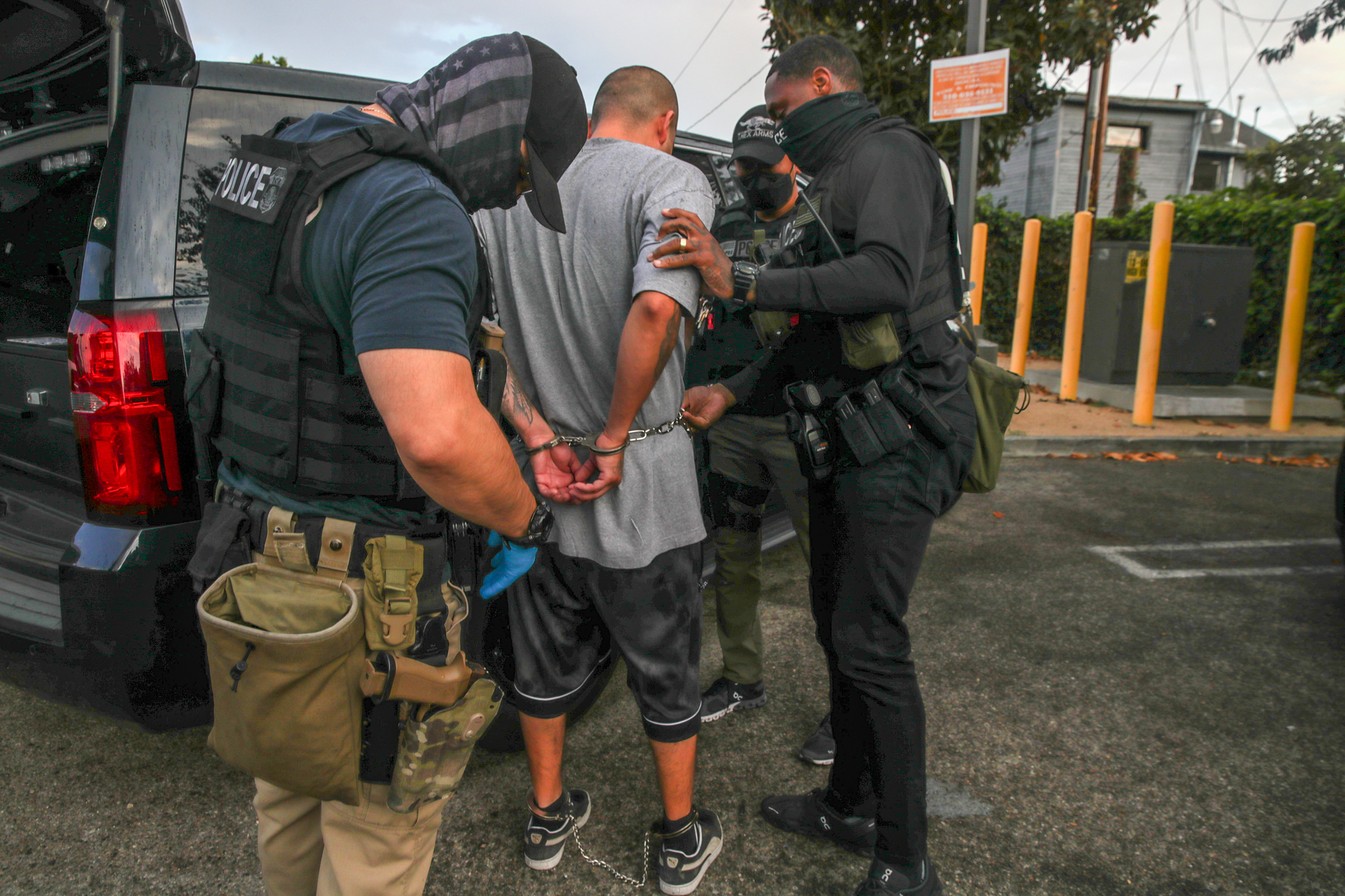
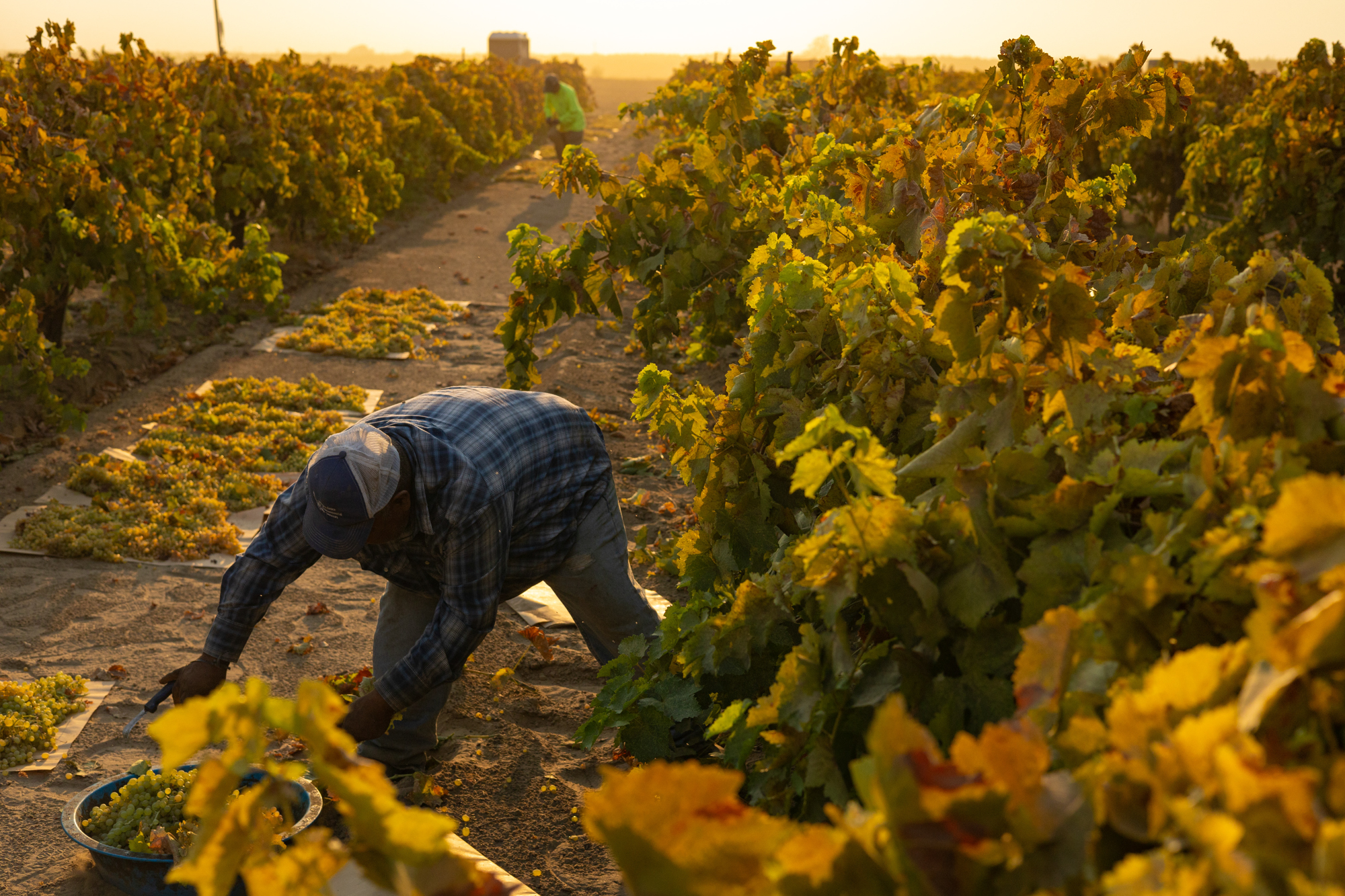
Though ICE would not say, observers’ accounts suggest that as many as 200 people may have been arrested over the past two weeks. Corona Gómez said witness accounts described ICE using three or four unmarked SUVs to stop vehicles going to and from agricultural fields, especially along the state route 180 corridor west of Fresno. She said dozens of arrests continued last week, shifting Wednesday to Tulare and Kern counties, based on reports called in to hotlines for the Rapid Response Network of Kern and the Valley Watch Network.
Many of those arrested are part of what she called “the backbone of our farmworker economy” — people who have lived in the U.S., often without authorization, for many years or decades, working and raising families but with no pathway to become legal immigrants. Some 60% of California’s agricultural workers are undocumented immigrants, according to data from the U.S. Department of Labor.
Manuel Cunha Jr., president of the Nisei Farmers League, said his consortium of Central Valley growers had seen bystander videos showing ICE agents entering agricultural fields, which he said violates the law.
“Nisei Farmers League calls on ICE to respect these legal requirements and the rights of farmers, farmworkers and communities,” he said. “These disruptions are causing fear and hardship. … Hardworking individuals who contribute to our communities are being treated as criminals, while their families and employers face growing uncertainty.”
Corona Gómez said that even though the number of immigrant legal service providers in the San Joaquin Valley is small, they would continue to try to track down arrested individuals to provide them counsel.
“We need to keep documenting this. We need [people] to keep calling the rapid response hotlines,” she said. “We can’t give up. It’s definitely an uphill battle, but community members have rights, and we can’t give up on those rights.”