Instacart to Pay $5 Million Over Alleged Hiring Discrimination Against US-Born Employees
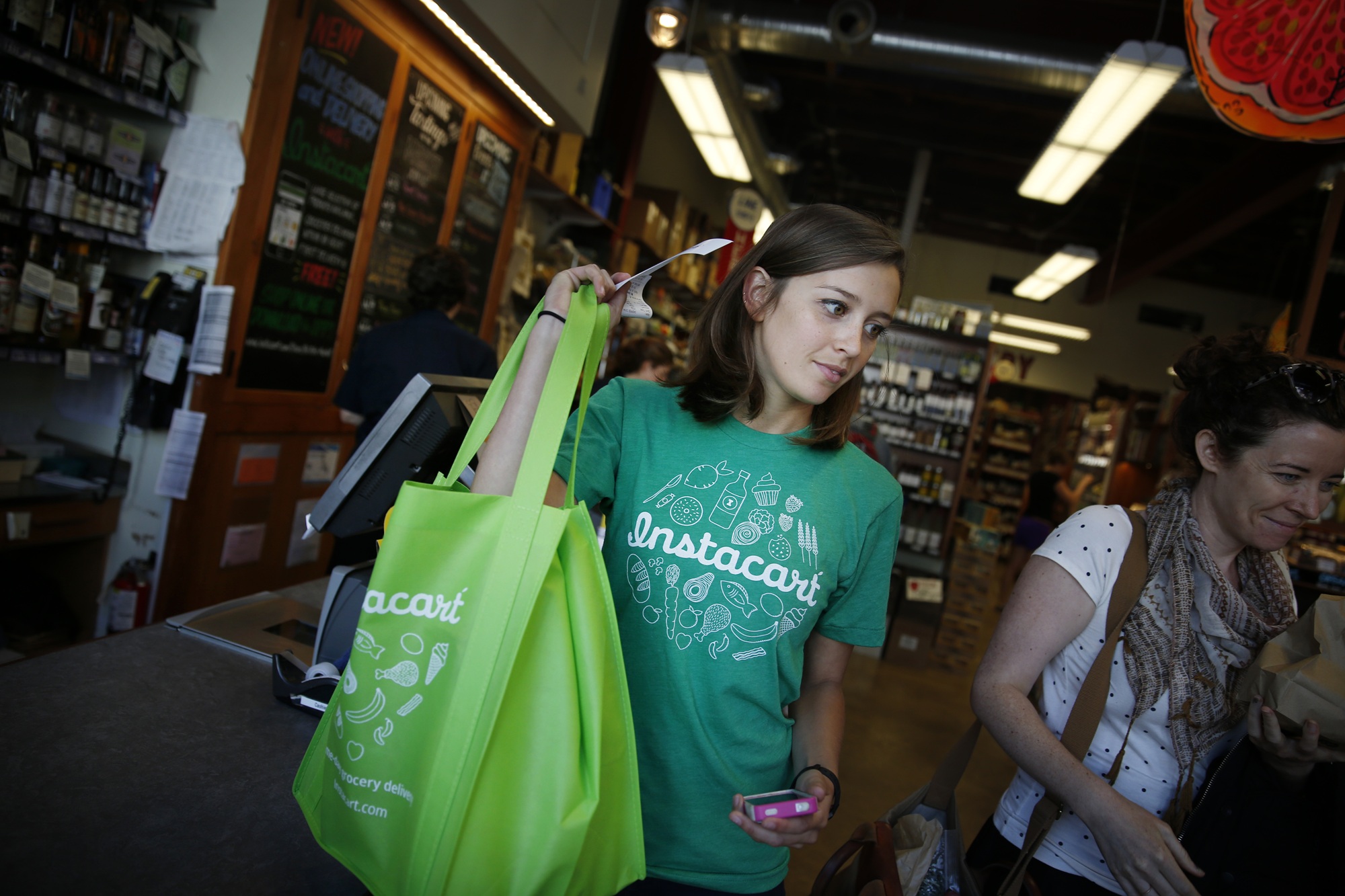
San Francisco-based online grocery company Instacart agreed to a $5 million settlement with the U.S. Department of Justice, following allegations that the company discriminated against American workers.
The settlement comes as part of the Trump administration’s “Protecting U.S. Workers Initiative” and “Project Firewall,” aimed at stopping employers who “illegally favor foreign workers over workers of American national origin,” according to the DOJ’s press release. Tech companies that employ a significant number of H-1B holders have been impacted by the federal push.
The DOJ said that it investigated Instacart for burdening U.S. workers during Program Electronic Review Management, or PERM, a mandatory process where companies interested in sponsoring workers permanently must first make sure there are no U.S. citizens who are qualified, willing and able to take the job.
According to the DOJ, their investigation found that Instacart required U.S. employees to physically mail their applications for job postings advertised during PERM.
“While we maintain that our practices complied with all applicable laws and regulations, we’re pleased to have resolved this matter so we can keep our full focus on delivering on our mission for customers, shoppers, retailers, and brands,” an Instacart spokesperson told KQED in a statement, adding that some of the PERM requirements are outdated and do not reflect how companies recruit talent today.
According to ProPublica, PERM requirements were created in the pre-internet era and state that employers must post the job in two successive Sunday newspapers in the job’s location.
Following the settlement, the company will put $4 million in a fund for Instacart applicants who may have been impacted by “discriminatory practices” between December 2023 and February 2026. The other $1 million will go to the U.S. government in civil penalties, according to the press release.

Instacart is just one of the tech companies that have faced this type of lawsuit. Earlier this summer, OpenAI settled a case for a little over $3 million for requiring workers to file applications by mail. Apple settled a similar case in 2023, and Facebook settled one in 2021.
While the federal government cracks down on PERM enforcement, state and local governments are hitting companies like Instacart with AB 5 lawsuits.
The landmark legislation, which went into effect in 2020, makes it harder for companies to classify employees as independent contractors. This shift protects gig workers by forcing companies to provide basic protections, including minimum wage, overtime, healthcare and Social Security contributions.
In 2022, Instacart settled a $46.5 million lawsuit for misclassifying workers as independent contractors and not providing them with mileage reimbursement and other benefits. Lyft lost a similar lawsuit earlier this month to the tune of $272 million for allegedly misclassifying California drivers as independent contractors from 2016 to 2020.
On Monday, WorkWhile, another gig company, reached a $2.3 million settlement with San Francisco over worker misclassification, according to court records.
Tech companies have long relied on both immigrant and contract labor, but workers are starting to organize. Most recently, California’s rideshare workers joined the California Gig Workers Union, establishing the largest union of rideshare drivers in the world, according to a union press release.
KQED’s Farida Jhabvala Romero contributed to this report.