Lyft Agrees to $272 Million Wage Theft Lawsuit as Uber Fights On

Lyft has agreed to pay more than $272 million to settle a state lawsuit alleging it committed wage theft by misclassifying California drivers as independent contractors, rather than employees, from 2016 to 2020.
Attorney General Rob Bonta announced the deal on Thursday alongside city attorneys for San Francisco, Los Angeles and San Diego. He said Lyft, which has argued its drivers were always properly classified, spent years trying to push the case into private arbitration.
“All the while Lyft grew into a multibillion-dollar company, and a household name. Its success depended on its drivers, many of whom came from immigrant communities and communities of color, and still, Lyft failed to protect those drivers and failed to pay them fairly,” Bonta said.
He called it the largest worker misclassification settlement in California history.
“The bottom line is that eligible drivers are going to get paid. That’s money in the pockets of the workers who drove this company’s success,” the attorney general said.
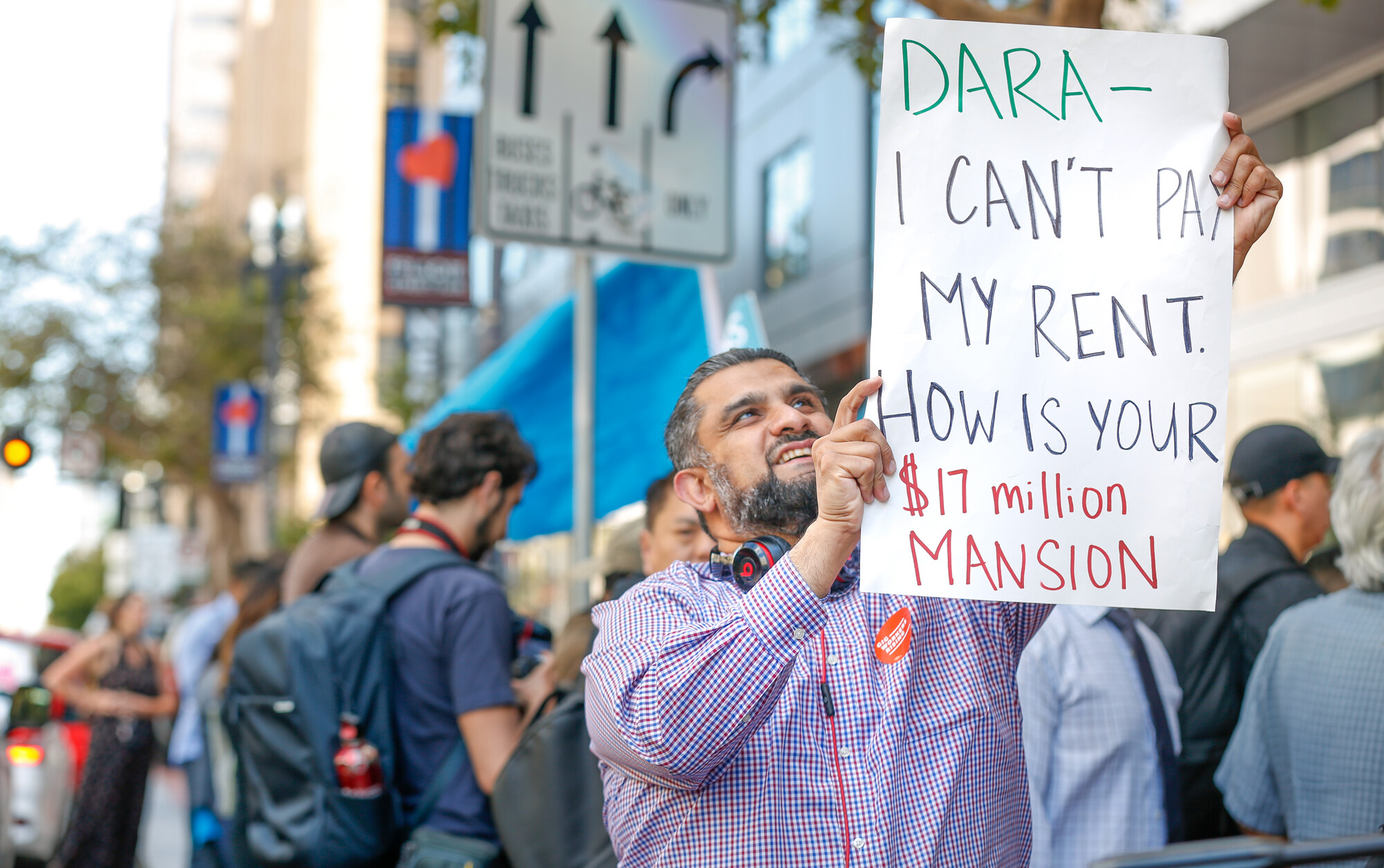
Most of the money, at least $237 million, is set to go to drivers.
“This was rent that didn’t get paid, food that wasn’t there for hungry kids. We’ve waited six years for this,” said Alvaro Bolainez, vice president of Rideshare Drivers United, a union representing over 20,000 drivers, in a statement. “It’s a big settlement — but it’s not big enough to cover the real harm that’s happened to drivers over the years.”
The settlement still needs a judge’s approval. In a statement, Lyft said the deal “closes a chapter from a very different time, before Prop 22,” the 2020 ballot measure that let app-based companies keep treating drivers as contractors.
The debate over driver classification has raged in California for more than a decade. As independent contractors, Lyft and Uber drivers don’t get overtime, paid sick leave or unemployment insurance, and the state’s minimum wage doesn’t apply to them. Proposition 22 instead guarantees an earnings floor for time spent on trips, plus some health and accident coverage.
California’s lawsuit against Lyft, joined by the cities of Los Angeles, San Francisco and San Diego, was first brought in 2020. The case was later merged with the Labor Commissioner’s separate suit and with private suits by drivers.
With litigation underway, Lyft joined Uber and other gig companies in putting forward the state ballot measure to exempt ride-share and delivery drivers from AB 5, a state law that would have made many of them employees.
In a win for the companies, voters approved the measure in November 2020, and it took effect the following month. That’s why the new settlement only covers work done through Dec. 15, 2020.
The companies fought the case at nearly every turn. A state appeals court upheld a 2020 order requiring them to reclassify drivers as employees, though Proposition 22 passed weeks later. In 2024, the U.S. Supreme Court declined to hear their bid to move the state’s claims into private arbitration.
Uber, the other defendant in the case, is still fighting. “The job is not done when it comes to protecting drivers here in California who have been misclassified, and Uber is a major violator,” Bonta said.
KQED reached out to Uber but did not hear back in time for publication.
Silicon Valley’s gigification of labor is not limited to ride-share driving. A host of other companies in everything from home services to food delivery treat workers as independent contractors instead of employees with all the benefits that classification would entail.
In September, New York Mayor Zohran Mamdani announced a $131.5 million enforcement action against DoorDash for violations of New York City’s Delivery Worker Laws regarding minimum-pay rules for workers who are contractors by law.