An ICE Surge in California Ahead of the Midterms? Here’s What We Know
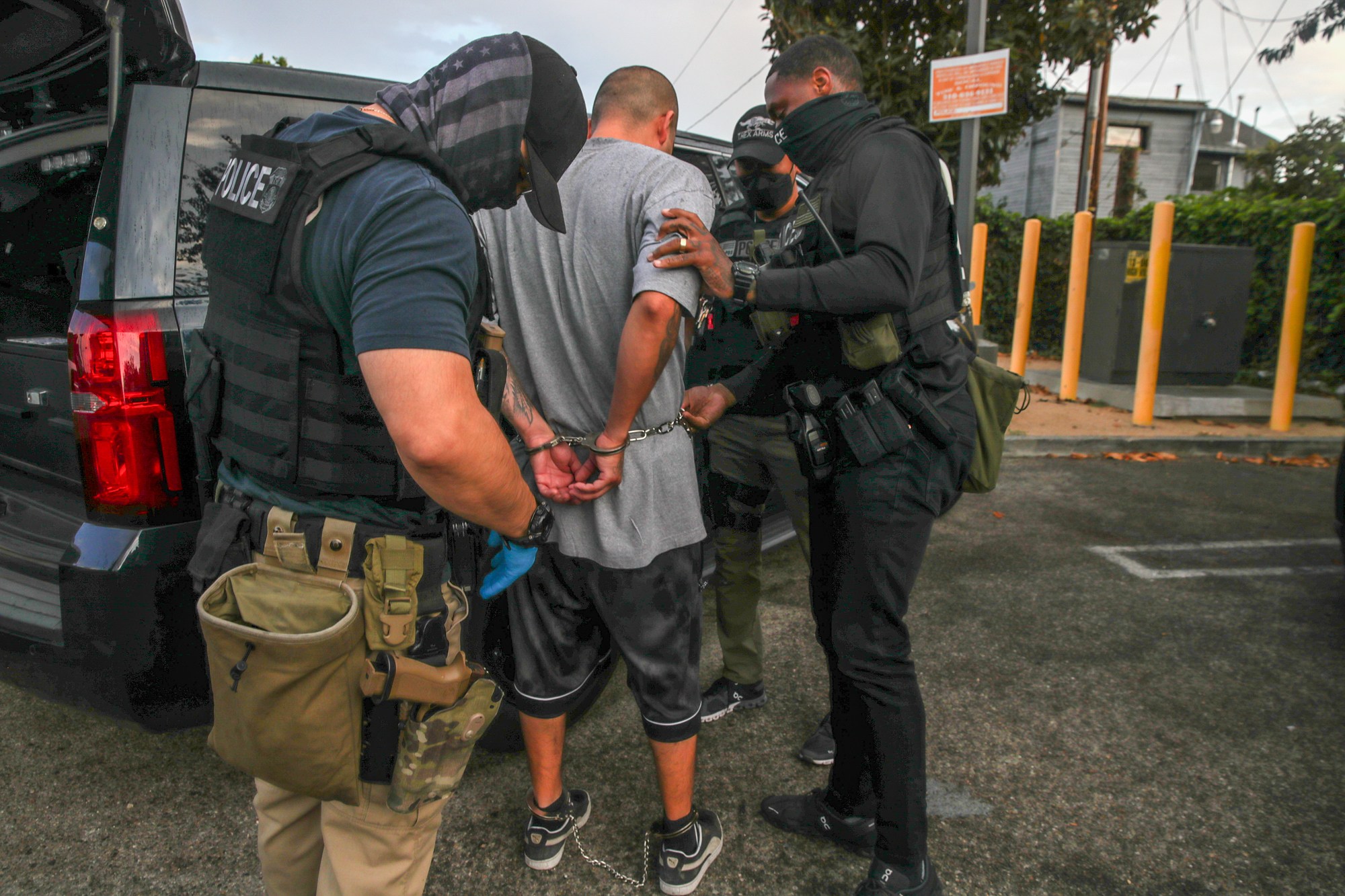
With just a few weeks until the Nov. 3 midterm elections, concerns — and rumors — about operations by U.S. Immigration and Customs Enforcement are once again spreading among immigrant communities in California.
Advocates have confirmed a wave of immigration arrests across the Central Valley this month, with more than 100 farmworkers and other people detained since Monday. And while Bay Area groups that monitor ICE activity have not seen a similar surge in the region, elected officials and community groups have expressed concern that the fear of immigration raids could discourage even eligible citizens from voting on Election Day.
“We know what Republicans are trying to do — intimidate Latino citizens so they stay at home and don’t exercise their right to vote,” East Bay Rep. Lateefah Simon told KQED in an emailed statement.

Whenever there’s been a confirmed, major ICE operation in California, local businesses in majority Latino neighborhoods struggle, schools see more absences, and immigrant families even postpone going to the doctor.
“If people hear the rumors that ICE is present, then right away the community lets itself know: ‘We need to stay home’,” said Jacob Sandoval, director of the California chapter of the League of United Latin American Citizens.
In a statement released solely in Spanish on Oct. 9, Gov. Gavin Newsom acknowledged an increase in reports of federal immigration enforcement in California.
But he urged state residents to know their rights, adding that “Donald Trump uses fear as a weapon — putting families in danger, weakening trust and terrifying communities.”
Here’s what we know so far about immigration enforcement in California in the run-up to the midterm election.
How reports and rumors are fueling anxieties ahead of the midterms
An article published earlier this month by the Washington Examiner stated that ICE had launched a 45-day operation across California to arrest all immigrants without legal status.
Several other publications picked up the story and within days, dozens of posts warning about what ICE was allegedly calling “Operation Safe California” circulated on social media.
The original reporting only quotes two unnamed sources and pointed to San Francisco, Los Angeles and San Diego as the three main targets of ICE’s apparent surge.
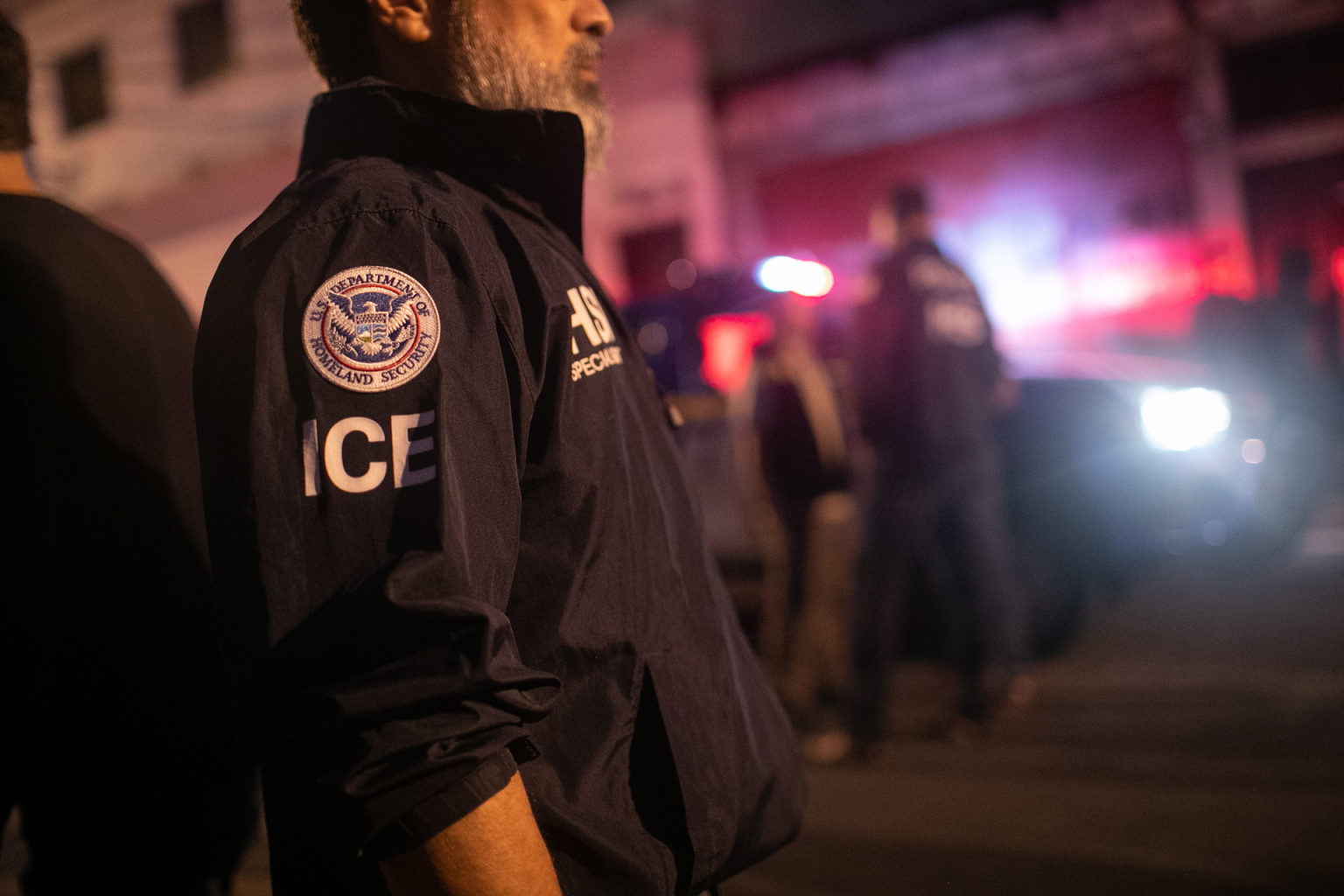
This move, the story suggested, was part of a strategy by the White House to focus immigration enforcement on California ahead of the Nov. 3 elections.
Noting the proximity to the midterm elections, the story said: “the decision to focus ICE resources throughout the sanctuary state is the latest effort by the Trump administration to unleash ICE in a blue state following surges to Minnesota, Illinois, New York, and Oregon.”
In a statement to KQED, the Department of Homeland Security said that “for operational security and the safety of our officers, ICE will not disclose or discuss law enforcement operations.”
“Every day, DHS enforces the laws of the nation across the country including in California,” a spokesperson wrote via email.
Back in January, similar rumors about possible ICE activity at Super Bowl LX in Santa Clara spread across the Bay Area in the run-up to the event — rumors which DHS similarly refused to confirm or deny following KQED’s queries. (Ultimately, no mass immigration enforcement materialized at the event.)
Voting fears among even citizens
A recent investigation by ProPublica found that immigration enforcement agents have detained more than 500 U.S. citizens during the second Trump administration.
And LULAC’s Sandoval emphasized that fears about increased ICE activity can also impact mixed-status families — where some relatives are U.S. citizens or permanent residents, while others have no legal status.
“Families might not feel comfortable with their loved ones going to the polls, even if they’re U.S. citizens,” Sandoval said. “We don’t want law enforcement or ICE around polling places where people might feel intimidated.”
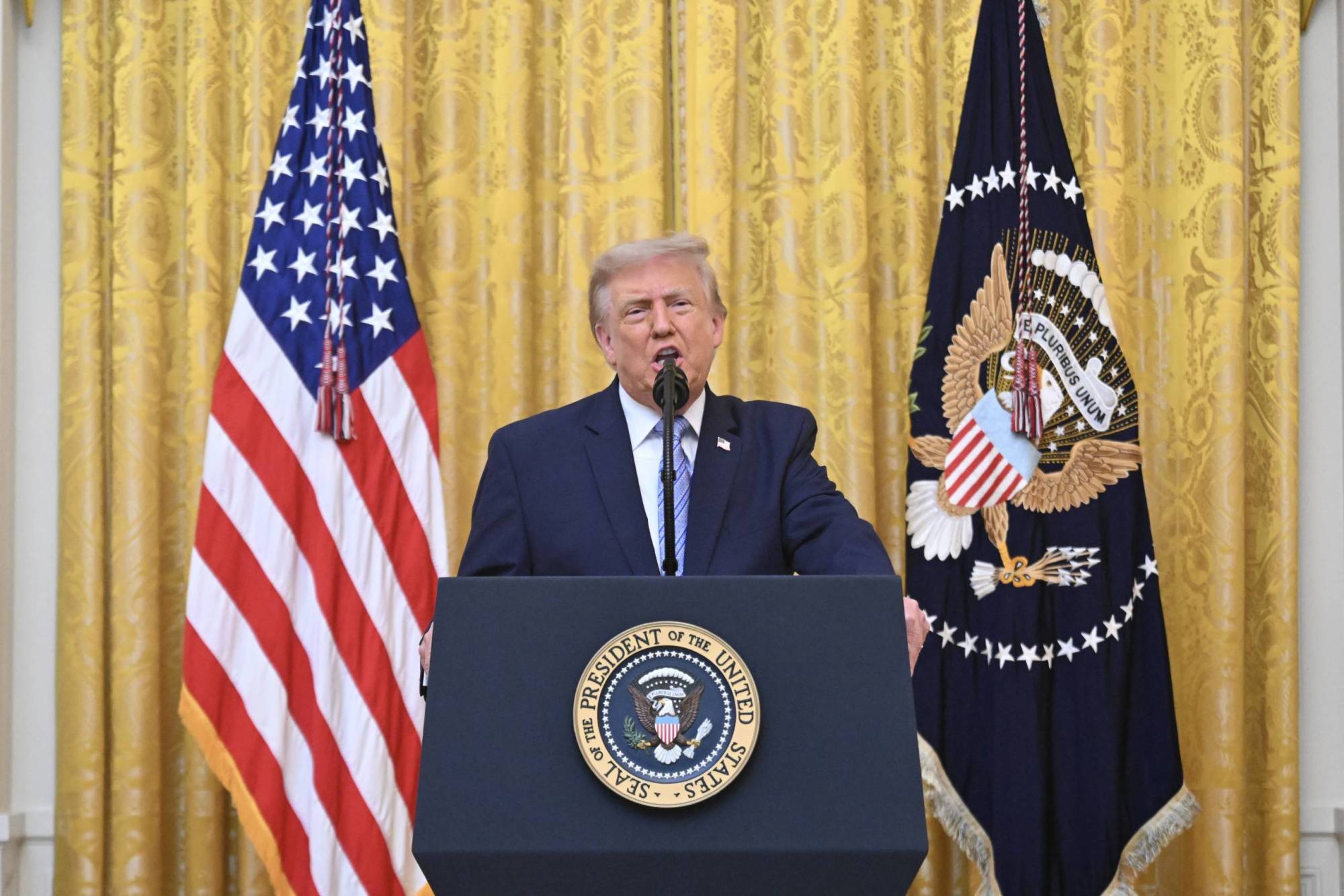
When it comes to citizenship and voter eligibility, California is already fighting a separate legal battle with the federal government ahead of the midterms. On Thursday, the Department of Justice filed a lawsuit in order to force state officials to set aside the ballots already mailed to over 20,000 registered voters — individuals that the Trump administration claimed are not actually eligible citizens.
California Secretary of State Shirley Weber, the state’s top elections official, said in a letter that she will review any evidence from the federal government that proves certain voters are not citizens.
“However, I will not disenfranchise thousands of Californians — or order any county elections official to do so — based solely upon an unsupported and likely inaccurate ‘belie[f]’ that certain voters are ‘likely’ noncitizens,” she added.
Has there been an immigration enforcement surge in the Bay Area?
KQED reached out to immigration advocates and rapid response networks across the state to confirm if they were seeing a surge in ICE operations in the wake of the Central Valley arrests and the Washington Examiner’s claims.
“We are definitely on the alert and preparing in case of increased ICE activity or large-scale raids in our region,” said Lourdes Martínez, co-director of the Alameda County Immigration Legal and Education Partnership, the county’s rapid response network. “We have not been able to verify any specifics, so we are monitoring the situation.”
She added that lawyers are preparing in case large-scale raids do materialize. Outreach workers are also sharing an “Emergency Planning Checklist for Families” to help immigrants prepare, said Martínez, in case a family member is arrested.
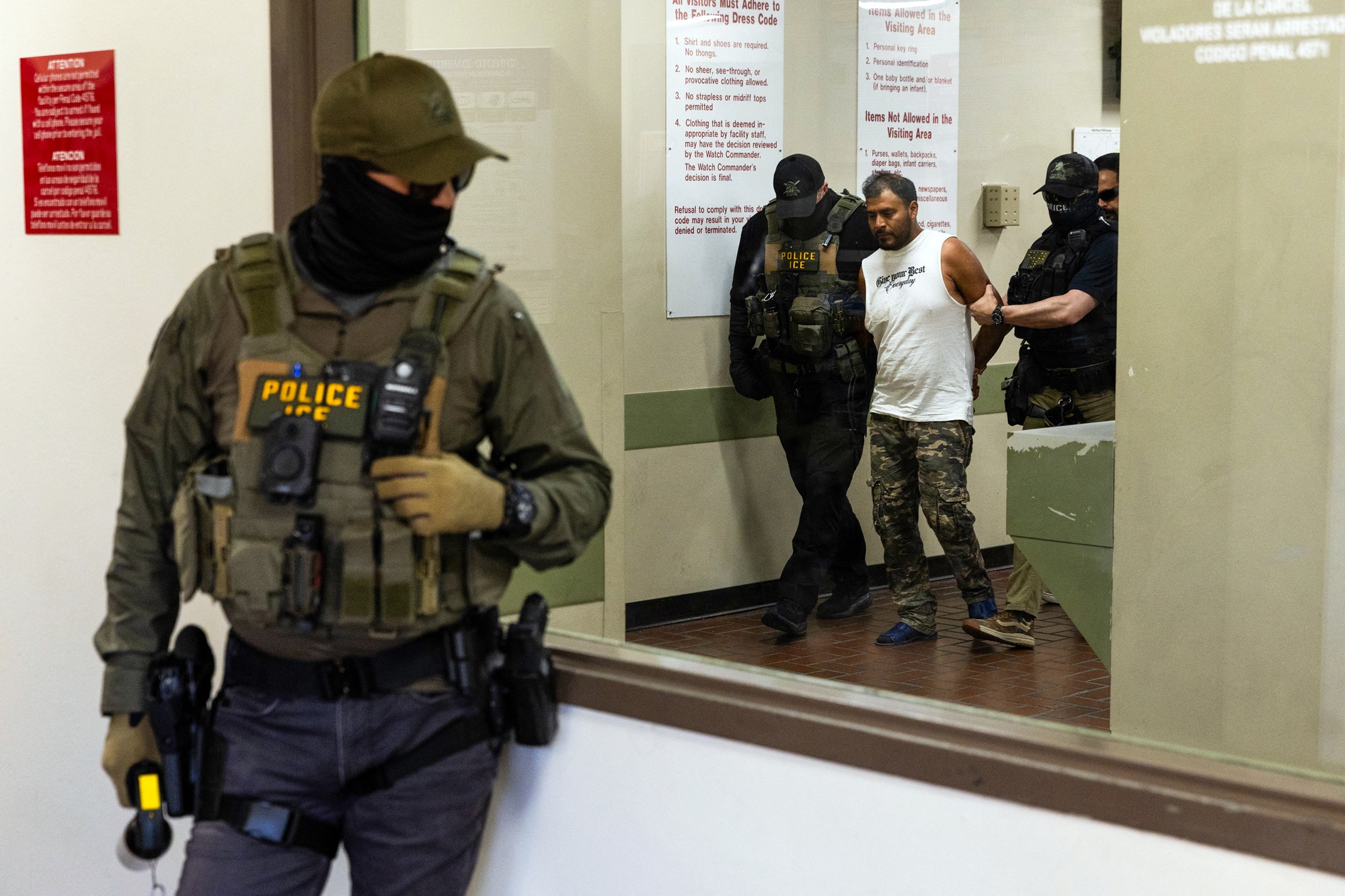
Other groups in the Bay Area that monitor ICE activity have told KQED they haven’t yet seen a major surge, but confirmed that rumors about “Operation California” have circulated widely in their communities.
Meanwhile in the Central Valley, state Sen. Anna Caballero — who represents parts of Fresno and Merced — said she had heard of an estimated 60 arrests last week within the communities she represents.
“The facility in downtown Fresno is having trouble processing” this amount of detainees, Caballero’s spokesperson Elisa Rivera told KQED in an email. “Legal observers are having little success gaining access.”
What does the law say about ICE agents at polling locations?
Earlier this year, California lawmakers approved stronger restrictions on how law enforcement officers can conduct arrests during an election.
SB 884 prohibits law enforcement — a category which includes federal agents like ICE but also state and local officers — from making arrests within 200 feet of a polling place on Election Day.
The law does specify an exception: Arrests can still be made within the 200 feet “buffer zone” for crimes “related to disrupting the operation of the polling place, a crime against a person, or a crime against property.”
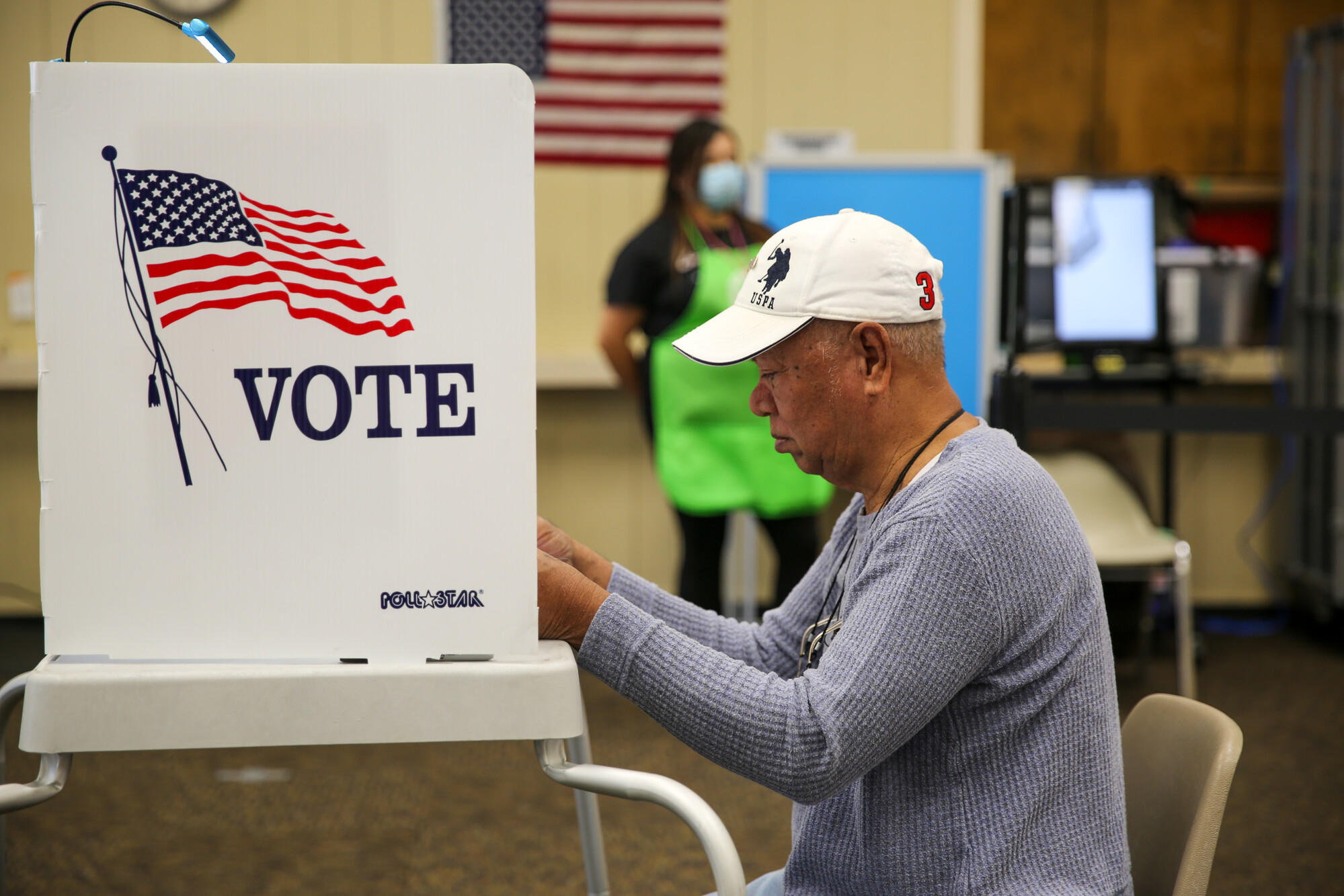
“We know that it can be a form of intimidation if folks are going to vote in person and see law enforcement there,” said Angélica Salceda, with the ACLU of Northern California.
“We all have a right to be able to cast our ballot free from coercion or intimidation,” she added. “We have the right for that vote to be secret. We don’t have to answer any questions about who we voted for if we don’t want to.”
If county officials determine that voting was disrupted at a polling place because law enforcement violated this law, they can extend the time voters have to turn in their ballots beyond the usual poll closing time of 8 p.m.
However, SB 884 specifies that the buffer zone only applies on Election Day — Nov. 3 of this year. There is no mention of these restrictions being effective on the weeks leading up to Election Day, when many voters go to their county election office or early voting center to turn in their ballots.
Salceda points out that there are also other ways to vote, including mailing in your ballot by Nov. 3 or placing it in an official county drop box.
The Trump administration has tried to change the rules around voting by mail, but these efforts were blocked earlier this year by the Supreme Court.
Armed law enforcement aren’t the only ones capable of voter intimidation, added Salceda. “We’re talking about situations where someone would want to drop their ballot at the dropbox and someone is there harassing or intimidating people,” she said. “Those are unlawful actions that should be reported.”
California’s secretary of state has a hotline available in multiple languages where residents can report incidents that may violate electoral law.
- English: 800-345-VOTE (8683)
- Spanish: 800-232-VOTA (8682)
- Chinese: 800-339-2857
- Hindi: 888-345-2692
- Tagalog: 800-339-2957
KQED’s Tyche Hendricks and Laura Fitzgerald contributed to this report.