California Officials Denounce Trump DOJ’s Demands to Prove Voters’ Citizenship
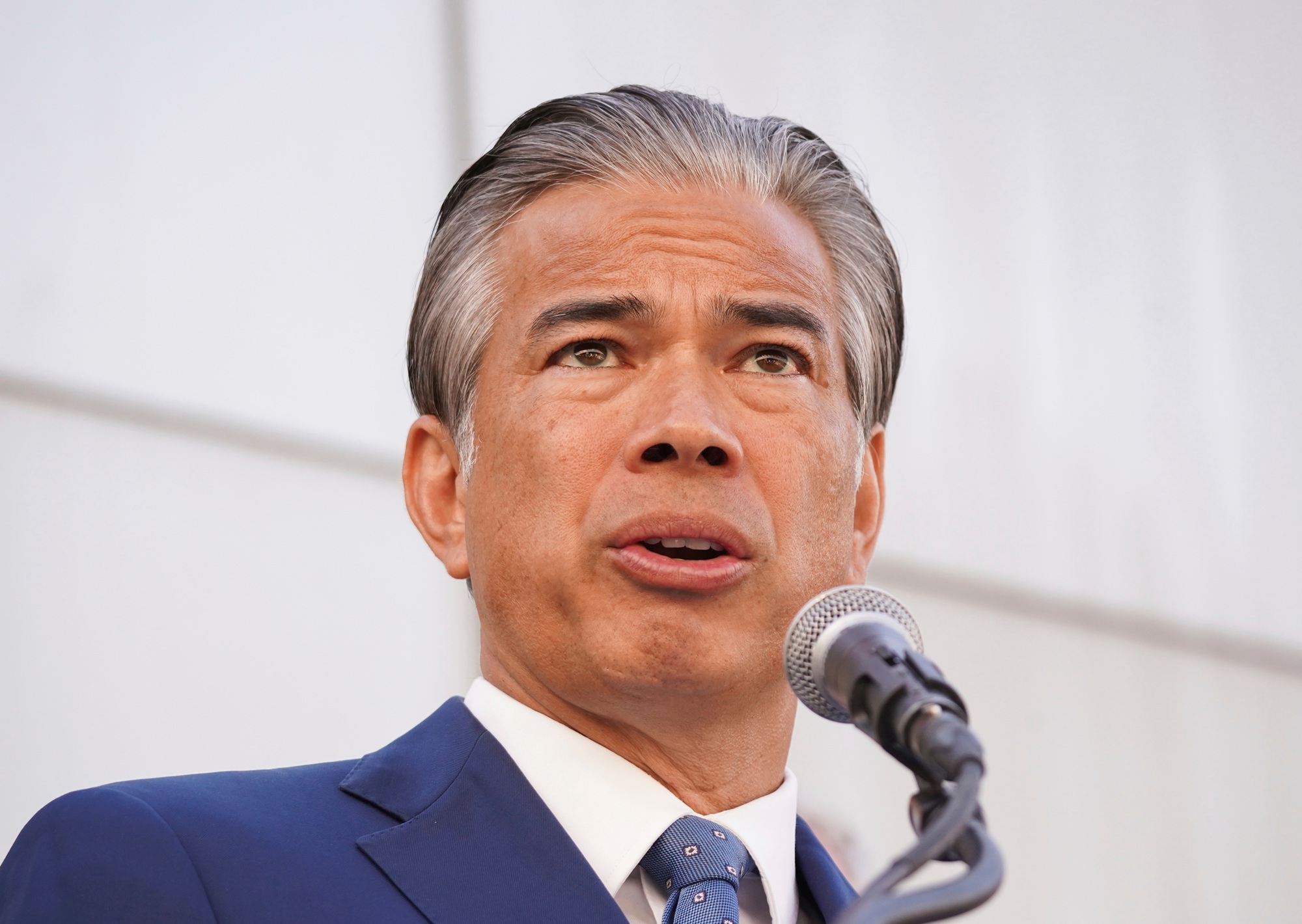
California Attorney General Rob Bonta on Wednesday accused President Trump of stoking unfounded concerns about voter fraud and trying to intimidate voters after the administration demanded that state election officials prove U.S. citizenship for thousands of registered voters — or set aside their ballots.
In letters sent Tuesday to California Secretary of State Shirley Weber and Los Angeles County Registrar of Voters Dean Logan, the U.S. Department of Justice gave officials two days to confirm the voters’ citizenship status, ramping up its pressure on the state to root out alleged voter fraud ahead of the Nov. 3 midterm election.
The letters were accompanied by a password-protected thumb drive that the DOJ said contained the names of voters who the federal government “believes are likely noncitizens.”
“For individuals whom you cannot independently confirm citizenship status, we request that you immediately instruct the appropriate elections officials to segregate — not cancel — those individuals’ vote-by-mail ballots until their citizenship status can be determined,” acting U.S. Deputy Attorney General Trent McCotter wrote in the letters to Weber and Logan.
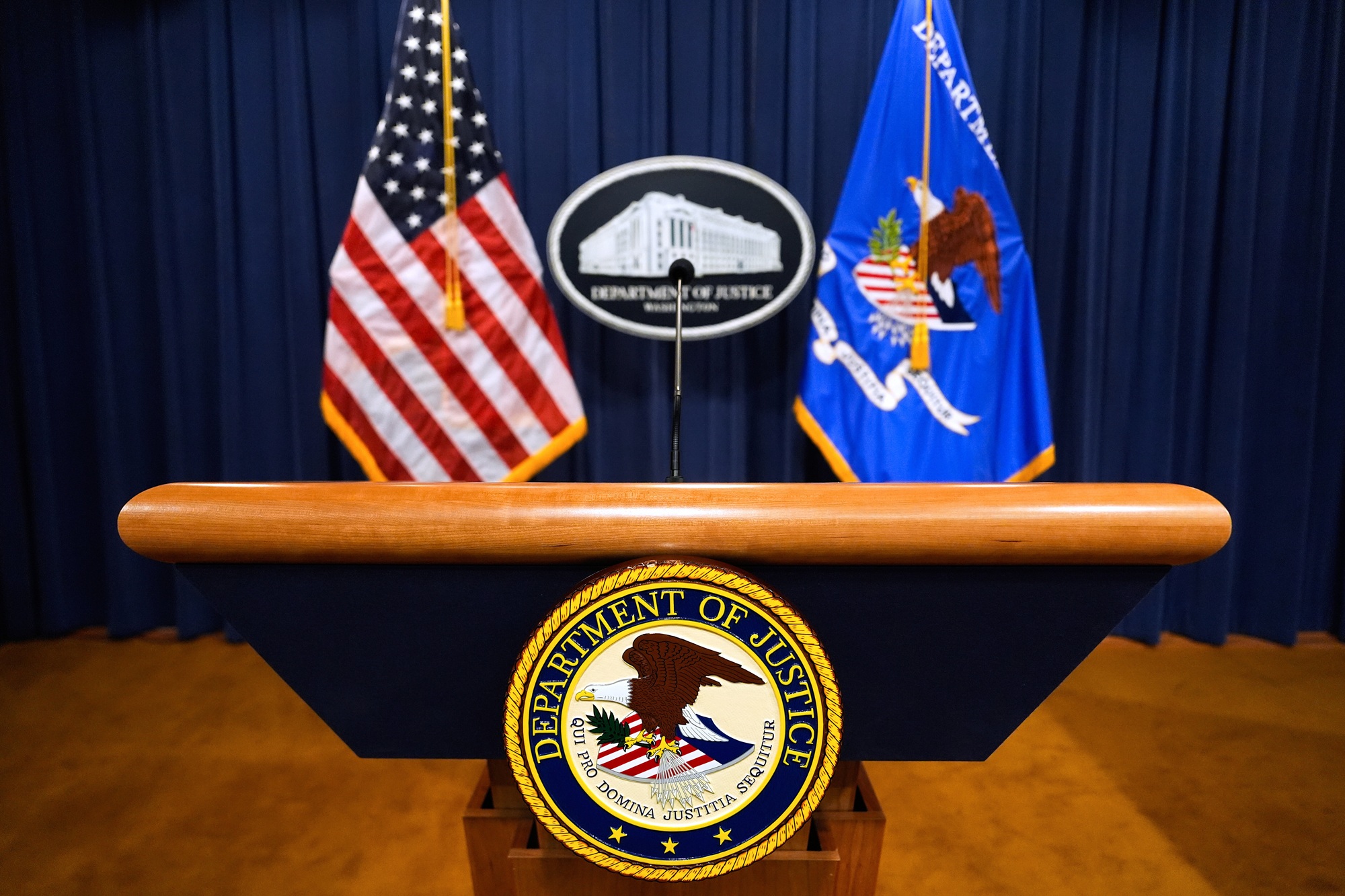
The DOJ threatened legal action against California and its top election officials if they do not fulfill its request for proof of citizenship within the 48-hour window.
“If you cannot implement this process by then, given the ongoing federal election, the United States will have no choice but to seek emergency relief,” McCotter wrote.
In a statement, Logan said Los Angeles County election officials did not try accessing the thumb drive because it didn’t meet the registrar’s security standards.
Bonta denounced the Trump administration for taking such a step while voters across the state are already filling out vote-by-mail ballots.
“During an election, he now comes forward and purports to suggest that there are ineligible voters on the rolls in California. And so, you know, we have to understand who the messenger is, what they’ve said in the past — they have zero credibility,” Bonta said when asked at a press conference on Wednesday.
Weber’s office did not immediately respond to KQED’s request for comment.
The Department of Justice’s demands come after most California counties already began mailing ballots to voters last week.
“California’s voter lists are public, and this administration has had 21 months with total control of the federal government to review those public lists…. One must question why the DOJ would violate its own rules about investigating elections close to Election Day, and over a week after they knew the state had already mailed ballots out, particularly when their past claims have been full of errors,” said David Becker, a former federal prosecutor and the founder and executive director of the Center for Election Innovation and Research.
It wasn’t immediately clear whether any other county elections offices received similar letters from the Trump administration, though several Northern California counties contacted by KQED had not as of Wednesday afternoon.
“Unless we hear otherwise from the California Secretary of State, there will be no changes to Vote-by-Mail procedures in Sonoma County for the Nov. 3, 2026, General Election,” Wendy Hudson, deputy chief registrar of voters for Sonoma County, said in a statement to KQED.
Officials in Marin, Sonoma, Contra Costa, Solano and Yolo counties also said they hadn’t received any communication from the federal government demanding proof of citizenship for the voters on their rolls.
“Registration data is cross-checked at the state level, with other state and federal agencies to ensure that only eligible people are registered,” Hudson said. “If someone does not confirm on a voter registration application that they are a U.S. citizen, we would not process their voter registration application.”
KQED’s Marisa Lagos and Izzy Bloom contributed to this report.